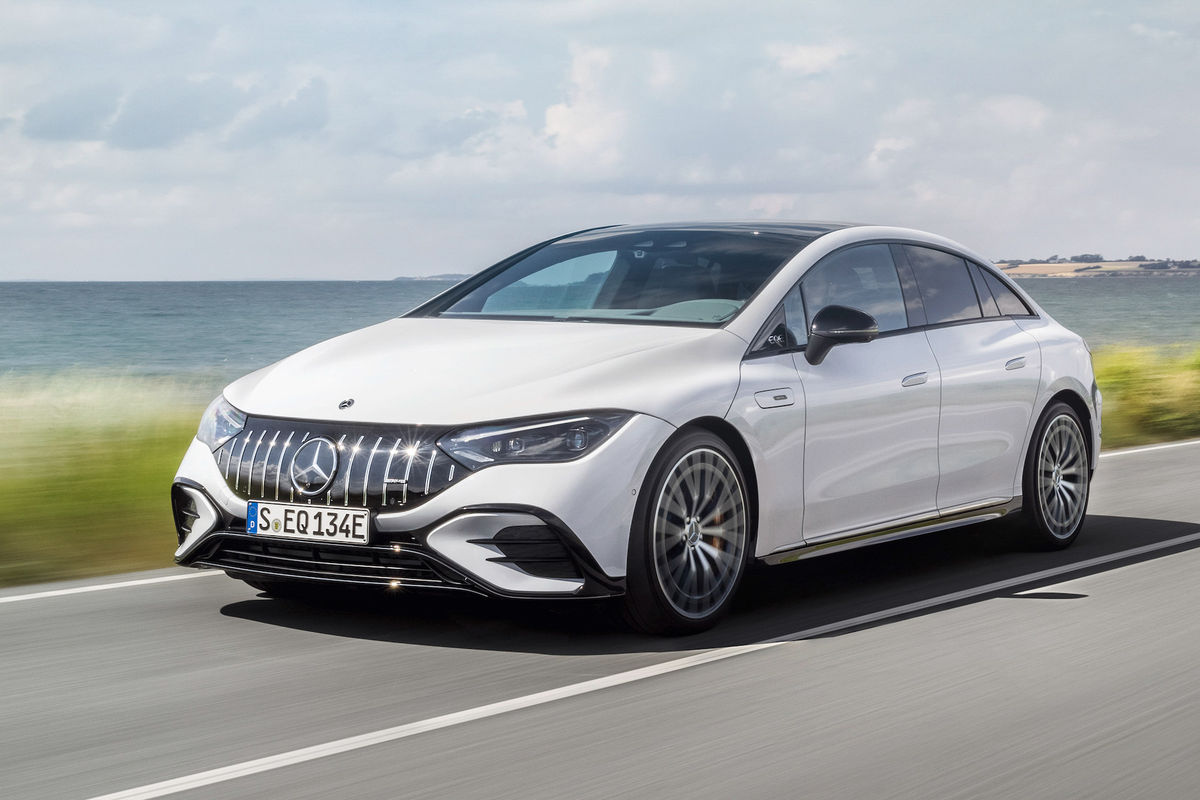
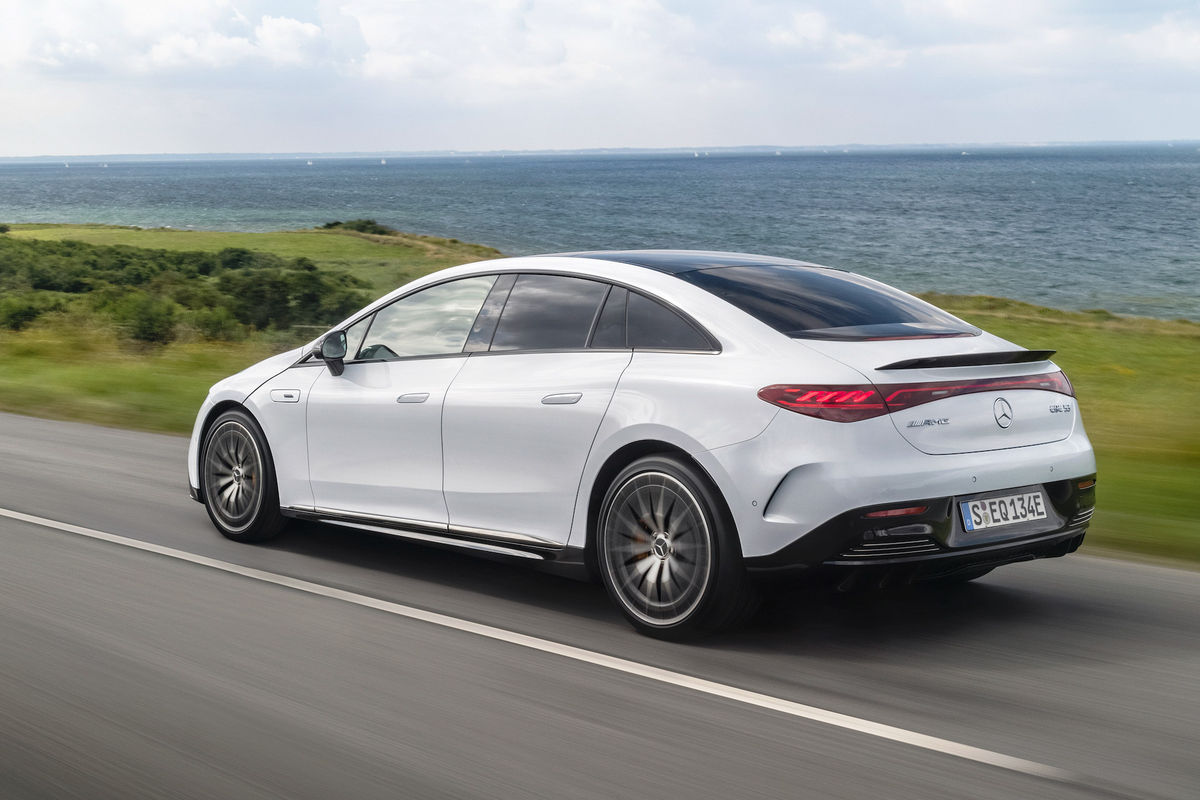
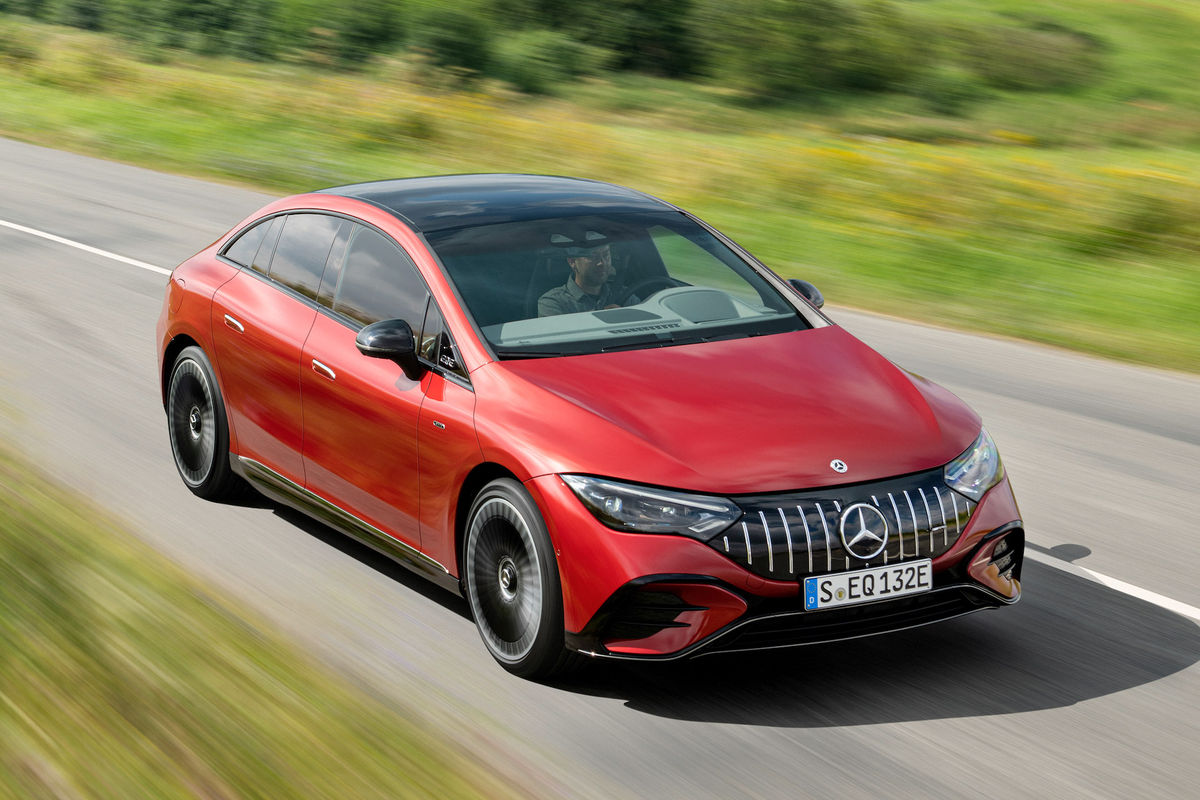
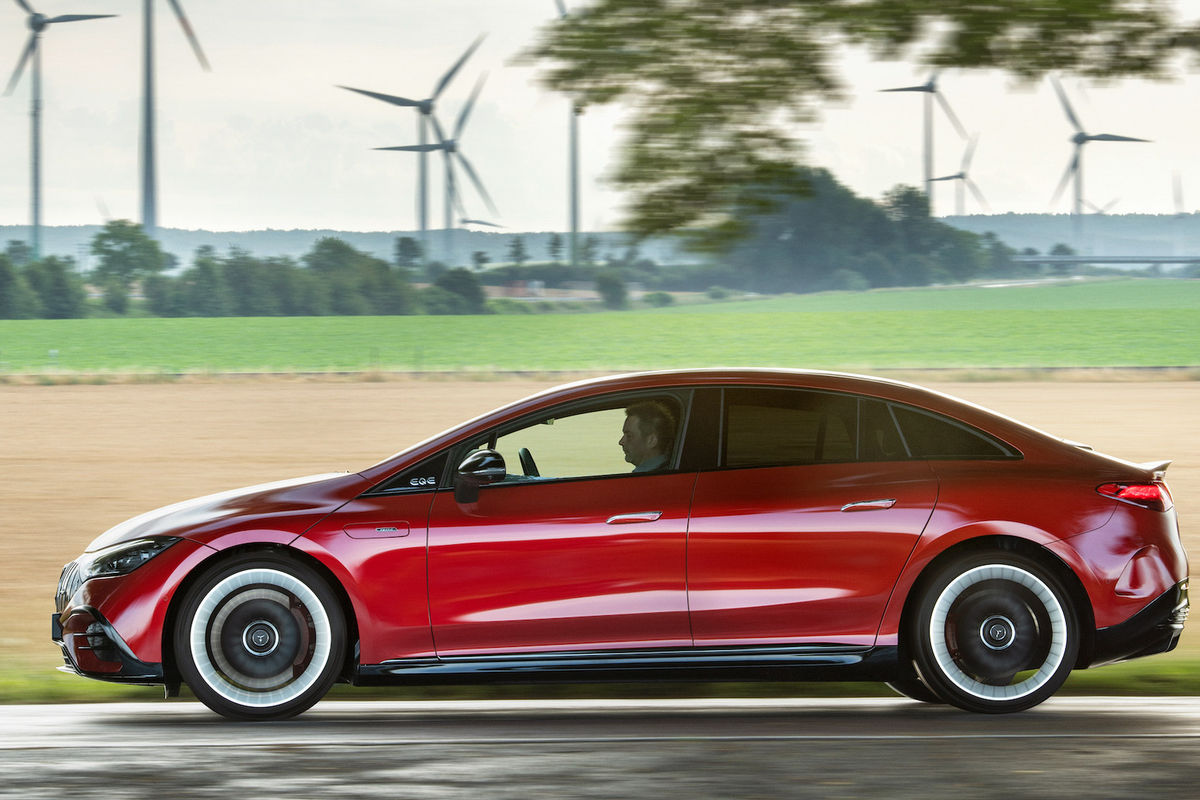
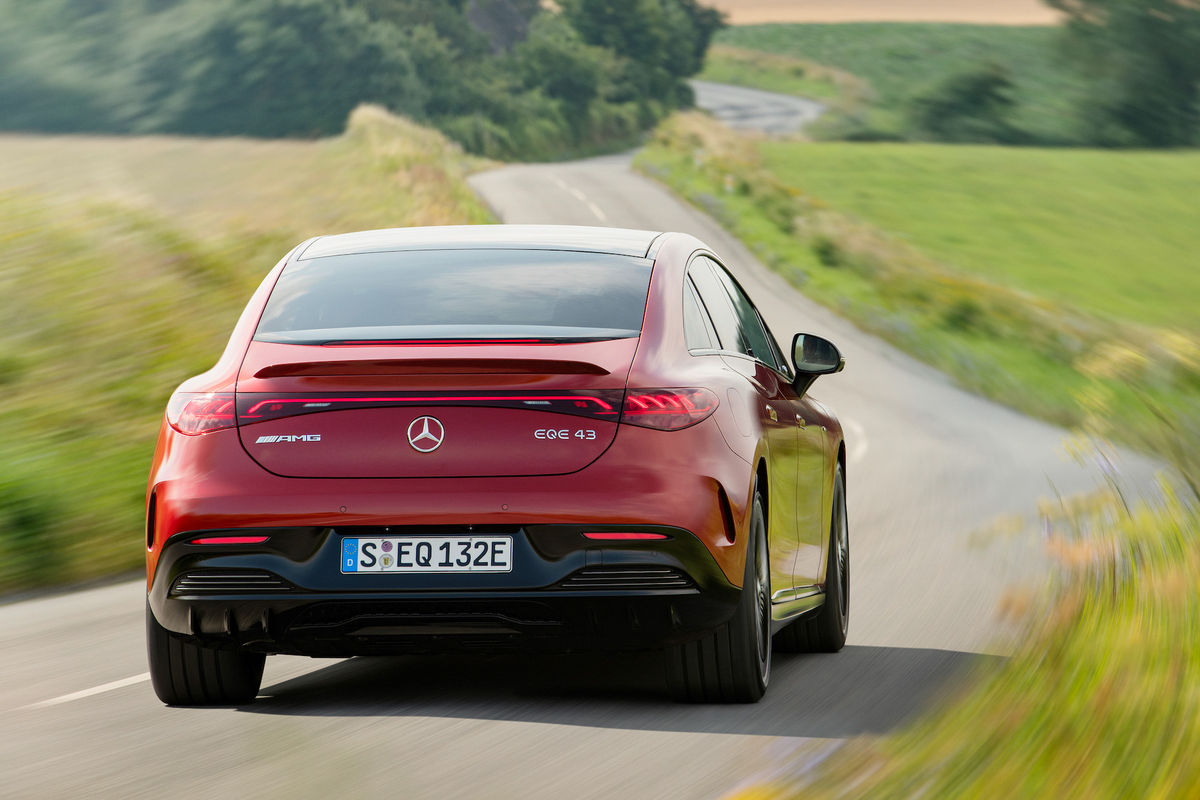
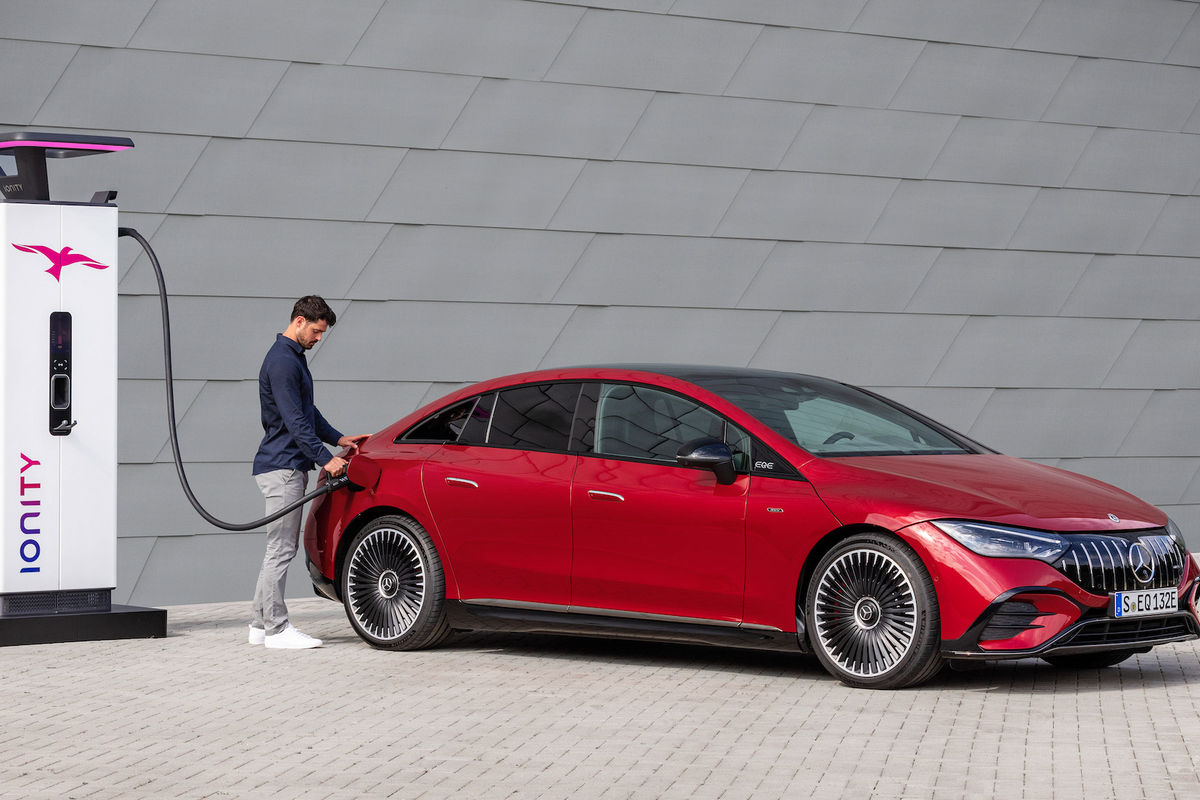
The all-electric Mercedes-AMG EQE has been revealed with up to 505 kW and impressive interior technology. See details below…
The electric offensive from Mercedes-Benz is well underway and while we wait for a host of new electric products from Mercedes-Benz to arrive in South Africa, including the EQA, EQB, EQC and the EQS, the firm’s high-performance AMG EQE variants have broken cover.
Mercedes-AMG EQE Details
The Mercedes-AMG EQE is the latest addition to Merc’s growing EV family.
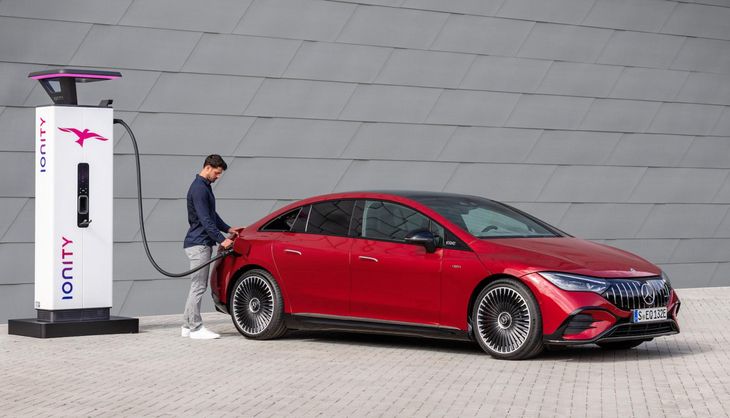
The latest addition to the firm’s growing EV portfolio is the all-wheel-drive Mercedes-AMG EQE sedan which is essentially a more compact version of the EQS. There are 3 AMG EQE derivatives on offer including the standard form EQE 43 4Matic, EQE 53 4Matic+ and the high-powered EQE 53 4Matic+ with an AMG Dynamic package.
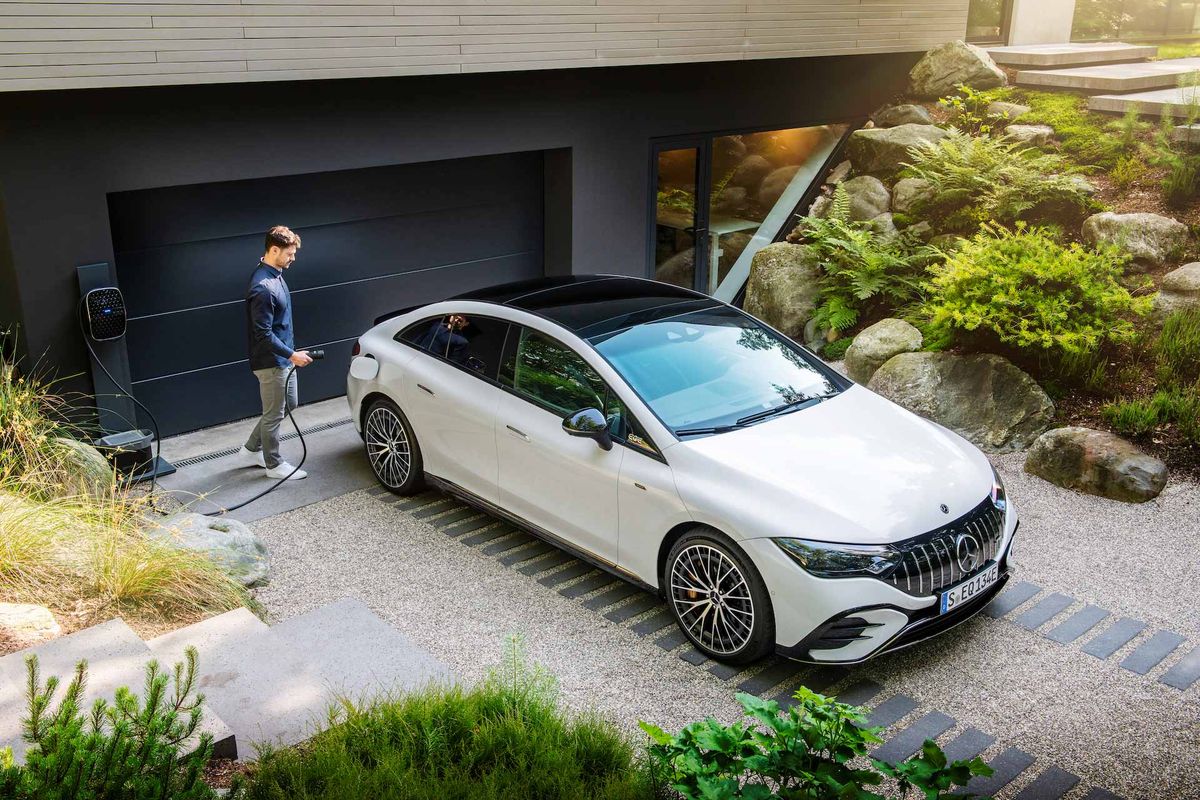
Equipped with 2 electric motors (one over each axle), the EQE 43 4Matic delivers 350 kW and 858 Nm of torque with a zero to 100 kph sprint time of 4.2 seconds and a limited top speed of 210 kph. Using a 90.6 kWh battery, WLTP range is claimed at between 462km – 533km. An 11kW on-board charger is standard while a 22 kW charger will be optional. Fast charging using a 170 kW outlet will result in 180 km of range being charged in just 15 minutes.
The EQE 53 4Matic+ ups the ante with upgraded electric motors that produce 460 kW and 950 Nm. The zero to 100kph sprint is claimed at 3.5 seconds with a top speed of 220 kph. As you would expect, range suffers a bit with a claimed range of between 414 km to 518 km.
But that’s not all, when equipped with the AMG Dynamic Plus package, as in the AMG EQE 53 4Matic’s total output boosts to 498 kW and 1001 Nm! As far as acceleration is concerned, this uprated AMG EQE 53 can accelerate from zero to 100 kph in 3.2 seconds when equipped with the AMG Dynamic package and top speed increases to 240 kph.
Other key features include AMG Ride Control+ suspension with adaptive damping, rear axle steering for enhanced handling and AMG Select Drive modes including Slippery, Comfort, Sport, Sport+ and Individual. Also, with AMG Sound Experience, the drive modes can be matched with an artificial sound fed through the speakers such as ‘Authentic’, ‘Balanced’, ‘Sport’, and ‘Powerful’.
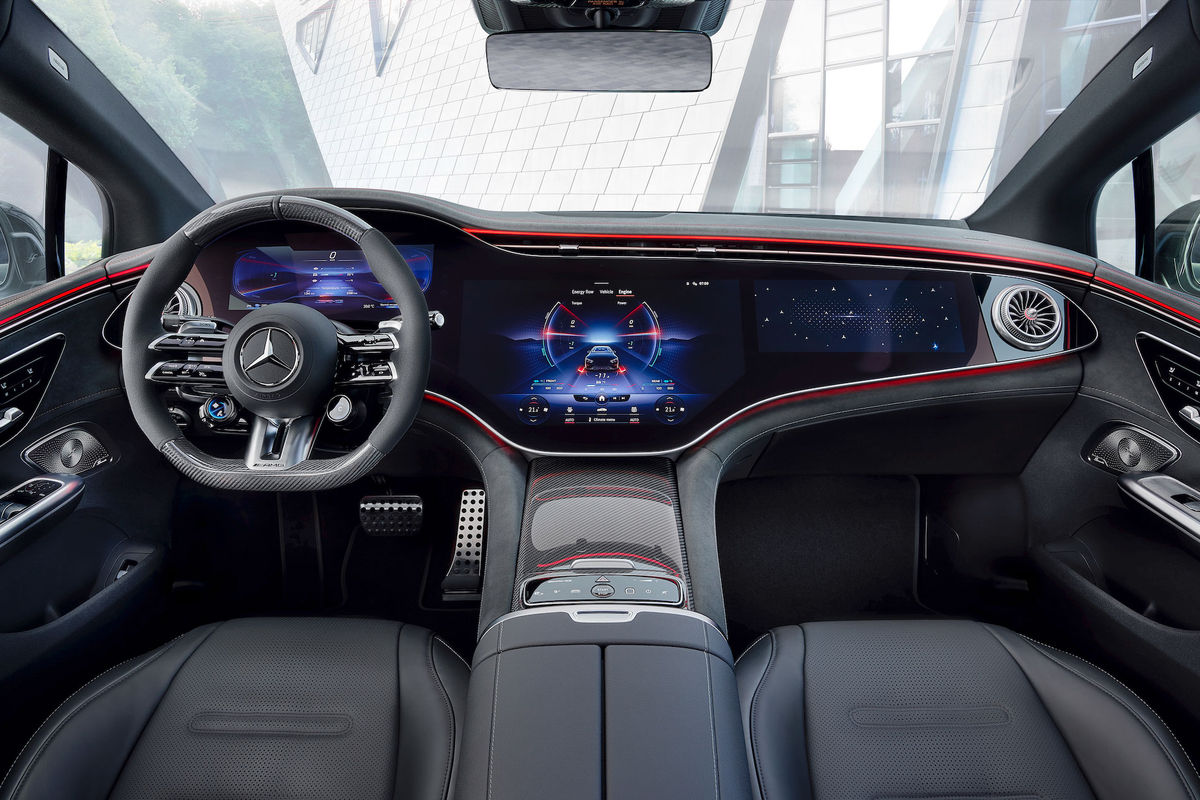
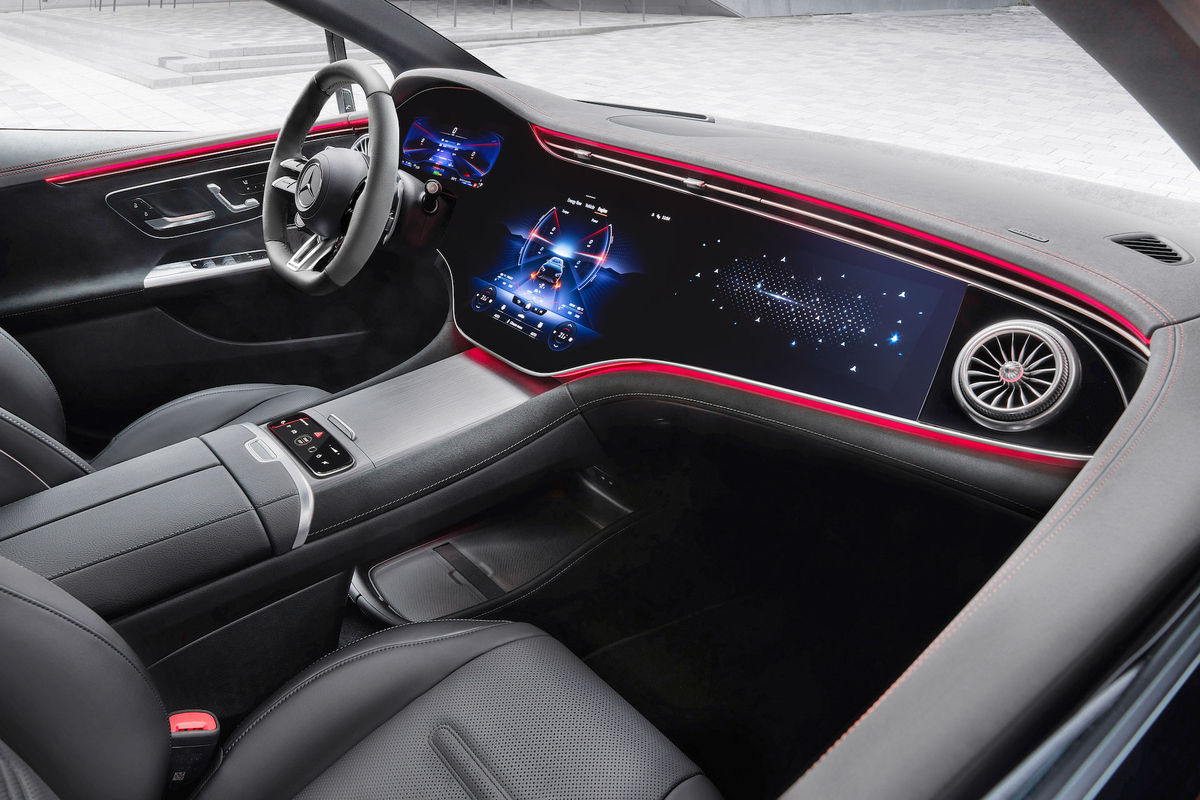
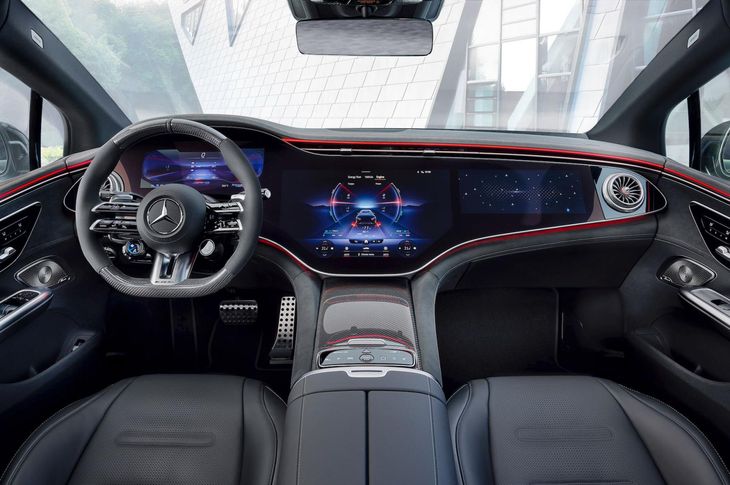
The MBUX Hyperscreen made its debut in the EQS and is now optional in the EQE.
As for the interior, it looks marvellous thanks to Merc’s optional MBUX Hyperscreen which debuted in the EQS. The MBUX Hyperscreen comprises 3 screens under a large glass cover that stretches across the entire width of the cabin. The interior is further enhanced with AMG seats with MB-Tex microfiber seat covers with decorative red topstitching which is also seen on the instrument panel. An AMG Performance steering wheel in Nappa leather is also fitted along with silver-coloured aluminium paddles. Other AMG details include AMG sports pedals, AMG floor mats and AMG door sill trims.
The regular, non-AMG Mercedes-Benz EQE is earmarked for introduction in South Africa at the end of 2022 and while the AMG EQE variants have yet to be confirmed for local introduction, arrival in 2023 is likely.
The Volvo XC60 T8 Recharge plug-in hybrid has arrived in SA and we have pricing.
The electrified flagship of the Volvo XC60 range has touched down and comes with an advanced and powerful powertrain. Under the bonnet is a 2.0-litre turbo and supercharged petrol engine, which is paired to an electric motor which is positioned on the rear axle.
The numbers are impressive, with 233 kW and 400 Nm coming from the petrol engine, while the electric motor has outputs of 107 kW and 309 Nm.
As far as performance is concerned, the Volvo XC60 T8 Recharge is good for a 0-100 kph of just 4.8 seconds, but its consumption figures are even more impressive, with just 1.6 L/100 km and a pure electric range of 81 km. The battery is an 18.8 kWh unit and can be topped up via a cable.
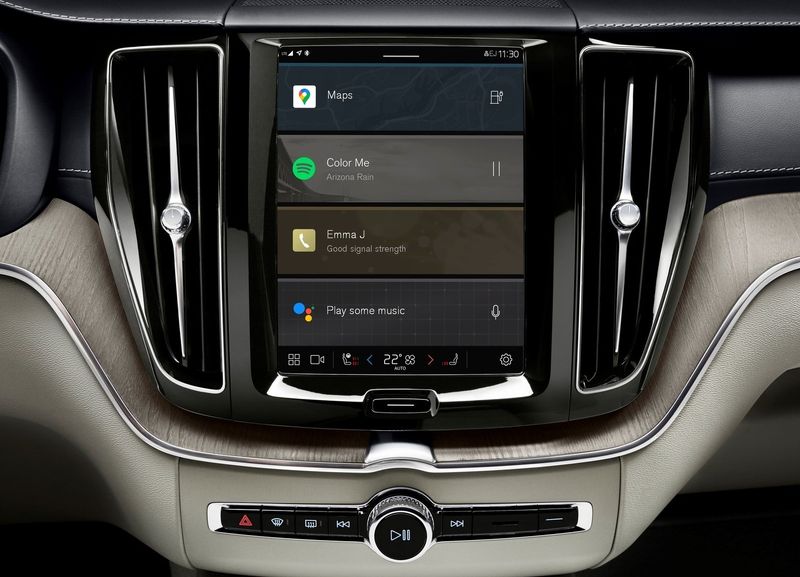
Inside, the car features the new Android-powered infotainment system that comes with an array of Google apps and services, like Maps. The car is also app compatible and allows owners to warm or cool the cabin remotely, without having to step inside the vehicle.
Standard features at this point are all-encompassing, with a panoramic sunroof, heated front seats, inductive smartphone charging and 19-inch alloys, while the R-Design variant gains sporty model-specific interior and exterior styling cues. Various options are also available for either derivative, including a Harman Kardon Premium Sound system, air suspension and wheels measuring up to 22 inches in diameter.
There will be two trim levels on offer: R-Design, which focuses on a sporty look and Inscription, which leans towards all-out luxury. The range also includes a pocket-friendly XC60 front wheel drive model, as well as the new B5 and B6 hybrid models.
How much does the Volvo XC60 T8 Recharge cost in South Africa?
The new electrified model from Volvo starts at R1 218 900.
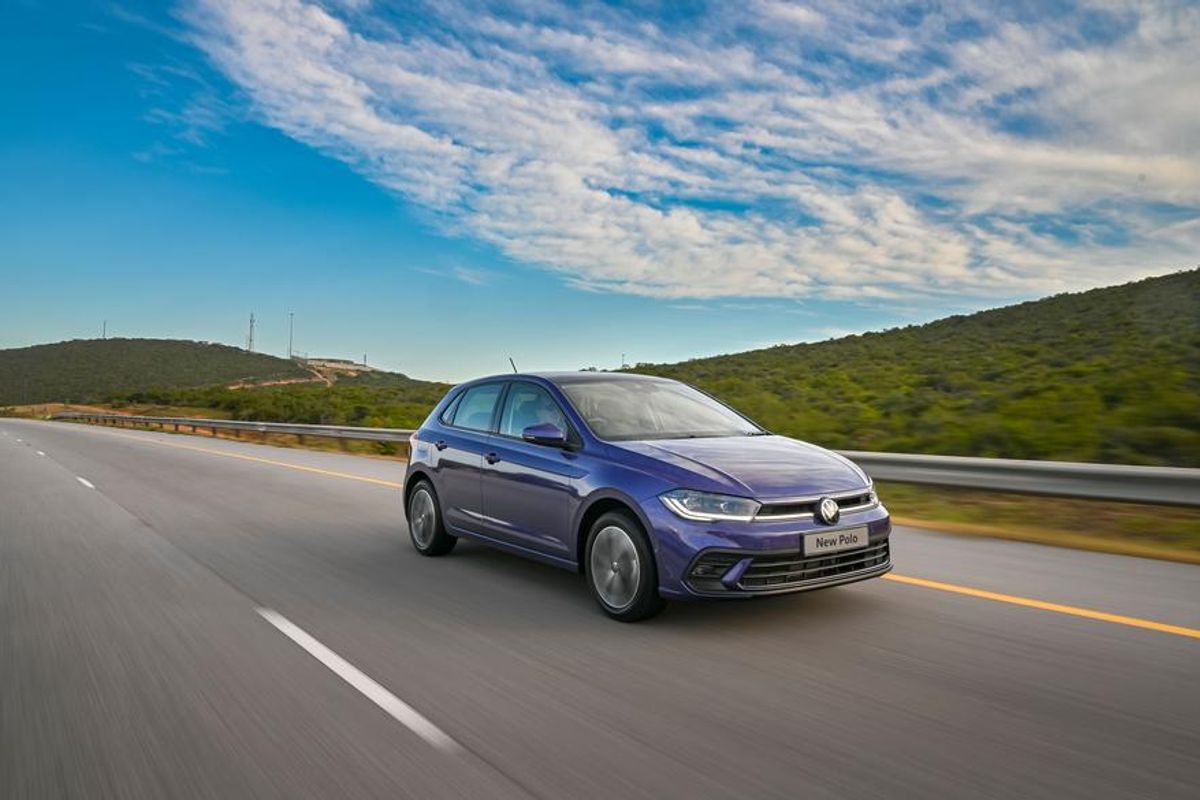
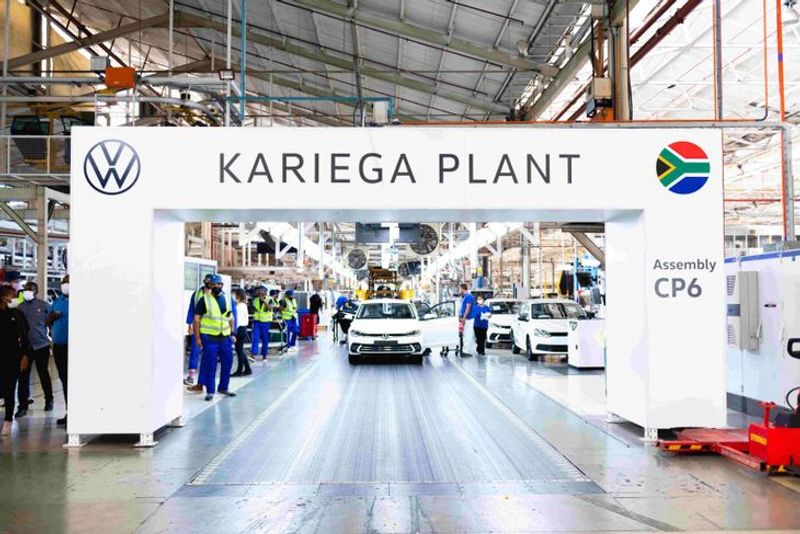
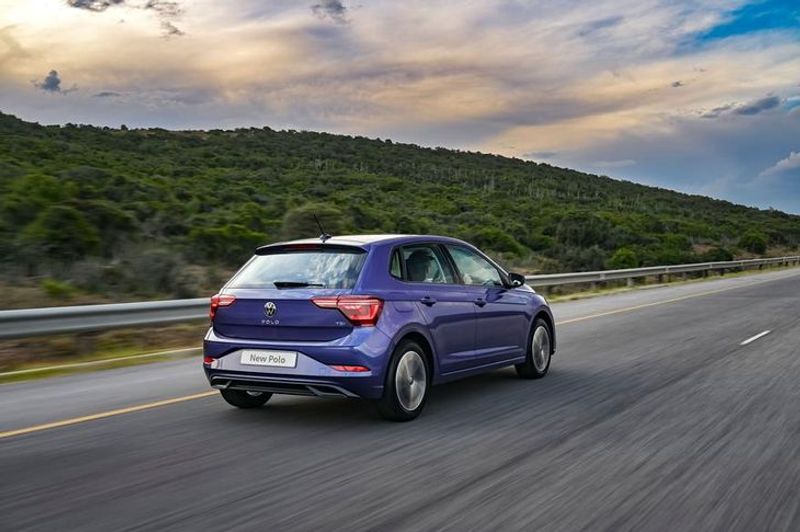
Volkswagen SA’s Kariega production facility was abuzz with activity this week when media representatives attended the local introduction of the updated 6th-generation Polo hatchback in Gqeberha. Our very own Gero Lilleike was in attendance to see and experience the “new” light hatchback in the metal.
If you’ve been tracking the monthly new-car sales stats in South Africa for a while you should know at least 2 things… The first is that Volkswagen’s Polo and Polo Vivo have consistently rocked the sales charts for the past 12 years and, secondly, that the German brand has, until very recently, dominated the passenger-car segment. The Polo notably claims a 46% share of the A0 hatchback segment.
VW Polo: A South African Success Story
The locally-assembled Polo is Volkswagen’s second best-selling model globally.
Since the 6th-generation Polo arrived back in 2018, more than 80 000 Polos have found homes in Mzansi. The Wolfsburg-based brand’s light hatchback is, as a matter of fact, the second most popular model in Volkswagen’s global portfolio after the popular Tiguan family car. The Polo is, therefore, not only an important model for Volkswagen – it’s also a phenomenal South African success story.
No fewer than 2 600 Volkswagen South Africa staff members produce the Polo, not only for local customers, but for consumers around the globe! Volkwagen’s Kariega production facility has the capacity to produce up to 165 000 units per annum and 75% of all the cars produced here are earmarked for export to left- and right-hand-drive markets in Europe, Africa, Asia and Australia, to name just a few locations. Four out of every 5 cars built in Kariega is a Polo derivative and a new Polo or Polo Vivo rolls off the production line every 105 seconds!
The Polo is built on Volkswagen’s MQB-27 platform, which also underpins the popular T-Cross and the stylish Taigo, the latter of which is due to arrive in local showrooms in May 2022. Interestingly though, the Kariega production facility is now the sole global production hub for the potent Polo GTI.
Despite the rapid adoption of electric vehicles (EVs) in Europe, the Polo remains a kingpin in Volkswagen’s line-up and will continue to serve the local and global markets for many more years to come.
More style and tech for Volkswagen Polo
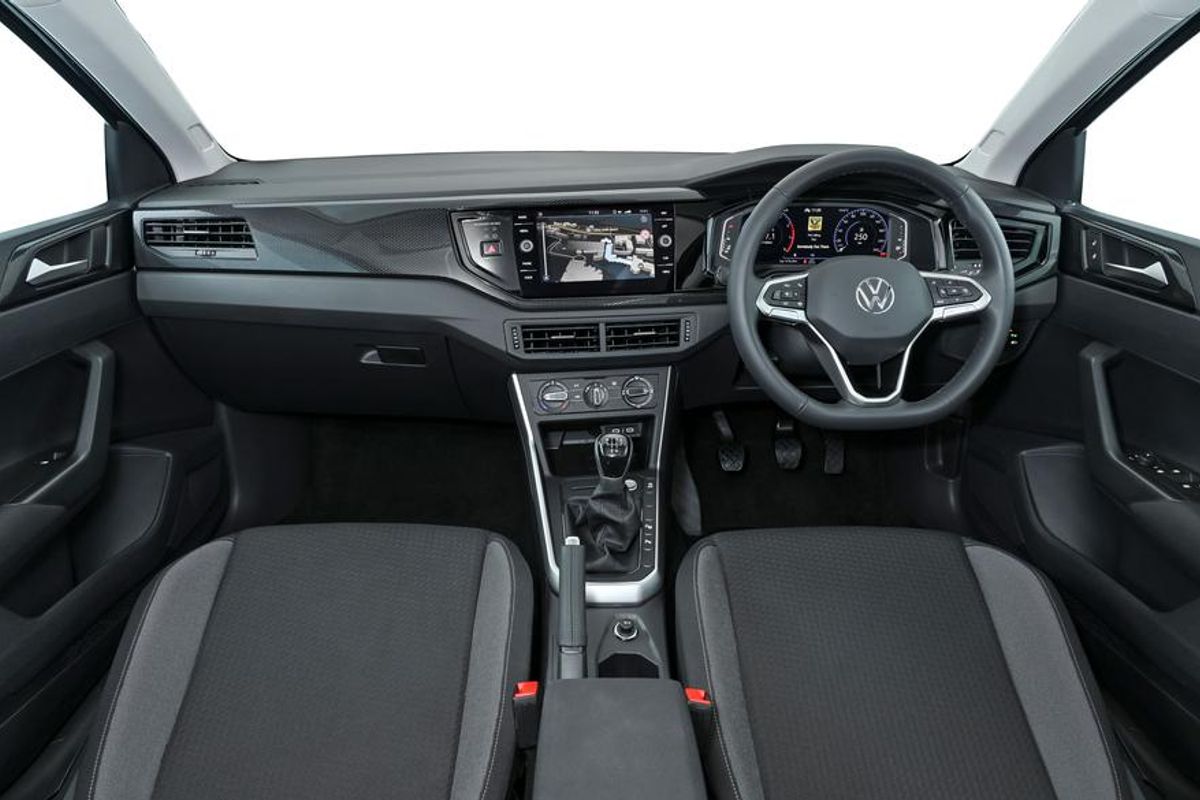
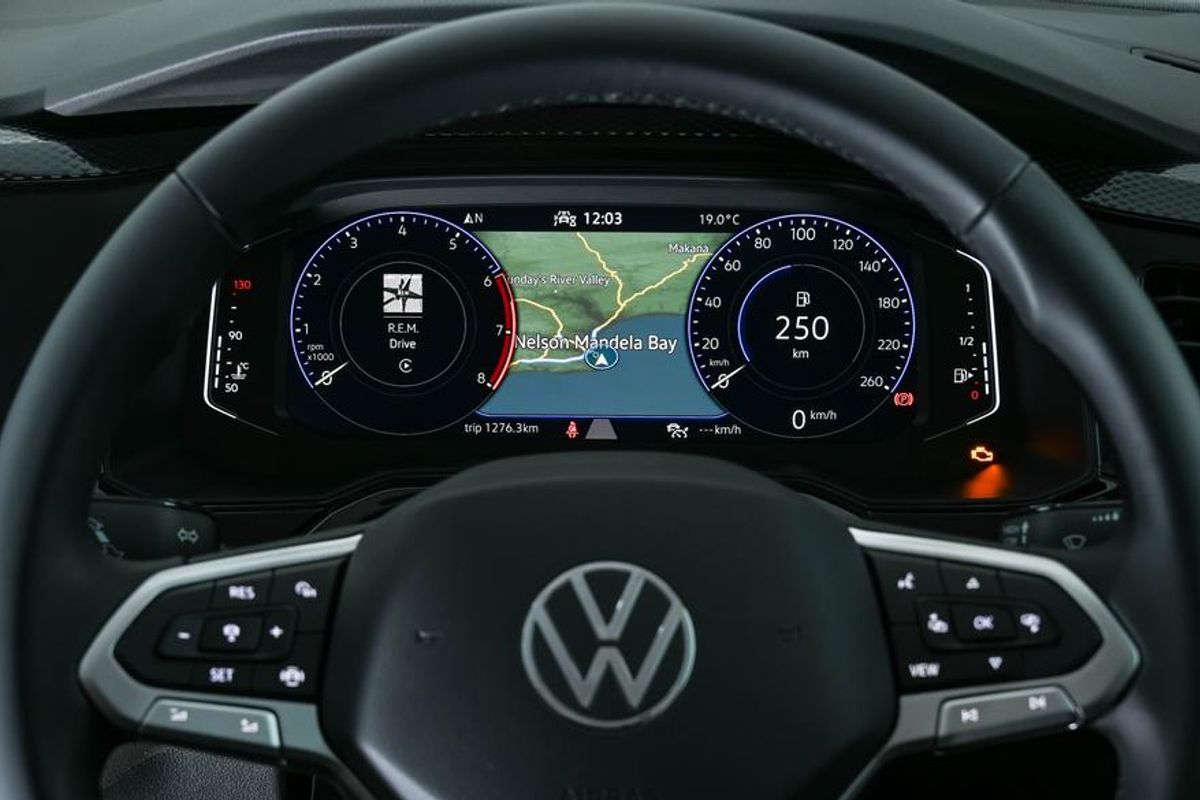
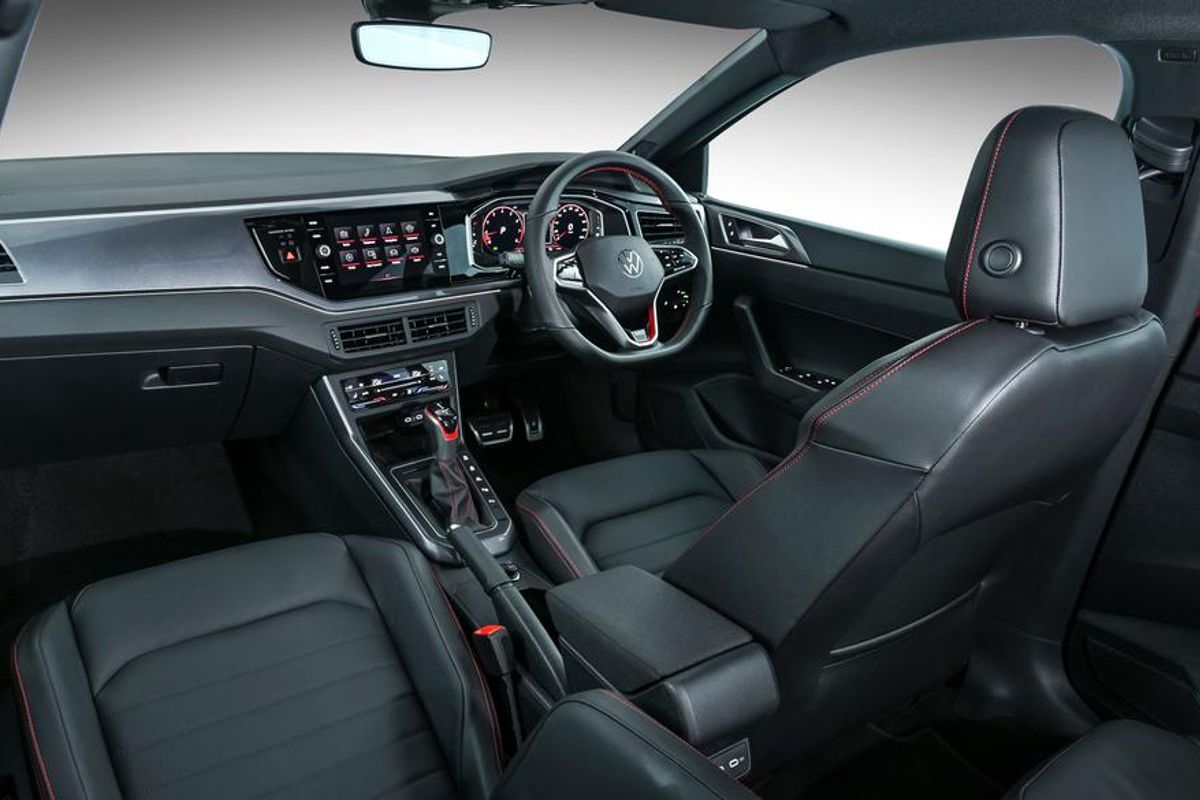
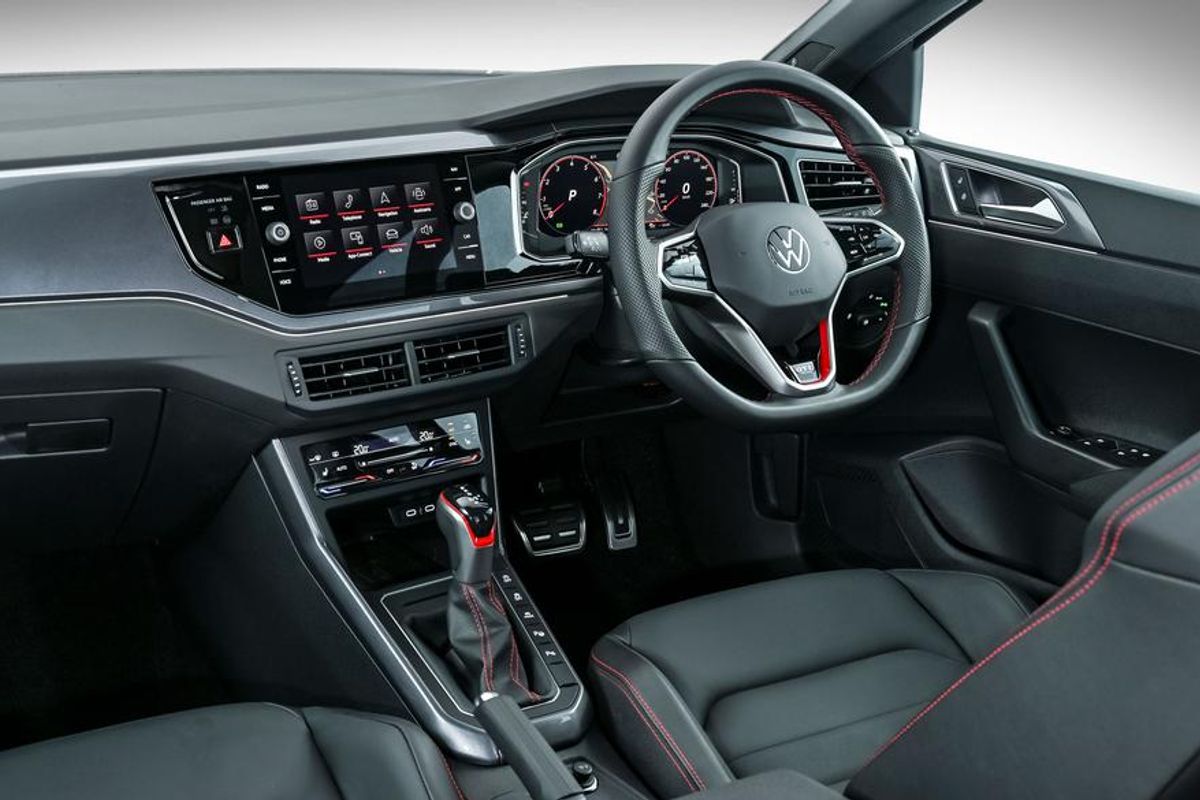
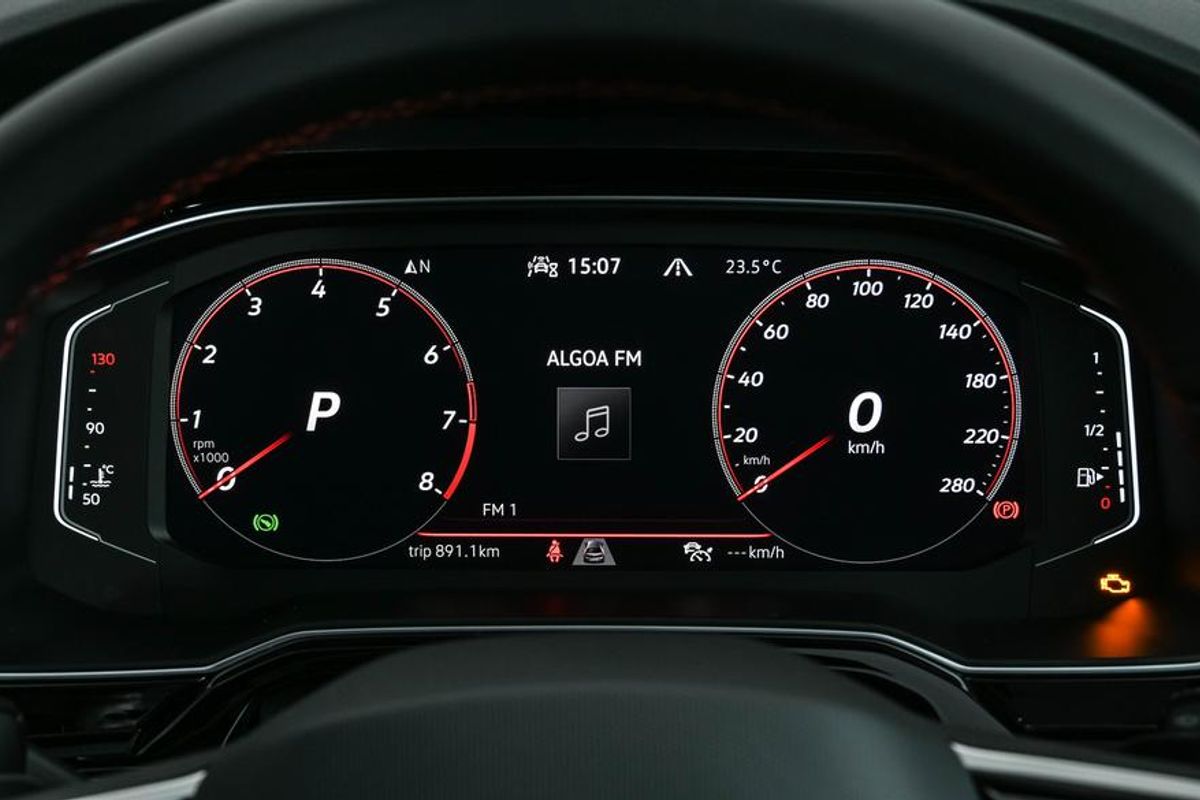
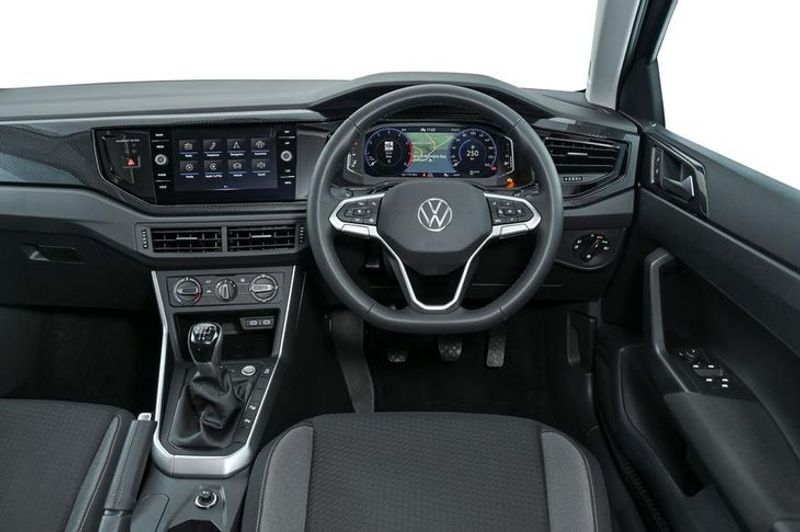
The Volkswagen Polo now features a Digital Cockpit as standard across the range.
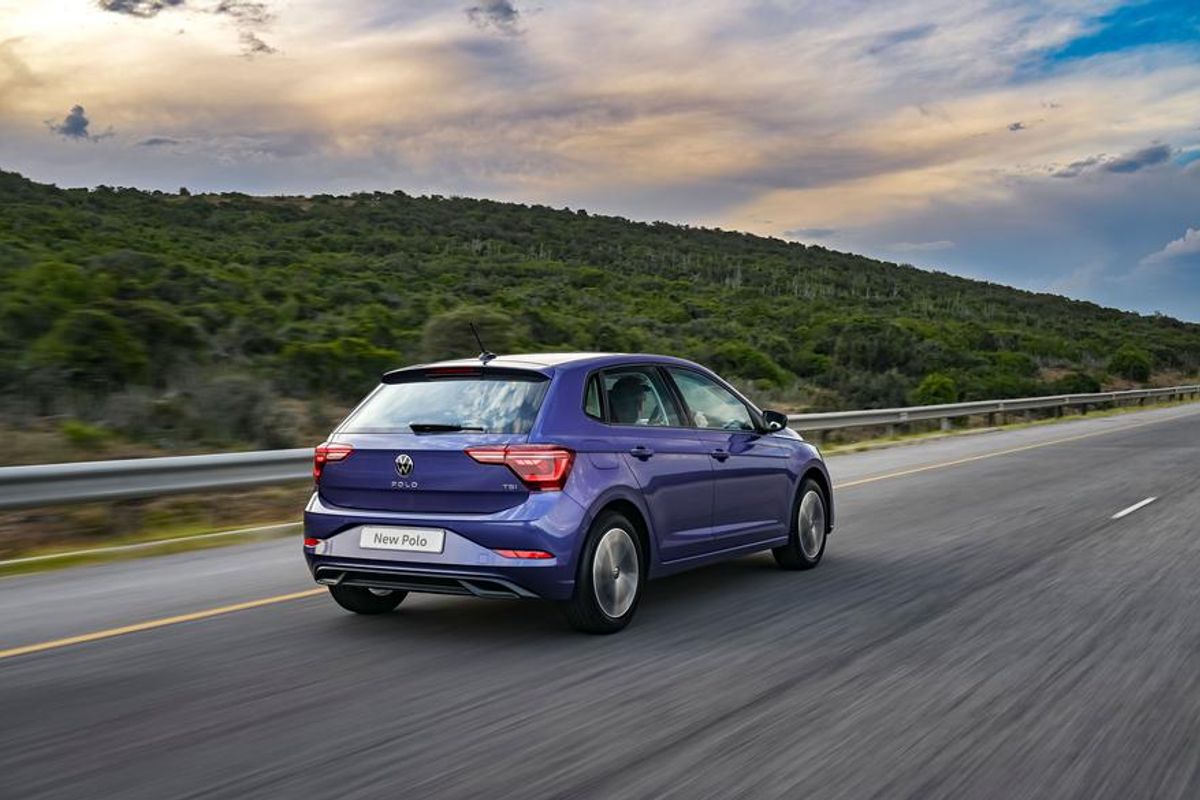
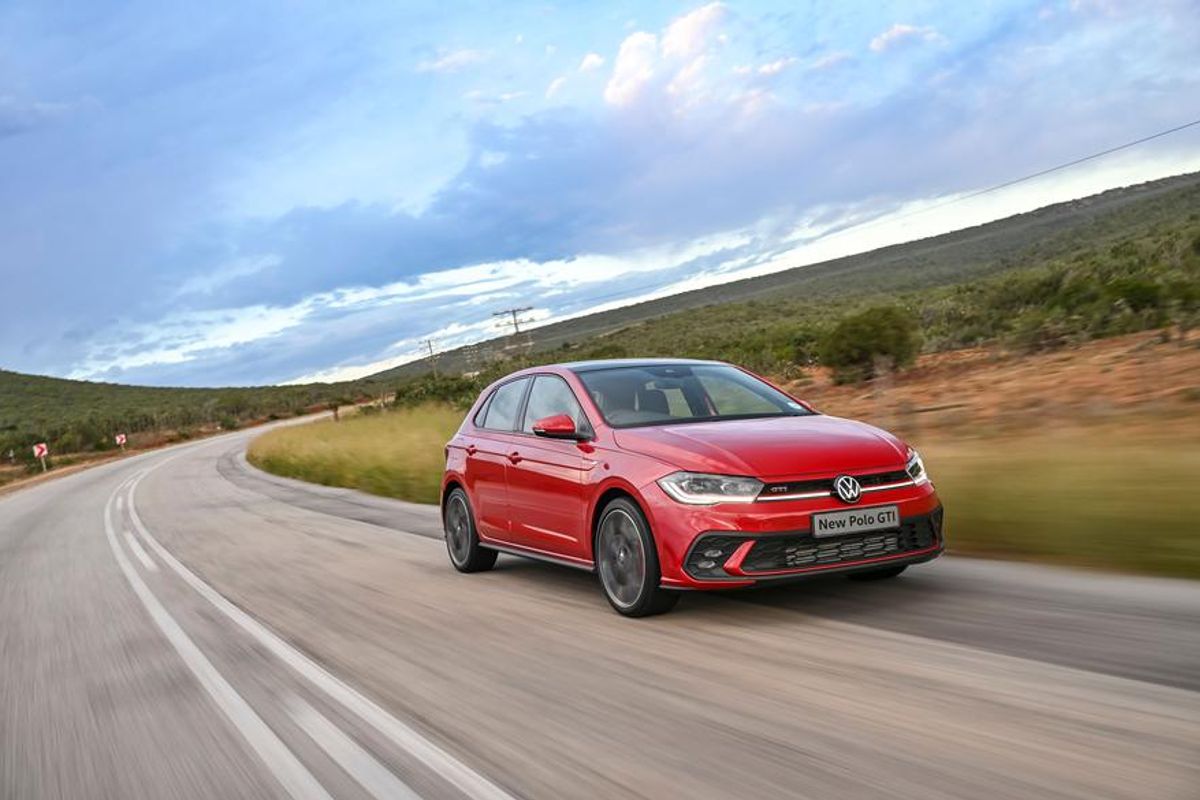
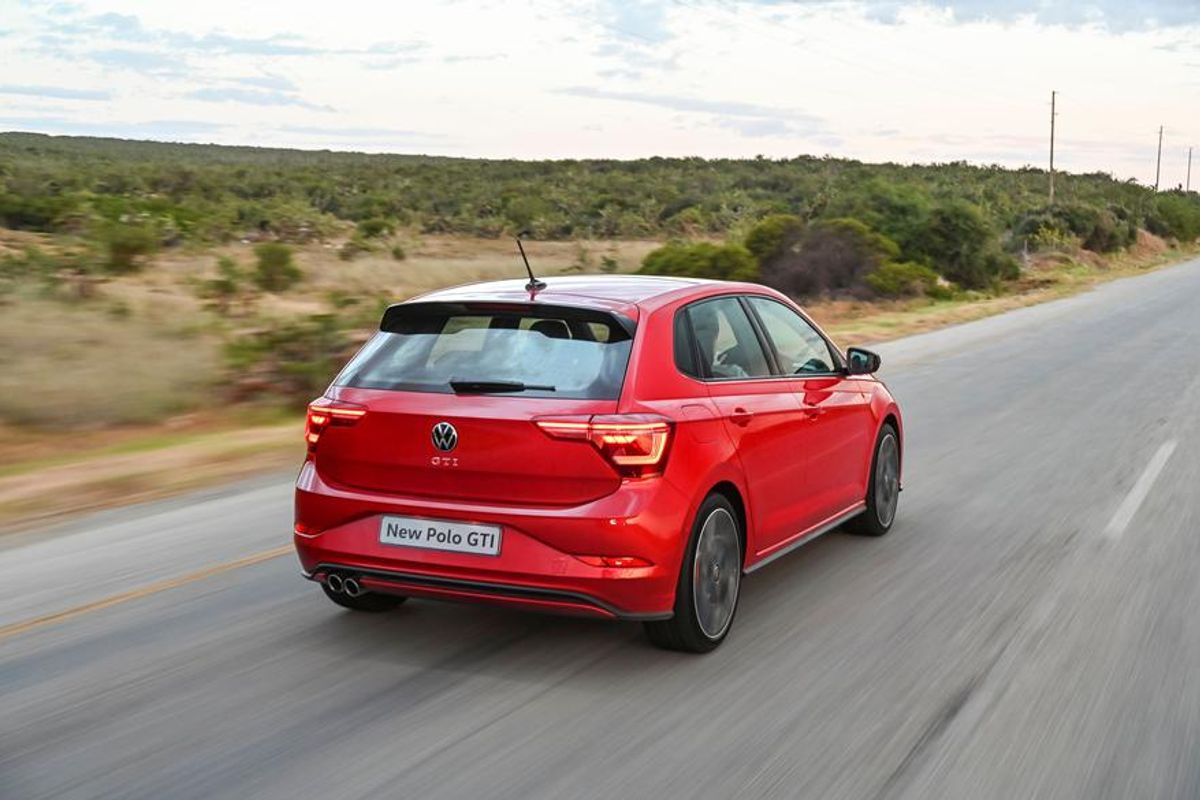
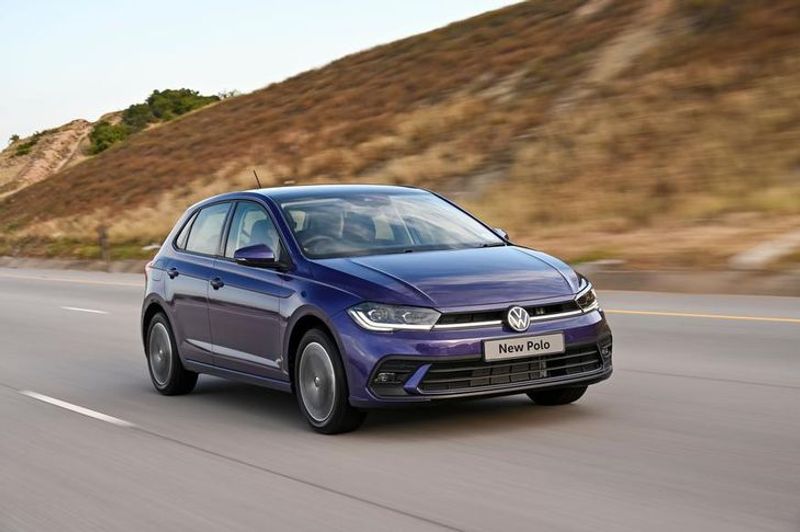
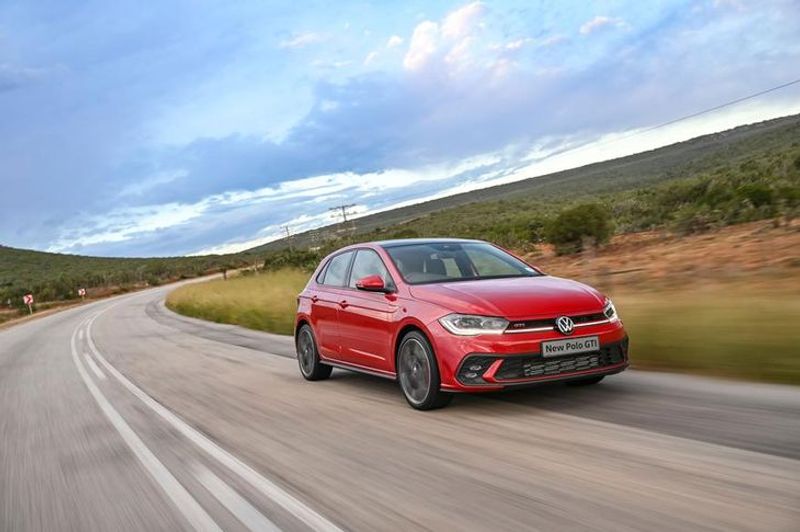
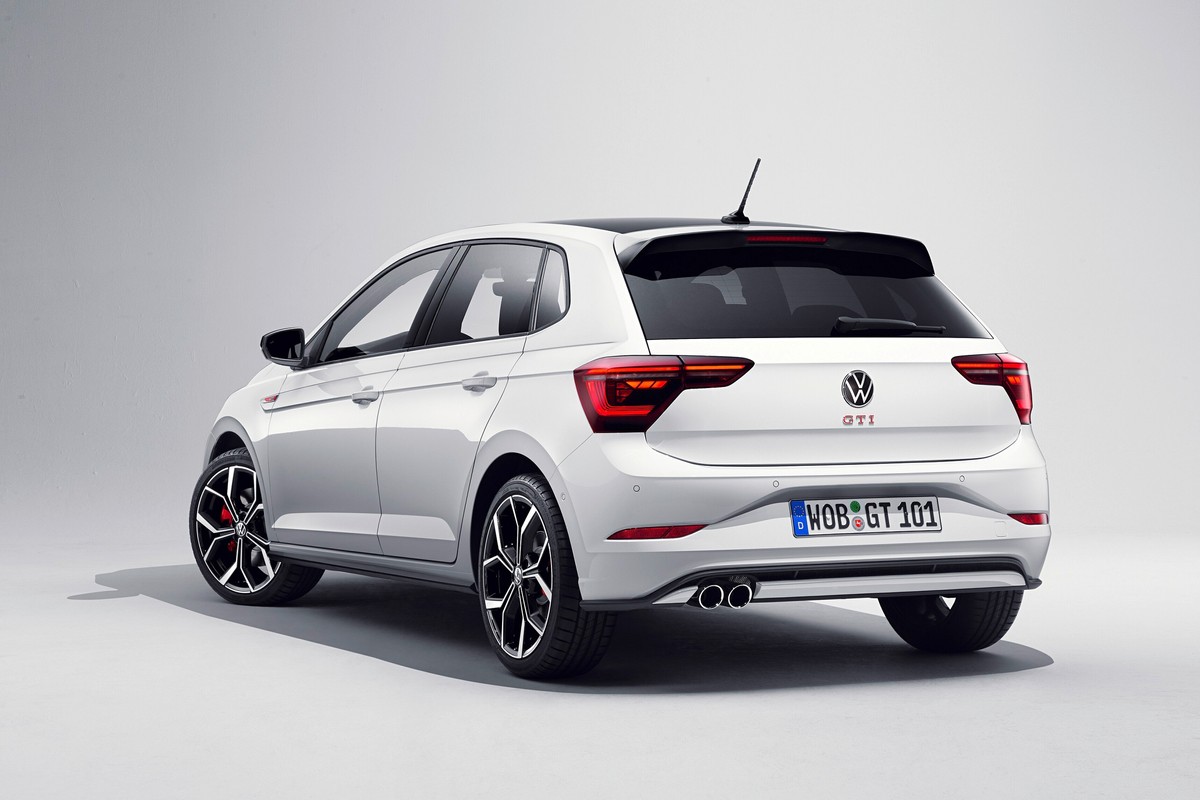
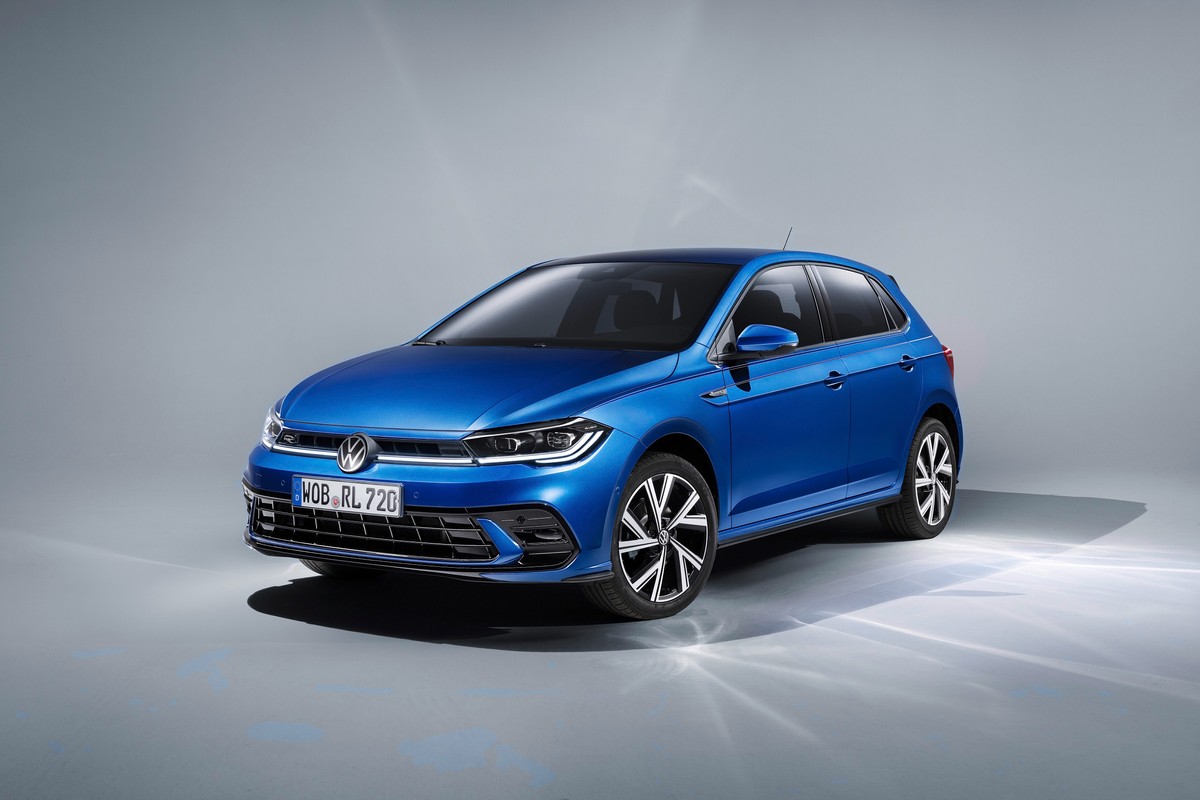
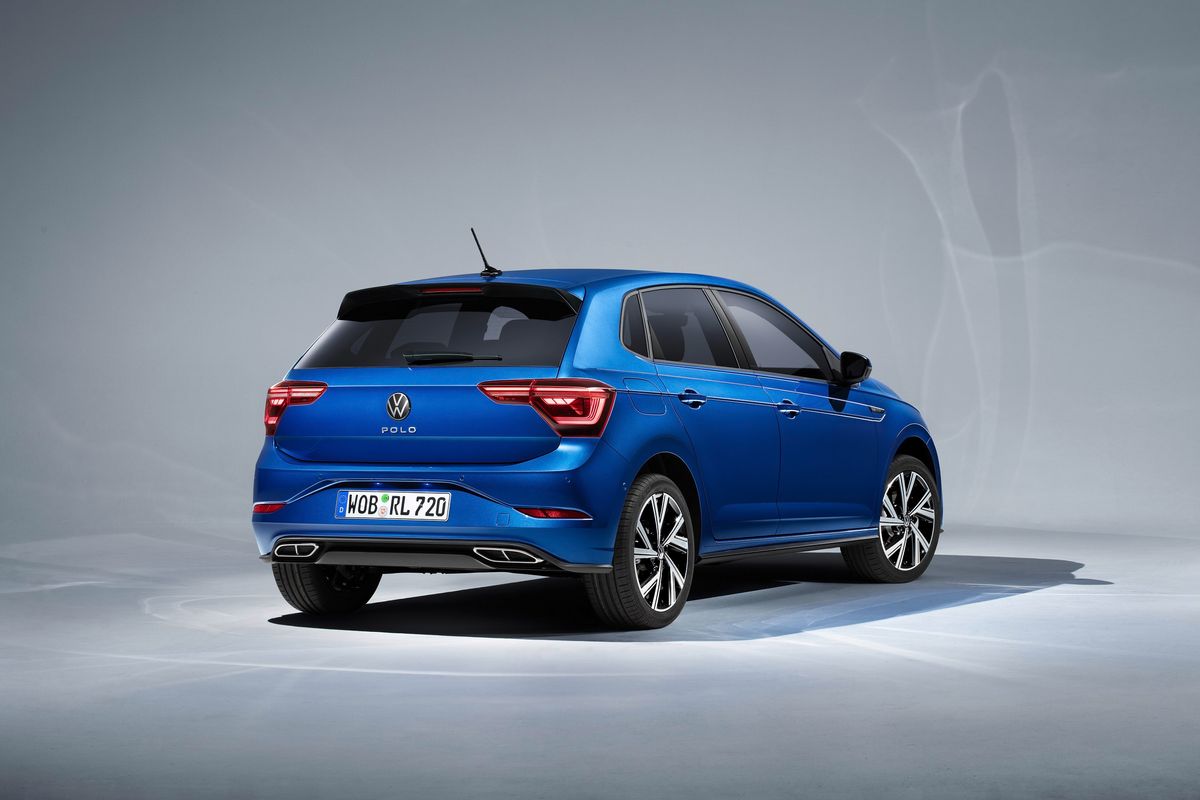
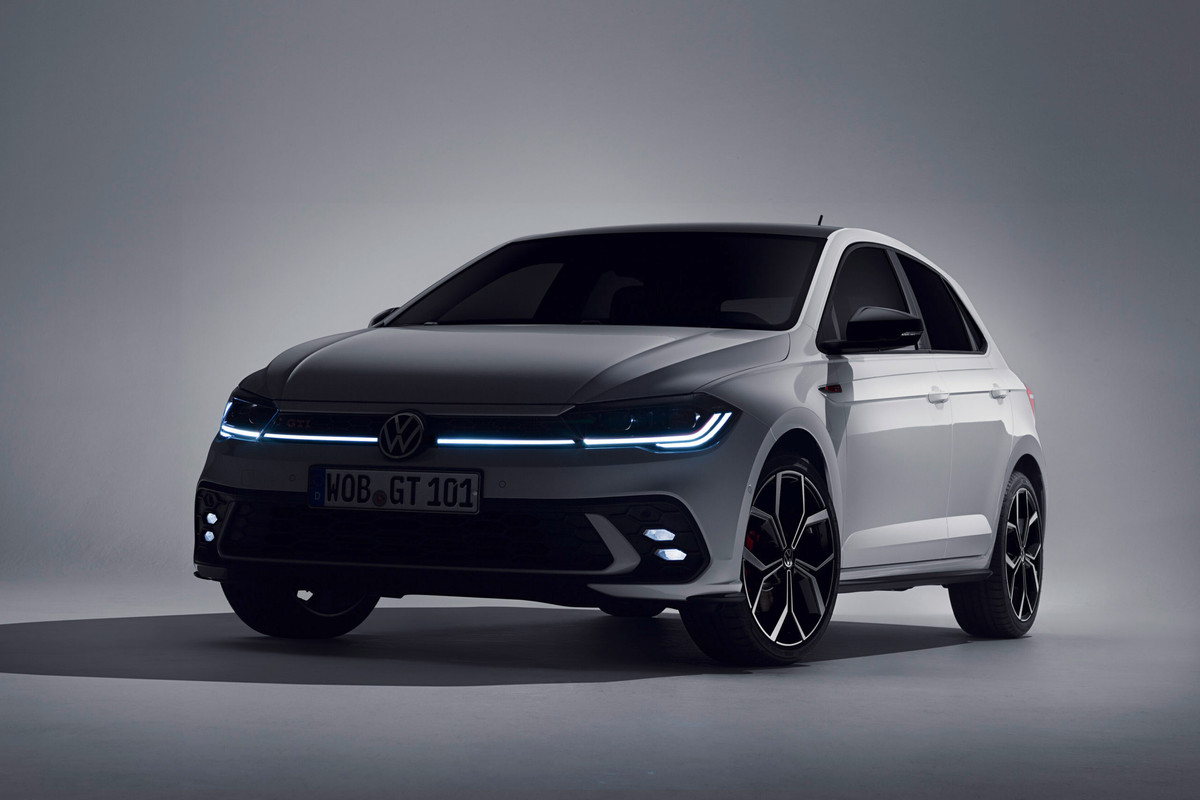
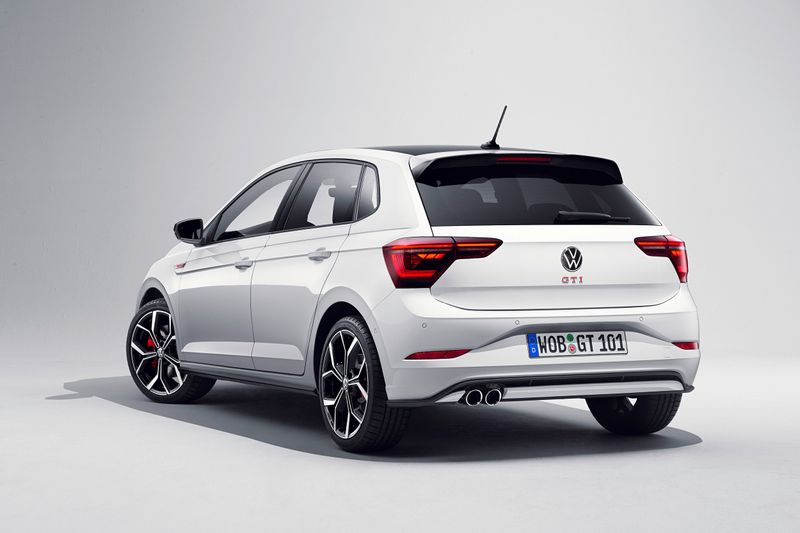
The Polo’s exterior styling has been sharpened up appreciably thanks to redesigned front and rear bumpers and revised LED headlights. All Polo derivatives now feature Eco LED headlights and taillights, while the Polo GTI is distinguished by its IQ Light Matrix LED headlights, along with a LED light bar, which spans its upper grille section. As a result, the newcomer looks undeniably striking in the metal!
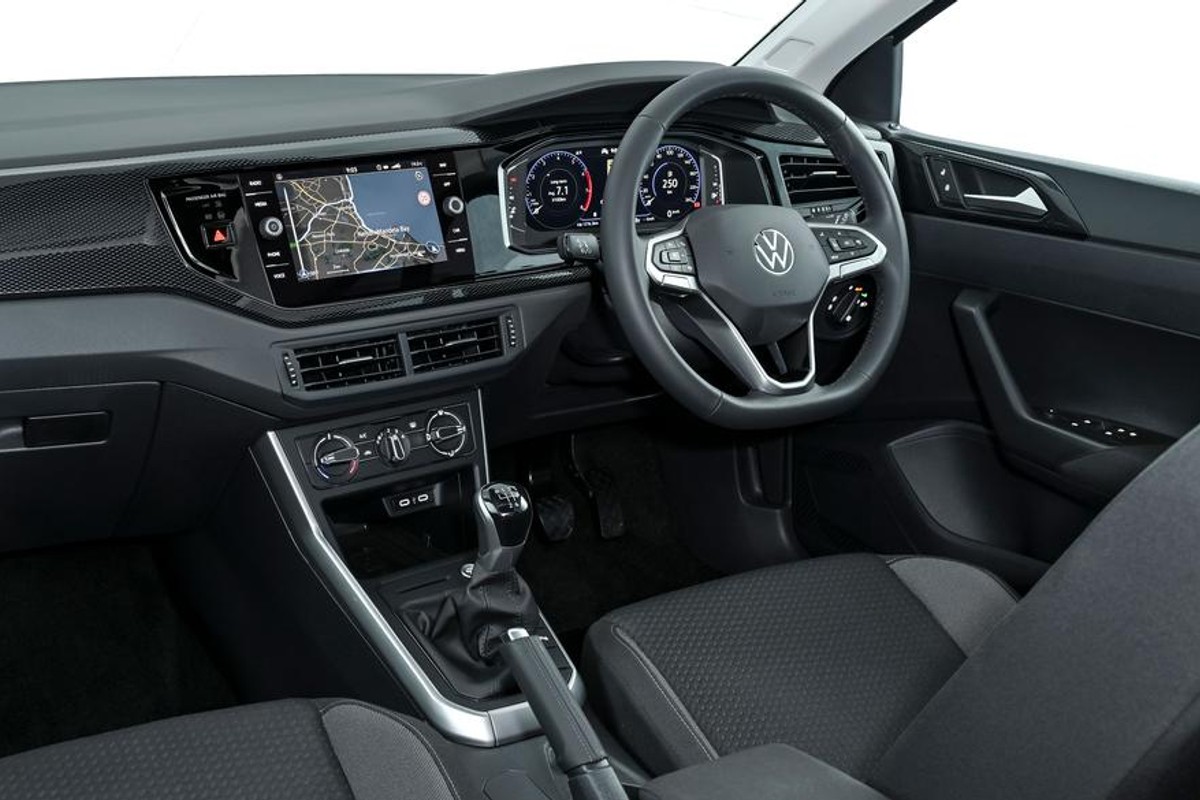
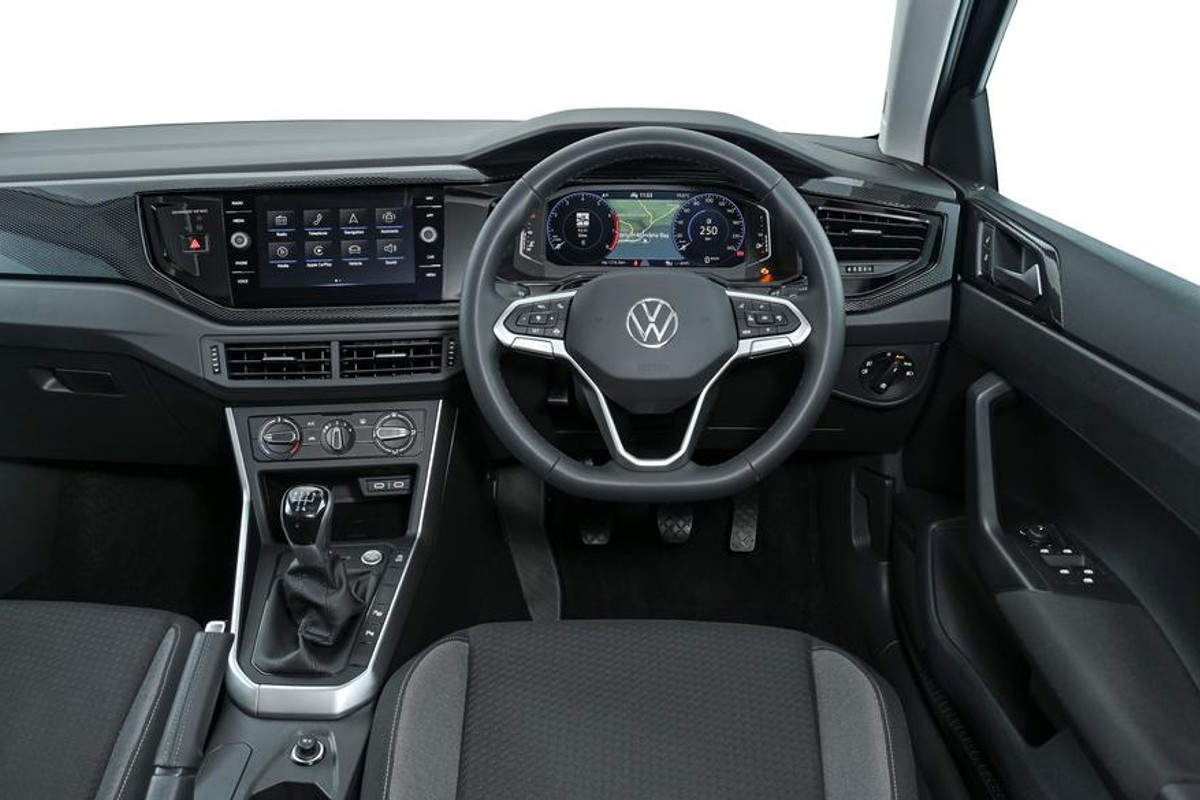
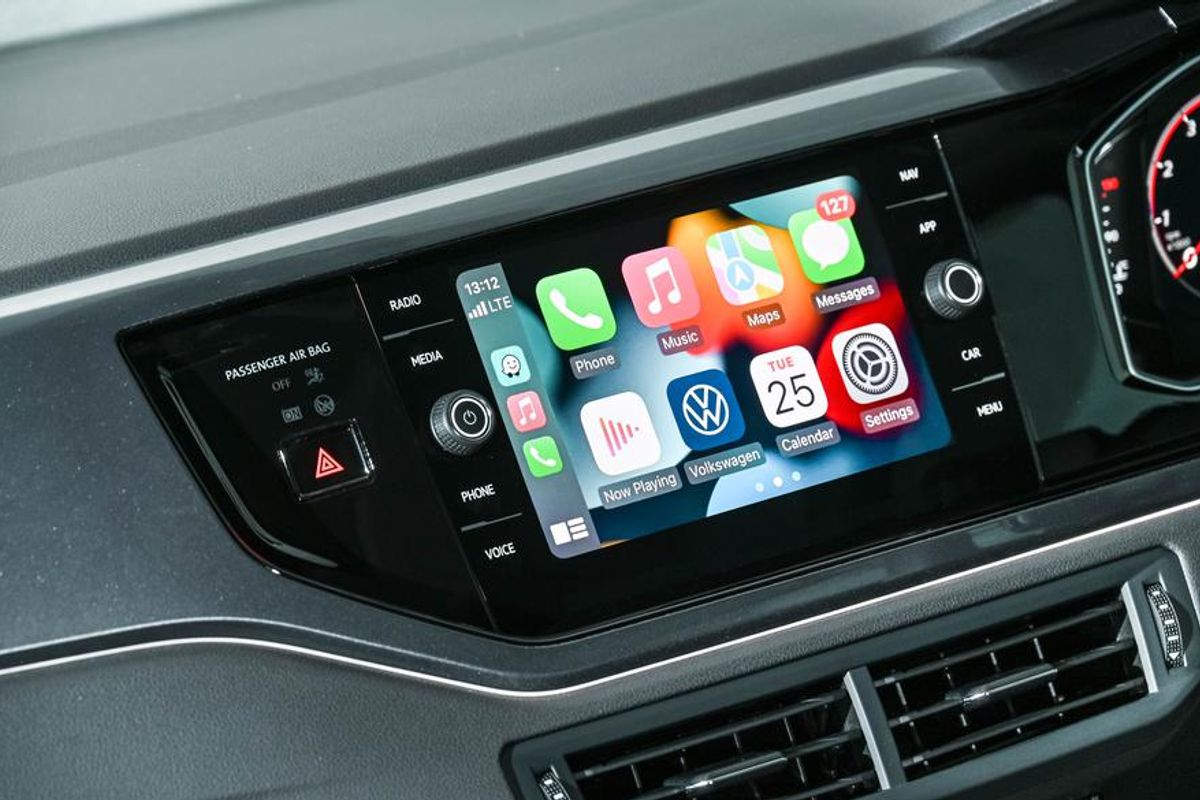
Inside, all Polo derivatives are equipped with a Digital Cockpit (an electronic instrument cluster), with the Polo R-Line and Polo GTI benefitting from Volkswagen’s Digital Cockpit Pro. The model also gains updated infotainment systems, including a 6.5-inch Composition Colour system in the Polo and Polo Life and a larger (8.0-inch) Composition Media infotainment system in the Polo R-Line and Polo GTI.
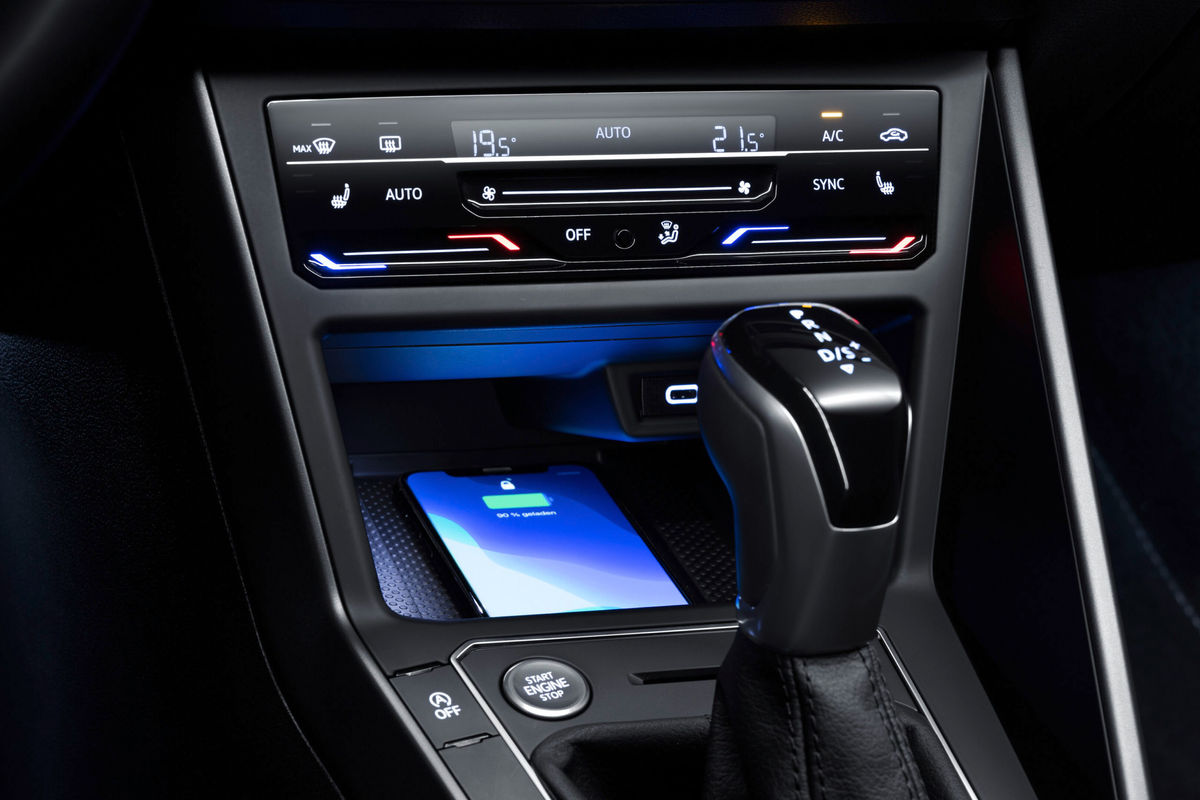
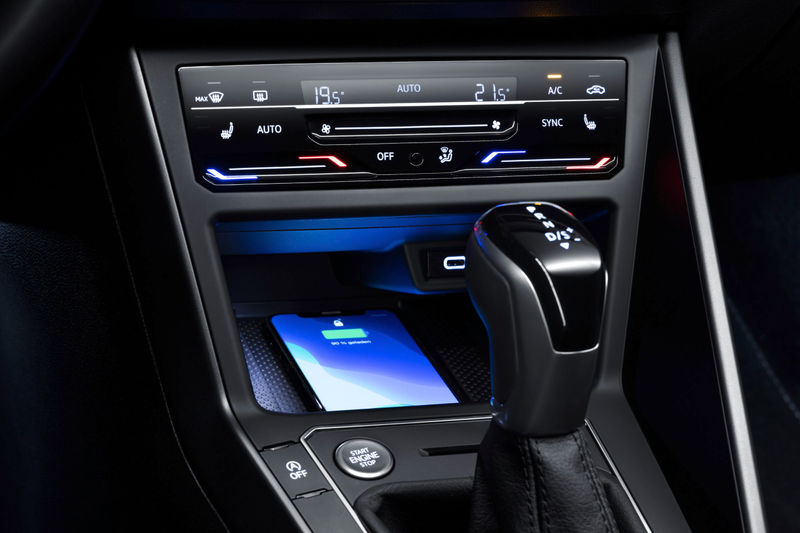
Customers can also specify the optional 8.0-inch Discover Media system, replete with satellite navigation, wireless app-connect, voice control and inductive smartphone charging. Those with a keen eye for detail will notice that the multifunction steering wheel has been updated too, as has the seat upholstery.
Volkswagen’s IQ Drive Travel Assist driver-assistance suite is now available as part of the optional Safety Package, which includes Front Assist and Pedestrian Monitoring, as well as Adaptive Cruise Control (ACC) and Lane Assist, both of which make driving in congested traffic situations much easier – they enable such-equipped Polos to brake and accelerate automatically based on traffic situations.
The Volkswagen Polo Life delivers a good balance between performance, comfort and efficiency.
The short answer is, yes! The Polo is still widely considered to be the most resolved product in its segment in terms of on-road sophistication and its fine ride/handling balance. These attributes were confirmed shortly after we settled in behind the steering wheel of, and set off in, the Polo Life (previously known as the Polo Comfortline).
The Polo Life is powered by a 1.0-litre turbopetrol engine, which produces 75 kW and 175 Nm of torque and is paired with a 5-speed manual transmission. This powertrain is identical to that found in the T-Cross we tested recently and, when fitted in the Polo, it’s a strong entry-level engine. Not only does it deliver good overall performance, it’s also quite frugal – Volkswagen claims an average fuel consumption figure of 5.4 L/100 km.
The Polo Life rides on 15-inch Essex alloy wheels and, during the on-road evaluation, we found the overall ride quality quite comfortable and forgiving. The Polo’s handling credentials are impressive too.
It feels well-planted, but can also be whipped through corners with reassuring confidence, thanks to its relatively responsive steering; No other cars in this segment offer quite the same level of balance.
The Polo GTI is the pinnacle of the Polo range but its ride comfort is compromised in favour of performance.
We also spent some time driving the Polo GTI, which will appeal to buyers who want to exploit every ounce of the Polo’s performance potential. In terms of styling, the Polo GTI is unashamedly sporty and thanks to its sports suspension, sits some 15mm lower than a standard Polo; those 17-inch Milton Keynes alloy wheels look the part too.
The Polo GTI’s sporty stance is backed up by a punchy 2.0-litre turbopetrol engine that delivers 147 kW and 320 Nm in conjunction with a snappy, quick-shifting 6-speed dual-clutch automatic transmission.
Out on the road, the Polo GTI performs strongly and its driver can choose between the Eco, Normal, Sport and Individual drive modes. In Sport mode, the Polo GTI’s reactions to driver inputs are at their sharpest and for all the updated 6th-generation model’s inherent on-road sophistication, the flagship dishes up satisfying driving engagement. Its claimed zero-to-100 kph time is 6.7 seconds.
While the Polo GTI excels in terms of acceleration and athletic handling ability, it is compromised as far as overall ride comfort is concerned, however. It became evident during our test drive that the Polo GTI’s sportier damping translates into a much firmer ride quality than those of its lesser Polo siblings. Even so, if outright performance in a new Polo is what you’re after, the GTI is unlikely to disappoint.
What does the Volkswagen Polo cost?
The higher pricing structure of the updated Volkswagen Polo is a sticking point for some consumers and this was reflected in the feedback that we have seen on our social media channels…
Historically, the Polo has served as an accessible entry-point into the Volkswagen brand and it has done so very successfully – the Polo’s stellar sales history reflects that. However, with pricing starting at R311 800 (for the base Polo) and going all the way up to R489 400 for the Polo GTI, the Polo is perhaps now more out of reach for many buyers in South Africa than it’s ever been…
Polo 1.0TSI 70 kW Manual
R311 800
Polo 1.0TSI 70 kW Life Manual
R350 000
Polo 1.0TSI 85 kW Life DSG
R370 700
Polo 1.0TSI 85 kW R-Line DSG
R421 900
Polo 2.0TSI GTI
R489 400
The Volkswagen Polo is sold with a 3-year/120 000 km warranty and a 3-year/45 000 km service plan.
Summary
Given the greater sophistication of the updated 6th-gen Polo, it stands to reason that a model that was already priced on the premium end of its segment would become dearer still. This Polo is produced for many markets, most of which require it to be built to more expensive standards than what’s required for the SA market… and it would be unrealistic to expect that the model’s new high-end features could simply be stripped out (one by one) to make it more affordable for local buyers. This model is no longer everyman’s car in the way that it used to be – that role is now performed more ably by the Polo Vivo.
Having said that, even though there are bigger and more affordable cars that you can buy (from new) at the updated Polo’s price point, Volkswagen’s offering is still arguably the best compact hatchback in the market, which is a compelling selling proposition. In a way, the Polo and its rivals are now aimed more at “newly-appointed managers” than “junior executives”, but it’s bound to remain a popular buy.
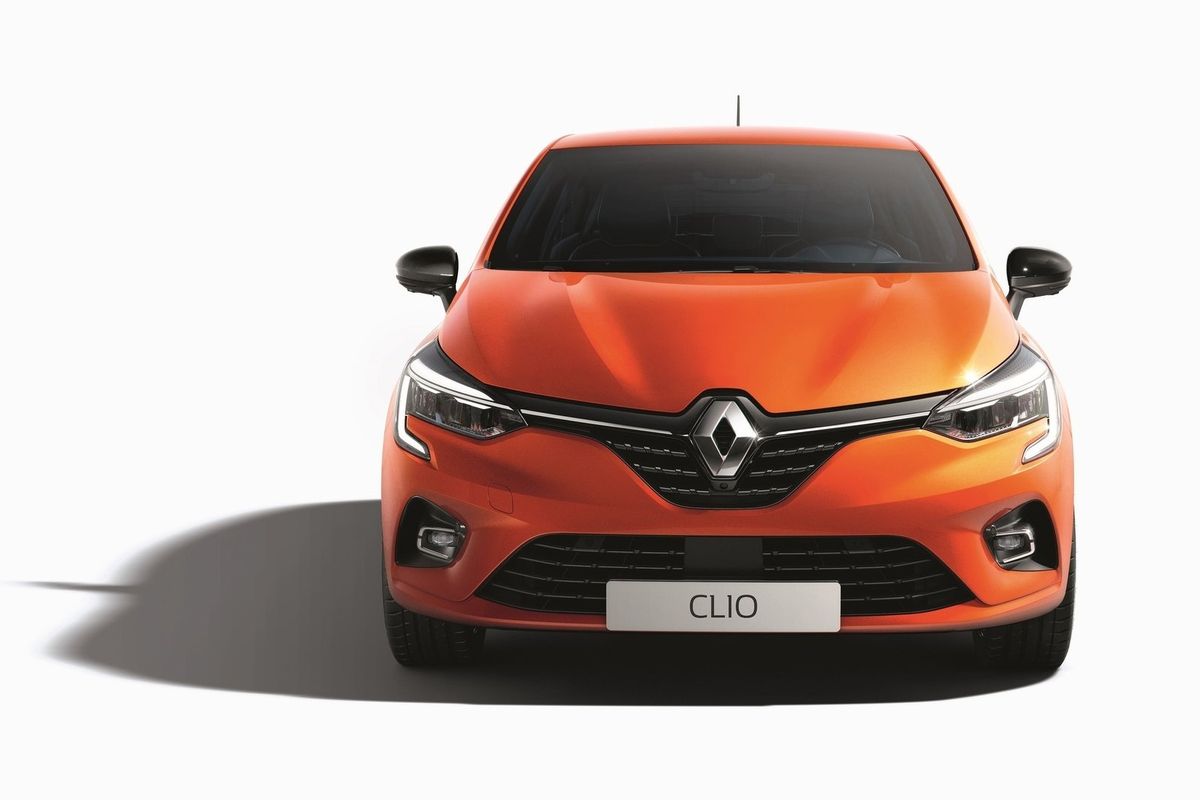
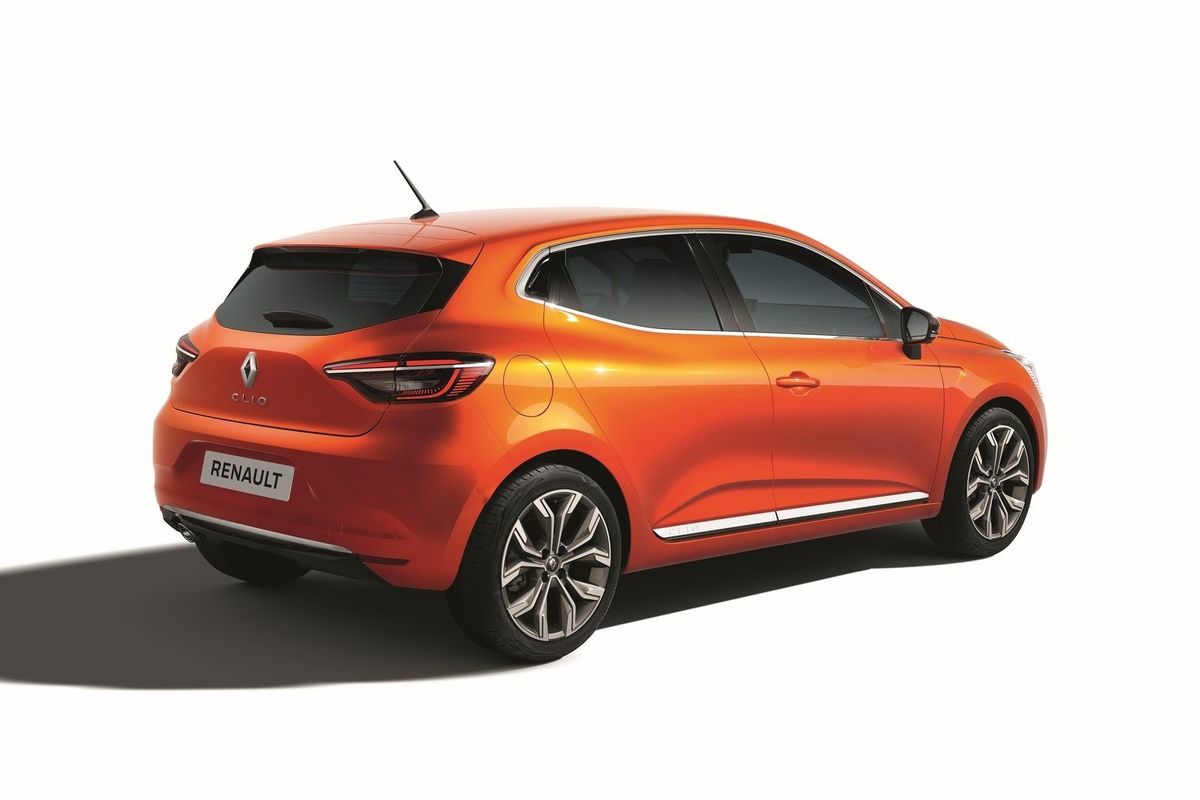
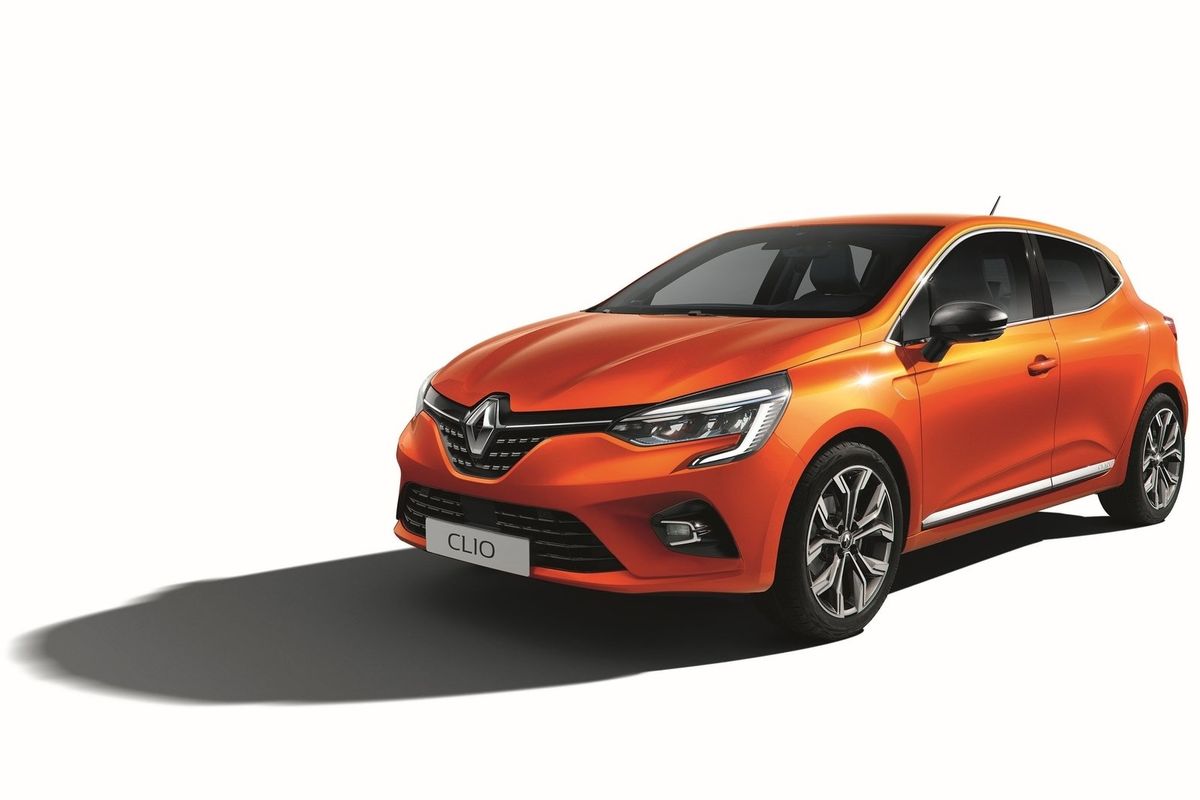
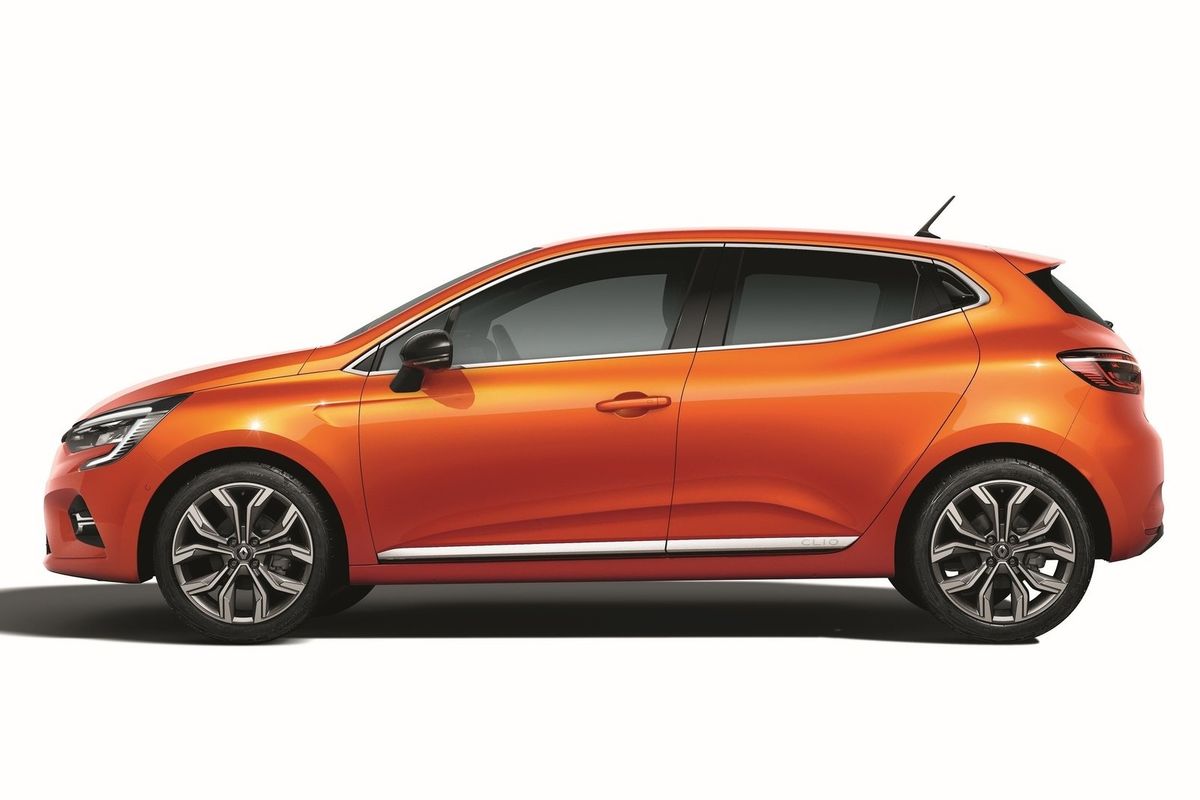
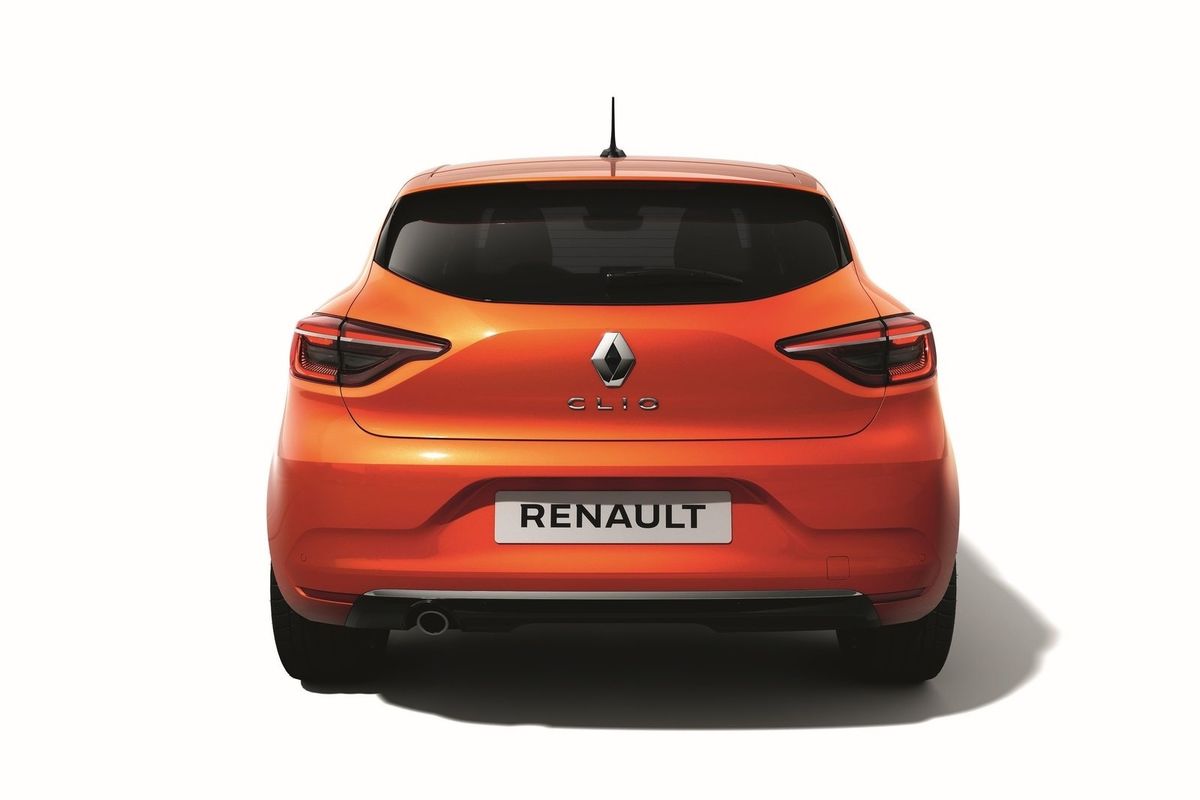
The all-new Renault Clio has finally landed in South Africa. Here’s how much you can expect to pay for the stylish French hatchback, according to Renault SA’s website.
Ahead of the vehicle’s launch in the 2nd week of February 2022, pricing and specification details of the all-new Renault Clio were posted on the brand’s local website.
From what we can see, customers will have 6 colours to choose from, with one powertrain across the range. The new 1.0-litre turbocharged 3-cylinder petrol engine is paired to a manual gearbox, which drives the front wheels. Outputs of 74 kW and 160 Nm are on offer. Thanks to the online brochure, we can also see the trim levels and features offered.
Trim levels
Renault Clio Life
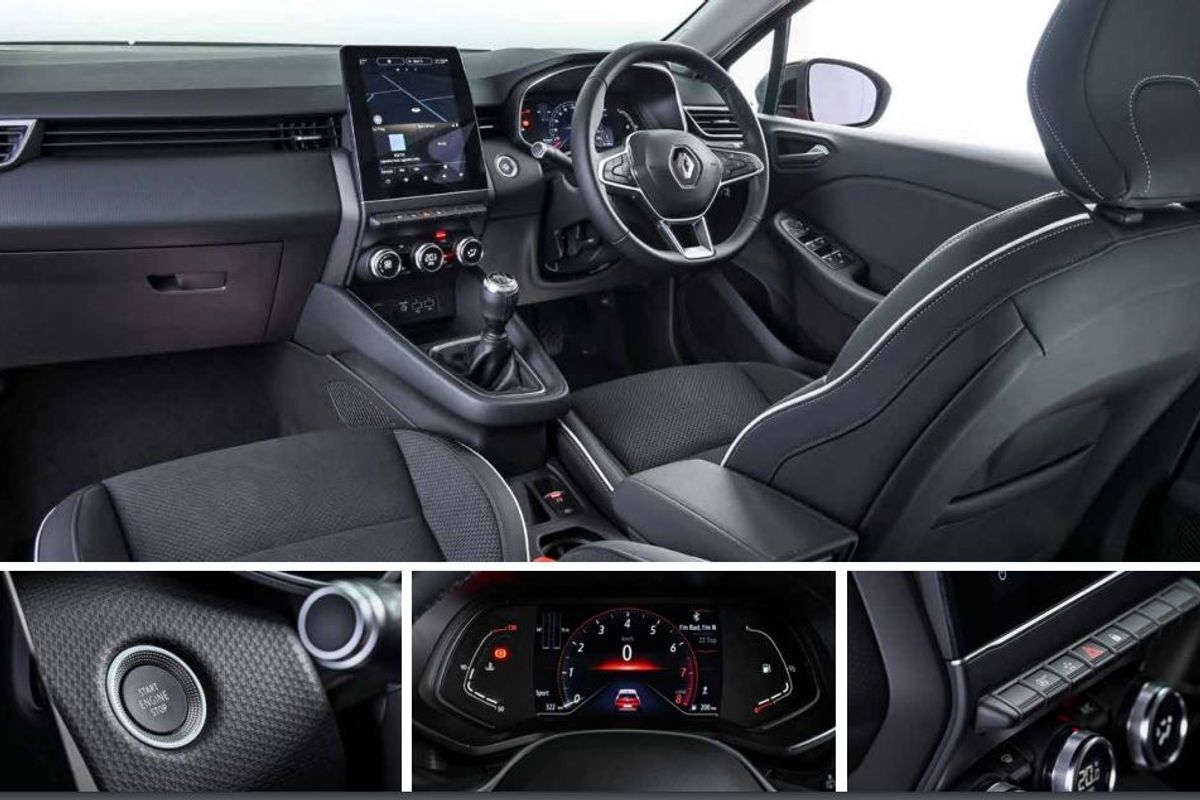
• 4 airbags, including side airbags • Manual passenger airbag deactivation • Isofix (i-Size), front passenger + rear side seats • Seat belt warning with presence detection • Front headrests with anti-whiplash function • Emergency Brake Assist (EBA) • Electronic Stability Control (ESC with ABS) • Hill Start Assist (HSA) • Cruise control and speed limiter • PureVision Performance LED headlamps • LED day lighting integrated into front headlights • LED rear lights with raised LED brake light • EASY LINK 7-inch, Apple CarPlay™ and Android Auto™ • 6 speakers • Bluetooth, USB, AUX compatible with R&Go application • Manual heating and air conditioning system • Electric adjustable door mirrors • One-touch front electric windows • Height- and depth-adjustable multi-function steering wheel • Colour 4.2-inch driver’s screen, with needle dials • 60:40 folding rear bench seat • ECO mode • One-touch front electric windows • Chrome Renault logo with upper grille in glossy black • 16-inch Amicitia Flex wheels • Black and medium Grey interior decor • Glossy black trim on the steering wheel and gear lever surround • LIFE upholstery, black and slate grey fabric • Moulded black front door armrests
Renault Clio Zen
• 6 airbags, including side curtain airbags • Cruise control and speed limiter • LED day lighting integrated into front headlights • LED rear lights with raised LED brake light • Height-adjustable driver’s seat • Manual heating and air conditioning system • EASY LINK 7-inch, Apple CarPlay™ and Android Auto™ • 6 speakers • Navigation • Front fog lights • Comfort front seats with reinforced side support • Chrome garnish on the steering wheel, gear lever surround and side air vents • Black and anthracite 3D Mountain upholstery, embossed on the side • Synthetic stitched leather steering wheel
Renault Clio Intense
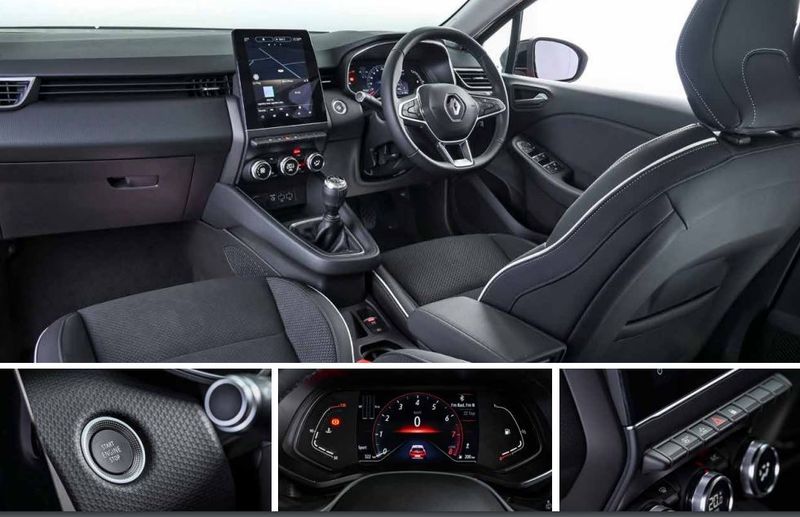
• PureVision Performance LED headlights, with high beam assist • LED day lights with C-shaped signature headlights • Electric handbrake with autohold function • 4 electric one-touch-up windows • Glovebox with soft open flap • Renault card for hands-free access and ignition • Multi-sense experience interior ambient lighting • Smartphone wireless charging • Exterior chrome Pack: chrome strips on front air deflectors, chrome and black lower door protection • Chrome finish on side window trim • Front LED daytime running lights with C-shaped signature • Direction management incorporated into front headlights • Rear brake discs • 16-inch Philia Stella alloys wheels • Black Mosaic interior decor with detail on moulded dashboard • Foamed instrument panel cover • Raised floating console covered in foam fabric • Harmony black interior, black TEP with black velvet • Mosaic motif and premium seat foam • Centre console with storage and armrest
Renault Clio Intens (with option pack)
• Front & Rear parking sensors • Rear parking camera • Easy Link 9.3-inch touchscreen – Radio & Navigation compatible with Apple CarPlay™and Android Auto™ • 17-inch Viva Stella diamond-cut alloy wheels
How much does the new Renault Clio cost in South Africa?
The new Renault Clio is sold with a 5 Year / 150 000km warranty and a service plan.
RENAULT CLIO V 1.0L TURBO LIFE R309 900
RENAULT CLIO V 1.0L TURBO ZEN R324 900
RENAULT CLIO V 1.0L TURBO INTENS R349 900
RENAULT CLIO V RENAULT CLIO V 1.0L TURBO INTENS (with Option Pack) R364 900
Spy Shots: Mercedes-Benz G-Class
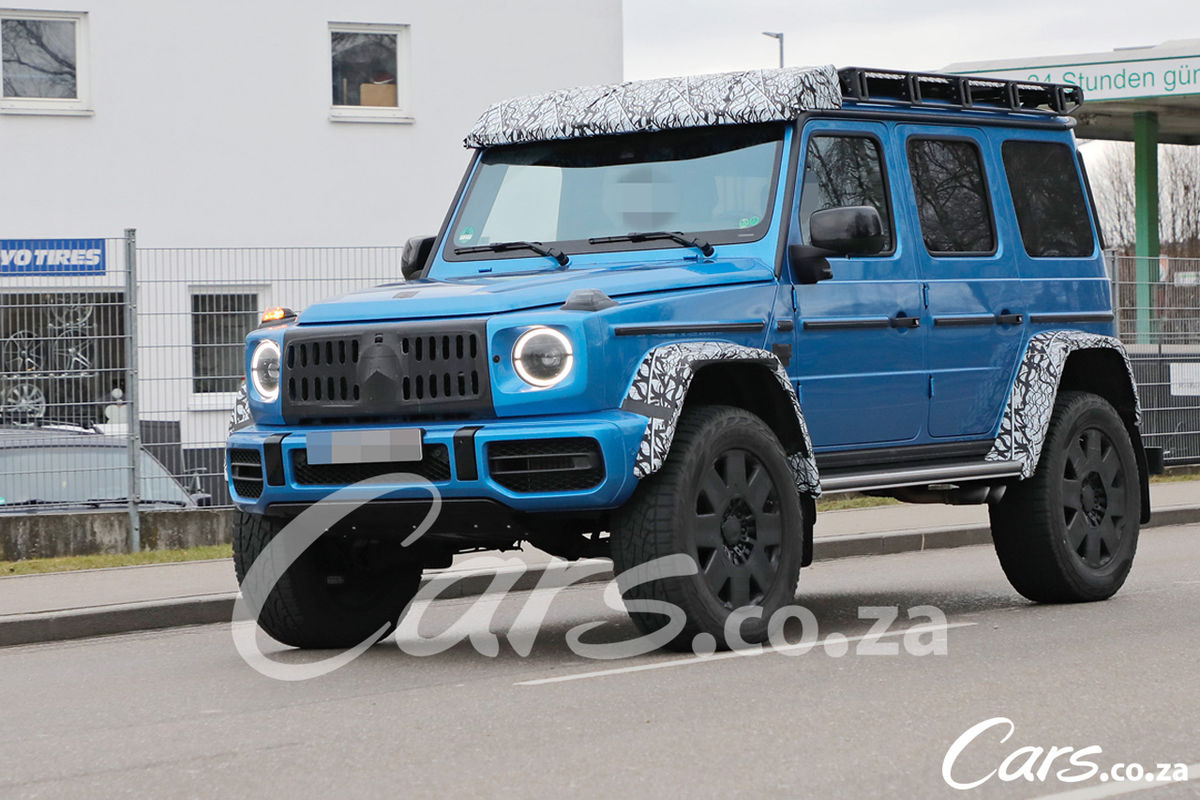
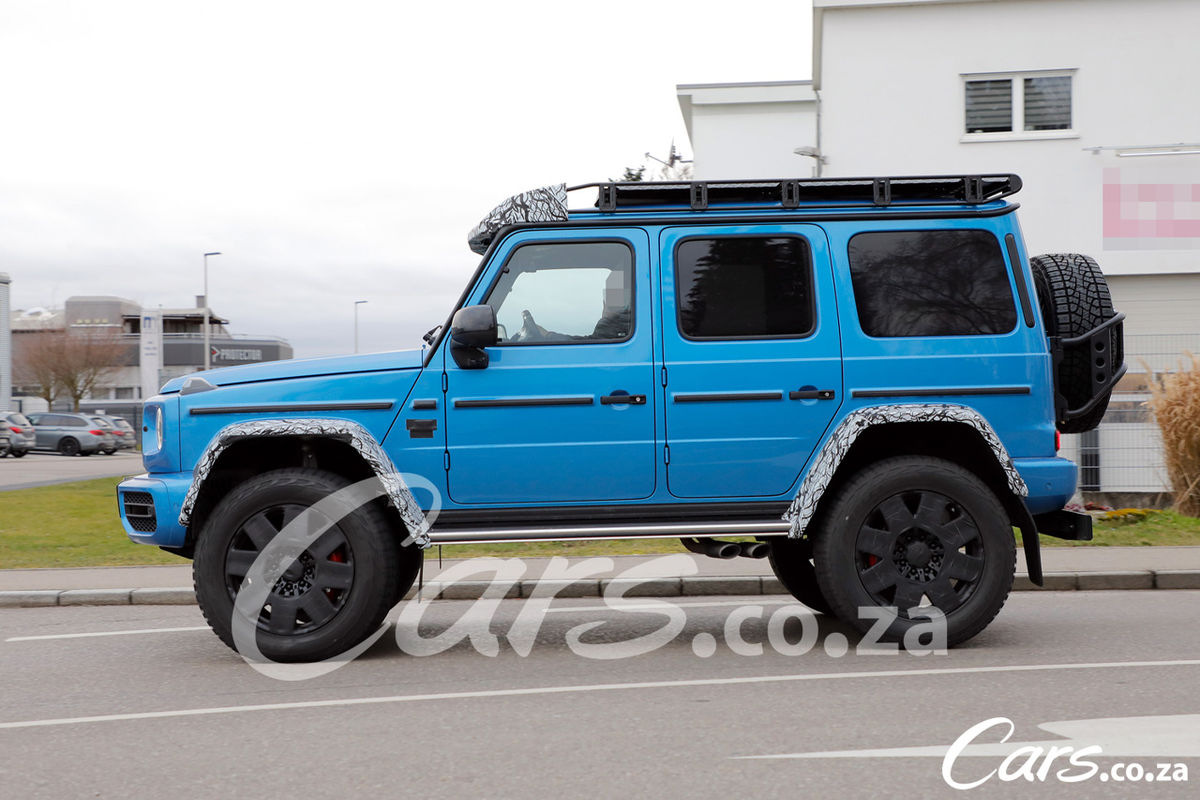
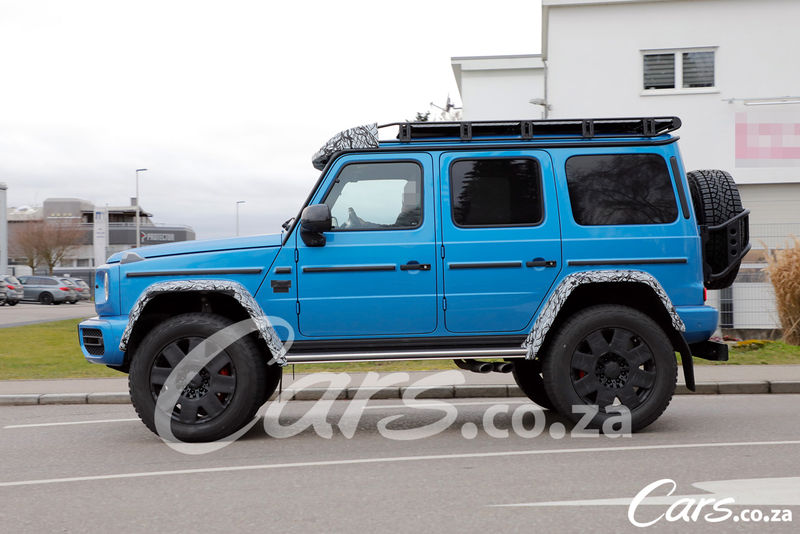
More spy shots of the Mercedes-Benz G-Class G4x4² have emerged.
Picture credit: S. Baldauf/SB-Medien. We have paid for these photos and at the photographer’s request, have watermarked them.
We’ve been waiting quite some time for this special version of the Mercedes-Benz G-Class to make an appearance. In fact, the first spy shots of the G4x4² were sent to us back in March 2020! We assume the pandemic and the subsequent pausing of life as we know it were the key reasons behind this model’s delay.
As a reminder, the G4x4² is not your average G-Class SUV. It features enhanced ground clearance thanks to porthole axles, uprated suspension, larger wheels and plenty of accessories, like ladders and roofracks.
While it’s not going to feature an electric powertrain, unlike the Mercedes-Benz EQG Concept, petrolheads will be pleased to know that it still will feature a thundering V8 turbo petrol engine.
Recently, two G4x4² prototypes were spotted in the winter testing areas of Scandinavia and Germany. The eccentric colours remind us of the special Mercedes-Benz G-Class Crazy Colour Editions, where customers could choose from vibrant shades for their vehicles. Could Mercedes-Benz be contemplating a revisit for the 2022 Mercedes-AMG G4x4² ?
We also noticed that the blue prototype featured a camouflaged grille and other details, possibly suggesting a mild facelift is on the cards for the rest of the G-Class range. The current generation model was revealed back in 2018 and has had some very minor updates since then, and by rights, a facelift model should be due in the next 18 months or so.
We’ve had considerable time with the current-shape G-Class and we think the G400d offers the best bang-for-buck value in the range. The AMG version is crazy and thoroughly entertaining, but would you ever take it offroad? Unlikely, which is why we’d err towards the diesel model.
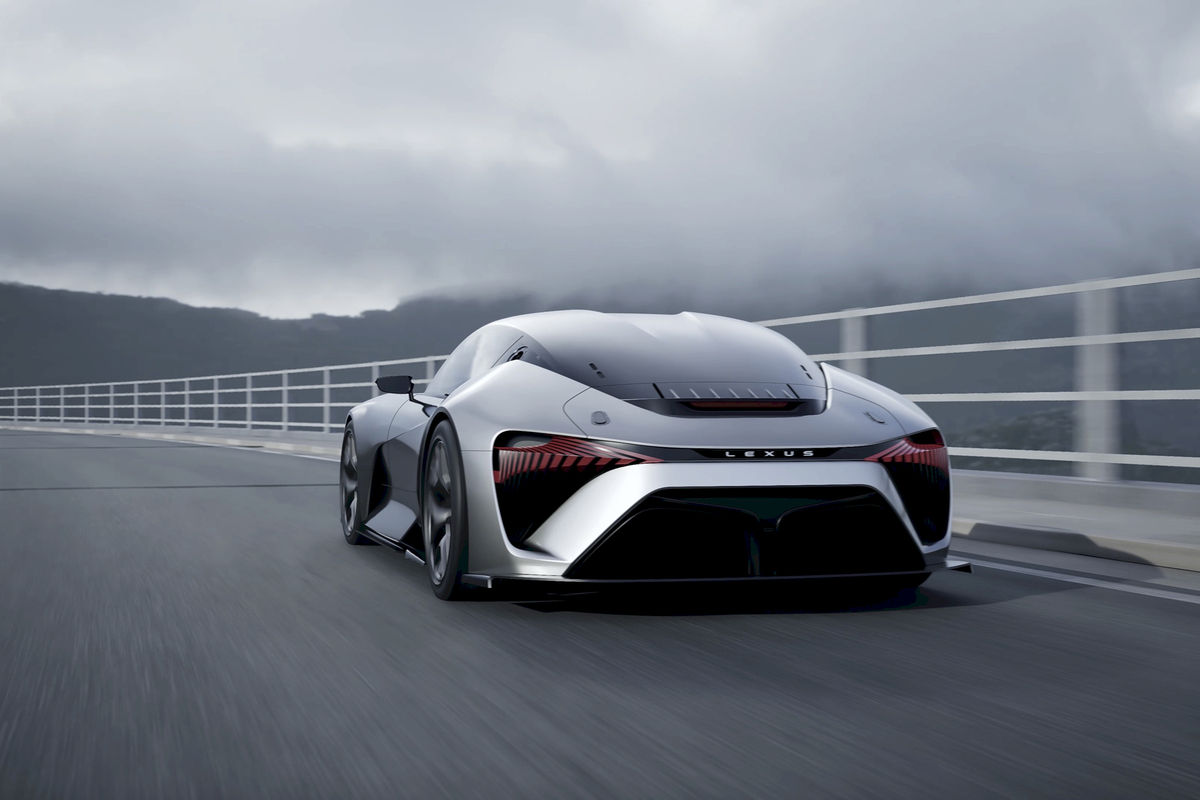
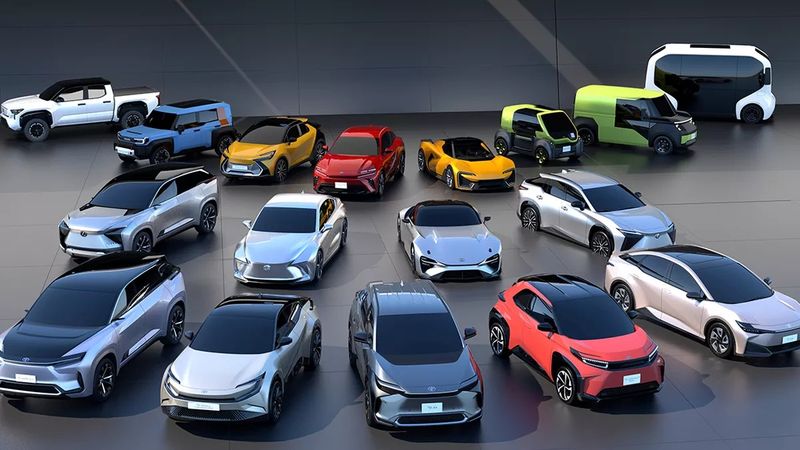
It was quite a startling announcement from the brand, which could be accused of lagging behind when it came to electrifying its future product lines. It wasn’t just Toyota in the mix either, with a few of the cars featuring the distinct Lexus logo.
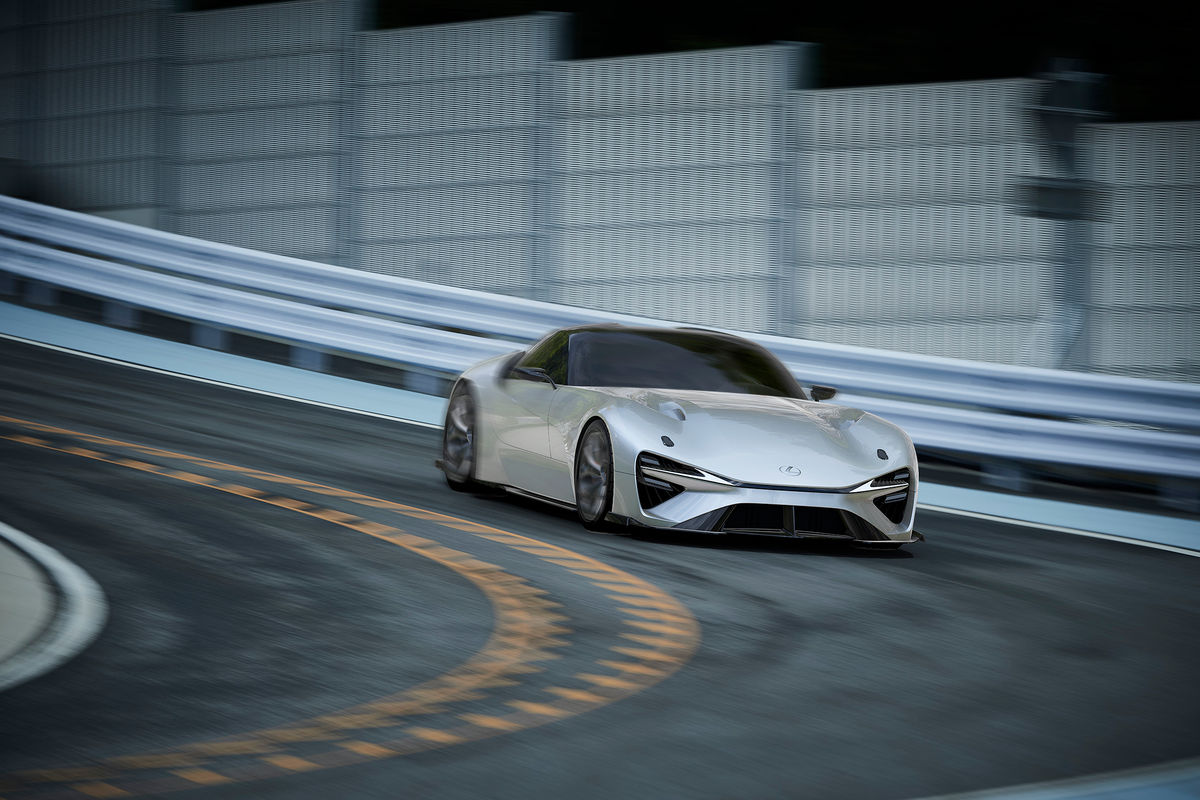
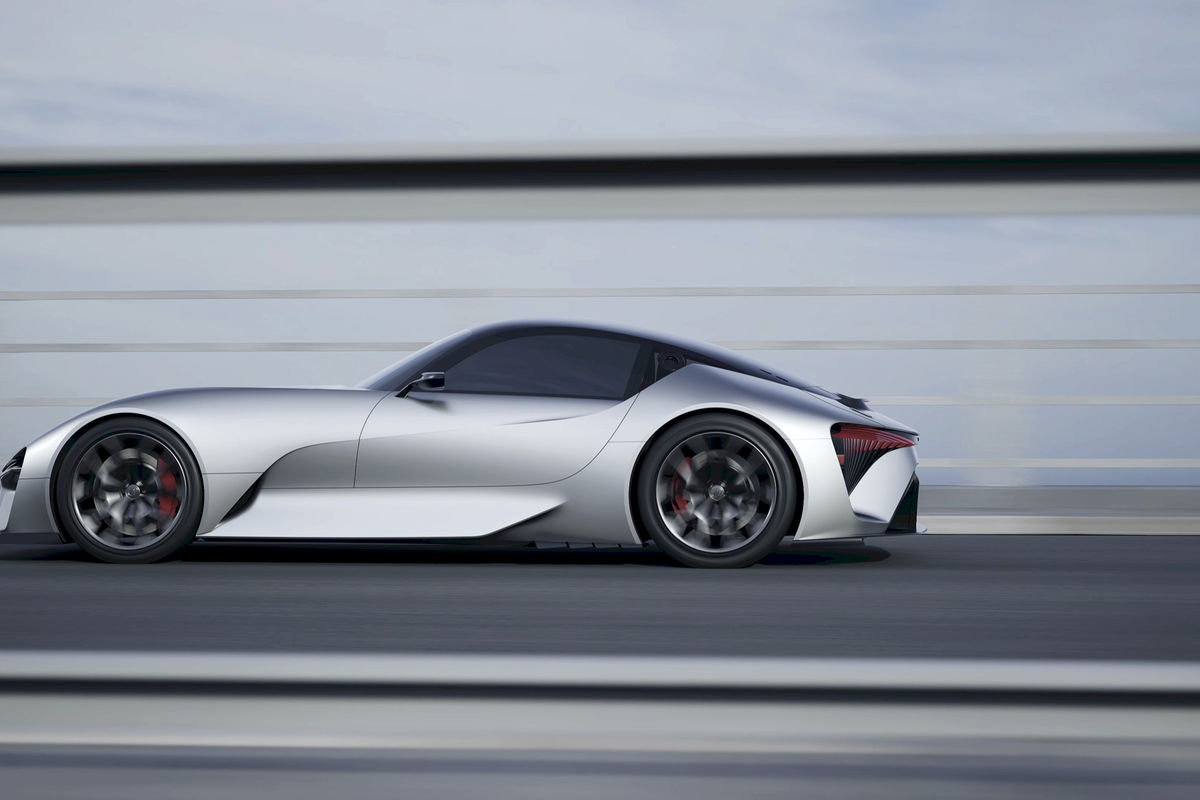
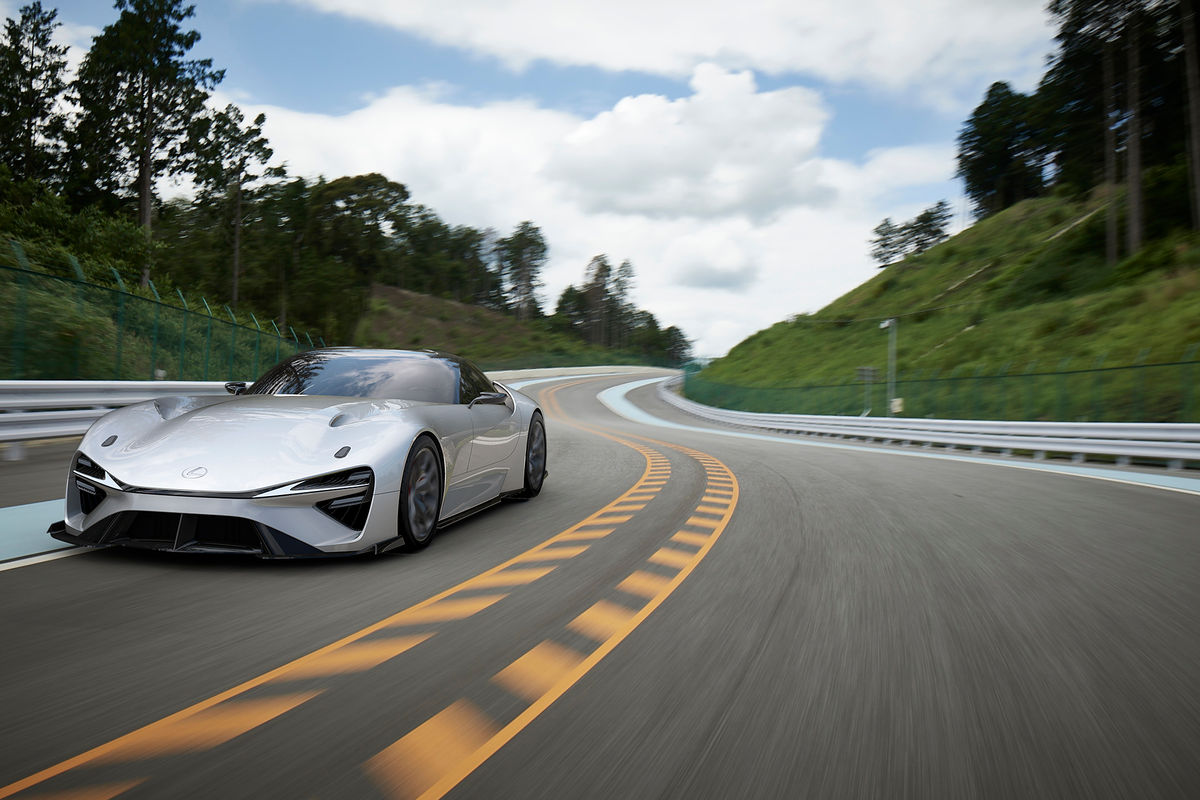
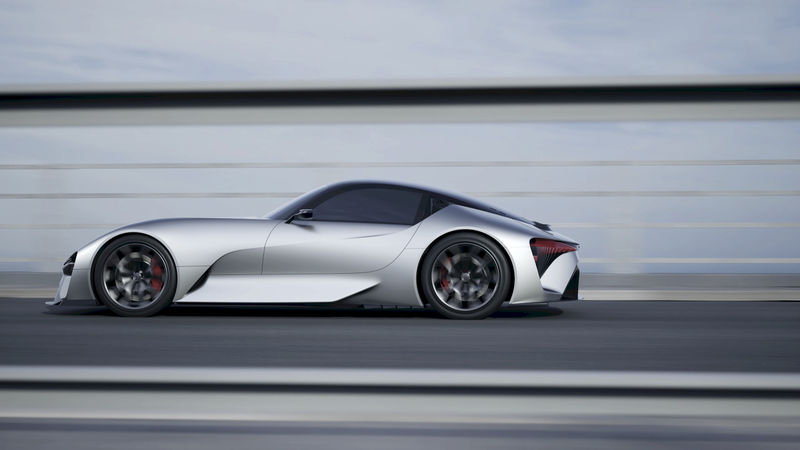
Now the luxury arm from Japan has shared a bit more info on one of the prettier and more interesting of the electric car concepts.
Officially, the new Lexus Electric Sportscar will form part of a new line-up of electrified vehicles which will launch by 2030. There are some interesting nuggets of information amongst the fluff, like “…increase the joy of driving for all of its customers.” That sounds promising!
Lexus does make mention of arguably the most iconic vehicle to come from its stable and says this new model ” symbolises the future of the Lexus brand while also reviving the spirit of the iconic Lexus LFA.”
Performance stats look impressive, with a 0-100 kph claimed sprint time in the low 2-second bracket and a cruising range of over 700 km. Solid-state battery technology has been mentioned, but let’s see how feasible they are.
The Lexus Electric Sportscar is one of three BEVs coming from Japan in the next few years. There will also be the Lexus RZ 450 e, which is the brand’s first fully electric vehicle as well as the Sedan Carousel, which is an electrified sedan.
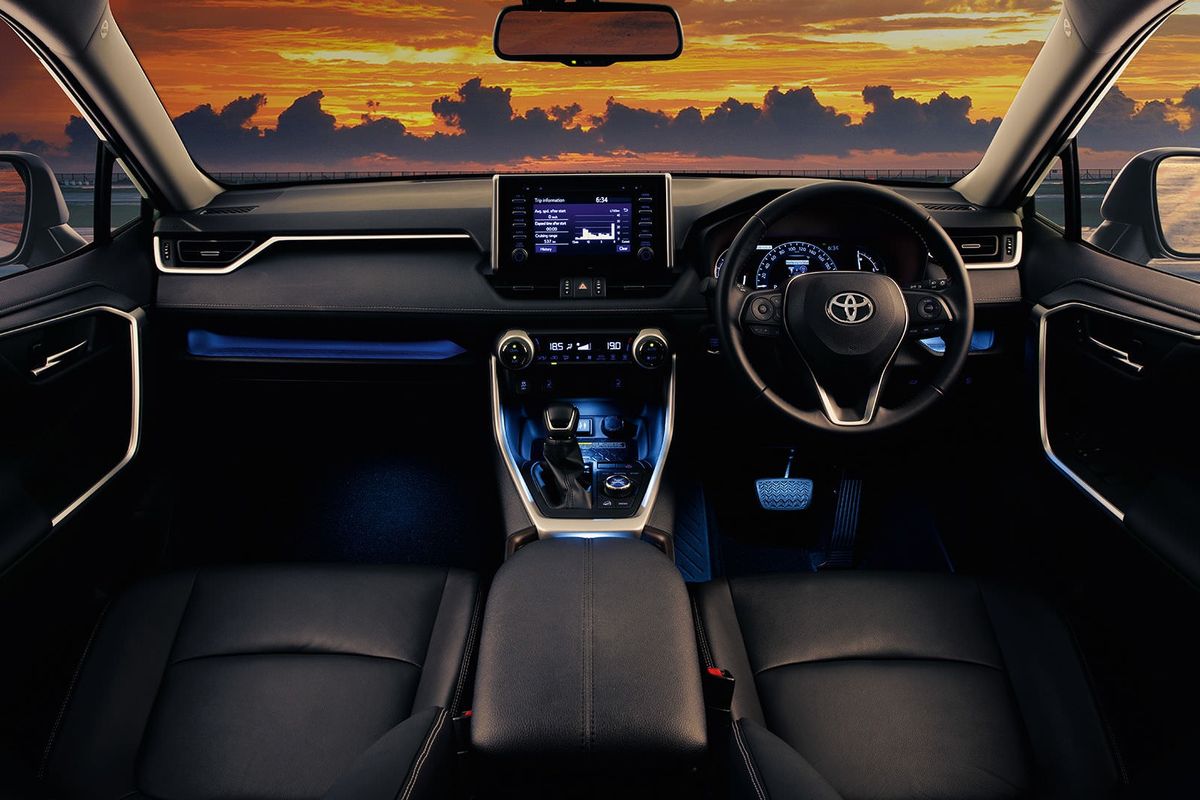
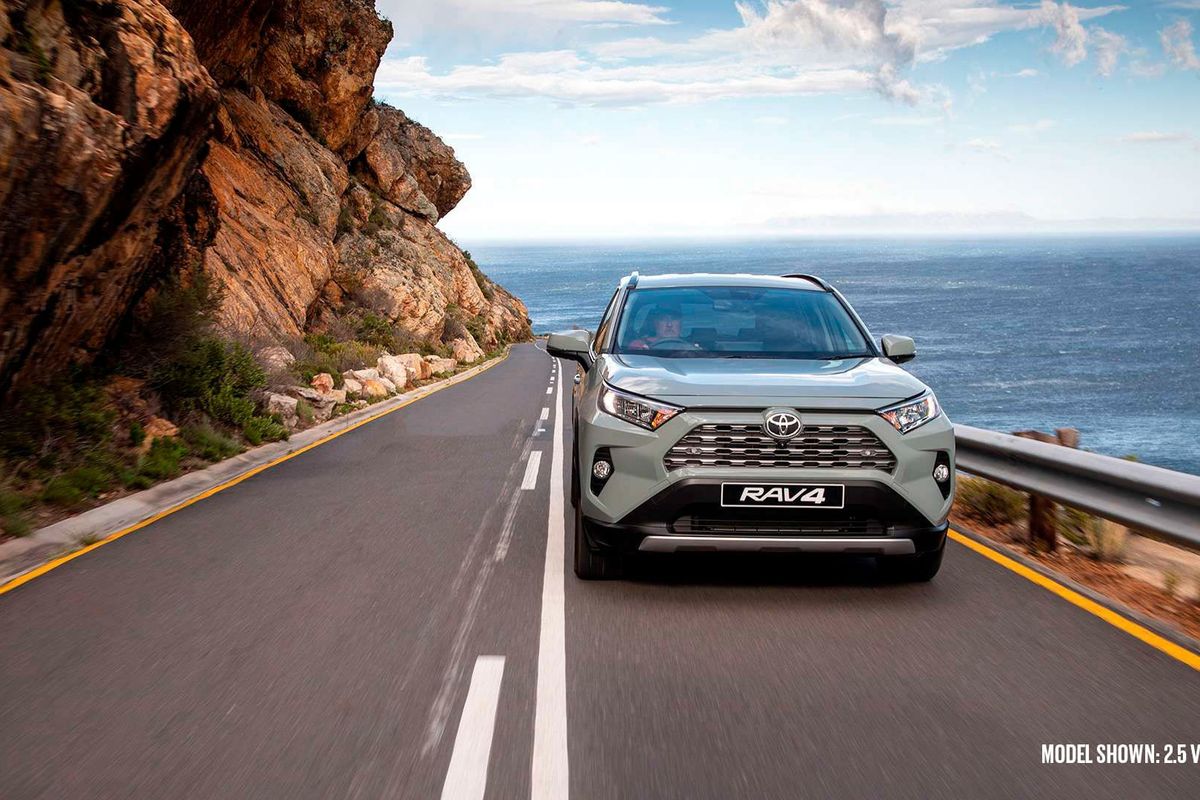
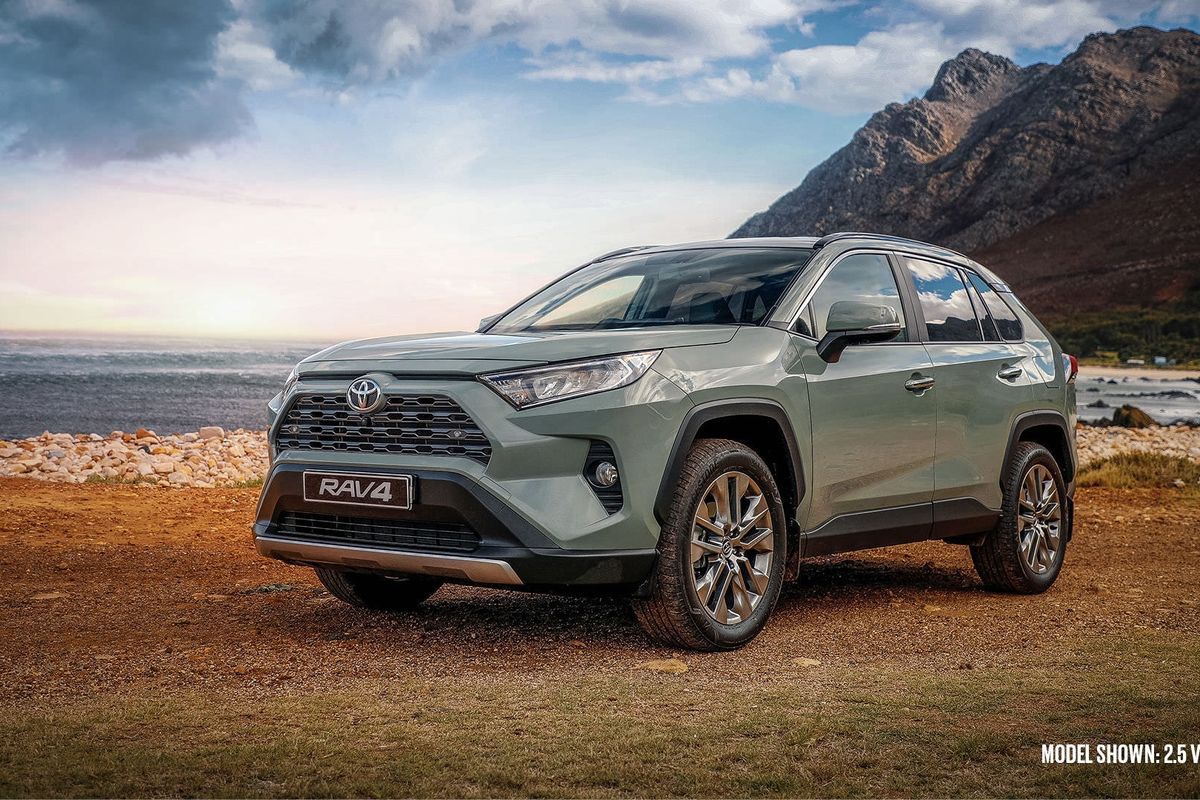
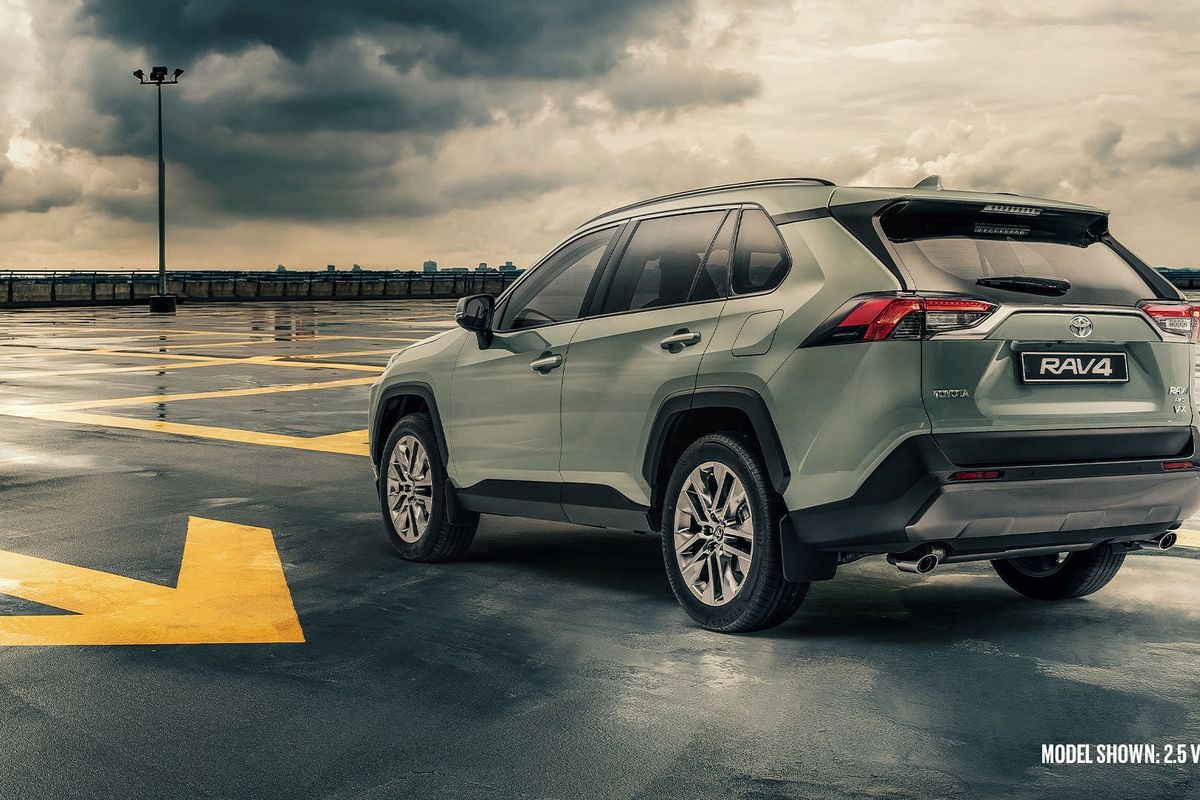
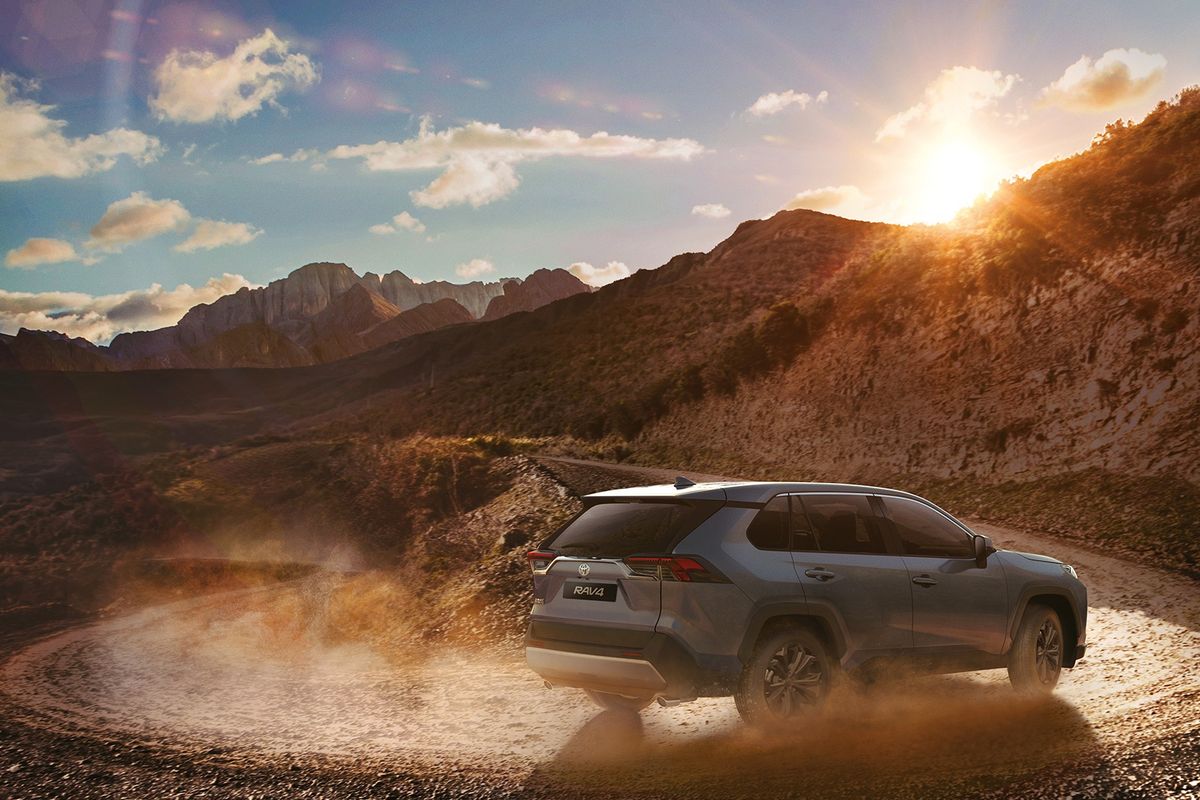
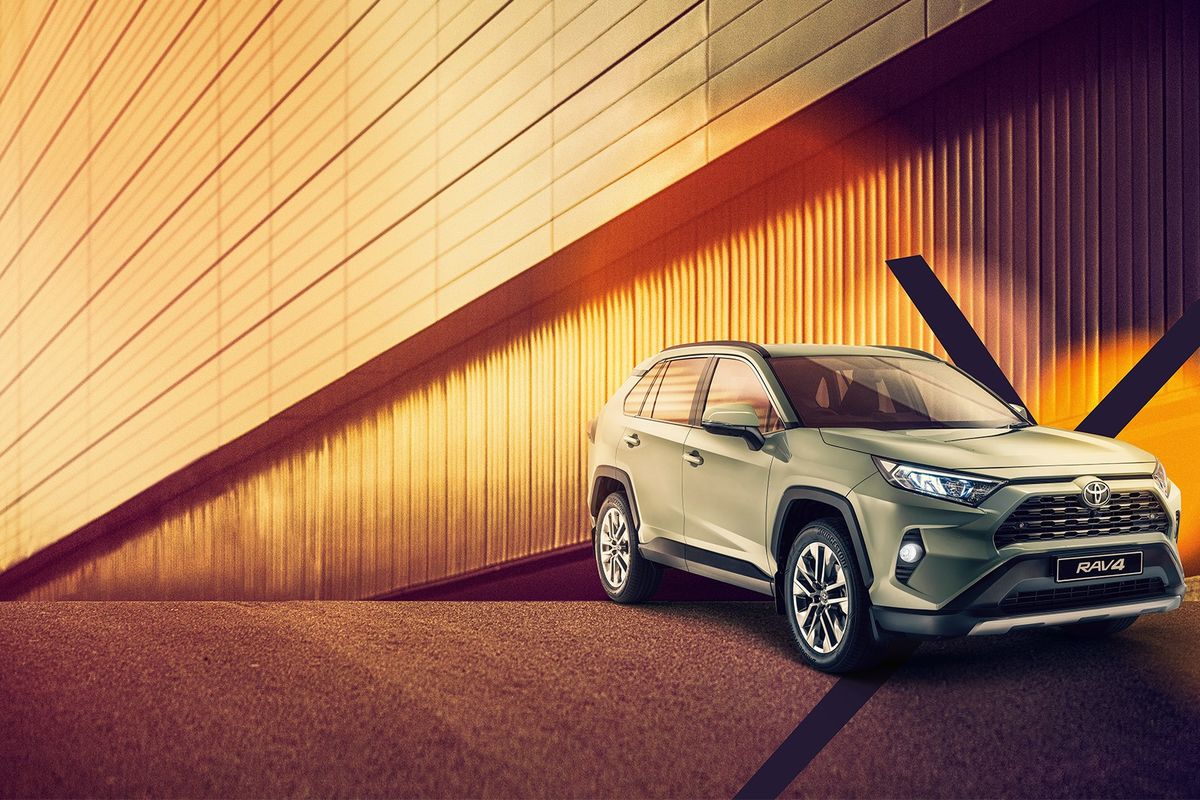
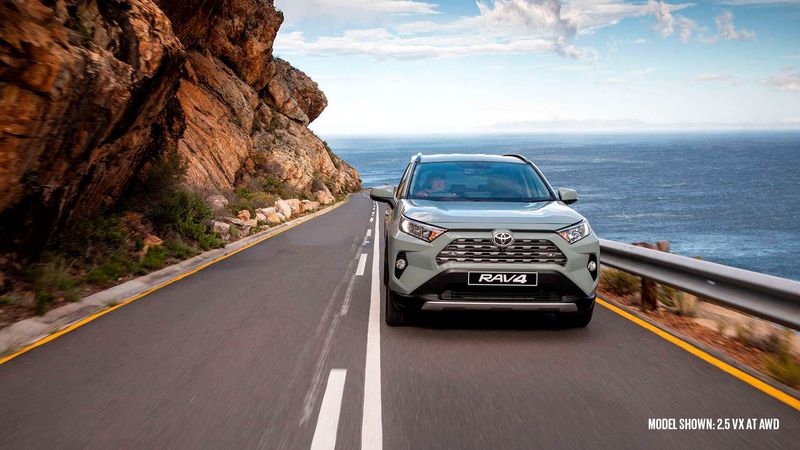
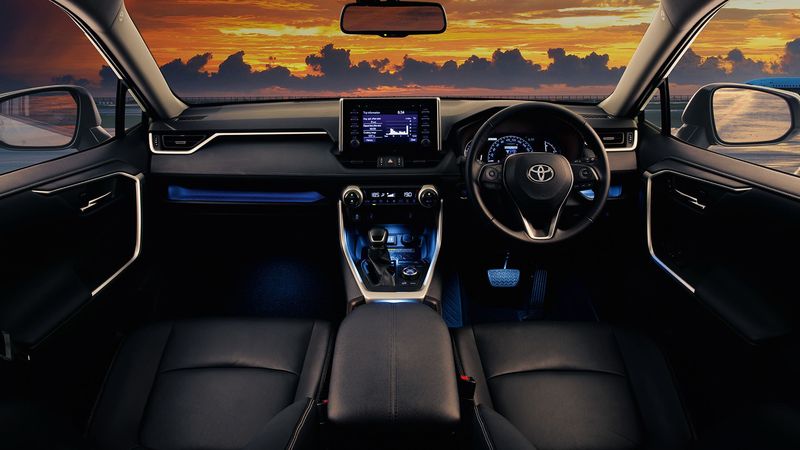
The Toyota RAV4 range has been rejigged for 2022 and we have uncovered pricing. Here’s how much you can expect to pay, plus what has changed.
The current-shape Toyota RAV4 range has been given a shuffle with the lower specced GX models falling away and the introduction of further top-spec VX grades. With the shift in strategy, this has meant the price entry to the RAV4 range has increased.
Interestingly, there’s now a gap between the top-spec Toyota Corolla Cross at R450k and the entry-level RAV4 at R606k. Could there be place for another model in there? Or will we see the Corolla Cross range expand further? We do know that a Corolla Cross GR Sport is on the way…
With this pricing structure, we also see the RAV4 move into Fortuner territory, which begs the question, how much offroading do you plan to do and how many seats do you need?
Engines and Gearboxes
There are three engines on offer. Kicking off the range is a 2.0-litre naturally-aspirated 4-cylinder with 127 kW and 203 Nm, and this is paired to a CVT. If you’re wanting more power, the 2.5-litre naturally-aspirated 4-cylinder has outputs of 152 kW and 243 Nm, and that comes with an automatic gearbox.
Finally, there’s a hybrid offered, which summons 131 kW and 221 Nm from a 2.5-litre naturally-aspirated 4-cylinder. There’s also an electric motor in the mix, bringing total power to 163 kW. This model features a CVT and is said to consume just 4.8 L/100 km.
The 2.0 has a claimed fuel consumption of 6.5 L/100 km (6.7 L/100 km for the all-wheel-drive model) while the 2.5 is a touch thirstier at 7.3 L/100 km.
Trim Levels
GX-R
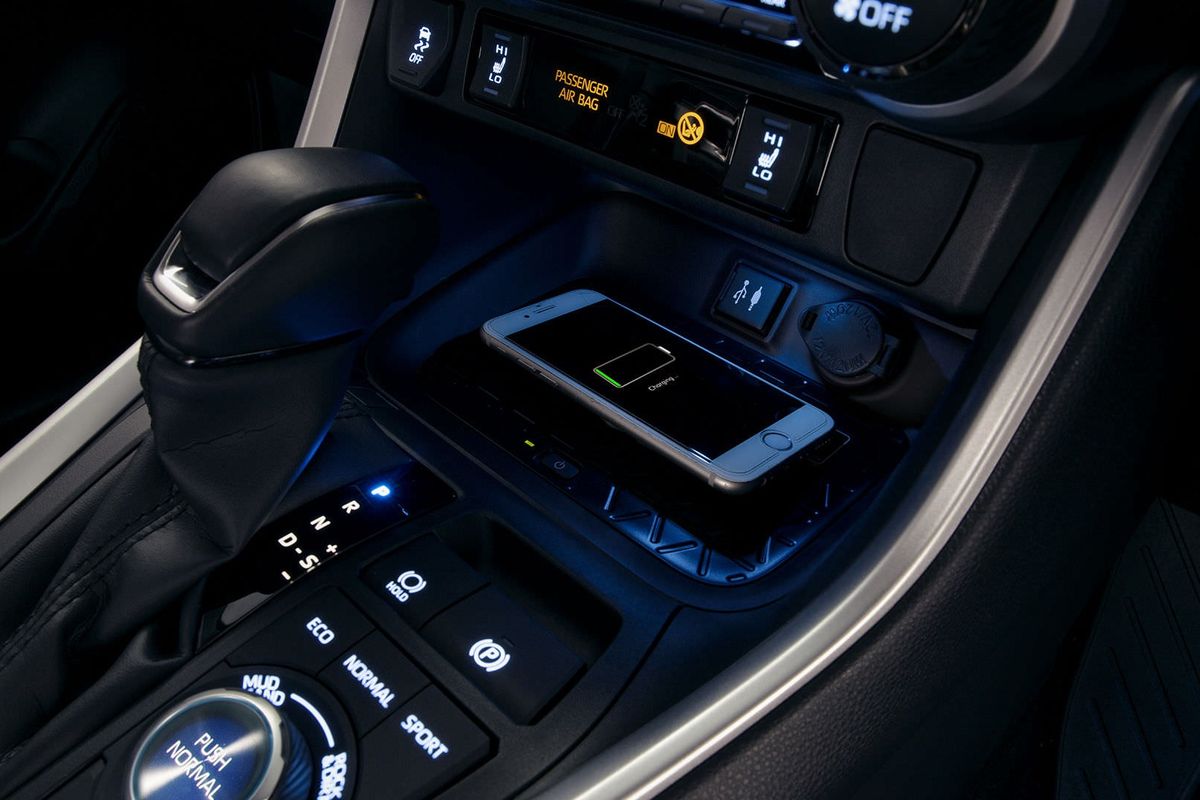
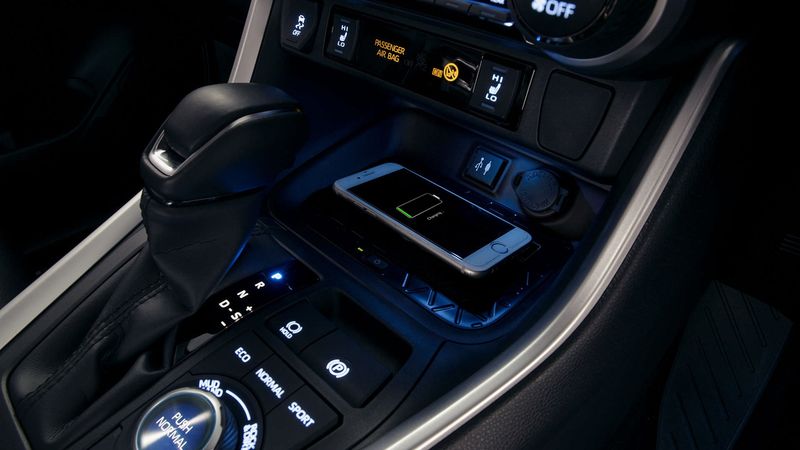
Cruise control Auto dual-zone climate control Toyota Display Audio Reverse camera Bluetooth Power adjustment for driver seat Heated seats All around one-touch electric windows Steering wheel buttons (audio, phone, cruise control, voice command, info) Five USB ports Wireless charger Android Auto/Apple Carplay Toyota Connect Colour-coded door handles LED fog lights + headlights with auto leveling Auto rain-sensing wipers 18-inch wheels Partial leather trim Rear park distance control 7 airbags Stability control
VX
Above content, plus the following:
Power adjustment for driver + passenger with driver memory Steering wheel buttons (Above + lane departure, adaptive cruise) Chrome door handles LED headlights have auto high beam Power-assisted tailgate Mirrors with blind-spot monitoring 19-inch wheels Digital rearview mirror Front and rear park distance control
How much does the Toyota RAV4 cost in South Africa?
The updated Toyota RAV4 range is sold with a 6 Services / 90 000 km service plan with intervals every 12 months / 15 000 km and a 3-year / 100 000 km warranty.
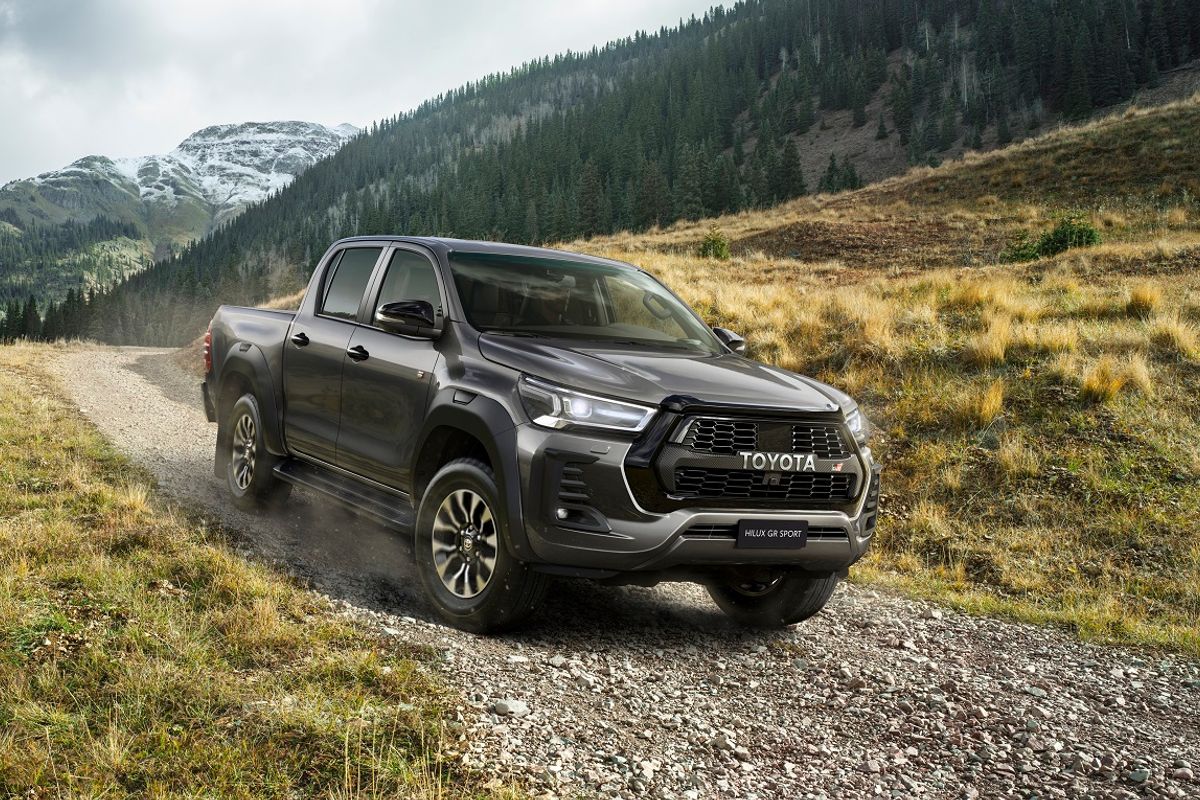
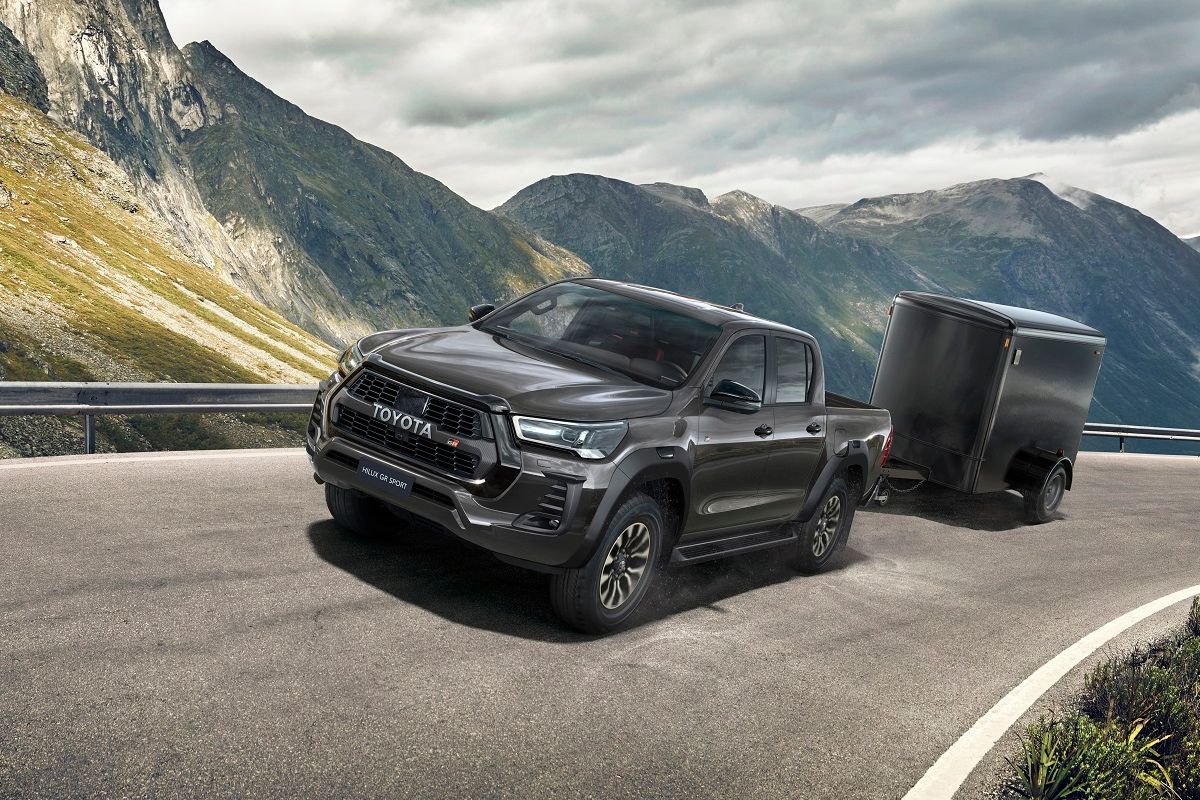
Toyota SA will introduce the facelifted Hilux GR Sport soon. Not only does it draw inspiration from the firm’s Gazoo Racing division – the new-look GR Sport derivative will be the most powerful series-produced Hilux that the Prospecton-based firm has sold in our market.
Toyota is always keen to point out its Dakar successes with the Hilux and this tough offroad race serves as the inspiration for the all-new Toyota Hilux GR Sport.
The popular bakkie has never been slack in the offroad department, but the Toyota Hilux GR Sport is more capable. There’s an upgraded suspension system featuring monotube shock absorbers, new front springs, automatic limited-slip differential, and active traction control. There are also upgrades to the vibration and noise countermeasures.
Toyota claims these upgrades “deliver significant improvements in handling characteristics, including steering effort and steering angle response, straight-line performance, a flat ride and reassuring roll and rear grip feel.”
As far as visual changes go, the Toyota Hilux GR Sport features a black front grille with G-pattern mesh and a classic-looking Toyota emblem. There are new larger front fog light surrounds, 17-inch alloy wheels which are black and machined and wrapped in all-terrain tyres. There is black detailing on the side-mirror casings, side steps, tailgate handle and over-fenders. The shocks and springs are finished in red and there are subtle GR Sport badges. It’s more subtle than the Thai-built wild Revo Hilux shown in 2021.
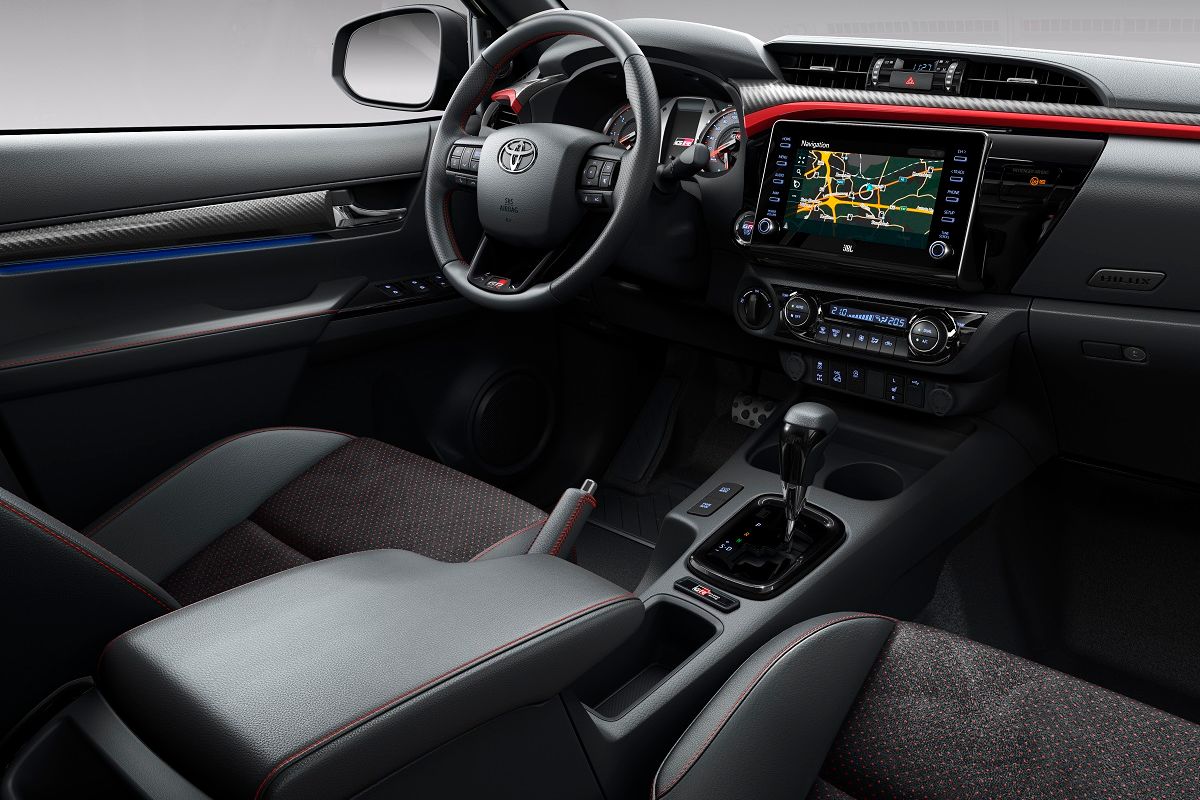
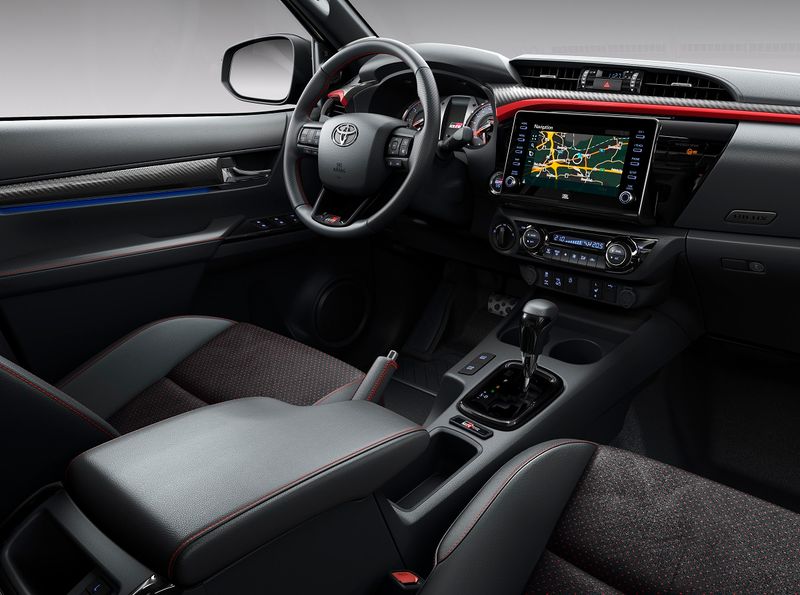
Inside, the cabin gains sports seats finished in black leather and synthetic suede with red perforations and contrast stitching. There’s GR Sport branding on the seats, carpets, starter button and dashboard graphics. There are also aluminium pedals, carbon fibre-style trim and a red insert across the dashboard.
Now if you’re expecting an engine upgrade, remember this is a GR Sport model, not a pure GR so the focus here is on a sportier drive and look. The current 2.8 engine offers plenty of go in any case with 150 kW and 500 Nm, paired to a 6-speed automatic gearbox.
Interestingly, the SA-spec Toyota Hilux GR Sport will break this hierarchy by offering a touch more power and torque. With outputs of 165 kW and 550 Nm, this GR Sport will be the most powerful Hilux offered locally. As it stands, the flagship model puts out 150 kW and 500 Nm.
When will the Toyota Hilux GR Sport go on sale?
Toyota Europe confirmed the new Hilux GR Sport will be hitting European markets in the middle of 2022. Toyota South Africa said it would be launching the Hilux GR Sport before the middle of 2022 and we’ll have more info closer to its launch.
Twin-turbo V12 Toyota Quantum! Is this the world’s Maddest Minibus?
A twin-turbocharged V12 Toyota Quantum. That’s not something you’ll hear very often.
When James Redelinghuis wanted to build a marketing vehicle for his company, he wanted to build something out of this world. And after spending some time with his creation, there is no doubt in our mind that he achieved his goal.
What you’re about to watch is one man’s mission to build the world’s maddest minibus. With a styling kit imported from Japan, the Quantum needed the go to match the show.
And so James imported a rare Toyota V12 engine. It’s not widely known that Toyota even made a V12, as it was sold almost exclusively in the Japanese domestic market, and instead of being fitted to a sports car, it was exclusively used in the Century, an ultra-luxury sedan.
And naturally aspirated just wouldn’t suffice, so James set about installing two turbochargers.
We’re immensely pleased to bring this special one-off creation to you on our channel. Let us know what you think of it in the comments below, plus it is also for sale.
Huge thank you to Munnik’s Performance Centre for lending us their awesome workshop to shoot in. Check them out here.
The facelifted 2022 Volkswagen Polo will be officially launching in South Africa next week! Herewith specifications and pricing details for the ever-popular new VW Polo.
The Volkswagen Polo is one of VWSA’s bread-and-butter products and it’s crucial the new model continues to be the success story over the past 25 years. Mind you, Volkswagen’s SUV range are in a good space and 2022 will see the introduction of the Volkswagen Taigo – a compact SUV smaller than the T-Cross.
“The Volkswagen Polo is South Africa’s second best-selling passenger car after the Polo Vivo. In 2021, 16 454 Polos have been sold in the local market which translates to a share of 22.6% in the A0 Hatch segment,” said Steffen Knapp, Head of the Volkswagen Passenger Car Brand.
It is assembled at VW’s facility in Kariega (formerly Uitenhage) and is an important source of employment in the area. These SA-built Polos are also for the export market, with over 80% leaving the factory for the international market. As it stands, over 78 000 units of this 6th-gen Polo have been sold in SA since its debut back in 2018.
2022 Volkswagen Polo – What’s New?
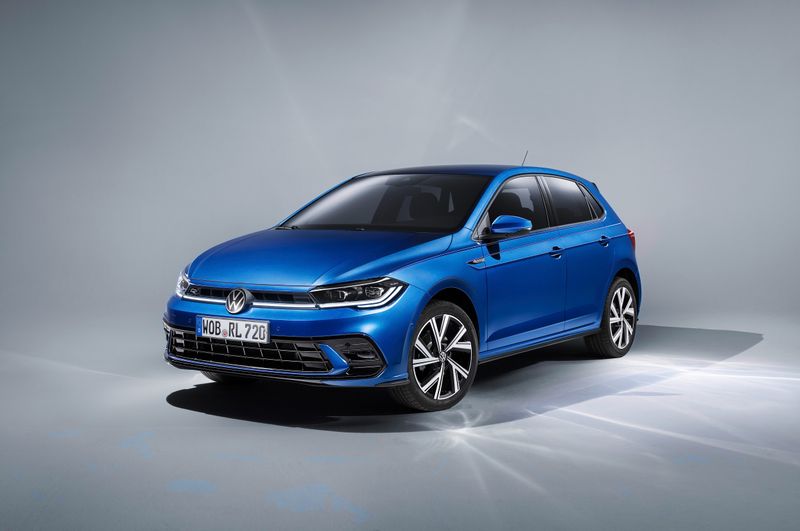
Visually, you’ll be able to spot the newcomer with its revised design. There’s a new front end, complete with redesigned headlights featuring LED technology, like the lightbar that stretches inwards from the lights to the badge. The rear light cluster gets a completely new look too making the facelift easy to spot. Customers will have the choice of 8 exterior colours including 3 new ones (Ascot Grey, Vibrant Violet and Smoky Grey).
Inside, the Volkswagen Polo’s cabin has been given a makeover, with the redesigned multifunction steering wheel, updated infotainment system and wireless App-Connect (which is available as an option). There’s now touch functionality on the higher spec models that replace buttons and knobs.
Three infotainment systems are on offer:
Composition Colour (6.5-inch display – standard in 70 kW and 85 kW Polo and Life)
Composition Media (8-inch display – standard in the 85 kW R-Line and GTI)
Discover Media (8 inches with navigation, wireless app-connect, voice control, wireless mobile charging, digital cockpit – optional on Life, R-Line, GTI)
For the first time, the Volkswagen Polo 2022 gains IQ.Drive tech as an option. These semi-autonomous driving features include adaptive cruise control, lane assist and the brand says “the Polo brakes, accelerates and steers automatically within the system limits” when it is activated. The Polo is also offered with Front Assist and Pedestrian Monitoring.
Levels of Trim
The updated Volkswagen Polo adopts the brand’s current naming strategy, so your Trendline/Comfortline/Highline have been ditched in favour of: Polo version (base model), Polo Life (mid-level) and R-Line (premium).
Polo (previously Trendline)
LED headlights LED tail lights New multifunction steering wheel 14-inch steel wheels App-Connect Composition Colour Bluetooth Electric, heated exterior mirrors Electric windows Door handles/mirrors in exterior colour Fabric trim Options include 15-inch Essex alloys and smoker’s package
Polo Life (previously Comfortline)
15-inch Essex alloy wheels Centre armrest with USB-C port Leather trim on steering wheel/gear knob Uprated fabric trim Options include a panoramic sunroof, 16-inch Torsby wheels, Composition Media, Discover Media, Rearview camera, Comfort Park package, Safety Package for manual, Safety Package for DSG, keyless entry, smokers package, NCAP Package.
Polo R-Line (previously a package option on the Comfortline and Highline)
R-Line bodykit 16-inch Valencia alloy wheels 2-zone climatronic aircon Composition media with wireless phone charging R-Line fabric seats Options include a pano roof, 17-inch Bergamo alloy wheels, LED matric headlights, Discover Media, beats sound system, rearview camera, Comfort Park package, Safety Package, NCAP package, keyless entry, smokers package to name but a few.
Polo GTI
Volkswagen SA confirmed its 2022 Polo GTI will also be launched at the same time as the updated Polo. It’s the sportiest model in the range and comes to market with a 2.0-litre turbocharged engine producing 147 kW and 320 Nm. Volkswagen says its Polo GTI is good for a 0-100 kph in just 6.7 seconds and thanks to its sporty suspension, will offer the most engaging drive in the Polo range. Customers will have just 4 colours to choose from; Pure White, Deep Black Pearl Effect, Kings Red Metallic and Reef Blue Metallic.
Standard features in the new Polo GTI are the two-zone climatronic air conditioning, IQ. Light LED matrix headlights, 17-inch Milton Keynes alloy wheels and the Composition Media system with inductive mobile charging. Optional features in the Polo GTI include the panoramic sunroof, Deep Iron Grey dashboard trim, 18-inch Faro alloy wheels, Discover Media System, ‘beats’ sound system, leather seat package, Rear view Camera, Comfort Park Package, Safety Package, ‘stop-and-go’ Speed Limiter and Lane Assist, Pedestrian Monitoring and Front Assist), NCAP Package, keyless entry and a smoker’s package.
2022 Volkswagen Polo Engine Lineup
We’ve already touched on the GTI’s engine, but what about the rest of the range? Volkswagen has confirmed the engines for this updated Polo and there will be 3 turbocharged petrol motors on offer.
Kicking off the range is a 1.0-litre turbocharged 3 cylinder which produces 70 kW and 175 Nm. This is paired to a 5-speed manual gearbox and is available in the Polo and Polo Life.
Next up is the 1.0-litre turbocharged 3 cylinder which has more power. It has 85 kW and 200 Nm, and a 7-speed dual-clutch gearbox is on offer. This powertrain is in the Polo Life and Polo R-Line models.
The third engine obviously is the GTI 2.0 Turbocharged motor.