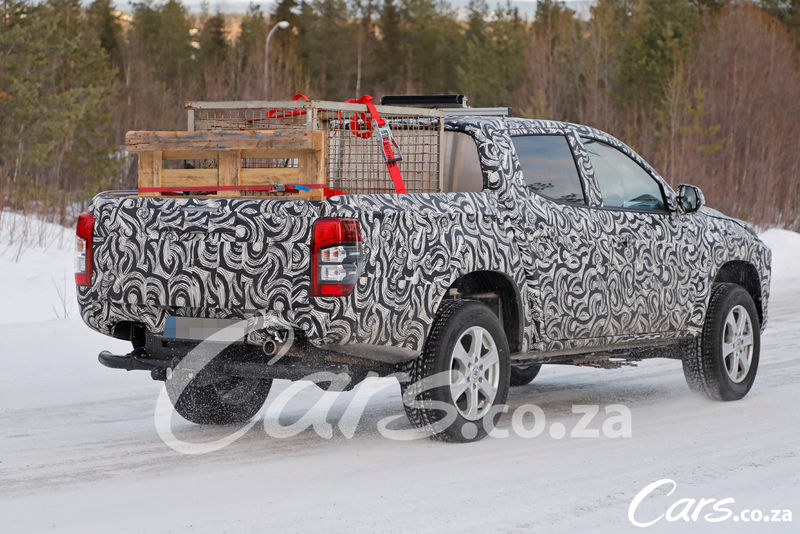
The first 2024 Mitsubishi Triton prototypes have been spotted undergoing testing. Here’s what we know about the Japanese bakkie.
Picture credit: S. Baldauf/SB-Medien. We have paid for these photos and at the photographer’s request, have watermarked them.
The double-cab bakkie market is constantly evolving. If one brand launches a new model, you can be sure that the rest will be taking notice and preparing updates of their own. With traditional bakkie markets like South Africa and Australia buying huge numbers of these vehicles, it’s vital for the brands to be constantly innovating and updating.
What you see here are the first images of the 2024 Mitsubishi Triton. In overseas markets, this product is known as the Mitsubishi L200. Our photographers tell us this is what’s known as a chassis-testing mule. So while it vaguely resembles the current shape car with its near-identical headlights, what’s under the bodywork and can’t be seen with the naked eye is where the real changes lie.
We’re not expecting too many radical upgrades as the current shape Mitsubishi Triton offers decent refinement and offroad capability, wrapped in one good-looking package. Browse for new and used Tritons here.
When will the 2024 Mitsubishi Triton be revealed?
We can expect this new 2024 Mitsubishi Triton to be revealed at some point in 2023.
The current Mitsubishi L200 Facelift was launched in 2019, so that we can expect the next generation by 2023/2024.
Kia Carnival (2022) Launch Review
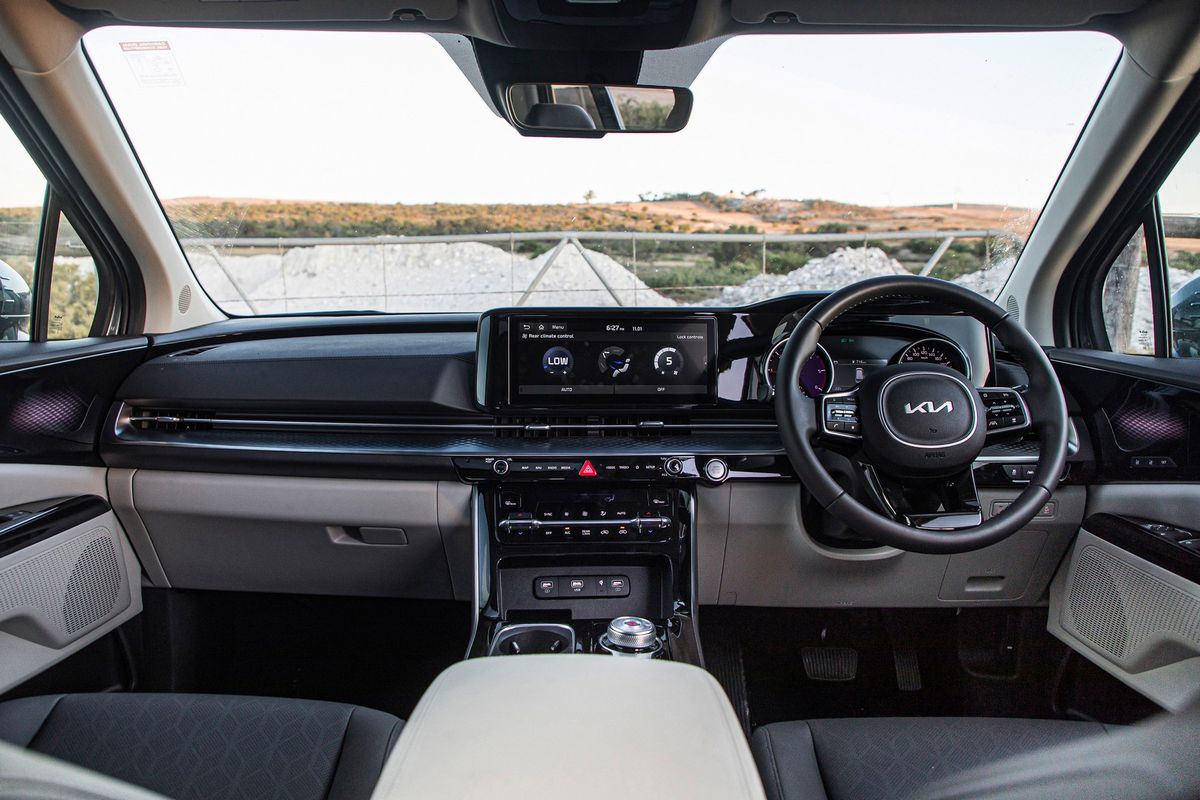
An extended road trip is a great way to get to know a new vehicle better and Kia SA gave the motoring media a chance to sample its new Sorento executive SUV and Carnival people-mover over a weekend. In an SUV-obsessed world, is there still a place for a large family MPV?
We all thought the rampant popularity of the SUV would cause the extinction of the humble MPV, but the semi-luxurious bus is enjoying a bit of a resurgence – Kia claims the segment increased by 15% last year. Models such as the Volkswagen Kombi/Caravelle and Mercedes-Benz Vito/V-Class still sell in decent numbers, while the futuristic-looking Hyundai Staria is becoming a common sight on SA roads.
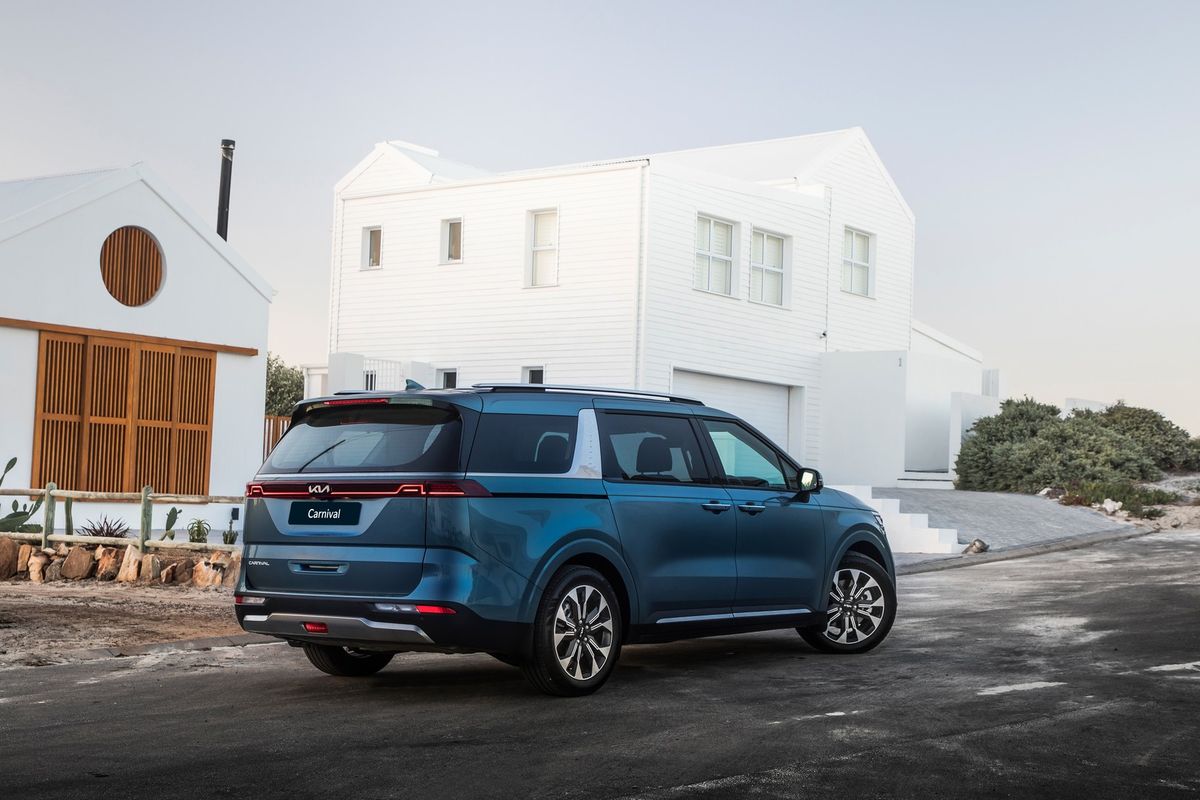
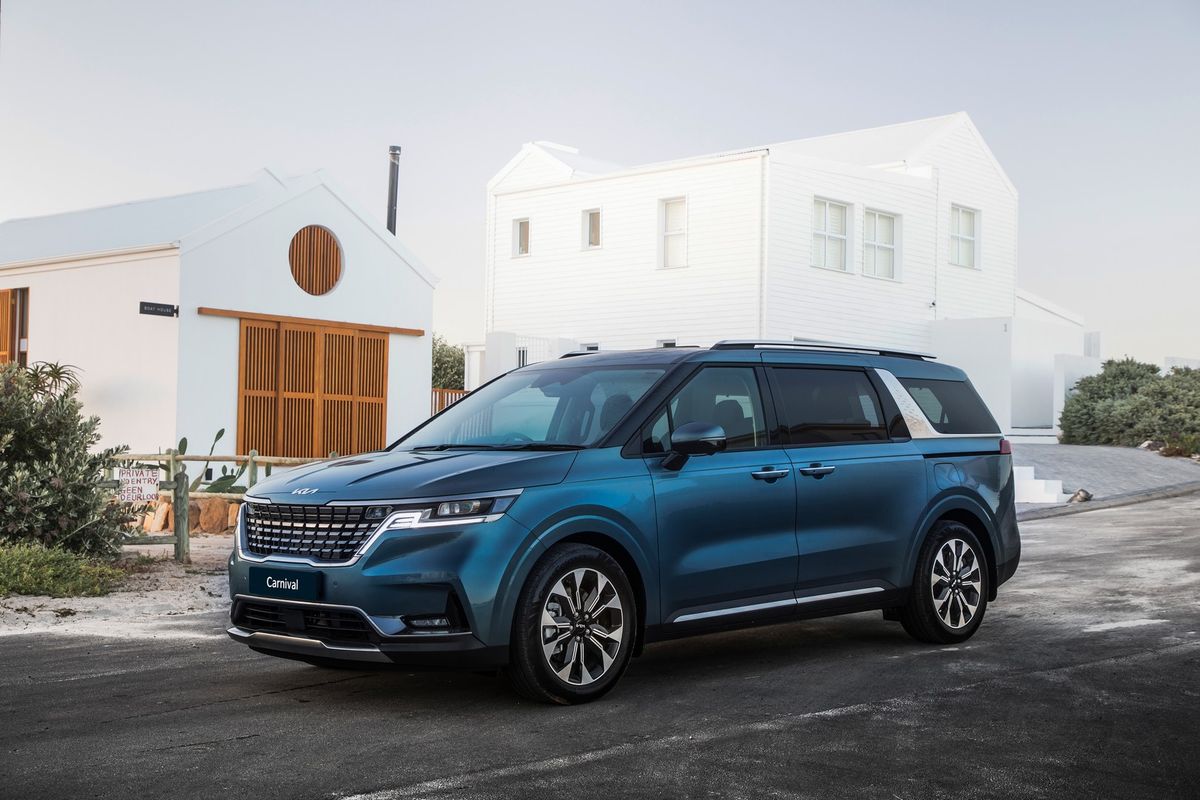
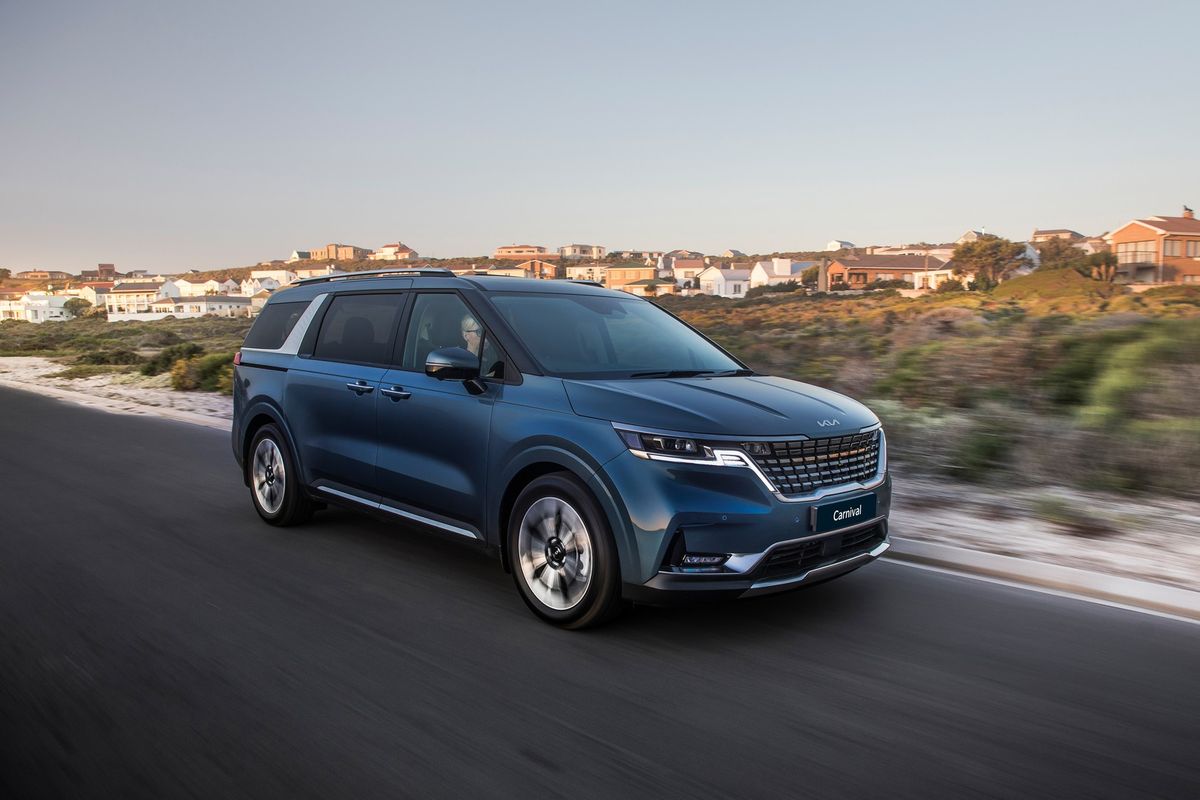
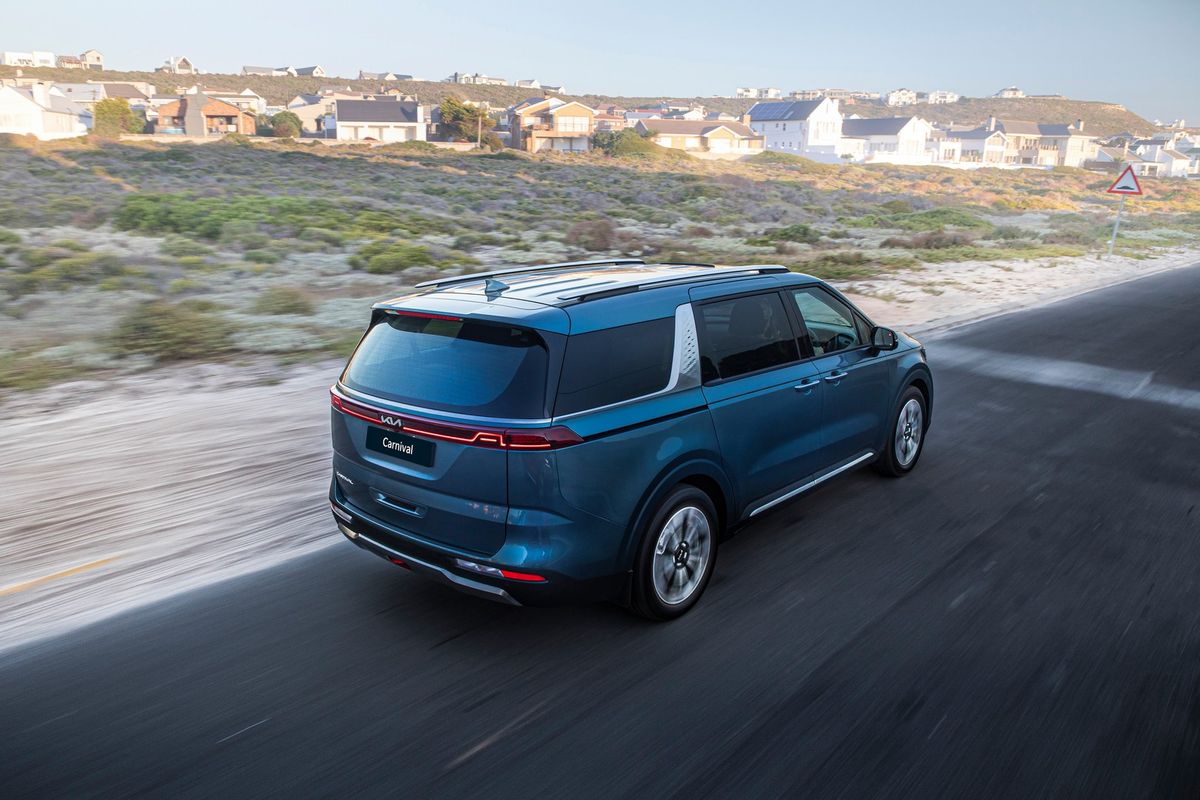
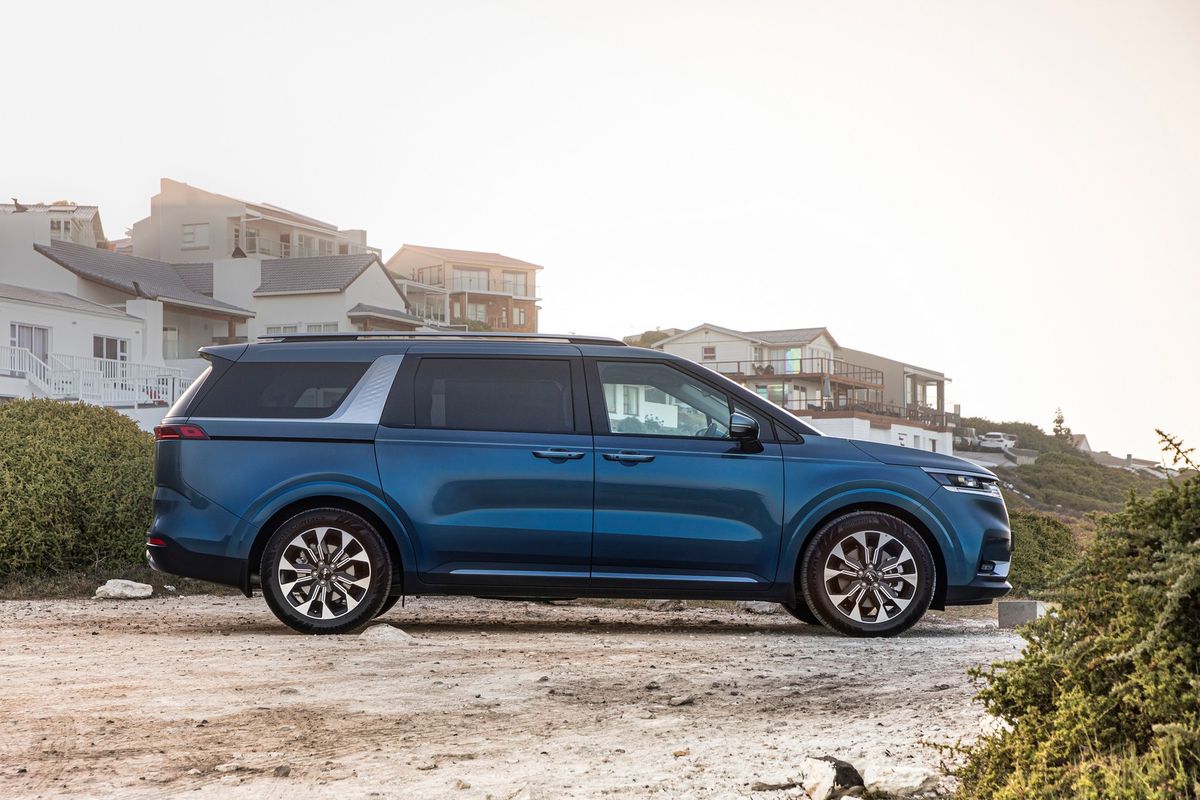
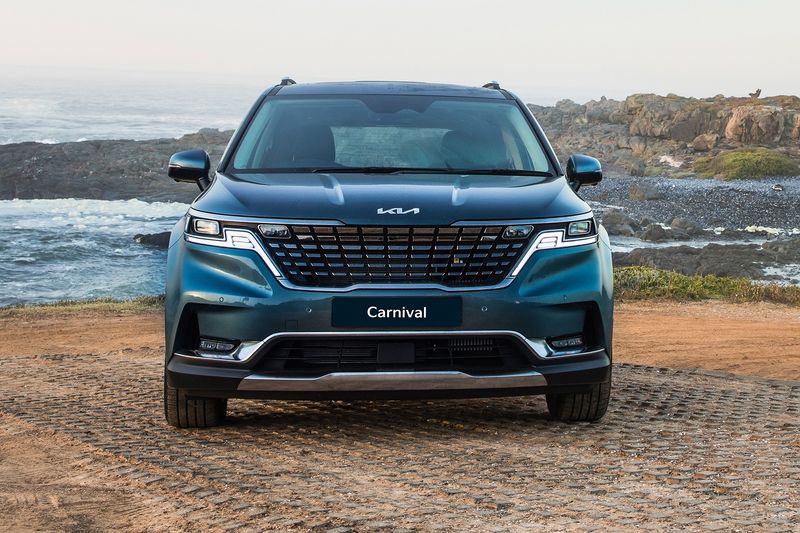
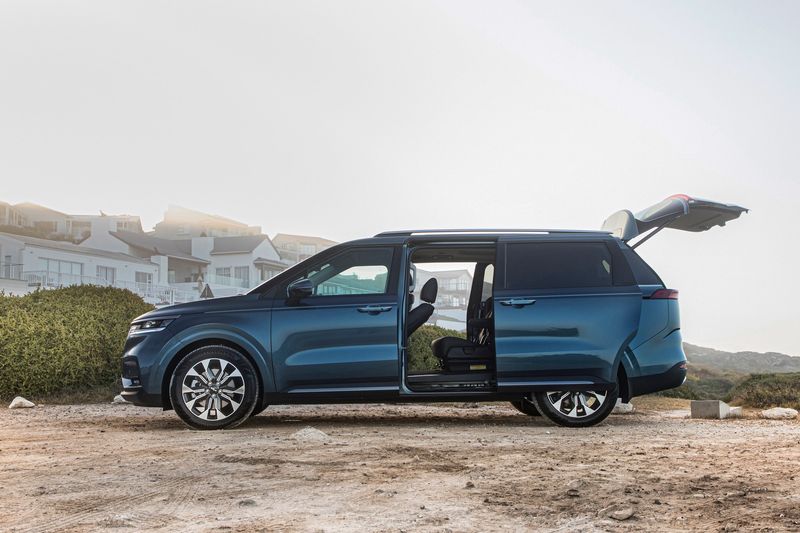
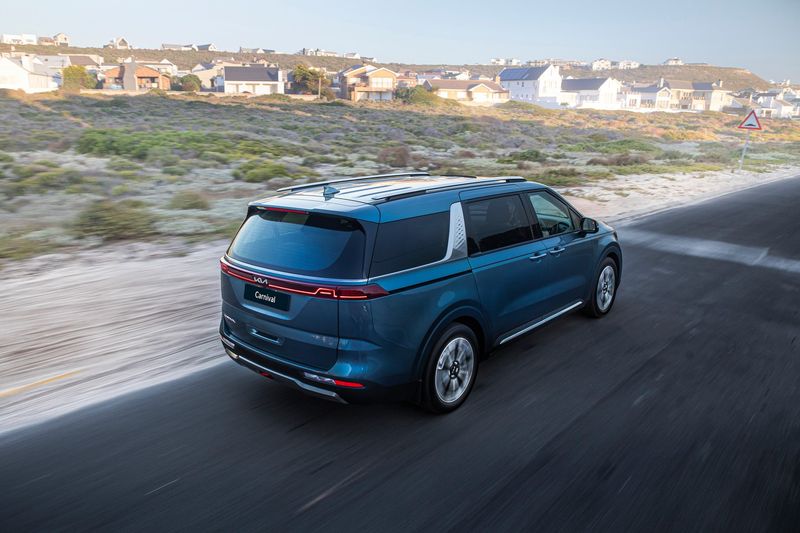
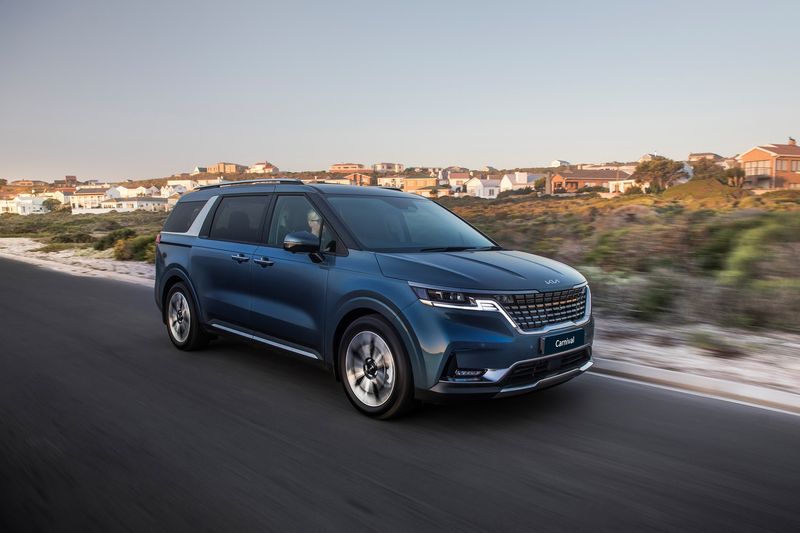
The vehicles on which most minibuses are based are engineered to transport passengers and cargo as cost-effectively as possible, so it’s safe to say that even their most luxuriously appointed variants aren’t exactly designed to draw attention. The Kia Carnival is a touch different – Kia’s designers did their utmost to give the Carnival a distinct visual identity. This is a vehicle that will make you look twice.
What’s New?
It may be a small detail, but it’s significant enough to warrant a mention – the newcomer’s name. Whereas Kia South Africa named this model’s predecessor the Grand Sedona, Carnival, which is the global product name, after all, has now been reinstated. Our review of the previous model stated: “Offering vast space, excellent versatility, sumptuous on-road comfort (for all 7 occupants) over long distances and equipped with more toys to play with than most similarly priced SUVs, the Kia Grand Sedona 2.2 CRDi SXL may very well be the ultimate family car.” No pressure on the new-generation Carnival, then!
The Carnival is based on a new platform (which it shares with the new Sorento) and powered by a fresh Smartstream turbodiesel engine. Kia claims improvements in its manufacturing processes have resulted in the people-mover offering better driving dynamics, as well as improved quietness and refinement. The new Carnival is bigger in all directions compared with its Grand Sedona predecessor…
What’s on offer?
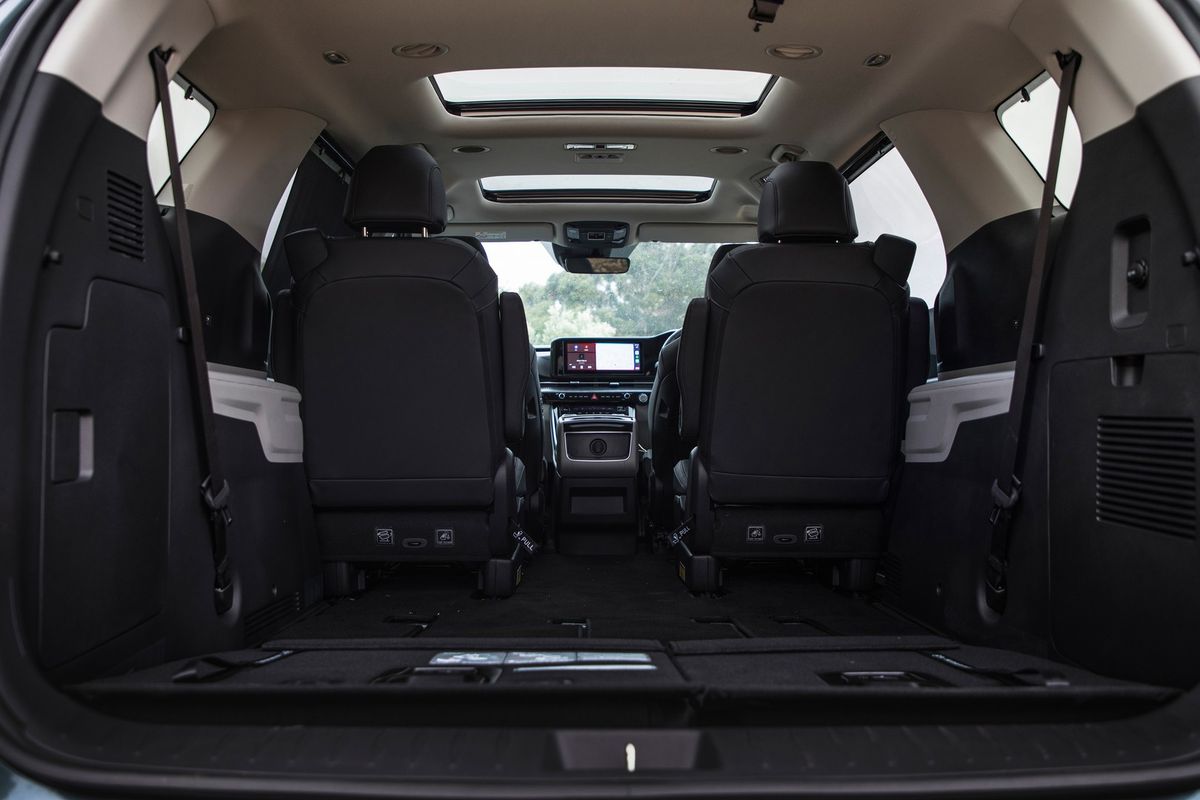
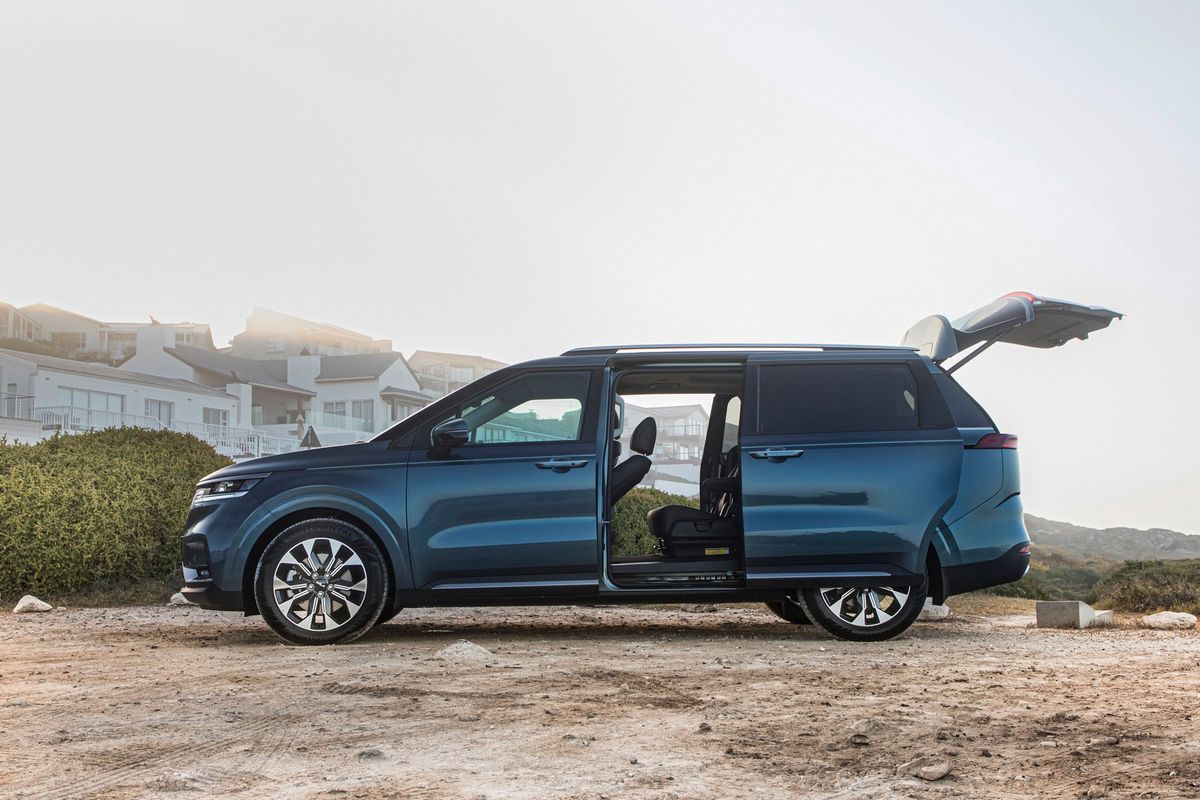
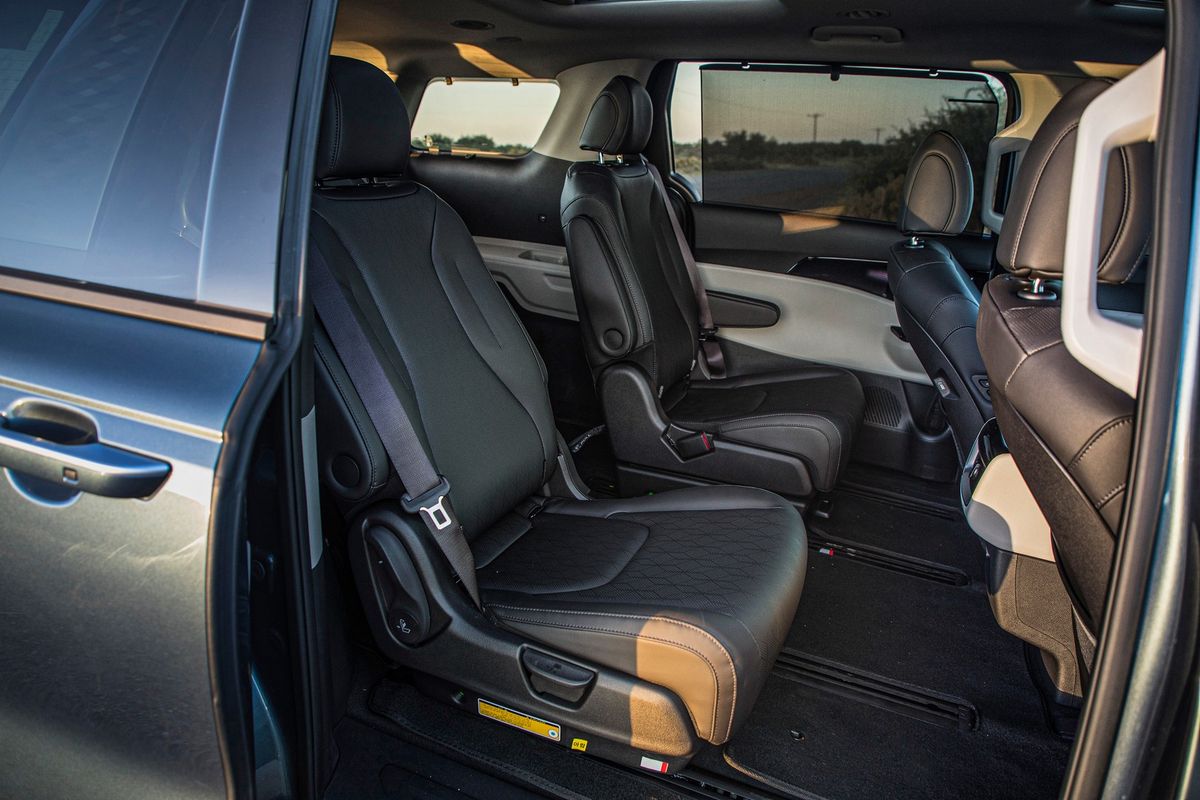
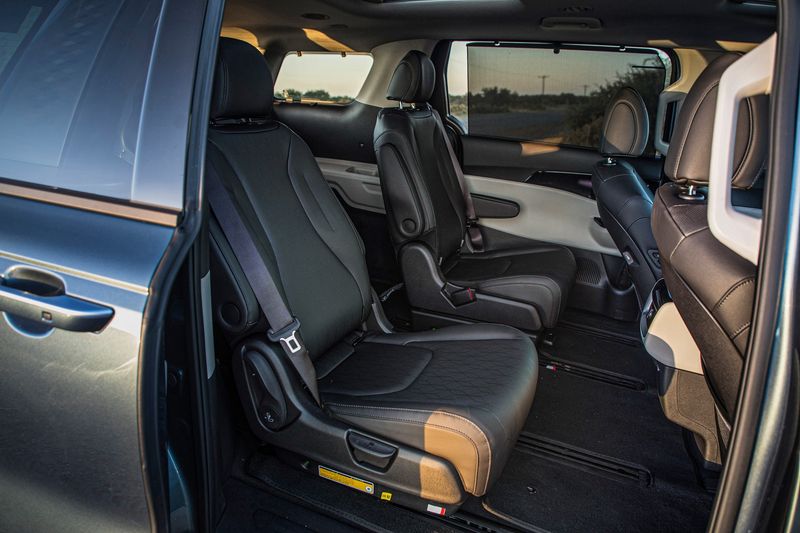
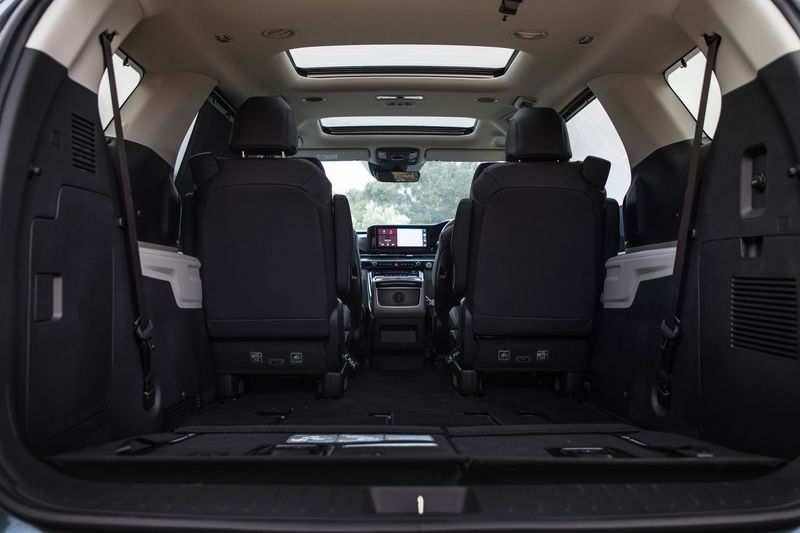
Kia South Africa offers the new Carnival in 4 derivatives, each of which is powered by a new 148 kW/440 Nm 2.2-litre 4-cylinder Smartstream turbodiesel engine that propels the large MPV’s front wheels via an 8-speed automatic transmission. Most are 7-seaters – their seat layout is 2-2-3 front to rear, with the second row featuring a pair of individual seats, the sheer novelty of which is unlikely to ever wear off.
There are 4 trim levels to choose from and the second most affordable derivative (the EX+) has an 8-seater configuration, which will appeal to buyers who require maximum people-carrying ability.
On long journeys, aspects such as a model’s cabin comfort, quietness and on-road refinement can be thoroughly assessed. A road trip should be a perfect platform for a vehicle of this kind to show off its talents, but given the Grand Sedona’s reputation for being excellent at hauling passengers in the lap of luxury, a standard had been set – can the new Carnival at least match, or ideally improve on that?
Yes, absolutely. The newcomer’s advanced platform facilitates excellent overall refinement – we discerned minimal road noise or wind intrusion for the duration of the trip. Comfort levels are at an all-time high and the SX Limited we drove offered an abundance of gadgets and gizmos to keep us entertained. Even in the base (EX) trim, there are plenty of safety and convenience features fitted as standard.
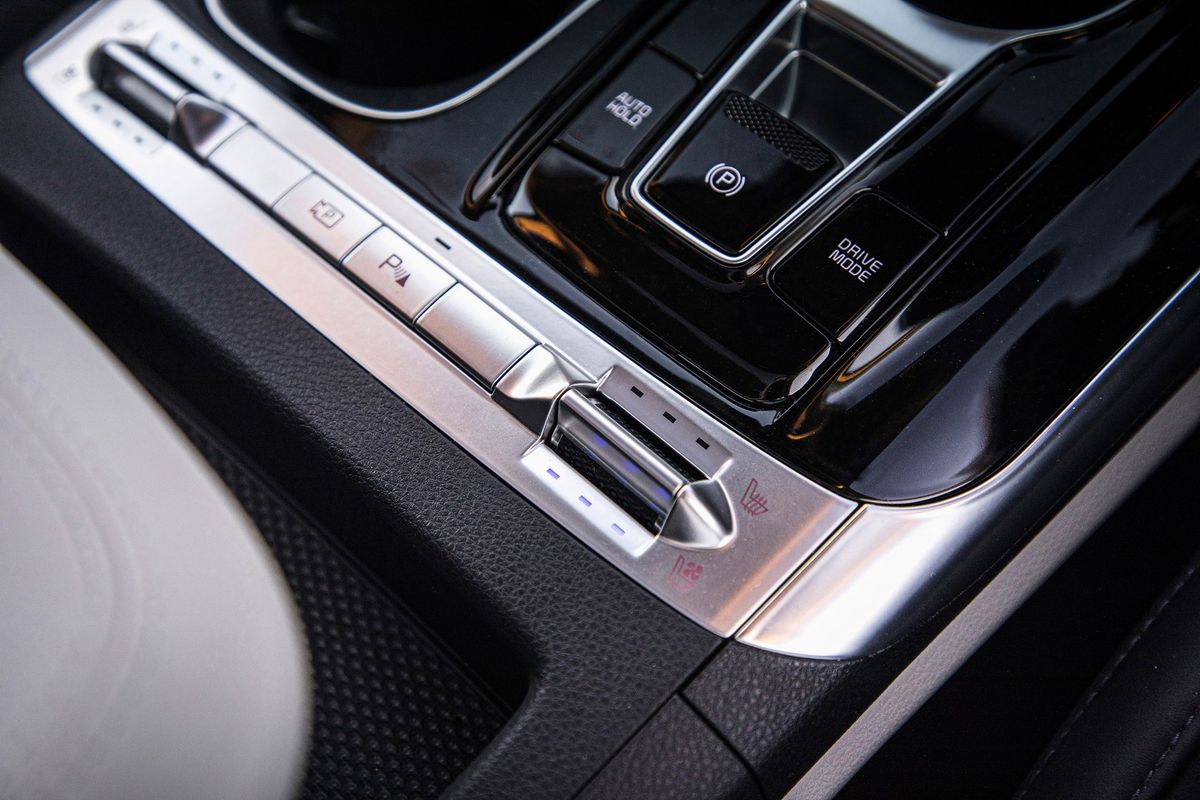
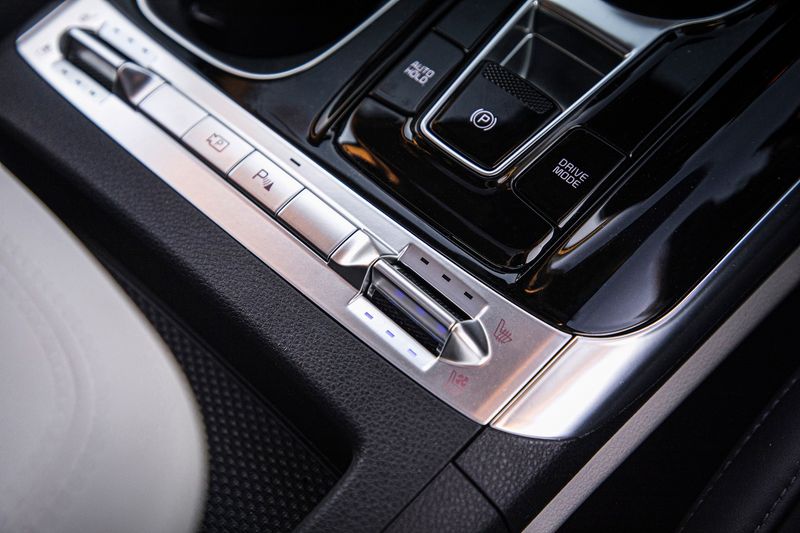
We made extensive use of the cooling functions of the front seats (which can be heated too, during colder months), the wireless charging pad, USB connectivity, as well as the Apple CarPlay/Android Auto compatibility. As far as safety systems are concerned, the new Carnival comes well specified across the range. In fact, the flagship SXL could be one of the most safety-oriented vehicles in the segment by virtue of its around-view monitor, rear cross-traffic alert, blindspot collision avoidance assist, blindspot monitor, lane following assist, lane-keeping assist, forward-collision avoidance assist and 7 airbags.
The powertrain is certainly worth a mention too. The Smartstream turbodiesel engine offers credible outputs and, when you’re driving on the open road, it never feels like there’s a shortage of grunt, despite the sizeable model’s heft. The 8-speed automatic generally does a good job, but it’s a bit too eager to kick down gears when the Carnival ascends hills or needs to urgently produce overtaking acceleration.
However, for what it is, the Carnival performs effortlessly – you can easily overtake slower-moving traffic on freeways. We experimented with the drive modes and found the Smart setting was best-suited to open-road cruising. It generally favours Eco, but will quickly sharpen its responses when you need rapid acceleration. We saw admirable indicated fuel consumption figures of between 7- and 8 L/100 km.
As far as driving dynamics are concerned, well, the Carnival handles exactly how you expect a large people-carrier would. The suspension setup is utterly comfort-oriented – and the newcomer’s forgiving ride quality certainly reflects that – but that’s not to say the vehicle’s ponderous… If you try to hustle it through some mountain sweeps, it’ll probably perform better than most would expect it to; in fact, the brakes feel more than up to the task of reining in momentum. The light steering does its best to mask the Kia’s bulk and makes the newcomer feel a touch smaller in the confines of an urban environment.
How much does the Kia Carnival cost in South Africa?
The new Carnival comes with a 5-year/unlimited-kilometre warranty (including roadside assistance), as well as a 6-year/90 000 km maintenance plan. The top-end 2.2 CRDi SXL will arrive in March 2022.
2.2 CRDi EX 8AT 7-Seater
R799 995
2.2 CRDi EX+ 8AT 8-Seater
R879 995
2.2 CRDi SX Limited 8AT 7-Seater
R999 995
2.2 CRDi SXL 8AT 7-Seater
R1 024 995
Summary
The Kia Carnival (like its cousin the Hyundai Staria) proves that people movers need not be boring to look at, drive or occupy. This is a well-thought-out and thoroughly resolved offering that carries on exactly where the Grand Sedona left off. The comfort levels and refinement are excellent, and the new turbodiesel engine delivers punchy performance and impressive fuel economy in equal measure.
Its pricing is competitive too. Kia SA pointed out that, when compared with pricier (mostly German) rival products, the newcomer offers superior standard spec and more comprehensive after-sales support.
With just two people on board the Carnival during one day of driving (which formed part of the model’s local media launch), we hardly put the newcomer through the “with the whole family and their detritus on board” stress test. We’re keen to experience the newcomer’s passenger-carrying capabilities over a longer period of time, but, if first impressions are anything to go by, Kia has Made (a) Van Great Again.
Brabus 800 Adventure XLP Superblack Revealed
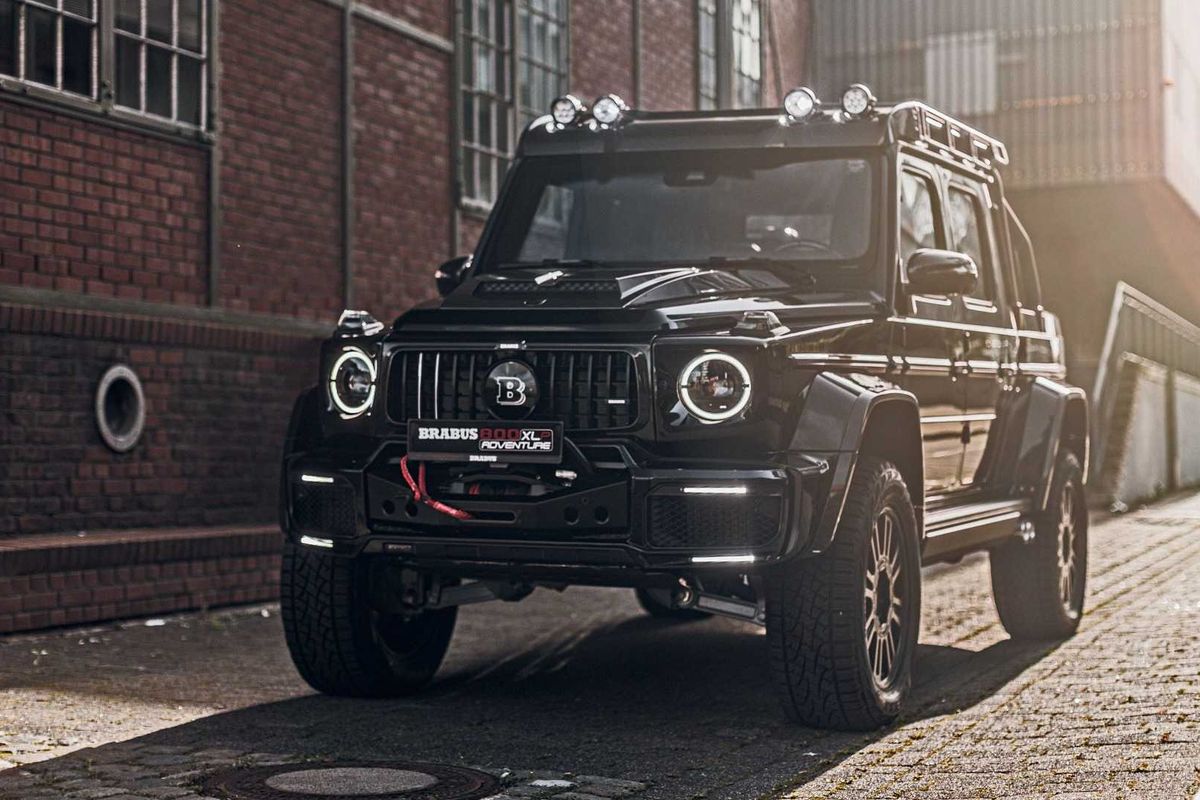
The Brabus 800 Adventure is proof that you can improve on the already-impressively capable Mercedes-Benz G-Class.
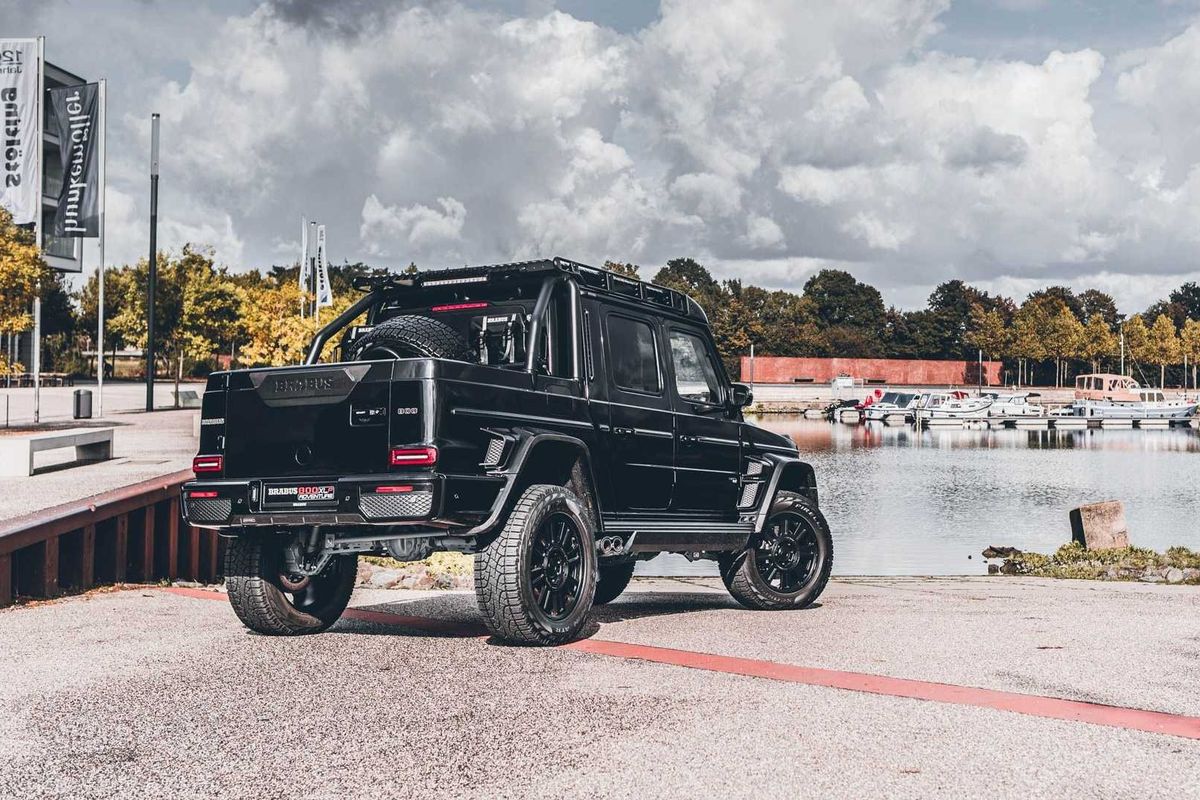
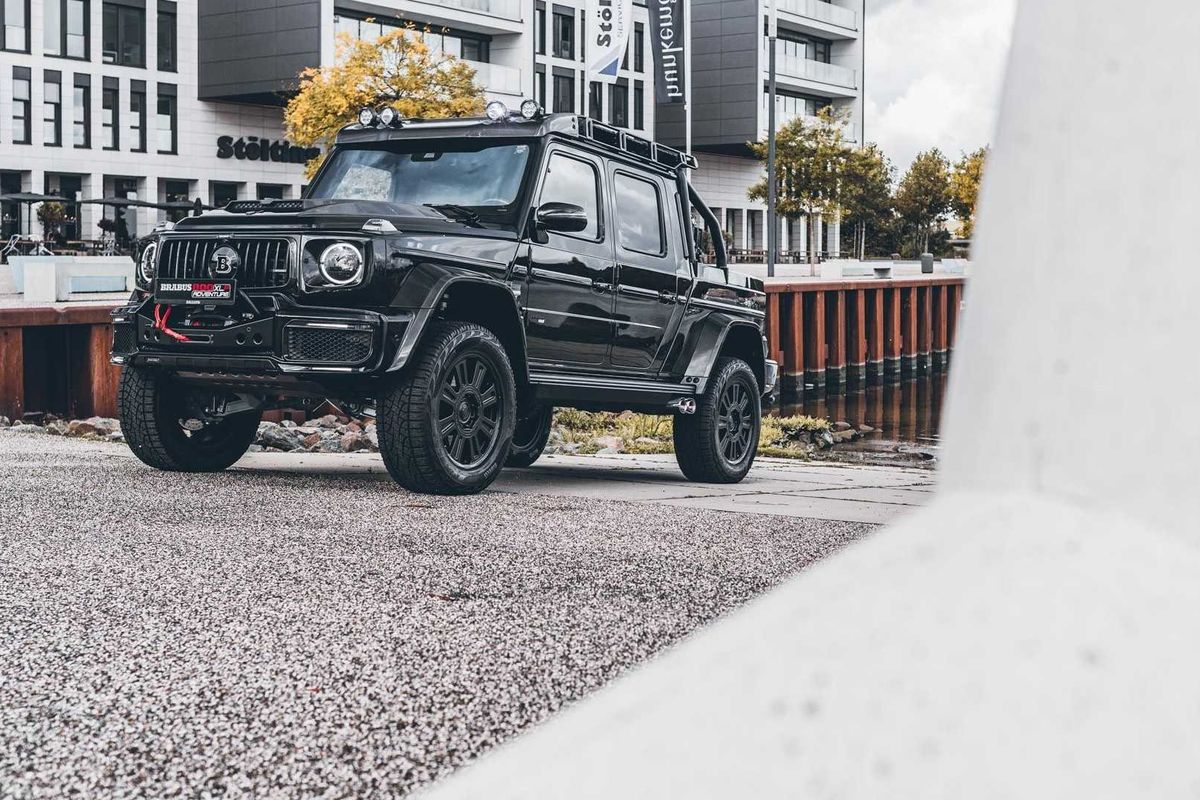
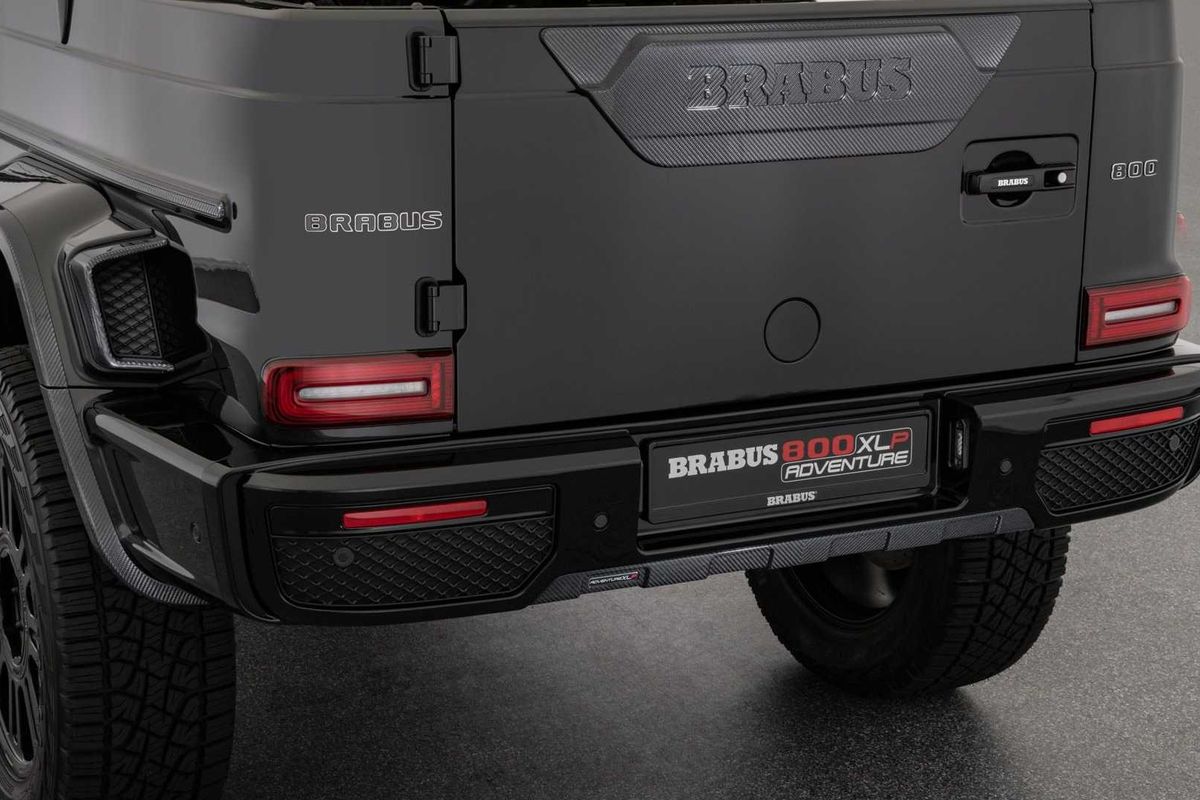
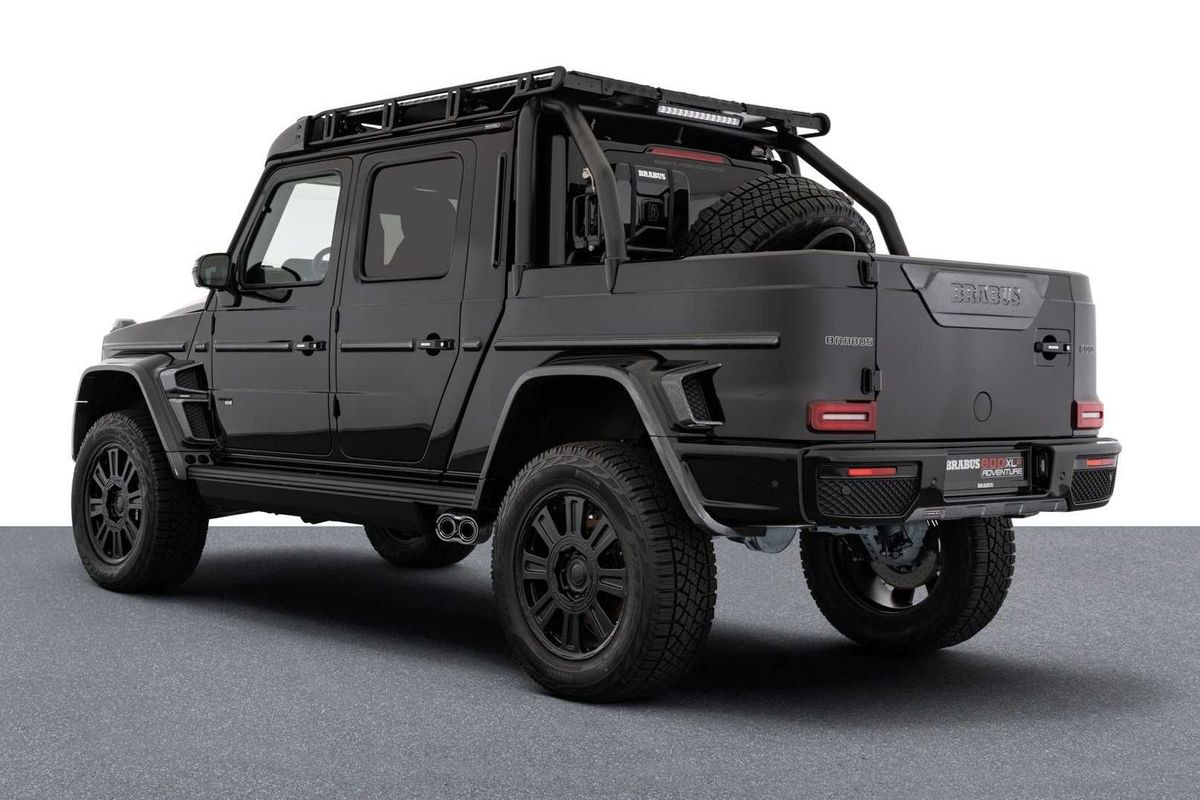
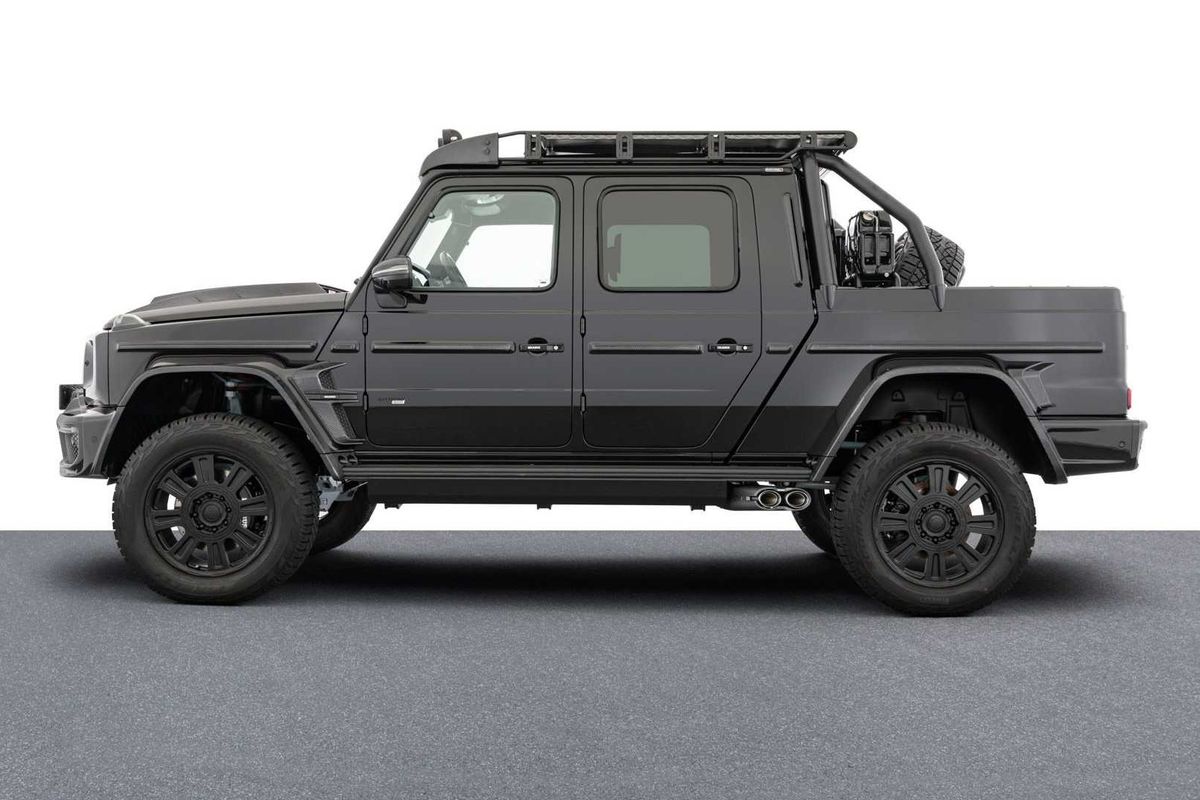
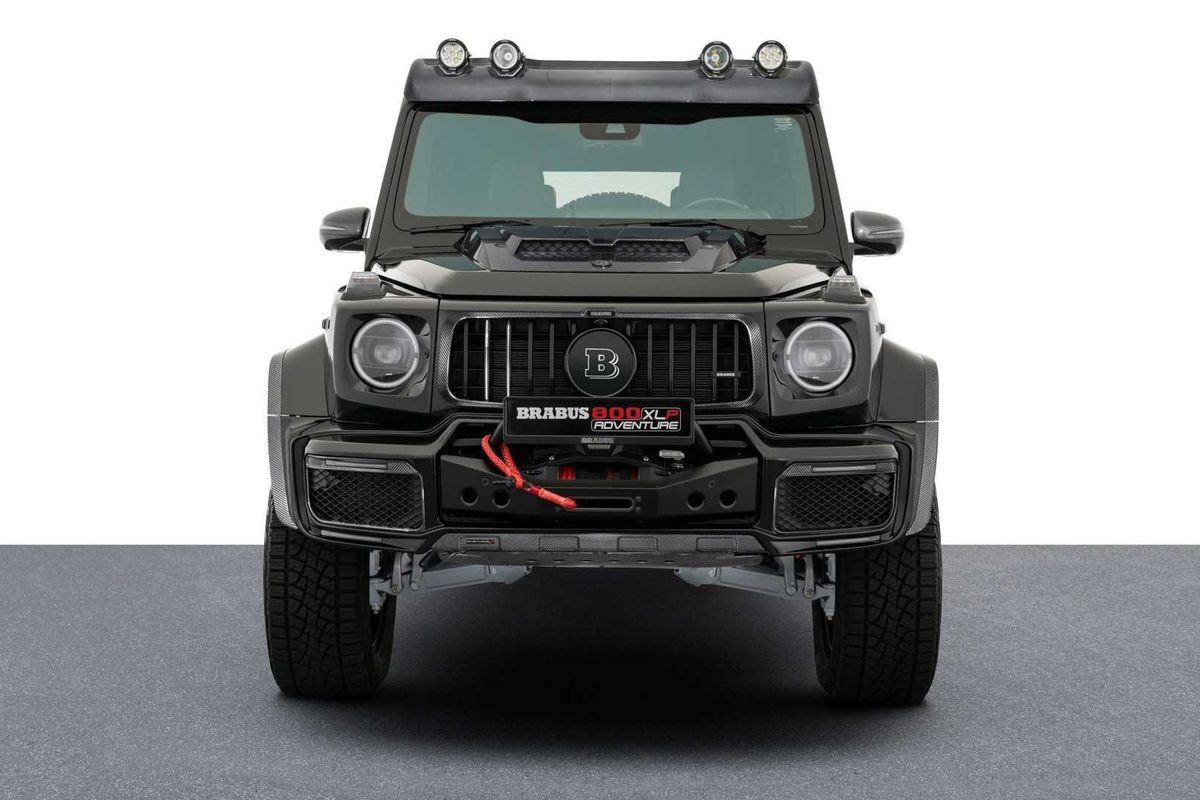
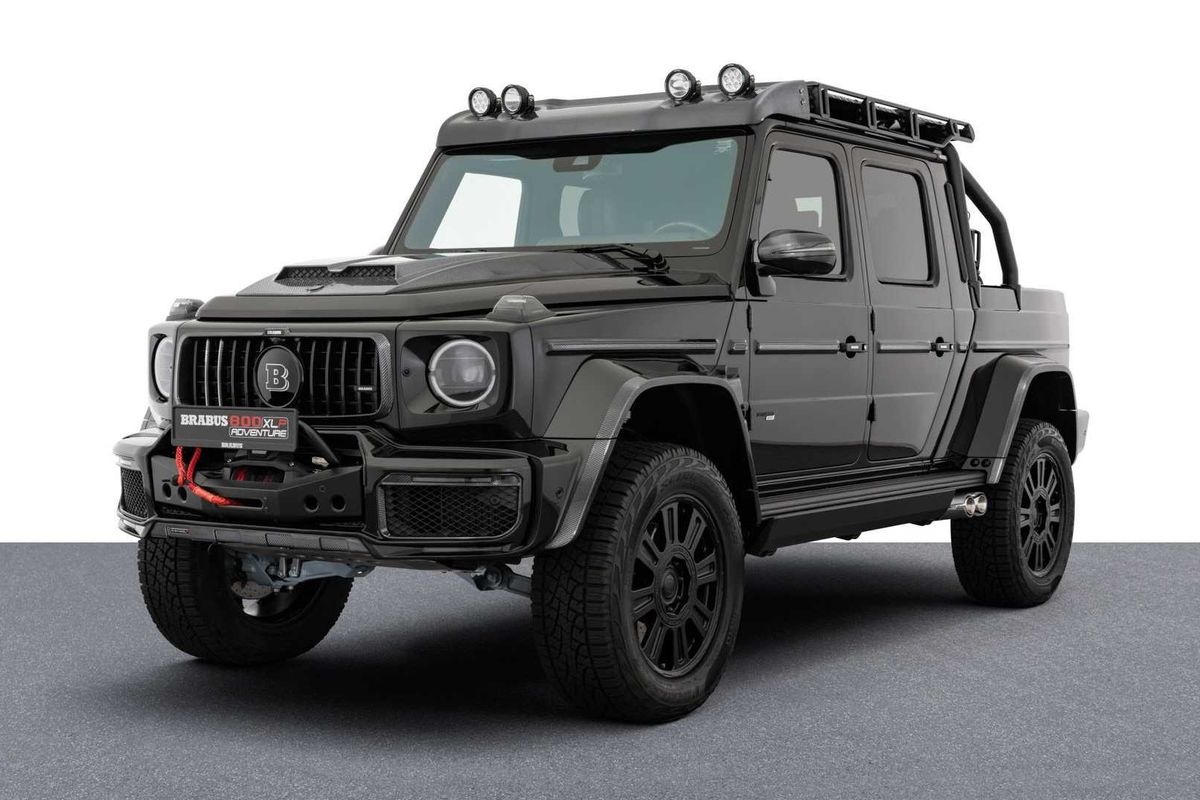
Mercedes-Benz tuner Brabus has done it again. Meet the Brabus 800 Adventure XLP Superblack, a tough and go-anywhere super bakkie. While we’re growing impatient with Mercedes-Benz and its all-new 4×4 squared, this will have to satisfy our appetite for badass adventure in the meantime.
What you see is an enhancement on what the Mercedes-Benz G-Class already offers. The vehicle has been stretched and raised, and is now almost 70 cm longer than the vehicle upon which it’s based.
The hardcore suspension setup features aluminium portal axles and these give the vehicle a ground clearance of 49 cm. Yes, you read that correctly. The Brabus 800 Adventure rides on 22-inch alloy wheels wrapped in all-terrain rubber.
While the 4.0-litre twin-turbocharged petrol V8 engine needs no introduction and produces a mighty 430 kW and 850 Nm, Brabus decided this wasn’t sufficient and managed to extract 588 kW and 1000 Nm. These are huge numbers, but due to its sheer size and mass, it’s not as fast as you’d expect. Still, 0-100 kph in 4.8 seconds is still very quick. There’s a top speed limit of 210 kph. Brabus claims its 800 Adventure weighs just under 3 tons.
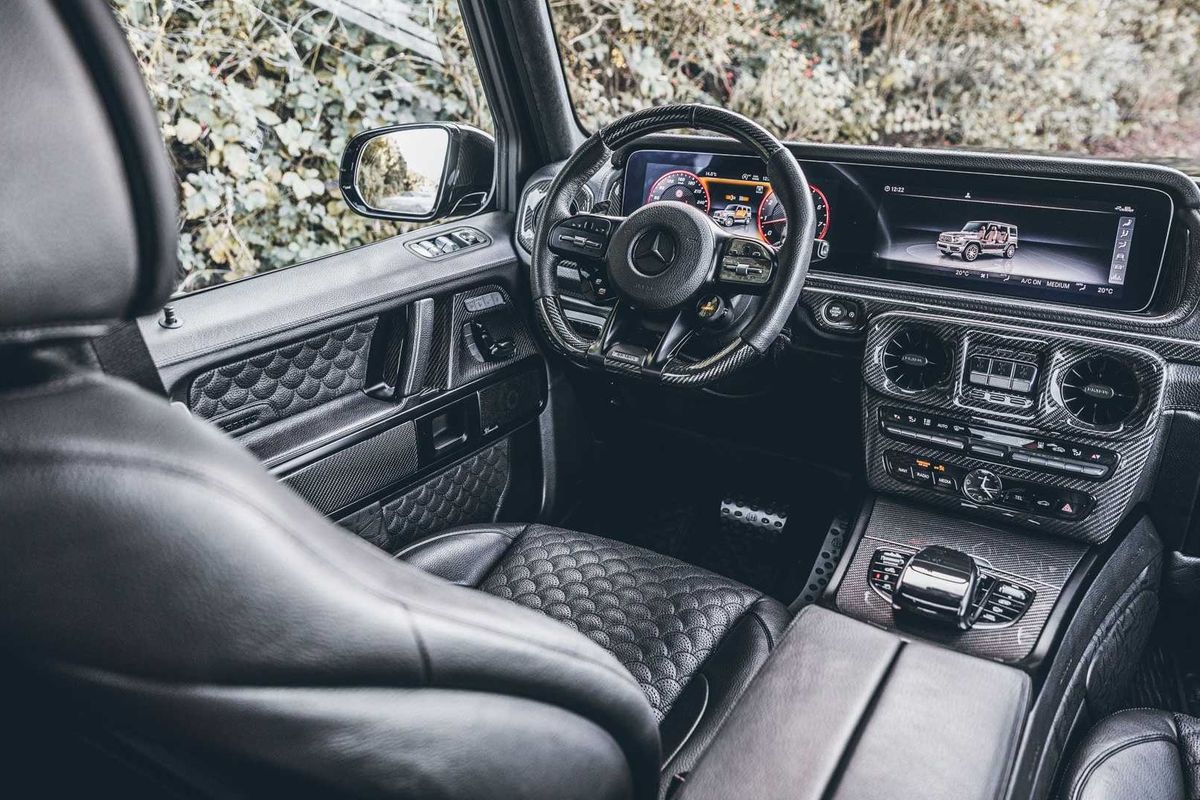
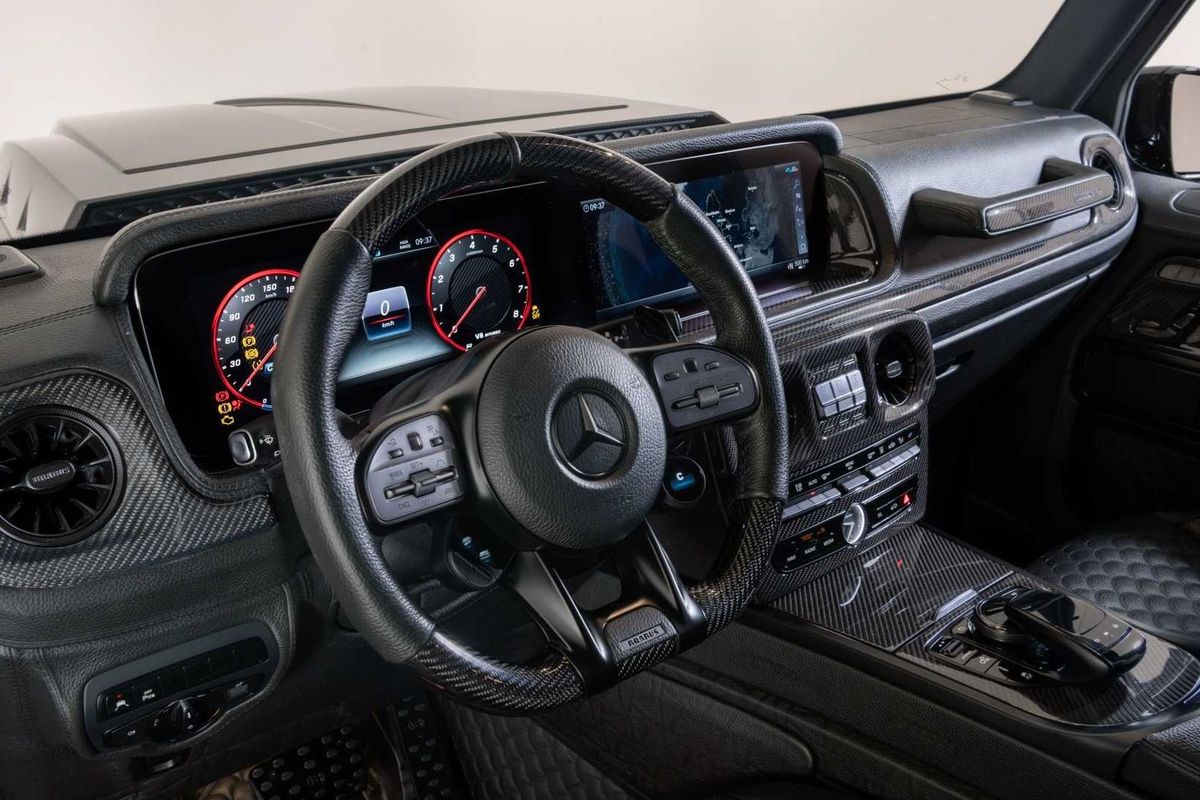
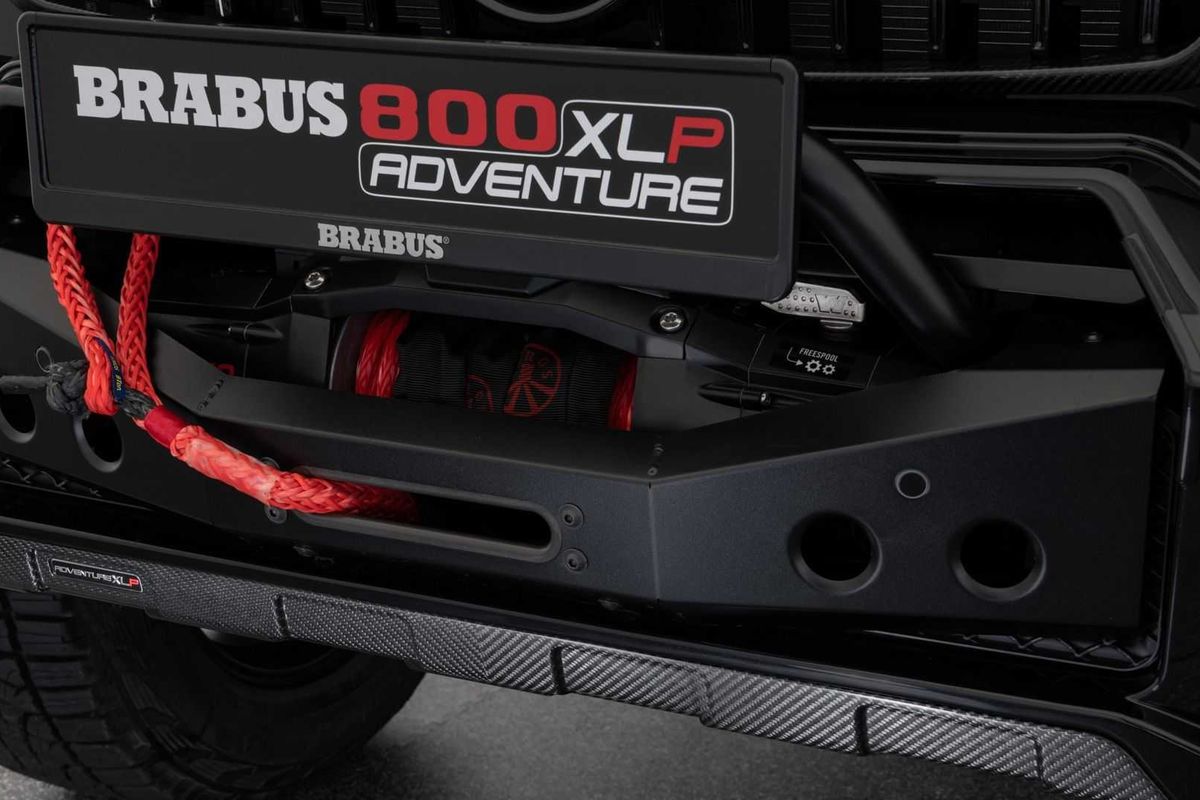
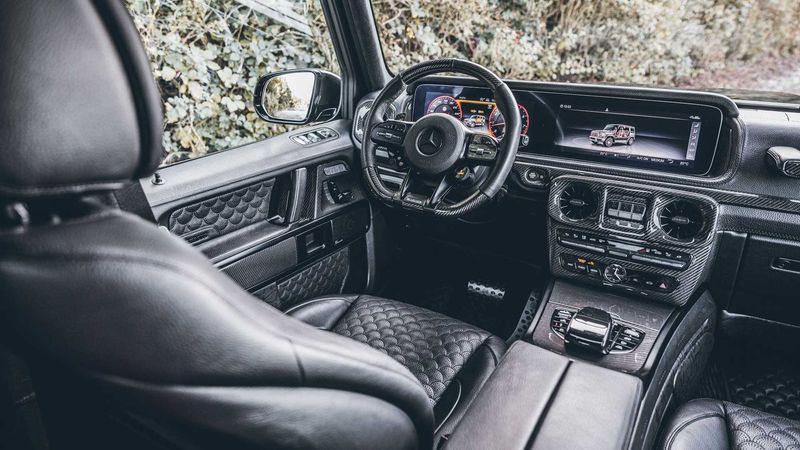
There are plenty of offroad touches, like the winch, armour-plated front skidplate, roof rack and additional lighting. The cabin adopts a more luxurious approach with leather and carbon fibre in abundance.
While we’re not likely to see this Brabus 800 Adventure in SA, there are plenty of standard G-Class units for sale. Check them out.
If you want an atmospheric powered Lamborghini, time is running out.
Lamborghini enters 2022 with terrific momentum. The Italian supercar brand sold a record number of units last year: 8405.
By far its most successful model is the Urus SUV, which accounted for nearly 60% of overall sales. And this indicates that the future of Lamborghini will be quite unlike its past.
The VW owned entity realises that it can no longer rely on the cachet of its large-displacement V12 engines. In fact, Automotive News reports that Lamborghini will reveal its final pure internal combustion model, this year.
It is scheduled to be a busy four quarters for Lamborghini. The company has confirmed that no fewer than four new models will be revealed this year, without specifying the configuration or order of those debuts.
Although a pure EV Lamborghini is only due in 2025, the company is believed to be working towards 2023 as the dateline for its first customer plug-in hybrids. And those PHEV Lamborghinis must feature powertrains with a reduced cylinder count and capacity, to offset the additional weight of a hybrid energy storage system and electric motors.
Urus aside, Lamborghini has championed the purity of its natural aspiration as a mark of distinction for the last few years. Especially regarding traditional rival, Ferrari, which has been forced to adopt turbocharging on many of its models.
With a momentum towards turbocharging, hybridisation and ultimate electrification now assured, there is little doubt that demand for the last V12-powered Lamborghinis, will be significant.
For those who view their Lamborghinis as an investment, rather than a driving experience, any price premium for the final V10- or V12-engined models will be considered good value.
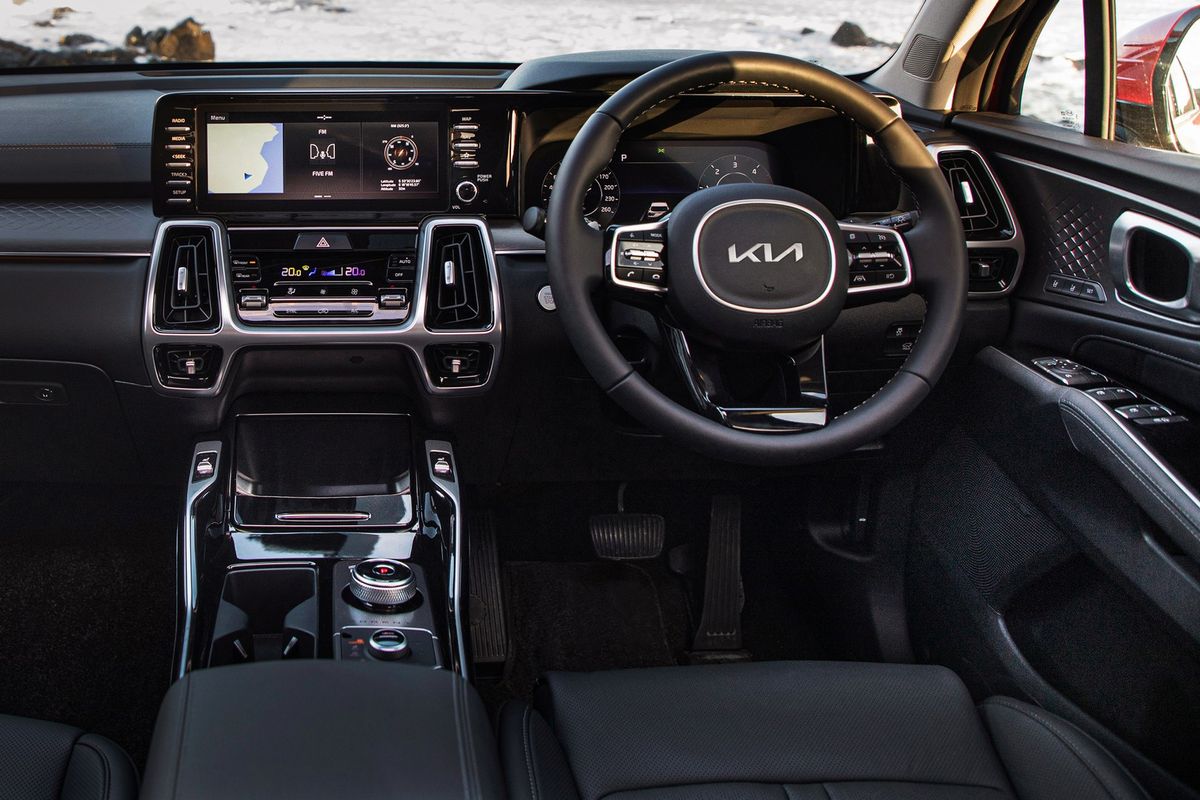
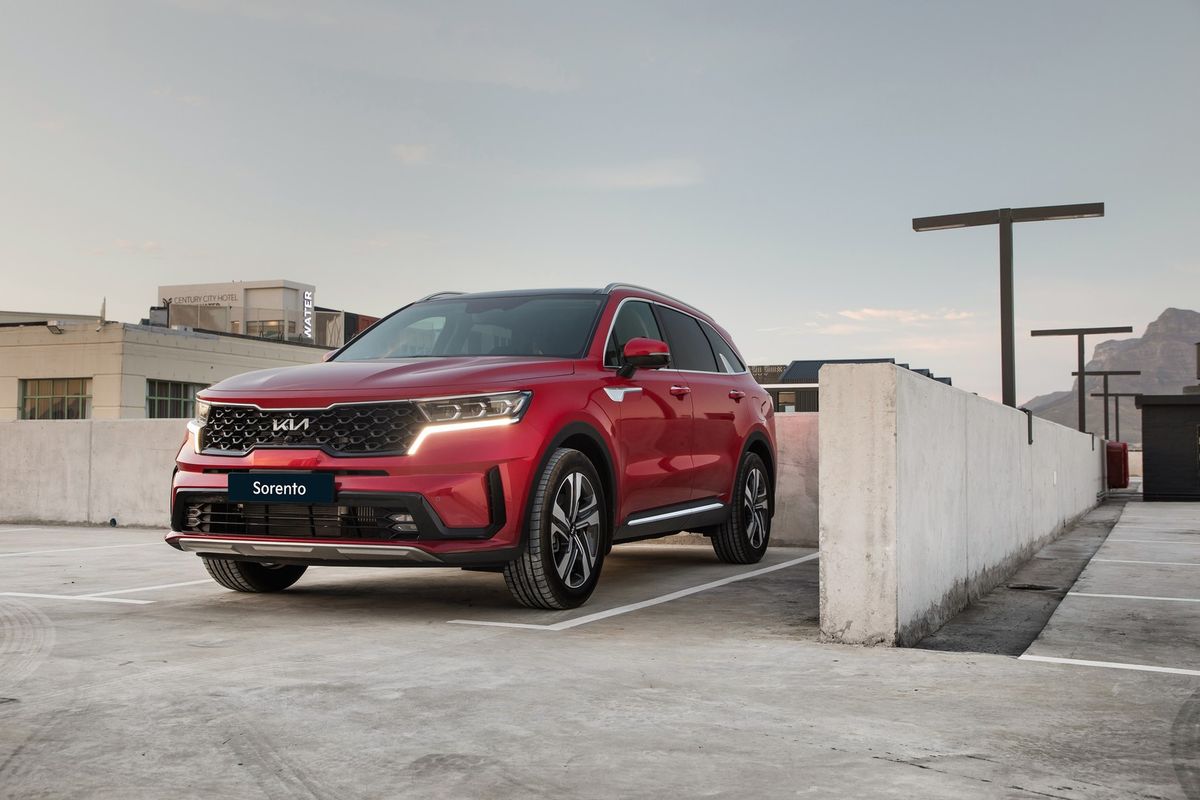
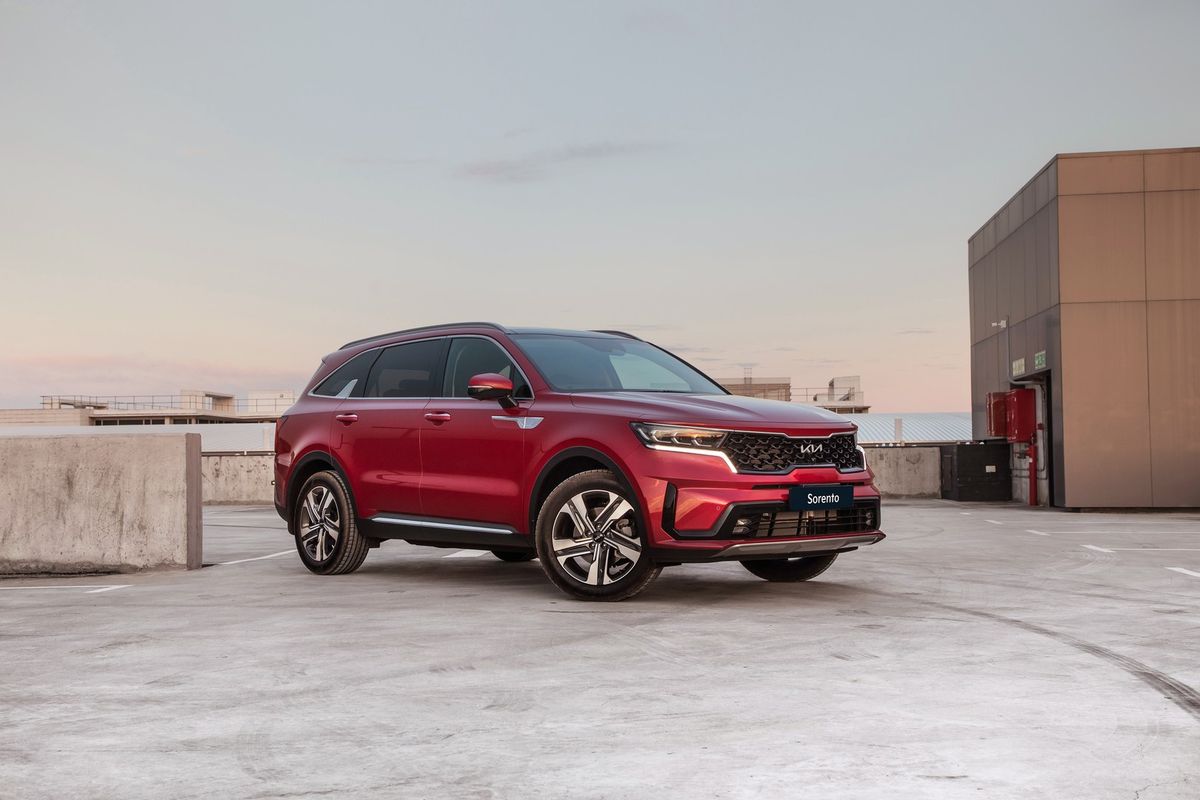
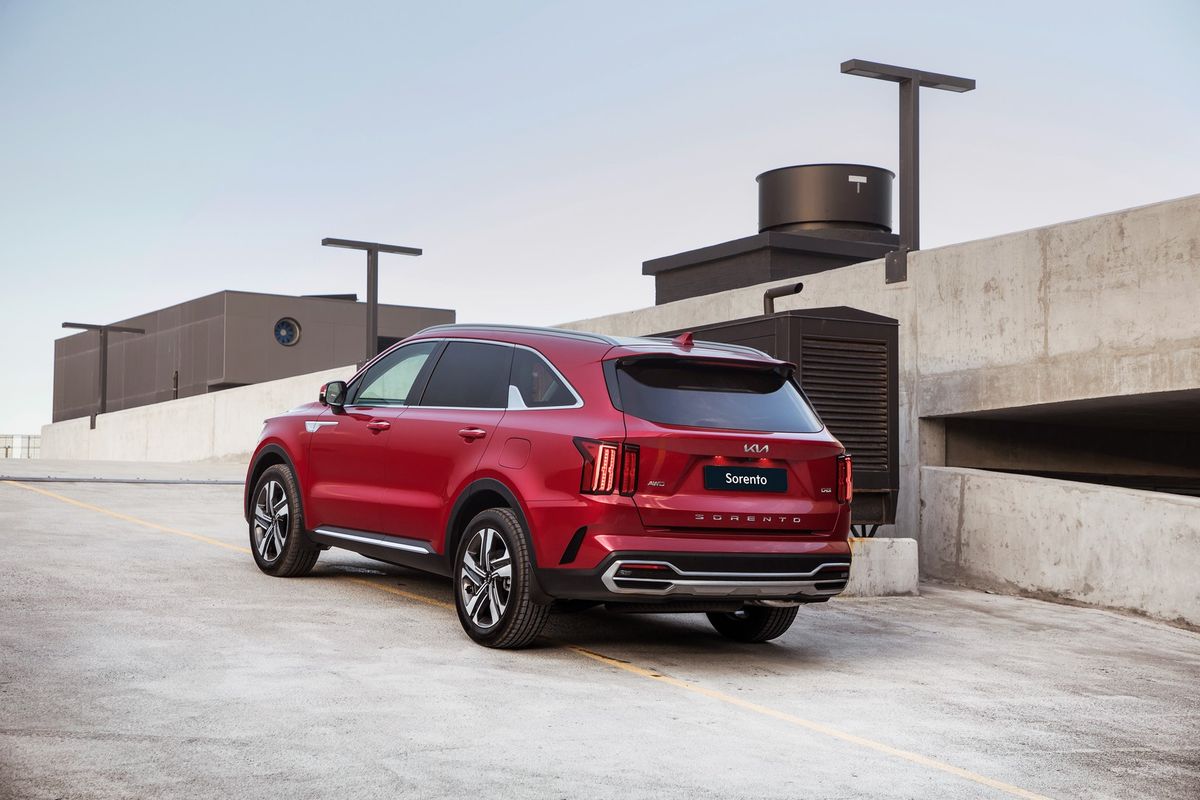
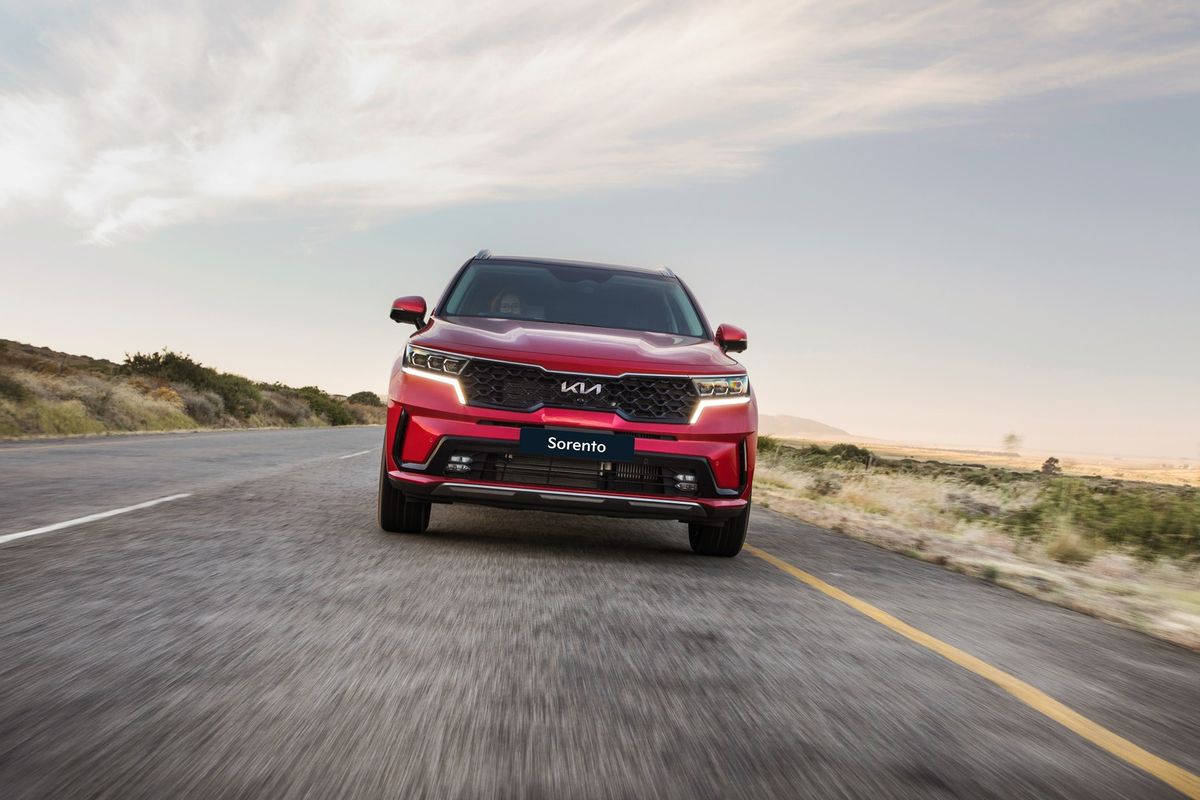
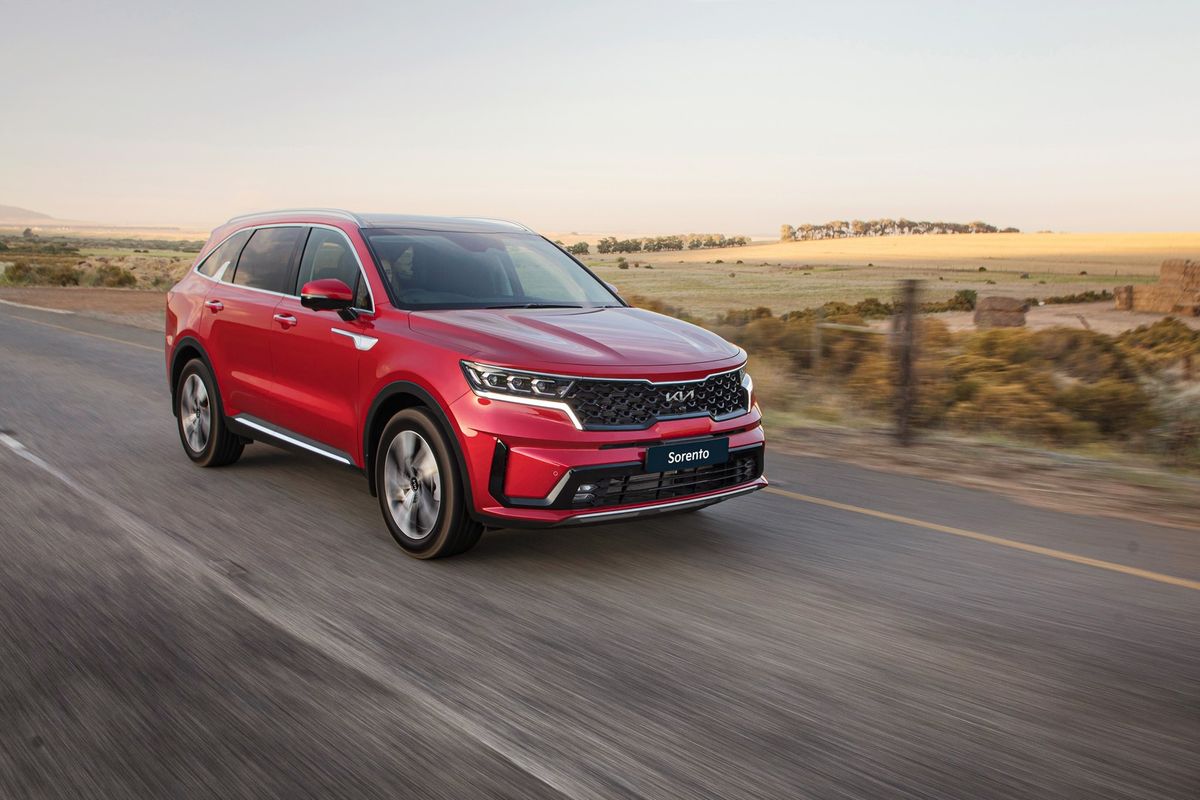
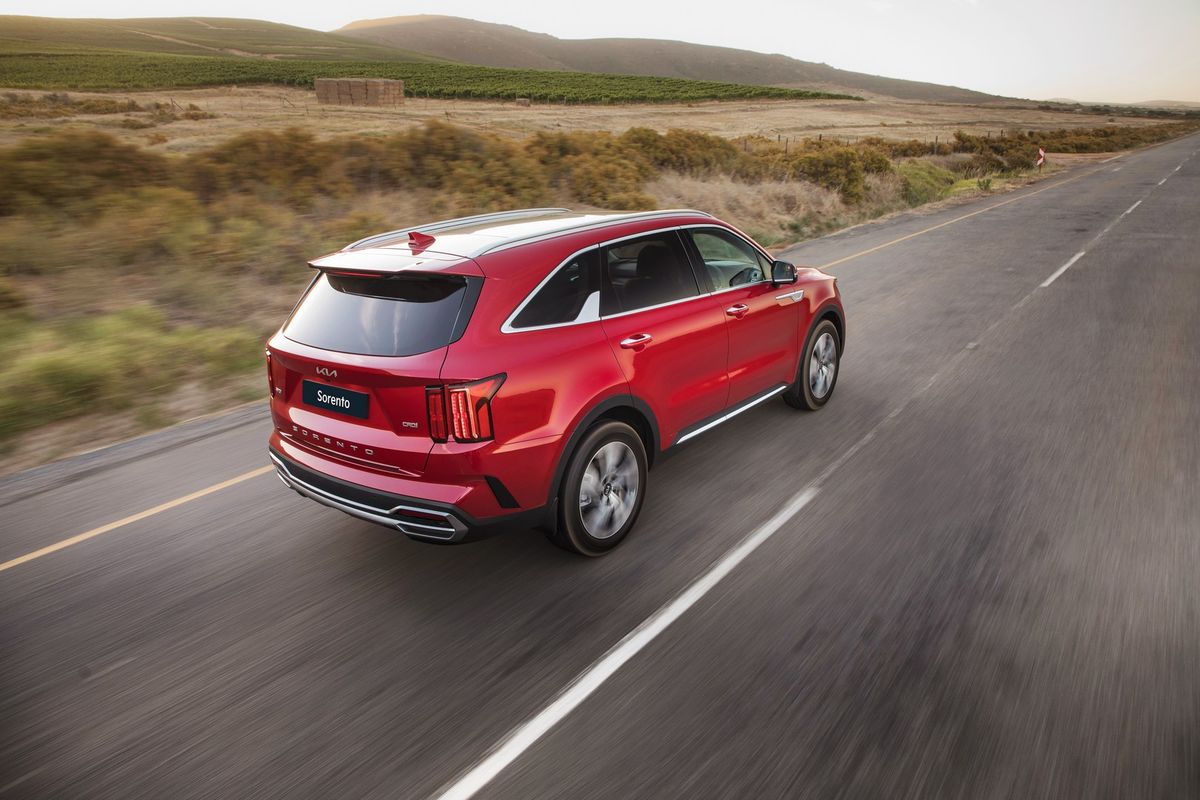
An extended road trip is a great way to get to know a new vehicle better and Kia South Africa gave the motoring media a chance to sample both its new Sorento executive SUV and Carnival people-mover over a weekend. First up was the all-new 4th-generation Kia Sorento.
Kia South Africa is in a great space with its SUV range. There is a huge demand for the compact Kia Sonet, sales of the Kia Seltos are ticking over nicely and the Kia Sportage is meeting its run-out target ahead of the arrival of an all-new model in a few months’ time, but the subject of this write-up is the 4th-generation of a model that has notched up more than 3 million sales since its debut in 2002.
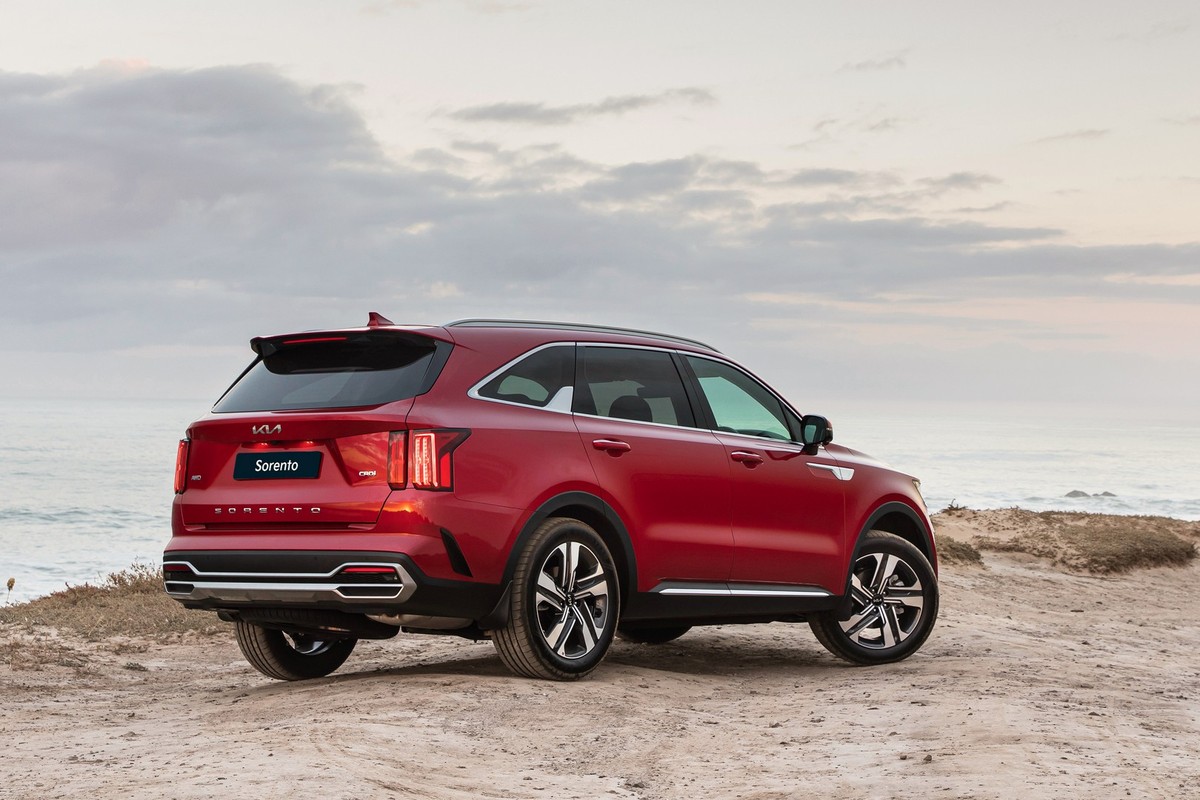
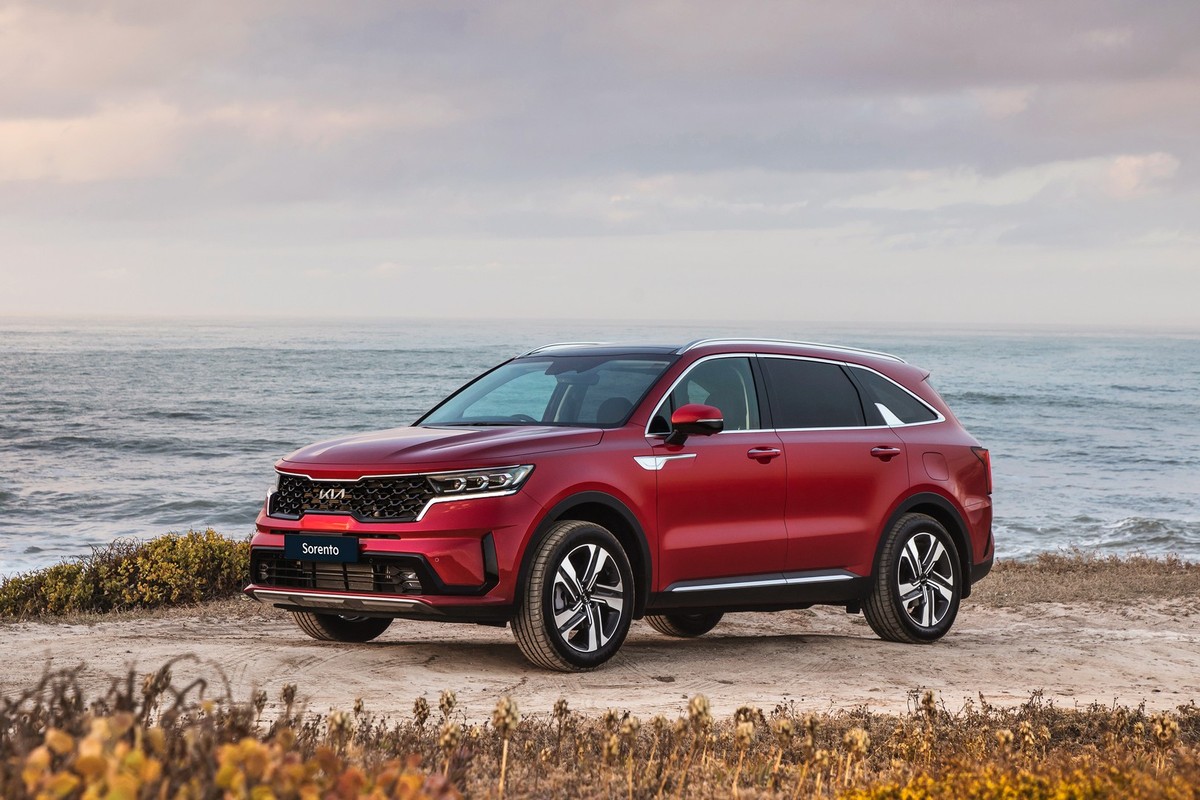
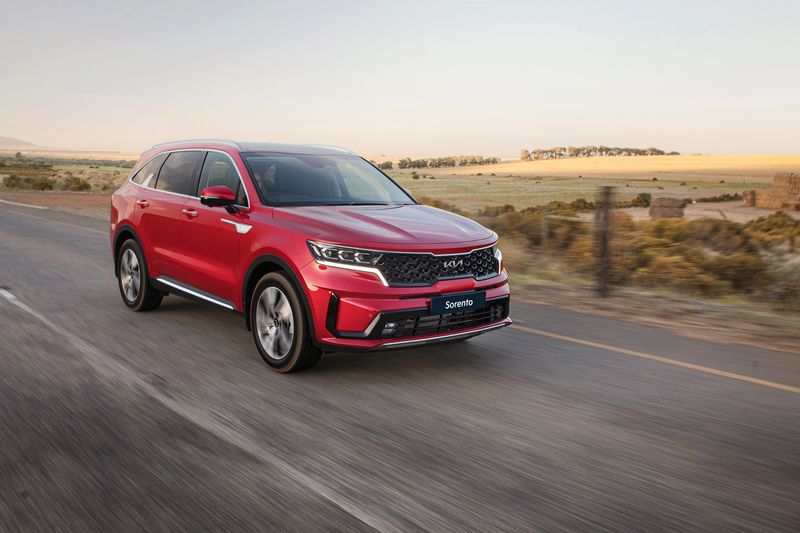
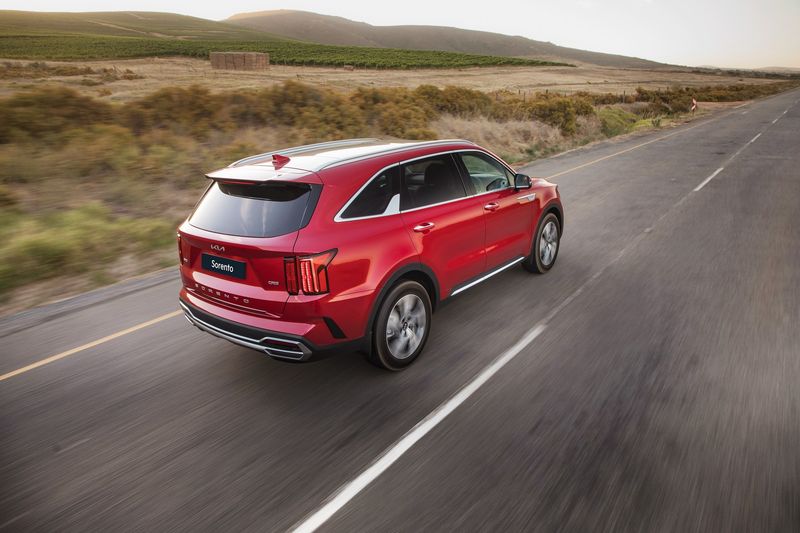
Although it offered practicality, performance, economy and refinement in a segment dominated by bakkie-based SUVs, the outgoing Sorento wasn’t a looker. However, irrespective of which angle you view it from and the colour in which it is finished, the new Sorento is a bold, strikingly styled family SUV. It even incorporates elements of the award-winning Telluride – Kia’s imposing, unique-to-the-‘States flagship SUV.
What’s New?
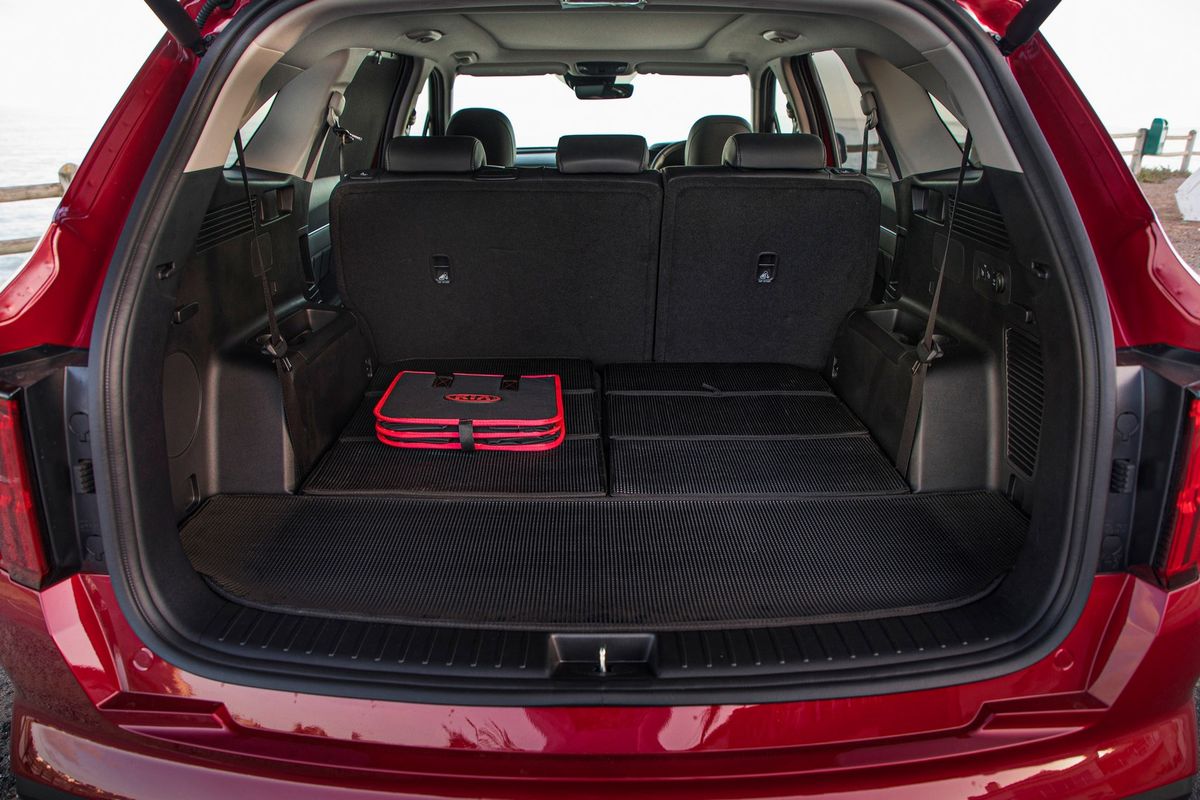
The sharp, fresh looks are just the start. The new 7-seater Sorento rides on a new platform, which means it has a longer wheelbase and, therefore, offers more interior space. Like its predecessor, the Kia is a unibody SUV, which means it has a shell instead of a body mounted on a ladder-frame chassis (as the Toyota Fortuner does), which benefits its driving manners, occupant comfort, ride and handling.
Under the bonnet is a new-generation engine. Dubbed “Smartstream”, the new turbodiesel motor is said to offer superior performance to its predecessor, but not to the detriment of fuel economy.
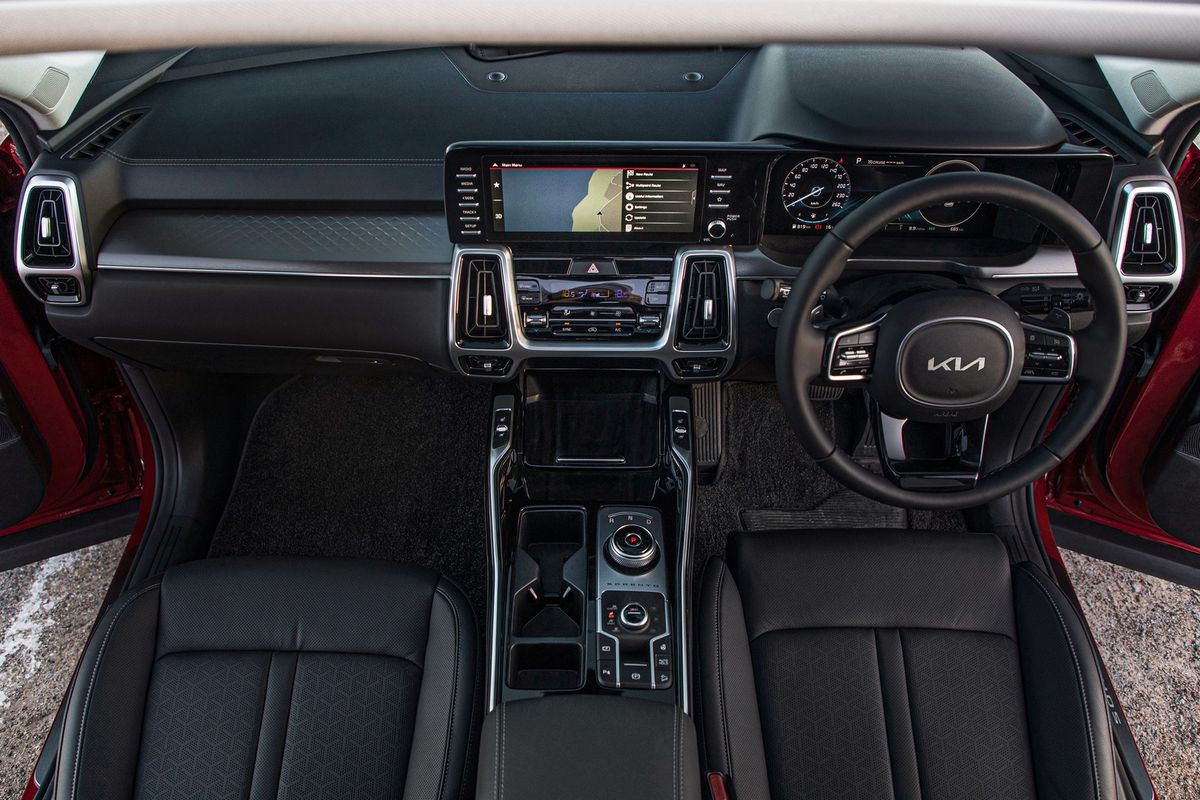
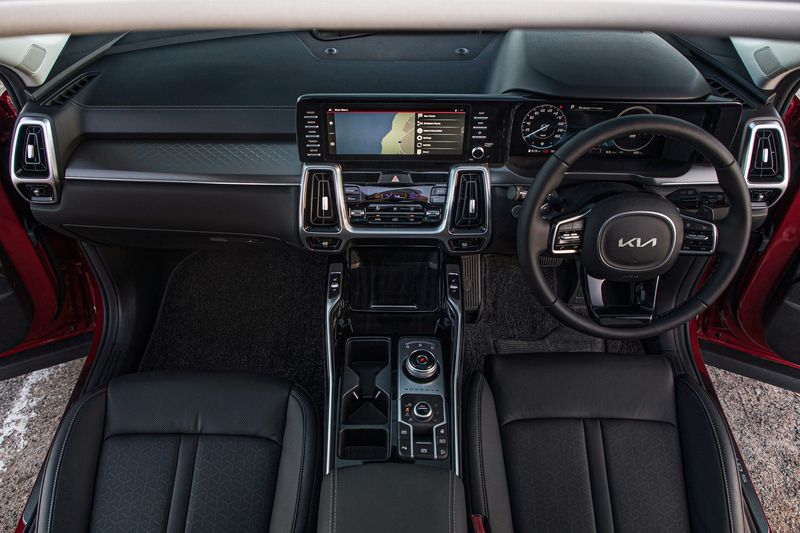
Inside, the cabin has received a substantial makeover – the Korean newcomer features a modern-looking interior that brims with connectivity, driver-assistance systems and infotainment technology.
What’s on offer?
Kia South Africa offers its new Sorento in 4 derivatives. Each of them is powered by a 2.2-litre 4-cylinder turbodiesel Smartstream engine, which produces 148 kW/440 Nm and is mated with an 8-speed dual-clutch automatic transmission. There is a choice of 3 trim levels and all but the entry-level derivative features all-wheel drive. At the top of the pile is the SXL, which was the version that we drove.
Kia offers 10 exterior paint finishes for the new Sorento and even though the SXL flagship is luxuriously appointed, the EX+ and SX versions also offer impressive levels of standard features.
We had an opportunity to drive the new Sorento twice – on the first leg of the evaluation route from Gqeberha to Plettenberg Bay and on the third and final leg from Mossel Bay to Cape Town. With head-turning looks and an interior that offers build quality and refinement that’s effortlessly on par with those of some premium brands’ executive SUVs, Kia’s contender makes a good impression straight away.
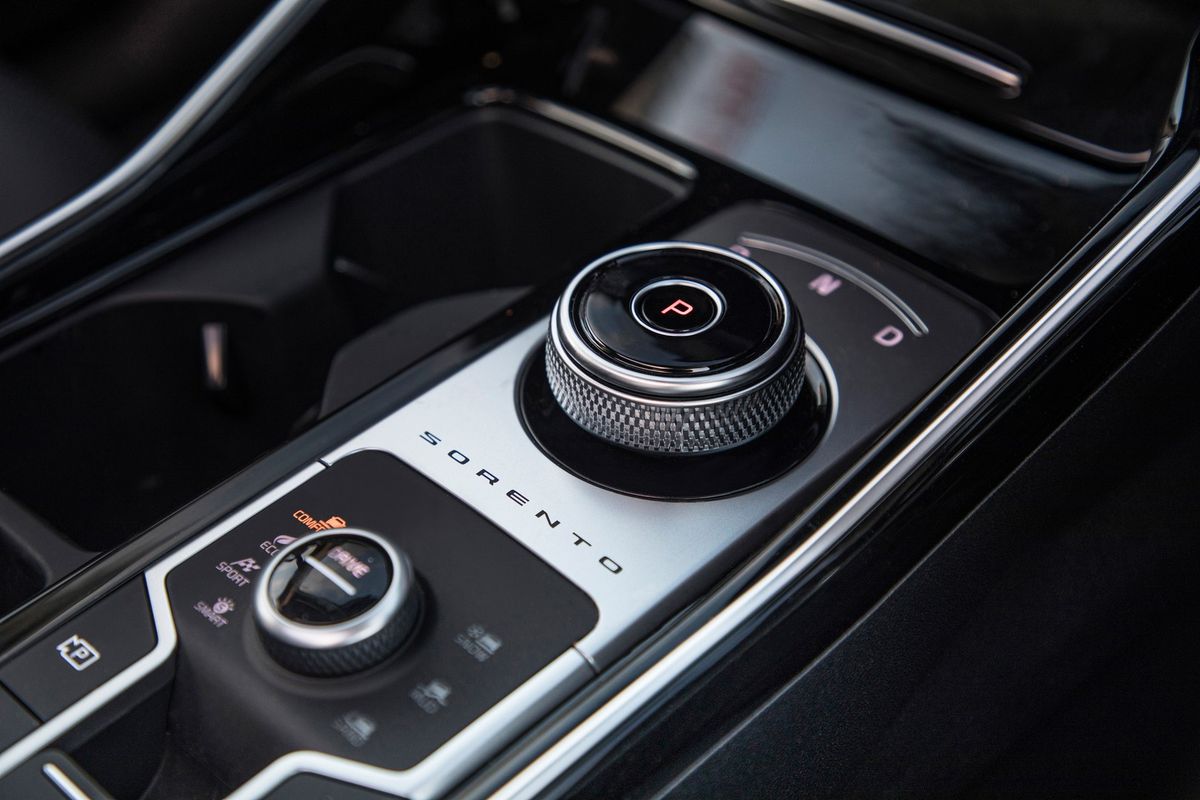
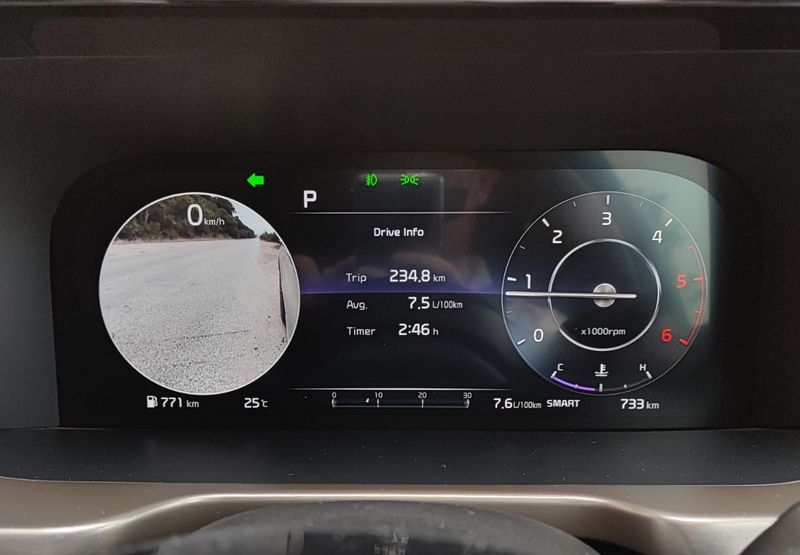
The Sorento’s cabin has a spacious, comfortable layout, but it’s also trimmed and finished in a way that creates a premium ambience. There are some really cool features too, such as the digital instrument cluster that displays different coloured dials depending on which drive mode you’ve selected. Another highlight is that when you indicate your intention to change from one lane to another, for example, one of the dials in the display instantly relays a camera feed that shows a view to the left or right behind the vehicle. It’s a great way to check your blind spot, either on freeways or when parking.
Due to the 40°C-plus heatwave that gripped the Western Cape recently, the ventilated seats in the SXL put in a hard day’s work (in conjunction with the climate-control system, of course) to keep the Sorento’s occupants cool and comfortable. While the driver and front passenger are availed three USB ports and a wireless phone charger, the rear passengers have access to a USB port in each of the front seatbacks. Other notable features include a generously sized infotainment touchscreen, a heads-up display, a 12-speaker Bose audio system, plus a large panoramic sunroof, to name but a few.
The new Sorento can come equipped with Kia’s Advanced Driver Assistance Systems, which incorporates forward-collision avoidance tech, blindspot-view monitor, smart cruise control, lane-following assist and so on. There are parking sensors and cameras galore, plus 6 airbags. Not all these features are the preserve of the flagship version either; even the entry-level EX+ covers the basics well.
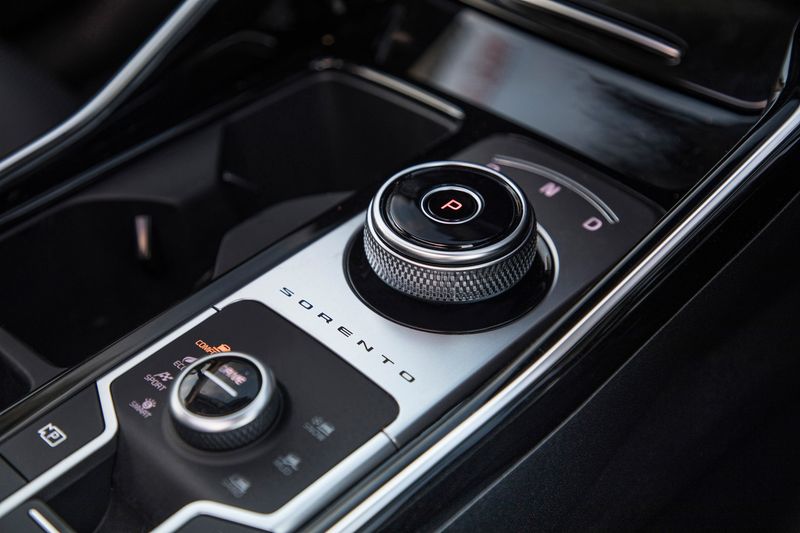
That new turbodiesel engine is impressive. Not only is it reasonably quiet, it comes on song quickly and punches hard with in-gear torque, which is handy when you need to execute quick overtaking manoeuvres. There are various drive modes, but we preferred to utilise Smart mode, which keeps settings mostly in Eco and Comfort until you need to summon maximum acceleration, at which point the sportiest preset will temporarily be engaged. The dual-clutch ‘box is quick to respond, both in terms of changing up and kicking down. There are steering-wheel shift paddles too, which have a pleasant feel.
The main benefit of opting for Smart is that you get the best of both worlds – there really is no need to hunt for the appropriate setting. Given that the mode tends to favour economy, it came as no surprise that the Sorento managed to consume just 7.5 L/100 km of diesel without the need for us to always feather the accelerator pedal, coast excessively or brake gently… Not bad for a sizeable 7-seater SUV!
The ride quality of SXL (which has 19-inch alloys and tyres) was mostly absorbent and the cabin seemed well insulated from road noise. The suspension setup is pliant, but we did drive on well-maintained asphalt for most of the route. While we’re satisfied with the Sorento’s ride comfort so far, we’re keen to test it on the kinds of uneven roads that represent those one would find in most parts of the country.
There’s not much in the way of feedback from the steering ‘wheel, but, given that this model is hardly likely to be hustled around tight corners, that’s not a deal-breaker. We appreciated that the Sorento felt every bit like a luxurious family SUV to drive; it’s further evidence that Kia is trying to change its image from a cool, value-oriented brand, to a credible and established producer of premium models.
We also had the chance to drive on a section of poor-quality gravel – let’s just say that particular dirt road was in dire need of a grader! Our SXL featured all-wheel drive, but with a front-wheel bias. In effect, the Sorento is primarily driven by its front wheels (which saves fuel) until its electronic stability control system senses a loss of traction… at that point, engine torque will be directed to the rear wheels too.
There are selectable offroad-specific modes, through which the car’s transmission-, power delivery- and traction control settings can be adapted for driving in sand, mud and snow. Impressively, we didn’t touch the terrain modes and despite some driving geared to provoking a loss of traction – the Sorento stayed firmly planted and no forward momentum was lost, despite the loose gravel and steep inclines.
How much does the Kia Sorento cost in South Africa?
The Kia Sorento is sold with a 5-year/unlimited km warranty (including roadside assistance) and a 6-year/90 000 km maintenance plan.
2.2 CRDi 7-Seater EX+ 2WD 8DCT
R809 995
2.2 CRDi 7-Seater EX+ AWD 8DCT
R849 995
2.2 CRDi 7-Seater SX AWD 8DCT
R914 995
2.2 CRDi 7-Seater SXL AWD 8DCT
R988 995
Summary
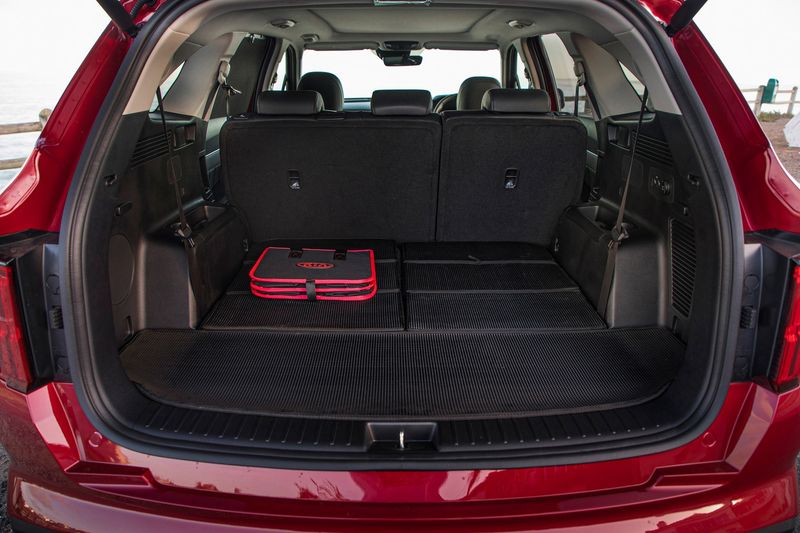
The new, 4th-generation Kia Sorento represents a huge step up – both for the model and the Korean brand. We have favourable first impressions of this well-finished executive SUV and are keen to take a deeper dive into its skillset, such as testing the 3rd row of seats to see whether the newcomer is truly a practical 7-seat luxury family car.
In its product presentation, Kia SA pitched the Sorento as a viable alternative to German executive SUVs that cost a bit more money, but offer far less in the way of standard equipment and interior space.
With the buy-down trend in full swing in our market (executive SUVs – let alone premium SUVs – now cost in excess of R1 million), consumers are desperate to find good value. The new Kia Sorento comes in under a bar and while it may not have a premium German badge on its nose, you cannot ignore the newcomer’s value proposition, both in terms of its luxury packaging and extensive after-sales support.
New Ford Bronco Raptor Built To Conquer
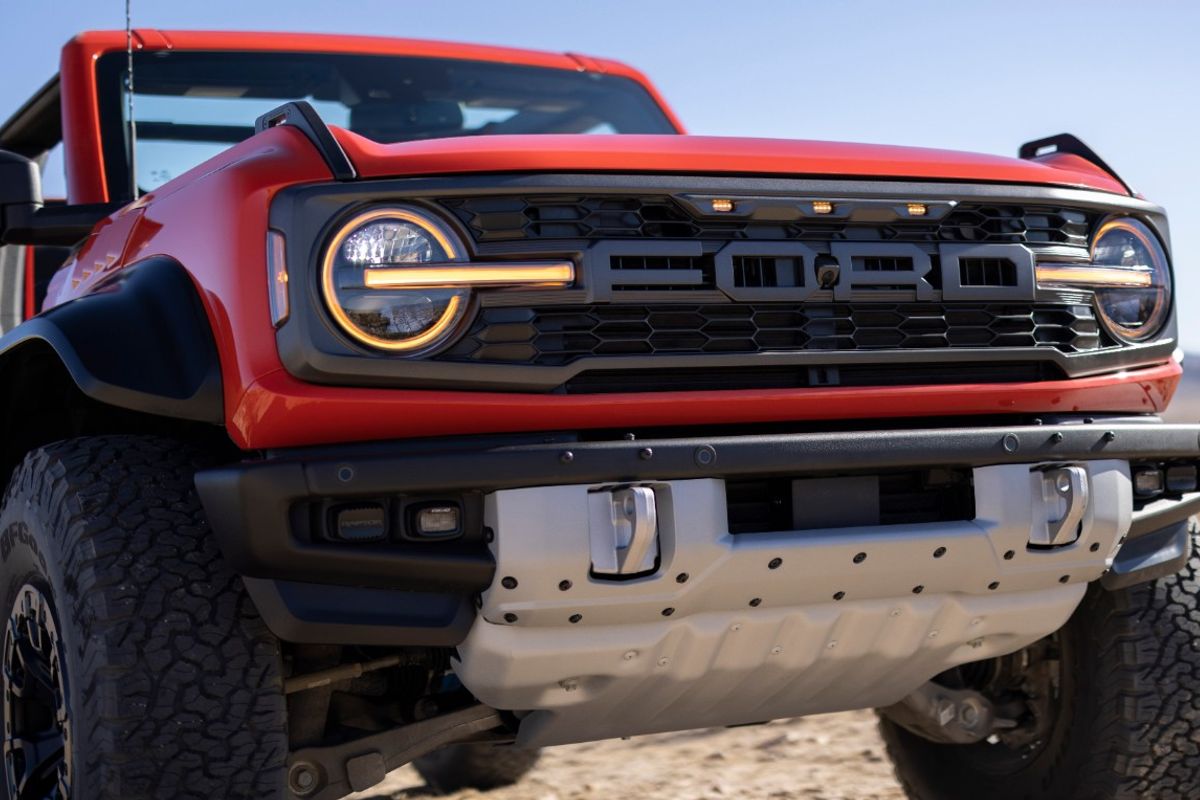
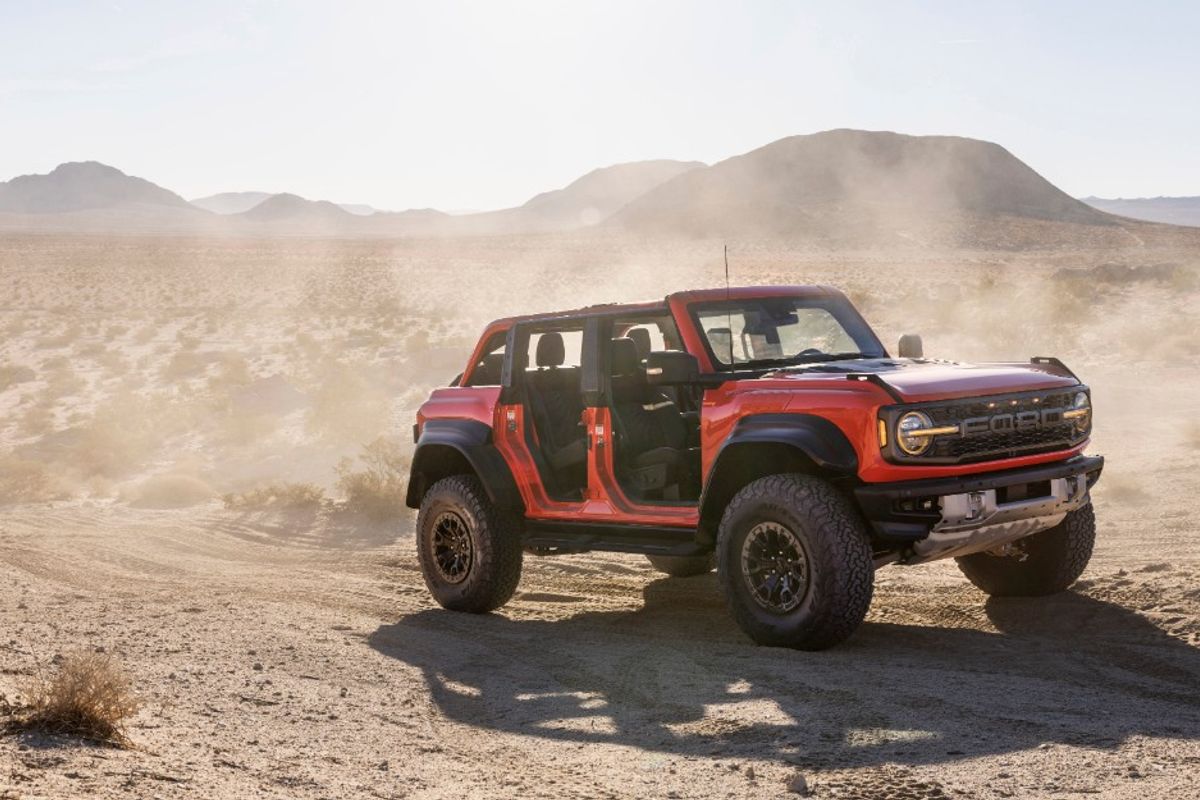
Ford has revealed its new Bronco Raptor featuring an uprated chassis and a twin-turbo 3.0-litre V6 engine with no less than 294 kW!
South Africans love the outdoors and 4×4 adventuring is a favourite pastime for many. The Bronco is built to perform in tough conditions but with the reveal of the new Bronco Raptor, Ford has taken its 4×4 SUV formula to the next level.
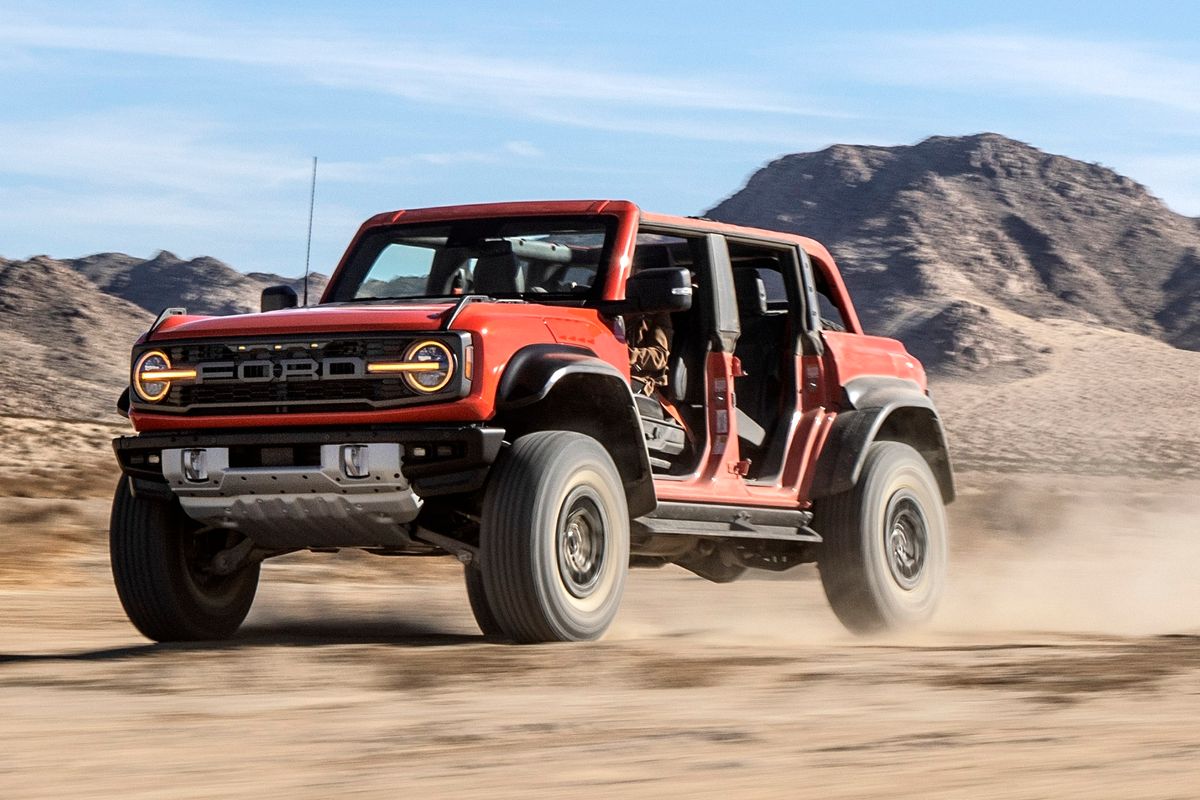
The Bronco Raptor is ‘Built Wild’ and is said to be the world’s first Ultra4 Racing-inspired SUV capable of highway-speed desert-dune conquering and Baja rock crawling. In a nutshell, the Bronco Raptor can do anything and go anywhere, fast!
Is the Bronco Raptor the ultimate 4×4 SUV?
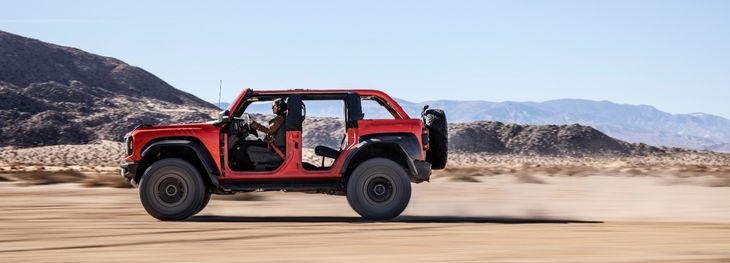
The Bronco Raptor is built for high-speed desert driving. Sadly not for SA 🙁
“We had to build the Bronco Raptor – it’s our ultimate vehicle for hardcore off-road enthusiasts who demand something more,” said Carl Widmann, Ford Performance chief engineer. “Like the Ultra4 desert race trucks, the ‘Raptor of SUVs’ conquers desert dunes at highway speeds and is equipped with competition-level off-road technology and hardware.”
This hardware includes a fully-boxed, high-strength steel frame with shock towers that allow for increased wheel travel while heavy-duty bash plates and skid plates help protect the important bits from being damaged. The High-Performance Off-Road Stability Suspension (HOSS) 4.0 system was co-developed with FOX and Ford Performance. The adaptive suspension system delivers up to 60% more travel than the standard Bronco. The body has also been made 50% more rigid with a B-pillar crossbar and C-pillar reinforcement.
The Bronco Raptor also gains competition-level axles developed by Ford Performance, increasing track width by some 218 mm. Ground clearance is pegged at 333mm.
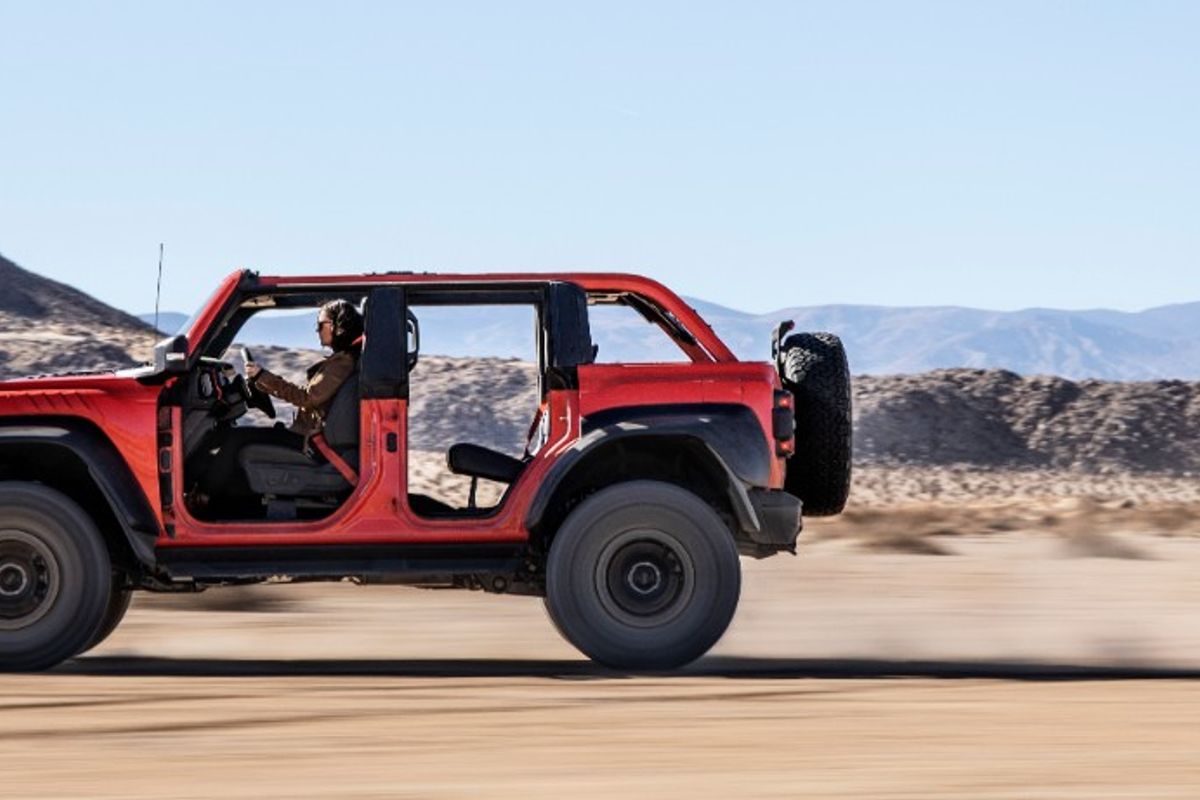
You might be wondering why the Bronco Raptor (pictured above) has no doors and apart from adding to the rugged look, it’s actually to improve outward visibility while executing technical offroad manoeuvres in an effort to prevent breakover angle rock scrapes or while crawling over rocks. Removable doors is also a feature on the standard Bronco.
Engine power for the new Bronco Raptor comes courtesy of a twin-turbocharged 3.0-litre V6 engine that delivers no less than 294 kW and 563 Nm of torque making it the most powerful road-legal Bronco ever. Ford, however, has yet to divulge the exact outputs for the Bronco Raptorb but Ford says it will feature uprated intercooler and air-induction systems to endure higher ambient desert temperatures. This engine will be paired with Ford’s 10-speed automatic transmission, albeit retuned to meet the performance requirements of the Bronco Raptor.
Furthermore, a true dual exhaust system with active valve technology will deliver up to 4 selectable exhaust notes including Normal, Sport, Quiet and Baja.
The Bronco makes use of Ford’s G.O.A.T. (Goes Over Any Type of Terrain) Terrain Management System which offers 7 selectable modes, including a uniquely tuned Baja mode and a Tow/Haul mode which allows for a maximum tow rating of 2 041 kg.
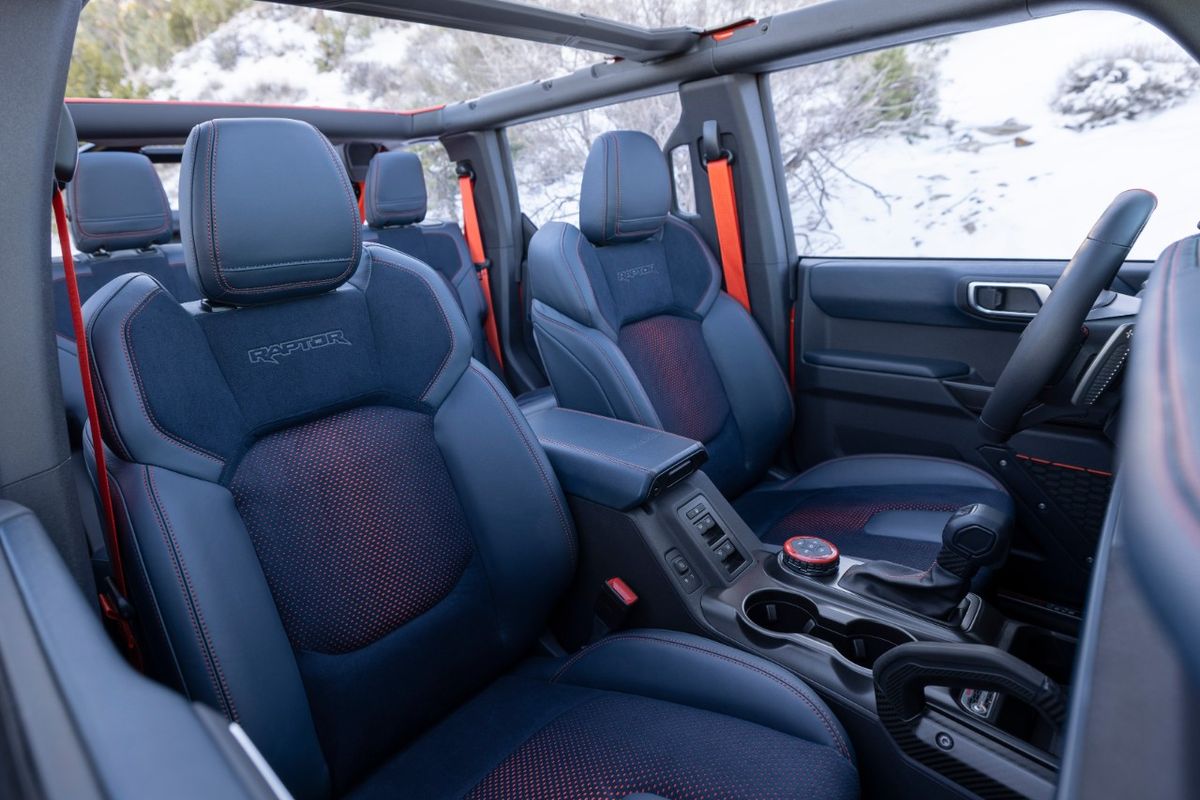
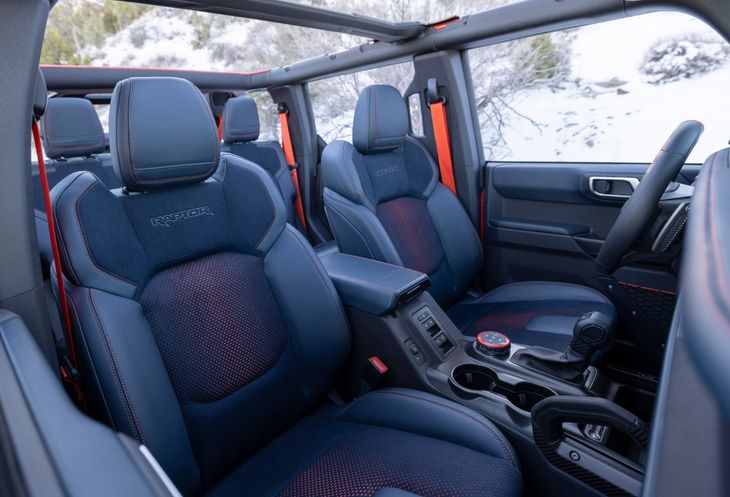
The interior is rugged to withstand the rigours of desert driving but still well-equipped with modern conveniences.
From the outside, the Bronco Raptor is purpose-built but this is also carried over to the interior, but with all the bells and whistles to boot.
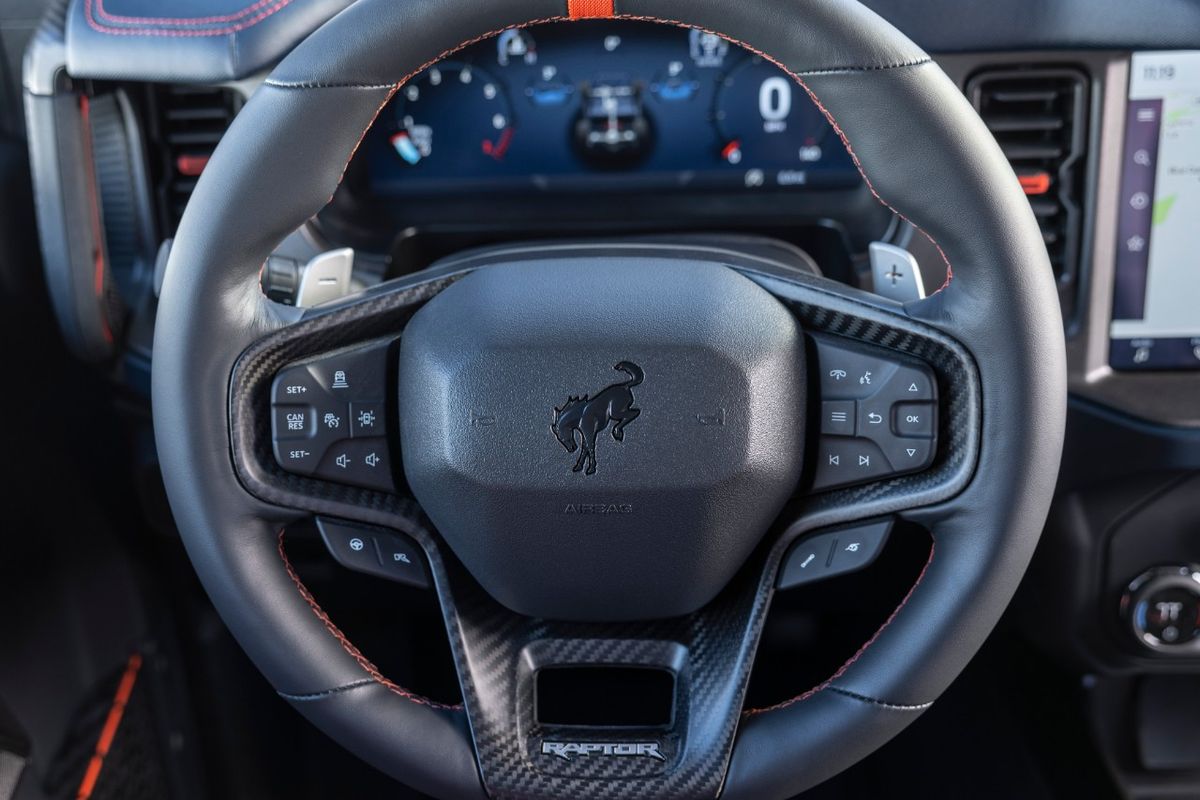
Some highlights include a 12-inch SYNC4 infotainment touchscreen with a 360-degree camera and an all-digital 12-inch instrument cluster.
“The Bronco Raptor interior was designed around what we know hardcore off-road racers want in a vehicle,” said Ryan Olsson, design manager. “From the all-new Performance View on the cluster and unique steering wheel with paddle shifters and fingertip access to Raptor-specific controls, to its race-ready, high-bolster front seats, Bronco Raptor leaves the factory ready for the starting line.”
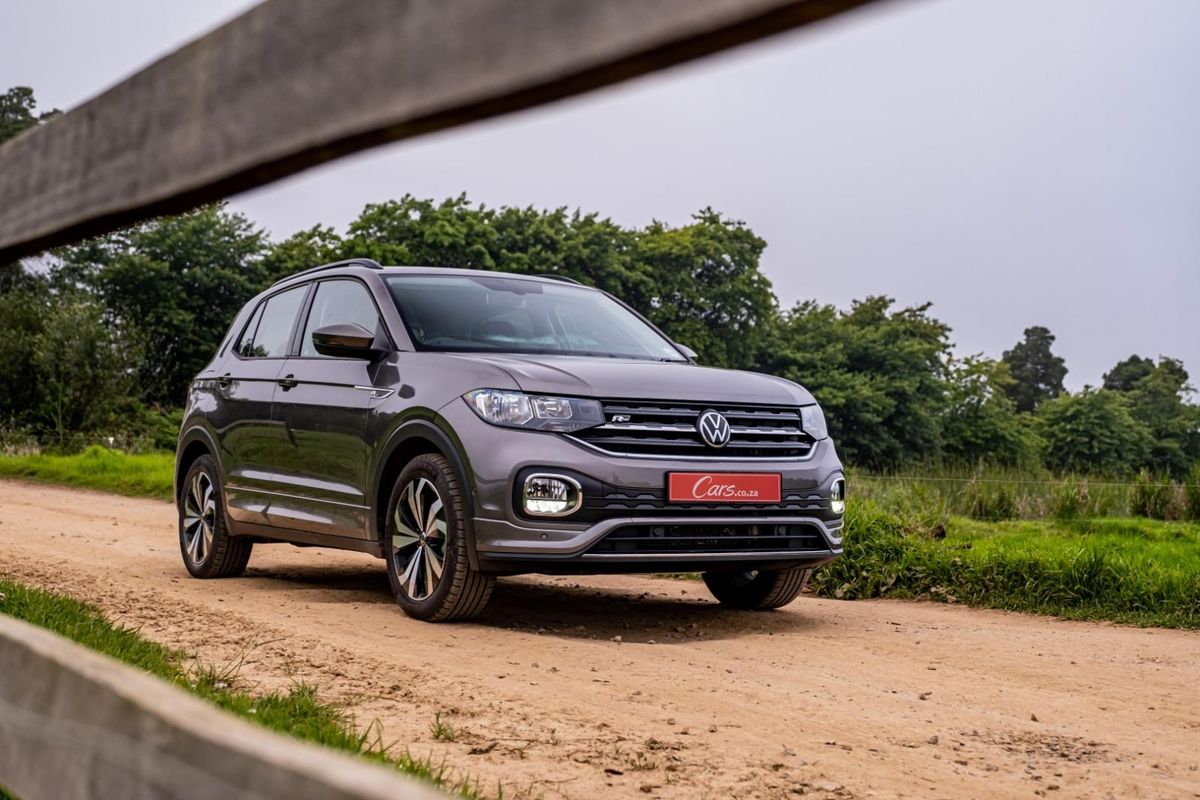
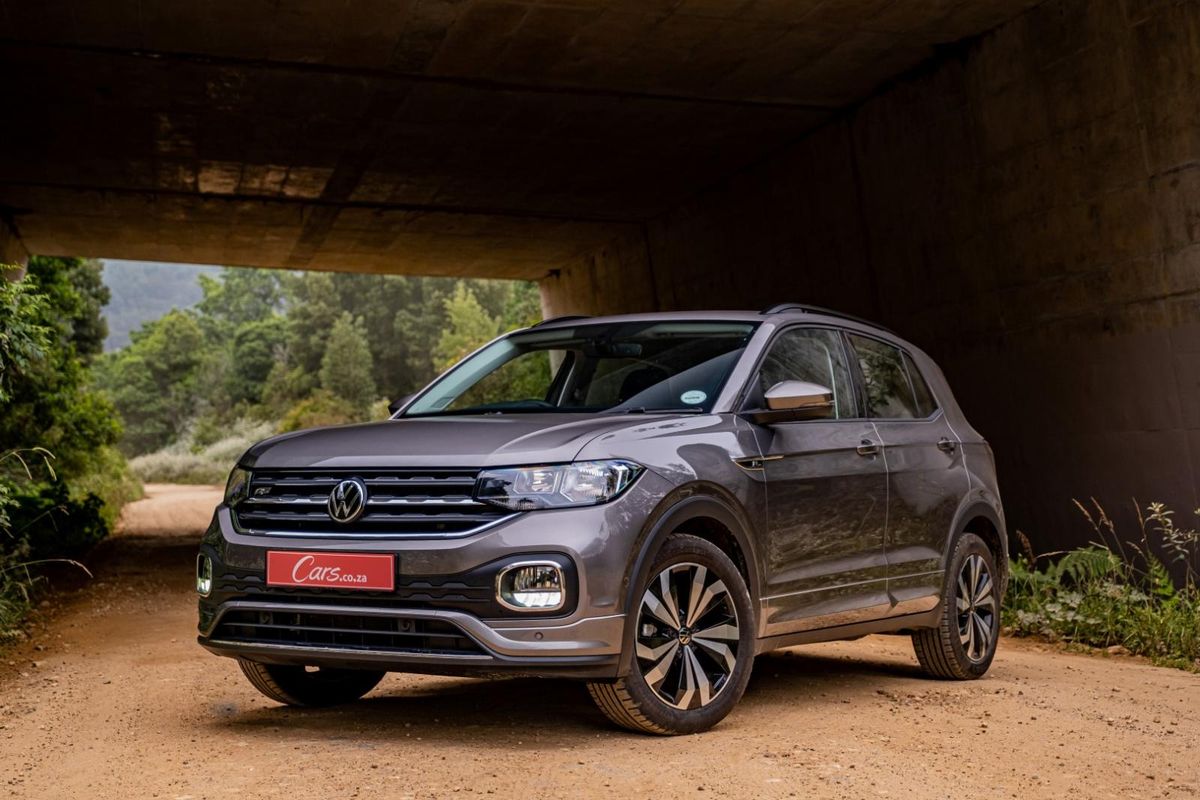
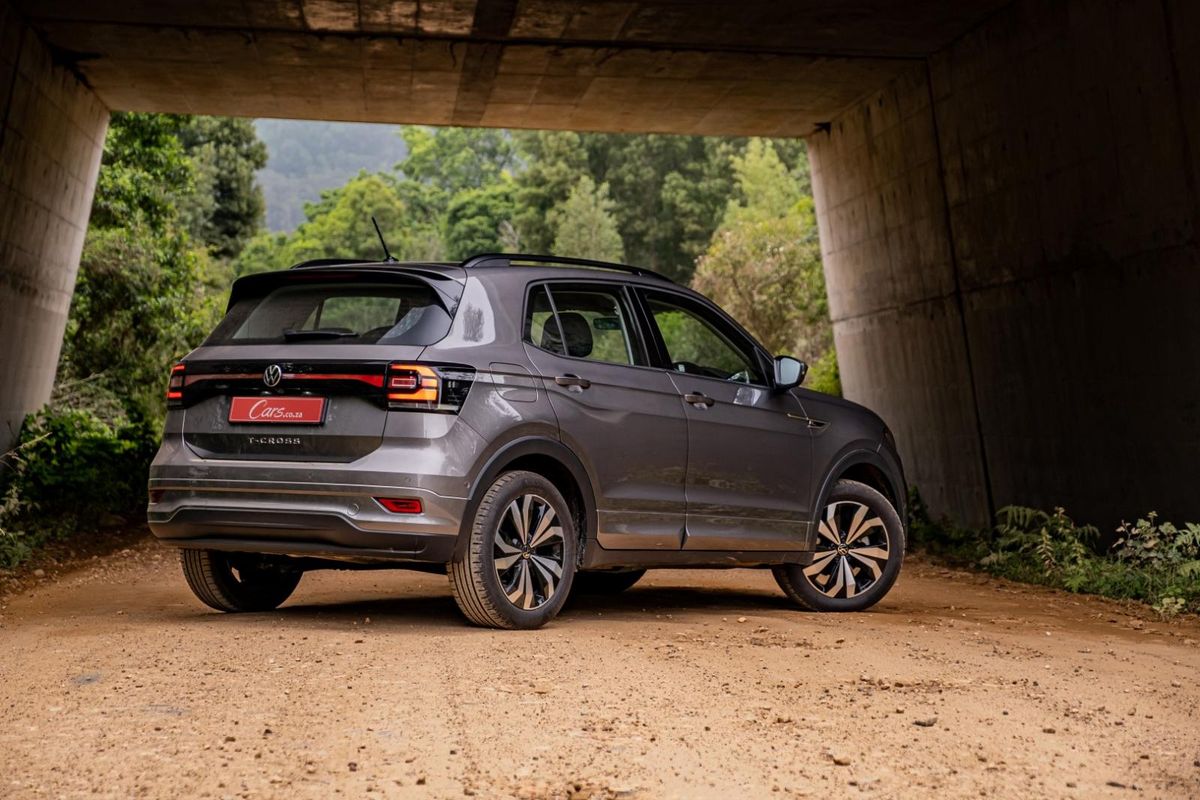
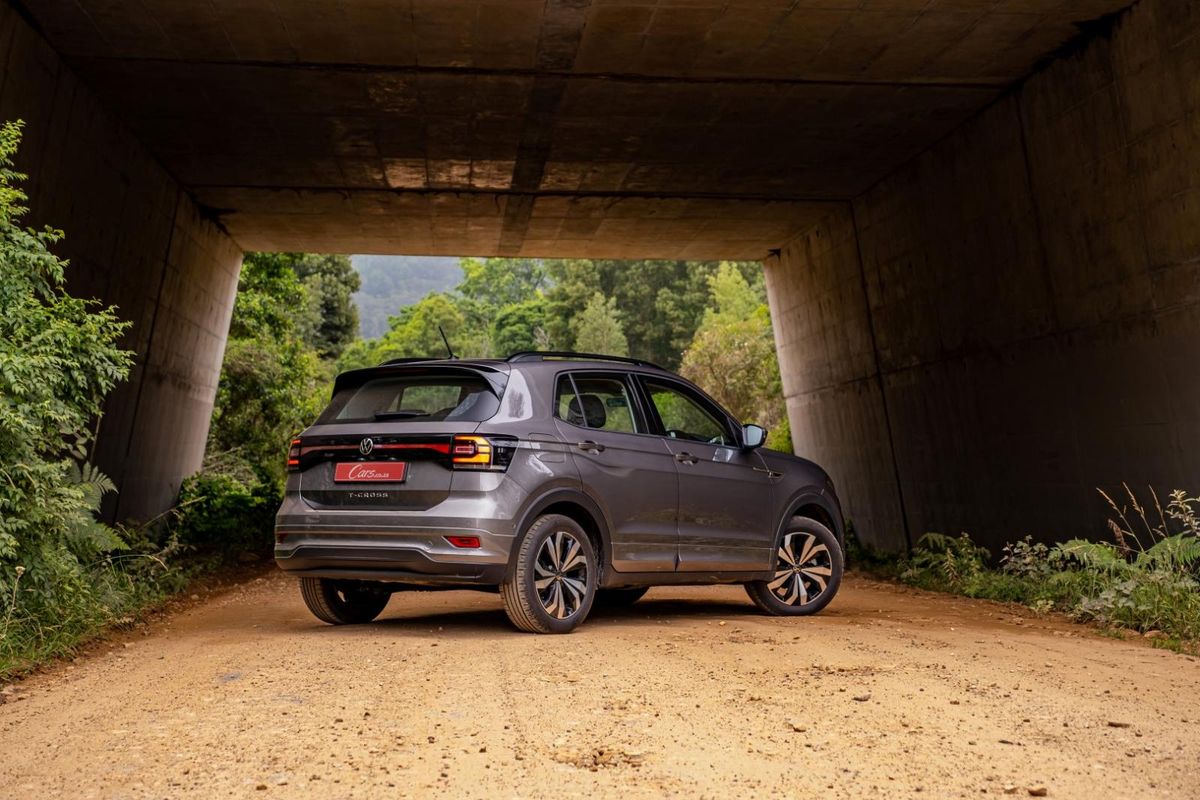
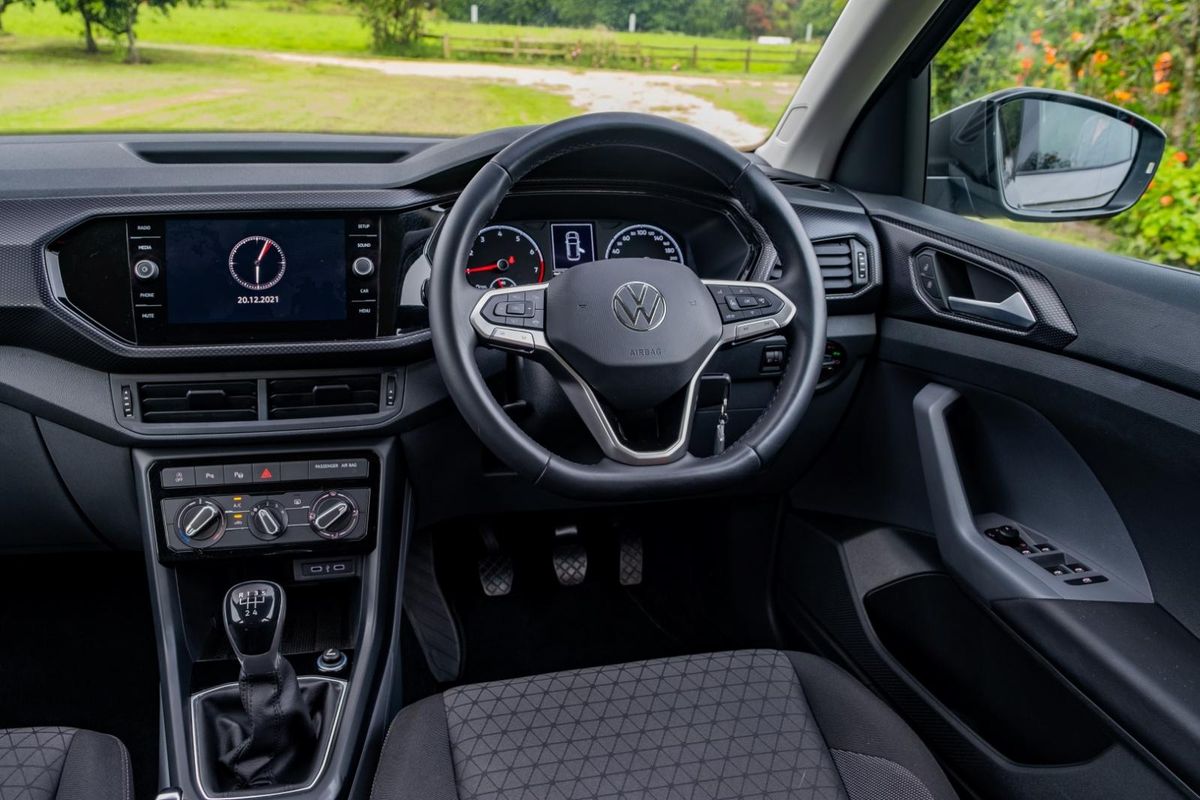
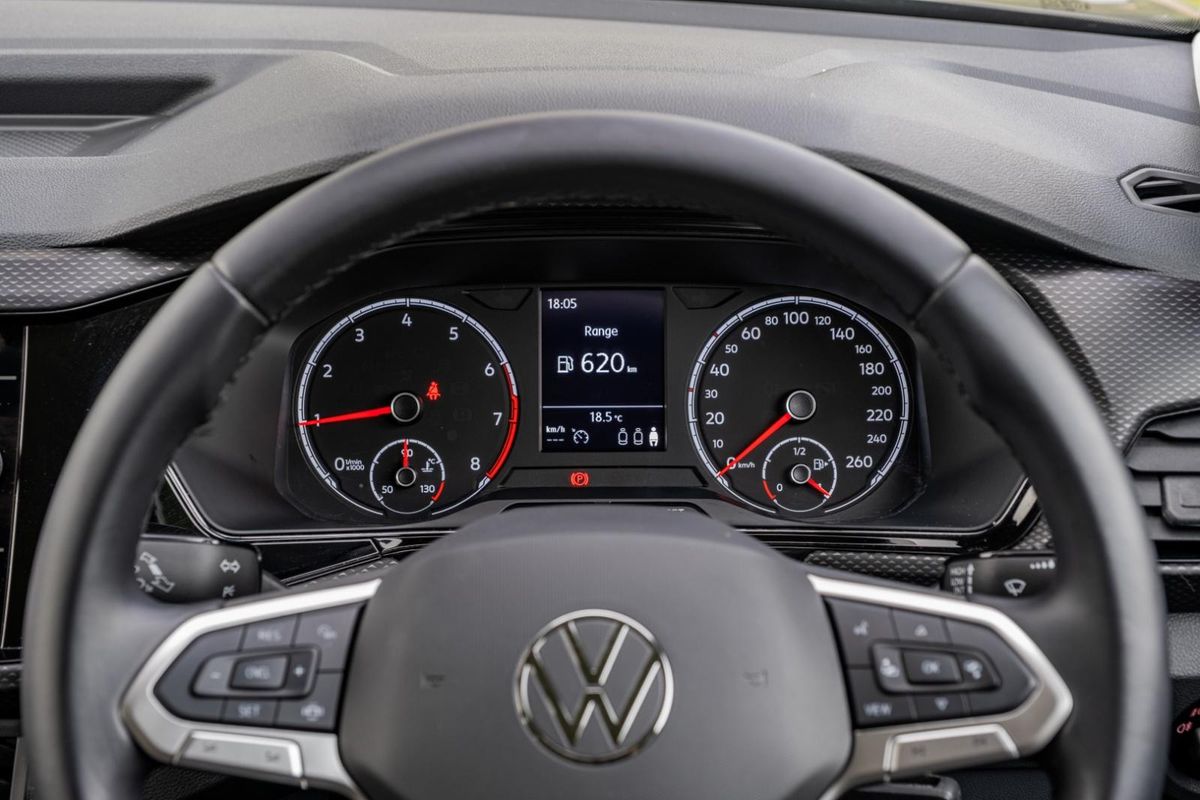
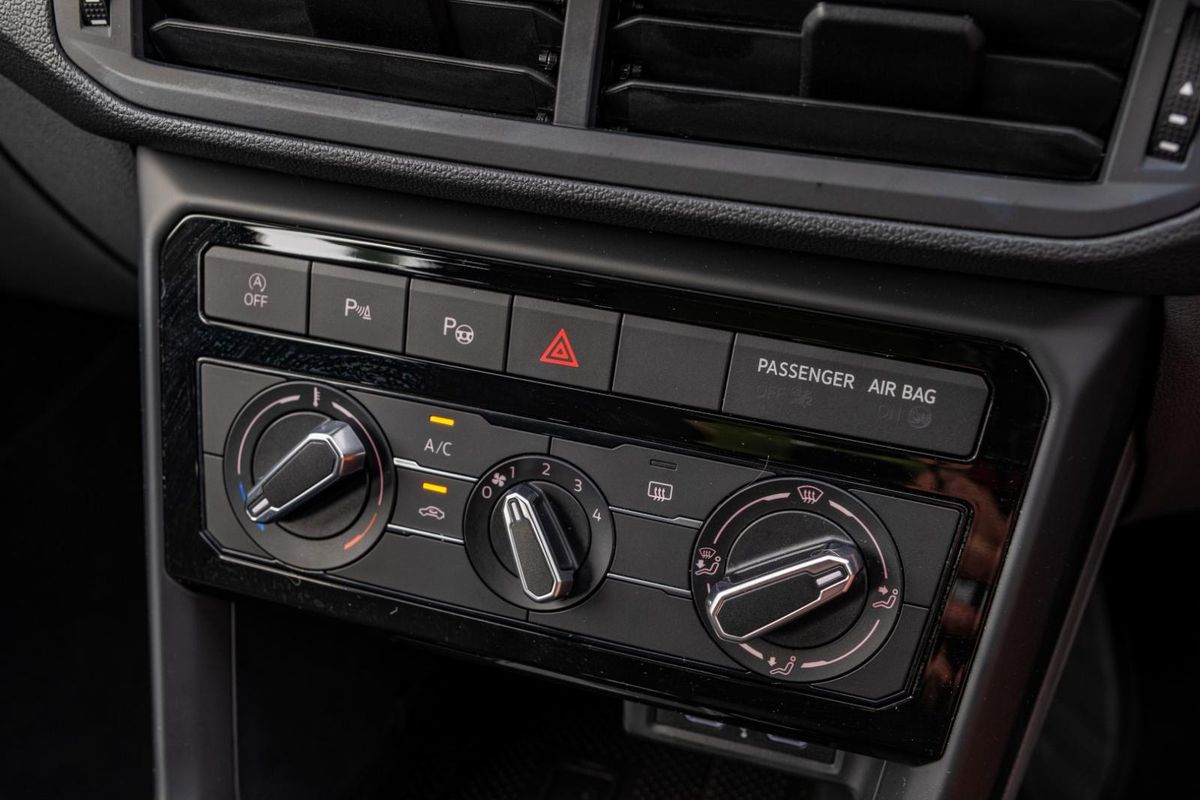
The Volkswagen T-Cross has become a common sight on South African roads since its arrival in 2019. While we’ve tested the range-topping derivative, the recent end-of-year break gave Gero Lilleike ample time to weigh up the merits of the 1.0TSI 70kW Comfortline R-Line manual. Should it be on your shortlist?
We Like: Good engine performance, fuel efficiency, practical, solid build quality, easy to live with
We Don’t Like: Pricey, hard plastics detract from an otherwise classy cabin
Fast Facts
Model Tested: Volkswagen T-Cross 1.0TSI 70kW Comfortline R-Line manual
Price: R386 000 (January 2022)
Engine: 1.0-litre, 3-cylinder, petrol
Power/Torque: 70 kW/175 Nm
Transmission: 5-speed manual
Fuel Efficiency: 4.8 L/100 km (claimed)
Load capacity: 377-455-1281 litres
What is it?
The T-Cross is currently the third best-selling car in South Africa.
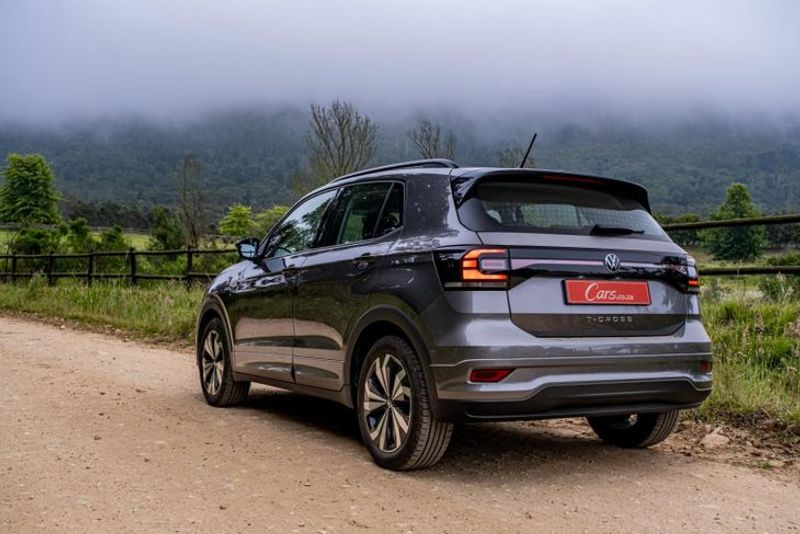
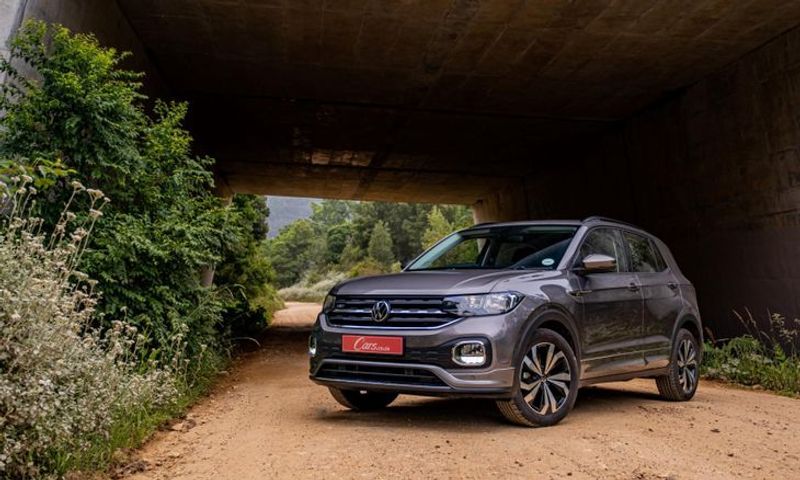
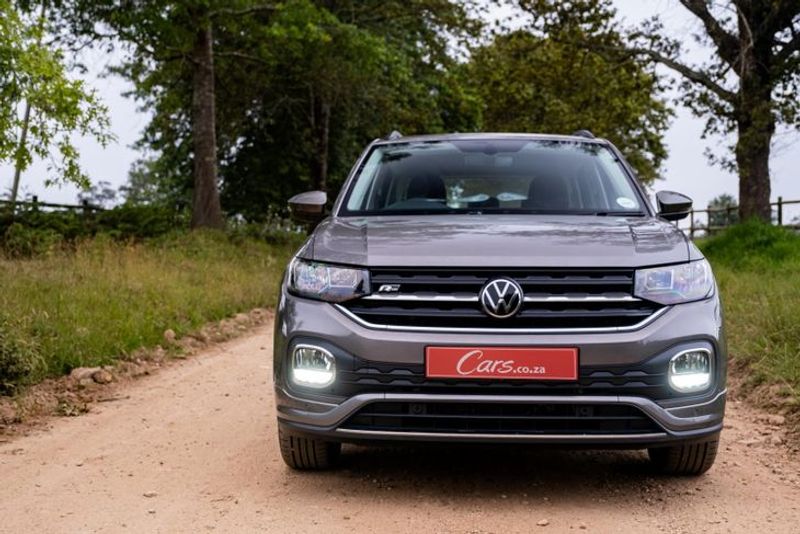
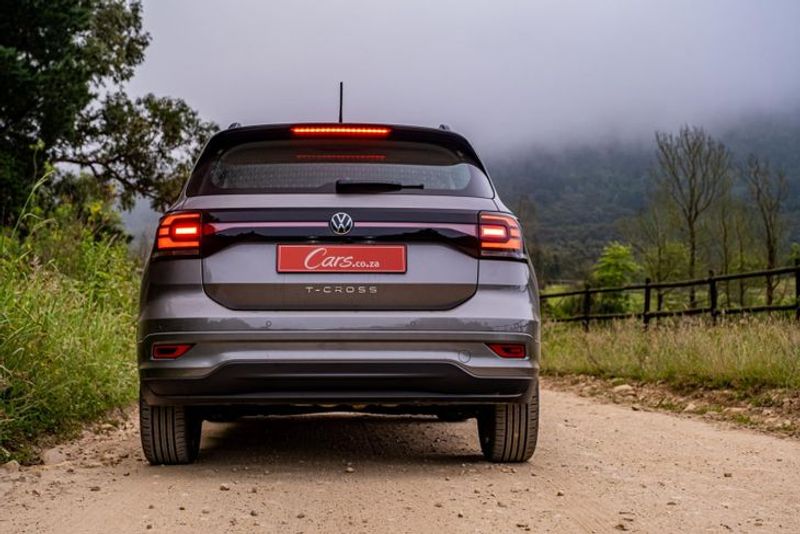
For this “extended test”, we travelled more than 2 300 km (along the Garden Route and into the Eastern Cape) in the T-Cross range’s second most affordable (from new) derivative – the 1.0TSI 70kW Comfortline R-Line manual. This particular T-Cross test unit came dressed in a Limestone Grey Metallic paint finish and rode on 17-inch Manila alloy wheels. The R-Line treatment bumps up the Wolfsburg-based brand’s small crossover’s kerb presence just enough; while the T-Cross isn’t as flamboyantly styled as some of its rivals, it will appeal to buyers who appreciate an understated look.
Let’s take a closer look at both the positive and negative aspects of this Volkswagen T-Cross 1.0TSI 70kW Comfortline R-Line.
What’s to like about the T-Cross?
Good performance and fuel economy
This 70-kW T-Crosssurprised us with its willing performance and notable fuel economy.
If I’m completely honest, I expected to be underwhelmed with the base T-Cross’ performance. I thought it was going to be an underpowered package and a bit of a chore to drive over long distances.
My assumption could not have been more misguided… The Volkswagen’s 3-cylinder, 1.0-litre petrol engine punches well above its weight and, with peak outputs of 70 kW and 175 Nm, this T-Cross offers enough shove for the daily commute, plus we found it to be adequately competent at maintaining highway speeds. Even with 3 occupants and their luggage on board, the T-Cross hardly broke a sweat.
In combination with a well-matched 5-speed manual transmission, the T-Cross was a pleasure to pilot over long distances. Not only does the transmission have a positive shift feel, but the ‘box’s gear ratios are so well-matched with the performance characteristics of the powerplant that we seldom needed to gear down to “go in search of acceleration”. The T-Cross is capable of executing quick overtaking manoeuvres with ease and it cruises comfortably at highway speeds in 5th gear without instilling the sense that it requires an additional gear for relaxed cruising. Quite simply, it’s a pleasure to drive!
As far as fuel consumption is concerned, the T-Cross returned good fuel consumption figures during this extended test. Volkswagen claims an ambitious 4.8 L/100km and averaged in the region of 6.2 L/100km, which is a fair return for a car of this size and engine capacity. However, take note that the T-Cross is equipped with a small (40L) fuel tank, which means you will be filling up every 650 km or so.
Ride and handling
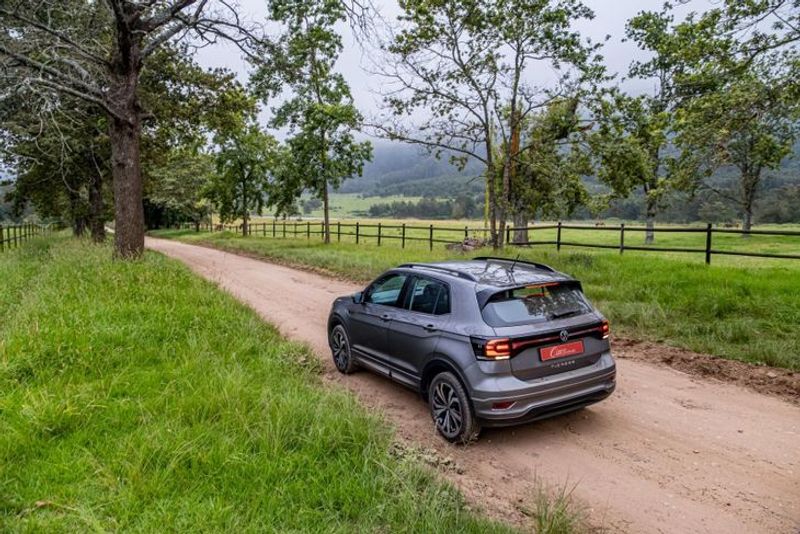
With a firmer suspension, the T-Cross is more at home on tar than it is on gravel.
The ride and handling characteristics of the T-Cross deserve some praise, too. While the T-Cross’ suspension is sprung on the firmer side of comfort, it does not affect the 1.0TSI 70kW Comfortline R-Line’s overall ride comfort significantly. In fact, on the variety of road surfaces we traversed, we found the T-Cross’ ride to be comfortable (for the most part) and fairly forgiving.
It’s worth noting, however, that the firmer suspension makes its presence felt when the Volkswagen travels on gravel routes; its ride quality suffers as a consequence. Then again, few will be surprised to learn that the T-Cross is more suited to travelling on tar than on a dirt road…
As far as handling is concerned, the steering wheel has a light and responsive feel to it, which is great for inner-city commuting and making quick directional changes. Body roll under harder-than-usual cornering is almost negligible. It might be a small crossover, but the T-Cross handles with surprising deftness. It feels eminently planted, which makes it quite a “chuckable”, nippy car… well, relatively.
Overall, we came away impressed by the T-Cross’ road manners and we’d even go so far to say it’s one of the most resolved products in this segment as far as the ride/handling balance is concerned.
Robust interior build quality and practicality
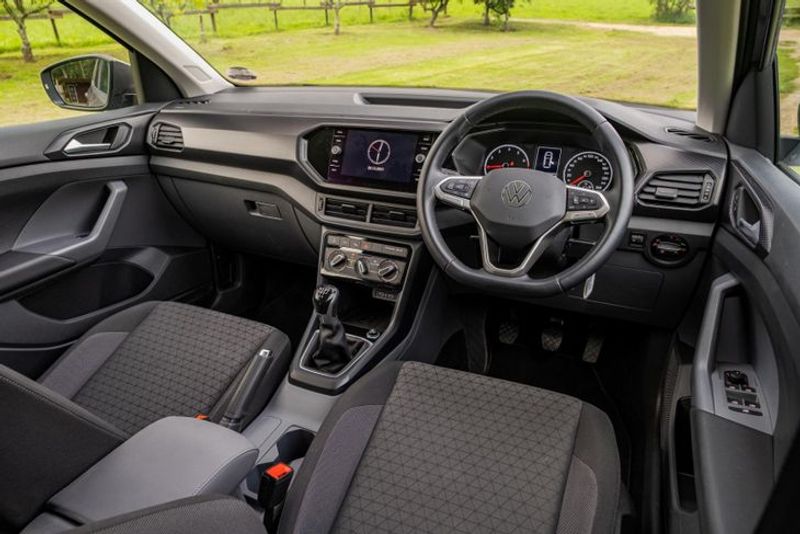
Perceived build quality inside the T-Cross is very good but hard, scratchy plastic trim is the order of the day.
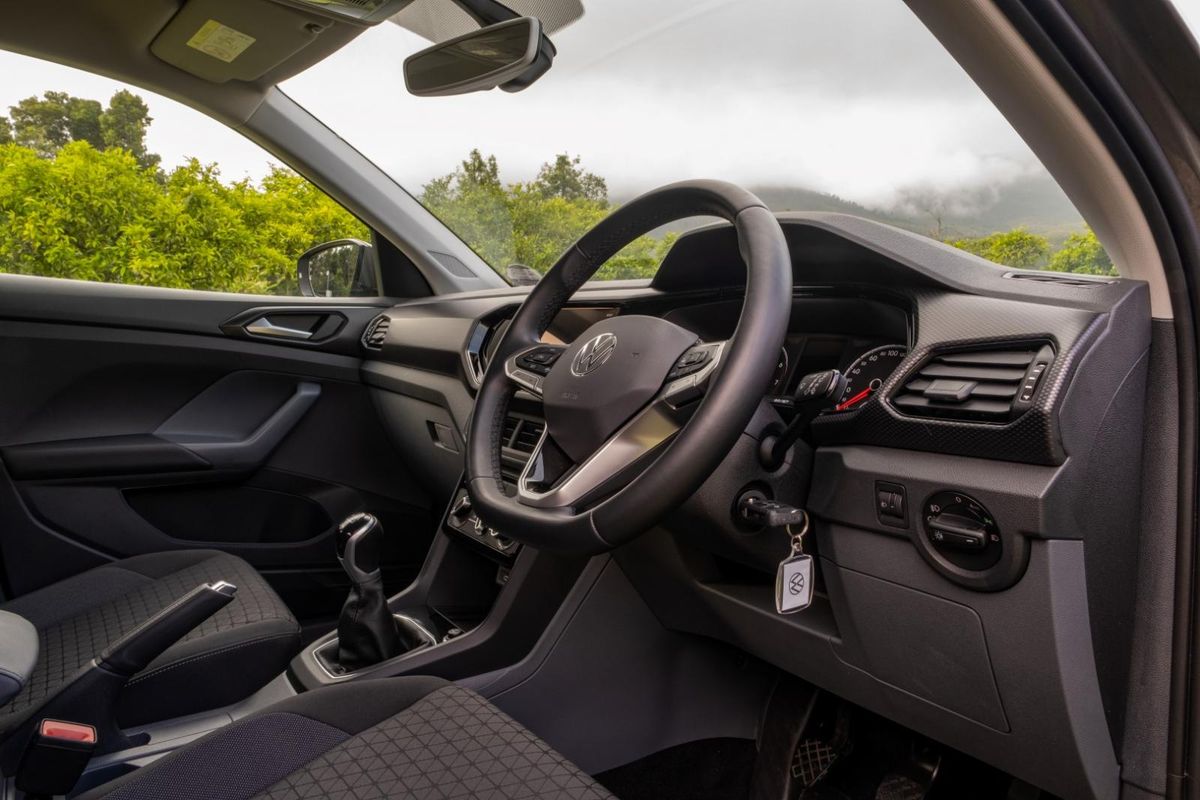
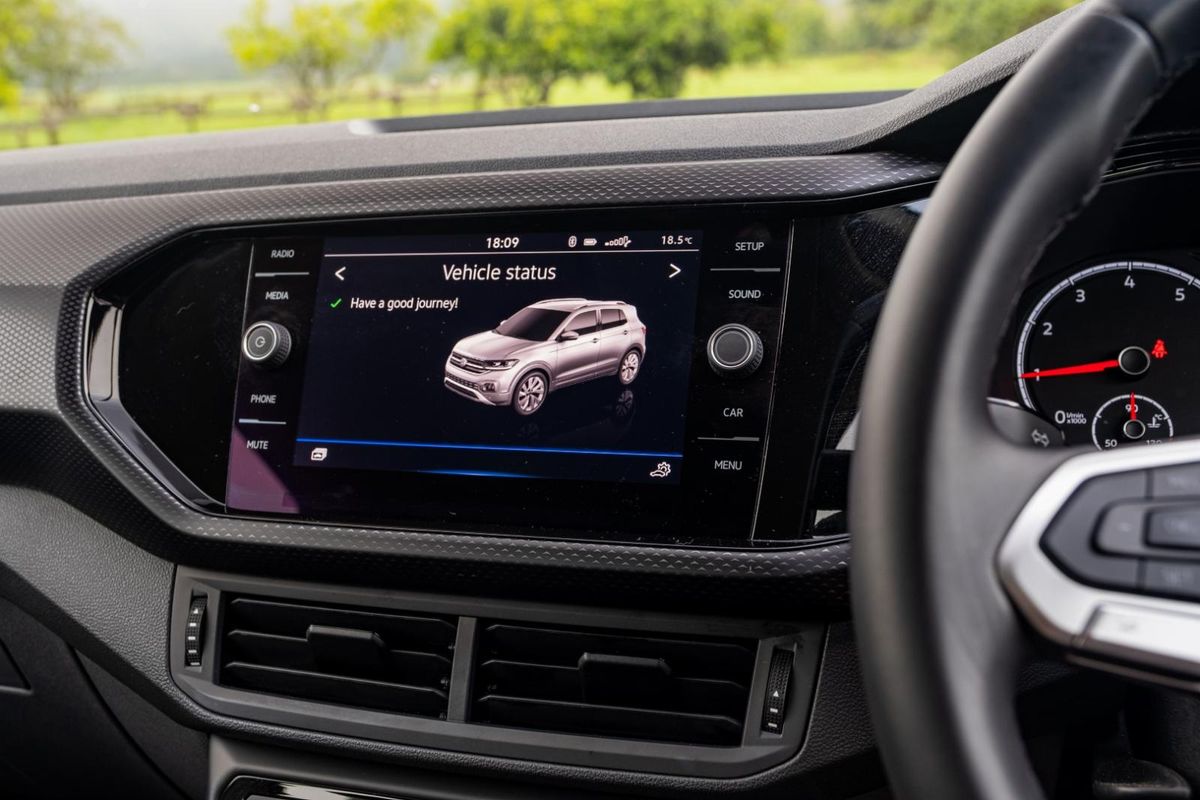
When you step inside the 1.0TSI 70kW Comfortline R-Line, you are met with a basic – but appealing – cabin design. The slick-looking Composition Media infotainment system (a R8 300 option) was a highlight; not only is it user-friendly and easy to navigate – it supports Android Auto and Apple CarPlay smartphone screen-mirroring technology.
The surface of the touchscreen does, however, accumulate dust and fingerprints rather quickly. Therefore, we advise keeping a soft (microfibre) cloth in the car so that you can wipe the screen clean regularly. This test unit was also equipped with a wireless smartphone charging pad, which is a great feature, as well as the optional Park Assist and a reverse-view camera (R10 200).
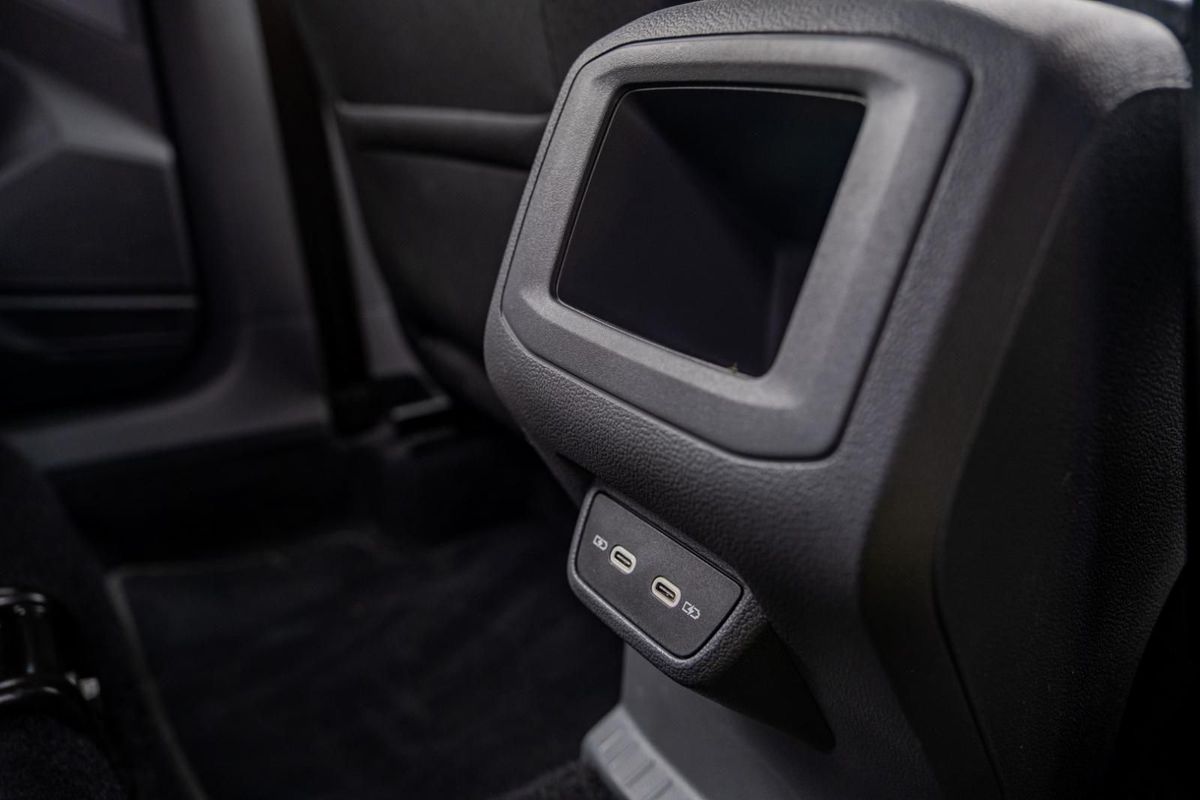
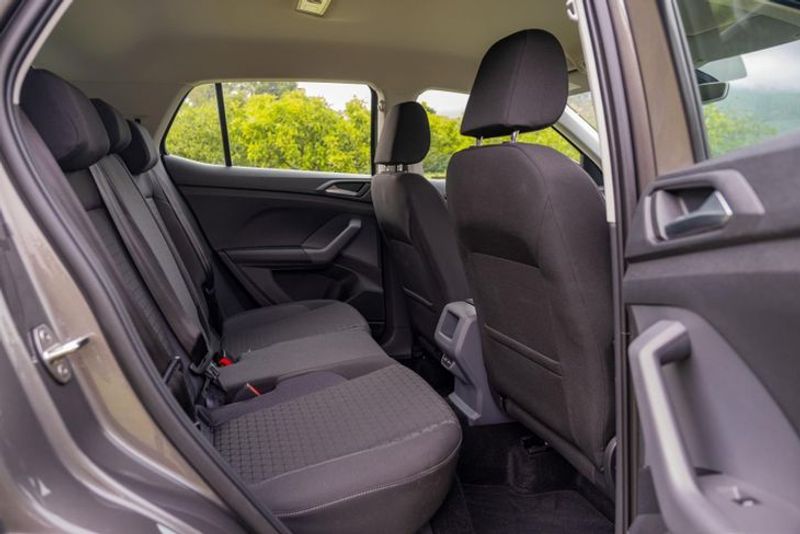
Rear legroom is sufficient and 2 USB-C ports are fitted.
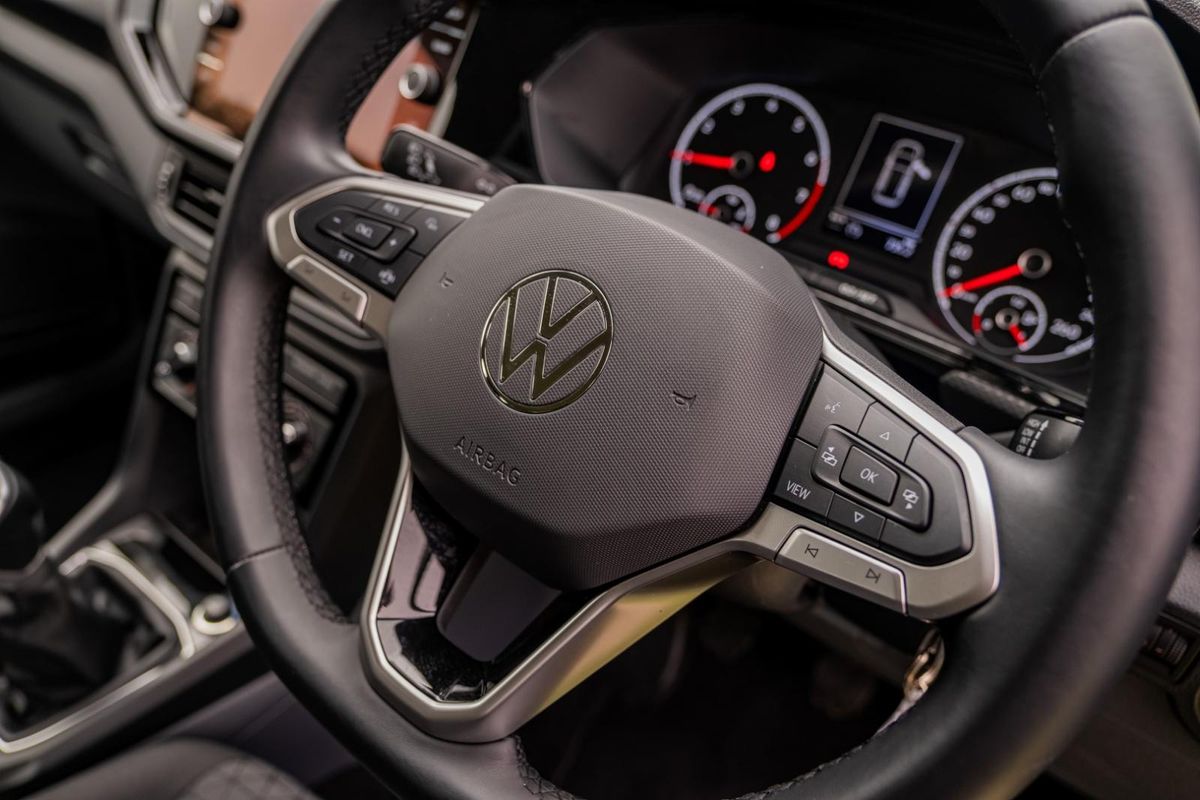
The overall perceived build quality in the T-Cross is commendable. The cabin is virtually rattle- and creak free when driving over rutted gravel roads and there’s a solidity and sturdiness to the interior panels and trim that imparts an impression of quality. The overall interior execution, however, is somewhat let down by the vast expanses of hard, scratchy plastic panels that detract from the “premium-ness” of the cabin design. The only soft-touch surfaces that we found was were on the doors’ armrests. The plastic surfaces are hard-wearing though, which means they should withstand the rigours of everyday use.
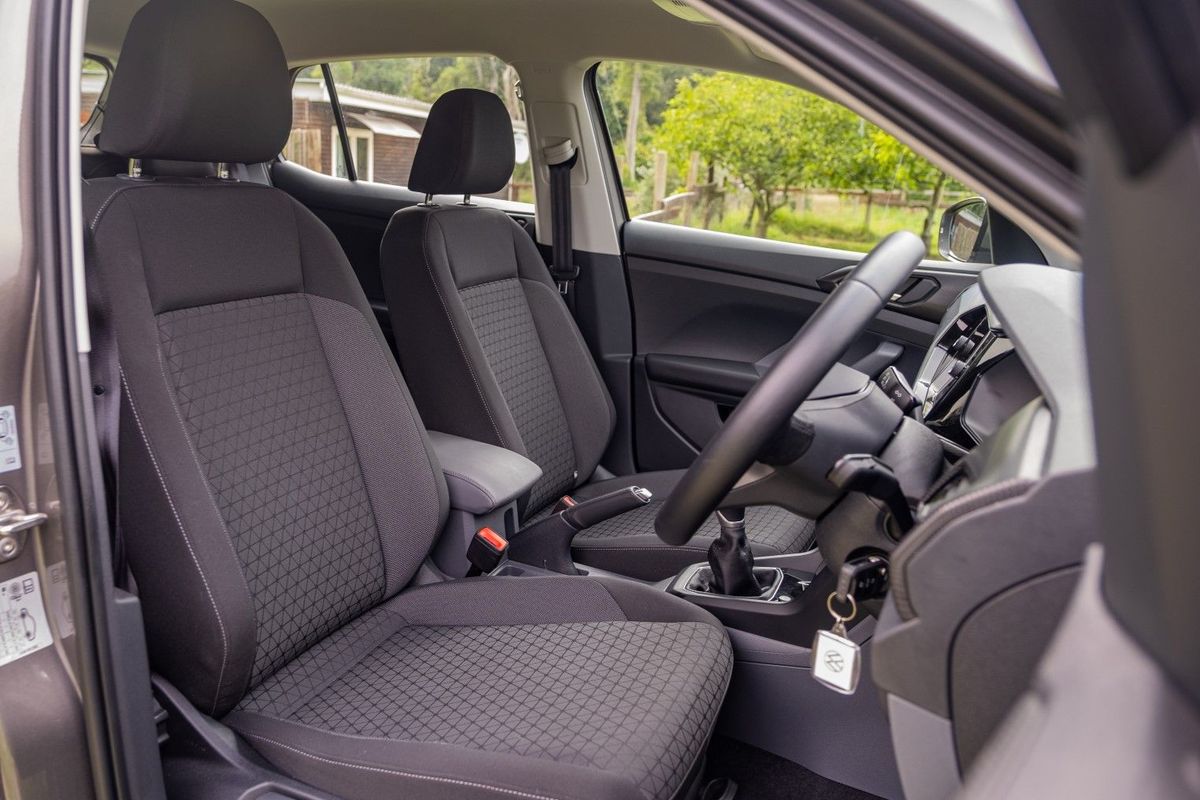
For its size, the T-Cross offers better-than-expected rear leg -and headroom, plus a pair of rear USB-C ports to keep electronic devices charged up (that’s in addition to 2 USB-C ports at the front).
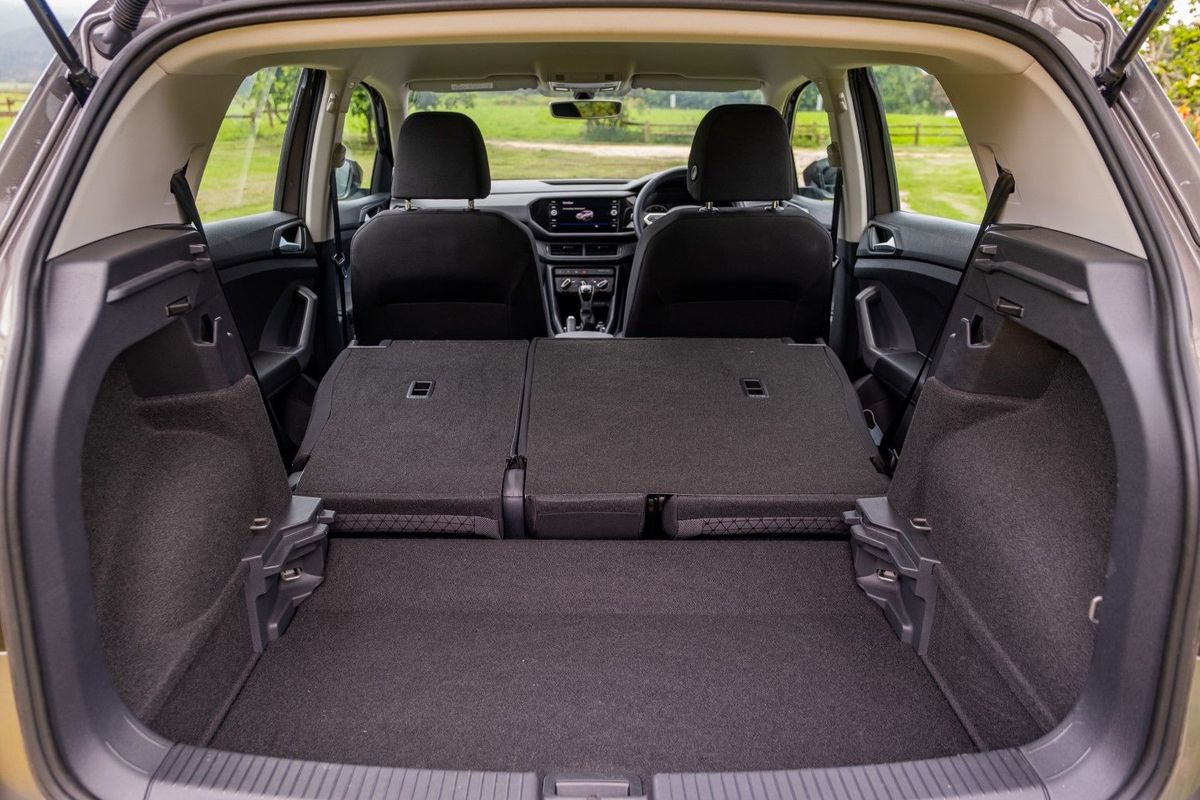
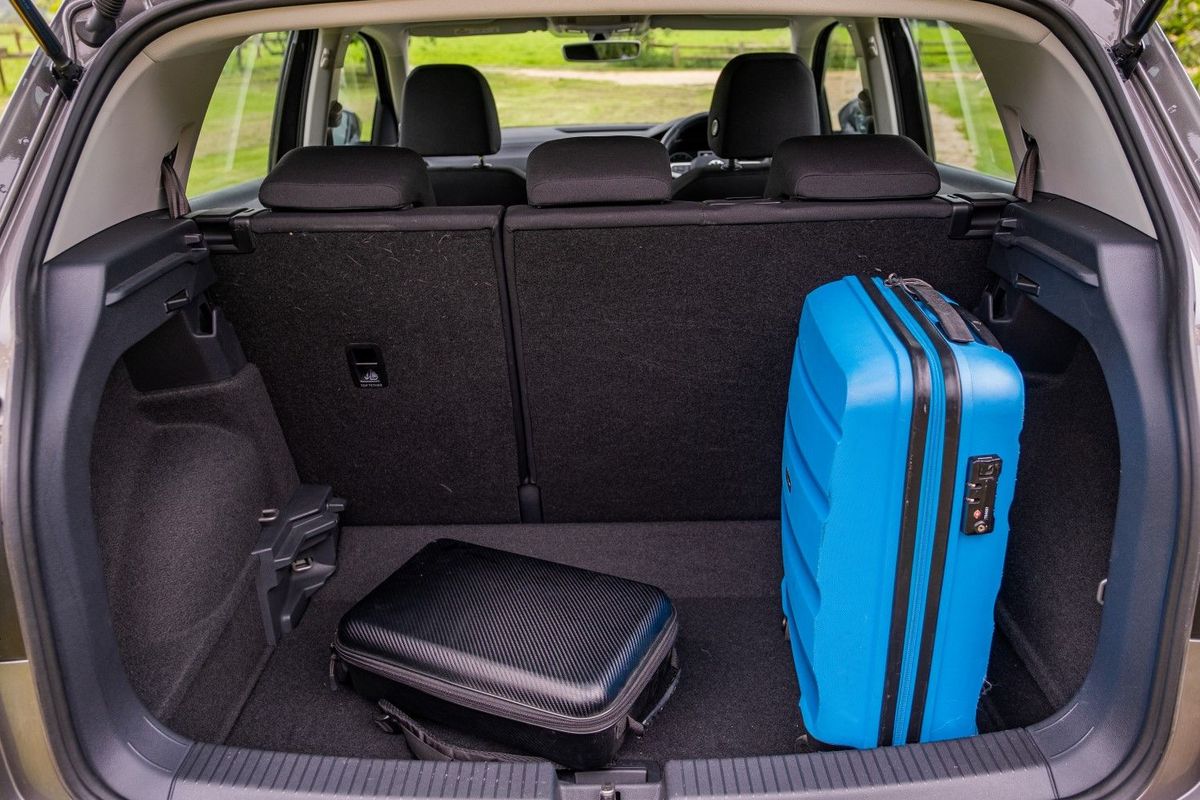
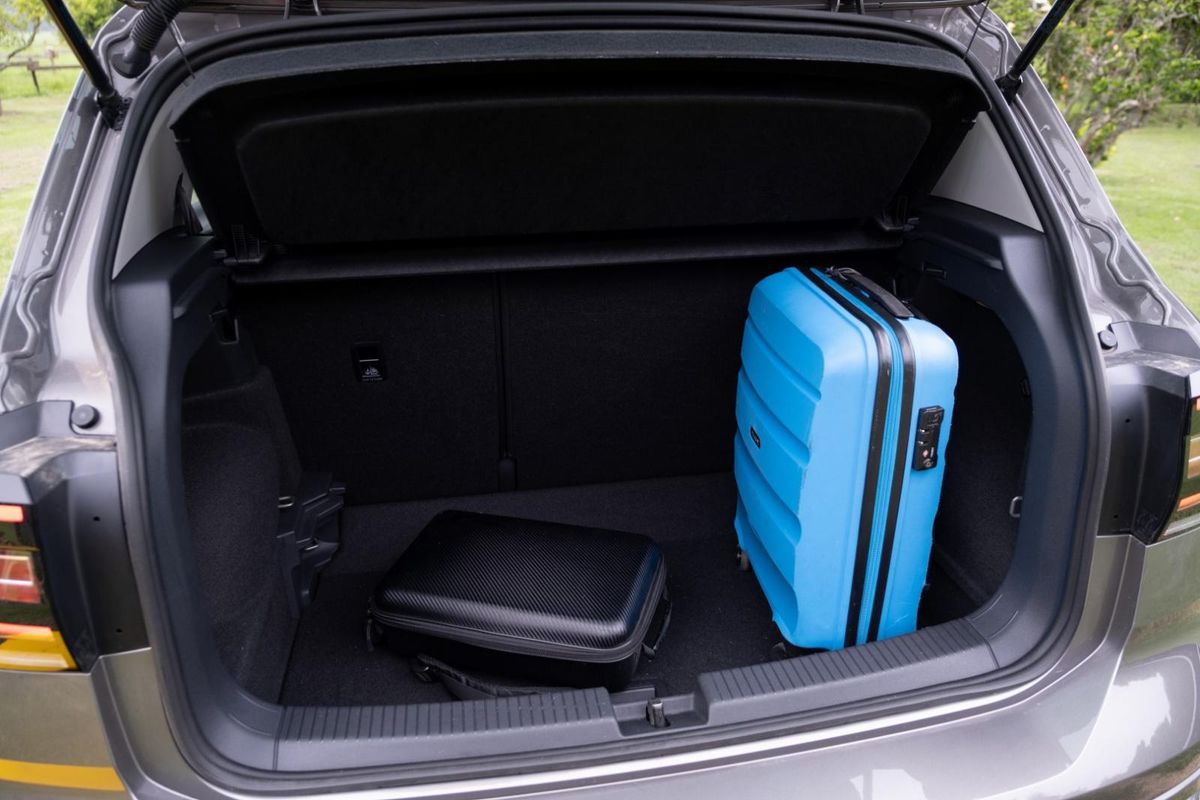
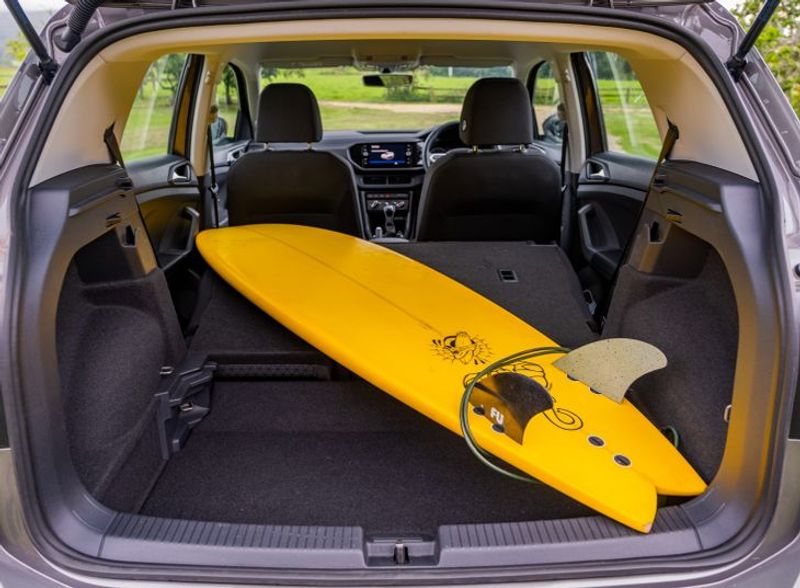
The claimed load-bay capacity is 455-litres, which expands to 1 281 litres with the 60:40 split rear seats folded down. The rear bench can also slide fore and aft, depending on whether you wish to prioritise legroom or luggage space, which is quite nifty. There are bottle holders in the door mouldings, as well as sufficient storage space for oddments in the central bin, ahead of the gear lever and in the glovebox.
Long items over 6-foot in length can be accommodated in the T-Cross. Surf’s up!
What can the T-Cross do better?
It’s expensive, more value would be nice
Despite the fact that the T-Cross is a compelling, quality product, it’s a comparatively pricey proposition. In 2019, just 3 years ago, I reviewed the then range-topping Volkswagen T-Cross 1.0-TSI Highline R-Line and, at the time, it was priced at R382 850, which is now almost the price of this 1.0TSI 70kW Comfortline R-Line derivative, which retails for R386 000, before options. The former now costs R464 700!
The T-Cross is easy to recommend based on its sheer breadth of talent – its classy packaging and easygoing on-road demeanour are particularly compelling – but prospective buyers must be mindful that, as far as value-for-money is concerned, the T-Cross is not the pick of the crop – there’s indeed greater value to be had if you are willing to put brand loyalty aside, for a moment.
If you want to own a T-Cross, be prepared to pay a premium for that VW badge on the nose.
Not only is the Jolion considerably larger than the T-Cross, it has a more powerful engine and is more comprehensively specced with standard features… and that’s on top of its keener price tag.
South African car buyers, however, are typically brand loyal and many are prepared to pay a premium for the privilege of owning a model that bears a Volkswagen badge on the grille. The stronger value retention of especially the brand’s compact models (as reflected in the listed prices of used T-Cross derivatives, for example) is another drawcard.
Verdict
Despite its price, the T-Cross is a great all-rounder!
Overall, this T-Cross 1.0TSI 70kW Comfortline R-Line is an excellent offering from Volkswagen, albeit a very expensive one.
Its compact size makes it ideal for life in the city – it should suit a small family to a tee. Because the derivative’s powertrain strikes an admirable balance between performance and economy, the T-Cross is as suited to the daily commute as it is to longer journeys. What’s more, it’s undoubtedly one of the best offerings in the segment when it comes to a blend of ride comfort and handling ability.
There really is so much to like about the T-Cross and, after living with it for a month, not only is this second-from-entry-level derivative easy to recommend, it’s also easy to understand why it’s currently the third best-selling car in Mzansi. It really is a fantastic offering! If you can afford one, you can’t go wrong with the T-Cross!
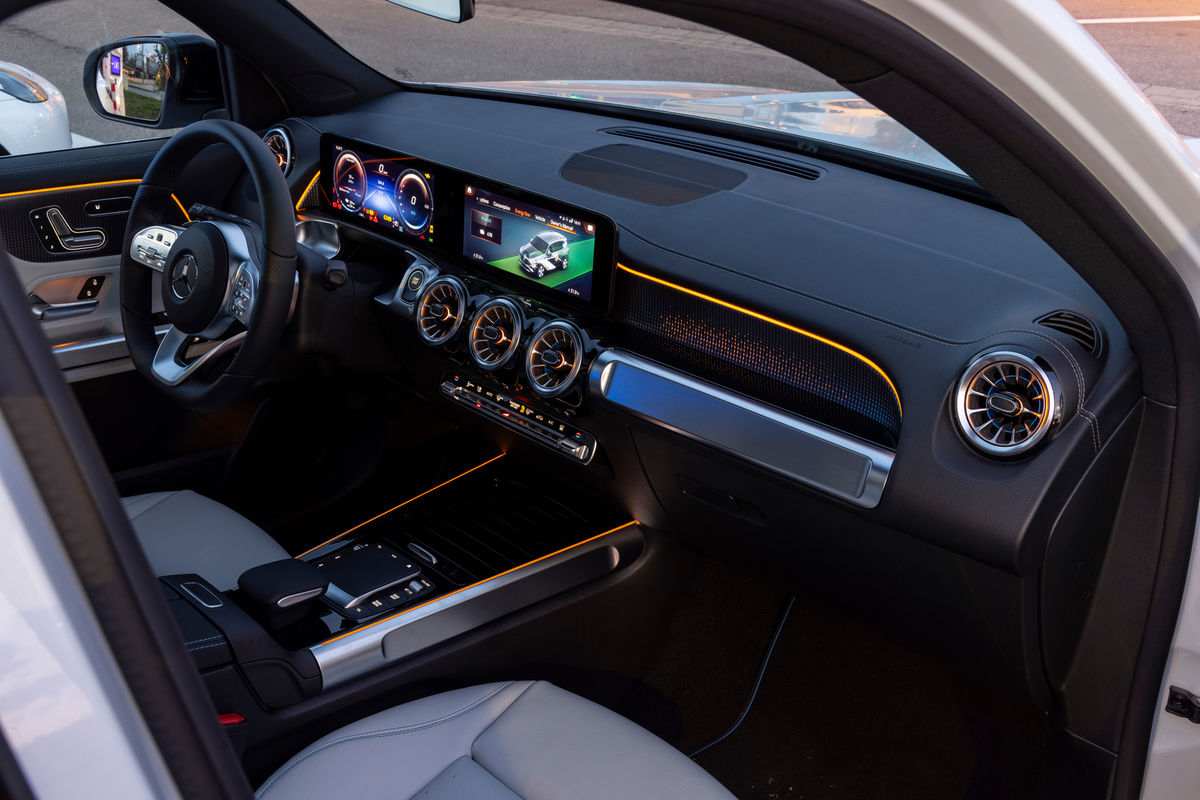
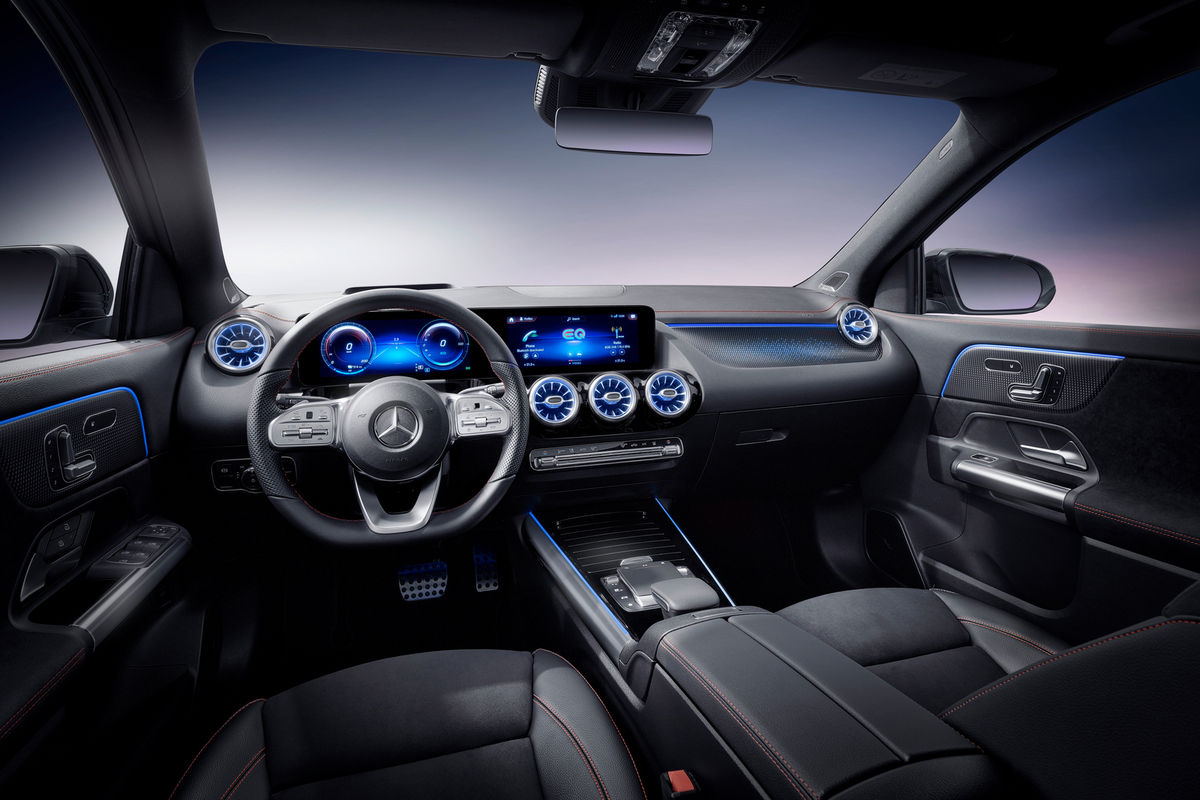
As the list of automotive brands that have focused their product strategies on battery-electric vehicles grow longer, some car companies’ local subsidiaries have outlined their plans to add to the number of EV models available in the South African market. Mercedes-Benz SA recently showcased its EV strategy for 2022.
Mercedes-Benz South Africa (MBSA) will launch 5 electric cars in 2022; this follows the news that rival premium brands Audi and BMW will have similar launch schedules for their EV models this year.
Coming up with an EV rollout strategy for South Africa is not as simple as it might be for carmakers in developed countries, because we have some extra red tape to cut through. Suffice to say, even long-established marquee brands are not accustomed to dealing with our market’s specific barriers to entry. Let’s start with the tax issue. A 25% import duty is levied on electric vehicles, whereas that percentage is “only” 18% for fossil-fuel-fed vehicles. An electric vehicle is further subject to 17% ad valorem (luxury tax) because the cost of its battery pack pushes the overall cost of the vehicle into a luxury threshold.
All told, the government taxes battery electric vehicles and hybrids by 42%, which explains why such vehicles remain prohibitively expensive for the overwhelming majority of South African new-car buyers. Many local car companies and the industry body, Naamsa, are lobbying to have this ad Valorem tax removed and it’s widely believed that it could happen early in 2022. Nevertheless, premium brands such as Mercedes-Benz are less affected by excessive taxation because it has less of an impact on a model’s price at a higher price point. Still, right now, the cheapest electric vehicle on sale in SA costs R700k.
Then there’s the issue of charging stations, which isn’t actually a problem at the moment – there are so few electric cars on our roads that we have an oversupply of charging stations. In fact, we have one of the highest charging stations per car ratios in the world. While many of these charging stations aren’t “fast chargers” in the same way European chargers can charge up battery-electric vehicles in a matter of minutes – not hours, manufacturers are digging into their own pockets to build up a newer and faster-charging network.
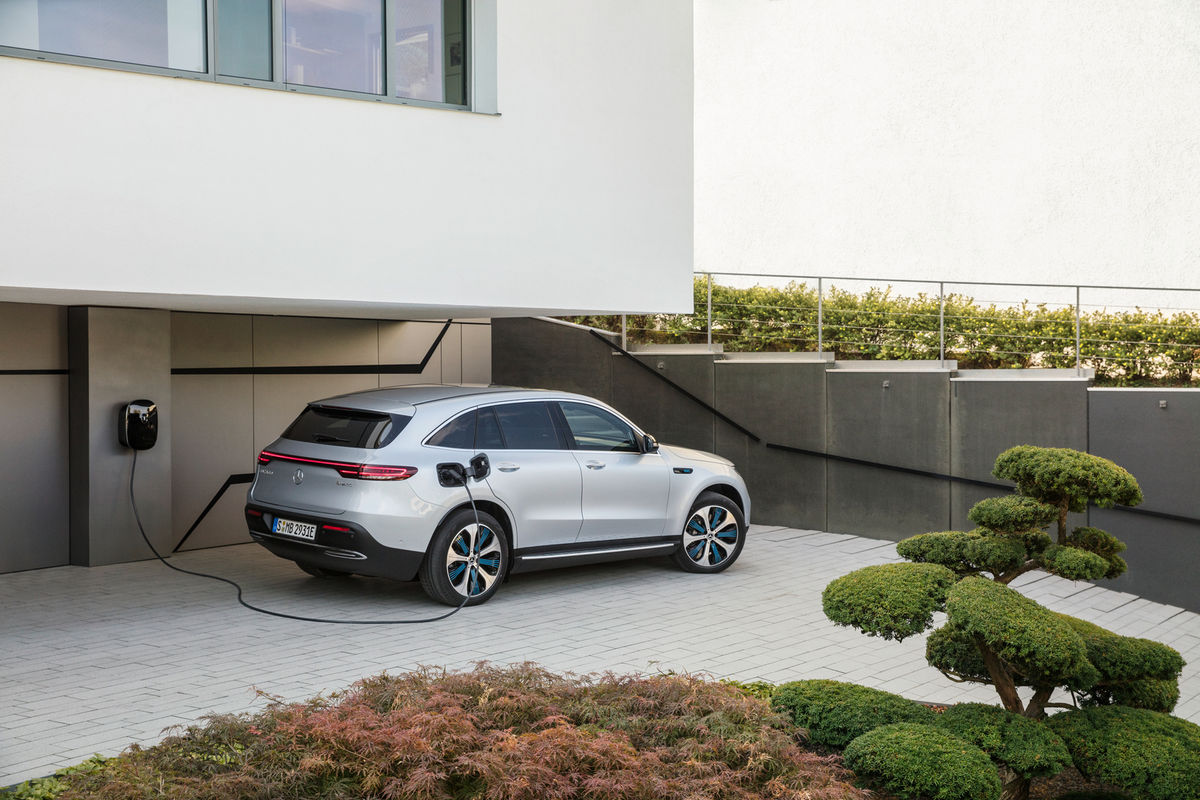
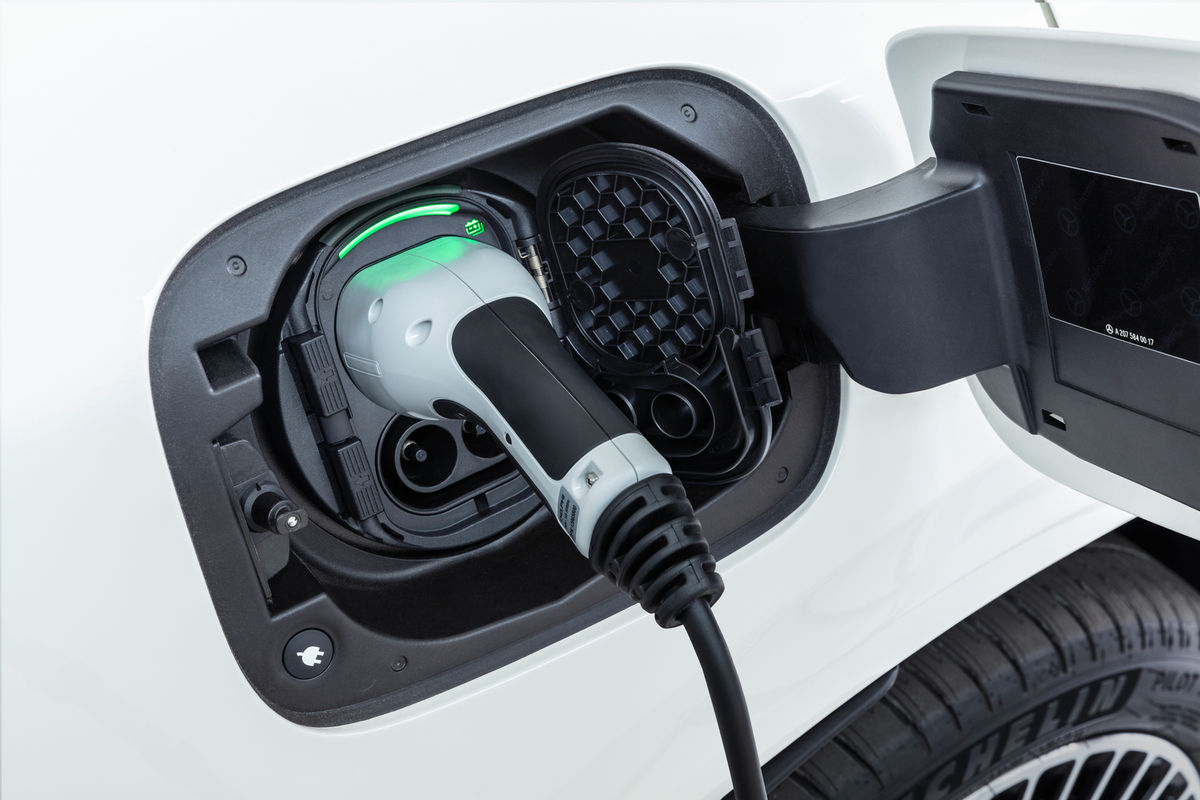
To this end, Mercedes-Benz will supply a home-charging kit, which can be installed anywhere you want it (the obvious place would be at your home or workplace). Statistically, most EVs are charged up at home overnight, where a DC charger such as the one Mercedes-Benz supplies (other brands also have chargers available) will top up an EV in a few hours (depending on how low the battery’s charge is).
Mercedes-Benz will also install a charging station at each of its 36 dealers that have been selected to sell and look after the maintenance of the Three-pointed Star EV models that will come to our market this year. These charging stations will be compatible with other brands’ vehicles too, all of which will significantly add to the local charging network. MBSA also noted that some of the key points will have 100-kW fast-charging capability, which represents a notable upgrade over the current 60-kW limit. Such chargers will be capable of charging an EQC’s high-voltage battery pack from 0-90% in an hour.
New EVs from Mercedes-Benz in 2022
Mercedes-Benz SA plans a staggered launch of its range in 2022 because the semi-conductor shortage is still constricting the supply of vehicles to our market, but it does believe that there will be some improvement in availability as early as the second quarter of the year. The East London-based manufacturer expects that production allocations will return to normal by the end of 2022.
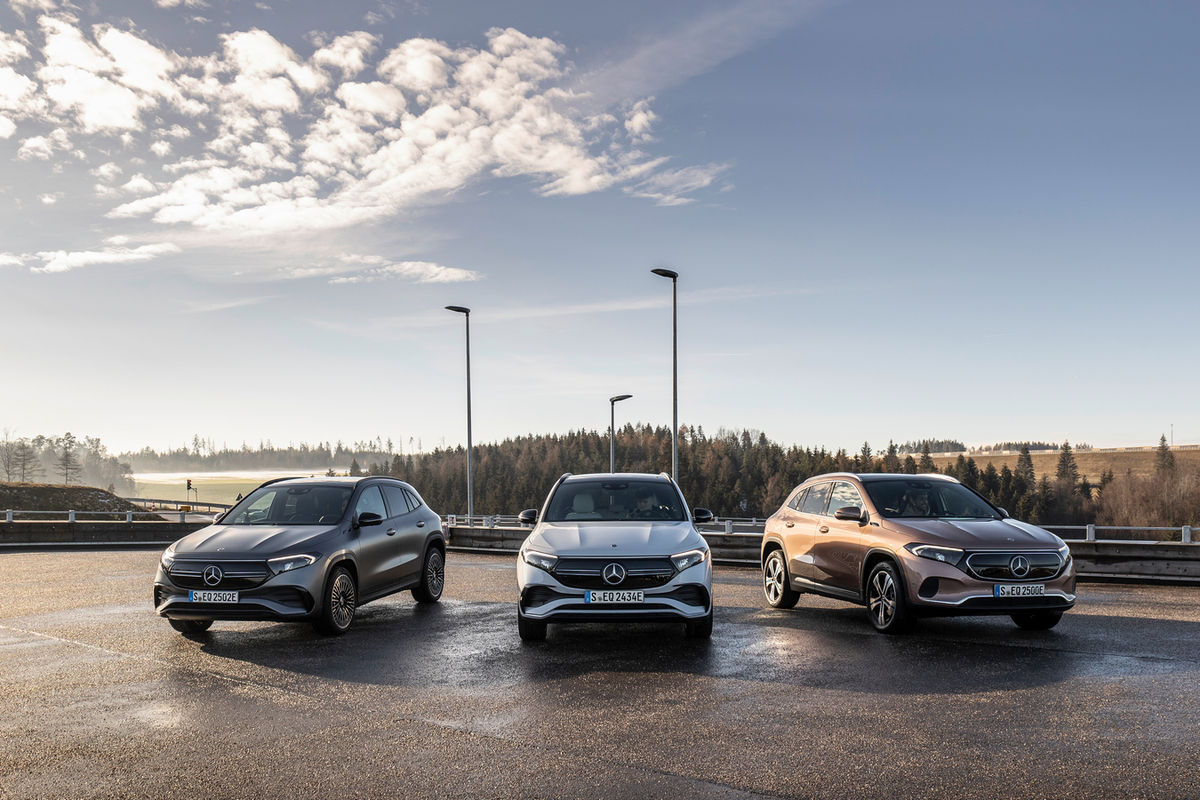
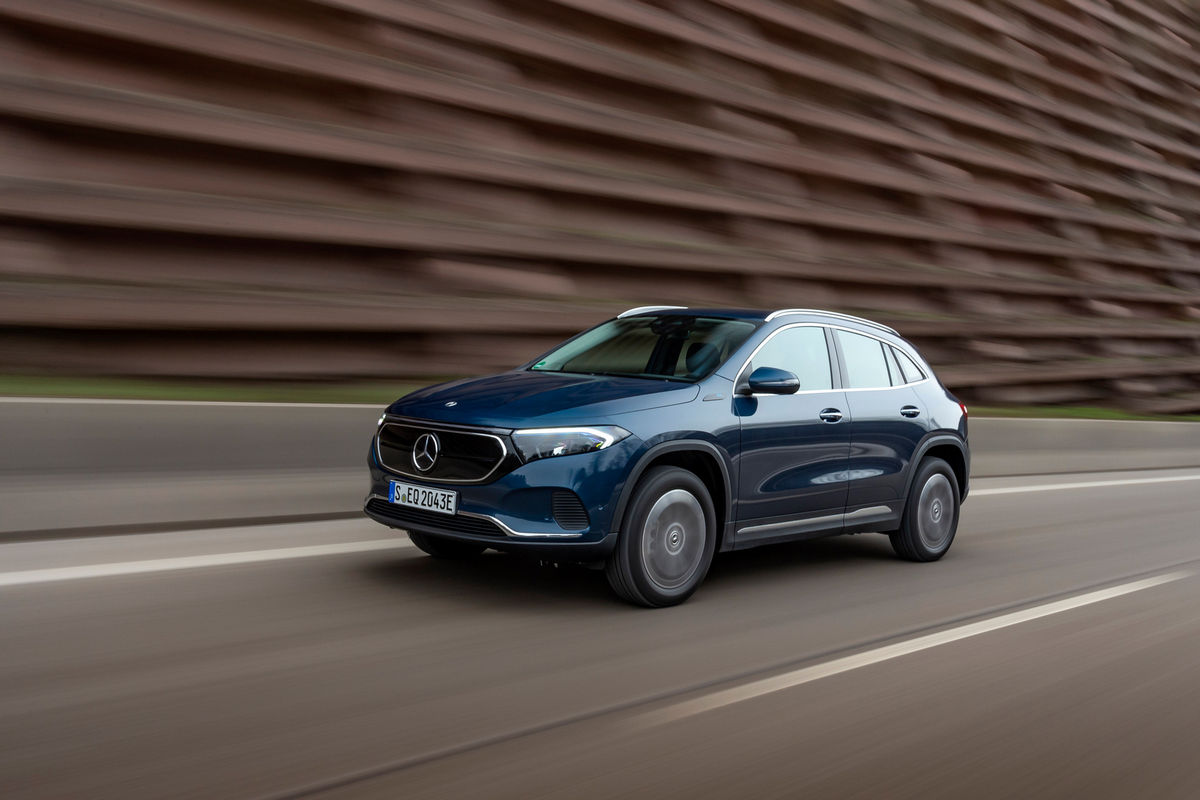
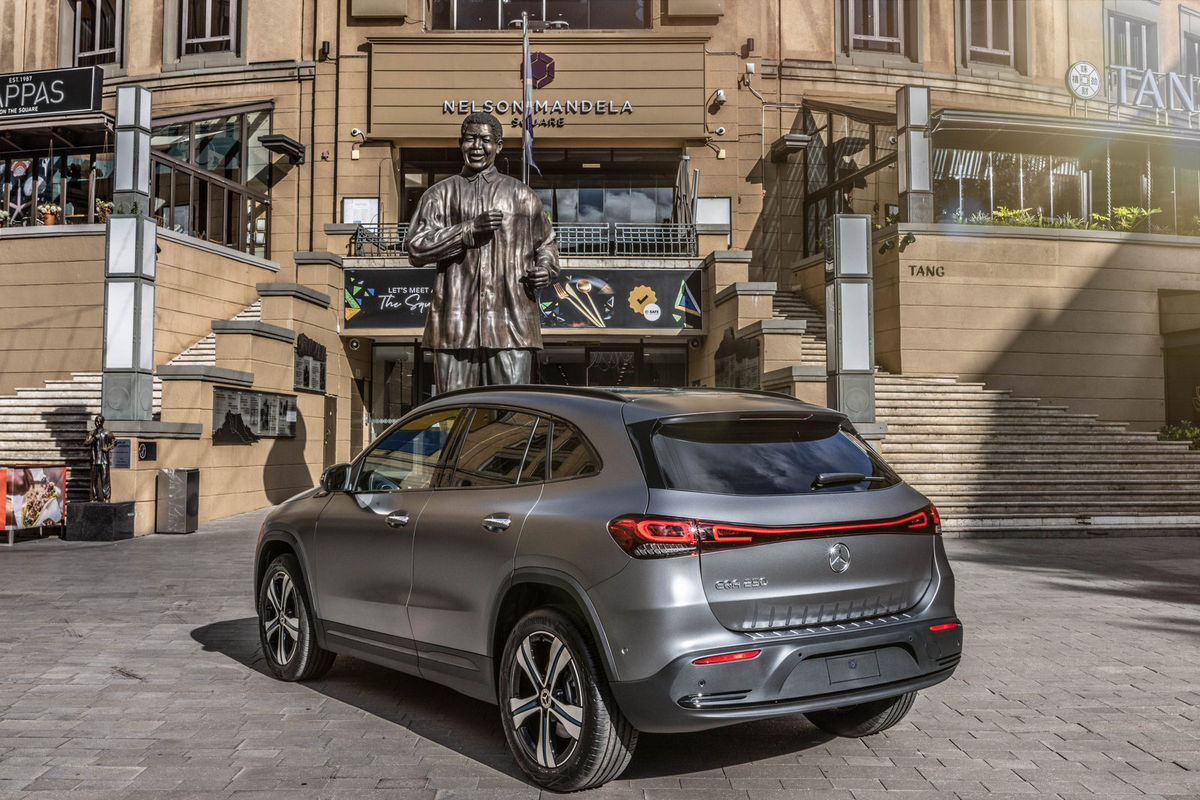
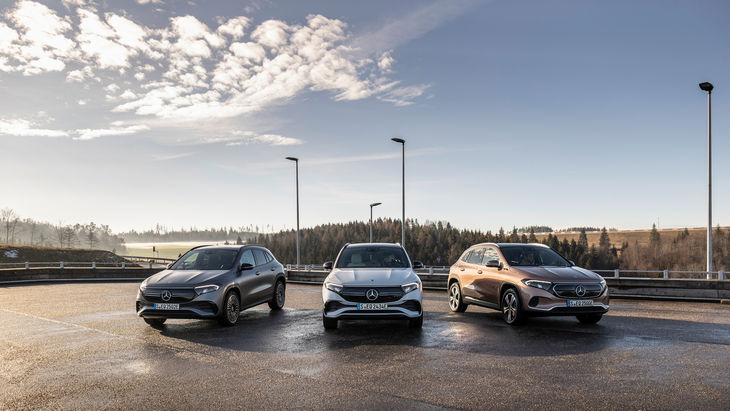
Mercedes-Benz EQA (May 2022)
The EQA 250 derivative will be available for the South African market with a power output of 140 kW, a range of up to 412 km and a combined electrical consumption of 17.7 kWh/100km. The naming convention of the brand’s EVs follows that of the ICE range so the A designates it as a compact car with this one being similar in size to the GLA.
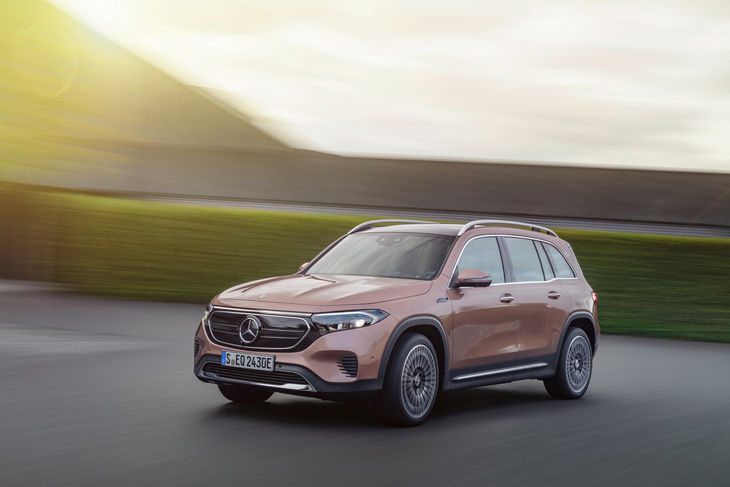
Mercedes-Benz EQB (July/August 2022)
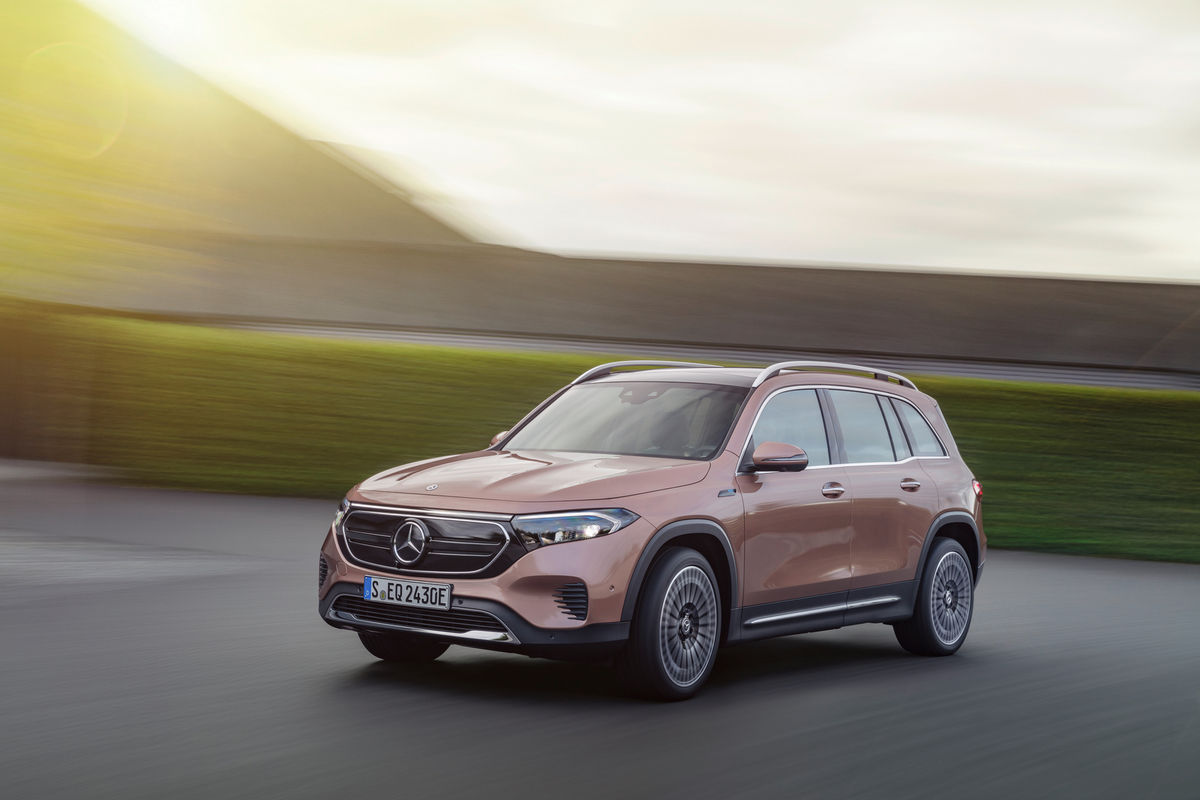
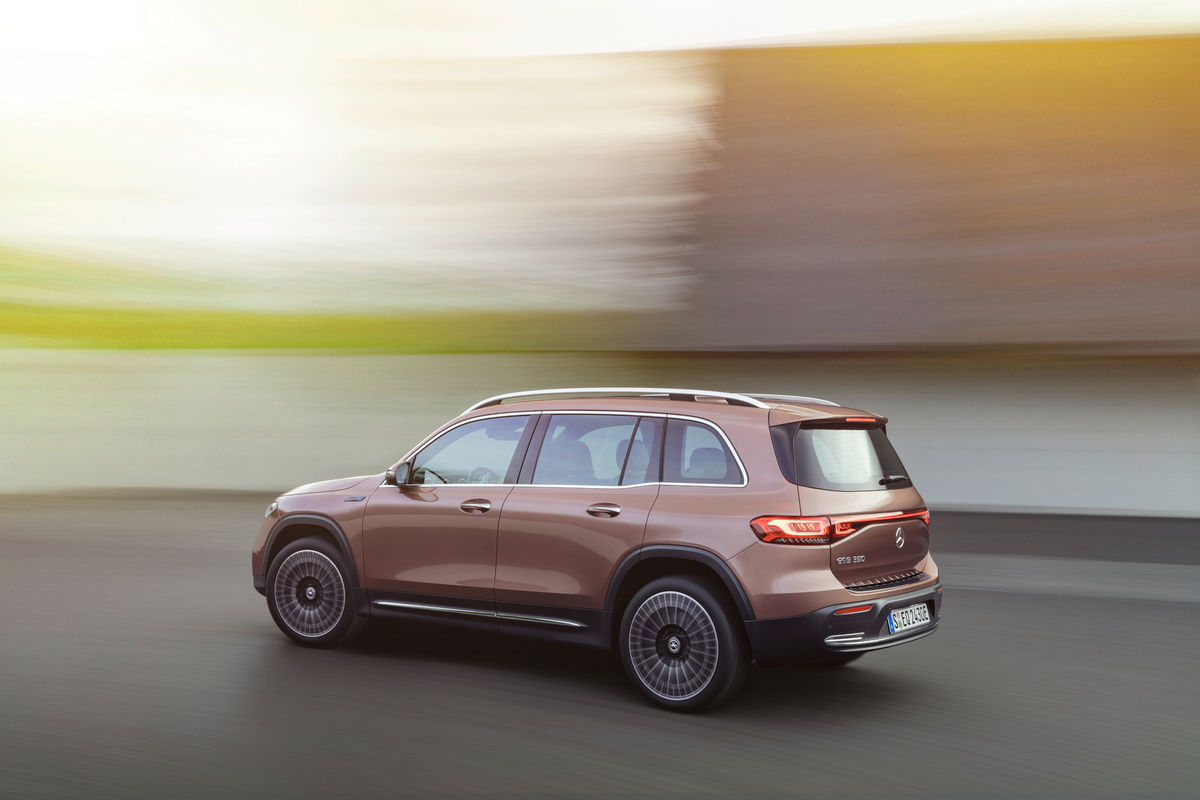
The EQB’s role in the range is as a multi-purpose compact SUV that is capable of travelling both on- and off-road courtesy of its raised ride height and 4Matic drivetrain. MBSA will bring the EQB 350 4Matic to the market this year and the all-wheel-drive model will offer a peak power output of 215 kW, a range of up to 419 km and a combined electrical consumption of 17.4 kWh/100km.
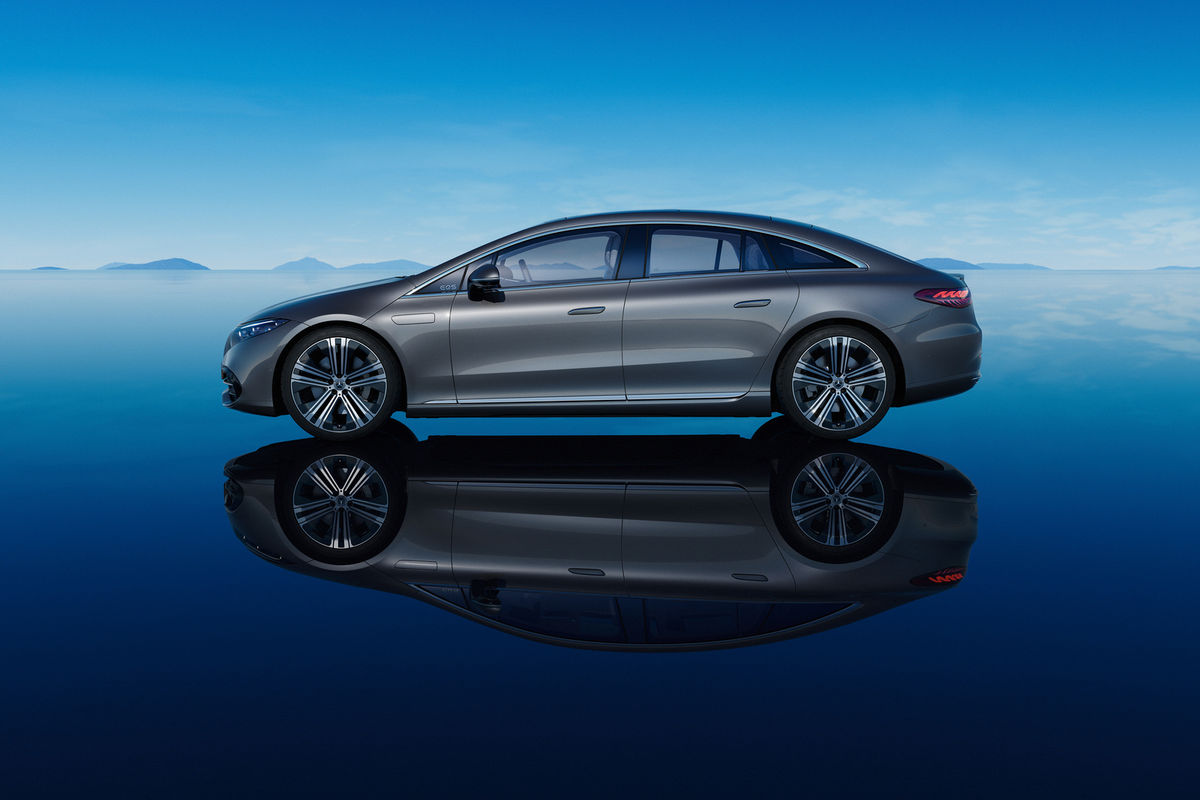
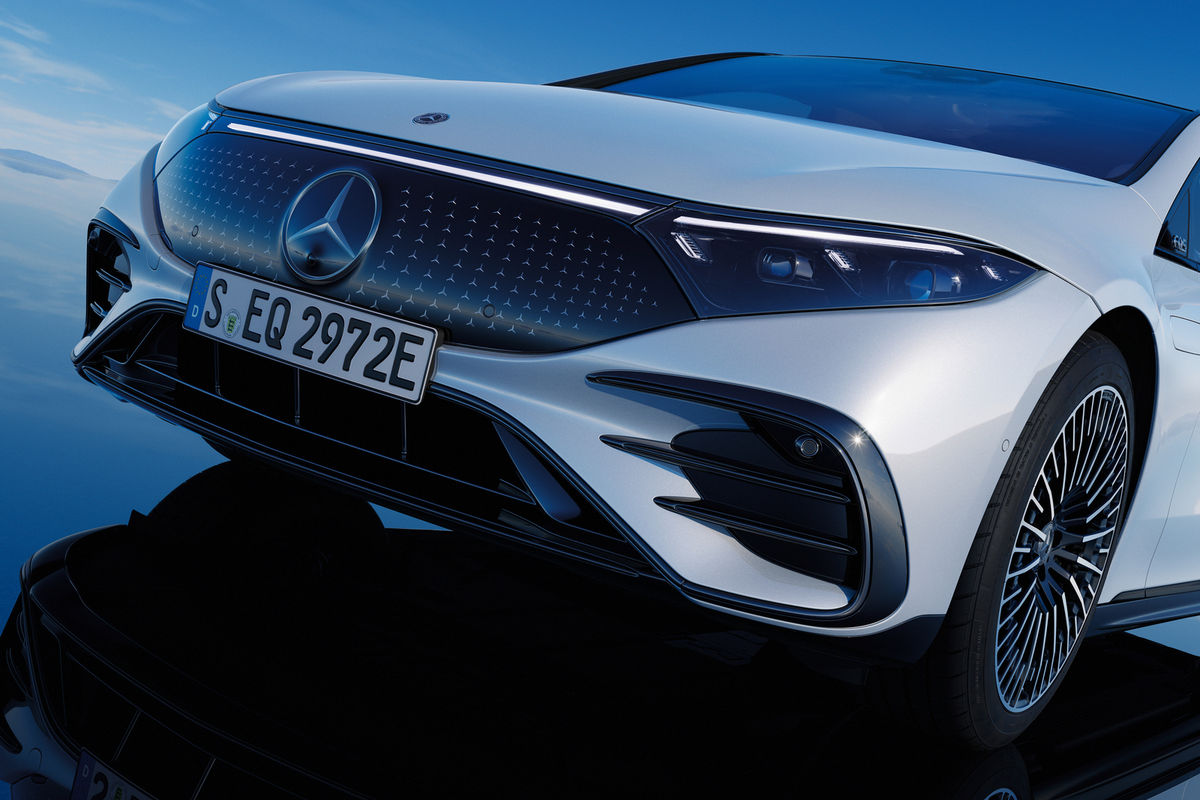
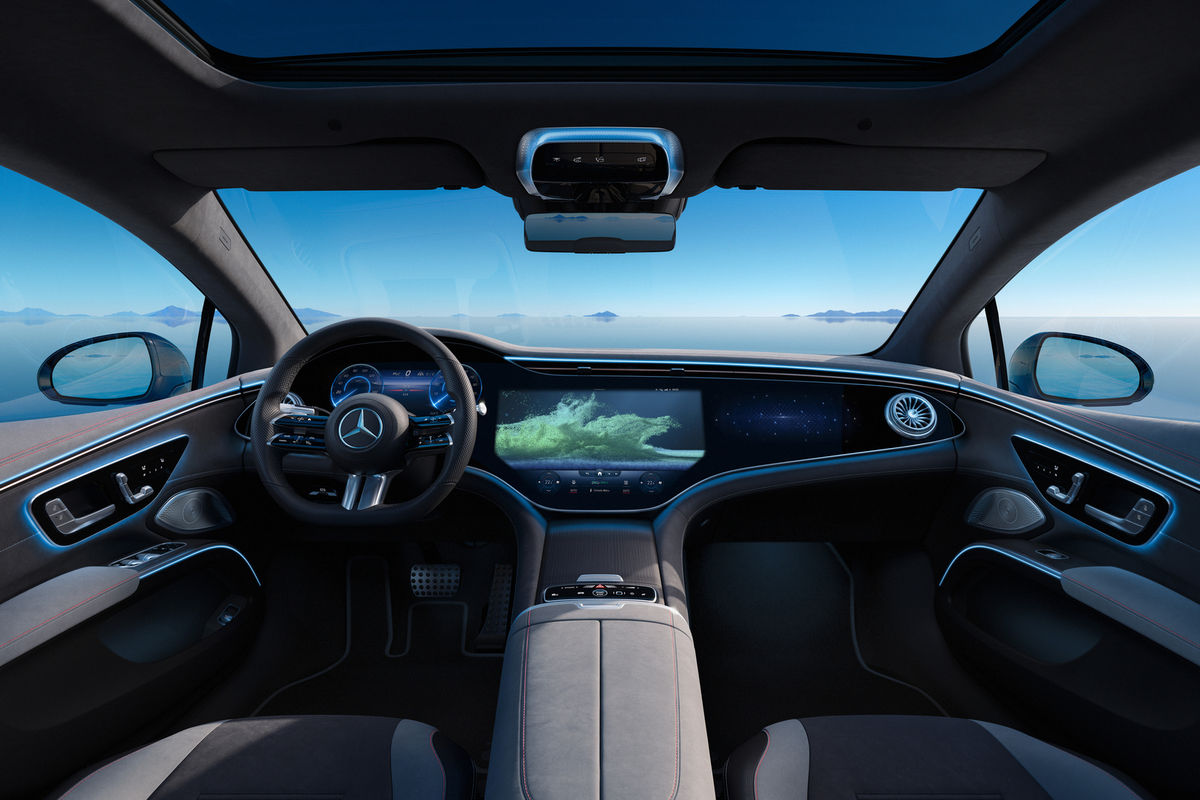
Mercedes-Benz EQS (July/August 2022)
As the brand’s most advanced- and halo model, the EQS has an entirely new architecture, design and powertrain. The first model of this luxury sedan to hit the market will be the EQ3 450+, which has a power output of 245 kW and a consumption of around 17 kWh/100km. The main attraction, however, is the EQS 53 (with 385 kW and a theoretical range of 780 km), which will arrive in September 2022.
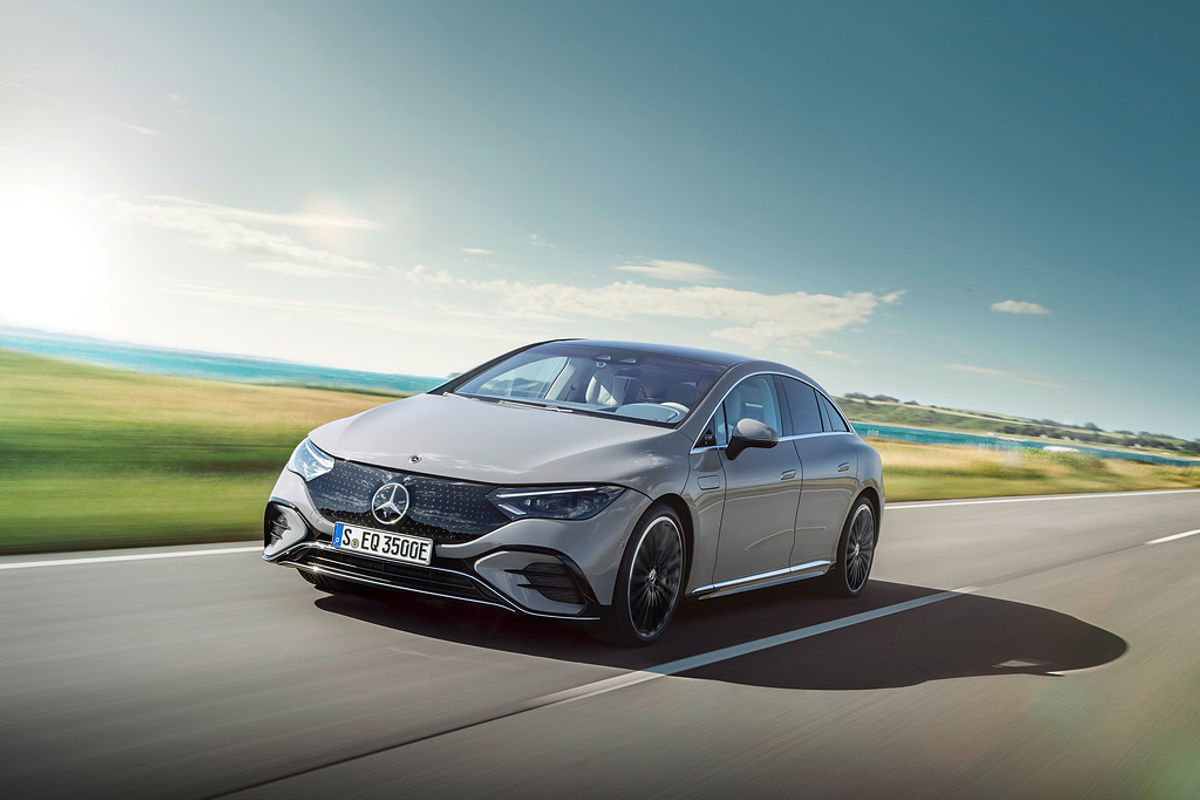
Mercedes-Benz EQE (October 2022)
The EQE has all the tech and functions of the EQS, but in a slightly smaller sedan package (the same way an E-Class is slightly smaller than an S-Class). More details on this variant will be provided later.
Aston Martin Teases More Powerful DBX S
Aston Martin is preparing to unveil a more potent version of its DBX SUV and it’s likely to be called the DBX S. The reveal is expected on 1 February 2022.
A more powerful Aston Martin DBX will be revealed soon and the British carmaker claims it will be “the world’s most powerful luxury SUV”.
The firm has released a teaser video and a teaser image of the newcomer. Aston Martin says, “The next chapter of the DBX story is about to be told and new performance standards will be set. Are you ready for the world’s most powerful luxury SUV?”
The teaser video is titled “Change is Coming” and briefly shows a few details as well as a sound bite of what the engine sounds like.
As far as what power source will be found under the bonnet, is up for speculation. The standard Aston Martin DBX, which currently retails for R3 990 000, is powered by a Mercedes-AMG twin-turbocharged 4.0-litre V8 engine that packs 405 kW and 700 Nm. In all likelihood, Aston Martin will ramp up outputs even further but there have been rumours circulating that this potent DBX S might gain the twin-turbocharged 5.2-litre V12 that powers the Aston Martin Superleggera which offers 534 kW and 900 Nm. Wouldn’t that be tantalising?
All will be revealed soon though as Aston Martin prepares to show the DBX S to the world on 1 February 2022. We will certainly update this story as soon as that happens, so stay tuned!
Toyota Corolla Cross Hybrid: Is the Hybrid the one to go for?
Ciro De Siena spent a month driving the new Toyota Corolla Cross Hybrid and this video will help you decide if it should be on your compact SUV shortlist. Give the video a watch and tell us what you think of it!
As motoring journalists, we are privileged to drive, test and review many vehicles. However, we are rarely afforded the opportunity to “live” with a car. A longer test period can often reveal quirks or inadequacies in a vehicle, or more positively, confirm that the vehicle is one you can confidently recommend. Ciro De Siena recently spent 4 weeks with the much anticipated Toyota Corolla Cross Hybrid XR variant.
If social media can be used as a measure of interest in a vehicle, the Toyota Corolla Cross was certainly a stand out addition to the market in 2021. With extremely attractive pricing, the offering at face value is certainly attractive, and I have been inundated with requests to review this car.
Our video guy Ciro De Siena was fortunate to be supplied with the top-of-the-range Corolla Cross hybrid XR model. In this video he takes us on a detailed tour of the car, answering the big question, will the hybrid variant save you money? We also look at the boot space, rear-seat space and features, infotainment system, specs and pricing.
The vehicle is sold with a 6 services/90 000 km service plan, a 3-year/100 000 km warranty, while the hybrid battery has an 8-year/195 000 km warranty.