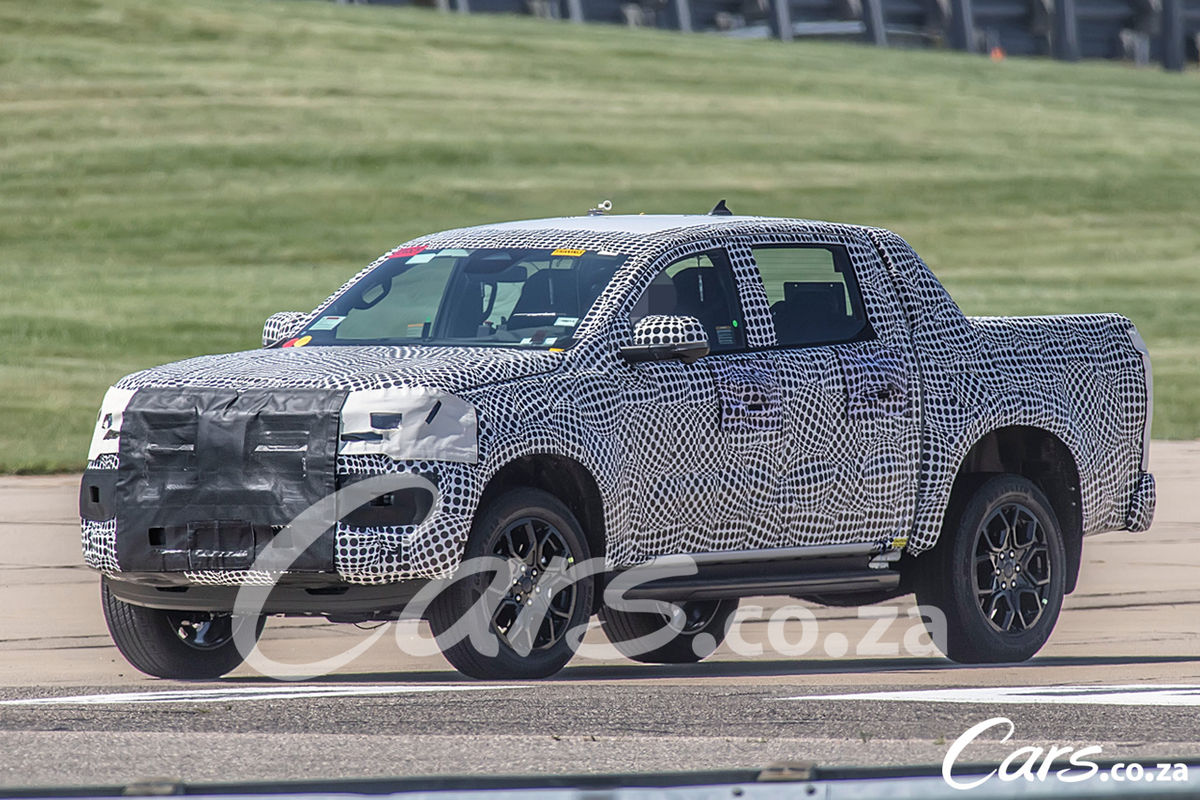
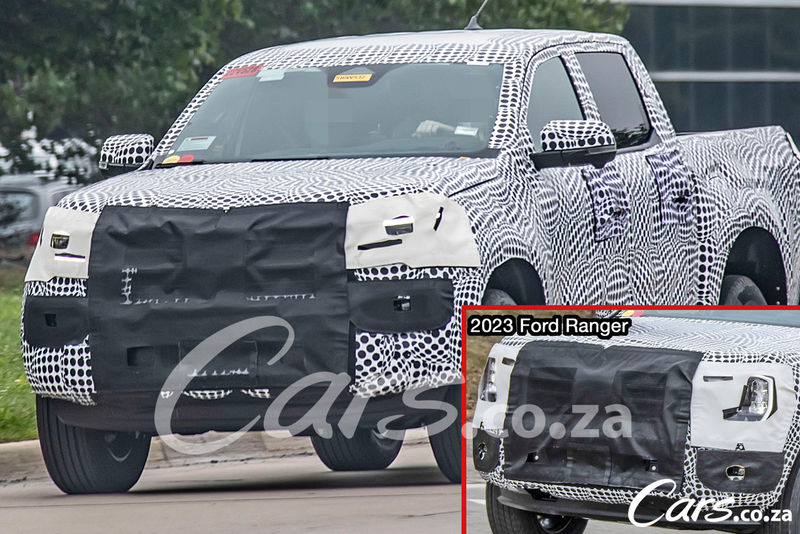
This is the all-new 2023 Volkswagen Amarok, carefully camouflaged and it has been spotted in the United States of America. Here’s the latest on the Wolfsburg-based brand’s Hilux fighter.
Picture credit: S. Baldauf/SB-Medien. We have paid for these photos and at the photographer’s request, have watermarked them.
The 2023 Volkswagen Amarok has been spotted testing! Good timing, as the Volkswagen Amarok is one of the oldest bakkies on sale in South Africa and despite the addition of a thundering V6 engine, is really starting to show its age.
The big news is that if you remember correctly, back in early 2019 Volkswagen and Ford signed an agreement to develop and share costs on the new generation of commercial vehicles. So that’s bakkies and vans (think Caddy and Transit). During the conference, Volkswagen chairman Herbert Diess said the new Amarok will be one of the first fruits of the collaboration between Volkswagen Commercial Vehicles and American carmaker Ford.
There will be a lot of shared technology and we expect this 2nd-generation Volkswagen Amarok to feature a lot of kit with the all-new Ford Ranger, and both models are expected to go on sale after 2022.
So what you see here is the first Volkswagen Amarok prototype spotted at Ford’s test track in Dearborn, Michigan. There will be many shared components across the two vehicles, but the designs should be quite different. Think of the current shape Isuzu D-Max and the Mazda BT-50, they’re mechanically similar, yet the fronts are poles apart.
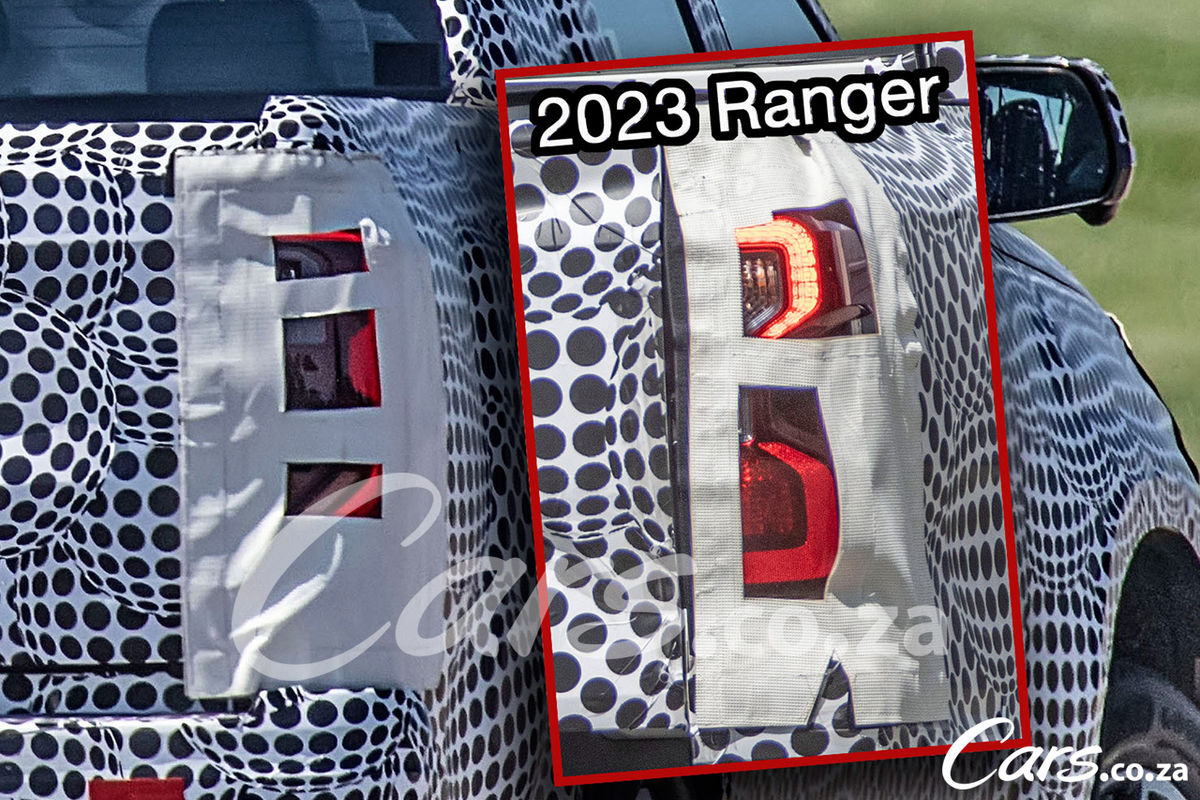
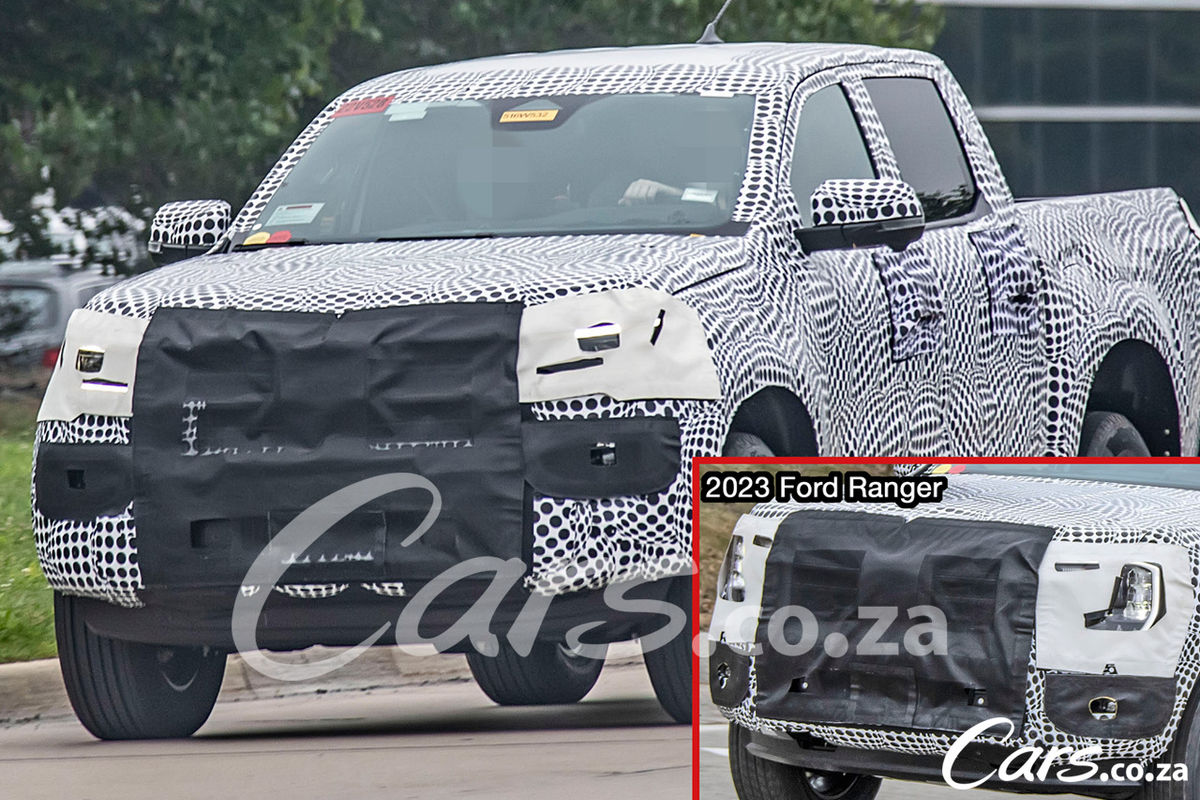
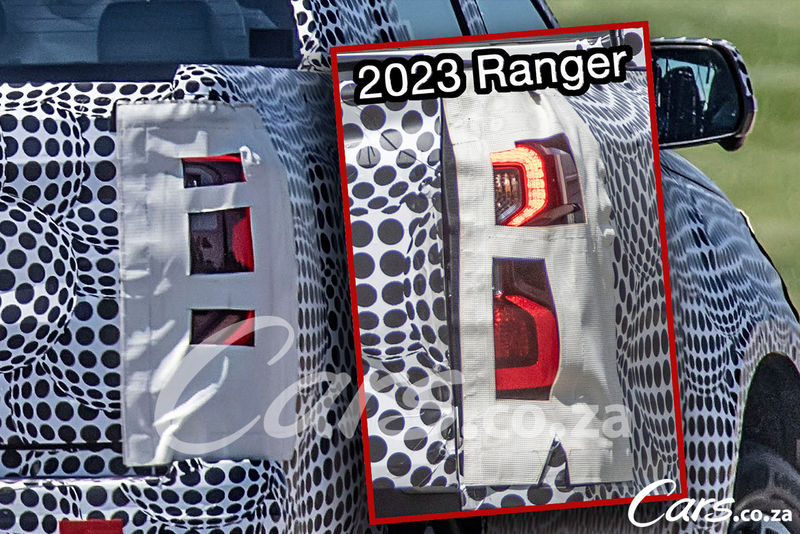
While everything is still under wraps, our spy photographers have focused on the headlight and taillight designs of both the Amarok and the Ranger, showing us there will be a difference between the two models.
With this testing taking place in the United States at Ford’s HQ, it appears the Blue Oval is doing most of the work. Let’s not forget that both the new Volkswagen Amarok and Ford Ranger will be assembled right here in South Africa, at Ford’s factory in Silverton, Pretoria in 2022.
While the engine lineup is yet to be confirmed, we expect both petrol and diesel powertrains to be made available, but we have questions. Ford’s Struandale factory in Gqeberha has an assembly line dedicated to inline configuration engines. To produce a V6 on this line, as it currently stands, would be expensive. A possible 6-cylinder solution is the production of Ford’s 3.0-litre Power Stroke V6 turbodiesel, for installation in both firms’ next-generation bakkies.
The Power Stroke turbodiesel is rated at 186 kW and 600 Nm, making it adequately potent to replace the Amarok’s 3.0-litre V6. However, if Ford decides to utilise the Power Stroke motor in the next-generation Ranger and Amarok it will produce in Silverton, it wouldn’t feature exclusively in the German firm’s bakkie. No, if the Ford V6 gets the go-ahead for local production, it will be present in both the Ford and VW, which means the Amarok will lose its unique trump card as the only V6 diesel bakkie in Mzansi.
We’ll keep a close eye on this fascinating collaboration.
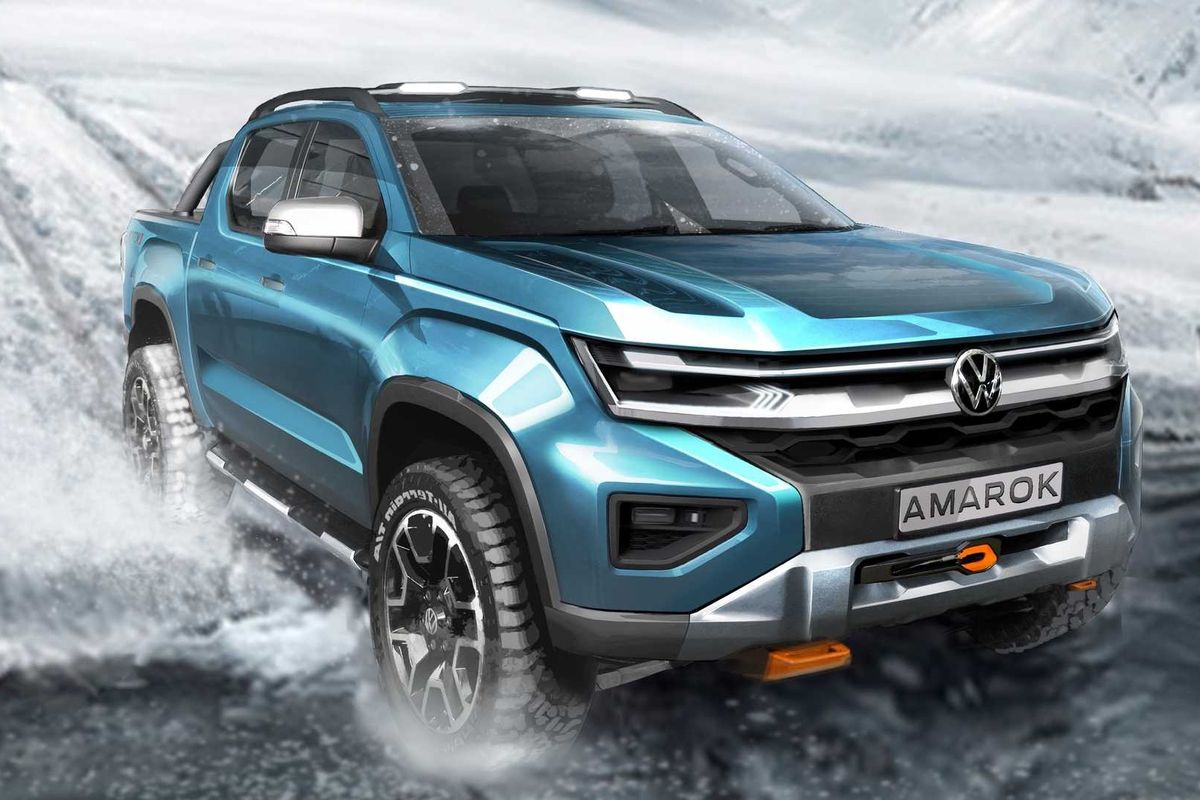
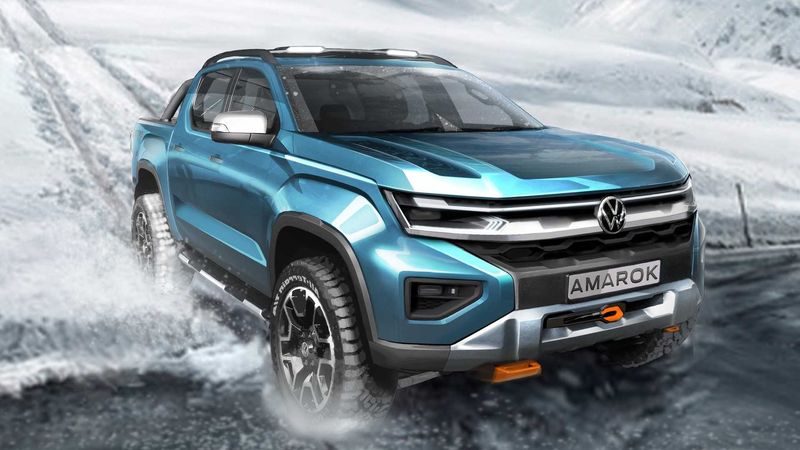
A sketch from VW in March 2021 showing what’s potentially coming.
Hyundai SA offers crossovers and SUVs to suit various budgets and size requirements, but where does the eye-catching Kona fit in? It appeals to buyers who want hatchback-like dynamism in addition to a raised driving position. In the face of stiff competition (from its siblings and rival models), does the Kona tick all boxes?
We like: Bold design, generous standard spec, driving position, good fuel economy, large load bay
We don’t like: Unengaging to drive, cramped rear legroom
Fast Facts:
Model tested: Hyundai Kona 2.0 Executive
Price: R449 900 (September 2021)
Engine: 2.0-litre naturally-aspirated 4-cylinder petrol
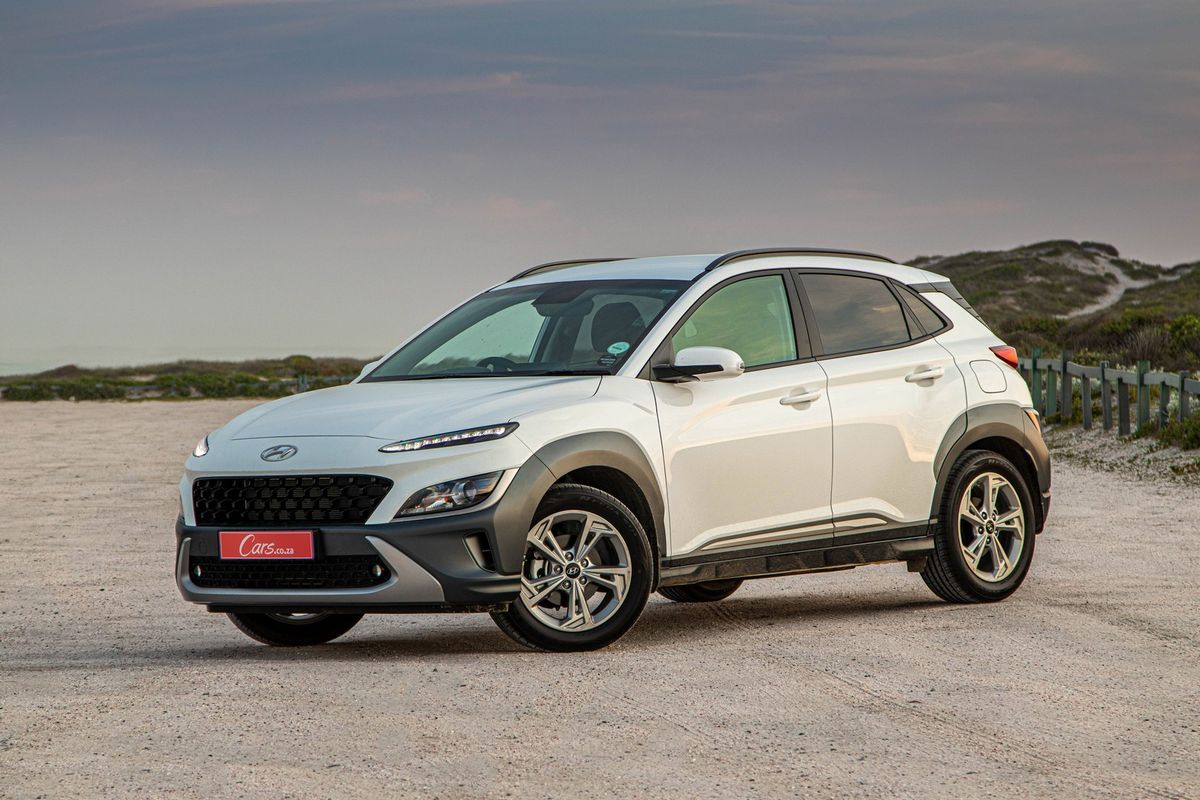
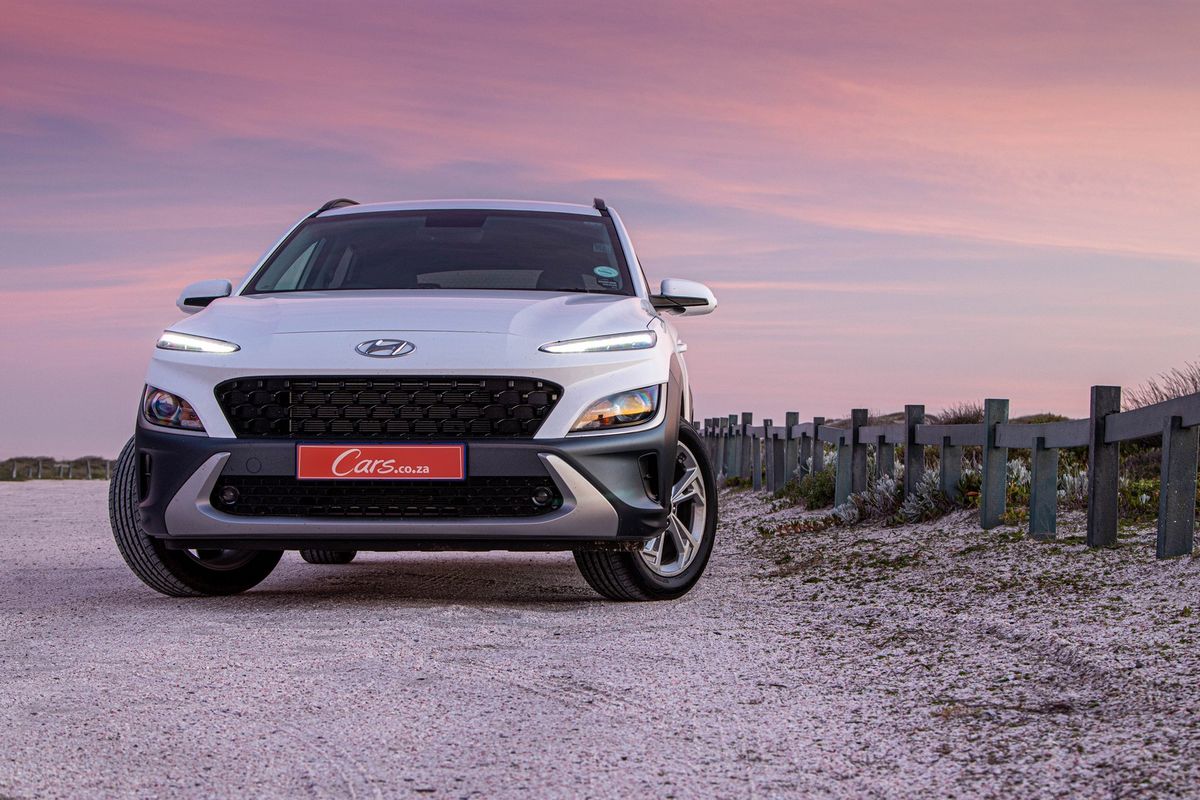
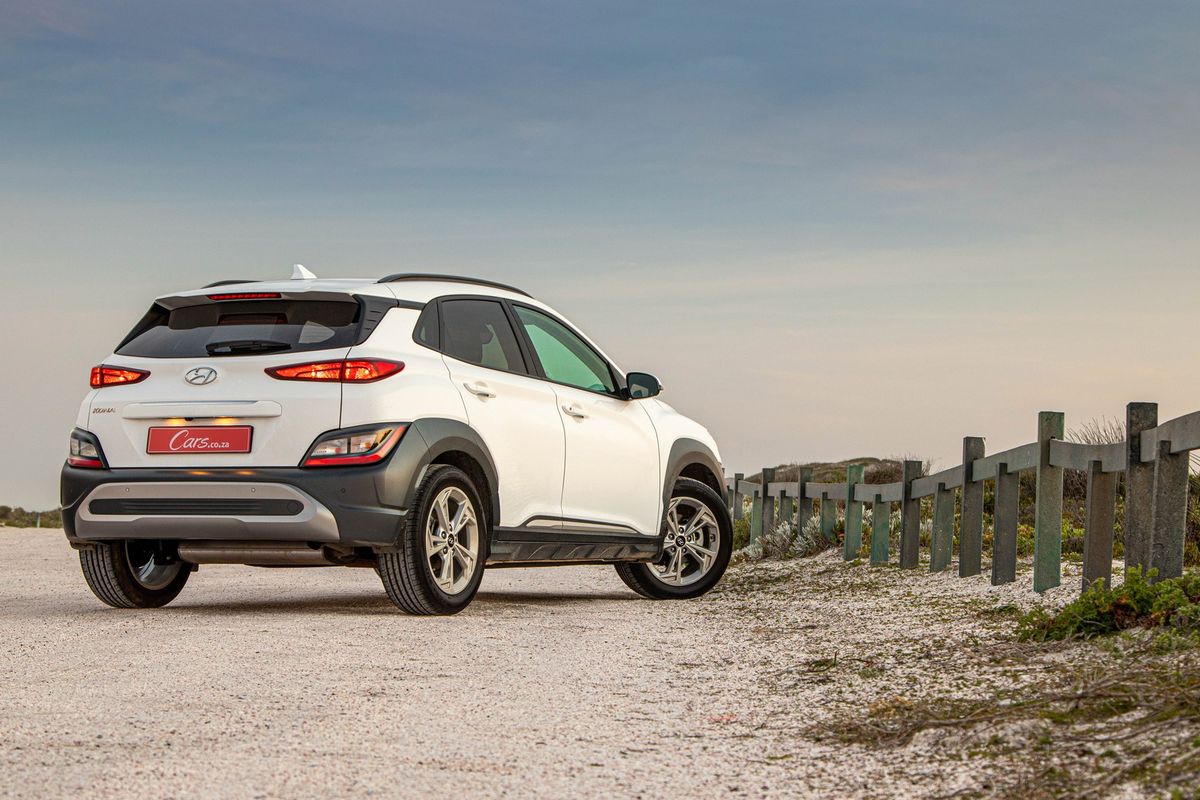
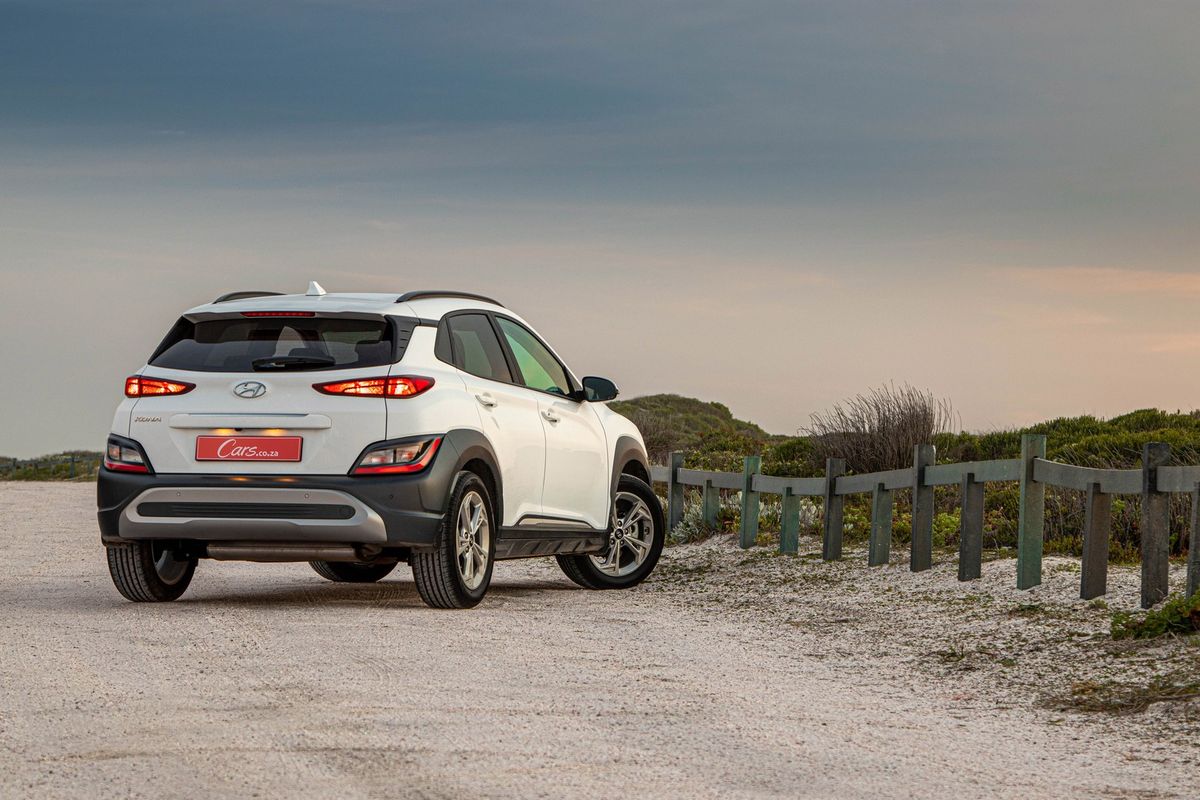
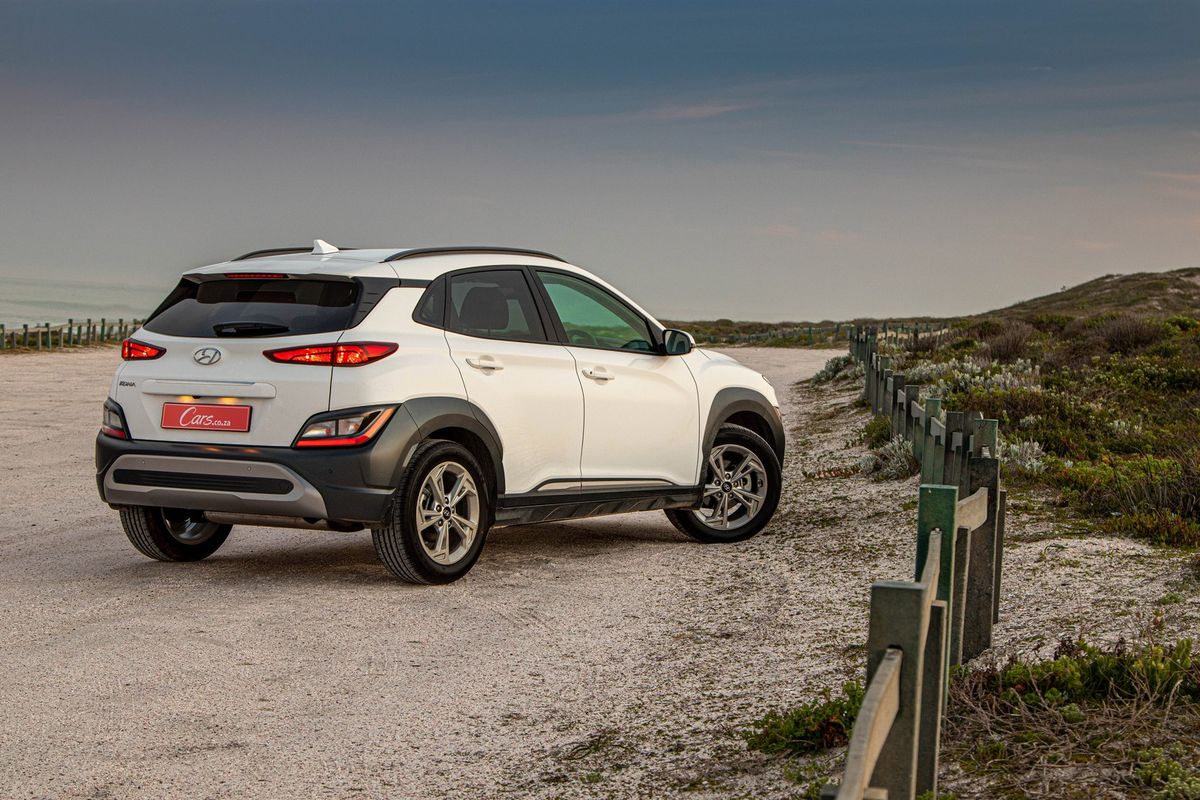
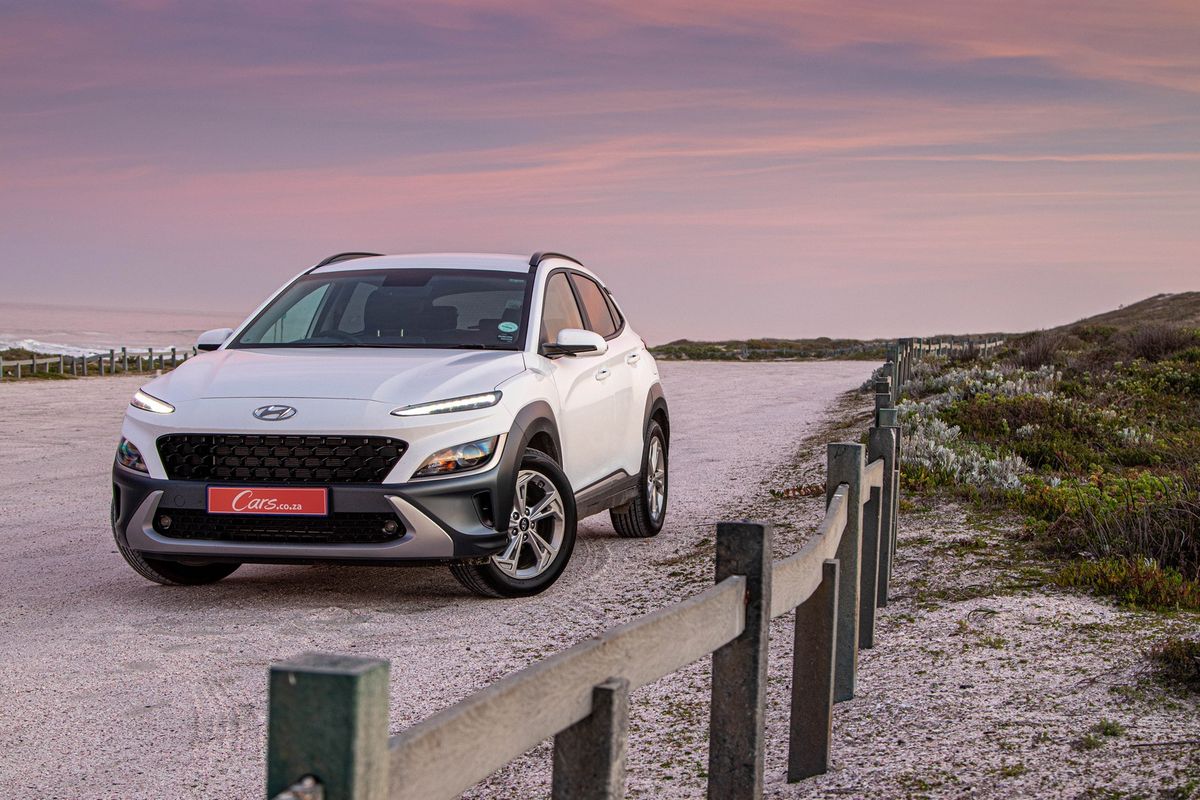
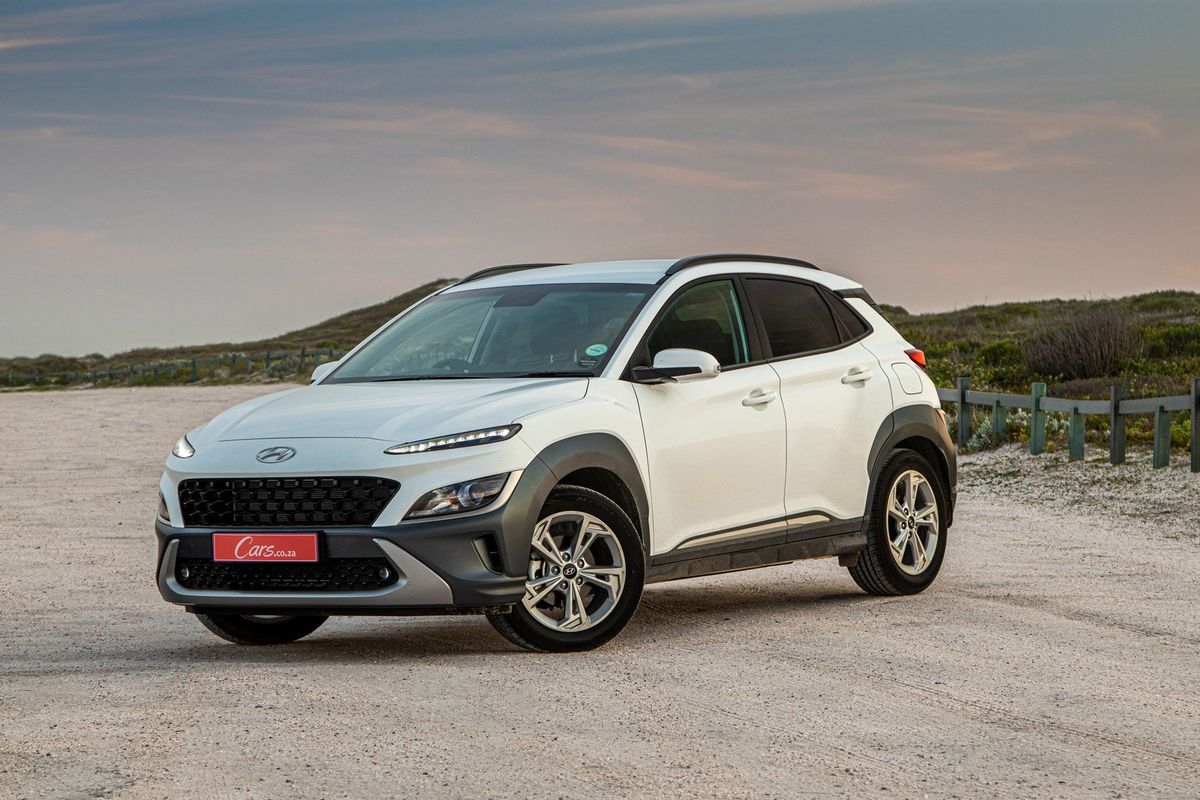
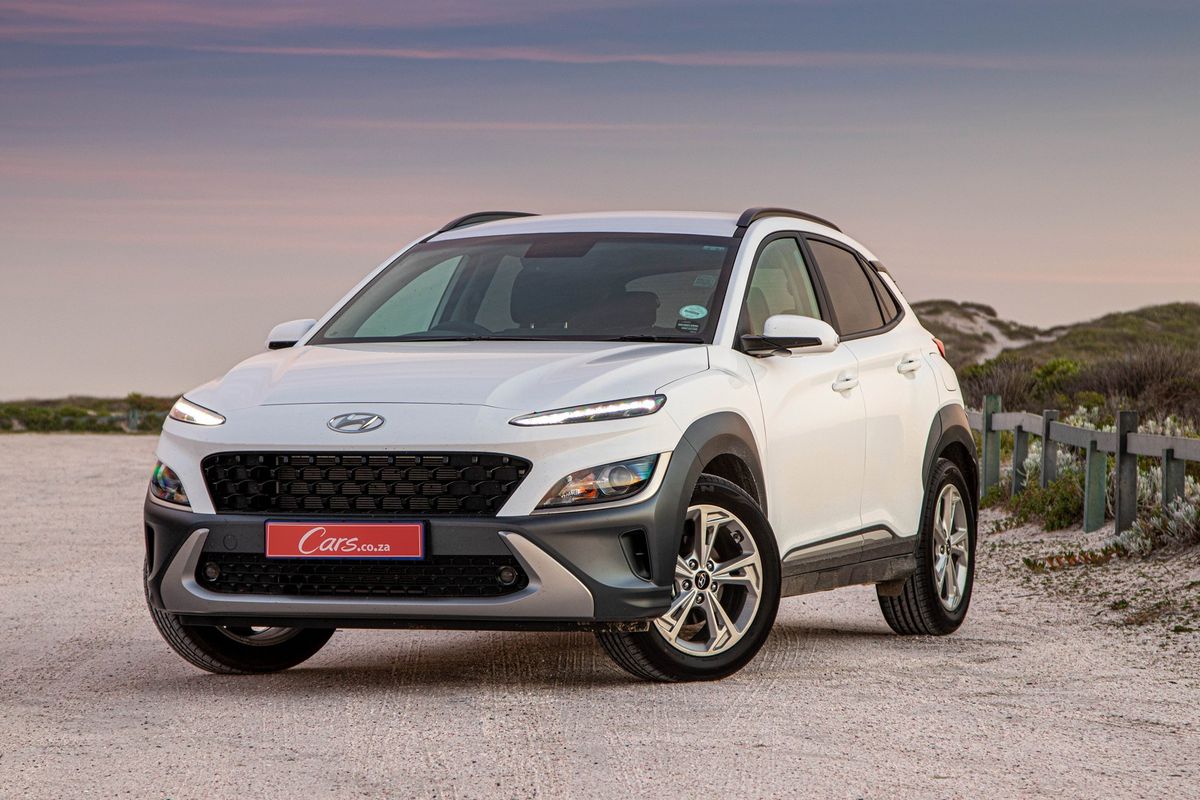
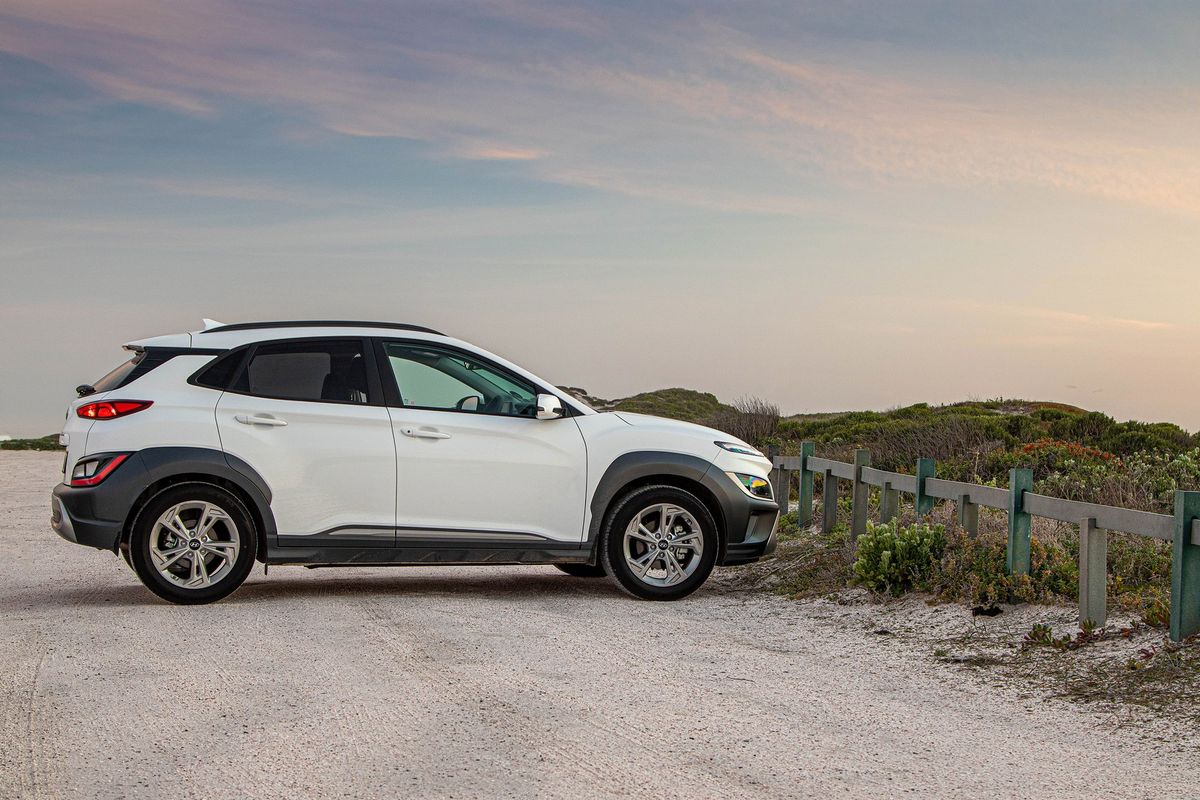
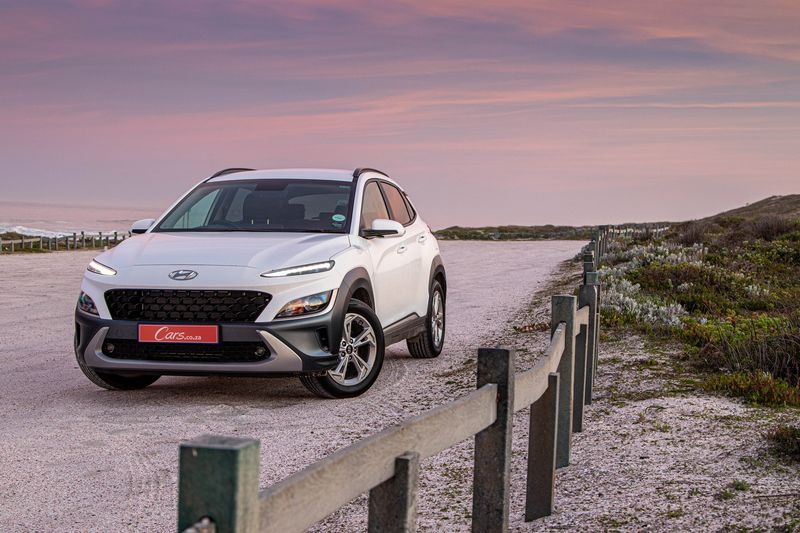
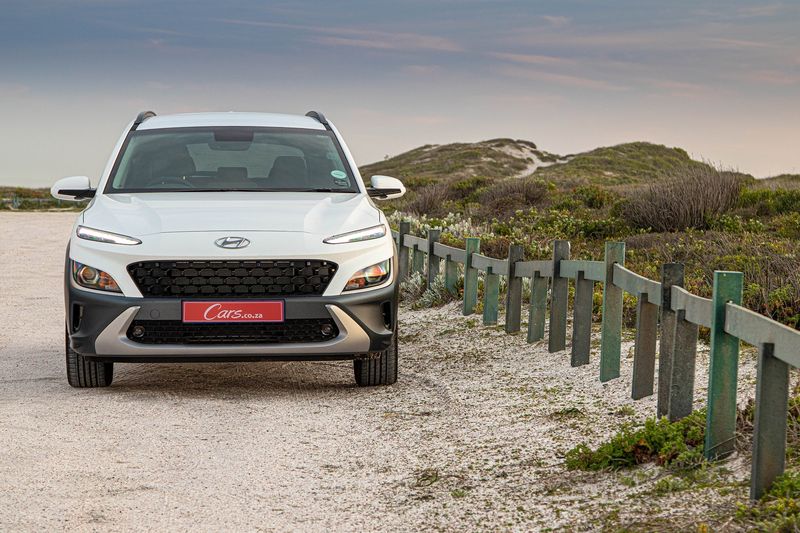
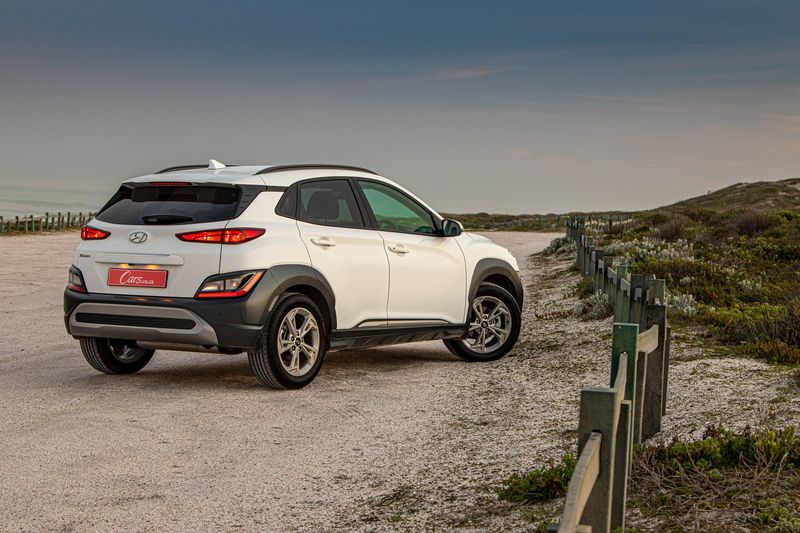
After undergoing a recent facelift, the Kona looks fresh and eminently stylish.
The Kona, which recently received a cosmetic (and spec) update, sits above the Venue and below the Creta (which is only slightly longer and higher, but more family-oriented) in Hyundai SA’s line-up. Some won’t appreciate the Kona’s in-your-face styling, but in a segment known for generic-looking models, the Hyundai is refreshingly distinctive. The Kona is available with either a 2.0-litre naturally-aspirated- or a 1.6-litre turbocharged 4-cylinder petrol engine. The latter, in combination with a dual-clutch automatic transmission, tops the range in N-Line trim, while the performance-oriented Kona N is in the pipeline.
In terms of rivals to the Kona, many carmakers are jostling for sales in the compact family-car segment. While the compact hatchback and -sedan markets are in decline, there seems strong demand for small crossovers in the R400k-R500k segment. The Kona’s primary competition comes from within the family, though: the aforementioned Creta sits around the same price point, but offers more practicality.
Hyundai SA reckons the Kona’s competitors are the VW T-Roc, Audi Q2 and Mazda CX-30. We appreciate the confidence the brand has in its product, but those models are more premium – and priced significantly higher than the Kona. Realistically, potential Kona buyers would also consider the Peugeot 2008, VW T-Cross, Toyota C-HR and the almost-too-good-to-be-true Haval Jolion.
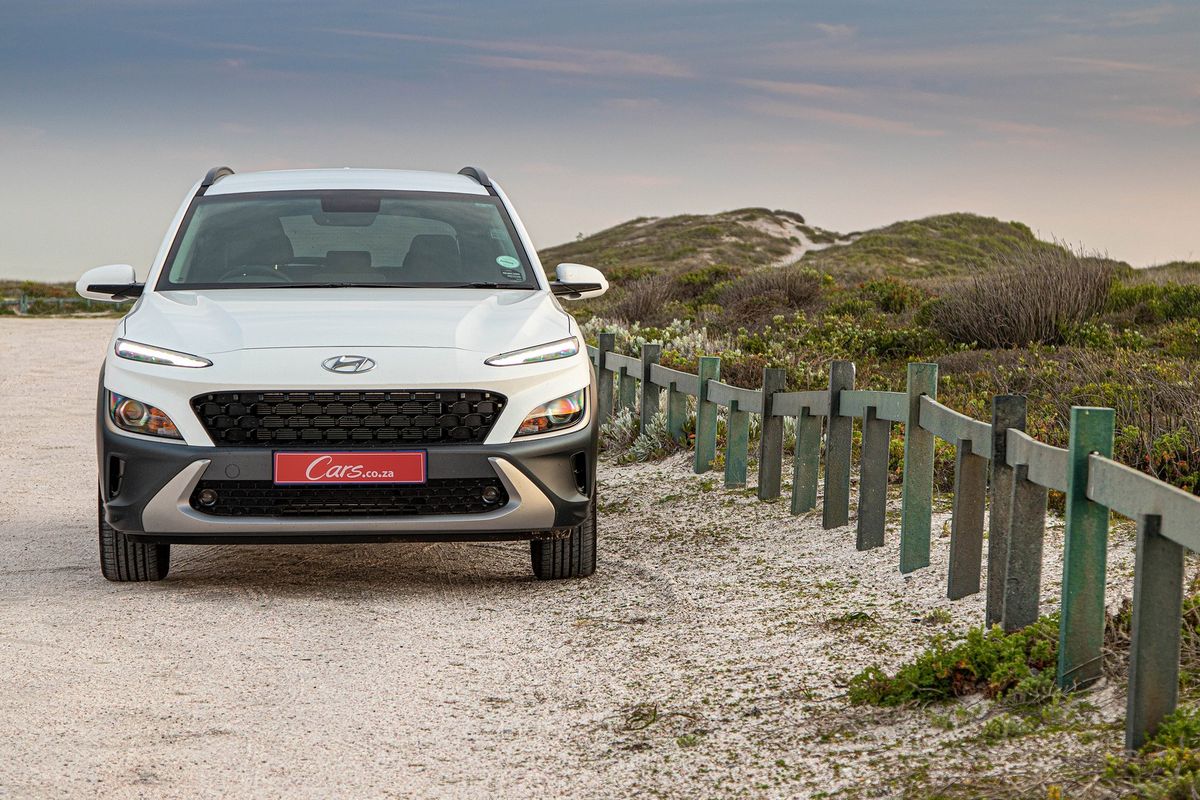
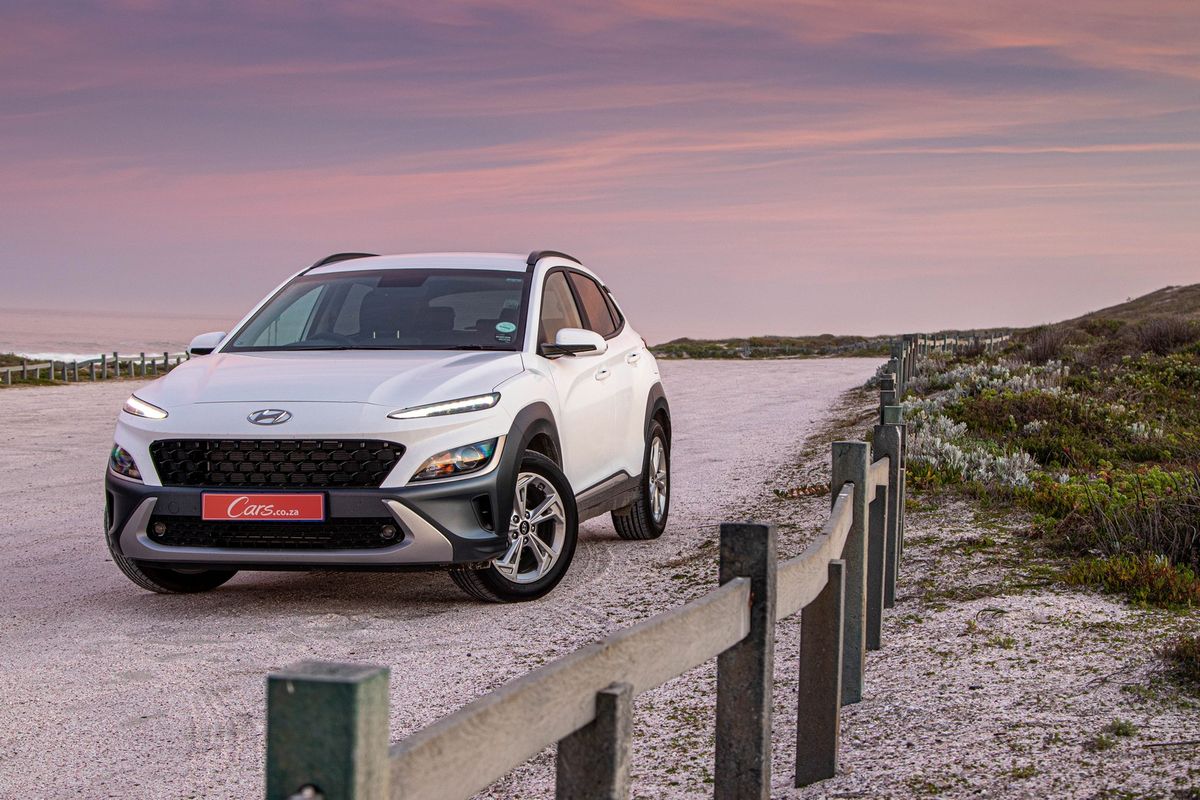
The Kona’s slim LED daytime running lights sit separately from – and above – the main lamps.
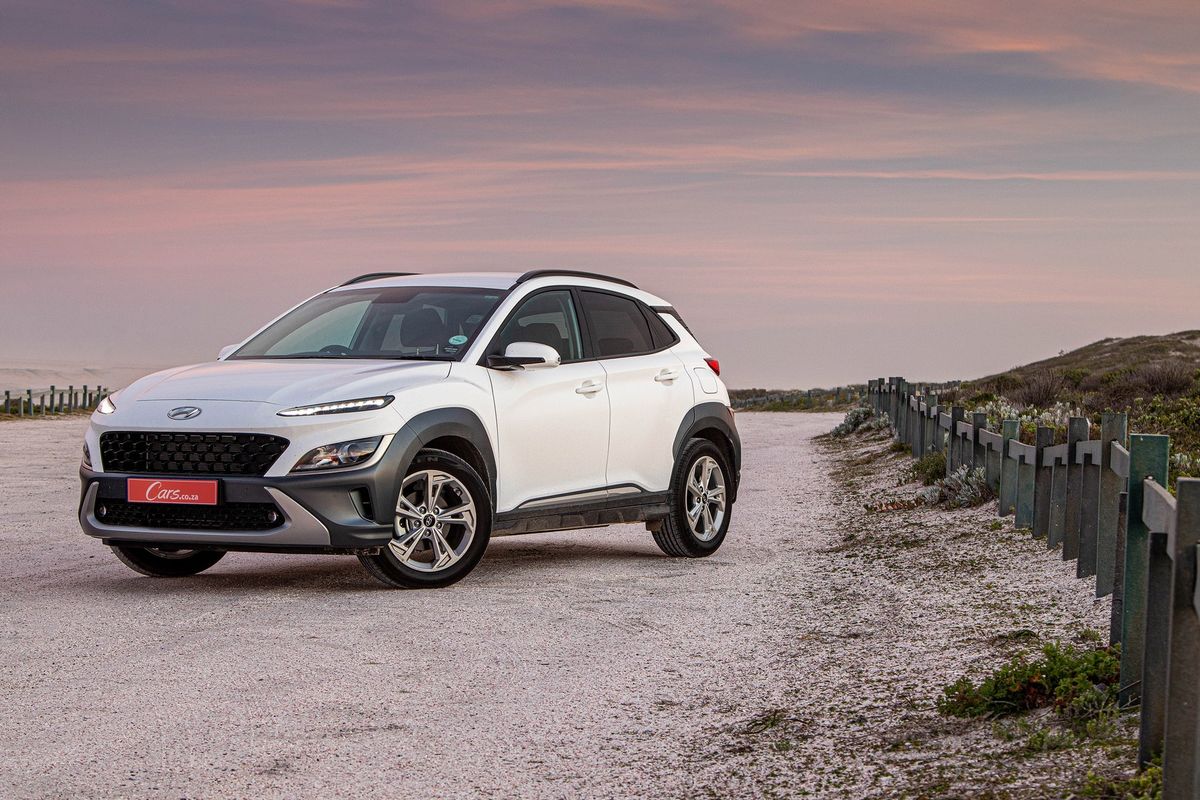
It’s a pity our Kona test unit was finished in “refrigerator white” because some of the other colours available in the range really make the Korean crossover pop (stand out in a sea of blandness). Design is completely subjective and while you’ll either love or hate the Hyundai’s looks, there’s no denying this is a fresh and modern take on the “pseudo-SUV”. During the test, an onlooker remarked: “If Apple made a car…” in response to the Kona’s design, so there’s something positive to be said for a clean, minimalist look. Slim daytime-running lights and the cute “inverted hexagon” grille dominate the front fascia.
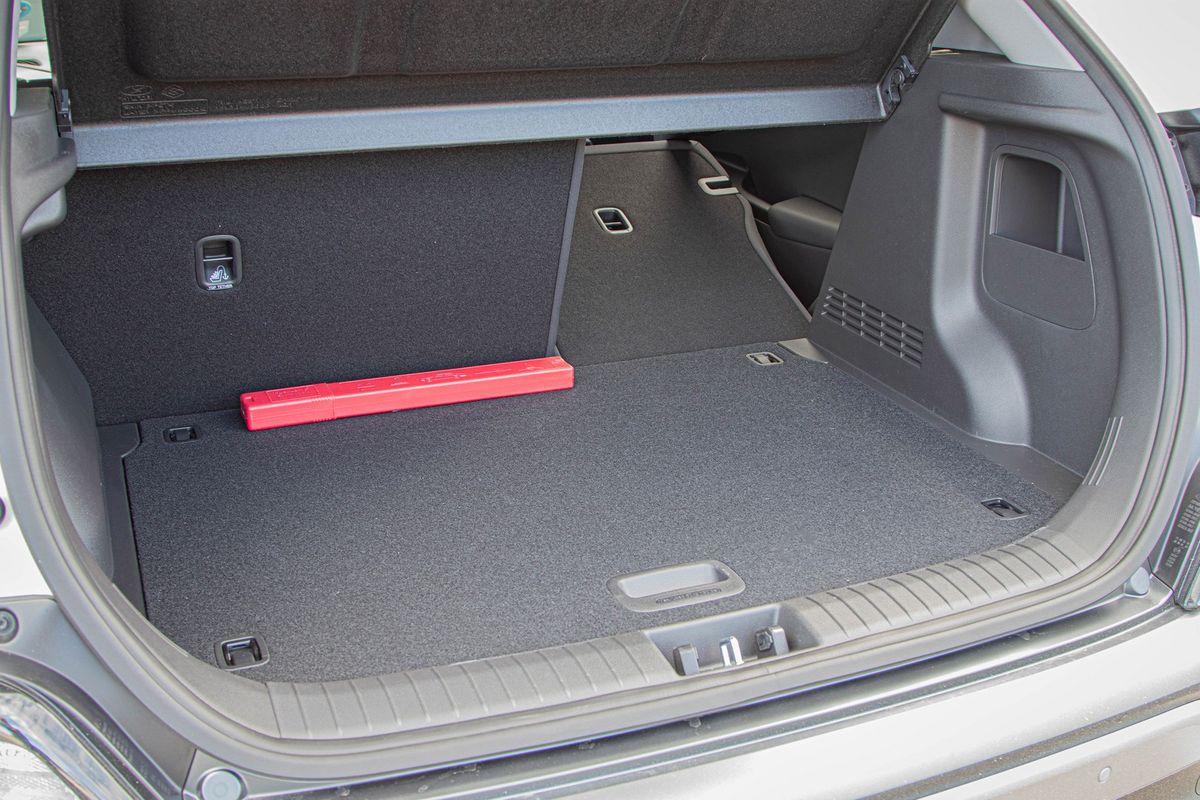
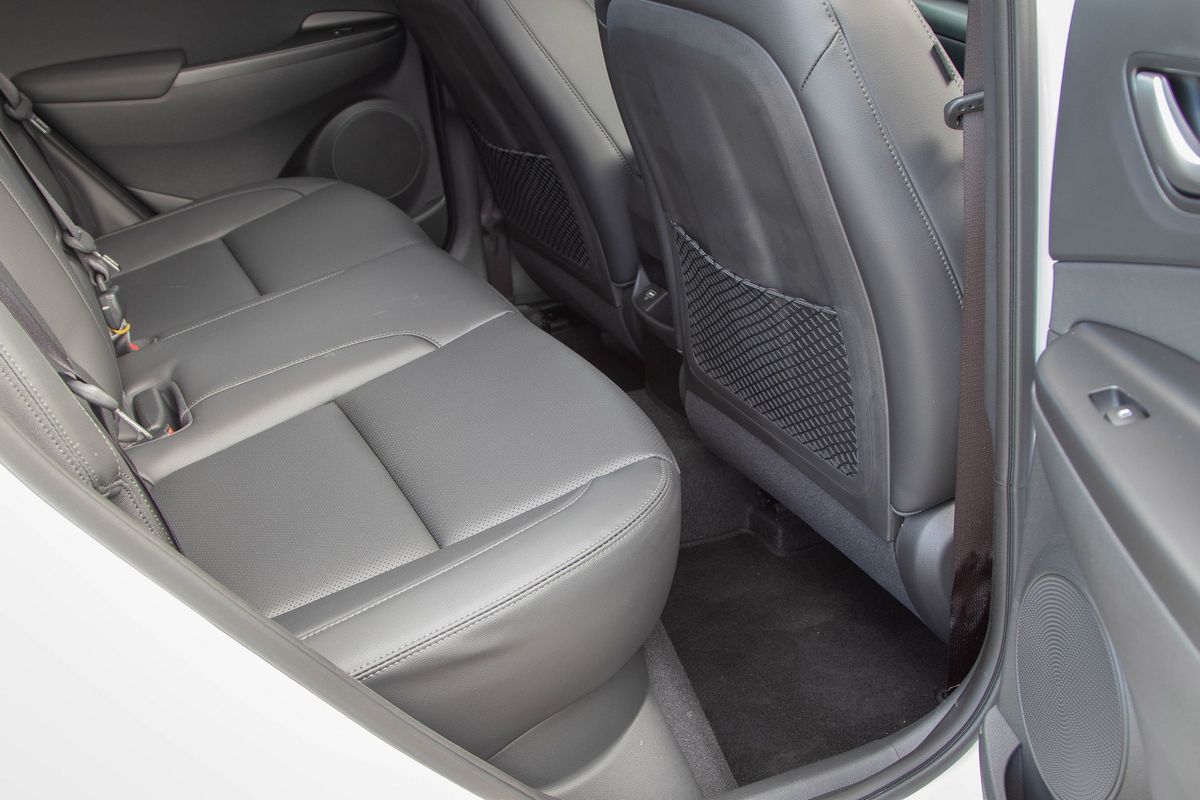
Given that the Hyundai prioritises style over function (to an extent), it is still effective as a compact family car? The Kona has 170 mm of ground clearance, so it should be able to traverse a gravel road, but nothing more demanding than that. As for cabin practicality, the rear legroom is a bit tight for adult occupants, but to balance that out, perhaps, the Hyundai has one of the bigger load bays in its segment.
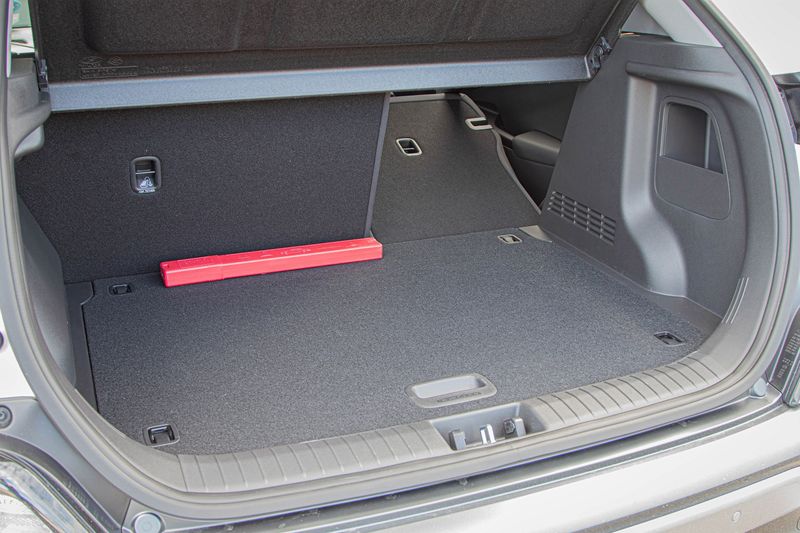
Although rear legroom is limited in the Kona, its load bay is generously sized.
The Kona’s load bay, which has a claimed capacity of 544 litres is easily more capacious than those of the Volkswagen T-Cross (377 litres), Peugeot 2008 (434 litres) and Haval Jolion (337 litres). That’s with the rear seats up; if you fold them down (they split 60:40) you get 1 296 litres of utility space, which is more or less the same as its rivals offer. That leads us to believe that the Kona is suited to single people or couples who don’t have offspring, have small children or, alternatively, whose kids have all grown up and left home; either way, the Hyundai’s load bay will easily swallow a week’s shopping.
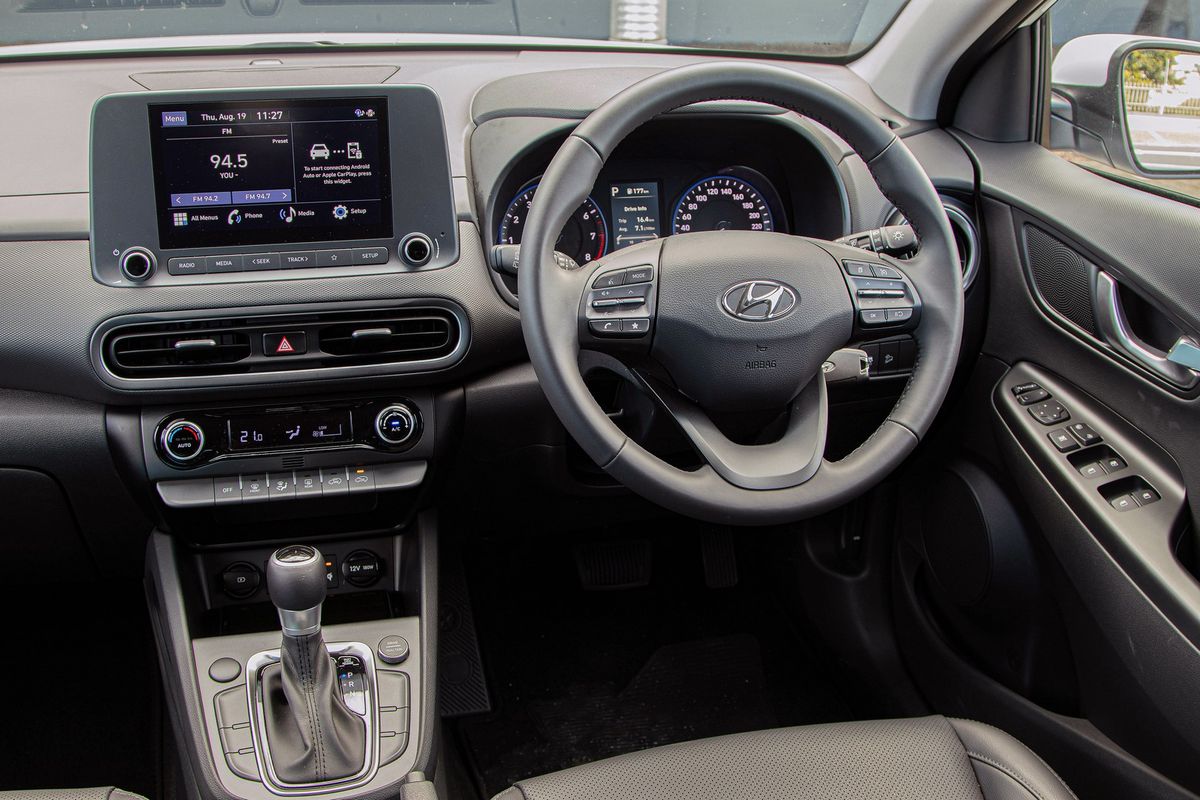
As for the rest of the cabin, the Kona has a thoroughly contemporary interior layout – a large infotainment touchscreen screen dominates the fascia. The Korean offering’s interior design is best described as sensible (in contrast with the flashy exterior): the seating position isn’t as high as in conventional SUVs, but you certainly sit higher than in a compact hatchback, which makes getting in and out easier.
Hyundai has come a long way in terms of interior quality and the Kona’s fit-and-finish feels good. One gets the impression that Hyundai has tried to give its more upmarket offerings a distinctly premium feel.
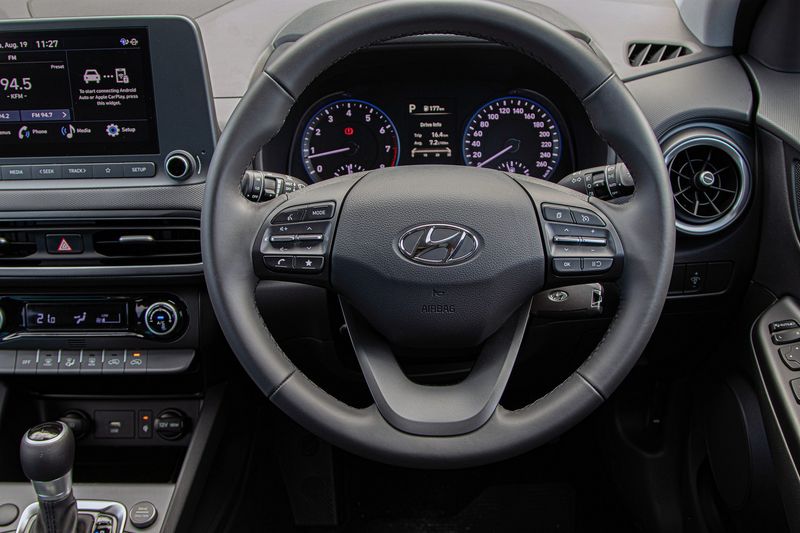
Thanks to the Kona’s multifunction steering wheel, many onboard functions can be operated hands-free.
Comfort and safety features
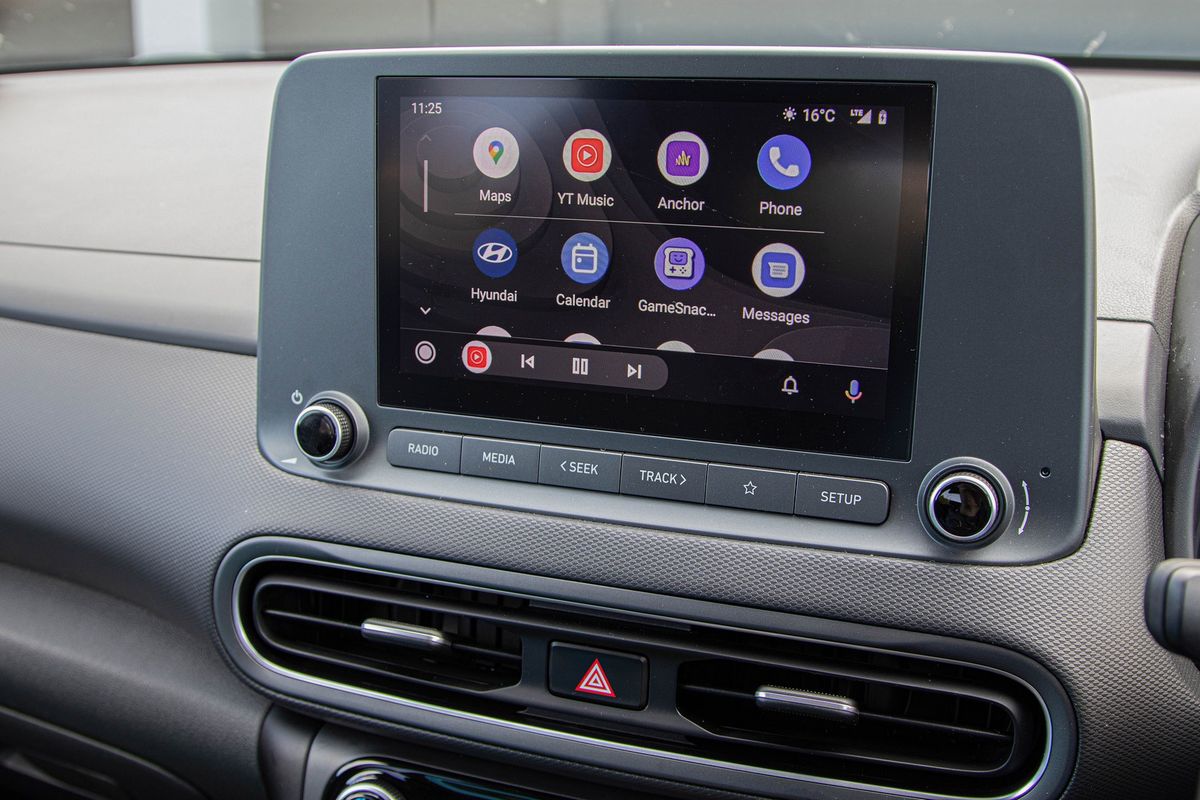
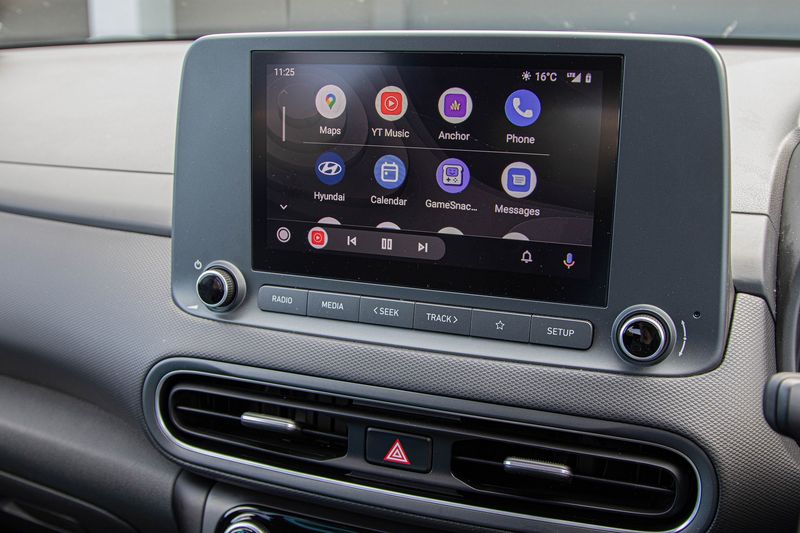
There is a trio of Kona derivatives on offer, but even in this entry-level version, many “comfort and convenience” features are fitted as standard. Given the newcomer’s tech-savvy target market, we’re happy to report the Hyundai’s infotainment system is Apple CarPlay and Android Auto compatible, plus there are USB ports dotted around the cabin (2 up front and a single socket at the rear).
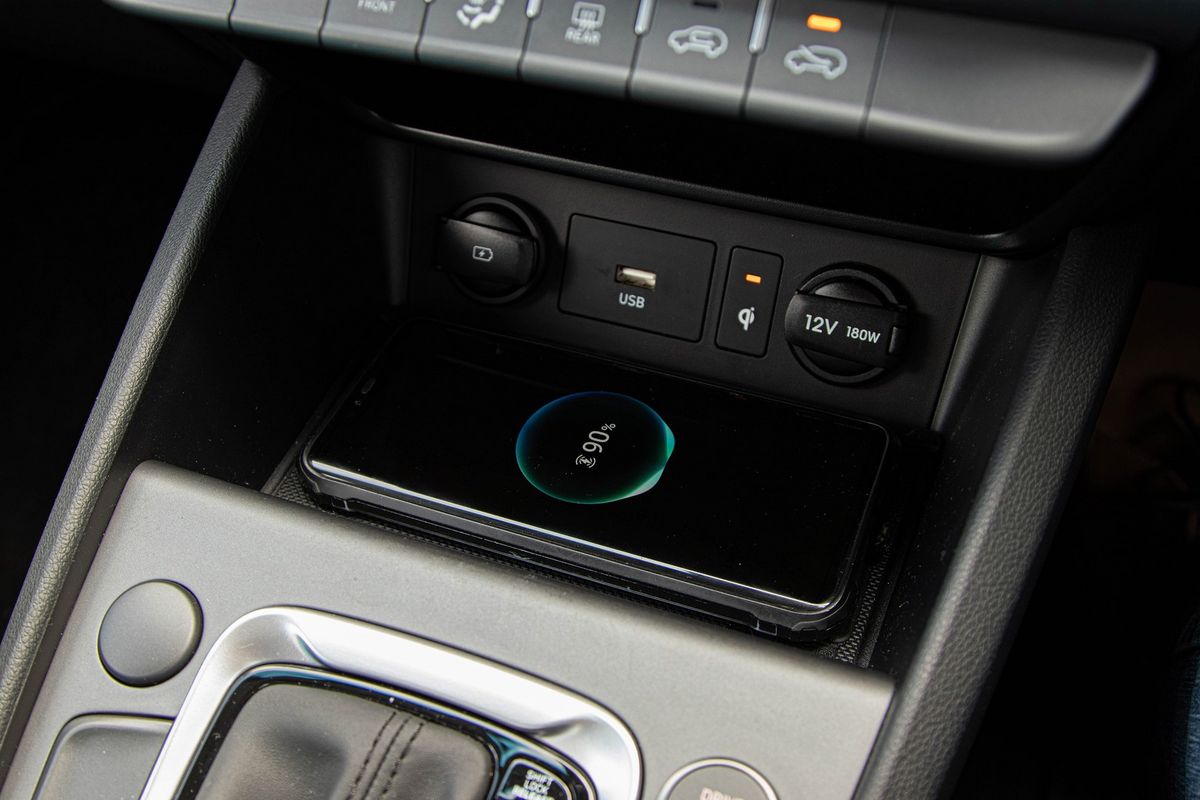
It gets better – a wireless charging pad is also provided. The display of the large (8-inch) infotainment screen is of good quality and its native operating system is intuitive. Other noteworthy nice-to-have features include cruise- and automatic climate control, a reverse camera with rear parking sensors, automatically activated lights and -wipers, as well as a comprehensive multifunction steering wheel.
Infotainment systems used to be rather rudimentary in local Hyundai products; now they’re bang up to date.
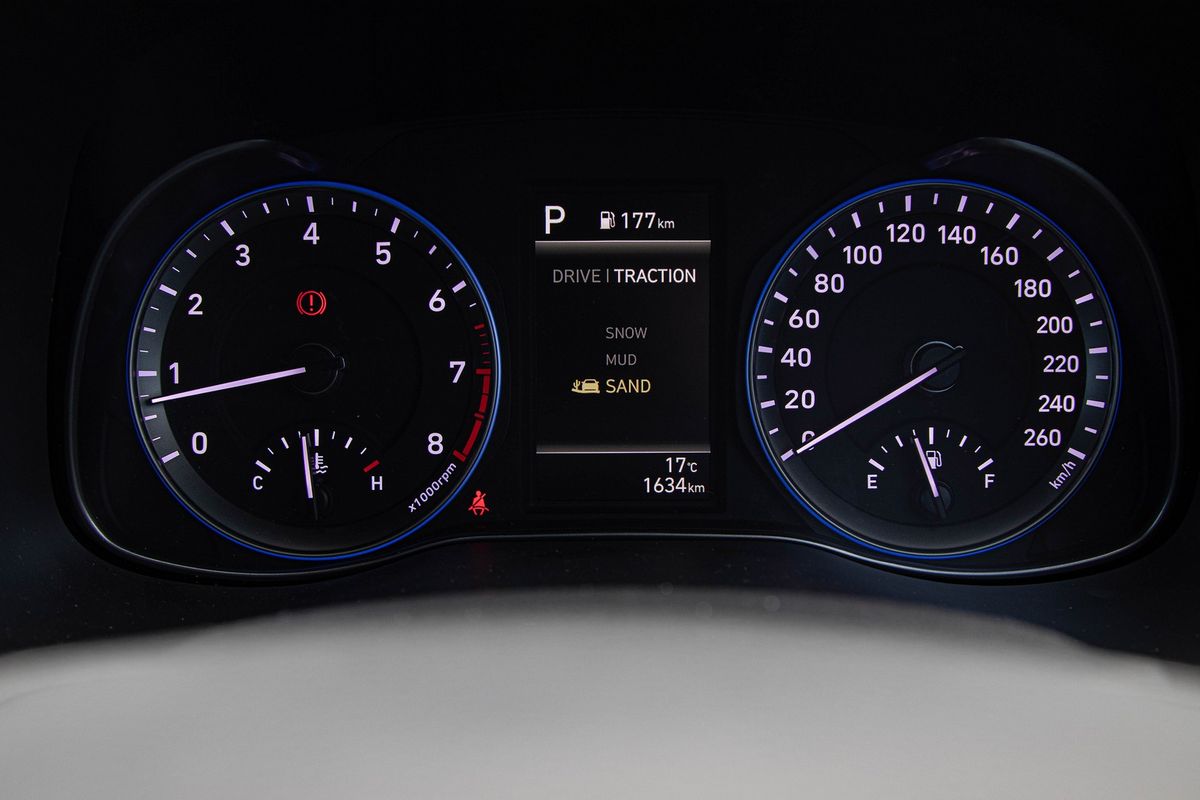
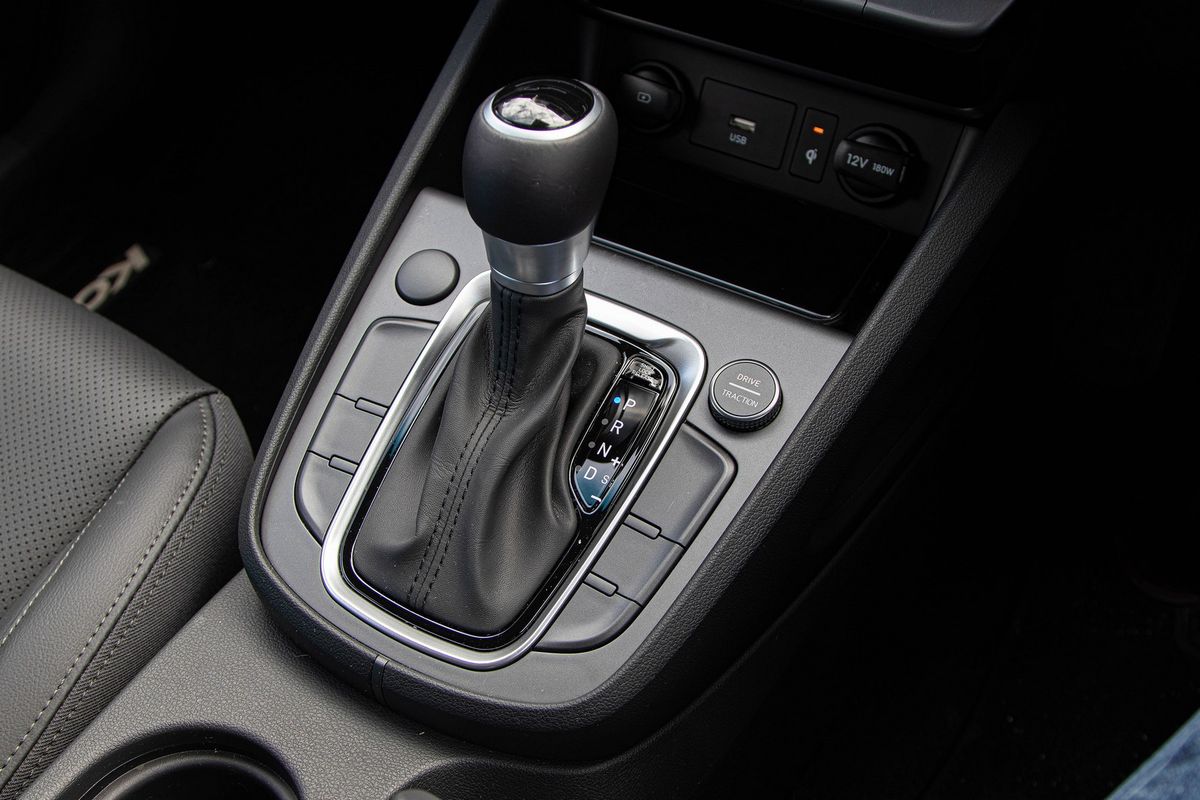
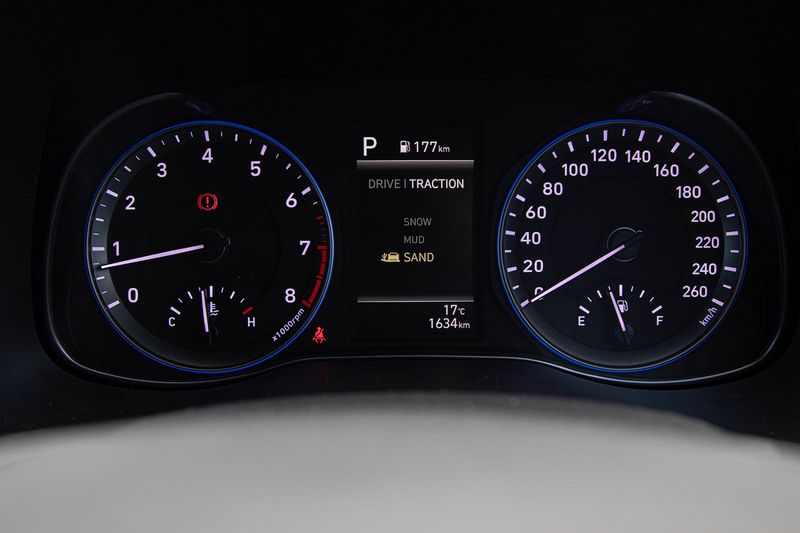
As far as safety features go, the Hyundai Kona features 6 airbags, stability control, anti-lock brakes and hill descent control. Hyundai has also equipped this derivative with a control knob (located next to the transmission lever) that varies the traction control to make allowances for driving in snow, mud or sand. It also doubles up as the drive-mode selector. Tyre-pressure sensors are also availed.
Ride and handling
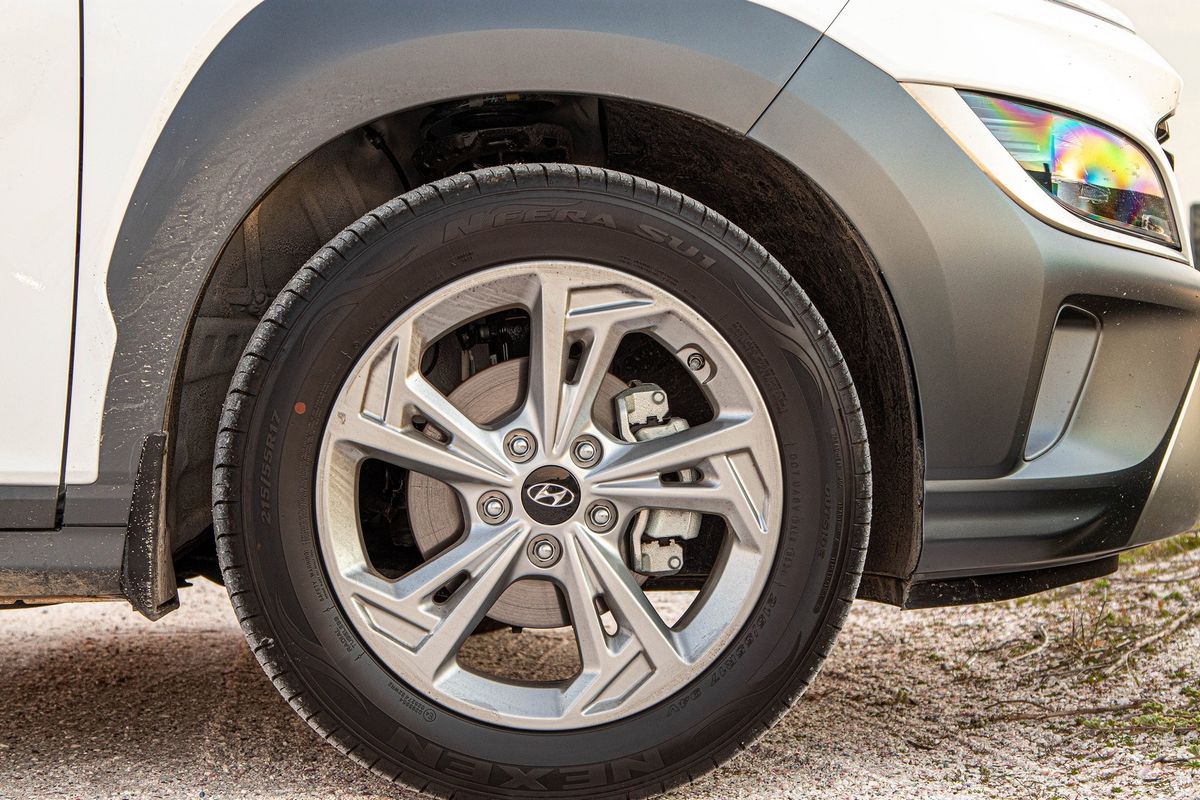
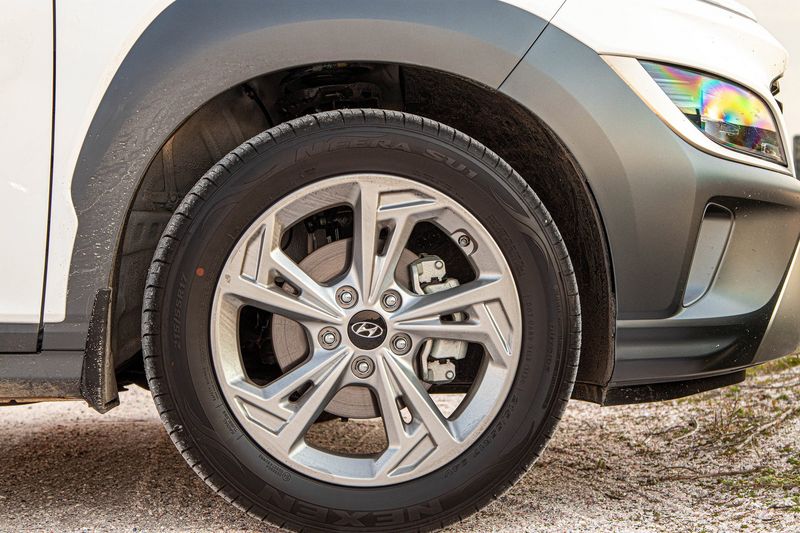
The Kona’s 17-inch tyres have plump sidewalls; they add pliancy to the ride quality.
To reiterate, the entry-level Hyundai Kona 2.0 Executive is powered by a 2.0-litre 4-cylinder naturally-aspirated petrol engine. Power is directed to the front wheels via a Continuously Variable Transmission (CVT), which means that while you’re in for a smooth, refined and fuel-efficient driving experience; this derivative offers little in the way of driver engagement, which is not a deal-breaker, but still, a pity.
The tried-and-tested motor’s peak outputs (110 kW and 180 Nm) are quite adequate for the daily commute and the test unit proved capable of easily keeping up with traffic. We did find that the Kona’s overtaking urge at highway speeds wasn’t the most enthusiastic, even with the Sport drive mode engaged. Flattening the accelerator pedal to summon maximum acceleration isn’t the best strategy either, because you get a lot of engine noise and very little thrust! A measured approach is better (and quieter). CVTs tend to keep engine revs as low as possible to optimise efficiency, which blunts performance.
By using the drive-mode controller, you can set the ESP system to compensate for low-grip surfaces.
Speaking of economy, a relaxed driving style (which is most conducive to harmonious co-existence with the CVT part of the Kona’s powertrain) will work wonders to reduce your fuel expenditure. At the end of its tenure in our fleet, the test unit indicated an average consumption figure in the low-7s – not far from the claimed 6.5 L/100 km. With its 50-litre tank, the 2.0 Executive has a theoretical range of 769 km.
Given the refreshed Kona’s “sporty hatchback-inspired” looks, we were hoping that it would be somewhat more involving to drive, but sadly the small crossover’s steering setup feels neither particularly sharp nor instantly responsive. Thankfully there’s a pleasant lightness to twirling the ‘wheel, which makes it effortless to execute inner-city parking manoeuvres in the Hyundai.
Where the Kona does shine is in terms of its overall ride quality. Despite being equipped with sporty-looking 17-inch wheels, the Hyundai’s tyres are of a relatively high profile (55), which, when combined with a pliant suspension setup, contribute to a refined and quiet in-car ambience. Even on the coarse sections of tar that form part of this author’s typical test route, the Kona’s ride quality was absorbent.
How much does the Hyundai Kona cost in South Africa?
The Hyundai Kona range starts from R449 900 for the derivative you see here – the 2.0 Executive – and prices go up to R579 900 for the sporty 1.6T N Line. Hyundai’s long warranty is standard (it is valid for 7 years or 200 000 km in the case of mechanical components), as is a 5-year/75 000 km service plan.
Verdict
The Kona won’t be to everyone’s taste, but that wasn’t Hyundai’s intention for this model.
The Hyundai Kona is a fresh-looking contender with more than a few charms. While this CVT model may lack the go to match the show, it proved commendably fuel efficient in our experience. Besides, Hyundai offers the 1.6-litre turbocharged Kona derivatives (replete with quick-shifting dual-clutch automatic ‘boxes) for those who want a more spirited driving experience.
While the overall package is competent enough to tick most boxes, the Kona will primarily appeal to non-conformists, because, unlike the majority (of admittedly less distinctive) small crossovers, it ultimately prioritises style over practicality – even if the load bay is well-sized, rear legroom is limited. If you are shopping for a sensible compact family car, defer to the similarly-priced Creta…
Should you buy one? The Hyundai Kona looks very exciting, we just wish it was more involving to drive. Still, the 2.0 Executive is a high-quality product that is perfectly suited to the daily commute. The level of standard specification is excellent (even in entry-level guise) and then there’s that comprehensive manufacturer warranty and service plan that underscores Hyundai’s strong reputation in South Africa.
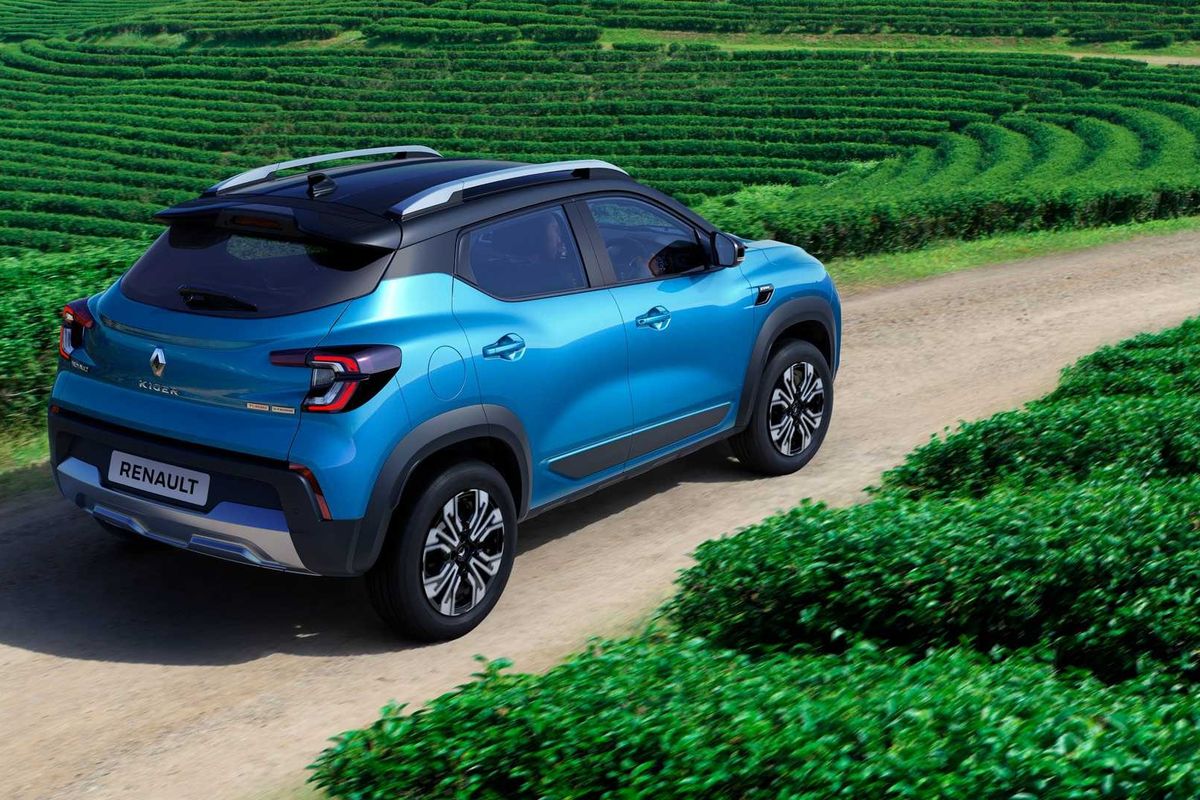
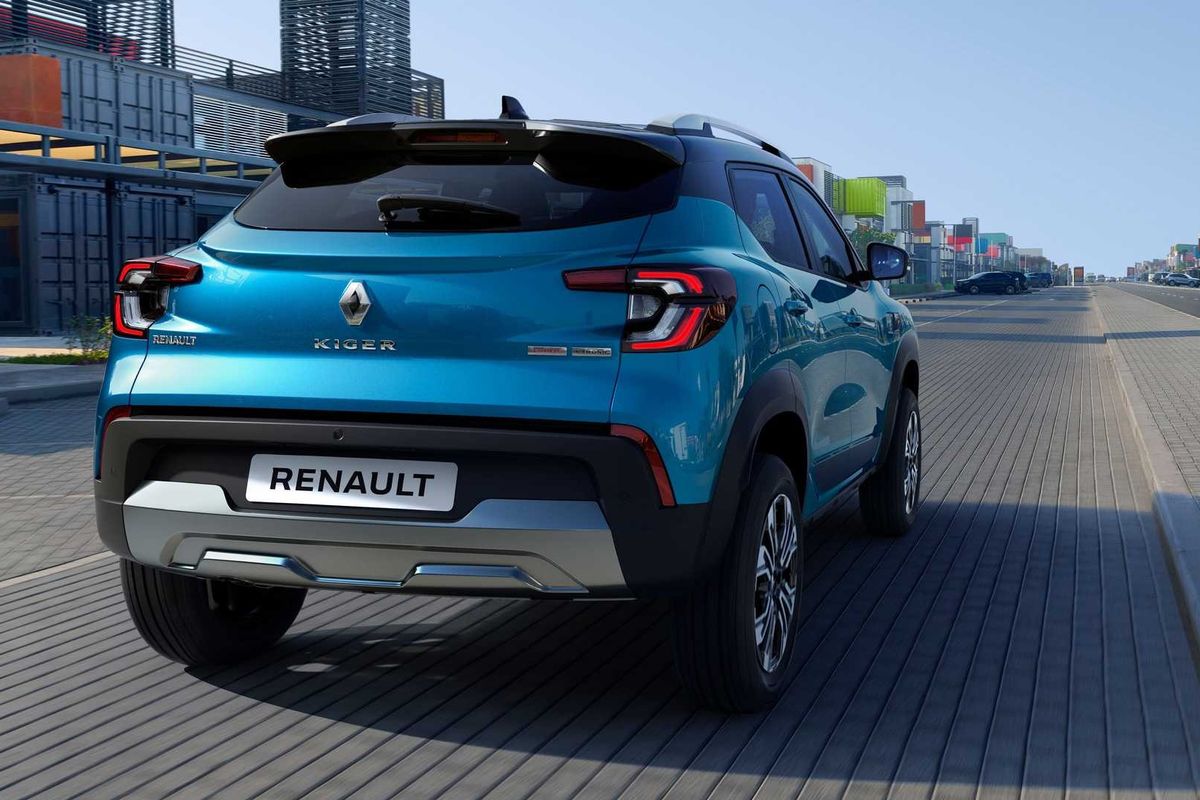
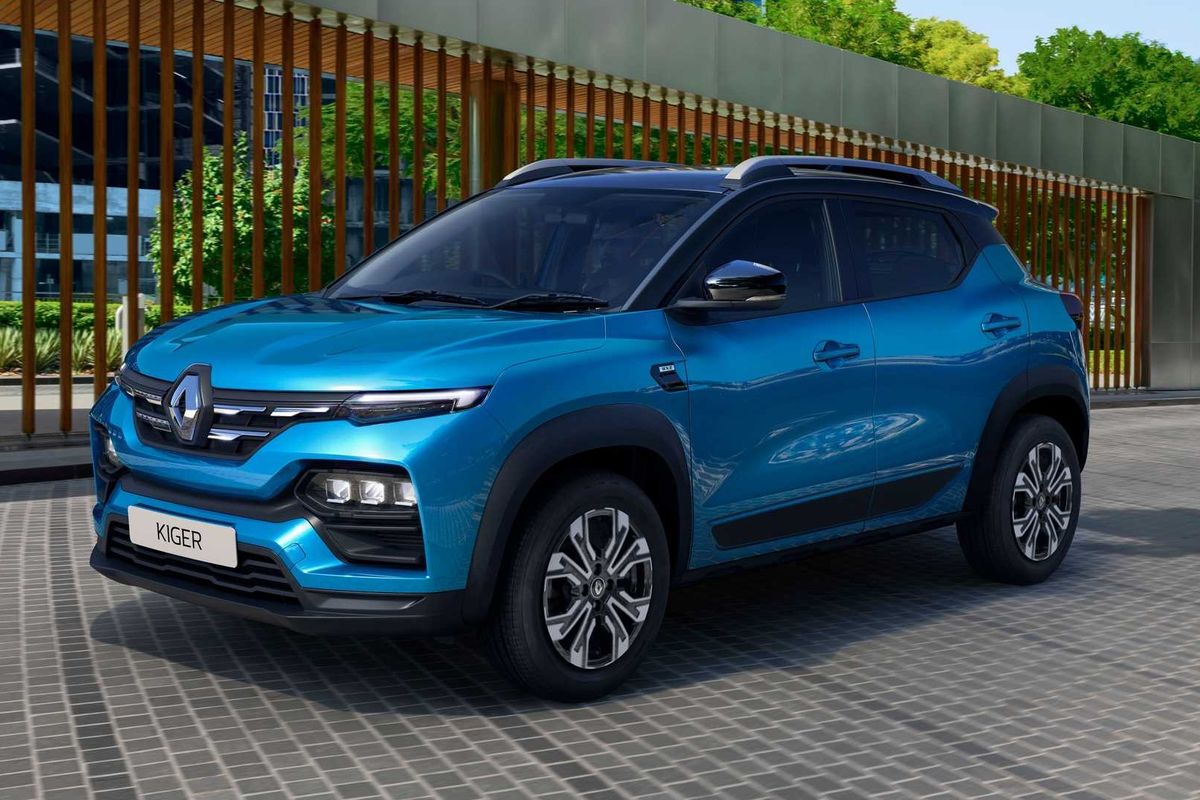
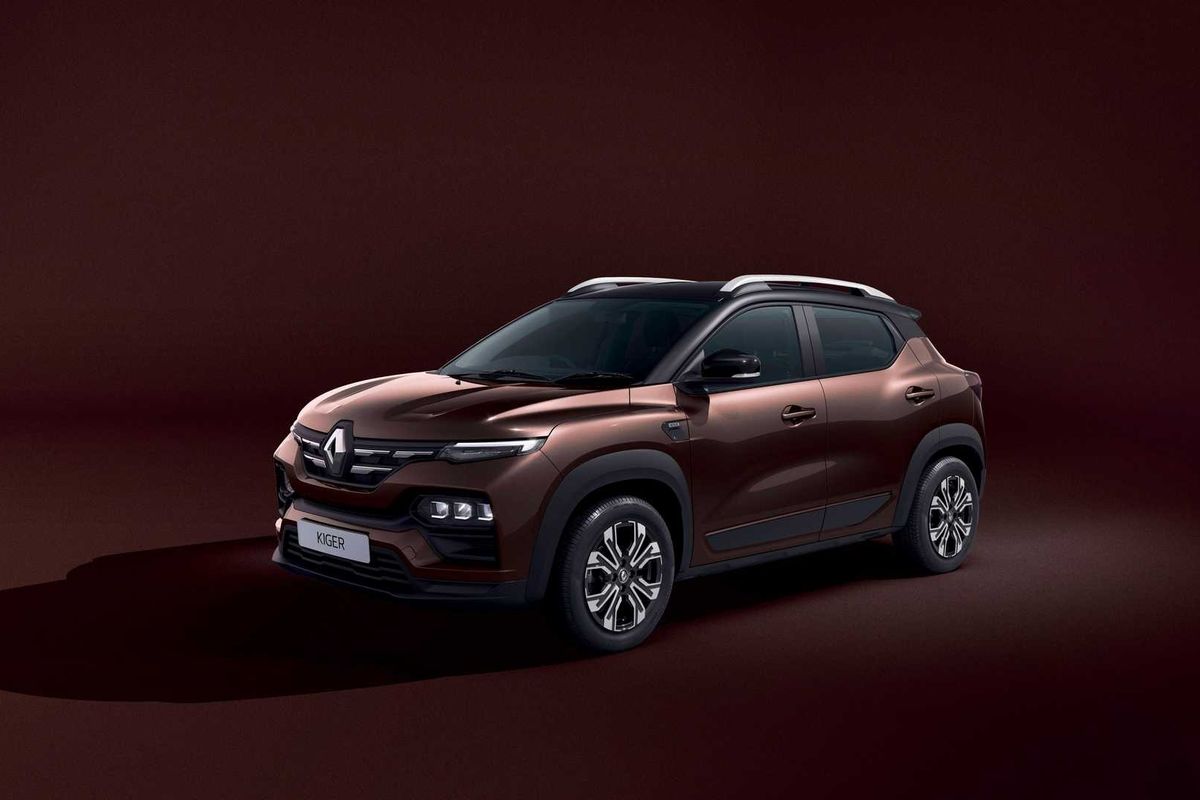
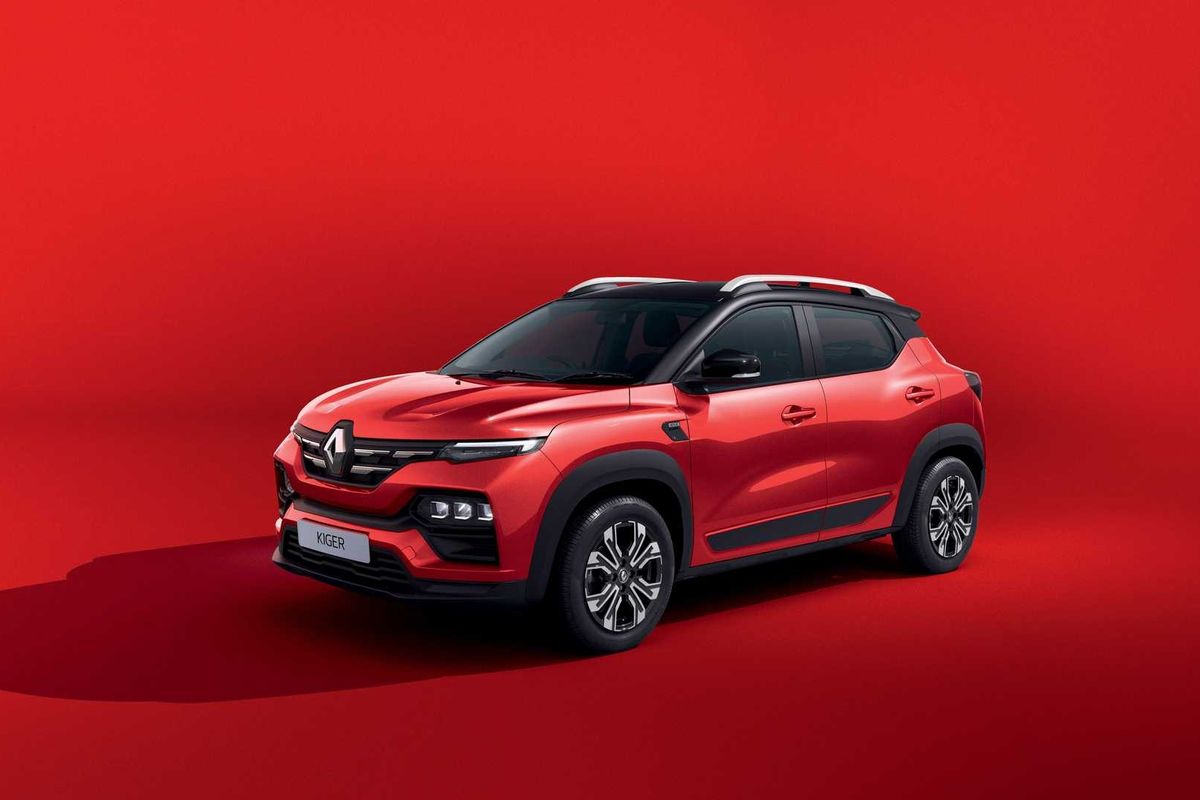
Renault Kiger (2021) Specs & Price
The Renault Kiger has launched in South Africa. Here are the specifications and pricing for the compact SUV.
Designed by Renault veteran Laurens Van Den Acker, the Renault Kiger is a fresh-looking compact SUV that aimed at the popular segment with rivals like the Kia Sonet, Hyundai Venue, and twin Nissan Magnite as well as the Suzuki Vitara Brezza/Toyota Urban Cruiser to name but a few.
The new Renault Kiger is available in 3 new trim levels – Life, Zen and Intens, comprehensively specced from the base level upwards. There are 6 colours to choose from: Cool White; Planet Grey; Moonlight Grey; Mahogany Brown, Caspian Blue and Radiant Red.
The Renault Kiger is an SUV through and through, with ground clearance of 205 mm and thanks to its 2 500 mm long wheelbase, its spacious too. Not just for passengers but for cargo carrying capacity as well, with a boot volume of 405 litres which according to Renault is segment-leading. The roof rails aren’t just for show and can hold up to 50 kg.
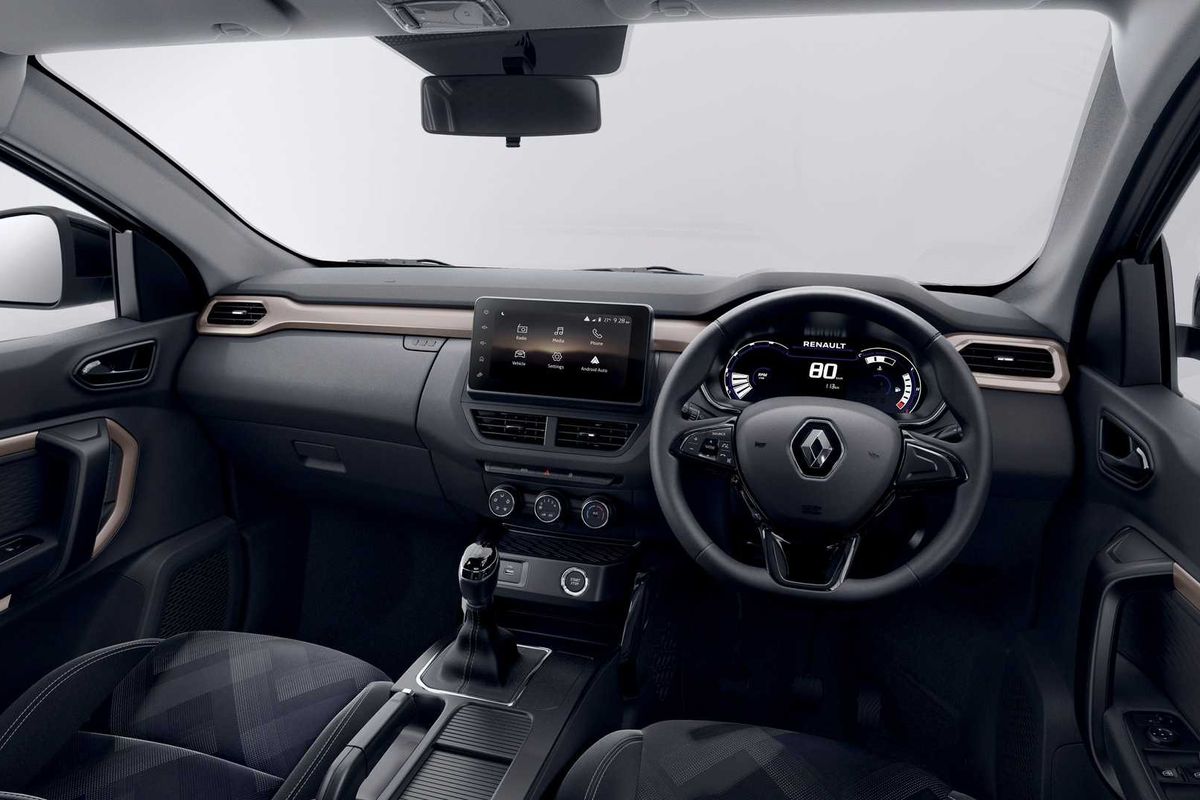
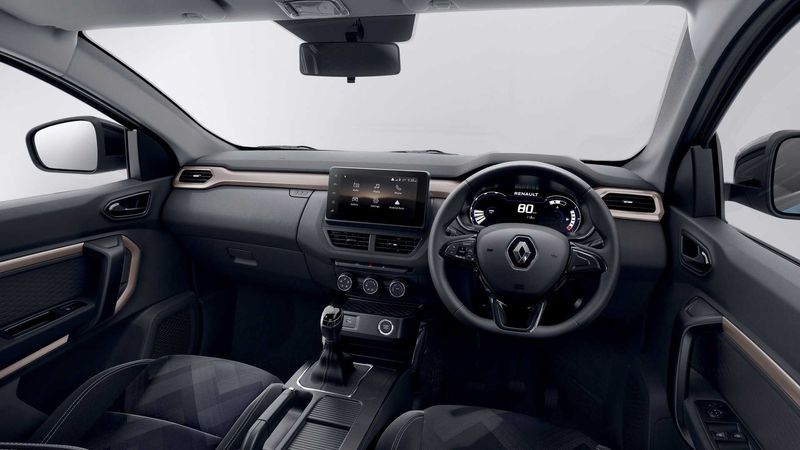
As far as features go, the Renault Kiger comes with an 8-inch infotainment system with wireless Apple CarPlay and Android Auto connectivity. There’s also a USB for charging devices. There’s also a digital dashboard, Arkamys audio system with 8 speakers, hands-free key access, reverse camera, automatic air conditioning, steering wheel controls and what Renault claims is a first in the segment; a PM2,5 clean air filter.
Trim Levels
Life
Dual airbags ABS+EBD Rear parking sensors 16-inch wheels with covers Digital instrument cluster Front power windows Manual air conditioning DIN Radio with USB port 4x speakers Remote central locking
Zen(Life plus:)
Front side airbags ESP on turbo engine Reverse parking camera Roof rails with 50kg capacity LED indicators on mirrors Rear window wiper 16-inch Flex wheels Height adjustable driver’s seat 60/40 rear split folding seats Rear power windows Upper glove box 8-inch infotainment screen with Apple CarPlay and Android Auto Smart card access Steering wheel controls
Intens (Zen plus:)
Automatic climate control One-touch windows Rear skid plate Folding mirrors LED headlamps with daytime running lights 16-inch diamond cut wheels Leather-wrapped steering wheel Digital instrument cluster Driving modes Wireless Android Auto/Apple CarPlay 3D sound system
Kiger Engine Lineup
Renault is offering its new Kiger with a choice of two engine options. Kicking off the range is a naturally-aspirated 1.0-litre 3-cylinder motor with 52 kW and 96 Nm. The 2nd engine is a 1.0-litre turbocharged 3-cylinder motor with 74 kW and 160 Nm.
Customers can choose from a 5-speed manual gearbox or a 5-speed Automated Manual for the first engine, while the turbocharged offering has a 5-speed manual or a CVT. A fuel economy figure for the turbocharged motor was given and it’s said the Kiger consumes 5L/100 km.
Renault Kiger safety features
The Renault Kiger comes with 4 airbags, anti-lock brakes with EBD, with the higher specced models featuring electronic stability control.
How much does the Renault Kiger cost in South Africa?
The new Renault Kiger is sold with a 5-year/150 000km mechanical warranty and a 6-year anticorrosion warranty, with service intervals every 15 000 km. Metallic paint is optional at R 2 522
KIGER Life 1.0L R199 900 (incl. VAT) KIGER Zen 1.0L R214 900 (incl. VAT) KIGER Zen 1.0L AMT R224 900 (incl. VAT) KIGER Zen 1.0L Turbo R249 900 (incl. VAT) KIGER Intens 1.0L Turbo R269 900 (incl. VAT) KIGER Intens 1.0L Turbo CVT R289 900 (incl. VAT)
SVI Armoured Toyota Land Cruiser 300 is SA’s safest SUV
Is this armoured Toyota Land Cruiser 300 the best luxury SUV for JSE VIPs?
The luxury Toyota Land Cruiser is one of South Africa’s most in-demand large SUVs.
With its proven record of durability and all-terrain capability, the Land Cruiser 200 was an immense success during its nearly one-and-a-half-decade production lifecycle.
The sheer number of luxury Land Cruisers sold monthly mean that a certain percentage of customers will in all likelihood, consider an armoured upgrade. This is especially true for farmers who live in isolated and volatile rural areas.
SVI’s Land Cruiser 300 discreet armouring package isn’t cheap or an overnight job. It is estimated to add R900 000 to the price of your new Land Cruiser 300 and it will take about 3 months to fit.
For your investment in money and time, SVI will provide a B6 level of ballistic protection. That equates to a Land Cruiser 300 that will shield occupants from any tactical assault weapon attack using AK-47, FN FAL, or R1 rifles.
SVI uses a combination of expertly selected, fabricated and fitted steel plates, composite materials and 38mm armoured glass, to make the Land Cruiser 300 a safe place to sit out any attempted hijacking or assassination.
Any armoured vehicle conversion comes with a significant weight increase and the SVI B6 upgrade adds approximately 600kg to the Land Cruiser 300’s mass.
Remember that Toyota engineers have managed to lighten the Land Cruiser 300 by nearly 200kg, compared to its predecessor. That means the difference in performance between an SVI 300 and standard Land Cruiser 200, should not be too severe, especially since the new 3.3-litre V6 turbodiesel engine is more powerful and torquey than the Land Cruiser 200’s V8.
Only 210 of these were built, ensuring that this car remains one of the rarest cars ever made. And it’s a car that South Africa can be proud of; it was developed, built, and only ever sold in South Africa.
With help from Alpina, BMW South Africa set about building something unique. With the E30 M3 absent from our market (largely due to sky-high import duties and the fact that it was only ever going to be a left-hand-drive model), the local arm of the German car giant decided to go big.
Adding displacement was the answer and the 3.2-litre inline-6 engine from the BMW 733i was squeezed into the relatively tiny engine bay of the 323i Coupe.
A significant list of modifications and customisations were made to help the 333i stand out from its more pedestrian stablemates, and it worked.
With an original price of just R41 000 back in 1985, these cars easily fetch R2 million nowadays.
For our video guy Ciro De Siena, driving one was always a dream. Heck, seeing one was always a dream. And so when a collector up in Gauteng invited us to drive and film the car, we were quite simply over the moon.
We hope you enjoy this as much as Ciro did. Let us know what you think in the comments below.
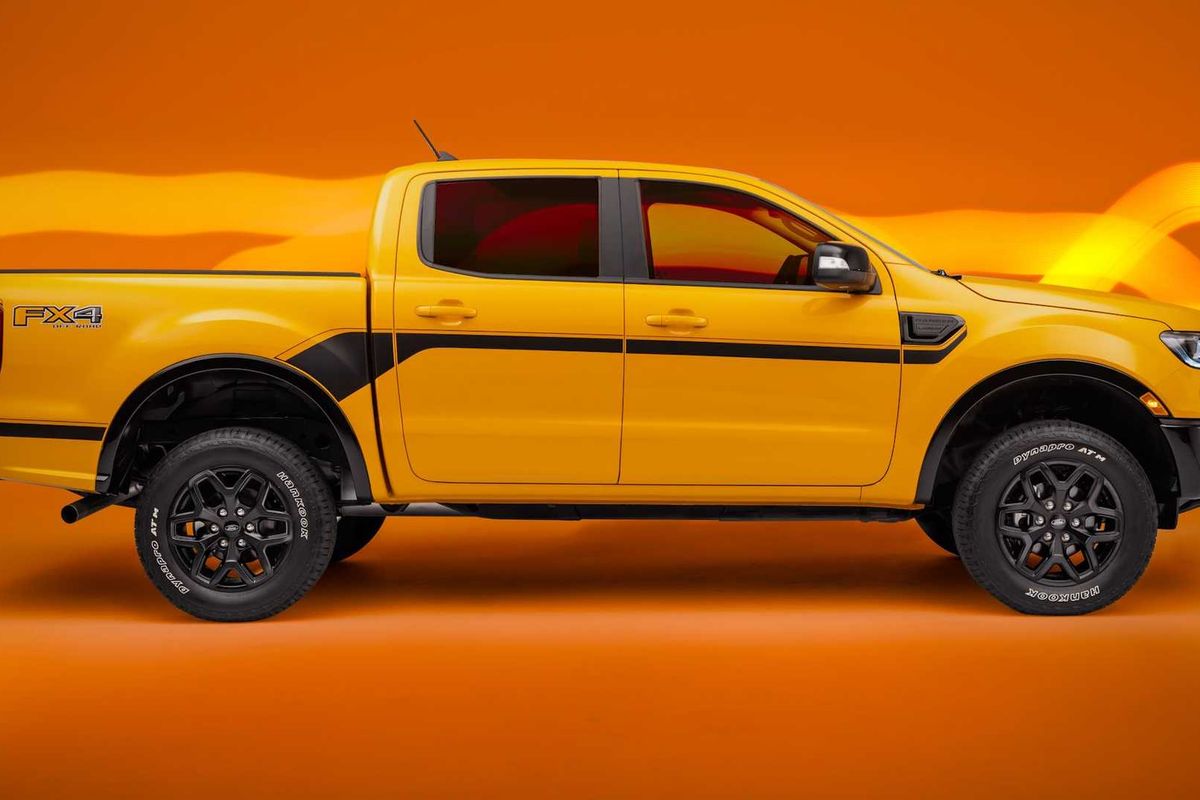
Yes, this is yet another special edition Ranger from Ford and it’s called the Ranger Splash.
If you are a Ford Ranger fan, you are well and truly spoilt for choice. It seems a new Ranger derivative is introduced almost every month and the latest special edition is this Ranger Splash!
The latest iteration of the Ranger is reaching the end of its product lifecycle with an all-new Ranger due to be built locally at Ford’s Silverton production facility in 2022. The new Ford Ranger will also form the basis for the next-generation Amarok which will also be built in South Africa.
Ford is making the most of the current Ranger by offering a number of tastefully detailed Rangers.
As for this Ranger Splash, we are still waiting for Ford South Africa to confirm if it will be offered locally.
Nonetheless, the Ranger Splash revives the 90’s Splash moniker and will be available to customers as either the Splash Package or the Splash Limited Edition.
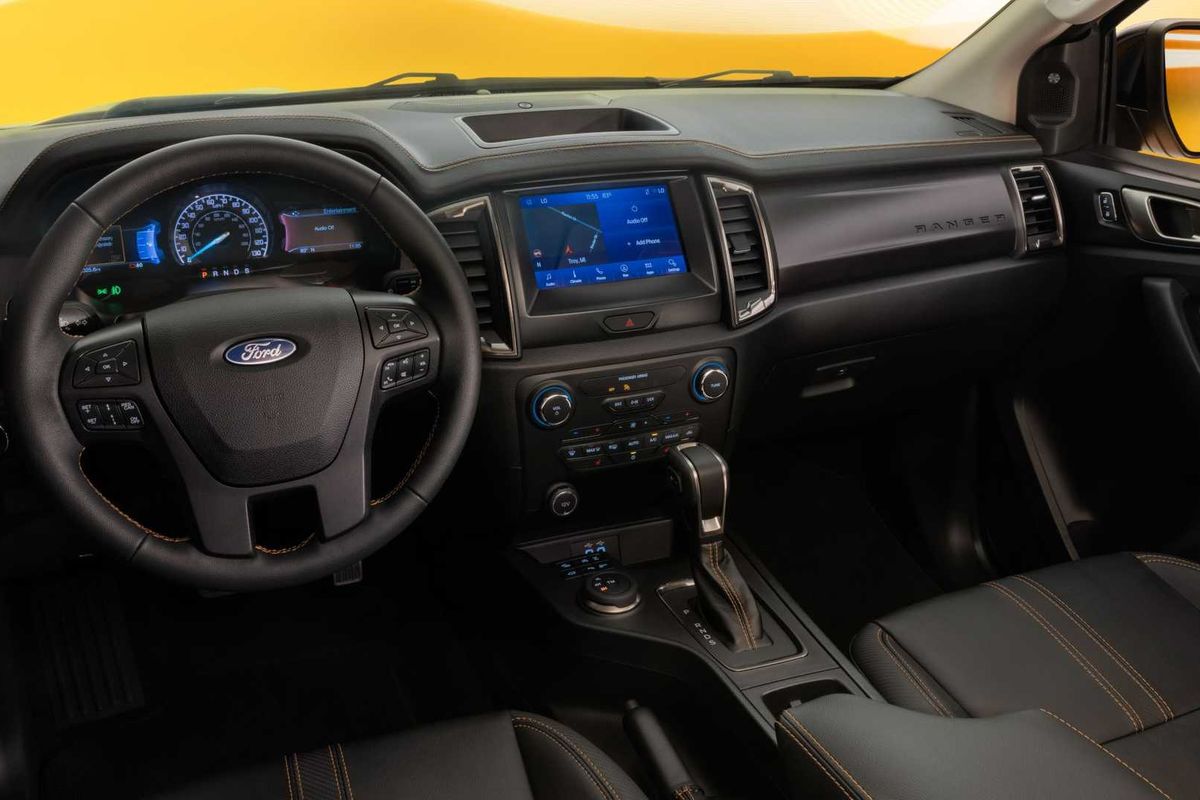
The Splash Package includes body-side orange and black decals and rides on 18-inch, 12-spoke alloy wheels finished in matte black. Orange details are also seen on the sides of the grille which also features gloss black accents. Additional gloss black accents are also seen on the lower bumper, wheel lip mouldings, fender vents and mirror caps. Interior details include orange stitching and carbon grain leather upholstery with tuxedo stripes.
As for the Splash Limited Edition, Ford will release this derivative in limited numbers every few months in a series of one-time-only body colours. The Splash Snow Edition is the first limited edition on offer riding on 18-inch matte black wheels.
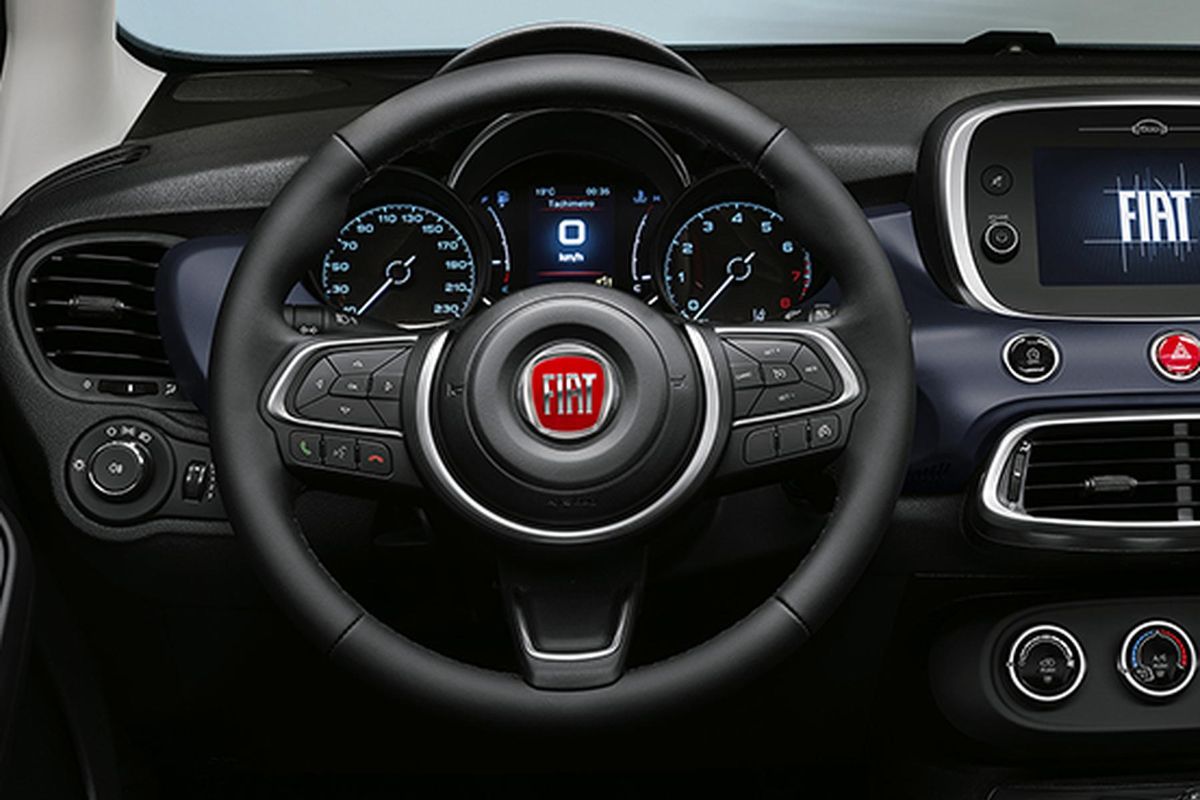
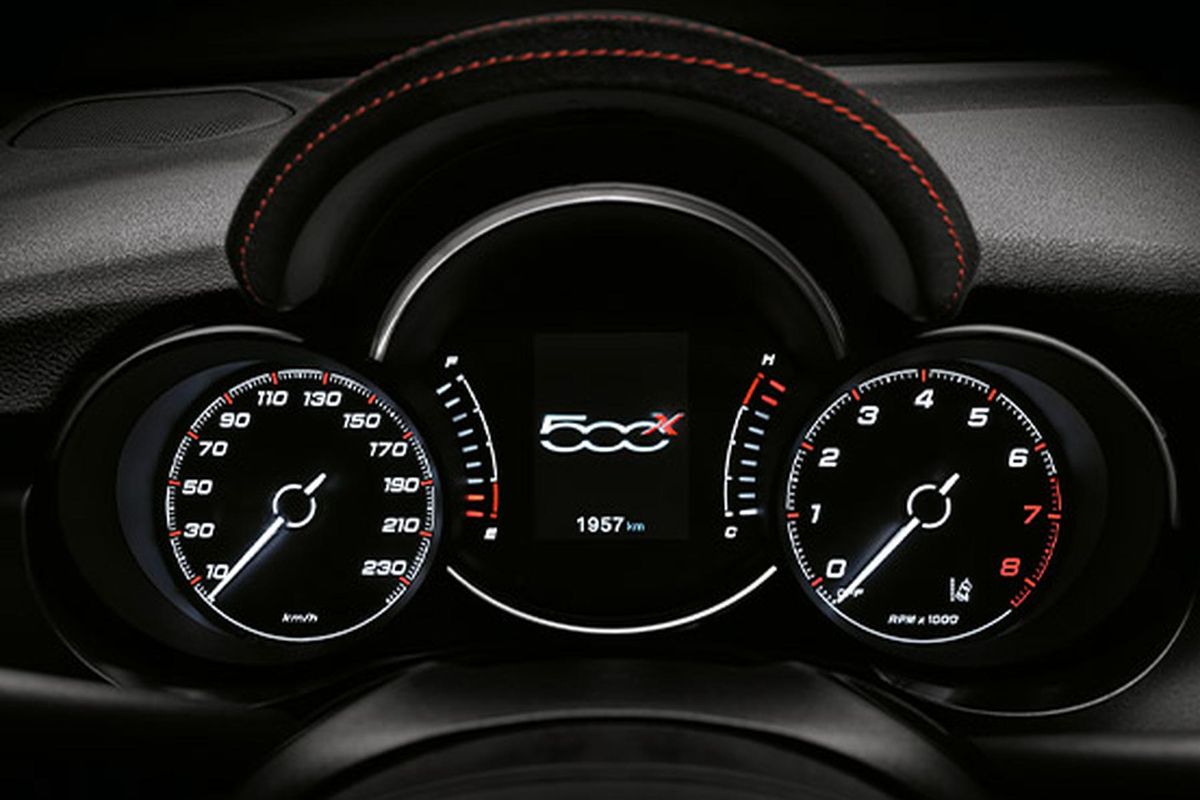
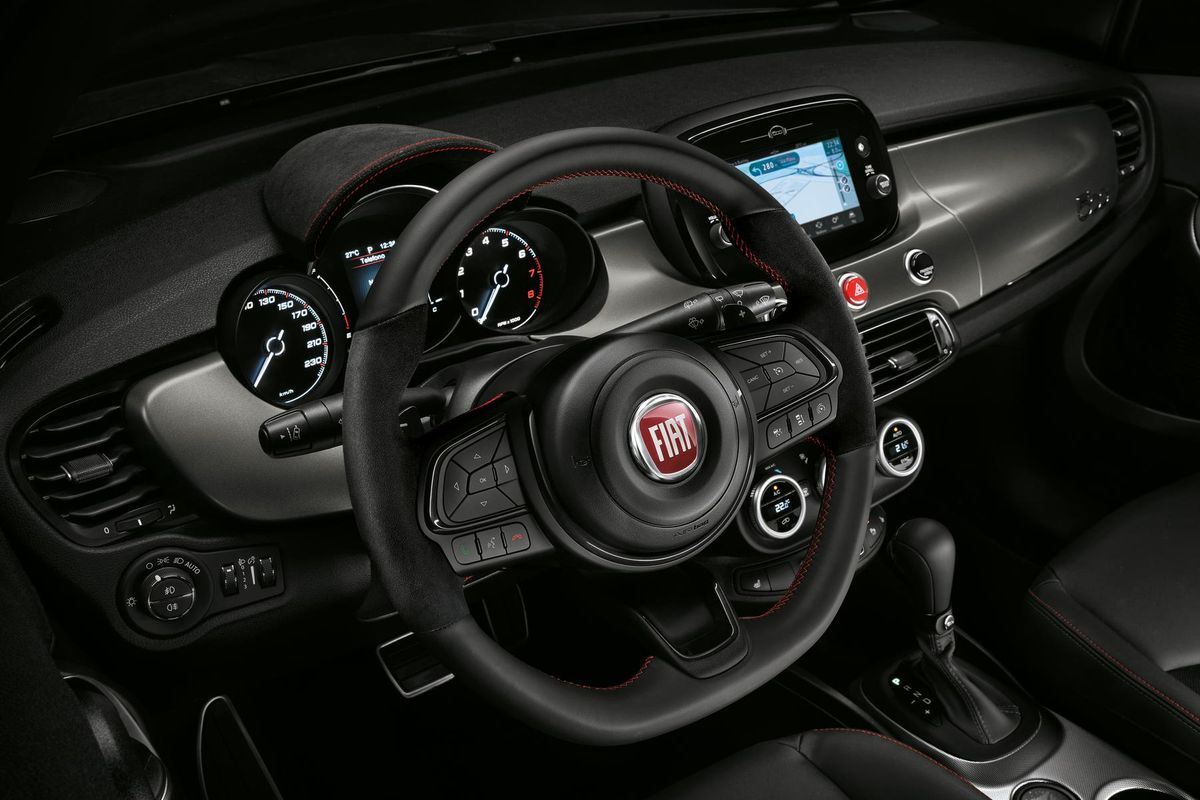
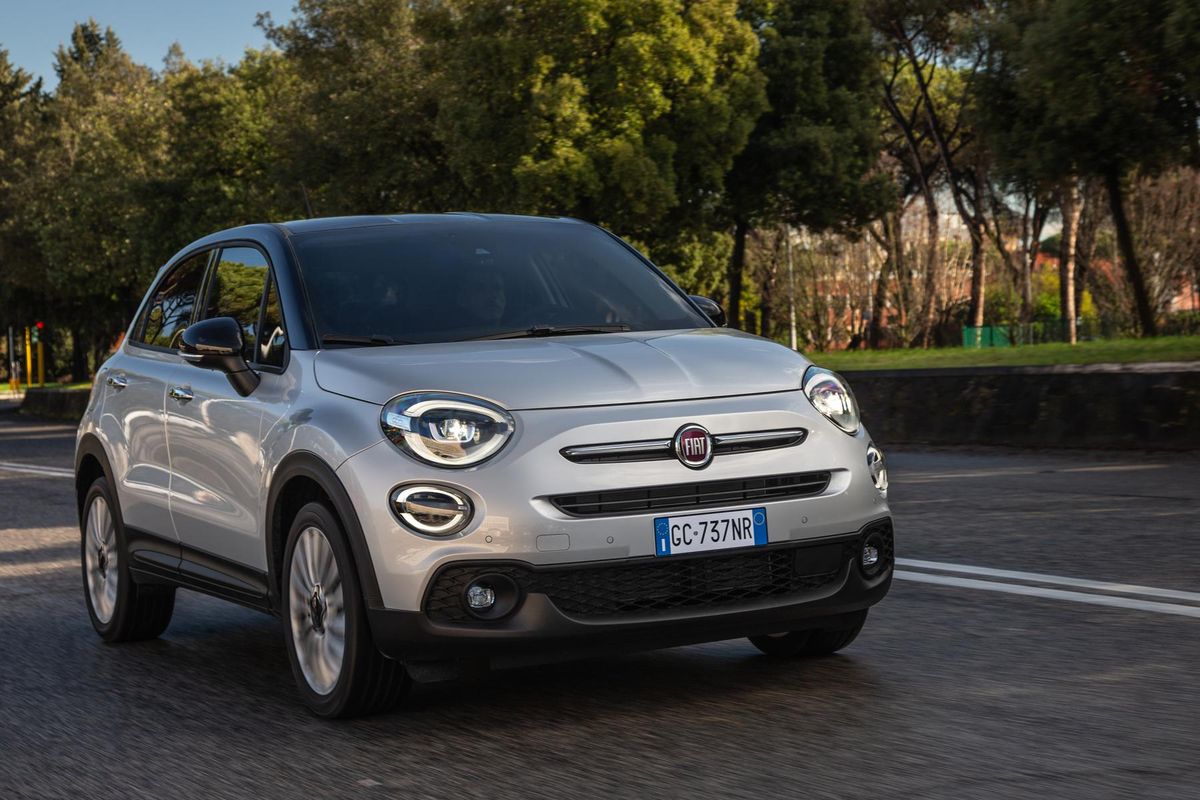
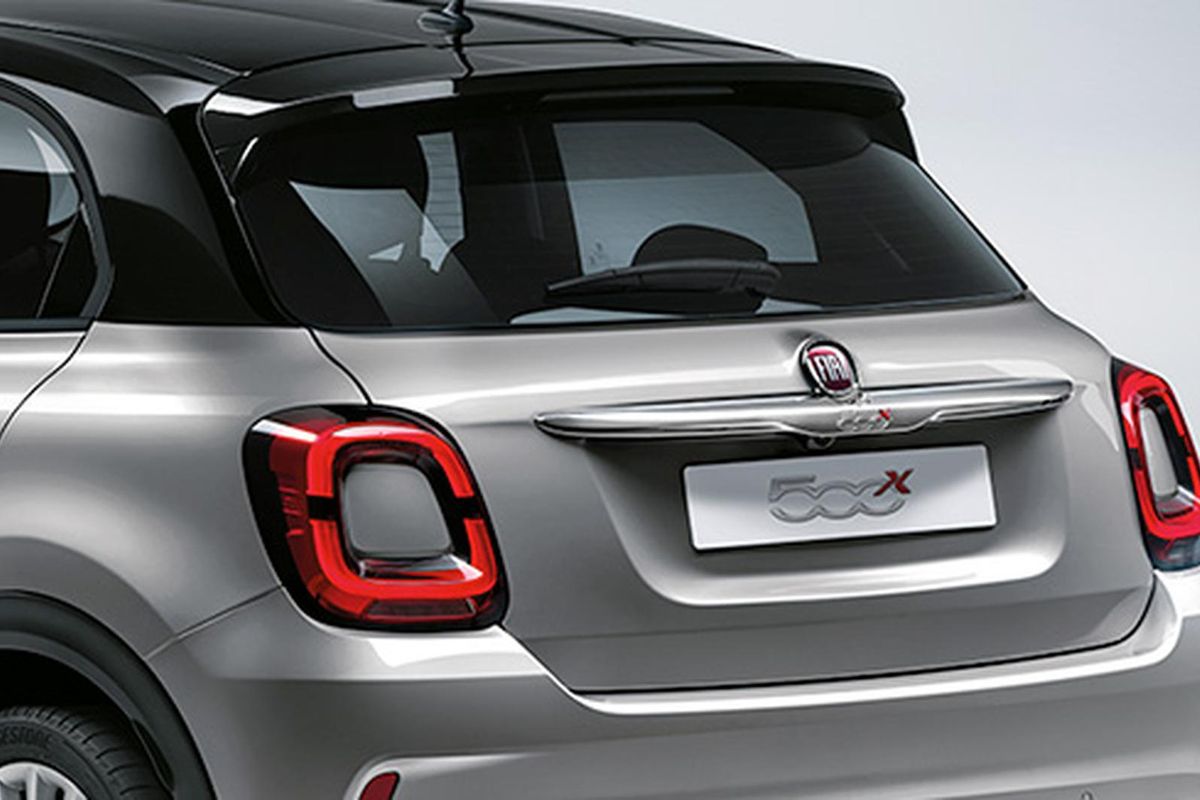
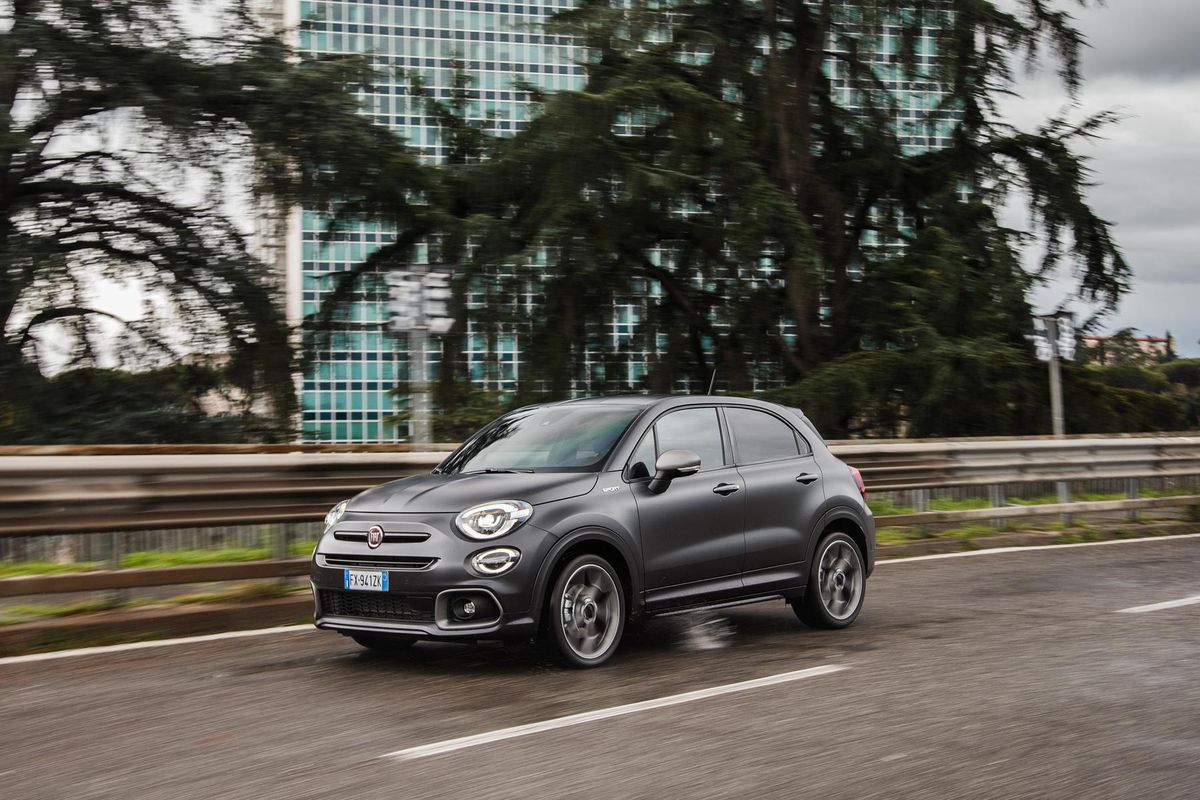
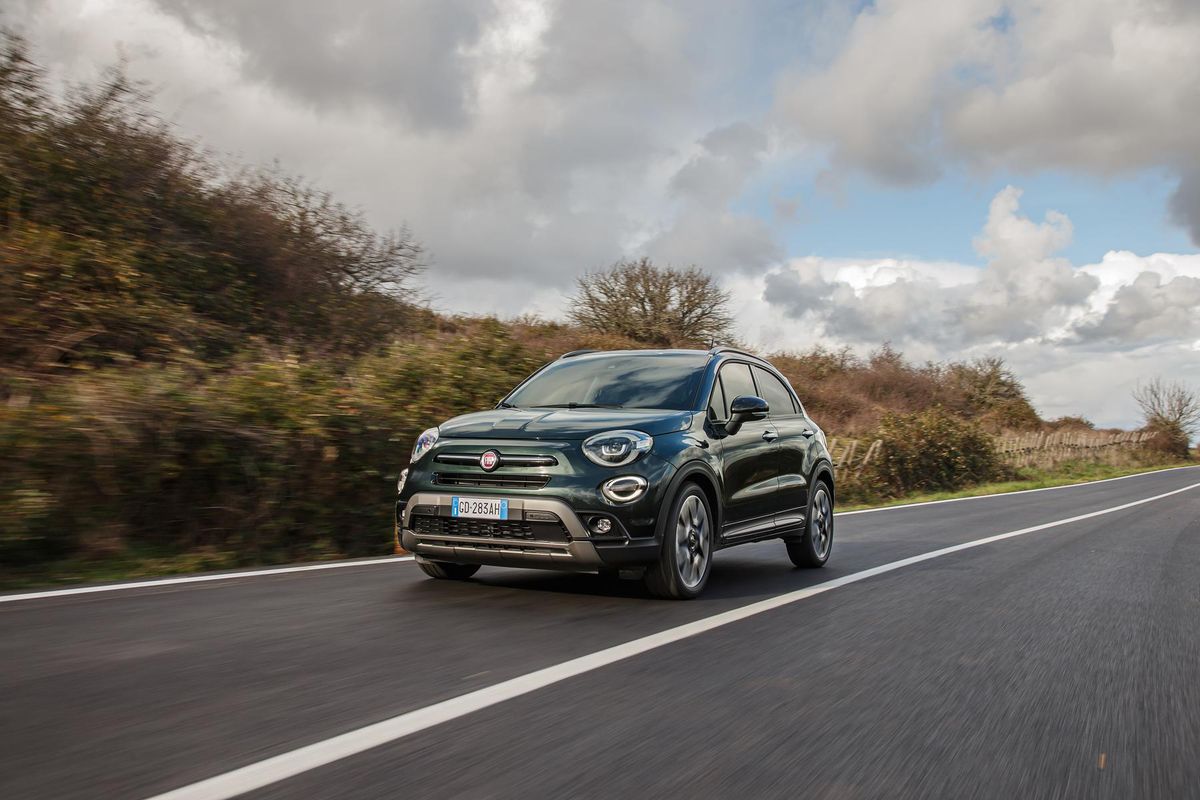
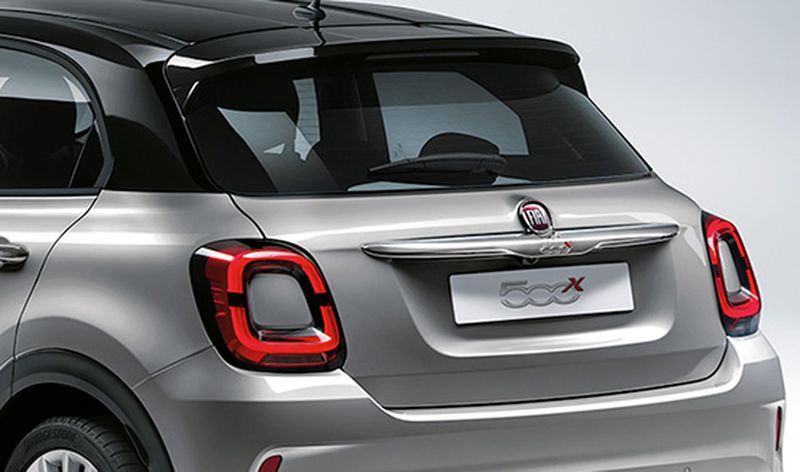
The Fiat 500X compact SUV has been updated and has now touched down in SA. Here’s pricing and specification details.
The Fiat 500X is a cute-looking compact SUV based on the 500 city car. Sharing a platform and mechanicals with the Jeep Renegade, somehow the Fiat 500X just seems a bit more charming.
Now for 2021, there have been some updates in the trim and specification departments. There’ll be 4 models on offer: Cult, Connect, Sport, and Cross, with one engine to choose from.
Fiat 500X Trim
Cult
16-inch alloy wheels Halogen daytime running lights LED taillights 3.5-inch black and white TFT cluster Cloth seats Air conditioning Uconnect radio with 4 speakers Lane assist + cruise control
Connect
16-inch alloy wheels LED daytime running lights Fog lights Privacy glass Leather multifunction steering wheel Uconnect radio with 6 speakers, CarPlay/Android Auto 3.5-inch colour TFT cluster Auto wipers and auto lights Rear parking sensors
Sport
19-inch alloy wheels Full LED headlamps and fog lights Sport seats Leather steering wheel Titanium dashboard Privacy glass
Cross
17-inch alloy wheels Front and rear skid plates Camo seats Climate control 7-inch Uconnect infotainment with 6 speakers and CarPlay/Android Auto Auto lights and auto wipers
Fiat 500X Engine Range
The updated 500X comes to market with one engine. The 1.4-litre turbocharged 4-cylinder petrol motor pushes out 103 kW and 230 Nm, and customers can choose from either a 6-speed manual gearbox or automatic transmission – depending on the model.
Safety?
The 500X comes with 6 airbags as standard, anti-lock brakes as well as electronic stability control as well as hill-hold assist.
How much does the updated Fiat 500X cost in South Africa?
The updated Fiat 500X is sold with a 5-year/100 000km warranty and a 3-year/60 000km service plan.
Following a previous GR patent filing for its Corolla, the most recent rumours suggest that Toyota will unleash a GR Corolla hatchback in 2022.
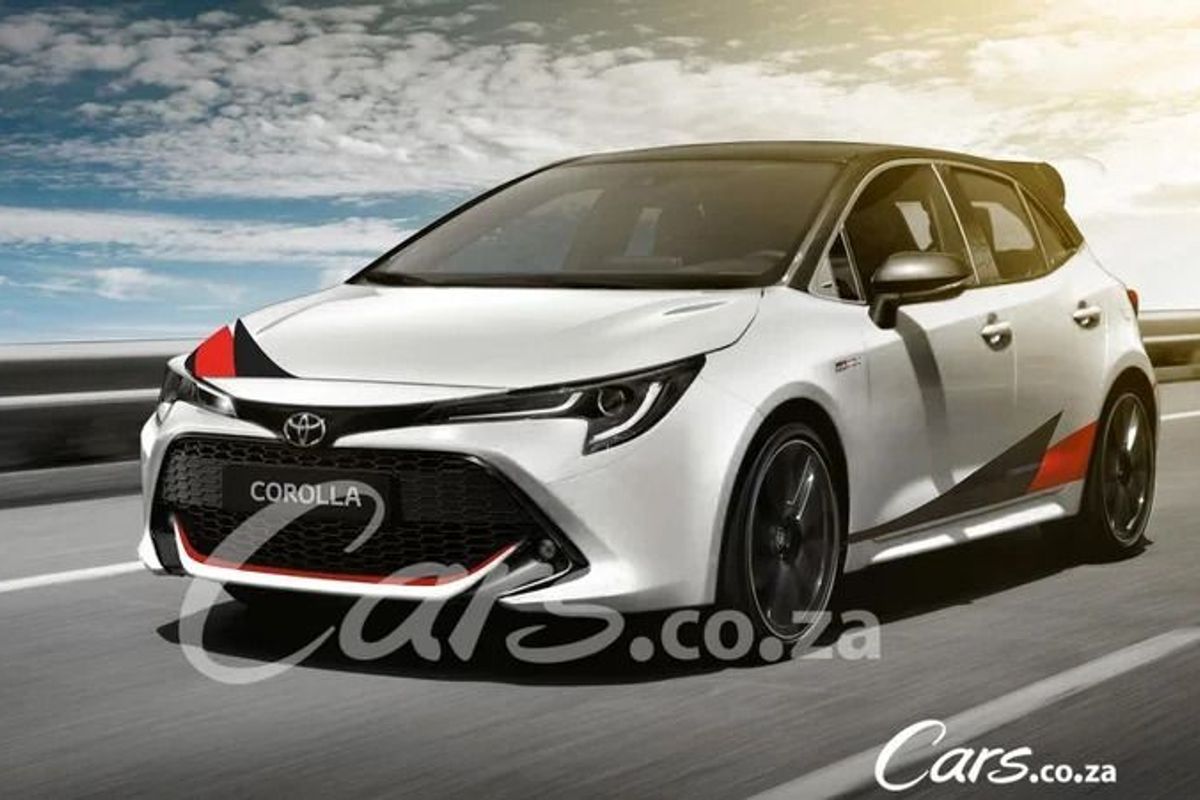
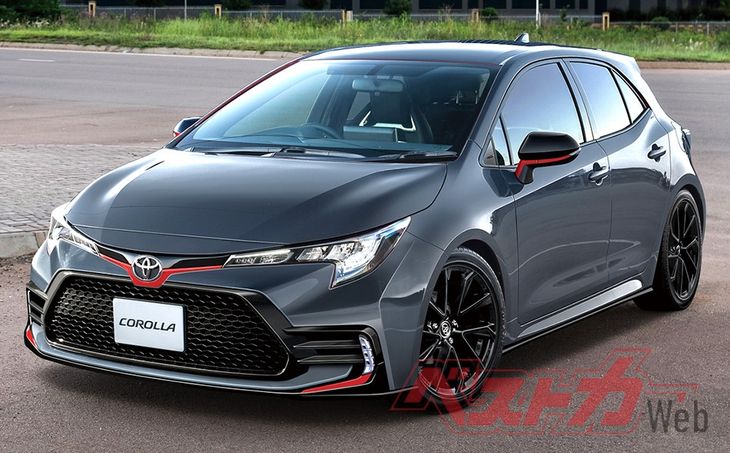
Best Car Web reckons this is what the Corolla GRMN will look like.
The latest rumour regarding the forthcoming GR Corolla suggests that we could see the potent hot hatch come to market toward the end of 2022. The Forbes report also makes mention that Toyota plans to introduce a hydrogen-powered Corolla and Prius in 2023.
Previously, Best Car Web Japan reported that the all-new Toyota Corolla GRMN will be featuring the 1.6-litre turbocharged 3-cylinder motor as well as the all-wheel drivetrain. The source notes it will be revealed in September 2021 along with a Corolla GRMN Touring version.*
The patent was filed in Australia as GR Corolla and it’s likely that the rival for the Volkswagen Golf GTI, Hyundai i30N and Renault Megane RS280 will be produced next year.
The big question which everyone is asking, is what engine will it have? Given Toyota’s efficiency and thriftiness, we’re expecting to see a shared engine. Toyota’s new TNGA platform is already shared by many products like the Corolla, RAV4 and Yaris, and we’ve praised it for its refinement and handling characteristics. Even in base-spec, the manual gearbox and 1.2-litre turbo Corolla hatch is generally good to pilot, so there’s certainly potential.
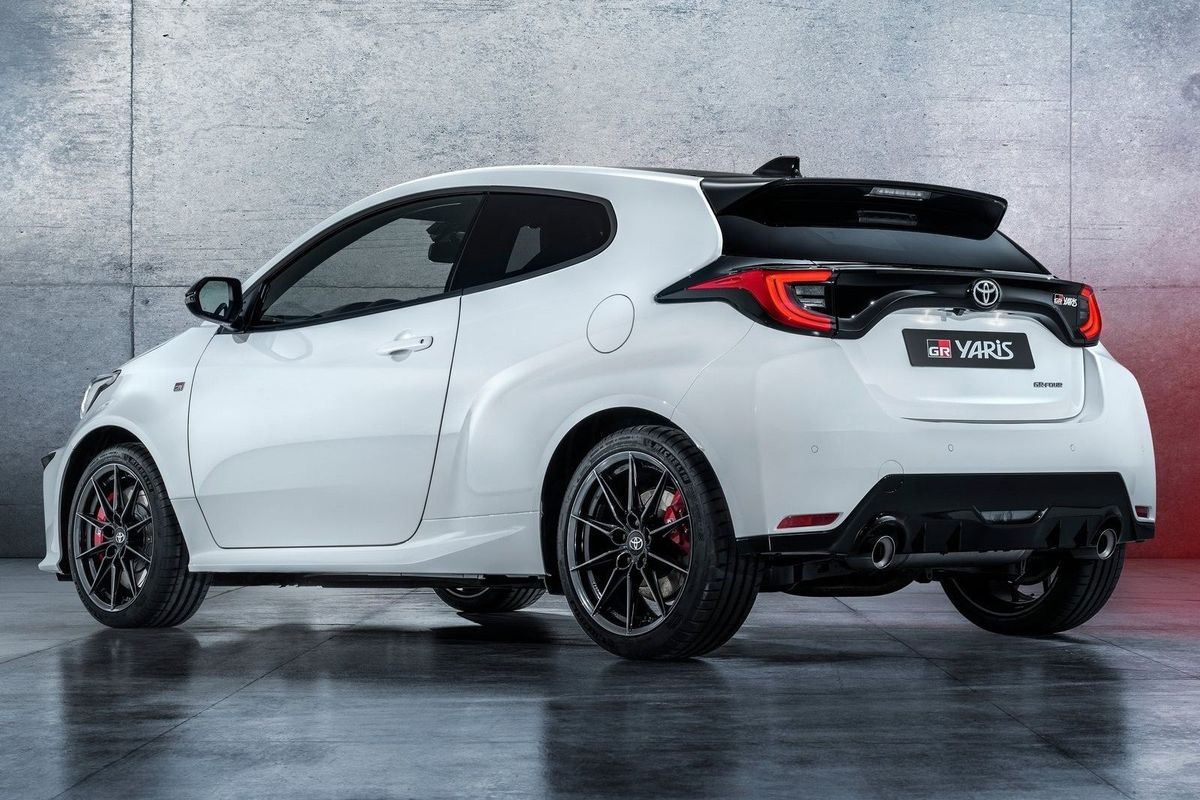
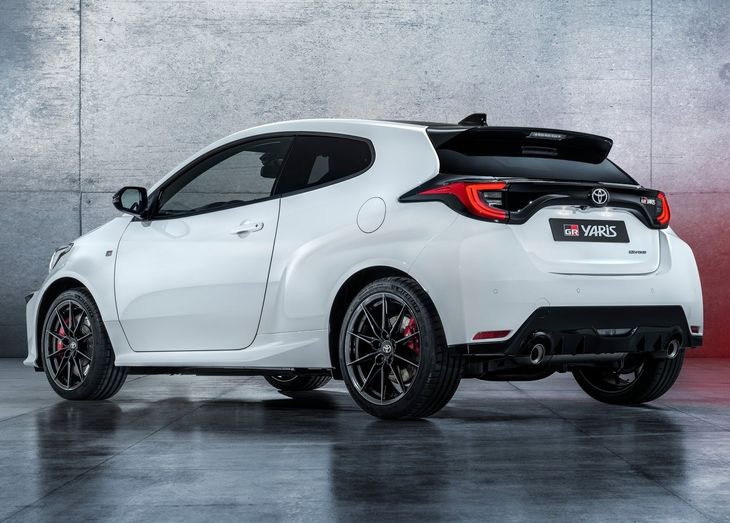
The Toyota GR Yaris is basically a road-legal rally car with its all-wheel drive, manual gearbox and 200 kW 1.6-litre turbo engine
The most likely engine to power the hot GR Corolla is none other than the turbocharged 1.6-litre 3-cylinder petrol engine found in the GR Yaris. It packs 200 kW and 370 Nm, with power going to all 4 wheels via a 6-speed manual gearbox. Whether the GR Corolla adopts the same all-wheel-drive strategy or switch to a front-wheel-drive strategy is yet to be seen, but it’s going to take some cleverness to channel all that shove through the front wheels. Torque steer, anyone?
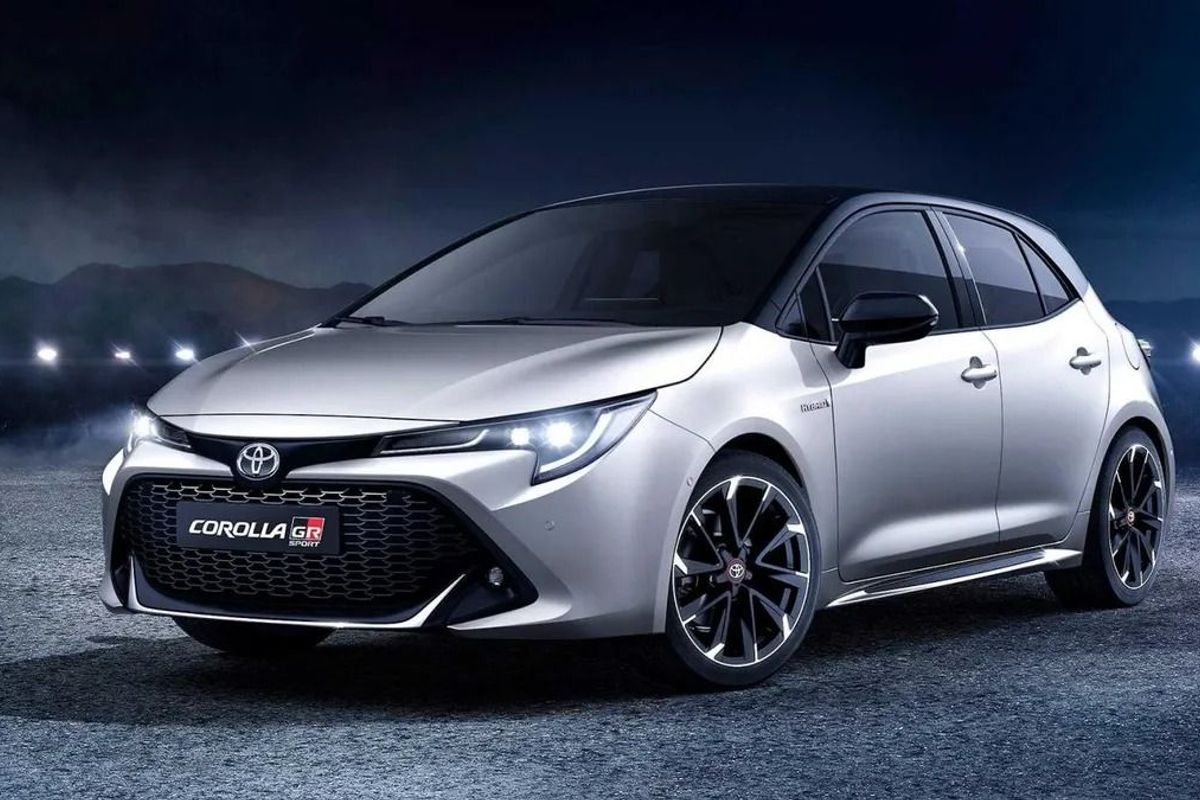
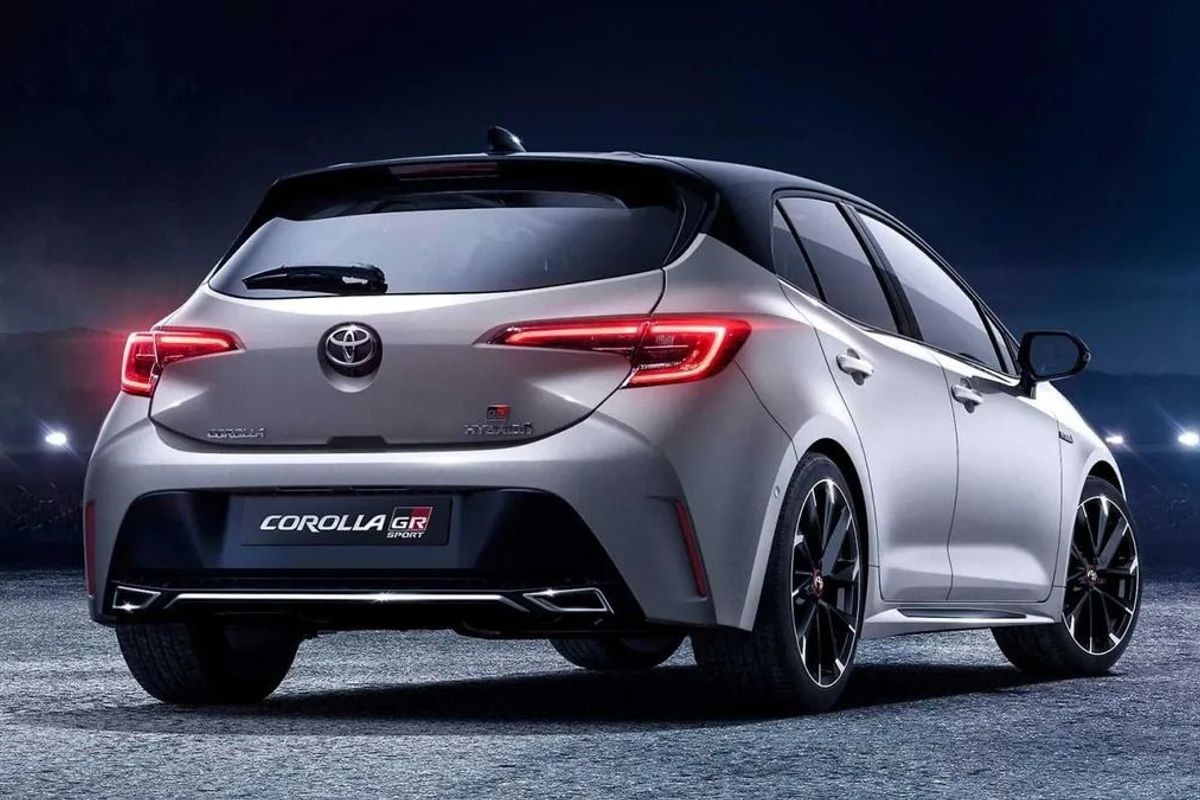
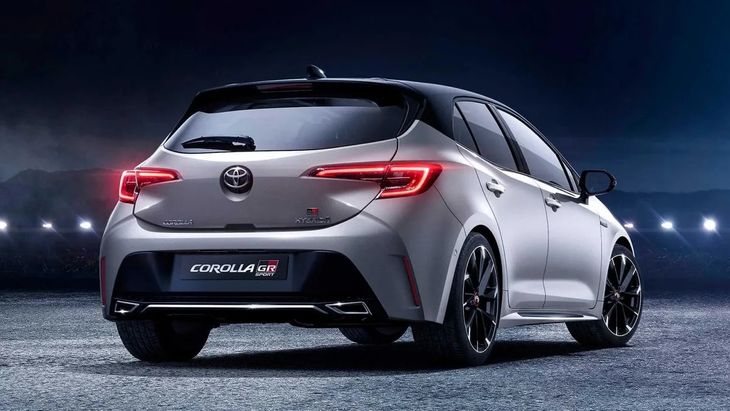
Toyota has committed to launching a GR performance version of nearly all of its products and we’re expecting to see the GR Corolla joined by a GR Hilux, which we think will be powered by a new diesel V6 motor. We already have had some experience of what Toyota can do when it comes to the performance stuff when we drove the 1.8 supercharged Yaris GRMN a while back and were blown away. More recently though, we experienced the potent GR Yaris at its local launch. There’s already a Toyota Corolla GR Sport on sale in European markets, but with a CVT and hybrid powertrain, it’s hardly what you call a hot hatch. It does look the part, however.
We will certainly keep you updated as we hear more about the forthcoming Toyota GR Corolla.
Toyota Corolla GR Sport with a hybrid and CVT powertrain looks the part, but it’s not hot enough.
VW is beginning to flex its muscles in the performance sector of its electric car lineup. The ID.X concept is going into production according to VW CEO, Ralph Brandstätter.
VW has shown what is possible in terms of hot hatch development, with its ID electric vehicle platform.
Earlier this year, the German company’s passenger car boss, Ralf Brandstätter, revealed a new version of the ID.4 with strong Golf R overtures. For loyal followers of VW’s hot hatch business, the question of a performance-orientated ID.4 has been tantalizing.
A team under Brandstätter was given some budget and design freedom, to create a lightweight version of the ID.4 GTX which was dubbed the ID.X. Although the dual-motor electric powertrain remains unchanged, VW’s technical experts have managed to take a lot of weight out of the car, despite the battery capacity increasing to 82 kWh.
The ID.4 GTX produces 220 kW while the lightweight, dual-motor all-wheel-drive ID.X has 245 kW but is also 200 kg lighter. That improves its 0-100 kph sprint time, which is nearly a second faster than the standard ID.4 GTX. VW’s lightweight concept runs the benchmark sprint time in 5.3 seconds, compared to the ID.4 GTX’s 6.2 seconds.
Beyond its weight reduction, the ID.X lightweight concept also has unique software, enabling a drift mode, with torque vectoring. It also rolls larger wheels and has some trick neon design details.
VW fans who are particularly perceptive will notice that the ID.X also has a slightly lower stance, thanks to revised suspension components.
Production VW ID.3 GTX hot hatch for production
Ralph Brandstätter has reportedly confirmed that the ID.X Concept will be produced as the ID.3 GTX and it’s expected to arrive in showrooms in 2022. The ID.3 GTX will be the third electric model from Volkswagen to wear a GTX badge alongside the ID.4 GTX and the ID.5 GTX. GTX is the electric vehicle equivalent of the legendary GTI badge which South Africans love so much. It’s worth noting that more powerful versions are likely too. Watch this space!
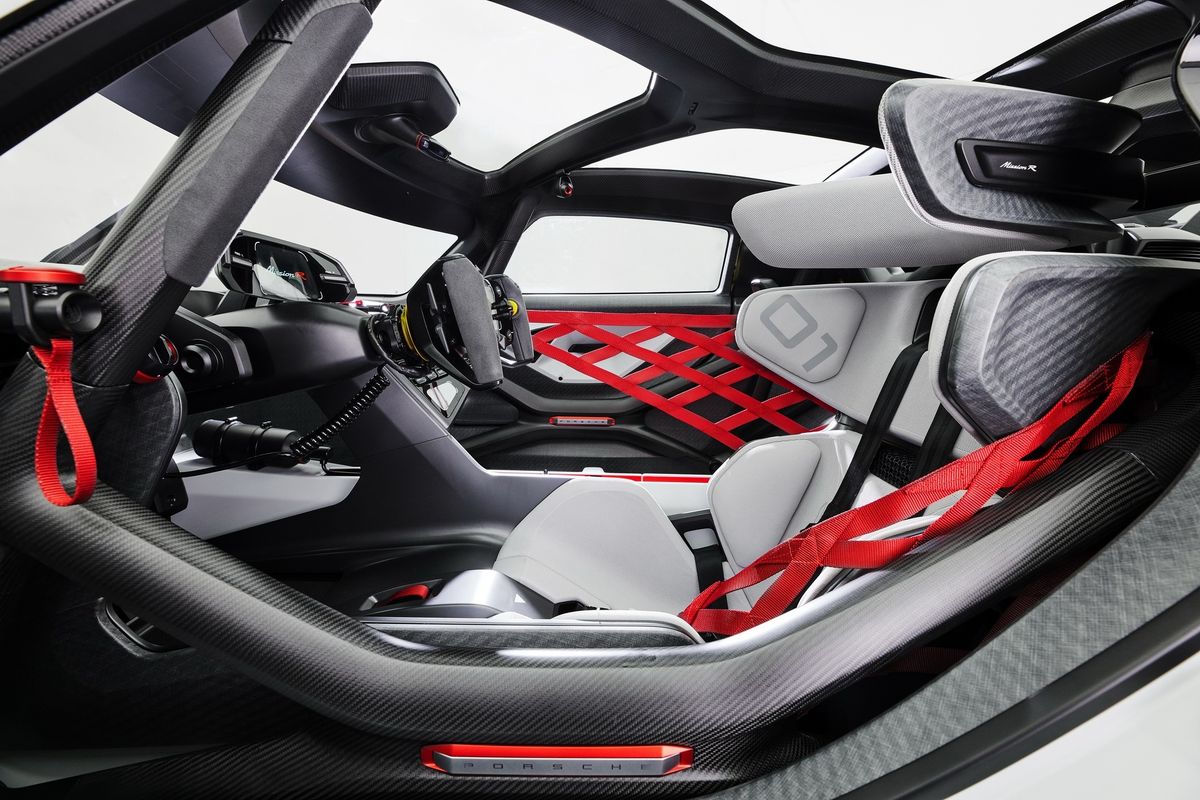
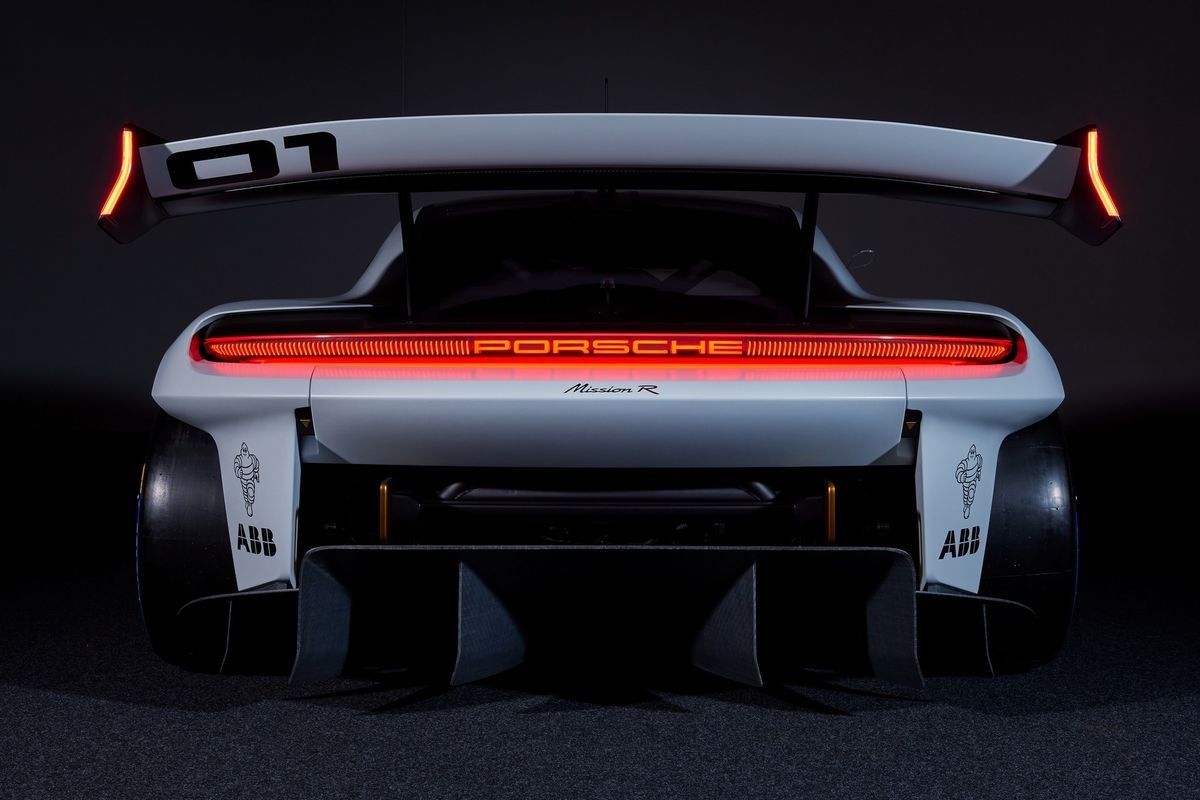
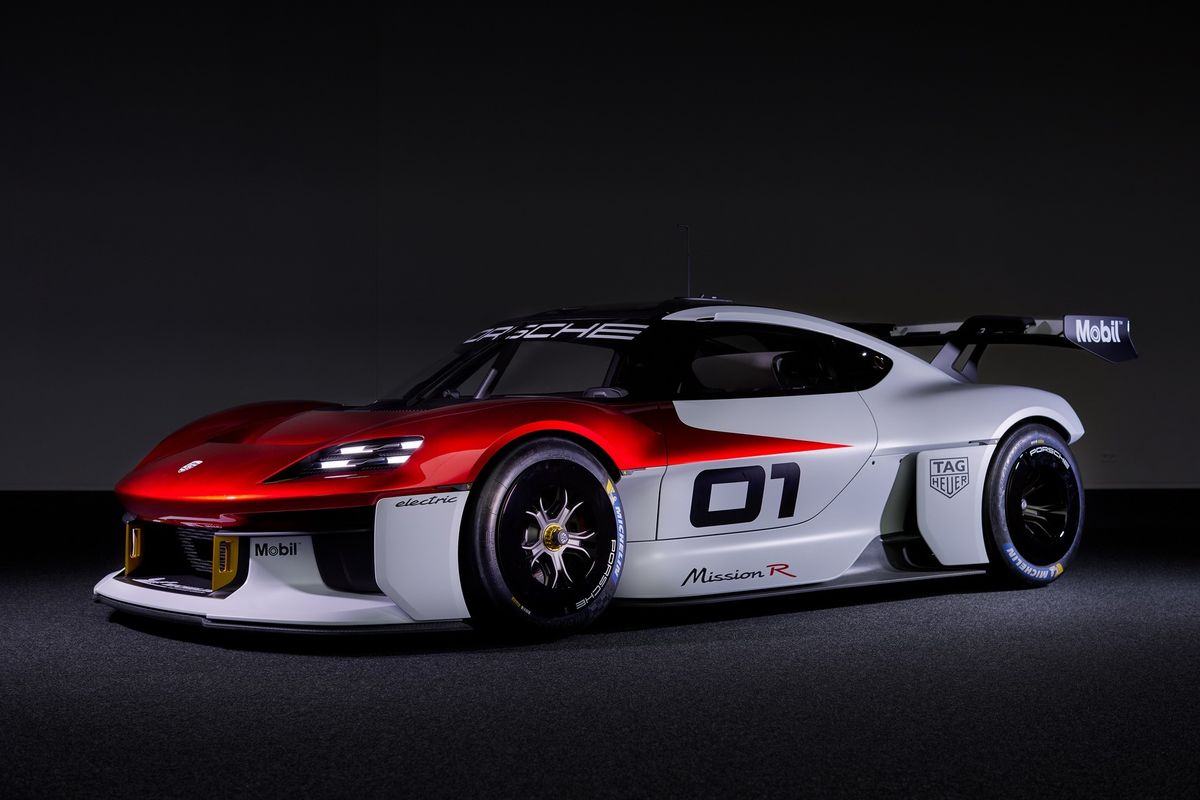
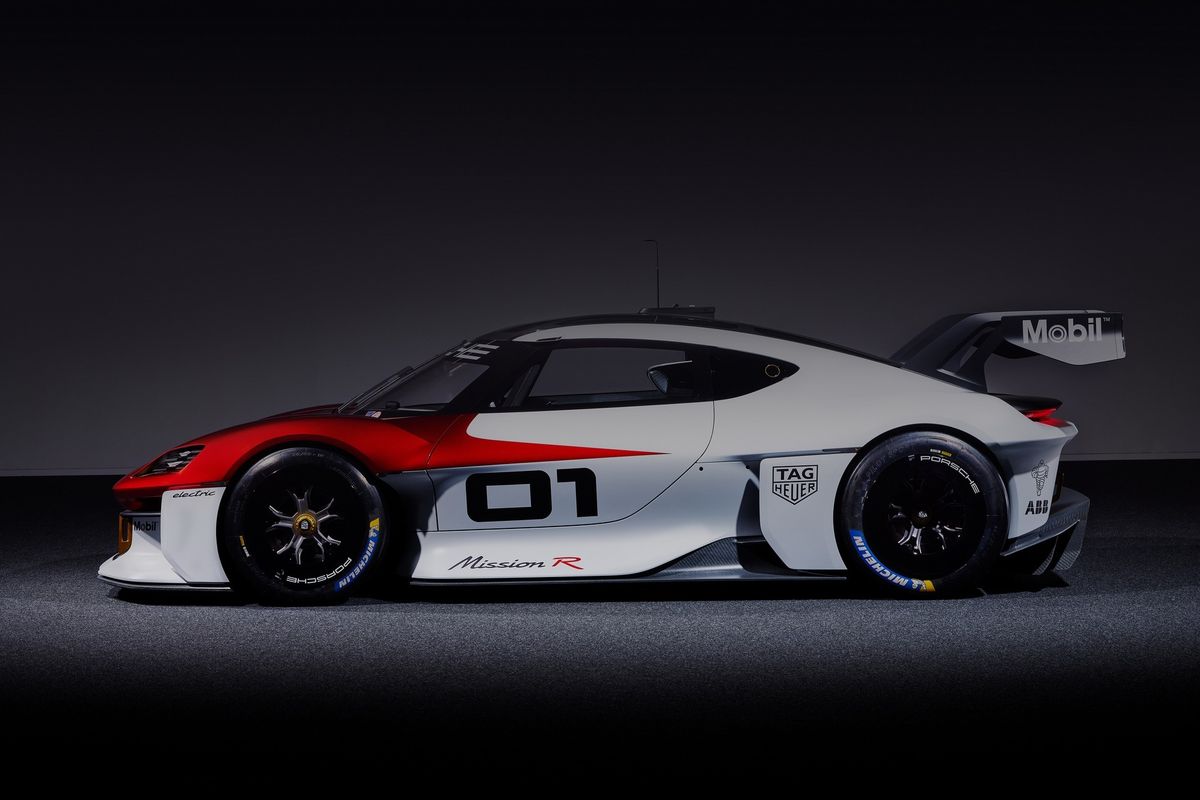
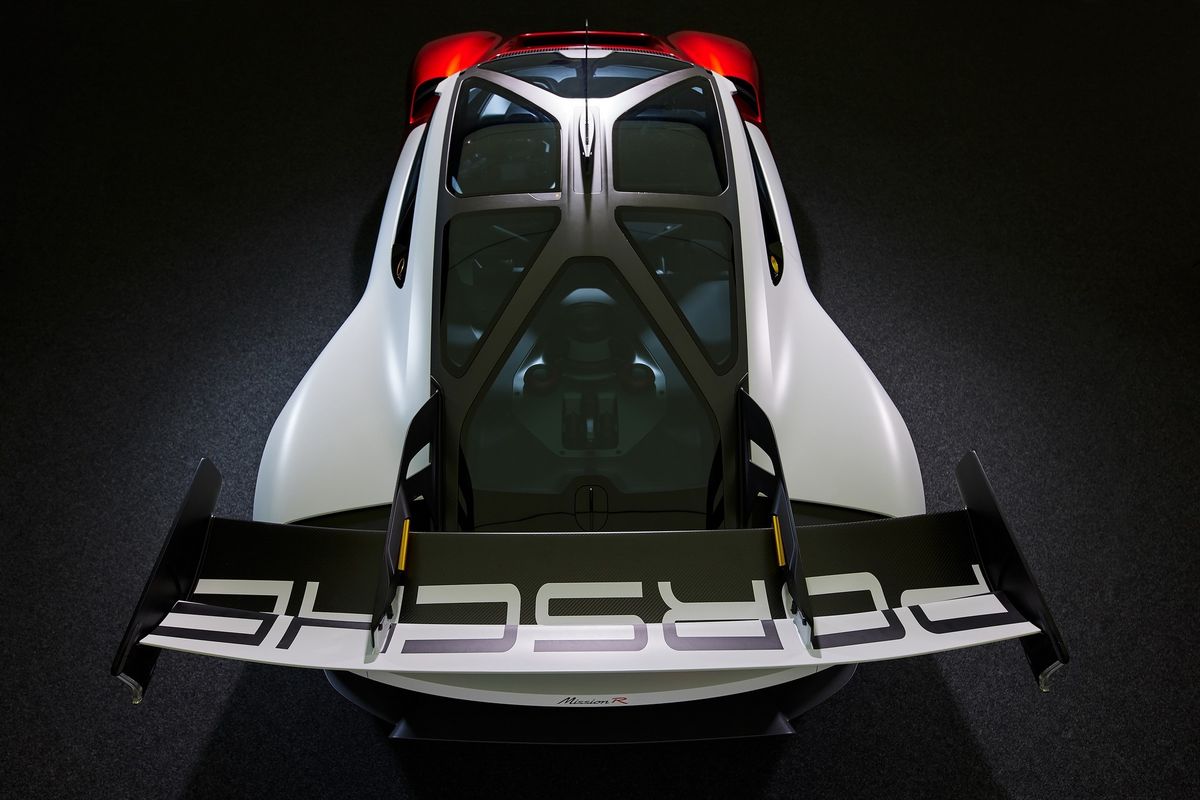
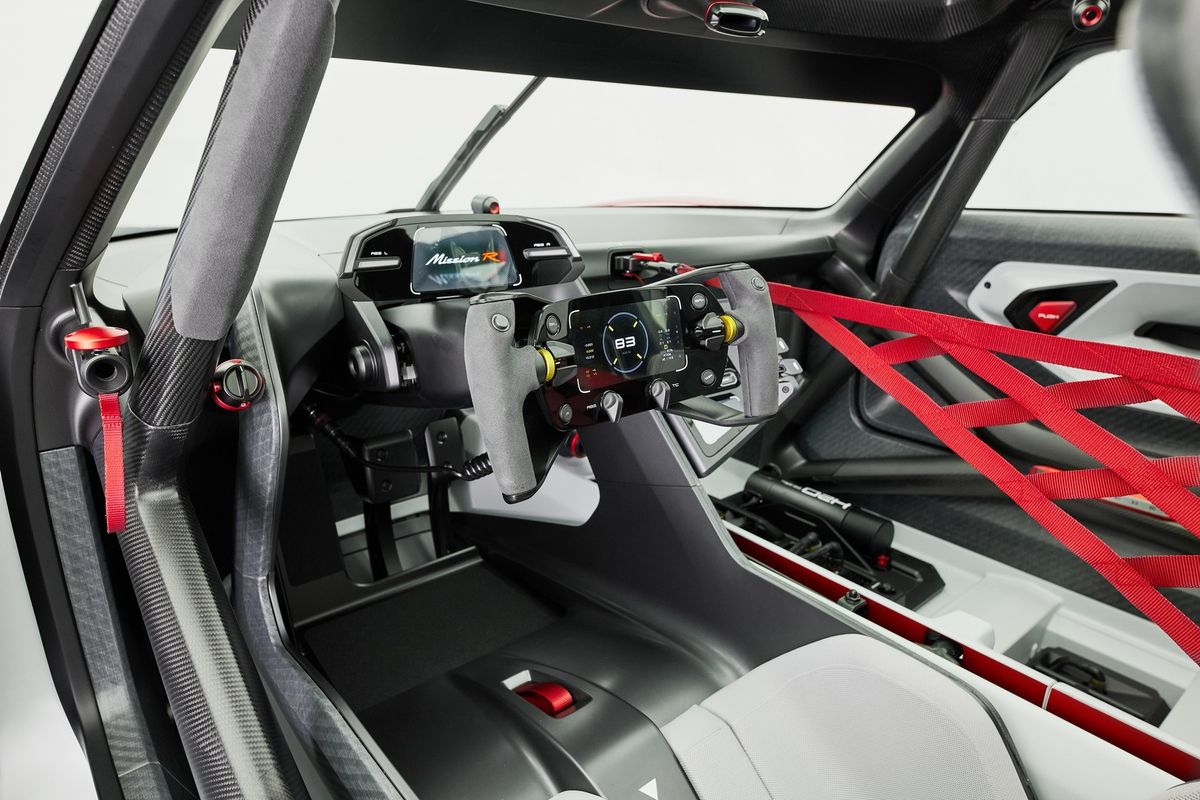
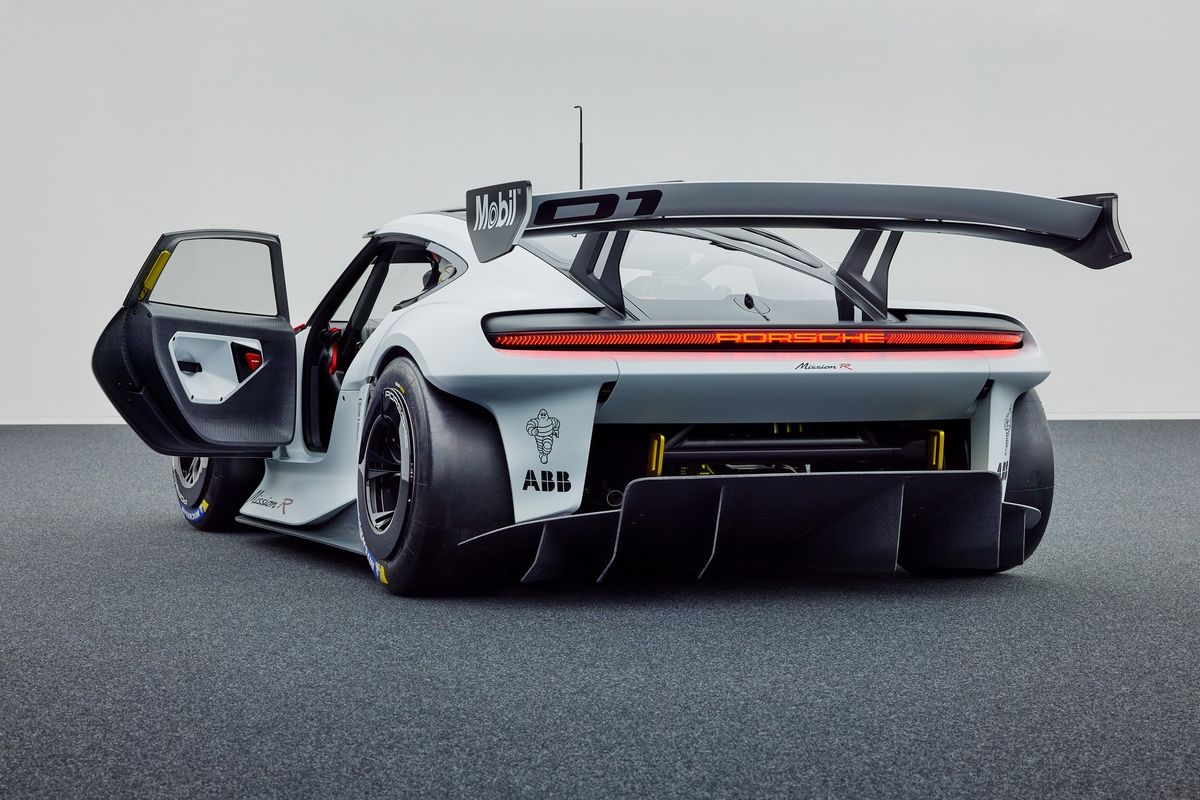
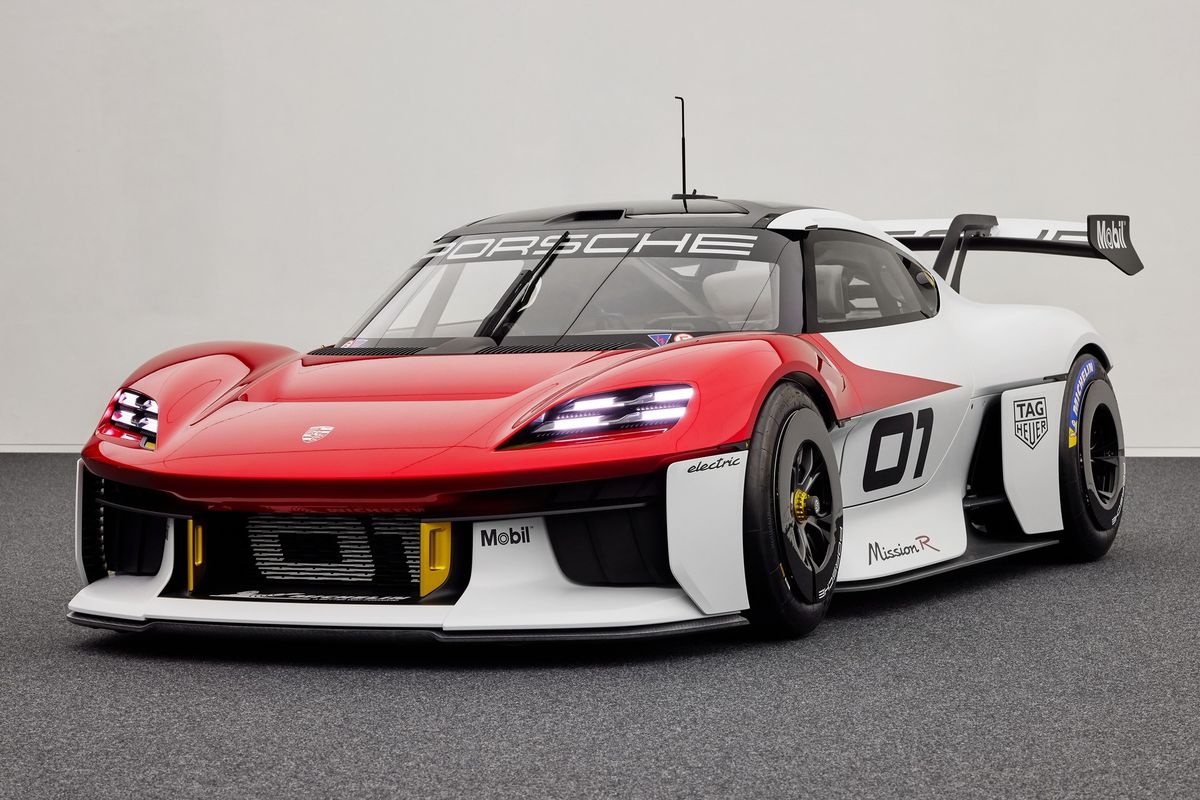
The Porsche Mission R gives us a taste of what’s to come with this electric race car.
The design is unmistakably Porsche, with elements of Cayman all around. It’s called the Mission R and Porsche says its gives us a taste of what’s to come with its motor racing as well as future road car offerings.
Under the skin, there’s a twin-motor setup and all-wheel drive, giving it unbelievable pace. There’s 320 kW from the front motor and 466 kW from the rear. A total output of 800 kW in what’s called qualifying mode is possible. Standard race output is just 466 kW.
Porsche Mission R Performance
How do those numbers translate into performance? Zero to 100 kph takes just 2.5 seconds and has a top speed of 300 kph. With such high power, the battery will need to be kept cool and Porsche has resorted to oil cooling. It has 900-volt technology and can be fast-charged from 5% to 80% in just 15 minutes.
This radical concept may be just that, but Porsche’s design boss that some of the design elements would make their way into a production model. Our customer [motor]sports vehicles are always based on production sports cars,” said Michael Mauer, Porsche’s design boss. “What this means in the case of the Mission R is that the car is packed to the gills with signs that hint of a future production model,” he added.
Underneath all those spoilers and diffusers required for a race car, there could be the next generation of Cayman and Boxster. In the same way, all of the Mission concepts by Porsche have gone on to spawn production cars like the Taycan.
It’s a fascinating time for traditional carmakers as they transition from ICE power to electrification. We’ll be watching this car closely and see what comes up in a few year’s time.