Toyota AE86 (full BEAMS setup) – One man’s mission to rescue his dream car
Modifying cars sometimes goes very smoothly but…a lot of the time, it really doesn’t. However, when you’re trying to rescue your dream car, owners tend to push through the difficult times.
Looking for a used Toyota for sale in South Africa? We have over 9000 to choose from!
For this owner, the difficult times involved a couple of blown engines, a few engine swops, dealing with Covid lockdowns, a gearbox replacement…the car was a real challenge.
Until he decided to pursue a full BEAMS setup, enlisting the help of Jonathan and Des from Rapid Builds in Gauteng, South Africa.
Jonathan and Des have been responsible for a few cars that we’ve featured on our channel, including that mental Ferrari/Maserati-engined M3 and the Supra-engined Z3 M Coupe.
We hope you enjoy this AE86 feature; let us know in the comments below what you’ve been through to get your build on the road
A notable blend of old and new for the Ineos Grenadier.
Land Rover fans should best stop reading now and click on something else.
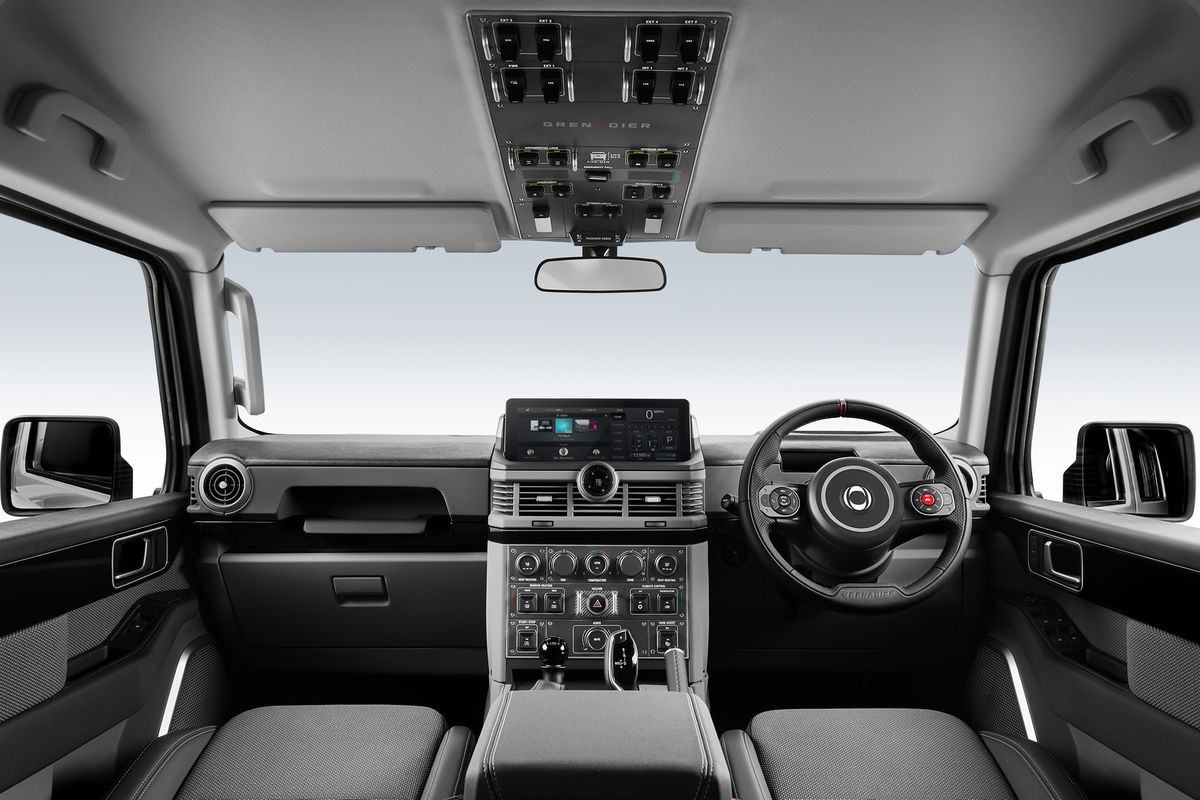
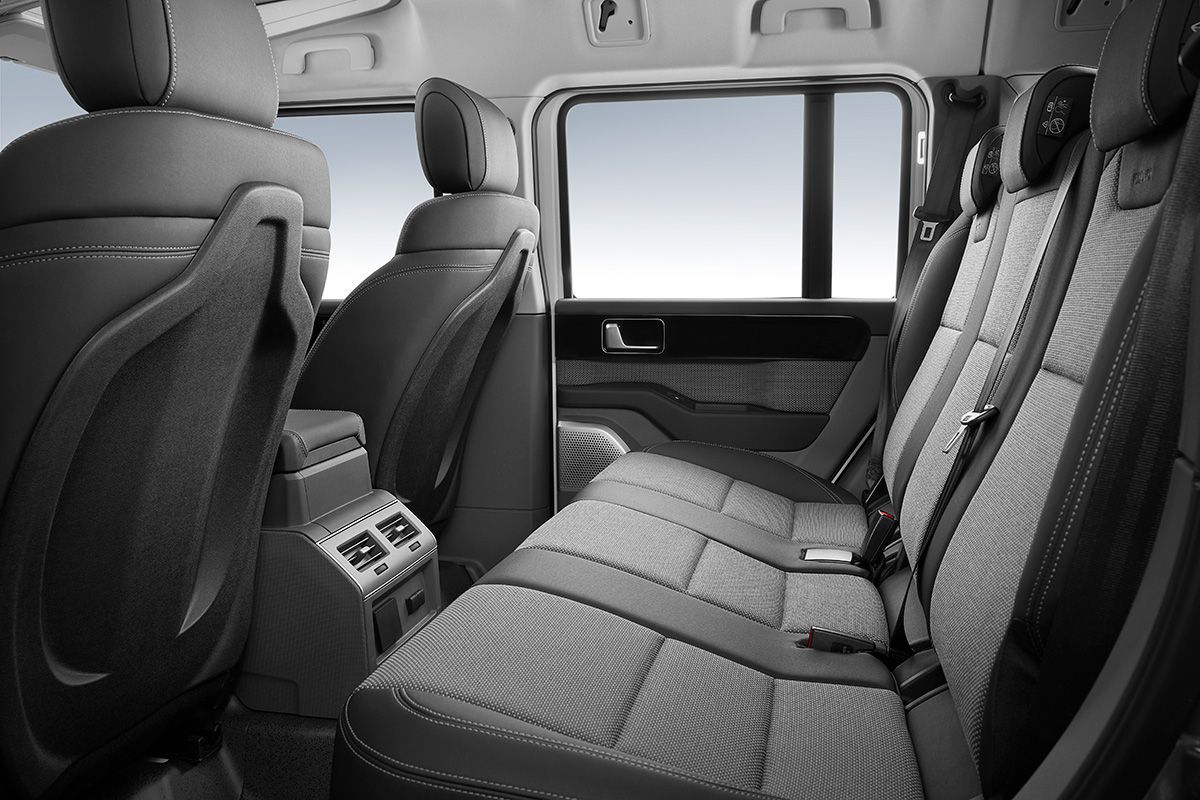
Still here? Okay. Ineos has revealed images of its Grenadier cabin architecture and it looks fantastic.
The British off-road vehicle brand is nearly done with validation testing for its 21st-century Defender lookalike and we have driven a prototype. It is good. Especially if you are the kind of driver who needs something between the old Defender and the current Discovery.
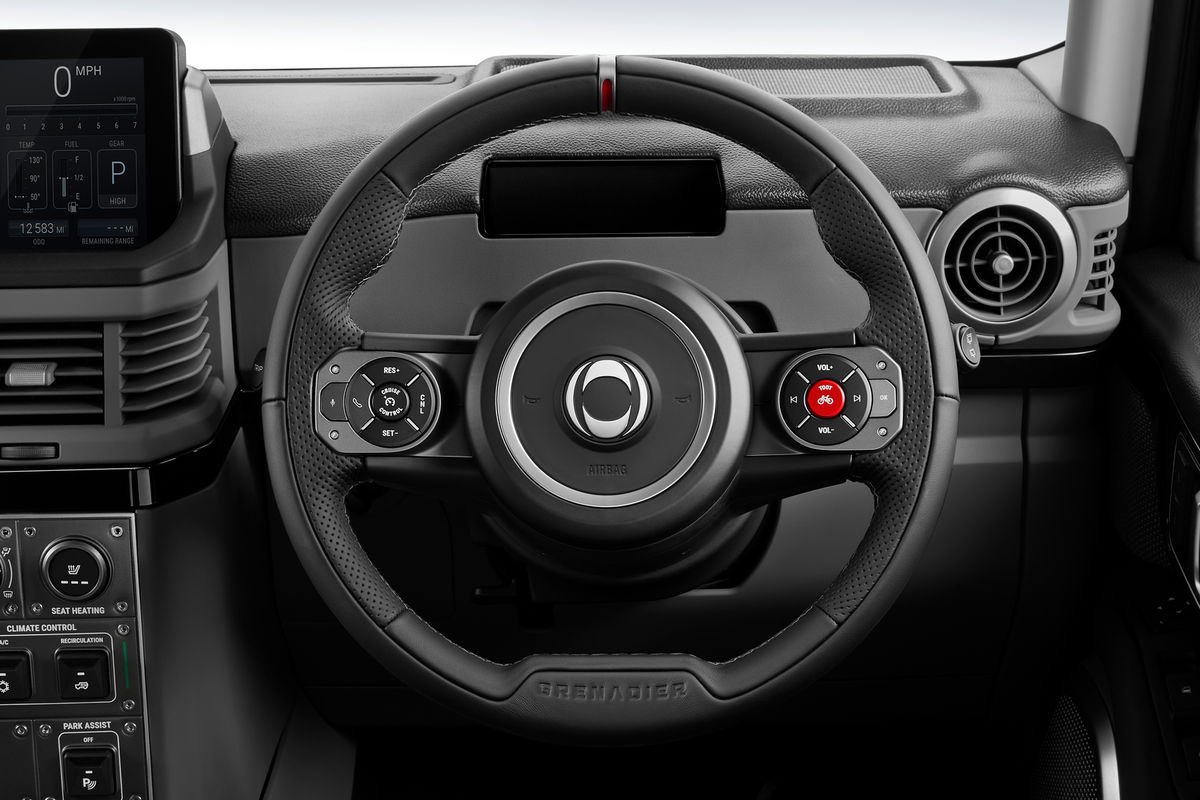
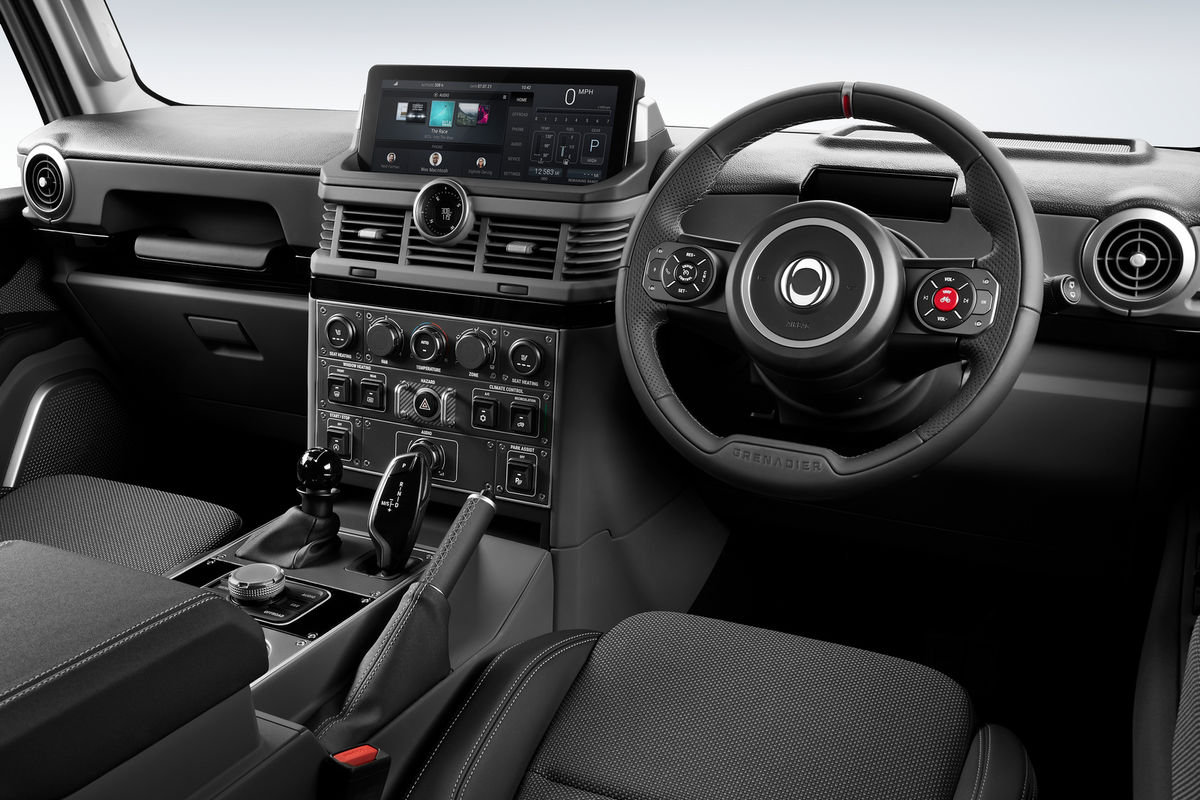
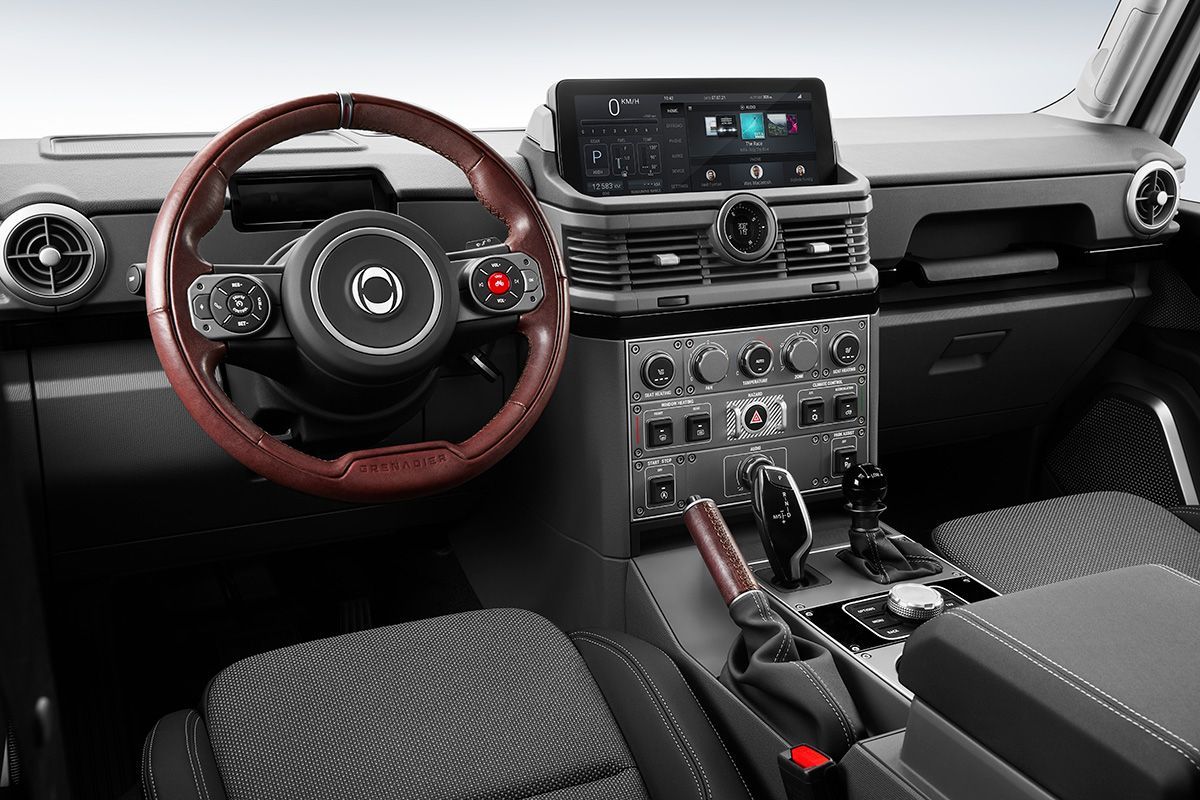
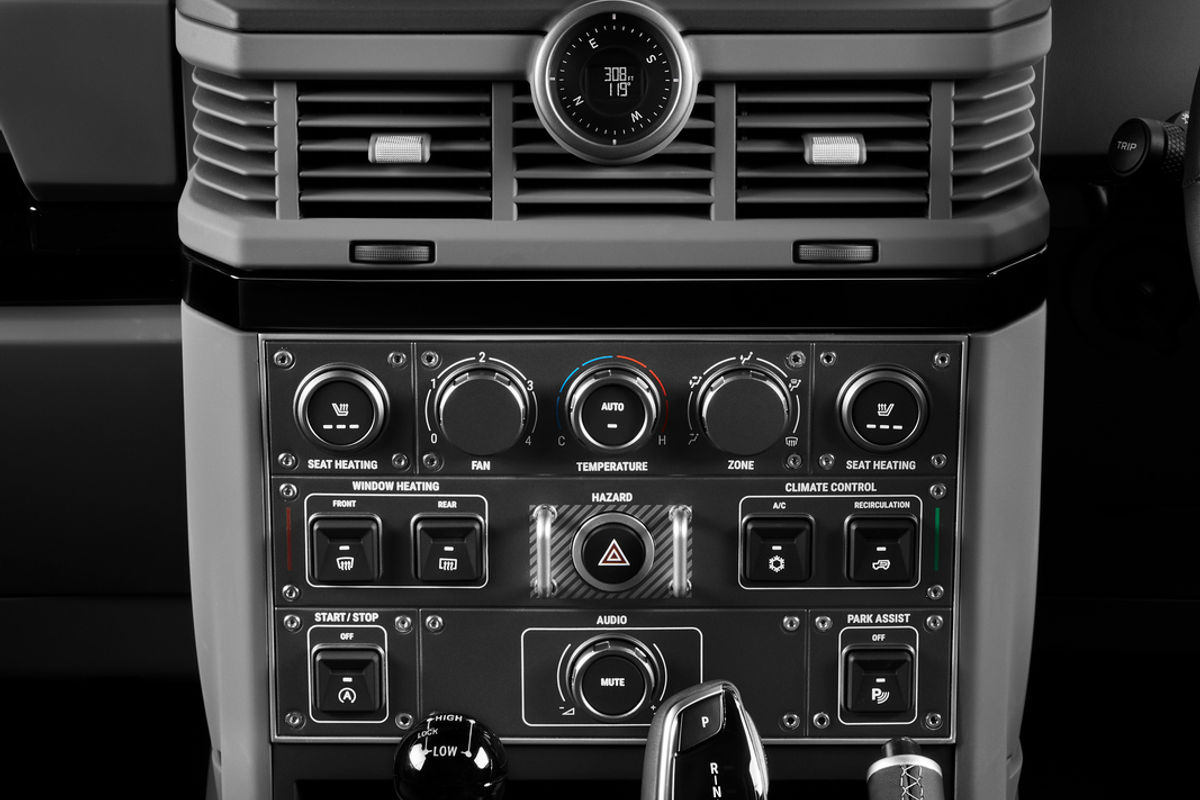
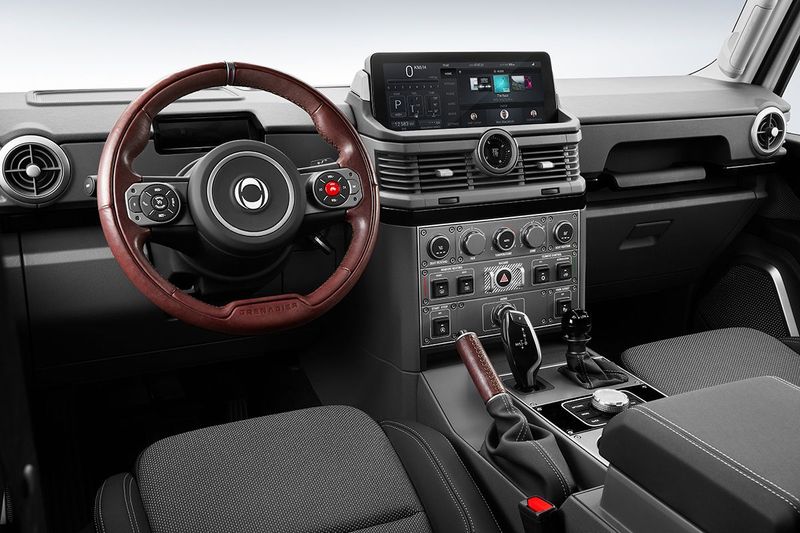
The Ineos’ fascia is a veritable treasure trove of rocker switches, buttons, dials and knobs. By bucking the trend for touchscreen over integration, Ineos has effectively prioritised manual driver interfacing. A lot of it.
The steering wheel is a two-spoke design, with simple satellite buttons, and a thumb-operated hooter, for the right hand.
Grenadier’s centre hang-down section is bulky and rectangular. It contains the HVAC controls and these are particularly chunky. For those drivers who hate having to fiddle with digitally haptic HVAC controls on a bumpy gravel road, there will be much approval for the Ineos ergonomic logic.
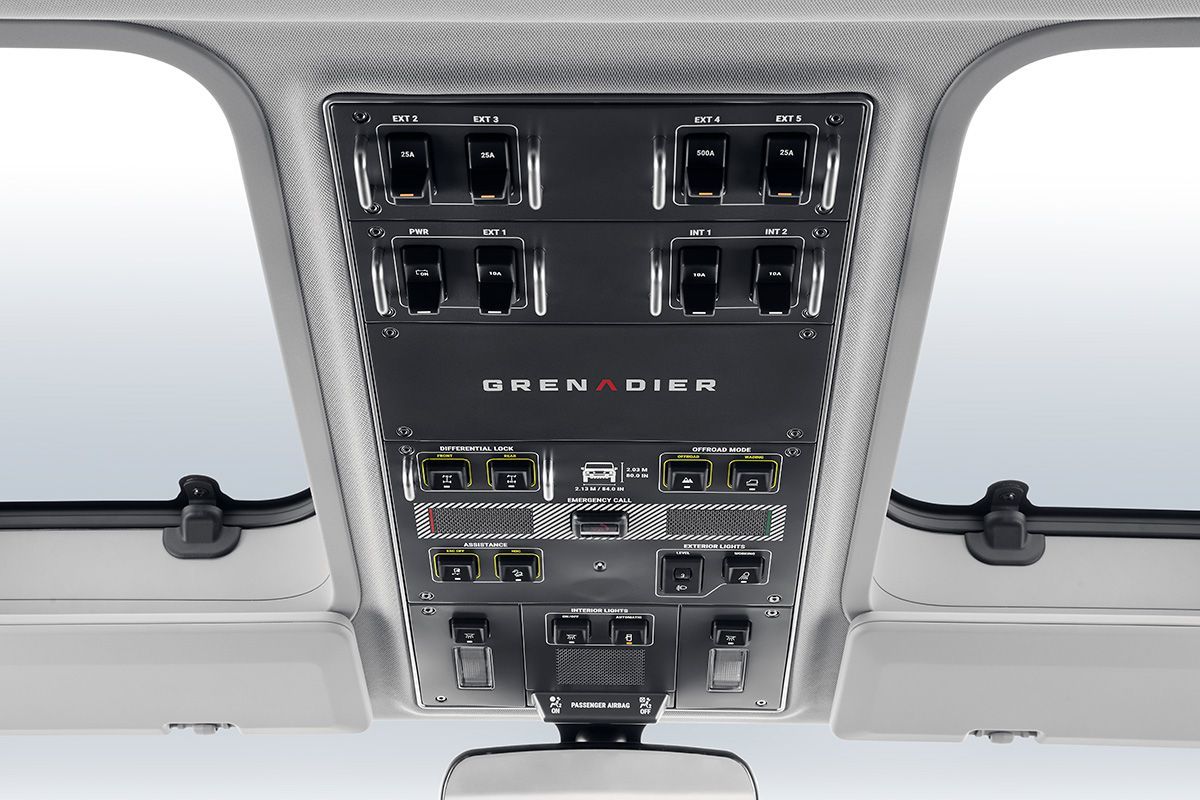
By far the most interesting aspect of Grenadier’s cabin design is the ceiling. There is a generous roof panel with switches, reminiscent of aviation cockpit design. What you’ll find here are switches for the auxiliary battery and electrical system, and differentials locks.
Flanking the roof panel controls, are two skylights, which give the Grenadier cabin a generosity of natural light. It is unclear what coatings have been applied, or if these skylights will be adequate at keeping harsh sunlight dimmed, in Karoo midday driving conditions.
Between the front seats, you’ll spot the BMW transmission shifter, and to its right, there is something you’ll never ordinarily see in any BMW: a low-range transfer case shifter. Ineos has also chosen to use a traditional girdle-operated parking brake.
Digitisation? There’s Apple CarPlay and Android Auto, with all infotainment functions controlled by relayed by a 21.3-inch screen, with a rotary controller that looks like, you guessed it, BMW’s iDrive system.
Wanting its customers to use their vehicles in robust environments, and explore, Ineos has used water and dirt resistant materials for the seats and trim.
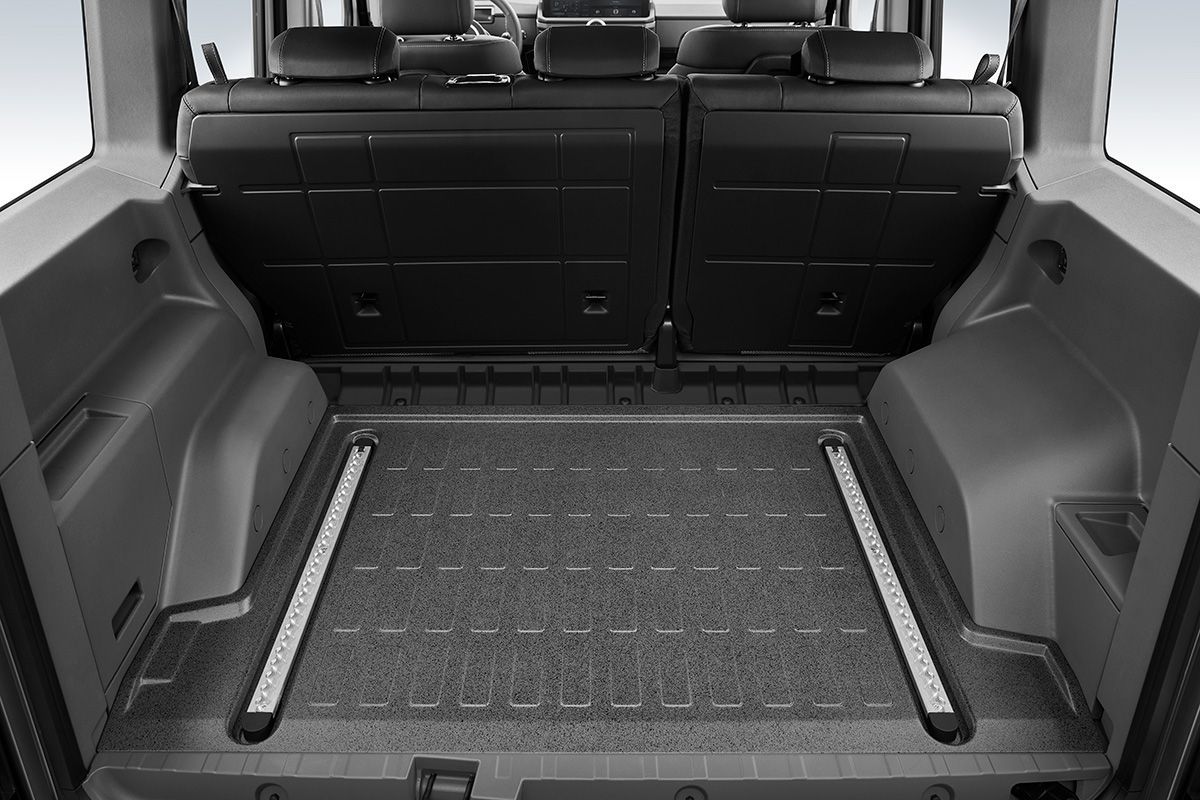
The luggage area has a non-slip floor and interestingly, asymmetric wheel arch intrusion mouldings, with the right side offering slightly less cross-loading space than the left.
Although the current-generation Ranger is nearing the end of its life cycle, this FX4 double-cab derivative proves Ford’s stalwart bakkie still offers much appeal.
We like: Ride quality, smooth drivetrain, appealing looks, clever tech
We don’t like: Dated ergonomics (particularly the climate control interface), some lower-grade cabin plastics
Fast Facts
Model Tested: Ford Ranger 2.0SiT Double-Cab 4×4 XLT FX4
Price: R704 500 (July 2021)
Engine: 2.0-litre turbocharged 4-cylinder diesel
Power/Torque: 132 kW/420 Nm
Transmission: 10-speed automatic
Fuel efficiency: 7.5 L/100 km (claimed)
Towing capacity: 3 500 kg (braked)
What is the Ford Ranger FX4?
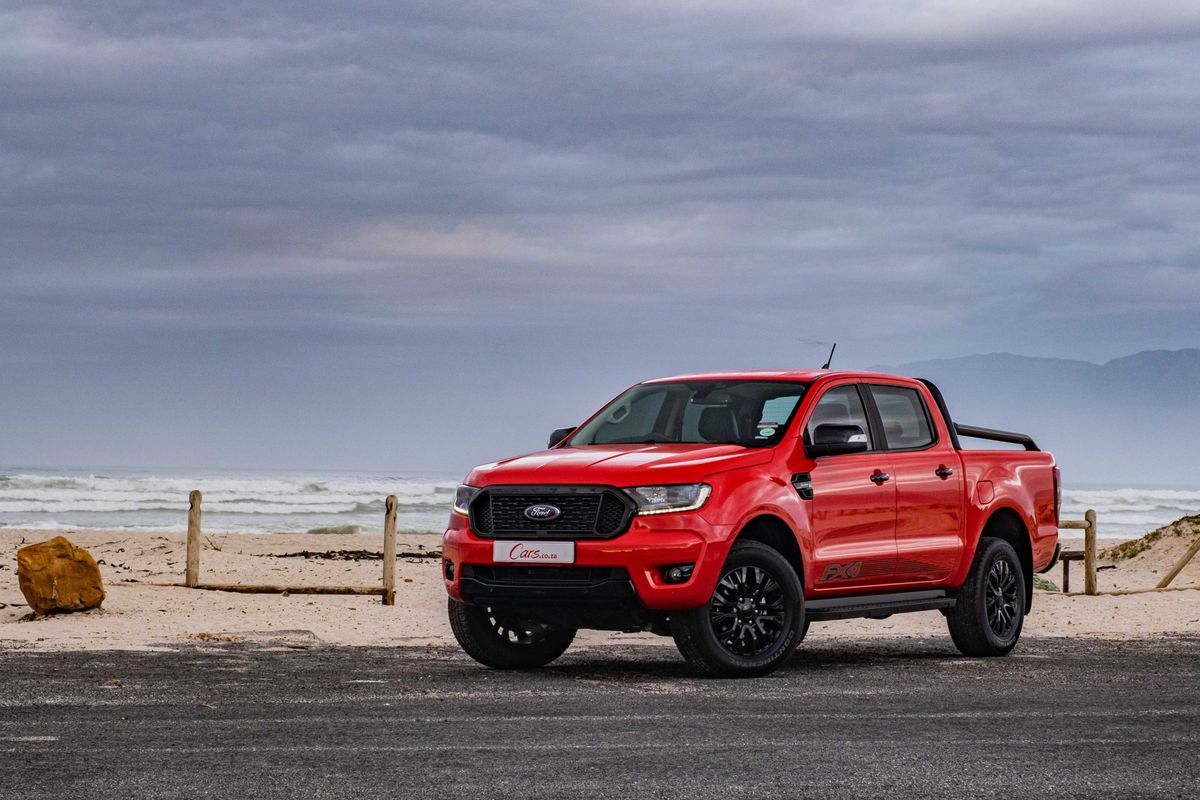
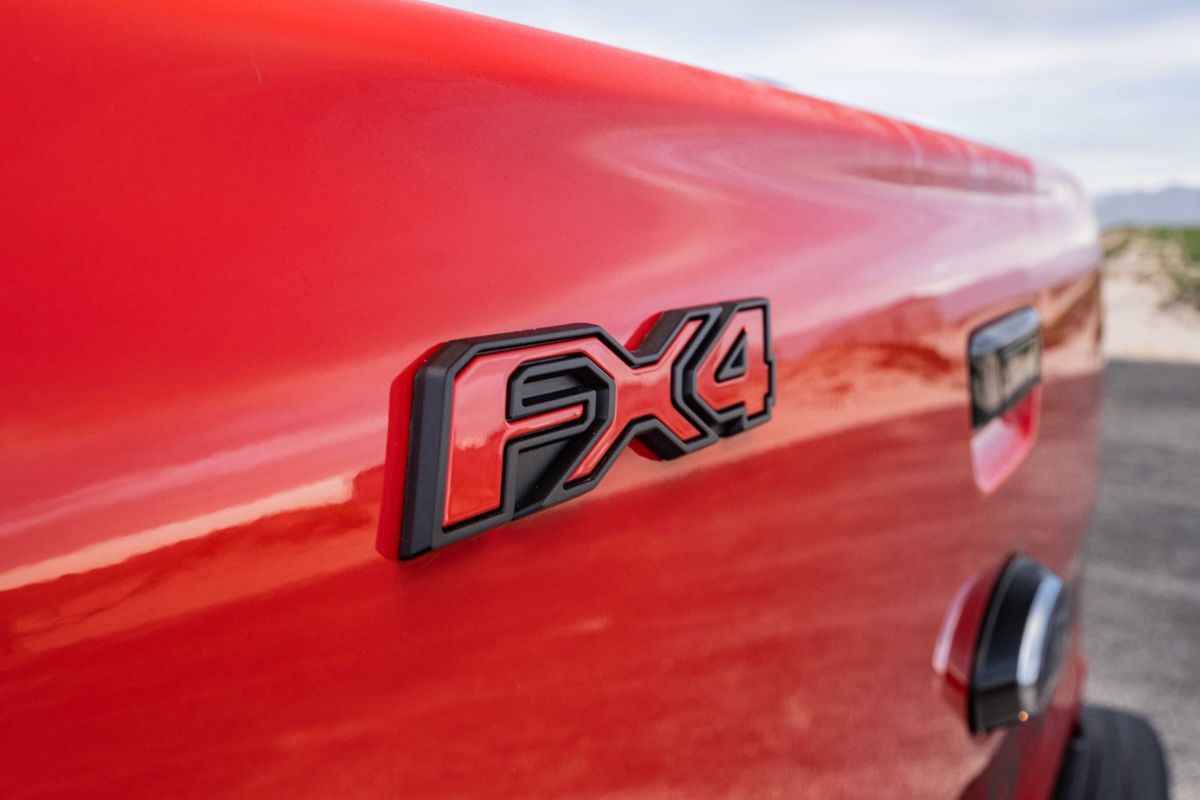
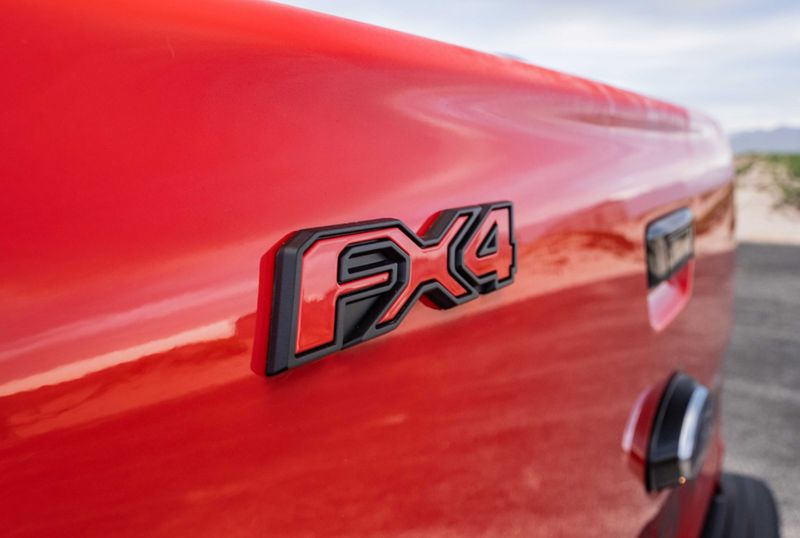
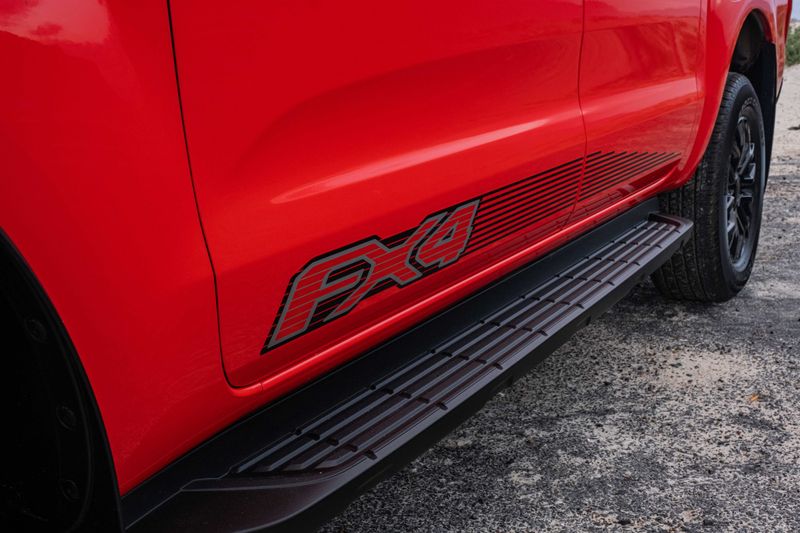
3D-effect badging and blacked-out trim distinguish the new Ranger variant from the XLT it is based on.
The current-generation Ranger (T6) entered production as long ago as 2011 and, even though the model has undergone several facelifts/updates during the past decade, it has remained a significant player in the market for its entire lifespan, which underlines the fact that the product (helped by continuous improvements on the part of Ford) was “right” out of the gate… Now that a new model is on the (somewhat distant) horizon, the Blue Oval is using the tradition of launching “special editions” to keep consumers interested in the Ranger, particularly when the segment is bursting with new talent.
But what exactly is a Ranger FX4 and who is it aimed at? Well, essentially it is an XLT-specification Ranger that has benefitted from the fitment of several cosmetic enhancements (inside and out). At the time of its introduction, the bakkie also debuted some class-leading technology, in the shape of FordPass Connect, which allows several of the vehicle’s features to be remotely operated via an app on its owner’s smartphone, but keep in mind that this feature is now standard on all XL, XLS, XLT, FX4, Wildtrak and Raptor derivatives – and not exclusive to the FX4.
Ultimately, the Ranger FX4 is aimed at lifestyle double-cab buyers who want something more distinctive and appealing from a design point of view, as well as a carefully judged mix of luxury and tech features. Let’s see whether the “senior citizen” of the bakkie segment still offers some youthful appeal…
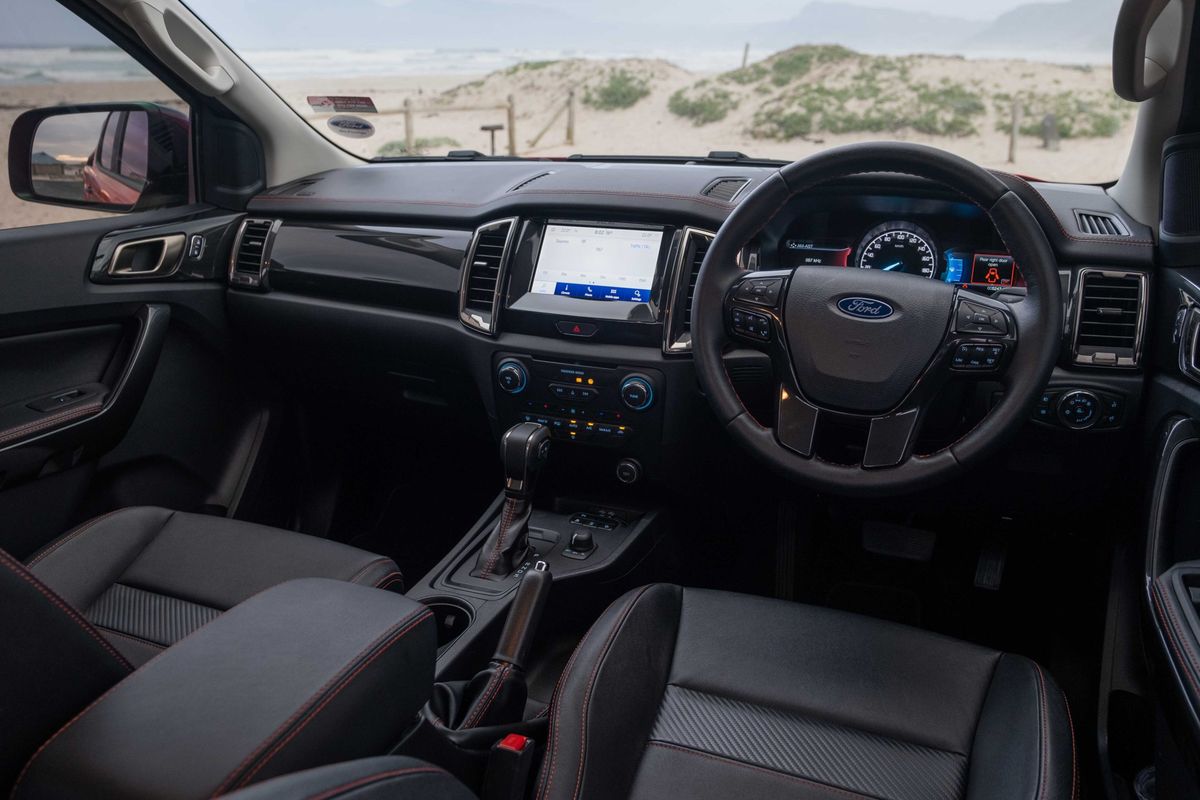
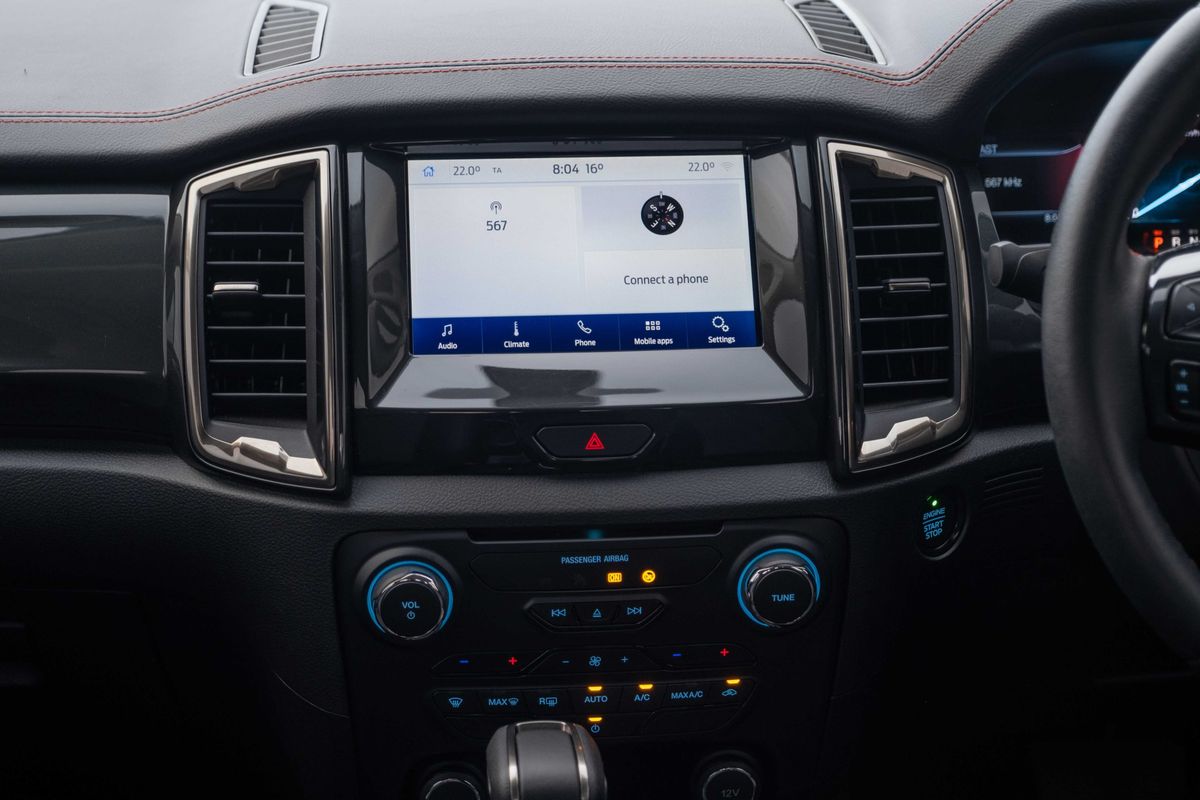
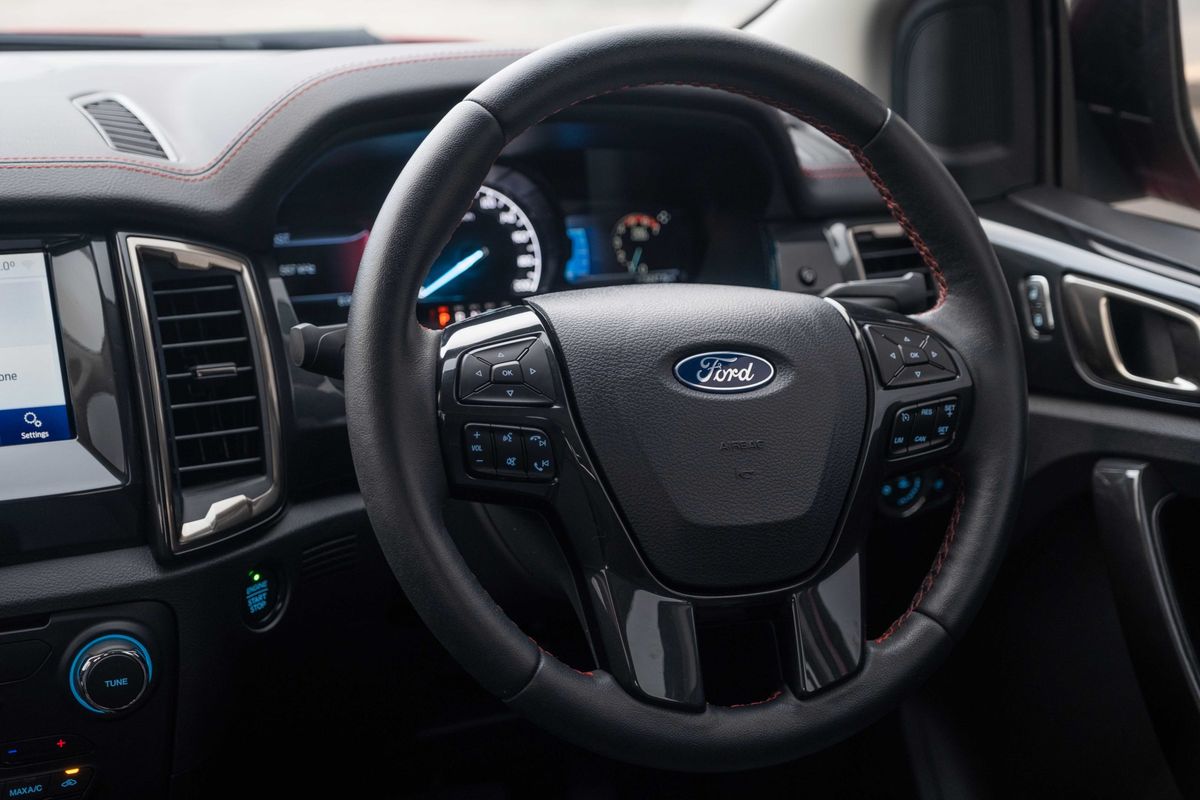
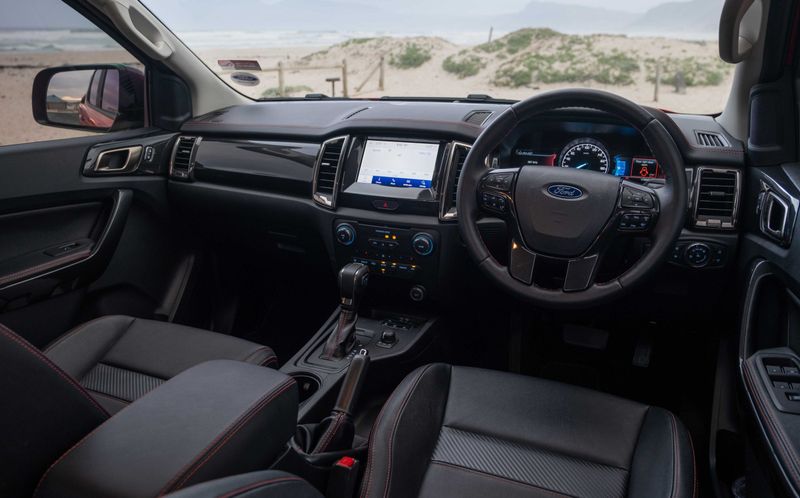
Unique trim, red stitching and a leather dash covering lift the FX4’s cabin appeal markedly.
The Ranger FX4 is available exclusively with Ford’s single-turbo 2.0-litre diesel engine that develops 132 kW at 3 500 rpm and 420 Nm of torque from 1 750 to 2 500 rpm. Although down on overall torque compared with some rivals’ motors, the engine is nicely matched with Ford’s 10-speed automatic transmission and, consequently, the powertrain hardly ever feels short of grunt.
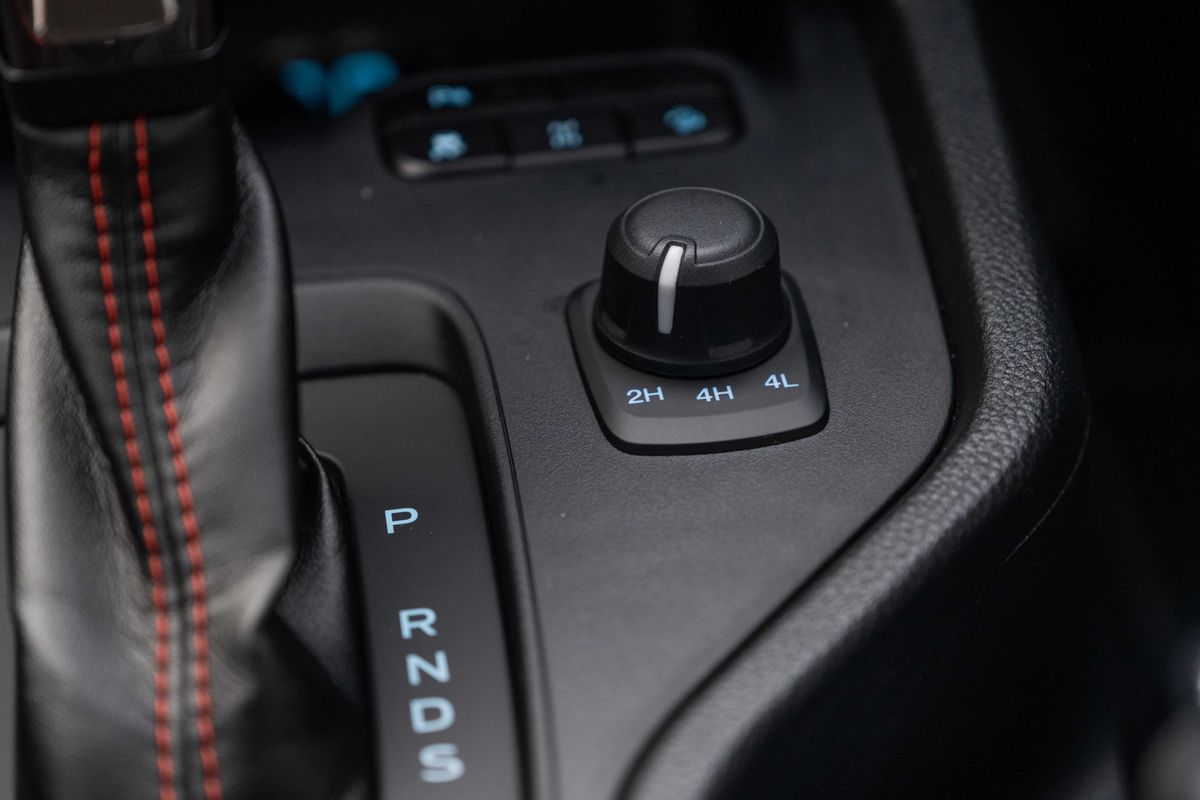
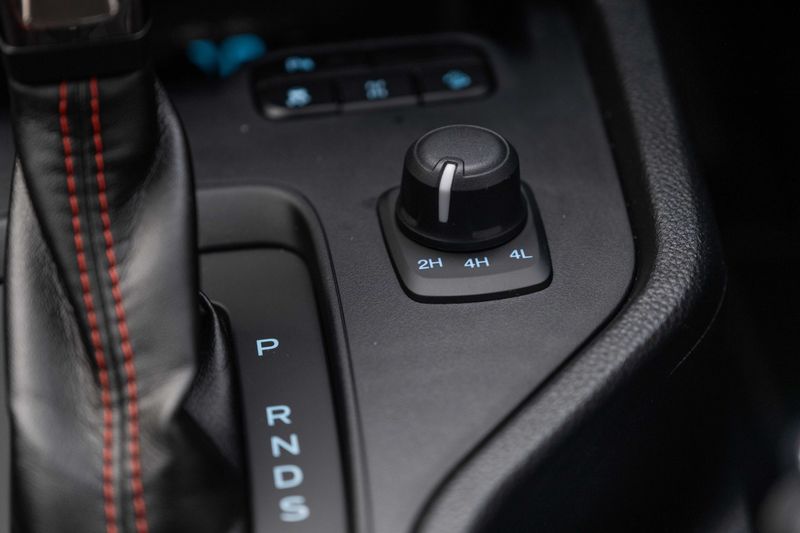
The transmission is generally very responsive to throttle inputs, but if you want to sharpen things up even further, it does offer a Sport mode, as well as the option to shift manually. The smooth-shifting nature of the transmission also adds to an overall sense of on-road refinement. The 4×4 variant of the Ranger FX4 is the subject of this review and, again, the transmission plays a starring role in endowing the Ranger with well-measured throttle responsiveness in tricky off-road conditions. This variant further offers shift-on-the-fly 4×4 control, as well as a rear diff-lock.
The smooth 10-speed auto ‘box is one of the stars of the package, making the most of the turbodiesel motor’s available torque.
Ford claims a combined cycle fuel consumption of 7.5 L/100 km, which beats the competition, but of course, the reality is that you’re unlikely to achieve that exact figure. A far more likely return is an average fuel consumption figure of around 9 L/100 km, which is still impressive for this size and type of vehicle. For those of you who intend to tow trailers with your bakkie, the maximum (braked) towing capacity is 3 500 kg (3.5 tonnes). A tow bar is standard, by the way. Adaptive load control and Trailer Sway control are part of a comprehensive suite of active safety features.
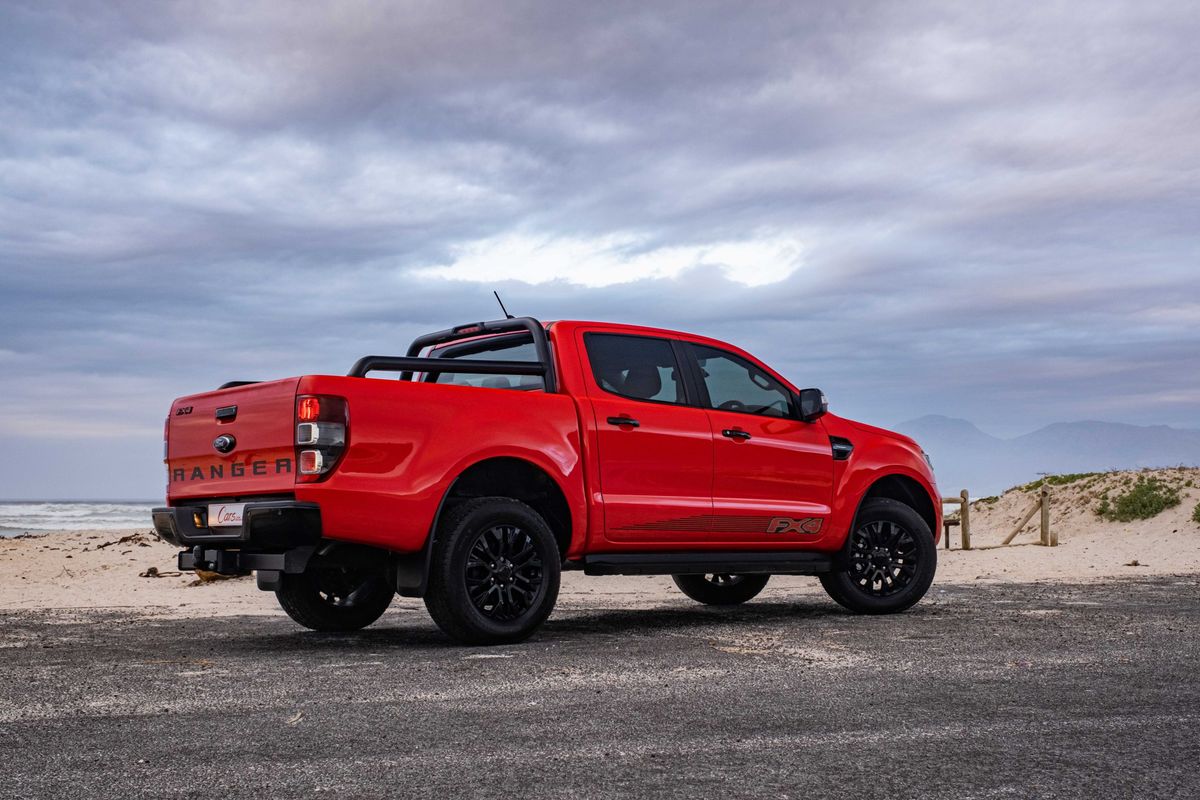
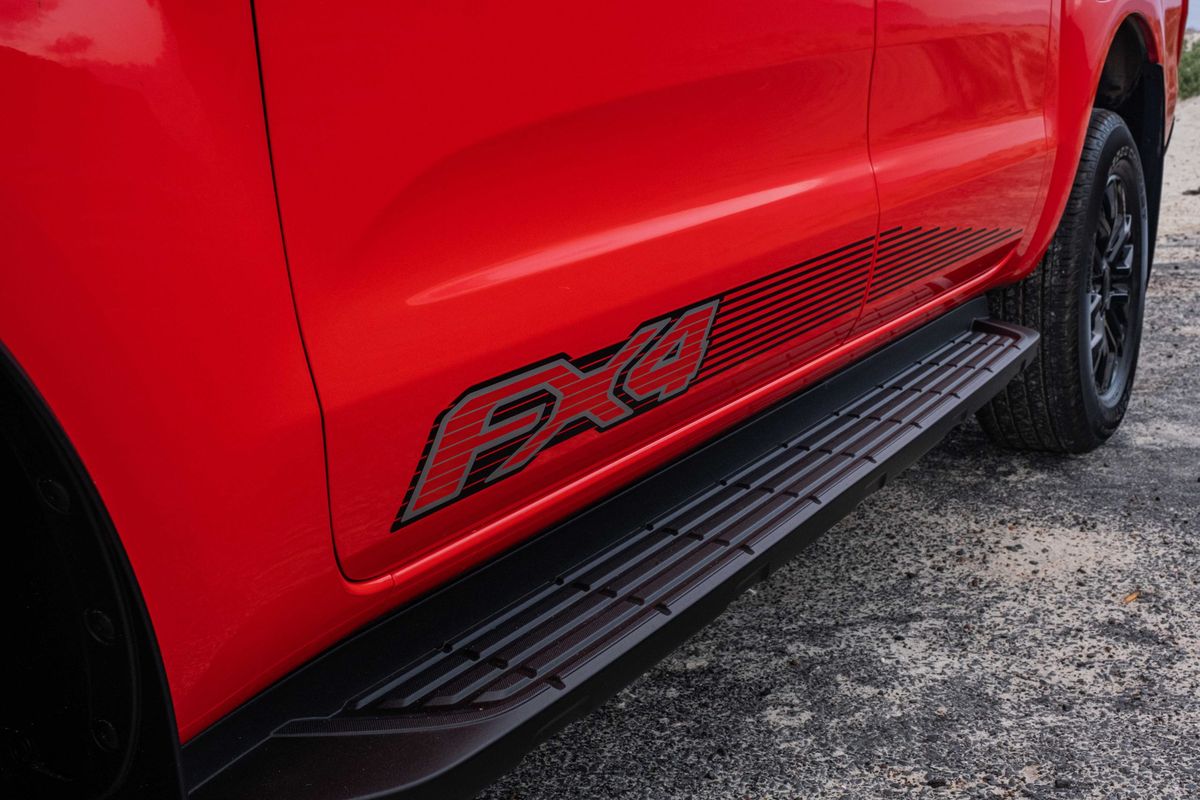
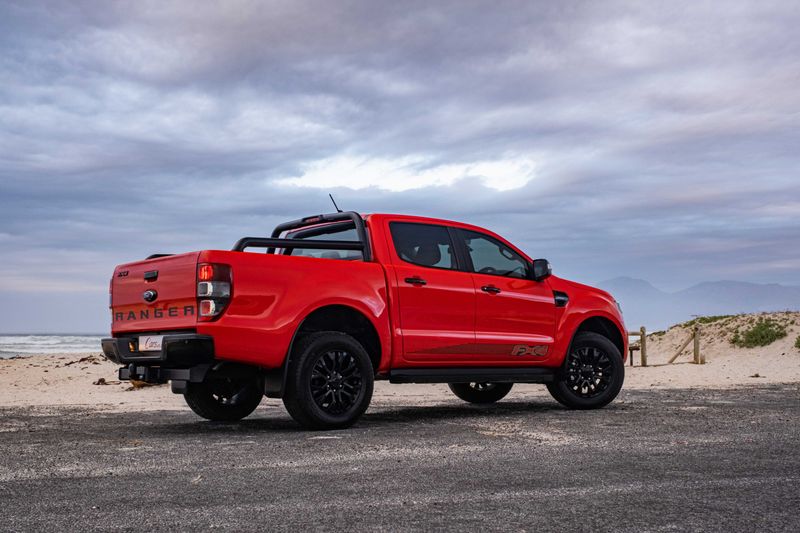
Striking black 18-inch alloy wheels are standard. Ground clearance is good for off-roading, but mind the wide side-steps.
On the go on the road (and off it), the Ranger remains one of the most impressive double-cabs you can buy, particularly from a ride comfort point of view. The standard wheels on this derivative are striking black 18-inch items, wrapped in generously rubbered 265/60 tyres.
Unlike many other double-cabs (even some of the more modern ones), the Ford retains its impressive ride comfort even when unladen; it doesn’t exhibit that typical rear-end “hop” that most leaf-sprung vehicles exhibit when they traverse rough surfaces or encounter large bumps on tarred roads. The Ranger FX4 is a bulky vehicle, of course (just like all modern luxury double-cabs), but the bakkie’s light steering, good visibility out of the cabin and standard front and rear parking sensors, as well as a reverse-view camera, are particularly helpful when negotiating the tight confines of the city.
What’s the impact of the FX4-specific changes?
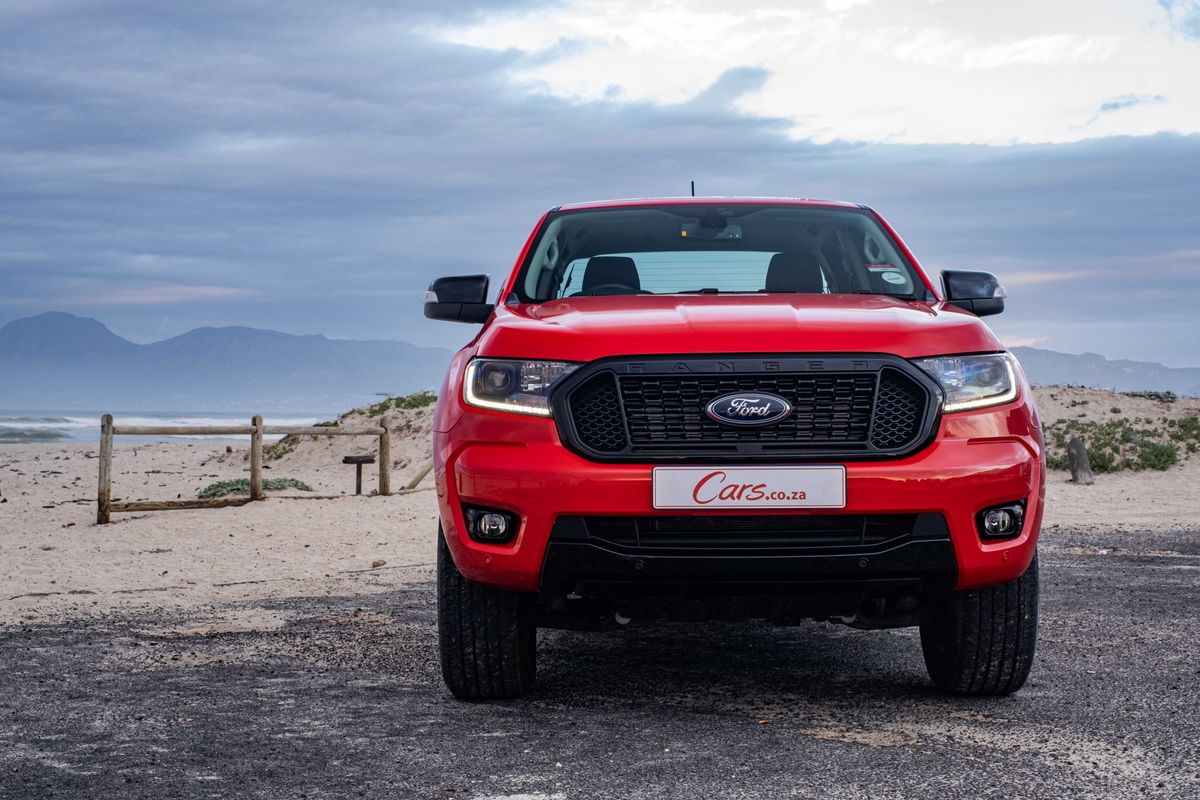
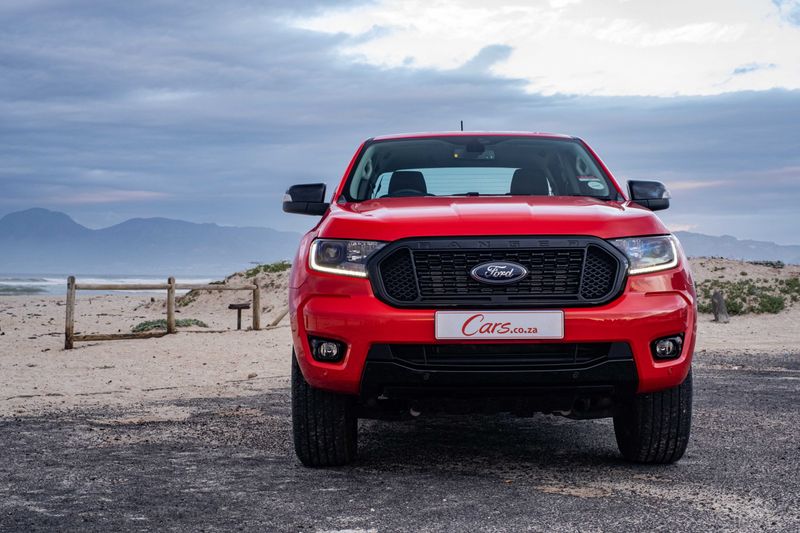
A black mesh grille clearly distinguishes the Ranger FX4 from the chrome-fronted XLT.
Design is, of course, a very subjective matter, but in our test team’s collective opinion, the FX4 is probably the best-looking Ranger variant yet! The changes are subtle, but certainly effective, particularly so on our striking Race Red-finished test unit. With its black mesh grille, blacked-out details, FX4 decals and “extended leg” sports bar, the Ranger FX4 doesn’t only manage to still, somehow, look modern, but also distinctive, even in a car park filled with many other Rangers. A nice, practical touch is the standard fitment of a drop-in load-bed liner with a power socket.
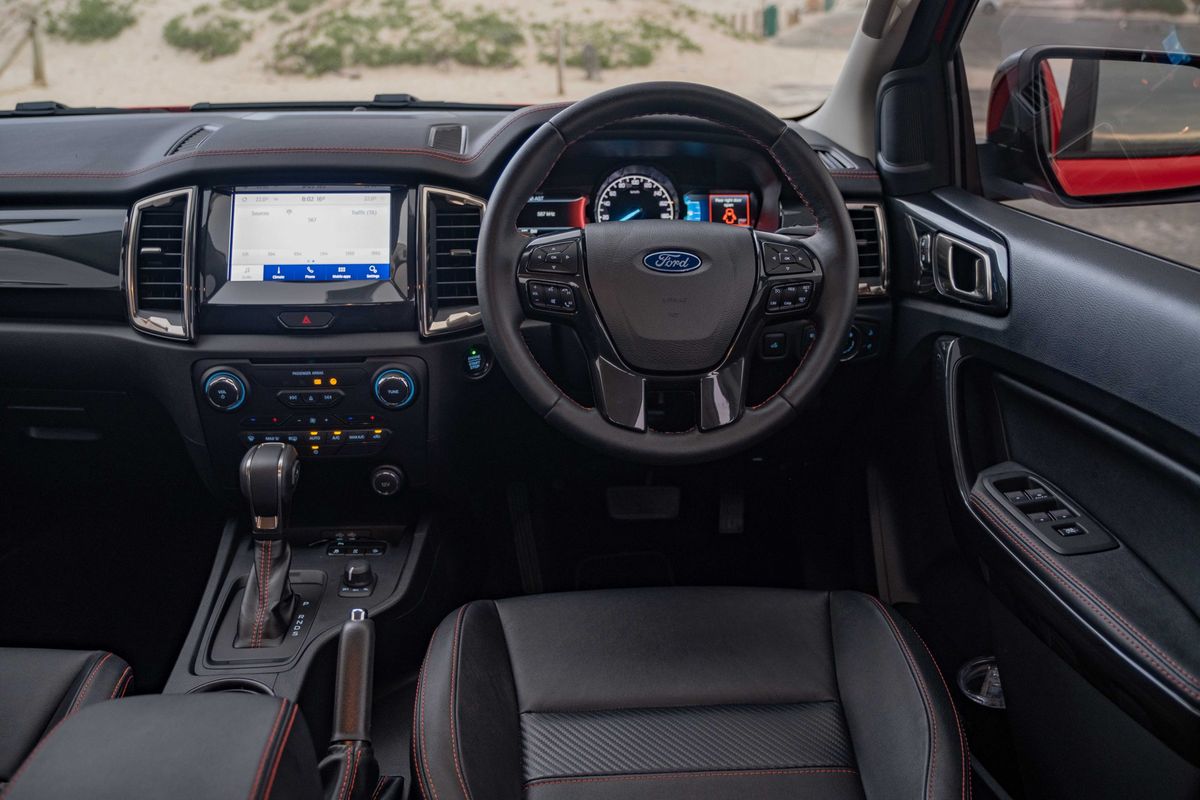
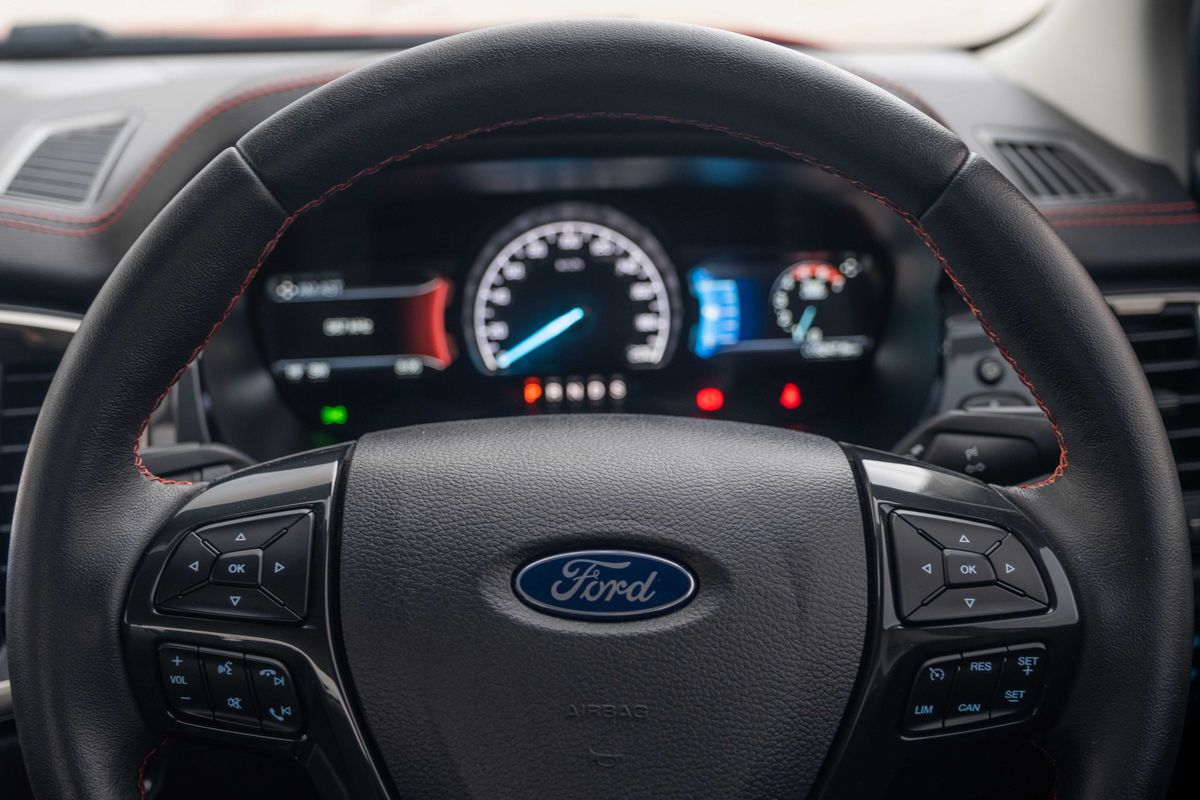
Inside, the biggest change is the stitched leather upper section of the fascia, which certainly helps to elevate the cabin’s appeal, because some of the lower plastic surfaces are not quite as convincing. The (unique to FX4) partial leather seat upholstery is attractive, and the Ranger’s trademark mix of digital and analogue instrumentation still looks fresh. The bakkie does show its age in the cluster of secondary physical (button) controls in the hang-down section, however… The buttons that operate the dual-zone climate control system are positioned quite low and are quite small, but this is a very minor gripe.
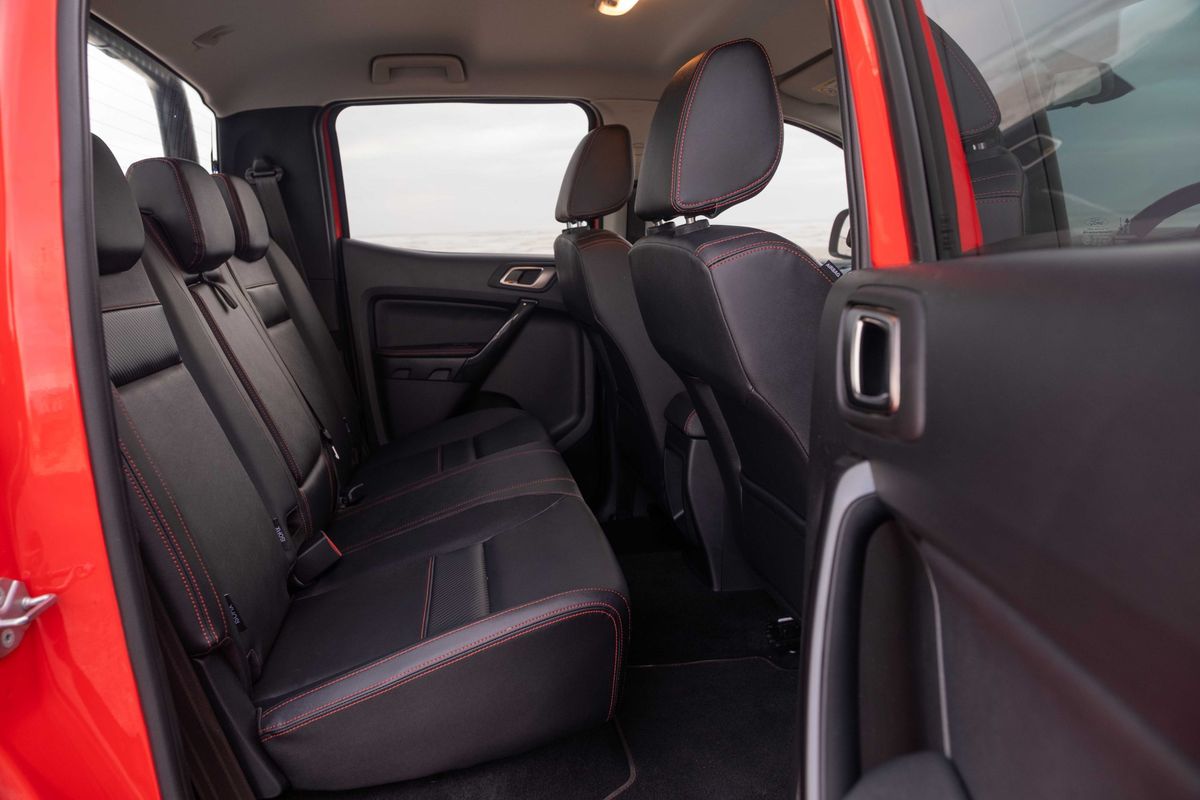
Overall, the cabin remains a comfortable and luxuriously equipped space to occupy, also for rear passengers, which are afforded plenty of legroom. Ford’s smart Sync3 infotainment system is standard and, of course, offers Apple CarPlay and Android Auto compatibility. Other standard features include cruise control, rain-sensing wipers, automatically activated headlamps and keyless entry/start.
FordPass Connect, which is now standard on most new Rangers, offers several very useful features.
The big news, from a tech point of view, however, is FordPass Connect. If you download the FordPass app to your smartphone, you’ll not only be able to access a plethora of useful information (including the full owner’s manual) about your particular vehicle (such as warranty and maintenance details) but also access a number of vehicle functions remotely, such as starting the engine, locking and unlocking the doors and priming the interior climate control. The latter function is arguably the most useful from a practical point of view, particularly at the height of summer.
How much does the Ford Ranger FX4 cost in South Africa?
The Ford Ranger 2.0SiT Double-Cab 4×4 XLT FX4 retails for R704 500 (July 2021). A 4-year/120 000 km warranty and a 6-year/90 000 km service plan are included in the price.
The FX4 is one of the most appealing models in the vast Ranger line-up. This Ford bakkie remains a strong competitor in the segment.
The South African bakkie-buying community is, of course, very familiar with the Ranger’s talents and this FX4 derivative uses that solid platform to offer a distinctive (upper) mid-spec offering. Whether the extra style is worth the extra R30k-odd over a standard XLT will be up to individual buyers to decide, but, in our view, the FX4 package neatly finishes off an already impressive offering.
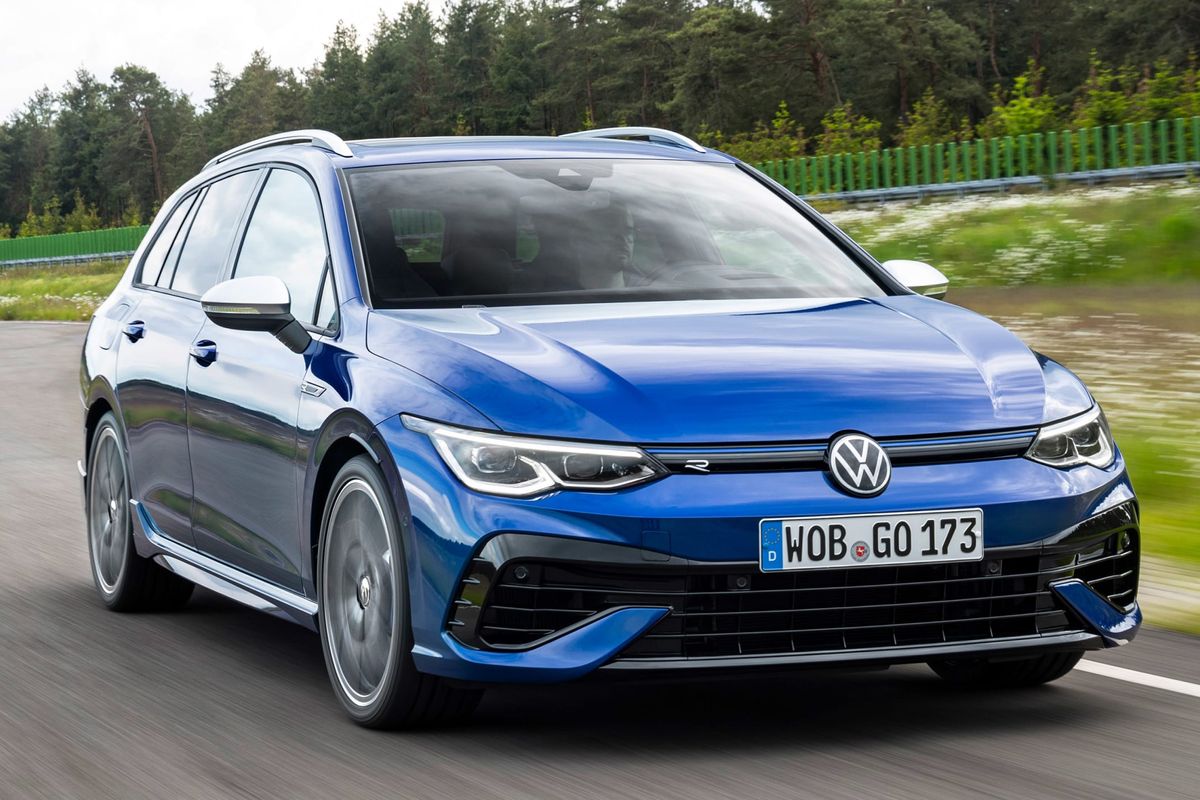
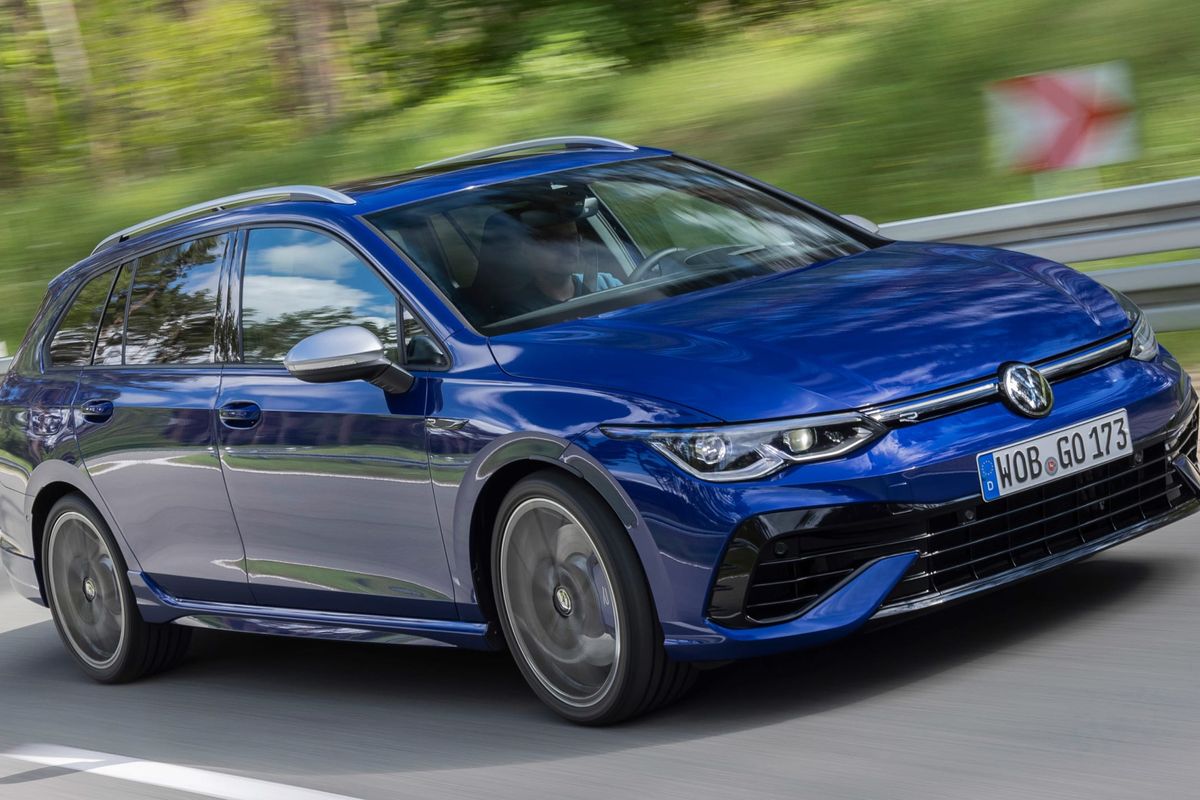
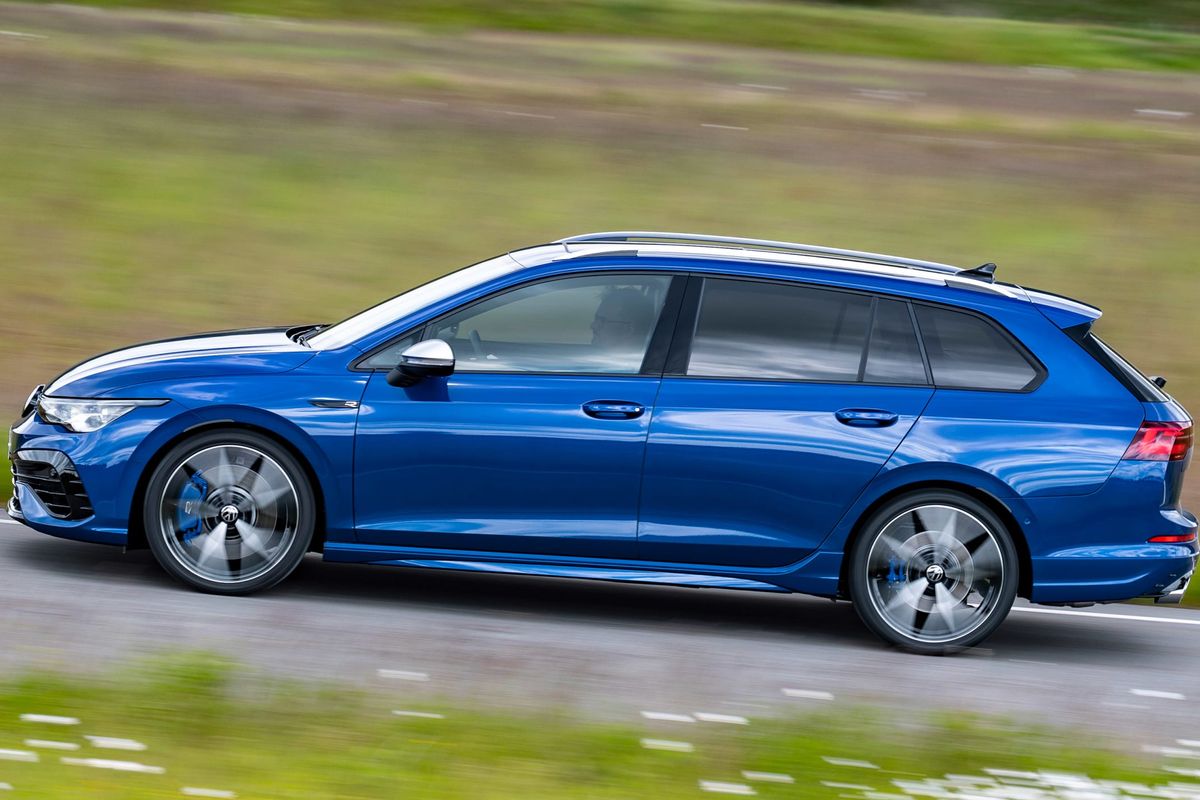
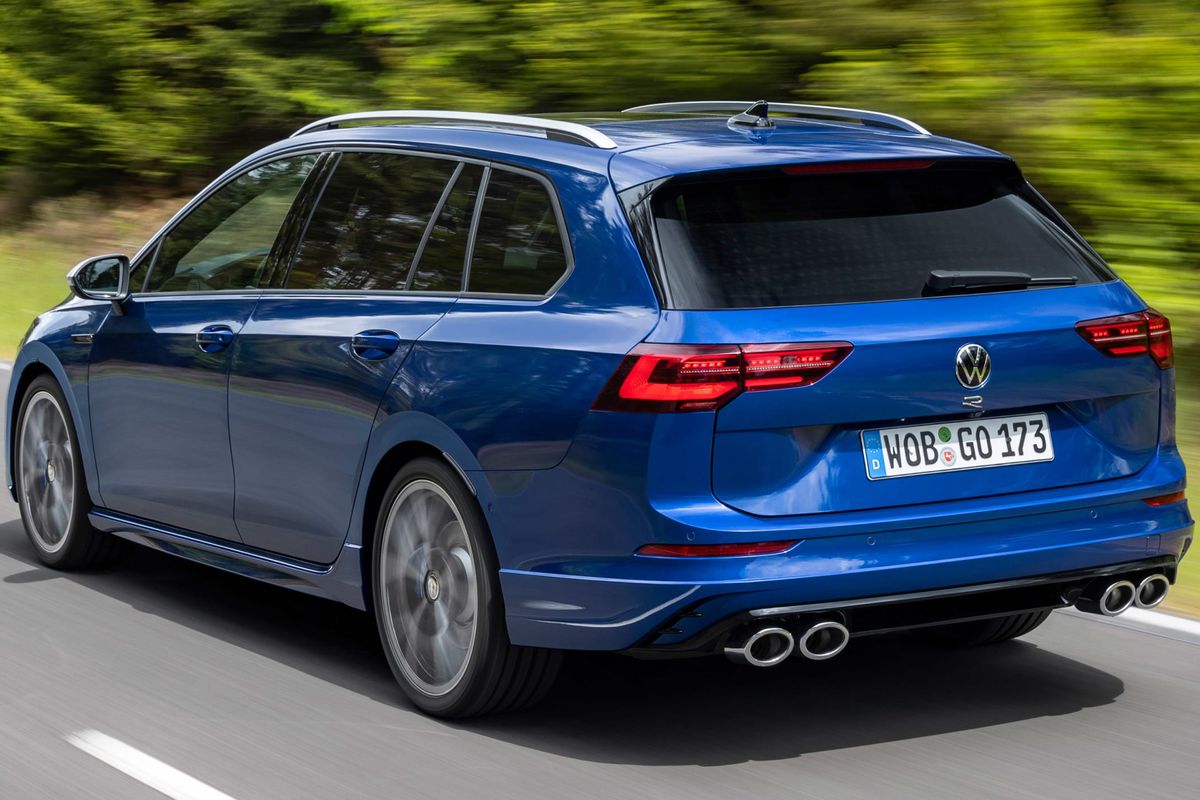
You can look but you can’t touch. Volkswagen has revealed its new sub-5-second family estate, the Golf R Variant, and it’s not coming to SA.
Yes, it packs the same 235 kW / 420 Nm turbocharged 2.0-litre engine as the forthcoming Golf R hot hatch but adds notable practicality with a longer body. In fact, the Golf R Variant is some 349 mm longer than its hatchback sibling and is some 79 kg heavier.
The sprint from zero to 100 kph is claimed at 4.9 seconds which is only 0.2 seconds slower than the new Golf R hatchback. Top speed is rated at 250 kph but it can be increased to 270 kph with the Performance Package which also adds 19-inch wheels as well as additional driving modes including a Drift mode and Nurburgring mode. Volkswagen has also adjusted the suspension accordingly to compensate for the additional weight of the vehicle.
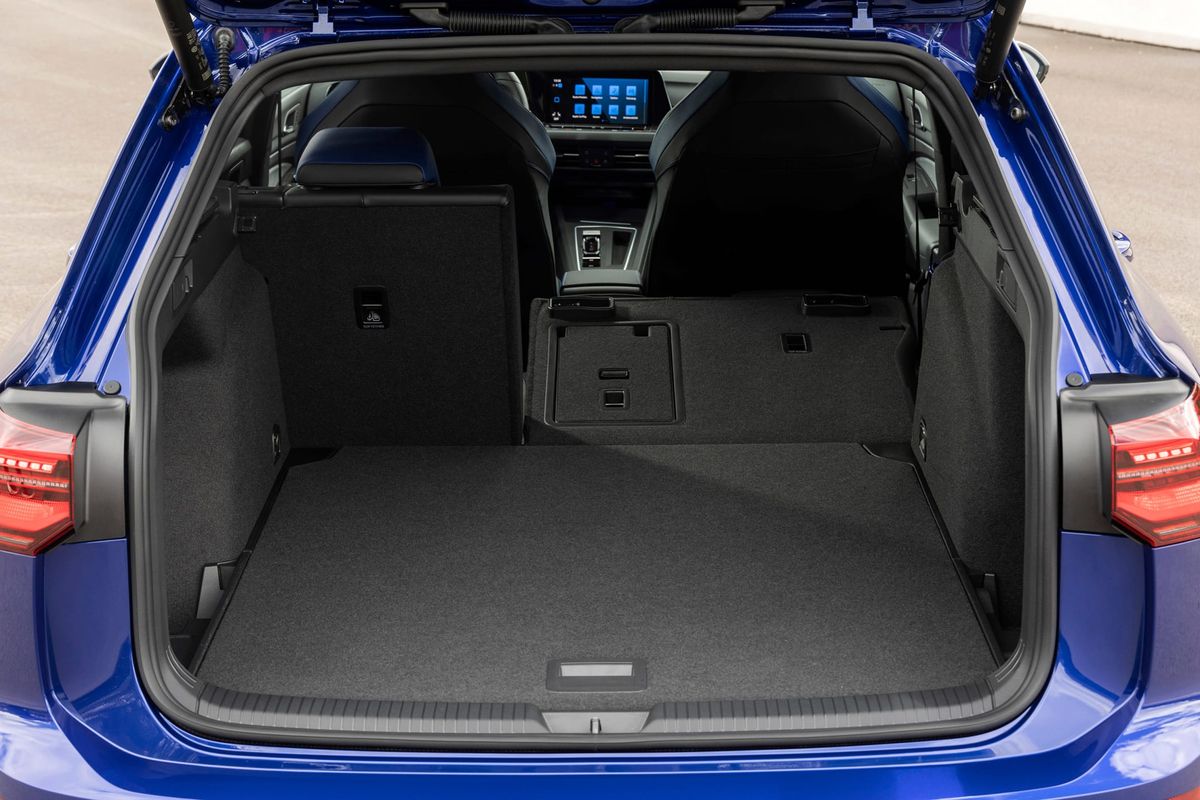
From a practical perspective, the Golf R Variant offers a generous load bay with space claimed at 611 litres with the rear seats in the upright position. With the seats folded down, interior load space increases to a useful 1 642 litres.
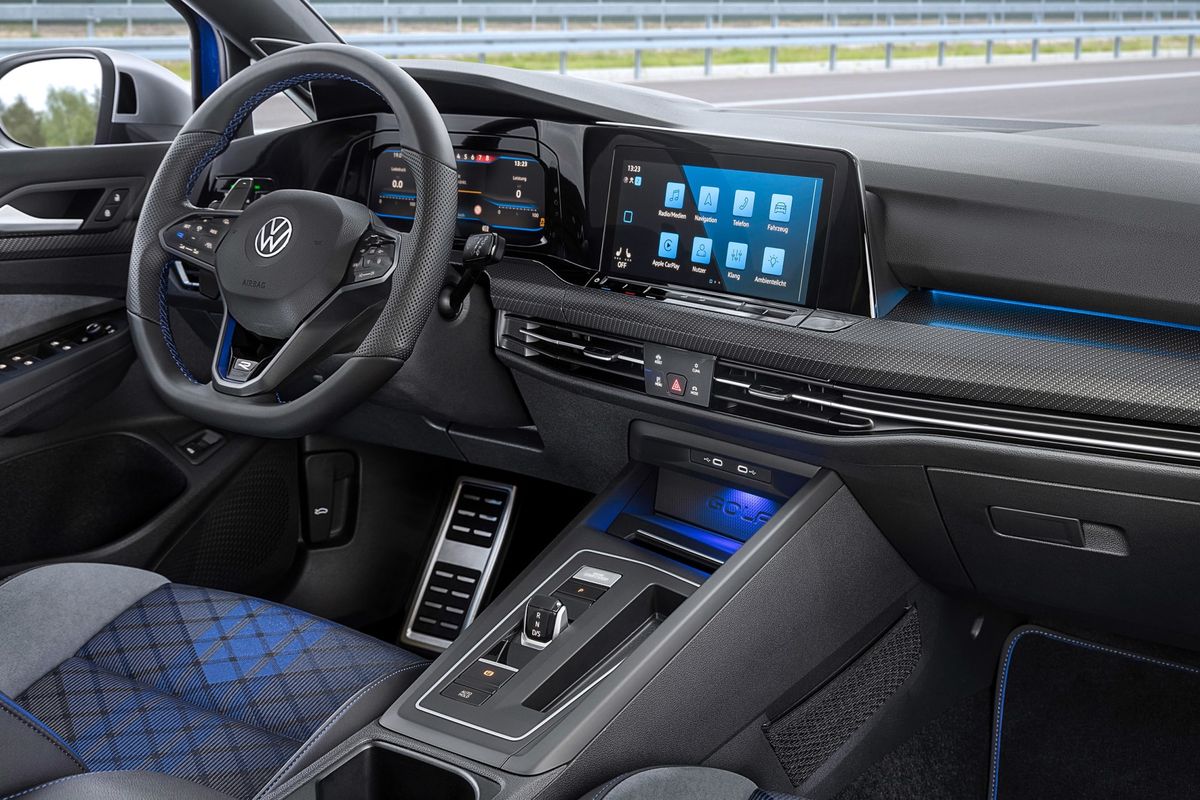
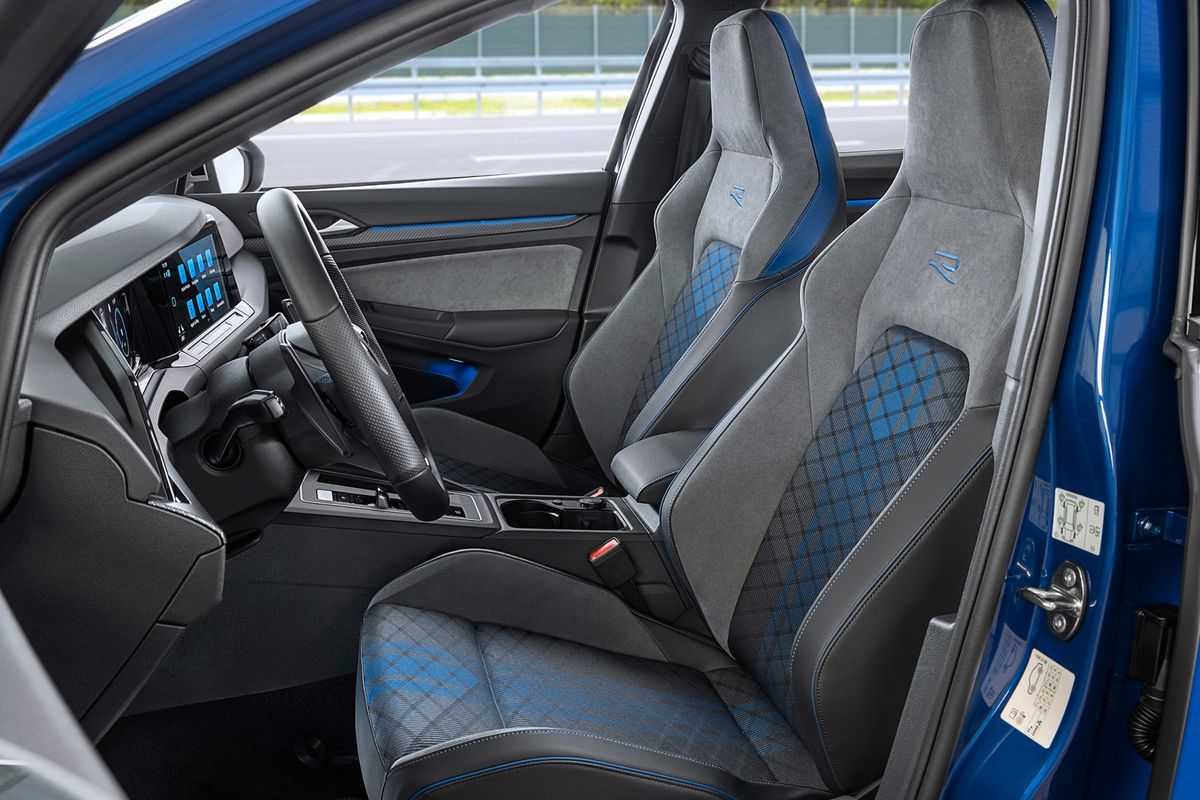
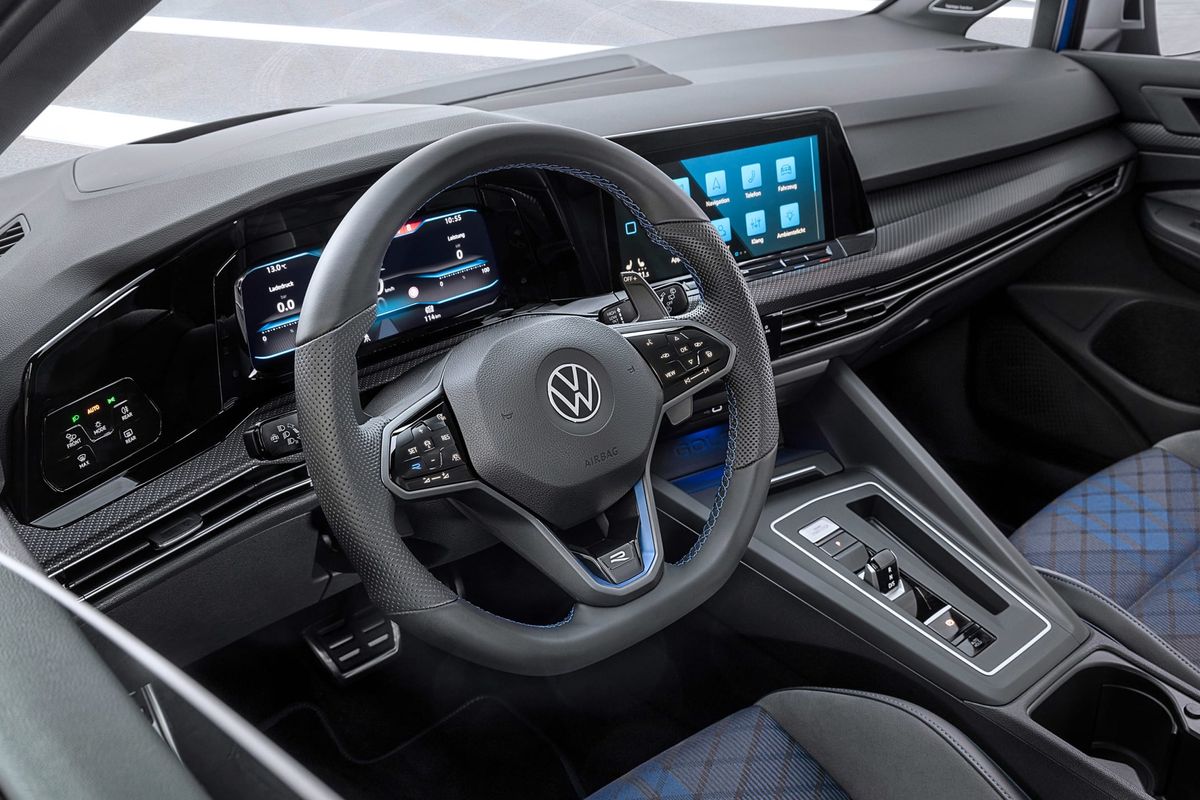
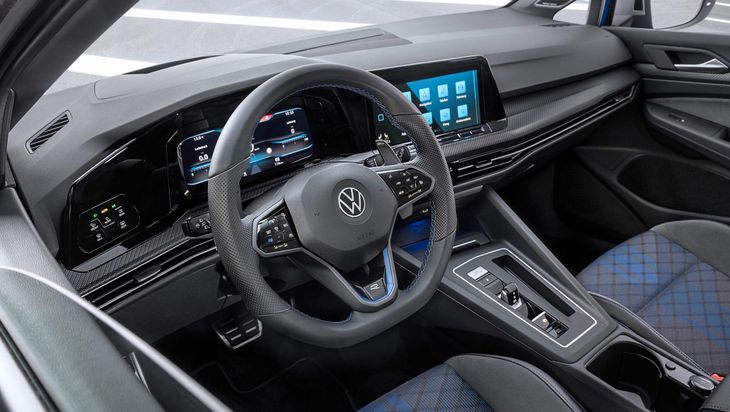
Other notable interior details include sport seats with blue details, a flat-bottom steering wheel with blue stitching, carbon-fibre-look trim, blue ambient lighting and blue colouring seen in both the digital instrument cluster and infotainment screen.
Will the Volkswagen Golf R Variant be sold in South Africa?
The Golf R Variant adopts a distinct blue interior theme.
No, unfortunately not. Volkswagen South Africa has confirmed that the new Golf R, which is due to arrive in South Africa in Q1 2022, will not be accompanied by its Golf R Variant sibling. The Golf R wagon will primarily be sold in Europe, where demand for station wagons remains robust.
At Cars.co.za, we love station wagons, particularly the powerful ones and we long for the day that station wagons will once more become a common sight on our roads.
Do you want to see the Volkswagen Golf R Variant in South Africa?
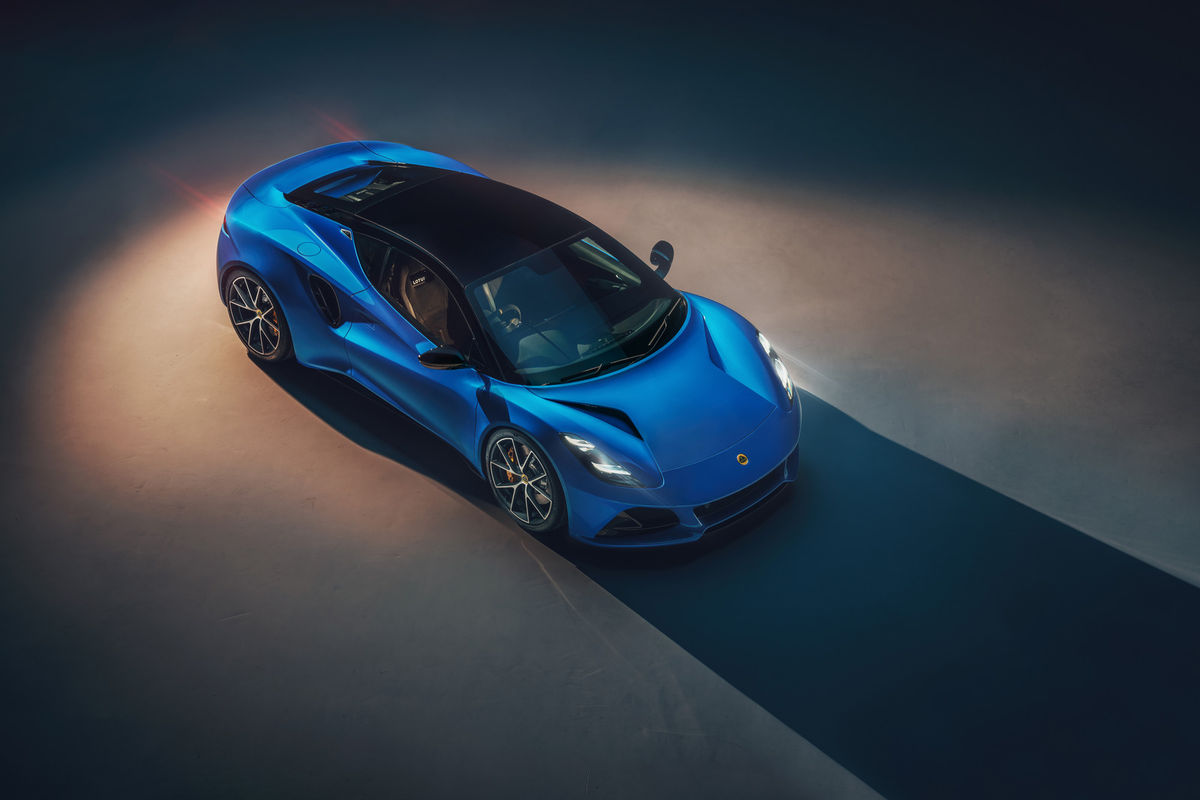
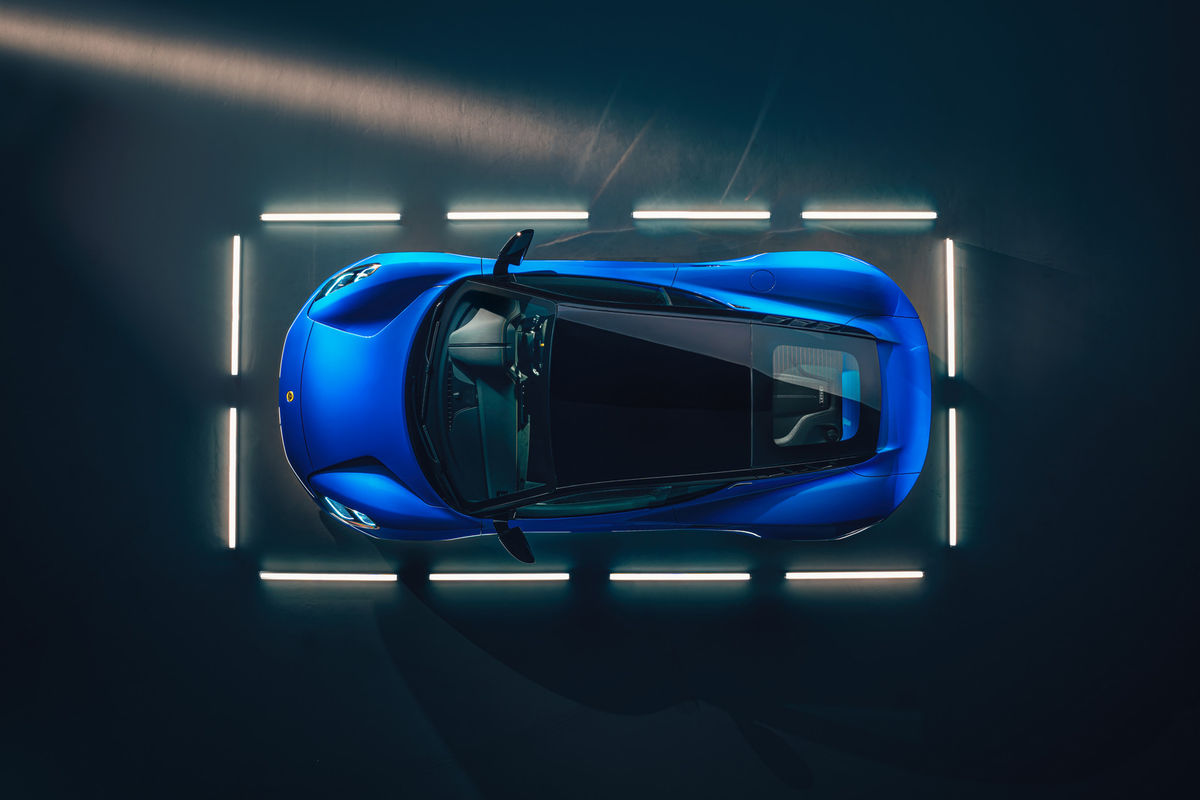
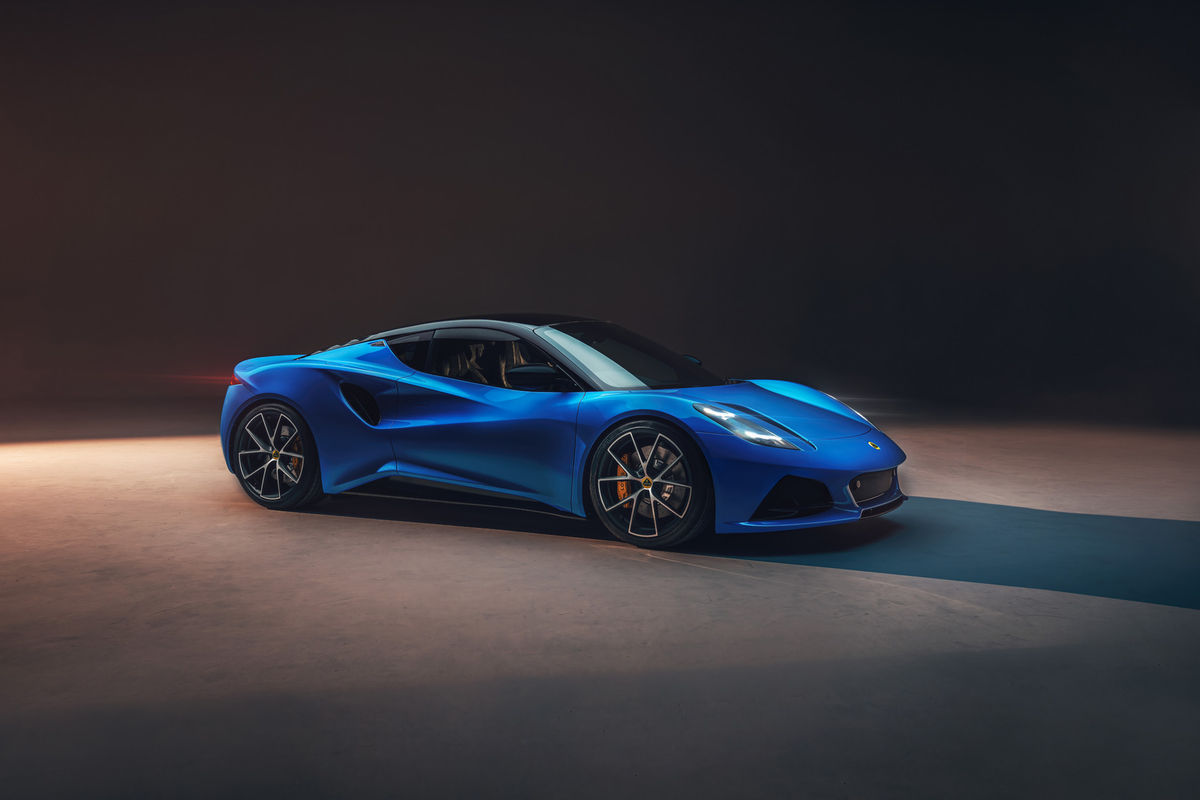
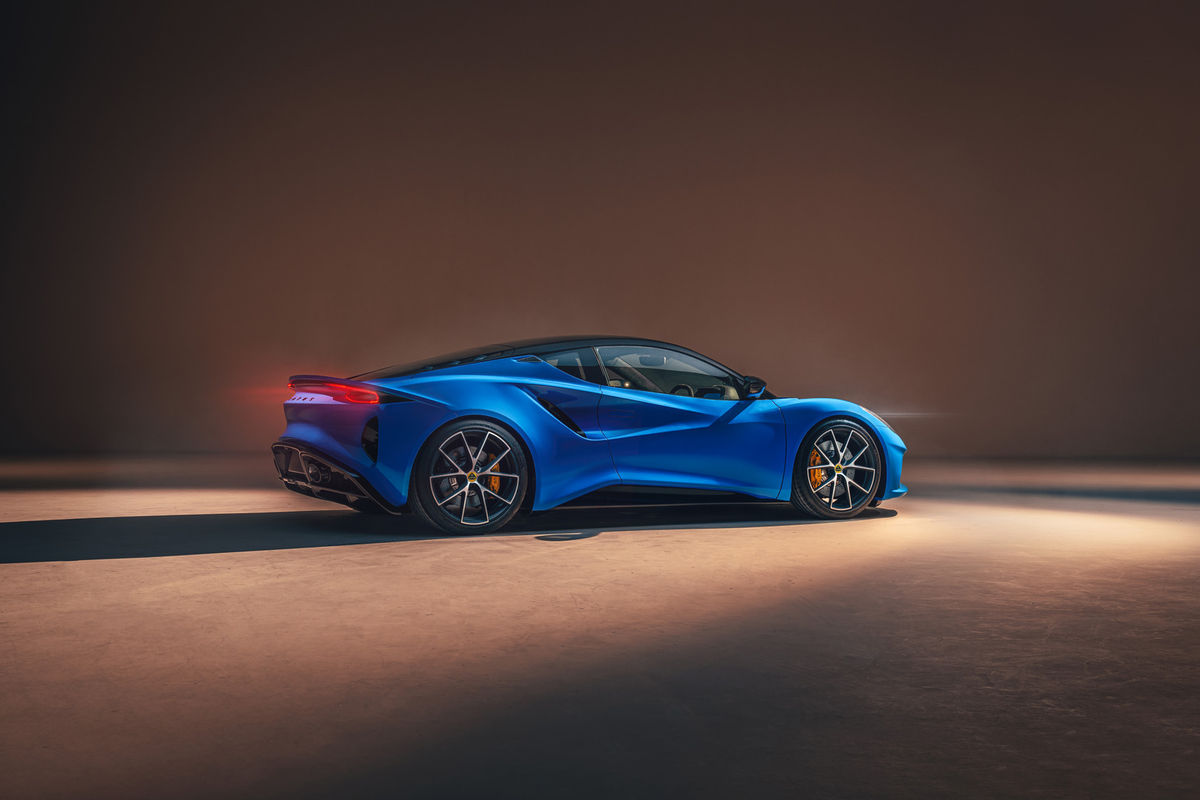
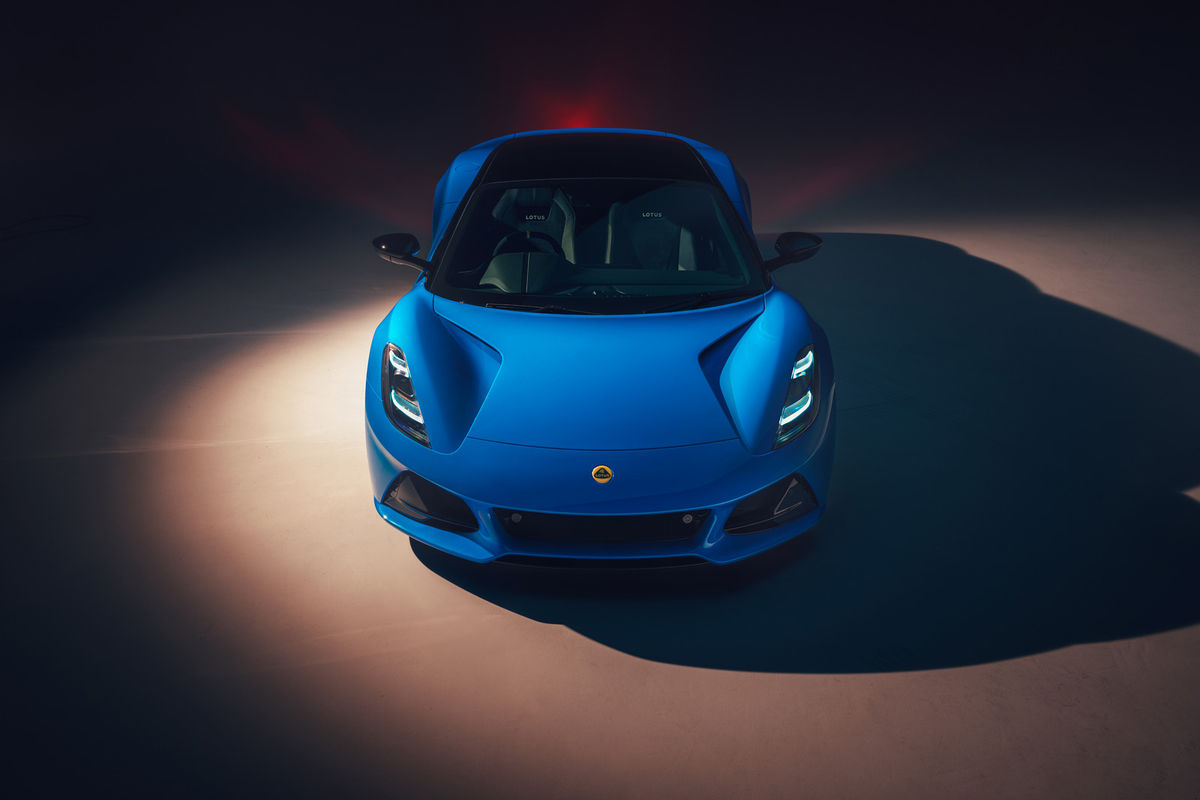
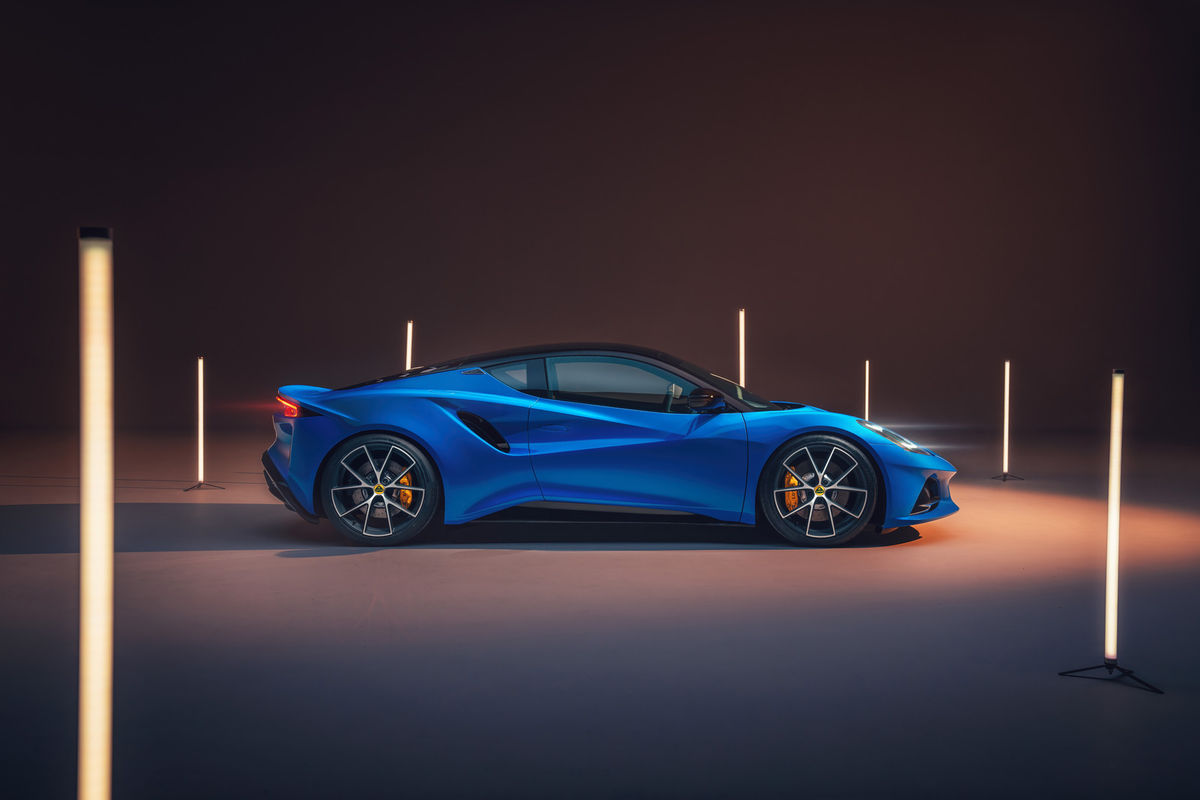
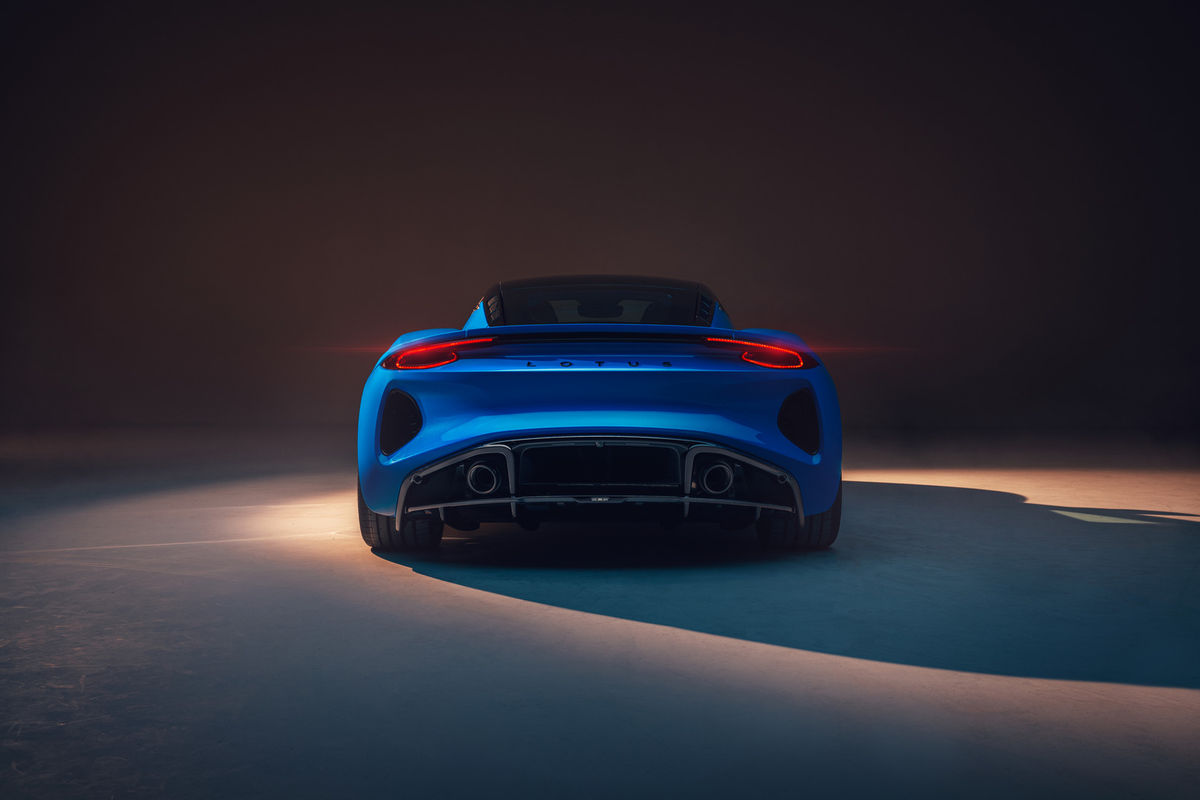
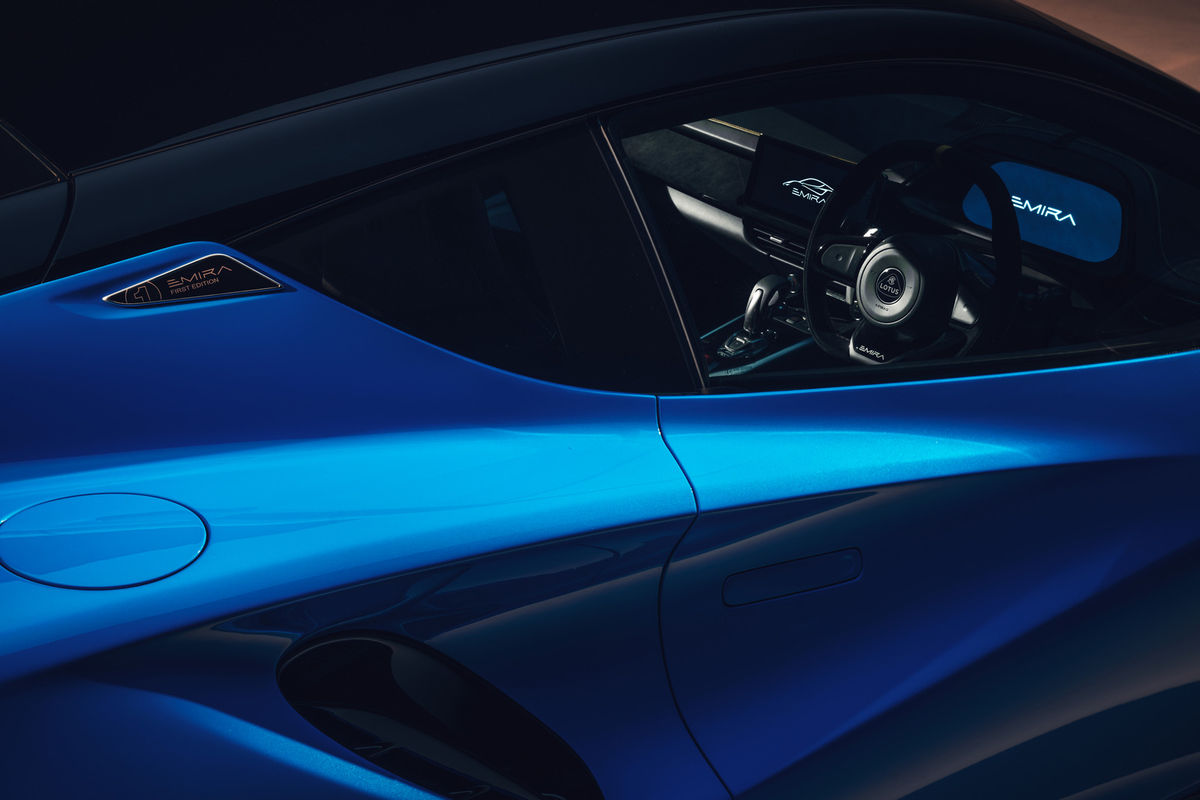
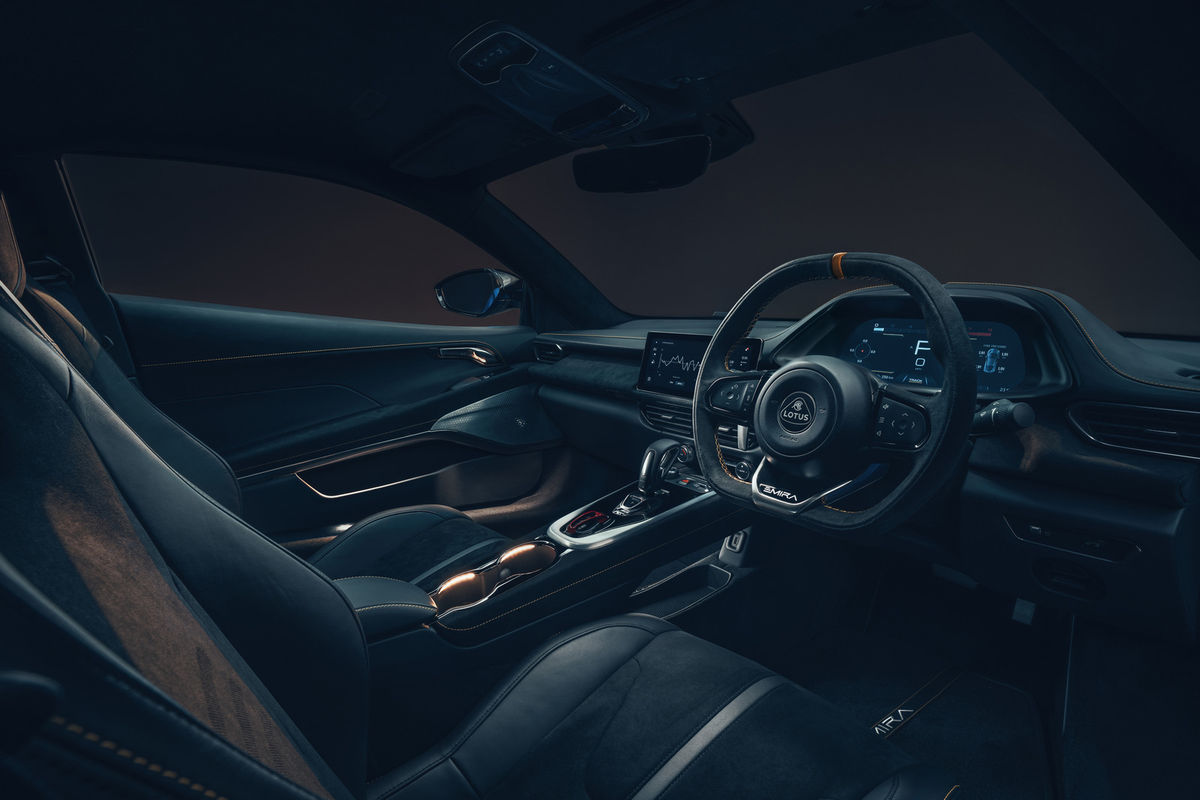
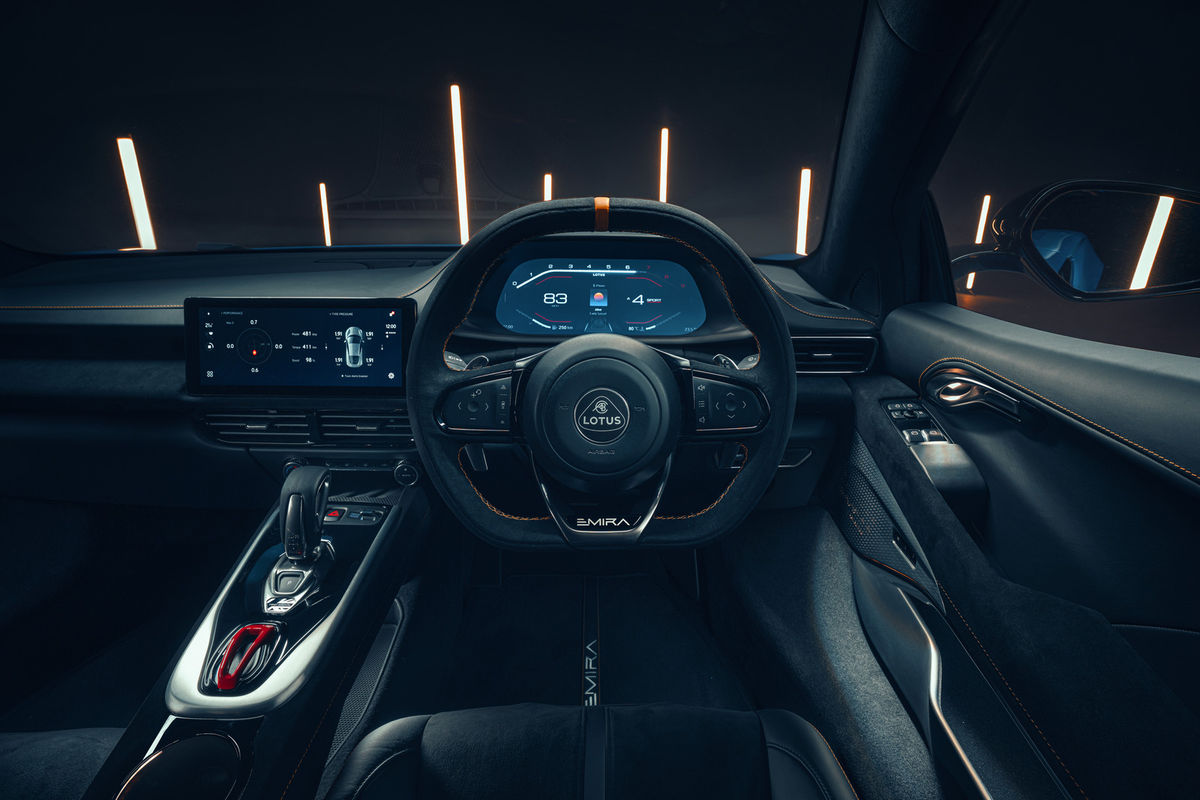
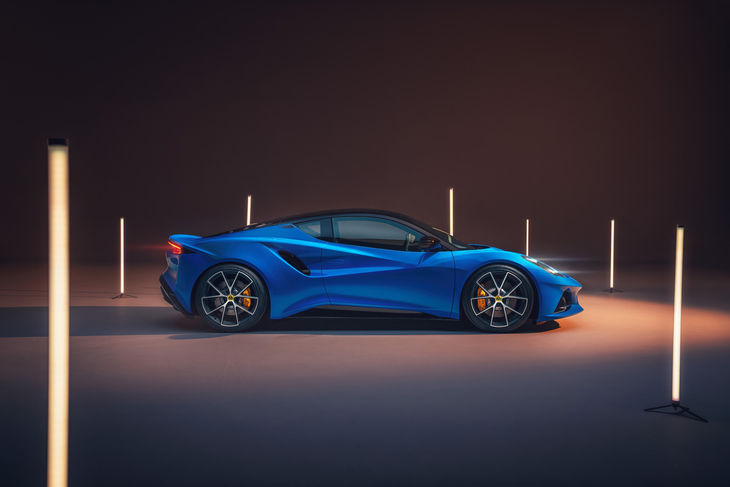
Remember Lotus? The brand renowned for making the best chassis on the planet… Well, it’s back with a brand new sportscar, the Emira.
Famed for products such as the Elise, Exige and Evora. Let’s not forget the 7 either, or the limited run of Evija electric hypercars. Come to think of it, Lotus has made some seriously iconic sportscars over the years. The only real issue with them was ropey build quality and interiors that were uninspiring.
Under the new(ish) ownership of Geely, the brand is making a comeback, as an electric sportscar maker. But, that’s not what the Emira is, it’s an internal combustion engined car and in all likelihood, the last one the brand will make before switching over to batteries.
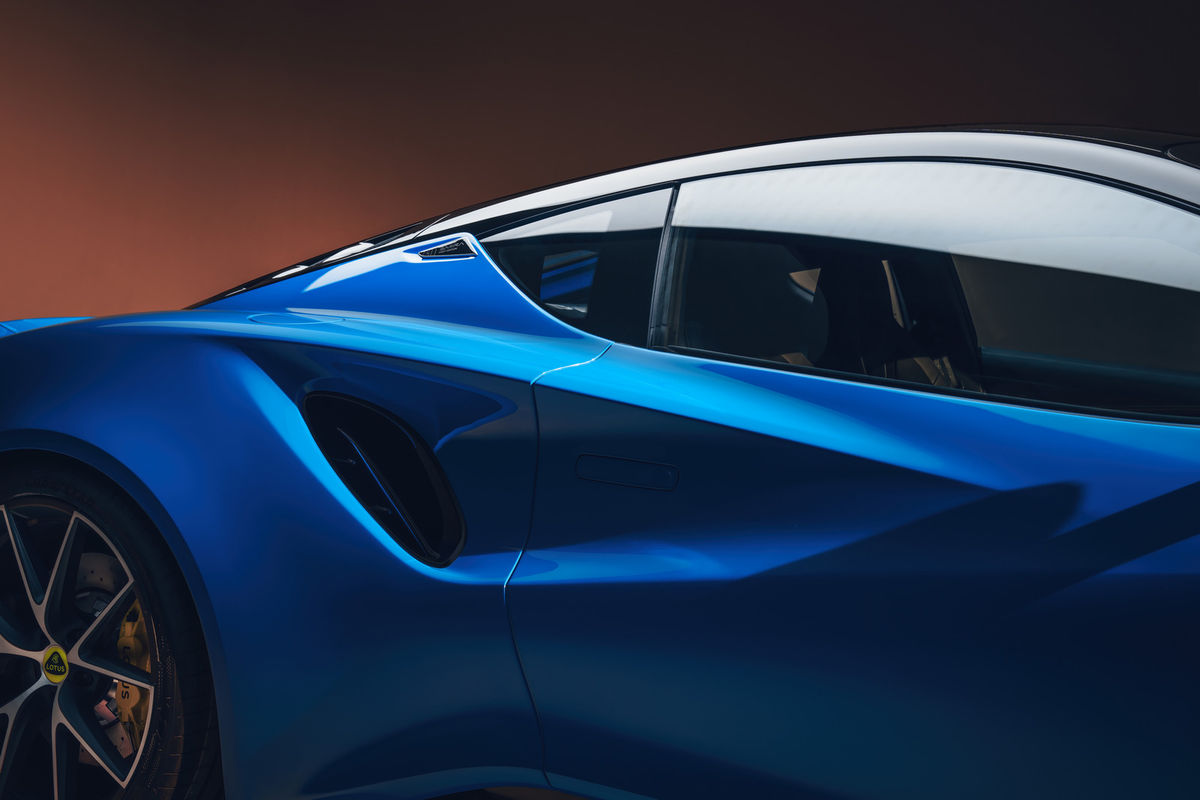
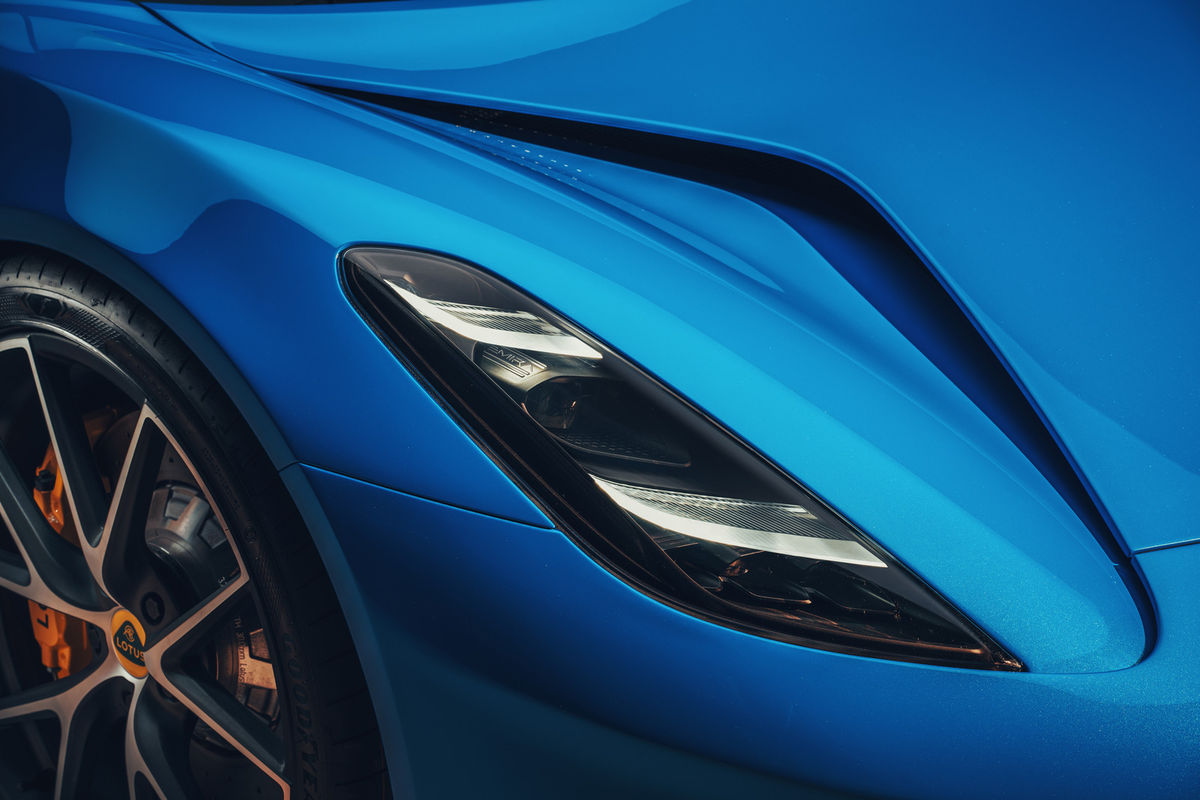
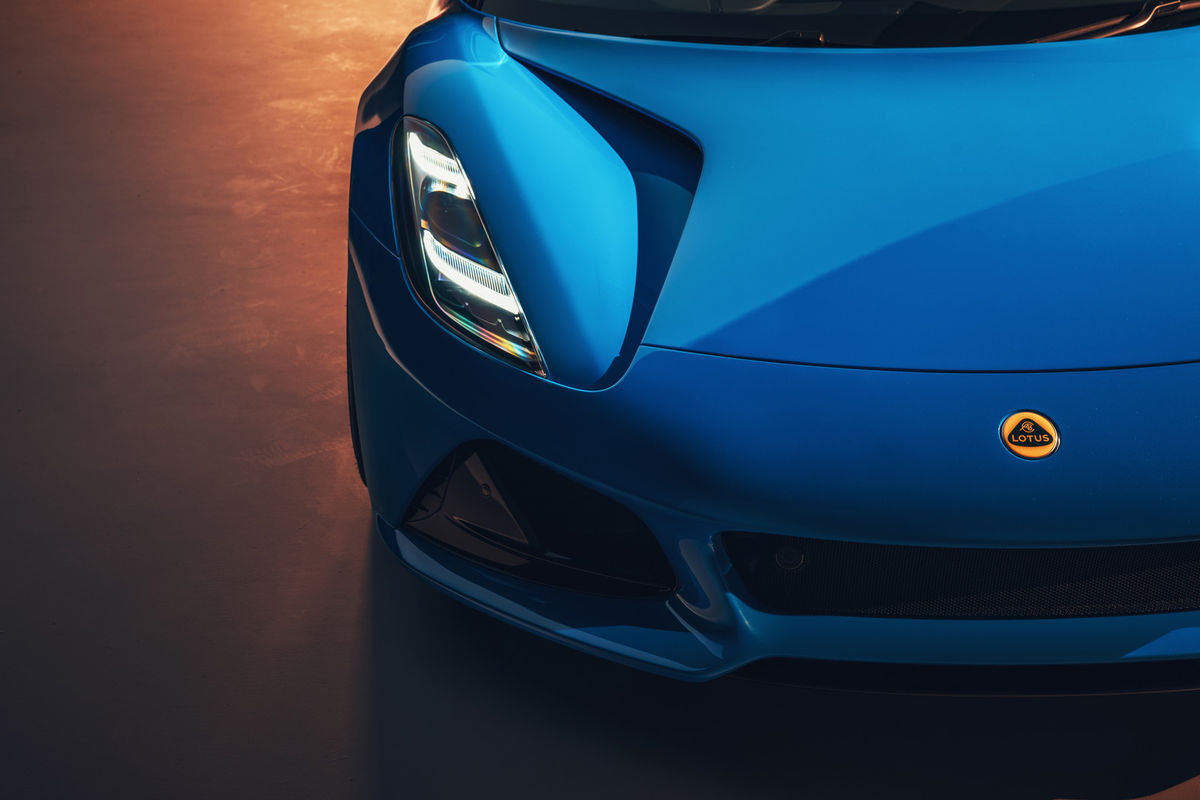
The Emira plans to compete with the Porsche 718 Cayman for mid-engined, rear-wheel-drive sportscar supremacy. The Lotus appears to use a development of the old Evora chassis with a bonded fibreglass body. It uses a similar wheelbase to the Evora but with wider tracks. 20-inch wheels sit snug within the wheel arches. The body looks free from wings and massive fins to enhance downforce but Lotus is convinced it will produce positive downforce equally at both ends of the car.
What powers the Lotus Emira?
The supercharged 3.5-litre V6 from the Evora will continue its duty in the Emira until emissions laws eventually force it out of existence. It produces 300 kW and 430 Nm of torque. Lotus has also announced it will use a 2-litre turbocharged 4-pot engine courtesy of AMG. Geely has a stakeholding in Daimler, so the partnership isn’t as unthinkable as it seems (British brands with AMG engines are a bit of a thing currently – Aston Martin uses them as well).
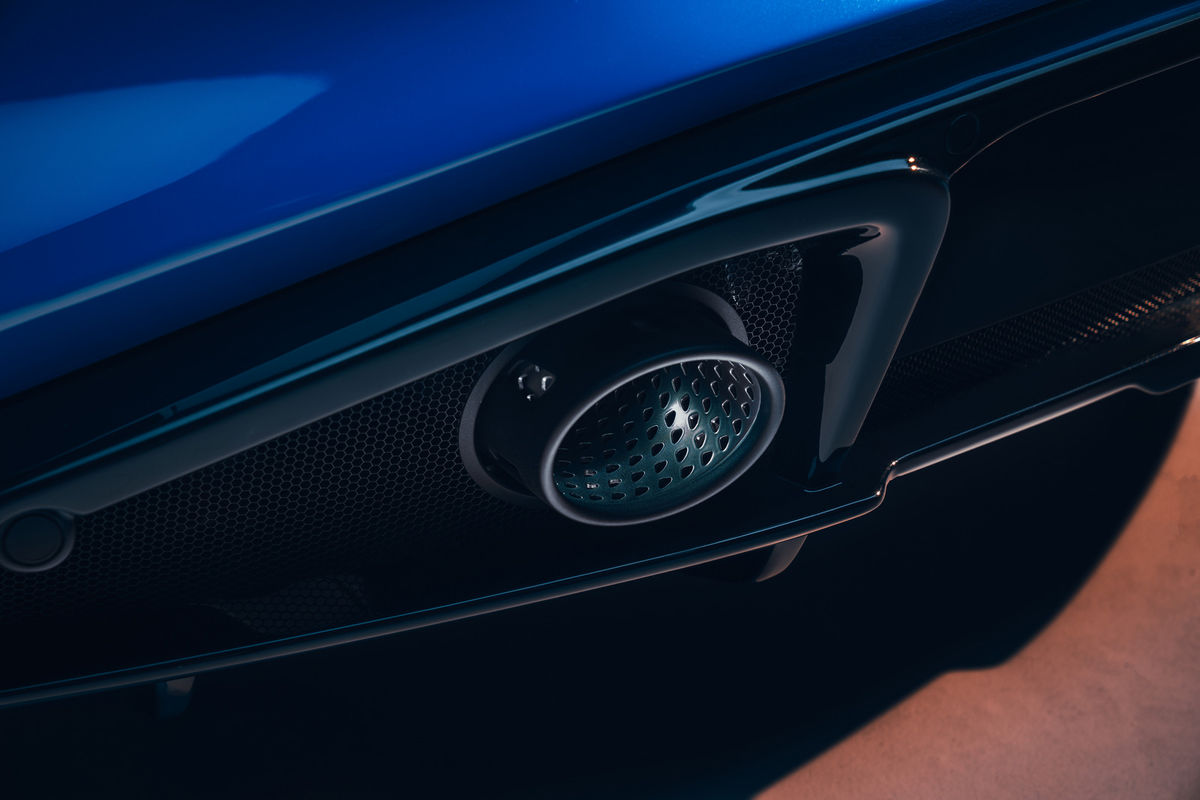
The AMG unit is said to deliver 270 kW and has been tuned by Lotus to suit the Emira’s characteristics. It also uses a bespoke air intake and exhaust so will likely sound different to the popping and banging of the A-Class AMGs.
No firm performance figures have been given yet, only that it will get to 100 kph in less than 4.5 seconds. Only the V6 is available with a manual gearbox while the AMG unit is going to be sold exclusively with an 8-speed dual-clutch ‘box.
Now, as for weight, after all, Lotus cars must be light as it’s the very ethos of its founder Colin Chapman. Lotus claims the lightest Emira will weigh 1 404kg (probably the AMG) which makes it almost identical to that of the Porsche 718 Cayman GTS but slightly lighter than the old Evora. That’s not wow factor stuff but it is carrying a lot more interior equipment than we are used to seeing in a Lotus.
Inside, it’s equipped with two USB ports, a 10.25-inch touchscreen, cupholders and inner door pockets. Then there’s a list of safety features and comfort features like adaptive cruise control and lane departure warning. In terms of actual load space though, there’s a storage bin behind the seats that holds 208 litres and then a smaller boot behind the engine that holds 151 litres. No mention of a frunk though…
The Emira is said to go on sale in key global markets in Q2 of 2022.
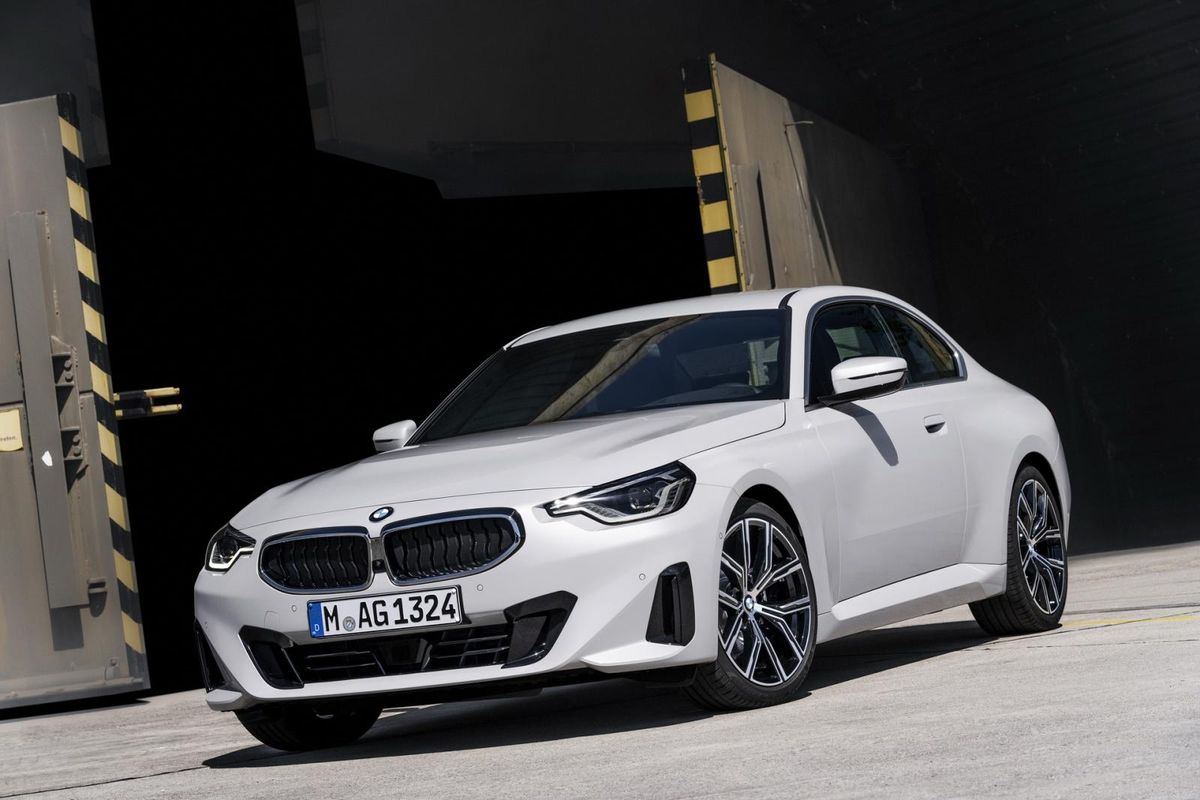
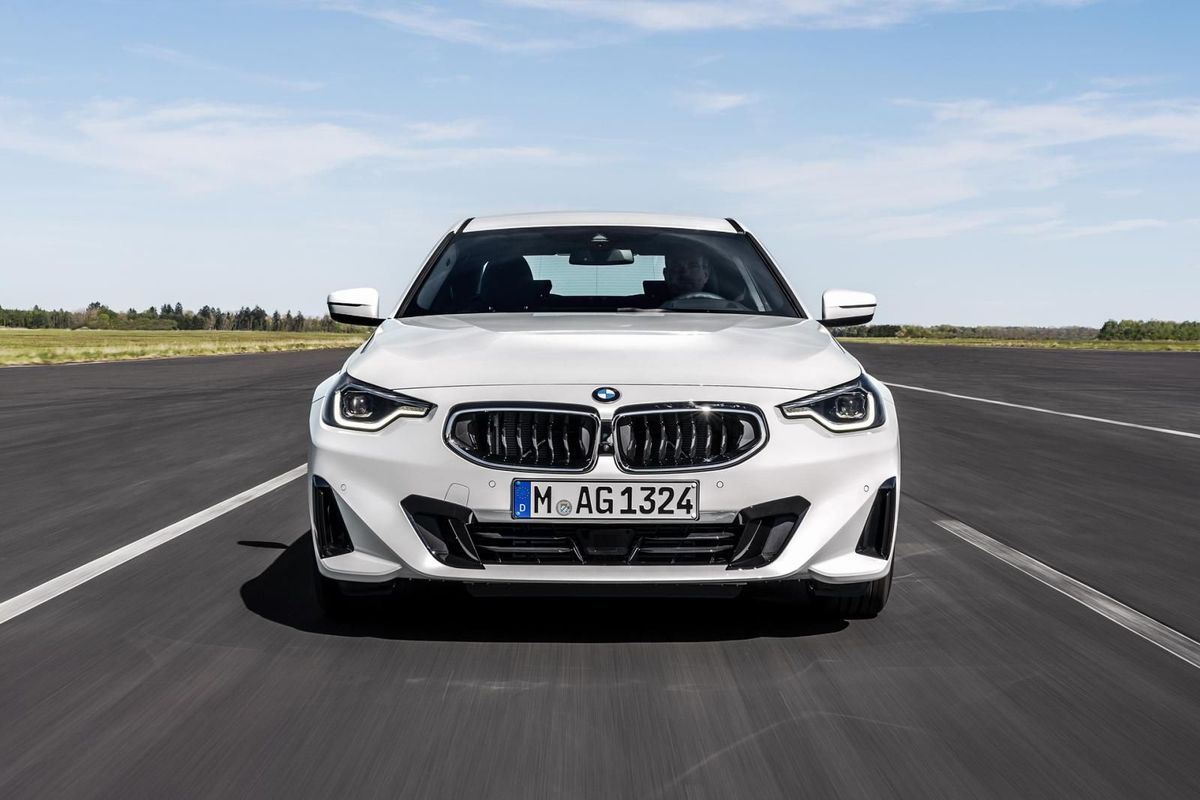
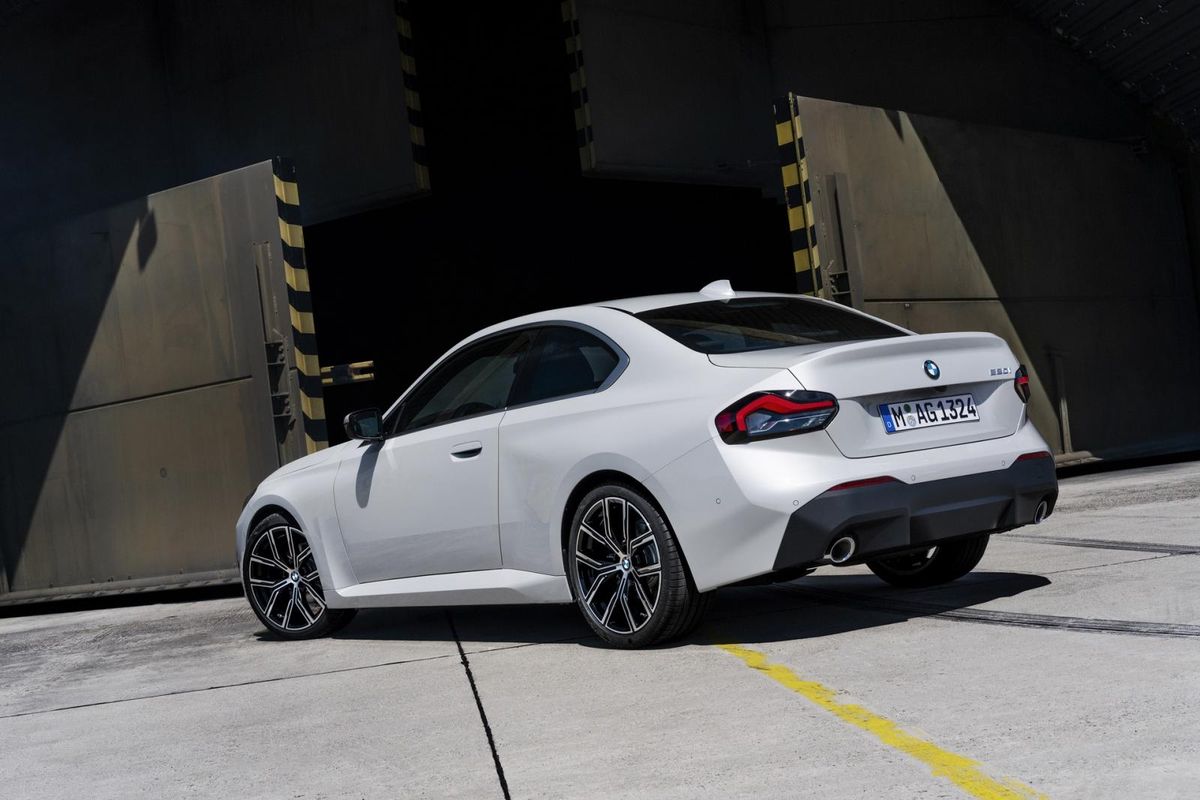
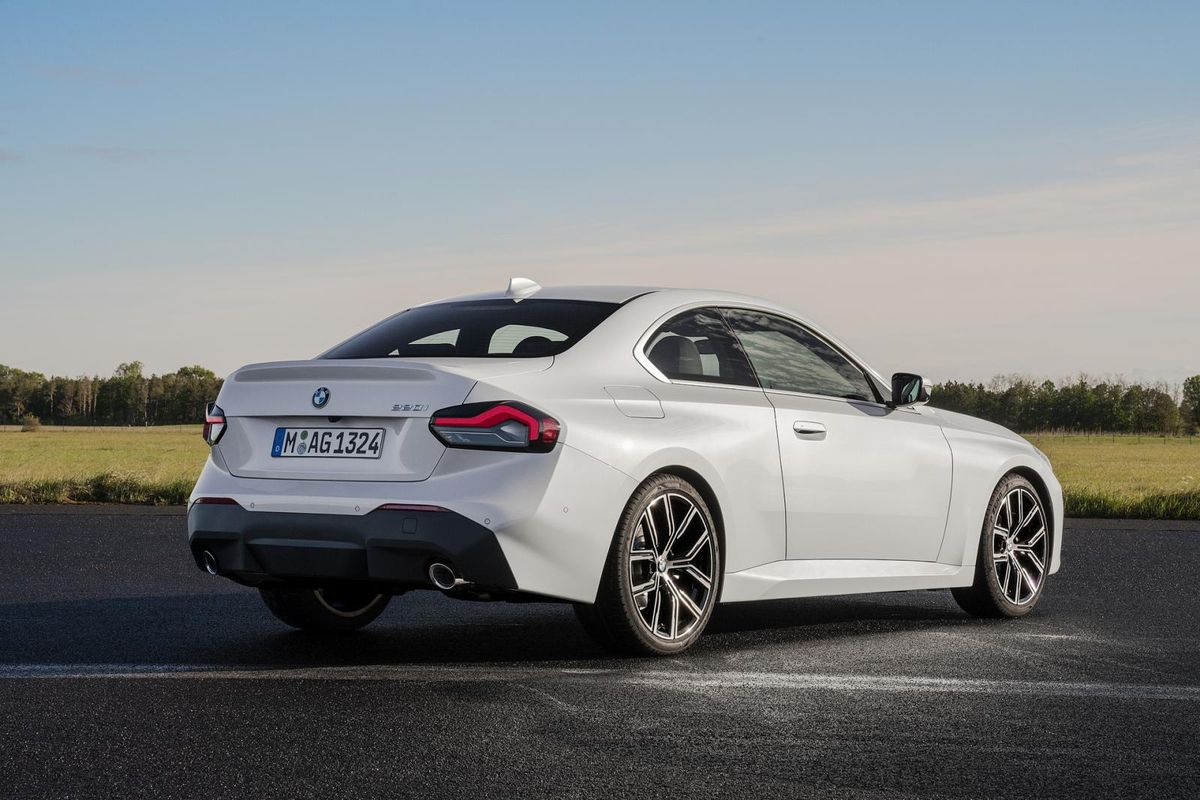
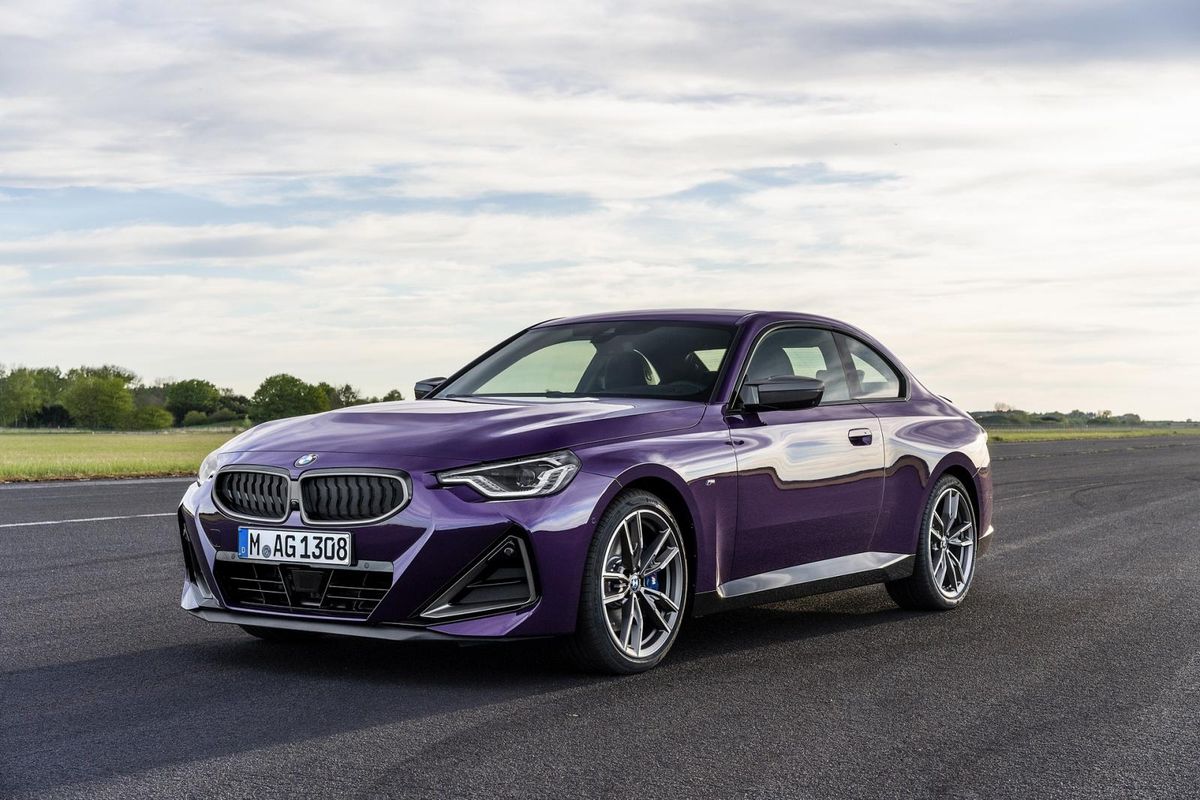
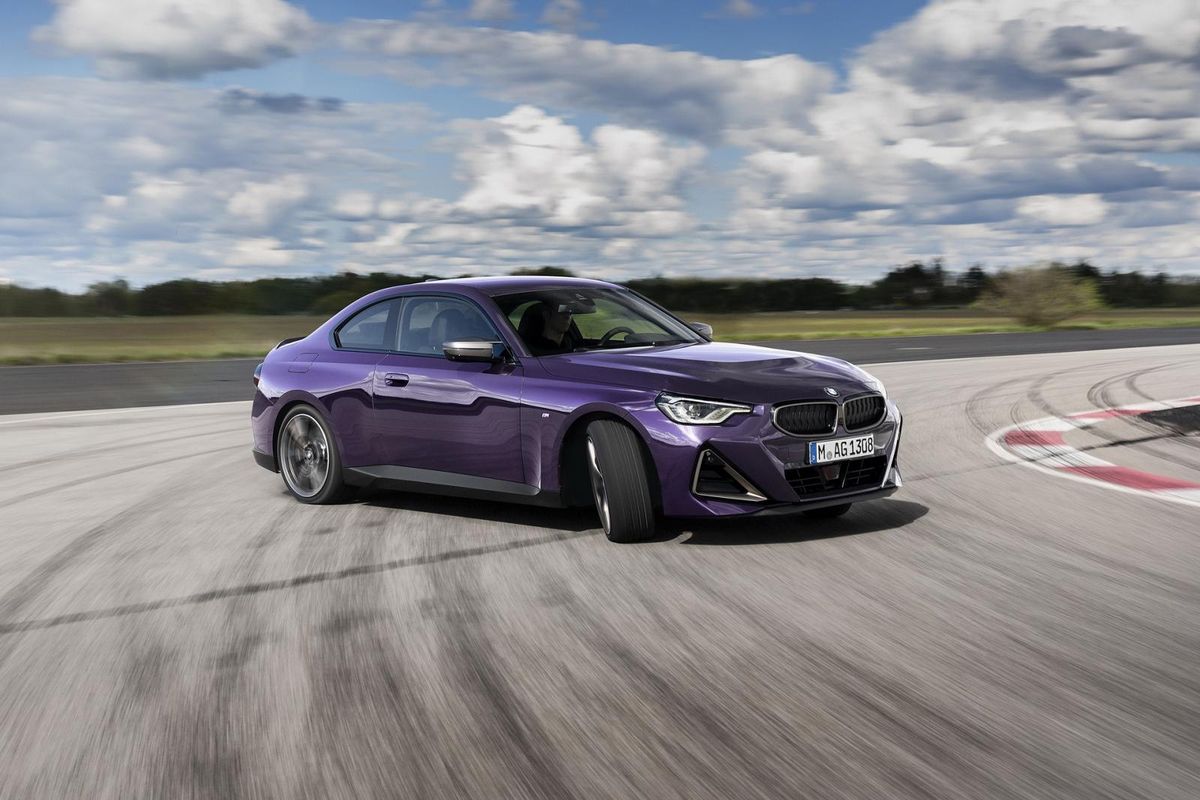
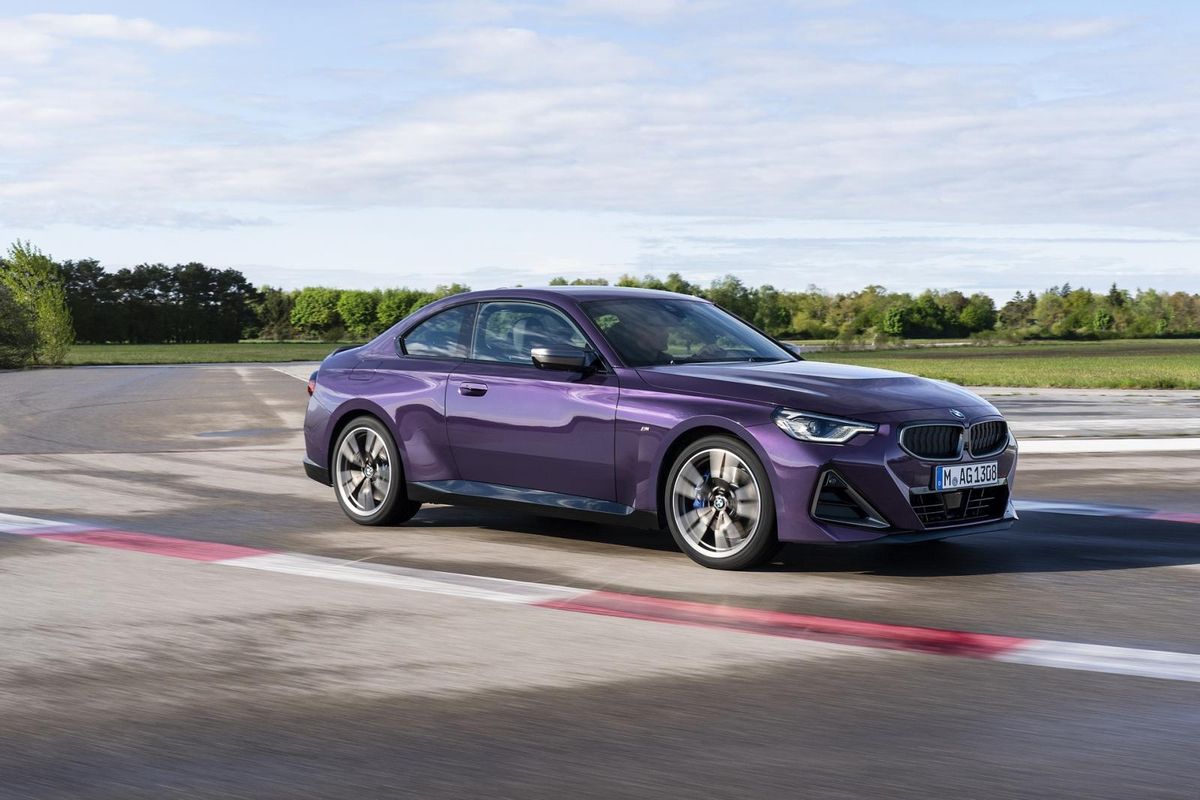
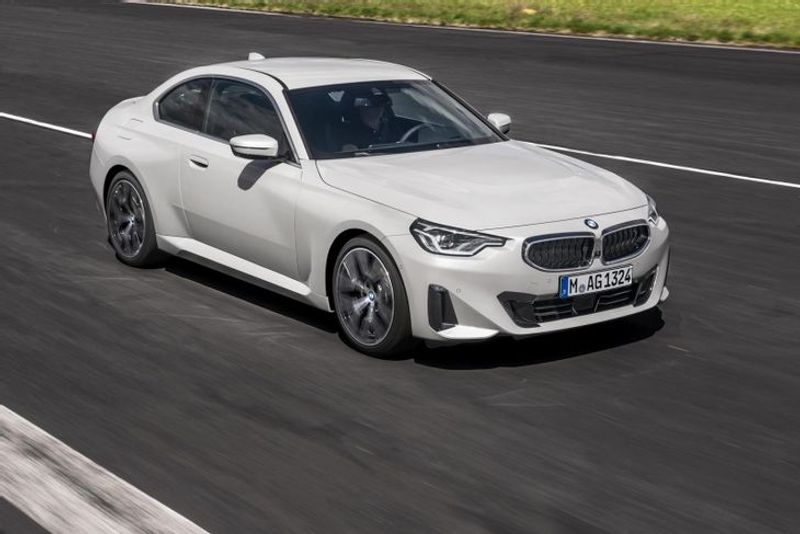
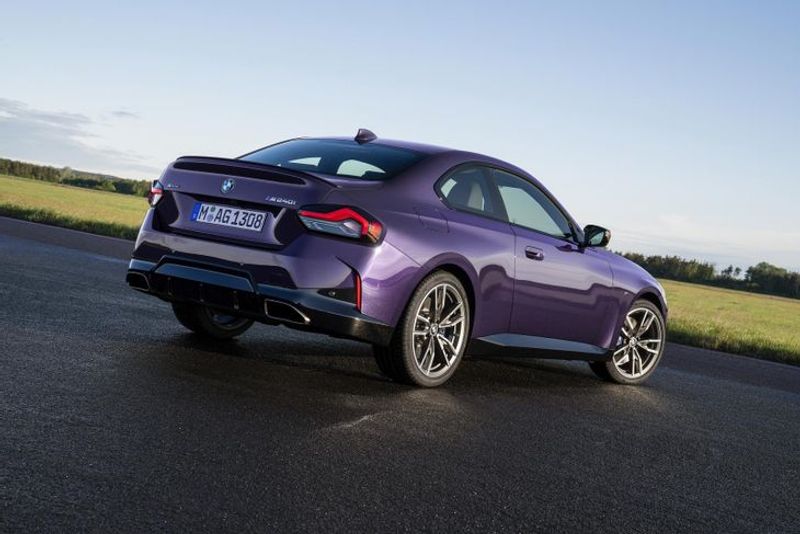
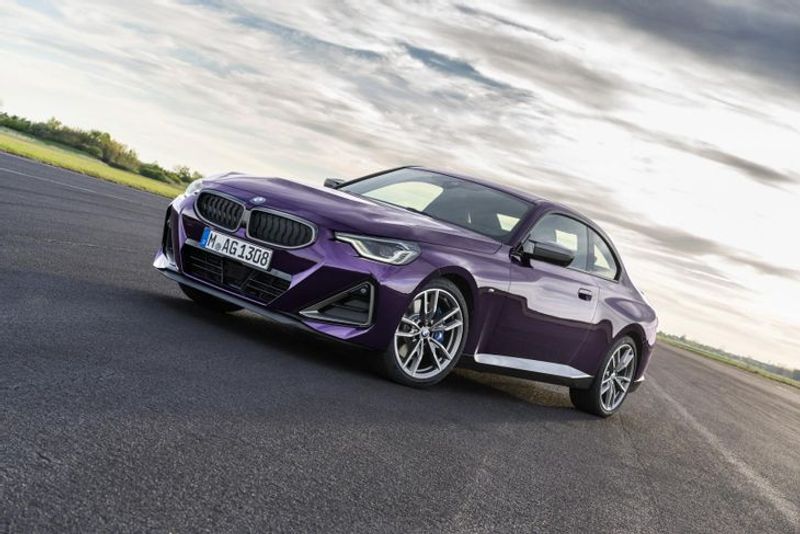
Having courted controversy by switching the 1 Series to a FWD platform and the 4 Series’ divisive styling, BMW has stuck with convention with the new 2 Series Coupe – it’s a handsome rear-wheel-drive compact sportscar, of which the initial flagship is powered by a 285 kW 3.0-litre inline-6 turbopetrol motor.
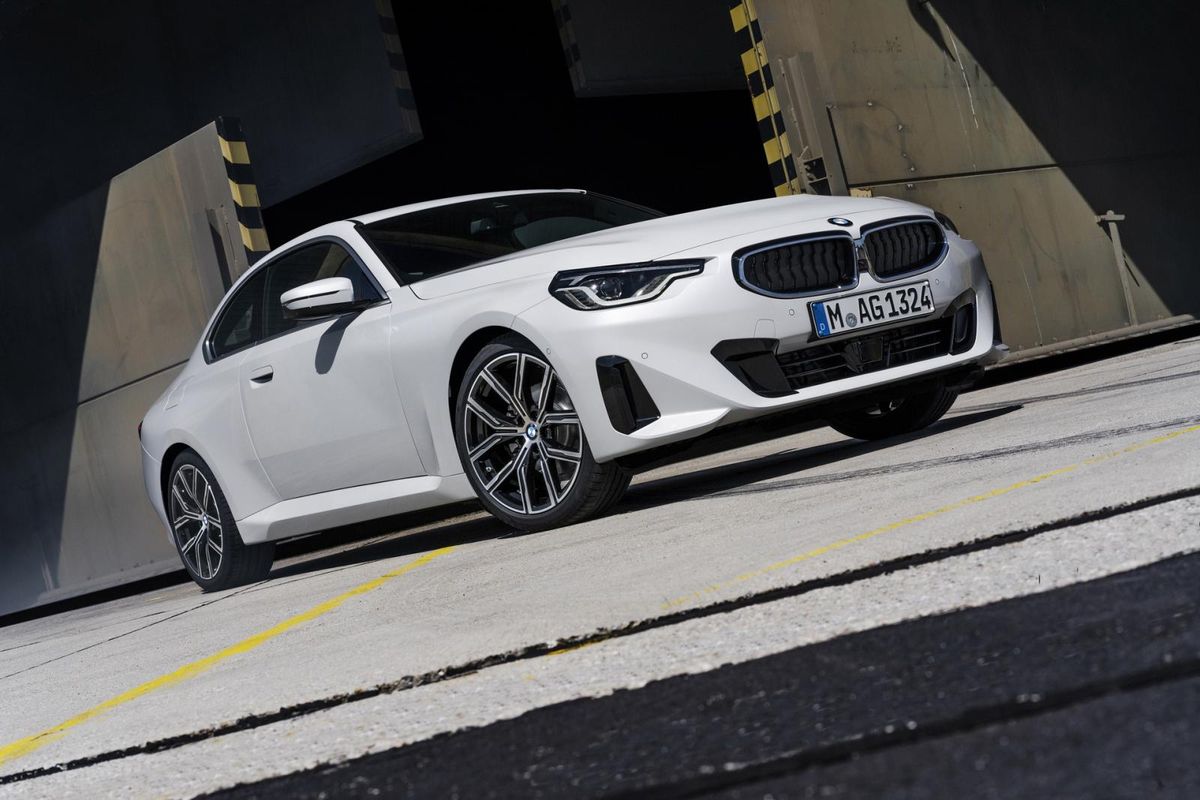
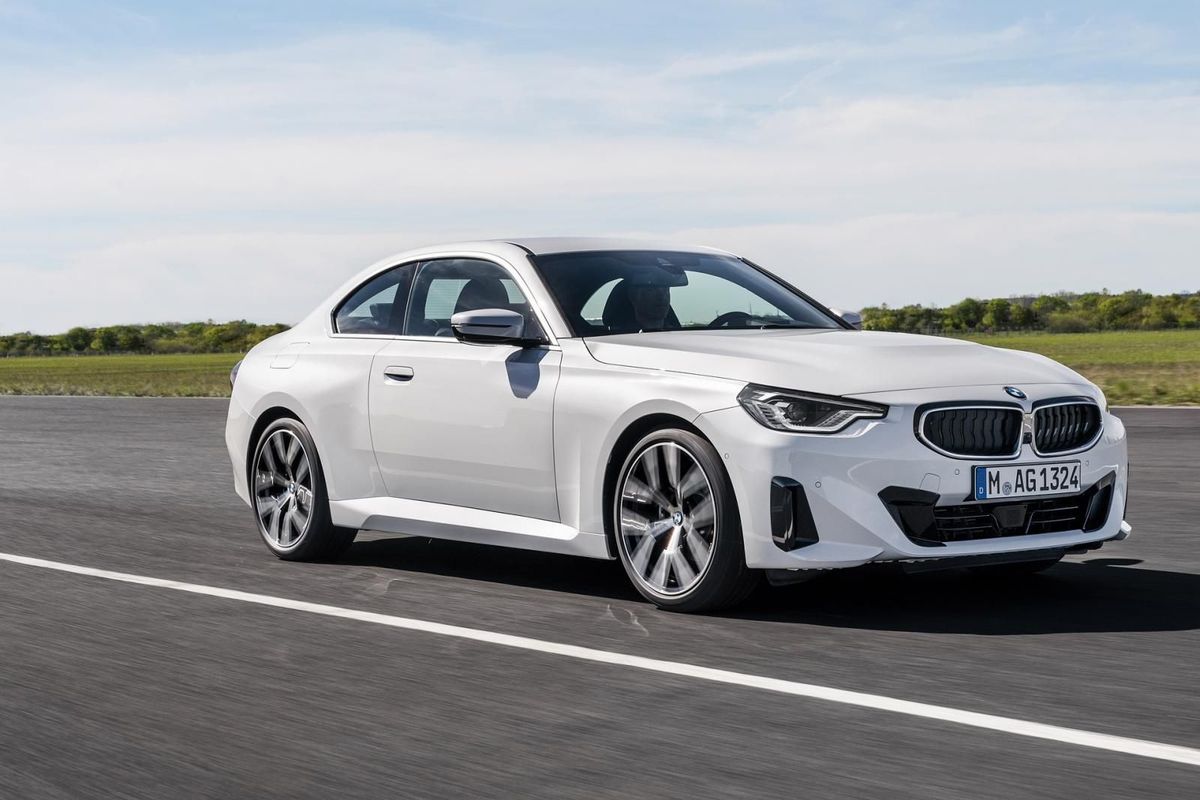
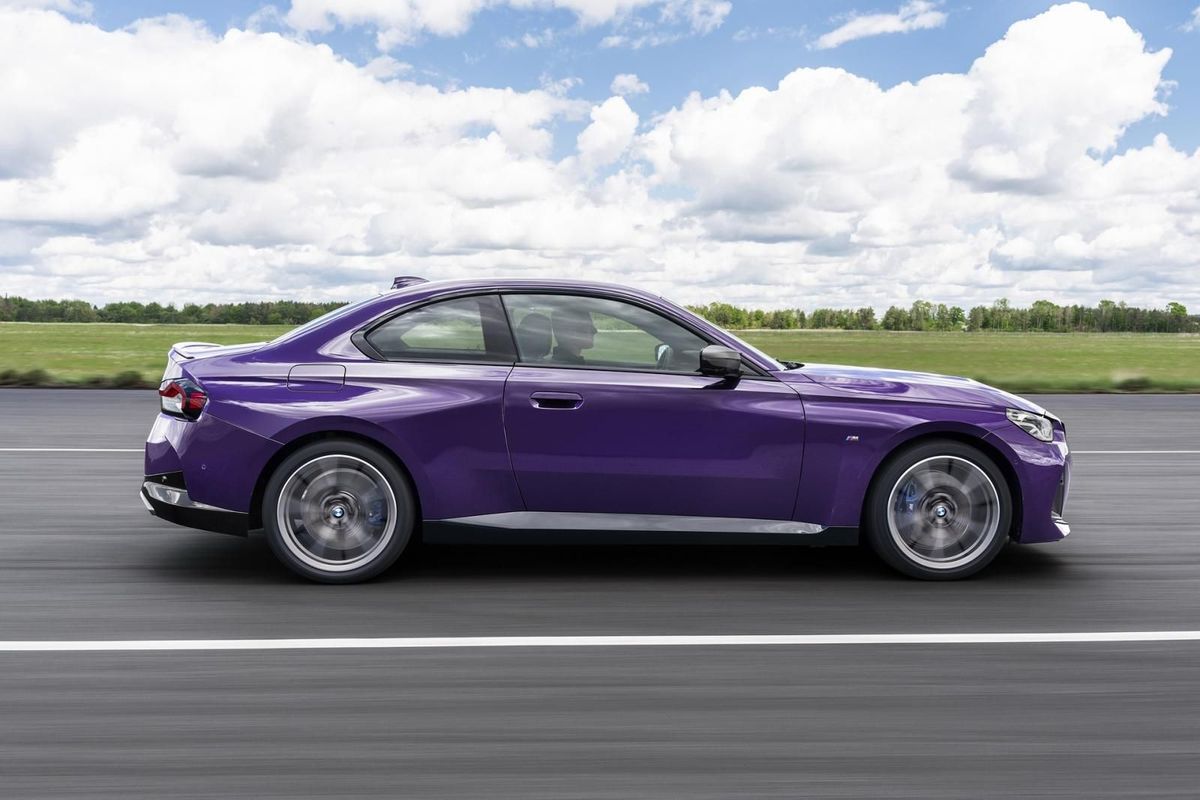
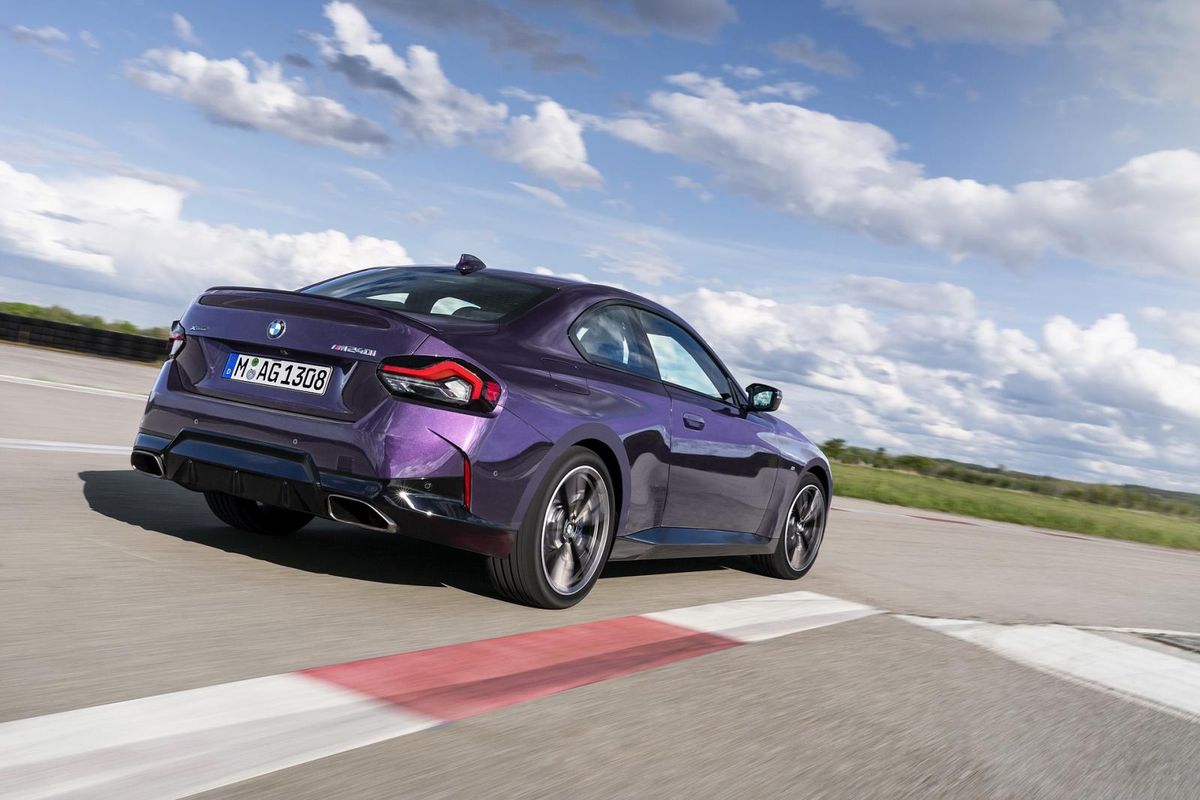
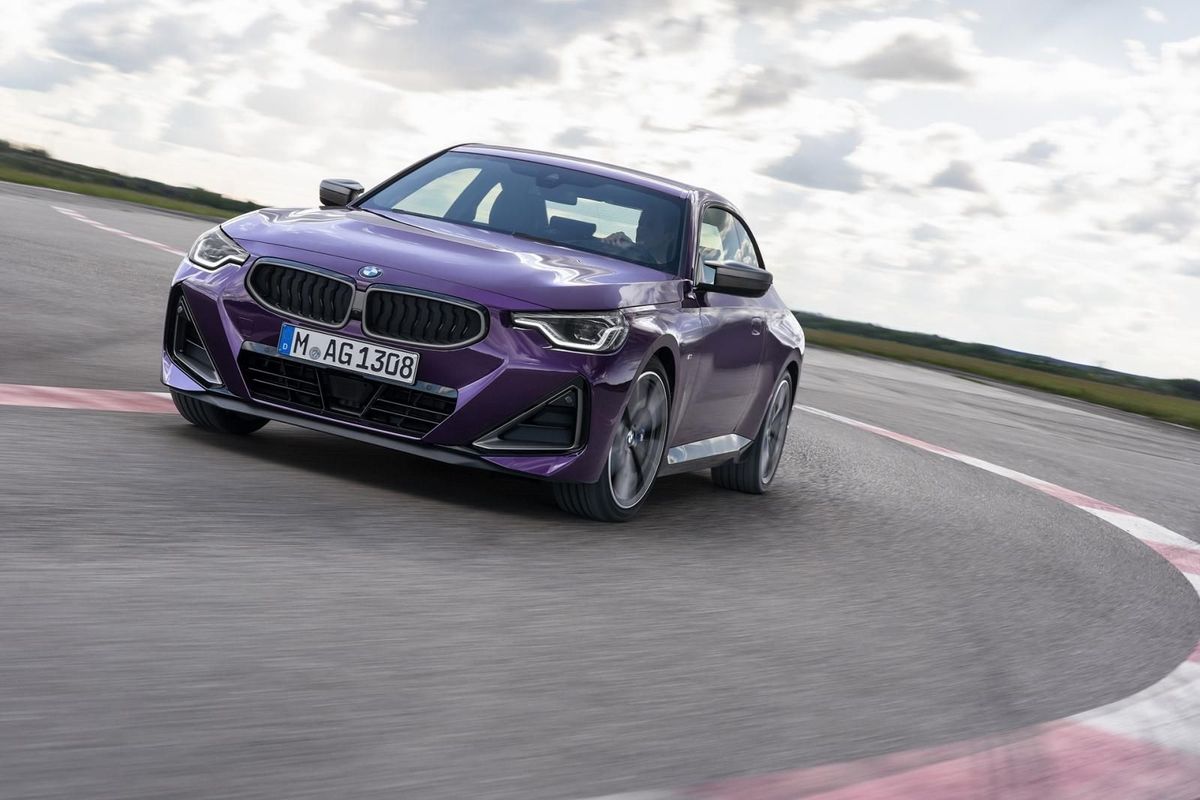
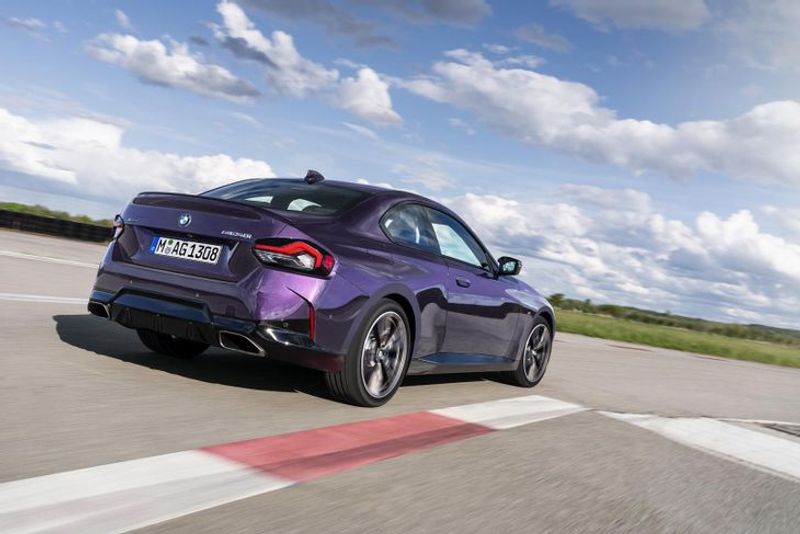
The finished look of the newcomer comes as no surprise (because an image of the “Thundernight Metallic” purple M240i xDrive was leaked earlier this week), but many traditionalists will be relieved the 2nd-generation 2 Series Coupe sports a pair of wide kidneys, flanked by LED headlamps with single-hexagon lighting signatures.
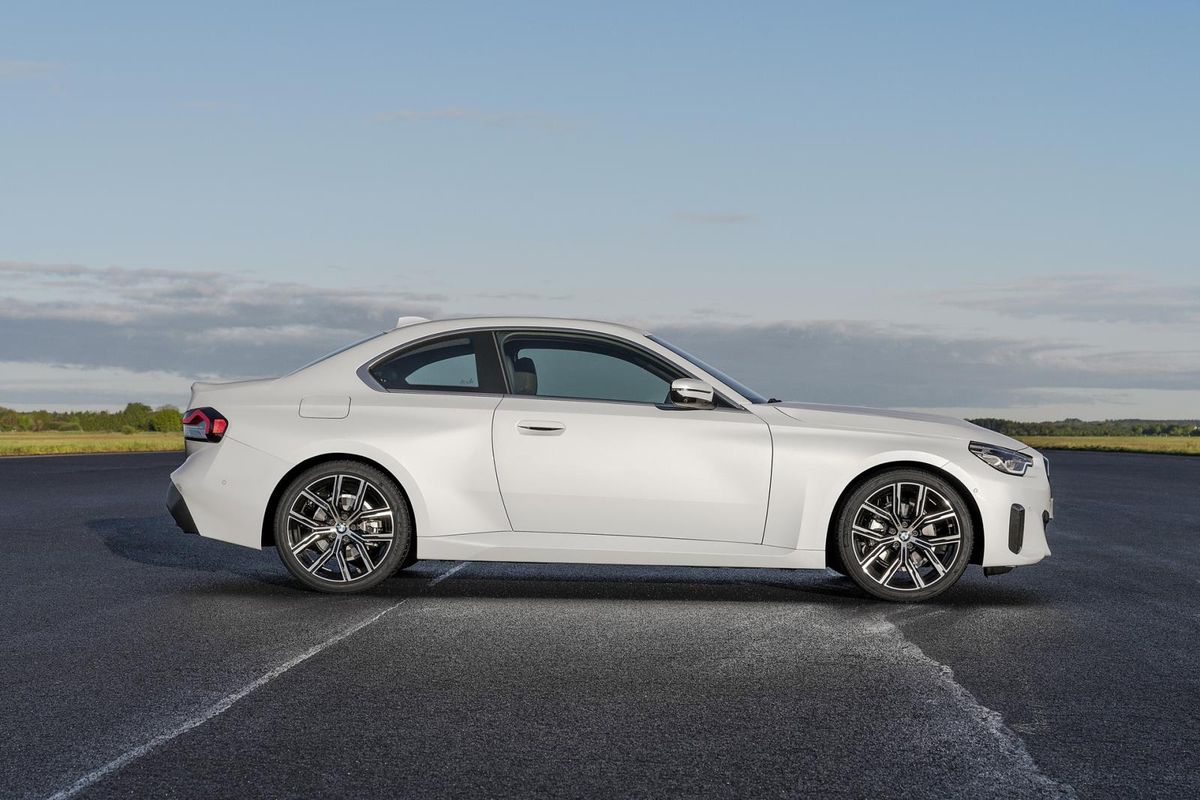
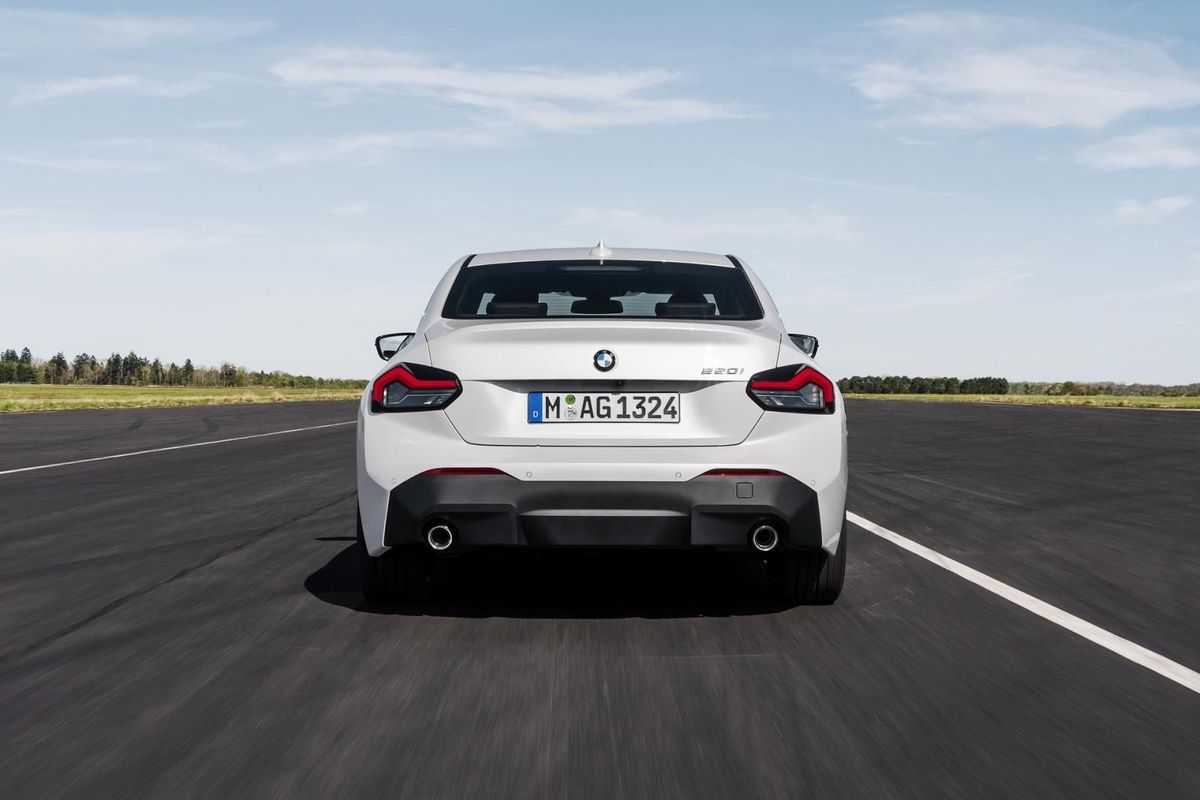
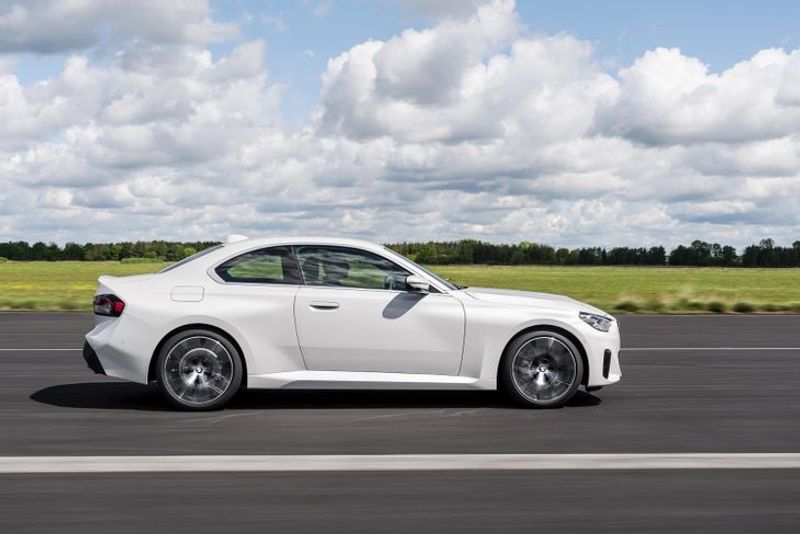
In profile, the newcomer has traditional coupe proportions, with a long bonnet and stubby tail section fore and aft of the cab. There are a few fresh details, however, such as triangular elements in the bumpers, flush-fitting door handles, a subtle integrated spoiler on the boot lid, as well as 3D-effect LED tail-light clusters.
As opposed to its 1 Series hatchback and 2 Series Gran Coupe siblings, the 2 Series Coupe is based on the Bavarian firm’s rear-wheel-drive CLAR platform (the newcomer is believed to be closely related to the Z4 roadster); it has 12% more torsional rigidity than its predecessor and a near-50:50 weight distribution.
In terms of dimensions, the new model is 105 mm longer, 64 mm wider and 28 mm lower than its predecessor, while its wheelbase has been stretched by 51 mm. It also has a broader footprint: 4-cylinder derivatives’ track widths have grown by 54 mm and 31 mm (front and rear) and the M240i’s by 63 mm and 35 mm respectively.
The initial South African line-up will include a 220i, 220d and M240i xDrive, each of which will have an 8-speed automatic transmission (alas, a manual ‘box is no longer offered), but the Sport transmission in the M240i xDrive does have a Sprint mode (for executing quick overtaking manoeuvres) which, when engaged, will actuate an immediate downshift and default to the sportiest drive-mode settings.
The 220i is powered by a 2.0-litre 4-cylinder turbopetrol engine that produces 135 kW and 300 Nm of torque (an increase of 30 Nm over the outgoing version) and is said to sprint from 0 to 100 kph in 7.5 sec. Next year, it will be joined by the 230i, which uses the same motor as the 220i, but has beefier peak outputs of 180 kW and 400 Nm; BMW claims that derivative will hit 100 kph from standstill in 6 sec.
While we await the reveal of the next iteration of the M2 (expected at some point in 2022), the M240i xDrive will be the top-of-the-range derivative. As its xDrive suffix suggests, the M240i has an all-wheel-drive configuration, albeit with a rear bias. It is propelled by a single-turbo 3.0-litre inline-6 engine that produces 285 kW and 500 Nm (from 1 900 to 5 000 rpm) and is said to accelerate from 0 to 100 kph in 4.3 sec.
Like its 4-cylinder brethren, the M240i xDrive has a MacPherson strut front- and multi-link rear suspension setup, as well as a variable-ratio sports steering and lift-related dampers as standard, but can be specified with adaptive dampers, an electronically-locking rear diff and M Sport brakes (with blue or red callipers).
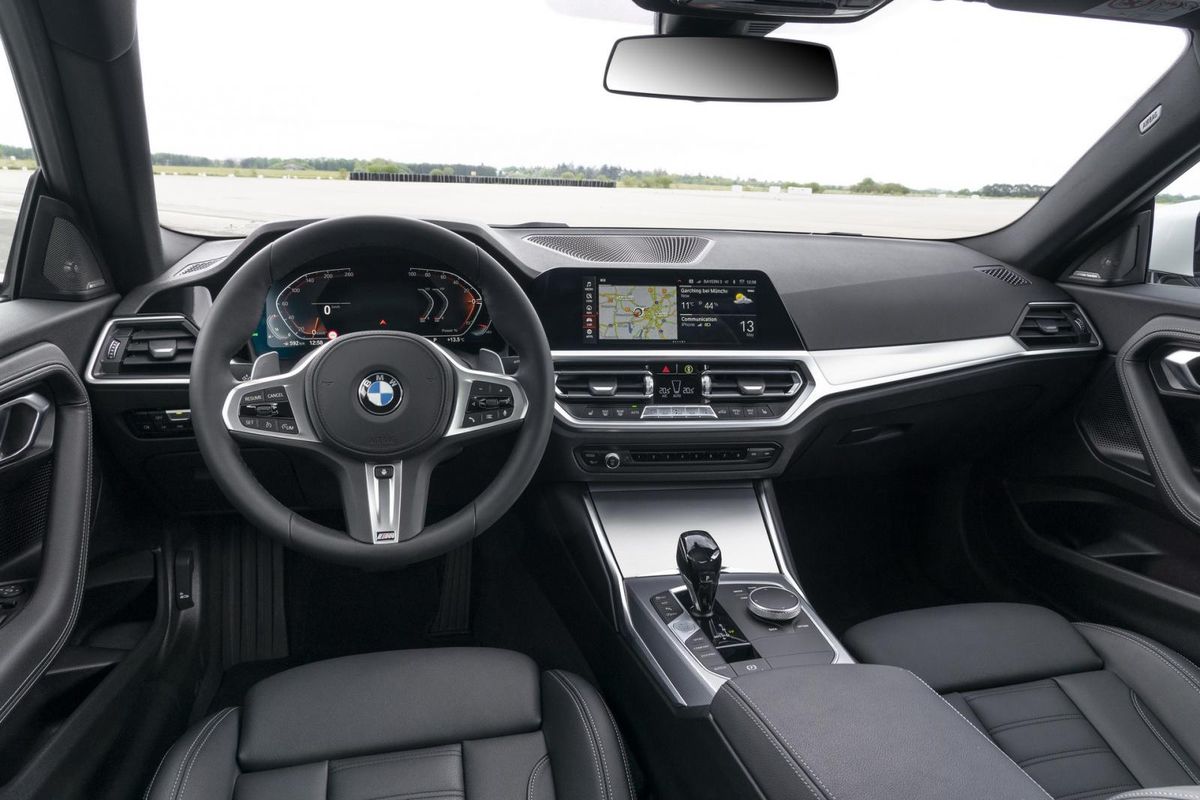
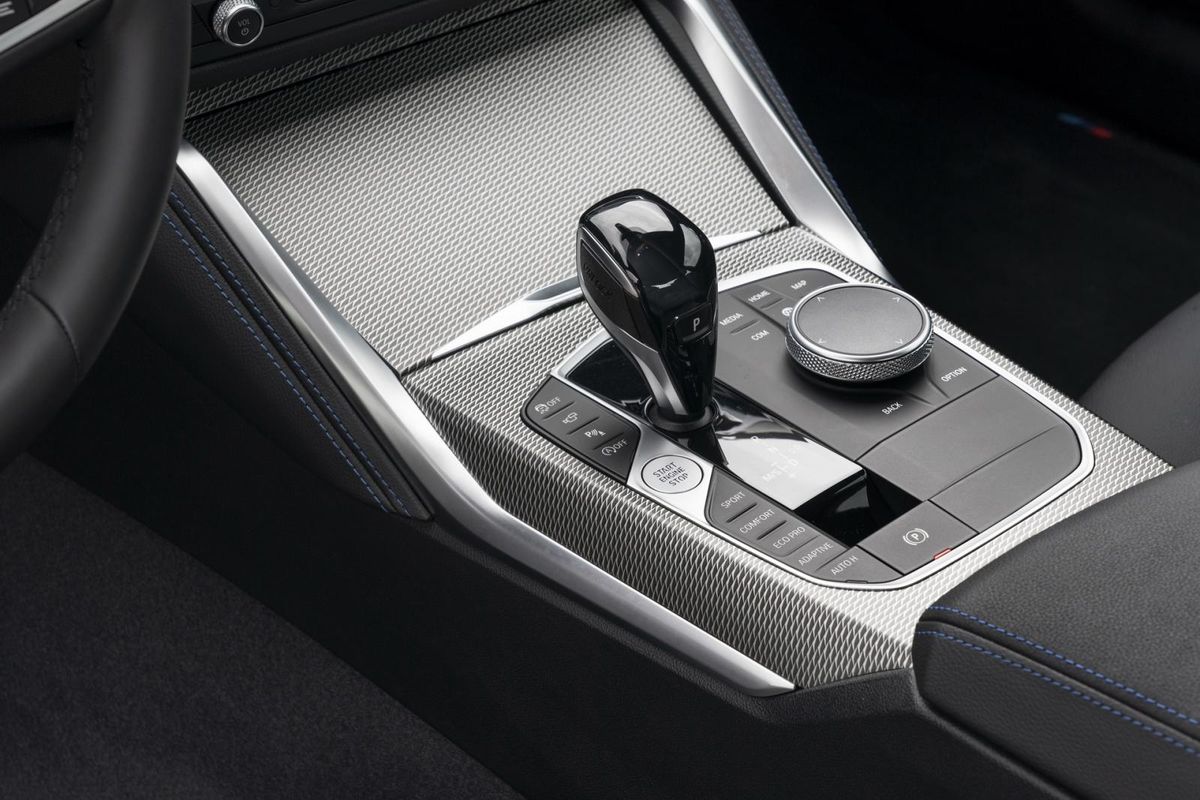
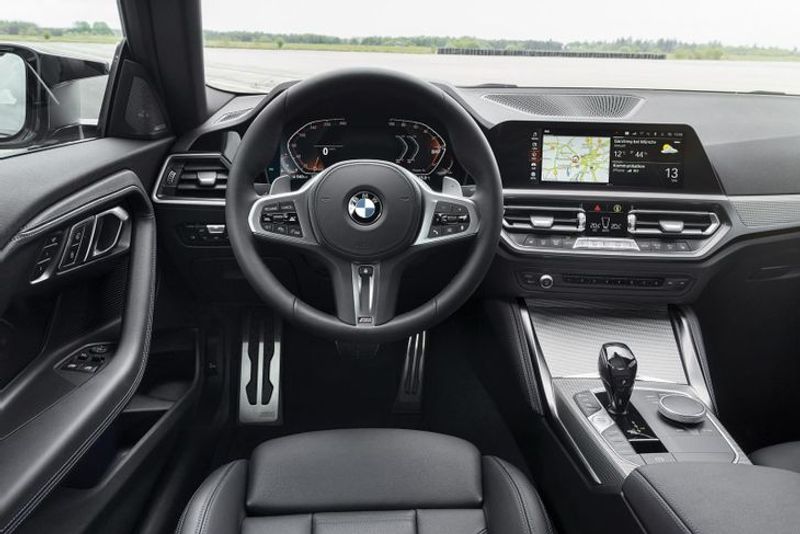
Inside, the new 2 Series Coupe’s fascia looks closely related to that of the 3 Series and 4 Series, which represents a marked improvement over the previous model!
Highlights include a 12.3-inch digital instrument cluster and a 10.25-inch infotainment touchscreen powered by BMW’s iDrive 7 software (it offers, inter alia, wireless Apple CarPlay and Android Auto compatibility and over-the-air updates).
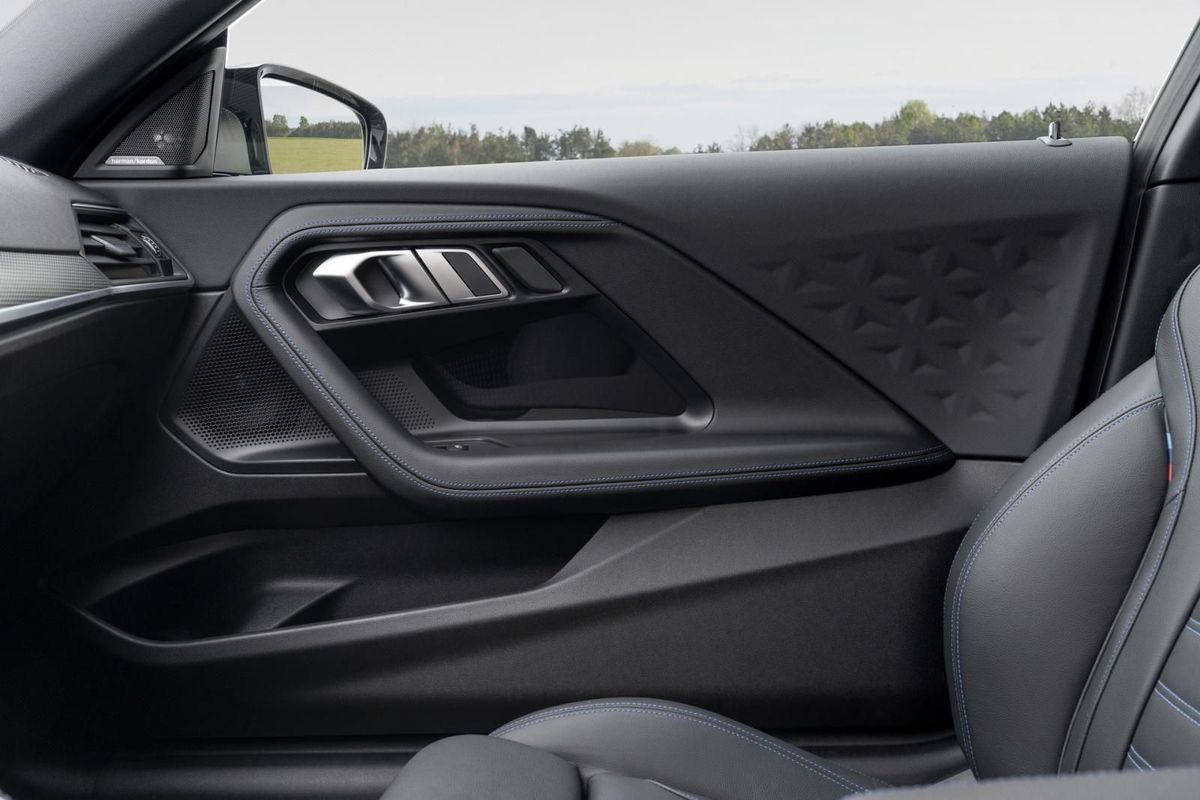
Depending on how lavishly buyers wish to spec their 2 Series Coupe, the newcomer’s interior can be kitted out with electrically-adjustable leather sports seats, a heated sports steering wheel, tri-zone climate control, a tilt/sliding glass sunroof, as well as a 16-speaker Harman Kardon surround sound system.
A plethora of driver-assist features are available, including autonomous emergency braking, adaptive cruise control with a stop-and-go function, lane-keeping and steering- assist, blind-spot monitoring, front and rear cross-traffic alert, a surround-view camera system, a head-up display as well as BMW’s Drive Recorder system.
Lastly, 4-cylinder derivatives are likely to feature 17- or 18-inch alloys, while the M240i features 19-inch M Light wheels with high-performance (non-run-flat) tyres.
We expect the new BMW 2 Series Coupe to arrive in Mzansi in early 2022.
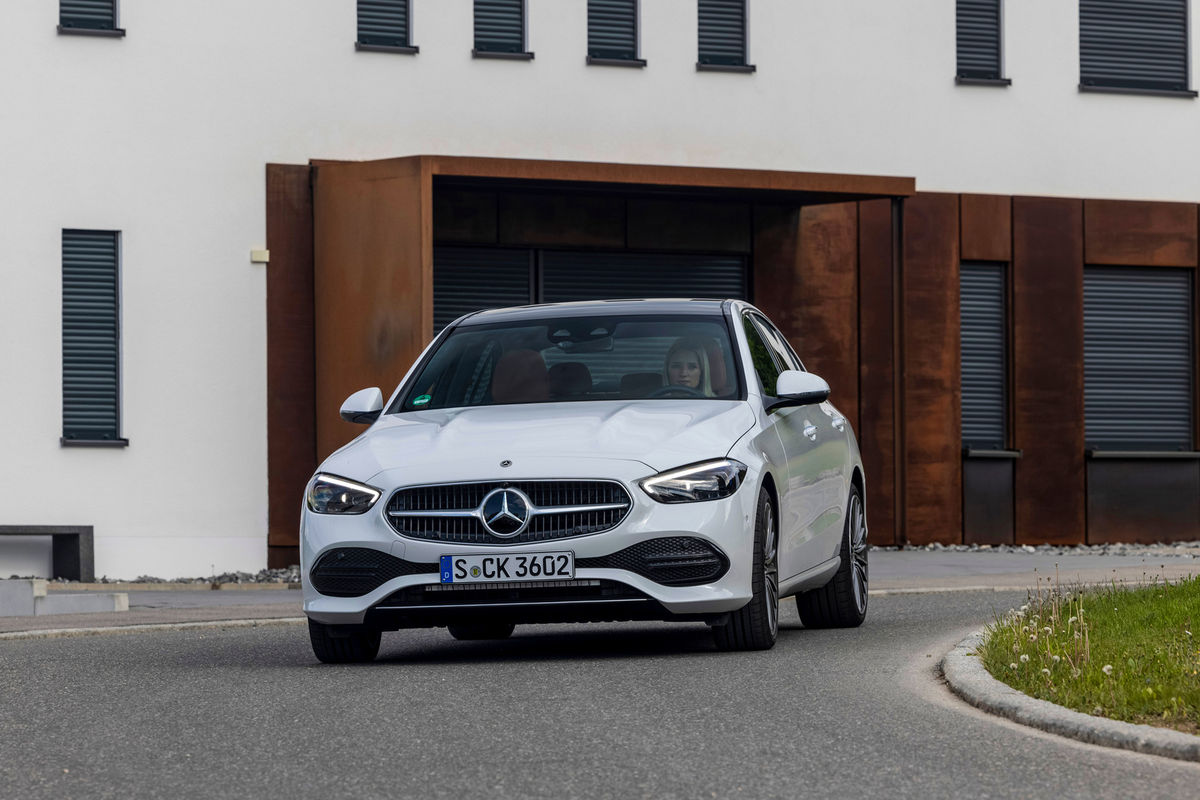
Mercedes-Benz C-Class (2021) International Launch Review
A decade ago, the C-Class was Mercedes-Benz’s most important model, but given the popularity of SUVs and the inevitable push towards EVs, is it still the Three-pointed Star’s poster child? International correspondent Greg Kable drove the brand new W206 sedan to find out what it’s like…
When a group of journalists arrive at Mercedes-Benz’s expansive Immendingen test facility in southern Germany to drive the 5th-generation C-Class for the first time, the Sindelfingen-based brand’s officials appear distinctly nervous. This is how it has always been when a fresh incarnation of the BMW 3 Series rival has appeared through the years – and with good reason.
Since its introduction in 1993, the C-Class has garnered a total of 8.6 million sales worldwide, including 2.5 million sales of the 4th-gen model, which was introduced back in 2014. A good deal of Mercedes’ growth and profitability over the past 3 decades can therefore be traced to the success of the brand’s sports executive sedan. So, the new model (codenamed W206) clearly has a whole lot to live up to.
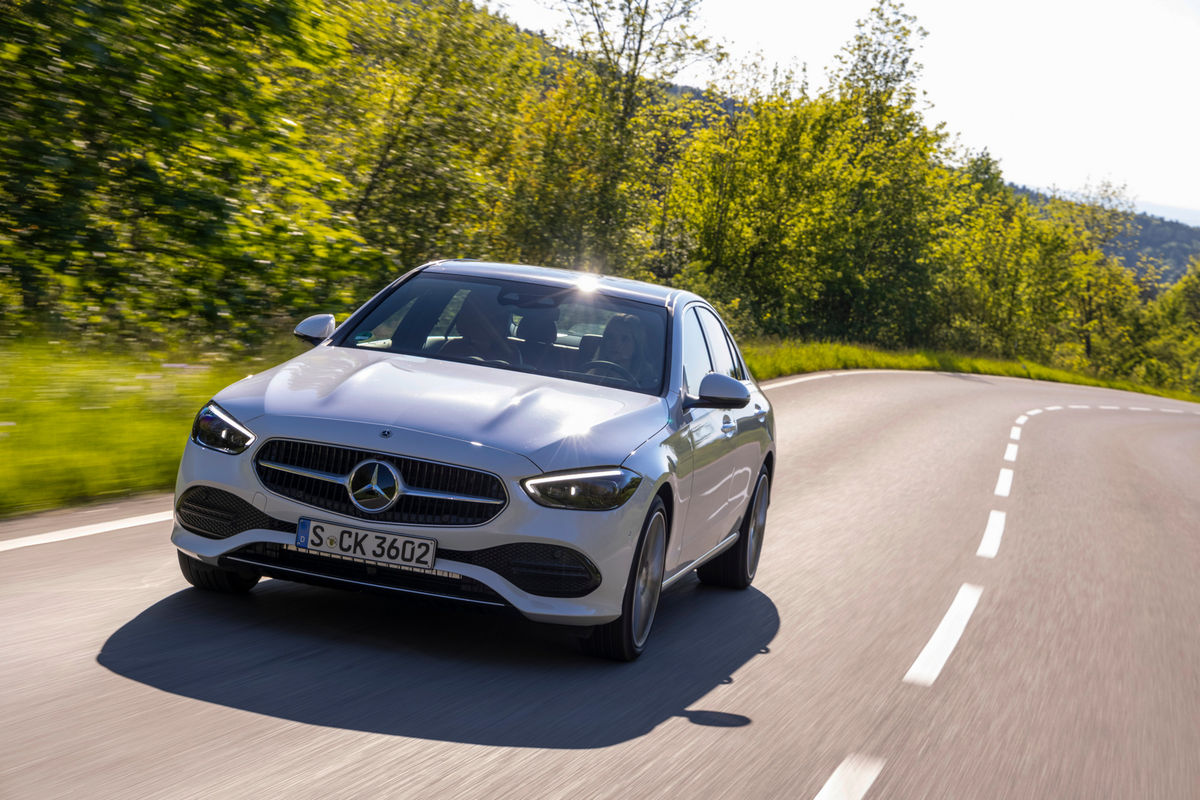
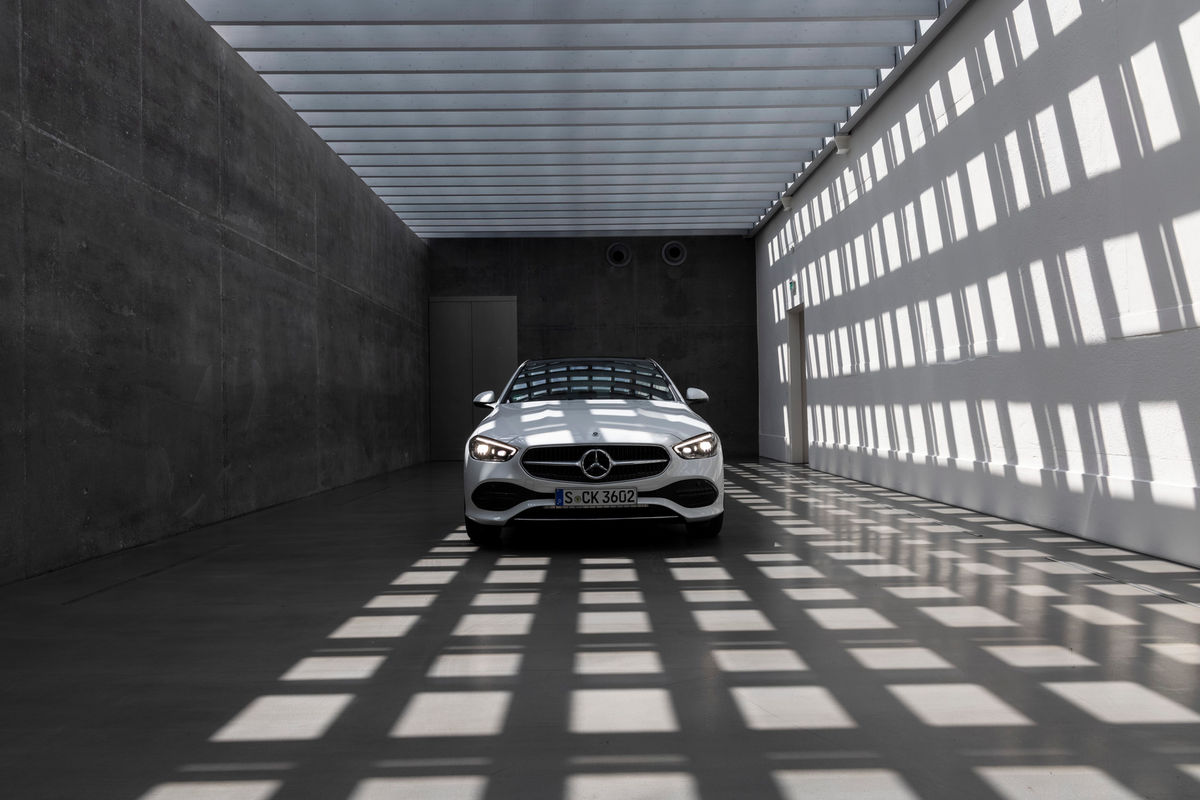
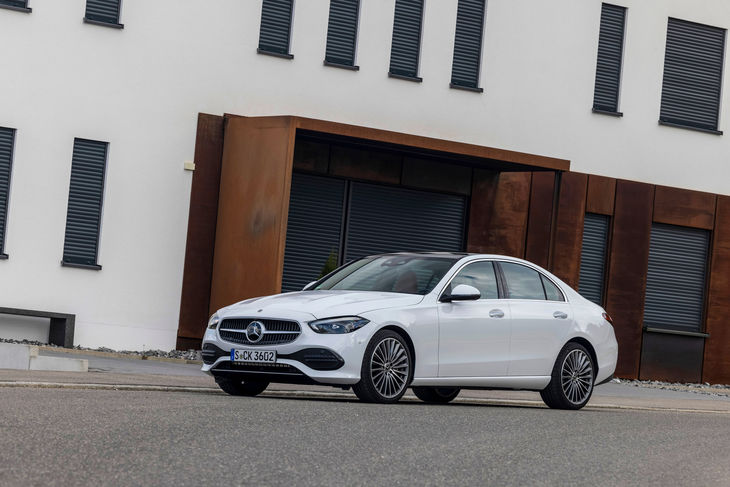
The new C-Class is made to look more like the E and S models.
This time, however, success is not all but assured. Not because of any fundamental weakness in the C-Class – far from it, in fact. Simply put, considering the paradigm shift taking place in every corner of the car industry (as governments around the world work to impose measures that favour electric cars), internal-combustion-engined mainstay models suddenly find themselves under intense pressure.
Having made a big step with the previous (W205-generation) C-Class, this new one represents more of an evolutionary change than a new start. It retains the same basic building blocks as its hugely successful predecessor – although pretty much every component has been altered to boost its appeal and, therefore, keep those sales ticking over.
And to make regulators happy and appease environmentalists, the model also adopts electrified technology across the range. The C-Class has influence beyond its initial sedan and estate variants: it also forms the basis of the 2nd-generation GLC executive SUV, which is due in 2022 in both conventional and coupe-inspired forms. That’s a big deal.
What’s new on the C-Class?
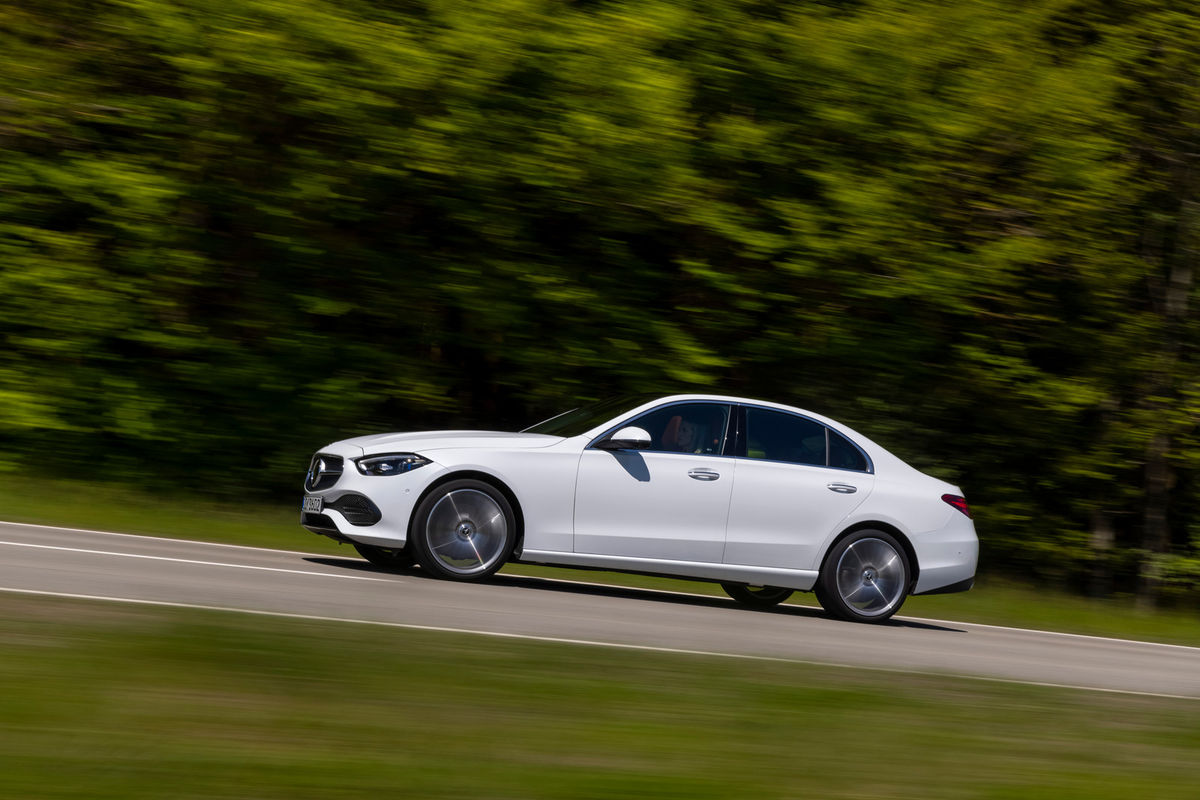
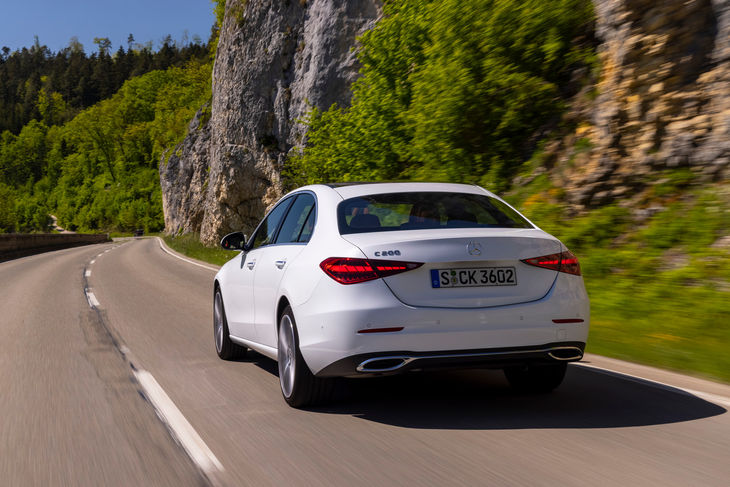
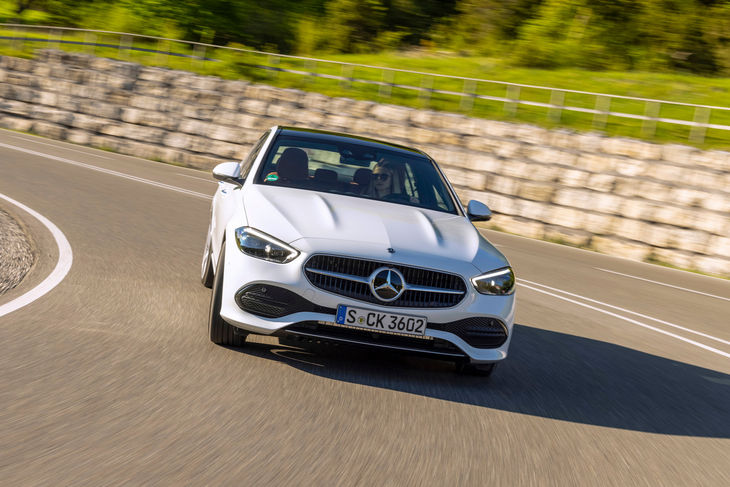
It’s more slippery through the air, which helps with fuel consumption.
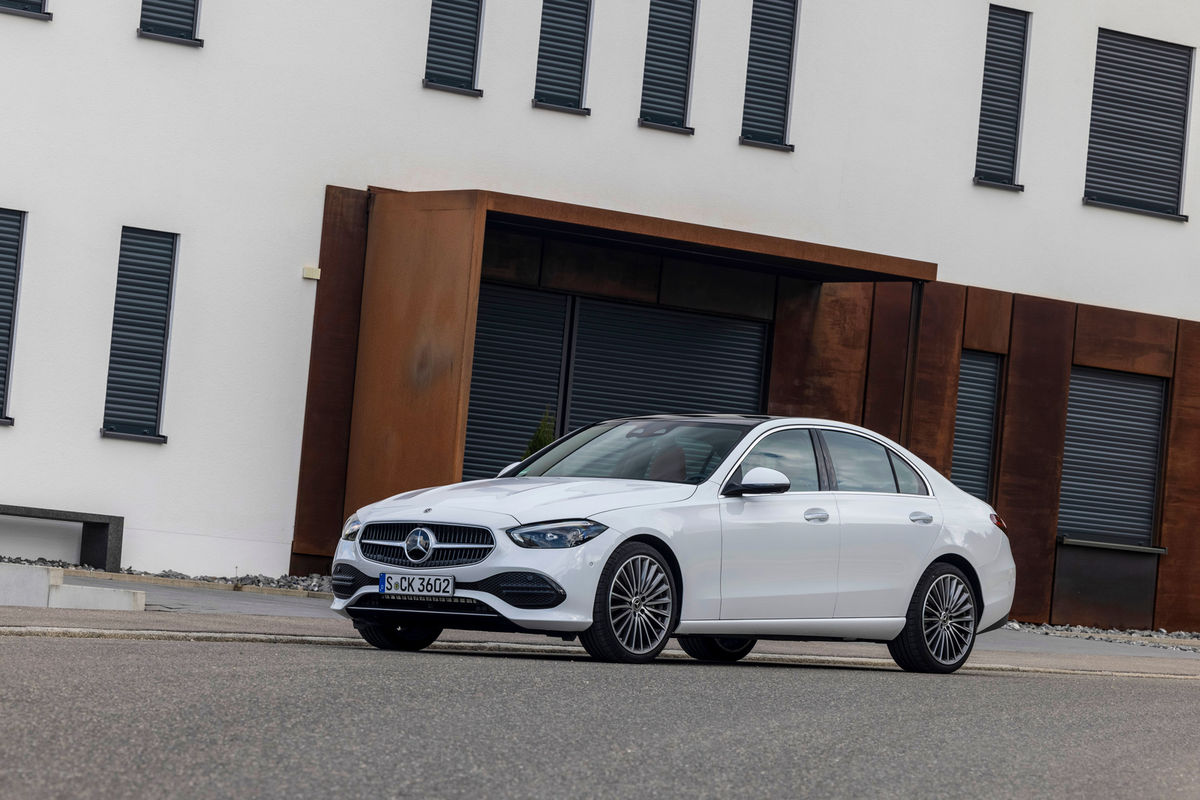
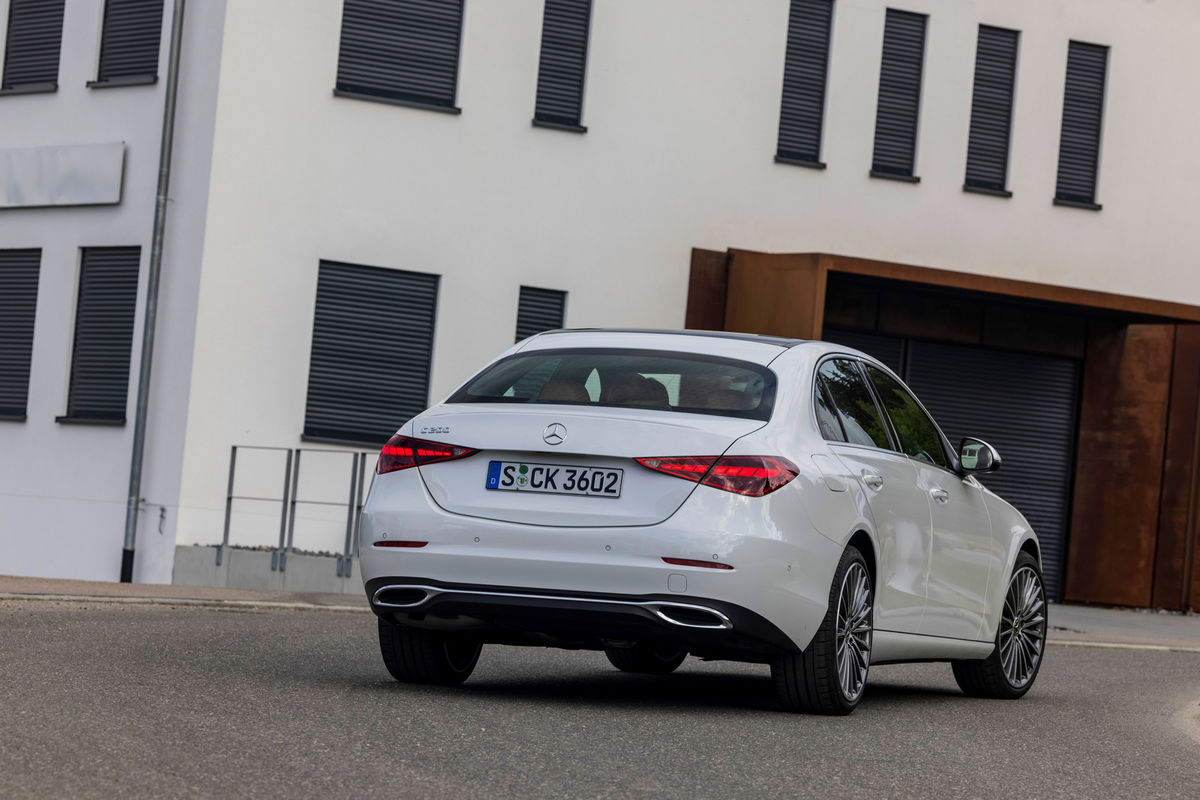
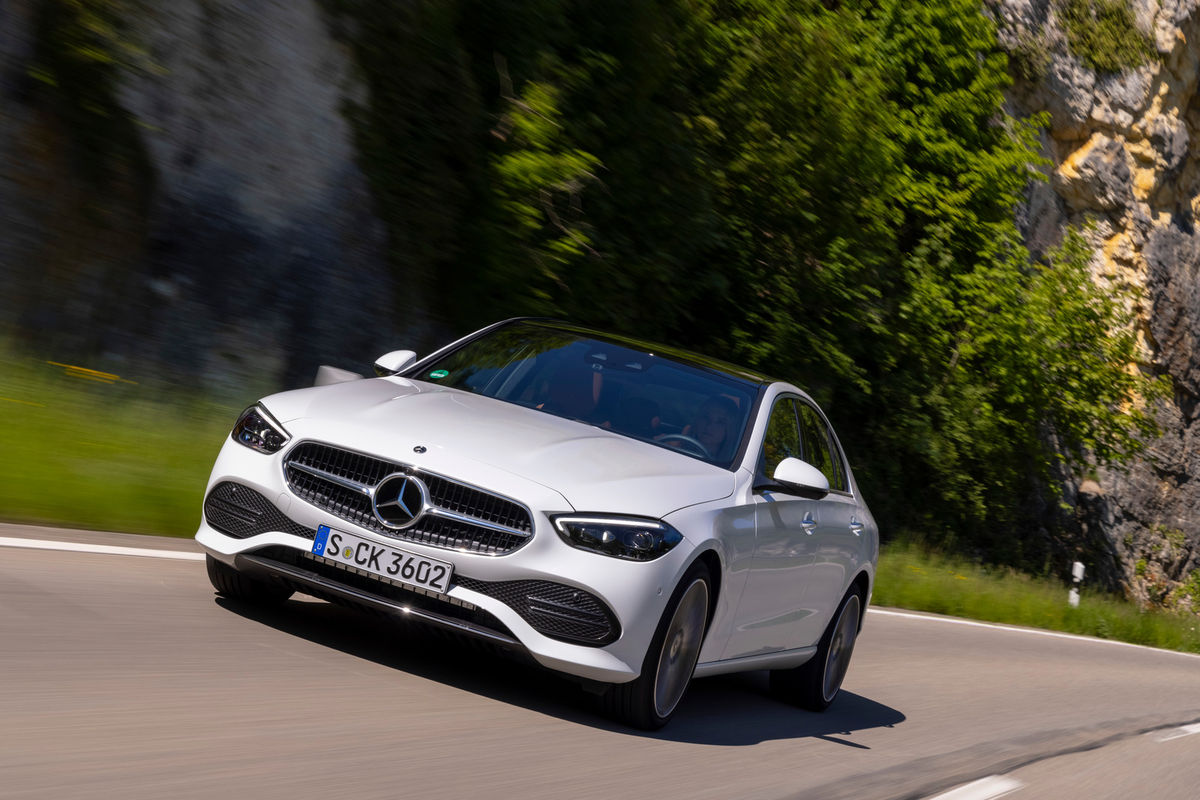
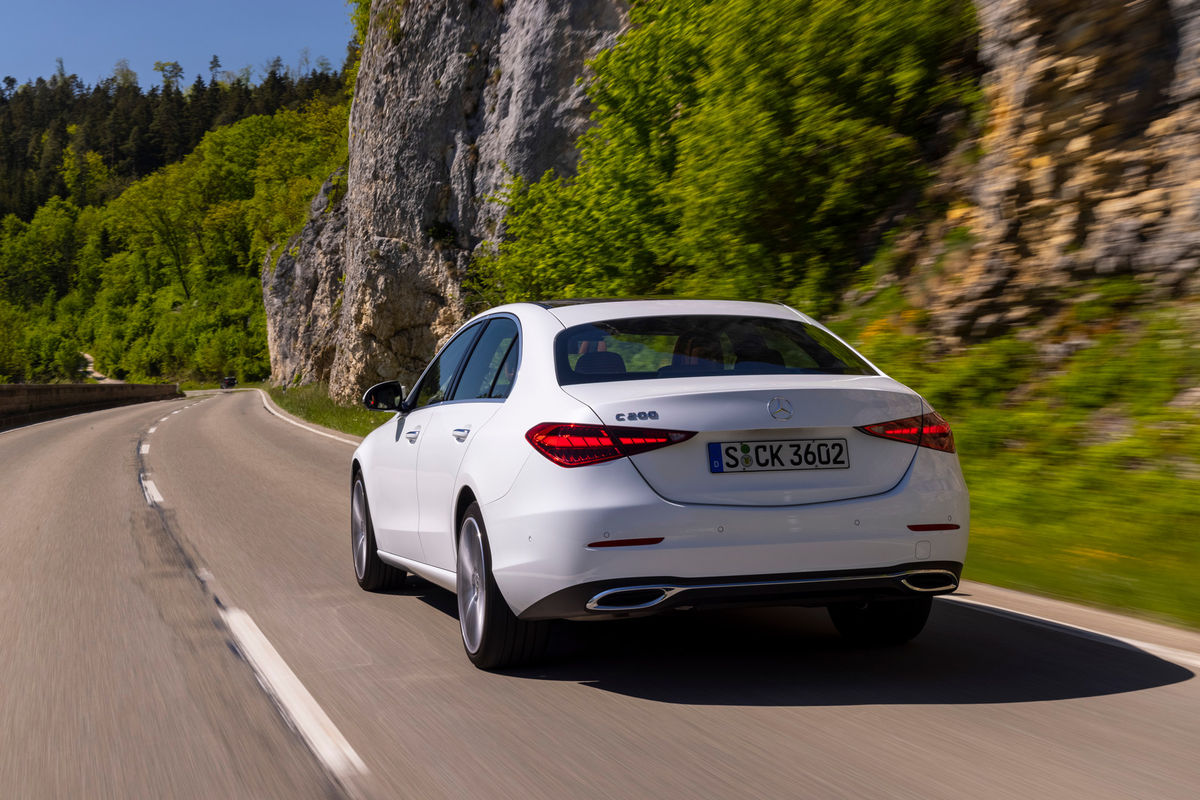
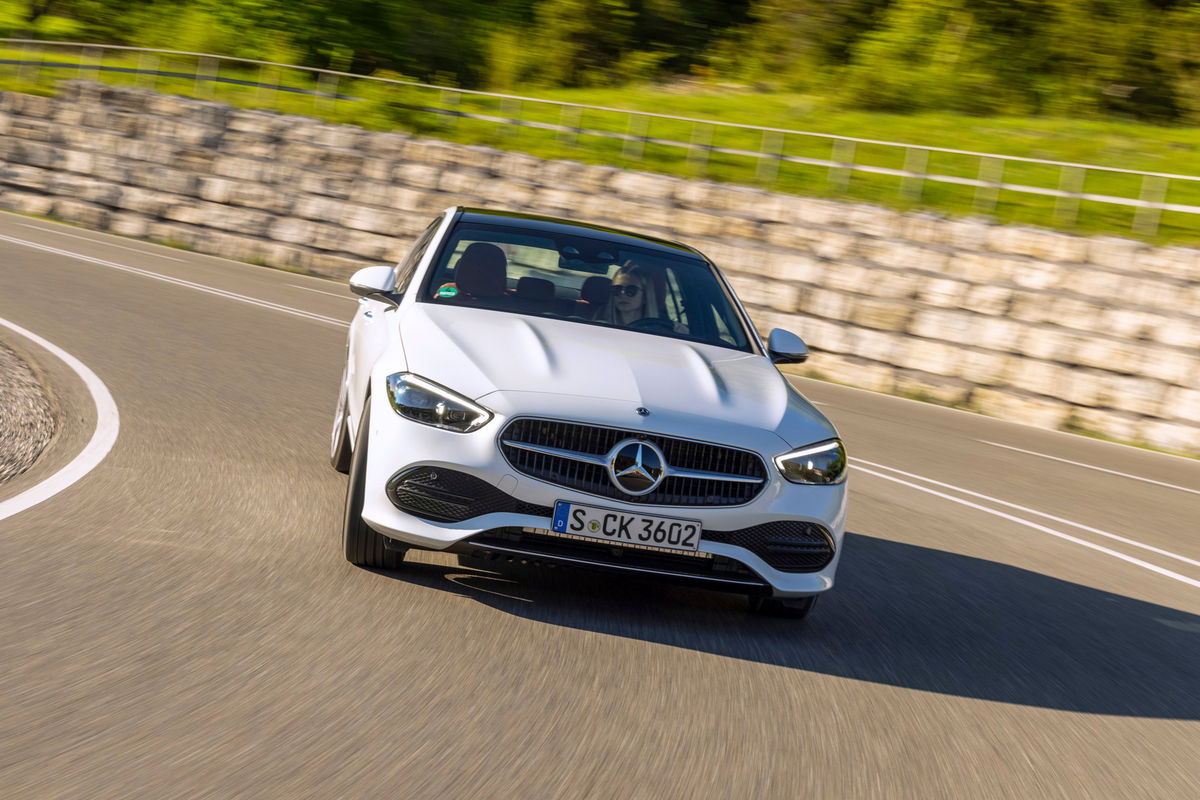
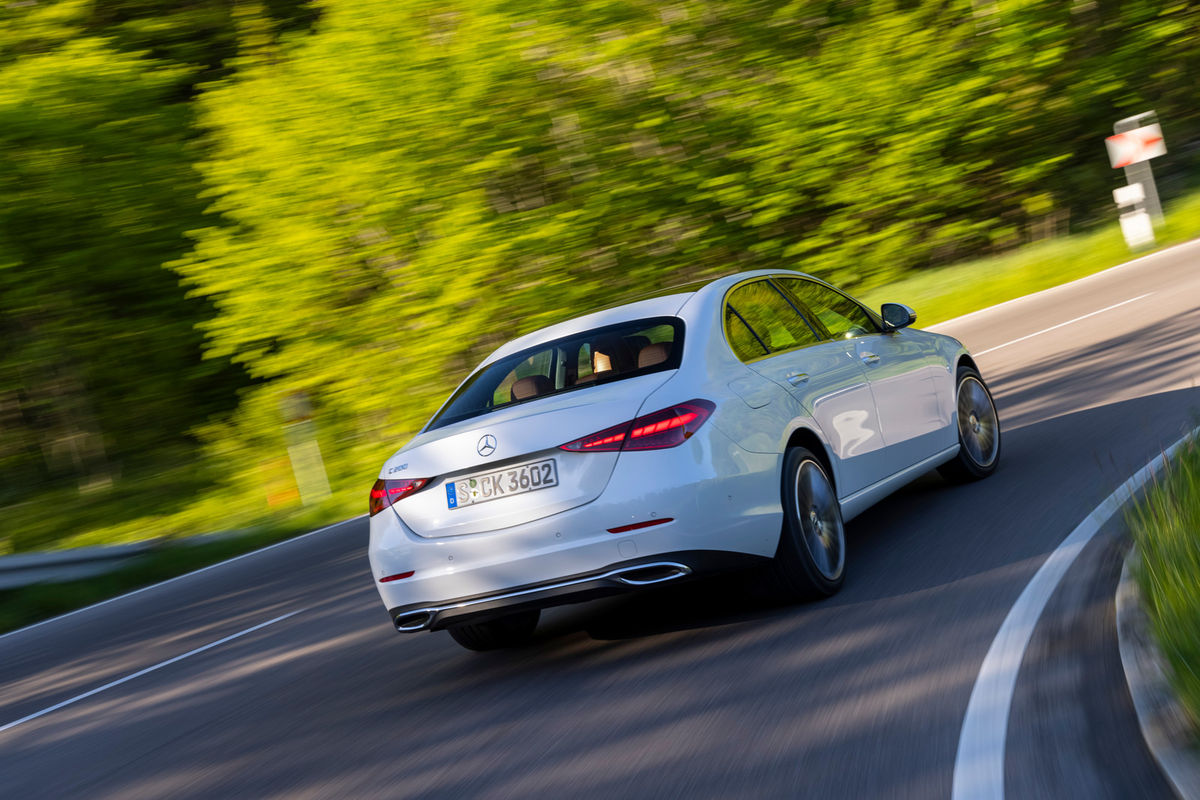
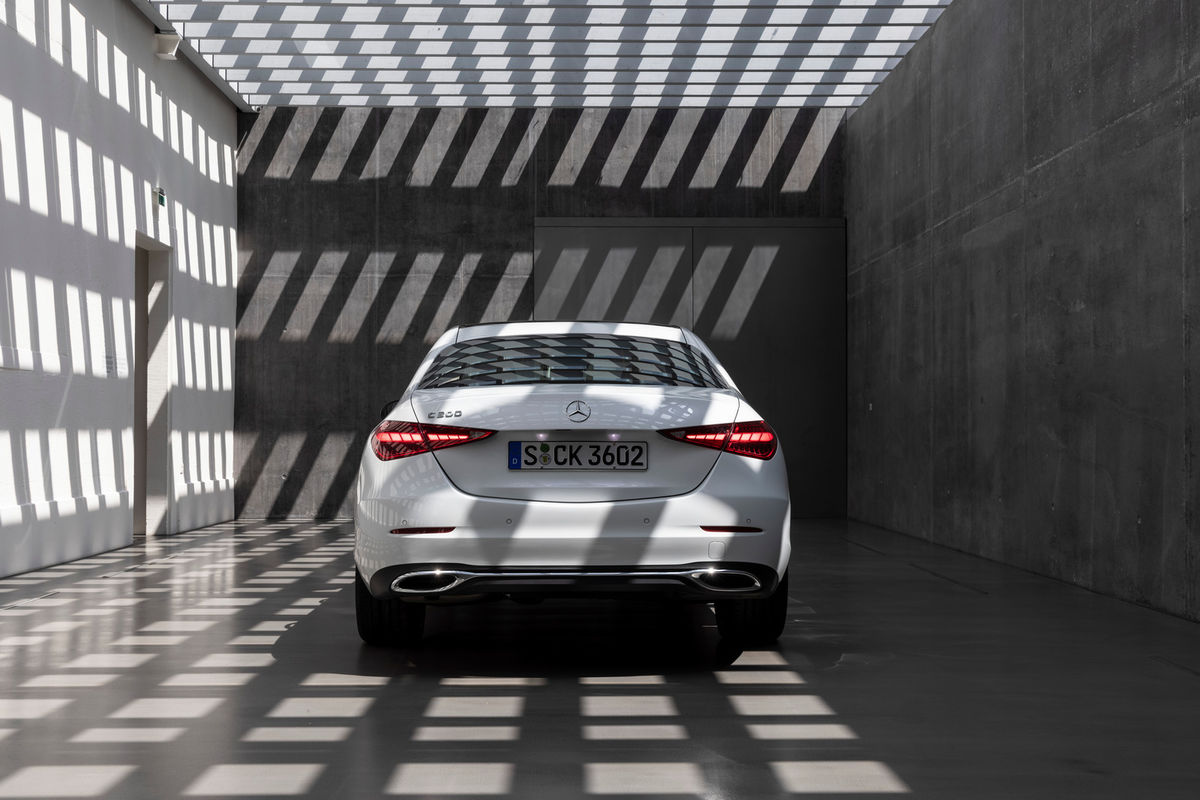
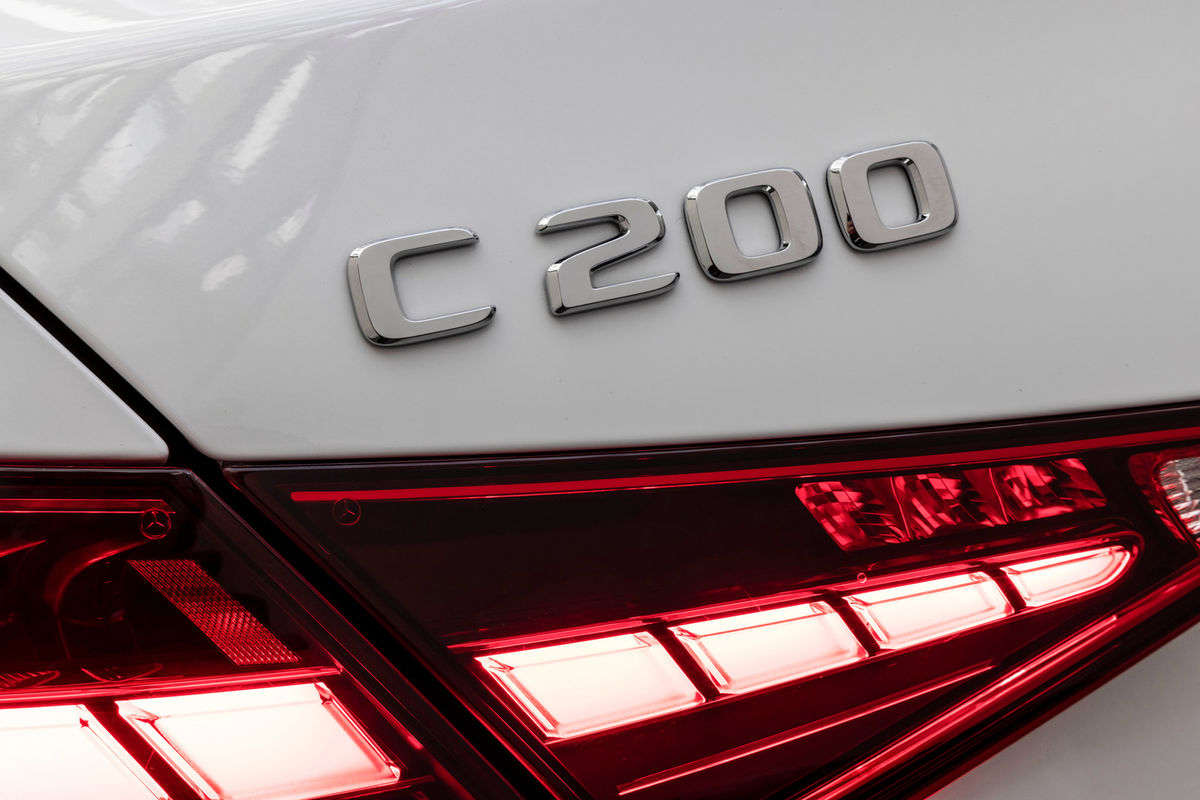
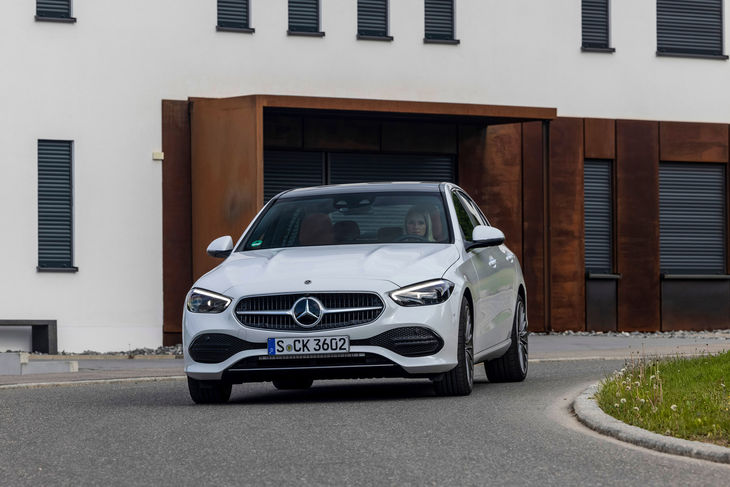
In a move that harks back to the very first C-Class, Mercedes-Benz has endowed the new model with closer styling links to the latest E-Class and S-Class than more recent iterations as part of a wider effort to imbue its line-up with a more cohesive styling lineage. This is evident in the shape of elements such as its front grille, headlights, “power domes” on the bonnet and horizontally positioned tail-lights, which now extend into the boot lid to give the C-Class greater perceived width.
It also keeps its cab-rearward profile, 6-window glasshouse, largely unadorned flanks and overall stance – all closely modelled on those of its larger siblings to give it a sleek drag coefficient of 0.24.
For the first time, Mercedes-Benz is launching a new C-Class sedan and its estate variant simultaneously: the usual 6-month wait for the latter has been eradicated through improvements in production-line efficiency, the company says. Two-door coupee and cabriolet variants will follow in due course, although not before 2023.
Predictably, the new C-Class has grown. Length is up by 65 mm to 4 751 mm and width has increased by 13 mm to 1 820 mm, although a slightly sleeker roofline has reduced its height by 9 mm to 1 438 mm. All this makes it 63 mm longer, 10 mm wider and 1 mm lower than the Mercedes-Benz CLA. It’s also 42-mm longer, 7-mm narrower and 4-mm lower than its closest traditional rival, the BMW 3 Series.
The increase in length is allied to a longer wheelbase, which has grown by 25 mm to 2 865 mm. The added width, meanwhile, has brought with it the adoption of wider tracks. The front is up by 19 mm to 1 583 mm, while the rear is extended by 48 mm to 1 594 mm, with the effect that the wheels (ranging from a standard 17-inch to optional 20-inch alloys) now sit further outboard within the wheelhouses.
The new C-Class is underpinned by a reworked version of the W205’s Modular Rear Architecture (MRA) platform. Mercedes-Benz won’t go into specifics, apart from saying that the suspension design is similar, with double wishbones up front and a multi-link arrangement at the rear. What’s more, in combination with the wider tracks, the springs, dampers and anti-roll bars have been retuned.
Adaptive dampers remain an extra-cost option and while there’s no option of air suspension at the rear anymore, the new C-Class offers all-wheel steering for the first time, ostensibly in an attempt to increase low-speed manoeuvrability and improve stability at higher speeds. This enables the rear wheels to turn at up to 2.5 degrees in a bid to project it beyond the 3 Series for outright driver appeal…
Inside the new C-Class
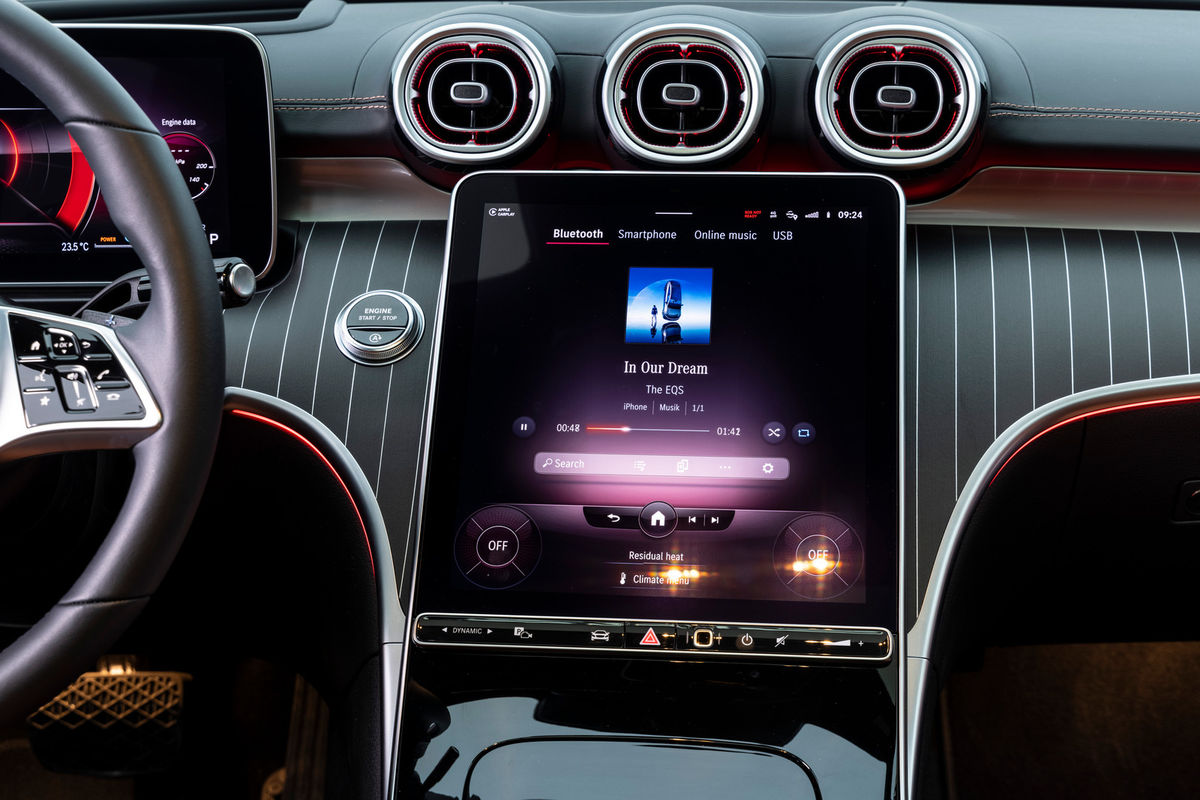
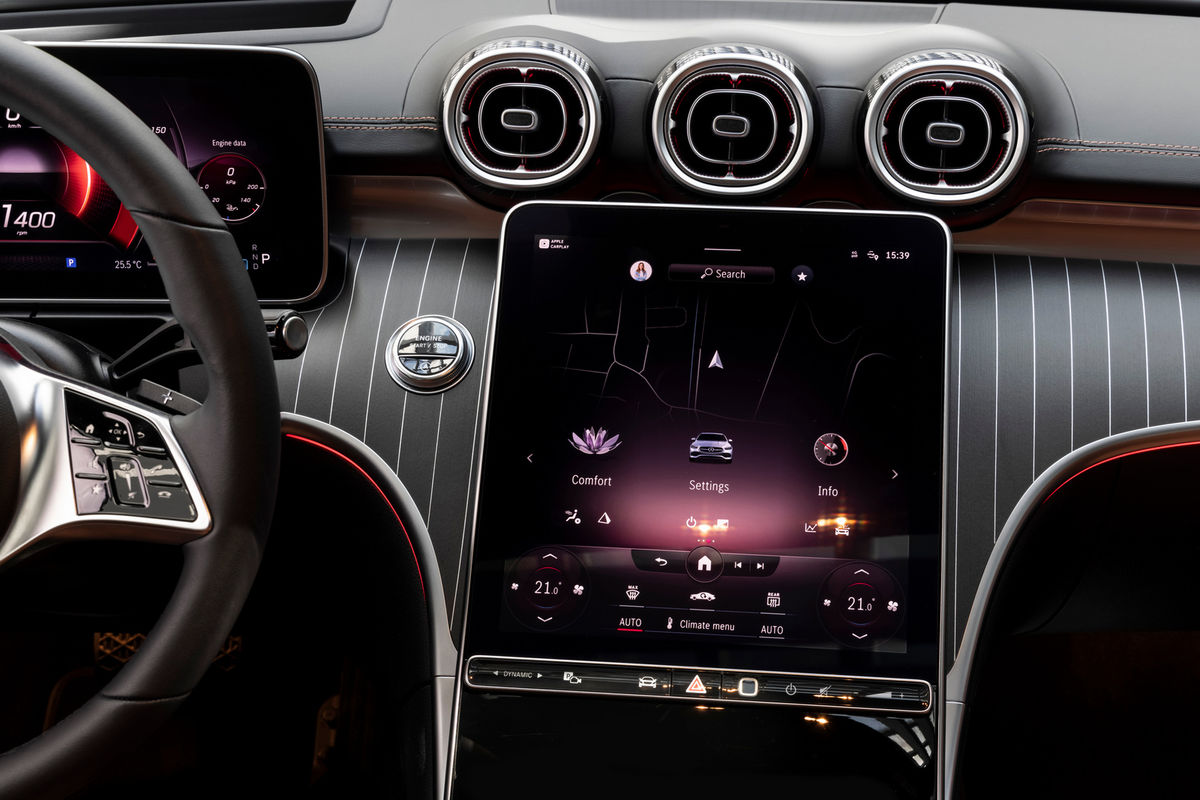
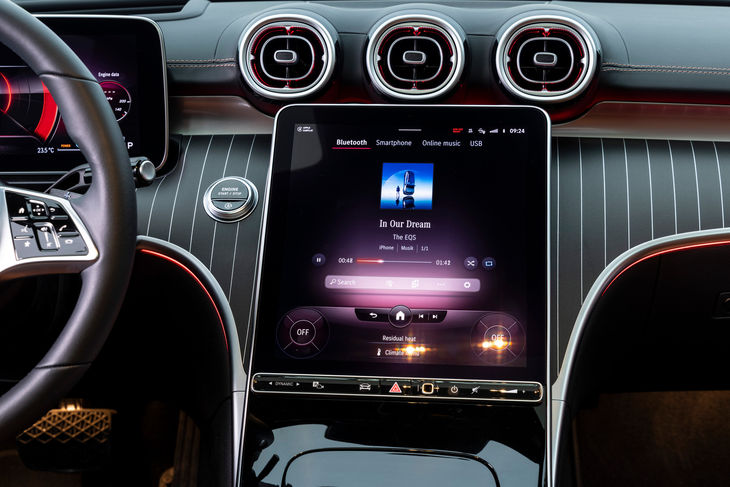
The new infotainment screen is placed vertically in the cabin where the previous model used a horizontal screen.
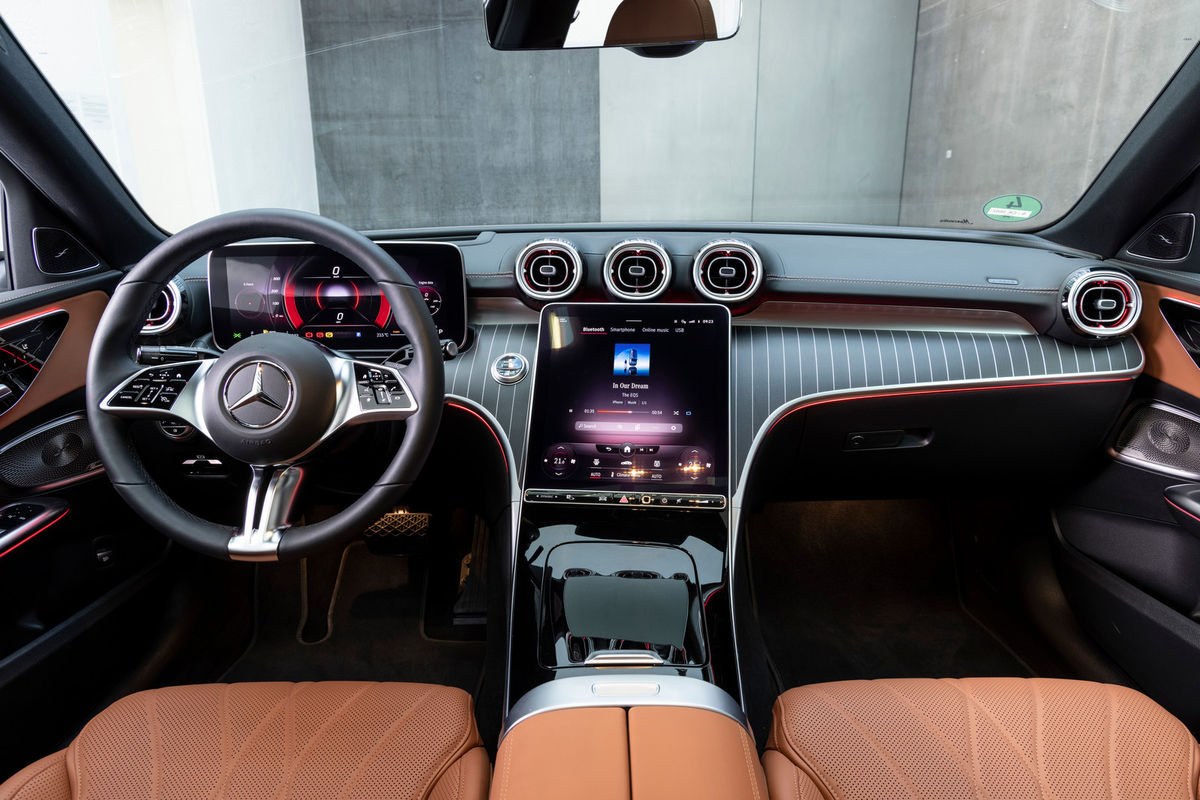
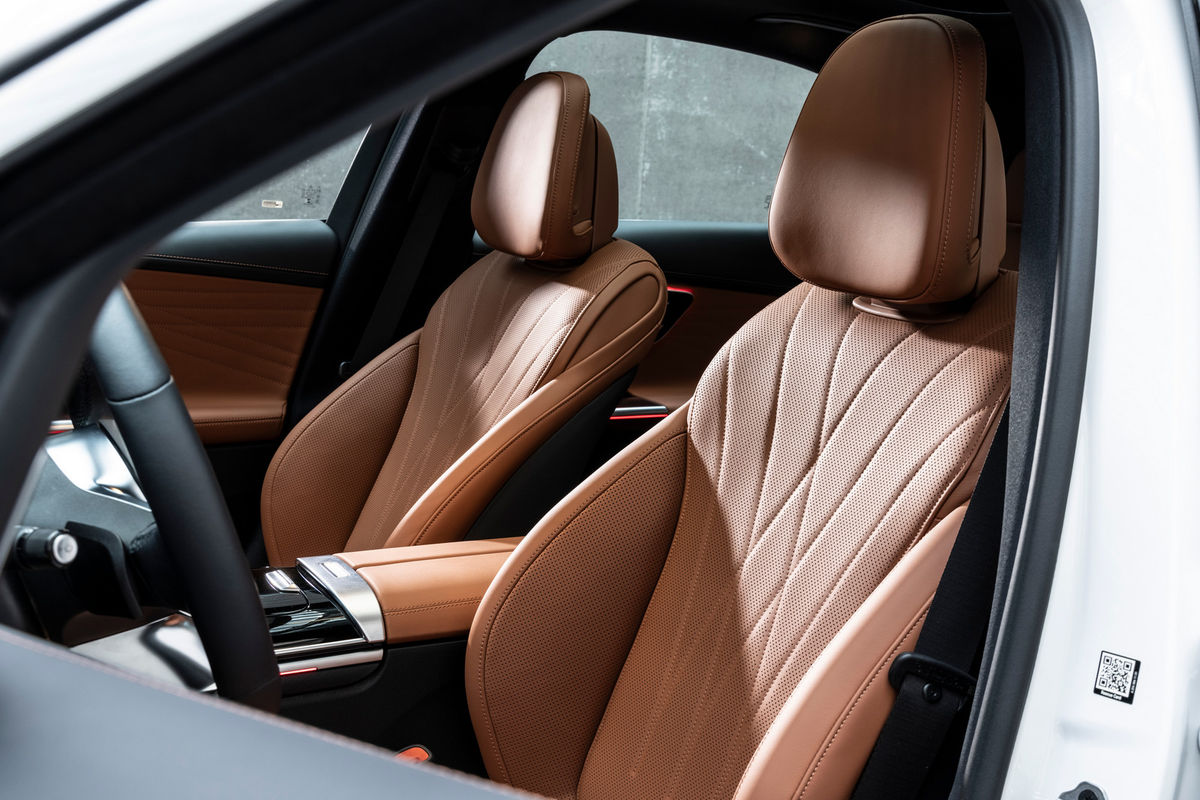
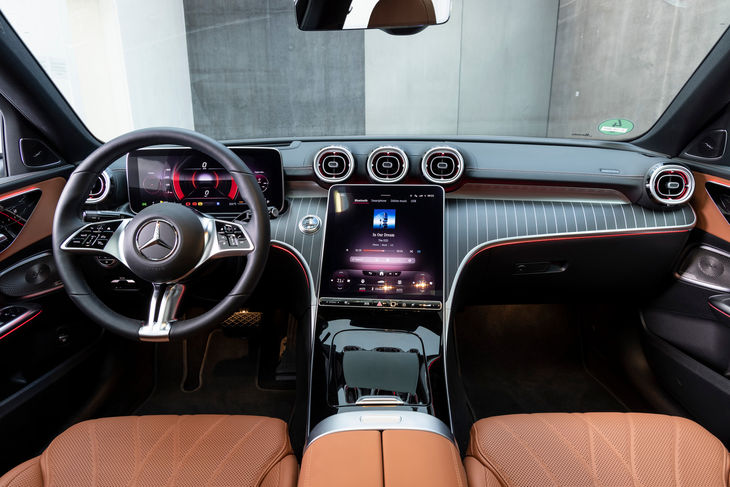
The interior of the new C-Class sports the same contemporary look as that of the latest S-Class first-class sedan. When you step inside the newcomer for the first time and set your posterior on either of the restyled front seats, the Benz’s cabin makes a very strong impression by virtue of a mix of smart materials and expanse of fibre-optic lighting – it feels more special than the more expensive E-Class!
The driving position is ergonomically pleasing, with plenty of adjustment available for the driver’s seat and the column of the newly styled steering wheel, which features touch-sensitive controls in its horizontal spokes on higher-end models. Outward visibility is good, if not great. Mind you, there’s an armada of sensors and cameras to keep tabs during parking and the like.
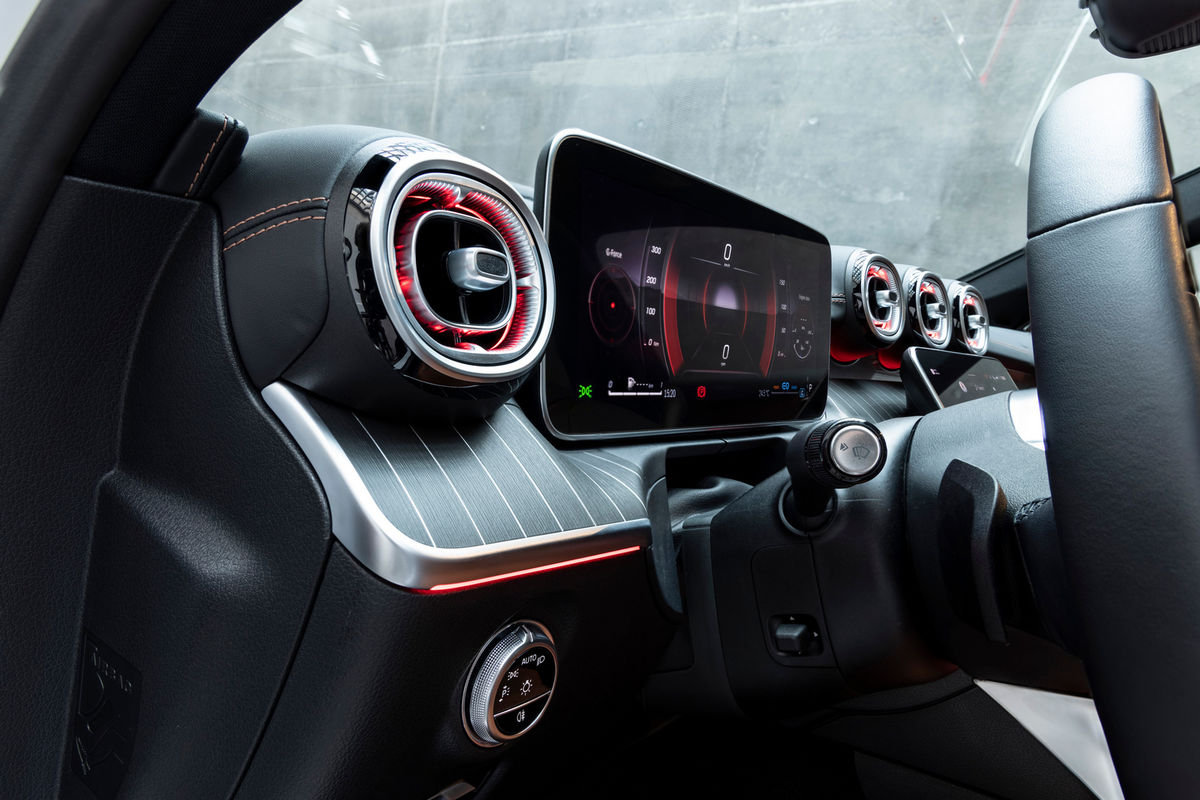
Depending on the derivative and trim level, you get a 10.25-inch or 12.3-inch digital instrument cluster, together with a portrait-oriented touchscreen measuring 9.5 or 11.9 inches across.
Many of the controls have been incorporated into the latter, including those for the air conditioning, leaving very few physical buttons on the fascia. It’s all operated by the latest iteration of Mercedes-Benz’s MBUX system, which offers conversational speech control for most functions and whose software can be updated wirelessly. Key among the technology options is a new augmented reality head-up display. Similar to that offered on the S-Class, the display projects important information as a 29.5-inch image on the windscreen.
As before, the so-called direct-shift transmission stalk is mounted on the steering column, which frees up space on the centre console for a large oddment bin. It incorporates a pair of drink holders as well as a USB-C port, with a wireless charging pad available as an option. Manual shifts can, as before, be actuated via steering wheel-mounted paddles.
A new steering wheel design and air vents make up the most notable changes.
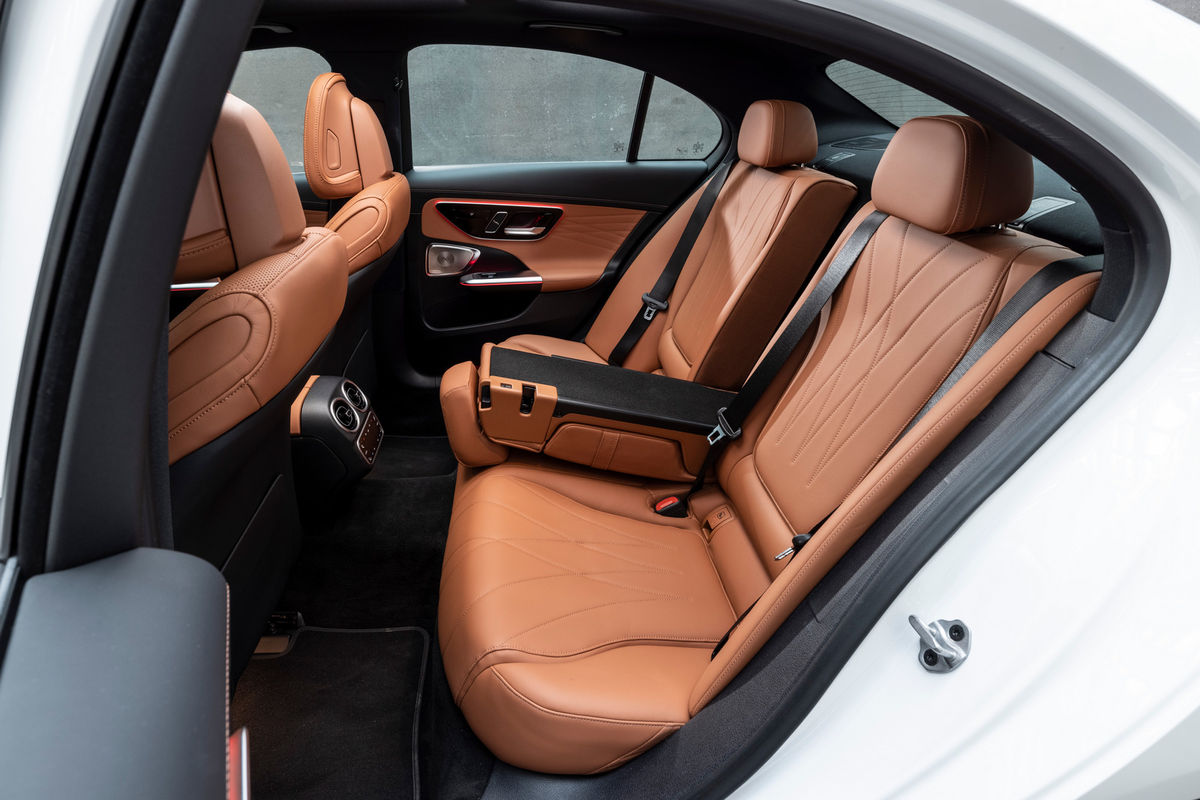
The cabin is cleverly packaged and more spacious all round, most notably in the rear, where the C-Class now offers 21 mm more legroom, 22 mm more elbow room and 13 mm more shoulder room.
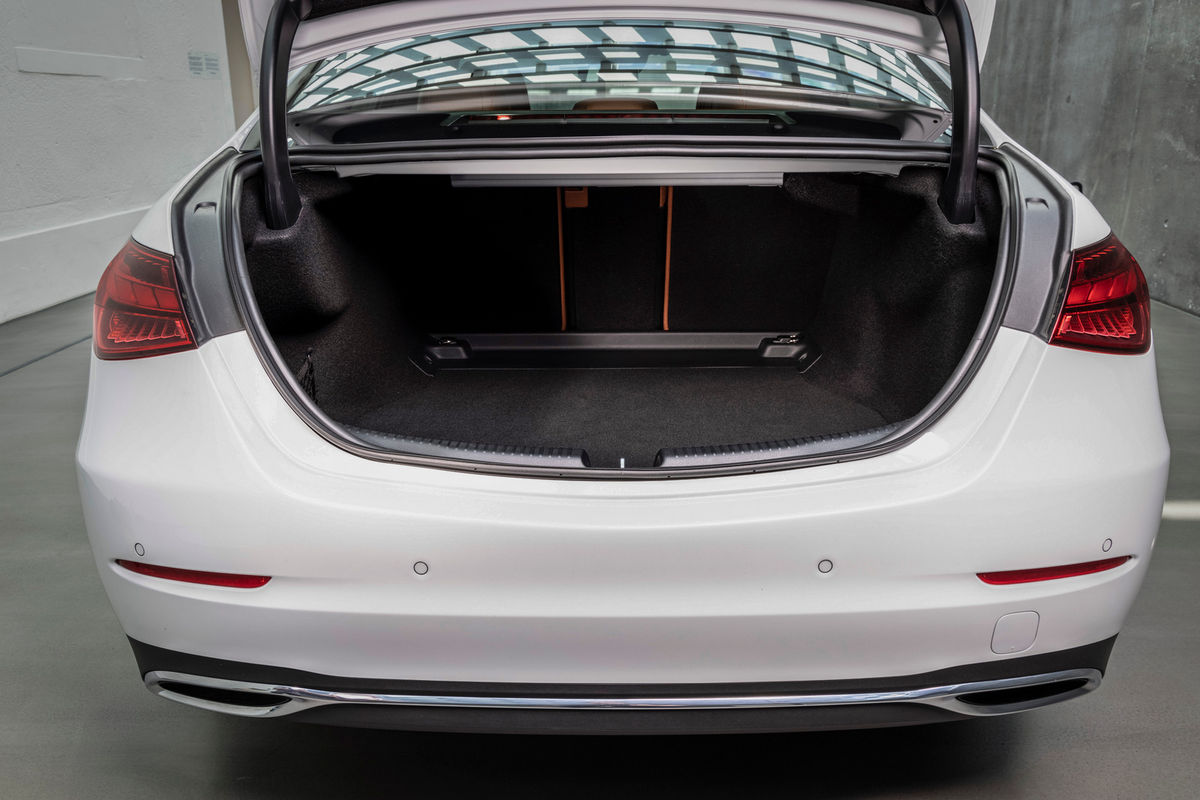
Its load-carrying capability is disappointing, though: despite an increase in length, the claimed capacity remains 455 litres – 15 litres less than offered by the smaller CLA and 25 litres less than the 3 Series.
Buyers will be able to choose from 2 turbocharged 4-cylinder petrol engines and a single 4-cylinder diesel engine (in various states of tune) across 6 trim levels when deliveries begin.
Five derivatives (the C180, C200, C300, C220d and C300d) feature 48V mild-hybrid technology, with an added 15 kW provided by the alternator under acceleration and a coasting function that idles the engine on a trailing throttle for added energy recovery. The C300e is a full plug-in hybrid with an EV range put at between 89 km and 110 km on the WLTP test.
On the petrol side, the 1.5-litre C180 and C200 produce 125 kW and 150 kW respectively. They’re joined, from the outset, by the C300, which utilises a 2.0-litre engine with 190 kW. The same powerplant is used by the C300e in combination with an electric motor, albeit detuned to 150 kW to form part of a combined petrol-electric output of 230 kW.
The C220d and C300d use a new 2.0-litre 4-cylinder diesel engine, which in the former develops an extra 6 kW over the outgoing C220d, at 146 kW, and in the latter produces an additional 15 kW over the old C300d, at 195 kW. Its closest rival from Munich is the 320d, which produces 140 kW.
Every C-Class engine comes mated with a 9-speed automatic transmission. Rear-wheel drive is standard, although the C200 and C300 will also be offered with 4Matic four-wheel-drive in some markets.
What’s it like to drive?
The new model appears to be sportier than the C-Class of old.
The C220d is traditionally a big seller, and the updated engine is very well suited to the new C-Class’ broadened brief – a turbodiesel can still hold wide appeal in the sports executive sedan ranks!
With an extra 39 Nm (compared with its predecessor’s peak torque output), the C220d delivers 440 Nm between 1 800 and 2 800 rpm; consequently, the derivative’s demeanour is relaxed around town and quite urgent, if required, out on the open road. It’s also a commendably refined package, with relatively smooth and hushed qualities up to and beyond the middle of the engine’s rev range.
The increase in power and torque may be subtle, but the new entry-level turbodiesel hauls with added enthusiasm, as reflected in its 0-100 kph time of 7.3 sec and a claimed top speed of 245 kph.
It’s economical too. Claimed WLTP test figures of between 4.3 L/100 km and 4.1 L/100 km represent improvements on the previous generation and, by comparison, the BMW 320d can only boast respective figures of 4.6 L/100km in our market (some international markets have a mild-hybrid 320d that is claimed to consume 4.1 L/100 km).
The outstanding action of the C220d’s transmission helps matters; it shifts crisply and smoothly at all times. And the precision of the driveline is mirrored by the sedan’s handling, which takes on a more responsive nature than ever before. It all starts with the steering, which is both well-weighted and, thanks to the adoption of an altered ratio, quicker in its action.
The optional all-wheel steering system will appeal to driving enthusiasts. It clearly aids agility and is probably less suited to the relaxing qualities of the C220d than other new C-Class variants, but it’s still well worth considering for those who do a lot of urban driving, solely on its ability to provide a 43-cm reduction in the turning circle (down to 10.64 metres) for greater low-speed manoeuvrability.
The ability of the suspension to soak up road-surface irregularities, unobtrusively handle bumps and authoritatively deal with changes of camber helps to provide the new C-Class with a wonderfully flowing nature. It’s a tremendously easy car to place on the road and there’s a great balance to its actions.
It also offers very impressive levels of grip, yet, as proved by an extended drive in the rolling hills an hour or so south of Stuttgart, it’s the body control that really stands out. The C-Class remains super-composed when you run it hard up to the apex of a corner, with roll building in a clearly defined manner, while the chassis provides a clear picture of where the limits of adhesion are.
It’s clear already, though, that this new Mercedes-Benz pips its BMW rival for overall ride quality, at least when specified with the optional adaptive damping control (as our test car was). This gives it a great spread in character, providing it with a truly cosseting feel in Comfort driving mode and clearly more athletic traits in Sport.
Should I buy one?
The ride and handling improvements put the C-Class right in the path of the 3 Series’ hunting ground.
We’re going to need a lot more time in the new Mercedes-Benz C-Class to fully judge its performance and newfound sportiness, but what is evident from our first taste is that the model is clearly back in the running to be the best offering in the sports executive sedan segment – a fact that will undoubtedly trouble the 2020/21 #CarsAwards – powered by WesBank category winner, the BMW 3 Series.
In volume-selling C220d guise, the W206 Mercedes-Benz C-Class remains a tremendously well-rounded proposition, with outstanding levels of comfort, refinement and quality. However, these traditional traits now come with an ability to engage, connect and even excite the driver.
The new-generation C-Class is a wonderfully complete car that will no doubt appeal to a wide range of customers when it arrives on the local market towards the end of 2021 or in early 2022.
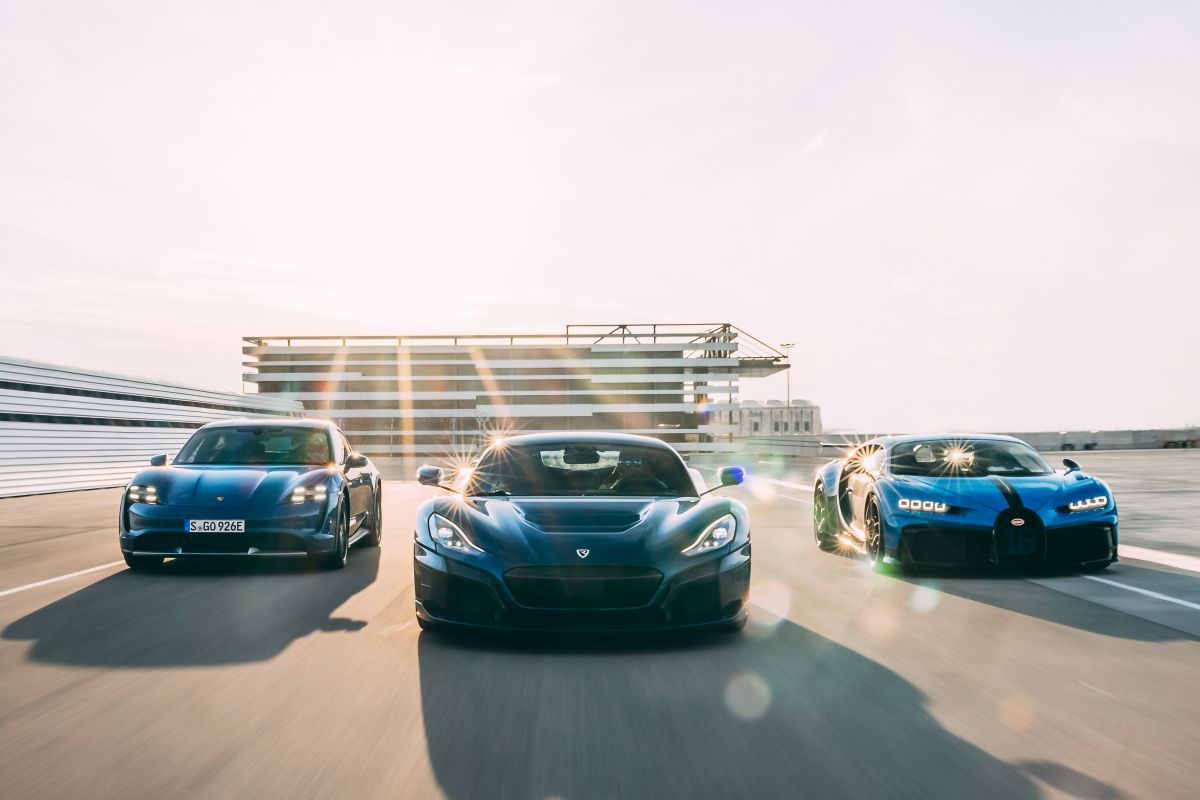
Croatians take control of Bugatti’s future
Bugatti no longer the jewel in VW’s crown.
No brand is more symbolic of turbopetrol engine excellence than Bugatti.
But as change sweeps over the automotive industry, Bugatti is at risk of becoming irrelevant. And to illustrate how its fortunes have waned, it will now report to a design office in Zagreb.
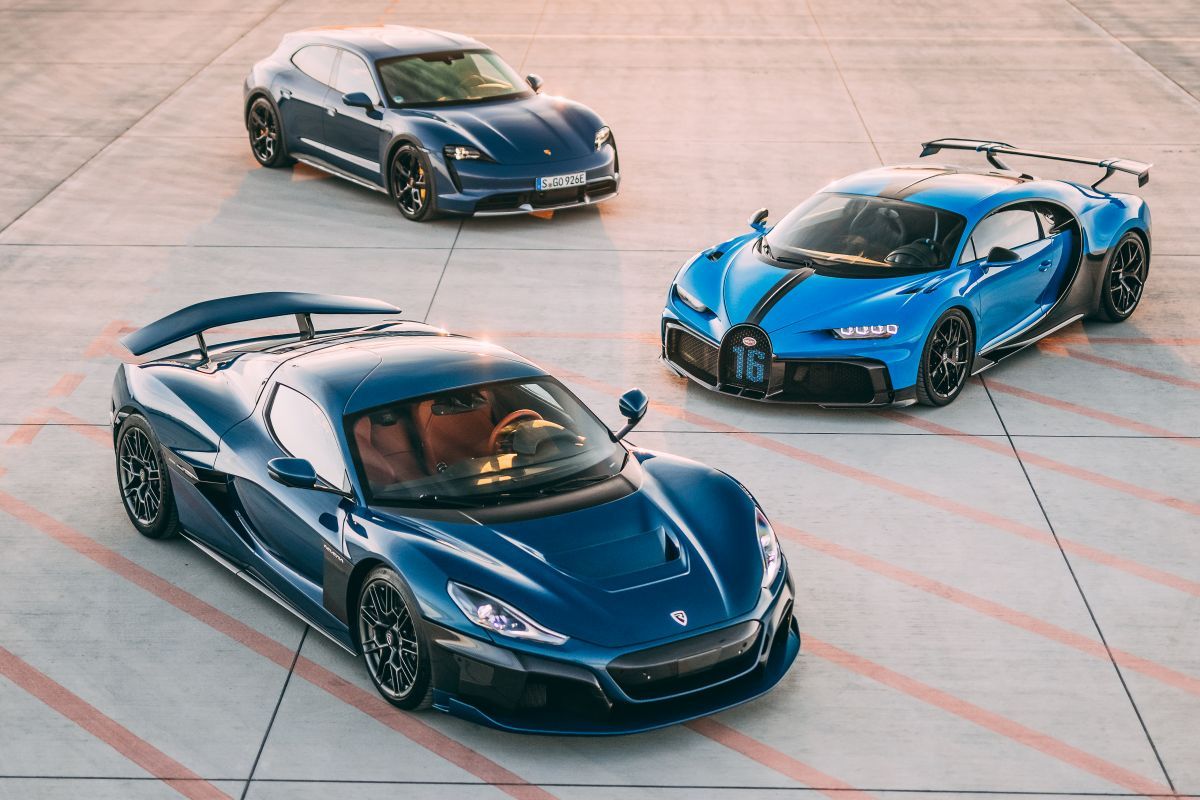
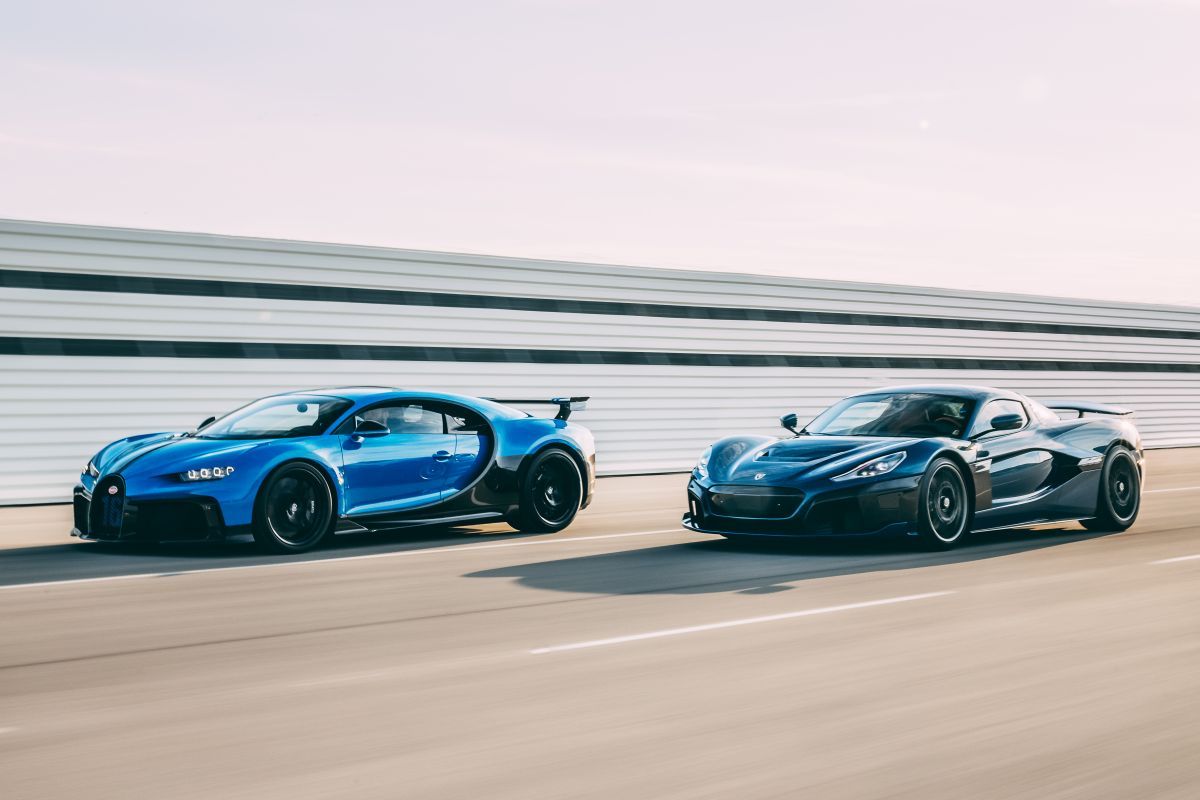
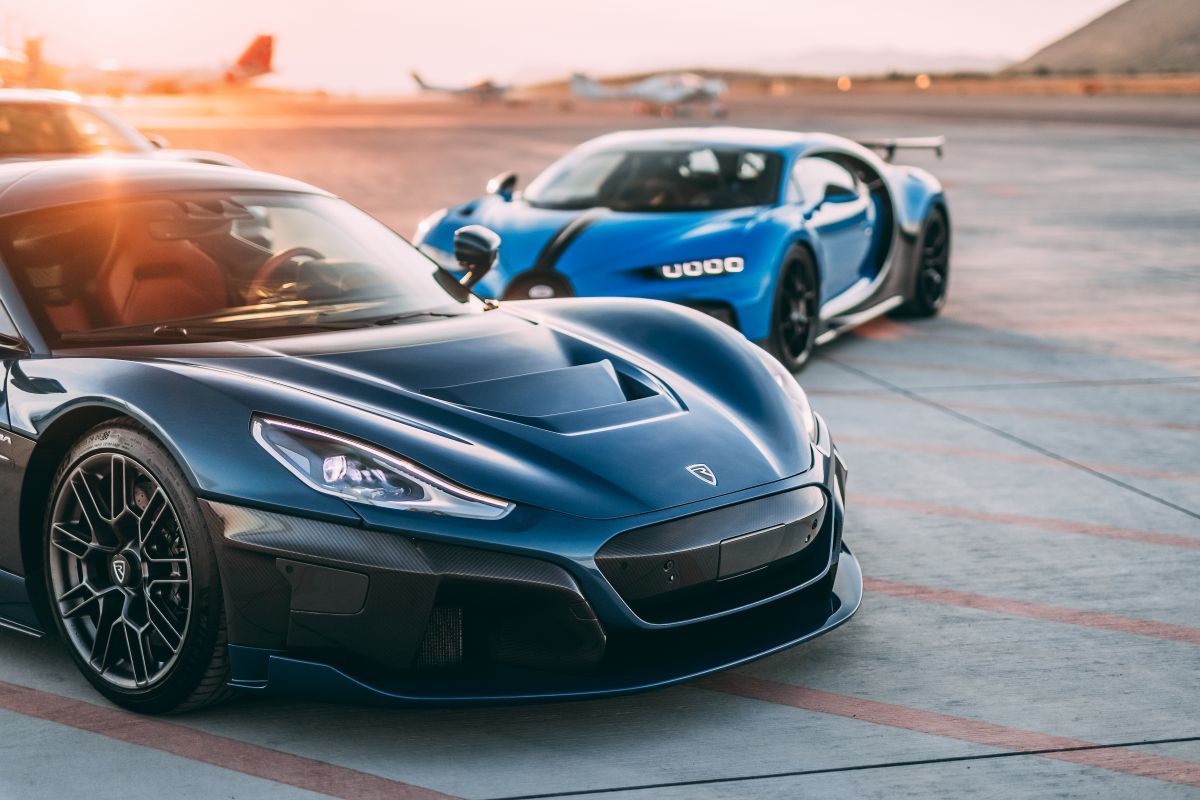
In an announcement that was expected, Bugatti is no longer an independent sub-brand of VW. It has become a joint-venture constituent of Bugatti-Rimac. And don’t let that hyphen fool you, because the Croatian start-up hypercar brand, which specializes in electric vehicles, holds a 55% share.
Industry analysts will be quick to point out that Porsche, in turn, holds 24% of Rimac, but the truth is undeniable: Rimac will control the destiny of Bugatti.
What does the future hold? Mate Rimac is promising that Bugattis won’t be rebadged Rimacs. He sees internal combustions engines being part of Bugatti’s immediate future, although they will be significantly hybridized – making the cars even heavier.
This is an interesting point. Bugatti has never marketed lightweight vehicles. In the hypercar class, speed and stability are key, with agile handling and deft responses, being secondary. As such, Bugatti’s customers won’t mind heavy hybrid powertrains, which is an issue that is causing a problem at Porsche, with the future design direction of 911.
Whatever the future holds, Bugatti will now have to do what Rimac believes, instead of operating in its own universe of ideas and decisions.
The most likely outcome of this new Bugatti-Rimac company is a line of hypercars wearing the Rimac badge. And ultra-luxury vehicles, marketed as Bugattis.
Expect Veyrons and Chirons to increase in value, even more, with the announcement of VW effectively ceding control of Bugatti, to a Croatian company.
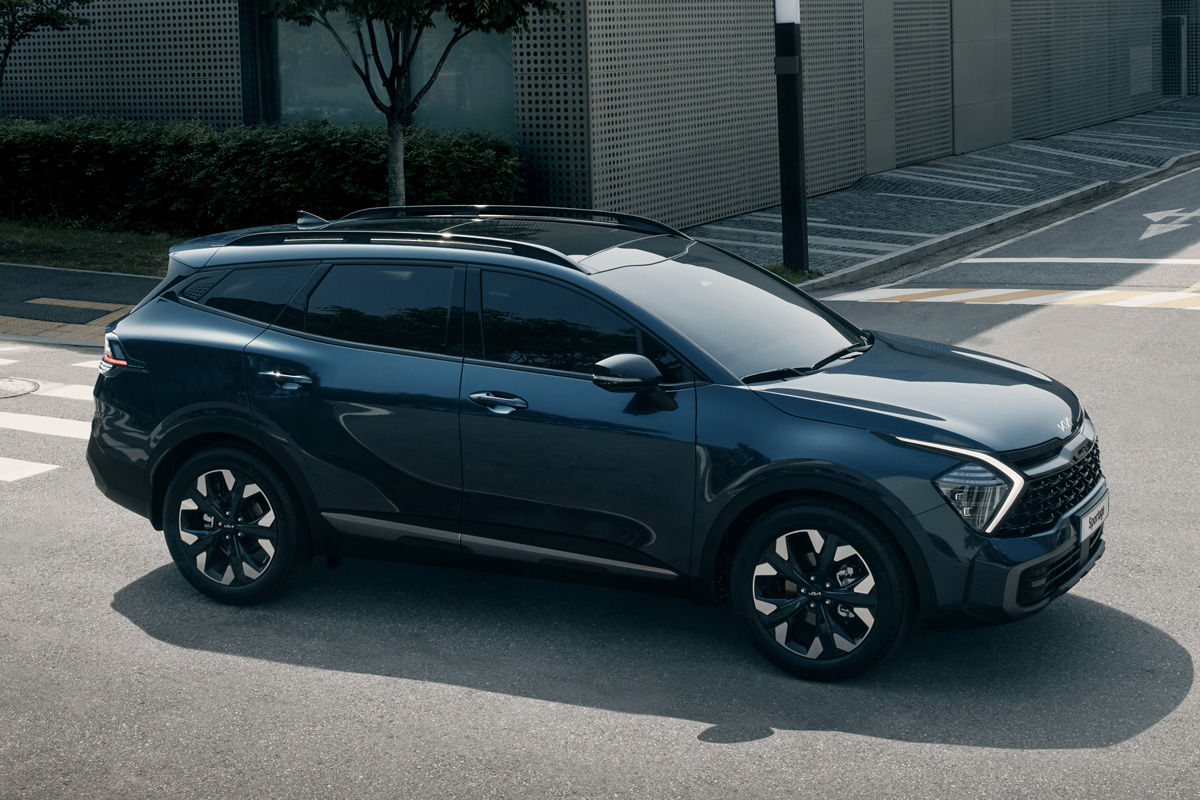
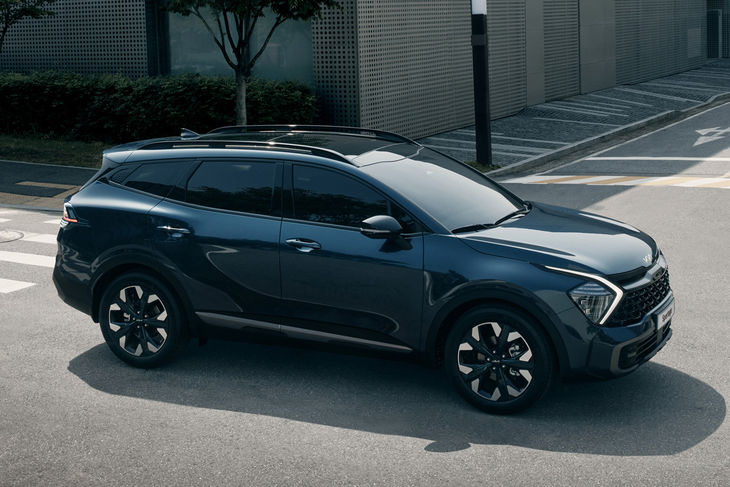
Kia recently revealed its arrestingly styled 5th-generation Sportage and the Korean firm has now released further details regarding the newcomer’s technology and expected engines. Not only does it fully incorporate the brand’s “Opposites United” design language, its avant-garde fascia (by family-car standards, at least) is dominated by an extended curved instrument cluster/touchscreen panel.
Whereas the current generation Sportage has the chunky proportions and upright stance that are hallmarks of virtually all contemporary family cars (in addition to a distinctive tiger-nose-themed frontal design, to be fair), its 5th-generation successor doesn’t look like a bigger version of the Sonet, which was recently introduced in Mzansi, or its smaller Seltos compact family car sibling, for that matter…
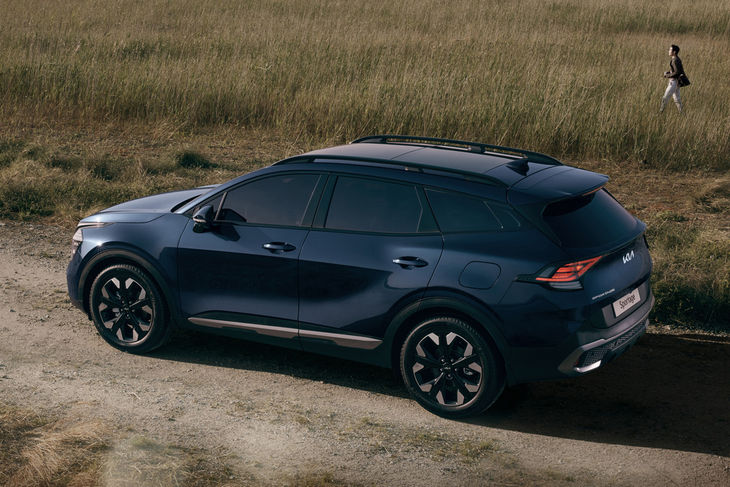
The all-new Sportage X-Line, meanwhile, features a unique bumper, side sill and curved roof rack.
No, just as was the case with its closely related cousin, the new Hyundai Tucson, Kia’s newcomer marks a major departure from the previous model – in terms of its styling, as well as its advanced digital interface. It’s the brand’s 2nd model, after the EV6 battery-electric crossover, to incorporate the company’s expressive new “Opposites United” design language.
Like its EV6 sibling, the 5th-generation Sportage features crisp, taught character lines that ripple across the surfaces of its sheet metal. There’s a detailed-orientated black grille graphic that spans the width of the front end (in fact, it wraps around it!) and elongated boomerang-shaped LED running lights that curve upward to trace the edge of the family car’s clamshell bonnet.
The side-window area, meanwhile, narrows towards the rear, where blacked-out C-pillars create a floating roof effect, while at the rear, the newcomer’s shoulder lines slope gently downward to meet the top edges of the ornate LED tail-light clusters. Although less pronounced than on the EV6, the new Sportage’s tail lights blend into a distinct ridge halfway up the tailgate, which effectively kicks up the rear end.
The new Sportage rides on either 17-, 18- or 19-inch alloy wheels and buyers will be able to choose from a wide range of wheel designs, body colours and finishes.
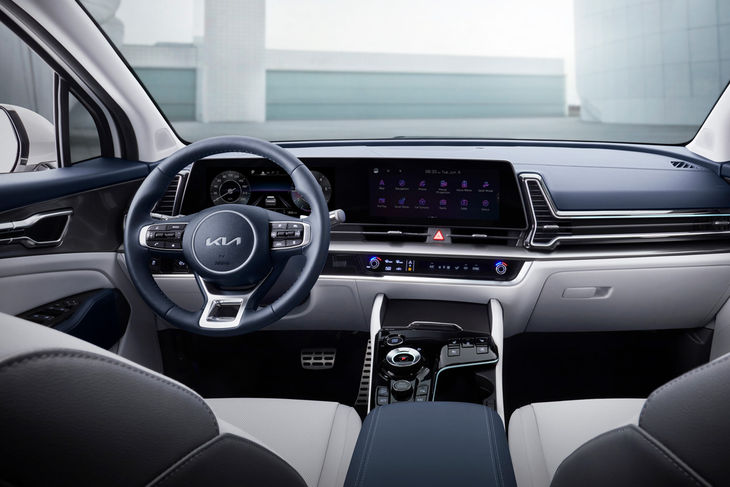
Although the new Sportage’s exterior execution is quite dramatic, it’s not entirely unexpected, given that the conservative styling of the current car, which was derived from that of the model it replaced. The interior, however, is revolutionary. Like in the recently facelifted Sorento, there are distinctively shaped ventilation outlets and a slim, rectangular climate-control console positioned in the middle of the fascia.
Meanwhile, the driver-orientated cabin is utterly dominated by a beautifully sculpted integrated curved display that houses both the newcomer’s 12-inch digital instrument cluster and 12-inch infotainment touchscreen. Whereas these elements have gradually been merged in recent designs, this marks the first time Kia has combined them in a Mercedes-Benz-like “Widescreen Cockpit” way.
Finished in a high-end gloss, the centre console provides ample storage and cupholders (plus, we would assume, a wireless charging pad), while the L-shaped raised central control console features soft-touch switches, an engine start/stop button and a shift-by-wire transmission dial.
The rear of the driver and front passenger seats, meanwhile, are integrated hanger-type designs within the slim headrests that allow clothing or bags to be conveniently hooked into place.
The new Sportage stands 4 660 mm long, 1 865 mm wide, 1 660 mm high and has a wheelbase of 2 755 mm. Interior space is generous and Kia says that the new Sportage offers 1 050 mm legroom for second-row passengers and 1 000 mm headroom. Space in the load bay is claimed at 637 litres.
The Sportage comes to market in a rugged X-Line trim which adds features such as curved roof rails, lugged bumper and side sills as well as a signature sage green interior trim with quilted upholstery and black metal wood trim finishesThe Sportage GT-Line , however, adopts a strong black and white interior contrast and overall adopts a more urban-inspired look.
“Taking inspiration where nature meets technology, the all-new Sportage challenges the norm with an adventurous and contemporary exterior and a carefully conceived, beautifully detailed interior,” said Karim Habib, Senior Vice President and Head of Global Design Center. “With the all-new Sportage, we were fully focused on challenging ourselves and pushing our fifth-generation SUV to a new level.”
What engines will be offered for the new Kia Sportage?
The new Sportage will be offered with the choice of a petrol or diesel engine. The 1.6-litre TGDI petrol engine offers 132 kW and 265 Nm of torque and will be paired with a 7-speed dual-clutch transmission or a 6-speed manual transmission.
A new 2.0-litre diesel engine will also be available with 137 kW and 416 Nm and will be paired with a re-engineered 8-speed automatic transmission.
The new Sportage will also be offered in both hybrid and plug-in hybrid guises, in selected markets.
The new Sportage also introduces new features such as a new Terrain Mode which automatically adjusts the vehicle settings to adapt to the driving conditions in mud, sand or snow. Other drive modes include Comfort, Eco, Sport and Smart. Furthermore, handling and ride comfort is further enhanced with new E-Handling technology, electronic all-wheel-drive and a new Electric Control Suspension (ECS) which adjusts damping in real-time according to road conditions.
In terms of safety, the new Sportage is equipped with a full complement of front, side and low-side airbags, Forward Collision-Avoidance Assist (FCA), Highway Driving Assist (HDA), Navigation-based Smart Cruise Control (NSCC), Blind-Spot Collision-Avoidance (BCA), Blind-Spot View Monitor (BVM) and Remote Smart Parking Assist (RSPA)
Kia South Africa has introduced a number of new or revised offerings this year, including the Picanto X-Line and Sonet, the Pegas budget sedan and revised Sorento adventure SUV, but whether the new Sportage will make it to the local market before the end of the year remains to be seen; we’d bet that the new newcomer will probably arrive in the Republic early in 2022.
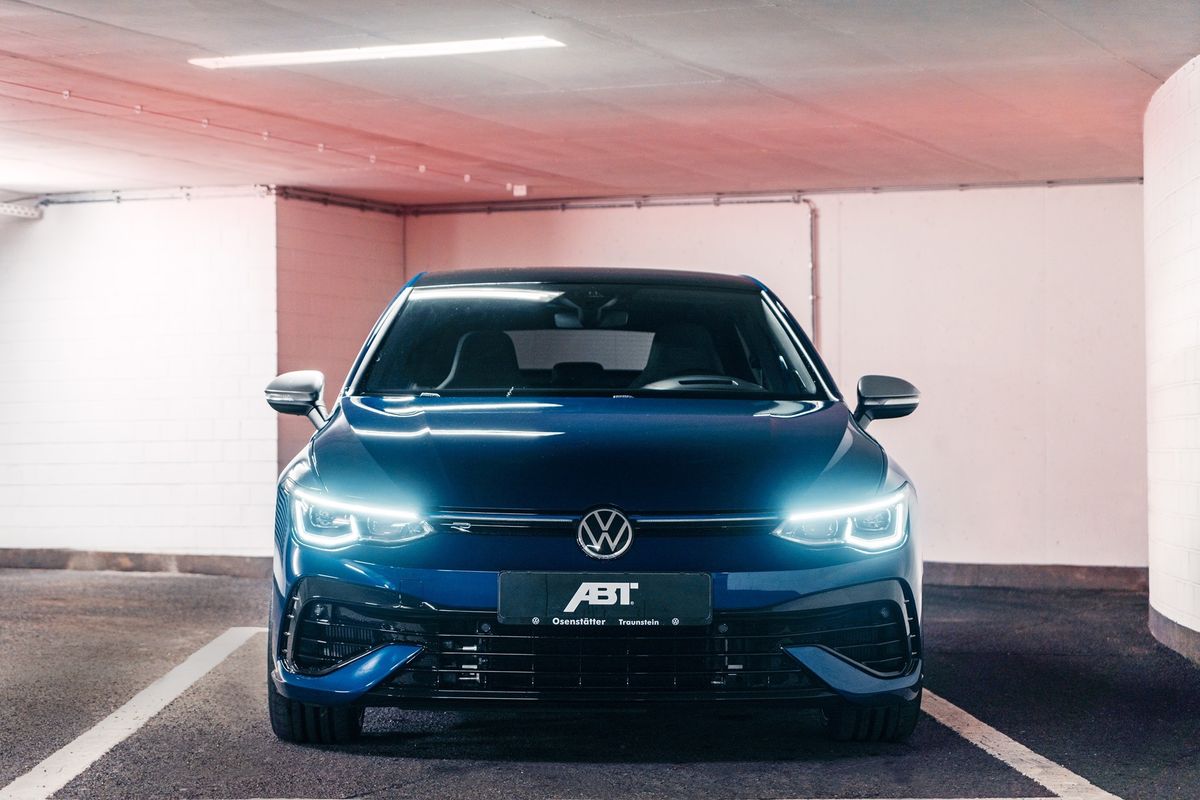
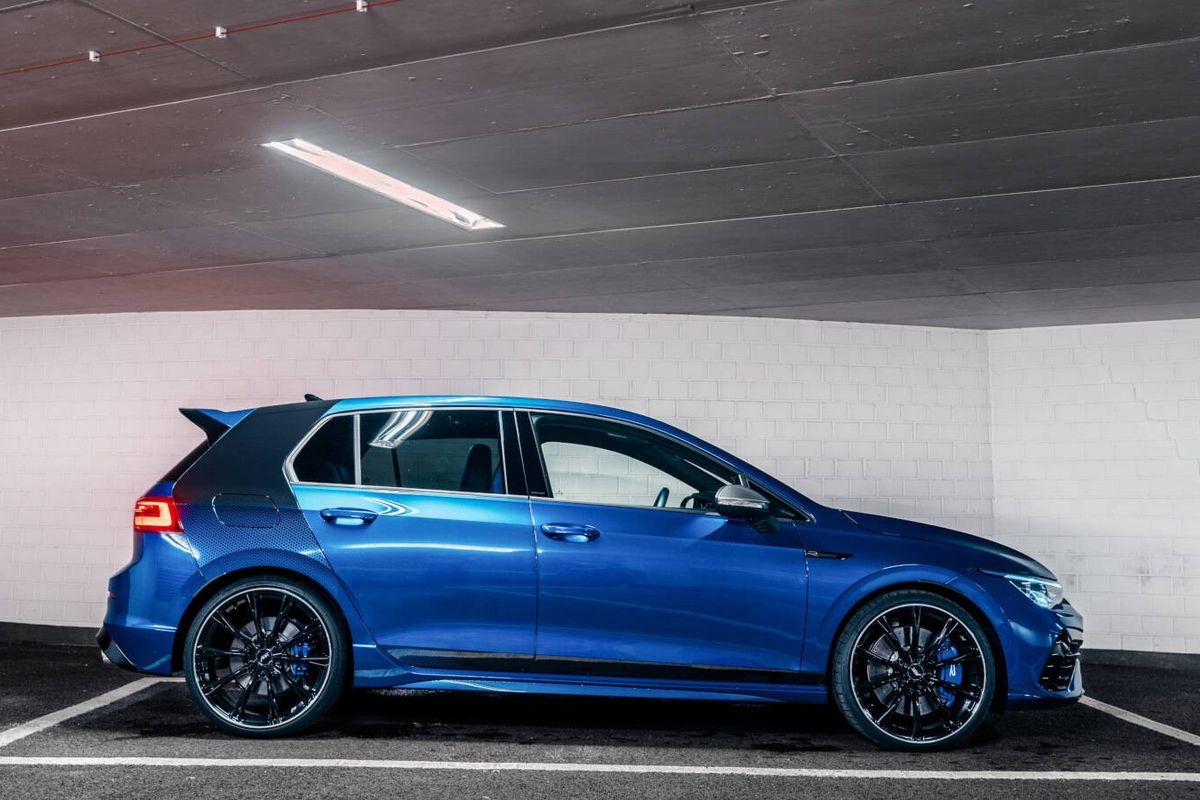
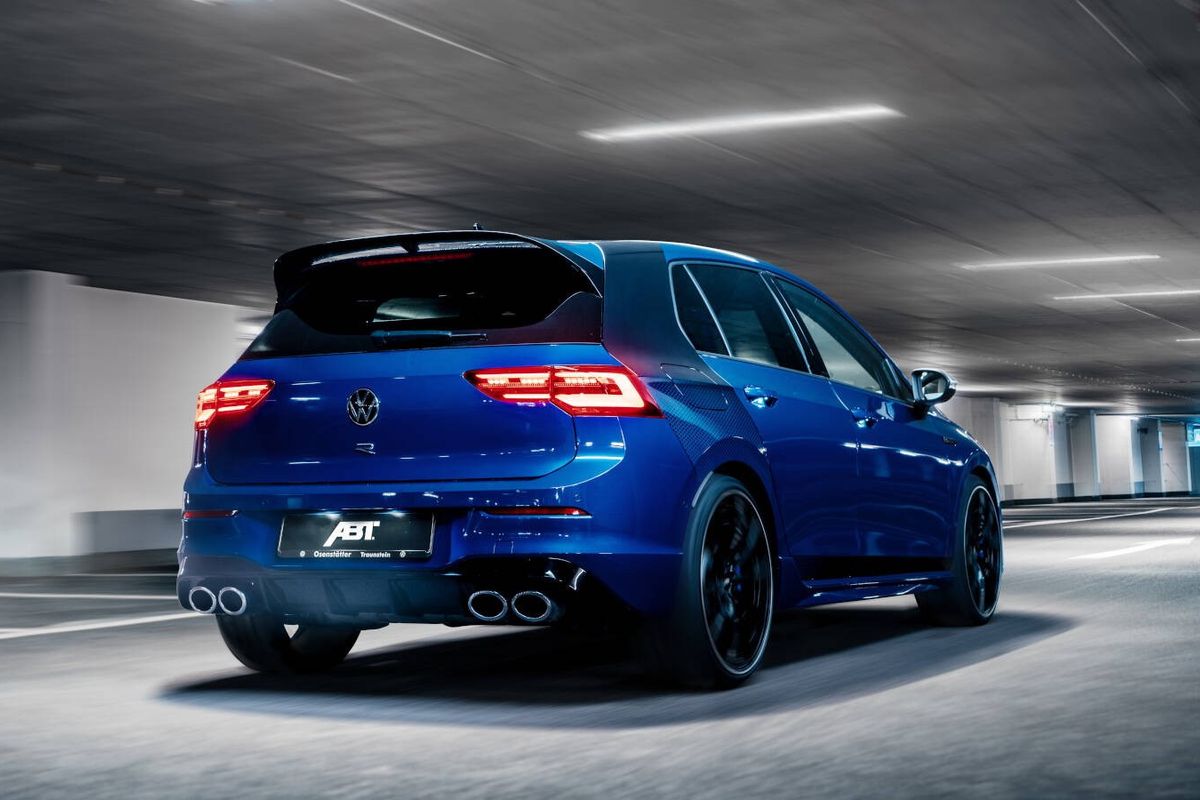
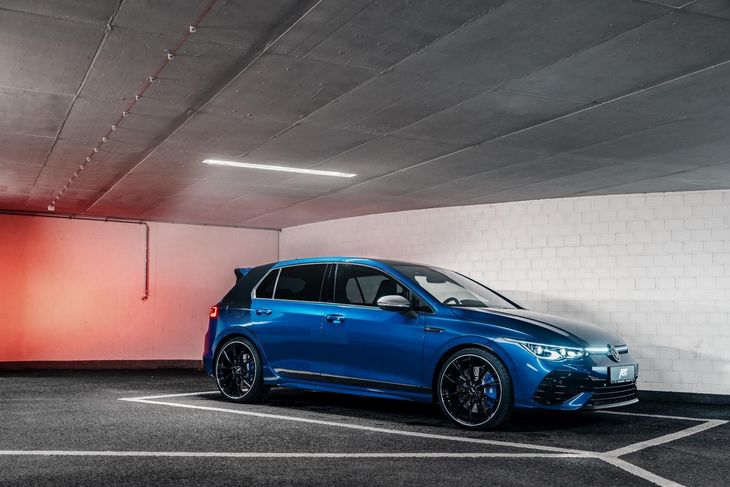
While South African VW Golf R fans wait patiently for the new R to land in Mzansi, German tuner, ABT Sportsline has ramped up outputs to 286 kW!
The eagerly-awaited Golf 8 R packs no less than 235 kW and 420 Nm of torque from its 2.0-litre turbopetrol engine, making it the powerful production Golf ever. The new Golf R will make use of a 7-speed DSG and a Haldex-type all-wheel-drive system and an updated torque vectoring system to ensure brisk acceleration and grippy handling ability.
But what if the standard isn’t good enough? Well, German tuner, ABT Sportsline might have the solution for you!
More grunt for potent VW Golf R
ABT by Sportsline has bumped the Golf R’s outputs to 286 kW and 470 Nm.
Fitted with a new Engine Control Unit (ECU), outputs of the ABT Golf R increase significantly to 286 kW and 470 Nm of torque. The standard Golf R claims a zero to 100 kph sprint time of 4.7 seconds (which is 0.1 secs slower than its predecessor) and even though the ABT hasn’t divulged how fast its tuned Golf R is, a zero to 100 kph time of around 4.0-4.3 secs is conceivable.
Other ABT additions to the beefed-up Golf R include gloss black alloy wheels and black livery seen on the C-pillars. The tuner is also developing a new exhaust system for the Golf R as well suspension upgrades. You can therefore expect to see many more tuned iterations of the new Golf R to come in the future.
The local arrival of the new Volkswagen Golf 8 R is earmarked for the end of 2021 but early 2022 is also a possibility. We will keep you updated as soon as local specifications and pricing details for the VW Golf R become available.