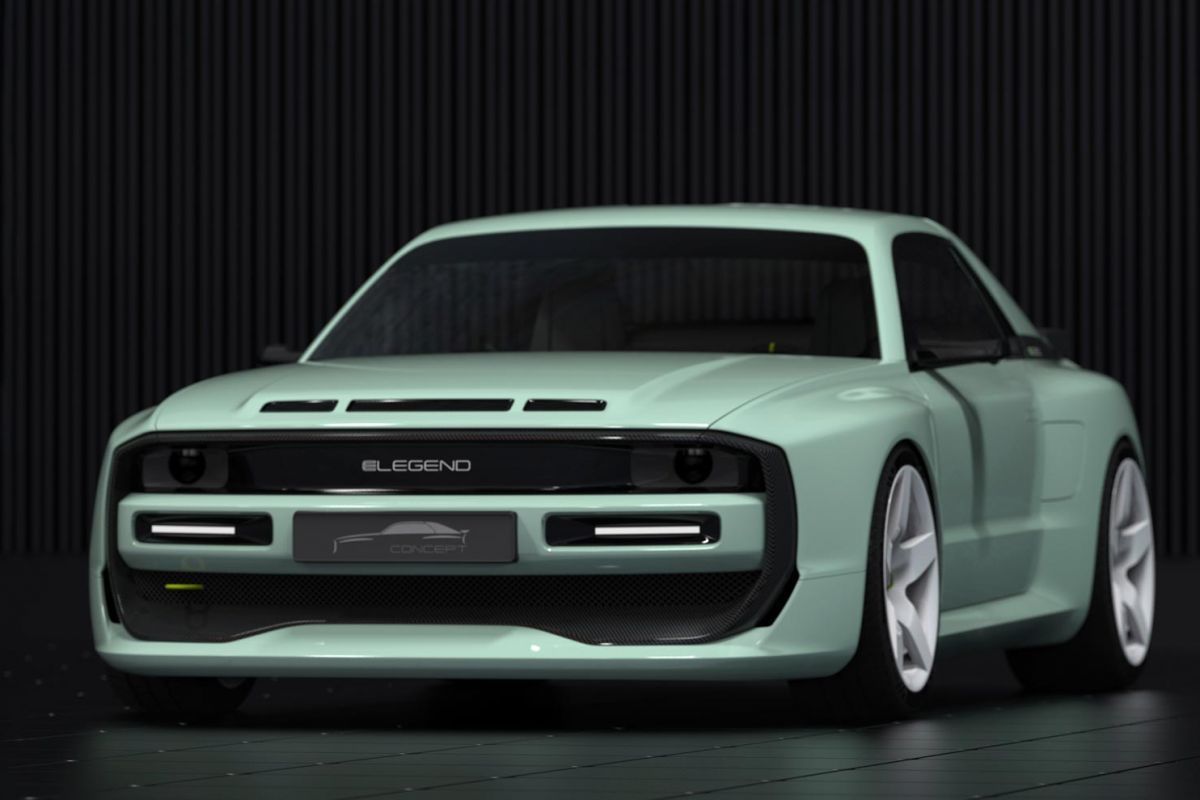
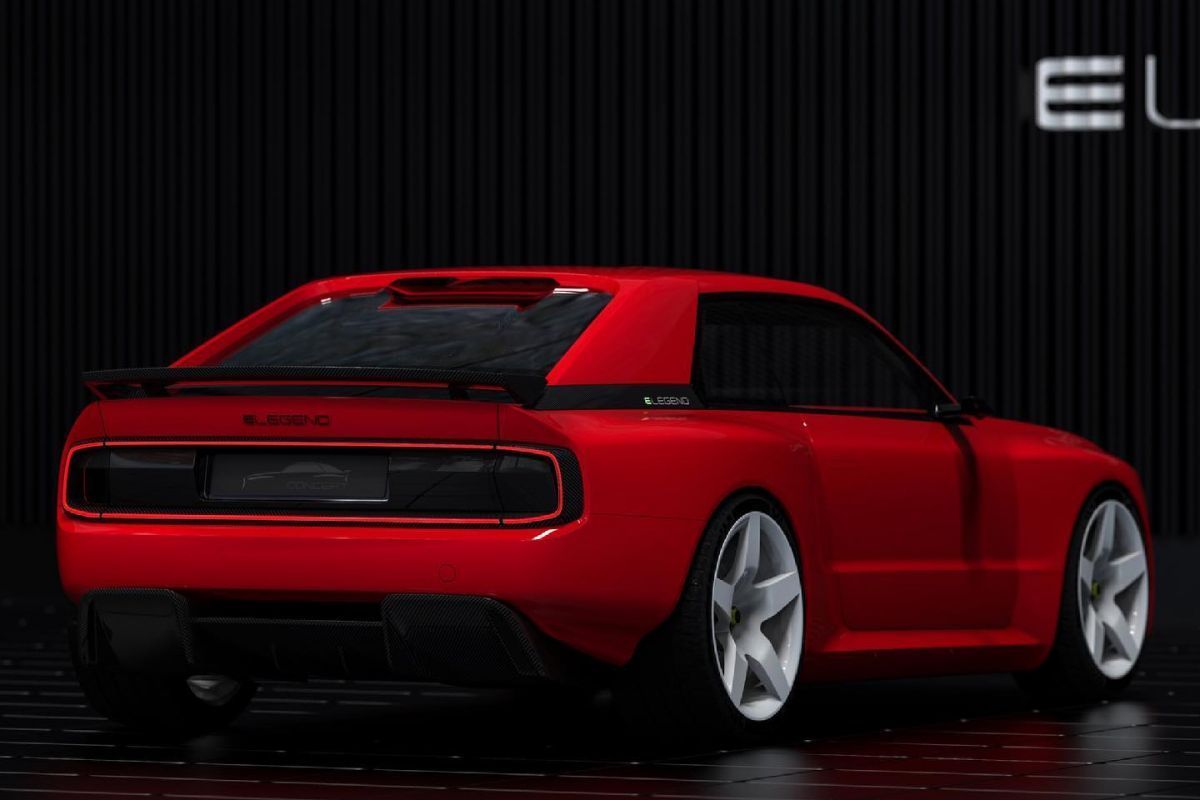
Is there a car that more timelessly defines 1980s German performance motoring, than the original Sport Quattro?
Despite its immense success over the last three decades, Audi has never managed to deliver a true successor to the original Quattro. And with the Ingolstadt company committing to an electrified future, that is even more unlikely.
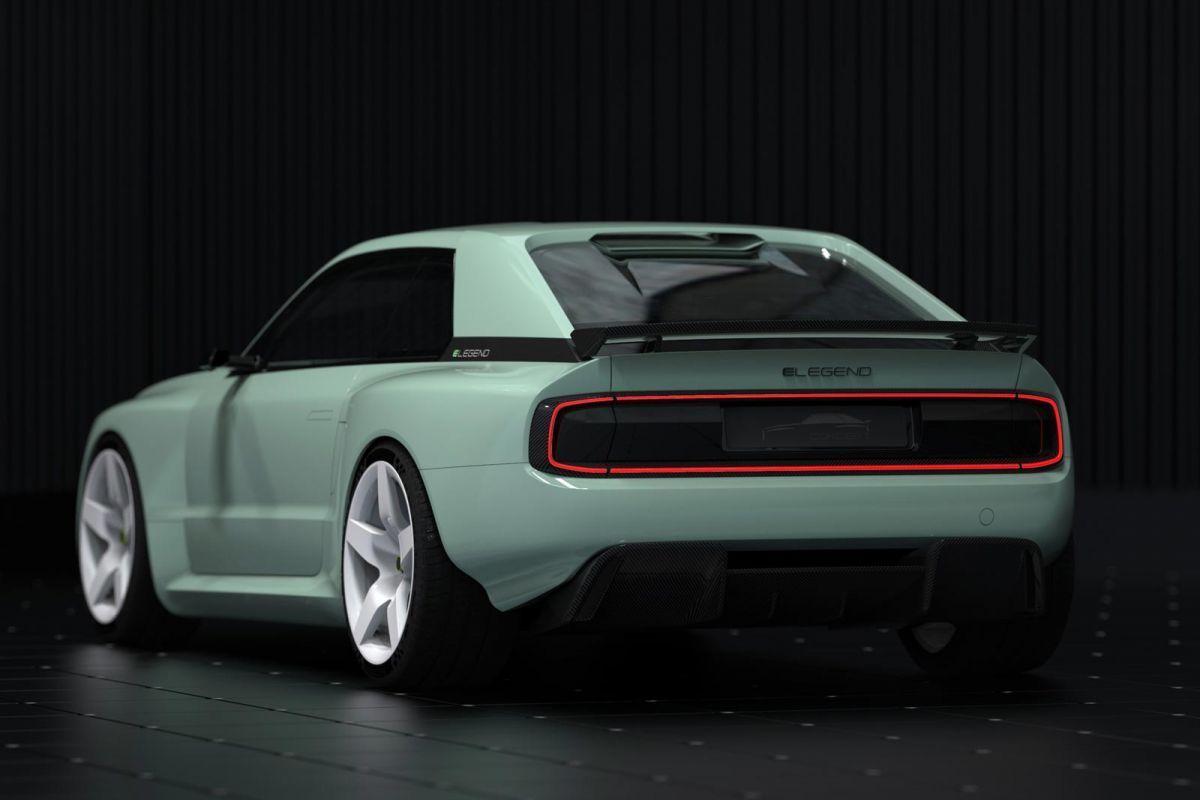
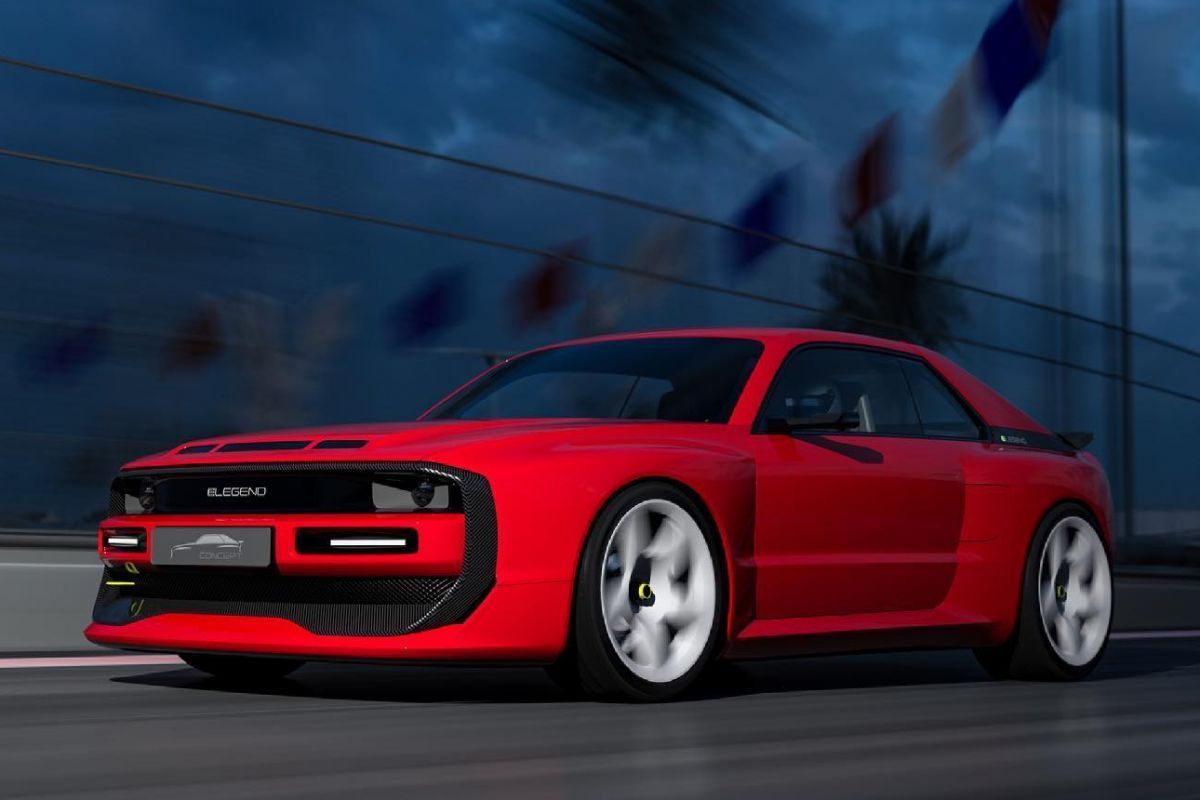
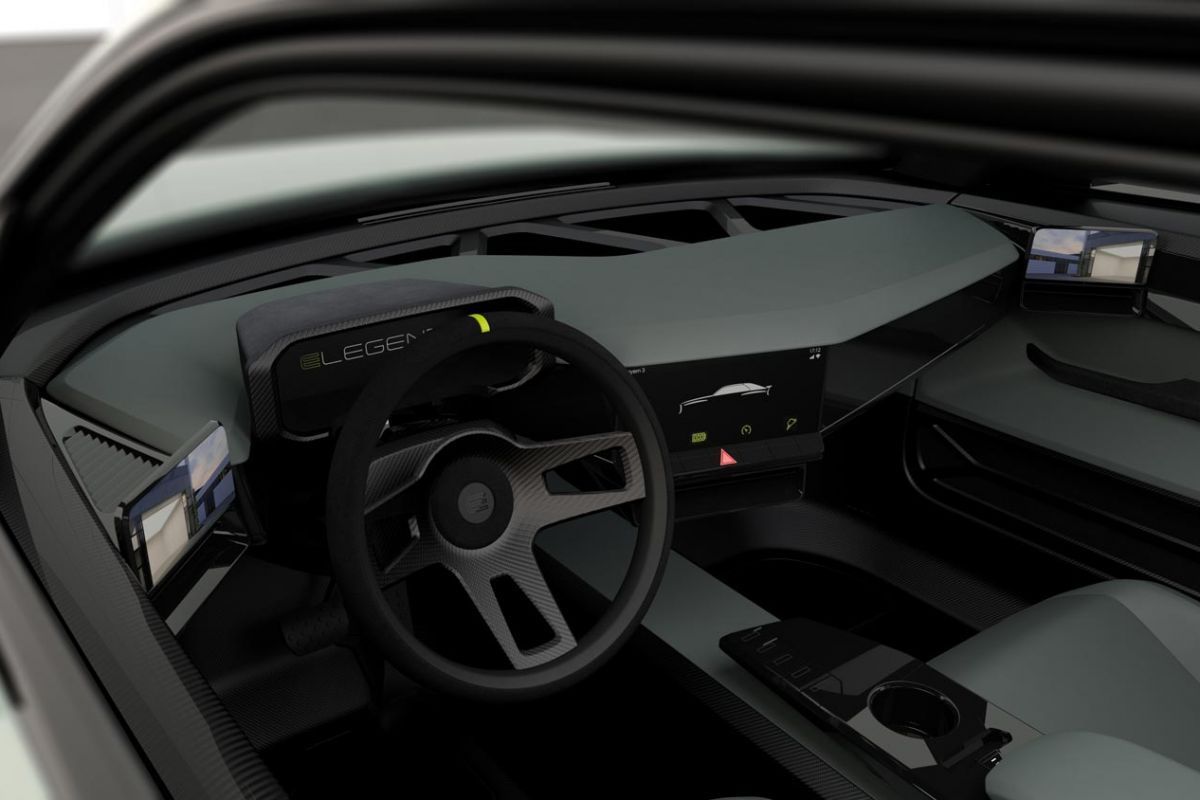
This has created the opportunity for E-Legend to do, what Audi can’t: revive the Sport Quattro silhouette, with battery power.
The EL1 is designed to contain a multitude of styling details, tracing to the original Quattro. It even has vent slots, in the bonnet, bulky wheel arches and the square front section. This is exactly what an Ur-Quattro should look like, in 2021.
Why hasn’t Audi done this? Good question. But part of the answer is crash safety. The EL1 will be a low-volume car, with only 30 units being assembled. That allows E-Legend the luxury of not having to crash test it – hence the boxy proportions.
Powering this EL1 is a 90kWh battery pack, driving three electric motors and all four wheels. Three-way adjustable suspension will please owners who want to vary ride quality and firmness, between daily driving and track day use.
Peak system output is 600kW, but the EL1 is much heavier than an original Quattro, at 1 680kg yet surprisingly light for an electric car. Despite the mass, it should be good for 0-100kph in only 2.8 seconds.
The car’s platform is carbon fibre, which gives you an indication of just how heavy that 90kWh battery pack is, and E-Legend claims a usable range of 400km. Top speed? Quite mild, at 225kph.
The 2022 Volkswagen T-Roc has been spotted on the roads of Europe, meaning the facelifted version is on its way. Here’s what we know so far.
Picture credit: S. Baldauf/SB-Medien. We have paid for these photos and at the photographer’s request, have watermarked them.
The Volkswagen T-Roc was launched in South Africa late in 2020, but the model has been on sale in Europe for quite some time, with its debut back in 2018. There’s it’s safe to assume a facelift is due based on current lifespan and production cycles.
What you see here is the 2022 Volkswagen T-Roc in the sporty R-Line trim. We expect the facelift to incorporate subtle visual updates like a reworked grille, potentially with the same LED lightbar on the new Golf 8 GTI and updated Polo GTI. The new IQ Matrix headlights should make an appearance and we’re certain we can see restyled LEDs at the rear.
Inside, the 2022 Volkswagen T-Roc is likely to receive the latest iteration of infotainment system and we wouldn’t be surprised to see it gain even more semi-autonomous tech which Volkswagen collectively calls its IQ.Drive. Some trim and upholstery upgrades are also possible.
As far as engine and gearbox options go, the SA-spec range features the 1.4-litre petrol mated to an 8-speed Tiptronic and a 2.0-litre petrol with a 7-speed DSG. The latter derivative also has the benefit of 4Motion all-wheel drive. The international market has an array of petrol and diesel engines with 3-cylinder and 4-cylinder options available. There’s also a flagship R version, sharing the same powertrain as the Golf R.
We suspect the engine line-up will not change, with Volkswagen having plenty of choice when it comes to modern punchy yet frugal powertrains.
Based on how advanced this prototype looks, we think the 2022 Volkswagen T-Roc will be formally revealed before the end of 2021.
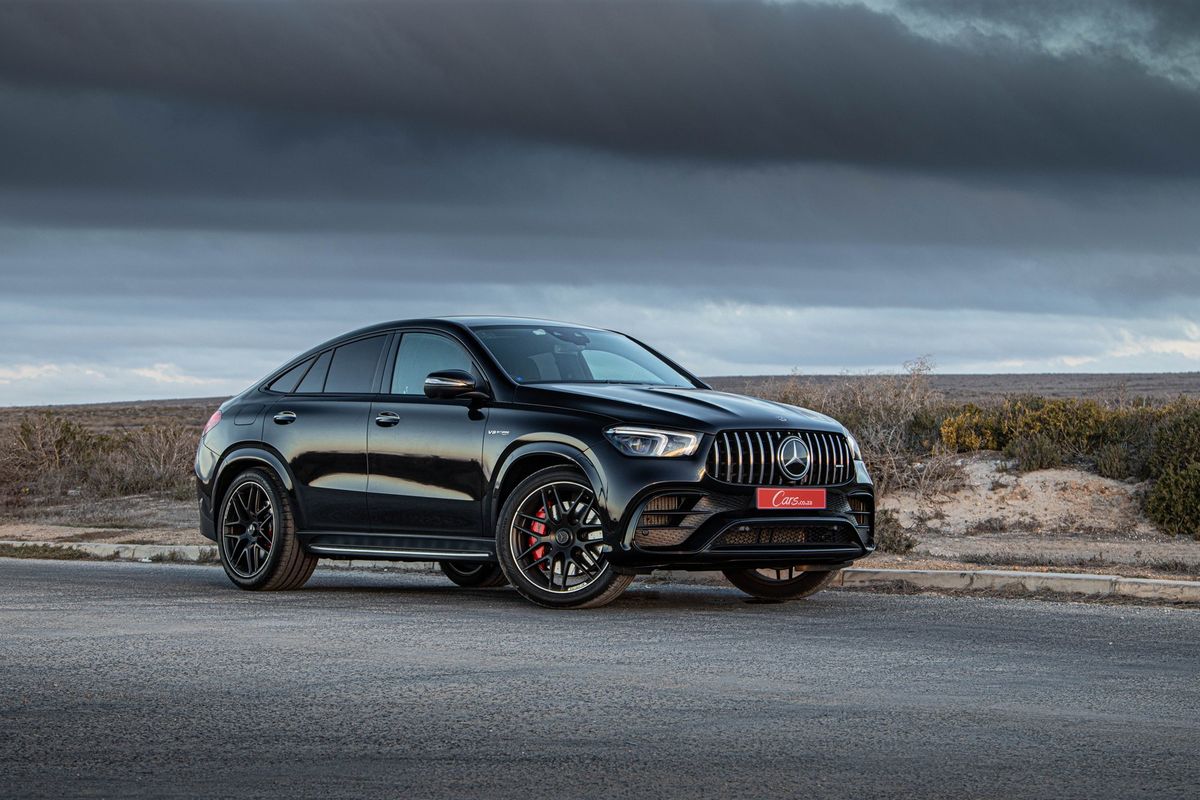
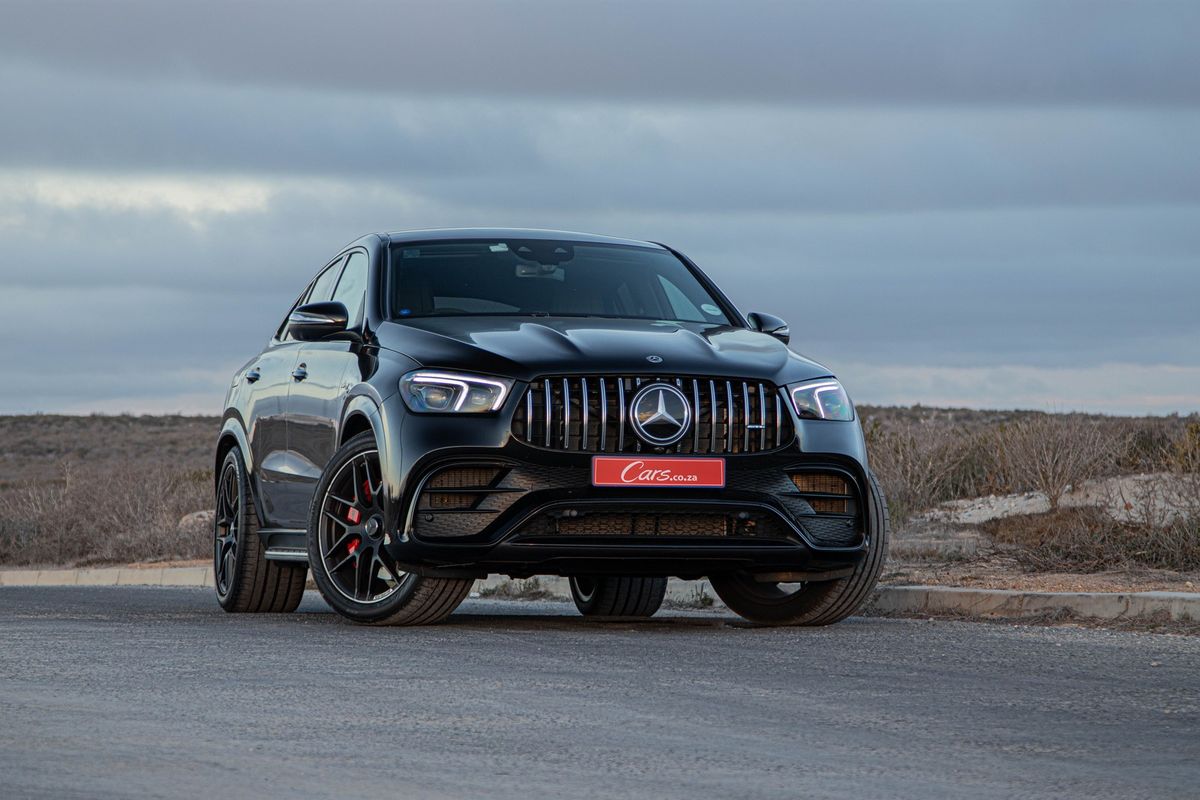
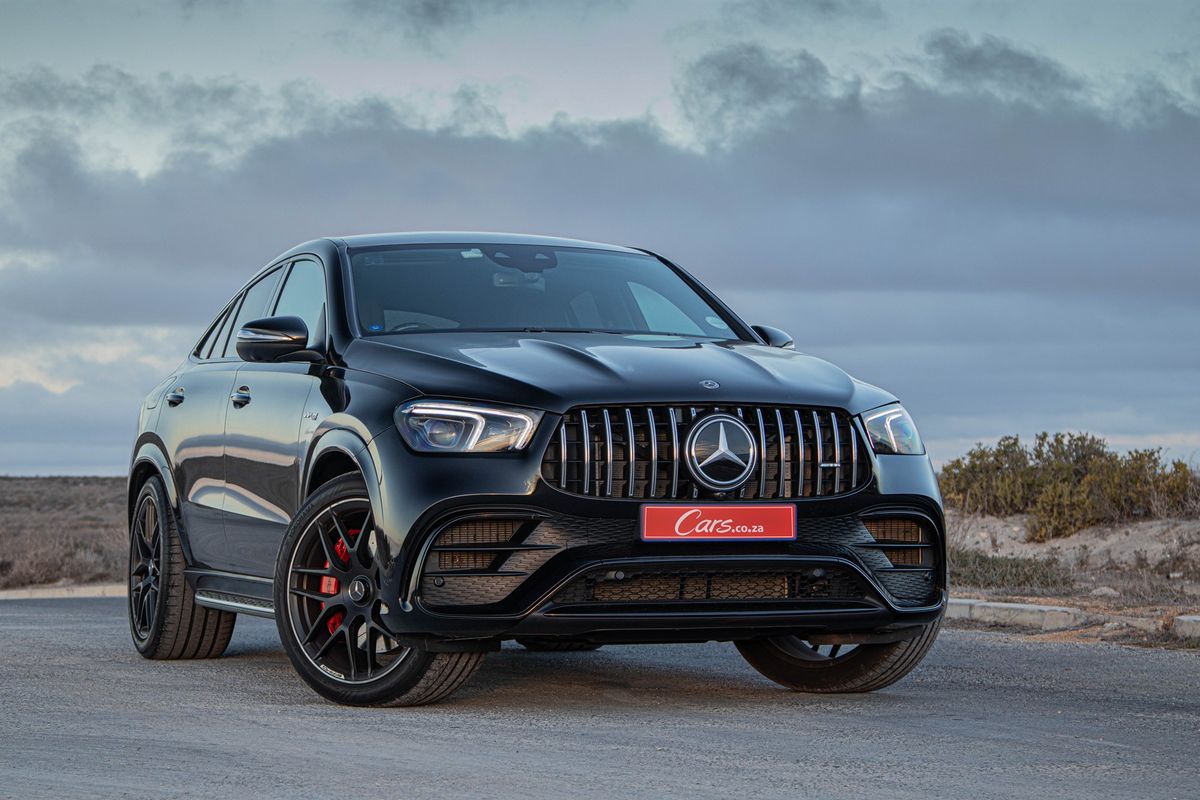
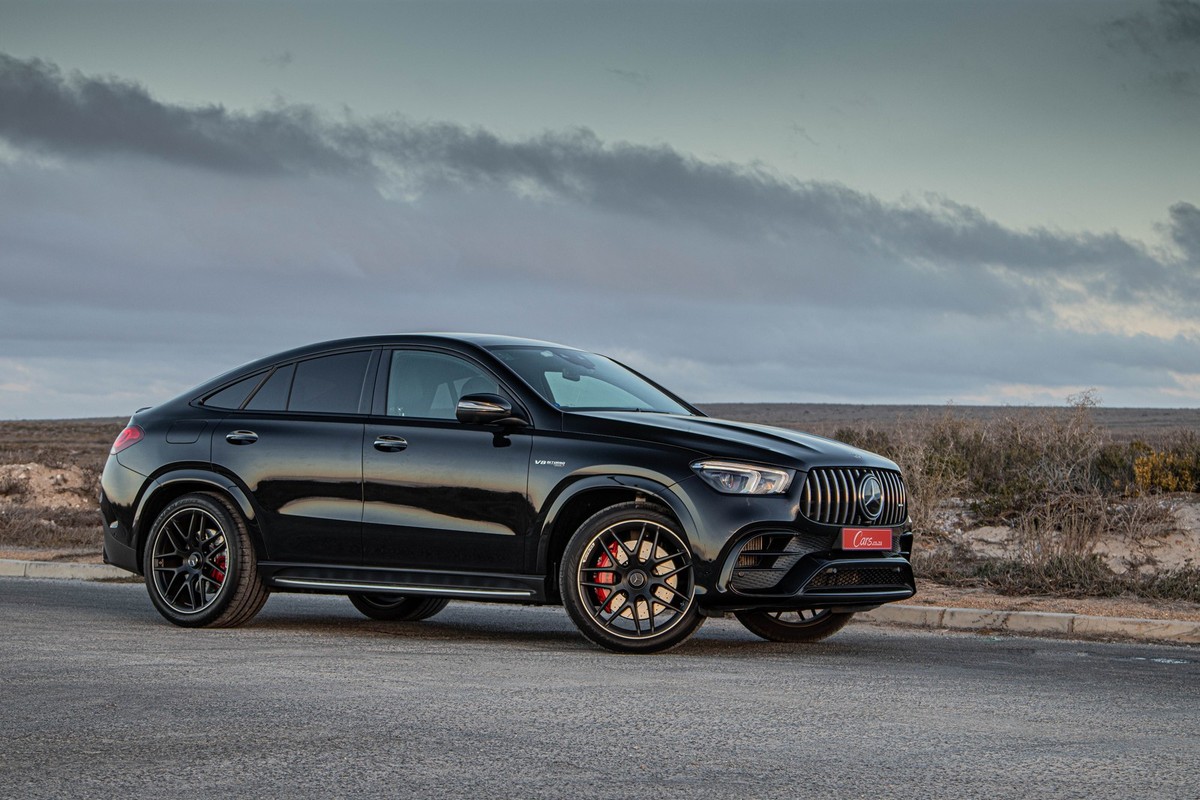
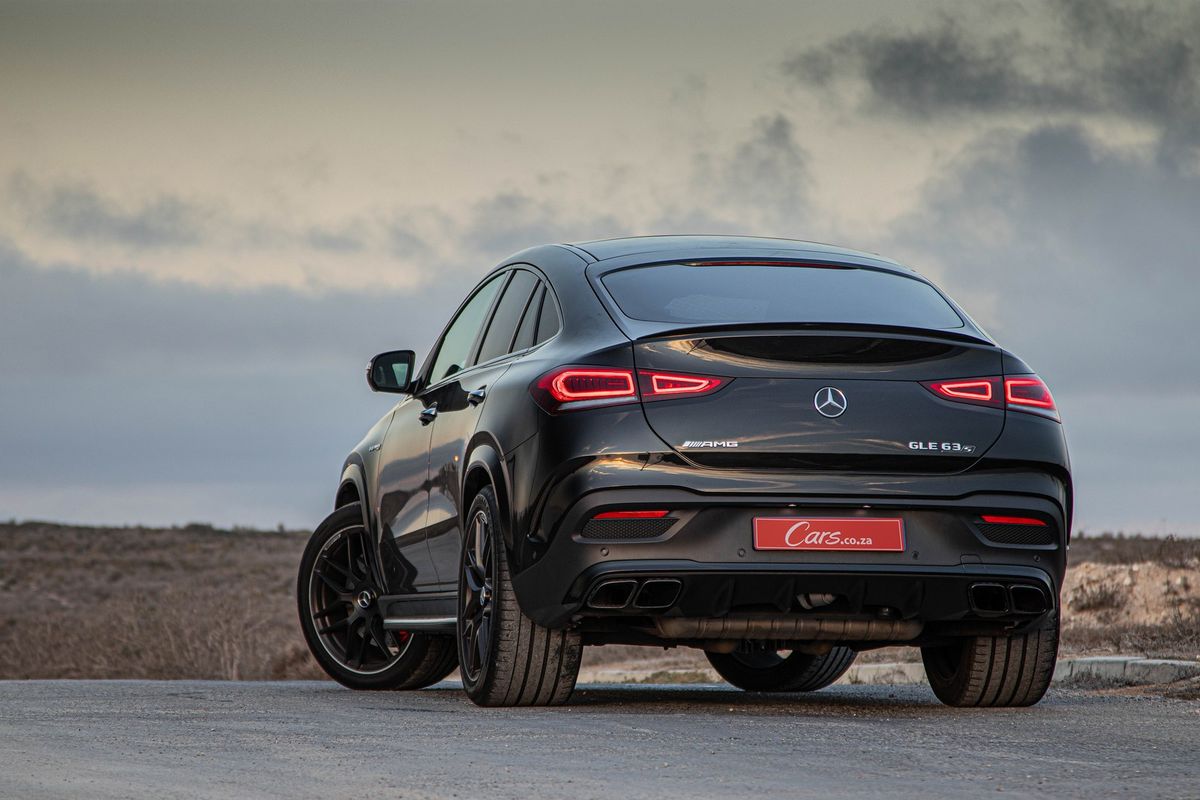
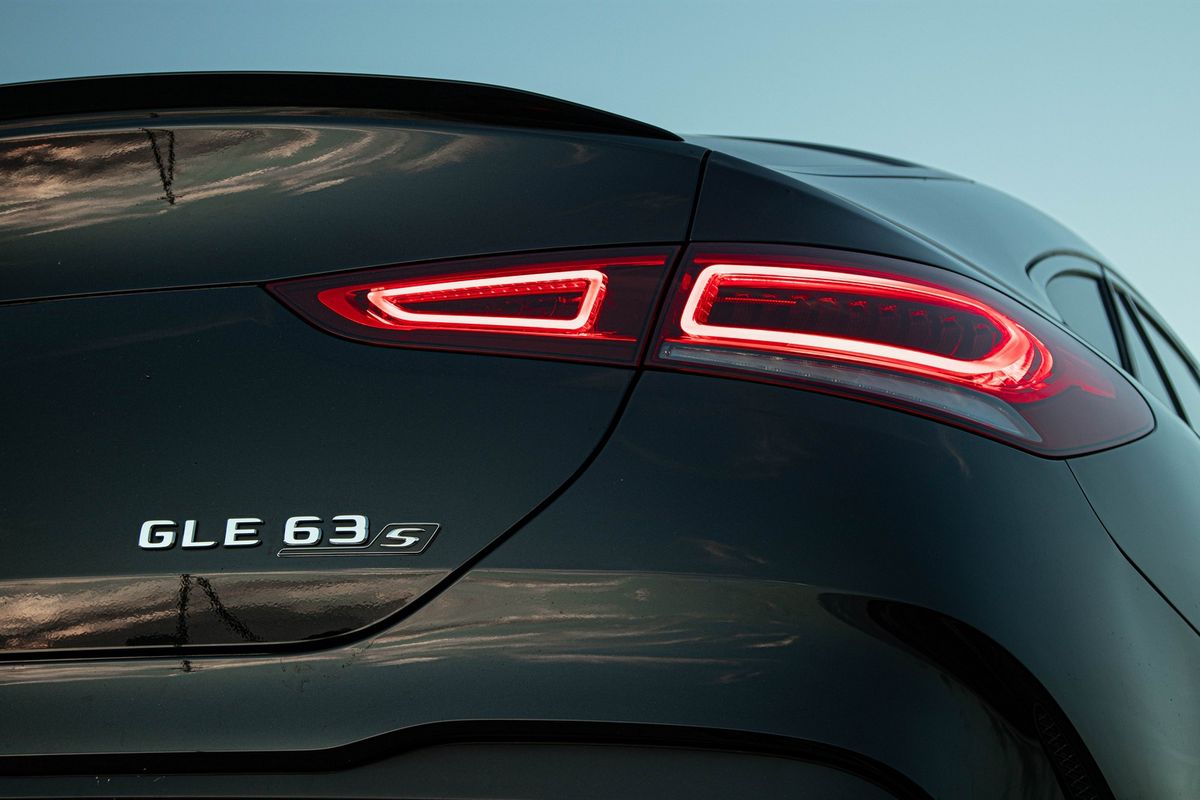
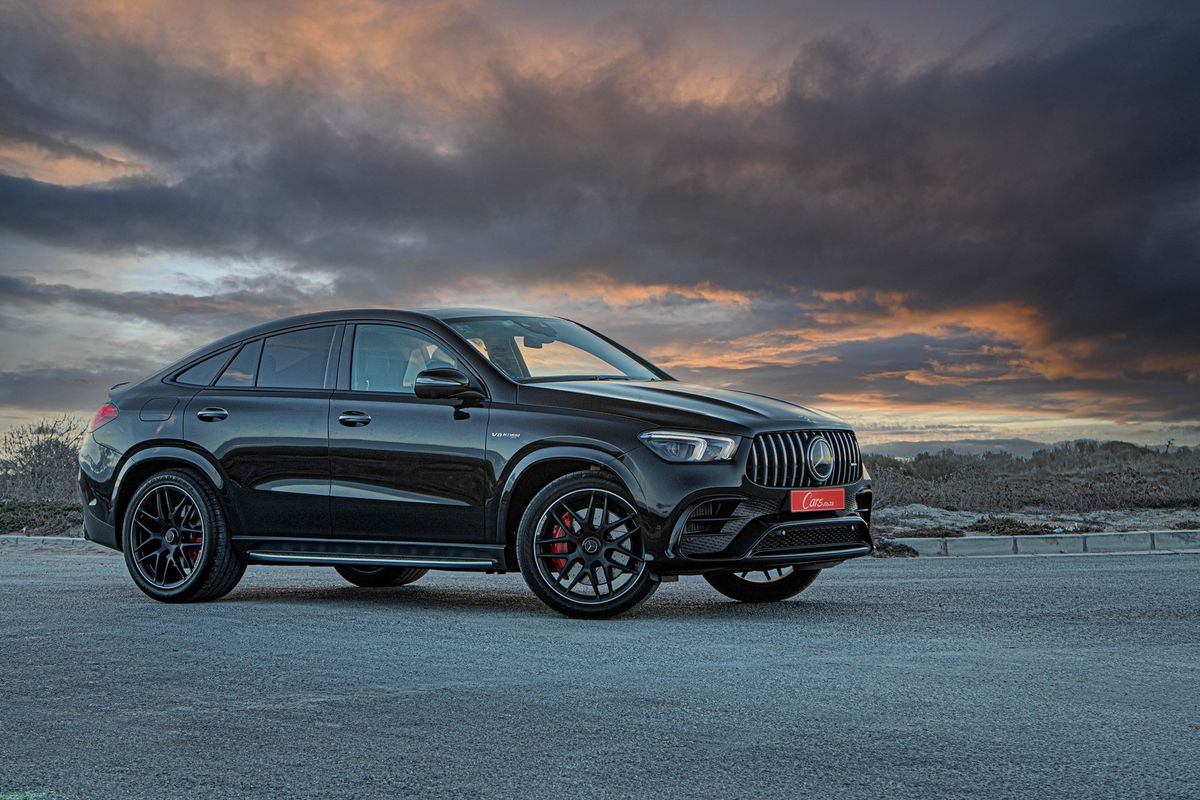
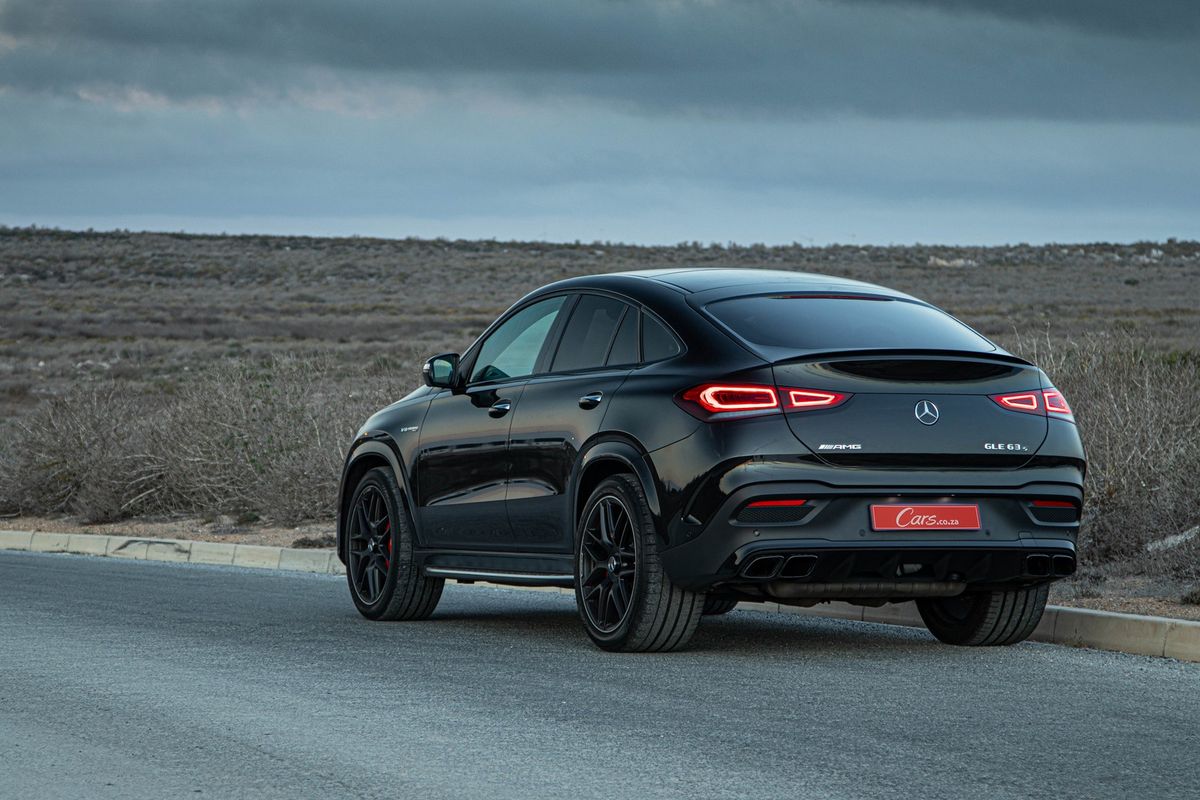
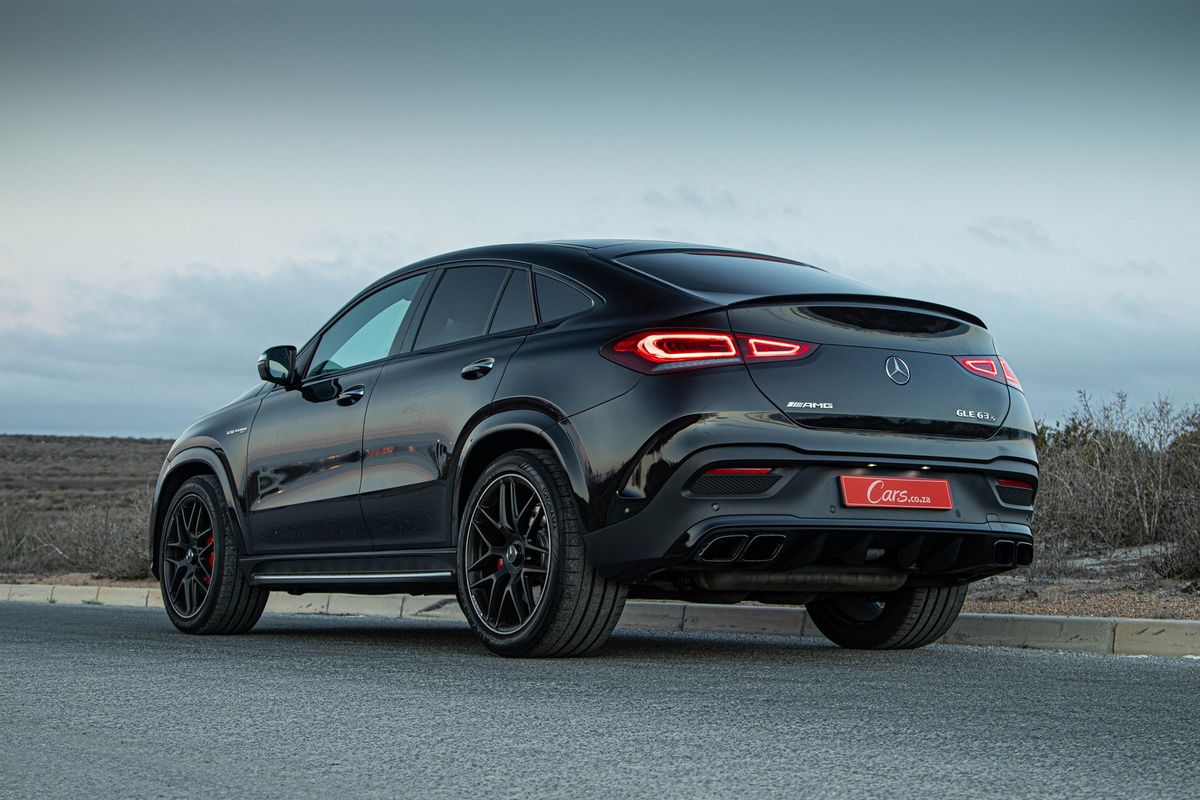
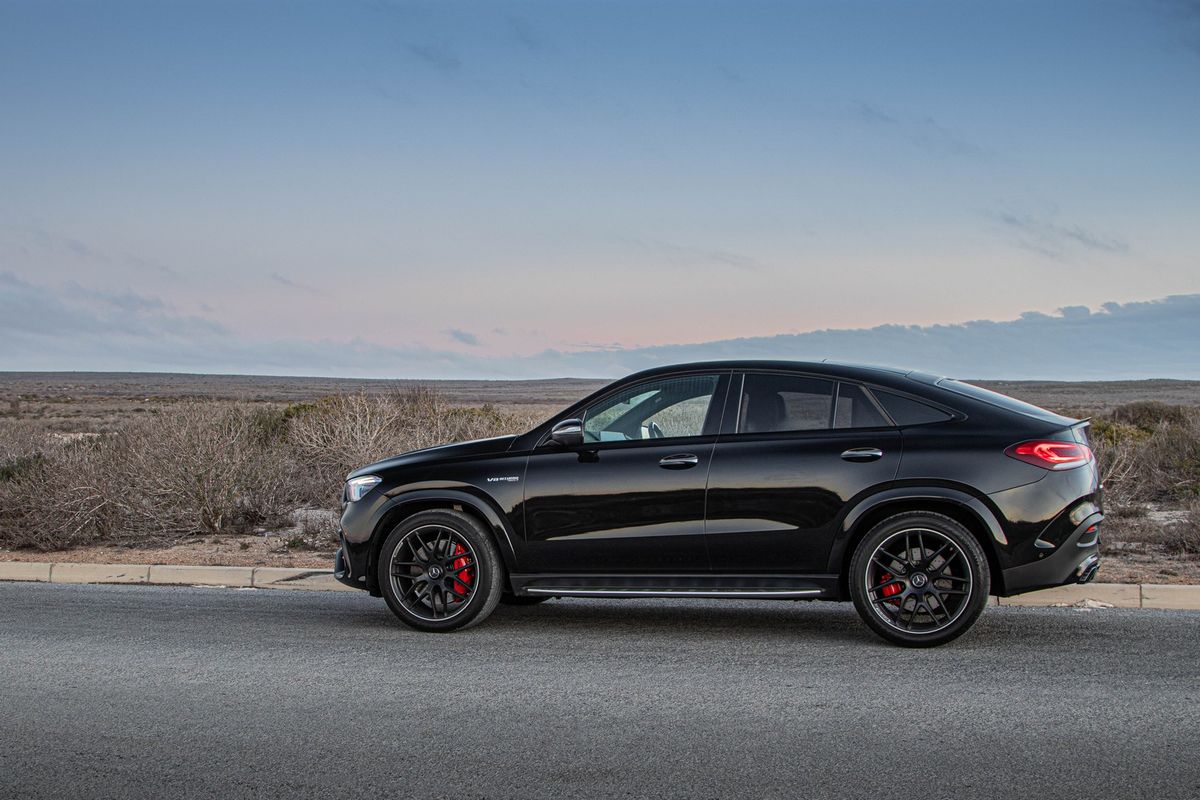
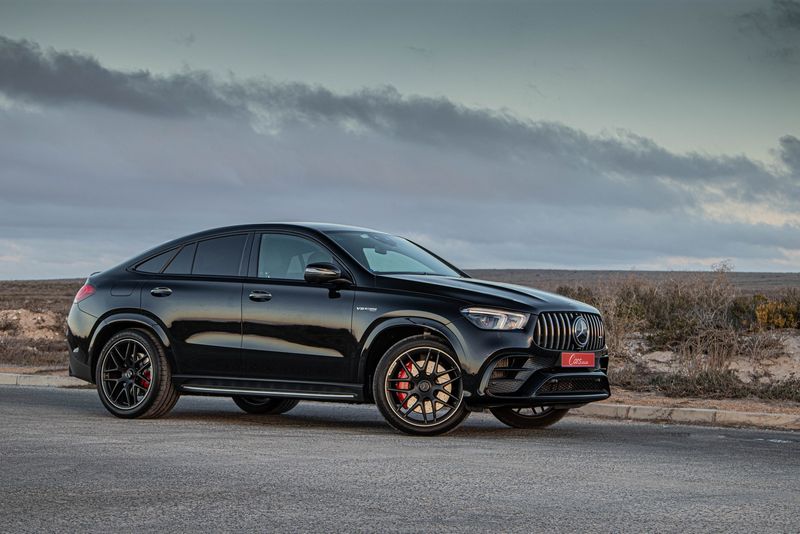
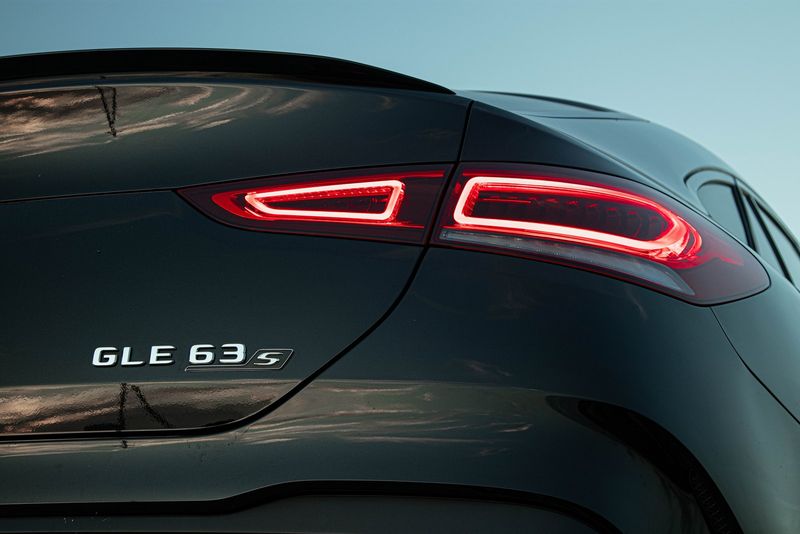
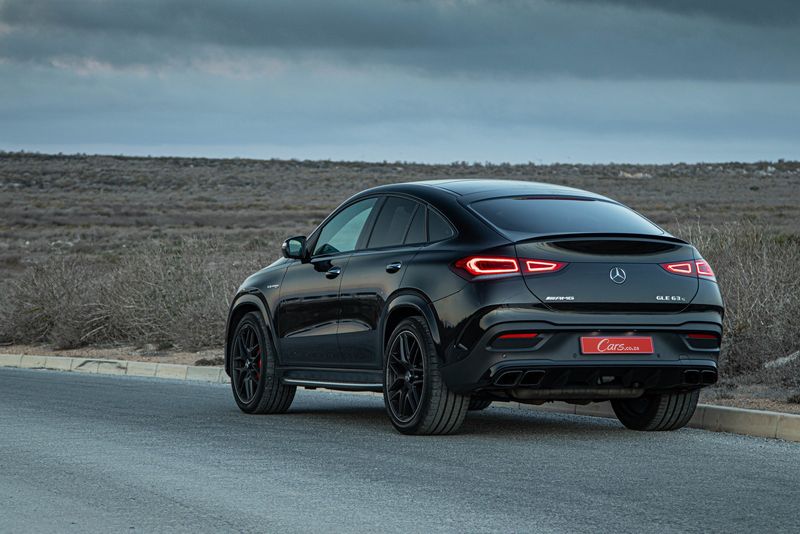
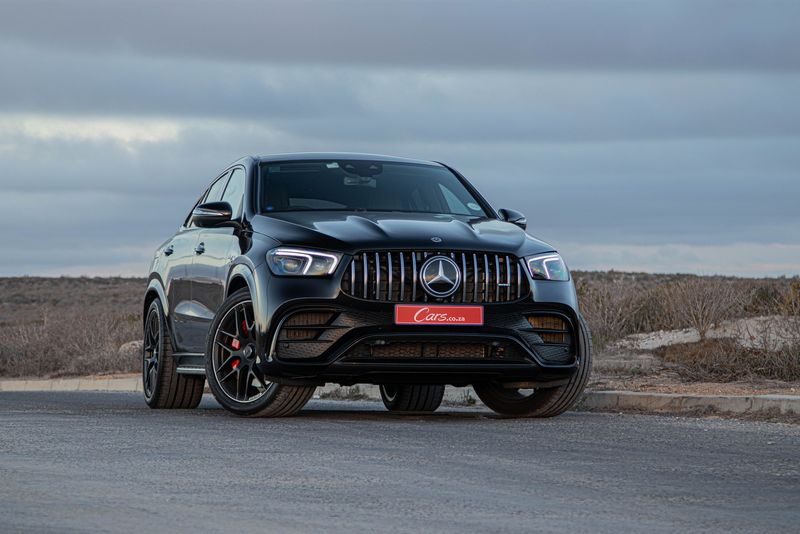
This is Mercedes-AMG’s ultimate performance SUV, with a price tag of just under R3 million. For that premium, one would expect the blisteringly fast, in-your-face Mercedes-AMG GLE 63 S Coupe to be brilliant. Is it?
We like: Thundering performance, magical soundtrack, gloriously advanced cabin, handling
We don’t like: Hard ride, prodigious fuel consumption, expensive compared to rivals, polarising styling
Fast Facts
Model Tested: Mercedes-AMG GLE 63 S Coupe
Price: R2 970 920 (before options)
Engine: 4.0-litre turbocharged 8-cylinder petrol hybrid
Power/Torque: 450 kW/850 Nm
Transmission: 9-speed automatic
Fuel efficiency: 12.6 L/100 km (claimed)
Load capacity: 655–1790 litres
0-100 kph: 3.8 sec (claimed)
What is it?
Since the SUV has become the dominant body style in the luxury-vehicle market, it has spawned numerous variants. It sounds ludicrous, but we now have coupe-styled SUVs, performance SUVs and… coupe-styled performance SUVs, which is what you see here. In the eyes of purists, this Frankensteinian creation shouldn’t exist, but it does!
By textbook definition, this isn’t a coupe either. After all, the tall GLE Coupe features 4 doors and a tailgate. It’s hardly the low-slung 2-door car that has come to define “coupe”. Despite the odd naming convention, Mercedes-Benz offers 2 SUV coupes in its portfolio, the GLC and GLE. This GLE 63 S 4Matic+ sits at the apogee of the range.
So what exactly is this, then? Take one of the most powerful hand-built AMG engines, bolt it to the front of a boldly-styled SUV and load up the cabin with every conceivable luxury and sporty adornment. With an eye-watering price tag of almost R3 million, does the Mercedes-AMG GLE 63 S Coupe tick all the boxes (strike the right chords)?
The performance SUV segment is rife with protagonists vying for top honours. There are several pillars of success, such as performance, value for money (as crazy as it sounds), levels of tech and connectivity, as well as exclusivity.
What is Mercedes-AMG GLE 63 S Coupe like to drive?
Mercedes-AMG offerings are distinguished by their powerplants. In this application, the Affalterbach-based division’s 4.0-litre biturbo V8 petrol mill produces peak outputs of 450 kW and 850 Nm. There’s also some smart electric assistance on hand: the EQ Boost 48-Volt ISG (Integrated Starter Generator) adds 16 kW and 250 Nm.
The EQ system helps the turbos spool up to deliver their boost as quickly as possible. Not only is the powertrain more responsive, its start/stop functionality operates with class-leading smoothness, which means there are no frustrating interruptions when the engine resumes. It’s also very satisfying to see and feel the system in action.
When you ease off the accelerator pedal, the engine will switch to coasting mode, which will top up the battery’s charge. When you re-apply the pedal, the charge indicator will show that the electric motor is helping the Benz to maintain momentum. All of this tech is aimed at reducing emissions and improving fuel economy, but surely if you can afford to buy this beast, you should be able to keep it nourished? That being said, when you’re making the most of that wonderful motor, expect to see consumption figures in the teens. After our sprint test, we saw 16 L/100 km..
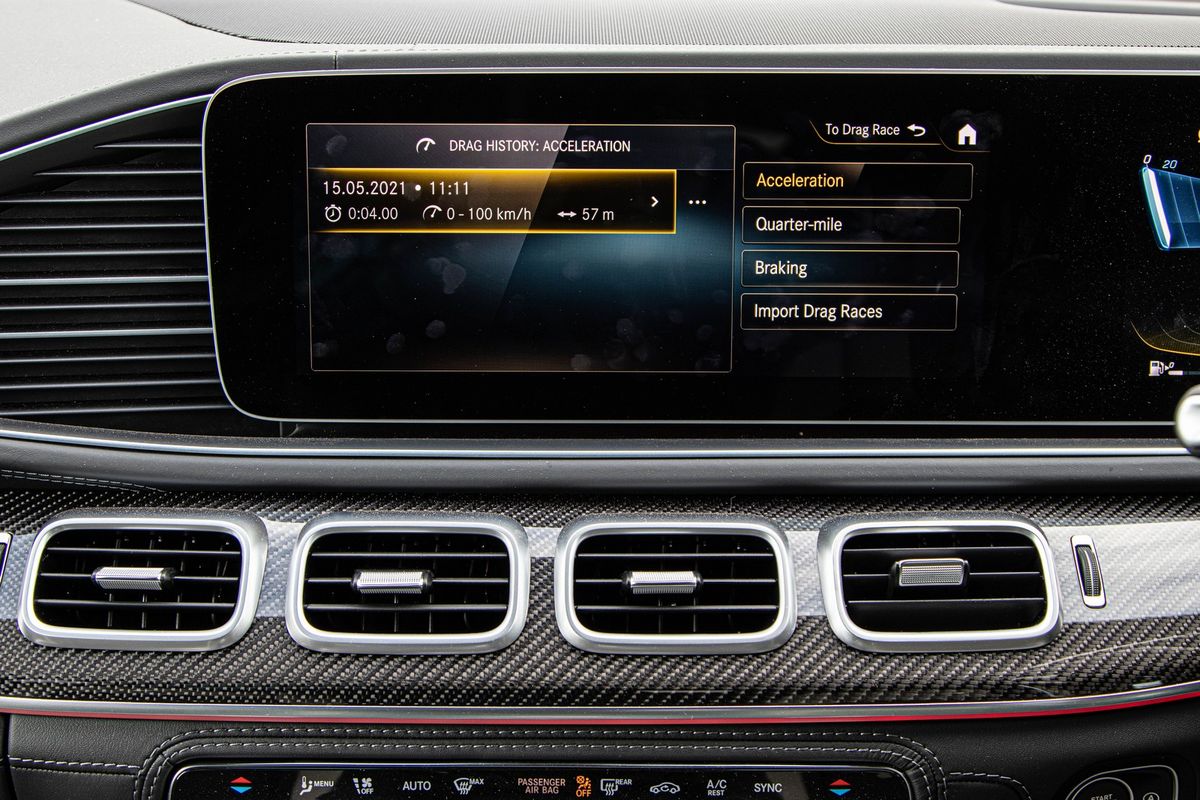
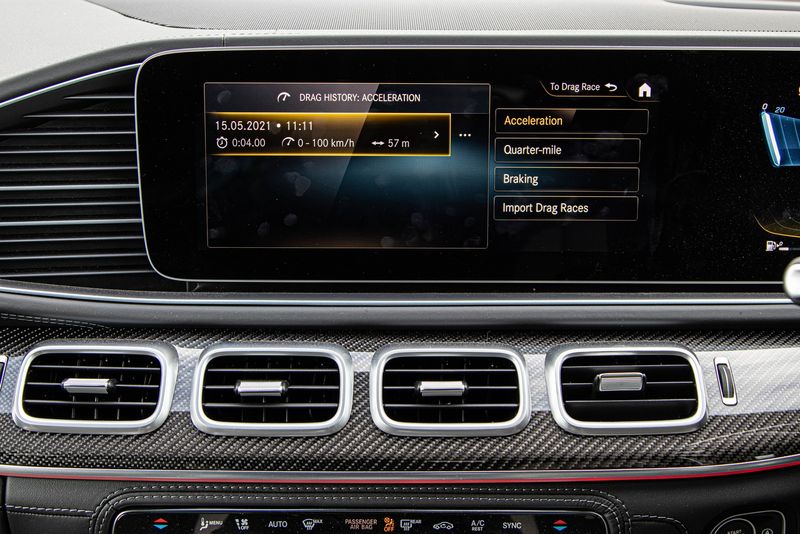
Technology aside, does the Mercedes-AMG GLE 63 S Coupe live up to the AMG ethos of being a raw, wild and rapid performance machine? Mercedes-AMG claims this derivative can accelerate from 0-100 kph in just 3.8 sec, which is exceedingly fast for a 2.4-tonne luxury SUV. In reality, with the AMG Trackpace telemetry activated, we achieved the 100-kph benchmark from standstill in 4.0 sec, but grip was admittedly limited by virtue of the road being wet.
Sprinting from a standing start is one thing, but the GLE 63 S Coupe is even more impressive when it bolts from 80 to 120 kph, such as when you need to overtake slower traffic on a freeway. In its sportiest shift mode, the 9-speed automatic transmission will kick down quickly in response to firm stabs to the accelerator and rapid thrust and a sonorous V8 bellow will ensue. What drama! The ‘Benz simply hunkers down and charges like a deranged animal. Keeping your right foot buried would be illegal, and the scary part is the vehicle will barely be stretching its legs…
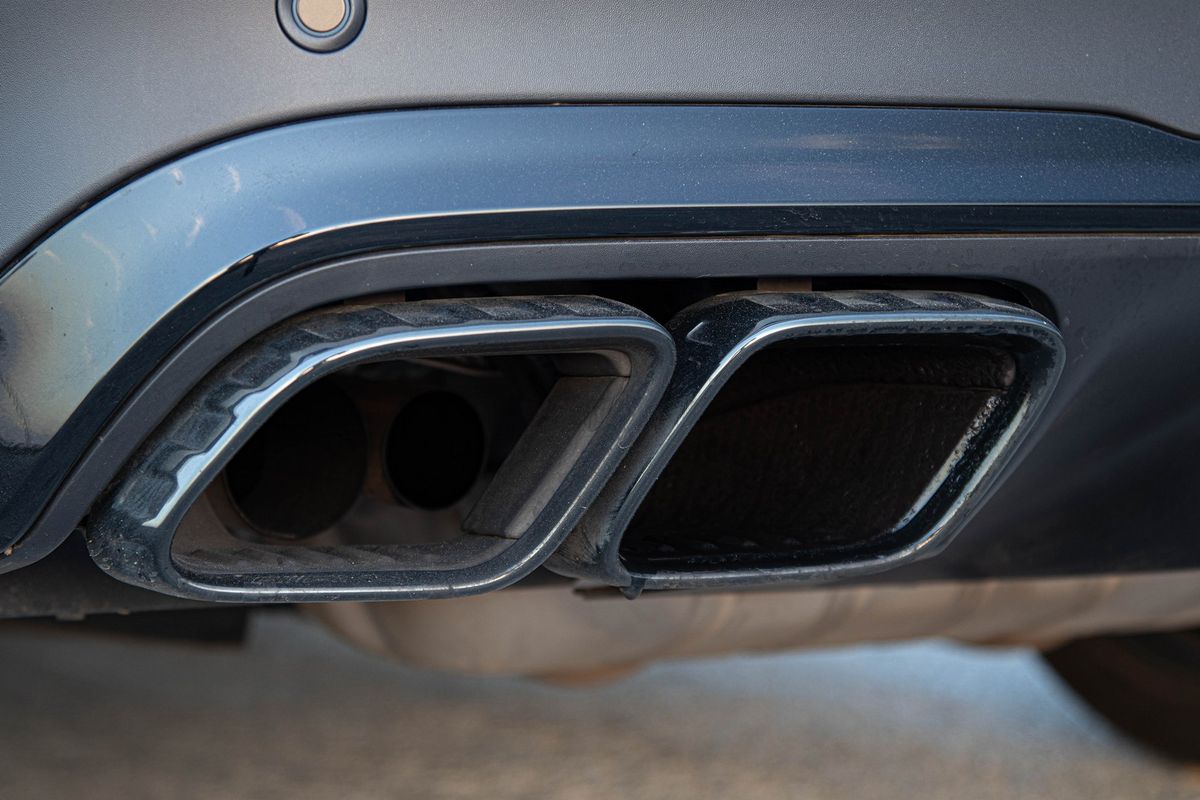
Not only does the transmission respond quickly when left to its own devices, it selects the appropriate gear most of the time, which we’d imagine is not so easy when there are all of 9 forward ratios to choose from! If you feel that more control is needed, you can actuate shifts with the steering-wheel-mounted paddles, which make each manual up- or downshift a tactile pleasure. In true AMG form, shifts that occur at high revs elicit percussive bangs from the quad exhaust tips and, if you suddenly come off the throttle in Race mode, there’s a barrage of crackles and pops.
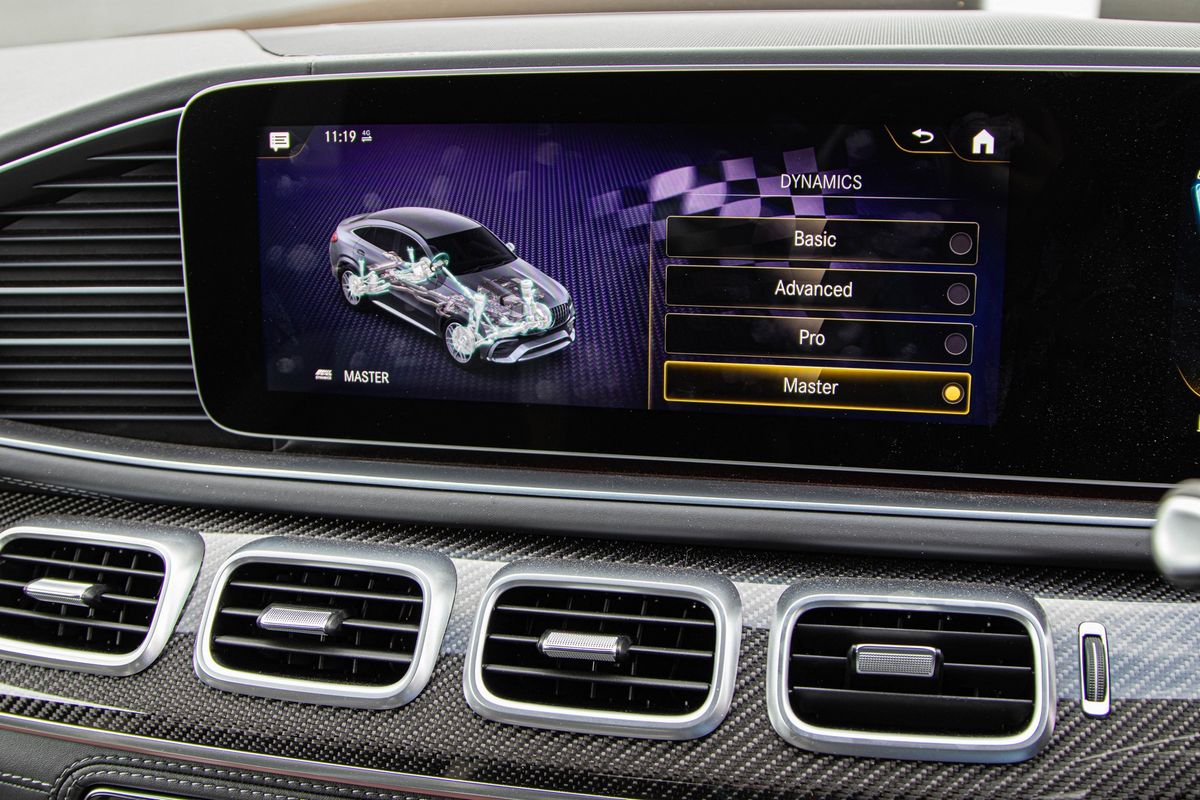
The GLE 63 S Coupe is not just a straight-line specialist, however. When scything through a series of tight bends, the ‘Benz utilises its adaptive air suspension, all-wheel-drive system and active roll stabilisation to corner with very little body lean to speak of. The sheer level of grip that’s available is nothing short of exceptional; few sportscars – let alone SUVs – feel this planted when cornering at high speeds. If you apply the power to rocket out of corners, this all-wheel-drive behemoth even exhibits an ever-so-slight hint of rear-end bias. What witchcraft is this?!
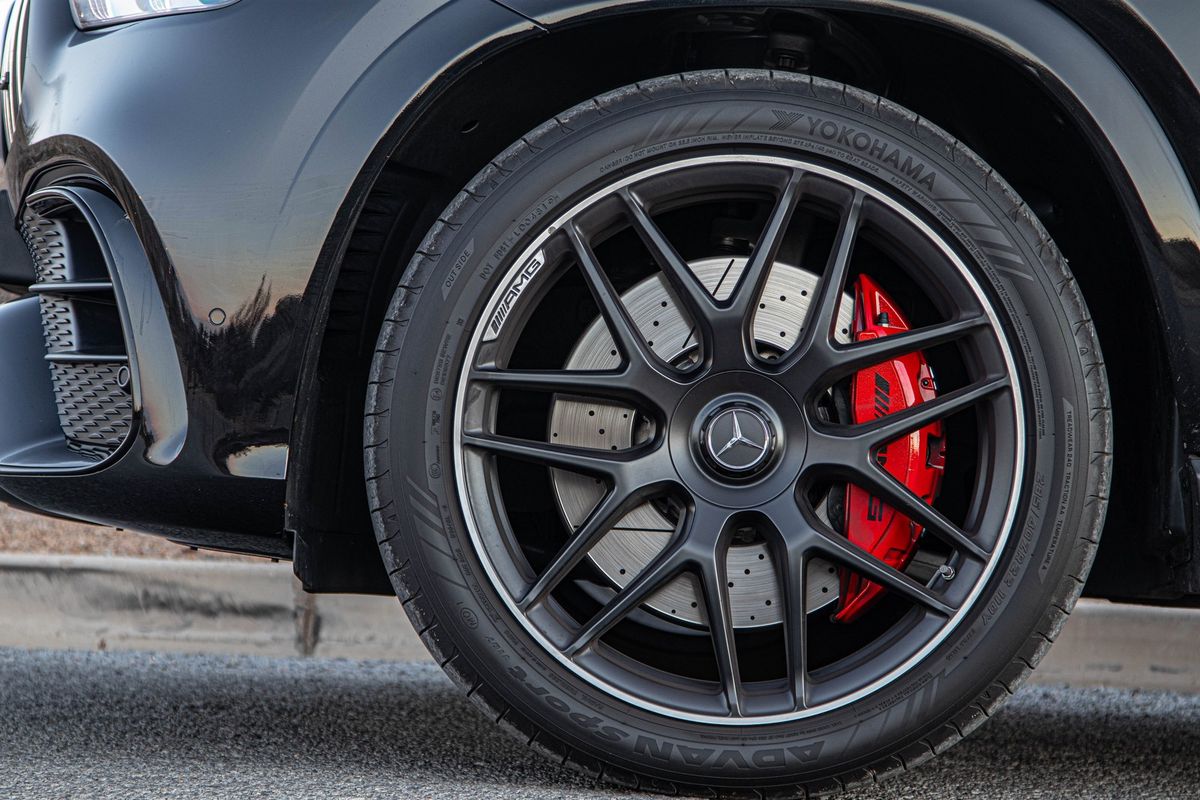
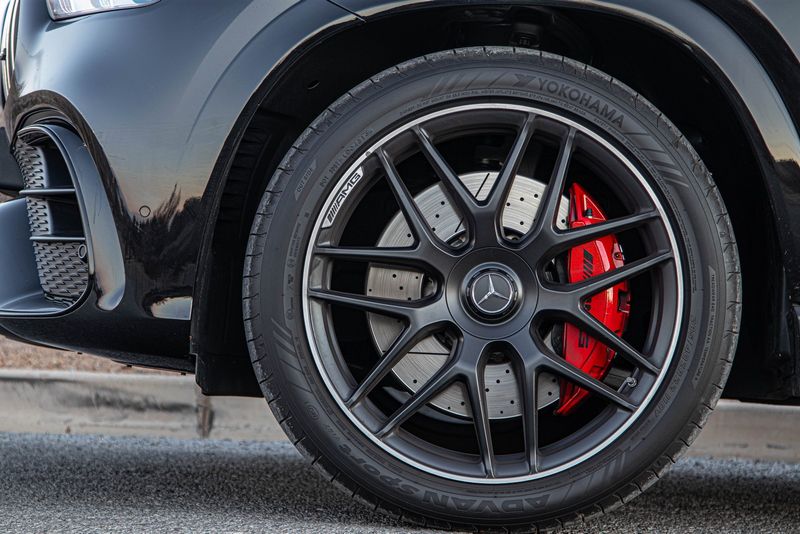
Drawbacks? The steering does let the side down somewhat because it’s not quite “sportscar sharp” – you’re likely to find yourself making micro-adjustments with your inputs through the ‘wheel. The ride quality is also firm and like most of AMG’s offerings, road noise is relatively high; bear in mind that the vehicle rides on massive (22-inch) alloy wheels, wrapped in 285/40 ZR rubber. Thankfully the high-quality audio system can drown it out with ease.
What’s the interior like?
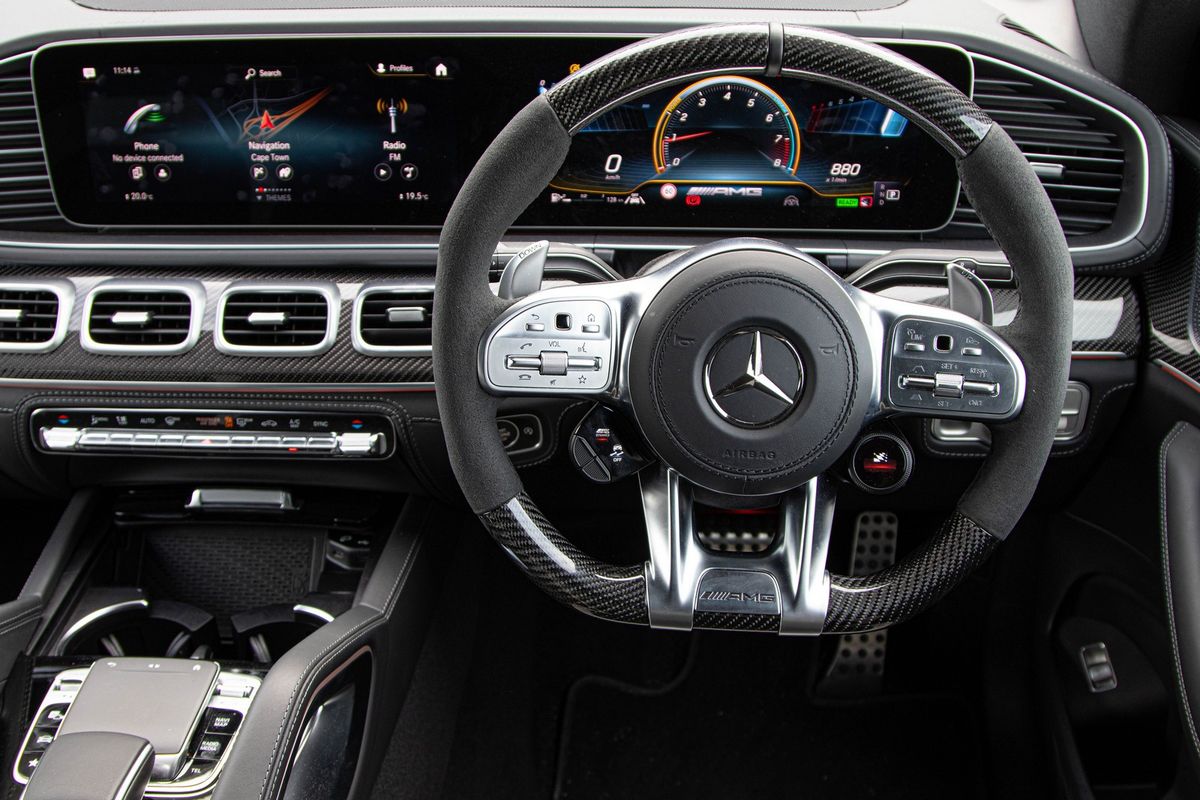
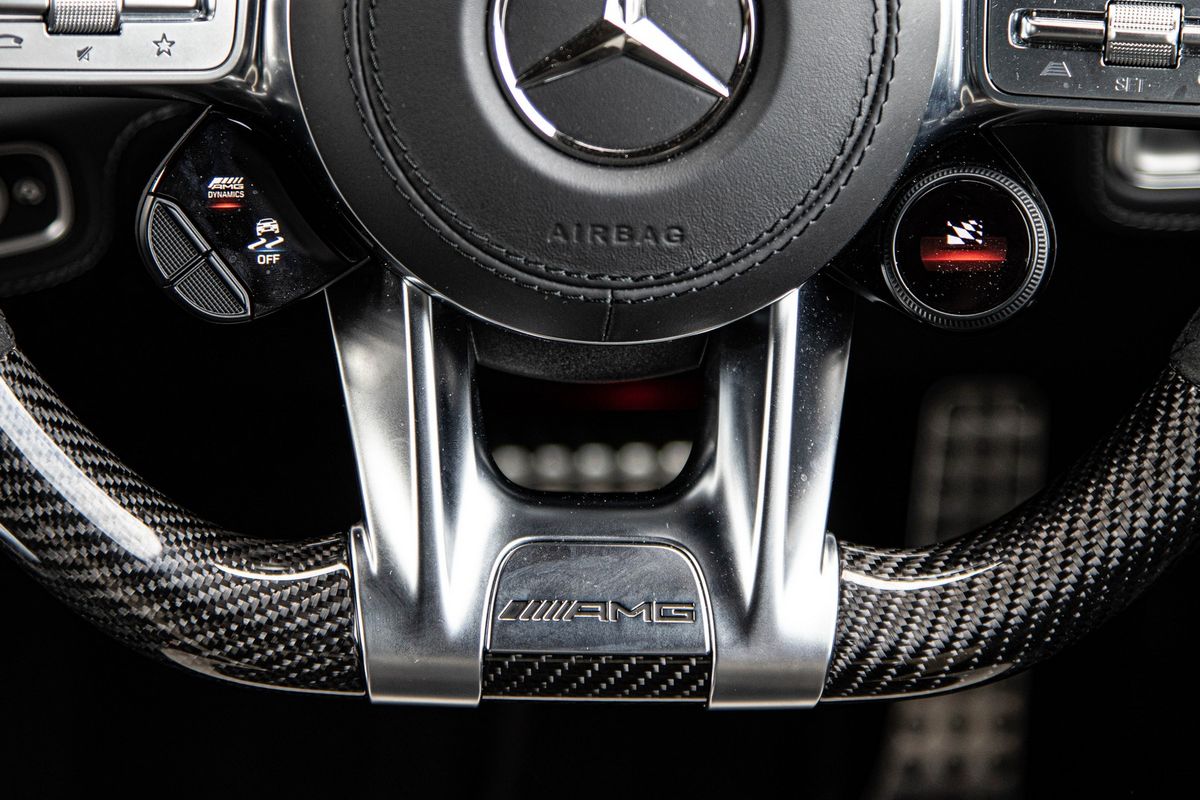
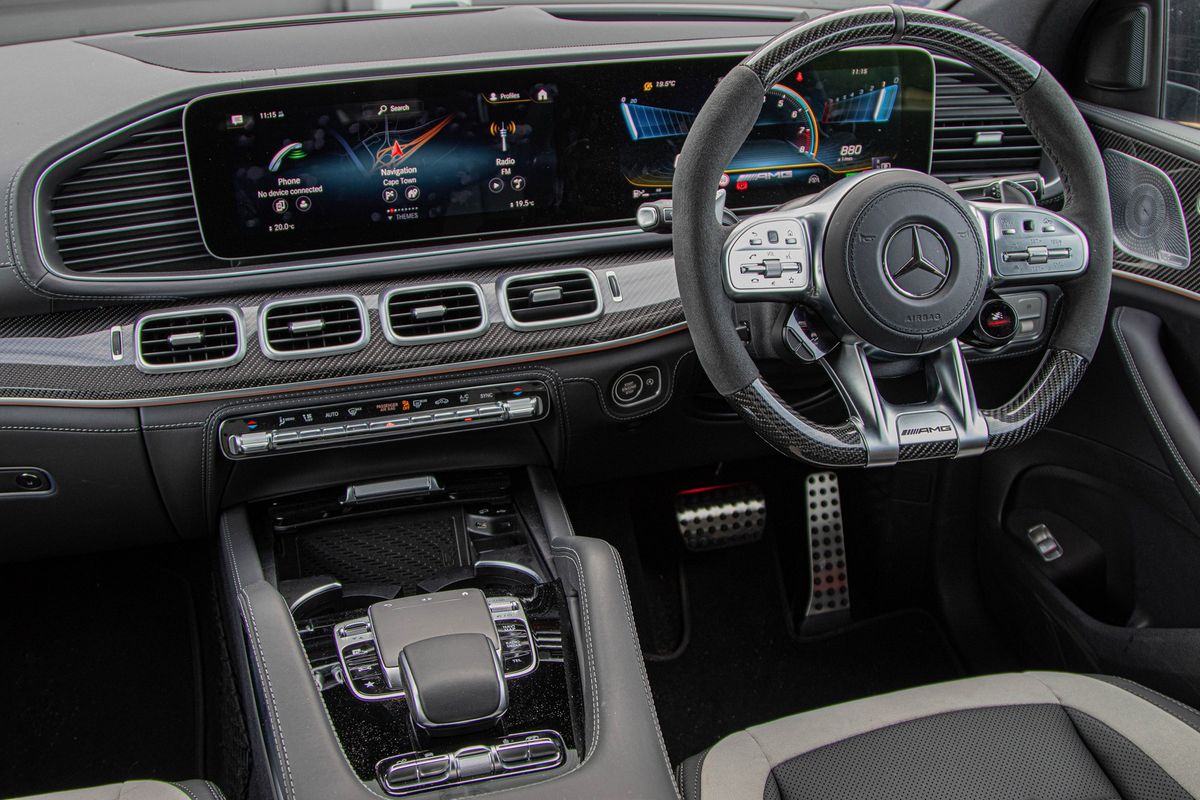
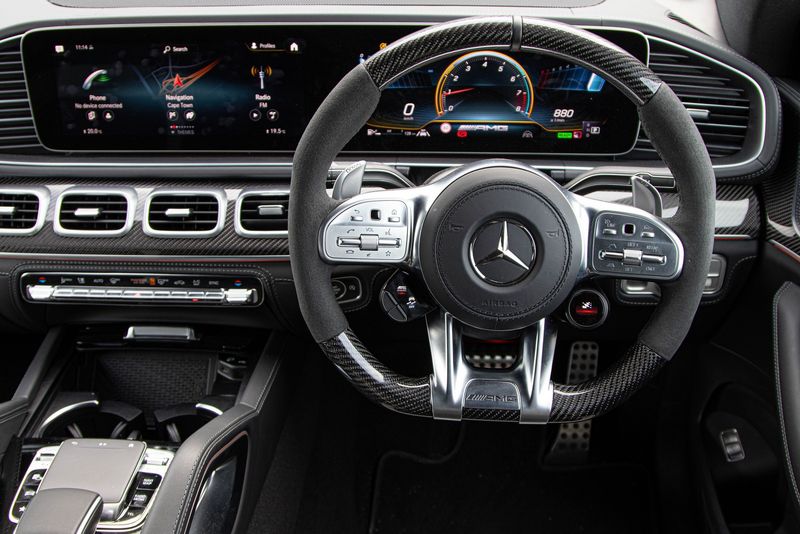
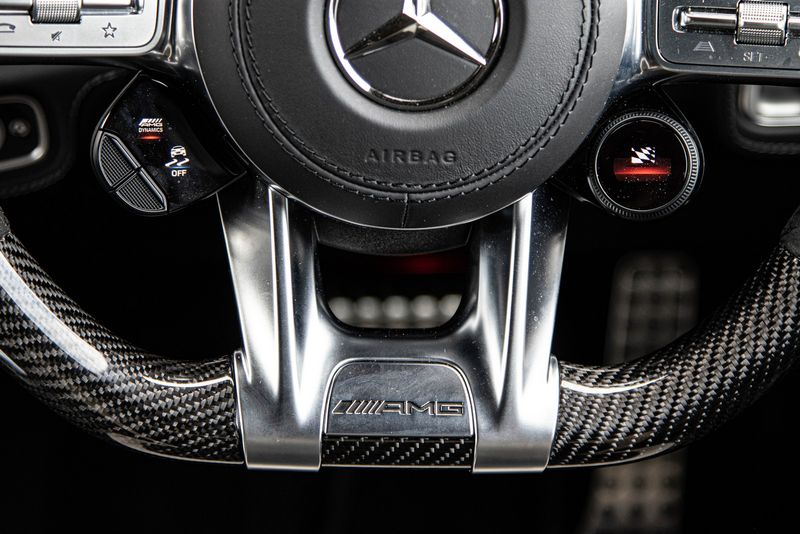
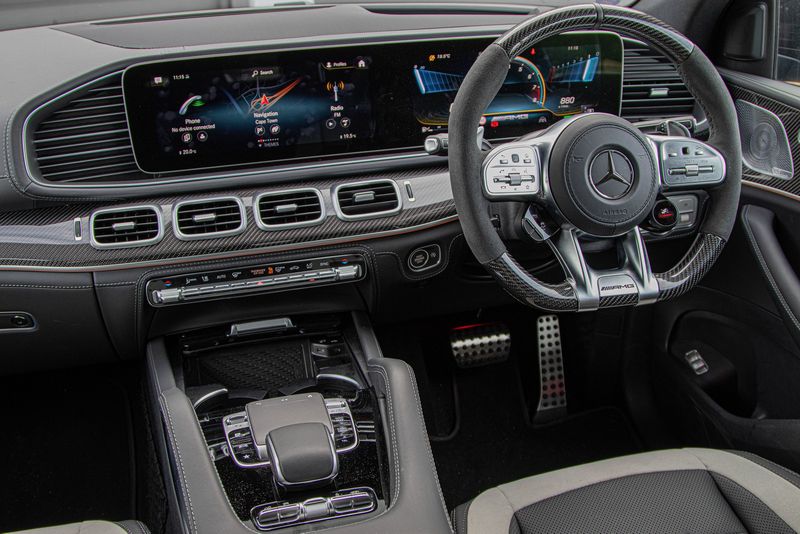
When you step inside the Mercedes-AMG GLE 63 S Coupe (if yours is specced anything like our test unit), you’ll feel like you’ve just arrived in “carbon-fibre heaven”.
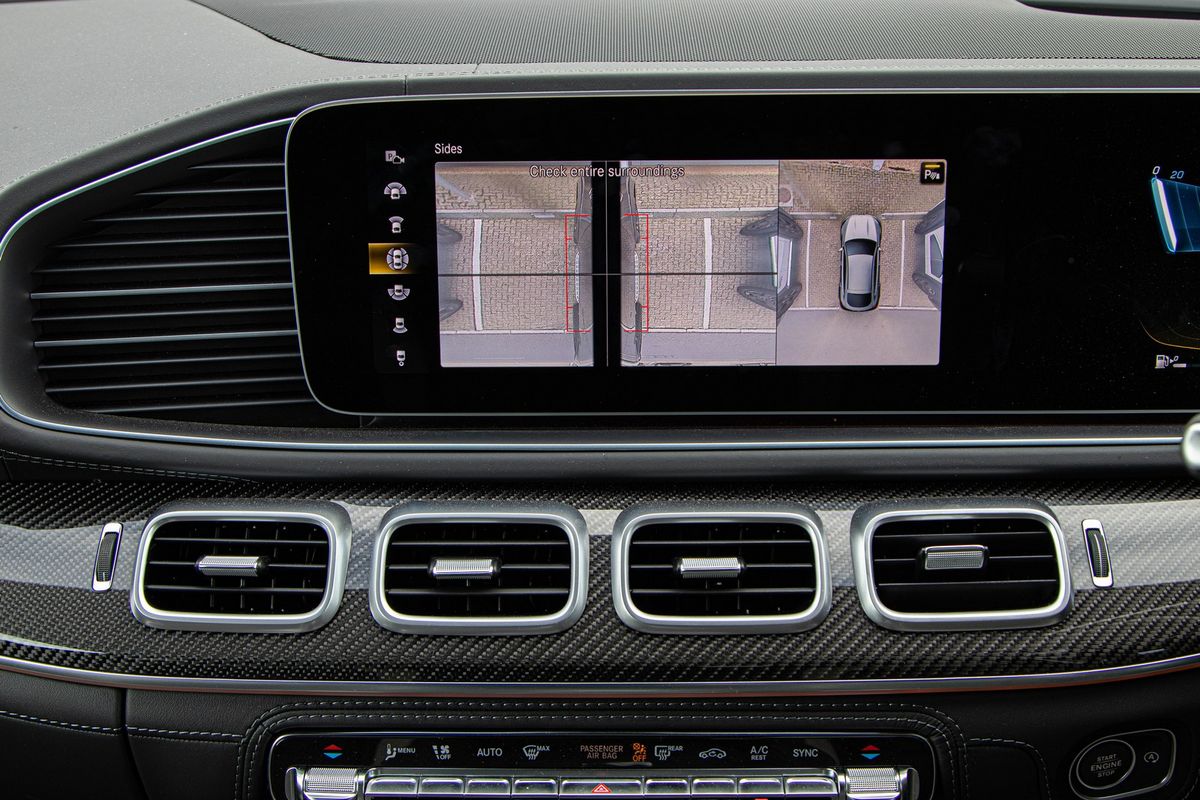
The fascia is dominated by the Widescreen Cockpit – a ginormous MBUX system that combines a digital instrument cluster with an infotainment screen. The instrument cluster is quite superb; it displays vital info through a choice of various themes. Our favourite was “Supersport”, because it’s such a radical departure from traditional layouts.
If there’s a drawback to MBUX’s excellent graphics and interface, it’s that there are multiple ways to accomplish the same task. Don’t forget the “Hey Mercedes” voice command, which can be used to activate many in-car functions. And, if this would be your first experience of MBUX, it can be quite daunting initially; talk about information overload!
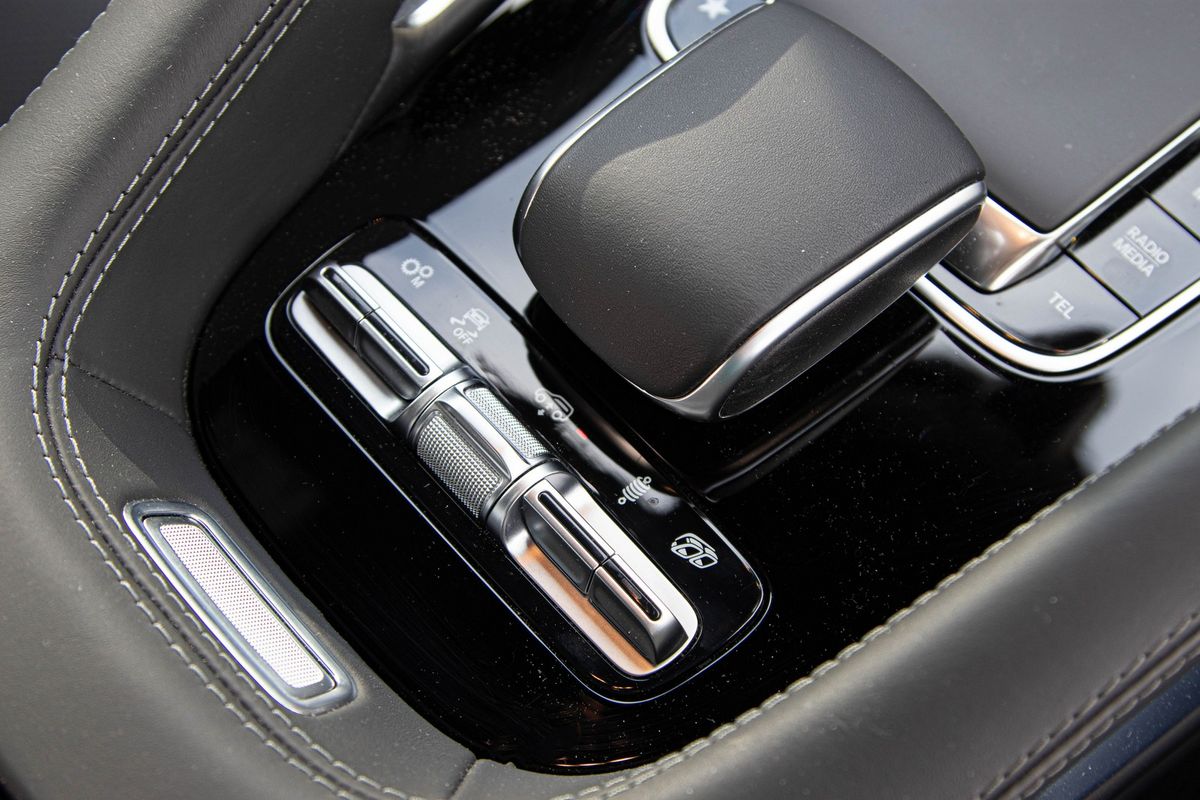
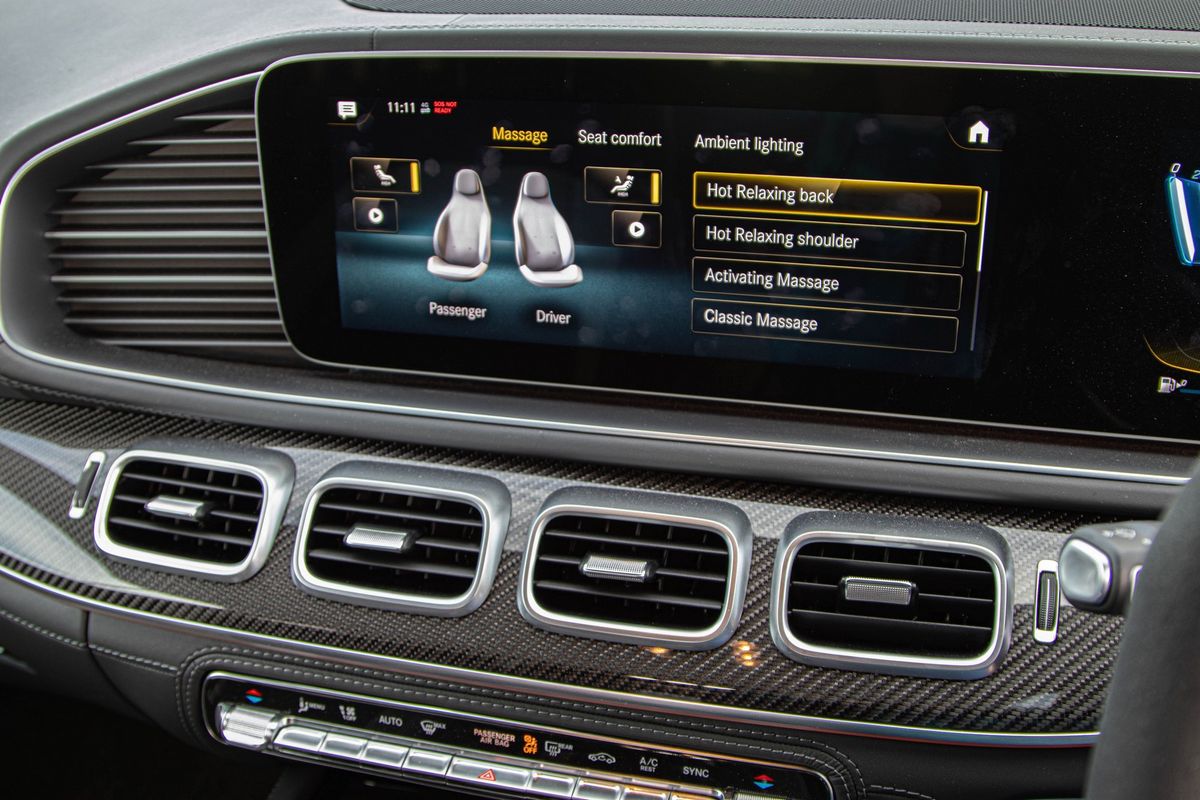
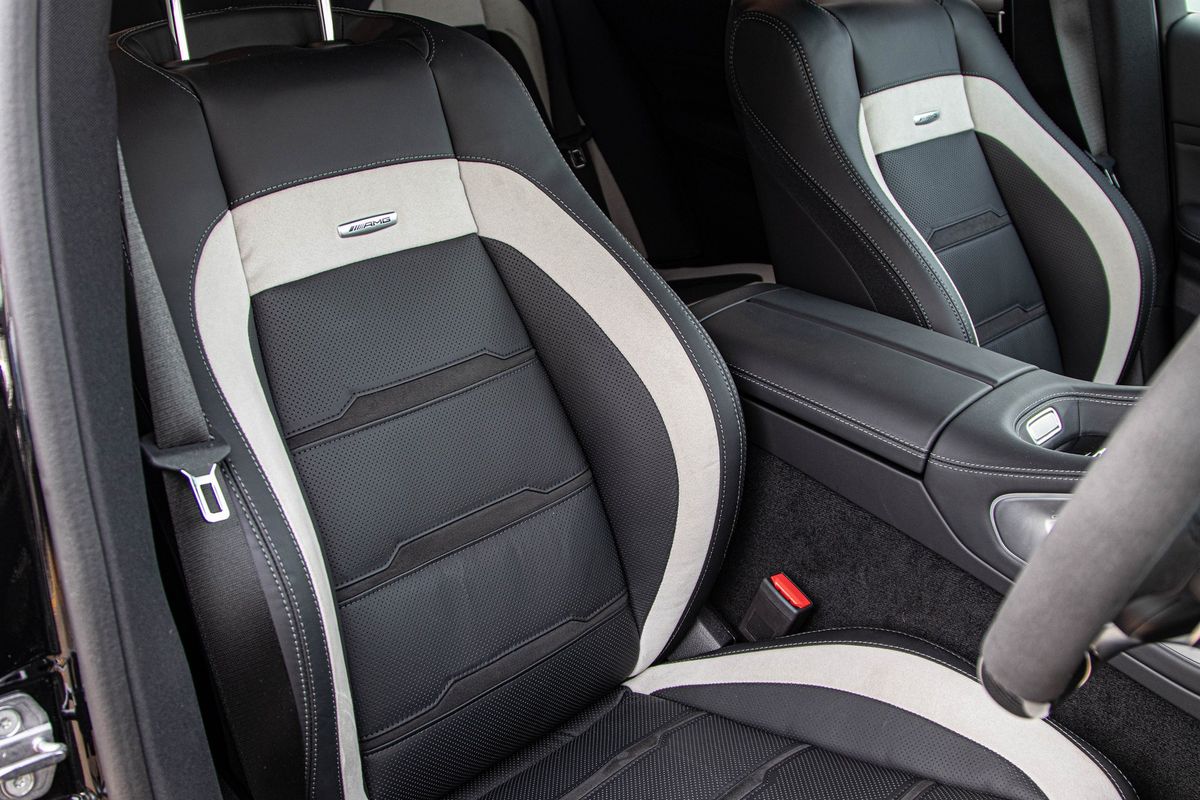
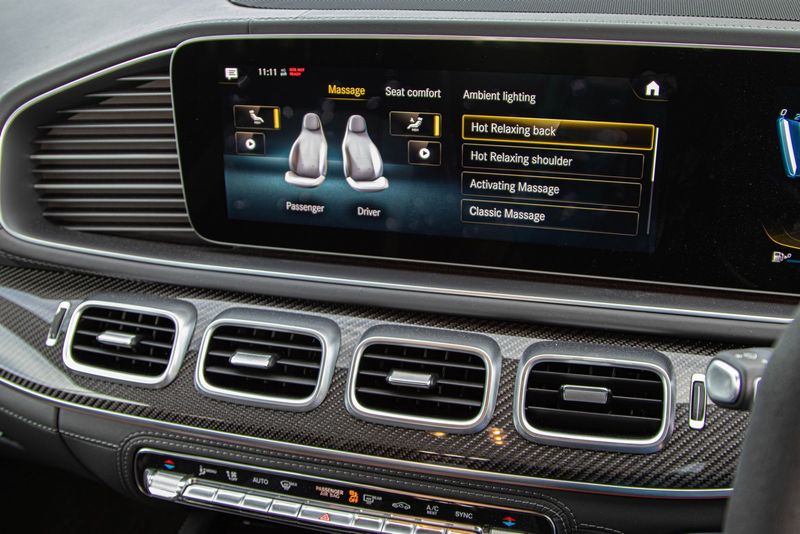
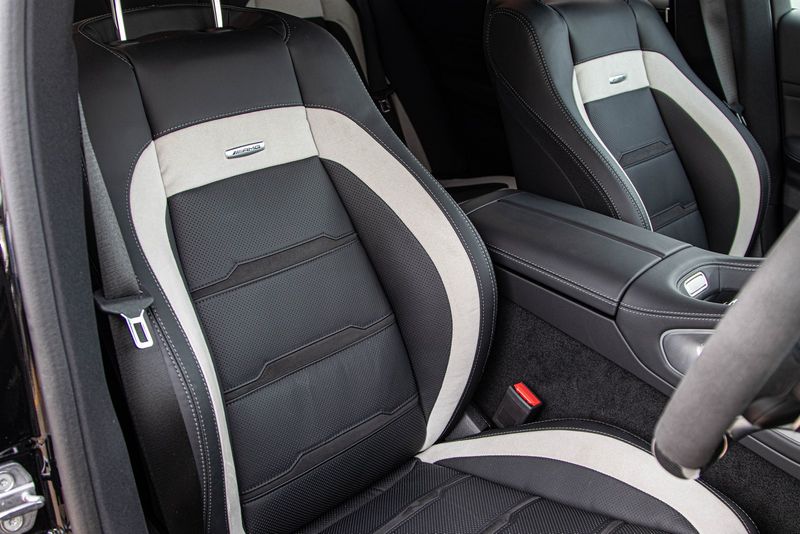
The rest of the cabin looks and feels suitably upmarket, with extensive use of quality leather, contrast stitching and the provision of virtually every feature you’d hope to find in a R3-million vehicle. Our test unit was specified with heated and ventilated front seats replete with massage functions; when you’ve been driving for a long period, it is oh-so-satisfying to say “Hey Mercedes, massage seats on” and have the seat gently knead your lumbar region.
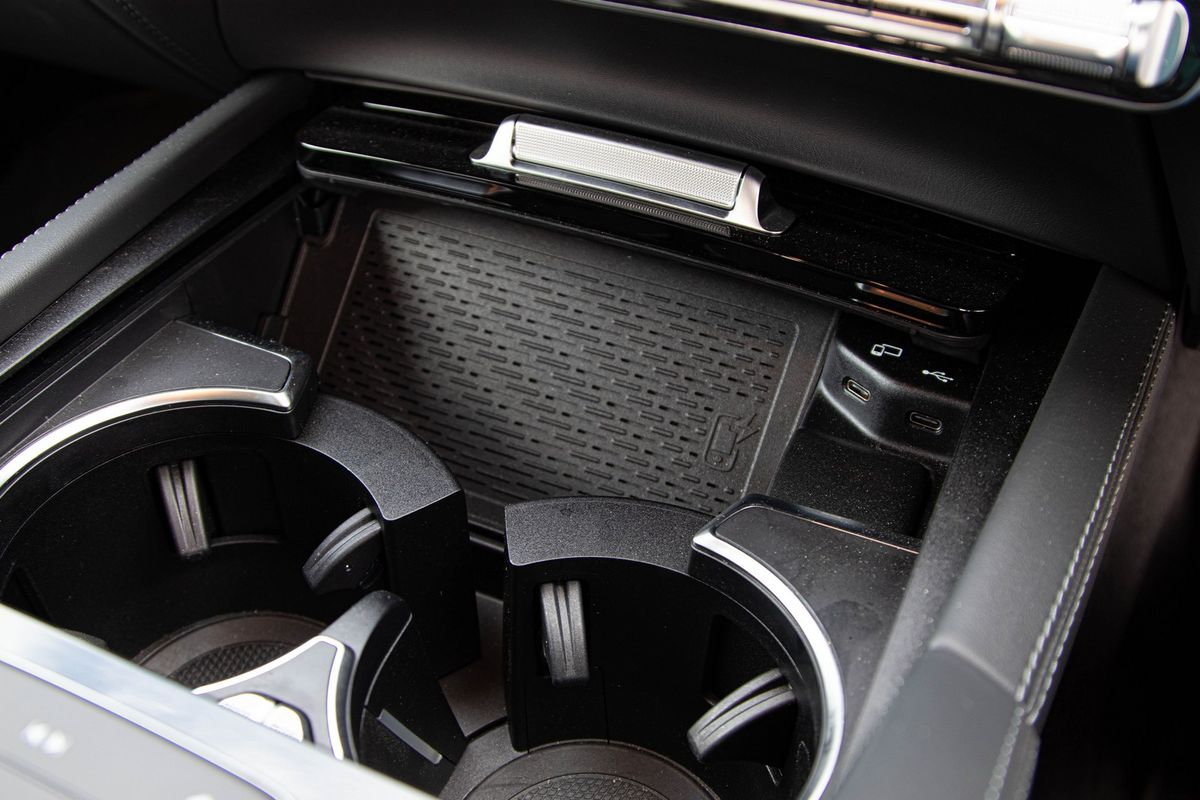
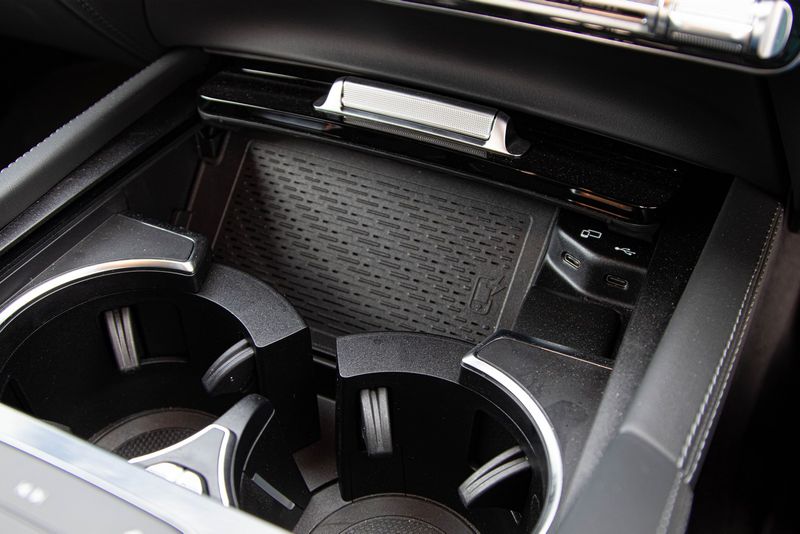
As far as connectivity goes, the Mercedes-AMG GLE 63 S Coupe comes with plenty of USB-C charging ports, a wireless charging pad, plus Apple CarPlay and Android Auto compatibility. For audiophiles, a Burmester audio system is on offer; when you’re not in the mood to lap up the V8’s theatrics, it offers exceptional sound quality.
Annoyingly, as is the case in many modern Mercedes-Benz models, most of the cabin looks and feels well-made, but, upon closer inspection, there are a couple of cheaper touches you won’t find in any of its rivals. It is frustrating that Mercedes-Benz’s build quality is less than optimal – our test unit’s cabin emitted a few rattles and squeaks.
Is the GLE practical?
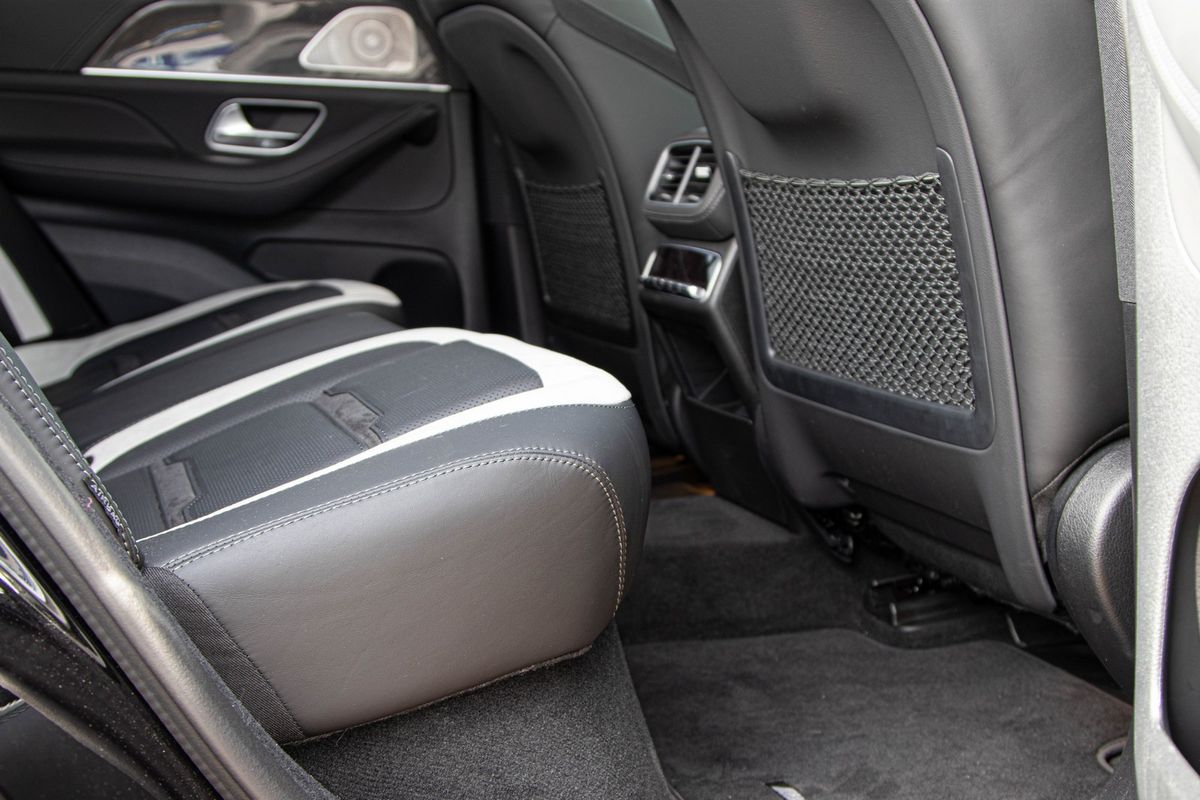
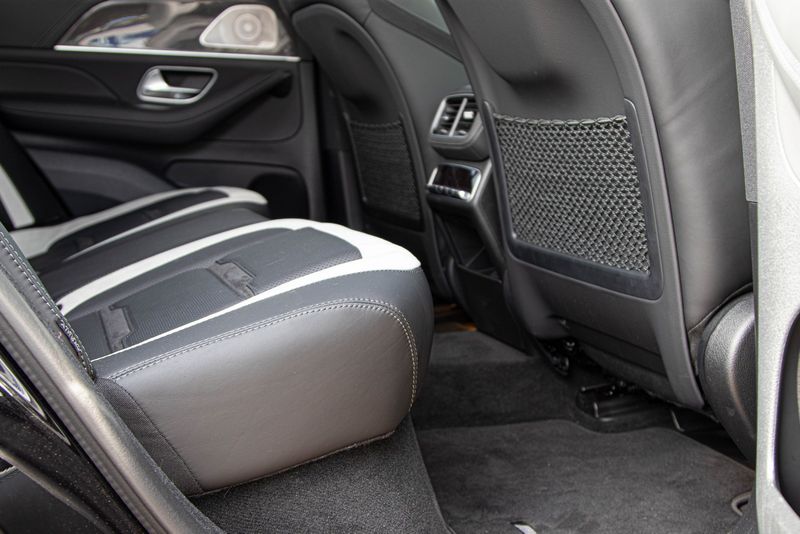
In terms of passenger space and load-bay capacity, the differences between the GLE and GLE Coupe are notable. Despite its plunging roofline, the coupe is claimed to offer fractionally more luggage capacity than its conventional sibling. If you need more space, you can always fold the rear seats down to transport larger items, such as mountain bikes. As a matter of fact, the sportscar-inspired GLE Coupe boasts the roomiest load bay in the entire segment!
The GLE Coupe can seat 4 adults in comfort – yes, rear occupant space is generous. The feeling of spaciousness is enhanced by the panoramic roof, which lets in more light. It’s great to see the faults of the 1st-gen model have been addressed by the provision of more rear legroom… and we think there’s a touch more space for the front row too!
How much does the GLE 63 S Coupe cost?
The Mercedes-AMG GLE Coupe range kicks off with the GLE 53 derivative (R1 939 040), with this flagship offering coming in at R2 970 920 before options. A 5-year/100 000 km maintenance plan is standard.
Verdict
With the automotive world shifting to responsible consumption/sustainability through electrification, something as ostentatious as the Mercedes-AMG GLE 63 S Coupe represents a statement of defiance. Not everyone is going to like its exterior styling and not everyone is going to enjoy the artillery-like aural salvos emitted by its exhausts.
Granted, the Benz’s extreme capabilities are enthralling. Few SUV-based vehicles can lunge towards the horizon with such ferocity and, paradoxically, attack tight corners with verve. It feels unnatural to be coaxing the GLE 63 S Coupe into twisty bends at high speeds, but AMG has engineered its flagship coupe-styled SUV to cope admirably with extreme lateral forces. It has truly remarkable, physics-defying handling for such a big, heavy vehicle. Then there’s the cabin, which is jaw-droppingly advanced and eye-catching, even though there are a few quality niggles.
So, should you buy one? Suffice to say the competition is stiff in this segment and when you’re paying this sort of money, you’re justified to demand nothing short of near-perfection. While the Mercedes-AMG GLE 63 S Coupe ticks most boxes comfortably, there are a couple of minor issues that won’t sit well with customers. Some will want more a more comfortable ride quality, while others may not take kindly to the iffy fit and finish of some cabin elements.
We think the Audi RS Q8 can do everything this Mercedes-AMG GLE 63 S Coupe can, while costing substantially less than the ‘Benz, which is a knock-out blow. As we’ve proven in our drag race, it’s also fractionally faster…
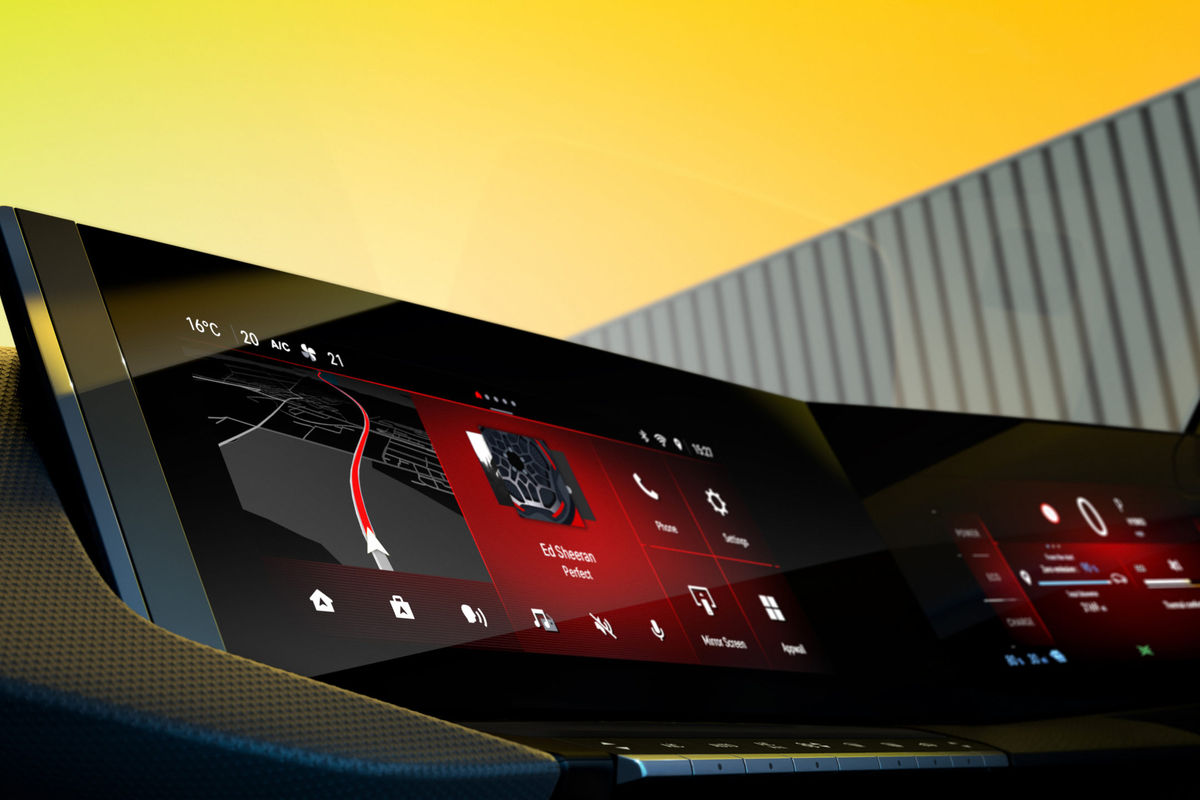
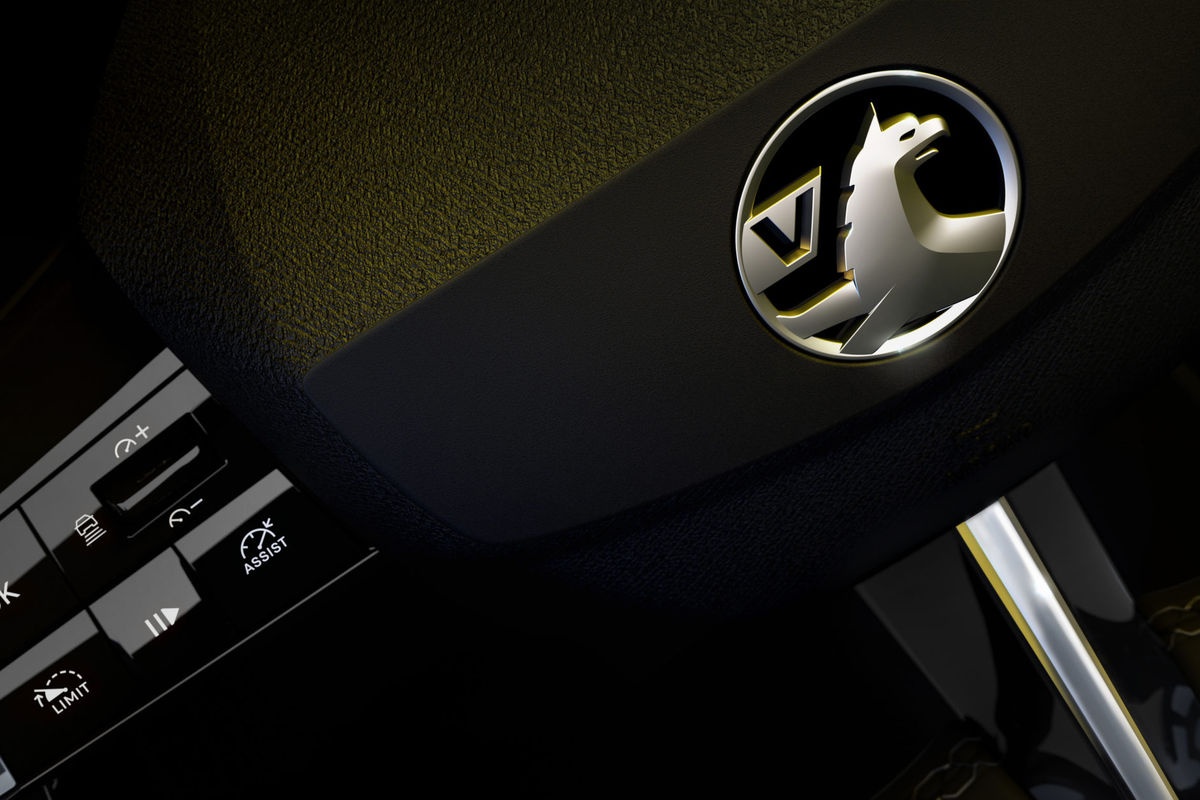
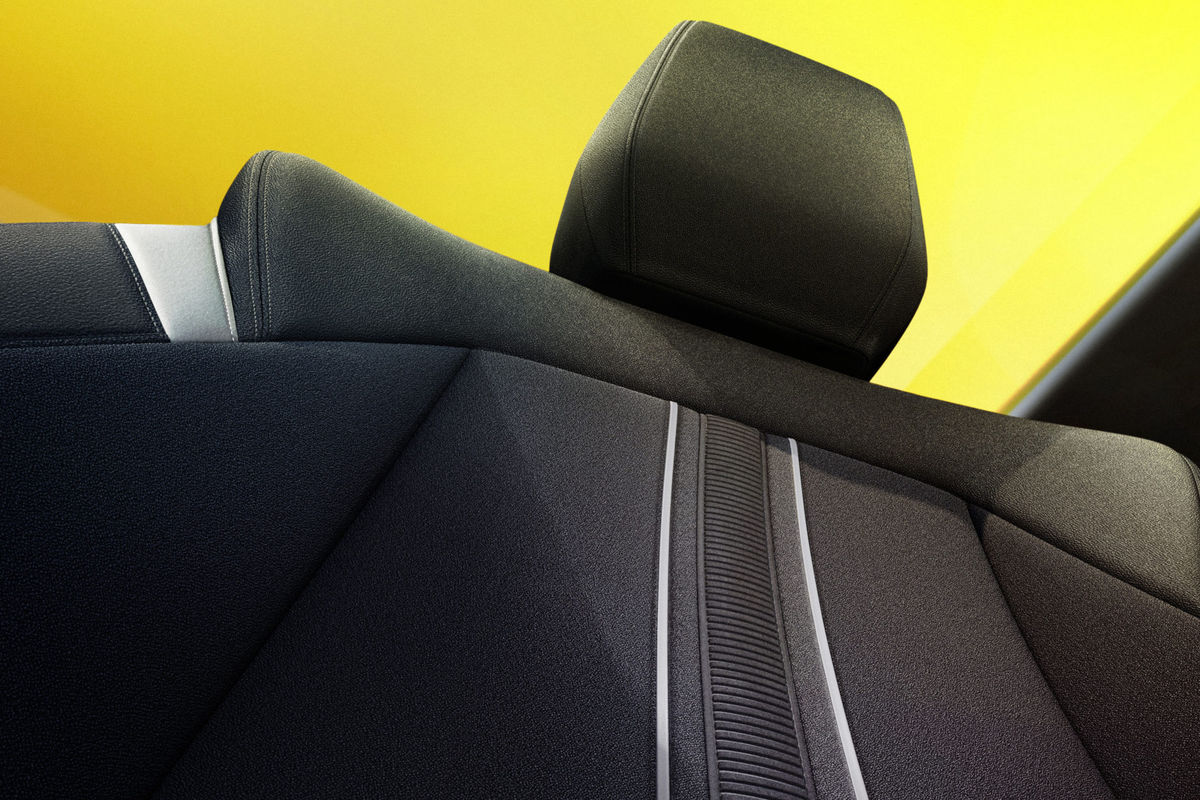
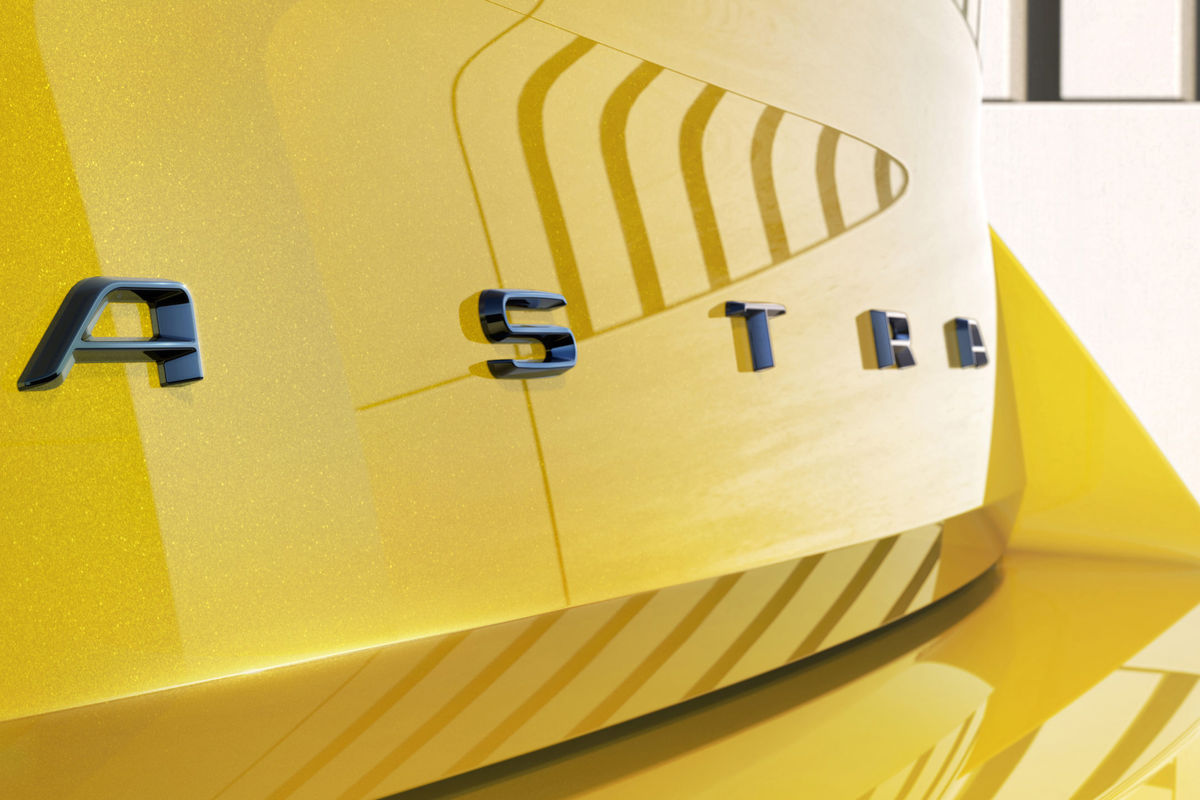
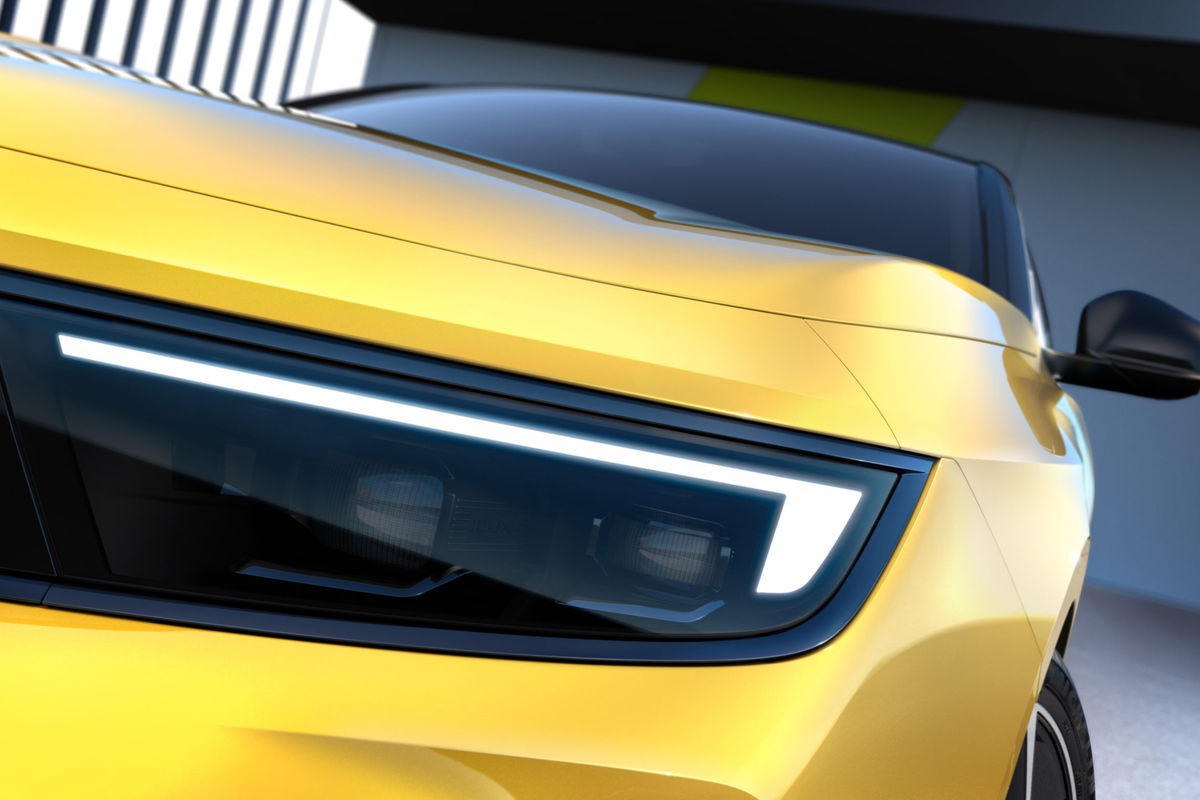
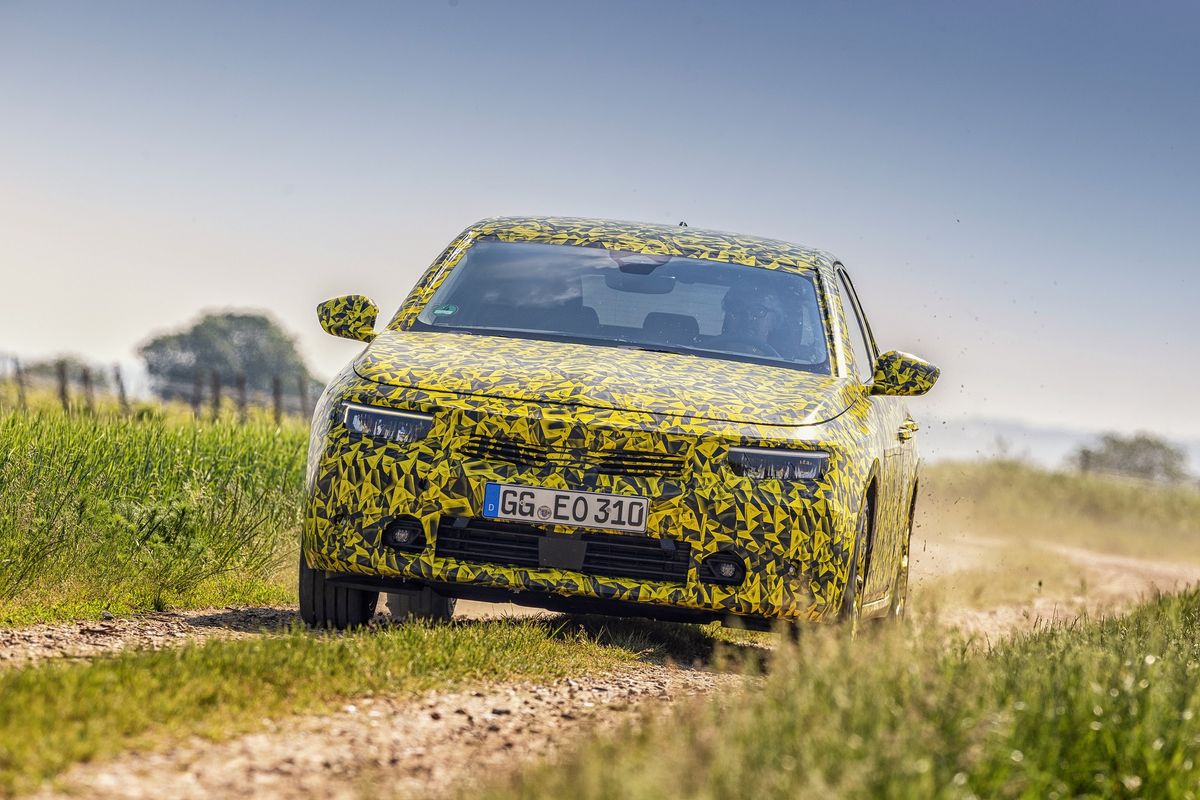
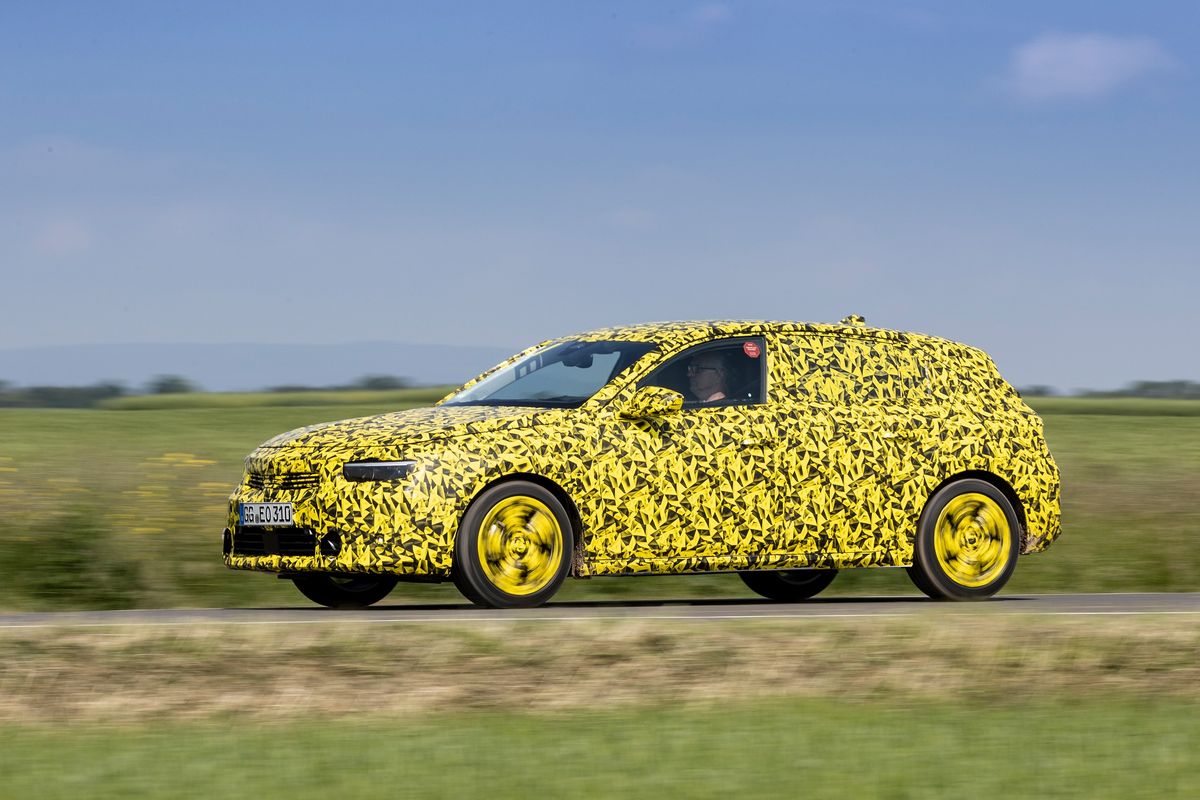
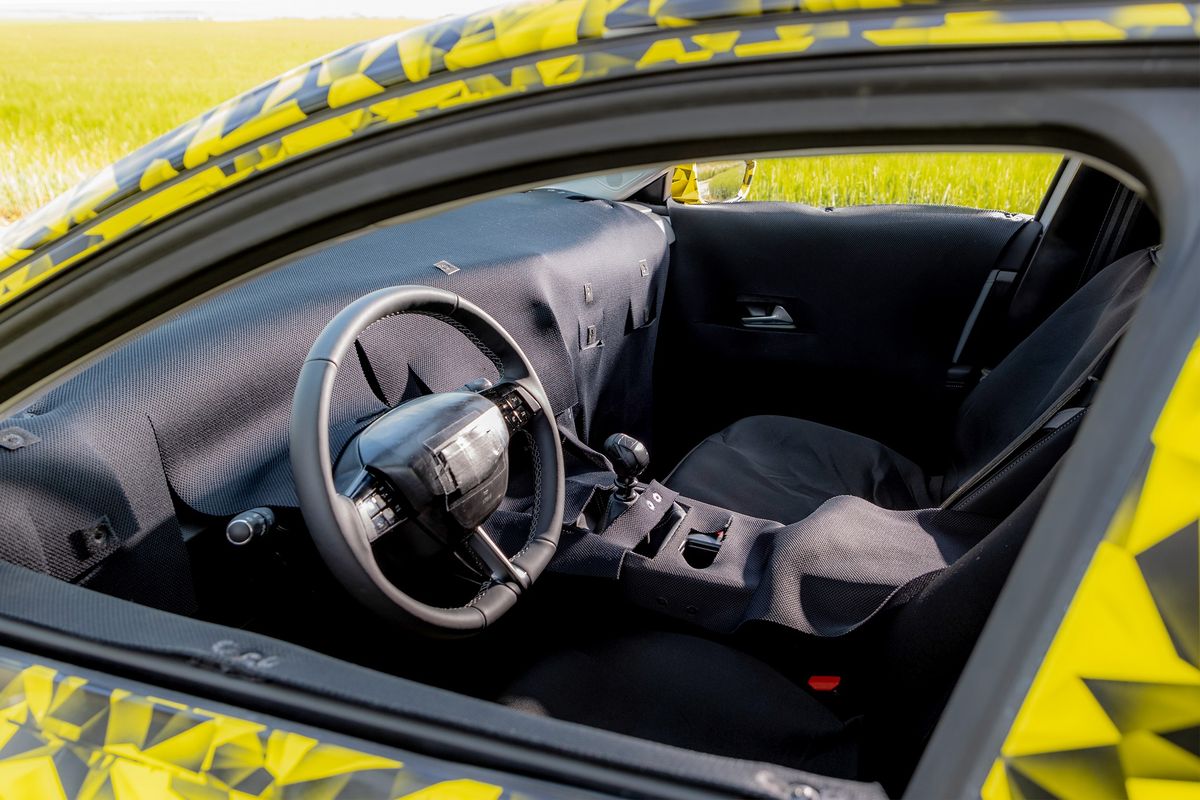
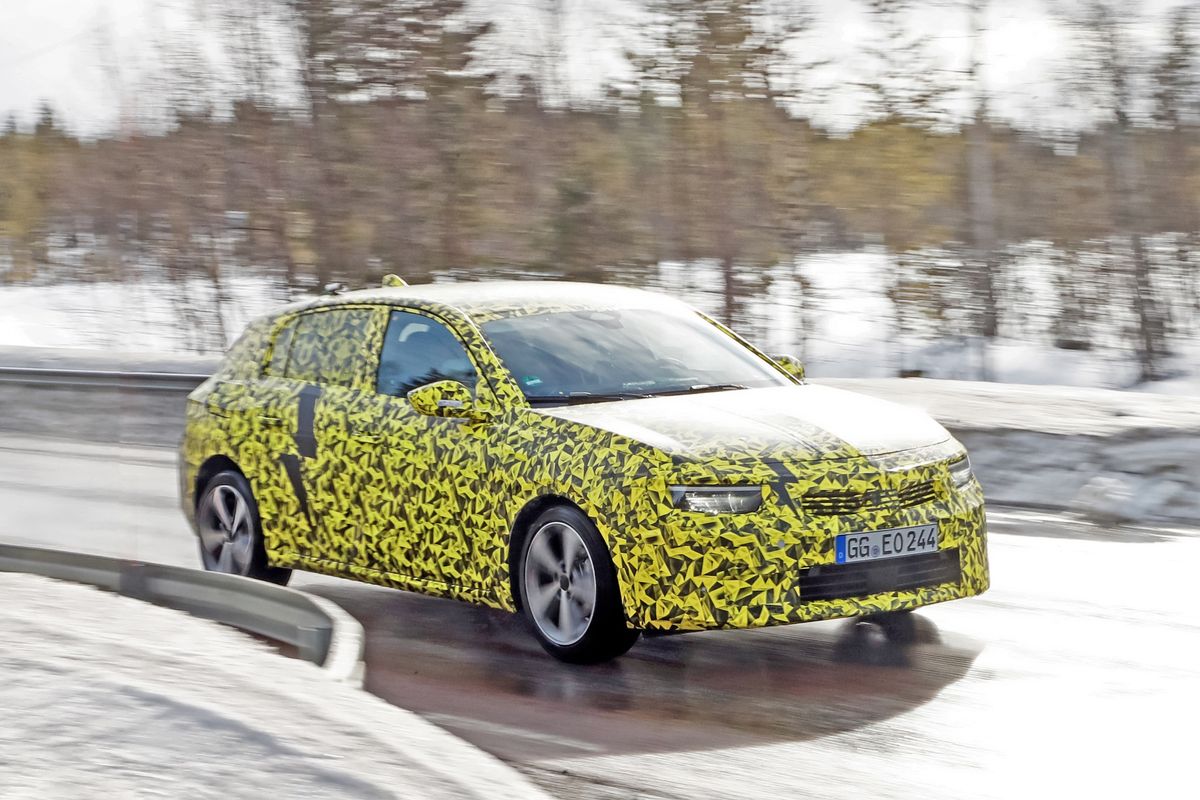
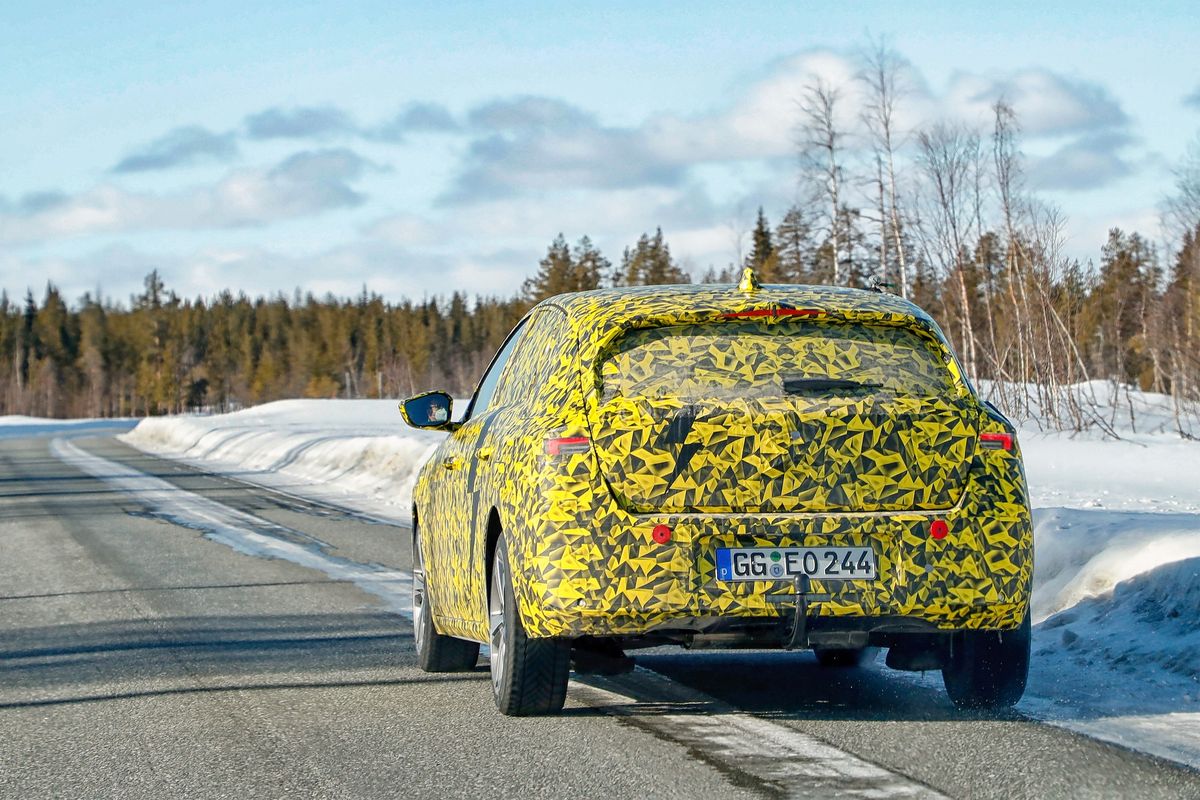
These are teaser images of the all-new Opel Astra, giving us a preview of what the new hatchback is about.
*Update: Opel has released further images of the forthcoming Astra, giving us a better look at the proportions. The new Opel Astra has almost completed its testing processes, which range from extreme temperature variations as well as electronic and safety tech evaluations. Interestingly, Opel has confirmed a plug-in hybrid version too.
“The demanding test programme of the All-New Astra is going exceptionally well”, says Astra Chief Engineer, Mariella Vogler. “The development team – which, by the way, comprises of more female engineers than ever before – has created an uncompromisingly cool new generation of Astra that will thrill our customers.”
Seeing teaser images of the all-new Opel Astra has raised the eyebrows in the Cars.co.za office. Let’s be honest, the C-segment hatchback has taken a dive over the years, with customers favouring high-riding vehicles instead. Case in point, the Volkswagen Tiguan was the German brand’s best-selling model in 2020.
As for the Opel Astra, the Stellantis Group has big plans. Just a reminder that PSA (Peugeot Citroen) took ownership of Opel/Vauxhall and turned its fortunes around in a quick period – impressive stuff. Despite the vehicle’s sharing platforms and engines, it appears Opel is standing on its own two feet again and there’s a raft of new product on the way.
All-New Opel Astra to be electrified
Naturally, the all-new Opel Astra will offer electrification. Paul Willcox, Managing Director, Vauxhall, said: “The All-New Astra will open an exciting new chapter in the 41-year history of our popular compact model. We are confident that the next generation Vauxhall Astra will make a powerful impression and attract new customers to the brand, especially now Astra will be electrified for the first time.”
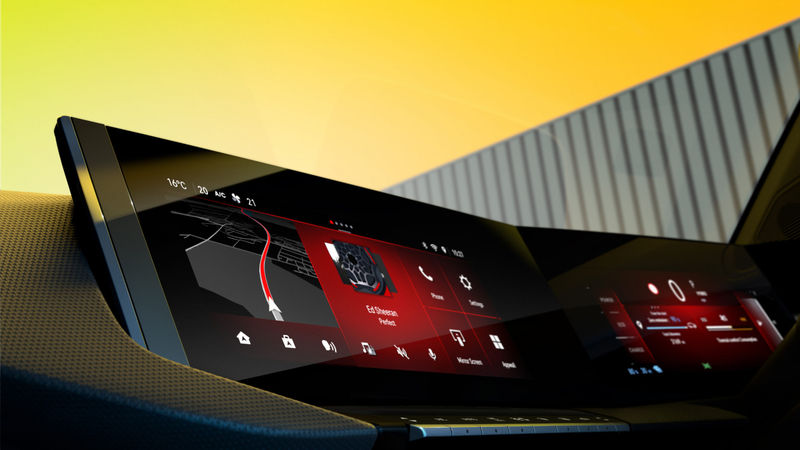
From the other teaser images, we can see a headlight that looks quite similar to that of the all-new Opel Mokka. Inside, the cabin of the Opel Astra features the new generation of Pure Panel digital cockpit with two widescreen displays. We don’t have much else to go on, but we do know the all-new Opel Astra will be available in 5-door hatchback and sports tourer estate.
No ETA was given, but we think the Opel Astra will be revealed before the end of 2021.
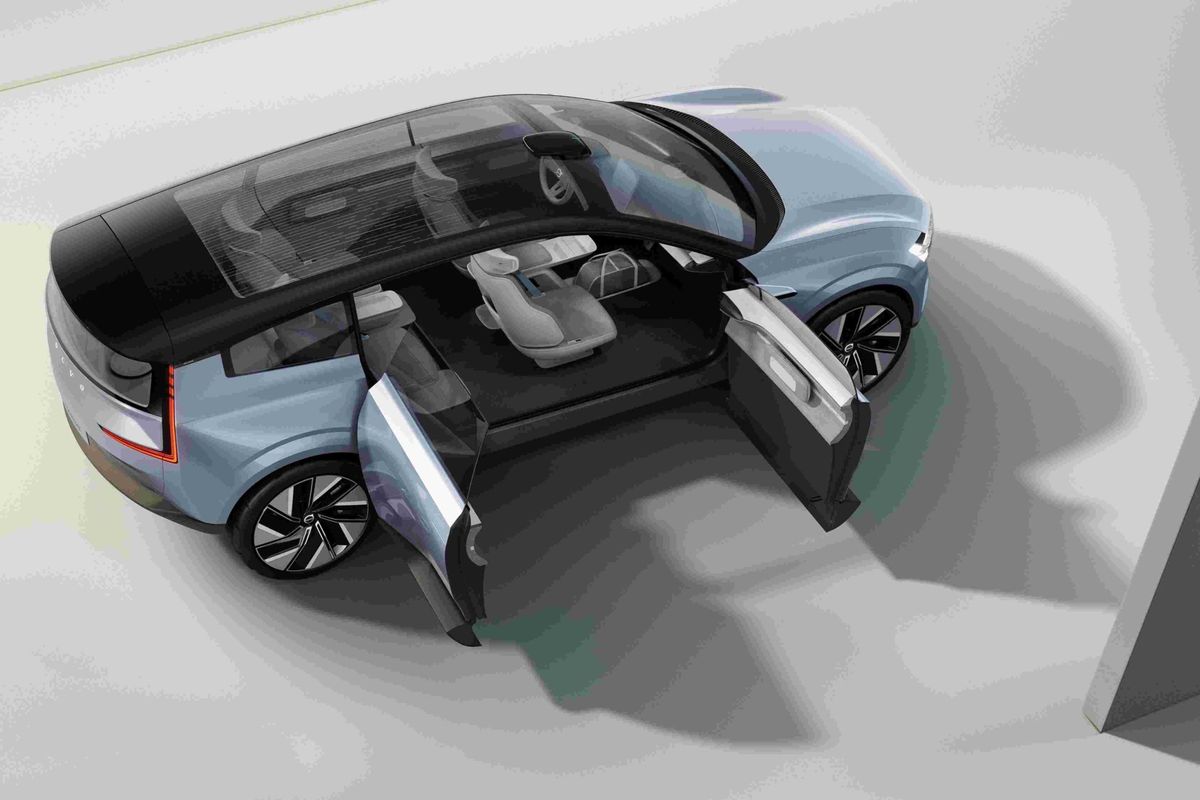
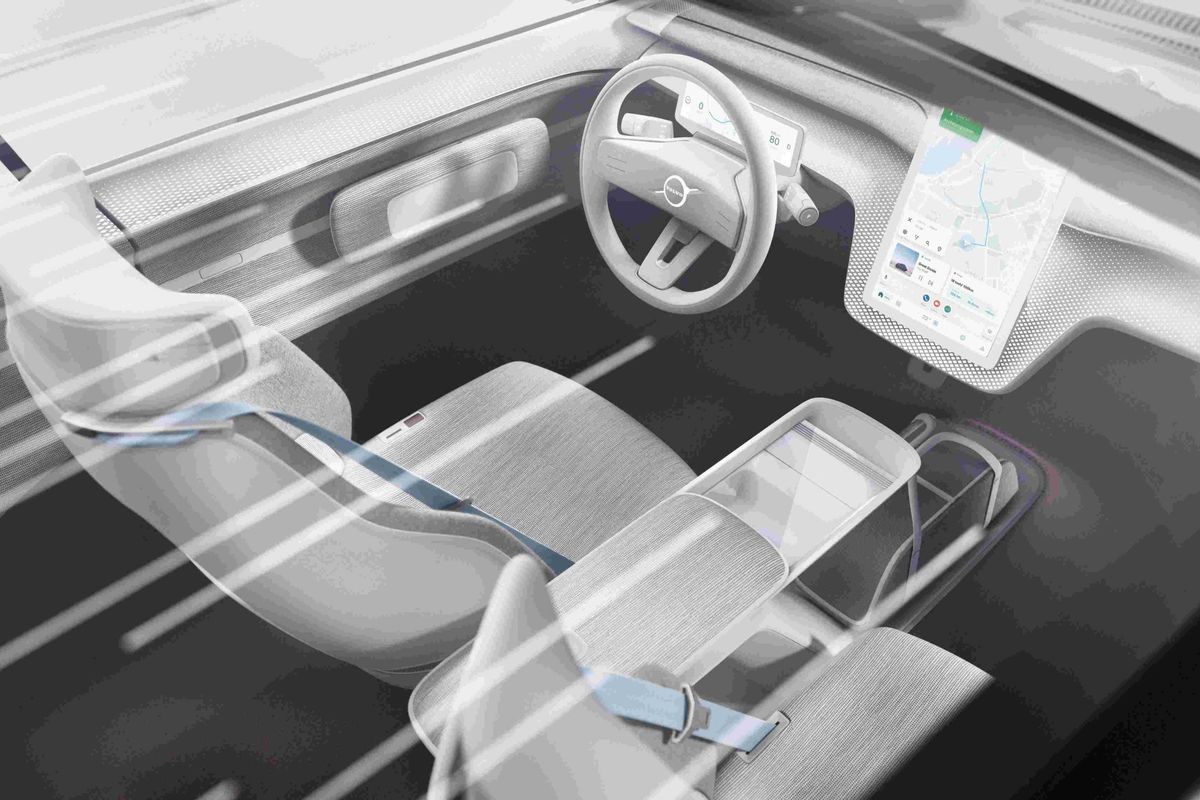
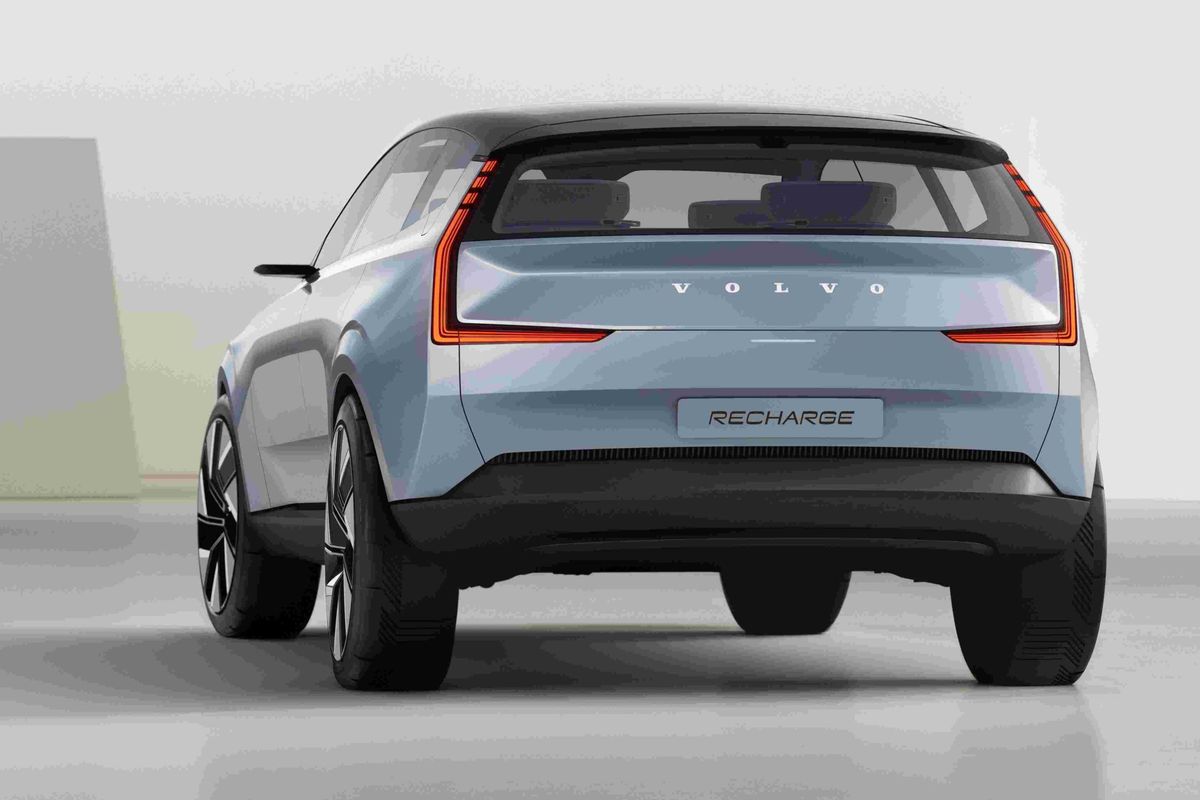
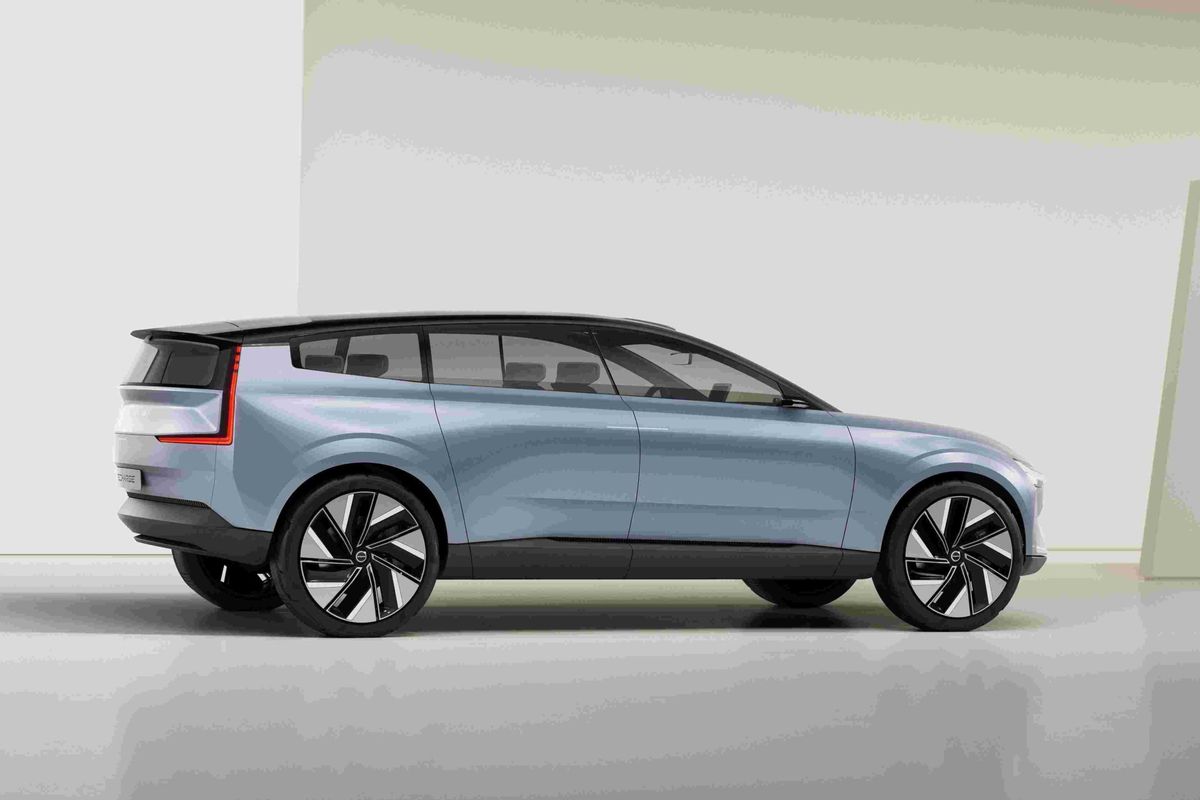
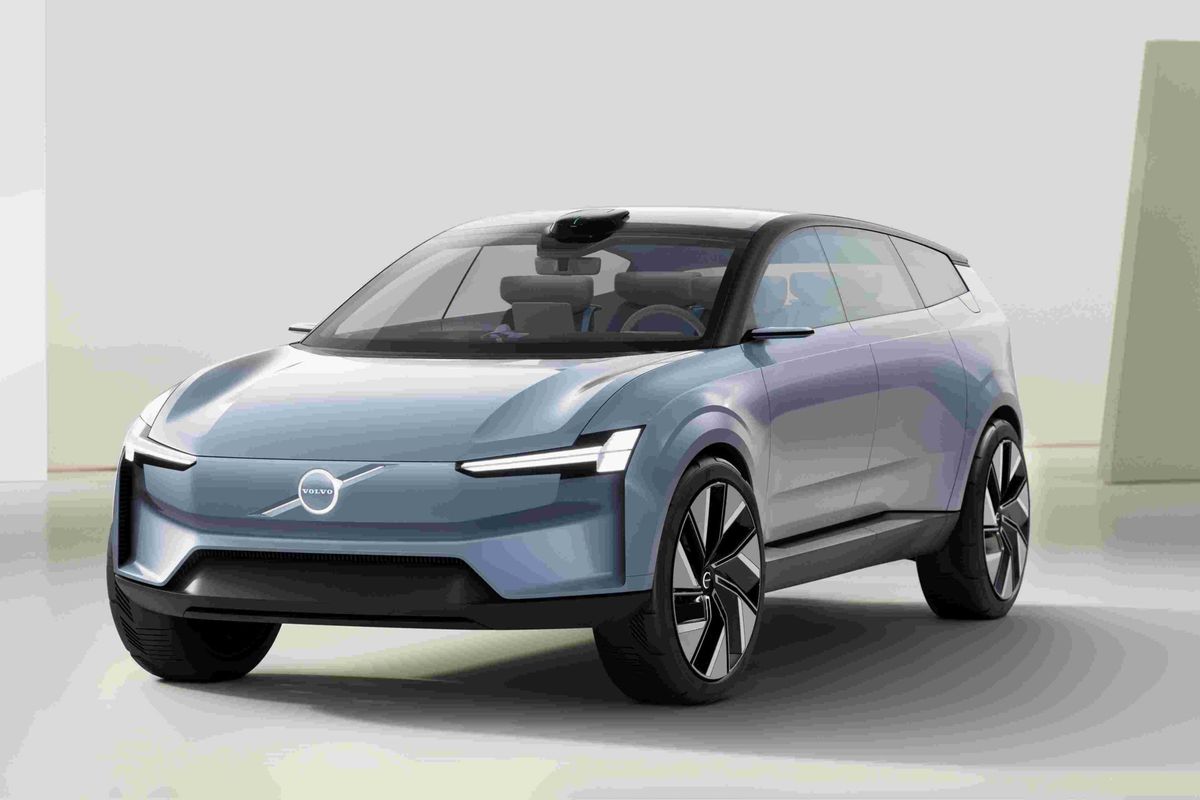
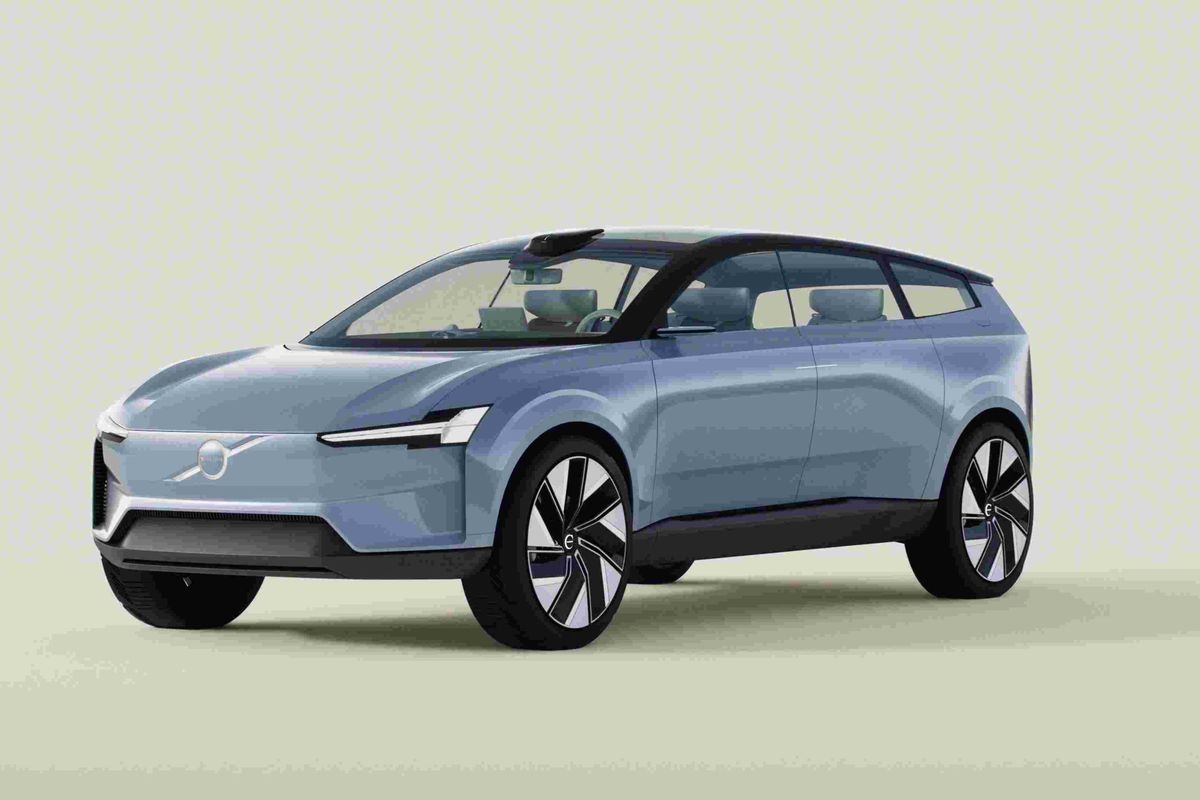
Swedish automaker, Volvo, has revealed its Concept Recharge, which illustrates what will be possible in terms of design and technology in the next generation of electric vehicles from Volvo.
Volvo has made a commitment to become an all-electric car brand before the end of the decade. South Africa will receive Volvo’s first all-electric SUV, the XC40 Recharge, in August 2021 but there’s much more to come!
While the XC40 Recharge is based on the current ICE-powered XC40, the Concept Recharge revealed today provides insight into what the next-generation of electrified Volvos will offer in terms of design and technology.
“Our Concept Recharge represents a manifesto for the all-electric future of Volvo Cars, as well as a new type of vehicle. It displays new and modern proportions that go hand-in-hand with increased versatility and shows what technology can enable in terms of design” said Robin Page, Head of Design at Volvo Cars.
Volvo’s first-generation of electric cars, such as the forthcoming XC40 Recharge, share the same floor as the combustion-engined XC40 and is therefore proportioned accordingly to accommodate both a battery and combustion engine.
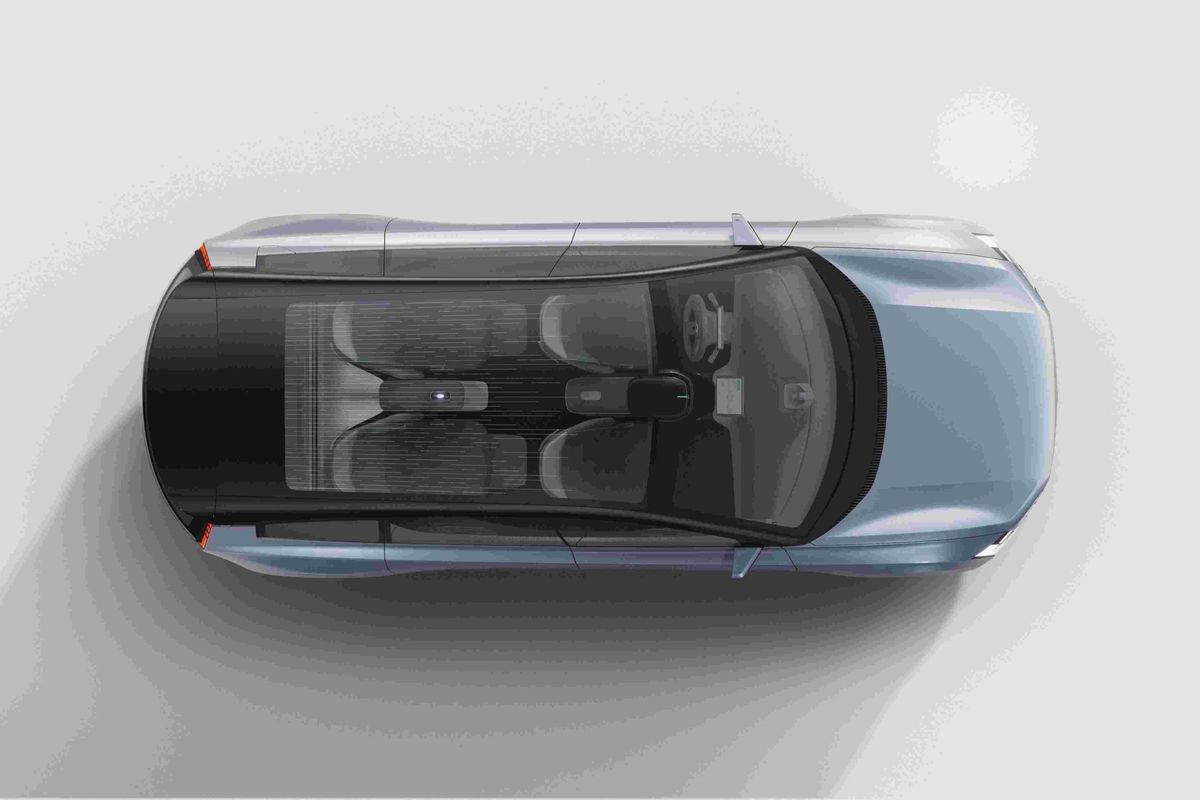
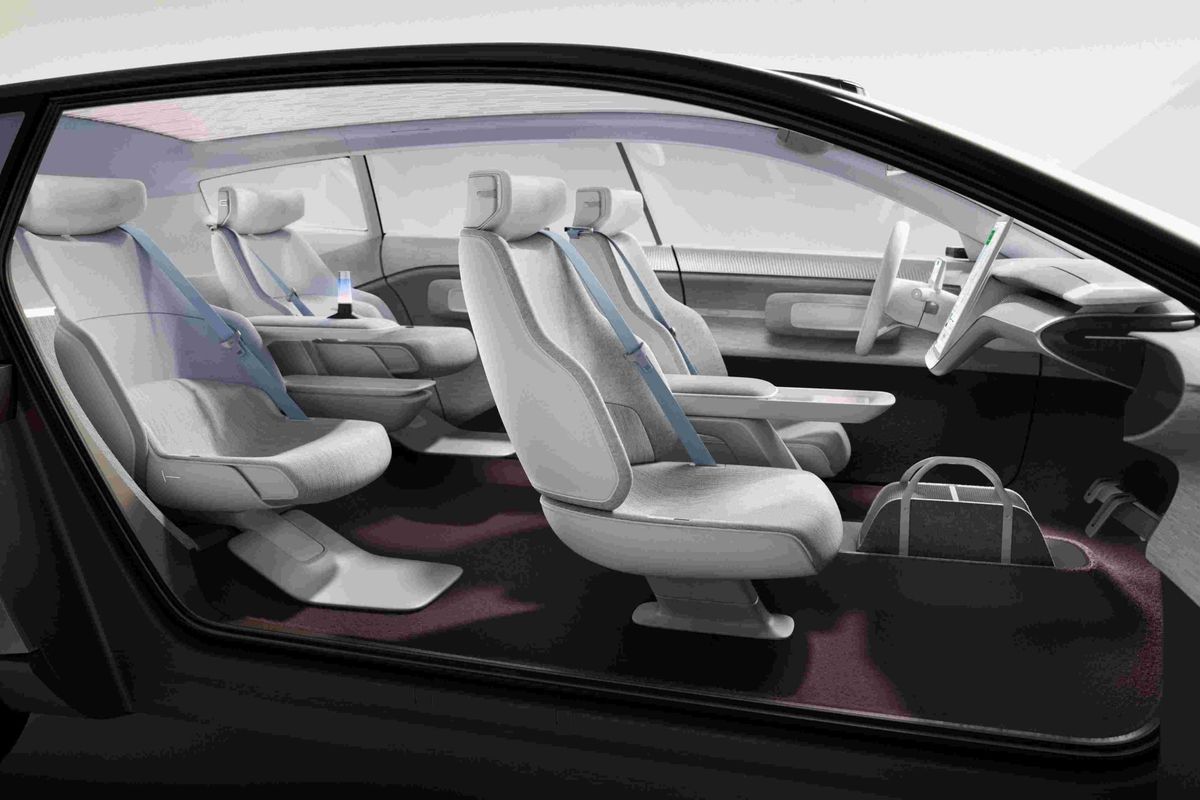
However, the Concept Recharge, which represents the next generation of electric cars from Volvo, presents a flat cabin floor. Without a combustion engine, the battery pack is placed underneath the floor and the wheelbase has been extended to provide greater interior space.
More space and better design for Concept Recharge
Volvo’s next generation of electric cars will maximise space and feature the latest infotainment and safety technology.
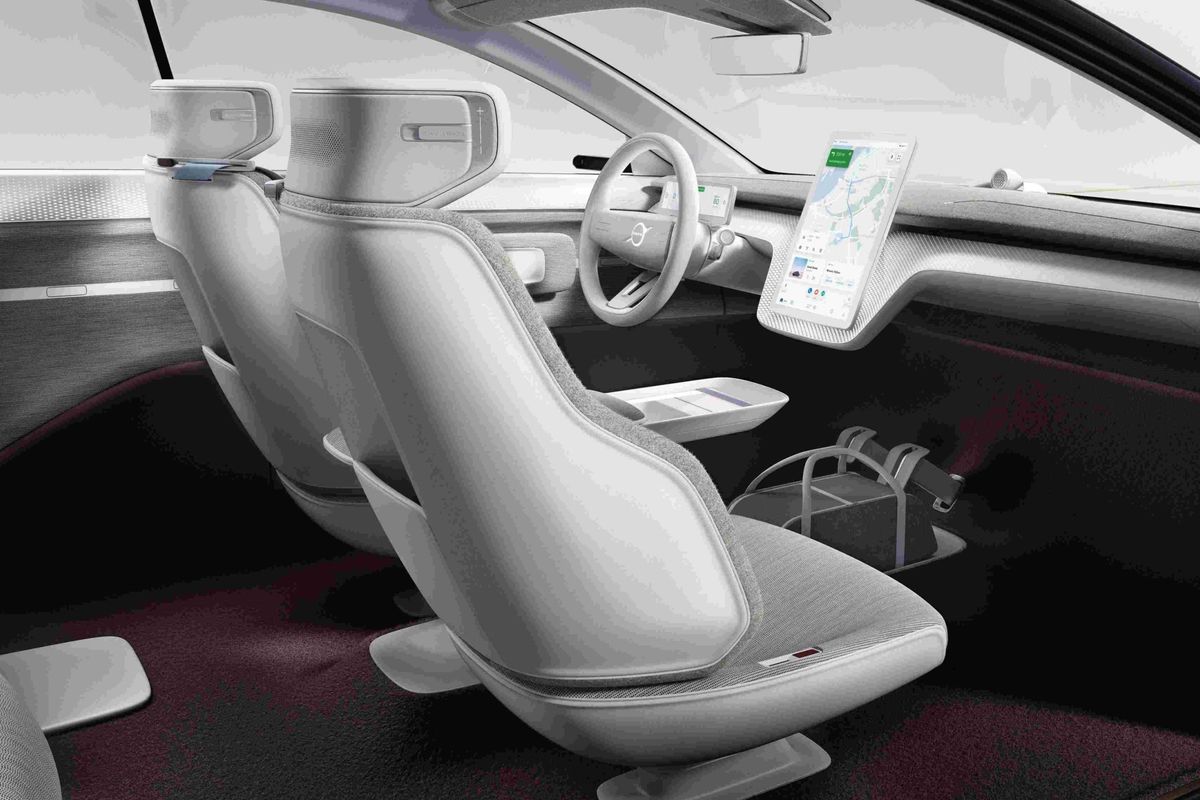
Without the limitations of a combustion engine, designers were able to optimise the seat design as well as refine the roof profile and lower the hood of the vehicle, which have led to improvements in aerodynamic efficiency.
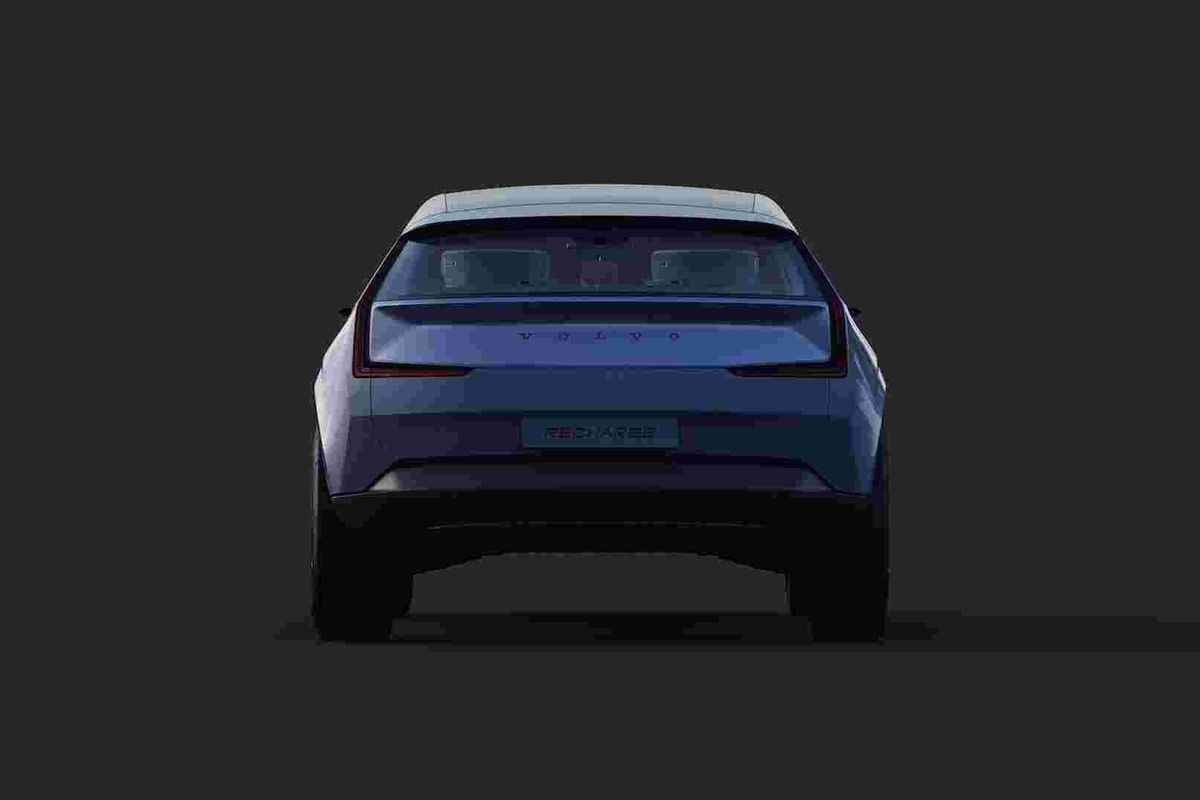
Stylistically speaking, the Concept Recharge follows the theme of ‘less but better’ with a clean design and with unnecessary elements removed. The Concept Recharge wears a shield-like front-end which is complemented with a new interpretation of Volvo’s familiar Thor’s Hammer headlight design and a vertical signature lighting at the rear.
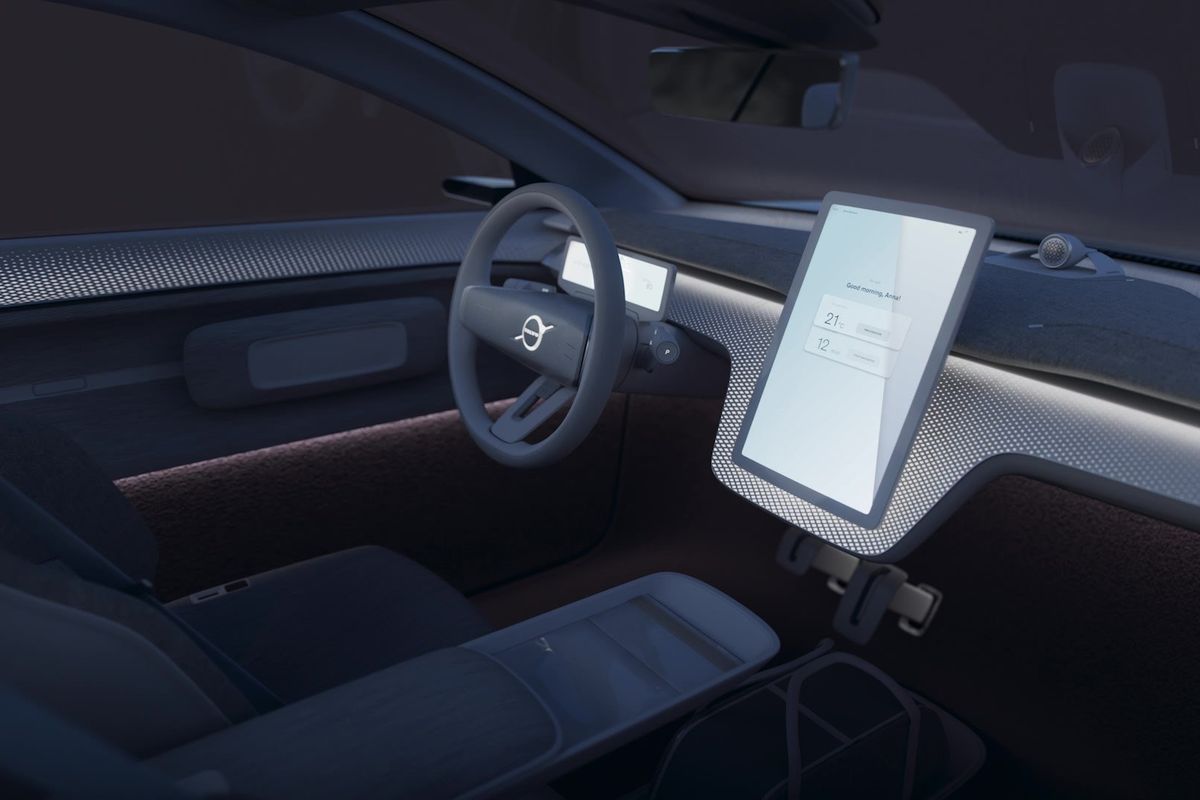
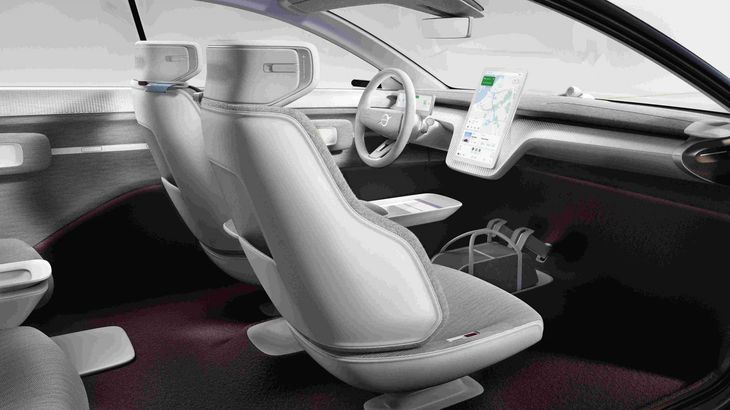
As for the interior, a large 15-inch standing touchscreen is fitted and shows what Volvo’s next-generation infotainment system could look like. The system will better integrate Android Auto in a more seamless manner while reducing the number of touches required to execute actions. Google has actually been part of the development of the new infotainment system so expect it to provide better phone and infotainment capabilities than ever.
“Inside the Concept Recharge, we create a truly Scandinavian living room feeling. The interior integrates our latest user experience technology with beautiful, sustainable and natural materials. Each part of the interior is like a piece of art and could stand alone as individual furniture in a room. We use the latest technologies but not for their own sake. We always focus on the benefits that technologies can bring” says Page.
Volvo is well known for producing some of the safest cars in the world and the firm plans to continue doing so with its forthcoming fleet of electric vehicles. Concept Recharge is equipped with a LiDAR sensor, developed by Luminar, which is placed on the roof of the vehicle which allows it to effectively scan the environment around the vehicle and process the data which is then used to deliver a seamless (and safe) autonomous driving experience. This system will work in tandem with radar and cameras in order to provide much better vision and move towards that autonomous future widely talked about.
In conclusion, Page commented, “With the Concept Recharge we continue the rich roots of Volvo’s design DNA in a modern and fresh way as we move into our all-electric future. It represents everything we believe customers expect from a pure electric Volvo and we’re excited to take this philosophy into our next generation of cars.”
Porsche Taycan RWD Review – Will this car make you want to go electric?
Porsche’s Taycan all-electric sportscar is targeting early adopters of electric cars. Will electric cars take off in SA soon? We break down the Taycan RWD and answer some of the questions that electric cars pose in South Africa.
Looking for a used Porsche for sale in South Africa? We have over 260 to choose from!
South African motorists’ choice of fully electric vehicles continues to grow and become more affordable with this, the new bottom-of-the-range Porsche Taycan RWD. However, unfortunately, “affordable” here is a very relative term. At just over R2.2million, the new Taycan is nearly half the price of the top-of-the-range Taycan Turbo S, and so it does represent a significantly more “affordable” way of parking an electric Porsche on your driveway.
But why is it so much cheaper? Our video guy, Ciro De Siena was on leave and so we sent our in-house race-ace, Ashley Oldfield, to find out.
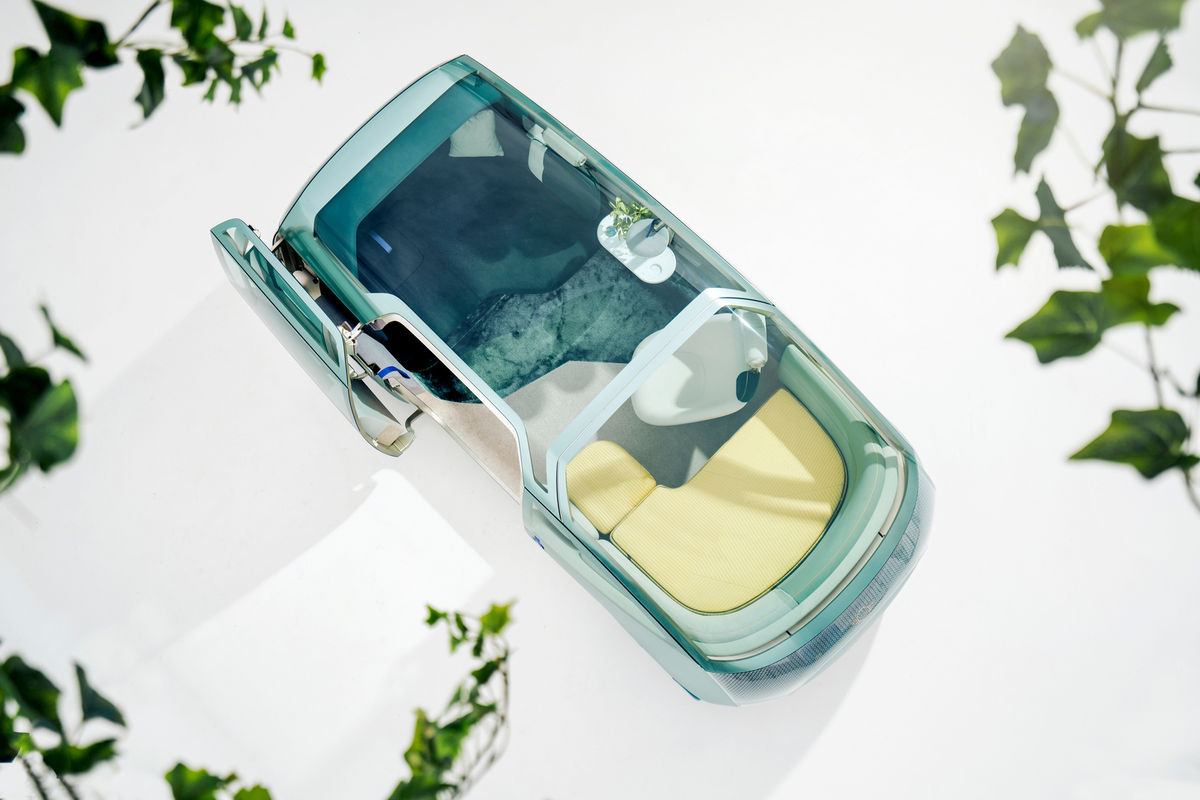
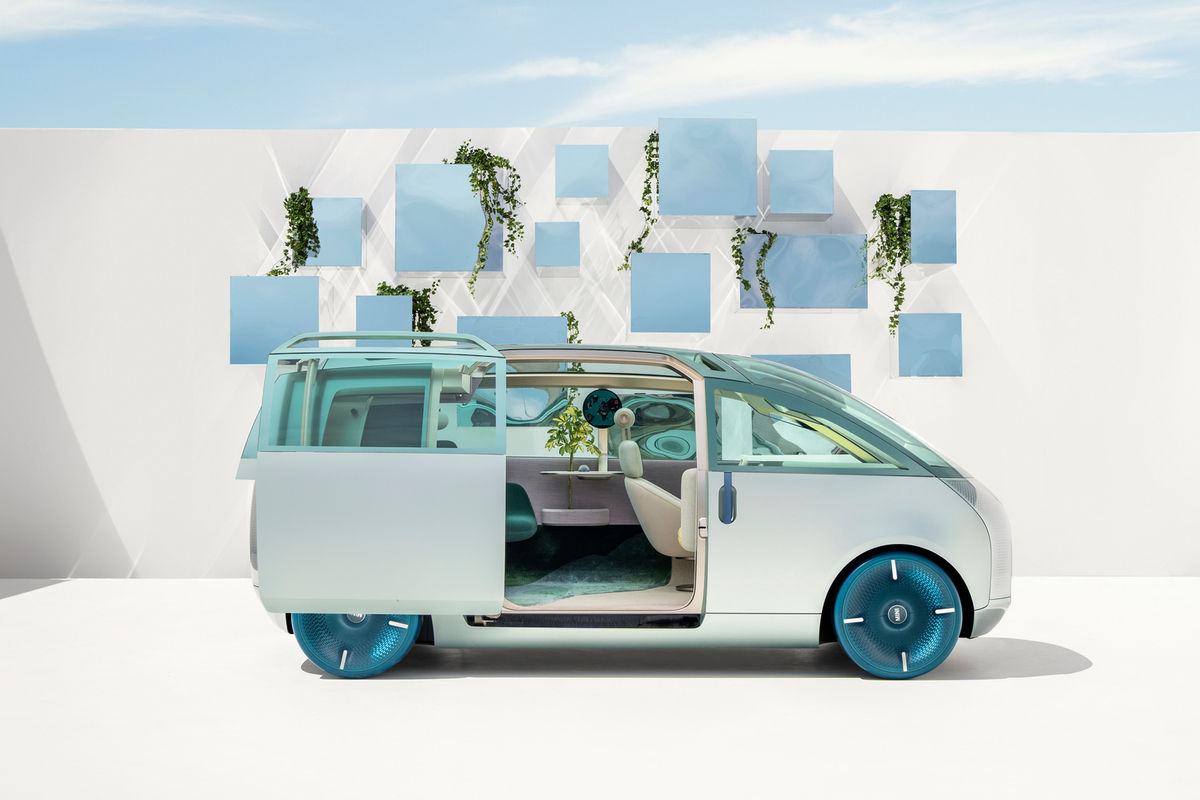
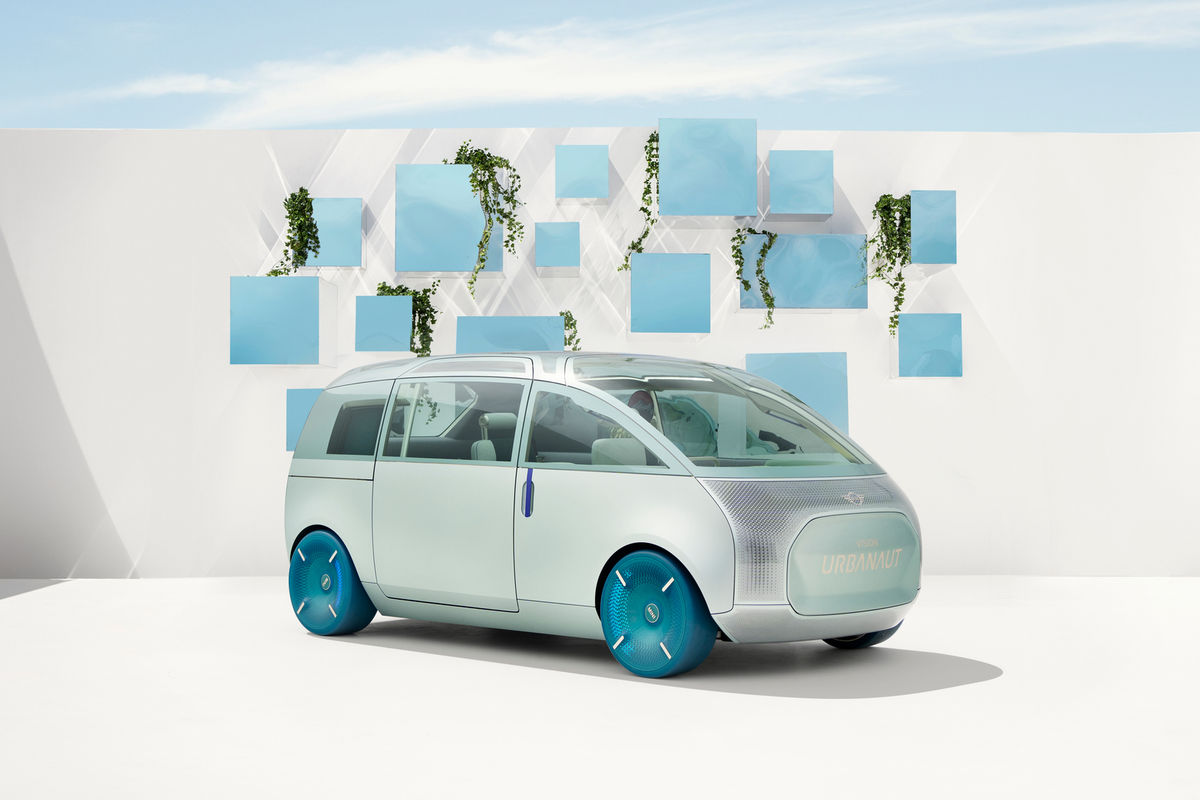
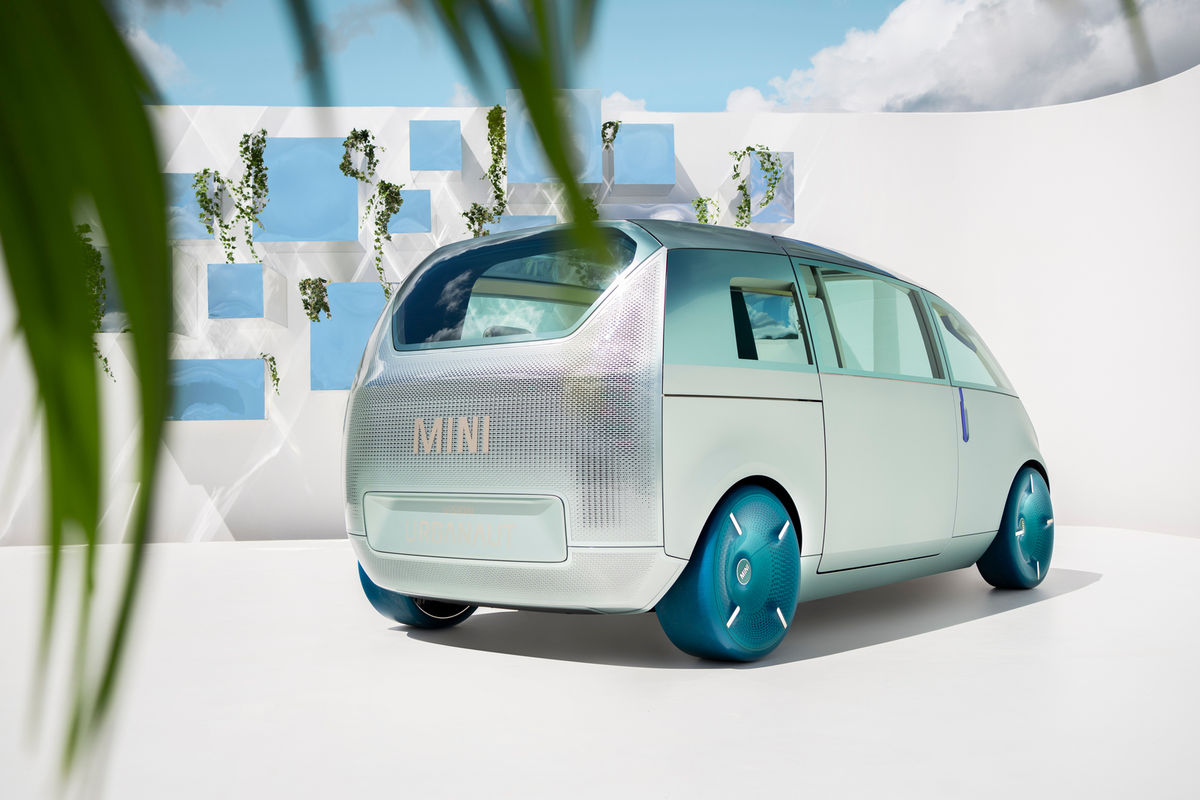
The Mini Urbanaut is not really a Countryman JCW, now is it?
Despite some strange products, such as the Roadster JCW, Mini is a brand that has a legacy of practical family transport.
Although BMW has spent a fortune reinventing Mini and making it into an A-Class and VW Golf/Polo rival, there is a timelessness about the brand. People have a very high tolerance for quirkiness from Mini, and the company’s latest concept is a play on that.
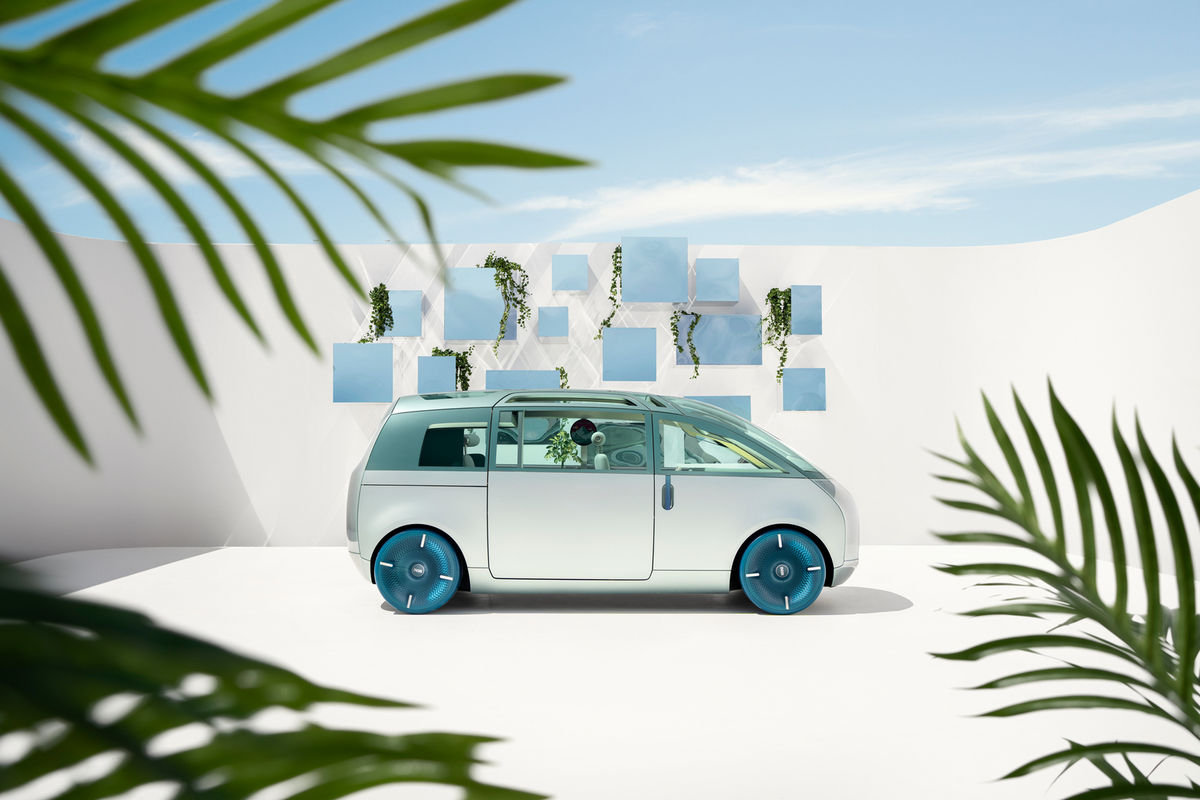
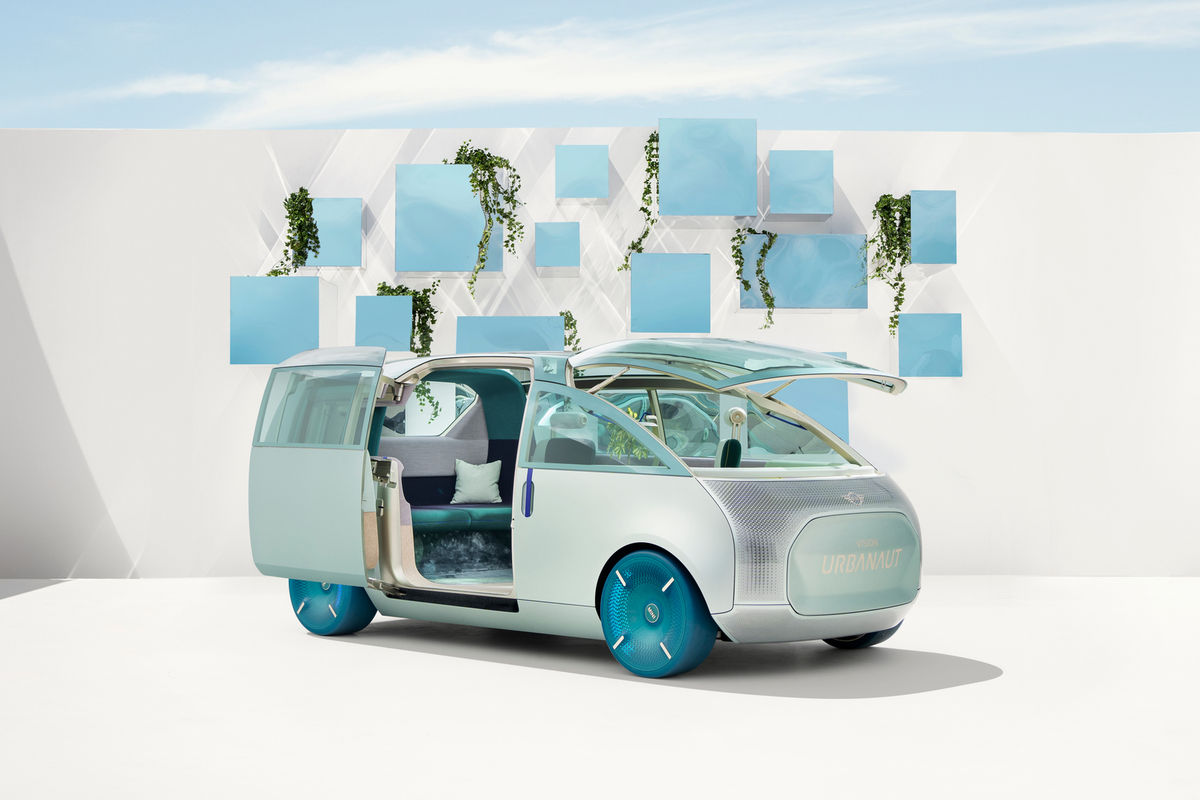
It is called the Urbanaut and what was merely a digital rendering last year, has now transformed into a driveable vehicle. The Urbanaut configuration is decidedly MPV, instead of crossover, which is a clear indication of its purpose as a sustainable people mover.
At 4.46m, this Urbanaut is longer than any current production Mini – even the Countryman. There are no powertrain details yet, but as you would expect from any new vehicle concept, this Urbanaut is battery-powered.
The pod-like exterior proportions are telling. Mini has designed the Urbanaut to be a terrifically comfortable vehicle, adaptable to mood and socializing.
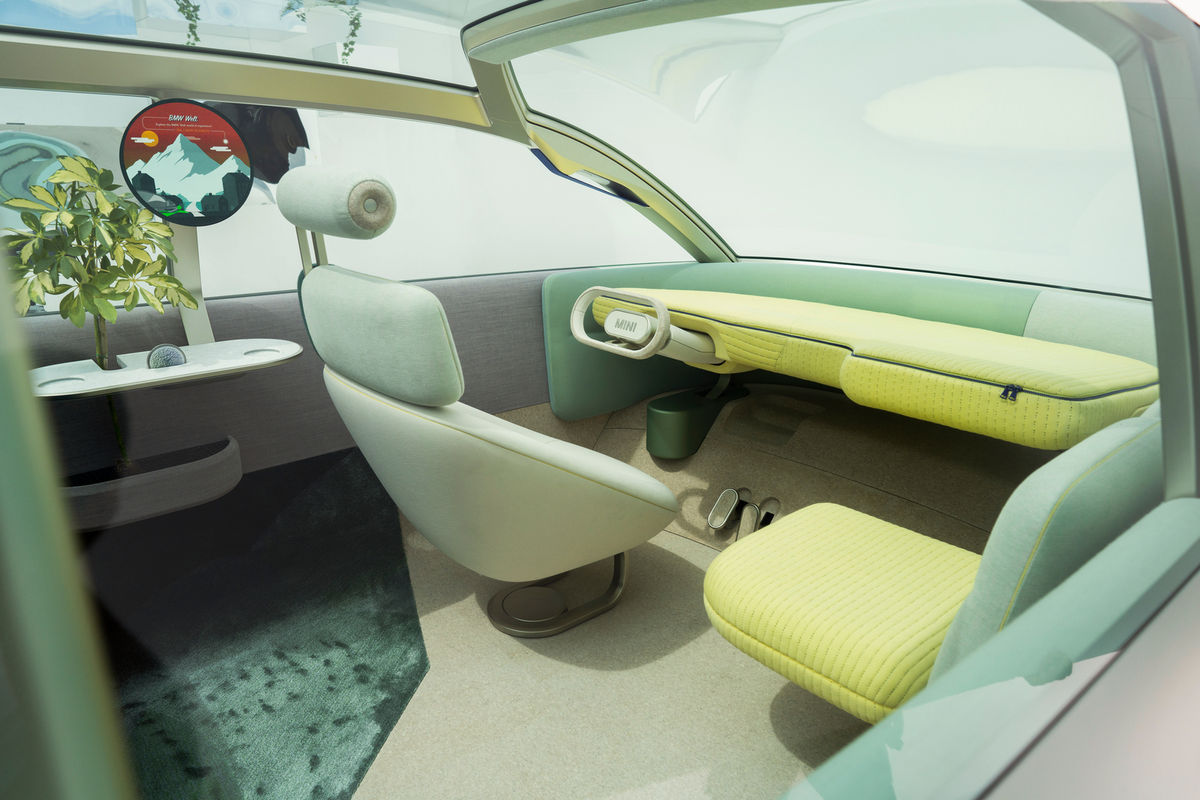
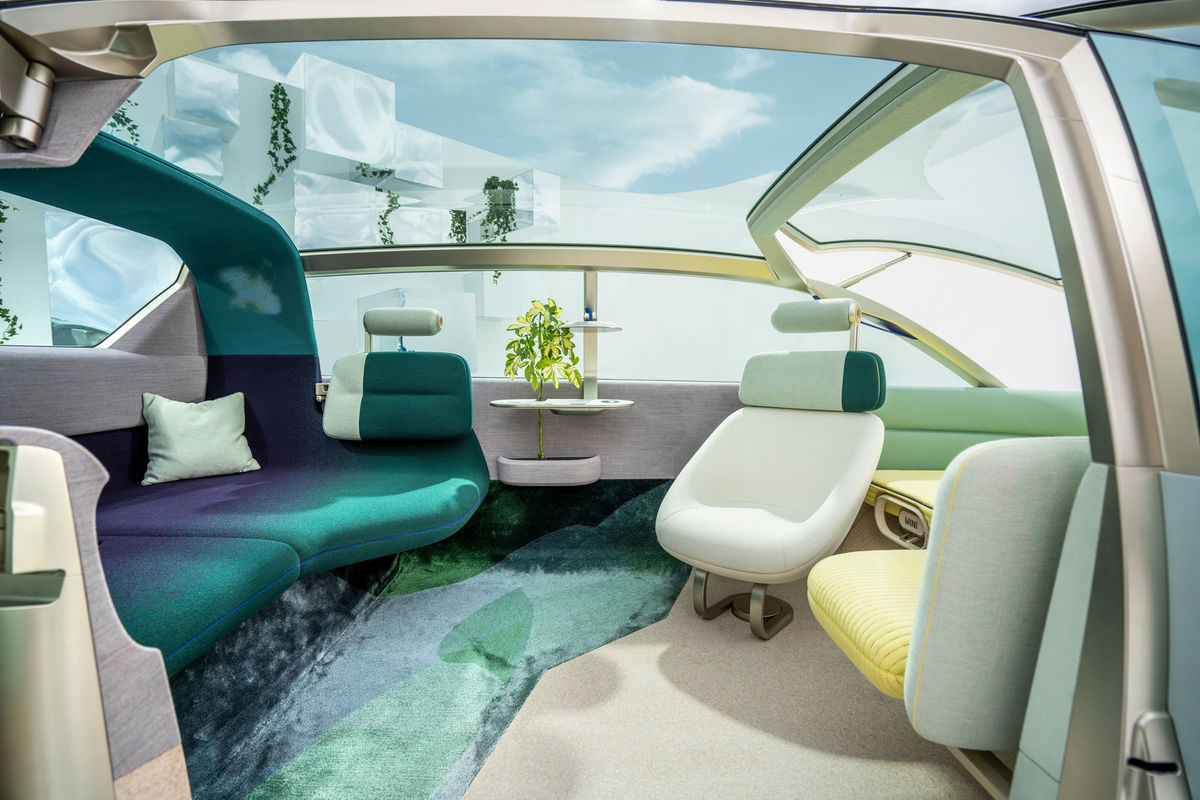
Urbanaut’s cabin architecture is more pleasant than most boutique apartments and uses a majority of recycled and sustainable materials: such as wool and polyester. Minimalism is the interior theme and there is no longer any leather or chrome, present in the cabin.
The interior can be transformed into three different modes. In Chill configuration, it has a lounge-style set-up. This is ideal for relaxing near a lake, the seaside, or when you feel like that impromptu yoga session, in the car, whilst travelling through the Karoo.
Urbanaut’s Wanderlust cabin setting is for driving, with more conventional seating positions and then there is Vibe, which folds the windscreen and projects a graphic display onto the wheels. Yes, your Urbanaut can be used as a mobile entertainment venue.
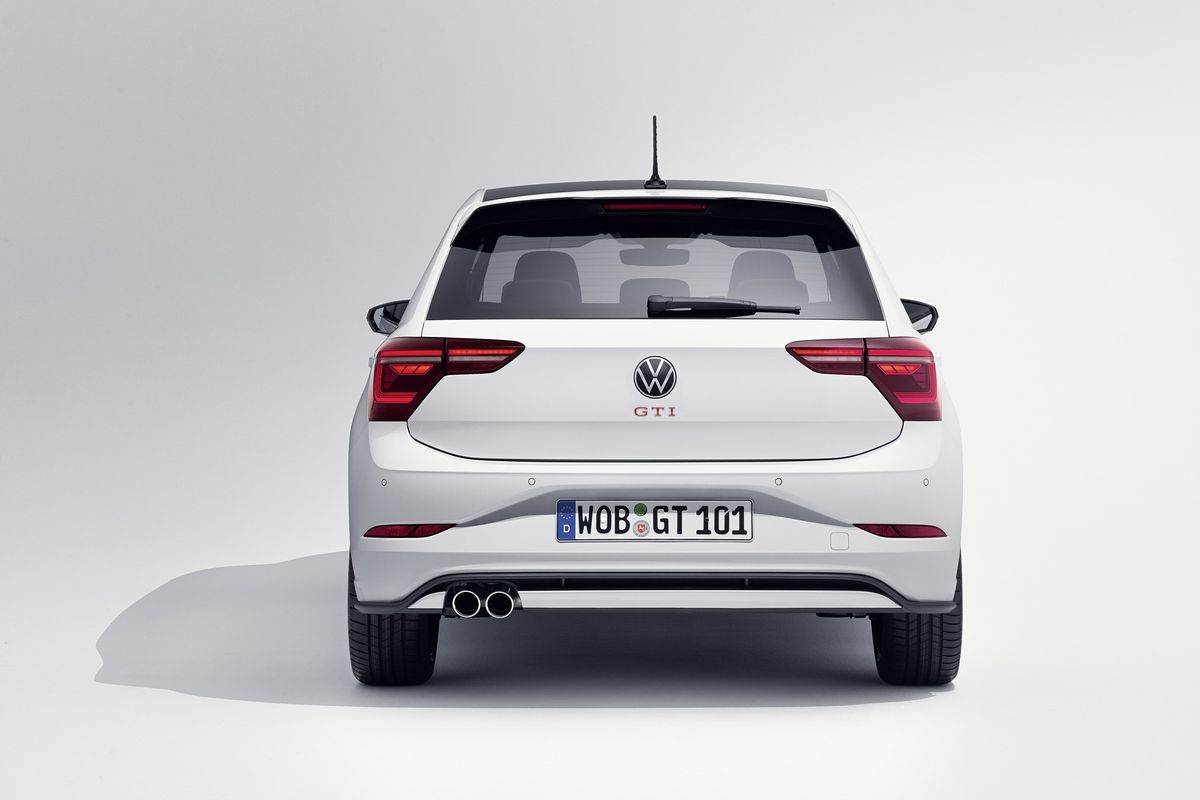
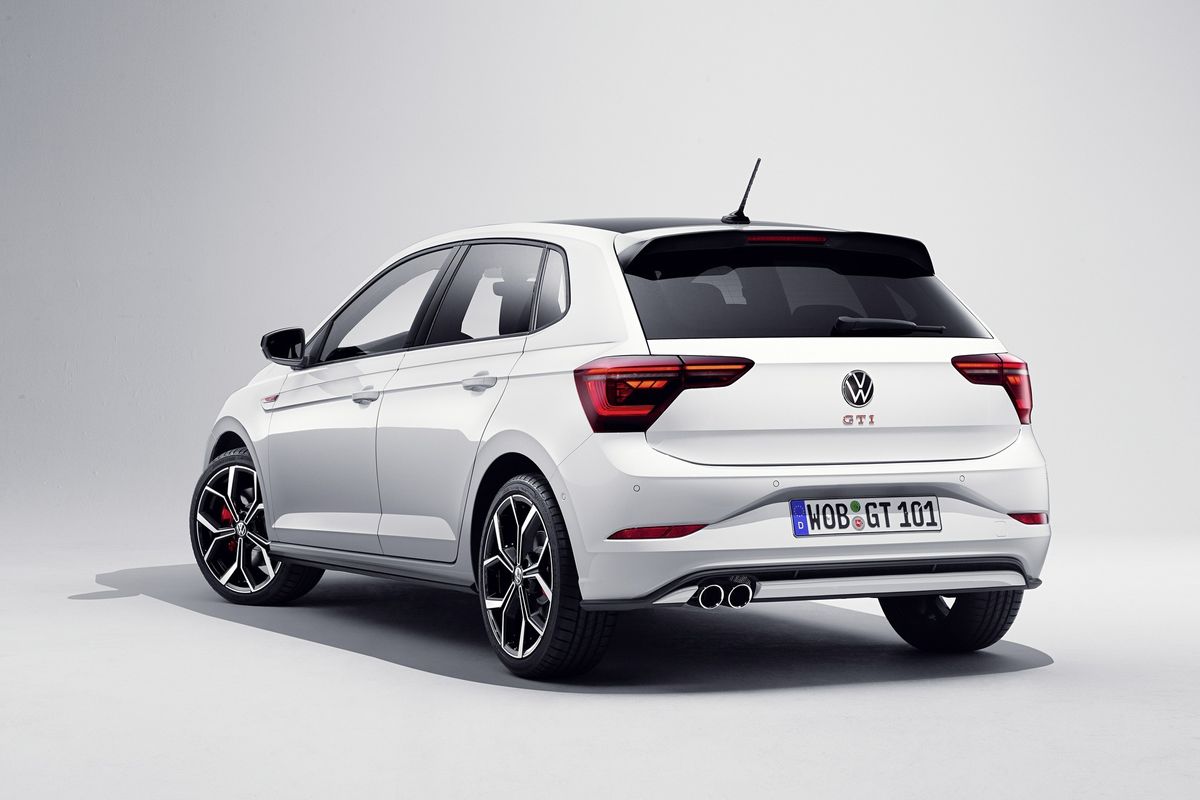
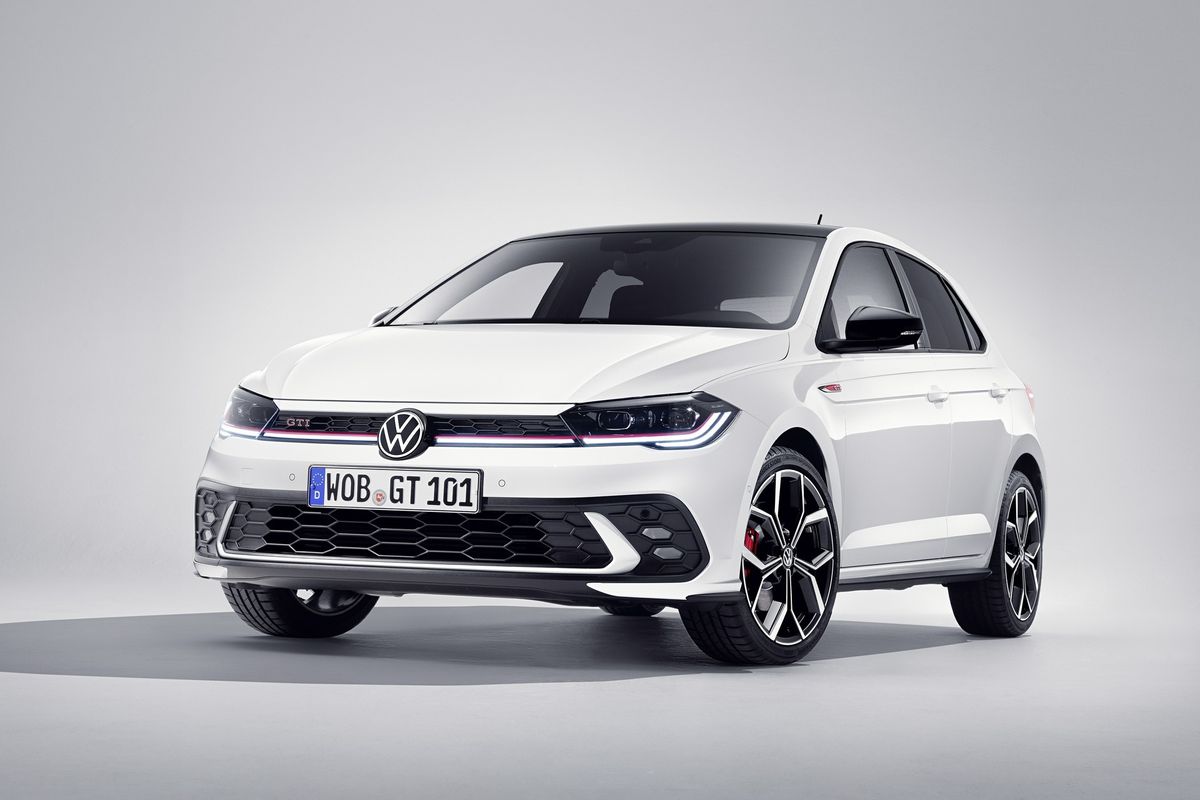
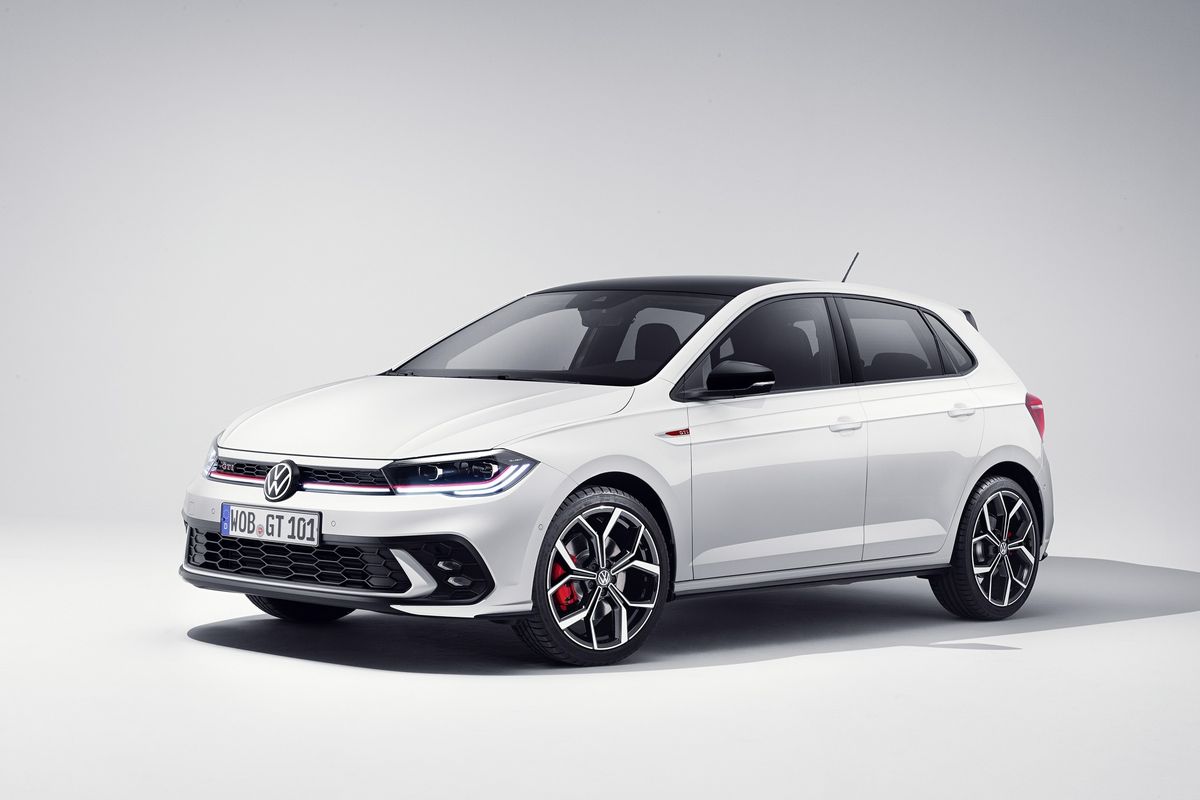
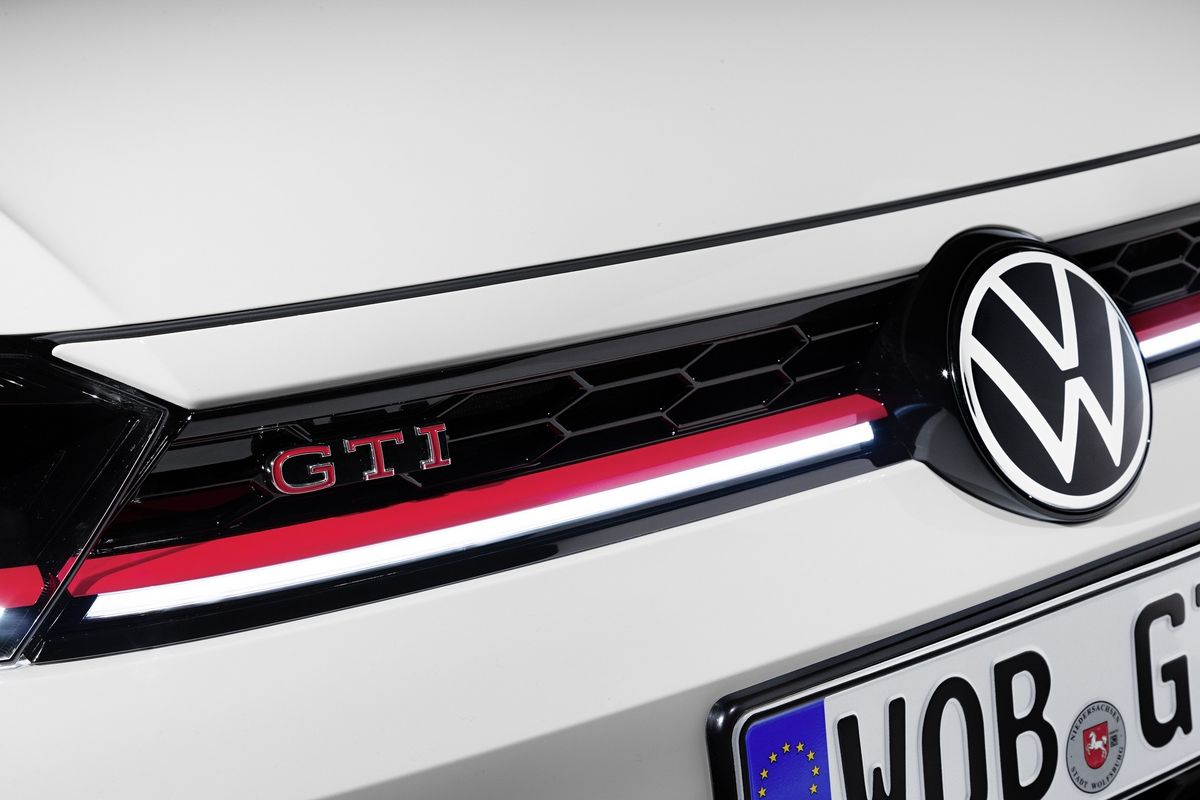
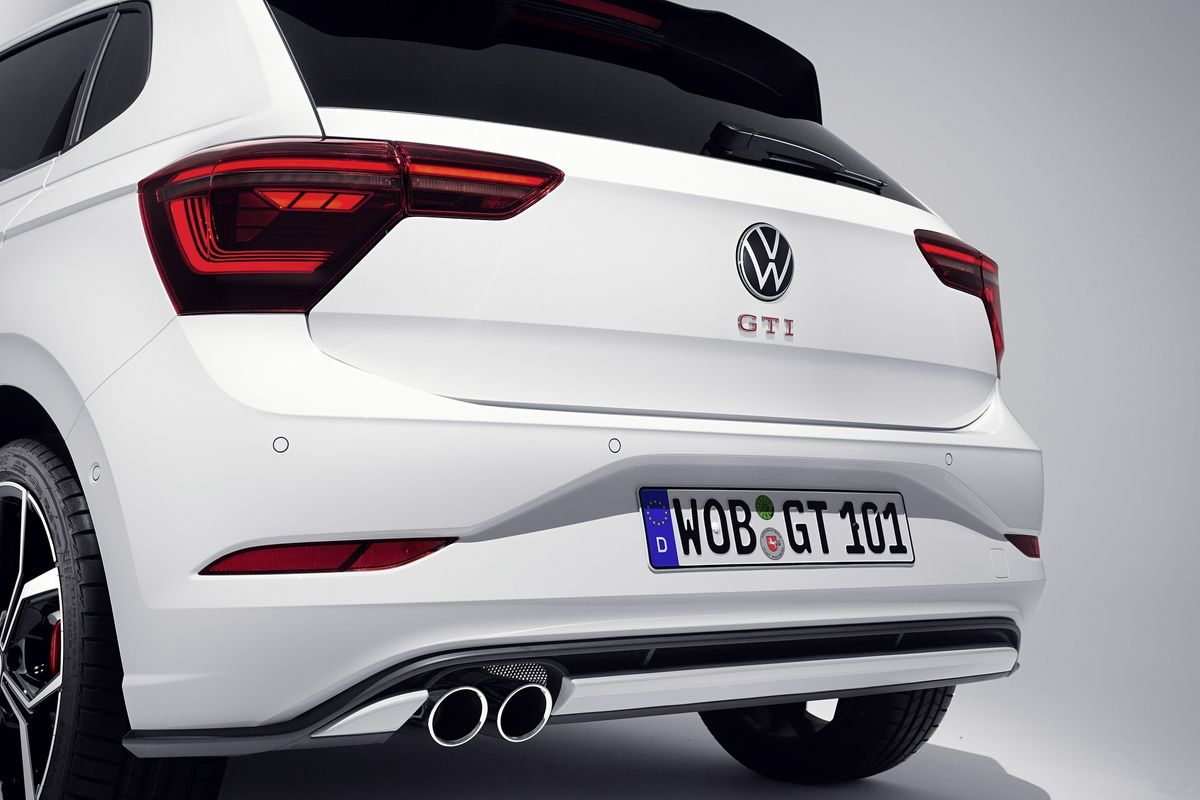
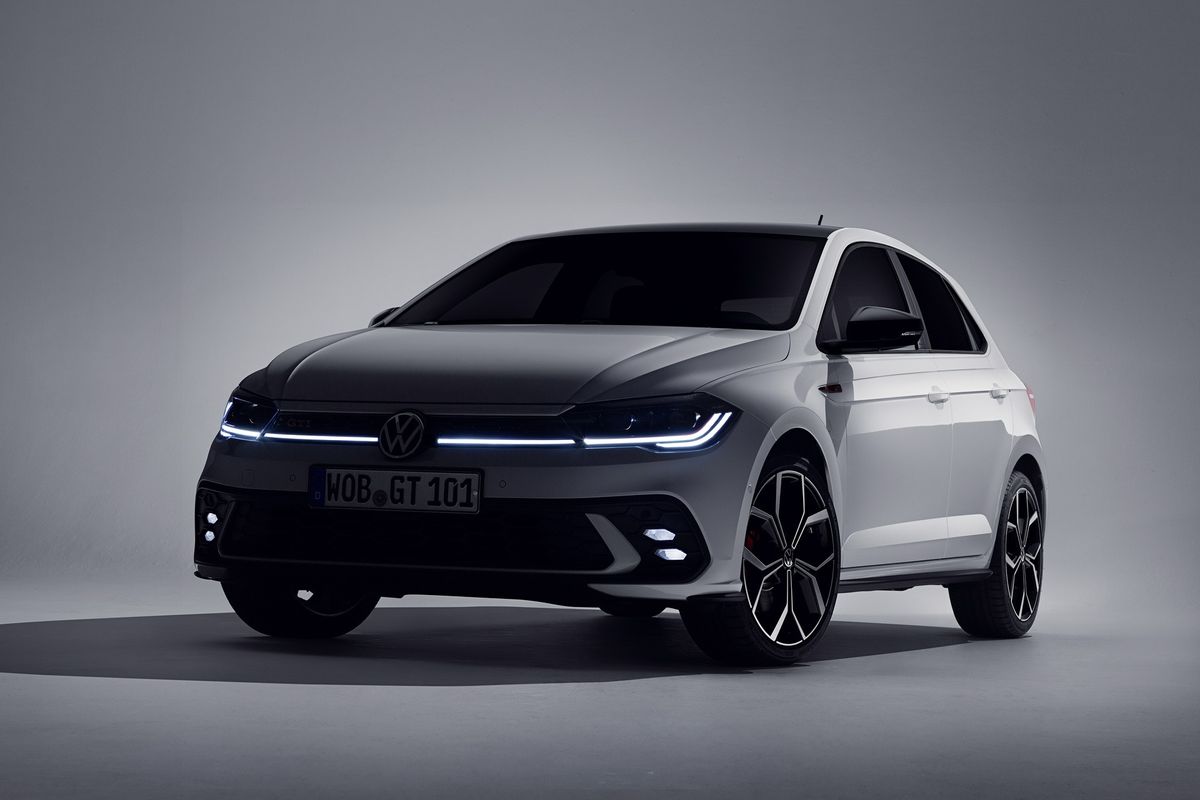
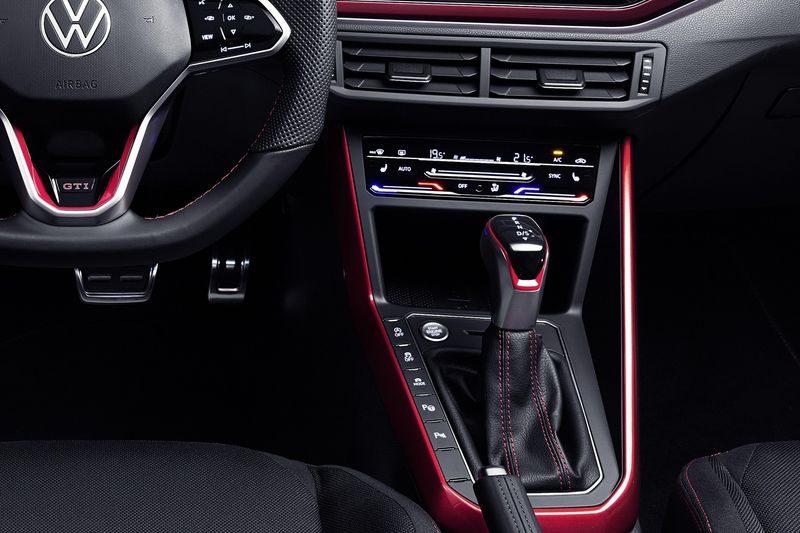
After a teaser sketch and recent spy shots, the updated 2021 Volkswagen Polo GTI has been revealed. Here’s a look at the changes, updates and when it’s coming to South African showrooms.
The updated Volkswagen Polo range which was revealed earlier in 2021 has gained its performance flagship. This is the 2021 Volkswagen Polo GTI and it features extensive changes inside and out, including a number of firsts for the range.
Of course, being a GTI everyone will want to know what’s under the bonnet. The good news is the rumour of more power has turned out to be true, with the 2.0-litre 4-cylinder turbo petrol engine upgraded to punch out 152 kW and 320 Nm. Interestingly Volkswagen says the additional power doesn’t improve the performance, with the claimed 0-100 kph of 6.5 seconds and top speed of 240 kph remaining the same as before.
The 2021 Volkswagen Polo GTI gets a lowered suspension, electronic differential and VW has introduced the optional Sport Select suspension which features adaptive dampers that work in conjunction with drive select profiles. As far as transmissions are concerned, the GTI features a 7-speed DSG.
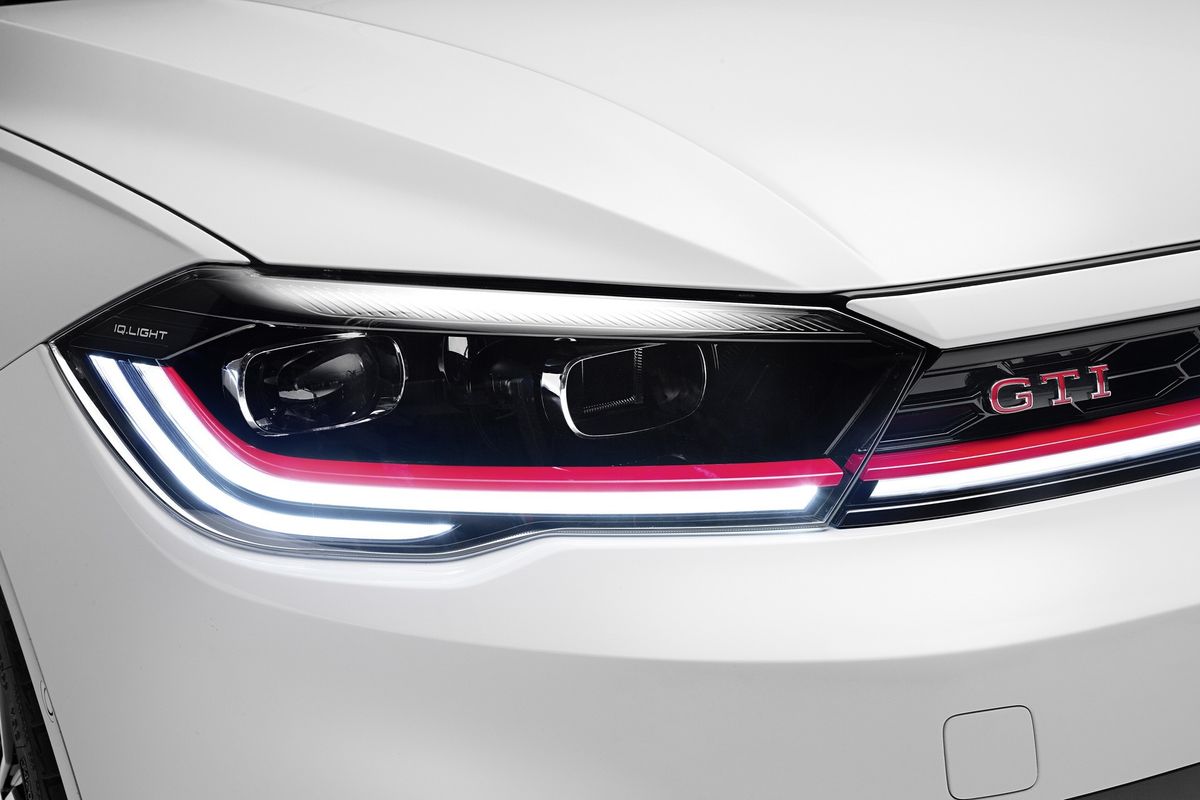
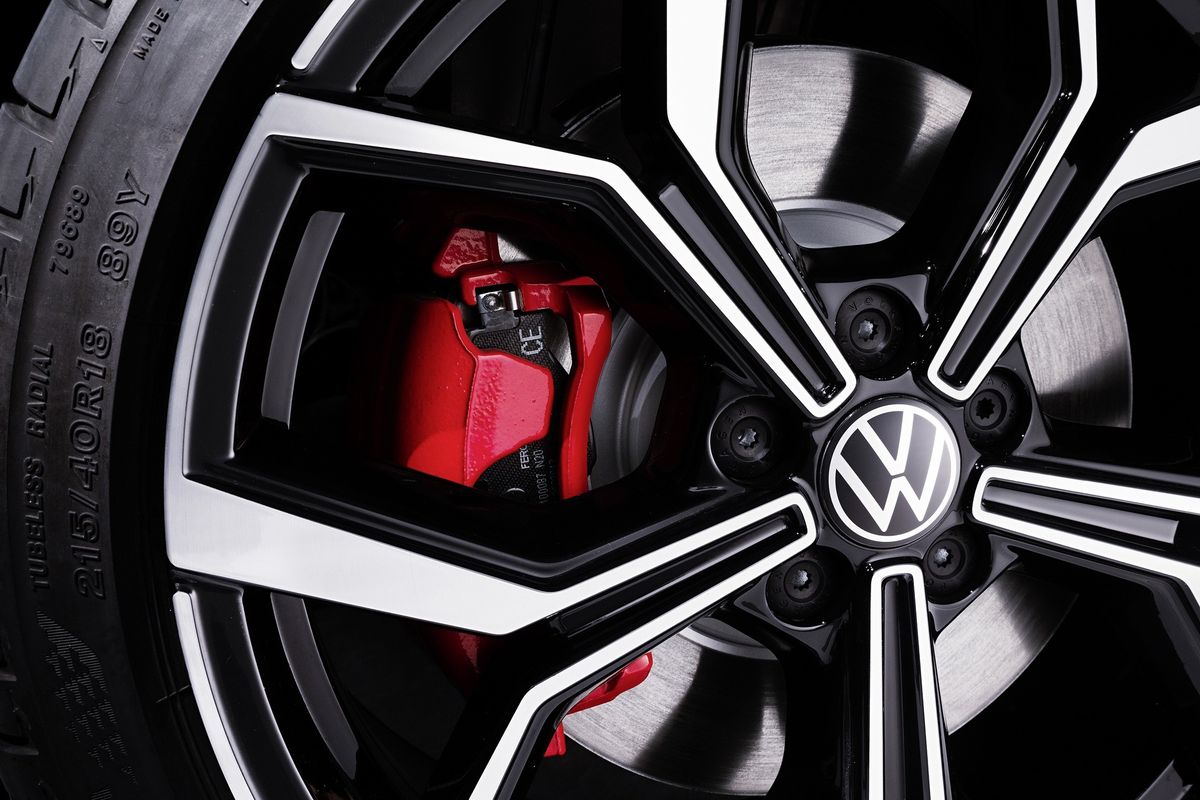
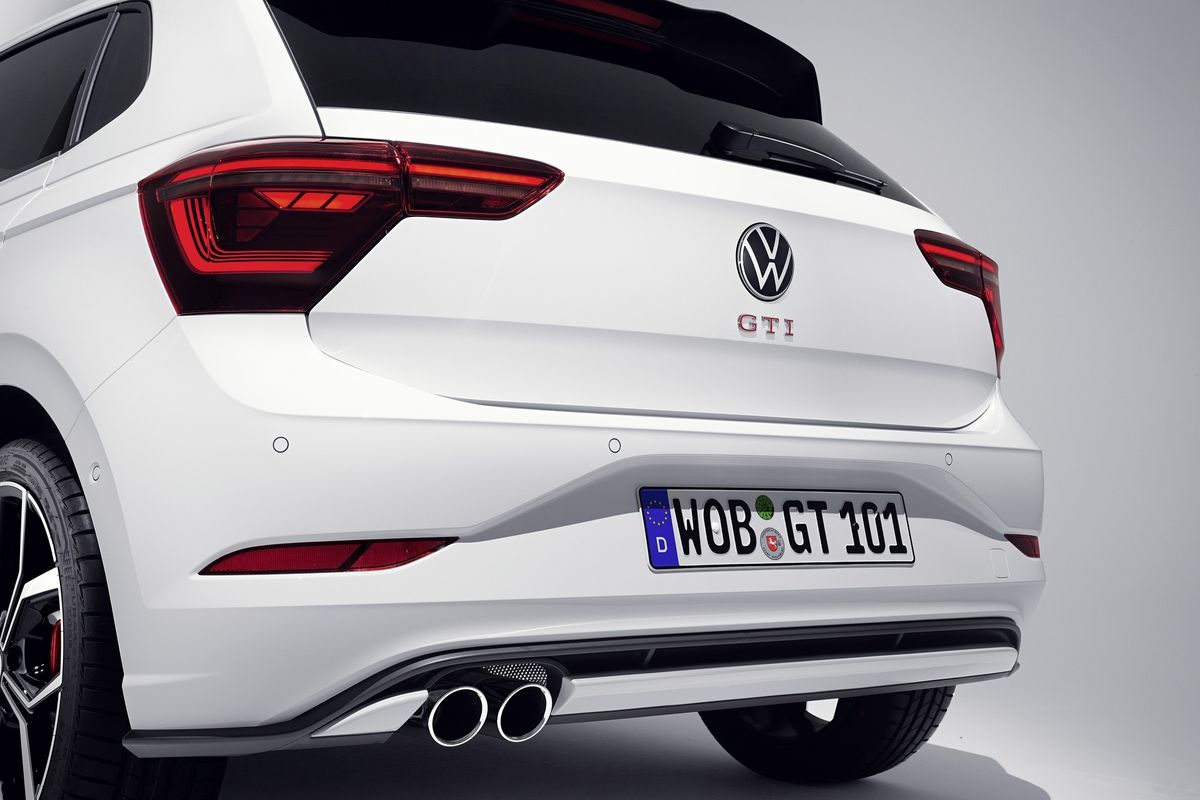
Visually, the 2021 Volkswagen Polo GTI features some updates that bring it in line with the rest of the latest Volkswagen products. There are new IQ Light LED headlights at the front, LED rear tail lights, an illuminated front grille, red trim on the bumper and GTI badges on the nose and rear. For the first time, Volkswagen has introduced dynamic turn signals.
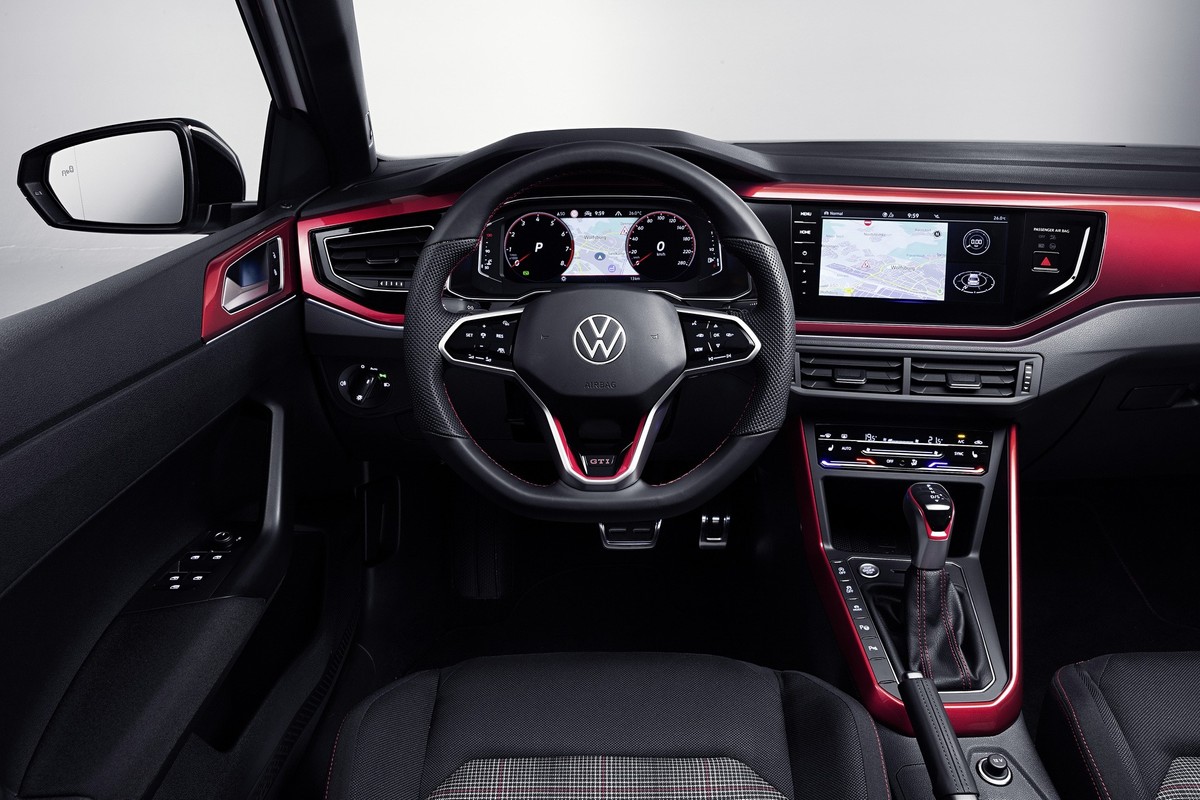
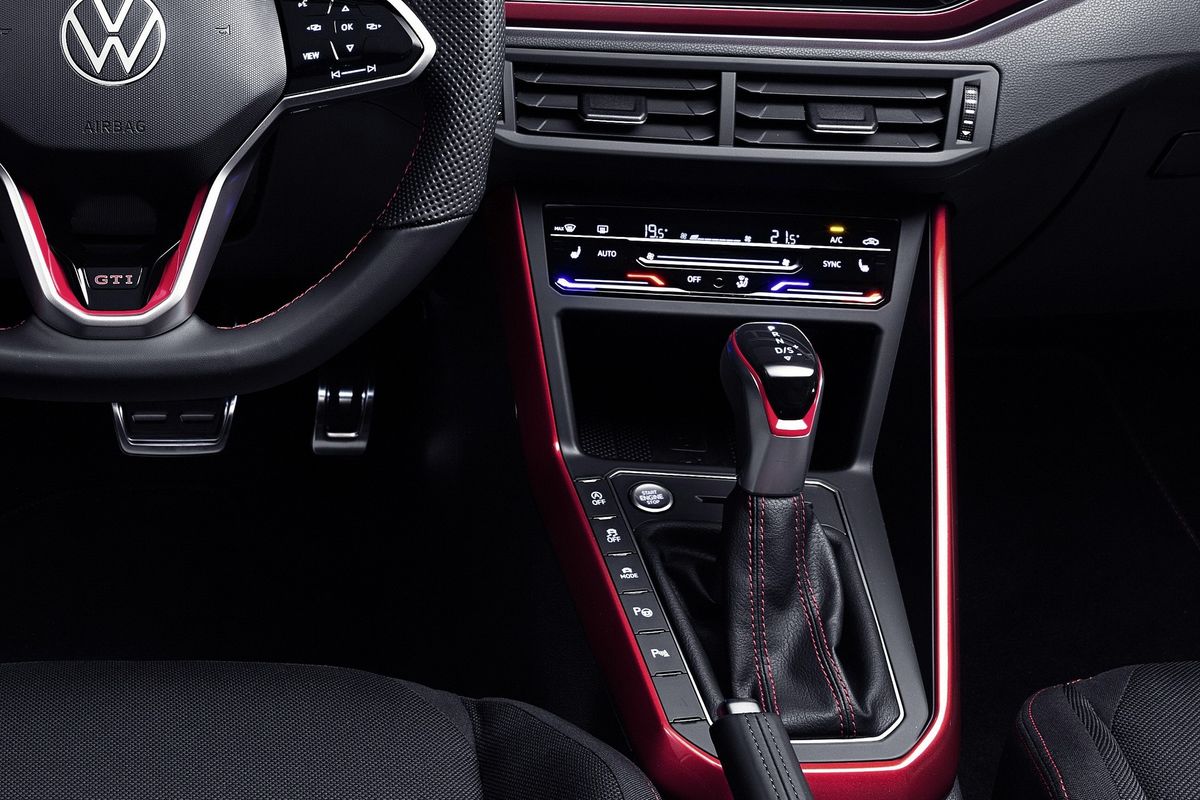
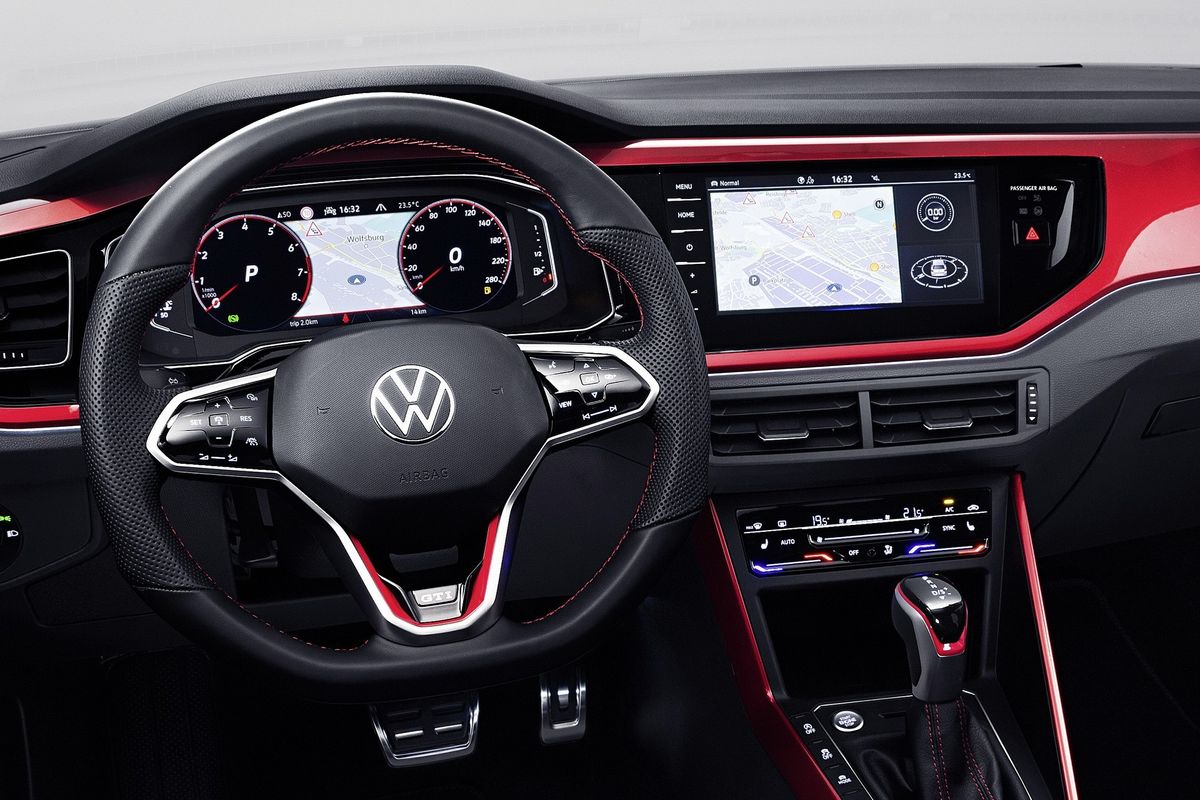
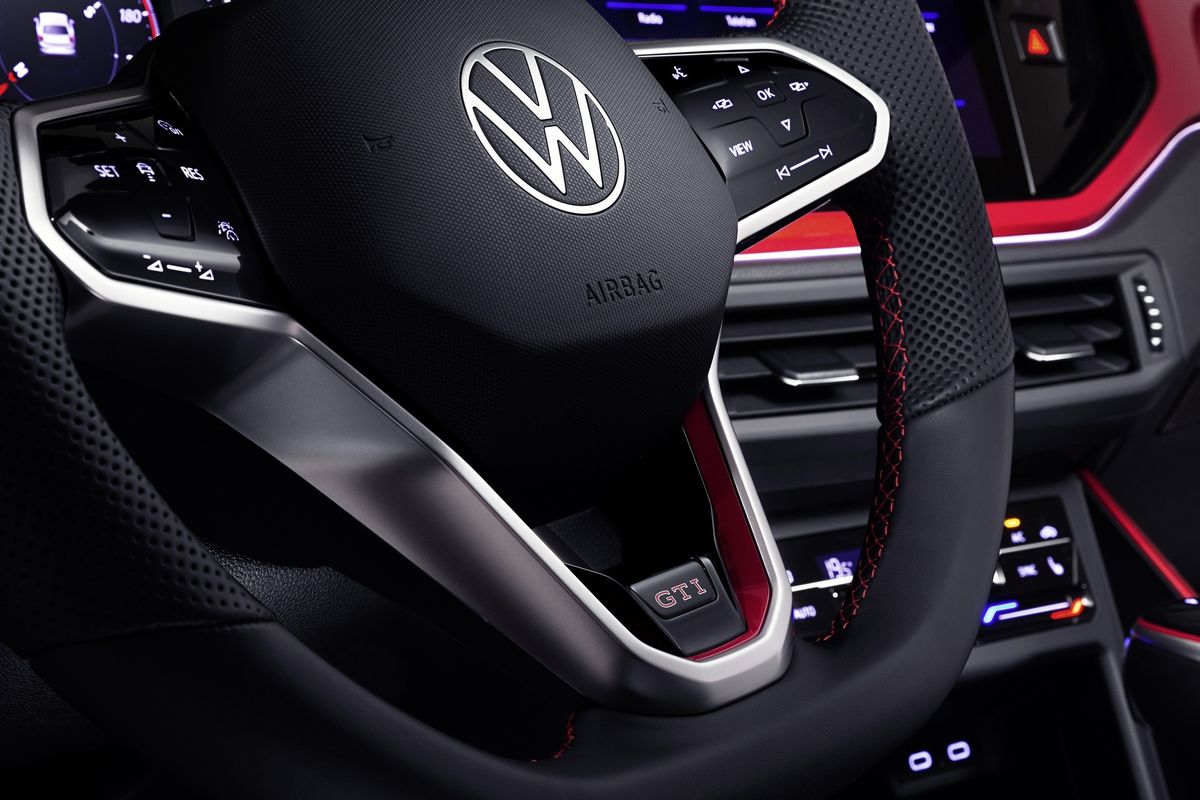
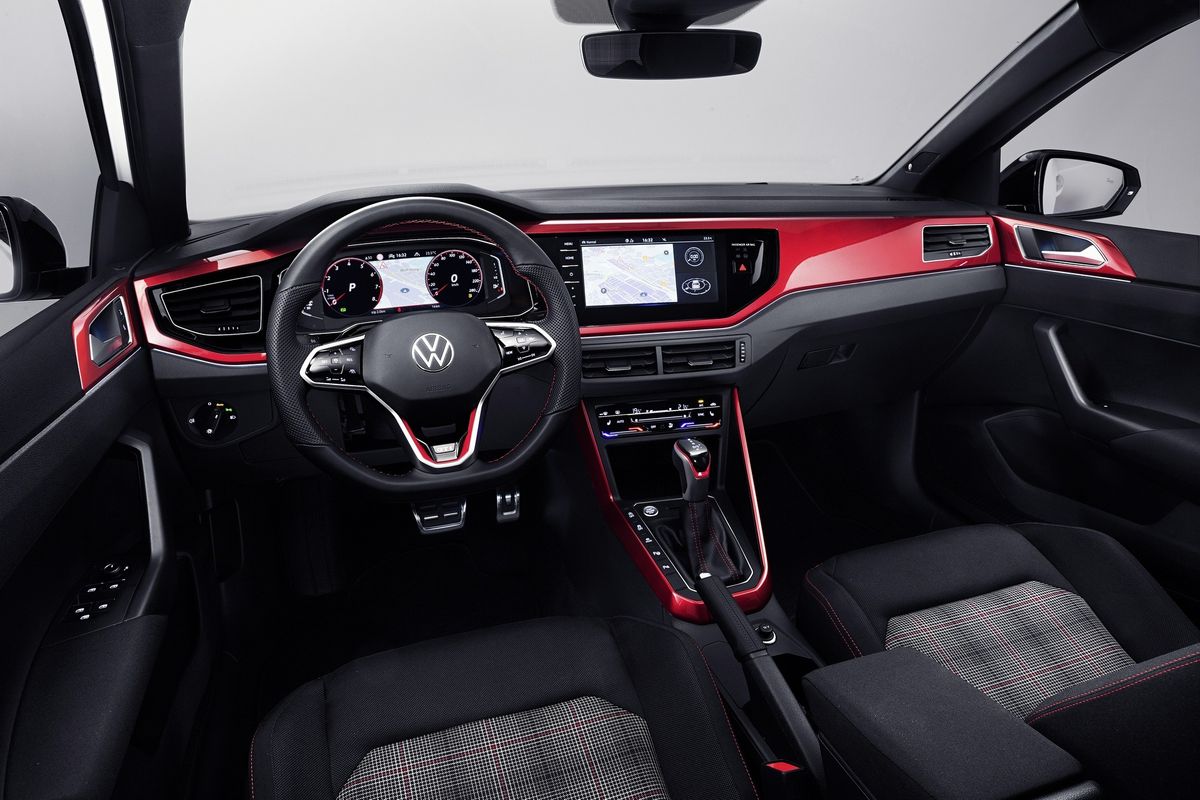
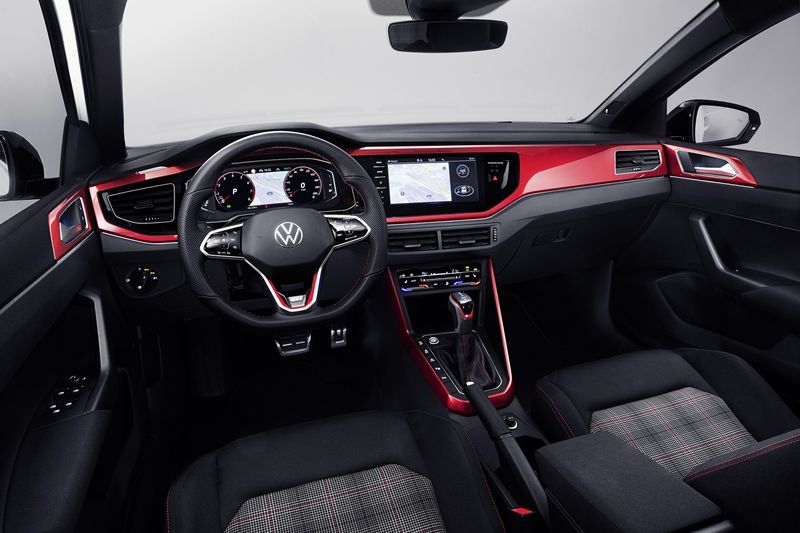
Inside, the updated Polo GTI gets a new look dashboard trim and sees the introduction of the new 8-inch infotainment system. International customers can go for the 9.2-inch Discover Pro which has additional content. Making its debut in the Polo GTI is semi-autonomous driving tech which VW calls IQ.Drive. This tech ranges from adaptive cruise control, auto emergency braking, lane keeping assist and so on. It’s too soon to say what the SA-spec cars will feature.
When will the 2021 Volkswagen Polo GTI come to SA?
Good news as not only is the 2021 Volkswagen Polo GTI confirmed for our market, but the VW facility in Kariega (formerly Uitenhage) will continue to manufacture the entire Polo range including the GTI for local and export. As far as local sales go, Volkswagen SA has said the updated Polo GTI will hit showrooms in the first quarter of 2022.
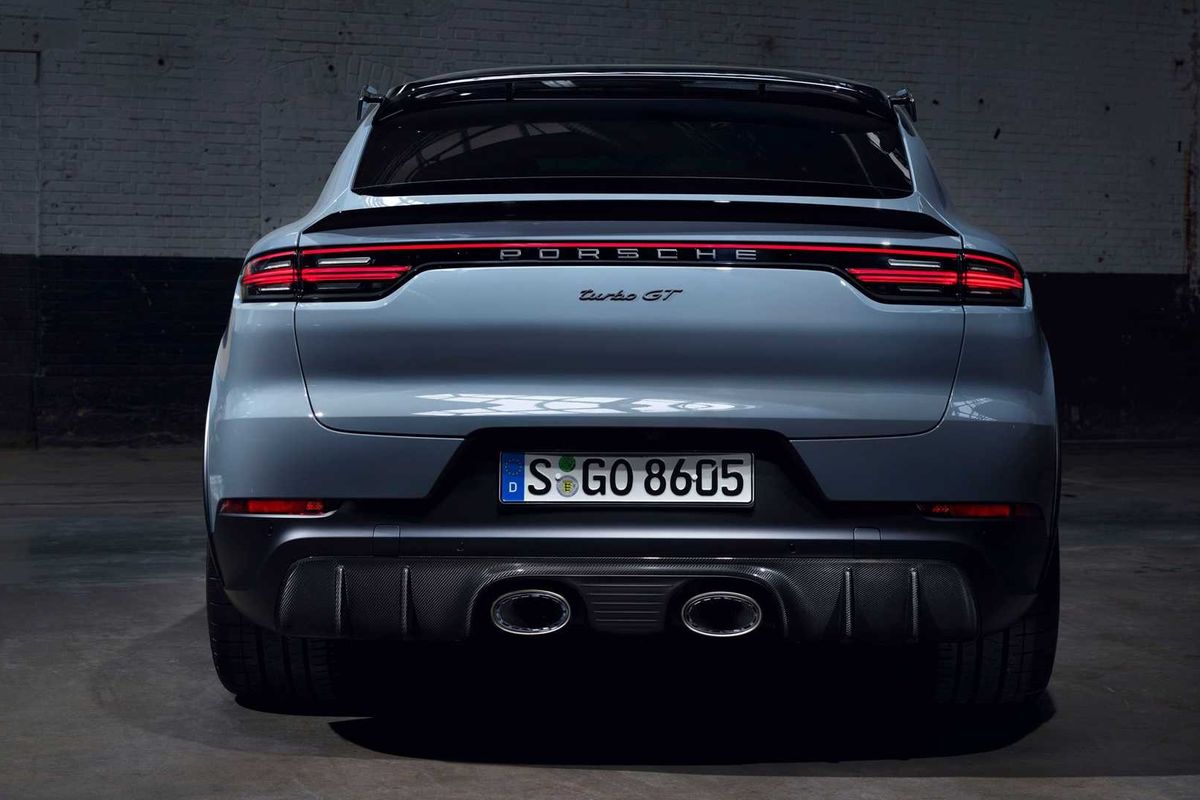
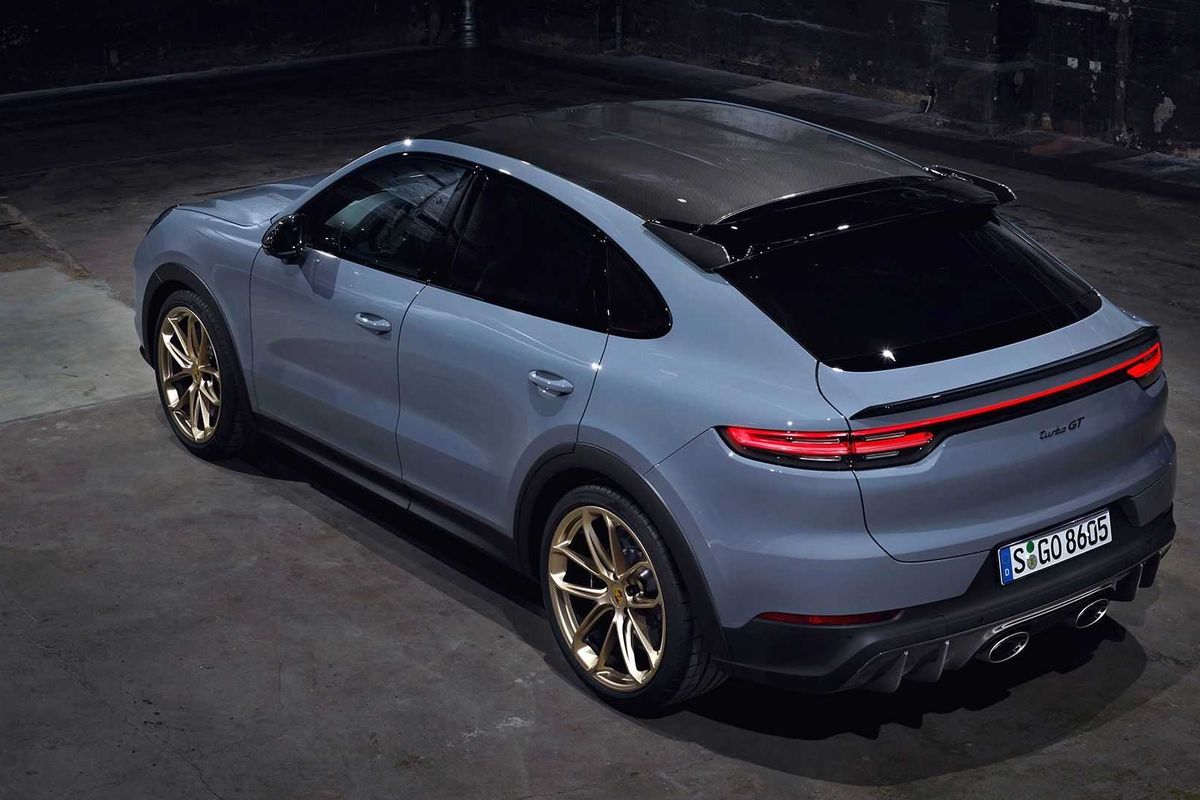
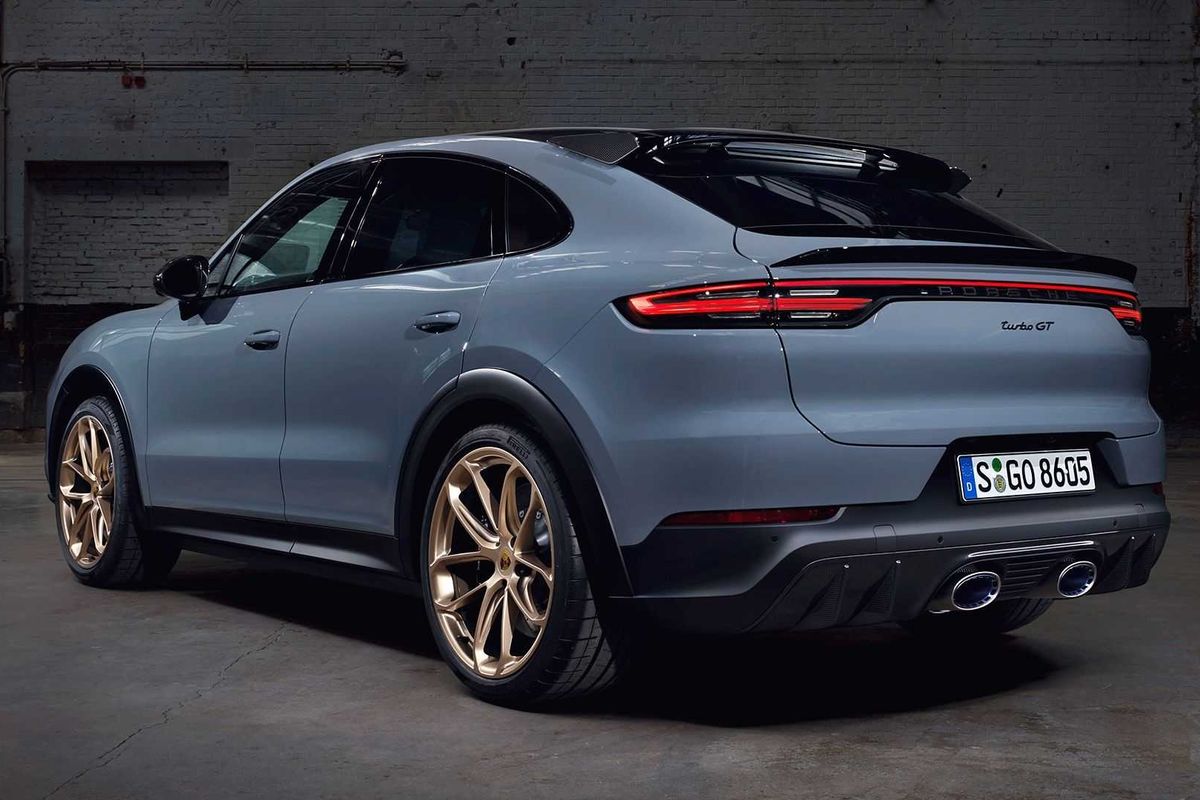
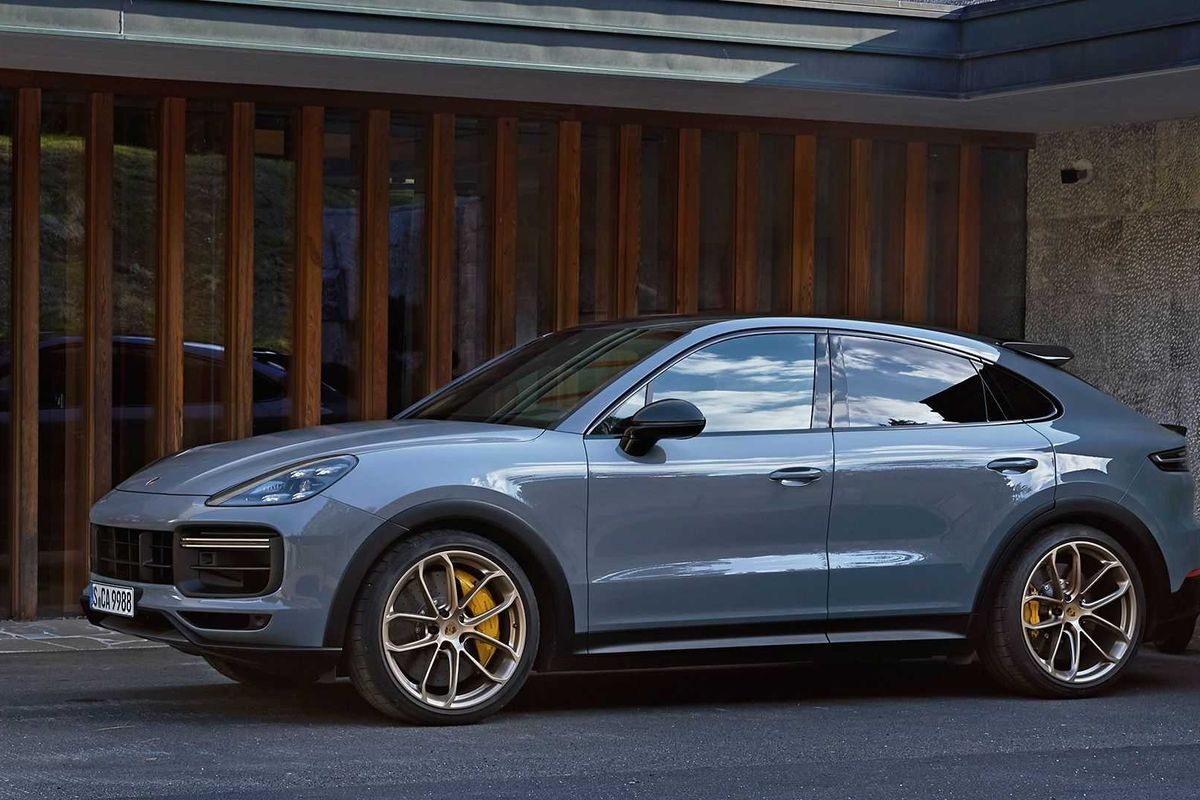
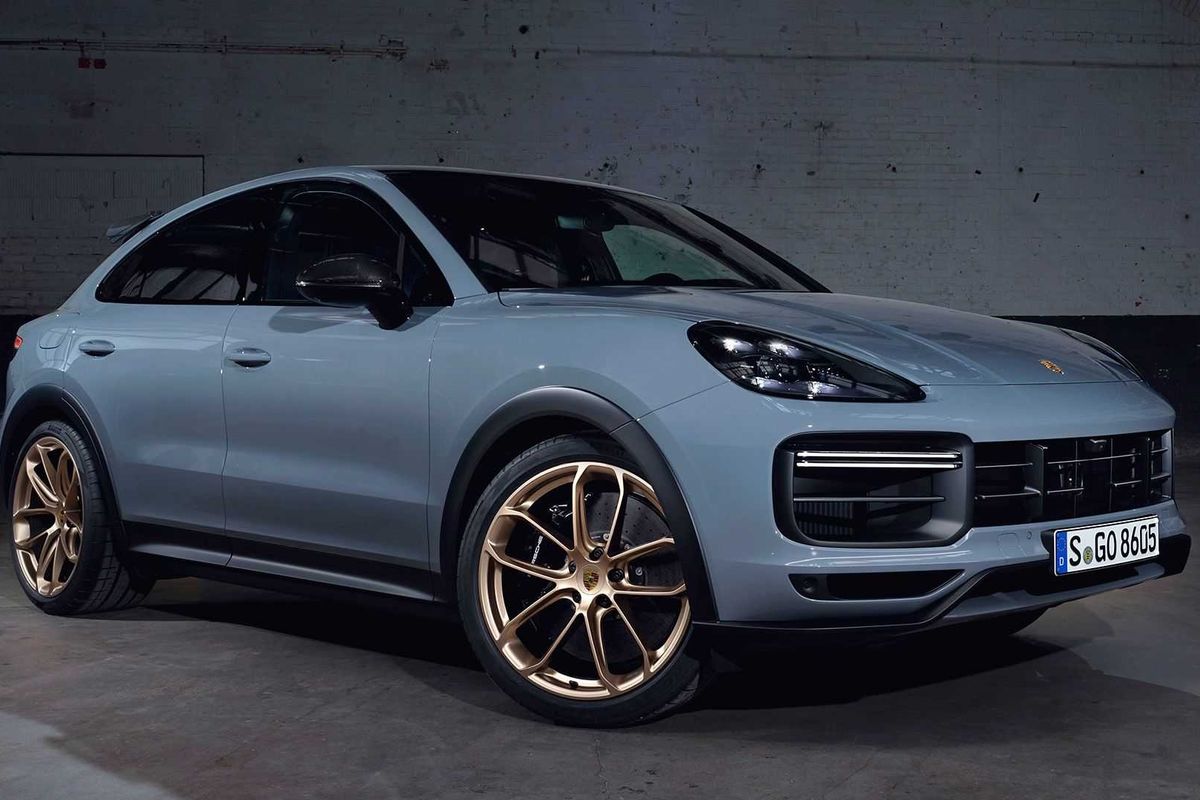
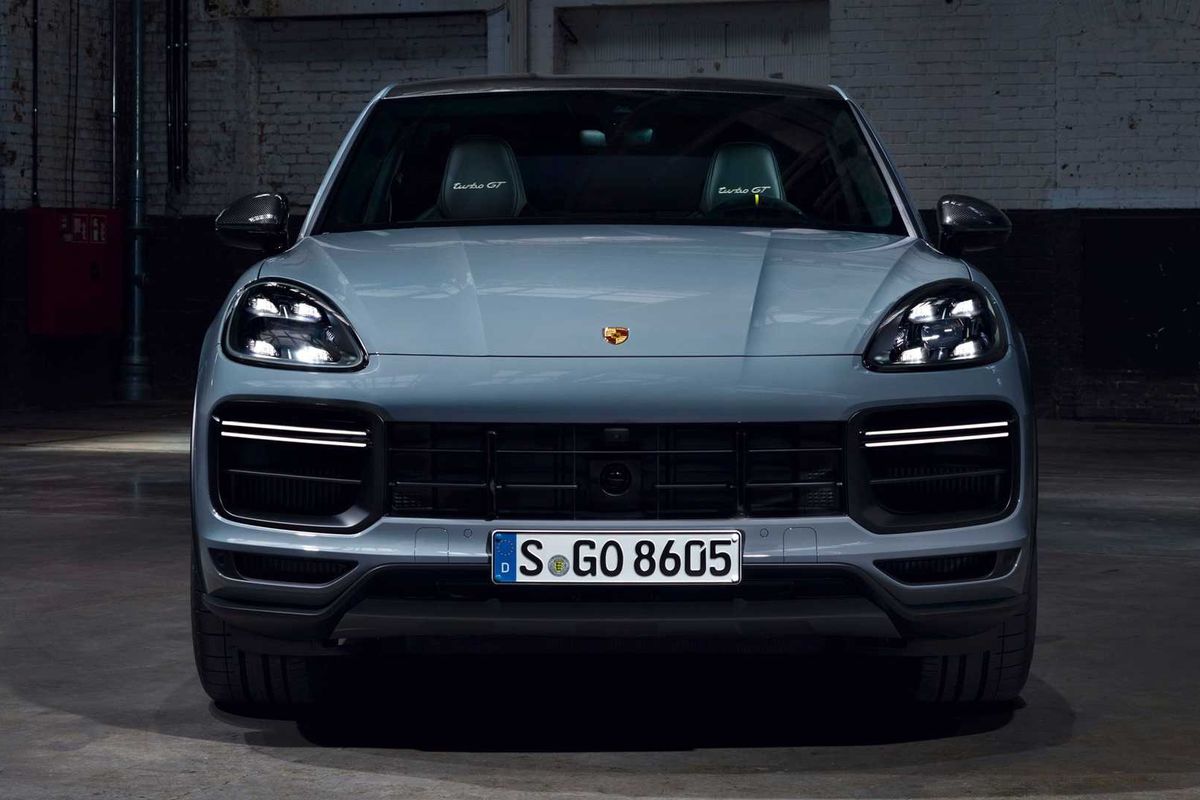
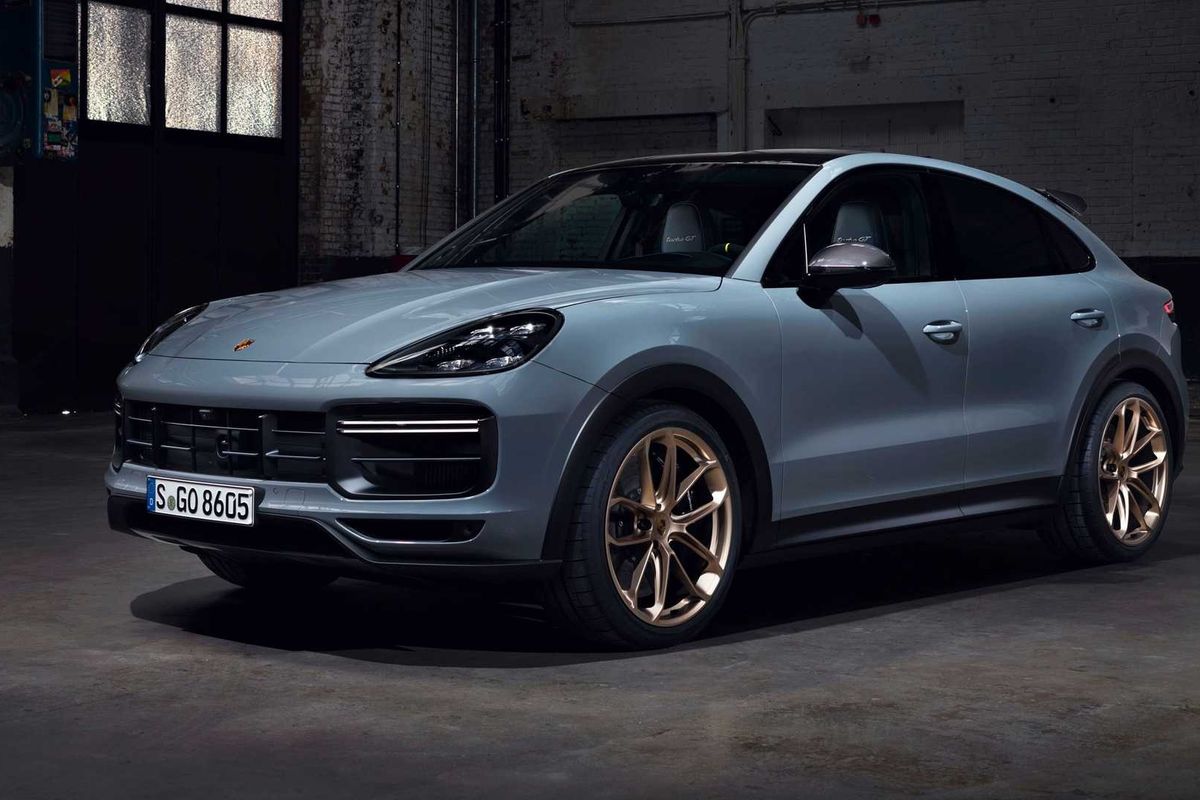
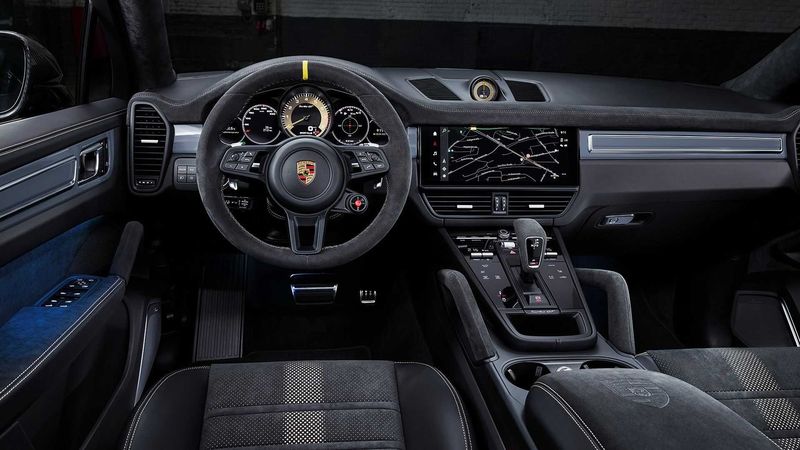
Porsche Cayenne Turbo GT is the World’s Fastest SUV
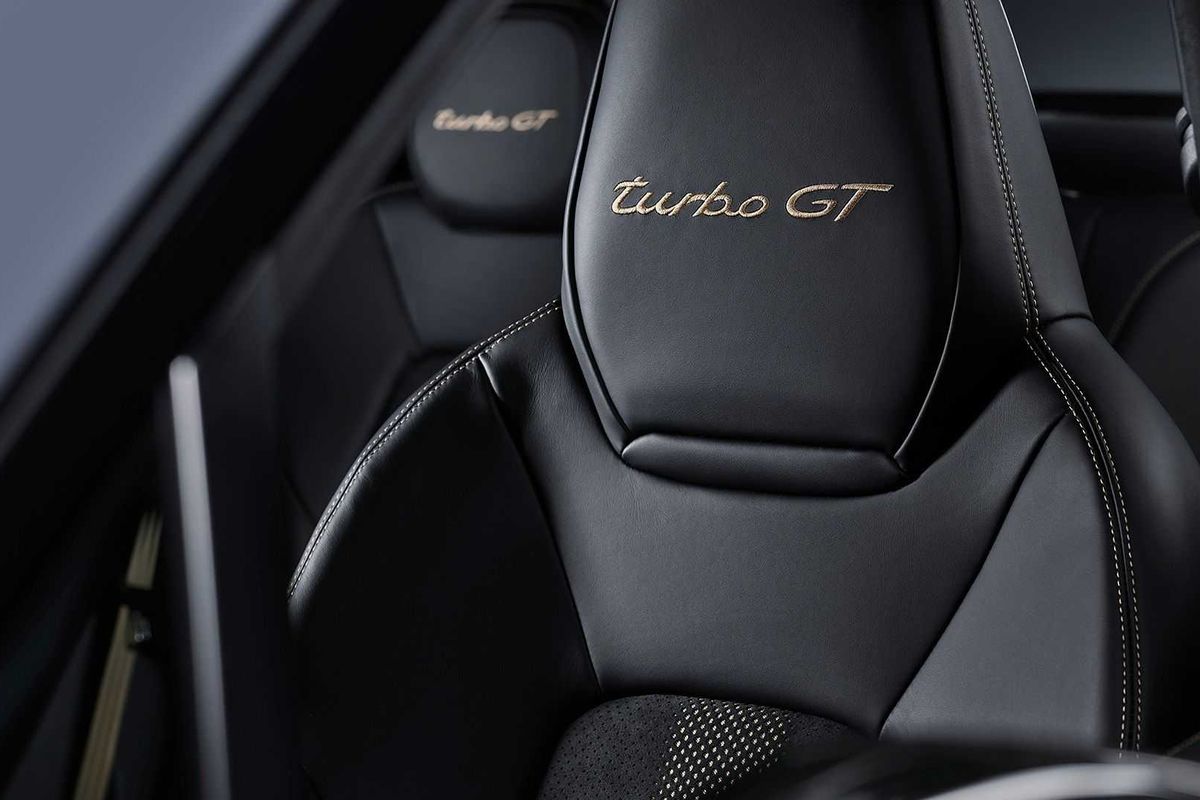
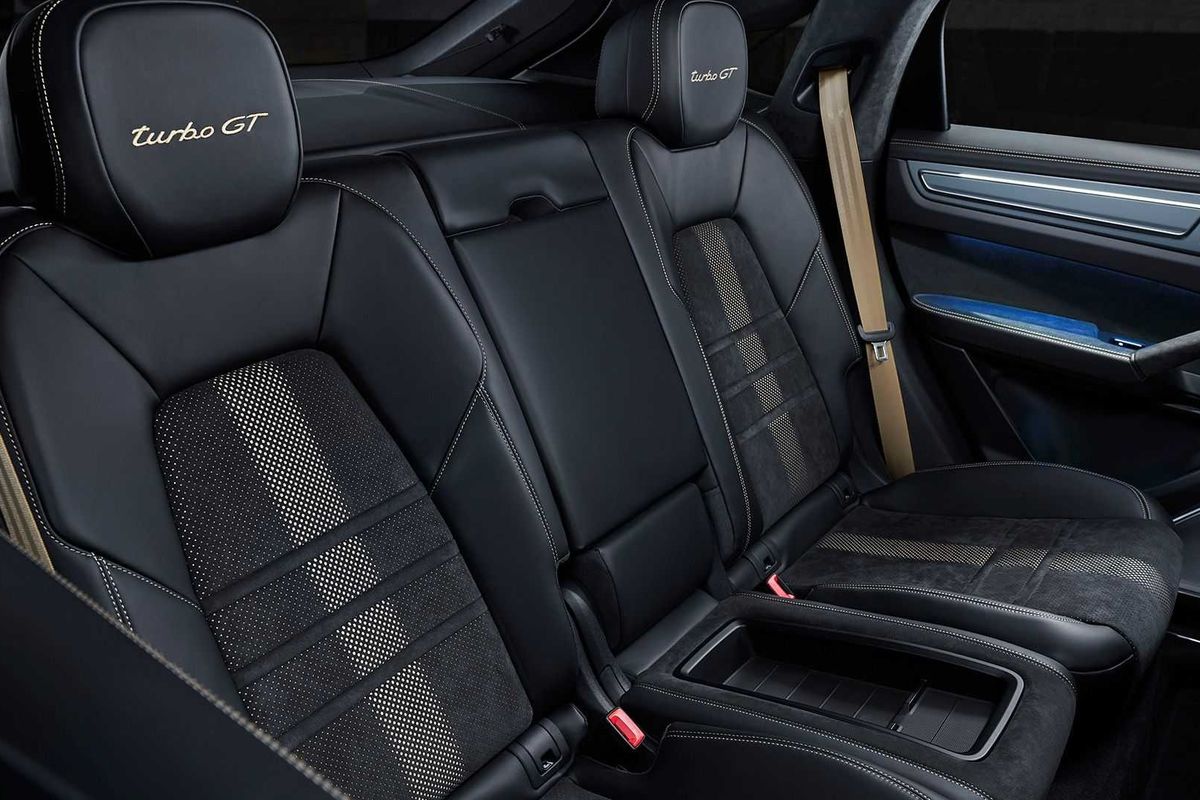
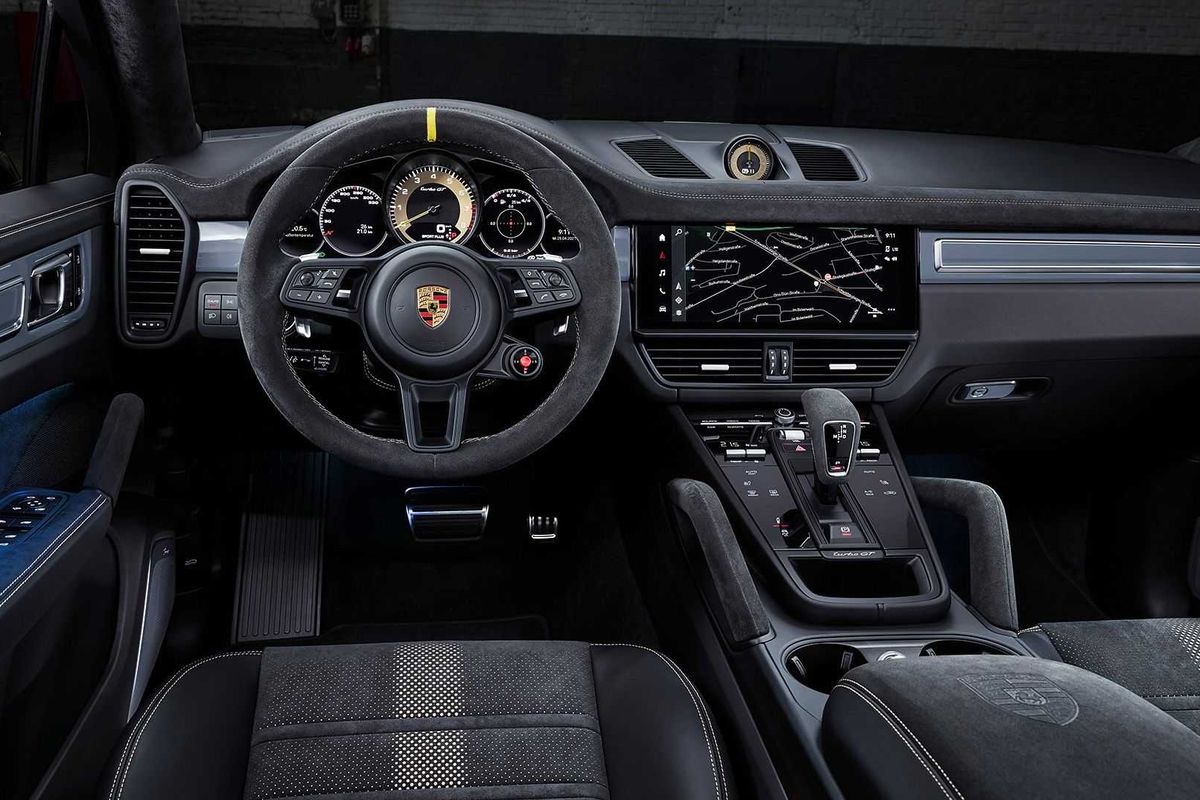
The mysterious Porsche Cayenne coupe mule which broke the crossover record at the Nurburgring has been uncovered. This is the Porsche Cayenne Turbo GT and features a significant number of upgrades to make it deadly quick in corners as well as straight-line sprints.
The 4.0-litre twin-turbocharged V8 petrol has received upgraded crankshaft, pistons, timing chain, connecting rods, while the transmission has been tweaked too, with the aim of quicker gear shifts.
Power is now 471 kW and 850 Nm, and power goes to all 4 wheels via an 8-speed gearbox. The additional power helps the Porsche Cayenne Turbo GT hit 100 kph in a claimed 3.3 seconds, complete a quarter-mile run in 11.6 and it will run to a top speed of 300 kph.
This powertrain is exclusive to the Cayenne Coupe and the vehicle also features a suspension setup that’s 17mm lower than the standard Cayenne Turbo Coupe. The 3-chamber air suspension has also been revised for torque vectoring, stiffness too.
At each corner there are 22-inch wheels wrapped in custom Pirelli P Zero Corsa tyres and there are ceramic-composite brakes as standard.
Visually, you can spot the new Porsche Cayenne Turbo GT with its larger front intakes, bolder lip, carbon fibre roof, central exhausts, rear diffuser and adaptive spoiler.
How much is the Porsche Cayenne Coupe GT in South Africa?
Porsche SA has confirmed its Cayenne Coupe GT is on its way to the market and sent us the pricing ahead of its arrival.
Porsche Cayenne Coupe GT R3 350 000 (3-year Driveplan)
Porsche Cayenne Coupe GT R3 400 000) (5-year Driveplan)
Personal Loan vs Car Finance – the best way to buy a car?
In this article, we set out the reasons to choose a personal loan over conventional vehicle finance and vice versa.
If you want to lend money to buy a car, a simple Google search will present you with a number of options… These fall into 2 main categories – vehicle finance or personal loans. So which is better?
If you suffer from attention-deficit disorder and can only read on for 2 more sentences, let me give you the quick answer:
If you can get an offer for vehicle finance from a bank or dealership then, almost always, the “terms” will be more favourable (that is to say the monthly payments will be lower) than for a personal loan. Offers for vehicle finance will generally encompass better interest rates and longer durations, both of which will reduce your monthly premium.
Lenders are fussy about to whom they would offer vehicle finance. They will technically “own” the car they finance so that will affect their consideration… This might mean that they decline your application for vehicle finance, but you might get approved for a personal loan. If you are buying an older vehicle with a low price tag, personal loans can be easier to get than asset finance.
If I can keep your attention for a couple of minutes longer, let me add a bit of explanation…
Why traditional car finance is better
The main reason that banks offer better rates for vehicle finance is that they have a “get out of jail free” card in the event that you fail to repay the loan. Because they legally own the car, if you stop paying your instalments, they will take back (repossess) the vehicle and resell it to pay off part of your debt. This means the loan is less risky for them, which is why you get a better deal (most of the time).
The banks are less likely to offer you a finance deal on older cars. At this juncture, a personal loan may be a suitable option.
But it also explains why they get fussy about who (and what) they will approve for vehicle finance…
To put it simply: Banks don’t like financing purchases of older cars. In fact, vehicle financiers generally won’t finance cars that are 10 years old or older. Finance agreements generally last for 6 years, but when a car is 16 years old, there is not much point in repossessing it because it will be worth very little. Thus, they tend to either stay away from older cars or offer very poor deals.
Why consider a personal loan?
They are not as keen on the “budget end” of the market either. Most banks will say that they offer asset finance for cars priced as low as R30k, but in reality, they prefer “bankrolling” more expensive vehicles. When the price tag gets below R80k, they are not likely to be keen. Again, the value of the car means there is not much point in re-possessing it – so they either stay away or offer poor deals.
They take a long hard look at the price you are willing to pay for the car too. They will “own” the vehicle until the loan is paid off so they might not want to pay for any “extras” that you want to add to the deal, such as vehicle accessories or aftermarket (also known as bolt-on) warranties. Nobody will care about those extras once the car’s been repossessed, so the bank will lose money.
With vehicle finance, when the banks get a little nervous, they will ask you to pay an upfront deposit on the car as part of the credit arrangement. Personal loan providers will not be as fussy, but they may charge you a higher interest rate.
If you’re looking to purchase an older model vehicle with a low price tag then securing a personal loan might be your solution. Bank asking for a deposit you can’t pay? Again, a personal loan could well work. However, you’re unlikely to secure a personal loan if you want to buy a car worth more than R150k. You can try, but generally, Asset Finance is the ticket you need for a more expensive “ride”.