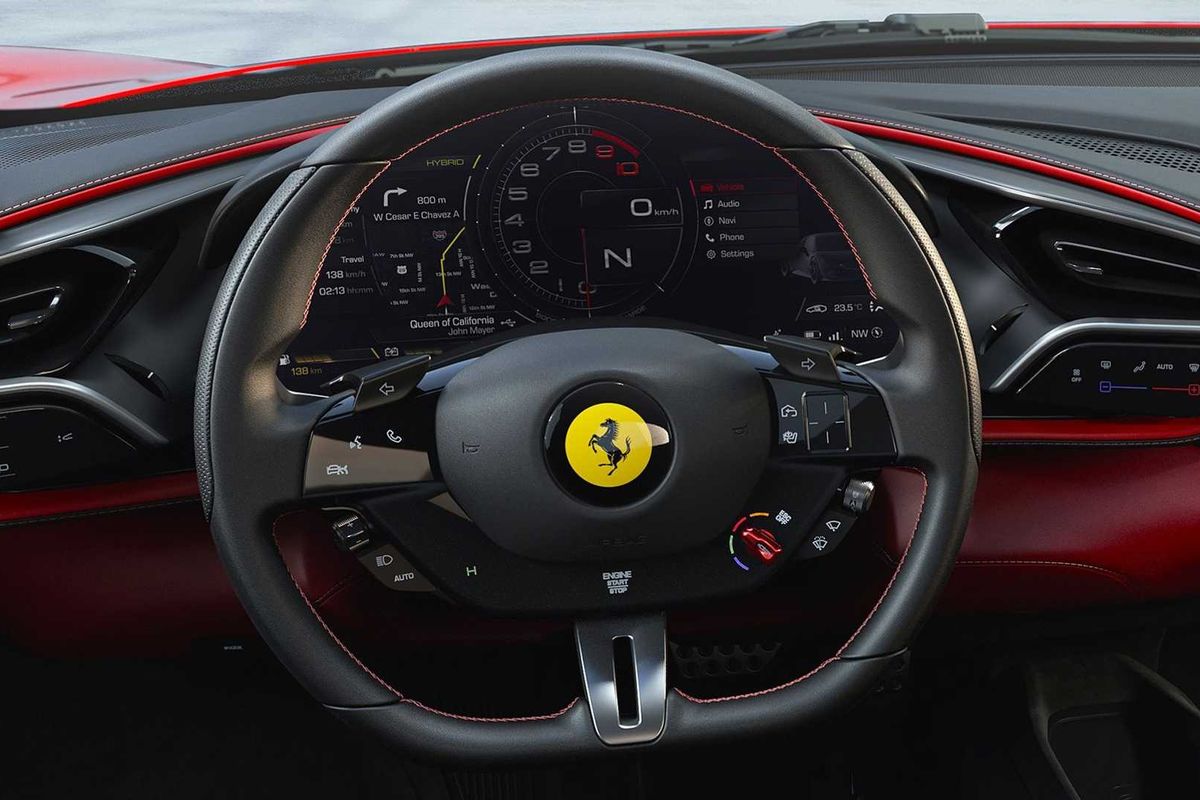
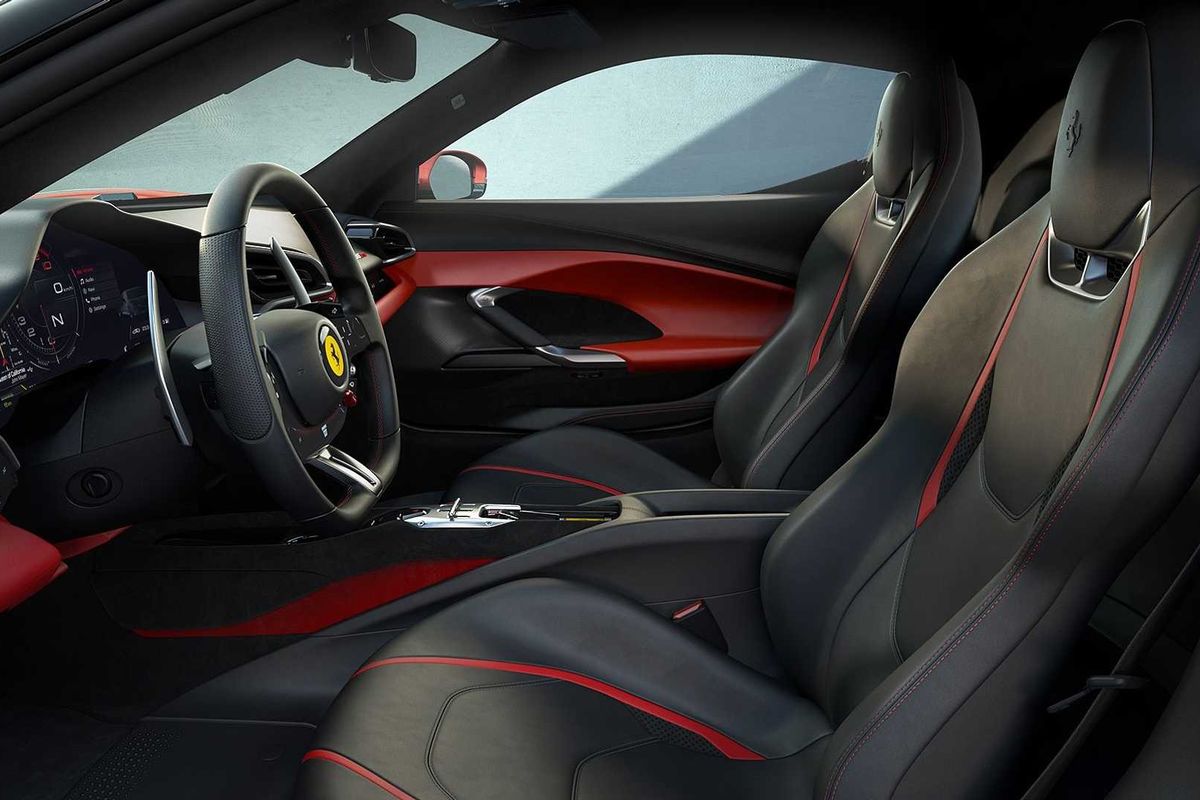
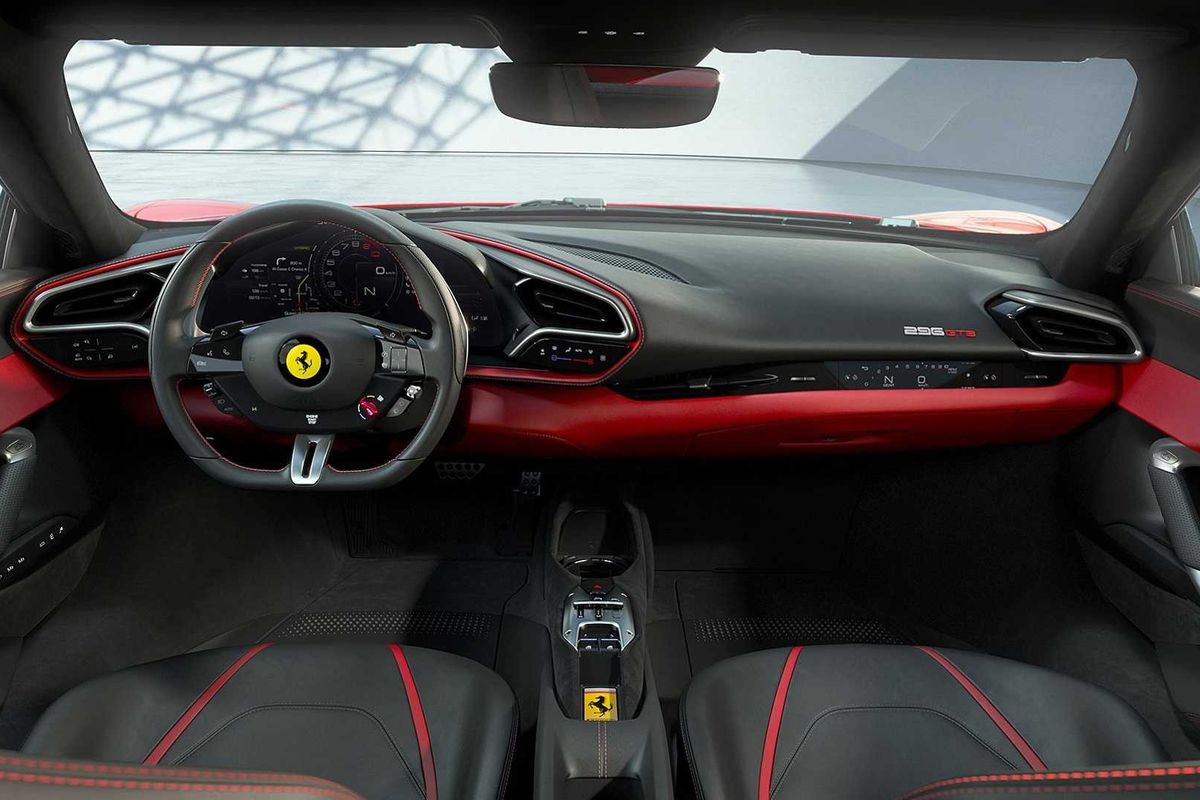
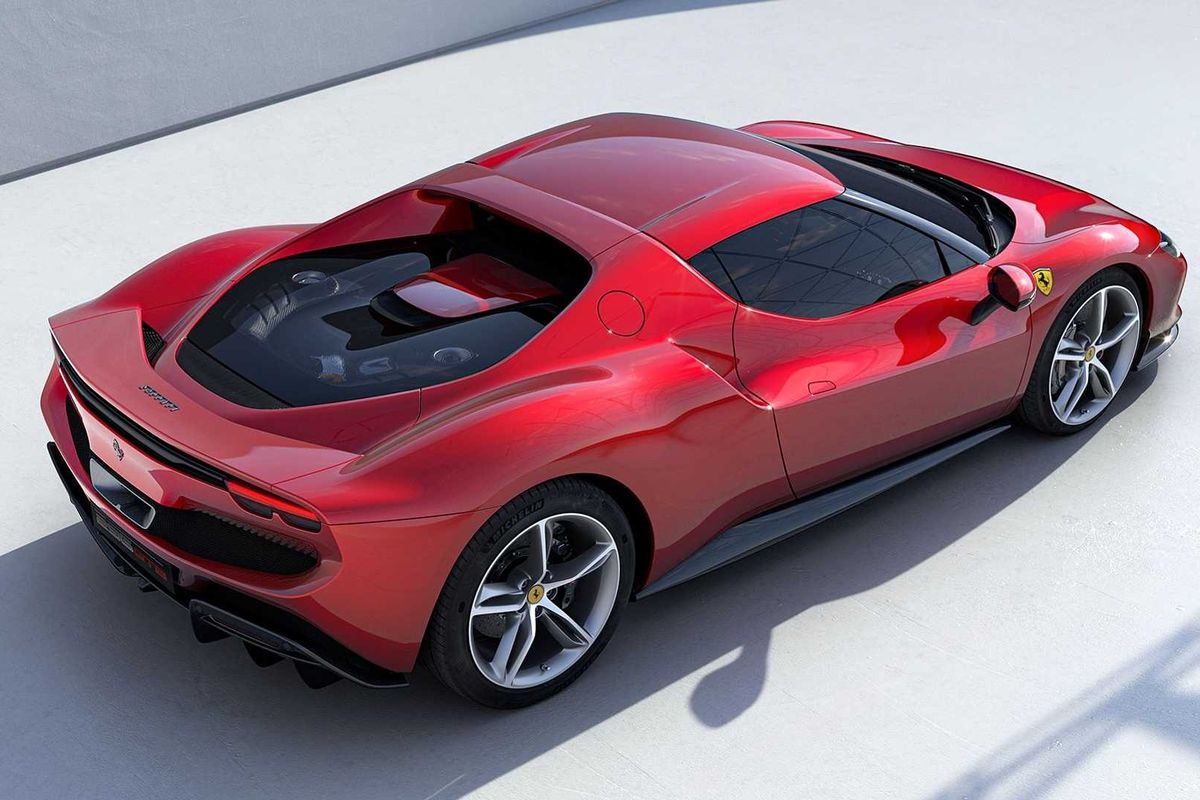
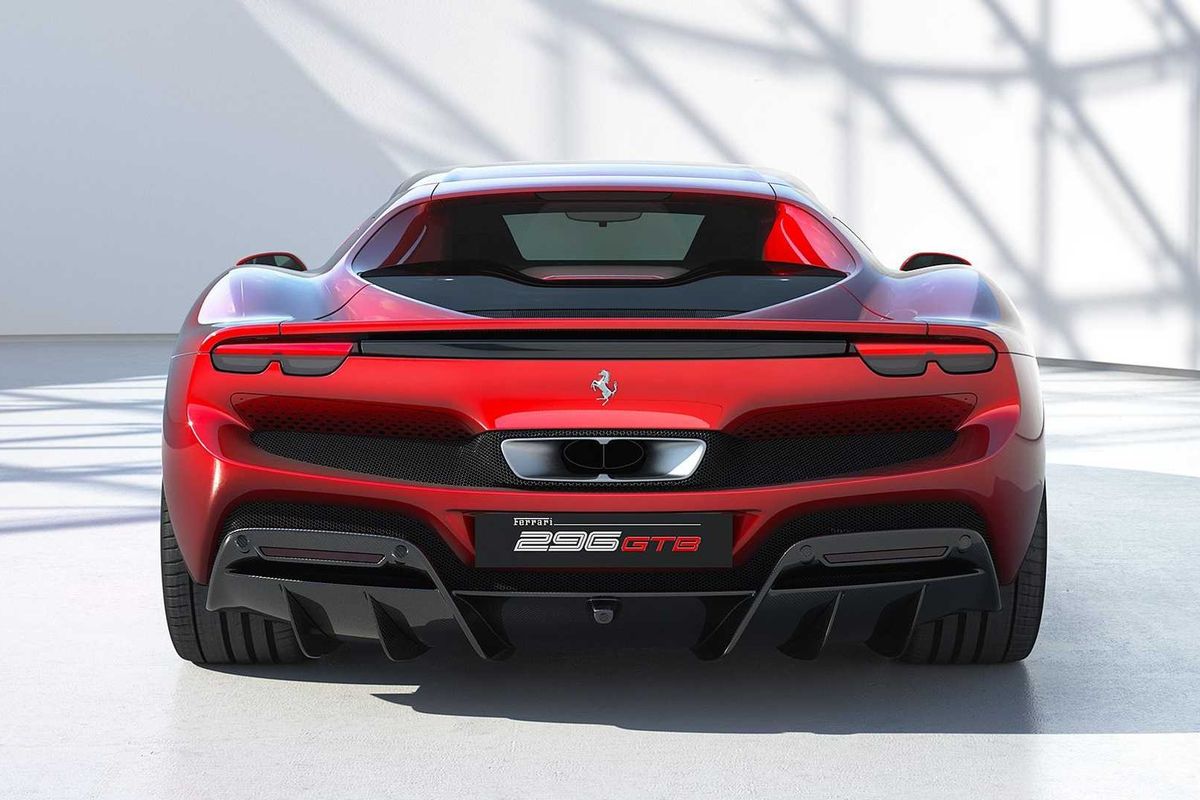
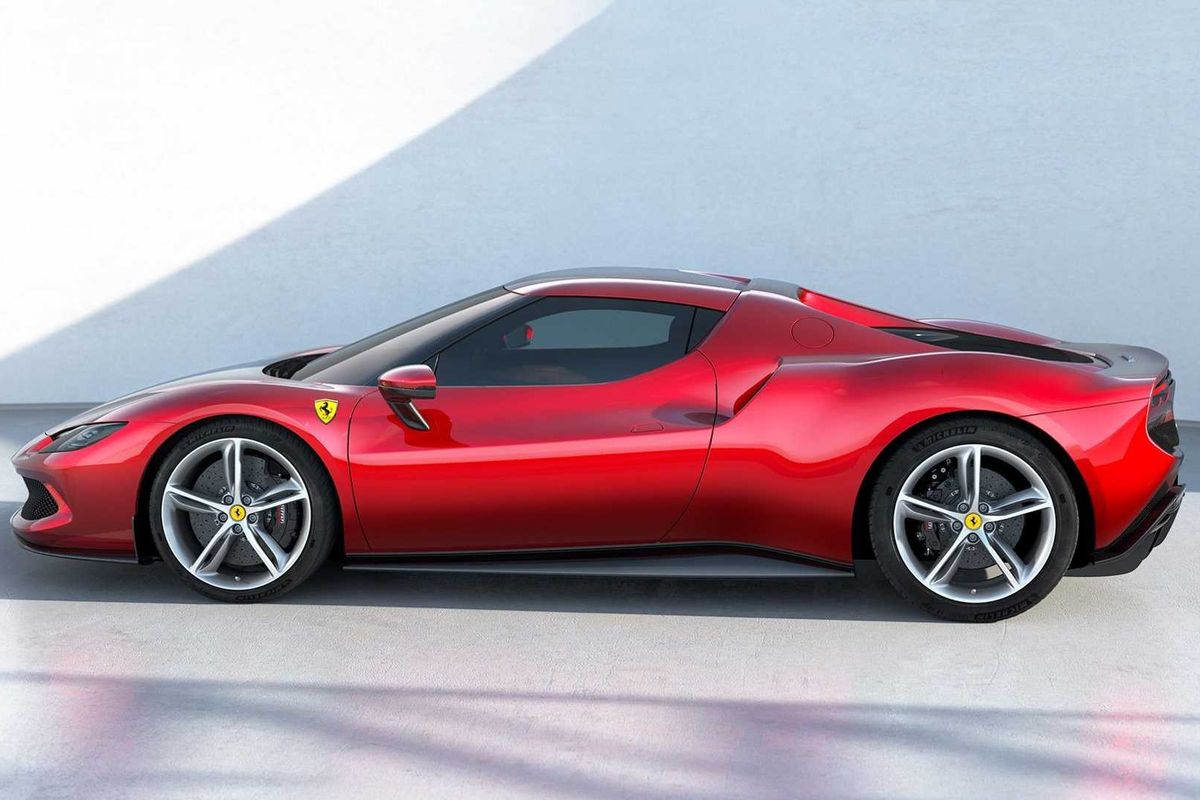
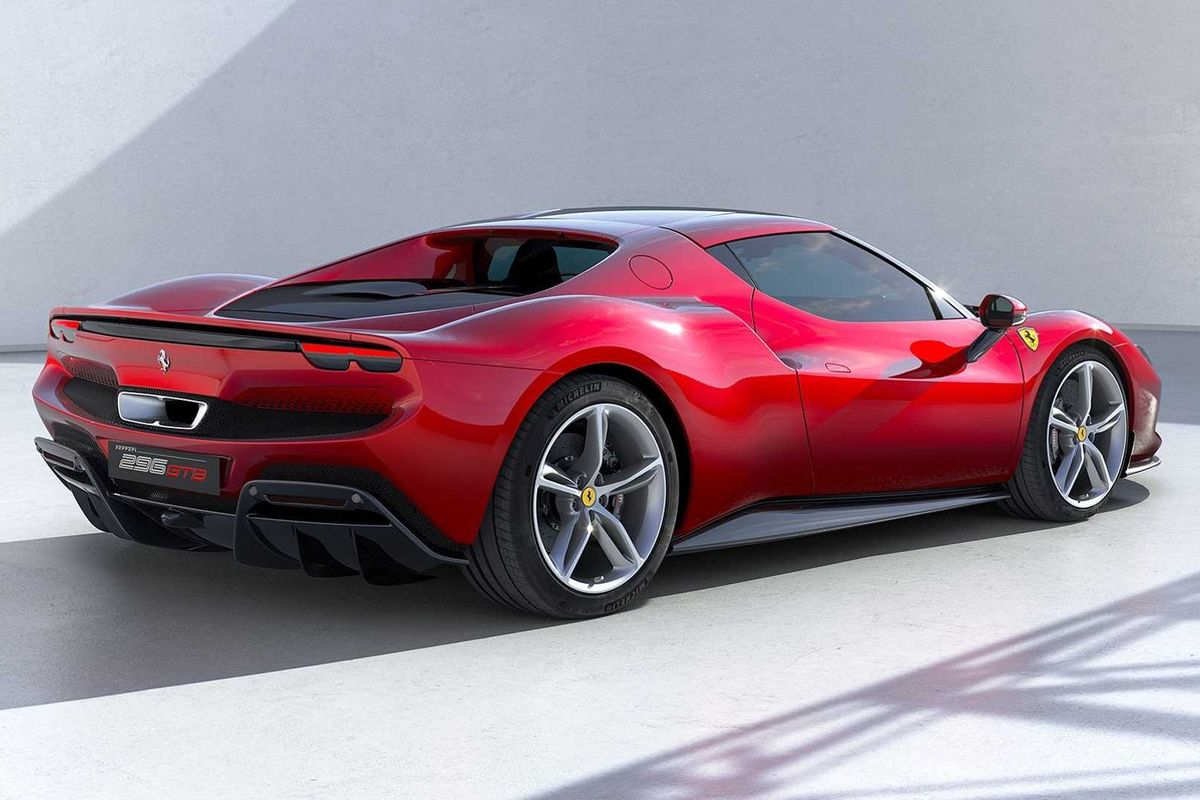
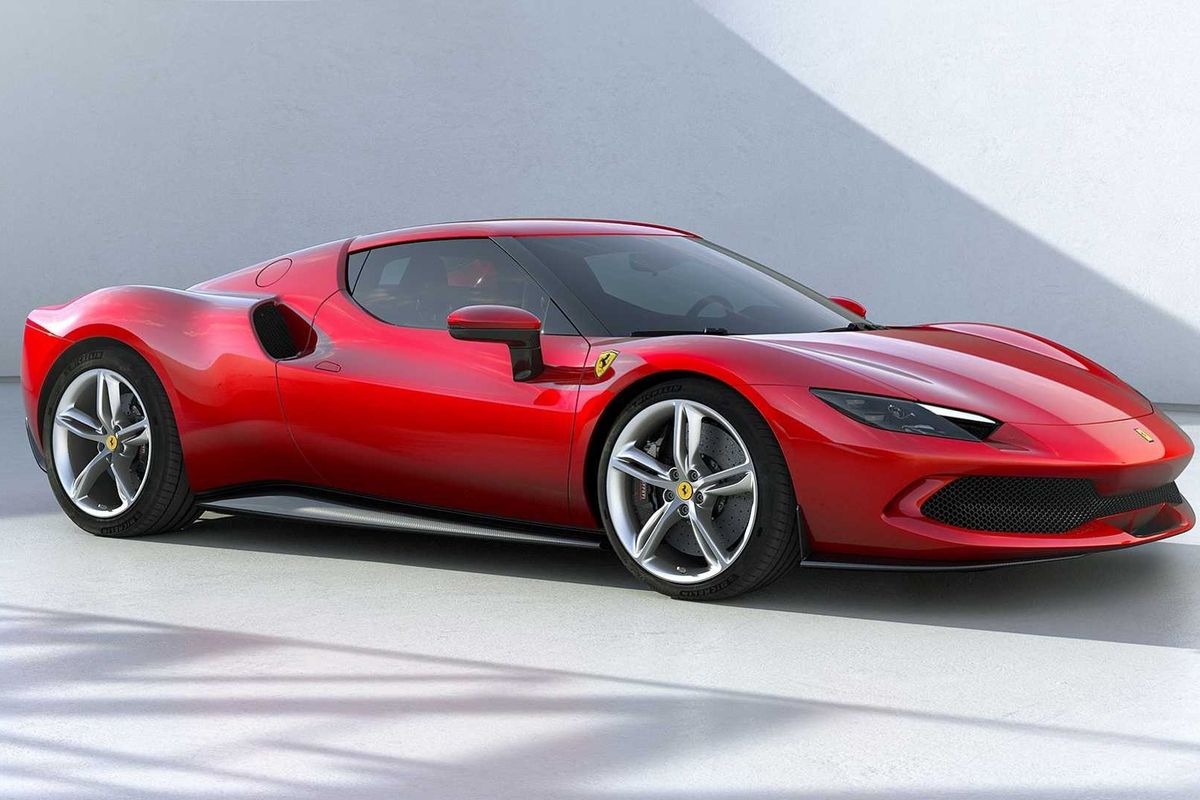
Welcome back Ferrari V6, but this is no Dino. Meet the all-new Ferrari 296 GTB.
The new engine may be physically smaller than what you’d expect, but don’t be fooled as outputs and performance are right up there amongst supercar royalty.
The key here is hybrid technology and the plug-in setup combines with a turbocharged 3.0 V6 petrol engine to deliver 610 kW and 740 Nm and when everything is activated, the new Ferrari 296 GTB is good for a 0-100 kph of 2.9 seconds. It can also do 0-200 kph in 7.3 seconds and run to a top speed of 330 kph. The vehicle features an 8-speed dual-clutch transmission.
That’s an incredible set of performance figures, but we also love its smart electric package. There’s a 7.45 kWh battery which gives it an electric range of 25 km – perfect for those cities that have congestion charges.
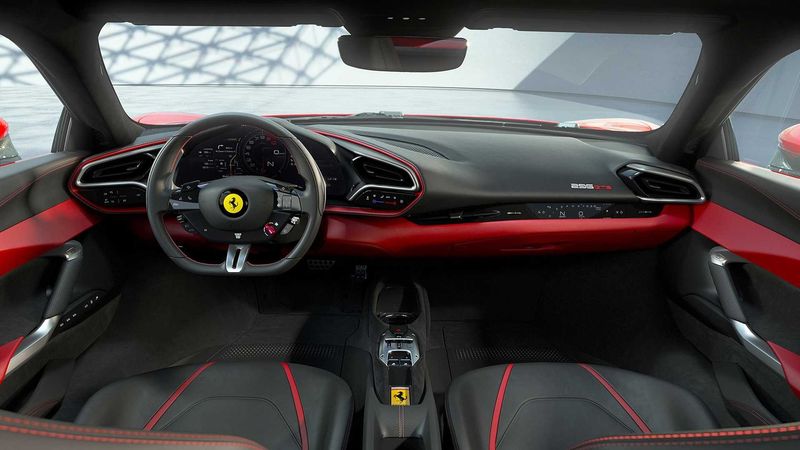
As far as styling is concerned, there’s a big focus on futuristic elements, with the brand claiming the design is the “perfect marriage of simplicity and functionality”. Inside, there’s a big digital focus and there’s a lot going on for the driver. The passenger-side performance display is also available.
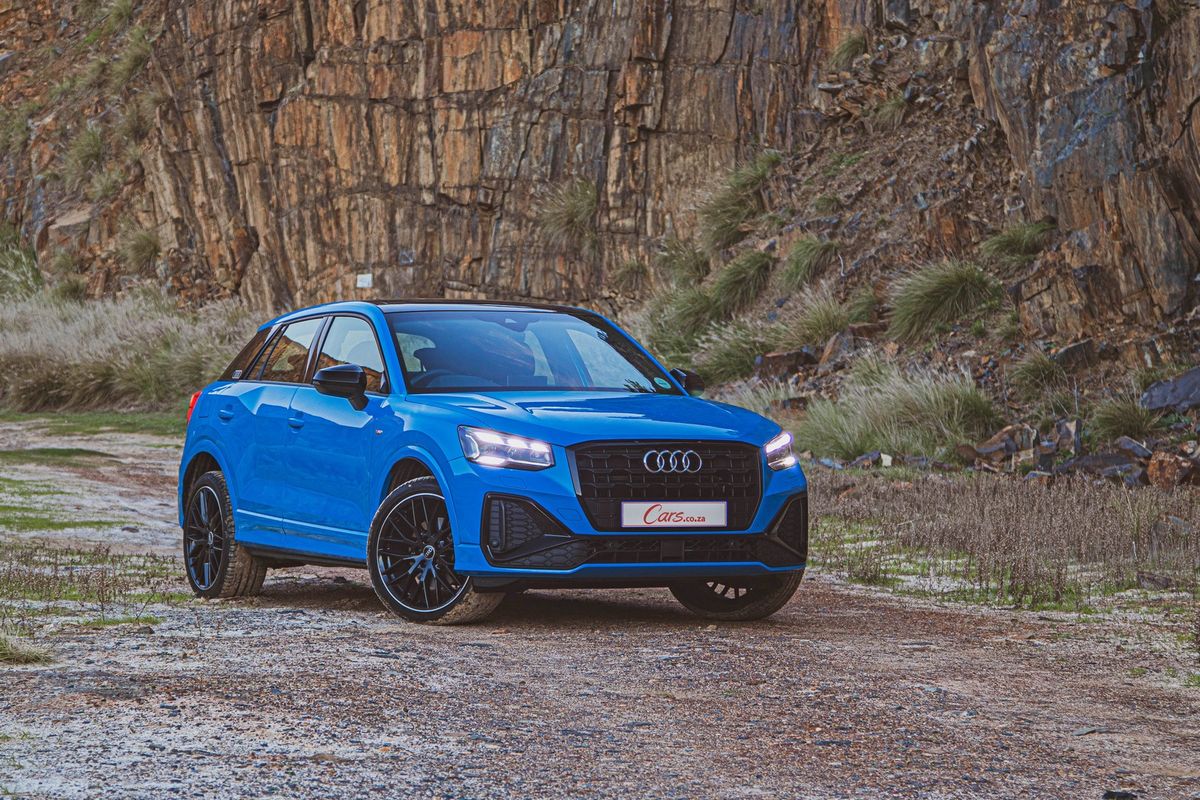
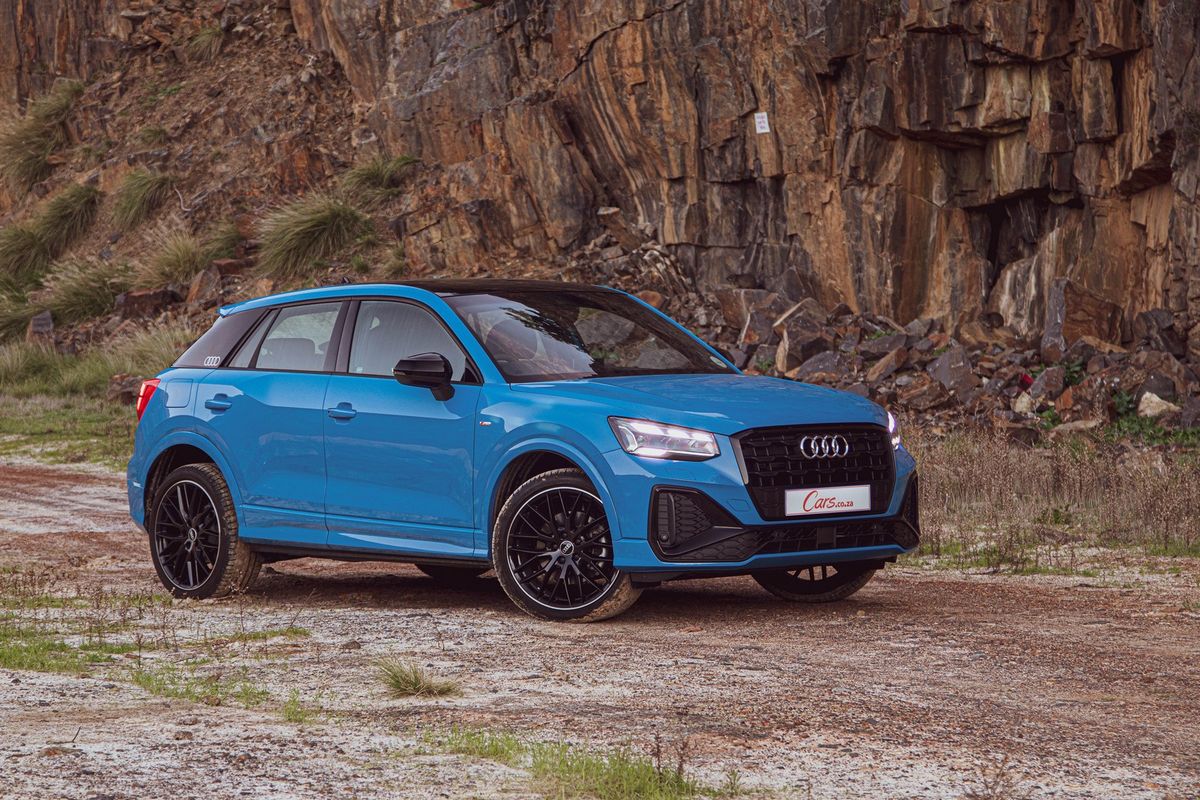
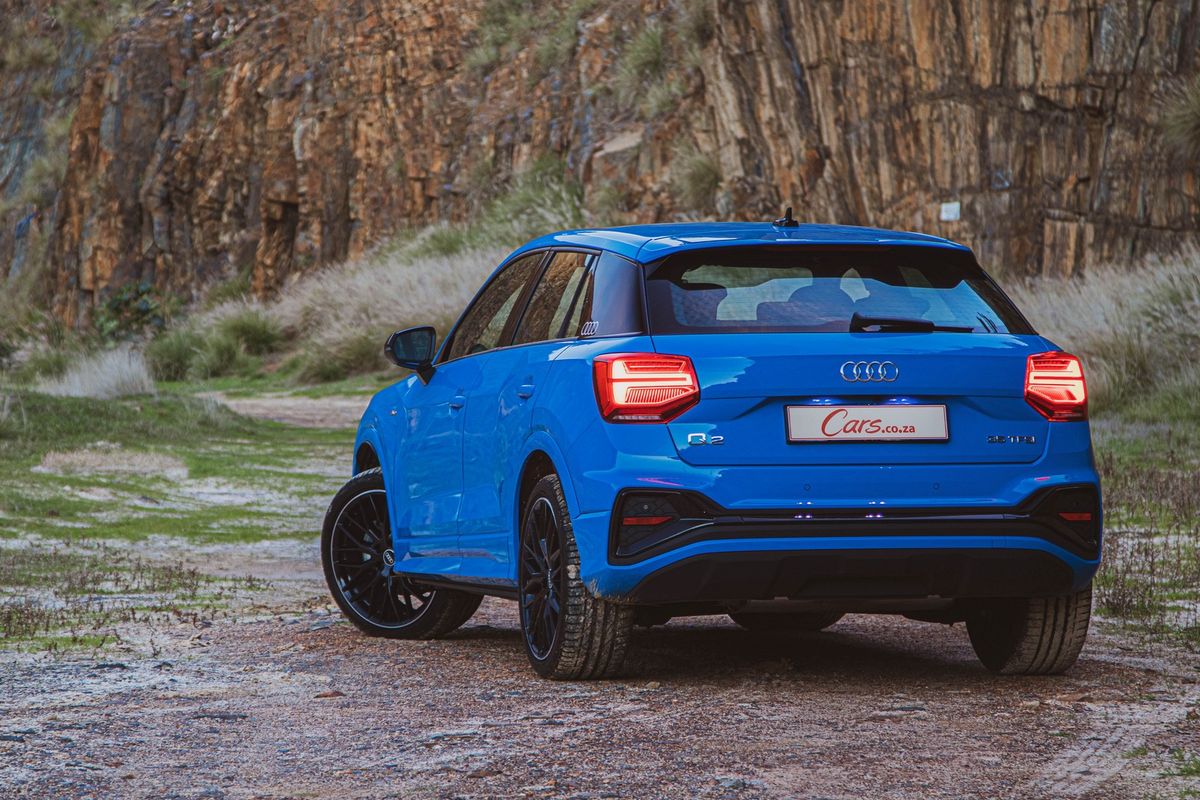
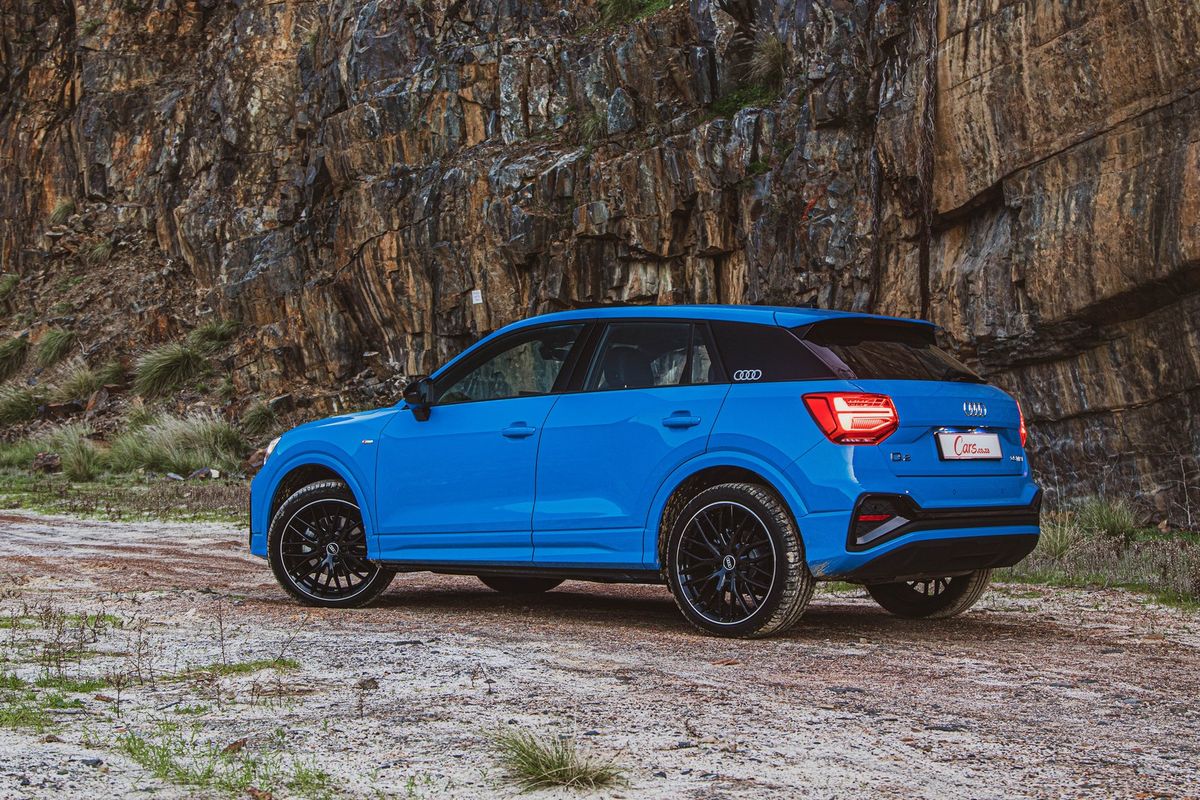
The updated Audi Q2 has landed in South Africa. After driving the newcomer briefly at its media launch, we recently had the opportunity to conduct a thorough test of the 35 TFSI 110 kW S Line derivative. Do the changes make the Ingolstadt-based brand’s premium crossover more competitive… or has the game moved on?
We like: Good entry point to the Audi brand, flexible and refined powertrain, great driving position.
We don’t like: Hard ride on optional 19-inch wheels, cabin feels dated compared with those of other Audis, load bay not as spacious as rivals’.
Fast Facts
Model Tested: Updated Audi Q2 35 TFSI 110 kW S line tiptronic
Price: R581 500
Price as tested: R763 450
Engine: 1.4-litre turbocharged 4-cylinder petrol
Power/Torque: 110 kW/250 Nm
Transmission: 7-speed automatic
Fuel efficiency: 6.1 L/100 km (claimed)
Load capacity: 405–1050 litres
What is it?
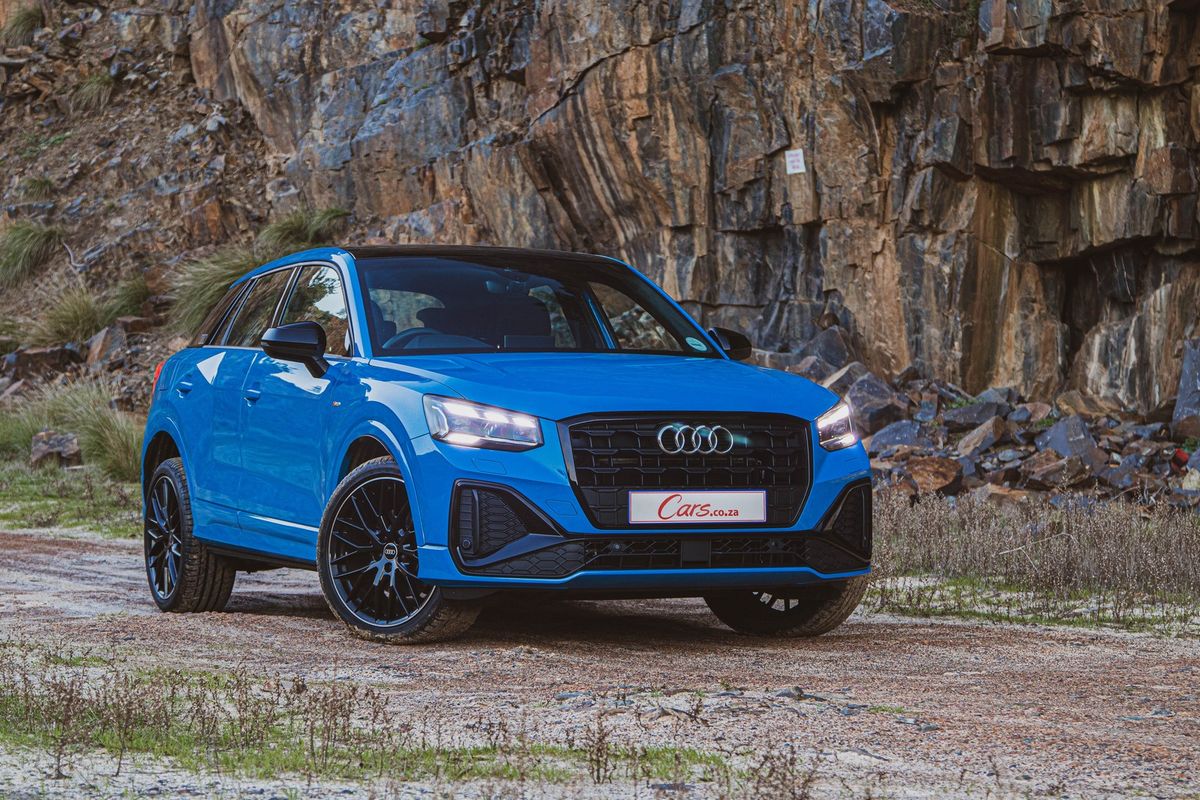
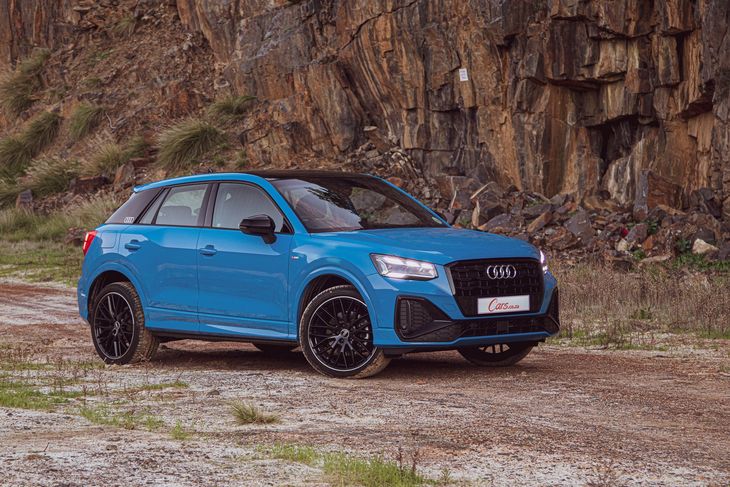
Audi has given its Q2 premium crossover a mid-life nip and tuck; when you compare the model we first sampled back in 2017 to this facelifted version, you’re likely to notice some cosmetic updates to the model’s exterior design. The Audi’s front-end appearance, in particular, has been given a much sharper look – one that brings it closer to the rest of the Audi family.
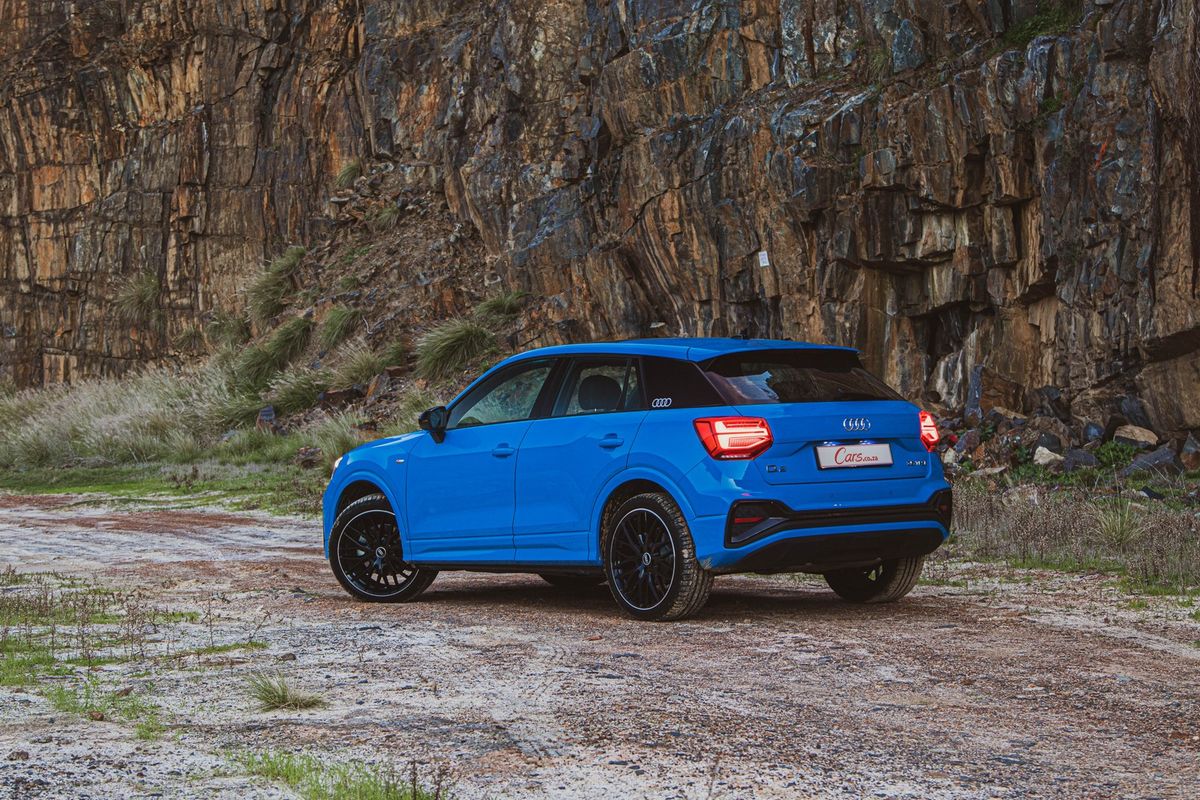
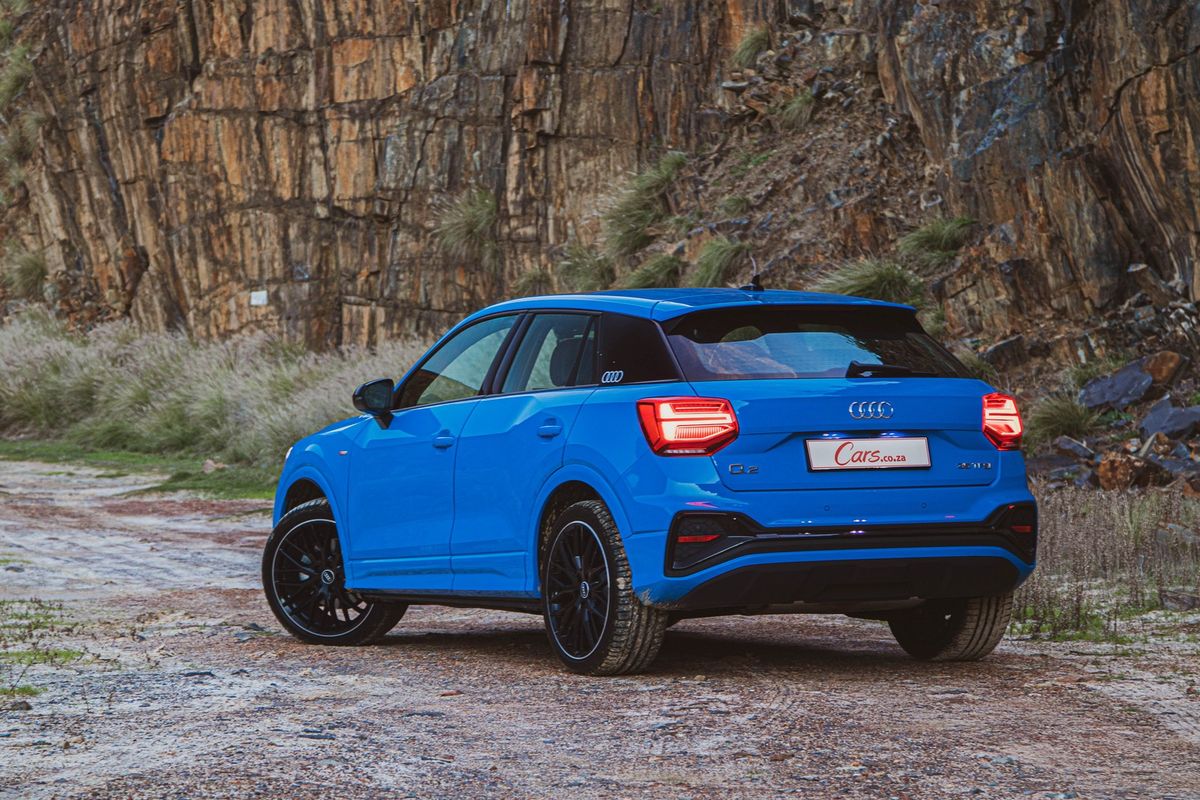
Interestingly, this Q2 is 17-mm longer than the pre-facelift model, but its wheelbase, width and height are unchanged. Inside, there are trim and upholstery updates, plus a handful of subtly redesigned elements. There’s only one engine and transmission combination (an 8-speed torque-converter auto ‘box has substituted the S tronic dual-clutch transmission), but a trio of trim levels to choose from.
The updated Audi Q2 is pitched against the Mercedes-Benz GLA, BMW X2, Mini Countryman and Volvo XC40. A tough crowd then, so has Audi’s updates made the Q2 more competitive?
Whereas the 1.4-litre 4-cylinder turbopetrol engine has been carried over from the pre-facelift model, the conventional (torque-convertor-type) 8-speed automatic transmission deserves praise – it changes gears so briskly that one might mistake it for its quick-shifting dual-clutch predecessor. There’s a slight hesitation upon pull away, but once the Q2’s rolling, its powertrain is effortlessly smooth and refined.
The 35 TFSI 110 kW S line produces 110 kW and 250 Nm, which is why it can get up to cruising speed (and stay there) with ease, with sufficient grunt in reserve for cut-and-thrust driving conditions. The claimed 0-to-100 kph time of 8.8 sec isn’t really going to set anyone’s heart racing, but in-gear acceleration (from 80 to 120 kph) is up there with the best in the segment. Audi claims an average fuel consumption of 6.1 L/100 km; we didn’t get close to that figure, but a reasonable 6.8 L/100 km was indicated by the end of the test period. The Q2’s 50-litre tank gives it a theoretical range of 820 km.
Both the driver and front passenger are afforded a pleasingly perched seating position. It’s not as commanding as in most SUVs, but it’s not as low down as in a conventional hatchback.
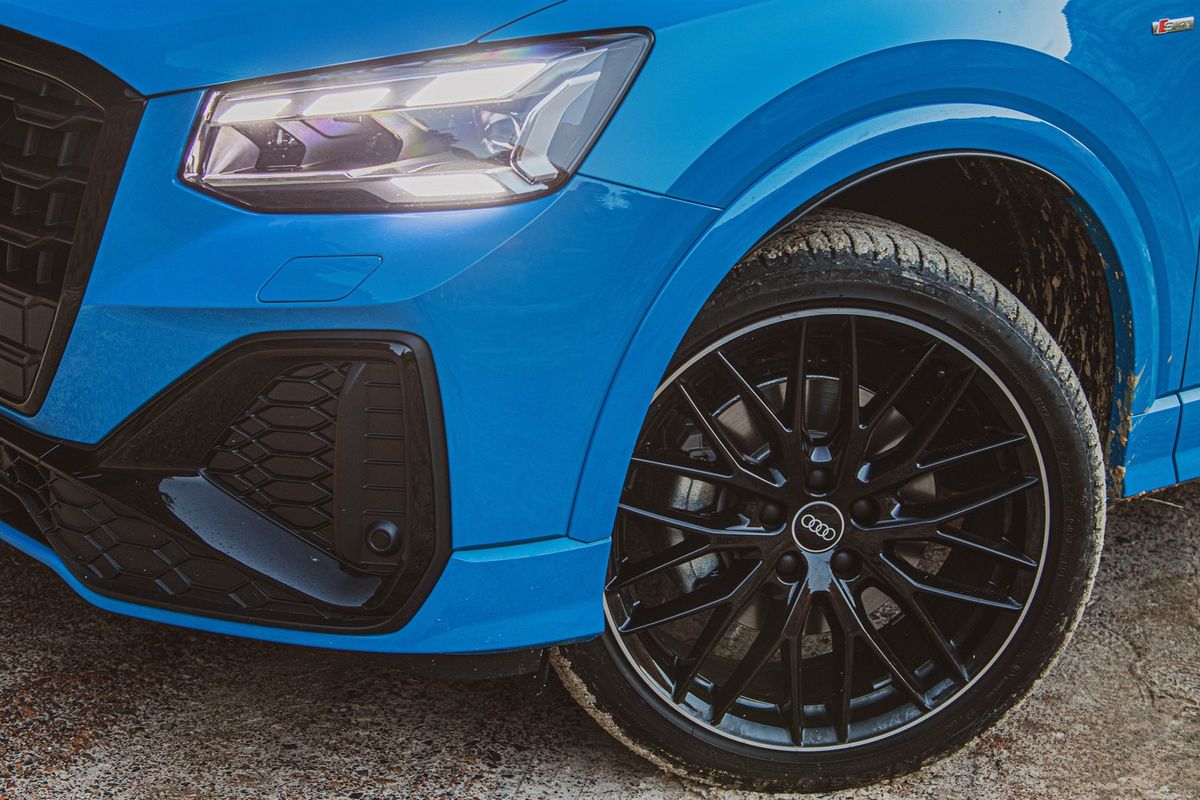
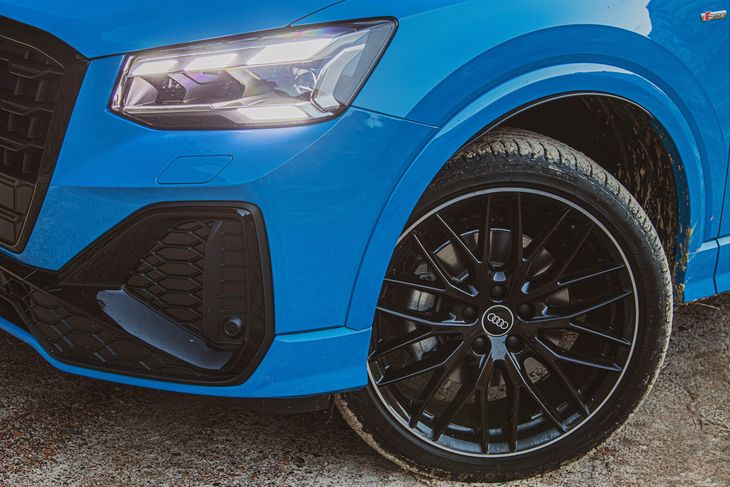
When it comes to handling, one would think that any vehicle based on the VW Group’s acclaimed MQB platform (which underpins everything from a Polo to the fire-breathing Audi RS3) would offer engaging driving dynamics. Yet, when it comes to “corner-carving”, the Audi Q2 doesn’t quite live up to expectations – its handling is… let’s say “less than razor-sharp”. The MQB platform is also known for excellent ride refinement, but considering our test unit was fitted with 19-inch wheels shod with low-profile tyres, its on-road comfort was compromised by rough road imperfections that thumped through to the cabin.
Considering that the Audi’s aimed more at a conservative audience, the Q2’s anodyne handling demeanour is probably not a deal-breaker, but as for the firm suspension, consider the detrimental impact that sportier wheels and tyres will have on the Q2’s ride quality. If you’d be willing to live with the compromise (we suspect many buyers would), those 19-inch alloys are part of the optional Black Package.
Incidentally, the updated Q2 features a basic torsion-beam rear suspension, as opposed to its Q3 sibling’s more advanced multi-link setup (we can only assume Audi did that to reduce the model’s production cost). What’s more, Audi’s progressive steering setup is standard on the Q2; while it works well on paper, you’re unlikely to be driving enthusiastically enough to appreciate its effectiveness.
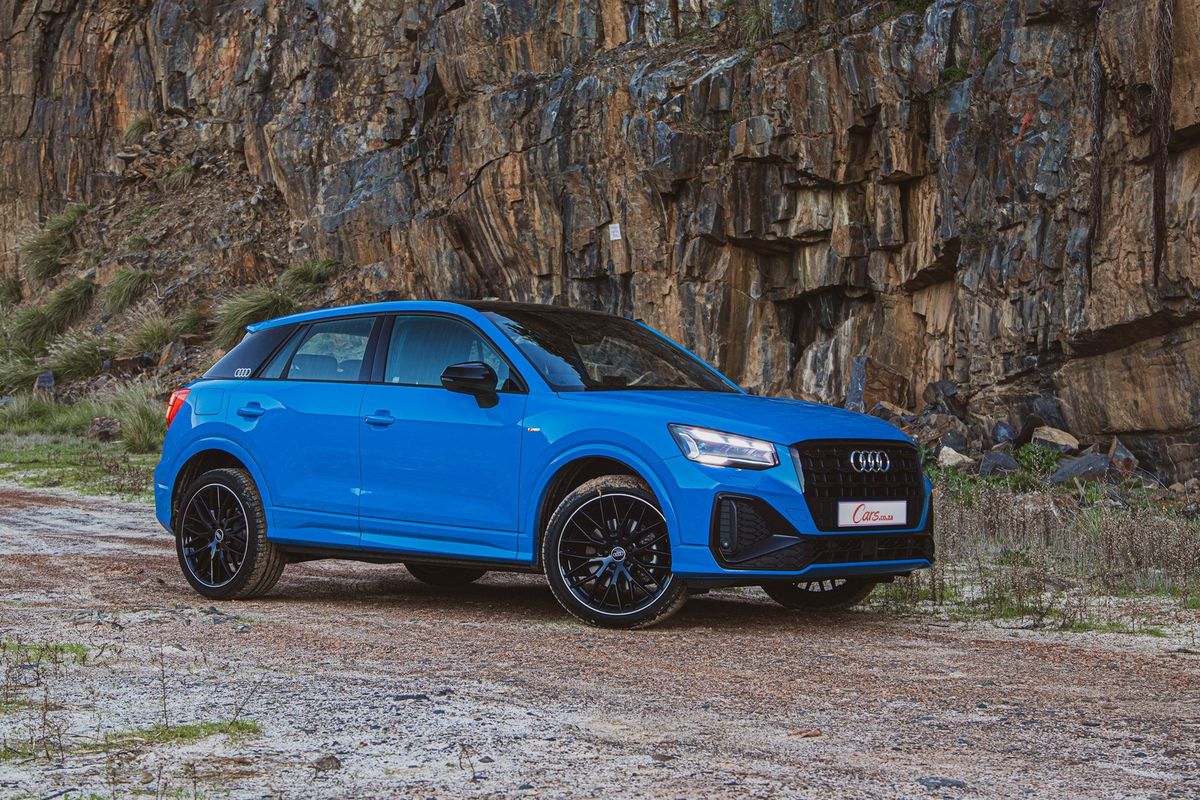
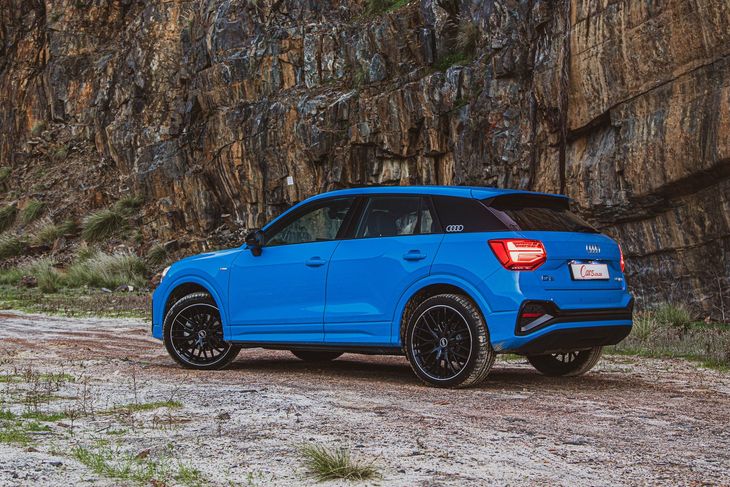
Seeing as this model is positioned as a premium crossover, buyers may require it to offer a measure of gravel-travel competency and, as these photos attest, the updated Audi Q2 took low-grip road surfaces (including loose gravel and small stones) well in its stride. Note that none of the updated Audi Q2 derivatives are equipped with quattro all-wheel drive, they are exclusively front-wheel driven.
What’s the interior of the updated Audi Q2 like?
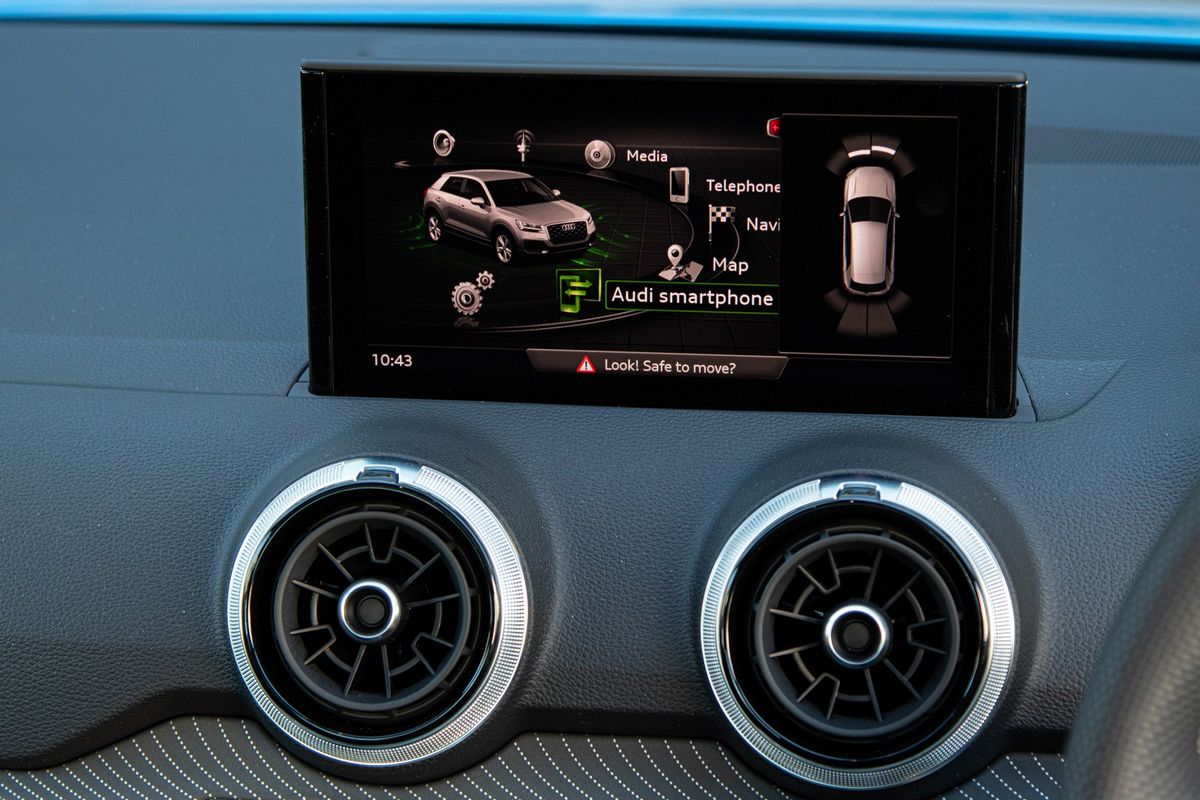
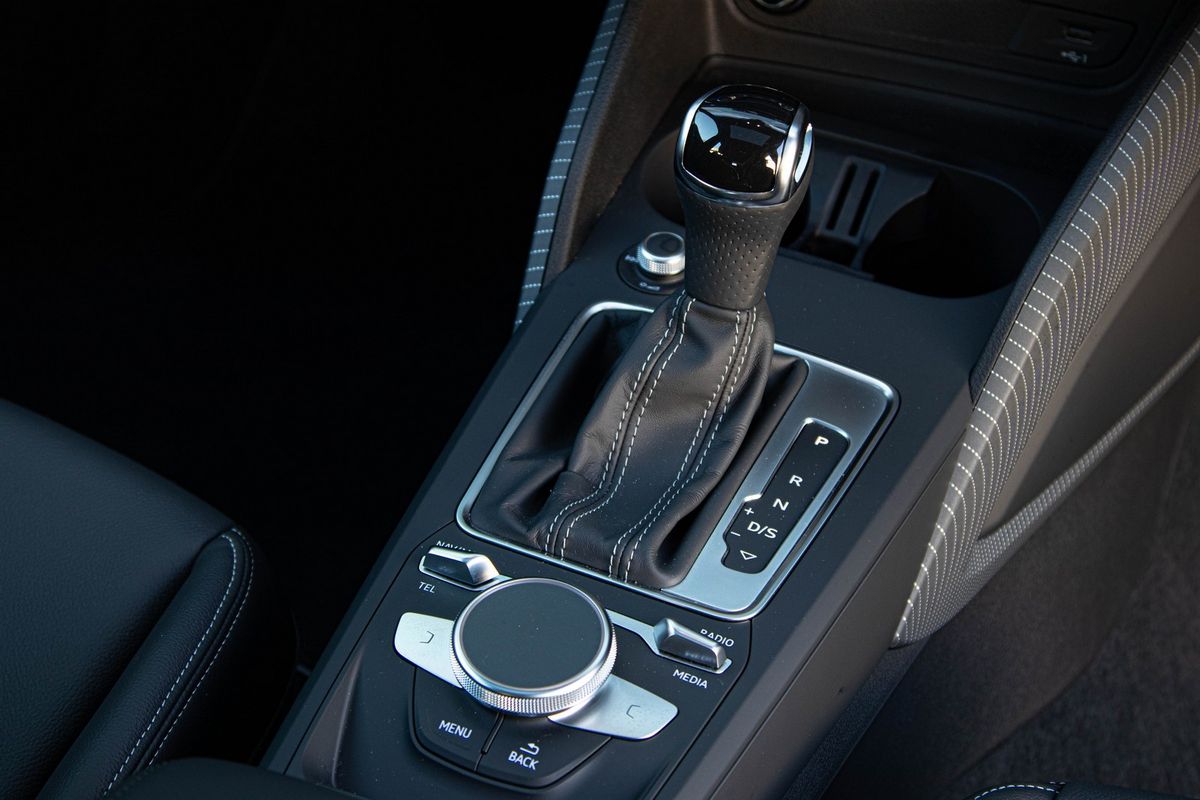
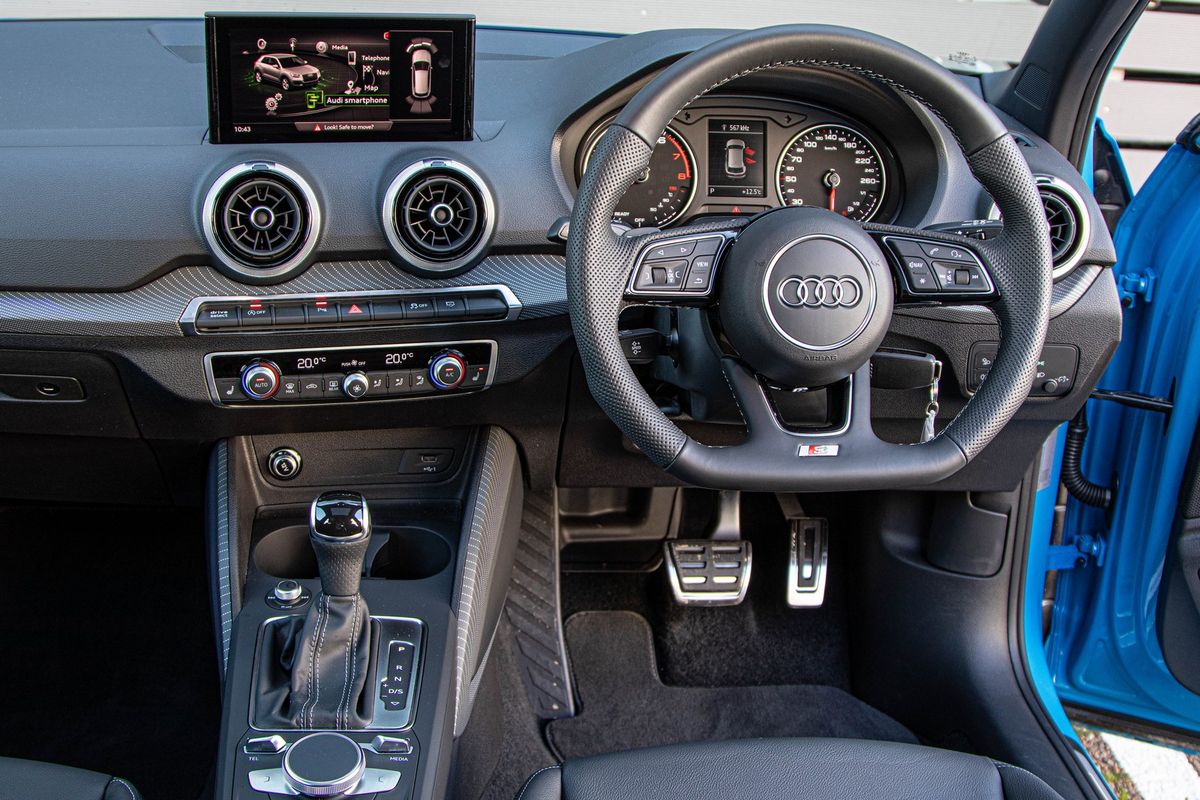
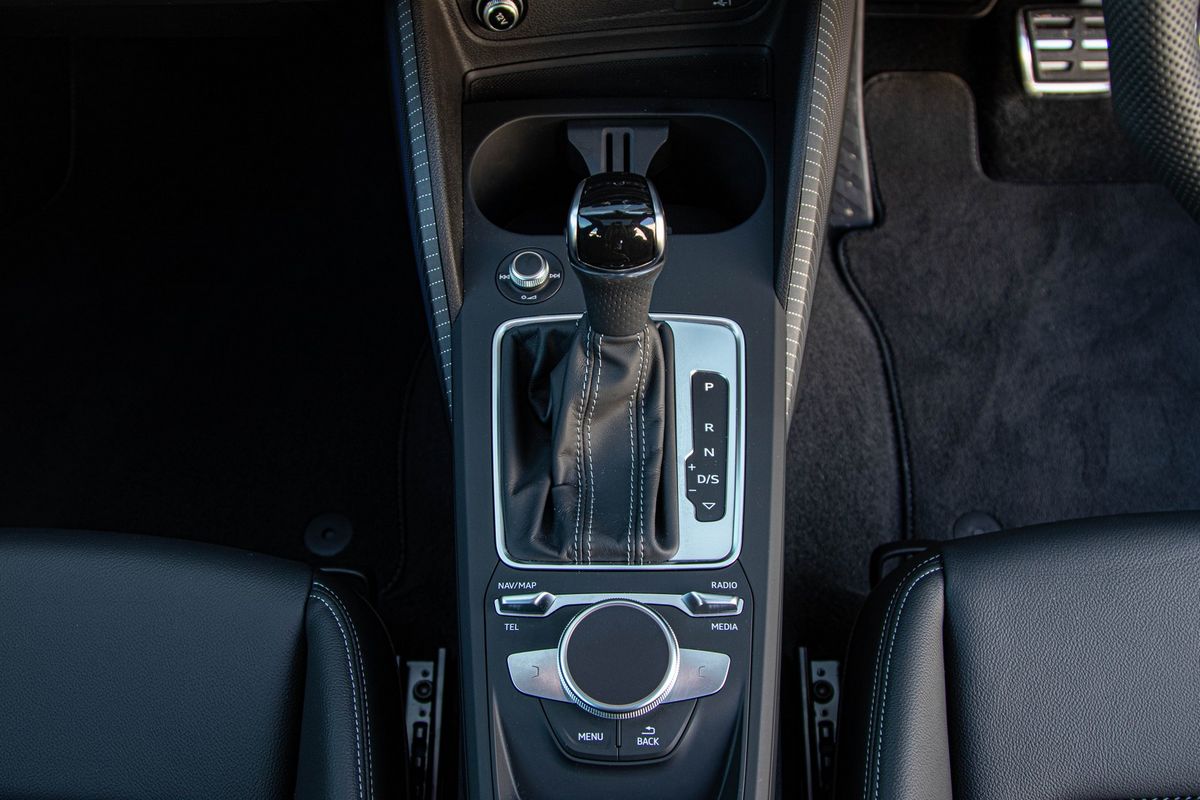
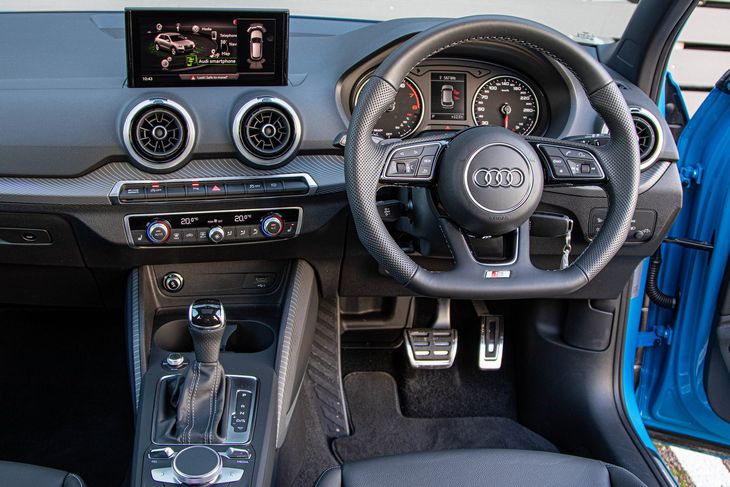
Although minor in scope, the changes to the cabin (including, but not limited to, a redesigned transmission lever and updated air vents) add to the updated Audi Q2’s boutique appeal.
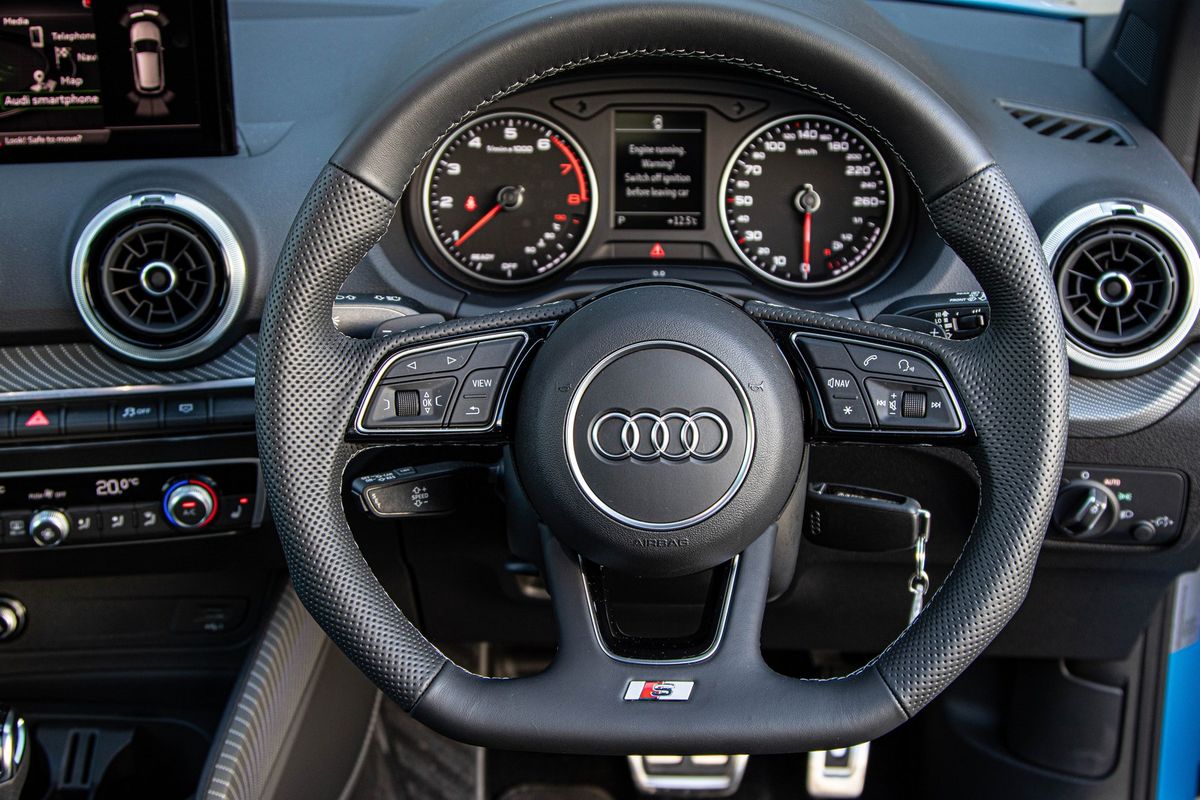
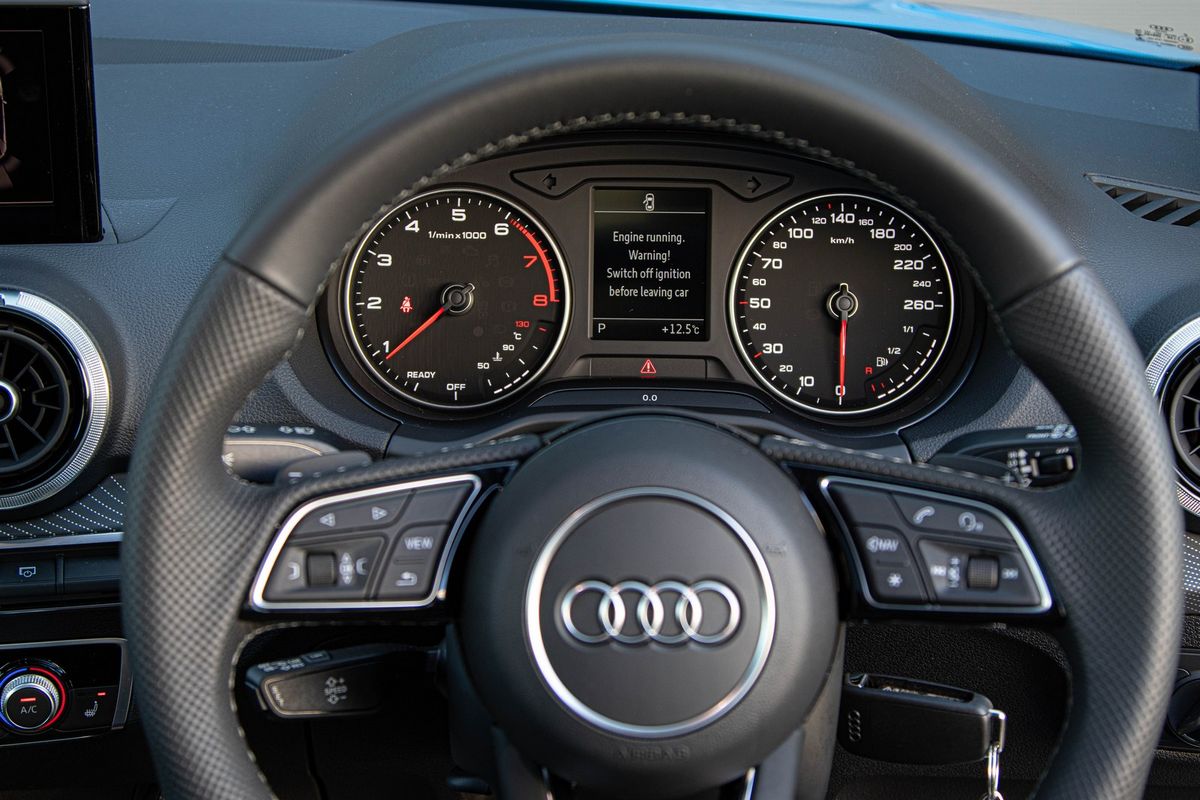
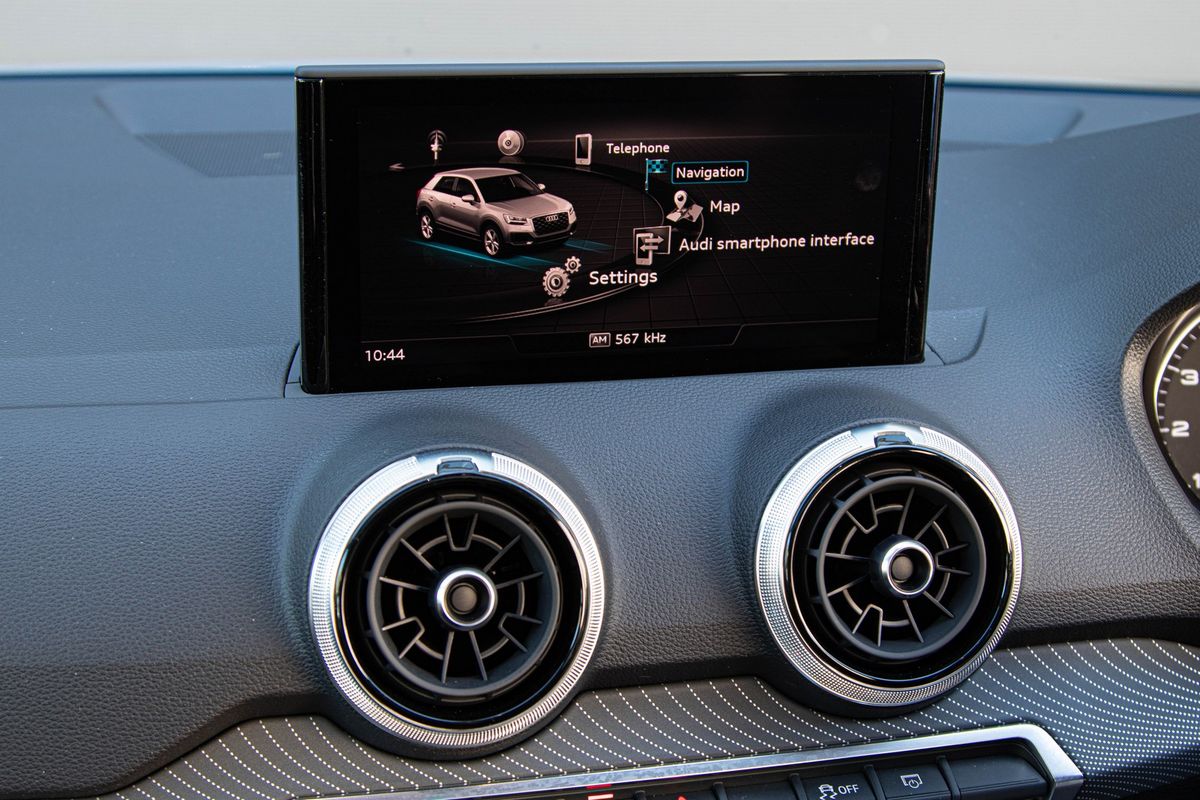
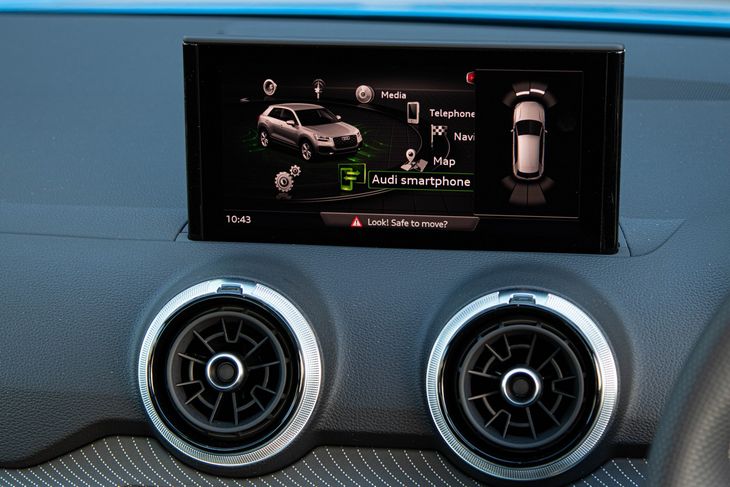
It’s interesting to note that Audi’s premium crossover is now the only model in the brand’s portfolio that doesn’t feature the slick new MMI touchscreen interface (replete with haptic feedback), although the latest iteration of Virtual Cockpit is available as part of the R35 200 Technology package. We’re coming from the privileged position of having experienced the latest-generation Audi cabins and yes, while they’re very excellent in terms of visual appeal and user experience, there’s a reassuring familiarity about this older setup. It may lack the “wow factor”, but the system’s layout and menus are intuitive.
In fact, some users may actually prefer using the navigation wheel to scroll through the system’s menus rather than blotting the screen with fingerprints. We would have liked the infotainment screen to retract into the dashboard like in some of the older Audi models, but at least the setup has been updated to support Apple CarPlay and Android Auto – must-have connectivity for the “always-on” generation.
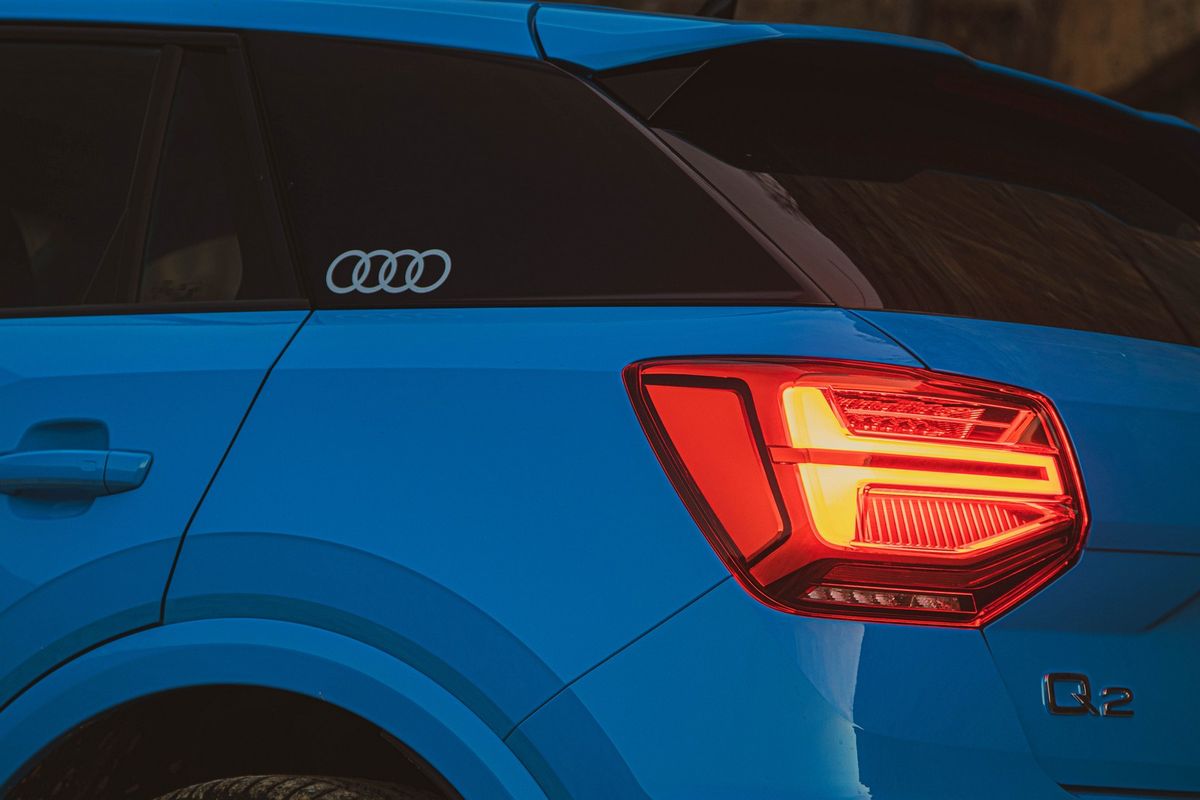
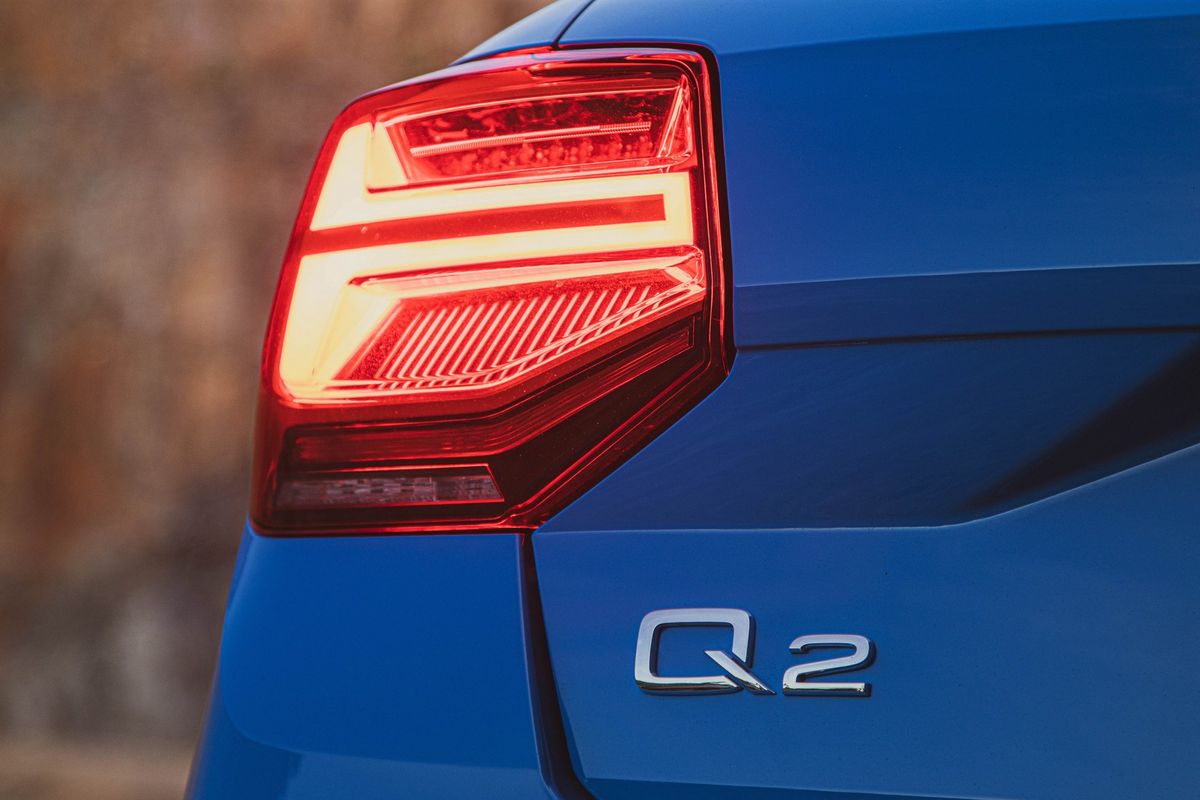
This Turbo Blue Audi Q2 test unit came specified with a plethora of options, including a panoramic glass roof (R17 000), Bang & Olufsen premium audio system (R9 800), plus Matrix LED headlights and LED rear combination lamps (R12 000). Audi has grouped the most popular items into packages, such as the Technology Package and Comfort Package. “Technology” comprises the digital instrument cluster, smartphone interface, and enhanced MMI Navigation Plus, while “Comfort” incorporates the electric tailgate, 4-way lumbar support, heated front seats and 2x USB ports for the rear passengers.
Is the new Audi Q2 practical?
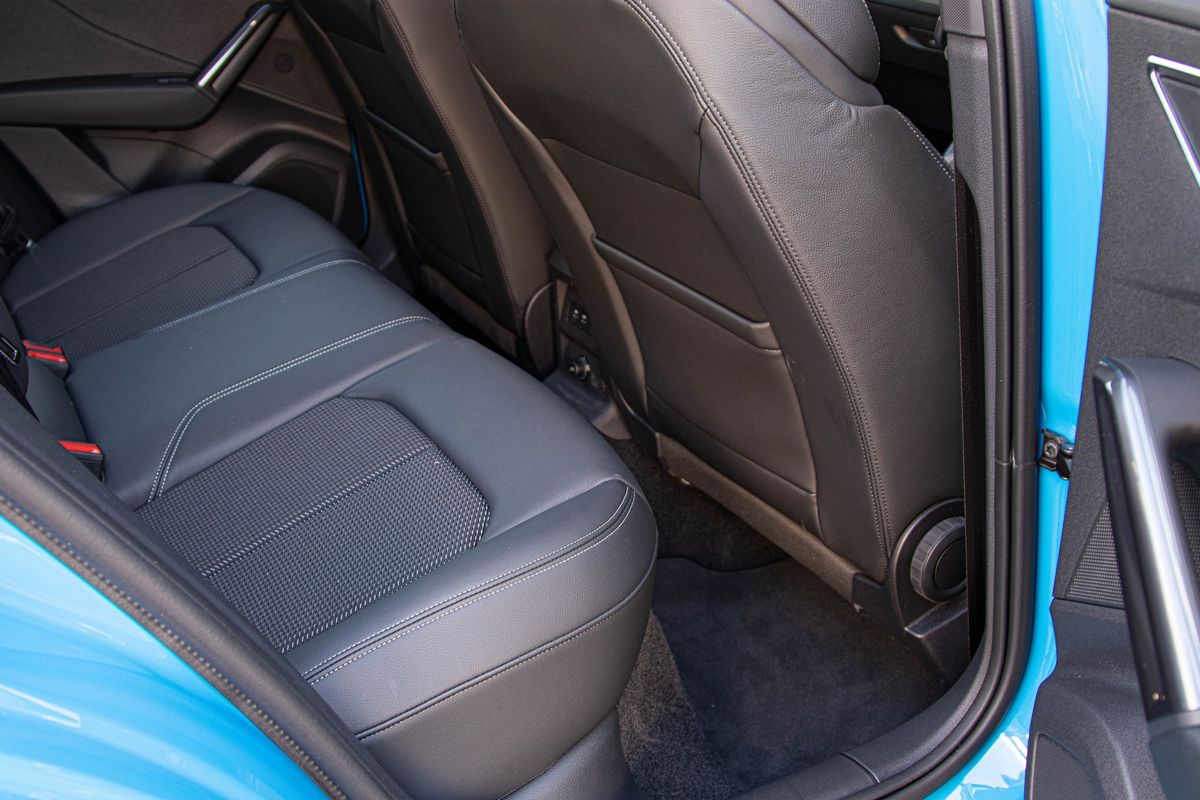
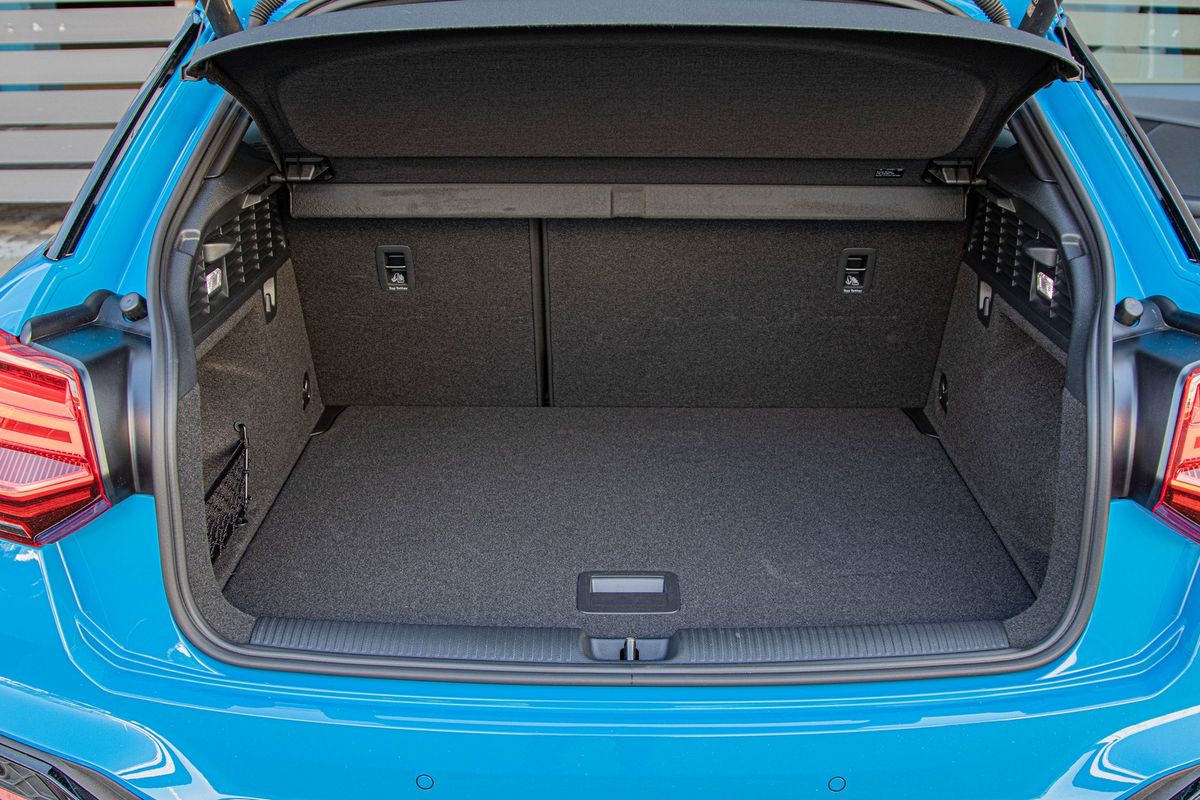
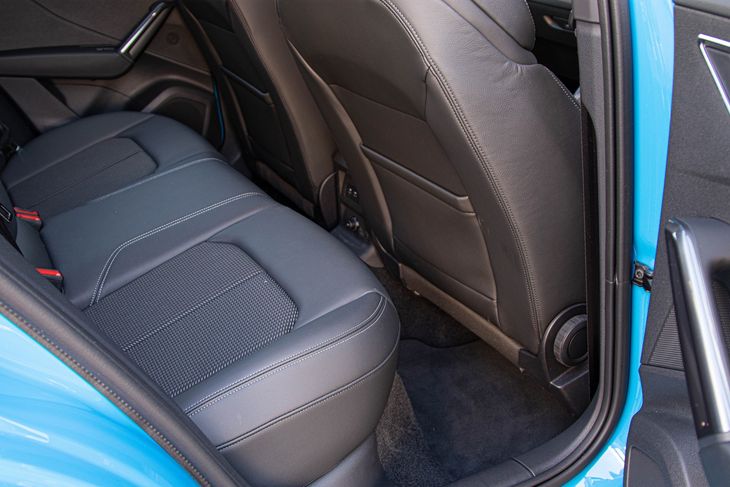
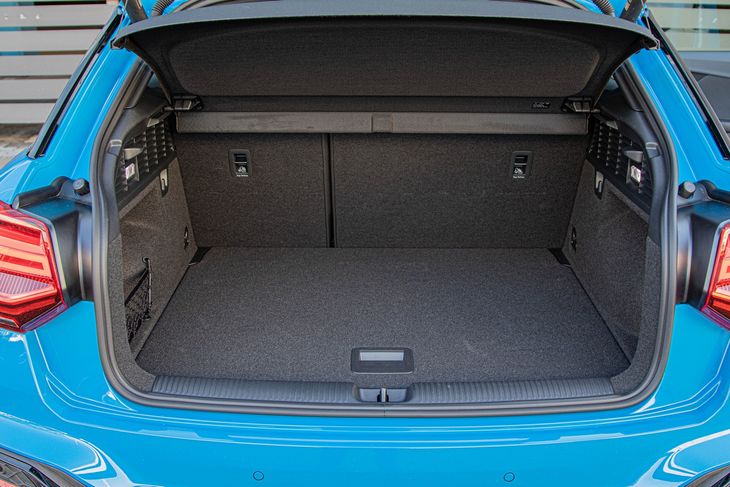
The Audi offers ample space for front occupants, but rear passengers, especially taller ones, will find legroom a bit cramped. The Q2 seems aimed at family-car buyers with small children (toddlers or infants). Of course, infants come with their own luggage requirements (such as prams), but the Q2’s load bay is reasonably sized, even if it slightly lags the rest of the segment in terms of capacity.
If you need additional space, you can always fold the Q2’s 60:40-split rear seats down, which was exactly what we did when we needed to transport a mountain bike.
How much does the Audi Q2 cost in South Africa?
The Audi Q2 35 TFSI 110 kW S line tiptronic retails for R581 500. An Audi 5-year/100 000 km Freeway (maintenance) plan is included in the price.
The recent updates to the Q2 ensure that Audi’s premium crossover remains relevant in a fast-changing car market, but the facelifted model isn’t a class-leading offering. Its powertrain strikes an admirable balance between performance and efficiency and the vehicle’s packaging offers enough of a sense of occasion, but, at the price of a brand-new fully-loaded Q2 (such as the one tested here), appealing nearly-new examples of the newer #CarsAwards-winning Audi Q3 family car are well within reach. When you’re punching deep into premium territory, fresher products offer much stronger appeal.
The larger Audi Q3 is so accomplished, in fact, that the Audi Q2 pales in comparison. Sadly, when your sibling is an overachiever, you’re bound to be overlooked (or, in this case, be considered more of a fashion accessory). However, market trends indicate that customers now favour high-riding crossovers over conventional hatchbacks; the Q2 may indeed flourish… at the cost of its A3 Sportback sibling.
Covid-19 is about to make it a real hassle to renew your vehicle licence. Your car’s licence is likely to expire soon and, due to last year’s difficult circumstances, that fact applies to many South African motorists. Don’t wait until a traffic officer pulls you over and issues you with a fine to remedy the situation!
Remember Lockdown Level 5? Just the memory of that period in 2020 sends shivers down our spines! The government closed the traffic department’s licensing offices for months and changed the rules, which meant that almost half of the cars in the country only got their new licences in August 2020. Guess what? ALL of those people will need their 2021-22 licences in August 2021. Our data shows that more than half of 2021’s vehicle licence renewals HAVE to take place in August and September this year. Our government has to do half a year’s work in a matter of weeks. Does that sound possible?
Suffice to say there will be lengthy queues at post offices and licensing offices across the country very soon! Go check the expiry date on your vehicle’s licence disc right now – there is a good chance that you may have to stand in those dreaded queues and, with the Covid-19 cases in the country appearing to spike again, queuing in a crowded locale is rather undesirable!
The solution
Just jump the queue; use the Cars.co.za Vehicle Licence Renewal service to do the renewal right away! You don’t have to wait until the last minute or until your car licence has expired either, because you won’t have to pay anything extra to renew your licence early.
The calculation will be done correctly to take into account that your licence will only renewable later in the year, so you can be 100% sure that you won’t be paying the government a cent more than you need to. There will only be a R199 admin and delivery charge. You can sit back while we will deliver your new vehicle licence directly to your doorstep a few days later.
Like many other automotive companies that trade strongly in Europe, Audi has a frightful set of new emissions regulations to contend with and has promised to become a carbon-zero operation by 2050.
The EU’s new Euro 7 engine regulations have been deemed impossible by some. Brussels is attempting to create a significant disincentive for any future petrol and diesel engine development, by setting nearly impossible standards for manufacturers to adhere to.
A 50% emission reduction has been set for internal combustion engines, by 2025. The message from politicians in Europe, to the automotive industry, could not be clearer: go electric, or go away.
Audi boss, Duesmann, has admitted that the company will attempt to keep its current diesel and petrol engines relevant, for the 2025 deadline. But an investment in new internal engine architectures or castings is simply not feasible under Euro 7. All new Audi’s launched from 2026, will be electric.
Speaking to the Frankfurter Allgemeine Zeitung, Duesmann has confirmed that Audi will not pursue any new engine development, for petrol or diesel. Engineers in those departments will busy themselves with attempting to keep the company’s current engine portfolio ‘legal’ to 2025 and beyond.
Audi has a huge market in China, and the expectation is that local volumes there, will support domestic production of some internal-combustion engines, into the early 2030s.
The cost to comply with emissions will be severe, but Audi has no choice. It will cost slightly less to adapt current engines than engineering a completely new line of Euro 7 compliant engines from scratch.
The stark reality is that Audi’s legacy models will all revert to battery power, soon. The next-generation of A4, A5, and A6 will be EVs. A1? In all likelihood, discontinued.
A3? A problematic issue for Audi to deal with, as VW has already confirmed that Golf8 will eventually be replaced by its ID range of hatchbacks.
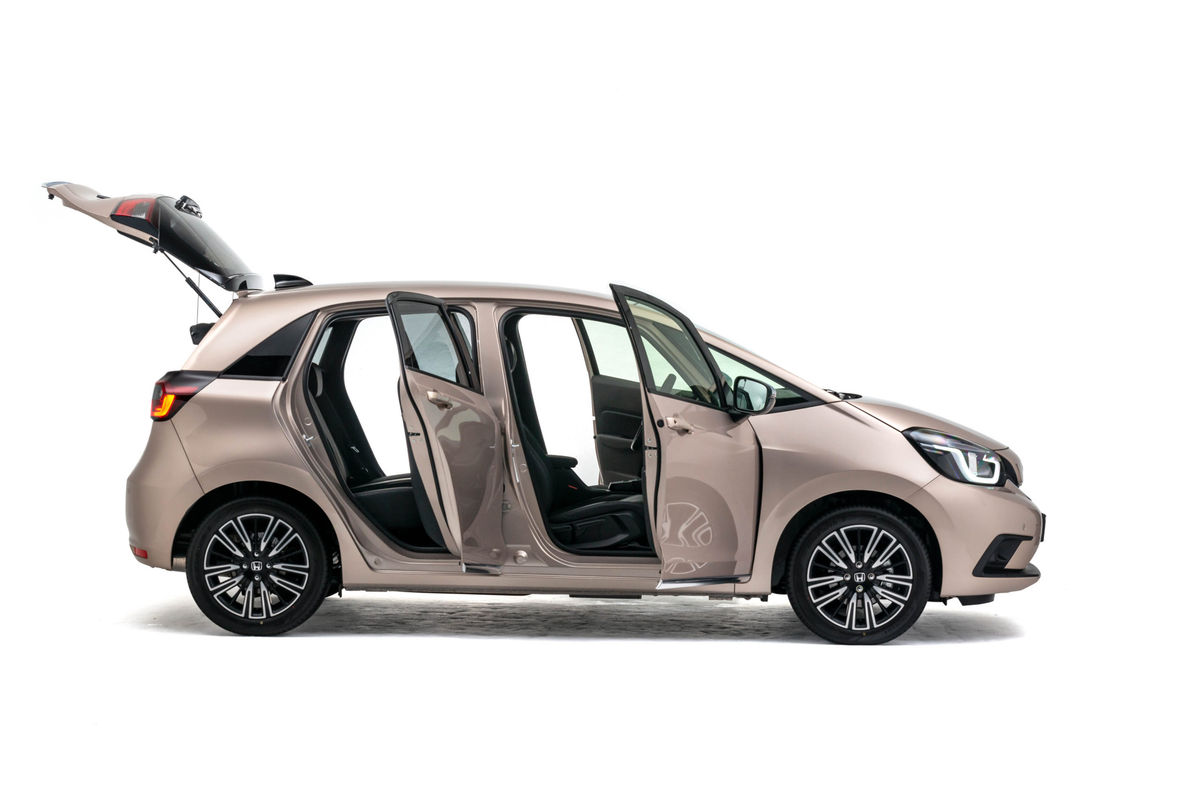
Honda Fit (2021) Launch Review
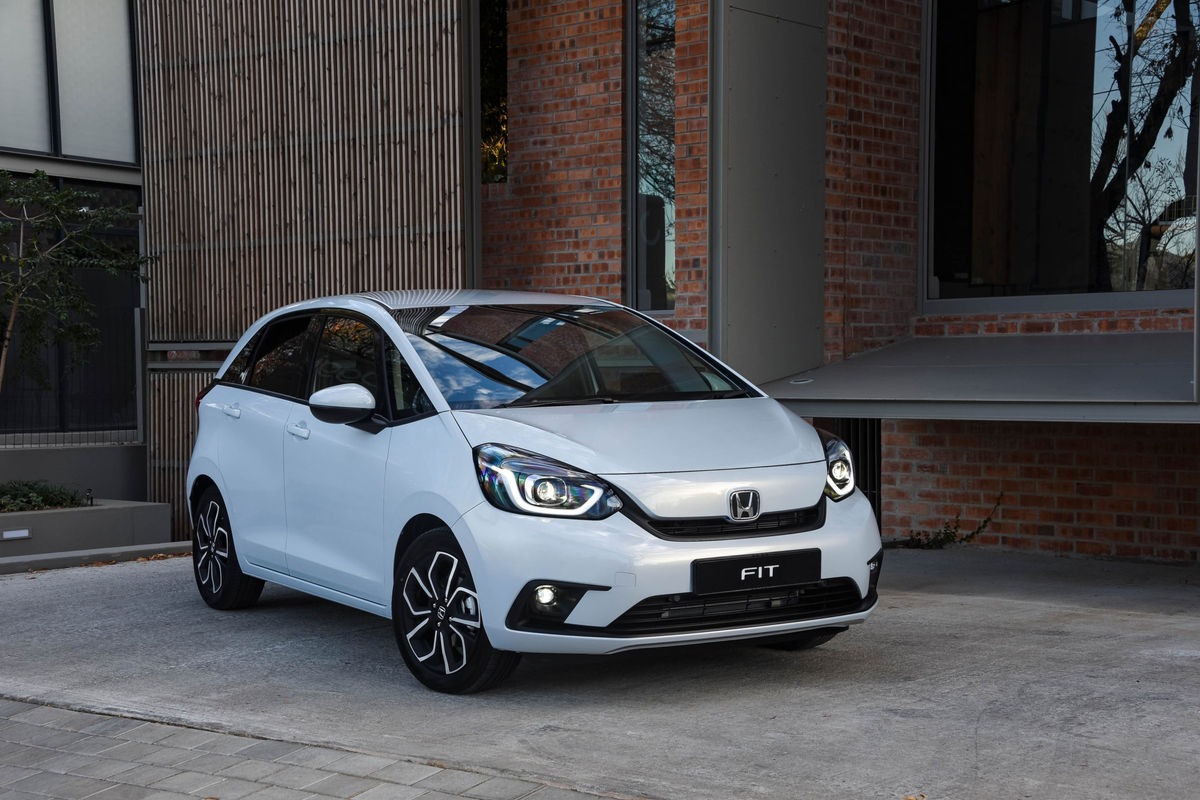
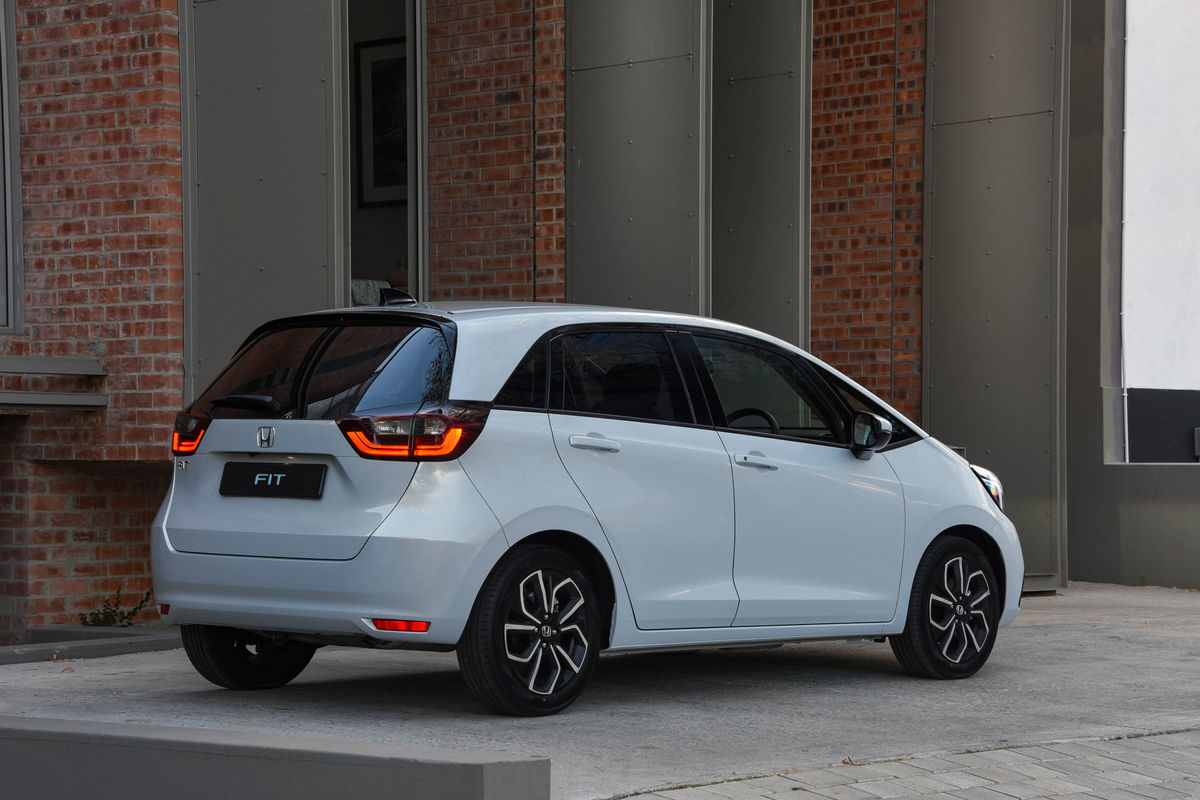
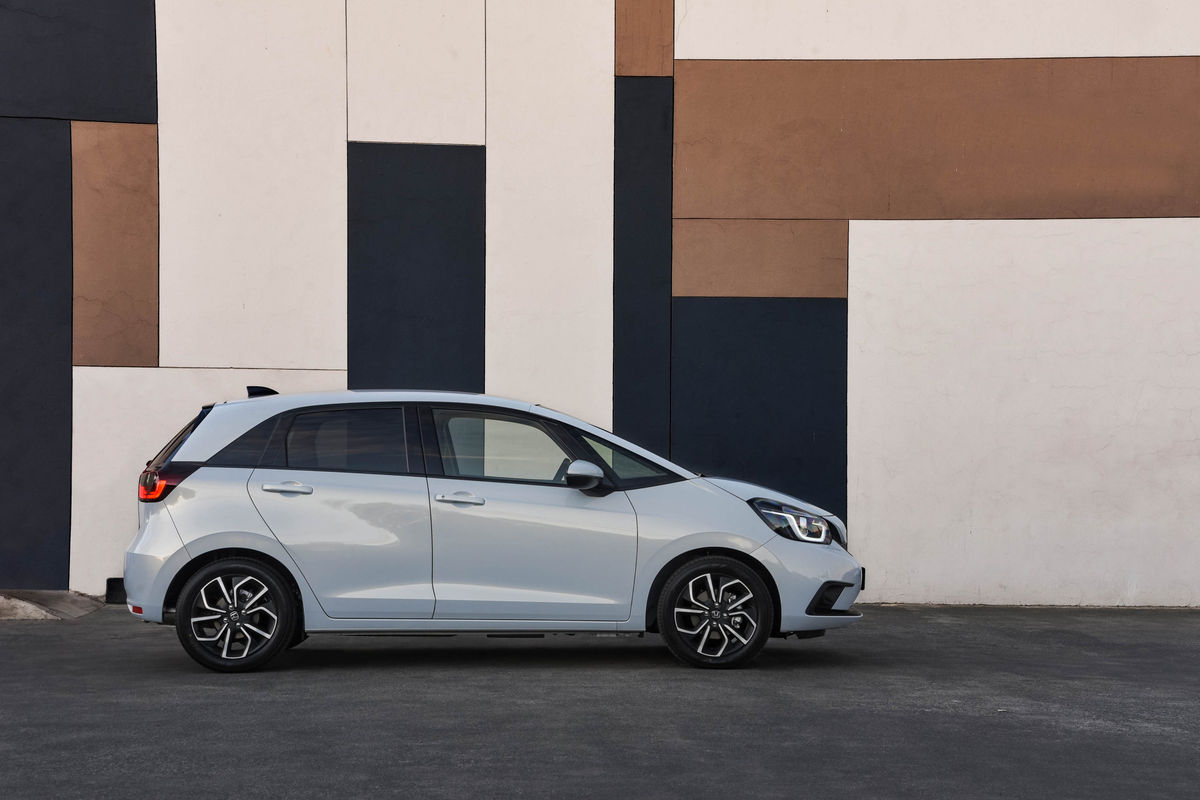
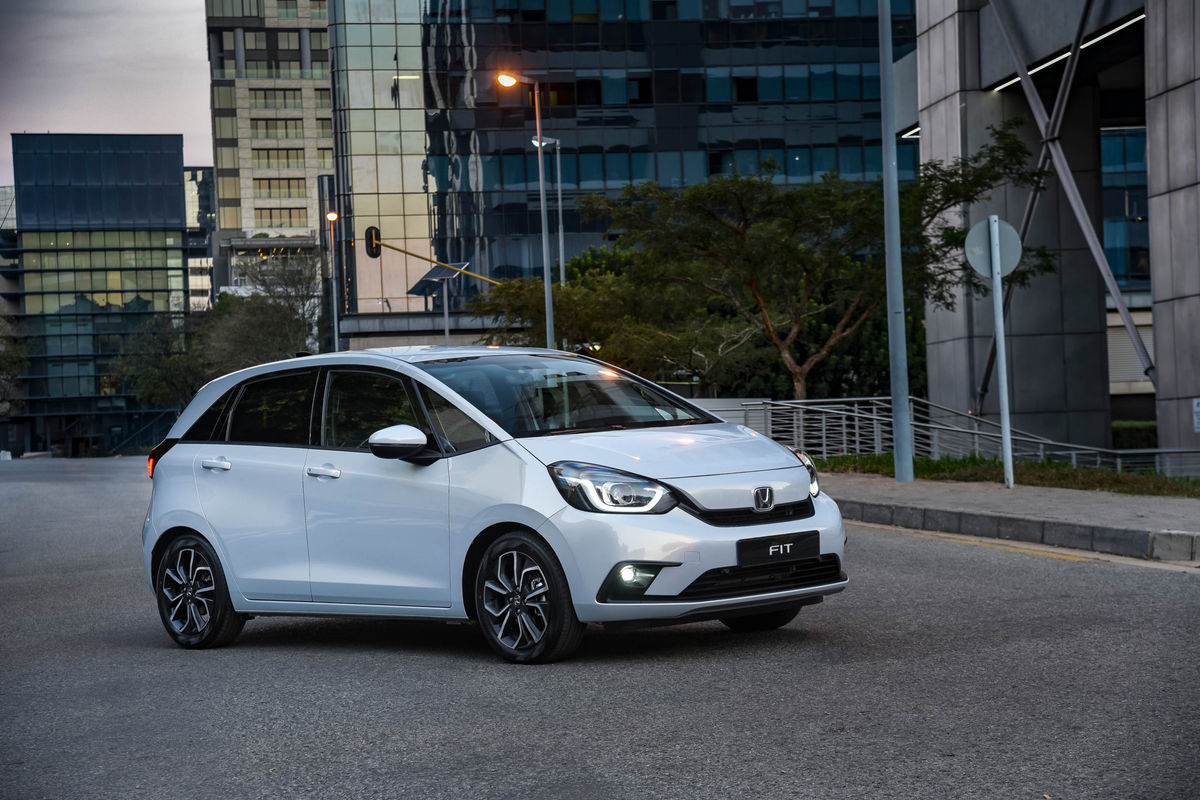
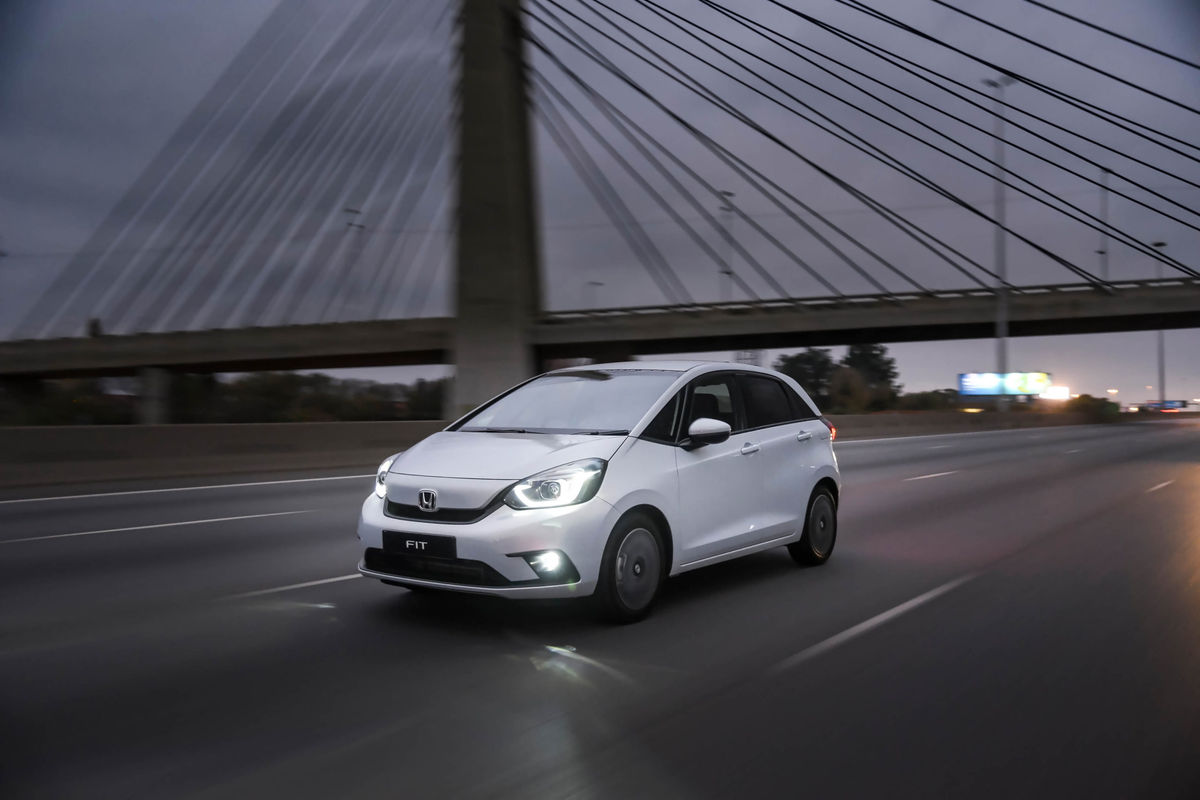
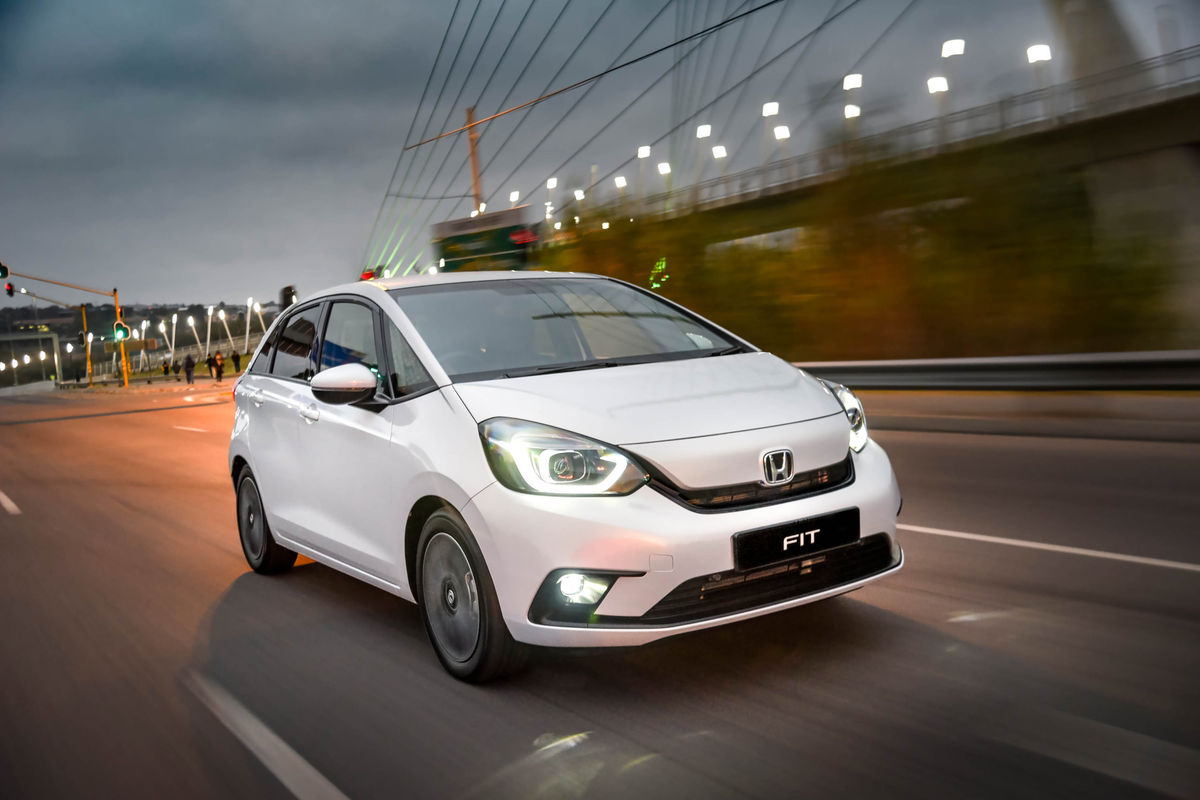
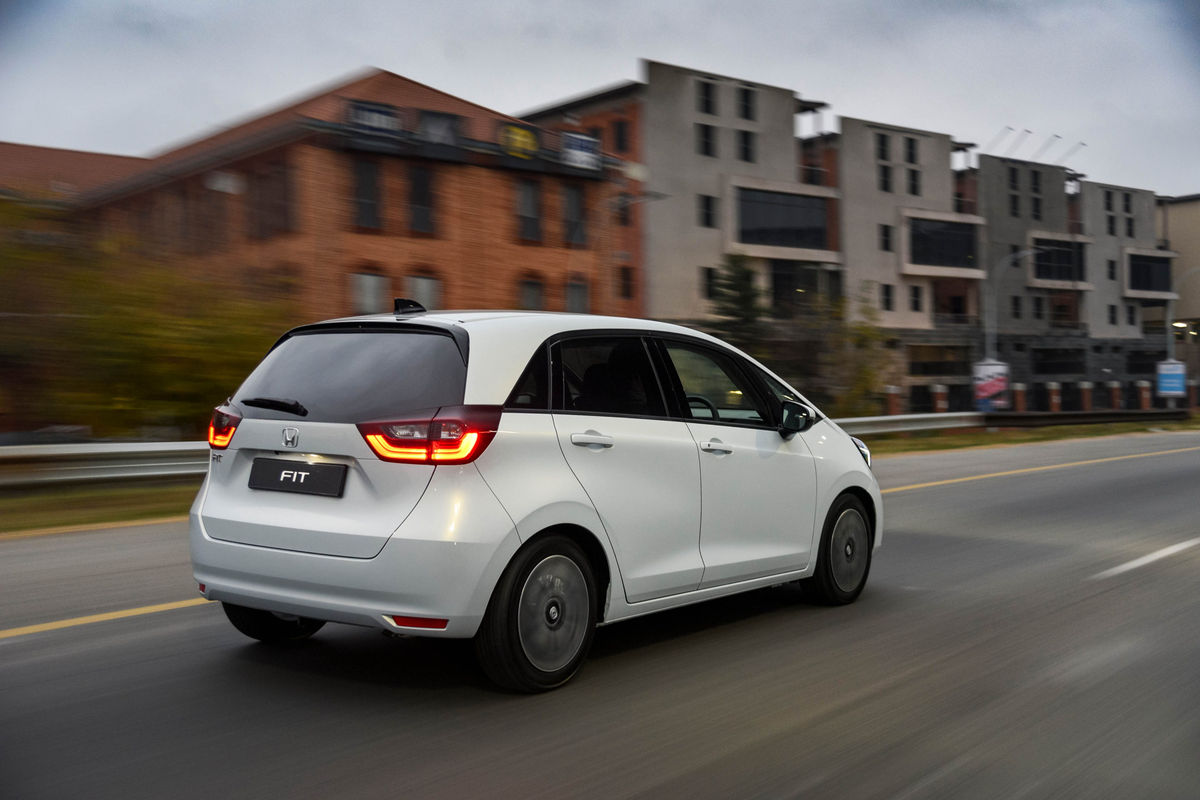
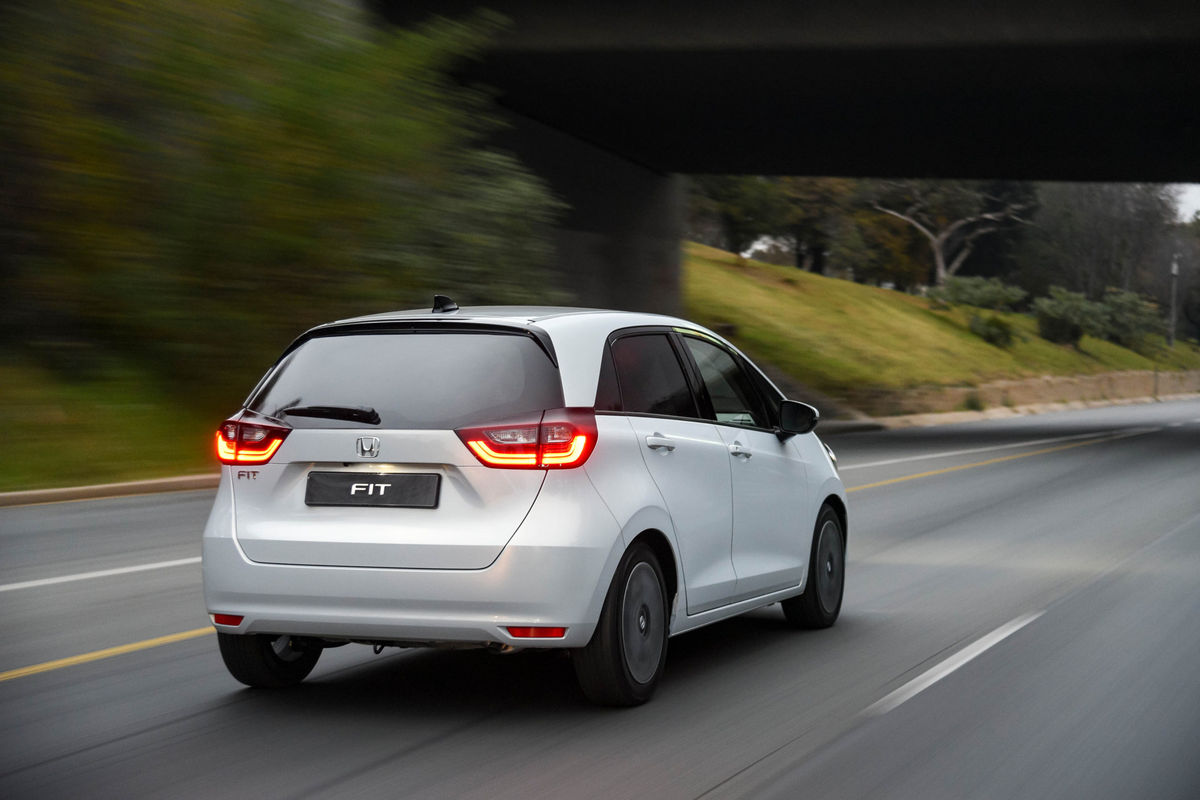
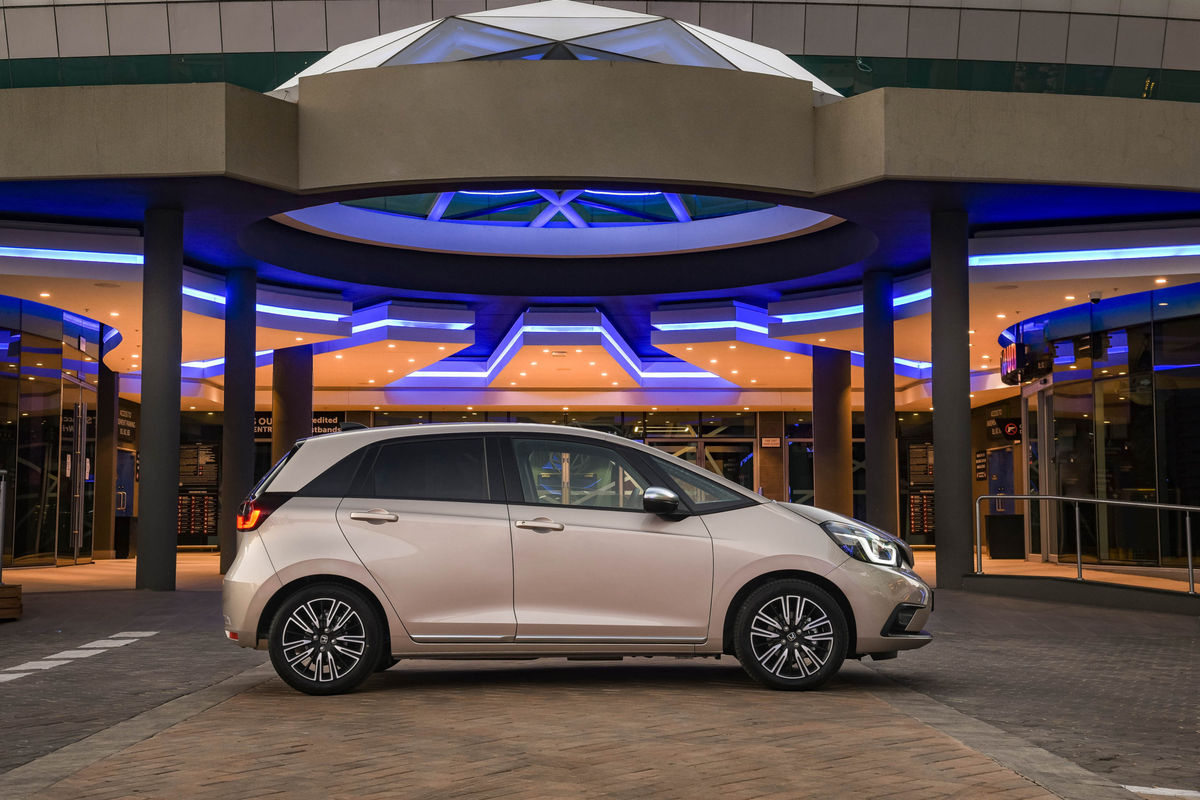
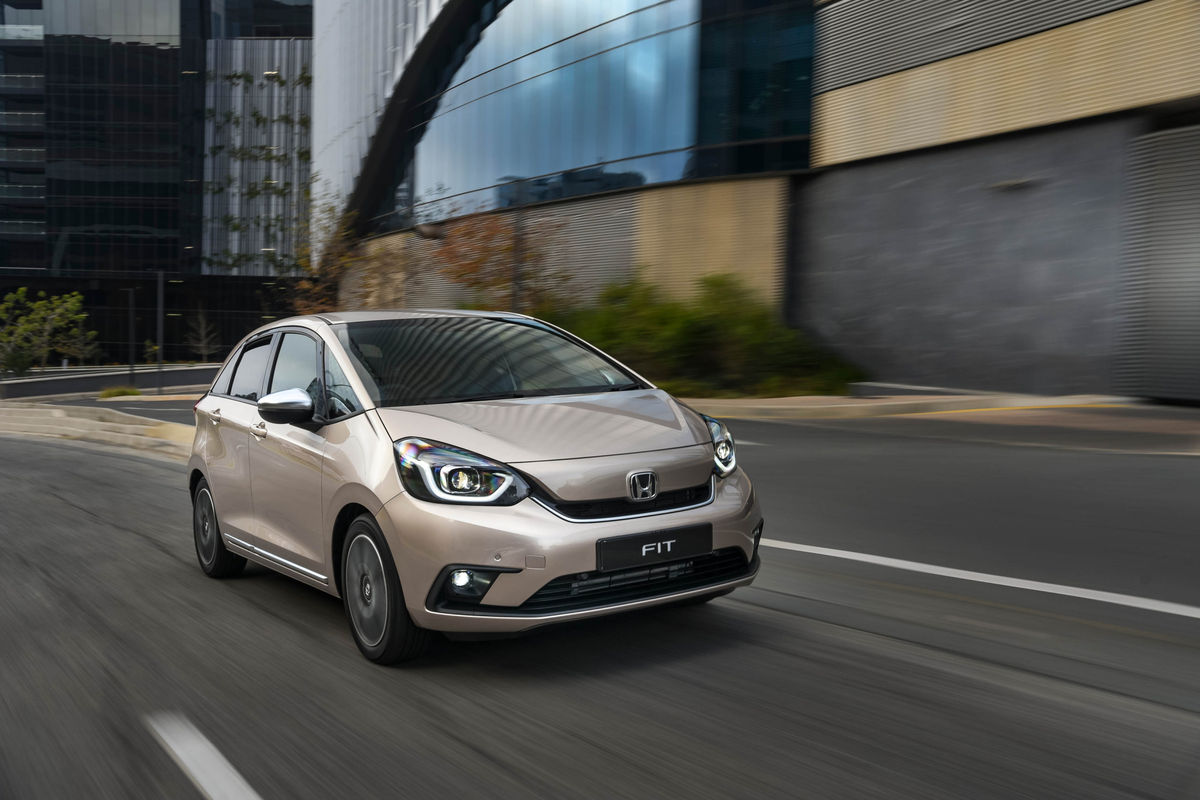
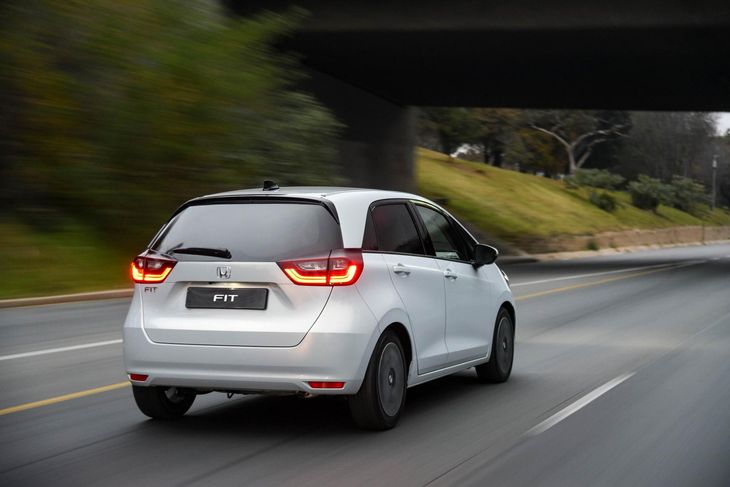
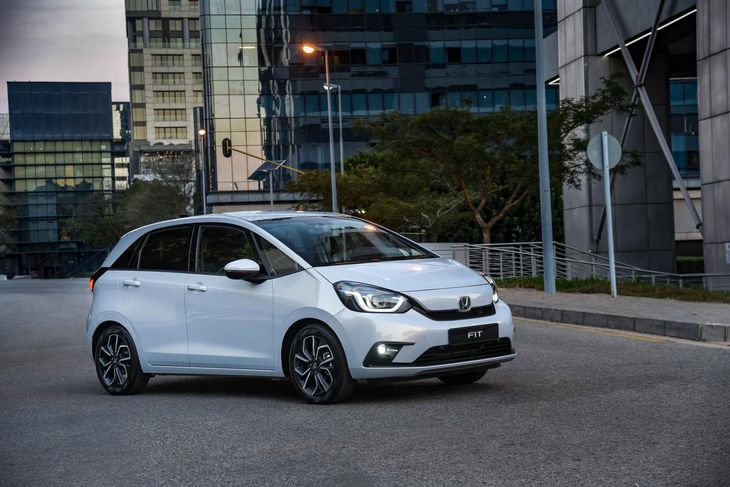
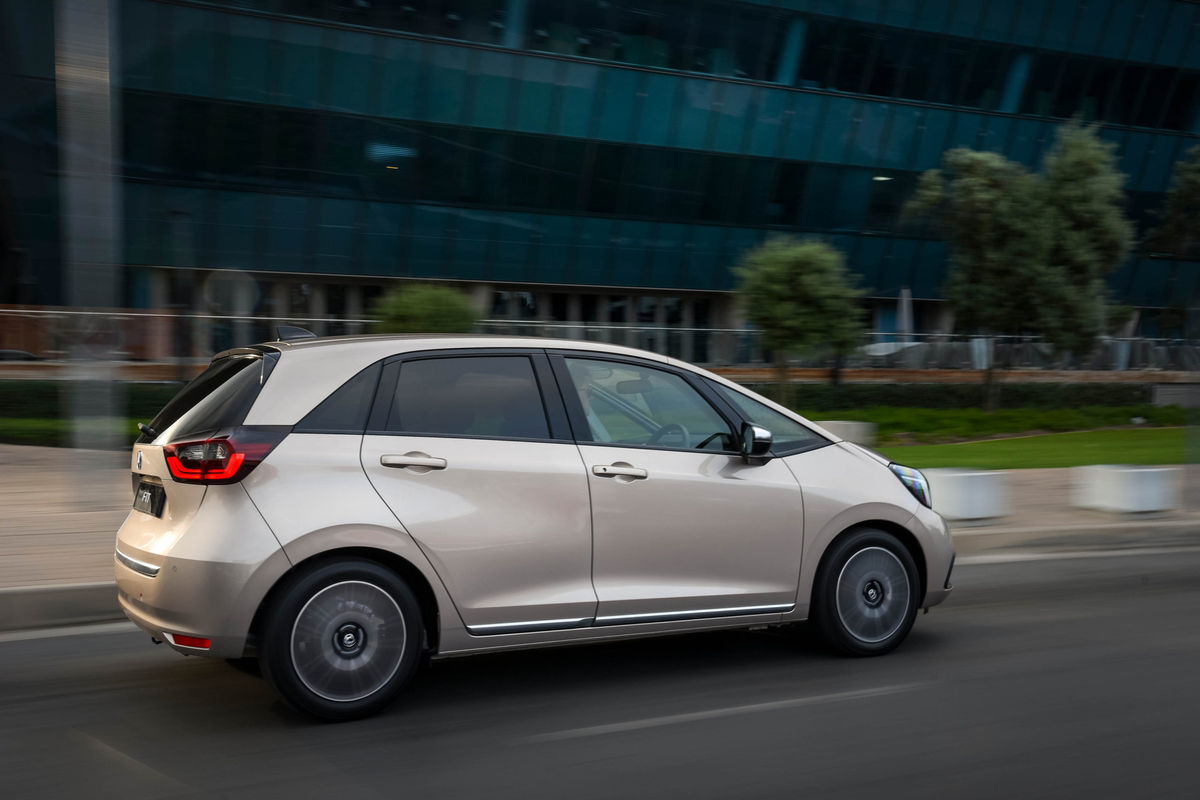
The popularity of Honda’s most popular hatchback has waned through the years – because of fierce competition in its segment, yes, but also the public perception that it’s a car “that’d be perfect for your gran”. In a bid to reframe the Jazz, Honda SA has changed its name to Fit (as the model is known in its home market) and freshened its looks to appeal to a younger clientele. We drove the new model at its local launch in the Western Cape to see if it’s more hip-hop than hip-op.
What’s new on the Honda Fit?
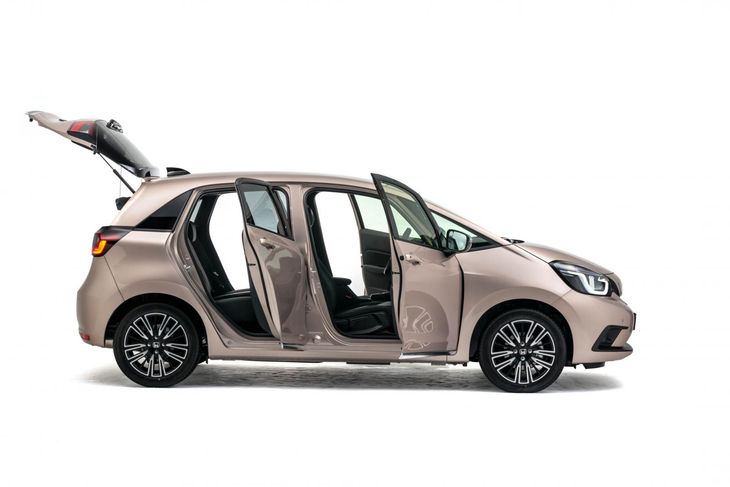
The name change from Jazz to Fit hasn’t made Honda’s compact hatchback any less practical.
The Honda Fit is the Japanese name for the Honda Jazz as we used to know it (the latter moniker was used in the UK and a few other markets, including our own). Honda SA believes changing the name of its compact hatchback will help to introduce the model to a new generation of car buyers, but without alienating the mature age group that represents the majority of previous-gen Jazz customers.
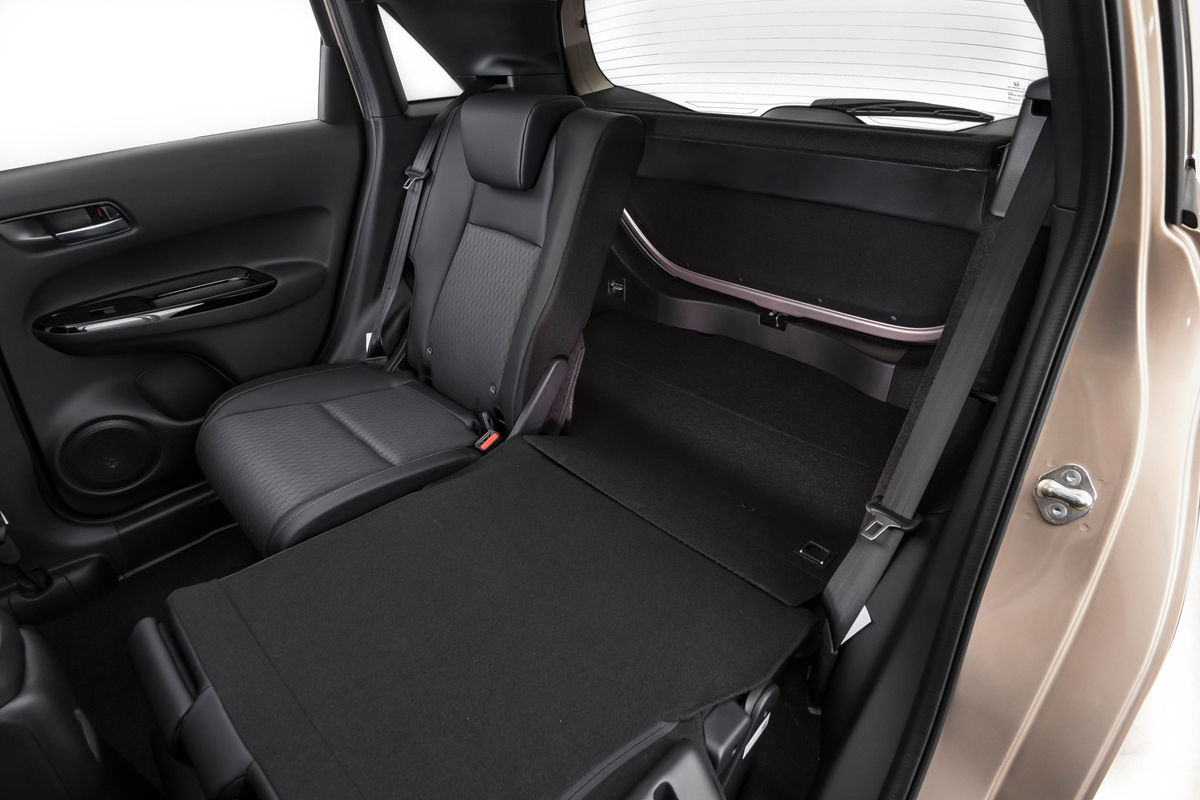
It’s an all-new car and no longer assembled in India for our market – this one comes straight from Japan. It’s 88mm longer than the model it replaces and its extra size is notable when driving next to the rivalling Volkswagen Polo. The Fit retains the Magic Seats, which afford the utility of the largest loading capacity in the segment. What’s more, they create excellent legroom for rear passengers.
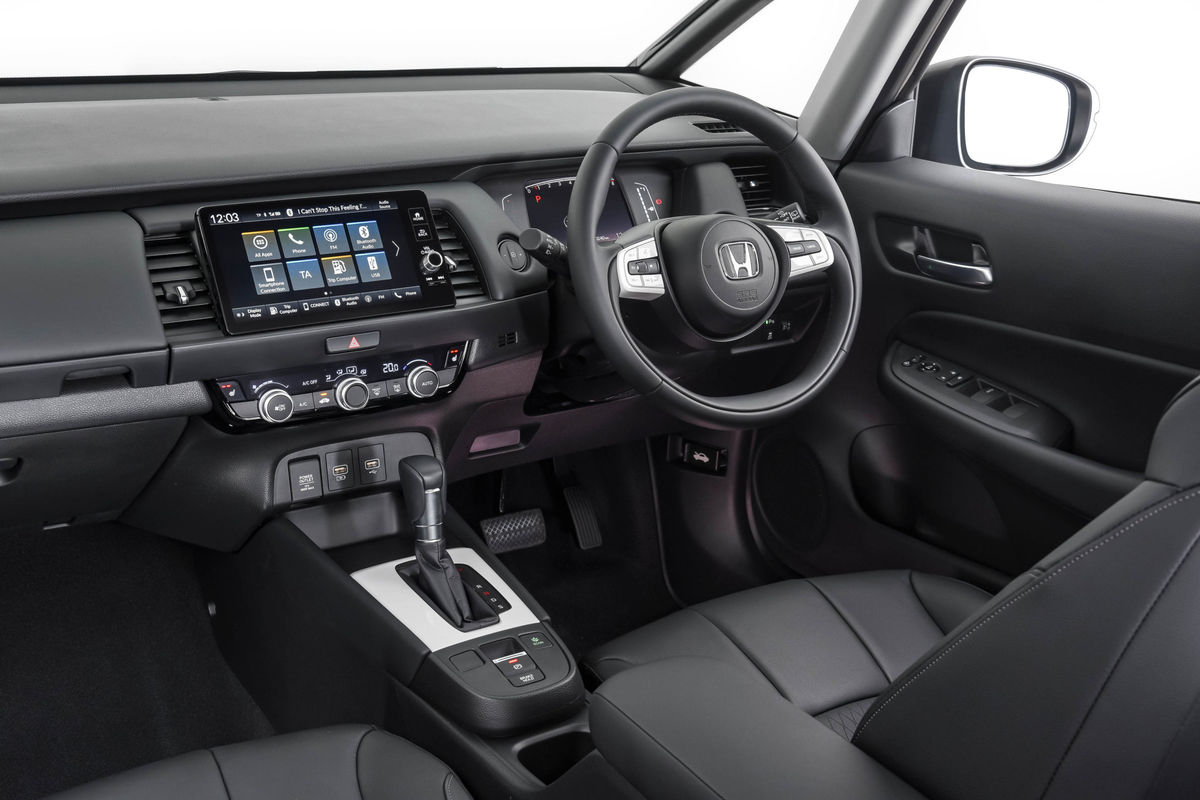
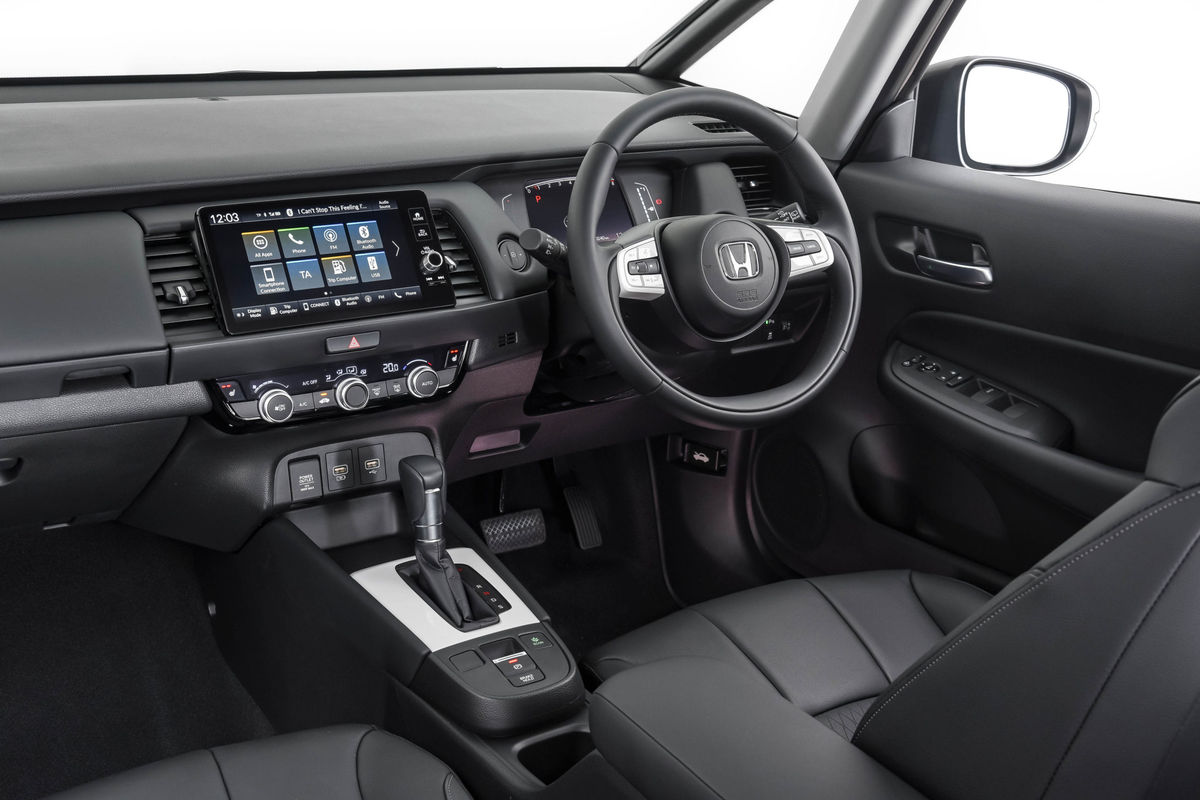
A new touchscreen infotainment system and digital instrument cluster bring much-needed tech improvements to Honda’s newcomer, while outward vision (through the front and sides of the cabin) has been improved by altering the design of the front doors to allow for larger side windows.
Two petrol engines have been assigned to the Fit range, one of which does duty as part of a hybrid drivetrain that’s vastly updated from the previous Jazz’s petrol-electric hybrid system. Interestingly, no manual gearboxes are available; all derivatives employ a continuously variable automatic transmission (CVT), with a fixed-gear configuration in the hybrid version.
What’s powering the Honda Fit?
The Honda Fit is visibly bigger on the road than rivals such as Polo and i20.
The Comfort, Elegance and Executive derivatives are all powered by a 1.5-litre petrol engine that produces peak outputs of 89kW and 145Nm of torque. The claimed fuel consumption figures for this non-hybrid powerplant is 5.5L/100km and that’s around the indicated consumption figure we noted having driven the Fit in mixed driving conditions over our 200km route.
As a brand-building exercise, Honda SA is also offering a Fit Hybrid that combines a 1.5-litre petrol motor with a battery and electric motor to produce combined outputs of 80kW and 253Nm of torque. The hybrid’s claimed fuel consumption figure is just 3.7L/100km. With the hybrid system, most of the fuel consumption benefits are reaped in town when the electric motor can do most of the propulsion work.
Both engines feel capable and, um, fit for purpose, while the CVT is fine until you want to press on or at least use more of the engine’s power reserves. At that point, you get the typical high-rpm drone until you revert to a steadier pace, at which point things quieten down.
The fixed-gear transmission in the hybrid seems to work in a similar way to a CVT, but it has simulated “shifts” to make it feel as if the car’s shifting gears (even though it isn’t). It sounds a bit complicated, come to think of it, but as a prospective driver of the Fit Hybrid, all you really need to know is that the transmission works (provides smooth acceleration).
Is it spacious and modern inside?
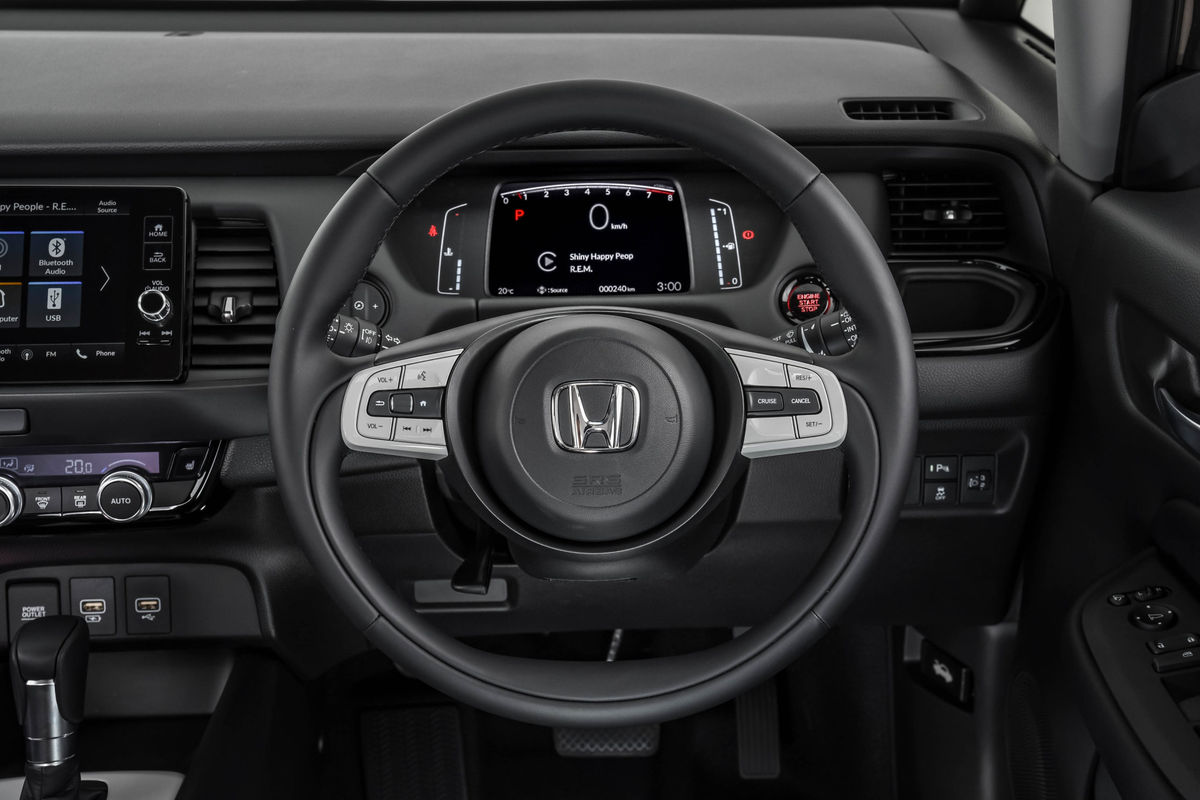
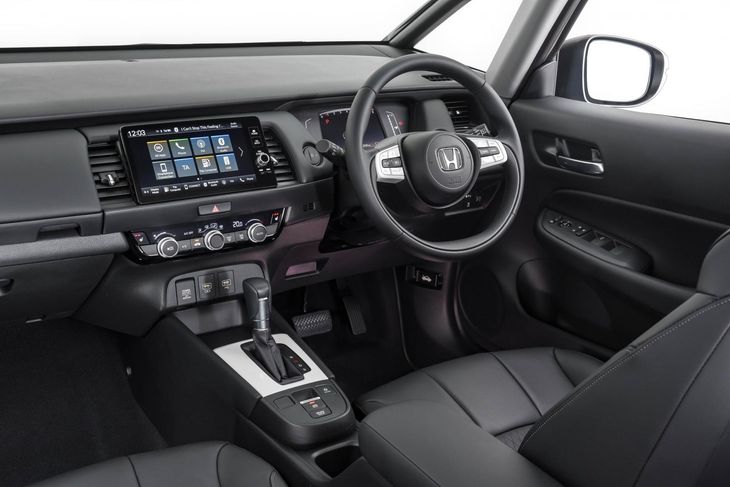
The steering wheel is lifted from the all-electric Honda e.
Class-leading is the best way to describe the cabin space in the Fit. It’s very comfortable inside and passenger space is certainly at the top of the hatchback segment. Rear legroom, meanwhile, is excellent but the load bay is a little on the smaller side at just 309L (claimed figures, with the hybrid version said to have 290L). For comparison, the aforementioned Polo has a claimed 350L luggage capacity.
The “magic” of the Honda Fit comes to the fore when you fold the rear seats down; they sink right down to the floor to create a perfectly flat load area and a cavernous 1210L of utility space. The Magic Seats have always netted Honda’s compact hatchback extra points for practicality and that has not changed with this new model.
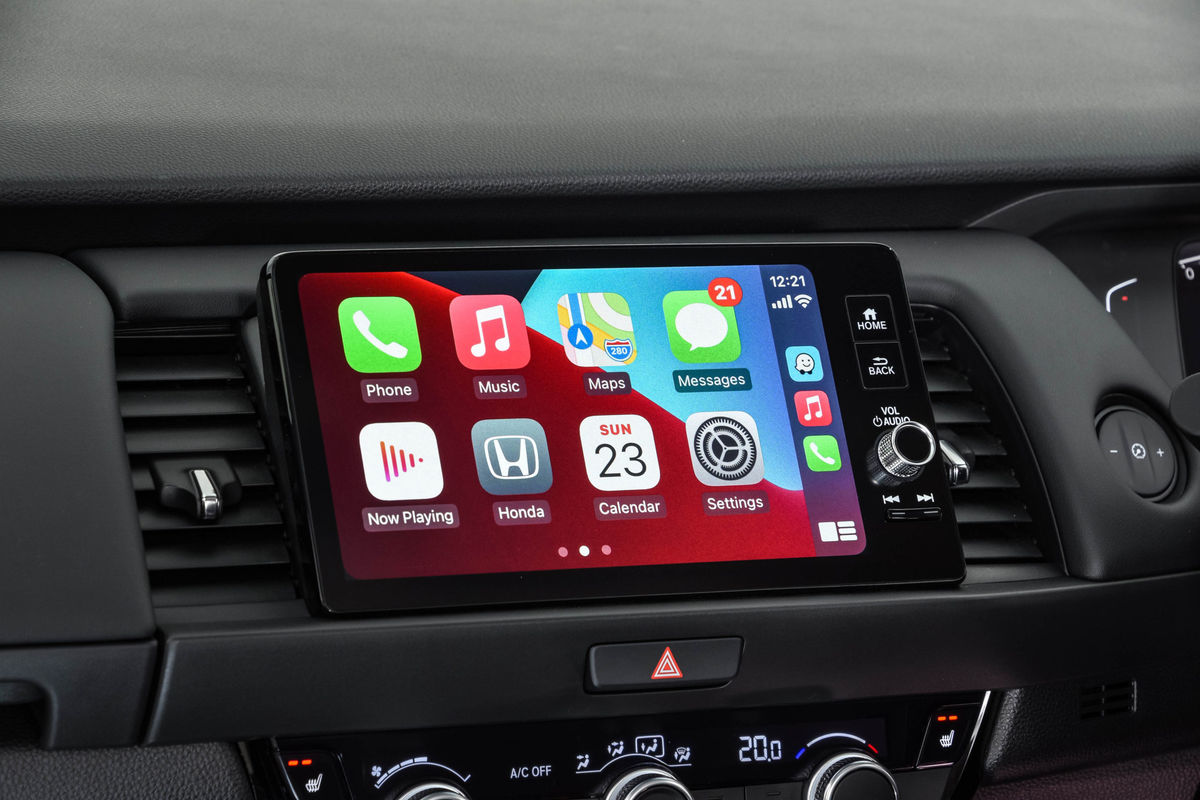
In terms of tech, the new infotainment system is simple to use and connects to your phone via 2 USB ports in the front, which enable Apple Carplay and Android Auto compatibility – the former screen-mirroring technology can also be connected wirelessly. Two separate USB ports are available for rear passengers too.
Analogue dials appear to be on their way out on most new models, including the Fit, which has a fully digital instrument cluster that is set between the gap in the steering wheel (rather than above it like most modern cars). The tiller is carried over from the Honda e, the retro-styled electric car Honda sells elsewhere in the world. It’s a nice touch that, in combination with the white inserts that surround the multifunction buttons, endow the ‘wheel with a pleasingly premium feel.
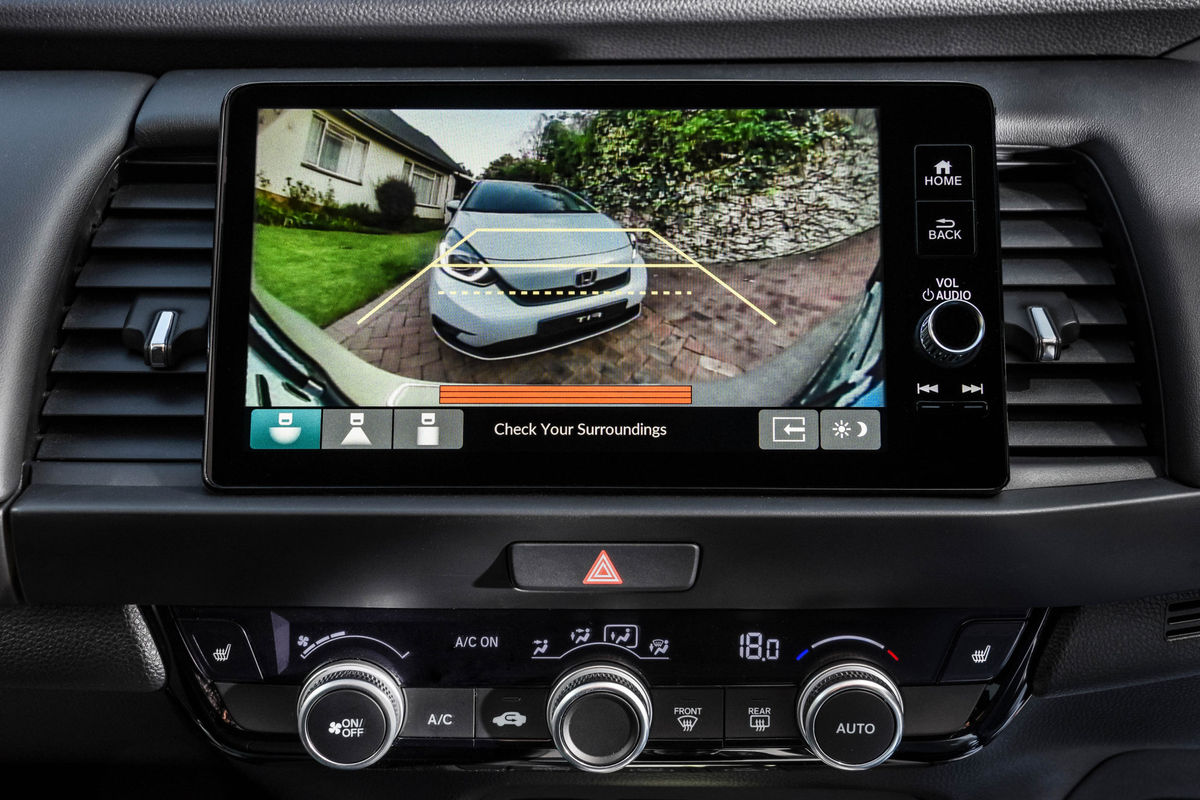
The top-spec Hybrid has some extremely high-end features, including adaptive cruise control, high-beam assist, lane-departure warning and collision mitigating braking. A reverse-view camera is fitted to all but the entry-level Comfort derivative, while front and rear parking sensors, as well as front heated seats (which we made good use of on a rainy Cape day) feature on the Executive derivative.
Is the Fit fun to drive?
I haven’t encountered a fun-to-drive CVT-equipped car yet, because the driving experience doesn’t gel with revving the engine to high-heaven as you attempt to extract eager performance from the vehicle. That said, the Fit rode particularly well over most surfaces we traversed during the launch drive (mostly country back roads). It’s quiet inside and the chassis is responsive to steering inputs. It’s the type of hatchback you’re not going to complain about after clocking up some long hours behind the ‘wheel. The seats are excellent too: very supportive and comfortable, whether you opt for cloth or leather trim.
Honda Fit pricing
The Honda Fit is sold with a 5-year/200 000km warranty, while the Hybrid model comes with an 8-year/200 000km warranty. A 4yr/80 000km service plan is also standard.
The Honda Fit remains an easily recommendable hatchback.
To recap, the previous-gen Fit (Jazz) seemed to eventually fall out of favour as Honda’s myriad competitors offered newer models, with fresher designs, more modern technology and superior drivetrains. Honda has seen to it that the new Fit addresses those issues, however. The design is newer (if perhaps a little too polarising for a B-segment hatchback), the infotainment tech is up to date, there are plenty of places to charge things and the screens are high-resolution. The powertrains are on par too; those who are particularly concerned with fuel economy will appreciate the Fit’s frugal consumption figures.
Unfortunately, the name change might not fundamentally change motorists’ perception of Honda’s compact hatchback model – the Fit’s unlikely to become that object of desire that the brand hopes will inspire younger buyers to want to own one, but it might just do the job of creating some much-needed buzz around the Honda brand.
Aside from the overly expensive Hybrid derivative (the additional taxes levied on hybrid models in the Republic makes them uncompetitive in our market), the rest of the range offers good value and tech. The FIt’s trump cards are still generous passenger space, those Magic Seats and Honda’s reputation for excellent reliability. Let’s see if those traits can help the brand regain some sales momentum…
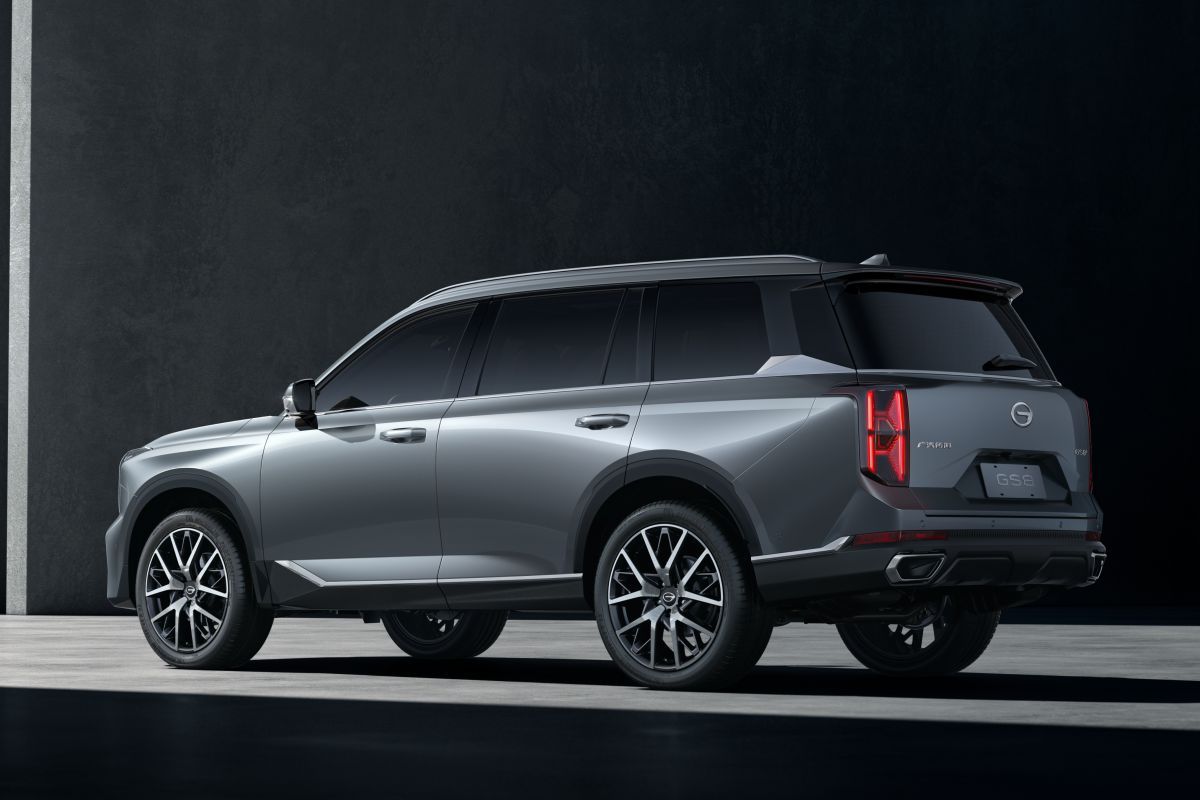
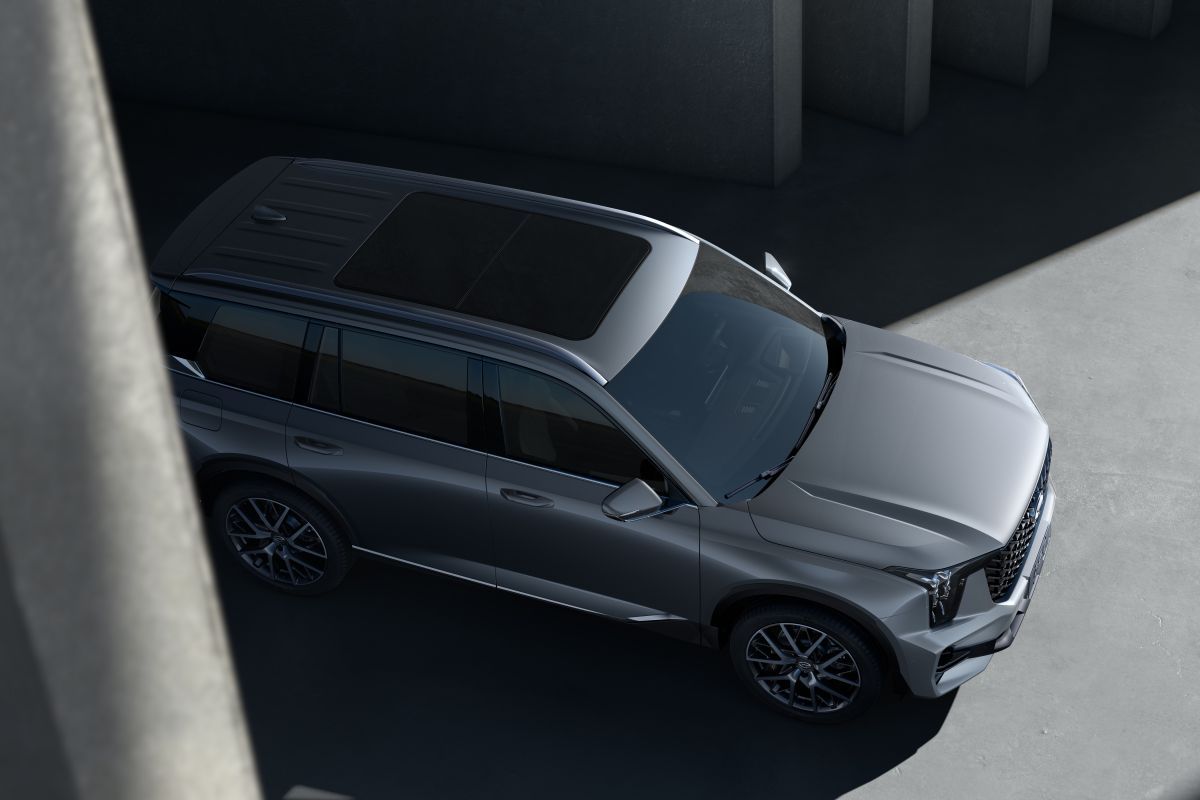
Trumpchi GS8 is a Chinese crossover with Toyota tech
A seven-seater crossover with global appeal, from China.
You have probably never heard of Trumpchi, but they make an interesting Fortuner-sized crossover, called the GS8.
Originally debuting back in 2016, the GS8 was updated in 2020, and now benefits from a comprehensive exterior redesign. Its first design was the work of former Mercedes-Benz designer, Fan Zhang.
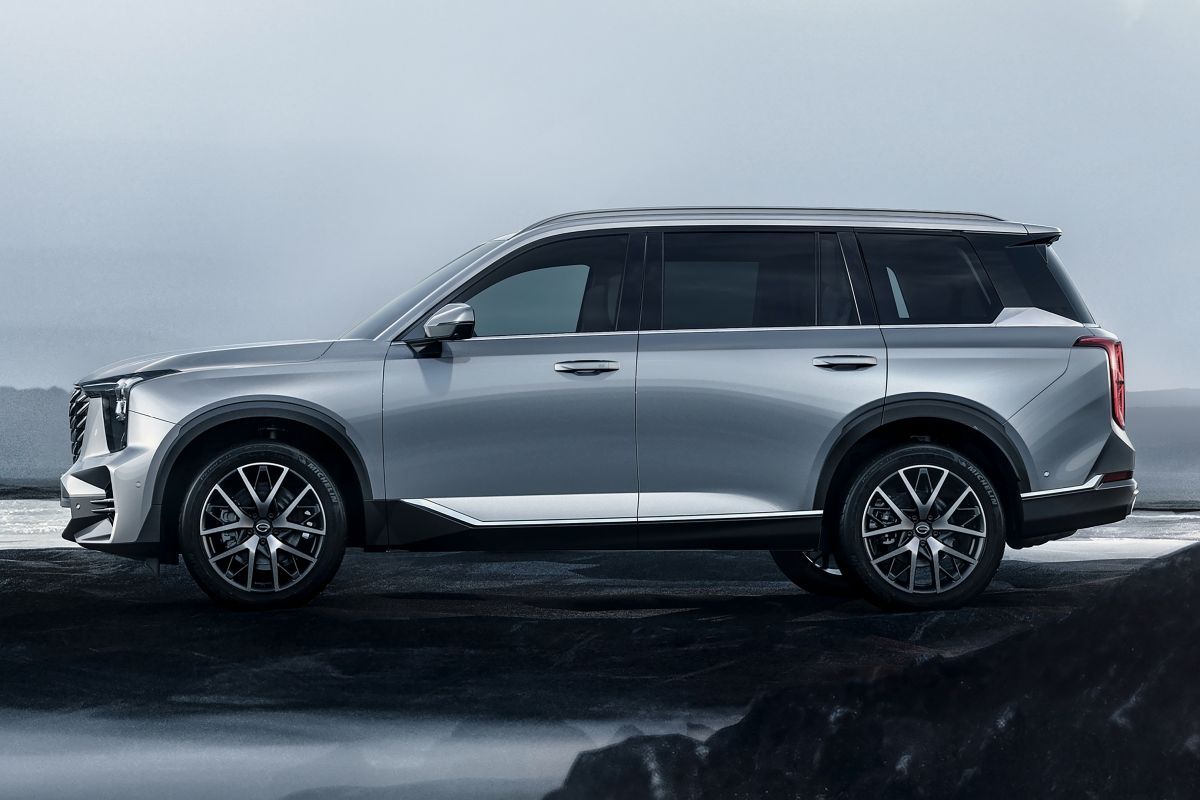
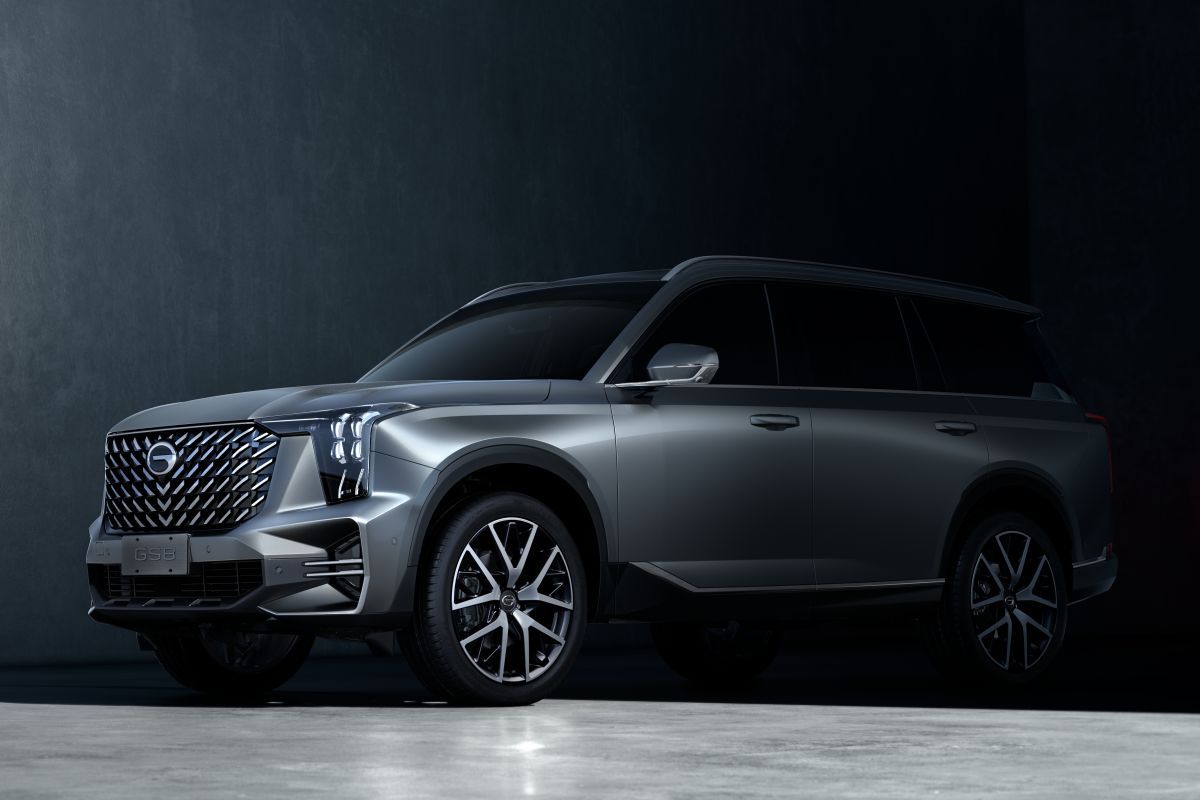
The 2021 look is bold, with a huge grille, and stacked headlamps. It has grown in size too, now measuring 4.9m bumper-to-bumper, which should give plenty of cabin space to its seven occupants.
Trumpchi’s also reshaped the GS8’s front bumper, with larger corner air ducts and a meaningful air inlet under the grille.
Viewed side-on, the GS8 went for the floating roof look, with blacked-out pillars. The tailgate is quite conventional in appearance and overall, the GS8 has less ridiculous surfacing than some other crossovers of its size.
Designed to project presence, without all the associated awkwardness that afflicts many other Chinese luxury crossovers, the new GS8 might look like a big vehicle, but it has a very small engine.
Chinese traffic means that cruising speeds are low – and the demand for power, too. Trumpchi is offering the new GS8 with a 2-litre turbopetrol engine, shifting via an eight-speed automatic transmission.
Trumpchi hasn’t confirmed the exact power outputs, but the GS8’s legacy 2-litre engine has been good for 150kW and 300Nm. Expect numbers that are similar, or slightly better, with this new facelift.
The most significant news with this new GS8, is the Toyota connection. Trumpchi’s holding company is Guangzhou Auto (GAC), which has successfully negotiated the licensing of Toyota’s latest hybrid drivetrain technology.
Toyota hasn’t been specific about what the exact outputs would be, but the hybridized GS8 will add battery integration to the standard 2-litre turbopetrol engine. We’d estimate a considerable performance improvement, and lower crawling speed fuel consumption, with the hybrid.
Trumpchi will be offering both front- and all-wheel-drive versions of the GS8.
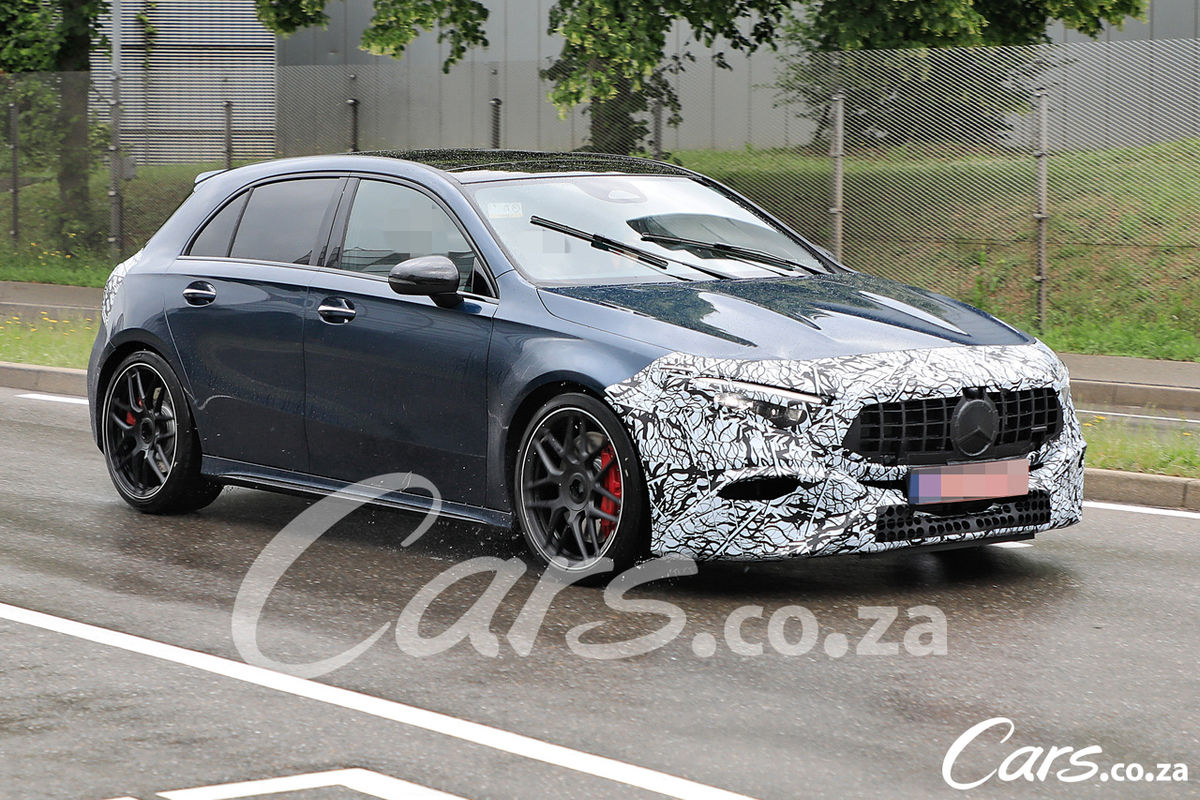
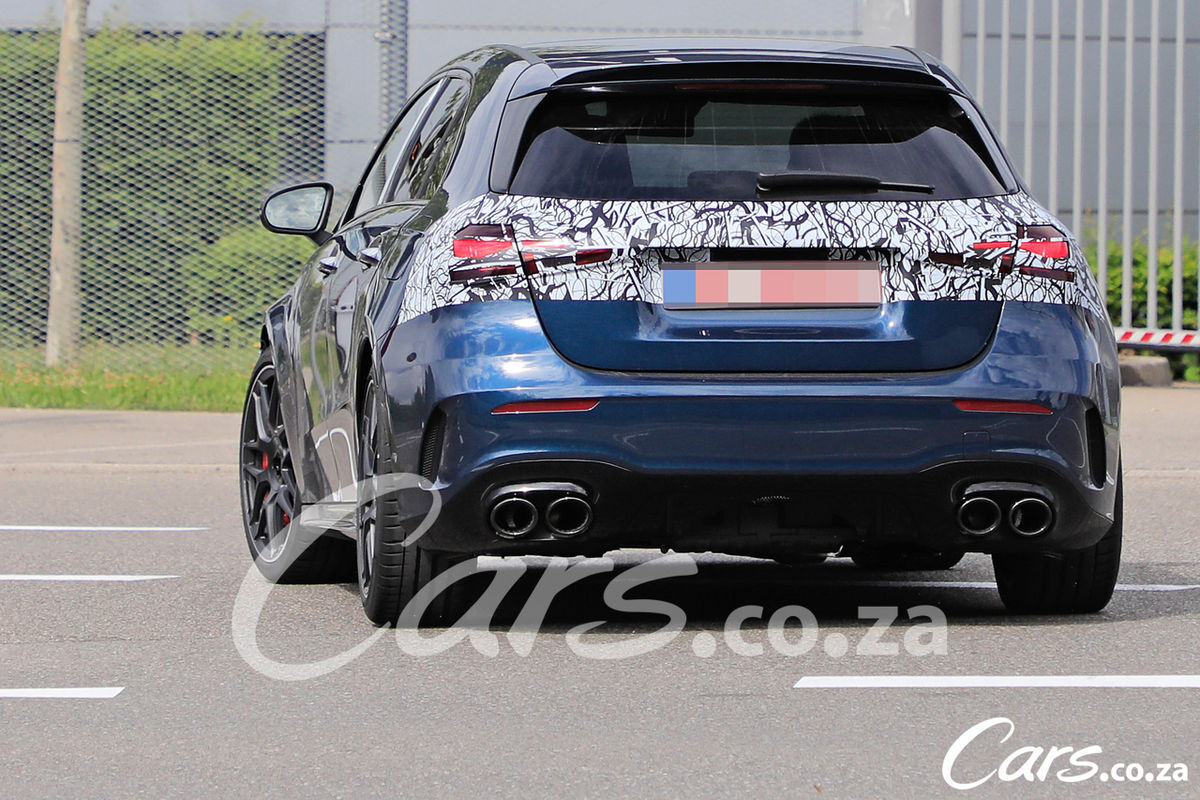
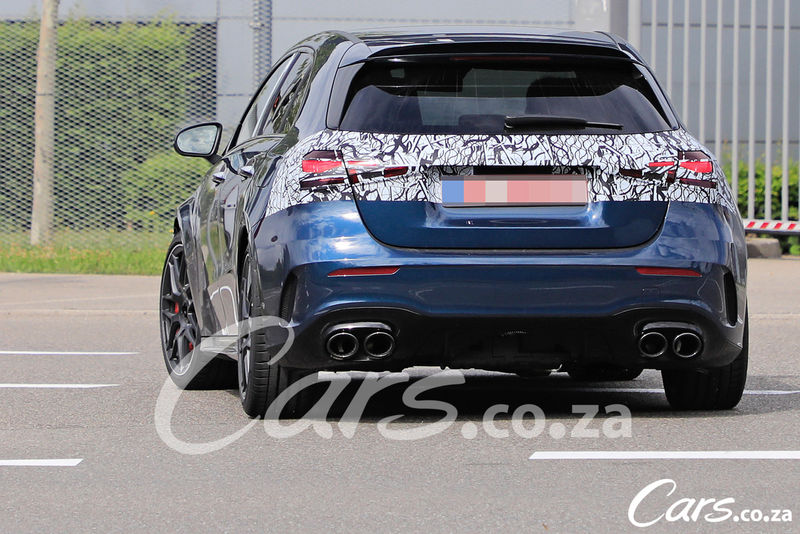
Spy Shots: 2022 Mercedes-AMG A45 S
Work has begun on the 2022 Mercedes-AMG A45.
Picture credit: S. Baldauf/SB-Medien. We have paid for these photos and at the photographer’s request, have watermarked them.
With more torque, a trick differential and more tricks up its sleeve, the Audi RS3 looks like its more than a match for the 45 range. We guarantee that engineers at Mercedes-AMG have been paying close attention and the updated 2022 Mercedes-AMG A45 S will need something special if its move the goalposts yet again.
Our spy photographers say this is a minor facelift, with new headlights and taillights and the front grille will receive some updates. Apparently, the cabin will stay largely the same as the interior didn’t have any camouflage.
But what about the under the skin changes and how much more power can be extracted from that 2.0 engine? In it’s current state of tune, there’s 310 kW and 500 Nm giving it a claimed 0-100 kph time of 3.9 seconds. While it set new records for performance and outputs, it also set a new peak for pricing, with the base-price A45 S coming in at a hefty R1.1 million before options ticked.
AMG engineers have said they can deliver more power, but that will come at the expense of longevity. How much power could that 2.0-litre 4-cylinder motor reliably develop without compromise? That being said, we’re pretty sure the 2022 Mercedes-AMG A45 will get a power boost, just to keep its rivals on their toes.
We’ll keep an eye on the development of the 2022 Mercedes-AMG A45.
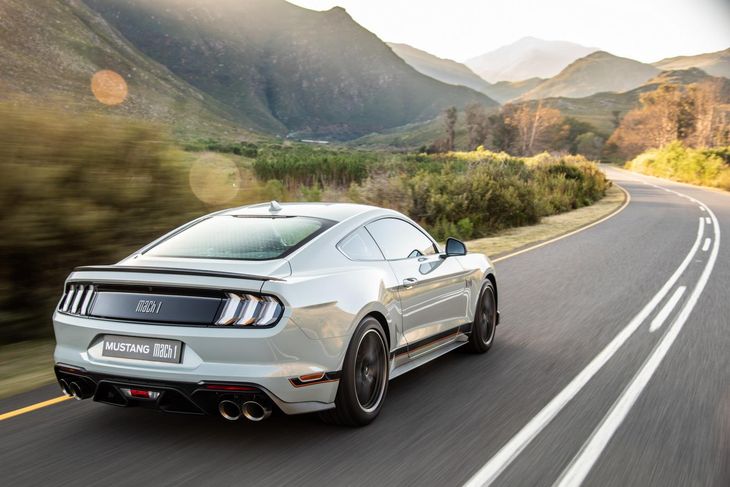
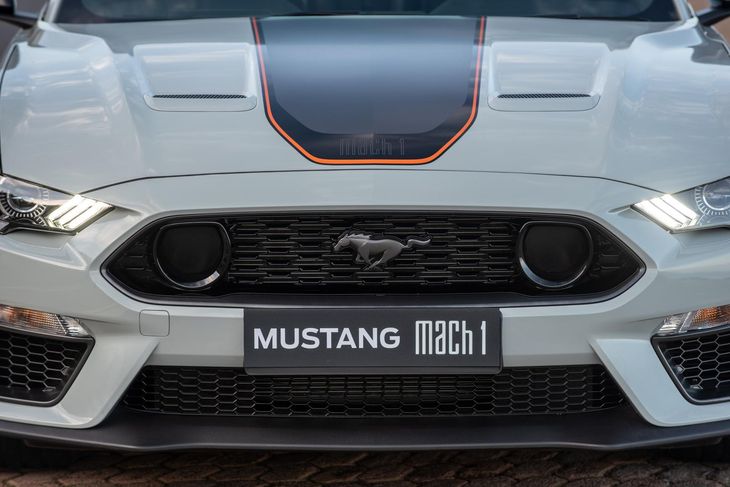
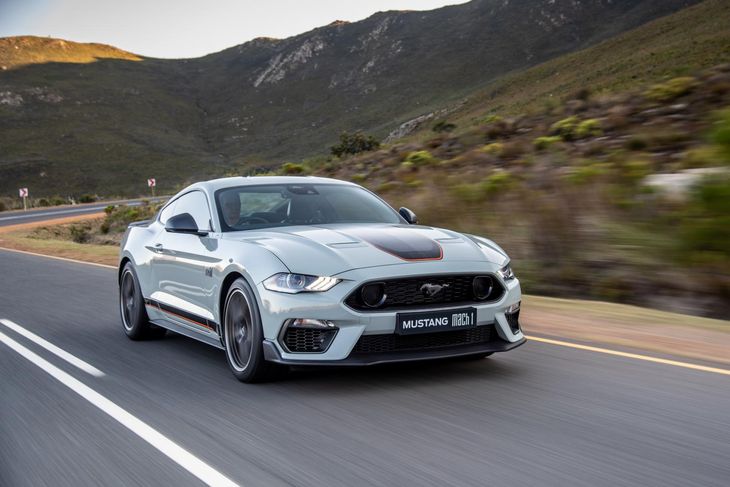
The limited-edition Ford Mustang Mach 1 has arrived in South Africa and we had a chance to sample the newcomer in Cape Town this week. Take a look at some cool facts about the Mustang Mach 1 below…
The Ford Mustang Mach 1 has arrived in South Africa! Since the South African introduction of the Ford Mustang back in 2016, the iconic sports car has been a huge success. Nearly 3 500 Mustangs have been sold in South Africa, giving Ford the lion’s share of the sports car market. In fact, the Mustang’s success is global and it’s been the best-selling sports car in the world for 6 years on the trot!
In 2019, Ford launched the Mustang Bullitt in South Africa which pays homage to the 1968 Mustang GT Fastback which was famously driven by Steve McQueen in the movie Bullitt. Only 55 Mustang Bullitts came to South Africa and all of them were quickly snapped up by local enthusiasts.
Now, in 2021, Ford is once again conjuring up the past by reviving the Mustang Mach 1 nameplate. The Mach 1 dates back to 1969 when it first went on sale.
We sampled the limited-edition, track-focused muscle car in Cape Town this week and here are some noteworthy facts about the car that you should know…
5 Cool Facts about the Ford Mustang Mach 1
1. It’s sold out!
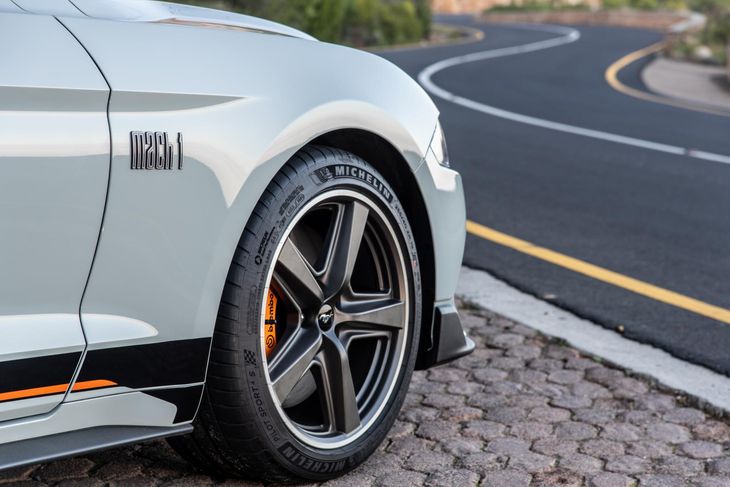
Only 90 Ford Mustang Mach 1 units were allocated to the South African market and each one of them is spoken for. The allocation includes 75 units equipped with Ford’s 10-speed automatic transmission and just 15 units equipped with a 6-speed TREMEC manual transmission. All 90 units are finished in Fighter Jet Grey paint finish which is enhanced with satin black and reflective orange stripes and orange brake calipers. The Mustang Mach 1 automatic carries a price tag of R1 203 800 while the manual Mustang Mach 1 is priced at R1 182 100.
Using the standard Mustang GT Fastback as a base, Ford created the Mach 1 to be the most track-focused Mustang to date. Visually speaking, the Mach 1 wears an enhanced upper and lower grille with the circular grill cut-outs being the most obvious visual differentiator. The model also gains a new front splitter and undertray as well as a single-deck rear spoiler and rear diffuser plucked from the Mustang Shelby GT500. Ford says that downforce has been improved by 20% as a result of these improvements. The Mach 1 rides on exclusive five-spoke 19-inch wheels in a low-gloss Dark Tarnish finish and they are shod with Michelin Pilot Sport 4 rubber. Numerous Mach 1 badges also highlight that this isn’t just an ordinary Mustang.
3. The Mustang Mach 1 is fast!
The Mach 1 is powered by the familiar naturally-aspirated 5.0-litre V8 but not only has it been modified to develop 7kW more than the standard V8 engine but it also features enhanced cooling to keep the Mach 1 fighting fit for sustained performance runs on track. Total output is pegged at 338 kW with maximum torque at 529 Nm.
Ford claims 4.4 seconds in the zero to 100kph sprint and during our drive of the Mustang Mach 1, we can vouch for its performance credentials. It piles on the pace at a furious but refined rate and the glorious sound of the Active Valve Performance Exhaust note is utterly addictive under full bore acceleration. This car gives the driver all the right feels…
It’s also worth mentioning that the manual Mach 1 is a touch slower in the sprint to 100kph with a claimed time of 4.8 seconds but its top speed of 267 kph is better than the 249 kph claimed for its automatic counterpart.
4. It handles better
Mustangs are generally perceived to be blunt straight-line weapons and they’re not typically praised for offering fast, sharp and responsive dynamic cornering ability. The Mach 1, however, is arguably the sharpest and most responsive Mustang on the road thanks to a number of mechanical enhancements. These include a recalibrated electric-assisted steering, electronically controlled MagneRide adjustable suspension with stiffer front springs and model-specific anti-roll bars. The suspension’s subframes and toe-link components are also borrowed from the Shelby GT350 and GT500 in an effort to reduce squat, dive and lift under hard acceleration.
Ford has also fitted an uprated brake booster for sharper braking ability which is realised with 6-piston Brembo brake calipers. A limited-slip differential further ensures that the driver of the Mach 1 is able to exploit and extract the full performance capability of the engine and chassis.
We drove the Mach 1 in less-than-ideal conditions with lots of rain and wet tar so we weren’t able to explore the Mustang Mach 1’s full handling ability but steering and throttle response is definitely more lively compared to the standard Mustang GT. Also, the suspension isn’t overly firm which means the Mustang Mach 1 can be used as a daily vehicle too…
5. It has some cool features
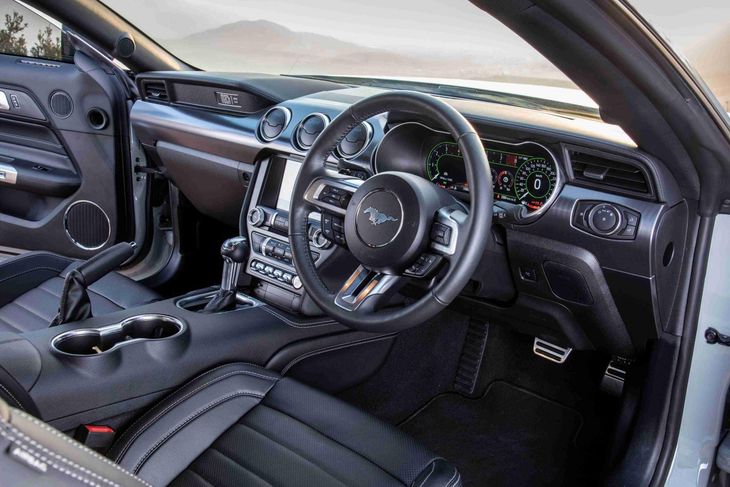
Apart from featuring Ford’s impressive 12-inch SYNC3 infotainment system, the Mach 1 also offers a host of driving modes including Sport, Sport+ and if you happen to be on a track, Track mode. Using Track Apps, you can record metrics such as acceleration, braking and lap times.
You can also set the tone for the Active Valve Performance Exhaust. If you don’t want to wake up your neighbors before you head out to work then the ‘Quiet’ setting would be most appropriate, or you can just keep the exhaust set to ‘Sport’, which is what we recommend. The saying “if it’s too loud, you’re too old” applies here…
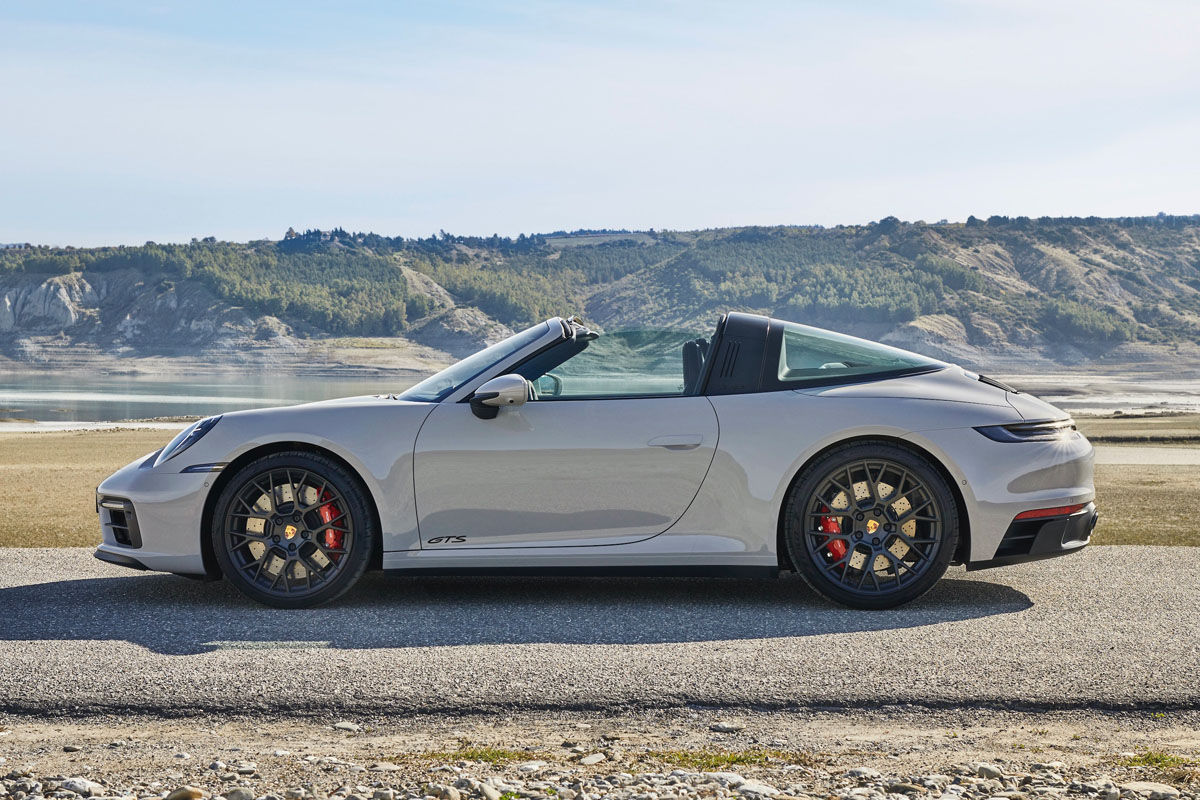
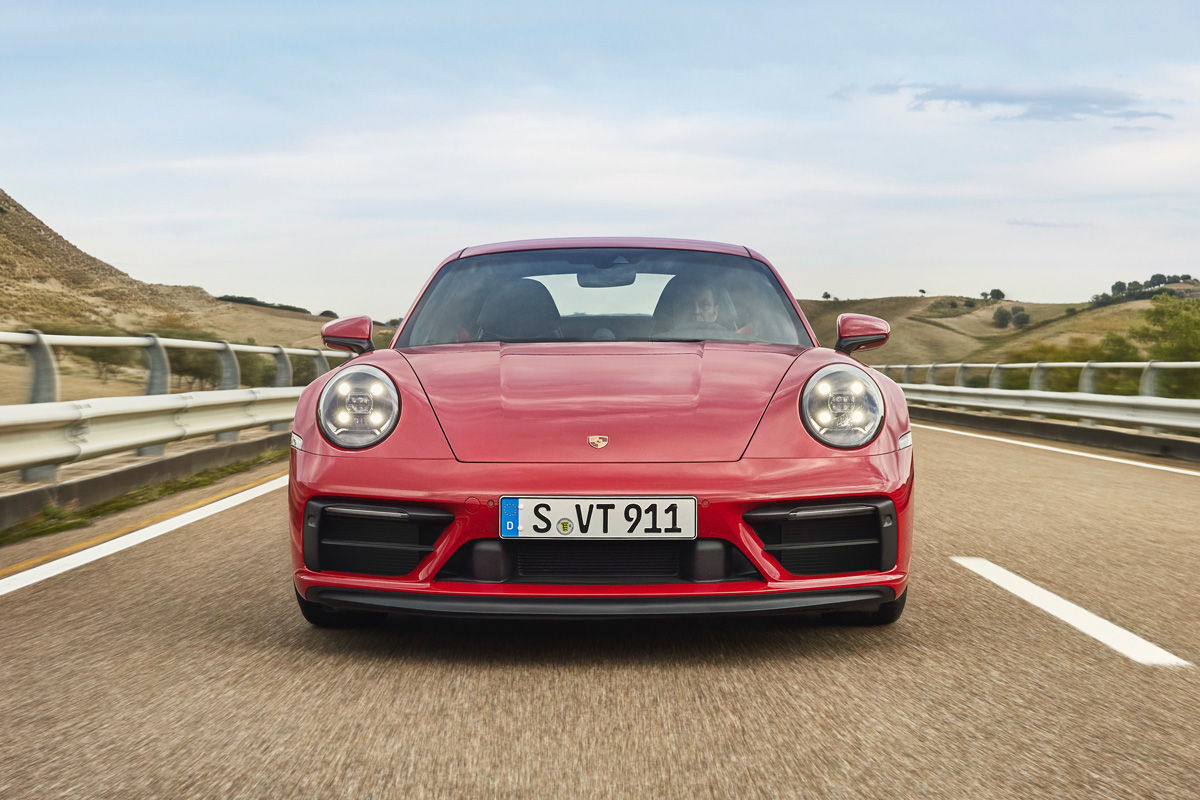
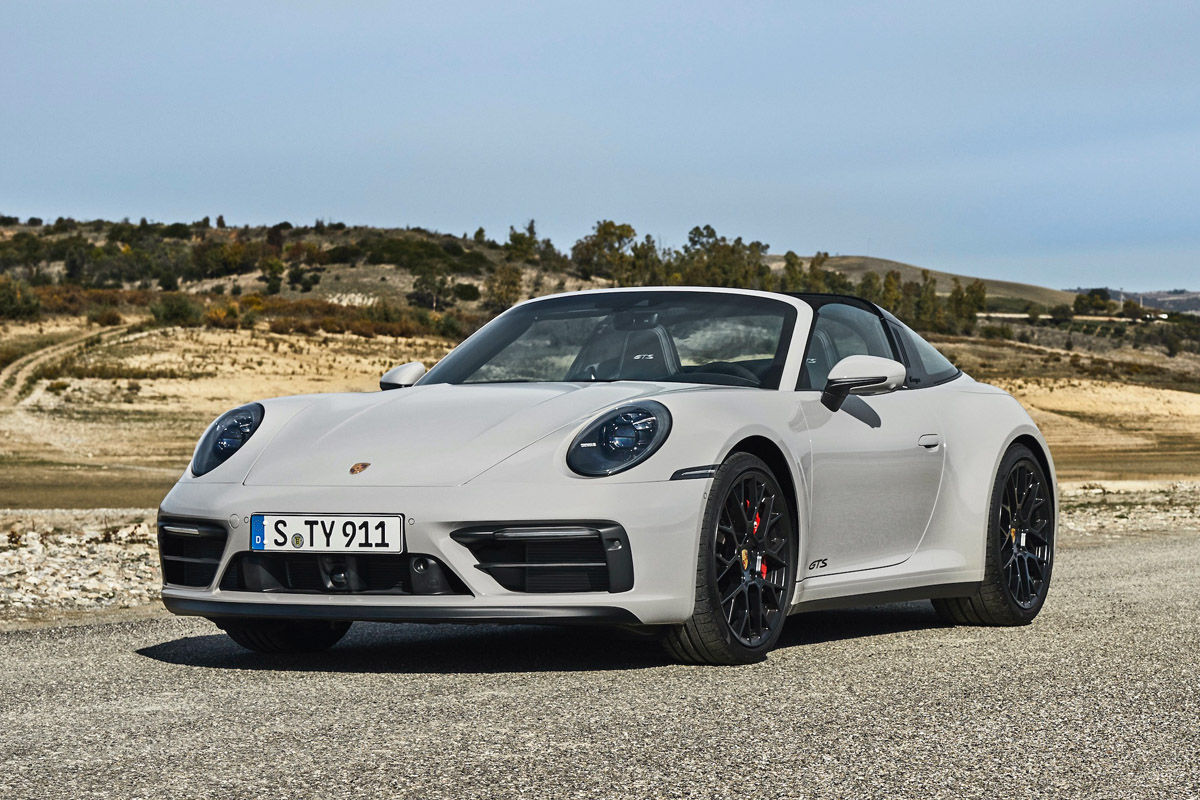
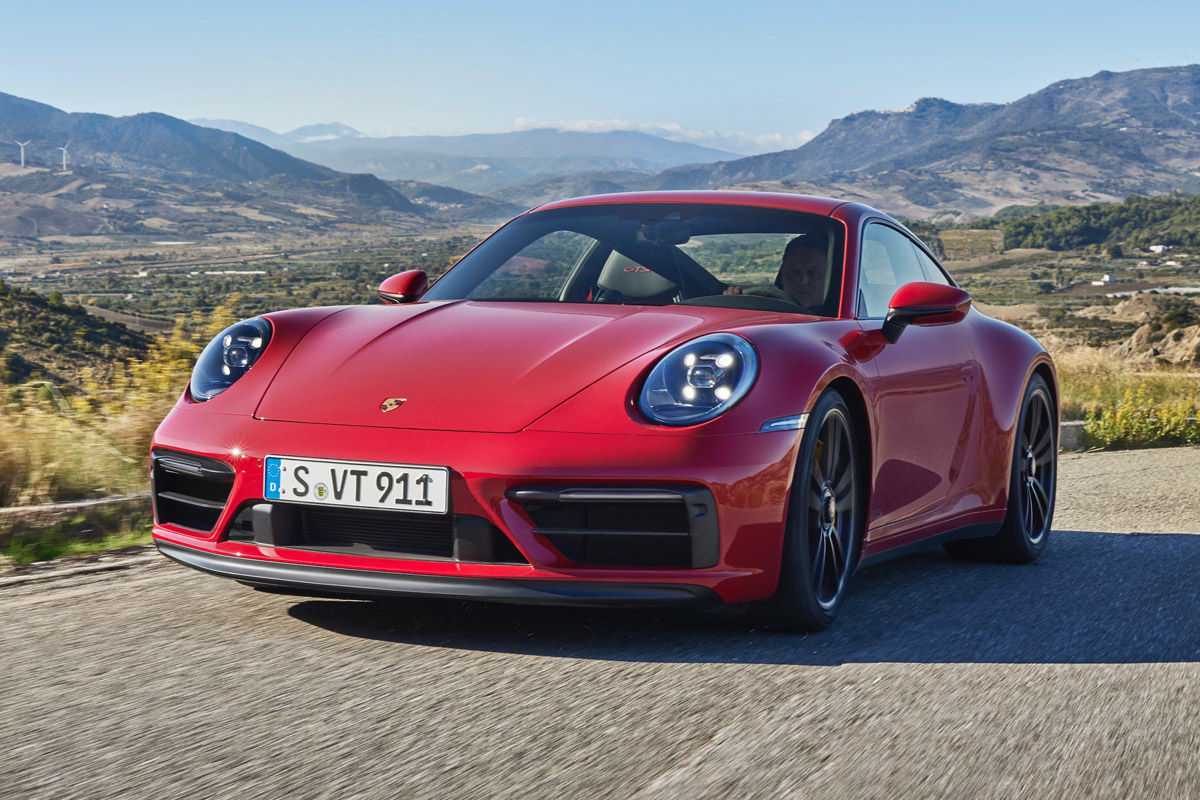
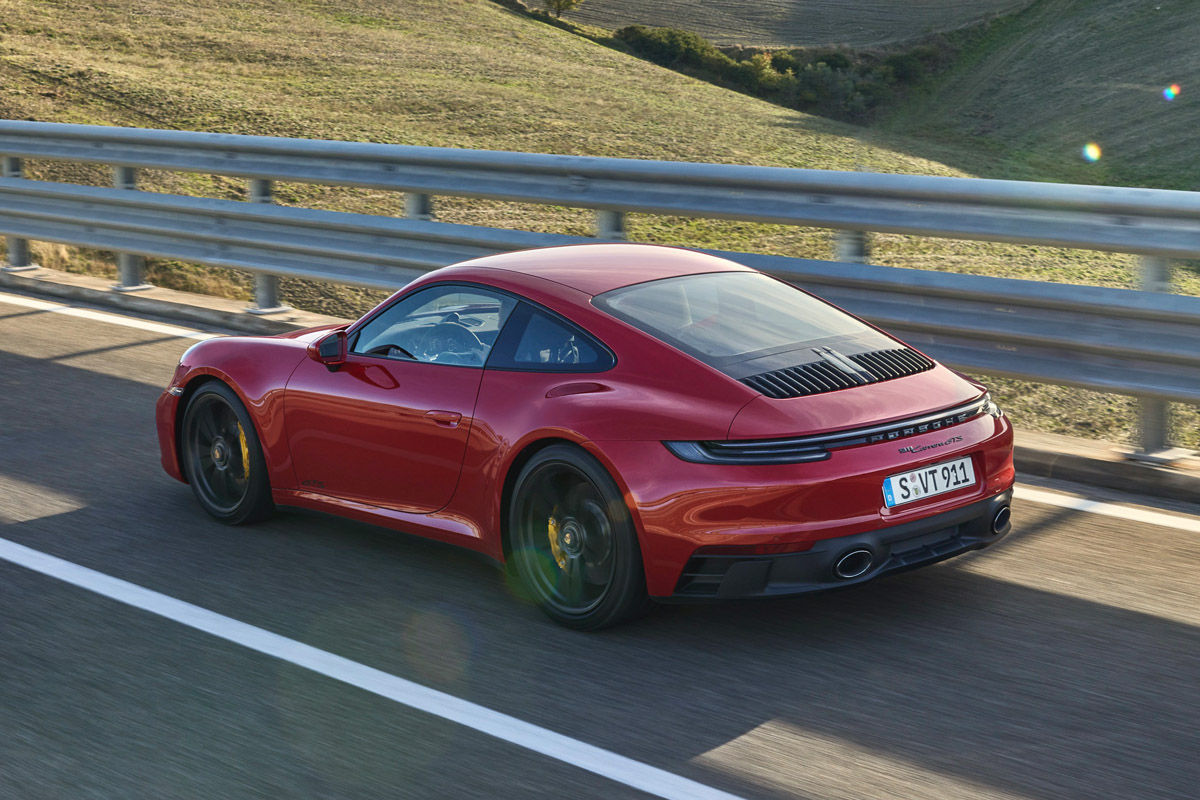
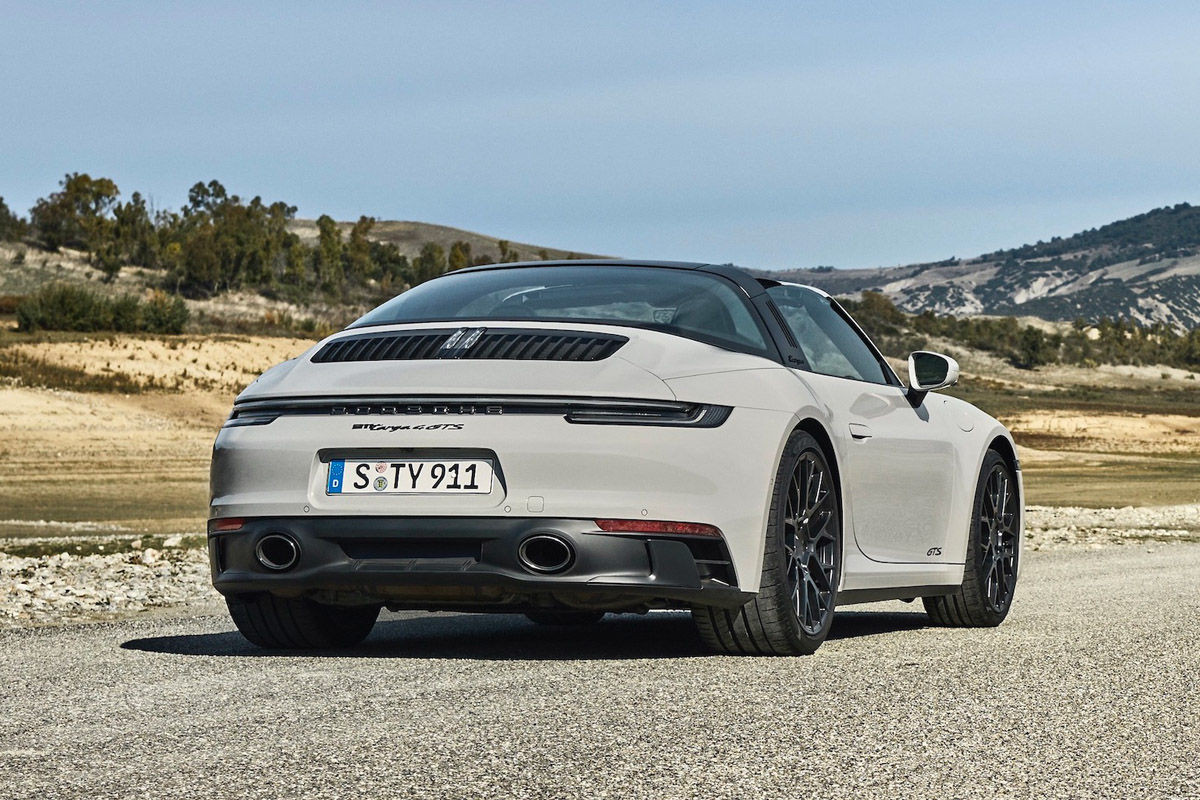
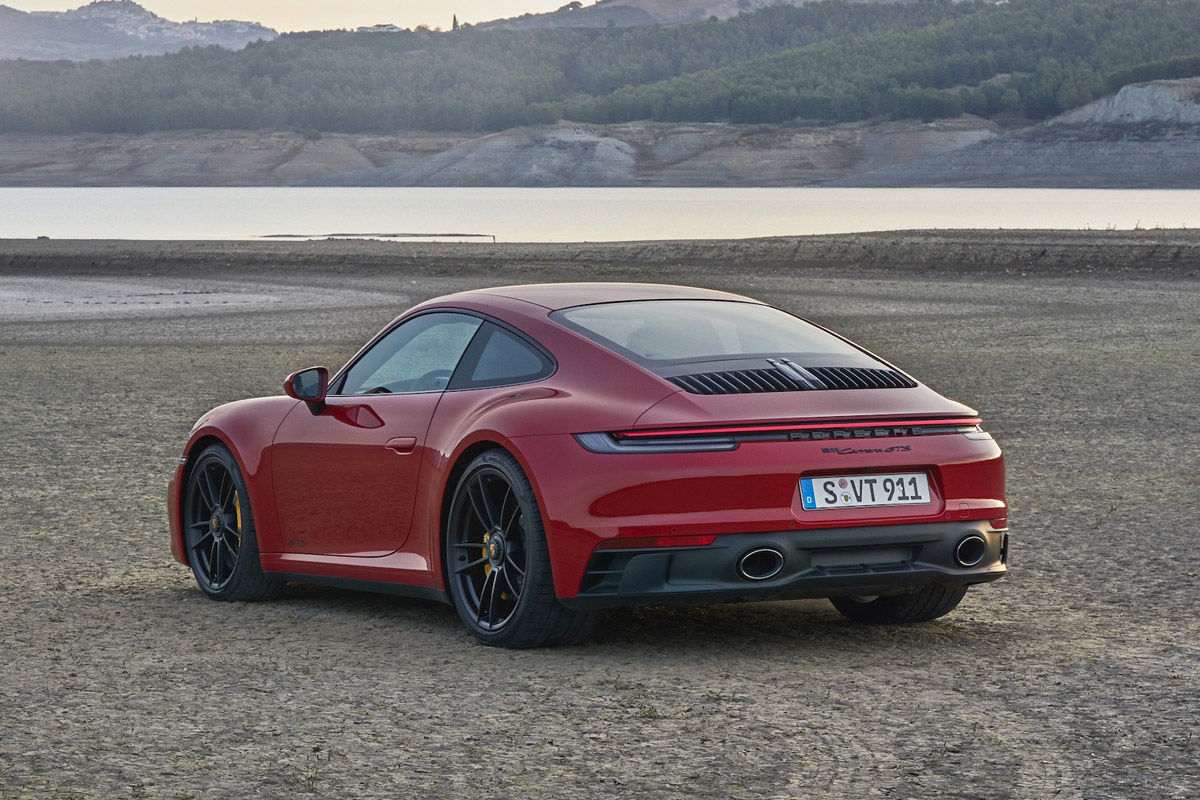
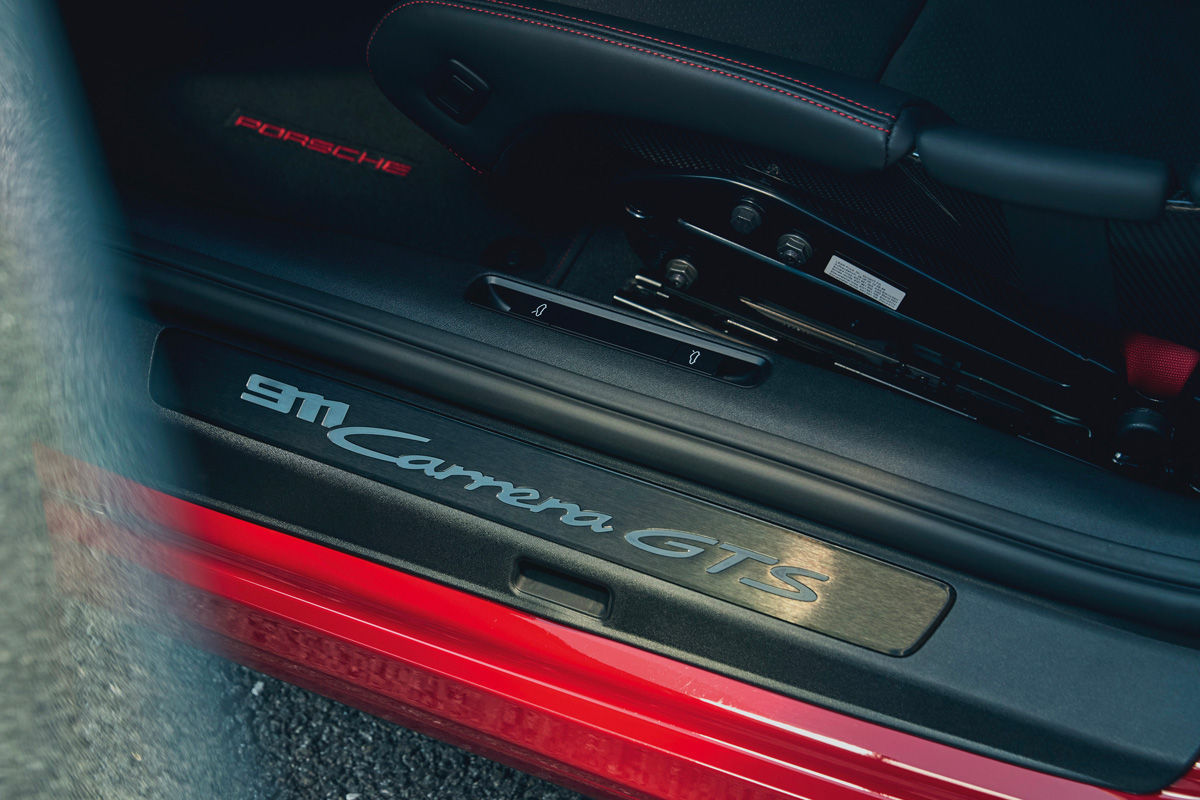
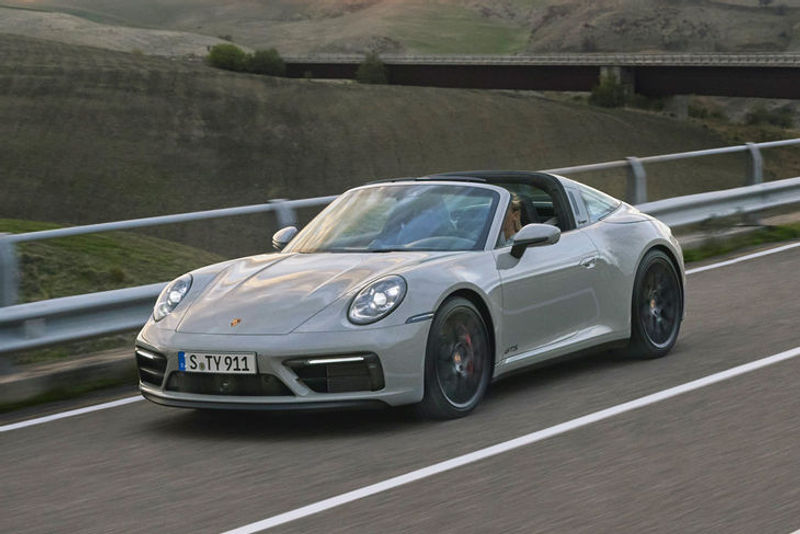
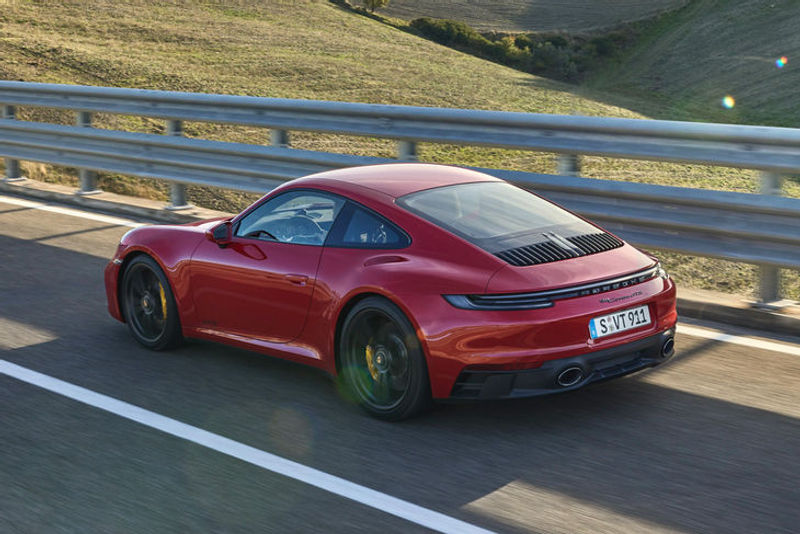
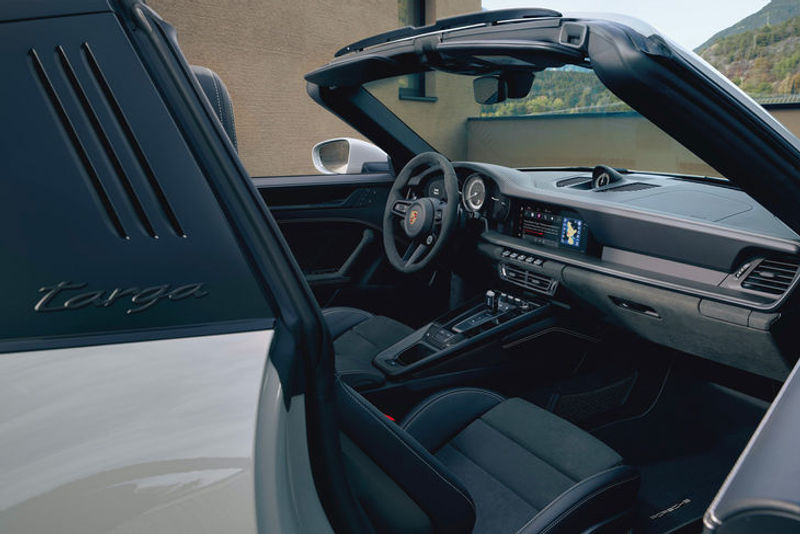
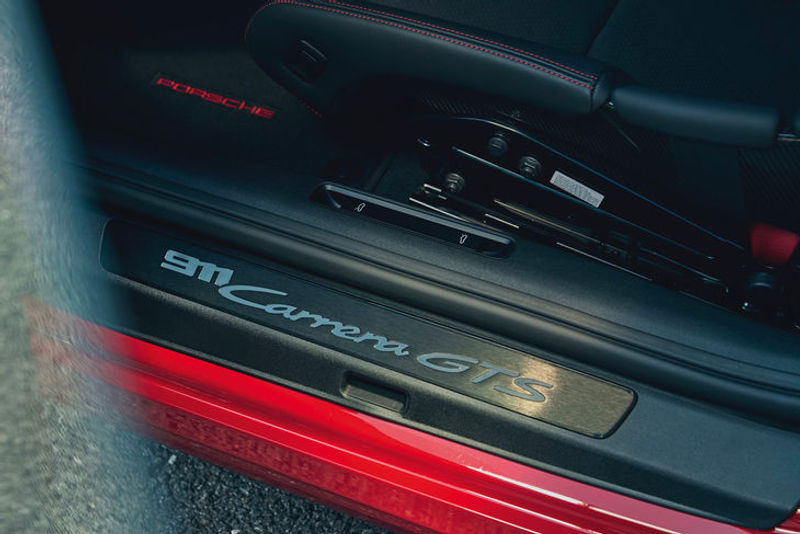
Porsche has added a slew of 911 GTS derivatives to its acclaimed 992-generation range for 2021 – including Carrera and Carrera 4 coupes and cabriolets, as well as a Targa 4 version. Connoisseurs of the Zuffenhausen-based brand’s iconic sportscar regard the 911 GTS as a highly desirable mid-ranger in the 911 line-up…
Apart from offering slightly higher peak engine outputs than their Carrera S siblings, the head-turning 911 GTS derivatives are equipped with the Sport Design package (including bespoke trim for the front-, rear- and side sills) as standard, as well as upgraded suspensions and additional stopping power.
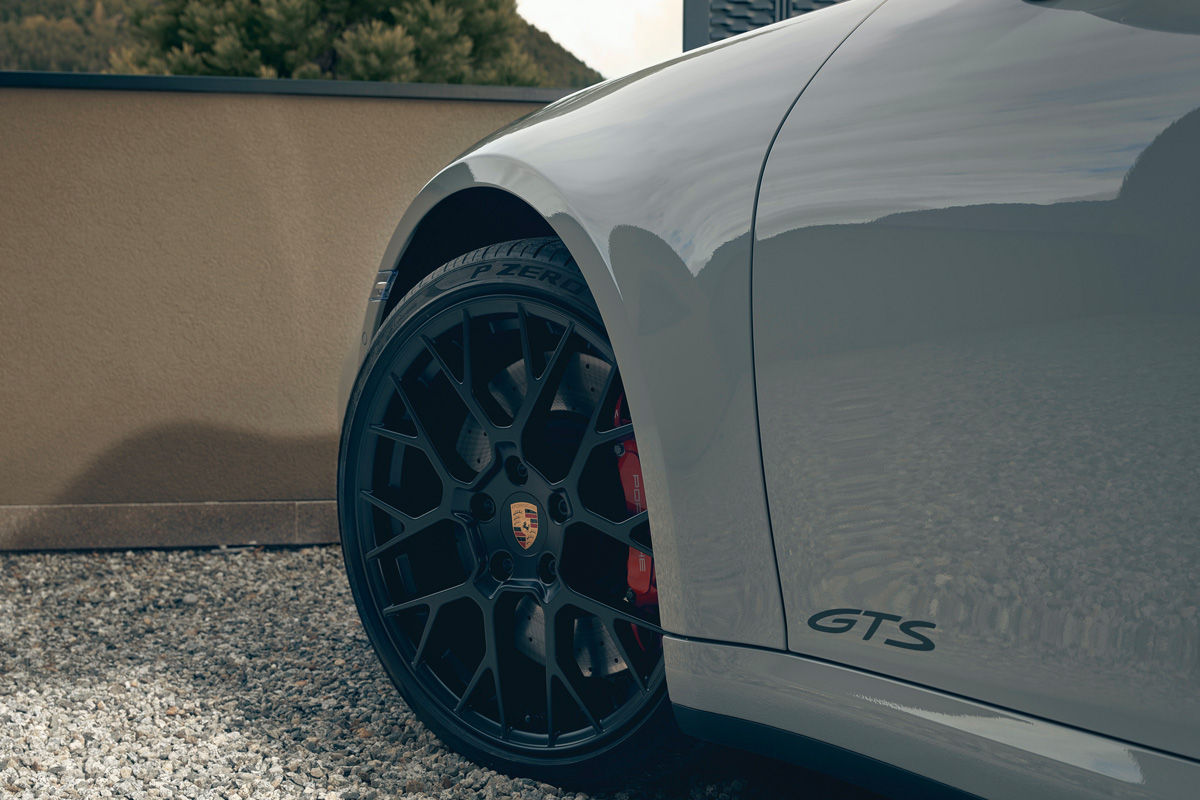
Visually, the newcomers to the range can be distinguished by their multitude of noir exterior details, including the darkened rims of the standard LED headlights (equipped with the Porsche Dynamic Light System Plus) and daytime running-light surrounds. The tail-light clusters are unique to the GTS too.
Additional elements painted in black silk gloss include the spoiler lip, the centre-lock alloy wheels, the engine cover louvres, and the GTS script on the doors and rear of the cars (plus the Targa lettering on the hoop of the Targa 4 version). An exterior package with details executed in high-gloss black is optional.
Meanwhile, the 3.0-litre flat-6 turbopetrol in 911 GTS derivatives produces 353 kW and 570 Nm of torque, which is 22 kW and 40 Nm respectively than the outputs produced by current Carrera S-spec 911s. The 0-to-100 kph sprint takes just 3.3 seconds in the 911 Carrera 4 GTS coupe with the 8-speed Porsche dual-clutch transmission (PDK), for example, which is 3 tenths faster than its predecessor.
A 7-speed manual gearbox with a shortened throw (by 10 mm) is available for all 911 GTS derivatives.
The newcomers’ suspension is derived from that of the 911 Turbo, Porsche says. Coupe and cabriolet 911 GTS derivatives feature Porsche Active Suspension Management (PASM) as standard, in combination with a 10-mm lower sport chassis. The Zuffenhausen-based brand claims the concept of helper springs at the rear, through which the main springs remain under tension under all driving conditions, comes from the Turbo (rebound remains the same). The 911 Targa 4 S chassis with PASM features on the Targa 4 GTS.
The 911 Turbo has also leant its high-performance braking system and 20-inch (front) and 21-inch (rear) black centre-lock alloy wheels to the 911 GTS. The standard sports exhaust system is said to emit “a more emotive soundtrack” thanks to its GTS-specific setup and the omission of some interior insulation…
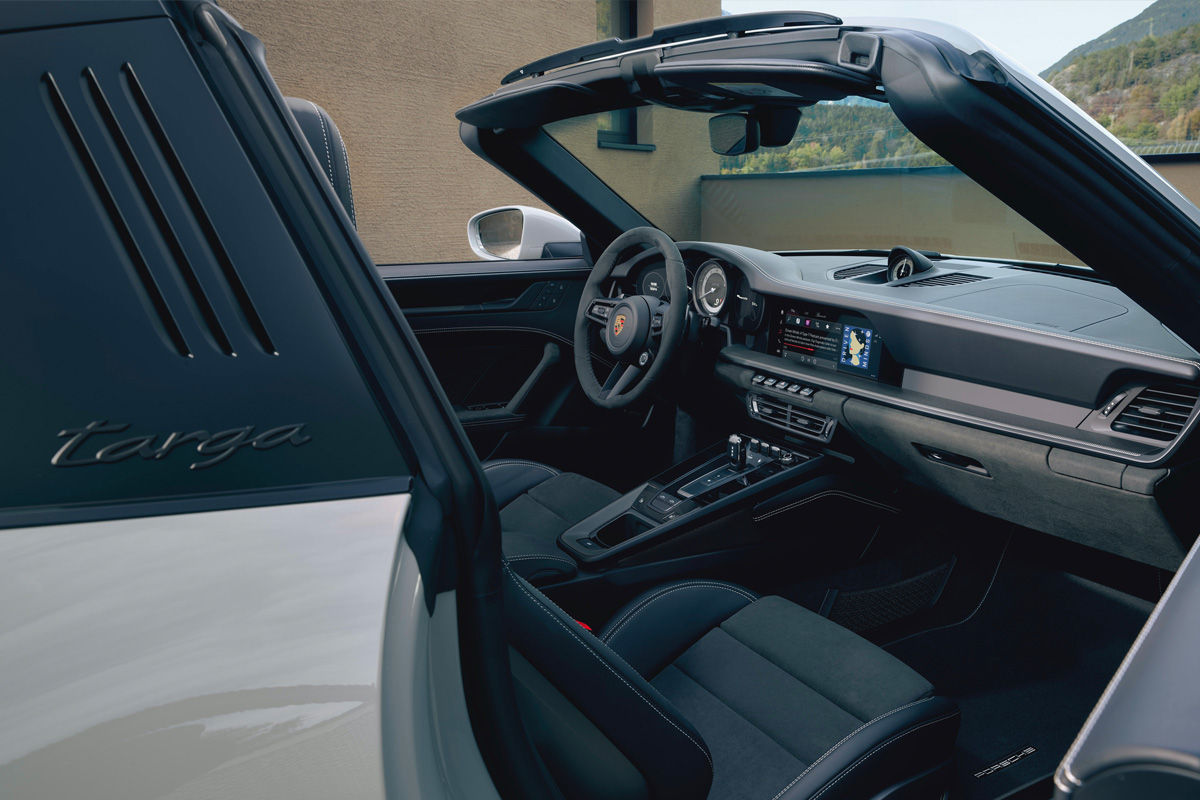
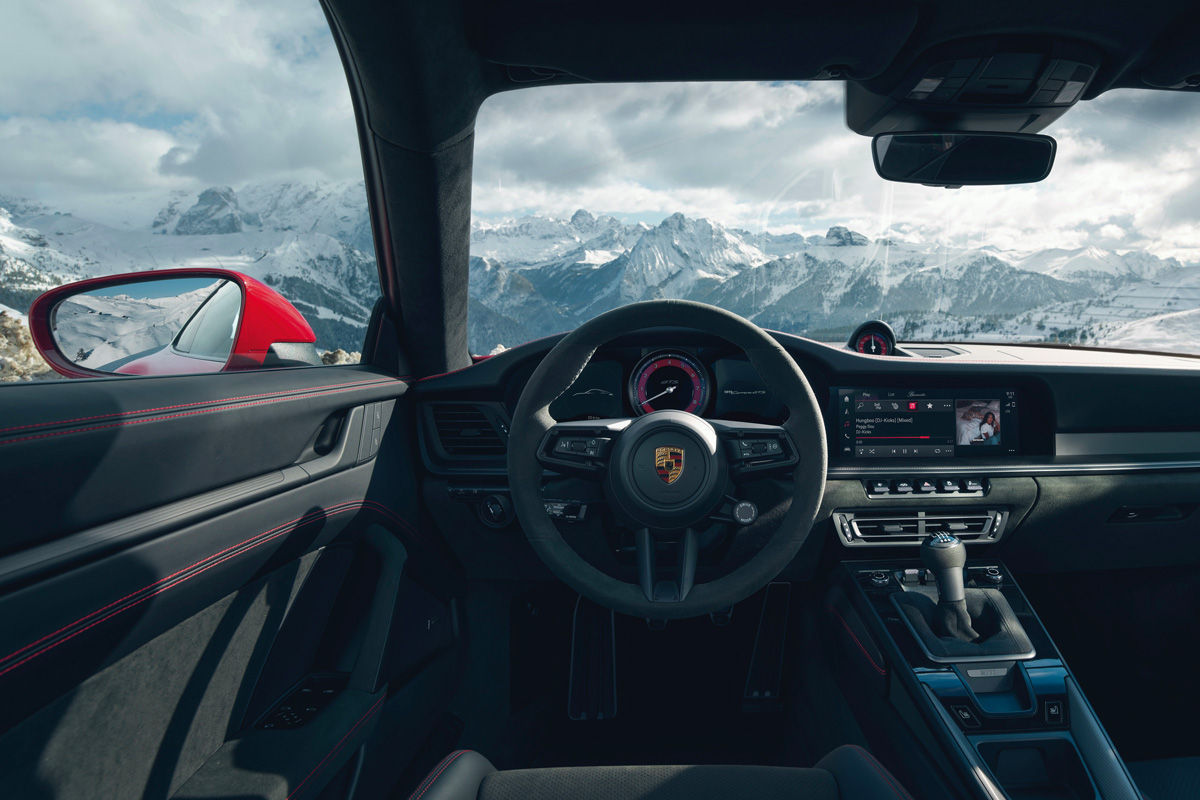
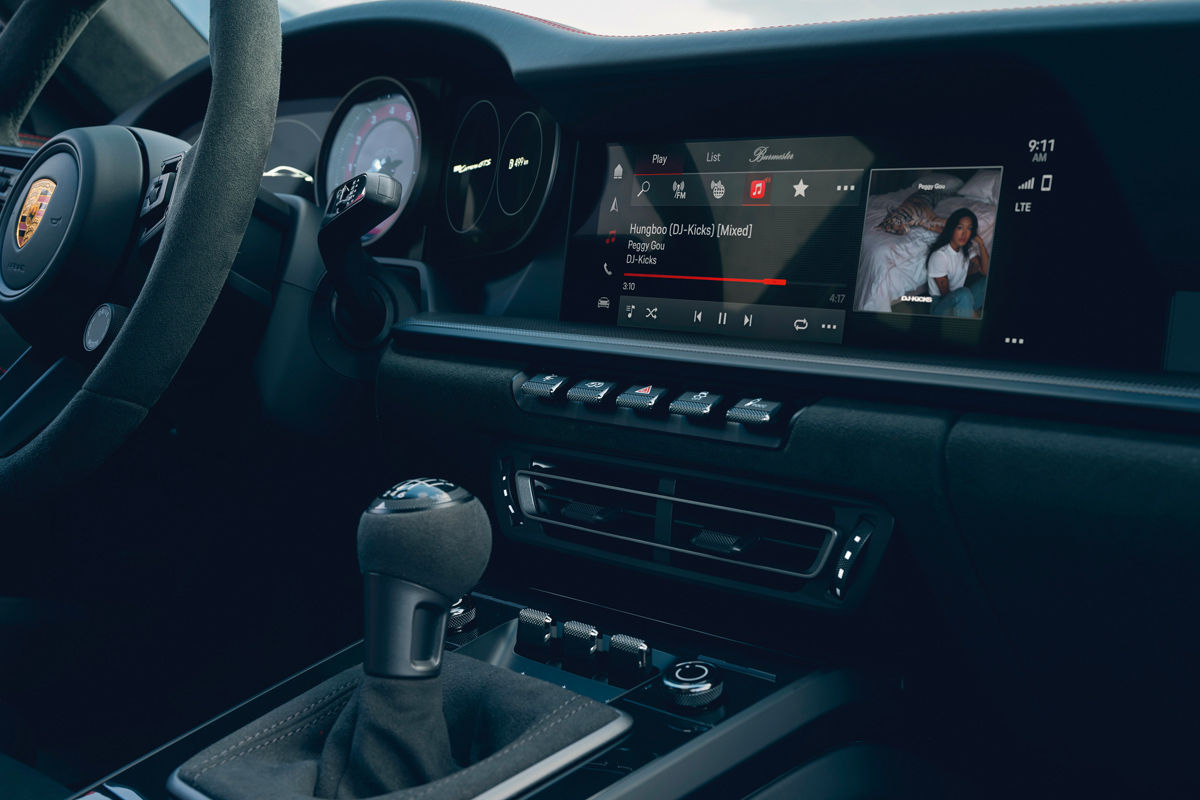
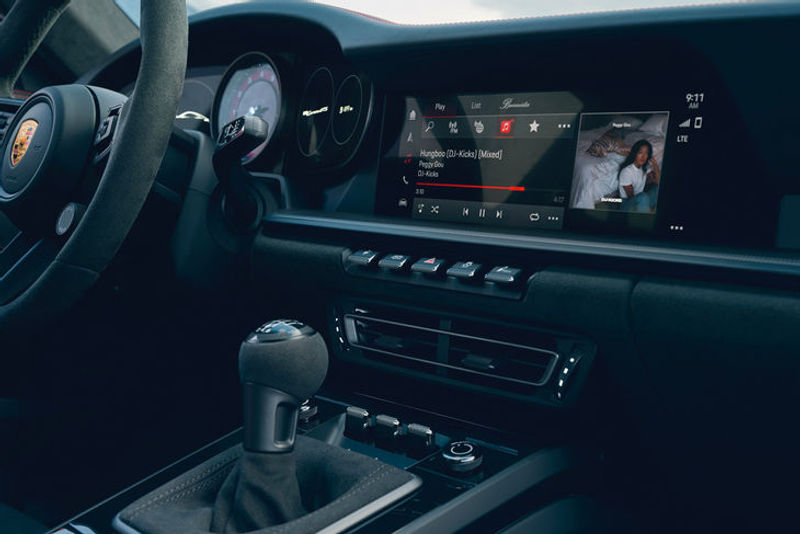
The sporty details continue inside, where Race-Tex trim (Porsche’s version of “Alcantara”) abounds. A GT Sport multifunction steering wheel, the Sport Chrono package with mode switch, Sport Seats Plus (with 4-way electric adjustment), the Porsche Track Precision app and a tyre temperature display are standard.
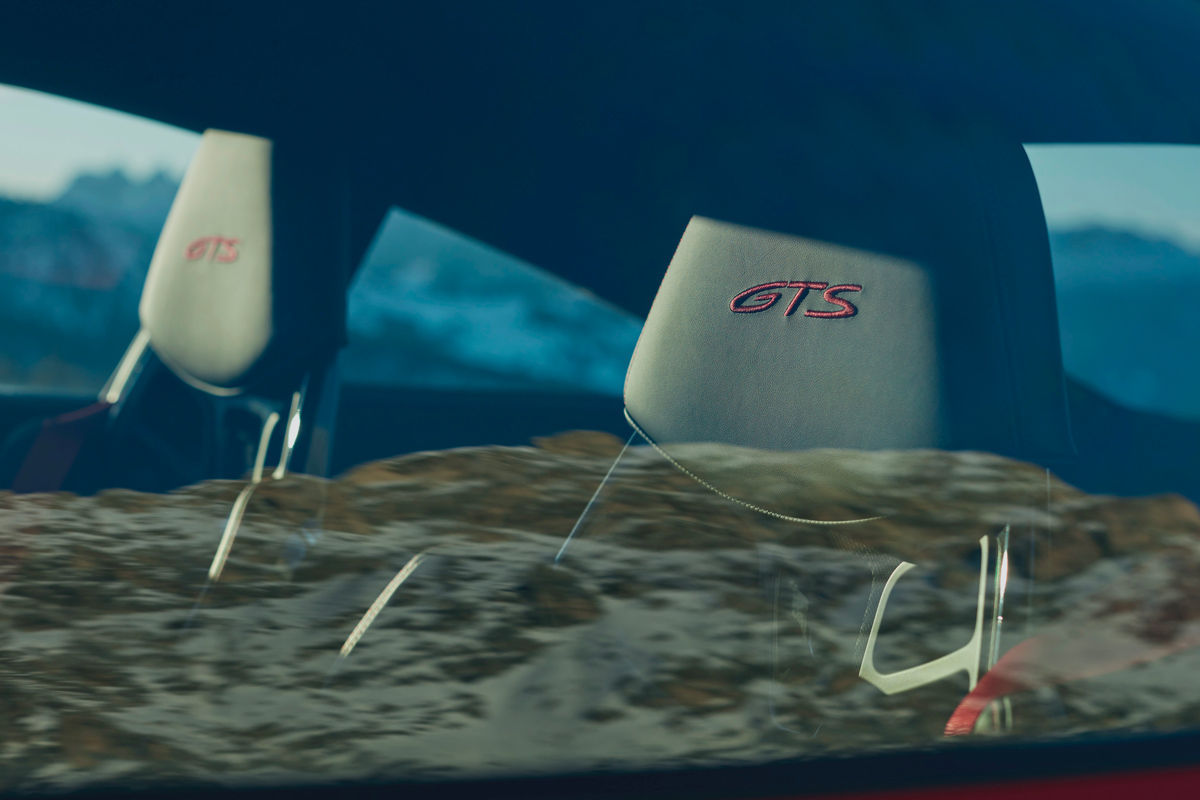
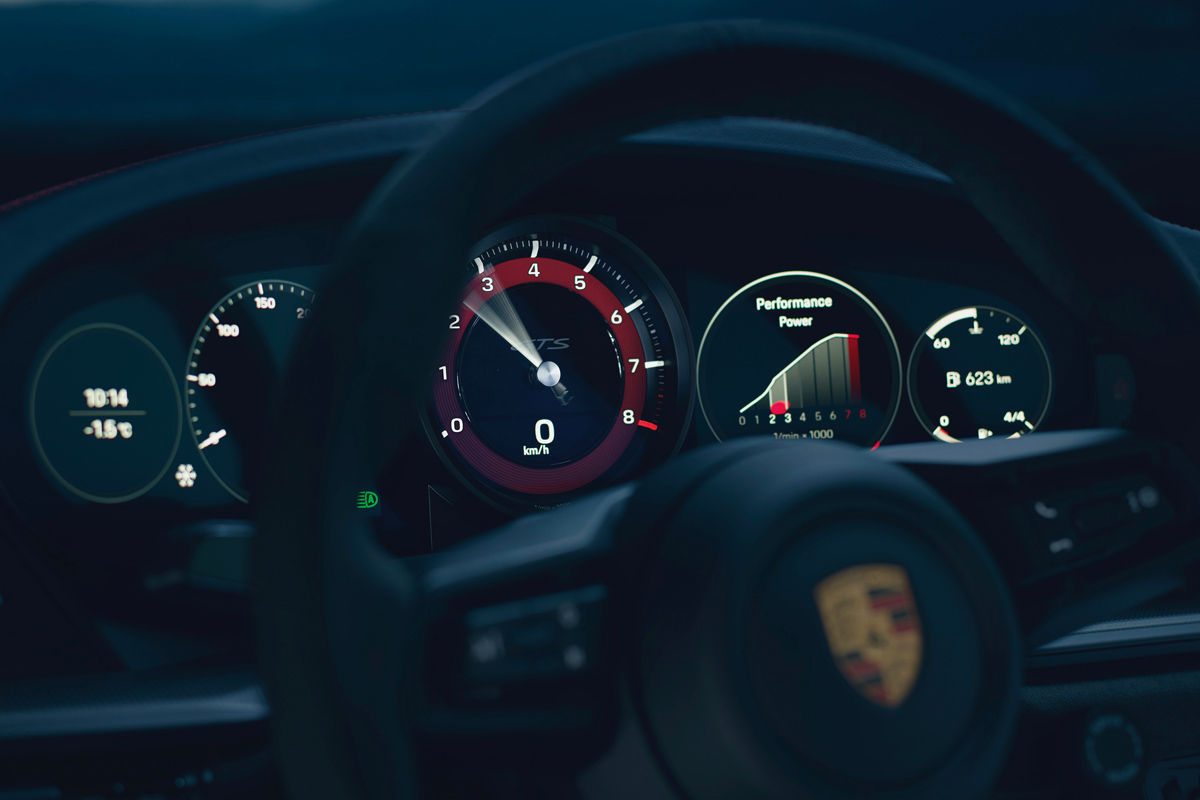
Race-Tex features on the central sections of the seats, steering-wheel rim, door handles and armrests, storage compartment lid, as well as the gear lever. Contrast stitching and embroidered GTS lettering on the headrests are in Carmine Red (or Crayon, optionally), matched with accents on the seatbelts, rev counter and Sport Chrono clock. The decorative dashboard and door trim inserts are in matt Carbon.
Lastly, Porsche will offer a Lightweight Design package, which shaves up to 25 kg from the 911 GTS derivatives’ kerb weight, from late in 2021. It includes lighter carbon-fibre reinforced plastic (CFRP) full bucket seats, lightweight glass for the side and rear windows and a lightweight battery. The rear seats are removed and other enhancements include rear-axle steering and additional aerodynamic addenda.
Porsche 911 GTS price in South Africa:
911 Carrera GTS
R2 290 000
911 Carrera GTS Cabriolet
R2 490 000
911 Carrera 4 GTS
R2 400 000
911 Carrera 4 GTS Cabriolet
R2 600 000
911 Targa 4 GTS
R2 600 000
Pricing for the new Porsche 911 GTS range includes a 3-year/100 000 km Driveplan (maintenance plan). Local deliveries will commence in the 4th quarter of 2021.
Honda South Africa has launched its Fit, effectively replacing the Jazz.
Physically, the new Honda Fit is longer, wider and the cabin space is grown through clever packaging.
The new Honda Fit is powered by a 1.5-litre naturally-aspirated petrol engine developing 89 kW and 145 Nm. As far as fuel consumption is concerned, Honda SA is claiming its Fit is good for 5.5 L/100 km.
Honda SA has also introduced a flagship hybrid version of its new Fit and that features electric motors. These electric motors do most of the work while the vehicle is driving at slow urban speeds of under 40 kph.
*We’re currently at the launch of the 2021 Honda Fit and will share more information as it comes*
2021 Honda Fit Model Line-up
Comfort
Push button start Halogen headlights TFT Driver Display Auto aircon 5-inch display audio 15-inch steel wheels Cruise control Basic fabric upholstery 4-speaker sound system Front, side, curtain SRS airbags
Elegance
16-inch alloy wheels LED headlights, taillights and fog lights 9-inch infotainment system Reverse parking camera Premium fabric upholstery Leather wrapped steering wheel and gear lever
Executive
16-inch alloy wheels Smart keyless entry Front heated seats Front and rear parking sensors Chrome decorative inserts Leather upholstery
Hybrid
Hybrid powertrain Adaptive cruise control Collision mitigation braking Road departure mitigation Lane keeping assist Auto high beam
How much does the new Honda Fit cost in South Africa?
The Honda Fit is sold with a 5-year/200 000 km warranty, while the Hybrid model comes with an 8-year/220 000 km warranty.