If you purchase a pre-owned Jaguar through the brand’s Approved Programme, you can rest assured the vehicle has been thoroughly inspected with a comprehensive 165-point inspection ensuring it’s in exceptional condition. Not only does Jaguar guarantee a minimum 1-year/30 000 km Care Plan as standard, a 24-Hour/ 7-day roadside assistance and service history verification, you’ll enjoy a free advanced driving course at Jaguar Land Rover Experience in Johannesburg.
Partnered Content
Whether you’re shopping for the Jaguar E-Pace, F-Pace, all-electric I-Pace, or the F-Type sports coupe or roadster, every Jaguar should feel as alive as the day it was created – whether it’s new or Approved.
If you buy a pre-owned Jaguar through the Approved Programme, you can be reassured that your Approved Jaguar is authenticated, rejuvenated and as alive as the day it was born. To guarantee that it leaves a retailer in exceptional condition, an Approved customer promise is in place. This gives you absolute peace of mind and ensures your car delivers the most exhilarating drive possible.
Service & Warranty
The Approved Programme ensures all pre-owned Jaguar vehicles are rigorously checked by trained Jaguar technicians with a 165-point inspection and have a fully verified service history. Only the best quality vehicles that meet Jaguar’s high standards are available to ensure you are guaranteed peace of mind.
Approved Jaguar Care Plan
Most Approved Jaguars are sold with the balance of their 5-year warranties and maintenance plans. However, even if you buy an Approved Jaguar that’s more than 5 years old, you will get a Care Plan valid for 1 year or 30 000 km, whichever comes first. It is very important that routine servicing is carried out throughout the life of your vehicle at the distance or monthly intervals in its Service Interval Plan.
24-Hour Roadside Assistance
In the unlikely event of a breakdown or accident, Jaguar’s trained technicians will come to your assistance at the roadside 24/7. Jaguar will assess your vehicle and then make sure that you get to your final destination with as little delay as possible.
Complimentary half-day Experience Drive
What’s more, as an owner of an Approved Pre-Owned Jaguar you will get to enjoy an exciting introduction and advanced driving course at the Jaguar Experience Centre.
To find out more about Jaguar Approved Pre-Owned vehicles visit www.findmyjaguar.co.za. Find My Jaguar allows you to enjoy a purchase experience personalised to your needs, on your own terms and in your own time. Find your perfect Jaguar, reserve it here and conclude your purchase with a visit to your local Jaguar retailer.
You can search for a new or Approved Pre-Owned vehicle and filter the results by Model, Fuel Type, Province, Dealership and Budget.
Apart from looking up the prices, mileages and specifications of the vehicles that are listed, you can Book an Experience Day and put one of Jaguar’s vehicles to the test, Request a quote to explore the various finance options that will help you purchase your next Jaguar and, if you need assistance in finding your new Jaguar, request a call back: Let Jaguar Call You.
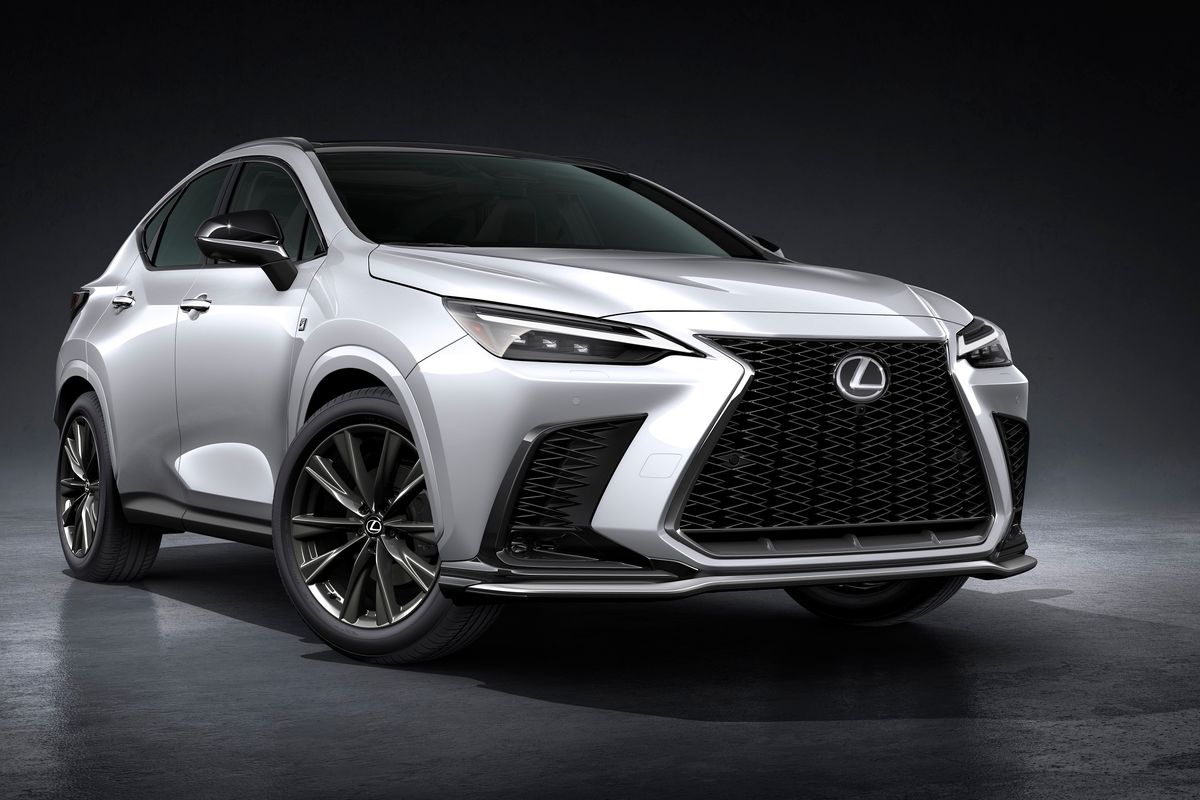
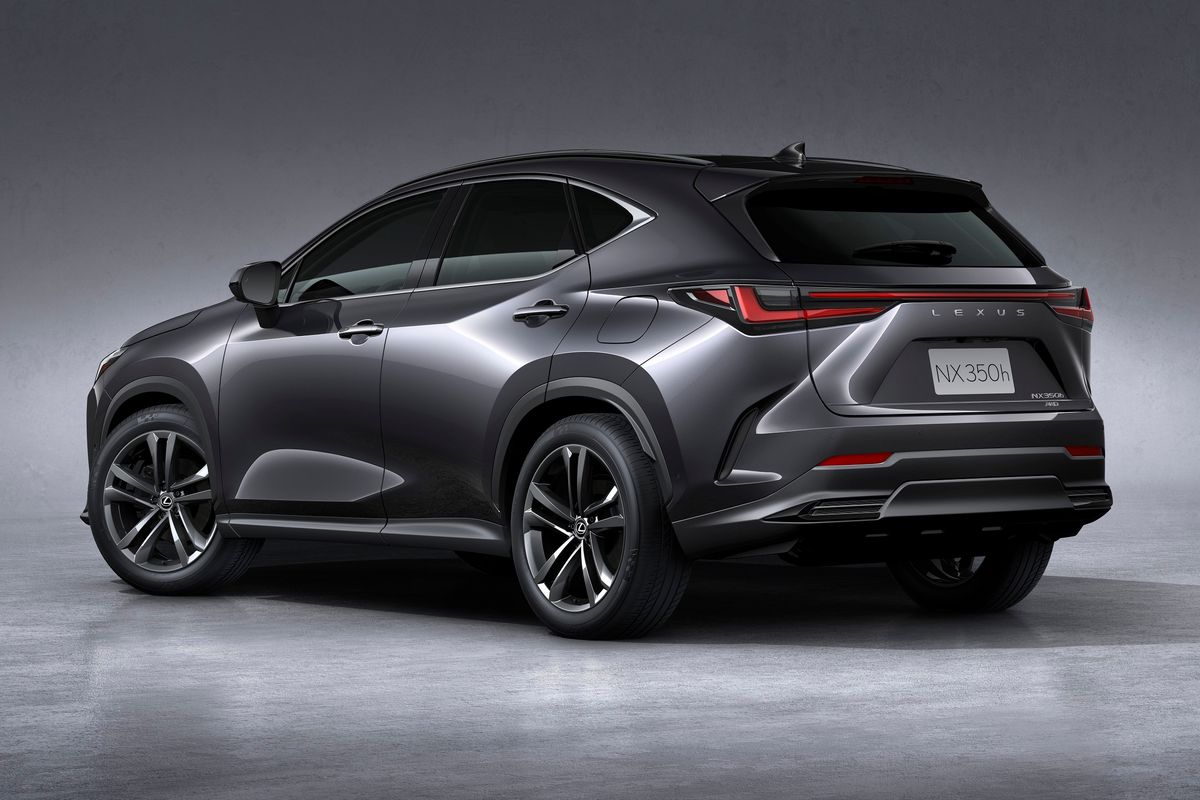
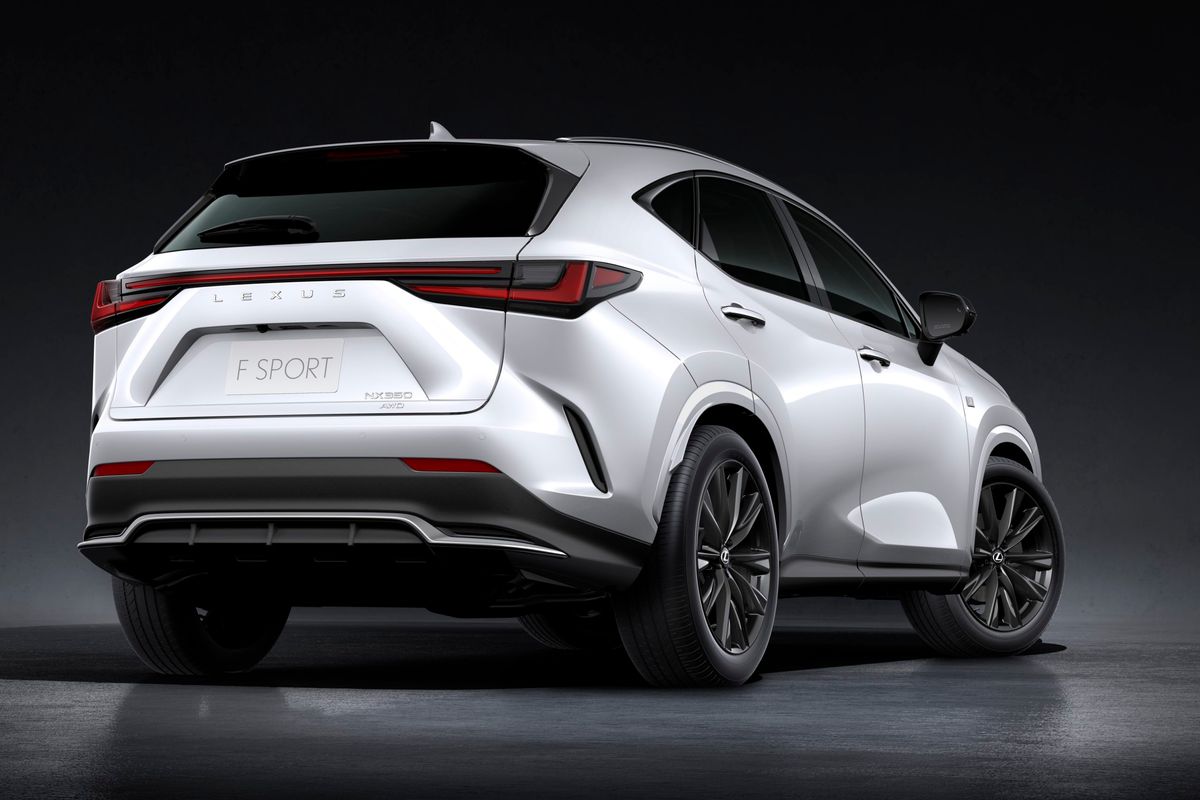
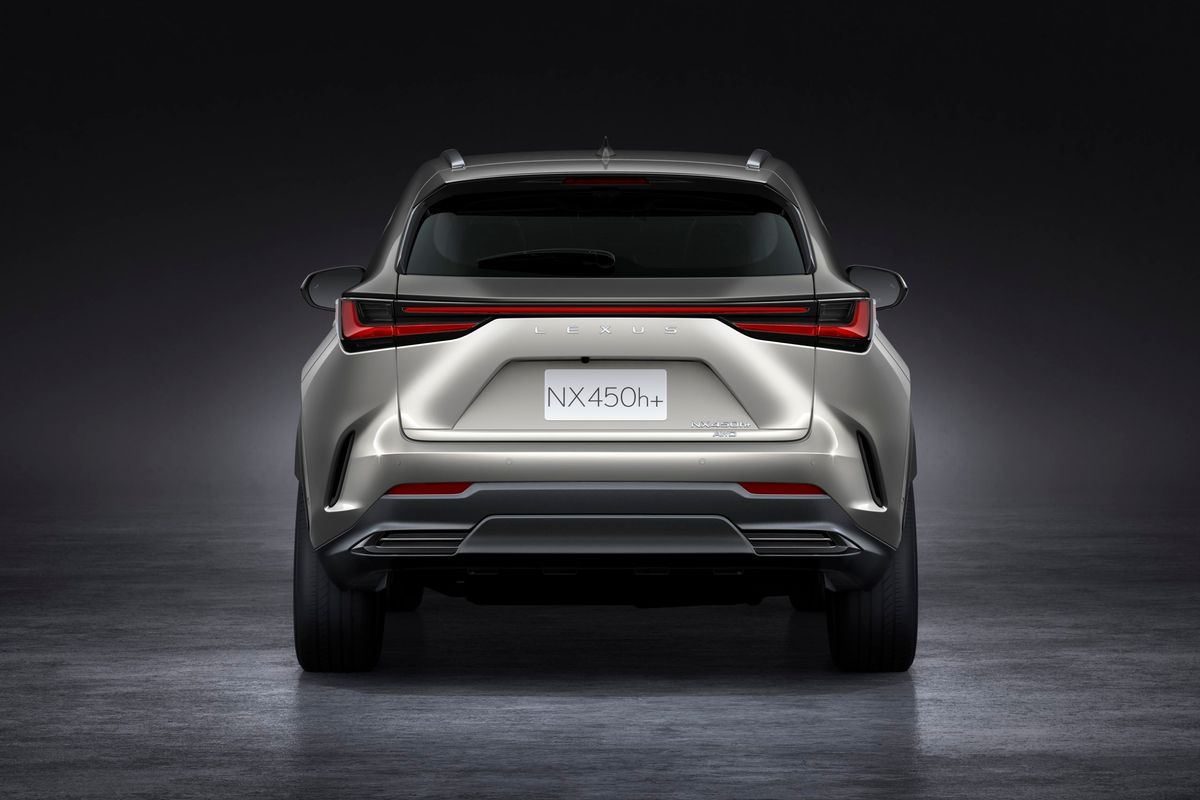
2022 Lexus NX Revealed
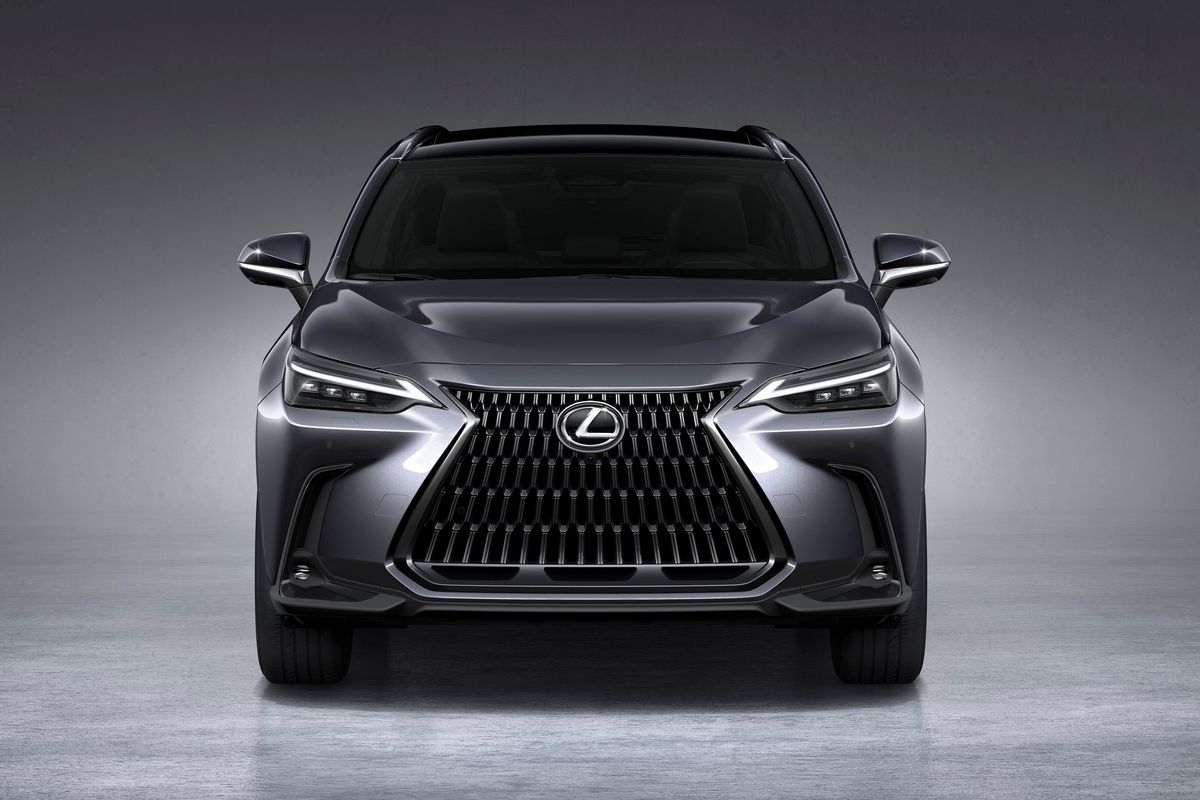
The 2022 Lexus NX has been unveiled and it’s the spearhead of the brand’s next-generation family. Here’s all you need to know, plus when it’s coming to SA.
The new Lexus strategy focuses on what the brand calls “better meeting the diversifying needs and lifestyles of customers the world over, and in doing so, will promote the realisation of a carbon-neutral society.”
The new 2022 Lexus NX is the first model out the blocks that will set the pace for the wave of subsequent models from the Japanese brand. Lexus SUVs have been around for quite some time, with the first-generation RX arriving back in 1998.
The first Lexus NX was announced back in 2014 and since its debut, around a million units found homes in more than 90 countries. Being a Lexus, electrification is key to the brand and the new 2022 Lexus NX will be both hybrid electric vehicle and a plug-in hybrid electric vehicle.
Other powertrains include a 2.5-litre naturally-aspirated petrol engine and a 2.4-litre turbocharged petrol engine, as well as a hybrid derivative. Noteworthy mechanical options range from an all-wheel drive on the PHEV and 2.4-litre turbo, while the HEV and 2.5 naturally-aspirated engine have the choice of either all-wheel drive or front-wheel drive.
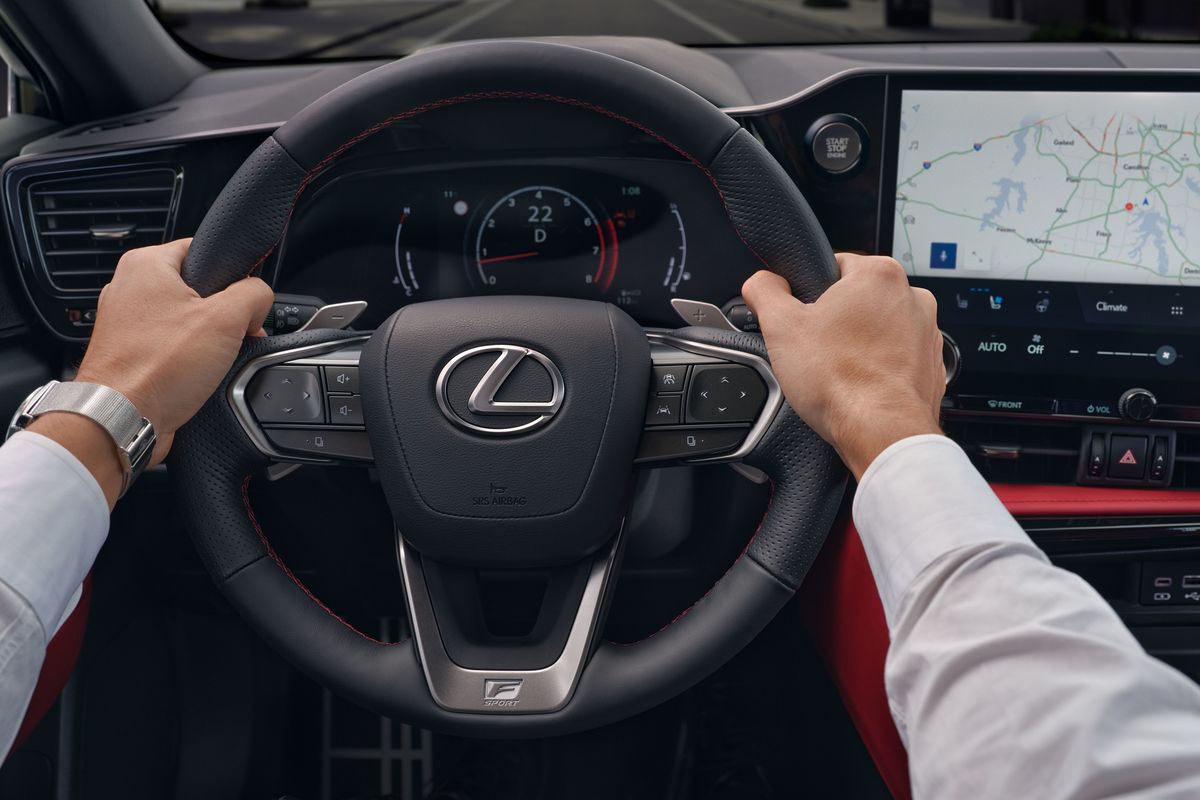
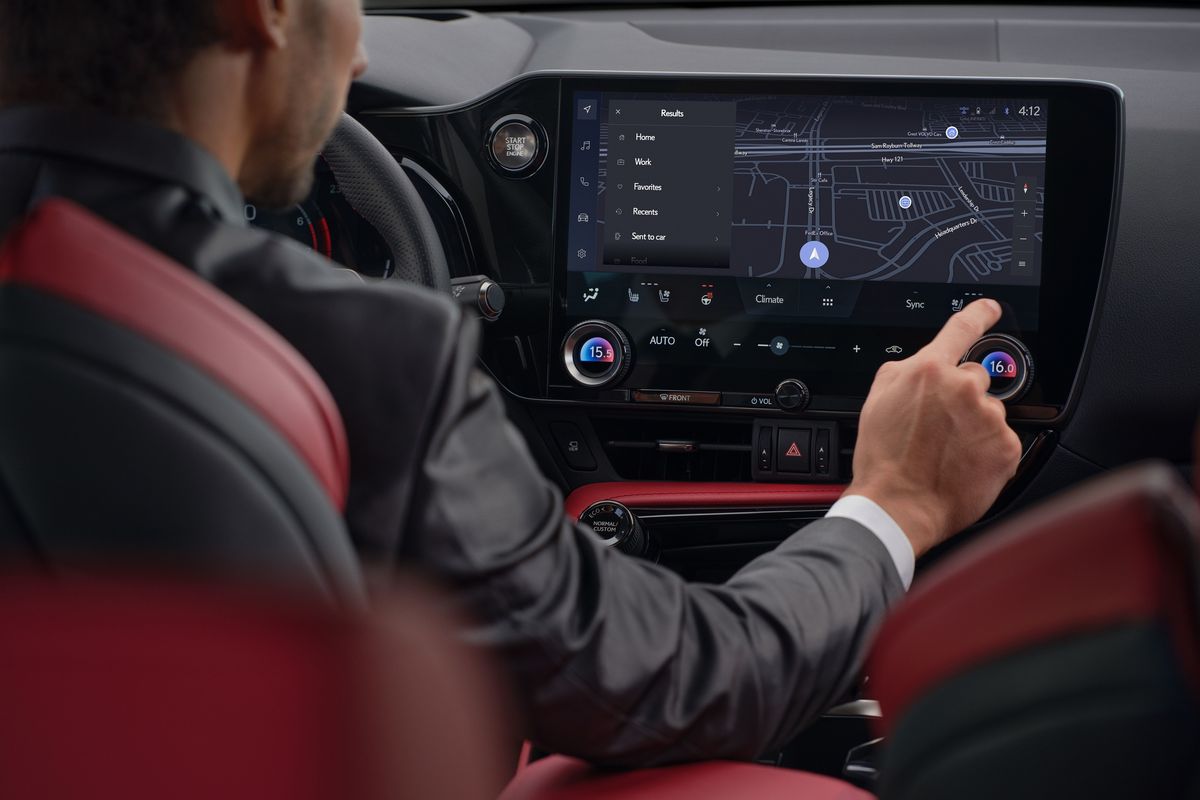
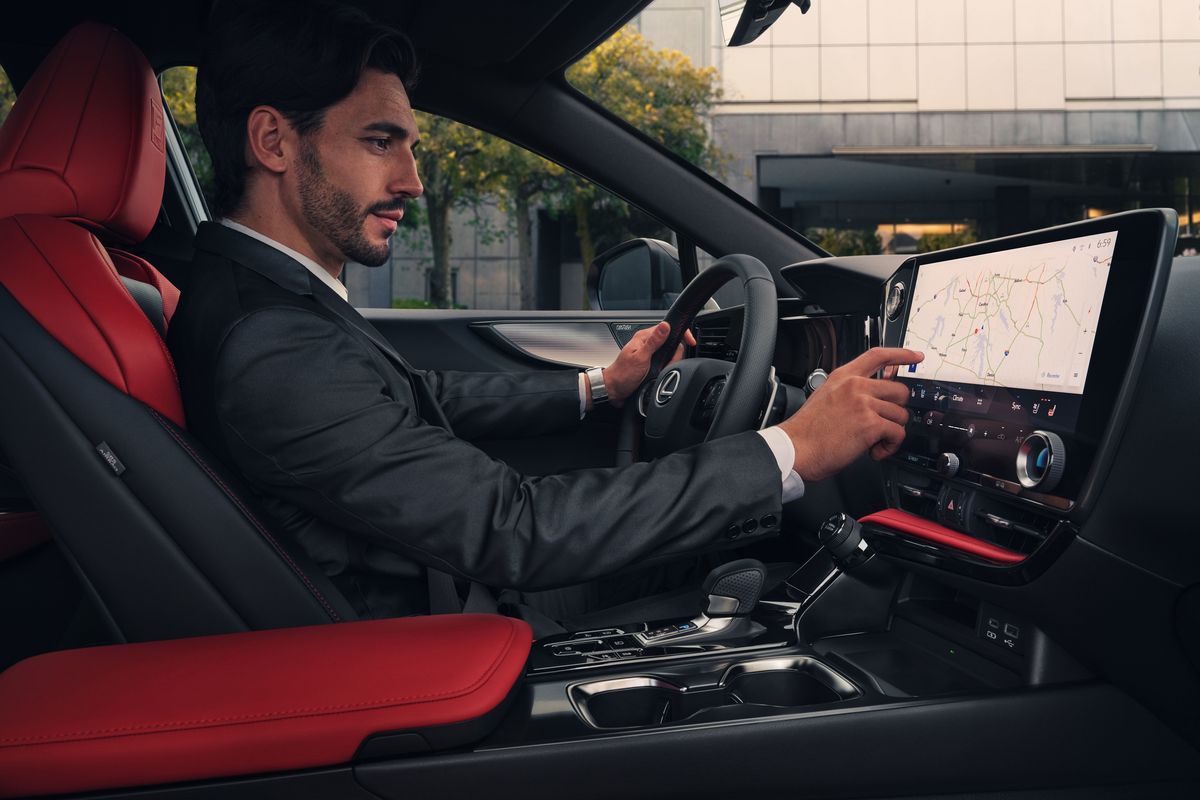
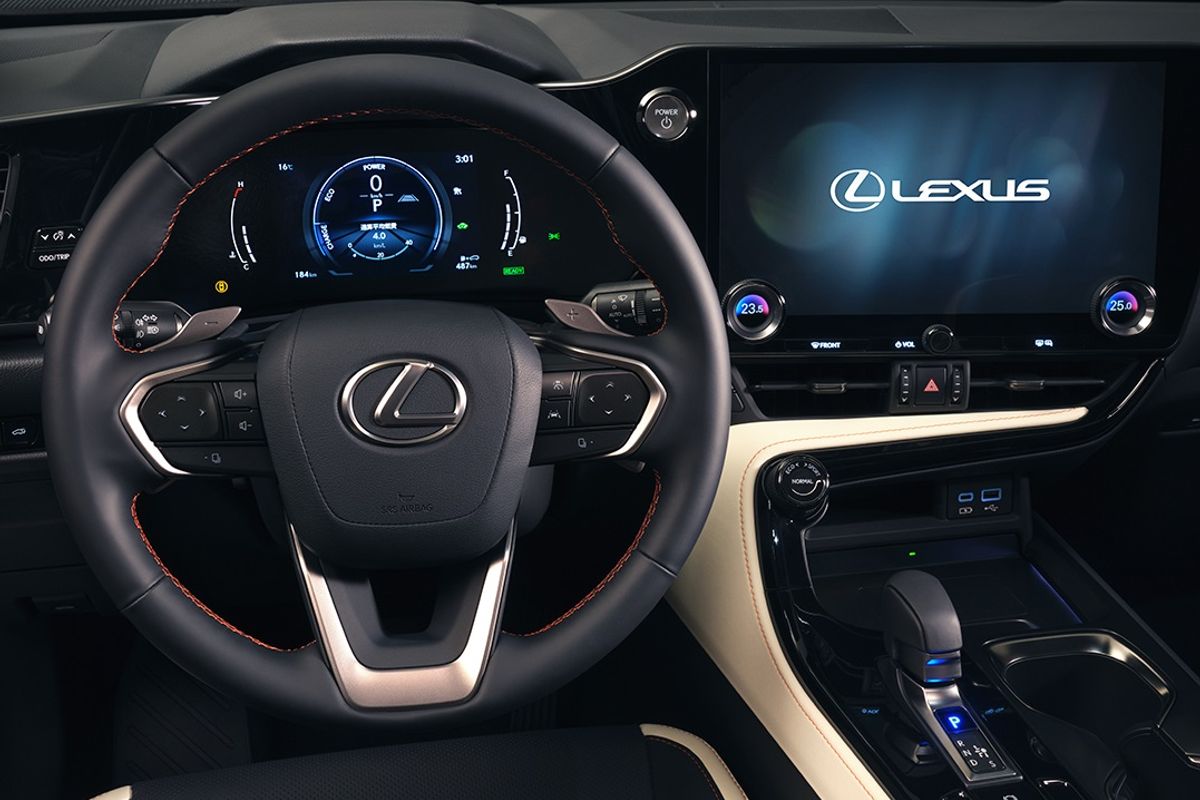
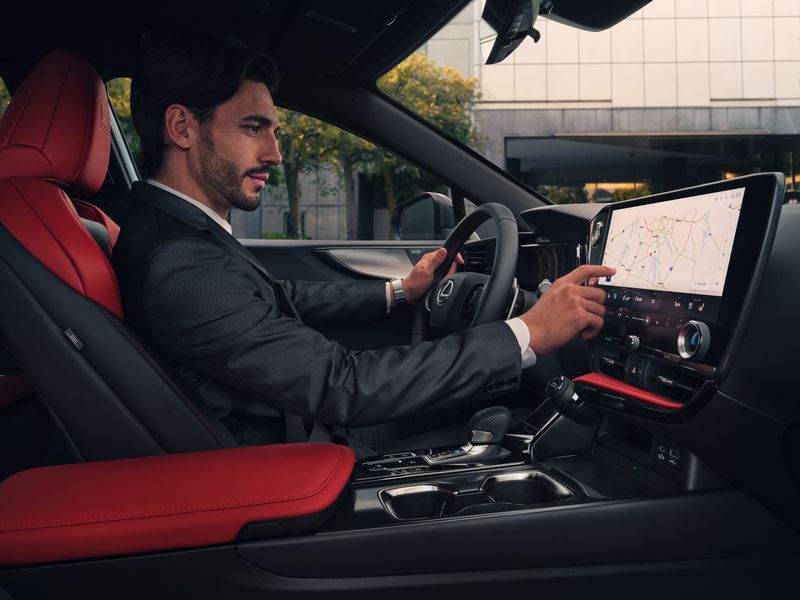
Under the skin, there’s an all-new vehicle platform and Lexus has introduced a raft of advanced preventative safety and convenience technologies. Inside, there are big changes to the cabin of the new Lexus NX, with the controversial touchpad being done away with in favour of a new 14-inch touchscreen.
When will the 2022 Lexus NX come to South Africa?
Lexus SA confirmed it will be bringing the new Lexus NX in early 2022. At this stage, every model except the plug-in hybrid has been confirmed.
Full specifications, trim levels and pricing will be confirmed closer to the launch date.
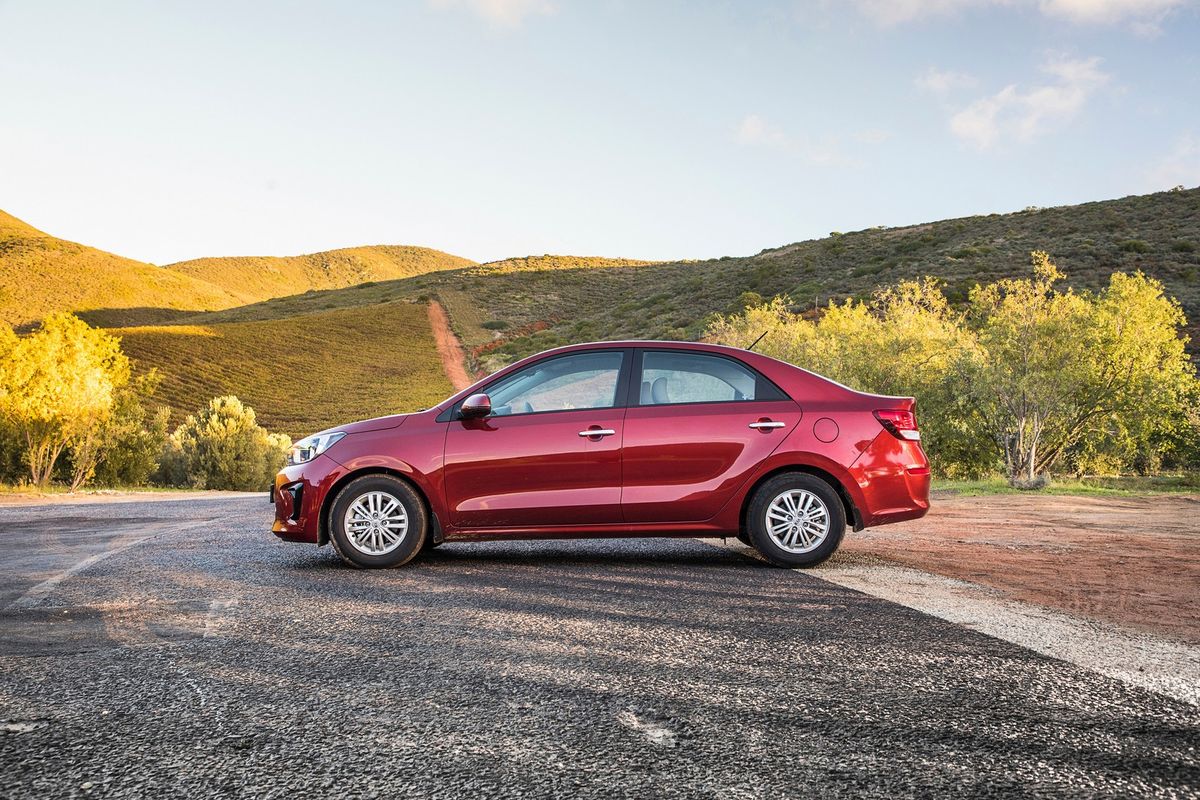
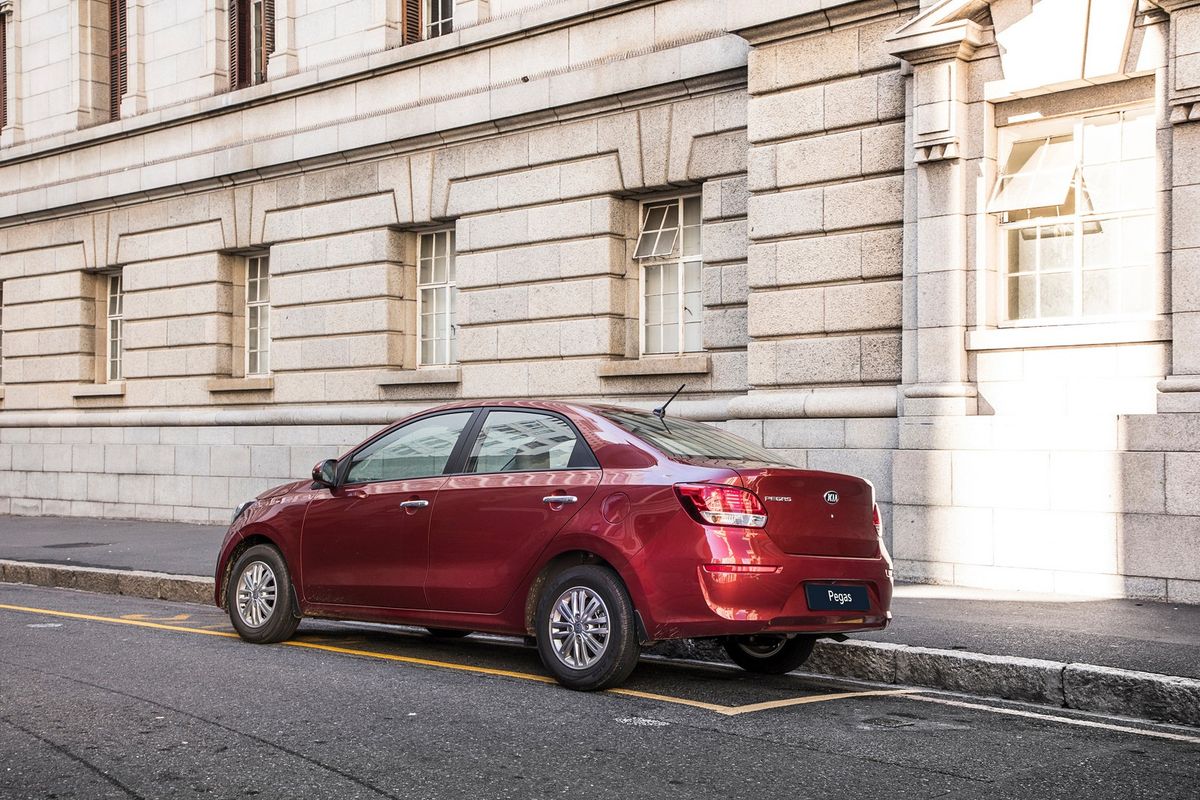
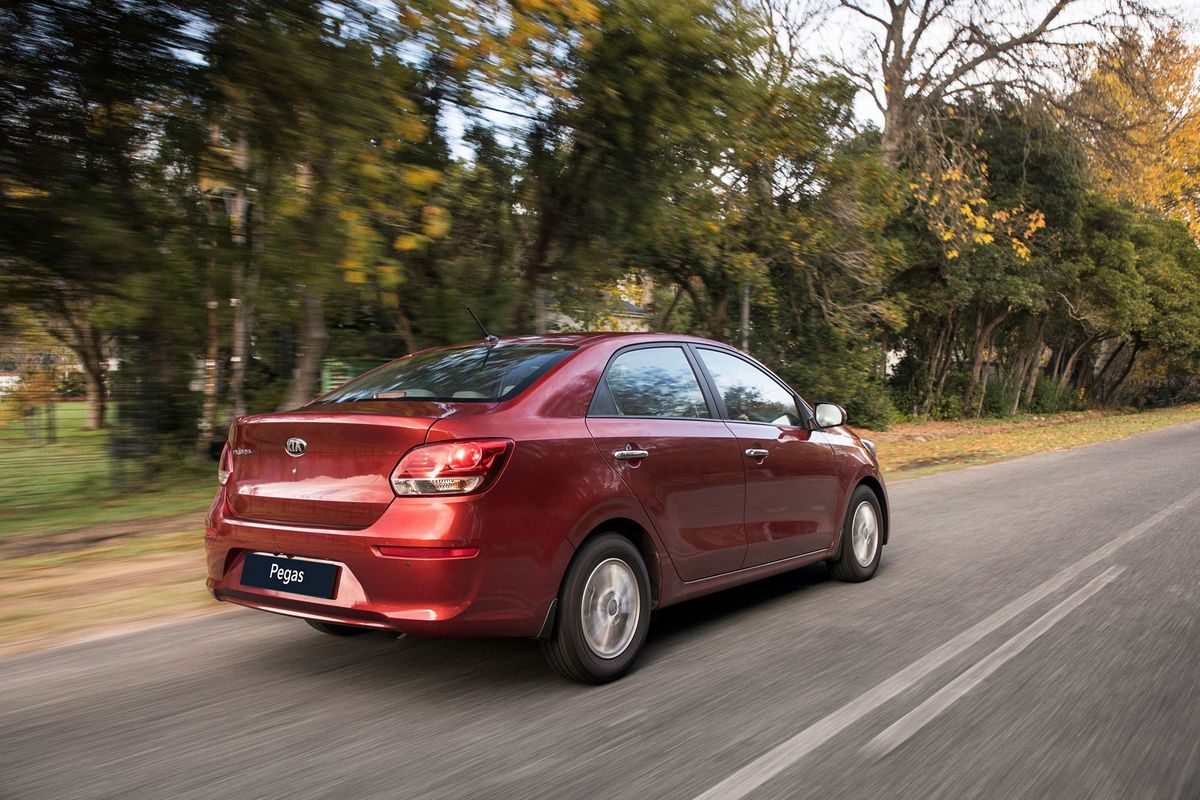
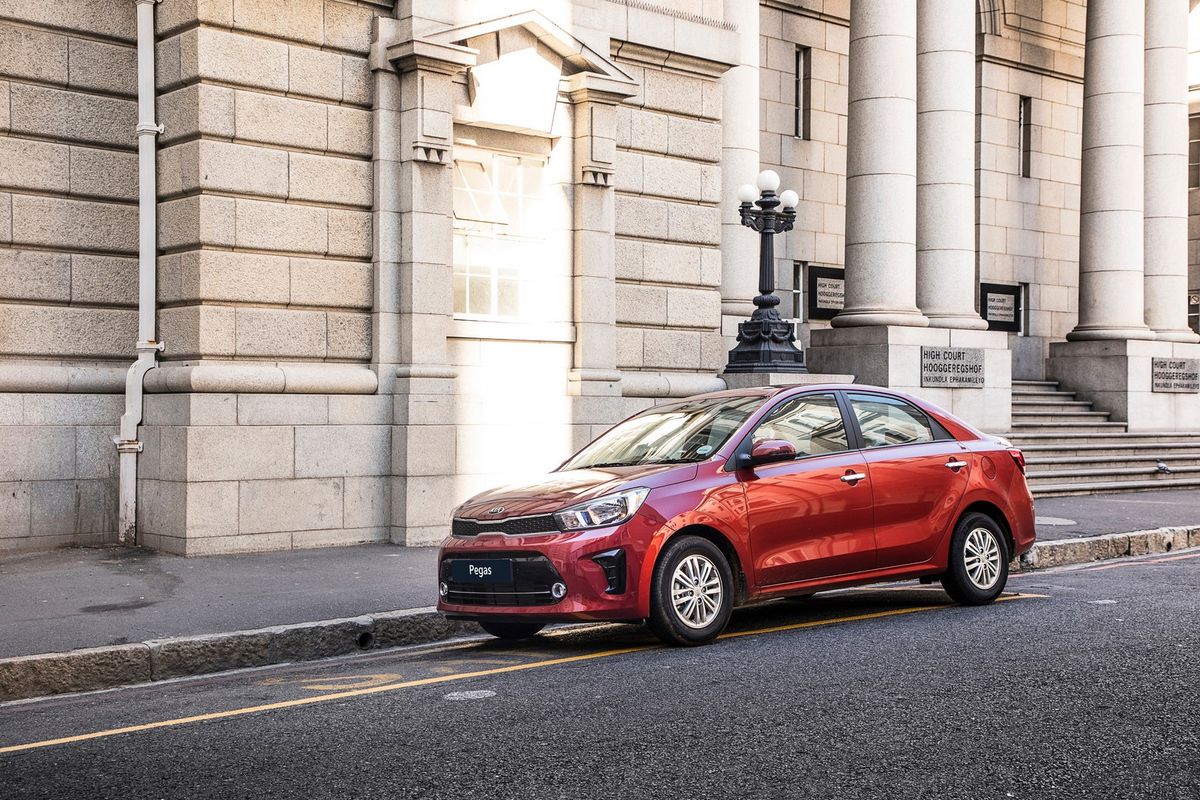
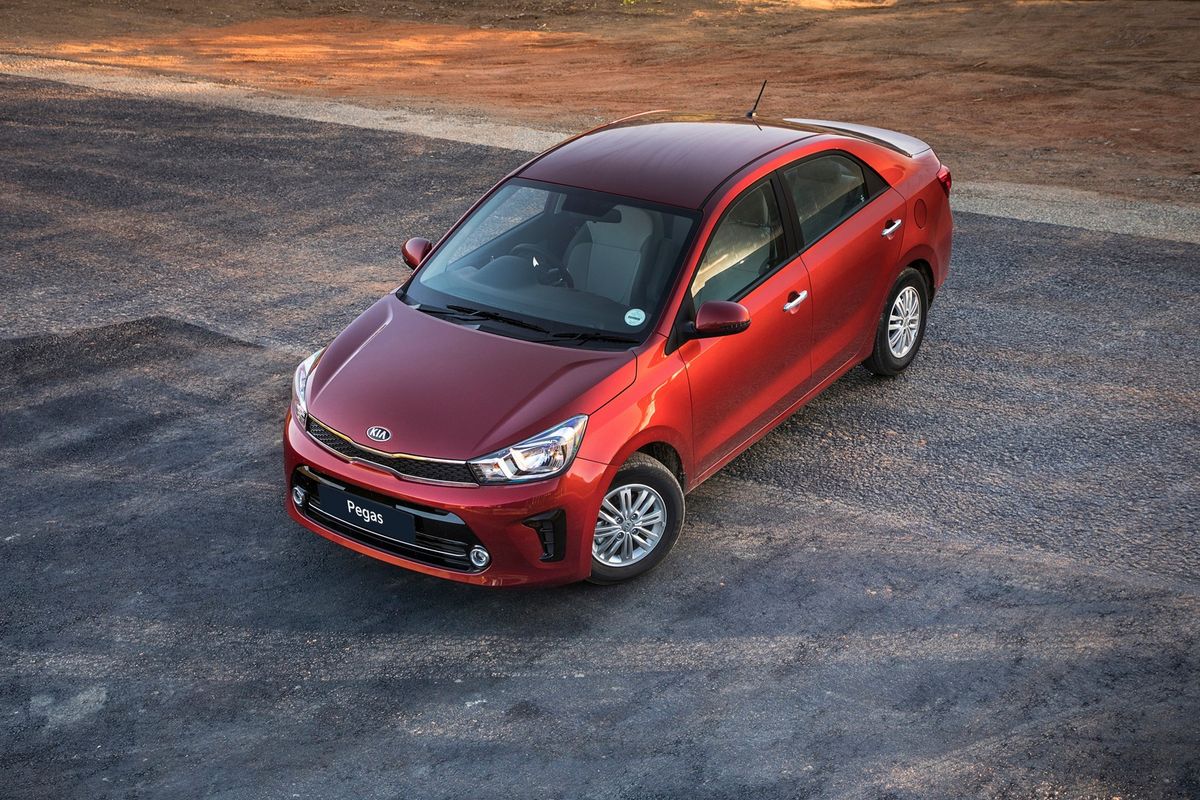
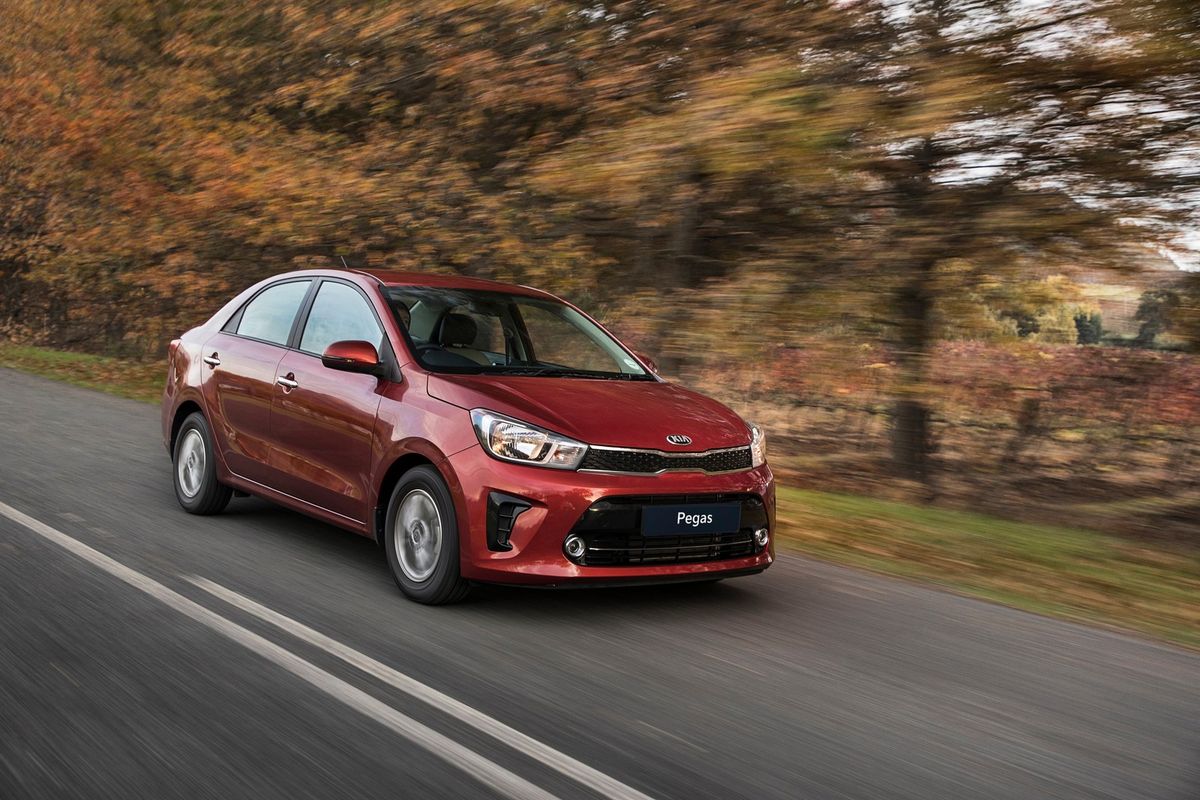
The Kia Pegas has landed in South Africa. Here are the latest specs and pricing for the pocket-friendly sedan.
The Kia Pegas measures 4 300 m in length and the Korean car maker reckons its new offering ticks the box for class-leading practicality, while its 2 5700 mm wheelbase and large boot of 475 litres give it great cabin space and practicality.
Interestingly, the Kia compact sedan is assembled at the brand’s facility in China. It features your standard Kia design elements like the tiger nose and there are some upmarket touches like 14-inch alloy wheels and splashings of chrome on the top-spec model.
It’s impressive to see Kia taking on the sedan market when its current campaigns all revolve around its SUV family like the Sonet and the Seltos, both of which have proven popular.
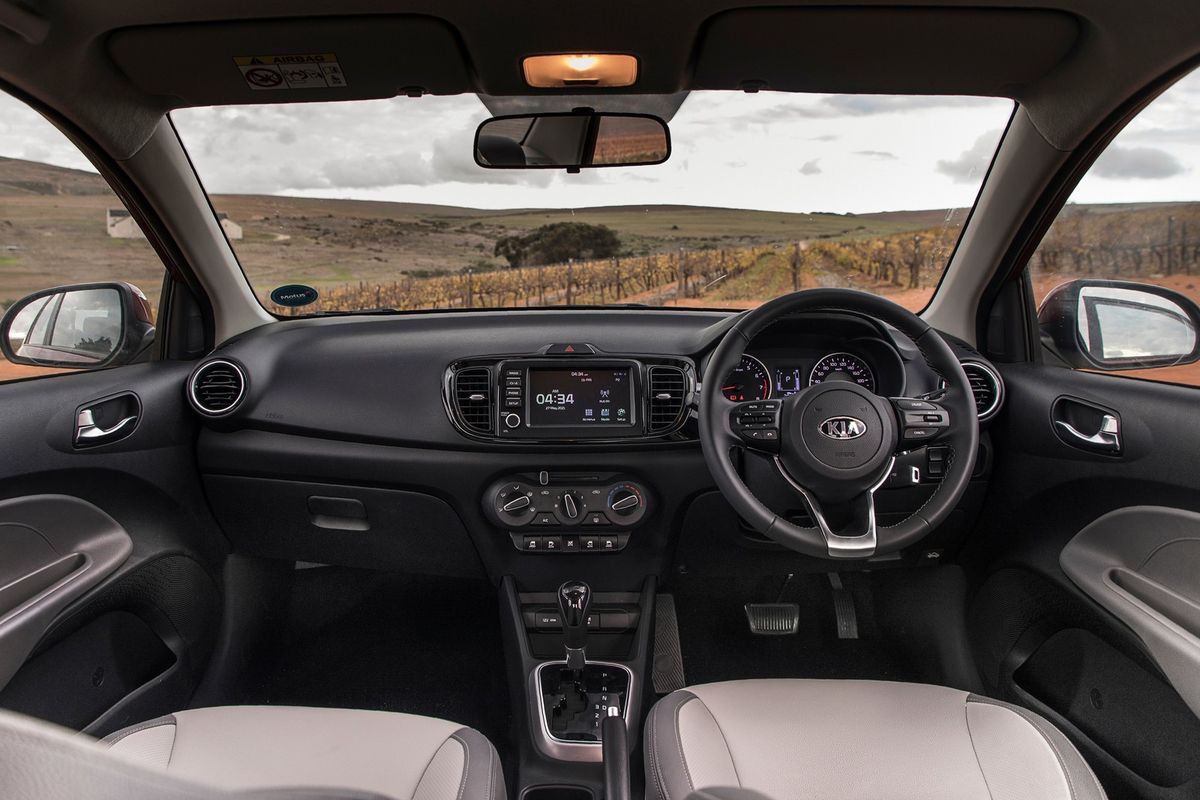
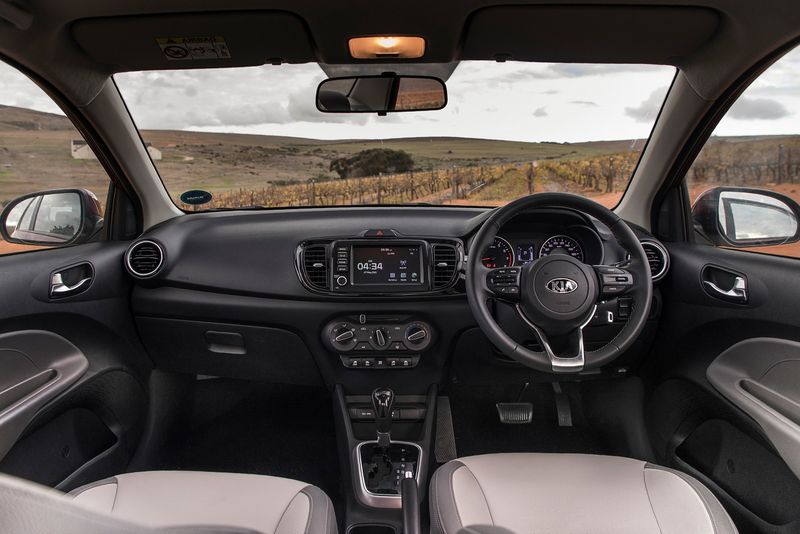
Inside, the Pegas features what the brand calls comfortable seats, trimmed in either cloth or artificial depending on the trim level. All versions feature niceties like cupholders, a central armrest, electrically adjustable side mirrors and electric windows.
Under the bonnet is Kia’s 1.4-litre petrol engine which produces 69 kW and 132 Nm. The vehicle is front-wheel driven and there’s a choice of either a 5-speed manual gearbox or 4-speed automatic.
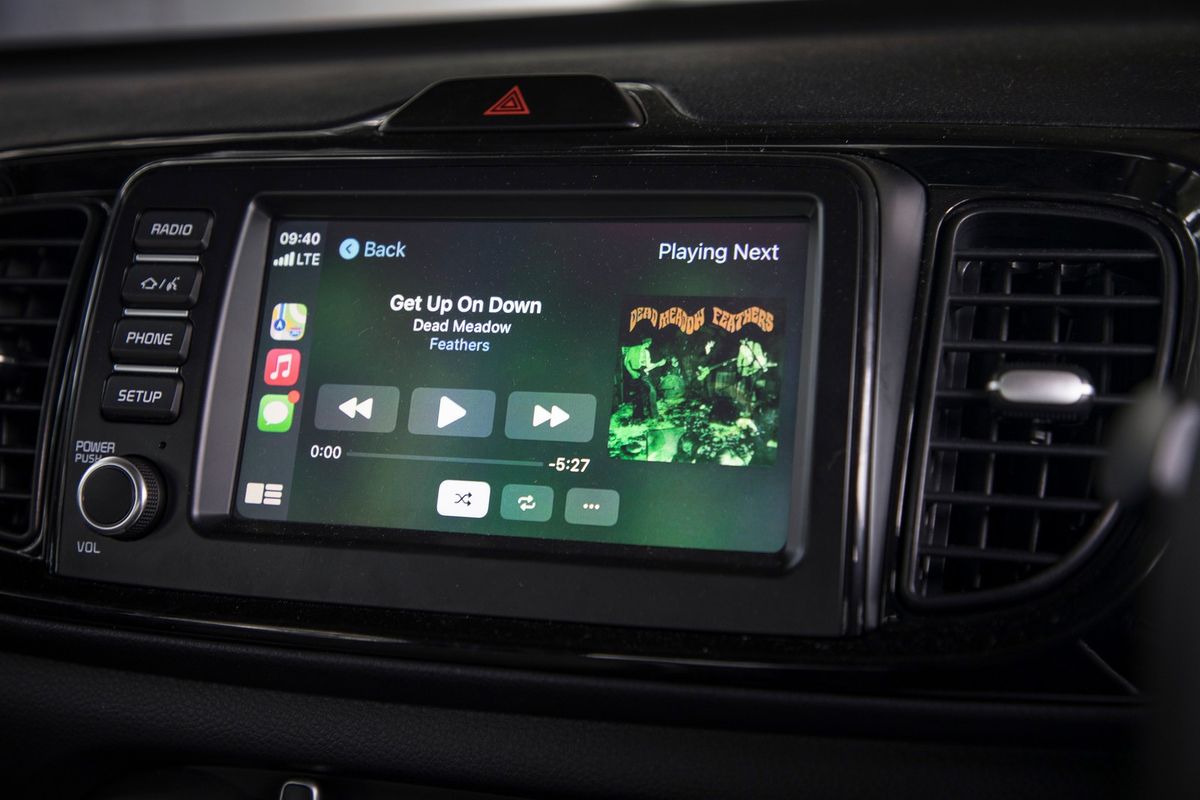
7.0-inch infotainment with Bluetooth, Apple CarPlay and Android Auto Remote central locking Rear-view camera with rear park distance control Air-conditioning Front and rear electric windows Electric mirrors 6 speakers Steering wheel remote controls 14-inch steel wheels Automatic headlamp activation
Pegas EX
Leather steering wheel Faux-leather seat trim Front fog lights Driver’s seat height adjuster Cruise control Chrome-coated door handles 14-inch alloy wheels Side repeater lamps
As far as safety is concerned, the Pegas comes with ABS with EBD disc brakes all-round dual front airbags and ISOFIX child-seat anchoring points.
How much does the Kia Pegas cost in South Africa?
The Pegas is sold with Kia’s industry-leading Unlimited Kilometre, 5-year warranty (inclusive of Roadside Assistance), as well as a prepaid 4-year / 60,000 km service plan. The new Pegas range is on sale across Kia South Africa’s national dealer network immediately
There might be more to the new Ford Maverickand in turn, the Ranger.
Ford has generated huge interest in the potential of hybridized and electrified bakkies.
The American brand, which has effectively disengaged from the traditional passenger car business, is surging ahead in efforts to electrify its bakkie fleet.
The last month has seen Ford’ F-150 Lighting and new Maverick. As a company that has a huge presence in the bakkie market, with F-Series being the world’s best-selling vehicle, Ford’s electric intentions are significant.
For South Africans, the F-150 isn’t that meaningful. Ford isn’t going to build a right-hand-drive version. What is of relevance to local followers, is what happens to Ranger.
When the T6 platform was reintroduced to America, it made Ranger a truly global bakkie. The success of Ranger can be credited to inspiring Ford into developing Maverick, its new hybridized double-cab.
But where does that leave markets that want a Ranger or Maverick sized double-cab bakkie, with a full electric drivetrain? Ford has shown what can be done with the full-size F-150 platform. In theory, scaling that battery and motor-drive technology down to Maverick, should be easy.
When could this happen? Mike Levine is a product communications manager at Ford and has fielded a flood of questions since Maverick was shown. On the issue of an all-electric Maverick, Levine’s answer has been an image, showing the outline of a Maverick/Ranger size double-cab, with implied battery power – and no internal combustion motor.
American companies have spearheaded the move to battery bakkies, but their vehicles are too big for many global markets. Ford is the first, to allude that it has a smaller electric bakkie in development. Which could very exciting, for markets like South Africa, especially as the country tries to push towards possible electric vehicle manufacturing.
In a world of ever-shorter product cycles, Toyota has proven that with an uncompromised design, you can triple that – and remain relevant.
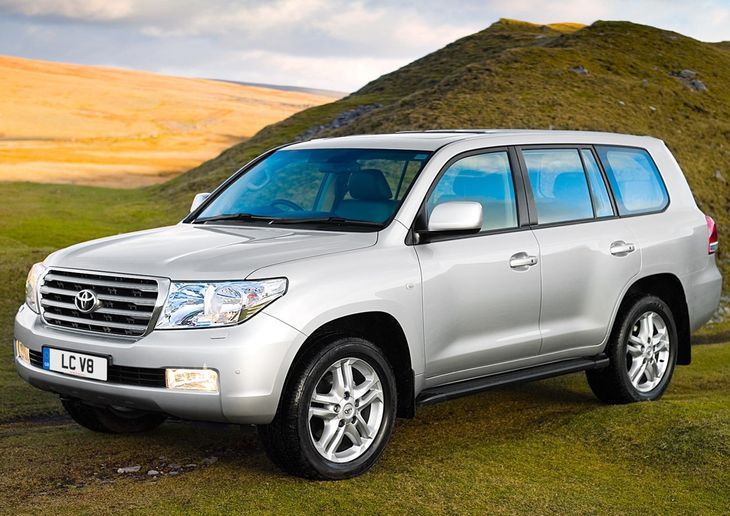
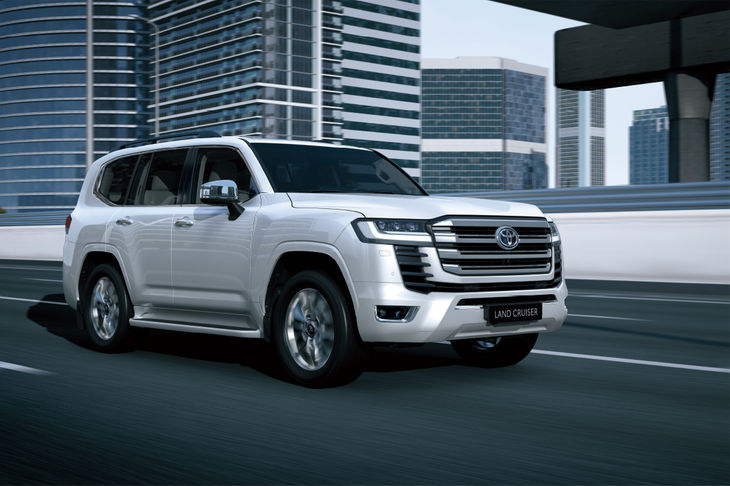
The Japanese brand’s new Land Cruiser 300 has now finally been revealed and it replaces the 200-series, which has been on sale since 2007. If you require context, the Land Cruiser 200 is as old as Apple’s iPhone. It’s largely the same product as 14 years ago, yet it still attracts huge demand right at the end of its lifecycle; compare that with the iPhone, which is now in its umpteenth generation.
But where does the idea of a large luxury Land Cruiser come from? Although it is one of Toyota’s oldest nameplates, the Land Cruiser range was entirely utilitarian for the first 5 decades. There were station wagons, sure, but they mostly rode on leaf-sprung live axles and had military-grade cabin comfort
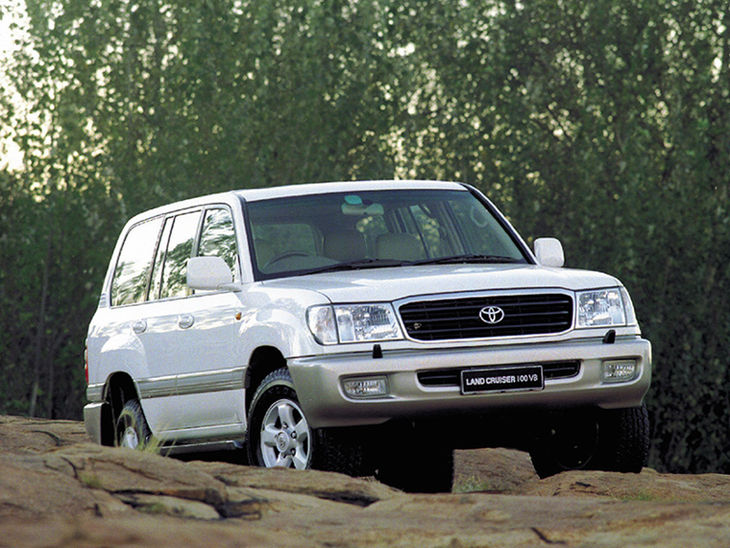
Toyota makes a break for luxury – with the 100 VX
By the latter half of the 1990s, luxury SUVs promised huge profits, with mild customer expectations. Range Rover’s quarry was suddenly overrun with Cayennes, MLs, X5s and Touaregs.
Toyota took notice and realised that its Land Cruiser product team could easily make the bombproof station wagon 4×4 platform a bit more luxurious and at a low cost.
Air suspension and the ability to cruise with stability at speeds beyond 200 kph were marks of distinction for the first-generation of German luxury SUVs. But the R&D they required was expensive; in African conditions, survivability and slow-speed off-road prowess, using nearly granular diesel fuel no less, are more important requirements, so Toyota did a Cheslin Kolbe… and stepped around everyone.
The 100-series marked Toyota’s first luxury Land Cruisers. If you want to be specific, the nomenclature distinction was between the luxurious “100” and more utilitarian “105”. For South African farmers and rural business people, who would never seriously consider a Range Rover or any German luxury SUV, the 100 VX was a dream.
If you want any indication of how durable and valuable they are, try to find an (even well-used) example at a reasonable price…
Stepping it up – to Land Cruiser 200
The only issue that Land Cruiser 100 VX owners encountered was the model’s middling engine output. The 4.2-litre inline-6 turbodiesel was terrifically reliable and, with its low-range gearing, capable of crawling up anything. But dune driving requires huge power – as does long-distance cruising.
When the 200 VX arrived it added two cylinders to the diesel powertrain. Toyota’s 4.5-litre V8 turbodiesel was exactly what Land Cruiser customers pined for, finally giving the huge adventure station wagon adequate power for safer high-speed overtaking.
The 200 VX added a treasure of off-road driving assistance gadgets, all with robust redundancy systems. To make the most of that V8 engine’s torque, Toyota developed a crawl-speed control system that acted on all four wheels.
Land Cruiser 200 VX was a huge vehicle, and heavy, which could intimidate novice off-road drivers – especially in tight and technical terrain. With the crawl system, you could select a very low rolling speed, and concentrate all your driving effort on steering and placing the 200 VX, without having to suffer any anxiety relating to throttle modulation.
Toyota continued to resist the temptation of fitting an air suspension, which by then was an option on nearly all of the Cruiser’s rivals. The Japanese marque believed that air suspension was a vulnerability on a vehicle of the 200’s size. Because a Land Cruiser is often required to travel for thousands of kilometres at a time in severe conditions, its maker opted for a simpler compromise.
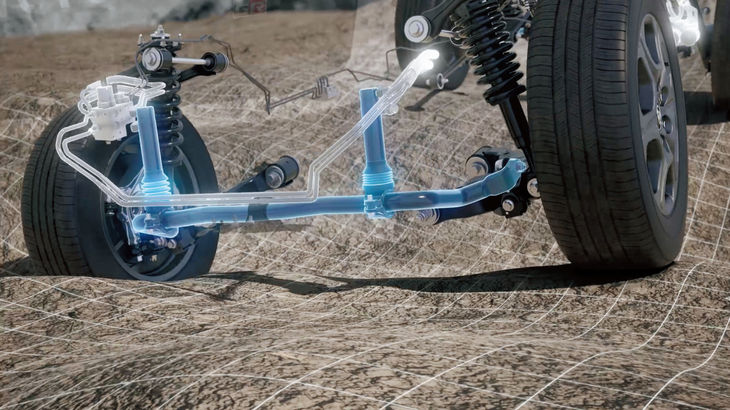
The solution was a simple hydraulically linked sway-bar disconnect system. It added a touch more wheel articulation, but didn’t improve approach angles or reduce snag points – both notable benefits for an air-suspension-equipped SUV.
Why nothing much has changed – 300
The Land Cruiser 300 is evolutionary. This is not a radical redesign.
Despite the market for large SUVs changing at a rapid pace, demand for the Land Cruiser’s ladder-frame-luxury motoring formula has never ebbed. And Toyota has been mindful that it offers something nobody else can – and is respectful of its loyal Land Cruiser customers.
By far the most significant change has been its engine offering. Many will bemoan the lack of a V8 turbodiesel, but in truth, the new 3.3-litre V6 diesel is a great replacement. It makes more power and torque while benefiting from having a transmission with 4 additional gears. There’s also a twin-turbocharged 3.5-litre petrol V6 on offer.
Weight-saving is something that rarely happens in the realm of luxury off-road vehicles, but Toyota’s engineering team managed to diet 100 kg out of the Land Cruiser platform with the 300. With 27 kW more power and 50 Nm more torque, aided by a 100 kg lower kerb weight, the 300 will be faster, lighter on diesel (equalling greater range) and also more agile off-road, especially when dune driving.
The 10-speed automatic transmission will dramatically improve the big Toyota adventure vehicle’s roll-on acceleration and overtaking prowess. You’ll never be hunting between gears, or waiting for the transmission to kick down (as could occasionally be the case with 200 VX’s 6-speed auto’ box).
If you evaluate the core changes between the 200 and 300, you’ll notice how remarkably similar they are. That’s what Toyota did when it updated the 100 to the 200: more power and a better drivetrain.
The KISS principle – even with this most expensive Toyota
Toyota has not messed with the fundamentals that make its Land Cruiser luxury SUV range unrivalled. It still uses a ladder frame platform and doesn’t have air suspension.
Owners will be willing to live with the 300’s pitch and roll when cornering at high speeds in return for the durability of a suspension system that’s disinclined to fail or lock itself at “access height” in the middle of a Namibian off-road vacation.
If you need a bit more wheel articulation and traction when navigating through potential cross-axle obstacles, the Kinetic Dynamic Suspension System (e-KDSS) from the 200 has been updated with an electronic interface. Crucially, this sway-bar disconnect system is still fundamentally hydraulic – and failproof.
You could argue that Mercedes-Benz’s Geländewagen is a rival, but it is way too small inside. Nissan Patrol? No diesel option.
This week’s news you need to know (June 2021, Week 2)
In this week’s news you need to know: Toyota bestows us with the Land Cruiser 300 (and a GR Sport version), BMW favours its performance SUVs over its legacy M cars, you can buy a 615-kW kit for your Mustang and could Opel be hinting at the possibility of an Astra that will honour the legend of the mighty Superboss?
Land Cruiser 300 with GR treatment – South Africa’s favourite off road limo returns
While the mighty Toyota Motor Corporation’s R&D department weighs up the merits of battery-electric- vehicles versus those of their hydrogen fuel-cell electric counterparts (who knows in which direction TMC will ultimately go – perhaps they’ll do both), the Japanese firm is keeping itself busy by paying tribute to the last years of the ICE engine. And how? Well, just about every Toyota model is getting the Gazoo Racing (GR) treatment. And we’re not talking about the “creatively branded” Toyotas you’d see in a shopping-centre parking lot – they’re not just slapping a TRD badge on an old Corolla 1300…
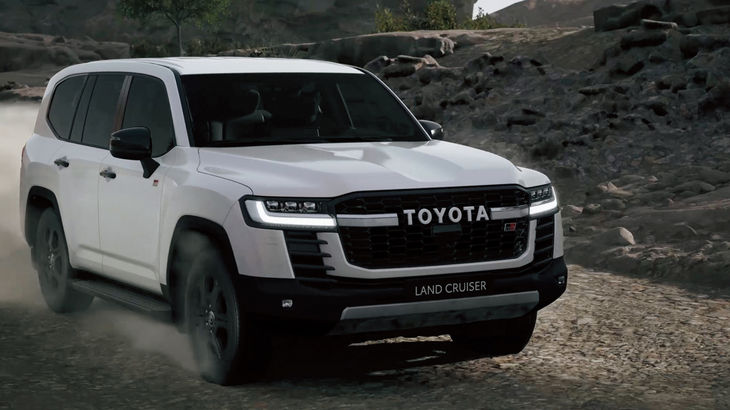
We thought it would be limited to the holy trinity of GR Supra, GR Yaris and GR 86, but Toyota’s not stopping there – the new Land Cruiser 300 is getting levelled up too. A GR Sport version of the big daddy SUV is coming and so is a GR Corolla. The Land Cruiser is bound to consolidate its “King of the dirt” status; it’s the off-roading limo that South Africans love and an inexhaustible goldmine for the brand.
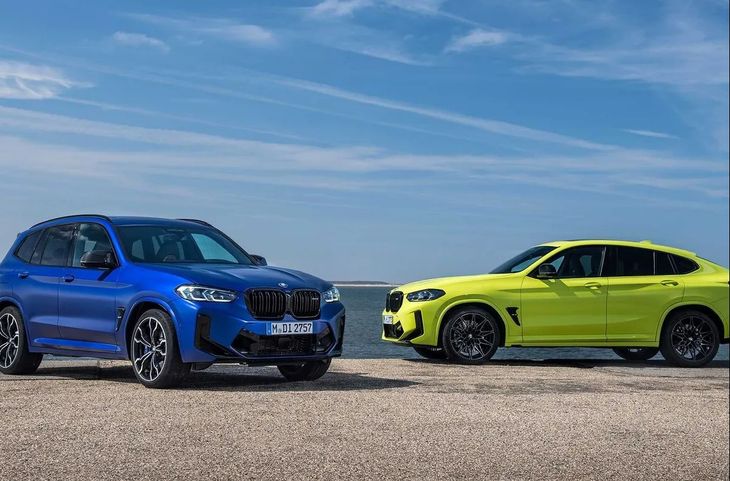
X3 M Competition – ‘Faster than an M3 Comp.’
For many years, there was no performance derivative of any BMW model that was quite in the league of the brand’s M3 sportscar. The 1 Series M Coupe had that potential, but its maker reined it in. That strategy appears to have changed: the new X3 M Competition sprints from 0 to 100 kph in 3.8 sec, making it 0.1 sec quicker than the current rear-wheel-drive M3 Competition. Let that marinate overnight.
To me, it’s a sign that BMW now regards the M3 and M4 as just a couple of models (no, products) in its ever-expanding M-car line-up, as opposed to the crowning achievements of the Bavarian marque’s celebrated M Division. Before you write in and whine about the M3 and M4 being better overall performance packages than their SUV counterparts blah blah, my point is centred around the sportscars and SUVs’ respective acceleration figures.
Is the future of the BMW SUV electric? The latest X3 M detail tells me that this may be the first nail in the coffin. Will there even be a next-gen X3 and X4?
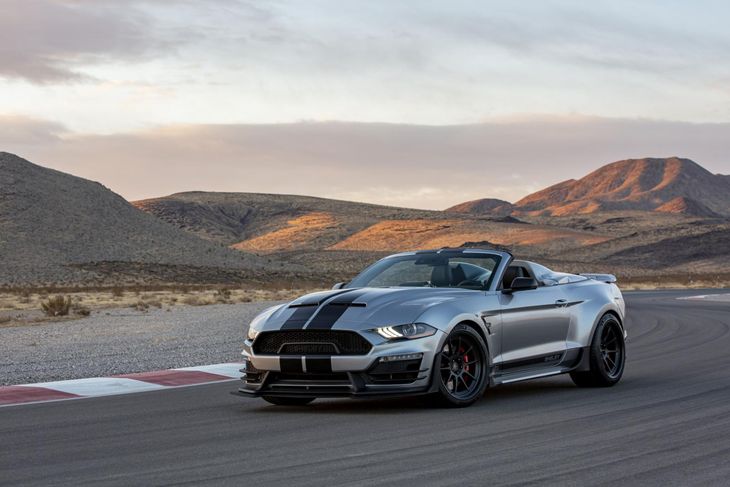
Shelby Super Snake – ‘Hou vas my dop en check hierdie‘
A peak power output of 615 kW in a road car is right next to the idea for the atomic bomb and a lab-engineered Zoonotic pandemic – it’s not good for anyone’s health. Shelby’s latest Super Snake and Super Snake Speedster (shown above) kit is a big fat slice of American muscle-car steroid injection that I’d strongly recommend you think through carefully. That type of power is just not suitable for a public road…
Apart from the hefty price tag attached, the real kicker comes in the fact that it’s merely R1.5 million for a kit, but that means you kinda need to buy the donor car (a Ford Mustang 5.0 GT Fastback or Convertible) first. I have no doubt that somewhere out there a tribal-tattooed transport entrepreneur has cracked open a bottle of Klipdrift premium and is about to email his local Ford dealership.
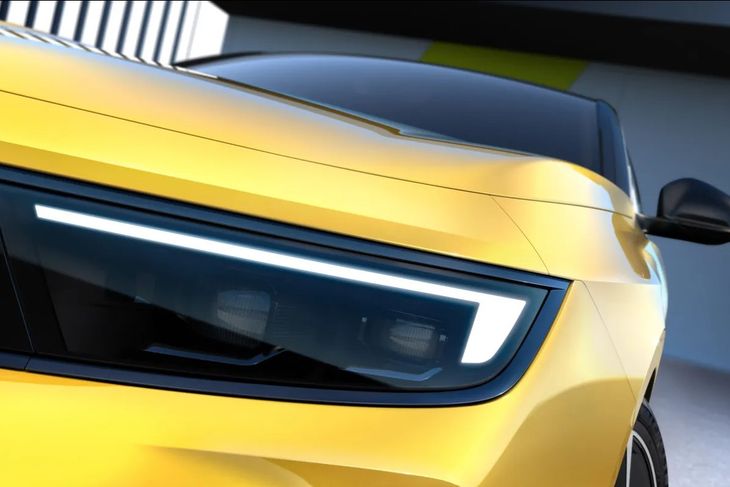
All new Opel Astra – Missing the marque
WARNING: If you suffer from PTSD brought on by Opel’s inability to produce a hot hatch that could remotely live up to the Kadett GSi 16V S, better known as the “Superboss”, I advise you to speed-dial your psychologist now. I often sit in disbelief and rue how badly Opel got it wrong by not building on the tremendous success of the “Superboss”; what an amazing performance legacy it could have had.
A Superboss could run rings around the Volkswagen Golf GTI of its era and the turbocharged 200tS derivative of the subsequent generation of the Kadett (which is now known as the Astra) did not hang about either. You only have to look at how well VW has done with the (now ubiquitous) GTI in South Africa to realise how Opel threw away its early-’90s hot hatch supremacy. So potent was the Superboss that it took a knife to the throat of the rear-wheel-drive BMW 325iS; there was nothing in the front-wheel-drive segment that could touch it. Feeling emotional yet? This is your safe place, so let it all out.
Okay, the Astra OPCs loosely carried the performance baton, but they lost the magic that the Superboss had. It’s a sad chapter in the South African motoring story and I can’t help but look at the new Astra and think what could have been. Could they tap into that legacy once more? I certainly believe there are plenty of die-hard fans that’d want a performance Opel again. Come on Stellantis, please make it happen!
2022 Audi RS3 Teased Ahead of Reveal
The 2022 Audi RS3 is due for a reveal any day now and Audi Sport has released some teaser images of its new flagship compact performance offering.
What you see here is the new 2022 Audi RS3 hatchback and sedan, in some stylish camouflage which hides all the finer styling details. There’s no mistaking those big oval exhausts and the gaping front end. We’ve seen numerous Audi RS3 spy shots, giving some idea of what’s to come.
A cute touch is the 1-2-4-5-3 on the side, denoting the firing order of the 2.5-litre 5-cylinder engine. This is surely the official confirmation that the new 2022 Audi RS3 will have 5-cylinder, but to be fair, it would come as quite a shock if the car were to gain an alternate engine.
As for the engine, official outputs and performance are yet to be confirmed. In its current RS Q3 application, the 2.5-litre 5-cylinder is good for 294 kW and 480 Nm, and this powertrain is mated to a 7-speed S tronic gearbox. The sporty crossover is good for a 4.5 second run to 100 kph, but we suspect that the 2022 Audi RS3 will be quicker than that.
With strong rivals in the form of the Mercedes-AMG A45 S / CLA 45 S and BMW M2 Competition, the 2022 Audi RS3 will have its work cut out for it. Audi Sport is in a good place and despite the craziness of 2020, it set a new record for performance vehicle sales with more than 29 300 units finding homes.
The 2022 Audi RS3 is likely to be one of the last few internal combustion-powered products coming out of Ingolstadt as the company will be going electric. Audi Sport says it expects to offer “more than half of our high-performance models in partially or fully electrified form as early as 2024.”
Some form of electrification will be welcome as the benefits are numerous. Not only could cars run on pure electric power on shorter trips, but the performance bonus would be tremendous thanks to the instantaneous torque on offer. We’re already seeing how electrically-assisted turbochargers are offering lag-free near-instant boost.
Stay tuned for the reveal of the 2022 Audi RS3 which we suspect will be in the next month or so.
All-new BMW M3 vs Audi RS 5 – Which is faster over 400m?
There is a new BMW M3 on sale that’s said to be much faster than the previous one. We thought we would put it to the test in a straight-line race against a notable rival, the Audi RS 5.
This is a drag race for the ages. The latest BMW M3 against the latest Audi RS 5 – well sort of – the Audi RS 5 was facelifted in 2020 but the car is actually 3 years old.
Nevertheless, we won’t let the facts get in the way of a great drag race. Will the all-wheel-drive Audi get the jump on BMW’s rear-wheel-drive M3 on the notoriously slippery launchpad at Saldhana airfield? Ciro and Ash lineup against each other in a static race and then a rolling race.
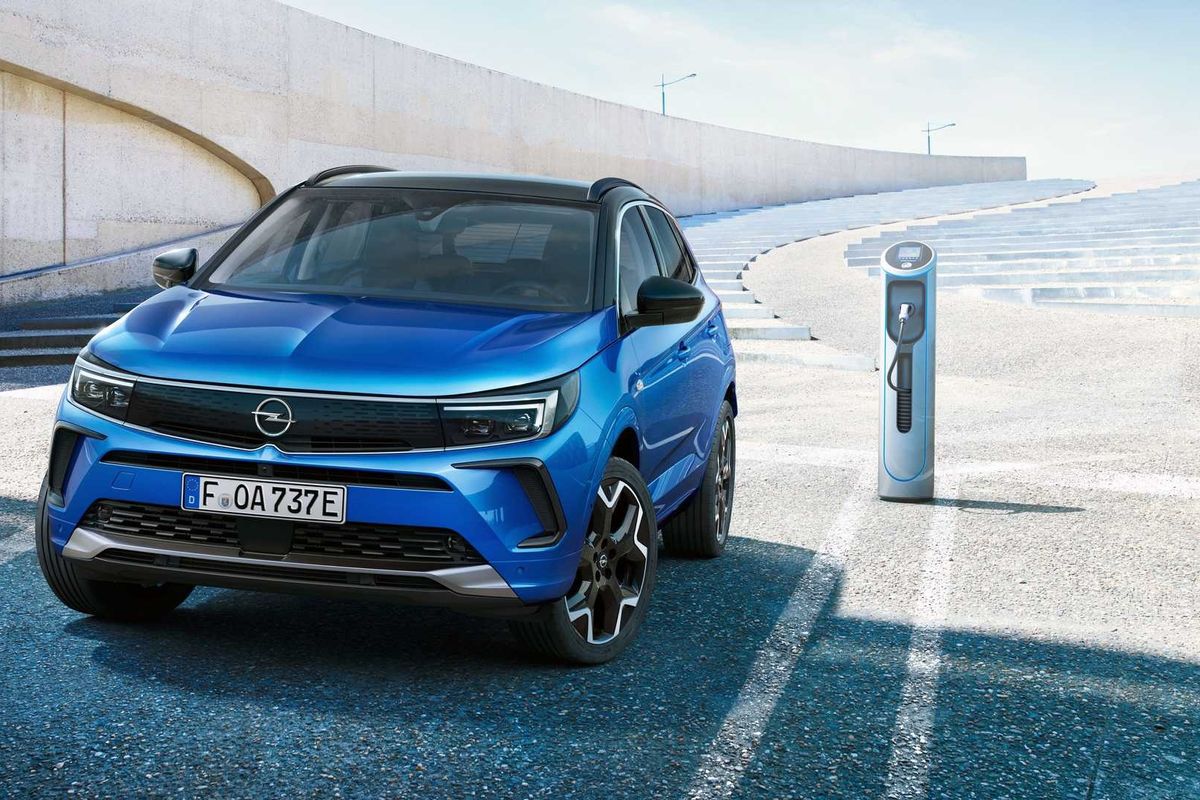
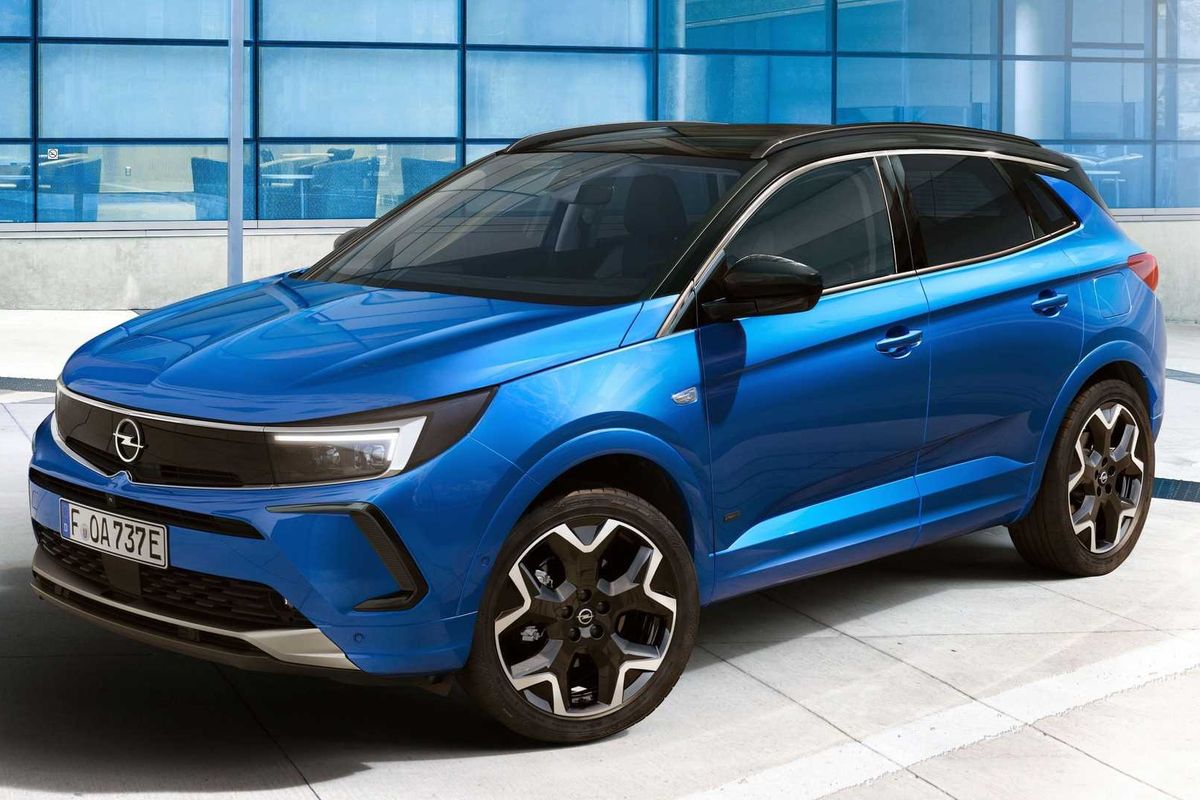
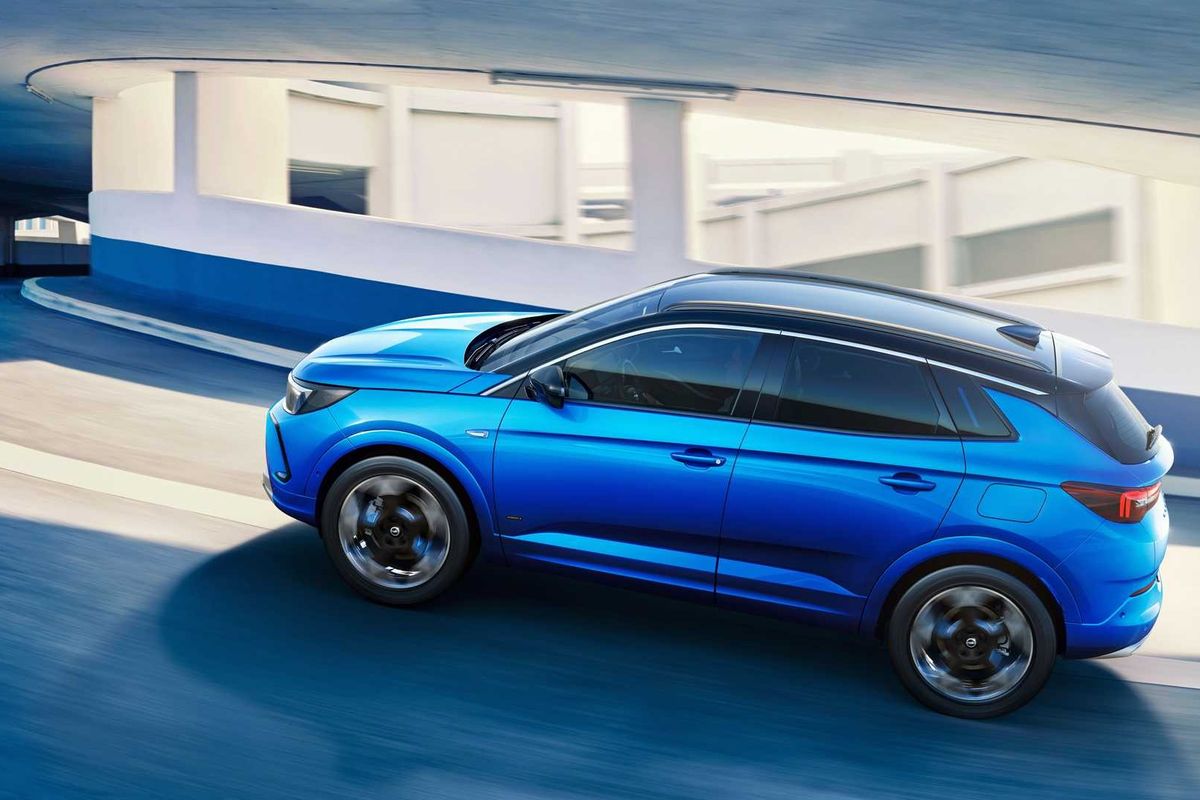
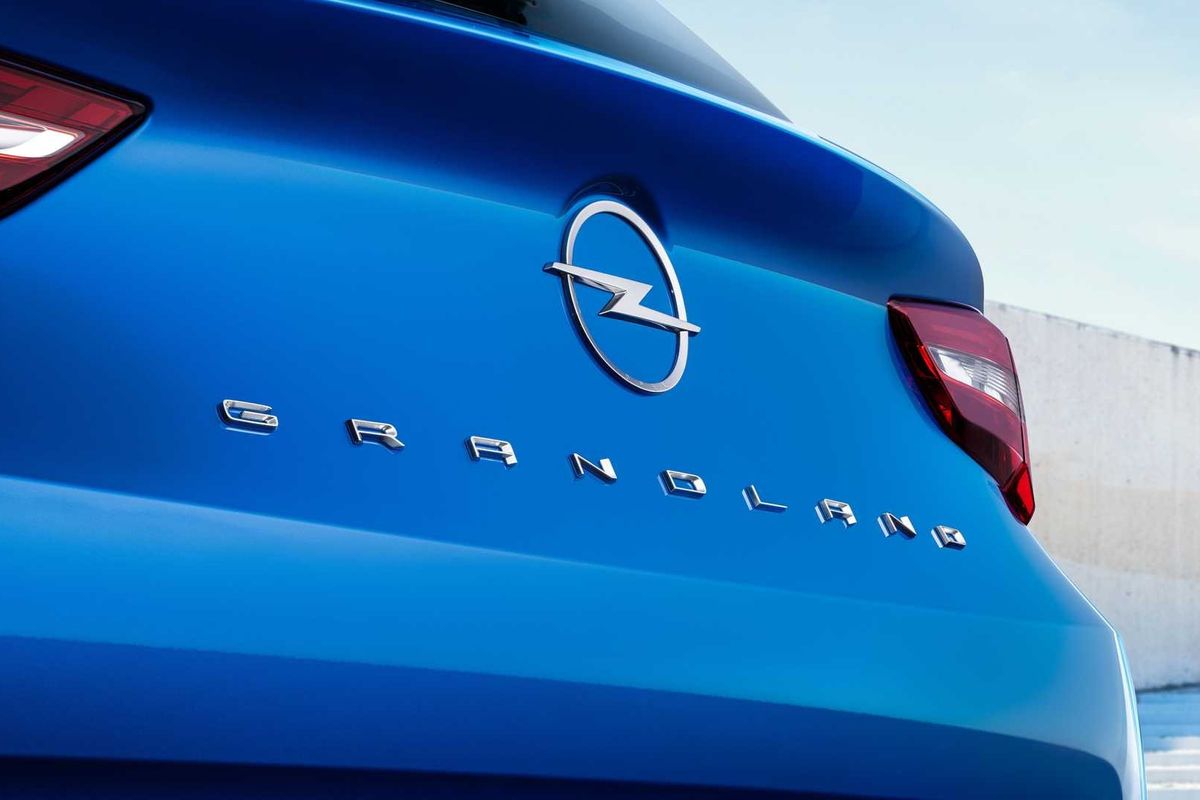
The facelifted Opel Grandland has been revealed and it adopts the handsome styling first seen on the radical-looking Mokka.
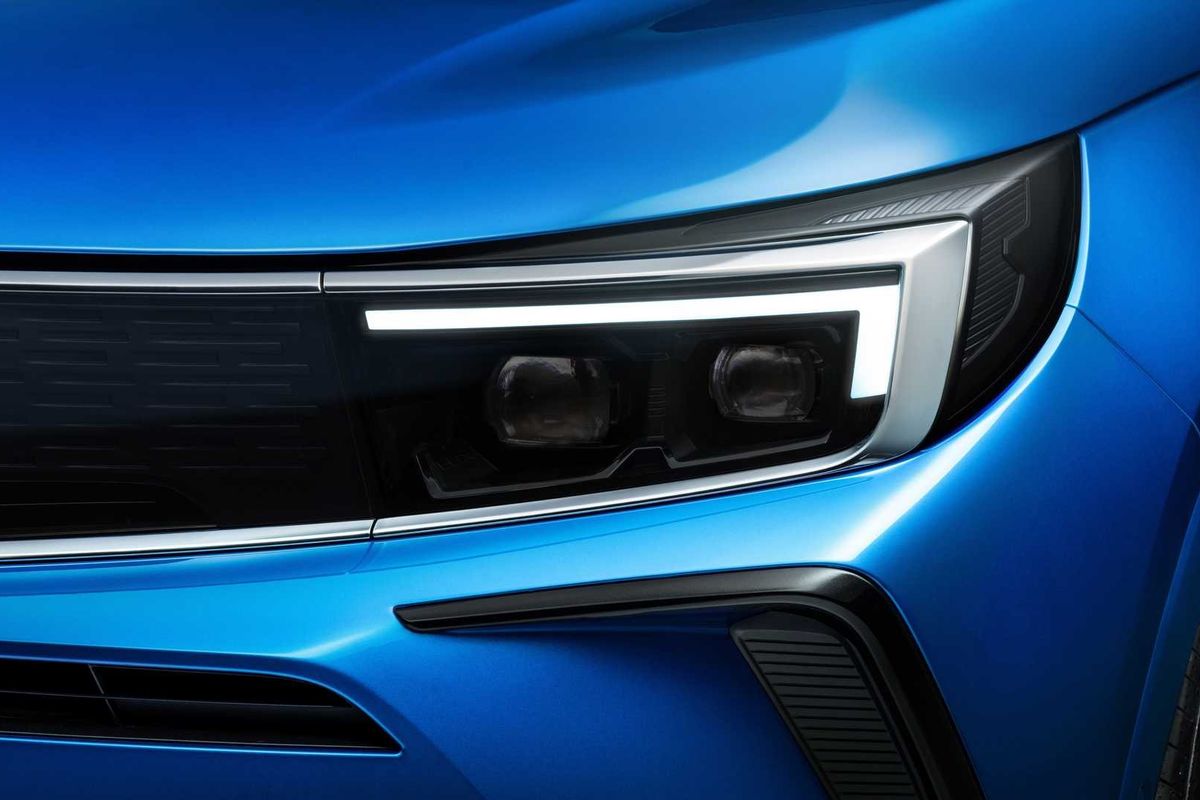
The revisions are far more than just cosmetic though. The X from Grandland X has been dropped and the car adopts the Vizor front styling language seen on the rest of the family. It gains smart matrix LED headlight tech which feature 84 light-emitting diodes per cluster and there’s even a night version system.
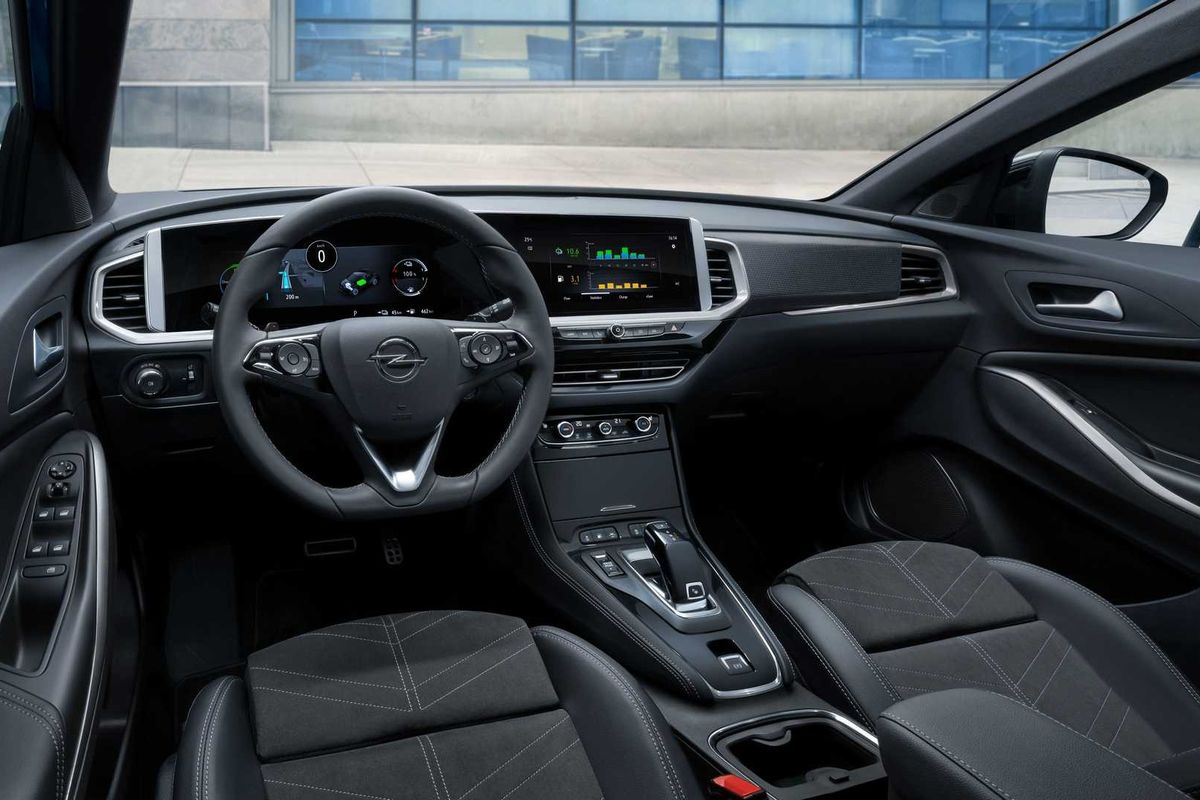
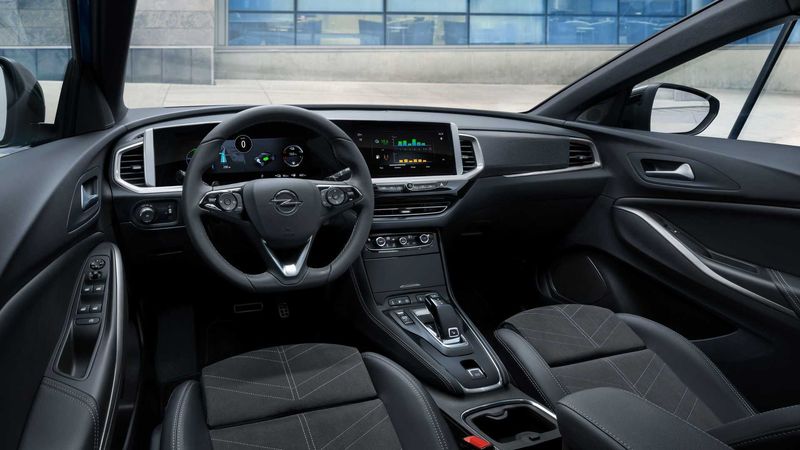
Inside, the Opel Grandland has a tweaked dashboard that features a two-screen setup. Customers now have a 10-inch touchscreen for the infotainment system. The buttons and airvents have been updated and it looks like the gearshift is straight from the PSA parts bin. As far as tech goes, the facelifted Opel Grandland features a 360-degree camera and adaptive cruise control, as well as active lane-keeping assist and automatic parking.
There’s no mention of engines and transmissions, but as you can see from these images the car will feature some form of electrification. As far as engines go, we suspect the 1.6-litre turbocharged 4-cylinder motor will continue to be offered. For the European market, this powertrain is available as a hybrid with an electric motor driving one axle and the petrol engine drives the other, giving it all-wheel-drive capability.
Since PSA took over Opel and Vauxhall, the company has turned a corner, and yes, while new Opel products share common elements from the French, it appears that Opel is able to stand on its own two feet again. The new Opel Mokka looks revolutionary, the Opel Crossland has been given an update and there’s a new Opel Astra in the works and if the teaser images are anything to go by, it’s going to be a cracker.
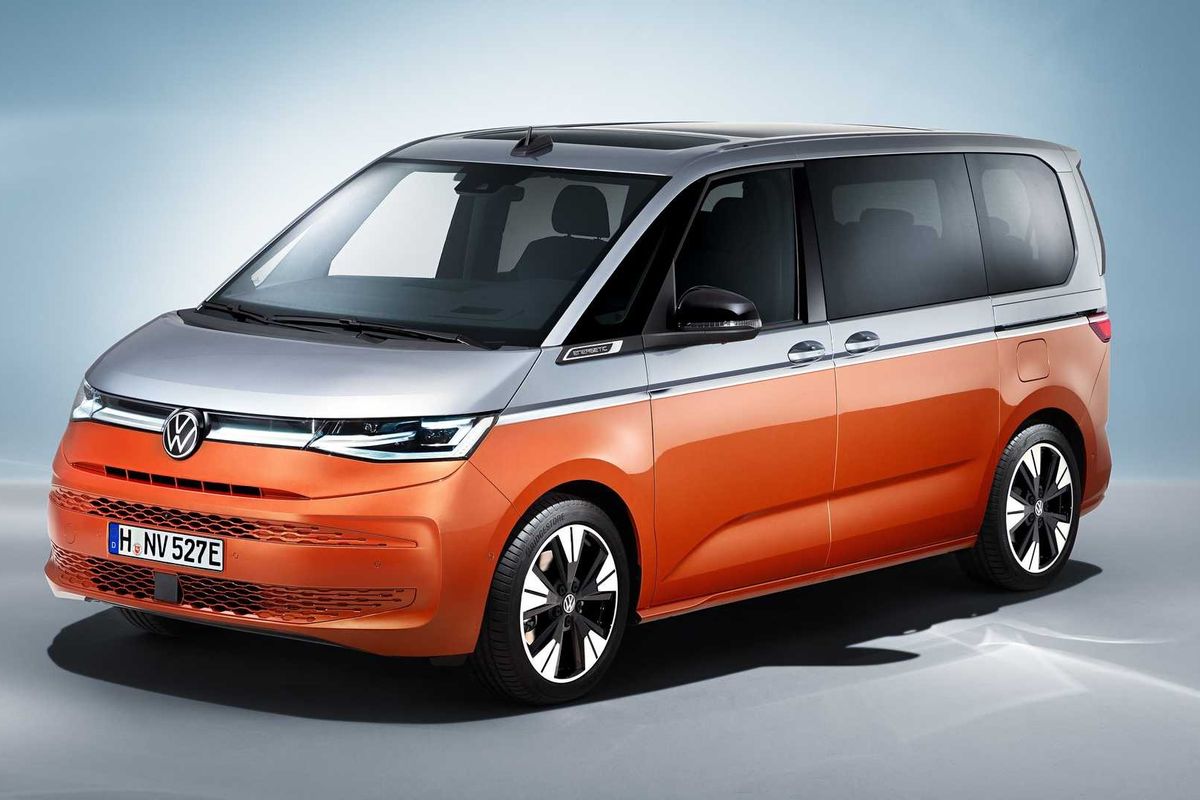
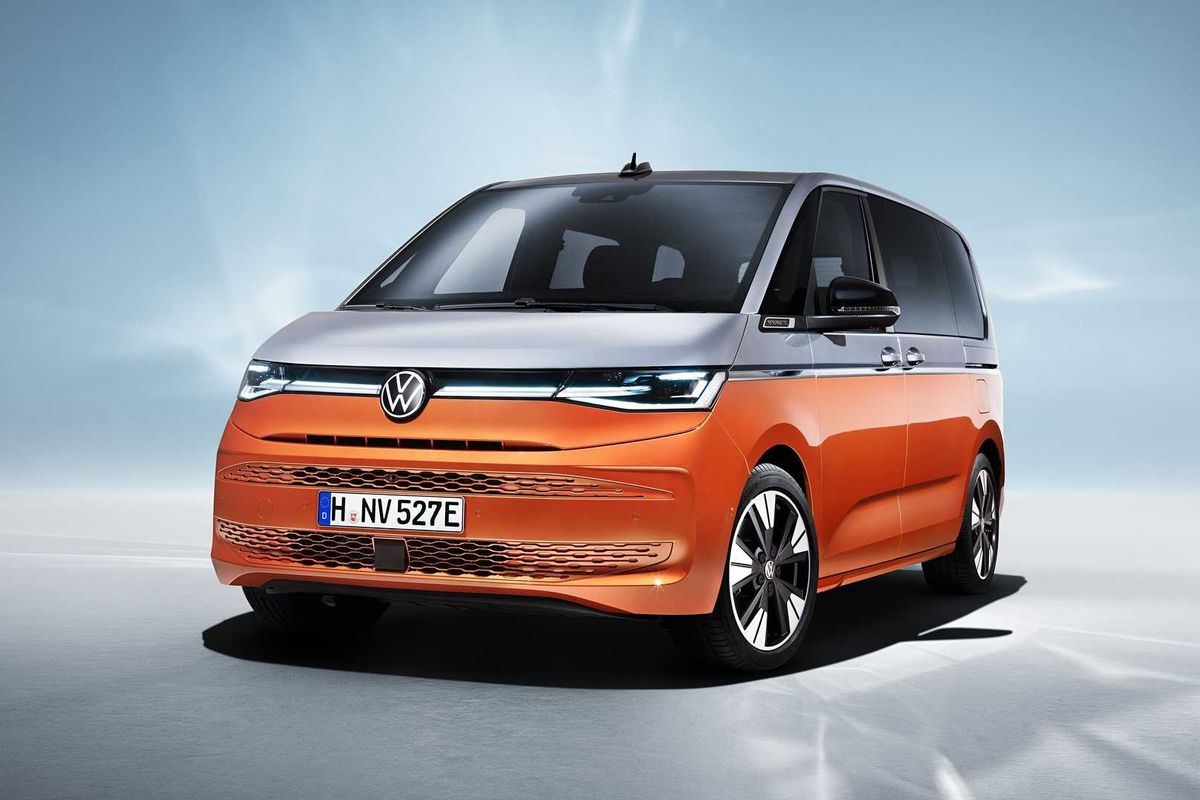
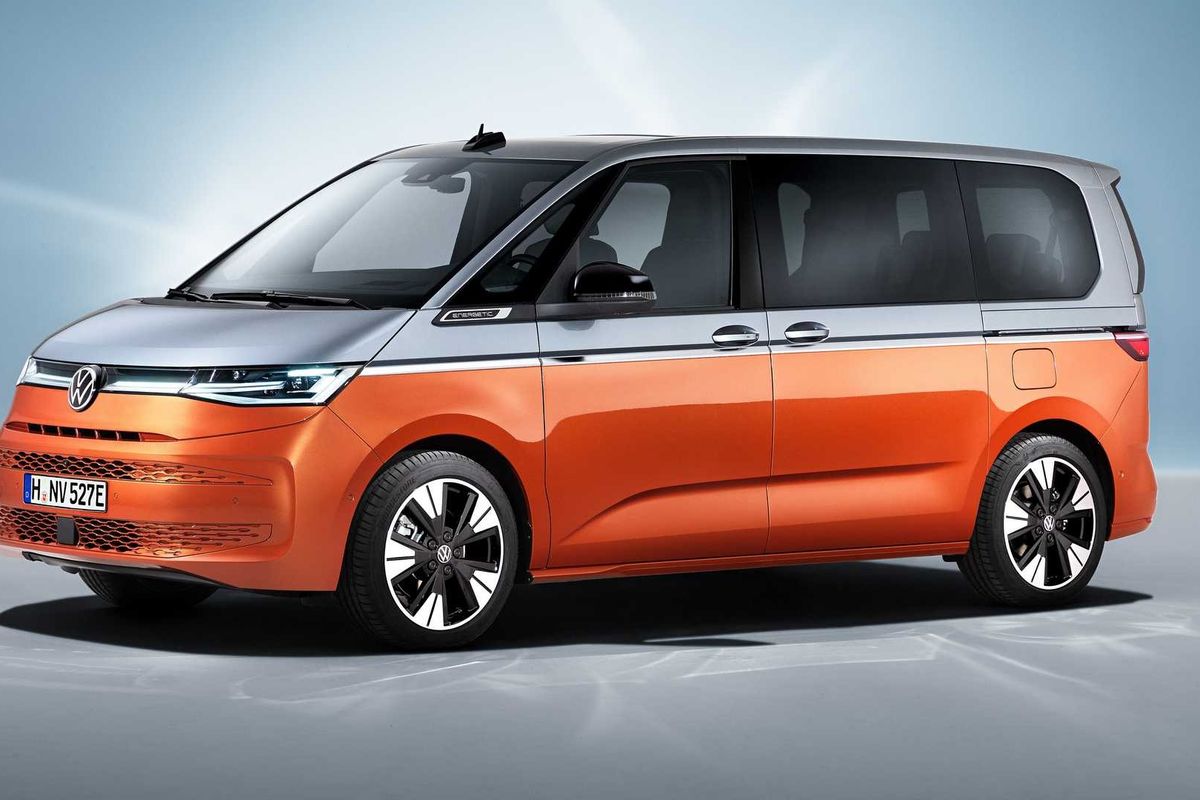
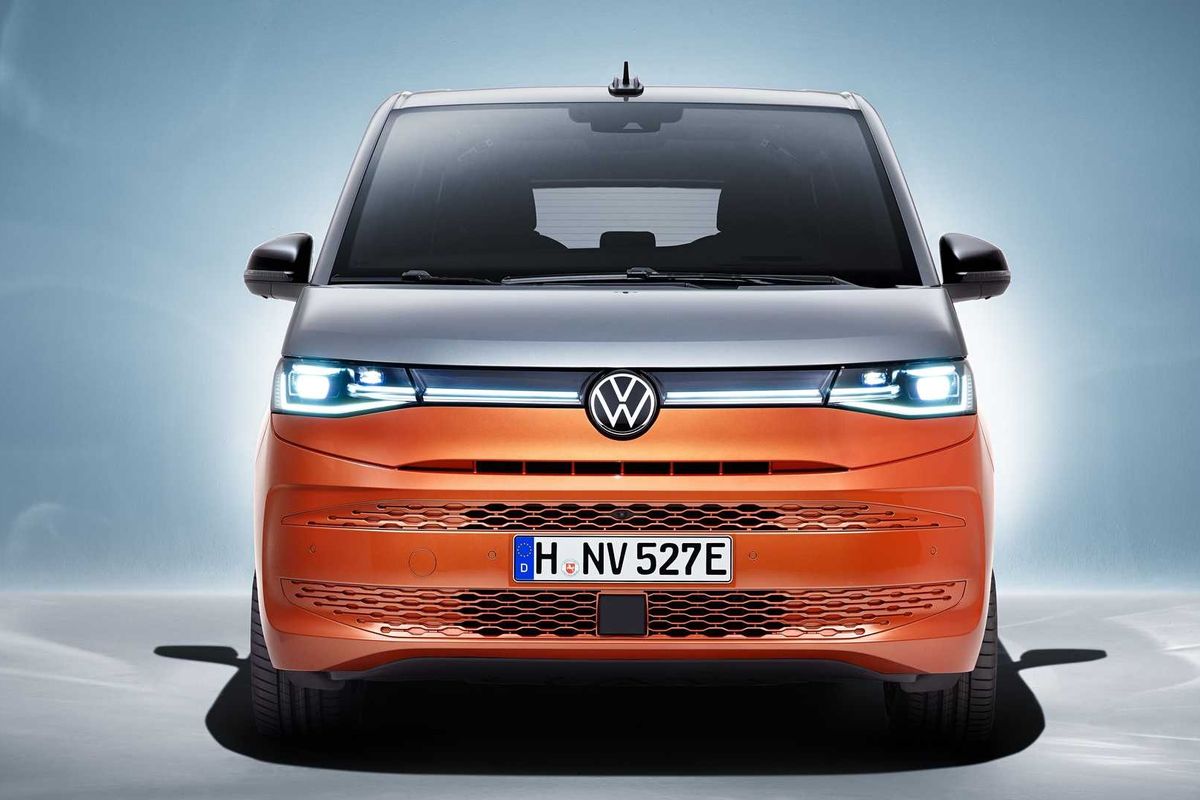
Meet the all-new Volkswagen T7 Multivan promising futuristic styling, a new platform, and new advanced engines.
Despite the popularity of SUVs and a few 7-seater options being made available, when it comes to practicality and people-moving, you just cannot beat a bus. We’ve also had some of our best road trips in the Volkswagen range of Kombis and Caravelles over the years too.
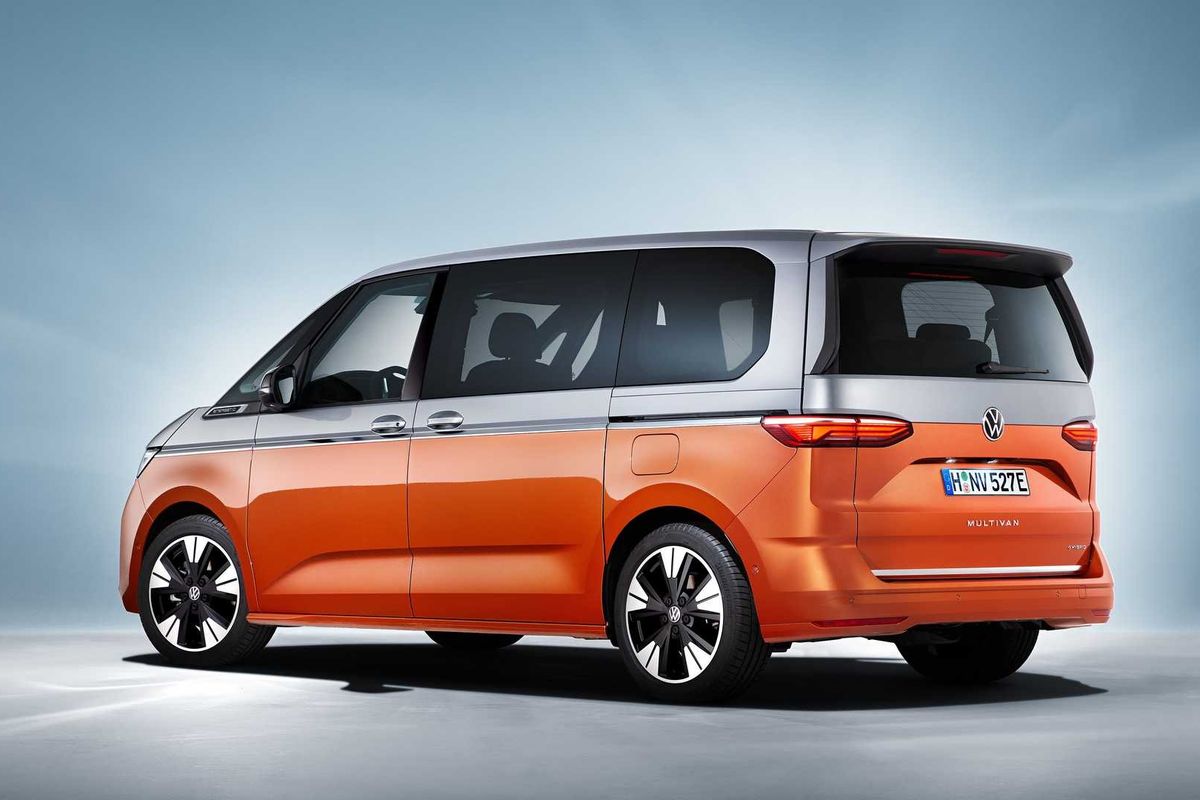
The new Volkswagen T7 Multivan is said to replace the current shape Caravelle and VW says the name change is due to “eflect the complete overhaul of its predecessor while still providing the same versatility to the Caravelle’s loyal fan base. “
While the design remains entirely subjective, we can’t help but admire how futuristic it looks. In terms of size, the new model has a longer wheelbase and is wider with a lower profile, with the goal of improved aerodynamics which in turn lowers the fuel consumption. A longer model will be offered too.
Volkswagen T7 Multivan Engines
If you’re not impressed by the highly futuristic design, then the engines should surely capture your imagination. For the first time, a plug-in hybrid is available. Badged as ‘eHybrid’, there’s a 1.4-litre TSI engine mated to an 85 kW electric motor, working together to produce 160 kW. There’s a 13-kilowatt-hour lithium-ion battery is mounted low under the van’s floor. Volkswagen doesn’t give us its electric-only capabilities yet, but we reckon for short trips to the shops, running a pure electric setup would be perfect.
There are still internal combustion engines available with a 1.5-litre turbocharged petrol engine making 100 kW and a 2.0-litre turbocharged petrol engine with 150 kW. For the diesel fans, a 4-cylinder TDI with 110 kW will come later and all these engines are mated to a 7-speed DSG.
The biggest change is the switch from the Volkswagen Transporter platform to the popular MQB arrangement. MQB underpins everything from a Volkswagen Polo, Golf and Tiguan to the Audi A1 and A3 to name but a few. Its versatility is deeply impressive and we’re keen to see the space and packaging in the Multivan.
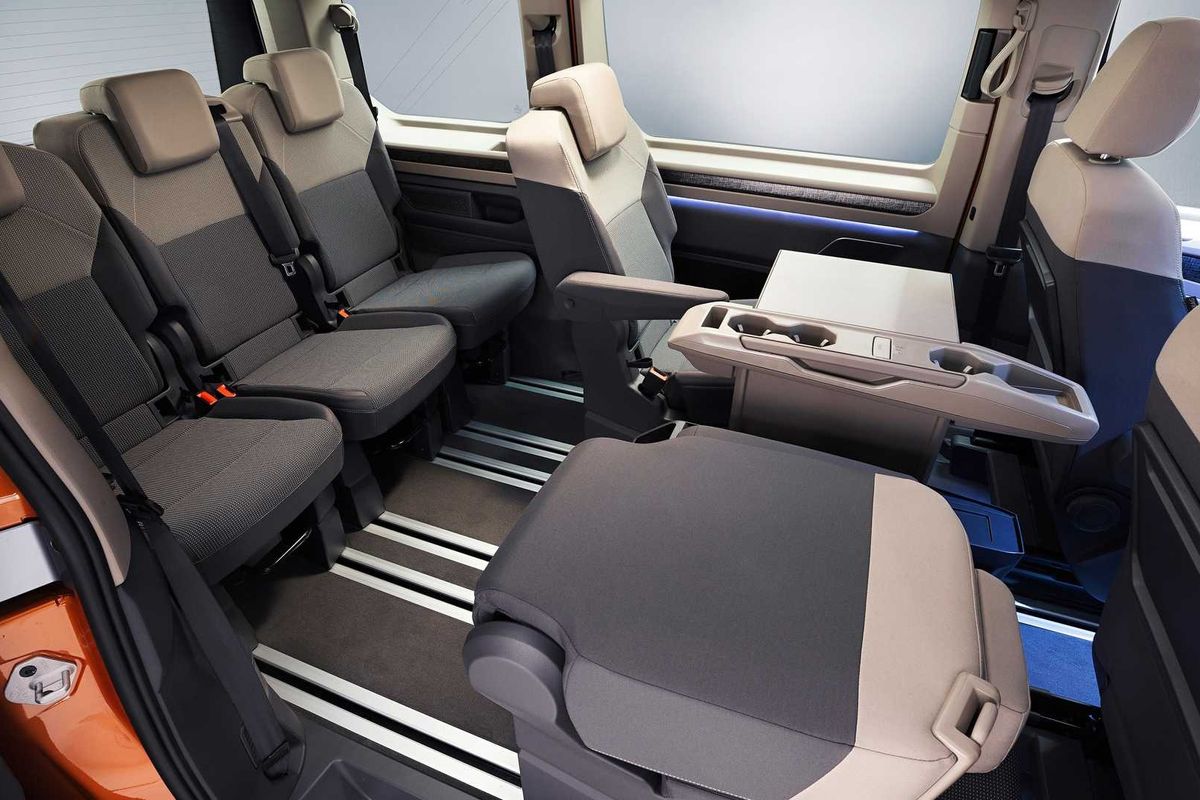
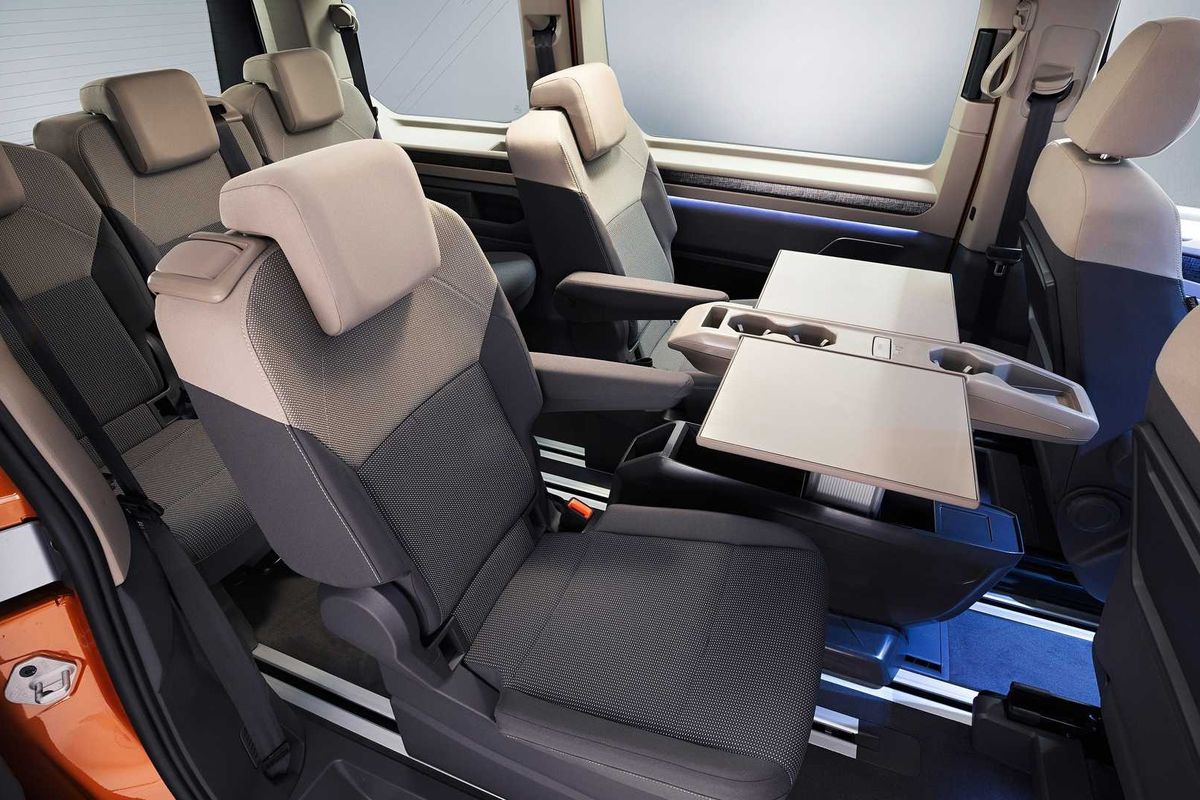
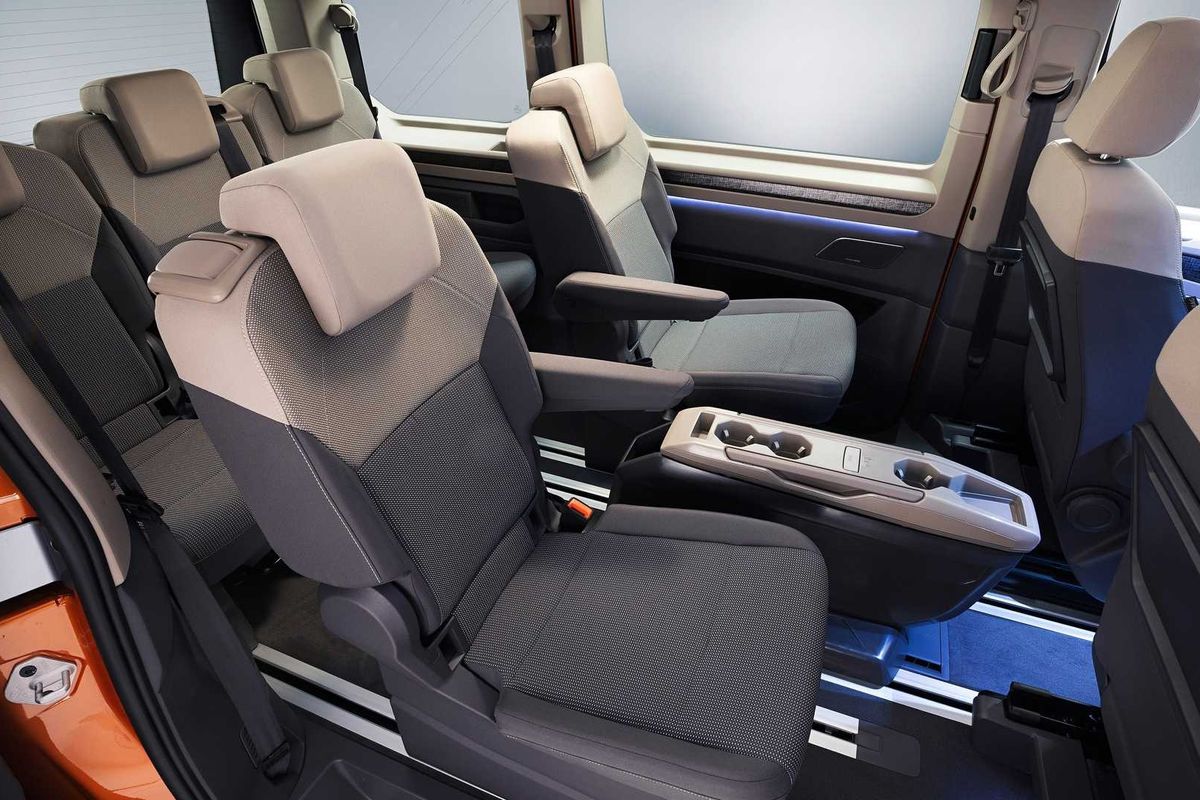
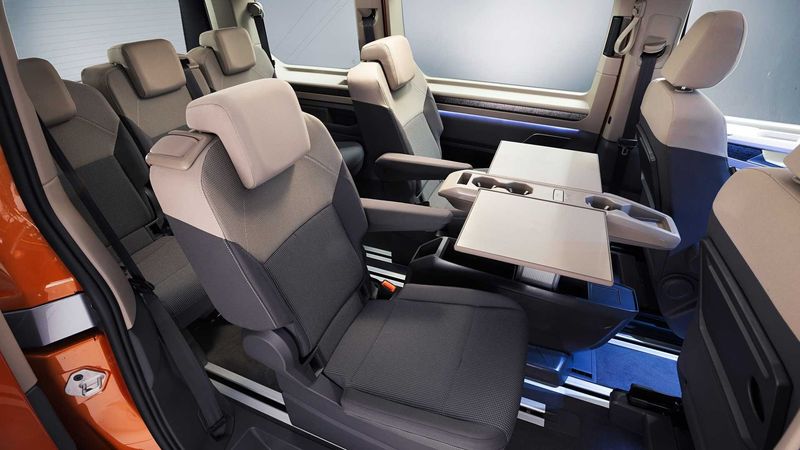
The MQB platform affords the new T7 Multivan more flexibility and space, with a clever modular seating system and smart table setup. There’s space for 7 passengers and the new seats are 25% lighter than before. The second row can be rotated 180-degress to have a conference-style seating arrangement. The third row bench has been switched to 3 individual seats, making removal easier.
The new table is an impressive piece of furniture. Volkswagen claims ‘it can be moved between any of the seating rows, and for the first time can be used as a centre console between the front seats. The table, which is completely removable, features adjustable height, three cup holders, and a storage bin.’
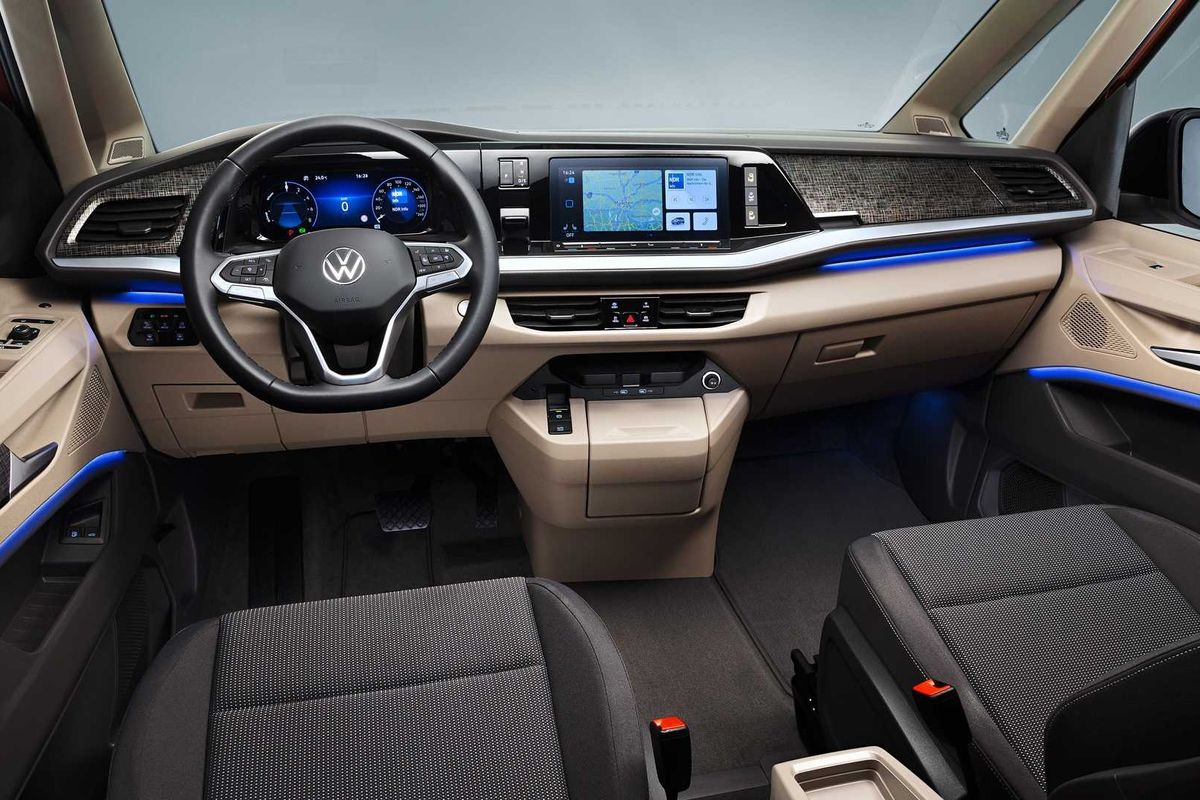
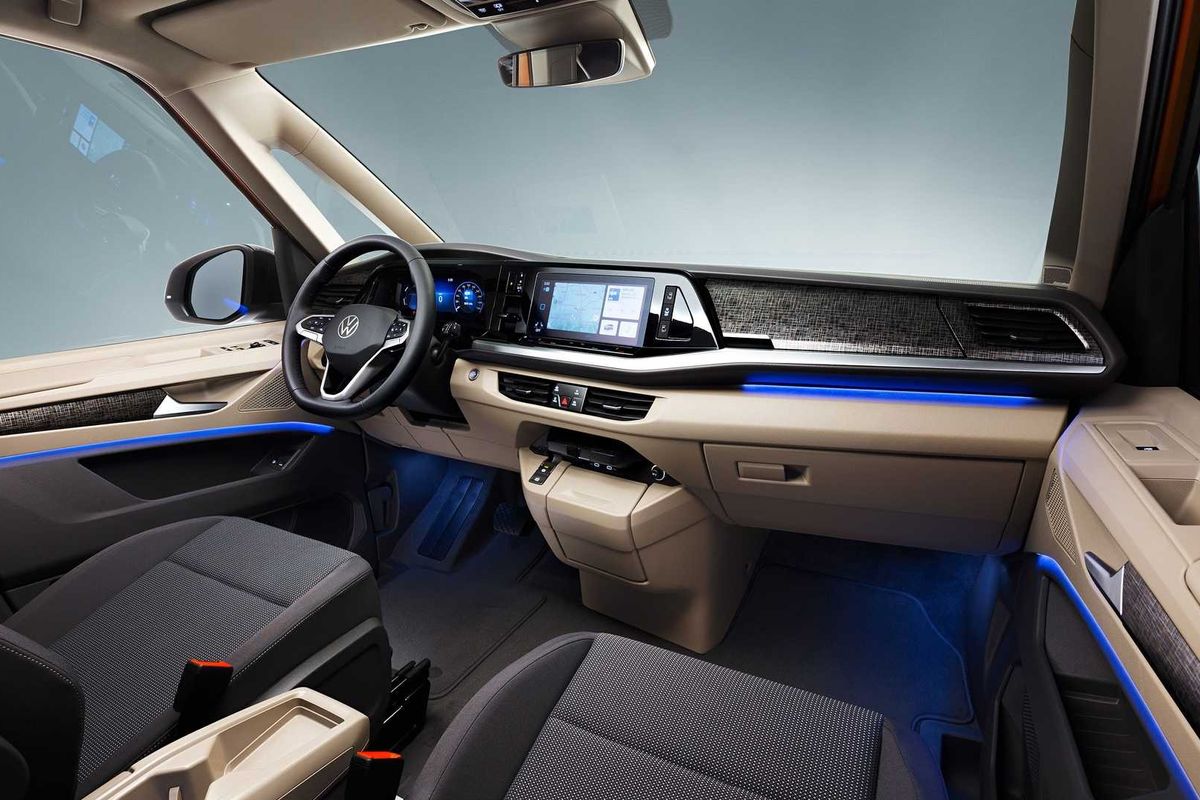
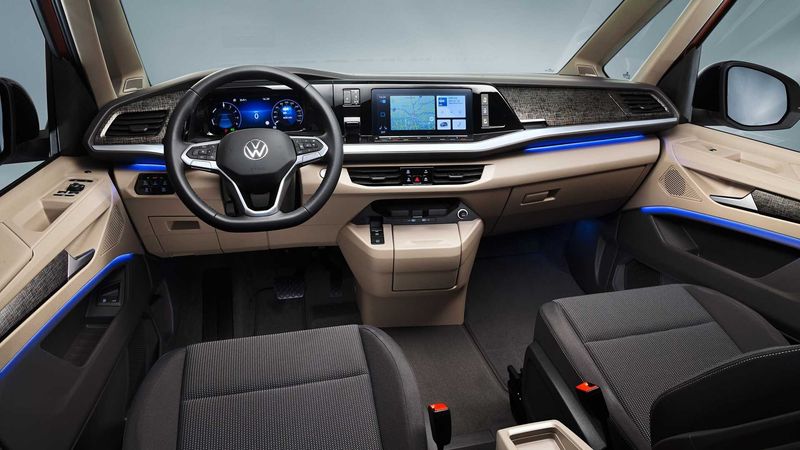
Inside, you’ll notice the lack of a transmission tunnel and handbrake, further increasing cabin space. The drive selector has been moved to the dashboard and now boasts shift-by-wire tech. Volkswagen has added more than 34 driver-assist system which focus on enhancing safety, convenience and comfort. Safety tech like City Emergency Braking, Dynamic Road Sign Display, and the Lane Assist system is standard. The new Multivan also features semi-autonomous driving capabilities thanks to the predictive Adaptive Cruise Control and Lane Assist.
We’re awaiting comment from Volkswagen SA regarding the new T7 Multivan availability and where it will fit in relation to the T6.1 which launched not too long ago.