No more AMG application, but you will still have the option on a V12-powered S-Class
Although most of Mercedes-Benz’s large luxury vehicles are transitioning to six- and four-cylinder engines, the S-Class remains committed to a dozen cylinders.
The company’s pinnacle model range has always been its engineering and innovation showcase and with the seventh-generation S-Class, it appears that a V12 engine will remain on offer.
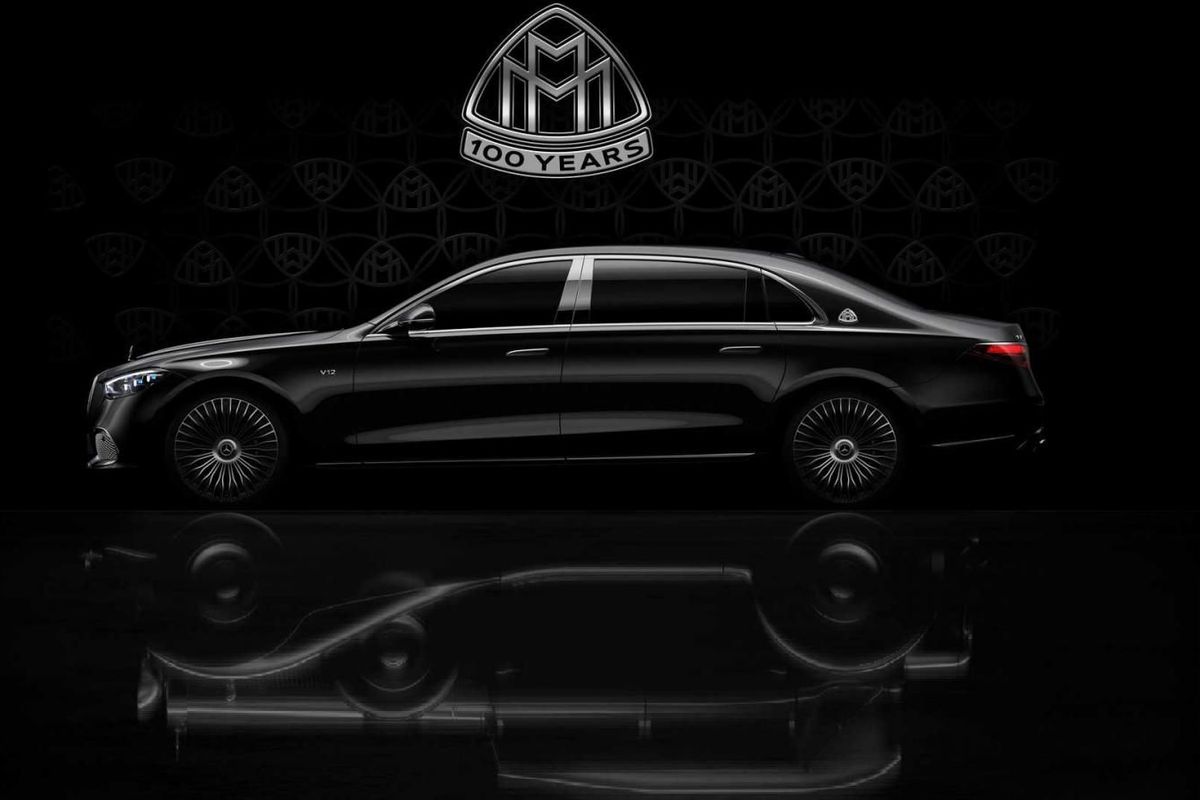
Mercedes-Benz has revealed a sneaky preview of its new Maybach centennial edition, with a small ‘V12’ badge on the front quarter panel.
The latest S-Class does not offer a V12 engine option, even amongst its planned extension of AMG models. Whereas S600 and S65 have been amongst the most desirable nomenclatures to own for Mercedes-Benz’s wealthiest customers, the peak engine offering with this new S-Class is a twin-turbocharged V8 with some battery assistance.
Interestingly, Mercedes-Benz has chosen to market the V12 engine option exclusively with Maybach. Although exact specifications are not yet forthcoming, we know this engine configuration will be the proven 6-litre twin-turbocharged V12, with power edging beyond 450 kW and peak torque capped at 1000 Nm.
Mercedes-Benz has ended its V12 development but like all legacy engines, it is not merely a case of ceasing production overnight.
As suppliers and engine builders taper the 6-litre V12 to its retirement, someone at Mercedes-Benz has calculated that a few Maybach customers might pay handsomely for the last production units.
For those Mercedes-Benz brand followers who want the ultimate statement of status, exclusivity and future collectability from their S-Class, one of these V12 Maybachs is the way to go.
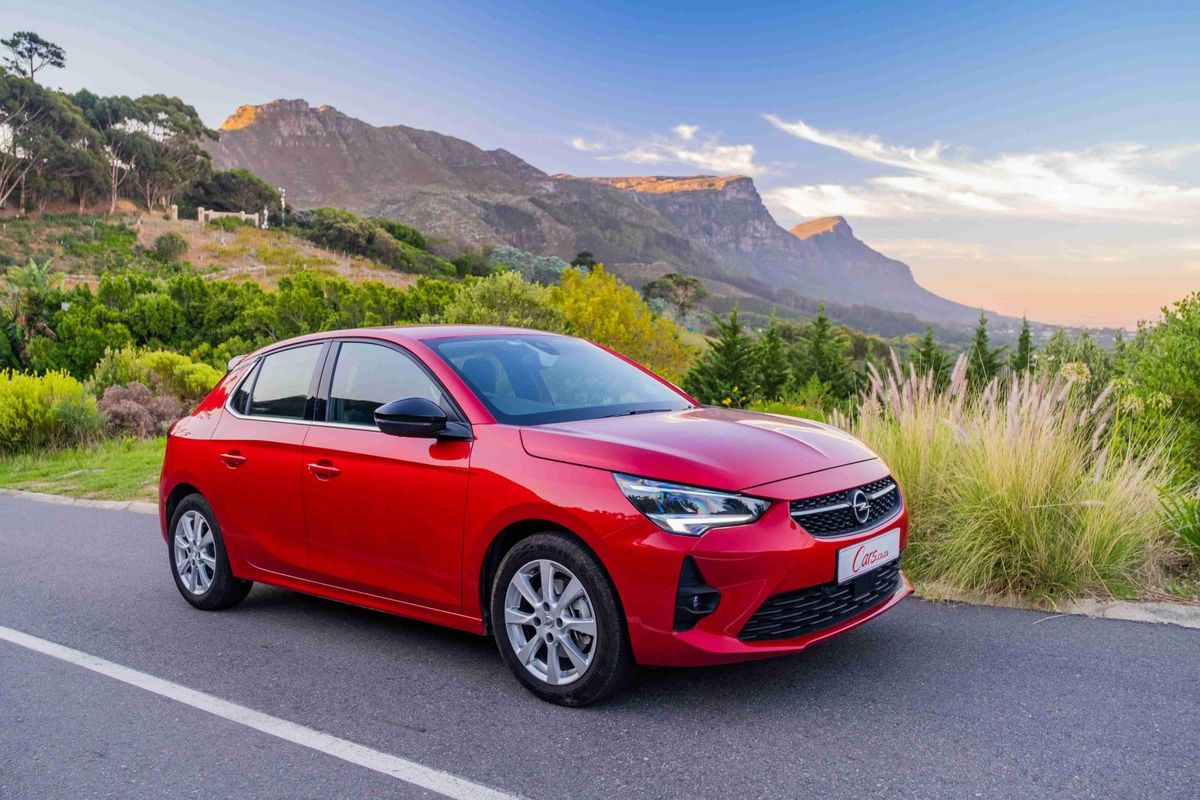
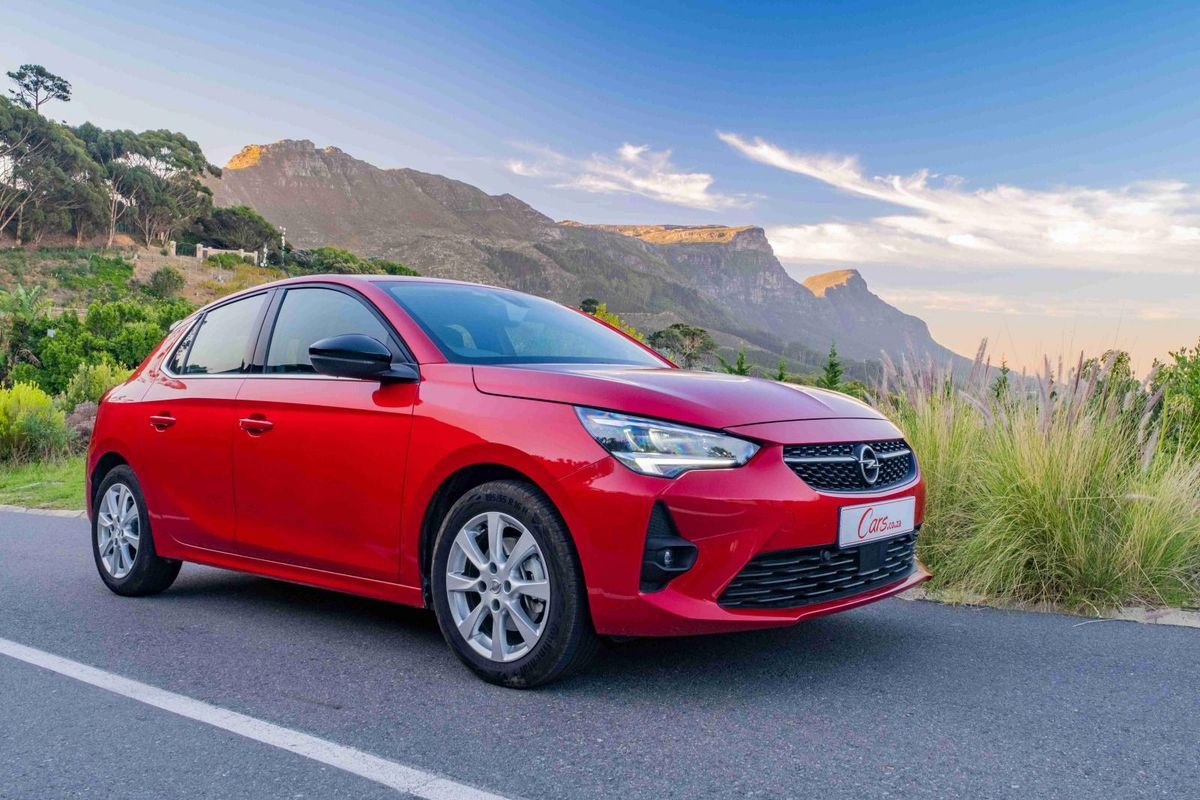
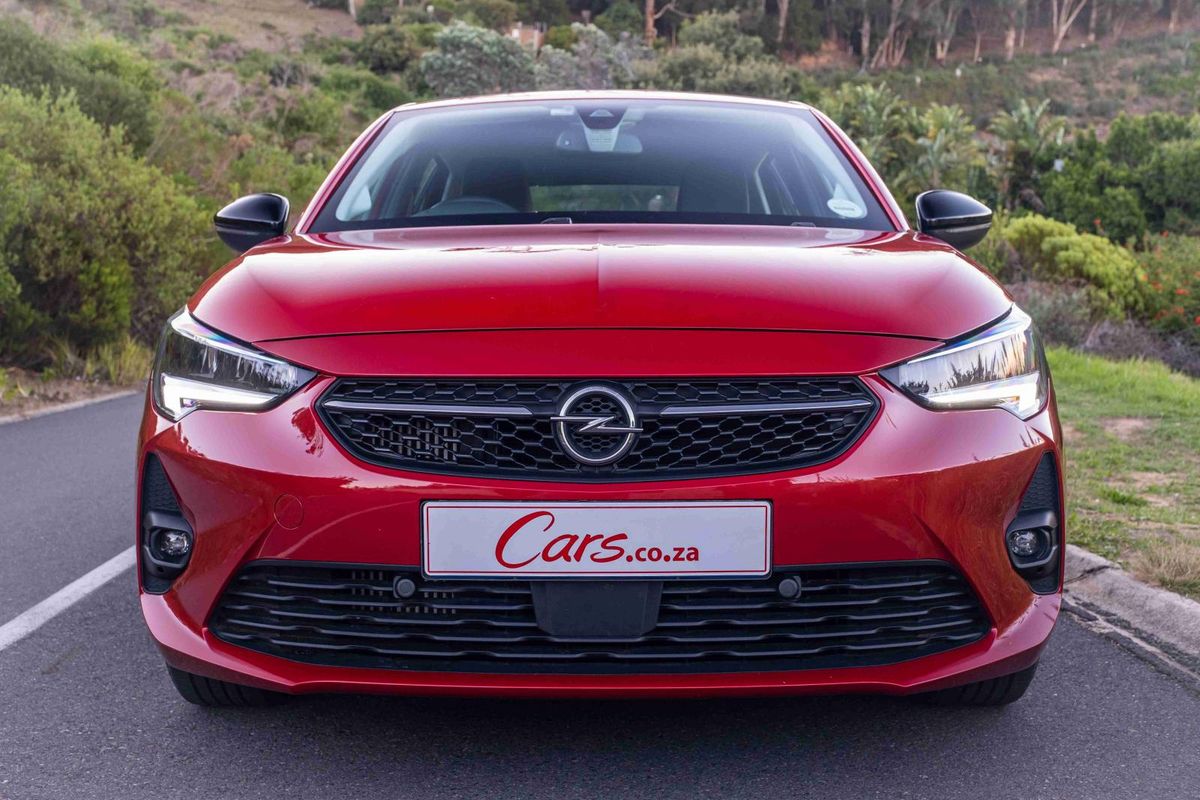
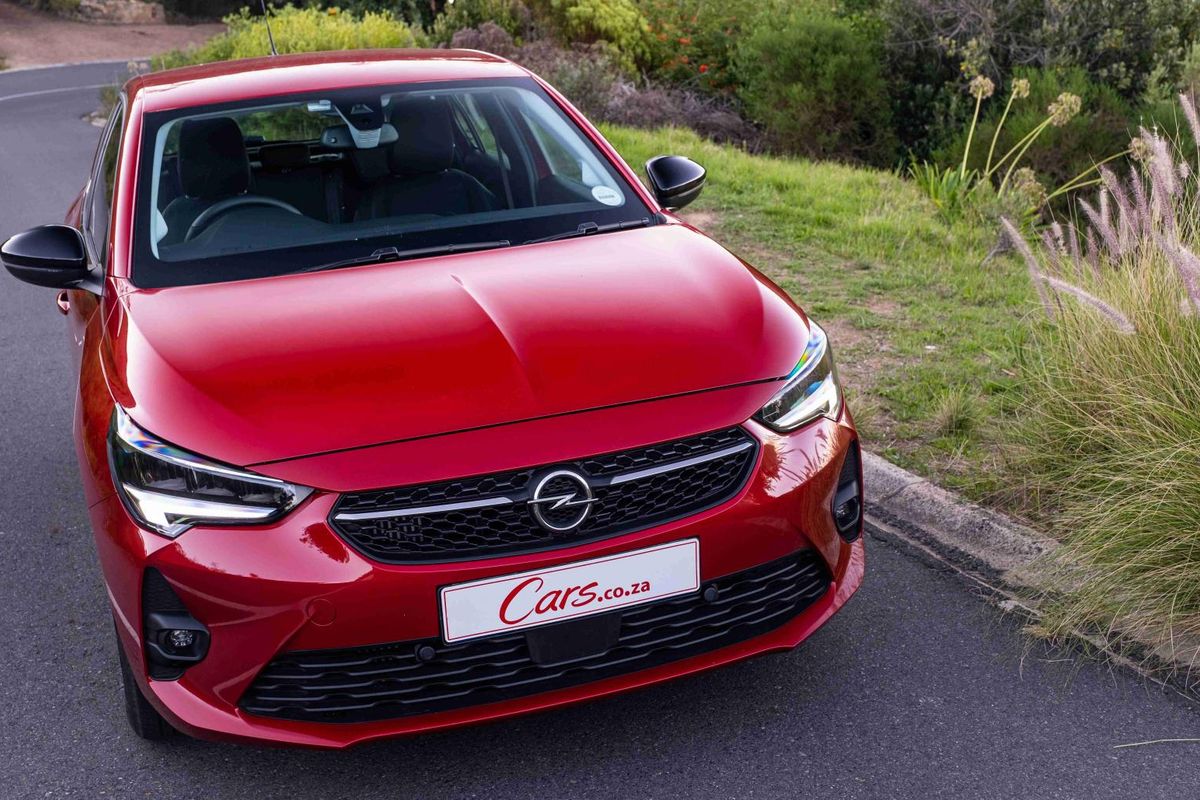
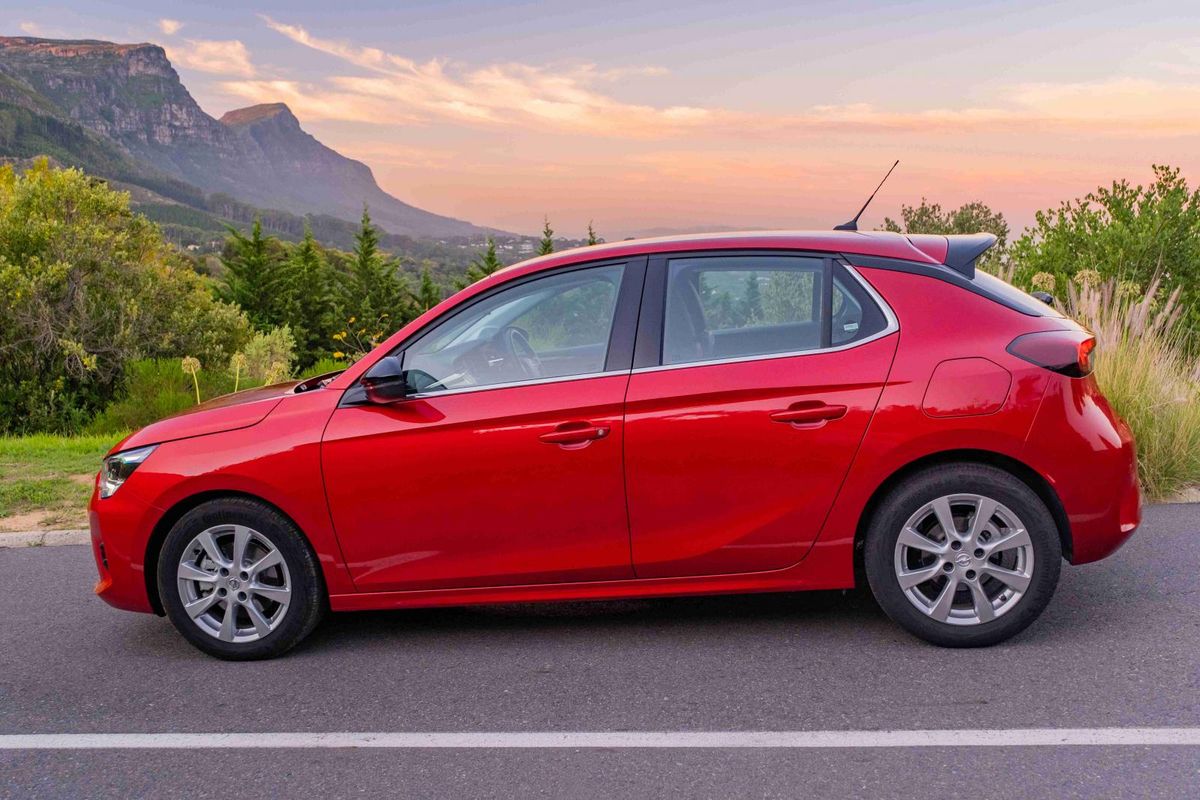
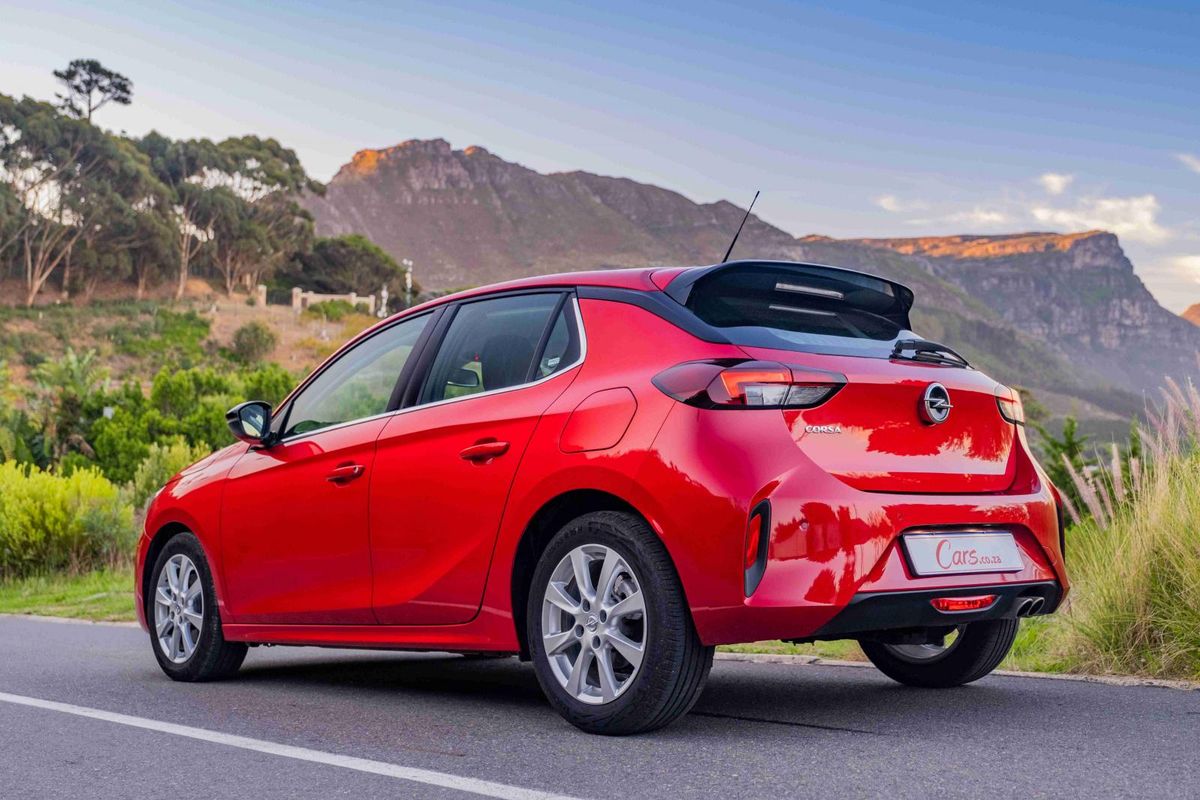
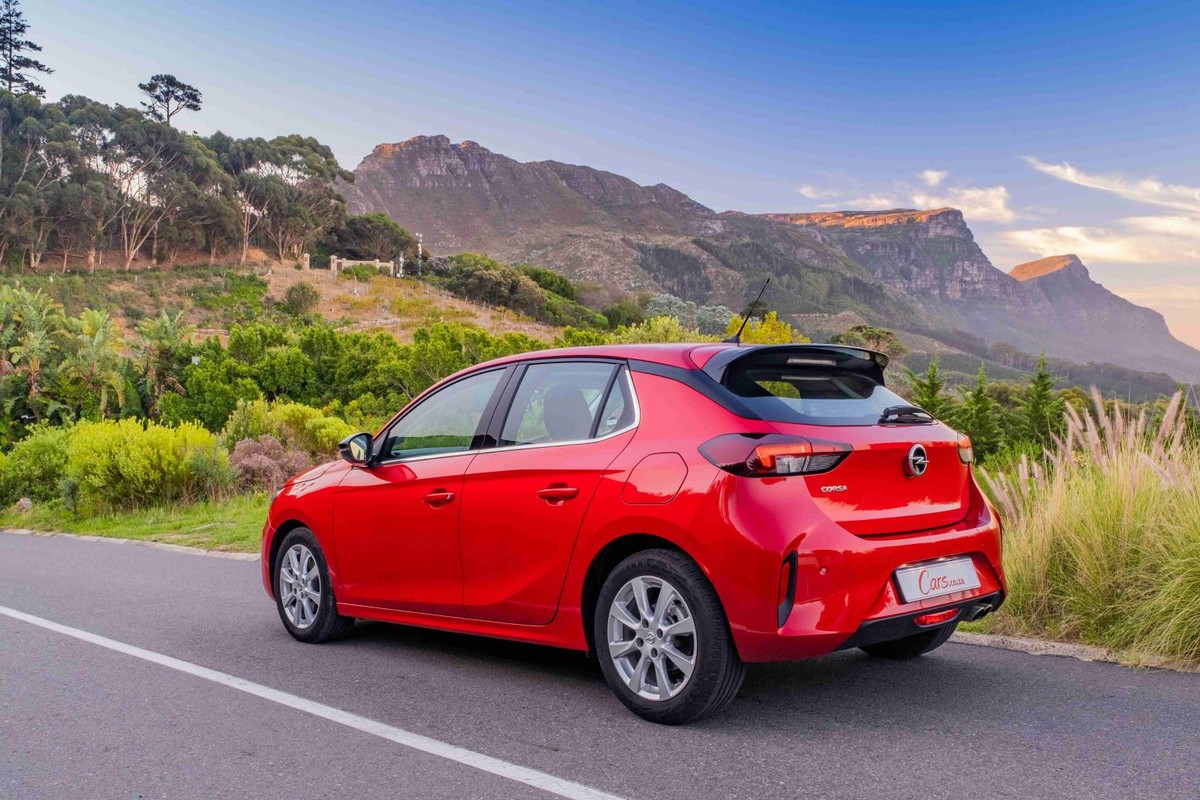
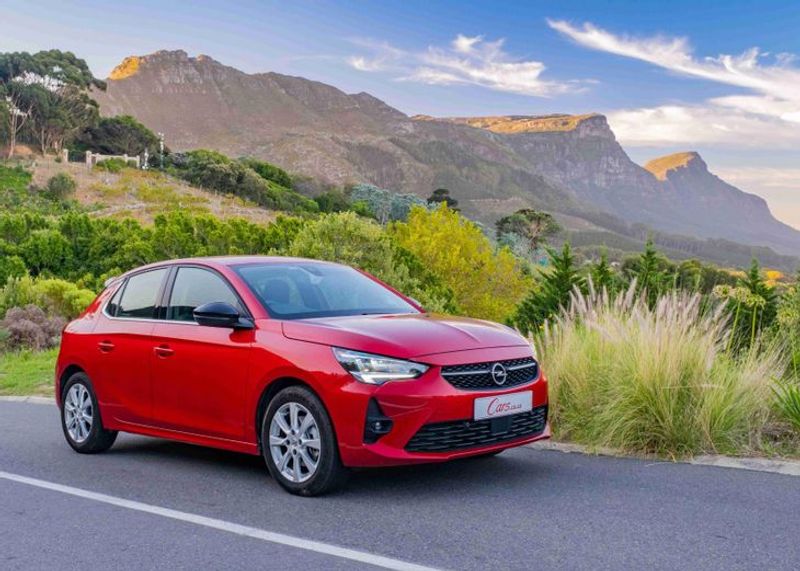
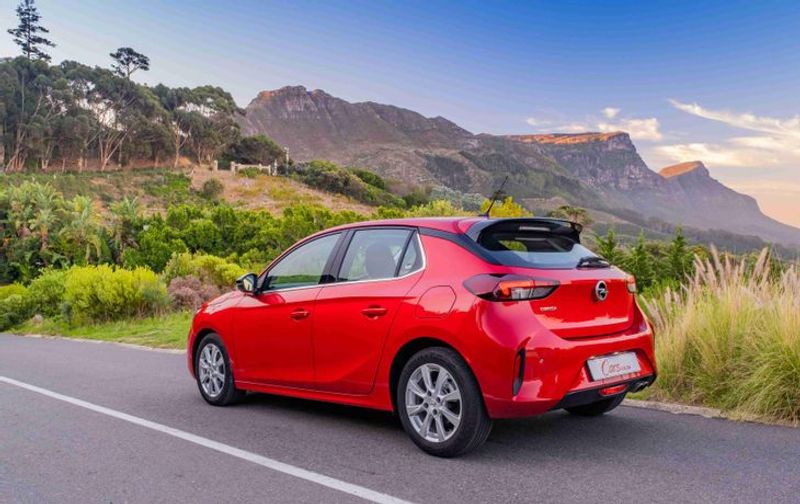
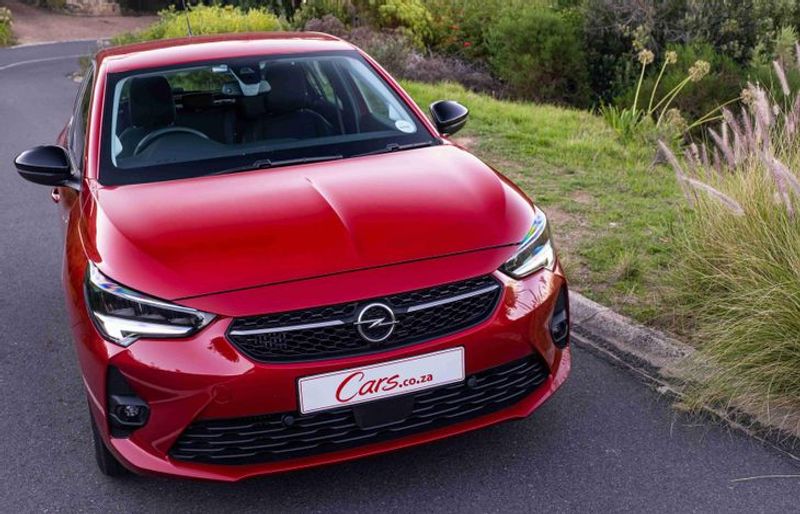
The 6th-generation Corsa made its local debut early in 2021, but Opel recently bolstered its compact hatchback’s lineup with 2 new derivatives, including this: the range-topping 1.2T Elegance. Cars.co.za journalist and photographer Gero Lilleike weighs up the merits of putting the Corsa on your new-car shortlist…
We Like: Great engine performance, economy, ride and handling
We Don’t Like: Underwhelming exterior and interior design, some questionable plastic trim, tight rear legroom, pricey
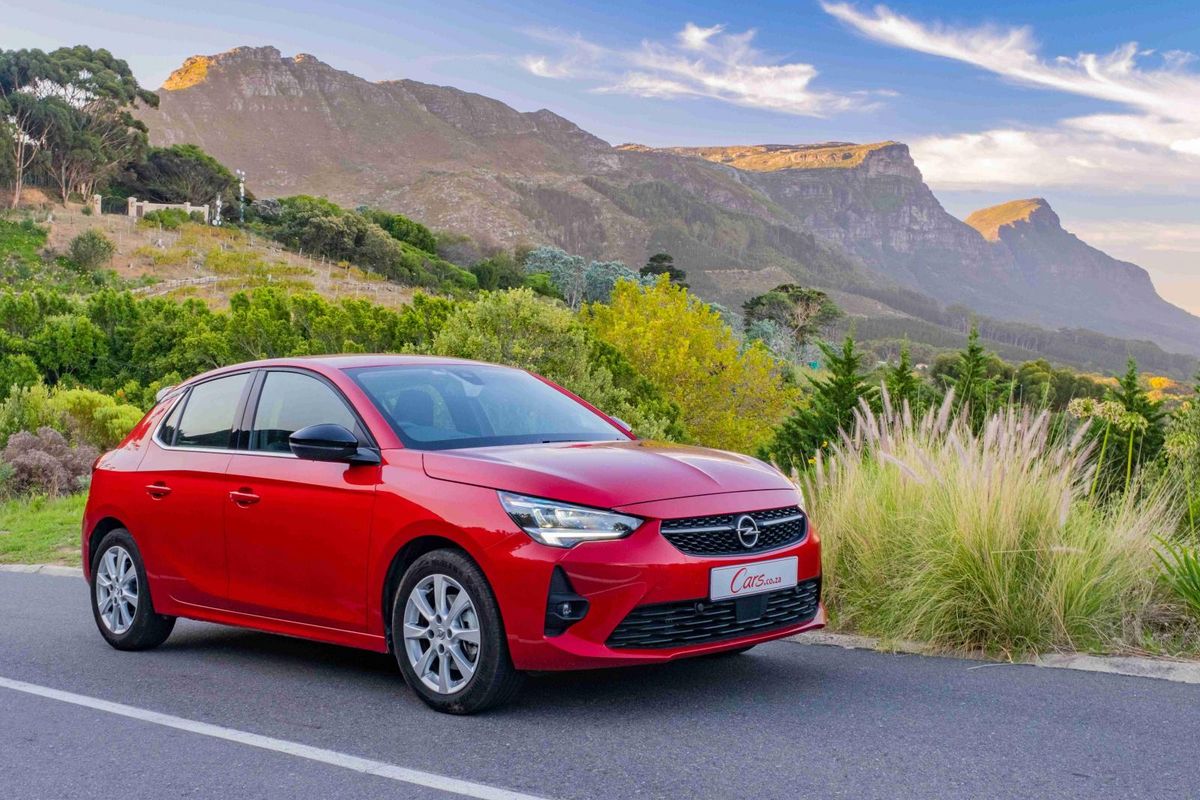
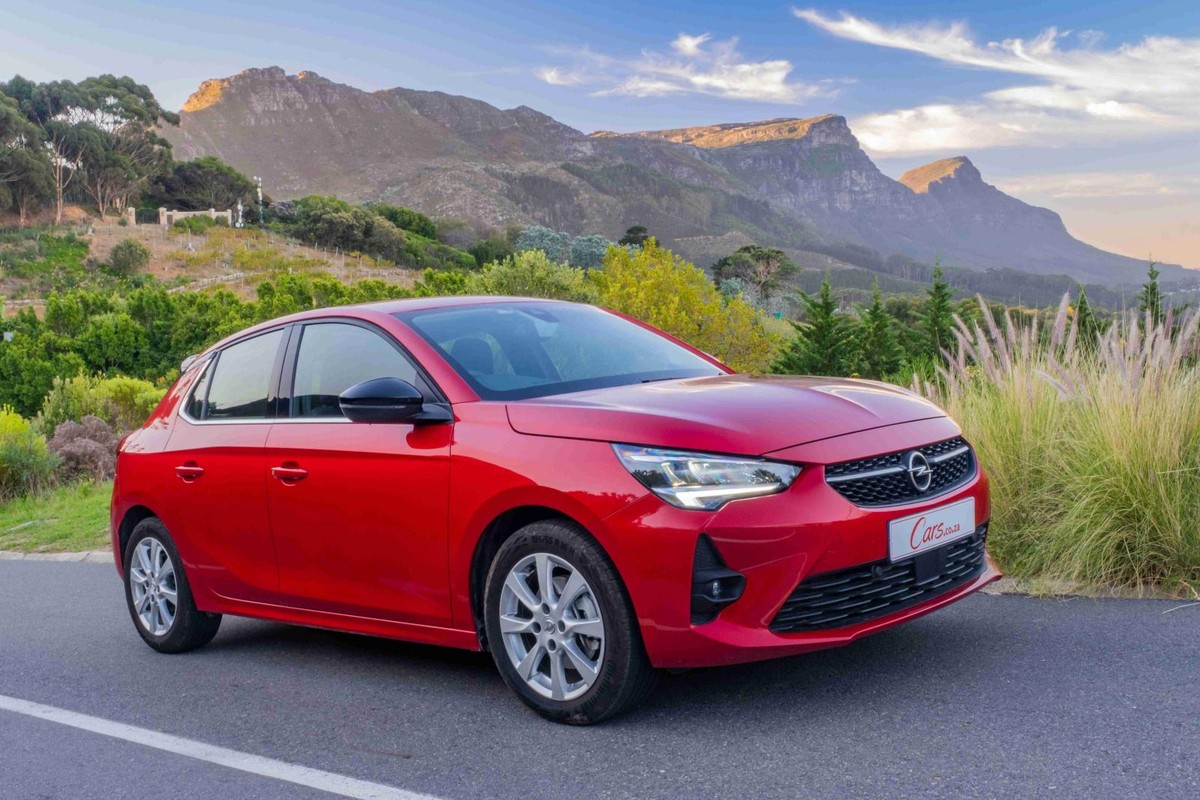
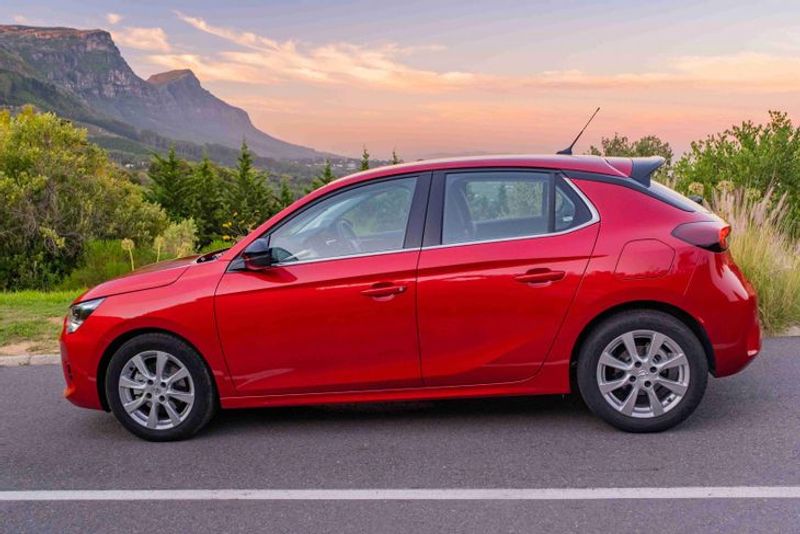
Perhaps not one of the most striking-looking contenders in this segment, but there’s more depth to this new Corsa than you’d expect.
The previous generation Opel Corsa was a credible contender in the compact hatchback segment, so much so, in fact, that the Corsa 1.0T Enjoy was named the Compact Hatch category winner in the 2016/17 #CarsAwards. In 2019, an all-new Corsa was revealed to take on its rivals such as the Volkswagen Polo, Ford Fiesta, Hyundai i20, Kia Rio, Renault Clio, Mazda2 and Nissan Micra…
Opel is now part of Stellantis, which was formed following the recent merger of the PSA Group and Fiat Chrysler Automobiles and headed by former PSA CEO, Carlos Tavares and the new generation Corsa is now produced on PSA’s EMP1 platform, the same one that underpins the new Mokka and cars such as the Peugeot 208 and 2008 and Citroen C4. On the home front, Opel is no longer under the custodianship of the Williams Hunt group (which came about as a result of General Motors’ exit from South Africa); the German brand is now distributed by Stellantis representative Peugeot Citroen SA.
While Opel’s middling naturally-aspirated 1.2-litre petrol engine has been available locally in the Corsa range since January 2021, the big news, apart from the addition of a 1.2 base derivative to the range, is the arrival of a 1.2-litre 3-cylinder turbopetrol-powered version, which is available exclusively with an automatic transmission and is only offered in range-topping Elegance guise.
Just how good is the new Opel Corsa 1.2T Elegance and should it be on your compact hatch shortlist? Let’s take a closer look…
What’s good about the new Opel Corsa 1.2T Elegance?
Performance
The Corsa 1.2T packs some punch with a peach of a 3-cylinder 1.2-litre turbocharged engine.
This Opel Corsa is perhaps the strongest performer in this segment thanks to its perky 3-cylinder, 1.2-litre turbocharged petrol engine that offers up generous outputs of 96 kW and 230 Nm. Those numbers trump the segment favourite Volkswagen Polo 1.0TSI Highline R-Line (85 kW/200 Nm) and the Ford Fiesta 1.0T Titanium (74 kW/170 Nm) by a fair margin. Good job, Opel!
The new Corsa has more than enough grunt to hustle between robots and it can execute quick and nimble overtaking manoeuvres on the highway too. While the 6-speed automatic does a good job of shifting cogs with little fuss, we don’t think it’s quite as responsive, snappy or refined as the DSG (direct-shift automatic gearbox) in the Polo, for example, but that’s certainly not a dealbreaker.
There is some expected turbo lag under harder acceleration, but once the turbo has spooled up, the Corsa punches forward with vigour. This really is a peach of an engine to drive on a daily basis and combined with a sorted chassis, buyers should have little to complain about here.
In terms of efficiency, Opel claims a reasonable average consumption figure of 6.3 L/100 km and during our test, we saw returns of around 6.7 L/100 km, which is impressive in its own right and certainly on par with other offerings in this segment. We are also fairly certain that lower figures can be achieved if you drive the Corsa more conservatively.
Ride and Handling
A sorted chassisand lower ride height enhance the new Corsa’s handling ability appreciably.
It’s worth bearing in mind that the new Corsa, at its lightest, weighs only 980 kg and sits some 48 mm lower than the previous-generation car. Moreover, the newcomer’s mass has been reduced by some 15 kg thanks to its aluminium engine construction, plus the German hatchback slips more effortlessly through the air than its competitors by virtue of a drag coefficient of just 0.29.
As a result, the 1.2T Elegance delivers an admirable blend of efficiency, excellent road manners and agile handling. The Corsa is surefooted (16-inch alloy wheels are standard) and it can be hustled into bends (at enthusiastic speeds) with confidence, which adds a fun factor to the driving experience. Its steering provides notable positive feedback; we found it to be suitably responsive to inputs too.
In terms of ride quality, the Corsa prioritises comfort – which is a boon on the daily commute. Testers found the suspension pliant and generally forgiving on road surfaces of varying quality.
Lots of standard features
The Corsa 1.2T comes well-equipped with standard features.
Opel’s mantra of democratising technology is carried over into the new Corsa and there are some noteworthy features included as standard in this Corsa 1.2T Elegance, particularly in terms of safety.
Key features include a 180-degree reverse-view camera, lane-keeping assist, traffic-sign recognition, forward-collision alert, front pedestrian detection and collision-mitigation braking. A total of 6 airbags is fitted along with ABS with EBD and electronic stability control with traction control.
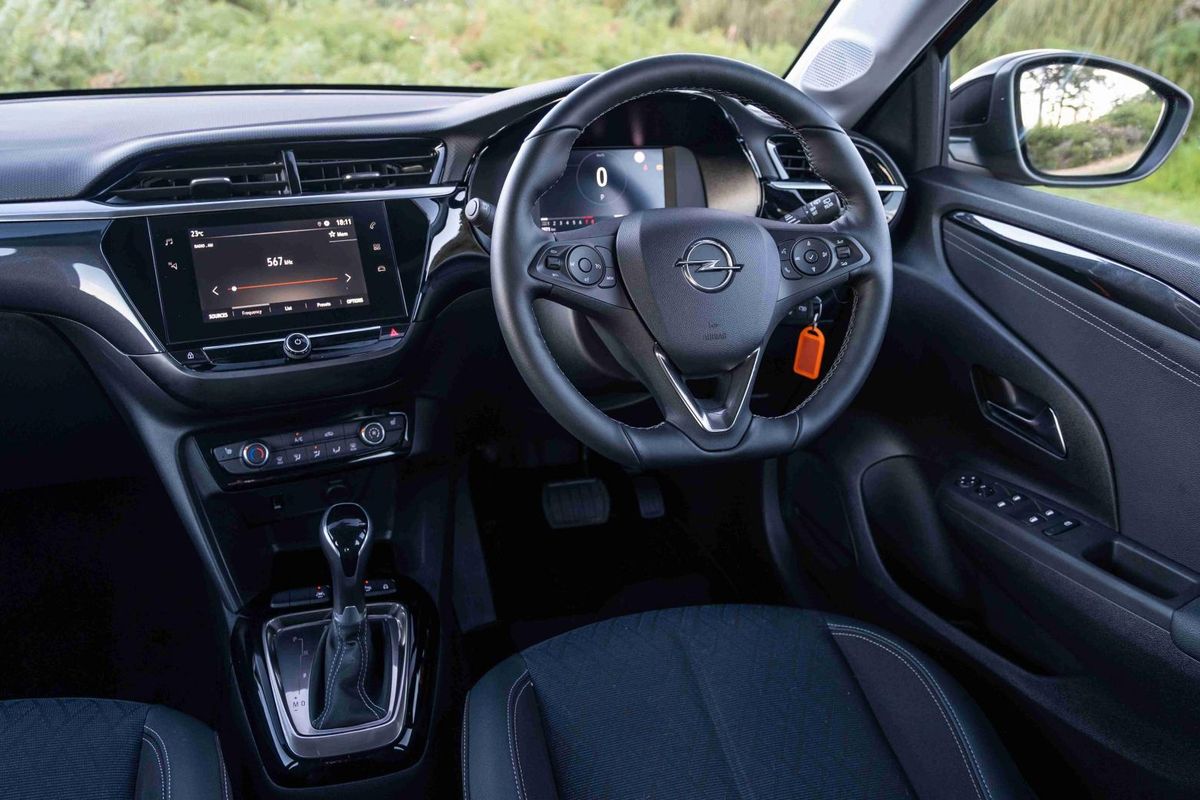
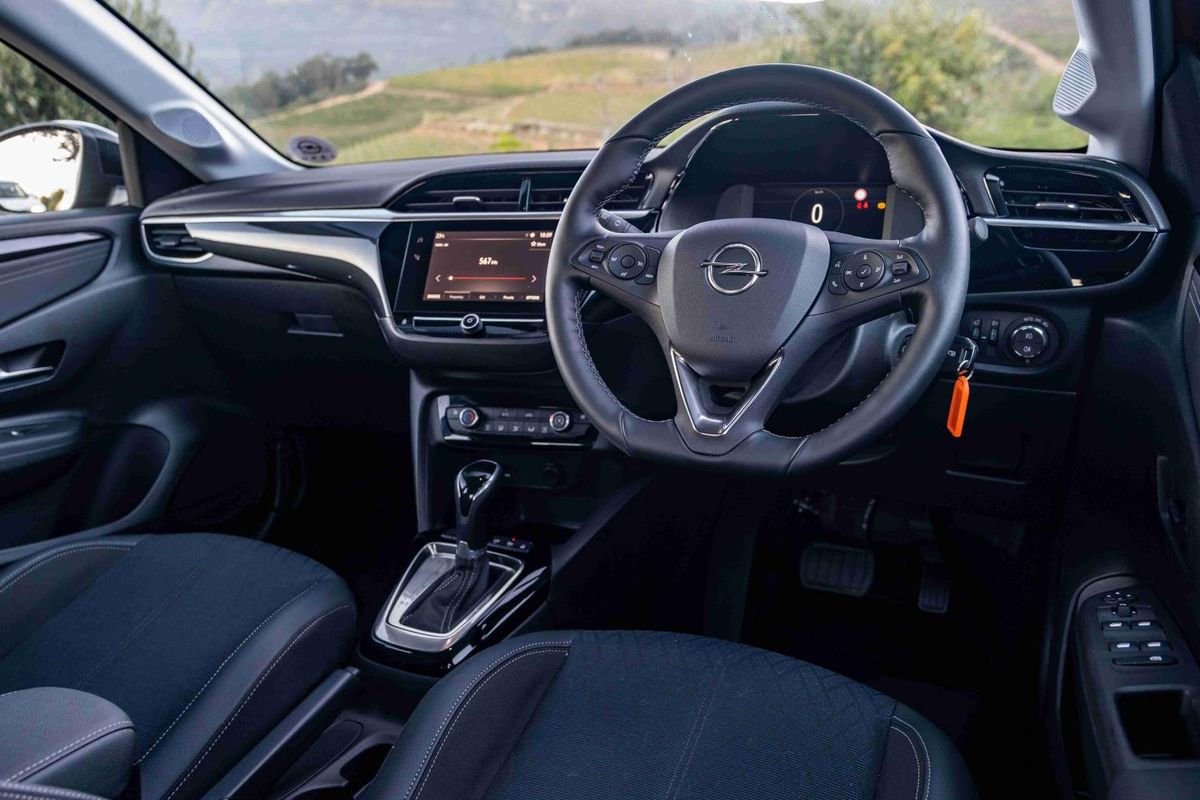
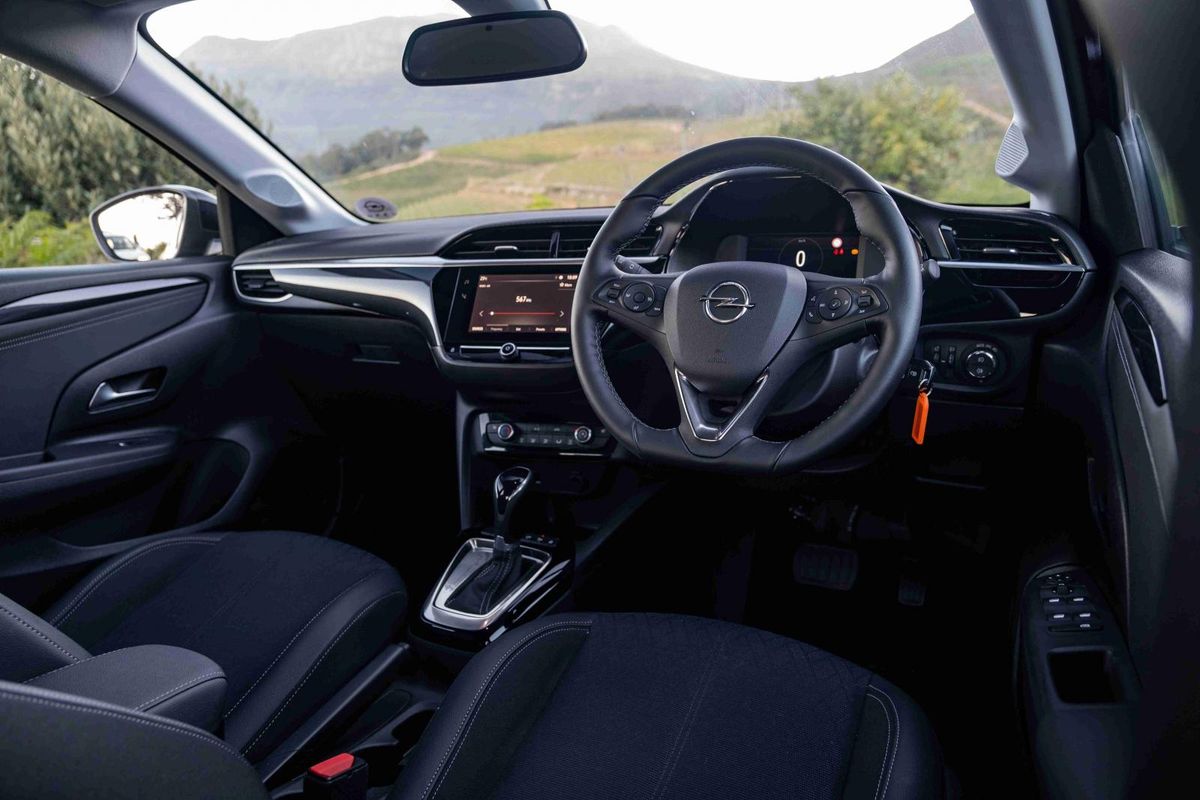
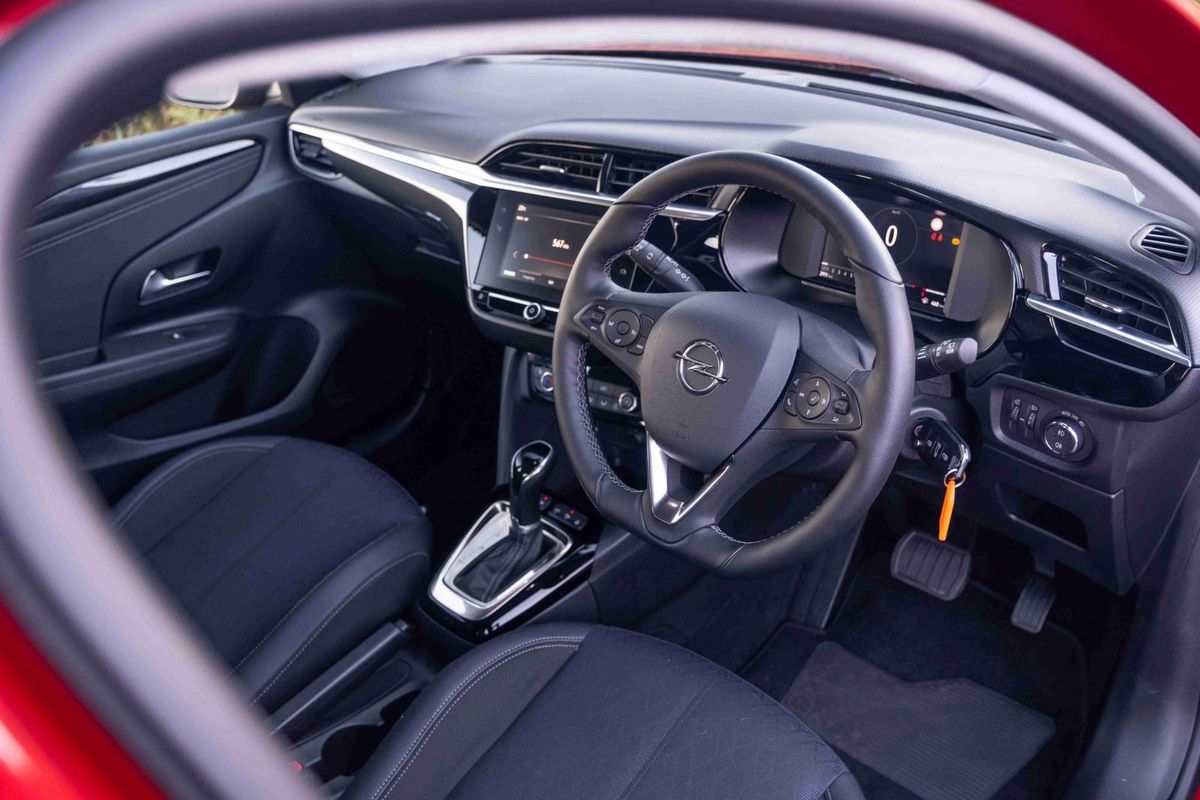
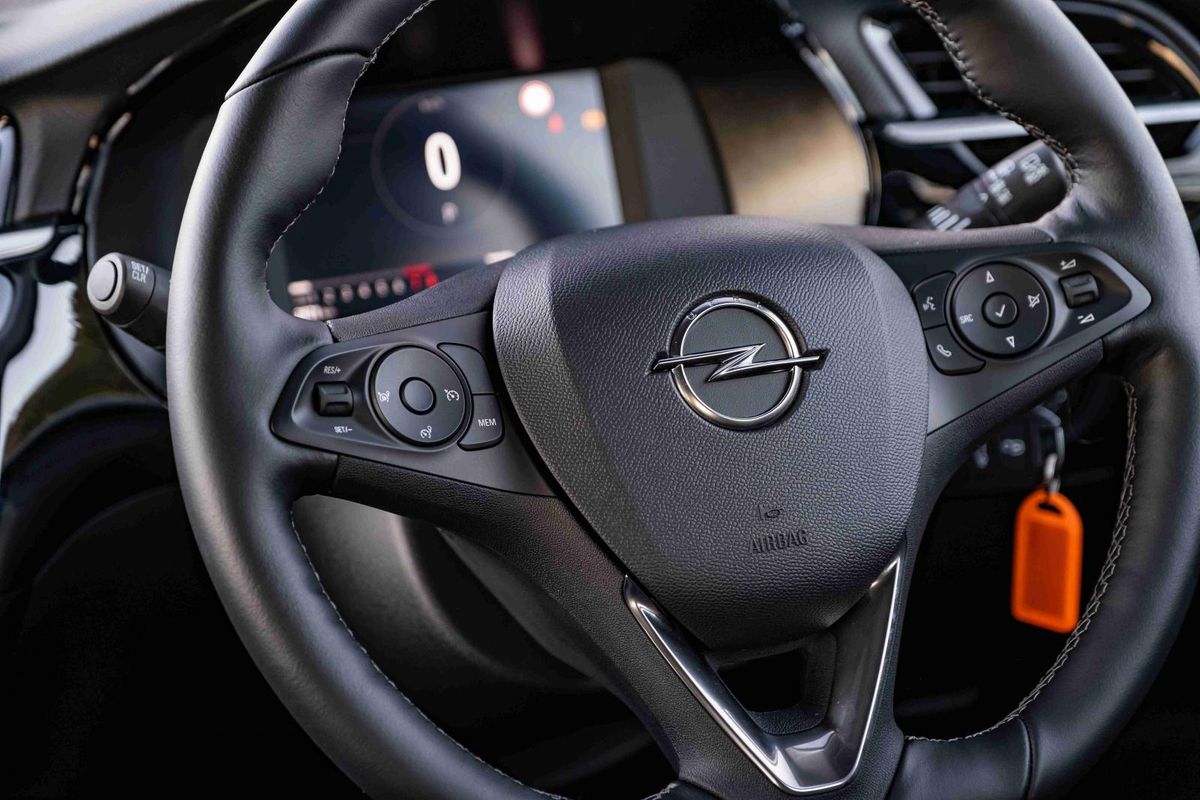
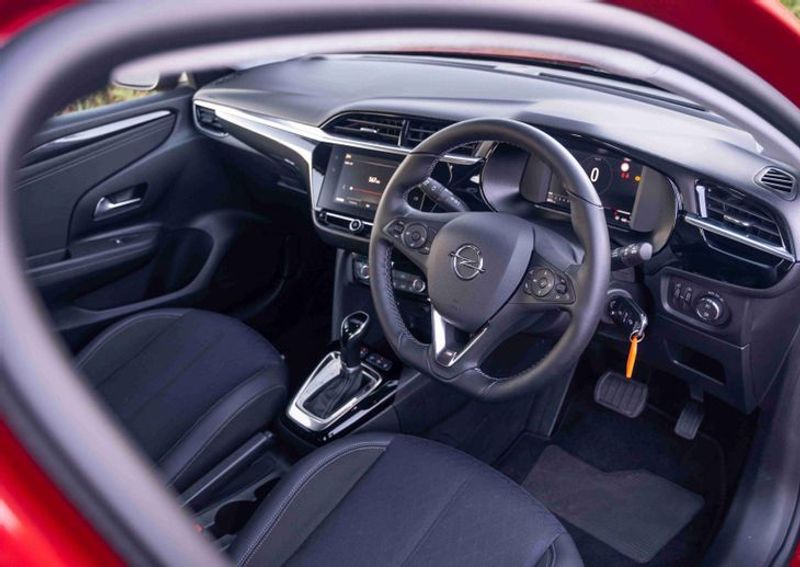
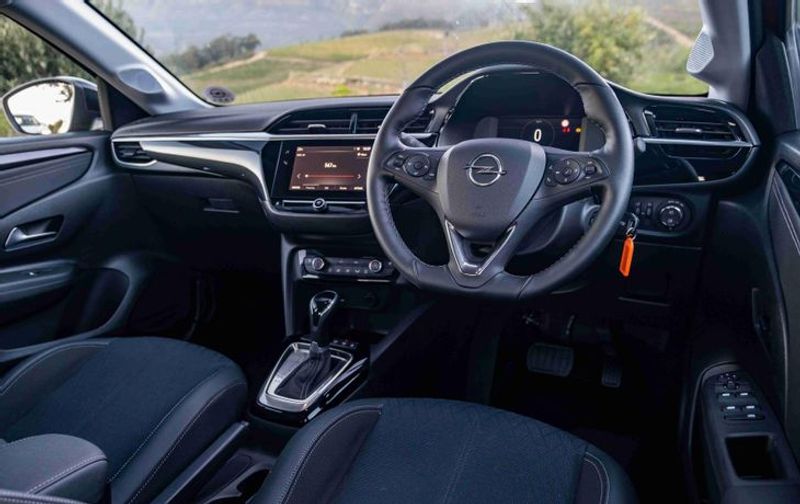
The 7-inch touchscreen infotainment system is rather basic, but its menus are easy to navigate and Apple CarPlay and Android Auto are supported. The rim of the steering wheel is wrapped in leather and the tiller further features mounted controls for the audio system, Bluetooth telephony and cruise control. This flagship derivative is also fitted with heated front seats; they’re a treat on crisp winter mornings!
Other standard features include front and rear park distance control, climate control air conditioning, rain-sensing wipers and partial cloth and leather upholstery.
What’s not so good about the Opel Corsa 1.2T Elegance?
Bland interior design and some questionable plastic trim elements
Perceived trim quality issues detract from the feature-laden cabin.
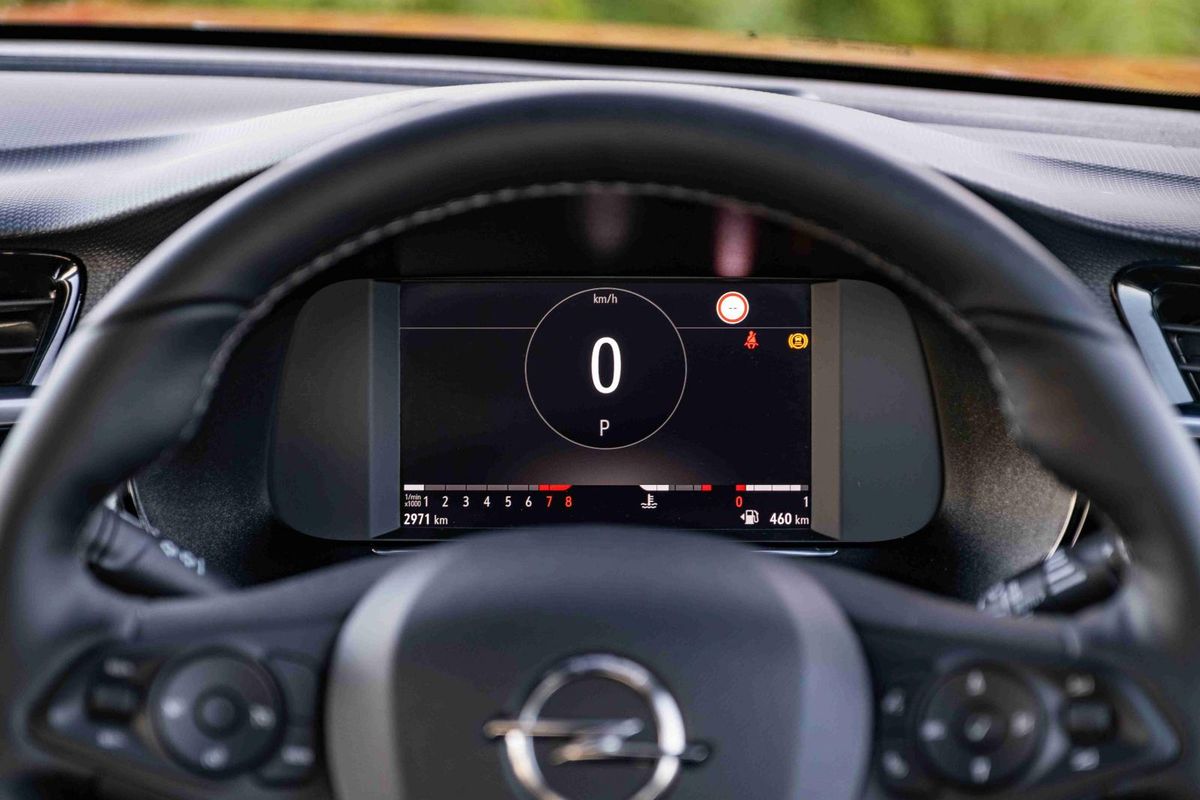
While the 1.2T Elegance is well specified, its interior is not particularly exciting or uplifting, perhaps because dark interior finishes dominate the cabin – there’s very little in the way of colour contrast. The interior design is very much hit-or-miss, some detailing is swoopy and shiny, while the switchgear, by contrast, looks decidedly utilitarian. The range-topping Polo’s interior feels more cohesively styled. The design of the digital instrument cluster is also somewhat strange: it looks like a bit of an afterthought; as if the display ought to be larger. The analogue dials in the base Corsa are arguably better looking!
Also, while there is little amiss with the overall fit and finish, Opel could have done better in terms of some of its material choices; budget-looking plastic (particularly the hard, scratchy type found on the doors and lower dashboard) abounds, which is a bit of a letdown at this price point. It must be said, however, that Opel is not the only brand guilty of “taking cost out of the interior” in this segment. Yes, I am looking at you Ford and Volkswagen…
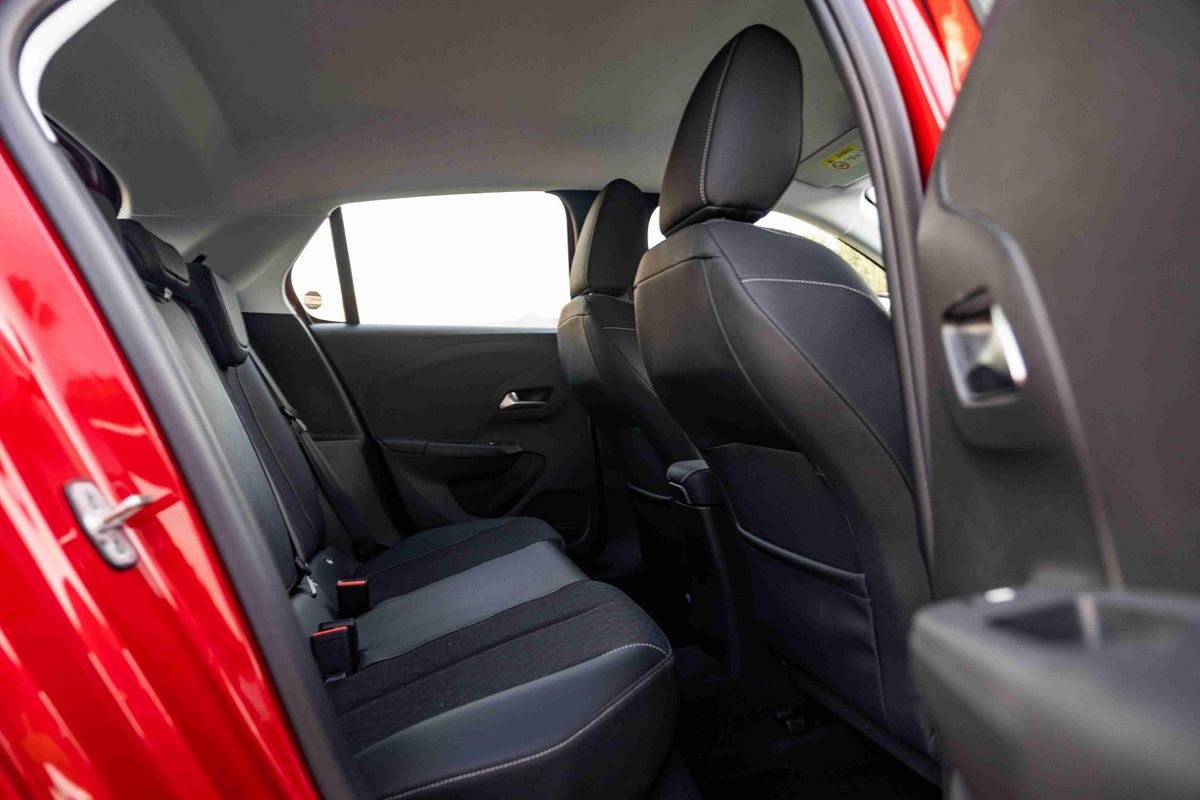
More rear legroom would be nice…
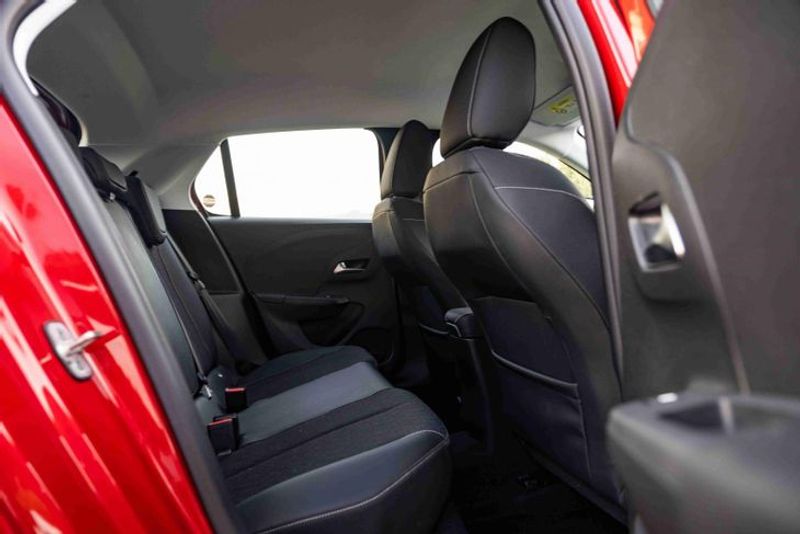
The rear legroom is adequate for children, but adults might feel squeezed in on the aft bench…
Even though the new Corsa is approximately 28 mm longer than the previous-generation model, the rear legroom is still on the tight side, especially for taller aft passengers. I’m of average height, but when I conducted the sit-behind-yourself test, my knees touched the back of the driver’s seat, leaving little room to wangle more space. Children, however, should have more than enough legroom at the back.
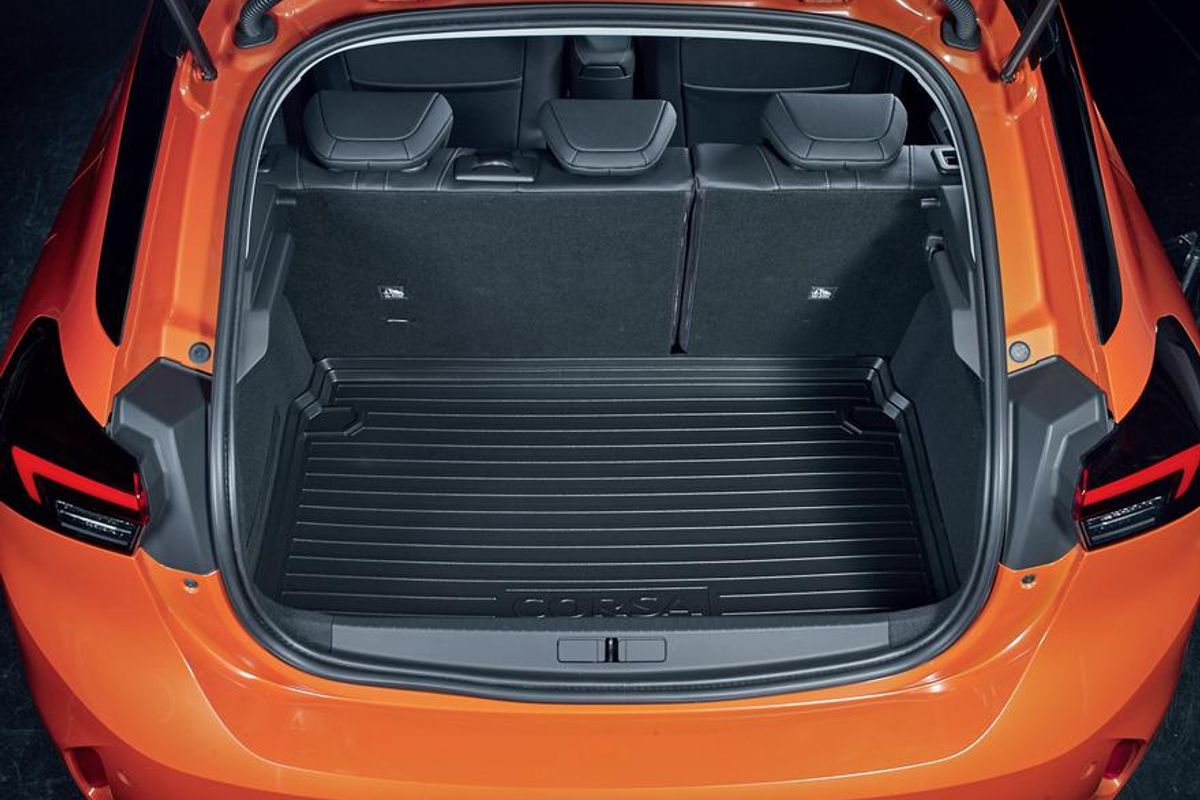
As for loading capacity, the Corsa offers 309 litres of luggage space, which is less than the VW Polo’s 350 litres, but slightly better than the Ford Fiesta’s 303 litres. You can fold the seats down (in a 60:40 split) to open up 1 081 litres of utility space, but bear in mind that the seats don’t fold completely flat.
What does the new Opel Corsa cost in South Africa?
Pricing for the new Opel Corsa starts from R274 900 for the base-spec, naturally aspirated Corsa 1.2 while the Corsa 1.2 Edition is priced from R294 900.
The top-of-the-range Corsa 1.2T Elegance tested here is priced at R386 900. It comes with a 3-year/120 000 km warranty and a 3-year/45 000 km service plan included.
There’s a lot to like about the new Opel Corsa 1.2T and we think it’s the only Corsa you should consider…
Eager engine performance and engaging handling are the most attractive features of this new Corsa and they’re characteristics that are regrettably becoming quite rare in this segment of feature-packed (but buttoned-up) “big little cars” with downsized engines. The 1.2T Elegance offers more power and torque than its major rivals (VW Polo and Ford Fiesta) and it really is fun to drive. Combine that with a comprehensive standard features list and you suddenly have a car that’s difficult to ignore if you are shopping for a range-topping compact hatchback.
However, the Corsa is not perfect. In terms of exterior styling, a few of the Cars.co.za testers were left uninspired by the Opel’s demure, underwhelming looks, but you can decide for yourself whether it tugs at your heartstrings. To reiterate, the quality of some of the interior finishes are marginal (especially in a derivative that costs about R390k), but at least the level of overall fit-and-finish is quite acceptable.
As an overall buying proposition, this Corsa 1.2T Elegance makes a very strong case for itself. It’s competitively priced against its main rivals and offers good comparative value. We think the new Corsa is one of the best offerings currently in this segment and it’s certainly a worthy alternative to the aforementioned Polo and Fiesta, but only if you can forgive its shortcomings. Can you?
The Italian supercar maker has confirmed it will be launching its first all-electric vehicle in 2025. Here's what we know.
*Pictured is the Ferrari SF90
The report from UK publication Autocar suggested the first pure electric Ferrari will be launched in 2025. Ferrari boss John Elkann claiming the machine will “bring the uniqueness and passion” of the marque “to new generations”. "You can be sure this will be everything you dream the engineers and designers at Maranello can imagine for such a landmark in our history” said Elkann during Ferrari's annual general meeting.
No specific details were given, but we know Ferrari is pushing electrification hard. The SF90 came to market with 735 kW and three electric motors. Performance as you'd expect is mind-blowing with a claimed 0-100 kph of just 2.5 seconds and it can cruise under pure electric power for up to 25 km. Ferrari is also hard at work developing its first SUV, said to be called the Purosangue.
All-new Opel Corsa Review – Here comes Opel’s small car champion
Ciro de Siena gets behind the wheel of the all-new Opel Corsa. On top of the review, he looks at the rivals; the Volkswagen Polo, Ford Fiesta, and the Korean duo of the Hyundai i20 and Kia Rio.
This is an entirely new Opel Corsa and in many ways, it represents the future of the brand, for a number of reasons, many of which you can't even see. That's because this Opel is based entirely on a Peugeot chassis and makes use of a Peugeot engine and transmission. It is, under the skin, no different from Peugeot's new 2008.
This Corsa really has its work cut out for it; it has to take on a myriad of competitors including, but not limited to, the ever-popular Volkswagen Polo, the feisty Ford Fiesta and strong rivals from Korea in the form of the Hyundai i20 and Kia Rio.
And so, for this top-spec Elegance model featured here, Opel really has thrown the kitchen sink in here. In this video we'll take you over the specs and pricing of the new Opel Corsa in South Africa, as well as comfort and safety features, back seat space and boot (load) area.
We'll also dig into the more consumer-y angles of which one you should buy, the good old Opel Corsa vs Volkswagen Polo vs Ford Fiesta debate.
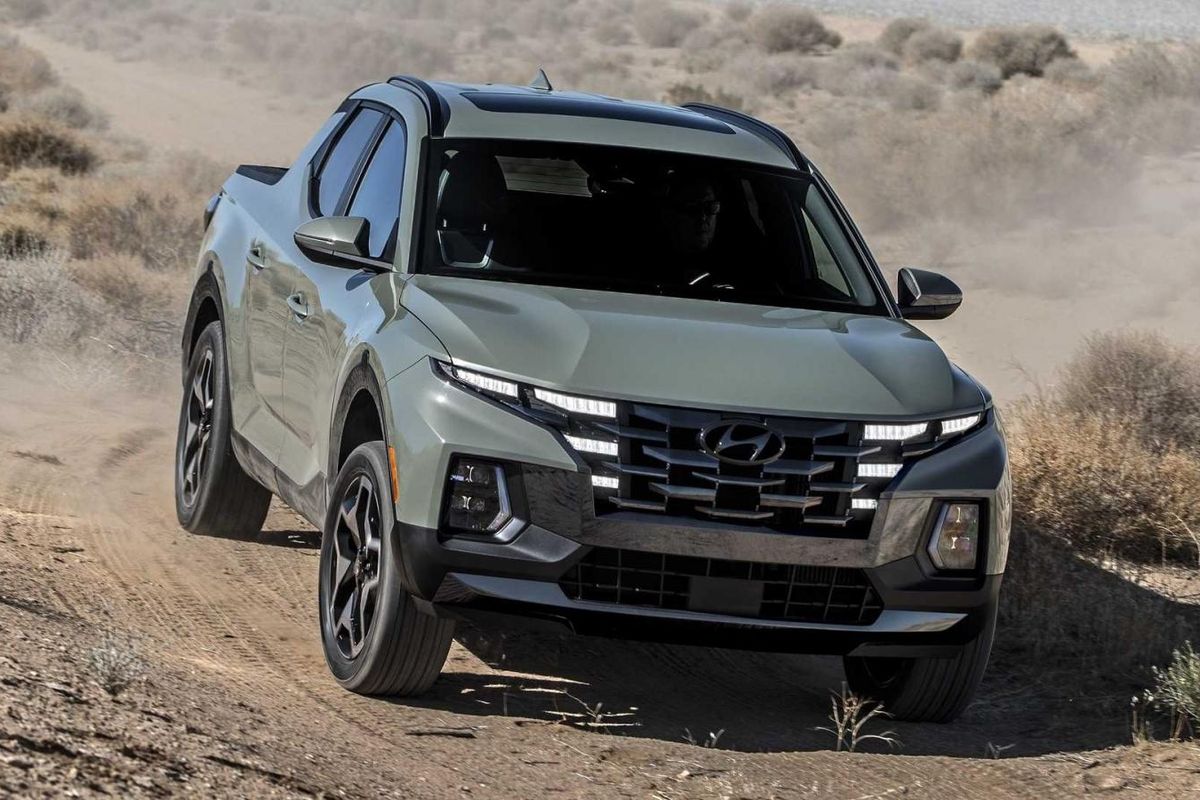
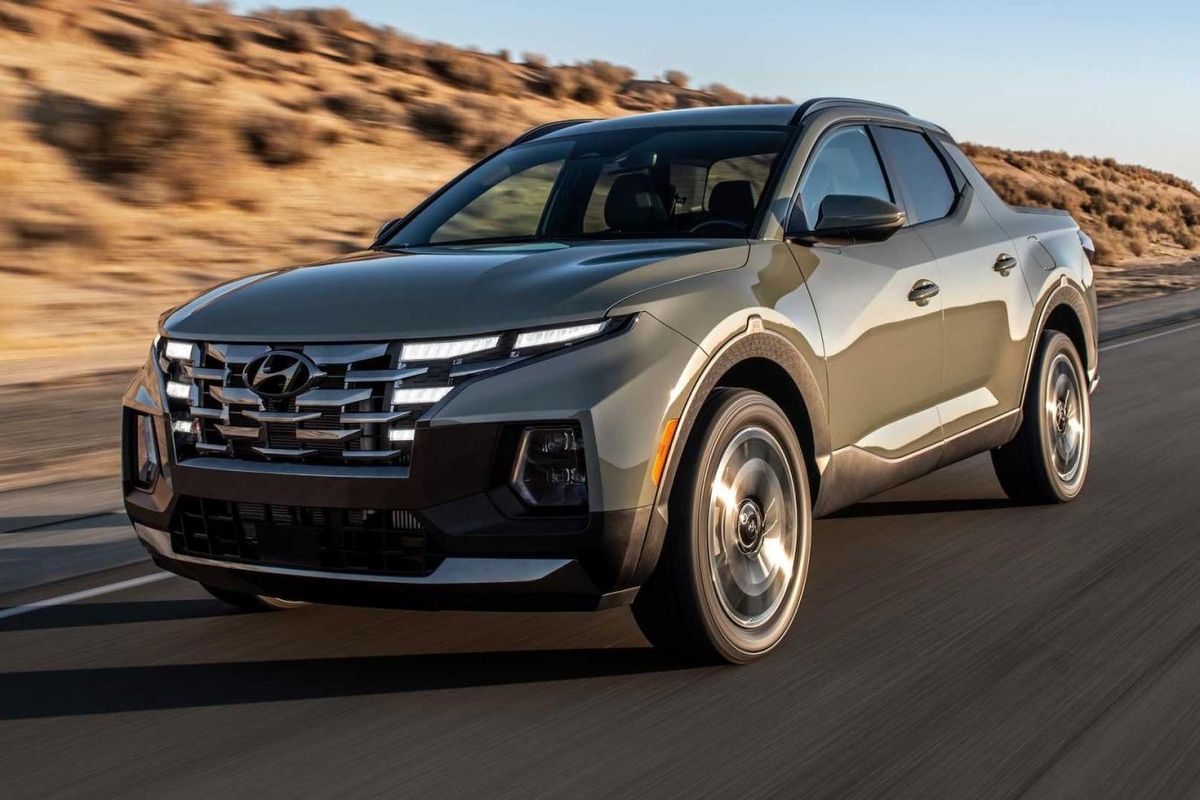
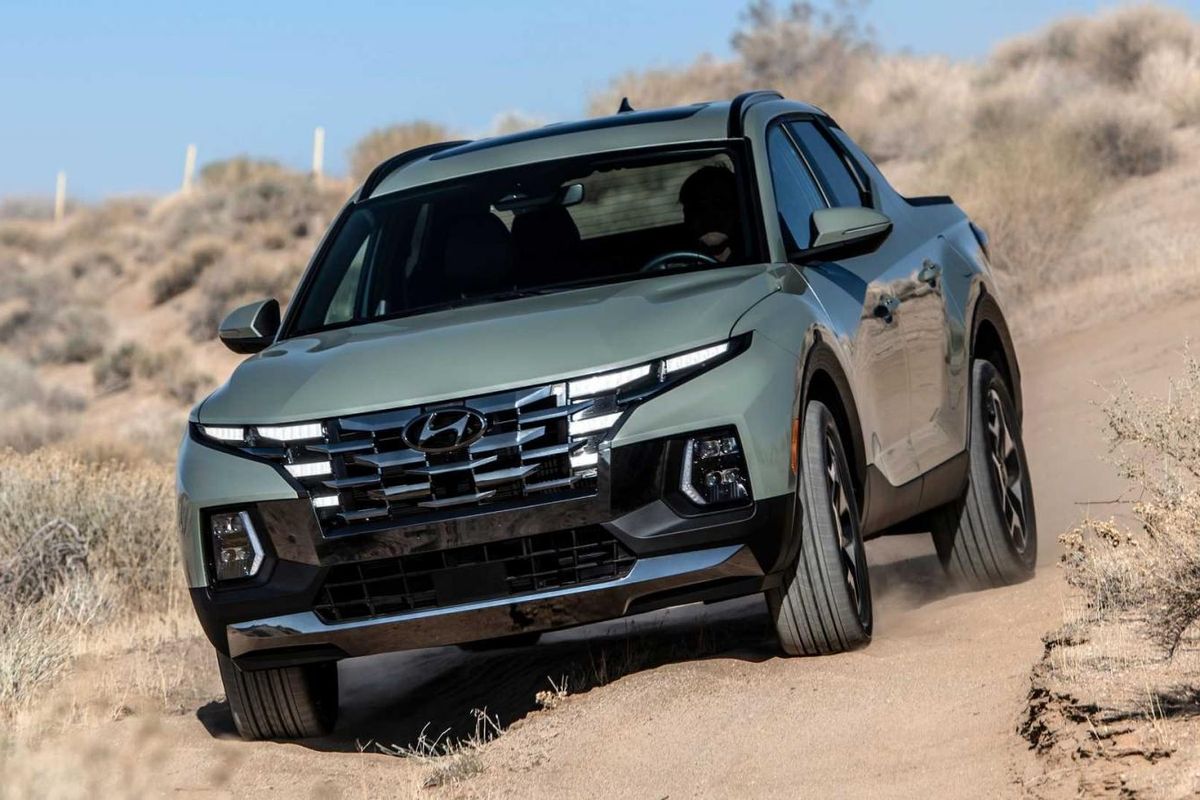
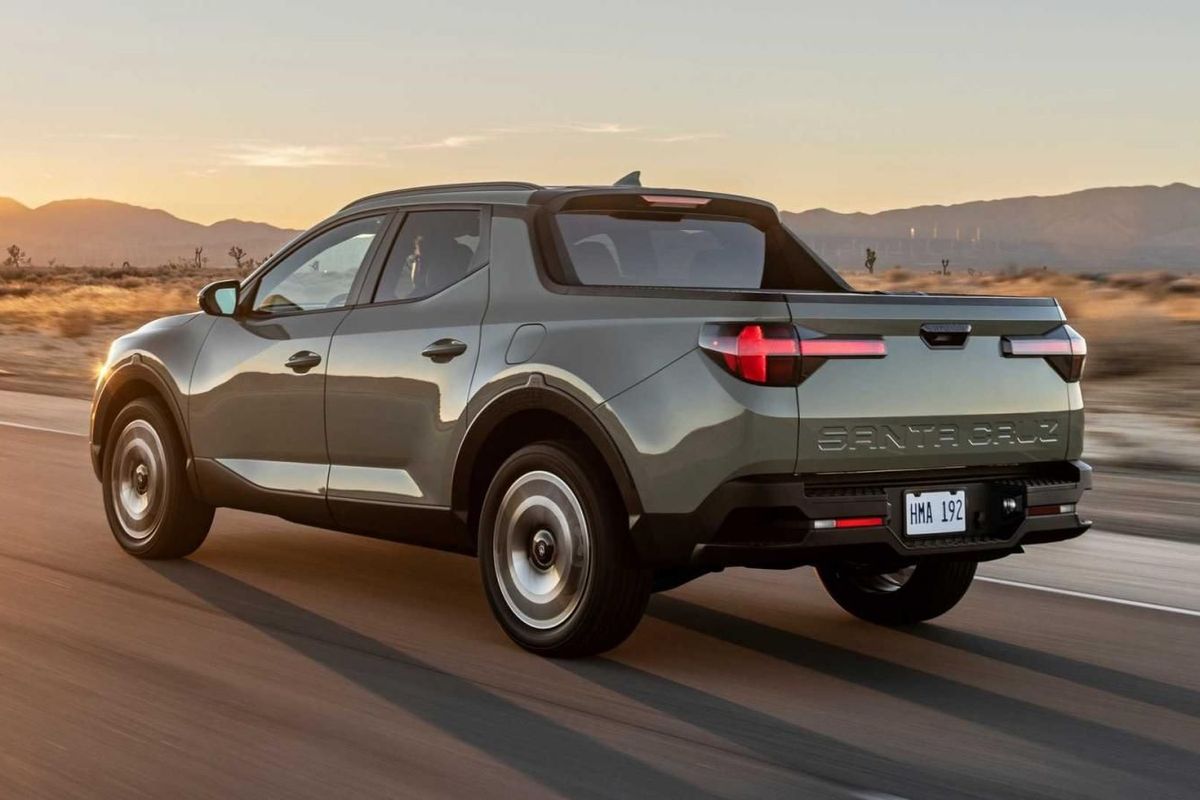
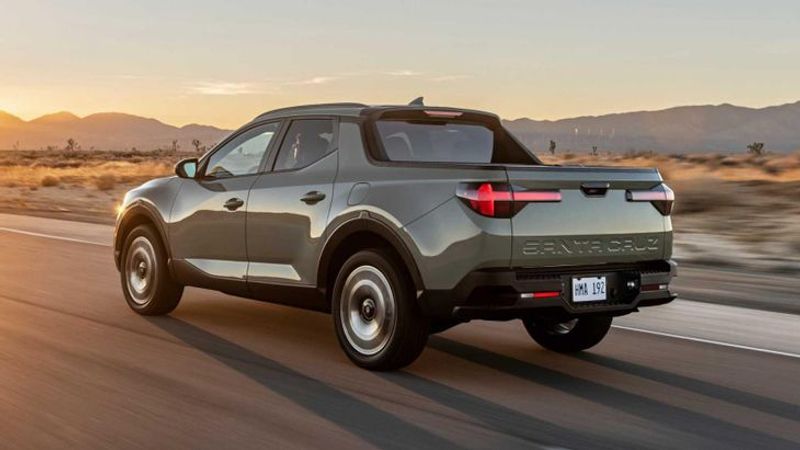
After a long period of spy photographs and teasers, we finally get to see the 2022 Hyundai Santa Cruz revealed.
Let's get the bad news out the way first. Hyundai says its new Santa Cruz will be assembled at Hyundai's facility in Alabama, United States. This means it's certainly exclusive for the US market and will be built in left-hand drive only. But, as we know, markets like South Africa and Australia are bakkie crazy and demand for such a product may coax Hyundai into making some right-hand drive models.
"Santa Cruz, with its bold styling, breaks open all-new segment territory, both for Hyundai and the industry as a whole. Open-bed flexibility coupled with closed-cabin security meets the changing everyday needs of its adventure-oriented buyers, while powerful and efficient engines and superb manoeuvrability ensure it is a pleasure to drive in urban or off-road environments. Our customers will wonder just how they managed before owning one," said Jose Munoz, president and CEO, Hyundai Motor North America.
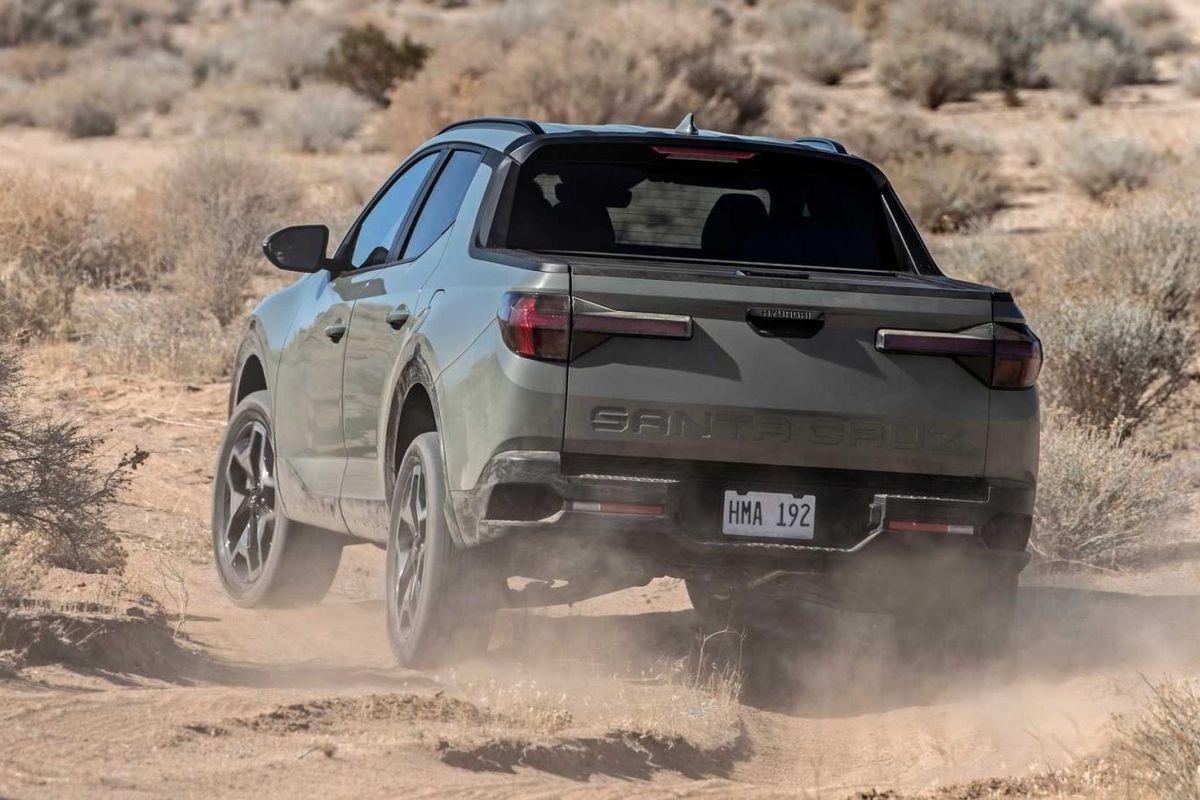
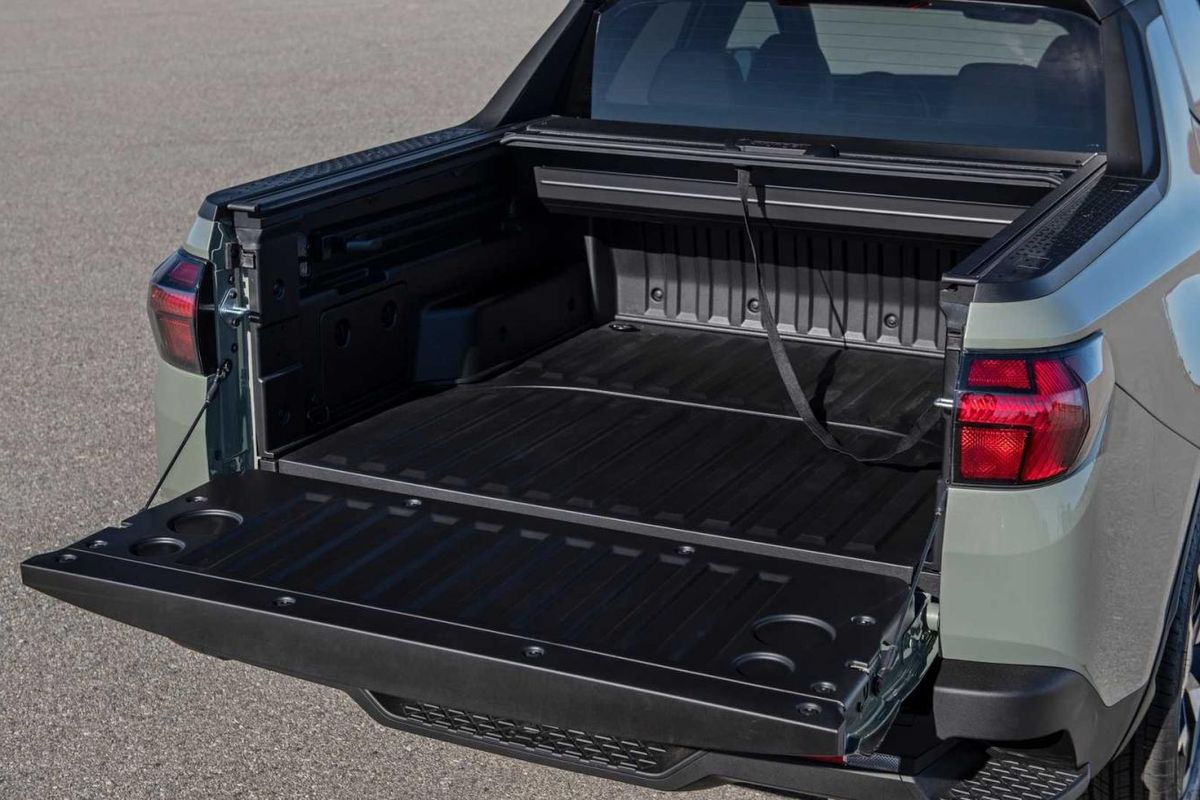
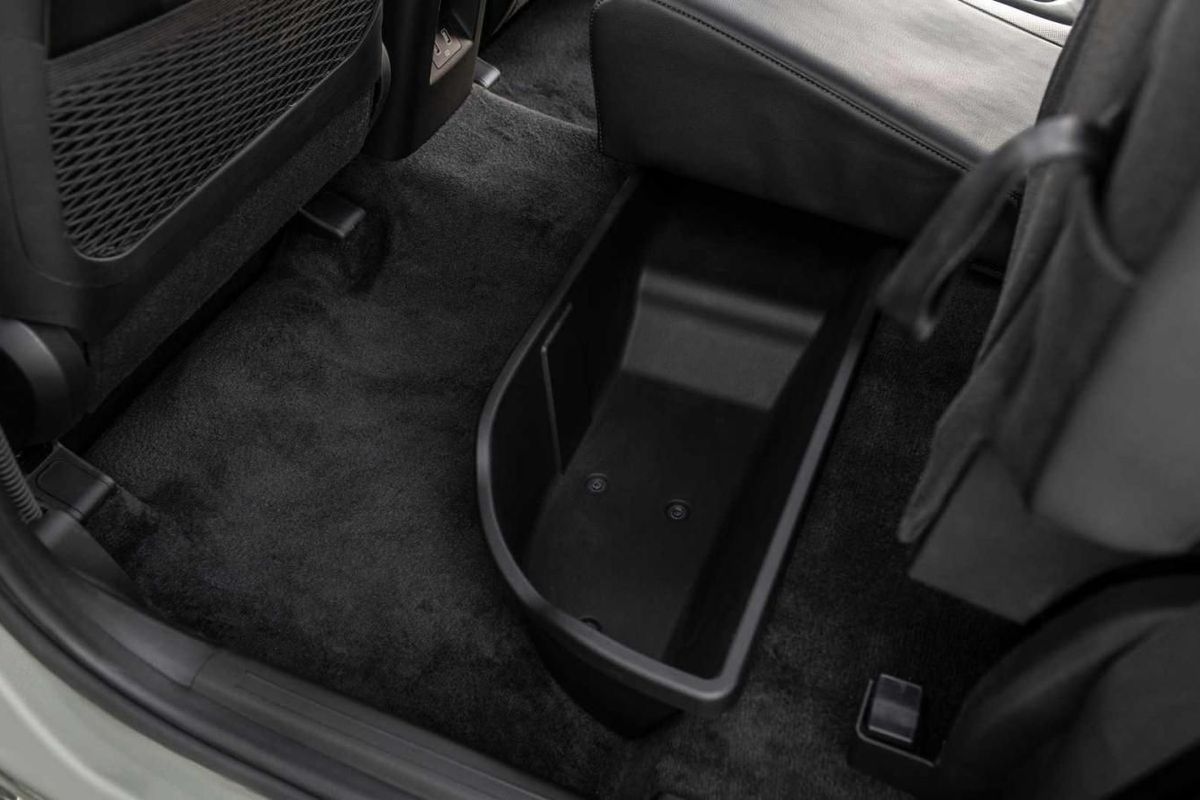
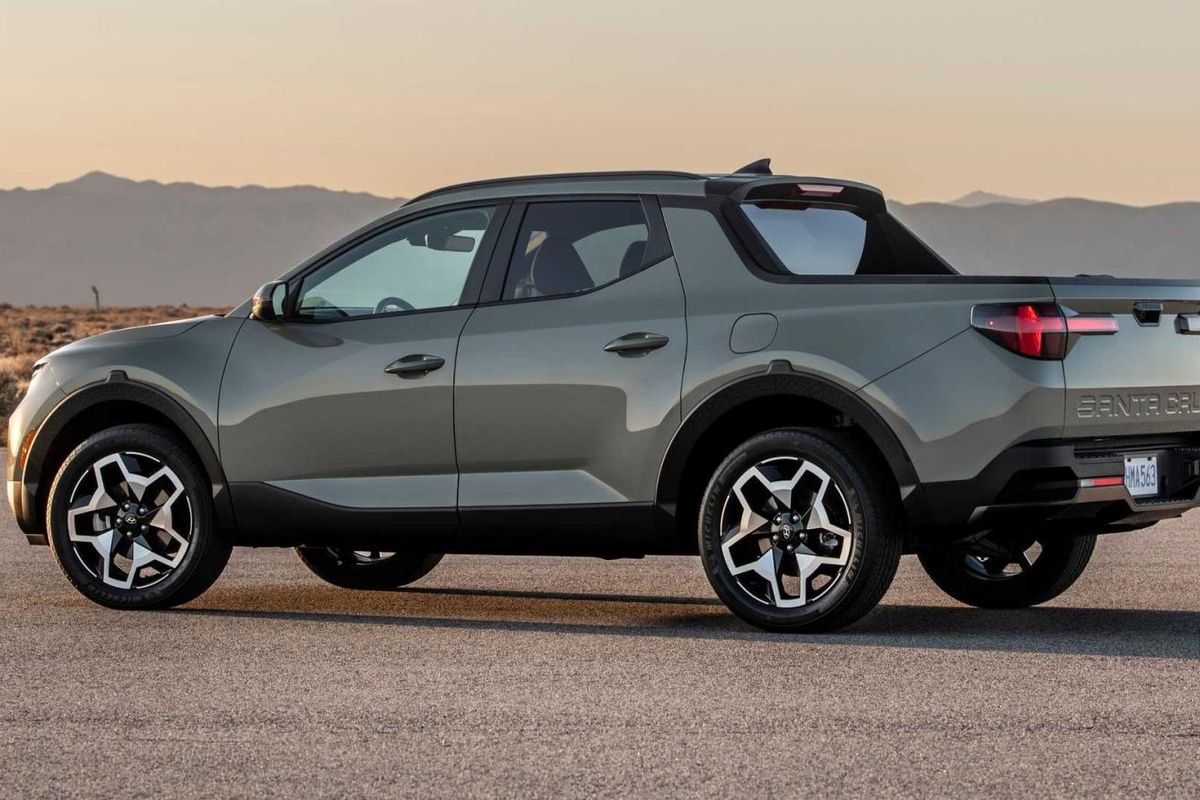
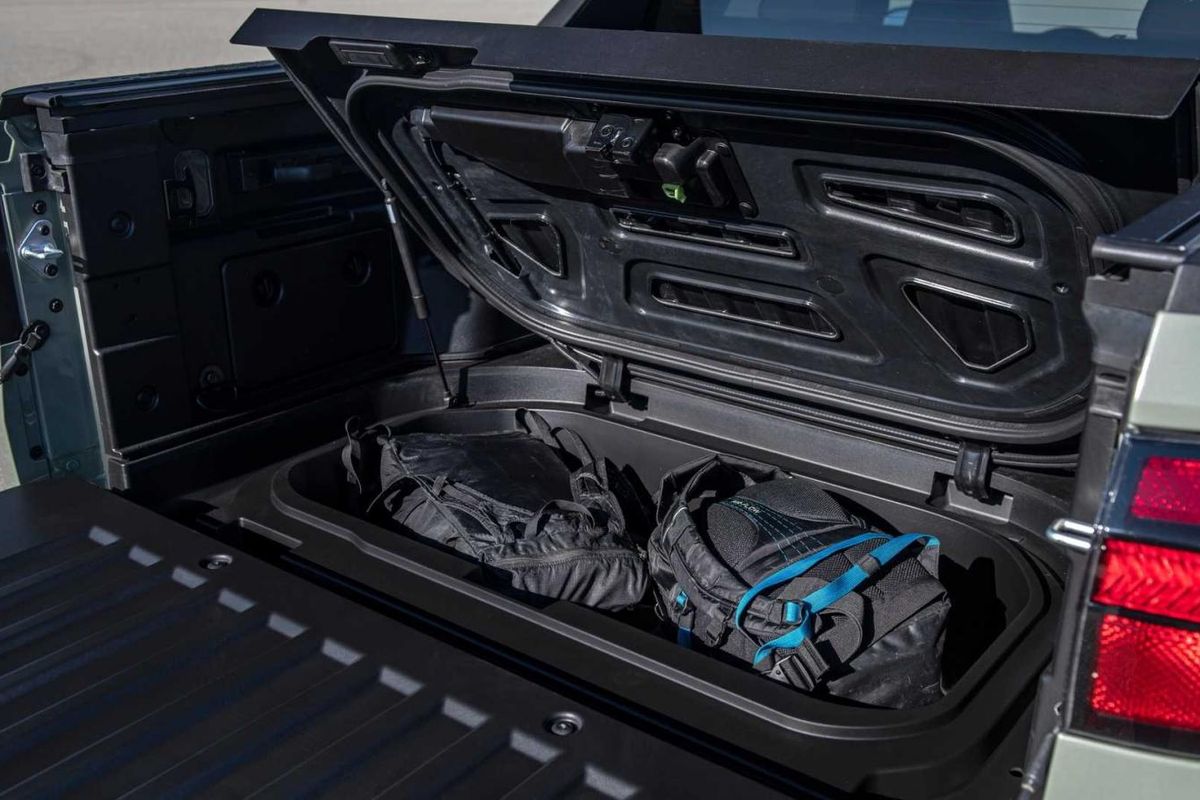
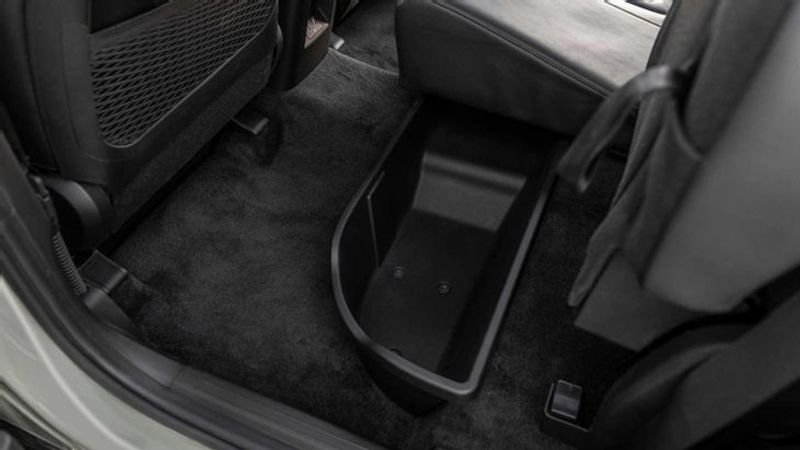
While looks are subjective, you have to agree the Hyundai Santa Cruz is a good-looking and fresh vehicle. That face is remarkably similar to that of the new-spec Hyundai Tucson. Classed as a Sport Adventure Vehicle, Hyundai reckons its urban-based future customers will be wanting to escape the cities and go on adventures on the weekend. Think of your mountain bikers for example. The Hyundai Santa Cruz features a smart load bed with a lockable tonneau cover and hidden storage compartments. Similar smart and practical elements can be found inside, with the rear bench being able to lift up, revealing further storage.
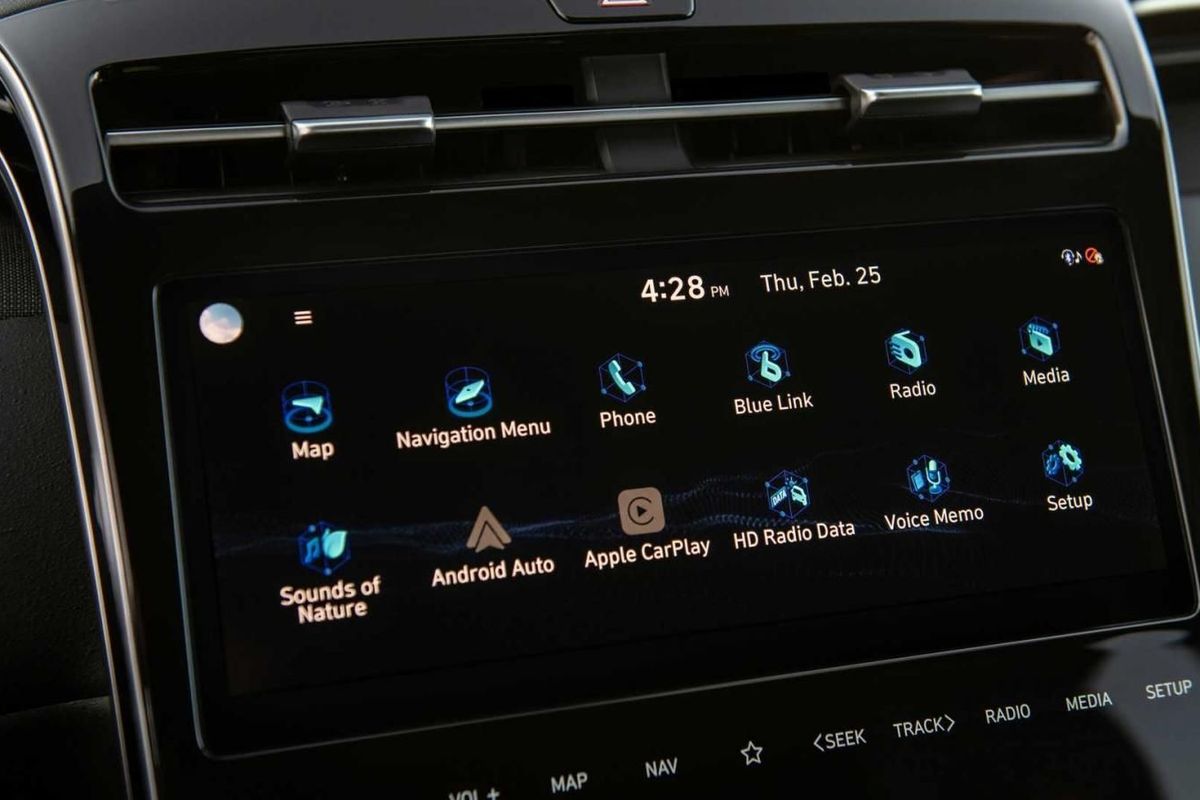
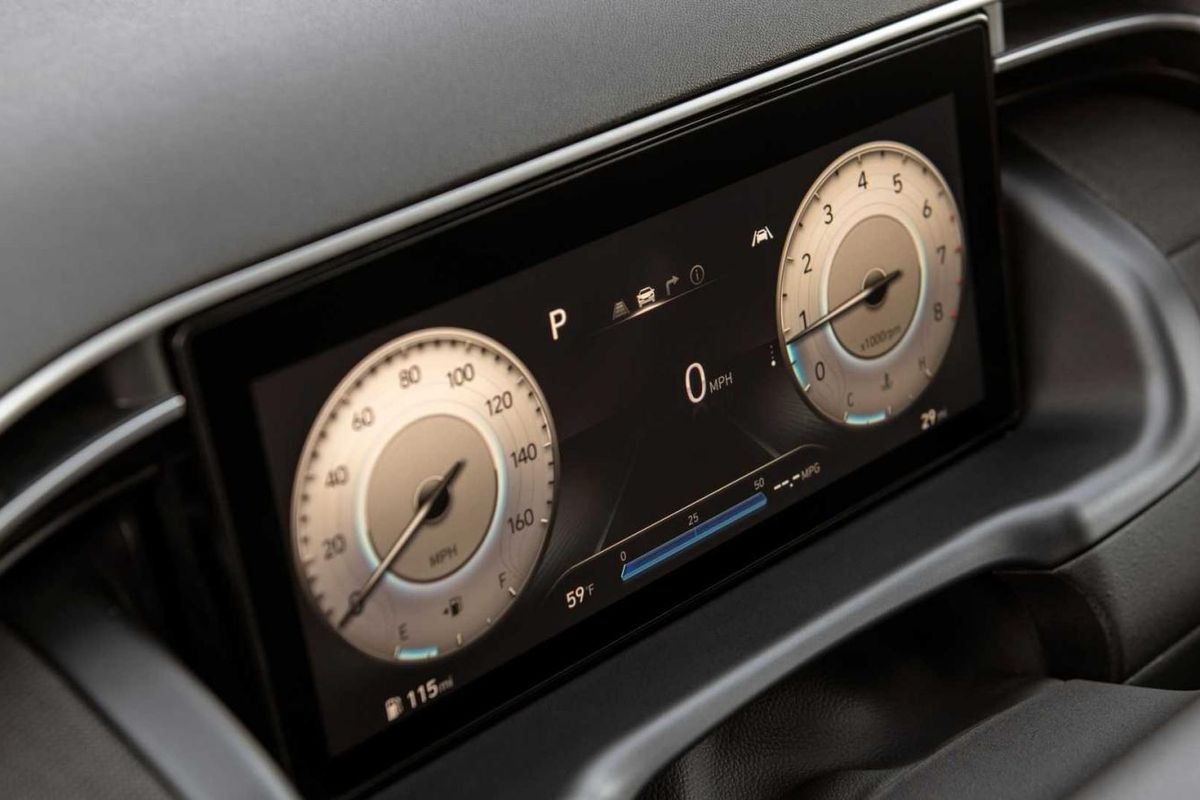
The cabin looks smart and connected, and the Hyundai Santa Cruz comes with an 8-inch colour touchscreen with wireless Apple CarPlay and Android Auto. There's a wireless Qi charger and digital key functionality through an app. An eight-speaker Bose premium audio system takes care of the in-car entertainment.
Hyundai Santa Cruz engine
As far as engines go, the Hyundai Santa Cruz will be available with a choice of two powertrains. First up is a 2.5-litre four-cylinder petrol engine with an estimated 141 kW and 244 Nm. This engine is mated to an 8-speed automatic gearbox. The 2nd engine is a 2.5-litre turbocharged petrol engine that packs 205 kW and 420 Nm. This motor is paired with an 8-speed dual-clutch transmission and there are shift paddles on the steering wheel.
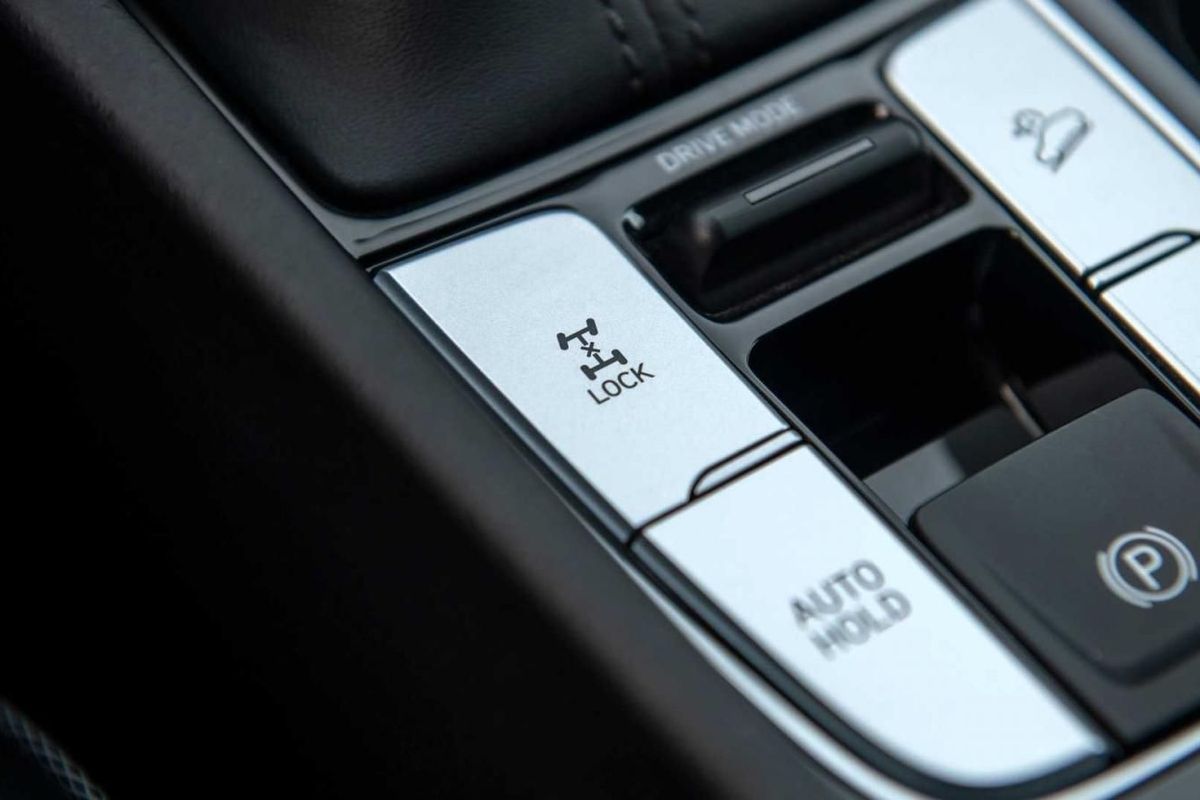
Both derivatives feature HTRAC all-wheel-drive capability. There's an electronic variable torque split clutch that directs power and torque between the front and rear axles. Setting the car in Sport mode sends a bit more power to the rear wheels and there's a centre differential lock as well as hill descent control. Customers can choose from 18- to 20-inch alloy wheels.
While it looks like it's America-only for now, we can't help but hope Hyundai makes a plan for its right-hand drive markets. Given both South Africa's and Australia's love for the bakkie, we think the Hyundai Santa Cruz deserves to be on our roads.
Hyundai Santa Cruz size
The Santa Cruz is a little on the small side in terms of overall footprint compared to something like a Ranger with a length of 4.97m. For reference, a Ranger double-cab is 5.35m long. The wheelbase is set at exactly 3m (Ranger is 3.2m) while the all-important loadbay is 1.32m long compared to a Ranger which is 1.55m long. It gives you some idea of where Hyundai plans to position the Santa Cruz. It won't be a double-cab bakkie as we're used to but more of a lifestyle double-cab that easily fits in the city.
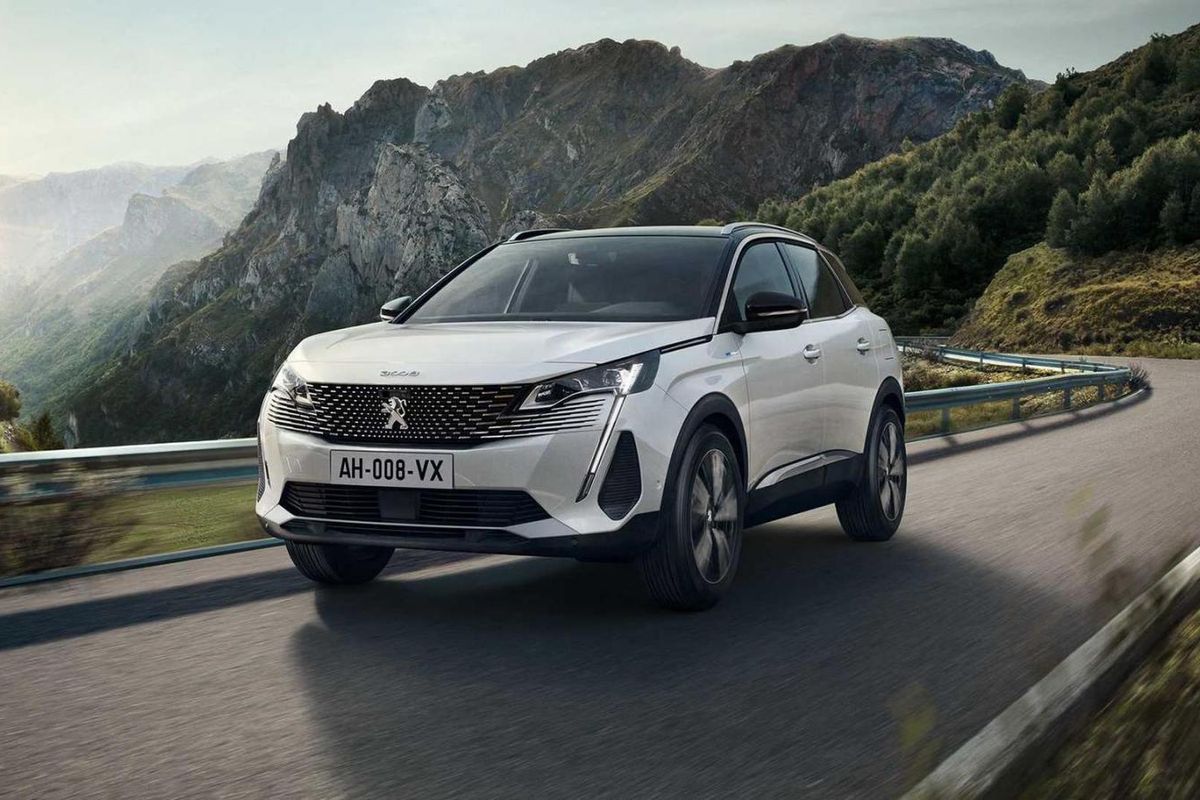
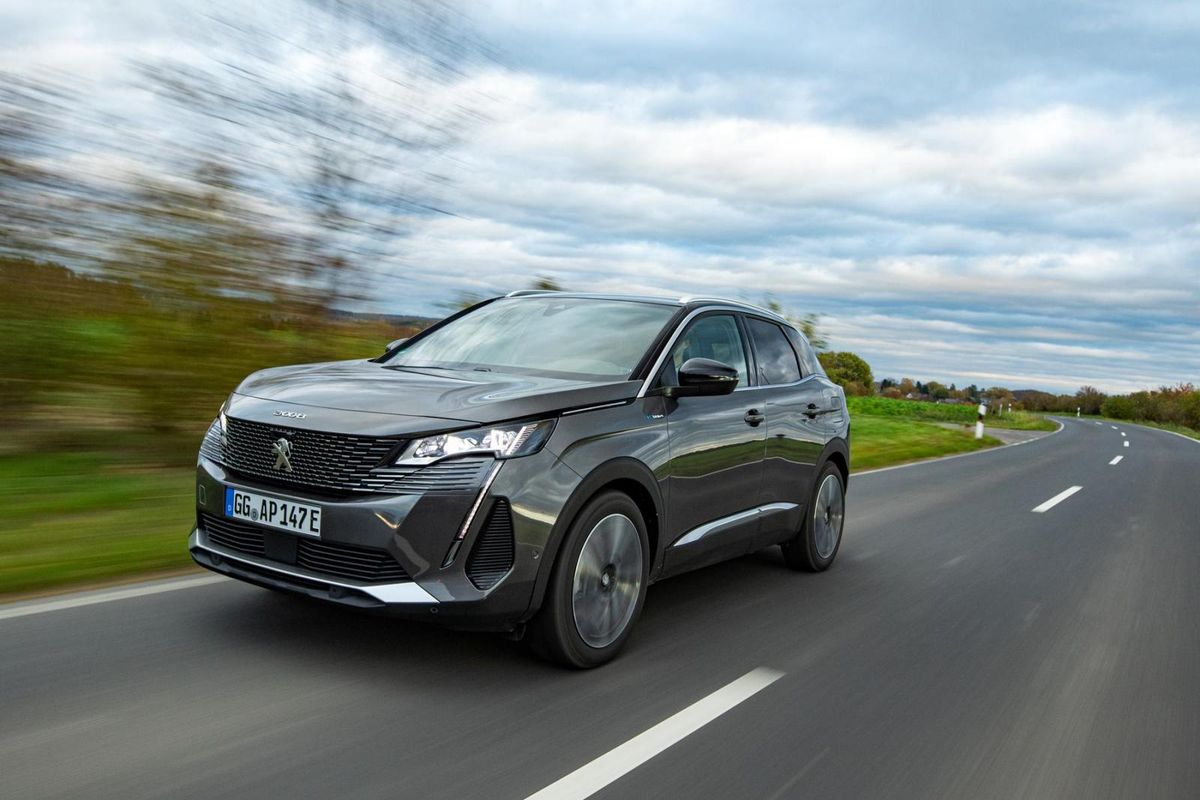
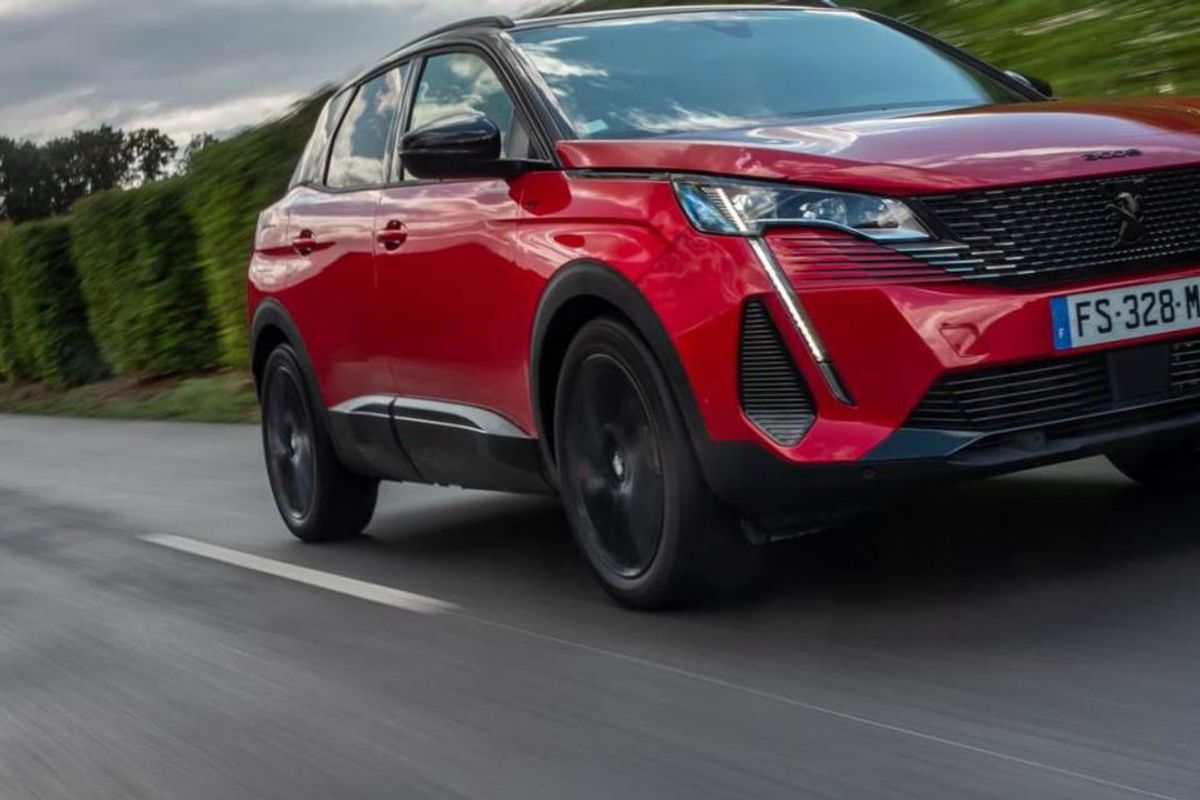
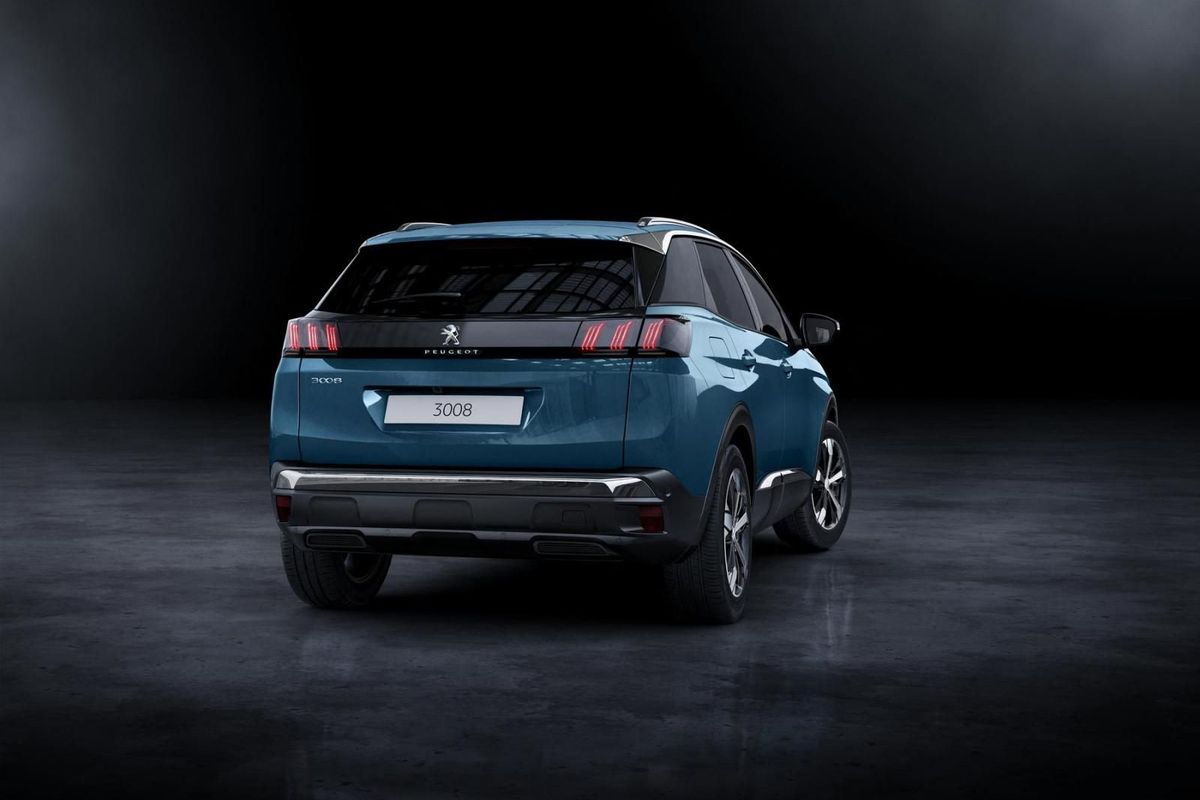
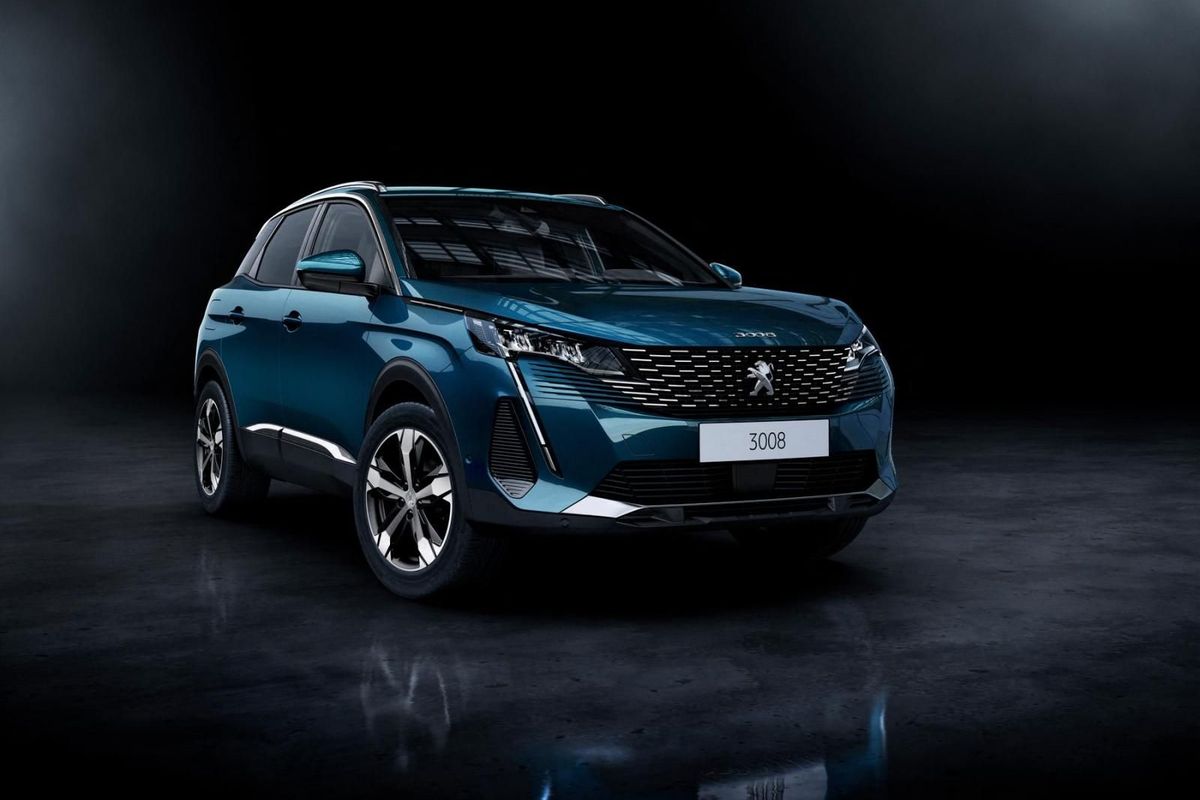
Peugeot South Africa has introduced its updated 3008 to the market. Here's the pricing and specification details for this stylish newcomer.
The Peugeot 3008 has been a popular model globally with impressive sales performance, particularly in the European market. A few have been sold in South Africa and it bagged a few #CarsAwards-powered by WesBank nominations.
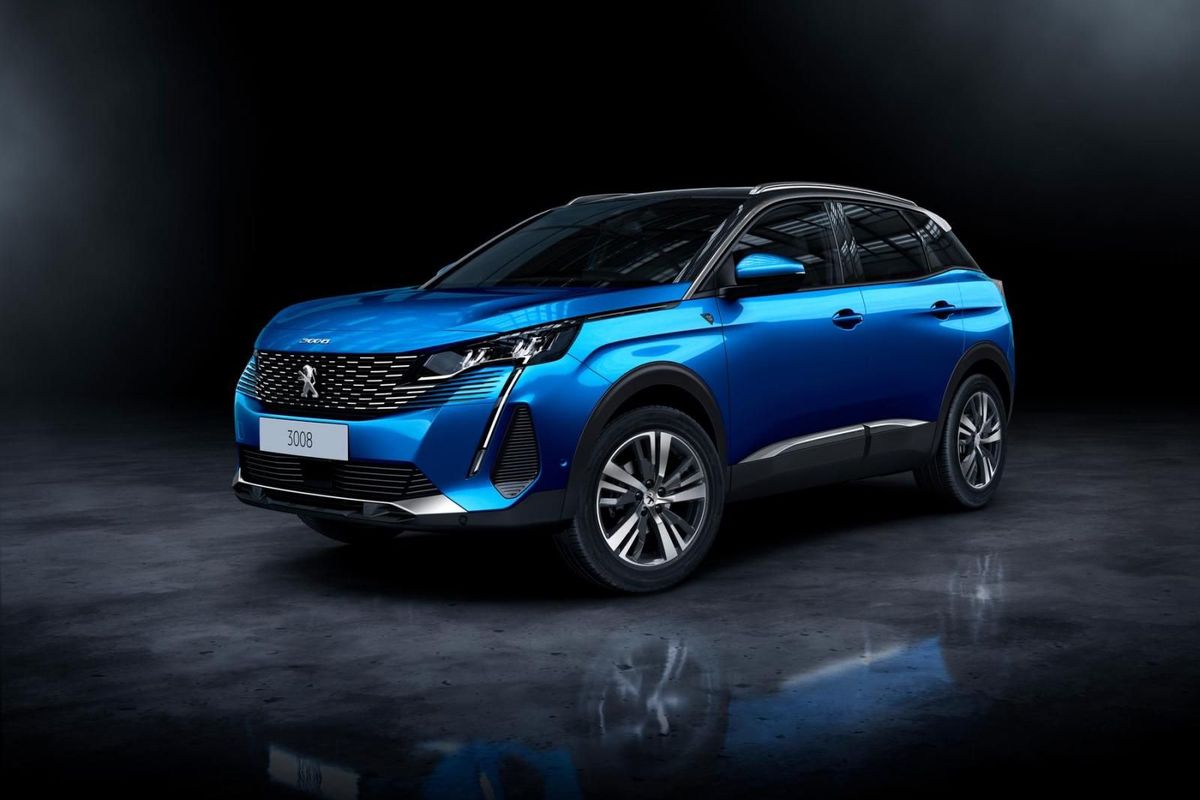
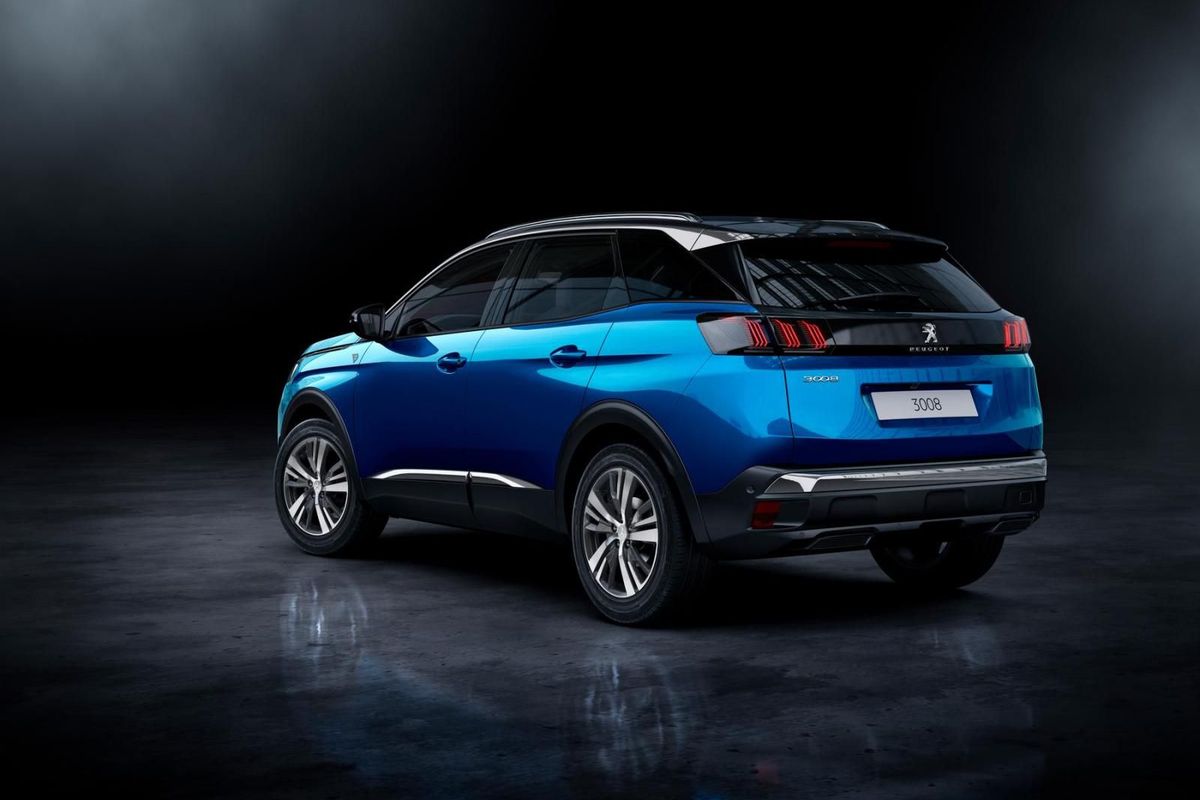
For the 2021 model which has been facelifted, Peugeot has tweaked the design, introduced the latest-gen driving assistants, and given its cabin a revised look. Visually, you can spot the new model with its striking new grille, with the GT model gaining an enhanced version of this grille. The headlights have been updated too and these now include LED technology as well as hook-shaped Daytime Running Lights with chrome tips.
The flagship GT model gets full LED headlamps which turn as the vehicle changes direction at speeds of up to 90 kph. There's even a fog mode built into the headlamps. The rear of the vehicle features LED tail lamps and sequential indicators. The Peugeot 3008 GT model features 19-inch aluminium alloys.
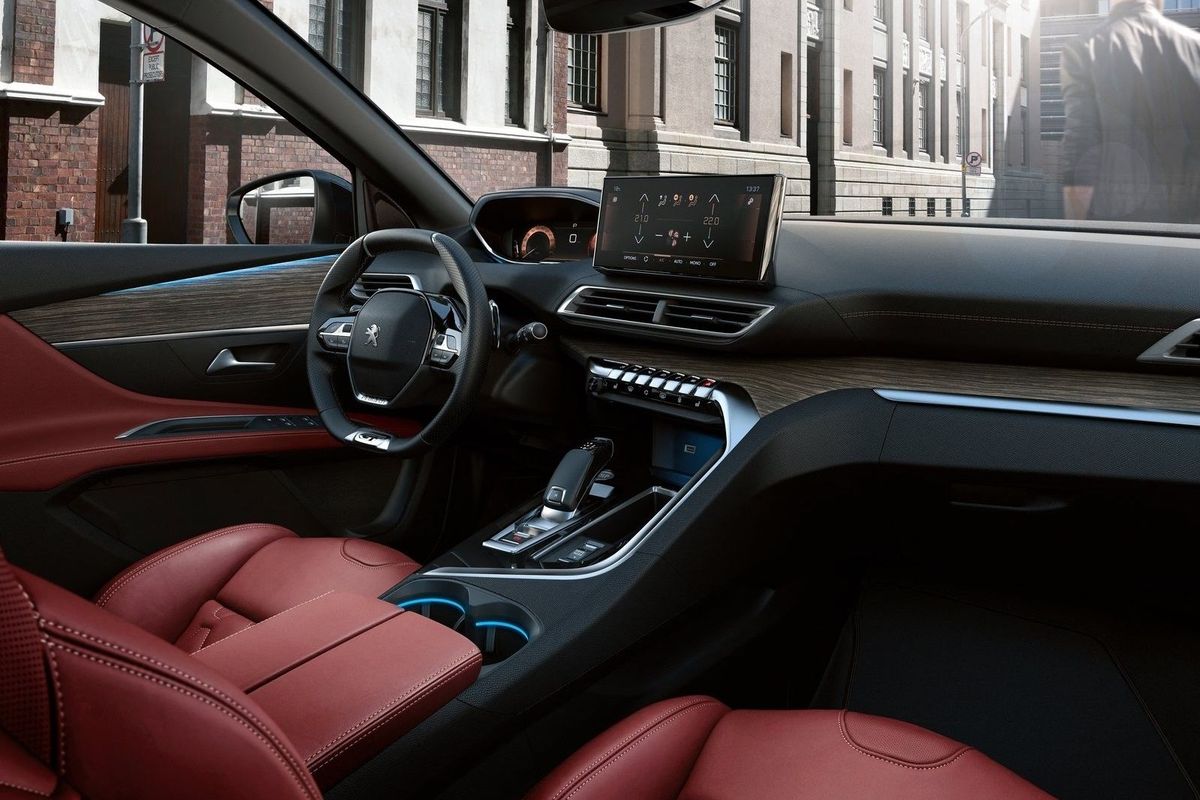
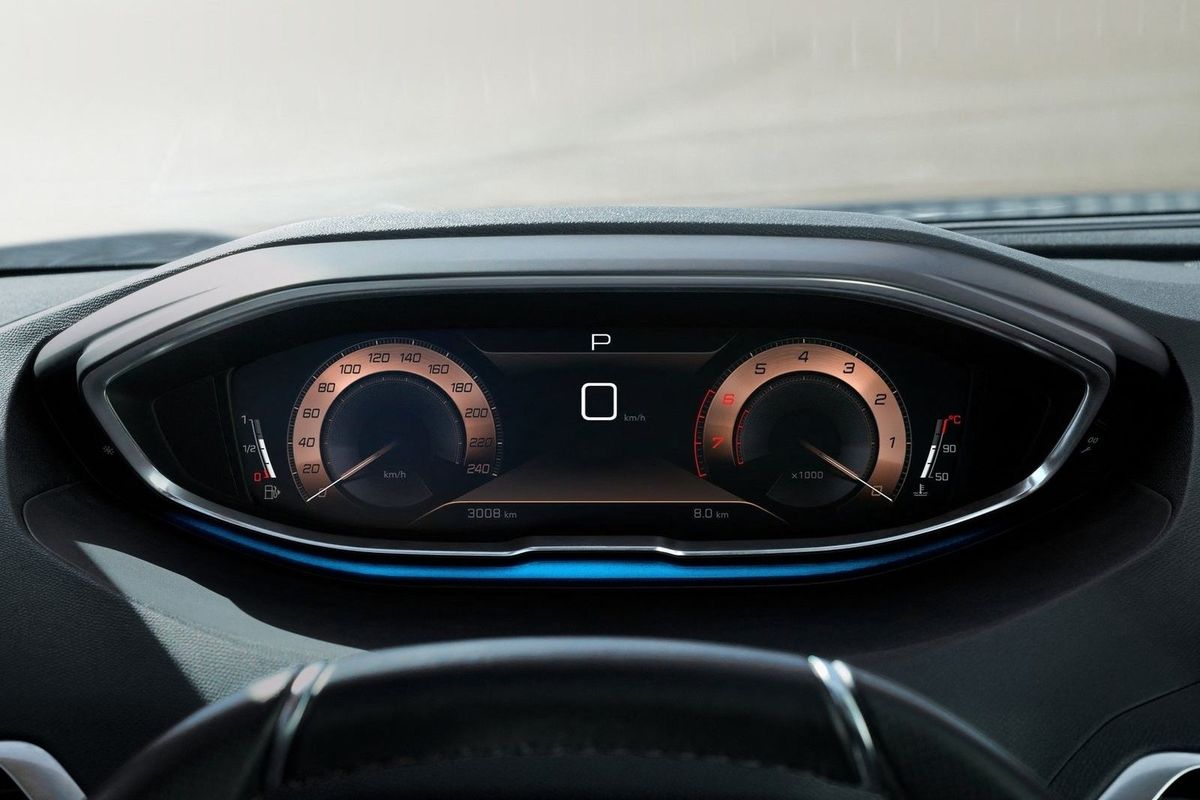
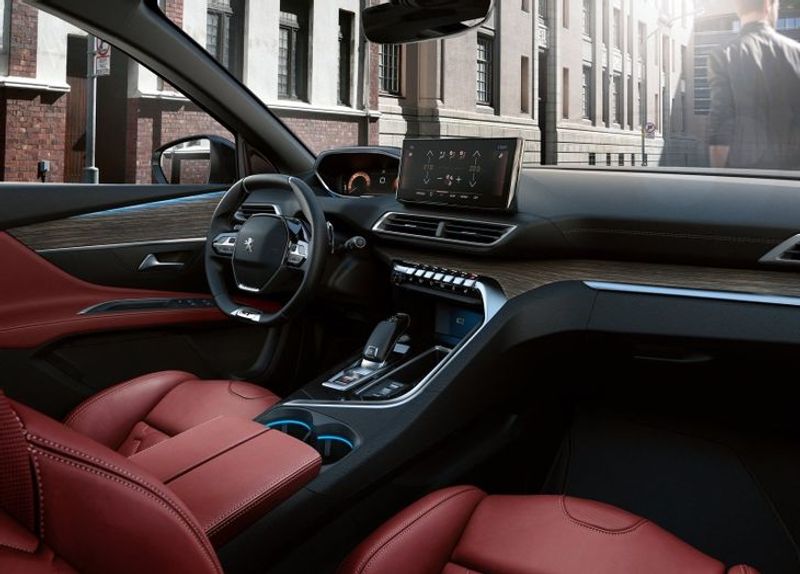
For the South African market, there are new colours to choose from and customers have 7 shades to choose from. Inside, the updated Peugeot 3008 features a new central touchscreen which is 10-inches in size. The 12.3-inch digital dashboard has been tweaked to provide better readability and contrasts. There are new trim levels, with customers being able to opt for red Nappa leather over the standard black Nappa leather. There are also new trim finishes.
There's just one engine available across the 3 derivative range. The 1.6-litre turbocharged 4-cylinder petrol motor punches out 121 kW and 240 Nm. There's just one gearbox on offer, a 6-speed automatic transmission. Peugeot claims a 0-100 kph of just 8.9 seconds and it's said to consume just 7 L/100 km on the combined cycle.
Peugeot 3008 Trim Levels
Active– 17-inch Aluminium wheels / EcoLED lighting / Visibility Pack / Hands-free start / Dual zone Automatic climate control / rear Parking aid / Roof Rails / 8-inch Infotainment system with Mirror screen / Cruise Control with Speed Limiter / Rear parking assistance
Allure – 18-inch alloy wheels / Hands-free access and start / Hands-free tailgate / Ambient lighting / Tinted windows / Safety Plus package / electrically folding mirrors / Front & Rear parking aid + VisioPark 1 – 180deg. Camera / PET & Fabric upholstery
GT – 19-inch alloy wheels / Black Diamond roof / Drive Assist pack / Full LED headlamps / Front & Rear parking aid + VisioPark 2 – 360 deg. Camera / Wireless Smartphone Charging / 10-inch HD Infotainment system with Navigation / FOCAL® Hifi / Massaging electric seats pack / Nappa Leather upholstery
Red Nappa leather is now an option on the GT model
How much does the Peugeot 3008 cost in South Africa?
The AA predicts that if the global fuel price and Rand stay on a similar trajectory until the end of the month, there will be a strong chance of a fuel price decrease for May 2021.
Despite the Suez Canal incident in late March, fuel prices haven't escalated as much as expected and have begun to stabilize somewhat. That, together with a stronger Rand that has improved by some 50c to the US Dollar could see a decrease in the price of diesel and illuminating paraffin. Petrol may however, be in for a slight increase at current levels.
The current data shows the prospect of a 32 cents-a-litre drop in the price of diesel, and 27 cents for illuminating paraffin by the end of the month.
“Petrol hasn’t fared as well, with a slight increase of six cents a litre predicted,” the AA comments.
“However, the exchange rate’s performance is coming very close to nudging petrol into a decline, and if the current trends continue, there may be across-the-board relief from the recent series of price hikes at month-end.”
The fuel price is currently heavily taxed in South Africa, something which the AA is questioning the Parliamentary Portfolio Committee on Mineral Resources and Energy. “Fuel is one of the most heavily-taxed commodities in South Africa. It is right and proper for the government to ensure that the pricing structure is still appropriate,” it concludes.
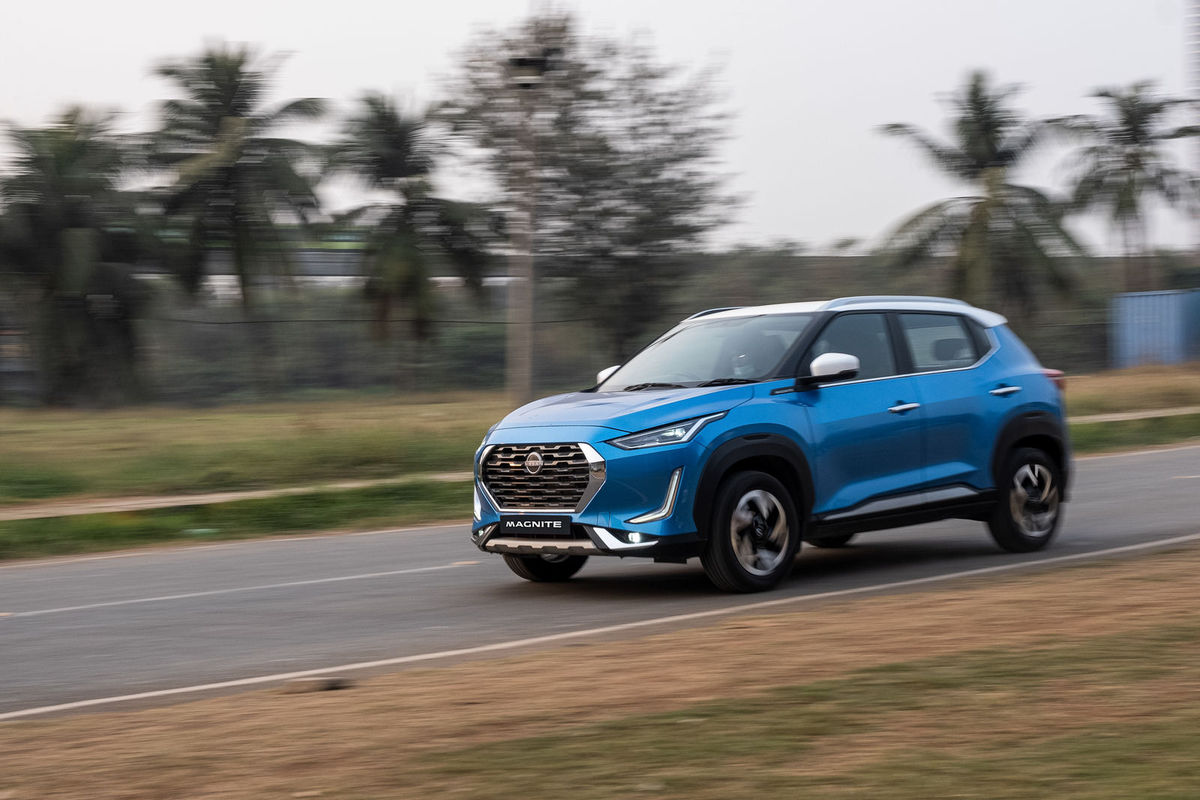
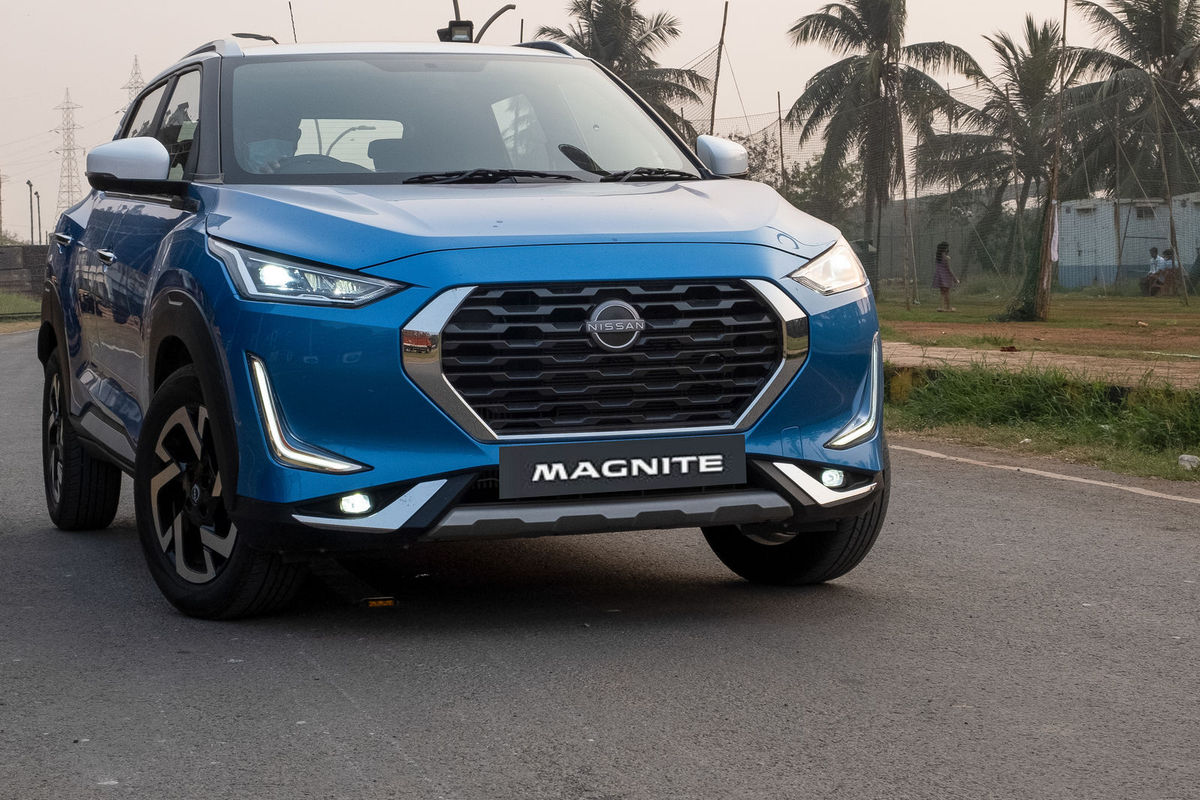
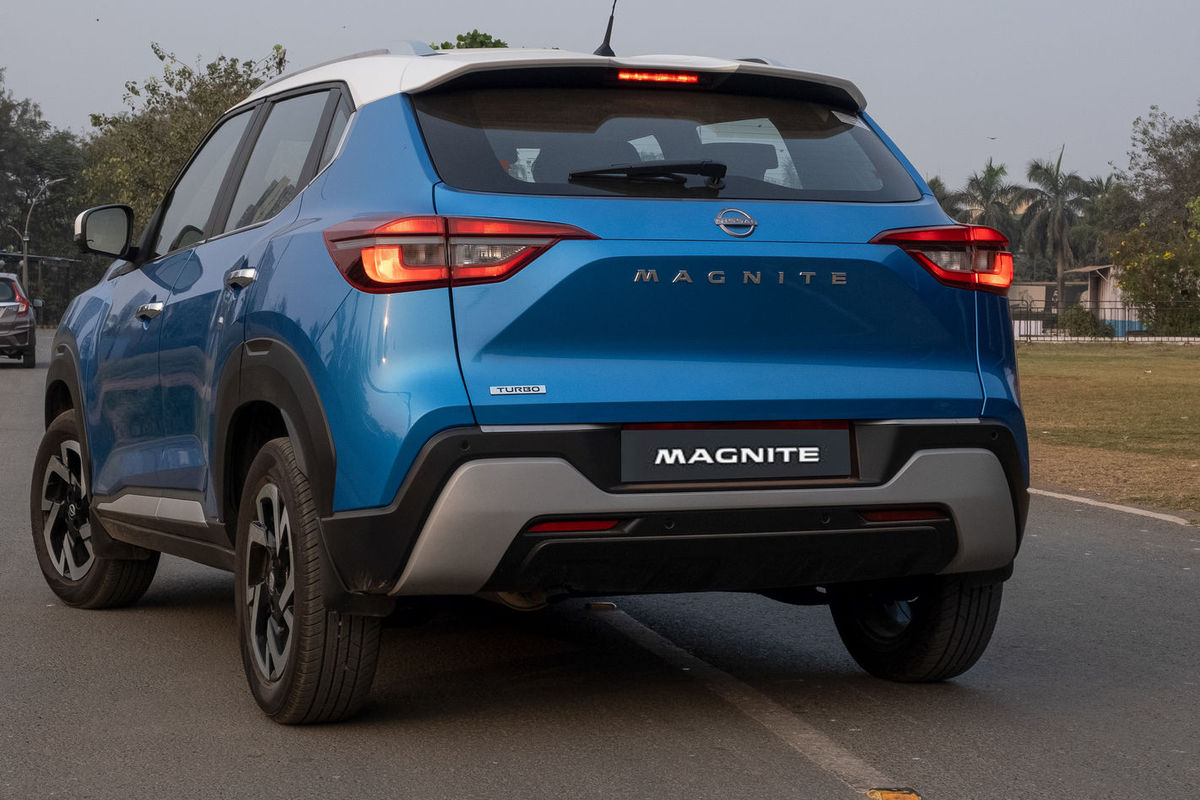
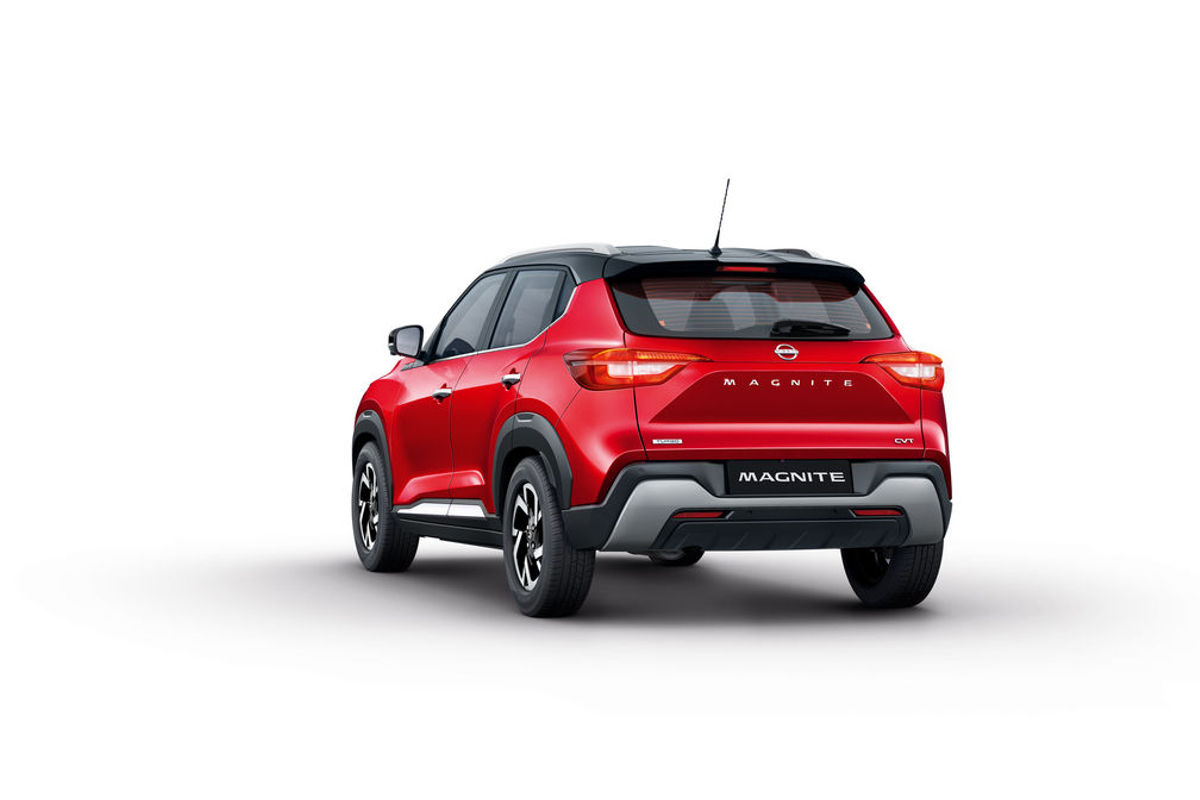
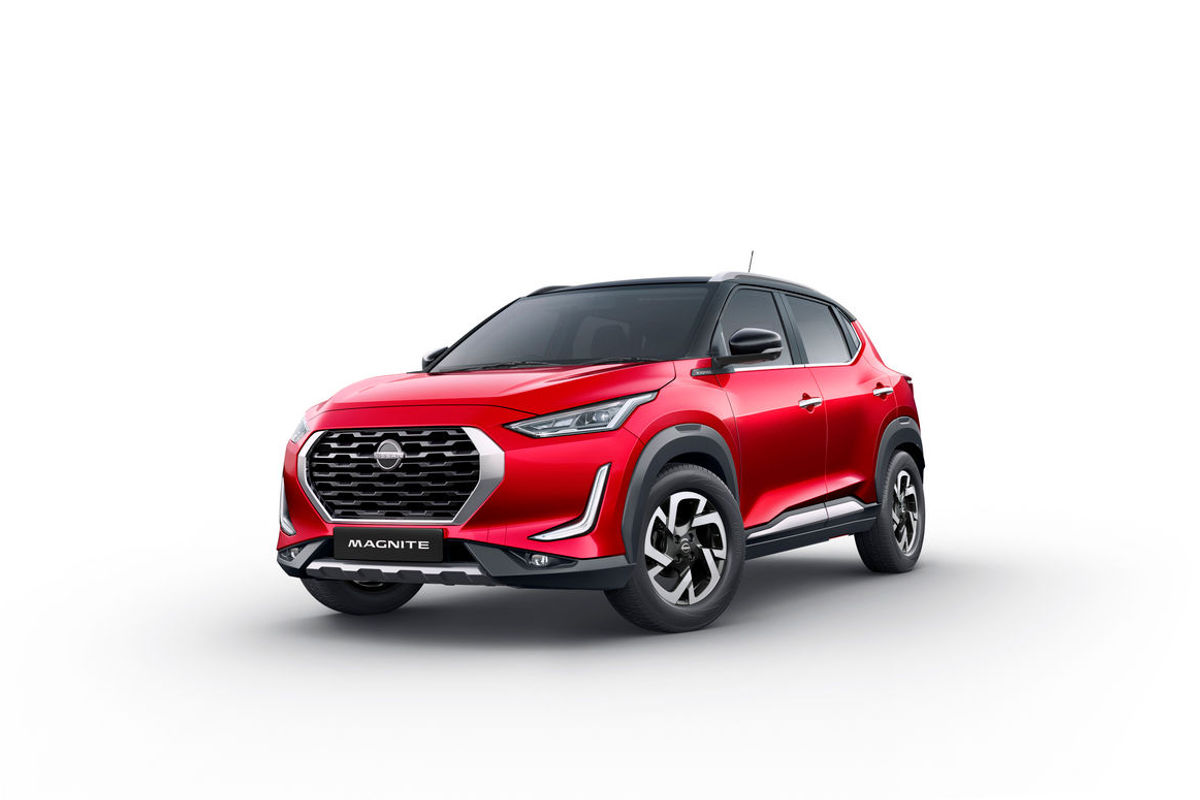
The Nissan Magnite compact SUV has touched down in South Africa! Here's how much you can expect to pay, plus specification details.
The compact B-SUV market is kicking off with multiple introductions over the next year. The Nissan Magnite comes to market ahead of potential rivals like the Kia Sonet, Volkswagen Taigo and Renault Kiger. However, South Africa has already seen product growth in this segment with the local introduction of the Suzuki Vitara Brezza and the Toyota Urban Cruiser. Now, with the Magnite in local showrooms, the competition in this segment is really hotting up!
“In line with Nissan’s philosophy of continuous innovation and enriching experiences, we thought it fitting to have a launch that supports this narrative. Our market is bold, self-driven with go-for-it attitudes aligning to what the Nissan Magnite embodies. We are excited to finally have the Nissan Magnite on our South African shores and we cannot wait for you to experience it for yourself,” said Stefan Haasbroek, Nissan South Africa Marketing Director.
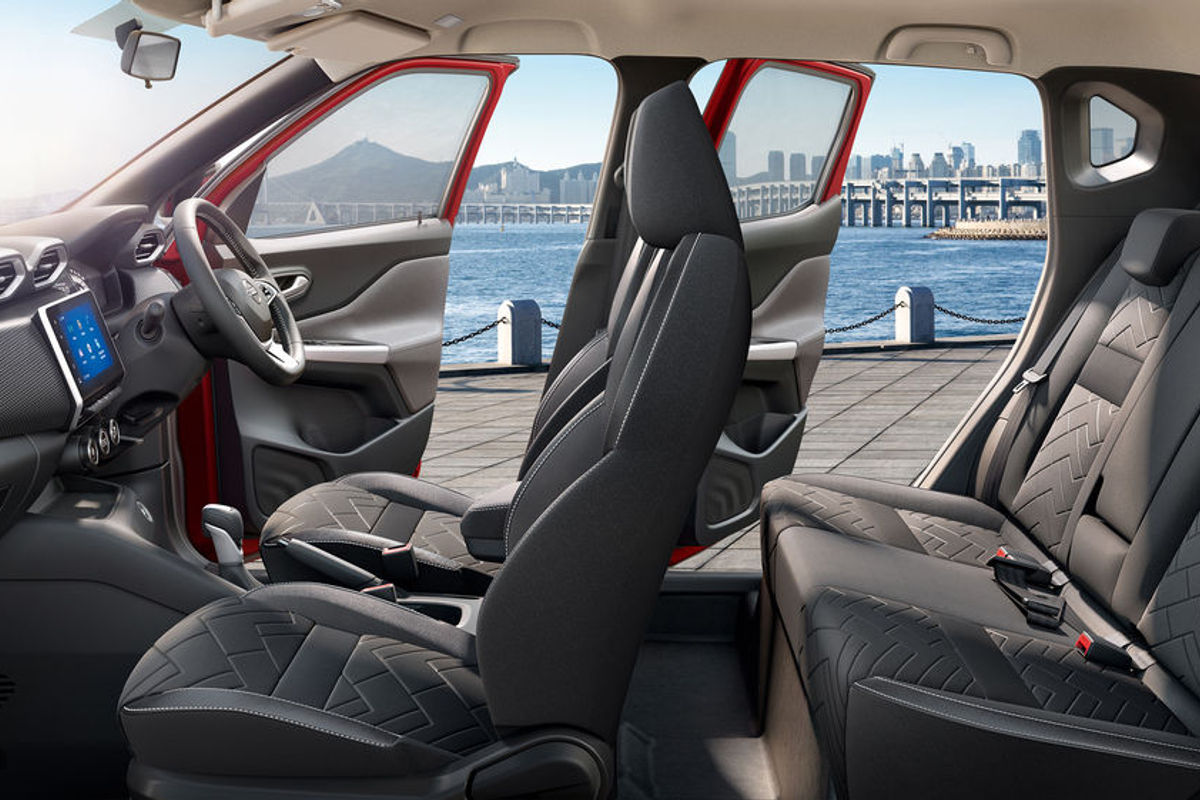
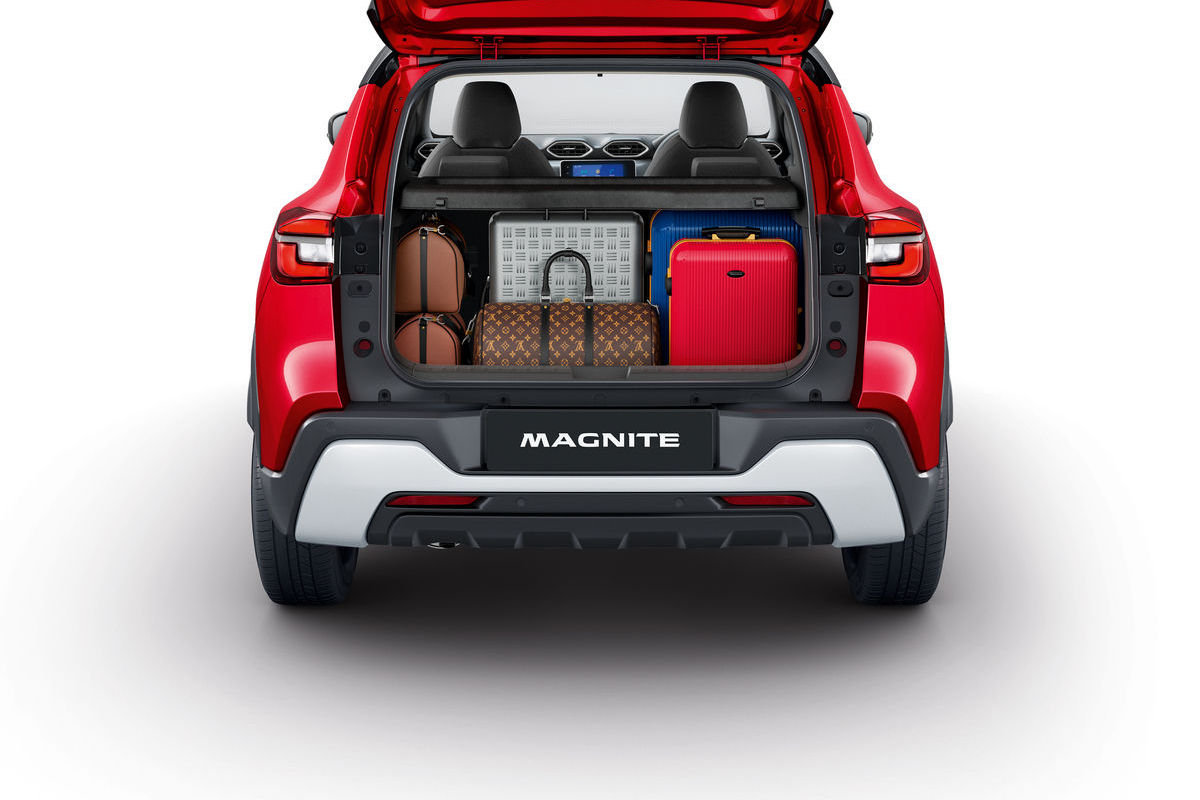
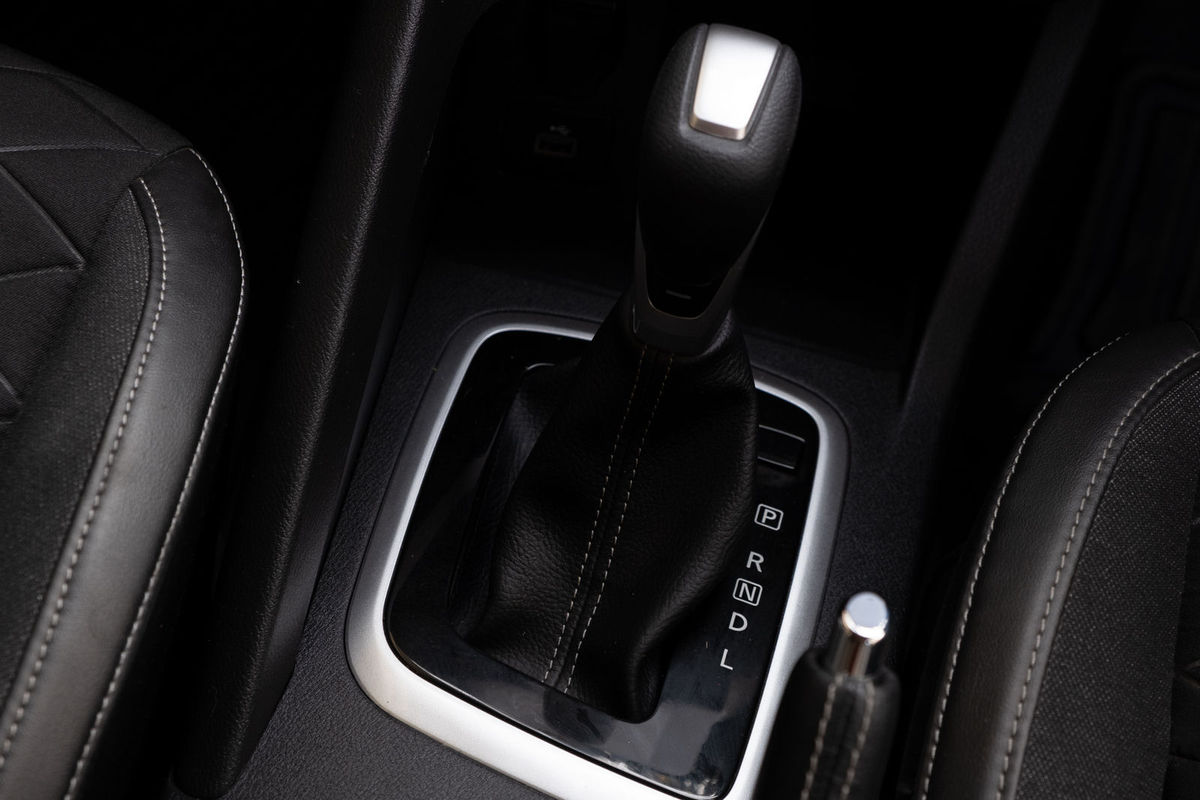
Under the bonnet of the Nissan Magnite is a 1.0-litre turbocharged petrol engine with 74 kW and 160 Nm. Customers can choose from either a 5-speed manual gearbox or Nissan's X-Tronic CVT. There's a 40-litre fuel tank too. Nissan claims 205 mm of ground clearance and it has the best-in-class turning circle of 5 metres. As far as boot space goes, Nissan claims 336 litres of cargo space which can be increased by folding down the rear seats which go down in a 60:40 split.
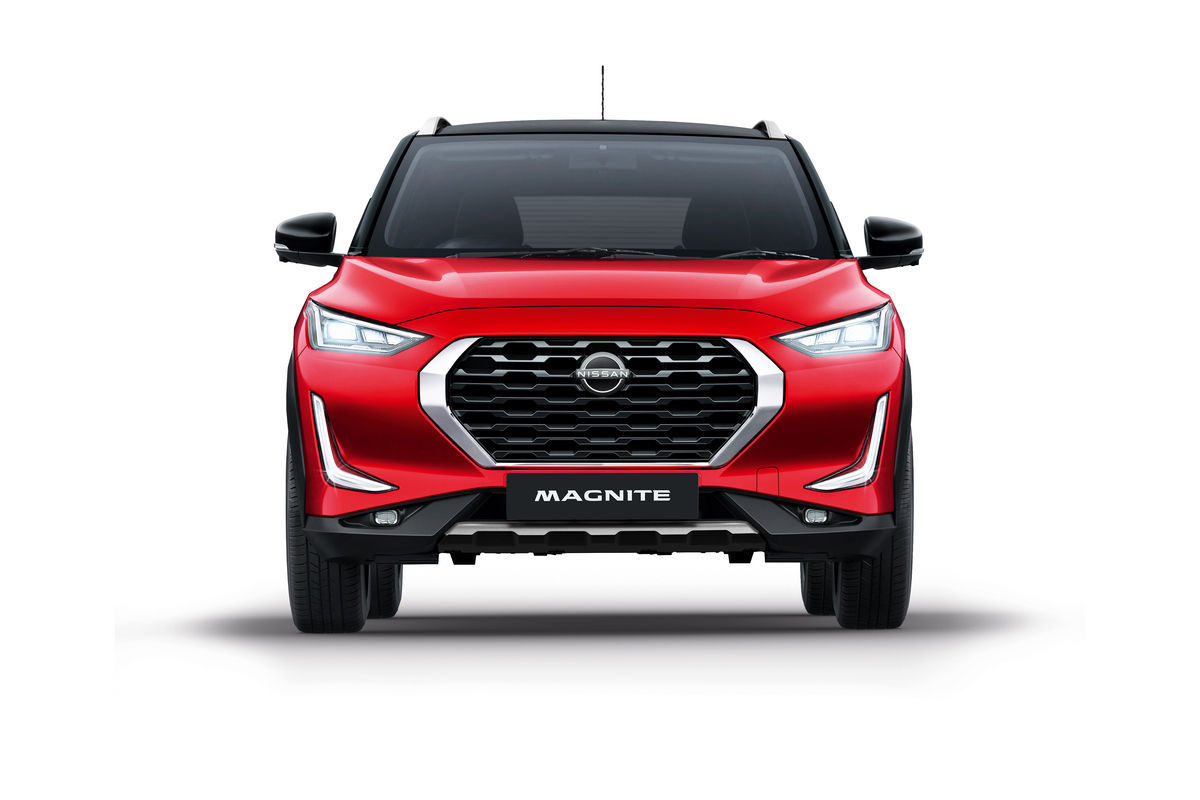
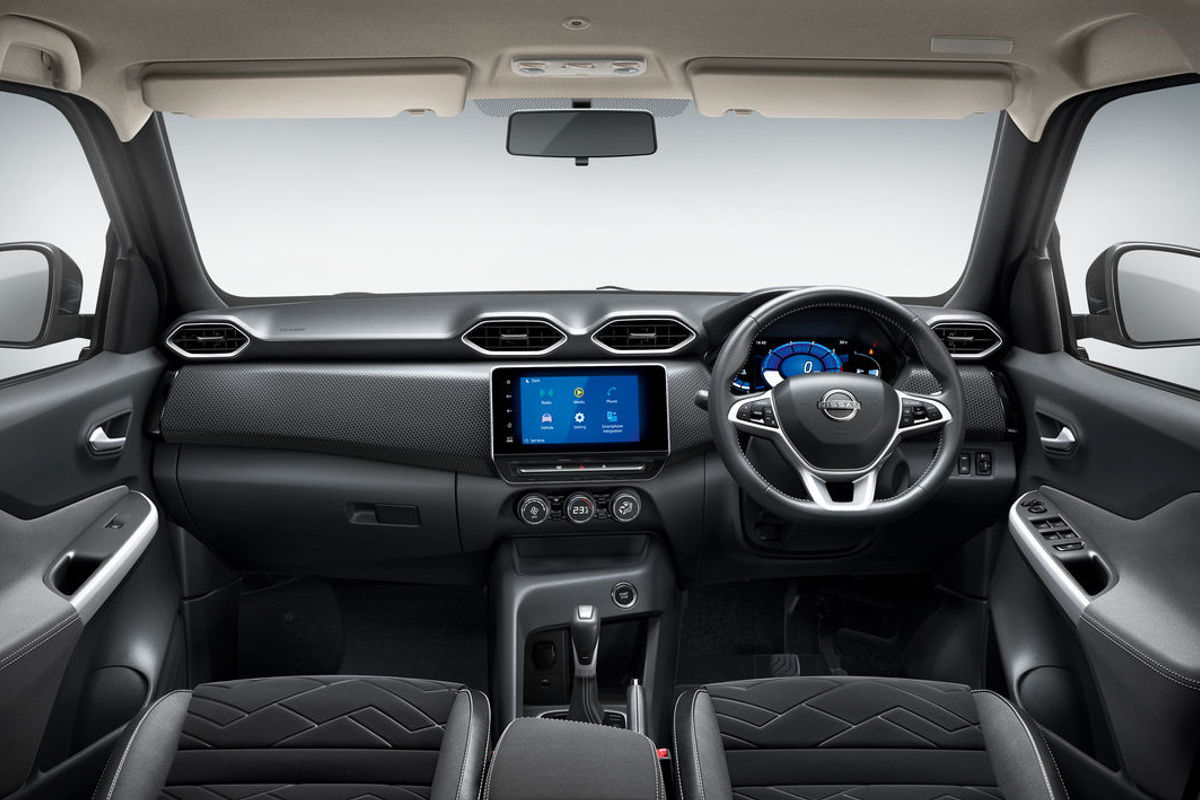
Nissan has loaded its Magnite with features. There are 4 models on offer, with the choice of two gearboxes and two trim levels. Standard kit includes 16-inch alloy wheels, 50kg-rated roof rails, LED bi-projector headlamps, LED indicators, LED daytime running lights and LED foglamps.
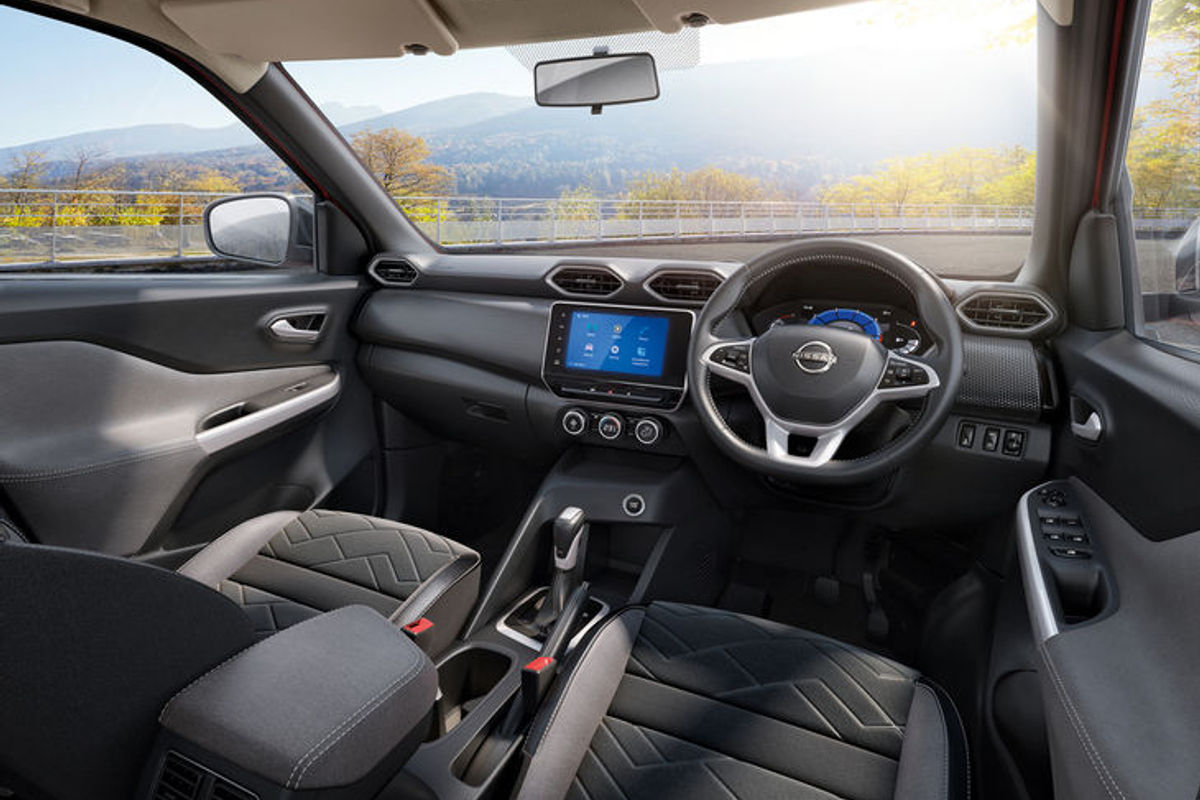
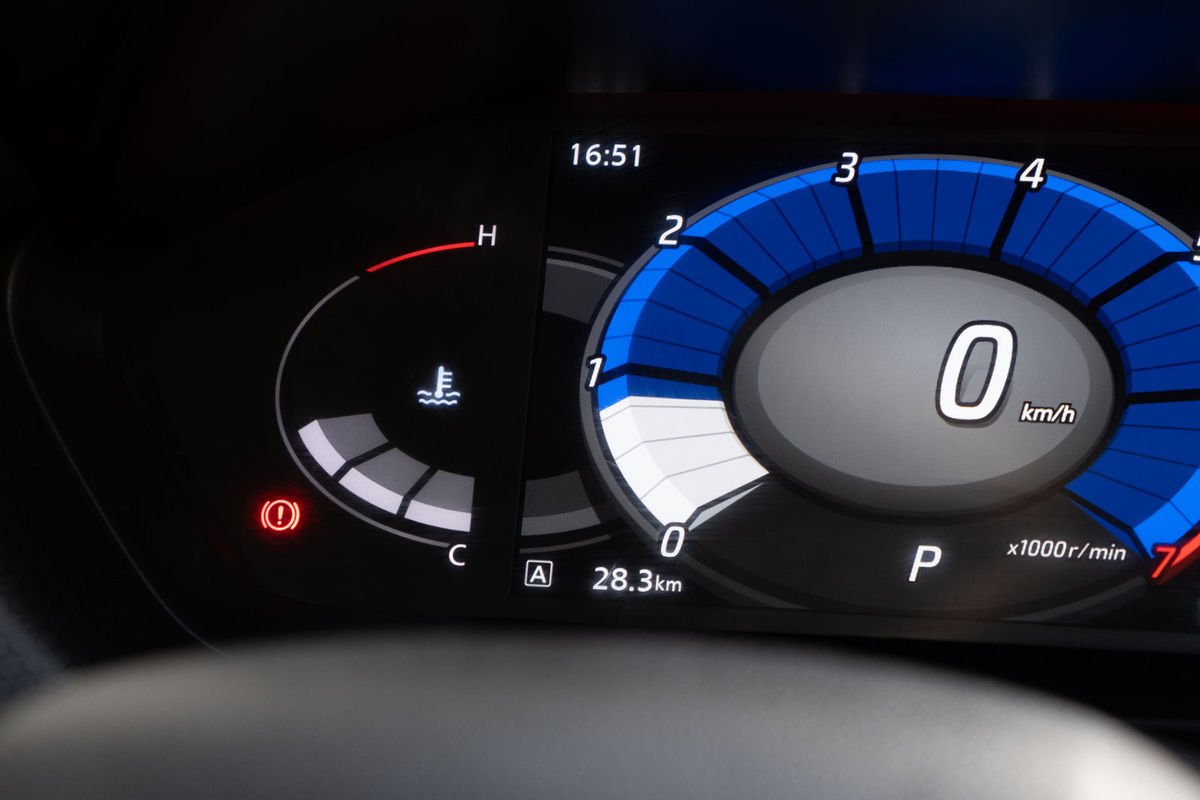
Inside, there's an 8-inch full flash touchscreen with best-in-class wireless Android Auto & Apple CarPlay, 360-degree Around View Monitor (AVM) camera, 6-speaker audio system, multifunction steering wheel and wireless charging.
When it comes to safety, the Nissan Magnite comes with Anti-lock Braking System (ABS), Electronic Brake-force Distribution (EBD), Hydraulic Brake Assist (HBA), Vehicle Dynamic Control (VDC), Traction Control System (TCS), Hill Start Assist (HSA), speed-sensing door lock, central locking and SRS dual airbag system with pretension and load limiter seatbelt for driver and passenger. There's even a tyre-pressure monitor.
We will hopefully have the new Nissan Magnite in the near future, so look out for a thorough evaluation on Cars.co.za soon.
How much does the Nissan Magnite cost in South Africa?
Better infotainment is the big theme, with this hot hatch.
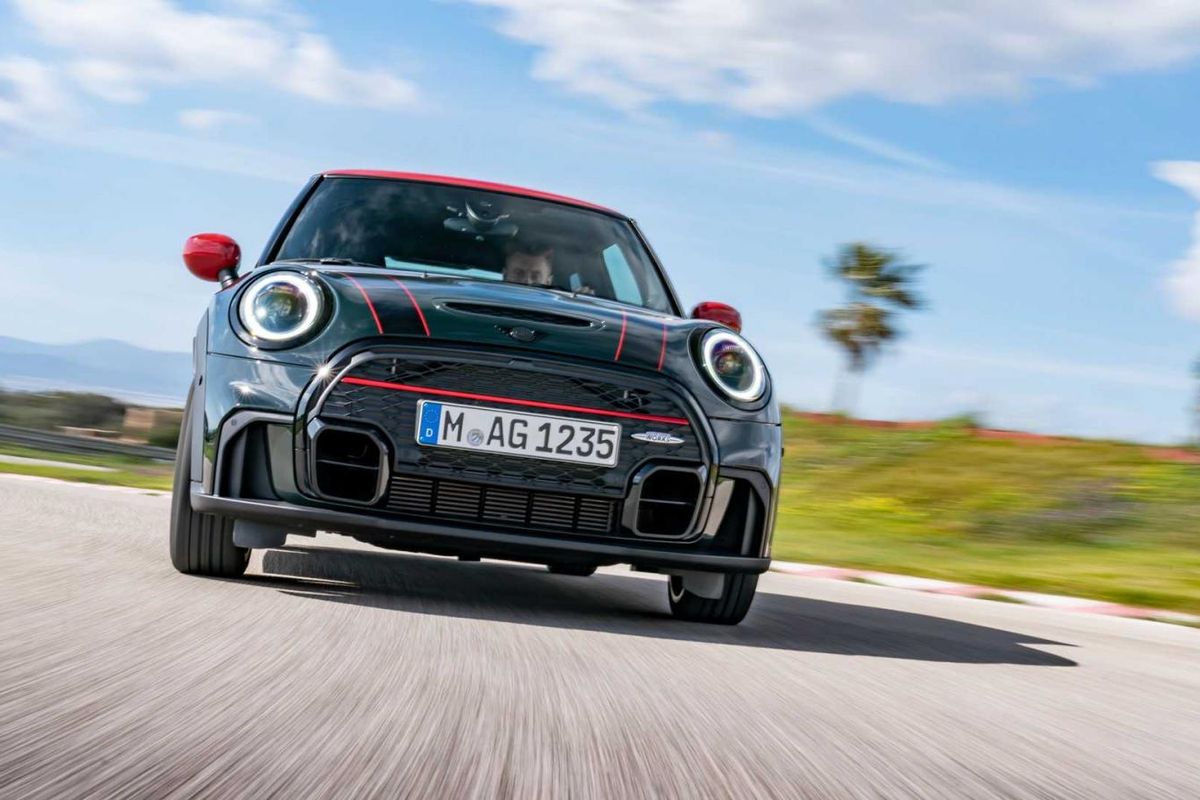
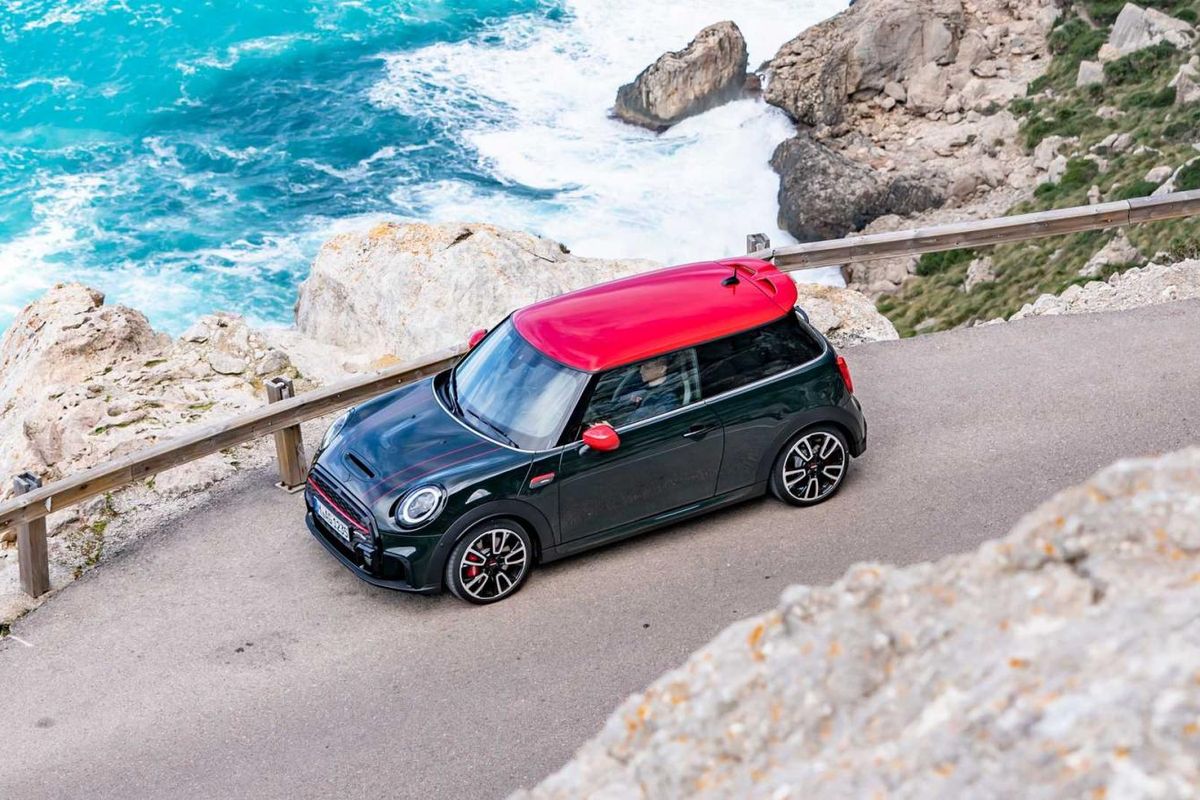
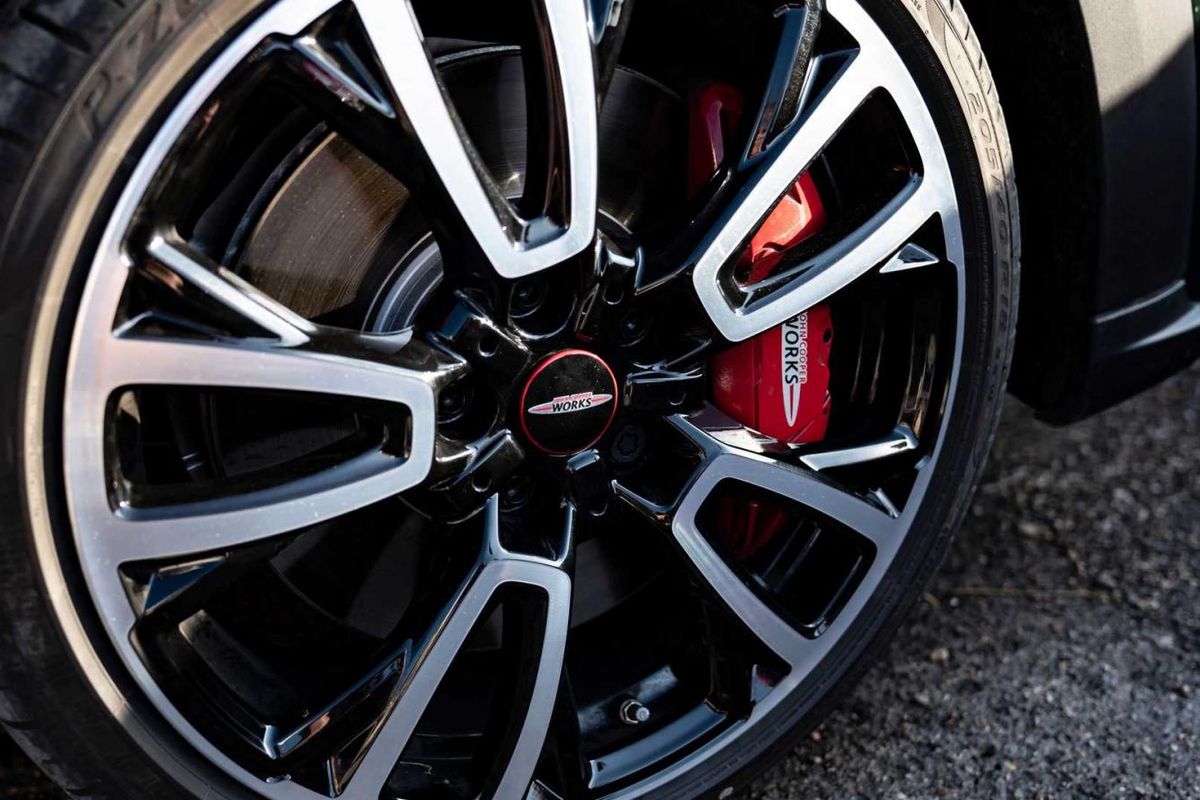
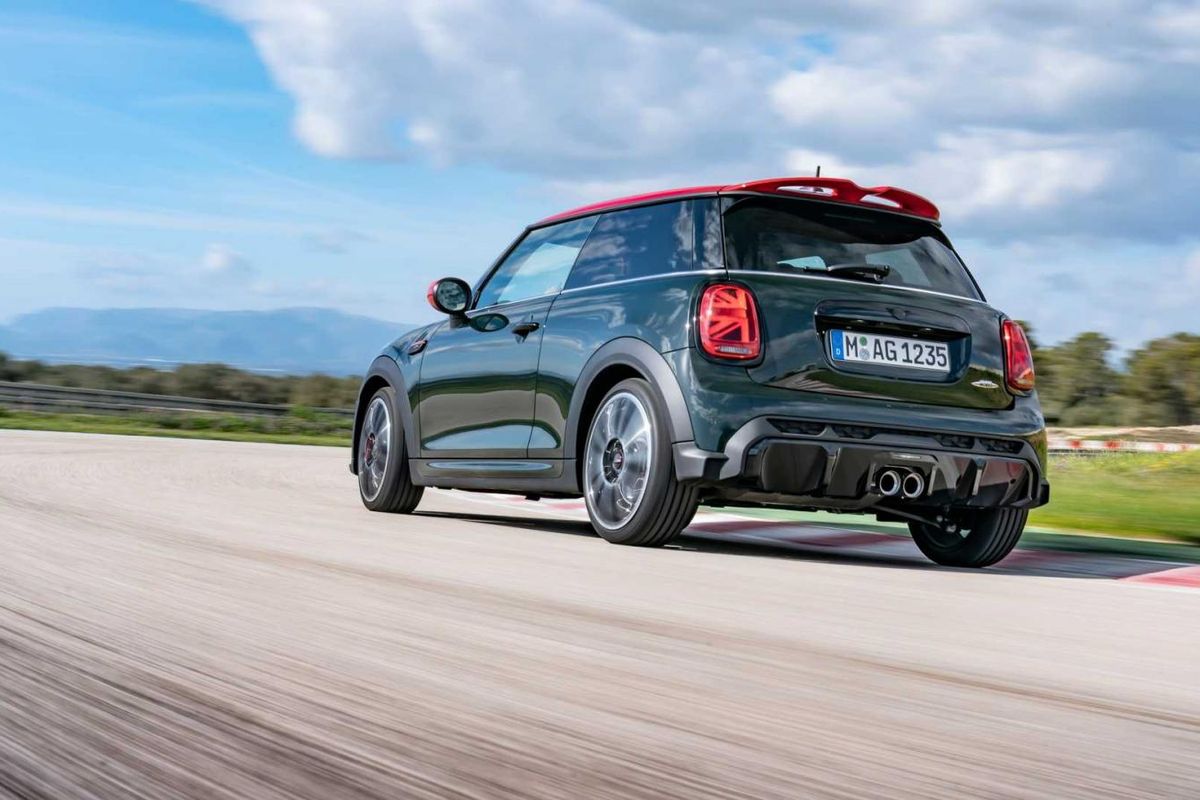
If you like your hot hatches German-funded, with British brand legacy, the latest Mini JCW update should be of interest.
The potent 2-litre hot hatch has not changed much of its mechanical bits, but there are some slight design and cabin updates.
Those who obsess about all things Mini, will notice the JCW has some additional red colouring around the hexagon grille, which is also larger than on non-JCW Minis.
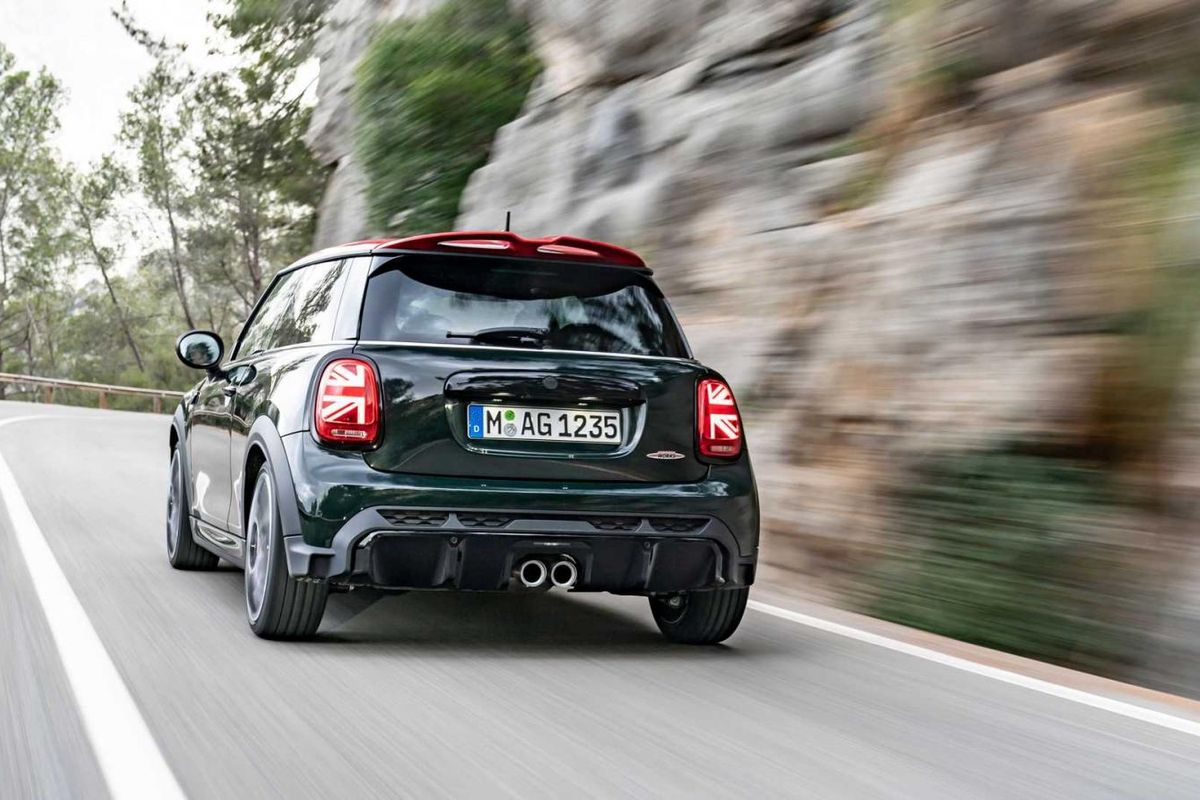
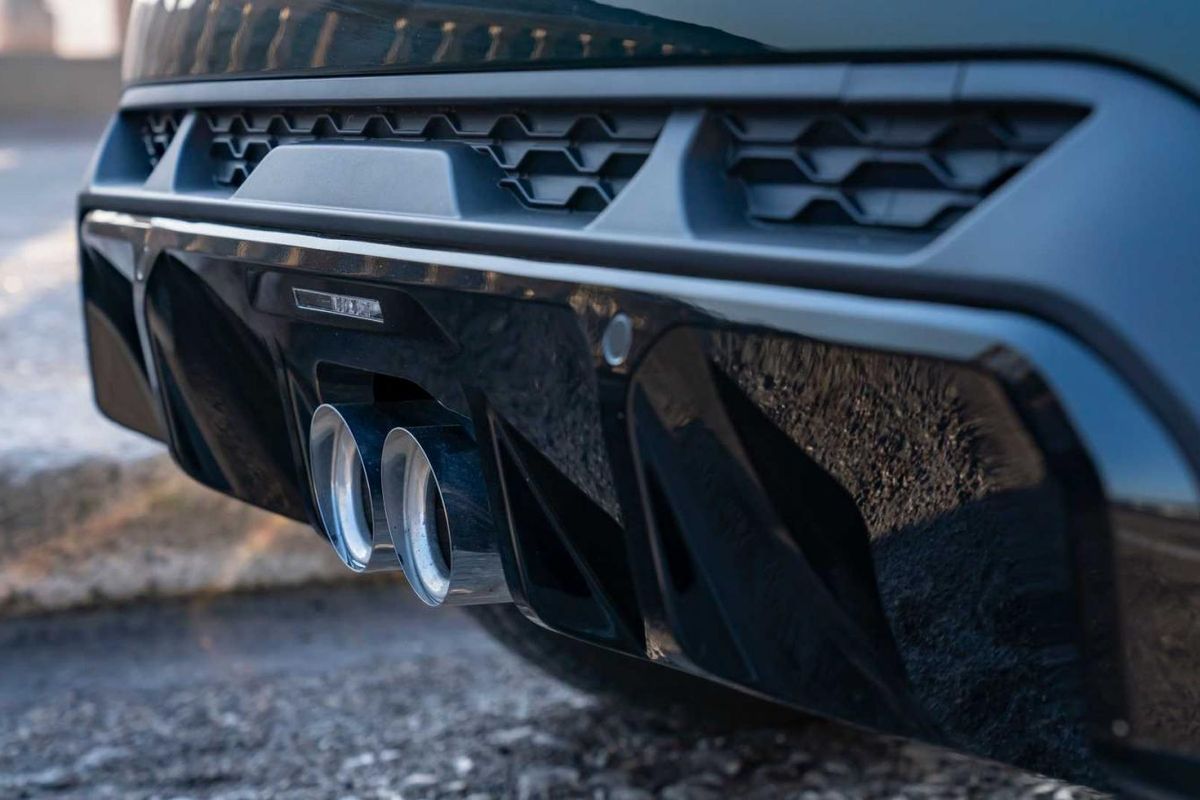
Mini designers have also added JCW-specific front side panels and those front air intakes and aero fins below the bumper should enhance its cooling and stability. Around the rear there is a reshaped apron and diffusor, promising accelerated airflow and a modicum of increased downforce.
Powering the 2021 model year JCW is BMW’s 2-litre turbopetrol engine, boosting 170 kW and 320 Nm. No power increase, then. Owners can choose between an eight-speed automatic or a six-speed manual gearbox.
The JCW also carries over its pre-facelift sport suspension component. There is now the option of adaptive suspension, too, with frequency-selective damping – but as is the case with most of these systems, the best setting for local roads will be ‘comfort’.
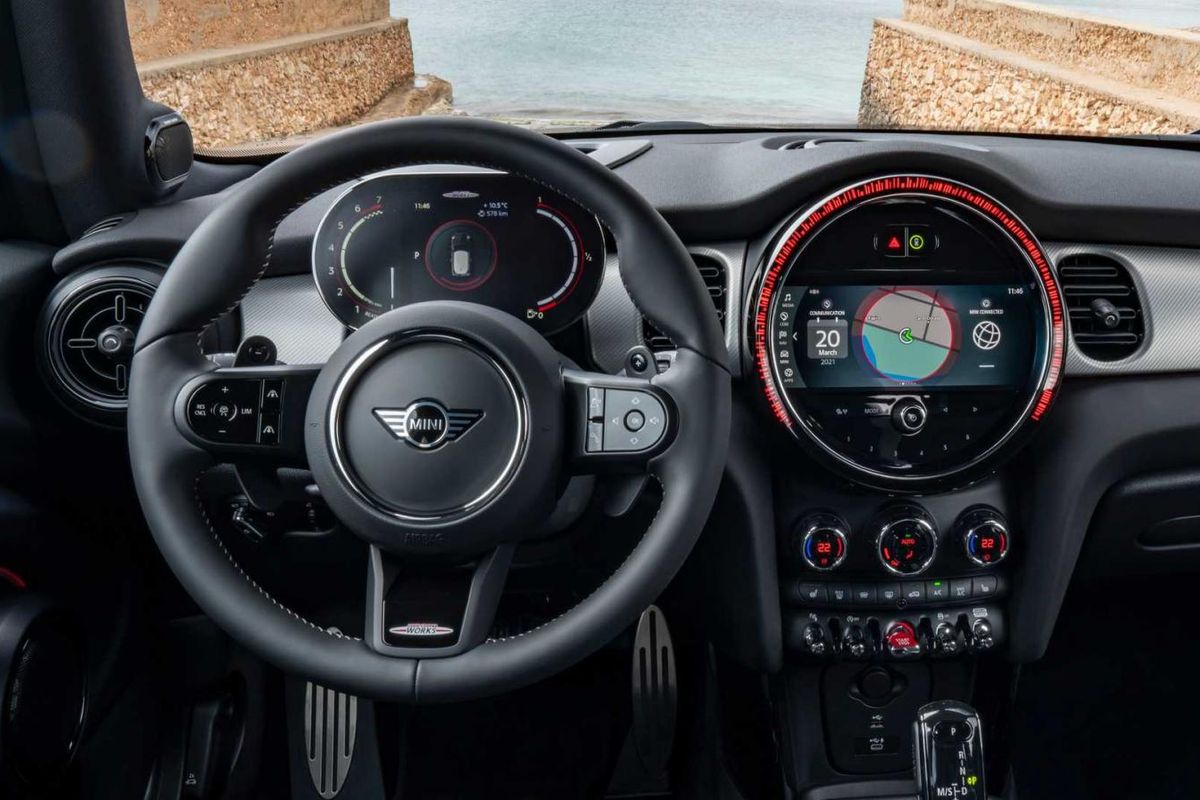
Perhaps the most notable change for Mini’s 2021 model year JCW hatch is a new operating system, controlling its infotainment. Mini has sourced better graphics and attempted to improve the system’s UX, which includes live widgets.
For those Mini drivers who are heavily influenced by mood lighting, the JCW has added some new colours to its selectable cabin lighting.
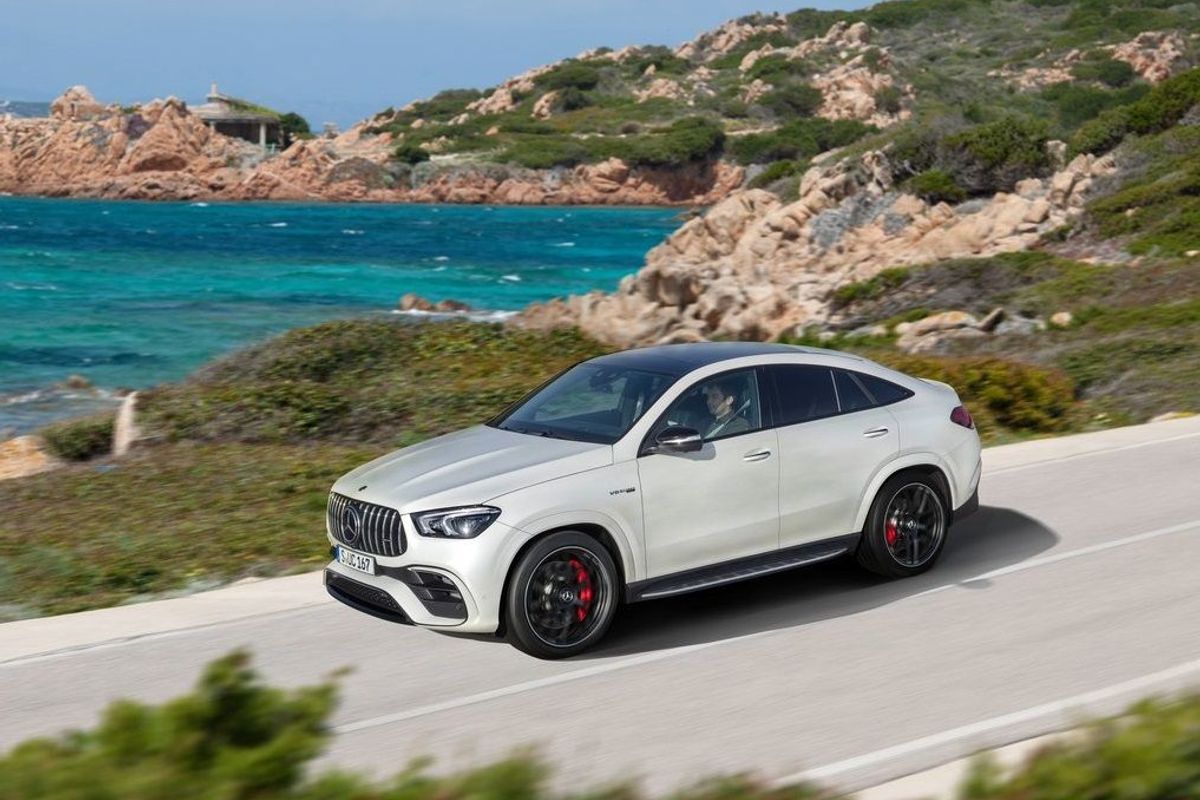
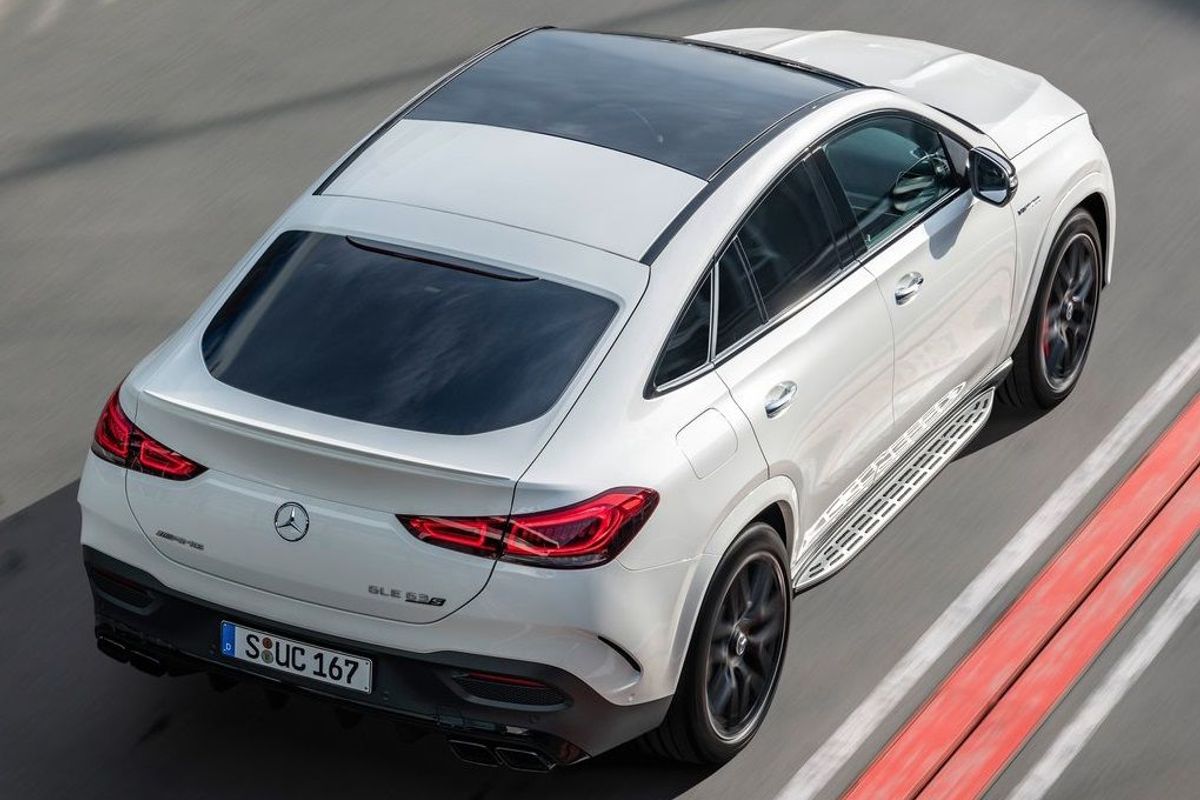
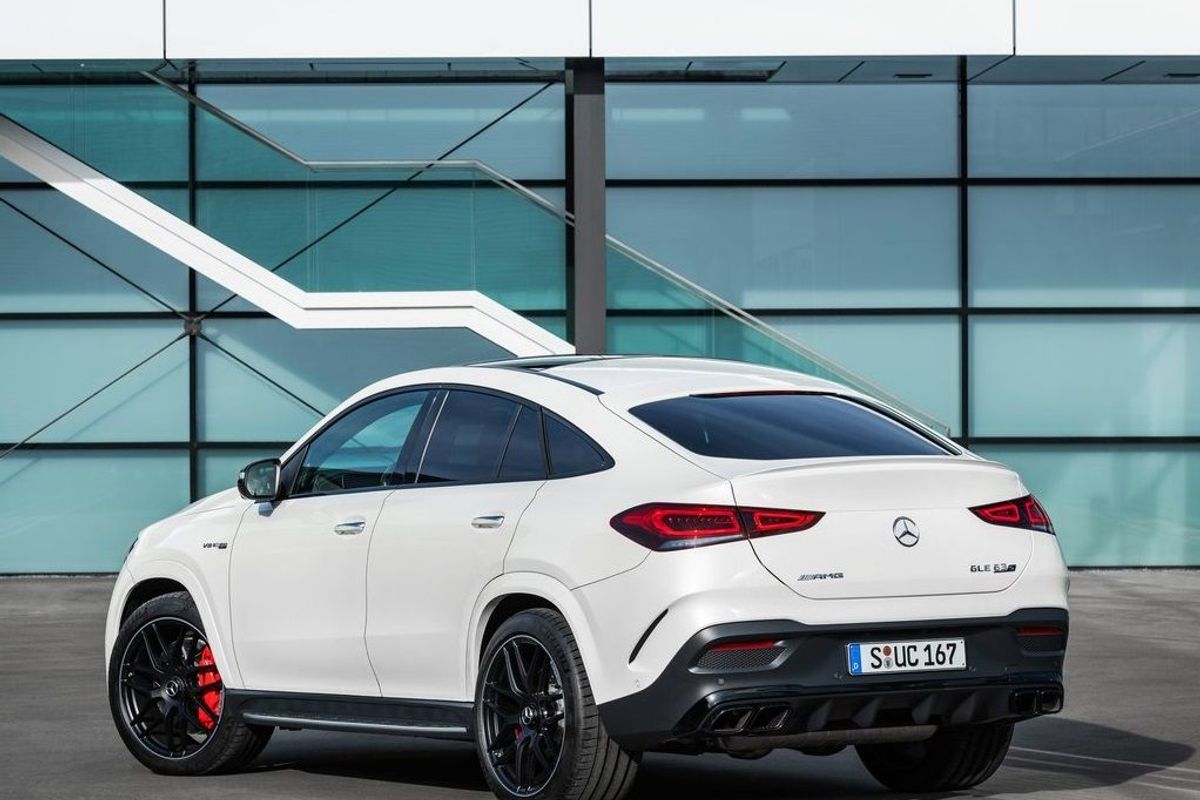
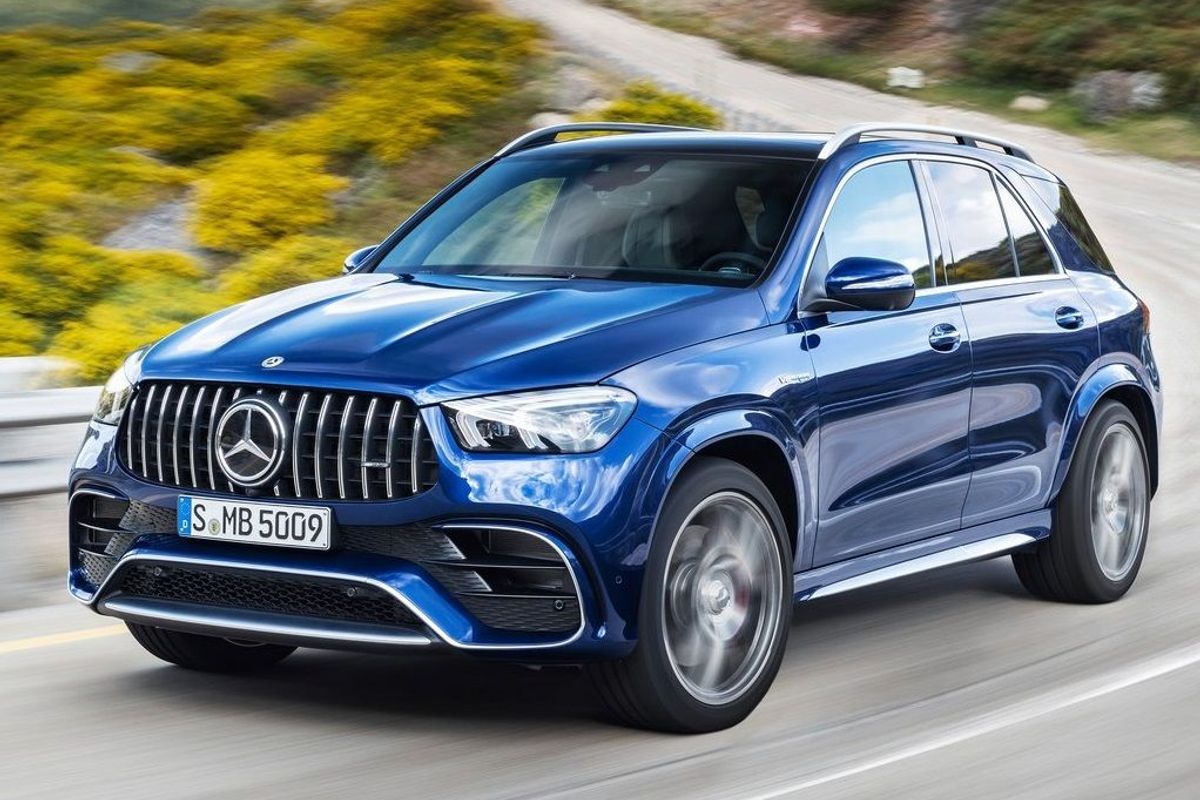
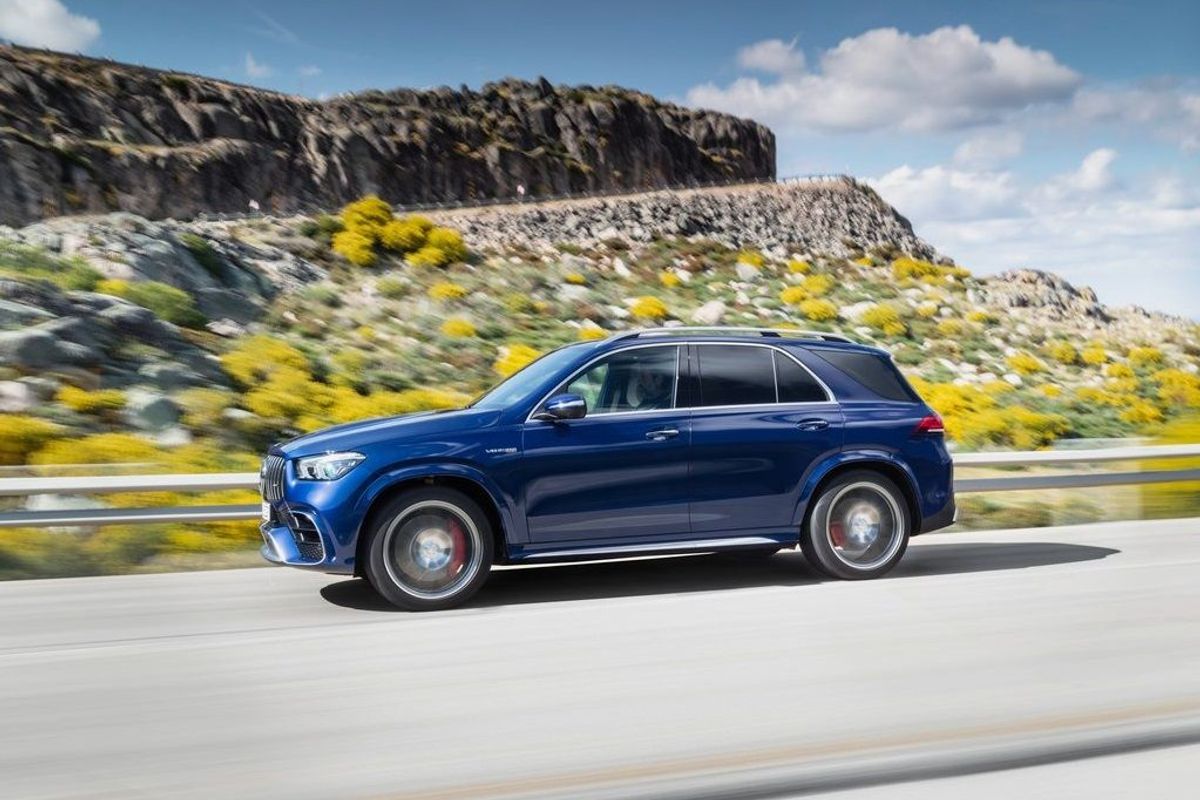
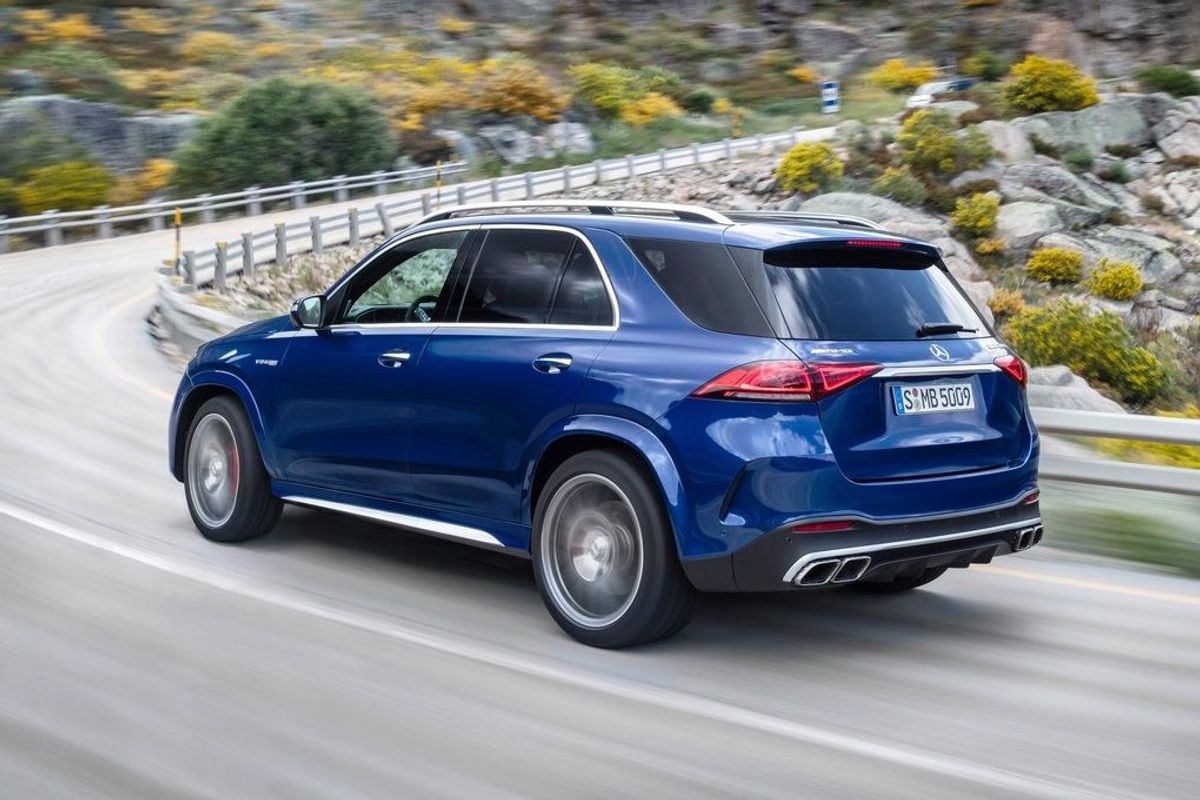
The AMG GLE 63 S and its coupe sibling employ the services of a twin-turbocharged 4.0-litre V8 engine which incorporates Mercedes-Benz’s EQ Boost 48V starter-generator mild-hybrid system. Outputs are impressive at 450 kW and 850 Nm while this juggernaut of an SUV will hurtle from zero to 100 kph in about 3.8 seconds, which is staggeringly fast for a car of such heft. Top speed is claimed at 280 kph. A 9-speed Speedshift automatic transmission in conjunction with 4Matic all-wheel-drive with variable torque distribution ensures that those outputs are laid down in the best way possible. The GLE 63 S SUV is shod with 21-inch light-alloy wheels while 22-inch wheels are optional. The Coupe, however, is fitted with larger 22-inch units as standard. Buyers can choose from a range of 21- and 22-inch wheel options, including Monoblock wheels, if that's your thing…
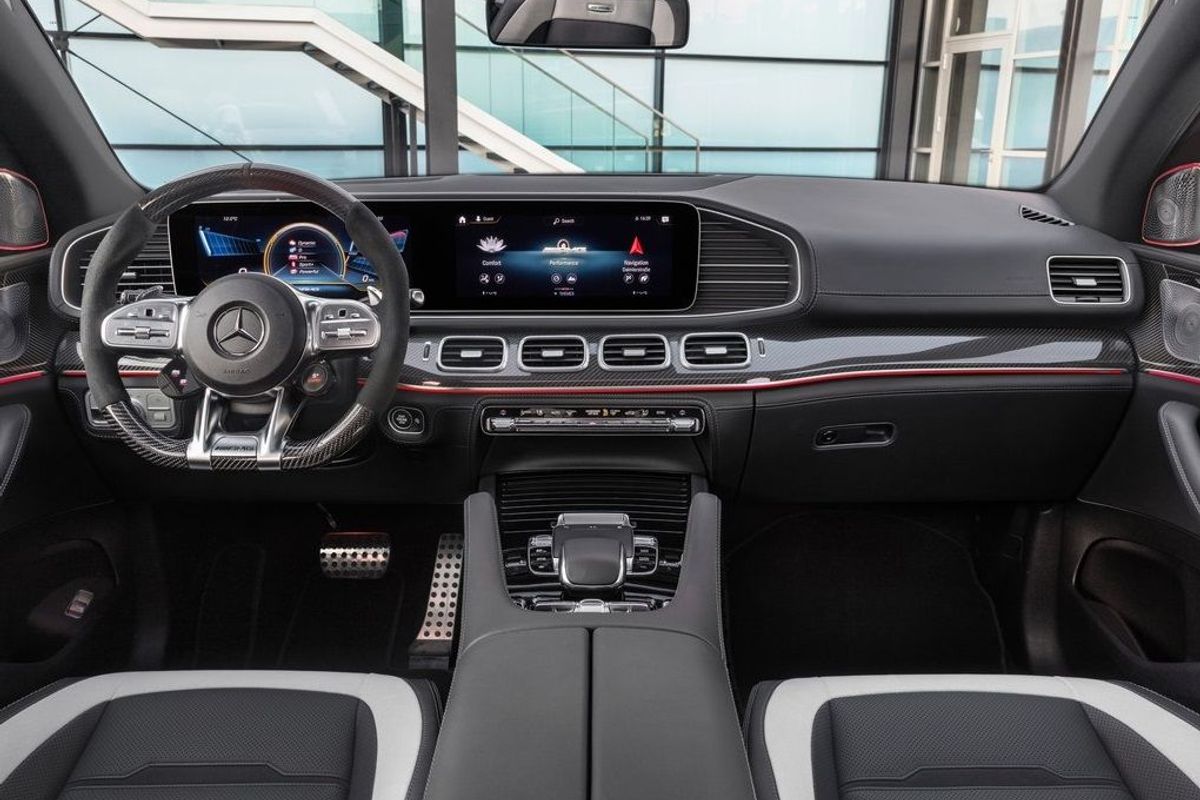
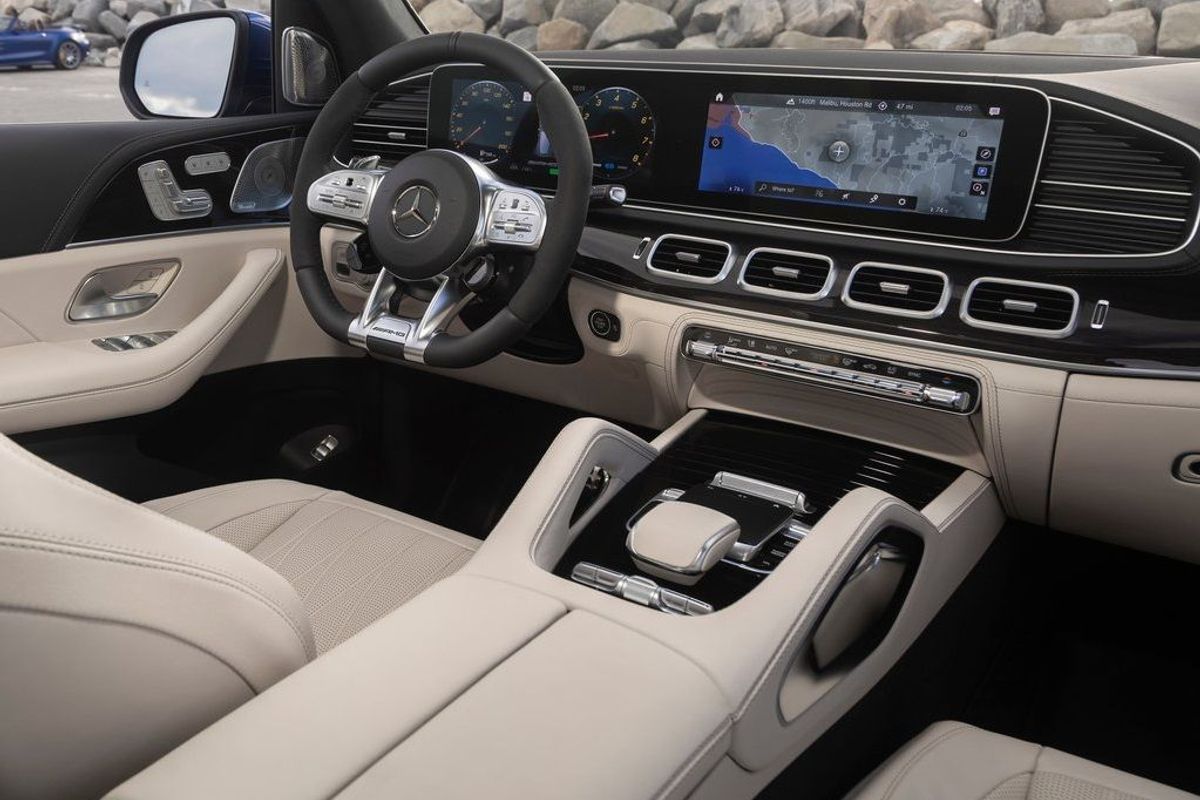
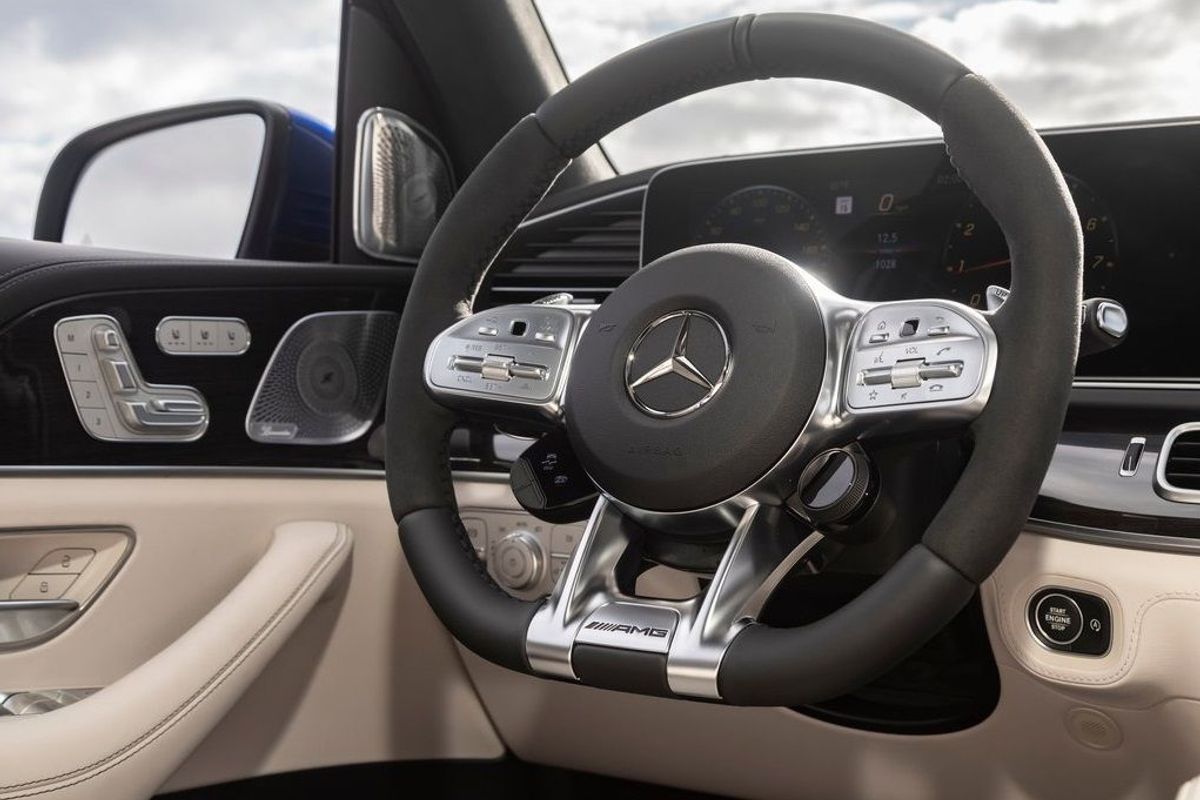
As for the interior, AMG Nappa leather is standard along with brushed aluminium trim. You can, of course, opt for AMG carbon-fibre trim, metal-weave-trim or wood trim options. The latest-generation AMG Performance steering wheel is fitted along with aluminium shift paddles. Merc's praised Widescreen Cockpit with MBUX takes care of all infotainment and car-related information which is easily and clearly accessible to the driver.
As always, a host of optional features and packages are available such as the AMG Night Package (R17 100), Driving Assistance Package / Plus (R40 000 / R44 900), MBUX Innovation package (R27 200) and Keyless-Go Comfort package (R12 900), for example. An MBUX rear seat entertainments system can also be fitted for R50 300. A Burmester surround sound system is standard but a Burmester high-end 3D surround sound system can be fitted for an additional R89 400.
The Mercedes-AMG GLE 63 S SUV/Coupe will rival the likes of the BMW X5/X6 M Competition, Audi RS Q8 and the Porsche Cayenne Turbo S E-Hybrid Coupe.
What is the price of the Mercedes-AMG GLE 63 S Coupe in South Africa?
Mercedes-AMG GLE 63 S 4Matic – R2 907 440
Mercedes-AMG GLE 63 S 4Matic Coupe – 2 970 920
A 2-year/unlimited km warranty and a 5-year/100 000km maintenance plan is included.