Lexus Shows Deadly Reality of Distracted Driving (Video)
Lexus has released, “Driving Disrupted”, a video that highlights just how dangerous distracted driving is. Check it out!
Distracted driving remains a major problem on our roads and smartphones are one of the worst distractions for drivers.
If you think that distracted driving is a myth, just open your eyes and count how many drivers you see driving while engaging on a smartphone. The results are likely to surprise and disgust you!
How long does it take you to glance at a text message on your phone? The misconception is that this act is only a temporary distraction that lasts a mere second or two. However, according to the National Highway Traffic Safety Administration (NHTSA), the average ‘real time’ it takes to send or receive a text message is 4.6 seconds. The distraction is the equivalent of driving the length of a football field at 90 kph with your eyes closed. Think about that for a second…
To demonstrate the severity of distracted driving, Lexus has released its “Driving Disrupted” video to highlight how dangerous being distracted can be in the real world.
Participants were coaxed into thinking they were taking a Lexus NX for a test drive when, in fact, they were driving a specially modified vehicle called the NX 4.6. This NX is equipped with electrochromic technology that turns the windscreen from transparent to opaque instantaneously, essentially blinding the driver’s vision for exactly 4.6 seconds. The results are both fascinating and scary. Watch the video below to see how it works!
“Lexus wants to bring awareness to safety behind the wheel by changing perceptions about texting and driving,” said Vinay Shahani, vice president of Lexus marketing. “Even the most advanced safety systems on the road today can’t replace the undivided attention of the driver.”
We urge South African motorists to avoid distracted driving and to refrain from using a smartphone while driving. Your life and the lives of others depend on it… If your vehicle has Android Auto or Apple CarPlay hands-free connectivity, we urge you to use it.
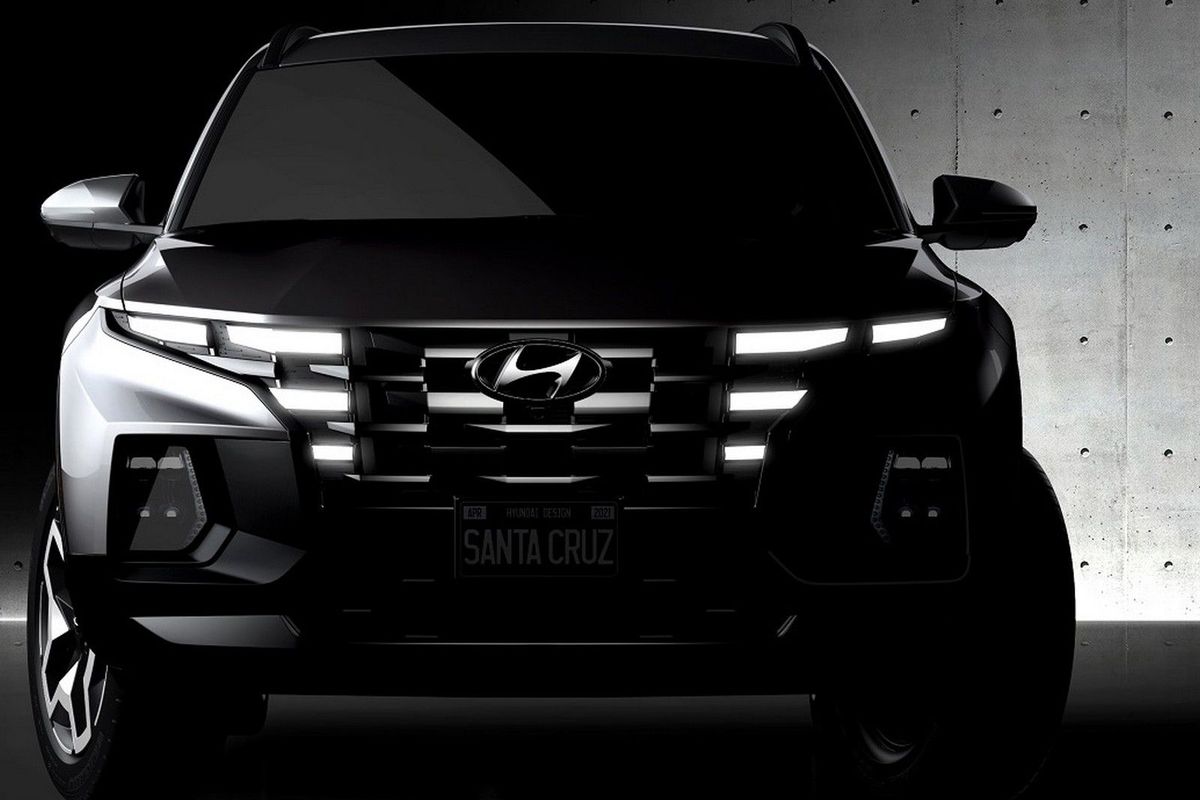
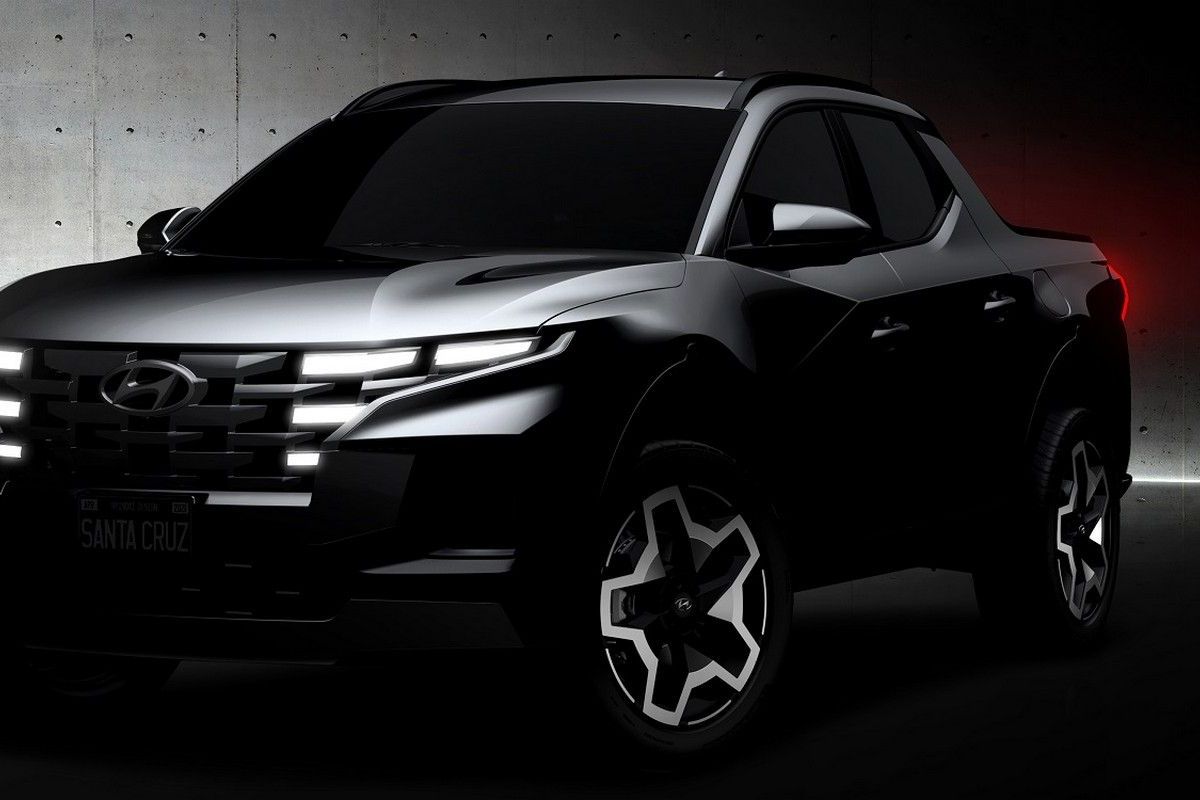
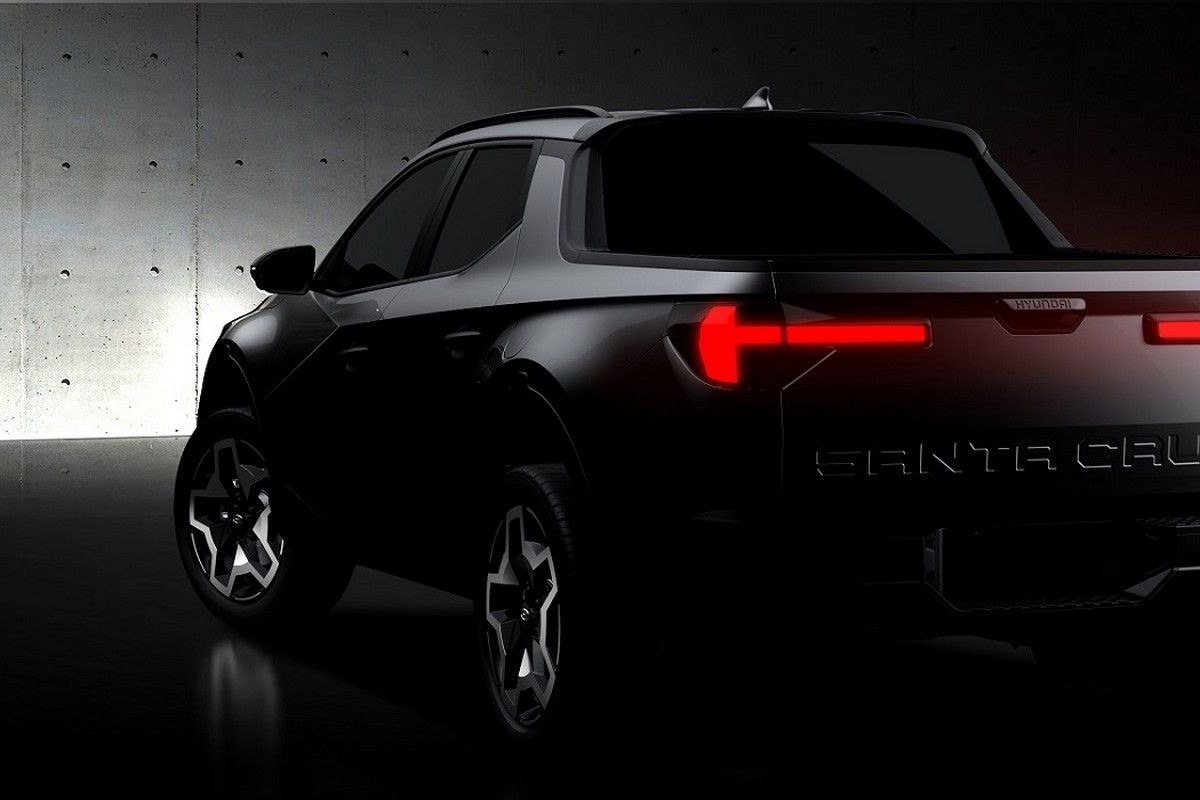
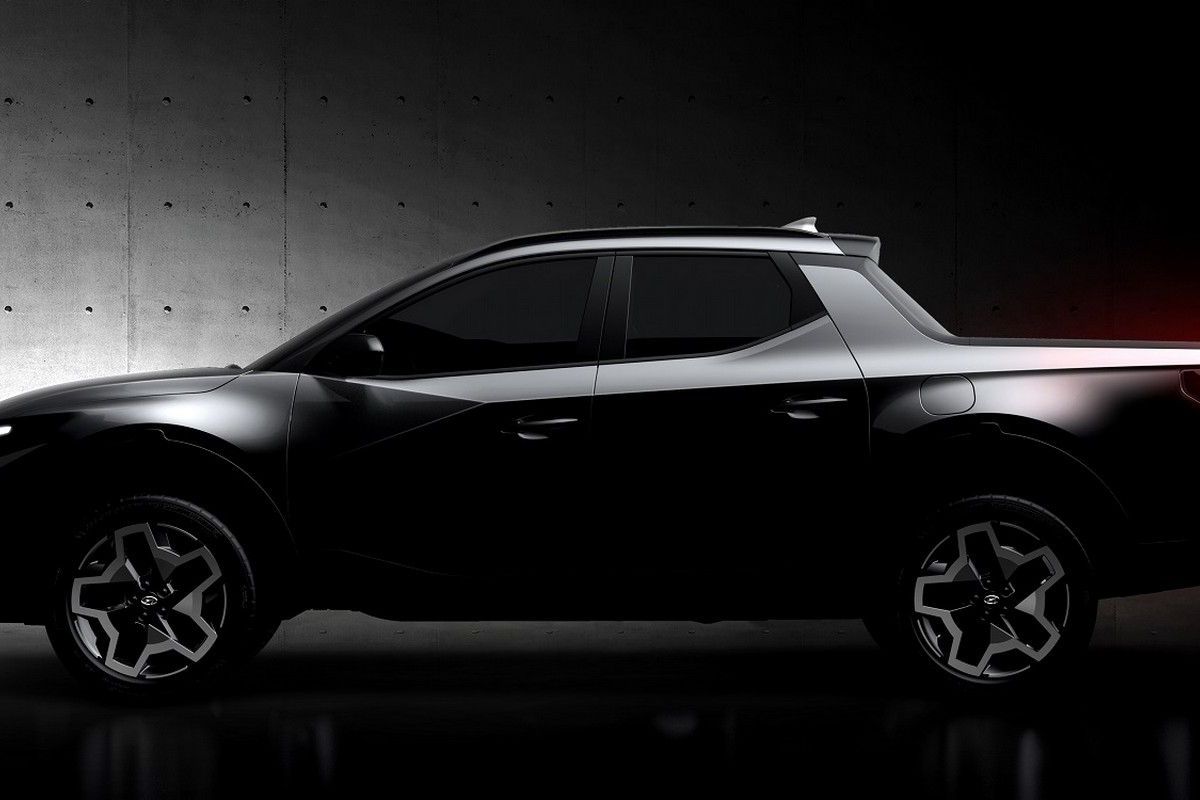
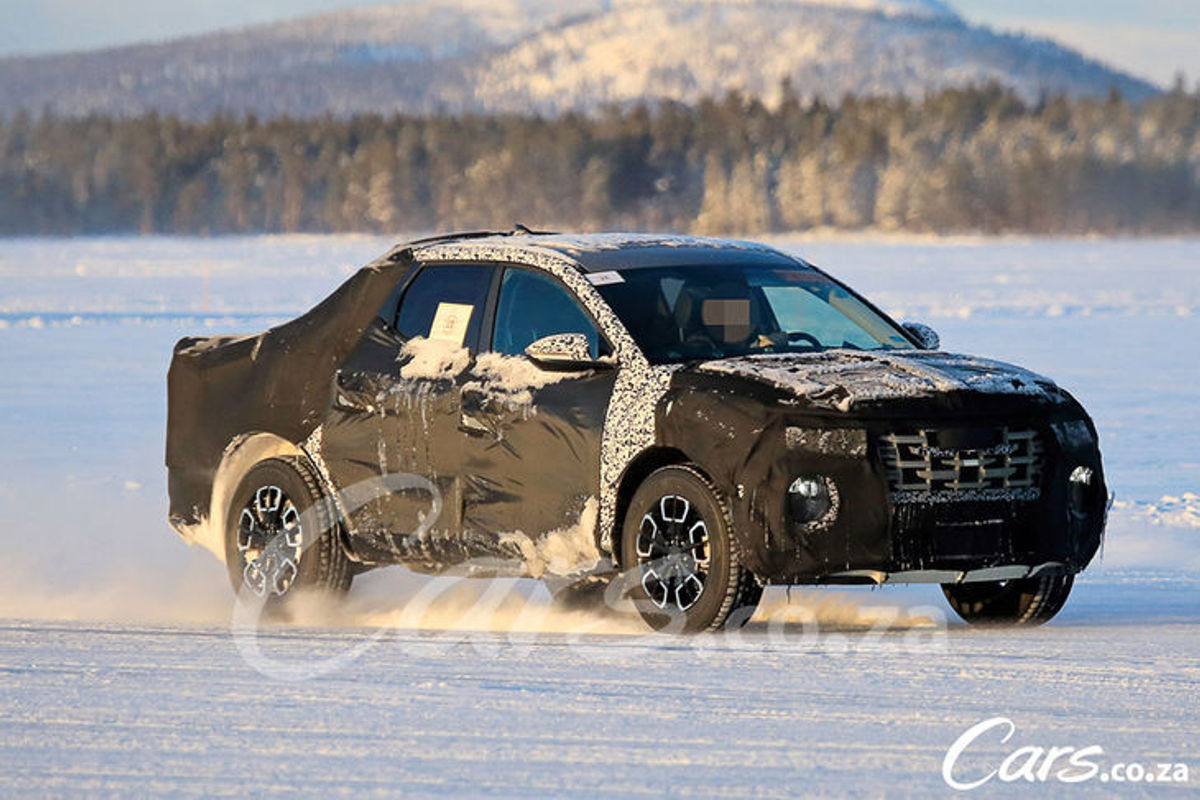
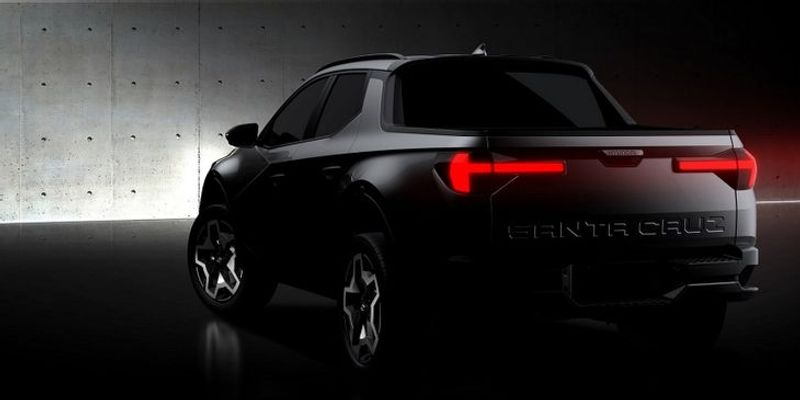
Hyundai is readying its eagerly-anticipated Santa Cruz bakkie. The Korean brand released some teaser images of its Sport Adventure Vehicle.
We've been tracking the gestation of the Hyundai double-cab project since the concept was shown back in 2015. Now at the end of the first quarter of 2021, Hyundai has released teaser sketches of the Santa Cruz bakkie, or Sport Adventure Vehicle as it calls it, with the claim of 'breaking new ground within the SUV, Truck and Crossover segments by offering a new category of vehicle unlike anything else in the US market'.
“Santa Cruz, with its bold styling, breaks open all-new segment territory, both for Hyundai and the industry as a whole. Open-bed flexibility coupled with closed-cabin security meets the changing everyday needs of its adventure-oriented buyers, while powerful and efficient engines and superb maneuverability ensure it is a pleasure to drive in urban or off-road environments. Our customers will wonder just how they managed before owning one,” said Jose Munoz, president, and CEO, Hyundai Motor North America.
The release went on to say the new Hyundai Santa Cruz will have powerful and efficient powertrain options, flexible open bed, connectivity as well as an all-wheel-drive platform. It will be built in Montgomery, Alabama, but it remains to be seen if the vehicle will be configured and assembled for the right-hand-drive market. Given the love for bakkies in both Australia and South Africa, we suspect that the Koreans will make a plan. Or have they already made a plan?
Hyundai Santa Cruz right-hand drive?
In a report from Australia, Which Car confirmed that Hyundai is developing a range of 1-tonne bakkies for Australia and other markets, which as history has proven, will likely include South Africa which is, as we know, a major market for bakkies. The report also indicates that the one-tonne bakkie will be based on a ladder-frame chassis and will be developed in partnership with Kia, which will also receive its own version of the bakkie. Both 2-wheel and 4-wheel drive variants are on the cards as well as different cab variants.
Hyundai Australia CEO, John Kett commented: “What’s clear to us is that if we’re going to bring a ute out, it had better be a ute. We’ve got past the first hurdle of what it needs to look like, but it needs to be functional as well. That’s the important part. We’re going down that pathway and we’re working towards it. We just have to make sure that when it arrives, it’s a bloody ute.”
As far as engines go, American publication Car And Driversuggestedthatthe Hyundai bakkie will feature engines from the new Santa Fe which includes a 137 kW/241 Nm naturally-aspirated 2.4-litre petrol engine and a turbocharged, 175 kW/352 Nm 2.0-litre turbocharged petrol engine, both fitted in conjunction with an 8-speed automatic transmission. With the news of the Santa Cruz being based on the new Tucson, it could be entirely possible that it could feature a 141 kW/246 Nm 2.5-litre petrol engine or a 1.6-litre turbopetrol engine. It's also been speculated that the Hyundai bakkie will be offered in 4WD guise only.
As far as an official reveal goes, we expect to see the new Hyundai Santa Cruz revealed in the next few months. Can Hyundai's new offering take on the established players and will we see it in South Africa?
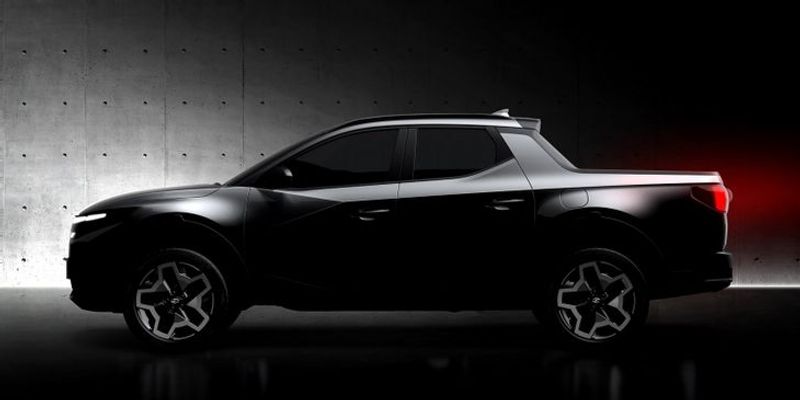
As far as profile teaser images go, this is pretty detailed and we think the Hyundai Santa Cruz is handsome.
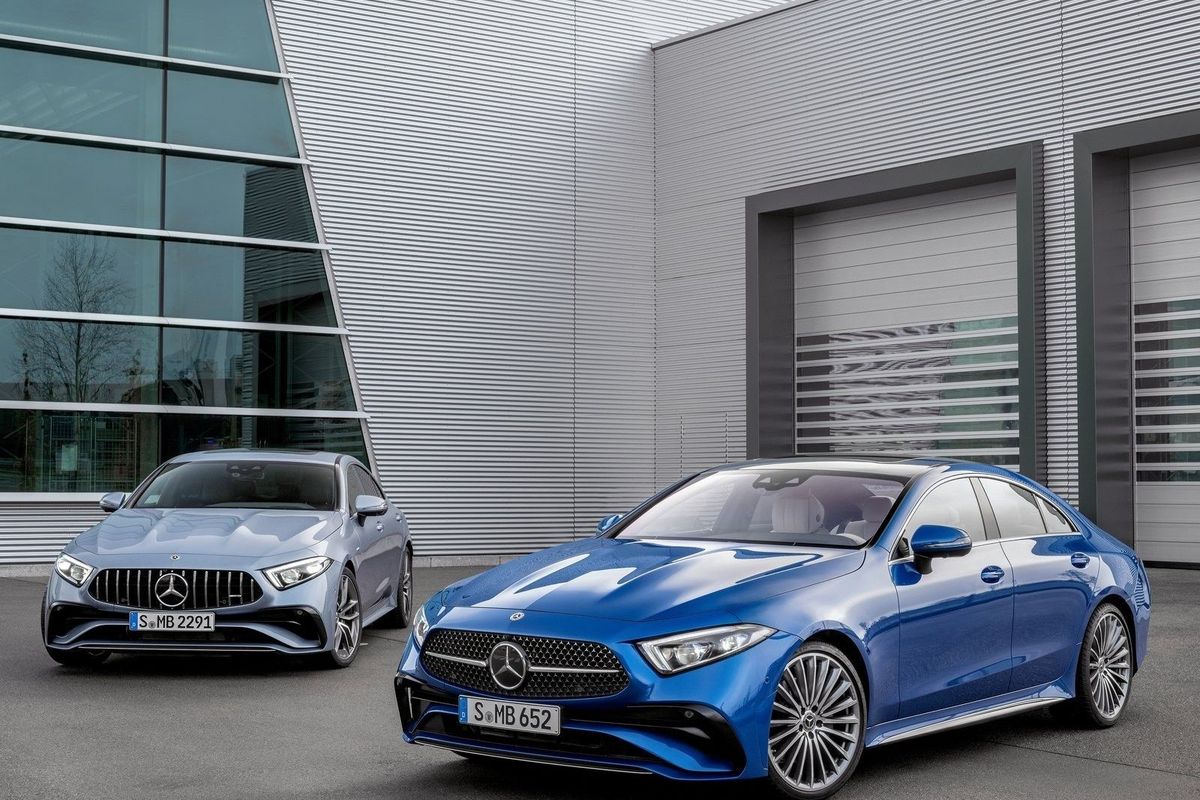
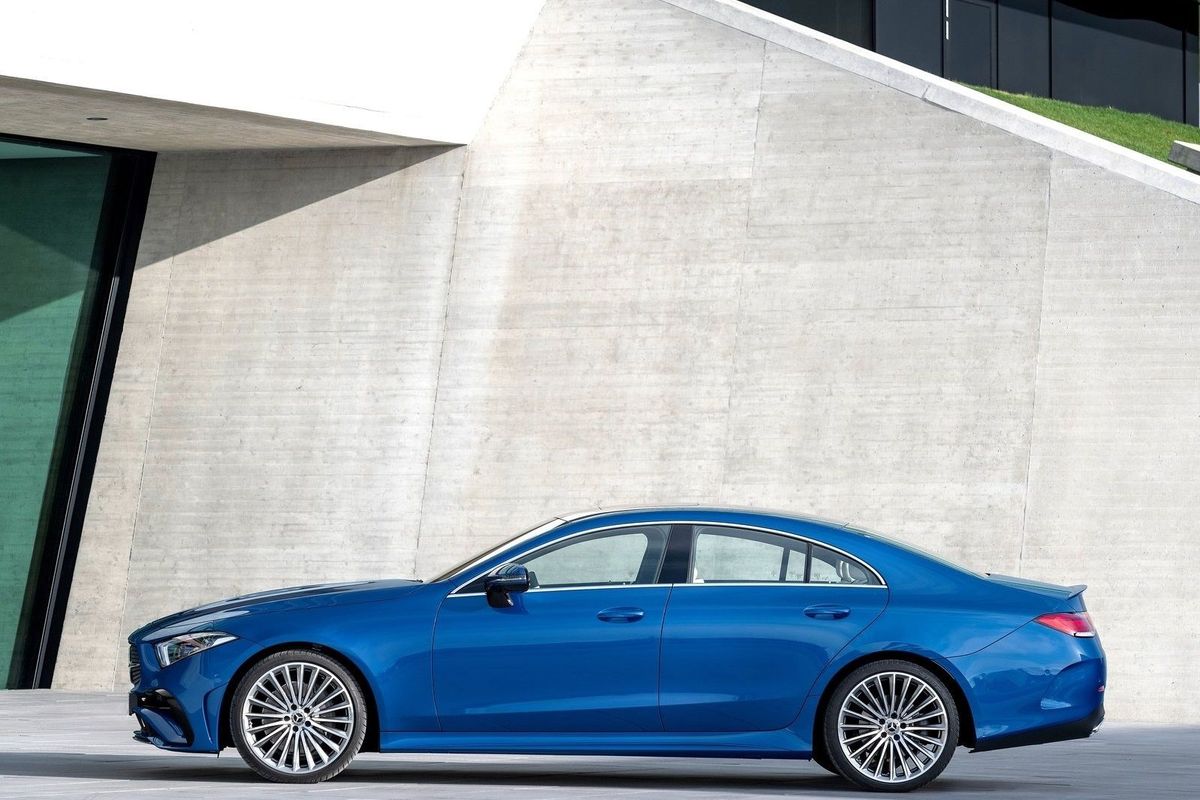
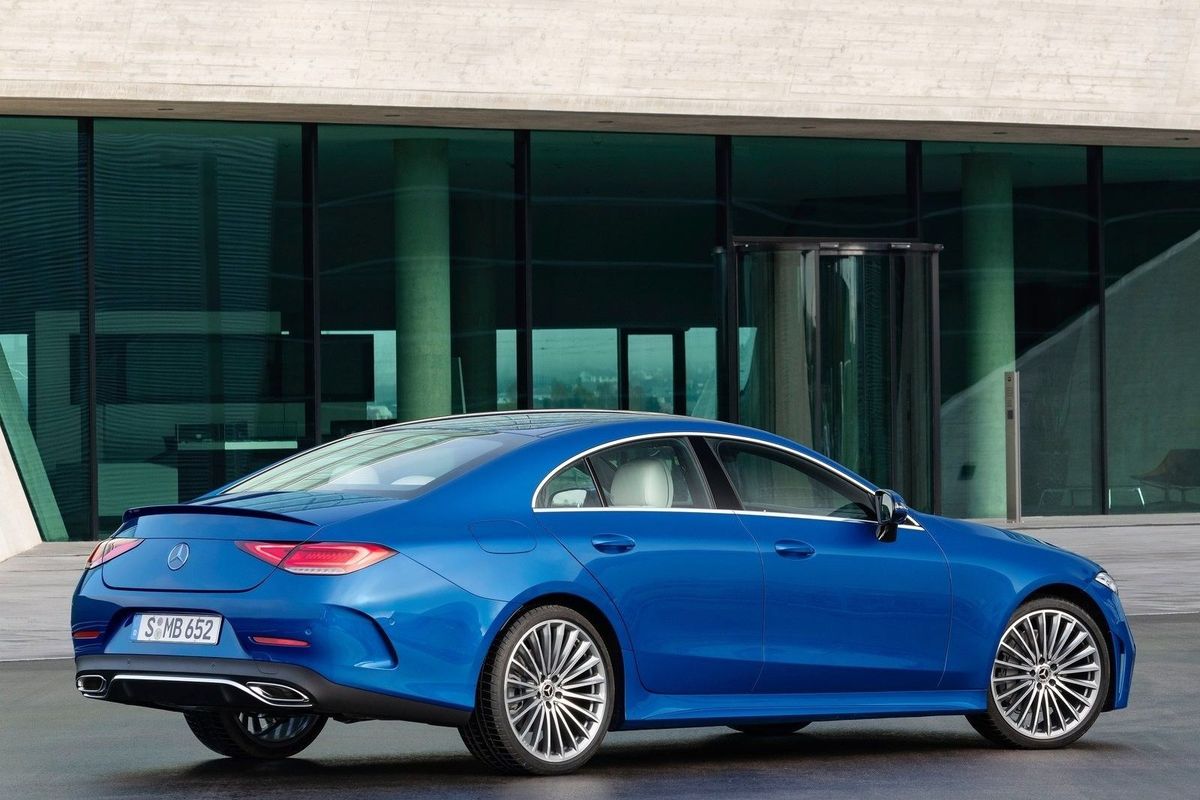
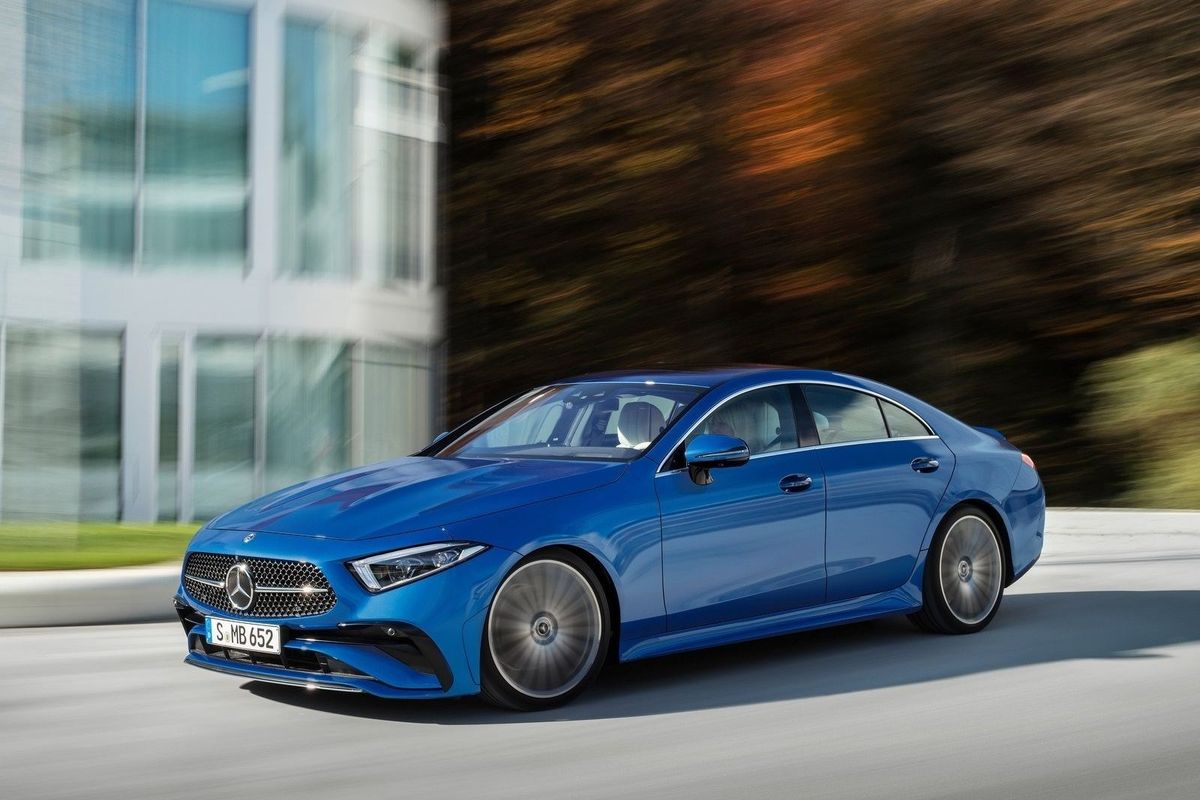
Mercedes-Benz has unveiled its updated CLS. Here's a look at the changes.
Many would think Mercedes-Benz has too many models and the overlaps are quite blatant. In the case of the CLS, internally there's a rival in the E-Class while the AMG GT 4-door stands toe to toe with the CLS 53. It all boils down to personal preference and we'd suspect people who don't want the predictably styled E-Class to go to the CLS for a touch of unique style.
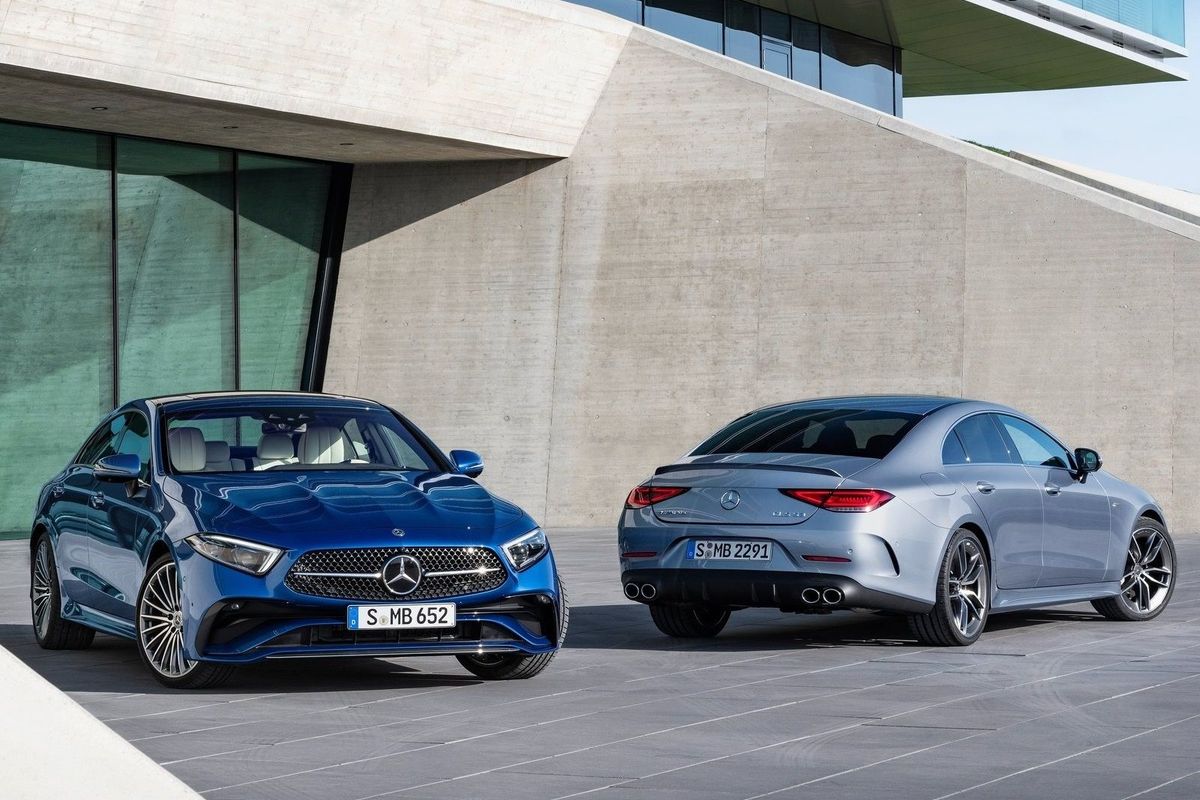
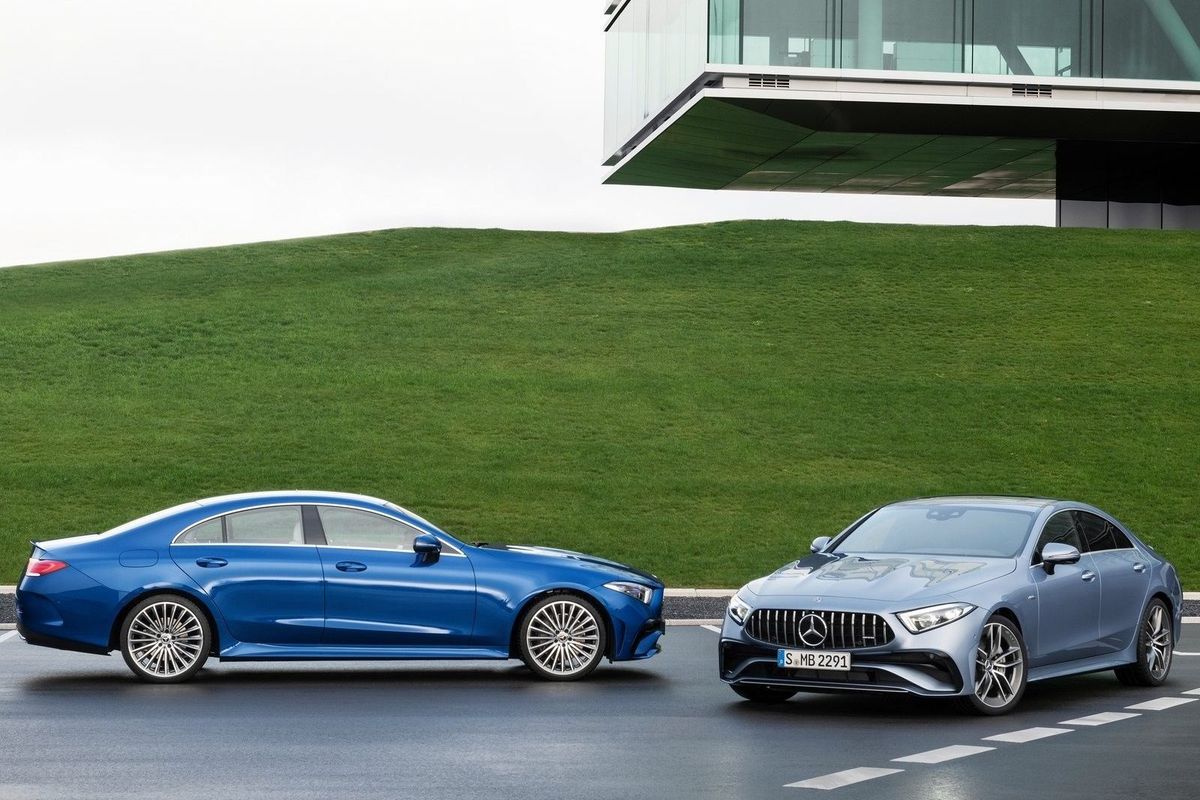
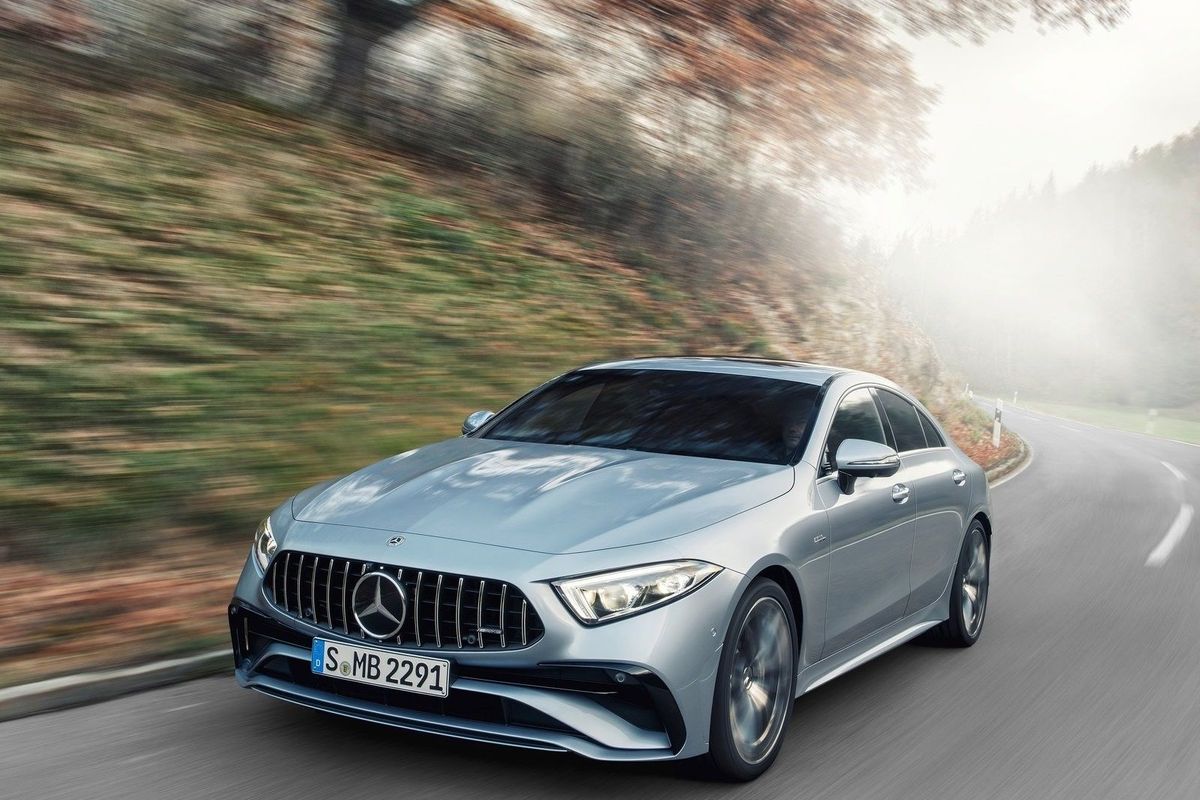
For the 2022 model year, the facelifted Mercedes-Benz CLS has received cosmetic and trim updates. Visually, you can spot the updated grille and more aggressive front bumper. Customers can opt for the new-look alloy wheels and there's a new paint, which you can see here. Called Spectral Blue Metallic, there's no denying it's very pretty! There are exclusive designo matte paints added to the palette; jupiter red, cashmere white magno and emerald green.
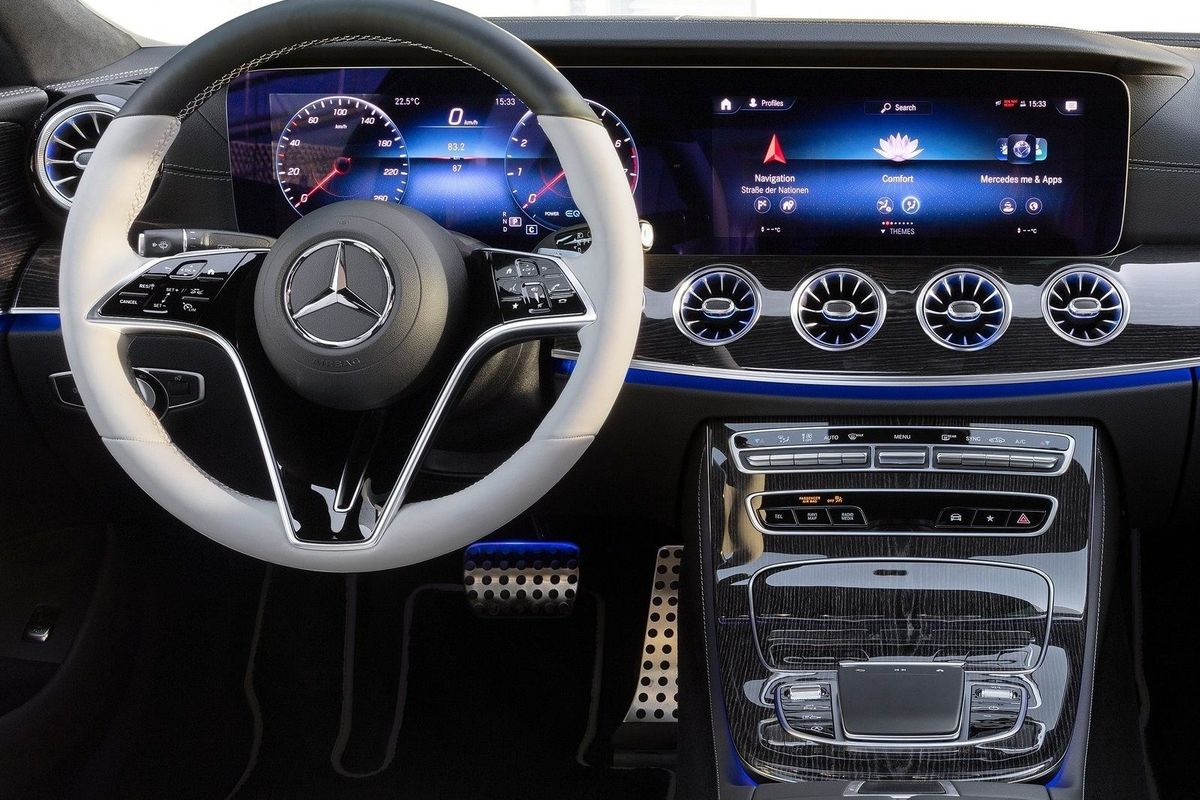
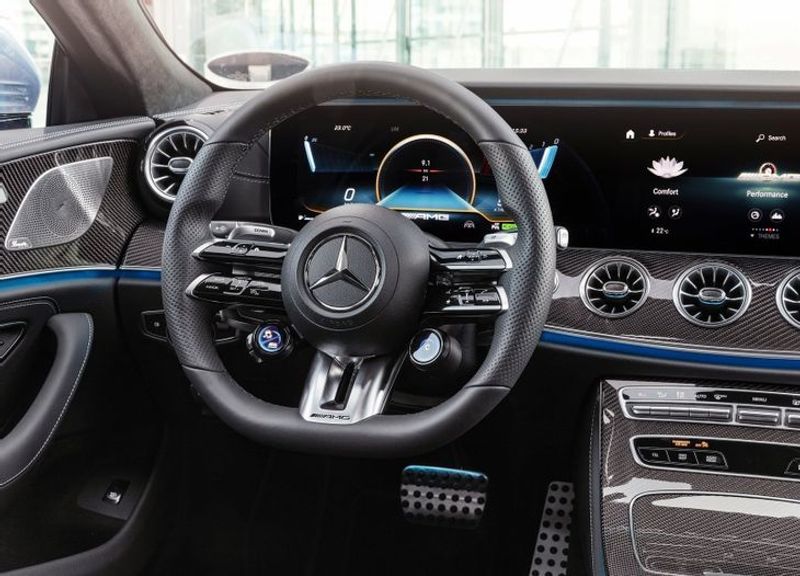
The cabin gets a subtle nip and tuck, but the updated CLS gains the new-look Merc steering wheel with its array of buttons and sensor pads. As far as trim options go, there are new upholstery combinations as well as leather options.
2022 Mercedes-Benz CLS Engine Choices
The engine lineup has been carried over. Globally, there's an impressive array of powertrains for the CLS ranging from the 1.9-litre turbodiesel with 143 kW and 400 Nm, to the CLS 53 with its 3.0-litre turbo inline-6 delivering 320 kW and 520 Nm. It's the flagship of the range and capable of hitting 100 kph in just 4.5 seconds, thanks to its all-wheel drive setup and advanced EQ electrification.
The diesel options appear particularly tantalising with a 2.0-litre 4-pot with 195 kW and 550 Nm, and a 3.0-litre inline-6 punching out 243 kW and 700 Nm. The petrol options also look good on paper at least, with a 2.0-litre 4-pot packing 220 kW and 400 Nm. The CLS 450 has a 3.0-litre inline-6 with 270 kW and 500 Nm.
As it stands, Mercedes-Benz South Africa offers the CLS in two flavours; the CLS 400d 4Matic and the CLS 53 AMG 4Matic. We'll update this story if we get confirmation about the updated model's arrival in South Africa.
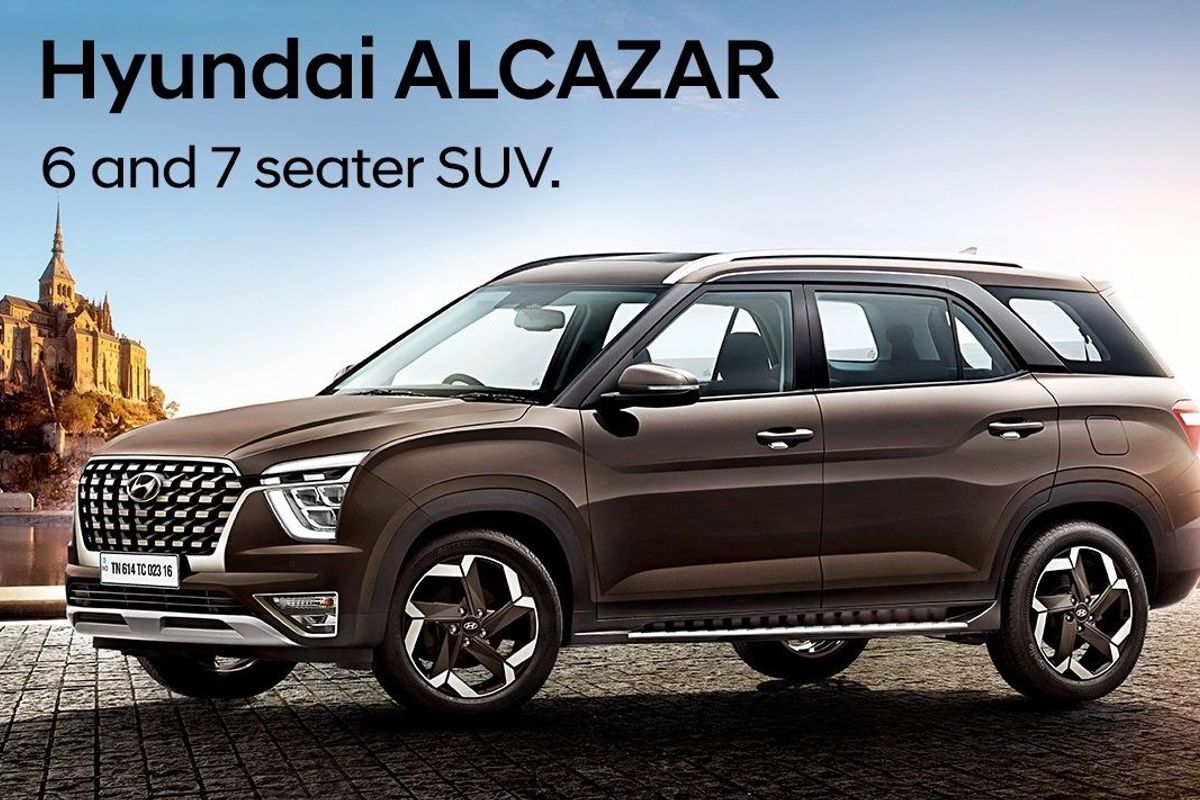
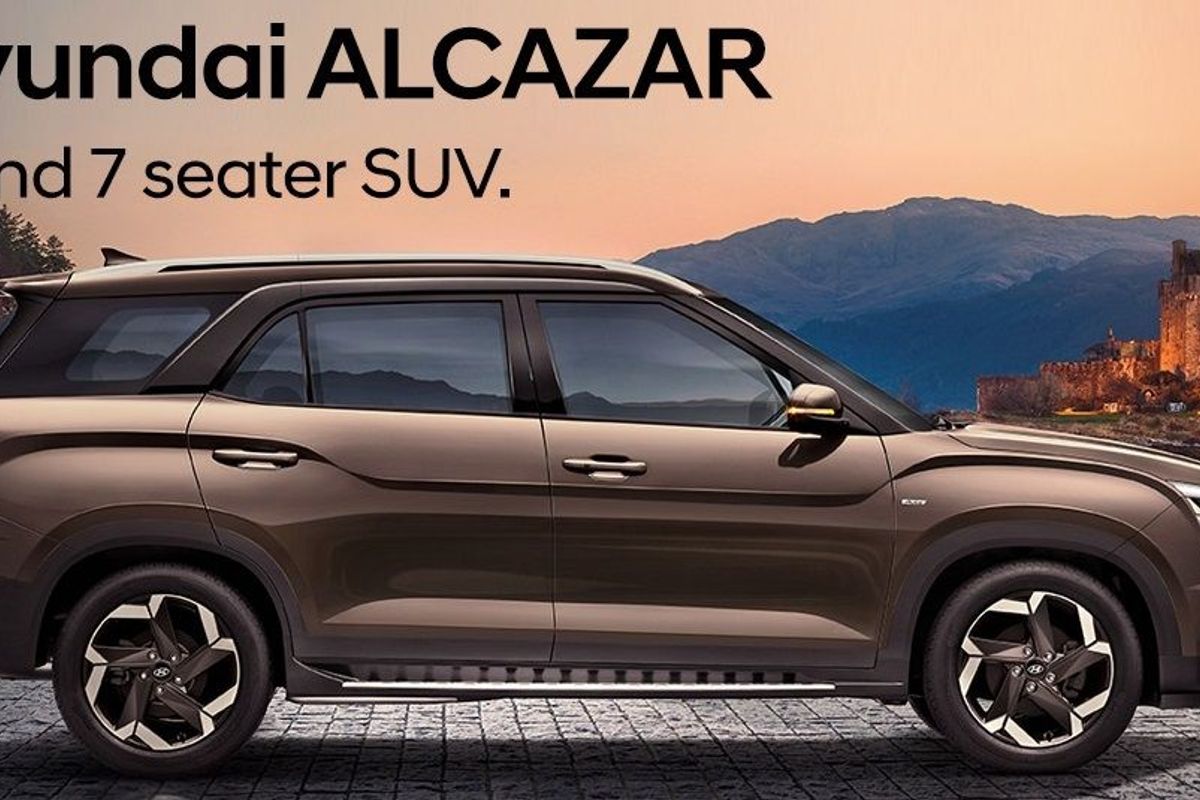
The Korean carmaker has revealed its Creta-based new 7-seater SUV. Meet the new Hyundai Alcazar.
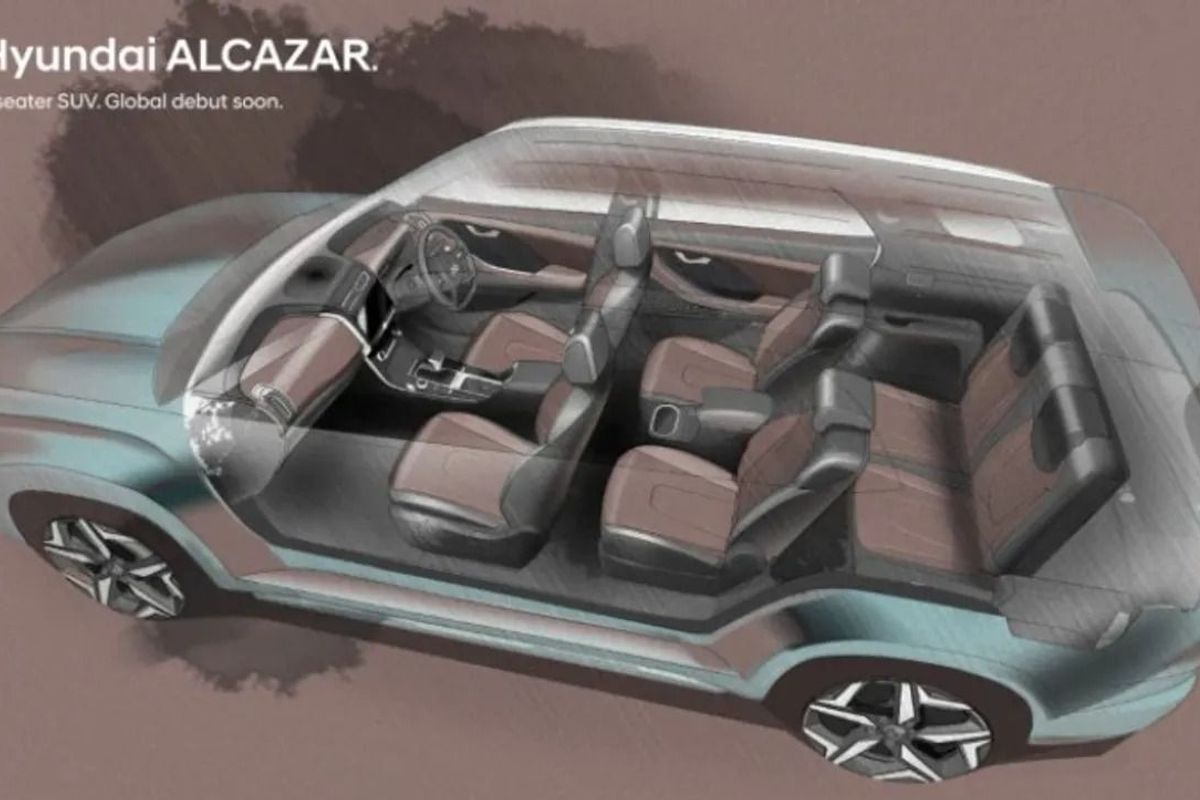
The Hyundai Alcazar shares the same platform as its Creta sibling, but physically it's fractionally longer by 30 mm. It also boasts a slightly longer wheelbase to accommodate the third row of seats. The Hyundai Alcazar will be available in 6-seater and 7-seater configurations.
Hyundai India says it has enhanced the Creta platform and focused on ride comfort with a reworked suspension setup. Inside, there are sliding seats, armrests and Hyundai is claiming best-in-segment cabin space. The seats can be folded down to increase carrying capacity.
As far as features go, the Hyundai Creta will feature 18-inch alloy wheels, LED headlamps, 10.25-inch touchscreen infotainment system with BlueLink, Android Auto & Apple CarPlay, 360-degree camera, panoramic sunroof, ventilated seats and seatback trays with cup and mobile holder.
2022 Hyundai Alcazar Engine and Gearboxes
When it comes to engine options, Hyundai will be offering both petrol and diesel engines, with a choice of 6-speed manual and 6-speed automatic gearboxes. The 2.0-litre Nu petrol develops 116 kW and 191 Nm, while the 1.5-litre diesel has 85 kW and 250 Nm. There will be three driving modes; Sport, Eco, City. The petrol engine will be the quicker of the two, with a claimed 0-100 kph of under 10 seconds.
Should the Alcazar come to South Africa? This segment has limited 7-seat options and our market already sources the Creta from the same factory where the Alcazar production is based. If it comes to SA, expect to rival the likes of the Suzuki Ertiga, Honda BR-V and Renault Triber.
The demand for compact crossovers is rising in South Africa and car manufacturers are looking to meet strong demand with a host of new compact crossovers that are expected to be introduced on local soil in the coming weeks and months.
The compact crossover segment is flourishing in South Africa and it’s no surprise that the segment is growing at a phenomenal rate. Buyers in this segment are absolutely spoilt for choice!
Established products in this segment such as the Ford Ecosport, Honda BR-V, Haval H2, Hyundai Venue, Peugeot 2008 and Volkswagen T-Cross, for example, will now be under pressure as newer and less expensive products are due to arrive on local soil soon.
Here are new compact crossovers that are due to arrive in South Africa soon!
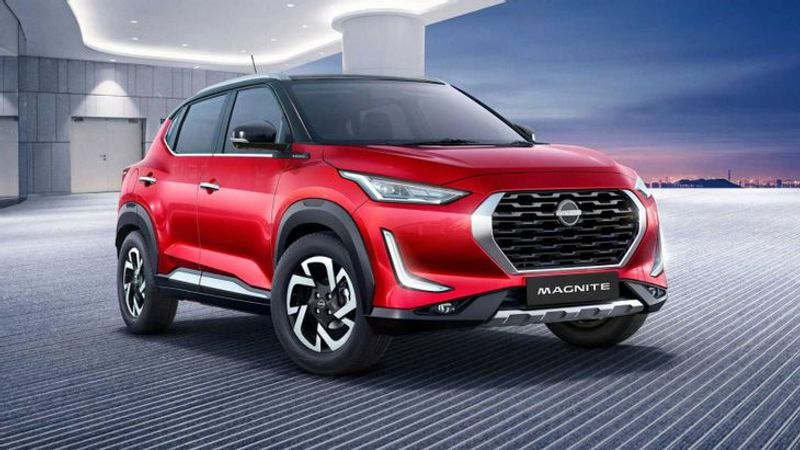
Nissan Magnite – April 2021
The official introduction of the new Nissan Magnite is imminent and this Indian-built crossover will arrive with a new turbocharged 1.0-litre petrol engine with at least 100 kW and 160 Nm of torque and is expected to be offered with either a 5-speed manual transmission or a CVT.
Local buyers can expect features such as 16-inch alloy wheels, 8-inch infotainment system with Apple CarPlay and Android Auto, reverse camera and push-button start. Local specification and pricing, however, will be confirmed soon, so stay tuned!
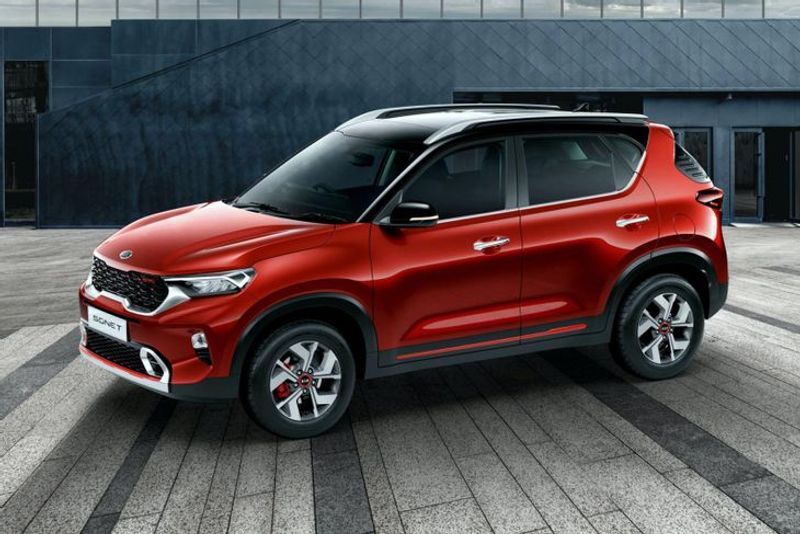
Kia will launch its new Sonet compact crossover locally in this, the 2nd quarter of 2021, and it’s based on the same platform as the Hyundai Venue. While South African specification details have yet to be confirmed, we suspect that the Indian-built Sonet will arrive with the same, 3-cylinder, 1.0-litre turbopetrol engine found in the Venue with at least 88 kW and 172 Nm. A 6-speed manual or 7-speed dual-clutch transmission is likely.
Expected nice-to-have features inside the Sonet include a large 10.25-inch infotainment system, digital instrument cluster and even wireless charging. Look out for specification and pricing details in the near future.
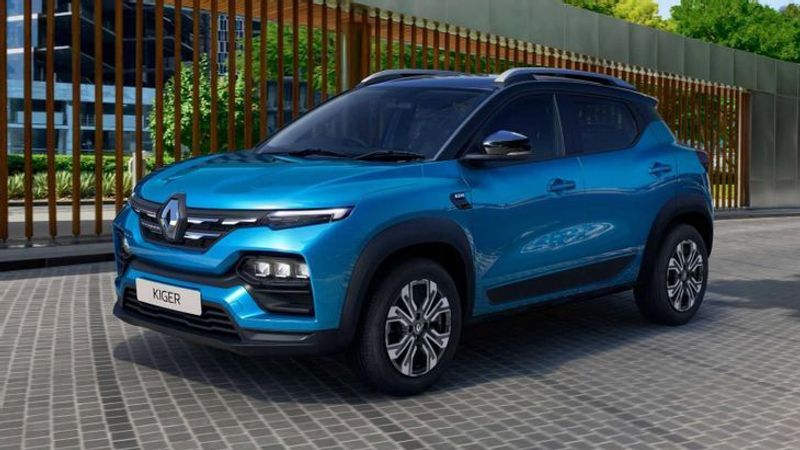
Sharing its platform with the 7-seat Triber, the Kiger will come to market with some French flair and we are fairly certain that Renault will price its newcomer aggressively to ensure that it claims its share in this competitive segment.
The Kiger will be powered by a 1.0-litre turbopetrol engine with 74 kW and 160 Nm and will be mated with a 5-speed manual transmission or a CVT. In terms of key features, the Kiger will feature an 8-inch floating touchscreen infotainment system as well as a configurable 7-inch instrument cluster. The Kiger’s 205 mm ground clearance will also be useful for traversing gravel roads or hopping the odd pavement in the city. Local pricing and specification details will be revealed closer to launch which is said to be during the 3rd quarter of 2021.
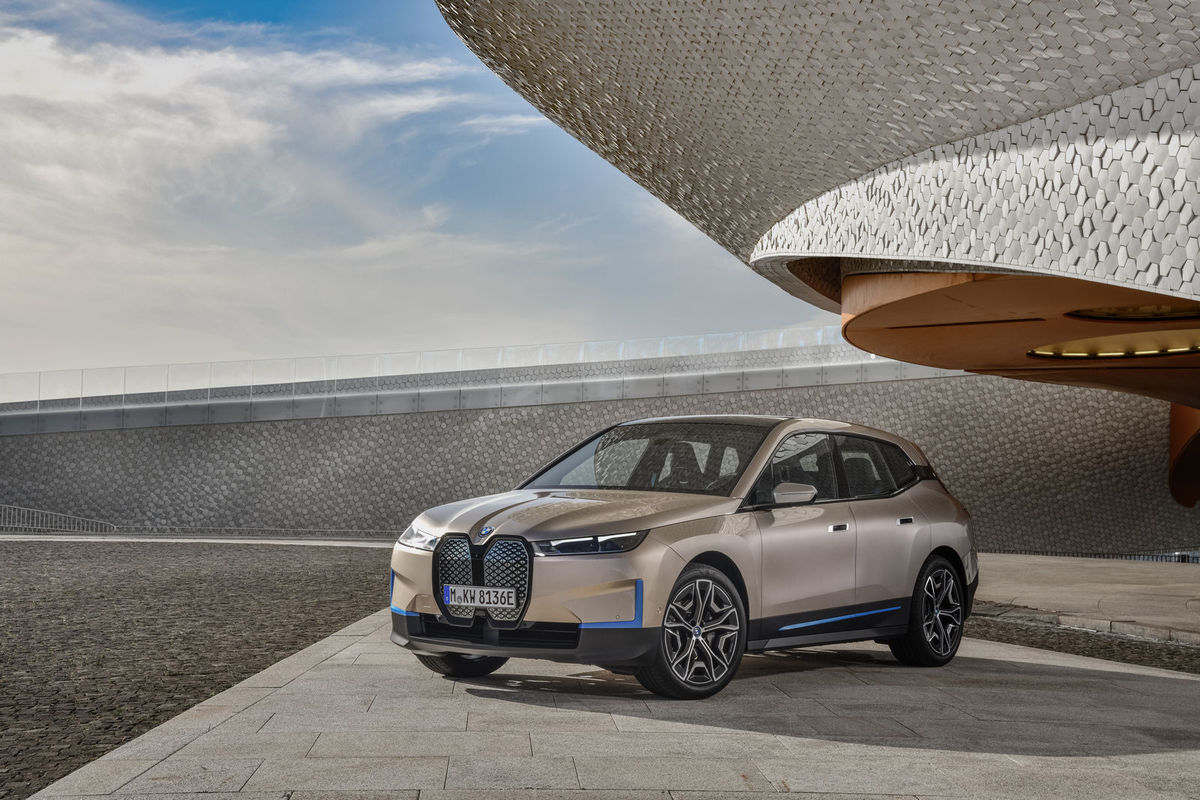
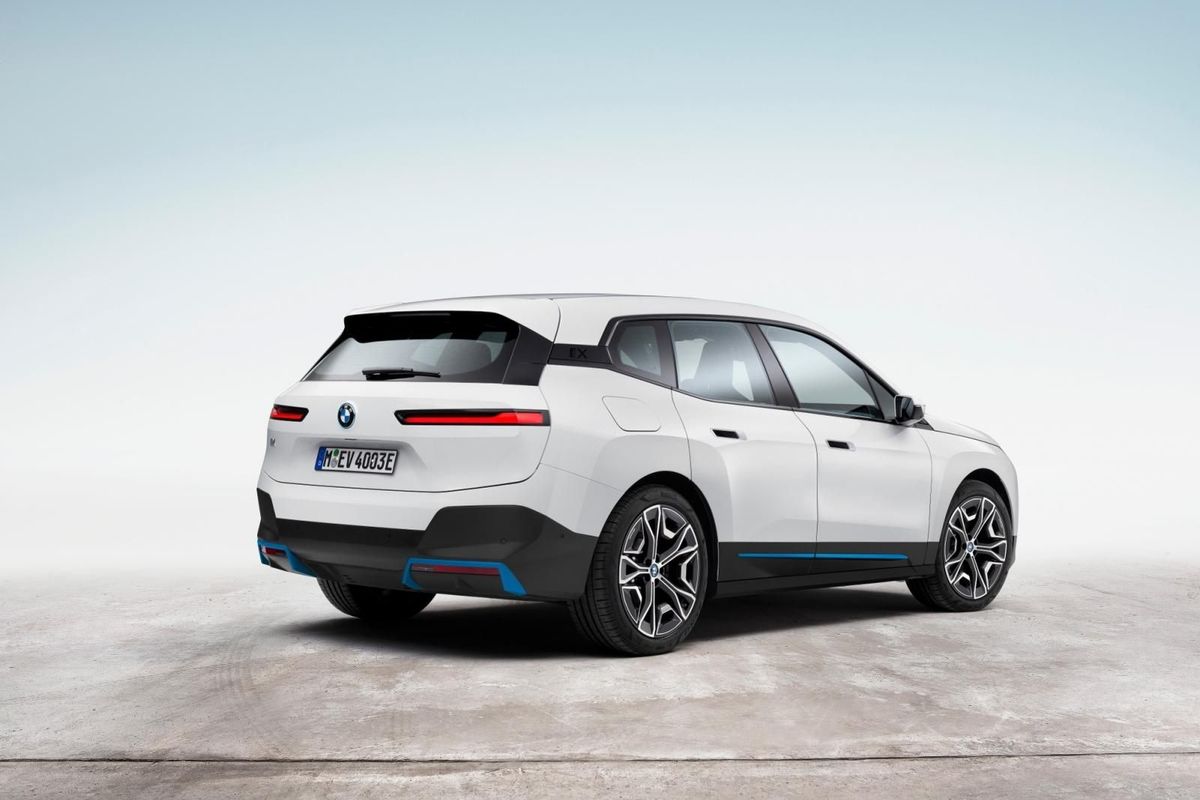
BMW South Africa has confirmed it will be launching its new iX electric vehicle. Here's what you need to know about it.
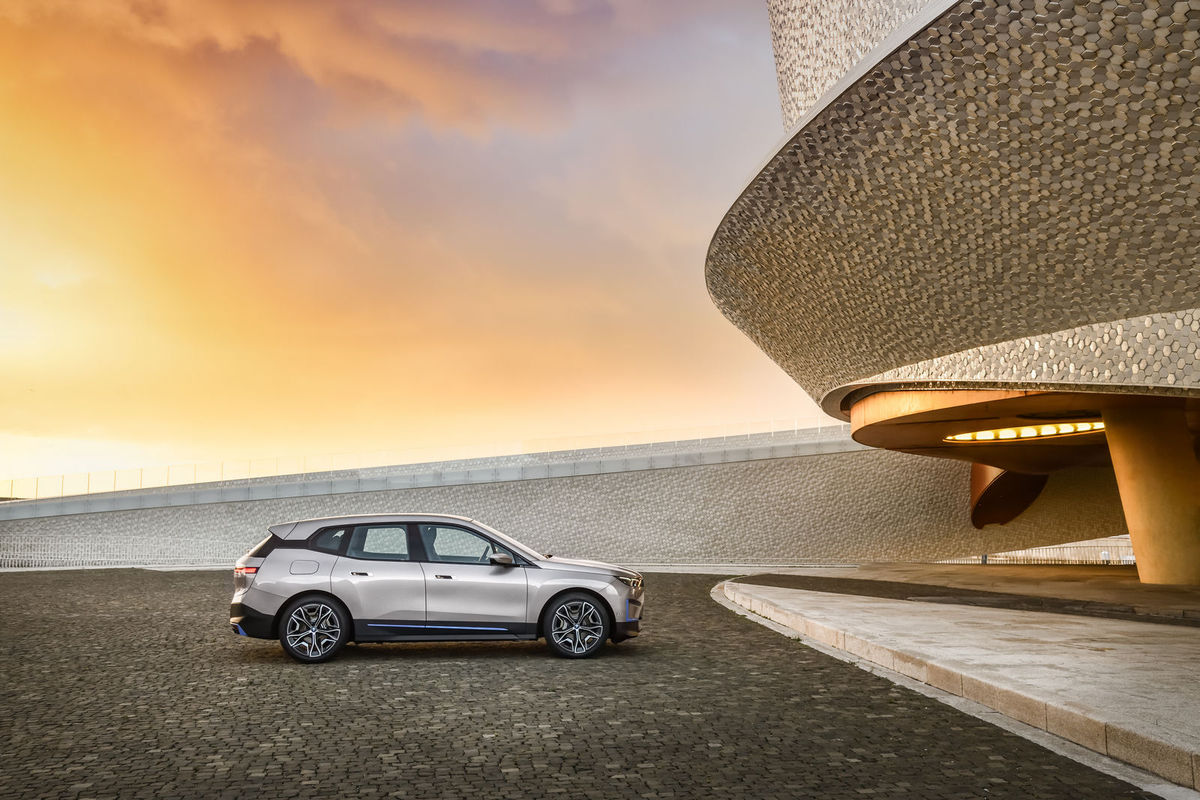
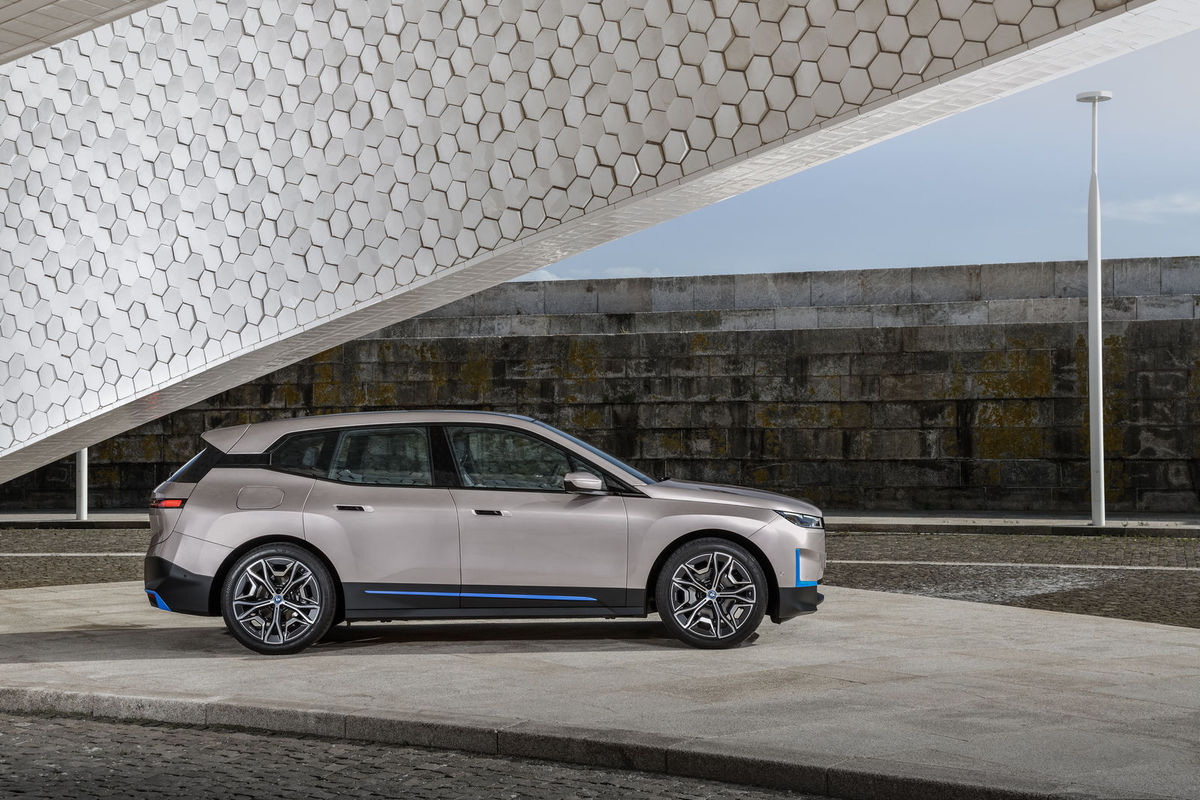
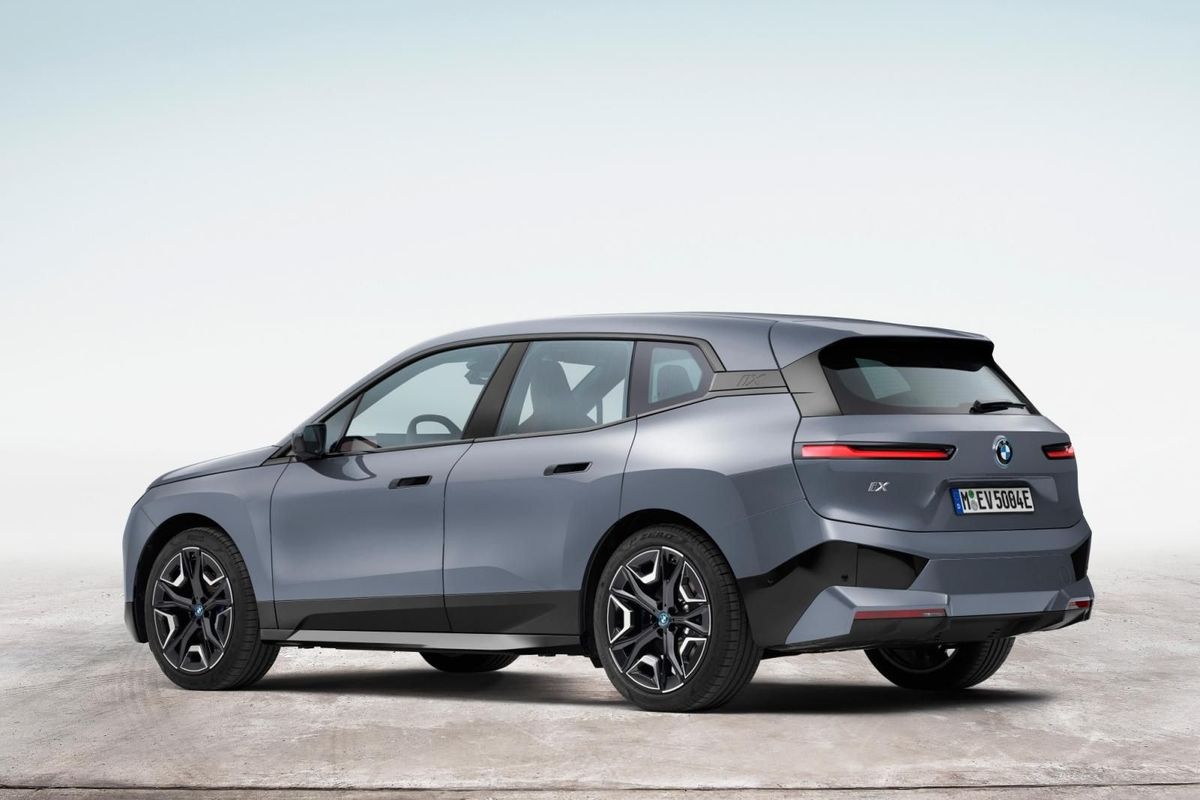
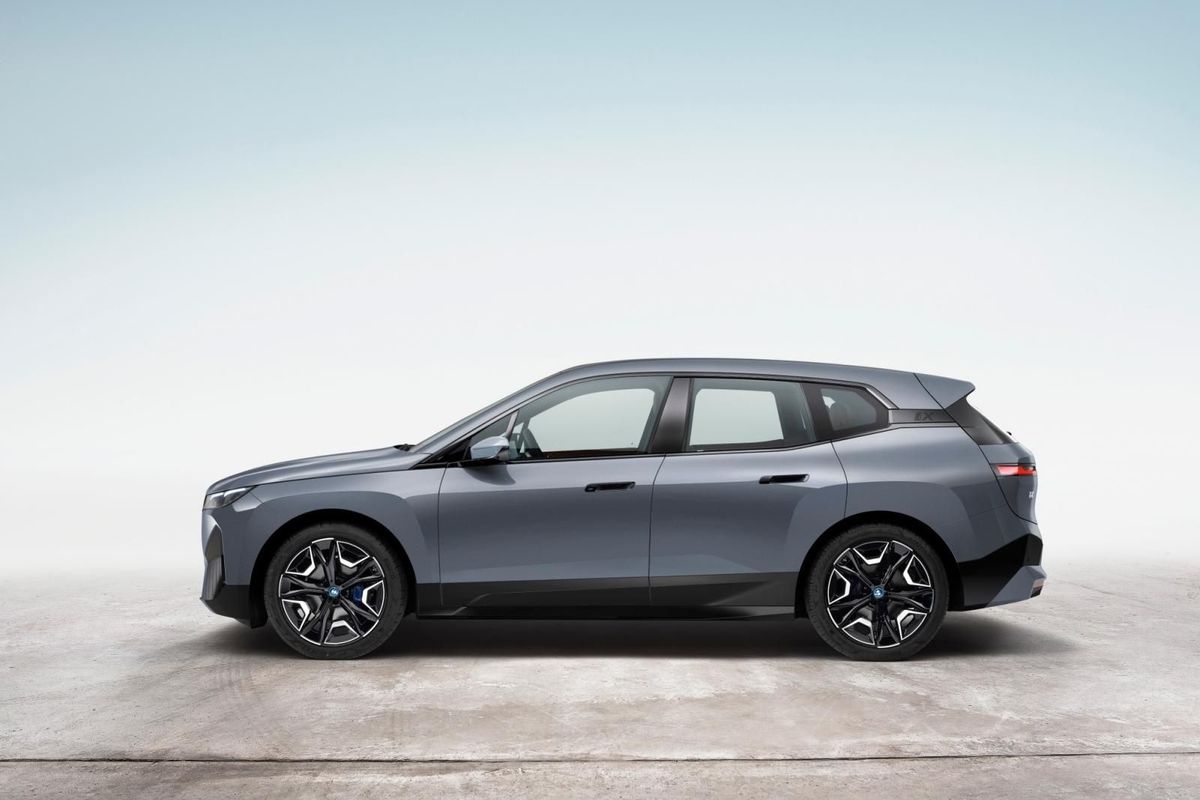
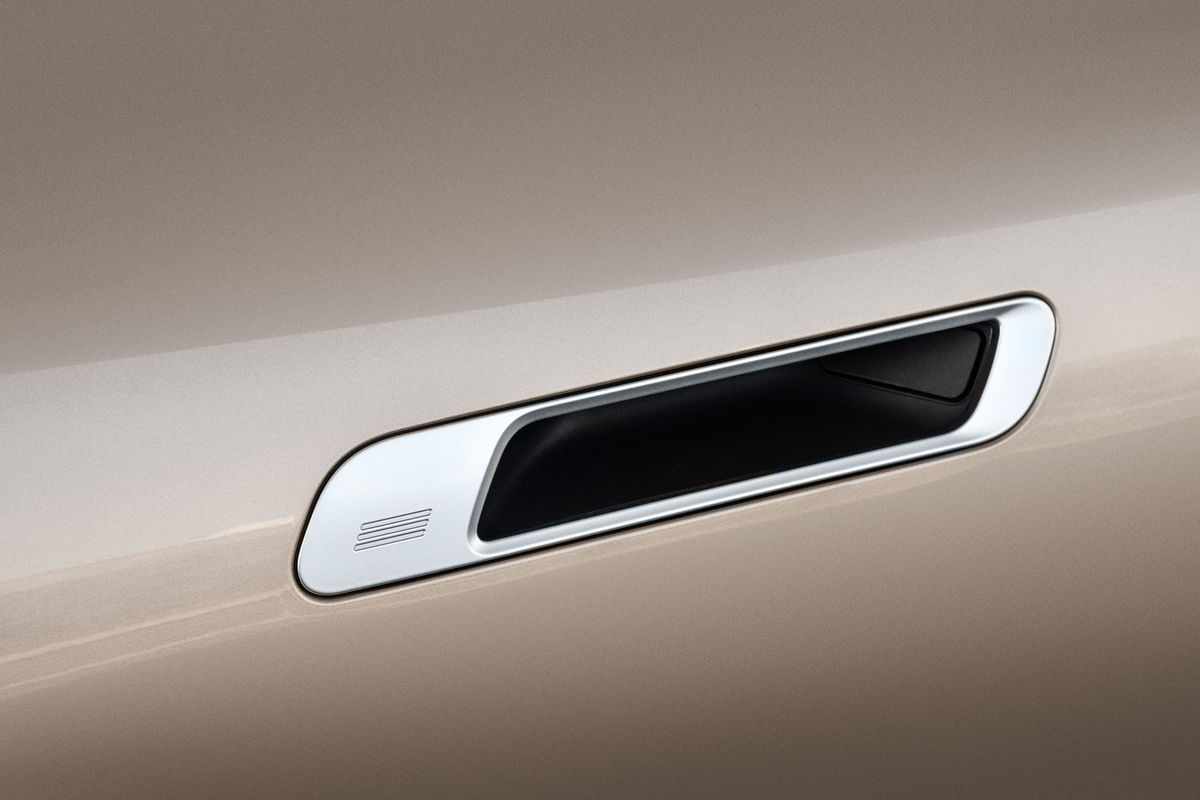
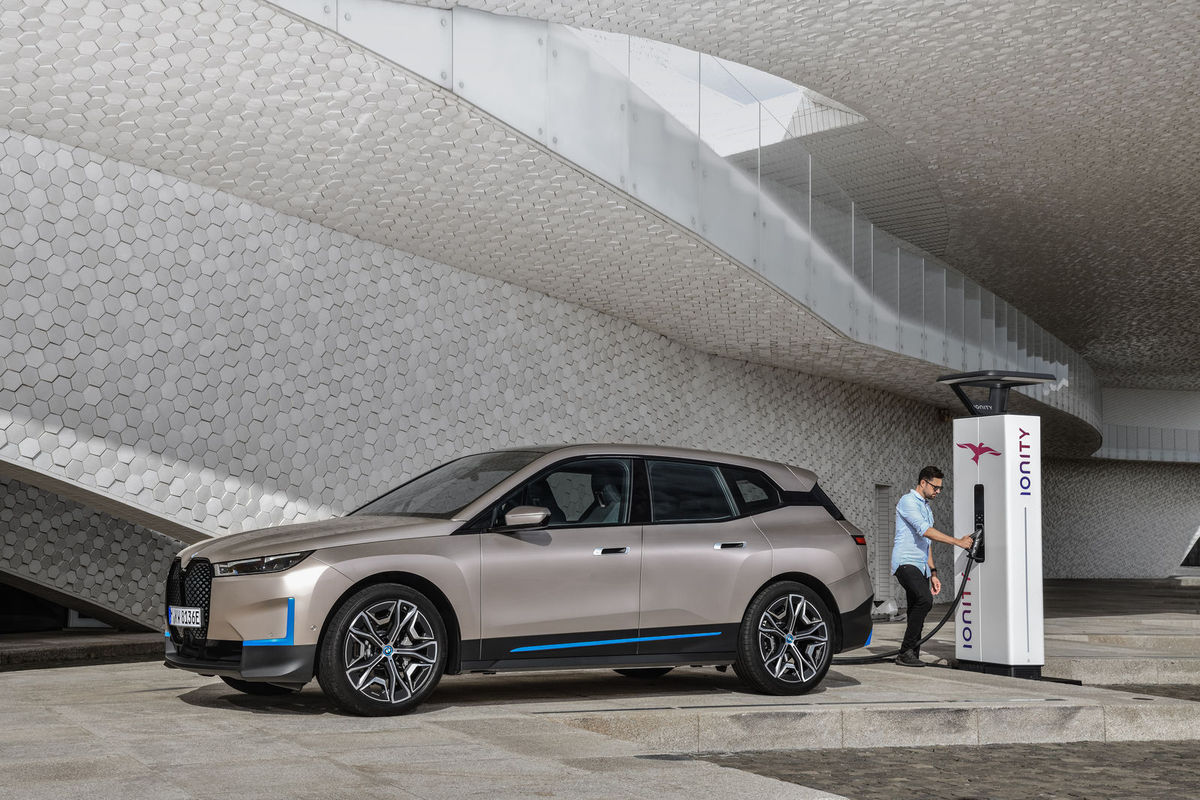
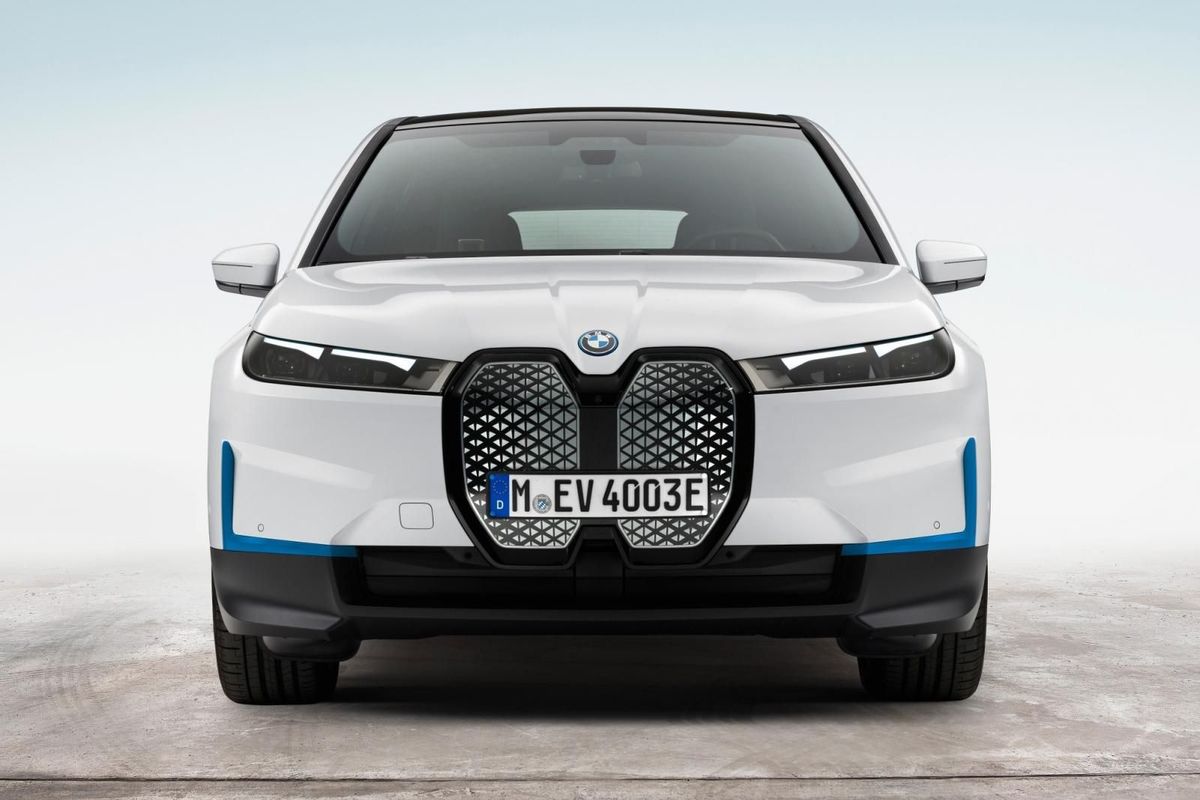
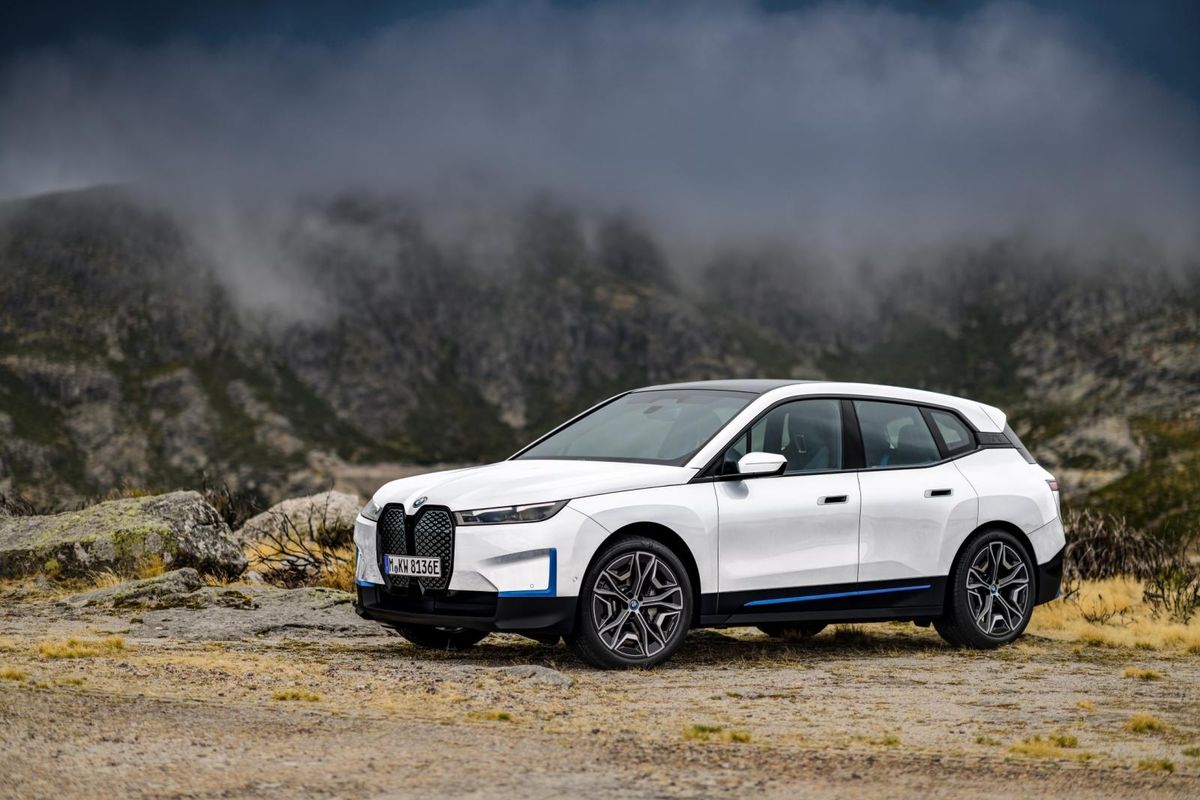
The BMW iX is a radically-styled electric Sports Activity Vehicle, and is the first vehicle to be built on a new, modular and scalable toolkit that will underpin future vehicles from the BMW Group.
There's been an intense focus on sustainability in the BMW iX project with the German carmaker claiming there's 'compliance with strict environmental and social standards in the extraction of raw materials, plus the use of electricity from renewable sources and a high proportion of recycled materials in the mix. The resulting carbon footprint is stated in a validation document endorsed by independent auditors. The certificate for the BMW iX xDrive40, for instance, shows its global warming potential is around 45 per cent lower than that of a Sports Activity Vehicle with a comparable diesel engine over 200,000 kilometres of use.'
While questions have been raised about the sustainability of building a green car, BMW is keen to point out the cobalt and lithium for the batteries comes from controlled sources in Australia and Morocco, the cells are manufactured using green power and the aluminium is made using electricity sourced from solar. There's extensive use of recycled plastics and aluminium, while the cabin features FSC-certified wood, leather tanned with olive leaf extracts and other natural materials. Among the raw materials used for the floor coverings and mats are recovered fishing nets.
The new BMW iX will be available in two flavours; BMW iX xDrive50 and BMW iX xDrive40. In the flagship 50 model, there's one electric motor on the front axle and another at the rear. There's over 370 kW on tap and BMW claims a 0-100 kph of just under 5 seconds. The xDrive40 has just over 240 kW and is said to dash to 100 kph in just over 6 seconds.
As far as economy and range go, BMW claims less than 21 kWh per 100 kilometres for the BMW iX xDrive50 and under 20 kWh per 100 kilometres n the case of the BMW iX xDrive40, based on the WLTP cycle. The BMW iX xDrive50 has a range in excess of 600 kilometres in the WLTP test cycle, and the WLTP-calculated range of the BMW iX xDrive40 is more than 400 kilometres. In comparison, the current BMW i3 can only muster 260-310km on a single charge.
The BMW iX xDrive50 can recharge its high-voltage battery at up to 200 kW, while the maximum charging capacity of the BMW iX xDrive40 is 150 kW. Essentially, this means a 10min plug-in time provides 120 kilometres / 90 kilometres of range depending on the model. In both model variants, the high-voltage battery’s charge can be increased from 10 to 80 per cent of its full capacity in under 40 minutes. These claims are predicted, based on the car's current stage of development.
When is the BMW iX coming to SA?
So, when can South Africans expect to see the interestingly-styled, but technologically advanced BMW iX on its roads? BMW South Africa has said it will share more info and details closer to the projected launch date in the first quarter of 2022.
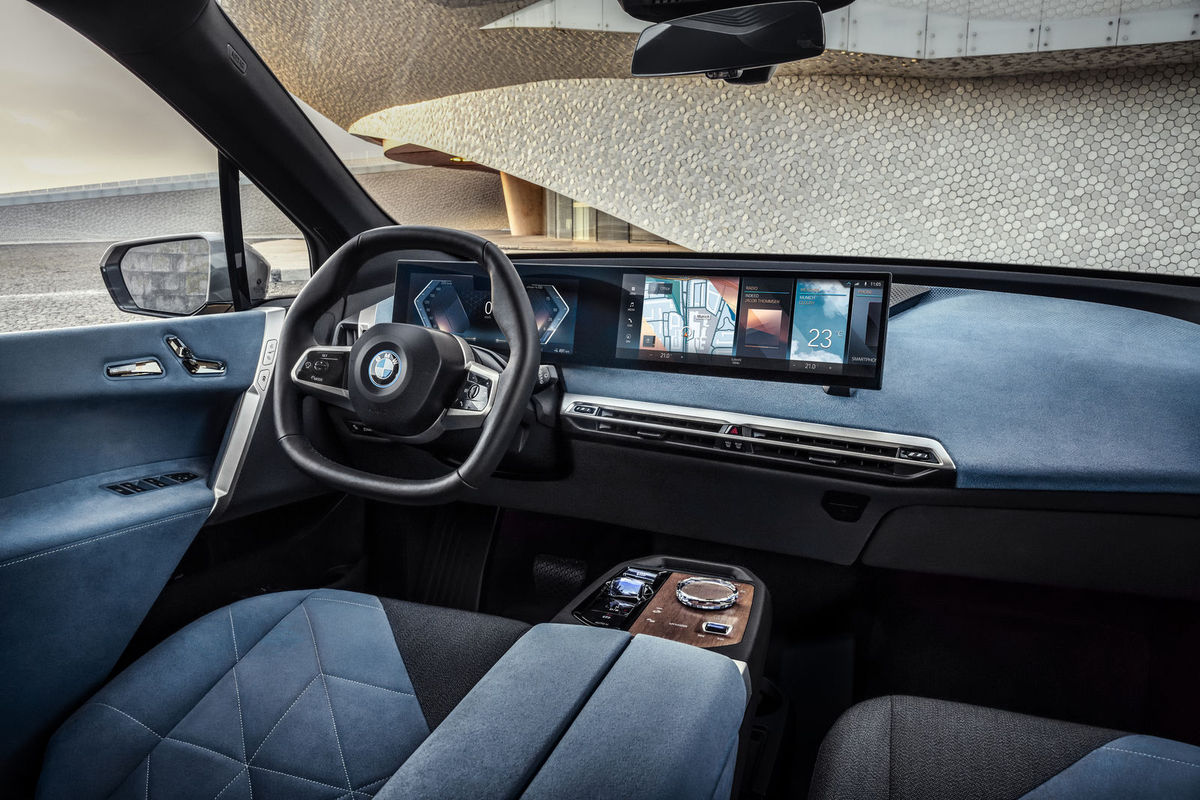
The cabin of the new BMW iX, which is due in SA in the first quarter of 2022.
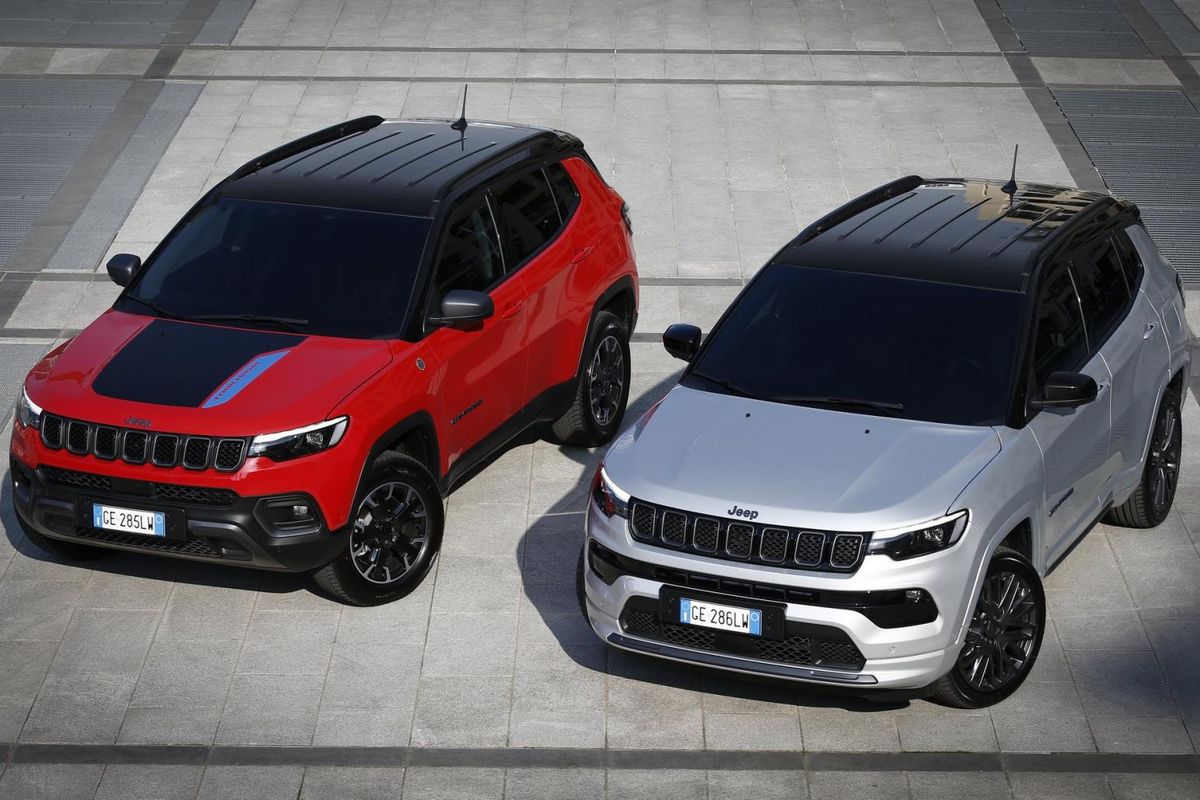
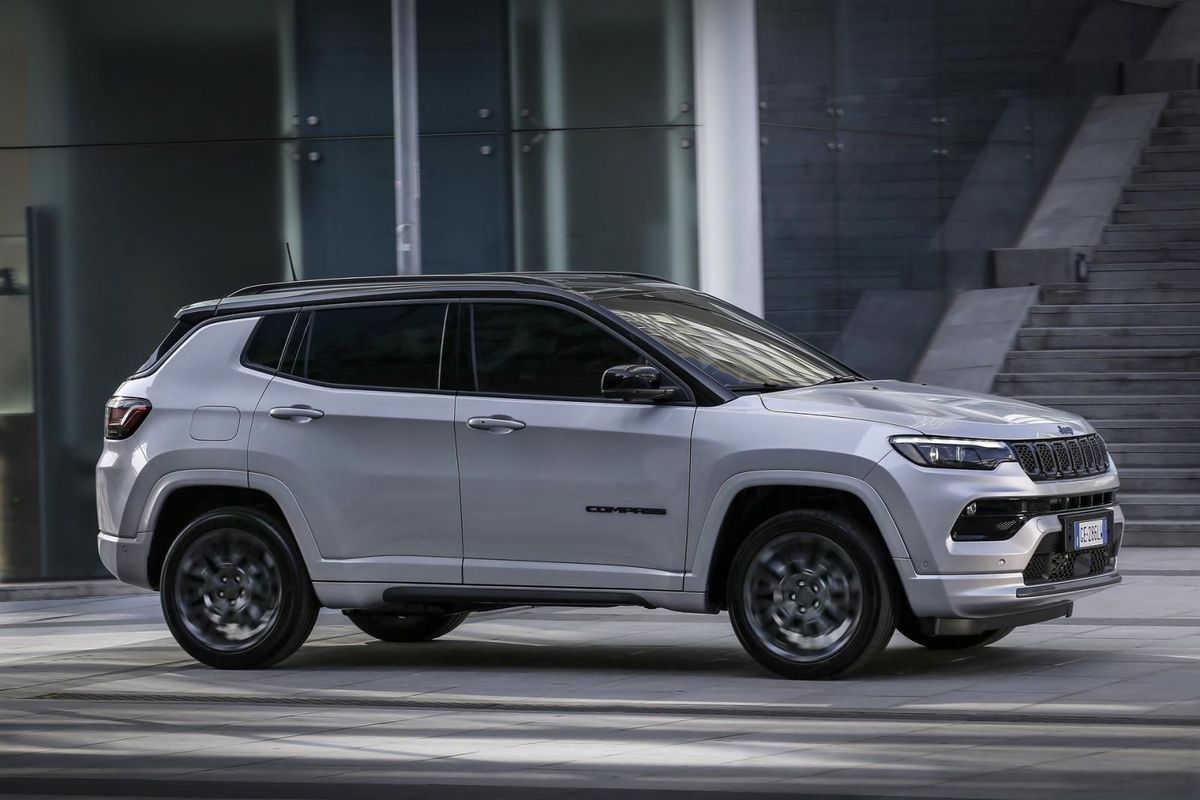
Jeep has updated its Compass, giving it a fresher look and Level 2 semi-autonomous driving capability.
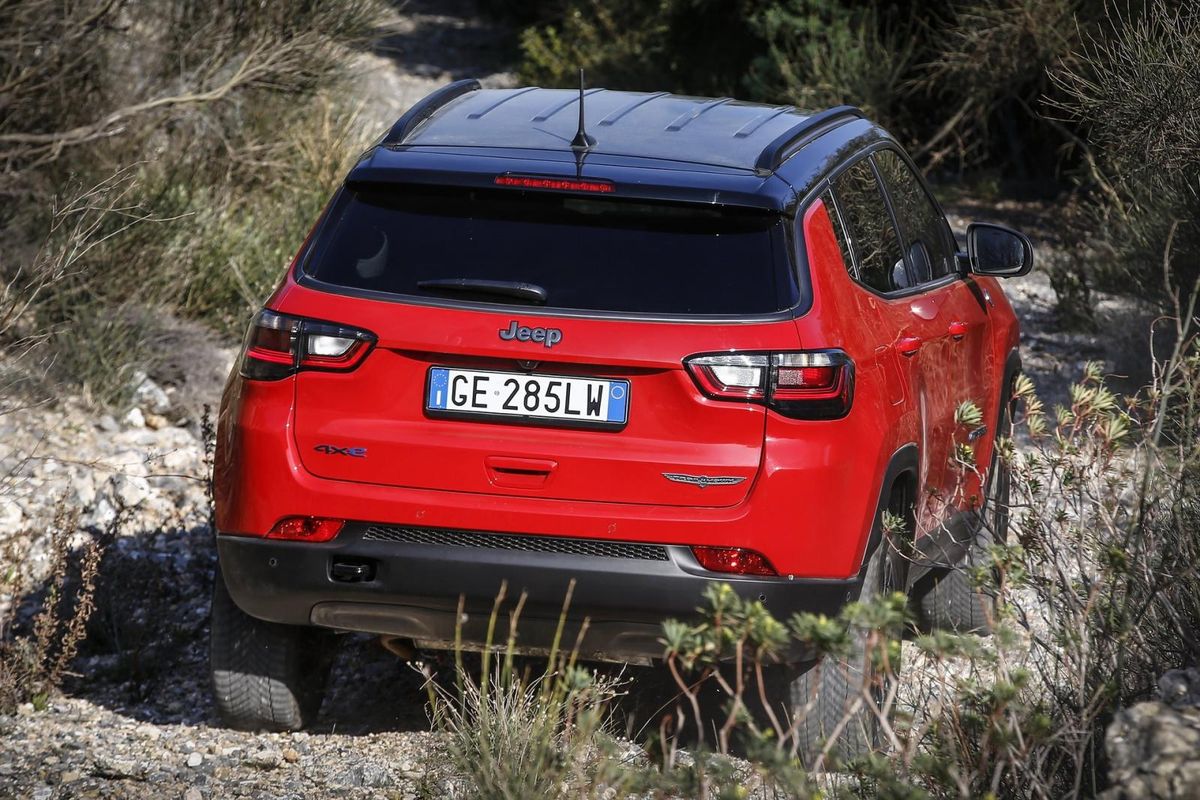
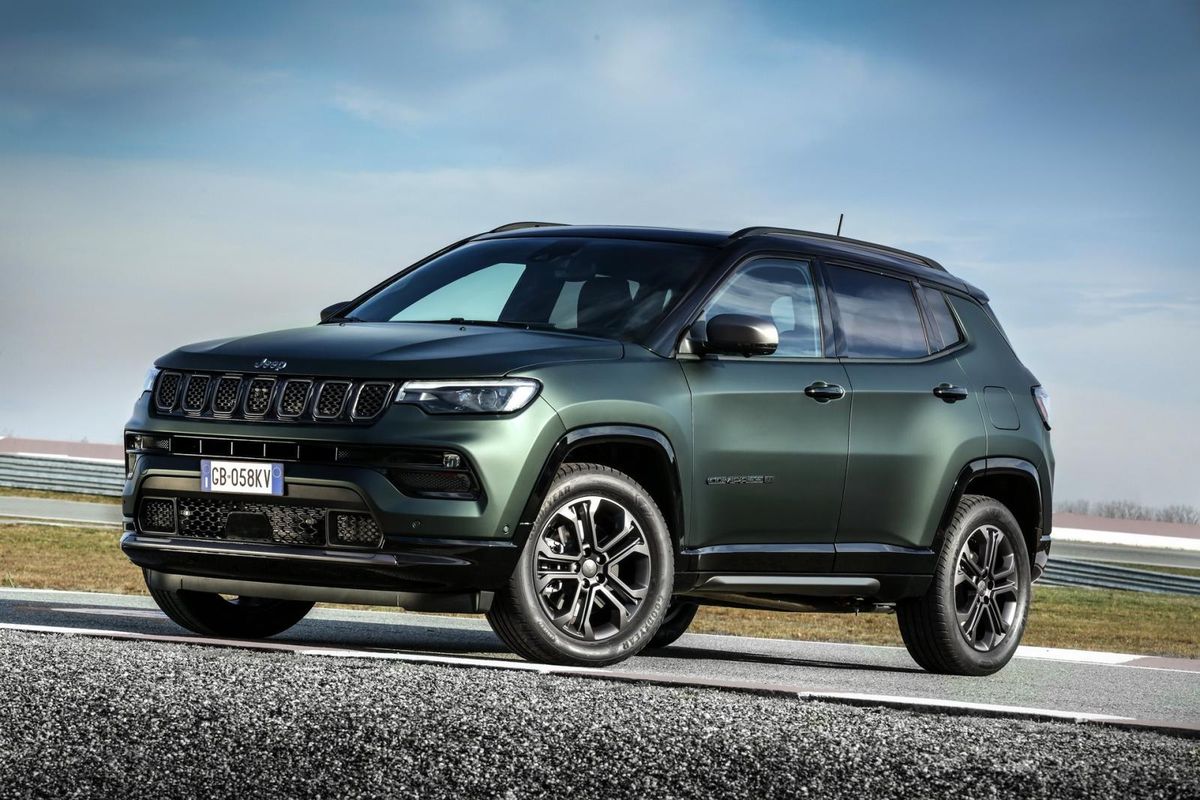
Jeep, who is owned by the Stellantis Group, has showcased its updated Compass. Earmarked for the European market for now, the facelifted Jeep Compass brings Level 2 semi-autonomous driving capability, some visual tweaks as well as some updated engines.
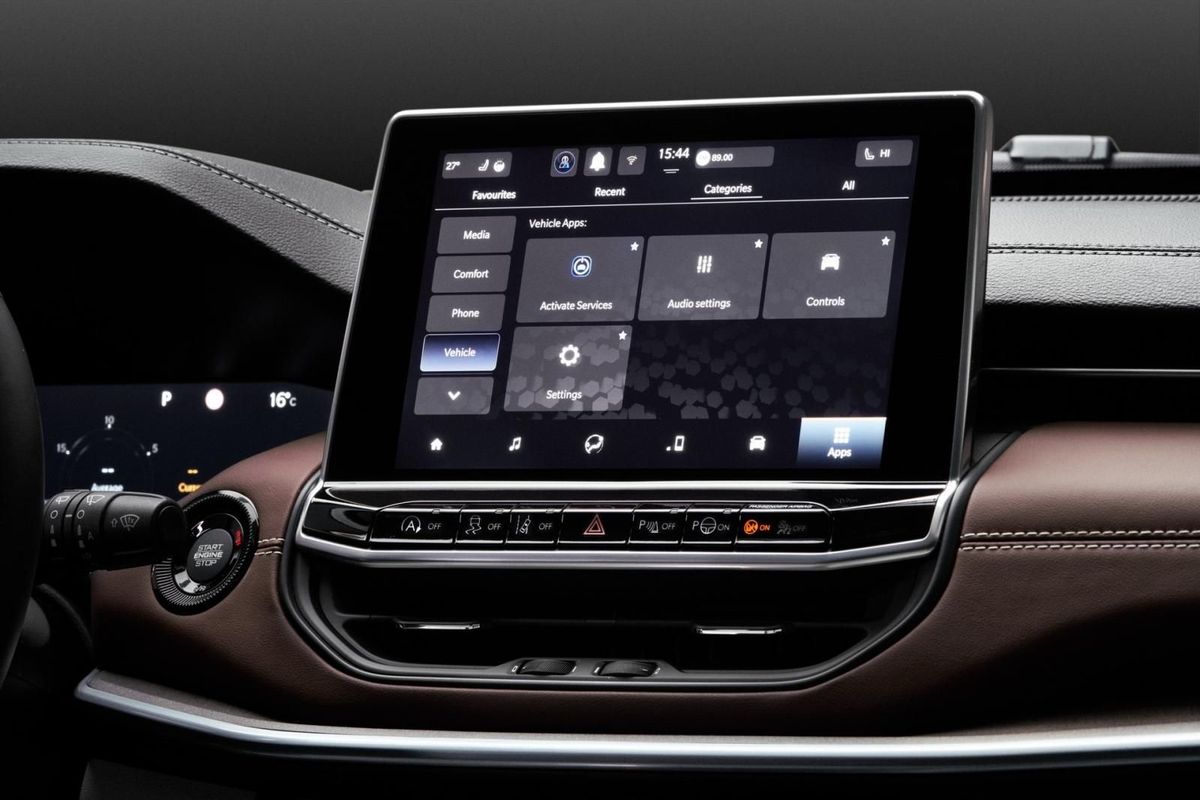
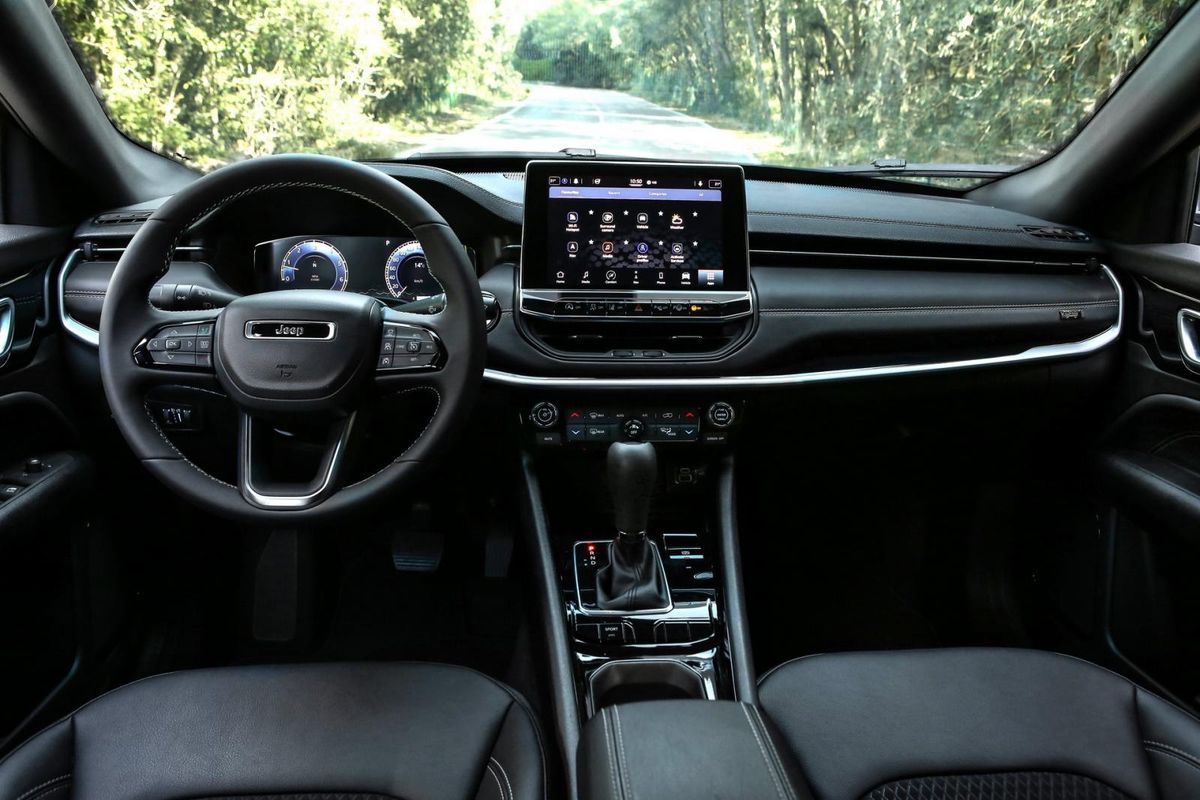
Visually, you can spot the newcomer with its revised face complete with LED headlights, wide lower grille, big intake as well as subtle changes to the rear. The real changes are in the cabin, with the infotainment system receiving an update. The Uconnect 5 features an 8.4-inch touchscreen display for the lower-spec derivatives, while the top-spec models get a 10.1-inch system. There's also a 10.25-inch digital dashboard, smartphone integration and TomTom navigation.
The rejigged dashboard design has freed up more cabin space, with Jeep claiming around 4 litres of additional space in comparison to the previous model.
The Level 2 semi-autonomous driving technology is impressive and the updated Jeep Compass features driver drowsiness alert, traffic sign recognition, intelligent speed assist, adaptive cruise control with lane-keeping assist, and automatic emergency braking with pedestrian and cyclist detection.
As far as engines go, turbocharged 1.3-litre petrol units with outputs ranging from 96 kW to 110 kW available with the option of either a manual or dual-clutch gearbox. A 1.6-litre turbocharged diesel producing 96 kW is also available. All are offering with a front-wheel-drive setup, but those wanting all-wheel drive will have to go the plug-in hybrid route and Jeep is offering a 140 kW and a 177 kW. derivative.
Further details, including South African availability, will be confirmed later this year.
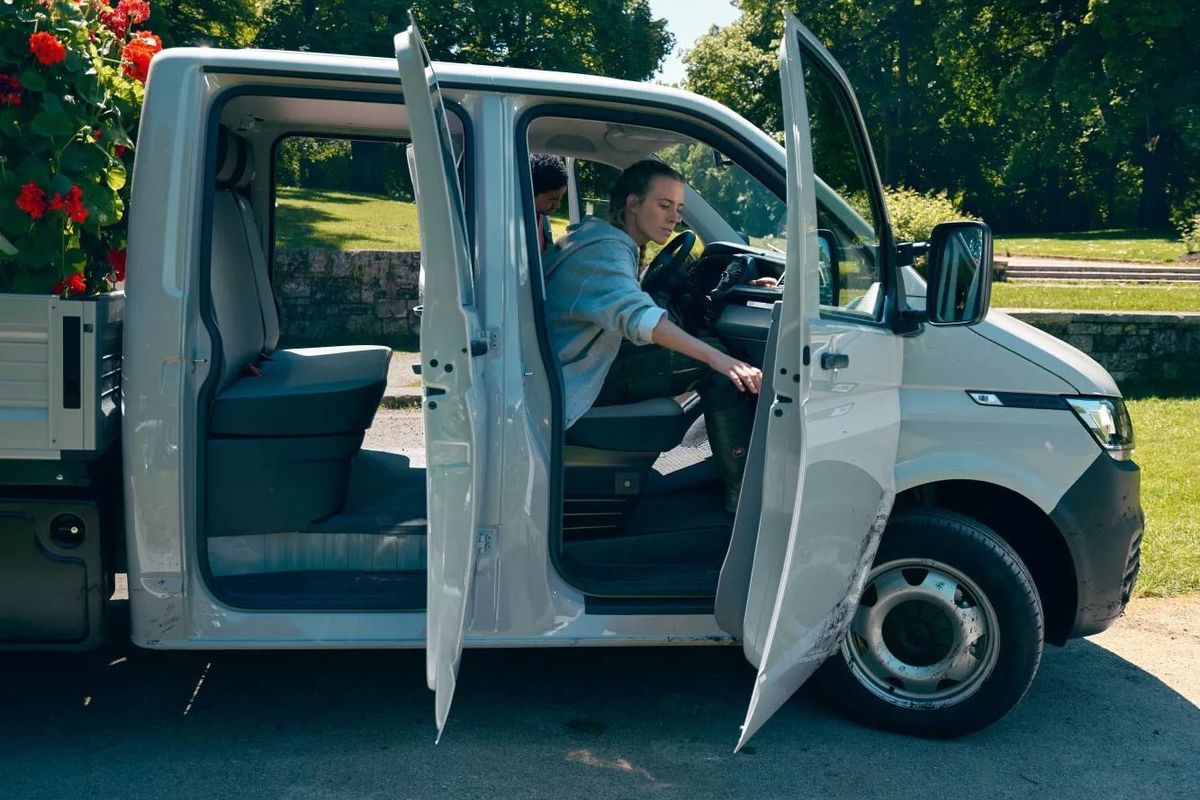
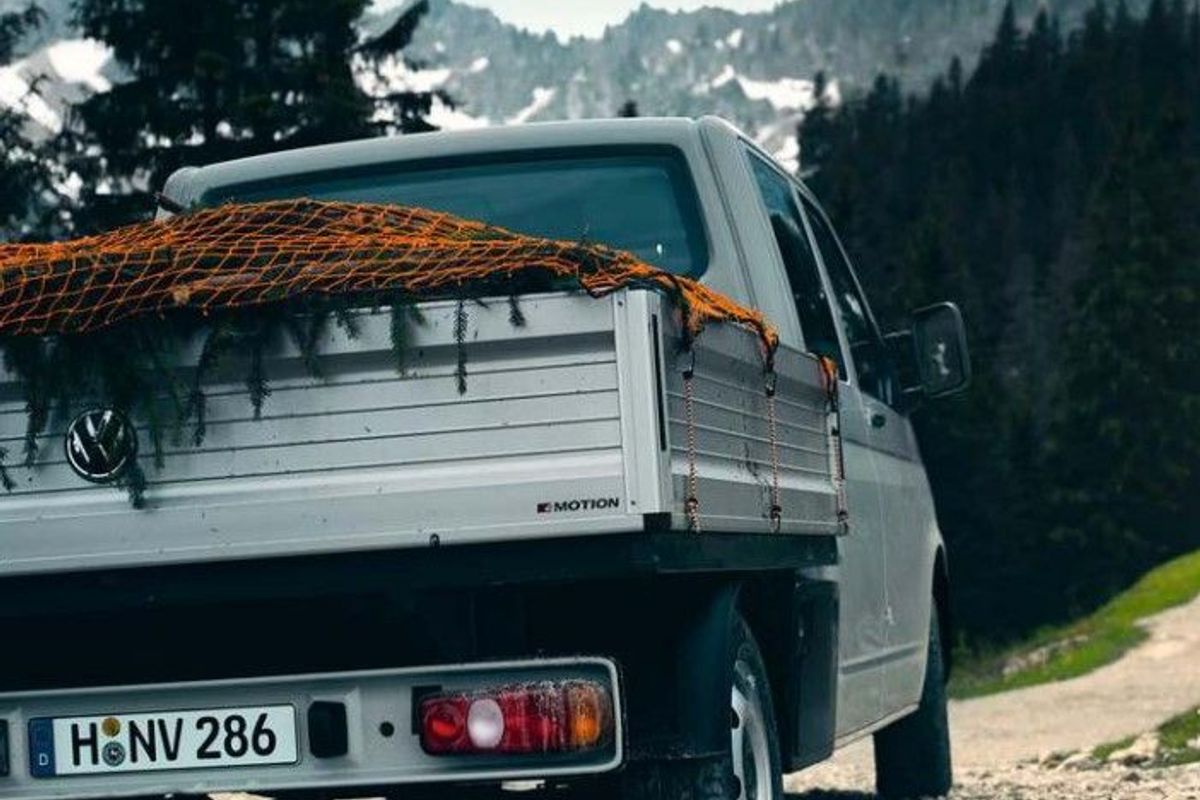
Volkswagen is further expanding its Transporter range to include a single cab and double cab variant.
Hot off the launch of the Transporter 6.1 during March 2021, VW is adding more utility-minded versions of the famous model. Soon you will be able to buy a single or double cab Transporter for under R500k. This isn’t the first time the brand is offering these models as they were offered in the previous generation as well.
VW Transporter engines
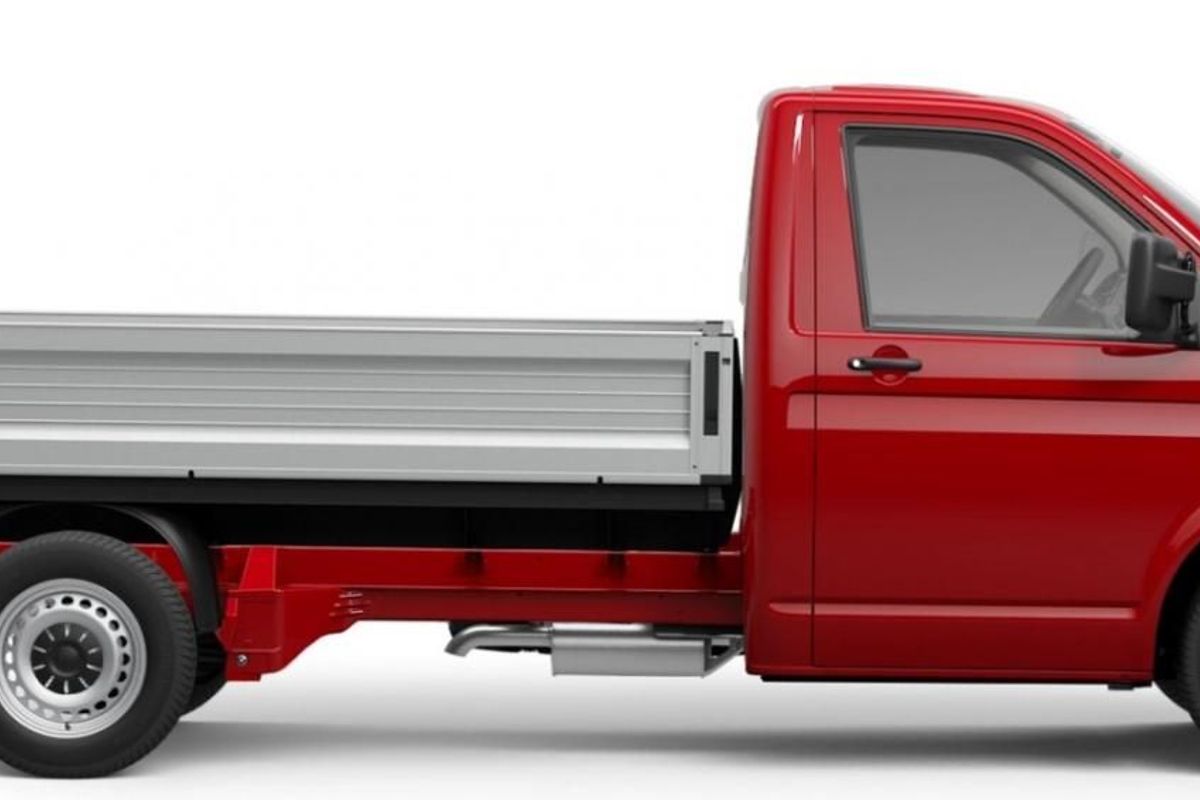
The single cab offers a single engine option of the 81 kW and 250 Nm turbodiesel mated with a 5-speed manual transmission.
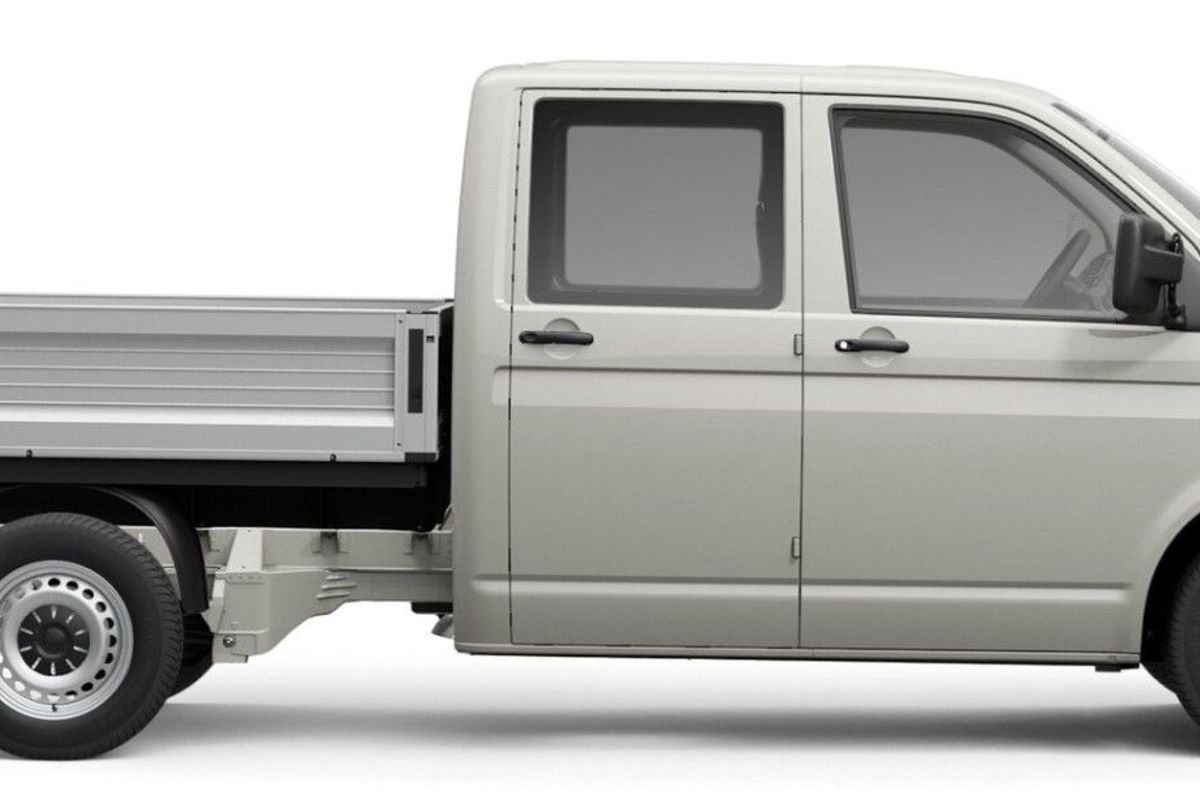
The double cab offers more performance than some leisure double cabs on the market with the additional choice of a 146 kW and 450 Nm turbodiesel with a 7-speed DSG ‘box.
Both models are equipped with a long-wheelbase chassis with a maximum load capacity of 3.2 tons.
Obviously, the single cab has a bigger load bed and is said to be able to load up to 4 Euro pallets while the double cab can load 2 Euro pallets.
Dimensions for the bakkies are as follows:
Single Cab dimensions
2 939 mm load length
1 940 mm load width
392 mm board height
904 mm loading height
Double cab dimensions
2 169 mm load length
1 940 mm load width
392 mm board height
904 mm loading height
Options are available if you want to improve the interior or add passive safety features to the Transporter. A 6.5-inch touchscreen radio with 2 USB Type-C ports is standard on both models. This system is also available with optional navigation.
Volkswagen Transporter pricing
Volkswagen Transporter T6.1 single cab – R424 900 incl VAT
Update: New Mercedes-AMG SL to Replace GT Roadster
Reports have confirmed that the GT Roadster will be replaced by the forthcoming SL sports car which is due to be fully revealed in 2021.
Update: Not too long ago, the viability of the SL was hanging precariously in the balance as the presence of the GT Roadster made the svelte AMG cruiser redundant. Now though, things are looking up for the iconic SL. With the GT Roadster due to be discontinued (as confirmed by reports), the new SL will step in to claim its share of the luxury roadster segment. Also, AMG fans are by now well aware of the brand's shift towards high-performance hybridised powertrains which will form the backbone of future generation AMG products. You may recall that the next AMG C63 will feature a 4-cylinder 2.0-litre performance hybrid powertrain that will spell the end for the much-loved 4.0 V8
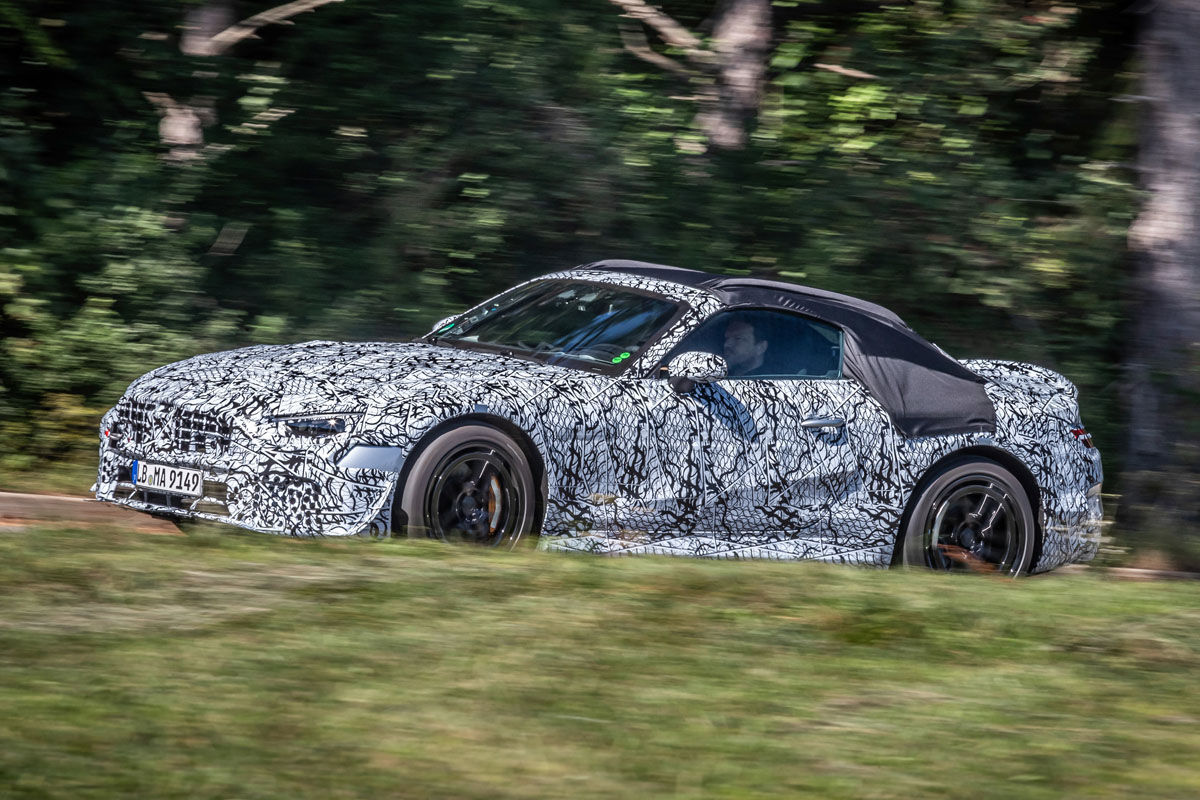
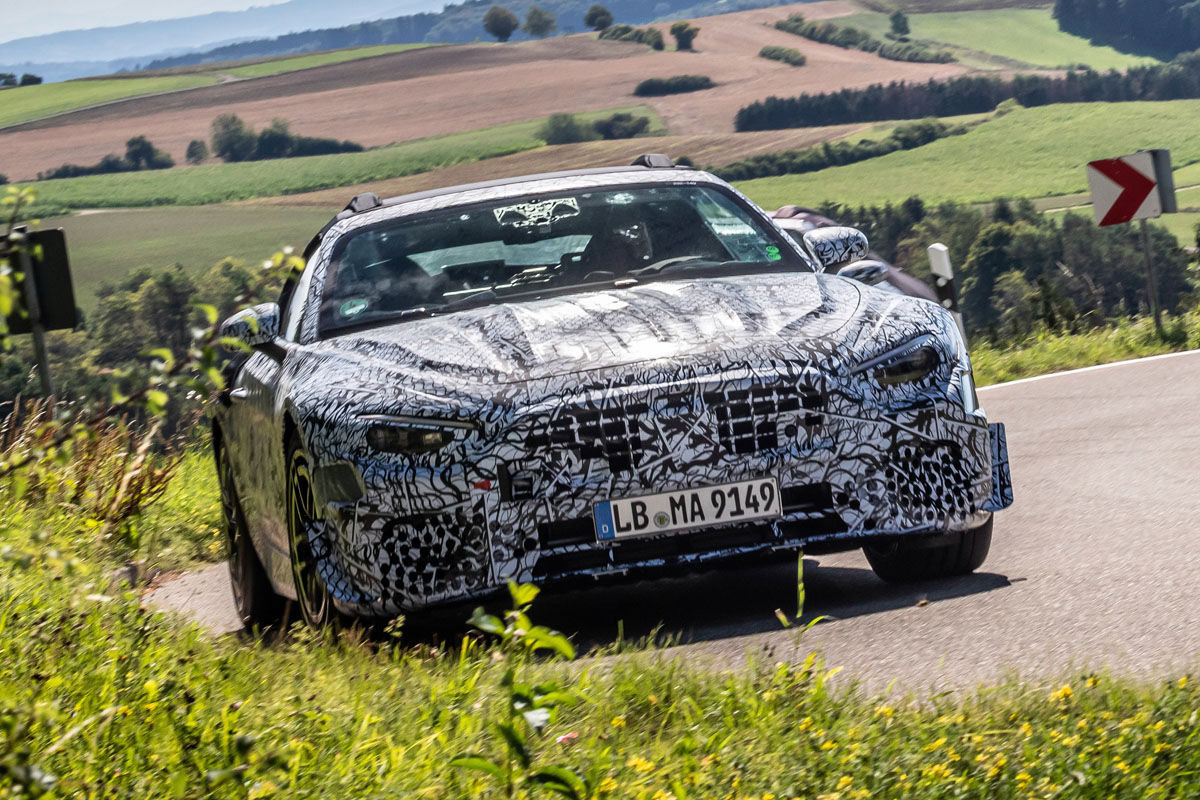
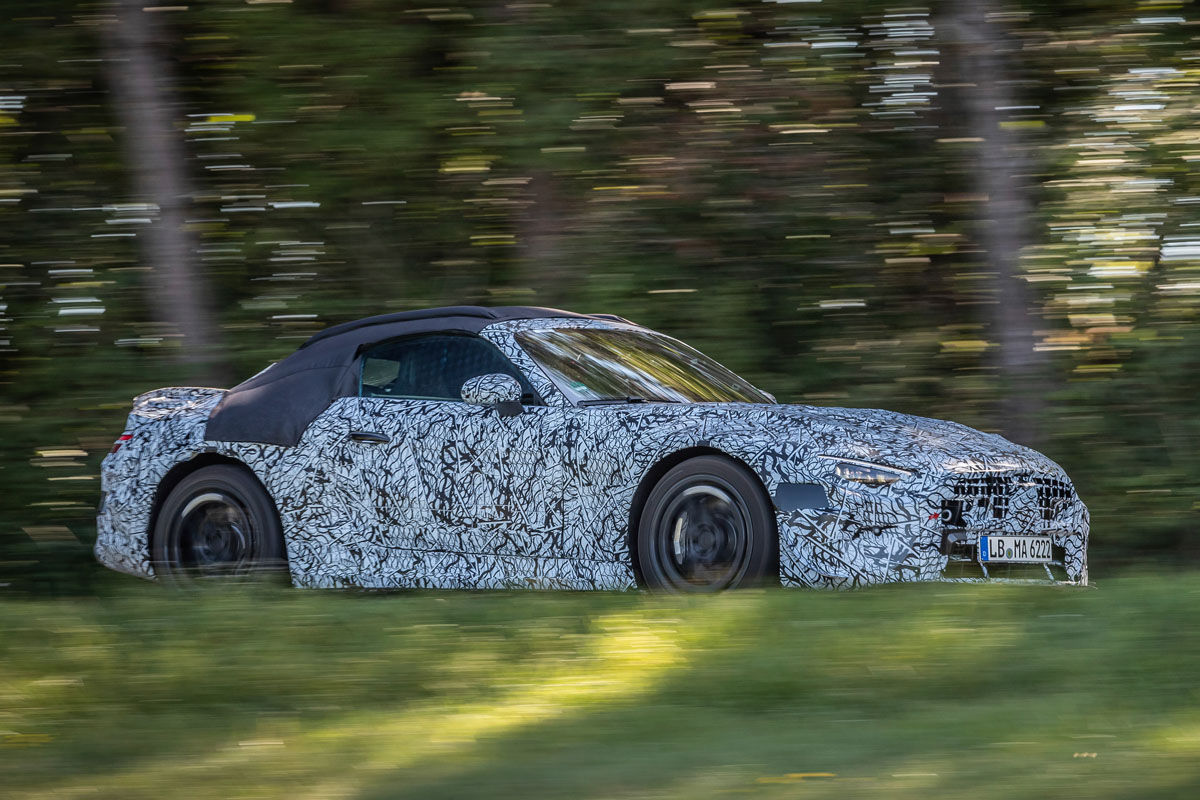
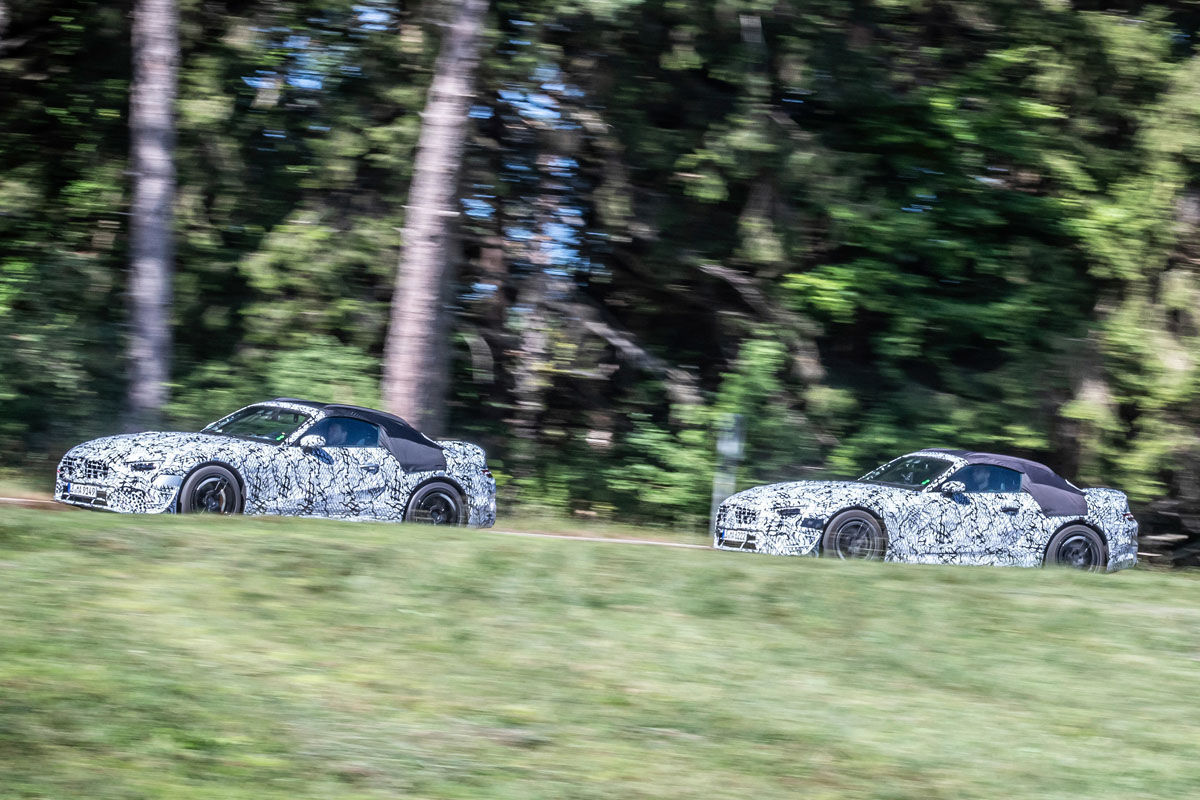
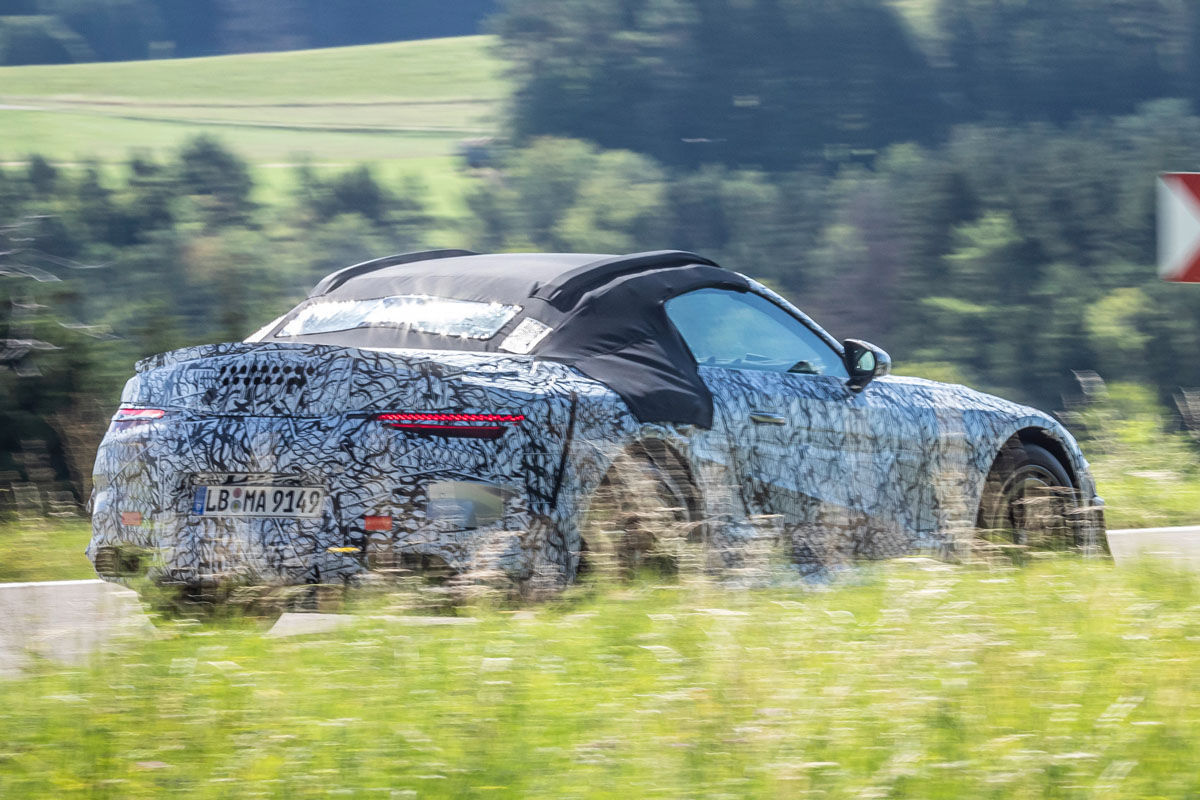
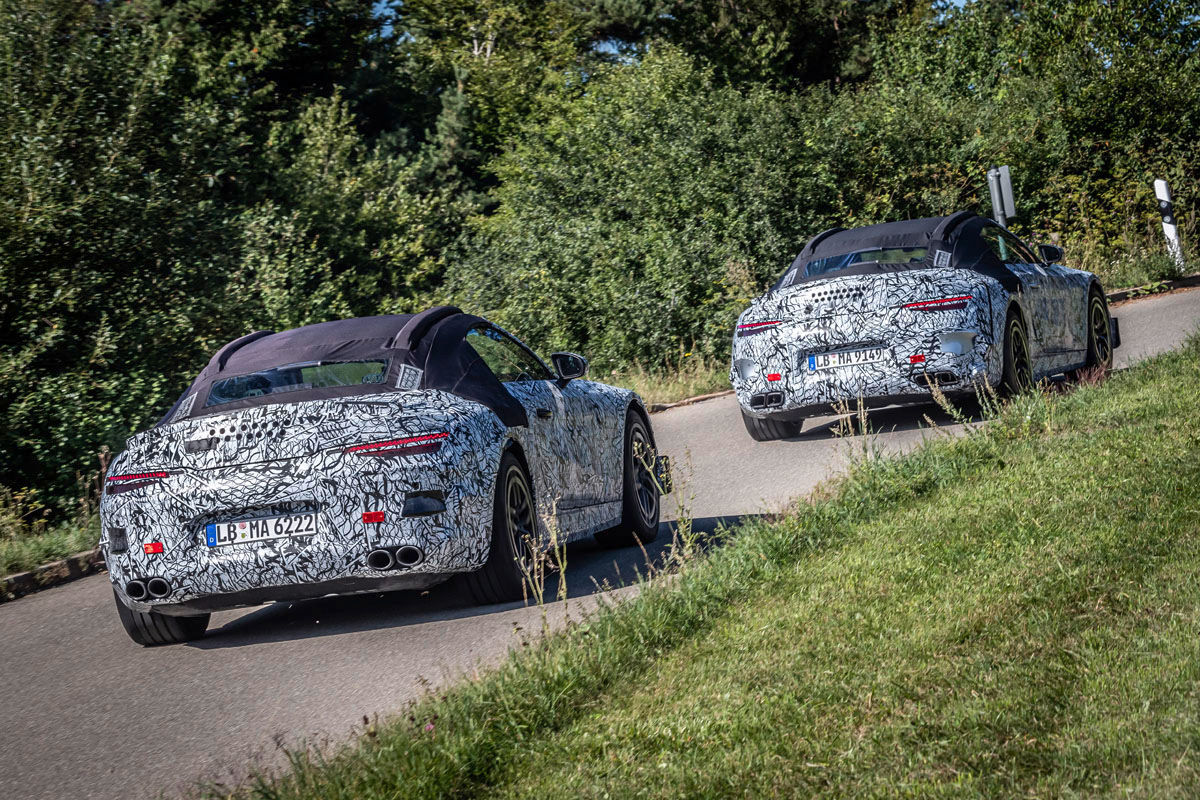
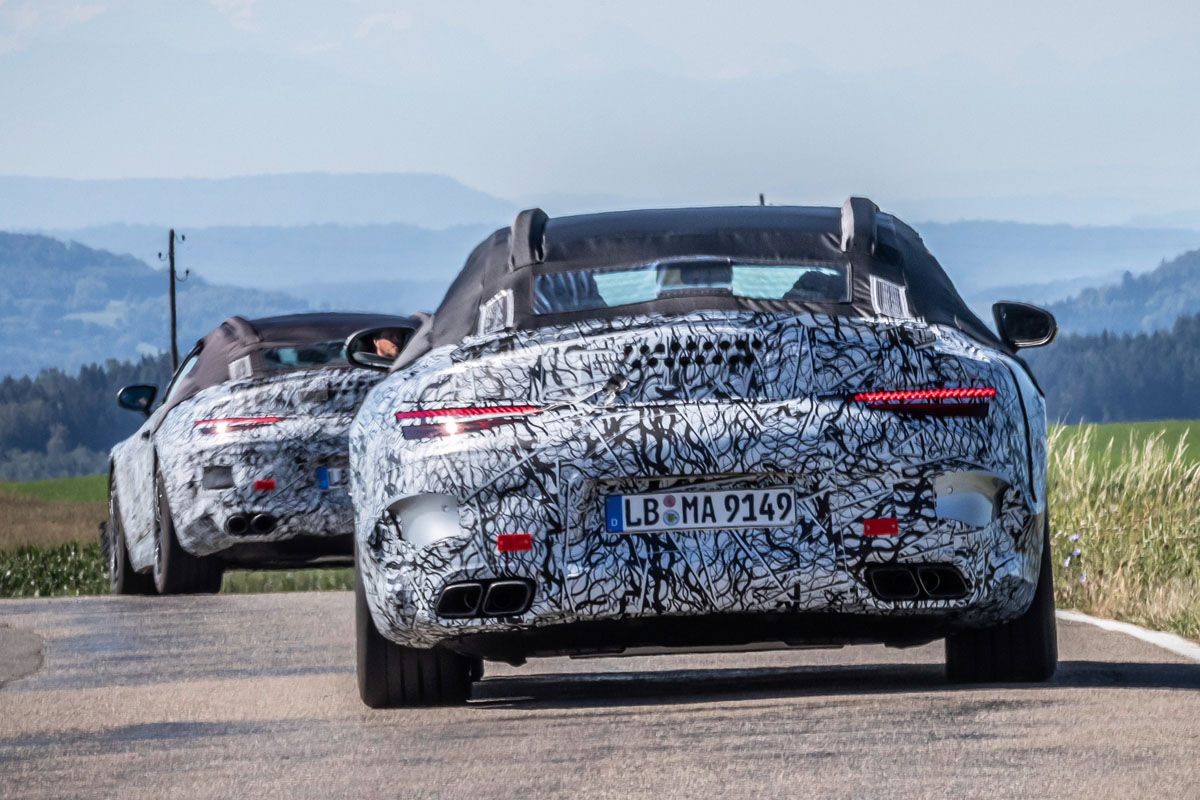
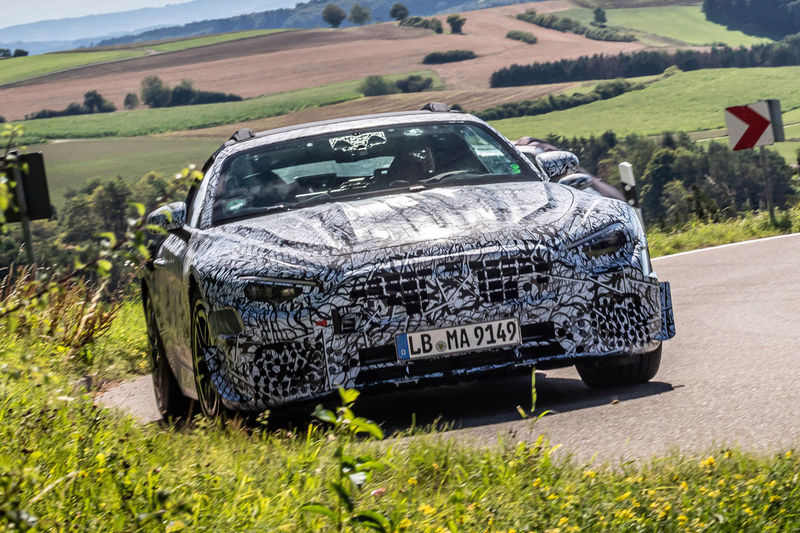
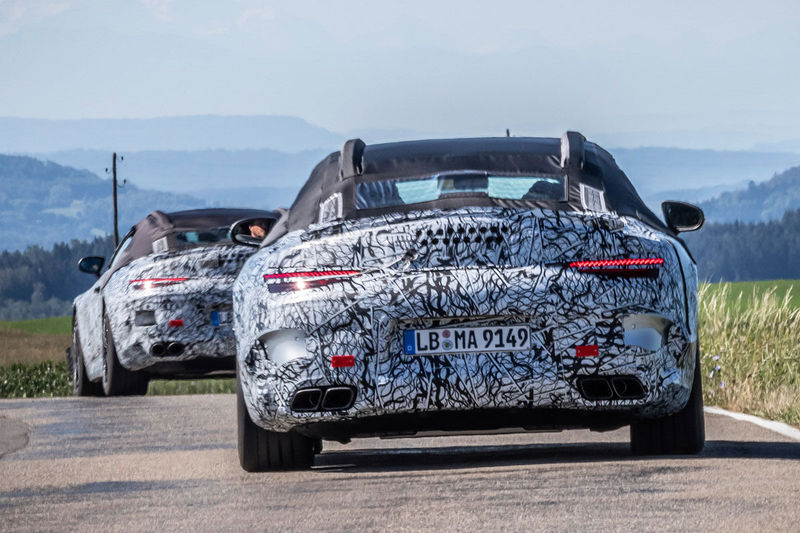
In August 2020, Mercedes-Benz has released images of its next-generation SL, which is being developed by AMG and will revert to its soft-top sports car configuration. And, although the final design is hidden under camouflage, it will incorporate cues from the iconic ‘50s original.
“Following extensive digital development, test-stand runs and simulator trials,” Benz says, the 7th-generation SL (R232) “is now entering a scheduled phase of wide-ranging dynamic driving tests – at the Immendingen proving ground and also on public roads.”
At the time, the Three-pointed Star did not reveal much else, apart from saying the new SL, which will be launched in 2021, would “go back to its roots, which began in motorsport in 1952.
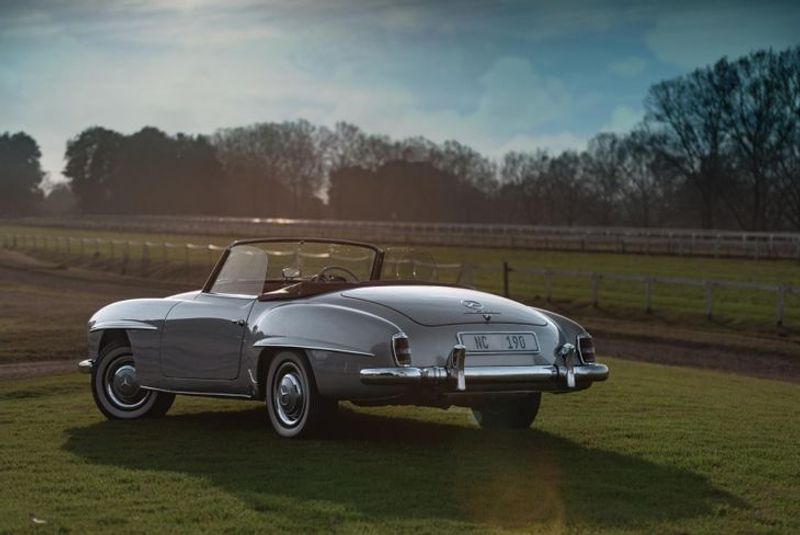
Manana Nhlanhla's beautiful and iconic 1959 Mercedes-Benz 190SL was featured in the 6th episode of SentiMETAL.
That echoes a statement made by Mercedes-Benz design chief Gorden Wagener, who previously told Autocar that the iconic SL would return to its sportscar roots, not only in terms of its sinuous styling, though – the new model will be based on the aluminium-intensive MSA (modular sports architecture) platform, which Mercedes-AMG division will also use to produce the next generation of the GT (and its various variants).
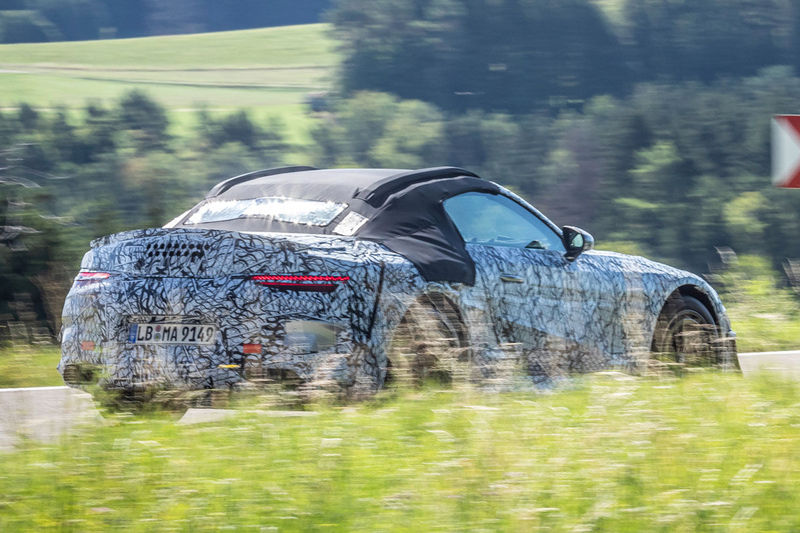
What’s more, like the upcoming BMW 4 Series Cabriolet derivative, the next SL will feature a lighter folding soft-top instead of the retractable hardtop (Vario Roof), which has featured on the iconic model since the 5-generation R230.
The upcoming R232-series SL is being developed by AMG and will share its underpinnings with the next-generation GT model.
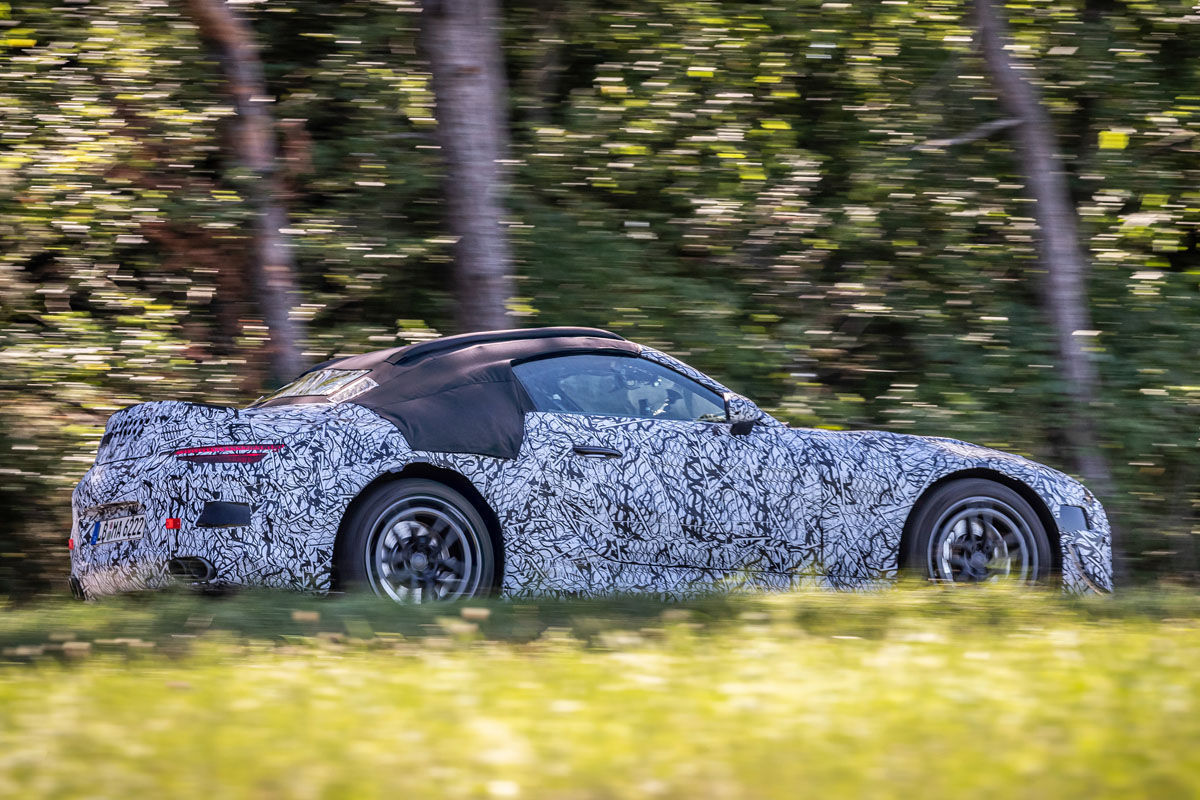
Judging from these images, the newcomer has a classic long bonnet, a sharp nose and cab-back profile, but it has lost that fleshy rump/3-quarters that designers have been obligated to add to the SL's shape to help accommodate the bulky components of a retractable hardtop in addition, of course, to availing usable measure of boot space.
The SL won’t be a full roadster however, it will have a 2+2 seating configuration, although the rear seats will be small (more suited for children), which would make it marginally more practical than the current car (for what that’s worth).
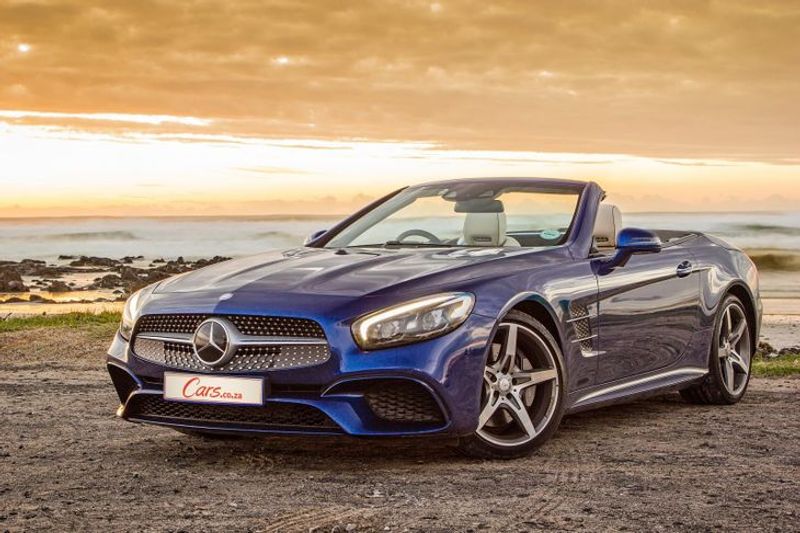
Since the curvy Fifties and Sixties models, the SL first became blockier (with the R107 “Panzerwagen” model), then longer and portlier (from the Nineties R129 and Noughties R230) and finally, the much-criticised bluff-nosed and cumbersome boulevard cruiser that is the R231, which came to market in 2012 and was facelifted about 4 years ago.
Through the generations, the SL has grown in dimensions and morphed into a grand tourer. We tested the SL500 in late 2016.
“For me, the most beautiful SL is the original model,” Wagener told Autocar. “We’ve taken some of that DNA, starting with the proportions, the surface treatment, things like that. In that respect, the new SL is probably the closest to the first one ever.”
Which is great news and, although the SL will share its platform with the next GT/GT C Roadster, they will remain very distinctive products. Wagener added: “The GT is more of a race car and the SL is more of a sports car. You will clearly see the differences.”
The Vario Roof was practical, but detracted from the previous SL's dynamism and elegance. That's why the soft-top's back.
Remember, the R232 will be a luxury car first and foremost. Such is the stiffness of the upcoming SL’s all-aluminium architecture that the package won’t suffer a significant loss in torsional rigidity without a folding hardtop. What’s more, advances in materials technology mean the designers believe they can achieve close to the R231’s noise-suppression qualities with a weight-saving soft-top, Whichcar reports.
We also expect that the SL, like the next-generation S-Class, will incorporate Level 3 Highway Assist autonomous driving technology, the next version of AirMatic+ active suspension (which scans the road to pre-arm the air suspension and dampers for bumps ahead) and perhaps even active anti-roll bars that facilitate flat cornering at a wider variety of speeds. Cabin materials and finishes will be first-class.
In terms of powertrains, the R232 and AMG versions are likely to share axle assemblies, suspension, steering systems, a 48V electric architecture, as well as turbocharged straight-6 and twin-turbo V8 hybridised powerplants mated with 9-speed automatic transmissions (AMG derivatives will feature 9-speed Speedshift ‘boxes).
The quartet of trapezoidal exhaust tips suggest that the car at the rear is an AMG derivative in disguise.
Autocar reports that the range is likely to begin with an SL 450 EQ Boost powered by a 3.0-litre turbopetrol producing 272 kW, along with an added 16 kW from the integrated starter motor. There will also be a hotter SL 53 AMG, with 321 kW from a beefed-up version of the former’s straight-6 engine (and 16 kW of e-assistance). The SL 500 EQ Boost will feature a torquier turbocharged 4.0-litre V8 and the top-of-the-range SL63 AMG will produce “in excess of 447 kW” and 22 kW-plus of electric boost in S guise.
“It’s kind of a burden to be responsible for the SL, but we had to make sure this iconic car had a bright future,” AMG boss Tobias Moers said in 2020. “The weight of responsibility is heavy but what we’re doing is good. We are taking the new all-aluminium SL back to its roots: it’ll be sportier, but also better for everyday use.”
We will keep you informed as official details of the new Mercedes-AMG SL are released.
Toyota is being conservative, with its big luxury 4×4.
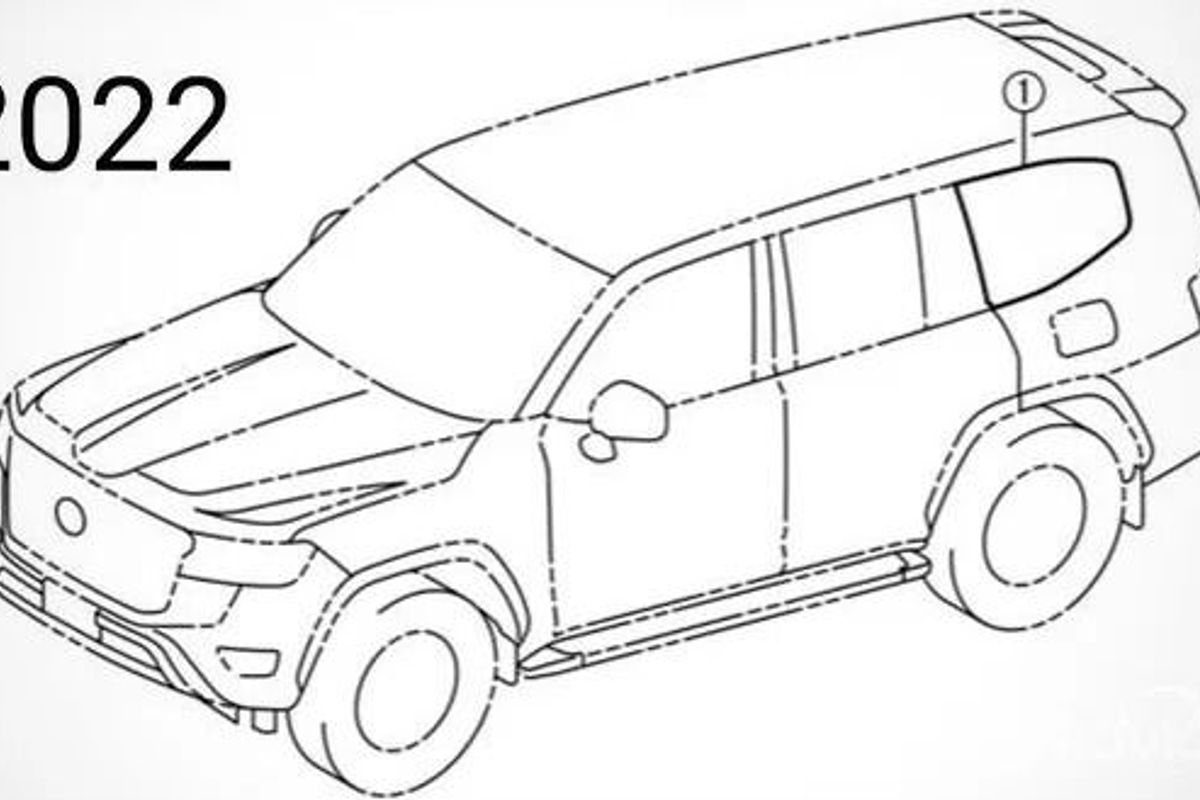
The slow tease of Toyota’s new Land Cruiser continues. Although the Japanese company is trying to keep details about the Land Cruiser 300 guarded, there has now been the obligatory patent drawing discovery.
Any automotive brand has to file technical diagrams and drawings with relevant training and patent authorities, and these usually allow for quite a bit of detail to be revealed.
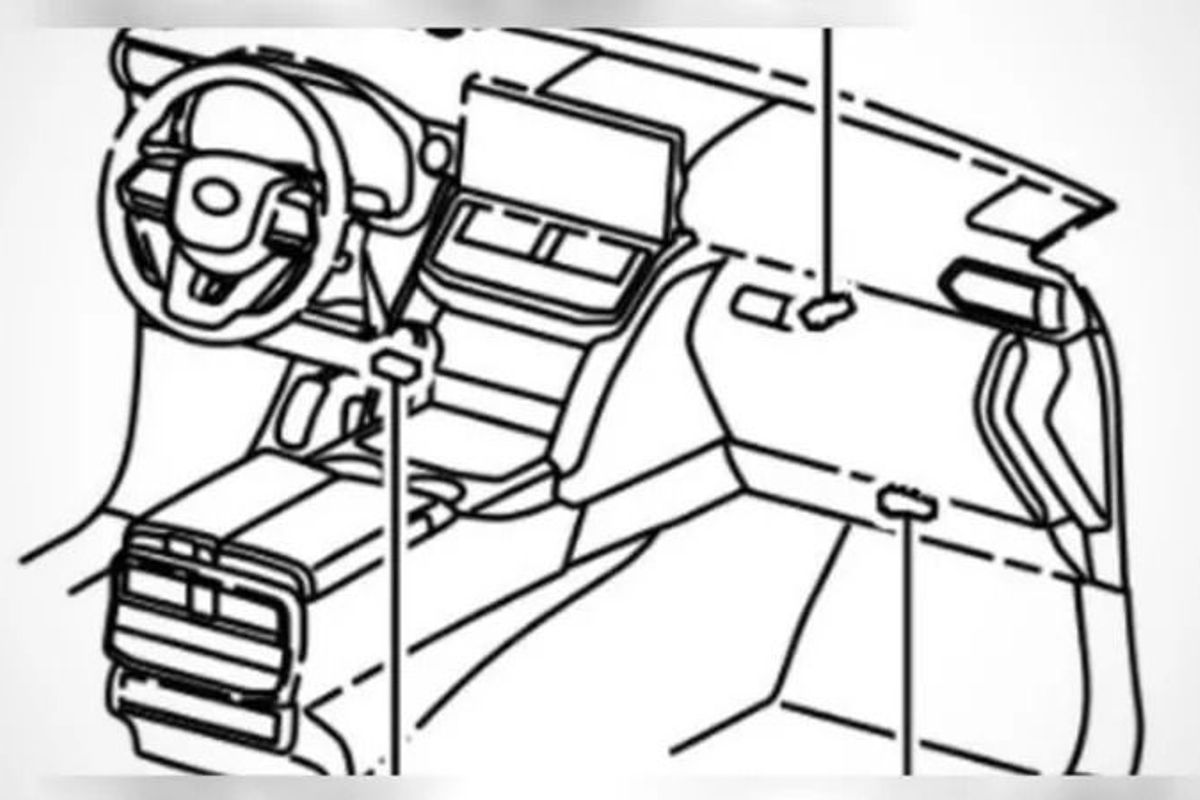
A series of technical drawings, to assist Toyota staff in understanding the new Land Cruiser’s build and fitment, has given a lot of clues to what the new ‘Cruiser will be like inside.
The Land Cruiser 300 exterior will not differ radically, using much of the legacy design language which has established its unique sense of presence. Where the most significant architectural changes are to be had, regard the cabin and ergonomics.
In the realm of automotive digitisation and functions, the market has evolved enormously in the past decade. Something which has generally passed Land Cruiser followers by, as the soon to be retired 200-Series, was launched in the late 2000s.
What is clear from these Toyota technical sketches, is that Land Cruiser 300 will feature a very cleverly configured interior environment. Toyota recognises that its luxury SUV customers are more likely to use their vehicles in testing off-road environments, than virtually any other equivalent brand or model.
To ensure a cabin architecture that is both effortlessly digitized, but also intuitively usable when traversing Kalahari dunes or crawling up Sani pass in winter, Toyota’s industrial designers have blended old with new.
A 12.3-inch touchscreen infotainment system is affixed above the centre console, which should relay most of the entertainment, device pairing and navigation information for Land Cruiser 300. But loyal ‘Cruiser fans will be thrilled that a series of physical knobs and dials have been retained.
Most luxury SUVs are now produced with sweeping touchscreens, controlling virtually all functions. Although the appearance might be fantastically futuristic, the functionality is not ideal when driving off-road.
Controlling HVAC or adjusting in-car entertainment is deeply annoying via a touchscreen interface when you are barrelling along on a bumpy gravel road. Toyota knows this and has decided to include several physical buttons, in its new ‘Cruiser 300.
Another interesting detail of the forthcoming ‘Cruiser 300, is that these technical drawings show both a push-button and traditional ignition barrel starting system, indicating that Toyota will be marketing a Safari specification version of its luxury SUV.
The new Land Cruiser 300 is expected to be revealed by early May 2021.