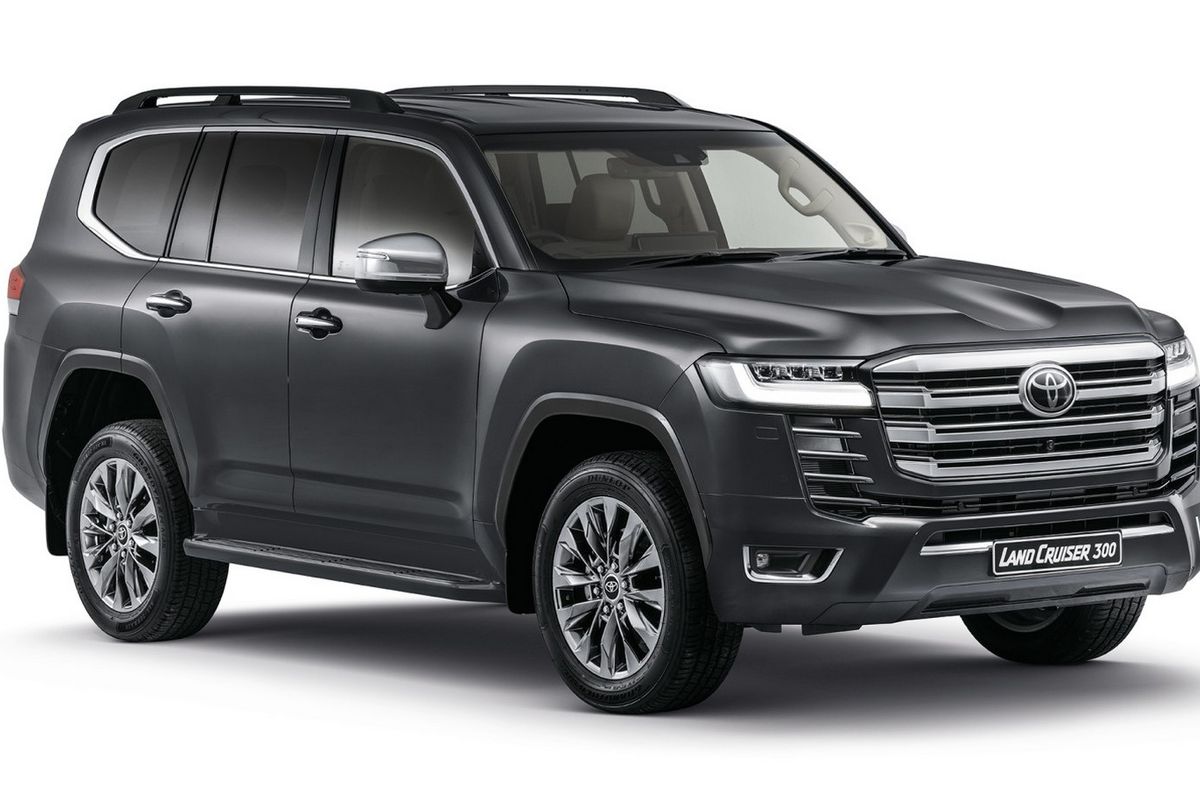
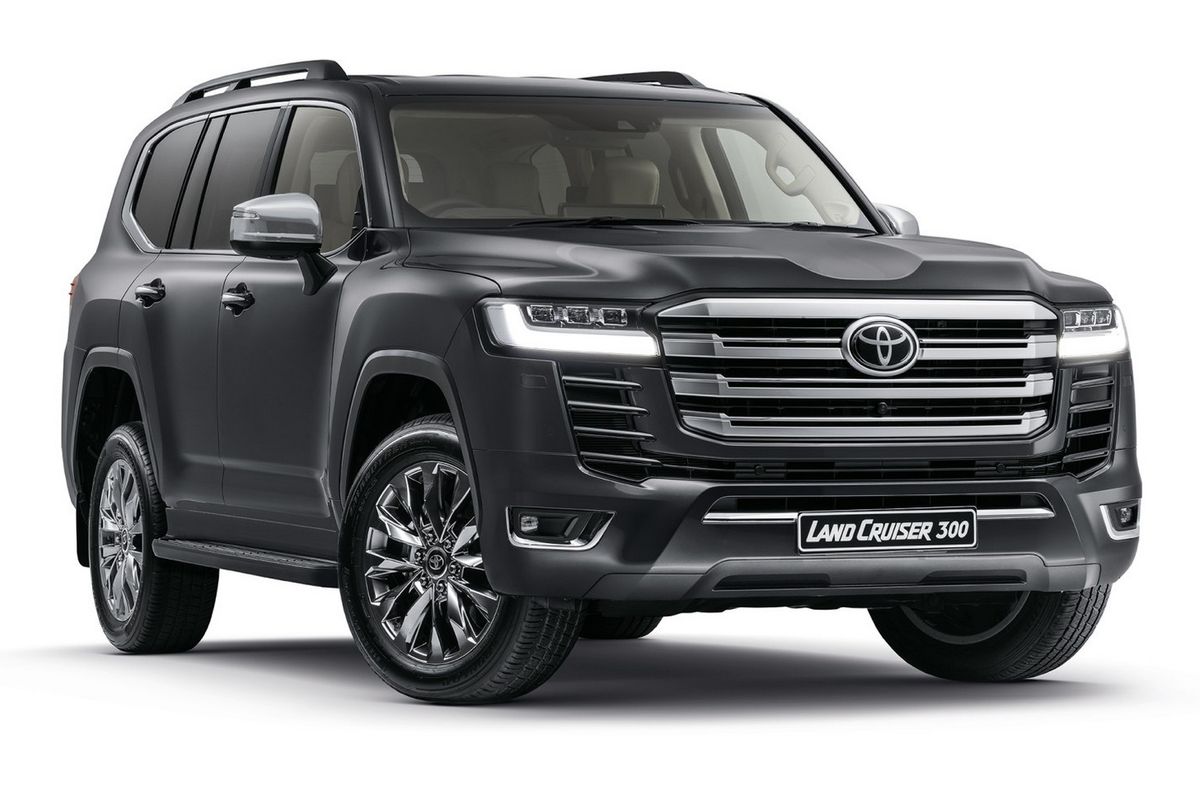
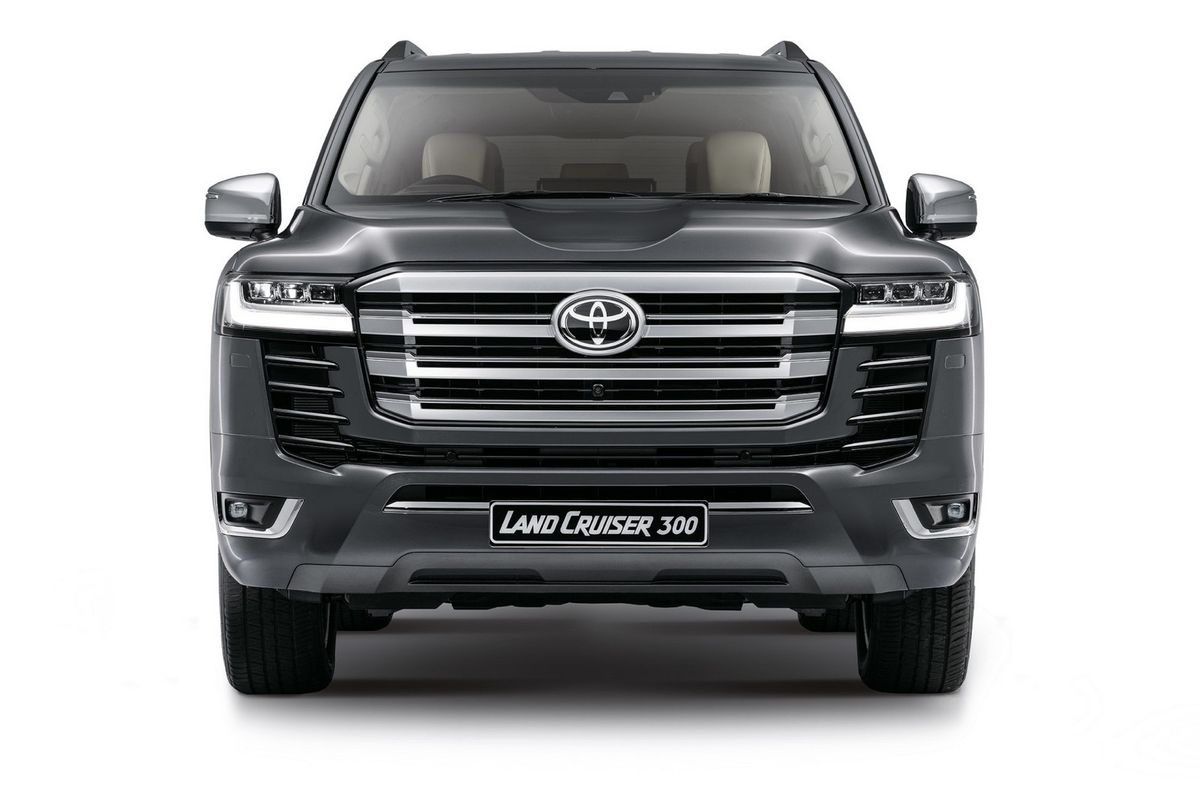
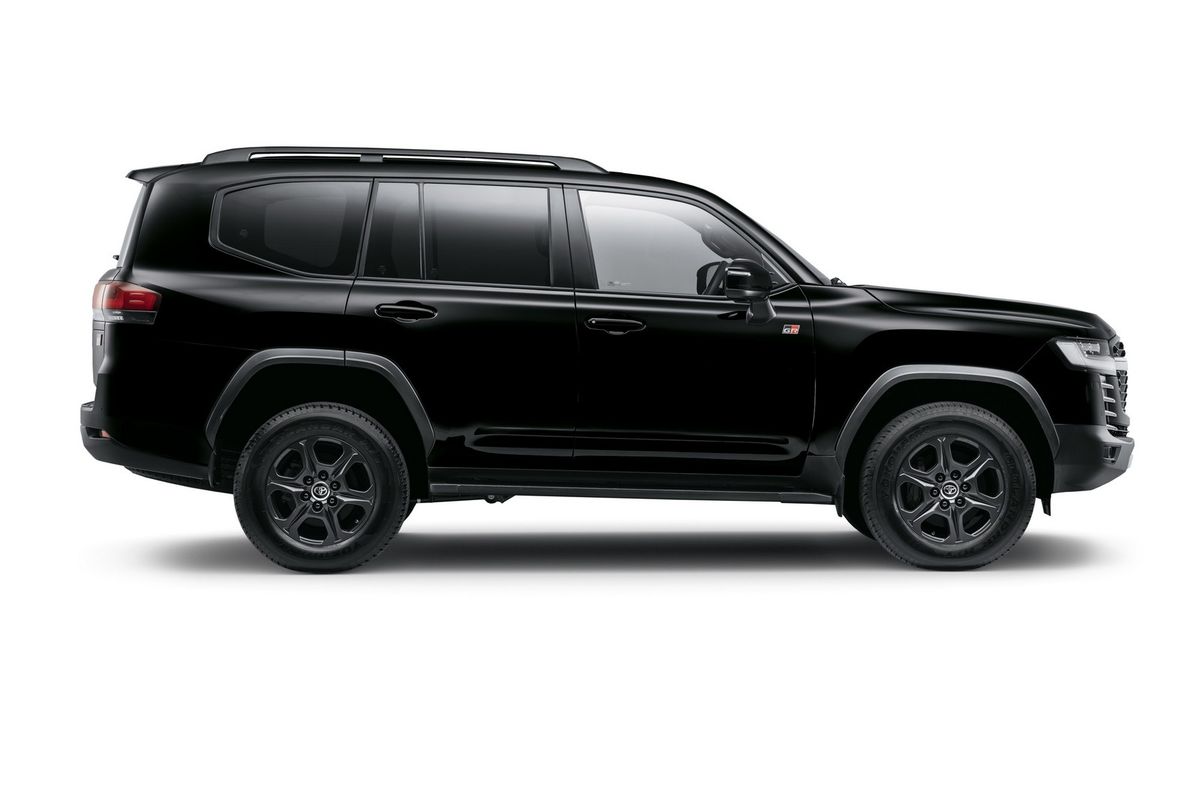
Pricing and specifications for the soon-to-be-launched Toyota Land Cruiser 300 have been announced. Here’s how much you will pay when the vehicle launches in SA in August 2021.
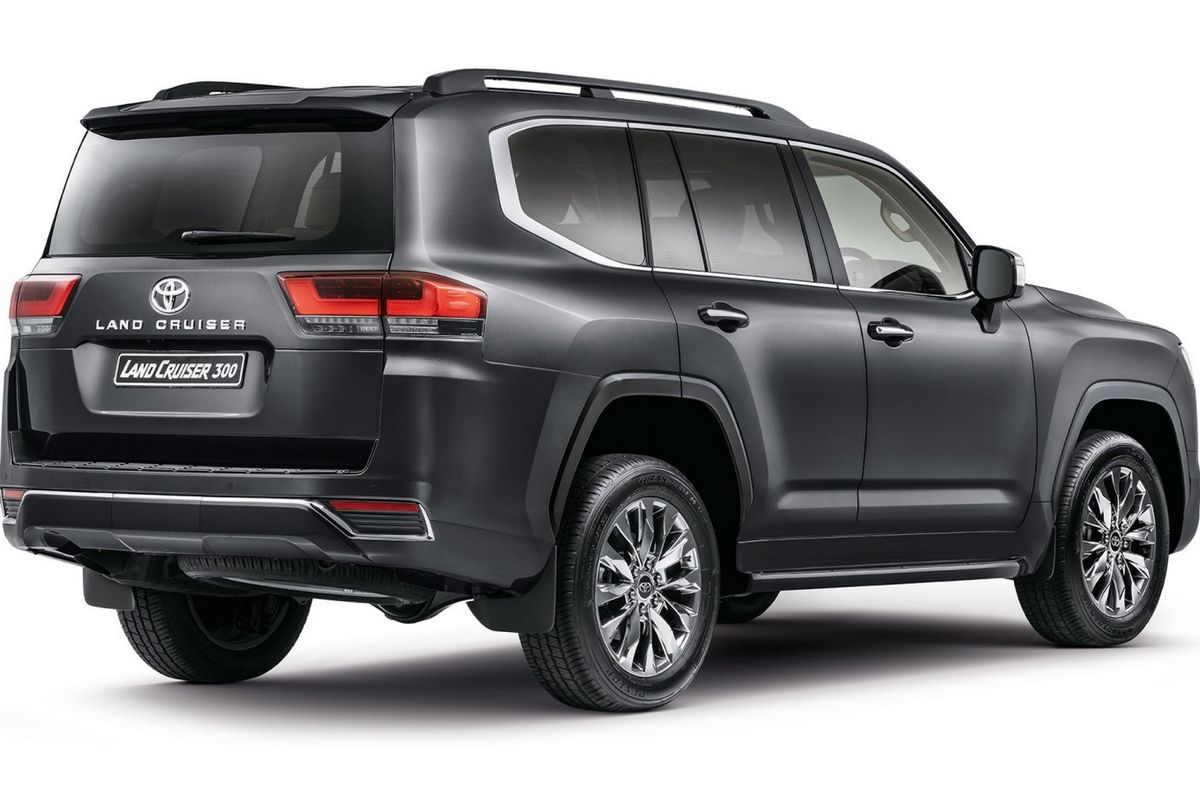
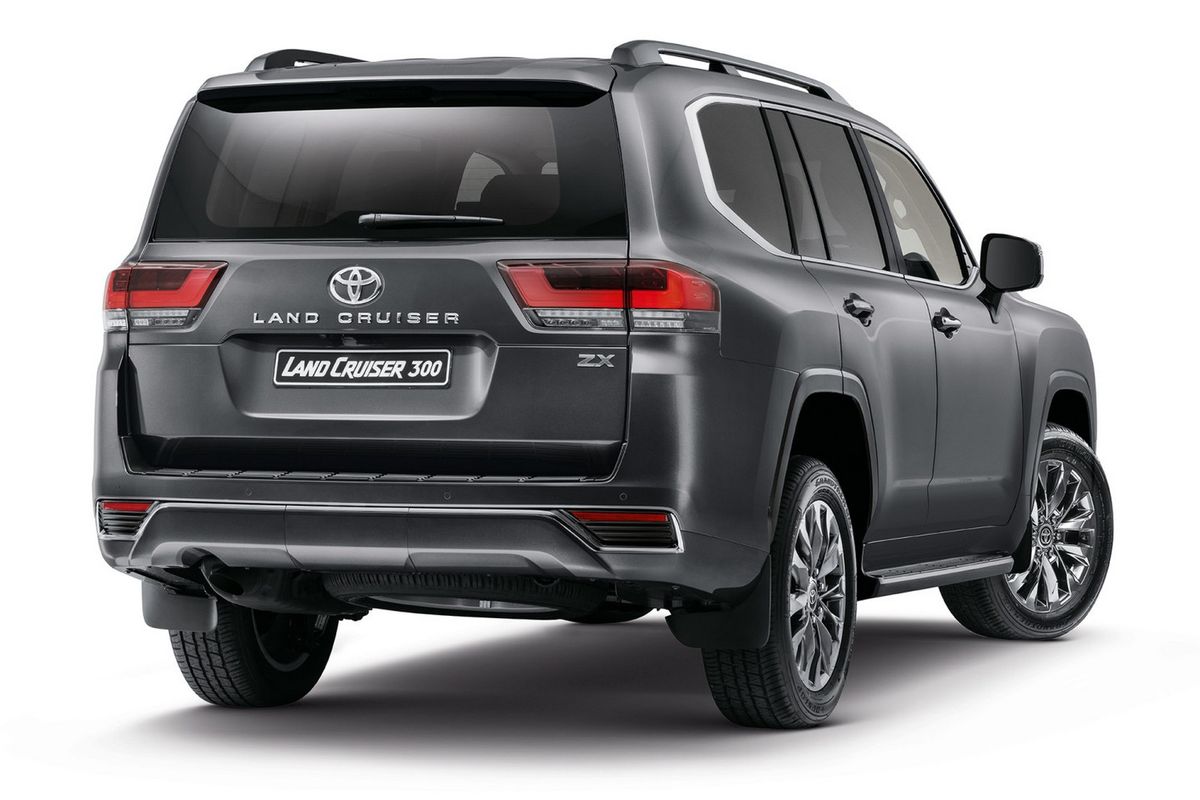
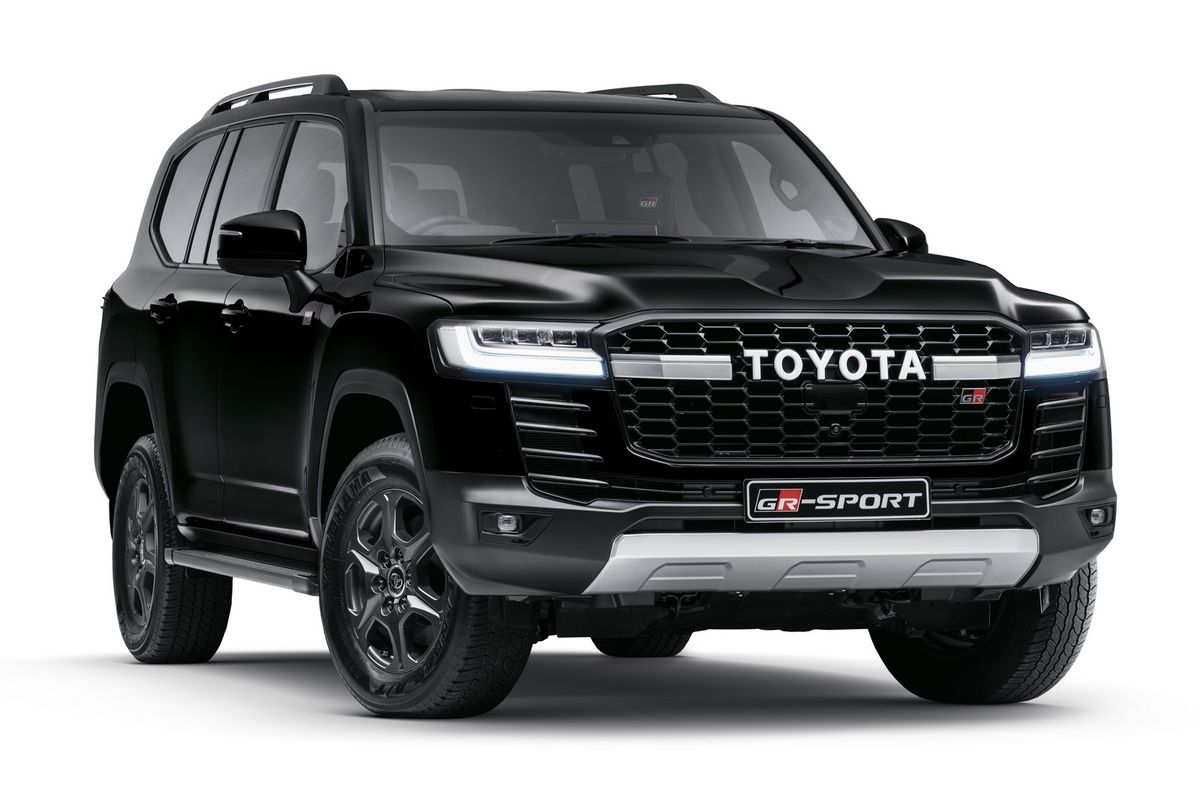
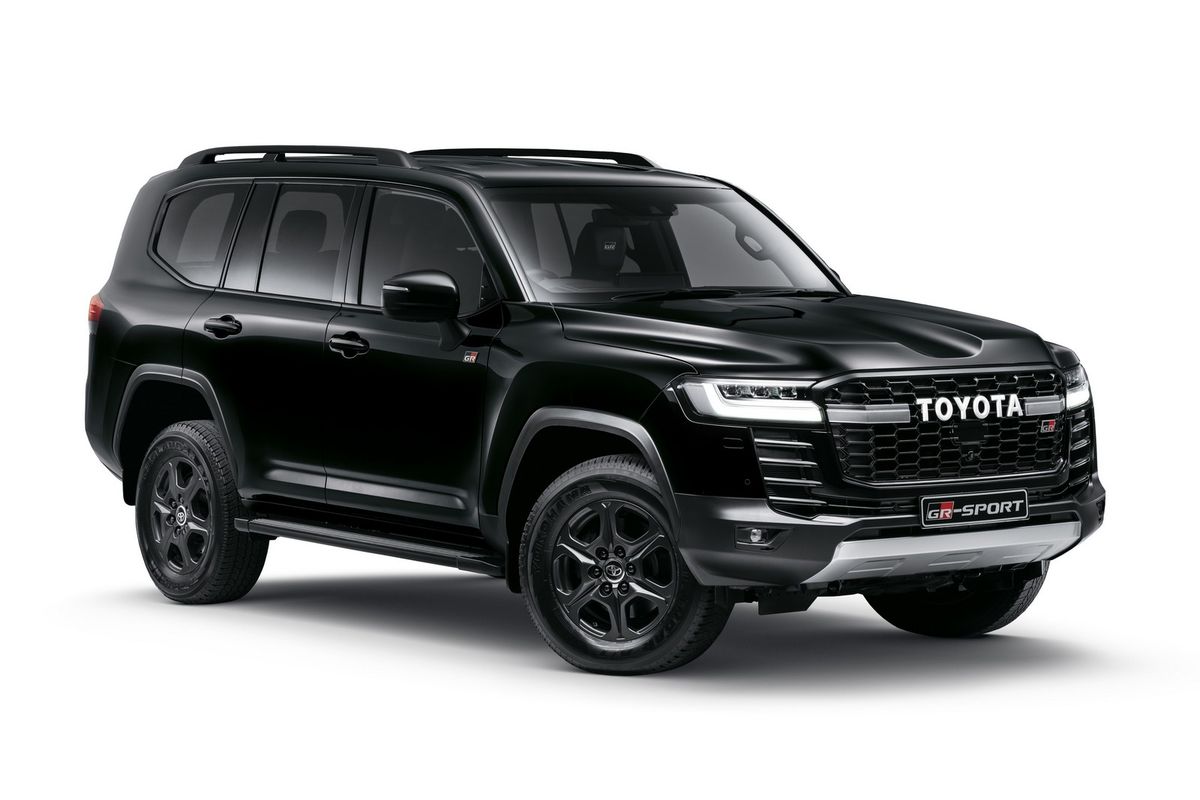
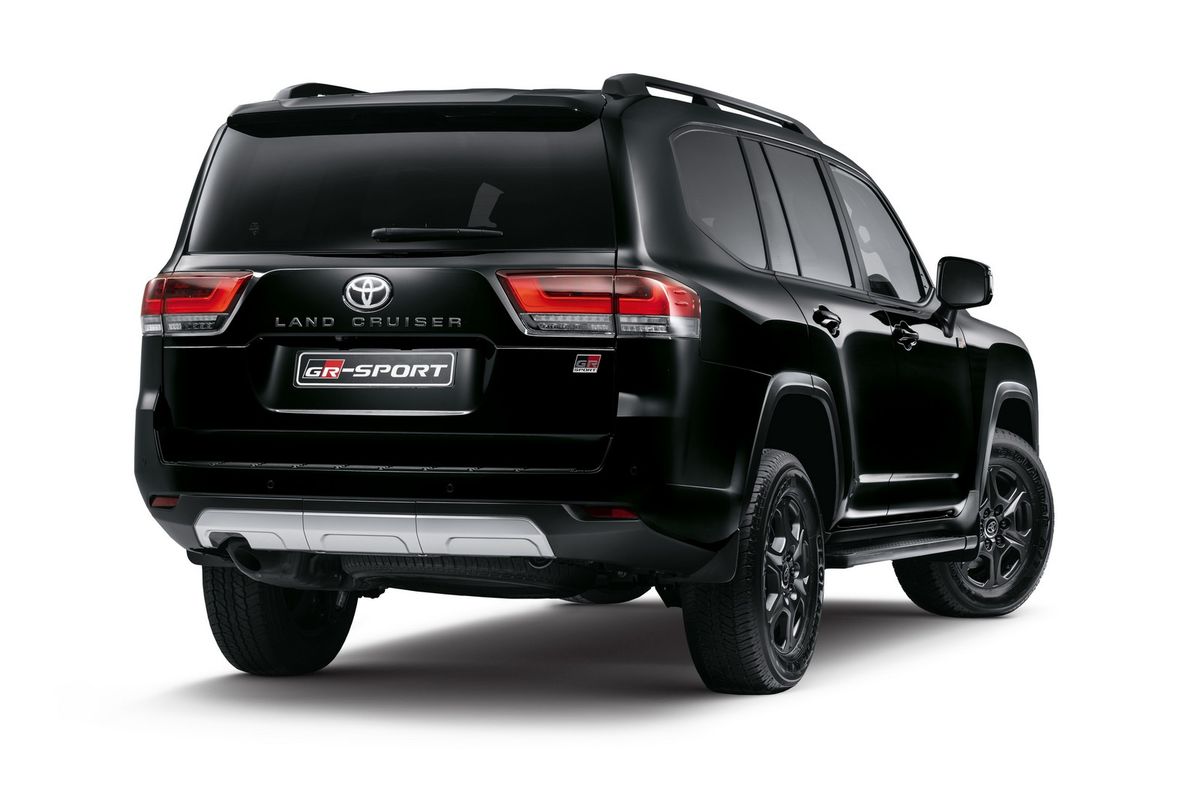
The bold-looking Toyota Land Cruiser 300 is on its way to SA and this all-new model represents a huge step up from the outgoing 200.
This is an all-new model, with a new platform under the skin. This platform is the TNGA-F (Toyota New Global Architecture) and is the first time it features a ladder-frame setup.
Brand-new Toyota Land Cruiser 300 engines
To power the big Toyota Land Cruiser 300 is an assortment of brand new petrol and diesel engines to choose from. For the petrol fans, there’s a 3.5-litre twin-turbocharged V6 engine producing 305 kW and 650 Nm. Diesel fans are catered for with a 3.3-litre turbocharged V6 delivering 225 kW and 700 Nm.
Both engines are paired to 10-speed automatic gearboxes with low-range functionality. As far as fuel economy is concerned, figures of 12.1 L/100 km for the petrol and 8.9 L/100 km for the diesel are being touted.
Trim Levels
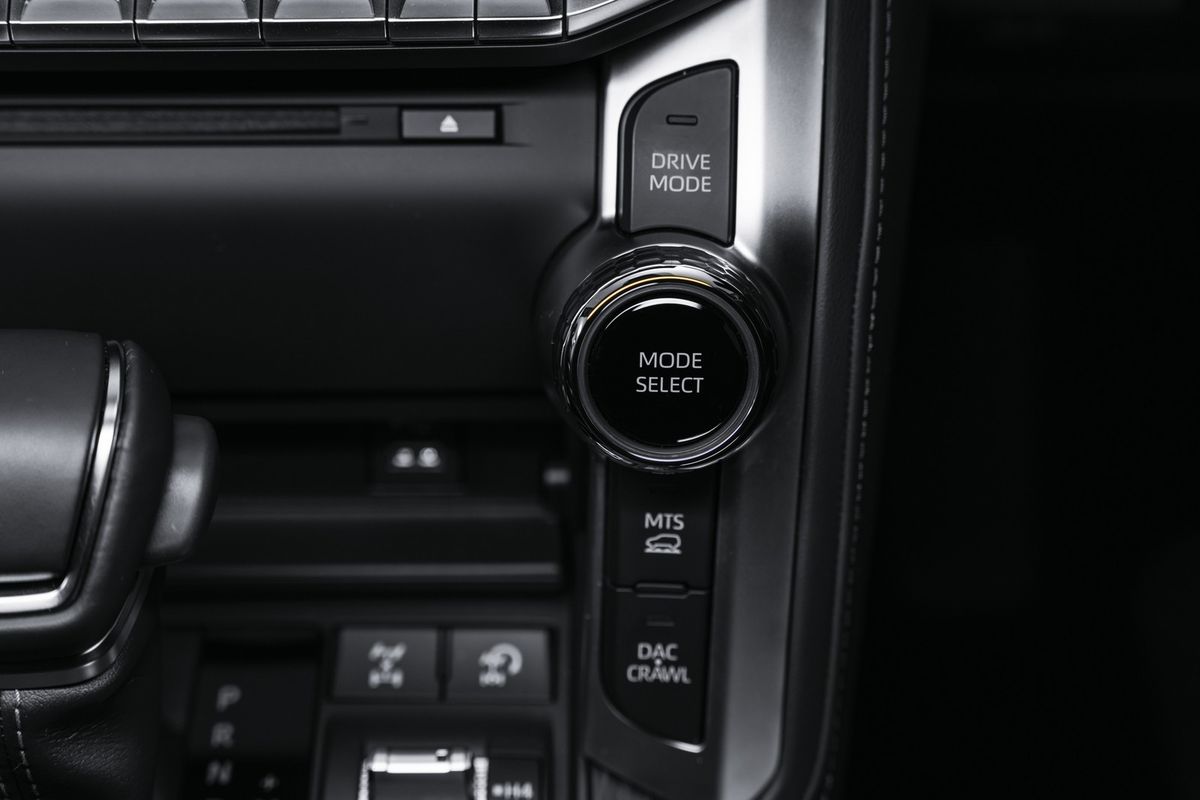
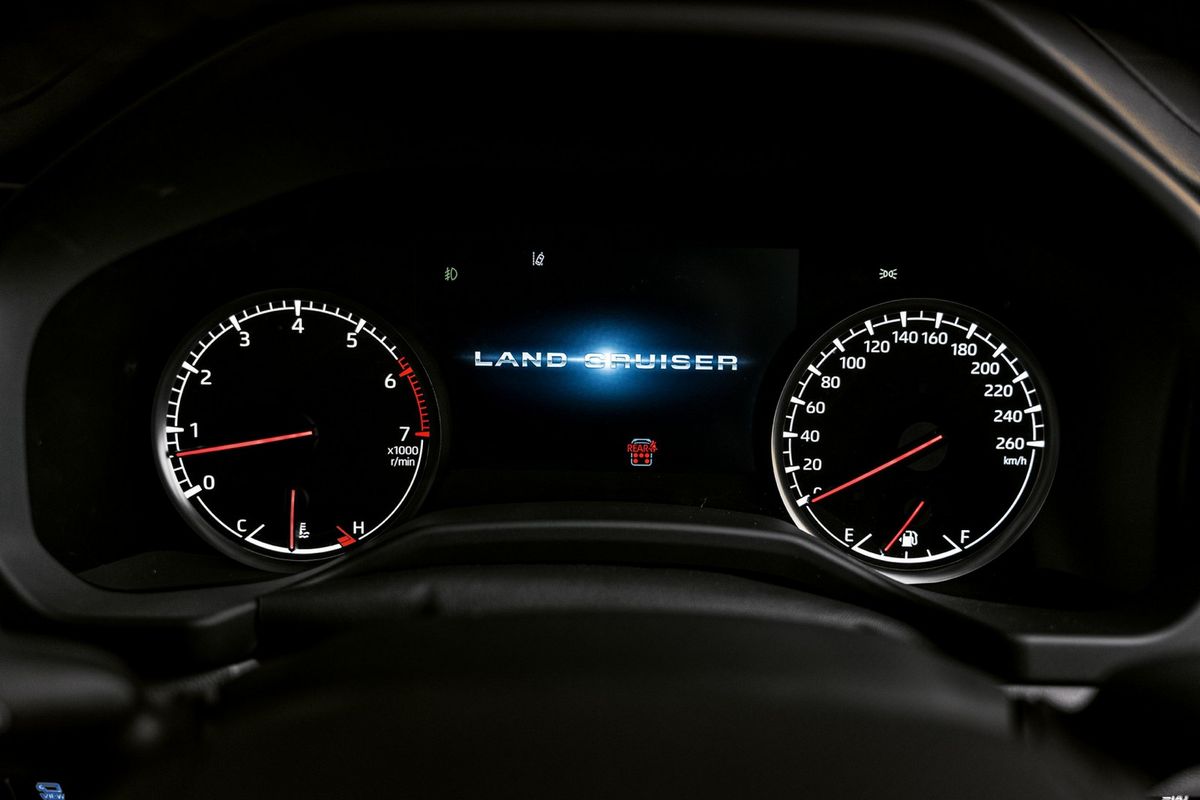
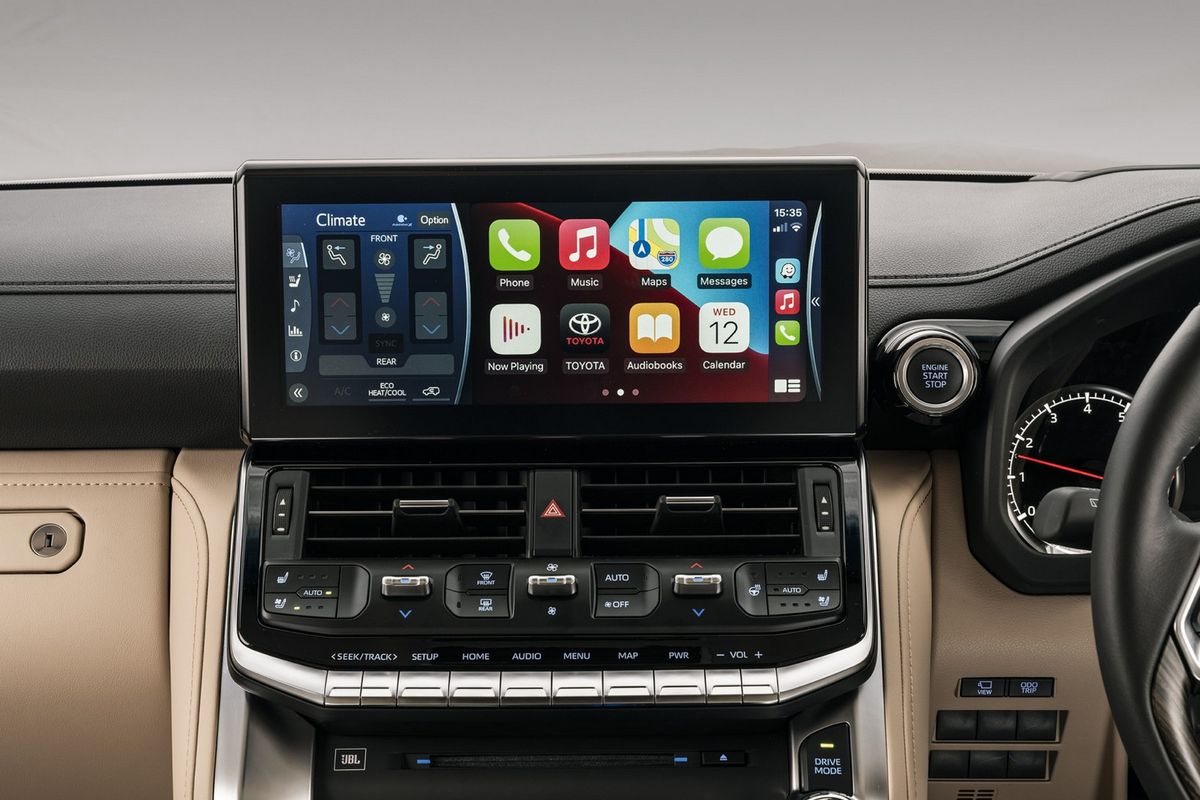
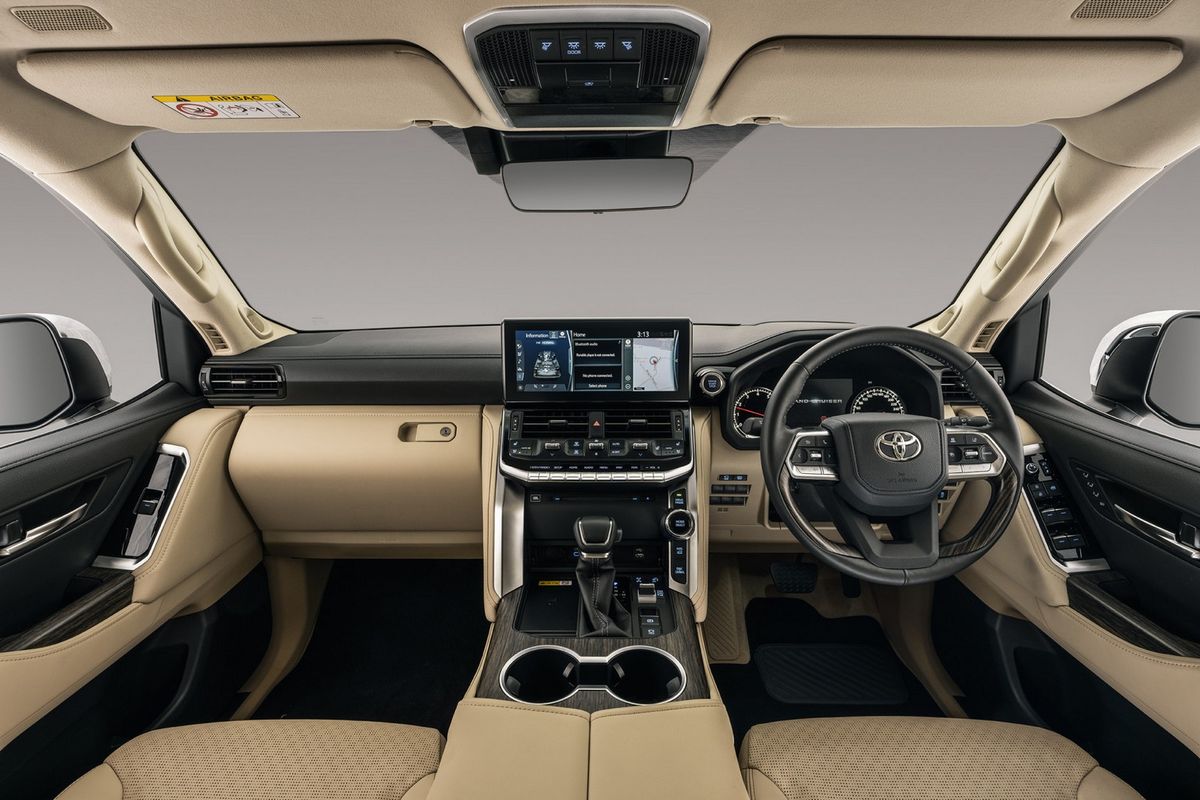
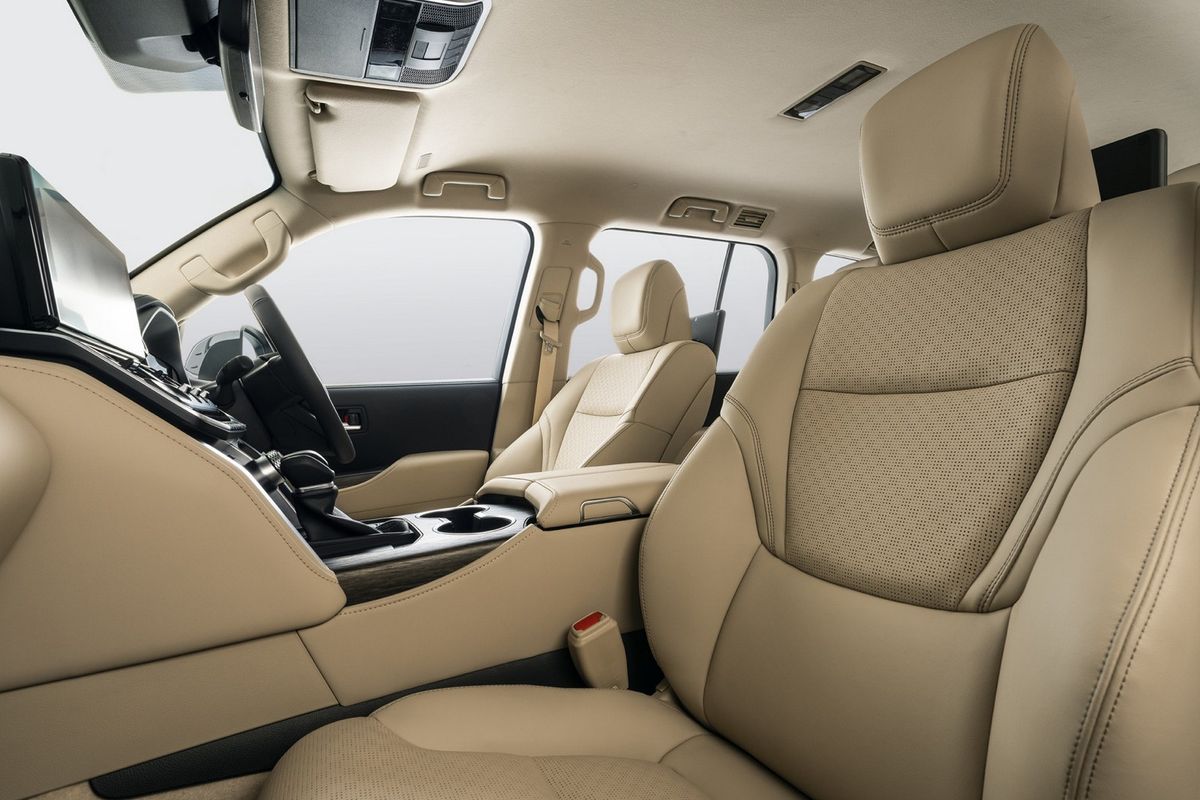
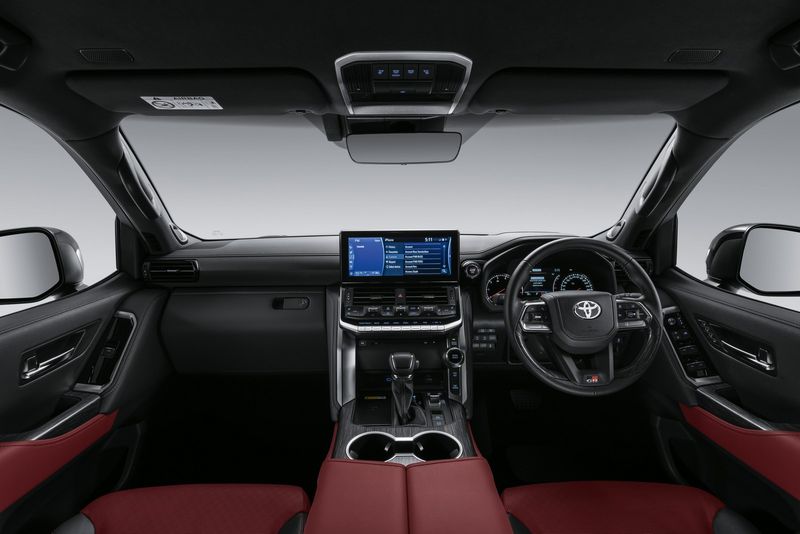
Every Toyota Land Cruiser 300 features LED headlamps with integrated DRLs, keyless entry with auto-door-lock, park distance control, an electric parking brake, climate control with rear zone, power driver-seat adjustment, Multi-Information Display (MID), built-in Navigation (with Tracks 4 Africa support on GX-R), multiple power outlets with charging port, Crawl Control and Drive Mode Select. All models have Apple CarPlay and Android Auto connectivity.
Every Toyota Land Cruiser 300 is sold with Vehicle Stability Control (VSC), Active Traction Control (ATRC) and Hill Assist Control (HAC), join Trailer Sway Control (TSC), Downhill Assist Control (DAC) and the obligatory ABS, EBD and Brake Assist (BA) driver support systems.
The GX-R is claimed by Toyota to be the utility-focussed model and is the entry point to the Land Cruiser family.
ZX
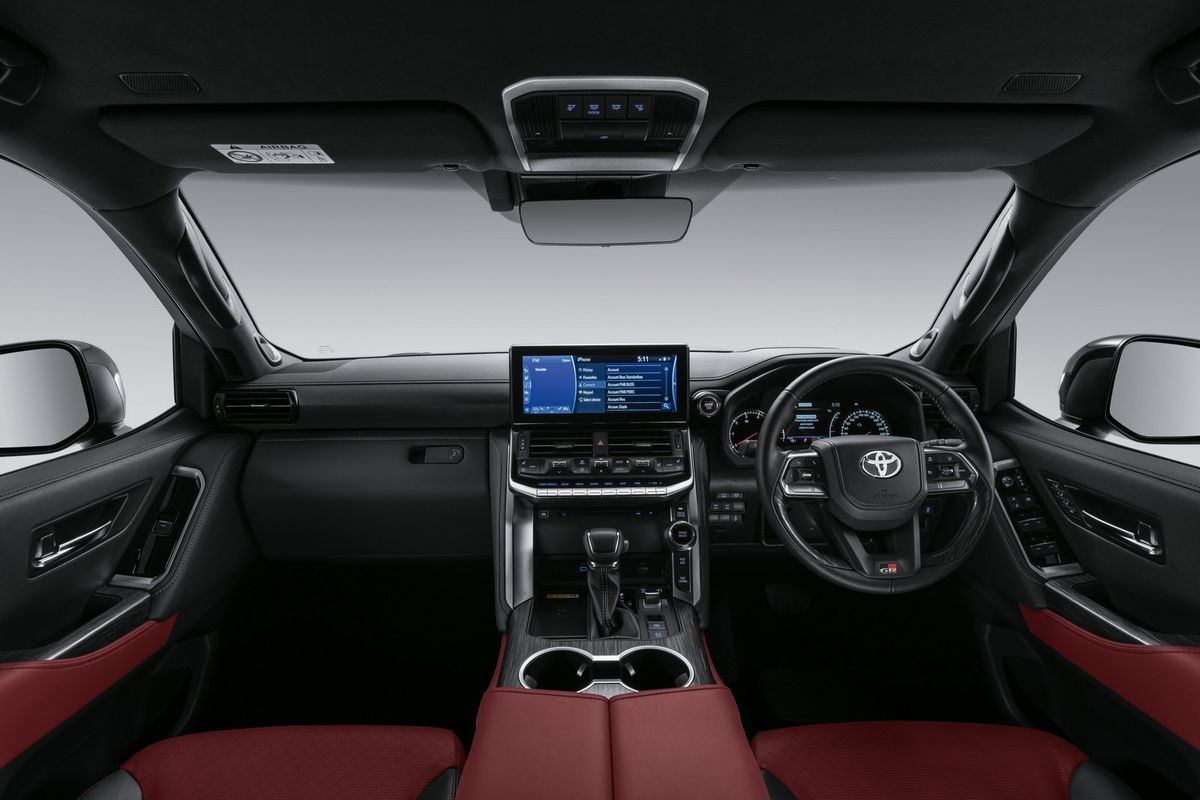
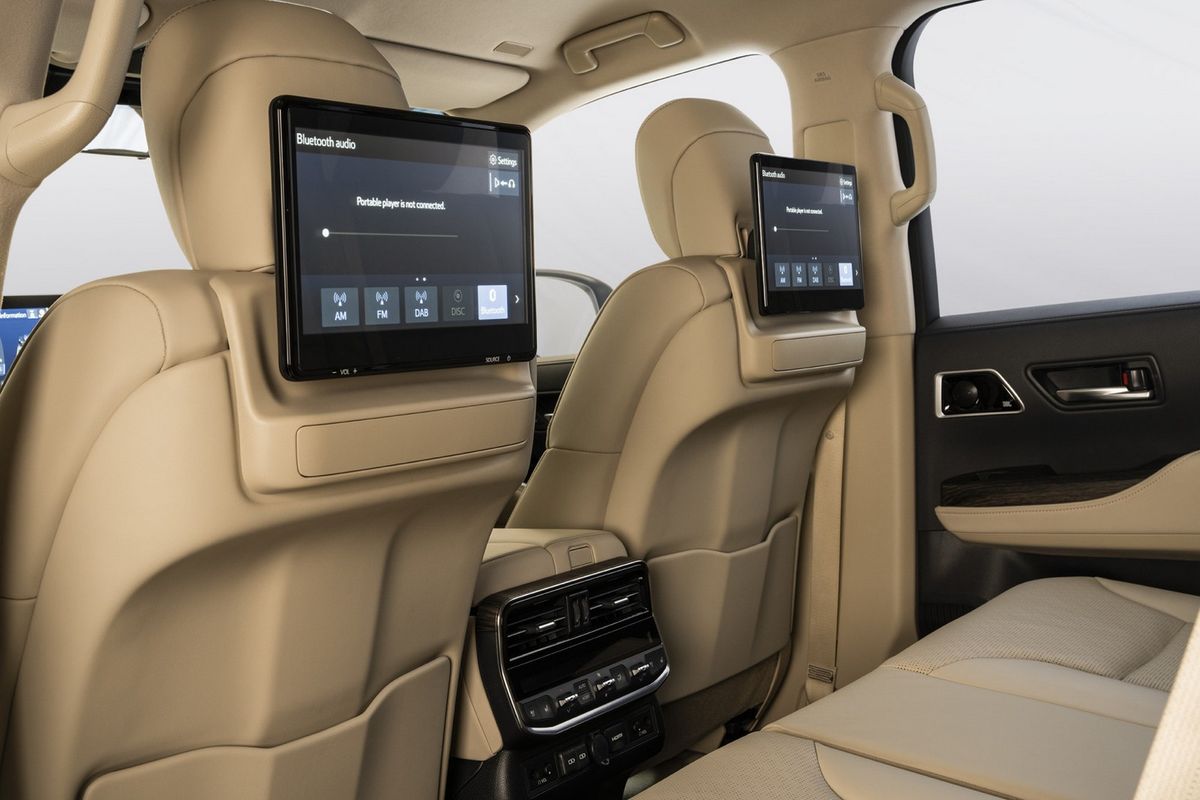
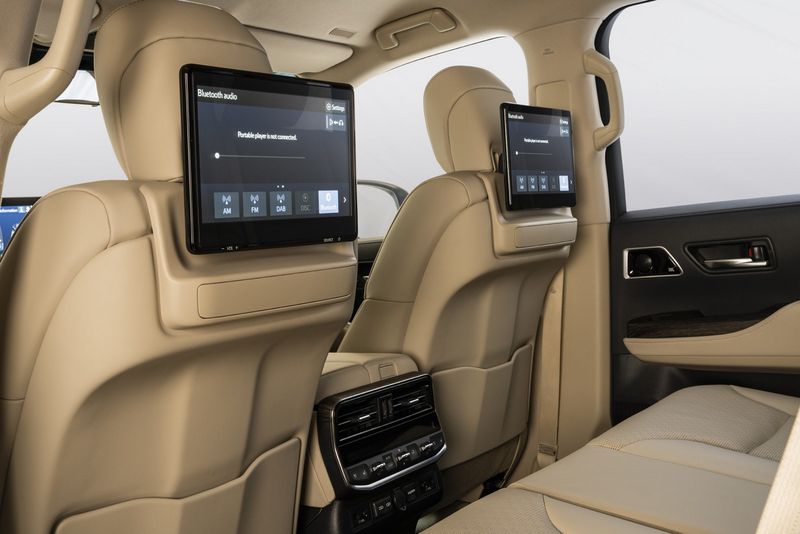
20-inch alloy wheels Chrome detailing Luxury-orientated interior Wi-Fi enabled rear-seat entertainment system with wireless headphones Power fold-down third-row seating Power-operated back door Heated steering wheel with wood accents JBL 14-speaker audio system with DVD playback and 12.3 inch screen Multi-Terrain Monitor with Panoramic View Heated and ventilated first/second-row seats Wireless charging Tyre pressure monitoring Toyota Safety Sense (Lane Trace Assist and all-speed radar cruise control. The usual supporting functions such as Blind Spot Monitoring (BSM), Lane Departure Alert, Rear Cross Traffic Alert (RCTA) with braking, and Adaptive High Beam are also included)
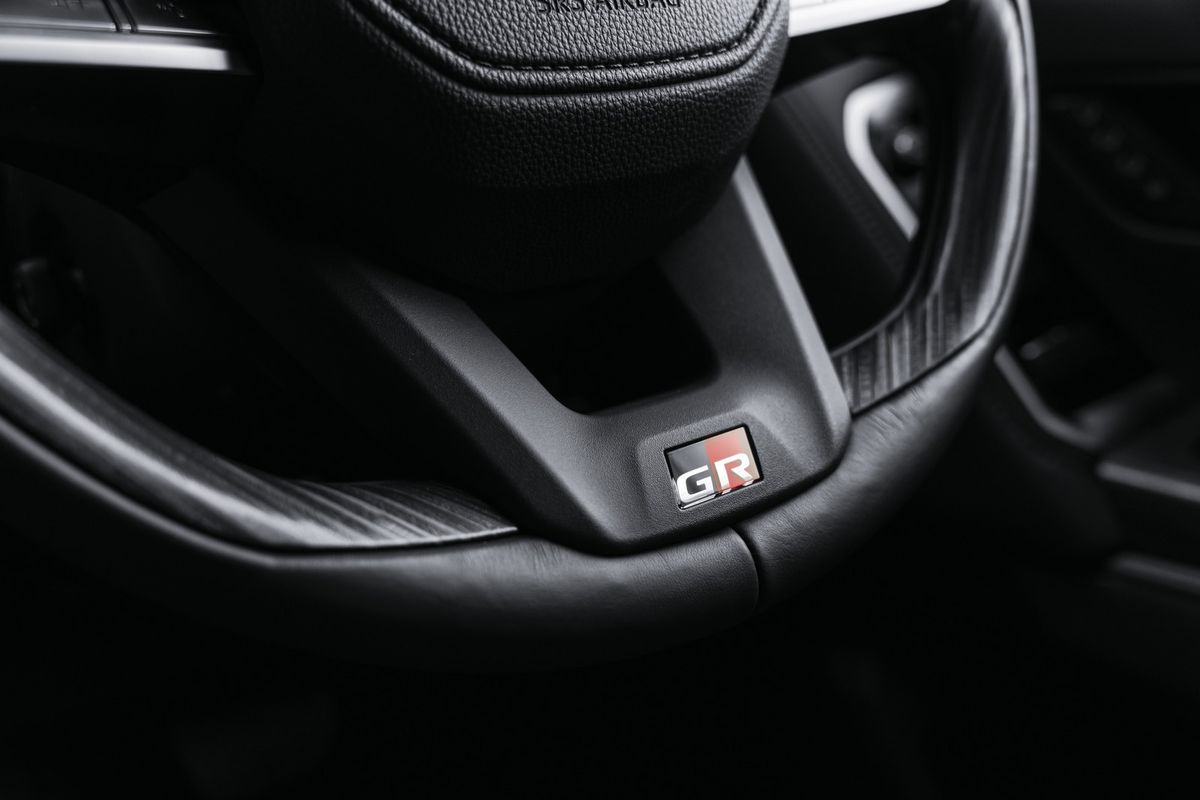
GR-S (Gazoo Racing-Sport)
The above, plus: Bespoke exterior styling 18-inch alloys Offroad-biased specification list E-KDSS is an evolution of the acclaimed Kinetic Dynamic Suspension System (KDSS), which links the wheels via hydraulically supported stabiliser bars – providing excellent wheel articulation and body-roll control.
How much does the Toyota Land Cruiser 300 cost in South Africa?
All LC300 models are sold with a 9-services / 90 000 km service plan with service intervals set at 12-months or 10 000 km (whichever occurs first). A 3-year/100 000 km warranty is included across the board. Customers can also purchase service, maintenance plans and warranty extensions from their nearest Toyota dealer.
As far as availability goes, the petrol ZX models will go on sale in early August with the diesel and GR-S derivatives following sho.
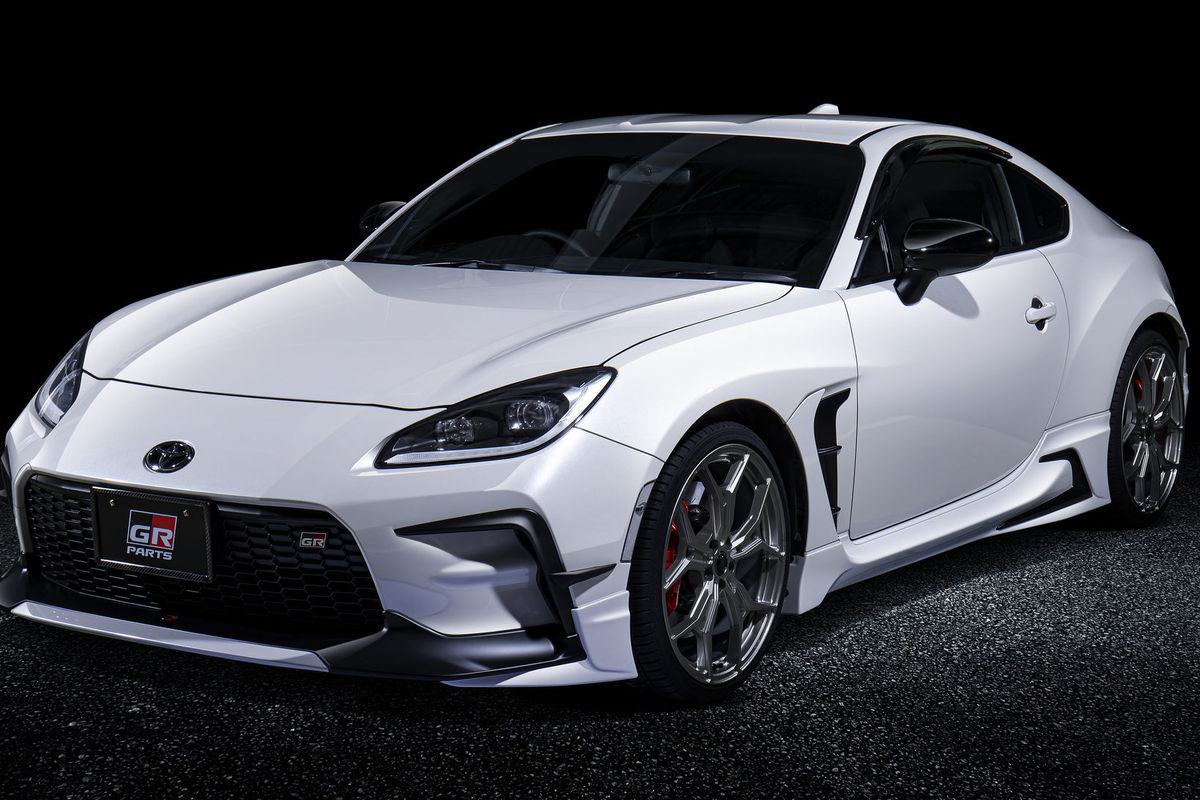
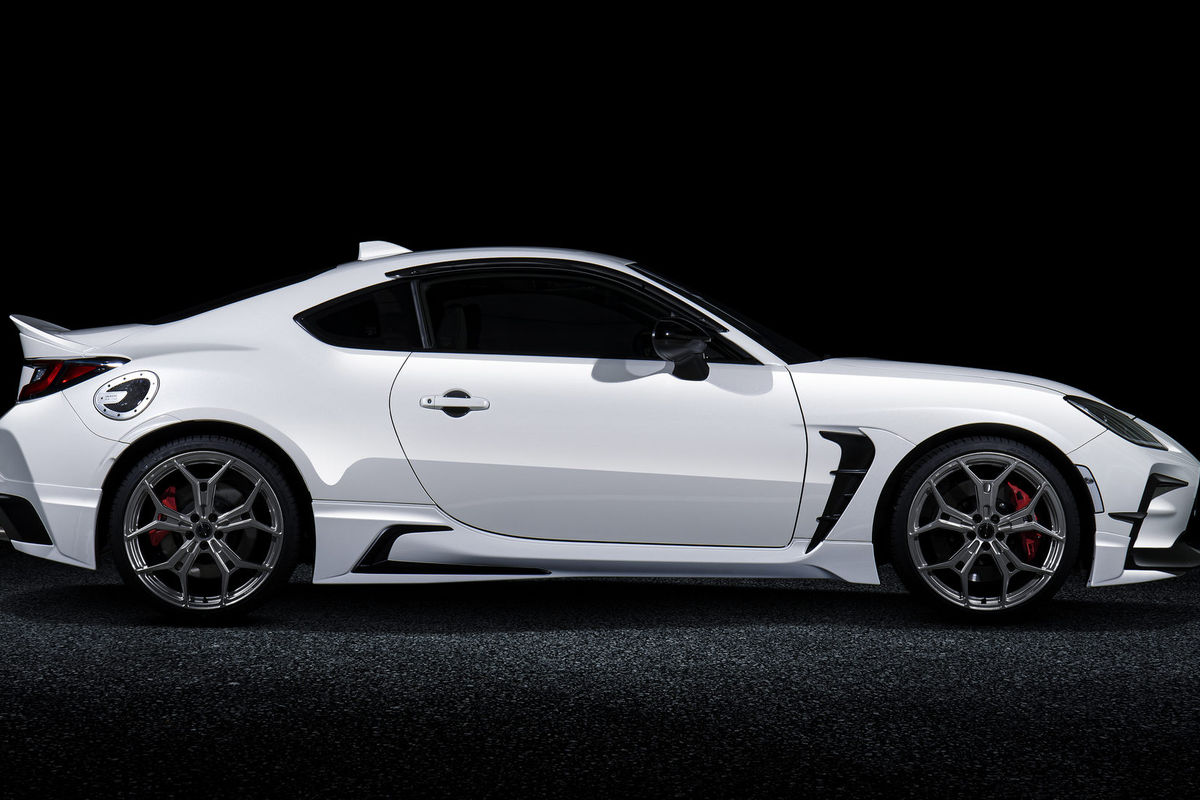
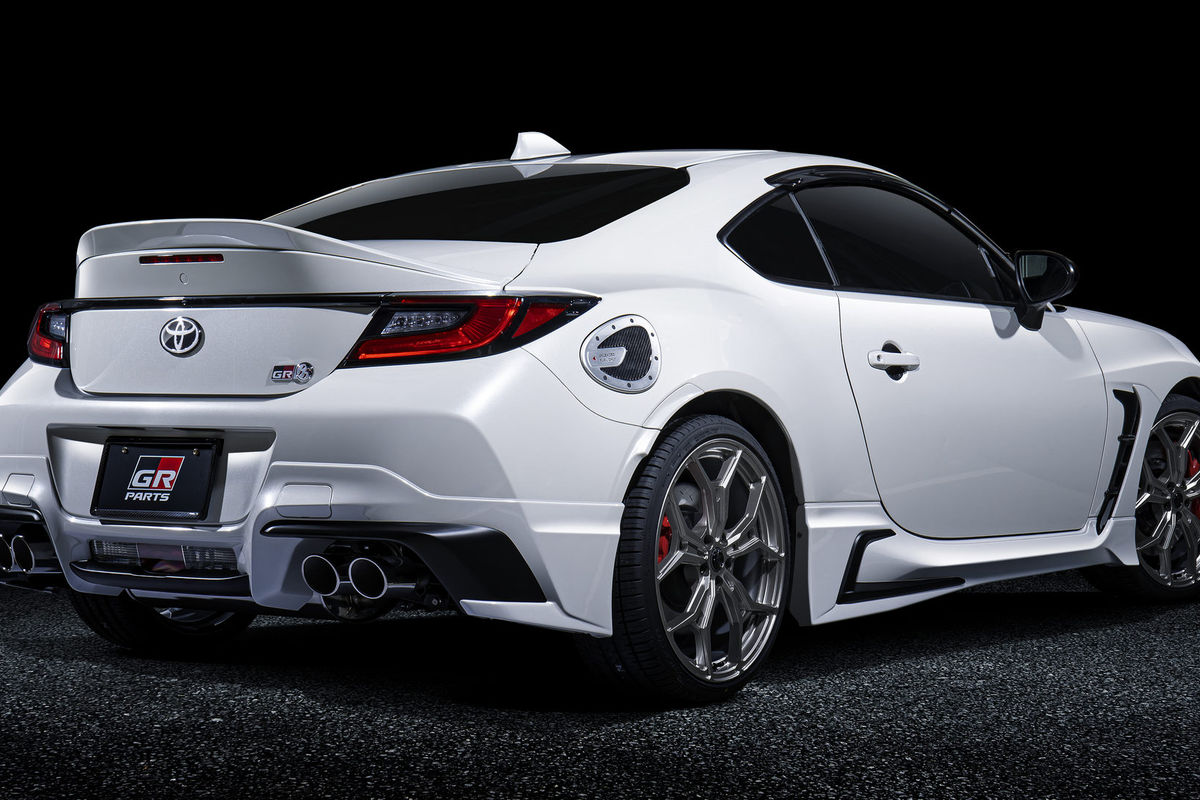
Toyota GR86 Concepts with Gazoo Racing Parts Revealed
The 2nd-generation Toyota 86 is on its way to SA, but before it arrives, feast your eyes on the Gazoo Racing accessories! Too much, or pure JDM goodness?
The Toyota GR86 is a lightweight, rear-wheel-drive coupe that was engineered from the ground up to be an enthusiast’s car. It ticks all the boxes for driving engagement; rear-wheel drive, nimble, light, manual gearbox and a rev-happy naturally-aspirated motor. Granted, most modern performance hatchbacks would leave it for dead, but that’s not the point here.
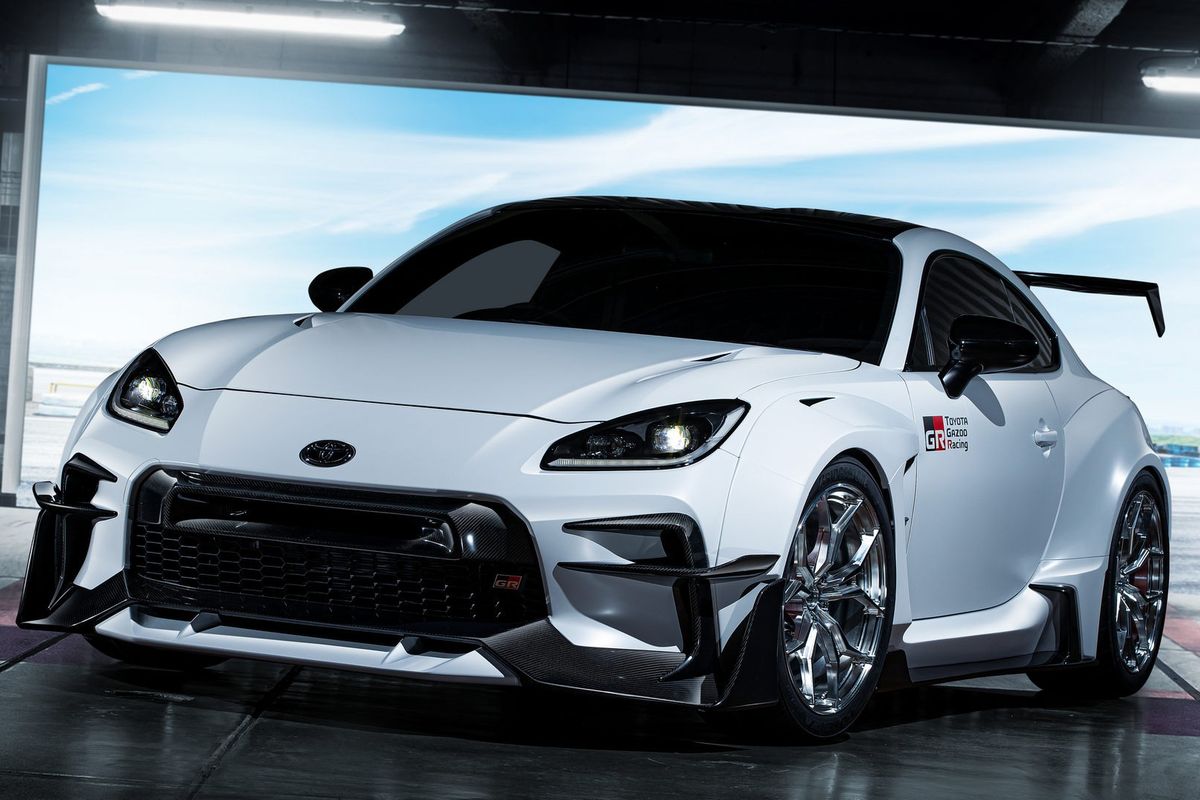
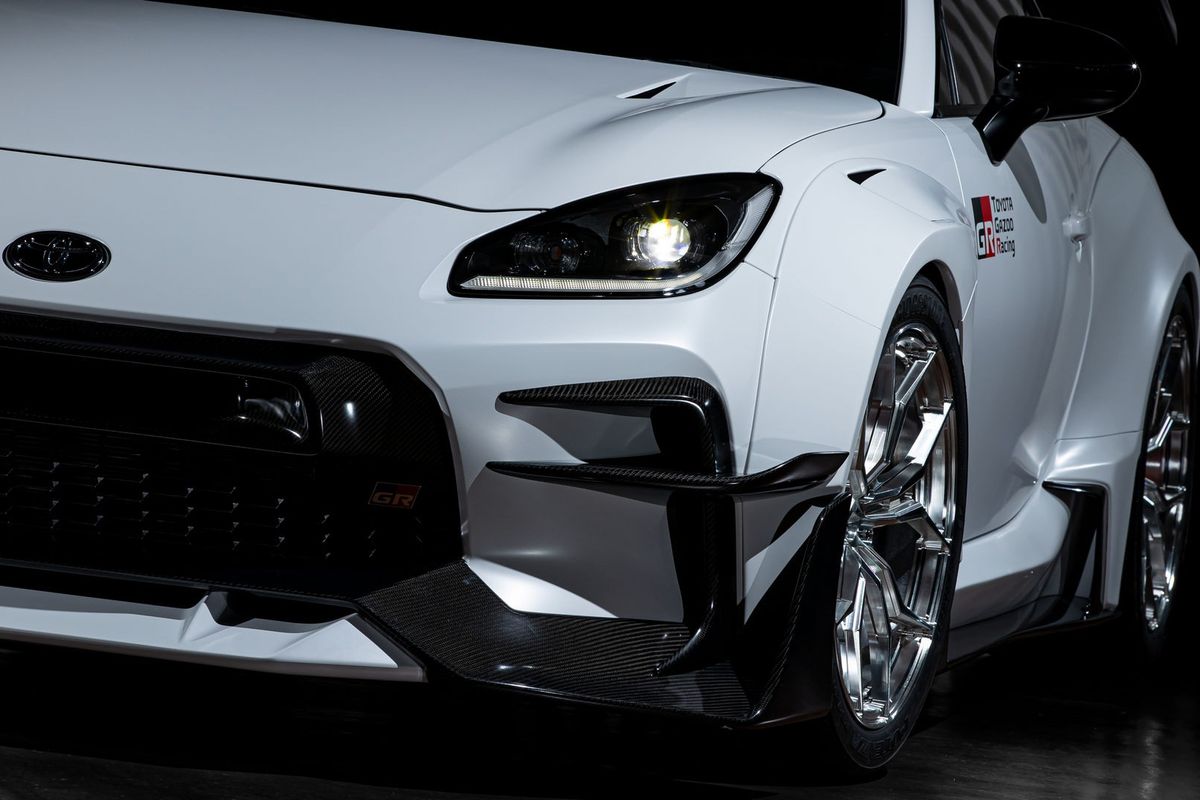
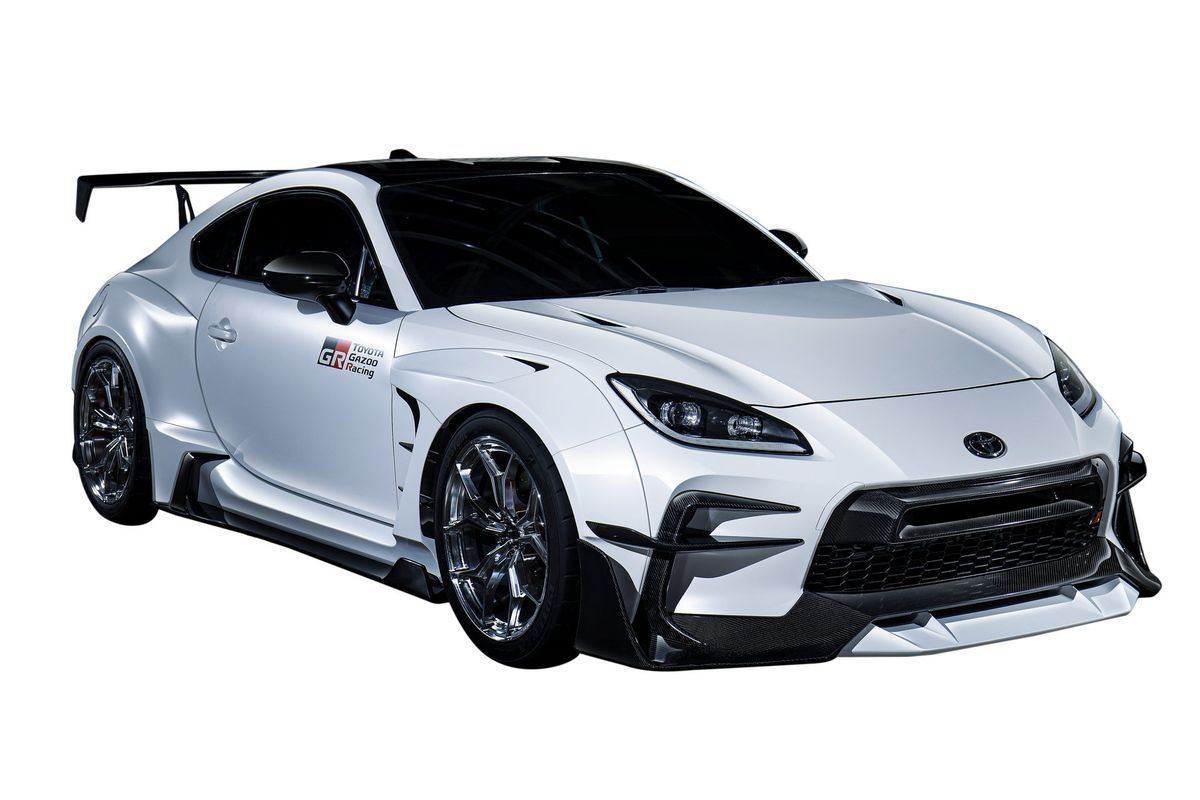
Some may find the new car’s looks to be a bit tame, but Gazoo Racing has released its accessories range for the Toyota 86, showcasing them on two radical-looking concepts.
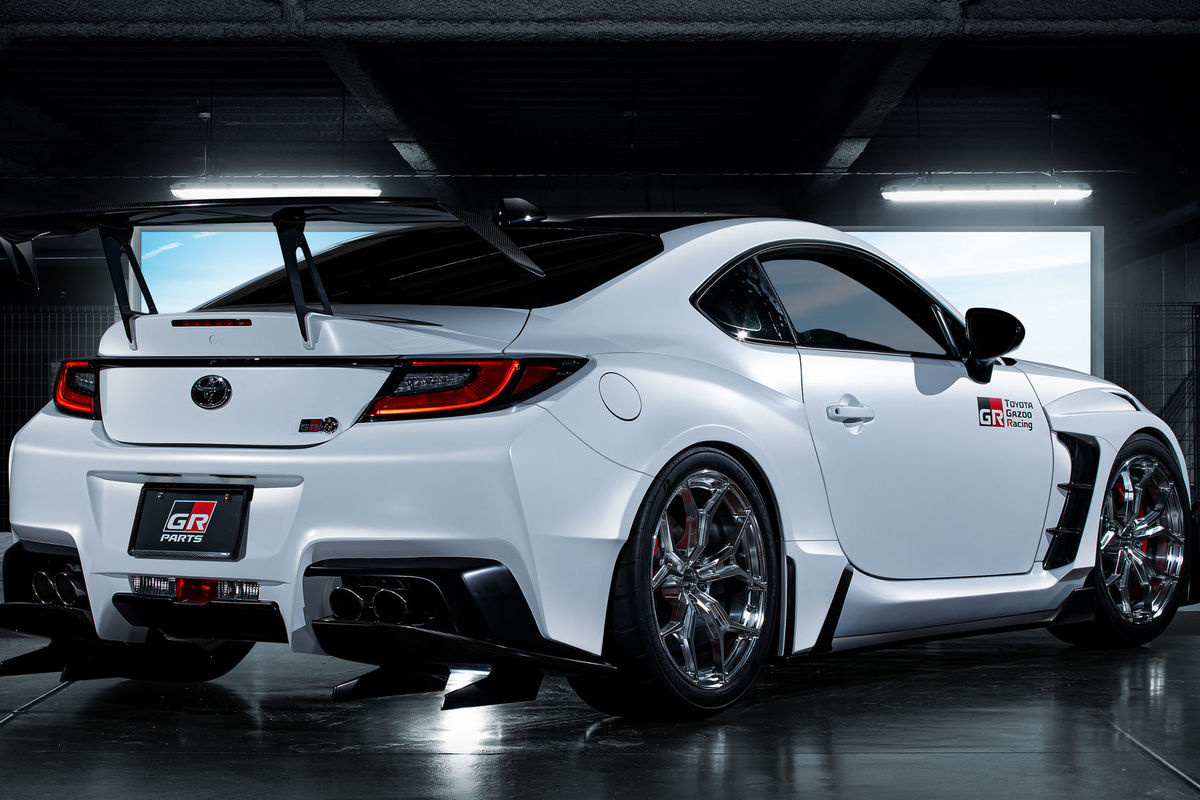
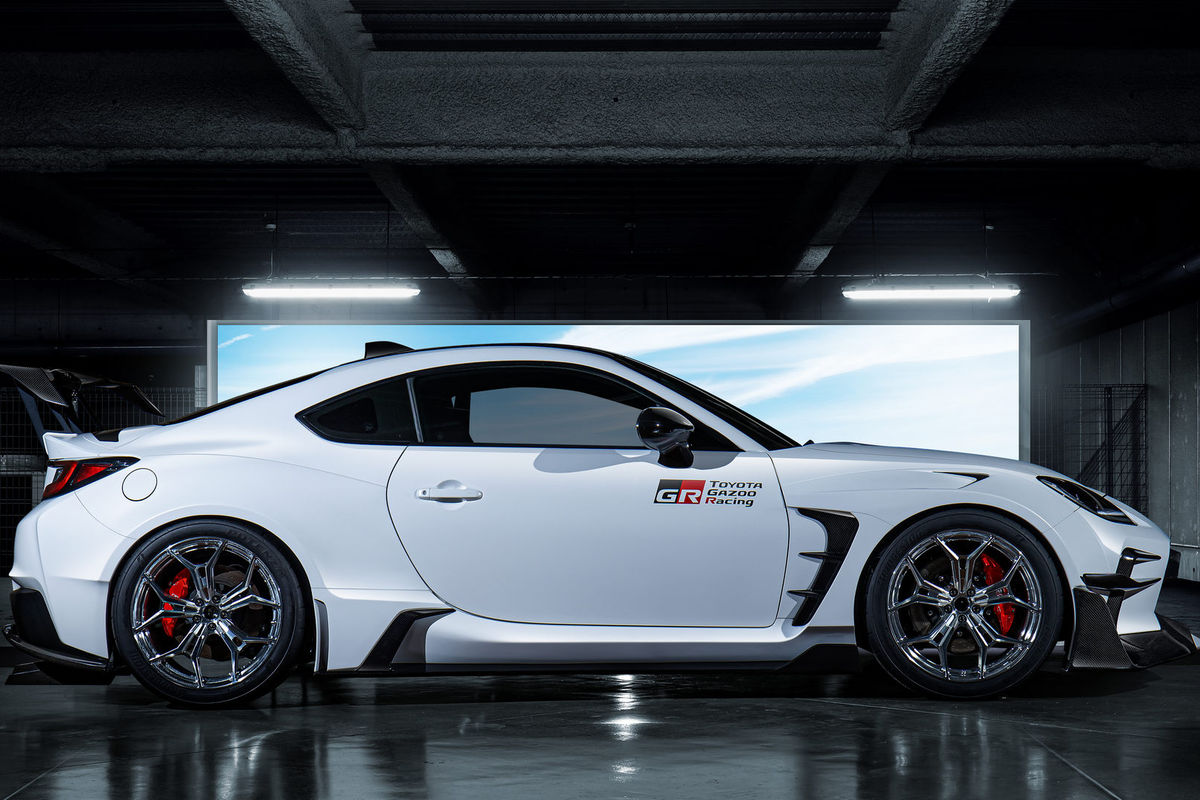
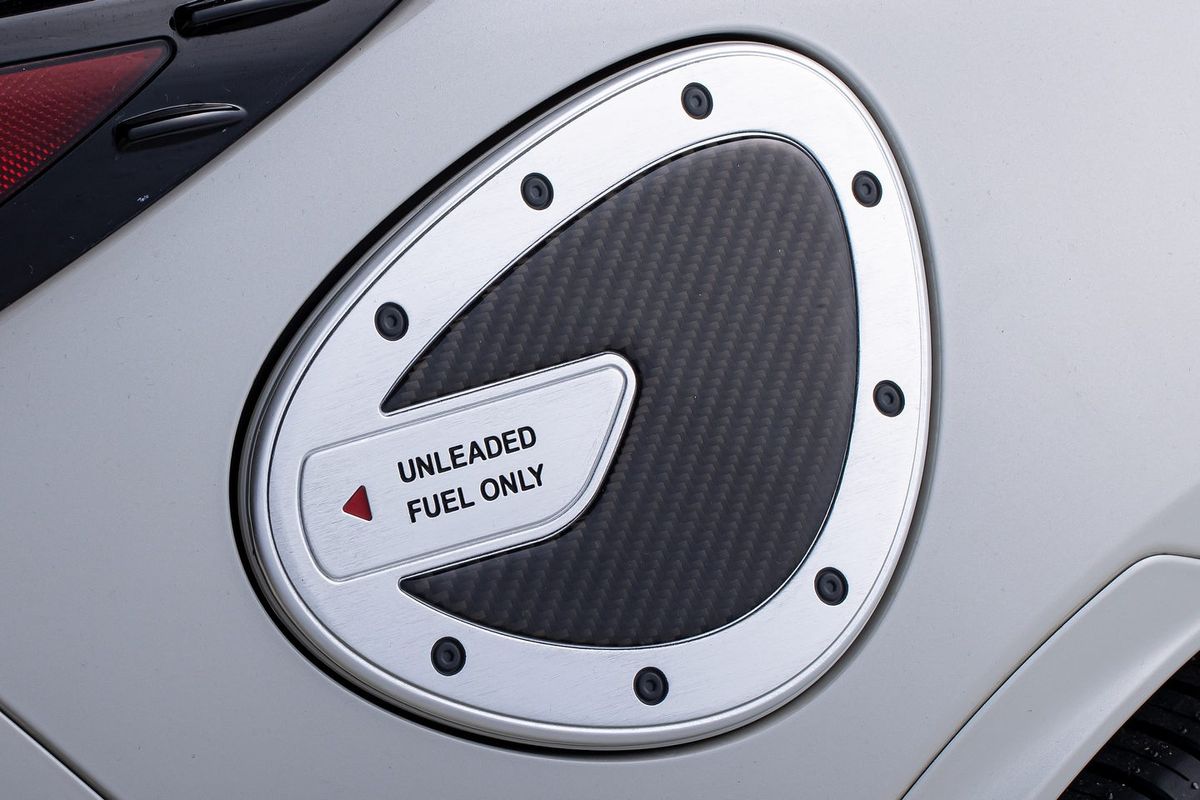
The first Toyota GR86 Concept features an outrageous body kit complete with the wing. There’s extensive use of carbon fibre across the board, but Gazoo Racing says that a lot of it is functional, providing aerodynamic benefits like downforce.
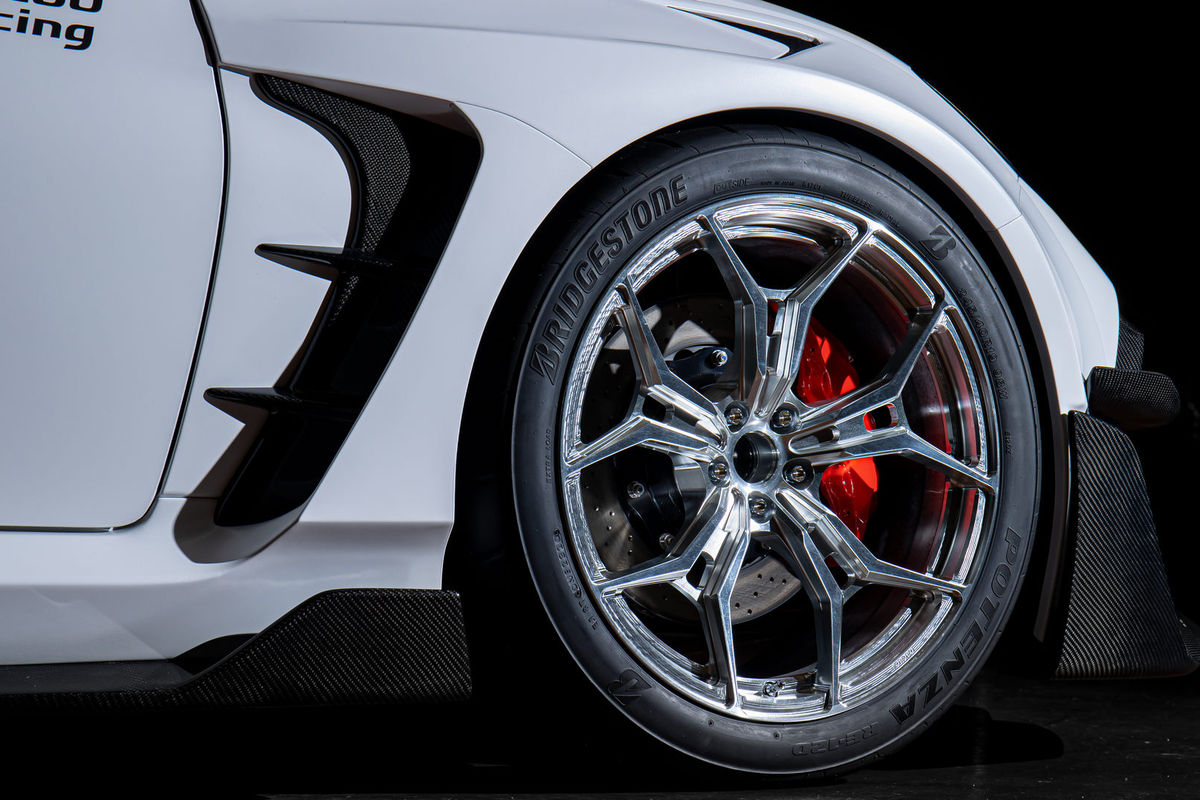
At the front, the aggressive-looking grille features carbon fibre accents and flicks, and helps guide air into the intake. The wheel arches have been widened, there are unique side skirts that are said to be drag-reducing and the car rides on gorgeous 19-inch forged wheels. The rear features a carbon-fibre diffuser, a wing and a unique exhaust setup.
The second Toyota GR86 concept is not as wild as the first, but is still striking in comparison to the base model. There are new bumpers at the front and rear, GR sports exhaust, boot lid spoiler and unique wheels.
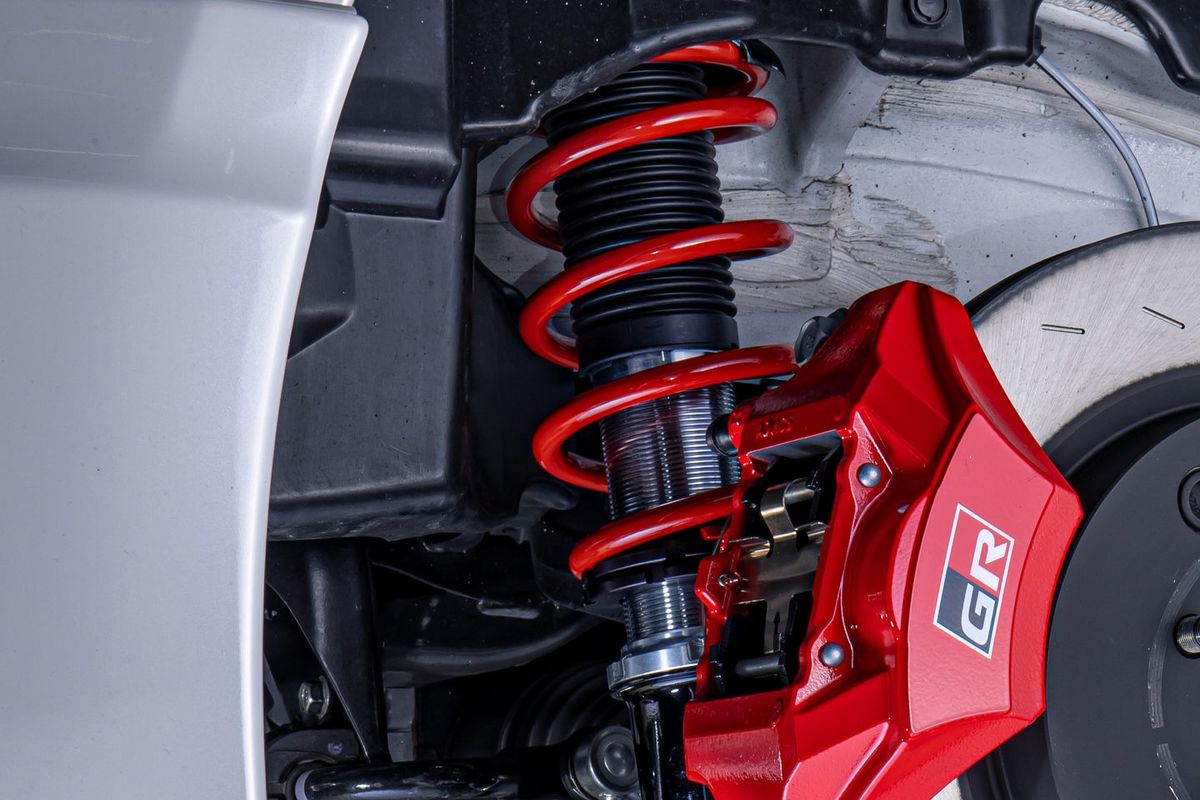
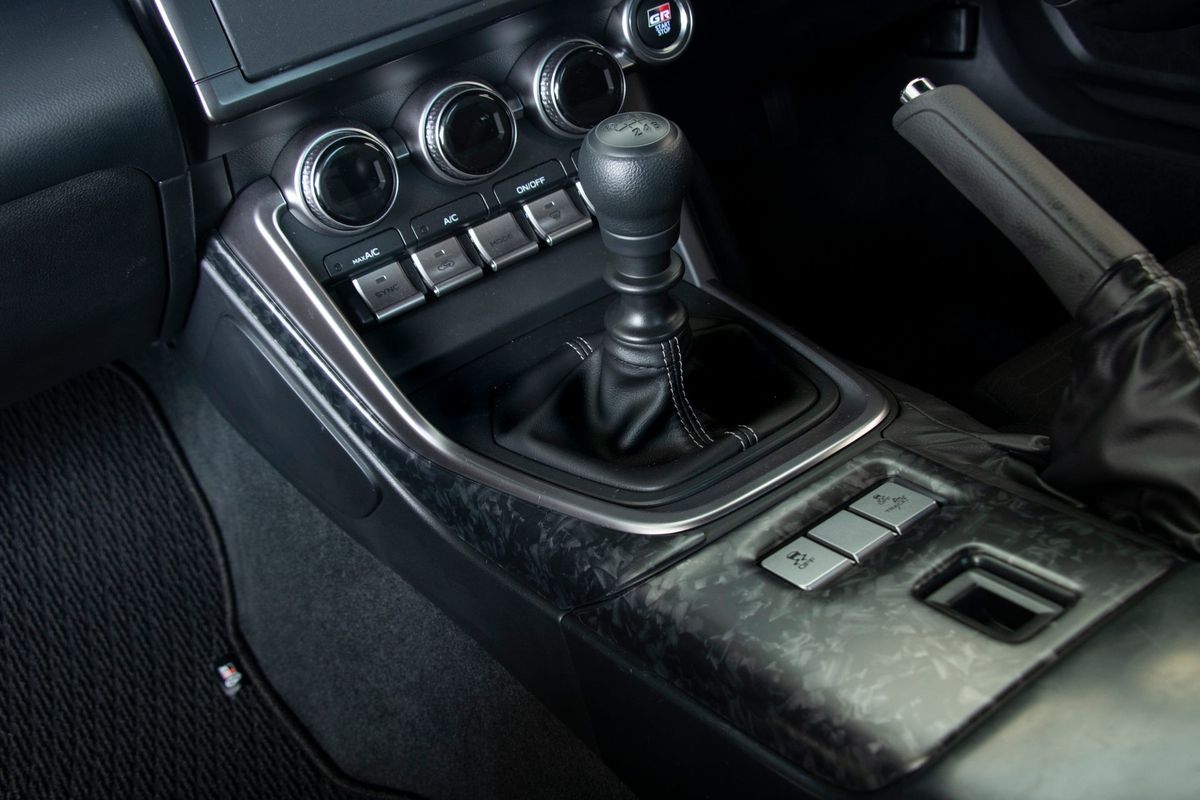
It’s not just cosmetic parts on offer as the Toyota GR86 concept also has a suspension upgrade with new springs and shocks, and larger brakes are also on offer. Inside, customers can opt for a forged carbon fiber dashboard and key cover.
The all-new Toyota GR86 will be on sale in South Africa in early 2022.
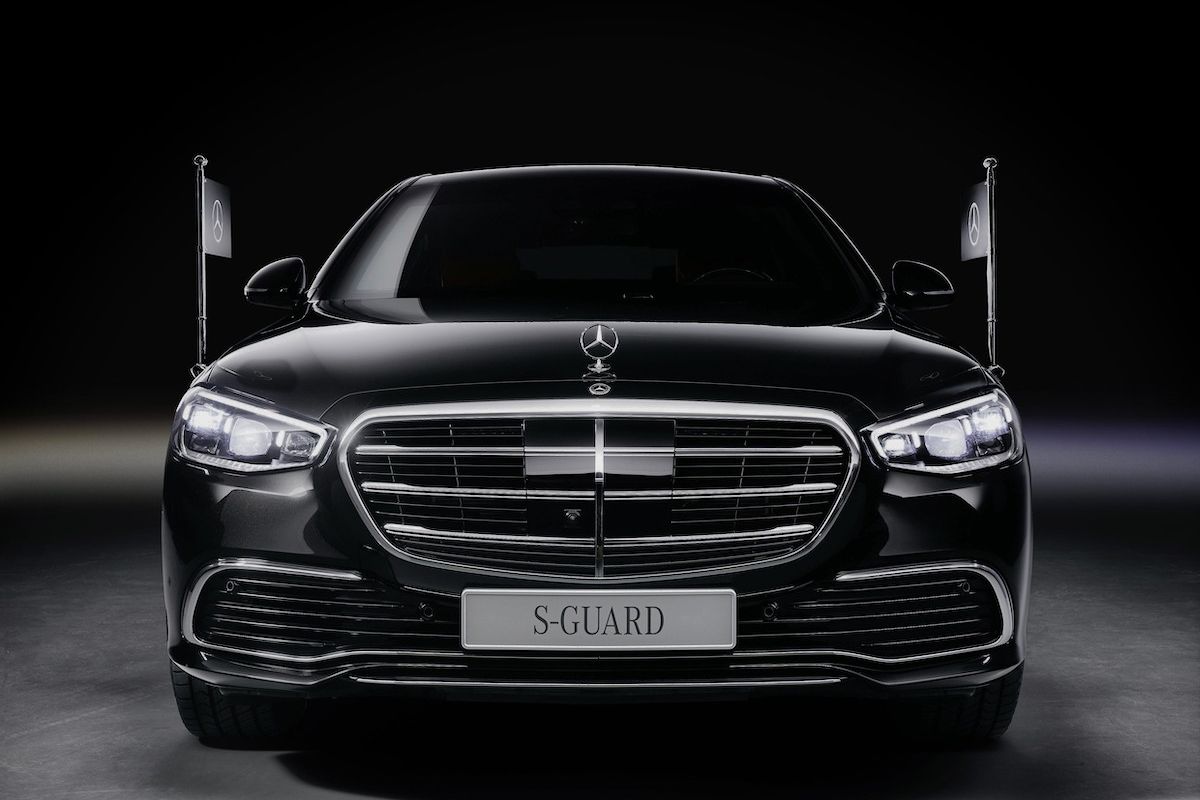
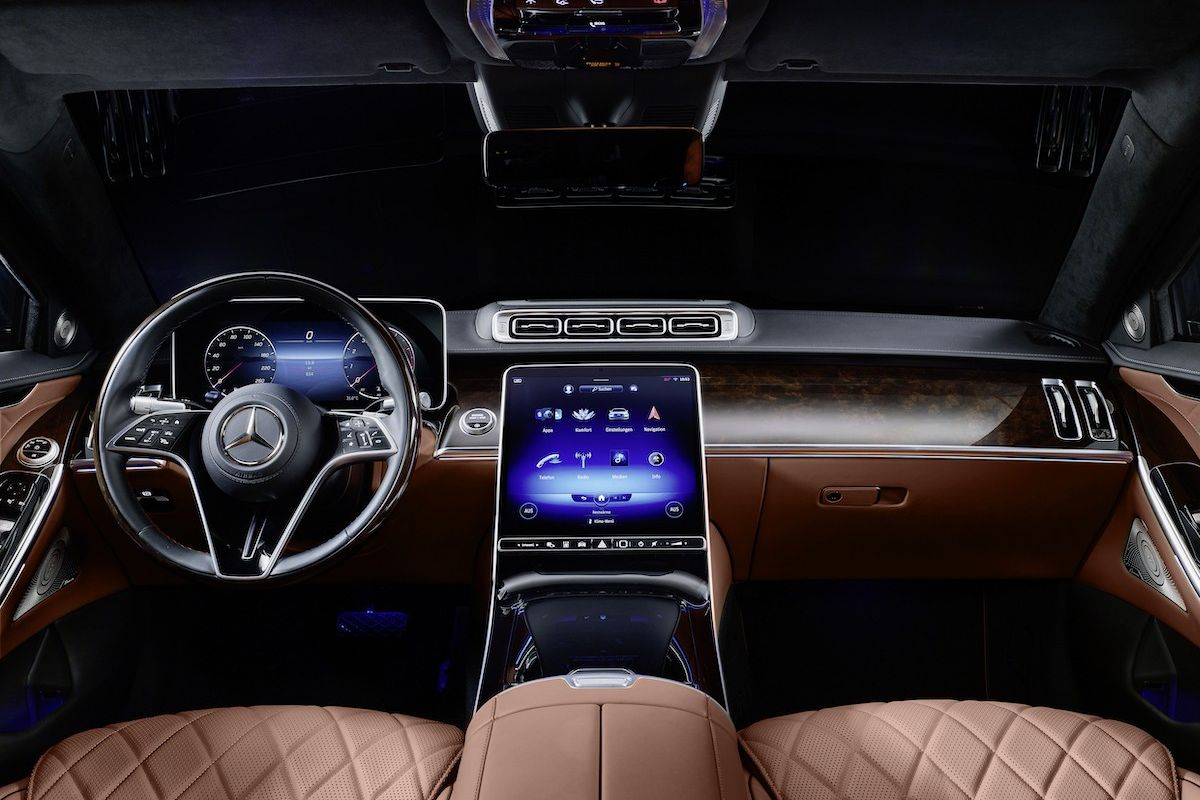
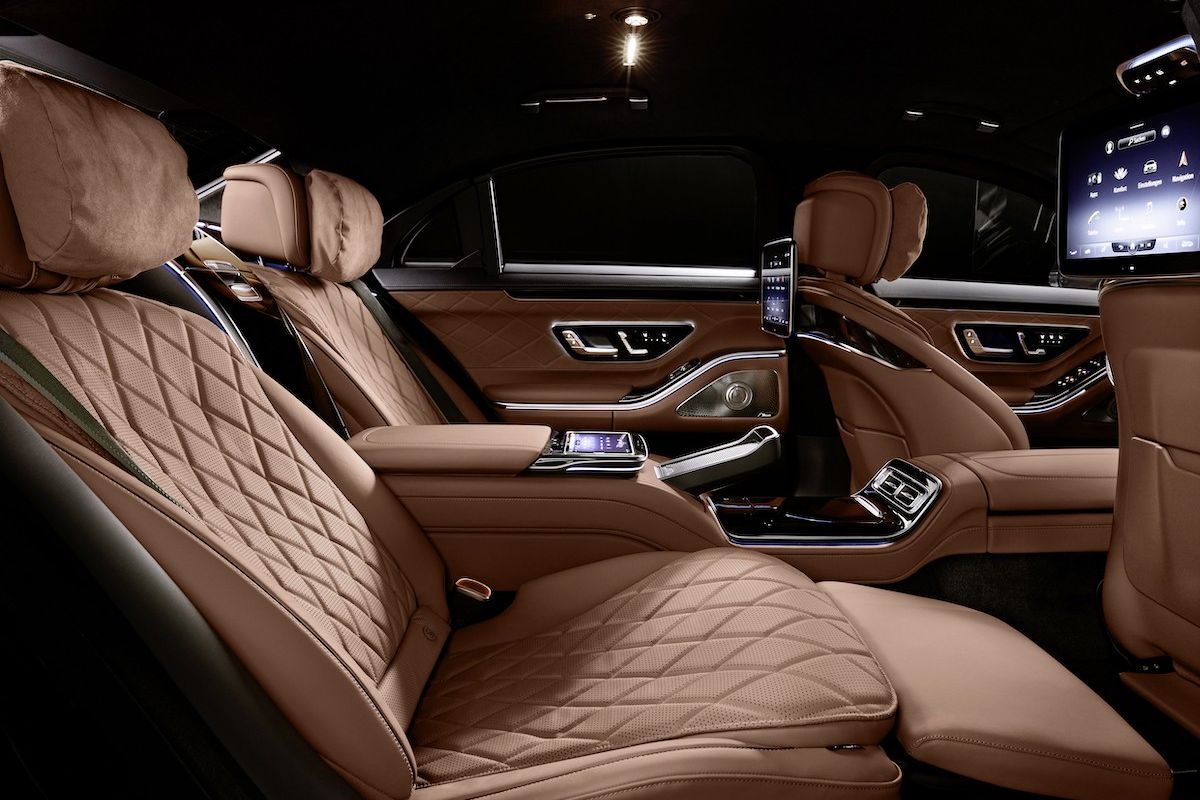
The S680 Guard is perhaps the most luxurious armoured vehicle on earth.
This S680 Guard is aimed at the people of this world who require armoured protection but also the very best luxury and comfort that Mercedes-Benz has to offer. That might include corrupt politicians, honest politicians, the pope, your favourite musicians or anyone concerned about personal protection.
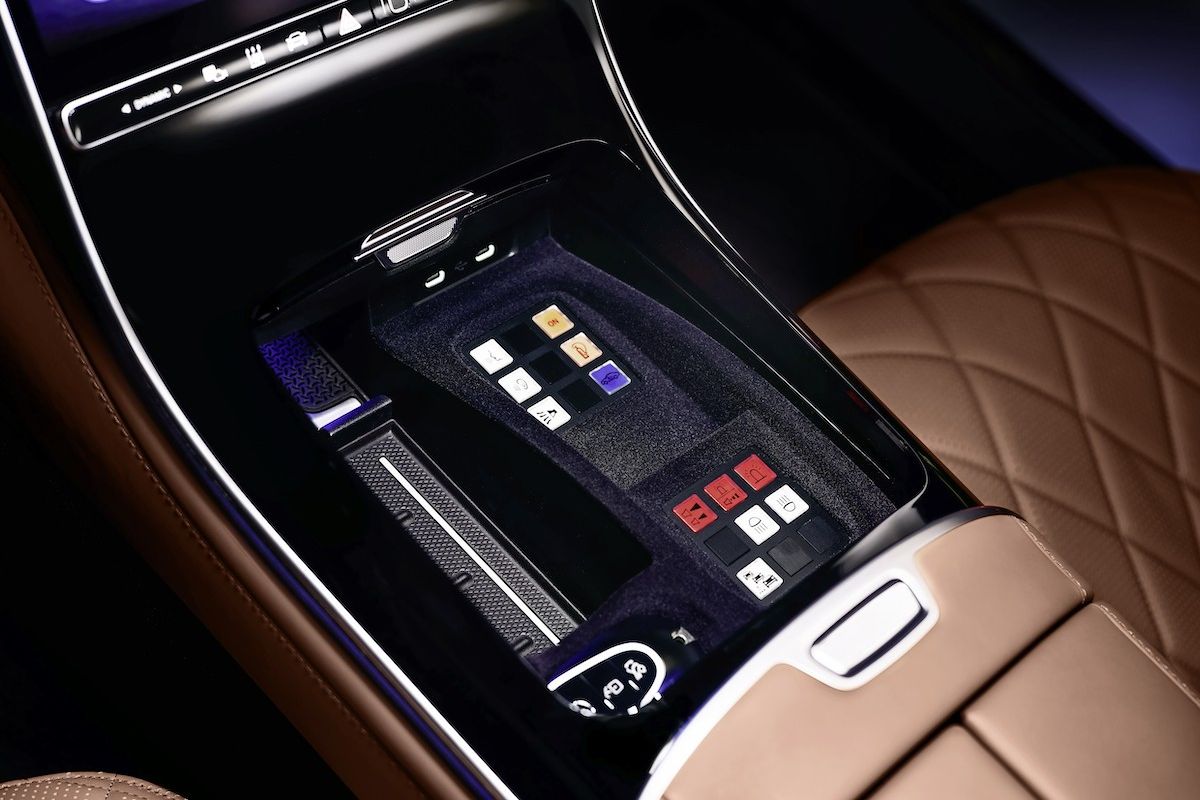
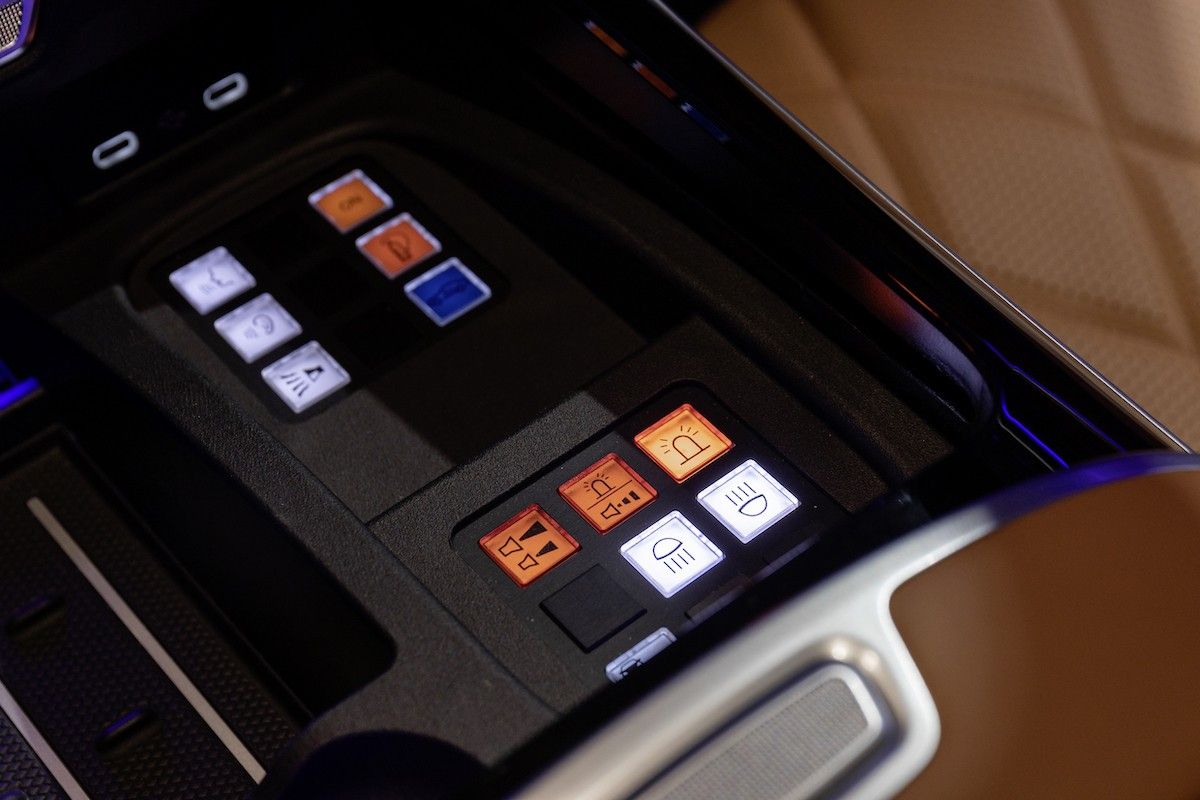
While the luxury firm hasn’t divulged specific details, perhaps for security reasons, foreign reports indicate that the S680 Guard is based on the long-wheelbase S-Class and has been armoured to withstand small arms fire and fire from assault rifles and explosives. The S680 is also reportedly fitted with run-flat tyres, thick multi-layer glass and can also be equipped with a fire extinguishing system and an emergency fresh air system in case of a severe attack.
The S680 Guard’s interior is just about identical to the standard S-Class which means the levels of luxury and comfort on offer is truly spectacular. But that’s not all, there’s also a powerful 6.0-litre twin-turbocharged V12 engine under the hood with 450 kW and 830 Nm of torque and 4Matic all-wheel-drive, which might prove useful if you need to blitz towards the horizon at pace and leave the threat in your dust.
Armoured vehicles are becoming increasingly popular in South Africa and SVI Engineering provides the local market with armoured vehicle solutions to meet a variety of needs including for personal or business use.
As it stands, the estimated pricing for the Mercedes-Benz S680 Guard is roughly R8.6-million.
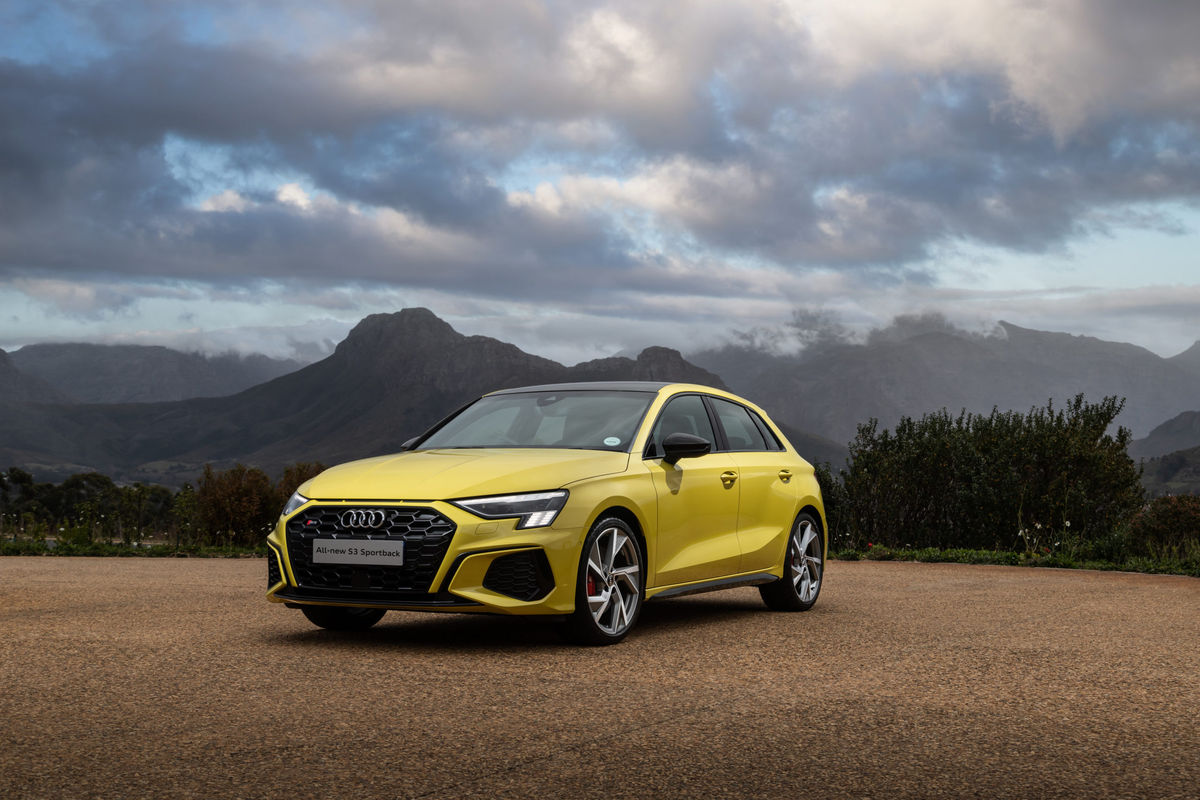
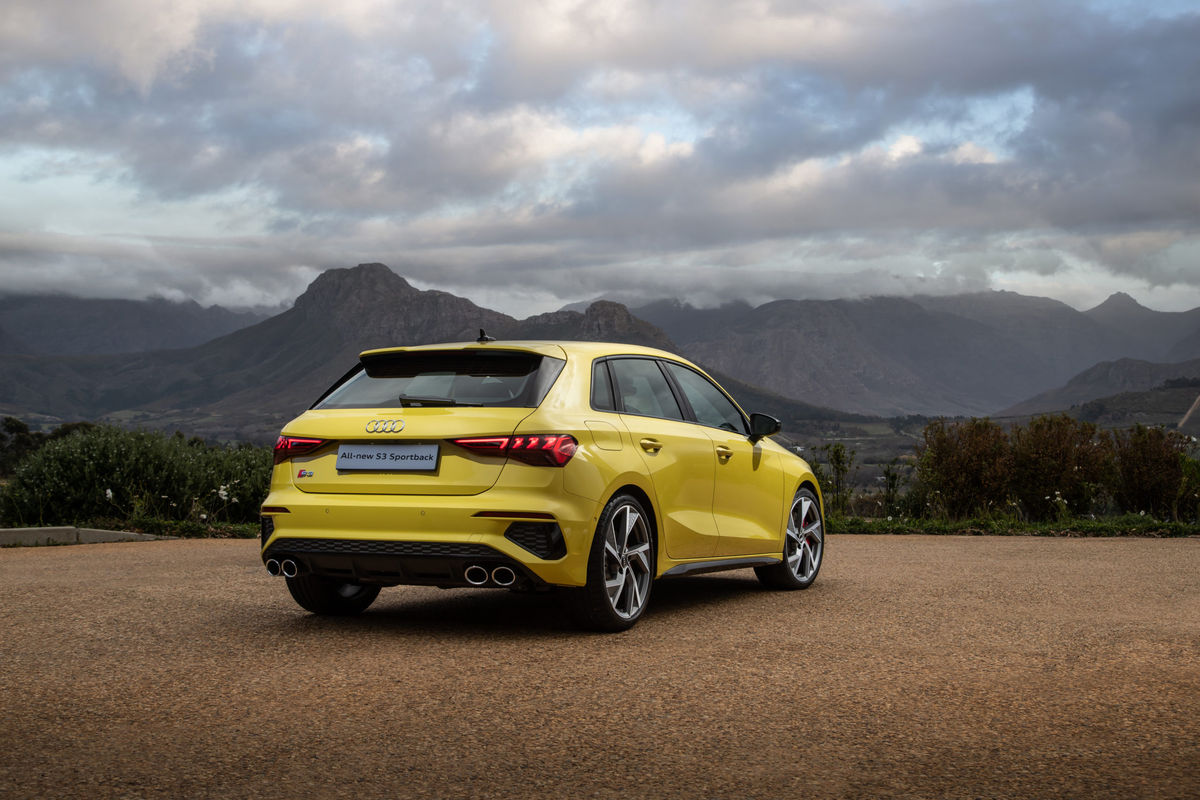
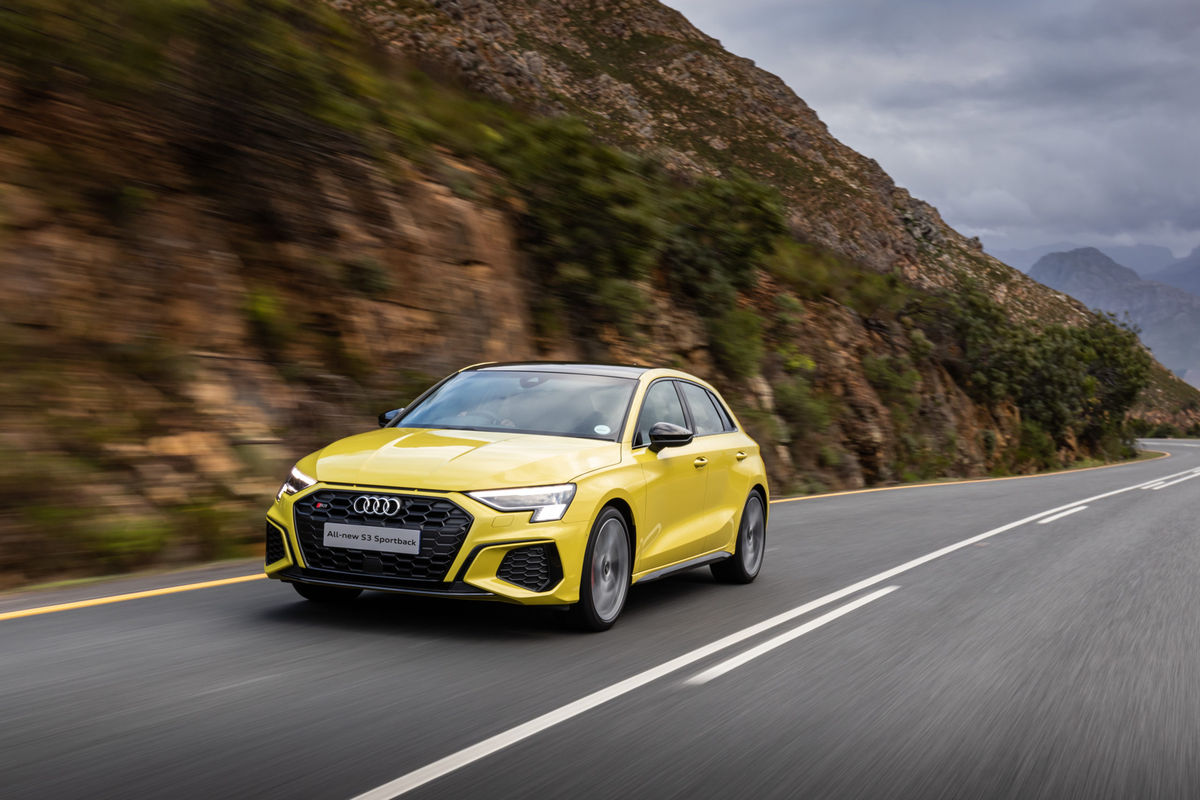
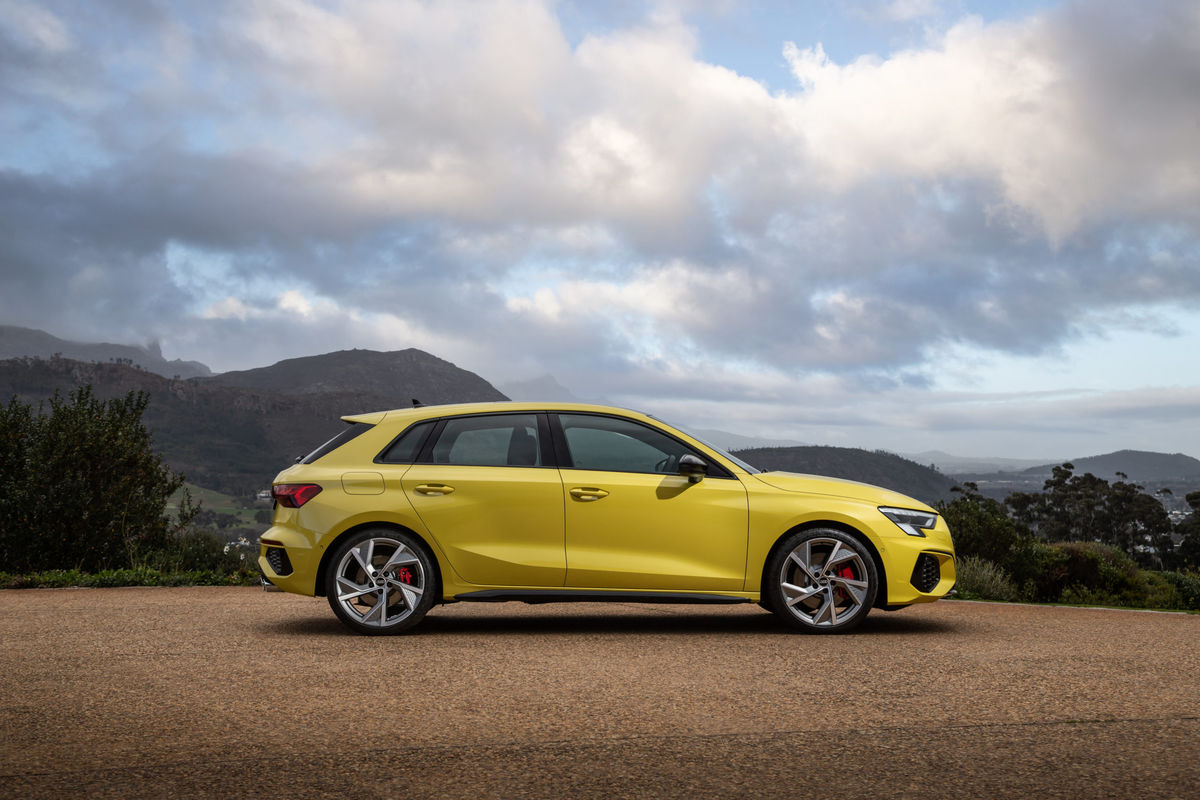
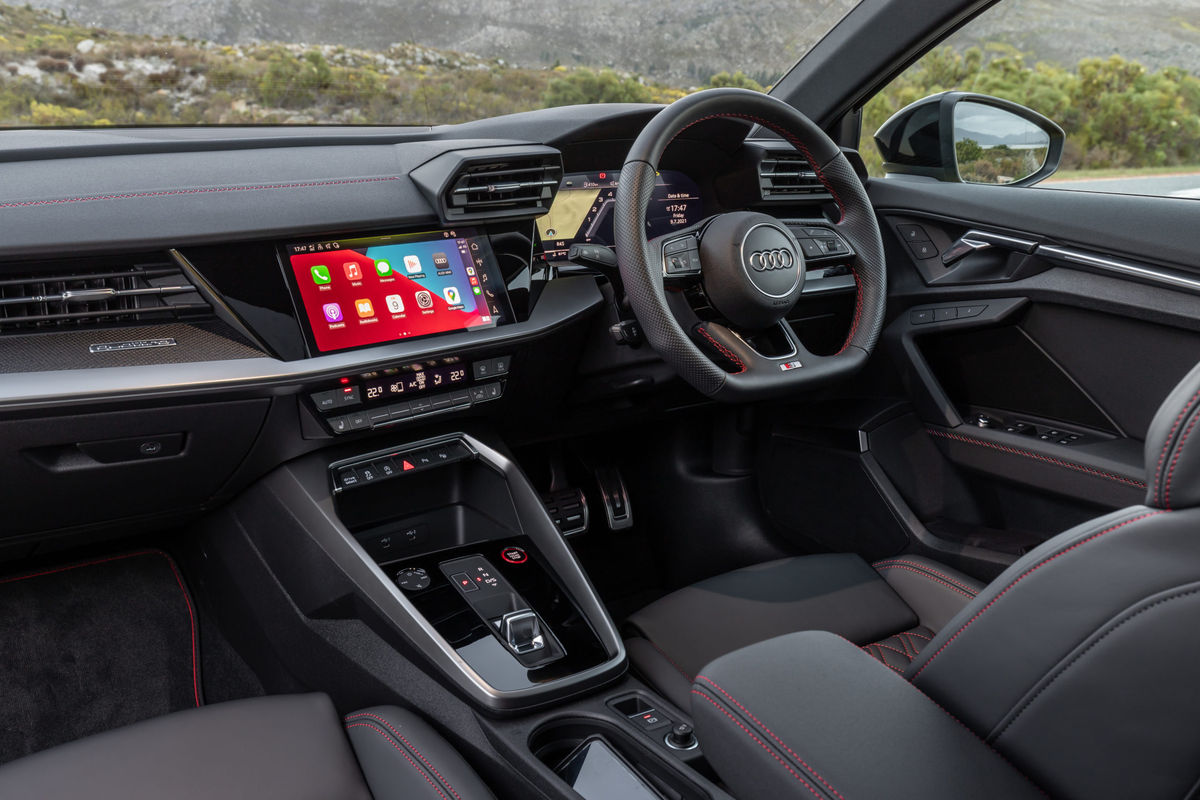
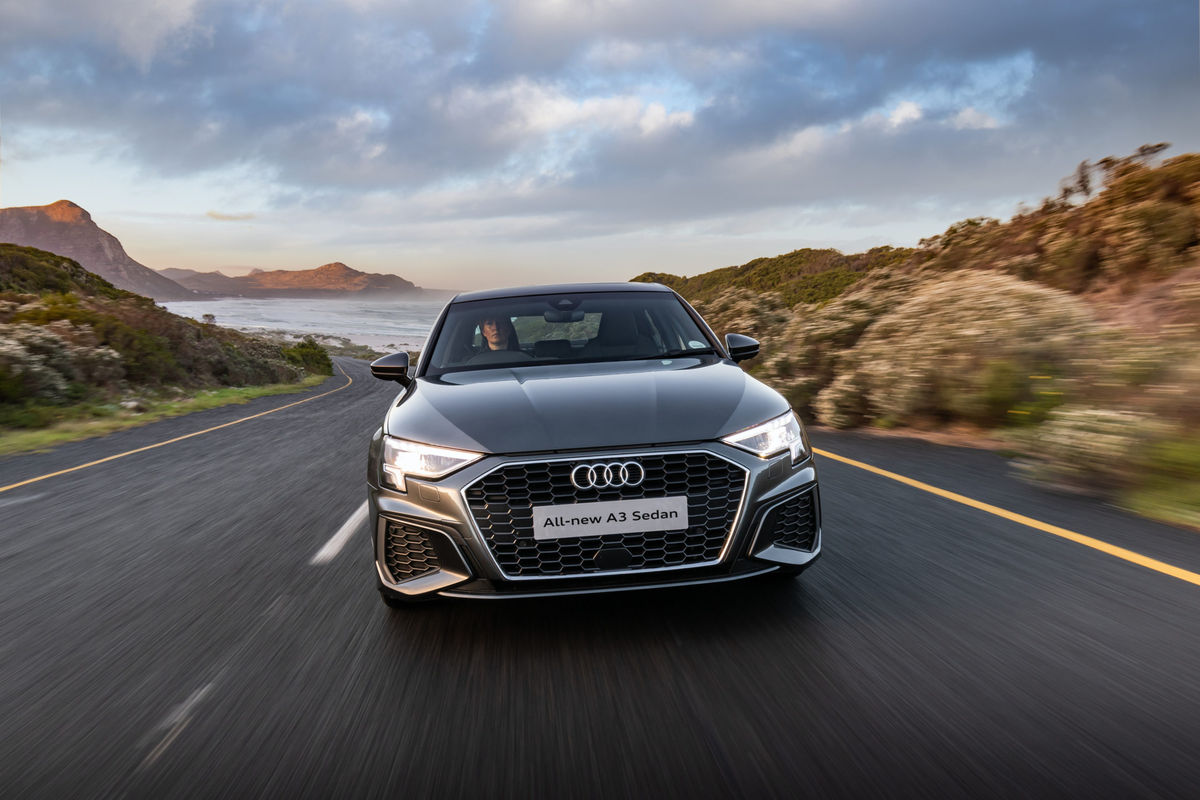
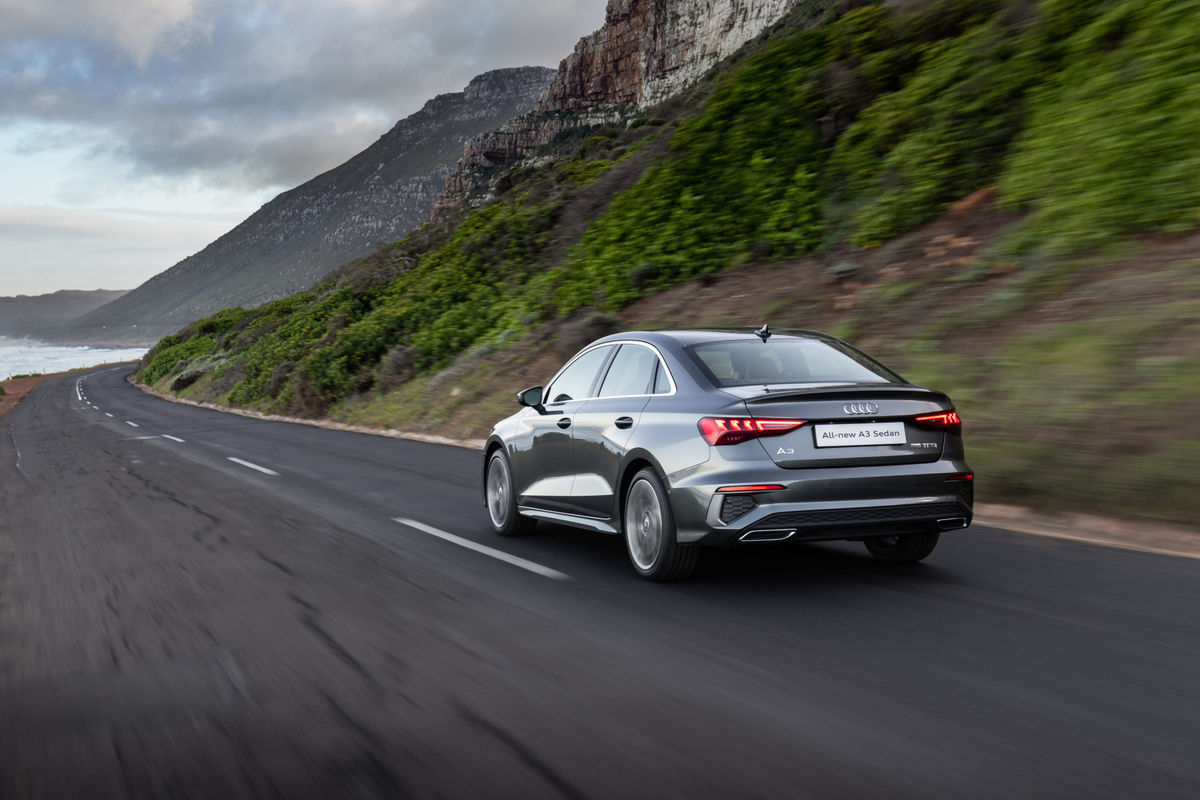
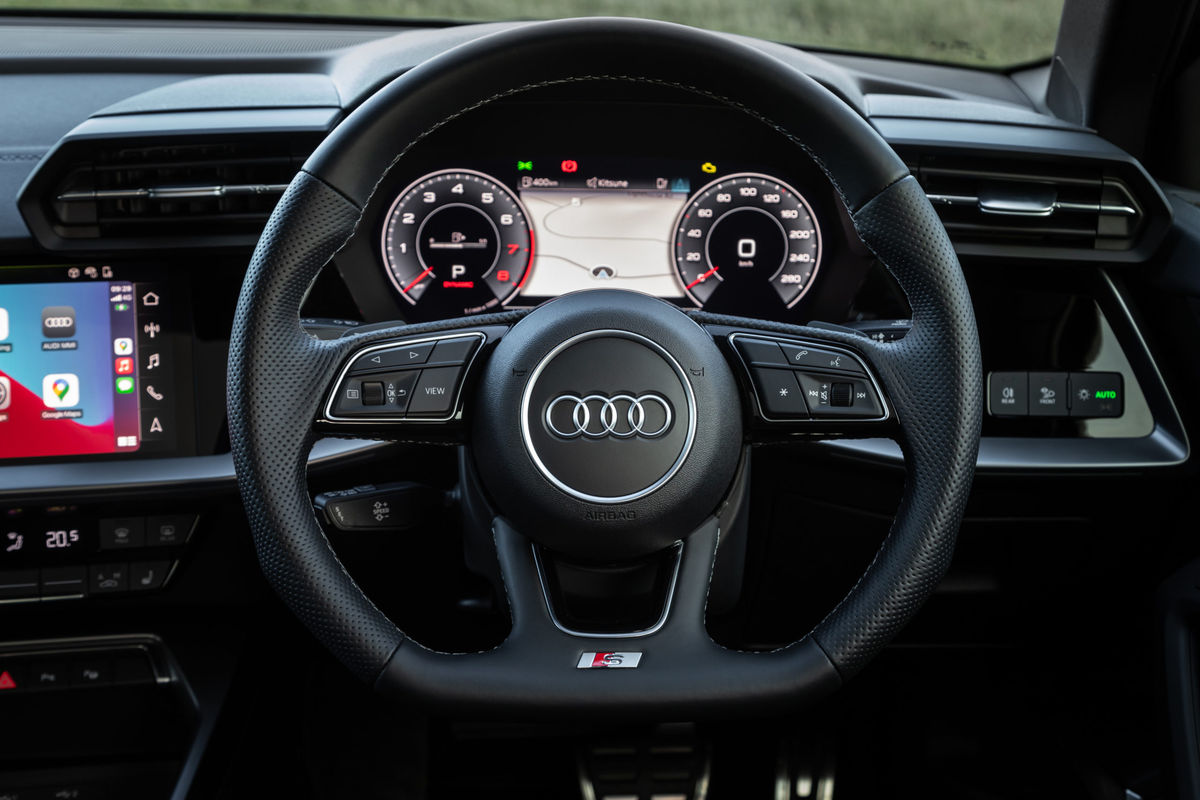
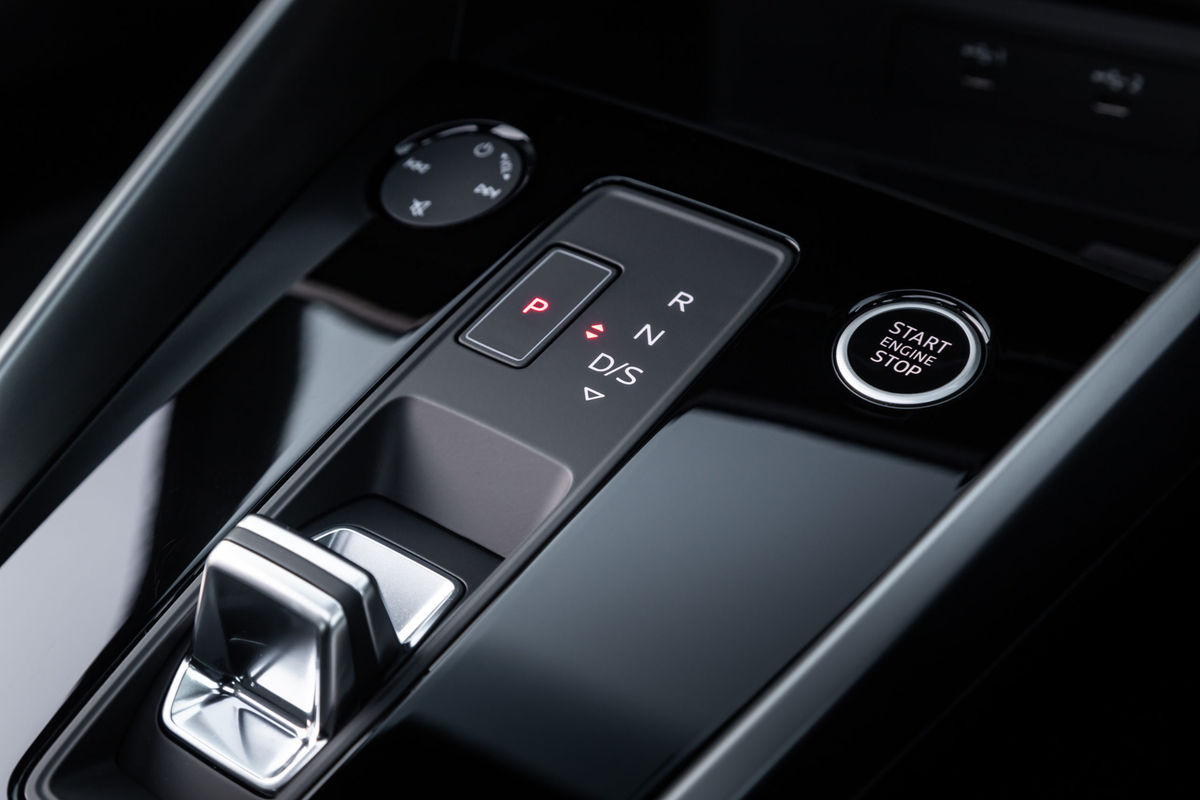
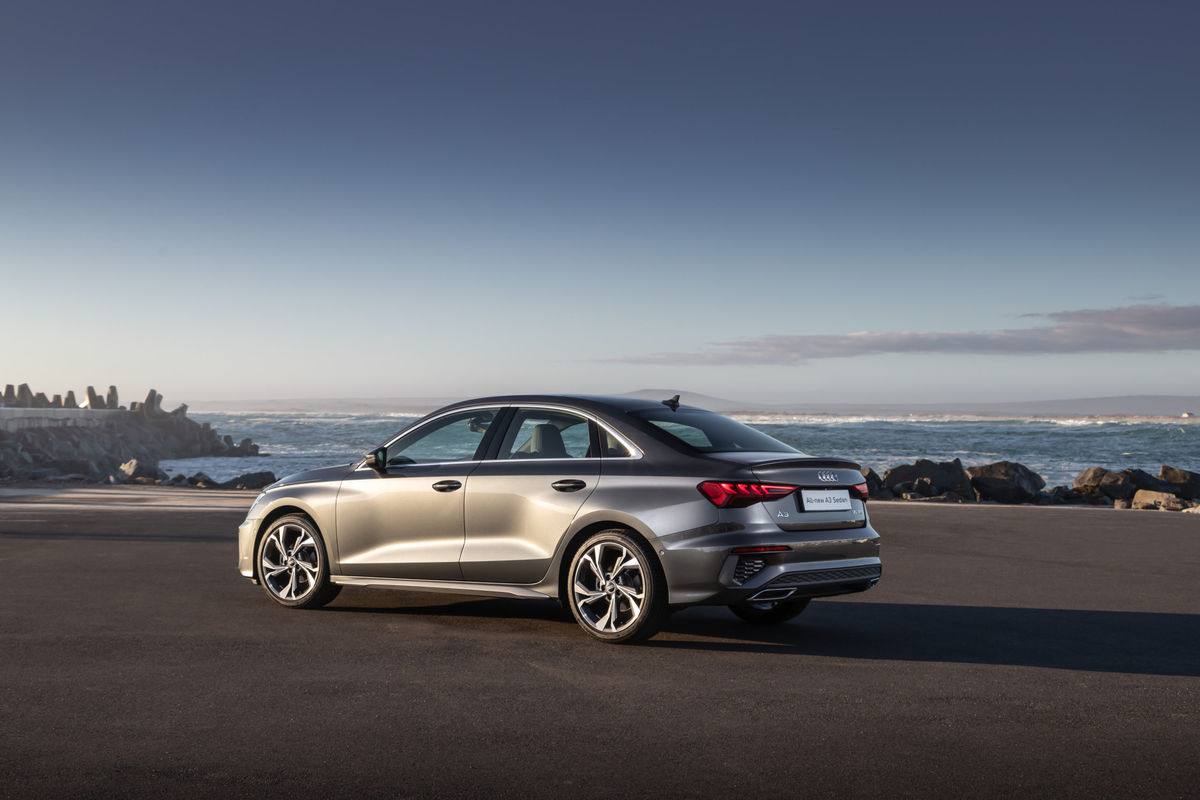
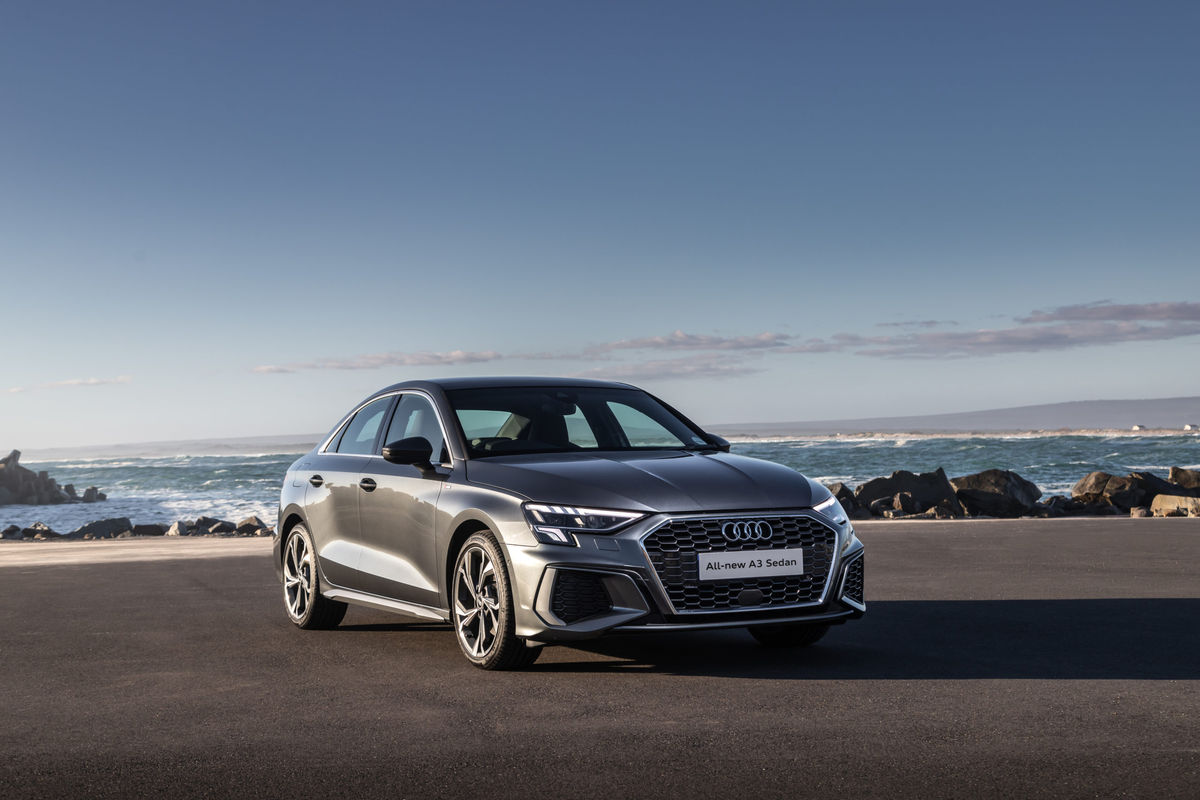
Pricing and specifications for the all-new Audi A3 plus S3 performance derivatives have been announced. Here’s how much you can expect to pay.
The 4th generation Audi A3 and S3 are due to land in SA in July/August 2021. While visually the design has not changed radically, with the real upgrades occurring under the skin.
In terms of size, the new model is a bit bigger and longer. The newer models are 18 mm wider, while the track width on the axles has been increased by 11mm. The 4th-gen Audi A3 and S3 are underpinned by the MQB platform, which also forms the basis of the Volkswagen Golf, Volkswagen Tiguan and Audi Q3 to name but a few.
The Audi A3 is a rival to the Mercedes-Benz A-Class, BMW 1 Series / 2 Series and to a lesser extent, the Mazda3. In terms of sales so far, the Audi A3 range has sold over 63 000 units since launching back in 1998.
Engines on offer
Audi South Africa is offering an all-petrol lineup for the A3 Sportback and A3 sedan. Kicking off the range is the 35 TFSI which is the 1.4-litre turbocharged 4-cylinder petrol motor and it produces 110 kW and 250 Nm. Audi claims a 0-100 kph of 8.2 seconds and the vehicle comes with an automatic transmission.
Next up is the 40 TFSI, which is brisk, with a claimed 0-100 kph of 7.4 seconds, thanks to its 2.0-litre turbocharged 4-cylinder engine delivering 140 kW and 320 Nm. It too features an S tronic dual-clutch transmission. This engine will be launched locally in November 2021.
When it comes to fuel economy, the sedan is the thriftier of the two body styles. The 35 TFSI Sedan consumes 6.1 L/100 km on the combined cycle, while the 35 TFSI Sportback manages 6.2 L/100km. Fuel economy figures for the 40 TFSI are to be confirmed later.
Trim Levels
Standard
16-inch alloys
Advanced
17-inch wheels
Advanced bumpers
S line
17-inch wheels
S line bumpers
Rear Park Distance Control
Sports suspension
Illuminated S door sills
Roof spoiler for Sportback
Optional packages
Upgrade package (available on Standard, Advanced, S line for 35/40 models)R23 500
Full LED headlights Rear parking aid 2-zone climate control auto-dimming mirror
Technology package (available on Standard, Advanced, S line for 35/40 models and S3) R33 500
Audi connect Navigation & Infotainment Plus Audi virtual cockpit plus MMI Navigation plus with MMI touch USB ports with charging function in the rear
Sports package (available on Advanced and S line for 35 and 40 models)
18-inch wheel Sport suspension Black styling + black mirrors
S line interiorR26 500
Armest in leatherette Centre armest in front Decorative insert in Dark Aluminium Emblems Headliner in black fabric Metal pedals Sport seats Illuminated S door sills
Audi S3
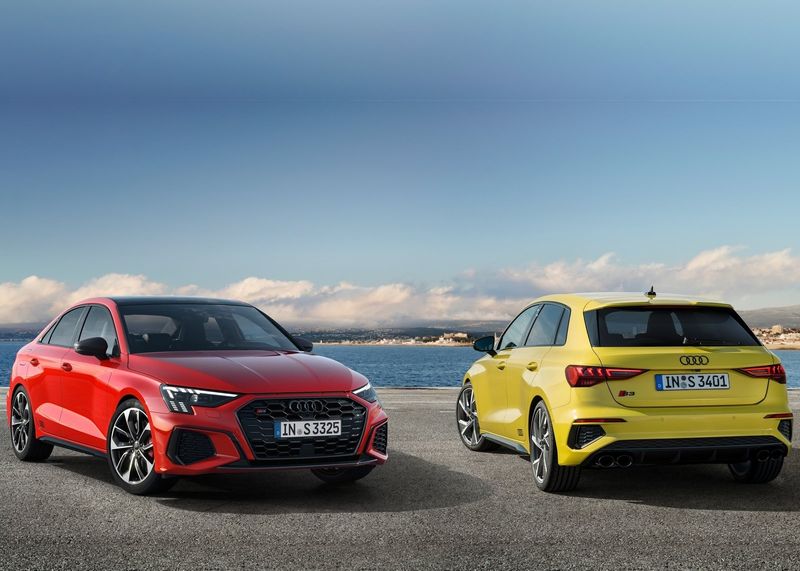
For the performance fans, Audi South Africa will be introducing the S3 Sportback and S3 Sedan. Both are powered by a 2.0-litre 4-cylinder turbocharged petrol engine developing 213 kW and 400 Nm. All that shove goes to all 4 wheels via an S tronic dual-clutch transmission.
Performance will be brisk, with a claimed 0-100 kph of just 4.9 seconds and a top speed of 250 kph for both body styles. As far as the fuel economy goes, the Audi S3 Sportback and Sedan are said to consume 8 L/100 km and 7.8 L/100 km on the combined cycle respectively.
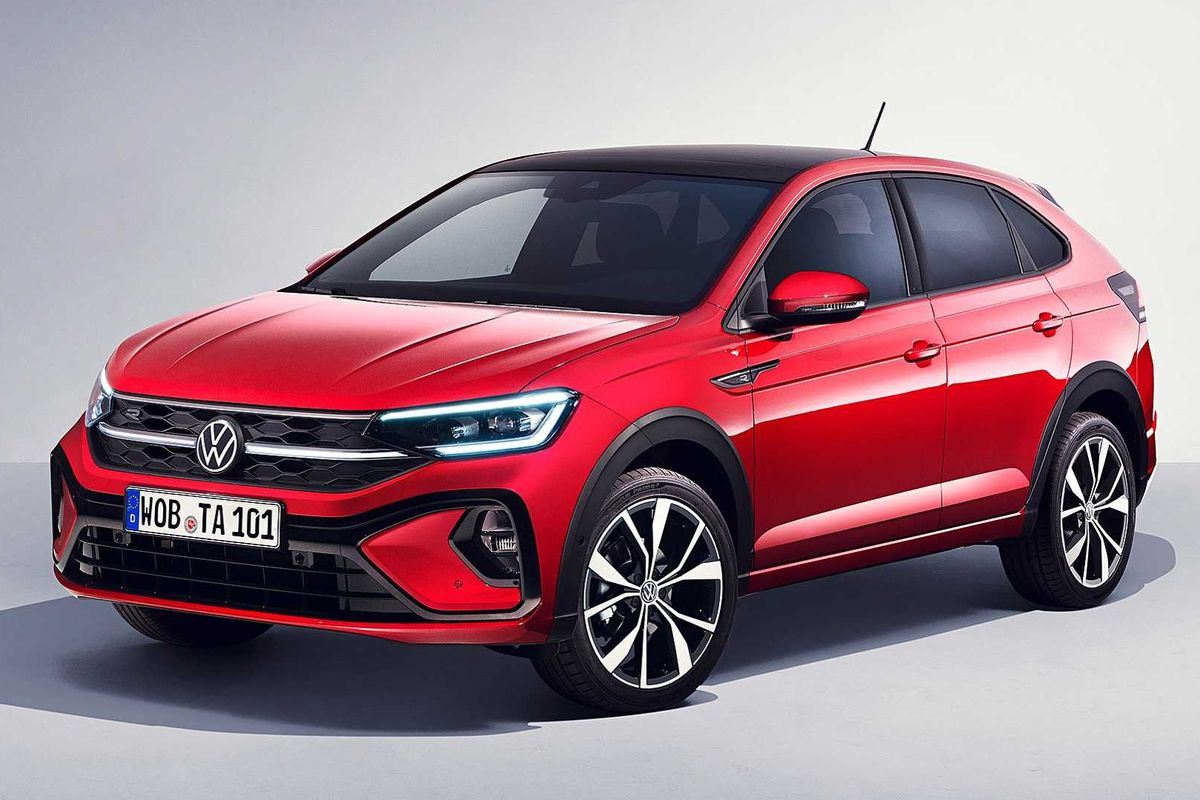
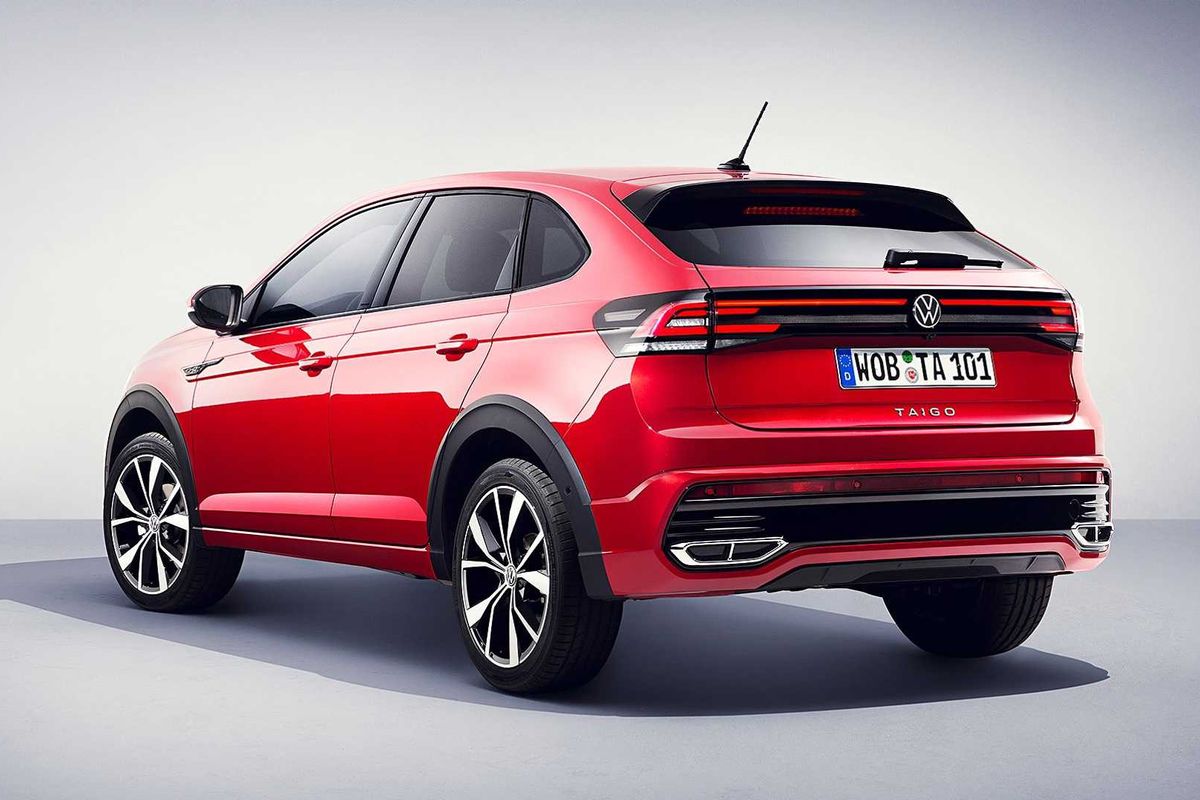
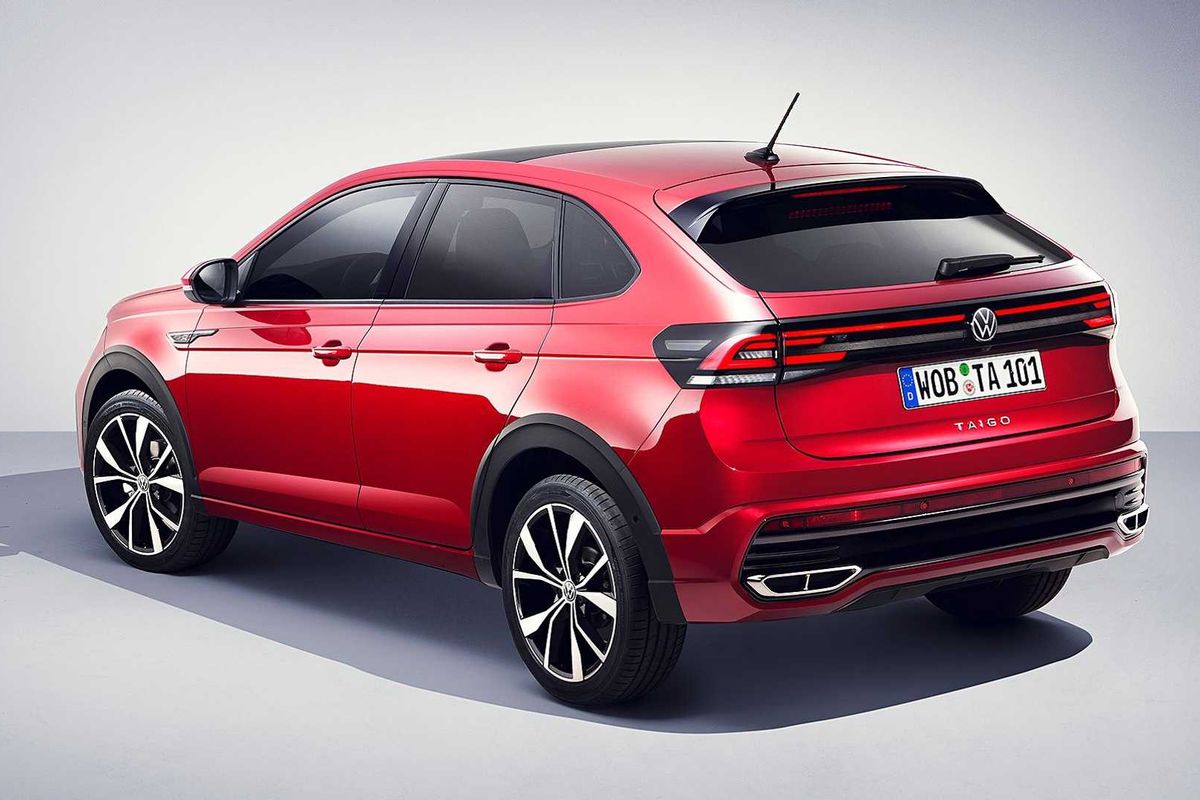
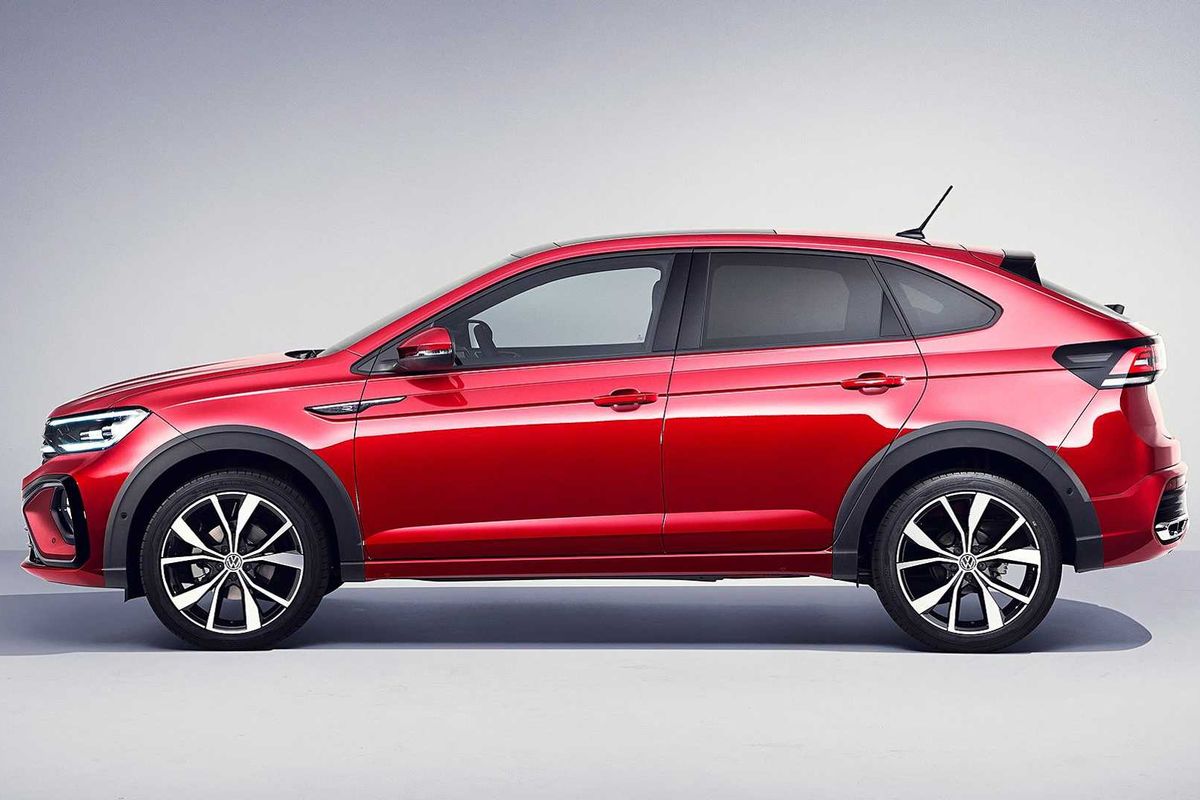
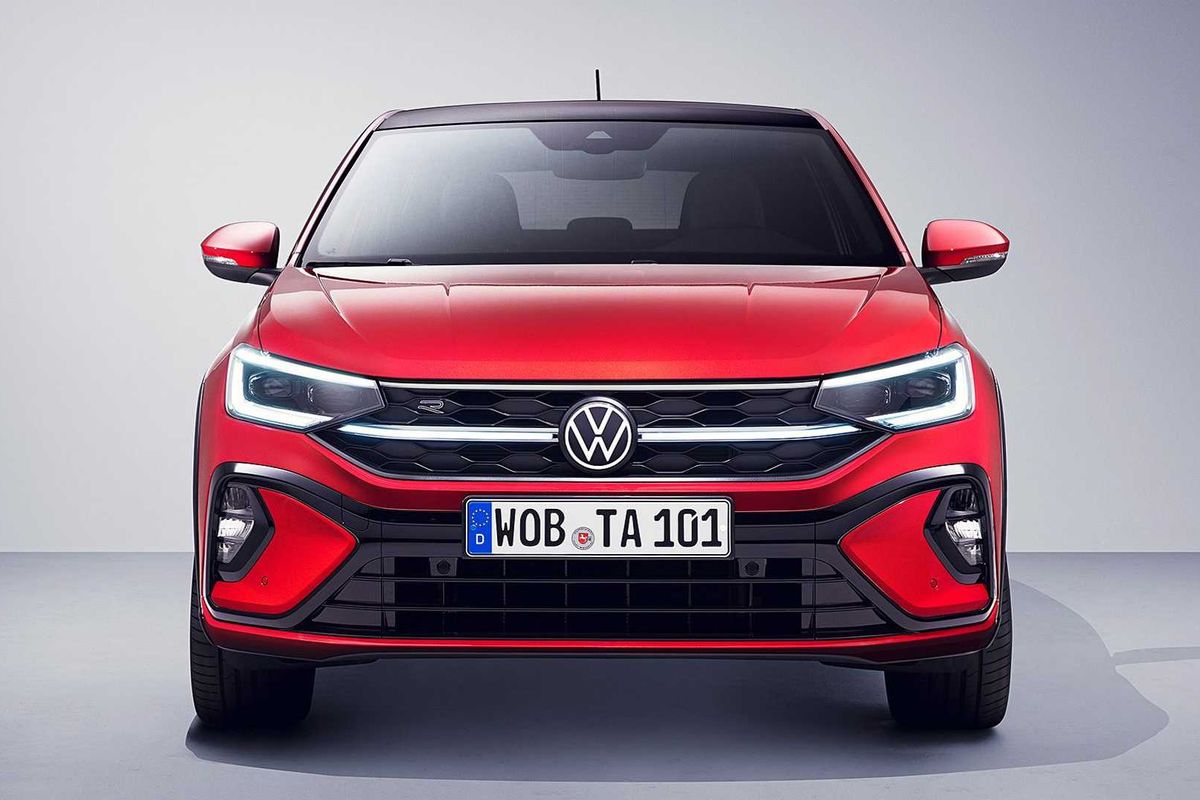
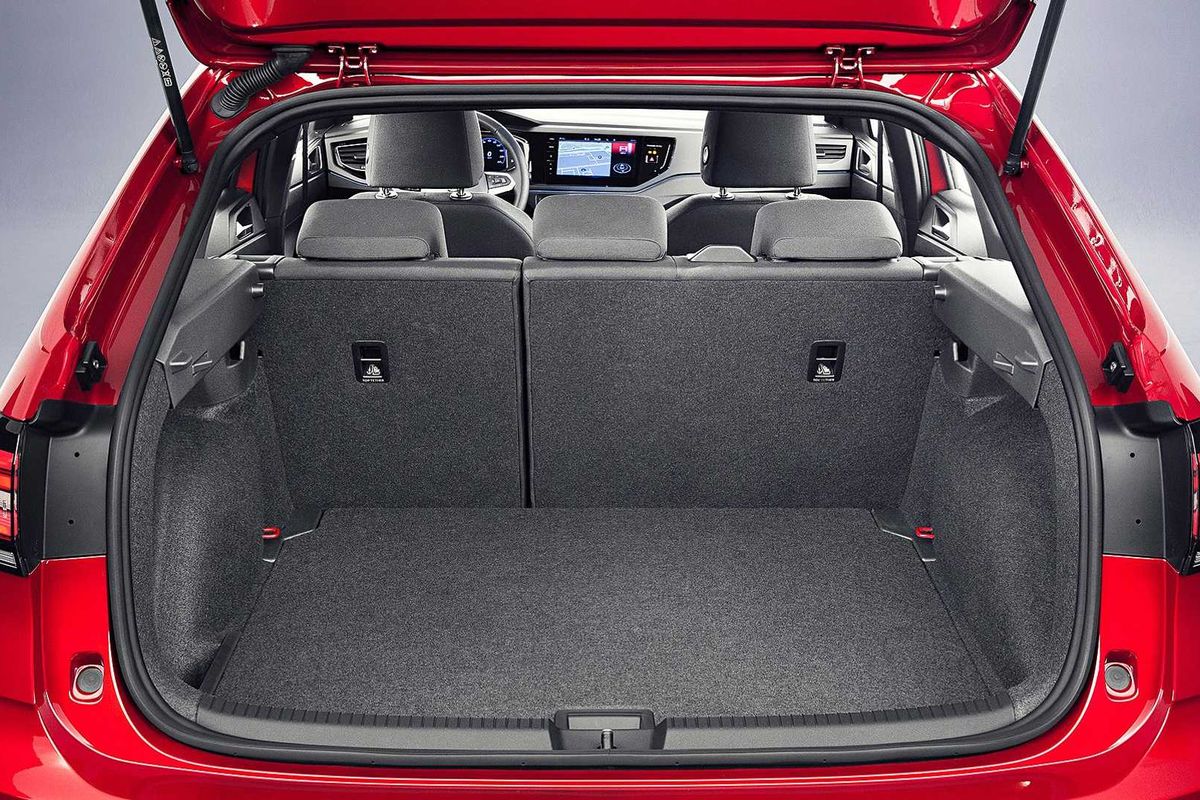
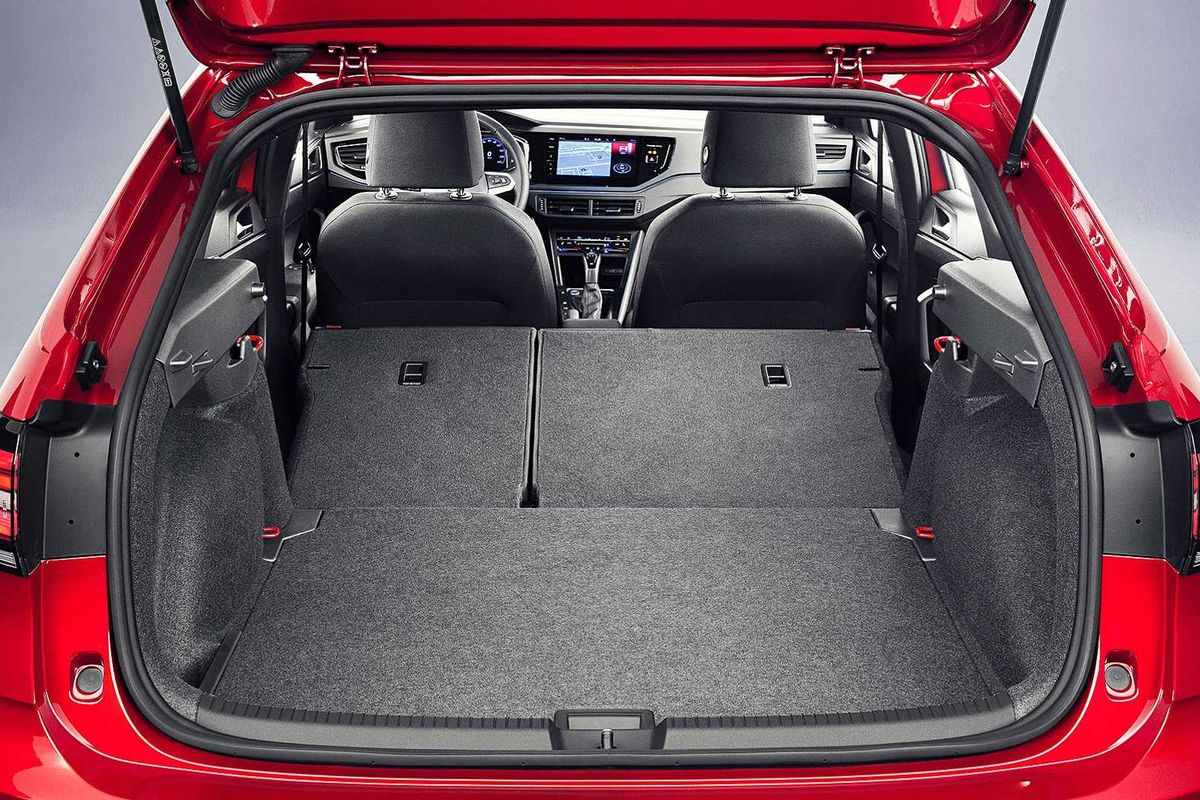
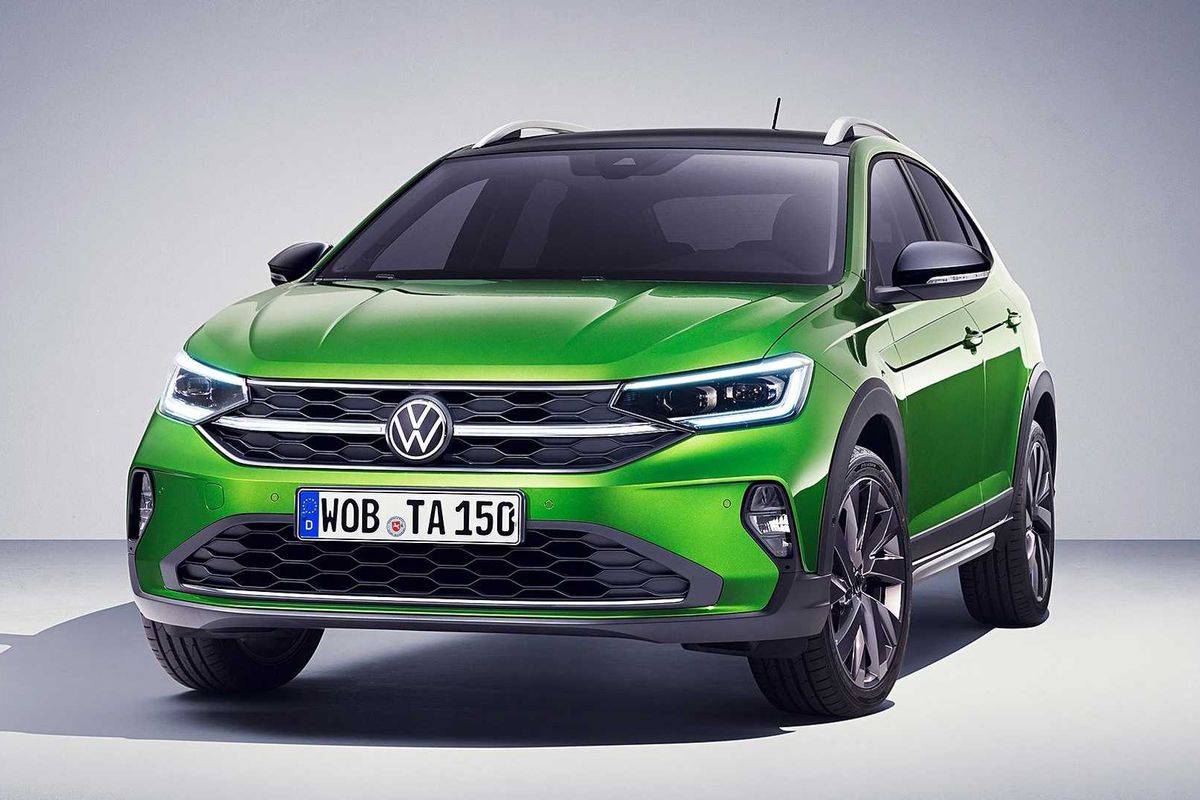
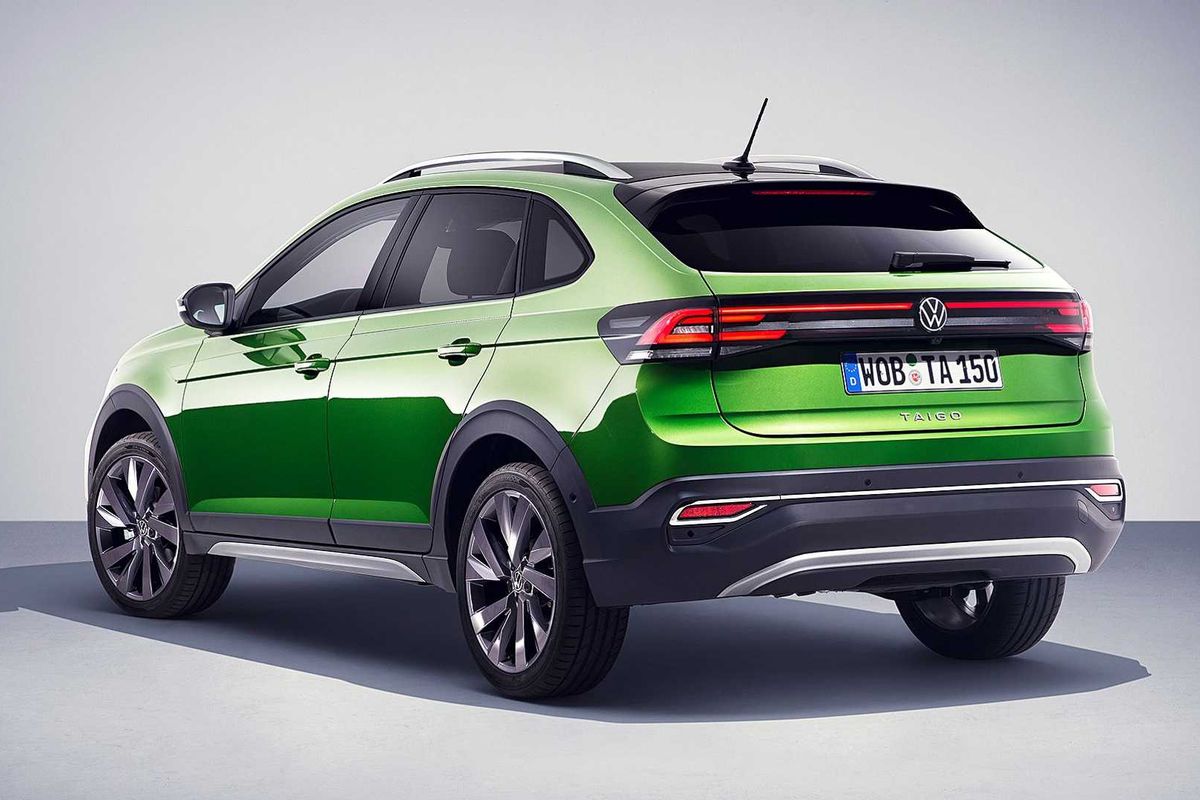
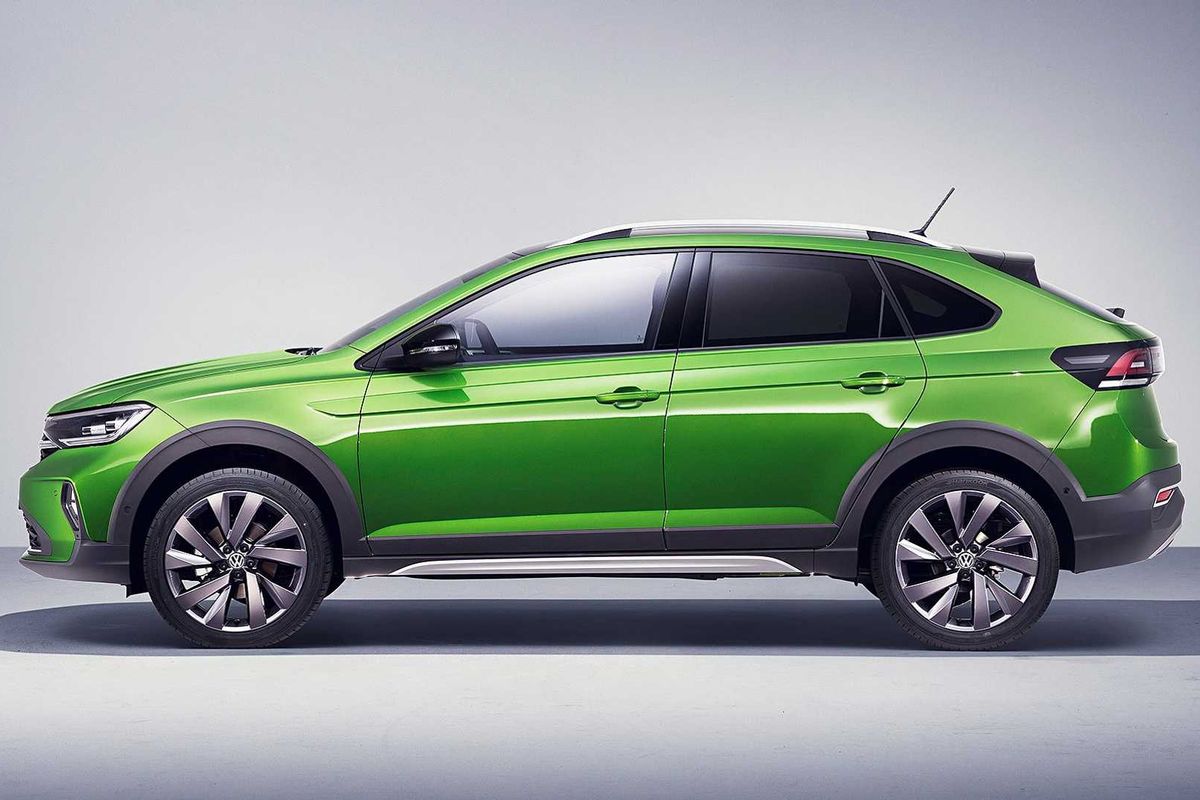
The Spanish-built VW Taigo is based on the Brazil-built VW Nivus and differentiates itself from Volkswagen’s T-Cross with a stylish coupe-like silhouette. It stands 4 600 mm long, 1 700 mm wide and 1 490 mm tall with a wheelbase of 2 566 mm.
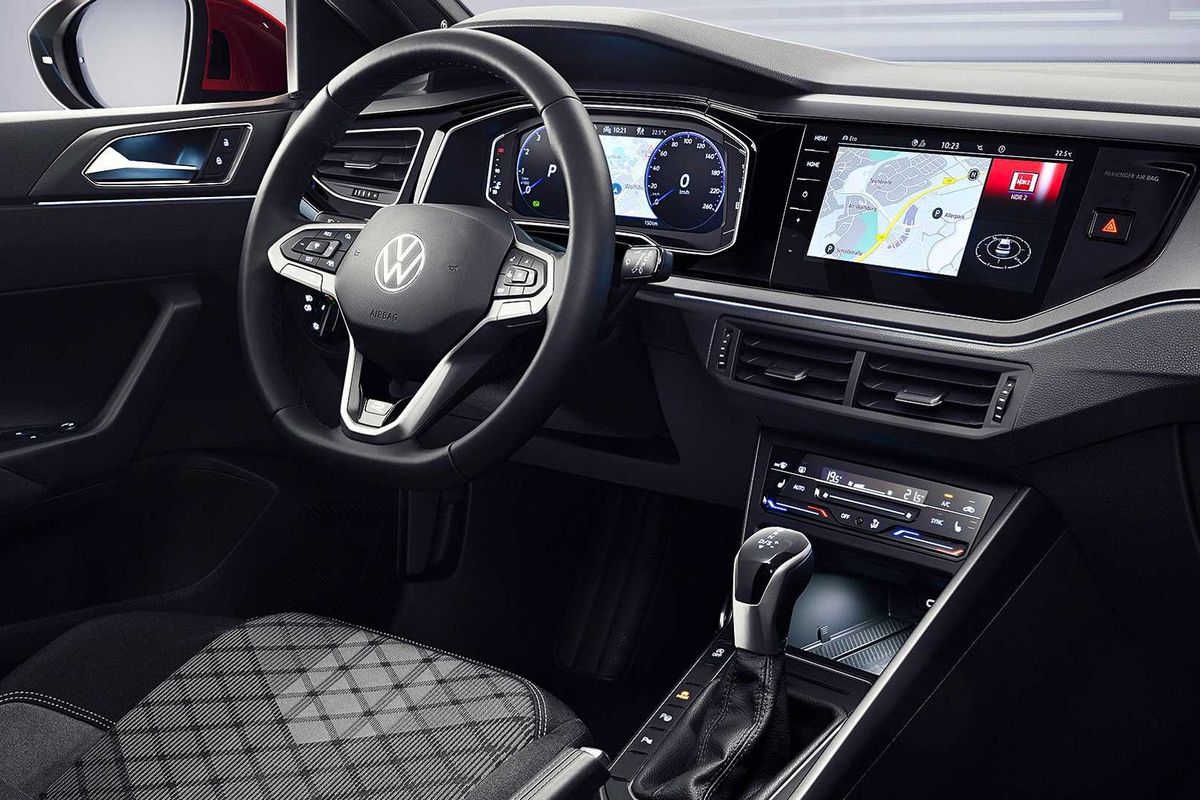
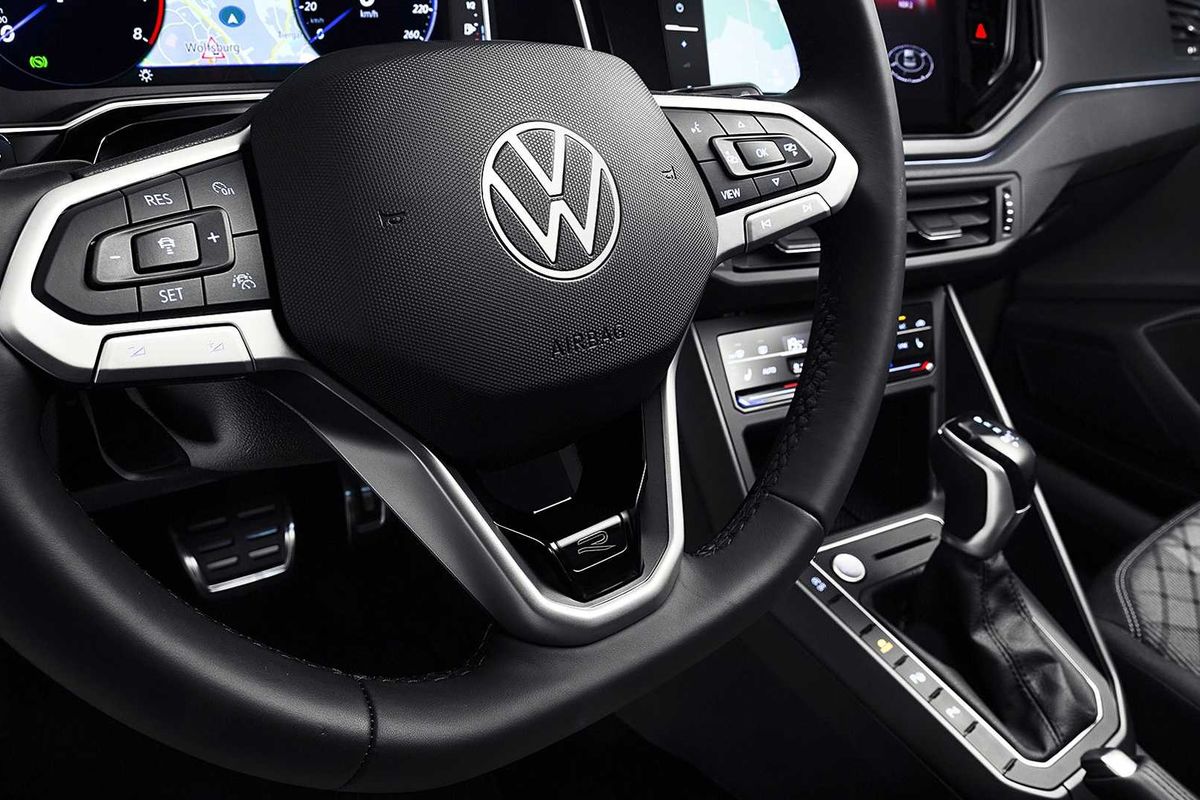
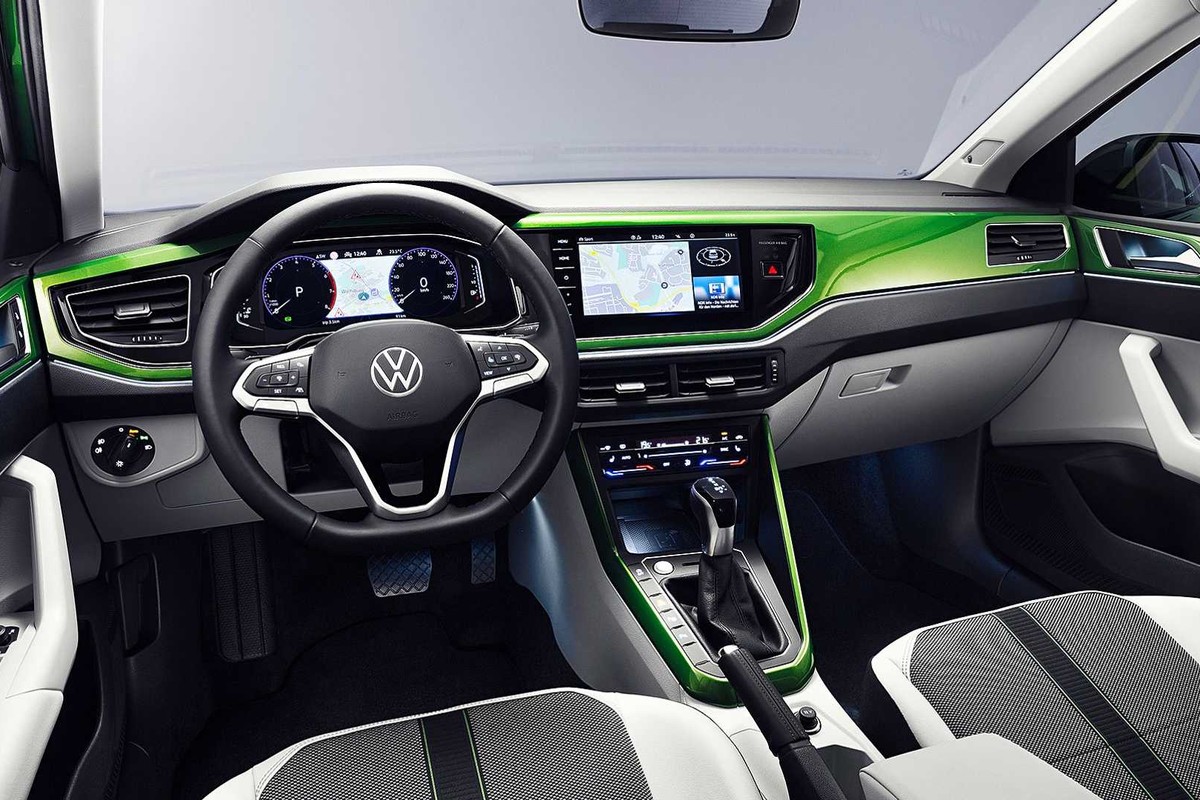
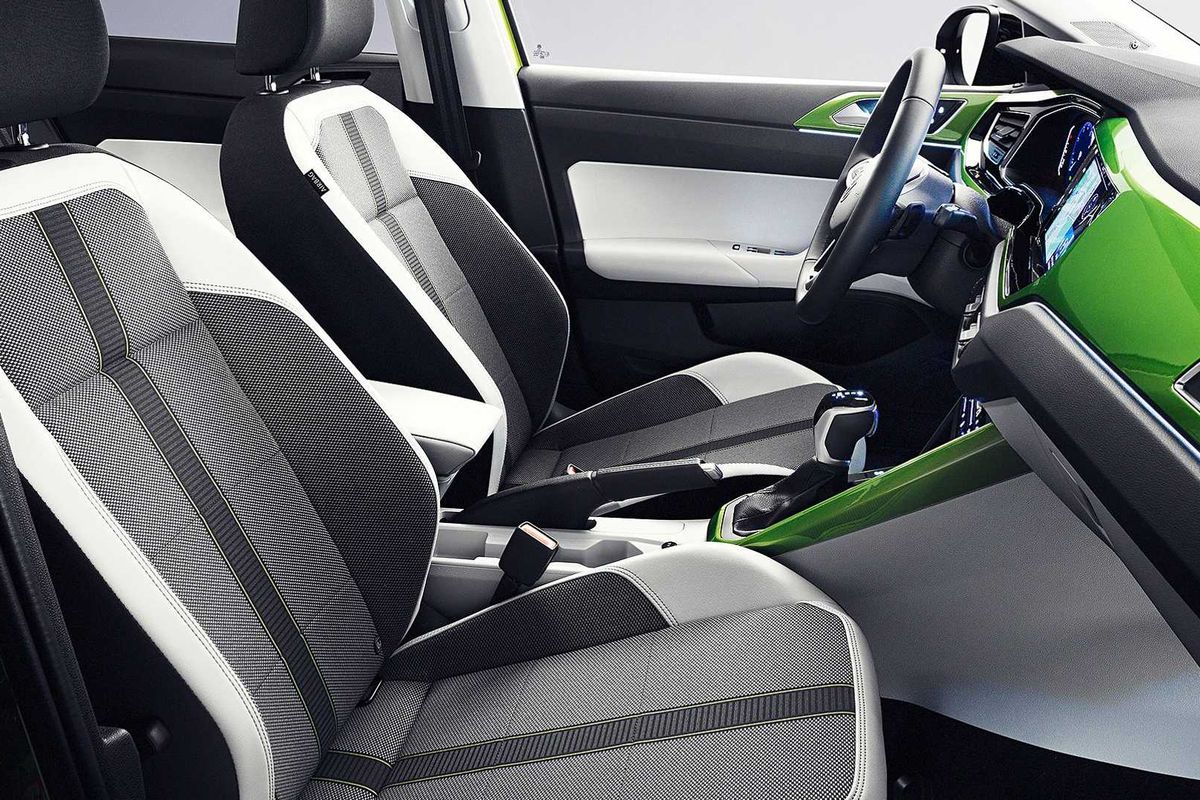
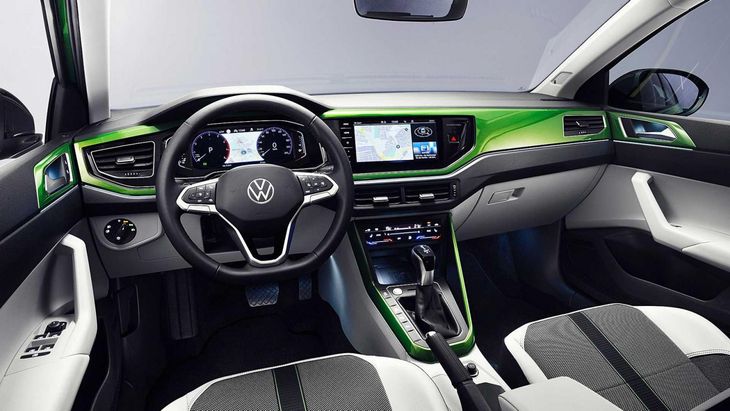
The Taigo also gains features typically found on high-grade models such as Volkwagen’s IQ.Light LED matrix headlights, the latest third generation MIB3 9.2-inch infotainment system, wireless App connect, wireless charging and the brand’s familiar digital cockpit. The cabin itself lifted from the Nivus but it’s all familiar Volkswagen fair. The images you see here show the range-topping Taigo R Line which looks very nice indeed.
A host of driver assistance features are also on offer including a surround-view monitor, front assist with emergency braking, lane departure warning and the optional IQ-Drive Travel Assist which enables semi-automated driving up to speeds of 210 kph.
The Taigo’s interior is familiar from other VW products and comes equipped with the firm’s latest digital technology.
What engines are offered on the new VW Taigo?
The new VW Taigo will be powered by a 1.0-litre, 3-cylinder petrol engine with either 70 kW /175 Nm or 85 kW /200 Nm on tap while a range-topping 110 kW / 250 Nm 1.5-litre turbopetrol engine will also find its way under the bonnet of the Taigo.
The front wheels will be driven via either a 6-speed manual or 7-speed dual-clutch transmission.
As for local availability, Volkswagen earlier this year confirmed that the Taigo will be offered locally in 2022 and local specification and pricing will become available closer to launch.
In the years between 2007-2010, South Africa enjoyed an incredible spate of Chinese brand introductions.
Most of these were simply aged Japanese bakkie platforms, sold as new, on the cheap. With the local market at record strength during this time, the demand was there.
But as customers discovered that these Chinese bakkies were not quite as durable as Japanese legacy products, and lacking credible aftersales support, the Chinese brands folded. Dramatically.
The only Chinese car company that has navigated local market expectations with credibility, has been GWM. Its latest P-Series bakkie is a serious bit of kit and the Haval SUV and crossover ranges, sell very well.
But now, one of the departed Chinese brands is making a return. Chery is aiming to meaningfully engage with the local market by September this year, as a more agile local entity (it won’t use a distributor but will enter as Chery SA standalone).
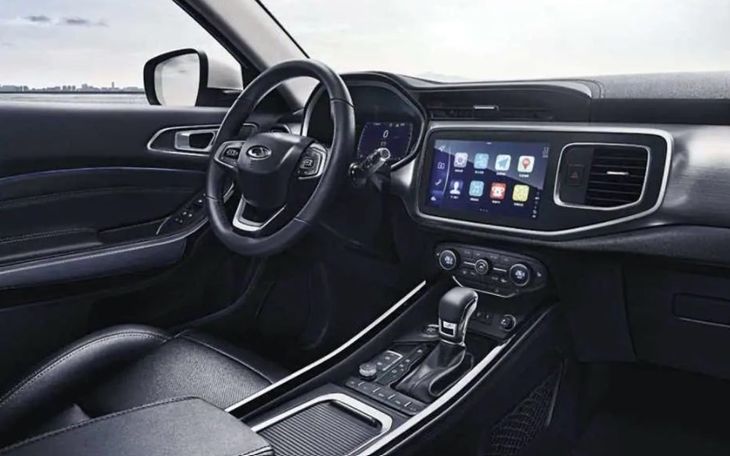
Chery Tiggo interior looks as modern as any other family SUV. Exterior featured above.
There is no question that Chery has more to offer than Tiggo. Product strategists at Chery have observed the success of GMW, with its Haval sub-brand, and must believe that South African buyers are now finally willing to pay more, for the latest-generation Chinese vehicles.
The brand is expected to initially launch with the Tiggo 2 and Tiggo 8, the number represents the size of the vehicle. The Tiggo 2 is about the same size as a Kia Seltos/Hyundai Creta and powered by a 1.5-litre naturally aspirated engine (78 kW/135 Nm). There’s a choice of a 5-speed manual or a 4-speed auto, not particularly advanced but expect it to be priced keenly.
The Tiggo 8 is a family SUV sized vehicle in the vein of the CX-5/Haval H6/Tiguan. Several engines are available (we’ll have to see what we are offered locally) all of which feature petrol and turbocharging. A 1.5-turbopetrol develops 108 kW and 210 Nm, then a 1.6-turbopetrol offers 147 kW and 290 Nm while a 2.0-turbopetrol produces 190 kW and 350 Nm. The 1.5 makes use of a 6-speed dual-clutch gearbox while the other 2 units use a 7-speed dual-clutch ‘box.
What will make a difference for Chery, beyond Tiggo? Exeed and Jetour. The names might be odd, but the product is a world beyond Tiggo. While we don’t know the exact product lineup yet, here’s what we know about those 2 cars.
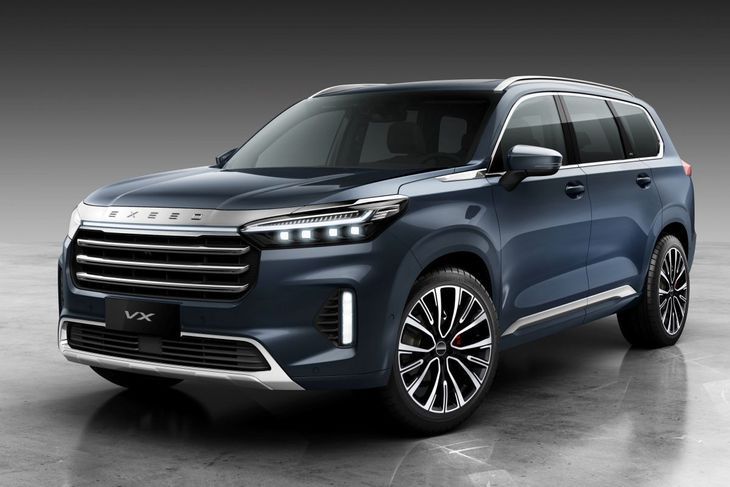
Chery’s Exeed is a very convincing crossover, about the size of a Rav4. It uses a platform jointly developed with esteemed Austro-Canadian automotive supplier, Magna, and is powered by a choice of 1.5- or 1.6-litre turbopetrol engines.
The 1.6-litre version is available in all-wheel drive, and with 145 kW and 290 Nm, should make a decent drive, even at Highveld altitudes.
Both the front- and all-wheel drive Exeed variants use a seven-speed dual-clutch transmission and there is a long-wheelbase option, with third-row seating.
The Jetour is a slightly bigger seven-seater, which oddly, is only configured as a front-wheel drive. Despite its size, the Jetour uses a similar range of 1.5- and 1.6-litre turbopetrol engines, although there is the option of a six-speed manual gearbox, on the base version.
These new Cherys offer progressive styling, loads of kit and better finish than any Chinese vehicle from a decade ago.
The only issue, as is the case with Haval, would be an absence of diesel engine options.
Top spec VX Exceed is about the same size as a Toyota Rav4.
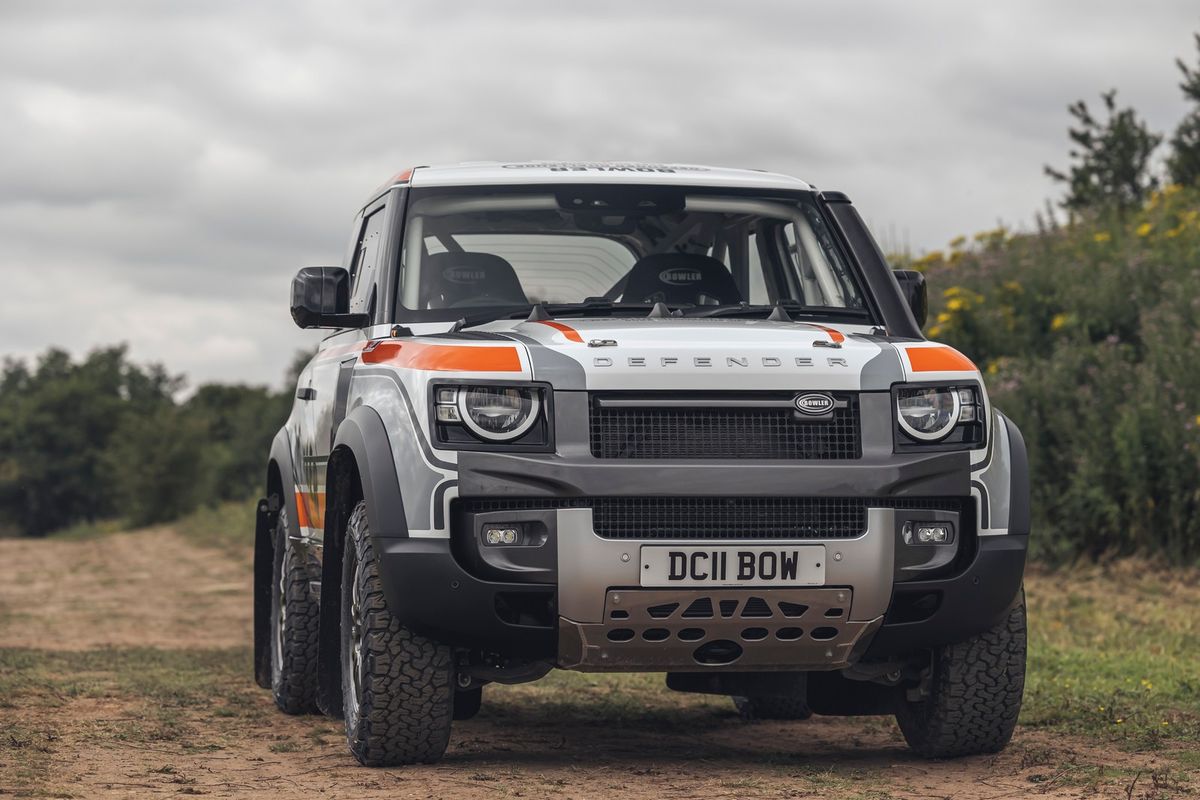
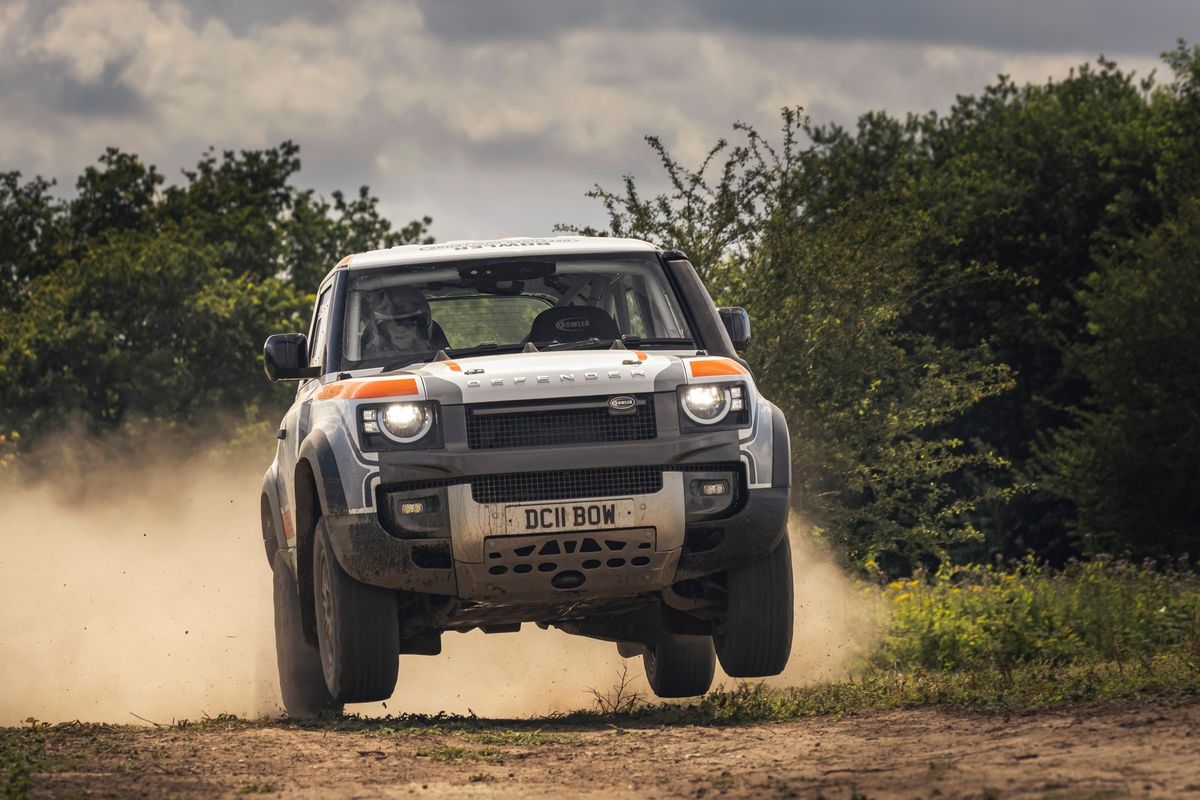
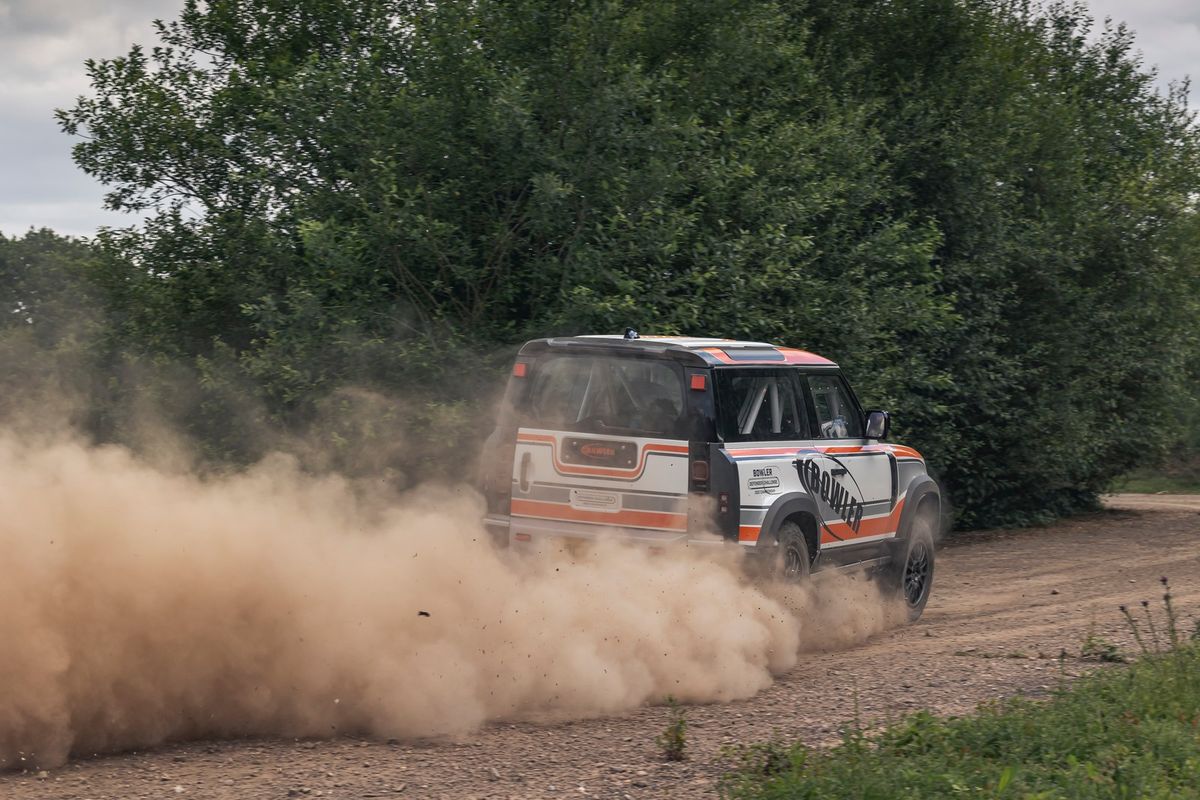
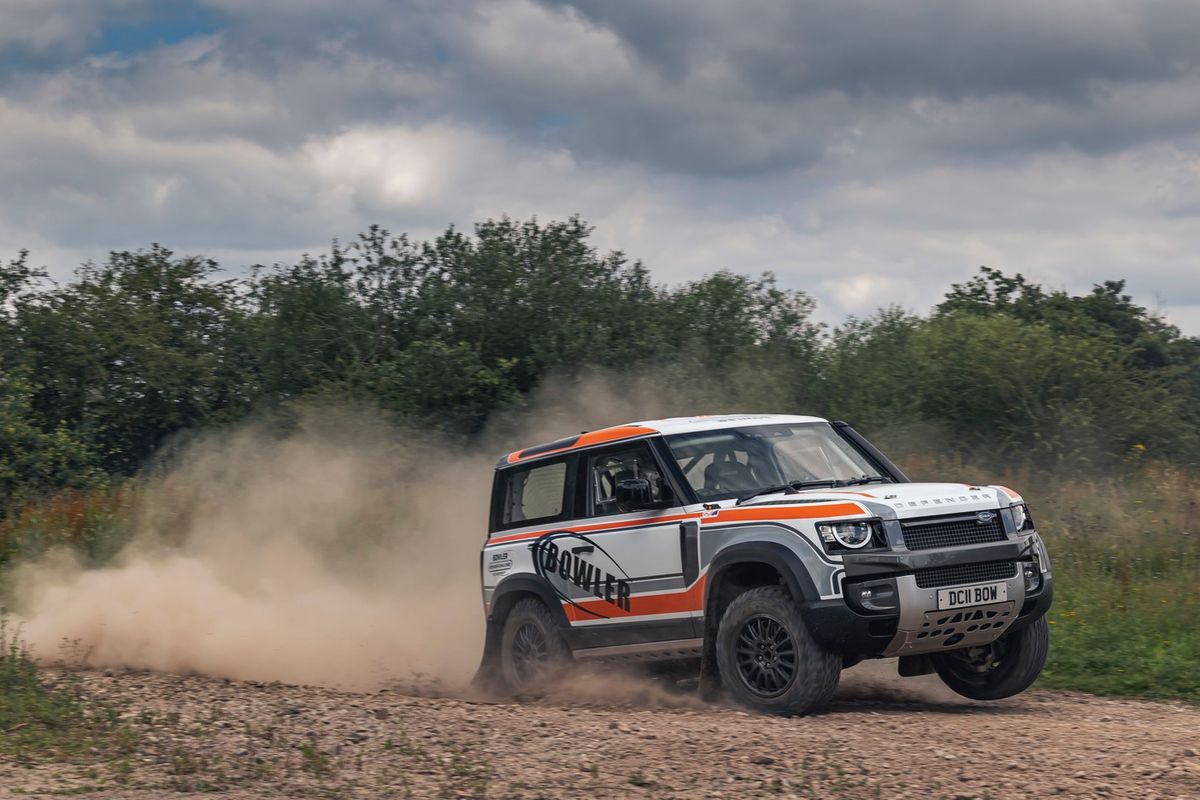
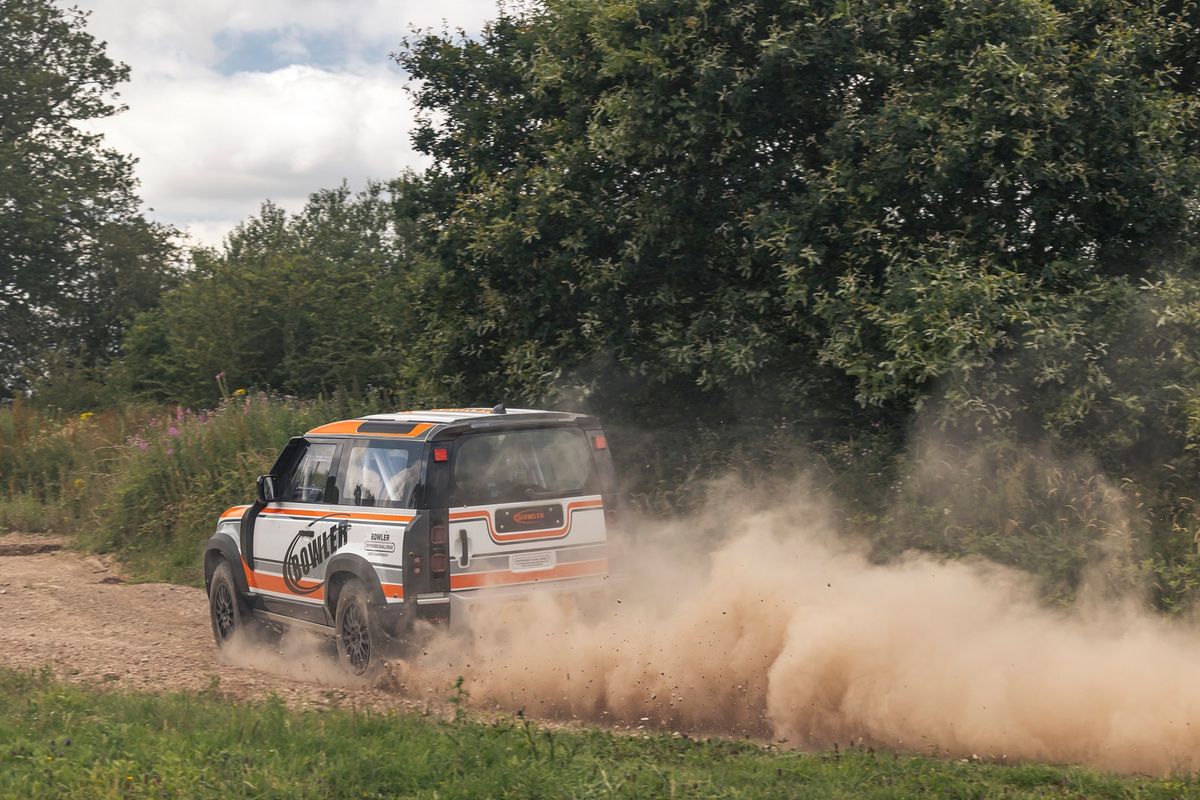
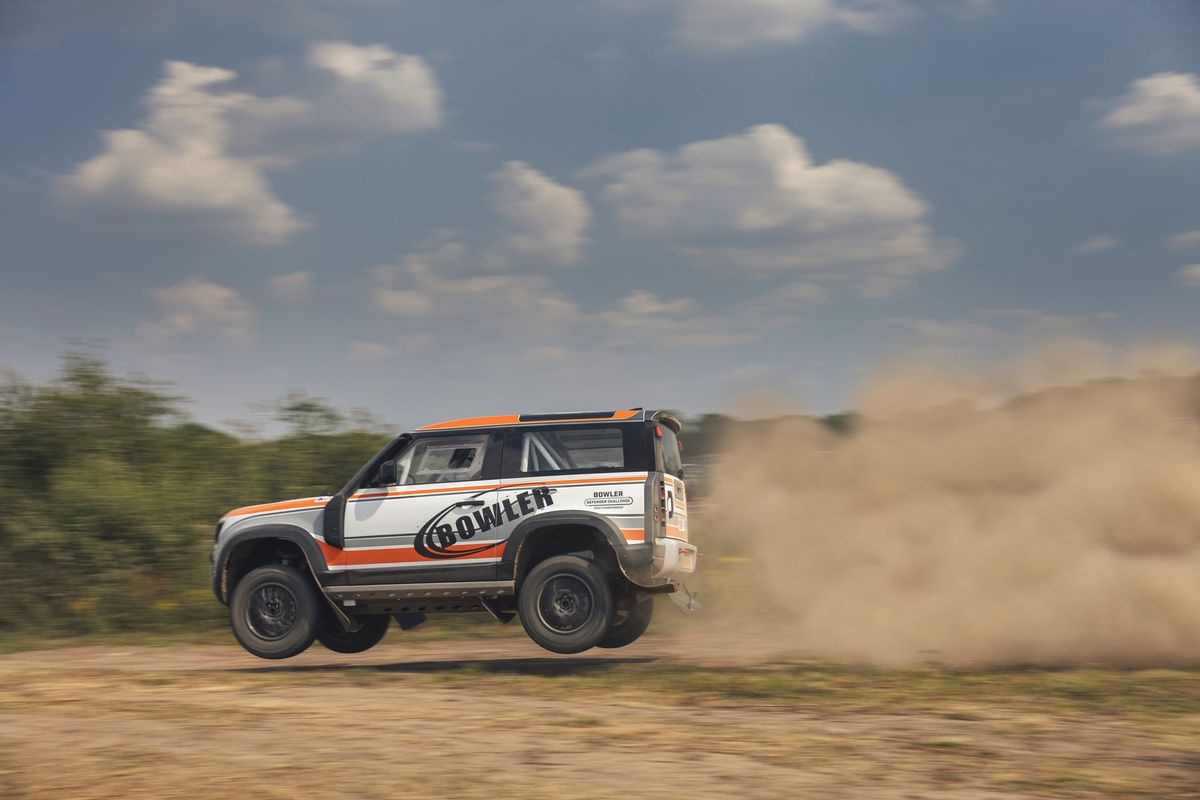
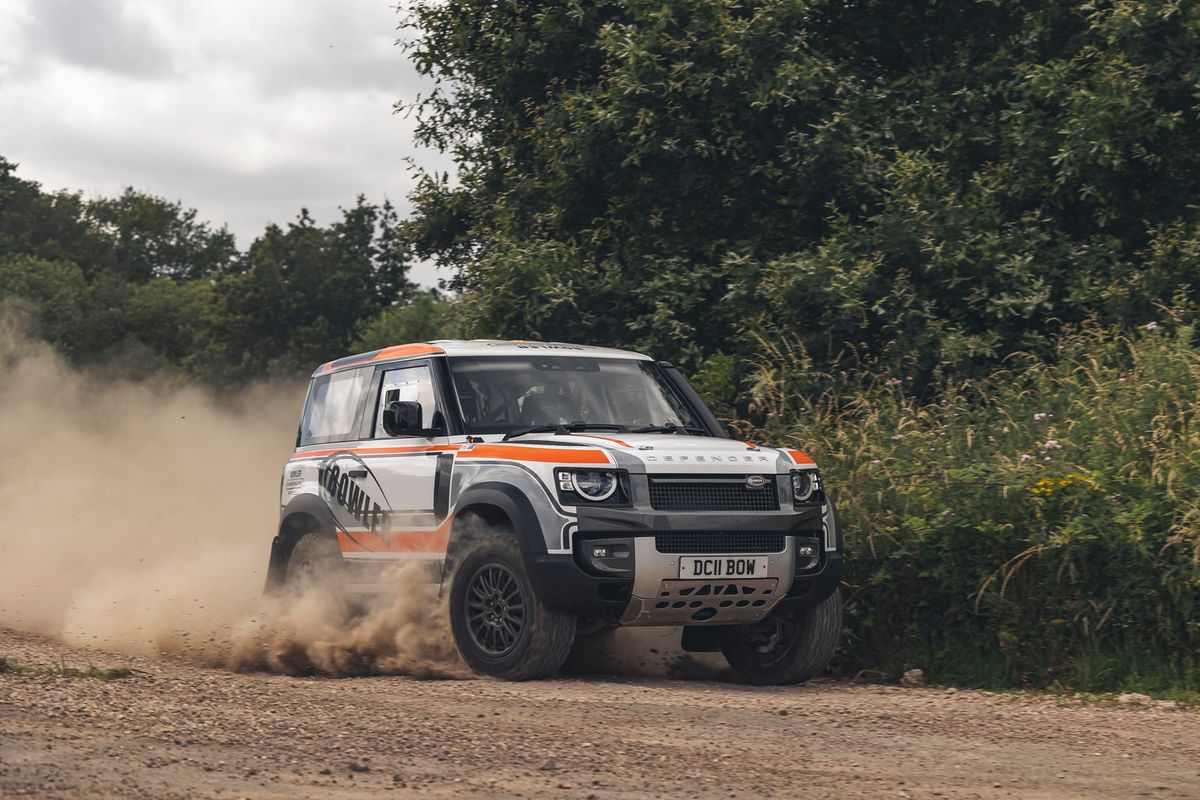
We know the new Land Rover Defender is one very capable offering, but what happens if you want to take it rallying? Bowler Motors will be doing just that and has revealed its new race weapon.
Bowler Motors has a stellar track record when it comes to modifying Land Rover products for high-performance offroad usage. Jaguar Land Rover was so impressed with the efforts over the years, it formed a brand partnership with Bowler Motors in 2012 and landed up acquiring the entire company in 2019 and it now forms part of SVO (Special Vehicle Operations).
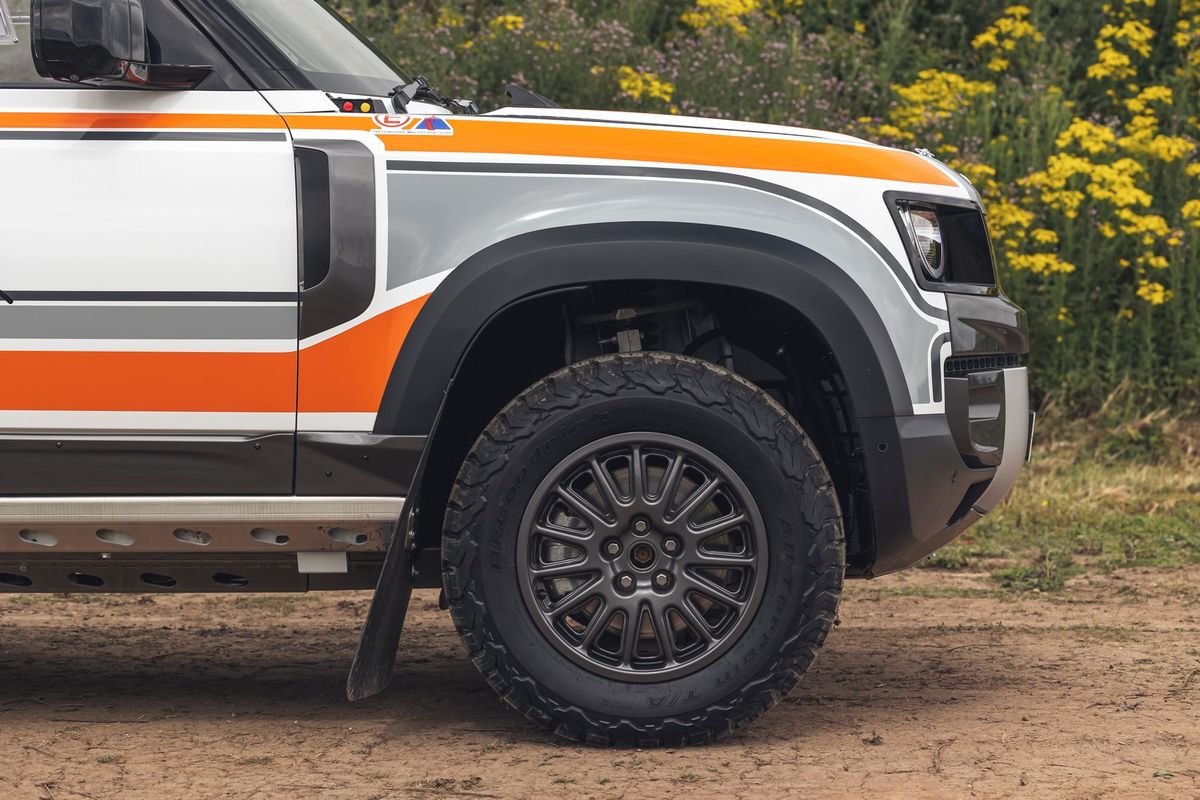
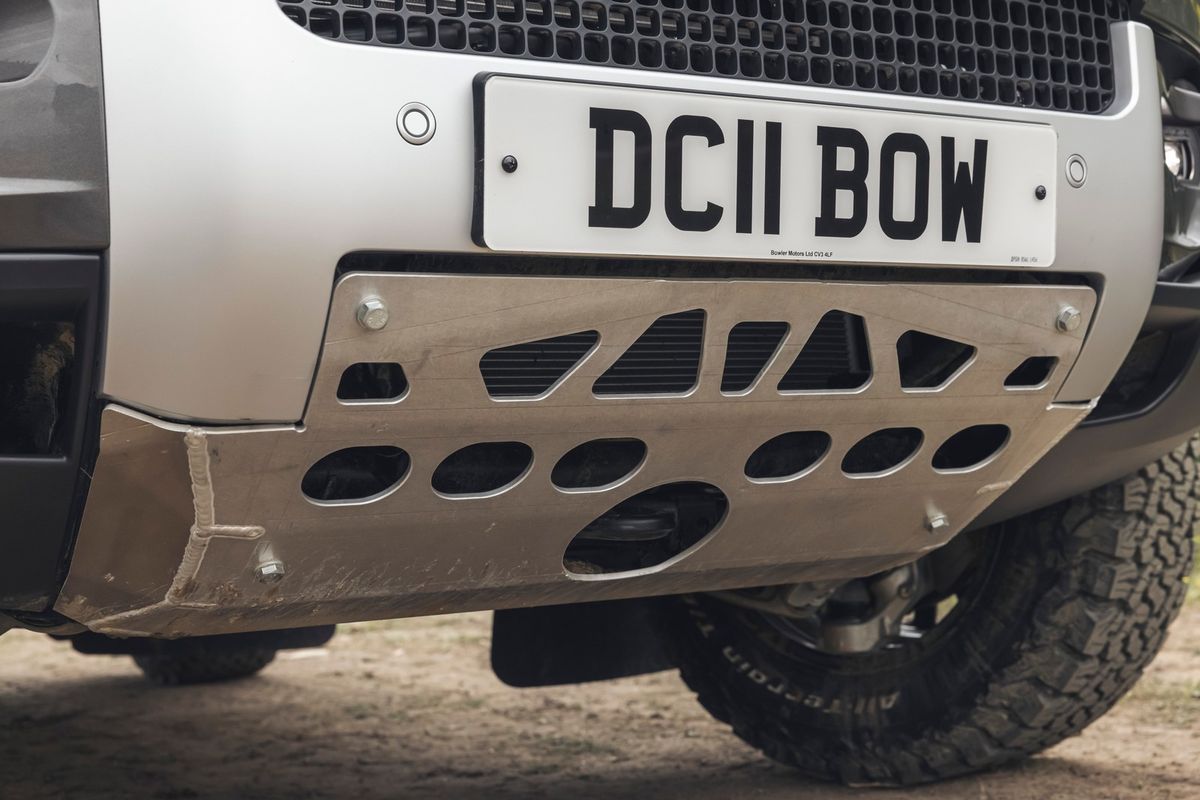
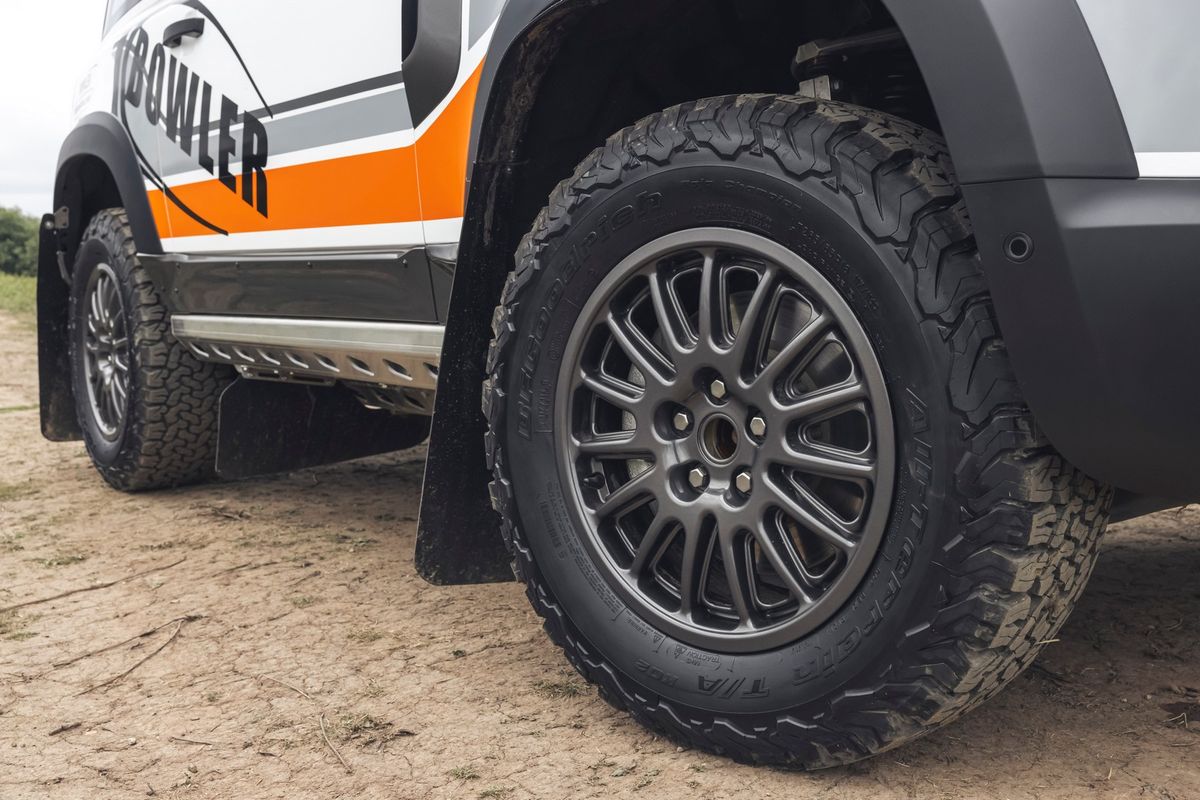
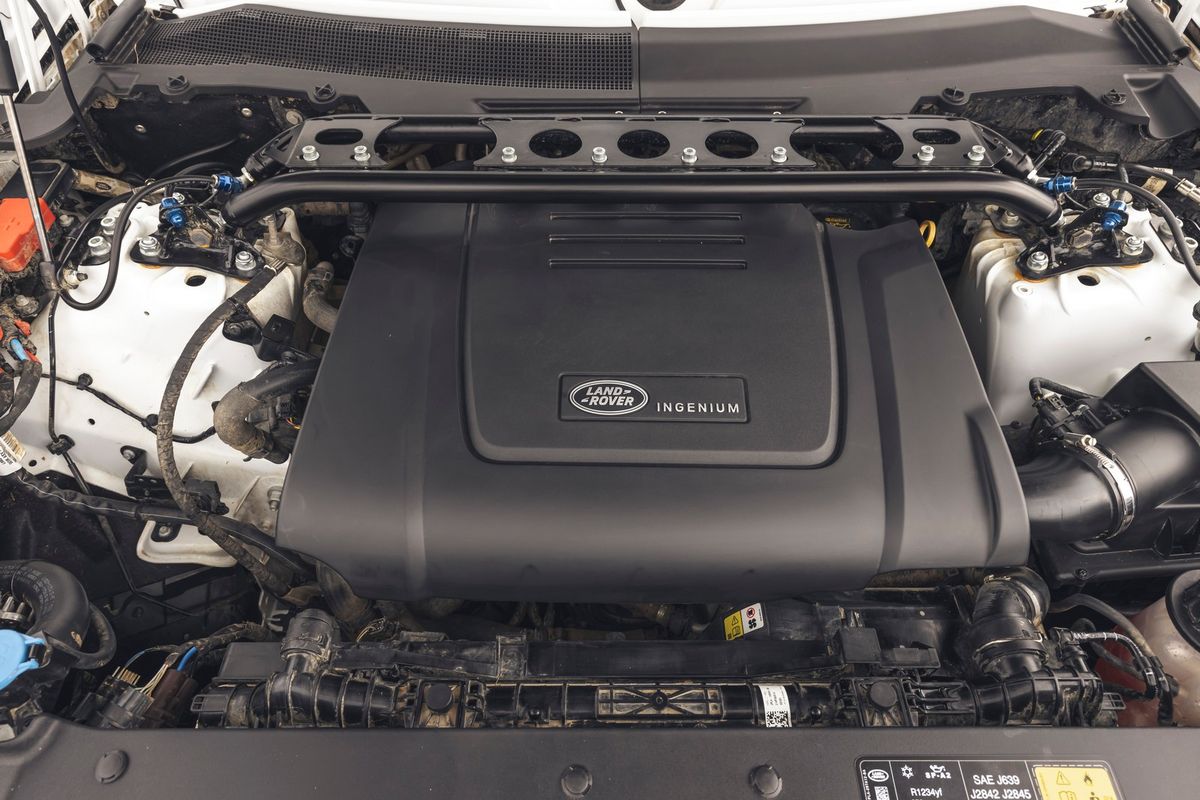
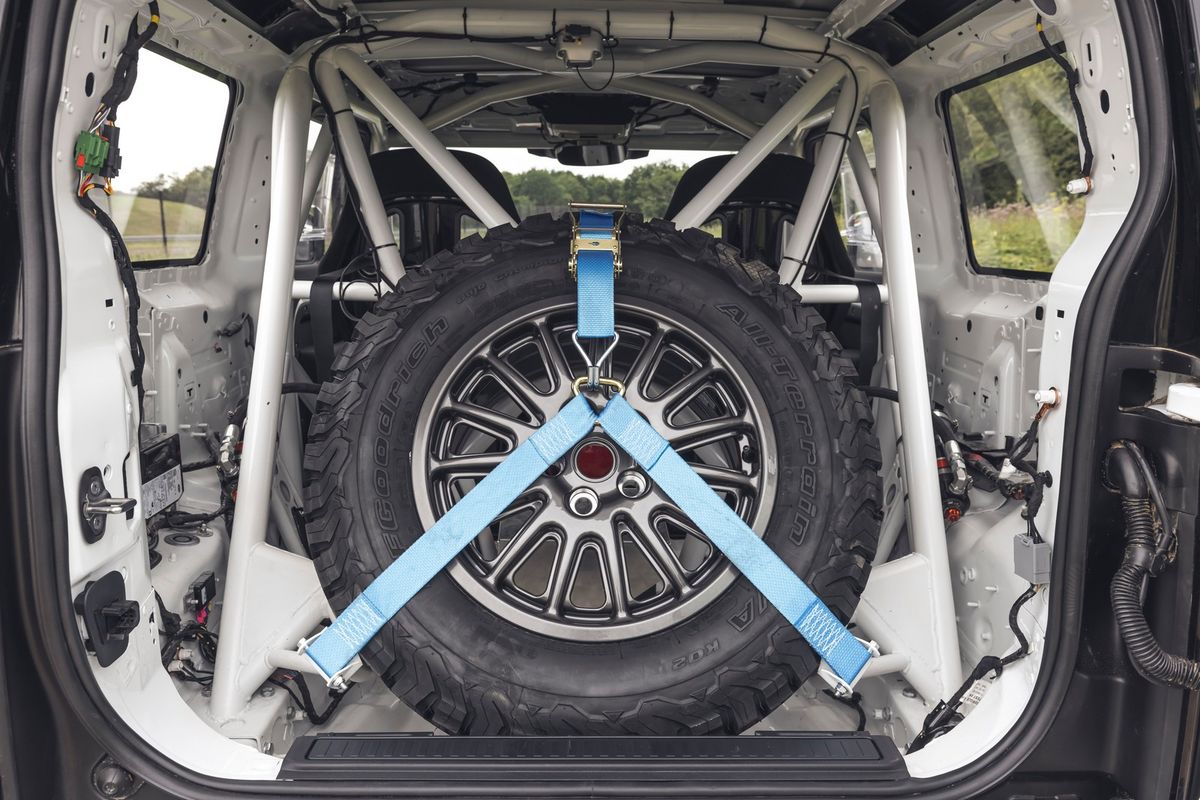
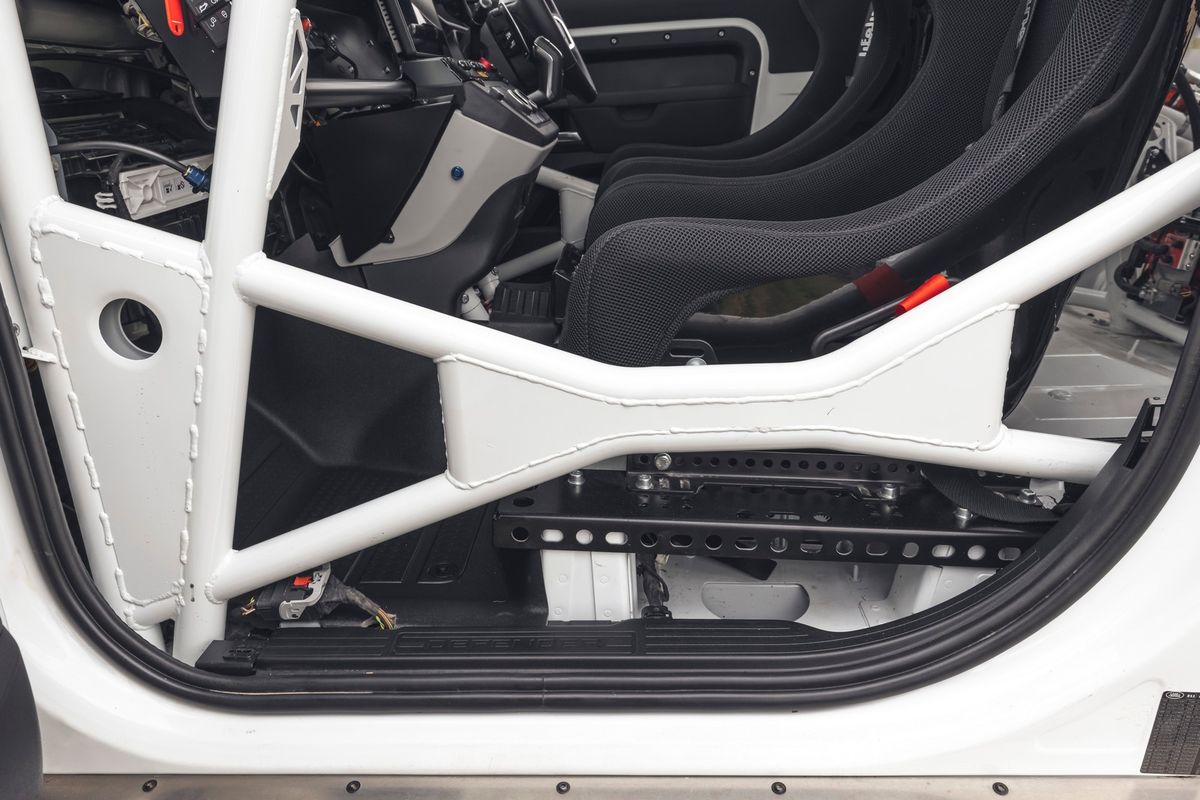
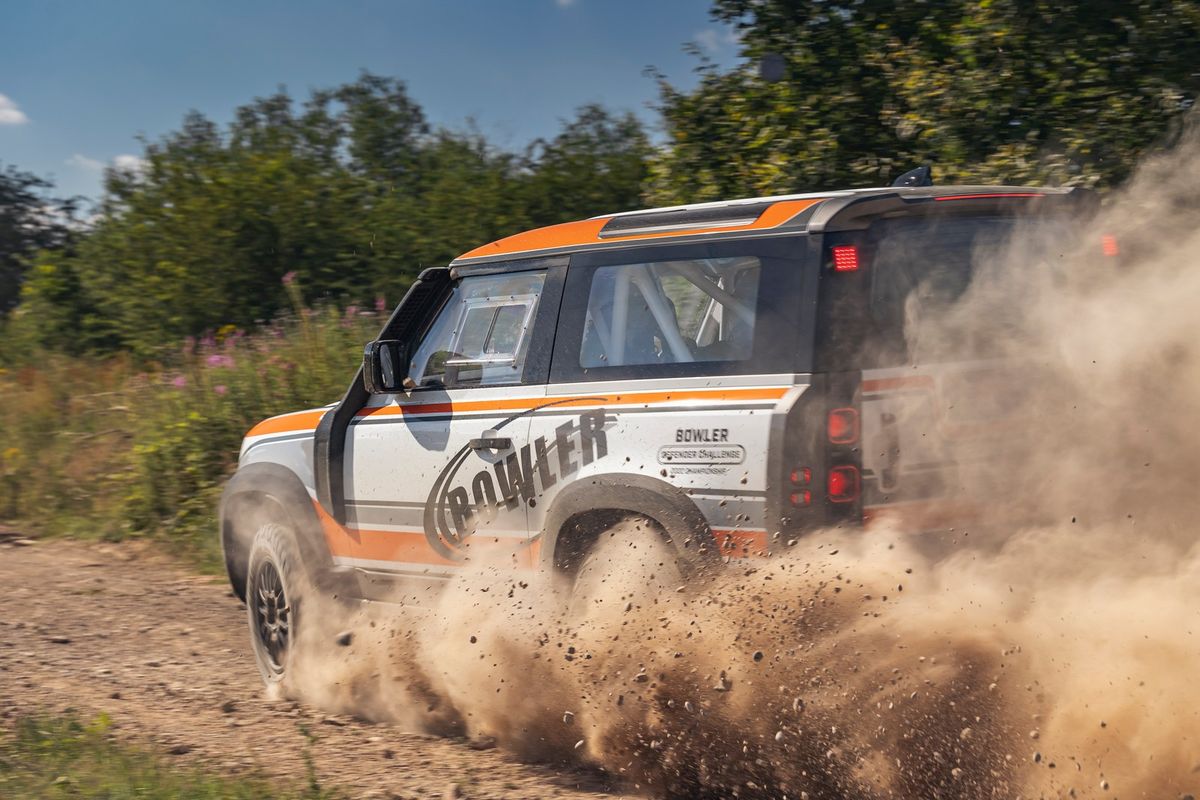
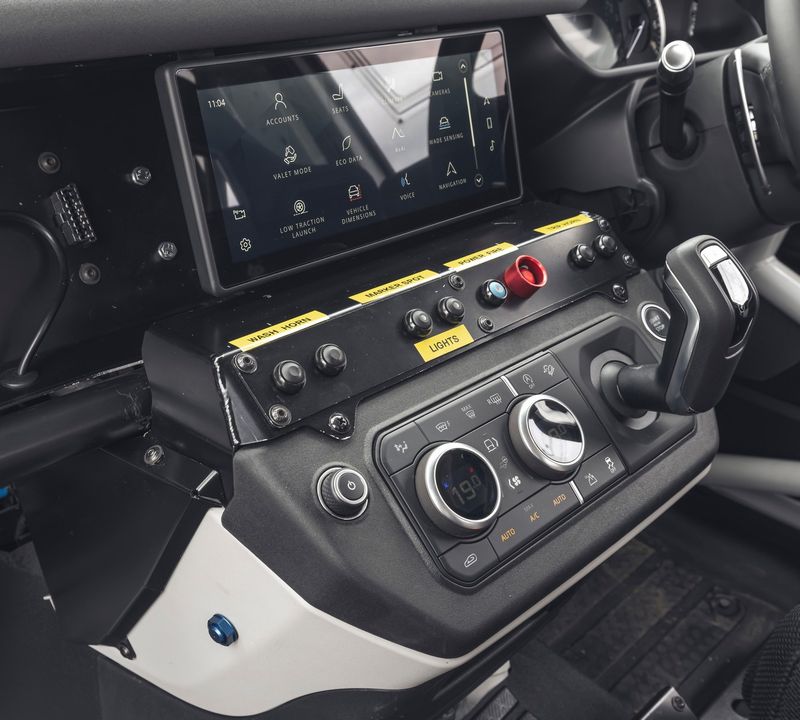
The Bowler Defender Challenge uses a Defender 90 with a 221 kW 2.0-litre turbo 4-cylinder petrol engine as a base. Bowler strips the standard car out and fits a full roll cage, reinforced underbody, cranks up the suspension, bolts on offroad 18-inch rally wheels, and an assortment of other goodies.
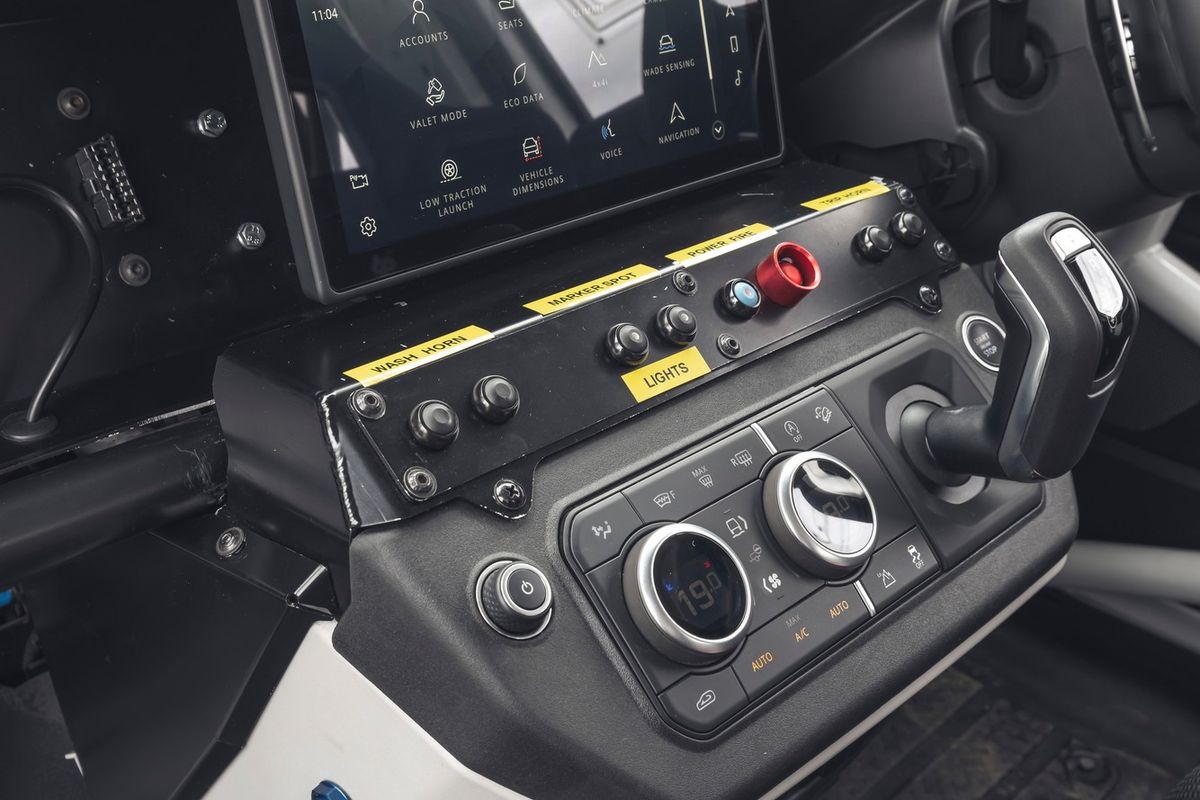
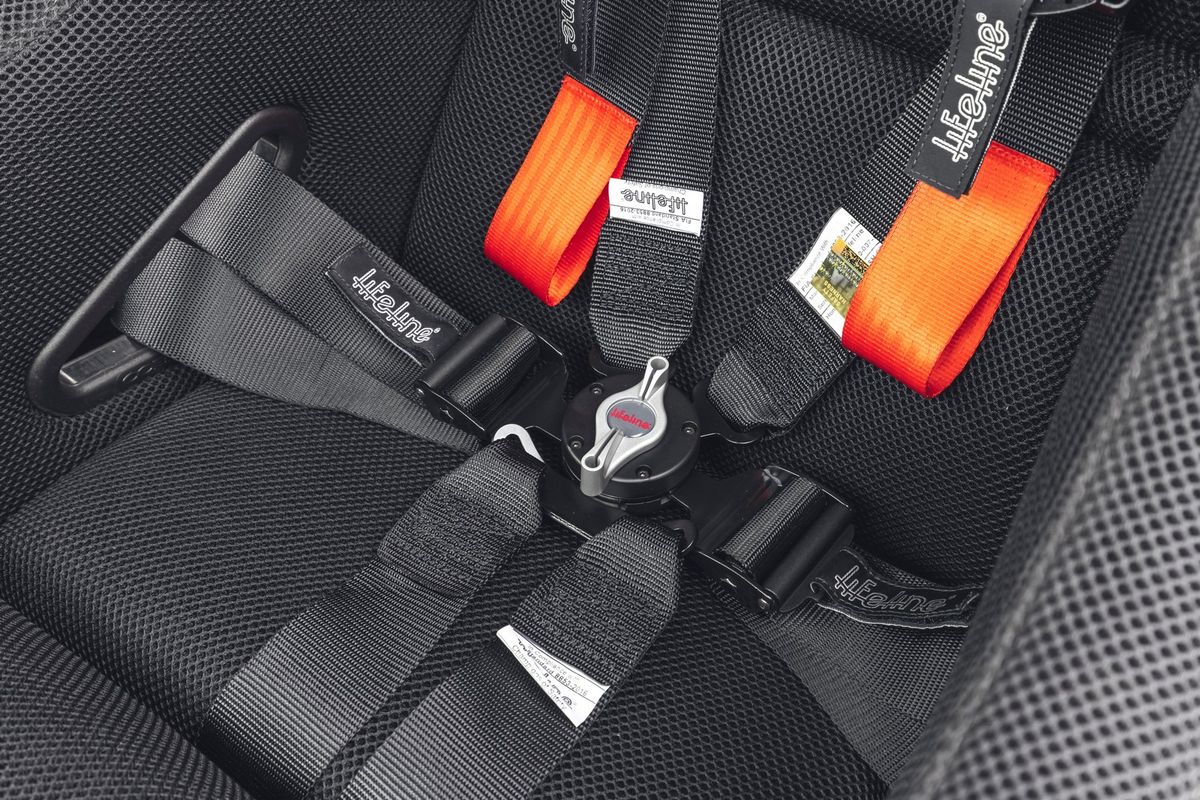
The suspension is special. Designed in collaboration with Fox, it increases the ride height by 25mm. Being a race car the vehicle features electrical cut-offs, fire protection, race seats, carbon fibre paddle shifters and some ergonomic tweaks like a repositioned gear selector.
The body shell has been stiffened, the doors are trimmed and the front gets a revised bumper to allow for more cooling airflow as well as the fitment of additional headlights.
This very cool-looking Bowler Defender will be taking part in the Bowler Defender Challenge, a 7-race series in the United Kingdom. Price? A cool £99 500 (R2 million at the time of writing), but this price includes the race car, entry into the racing series as well as event support. Land Rover is also offering training, series logistics and more.
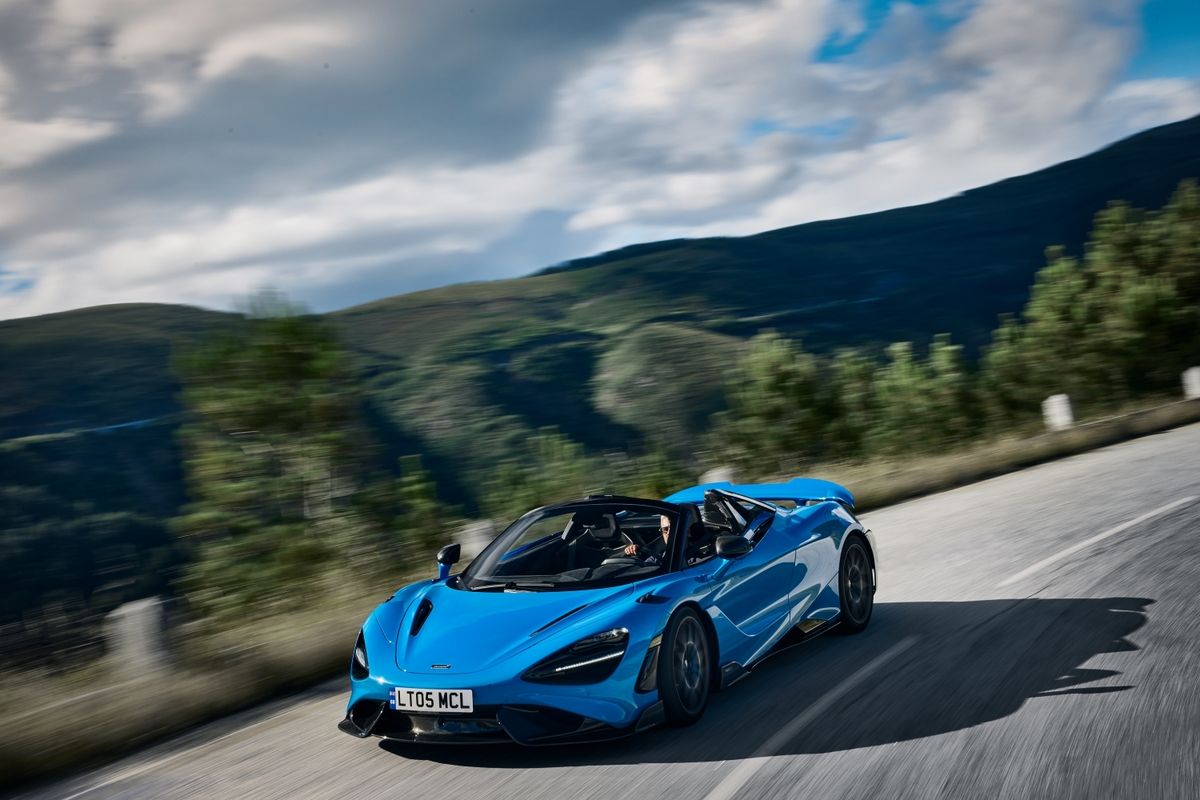
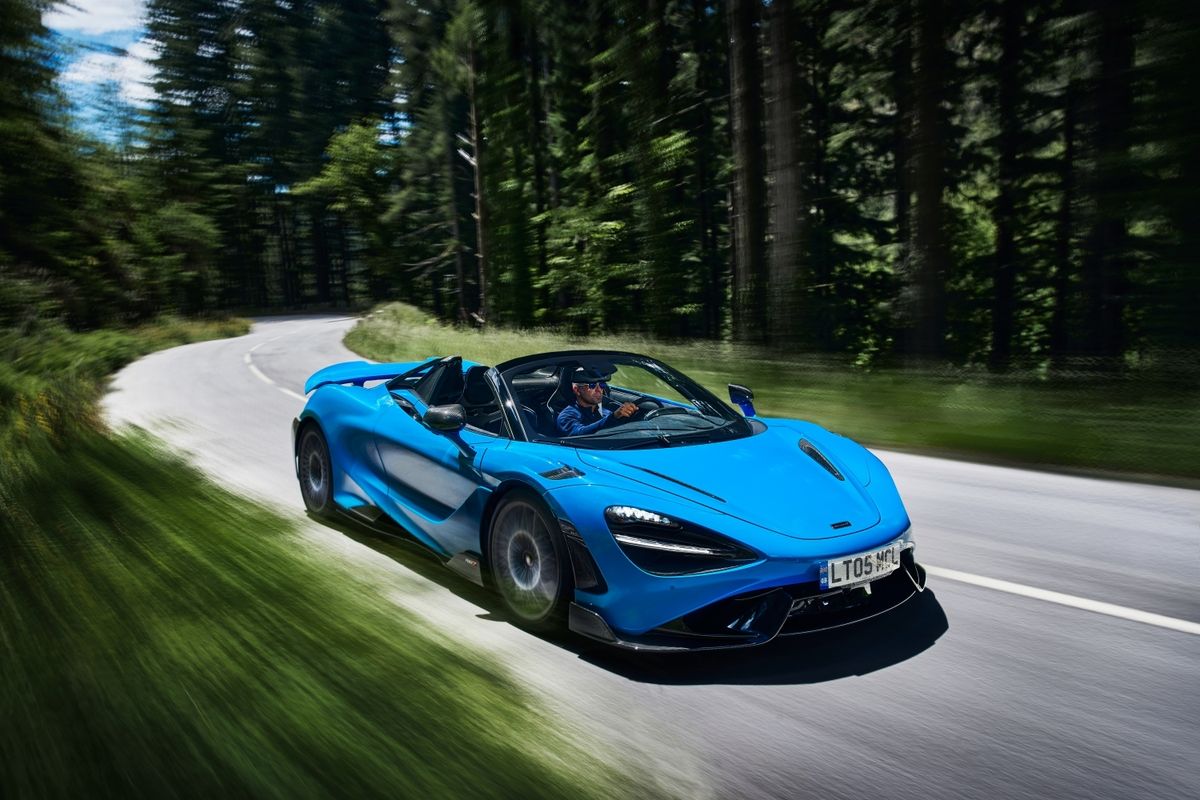
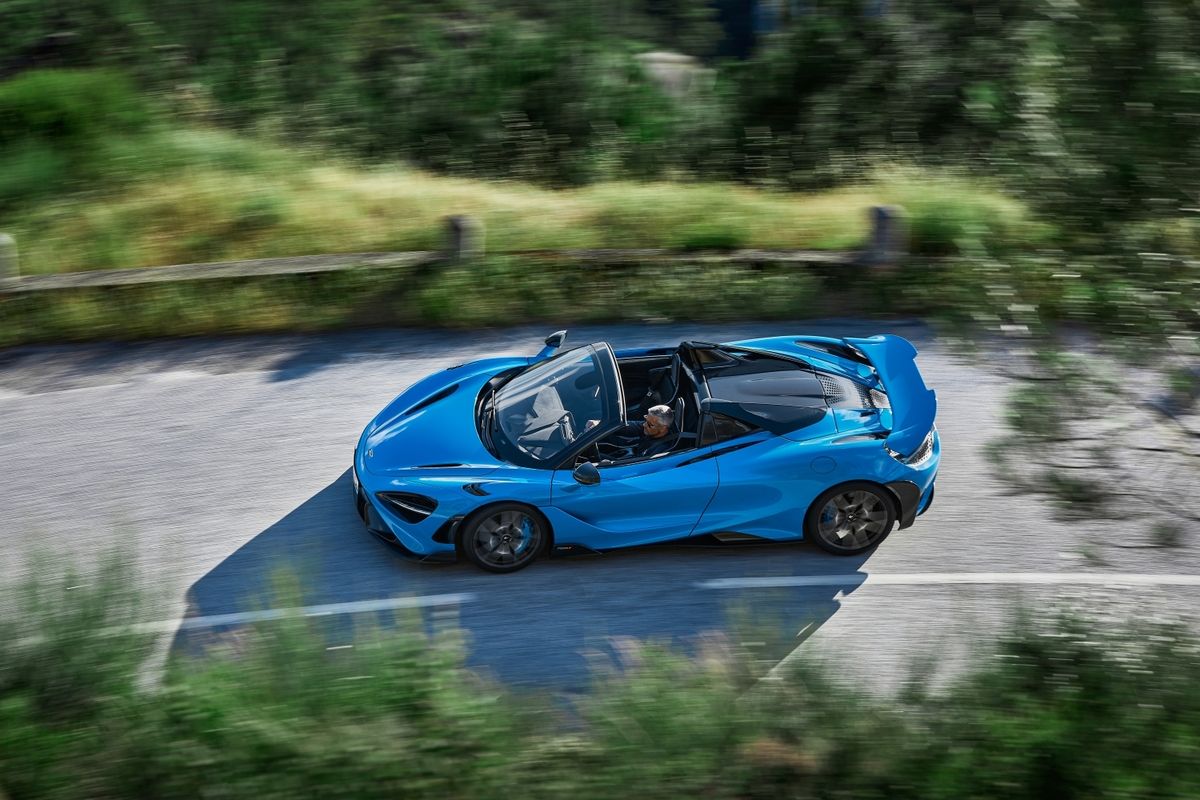
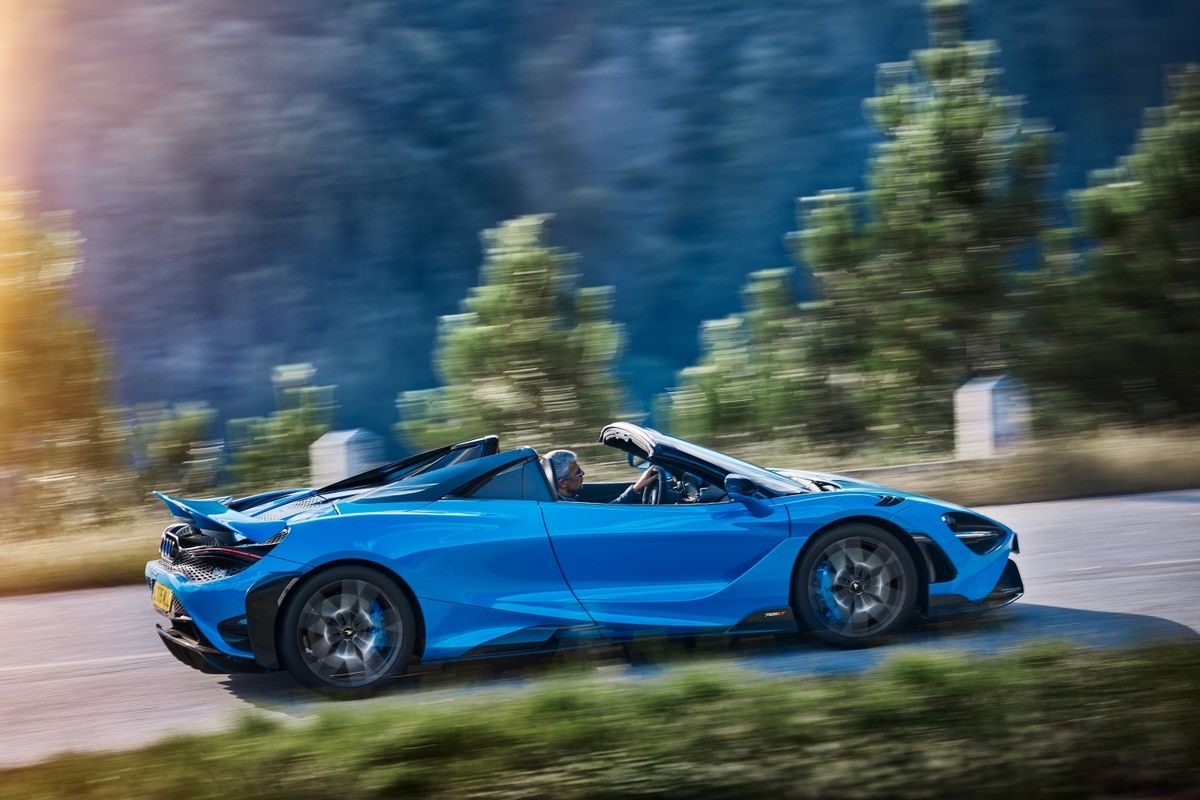
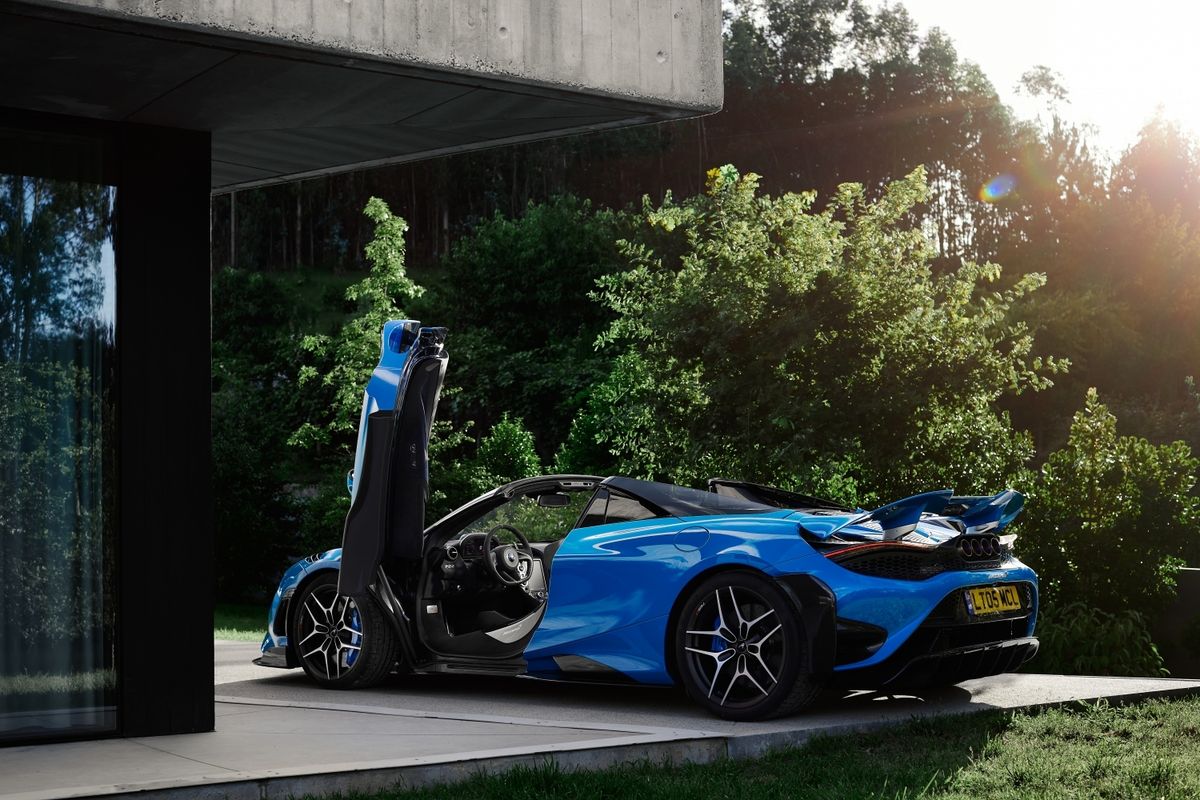
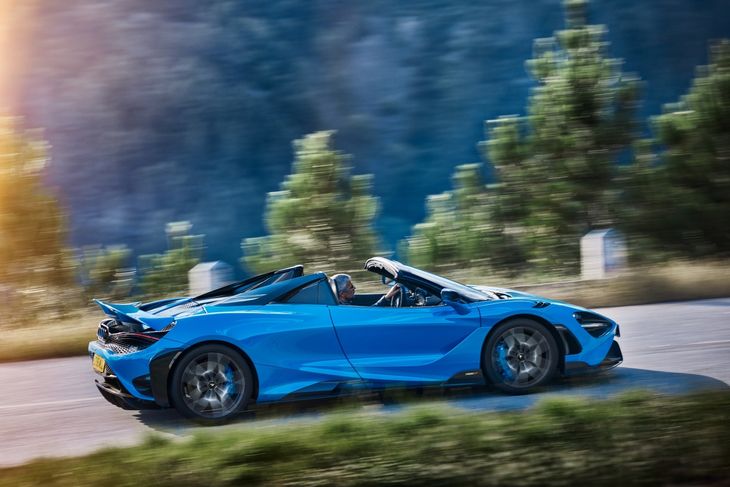
The new McLaren 765LT Spider combines powerful performance with drop-top ability, making it perhaps one of the most tantalising convertible offerings currently on the market.
It’s been a little over a year since the Woking-based firm revealed its leaner and meaner 765LT (LongTail) Coupe. Now, the McLaren 765LT Spider has been unleashed!
It’s powered by the same twin-turbocharged 4.0-litre V8 that’s found in the coupe with immense outputs of 563 kW and 800 Nm of torque. As you can imagine, those numbers produce mega performance and McLaren claims no less than 2.8 seconds to go from zero to 100 kph and just 7.2 seconds to reach 200kph.
The McLaren 765LT Spider is equipped with a 7-speed dual-clutch transmission that’s said to deliver 15% faster in-gear acceleration than the already impressive 720S.
Lightweight design for McLaren 765LT Spider
The 765LT Spider only weighs 49 kg more than its coupe sibling.
The ability of the McLaren 765LT Spider is realised with its lightweight carbon fibre MonoCage II-S. The structure incorporates the electrically operated one-piece Retractable Hard Top (RHT) which can be lowered or raised in just 11 seconds at speeds up to 50 kph.
The 765LT Spider is only 49 kg heavier than its coupe sibling with a DIN weight of 1 388kg, making it 80 kg lighter than the 720S. In fact, McLaren claims a convertible class-leading power-to-weight-ration of 440 kW per ton!
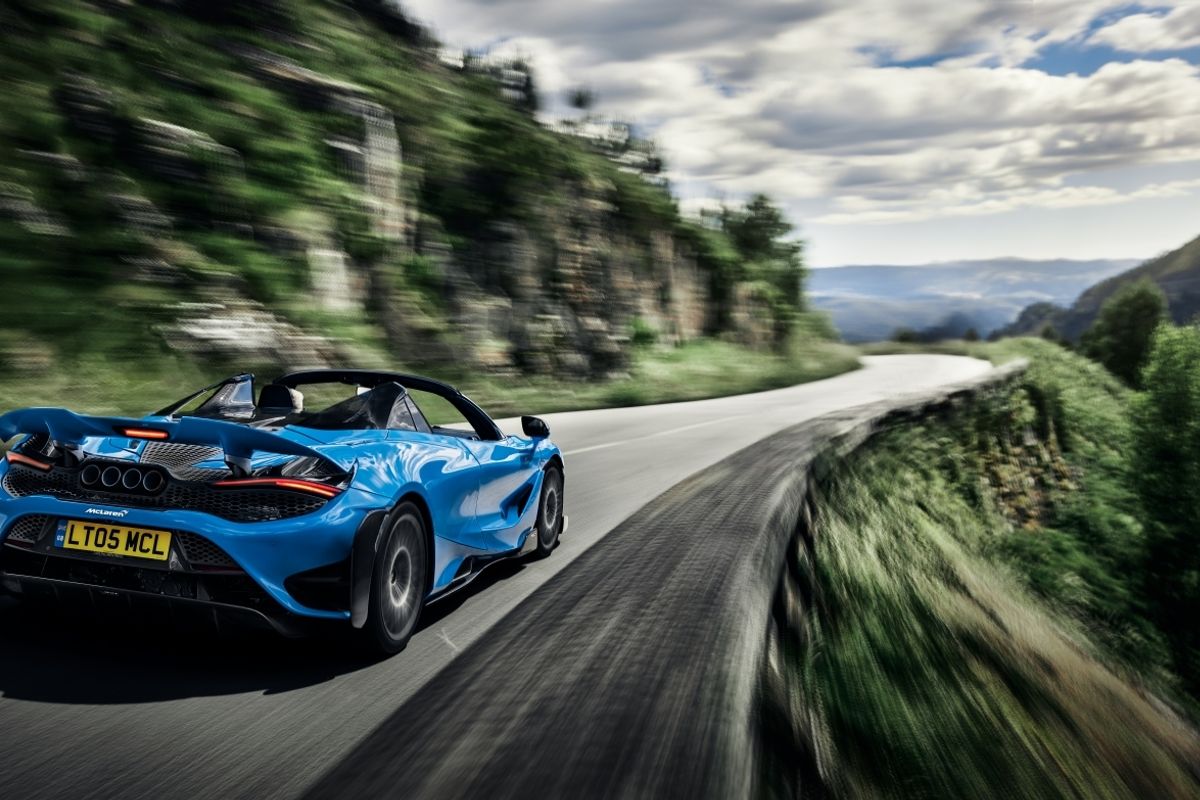
Other weight-saving measures include a titanium exhaust system which is 40% lighter than a steel equivalent, F1-grade transmission materials and thinner glass. In terms of aerodynamics, the 765LT Spider features the same front splitter, front floor, side skirts, front and rear bumpers and rear diffuser as the 765LT Coupe but the active rear wing is calibrated to accommodate the roof up/down positions. Downforce is claimed to be 25% better than the 720S.
The 765LT Spider features a wider front track width and lower front ride height and is fitted with lightweight 10-spoke forged alloy wheels shod with Pirelli P Zero Trofeo R tyres. The model also gains bespoke LT springs and dampers and unique software programming for the linked-hydraulic Proactive Chassis Control II suspension.
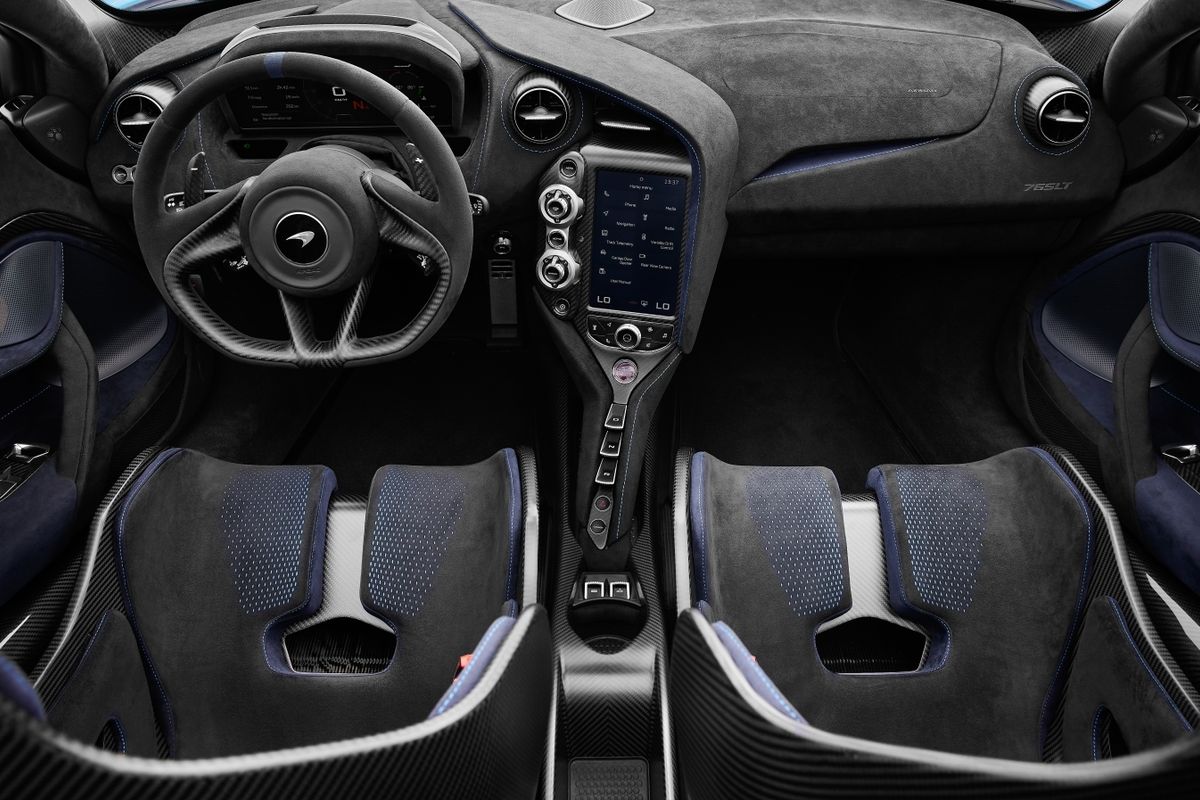
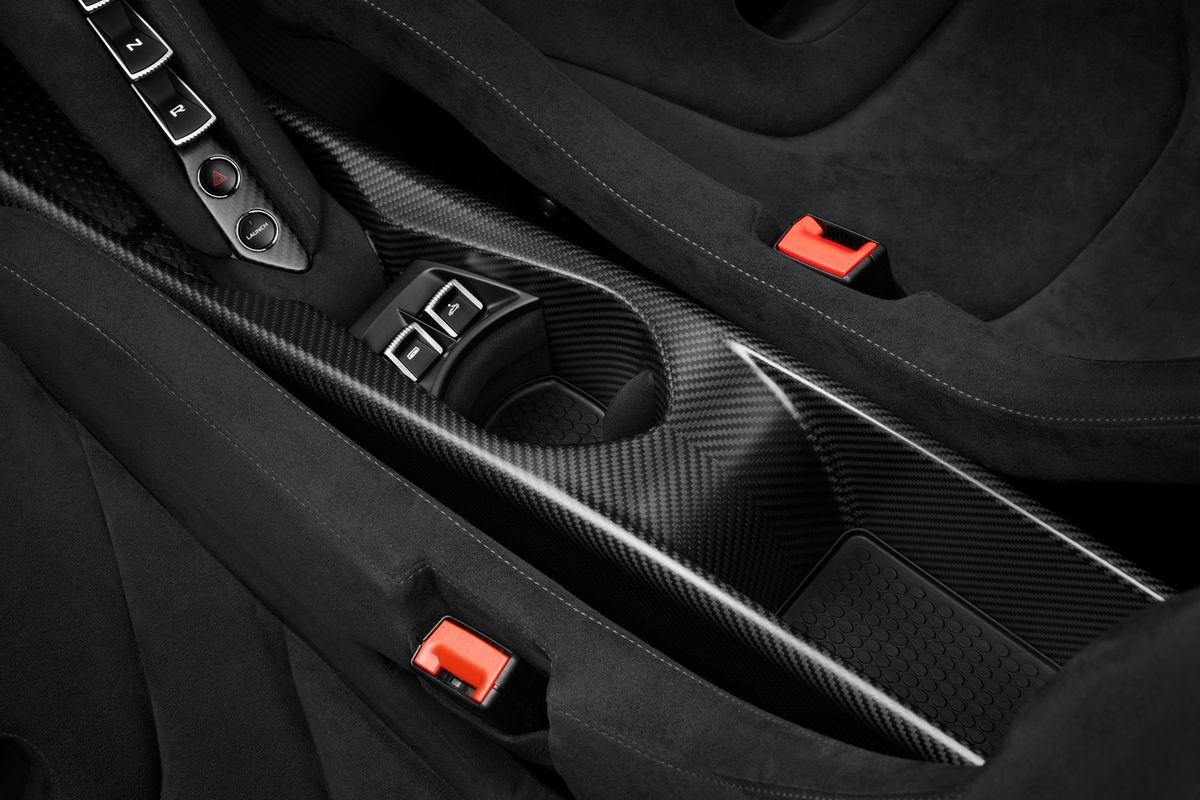
The interior is inspired by motorsport and features carbon-fibre racing seats, carbon fibre centre tunnel and an exposed carbon fibre floor and lightweight Alcantara finishes.
Like the 765LT Coupe (all sold out), only 765 examples of the 765LT Spider will be built to customer order. 2021 production is already sold out…
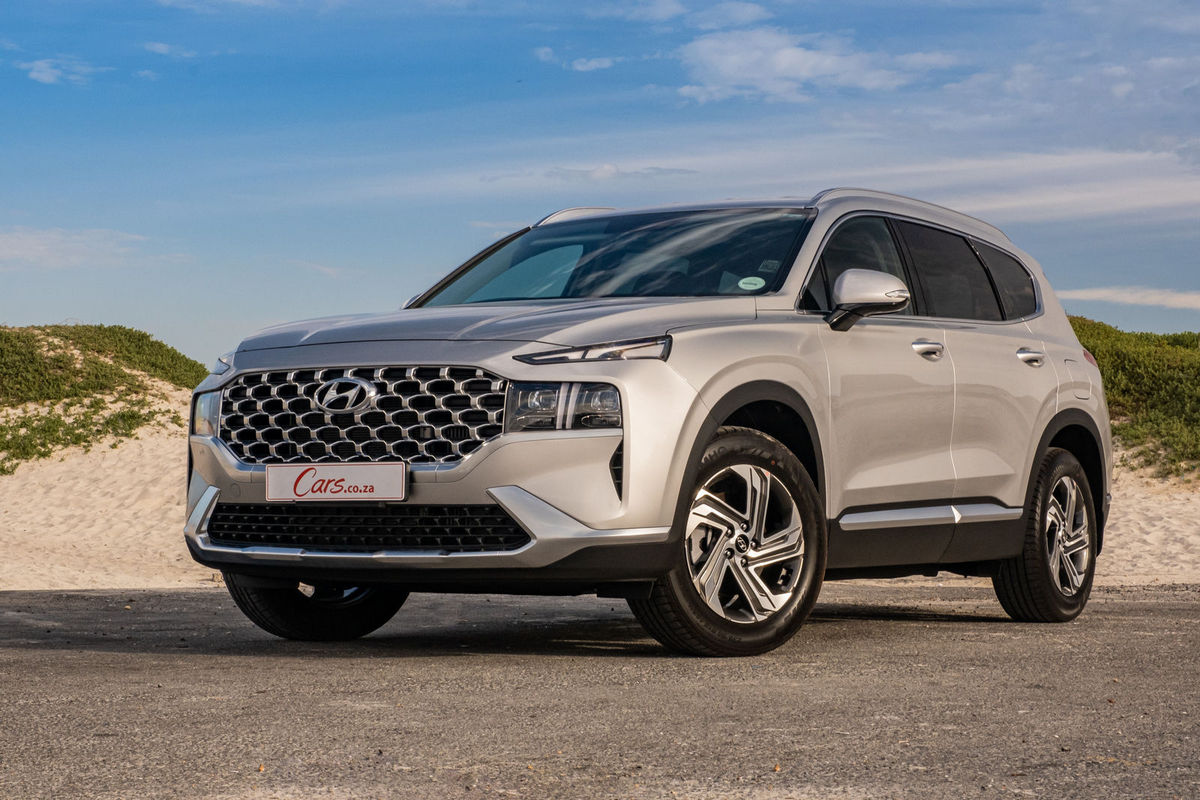
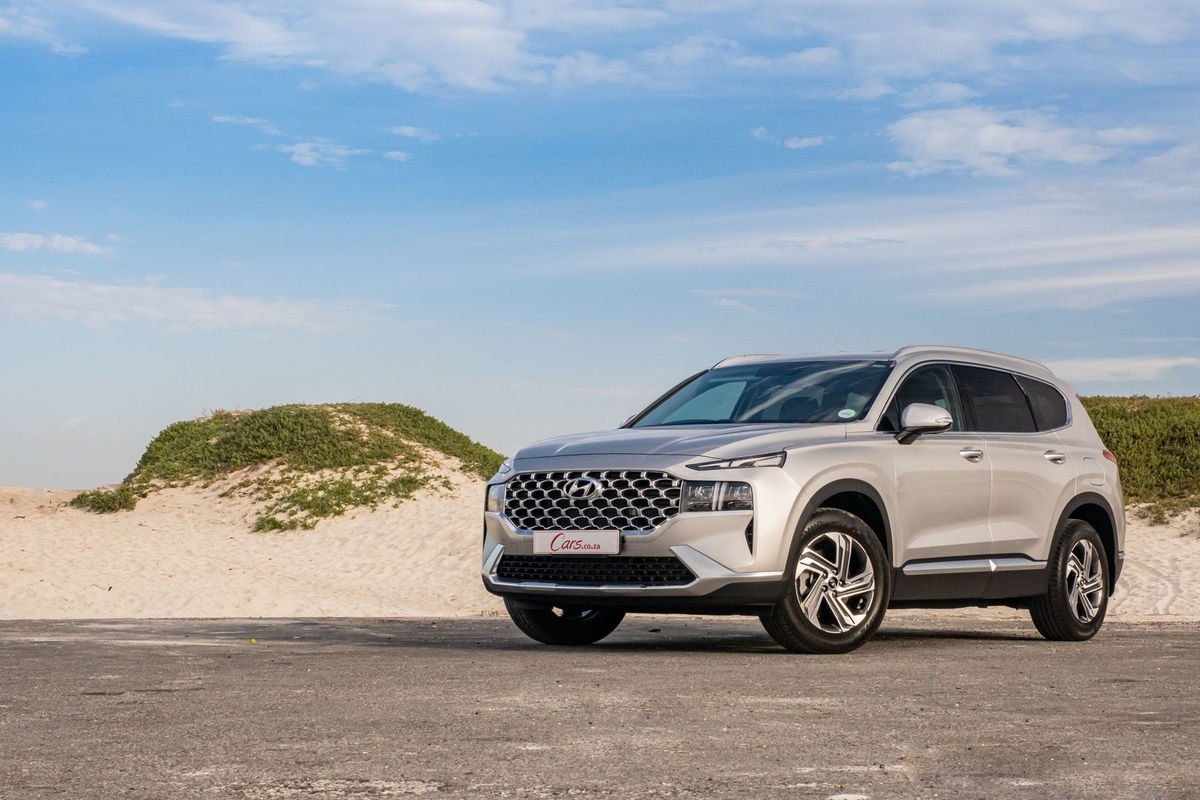
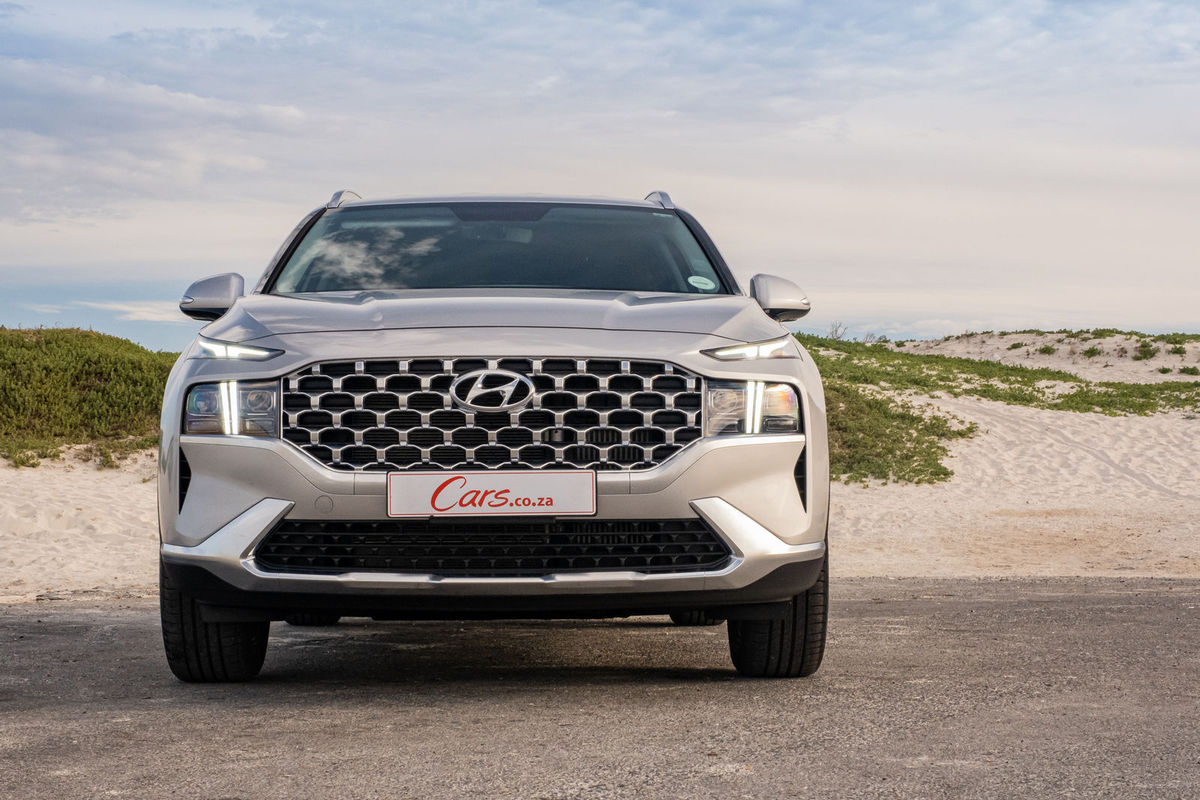
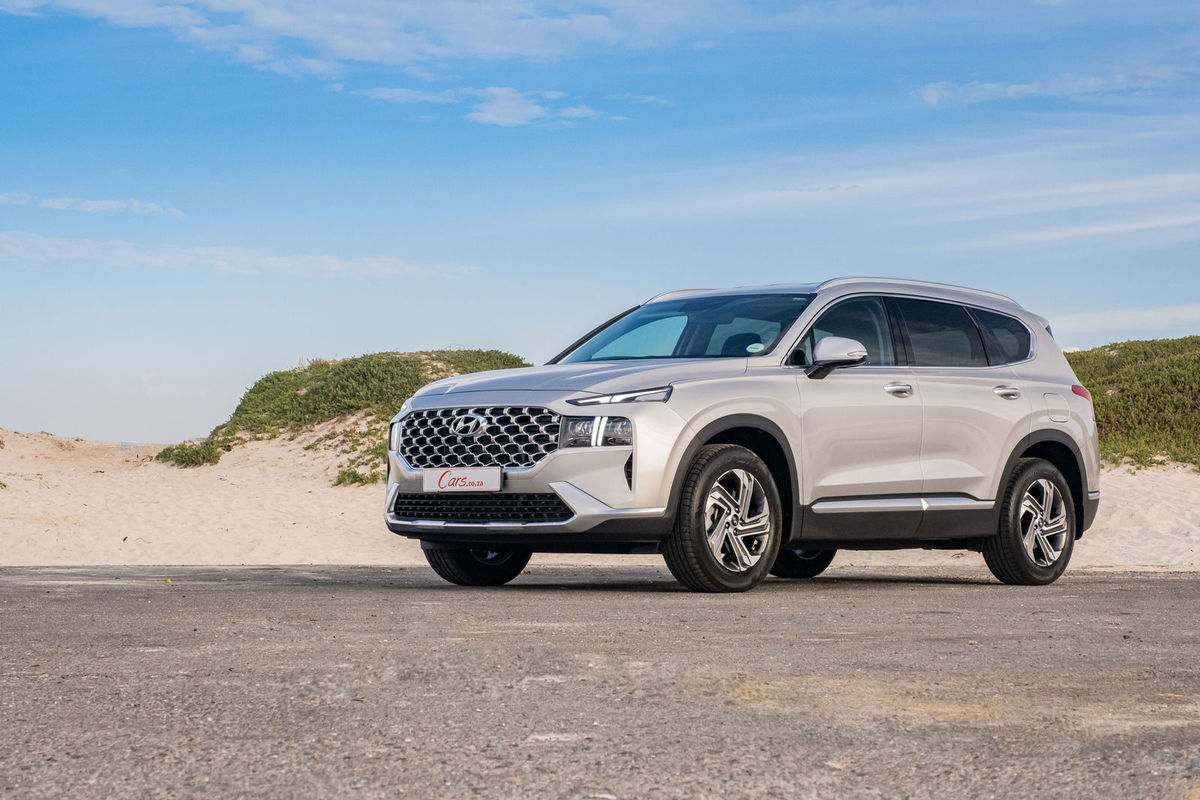
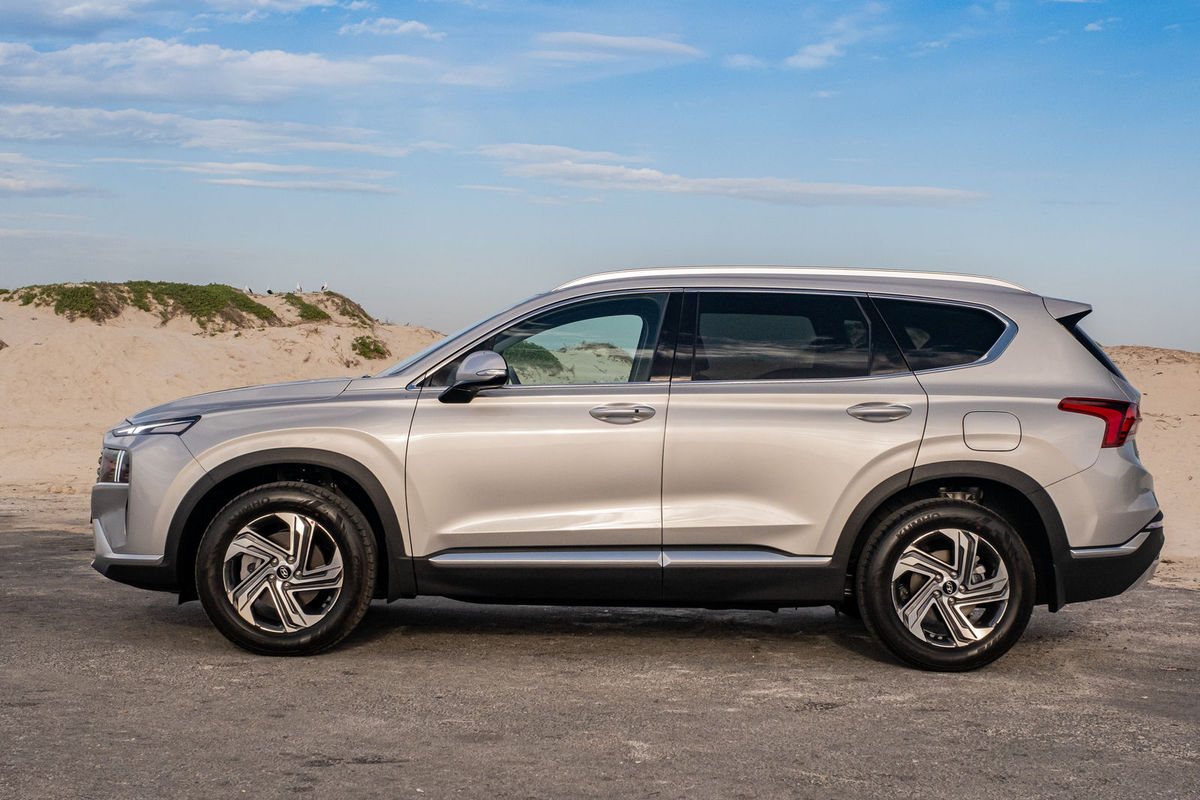
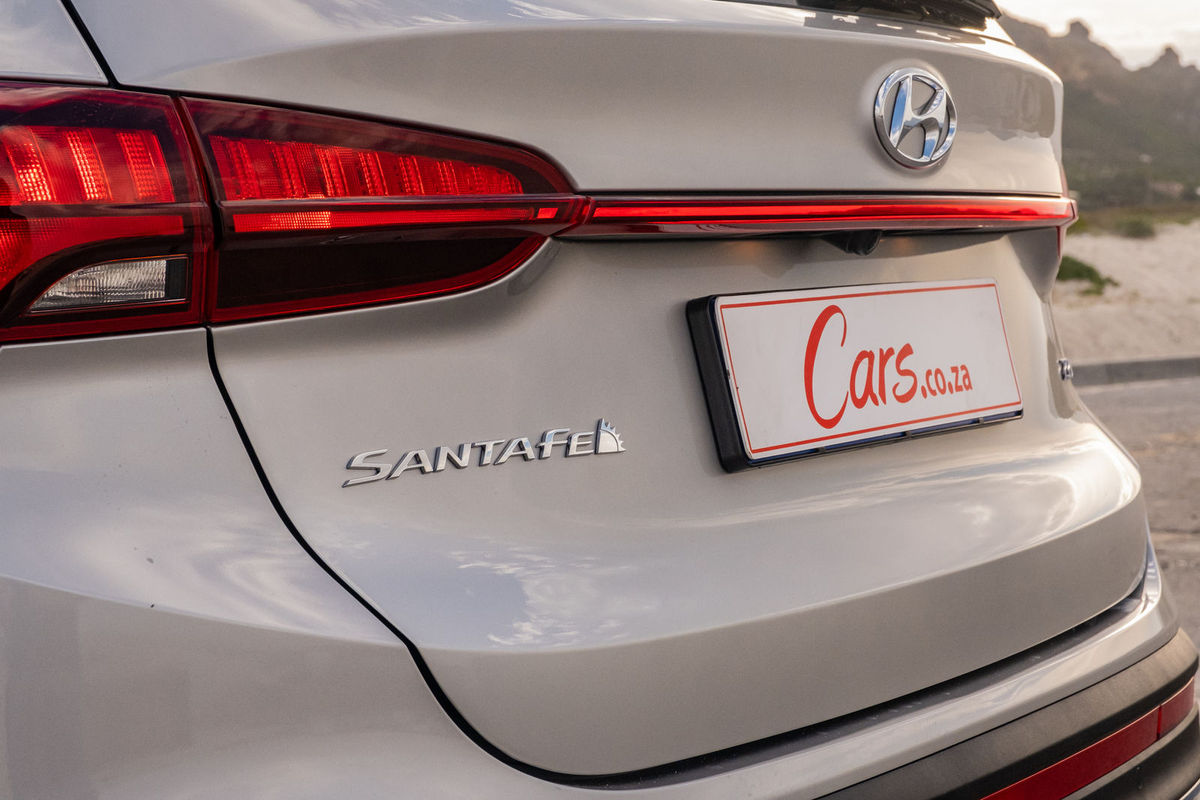
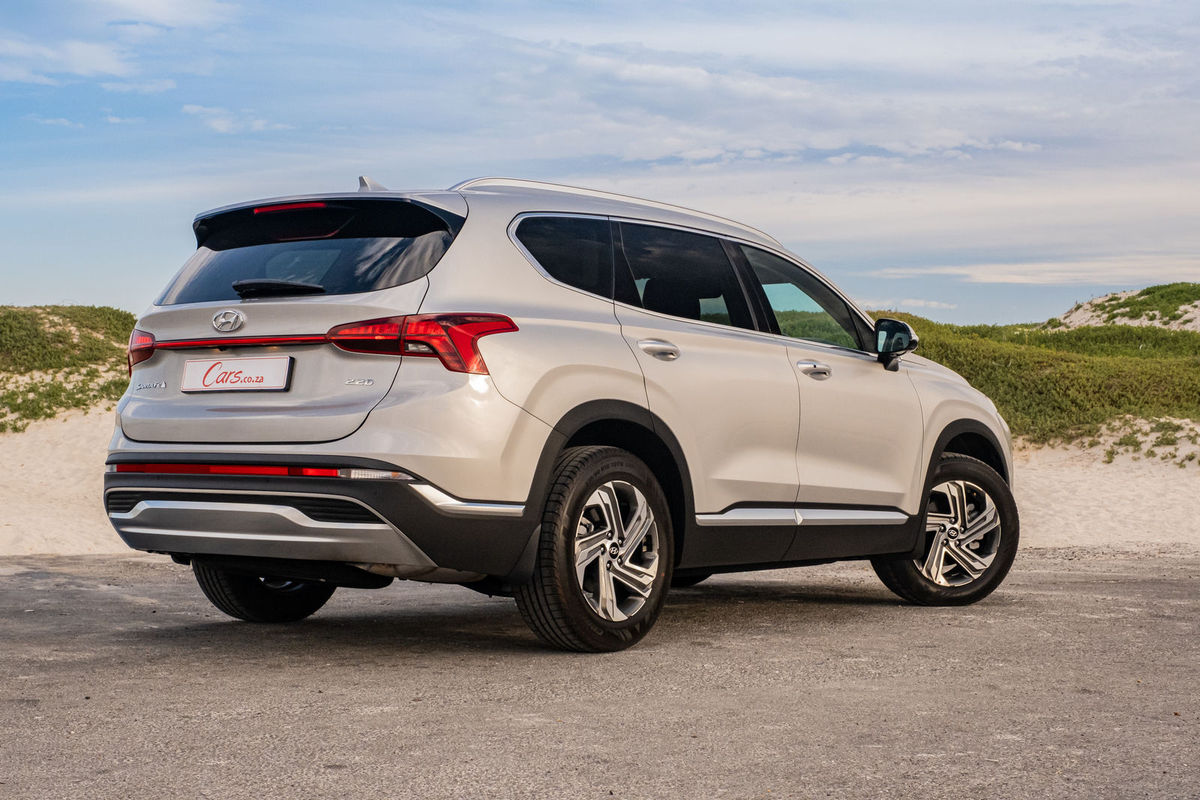
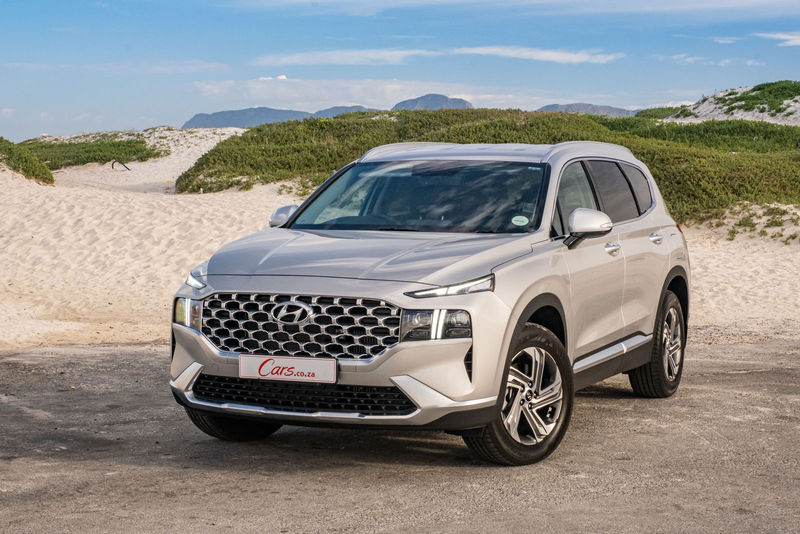
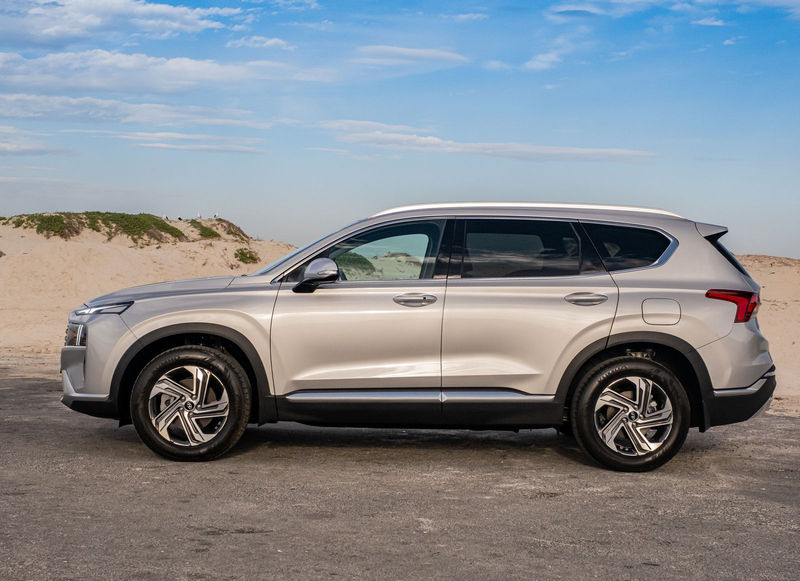
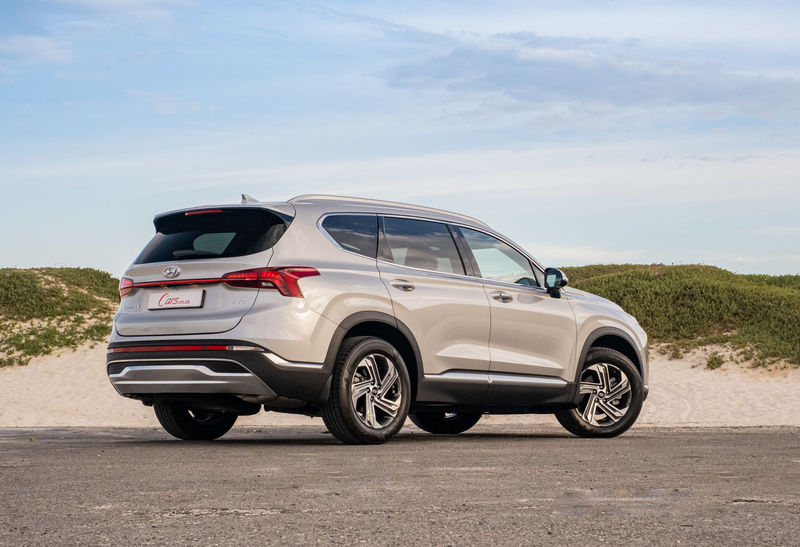
It’s fair to say that, to date, the Hyundai Santa Fe has not fulfilled its potential in the South African market – primarily because of local consumers’ predilection for cheaper, pure off-roaders such as the Toyota Fortuner. Could the recent facelift to the Korean model, which, to be fair, incorporates far more significant updates than the usual cosmetic tweaks and detail upgrades, enable the Santa Fe to finally make a notable impact on the sales charts?
We like: Cabin refinement, ride quality, space and practicality.
We don’t like: 3rd-row seats quite tight, perhaps too luxurious for serious off-roading
Fast Facts
Model Tested: Hyundai Santa Fe 2.2D 4WD Elite
Price as tested: R869 500 (July 2021)
Power unit: 2.2-litre 4-cylinder turbodiesel
Power/Torque: 148 kW/440 Nm
Transmission: 8-speed automatic
Fuel economy: 7.9 L/100 km (claimed)
Load space: 332/1 032/ 2 041 litres
What is it?
It’s rare that a facelift model incorporates a change of platform, but Hyundai has given its Santa Fe fresh underpinnings so that it aligns with its all-new Kia Sorento sibling, which, at the time this review was written, hadn’t arrived in Mzansi yet. It’s an all-encompassing facelift, in fact – this test unit felt like an entirely new car with an updated engine, more modern platform and a vastly reconfigured interior.
It was hard to fault the pre-facelift model, aside from the fact that South African buyers tend to favour more affordable and versatile bakkie-based SUVs such as the Toyota Fortuner and Ford Everest, even though – as luxury family vehicles – they cannot match the plushness or overall sophistication of the Korean offering. This “updated” Santa Fe lifts its game with even more premium finishes and comfort-oriented upgrades, but at a price point that straddles its bakkie-based Adventure SUV rivals and the outright Executive- and Premium SUVs, which all seem to start at R1 million nowadays.
How the Santa Fe fares in terms of…
Engine and performance
Under the bonnet is an improved 2.2-litre turbodiesel engine.
Under the bonnet of the Santa Fe is a familiar (but updated) version of its predecessor’s 2.2-litre 4-cylinder turbodiesel engine. The powerplant comes with a slight increase in power (6 kW) taking it up to 148 kW, while peak torque remains unchanged at 440 Nm. A new 8-speed dual-clutch automatic transmission has been installed, which performs impressively, with quick response times and smooth shifts. The engine feels well-suited to the 7-seater’s packaging and offers both adequate overtaking acceleration and acceptable efficiency…
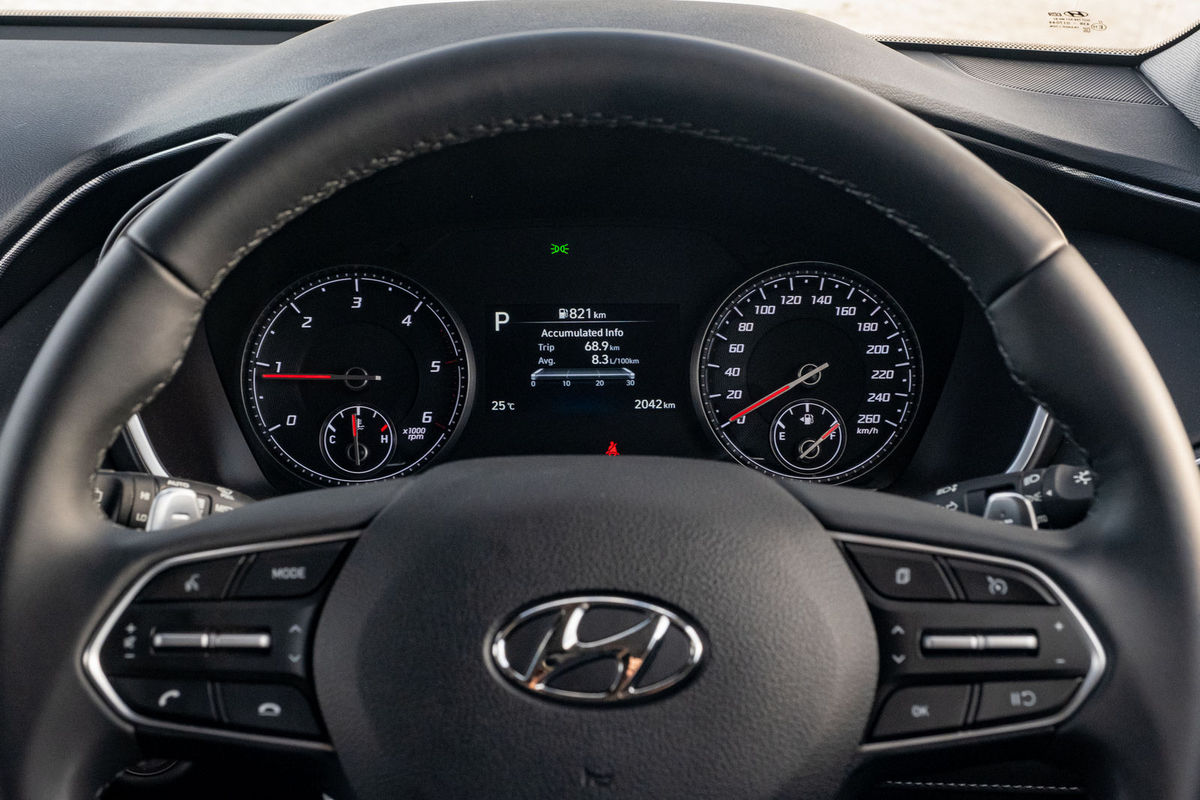
Indeed, the powertrain update has focused on improving the Santa Fe’s fuel consumption – Hyundai claims an average of 7.9 L/100 km, but the test unit’s indicated figure settled at 7.7 L/100 km during its 2-week tenure in our fleet. You can reasonably expect even better returns once the turbodiesel has loosened up a bit more and unlike us, you apply maximum throttle sparingly.
There are 4 driving modes (Comfort, Eco, Sport and Smart). Sport mode makes the 2.2D 4WD Elite rather excitable (the throttle response is ultra-sensitive and the ‘box shifts too aggressively), so we mostly switched between Comfort and Smart (the latter automatically adjusts powertrain settings based on the software’s analysis of your driving style), which gave the best balance for everyday driving.
There are off-road modes too (Snow, Mud and Sand), which make it easier to negotiate tricky terrain in the Hyundai by adjusting the vehicle’s traction control settings and all-wheel-drive characteristics to ensure torque is directed to the wheels that can make the best use of it (depending on the prevailing low-grip driving circumstances).
The performance figures are in line with the likes of the new Fortuner 2.8GD-6 4×4 VX and the Everest 2.0Bi-Turbo 4WD Limited, but the Santa Fe’s kerb weight is some 380 kg less than the Toyota’s and a significant 636 kg lighter than the Ford, so it feels more energetic in cut-and-thrust traffic, more long-legged on the open road and, ultimately, uses far less fuel than its bakkie-based Adventure SUV rivals. The Hyundai’s towing limits (750 kg for an unbraked trailer and 2 500 kg for a braked trailer) are admittedly slightly less than the 3-tonne maximum ratings of the Toyota and Ford.
Interior and Practicality
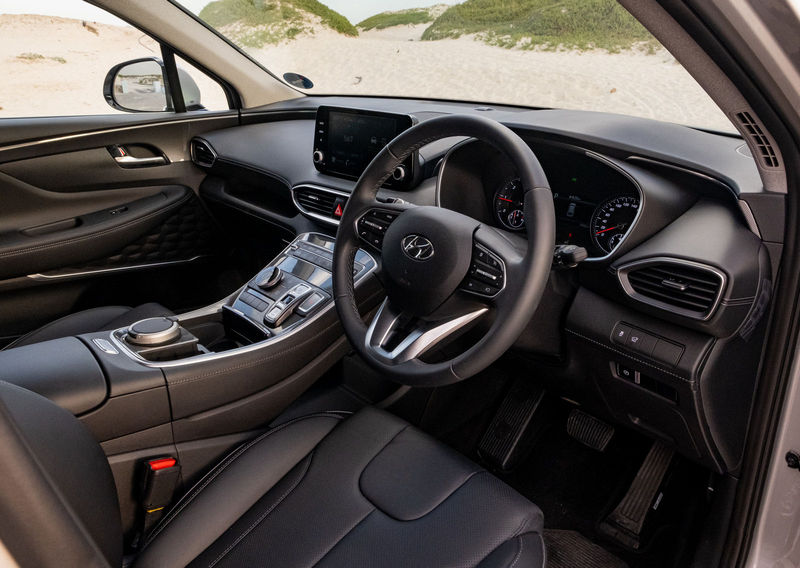
Inside, the materials are soft-touch with tight shut lines.
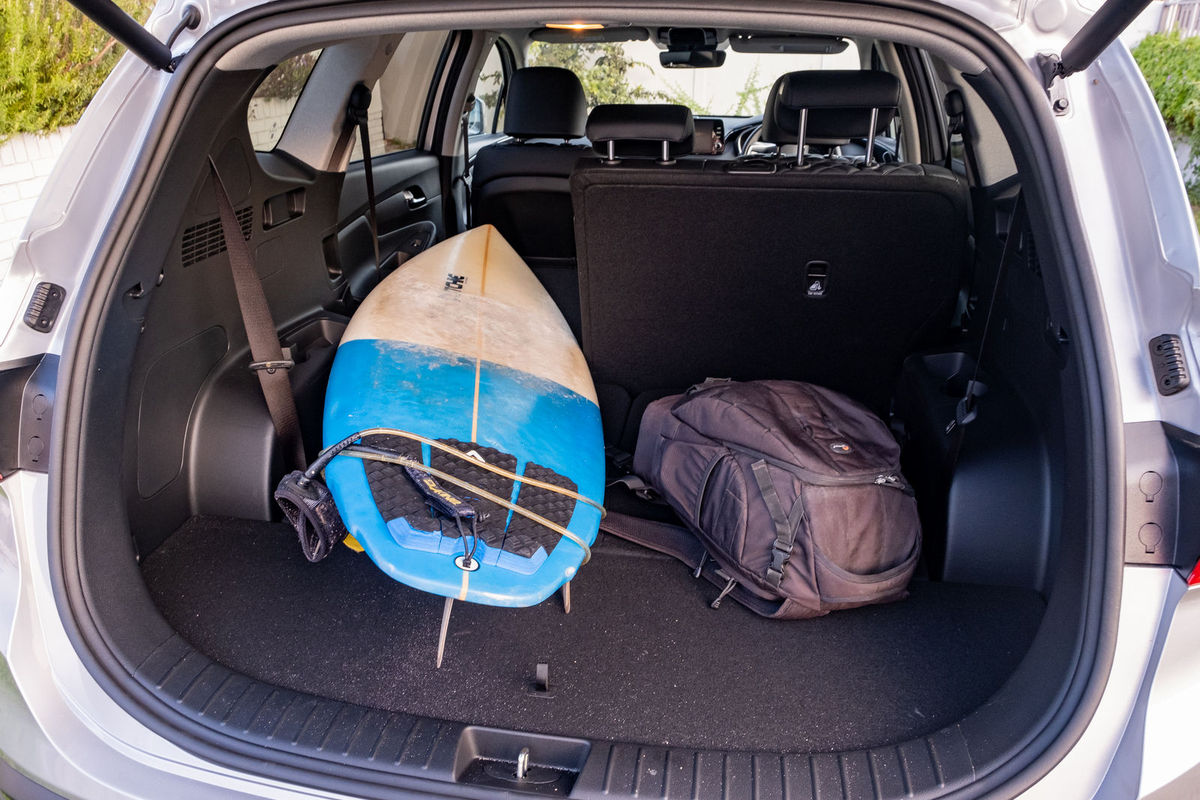
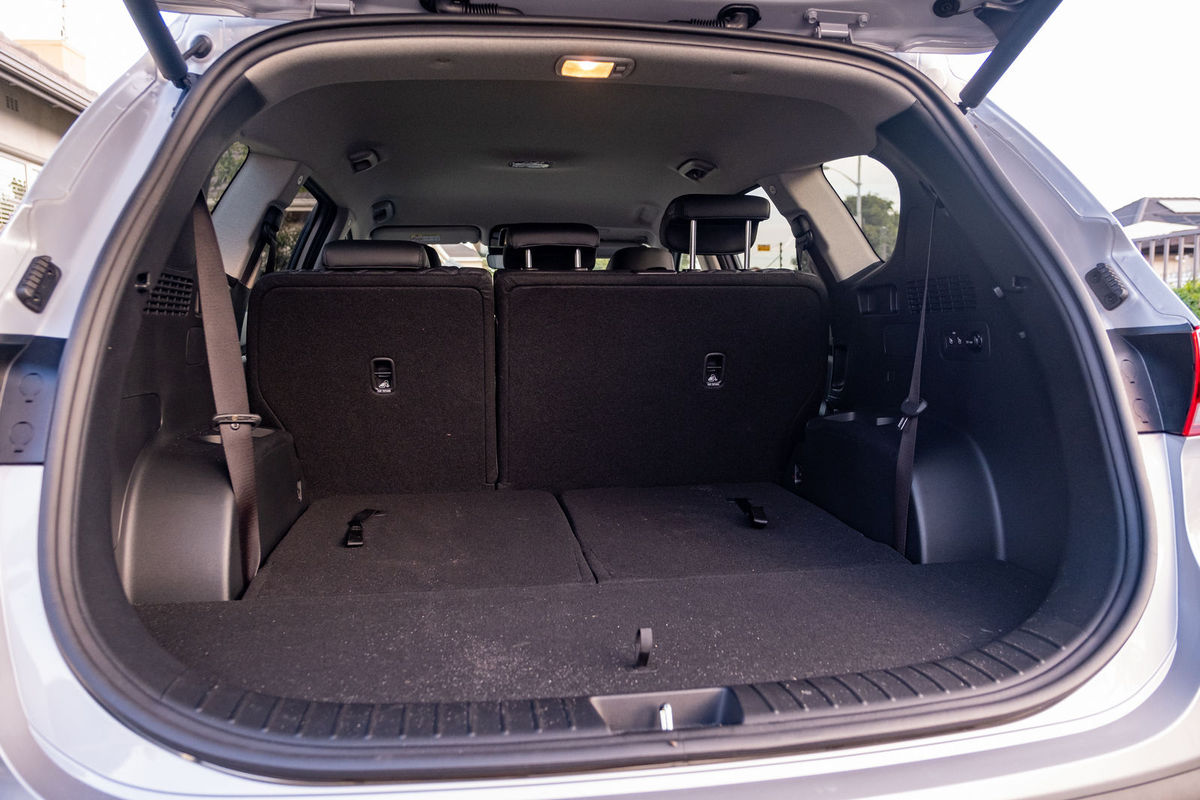
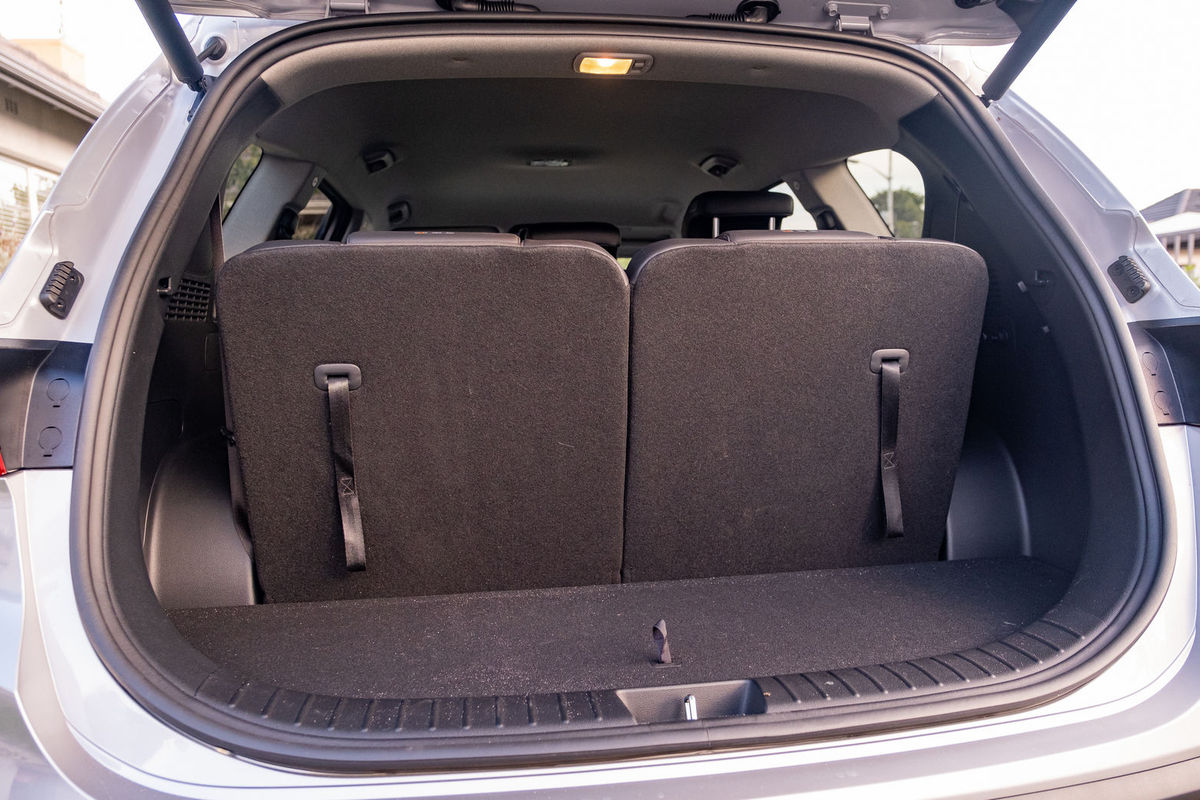
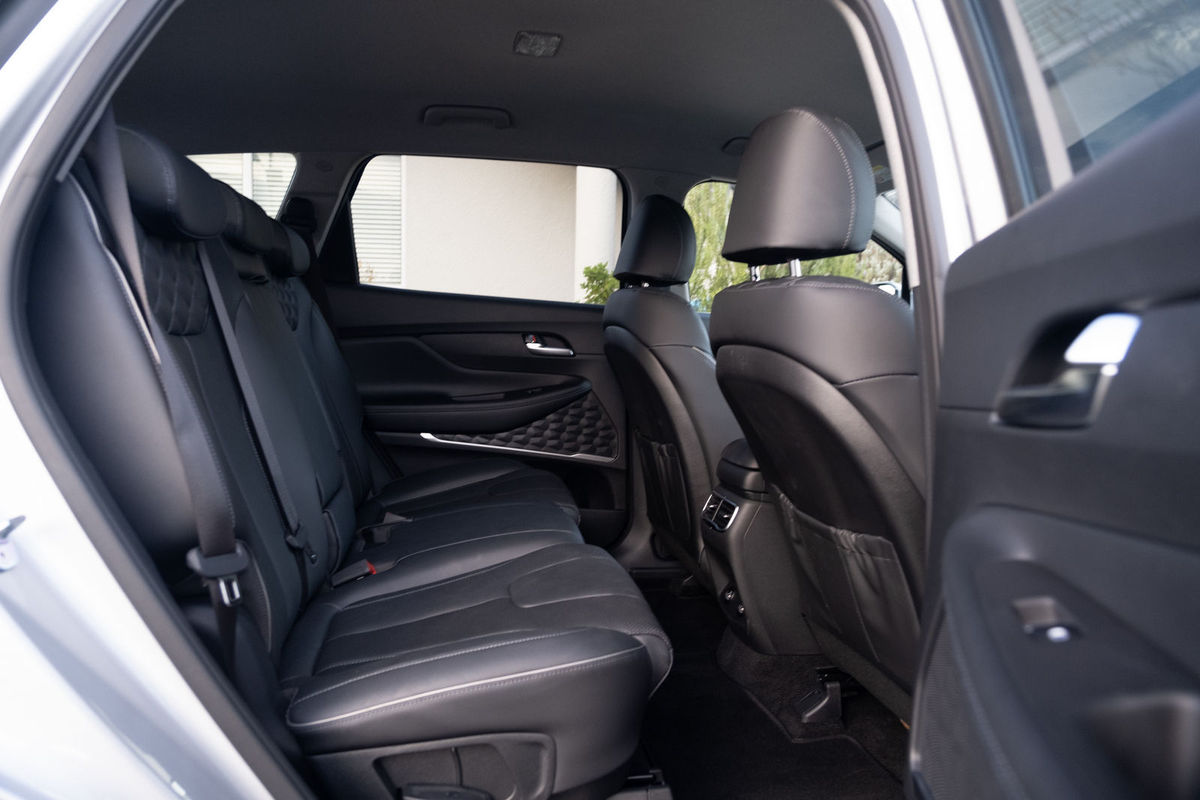
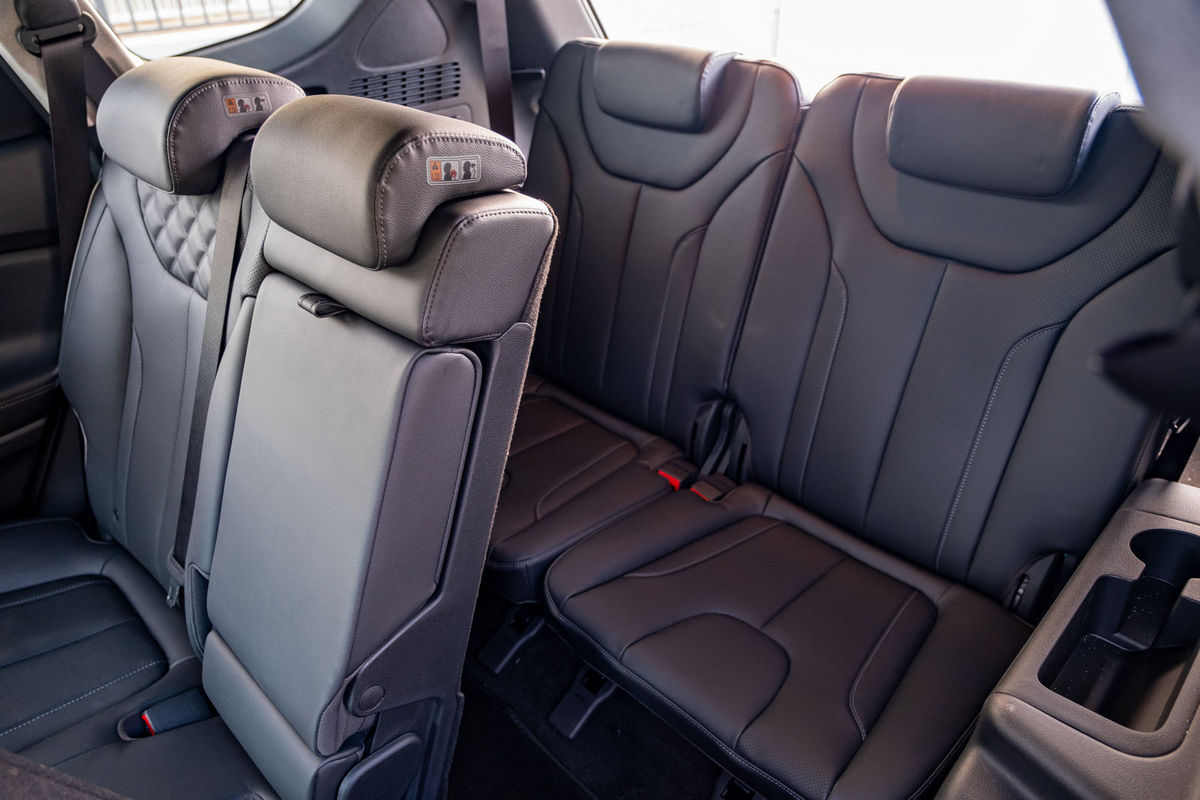
The Santa Fe is offered as a conventional 7-seater with the ability to fold the 2nd- and 3rd-row seats flat. If practicality is a top priority, the Santa Fe is an outright winner. With all the seats up, you still get 332 litres of cargo space in the load bay, which is more than you get in a Land Rover Discovery, although 3rd-row passengers are likely to feel a little squashed in – the rear bench is best suited for small children. In 5-seater mode, the luggage capacity expands to 1 032 litres and, with all the seats down, you get a massive 2 041 litres of load space (very similar to the biggest bakkie-SUV, the Everest).
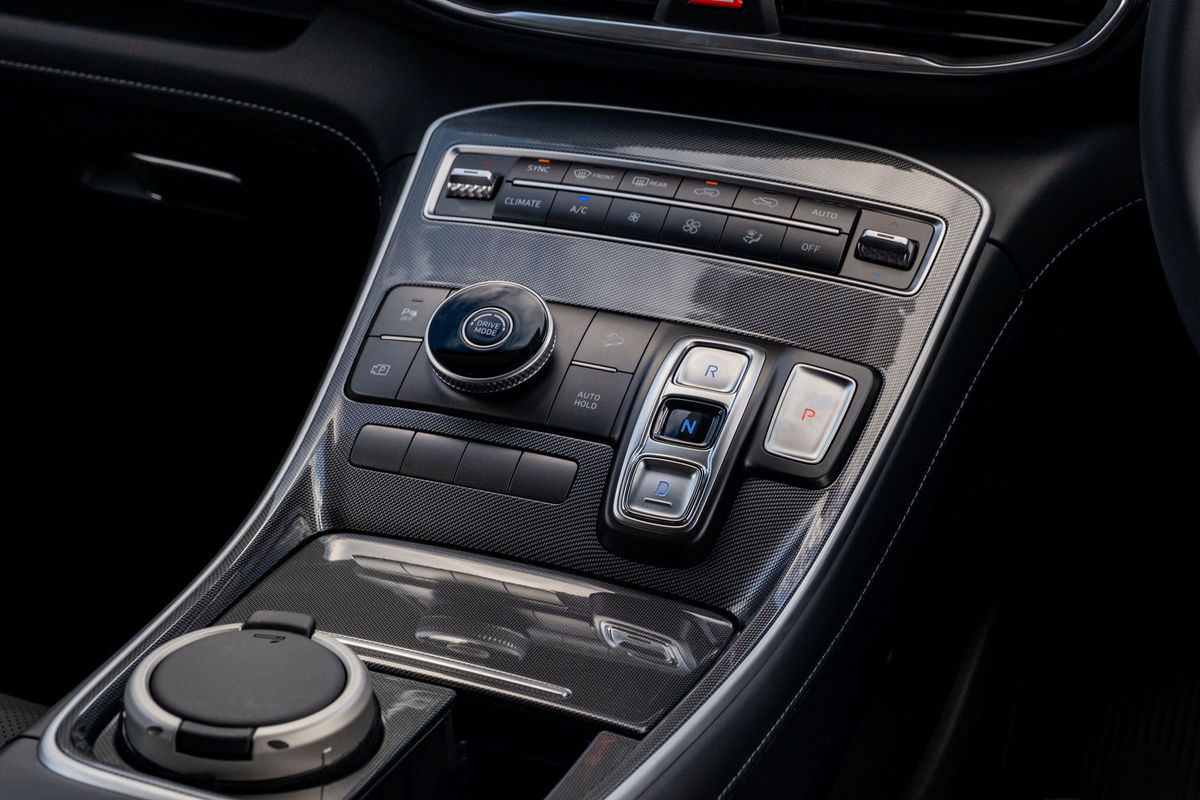
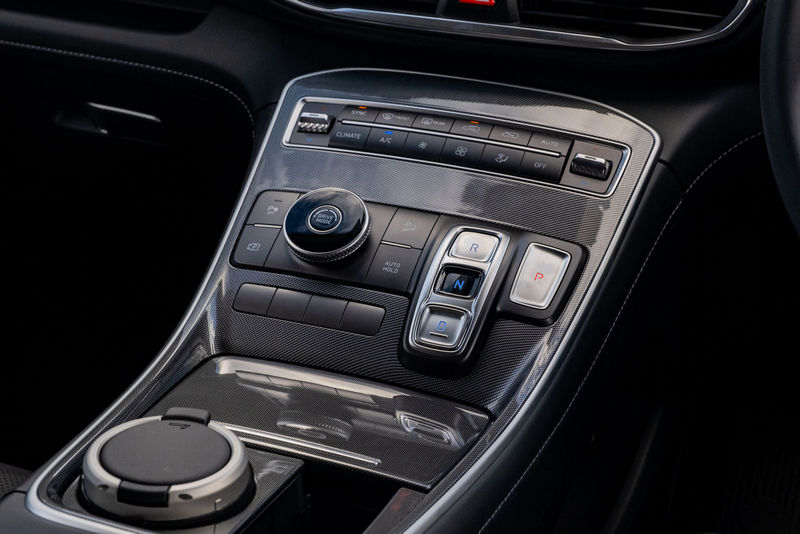
Meanwhile, the Hyundai’s interior has had a major revamp as part of the model’s facelift; the first update you’re likely to spot is the omission of a conventional transmission lever (it’s been replaced with dashboard-mounted selector buttons). The entire centre console has been shifted forward to form a slanted panel that’s more ergonomically positioned. What’s more, it offers extra storage space and a larger storage bin under the armrest. There’s a storage shelf under this panel, where you’ll find 2 USB ports and a 12V socket. There are 2 more USB ports in the rear (the total number of USB ports is 5).
The transmission lever has been replaced with an L-shaped console that takes up less valuable storage room.
Leather is standard across the range, but the 2.2D 4WD Elite derivative features heated and cooled fronts in addition to electric adjustment for both driver and passenger. The seats are liberally padded and, consequently, very comfortable to occupy on long journeys. The whole ambience of the cabin is that of a luxury SUV: the shut lines are tight and the majority of the plastic surfaces are of the soft-touch variety. The Santa Fe might not have quilted leather everywhere, but there’s certainly enough of it to make the cabin feel special. What’s more, a panoramic sunroof is standard on the Elite version.
The 8-inch infotainment system sits atop the dashboard and is operated via touch with a few shortcut keys around the frame. It supports Apple Carplay and Android Auto screen-mirroring technology, while a clever wireless charging recess allows you to prop your phone up vertically in a slot just in front of the cupholders.
Driving comfort
The 4×4-capable Elite gets extra ground clearance (205 mm), but it might be too “nice” to send through the real rough stuff.
It’s easy to tell that Hyundai has improved the sound insulation in the Santa Fe’s cabin. It’s extremely quiet with only a hint of wind and tyre noise at 120 kph. The steering is light (but responsive) and the Hyundai has decent road manners in the twisties. It’s not a sporty SUV by any means – it undeniably favours comfort over performance – but that’s probably what the model’s target market would prefer.
On gravel roads, the quietness in the cabin silences some of the knocks that the pliant suspension has to endure, but the Santa Fe appears to be capable of delivering a comfortable ride quality over the rough stuff too. It’s not going to negotiate a graded off-road course and the 205 mm of ground clearance is some way short of the Fortuner (279 mm) and Everest’s (225 mm), but the 7-seater’s more than adequate for every other occasion. After all, the Hyundai is certainly far more comfortable to drive (and be transported in) on the tarmac than the bakkie-based SUVs, which is a major boon.
Safety features
The Adventure SUV segment is no longer short-changed in terms of safety systems. The Santa Fe has had to keep up and now includes blind-spot monitoring, reverse parking collision avoidance, safe exit (warns you of approaching vehicles when trying to open the doors), front and rear parking sensors, a reverse-view camera and, for off-road driving assistance, hill-descent control and hill-start assistance.
Cruise control is available, but it would be good to see Hyundai offer adaptive cruise control, even just as an option. A total of 6 airbags are fitted as standard and the usual suite of ABS, EBD and stability control are all present and correct.
Pricing and after-sales support
There are currently only 2 Hyundai Santa Fe derivatives to choose from, the 2-wheel-drive Executive that’s priced at R769 500 and the 4-wheel-drive Elite at R869 500.
Hyundai has a particularly long warranty, which includes a 5-year/150 000 km cover on the vehicle and 7-year/200 000 km on the drivetrain. A 6-year/90 000 km service plan is included.
Verdict
The Santa Fe is very nearly the perfect family SUV.
Just as the pre-facelift Santa Fe was difficult to fault, the vast array of updates to this model have only made the Hyundai more difficult to criticise. At its price point, not many SUVs offer this level of driving comfort with 7-seater capability and this much luggage space. It’s very nearly the perfect family SUV apart from its lack of pukka off-road credentials. To be fair, it’s most likely good enough for any family adventure off the beaten track, other than those where a low-range transfer case would be a pre-requisite. It is certainly well worth a look if you’re shopping at the top end of the bakkie-based SUV market.
While we eagerly wait for the arrival of the V8-powered Defender in South Africa, there’s news of a more powerful V8 Defender SVR in the works which could pack 447 kW!
Earlier this year, Land Rover revealed its new Defender V8 featuring a supercharged 5.0-litre V8 engine with 368 kW and 625 Nm of torque and capable of running from zero to 100 kph in 5.2 seconds using an 8-speed automatic transmission. The good news is that it will be offered in South Africa in 2021!
While those numbers are mightily impressive, American magazine, MotorTrend, reckons that Land Rover is working on a potent V8-powered Defender SVR that will be tuned to deliver at least 447 kW from a BMW-sourced 4.4-litre twin-turbocharged V8! More so, the Defender SVR is expected to come to market in both 90 and 110 configurations and is likely to feature a remapped ZF transmission as well as uprated brakes and suspension to match its performance intent.
The Land Rover Defender SVR is expected to be revealed in the near future and we will keep you informed as soon as official information becomes available.
The new Defender is proving to be hugely popular in South Africa and these powerful V8 derivatives will surely find favour with buyers who want to make a bold statement. Do you want to see the Defender SVR in SouthAfrica?