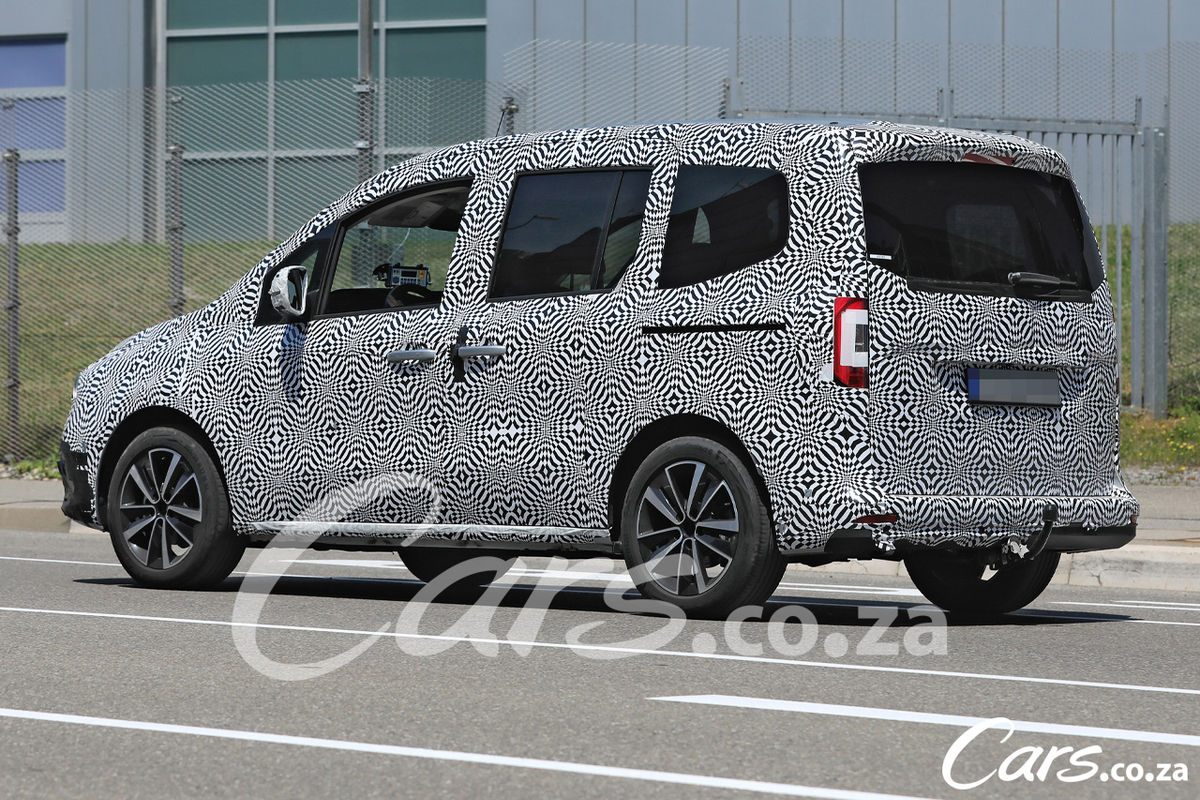
Updated photographs show the 2023 Mercedes-Benz T-Class is a step closer to a production reveal as some of the camouflage has been shed. Here’s Mercedes-Benz’s answer to the Volkswagen Caddy.
Picture credit: S. Baldauf/SB-Medien. We have paid for these photos and at the photographer’s request, have watermarked them.
The development of the Mercedes-Benz rival to the popular Volkswagen Caddy is progressing nicely, with the mule you see here showing off some details like the headlights and grille. We can also see the side windows and rear windows for the first time.
Under the skin, the 2023 Mercedes-Benz T-Class is underpinned by the Renault Kangoo, which is available in both passenger and commercial applications. We suspect Mercedes-Benz will adopt a similar strategy. Expect the two products will share powertrains too, which will mean we could expect petrol, diesel, and plug-in hybrid options. Given the European market’s shift into electrification, we won’t be surprised if there’s an all-electric version either.
Mercedes-Benz has given a preview of what’s to come in the form of the EQT Concept, which confirms the Stuttgart-based manufacturer will be investing in electrification across its portfolio. If the EQT gains the same electric powertrain from the Renault Kangoo E-Tech, then expect a range of around 265 km. The internal combustion engines will also make an appearance for the standard T-Class and these are expected in the form of Renault’s 1.3-litre turbopetrol and 1.5-litre turbodiesels.
It’s a bold move from Mercedes-Benz to push an MPV product in the era of the SUV. Given the brand’s extensive SUV portfolio of GLA, GLB, GLC, and so on, the declining MPV segment shows how the market has shifted. We’re keen to see what the 2023 Mercedes-Benz T-Class can bring to the party.
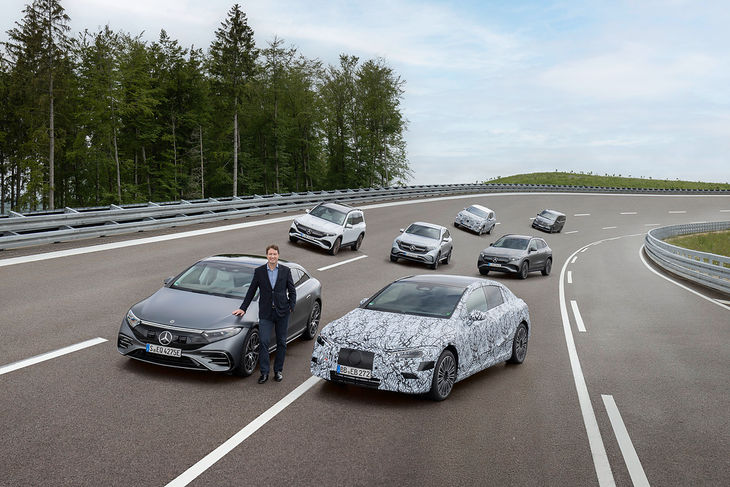
Mercedes-Benz has outlined its latest EV strategy and it’s happening fast, very fast…
As electrification becomes a primary focus for car manufacturers in the long term, Mercedes-Benz is aiming to be all-electric by the end of the decade, market conditions permitting.
In fact, by 2022, the German luxury brand aims to have an all-electric vehicle in every segment it occupies and by 2025, Merc says that all new vehicle architectures will be electric-only and customers will be able to choose an electric alternative for every model in its lineup.
To meet this goal, Mercedes-Benz will accelerate its research and development efforts and will invest over €40 billion (nearly R700-billion) between 2022 and 2030. Merc says that the rapid advancement of its EV portfolio will help accelerate the rate of EV adoption worldwide.
“The EV shift is picking up speed – especially in the luxury segment, where Mercedes-Benz belongs. The tipping point is getting closer and we will be ready as markets switch to electric-only by the end of this decade. This step marks a profound reallocation of capital. By managing this faster transformation while safeguarding our profitability targets, we will ensure the enduring success of Mercedes-Benz. Thanks to our highly qualified and motivated workforce, I am convinced that we will be successful in this exciting new era” said Ola Källenius, CEO of Daimler AG and Mercedes-Benz AG.
New EV Architecture and Increased Battery Capacity
Mercedes-Benz plans to be all-electric by 2030.
In 2025, Mercedes-Benz will launch 3 electric-only architectures/platforms.
These new architectures are as follows:
MB.EA – Dedicated to all medium to large passenger cars which will establish a scalable modular system to serve as the backbone for the future of Mercedes-Benz EVs.
AMG.EA – Dedicated to AMG performance electric cars that will feature the technology and performance that AMG customers expect.
VAN.EA – Dedicated to electric vans and Light Commercial Vehicles (LCVs).
As part of this monumental shift towards electric mobility, the acquisition of a UK-based electric motor firm, YASA, will provide access to axial flux motor technology and the expertise for Mercedes-Benz to develop high-performance, next-generation electric motors in-house, such as the eATS 2.0. As the world’s largest New Energy Market (NEV) China will play a major role in supplying key EV components and software technology.
Furthermore, Mercedes-Benz (along with its European partners) plans to establish no less than 8 Gigafactories to produce the necessary battery cells. This is in addition to 9 planned plants that are dedicated to building battery systems. Merc says that next-generation batteries will be highly standardised for use in over 90% of all Mercedes-Benz cars and vans. With rapid battery development, improvements in cell technology is expected to yield notable gains in range within a vehicle’s lifecycle.
Mercedes-Benz currently has one of the biggest charging networks worldwide with more than 530 000 AC and DC charging points but the brand is looking to expand even further in Europe, China and North America.
As of 2022, Mercedes-Benz will be producing 8 EVs at 7 locations on 3 continents and in the same year, Merc says all its passenger car and battery assembly facilities will operate carbon-neutral. Mercedes-Benz has partnered with GROB, a German battery and automation producer and the firm will also be establishing a battery recycling factory which is expected to be operational in 2023.
Initially, Mercedes-Benz set an EV and hybrid sales target of 25% by 2025 but with acceleration plans and massive investment underway, this EV sales target has now shifted towards 50% considering that the brand aims to be all-electric by 2030.
Mercedes-Benz believes that the company’s profit margins can match those of the ICE era by realising and manipulating a number of factors such as raising the proportion of high-end vehicles (Maybach and AMG models), increasing digital service revenue, reducing overall costs through advances in battery technology and scalable architecture and mass standardisation, to name a few. Mercedes-Benz’s investment in conventional combustion engines and plug-in hybrid technologies will fall by as much as 80% between 2019 and 2026 as the brand switches itself over to a full-scale electric existence.
The Stuttgart-based luxury car manufacturer, Mercedes-Benz, has teased its latest forthcoming all-electric prototype, the Vision EQXX.
Mercedes-Benz has been developing a new all-electric prototype that’s expected to showcase next-generation Electric Vehicle (EV) technology. The image above is the latest teaser which gives us some idea of what the Vision EQXX will look like.
When the Vision EQXX was announced last year, Markus Schafer, Merc’s research and development boss said, “We have set up a group of our engineers to take on an extraordinary task: to build the longest-range and highest-efficiency electric car the world has ever seen. This is a serious project, chasing next-generation technologies. We intend to incorporate the learning into the next generation of series production cars.”
The Vision EQXX has been developed with the help of AMG High-Performance Powertrains based in the UK with extensive expertise in Formula One and electric powertrains.
The Vision EQXX is expected to boast exemplary efficiency and notable electric range capability of over 1 000km on a single charge and Merc is targeting a single-digit figure for Kwh per 100 km (over 6 miles per kWh) at normal highway speeds.
The Vision EQXX will be officially revealed in 2022.
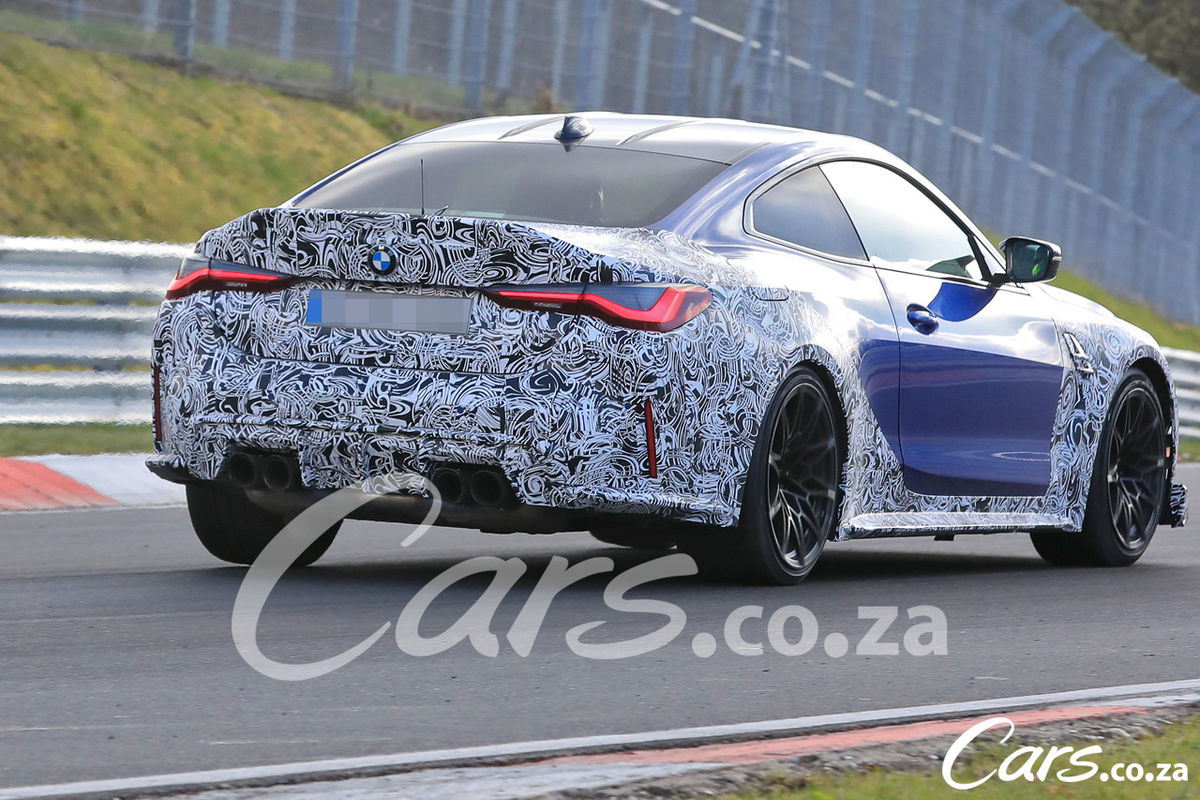
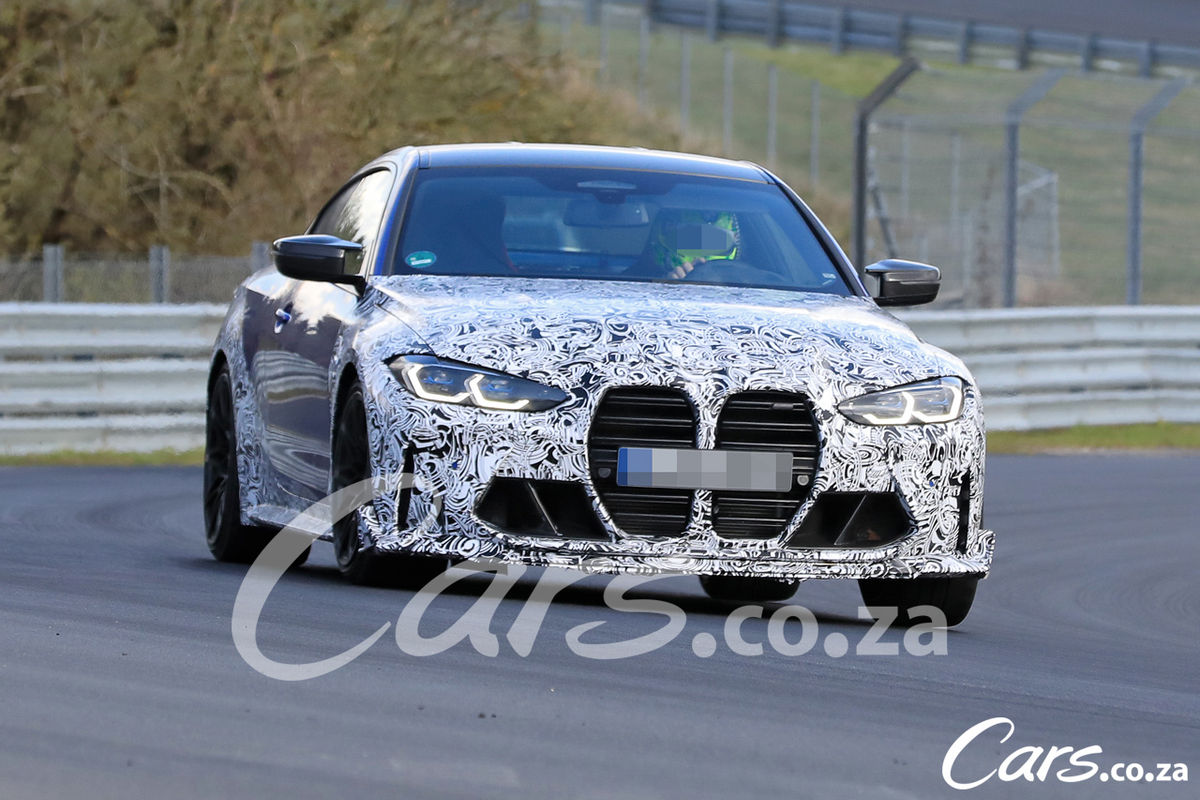
Our spy photographers have spotted a hardcore BMW M4 on the Nurburgring and many have suggested this is the flagship M4 coupe CSL.
Picture credit: S. Baldauf/SB-Medien. We have paid for these photos and at the photographer’s request, have watermarked them.
Usually, we take car forums with a pinch of salt, but Bimmerpost has a reputation for solid intel over the years. A recent post suggested the all-new BMW M4 Coupe CSL will be launched in 2022 and our spy photographers spotted this model undergoing testing on the Nurburgring.
This prototype features a slightly different rear spoiler which has been built into the rear boot lid as well as a more aggressive front splitter on the nose. We also think the car is sitting lower than the standard BMW M4 Competition.
The real meat will be what’s under the bonnet and sources suggest the current 3.0-litre turbocharged straight-6 engine’s power will be cranked up. The M4 Competition currently offers 375 kW and 650 Nm, but it’s rumoured the CSL will have 403 kW, putting it in the same league as the Alfa Romeo Giulia GTA. Keeping with the CSL purity theme, the xDrive all-wheel-drive system will be dumped in favour of rear-wheel drive with the added bonus of weight saving.
The source went on to say the new 2022 BMW M4 CSL will also feature new alloy wheels (probably lightweight units), lots of carbon bits as well as an Alcantara steering wheel.
When is the 2022 BMW M4 CSL being revealed?
The 2022 BMW M4 CSL is expected to be revealed in early 2022, with production starting in July 2022. We reckon it will be produced in very limited numbers, much like the CS, GTS and original CSL models.
Start your journey to vehicle ownership with the help of our Street Smart video series, brought to you by Absa Vehicle Finance. In the first instalment, Fulufhelo Mandane from Absa discusses what you need to consider before you start shopping, the costs of ownership and your various finance options.
You’ve recently graduated, started a new job, are moving to a new town or city or grown tired of relying on the public transport system and you’re now ready to buy a new set of wheels. You’ve probably started doing the research and still have a couple of questions about getting a car…
We asked Fulufhelo Mandane, Absa’s head of dealer relations for Gauteng and Limpopo, to answer a number of questions to help demystify the financial side of buying a car…
What do you need to consider when car shopping?
Mandane: Your monthly budget, the amount of money you’ve saved up and the cost of the car you’d like to buy are among the first considerations, as well as the amount you can afford to buy a car. If you decide to finance your car through the bank or another finance provider or lender, you’ll probably try a finance calculator to see how much you can afford based on your income.
Your monthly income minus expenses will equal your disposable income, which you can use as an estimate of the instalment you can afford and provide clarity on the price of the vehicle you can buy while still living within your means. Bear in mind that many customers are declined for finance because of their affordability and how well they maintain their financial commitments.
How you’ve been managing your other financial obligations will influence the bank’s decision on the credit amount you can realistically afford. Annually you can get a free credit report from a reputable credit bureau to check your credit score and status. The credit score provides an indication of how likely you are to repay your financial obligations, it’s always better to have a good score.
Car finance comes with a set of items to consider such as the total cost of owning a car and paying a deposit or having a balloon at the end of the contract. What are the cost implications?
Mandane: Once you’ve looked at your budget, savings and credit score, you can decide how to finance your car. You can either pay a deposit or take a balloon payment as part of the finance contract.
The first option means you will probably have to delay the car purchase until you’ve saved enough money to use as a deposit. An upfront deposit payment means you end up borrowing less money from the bank to buy the car and they may grant you a more favourable interest rate.
The balloon payment is a lump sum payment that you must pay at the end of your car finance-contract term to settle the loan, but it will attract more interest and fees. It may also take longer to reach your break-even position (where the car’s value is equal to your loan’s outstanding balance). This will be carried over to a new car if you trade in the old one before reaching break-even position.
A question to ask yourself is “how will you pay for the balloon amount when it becomes due?” Your expenses might have increased by the time the payment becomes due. Another option to cover yourself long before the due date is to save towards the balloon amount.
Loans can be optimised to suit a customer’s affordability, what are the options for a car loan?
Mandane: The interest rate granted on your car finance contract is based on a number of risks applied during the credit assessment period. A customer can either choose a linked or fixed interest rate.
A linked interest rate fluctuates as and when the Reserve Bank’s Monetary Policy Committee decides to change the repo rate. Consequently, your loan’s monthly repayment amount will change as the repo rate is changed. Changes can be expected quarterly, or the rate can remain flat for some time.
A fixed interest rate may be higher, and it remains constant throughout the vehicle finance contract term. The instalment amount also remains the same allowing you to budget with greater accuracy.
A minimum term of 24 months or up to 72 months can be chosen to repay the loan, with the term of the loan affecting the monthly repayment amount.
Which finance option is better?
Mandane: The popular ways to finance a car is through a car finance loan, cash or through a personal loan.
A personal loan option attracts a higher interest rate because the loan is unsecured (the lender doesn’t retain the title to the car as security) and the term is usually shorter than a car loan. Because a car loan is secured, it is usually offered at lower interest rates and over longer contract periods. The car becomes easily tradable as the finance for the old car can be transferred to the new car.
The conditions of the loans also differ, for instance, a car loan has comprehensive insurance for the car as a condition and full ownership of the car is transferred once the car loan is paid off.
Another option is to pay cash for the car and take full ownership of it immediately, plus you pay no interest to the bank, but a car loan will give you more vehicle options depending on affordability.
Always read your contract and understand the terms and conditions for your own benefit.
What else needs to be considered in the total cost of owning a car?
Mandane: One of the conditions of being granted a car loan is that you will need to have the car insured through comprehensive insurance from an insurance provider. You also need to budget for fuel (of which prices fluctuate), annual license disc renewal, parking costs (where you live or work) and you’ll need to regularly service and maintain your car through a professional dealer or service centre.
Aston Martin is facing a challenging future. The esteemed British sportscar brand has always traded on two attributes for its success: loud engines and dramatic design.
Stylists and designers will have no issue carrying the brand’s distinctive proportions and vehicle presence into the future, quietness could be a problem.
Adaptive exhaust valving and booming engine acoustics are an integral part of the Aston Martin driving and ownership experience. But those V8 and V12 engines, might not survive for much longer.
The man who is deciding to convert most of Aston Martin’s product portfolio to electric, is ironically, someone who knows the value of dramatic engine sound signatures.
Tobias Moers moved from AMG to Aston Martin, with a mission to revive the fortunes of this iconic British brand. Moers proved his acumen in the realm of high-performance car company management at AMG. But replicating that success at Aston Martin could be difficult.
Aston Martin has committed to having a fully electrified vehicle portfolio by 2030. And the changes could be coming much sooner.
For a brand that has always been defined by its large-capacity petrol engines, the risk of transiting from V8 and V12 powertrains to batteries, is enormous.
Moers has confirmed to European business media, that the next generation Vantage and DB11 will forego their V8 and V12 engines, for electric motors.
The packaging advantages of this change will see Aston Martins with superior interior room and load capacity. A much lower centre of gravity will make the battery-powered Vantage and DB11 performance cars, more stable at high-speed.
Issues? Weight and product differentiation. Shouty cars are part of the Aston Martin DNA. Without the crackle-and-pop V8 and V12 exhaust acoustics, will customers still be drawn to Aston Martin?
Aston Martins aren’t the lightest of performance cars and the move from petrol to battery power will make them much heavier, blunting dynamic agility.
Interestingly, Aston Martin will be converting its front-engined vehicles to battery-power, but the mid-engined hypercars, will be hybrids. So, if you desire some internal combustion engine drama, there might still be an option from Aston, in the immediate future.
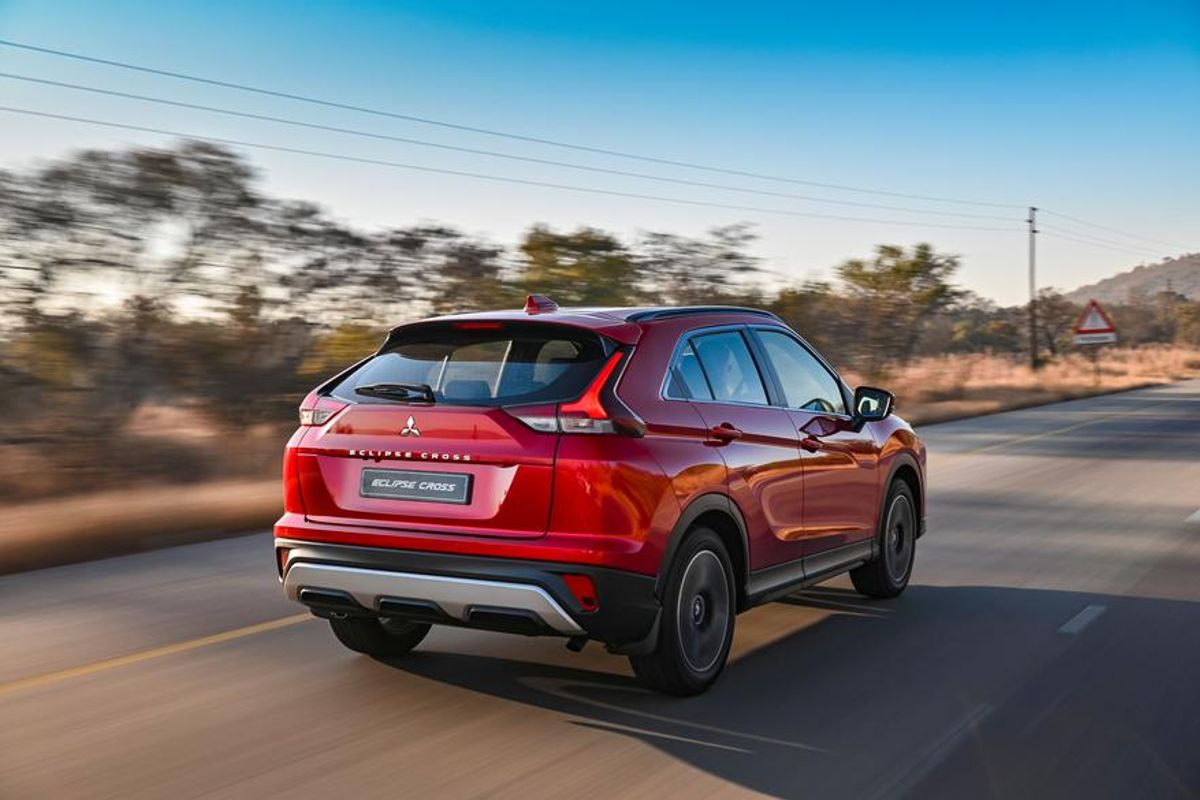
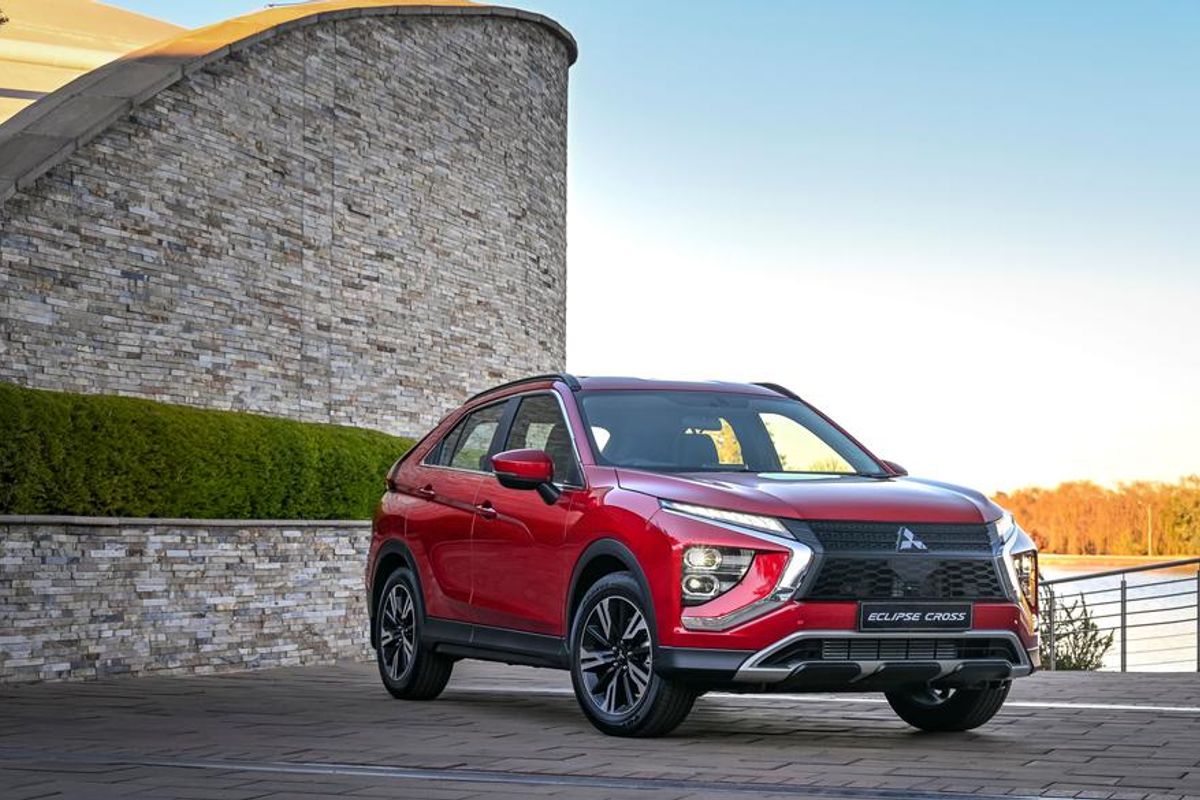
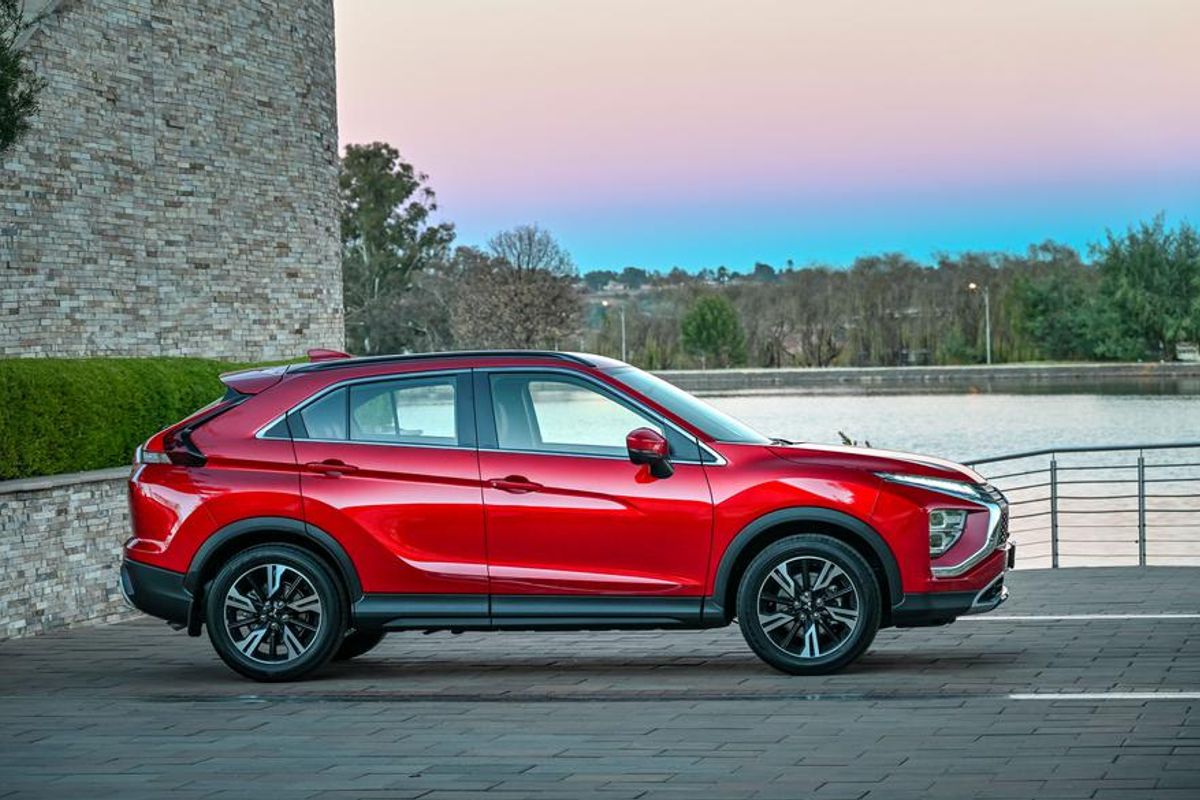
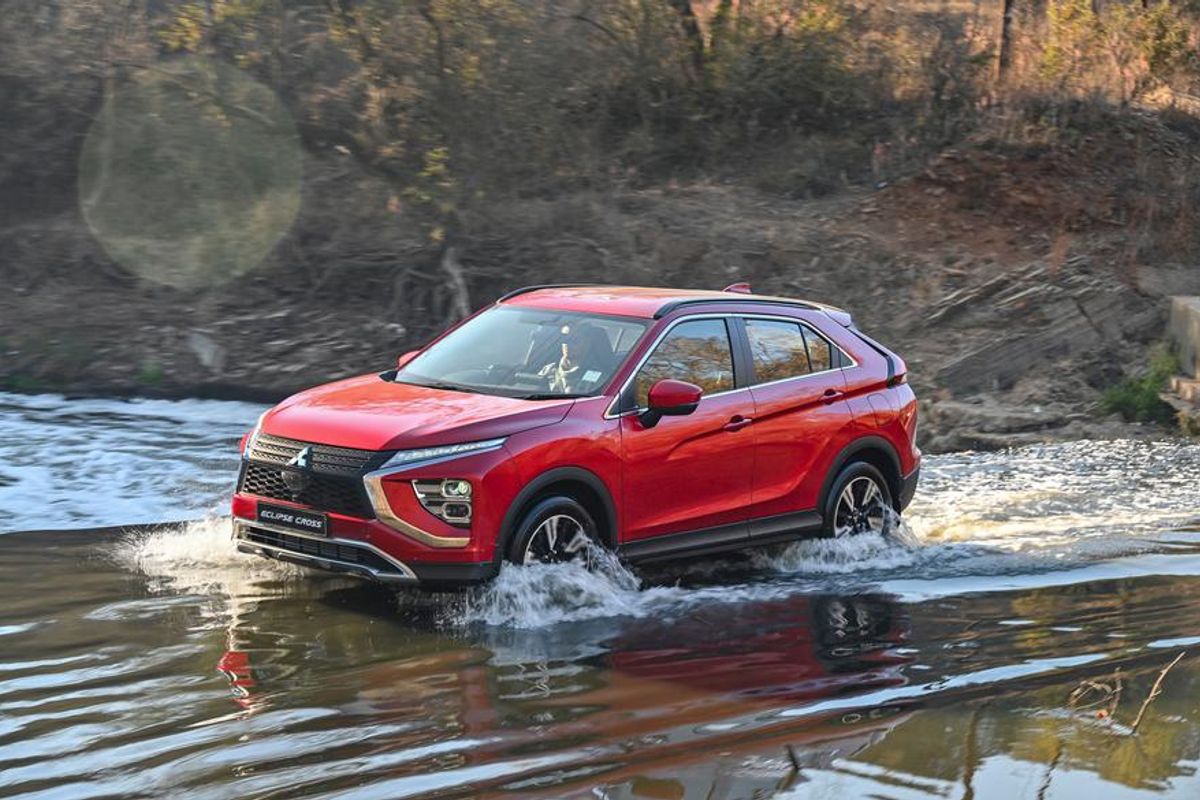
Mitsubishi Eclipse Cross in SA (2021) Specs & Price
The updated Mitsubishi Eclipse Cross compact family car has arrived in South Africa. See specification and pricing details below!
The Eclipse Cross first came to market back in early 2019 and now Mitsubishi welcomes a revised model to market to take on rivals in the compact family car segment. At the time, we tested the Eclipse Cross 1.5 T GLS and the naturally-aspirated Eclipse Cross 2.0.
What’s changed?
The previous split rear windscreen is no more.
The previous iteration of the Eclipse Cross divided opinion with its split rear windscreen and bold lighting design. Now, Mitsubishi has revised the design, incorporating the brand’s familiar ‘Dynamic Shield’ design language seen on the grille design and also features twin-oval headlights for a more sophisticated look. At the rear, the previous split tailgate is no more and the Eclipse Cross now features a more conventional rear design with a hexagonal theme. The rear lights feature a striking 3D Y-shape design. The Eclipse Cross rides on 18-inch alloy wheels.
Standing some 140mm longer than the model it replaces, the Eclipse Cross’ load bay offers a generous 437 litres which expands to 1 074 litres with the split rear seats folded down.
Key interior features include an 8-inch Smartphone-Link Display Audio (SDA) system with Apple CarPlay and Android Auto functionality, Bluetooth and voice control, fully adjustable multifunction steering wheel with paddle shifters and electric seats with leather upholstery. A heads-up display is also offered.
Safety features include 7 airbags, ABS with EBD, electronic stability control with traction control, hill start assist, active yaw control and a rear view camera.
What engines are available for the Mitsubishi Eclipse Cross?
Engine choice remains the same with 2 engines on offer to buyers.
A total of 2 derivatives are available to buyers, both being front-wheel-drive and equipped with a Continuously Variable Transmission (CVT).
Buyers can choose between a 1.5-litre turbopetrol engine with 110 kW and 250 Nm of torque or a naturally-aspirated 2.0-litre petrol engine with 110 kW and 198 Nm of torque. The former is equipped with an 8-step CVT while the latter engine is paired with a 6-step CVT.
How much does the Mitsubishi Eclipse Cross cost in South Africa?
Mitsubishi Eclipse Cross 2.0 GLS – R459 995
Mitsubishi Eclipse Cross 1.5T GLS – R499 995
Pricing includes a 3-year/100 000 km warranty, 5-year/90 000km service plan and 5-year/unlimited km roadside assistance.
If you only have a budget of R300k, it’s not easy to find something in the new-car market that will complete the 0-100 kph dash in under 10 seconds, but what if we look to the classifieds to find some tasty pre-owned machines that can hit three figures on the speedometer much faster than that, but for less money?
R300k is not a lot of money when you’re car shopping in the South African new-vehicle market. Yes, you can get a Toyota Urban Cruiser or a Kia Sonet, you can even get a fantastic looking Peugeot 208 at that price, but none of those is going to satisfy your appetite for ferocious performance like a bombastic V10 (and yes, you can get a used V10 for under R300k).
There are obvious risks associated with owning an older performance car (particularly the increased likelihood that it will break down on you), but that’s what you buy into if you want to play this game. Parts may be hard to find, you’ll likely need a specialist mechanic and nothing will be cheap to replace or repair. If you want to go fast, for less than R300k, these are the most interesting ways to do it. Click the vehicle headings for a look at current stock availability.
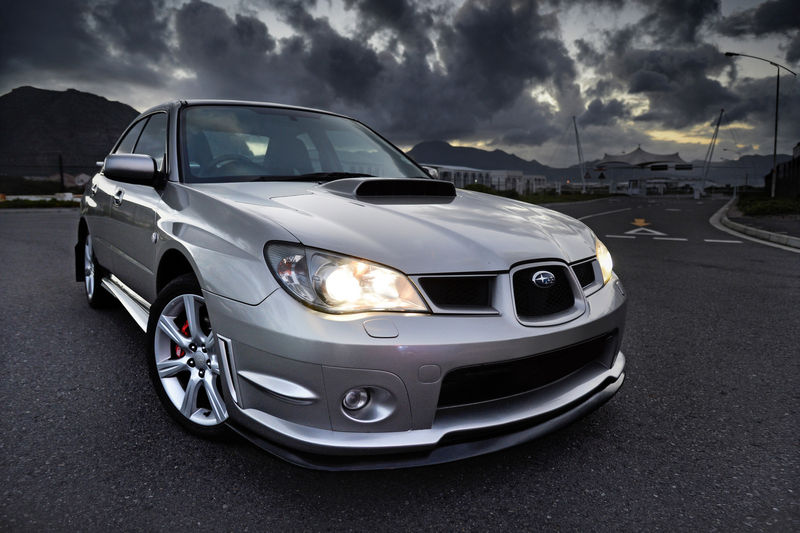
Back in 2007, Subaru and Mitsubishi were delivering power and performance at a fraction of the cost of the premium-segment models. Hot hatches were only just beginning to raise their game and if you wanted something that could launch from a set of lights and drop just about anything off the line, you wanted a turbocharged Subaru Impreza. With peak power of 195 kW and 343 Nm of torque, the WRX was a performance bargain in its day, but now, you can pick a decent one up for under R200k, for a car that does 0-100 kph in 5.3 sec – which is about the same time it takes to slurp a tank of fuel.
I did say this list would be… interesting. The Chrysler 300C SRT8 featured a 6.4-litre V8 delivering 347 kW and 631 Nm of torque. It was a performance bargain at the time, costing nearly half as much as similarly-powered performance sedans. Performance claims suggested a 0-100 kph time of 5 seconds flat and a top speed of 280 kph. It’d be best to be on good terms with your local fuel station, though.
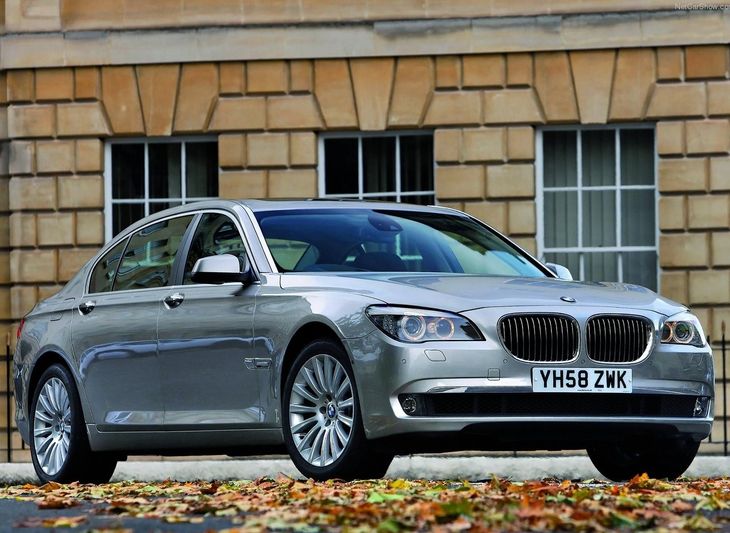
This list clearly doesn’t account for fuel costs as this is another drinker. The BMW 750i came to market with a 4.4-litre turbocharged V8 that had its wings clipped at 300 kW and 600 Nm of torque. The super-limo segment isn’t really renowned for retaining value, but these have surely got to their low point right? Right!? It’s an absolute sleeper equipped with all the modern features you could ask for (except Apple Carplay and Android Auto) and one of the most comfortable rides you’ll ever experience for under R300k.
These are quite difficult to find in the classifieds sections, especially good examples for less than R300k, but they do appear from time to time. Jaguar’s finest supercharged 5.0-litre V8 sits under the bonnet of this Big Cat and the lump directs its instantaneous (and devastating) power to the sedan’s rear axle. 375 kW peak power with 625 Nm of torque shot the XFR from 0 to 100 kph in just 4.9 sec. Cars.co.za Consumer Experience Manager Hannes Oosthuizen had one of these as a long-term test car (for a year) and he claims it was possibly his favourite long-term test unit ever. High praise indeed.
In all honesty, you could buy a Volkswagen Golf R of a similar age at the same price – and you probably should – but that all-wheel-drive hatchback just wouldn’t be as cool as the Scirocco R. The original hot hatch formula was applied to the Wolfsburg-based brand’s compact coupe – front-wheel-drive in combination with a 2.0-litre 4-cylinder turbopetrol motor that punches out a healthy 188 kW and 350 Nm of torque (more than a brand new Golf GTI). The result? Acceleration that elicits epic amounts of torque steer, but is said to get you from 0 to 100 kph in 5.8 sec thanks to that DSG ‘box (well, while it lasts).
What you’re looking at here is the B7-generation RS4 quattro, noted for being the first RS4 for 5 years (at the time) and being propelled by a naturally aspirated 4.2-litre V8 with real heart and a soundtrack for the ages. It’s not short on grunt either (with 309 kW and 430 Nm of torque), but the real treat is the 6-speed manual gearbox and the 8 200 rpm redline. Zero to 100 kph came up in just 4.8 sec.
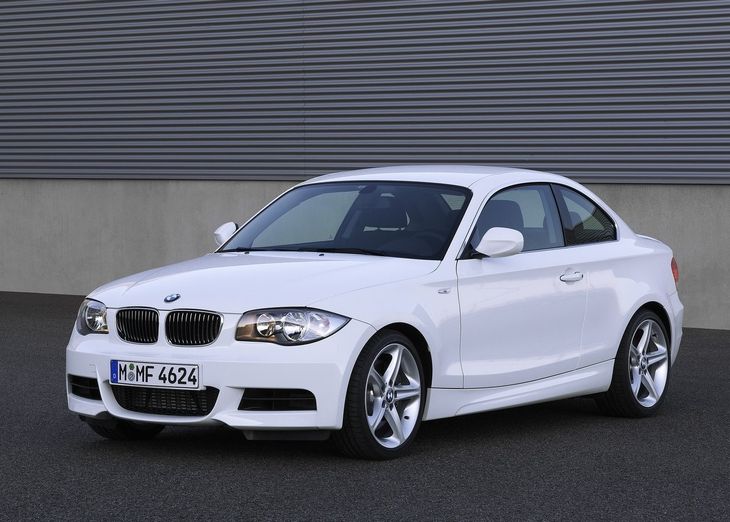
The 135i Coupe is renowned for being the last genuinely good-looking car that BMW produced (subjectively speaking, of course). The 135i had just the right amount of power for a short-wheelbase rear-wheel-driven coupe. Well, the twin-scroll single-turbo 3.0-litre inline 6 (from 2010) delivered enough grunt to make the diminutive Bimmer feel fast and yet still provide lively thrills in the corners. You get 225 kW and 400 Nm of torque, and yes, you can get that from a hot hatch these days, but not for R300k. It’s a bit of a classic in the making in my books; its claimed 0-100 kph time was 5.2 sec.
This is one of the more radical suggestions, I admit, as you can pick up any number of Benzes for under R300k, but the 2nd-generation (“4-door coupe”) CLS will stand out like nothing else on offer at this price range. There’s an unstressed naturally aspirated 3.5-litre V6 under the bonnet that will cruise from a standstill to 100 kph in 6.1 sec, but will waft along at any speed in great comfort.
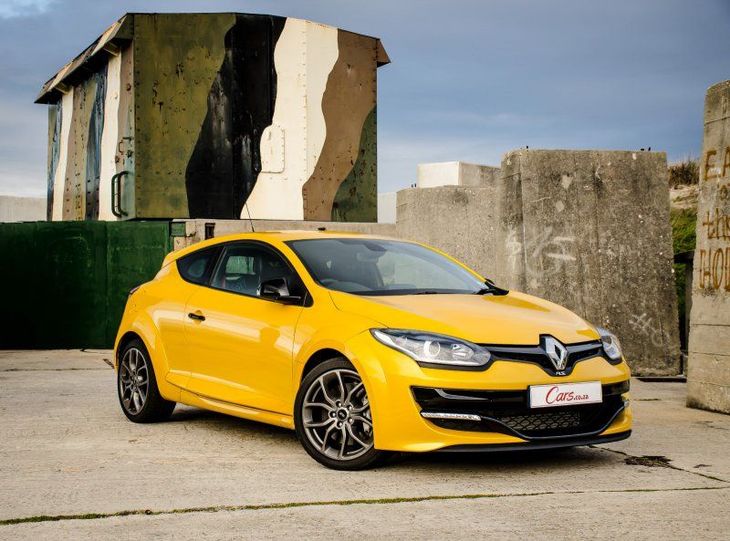
It’s amazing to think that you can pick up one of these Megane Renault Sport IIIs for under R250k. The ultimate driver’s hot hatch from pretty much the late 2000s until this generation ended in 2016, the Megane RS is quite simply incredibly fun to drive. If they ever come up, see if you can get your hands on a Trophy edition as they are very special, but don’t expect to enjoy driving it on your congested commute (the Cup specification is perhaps a bit more bearable to drive on poor roads). Renault’s 2.0-litre 4-pot turbopetrol mill was good for 195 kW and 360 Nm of torque with a 0-100 kph time of 6 sec.
Look, don’t hold me to the reliability of a sub-R300k BMW M5 (sedan) or M6 (coupe or convertible), but they are available. Has BMW made a better engine than the F1-inspired S85 V10? The last time I spoke to BMW engineers, they were convinced it was their best work (admittedly, that was a few years ago). The screaming 5.0-litre naturally aspirated V10 revs to 8 250 rpm and dishes out a lusty 373 kW and 520 Nm of torque, if you’re willing to rev it out. Don’t judge it by today’s lofty power standards – the E60/E63/E64 M5 and M6 were special, even if they were only ever sold locally with SMG ‘boxes.
To celebrate 60 years of collaboration with the Cooper Family, Mini has created a special edition vehicle. Meet the Mini Cooper Anniversary Edition, and just a handful of units are coming to South Africa.
John Cooper was born 98 years ago, but the real history begins 60 years ago when he took his classic Mini to a legendary race victory. His expertise with Mini’s products resulted in the Mini Cooper in 1961.
To celebrate the partnership, Mini has created the Mini Cooper Anniversary Edition and the vehicle is a tribute to John Cooper’s legacy. Sadly John Cooper is no longer with us, having passed away in 2000.
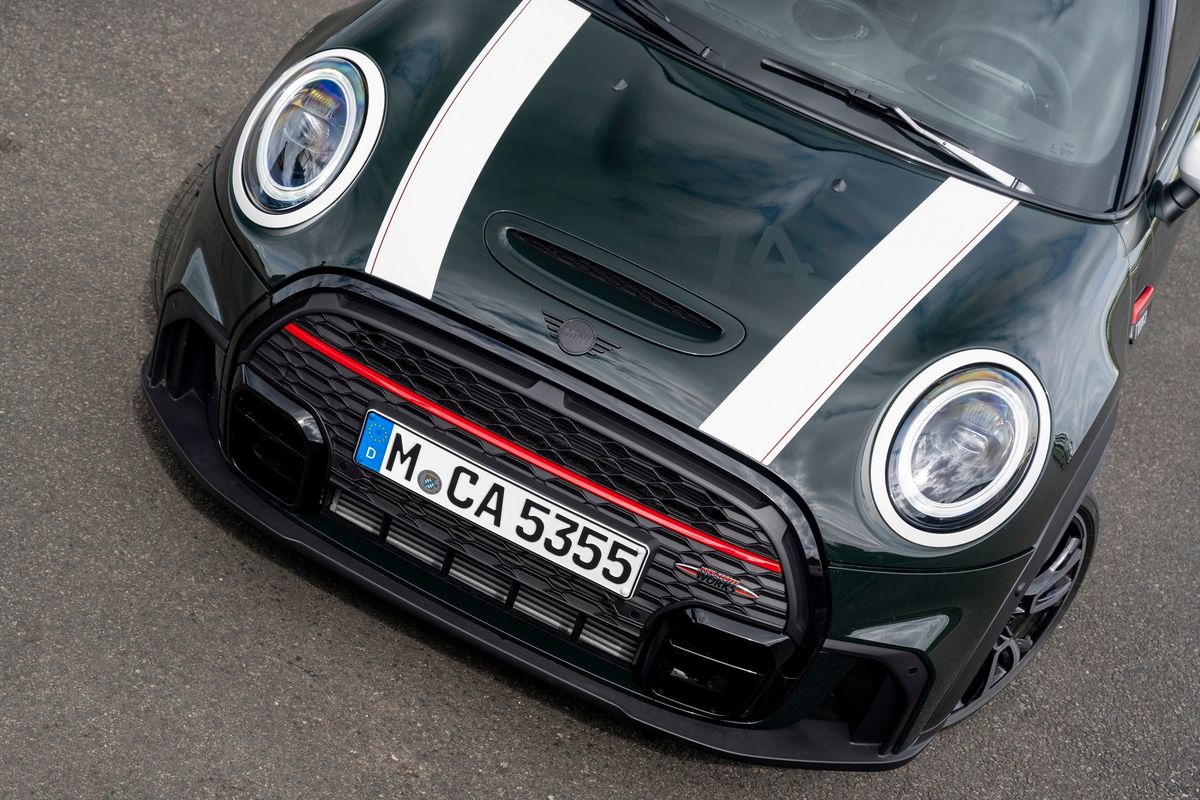
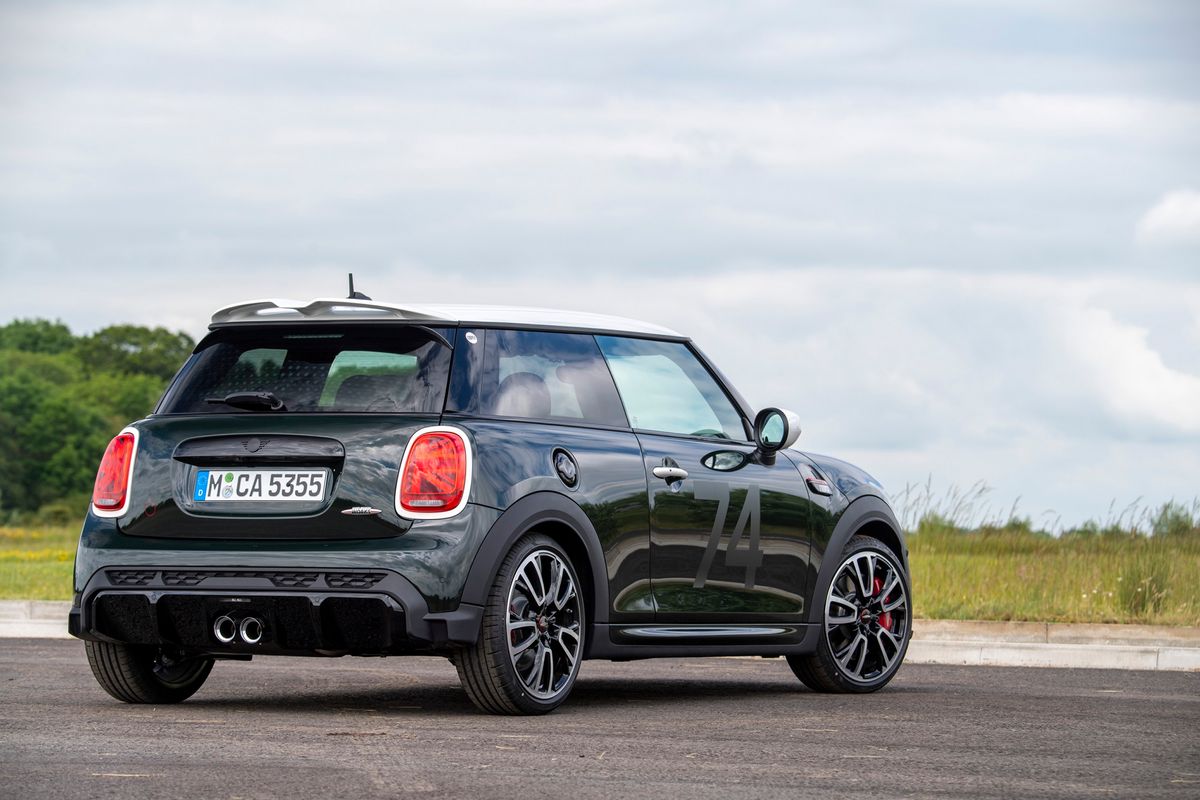
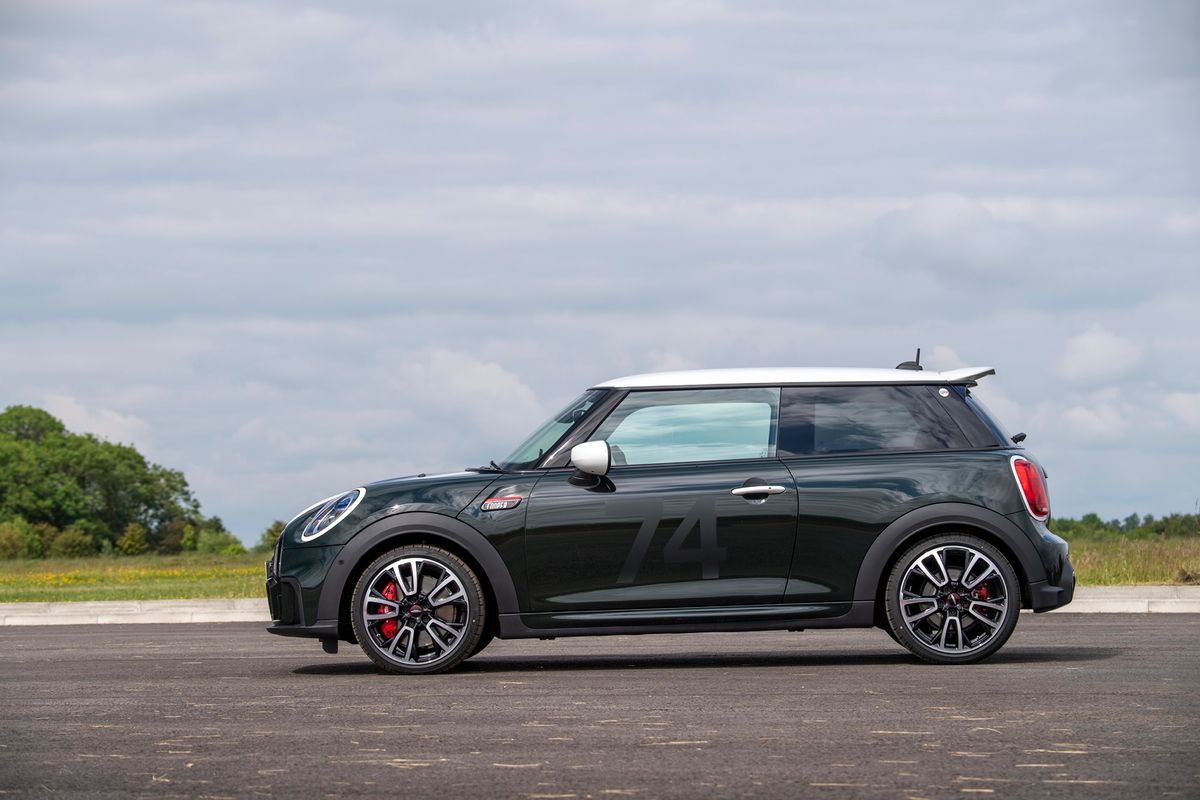
There’ll be just 740 units available globally and South Africa will receive just 6. 74 refers to the starting number 74 which was the classic Mini Cooper’s number during its first successful race appearance.
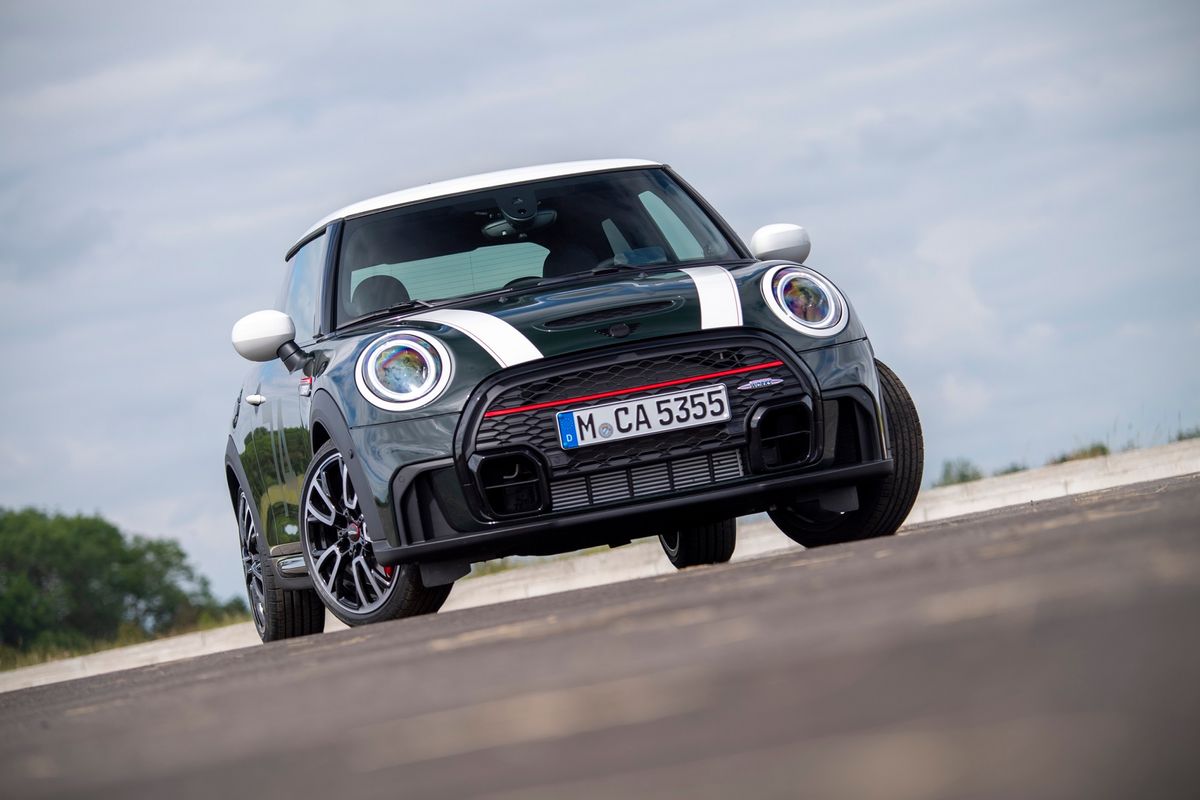
The Mini Cooper Anniversary Edition will be in British Racing Green metallic and Rebel Green, as well as Midnight Black metallic. All paint finishes are combined with a roof, exterior mirror caps, door handles and surrounds for the headlights and rear lights in white. Other exterior trim elements are offered in Piano Black high gloss.
It wouldn’t be a sporty Mini without the traditional stripes and these are white on the bonnet, with a red accent line. The 74 is on the bonnet and doors of the vehicle. The vehicle features John Cooper Works Trim with adaptive dampers, 18-inch JCW light alloys. Inside, the Cooper name logo is present on the door sill trims, on the side scuttles, on the C-pillars, and on the center spoke of the Nappa sports leather steering wheel.
The cabin features John Cooper Works sports seats in Dinamica/leather Carbon Black finish, an anthracite-coloured headliner, stainless steel pedal set and interior trim in Piano Black high-gloss. The red ring from the original John Cooper logo adorns the luggage compartment lid and the interior surface on the passenger side. On the driver’s side, the interior surface features the signatures of John, Mike and Charlie Cooper. The inside of the driver’s door frame features an emblem with John Cooper’s signature, the handwritten note “1 of 740” and the words “60 YEARS OF MINI COOPER – THE UNEXPECTED UNDERDOG”.
The Mini Cooper Anniversary Edition is available across all current powertrains, but the SA-spec units will come with the JCW engine. For the record, the 2.0-litre turbocharged 4-pot churns out 170 kW and 320 Nm.
When does the Mini Cooper Anniversary Edition arrive in SA?
Mini South Africa confirmed there’ll be 6 units with the JCW engine arriving in the last quarter of 2021. Pricing will be announced closer to the time.
Audi’s CEO, Markus Duesmann, has confirmed that the A1 will be axed when it reaches the end of its current model lifespan according to a report from Automotive News Europe.
The second-generation Audi A1 was revealed in 2018 which means it still has a few years of life ahead of it.
However, the business case for any small hatchback, from a luxury car brand, is becoming very difficult to justify.
Enormous pressure is being applied on cities to embrace electric vehicles, which has seen a huge offering of large battery-powered cars. These SUVs, crossovers and sedans, can operate in congestion or emissions taxed CBDs, with much lower cost, than a small petrol- or diesel-powered hatchback.
This is exactly the issue that Audi is trying to deal with. Although Ingolstadt has committed to electrification, with its very impressive new e-tron GT proving the point, there are limits to the viability for all models.
Duesmann commented that “A lot will depend on the final Euro 7 target. We know that offering combustion engines in the smaller segments in the future will be pretty difficult because the costs will go up. Therefore, we won’t have a successor to the A1. If the new Euro 7 rules are not too harsh, it will allow us to invest more in e-mobility.”
The problem is that small car platforms, simply cannot absorb the R&D and production costs, to electrify. They would become prohibitively expensive, as a result.
With the large margins and much higher prices of large SUVs and crossovers, brands have been able to make customers absorb more of the production cost, relating to electric vehicles. This is clearly evident in the list pricing of vehicles such as Porsche’s Taycan.
The A1 is simply an impossible prospect for Audi, in terms of electrification. VW retains some viability with its platform twin, the Polo, due to the sheer volumes it can assemble and sell. A next-generation Polo is assured, but this current version of A1, is dead in the water.
Will Audi surrender its market share in the compact vehicle segment? Unlikely. What the German brand is expected to do is revive one of its most celebrated model names: A2.
For followers of all things Audi, the A2 is keenly remembered as a wonderfully advanced compact city car of the early 2000s.
Audi can easily revive the A2 name, which has a legacy for technical innovation and advanced design, as a new battery-powered model range. It would then effectively replace the A1, and deliver a slightly larger vehicle, as Audi’s entry-level product offering.