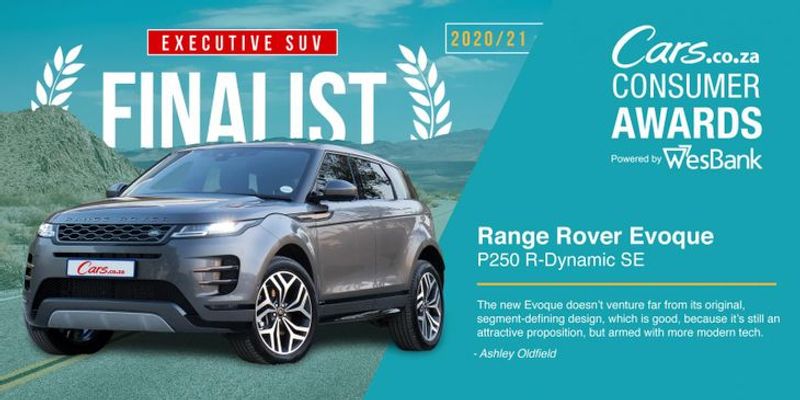
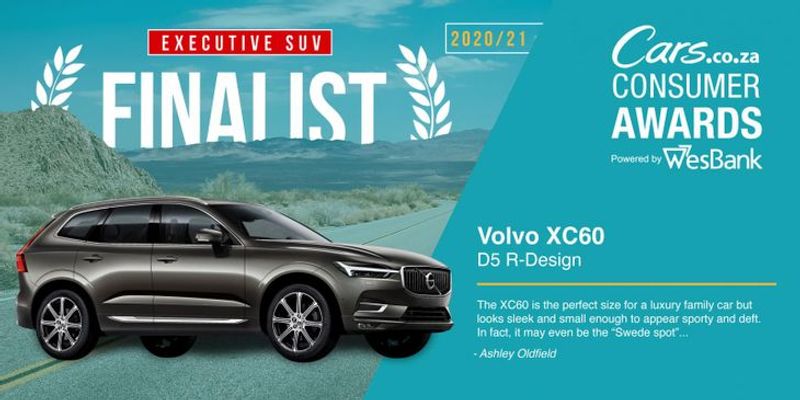
Meet the finalists in the Executive SUV category of the 2020/21 #CarsAwards powered by WesBank!
Now in its 6th year, the #CarsAwards was conceived to be South Africa’s definitive automotive awards programme and is backed, for the 5th year running, by the country’s leading supplier of vehicle finance, WesBank.
Increasingly regarded as the status symbol to have, most premium brands now offer road-biased SUVs that combine prestige and practicality in a package that is characterised by superior refinement. Drivetrain performance and refined road manners are a priority as is a cabin that features upmarket materials and the most up-to-date technology.
This category is guided by both eligibility factors and Pillars of Success.
Eligibility factors for this category include a list price between R800 000 and R1-million (as of October 1, 2020) to ensure exclusivity and status. Eligible vehicles must be a medium-sized SUV of the Audi Q5/Merc GLC category, including their “coupe” derivatives.
Pillars of success for this category include powertrain technology, luxury, brand strength, design and quality appeal, driving dynamics and space and practicality.
Visit www.carsawards.co.za for more information. In no particular order, the finalists are as follows:
BMW X3 20d M-Sport
The BMW X3 has found notable favour with buyers looking for a stylish, practical and lifestyle-oriented SUV. Not only does its larger dimensions afford passengers with more space, it’s a pleasingly refined and well-balanced product overall. The X3 is also the reigning #CarsAwards winner in this category and is looking to successfully defend its title in the 2020/21 programme.
Depending on whom you ask, the new Range Rover Evoque is arguably the most stylish offering in the Executive SUV segment and, while it’s the smallest model in Land Rover’s stable, it’s more spacious than its predecessor and offers impressive levels of tech and refinement.
Gothenburg-based brand Volvo is on a roll and the XC60 – which won this category in the 2018/19 #CarsAwards – is one of its most popular SUV models. Built on the same platform as the XC90, it’s superbly refined to drive and offers one of the most luxurious cabins in its class.
The AA has confirmed the petrol price changes for February 2021 and SA motorists are in for substantial hikes. Here's what you need to know.
The Automobile Association (AA) has blamed the slow oil price and Rand/Dollar vulnerability for the sharp increase in the price of petrol, diesel and paraffin.
Set to come into affect in the first week of February 2021, petrol is expect to rise by up to 82 cents a litre, diesel by 59 cents and illuminating paraffin by 60 cents.
"Unfortunately our mid-month concerns over the advancing oil price have been borne out in practice. There has been a slow, but steady, rise in the price of oil which is likely to cause ongoing pain at the pumps. Almost all of the fuel price increases reflected by this month's data are attributable to the stronger oil price, and the average Rand/US dollar exchange rate has remained generally flat for the month, despite some large daily swings."
Despite the Rand dropping to an all-time low of over R19 to the dollar last April and the currency has since appreciating to approximately its pre-COVID-19 level, the changes in the oil price have offset this. "The record low exchange rate fortunately went hand-in-hand with record low oil prices, so the impact went largely unnoticed as fuel prices plunged. But economic or policy shocks which weigh on the Rand are likely to have a more significant effect on the fuel price now that international oil prices have rebounded," the Association concludes.
See what new and updated Toyota cars are destined to reach South Africa in 2021.
It looks like Toyota is gearing up for an exciting year and the South African market is going to be at the receiving end of a robust product offensive throughout the year. Take a look at what’s on the way!
Please note that timings are tentative and are subject to change.
Toyota will be introducing the new Urban Cruiser compact SUV to market in March 2021. The Urban Cruiser is a product of Toyota’s collaboration with Suzuki and it’s essentially based on the soon-to-be-launched Suzuki Vitara Brezza. A naturally-aspirated 77 kW / 138 Nm 1.5-litre petrol engine is expected under the bonnet when the Urban Cruiser arrives on local soil and it will take its position in Toyota’s crossover/SUV lineup slotting in below the C-HR, which is also expected to receive a specification update in the first quarter of the year. Look out for local specification and pricing details closer to launch.
In addition, Toyota will also introduce new hybrid products to the South African market early in the year. Customers will soon see a Corolla Hybrid sedan on Toyota showroom floors as well as the Toyota RAV4 Hybrid.
Mid-year 2021
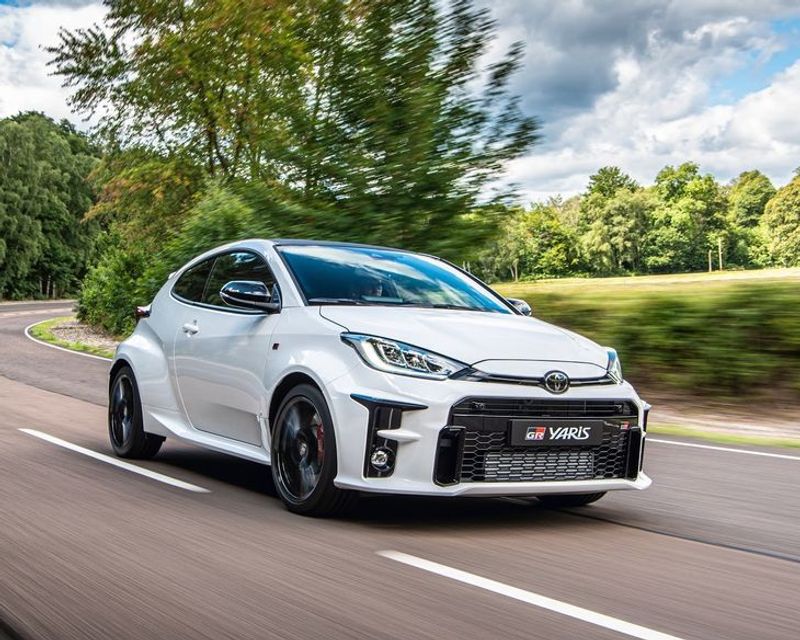
Undoubtedly one of the most highly-anticipated new vehicle introductions for 2021 is the GR Yaris. Drawing on Toyota Gazoo Racing’s rally heritage, the GR Yaris packs a punch with a 3-cylinder, 1.6-litre turbocharged engine that offers up 192 kW and 360 Nm but there is also said to be a high-power version that offers 200 kW and 370 Nm and it's this potent version that's on its way. Numbers will be limited, so start counting your pennies now…
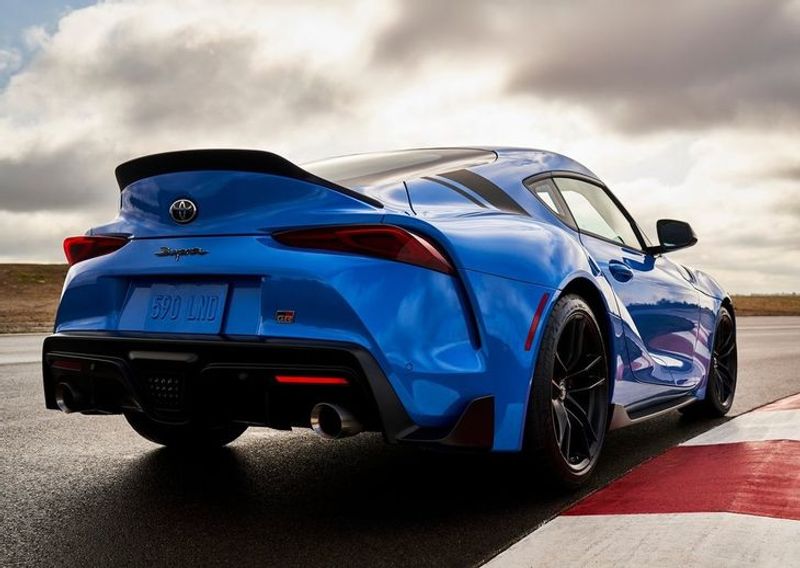
But that’s not all, fans of the GR Supra are in for a proper treat as Toyota will look to officially introduce a high-power version of its rear-wheel-drive sports car. Yes, the GR Supra Horizon Blue Edition is on the way and it will offer no less than 285 kW (up from 250 kW) and 500 Nm of torque and will now hurtle from zero to 100 kph in a claimed 4.1 seconds.
Third Quarter
A new Toyota GR 86 is due to go into production this year too and Toyota expects the new model to reach South Africa in the third quarter of 2021. The new GR 86 will be an evolution of the current coupe. Although it will remain true to its roots, it will get a bigger, torquier engine! The final product is expected to be revealed in the coming weeks/months and is likely to feature a Subaru-sourced, naturally-aspirated 2.4-litre petrol engine with at least 162 kW and 240 Nm. Stay tuned for updates as the new GR 86 comes to life!
A new Land Cruiser 300 is also due to be revealed later in the year and we could see it arrive locally mid-2021 or in the third quarter of 2021.
Fourth Quarter
Toyota this month announced that it will produce a new crossover, called the Corolla Cross, at its production facility in Prospecton, Durban as of October 2021. The new model is a result of a R2.3-billion investment and will be sold in South Africa and exported to some 43 countries in Africa.
The Corolla Cross will be powered by a 1.8-litre petrol engine offering 103 kW and 177 Nm and it will slot in beneath the RAV4 in Toyota’s local lineup. A Corolla Cross Hybrid will also be produced locally and this will also be the first time that a hybrid vehicle will be produced in South Africa. This new project will create an estimated 500 direct jobs at Toyota and more 1 000 new jobs in the local automotive chain. Specification and pricing details for the Toyota Corolla Cross will be communicated closer to launch.
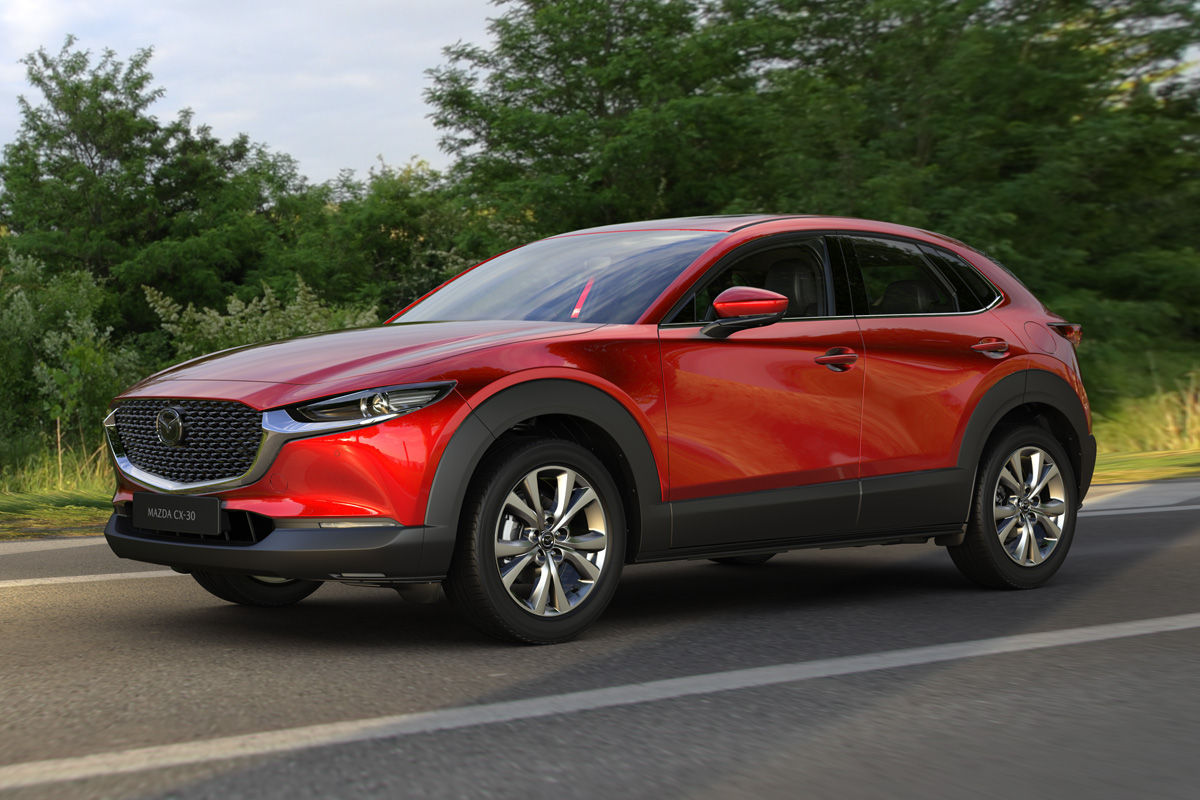
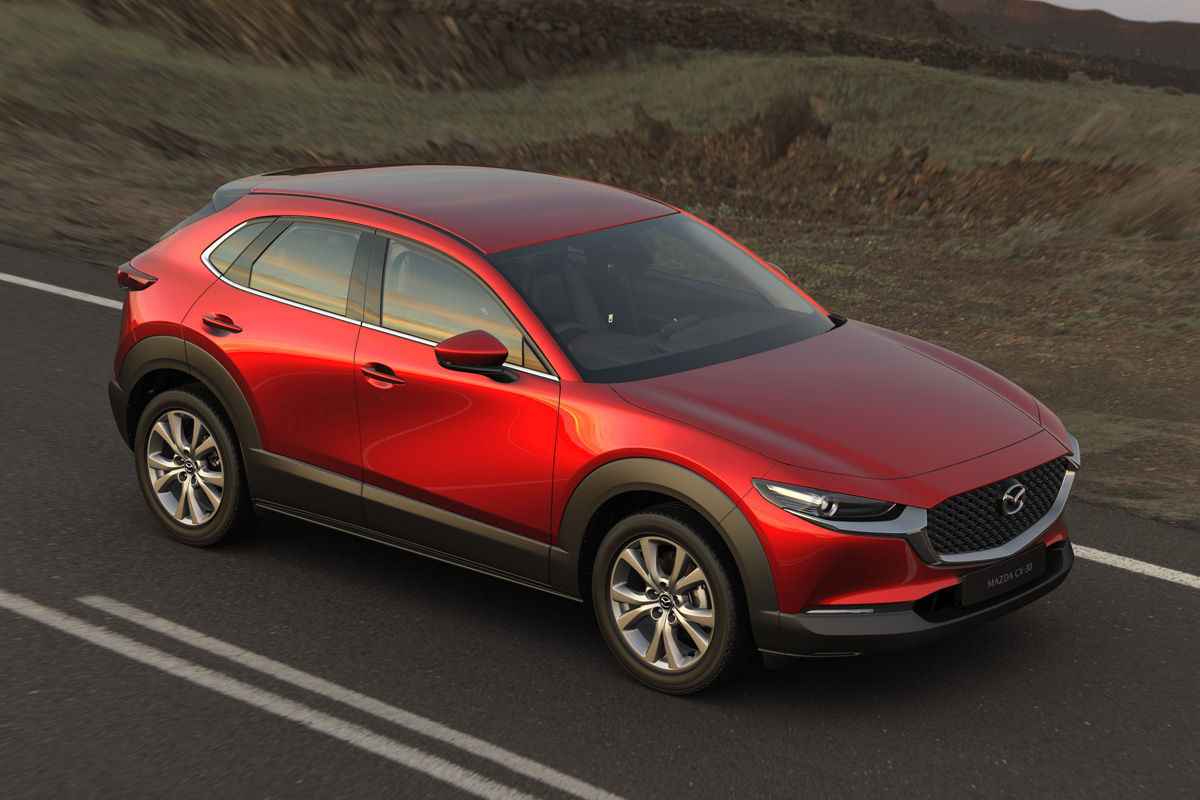
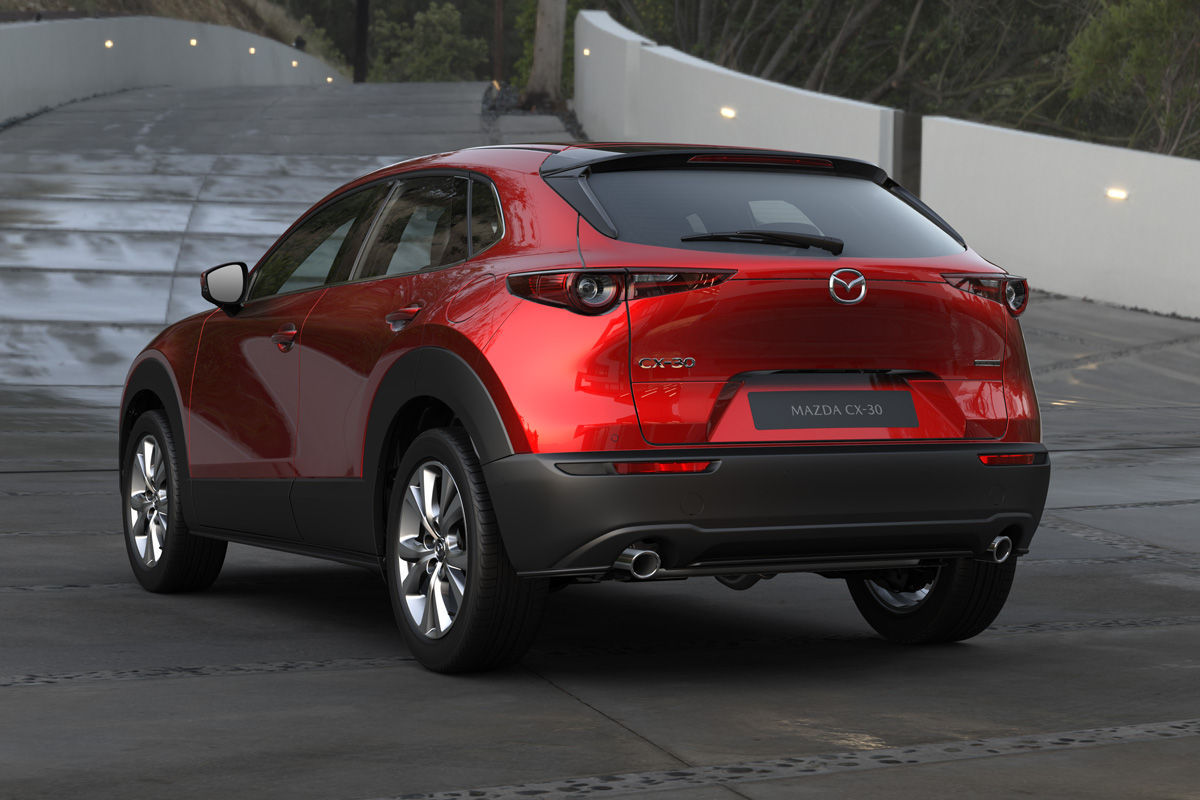
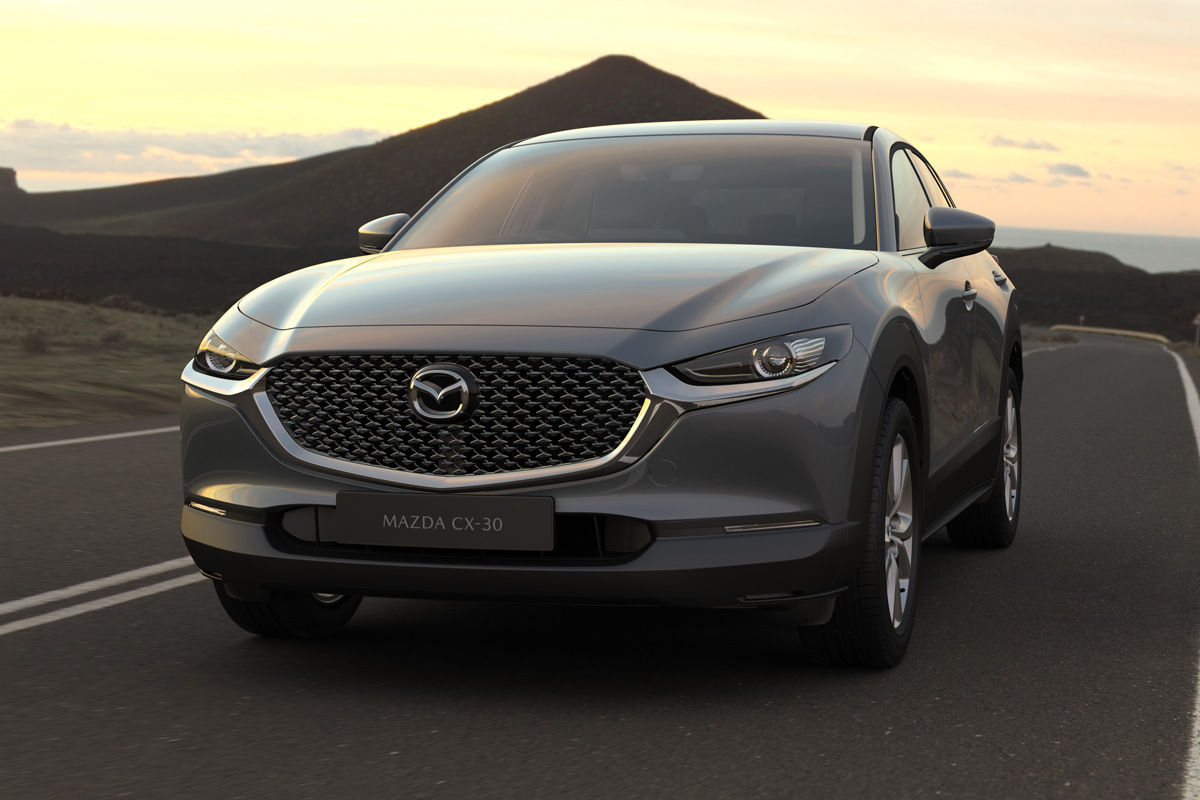
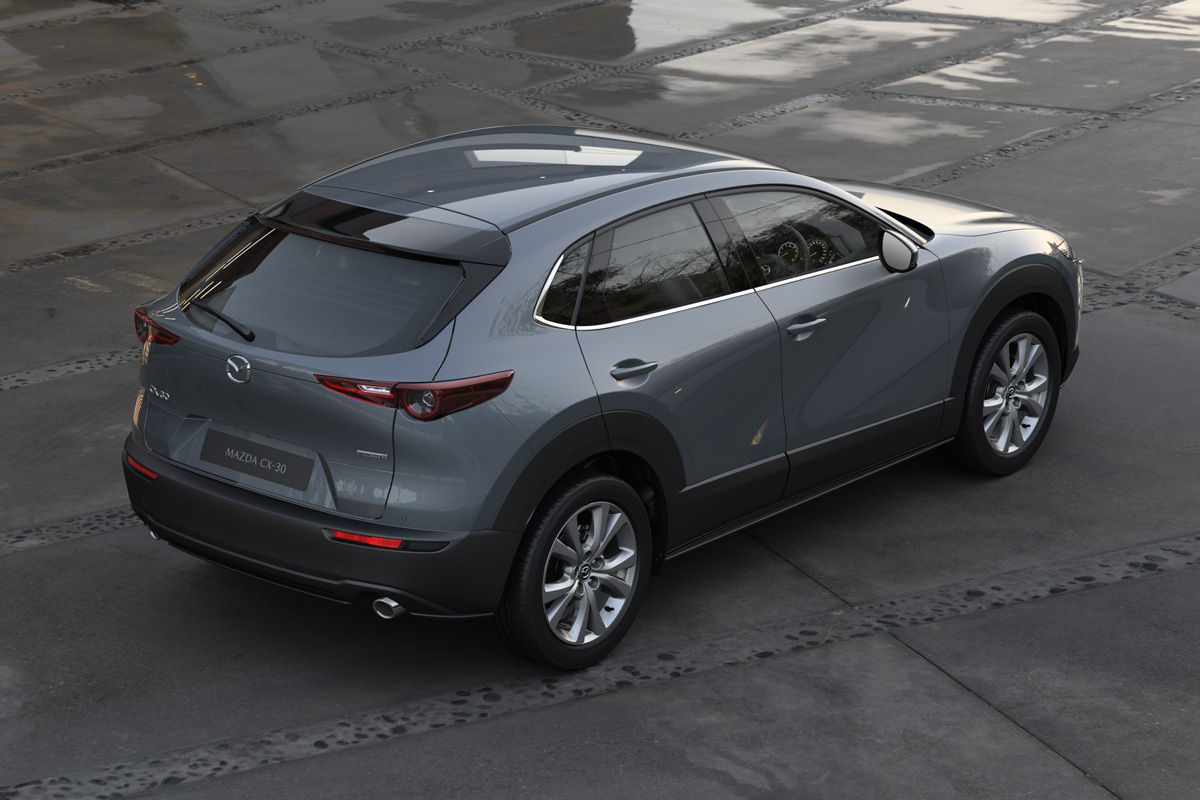
Mazda South Africa will be launching its CX-30 SUV in early February. Here are specifications and pricing for this new SUV.
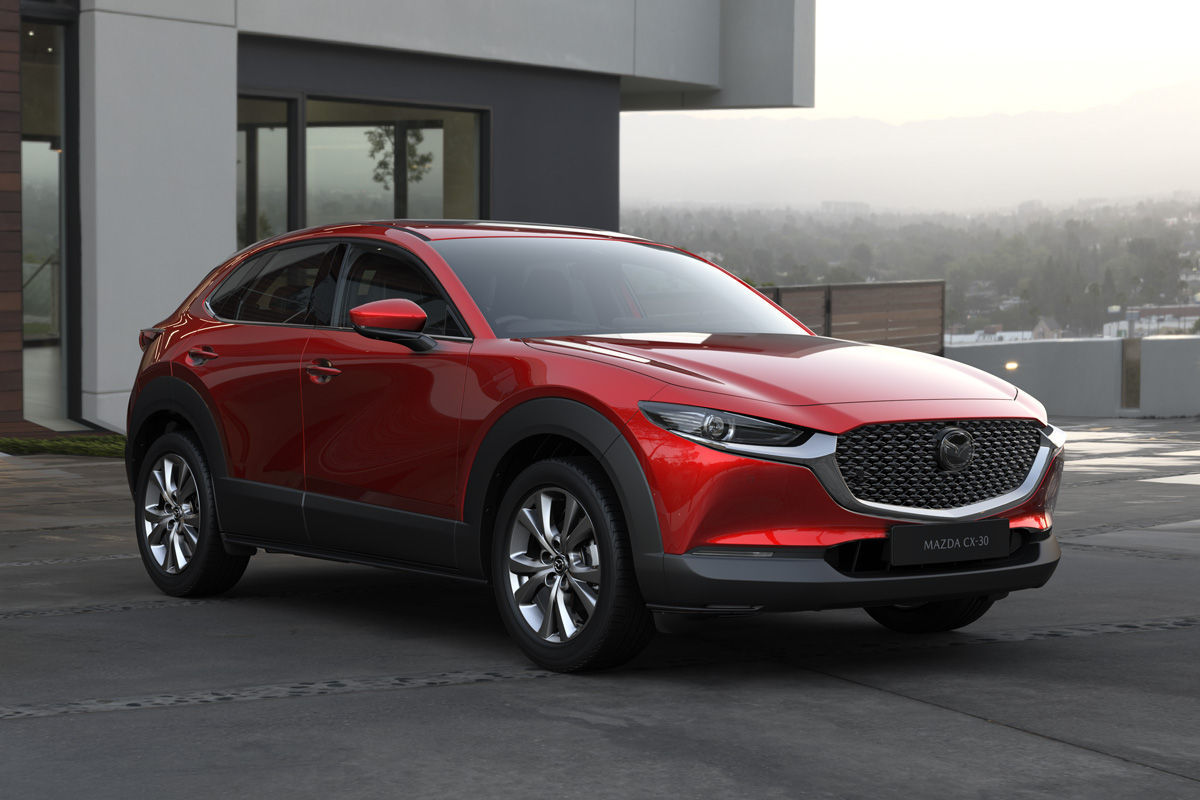
Plugging the gap between the hatchback-on-stilts CX-3 and the family-focused CX-5, the new Mazda CX-30 is the brand's 2nd model in its new line-up. It's a striking looking thing, especially in Mazda's signature red colour.
What's On Offer
Mazda South Africa is launching its new CX-30 with one model, separated by 3 trim derivatives. All share the same 2.0-litre naturally-aspirated 4-cylinder motor with Mazda's SKYACTIV-G technology. It produces 121 kW and 213 Nm, and all CX-30 derivatives feature 6-speed automatic gearboxes and are front-wheel driven.
The three trim levels are Active, Dynamic and Individual.
Mazda CX-30 Active
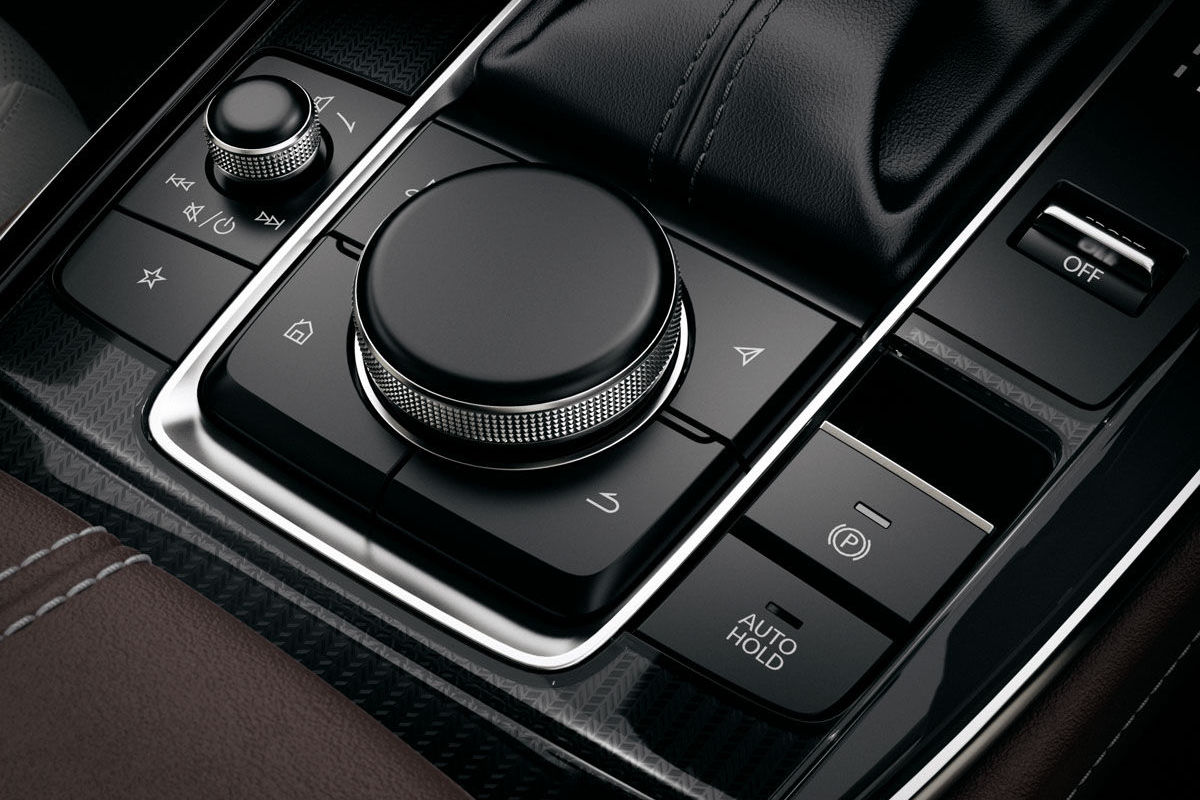
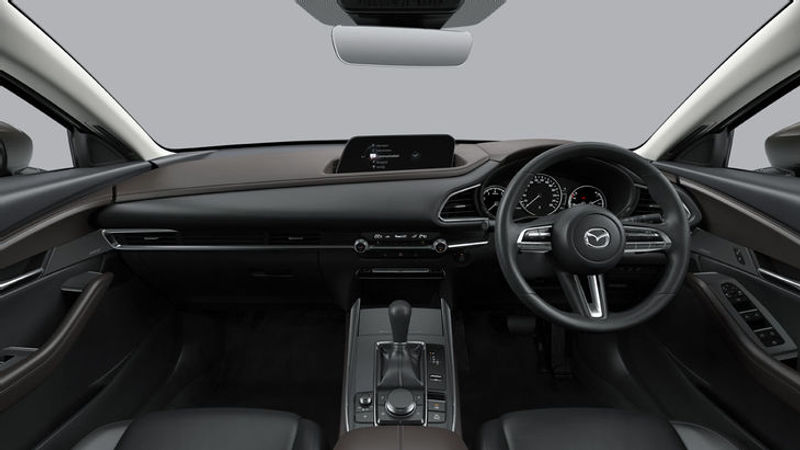
Smart keyless push-button engine start, MZD Connect with 8.8-inch widescreen, Airbags SRS: front (driver and passenger), side, knee (driver), and curtain airbags, USB port, Head-Up display, Cruise control and LED Headlamps, 16-inch grey metallic alloy wheels.
Mazda CX-30 Dynamic
Apple Carplay™ and Android Auto™, Auto paddle transmission switches, rear air vents, dual-zone climate control, smart advanced keyless entry, and rear parking sensors.
Mazda CX-30 Individual
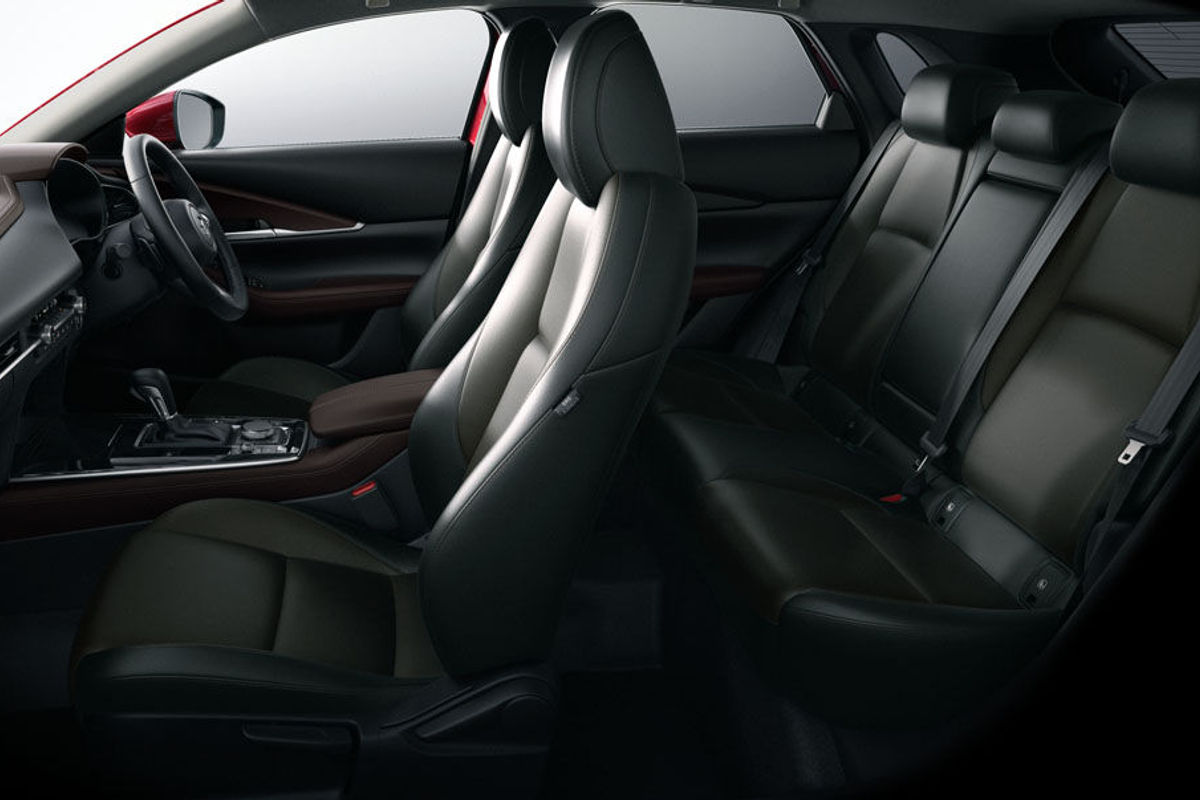
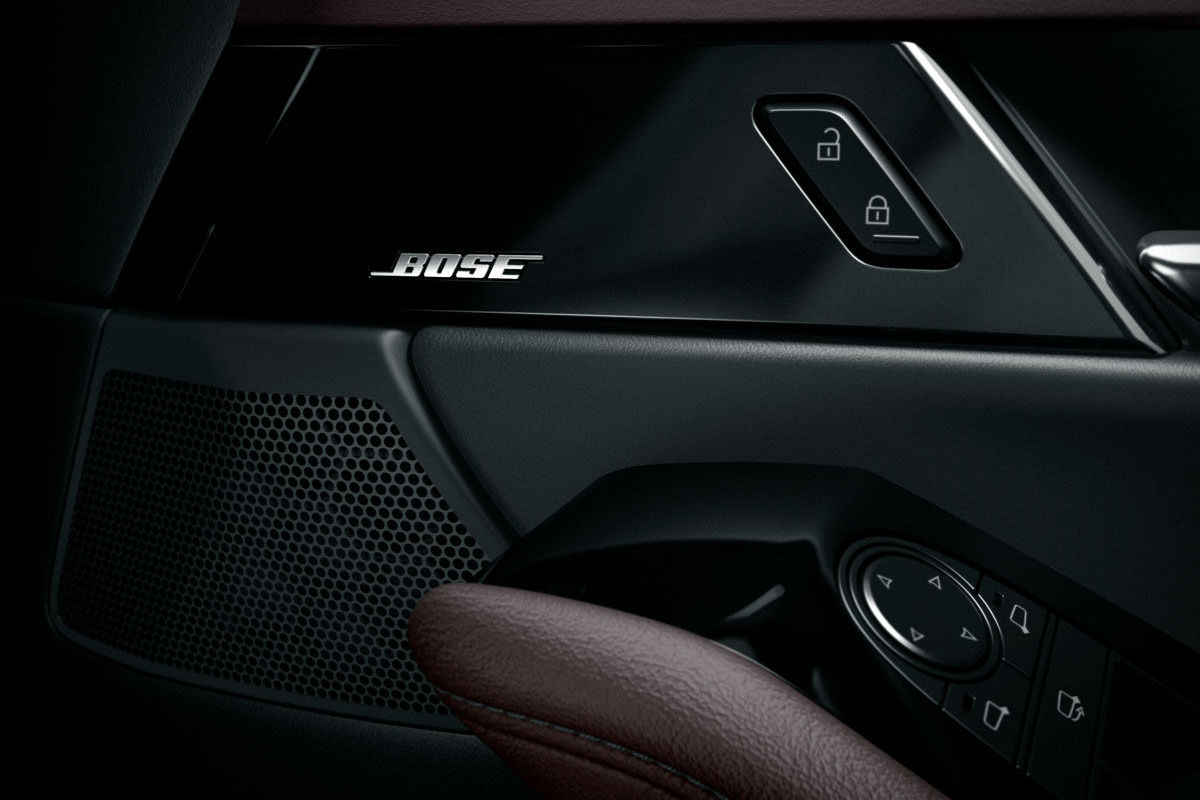
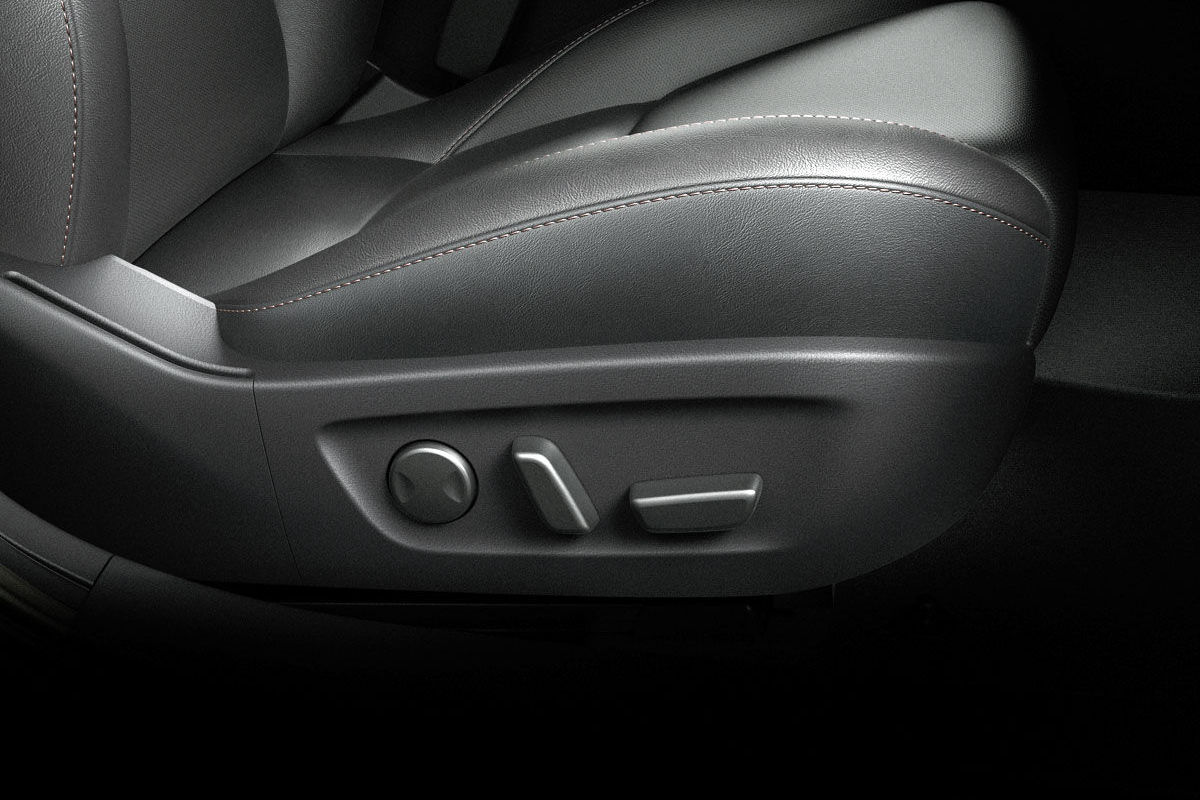
Reverse Camera, Frameless auto-dimming rear-view mirror, Leather seat trim, BOSE® sound system with 12 speakers, 18-inch Silver Metalic Alloy wheels.
Mazda CX-30 Price in South Africa (January 2021)
The new Mazda CX-30 comes standard with a 3-year unlimited kilometre service plan, a 3-year factory warranty, 3-year roadside assistance while a 5-year corrosion warranty is also included.
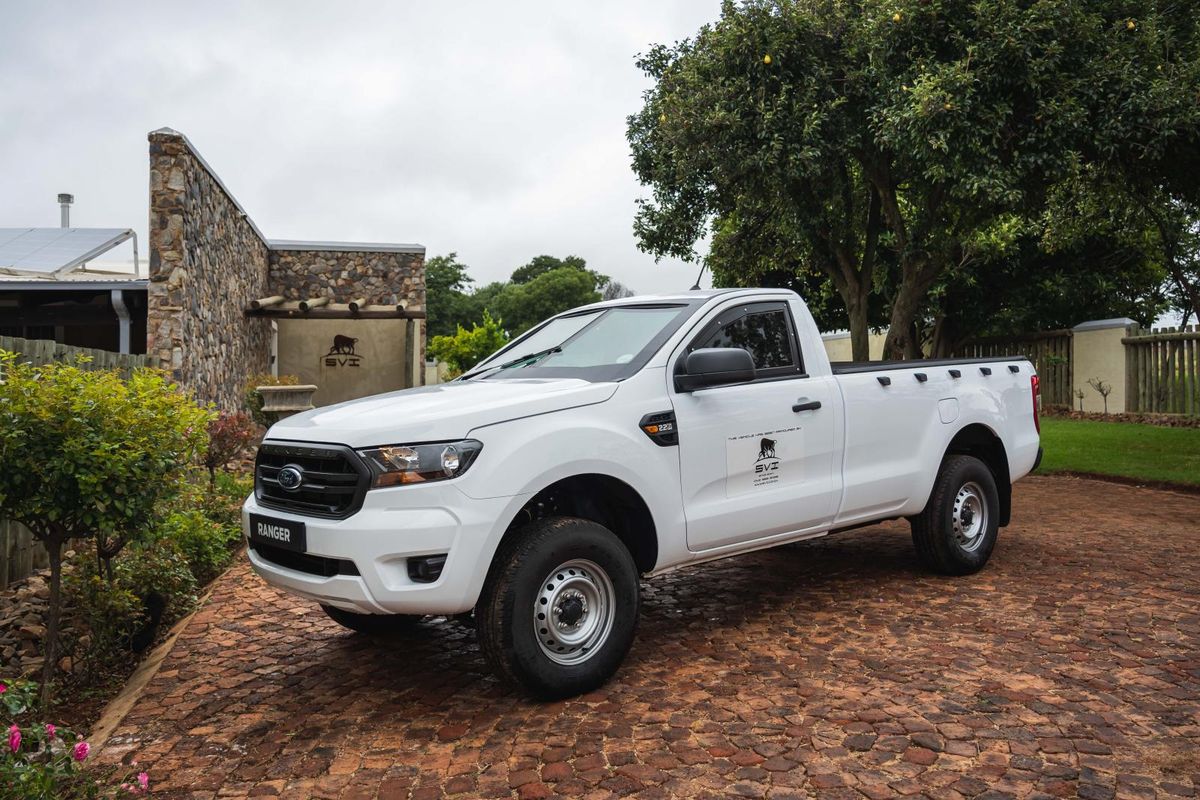
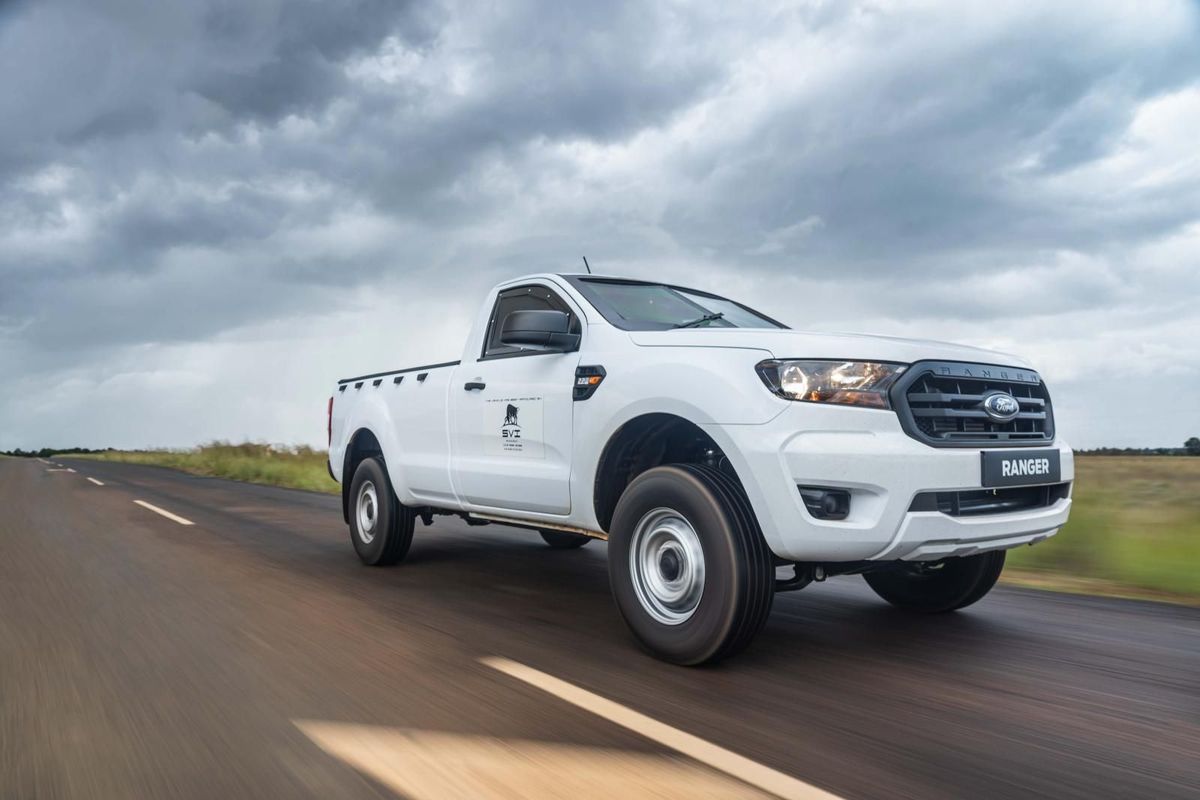
Vehicle-armouring specialists SVI Engineering and Ford South Africa have signed an agreement to build factory-approved bulletproof Ranger bakkies. We headed out to the SVI facility in Gauteng to put the vehicles through their paces and see what the armouring process entails.
While cynics may suggest law-abiding citizens who opt to have their SUVs and bakkies armoured are "a paranoid bunch", the truth is that, in South Africa, the risk of coming armed attack while at the 'wheel of your vehicle is real. As Ford CEO Neale Hill says: “While we all wish there was no need for armoured civilian vehicles anywhere in the world, being able to provide outstanding levels of safety for customers is deeply rooted in Ford’s DNA; armoured protection is no exception.” To demonstrate the demand for vehicles with a high level of personal safety, the Brazilian market purchased 20 000 armoured cars last year.
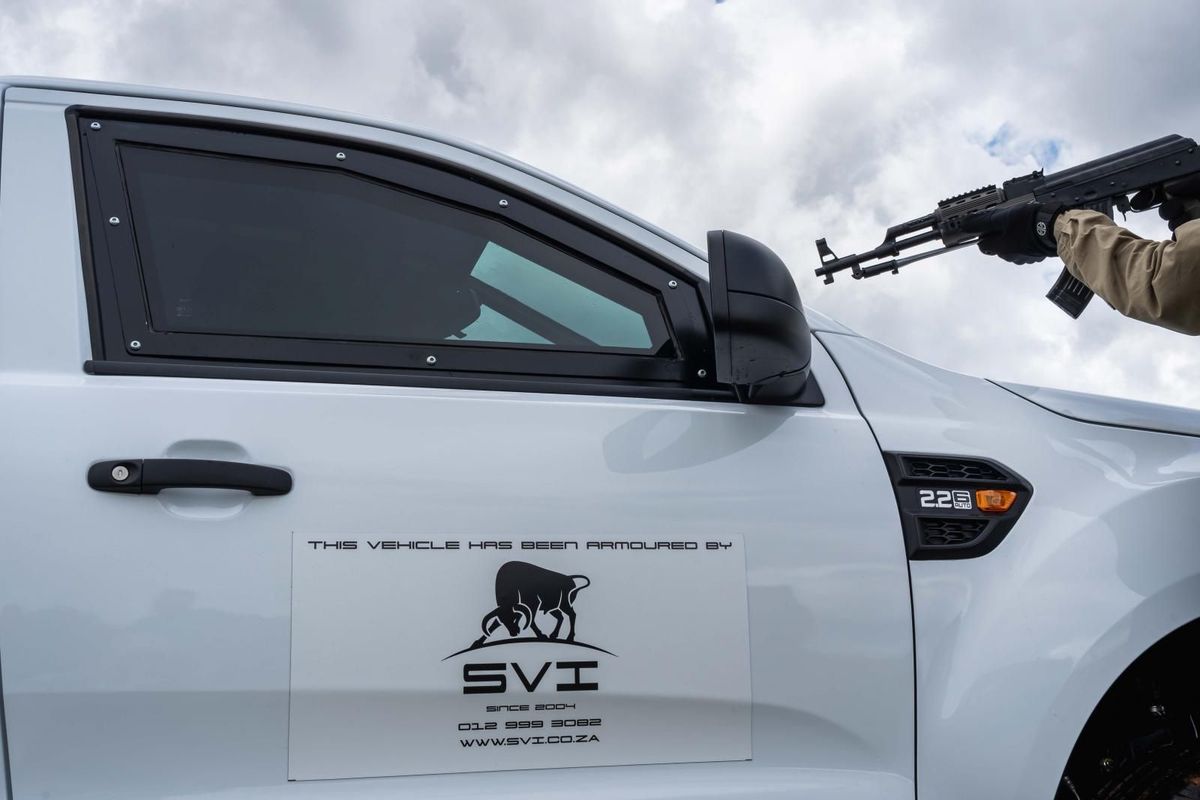
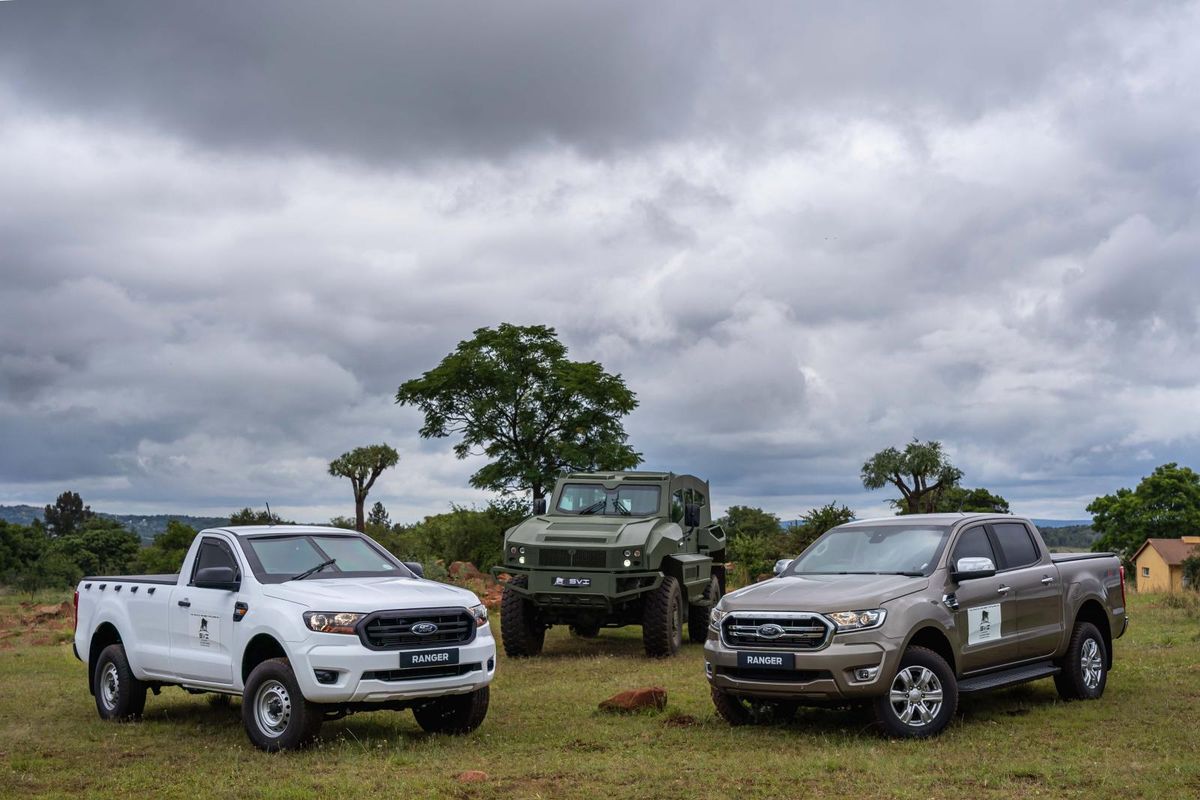
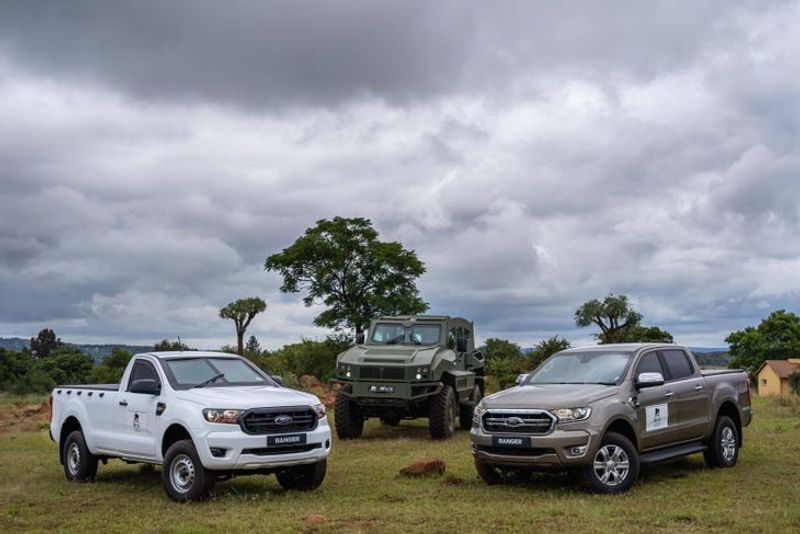
Ford Motor Company of Southern Africa has announced that it has partnered with SVI Engineering to offer approved armour protection for the Ranger. Founded in 2004, SVI Engineering specialises in making armoured products for military, security and civilian markets. We at Cars.co.za know SVI Engineering very well… the company recently set us loose in its SVI Max 9 – a purpose-built military vehicle.
The upshot is that an ordinary customer can now order either a B4- or B6 specification Ranger covered by Ford's full manufacturer warranty. In other words, you'll be able to tick bulletproofing as an extra-cost option when you order your bakkie. If you require an even higher level of armour, well, you’ll need to fill out special paperwork (or could just purchase the aforementioned military-grade SVI Max 9).
B4 and B6: What's the difference?
One of SVI's windscreens after absorbing a direct hit.
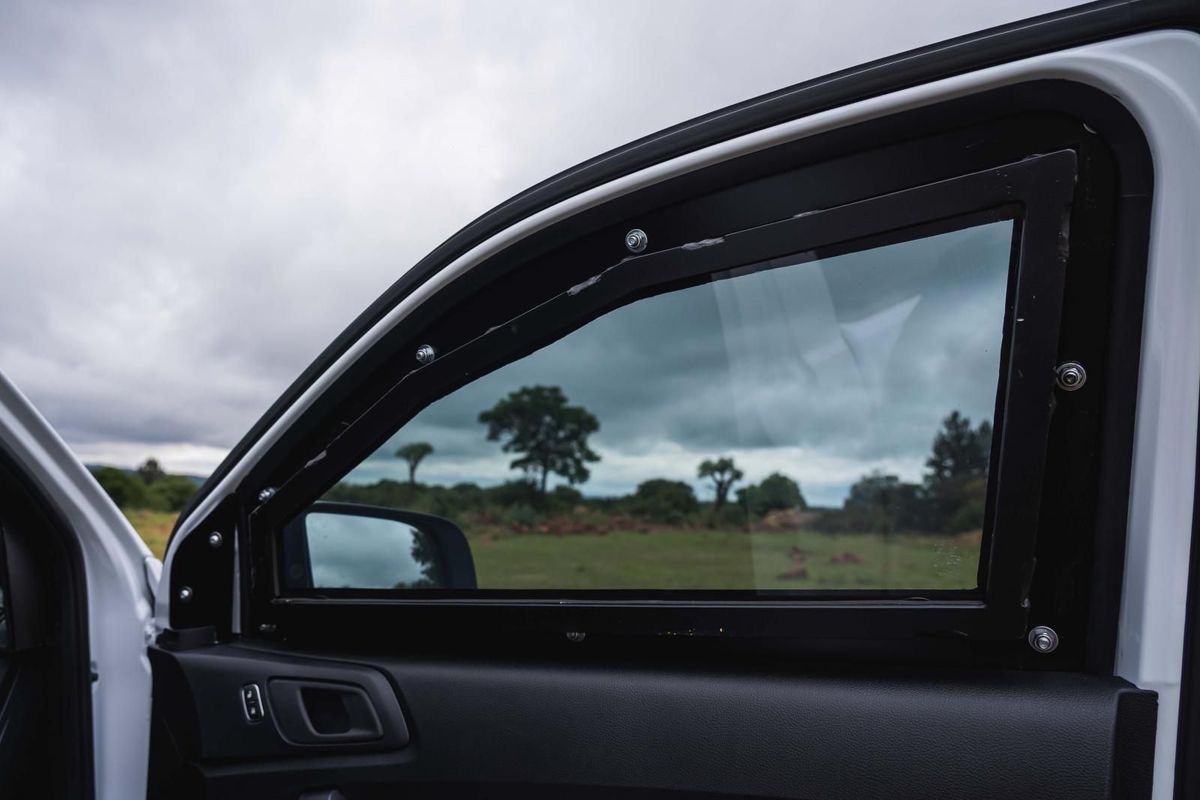
B4 Armoured is essentially resistant to impacts from handgun bullets. There are Kevlar (the same material found in bulletproof vests) sheets in the doors and 18- to 21 mm glass in the windows. This glass can withstand bullets fired from weapons of up to .44 Magnum in caliber, but SVI also points out it can withstand blows from that old favourite: the thrown brick.
B4 further incorporates engine firewall protection and shielding of the vehicle’s components. SVI says the additional glass and Kevlar adds 280 kg to the Ranger’s mass and assembly takes around 8 weeks.
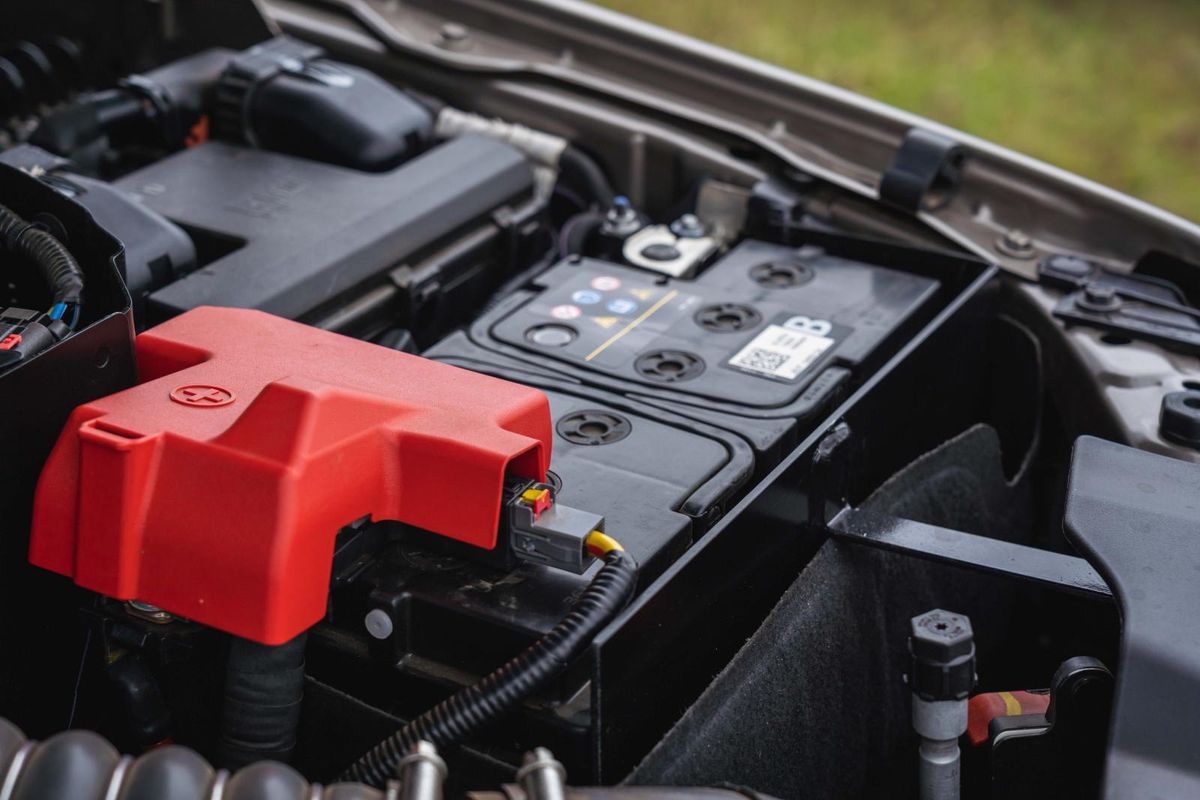
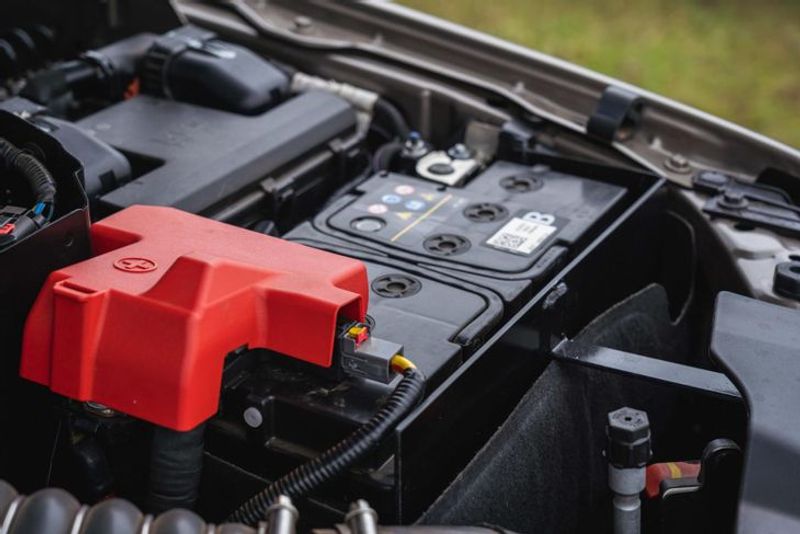
B6-specification takes things up a whole notch… This level of armouring is the highest that a civilian may have on their vehicle in South Africa and it’s claimed to be capable of withstanding assault-rifle gunfire. SVI says this product offers protection from AK-47 and R1 rifles. The armouring is comprehensive with 38 mm of glass and reinforced steel plates in the doors, engine firewall and around critical engine components (such as the battery). This level of protection adds 650 kg, which is substantial, and the bakkie will receive a suspension upgrade to deal with the added heft.
The interesting thing about the B6 armouring is you can clearly see that the vehicle has protective plating, which is why SVI Engineering offers a discreet look, which hides the vital components of the upgrade. This takes 12 weeks to build; the standard armouring process, by contrast, takes just 2 weeks. Private customers will most likely opt for the discreet look, for obvious reasons.
The Ranger's engine bay is protected with strategically-placed armour
Speaking of assembly, we had a chance to walk through SVI Engineering’s facility where a number of private and security-company vehicles were being prepared. The process is extremely thorough, with a vehicle being stripped right down to its frame before the armour-plating is installed. SVI then reassembles the entire vehicle; in our opinion, it would take an eagle eye to spot faults in the reassembly.
While we were in the workshop, we spotted a Volvo XC90 T8 premium SUV that had received a custom-armouring package. Thanks to some strategic leather upholstering in the cabin, you’d never guess it had been bulletproofed… at least not at first glance. SVI Engineering also offers roof- and floor armouring, as well as a run-flat tyre system, but more about that later.
What about businesses?
Just some of the vehicles SVI Engineering has worked on.
The commercial applications of SVI's armouring solutions are myriad. There’s been considerable take up from the mining and agriculture industries, the company says. You can imagine how much of a target a mine would be; the minerals coming out the ground is quite valuable, but so is the mining equipment. The perimeter of the mine would need to be patrolled too, so an armoured bakkie is near-perfect for that.
Another aspect to consider is the movement of expensive goods. Transportation companies have been using these armoured vehicles to escort trucks carrying high-value goods. It would not surprise us if SVI has been contacted to supply armoured vehicles to help protect Covid-19 vaccine supplies. SVI's expertise has even been applied to a rail network: the company has armoured trains that run in Mozambique.
What’s it like to drive?
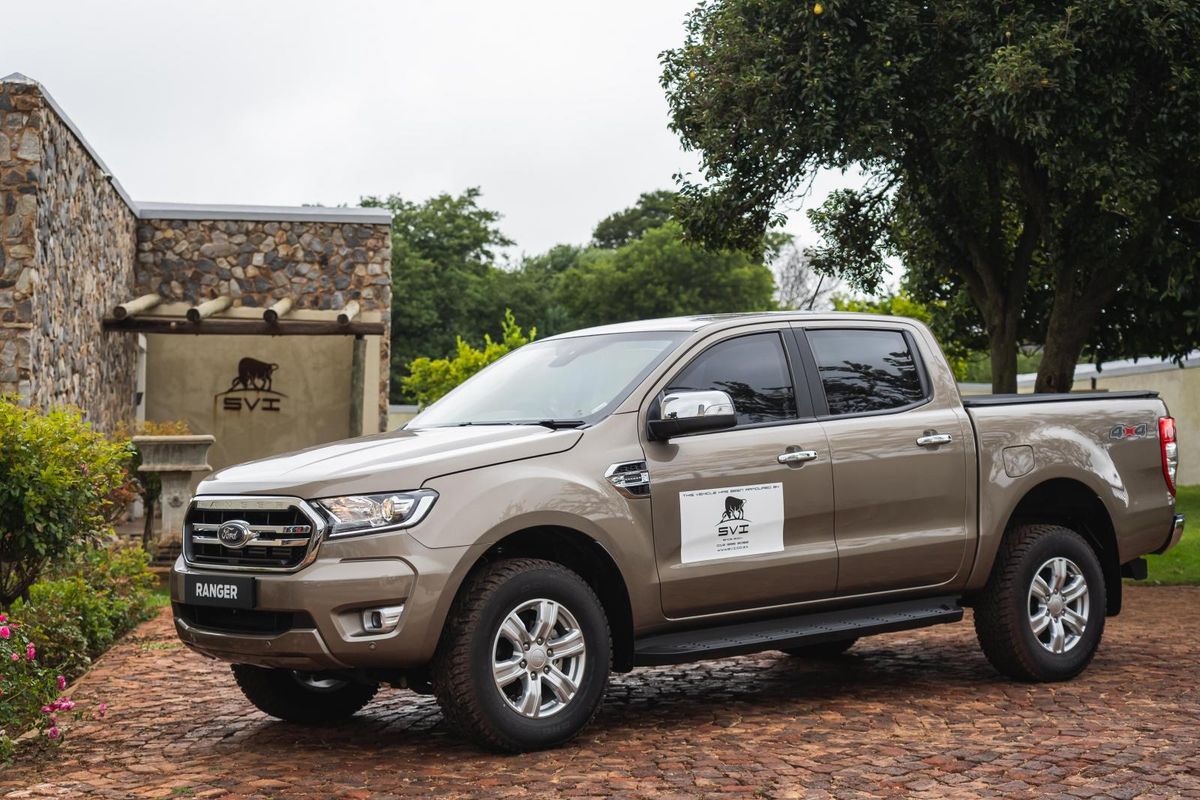
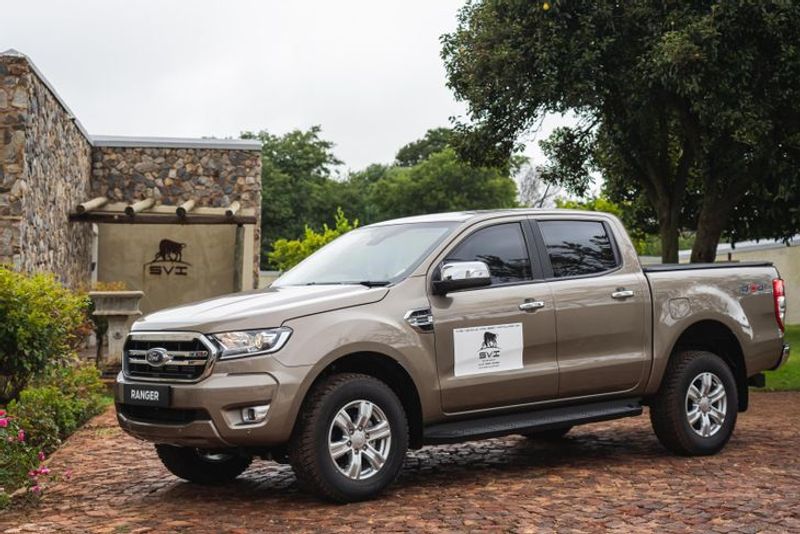
The fact that it looks like a standard double-cab Ranger will win many fans.
We had a chance to drive a Ranger double-cab XLT armoured to B4-spec, as well as a single cab with full B6-level protection. The XLT looked completely stock, while the single cab was clearly armoured.
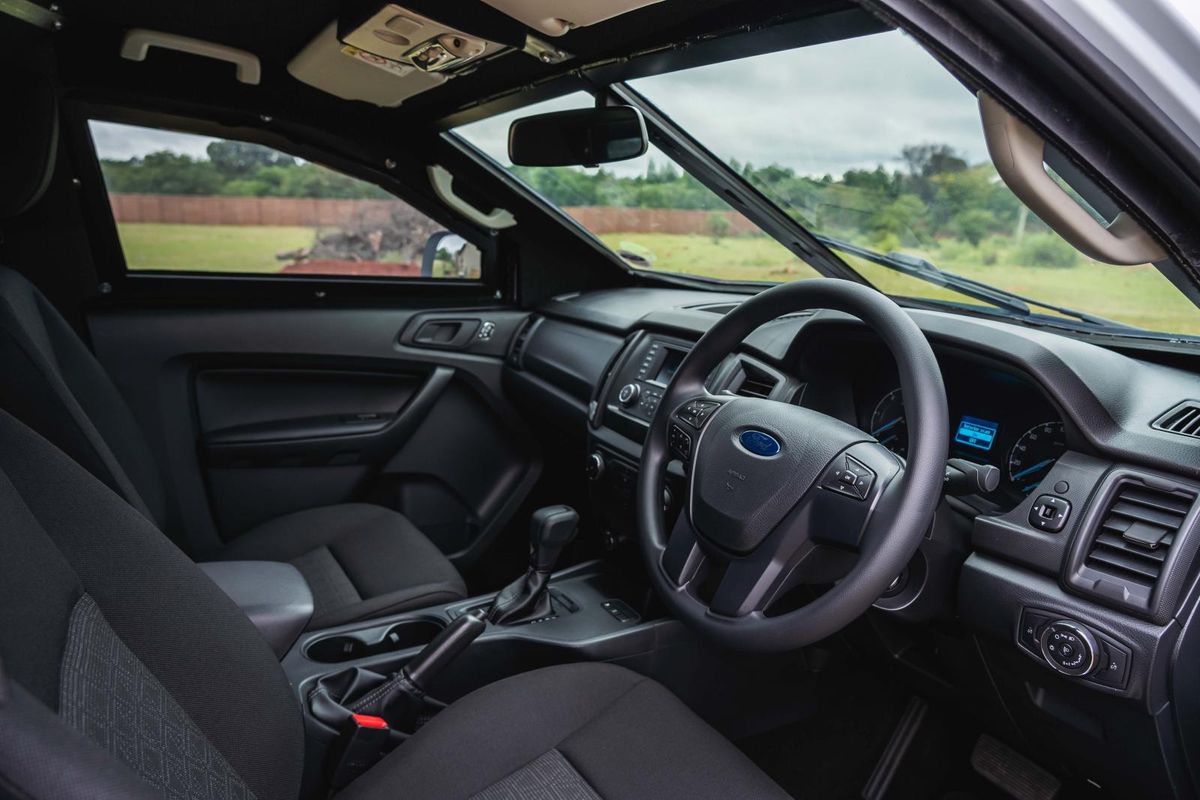
Initial fears that the weight of the B6 armour plating would critically hinder both off-the-line and in-gear performance proved unfounded as the 2.2-litre turbodiesel motor proved more than up to the task of propelling the bulkier single-cab bakkie with reasonable eagerness. This single-cab bakkie is a workhorse, so you can’t expect XLT levels of refinement, and yet, with all that additional glass and reinforcement aboard, the Ranger's on-road refinement was very good. The armouring insulates the cabin from road and wind noise – the interior is an eerily quiet place…
From behind the 'wheel, the knowledge that armour plating has been applied to the vehicle you're driving instils a strange feeling of invulnerability. However, as SVI explained, its products won’t be able to sustain continuous gunfire over a period of time… In such an (absolutely bone-chilling) scenario, a round or two would eventually penetrate the vehicle's passenger cell, which is why the company also offers run-flat tyres. The idea is that if you do come under attack by gunfire, your vehicle would be able to withstand a few hits while you attempt to drive away from the situation.
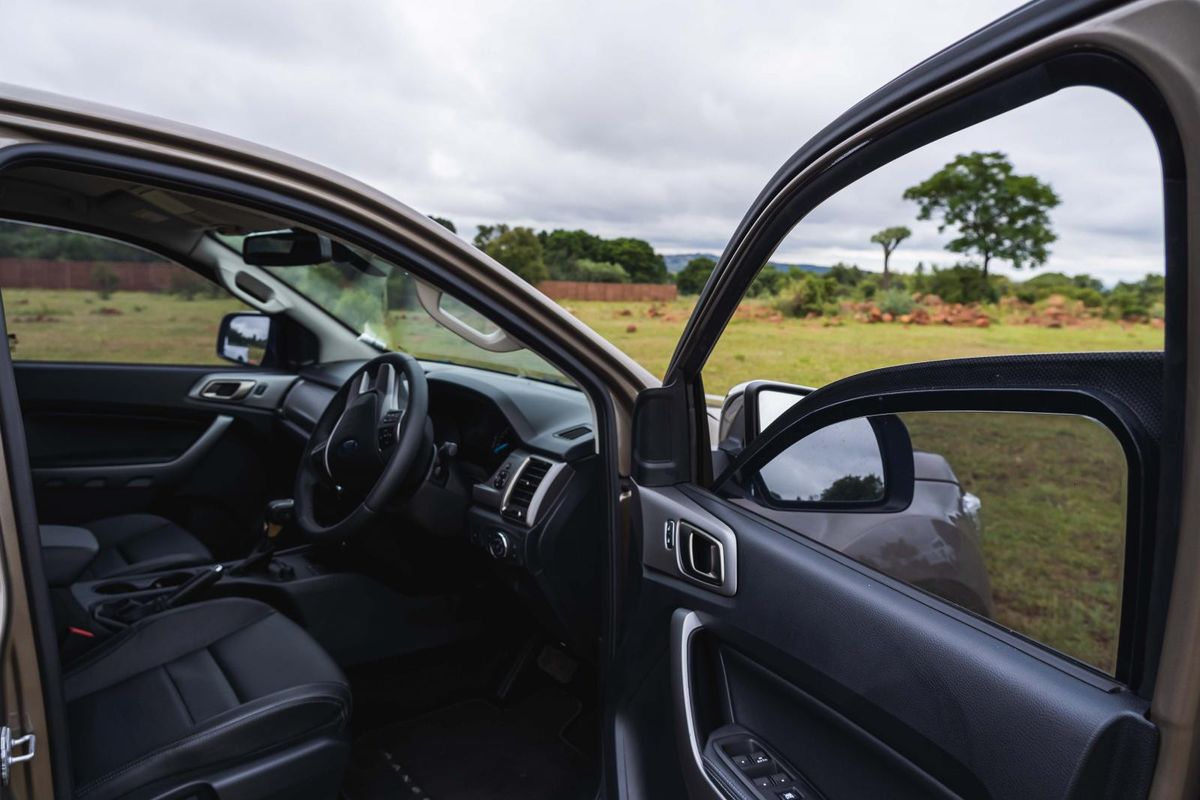
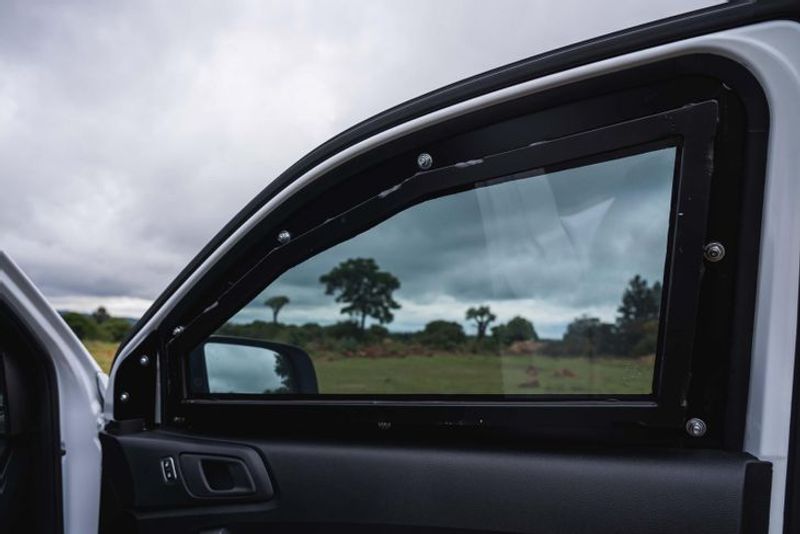
You can spot a B6-armoured vehicle by virtue of its split windscreen and much thicker windows. Inside, there’s a slight reduction in visibility because the armouring increases the width of the A-pillars.
We reckon B4 is the way to go if you’re concerned about protecting yourself and your family. Not only is the additional weight barely noticeable in terms of engine responsiveness (with ostensibly a small penalty in terms of higher fuel consumption), but it happens to improve the bakkie's ride quality too! Most (if not all) bakkies suffer from a jiggly ride when unladen, but this extra weight helps iron out the rougher edges. B4 armouring doesn’t affect the look of the vehicle either; your view out of the front of the cabin isn’t as obstructed as in the B6. The uninitiated would climb into the vehicle unaware of its, um, bolstering.
Ford Ranger Armoured: Price in South Africa
The Ford Ranger Armoured is available to order from any of Ford’s 134 dealers across South Africa. Rangers come standard with Ford Protect, comprising a 4-year/120 000 km comprehensive warranty, 3 years' unlimited-distance roadside assistance and a 5-year/unlimited km corrosion warranty. A 6-year/90 000km service plan is included and the service interval is 15 000 km or annually, whichever occurs first.
In addition, customers receive a 1 year/50 000km warranty on the armouring components from SVI Engineering. Please note the below prices exclude VAT and the purchase price of the vehicles.
Think of it as a junior RAV4, but without all-wheel drive.
Toyota has created a potential nightmare for rival product planners, with its latest Corolla model range extension.
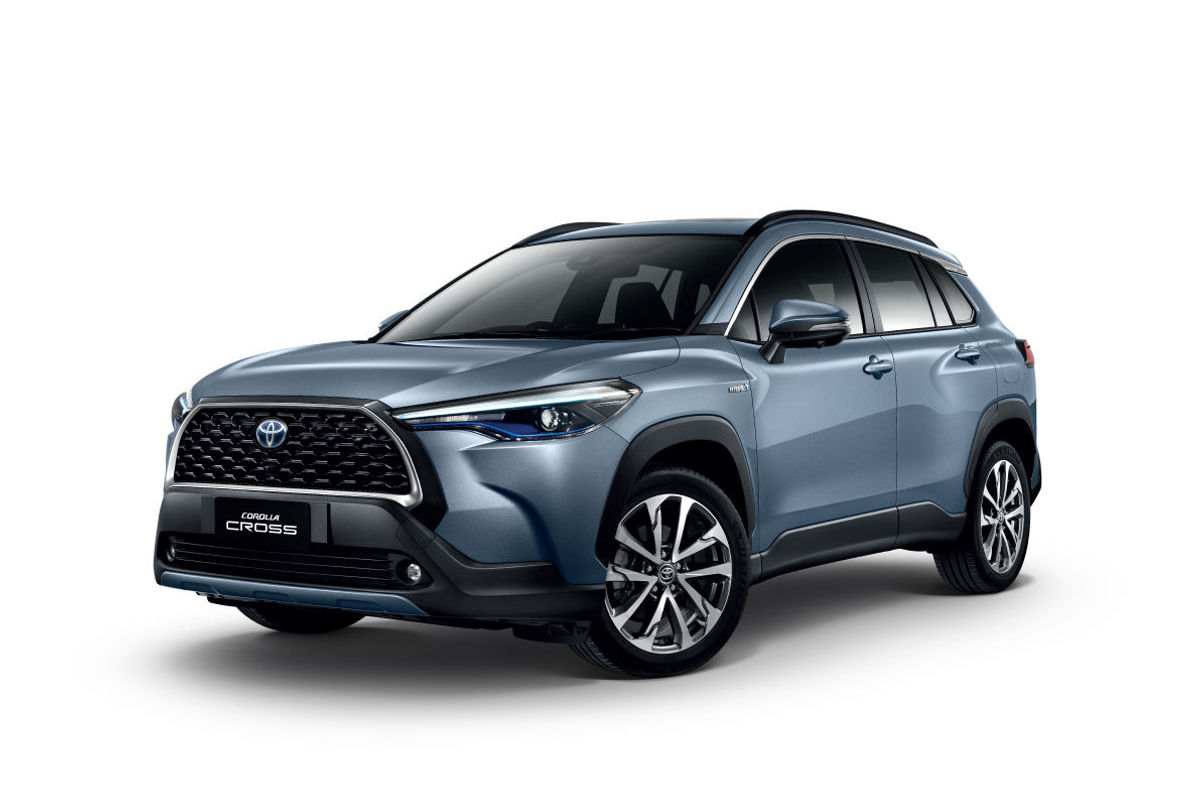
Recognising the surge in demand for crossovers, the Japanese company has shaped a new bodyshell for the TGNA-C platform Corolla. This transforms the conventional Corolla sedan into a five-door crossover.
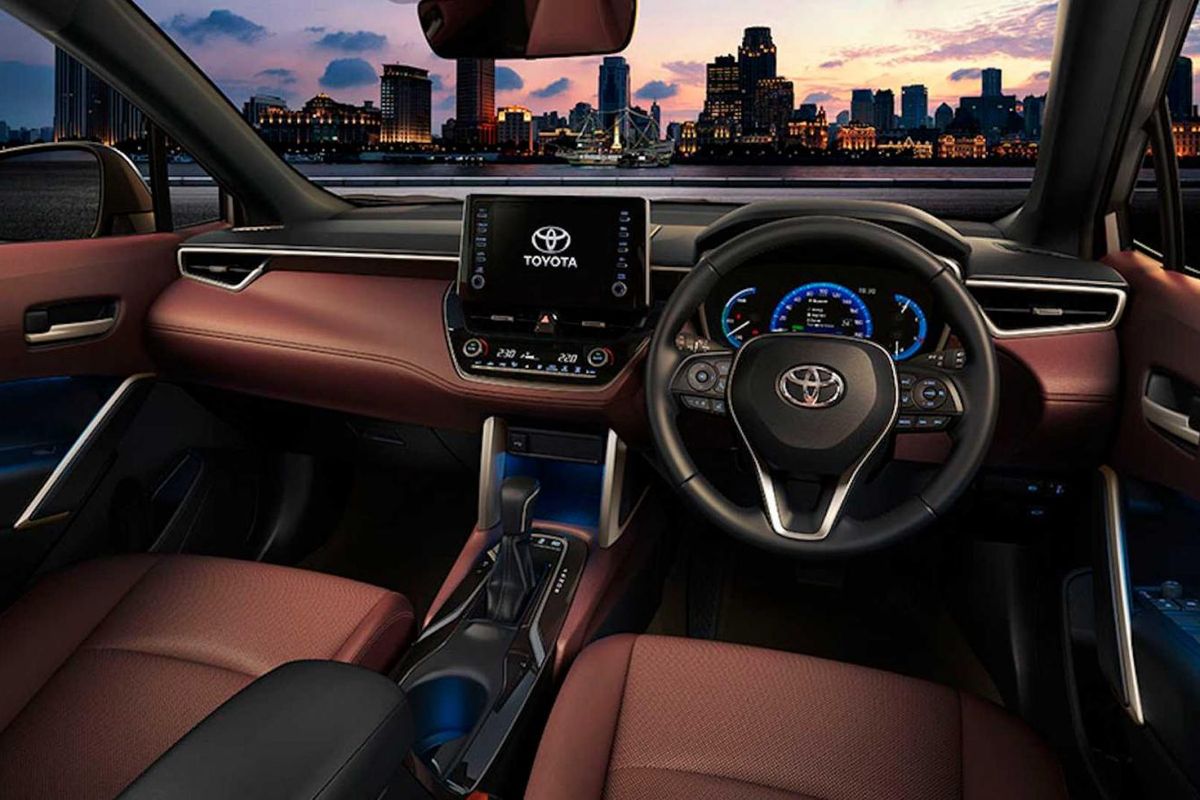
The styling details, from grille to tailgate, are notably different to a Corolla sedan and as befits a crossover-type vehicle, there is black cladding around the bumpers, side skirts and wheel arches. Cabin trim, design and switchgear, is similar to what you'd find in a current Corolla.
If you wish to reference dimensions, this new Corolla Cross is 35 mm shorter but 185 mm taller than a current Corolla, although its mechanical configuration is slightly less advanced. An example of this is that Corolla Cross has independent MacPherson strut front suspension but features a torsion beam rear. The new Corolla Cross is positioned slightly larger than the C-HR but smaller than the RAV4. Expect it to take on rivals such as the VW T-Cross, Hyundai Venue and the Kia Seltos.
Powering this new Corolla development is a familiar 1.8-litre petrol engine, producing 103 kW and 177 Nm. Toyota will also be offering a hybridized version, which adds an electric motor to the powertrain, producing 54 kW and 163 Nm, in conjunction with a mild tune of the 1.8-litre petrol engine, set at 73 kW and 142 Nm.
Drive is to the front wheels, via an e-CVT transmission. Toyota is offering both 17- and 18-inch wheels with its Corolla Cross, rolling 215/60 or 225/50 profile tyres.
Initially scheduled to launch in Thailand, the new Corolla Cross will likely hit the South African market later in 2021. The Corolla Cross is set be built in KZN at the Toyota plant in Prospecton. The vehicle uses the same platform as the new Corolla but will be built alongside the Corolla Quest in the factory. Toyota SA will also be building the Corolla Cross hybrid model, the first hybrid model to be built in SA. It will likely be the most affordable hybrid model as it won't be subject to the premium tax that imported hybrids all have to endure.
Toyota plans to export the Corolla Cross to over 43 countries in Africa. The new vehicle build comes on the back of a R2.43 billion investment at the plant generating around 500 new jobs directly and a further 1 000 jobs in the automotive supply chain.
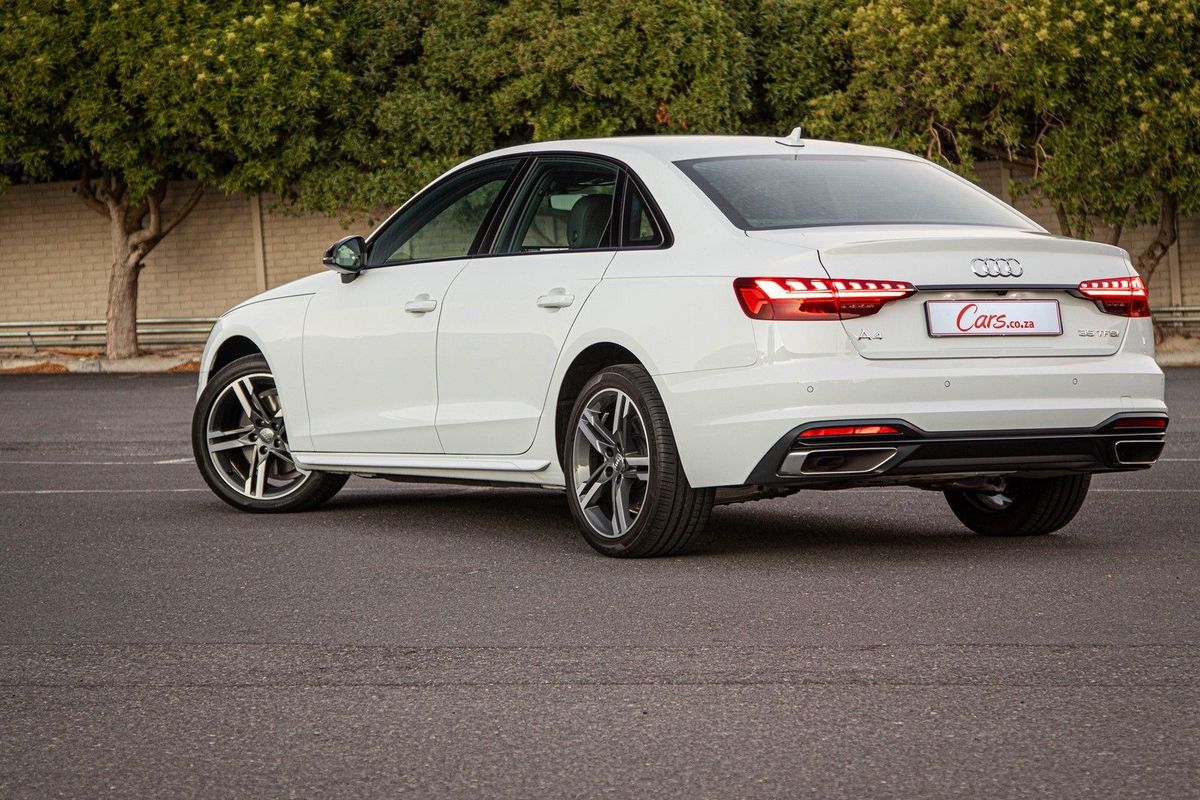
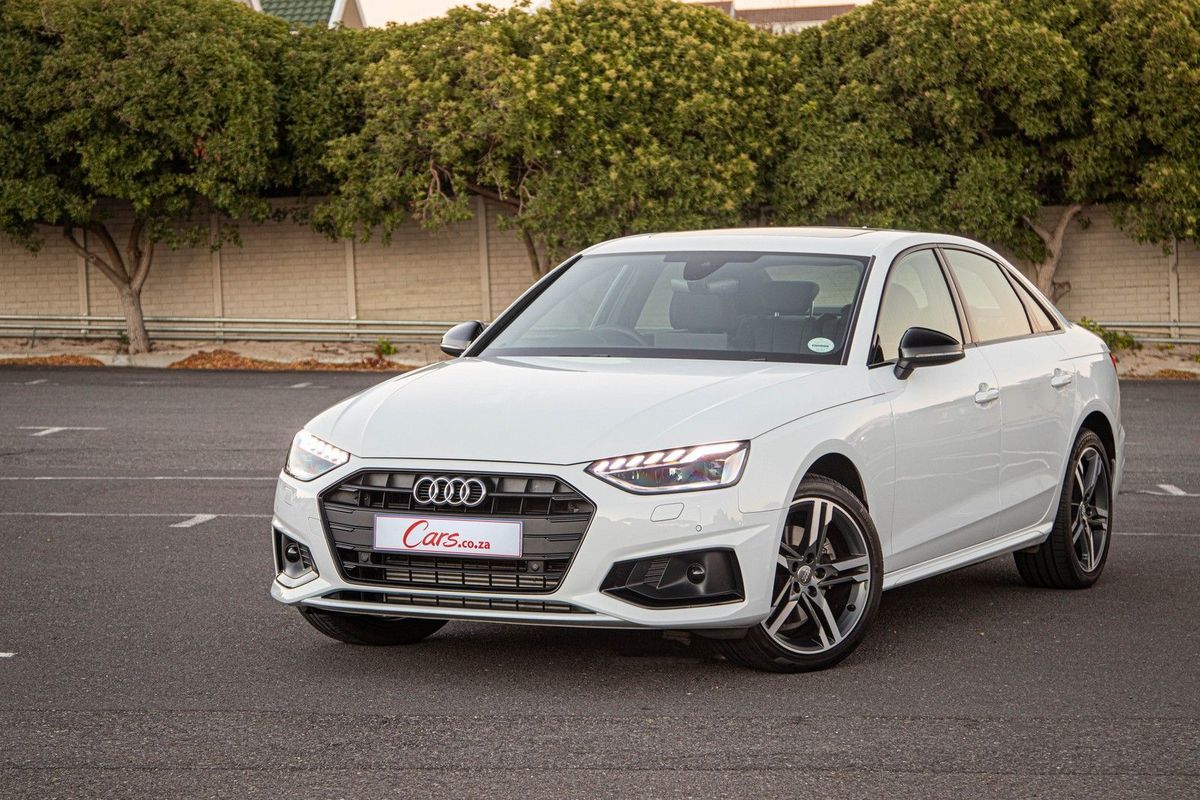
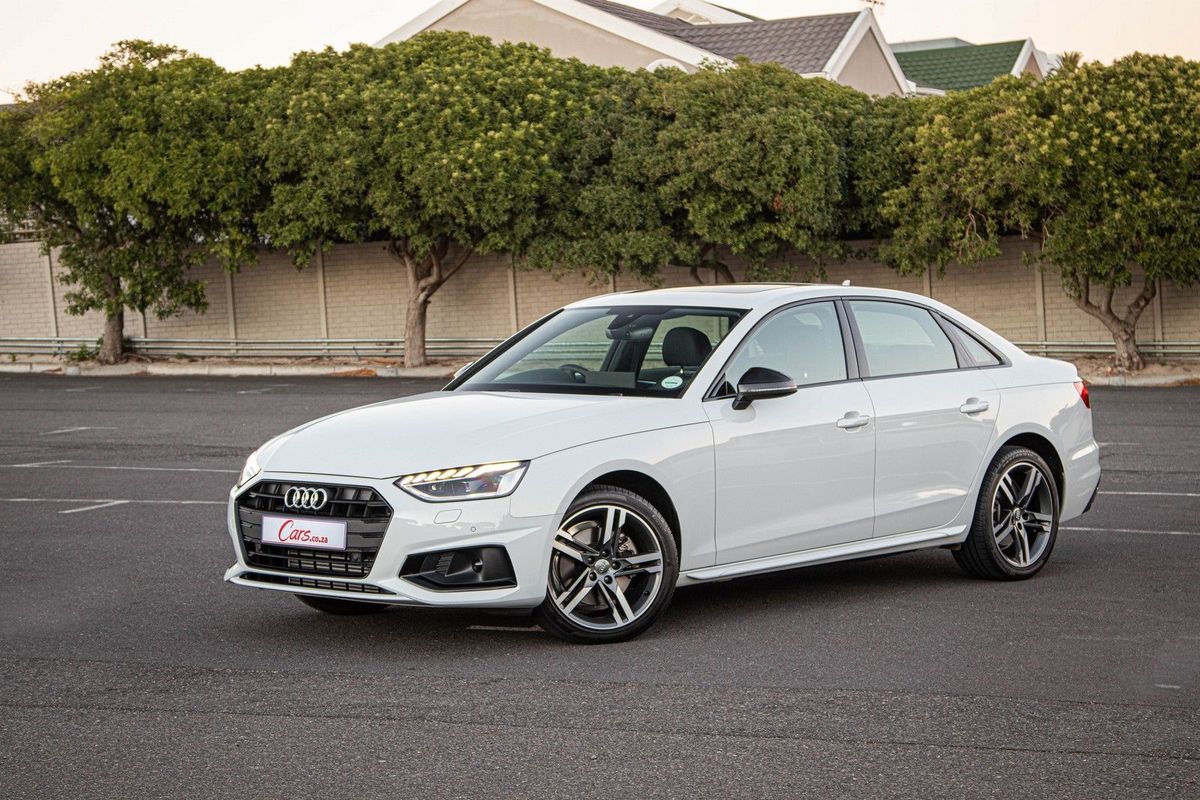
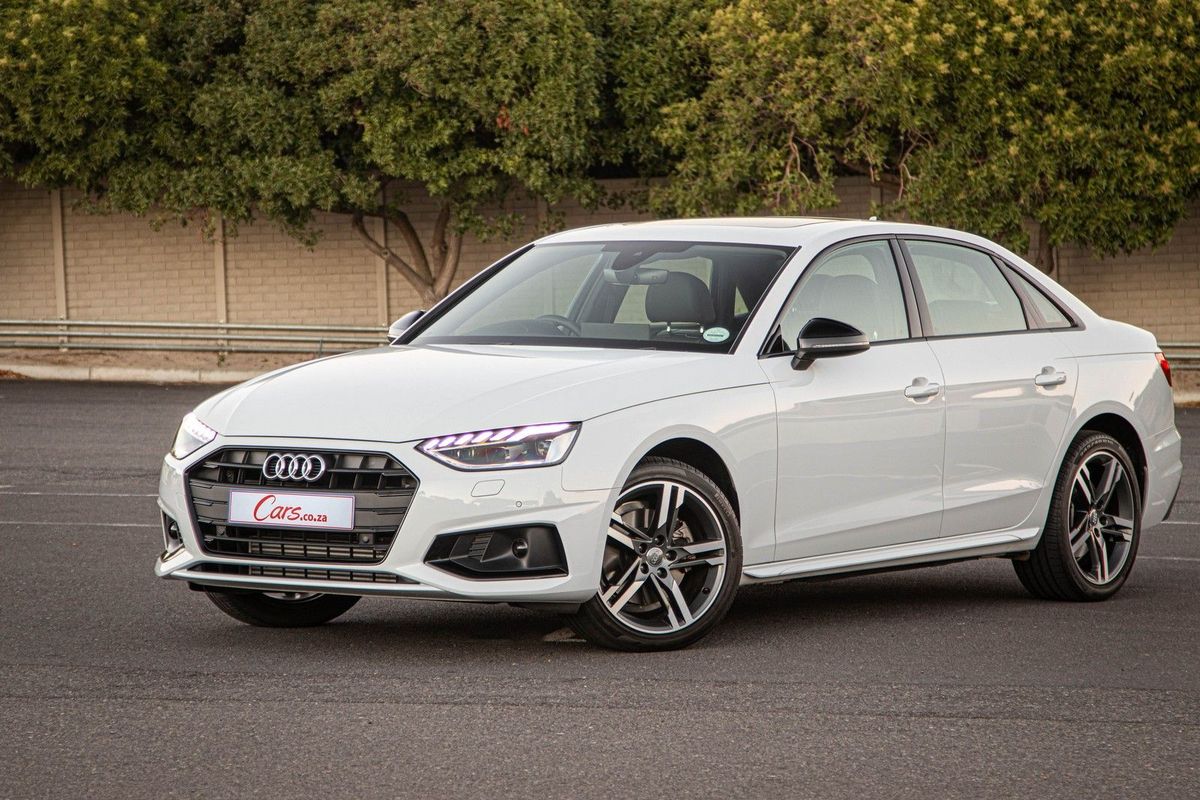
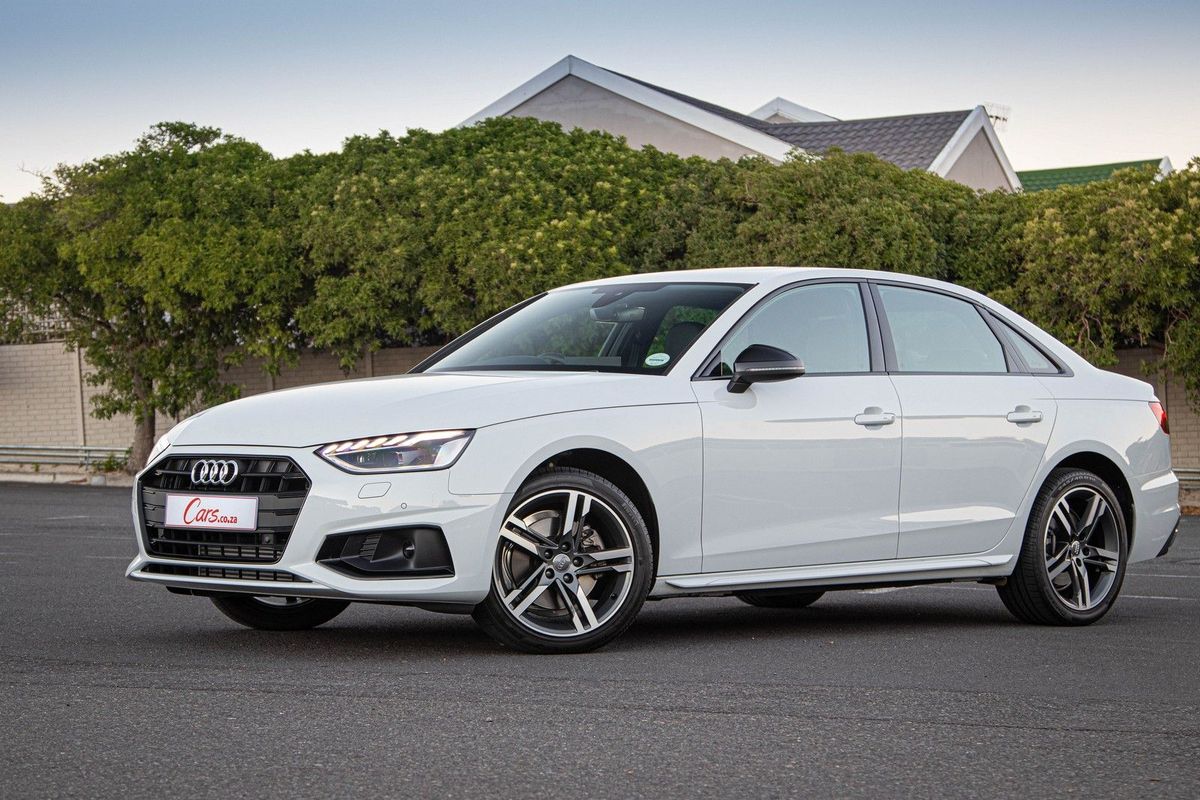
SUVs are all the rage, but Audi reckons the A4 still has its place. The updated sports-executive sedan arrived in SA towards the end of 2020 and we've evaluated the newcomer thoroughly. Can the facelifted A4 match BMW's 3 Series and Mercedes-Benz's C-Class? Should you buy one over a comparable crossover/SUV?
We like: High levels of fit and finish, excellent connectivity, refined ride/handling balance
We don’t like: Lacks personality and driver involvement, expensive
Those who bought an A4 shortly before the facelifted version's release won't feel that their cars have been dated.
The B9-generation Audi A4 has been updated, but the changes incorporated in the facelift aren't dramatic. From the front, you can tell the newcomer apart from its predecessor by its new-look single-frame grille, which is flanked by slightly redesigned daytime running lights. At the rear, the A4's tail lamps have a fresh LED signature, but the biggest updates can be found in the cabin, even if they seem simple.
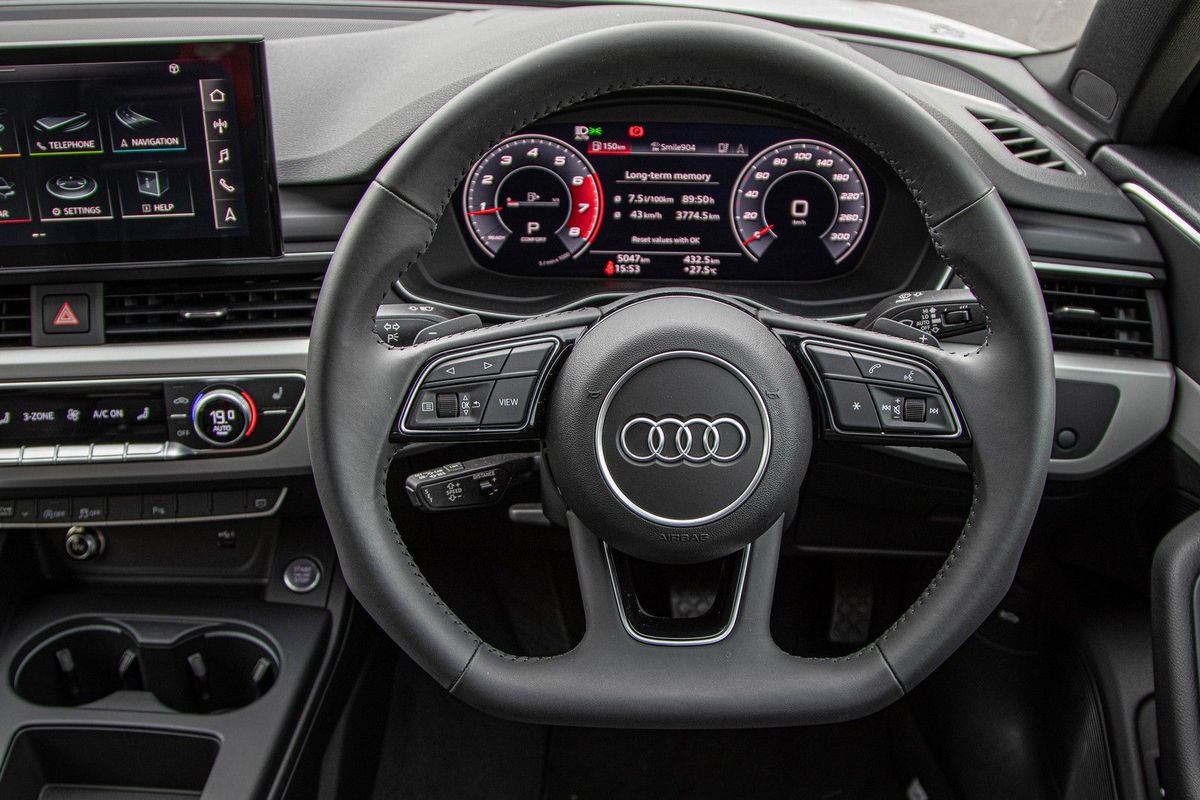
This generation of the A4 sees the introduction of Audi Connect to the SA market (the sedan comes with a data SIM card and over-the-air support). A new touch-responsive MMI screen and the latest iteration of the 12.3-inch Virtual Cockpit are also fitted. The engine lineup gains mild-hybrid tech, which, of course, Audi says improves fuel economy. Speaking of engines, the A4 line-up includes 3 petrol engines, with a turbodiesel option coming later in 2021. The subject of this review is the 35 TFSI Advanced line, but there is a 40 TFSI derivative too. If you want muscular performance, Audi South Africa also offers an S4.
With these subtle changes, does the Audi A4 stand out enough and, if you're in the market for a sports-executive sedan, is it worthy of your consideration?
How it fares in terms of…
Performance
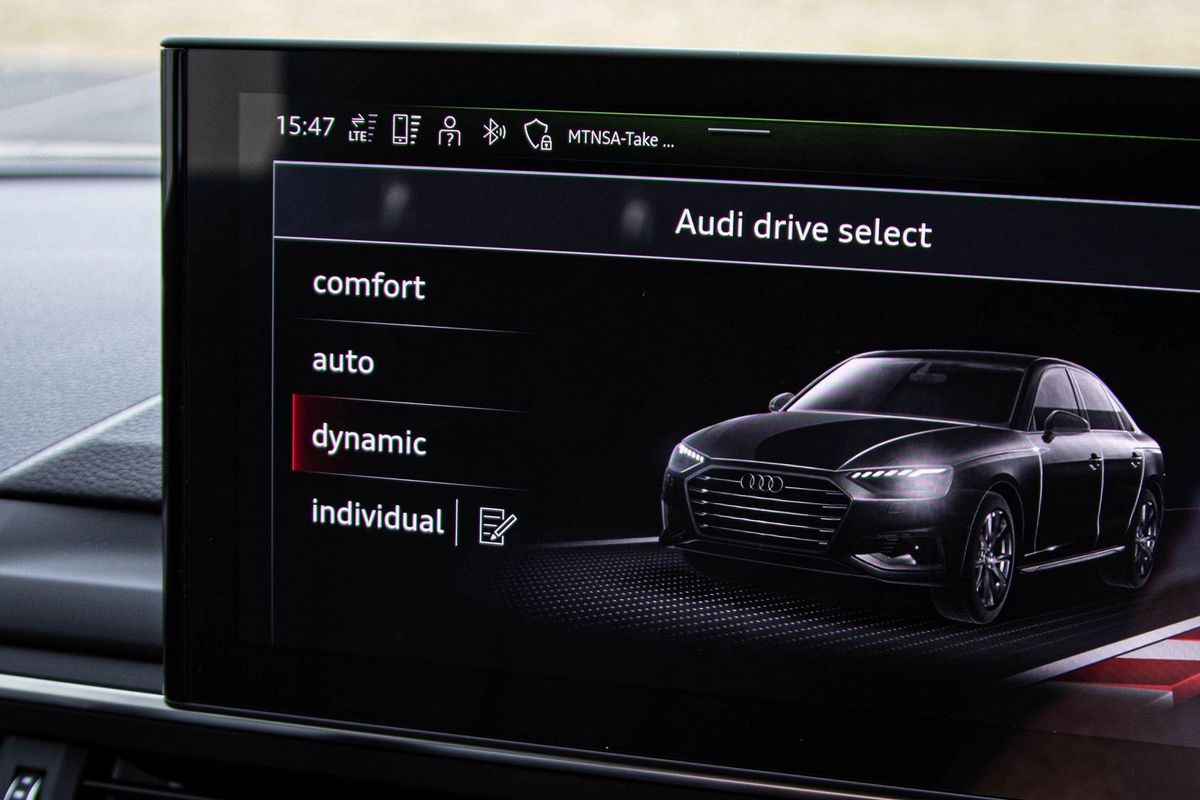
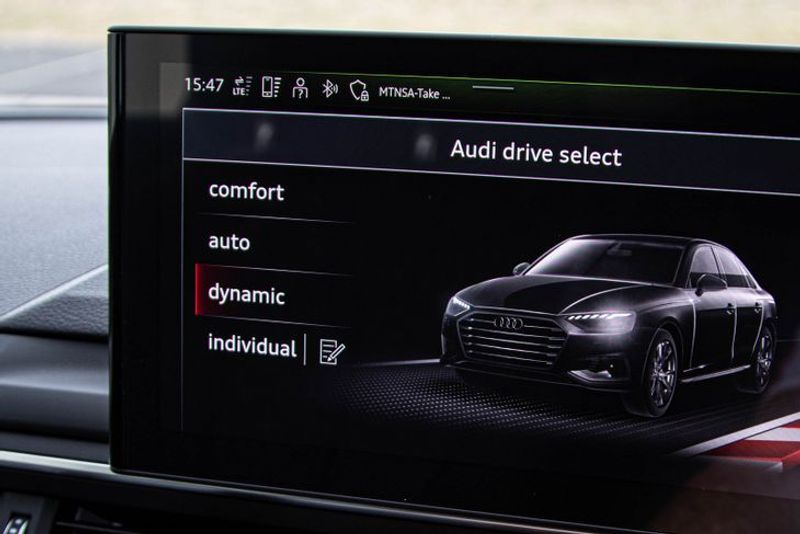
The drive modes make the A4 a bit more interesting to drive, but we sense this Audi's more geared towards comfort and refinement.
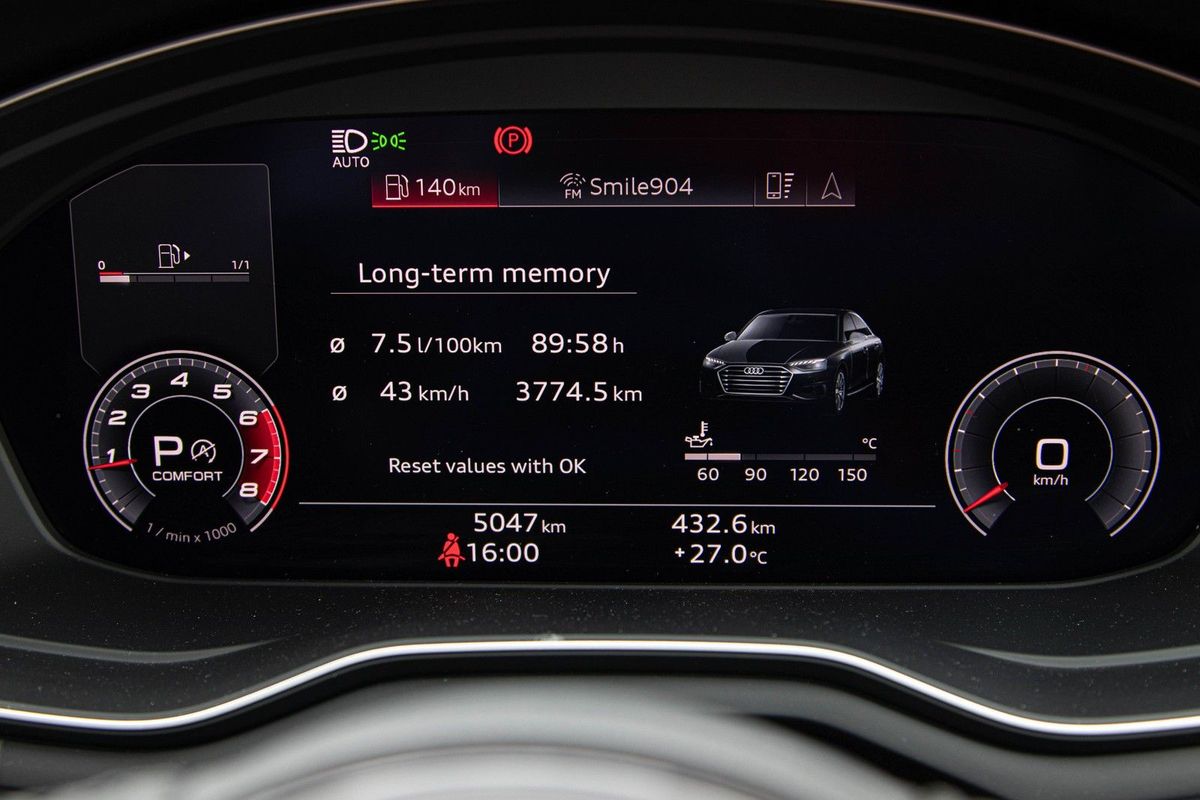
The 35 TFSI's 2.0-litre 4-cylinder turbopetrol engine is a proven quantity – it's been utilised in many VW Group models. However, in this guise, it incorporates 12V mild-hybrid technology, which makes the engine's revs drop as you coast towards intersections, for example. Does it really optimise the Audi's fuel economy? Well, let's get straight to it… Audi claims an average of 6.1 L/100 km, which we thought was too optimistic for a midsized petrol-engined sedan, but our expectations of "mid 8s" were happily smashed when the test unit indicated 7.5 L/100 km (and we hadn't even adopted a frugal driving style).
The clever software would politely ask us to lift off the accelerator (by displaying a little green icon on the instrument cluster) when the navigation system detected a traffic circle ahead. The system encourages the user to employ a coasting technique, as opposed to overusing the brake pedal. Now you're probably wondering how the car performs when you're in a hurry (and not hell-bent on saving the polar bears)…
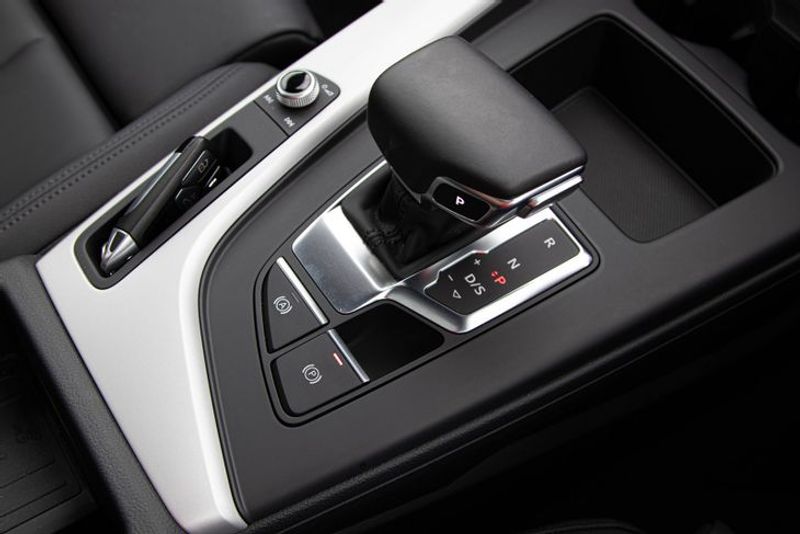
The A4's 7-speed dual-clutch automatic transmission is a gem.
Look, the 2.0-litre turbopetrol motor blends economy and willing performance in a refined package. Outputs of 110 kW and 270 Nm are good, but if you suspect that's not enough, you can opt for the 140 kW/320 Nm 40 TFSI! Dual-clutch automatic transmissions are standard throughout the range, which is a plus; they shift quickly and without fuss. In fact, there'll be times when the shifts are barely discernable. Granted, the powertrain can baulk a bit in traffic when the 1st gear engages from a standstill, but you can offset this by being gentler with the accelerator. Once you're rolling, progress is "as smooth as silk".
Despite being the least-powerful derivative in the facelifted range, the 35 TFSI Advanced line is nonetheless capable of delivering a decent turn of speed when required, thanks to the aforementioned quick-shifting and responsive transmission (it speaks of excellent software/calibration), as well as the various Audi Dynamic Select drive modes. If you select the Dynamic mode, the throttle response sharpens up appreciably, which makes the driving experience instantly more urgent. When tasked to corner with enthusiasm, the Audi A4 performs competently, but it trails the 3 Series in terms of outright driving thrills.
Ride comfort
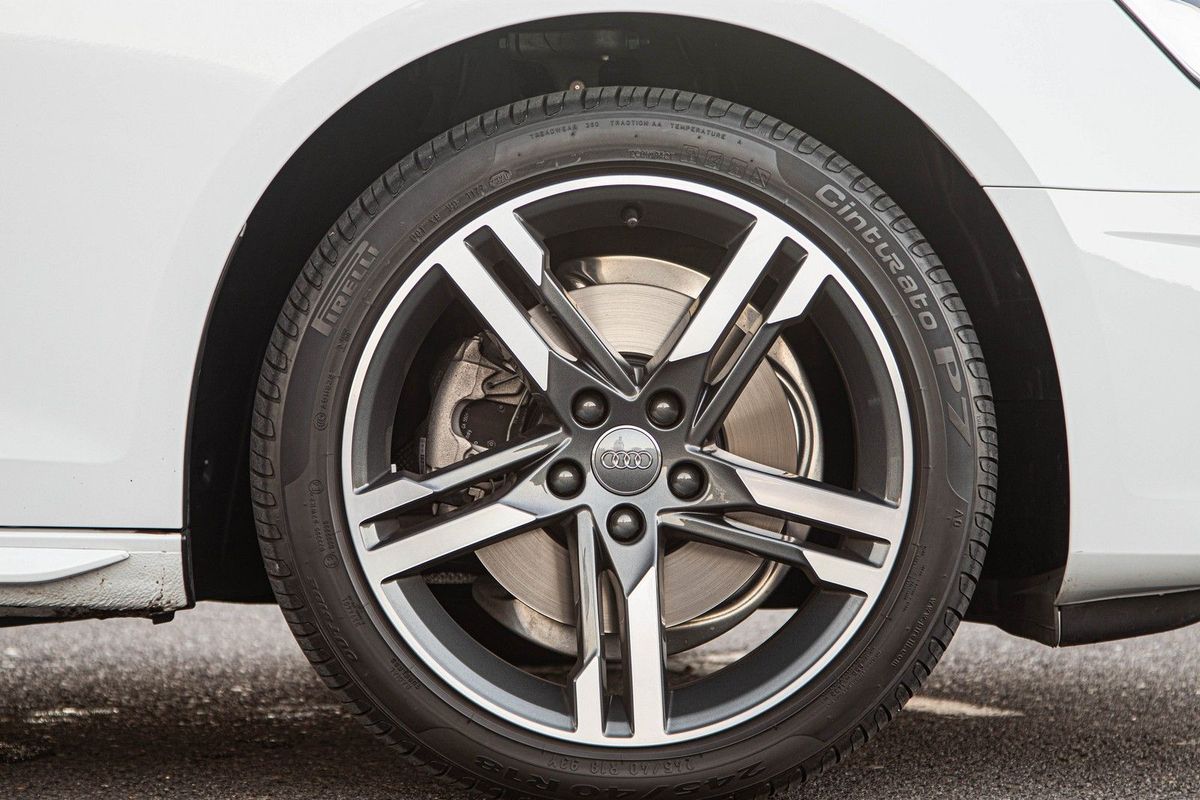
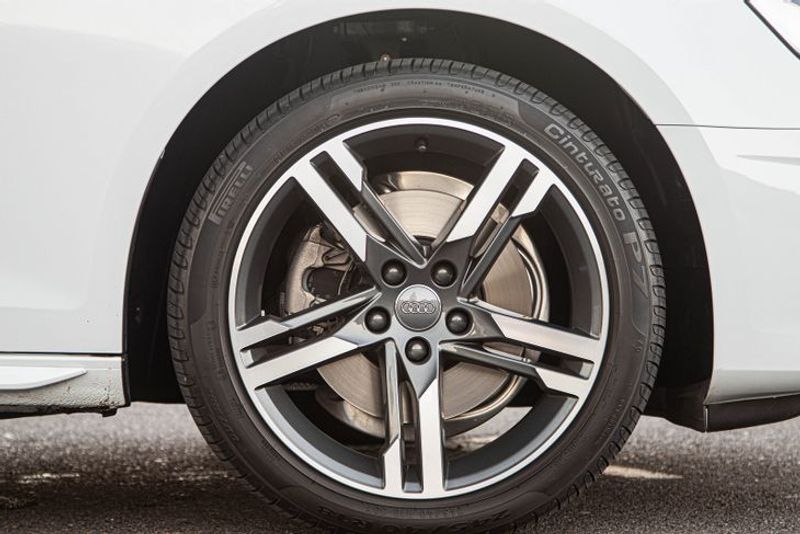
The 18-inch alloy wheels look the part, while the tyres' plump sidewalls contribute to a smooth ride quality.
If you look past outright performance (as you probably should for a lower-end A4 sedan – its target market is… conservative), the Audi truly excels in terms of ride comfort and -refinement. Few cars in its class are this quiet and comfortable. In fact, you could easily drive a few hundred kilometres and arrive at your destination still feeling fresh. You can feel there's been an intense focus on noise suppression – the cabin lets through only the faintest of rumbles. Our Audi rode on 18-inch alloys wrapped in Pirelli 245/40 rubber; the firm has evidently prioritised pure comfort and relaxation over driving satisfaction and thrills.
Granted, our test unit came with the optional sport seats (part of the optional Sports Package – for an extra R9k), which we found supportive (as expected) and comfortable. As a bonus, they're heated!
Practicality
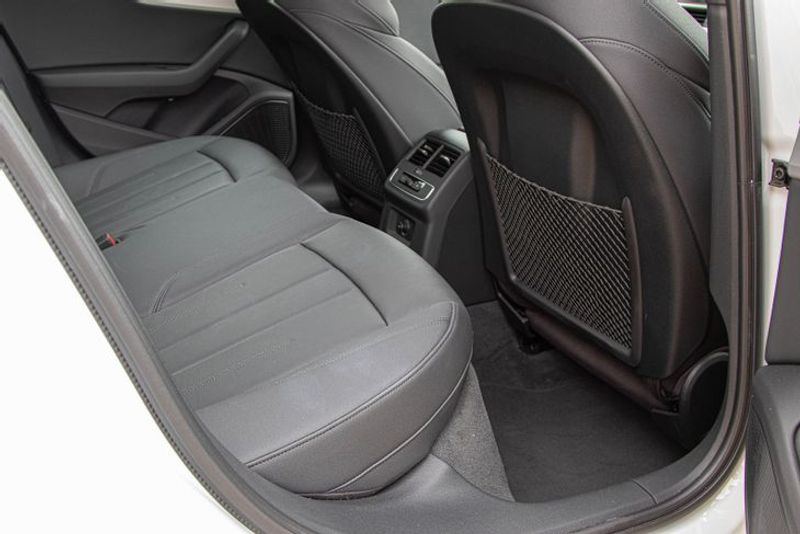
The Audi A4 has been on the market for a while, but it offers acceptable rear legroom.
The A4 is based on the MLB platform, which lends itself to superb refinement and generous cabin space. Rear legroom is fair, but at least the boot is capacious. Audi claims a cavernous 460-litre capacity, with as much as 960 litres of utility space available if you fold the rear seats down. Surprisingly, the A4's boot capacity is about 20 litres smaller than those of its main rivals, but it's certainly not a deal-breaker.
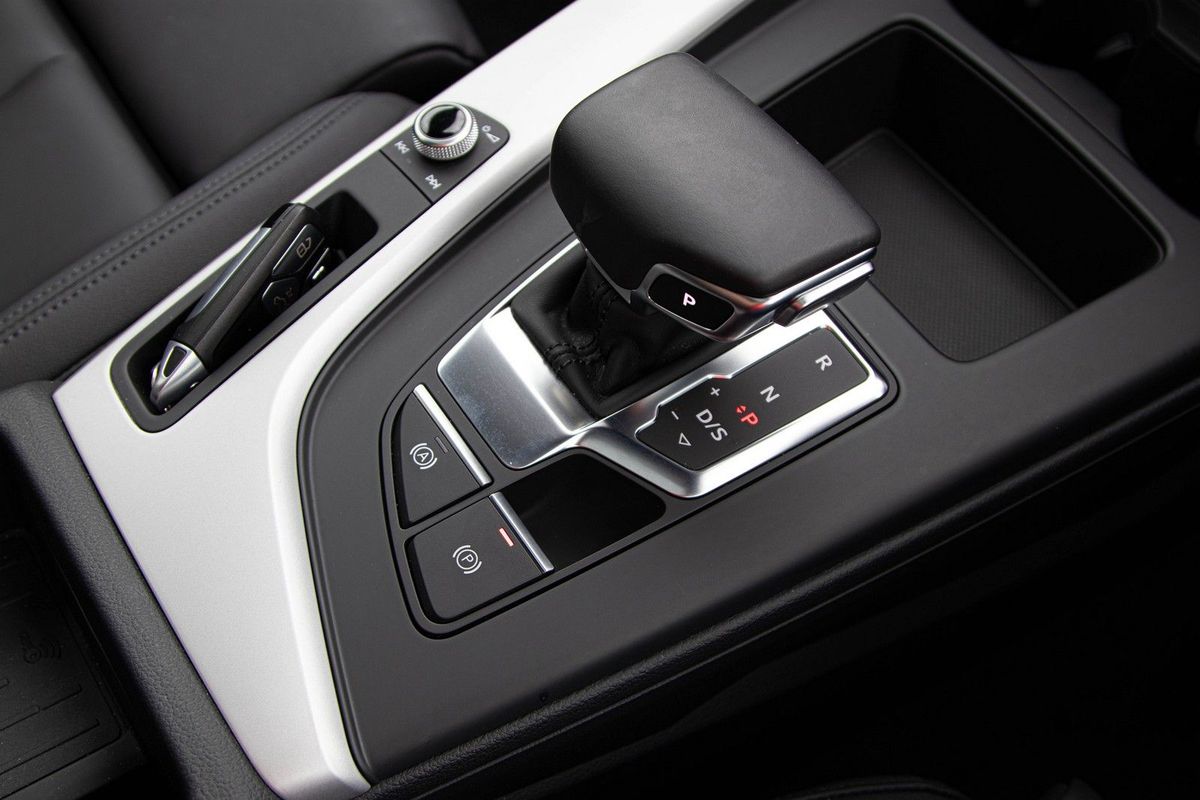
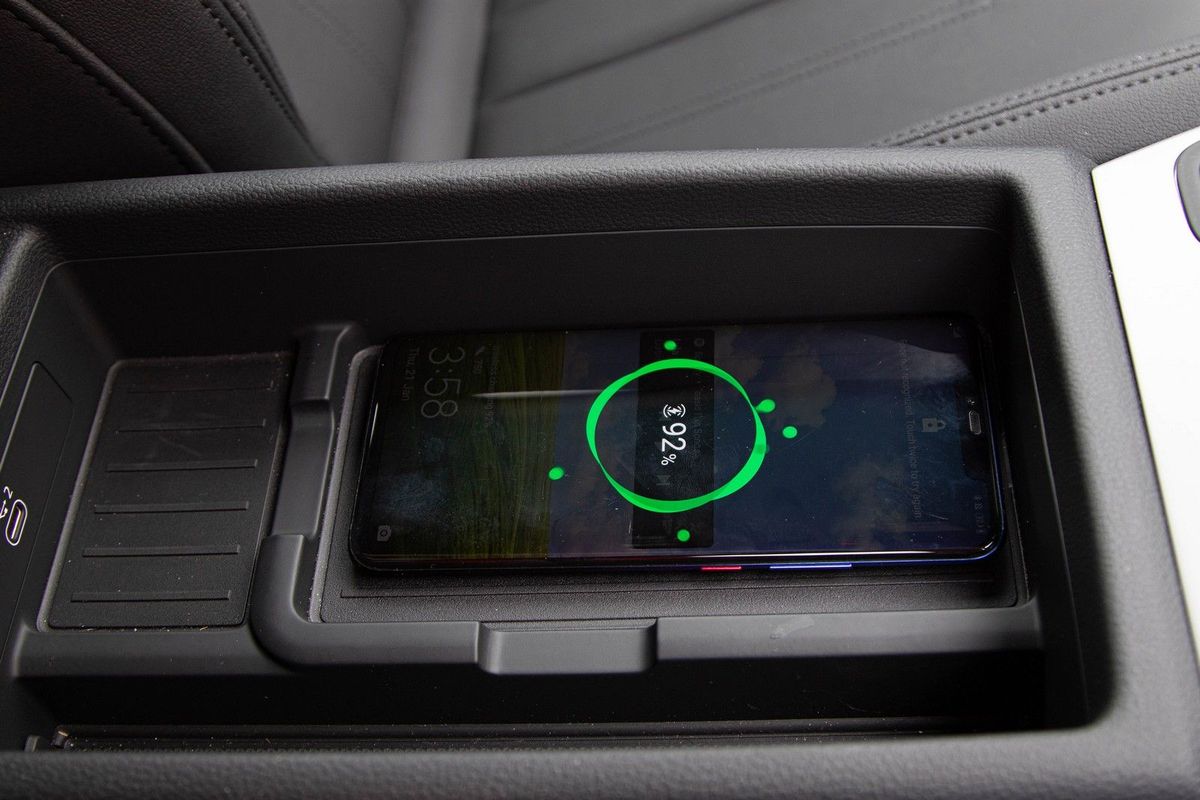
The front cabin has a handful of nifty storage compartments and while Audi's smartphone box might cost R6 200 extra, it's a worthwhile option because it incorporates wireless charging and, thanks to the convenience of Android Auto/Apple Carplay, you can store your phone safely out of sight. What's more, convenient storage solutions are located in front of the transmission lever (ideal for a wallet or keys).
Interior quality & onboard tech
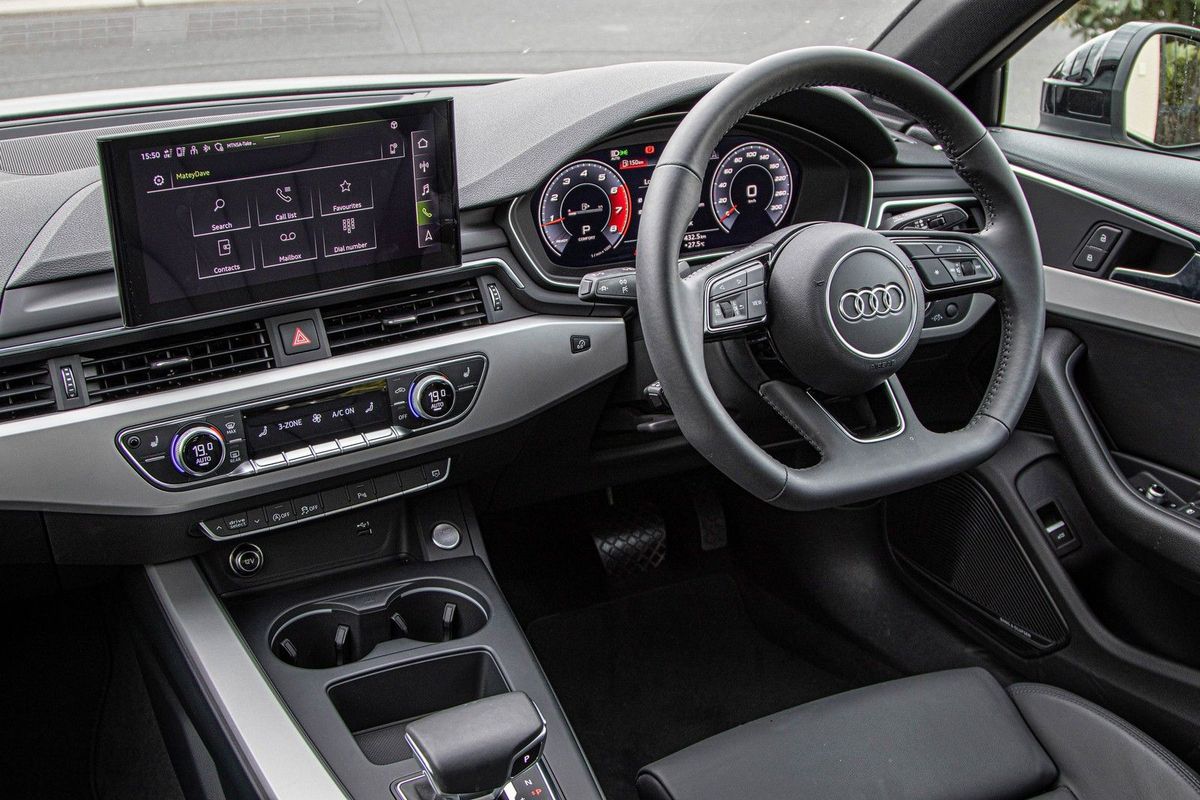
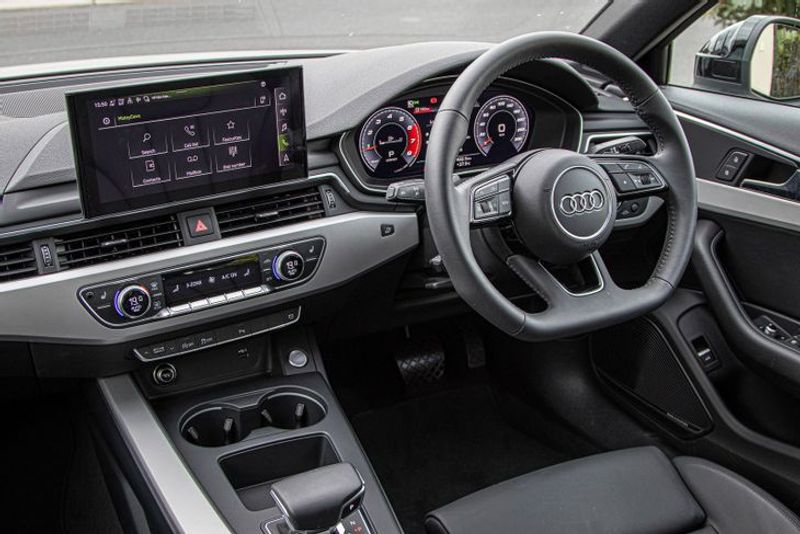
The Audi cabins continue to impress with excellent ergonomics, as well as fit and finish.
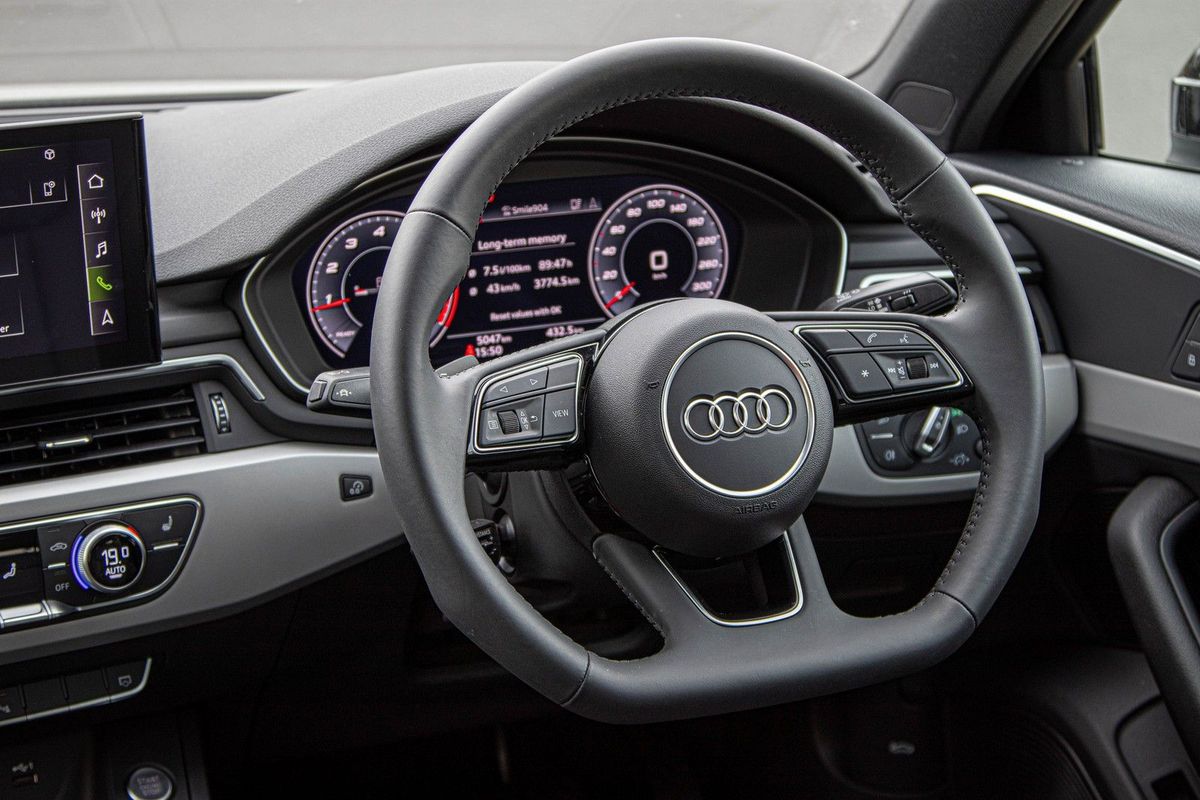
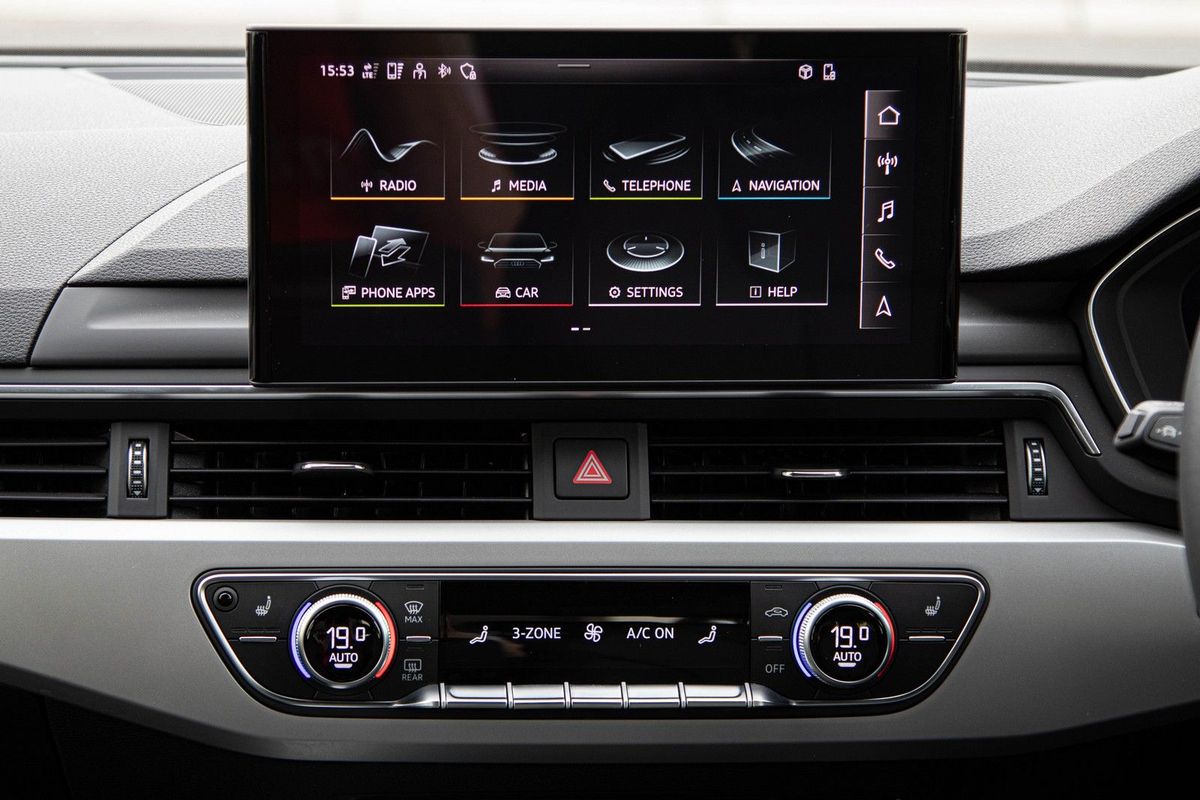
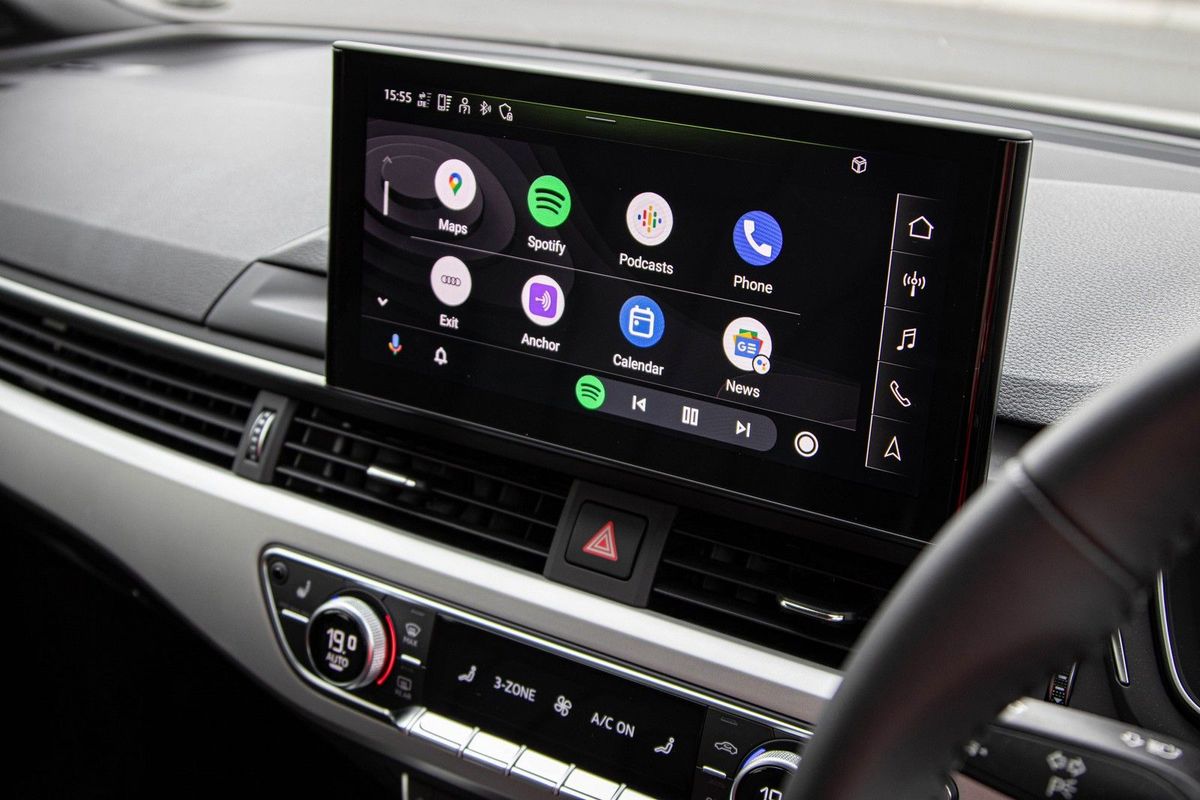
Audi cabins are arguably (still) the market benchmark for quality, user experience and design excellence. Not only do they look the part; they're straightforward to use. Audi's Virtual Cockpit continues to be a masterclass in both visual execution and ease of use. Not only does it look like something out of a car from the future, but its wonderfully simple to use and explore. To reiterate, the A4 comes with Apple Car and Android Auto, and the interfaces' menus look terrific on the high-resolution central display. If you don't want to go the smartphone-mirroring route, the native Audi operating system (first seen in the Audi Q8) has a similar look and feel to a tablet, plus it works like a charm. Our only gripe is the MMI screen's propensity to show smudged fingerprints – it's best if you keep a cloth handy to wipe the touch surface clean!
The wireless charging pad is a must-have in contemporary premium sedans.
Price and after-sales service
The Audi A4 35 TFSI Advanced line costs R663 000, but the test unit was fully loaded with options, which raised the price to R856 300. The vehicle is sold with a 5-year/100 000 km Audi Freeway plan.
Verdict
While there's very little to fault the Audi A4, especially with regards to its cabin execution and refined driving experience, some will undoubtedly question its relevance in a market that's moving away from sedans… Given Audi's incredibly diverse portfolio, is there still a need for the A4? Market trends indicate crossovers/SUVs are – and will continue to be – all the rage. Worse still, if you're considering an Audi sedan, the A3 4-door offers comparable levels of space and features for less money. Plus, a new A3 is due in Mzansi this year, so the refreshed A4 might soon have new competition from within its own ranks.
Should you buy one? If you have your heart set on an A4, you're unlikely to be disappointed with your purchase. It may lack the verve of a BMW 3 Series, but its interior quality and refinement are more than a match for the Mercedes-Benz C-Class. To be fair to the Three-pointed Star, an all-new model is due in 2021. We suspect Benz dealers are desperate for it to arrive, given the freshness of the BMW and Audi.
The revised A4 is unlikely to sell in huge numbers, because we predict the majority of the Ingolstadt sedan's potential customers may be inclined to lean towards the brand's generously specced (and highly rated) Q3 premium family car instead. Having said that, for those sedan die-hards, Audi's mid-sized sedan represents an excellent interpretation of a comfort-orientated and technology-laden luxury car.
Renault has revealed its new Kiger Compact SUV which is destined to reach South Africa later this year.
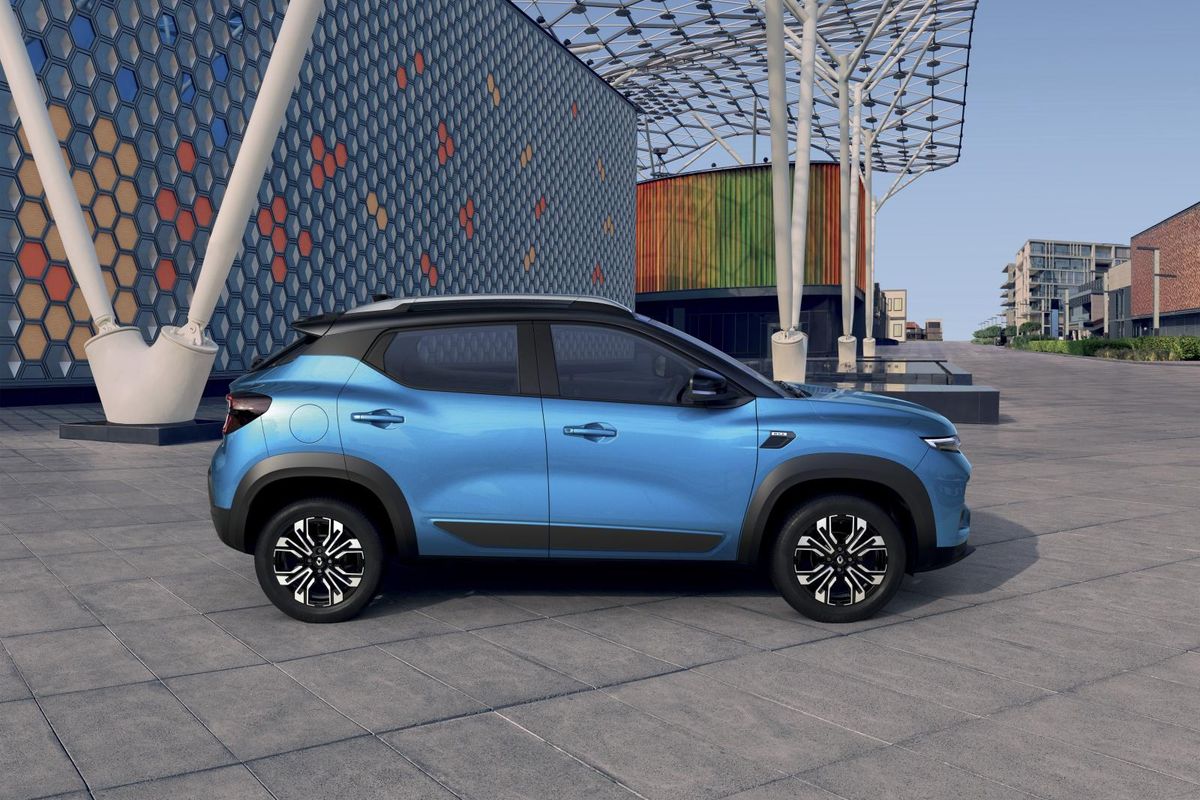
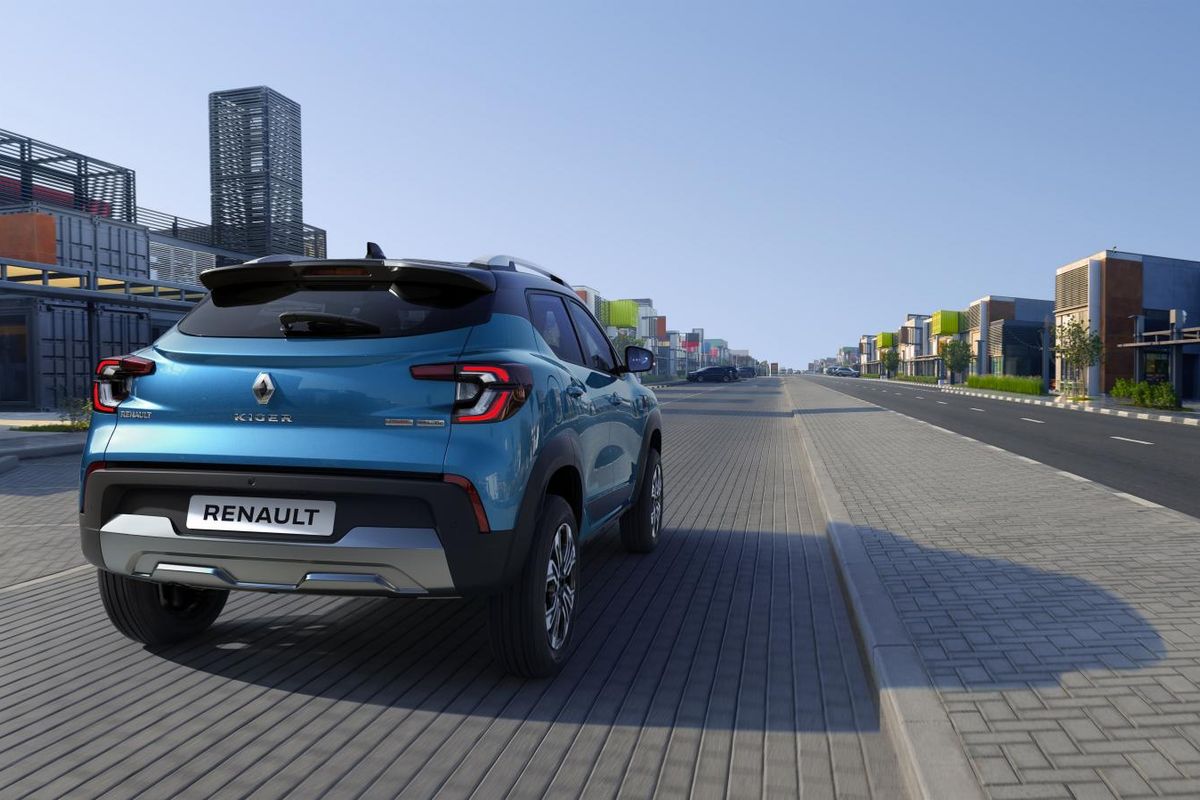
The production version of the Kiger has now been revealed and while it will primarily be offered in India, it’s also destined to reach South Africa in the third quarter of 2021.
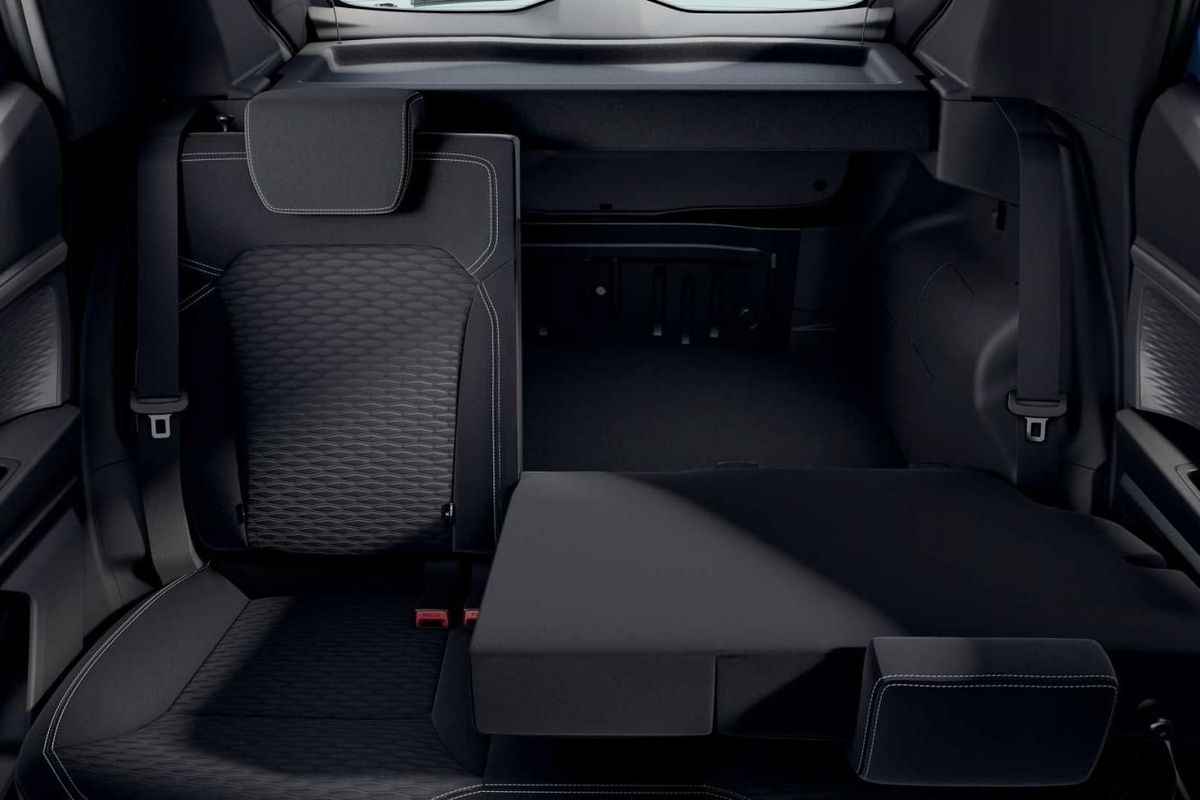
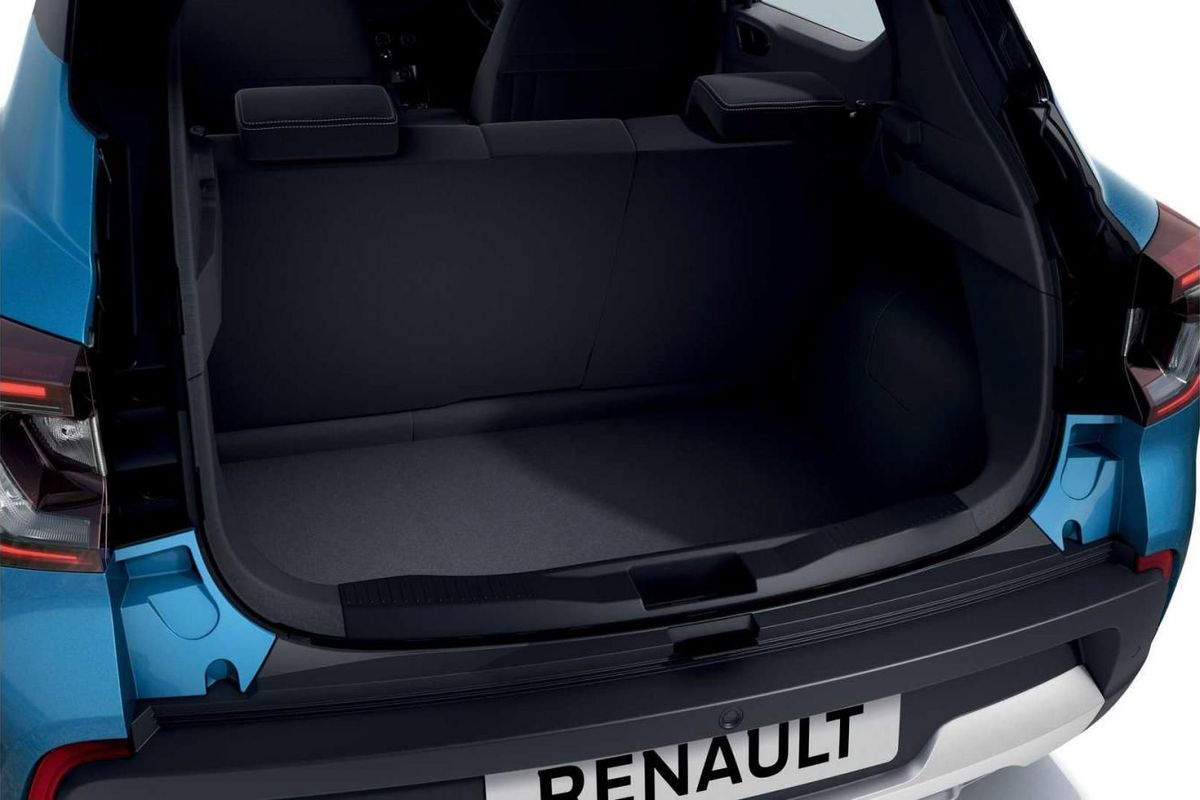
The Kiger shares its CMF-A+ platform with the Renault Triber and Nissan Magnite and measures 3 991 mm long, 1 750 mm wide and 1 600 mm high with a wheelbase of 2 500 mm. Ground clearance is generous at 205 mm. These dimensions bode well for overall interior space and Renault claims 405 litres for the load bay which is useful.
In terms of styling, the Kiger has retained much of the front-end design seen on the Kiger show car seen last year (which is a good thing) and boasts a sculpted bonnet, sleek C-shaped LED headlights and flared wheel arches and a rear skid plate which gives the Kiger a more rugged look. The C-shaped light theme is also carried over to the rear. The Kiger rides on 16-inch alloy wheels.
Exterior colours for the Kiger include Ice Cool White, Planet Grey, Moonlight Grey, Mahogany Brown, Caspian Blue and Radiant Red with Mystery Black Roof. Renault will also offer two-tone colour options for the Kiger. In addition, a total of 5 accessory packs allow for further personalisation.
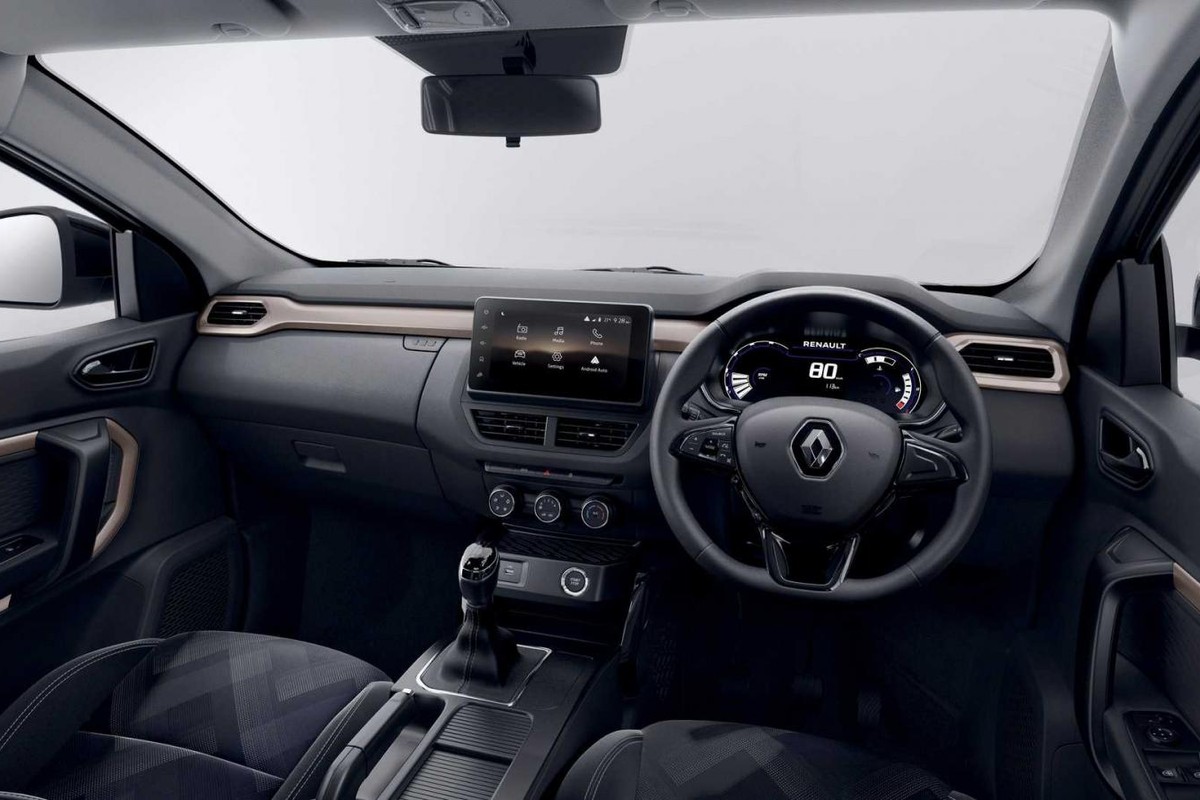
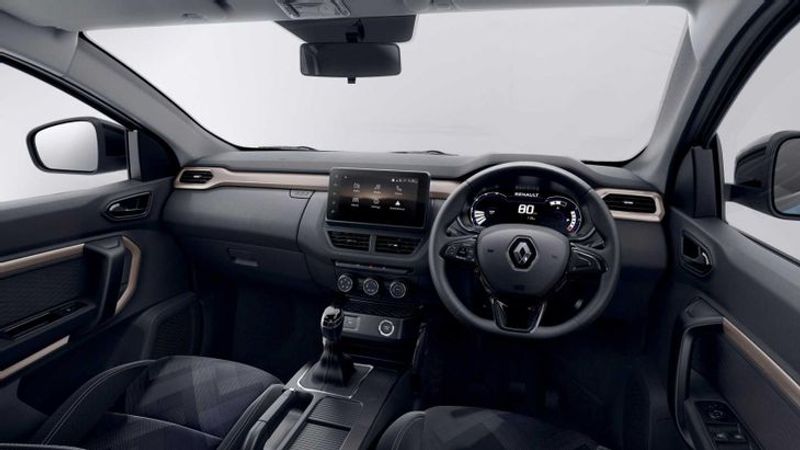
The Kiger features modern connectivity features and an attractive cabin design.
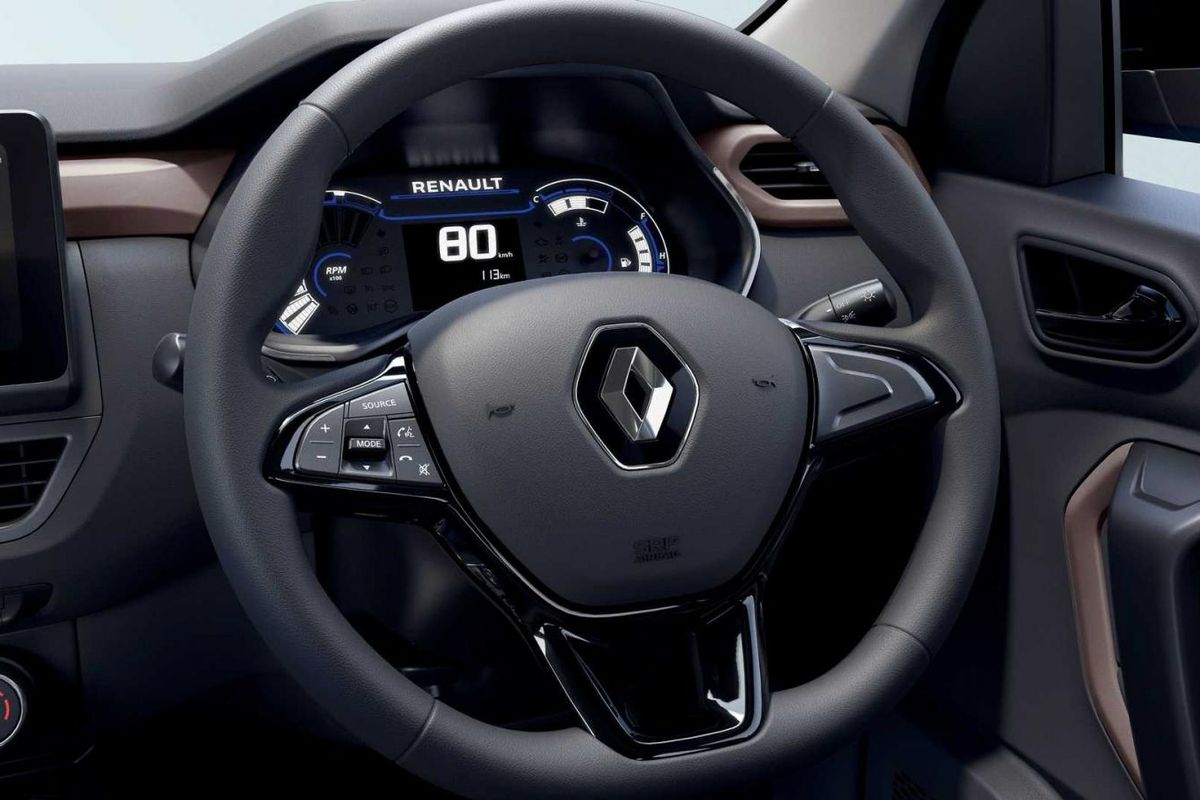
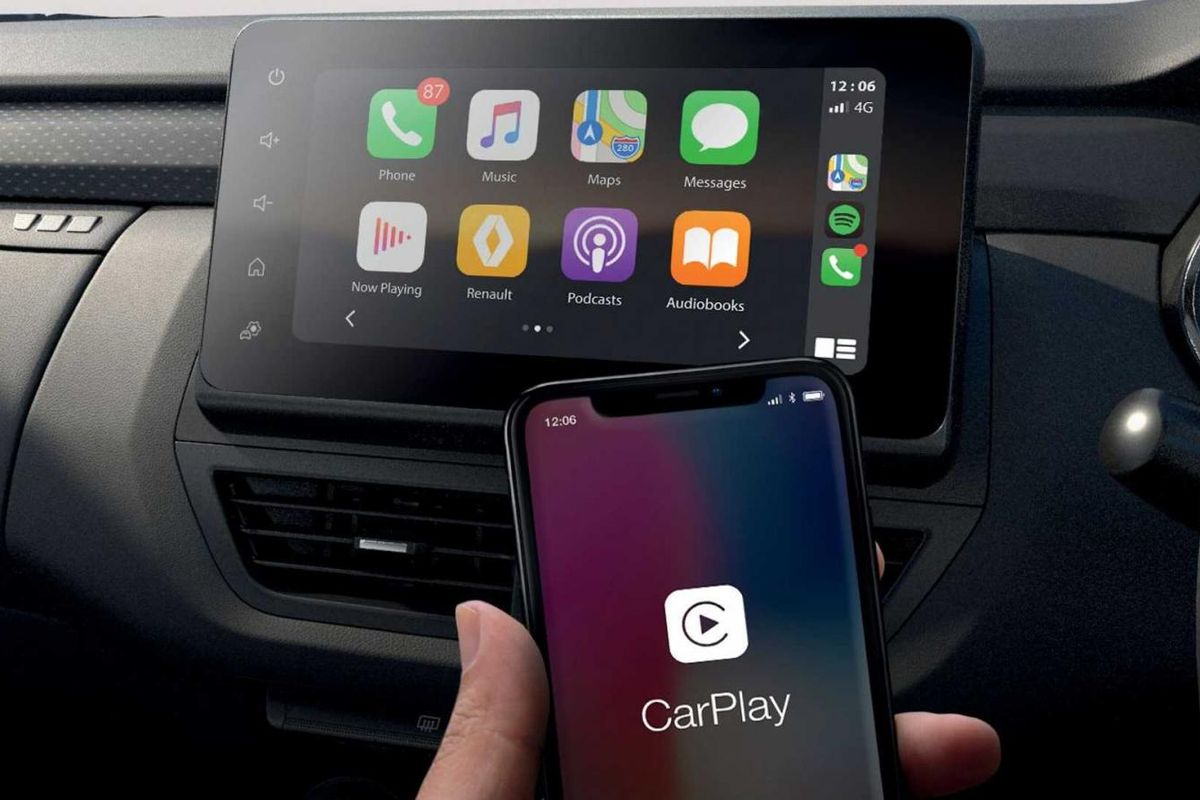
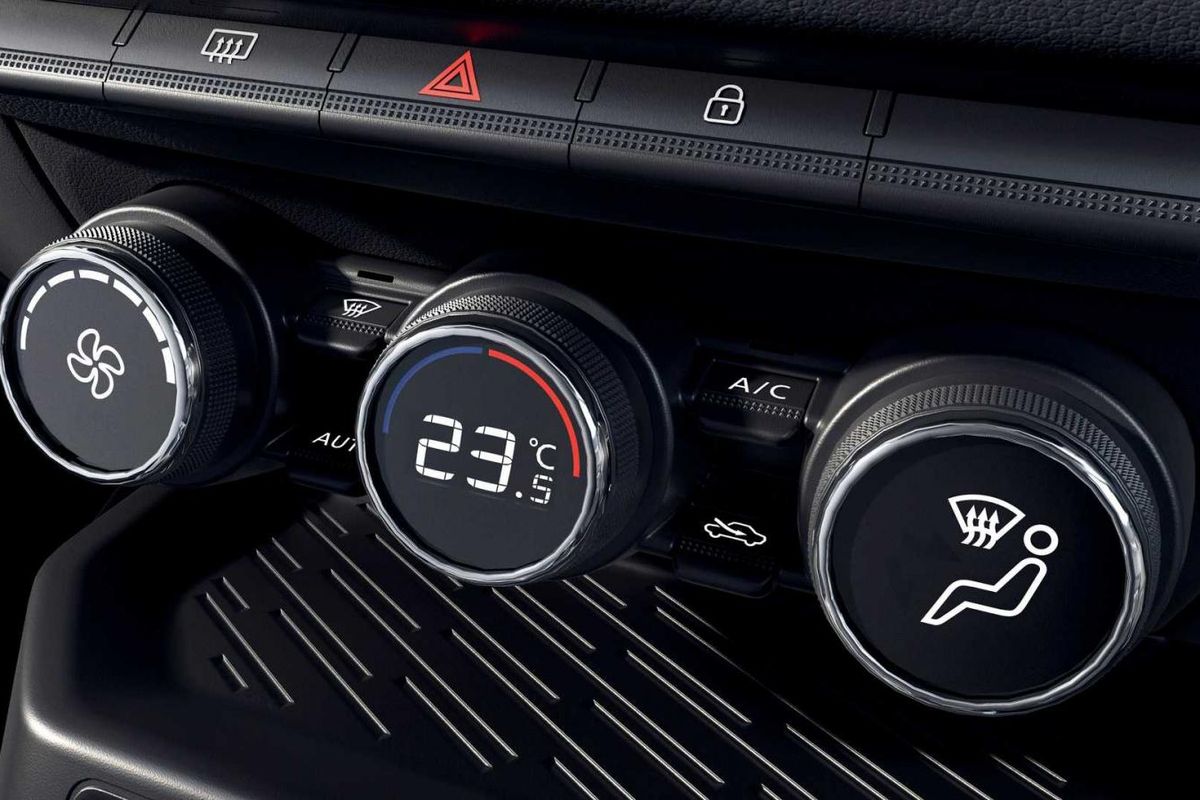
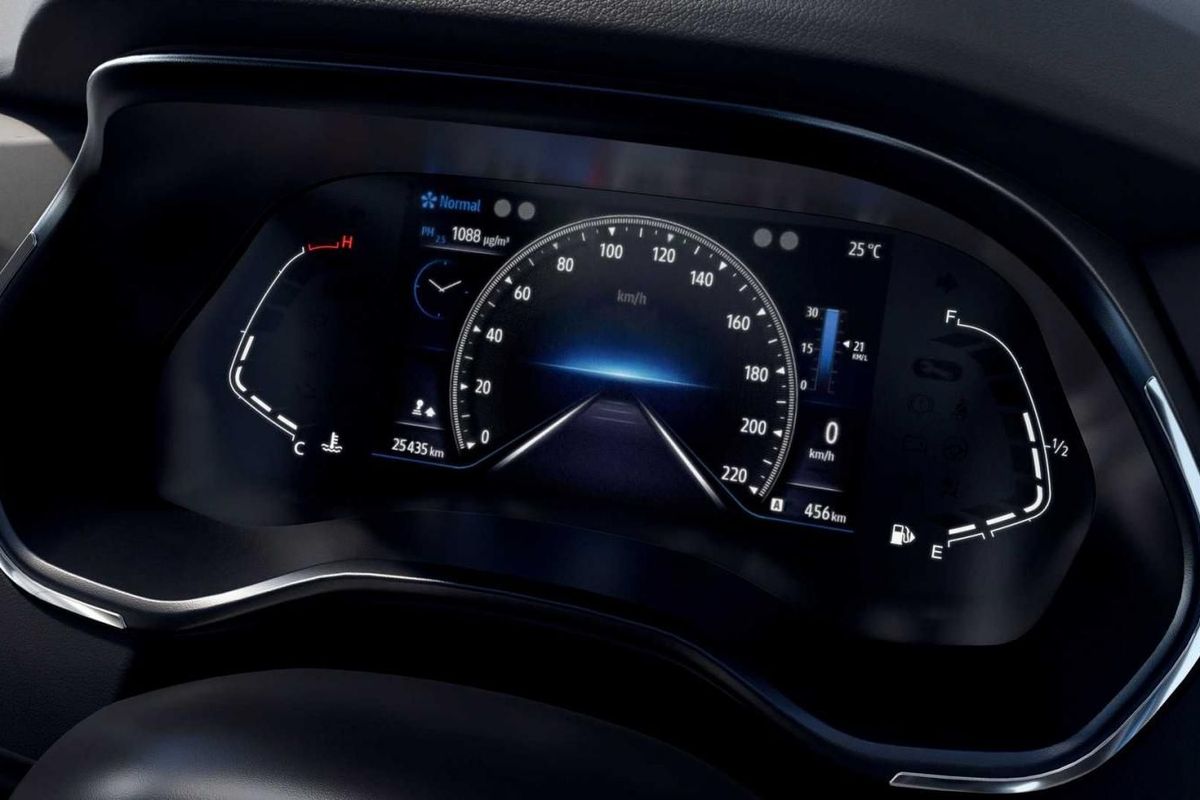
Inside, the Kiger features a neatly-designed cabin featuring an 8-inch floating touchscreen infotainment system with Apple CarPlay and Android Auto functionality along with Bluetooth and voice activation. An Arkamys #D sound system is also fitted with a total of 8 speakers. Automatic air conditioning is also included as is a leather-trimmed steering wheel with backlit buttons. A configurable 7-inch TFT instrument cluster is also fitted with changing themes based on the driving mode selected including Normal, Eco and Sports.
As for engine power, the Kiger is powered by a 1.0-litre turbopetrol engine with 74 kW and 160 nm of torque with a claimed fuel consumption of 5.0 L/100 km. This engine is also expected in the Nissan Magnite. A 5-speed manual transmission will be offered while a CVT option is expected to join the range later.
In addition to this engine, the Kiger will also be offered with a naturally aspirated 1.0-litre petrol engine with 53 kW and 96 Nm in conjunction with a 5-speed manual transmission or a 5-speed AMT.
In terms of safety, dual front airbags are fitted as well as 2 side airbags.
Local pricing and specification details will become available closer to the Kiger’s launch later this year. Stay tuned!
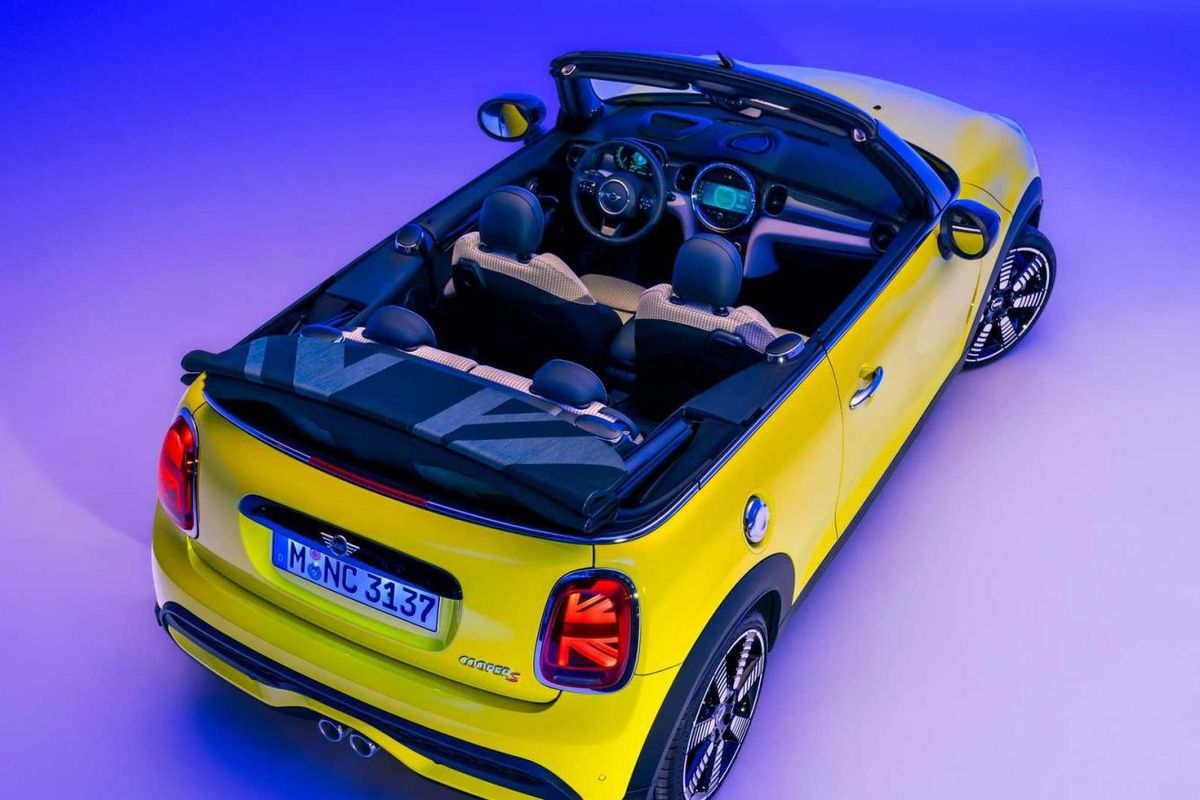
The Mini range received a major update back in 2018 but another round of updates is now being rolled out.
Better looks
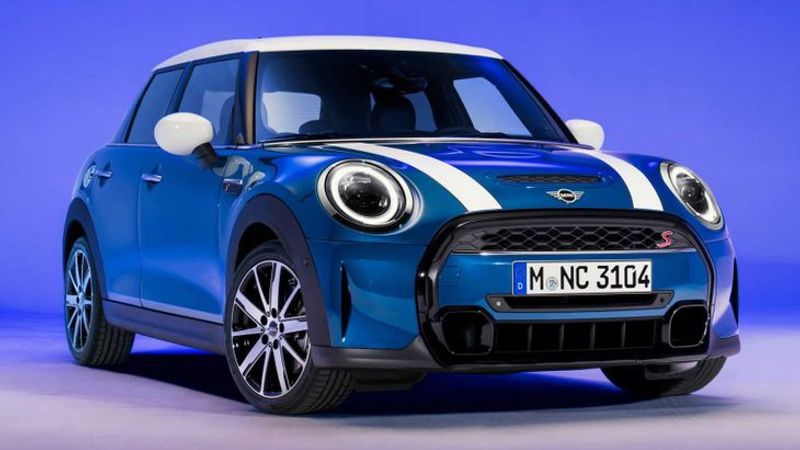
Mini has reworked the front end for a more purposeful look.
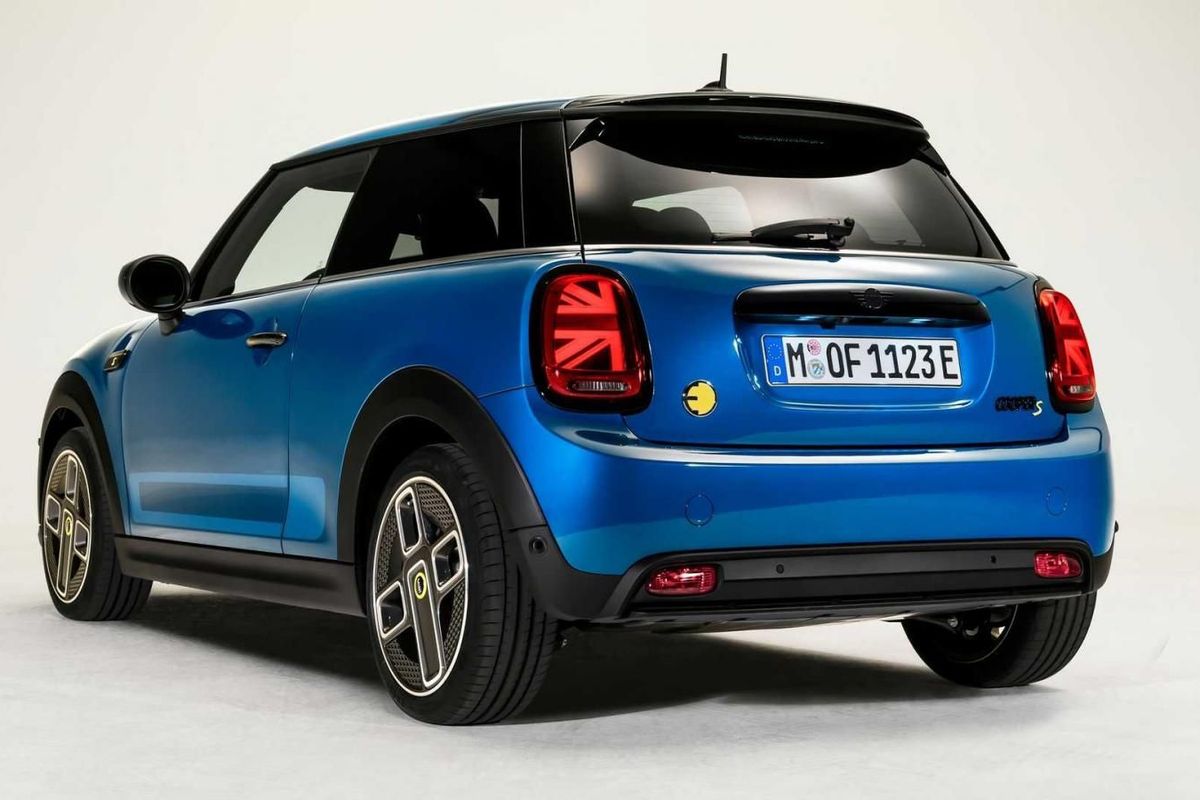
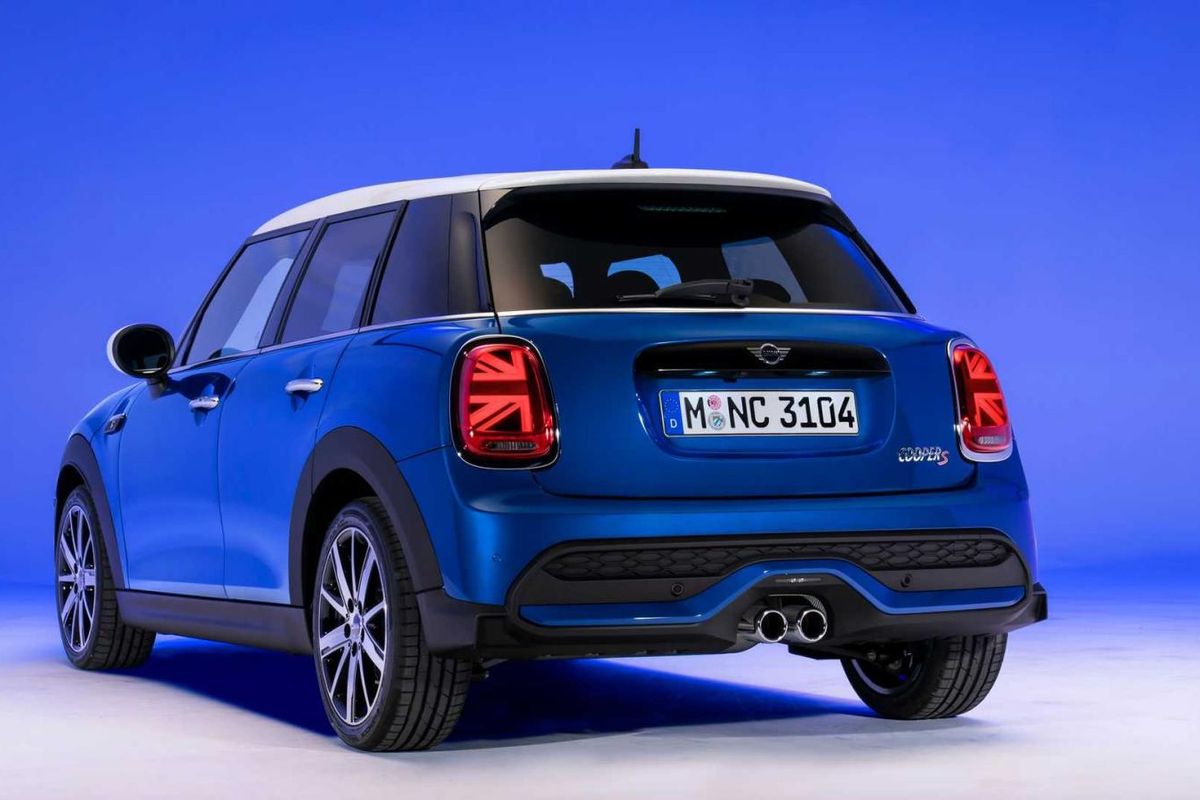
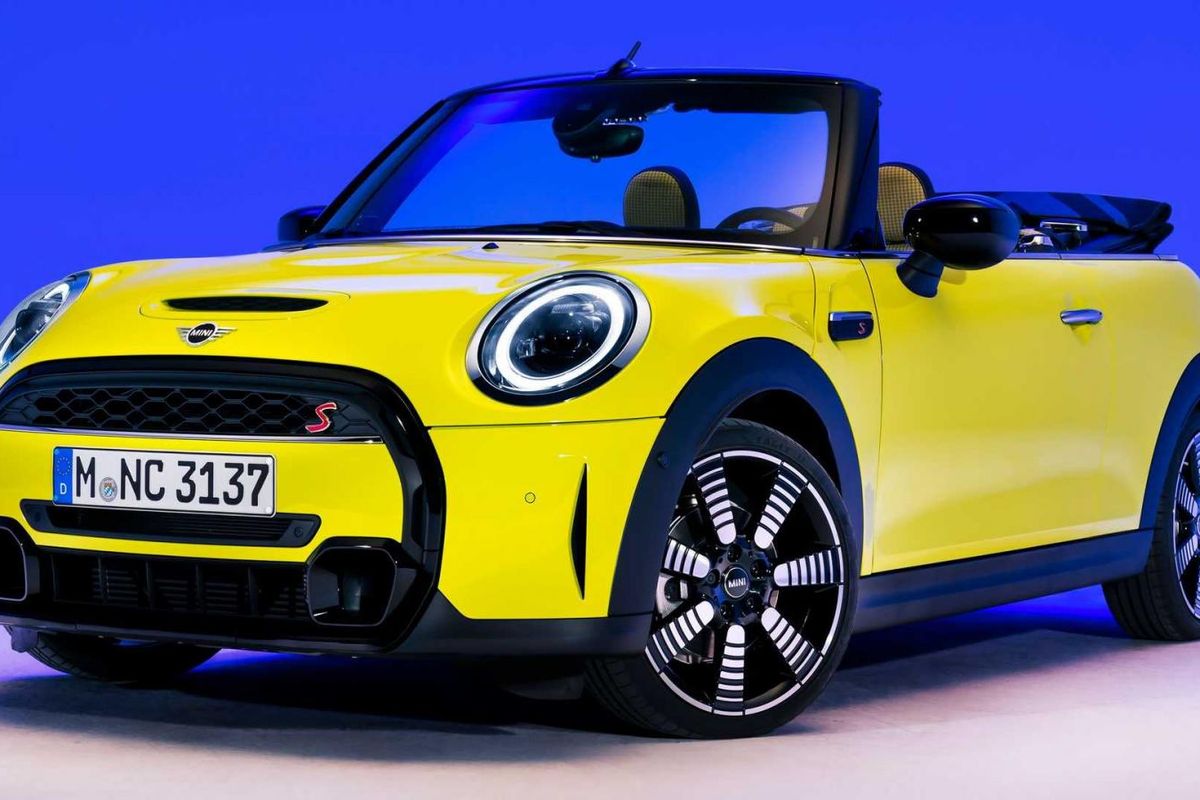
On the outside, the grille is now larger than before and gains a black hexagonal surround and the central bumper is now in body colour for a more modern look. You may also notice the new vertical air inlets as well as the contoured wheel arches. LED indicators are also fitted along with the hallmark round Mini headlights. At the rear, the updated Mini can be recognised with its fog light which is now integrated into the rear apron as a narrow LED unit.
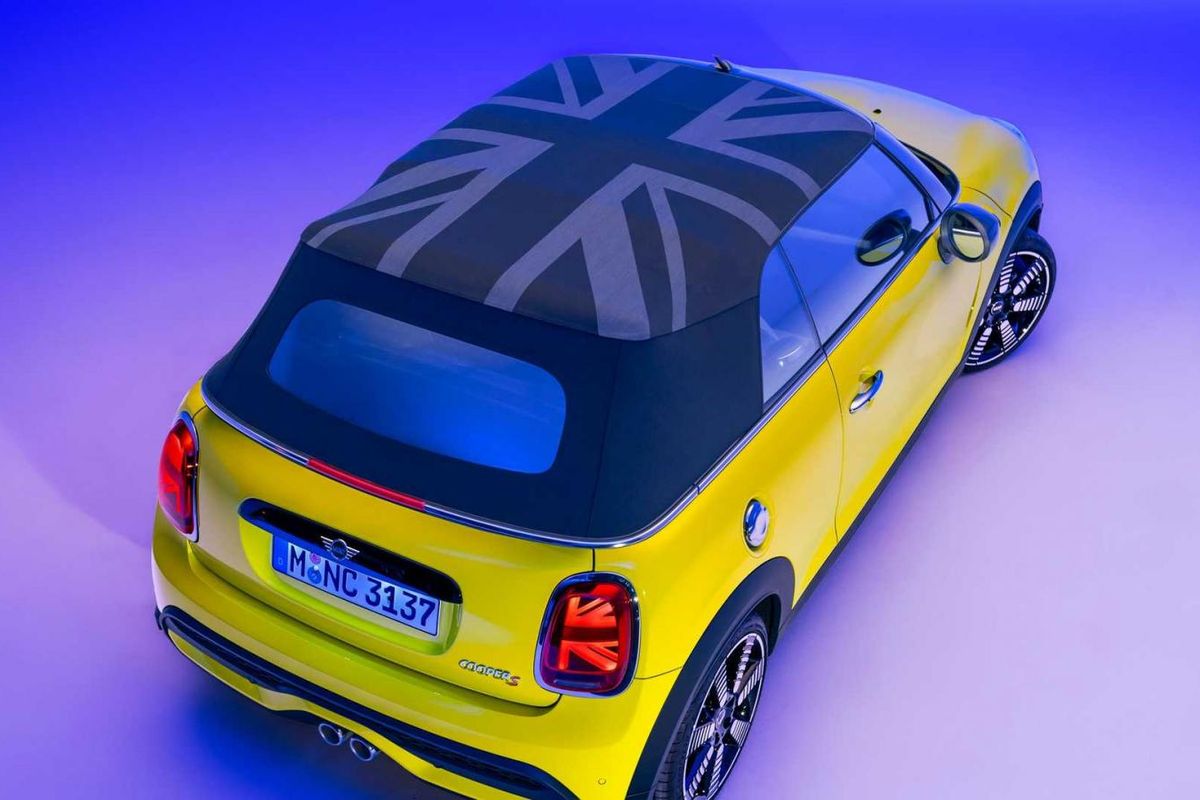
A range of new body colours has also been added, including Rooftop Grey and Island Blue. The Mini Convertible will also be available in striking Zesty Yellow. A total of 5 new alloy wheel designs will also be offered in 17- and 18-inch wheel sizes.
The big news, however, is that Mini will offer a Multitone roof for the 3-door hatch, 5-door hatch and electric variants. The Multitone Roof features a colour gradient from San Merino Blue, through Pearly Acqua to Jet Black and is applied using a wet-on-wet process to achieve a paint finish known as Spray Tech. No Multitone Roof is the same and every Mini with this roof is therefore entirely unique.
“The new Multitone Roof for the MINI is not only the most expressive form of contrast paint to date, it also takes the brand’s hallmark ex-works customisation options to a new level,” says Oliver Heilmer, Head of MINI Design. “And because every roof looks a little bit different and is so unique, it pays to look more closely than ever.”
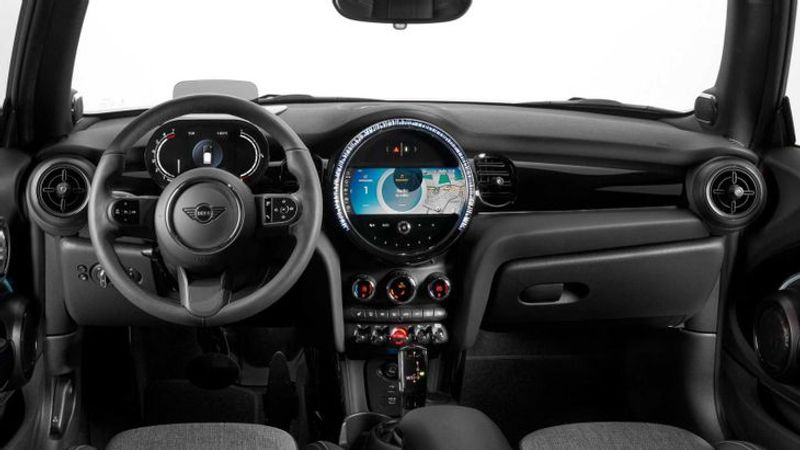
Familiar but more refined. Note the new steering wheel. Much better, Mini!
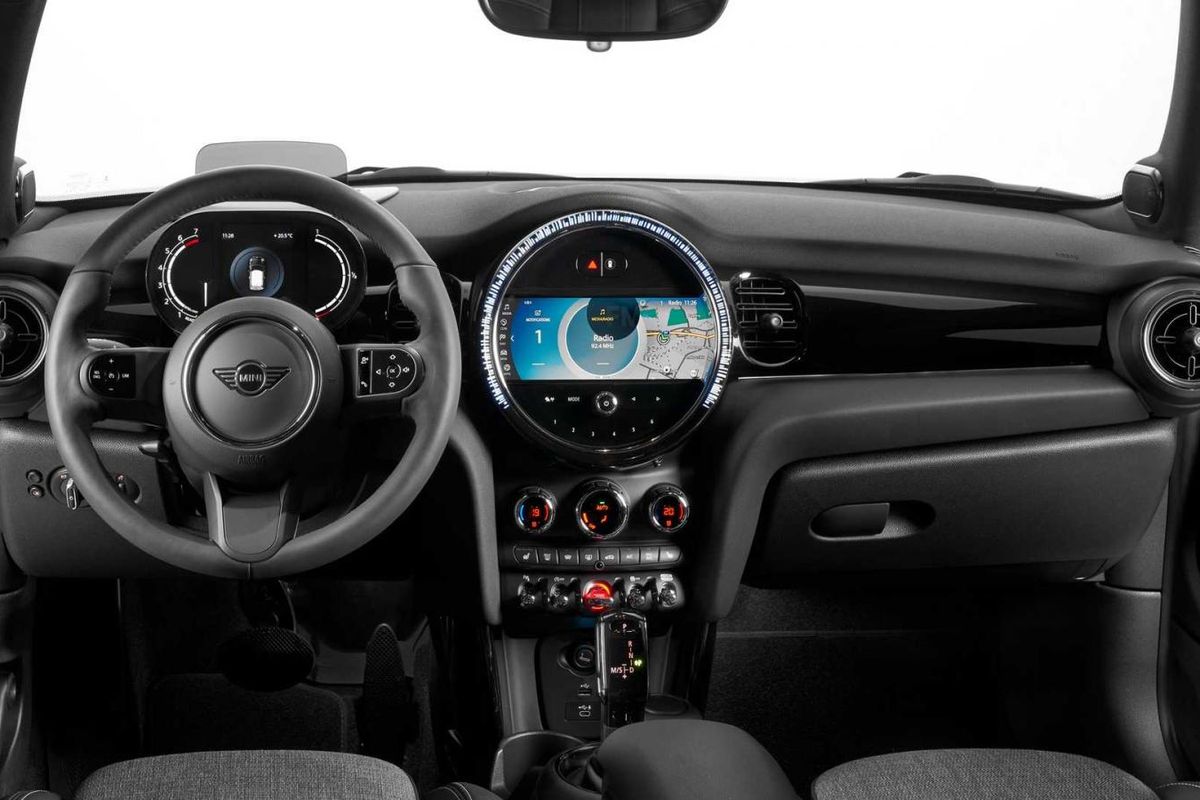
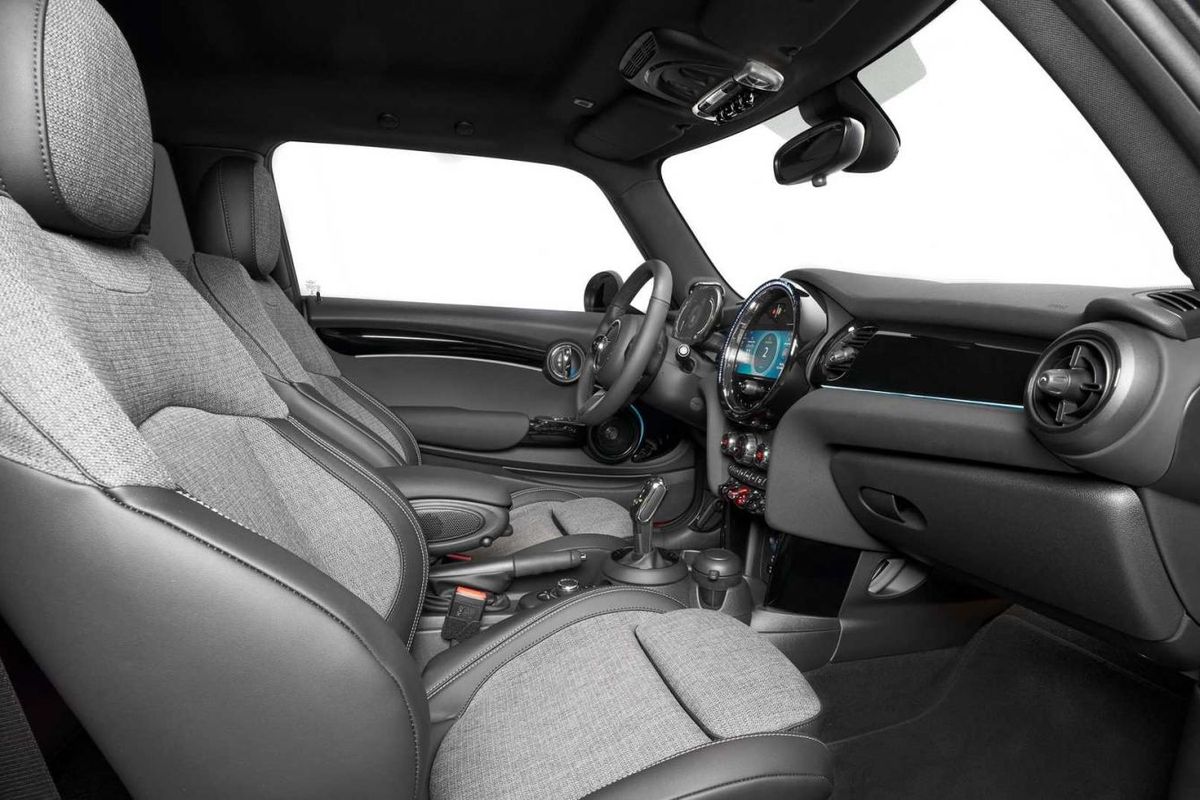
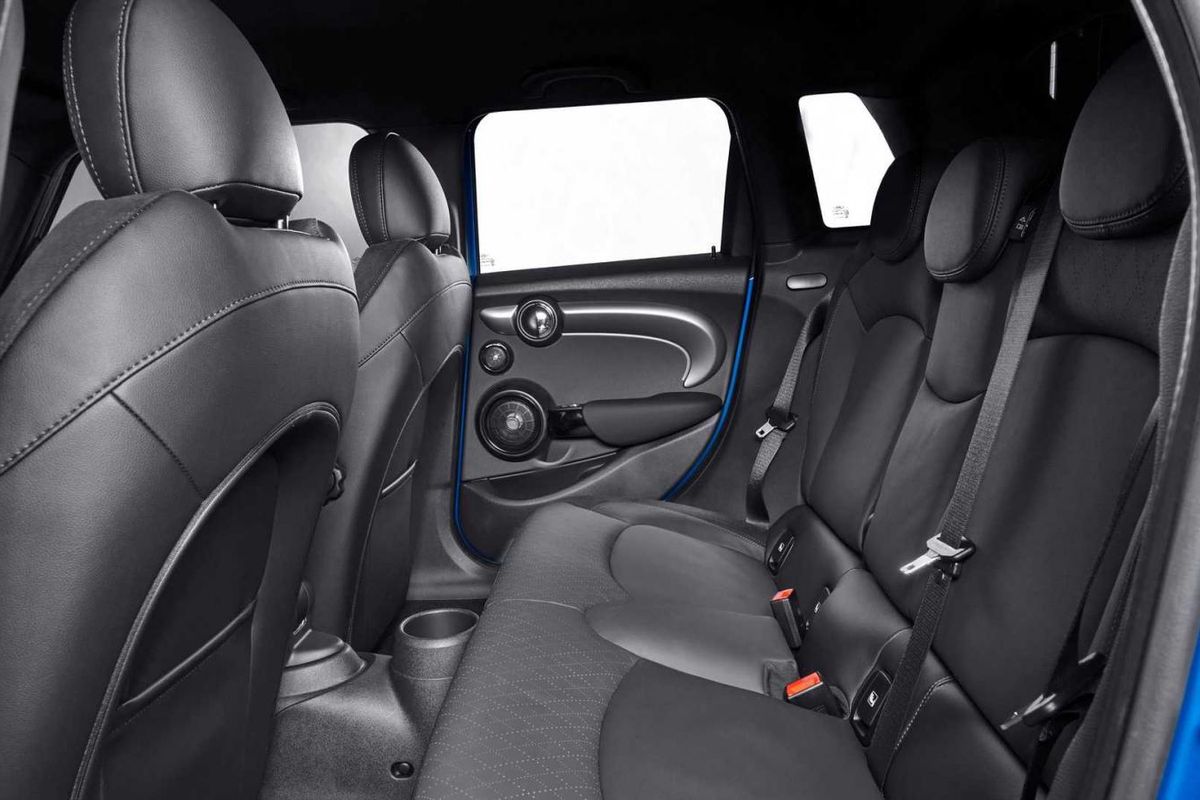
Moving inside, the interior has benefitted from a few notable changes. The Mini range gains piano high gloss finishes and an 8.8-inch touchscreen infotainment system. Switchgear for the audio controls, hazard warning light and driver assistance buttons have been better integrated into the familiar circular control unit. Mini has also removed much of the chrome elements in the interior and the air vents have been redesigned and now sit flush with the interior surfaces.
A new leather steering wheel and digital instrument cluster, from the JCW GP and Mini Electric, is now standard across the Mini hatch and convertible range.
Any technical upgrades?
Yes, a new version of Adaptive Suspension is now available for the first time and balances comfort and sportiness with continuous frequency-selective damping. Damper force is adjusted within 50 to 100 milliseconds depending on the road and driving conditions and damping forces can be reduced by up to 50%, according to Mini.
As part of the optional Driver Assistance Pack, Mini offers a new lane departure warnings as well as new Active Cruise Control with Stop & Go function when paired with an automatic transmission.
As for engines, the current lineup of engines carry over with the 75 kW / 190 Nm and 100 kW / 220 Nm 1.5-litre turbopetrol engine and 141 kW / 280 Nm 2.0-litre turbopetrol doing service under the bonnet in conjunction with a 7-speed dual-clutch automatic transmission. The Mini JCW ups the ante to 170 kW and 320 Nm from its 2.0-litre turbopetrol engine and uses an 8-speed automatic transmission.
Mini SA has confirmed that the updated Mini hatch and convertible will reach South Africa in Q2 of 2021! Stay tuned for local pricing and specification details closer to launch.
Bye-Bye BF Goodrich as Raptor goes with German rubber.
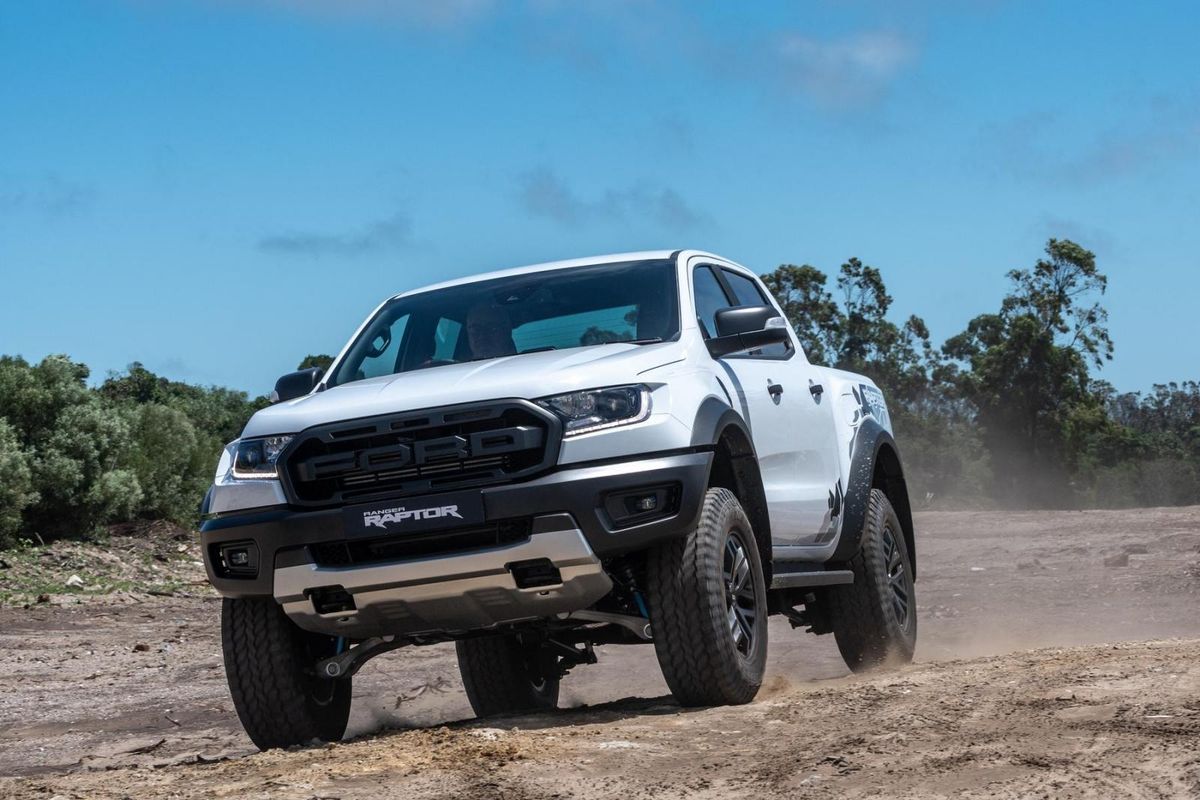
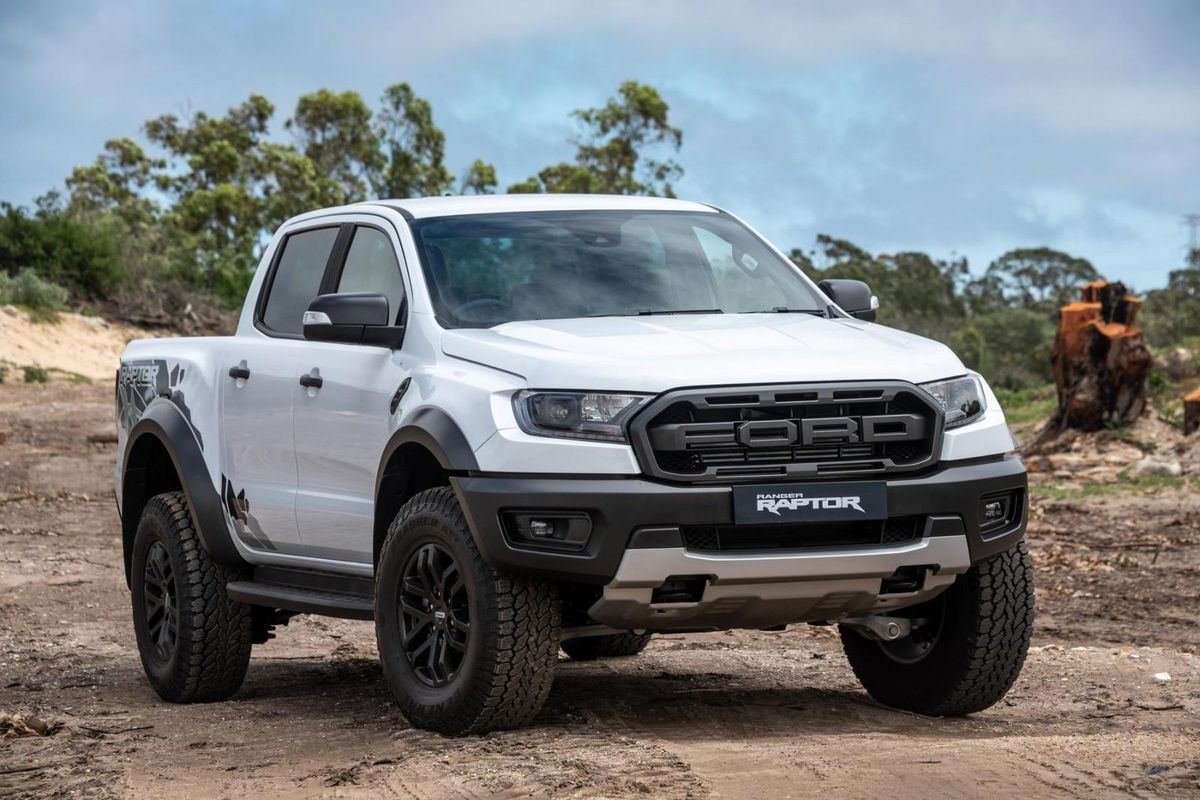
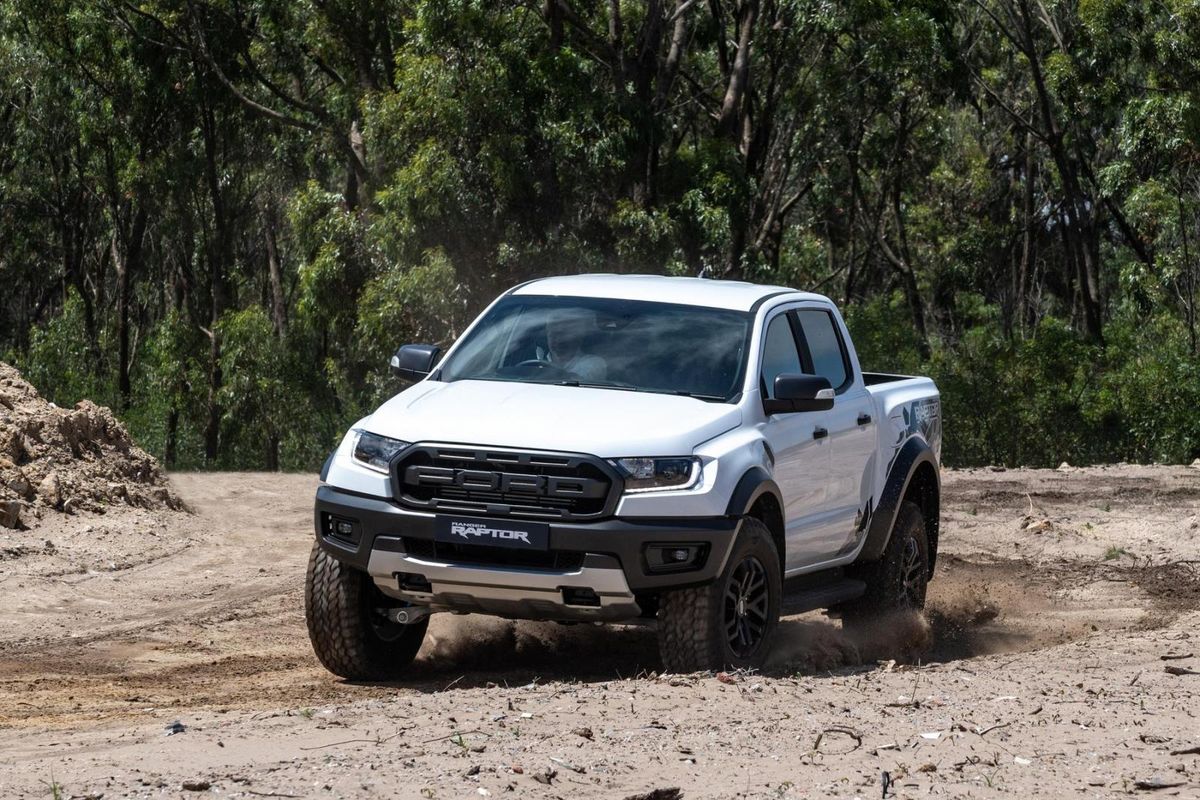
Ford’s Ranger Raptor is stepping out into 2021 with new footwear. The limited edition bakkie, which is highly regarded for its off-road ability, will now roll a new tyre specification.
This tyre switch concerns South African market Rangers and for fans of Ford’s double-cab product, it will be interesting news.
When Ford launched the Ranger Raptor, much fanfare was made of its tyre specification, provided by BF Goodrich. The company supplied Ranger Raptor with an aggressive, high-volume tyre, sized 285/70 R17.
Ford’s engineers did not wish to compromise on the Raptor’s off-road ability and the correct tyre specification is crucial. Those who have had the privilege of piloting a Ranger Raptor in testing off-road terrain, will attest to the traction, floatation and toughness of these BF Goodrich all-terrain tyres.
Most Raptors do not spend each rolling kilometre of their driving on gravel, sand or ploughing through mud. The truth is that huge tread blocks, with deep self-cleaning channels, are noisy on tar.
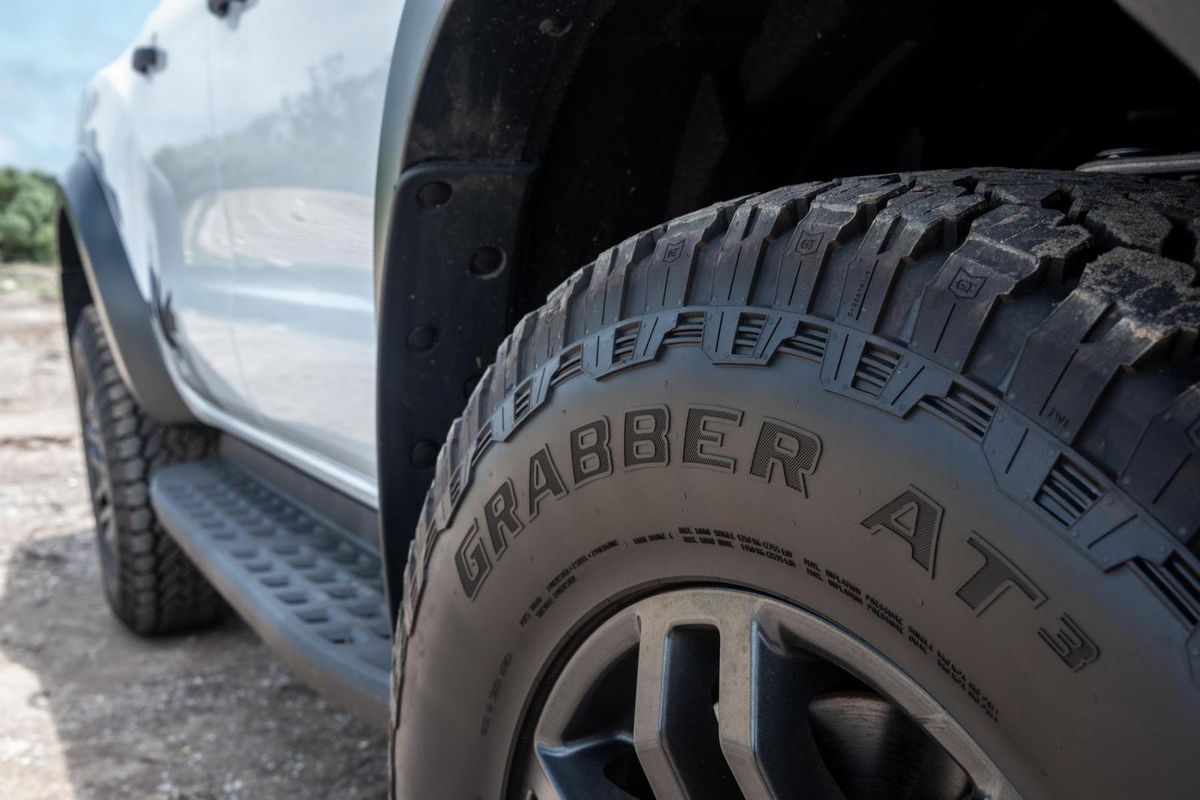
Ford’s Ranger Raptor will henceforth roll Continental Grabber AT3 tyres in the South African market, a change which is unique to us. Supporters of localization will be thrilled that Continental’s Port Elizabeth factory now supplies the tyre content for a bakkie of Ranger Raptor’s calibre.
The Grabber AT3 is a regarded off-road terrain tyre, although it has a different tread pattern and less of an overreaching lug profile, onto the sidewall. Ranger Raptor required a new Grabber AT3 sizing for it in the local market: 285/70 R17.
Perhaps the most interesting question is why Ford would change such an important specification, on its halo bakkie product? The significant international supply chain disruptions, due to coronavirus, could be a reason.
With Continental capable of providing a local alternative, it is a lot safer to change suppliers, than have Ranger Raptors on the assembly line in Silverton, 99% complete, but without imported tyres to roll them away for final delivery.