This week’s news you need to know (May 2021, week 4)
In this week's news that you need to know: Ford promises you a special-edition Mustang that's more special than the previous special-edition Mustang, Kia hails a new Uber, Mazda wants to sell you a family car that you could drift and, in some crazy future world, the BMW M4 Convertible will be regarded a classic.
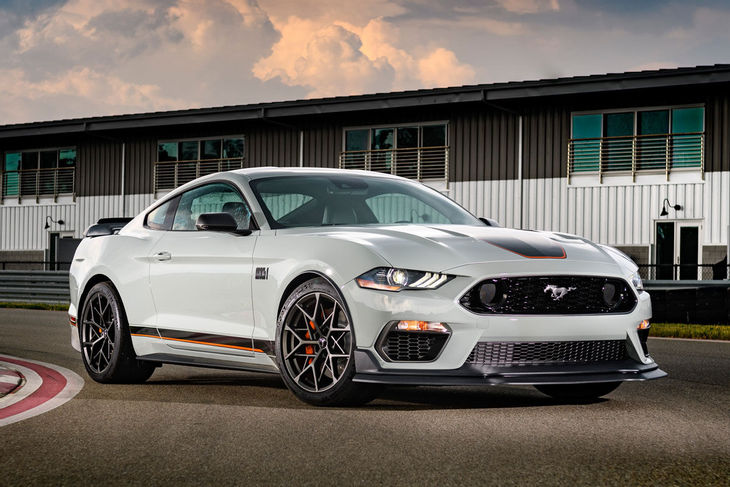
Ford Mustang Mach 1 – The last hurrah
South Africans love their muscle cars – they always have – even though we missed out on several decades' US models (oh well, the 'Seventies to 'Nineties cars weren't the finest of the breed, anyway). This devotion has been passed through the generations, handed down from grandfather to son to grandson and Ford has been the dominant mistress in this love affair. In the early days, we practically got every great Ford here, from the Galaxy to Fairmont and Capri. All are legends in their own right. We even made our own in the form of the Capri Perana and then made a racing series out of the Shelby Can-Am.
Therefore, it makes sense that the Ford Motor Company of SA would release (what stock it could secure of) the Mach 1 – there's still an appetite for cars like it and I believe that customer demand will endure despite the EV wave washing over the globe. It’s a great way to maximise returns for shareholders and don’t be surprised if you see one or more special editions (until the series ends). A 6-speed manual V8 with 358 kW as an homage to yesterday’s heroes – a simple recipe! While many manufacturers don’t quite have the same history as Ford, they could learn a thing or two from these "specials".
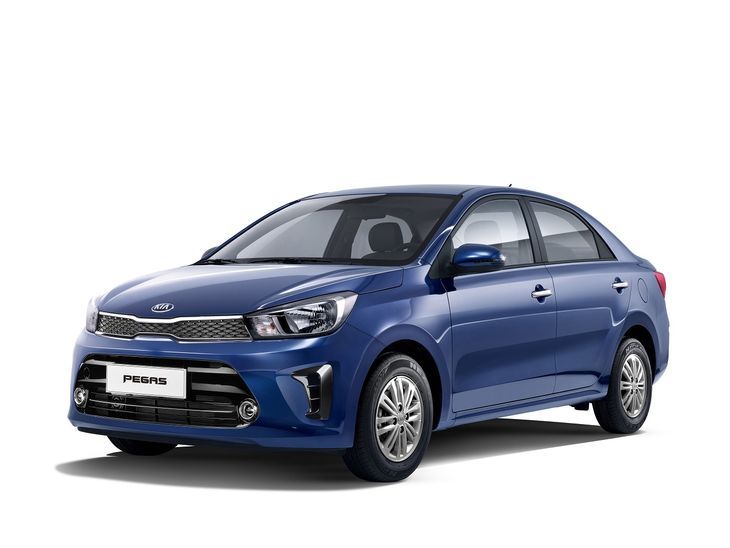
Kia Sedan – Uber’s everywhere
E-hailing cab rides have become so ubiquitous that even the most tech-averse boomers are known to use the app to commute to places where parking facilities are virtually non-existent or exorbitantly expensive. If we’re looking at the numbers, the number of users online in South Africa is well over the 1-million golden number. A majority of that is in the Uber X category, where users don't mind riding in a budget sedan. That type of demand is a difficult thing to ignore for a manufacturer looking to make easy money with a sparsely specced sedan (the more accessories there are, the higher a car’s list price).
Never mind the questionable aesthetics in this segment (I don't want to pick on the Nissan Almera, but jeesh, it is such a good example), it's all about "function over form" in the budget-sedan game. And although the bar seems to be set pretty low, it remains a tough market to play in, just ask the Fiat Tipo and Renault Logan. Honda and Suzuki have made some inroads with the Amaze and Ciaz, but Toyota and VW have ruled supreme. What if Kia partnered with a finance house and offered drivers a rent-to-own scheme? That would be a worthy entrepreneurial initiative; I can even see Government backing it.
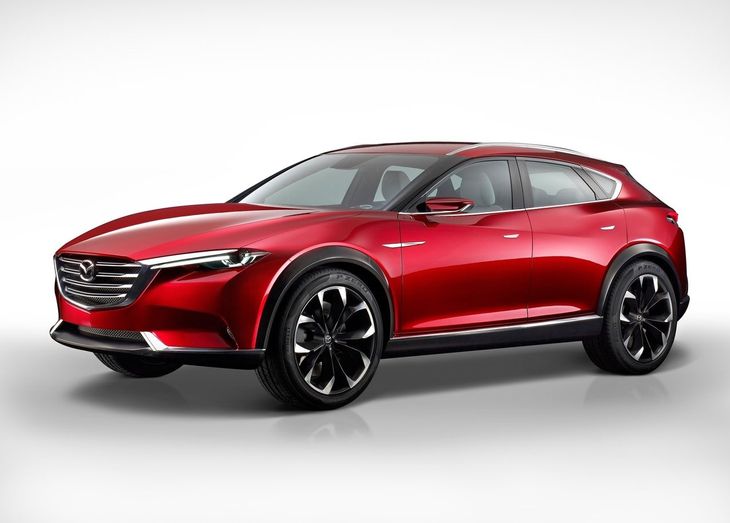
New Mazda CX-5 – Your DBX on a budget
One can argue until you’re blue in the face but there’s something Aston Martin-esque about that 3-quarter-view teaser shot of the new Mazda CX-5. Call it a DBX on an (upper) middle-class income, but let’s get straight to the point: it’s going to be a rear-wheel-drive (RWD) family car, my friends. Did someone say "let'skap donuts" with a compact SUV replete with “My Stick Family” stickers emblazoned on the tailgate's screen? I’m in! But seriously, this is quite the departure from the "transversely-mounted 4-pot turbo with front-wheel drive" recipe the market has been sticking with… and I’m genuinely intrigued.
Remember that Mazda is planning to introduce new inline-6 engines in 2022; they will be mounted longitudinally – which is why the RWD configuration makes sense! Again, it's another departure, because most manufacturers are adopting small turbo motors. I wish Mazda would continue with these explorations and make a new performance version of the rotary engine happen. A boy can dream, can't he?
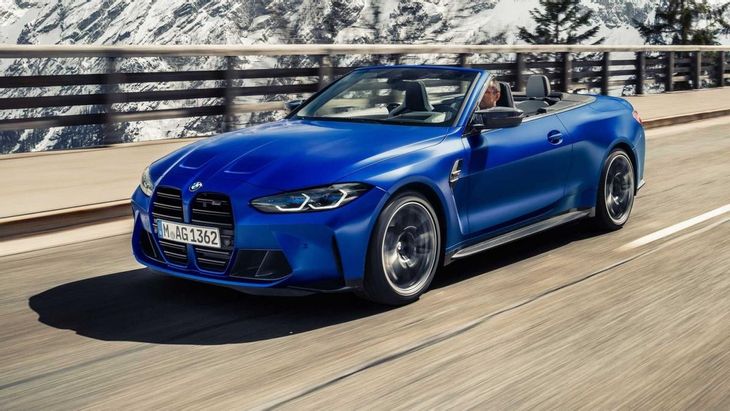
BMW M4 Convertible – a future classic
You know how when you were young, you hated certain types of cheese, but as an adult, you are quite inclined to find yourself perched on some tartan blanket on one of those swish wine farms munching pricey artisanal fromage that has the odour of 3-day-old sweaty socks? Guess that analogy is like my relationship with convertibles and the sonorous G83 BMW M4 Convertible is the cheese in this story.
I have the same feeling about the latest M4 drop-top, which was revealed this week, as I had when I first saw the Honda S2000 many moons ago. You may not be able to see it right now, but I’ll be brave enough to say it outright: the M Division's newcomer has "future classic" written all over it. It may not make sense now, but in 10 years' time, when EVs that whisk past you with little more than the chirrup of tyres on the asphalt are everywhere, the exhaust note of a G83 M4 Convertible will make the hair on the back of your neck stand on end when it tears past you… then you’ll remember this conversation.
New Audi RSQ8 vs Mercedes-AMG GLE63 S Coupe – Quarter-mile Shootout!
Ciro de Siena and Ernest Page put two German sports SUVs through their paces. The Audi RSQ8 and the Mercedes-AMG GLE 63 S Coupe go head to head. Watch now!
Here we go! Another Cars.co.za drag race. This time it's two monster German SUVs going head-to-head on the quarter mile (400m).
This is quite an interesting matchup. The Mercedes has the power and torque advantage, but the Audi RSQ8 is a good 200kg lighter, which will certainly help it off the line.
So sit back, grab some popcorn and enjoy this very loud, very heavy, very expensive and very close drag race.
There's some positive news for the owners of petrol-driven cars as the price will drop slightly, but diesel users are in for a steep increase in June 2021.
Based on the unaudited month-end fuel price data that's released by the Central Energy Fund, the Automobile Association of SA predicts a price reduction of 11 cents a litre for petrol. Diesel and paraffin prices will increase by around 22 cents and 21 cents respectively.
"The Rand continued to strengthen against the US dollar throughout May, while international oil prices remained mostly flat. But the sharp spike in oil at the start of the month is still spilling over into the data, with the prices of refined diesel having seen a bigger impact than petrol," notes the AA.
The cost of diesel and paraffin going up is not good news for the transport sector and members of the public who rely on paraffin for heat, light and food prep. “It will also not be welcomed by citizens who use illuminating paraffin for cooking, lighting, and especially heating during the winter months,” says the AA.
There's a small light at the end of the tunnel as the Rand continues to shine. "For as long as our currency continues to put in strong performances against the US dollar, the impact of rebounding international oil prices will be softened," it concludes.
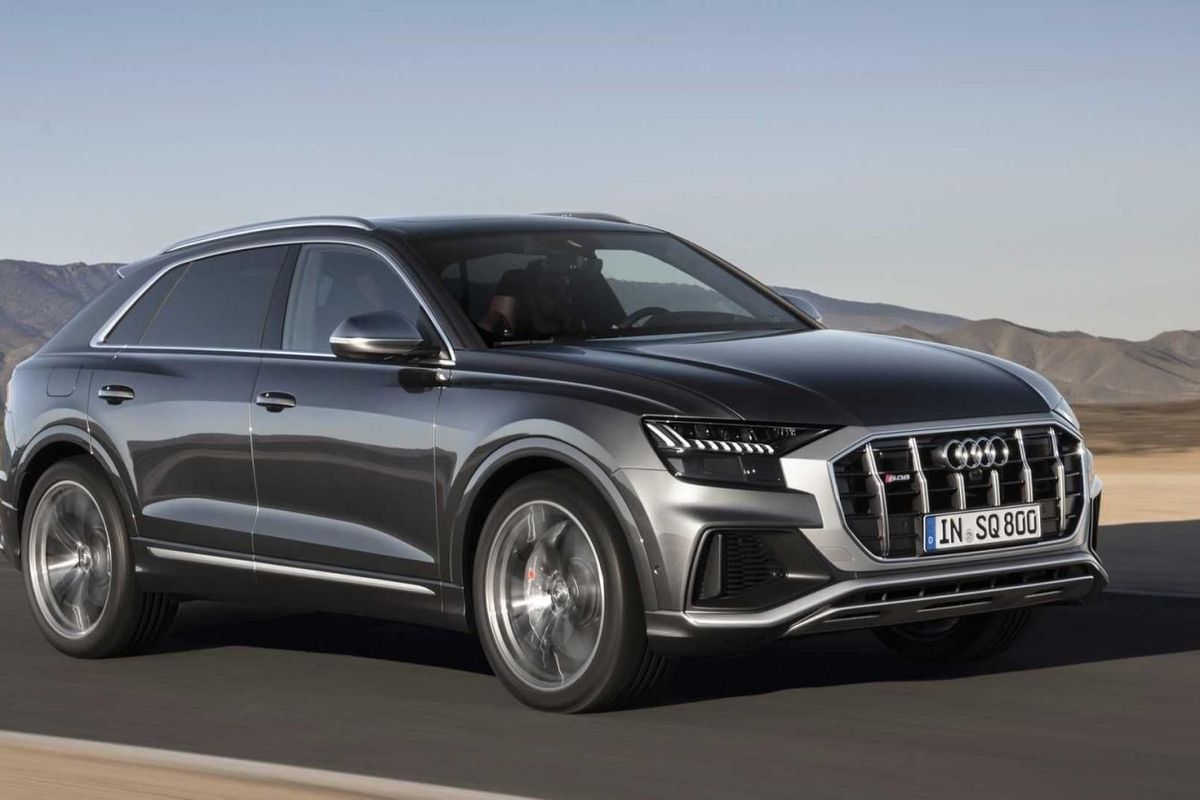
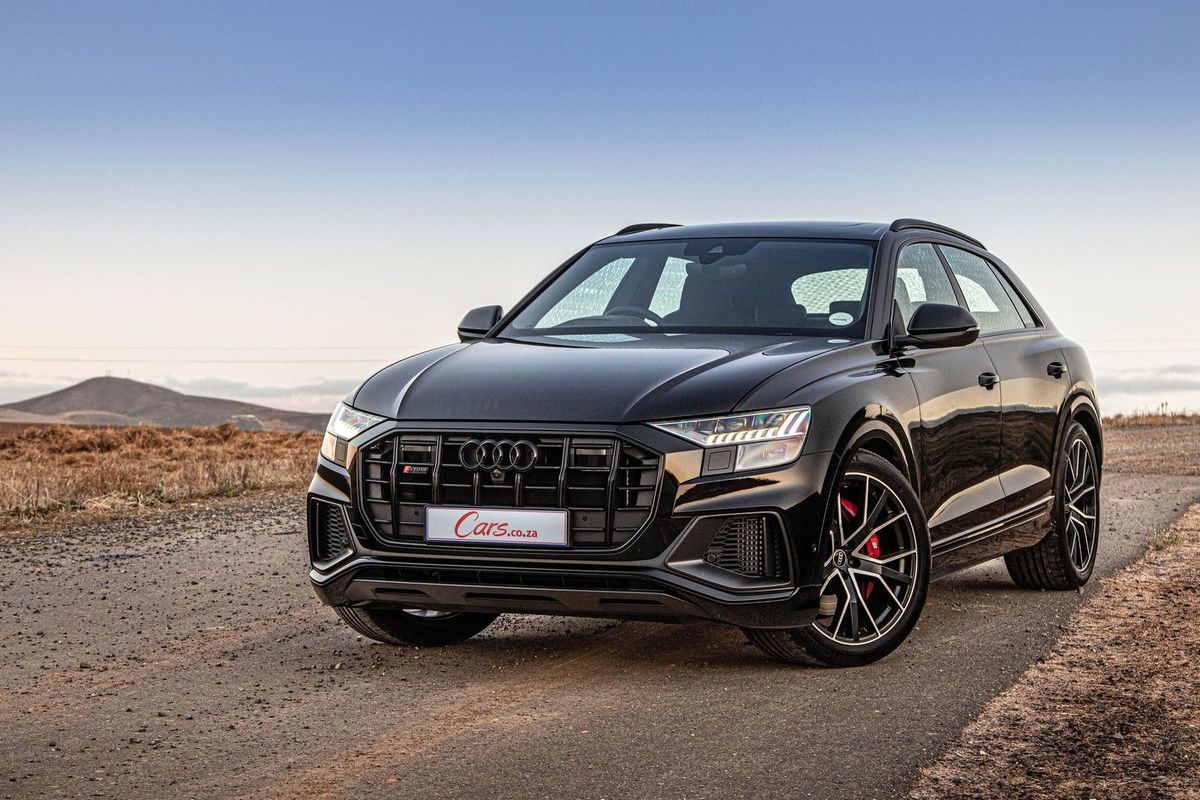
The Audi SQ8 has arrived in South Africa – and we just had to have a go in the Ingolstadt-based brand's dynamic turbodiesel performance SUV! Does it represent just enough of a step up from the rest of the Q8 range, or is it simply a piecemeal derivative for those who can't afford the RS Q8 flagship? Let's find out.
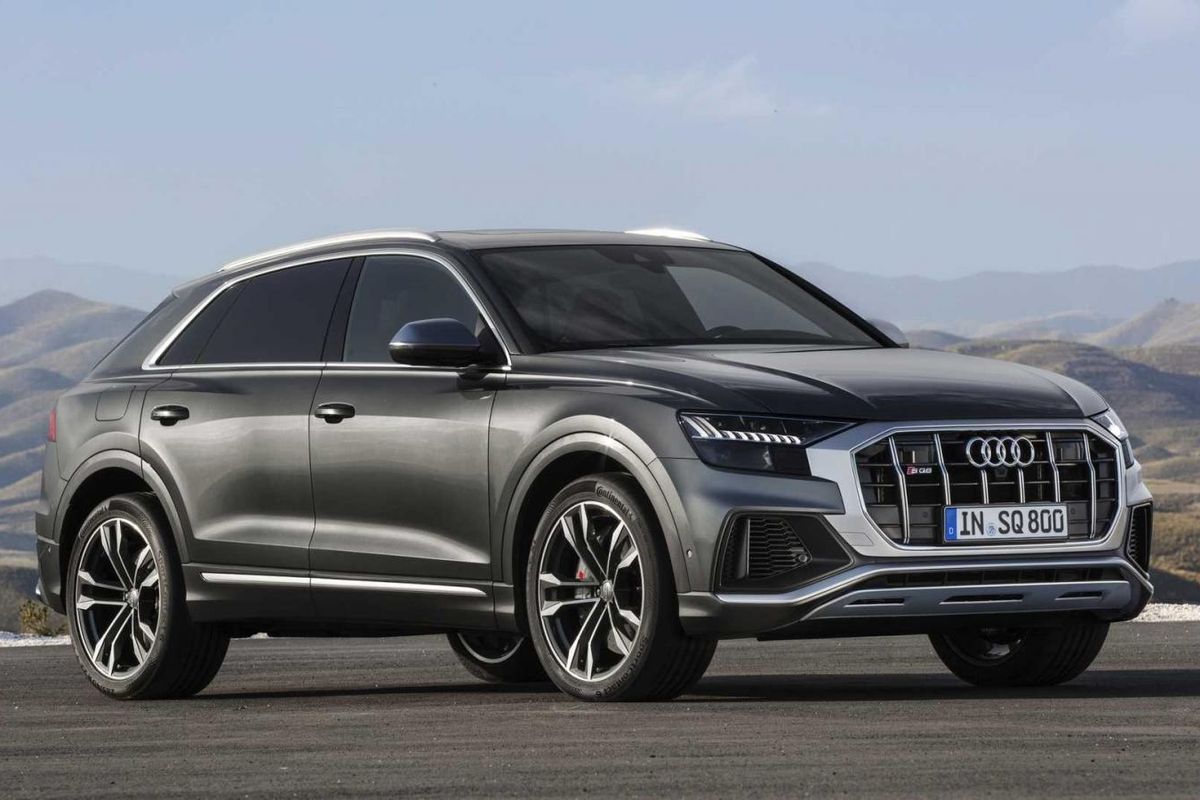
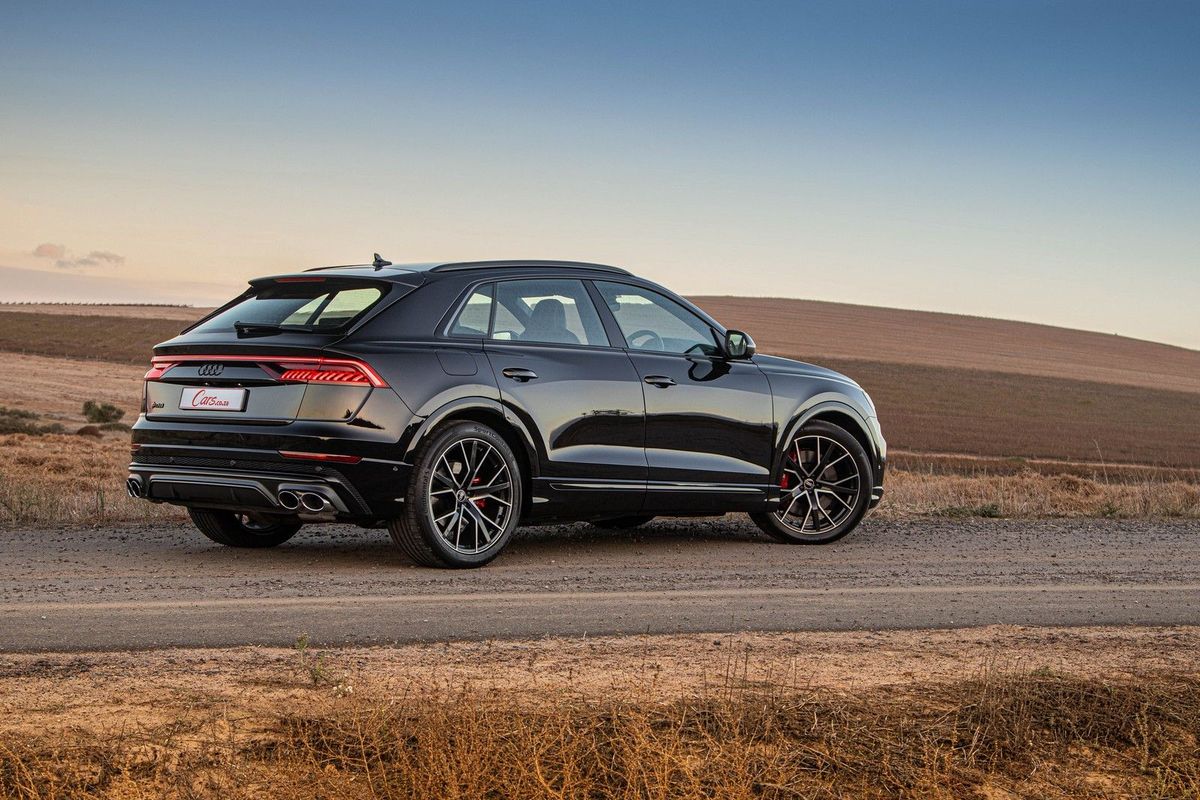
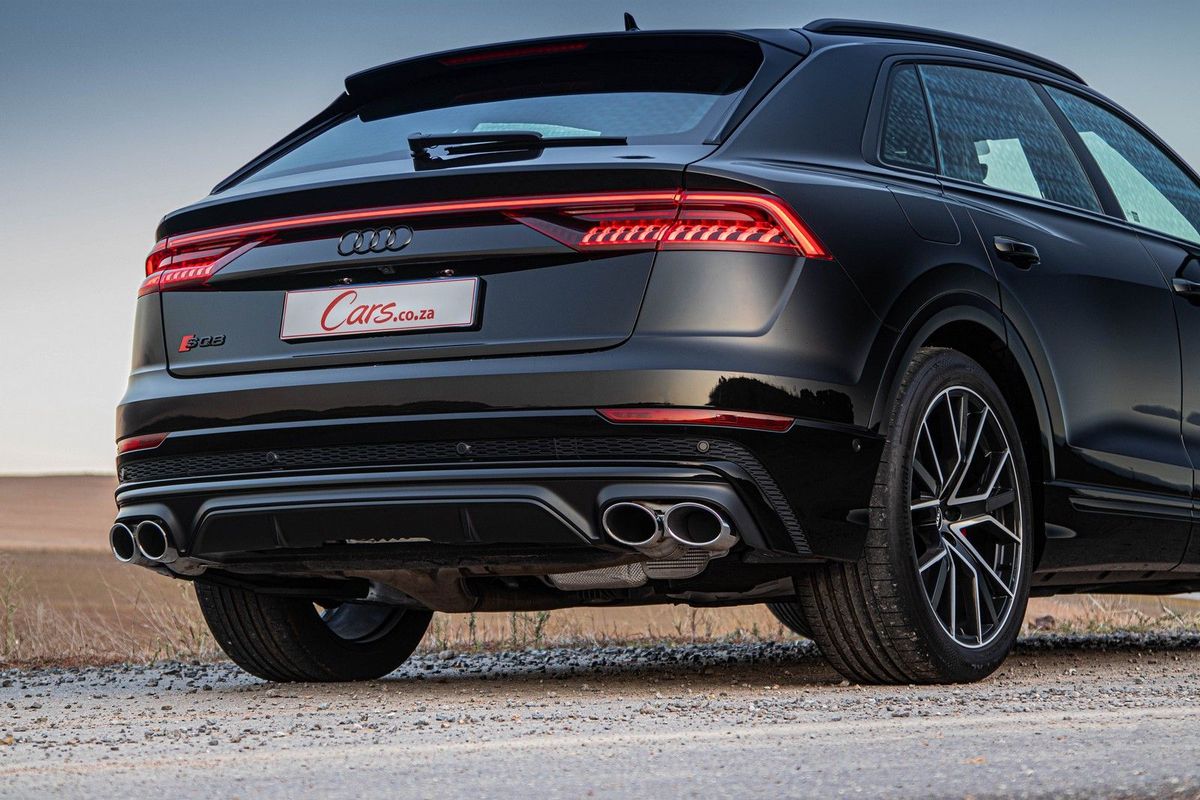
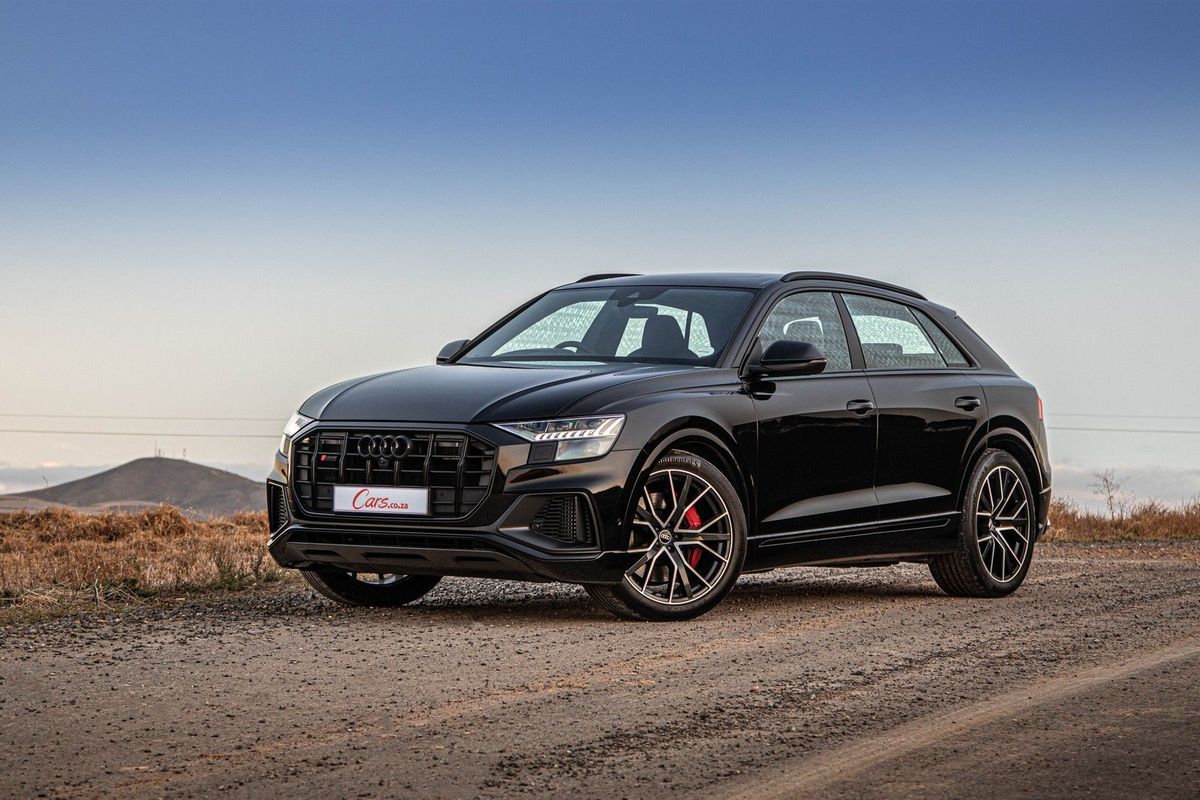
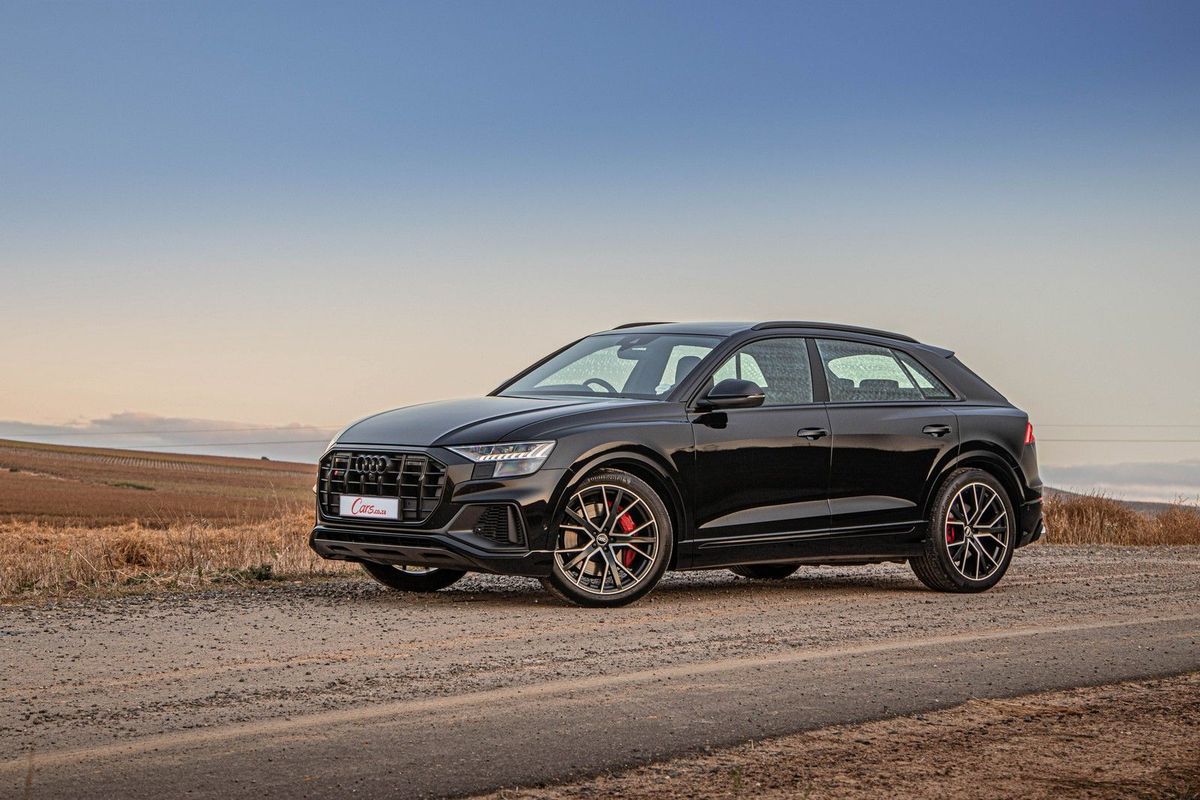
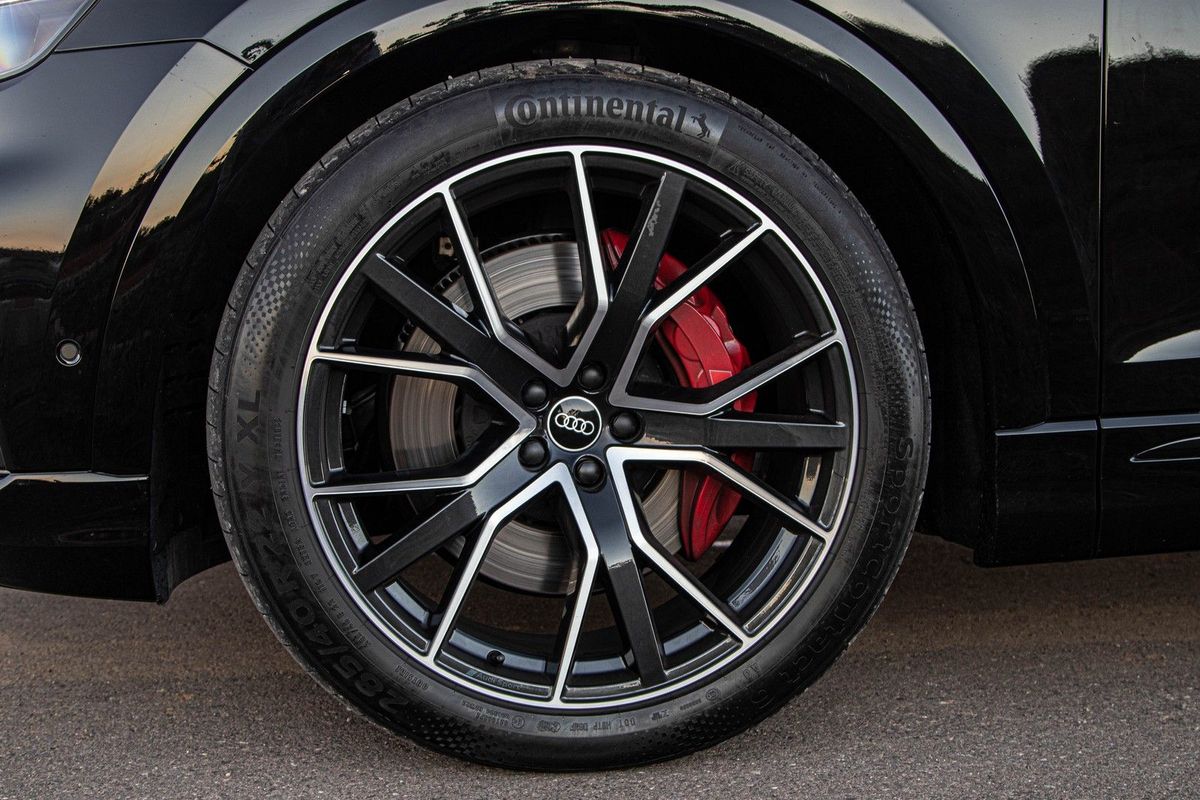
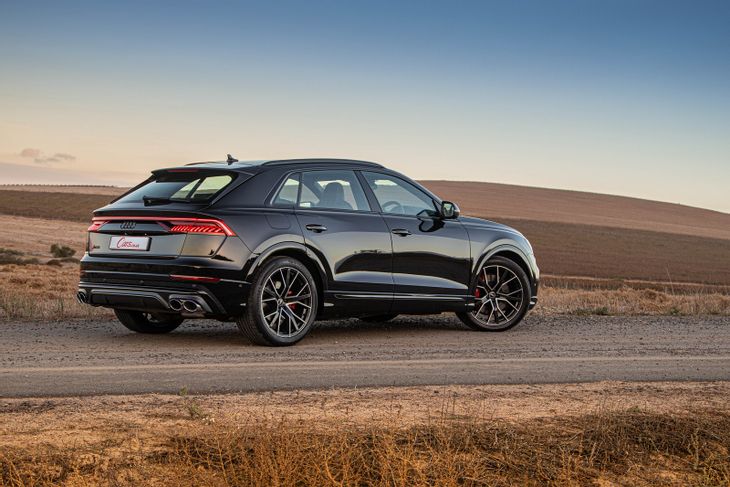
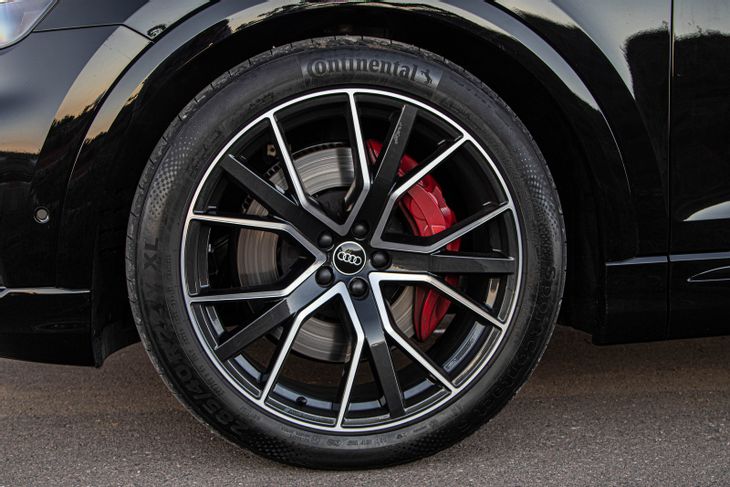
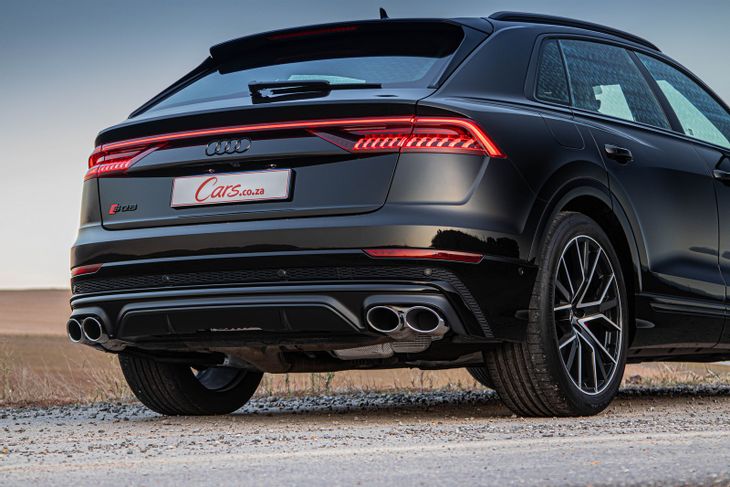
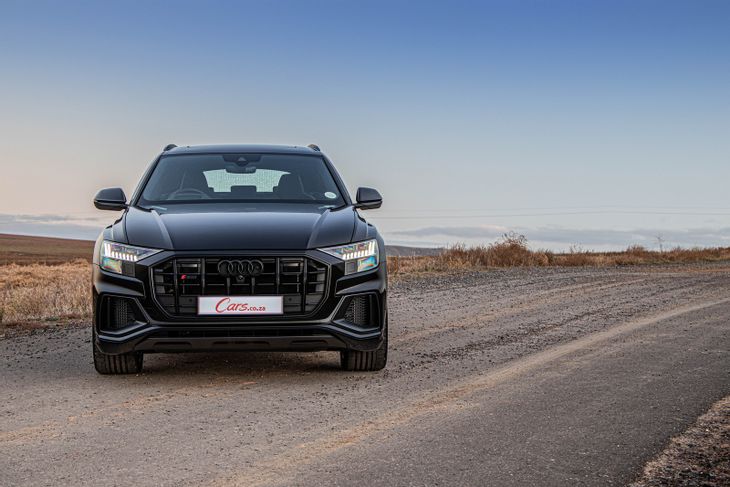
With big wheels, red brakes and quad exhausts, the Audi SQ8 has subtle sporty addenda.
The Audi Q8 takes the concept of a boutique/designer Premium SUV to another level. Those who aren't particularly enamoured with the Audi Q7's upright station-wagon-like styling may find favour with the shape and proportions of the Q8; this model is pitched against the Mercedes-Benz GLE Coupe as well as the BMW X6 and is technically a Sports Activity Vehicle, as opposed to a Sports Utility Vehicle.
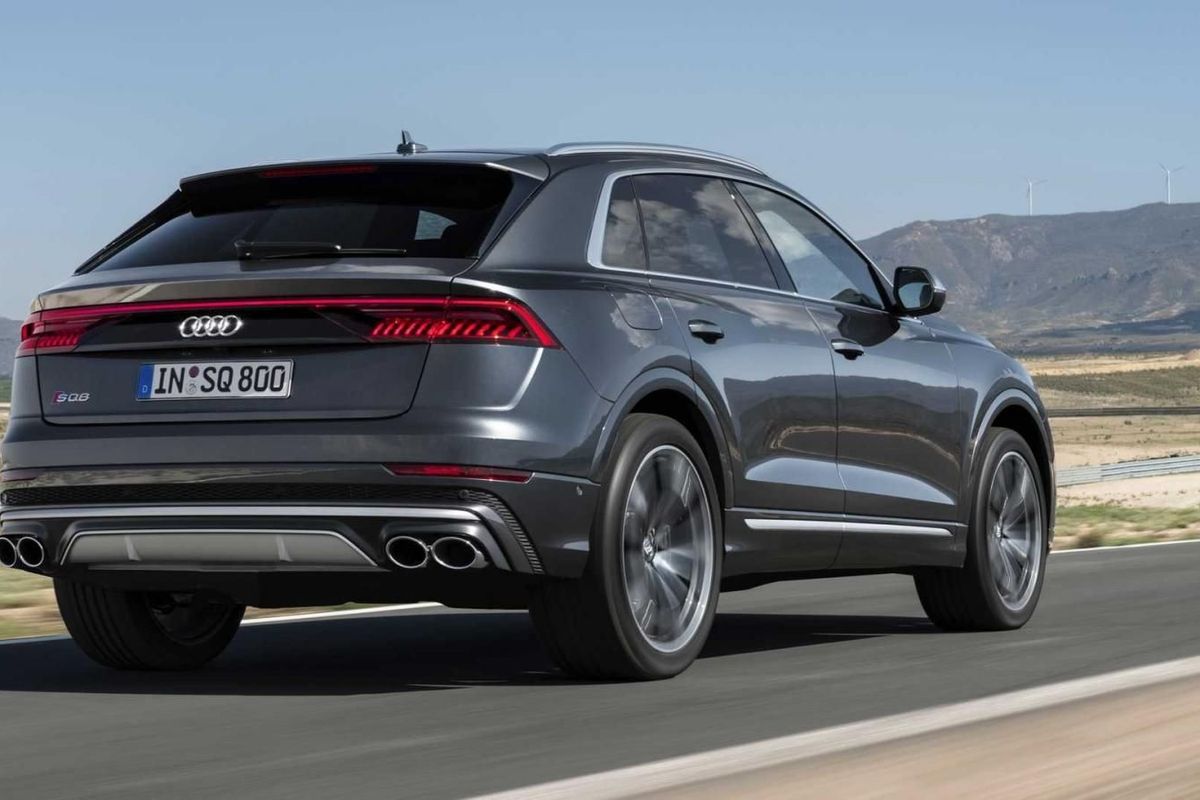
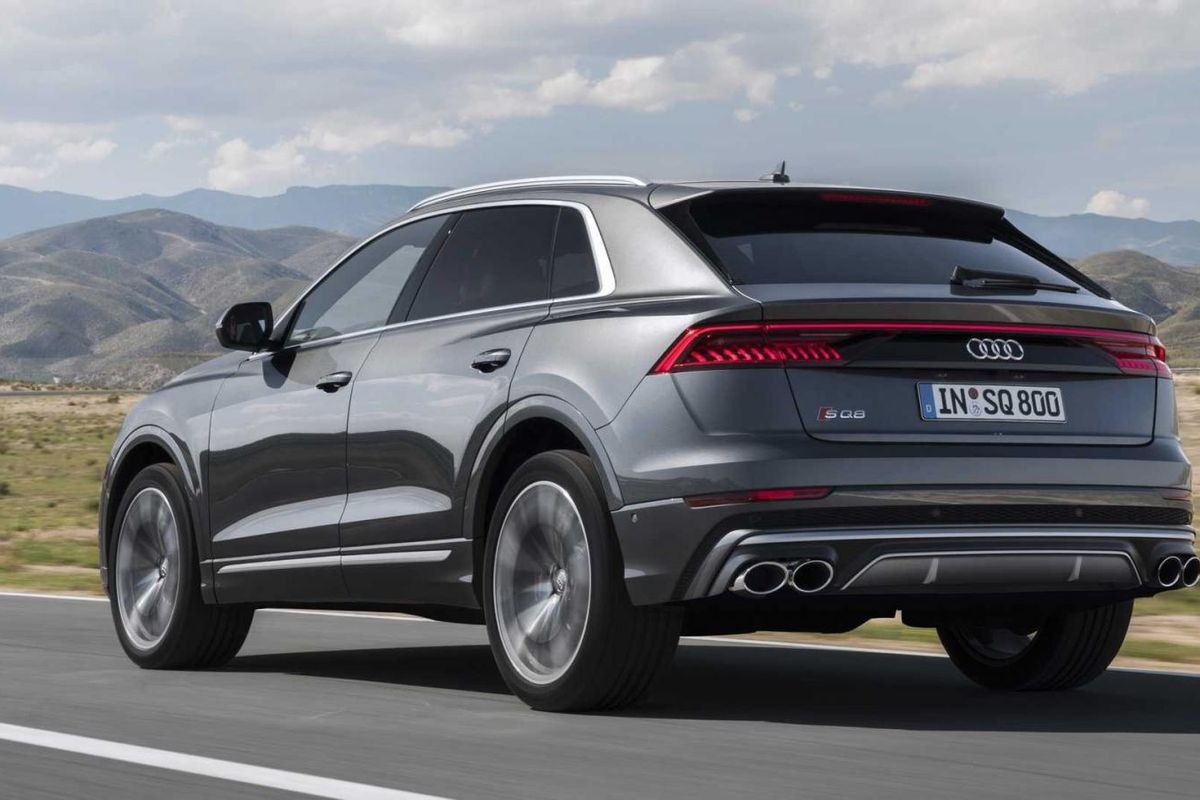
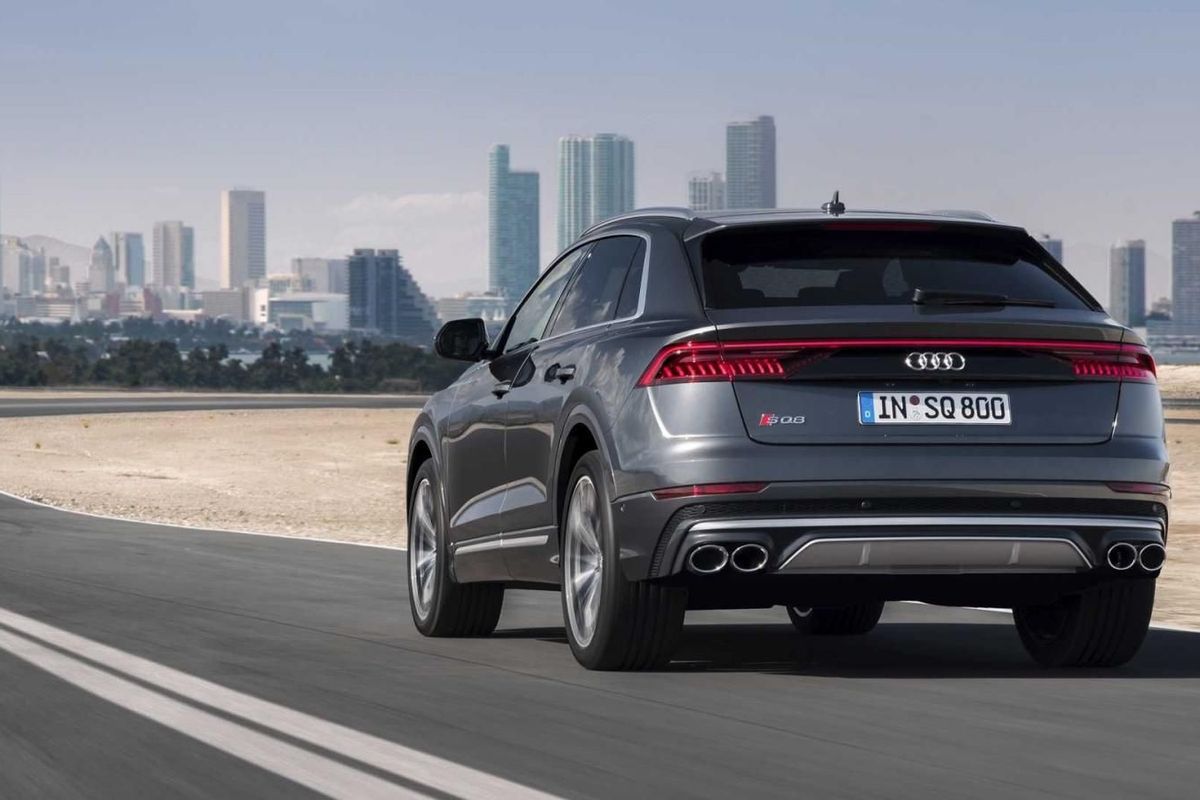
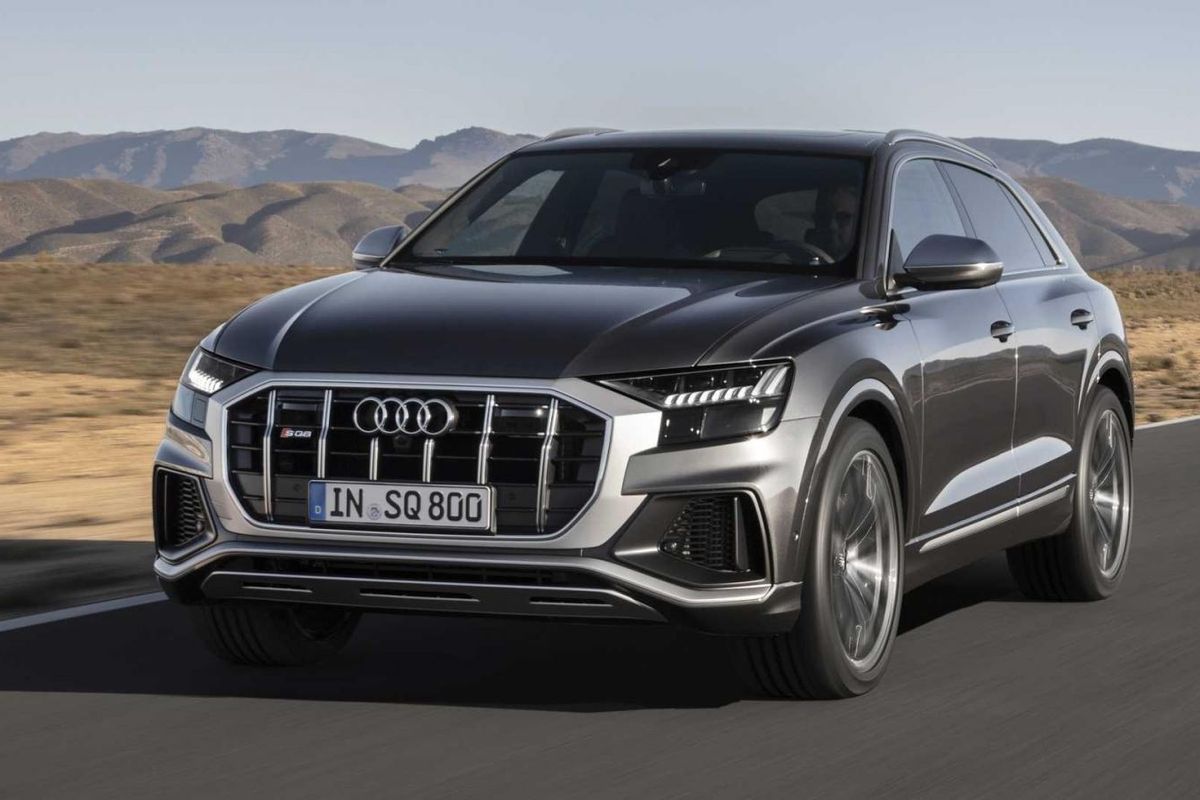
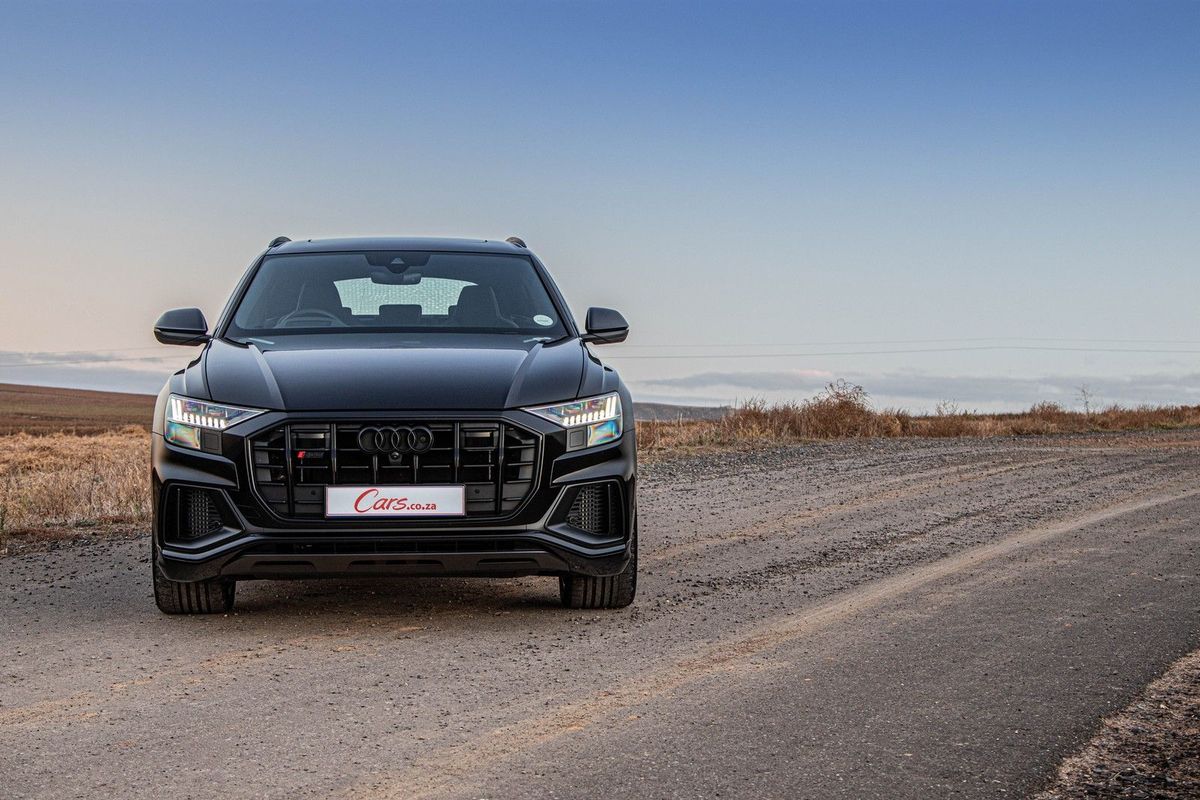
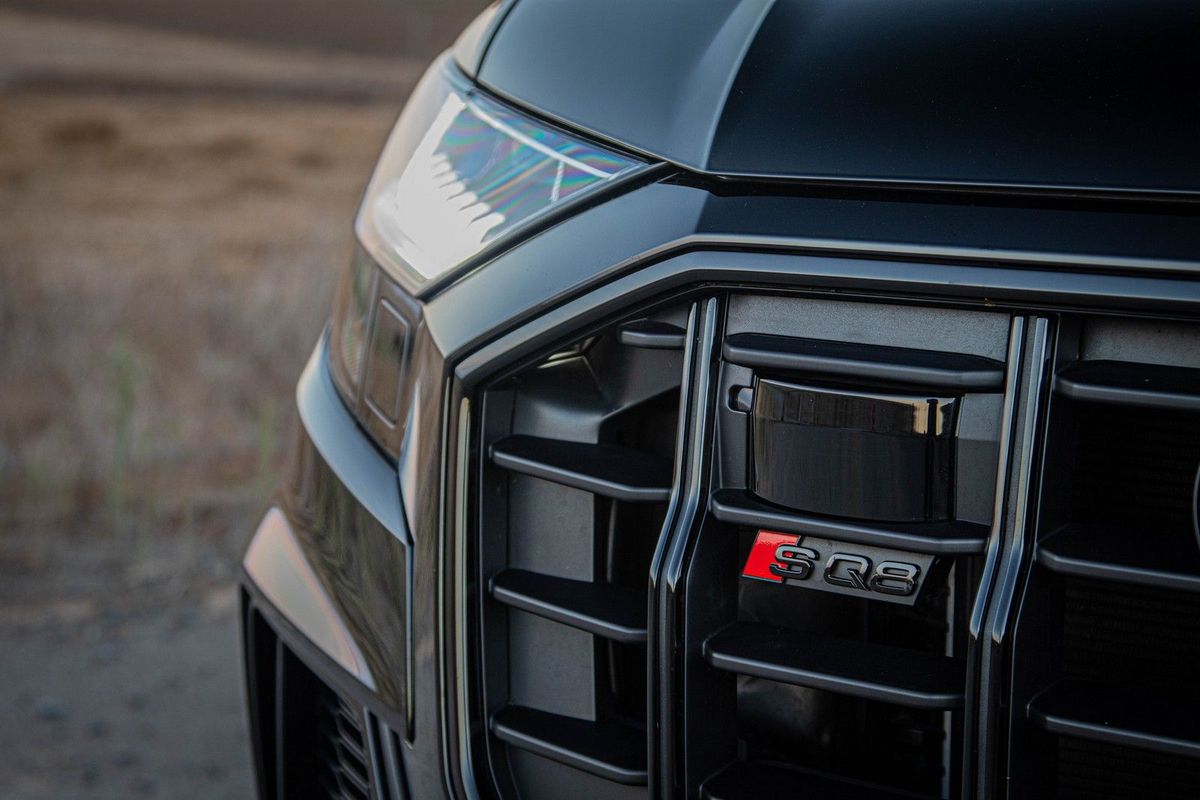
The transformation of the standard Q8 – which is already a handsome vehicle in many people's eyes – into the performance-biased SQ8 is purposely subtle. The giveaway visual cues are the quad exhaust tips, ostentatiously oversized wheels (22-inch units on this example) and a gaping intake at the front. Discreet SQ8 badges appear on the nose and rear to remind onlookers this is no ordinary Q8.
Our test unit was curiously specced in a black-on-black scheme; although it's understandable that some would prefer a classically dark Teutonic interior, the noir exterior finish does flatten some of the SQ8's exterior detailing. Having said that, the combination of the Deep Black paint finish and black badging effectively create a murdered look – if that is your preference, you can certainly dive into those options.
The black-on-black scheme does work extraordinary well with the Audi SQ8's lighting array… come to think about it. When you unlock the vehicle at night, you're greeted by a light show at the front and rear, with the headlight clusters' elements lighting up individually. The sequence at the rear of the vehicle is our favourite – the tail-light clusters are joined by a single light bar that stretches across the tailgate. Those red lights look menacing in combination with the car's black finish, like a Knight Rider for the 21st century (if Michael Knight ever decided to start a family and needed to trade-in KITT).
The Q8 is not an unassuming car, but the SQ8 tastefully enhances the model's bold style statement. There's simply nothing quite like it unless you opt for the flagship RS Q8, which is a potent performer.
What’s the interior of the SQ8 like?
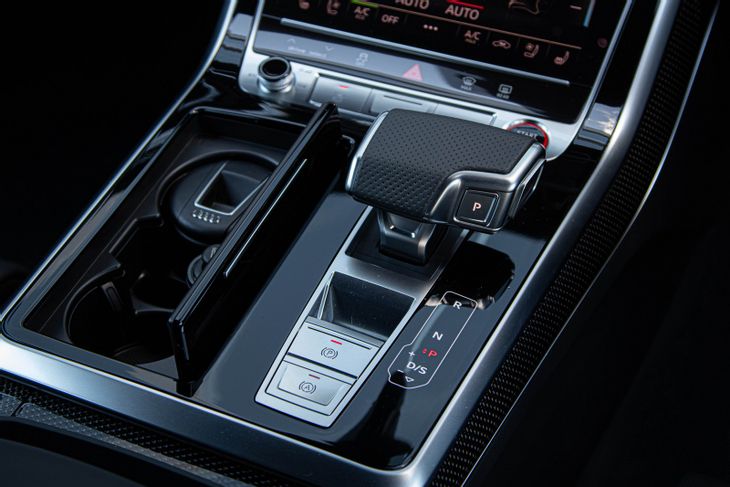
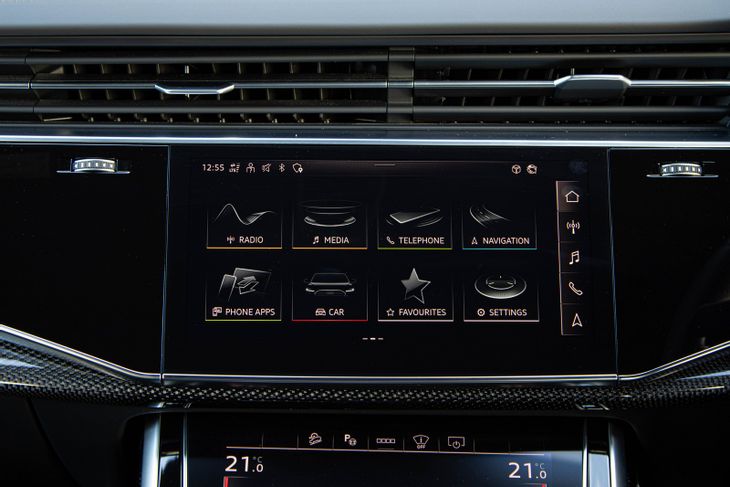
No shortage of premium materials here and the tiered infotainment screens are very pretty
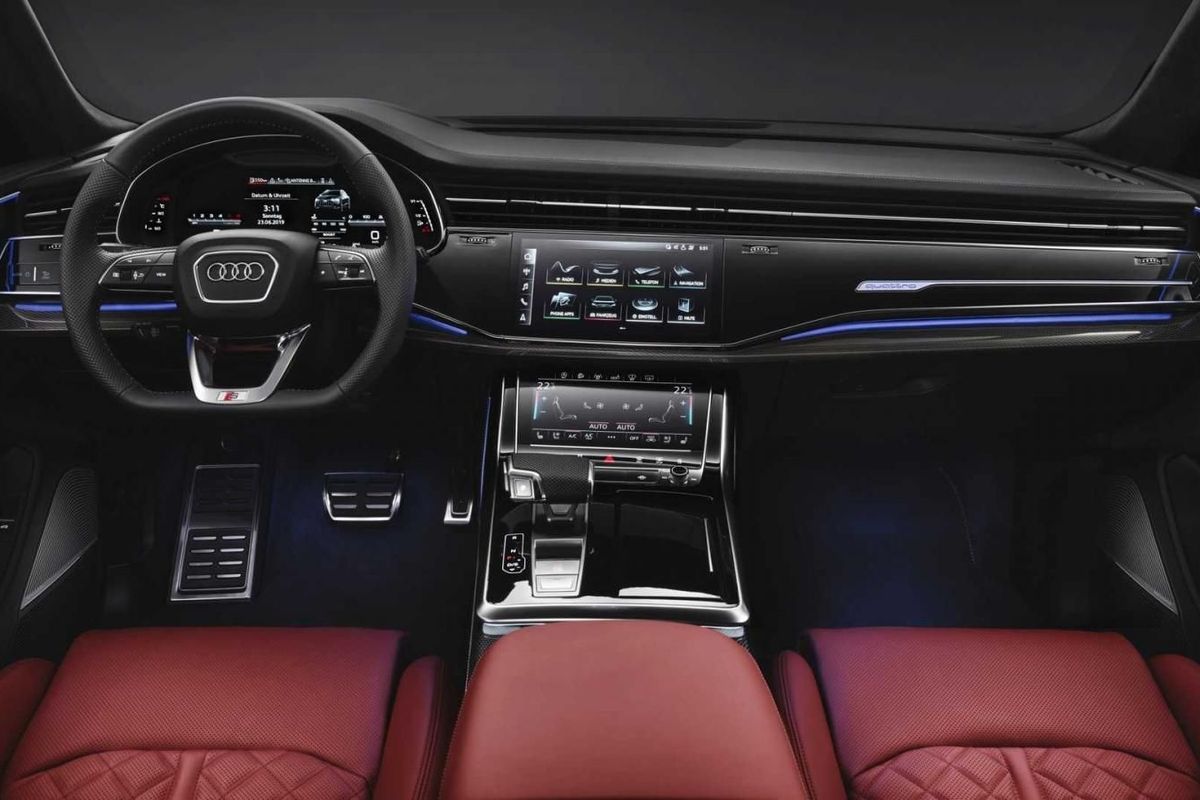
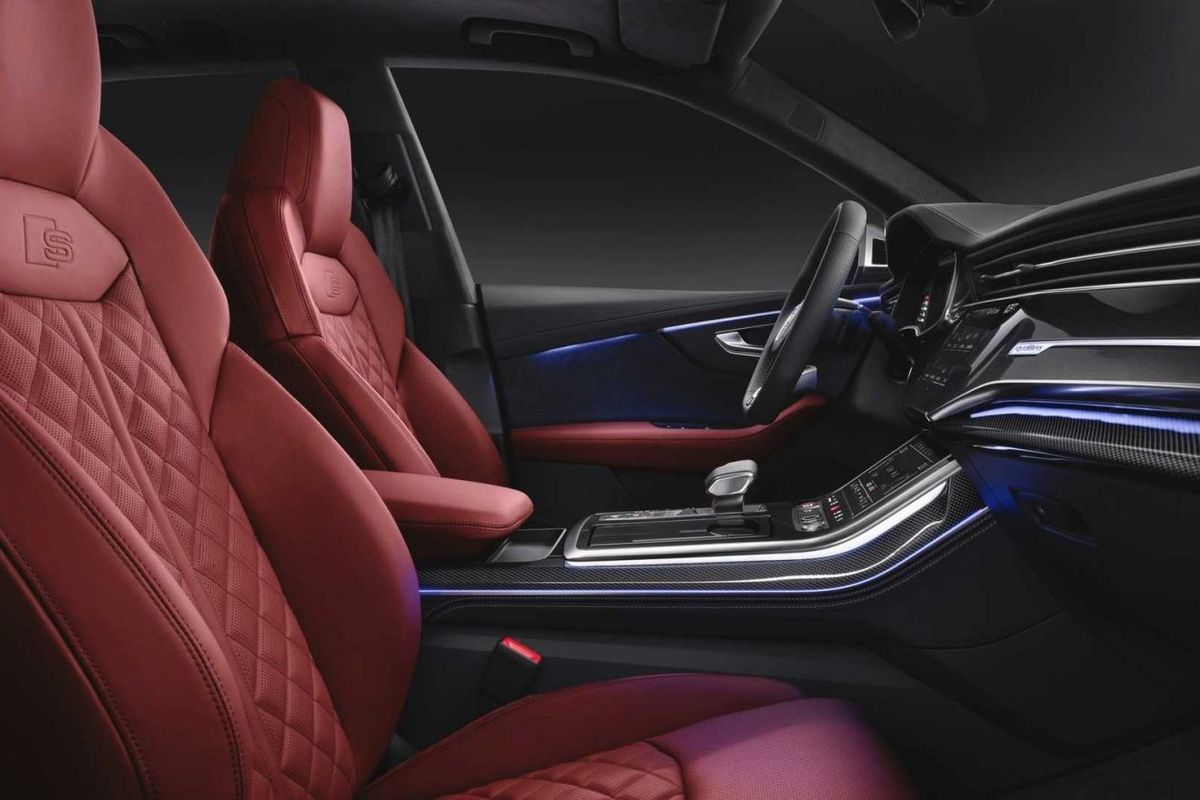
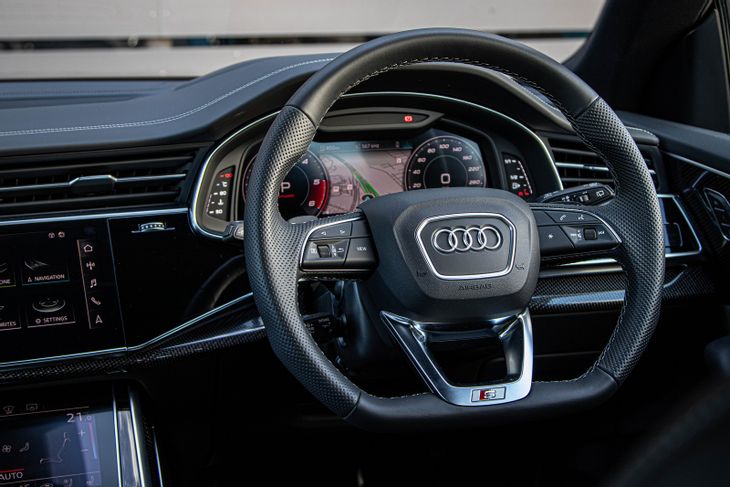
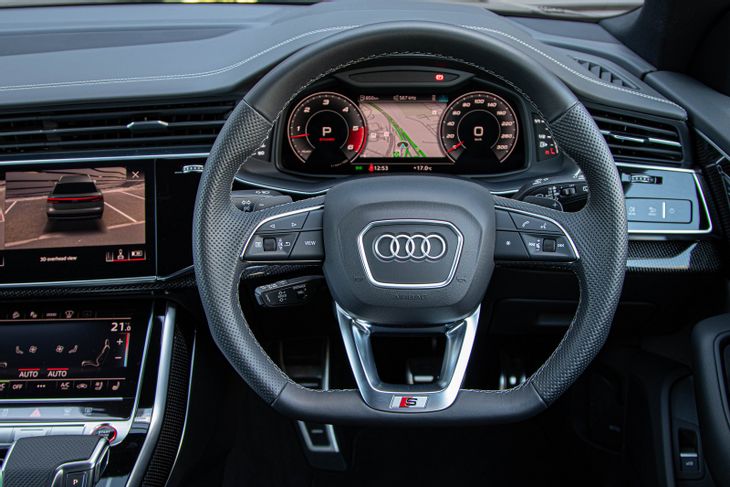
The latest-generation Audi interiors are sensational. Not only do they look futuristic, but they feel luxurious. There's plenty of top-quality leather and metals on display – and then there is the tech! The SQ8 comes standard with Audi's Virtual Cockpit digital dashboard and there are another 2 screens in the fascia; one controls the car's infotainment and the other deals with the climate control settings.
The screens feature haptic feedback and are generally straightforward to use, but the climate control interface requires some practice. Instead of incrementally changing the temperature, you can slide your finger up (for hotter) and down (for cooler). While that task poses no problem when the Audi's standing still, it's tricky to get right while you're driving – and if you're obsessed with getting the temperature just right, good luck on selecting your "20 degrees on the nose" while on the move. Also, keep a small cleaning cloth handy as these screens attract fingerprints; they'll require a wipedown every now and again.
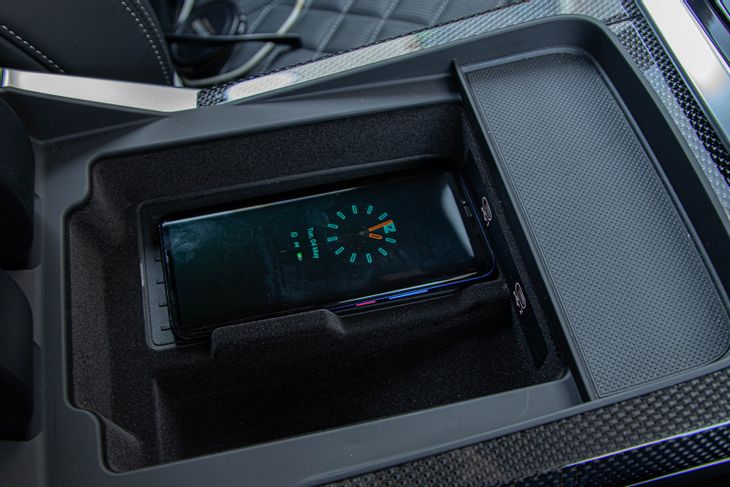
The Audi phone box, complete with wireless charging and two USB ports
Connectivity-wise, the SQ8 features the so-called "Audi Phone Box", which includes a wireless charging pad as well as Apple CarPlay and Android Auto compatibility, as standard. The Audi Q8 is a premium SUV in anyone's book and the SQ8 sits 2nd from the top in the model's line-up – that means there are standard features aplenty, including a tyre-pressuring monitoring system, head-up display, heated sports seats (trimmed in Valcona leather trim with memory function for the driver), a trailer hitch, panoramic glass sunroof, Bang & Olufsen audio system and the Matrix LED headlights, to name but a few.
Our test unit came specified with a number of options (all of which added R261 730 to the list price). Some of the standout extra-cost additions included the all-wheel steering (R20 080), seat heating fore and aft (R6 270), front ventilated massage seats (R24 260), Audi Pre-Sense Front (R6 150), adaptive cruise control with speed limiter, efficiency assist, swerve assist and turn assist (R21 630). They may seem like sheer indulgences, but the novelty of the self-latching doors (R10 020) and Audi logo projector lights (R3 750) didn't wear off during the SQ8's tenure in our test fleet!
What’s the Audi SQ8 like to drive?
You'd think big 22-inch sporty wheels wrapped in performance rubber would negatively affect the ride quality, but the SQ8 is right up there for best-in-class on-road refinement
It's a shame turbodiesels have become unfashionable, because this 4.0-litre turbocharged V8 is sublime. Not only has Audi dialled out the typical diesel clatter, the motor emits the kind of throatiness that one would expect a beefy V8 to produce. The jury is still out on whether that engine note is electronically enhanced (or not), but given the direction in which the automotive world's moving (electrification), many enthusiasts will be keen to savour every last shred of petrolhead goodness while they can. In standard mode, there's a faint rumble on acceleration, but when you activate Dynamic mode, the SQ8 emits a muscle-car-like roar. We suspect the sound is piped through the speakers, but after hearing an SQ8 being launched from the outside, we're not sure. Can a turbodiesel really sound this good?
With 310 kW and a colossal 900 Nm on tap, the SQ8's performance was never going to be sluggish. While the claim of 4.8 sec for the 0-to-100 kph sprint doesn't seem that quick, the SQ8's abundant reserve of in-gear shove is nothing short of astonishing. Even if you lean on the throttle pedal at 80 kph, the Audi will kick down a gear and surge forward with such brute force that one would be forgiven for thinking Elon Musk had strapped a Merlin rocket engine to its roof. What's truly mindblowing is the car doesn't even have to be in its sportiest drive mode to produce such crushing overtaking acceleration.
Speaking of the transmission, the 8-speed automatic is offered in conjunction with 'wheel-mounted shift paddles. These are a treat to use: they are pleasantly tactile and the gear shifts themselves are quick and seamless. However, given the nature of the SQ8 and the way its powertrain is calibrated, it's best to leave the 'box in full auto because it offers a much smoother power delivery in its default setting.
The 8-speed auto transmission is best left to its own devices, but if you want, you can use the 'wheel-mounted shift paddles.
When you select Dynamic mode, however, the SQ8's air suspension hunkers down like a primed athlete, plus the engine feels more responsive to throttle inputs and, to reiterate, sounds incredible! The clever mild-hybrid system does a sterling job of minimising turbo lag; if you listen very carefully just before you set off, you can hear the electric spooling of the turbocharger preparing to deliver the boost. All 900 of Newton's finest are available from as little as 1 250 rpm and, when you do decide to stand on the loud pedal, you best be prepared, because the 2.3-tonne SQ8 will absolutely hurtle towards the horizon. There's no need to rev the motor to the redline either, because peak torque is available between 1 250 and 3 250 rpm – rest assured, the SQ8 does not take long to get into its stride at all.
Of course, the majority of SQ8 buyers will most appreciate the vehicle's ability to brush aside slower traffic on long-haul journeys. And the best part? If you drive it spiritedly (that is to say make the most of that wonderful motor), you're unlikely to eclipse 11 L/100 km… If you try similar antics in a petrol-powered performance SUV you'll be lucky to achieve under 15 L/100 km. After completing a combined fuel route in the SQ8, it indicated a consumption figure of 9.1 L/100 km, which is impressive, given the manufacturer's claim is 8.3 L/100 km. You should be able to travel about 1 000 km on a full (75-litre) tank.
We noted that the car's hybrid system kicked in quite often – the engine sometimes switched off while the SQ8 coasted or approached intersections. However, that is exactly how the system is supposed to work; when required, the engine will fire up again immediately. Audi says its hybrid tech helps to save fuel in the long run. It's initially quite odd, but you soon get used to the system and learn to work with it.
Carbon fibre and a slick infotainment system dominate the SQ8's cabin
How good is the SQ8's ride/handling balance?
The SQ8 might have a hefty kerb weight of 2.3 tonnes, but its handling is far from ponderous, courtesy of, inter alia, adaptive air suspension and quattro all-wheel drive. The Audi's mechanical centre differential generally apportions the power 40:60 front to rear, but if a loss of grip is detected at one of the axles, the setup will redirect up to 70% to the front or 85% to the rear. A loss of grip is, however, extremely rare unless you're driving much too fast! Meanwhile, if you venture off-road, the SQ8's air suspension will raise the ride height; there's a 90-mm difference from the lowest to the highest setting.
The test unit came with 4-wheel steering, which is a R20k option, but it makes a big difference. At lower speeds, the rear wheels turn by 5 degrees in the opposite direction to the front wheels, which makes the SQ8's turning circle smaller – and parking easier. From 60 kph, they turn in the same direction as the front wheels, which sharpens the handling and improves stability in dynamic driving situations.
Note the clever parking cameras
How does all of this translate to the real world? Like all Audi Q8 derivatives, the SQ8's on-road refinement is, in a word, excellent, but at this price point, one would expect that. Given that this test unit is shod with 22-inch low-profile rubber and is tagged as a sportier version of an already sporty vehicle, we were concerned the Q8's excellent ride-quality report card would be blotted. Impressively, however, the SQ8 retains all the comfort and refinement befitting a car at this price point. The adaptive air suspension works well in conjunction with all 7 driving modes: comfort, auto, dynamic, efficiency, all-road, off-road, and individual. For us, it's best to leave the drive mode in either comfort or dynamic, the latter of which avails the greatest variation in suspension settings, steering feel, engine responsiveness etc.
The Audi SQ8 lives up to the idea of a performance SUV. Body control is good and grip levels are high, plus there's genuine steering feel and a good level of feedback (should you wish to string together a few corners at a rapid pace in Dynamic mode). We suspect most customers won't bother with exploring the intricacies of customising the individual settings, but for what it's worth, the extent to which the driving experience can be tailored is really impressive. For a while, we left all the SQ8's settings at their most relaxed, apart from the engine, which we set at its sportiest level. Just because we could.
Is the Audi SQ8 practical?
That huge boot aperture allows easy access
One of the reasons the performance SUV market has boomed is because many customers are happy to ditch their impractical sportscars in favour of more usable (and spacious) SUVs. The Urus, for example, is the fastest-selling product that Lamborghini has ever produced. Interestingly, the Audi SQ8 and Lamborghini Urus are related, with the MLB Evo platform serving as the basis of both cars.
Even in standard guise, the Audi Q8 offers plenty of space, both in the cabin and load bay. The model is the longest in its class and boasts the lengthiest wheelbase, which results in practicality galore. When compared with its rivals from BMW and Mercedes-Benz, the Q8's load bay is bigger than that of the BMW, but the Benz is the biggest in this regard, but at a cost! Fold the seats down and again the Audi SQ8 plays 2nd fiddle to the Mercedes-Benz. We're talking incremental victories here with the key numbers of 605-1 755 litres as opposed to 655-1 790 litres in favour of the brute from Stuttgart. We would say the Benz feels a bit more cramped in the rear, both in terms of leg- and headroom. If you want more luggage space, then look to the Audi SQ7, which can be specified with a 3rd row of seats.
Given the SQ8's target market, 605 litres is sufficient to accommodate large suitcases and golf clubs. Some test team members are ardent cyclists and they appreciated how easy it was to fold down the seats and lower the Audi's rear end when they needed to load in their bikes. There is an air-suspension control panel in the load bay; it requires no more than a push of a button to lower the rear end!
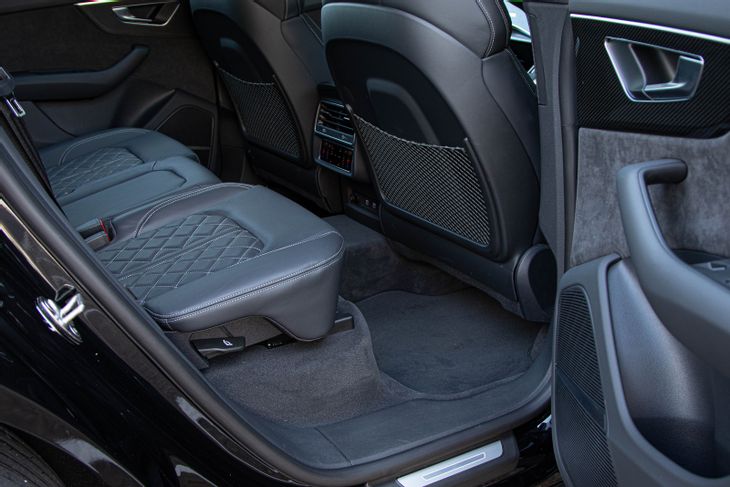
There's space in here for adults and legroom plus headroom are both generous
How much does the Audi SQ8 cost in South Africa?
The Audi Q8 range starts at R1 586 000 and the SQ8 retails for R1 848 500. The vehicle is available in limited numbers and is sold with a 5-year/100 000 km Audi Freeway Plan. Our test unit came with a number of options, all of which added R261 730 to the asking price. As tested, this example of the SQ8 costs R2 110 230 (May 2021).
It's a pity the turbocharged diesel V8 engine took so long to get here… it was well worth the wait.
The Audi SQ8 is just one of those vehicles that causes a conflict between one's heart and head. Some would argue there's nothing wrong with the well-balanced 45 TDI quattro derivative in the Q8 line-up, which, given what the SQ8 costs as standard, you could afford to spec up liberally; it's as nice to drive as it looks and that 3.0-litre V6 TDI engine offers ample performance. Indeed, the 45 TDI ticks many boxes and does an awful lot right, BUT once you've driven the SQ8, which is powered by arguably the greatest performance turbodiesel motor on sale right now, your heart may well overwhelm your head.
Should you buy one? The performance SUV concept may repulse traditionalists, but the great thing about the SQ8 is that it can be specced conservatively, unlike the particular unit we tested. The real drawcard here is, paradoxically, its value-for-money proposition. Yes, at near R2 million, that sounds laughable, but when you compare the SQ8 with its immediate rivals, the BMW X6 M50d and Mercedes-Benz GLE Coupe 400d, the Audi trounces them in terms of performance and features. If you want "frugal" performance with luxury, style and comfort right now, you'd be hard-pressed to outdo the SQ8.
But, then again, if you have this kind of money and it's burning a hole in your pocket, the R2.4-million price tag of the mighty Audi RS Q8, with its twin-turbocharged petrol V8, is not that far away…
Korean automotive giant, Hyundai, is reportedly in the process of reducing the number of internal combustion engines so that more resources can be deployed to develop hydrogen fuel cell vehicles and Electric Vehicles (EVs).
*Pictured is the Hyundai Prophecy EV Concept
Electric vehicles are no longer taboo and many major car manufacturers are rolling out EV strategies that aim to take advantage of the rapidly changing car market which is shifting towards green mobility at a startling pace.
Yes, electric is the future and Hyundai is reportedly taking action to fast-track its transition into the electric vehicle realm.
A Reuters report has revealed that Hyundai will be cutting back on its Internal Combustion Engine (ICE) models with the aim of diverting resources into EVs and will result in a 50% reduction in ICE models.
Unnamed sources within Hyundai, however, didn’t provide a time frame for this new development but they did reportedly confirm that the brand was accelerating its efforts to produce more fuel cell vehicles and EVs. Hyundai’s EV plan will reportedly be finalised in the coming months.
Hyundai aims to be a fully electric brand by 2040 and by 2025, the Hyundai Motor Group, comprising Kia and Genesis, aims to sell over 1-million EVs per annum with the aim of capturing at least 10% of the global EV market. As for developing markets, Hyundai will aim to improve the efficiency of its ICE models.
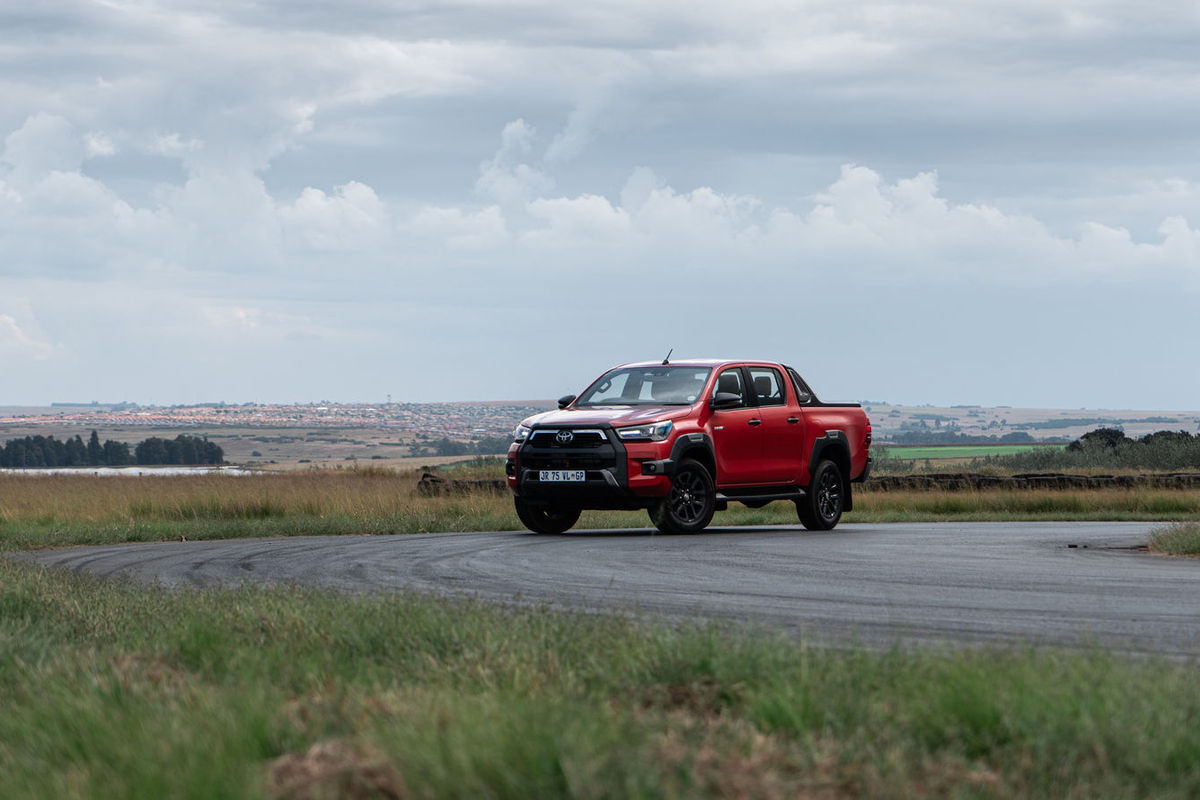
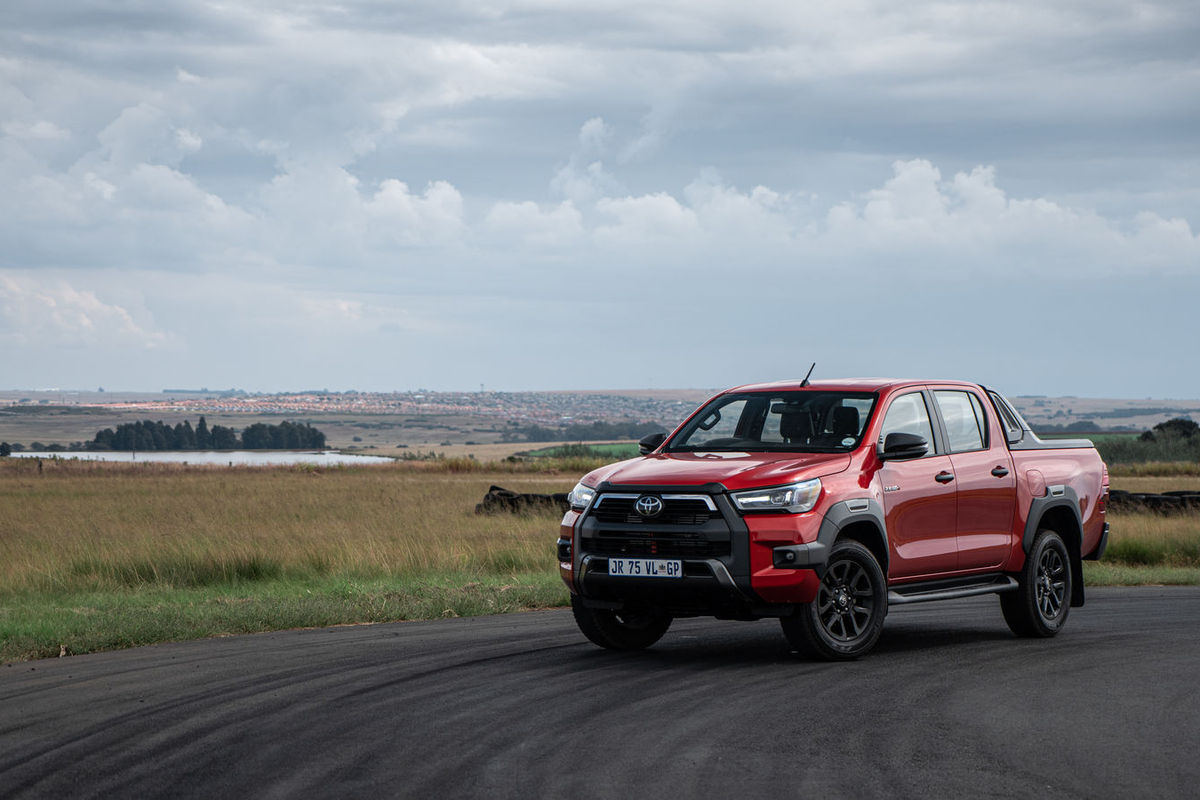
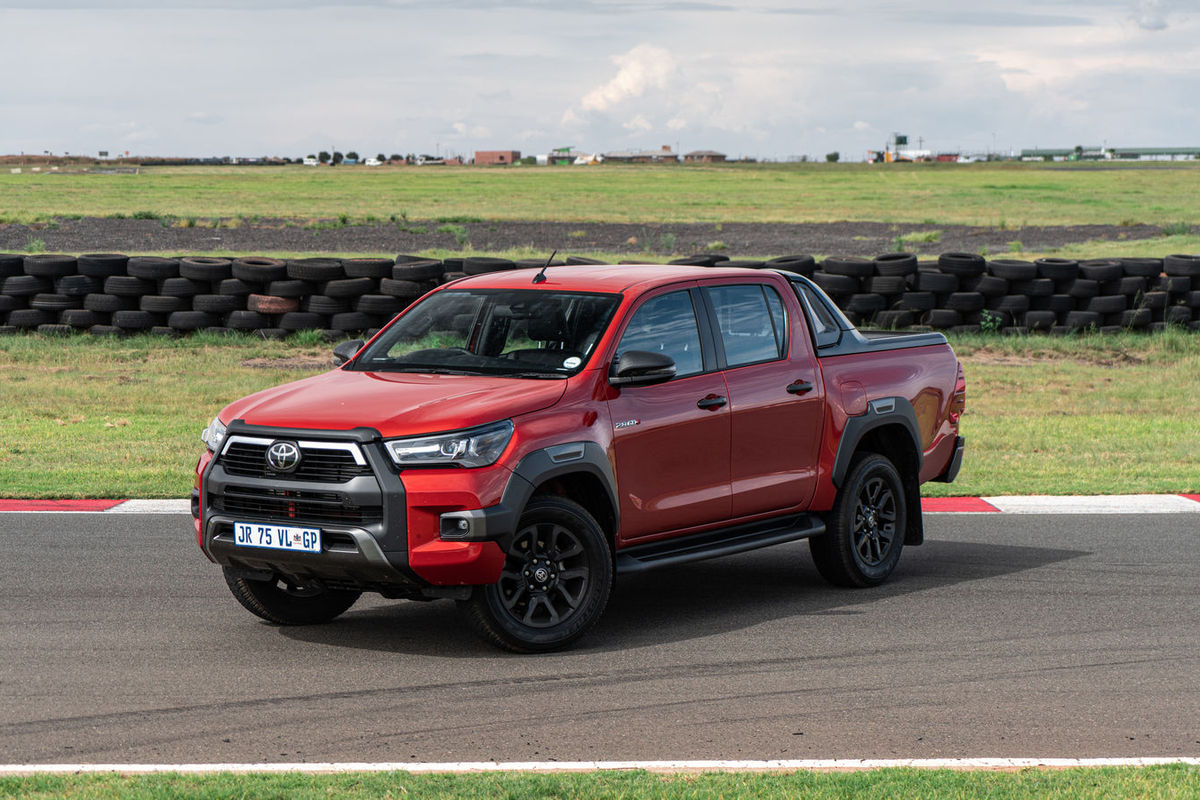
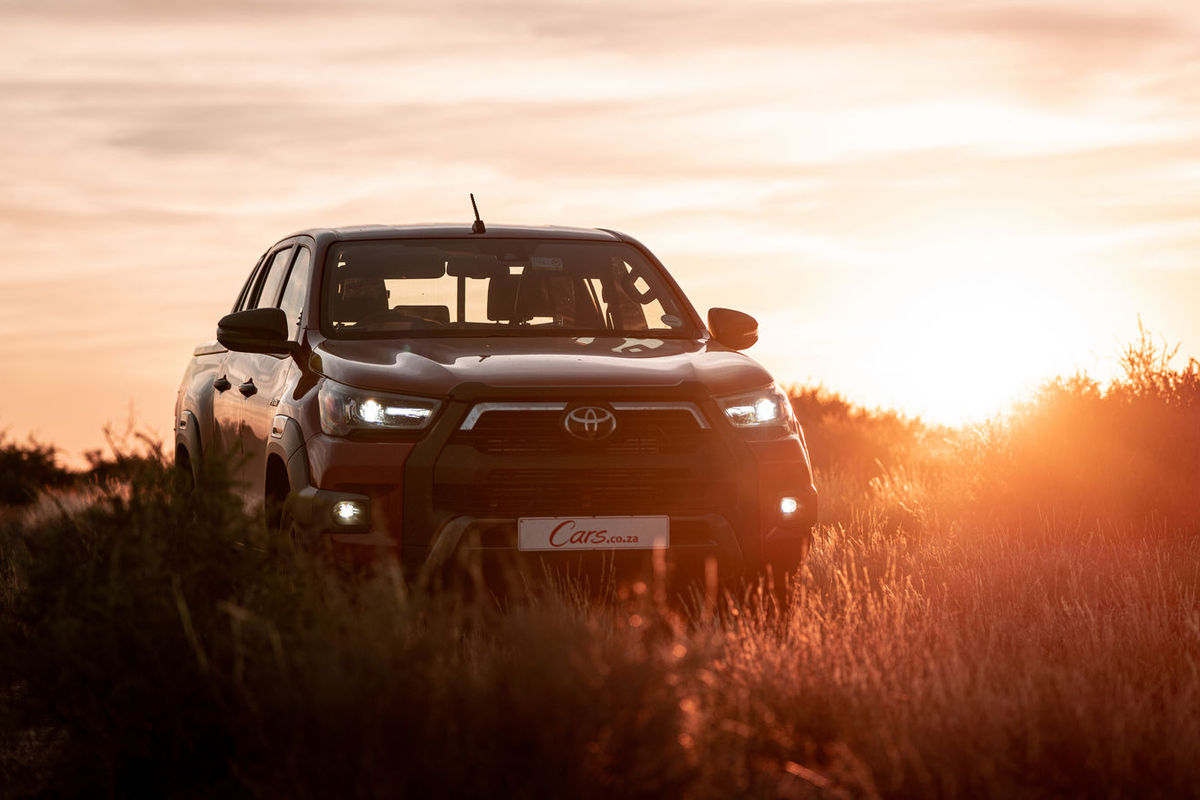
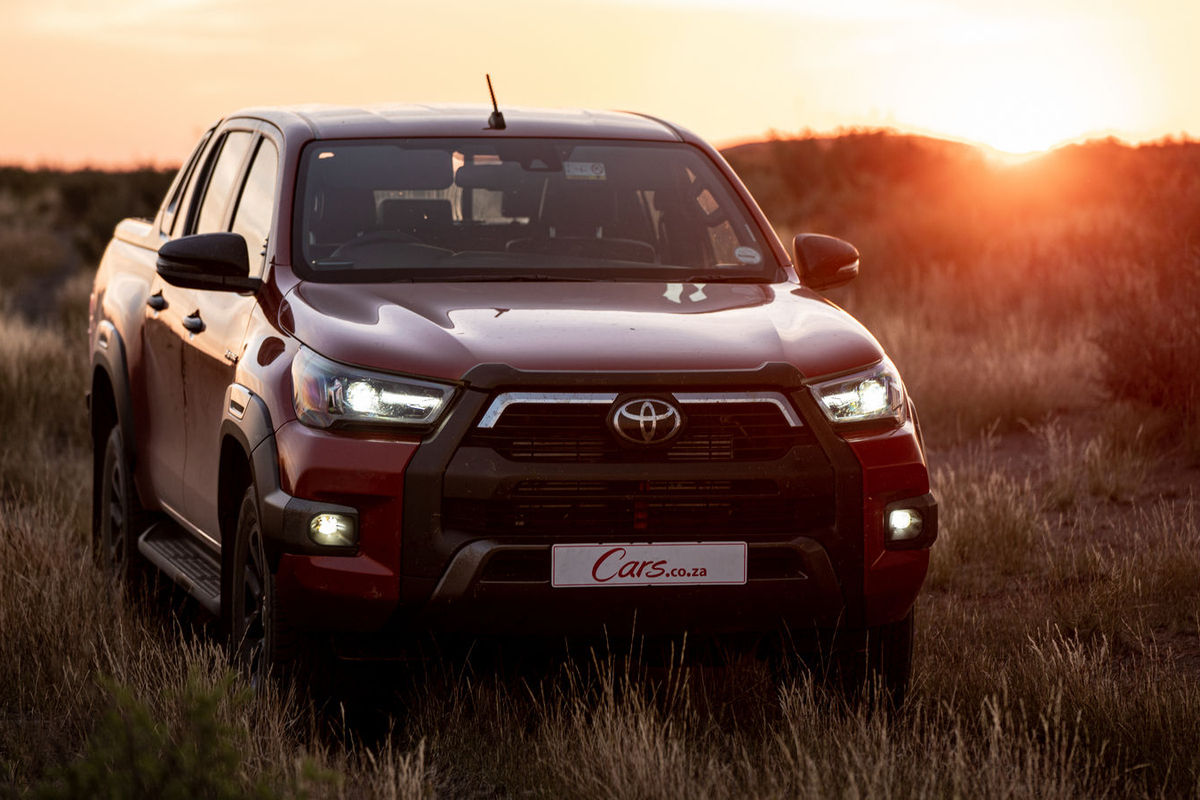
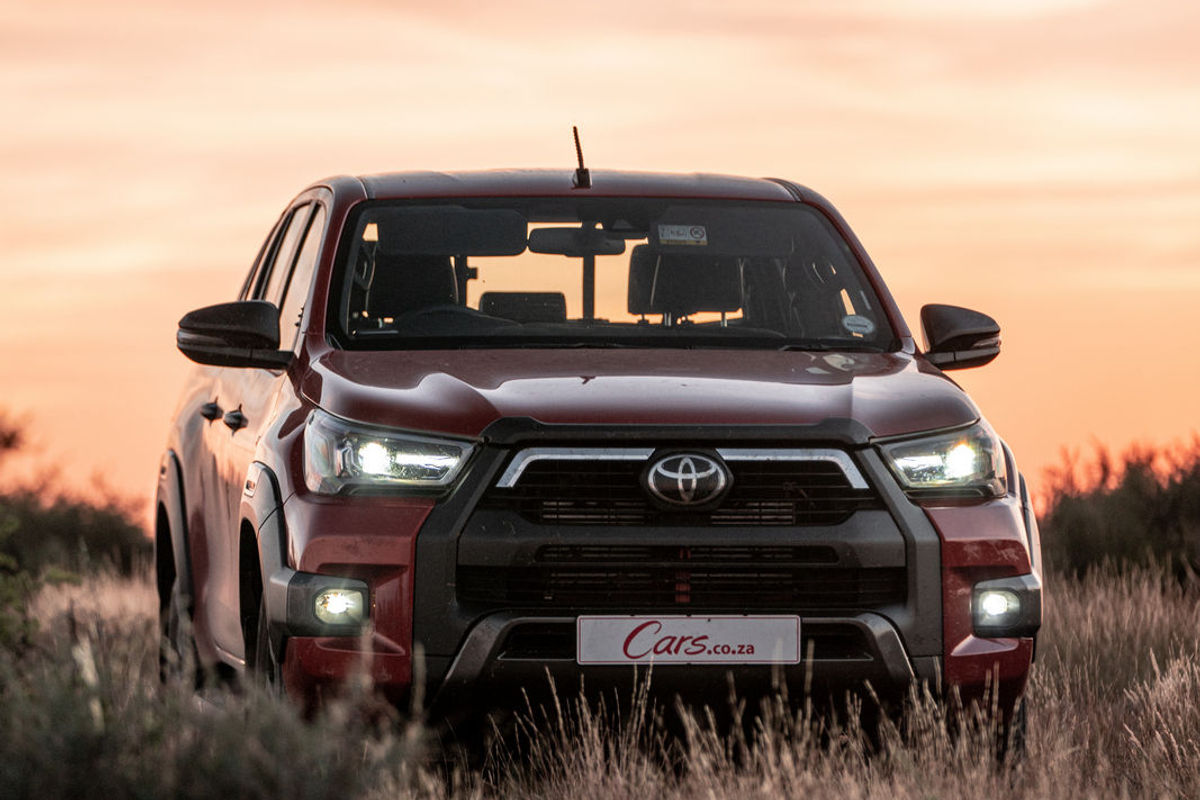
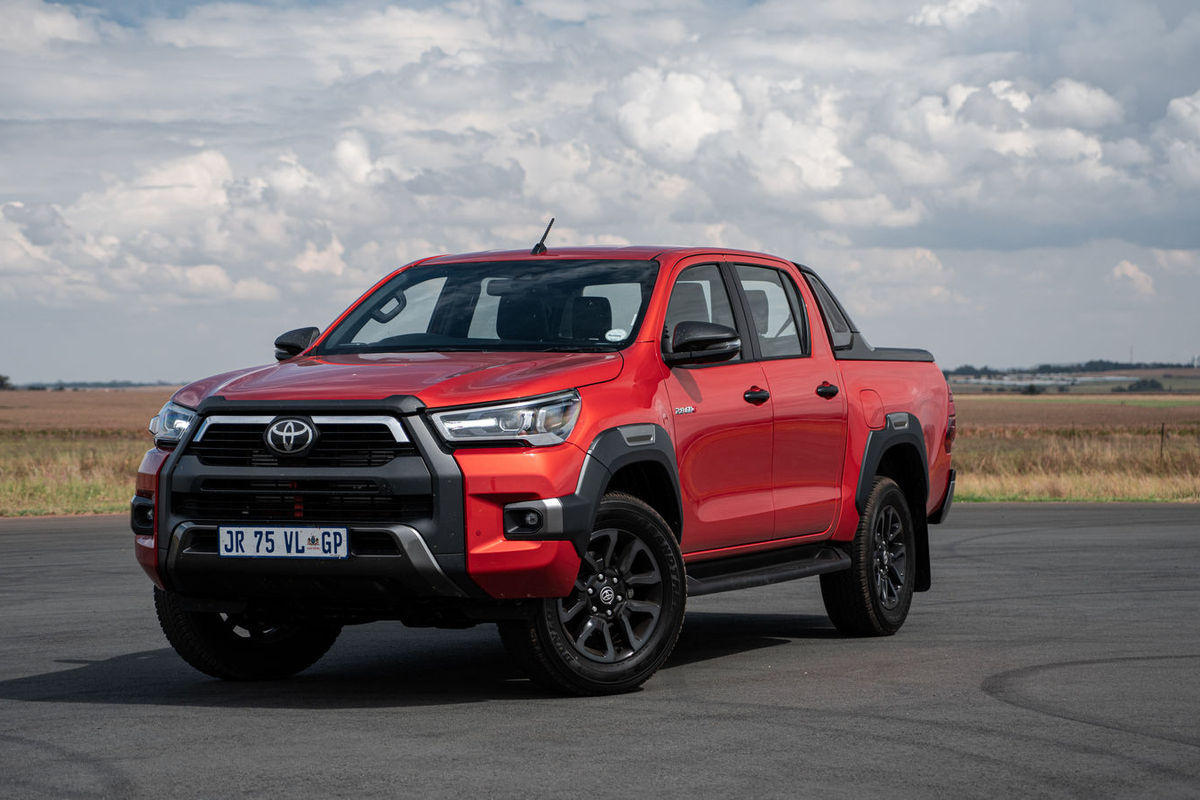
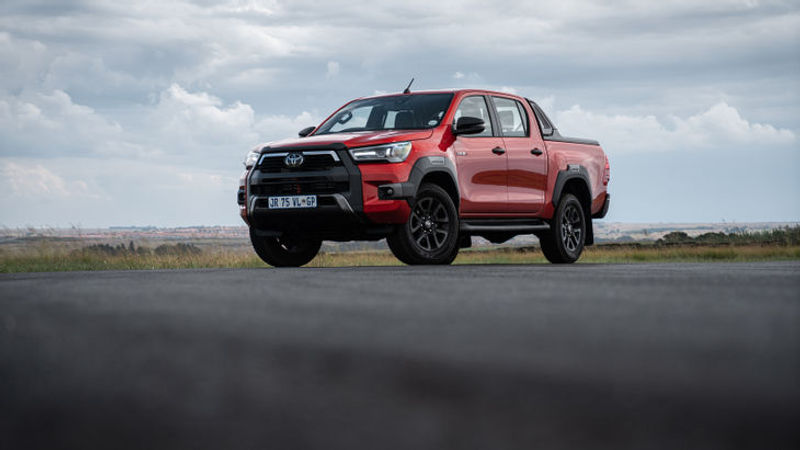
We travelled 4 000 km in 4 days in the new Toyota Hilux Legend RS to see how well it would cope with the challenge. This was not a casual sightseeing cruise, however – our film crew put the bakkie to work as an equipment lorry and tracking vehicle during a recent film shoot in Gauteng. Here’s what we discovered…
Start of the trip
Road trips of epic proportions are common occurrences here at Cars.co.za. When you have heaps of camera gear to haul between South Africa’s cities, travelling by ‘plane is not always an option. These sorts of high mileage-, high-intensity trips can be tiresome, but they provide rich insights into what a car or bakkie is like to drive when utilised as a workhorse rather than a source of family transport.
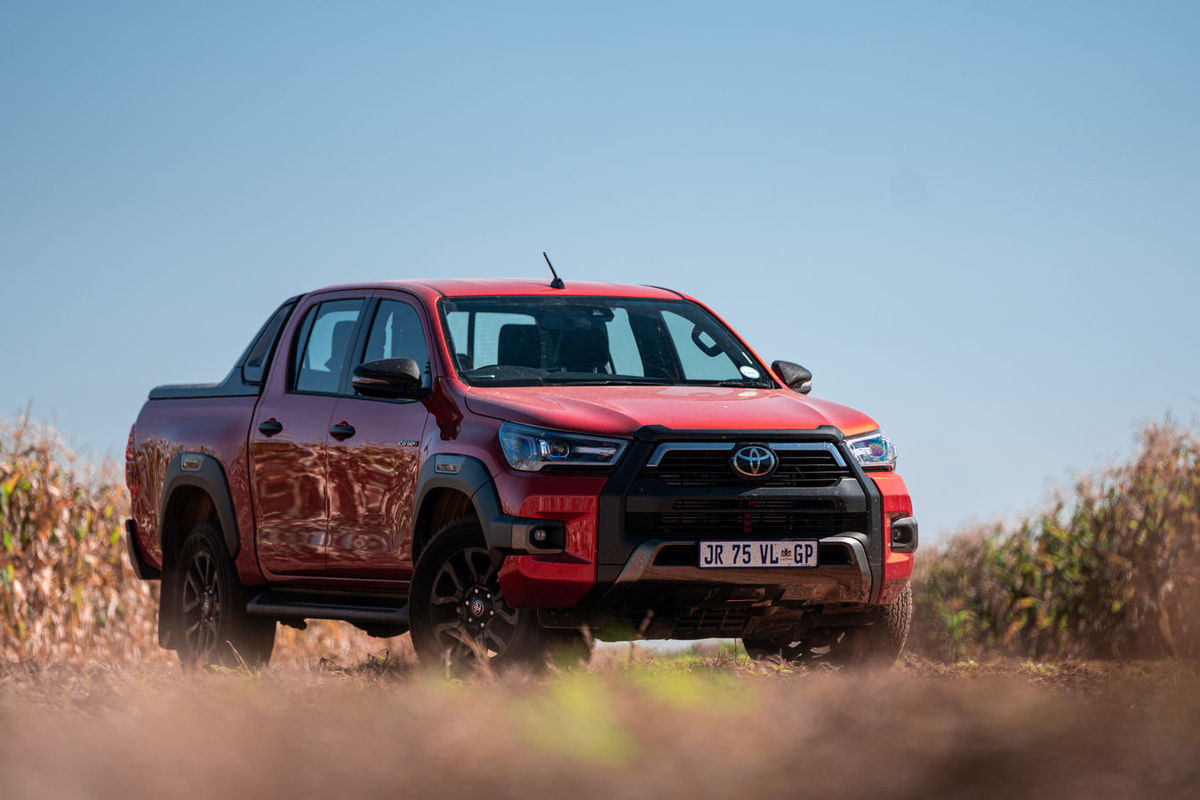
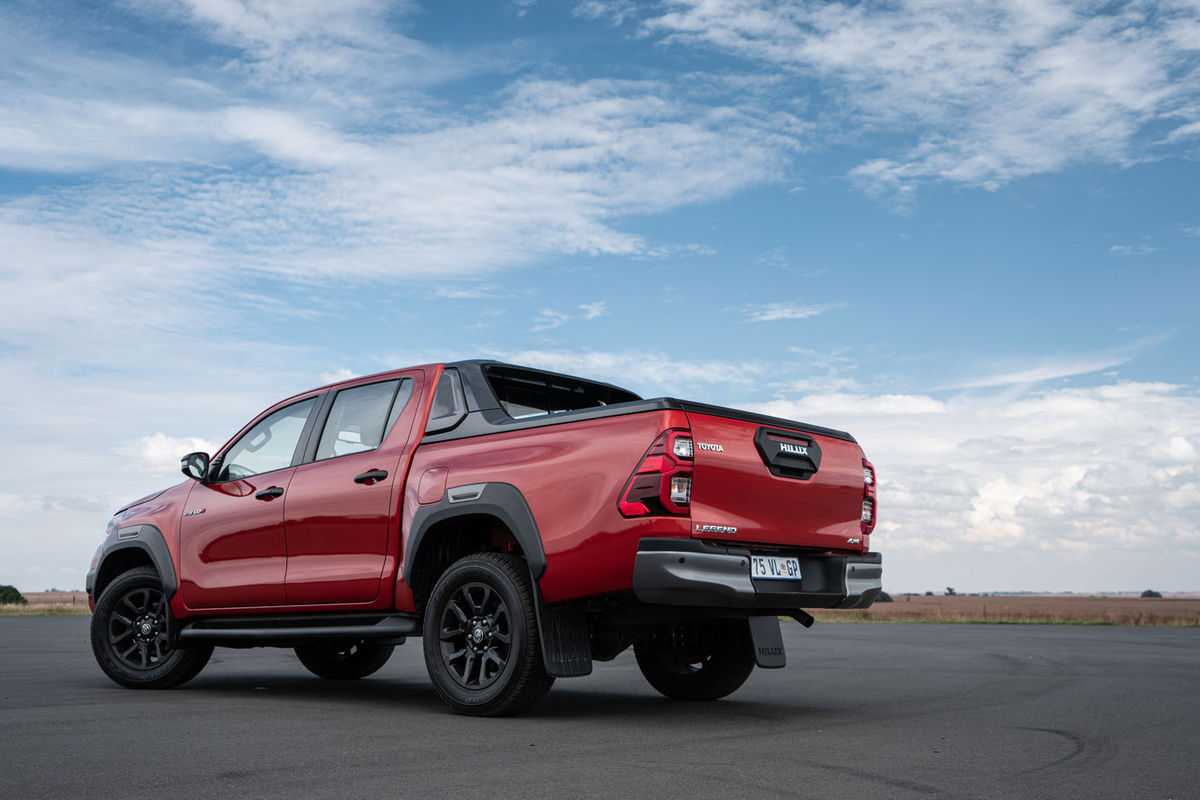
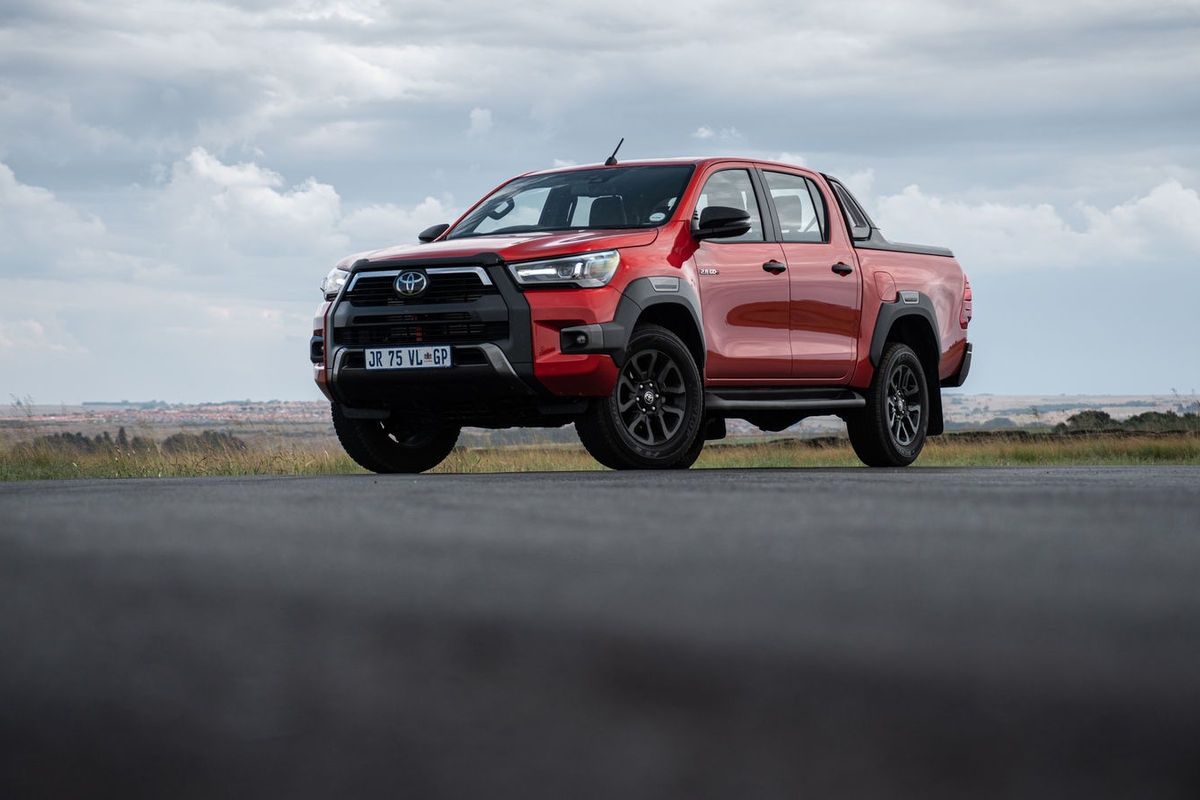
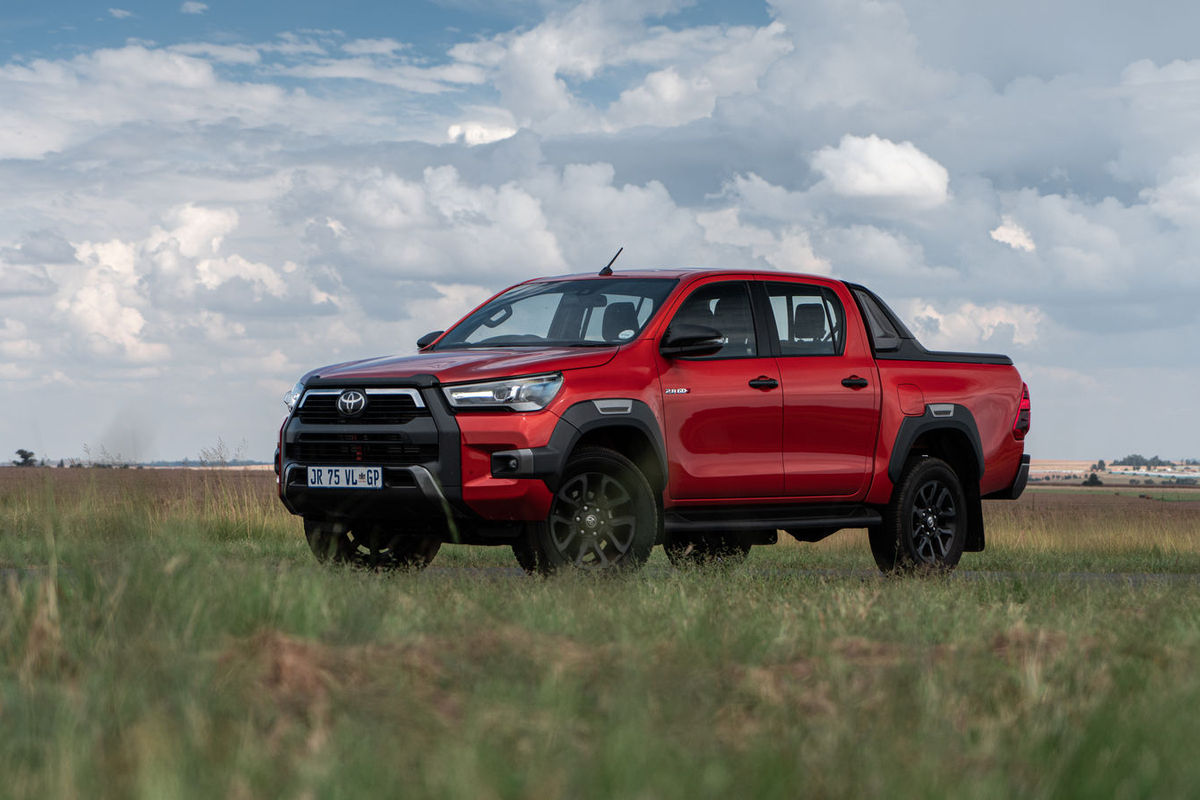
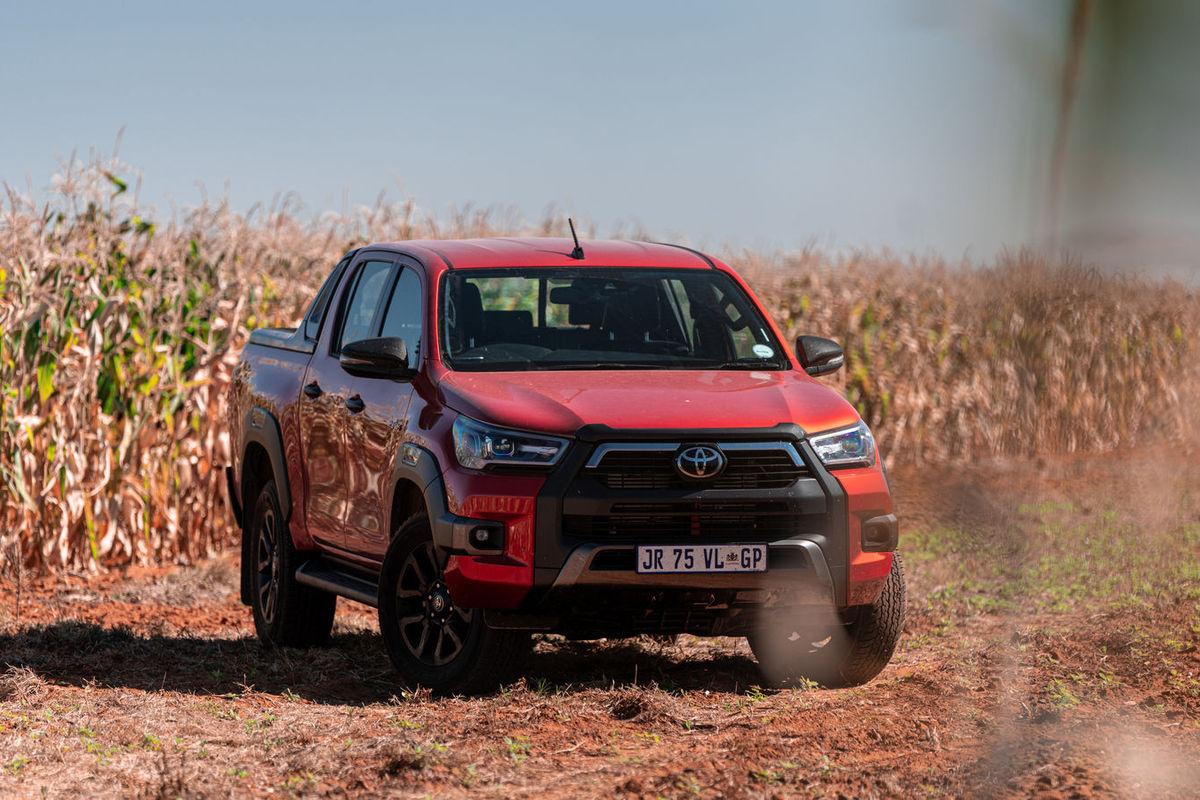
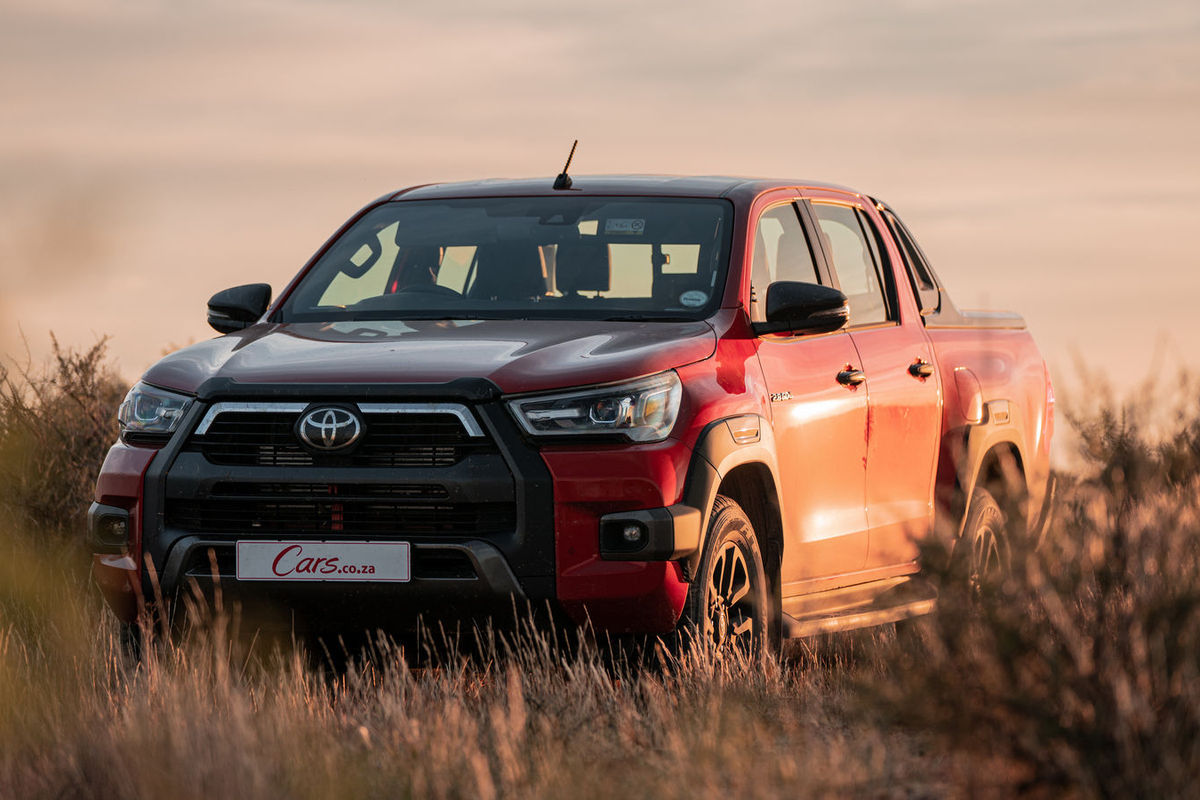
Over the course of 4 days, we travelled from Cape Town to Johannesburg and back in the bakkie, which doubled as our tracking vehicle for the film shoot we concluded at the RedStar Raceway. The exact model that we were availed was a South African Legend – the Toyota Hilux Legend RS, to be precise. The RS is available in an array of colours and our test unit was finished in Inferno Metallic, plus it had a handy roller shutter load-bed cover, which comes standard on this derivative. This road trip was the perfect way to test the Legend RS over a long distance; Hiluxes are often used for extended road trips.
The Long Haul
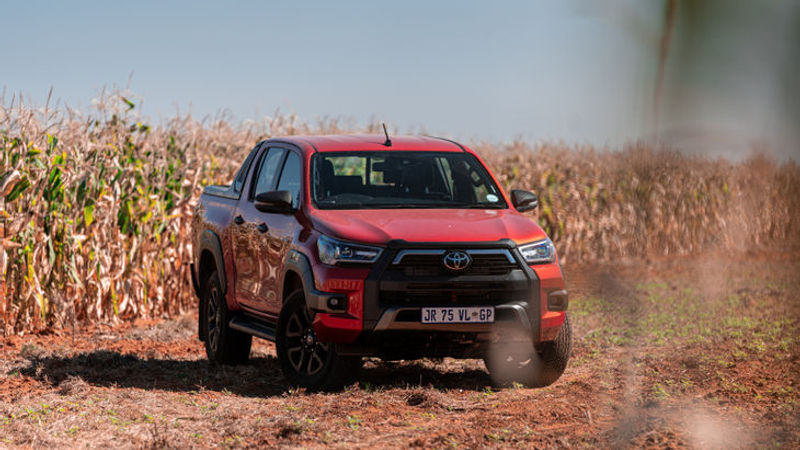
The Hilux in its natural environment. Even with all its new ‘”leisure features” it still works best on the toughest terrain.
To many motorists, long-distance driving is a daunting prospect; to be seated behind the ‘wheel for hundreds of kilometres, for several hours at a time, takes its toll on the body as well as the mind. It’s arguably worse for the passengers, who have to sit bolt upright in one place (for what seems like an eternity) with little in the way of variety to keep them occupied… Even for adults, it’s a schlep.
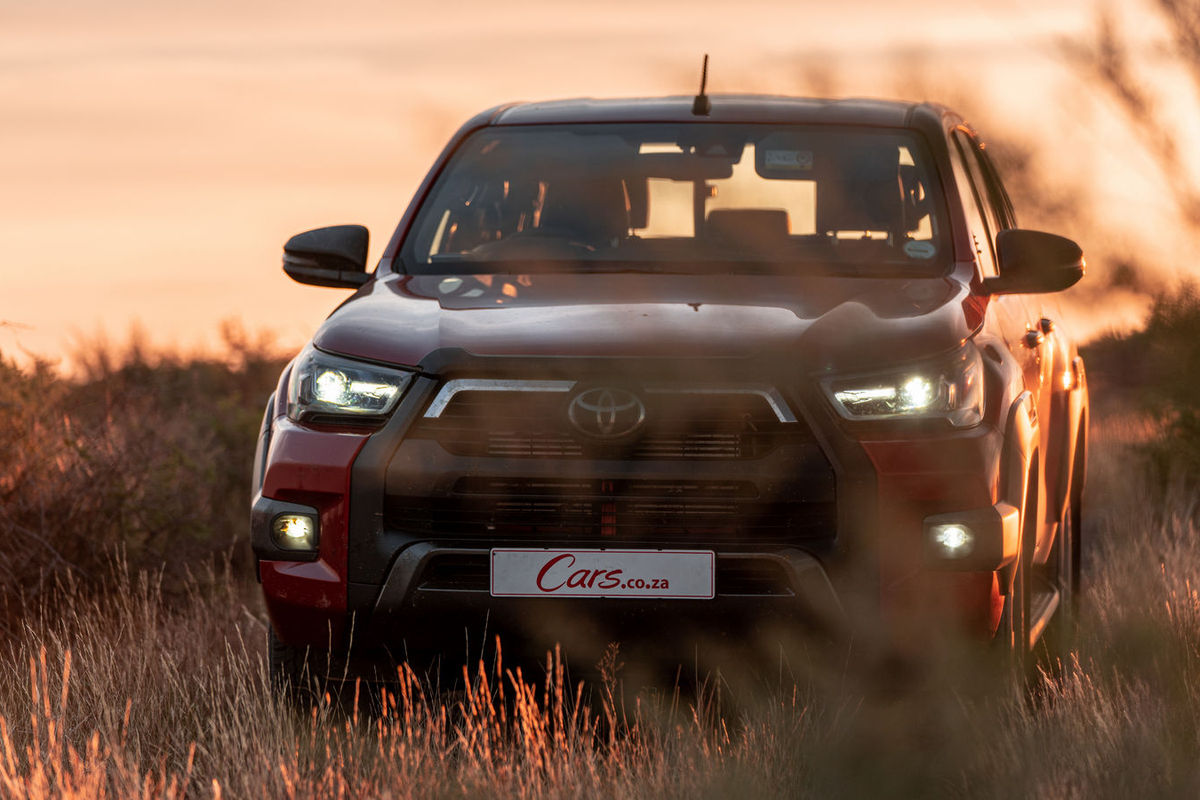
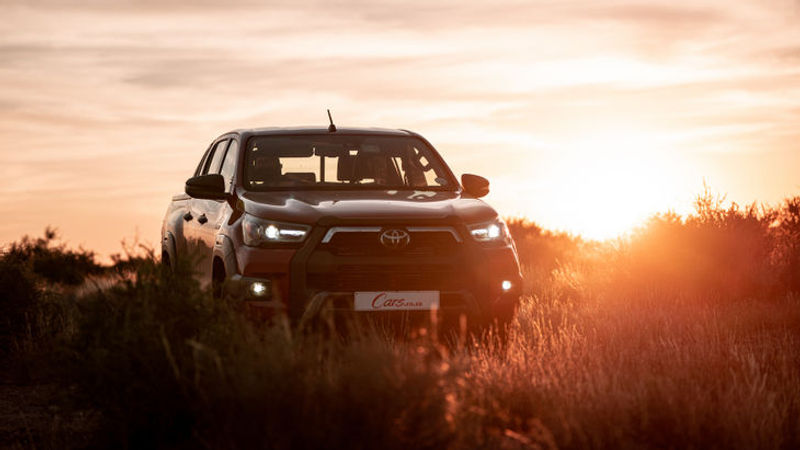
With a 1 000-km journey ahead of us, we got behind the ‘wheel of the Toyota Hilux Legend RS just before dawn and headed off into the sunrise with the bakkie’s lights illuminating the dark Karoo landscape.
A couple of hours in, while the JBL music system was pumping some of our best bassy tunes (probably the latest TikTok tunes – ed), we stumbled upon a swarm of locusts. The Legend RS just thrust through them; the sound of the locusts bouncing off the bodywork sounded like popcorn kernels popping in a microwave. There’s really nothing we could do at that moment, besides not open the windows.
As the day wore on and the inland heated up appreciably, the Hilux’s climate control ensured that its occupants remained sufficiently comfortable in the Karoo heat. Toyota makes excellent aircons, they produce some of the coldest air you will find this side of a Woolies fridge aisle.
As the Toyota Hilux Legend RS travelled through all the small “platteland” towns along the route that we chose, the bakkie turned heads wherever it was seen. The updated exterior execution definitely drew a lot of attention – it makes you feel like a Legend as you ride in style. Driving a brand new Toyota in the brand’s heartland will certainly make you feel that way…
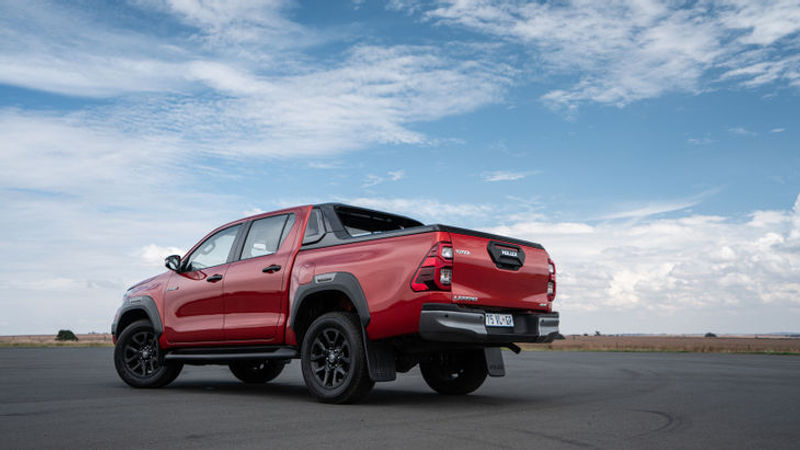
The new RS model comes with an electrically operated roller shutter that covers the load bed.
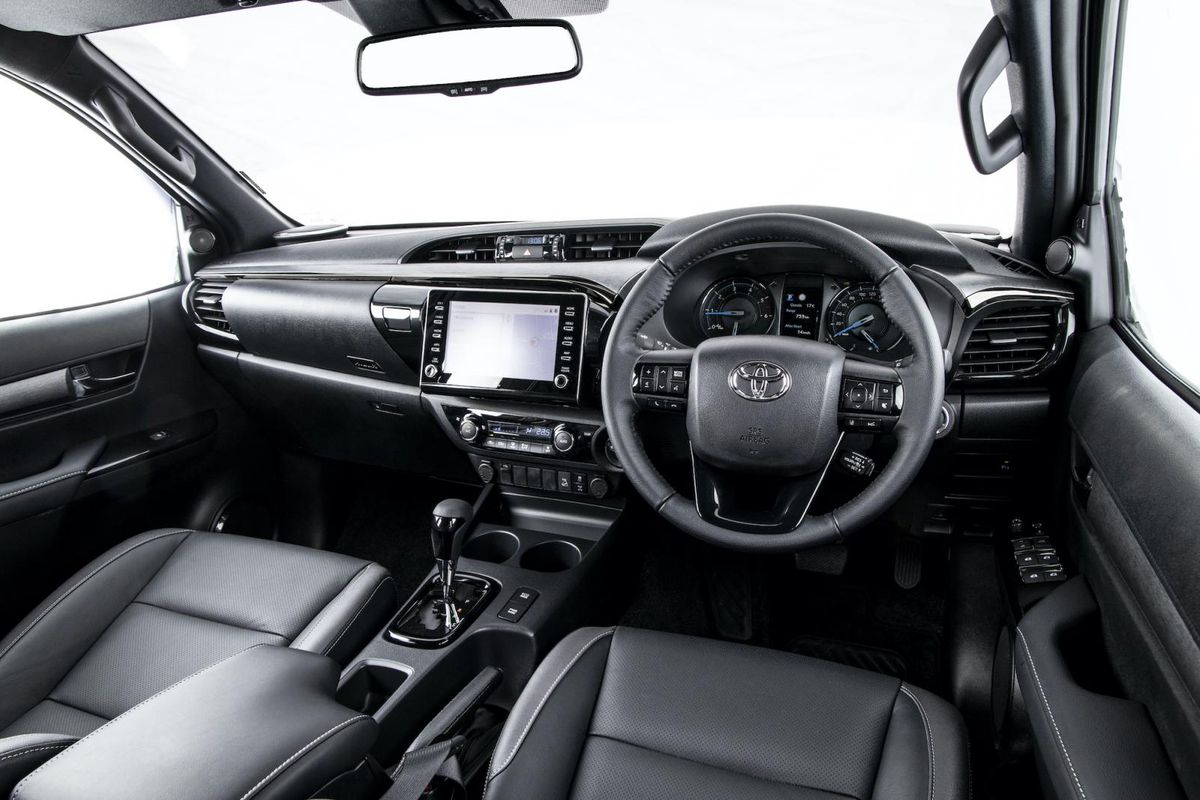
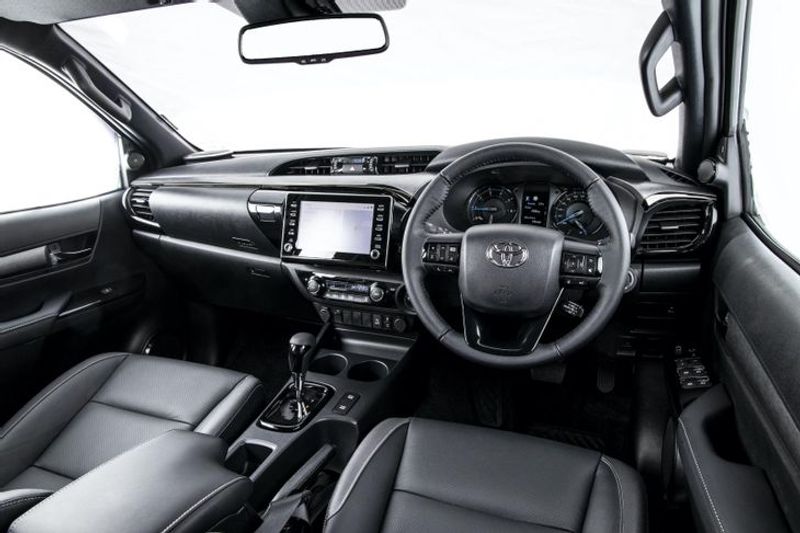
Although the Toyota Hilux Legend RS is ultimately based on a workhorse “one-tonner” pick-up, this is the flagship derivative, which comes equipped with a number of features that make long-distance trips easier. Radar-guided cruise control and lane-keeping assist are but 2 examples. It felt as if we used the radar-guided cruise control more than we had our feet on the pedals; it made it palpably easy to deal with the average-speed-enforcement zones along our route. The feature is ideal for maintaining speed on highways – and, with the press of a button, you can set the distance that the Hilux keeps from the vehicles in front of it. Admittedly it took a while to trust the vehicle to brake automatically, but not that long! Although the bakkie was covered in dust and bug splatter, the system kept working perfectly.
We did find, however, the radar does not seem to “like corners”. On the Johannesburg highways, it sensed the walls on the side of the roads while it cornered and detected vehicles ahead of it a little later than usual. Also, when we overtook vehicles while the radar-guided cruise control was active, the bakkie accelerated leisurely, so we sometimes sped up the process by stabbing the accelerator pedal.
Apart from the radar-guided cruise control, a lane-departure warning will beep when it senses that the Hilux is about to wander out its lane (it can be turned off, mercifully). Lane-keeping assist, in turn, can read the lines on the road and correct your steering to keep the bakkie in its lane. We found it a trifle too intrusive (it sometimes led the vehicle to ping pong between lanes), so we chose to deactivate it.
On-road Comfort
RedStar raceway is not where you’ll spot many Hiluxes, but the Toyota performed well as a tracking vehicle.
Suffice to say we clocked many hours while seated in the Hilux and we did not find the accommodation uncomfortable in the least. We did, curiously, find that the driver seat somehow felt a little more comfortable than the rest (even the front passenger’s seat), but we can’t exactly say why. There is a good amount of rear legroom and, if the rear bench is not in use, plenty of utility space at the back.
As for road noise, we were impressed by how quiet the Hilux’s cabin was while it cruised at or near the national speed limit. The notion of big off-roaders that generate lots of tyre and wind noise (most of which is then conveyed to the ears of those vehicles’ occupants) seems obsolete. There was so little wind noise that we could comfortably talk to one another when the audio system was off. Speaking of which, the Legend RS’ JBL audio system pumped treffers from our smartphones during most of the trip. The sound output was clear with lots of bass and the Apple CarPlay system worked seamlessly.
It’s commonly believed that Hiluxes still have harder/less-pliant ride qualities than many other bakkies, although Toyota has made improvements in that regard. Over smooth road surfaces, there were no issues, especially at the front. Over rougher terrain, the suspension was a little stiffer and rear passengers felt the bumps a lot more. On our return trip to Cape Town, we chose a route that included 60 km of dirt roads. Granted, the bakkie’s tyre pressures were a bit high, but even after we deflated them a little, the Hilux felt less-than-planted on the gravel route; it once bounced uncomfortably over a cattle grid.
It comes with great modern safety features such as radar-guided cruise control and lane-keeping assist.
When we used the Toyota Hilux Legend RS as a tracking vehicle during the aforementioned film shoot at RedStar Raceway, we mounted a camera to the side of the bakkie and drove in close proximity to the vehicle we were filming – a Lamborghini Miura. The Hilux handled quite well on the track, as a matter of fact… Okay, we did not attempt to break any lap records, but had to drive at quite a canter around the very tight and twisty track… You see, in order to get those great visuals, you need speed and that’s what we were trying to extract from the Hilux. The acceleration was eager, with very little turbo lag.
The flagship Hilux deals with corners with notable poise, although we did anticipate the Toyota would exhibit safety-first understeer if we pushed its limits in the handling department. What’s more, we felt less body roll than we expected and the steering sensitivity was spot-on: neither vague nor overly assisted. We had a similar experience with the 190-kW Volkswagen Amarok 3.0 V6 TDI a while ago and the punchier German bakkie felt more at home on the track than the Hilux. That admittedly wasn’t the ultimate place to compare the bakkies, but it did highlight discernible differences between the two.
Our findings
The facelift Hilux has really cemented its position as SA’s favourite vehicle.
While the Isuzu seemed evergreen, it felt comparatively sluggish and tended to run out of puff when we needed to pass trucks at highway speeds, the Volkswagen was an accomplished cruiser; it offered plenty of in-gear acceleration, a comfortable high-quality interior, as well as a pliant ride quality. The VW was very thirsty, however (the video crew drives like they don’t pay for their own fuel – ed).
The Toyota Hilux Legend RS, by comparison, felt like a near-perfect all-rounder. Its interior appears a bit low key compared with the VW’s, but it was sufficiently comfortable and equipped with an up-to-date infotainment system and sonorous audio setup. What’s more, the Hilux remains a great long-distance hauler… In addition to its updated 150 kW/500 Nm 2.8-litre turbodiesel and 6-speed automatic powertrain, it benefits from radar-guided (dynamic) cruise control and other driver-assist features and, best of all, we averaged just over 10 L/100 km during the trip, which was an impressive return.
The Hilux definitely made the trip a breeze and it is clear why it is such a highly sought-after vehicle in South Africa. The Toyota Hilux Legend RS is equally adept at being a workhorse and a comfortable family car, which is just what its target market wants. Having the roller shutter, which is very dust- and rainproof, is a big bonus; it makes packing gear a breeze, plus it’s lockable (to keep your cargo safe).
Lamborghini might soon be up for sale, and whoever buys the Italian supercar brand, is going to get a lot of trick aero, as part of the deal.
In the rarefied world of cars that are allowed to power past 300 kph, aerodynamics become a big deal. Balancing the airflow and harnessing it to enhance the driving experience, instead of making it more anxious, is a vital part of Lamborghini’s obsession with aero.
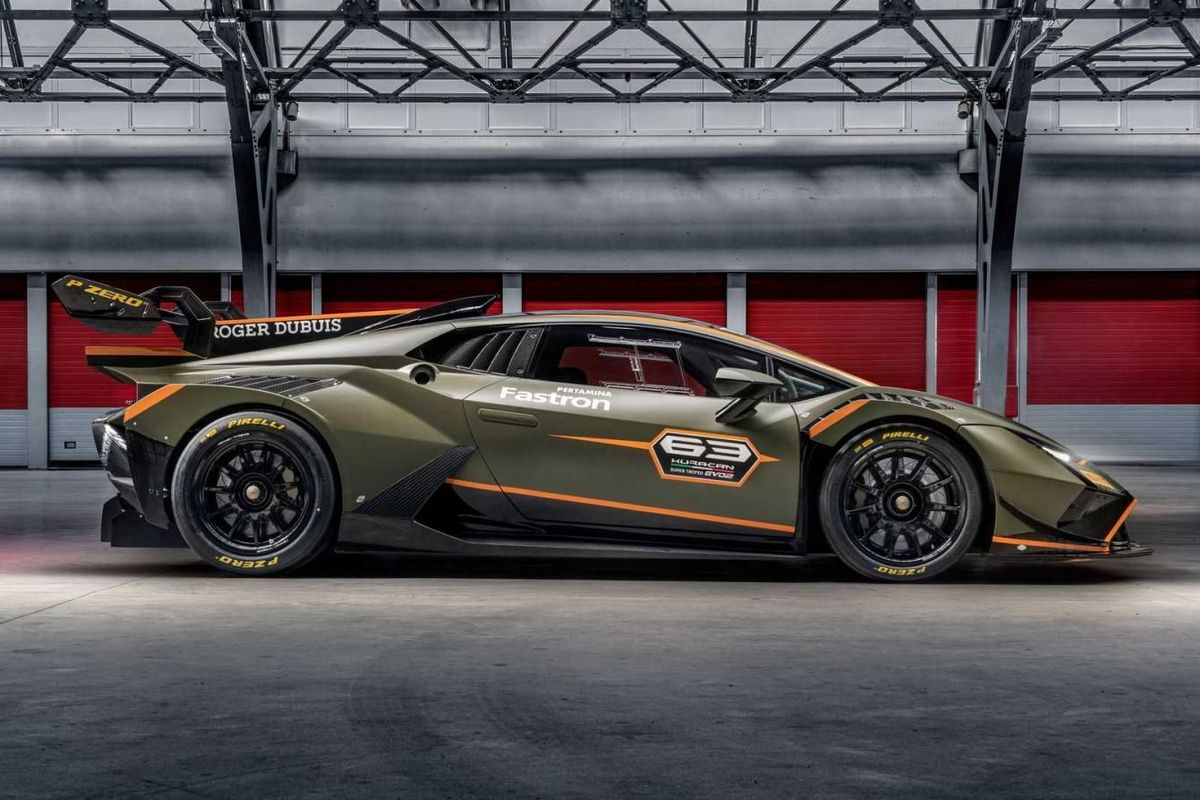
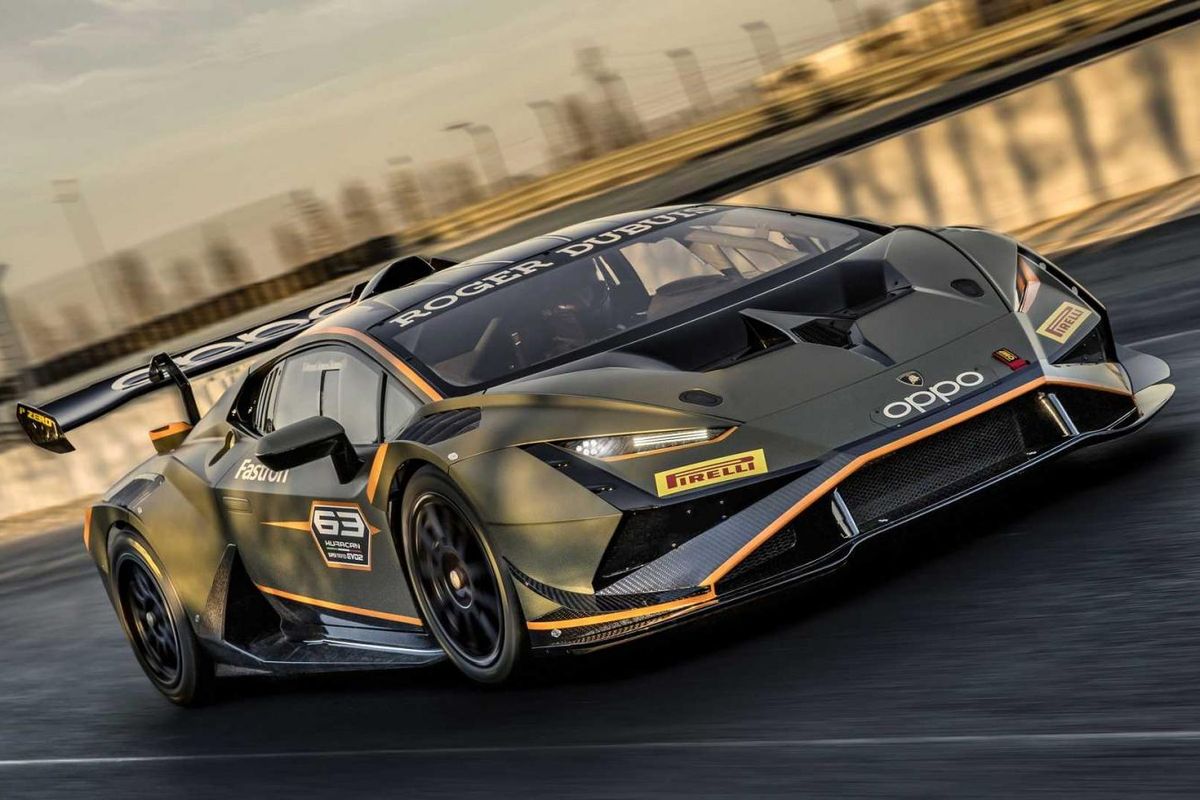
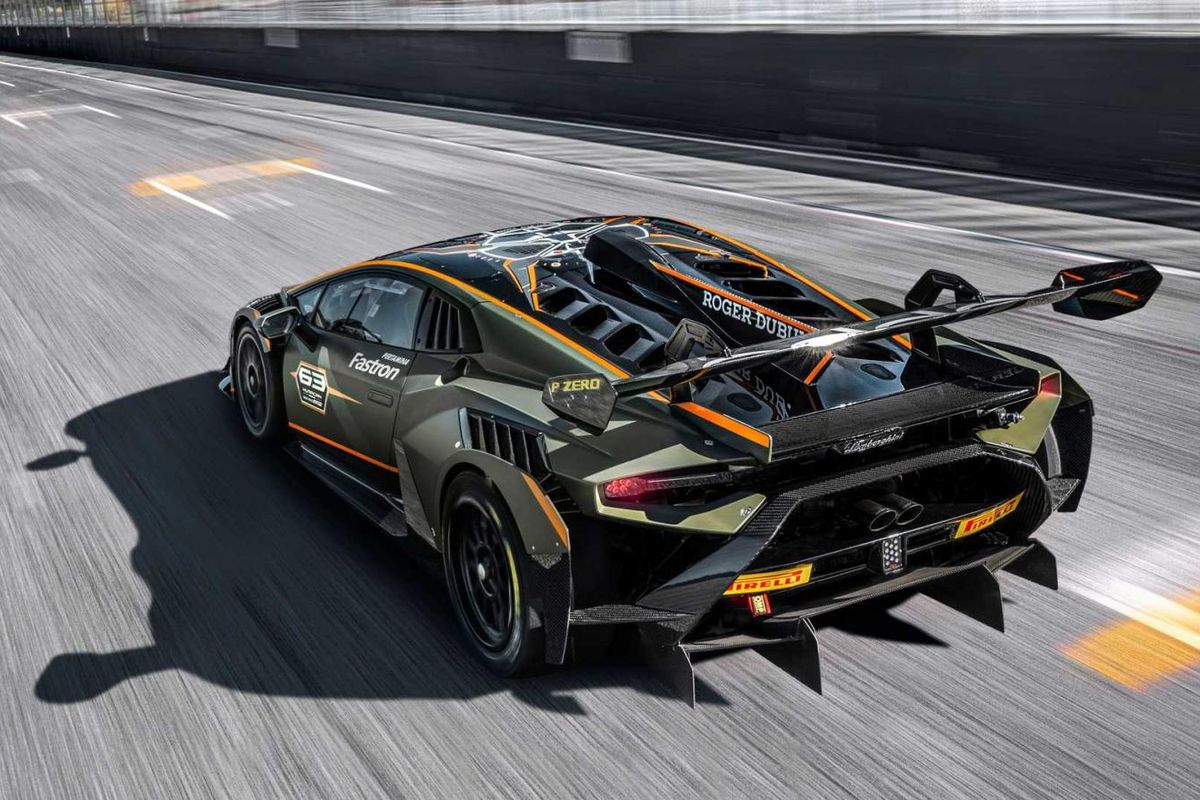
The company has now revealed its Huracan Super Trofeo EVO2, which could be classified as the ultimate road-legal V10 Lamborghini. Although the 5.2-litre naturally aspirated engine hasn’t been modified, it is close to achieving unicorn status in a world of turbocharged or hybridized supercars.
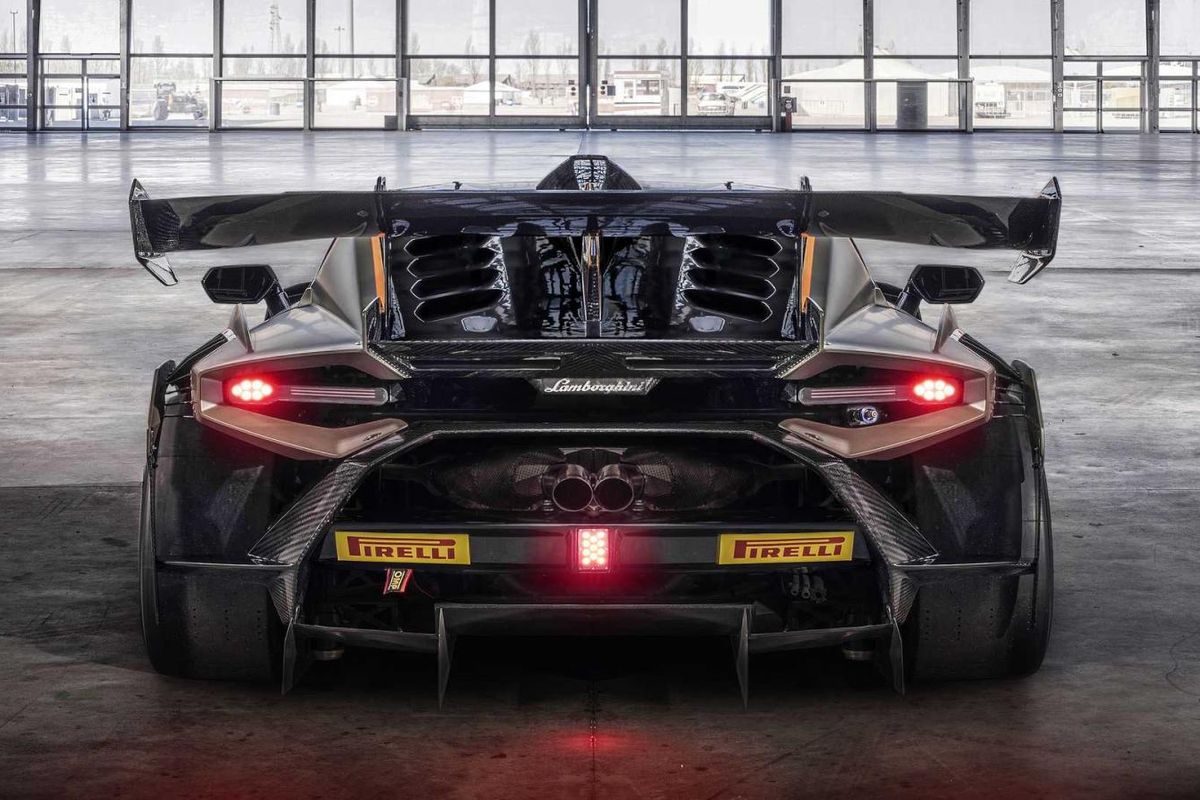
All that power is directed at the rear wheels, unlike most other Huracáns, which are all-wheel drive. To help the rear-wheel-drive Super Trofeo EVO2 be more predictable and rewarding to drive at the limit, Lamborghini’s aero specialists have created an impressive package of external winglets, spoilers and diffusers,
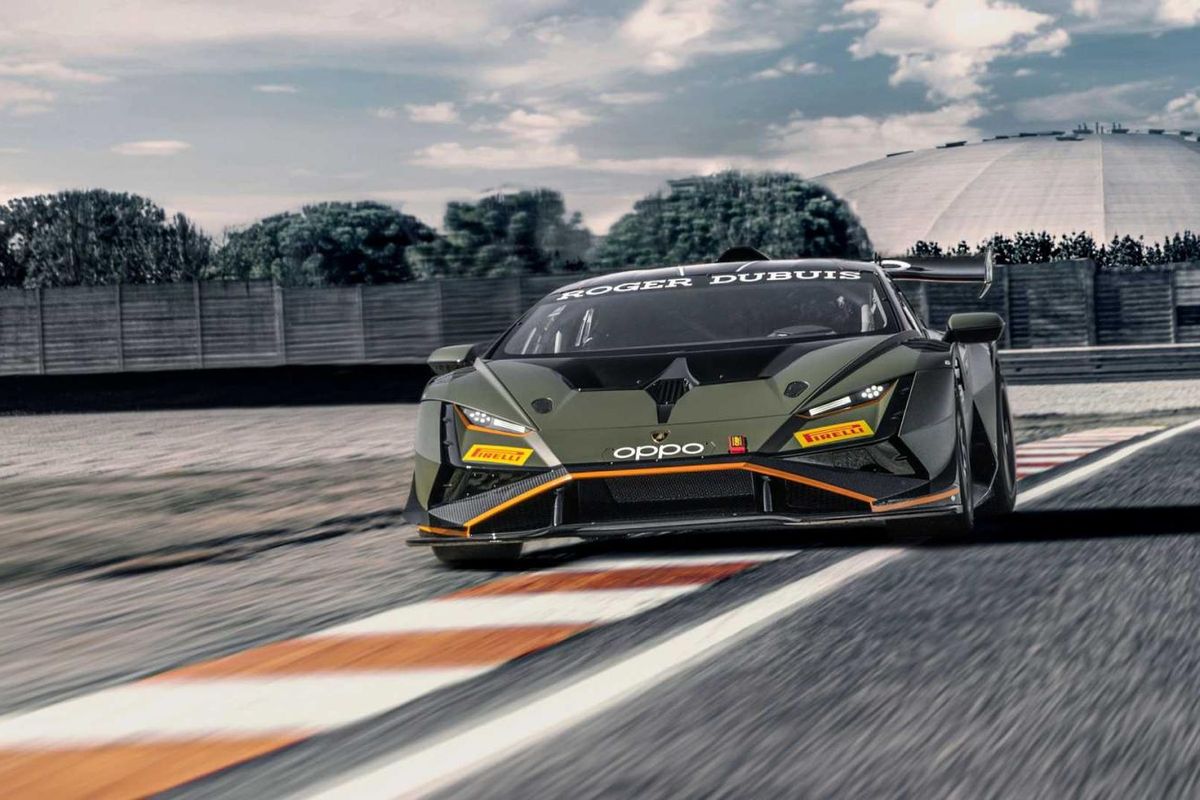
The Super Trofeo EVO2 has a front lip spoiler and composite fins that are not unlike what is found on the Super Trofeo Omologata. Further assisting airflow management are larger front air intakes and there’s a typically huge wing spoiler, at the rear.
Beyond the radical aerodynamics, this Lamborghini Super Trofeo EVO2 has better brakes than a standard Huracan.
Although the braking system retains steel rotors, instead of carbon-ceramic, Lamborghini has increased the diameter from by 10 mm to 390 mm. Accommodating this brake system upgrade are revised callipers and a larger contact area brake pad.
If you like the idea of a 450 kW Huracan with rear-wheel drive, a six-speed automated manual transmission and aero bits that make a Batmobile look subtle, this Super Trofeo EVO2 is your ideal new Lamborghini.
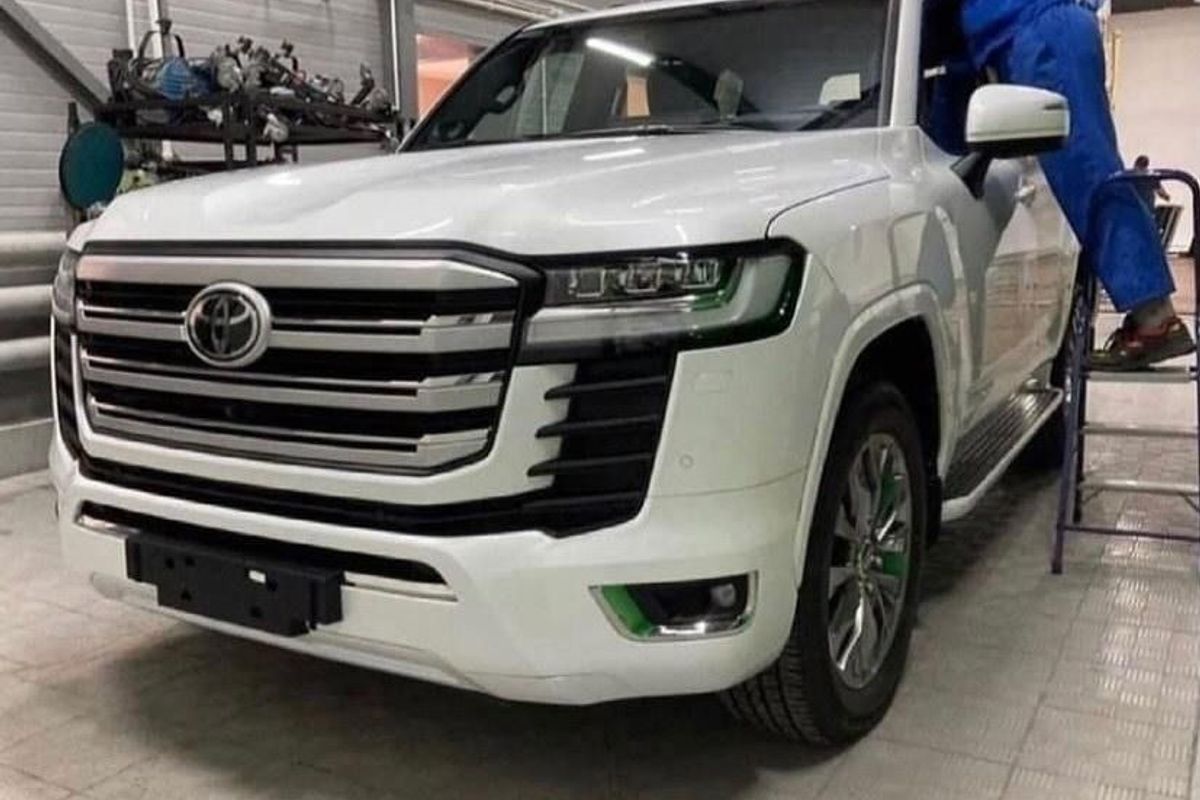
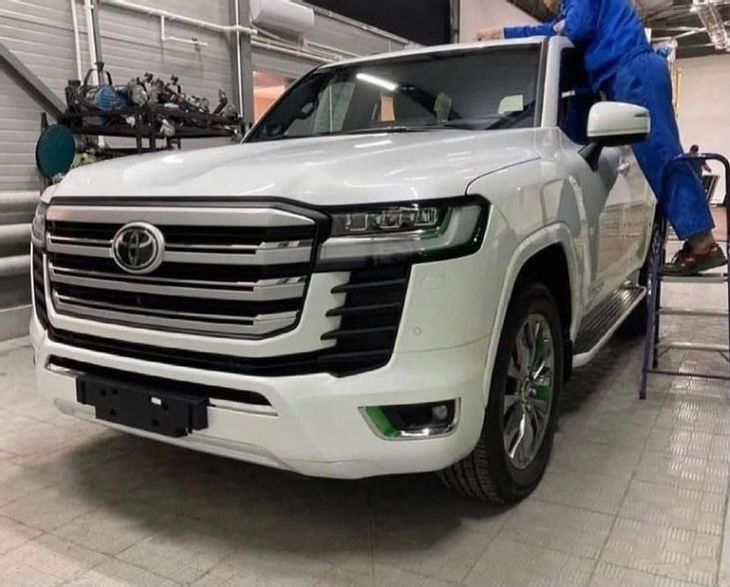
The new Land Cruiser 300 will be revealed very soon. Here's what we know so far about the iconic vehicle from Toyota.
The current Land Cruiser 200 has been in production since the mid-2000s and by vehicle production lifespans, that's ancient. Toyota has been hard at work on the replacement model and the new model is due to be revealed in the coming days/weeks. More so, the new Land Cruiser 300 is expected to go on sale in June 2021, provided that that Covid-19 doesn't cause any further delays…
Based on previously leaked images, the new look is bold and in your face. Given the recent grille obsession across the motoring landscape, this is bound to cause some controversy. Expect an even bigger grille for the Lexus-badged LX derivative.
While its rivals have mostly transitioned to a monocoque configuration the Land Cruiser 200 remained a ladder frame. Its huge 4.5-litre V8 turbodiesel engine might never have been the most powerful in its class, but its reputation for durability under all conditions, and using all fuel grades, has been tremendous. A previous report suggested that the new incoming Land Cruiser 300 will drop its V8 engine in favour of a 225 kW / 700 Nm 3.3-litre V6 diesel engine as well as a twin-turbocharged 3.5-litre V6 petrol engine with at least 305 kW and 650 Nm. This has now all but been confirmed thanks to yet another leak and the new pair of V6 engines represent a decent increase in outputs compared against the outgoing V8 engines. A hybrid Land Cruiser is also on the cards as is a GR-badged sportier model.
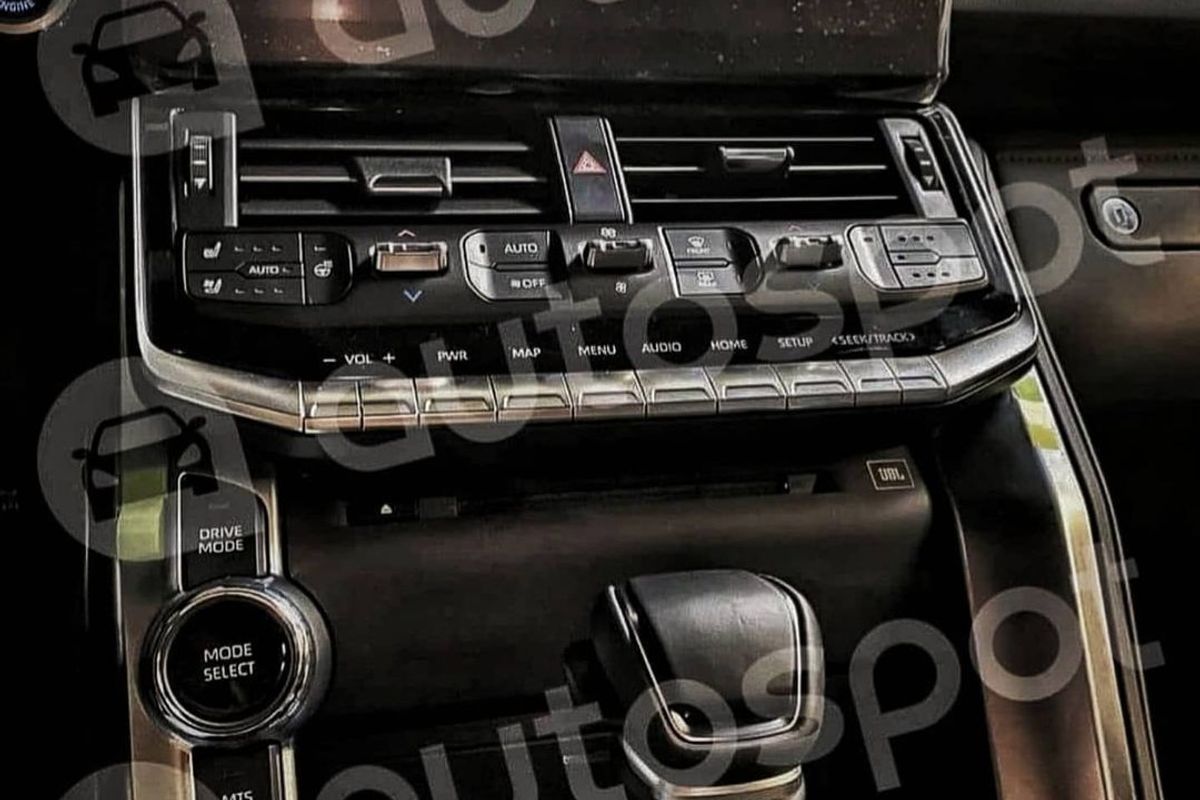
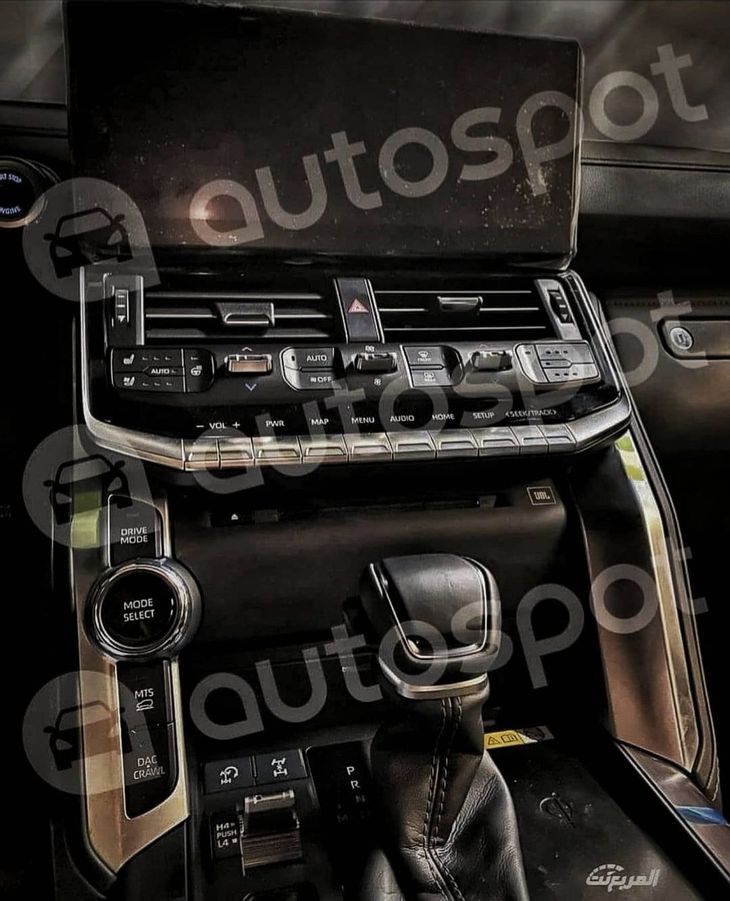
There was an interior leak too, which show the central console. We can see the gearbox as well as the various buttons for offroading activities. We can also see the JBL logo, indicating the new Toyota Land Cruiser will feature hardware from the high-end audio maker.
As Toyota winds-down Land Cruiser 200 production, with a scheduled last unit assembly date diarised for March 2021, demand for these Toyota luxury adventure vehicles is soaring. In some markets, orders for Land Cruiser have increased by more than 20%.
We will keep you updated as soon as official details are revealed.
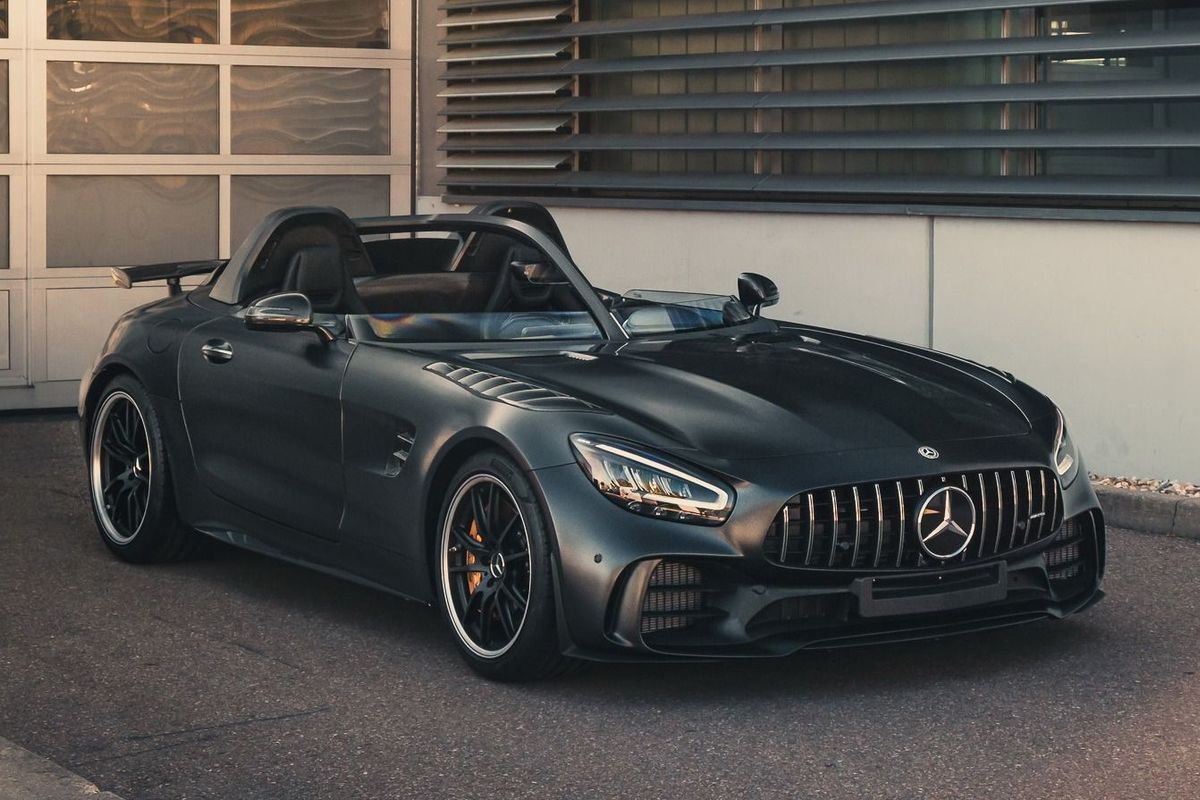
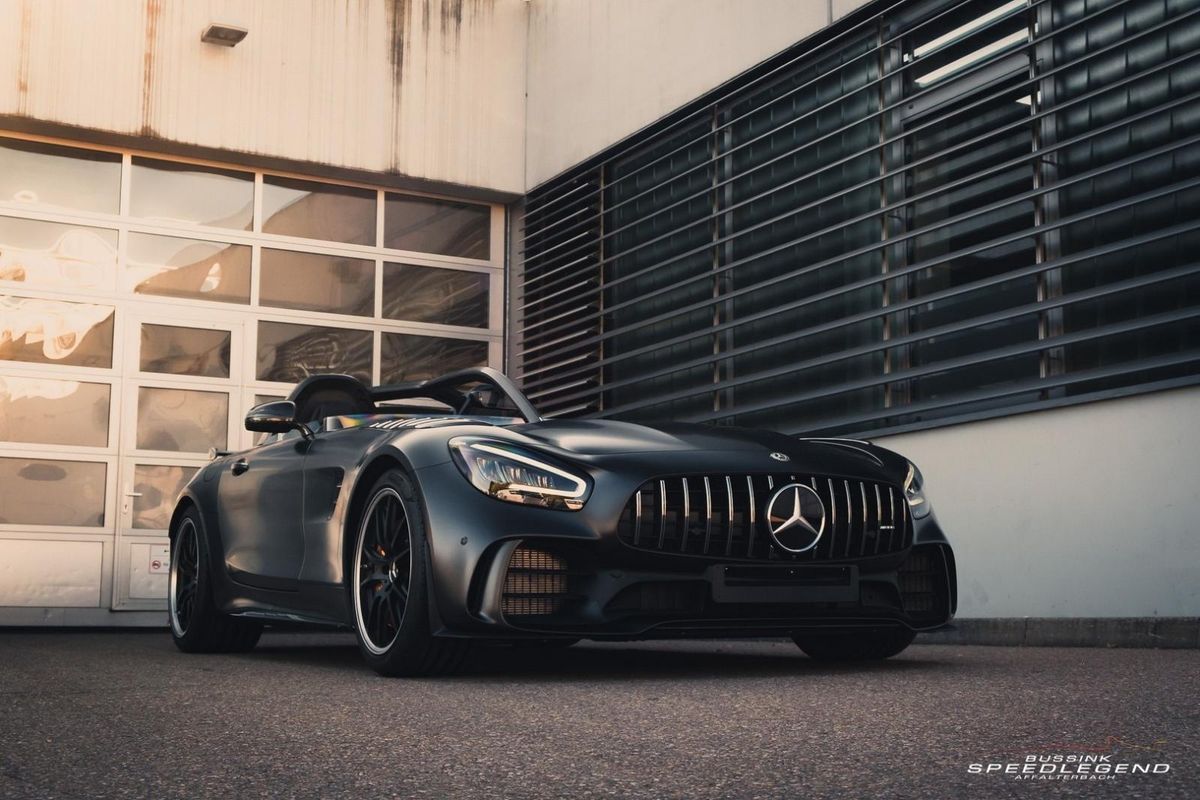
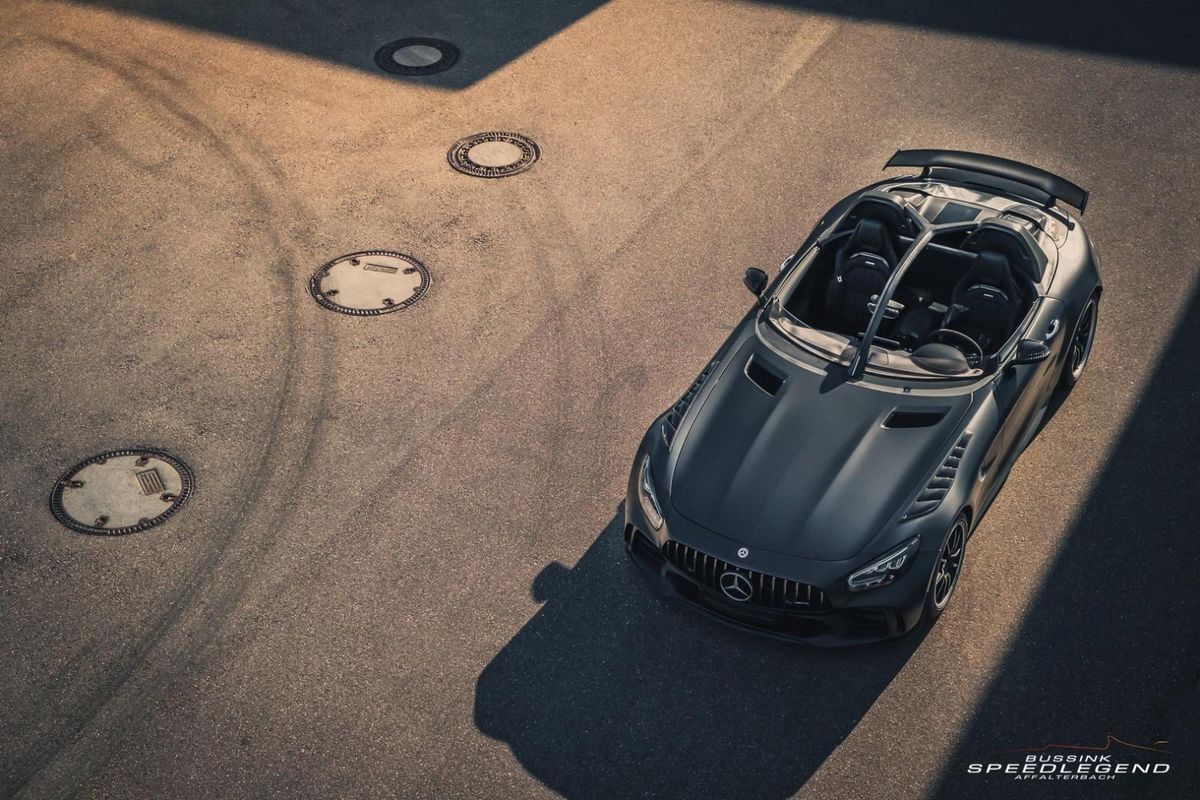
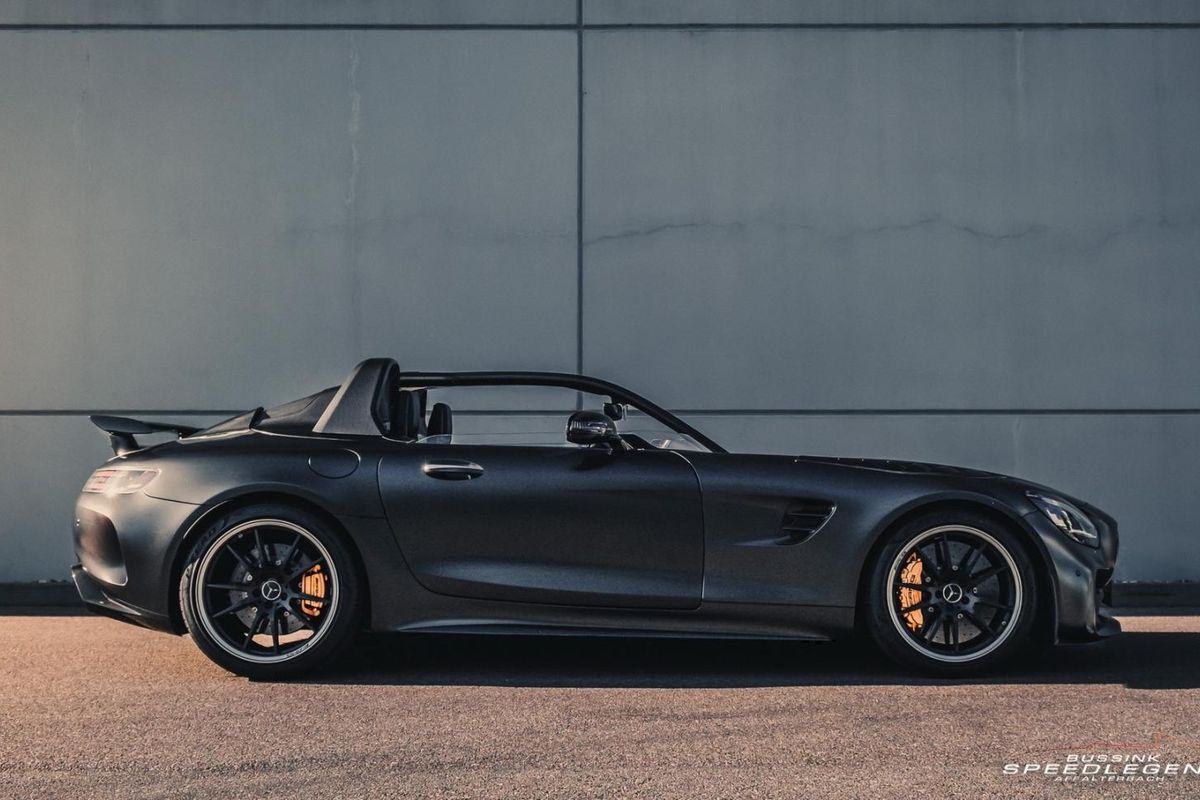
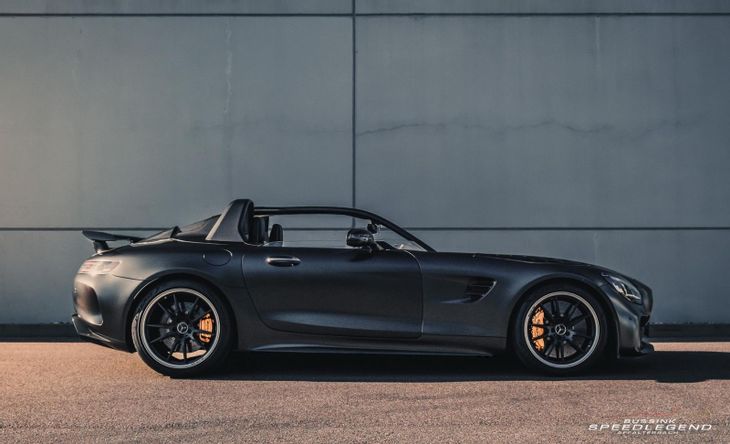
There's a trend of making speedster supercars currently and a Dutch entrepreneur has built five based on the Mercedes-AMG GT R
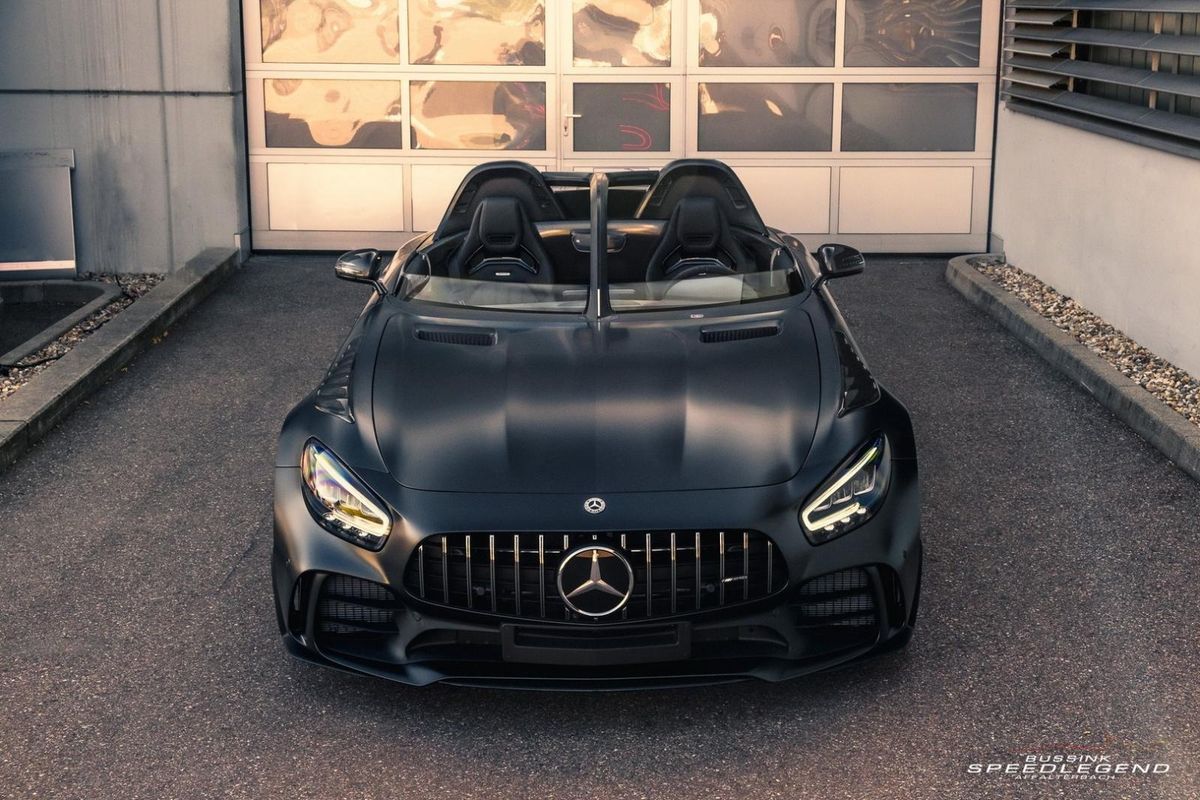
The Ferrari SF90, Aston Martin V12 Speedster and McLaren Elva all have something in common: they're all supercars lacking a roof and a windscreen. Let's not forget the striking Mercedes SLR Stirling Moss from a few years back. We usually don't cover aftermarket conversions at Cars.co.za, but this caught our eye.
Dutch businessman Ronald Bussink has built a limited-run speedster version of the Mercedes-AMG GT R. There will be just five units (and all are sold) and it is said to be inspired by the 2009 SLR Stirling Moss and the modern era Formula 1 cars. After a year's worth of development, the vehicle was shown at the 2021 Monaco Grand Prix.
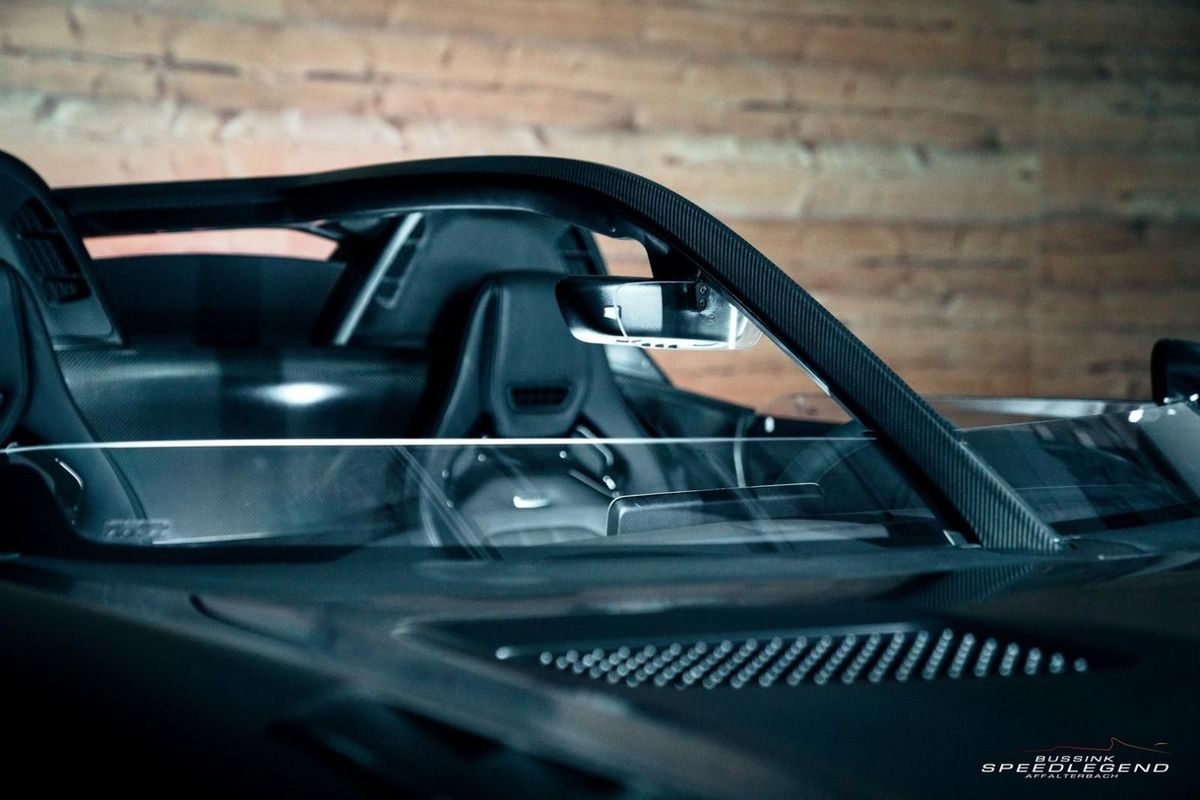
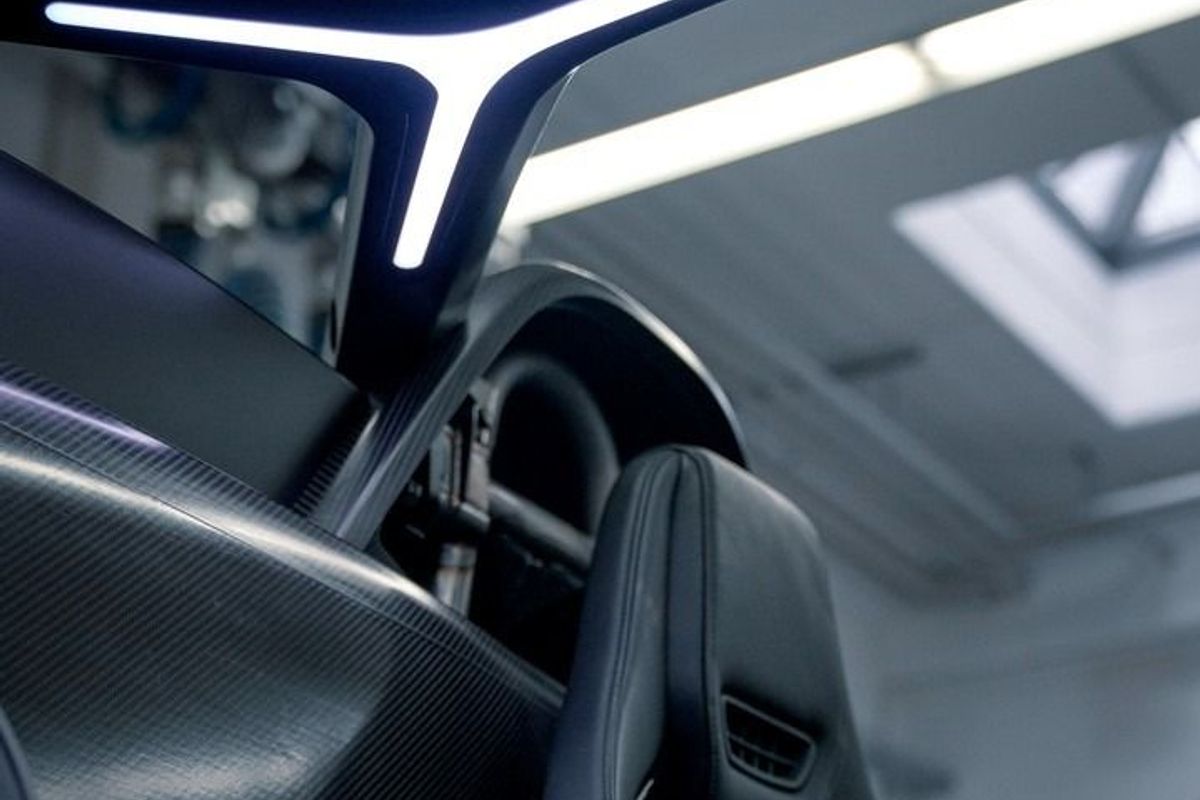
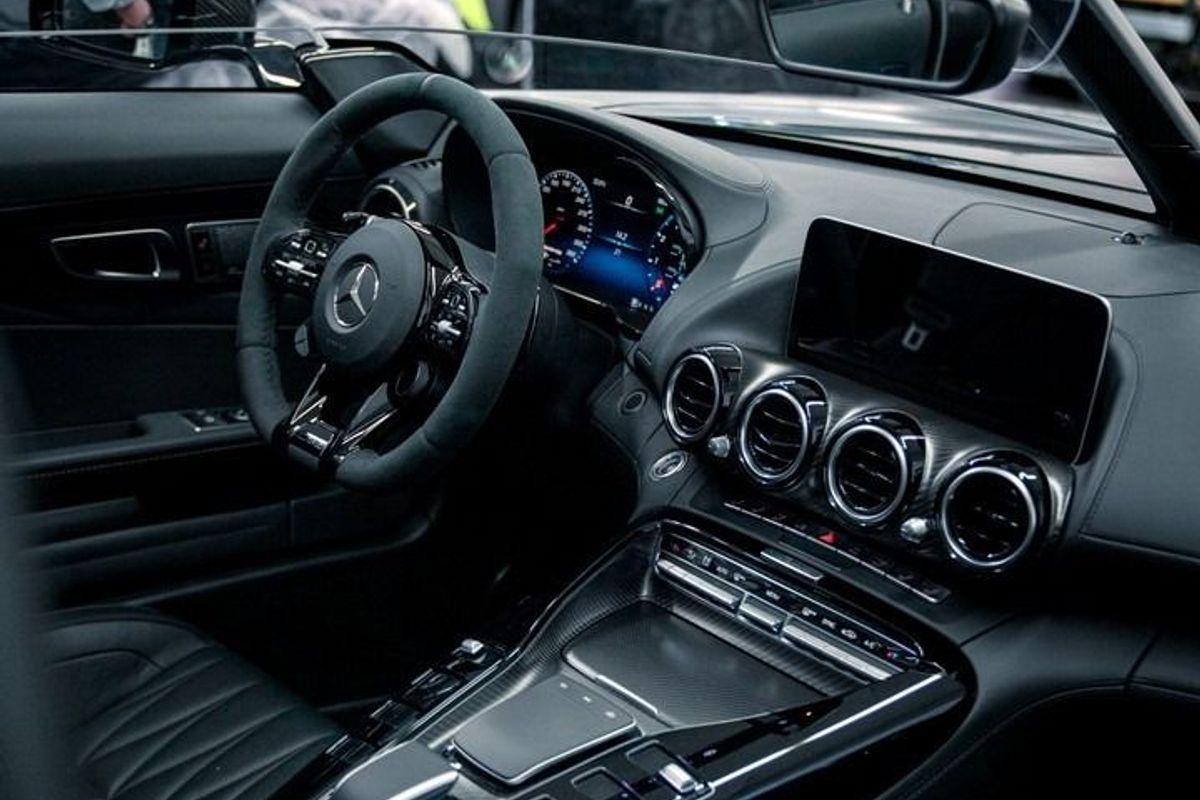
To convert the supercar into a speedster, some extensive work was undertaken. Bussink partnered with German-based HWA AG (who already manufacture many parts for AMG) and the bodywork, aerodynamics and even engine have been thoroughly revised. With the roof and windscreen and A-pillars removed, the roll bars have been revised and there's a solid piece of carbon fibre linking the front of the car to the rear, serving the same role as an F1 car's halo. The vehicle weighs 100 kg less than the standard GT R Roadster and as you can see, there's exposed carbon fibre everywhere.
Bussink is offering some trick aerodynamics to increase downforce as well as a power upgrade if you feel that the standard 4.0-litre biturbo V8's 430 kW is not enough. Bussink reckons 625 kW is possible. Combine that amount of power with its light weight and there's a recipe for something that is very quick.
The Mazda CX-5's replacement has been detailed, here's what we know so far.
The Mazda CX-5 is a popular SUV both globally and in South Africa. However, despite revisions and the addition of the Mazda CX-5 Carbon, it is nearing the end of its lifespan. There's no doubt Mazda will be keen to replicate its success with the current model and the next-generation CX-5 is taking shape.
Thanks to Best Car Web in Japan, we get an idea of when the all-new Mazda CX-5 will be revealed as well as some details about the new models. The big news is regarding the Mazda Large Architecture platform, which will support longitudinal powertrains as well as rear-wheel drive, unlike the current transverse/front-wheel-drive setup.
The new engines on offer will be straight-6 motors featuring Sky-Activ-G petrol and SkyActiv-D diesel technology, as well as the new SkyActiv-X compression ignition hybrid petrol engine. One of the new motors will have a displacement of 3.0 litres and given the size increase, it is clear Mazda is pushing hard into the premium space. It's not confirmed yet, but rumours are strong the CX-5 name will be dropped in favour of a CX-50 badge, which brings it in line with the current naming convention.
The source goes onto say the new Mazda CX-5 will be revealed in December 2022, with the new Mazda CX-3 being showcased before that in June 2022. To whet your appetites, Mazda is planning a new Mazda2 reveal for September 2021 and a new Mazda6 for April 2022.