Shareholders from Fiat Chrysler Automobiles and PSA Groupe have voted to merge and the result is the birth of Stellantis!
Update: The merger between PSA Groupe and Fiat Chrysler has been finalised, and Stellantis is the 4th biggest carmaker in the world. Toyota, Volkswagen Group and Renault-Nissan-Mitsubishi Alliance are the 3 brands ahead of it. Stellantis will start trading on the global stock exchanges from as early as the 18th of January 2021. PSA top man Carlos Tavares will be in charge for the first 5 years.
When it was announced back in December 2019, the merger between European giants Groupe PSA and Fiat Chrysler Automobiles was set to become one of the biggest in history.
The word Stellantis has Latin roots, 'stello' referring to 'to brighten with stars' and this name will be used at group level and as a corporate brand. The 50:50 merger is set to be completed within the next 2 weeks and when complete, the new entity will be the 4th largest OEM by volume (8.7 million units) and the 3rd largest by revenue (€170 billion) with an expected operating profit of over €11 billion (6.6% profit margin).
The brands involved are considerable: Abarth, Alfa Romeo, Chrysler, Citroen, Dodge, DS Automobiles, Fiat, Jeep, Lancia, Maserati, Opel, Peugeot, Ram, and Vauxhall.
PSA CEO, Carlos Tavares is expected to become the CEO of Stellantis while FCA CEO, Mike Manley will be responsible for Stellantis' operations in the U.S.
Cross-channel cooperation could deliver some amazing benefits.
The lightweight electric sportscar project has received a significant boost, from Renault.
To many purist driving enthusiasts, the lack of a compelling lightweight battery-powered sportscar, has a been a disappointing feature of the current transition to greater electrification.
Even Tesla has been unable to build a terrifically low mass sportscars. But now the company that enabled Tesla to produce its first product, is partnering with Renault.
The French car giant has announced that it is entering a memorandum of cooperation with Lotus. For the British brand, this might be its last opportunity for survival, after decades of financial misfortunate and ownership changes.
How does the agreement between Renault and Lotus shape? It will use the renowned platform and advanced vehicle dynamics engineering of Lotus, to enhance the Renault Alpine lightweight sportscar range.
Alpine has been an immense brand builder for Renault, illustrating that the French company’s Renaultsport division is capable of a lot more than front-wheel drive hot hatchbacks. Renault has a strong portfolio of electric vehicles, with relatively potent battery chemistries.
In theory, Renault would shoulder the burden of battery and electric motor development, manufacturing and supply. Lotus will in all likelihood design the sportscar platforms, integrate the powertrains and balance the dynamics with its legendary suspension and steering expertise.
Lotus has teased some outrageous electric vehicle concepts and also promised the immensely powerful Evija will come to market this year. Ambition has never been an issue for Lotus, although the company has an unpredictable history of delivering on all product promises over the last few years.
With Renault resources, Lotus might become more predictable in delivering on its exact development schedule.
Lotus also has an excellent record of working with other brands as an engineering consultancy on specific products, having helped Toyota and Aston Martin with suspension calibration on its sportscars.
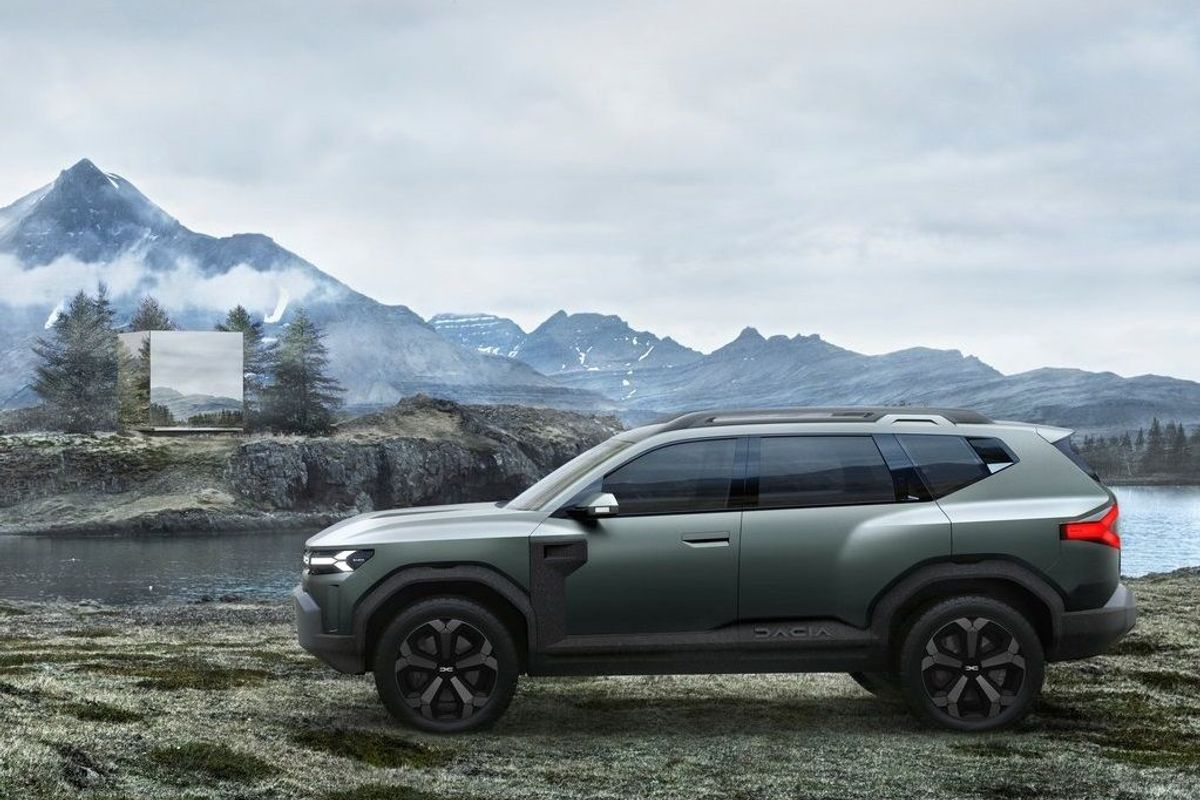
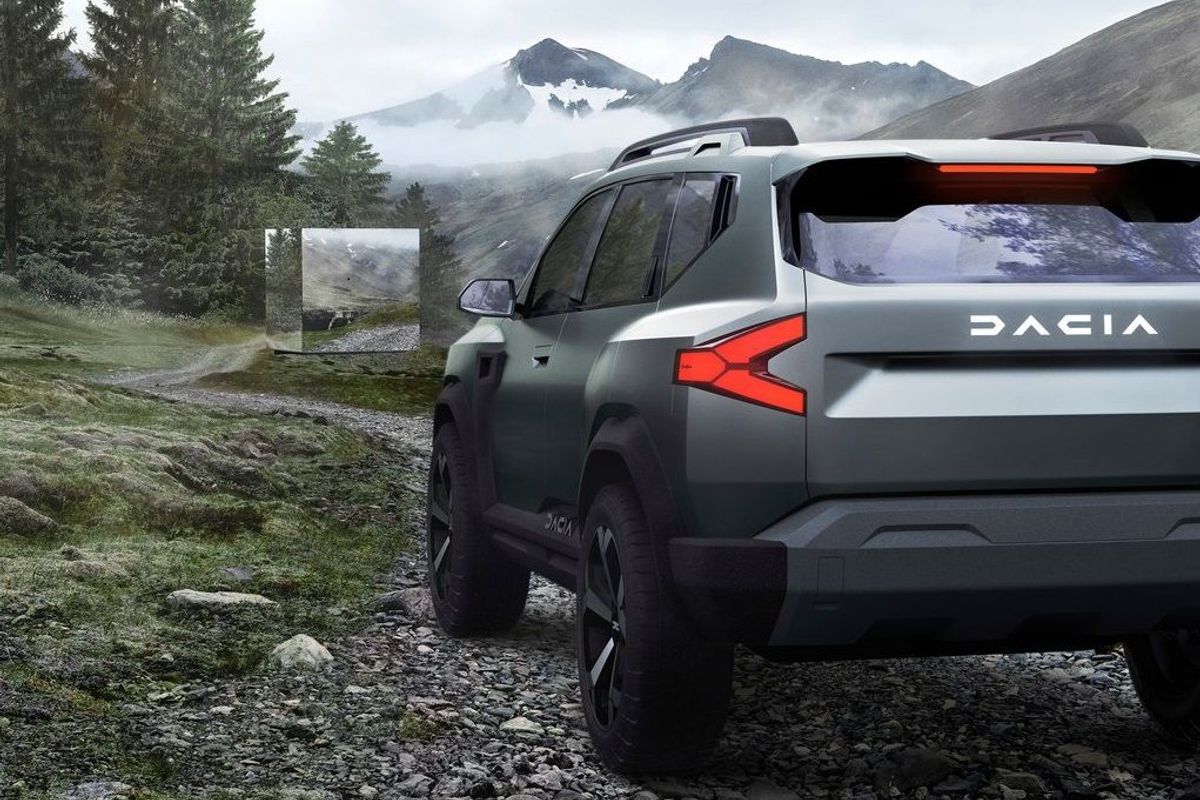
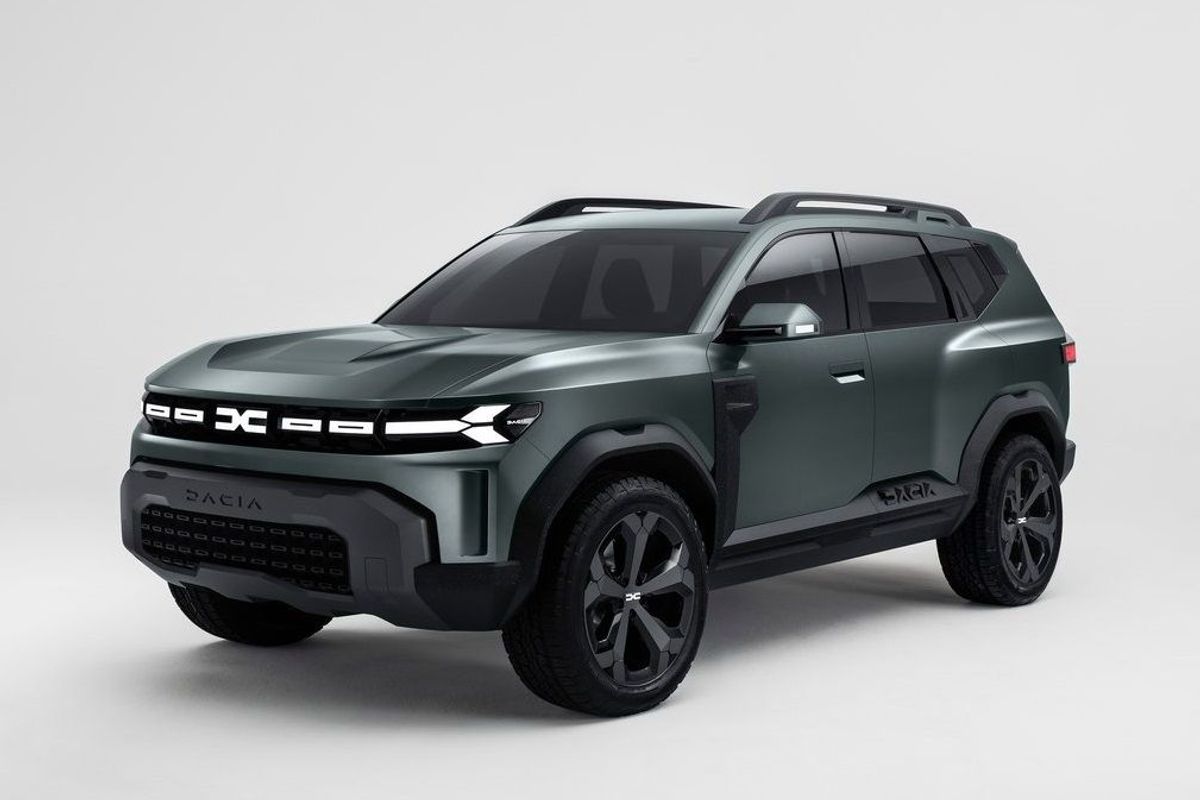
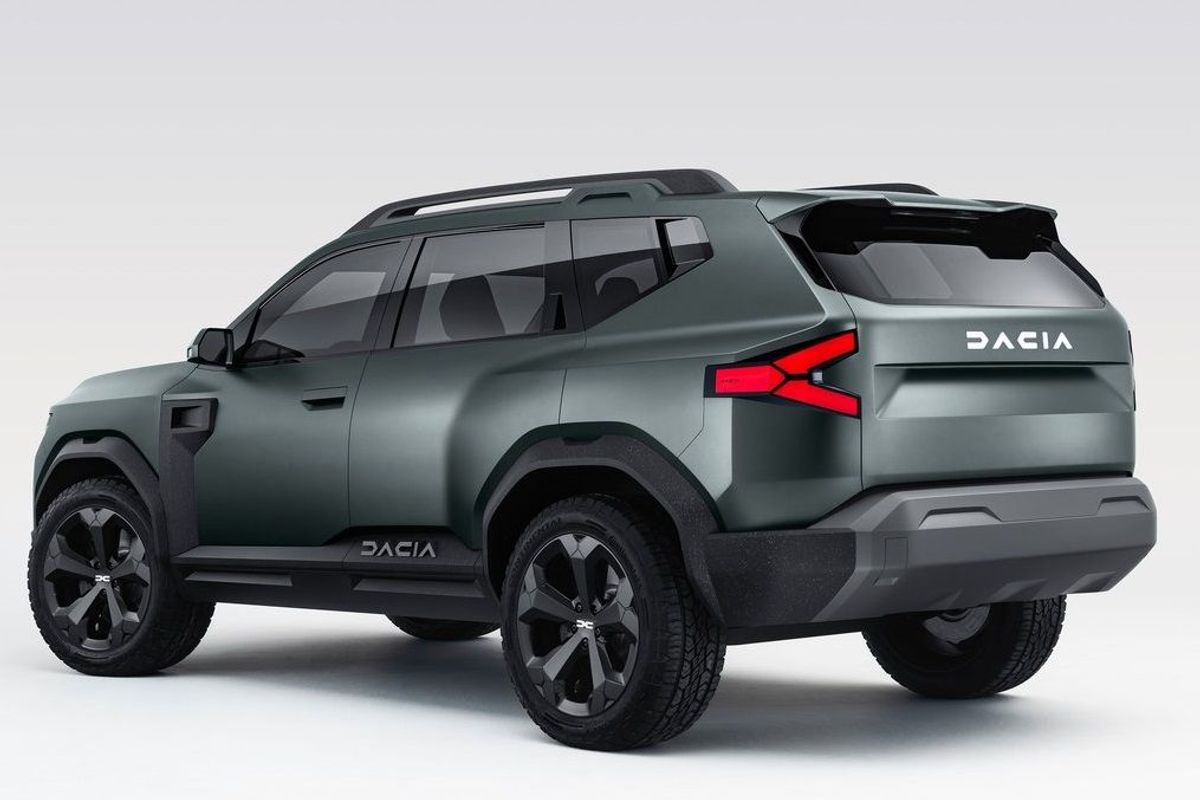
We like the look of this! The Dacia Bigster Concept shows the potential for an upcoming new mid-size SUV with a Renault badge on the nose.
What you are looking at here is the new Bigster Concept from Romanian brand, Dacia. As we have seen in the past, Dacia often previews products that parent company Renault badges as its own. The Dacia Duster is essentially the Renault Duster, you get the point…
The Bigster Concept was revealed as part of Renault Groupe’s new strategic plan called “Renaulution” which aims to not only enhance competitiveness but also to improve the brand’s value proposition into the future (see more further down in this article).
The Bigster Concept previews a new mid-size C-segment SUV with a production version expected to be launched in 2025 and will slot in above the Duster and could very well replace the Kadjar in Renault’s model range.
The Bigster measures 4.6 metres in length and features a thoroughly rugged and chiselled appearance. A Y-shaped design theme is seen in the LED headlights and taillights. The lower matte black skid plate is made from recycled plastic and the Bigster rides on chunky offroad tyres which match its rugged appearance. There are no interior images at this stage Dacia says that the Bigster will feature a roomy and spacious cabin.
The Bigster will be produced on Renault’s CMF-B modular platform and is likely to be powered by alternative energy sources such as natural gas and/or hybrid powertrains.
What about Renault’s new Renaulution strategy?
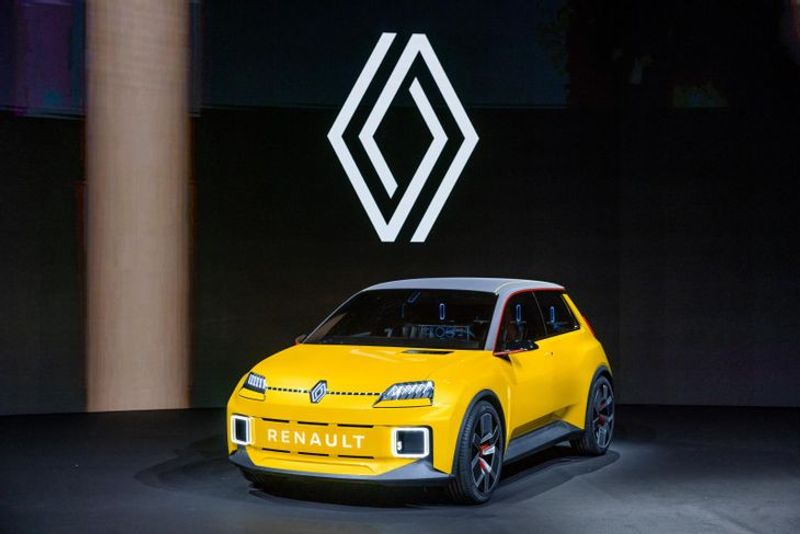
The Renault 5 will make a comeback but will return as an all-electric car “at a price that many, many people will be able to afford.” according to Renault CEO, Luca de Meo.
The automotive world is changing rapidly and if car brands are to remain relevant and competitive, they need to evolve. Renault is one such brand that is in the process of realigning its strategy to meet changing customer demands and ensure its longevity into the future.
Renault’s new “Renaulution” strategic plan was announced by CEO, Luca de Meo, this week which aims to achieve higher levels of competitiveness.
"The Renaulution is about moving the whole company from volumes to value. More than a turnaround, it is a profound transformation of our business model. We’ve set steady, healthy foundations for our performance. We’ve streamlined our operations starting with engineering, adjusting our size when required, reallocating our resources in high-potential products and technologies", said de Meo.
"This boosted efficiency will fuel our future line-up: tech-infused, electrified and competitive. And this will feed our brands’ strength, each with their own clear, differentiated territories; responsible for their profitability and customer satisfaction. We’ll move from a car company working with tech to a tech company working with cars, making at least 20% of its revenues from services, data and energy trading by 2030", he added.
The strategic plan incorporates 3 phases that have been launched in parallel. The first phase is what Renault terms “Resurrection” which will occur from present to 2023 and focuses on improving profit margins and cash generation recovery. “Renovation” will take place up until 2025 where Renault will enrich its product offerings to improve profitability. In 2025 and beyond, the “Revolution” phase will see the brand’s business model focus on technology, energy and mobility.
Renault will also be streamlining its production processes, model lines, powertrains and platforms. More so, a total of 24 new models are expected to come to market by 2025 from Renault, Dacia, Alpine, Lada and Mobilise. 10 of those new products are expected to be all-electric. Renault aims to become a ‘leader’ in electrification by 2025 and will look to establish a large production facility called Electro Pole that will be dedicated to producing electric vehicles and is expected to be located in Northern France. More so, hybrid products are set to account for 35% of Renault’s sales by 2025.
There are lots of new and exciting products in the pipeline and we will keep you up to date as and when specific details become available.
Monster Petrol Price Increase Forecast for February 2021
The Automobile Association (AA) is predicting a steep increase in the prices of petrol, diesel and paraffin for February 2021.
Based on unaudited mid-month fuel price data released by the Central Energy Fund, the AA estimates petrol will increase by 80 cents a litre, diesel will increase of around 61 cents a litre, and illuminating paraffin for an increase of 63 cents.
"The problem is international oil prices, which have been consistently climbing with each passing day," the Association says. "A general increase in positive sentiment as COVID-19 vaccines are rolled out has combined with upticks in global economic activity, pushing up demand for oil – and taking prices with it."
Thankfully we have the current Rand/US Dollar exchange rate which has been relatively stable. "Despite some wild swings in the daily exchange rate, and the average rate creeping up from around R14.60 to just over R15.00, only four cents of the substantial predicted increases come from Rand weakness."
"With the Rand relatively strong by recent standards, the only hope for a reprieve relies on a pullback by oil. Unfortunately, the trend lines suggest that the situation may deteriorate further before month end," the AA concludes.
Kia has officially ushered in a new brand logo and slogan which represents the brand’s transformation.
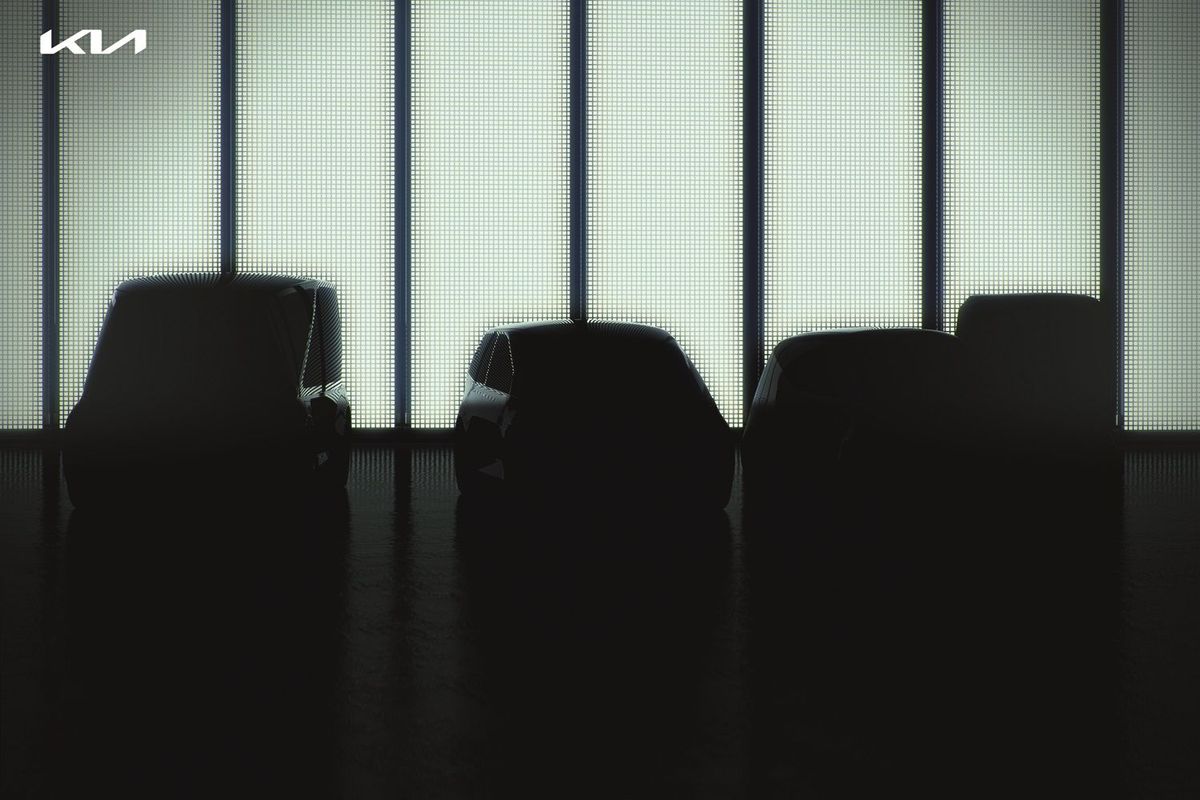
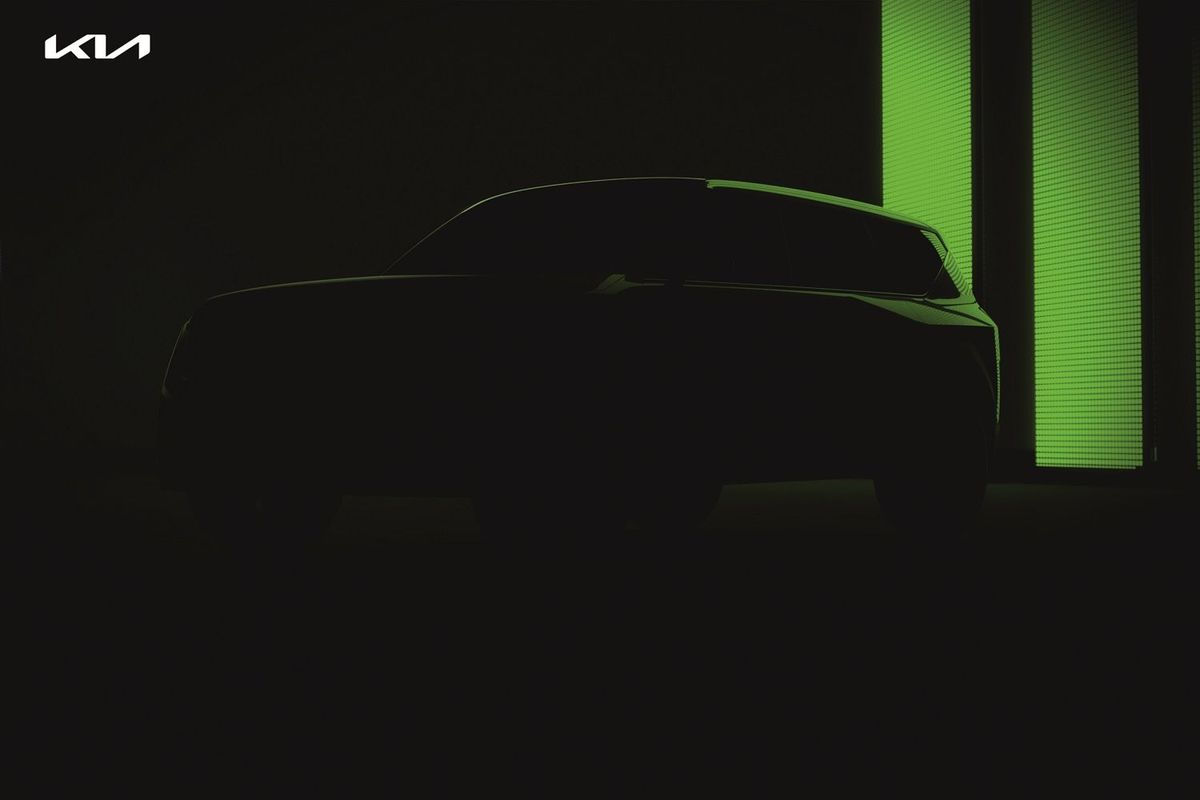
Update: After its logo change, the Korean carmaker went on to announce its first all-electric vehicle will be launched soon and shared some teaser images of its future electrified family. Assembled on the same Electric Globabl Modular Platform (E-GMP) as the Hyundai Ioniq, the new Kia electric vehicle is said to have up to 500 km of range and feature fast-charging capability. Interestingly, this E-GMP platform is scalable and can be set up to be either rear-wheel drive or all-wheel drive.
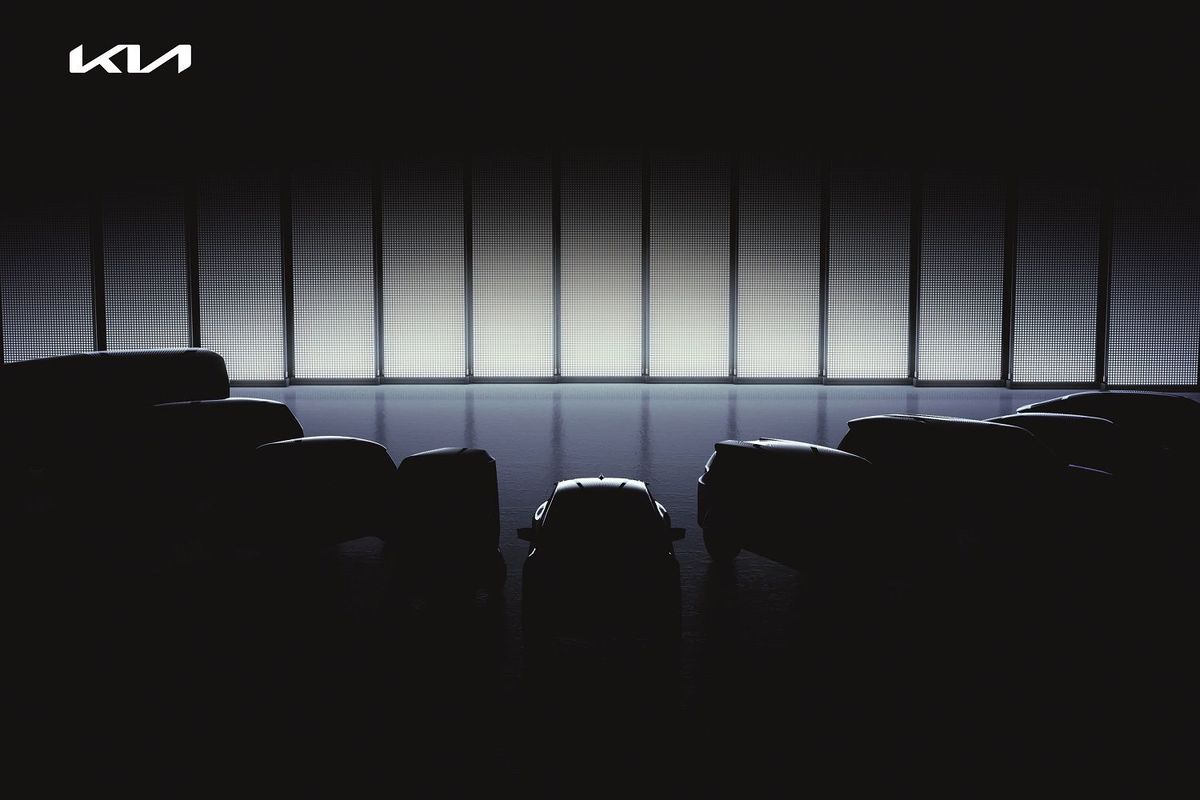
There will be an entire portfolio of electric vehicles, with the Korean brand going the simple route when it comes to names. The range will comprise EV1 to EV9, and you can see the family in the teaser images. We can spot a compact SUV and a small city hatchback, and it's expected the new-generation of Kia's electrified products to be revealed in the first quarter of 2021. The goals are ambitious too, with Kia targeting a 6.6 percent share of the global BEV market by 2025, and global annual sales of 500,000 BEVs by 2026.
Kia now has a new-look corporate logo and a new slogan to boot, all in the name of transformation.
Kia aims to establish a leadership position in the automotive industry at large and an overhaul of its corporate identity was deemed necessary as the brand embarks on its transformation. Kia’s new brand strategy including its new brand purpose and philosophy will be revealed on 15 January 2021 via Kia’s Youtube channel.
The new logo and slogan reveal forms part of Kia’s ‘Plan S’, which is a long-term business strategy that broadly-speaking aims to position Kia as a leading global automaker while also popularising electric vehicles and introducing a broad range of mobility services to markets all over the world,
Kia’s new slogan is ‘Movement that inspires’ which replaces the outgoing ‘The Power to Surprise’. The new logo is said to resemble a handwritten signature with a rhymical, unbroken line that is meant to convey inspiration and confidence while the rising gestures of the logo represent the rising ambitions of the brand and its new customer offering.
“Kia’s new logo represents the company’s commitment to becoming an icon for change and innovation”, said Ho Sung Song, Kia’s President and CEO. “The automotive industry is experiencing a period of rapid transformation, and Kia is proactively shaping and adapting to these changes. Our new logo represents our desire to inspire customers as their mobility needs evolve, and for our employees to rise to the challenges we face in a fast-changing industry.”
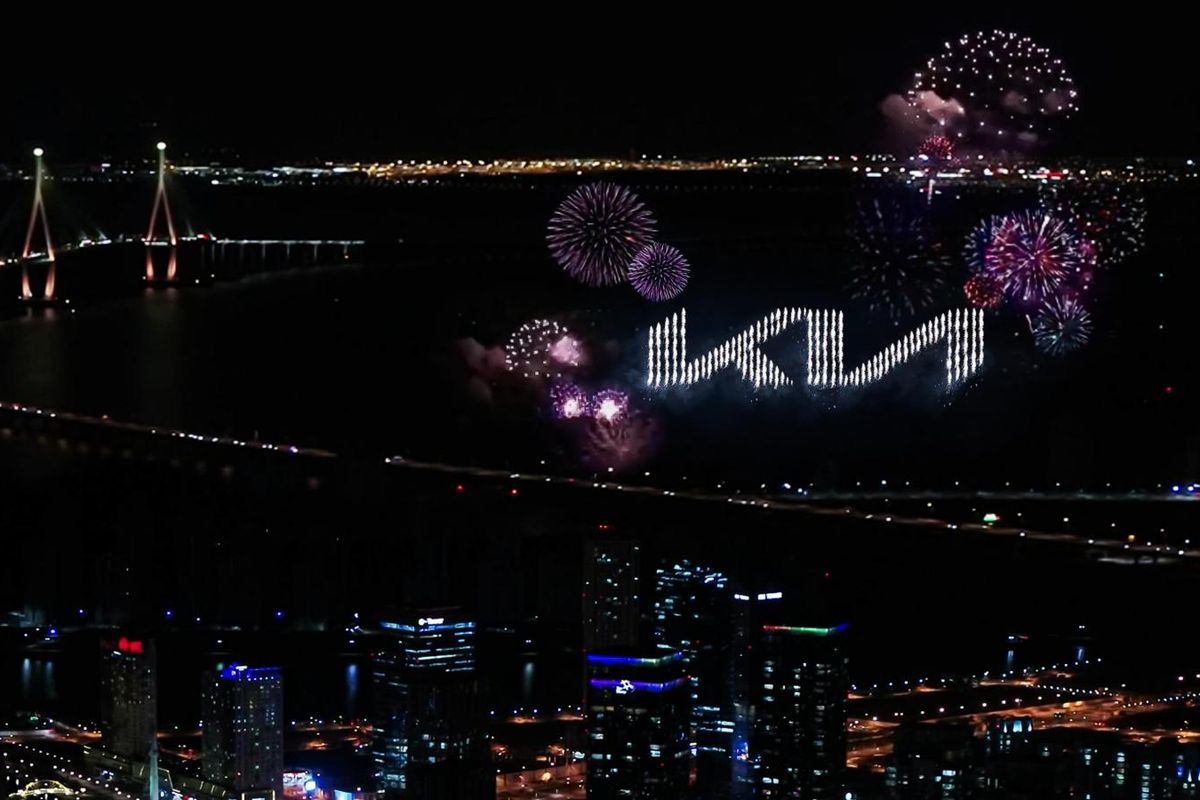
The new Kia logo and slogan were unveiled in spectacular fashion in Incheon, Korea, where 303 pyrodrones launched hundreds of fireworks in a synchronised artistic display. The event set a new Guinness World Record for ‘Most unmanned aerial vehicles (UAVs) launching fireworks simultaneously’.
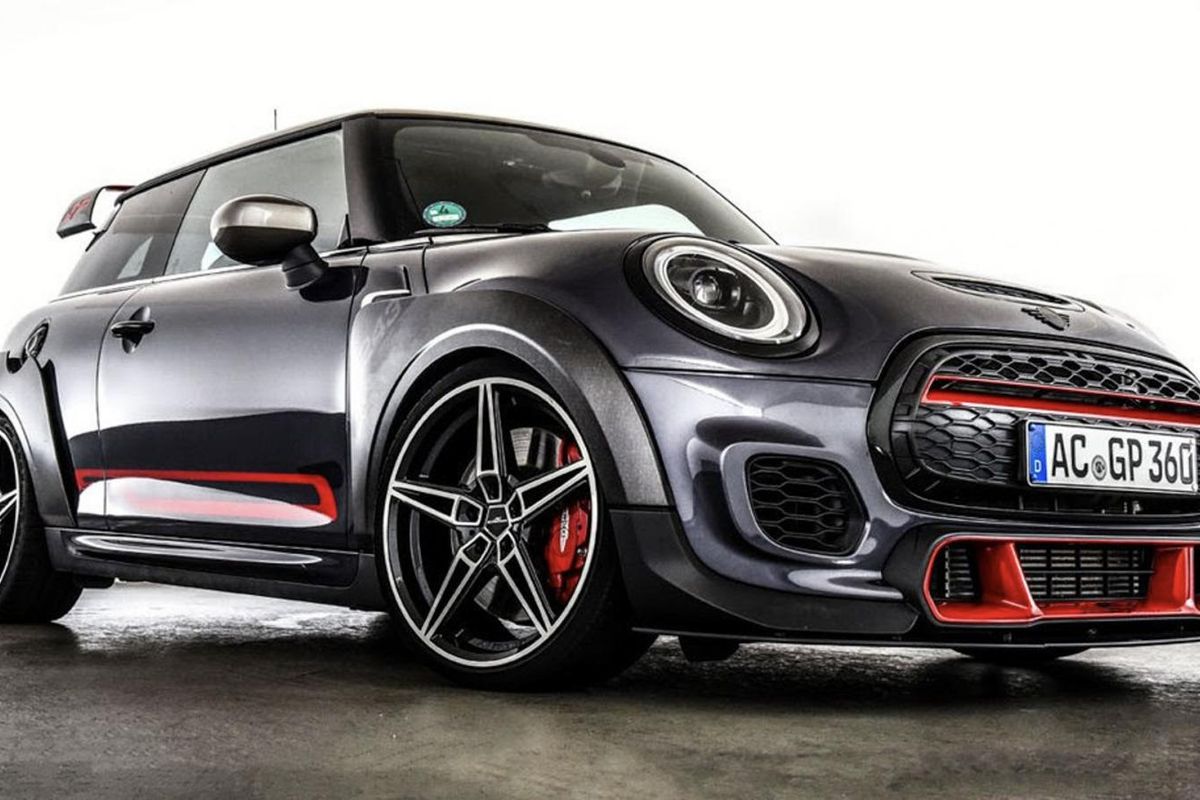
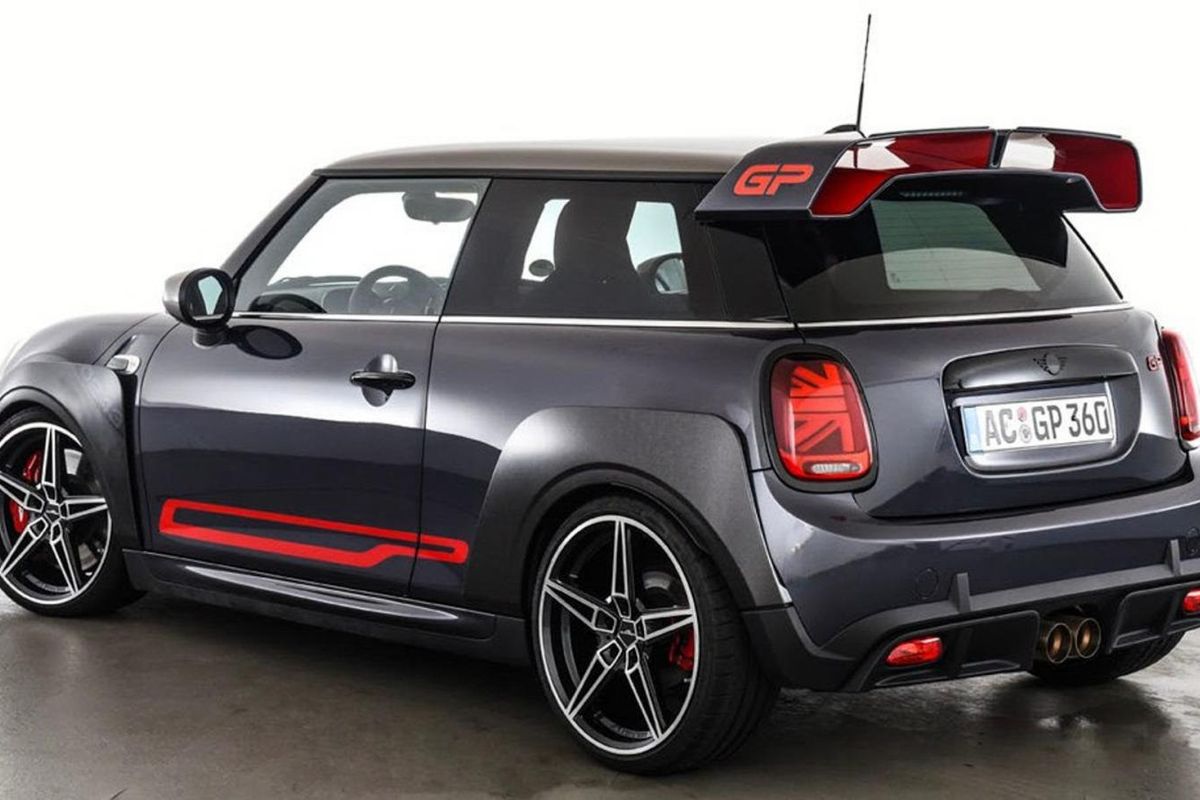
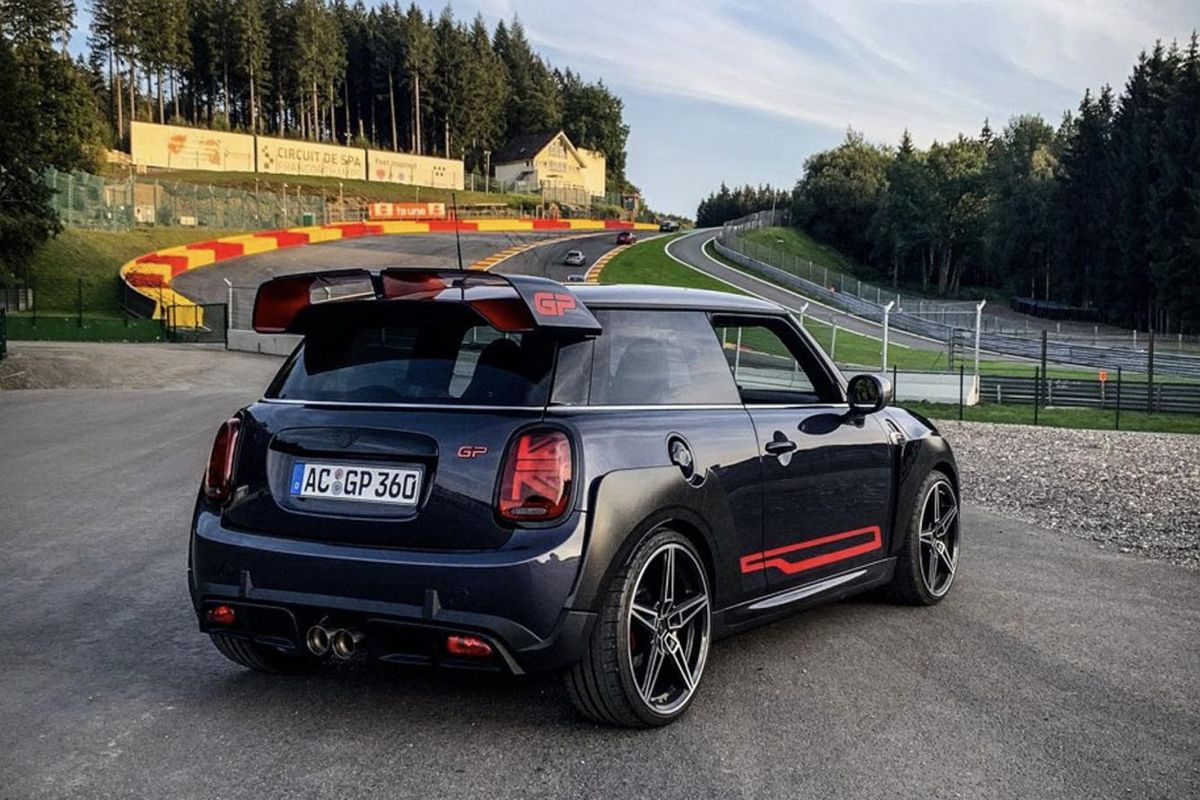
BMW Group tuner AC Schnitzer has released its kit for the Mini JCW GP.
The announcement of a new JCW GP product from Mini was met with much excitement. This is the most-focused iteration of Mini and arguably the one that truly epitomises the go-kart performance. However, when it came to the crux, our international driving report suggested it didn't quite deliver the thrills in abundance. While it certainly looked the part, it's performance abilities weren't as radical as hoped.
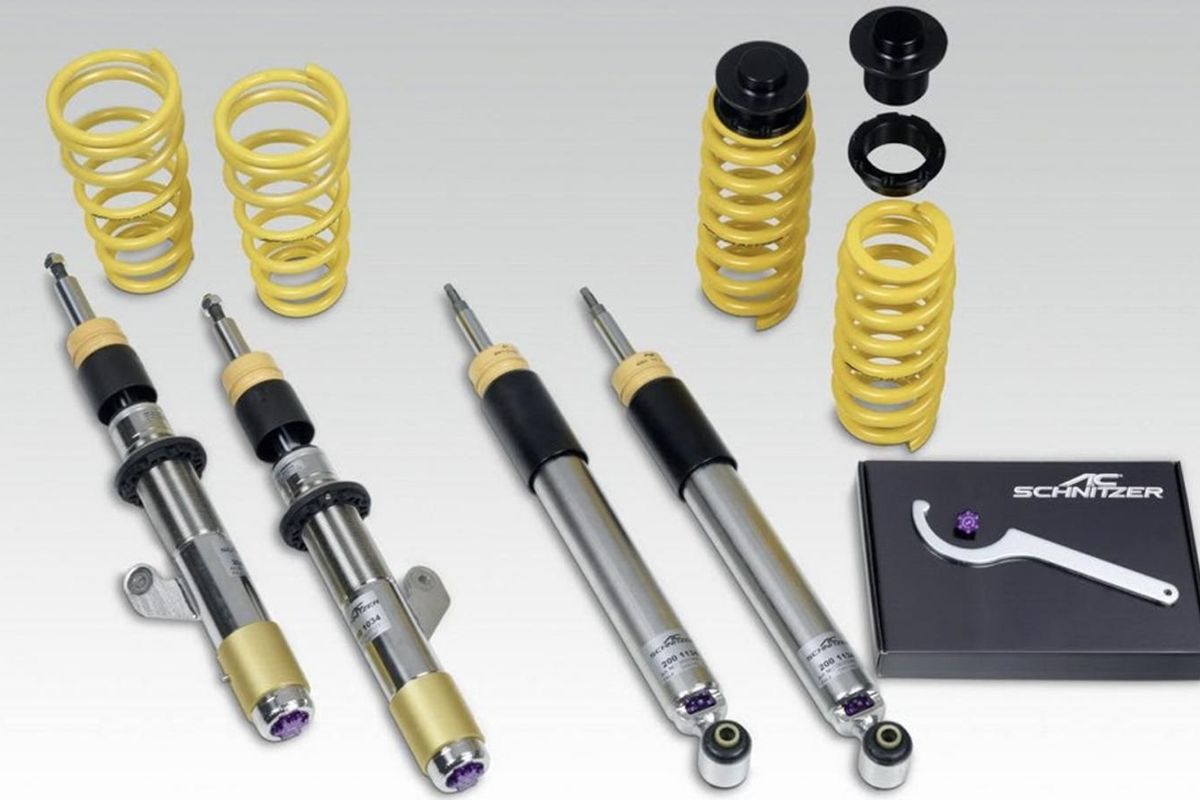
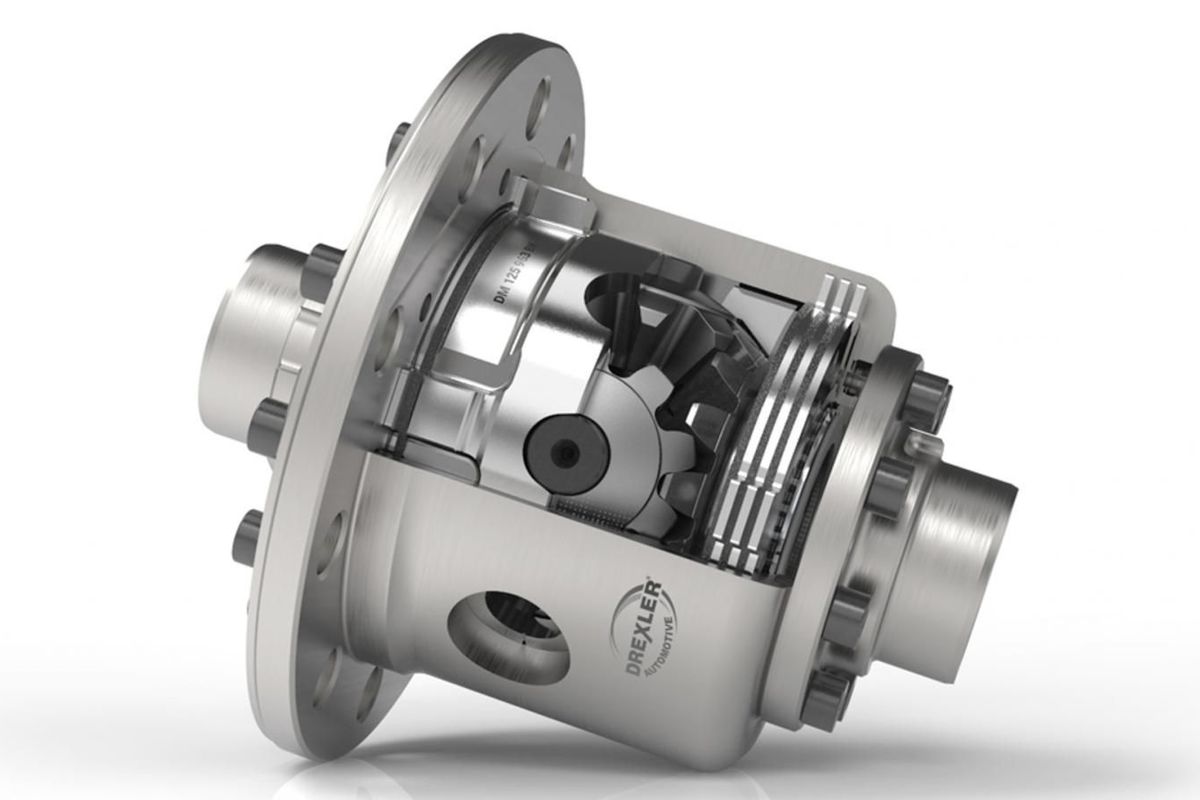
German tuner AC Schnitzer hopes to address some issues and unlock its true potential. Sourced from Drexler Motorsport is a new limited-slip front differential to replace the standard LSD in the vehicle. This new diff is said to improve traction through corners, while limiting torque steer. There's a new coilover suspension kit sourced from kW to help soften the ride. One of the criticisms of the Mini GP is its harsh ride and these 3-way adjustable springs are said to fix the ride comfort without compromising on the handling.
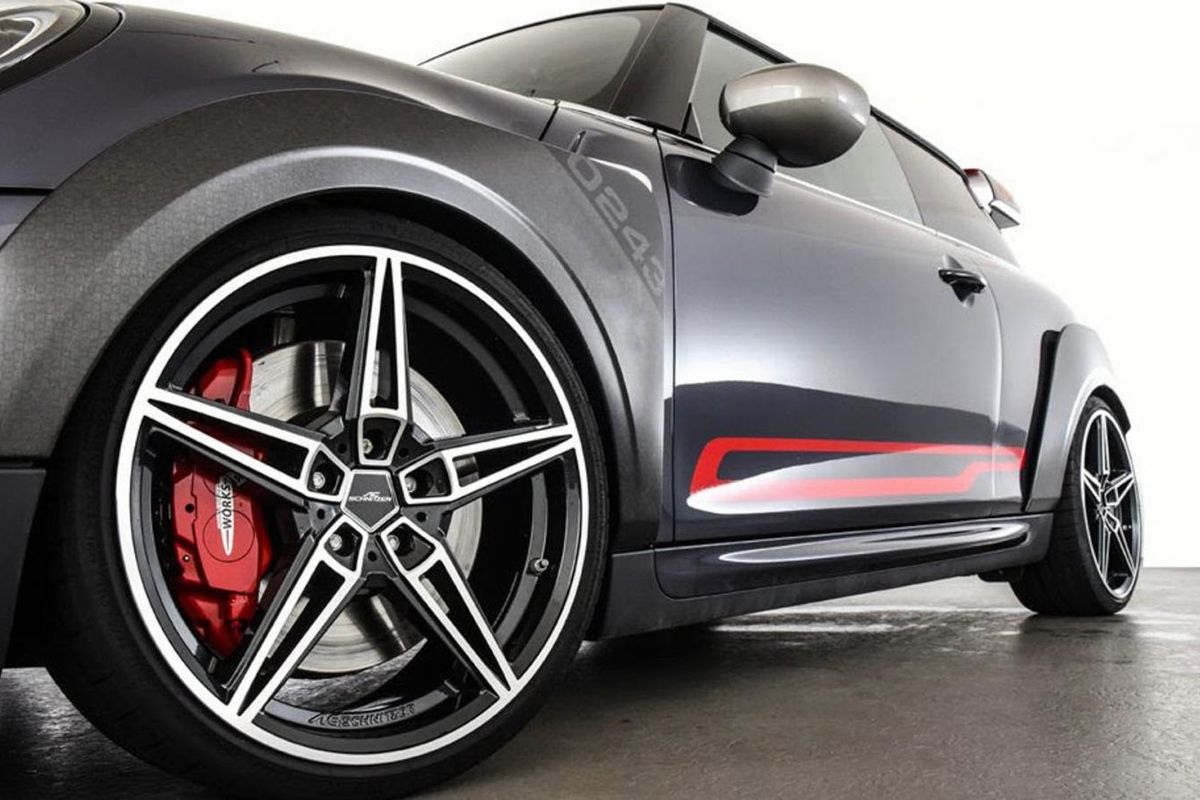
Being an AC Schnitzer product, you can expect the stereotypical big alloy wheels too. The German tuner hasn't touched the styling which is understandable, the MINI JCW GP is already one wild-looking hatchback.
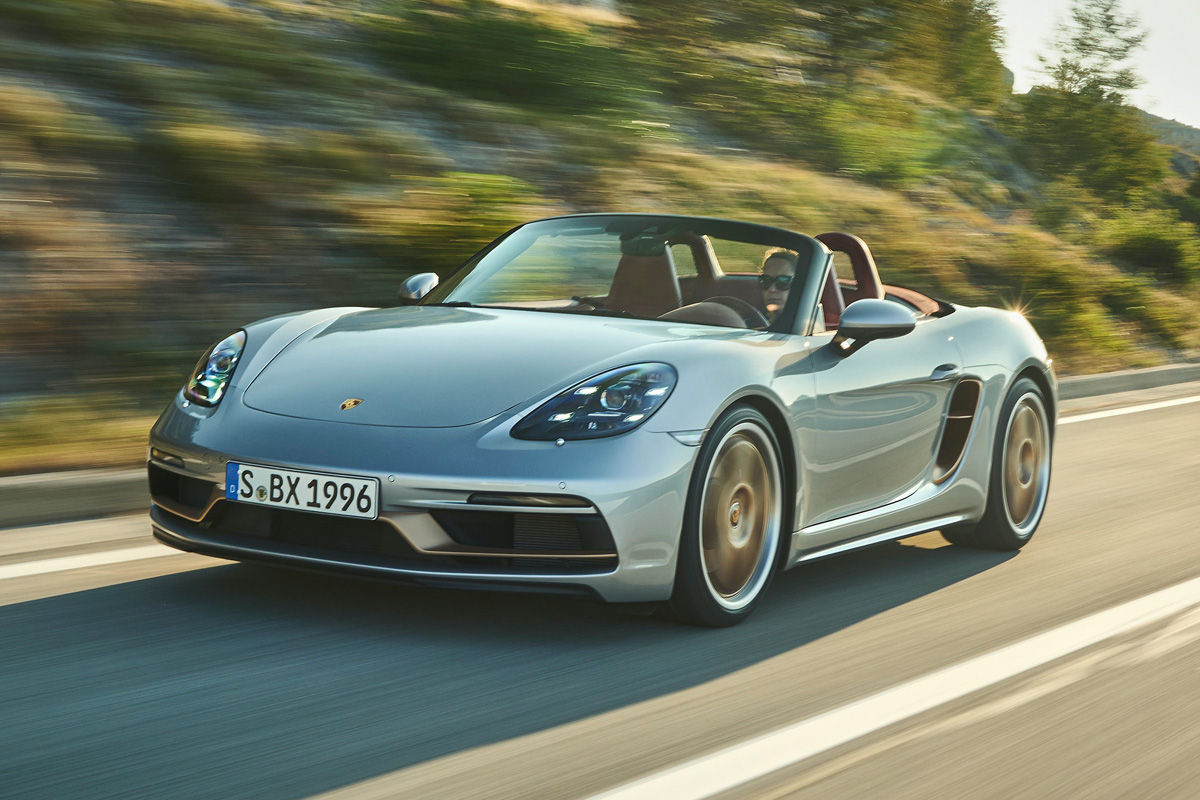
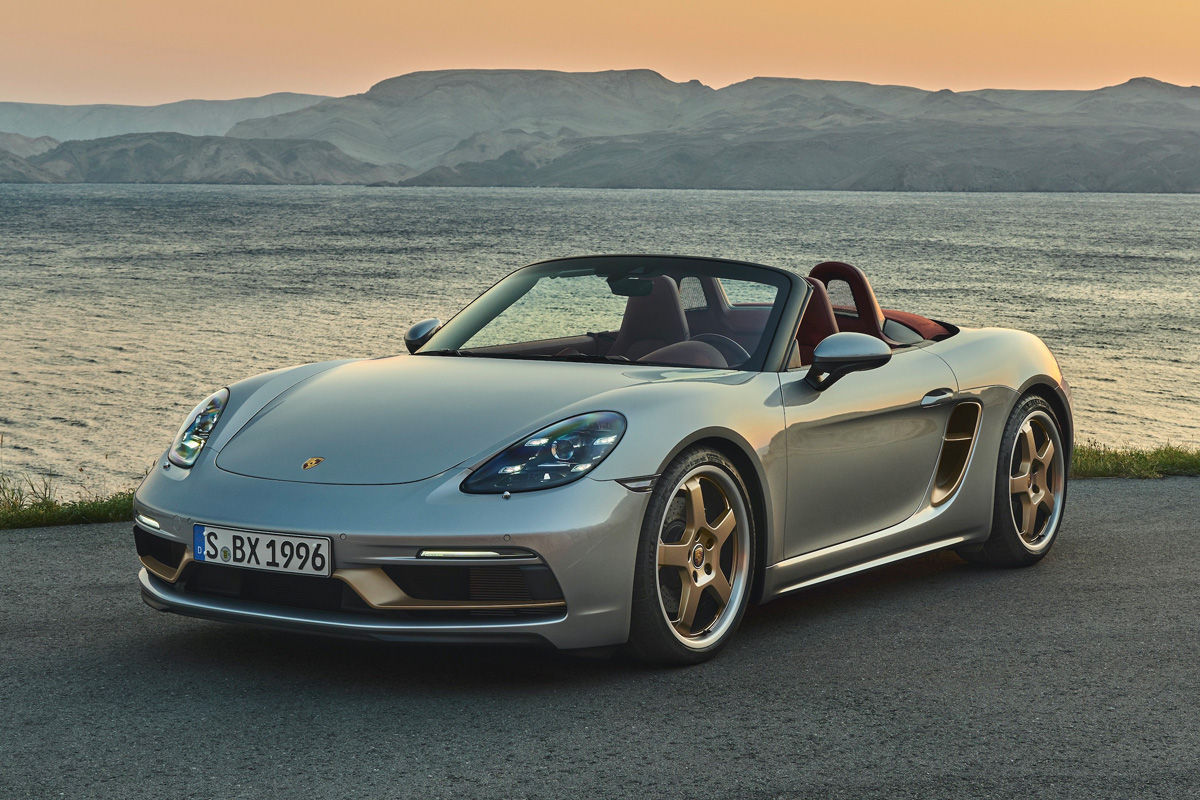
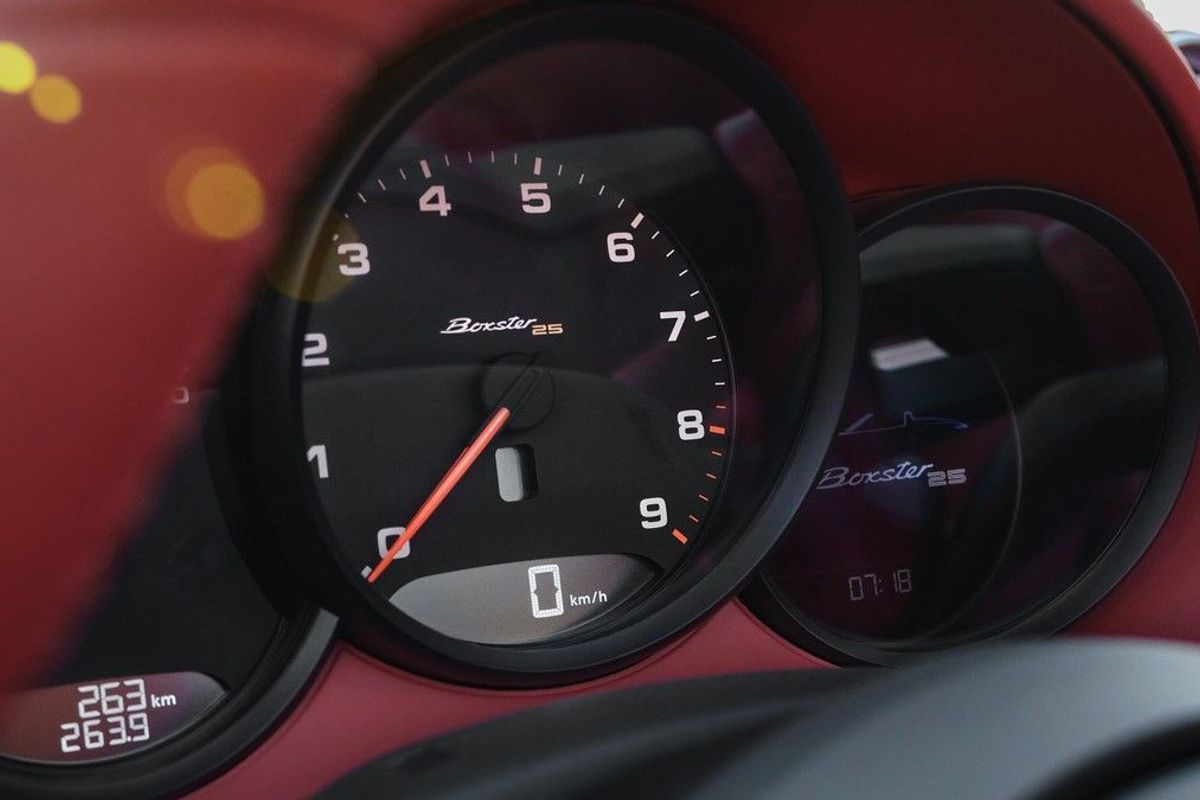
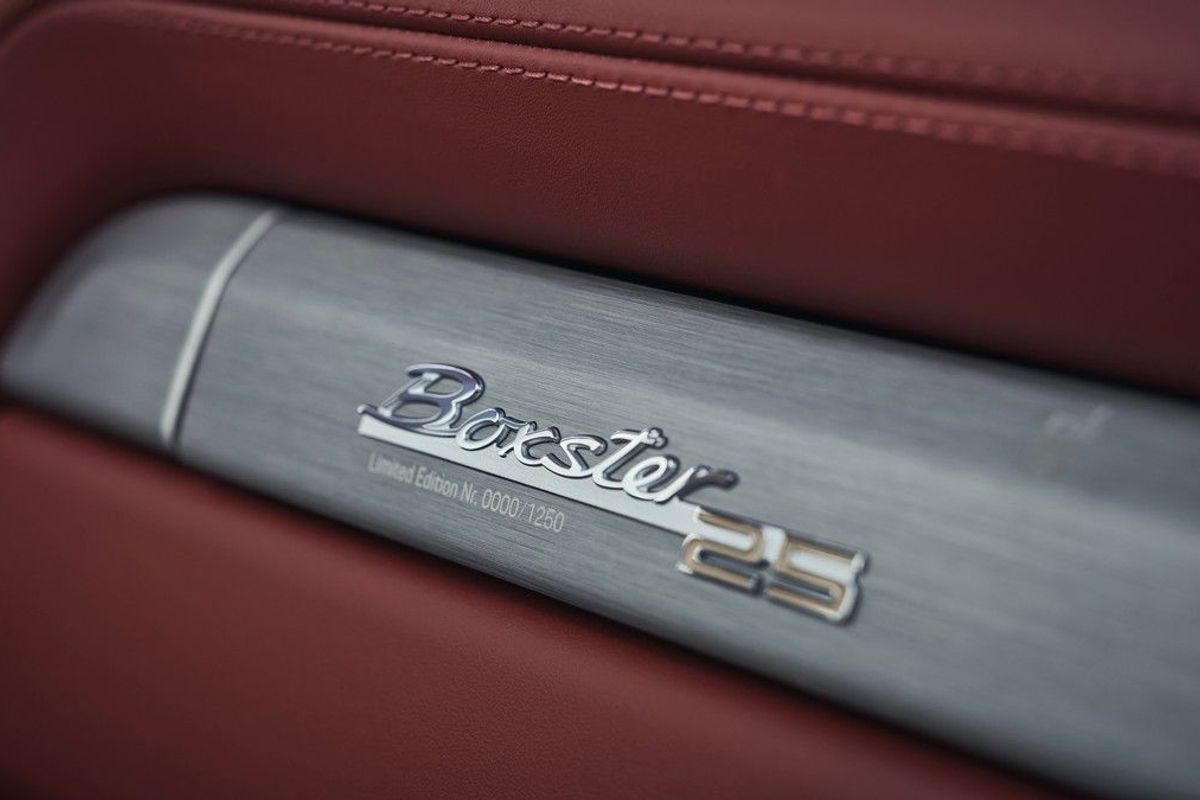
It’s been 25 years since the 1st-generation Boxster was introduced and, to mark the anniversary of the roadster that debuted Porsche’s water-cooled flat-6 motor and made the aspirational brand accessible to a wider clientele, the Zuffenhausen-based firm has launched a limited-edition derivative.
Porsche will produce only 1 250 units of the Boxster 25 Years and, unsurprisingly, it’s powered by the 294 kW/420 Nm naturally aspirated 4.0-litre 6-cylinder boxer engine of the GTS 4.0 (as opposed to the either the turbocharged 2.0- or 2.5-litre 4-cylinder motor, both of which were introduced with the launch of the current 718 Boxster range in 2016).
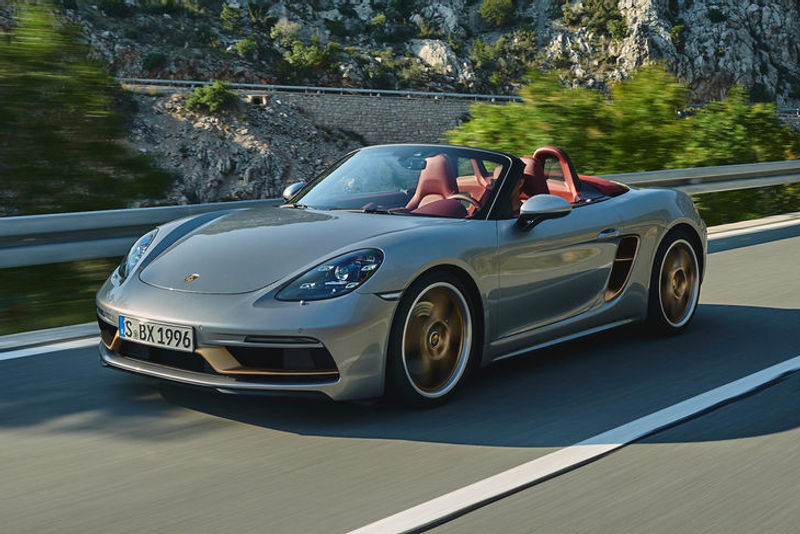
Designed to reference Porsche's concept car from 1993, the Boxster 25 Years features tasteful Neodyme exterior accents.
It’s available with a 6-speed manual ‘box or a 7-speed dual-clutch automatic transmission (PDK) and comes standard with, inter alia, the Sport Chrono package, Porsche Active Suspension Management sports suspension, which lowers the ride height by 10 mm, as well as Porsche Torque Vectoring with a mechanical limited-slip diff.
When equipped with a PDK, the Boxster 25 Years is said to accelerate from 0 to 100 kph in 4 sec, going on to a top speed of 293 kph, but as with other limited-edition Porsche derivatives, such as the 911 Targa 4S Heritage Design Edition, it’s all about the exclusive trims and detailing! In the case of the newcomer, it references the Boxster concept car that debuted at the 1993 Detroit Motor Show.
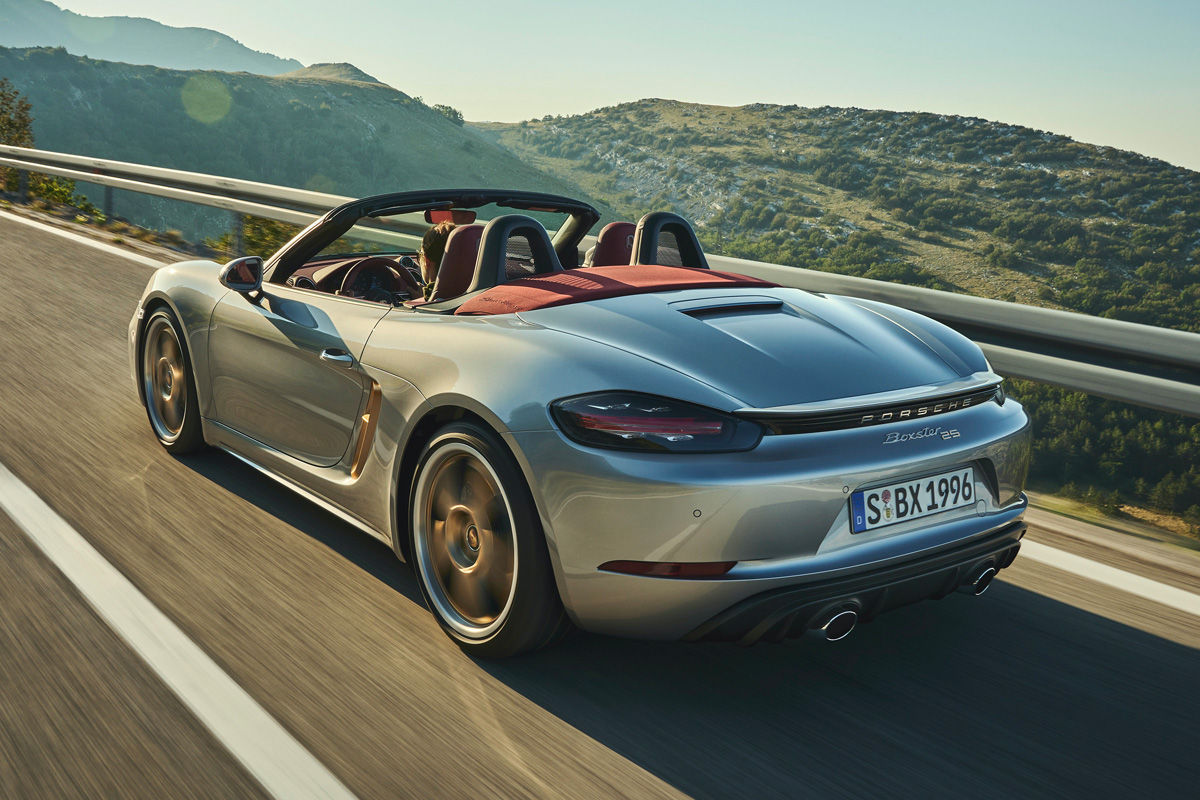
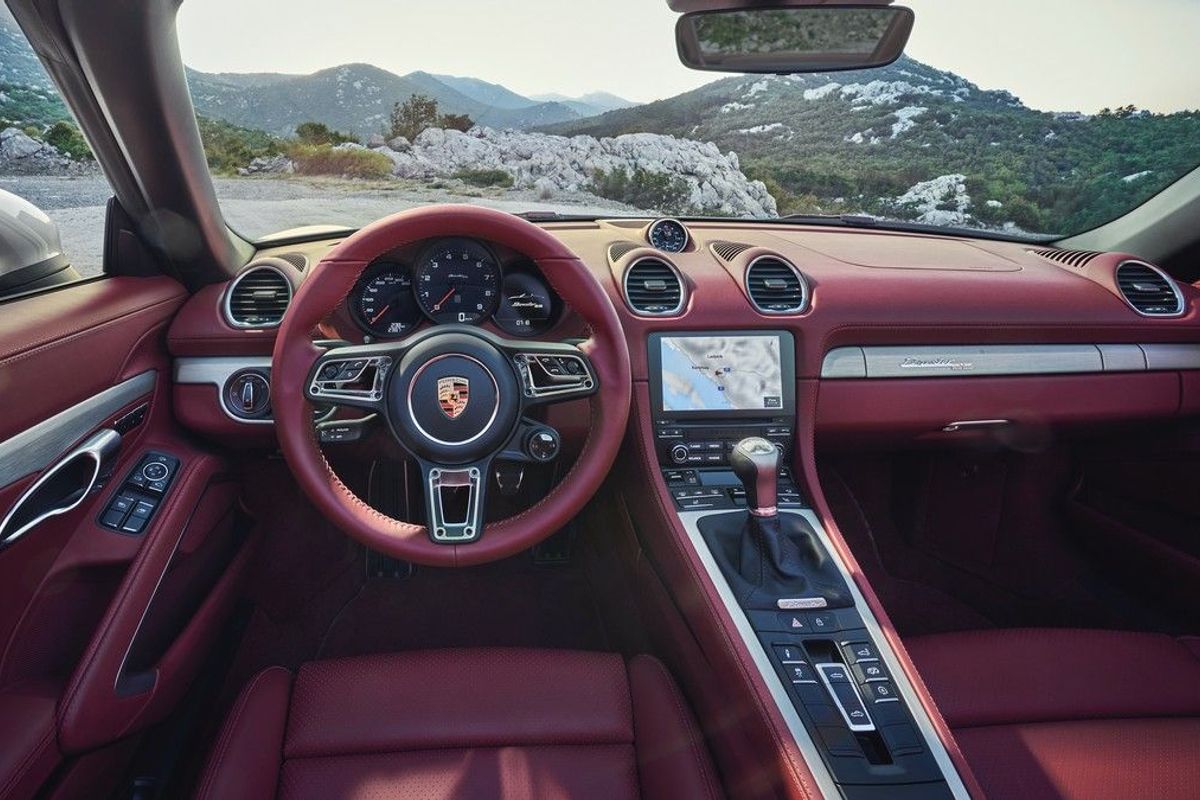
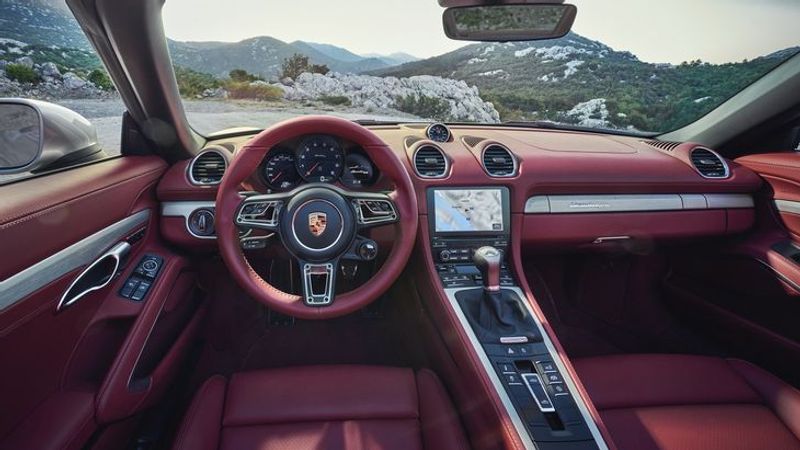
The Bordeaux leather trim gives the special-edition derivative a characteristic deep-red interior.
The Boxster is now in its 4th generation (the 986 debuted in 1996, the 987 in 2004, the 981 in 2012 and the current 982 – named the 718 Boxster – arrived 5 years ago). But the range (of which more than 350 000 units have been built) owes its existence to the enthusiastic public response to the show car 25 years ago, which debuted the “fried egg” headlamps that also adorned the 996-series 911.
Such was the excitement about the show car that Porsche’s Executive Board intervened in the design development of the production model and issued a directive to “build the concept car just like that”. Well, of course, that isn’t exactly what happened, but the brand’s decision to push the roadster into production – and develop the Cayman coupe variant – have certainly been vindicated since.
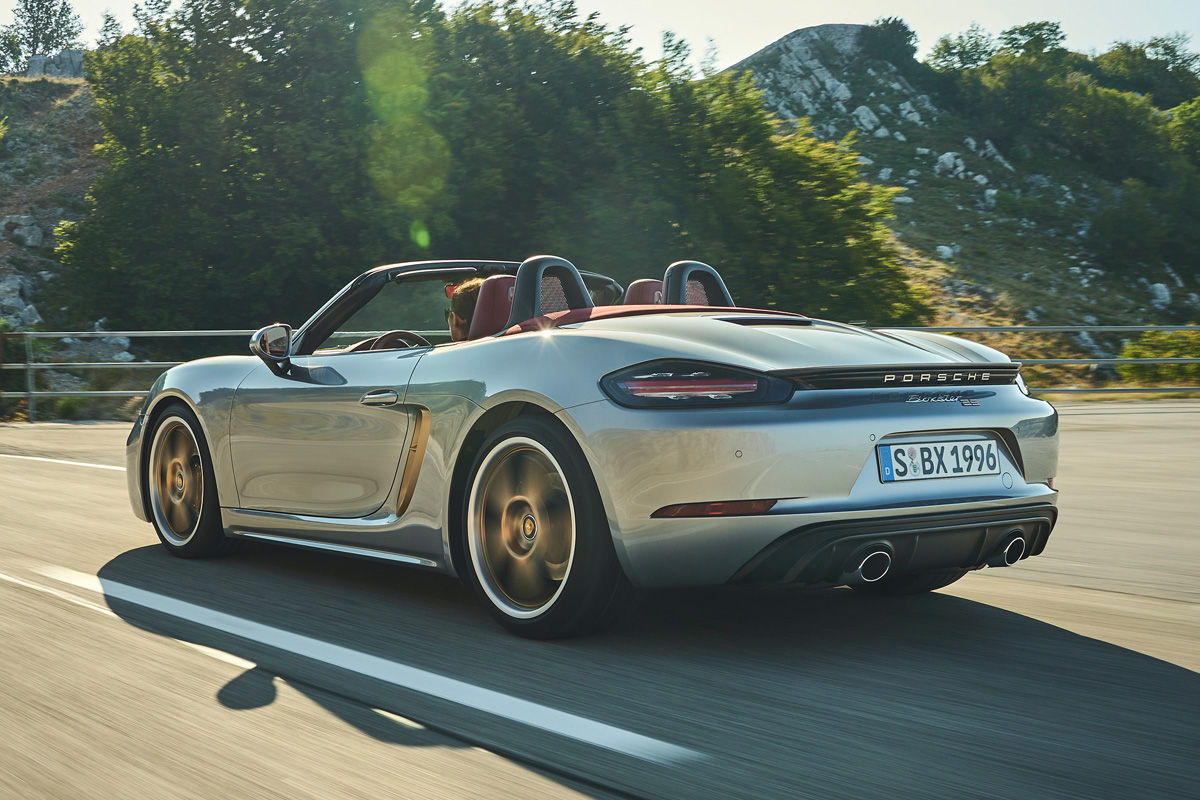
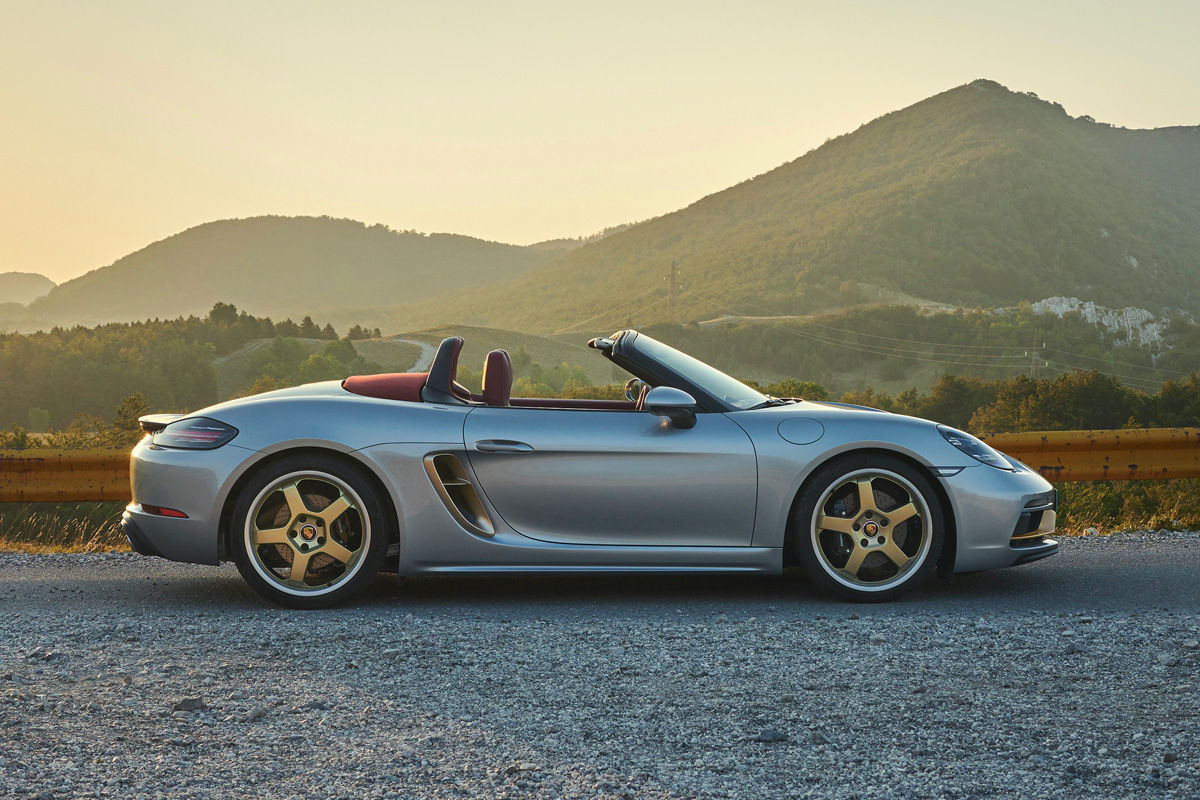
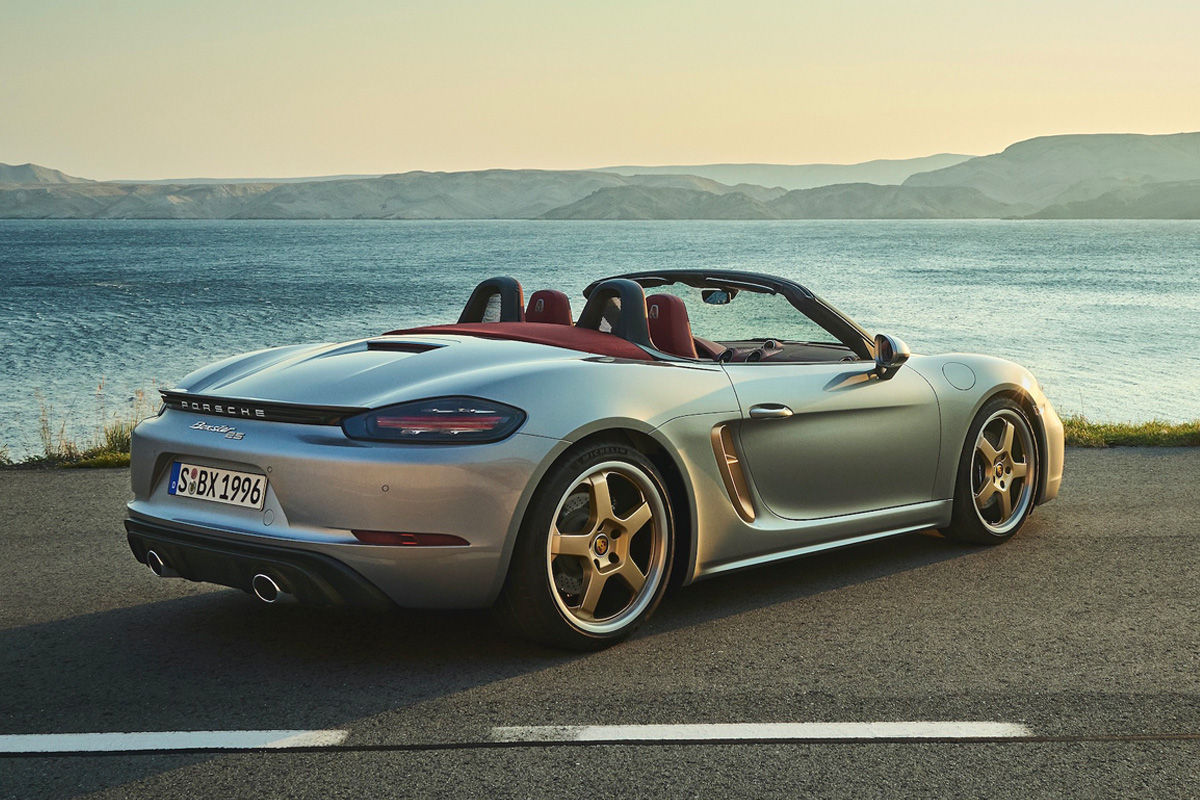
The dual-tone 20-inch alloy wheels add significantly to the Boxster 25 Years' on-road presence.
One of the most striking features of the special edition is the reinterpreted colour Neodyme (a copper-like shimmering brown), which contrasted with the GT Silver Metallic finish of the 1993 show car.
On the Boxster 25 Years, the front apron, the spokes and centre of the 20-inch alloy wheels, side air intakes (each adorned with a mono bar) and nomenclature lettering are clad in the eye-catching Neodyme hue. It contrasts tastefully with the GT Silver Metallic (shown here), but Deep Black Metallic and Carrara White Metallic finishes are also available.
The fuel filler cap, which is enhanced by Porsche script from the Exclusive Design range, has a shiny aluminium look, as do the high-gloss tailpipes of the sports exhaust system.
Aluminium inserts feature prominently in the cabin, the rim of the 3-spoke GT sports steering wheel matches the interior.
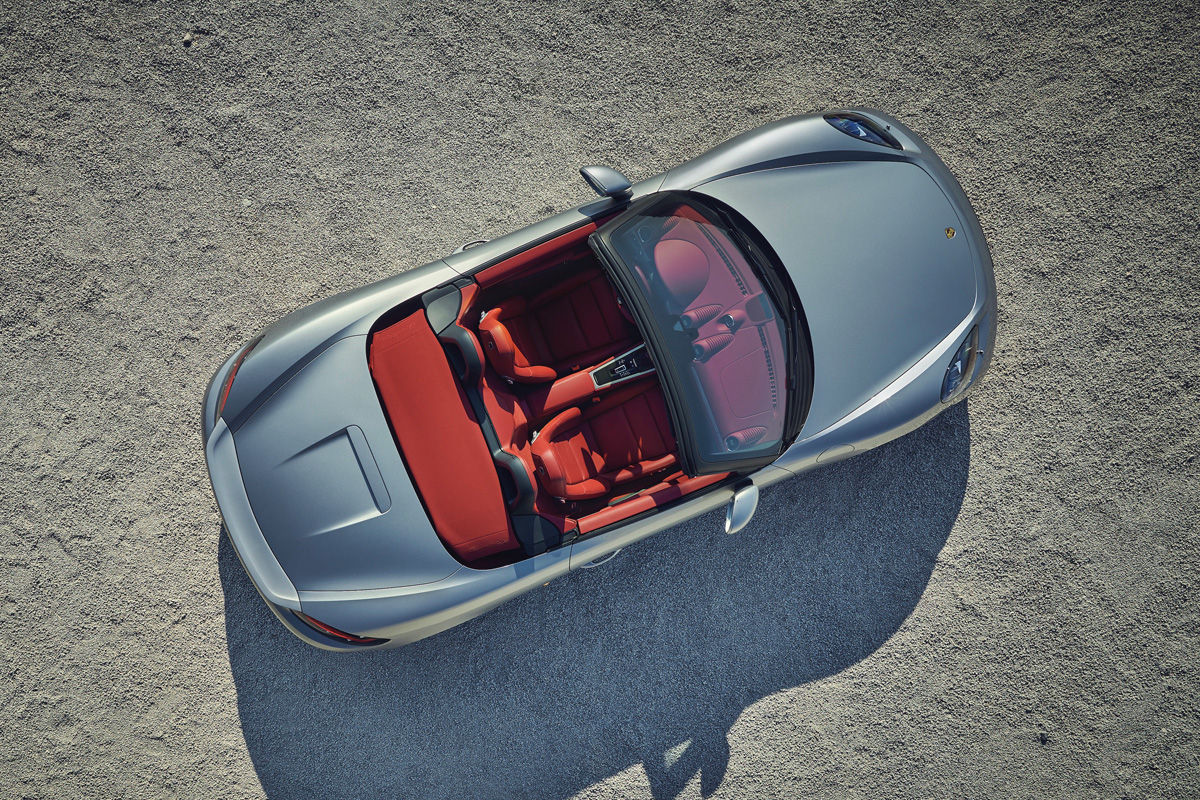
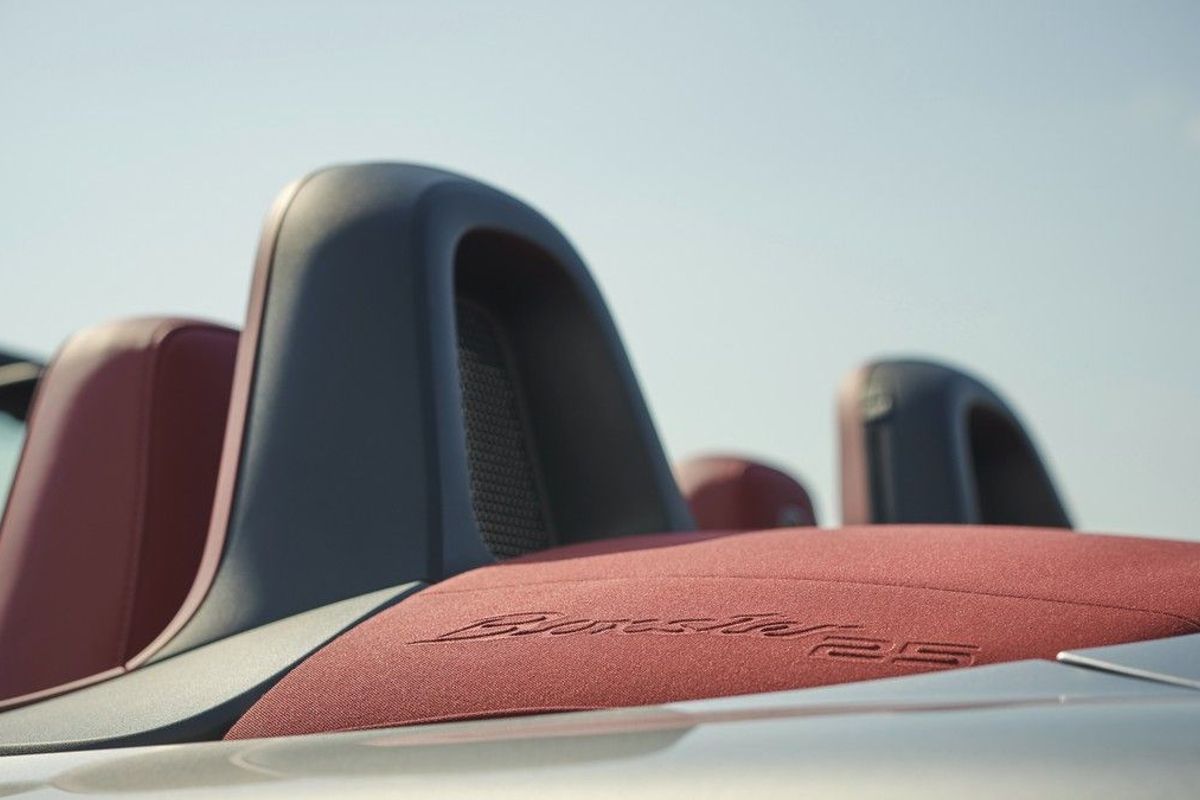
While the windscreen surround is finished in contrasting black, the limited-edition derivative combines a Bordeaux leather interior with a red fabric convertible top embossed with "Boxster 25" lettering. The interior package includes aluminium trim embellishments, 14-way electrically adjustable sports seats, door sill trims with "Boxster 25" lettering a leather-trimmed and heated sports steering wheel.
The unveiling of the Boxster 25 Years follows the recent introductions of the 718 Boxster Spyder (in mid-2019) and the much-celebrated arrival of the 4.0-litre flat-6 powered GTS 4.0 (during 2020). Late last year, Cars.co.za’s resident track test ace Ashley Oldfield reviewed the range-topping Cayman GT4 – the ultimate expression of the Boxster's tin-topped sibling.
Porsche says the Boxster 25 Years is available to order and will roll into dealerships worldwide from the end of March 2021. According to Porsche South Africa's website, the newcomer costs R1 660 000 (with a 3-year maintenance plan*) and R1 710 000 (with a 5-year maintenance plan*). * Driveplan
More Power for Updated Suzuki Swift, But Not For SA
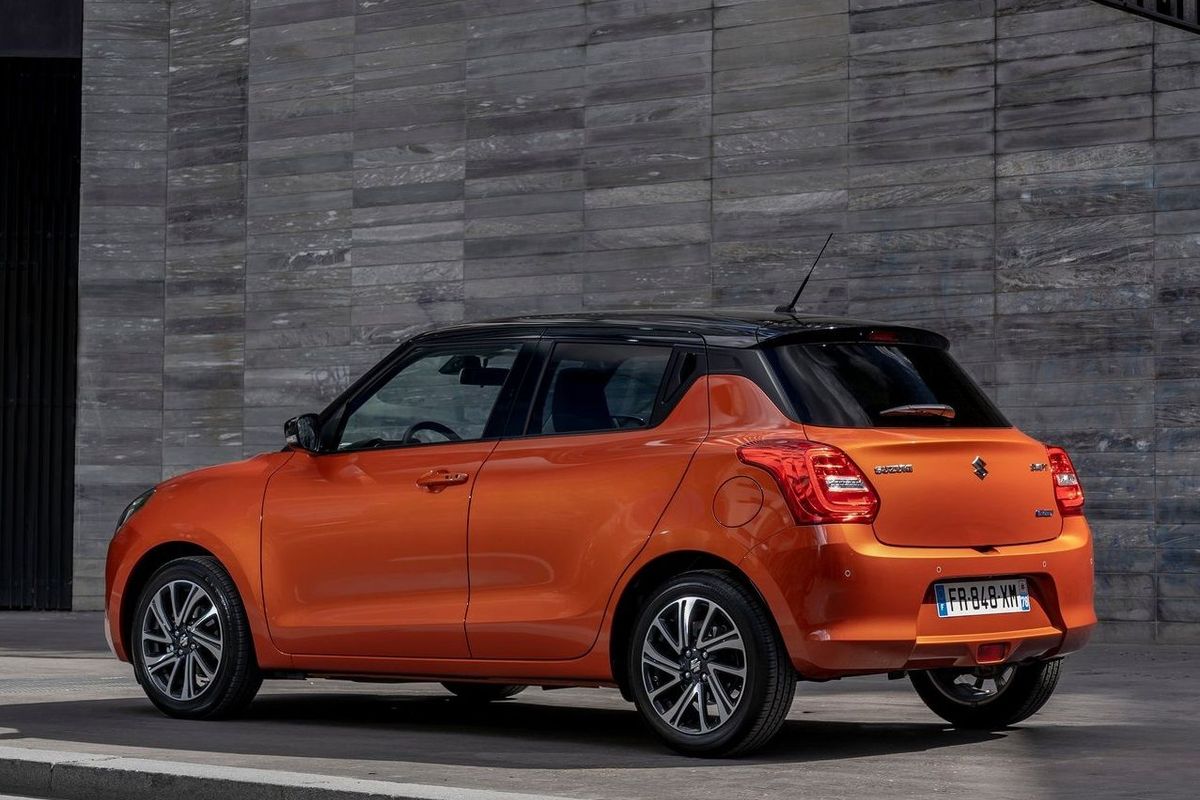
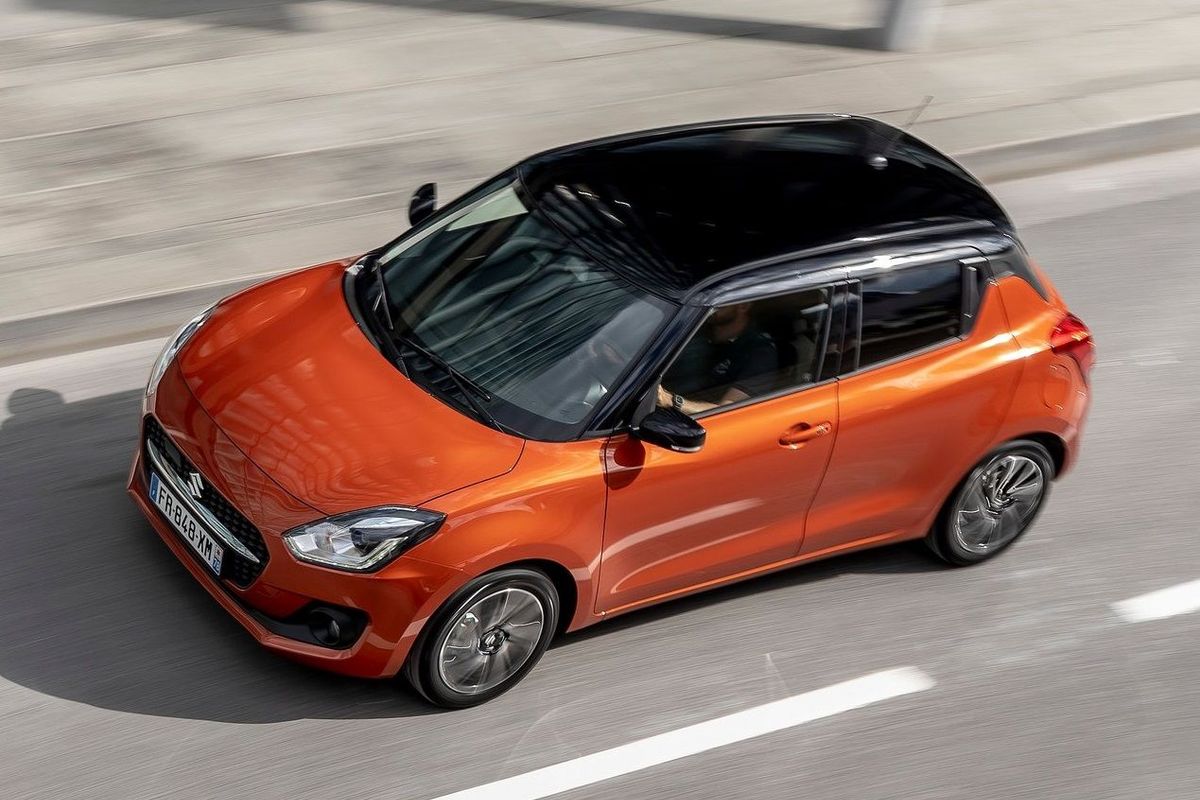
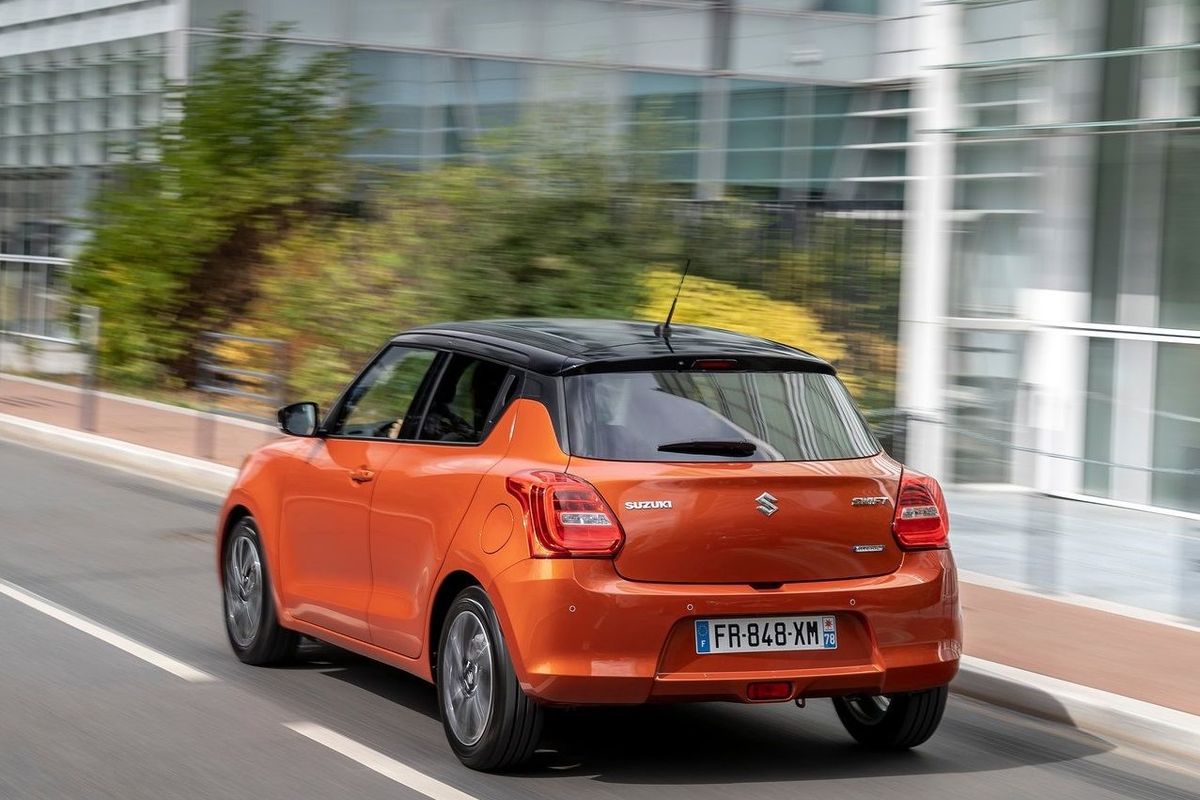
The latest generation of Suzuki’s popular Swift hatchback has gone under the knife for its first makeover and is reportedly due for reveal in February 2021.
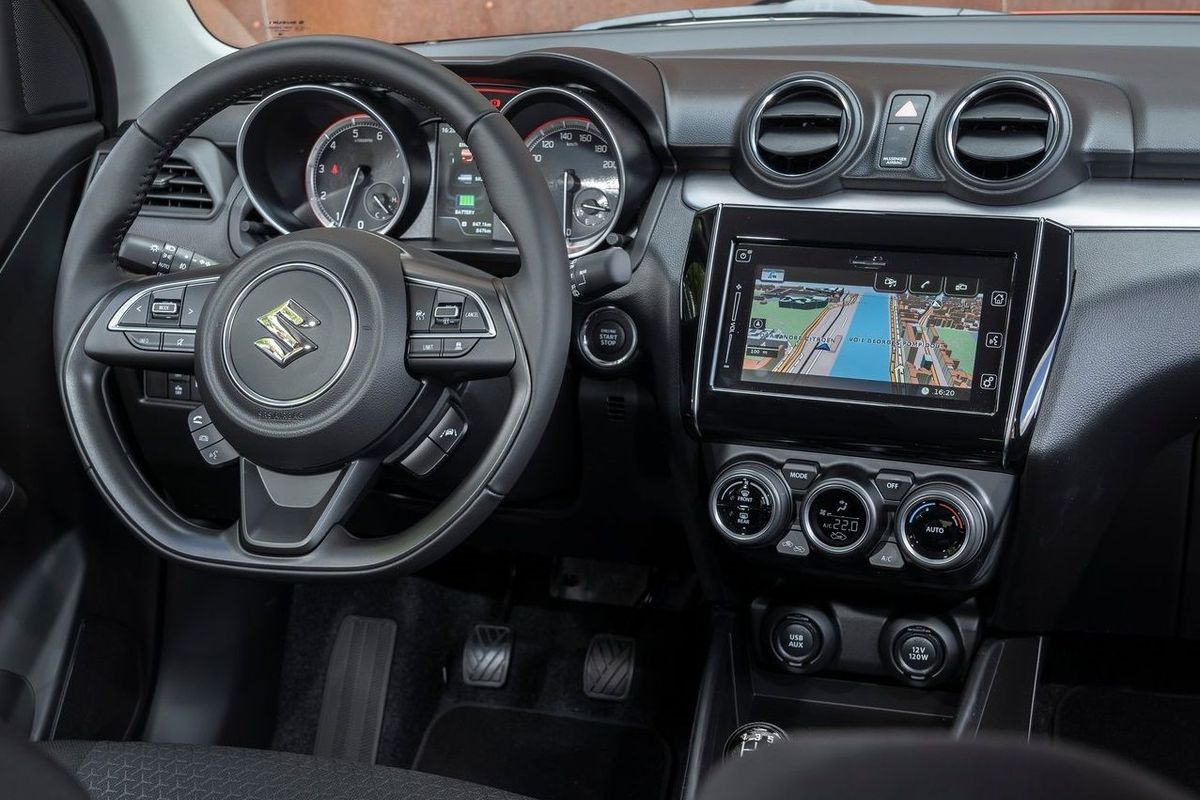
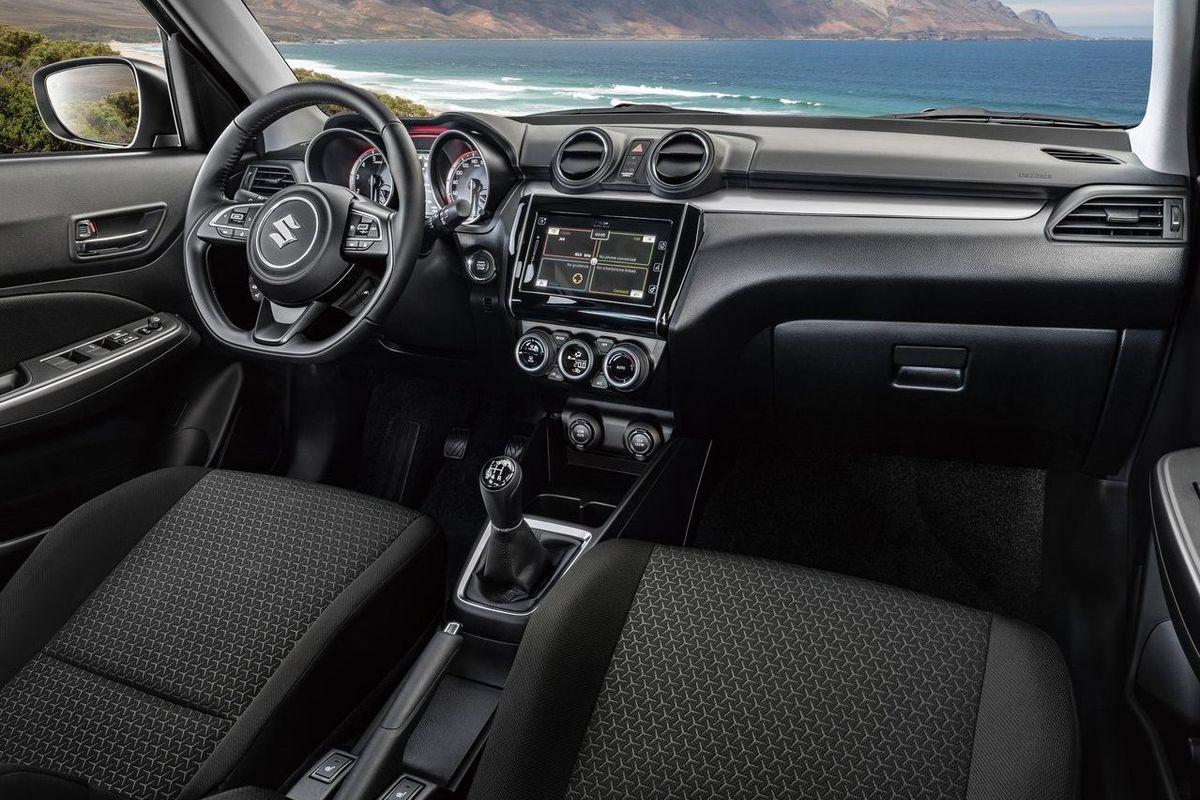
The latest third-generation Swift was launched in South Africa back in 2018 and Suzuki is now gearing up to introduce the facelifted Swift. In a report filed by Indian online publication, Indianautosblog.com, an updated Swift is due to launch in India in February 2021. Swifts destined for South Africa are sourced from India and the specification is therefore not quite the same as the Euro-spec Swift pictured above.
While stylistic changes are expected to be minimal (minor grille update, new exterior colours, upholstery update etc) the big news is that Suzuki will be calling on a more powerful engine to do duty in the Swift! The current Swift is powered by a naturally-aspirated 1.2-litre petrol engine with 61 kW and 113 Nm of torque but Suzuki’s K12N Dualjet engine will now power the Swift and will offer 67 kW but torque will remain at 113 Nm. Suzuki SA has, however, now confirmed that the current 61 kW 1.2-litre engine will be offered locally and that the more powerful 1.2-litre unit is not destined for SA. A 5-speed manual and 5-speed AMT will still be offered.
The Swift Sport’s punchy turbocharged 1.4-litre Boosterjet engine with 103 kW and 230 Nm is expected to remain unchanged.
Suzuki SA has also confirmed that the facelifted Swift will reach South Africa in the second quarter of 2021.
The next-generation Ford Ranger double-cab bakkie has been spied undergoing testing!
Picture credit: S. Baldauf/SB-Medien. We have paid for these photos and at the photographer's request, have watermarked them.
The next Ford Ranger is in development and these latest spy images hint at what’s to come from Ford with regards to its popular Ranger bakkie.
In 2019, Ford and Volkswagen announced an alliance that would see the co-development of a number of products, including the next-generation Amarok which will be based on the next-generation Ranger which will be produced at Ford’s local production facility at Silverton, Gauteng.
While the 2 bakkies will be mechanically similar, they are expected to have their own design identity in line with each brand’s styling philosophy. In the case of the next-generation Ranger, these latest spy images suggest that the new Ranger will share styling cues from the new F-150 which is hugely popular in the U.S. This is most evident in the upright headlight design and daytime running light design.
While much of this test mule is well-hidden thanks to the extensive camouflage, the grille does appear to be very bold. New taillights can also be seen at the rear. The Ranger’s interior is expected to undergo a major overhaul with higher quality materials and a modern design on the cards. A new SYNC 4 infotainment system is also expected.
The 'baby F-150' is in the making, which should please local Ranger fans.
As for what will power the next-generation Ford Ranger, reports suggest that the familiar 201 kW / 420 Nm 2.3-litre EcoBoost engine will carry over in the U.S. while a hybrid powertrain is also a possibility. Other markets, such as South Africa, are likely to receive a selection of turbodiesel engines. We may even see an enhanced version of the current 2.0-litre bi-turbodiesel engine with higher outputs doing service under the bonnet. A 10-speed automatic transmission is also likely. More powertrain details are expected to come to the fore as the development of the new Ranger progresses.
The new Ford Ranger is due to be revealed later in 2021, and as always, we will keep you updated as soon as more information becomes available.
The VW Group has made significant changes to the structure of its premium brands. Seeking better efficiencies, without diluting the individual brands, there have been some key personnel changes.
Audi is the latest VW sub-brand to see a notable staff announcement. The German luxury vehicle company, and one of VW’s greatest profit sources, announced in early January, that its head of exterior design is moving to Bentley.
The replacement for Andreas Mindt has now been confirmed, and it is a 41-year old: Philipp Römers. After design stints at Mercedes-Benz and VW, Römers has been with Audi since 2014.
His most distinguished Audi projects are the current A6 and A8 luxury sedans. But Römers is perhaps best known, for his work as an exterior designer on VW’s iconic Golf 7 and current Passat.
With a portfolio and product experience that is mostly in the sedan and hatchback vehicle configurations, it will be interesting to see how Römers influences Audi’s growing range of crossovers and SUVs.
His most recent work, before being promoted to head of exterior design, was Audi’s E-tron GT. There have been murmurs of discontent from design-minded critics, that Audi is relying too heavily on elaborate and oversized grilles to give its vehicles identity.
Philipp Römers will be keen to bring a sense of the classic Audi purity back to the brand’s design language. One of his first projects, after joining Audi, was the company’s elegant and excellently proportioned Prologue coupe, which debuted at the 2015 Los Angeles auto show.
If Römers can channel some of the Prologue’s style into Audi’s future offerings, the brand’s design standing is sure to return.