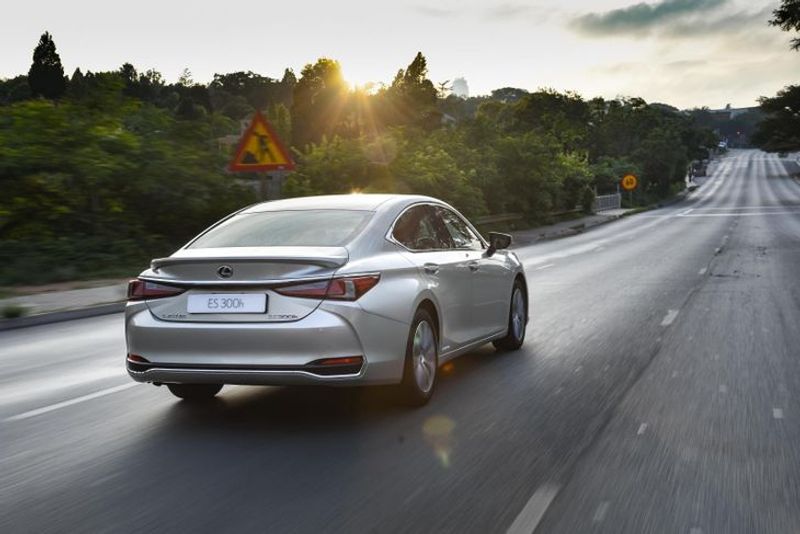
For Lexus South Africa, 2020 has been a year of running updates and derivative additions; the ES executive sedan is the latest range to benefit from a safety equipment upgrade.
Now, to close off an extraordinary year, Lexus has rung the changes with its executive sedan again. The principal update is that the Japanese premium marque has introduced Intelligent Clearance Sonar (ICS) and Rear Cross Traffic Alert + Brake (RCTA-B) throughout the range. The ICS function integrates the functionality of the alert-by-camera function (RCTA) and automatic brake-by-sonar function (RCTA-B), the brand says.
This technology utilises front- and rear-mounted sensors to detect objects ahead and behind the ES (including those approaching from the rear) at up to 15 kph. It can warn the driver of imminent parking or pedestrian collisions and apply braking (when reversing) if a driver fails to provide adequate pedal input in response to the detection and onboard warning.
To recap, the flagship ES 300h SE also features all-speed Radar Active Cruise Control (RACC), a Pre-Collision Safety system (PCS) with pedestrian detection, Lane Tracing Assist (LTA), a panoramic-view monitor and reverse-view camera, 10 airbags, LED low-beam headlamps with automatic high beam (AHB) activation, as well a tyre-pressure warning system.
Meanwhile, a Blind-Spot Monitor with Rear Cross-Traffic Alert, which was previously exclusive to the SE grade, is now standard on the more affordable ES 250 EX and ES 300h EX derivatives.
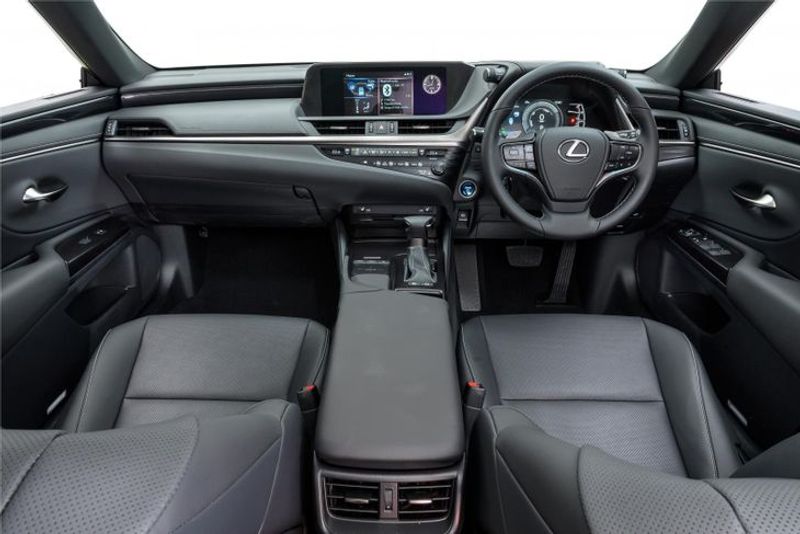
Minor interior trim updates
In addition to the technological updates, the ES’ interior now features satin-plated finish on the electric window switches and, in pursuit of better ergonomics, the frequently-used “OK” and “Cancel” buttons on the multifunction steering have been raised slightly (by 0.8 mm).
Furthermore, a cut-out is provided for small-item storage in the centre console, the Aux/USB port lid now opens vertically and can stay open so that the driver/front passenger can easily connect to or disconnect from the ports, plus the audio switch adopts a metal-look finish.
Lexus ES prices in South Africa (Dec 2020)
All derivatives in the ES range come standard with a 7-year/105 000 km warranty and maintenance plan. Services are scheduled at every 15 000 km, or alternatively, once a year.
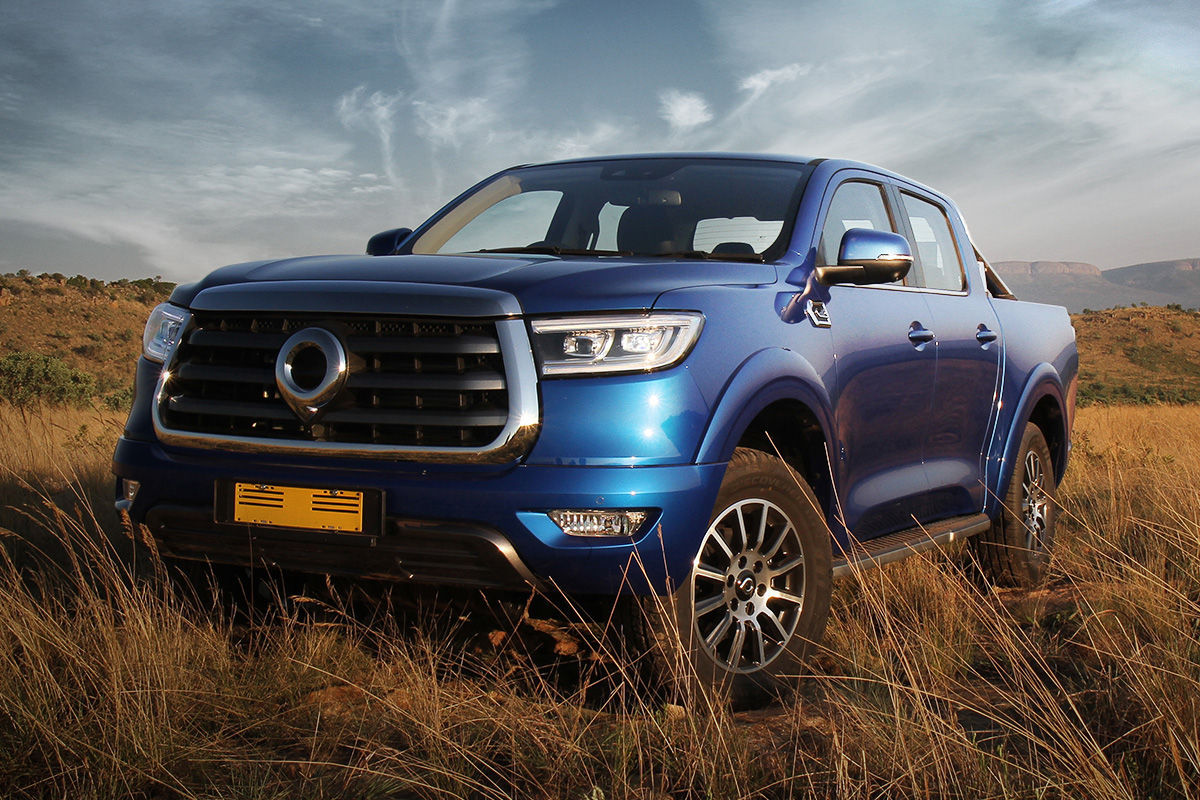
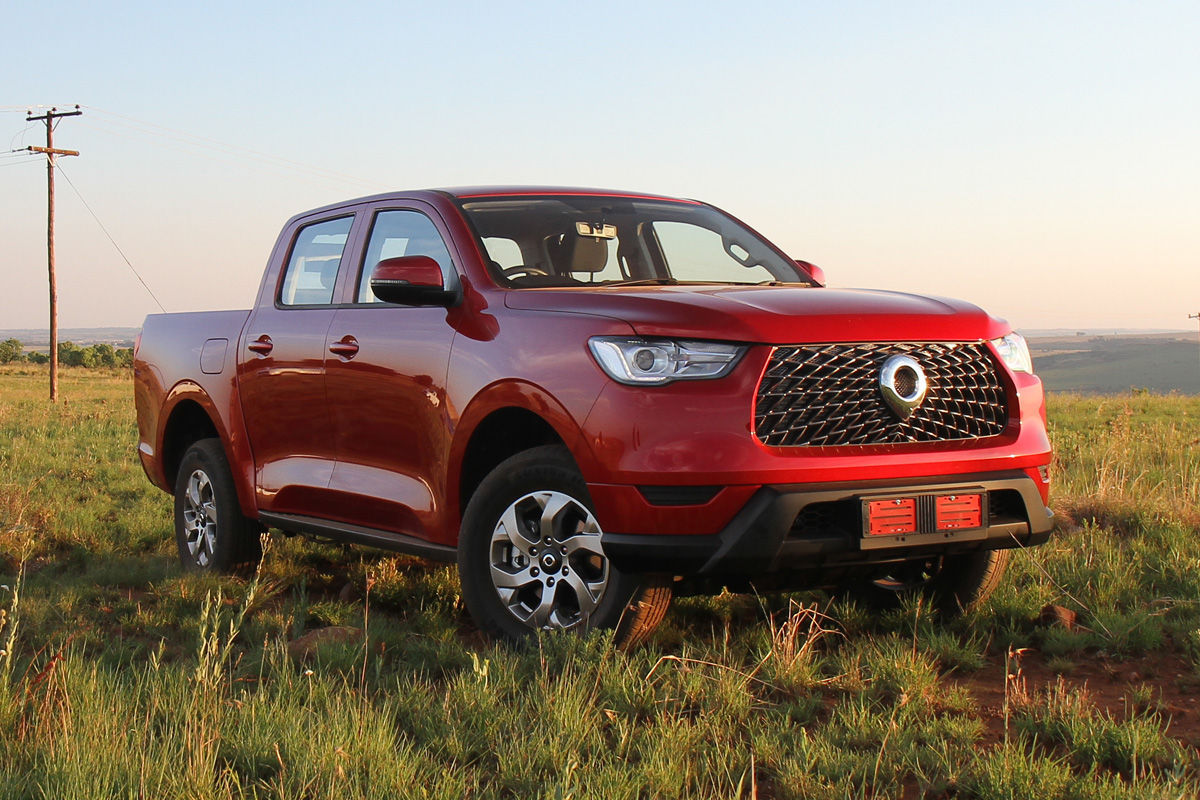
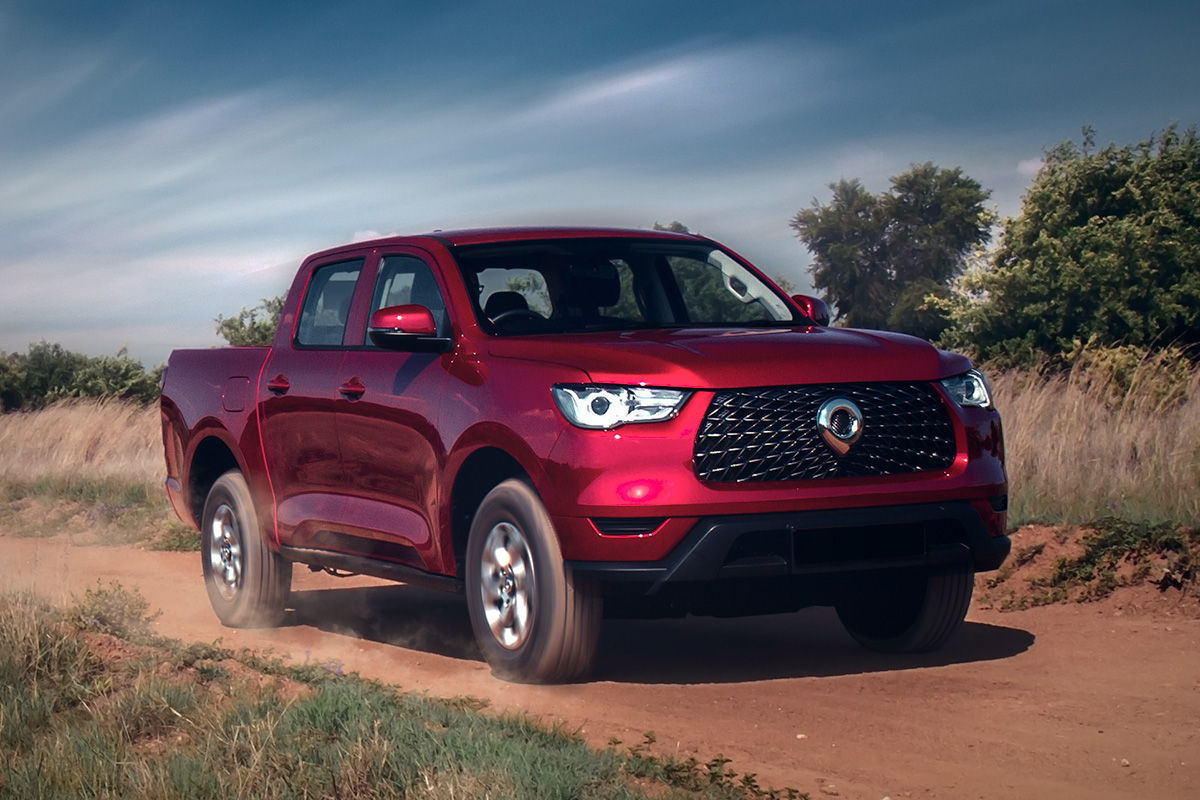
The eagerly-anticipated GWM P Series bakkie has finally been launched in South Africa. In leisure double-cab guise, the 2.0-litre turbodiesel P Series "Passenger" line-up comes in 2 grades – LS and LT, the top-spec of which is absolutely packed with creature comforts and safety features, including adaptive cruise control and lane-centring.
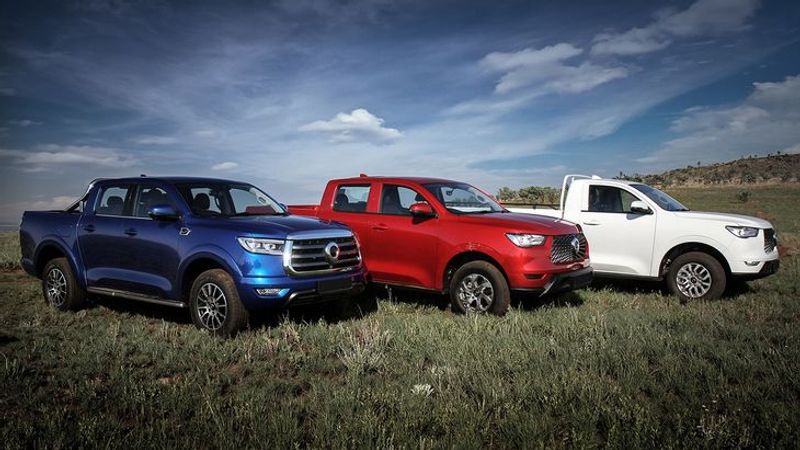
Haval Motors SA – the parent company of Great Wall Motors (GWM) has introduced 16 derivatives of the new P Series bakkie, which includes single- and double cab variants, the former in Commercial and the latter in both Commercial and Passenger configurations. The Chinese-built double-cabs are available in 2WD and 4WD guises and with a choice of a 6-speed manual gearbox or a ZF-sourced 8-speed automatic transmission; the workhorse single-cab derivatives are also either 2WD or 4WD, but only available with a manual 'box.
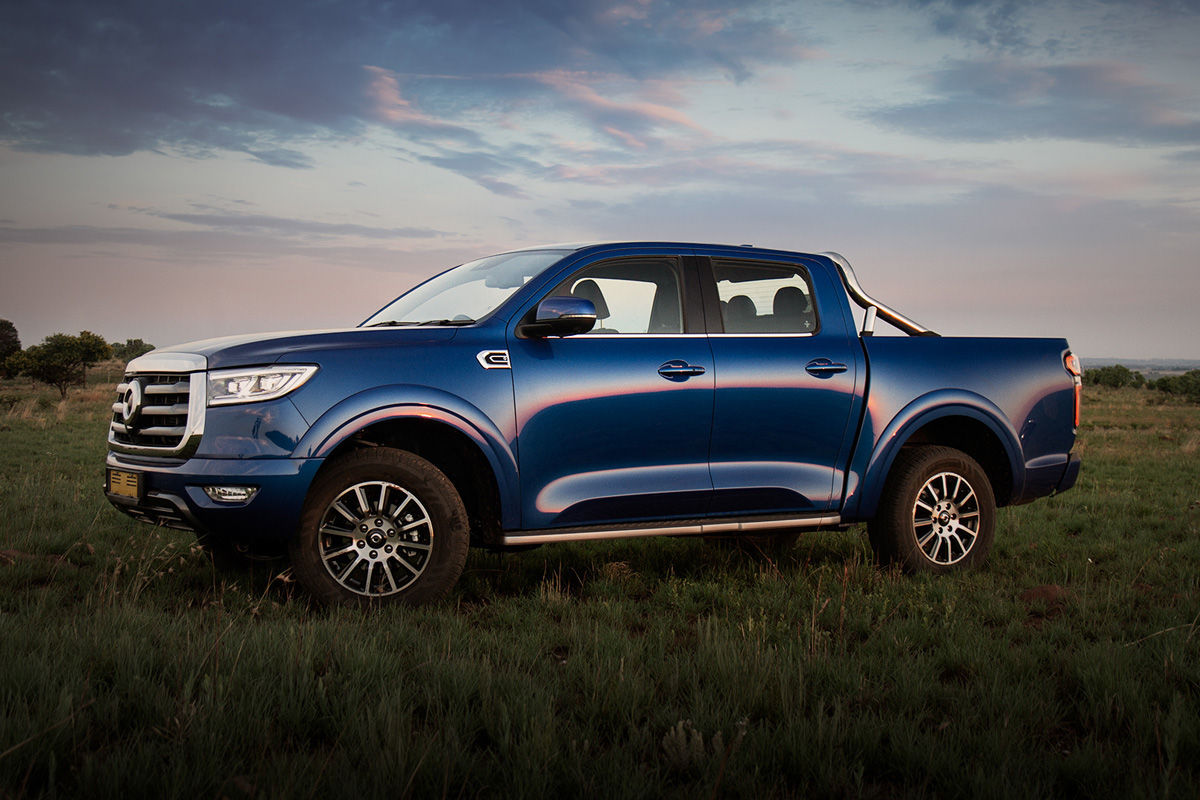
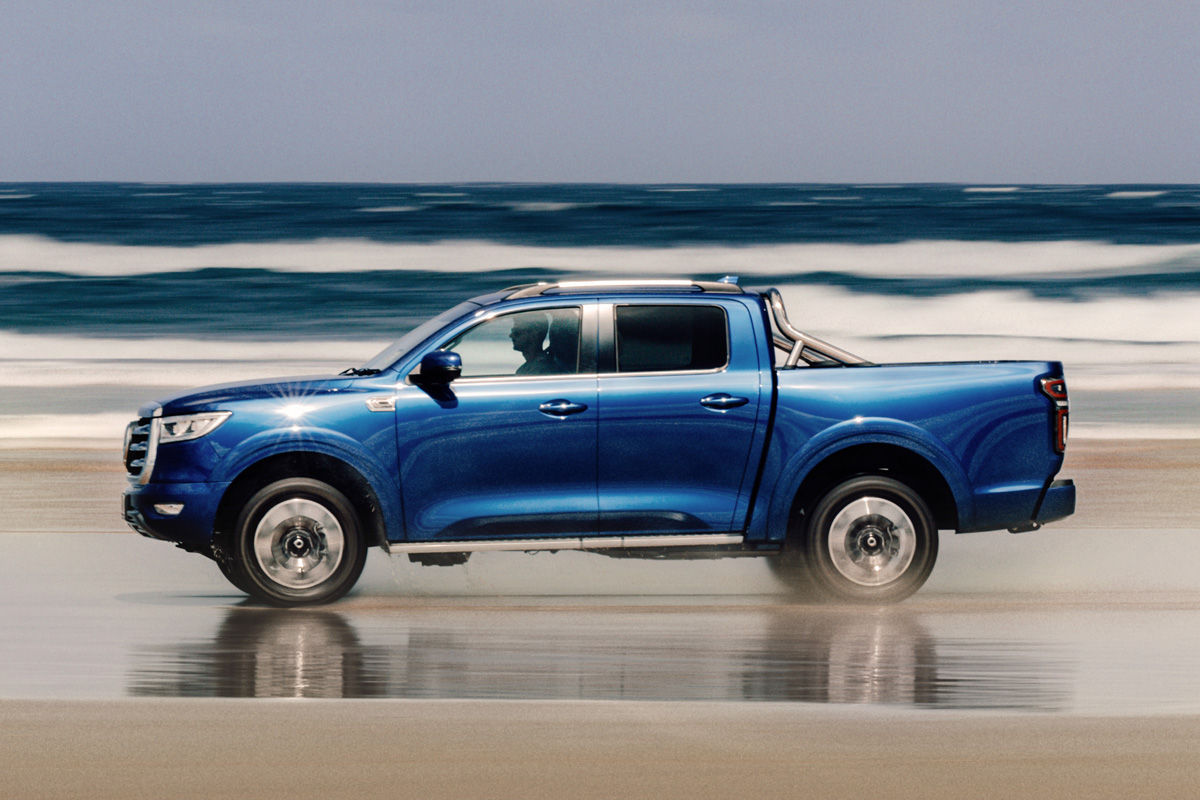
The new P-Series range (from left): Passenger double-cab, Commercial double-cab and Commercial single-cab.
The entire range is available in a choice of 6 exterior colours, but take note that the naming of the P Series Commercial double cab (DC) line-up is a trifle deceptive, because even in the lowest (SX) grade, the newcomer’s standard specification is much higher than those of most workhorse LCVs.
Indeed, SX versions feature DRLs, 17-inch alloys, side steps and colour-coded bumpers -mirror housings and -door handles. Their cabins come equipped with a multifunction 'wheel, cruise control, aircon, electric windows, Bluetooth-enabled audio system, 2 USB ports and a 12V charging socket. Safety kit includes dual front airbags, ABS with brake assist, electronic stability control, rear parking sensors and tyre pressure monitors.
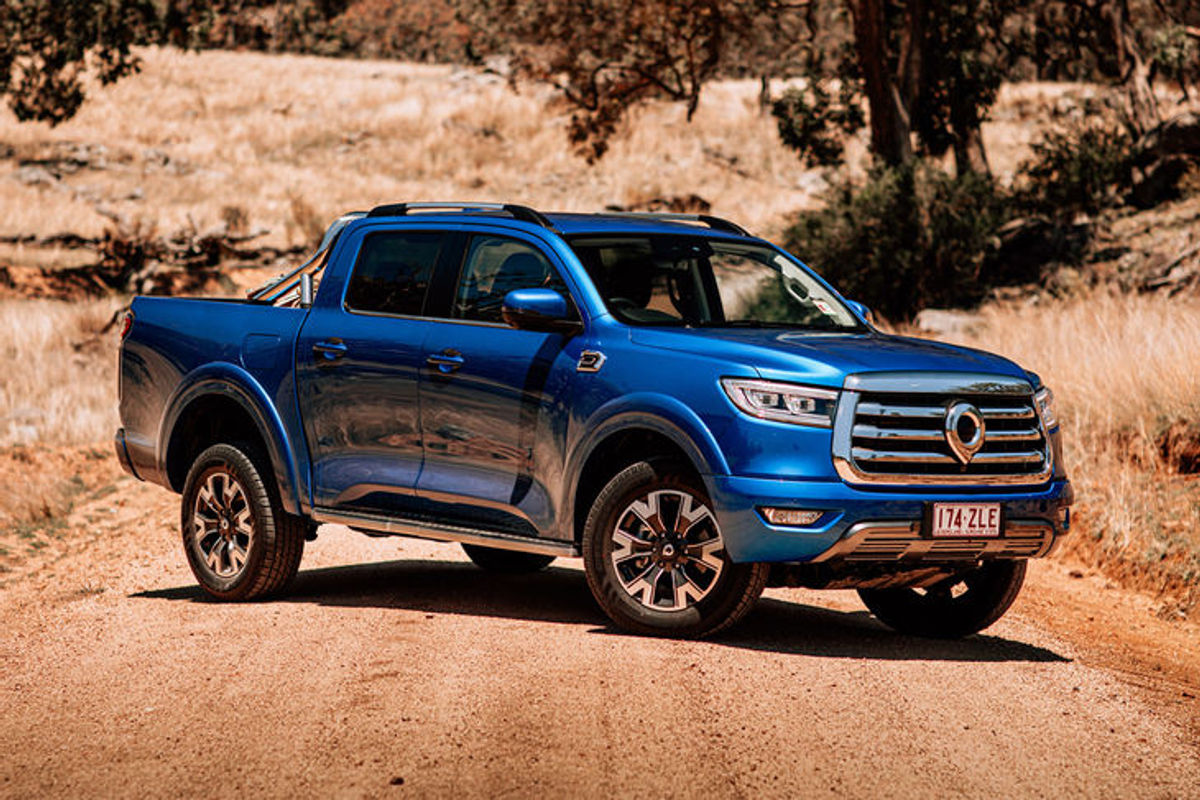
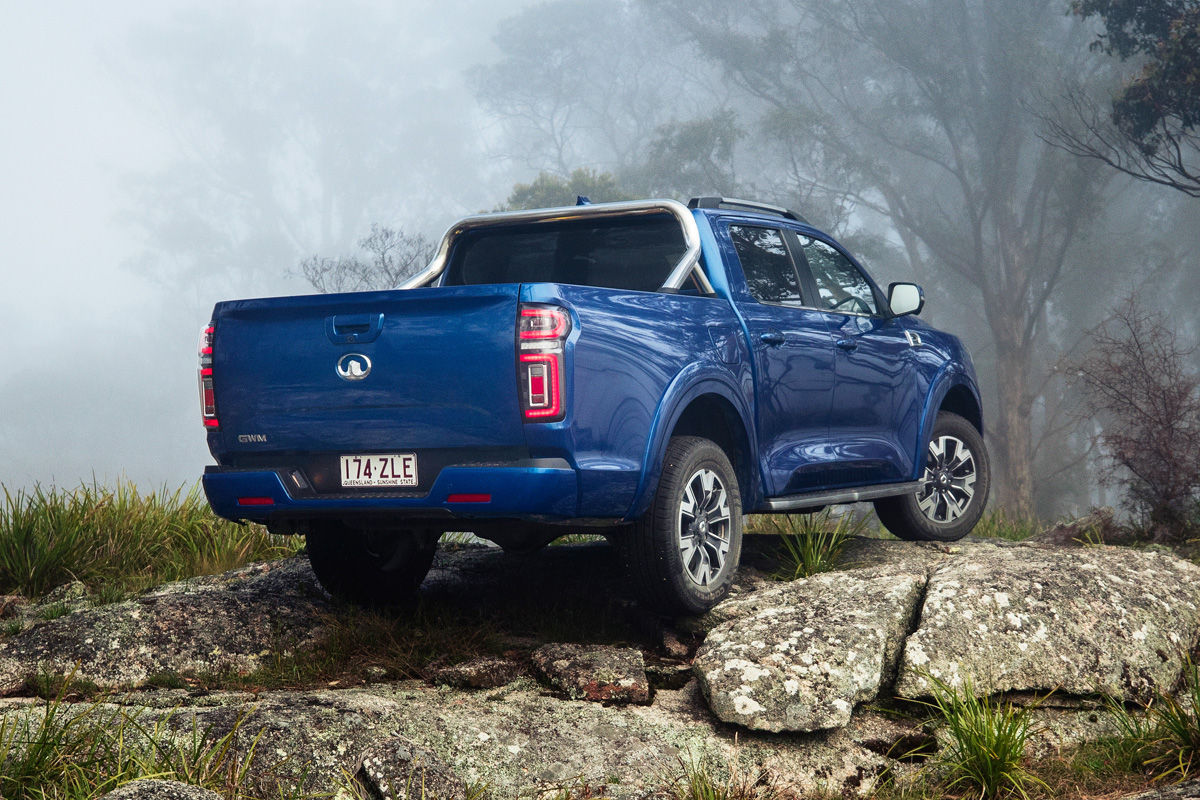
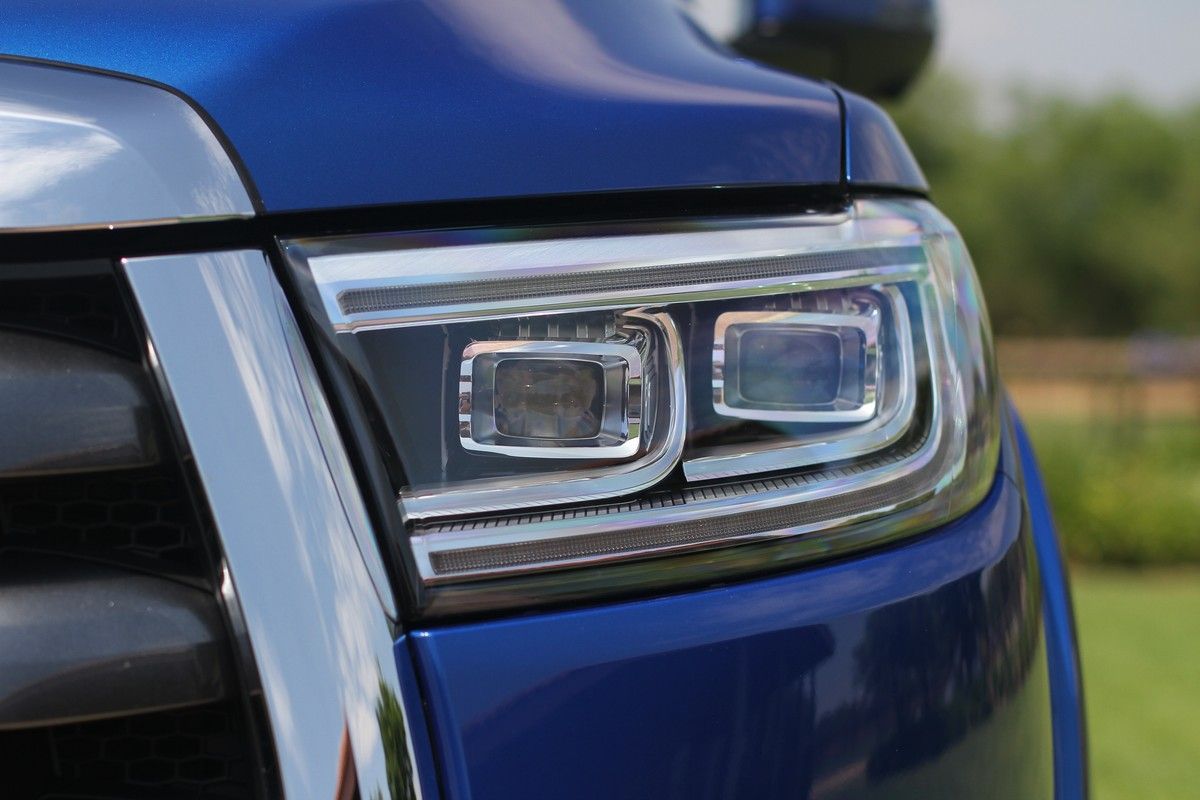
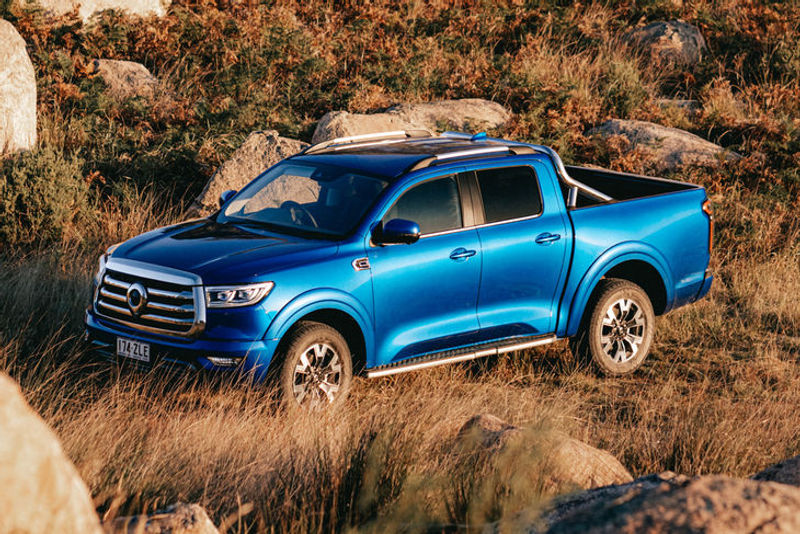
The Passenger double cab can be distinguished by its chrome grille, LED headlamps and 18-inch alloys (Aus spec shown).
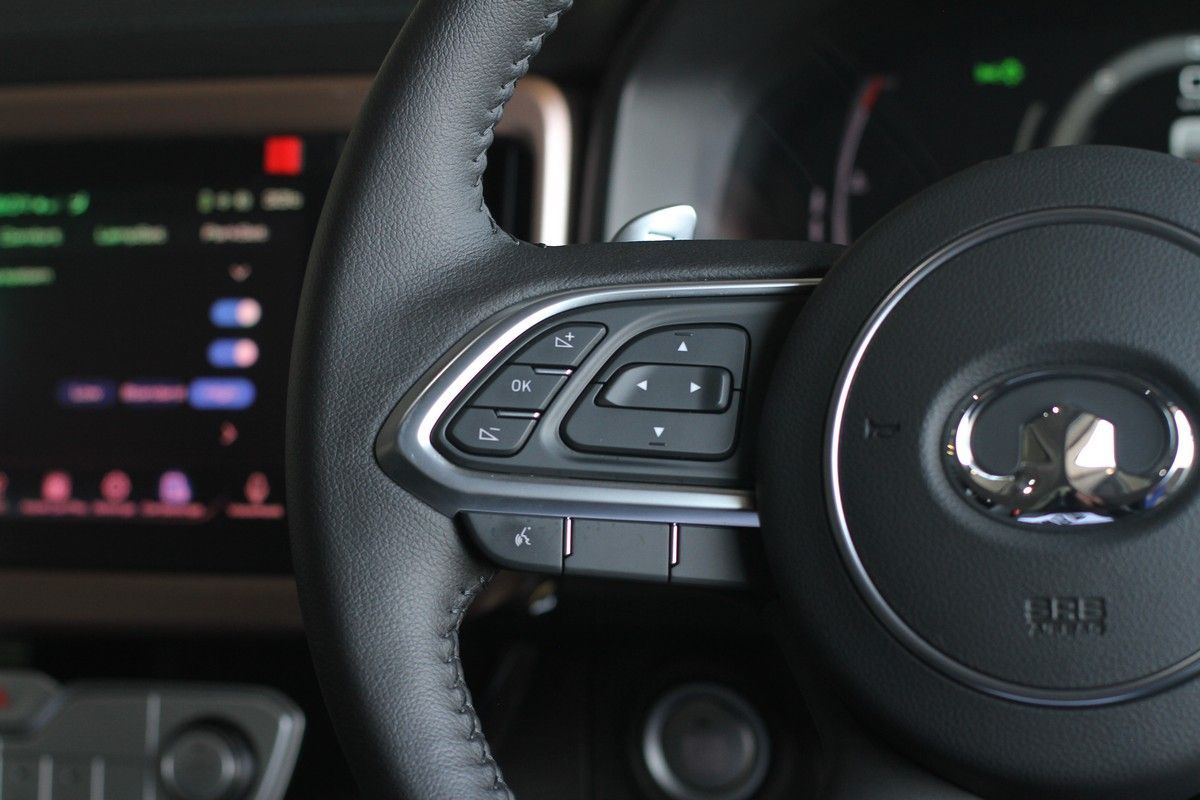
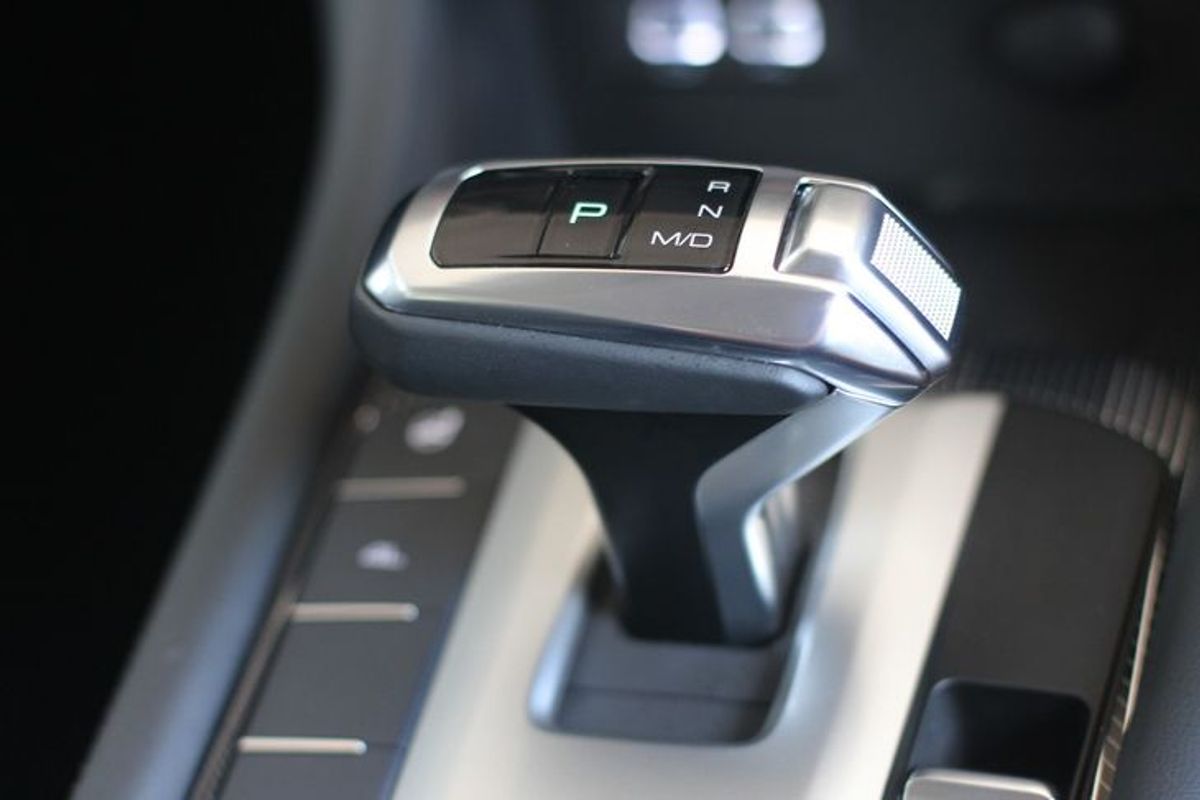
All automatic derivatives in the P Series double-cab line-up come equipped with electric (as opposed to hydraulic) power steering, an electronic handbrake (with auto-hold function), steering wheel-mounted shift paddles, keyless entry and push-button start.
DLX grade, which is the top specification in the “Commercial” line-up, includes a sunroof, leather-trimmed steering wheel and upholstery, a 6-way electrically adjustable driver’s seat, auto lights and –wipers, climate control, a 9-inch touchscreen infotainment system (with 6-speakers, plus compatible with Apple CarPlay as well as Android Auto), passenger-side kerb- and reverse-view cameras, electrically adjustable and -folding side mirrors and a self-dipping rear-view mirror, in addition to dual side and curtain airbags (6 airbags in total).
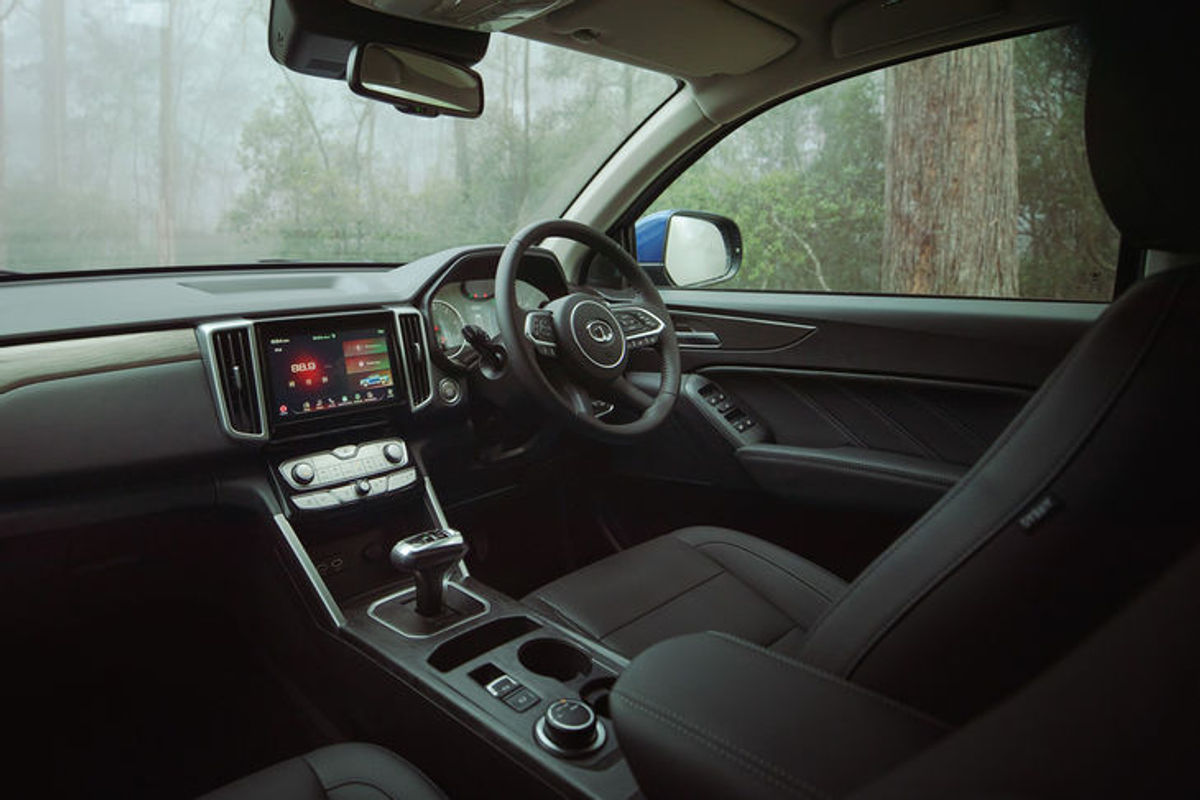
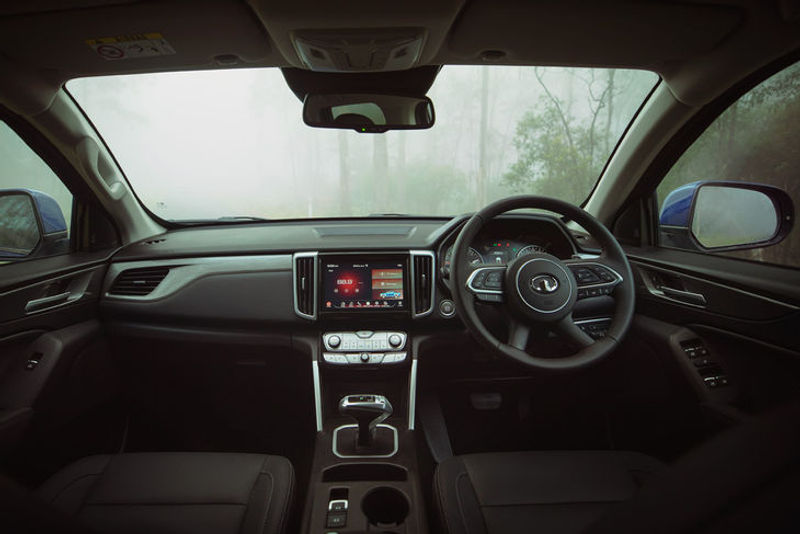
The GWM's interior is very SUV-like and features a soft-touch dashboard, leather trim and metallic accents. (Aus spec shown)
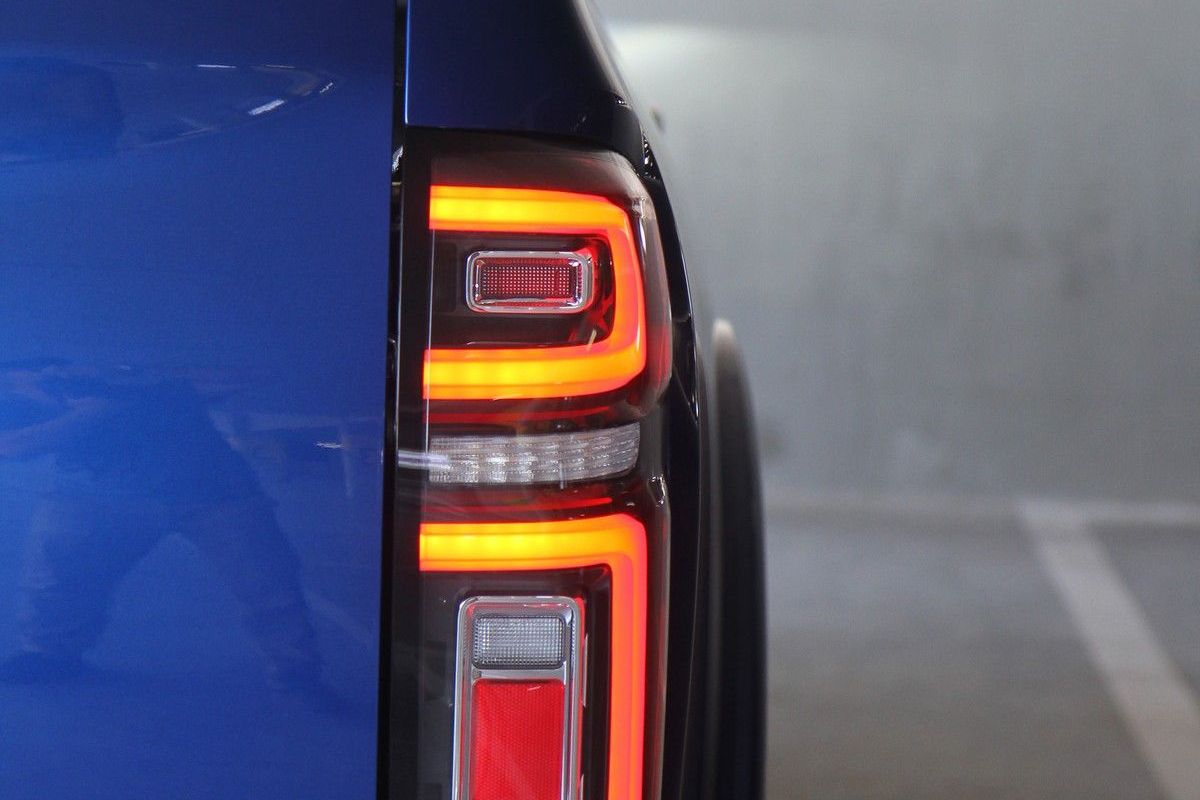
There’s bound to be a lot of interest in the head-turning Passenger version of the P Series double cab (exclusively available in automatic). The most luxurious bakkie in GWM’s line-up which can be distinguished by its LED head- and tail lamps and the bold chrome bars in its grille, which are matched by similarly-detailed side mirrors and door handles. A plastic load-bin liner is also fitted.
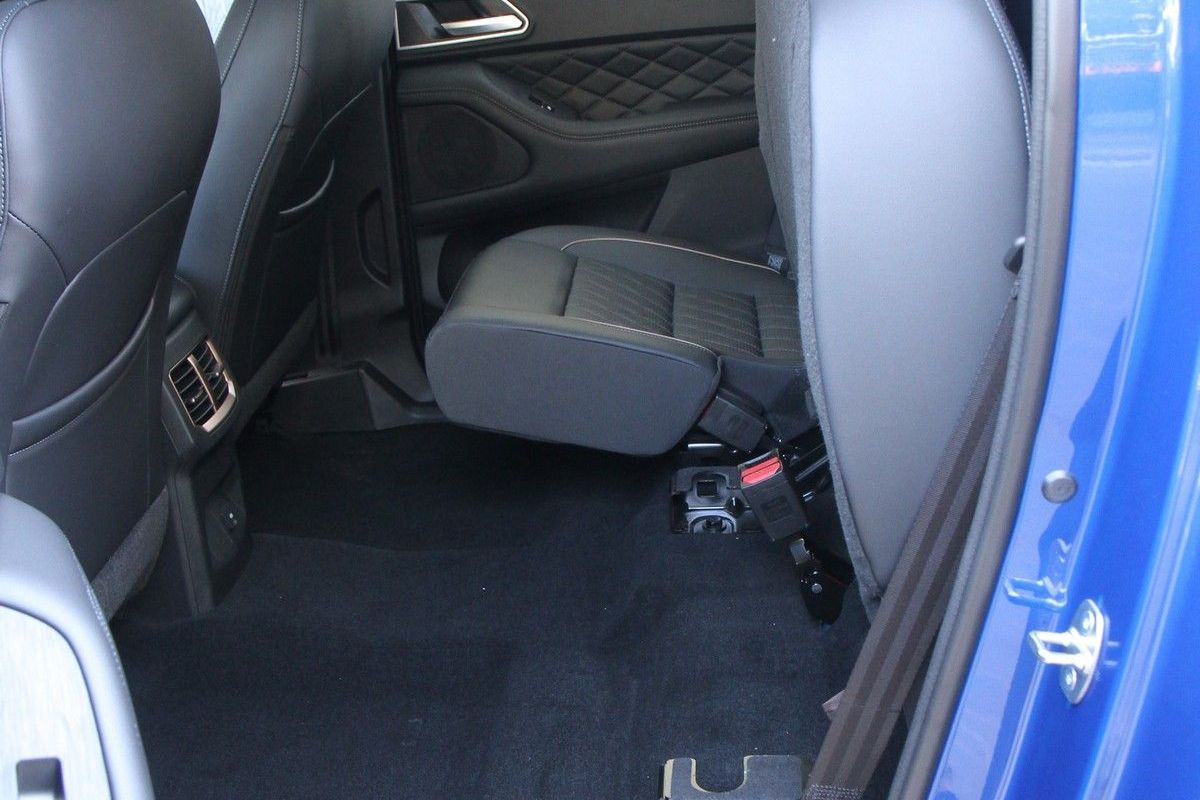
The interior finishes are said to be more akin to those of a high-end Haval SUV model than a bakkie, including a slush-moulded dashboard, leather trim – matched with cross-pattern stitching in the padded door panels, metallic accents and separate ventilation outlets for the rear occupants.
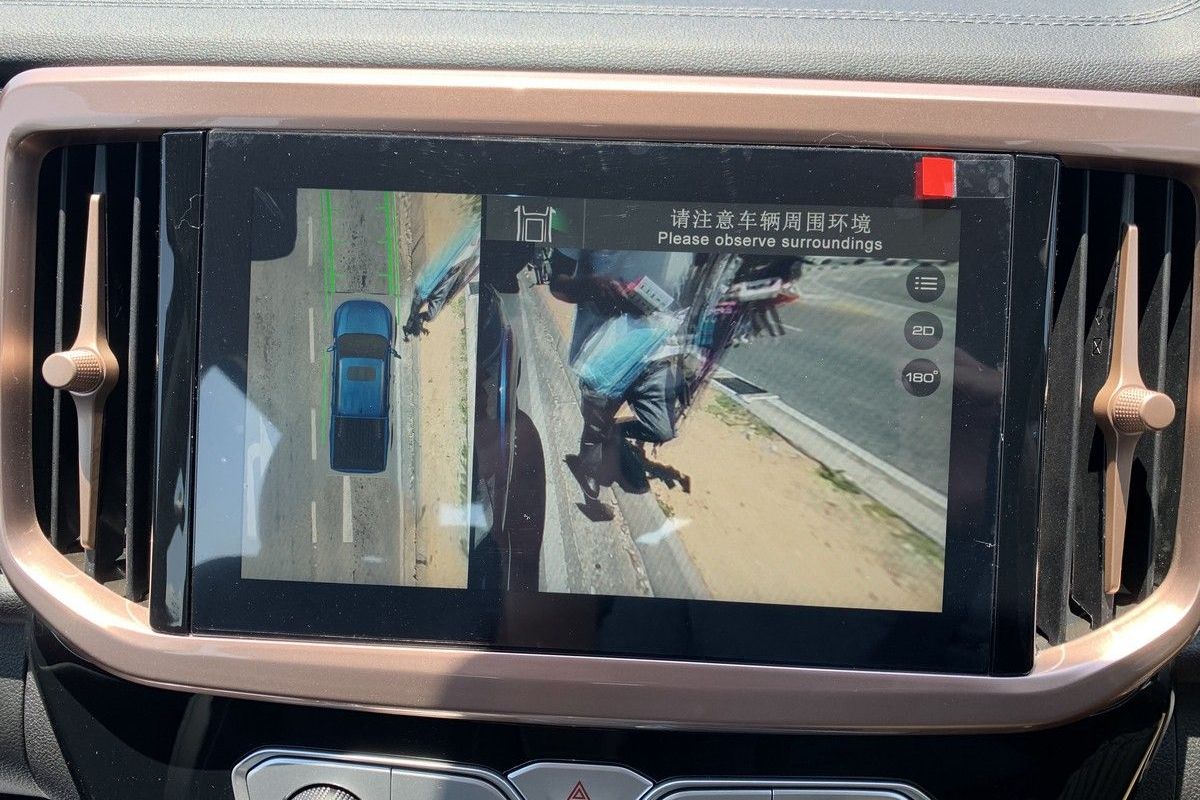
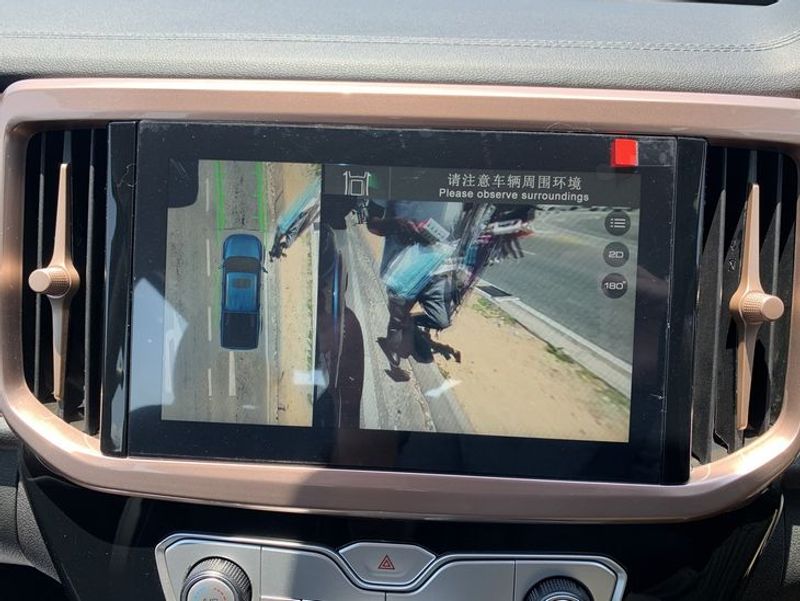
A combined 360-degree plus passenger-side kerb view is quite a luxury in the bakkie market!
The Passenger double cab's LS grade is much the same as the DLX spec in the Commercial line-up. Although it doesn’t have a leather-trimmed steering wheel or electrical adjustment for the driver’s seat, this lower-spec trim line does include, inter alia, disc brakes all round, full-leather seats, selectable driving modes and adjustable steering sensitivity, an additional central airbag, plus reverse-view camera guidelines.
The top-of-the-range LT grade upgrades the Passenger line-up’s spec dramatically, however. The exterior upgrades over the LS comprise only a chrome sports bar and rear deck pedal, but the onboard technology (including active safety) of the LT challenges those of the market’s top bakkies.
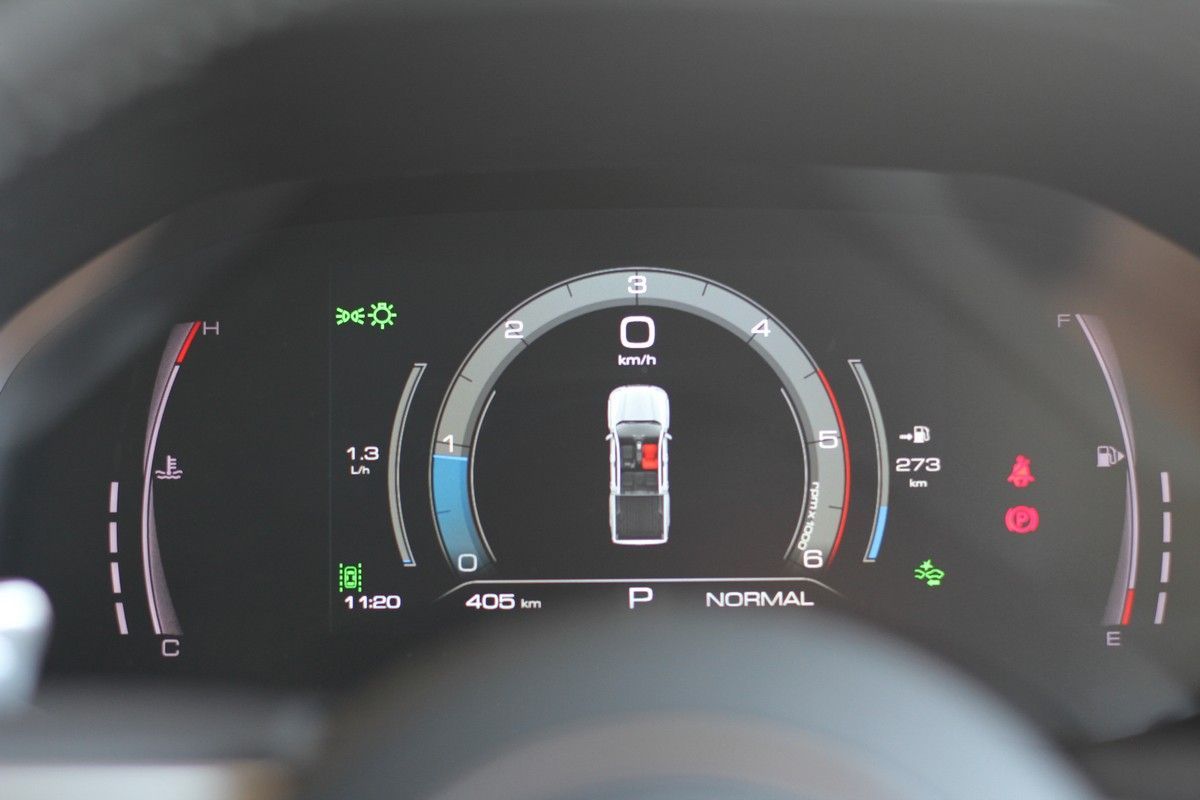
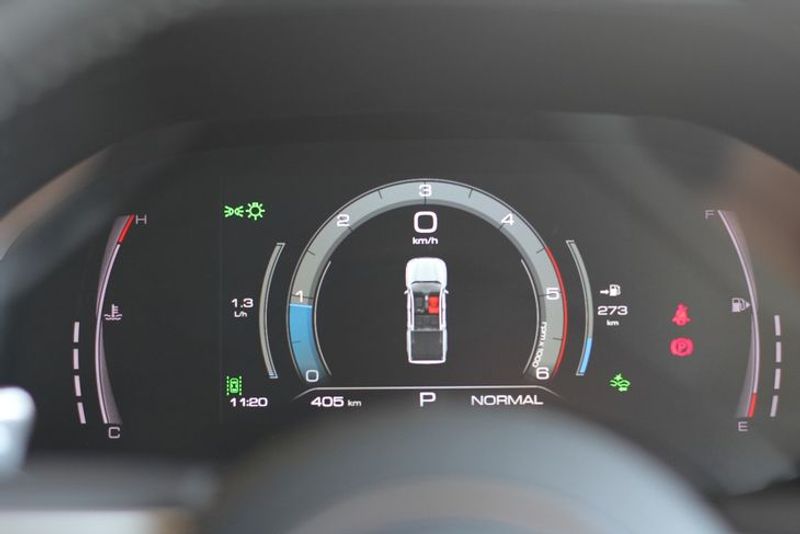
The LT spec P-Series comes equipped with a 7-inch LCD virtual instrument cluster.
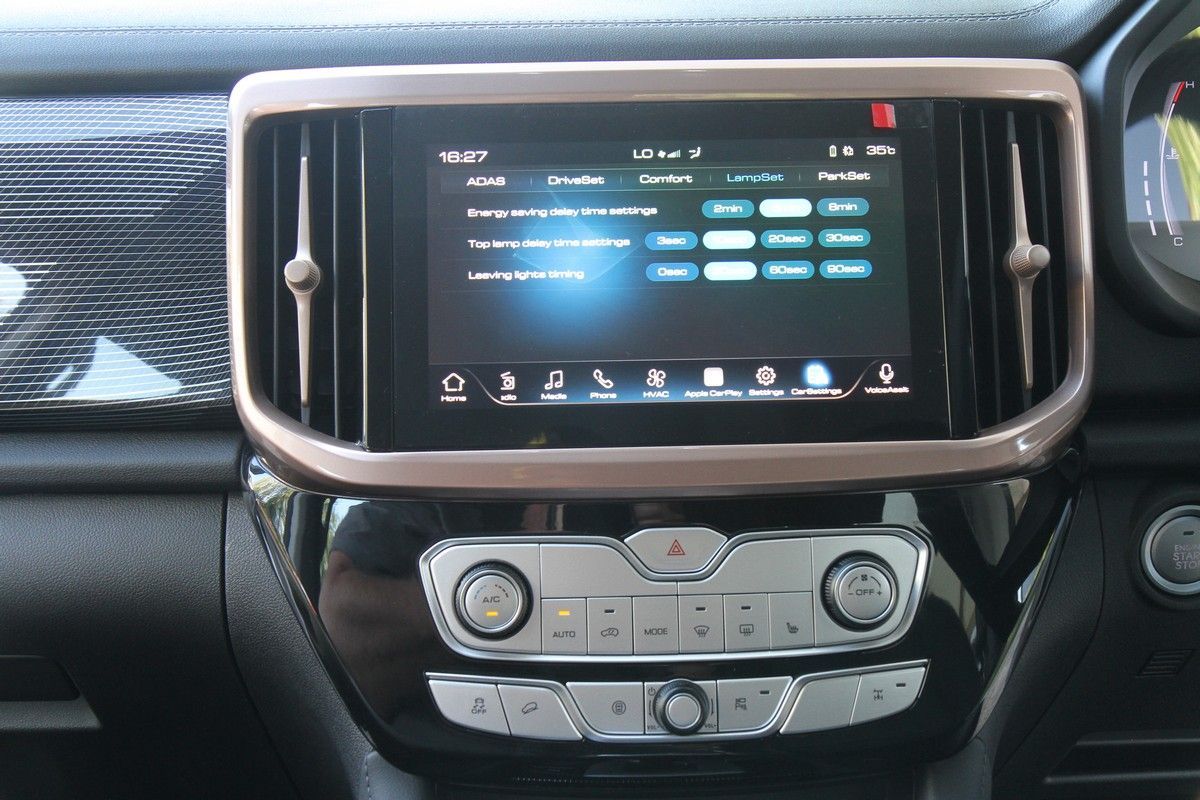
Apart from the provision of a 7-inch LCD virtual instrument cluster (as opposed to the LS' 3.5-inch driver info display), both front seats in the LT are electrically adjustable (the driver’s 6 ways and front passenger’s 4 ways), the 9-inch infotainment touchscreen additionally features intelligent voice control, a 360-degree camera view and rear-cross traffic alert, all of which is complemented by a wireless charging pad and a 220V power outlet.
The “Technological Intelligence and Safety” suite of features on LT derivatives (enabled by a forward-facing camera), meanwhile, includes adaptive cruise control, lane departure warning -keeping and -centring, forward-collision warning, auto emergency braking and traffic-sign recognition.
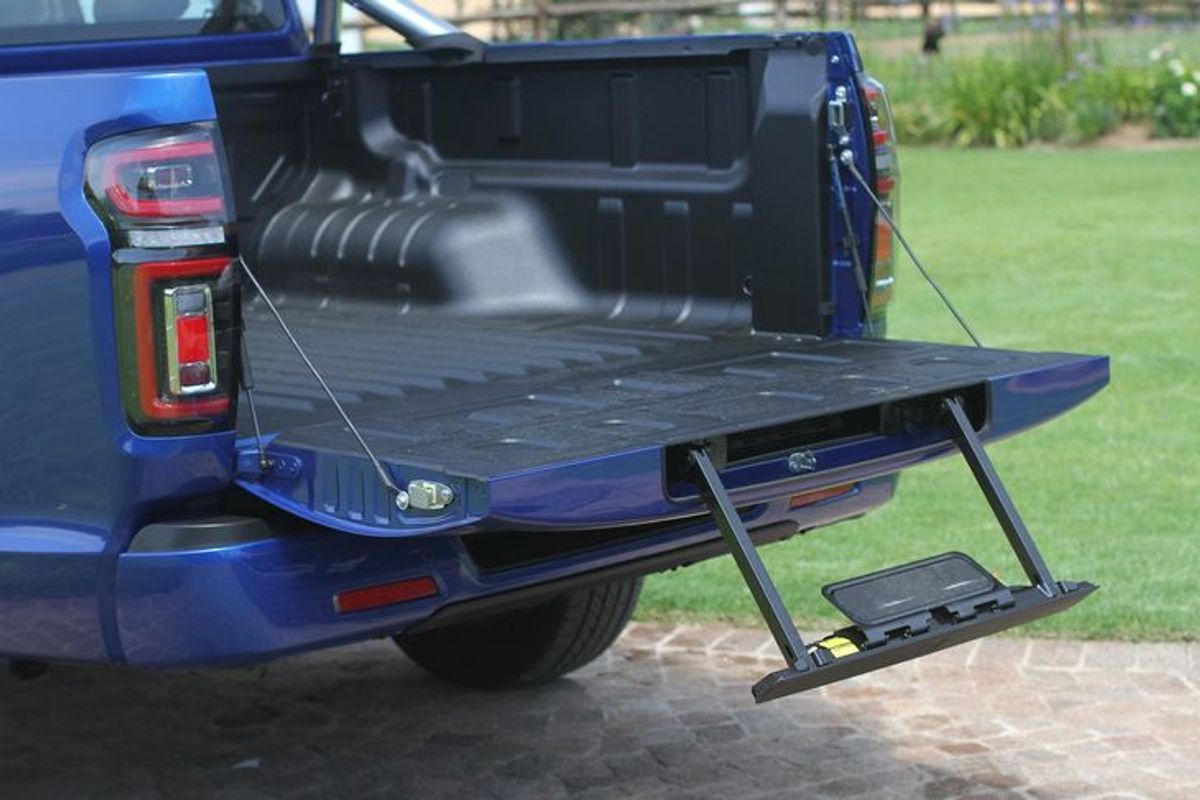
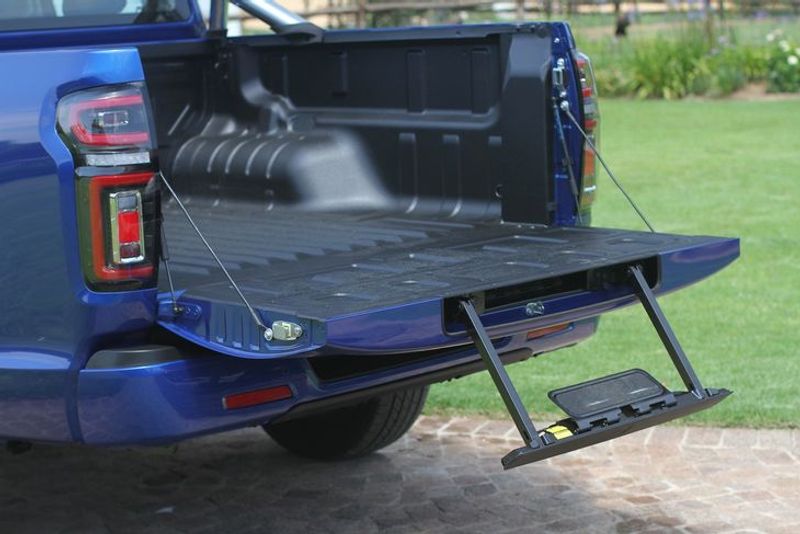
Getting onto the P Series' load bay is a cinch thanks to the provision of a rear-deck pedal (on LT derivatives).
To reiterate, the P Series will only be available in 2.0-litre turbodiesel guise. The powerplant delivers 120 kW and 400 Nm of torque – Haval Motors SA has not released claimed consumption figures yet. The P Series rides on a double-wishbone front suspension and a leaf-sprung rigid rear axle.
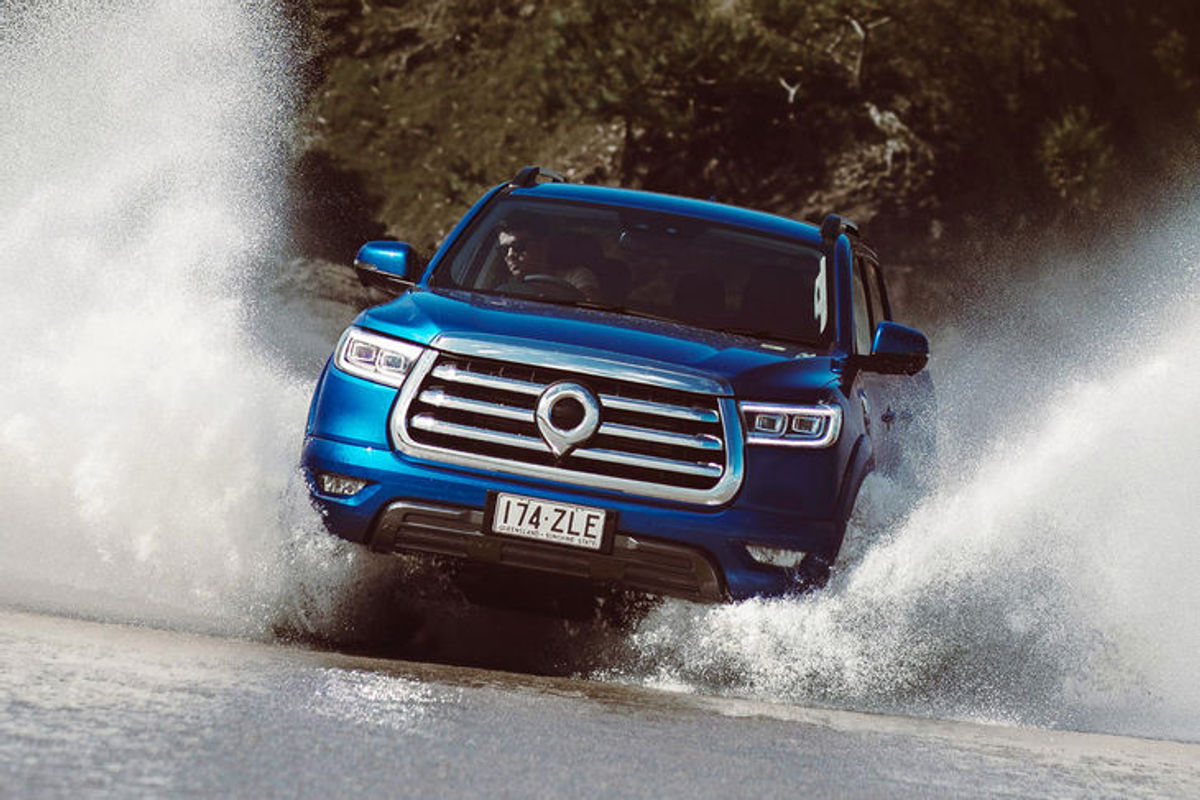
The range's 4WD derivatives are said to offer 232 mm of ground clearance, as well as approach and departure angles of 27 degrees and 25 degrees respectively. The “Torque on Demand” intelligent all-wheel-drive system with 2H, 4H Auto and 4L modes and various off-road modes is made by Borg-Warner. All the P Series Double Cab Passenger derivatives feature Hill Assist and –Descent Control, as well as a rear diff-lock.
GWM P Series price in South Africa (Dec 2020)
All P Series derivatives come with a 5-year/100 000 km warranty, 5-year unlimited km roadside assistance and 5-year/100 000 km service plan.
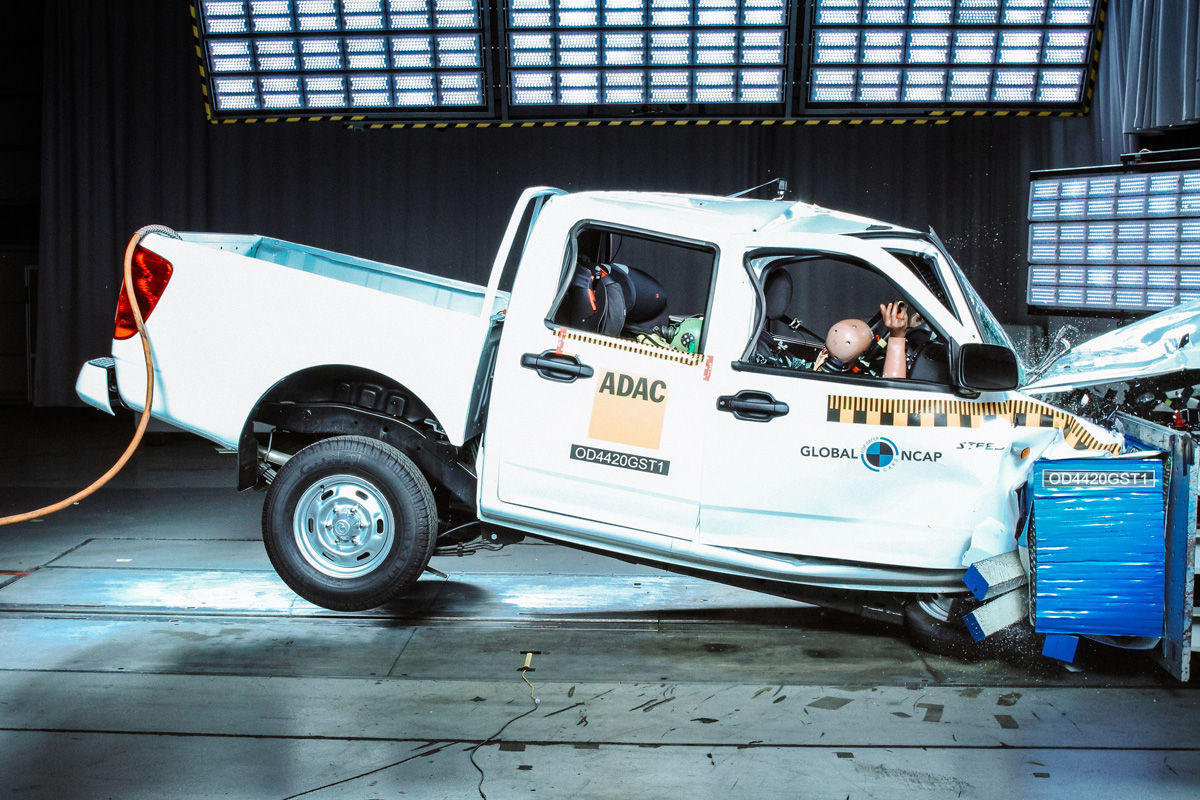
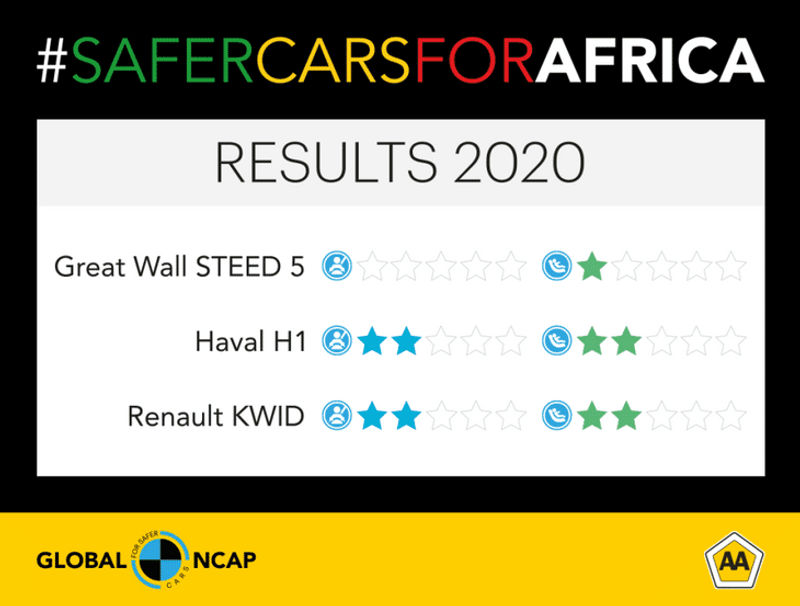
Global NCAP and the Automobile Association have released fresh #SaferCarsForAfrica crash-test results, this time for the South African-specification Renault Kwid, Haval H1 and GWM Steed 5. This follows after the organisations allocated ratings to the Suzuki S-Presso, Hyundai Grand i10 and Kia Seltos last month.
As in the previous rounds of Global NCAP tests, the Renault, Haval and GWM were subjected to 64-kph frontal impacts to test their respective levels of adult occupant crash safety. Then, to calculate the child safety ratings, tests were conducted on the effectiveness of the Child Restraint Systems (CRS) as/if recommended by the manufacturers. The assessment checked how compatible the vehicles were with prescribed CRS units.
The organisations, supported by Bloomberg Philanthropies and the FIA Foundation, commented that the Haval and Renault's "poor levels of adult and child protection (gave) serious cause for concern". The GWM, which scored 0 stars, "demonstrated a high probability of life-threatening injury."
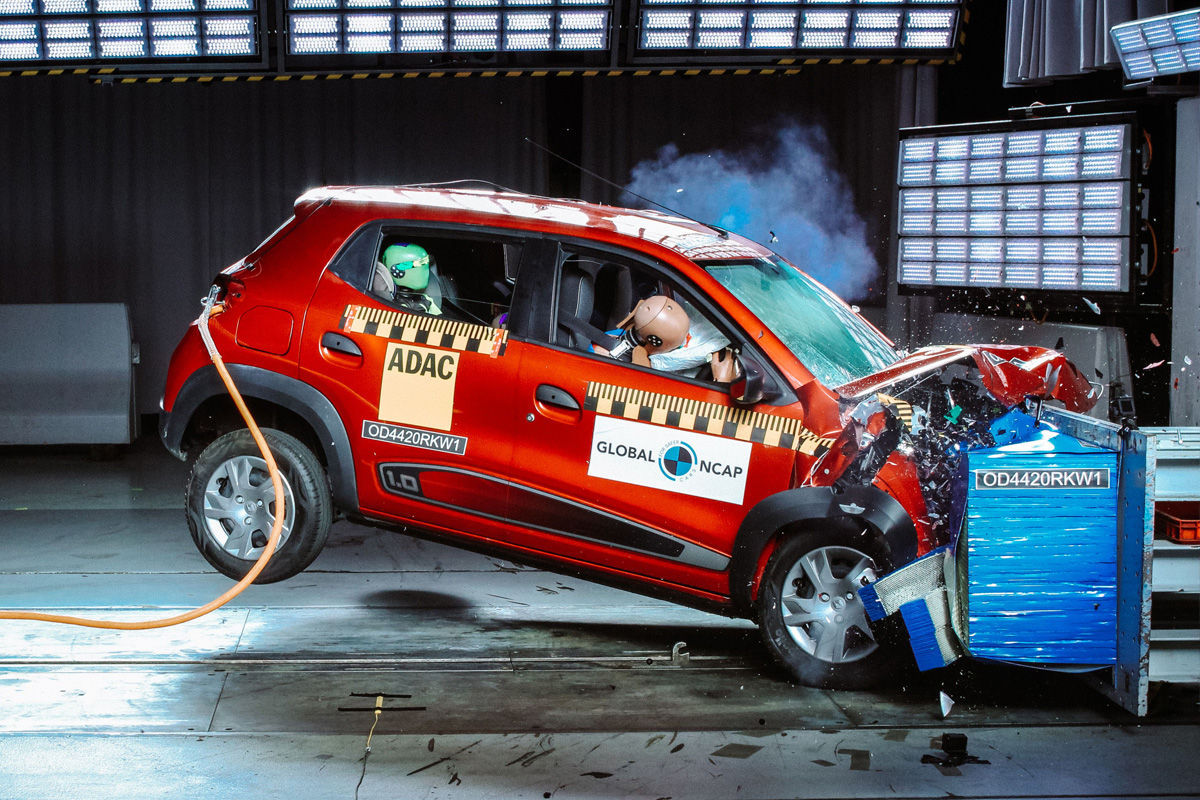
Renault Kwid – 2 stars
Since a Kwid equipped with a driver's airbag was tested by Global NCAP in India in late 2016 (it scored 1 star), its structure has been improved. When a Brazilian-made version (with dual front and side airbags, plus ABS) was subsequently tested by Latin NCAP, it achieved 3 stars.
The model sold in South Africa is, of course, made in India and since its recent facelift, the Kwid comes standard with 2 front airbags. Global NCAP said that in this latest test, the protection offered by the budget car to the driver's head was "adequate" and "good" for the front passenger.
The results showed that the Renault offered good protection for the front occupants' necks, but weak protection for the driver's chest. An unstable body structure, unstable footwell structure and pedal movement explain the Kwid's 2-star rating for adult occupant protection, NCAP added.
"The child occupant protection showed poor performance as the dummy's head contacted the interior of the car. The lack of 3-point seat belts in all seating positions and lack of ISOfix anchorages contributed to the 2-star rating for child occupant protection."
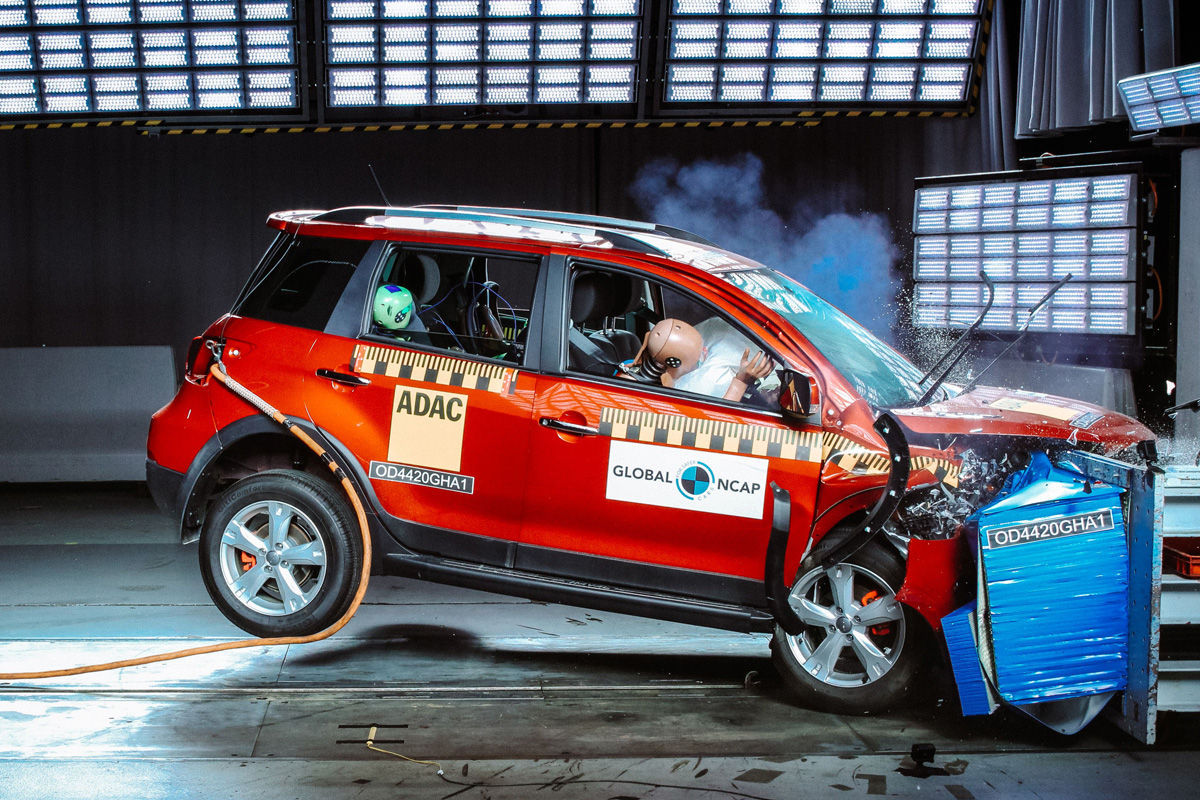
Haval H1 – 2 stars
The long-serving Haval H1, previously known as the GWM M4, comes with 2 frontal airbags as standard. In this round of testing, the injuries recorded to the test dummy driver and front passenger's head and neck indicated a good level of protection, while there was weak protection for the driver's chest and good protection for the front passenger's chest. Poor front feet protection, together with the overall results for the driver, an unstable structure and an unstable footwell area explain the H1's 2-star rating for adult occupant protection, NCAP said.
Child occupant protection was negatively affected because Haval did not indicate a CRS for use in the test. The CRS selected by Global NCAP utilised the vehicle's available ISO anchorages, but both child dummies' heads contacted the car during the test. What's more, a lack of proper ISOfix markings and a passenger airbag-disabling switch resulted in a 2-star child occupant protection rating for the H1, the organisation added.
Great Wall Steed 5 – 0 stars
The GWM Steed 5 (without airbags fitted) was the 2nd bakkie to be tested by Global NCAP following Nissan NP300 Hardbody in 2018. The organisation chose the Steed 5 because it competes on price with the long-serving Nissan and like the Hardbody, the Steed 5 got a 0-star rating.
Post-impact, readings on the driver dummy suggested poor protection for the head and weak protection for the neck and chest (those body parts are considered critical body regions by Global NCAP). The Steed 5's structure was considered unstable, as was its footwell: "The deformation in the passenger compartment and movement of the steering column questions if an airbag would be able to prevent serious injuries to the driver."
As the manufacturer "decided not to recommend a child restraint system (CRS) for the test", NCAP said, 0 points were awarded for the child occupant dynamic assessment score. The CRS for a dummy of a 3-year-old child broke during the impact due to the poor performance of the restraint system. The Steed 5 does not have ISOfix anchorages for the child seats in the rear and lacks 3-point belts in all seating positions.
In response, Alejandro Furas, Global NCAP's secretary-general said: “Another 0-star rated bakkie gives us very serious cause for concern in our latest crash test results for Africa. The potential for life-threatening injury in the Steed 5 follows the 0-star performance of the Nissan Hardbody. The contrast between the marketing claims for such vehicles and the reality of their poor safety performance could not be starker.”
David Ward, the president of the Towards Zero Foundation, commented: “This is a worrying set of results for the safety of both adult and child occupants in these popular African cars. Our second #SaferCarsforAfrica zero-rating in the bakkie category, with the high probability of life0threatening injury, should be ringing alarm bells for any consumer considering the purchase of a Steed 5 pickup.
“With successful crash test programmes in India and Latin America, we can track the varying safety equipment specifications for cars manufactured in one market and sold in others. It’s therefore surprising to note that the Kwid developed for Latin America, based on the original Indian version, has a better adult and child occupant protection performance, includes standard ISOFIX anchorages as well as dual front and side airbags.”
Willem Groenewald, AA South Africa CEO added: “I concur with both Ale and David that these results are worrisome and cause for concern. Since the #SaferCarsforAfrica programme’s first results were launched in 2017 we’ve been calling for an improvement in the safety standards set by the government. These results again confirm the urgent need for this to happen; we simply cannot have unsafe cars on our roads anymore.
VW will do its utmost to ensure that its next Ford Ranger-based Amarok will avoid 'the X-Class issue'
At a recent media event in Sydney, VW representatives responded strongly to questions around the company's joint-venture Amarok/Ranger bakkie project. Many fear that the next-generation Amarok, which will ride on a Ranger platform, could lose its character. Even worse, that it could suffer the same fate as Mercedes-Benz did with its (ultimately doomed) X-Class/Navara project.
An interesting aspect of the new Amarok is that VW’s Melbourne design bureau is assisting in the project. With the South African and Australian bakkie markets being very similar, this insight will be of value to local Amarok fans.
VW believes that the inputs from its Australian design and product specialists, will guide the new Amarok to fulfil customer expectations.
Those ideals might be worthy, but the balance of power is understood to be with Ford. It is unquestionably the lead partner in this bakkie joint-venture project and will set the agenda in terms of specification.
VW’s claims of being an integral partner are difficult to unpack. Ford is the clear global leader in bakkie technology, from ladder frame design to software integration. It is challenging to see where VW would be in a position to influence the outcome of this Amarok/Ranger project.
A significant issue will be to differentiate the new Amarok and Ranger, visually. With this in mind, Kim Gu-Han is VW’s point person. Having studied and produced exciting concept vehicles whilst being a student at the Universität Duisburg-Essen, Gu-Han is now leading the Amarok design team in Melbourne.
VW has certainly observed the issues and failures that beset Mercedes-Benz’s X-Class and will be keen to avoid those mistakes. And the company’s Australian design team is shouldering a heavy burden of responsibility, to ensure that happens.
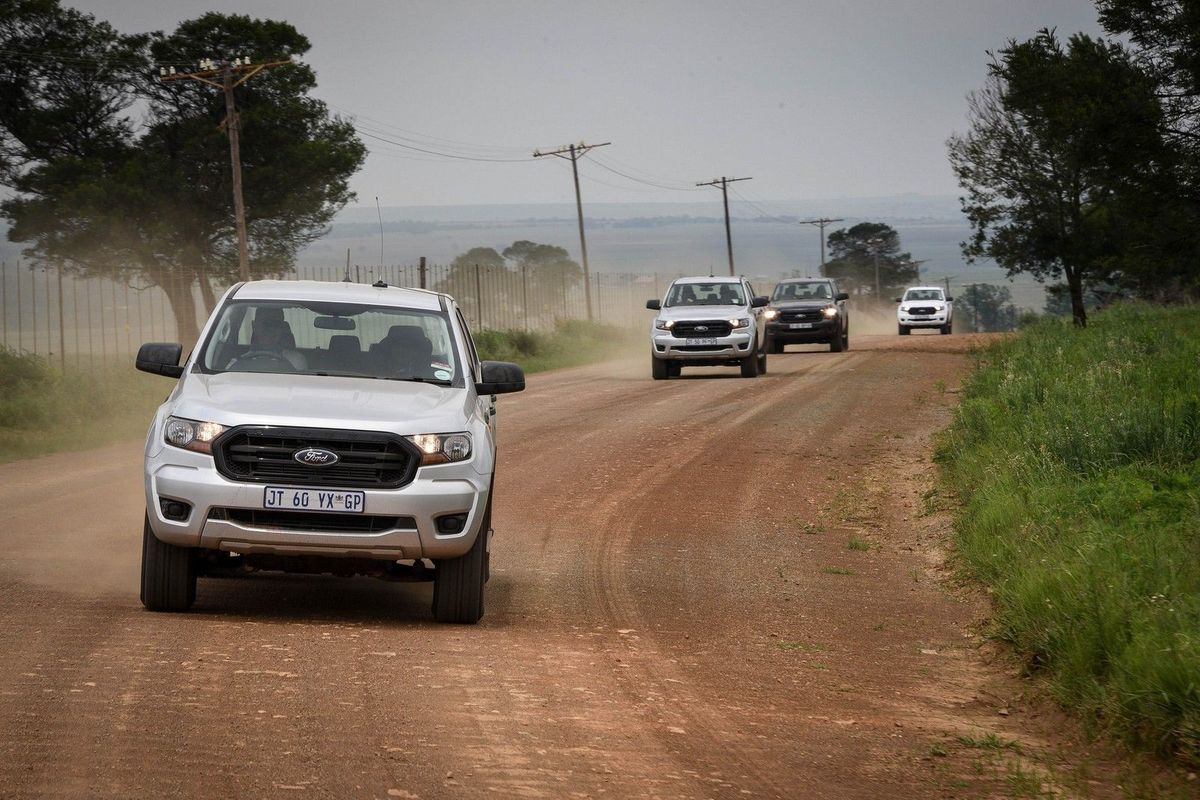
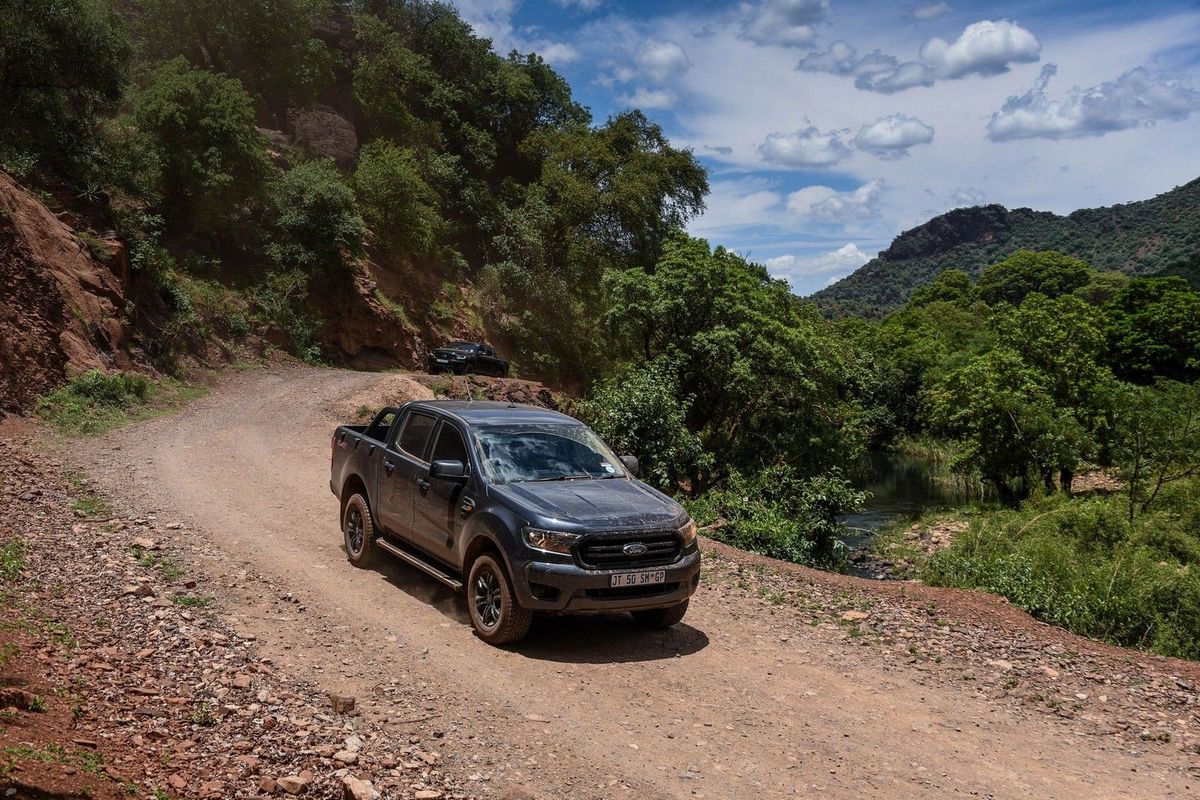
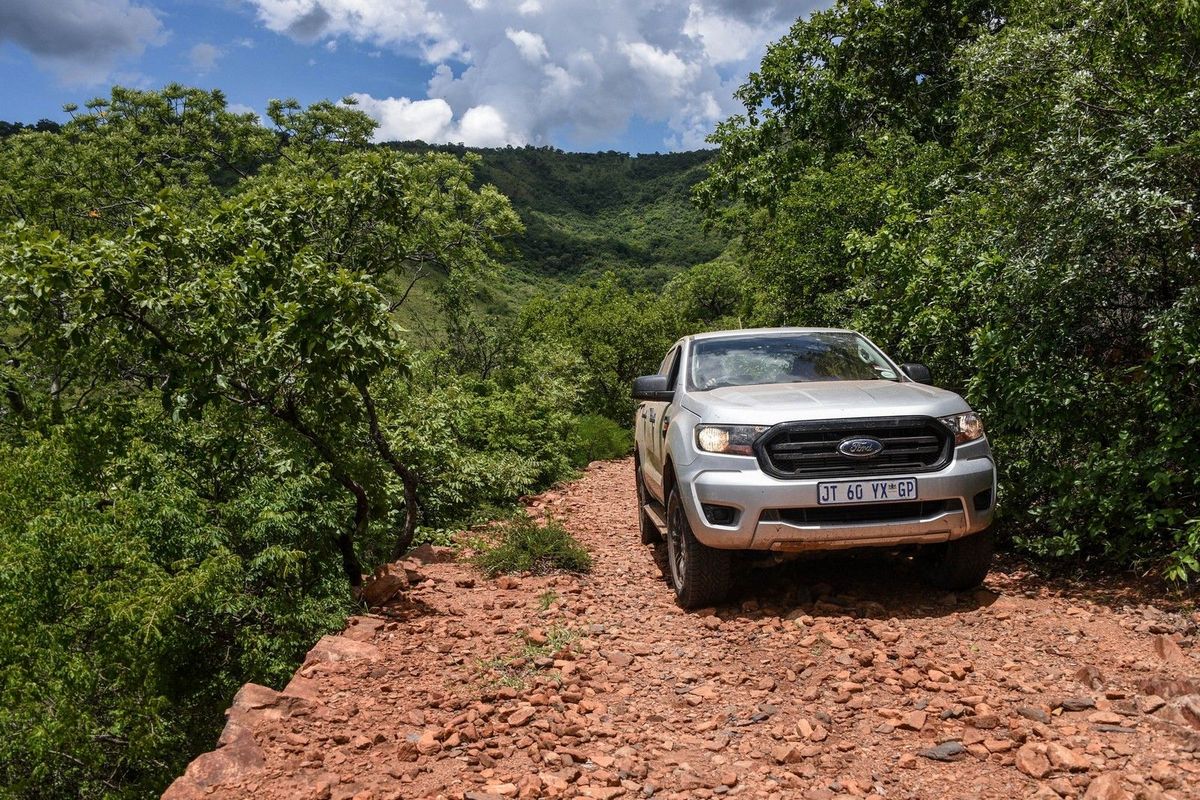
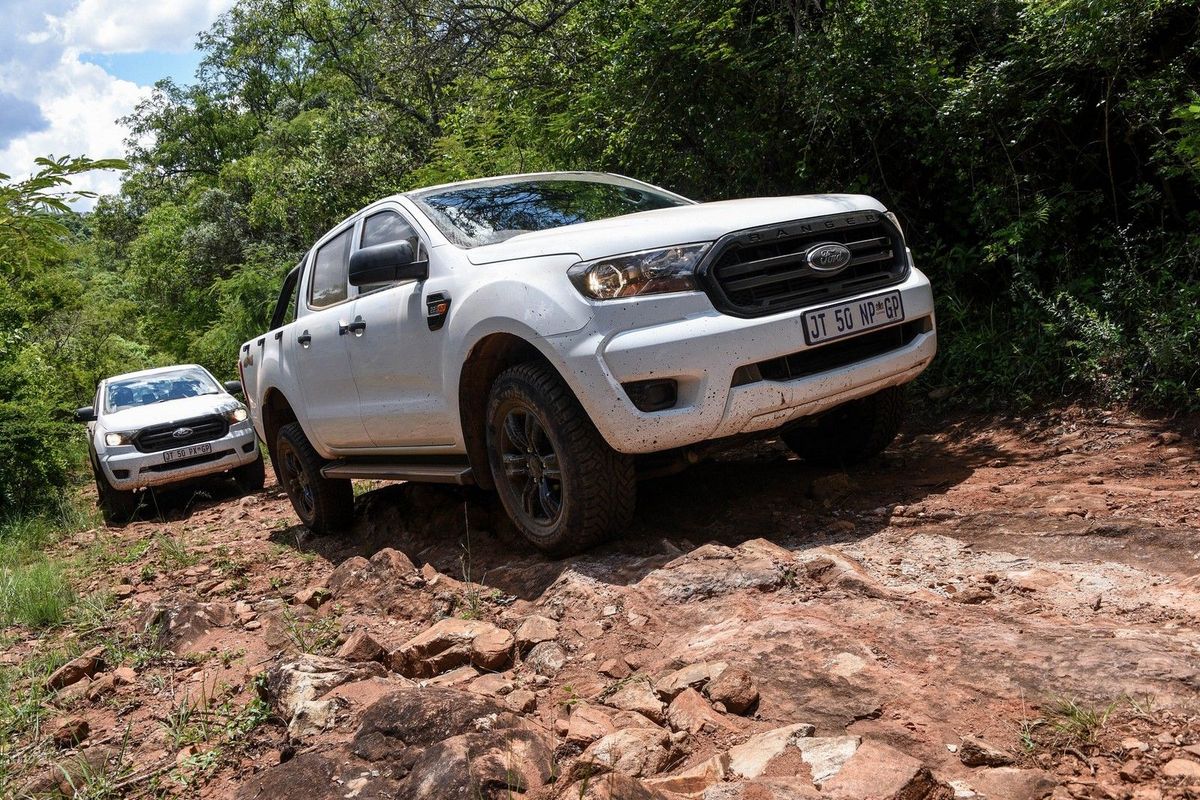
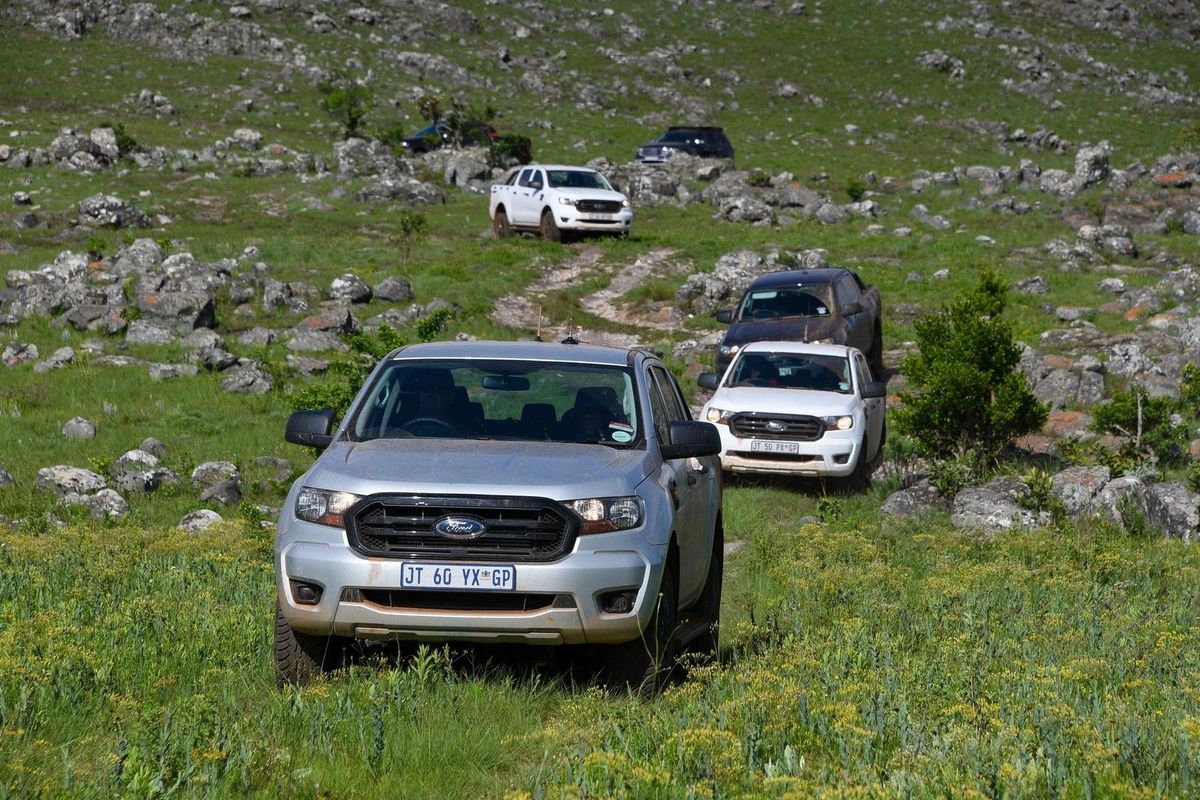
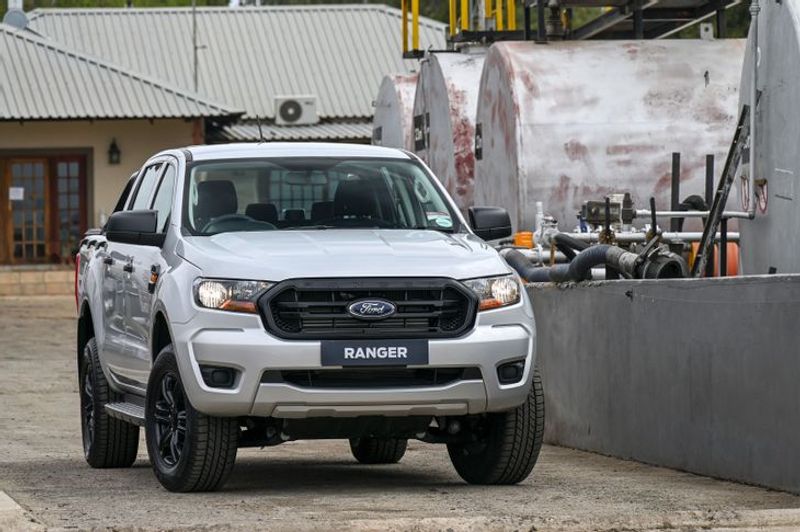
Ford South Africa launched its Ranger XL Sport by letting us take the bakkie on an adventure of epic proportions.
With the prices of flagship bakkie offerings reaching stratospheric heights (the top-of-the-range 190-kW VW Amarok, for example, now costs just under R1 million), OEMs are bolstering their mid-range derivatives in an effort to capture customers who can't quite afford those "brochure versions". The idea is to convince customers that a lesser derivative can offer 85% of the flagship experience at a more pocket-friendly price.
So, if you've had your eye on Ford's tasty Ranger Wildtrak or an XLT, but your budget can't quite stretch to the flagship or high-spec derivatives' asking prices, the Blue Oval has introduced stylish accoutrements that make its workhorse XL look far more purposeful; exude more street-cred.
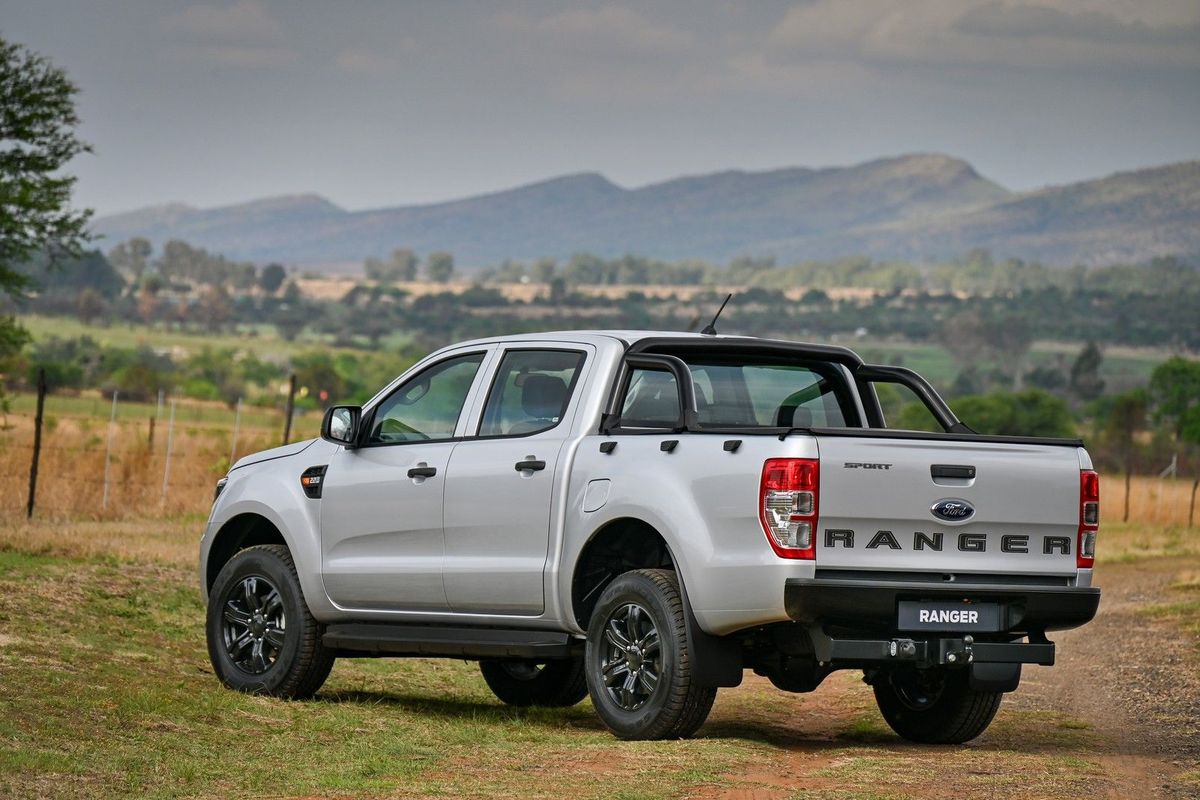
The XL Sport pack gives the workhorse some macho looks.
What is it?
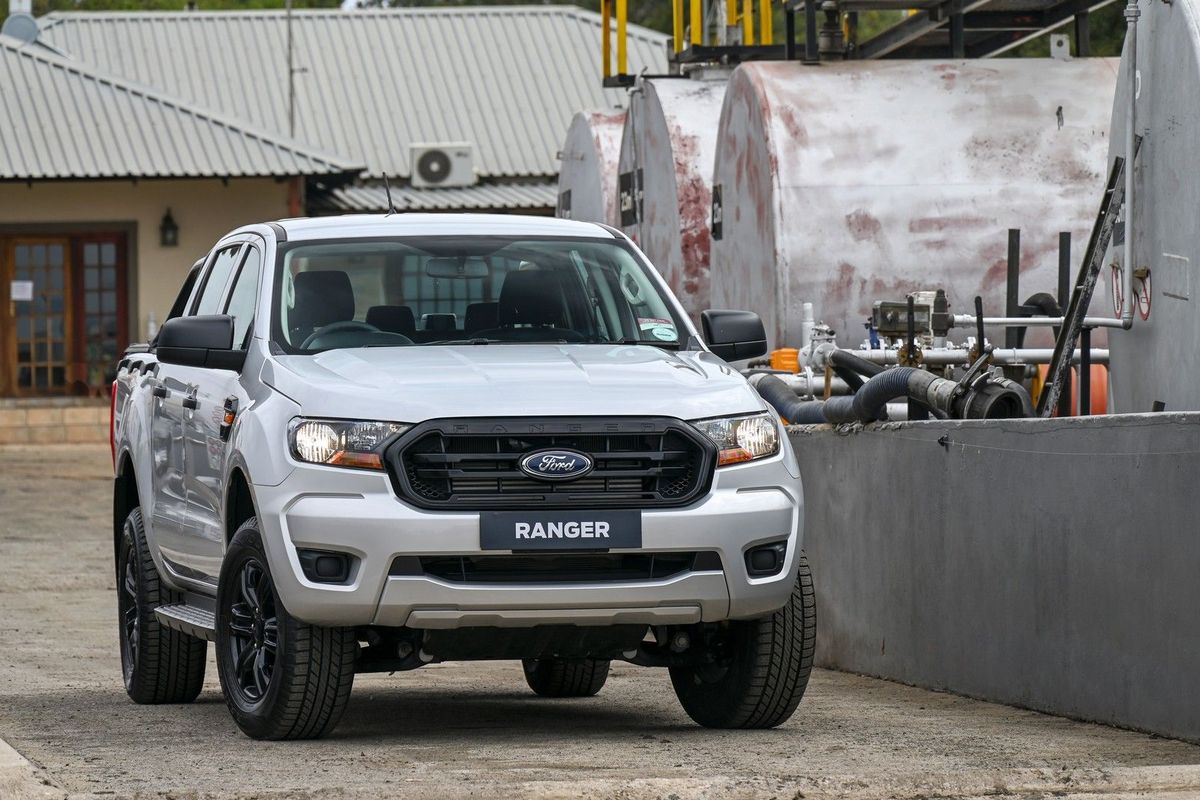
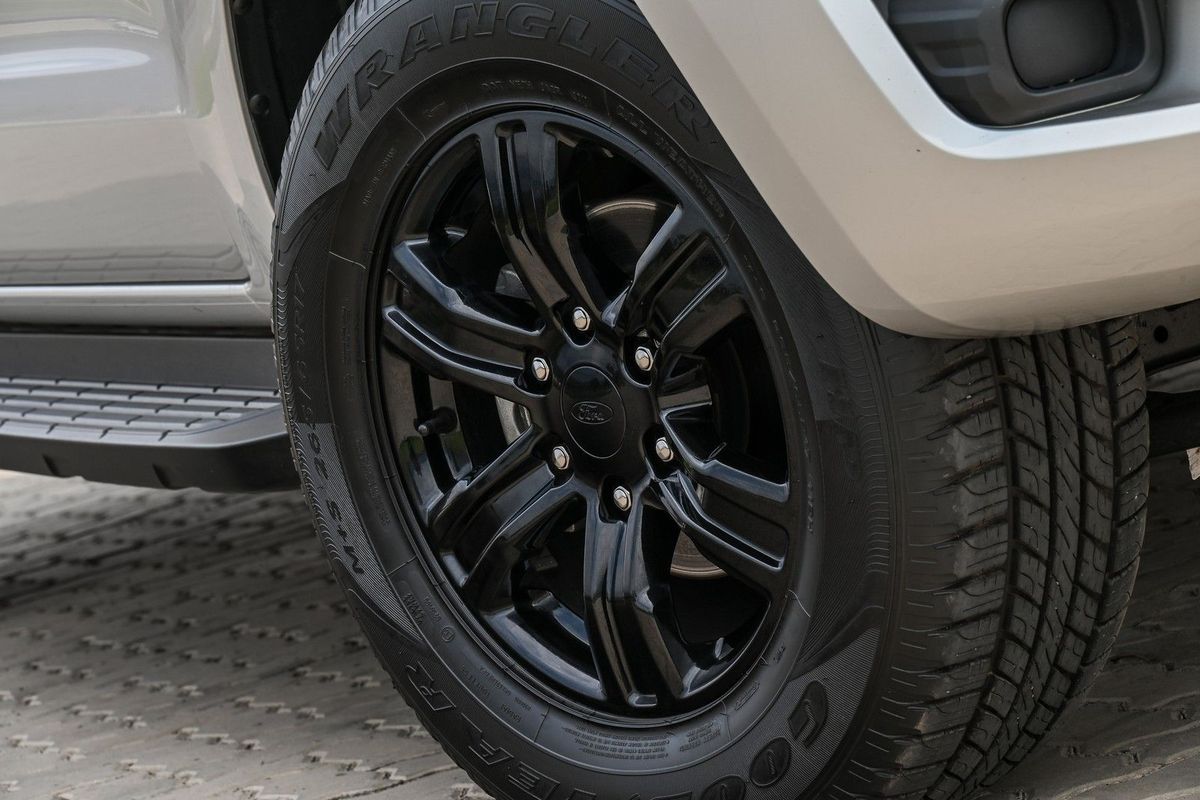
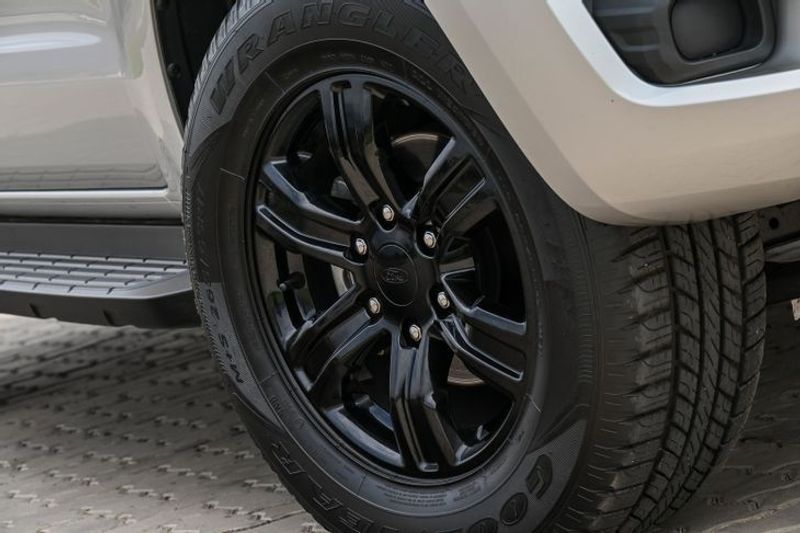
To shake off the Ranger XL's budget bakkie/workhorse image, Ford South Africa has availed an optional Sport pack. Available for the single cab, SuperCab, as well as double-cab variants, the Sport pack transforms the affordable Ranger's "all work and no play" appearance appreciably. The handsome XL Sport treatment incorporates a gloss-black grille, with a matching sports bar, rear bumper and 17-inch alloy wheels.
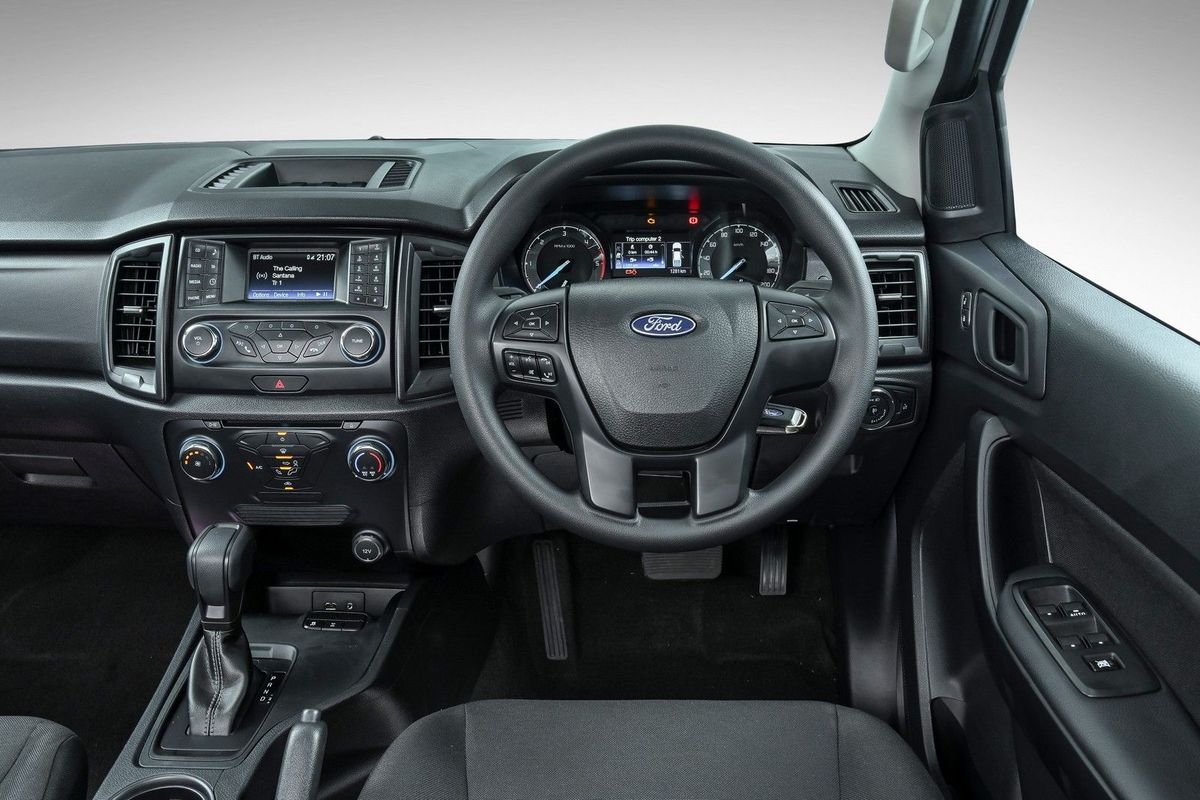
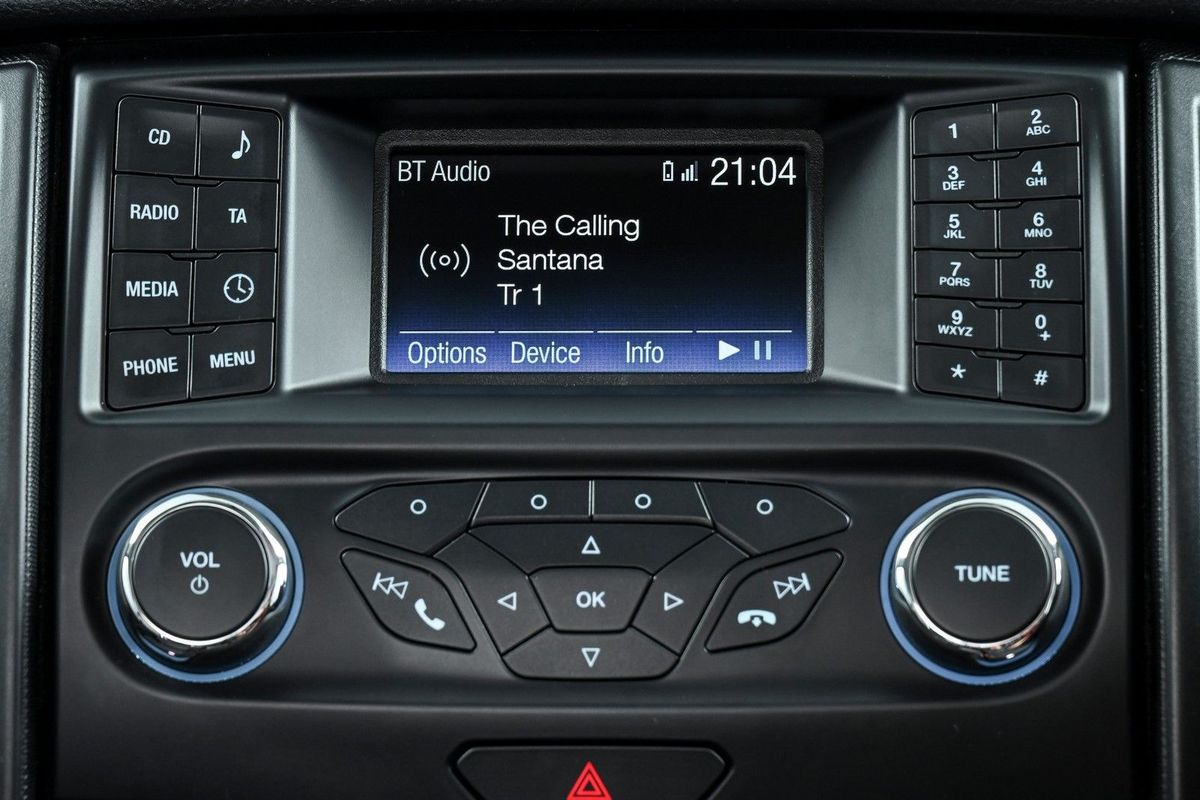
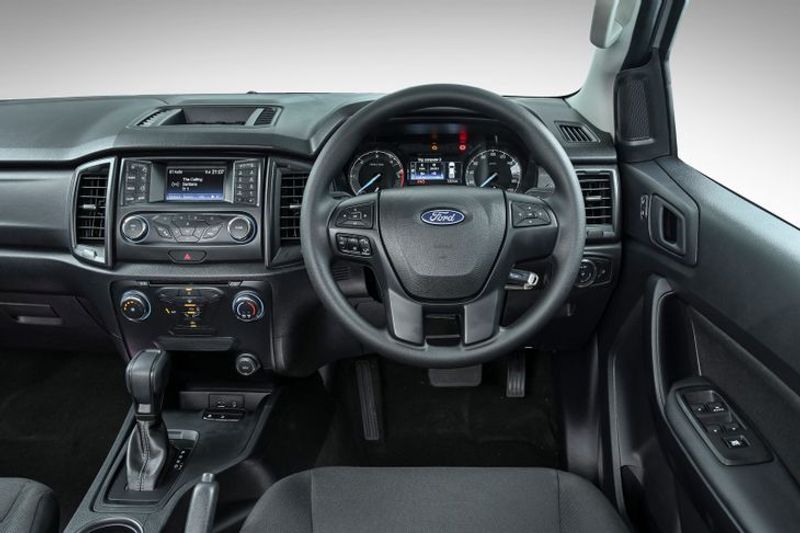
Inside, the basic SYNC 1 infotainment system with its 4-inch display can be upgraded to the more contemporary 8-inch SYNC 3 setup, replete with a pair of USB ports and Apple CarPlay/Android Auto compatibility. This option may add R6k to the list price, but in our opinion, it is one of the best in the segment, plus there's the bonus of gaining navigation functionality with Apple Maps / Google Maps, depending on which device you use.
The cabin misses some luxury features, but retains most convenience features. The optional 8-inch SYNC 3 is highly recommended.
In terms of engine and transmission, and in keeping with the pocket-friendly theme, Ford has fitted the XL Sport with its tried-and-tested 2.2-litre 4-cylinder turbodiesel engine, which produces peak outputs of 118 kW and 385 Nm of torque. Customers have the choice of either 2- or 4-wheel drive, as well as a 6-speed manual gearbox or a 6-speed automatic transmission.
A tow bar is fitted as standard and in terms of a tow rating, the Range XL is capable of pulling a 750-kg unbraked trailer or up to a 3.5-tonne braked trailer. However, if towing is your thing, perhaps consider derivatives with the newer-generation of Ford engines, all of which offer over 400 Nm.
These 17-inch black alloy wheels look the business.
Unlike the Ranger Wildtrak, which boasts considerably higher levels of passive and active safety features, the Ranger XL Sport sacrifices the semi-autonomous stuff in the name of affordability. Dual front airbags, ABS with EBD, stability control, traction control, hill launch assist, roll-over mitigation, adaptive load control, and trailer-way control are standard.
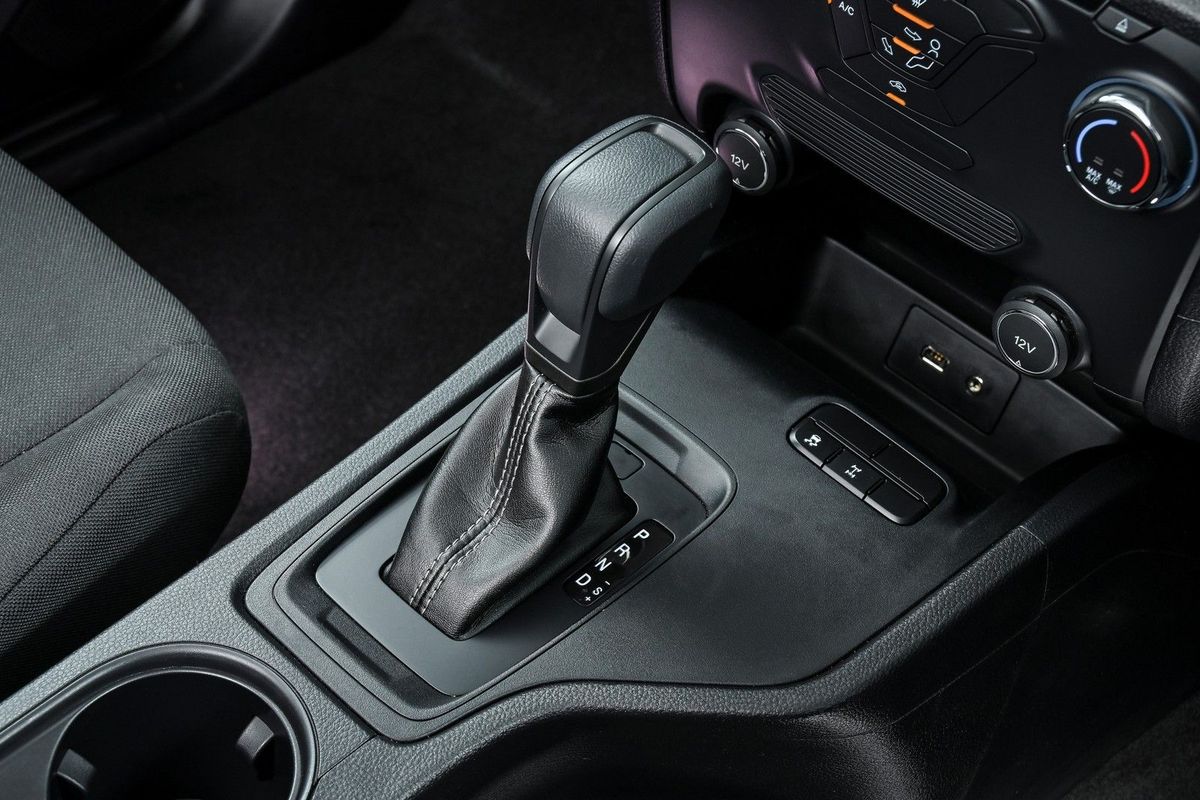
In terms of 4×4 capability, there's 223 mm of ground clearance, while hill descent control, rear differential lock, and a low-range transfer case are fitted. For our adventure, we'd be piloting the 4×4 automatic derivative, which had the convenience of the 8-inch SYNC 3 infotainment setup.
Coming down a steep section of the mountain. Hill descent control on!
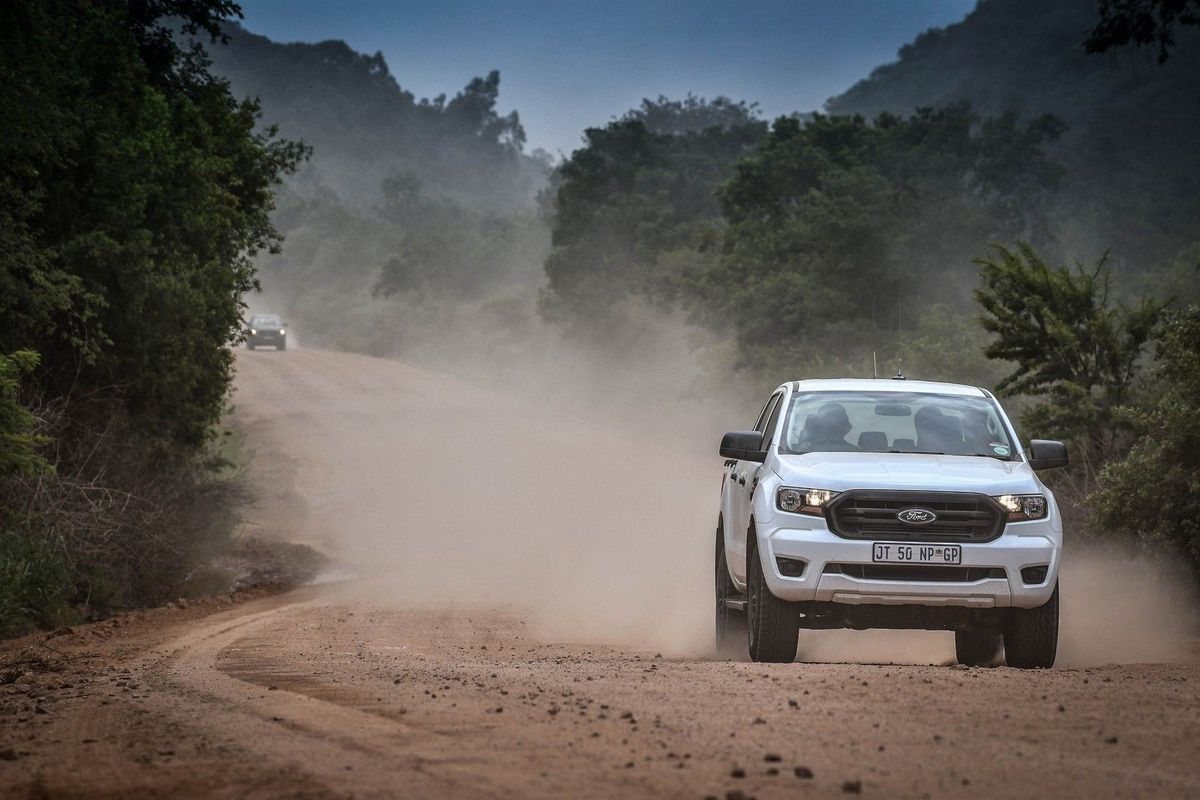
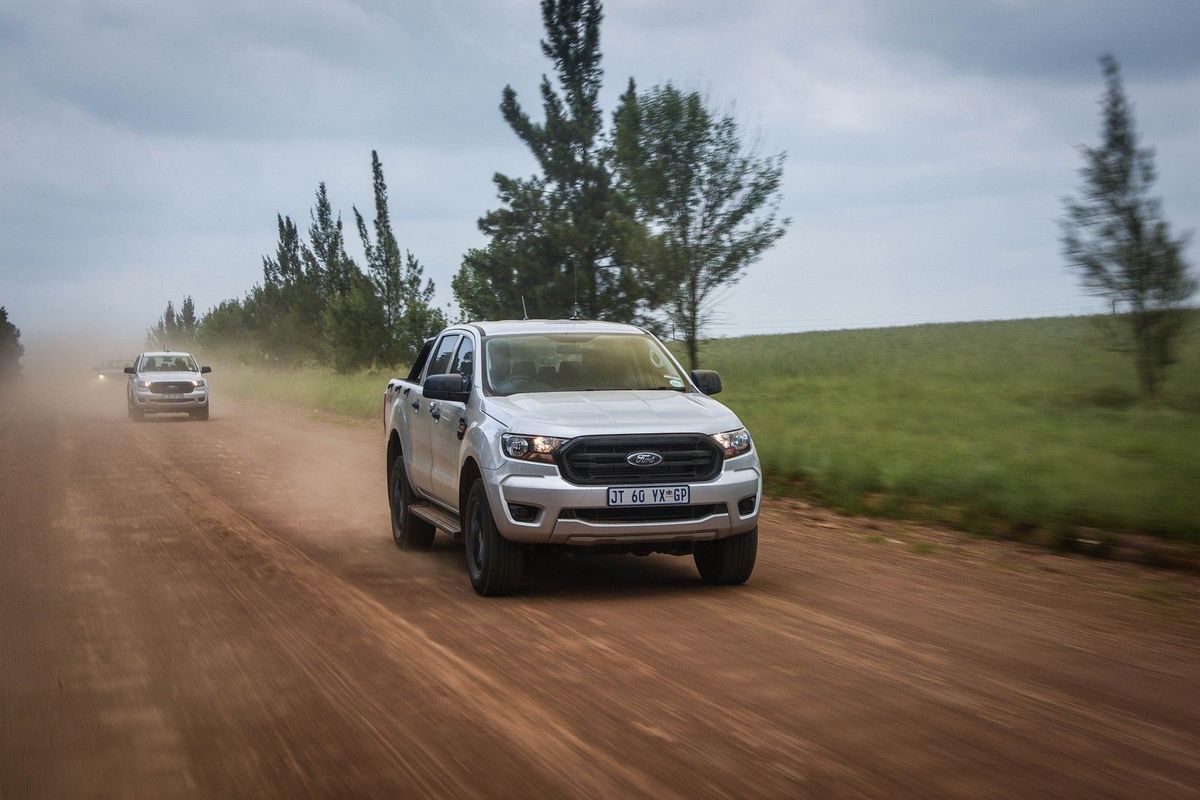
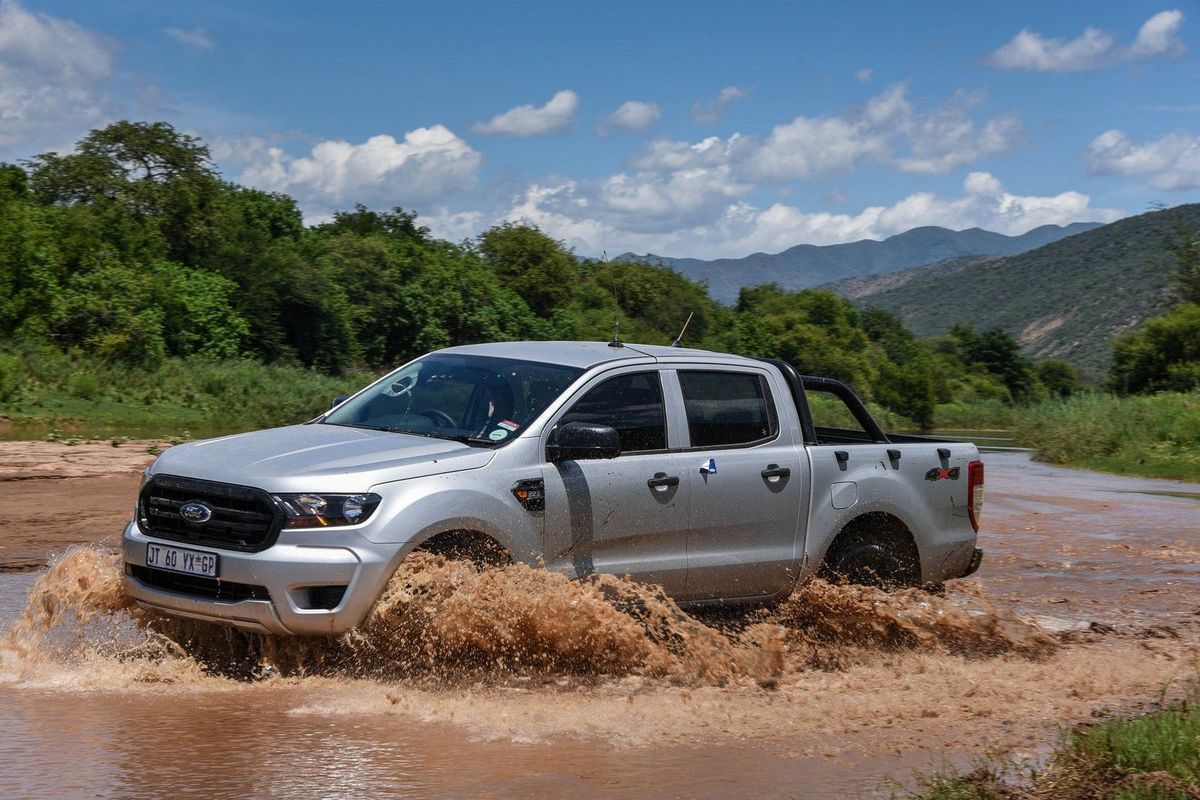
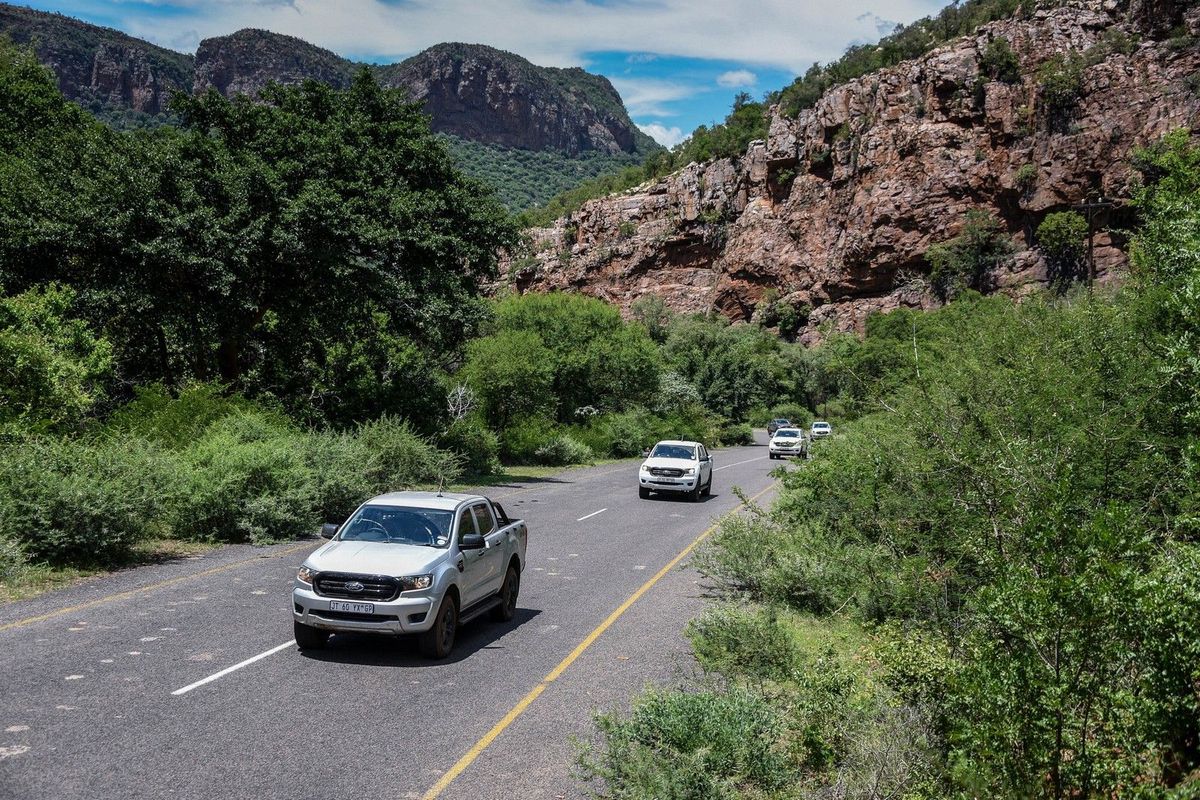
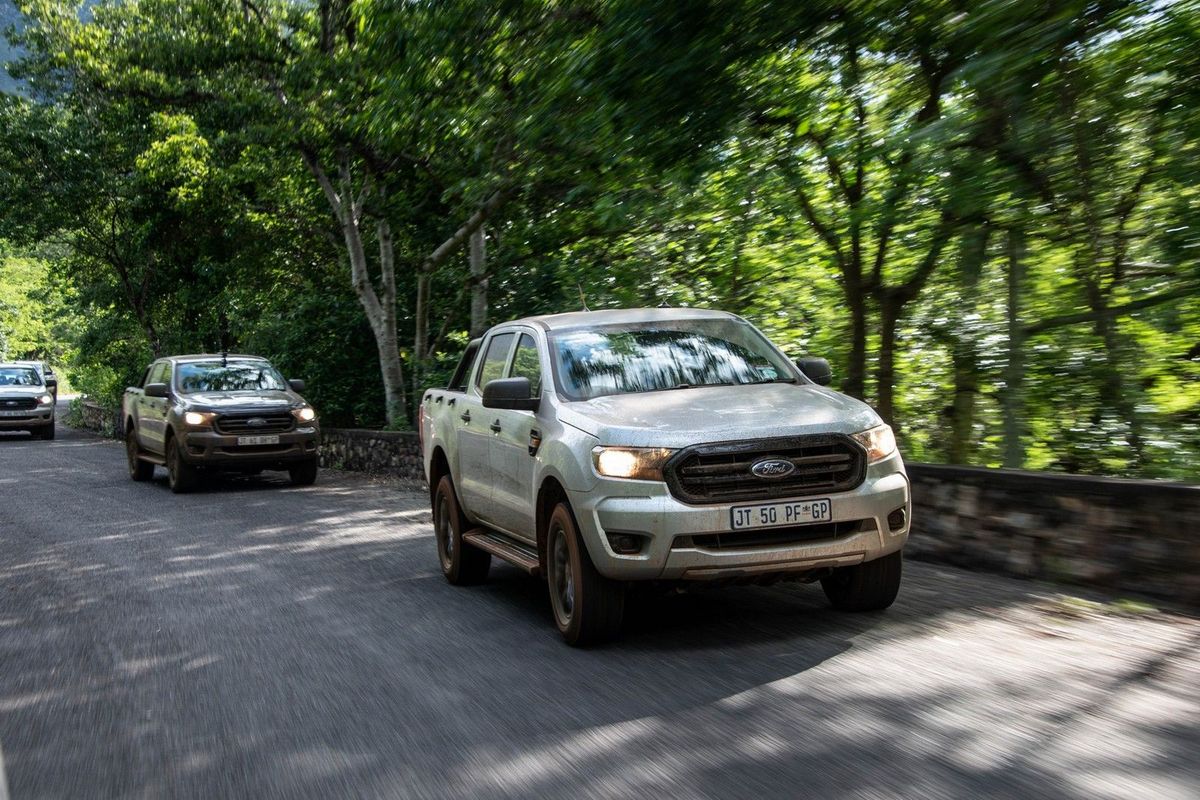
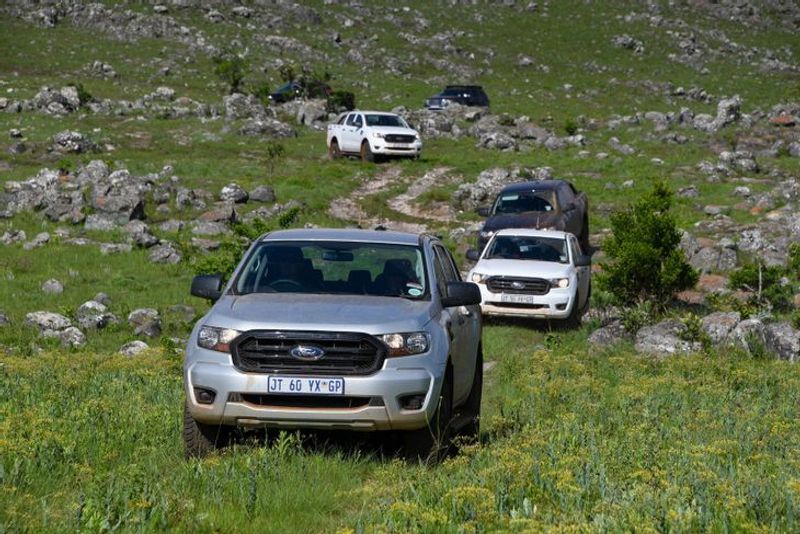
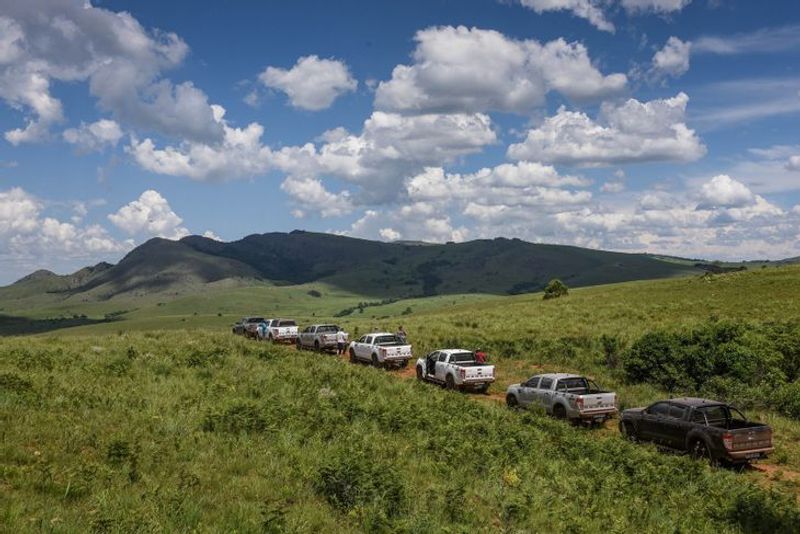
For off-road-ready bakkies, there's no better test than being thrown into the deep end from the get-go. Our route would take us from the OR Tambo airport in Johannesburg to Hoedspruit's East Gate airport, through the most rural of villages (via an extraordinary network of dusty dirt roads) and finally over the Orrie Baragwanath Pass. This was going to be a launch drive with a difference, with more time spent driving on dirt than tar.
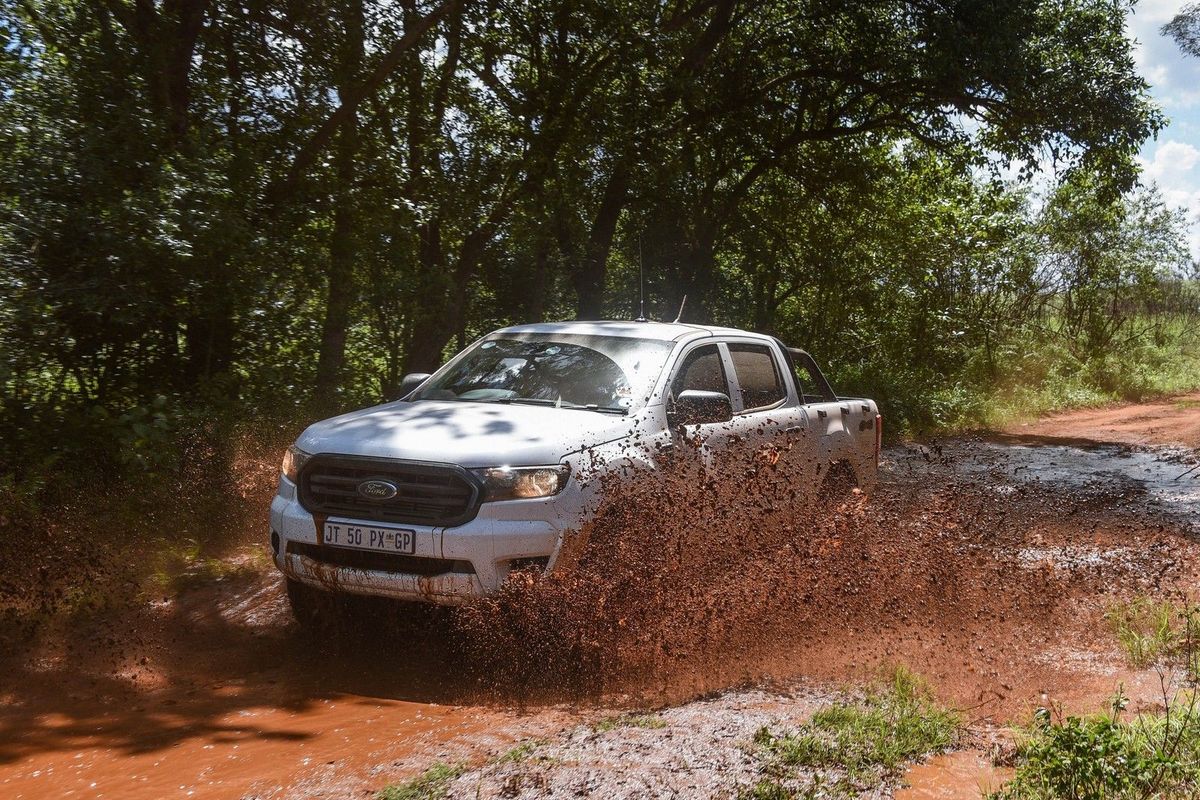
With the transmission set to 4-High, the levels of grip were always going to be high and we were able to confidently traverse long distances on some exceptionally poor gravel roads at a reasonable pace. The XL Sport's 2.2-litre engine offered adequate performance in conjunction with the 6-speed automatic transmission. But while the powertrain was fairly good, the real standout of the outing was the Ford's admirable fuel economy. We certainly didn't drive "with a light foot", but the bakkie's trip computer indicated 9.2 L/100 km, which is impressive, given the Ranger's heft.
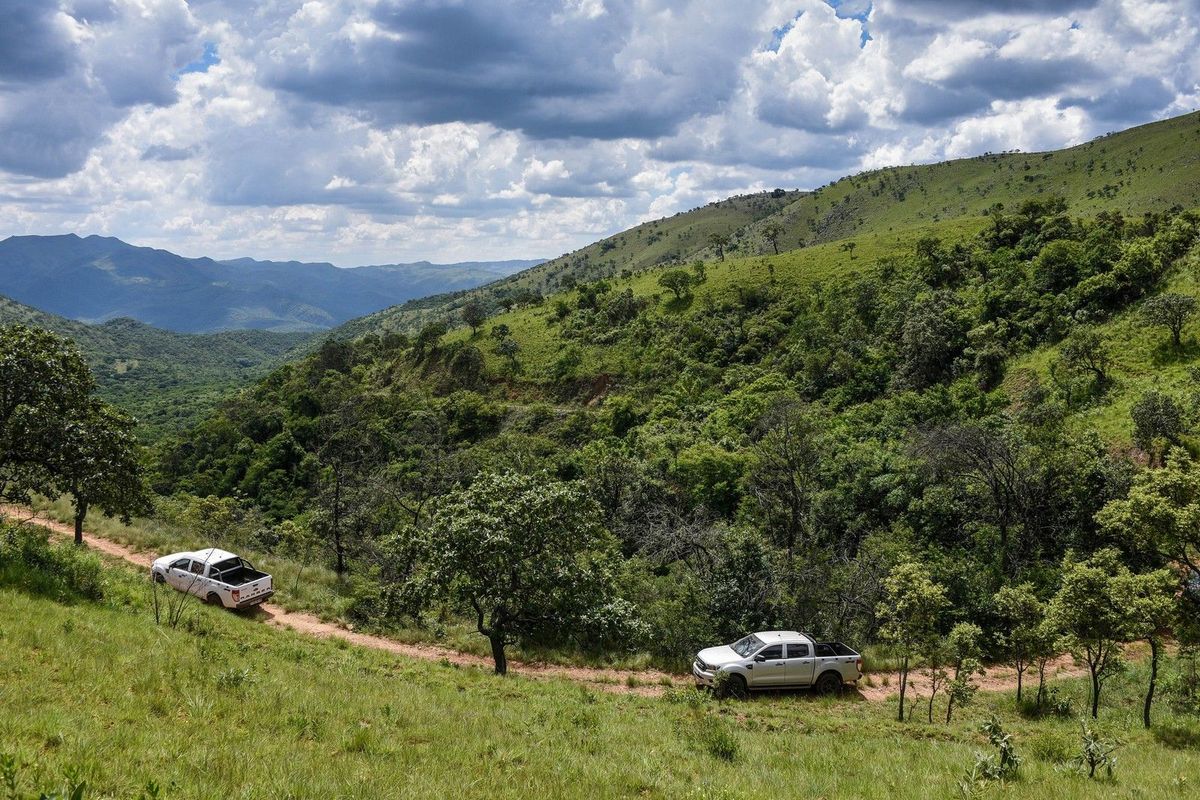
The Lekgalameetse Provincial Park is achingly pretty
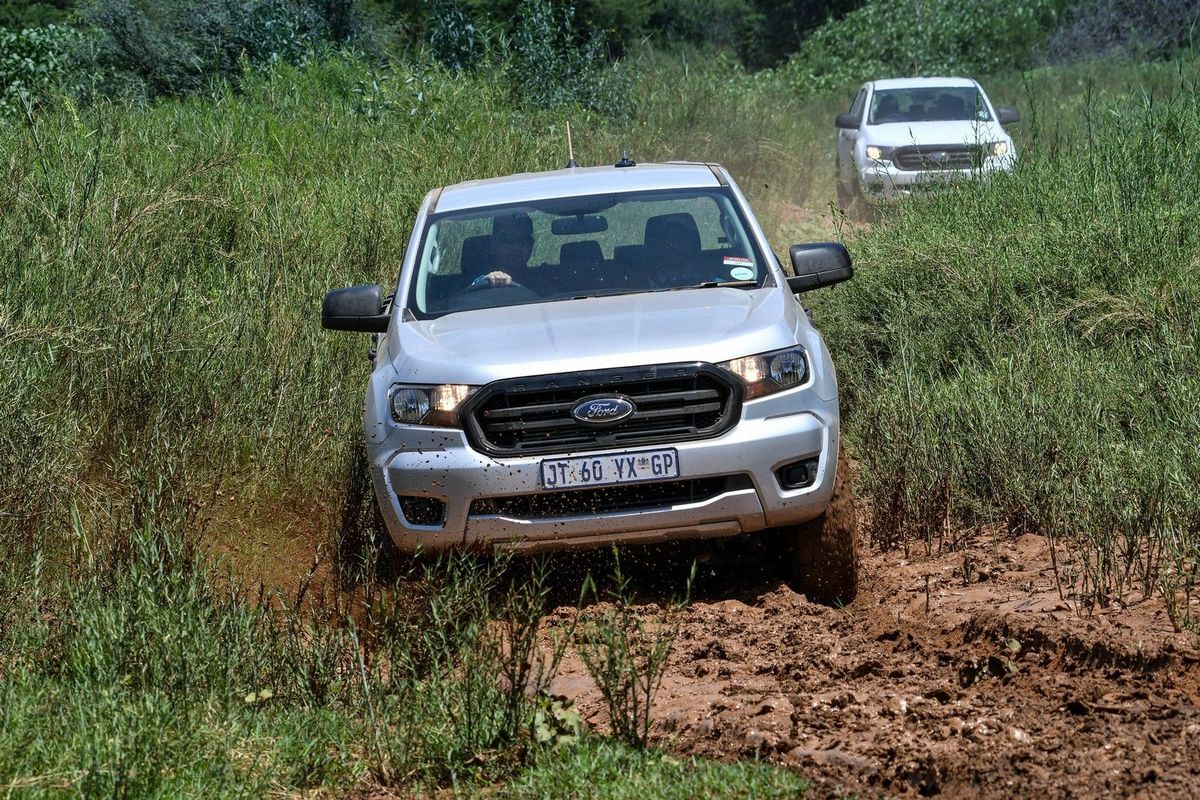
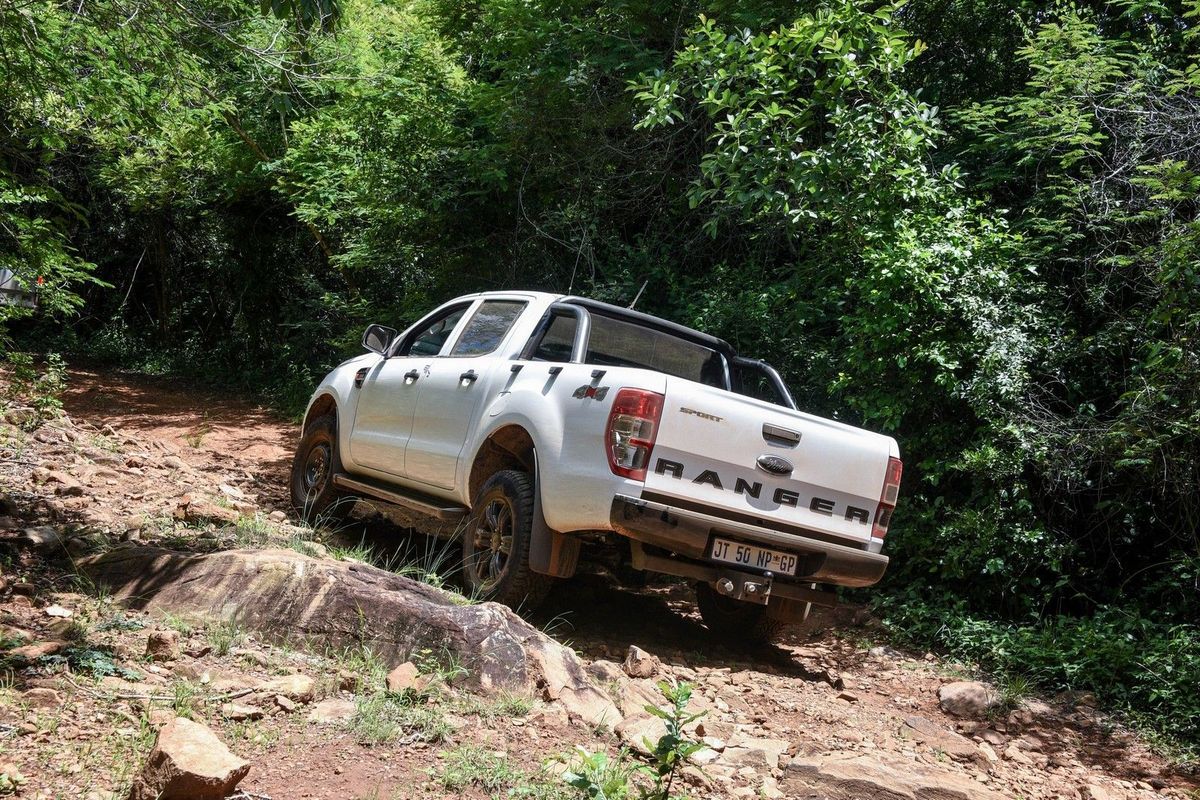
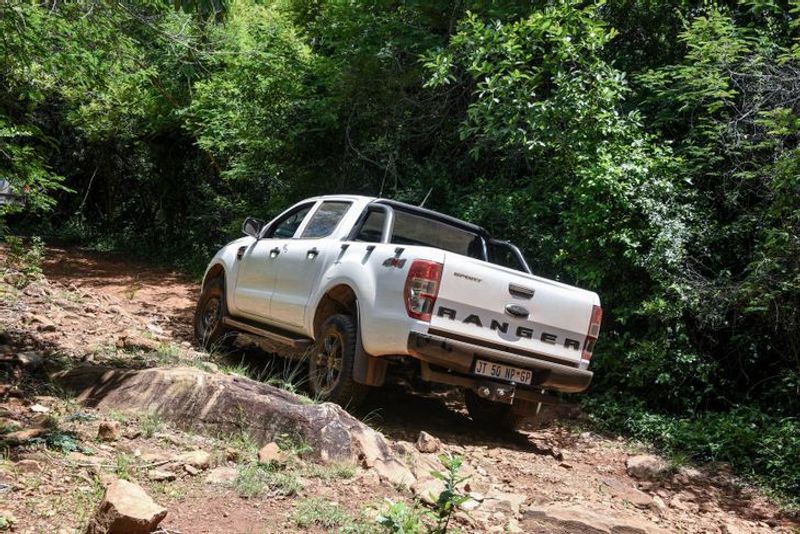
Despite the switch from 16-inch to 17-inch wheels, the high-profile (265/65 R17) Goodyear Wrangler tyre was more than up to the task of soaking up all manner of road imperfections, ranging from mild bumps and ruts to the solid thumps that are part and parcel of rock climbing up a steep mountain pass. The Orrie Baragwanath Pass is located in a remote corner of Limpopo and forms part of the Lekgalameetse Provincial Park. The pass itself could barely be defined as a road, it's more "a clearing in the trees". Utilising low-range was an absolute must in those conditions.
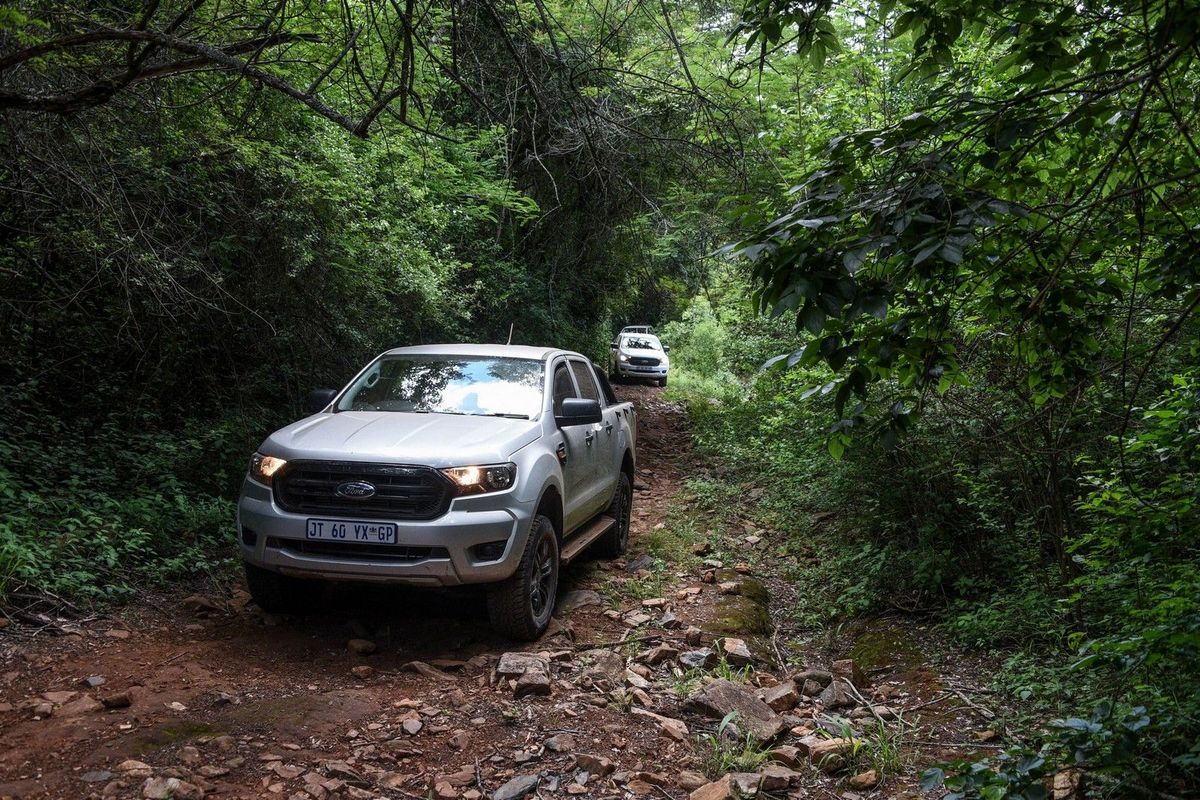
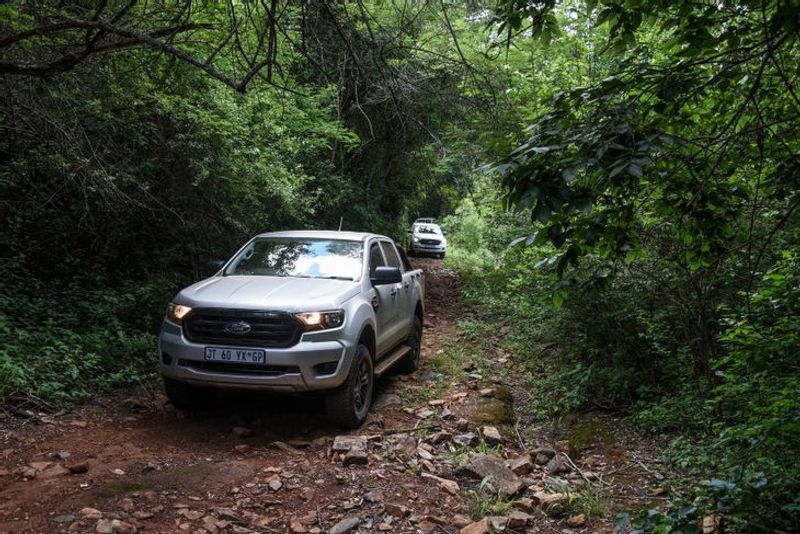
What we drove on could hardly be described as a road, it was more a rocky hiking path through a jungle.
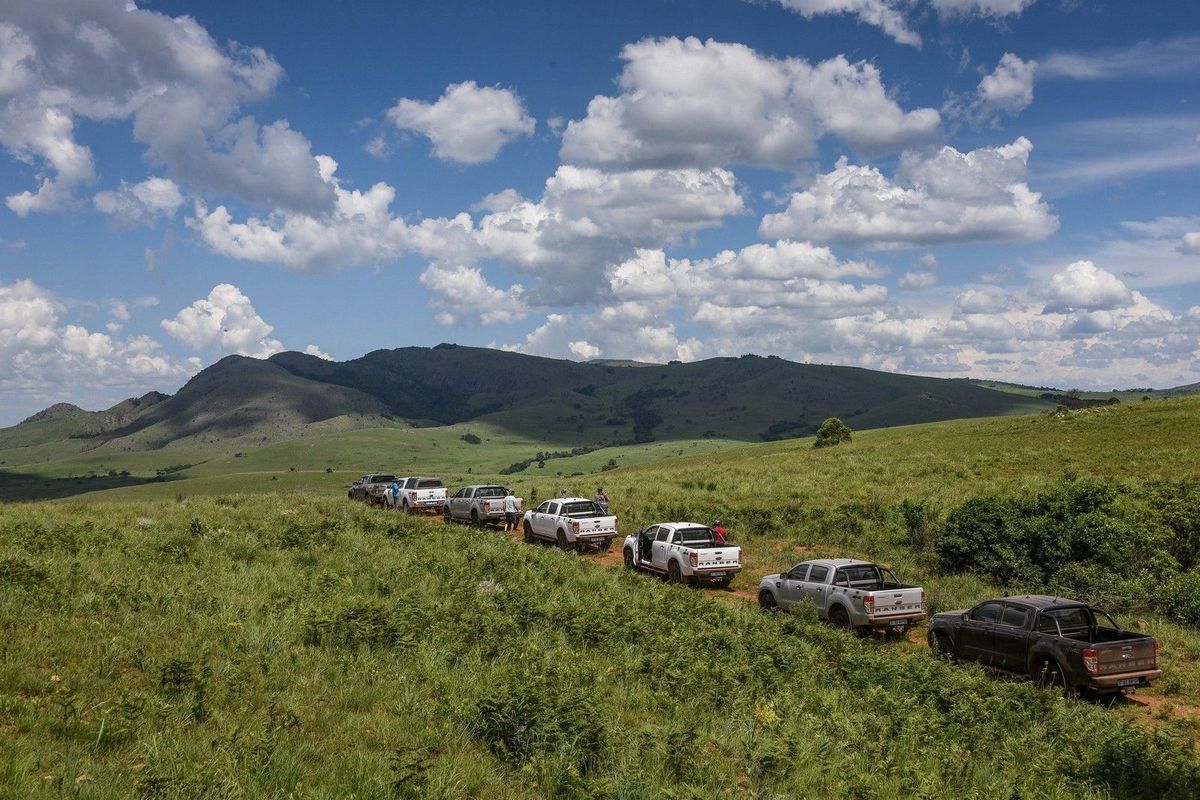
Many of the sections were overgrown and the convoy had to stop so that the occupants of the lead vehicle could use pruning shears to remove errant branches in the vehicles' path. At times progress was ludicrously slow as we gently coaxed the Ranger over some forbidding rocks. It would have been quicker to get out and walk, but if we drove any faster, those "boulders" would probably have gashed the tyres' sidewalls.
Was it worth the arduous climb? Most certainly. The views over Mpumalanga made up for the gingerly progress of the trip and while we soaked up the incredible scenery, we took a moment to heave a collective sigh of relief that these bakkies all made it up the mountains without a hitch.
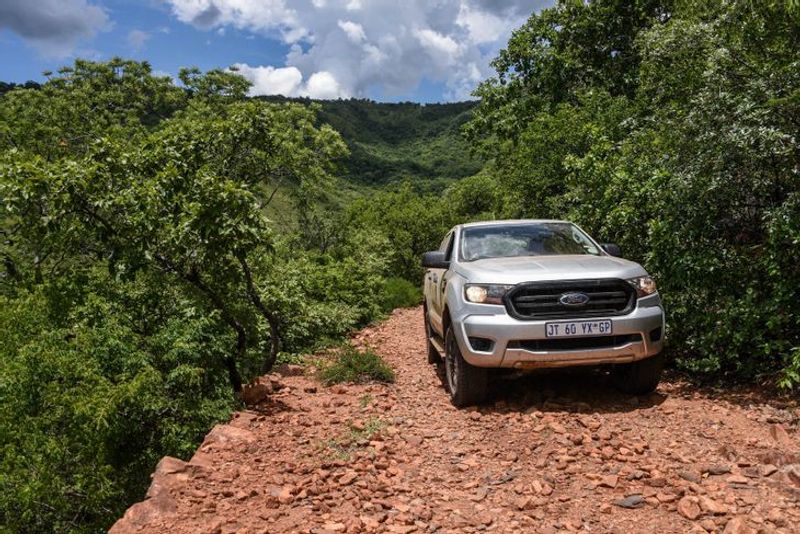
To the left of this picture was an extraordinary drop… better keep away from the edge!
Summary
Is the Ranger XL Sport still a solid and capable workhorse and that doesn't leave out too many comfort and tech features? It looks the part, but shouldn't you have stretched your budget and opted for an XLT derivative (with its all-new 2.0-litre single-turbo engine) instead? The answers are yes, and secondly, no, you won't feel short-changed if you chose this newcomer. It does everything you'd expect from a 4-wheel-drive Ranger and it has the creature-comfort basics covered while boasting a cool macho image. Those wheels will definitely win you points at your mate's braai.
We will say that the standard LCD infotainment system is simply not good enough and we implore you to fork out those extra Rands for the excellent 8-inch SYNC 3 infotainment system. R6 000 isn't cheap, but the features justify this expense – navigation, music streaming services – and even the ability to listen to and compose WhatsApp messages without your hands leaving the wheel – are just some of the luxuries available.
And finally, while most Rangers are unlikely to get pushed to the extreme levels of "gravel travel" and rock-climbing that the XL Sports were on this particular excursion, it's thoroughly reassuring to know that virtually every 4×4 derivative in the venerable Ranger's line-up is tough and capable.
First gear, low-range engaged… now, carefully crawl forward.
Ford Ranger XL Sport Price in South Africa (December 2020)
The Ford Ranger is sold with Ford Protect, which consists of a 4-year/120 000km comprehensive warranty, 3-year/unlimited distance roadside assistance and 5-year/unlimited km corrosion warranty. A 6-year/90 000 km service plan is included, which covers 6 services. The recommended service interval is 15 000 km or annually, whichever occurs first.
Ford Ranger XL Sport pack R16 500 additional cost onto the base price of the Ranger XL Series.
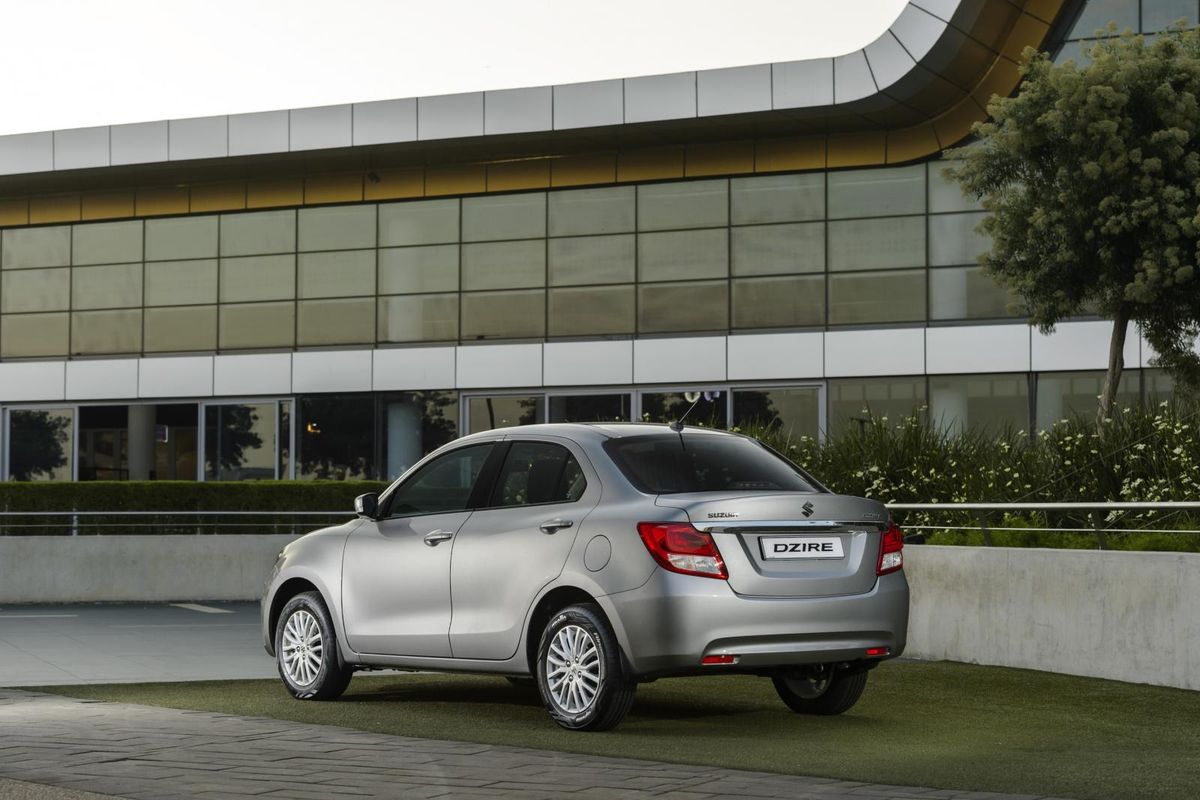
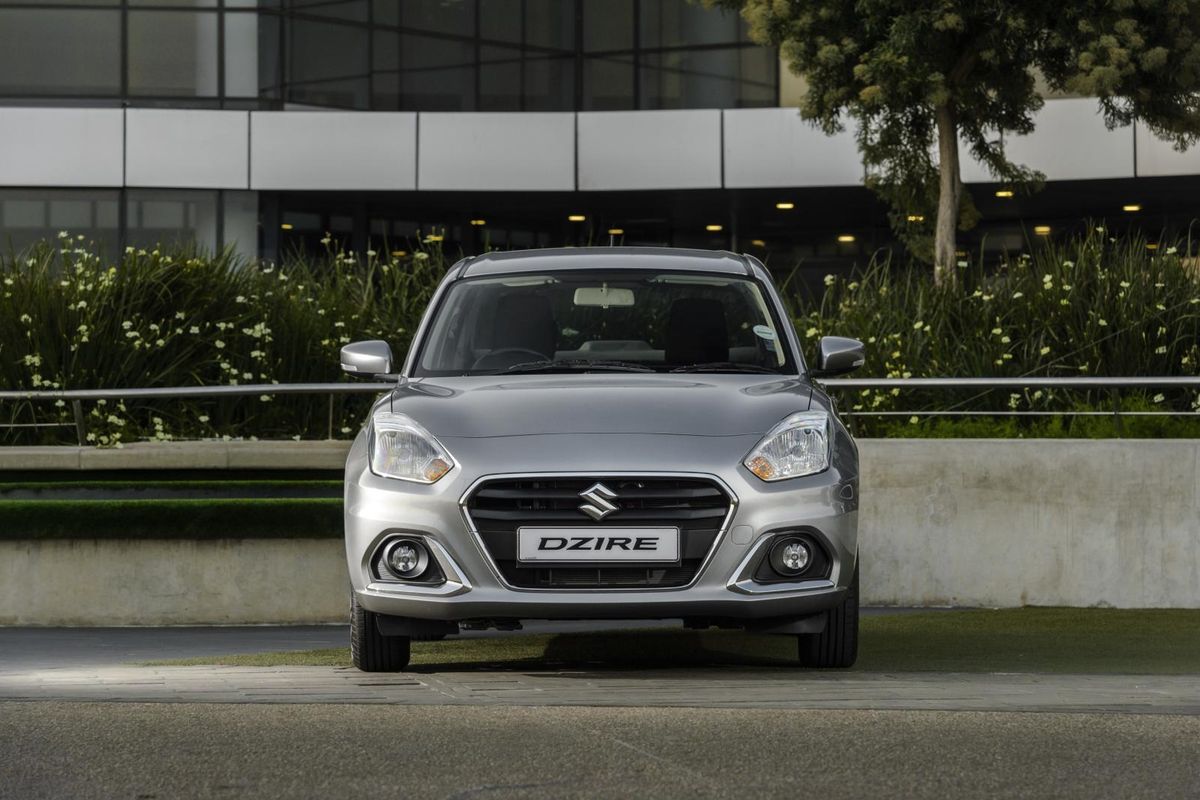
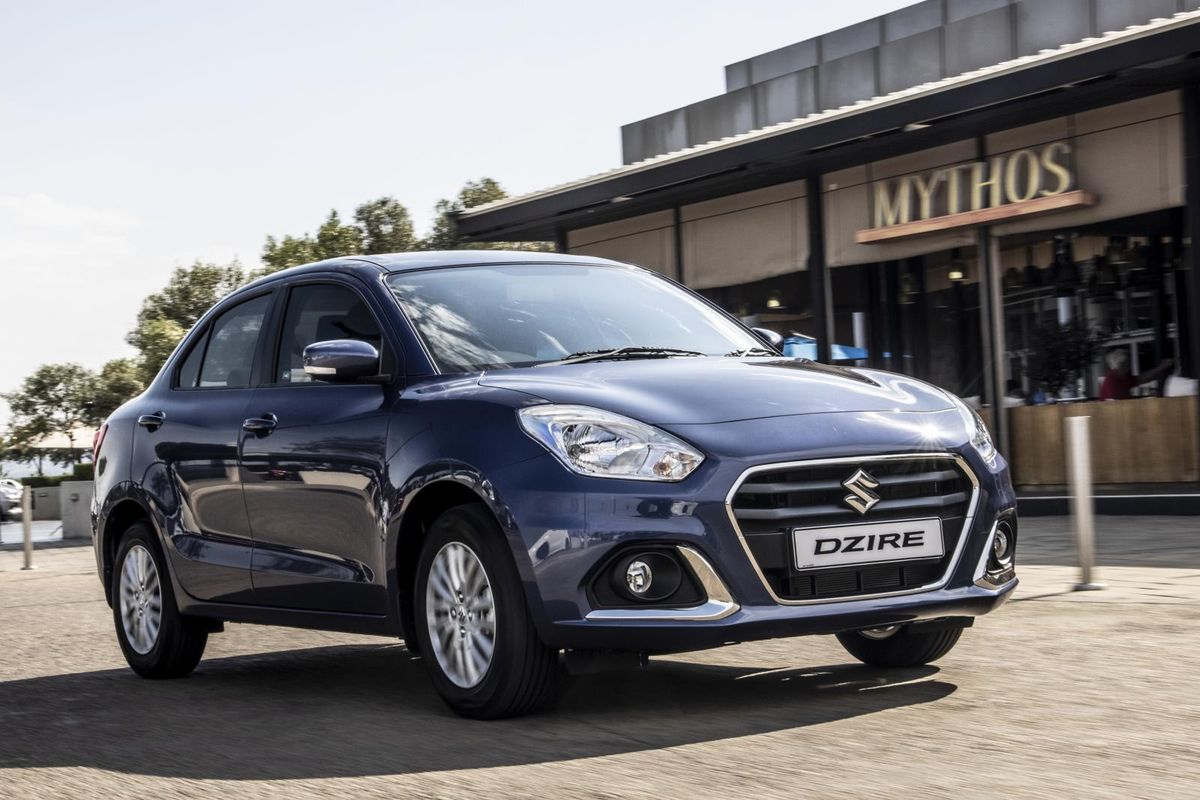
Suzuki has enhanced its compact sedan offering. See what's been changed, plus detailed specs and pricing for the Suzuki Dzire.
The sedan based on the popular Swift hatchback has been given a mild nip and tuck, seen an increase in standard features and safety equipment and here's the best part, the price hasn't changed.
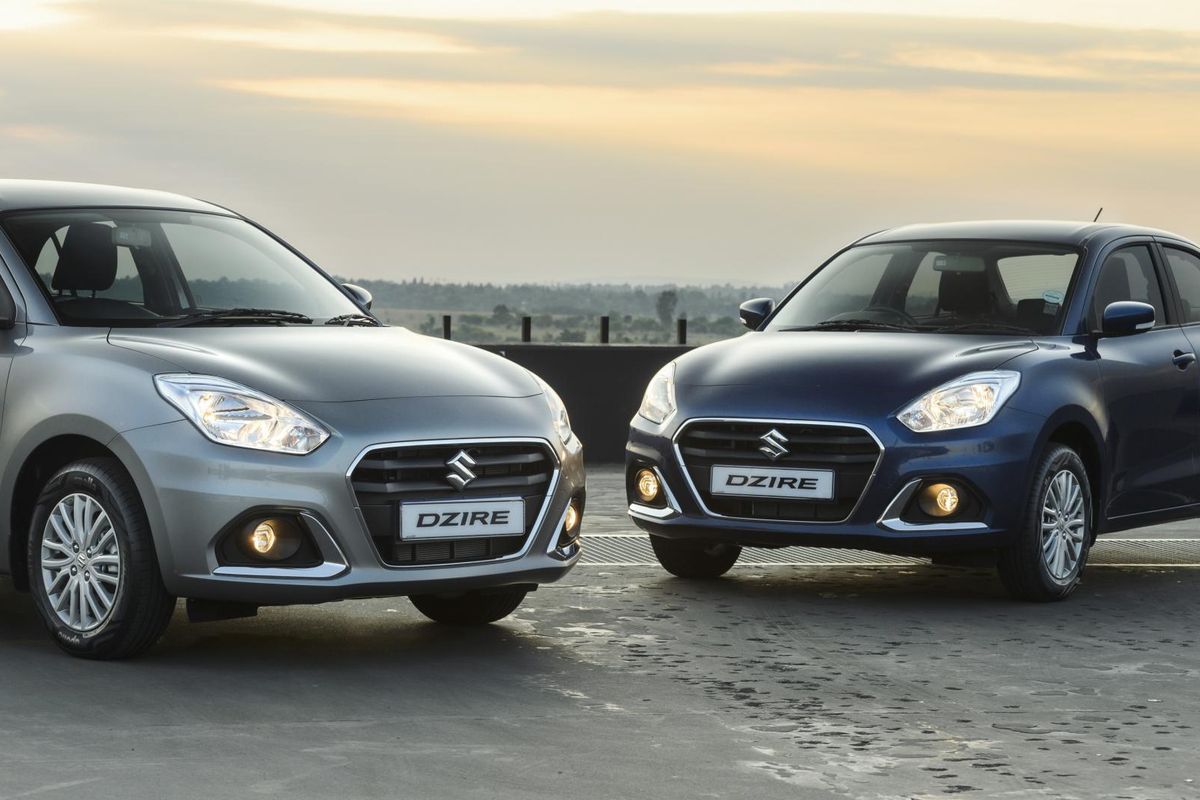
Visually, there's a new-look grille and front bumper, which is available in silver in GA trim, or chrome in GL models. There are new colours to choose from, while the GL model receives new 15-inch alloy wheels which replace the steelies.
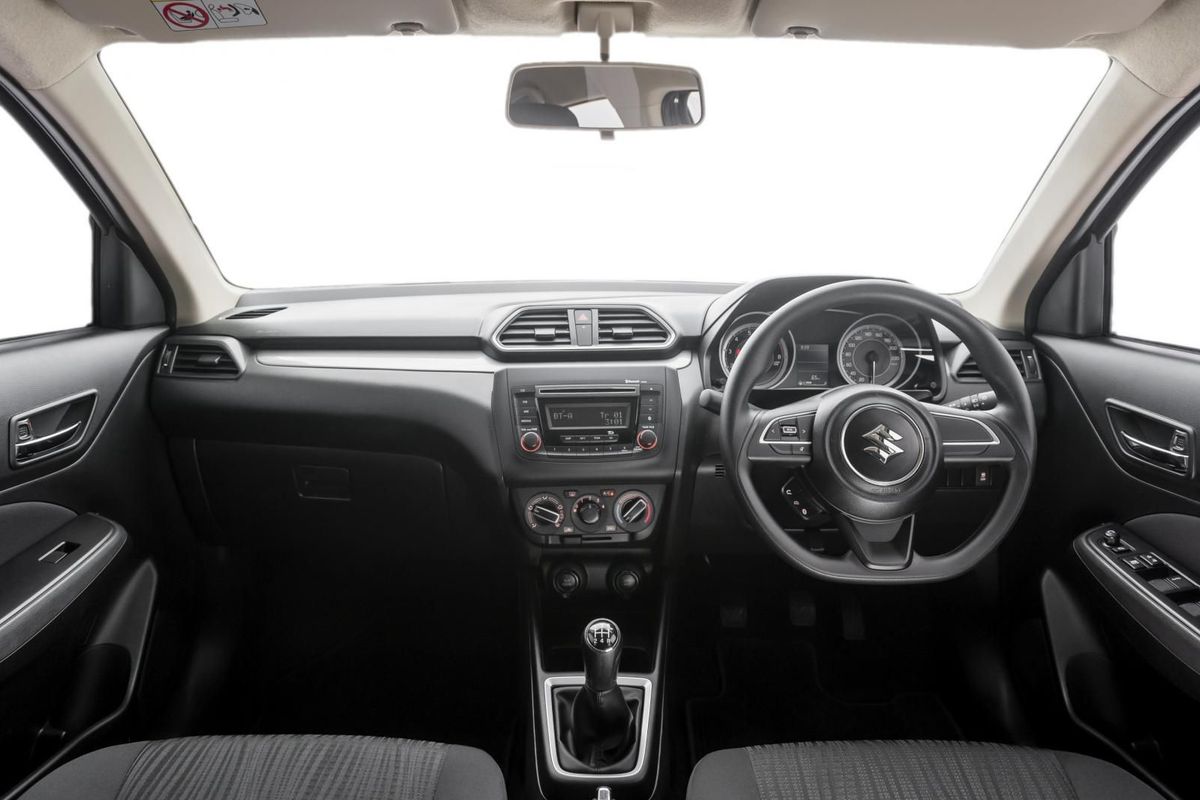
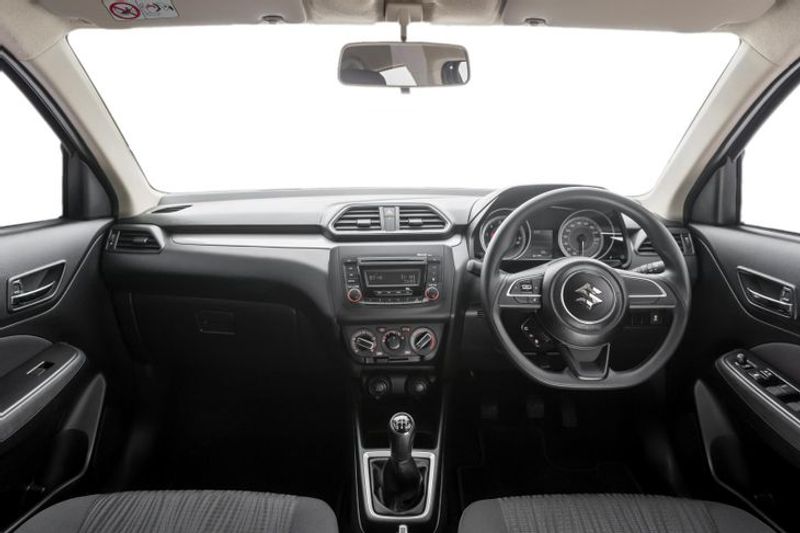
Inside, there's a new upholstery, and standard spec is good. All Dzire models, for instance, offer electric windows, power steering, an immobiliser and alarm system, air conditioning and remote central locking as standard, but the GL model gains additional chrome styling, front fog lights, a radio with aux/Bluetooth/USB connectivity. There are also adjustable rear air vents with an extra 12V power socket.
ESP has been added across the range, and standard safety kit includes 2 airbags and anti-lock brakes with brake force distribution and emergency brake assistance.
Assembled on Suzuki's lightweight HEARTECT platform and powered by the 1.2-litre naturally-aspirated petrol engine, the Dzire will be quite frugal to run. Suzuki claims 4.9 L/100 km on the combined testing cycle. In terms of engine outputs, there's 61 kW and 113 Nm, and a 5-speed manual gearbox is available. For those seeking a clutchless option, an automated manual is on its way.
Suzuki Dzire Price in South Africa (December 2020)
This vehicle is sold with a promotional five-year / 200 000 km comprehensive mechanical warranty and a service plan for two years or 30 000 km.
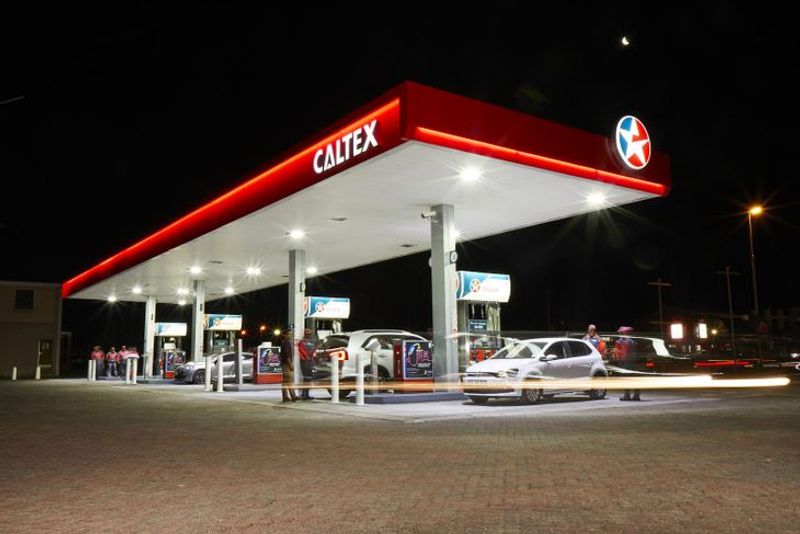
Fuel up with R250 or more at Caltex and stand a chance to win 1 of 12 Volkswagen Polos – 5 fuel vouchers are also being given away each day.* And, before you start your long-haul journey to your end-of-year breakaway destination, take a look at these useful holiday tips to get you and your loved ones there safely…
PARTNERED CONTENT
We've had to spend most of 2020 cooped up at home due to the impact of the Covid-19 pandemic, but mercifully the end-of-year holiday season is upon us. Summer is in full swing, inter-provincial travel is open across the country and that means holidaymakers are heading out onto South African roads to destinations around the country for rest and relaxation.
Throughout Summer, Caltex has got you covered! More trips mean frequent stops to fuel up and Caltex gives you more reasons to smile this holiday season! Fuel up with R250 or more at Caltex and stand a chance to win 1 of 12 Volkswagen Polo 1.0TSI Trendlines & one of five R500 fuel vouchers daily!
To enter, simply dial USSD *120*327*7# or visit www.winwithcaltex.co.za. Remember to ask the service attendant for your receipt and keep it after entering! Start at Caltex. It’s how you get there.
* The promotion runs until 31 December 2020. Terms & Conditions apply.
To help you prepare for your trip, we have compiled a list of holiday tips for you to consider before you depart, along with the necessary emergency numbers should you need them.
Things to do before leaving for holiday
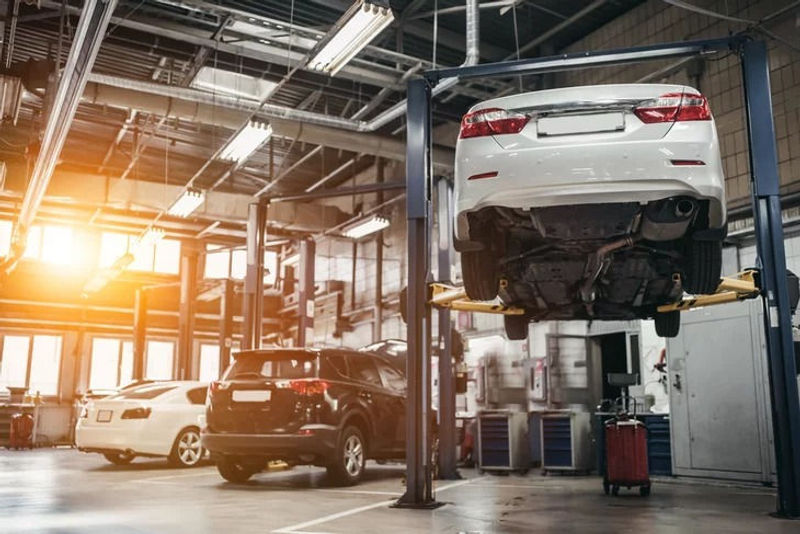
Make sure your car is in full working order
Check that your brakes, fluid levels and all your lights and indicators are working properly. This is particularly important for older used cars.
Be sure that you have a spare tyre as well as a wheel spanner and car jack in case you need to change a tyre.
Check that all your tyres, including the spare, are inflated correctly and have sufficient tread.
Be sure that all seat-belts and baby-seats are in working order and the correct size.
Have your car serviced if necessary.
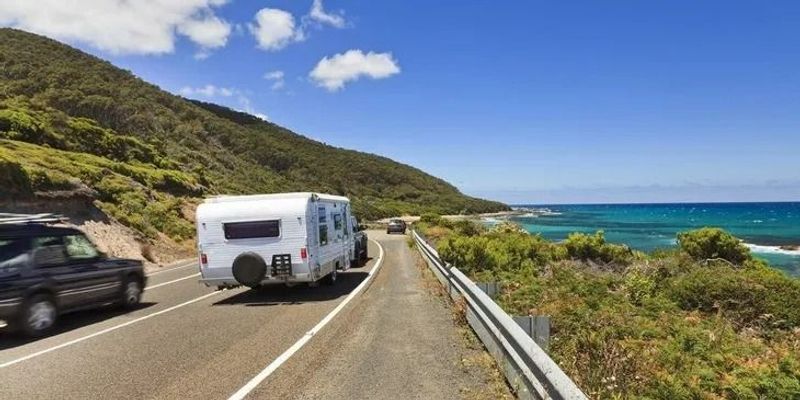
If you are towing a trailer or caravan
Ensure the rearview mirrors on your car are properly adjusted.
Check the tyre pressure of the trailer/caravan's tyres.
Check that the lights and indicators of the trailer/caravan are working correctly.
Ensure the towbar and the towing equipment is secure.
Plan your route beforehand
Be sure you know exactly where you are going and how to get there. Getting lost can be very dangerous, as well as time-consuming. Use the website Google maps (maps.google.co.za), or conventional maps to check and plan your route.
Make sure you have the necessary cash available for any toll roads and petrol.
Let a friend or loved one know where you are going and what route you are taking.
Plan your stops carefully and book accommodation in advance if required. Getting accommodation en route can be difficult during the peak holiday season.
Check the weather report before you embark on your journey (www.weathersa.co.za).
Take note of potential roadworks along your route and plan accordingly.
Additional important items to have in the car
2-litre bottle of water (for emergency drinking, or to be used for the car if necessary).
First aid kit.
Motor oil.
Food (padkos).
A fully-charged cell phone.
Cell phone car charger.
Traditional map, or GPS navigation system, or both.
Emergency triangle and a flashlight.
Get your documents in order
Make sure your driver's license has not expired and that your vehicle license disc is still valid.
If you have an AA membership, make sure it has been renewed.
Check your car insurance policy and be aware of exactly what is covered, what emergency services they provide and what their emergency numbers are.
If you are crossing any borders, make sure your passport or other required documents are up to date and that you have them with you.
Things to consider while on the road
General driving rules
KEEP LEFT, PASS RIGHT.
Do not overload your vehicle.
Don't drink and drive.
Drive with your headlights on, even in the day.
Obey the speed limit.
Don't use your cellphone while driving. Always use a hands-free kit and avoid distracted driving including eating while driving etc.
Every person in the car must be wearing a seatbelt.
Avoid fatigue while driving
Take breaks often or every 200 km.
If you are feeling tired, rather find a place to rest and do the trip in multiple phases.
The effects of caffeine and other stimulants used to keep you awake are only temporary. People often feel more tired once the initial effects wear off. Use such stimulants carefully, and remember they are not a substitute for quality rest.
Navigation devices and applications
There are many GPS Navigation systems available to keep you on the right track during your trip.
The cost of one of these navigation devices will generally range from around R1 000 upwards.
These navigation systems can also point out places of interest, restaurants along the way and places to rest.
If you have a smartphone, download the Trip Advisor app for travel-related information.
Useful South African emergency numbers
Emergencies
10111
Ambulance
10177
The AA
0861 000 234
National 24-hour emergency
112
Crime Stop
086 001 0111
Kia Rio (2020) Launch Review
Despite handsome looks and generous spec, the 4th-generation Kia Rio has struggled to challenge the frontrunners in the compact hatchback segment. However, a mid-cycle facelift and the addition of value-packed 1.4 LS derivatives could see the revised Rio make more buyers’ shortlists. Cars.co.za contributor Terence Steenkamp drove the newcomer during its local launch in Cape Town…
What’s new?
It's a blink-and-you’ll-miss-it facelift to one of the B-segment’s more stylish contenders. Kia introduced its first Rio in 1999 and this 4th-generation model has been around since mid-2017. In the past 3 years, the Rio has established a strong footing in the fleet market (specifically the 1.2 LS), but Kia’s local division hopes to attract more private buyers to showrooms and boost the 5% share the handsome Korean hatchback commands in its segment. By comparison, 35% of cars sold in this sector are VW Polos, while Hyundai’s i20 draws 11% of buyers. There’s work to be done…
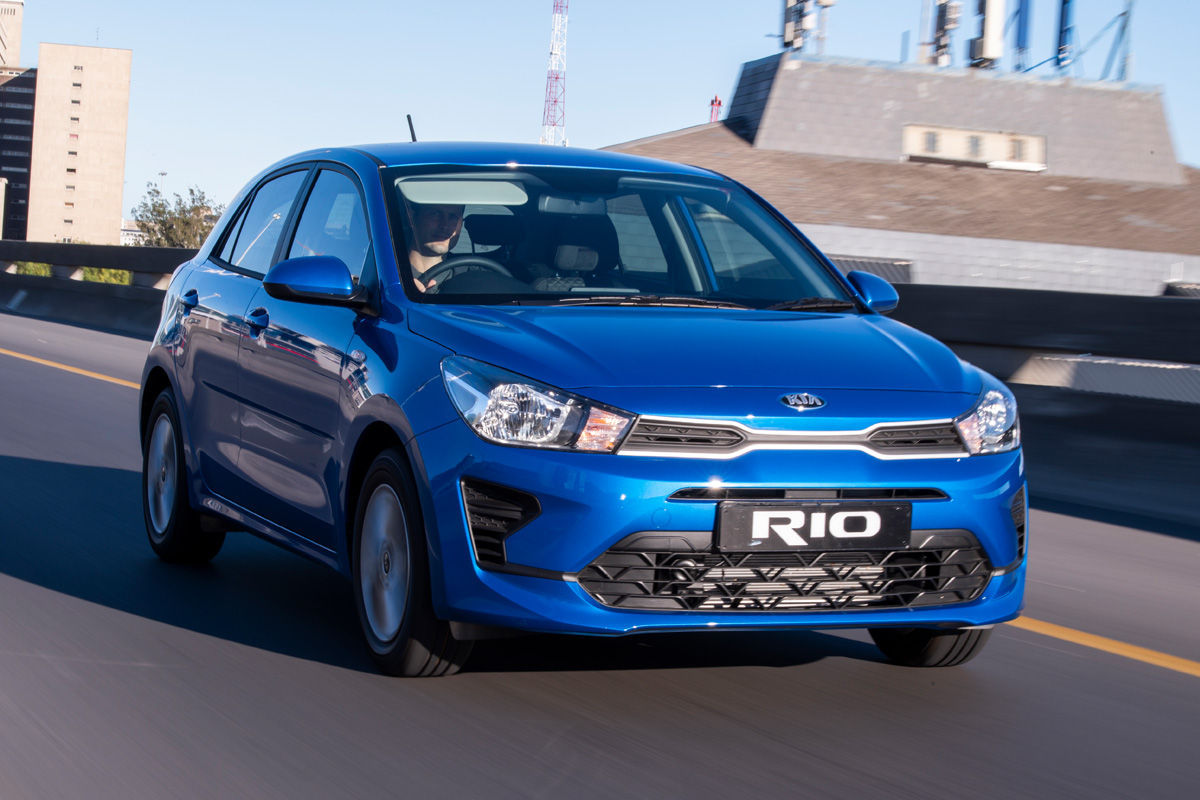
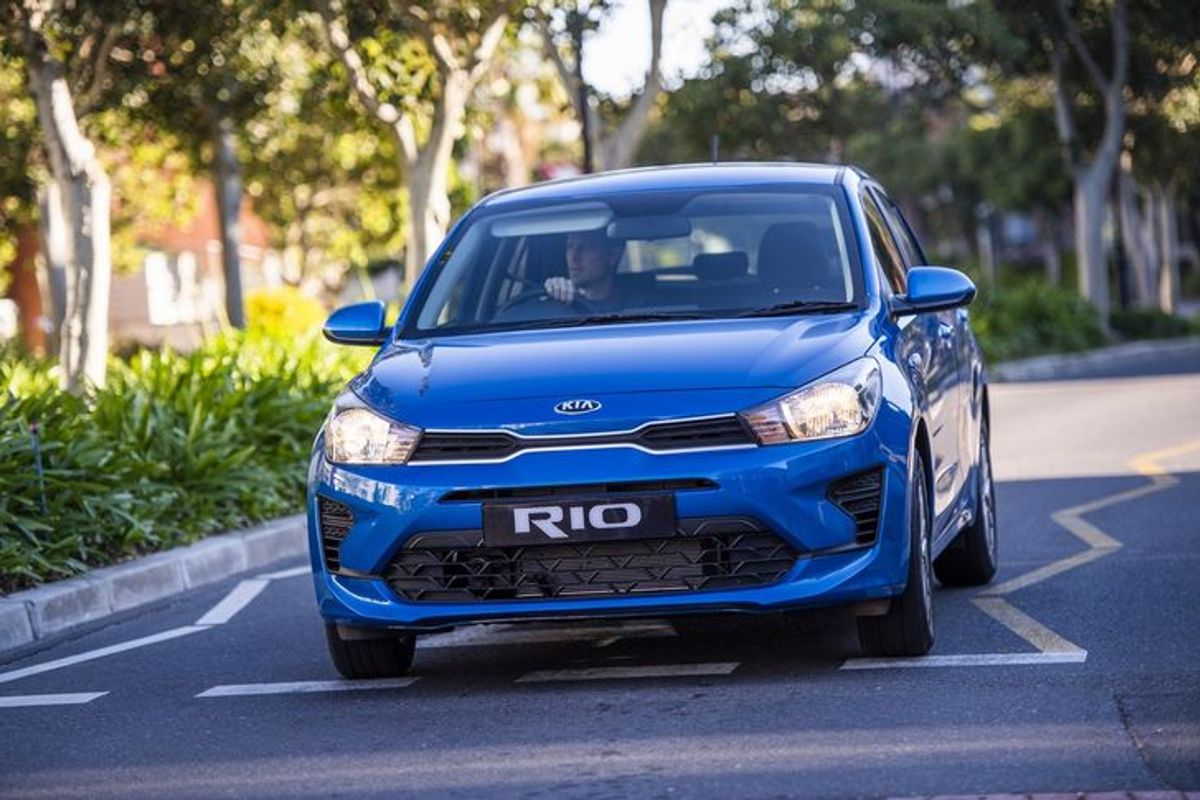
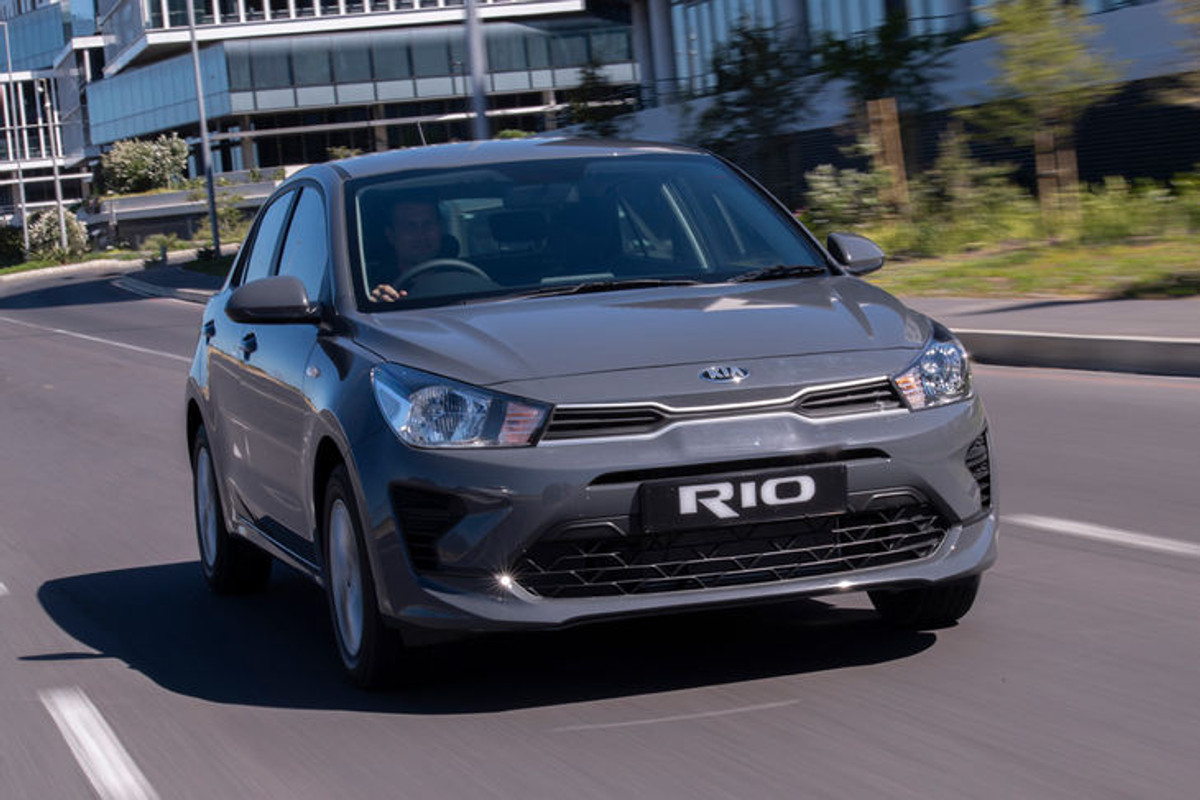
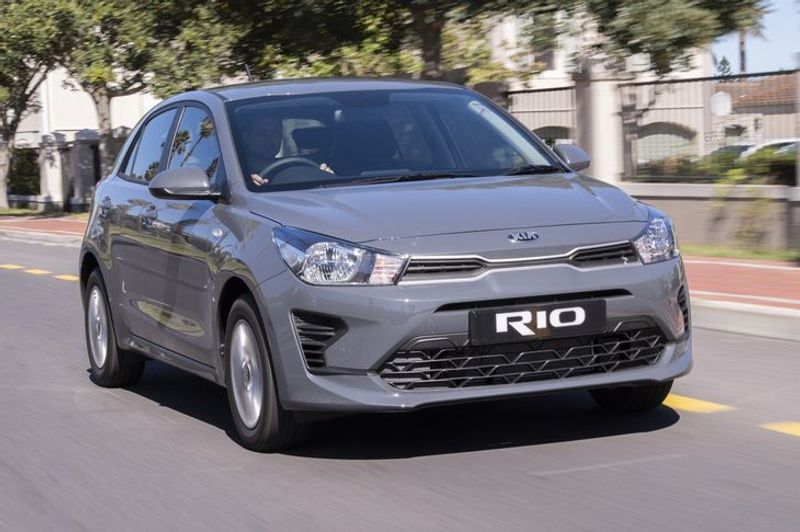
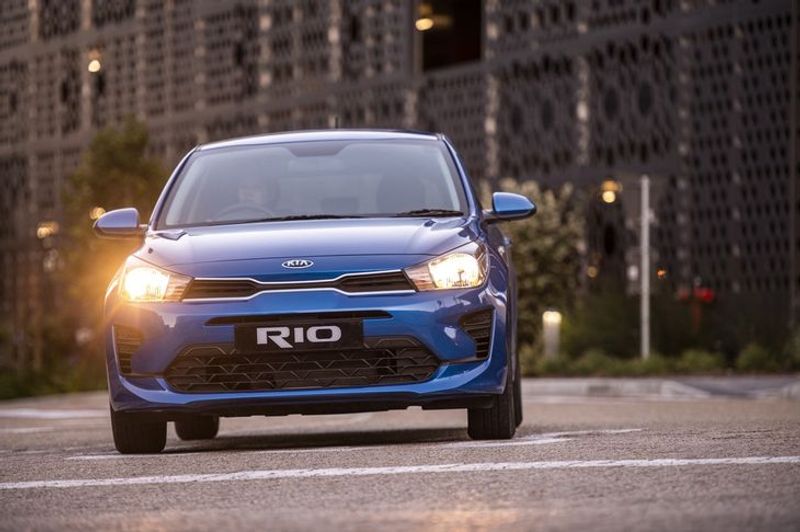
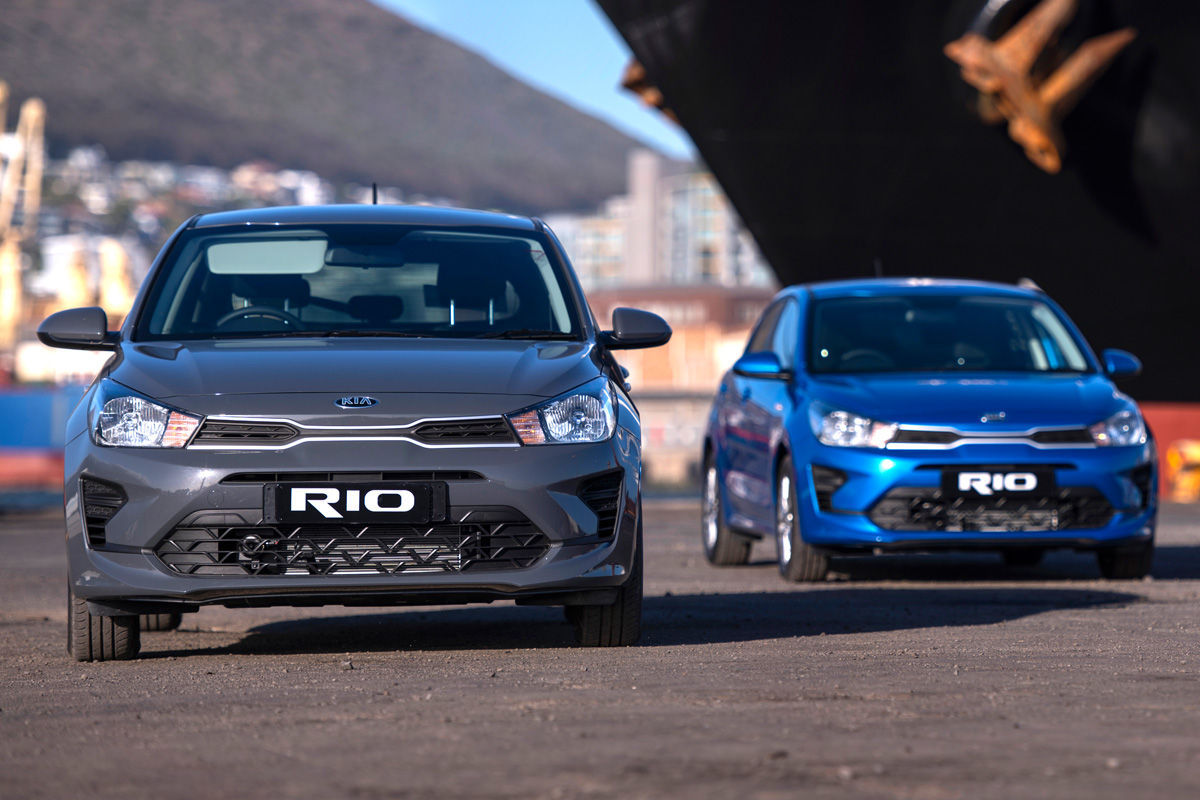
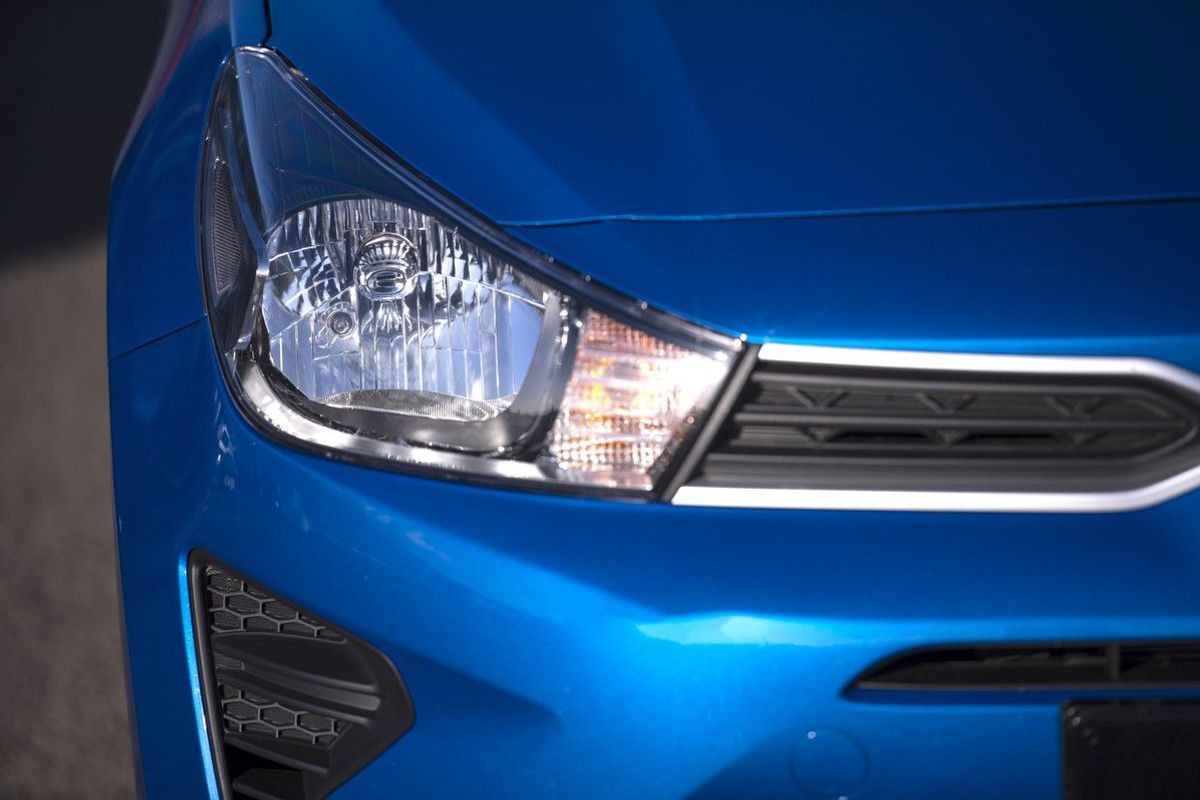
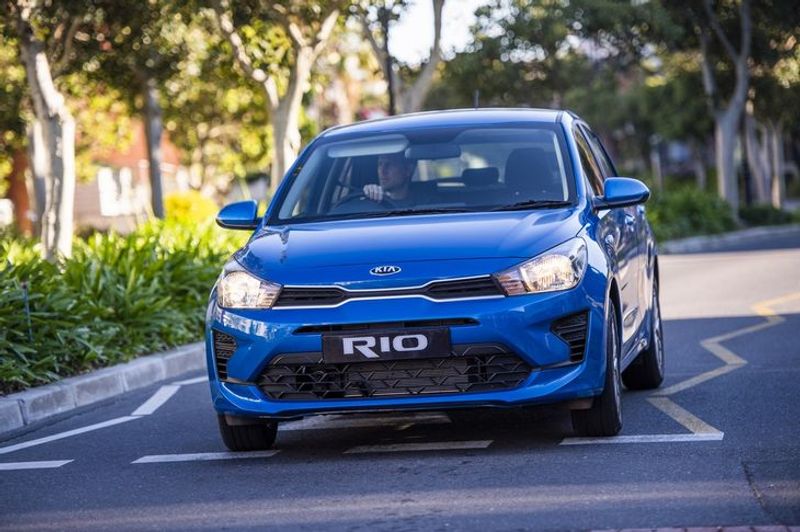
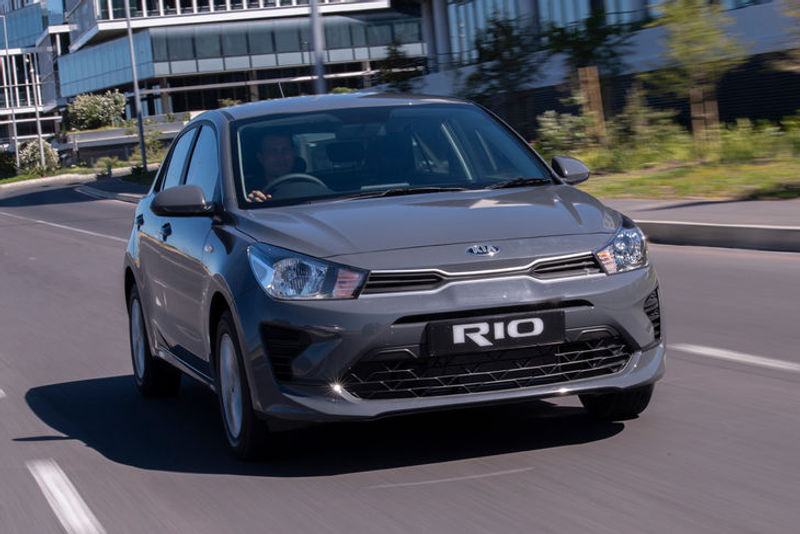
The facelifted Rio features a reprofiled bumper and a pinched 'tiger-nose' grille treatment.
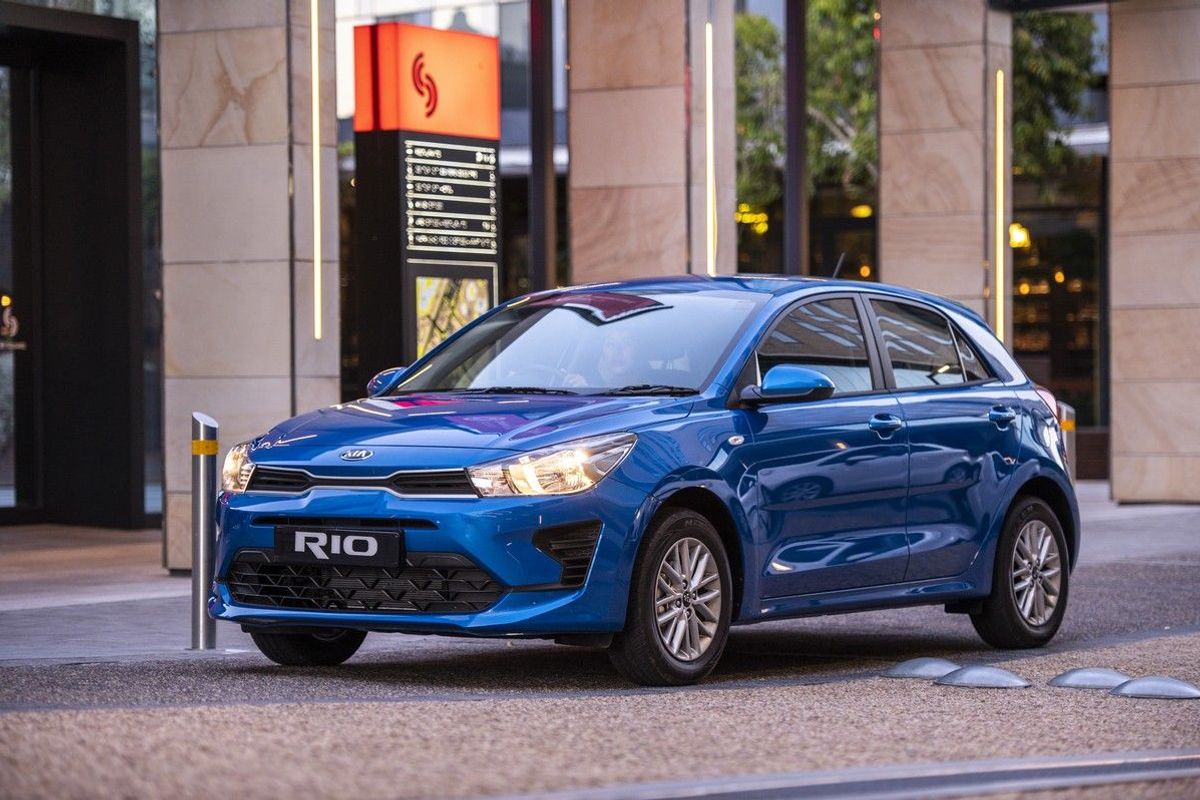
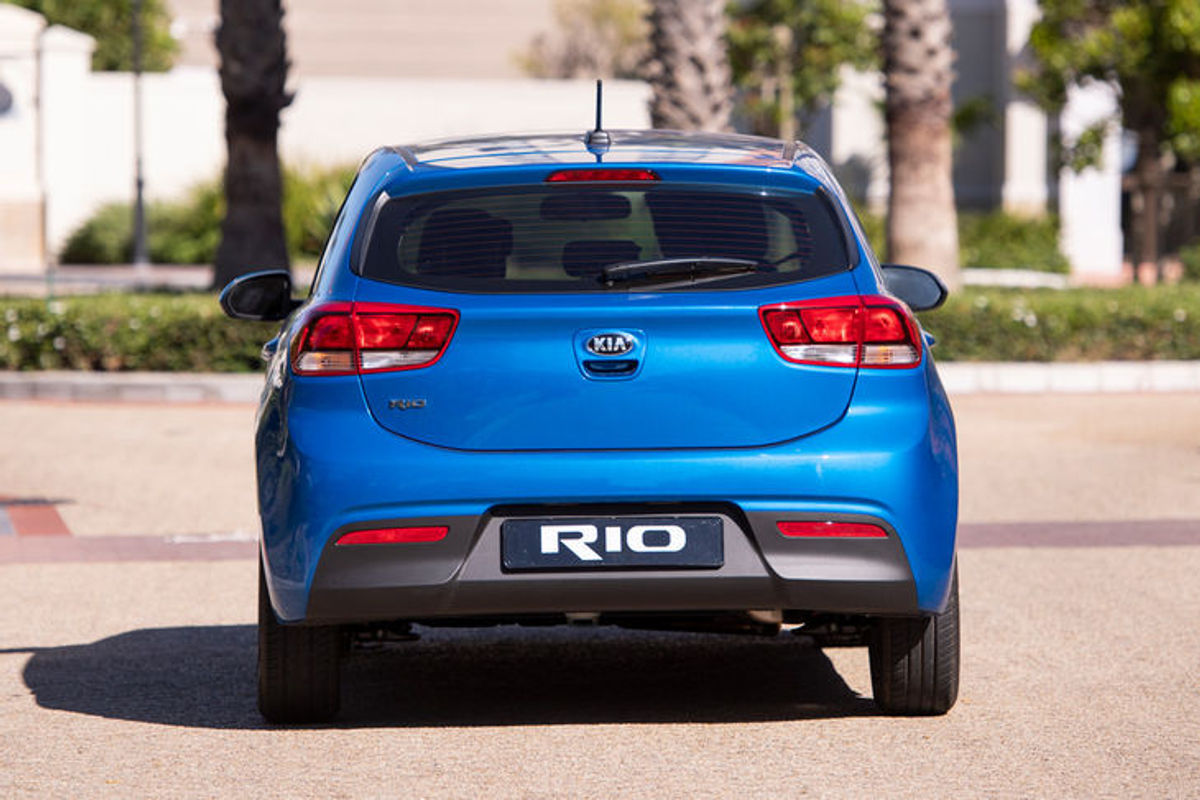
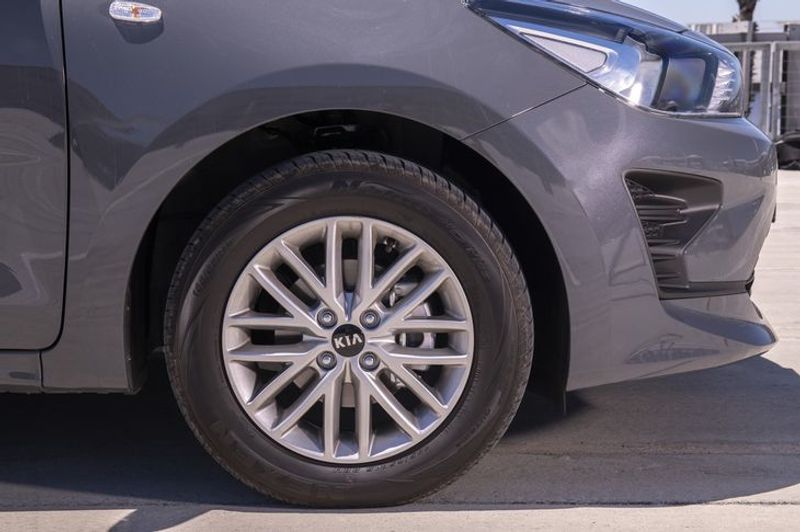
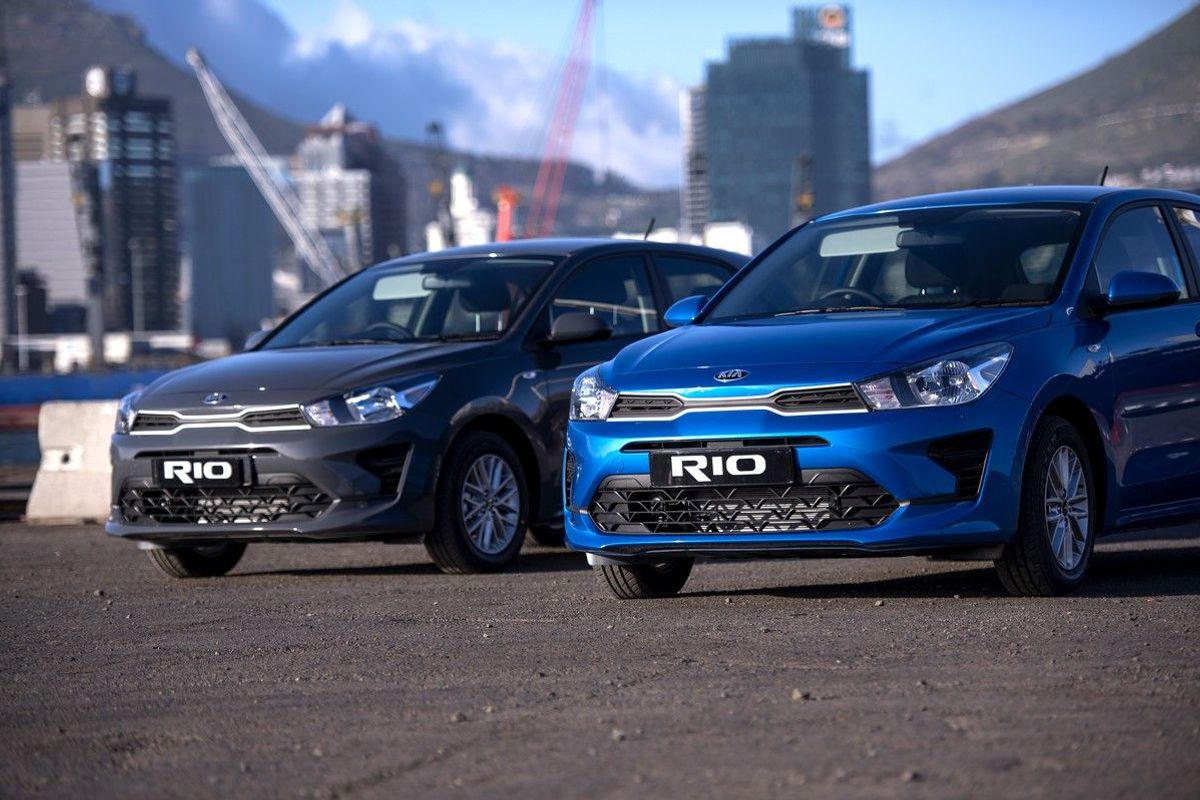
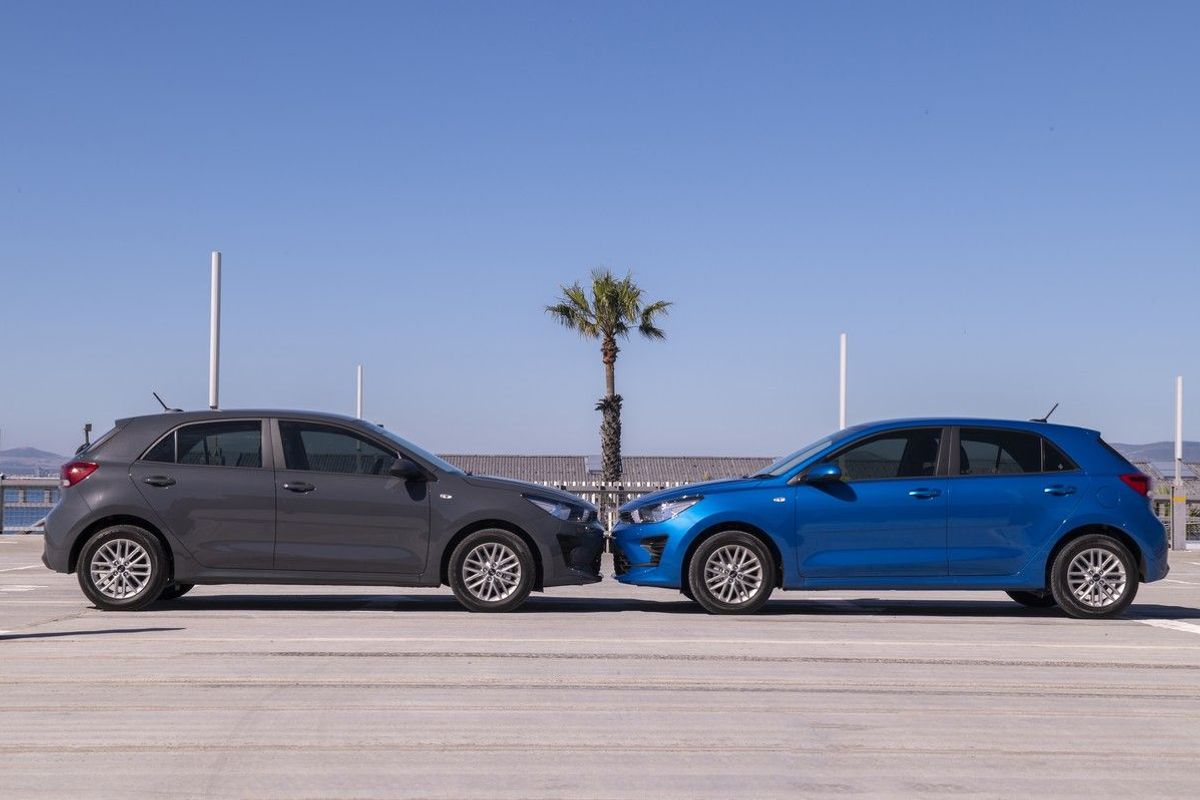
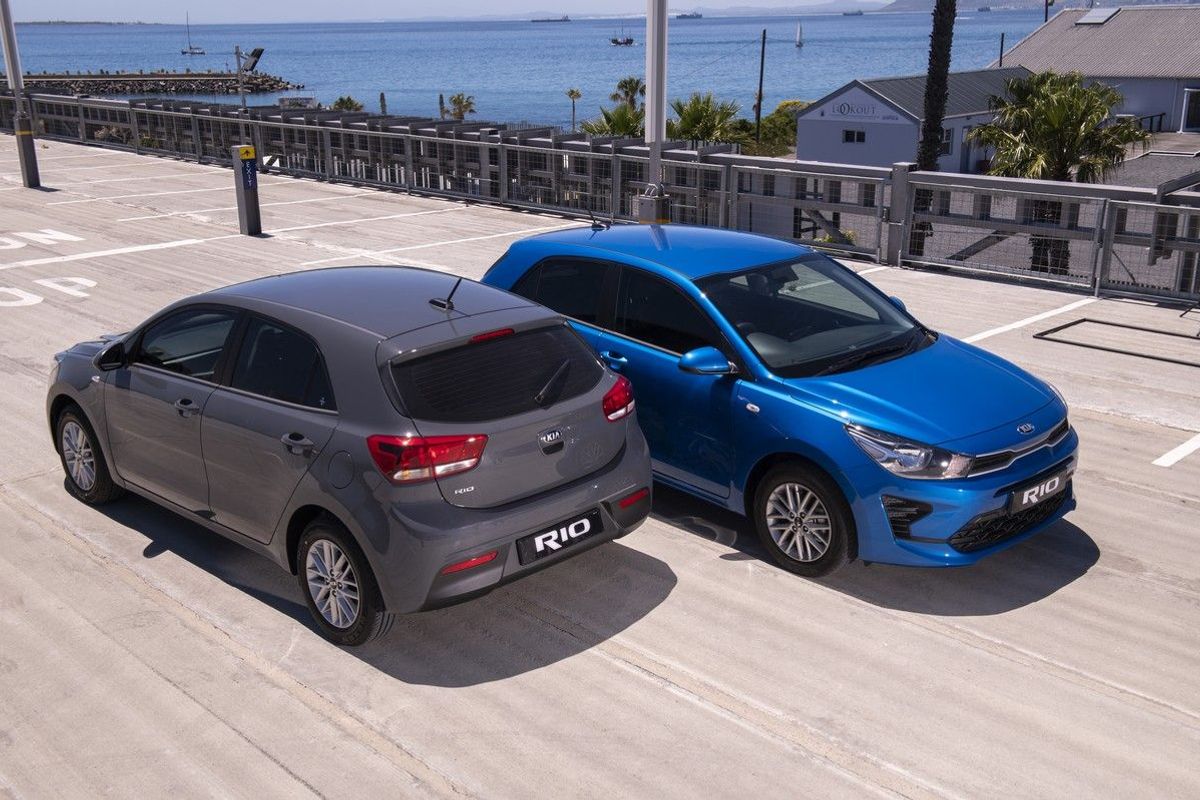
Little of that work’s taken place on the design, but arguably few tweaks needed to be made to the still-contemporary bodywork. You’ll spot a facelifted Rio via its flatter "tiger nose" grille and reprofiled front bumper with relocated fog lamps (the latter on higher-spec derivatives). Entry-level LS grade gains 15-inch alloys wheels as standard, while the 2nd-from-the-top EX grade now boasts 17-inch wheels that mirror those used on the flagship TEC spec. Two new metallic paint colours are offered – Perennial Grey and Sporty Blue, the bright hue perfectly matching the name.
The big news is the addition of the 1.4 LS option; previously, only the 1.2-litre 4-pot was offered in this bottom-rung spec. The engines and transmissions are as before, which means you have the option of a 61 kW/120 Nm 1.2-litre coupled with a 5-speed manual transmission, or a 73 kW/135 Nm 1.4-litre with the option of a 6-speed manual or an auto ‘box with the same ratio count (Kia updated the latter in December 2018; before that, it was an archaic 4-speeder, so it's advisable to double-check the spec of the transmission if you’re in the market for a used Rio automatic).
Even 1.2- and 1.4 LS derivatives of the revamped Kia Rio range come equipped with 15-inch alloys.
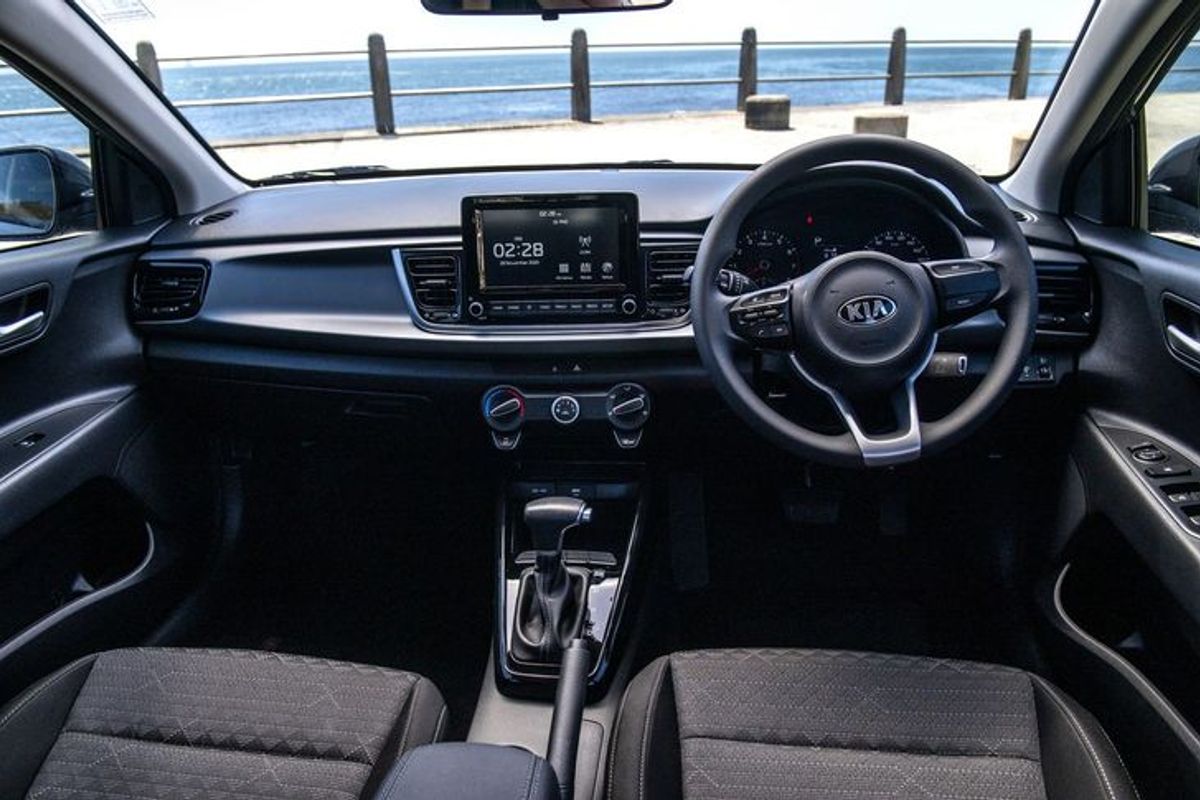
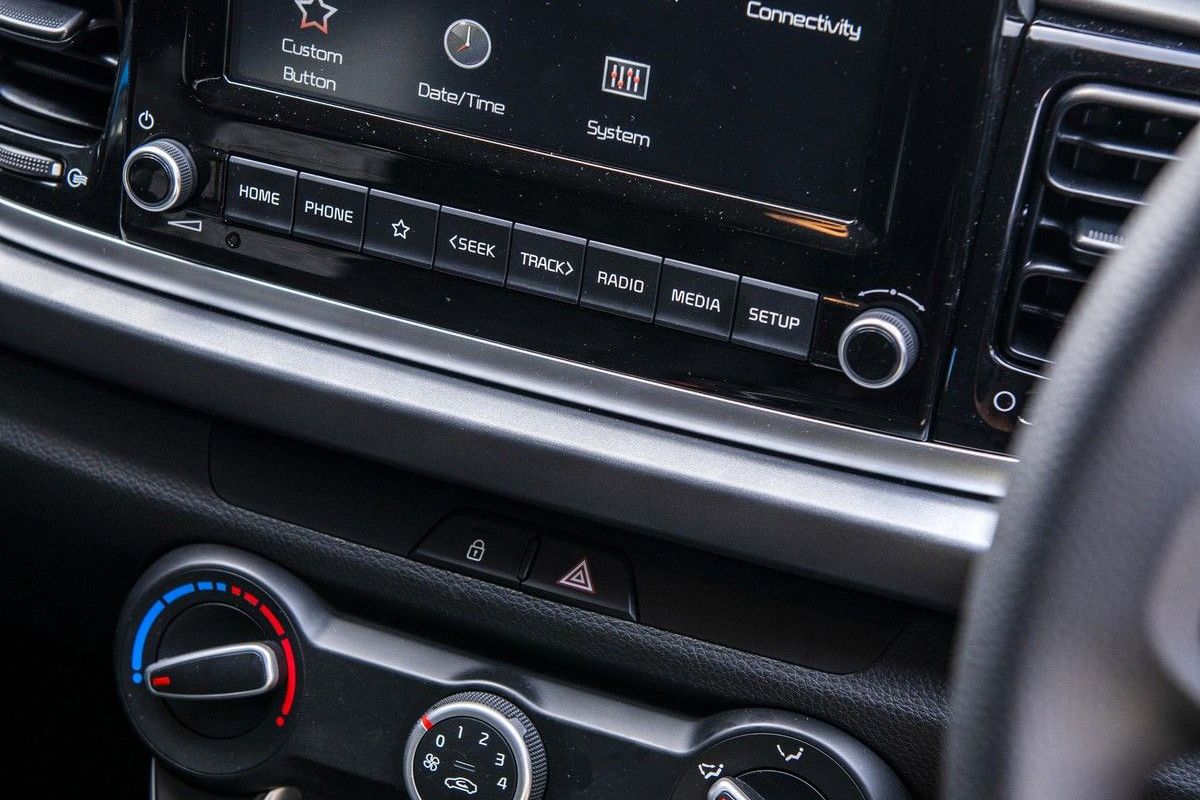
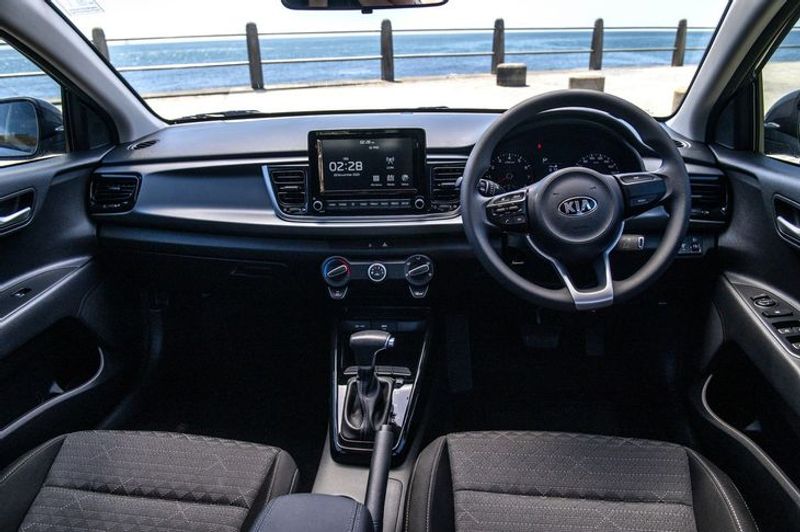
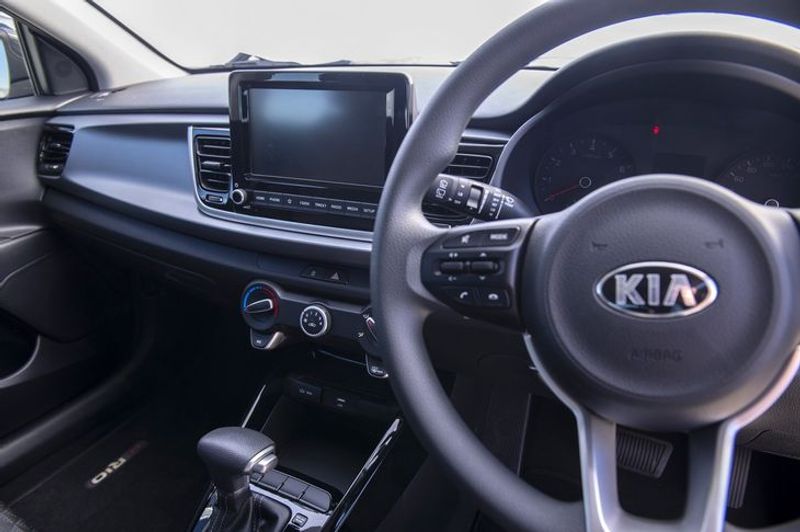
Inside, the changes are subtle but effective. All derivatives now feature an 8-inch touchscreen infotainment system equipped with Apple CarPlay and Android Auto compatibility, as well as Bluetooth telephony and streaming, while separate USB ports serve front and rear passengers. The LS grade also gains 2 speakers (for a total of 6), but only a pair of front airbags are fitted; by contrast, the top-of-the-range 1.4 TEC cushions front occupants’ heads and torsos during side impacts. Electronic stability control has been added to the LX level upwards.
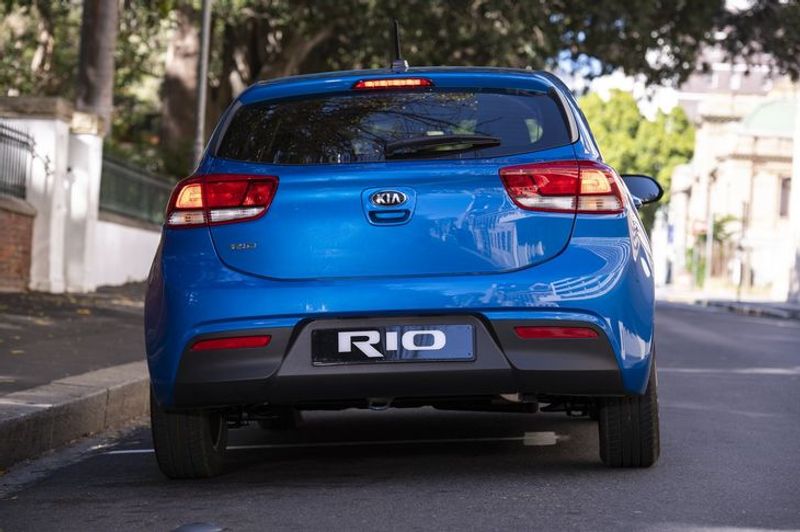
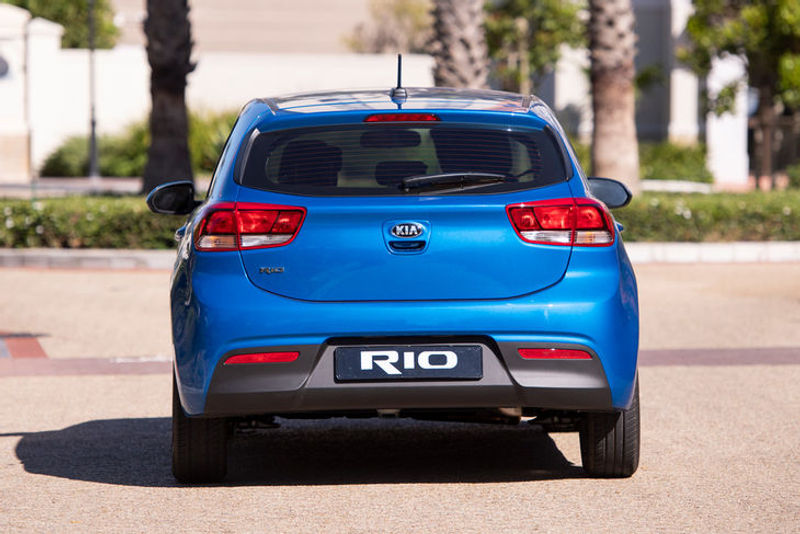
Judging by the solid materials employed throughout the cabin and the lack of rattles and squeaks on both Rio derivatives I drove, the cockpit should hold up well to strenuous daily use. Space throughout is impressive thanks to a comparatively long wheelbase (2 580 mm between the axles). The load bay is claimed to accommodate a class-competitive 325 litres worth of luggage.
If you can afford the 2nd-from-the-bottom 1.4 LS instead of the entry-level 1.2 LS, it's certainly worth a closer look.
What’s it like to drive?
Kia SA was industrious enough to lend me a pre-facelift Rio to pilot on the weekend preceding the launch. Industrious not because doing so highlighted any great advances on the revised version – the facelift’s ultimately too slight for that – but because I had a chance to drive the 1.2 LS and then jump behind the wheel of the new 1.4 LS – a R11 000 pricier option. Let me tell you right here and now: if you can afford the difference, it’s money very well spent (besides netting you an additional 2 years/30 000 km on the service plan, effectively an extra pair of paid-for services).
While the 1.2-litre version is sufficiently punchy at urban speeds, it feels outgunned on the highway. Its 1.4-litre counterpart adds the required pep to make overtaking less of a hair-raising affair and, thanks to that 6th gear, drops the revs to an unobtrusive background murmur at the national speed limit (120 kph). However, if you buy a Rio, accept that performance will lag behind that of the Volkswagen Polo and Ford Fiesta, whose 3-pot turbocharged engines respond with more vigour to throttle inputs from low revs and are more refined overall by comparison.
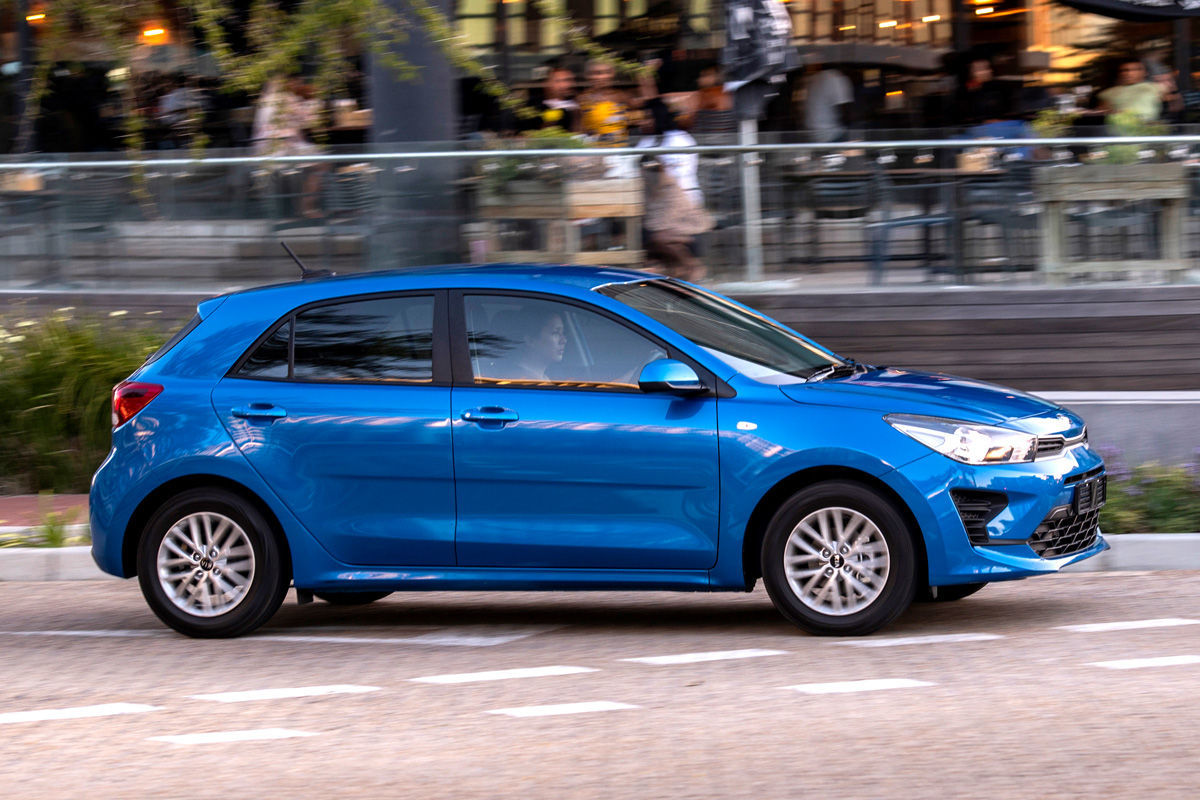
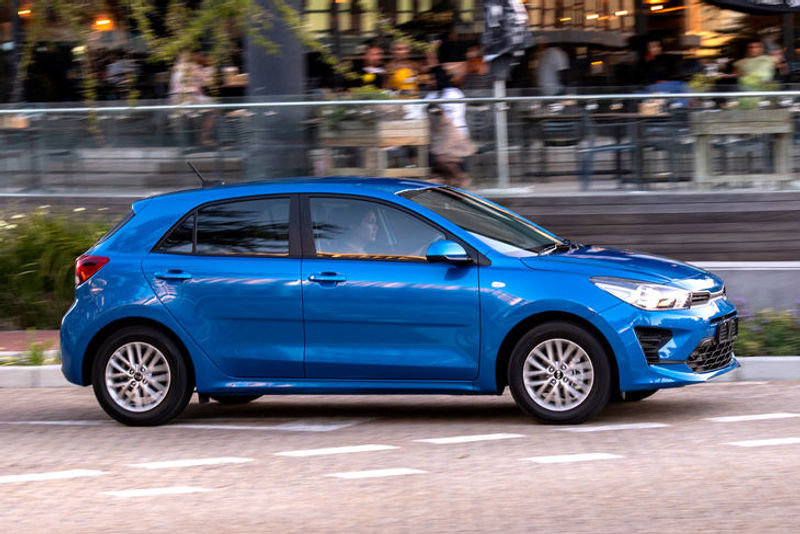
The 1.4 LS rides in a nicely-composed fashion, allied with impressive body control.
I test drove both manual and automatic options and would wholeheartedly recommend the former. The 6-speeder offers tactile, direct shifts and the clutch action is progressive and light, making it easy to drive the manual Rio smoothly. The auto, while a decent example of a torque-converter transmission, constantly hunts between 5th and 6th gears. For in-town use, however, there are obvious advantages to picking the self-shifter.
Thanks to sensible suspension tuning and plump 65-profile tyres encircling the new 15-inch alloy wheels, the 1.4 LS rides in a nicely composed fashion akin to the Polo’s cushioned rolling comfort. Body control is impressive and the secondary ride absorbs road scars well.
Past experience has shown the Rio’s ride quality to be particularly sensitive to wheel sizes, something to keep in mind if you’re eyeing the EX- and TEC-grade derivatives shod with 45-profile rubber. The steering system – controlled through a plastic-rimmed wheel on LS grade – is well-weighted and direct, making it second nature to place the Rio in traffic. Ultimately, this is an easy, fuss-free car to drive.
Value-for-money is ever-important: the 1.4 LS offers virtually everything you need from a lower-spec compact hatchback.
Summary
The addition of the 1.4 LS to the range has tangibly boosted the Rio's appeal. Offering all the standard features most buyers will need – aside from the items already mentioned, the LS grade also includes a central armrest, the usual electric windows and mirrors, steering-wheel-mounted controls and 60:40 split-folding rear seats – with sufficiently punchier performance compared with its 1.2 sibling – it’s the Rio to get.
Priced on the acceptable side of R300 000, the 1.4 LS offers particularly good value against such rivals as the costlier Ford Fiesta 1.0 EcoBoost Trend and Hyundai i20 1.4 Fluid. The main hindrance to bigger sales success, though, will likely remain the slightly cheaper Volkswagen Polo 1.0 TSI Trendline. For those buyers who don’t want to be part of the 35% buying the German option each month, the Korean contender is arguably a more compelling alternative than ever before…
Mini has committed to electrifying its most potent model… That's right, the Mini JCW is going 'E'
The BMW-owned and Oxford-based brand has confirmed that it is developing a battery-powered version of the JCW. For those followers of all things hot hatch, the JCW will be transitioning from petrol power to batteries.
Although dedicated fans of the JCW nameplate might wonder how much could possibly be lost, in this move from turbopetrol to battery power, there is no issue from Mini’s engineering team.
Mini’s technical staff has confirmed that it is in an advanced stage of development with the electric JCW and the benchmark is the current 2.0-litre petrol version.
From the prototype testing images, there are some notable design elements to notice. As with all JCWs, this electric version will have a huge rear wing that is fixed in its geometry. It also adds some interesting wheel-arch spoilers.
Although Mini has not detailed the battery chemistry, energy density or power grade for its electric JCW, it should produce 225 kW or a bit more.
The current Mini platform is not a dedicated EV architecture and that has meant significant compromises in terms of packaging, weight and range. Mini’s electrical engineers will be challenged to boost performance to levels that will be authentic to any battery-powered JCW’s badging and expectations.
Product planners at Mini realise that it would be in a difficult position to replace the current JWC with an electric version that makes less power, or offers slower performance.
One technical feature that is certain, applies to the car’s agility and mid-corner balance. With a T-shaped battery pack in the JCW prototype’s floorplan, it will have superior weight distribution to the petrol version.
With the battery-powered JCW having a much lower centre of gravity, it should be able to corner much flatter on challenging roads…
Apart from incorporating a mild aesthetic update, the refreshed Kia Rio now offers improved specification (such as a standard 8-inch touchscreen infotainment system throughout the line-up). What's more, the Korean compact hatchback range has been consolidated through the addition of 1.4 LS manual and automatic derivatives.
By increasing the standard specification across the 4th-generation Rio range, Kia Motors South Africa looks to ramp up the value proposition of one of the B-segment's mainstays, which arrived on local shores in 2017.
The exterior design updates mostly pertain to the Rio's front end – the "tiger-nose" grille has been narrowed to create a more focused appearance, matched by a lower, wider front bumper and distinctive foglamp housings. Two new colours are available: Perennial Grey- and Sporty Blue metallic.
Bigger touchscreen for all versions
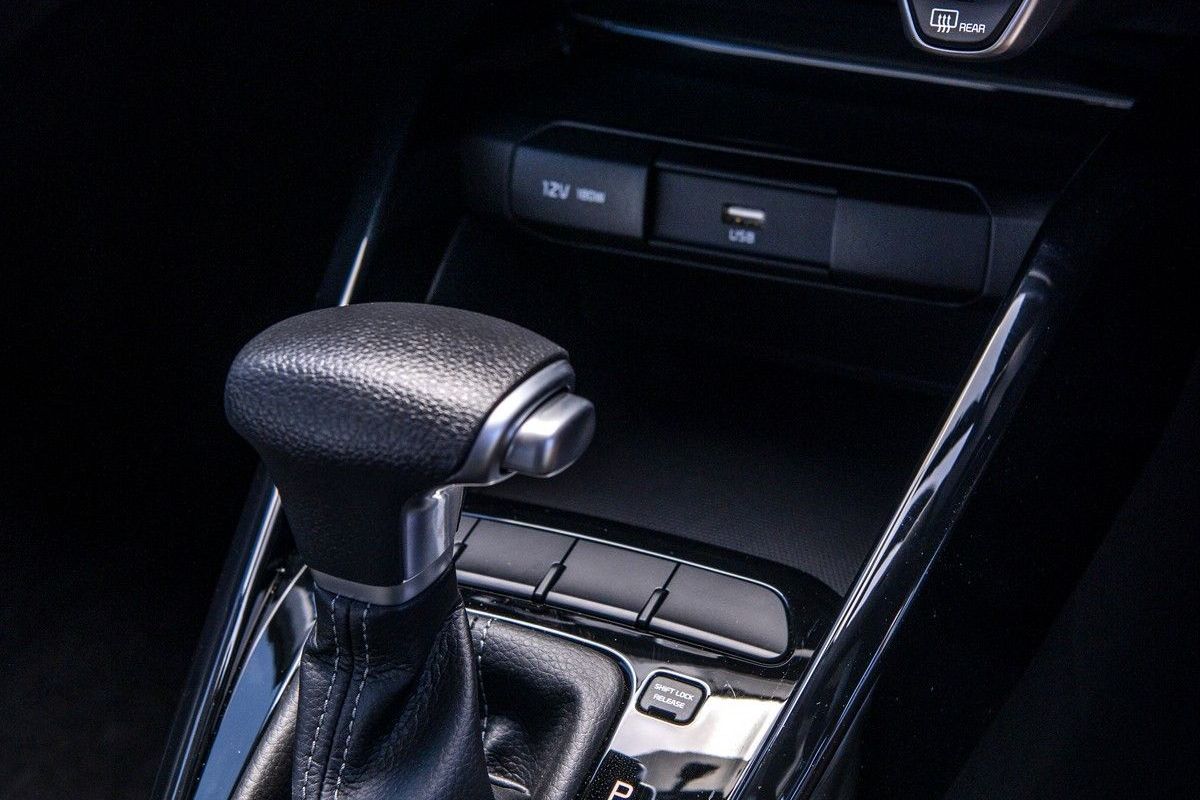
As far as interior enhancements to the Rio are concerned, the main update is an upgrade of the infotainment system's colour touchscreen (from 7- to 8-inches), which is also now standard across the Rio range. Front passengers benefit from the standard USB and auxiliary-in ports, Apple CarPlay and Android Auto compatibility, plus an additional 12V power socket has been made available.
All derivatives feature multifunction steering wheels with mounted audio controls and Bluetooth connectivity for hands-free telephony.
Unchanged engine line-up
Kia has opted to retain the 1.25-litre and 1.4-litre MPI (multi-point injection) petrol engines that have done duty in the Rio since its launch in 2017.
The 1.25-litre engine produces peak power of 61 kW at 6 000 rpm and 120 Nm torque at 4 000 rpm. The 1.4-litre engine produces 73 kW at 6 300 rpm and 135 Nm torque at 4 200 rpm. Both engines apply power to the front wheels, either through a 5-speed manual transmission (on the 1.2 LS) or a 6-speed manual or 6-speed automatic transmission (on 1.4-litre derivatives).
Updated spec throughout
The Rio 1.2 LS remains the entry-level derivative but, just above it, Kia has added 1.4-litre LS derivatives to the range. Following the range revision, the specification includes – inter alia – manual aircon, electric windows and -side mirrors, central locking with an alarm and immobiliser, 6 speakers (up from 4 speakers), steering wheel-mounted remote audio controls, a rake- and reach-adjustable steering column and headlight adjustment.
Apart from the standard 8-inch colour touchscreen infotainment system that is now available across the range, Rio LS models now also gain 15-inch alloy wheels, replacing the pre-facelift LS derivatives’ steel wheels with plastic wheel covers.
The LX grade, which is only available with the 1.4-litre engine, notably gains front fog lights, a centre-console armrest, a leather-wrapped steering wheel and gearknob/transmission lever, plus a new 4.2-inch LCD Supervision instrument cluster. Side mirrors now include an auto-folding function with integrated indicators, while the vehicle’s lighting system gains automatic light control with an escort and Welcome Home function.
The EX grade, which is also available only with the 1.4-litre engine, additionally features LED daytime running lights, a rear park assistance system with integrated reverse-view camera (with dynamic guidelines) and 17-inch alloy wheels (upgraded from the previous model’s 15-inch wheels).
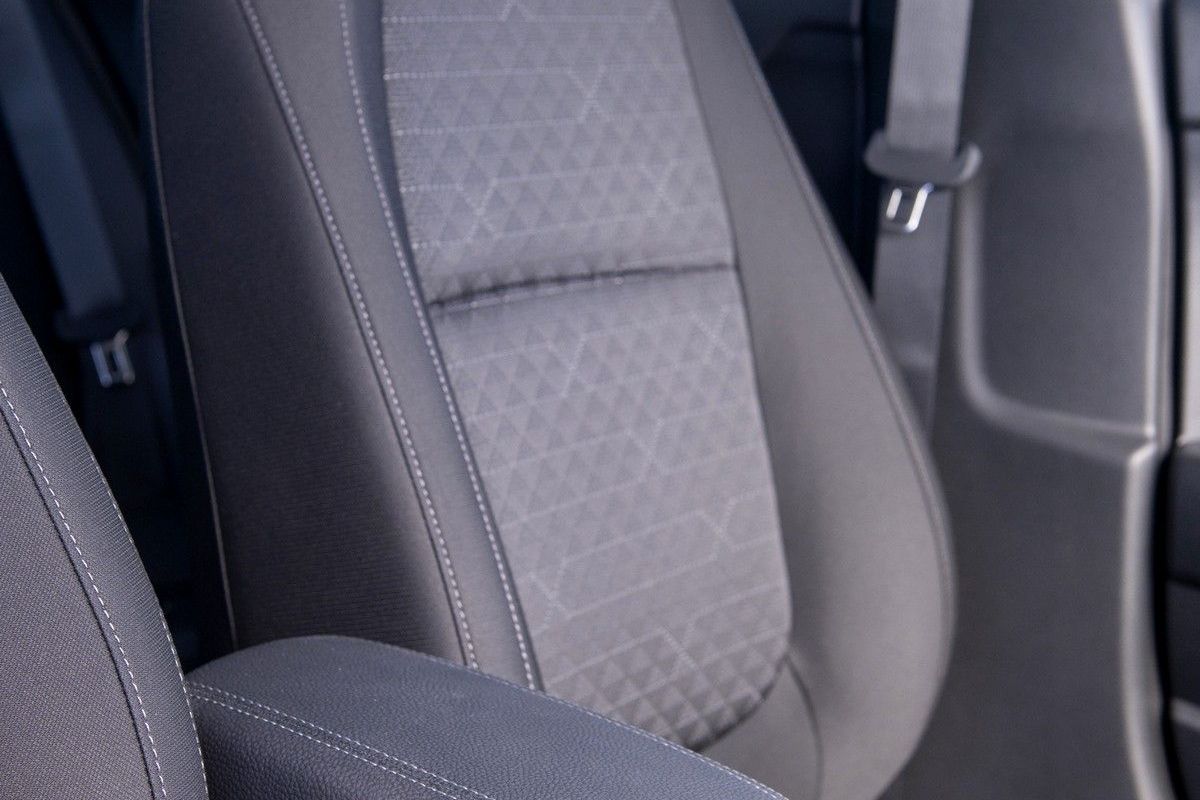
The 1.4 TEC (manual and auto) remains the flagship of the the Rio range. Compared with the EX grade, it features automatic aircon, rain-sensing windscreen wipers, LED rear combination lamps, cruise control, an electro-chromatic rear-view mirror, alloy pedals and leather upholstery.
Safety-wise, along with driver’s and front passenger’s airbags (including side and curtain airbags in the 1.4 TEC), all Rio derivatives come equipped with front seatbelt pre-tensioners with load limiters, side door impact beams front and rear, child locks, and impact-sensing door unlocking function.
ISOfix child seat anchors are standard, as is ABS. Electronic Stability Control and Hill-start Assist Control features on LX-grade derivatives and up.
Kia Rio prices in South Africa (Nov 2020)
All Kia models come standard with a 5-year unlimited-kilometre warranty and roadside assistance. All the derivatives in the range are offered with a 4-year/60 000 km service plan, with the exception of 1.2 LS (2-year/60 000 km service plan).
1.2 LS Manual
R280 995
1.4 LS Manual
R291 995
1.4 LS Auto
R308 995
1.4 LX Manual
R306 995
1.4 LX Auto
R323 995
1.4 EX Manual
R319 995
1.4 EX Auto
R336 995
1.4 TEC Manual
R344 995
1.4 TEC Auto
R361 995
The 1.4 TEC derivatives may also be ordered with a factory-fitted sunroof (R8 000).