Better infotainment is the big theme, with this hot hatch.
If you like your hot hatches German-funded, with British brand legacy, the latest Mini JCW update should be of interest.
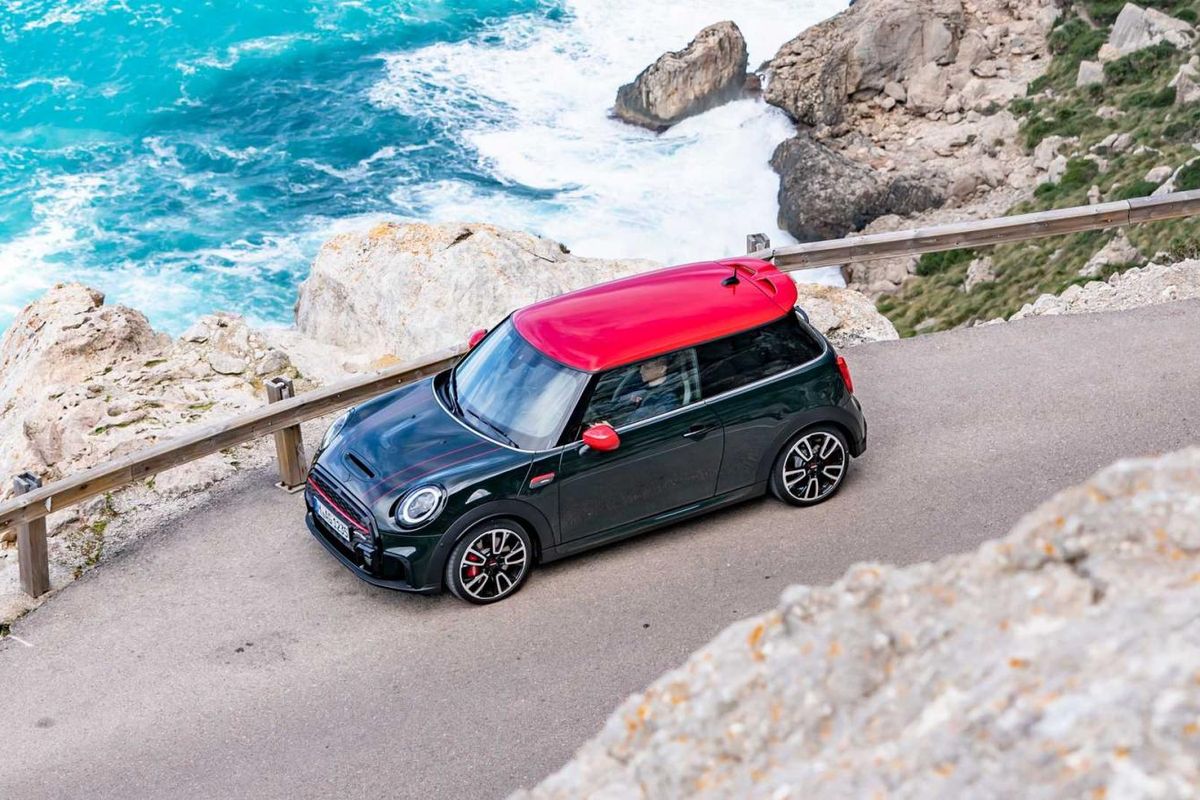
The potent 2-litre hot hatch has not changed much of its mechanical bits, but there are some slight design and cabin updates.
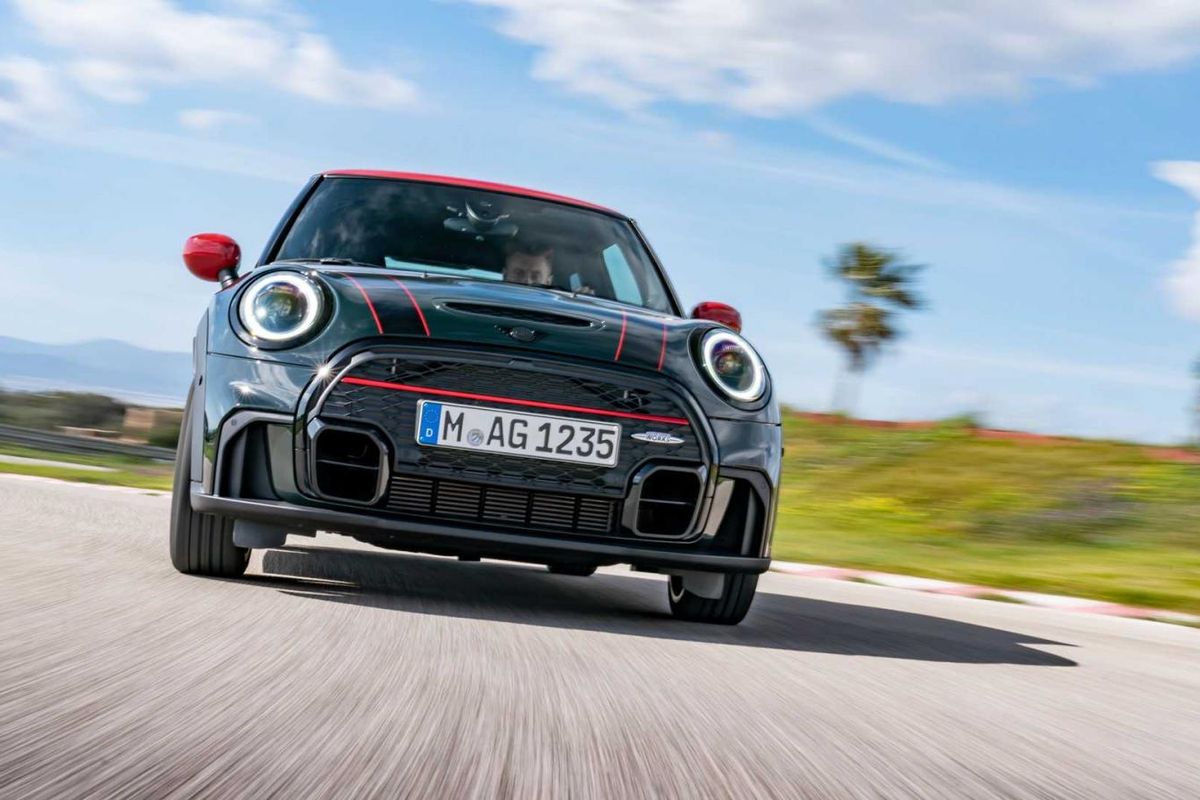
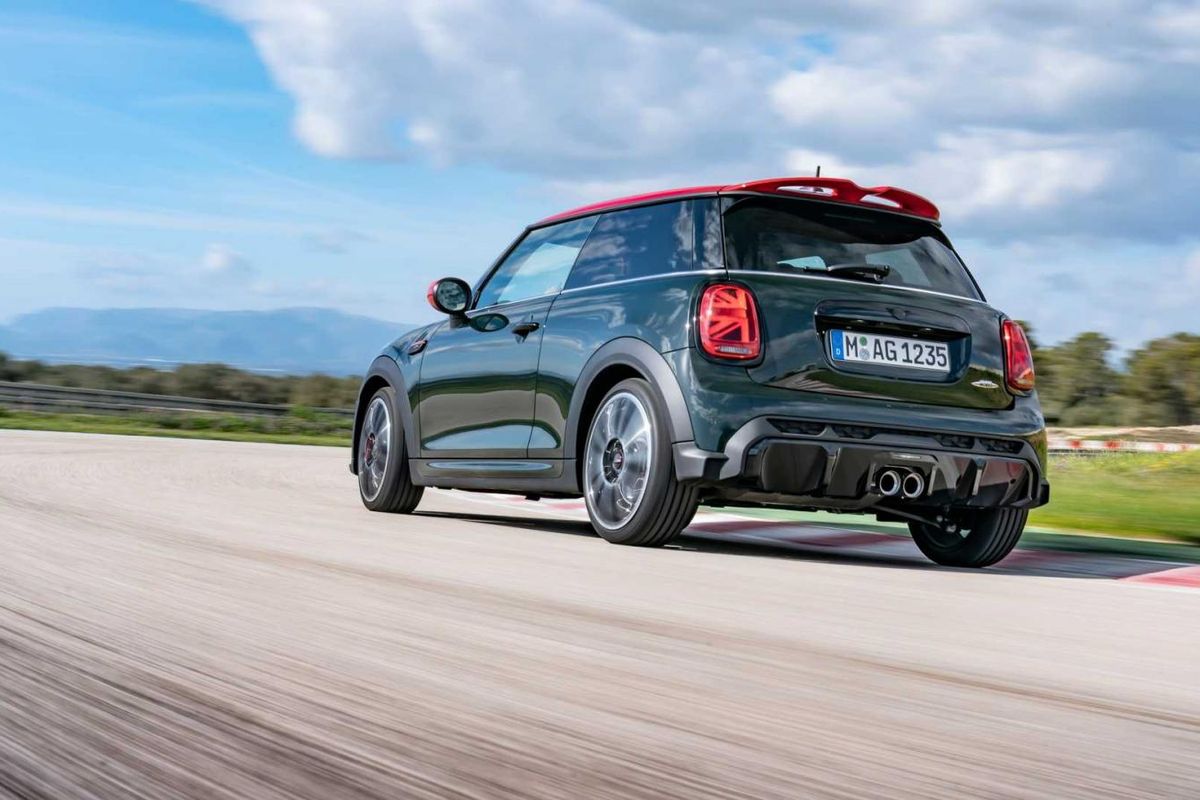
Those who obsess about all things Mini, will notice the JCW has some additional red colouring around the hexagon grille, which is also larger than on non-JCW Minis.
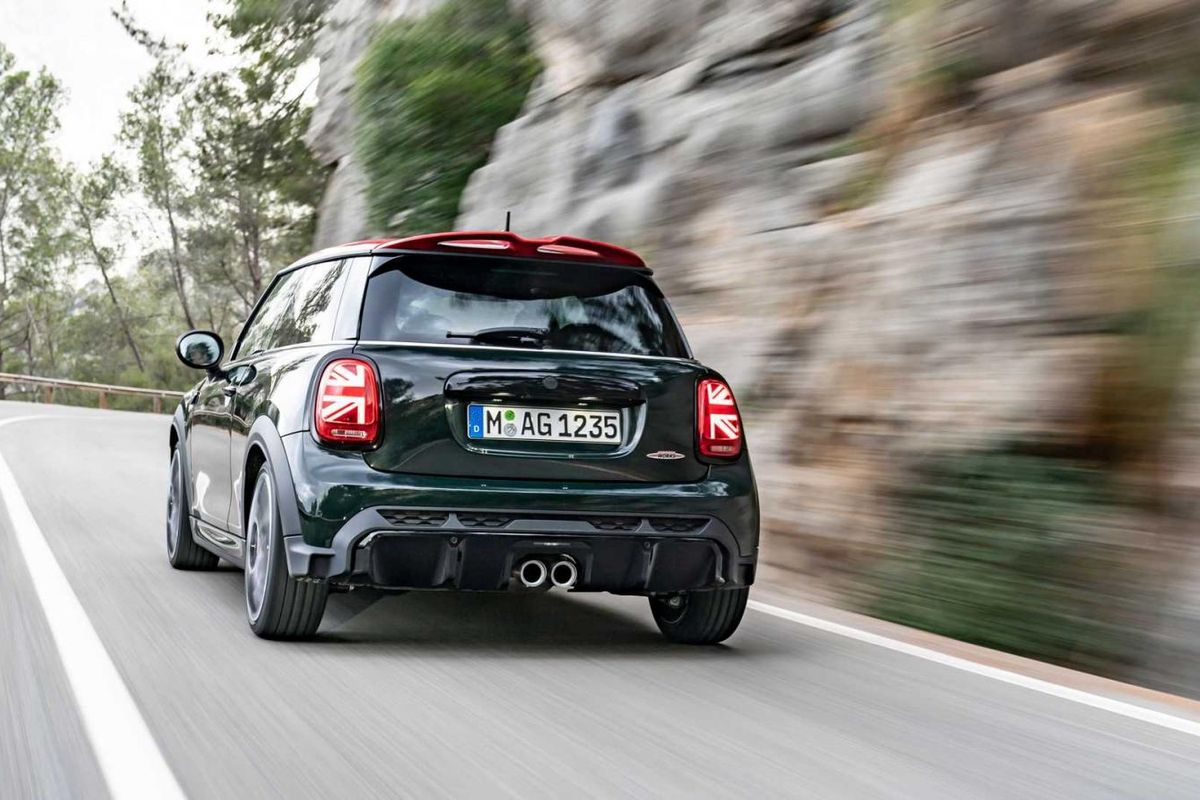
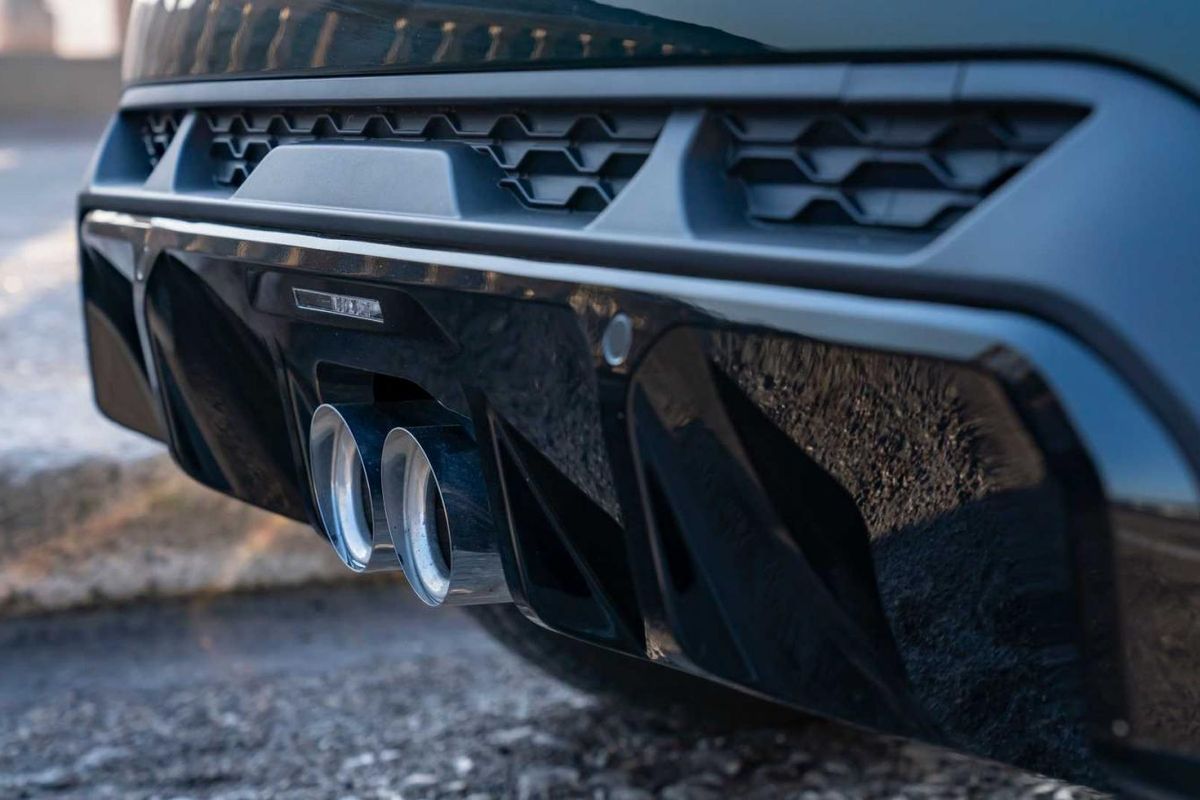
Mini designers have also added JCW-specific front side panels and those front air intakes and aero fins below the bumper should enhance its cooling and stability. Around the rear there is a reshaped apron and diffusor, promising accelerated airflow and a modicum of increased downforce.
Powering the 2021 model year JCW is BMW’s 2-litre turbopetrol engine, boosting 170 kW and 320 Nm. No power increase, then. Owners can choose between an eight-speed automatic or a six-speed manual gearbox.
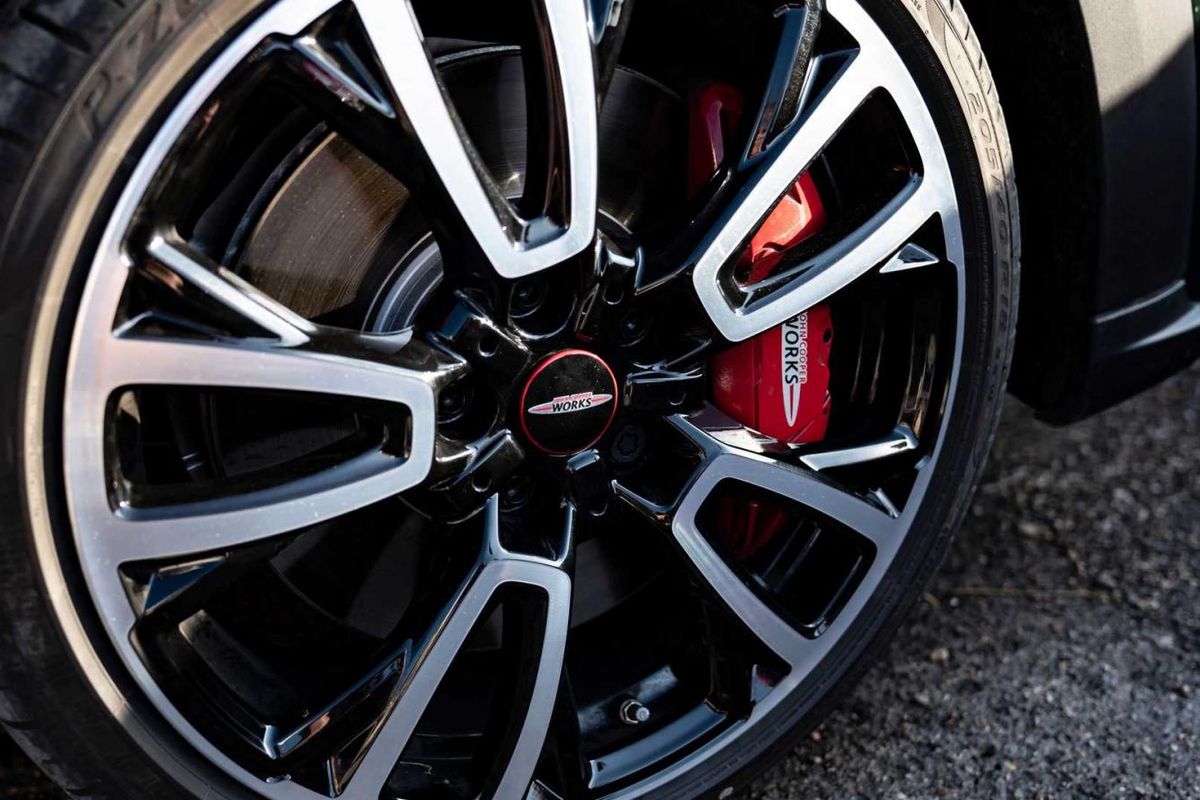
The JCW also carries over its pre-facelift sport suspension component. There is now the option of adaptive suspension, too, with frequency-selective damping – but as is the case with most of these systems, the best setting for local roads will be ‘comfort’.
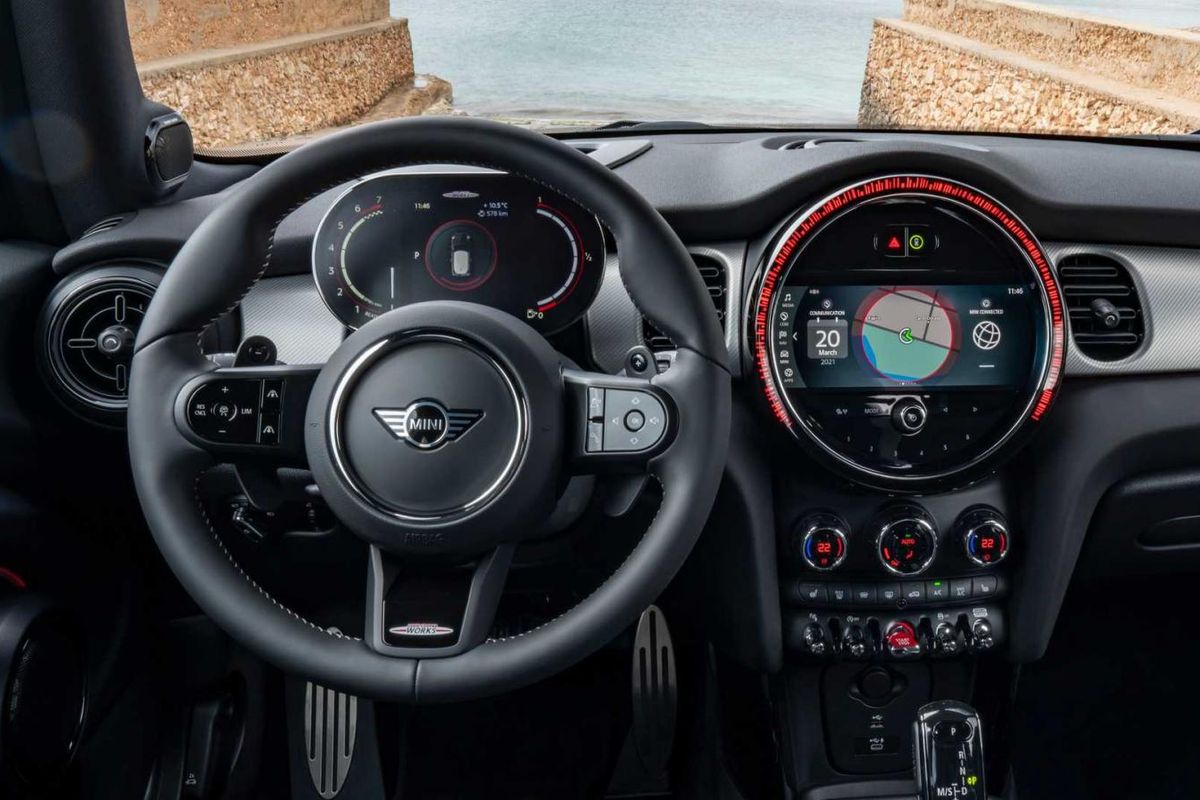
Perhaps the most notable change for Mini’s 2021 model year JCW hatch is a new operating system, controlling its infotainment. Mini has sourced better graphics and attempted to improve the system’s UX, which includes live widgets.
For those Mini drivers who are heavily influenced by mood lighting, the JCW has added some new colours to its selectable cabin lighting.
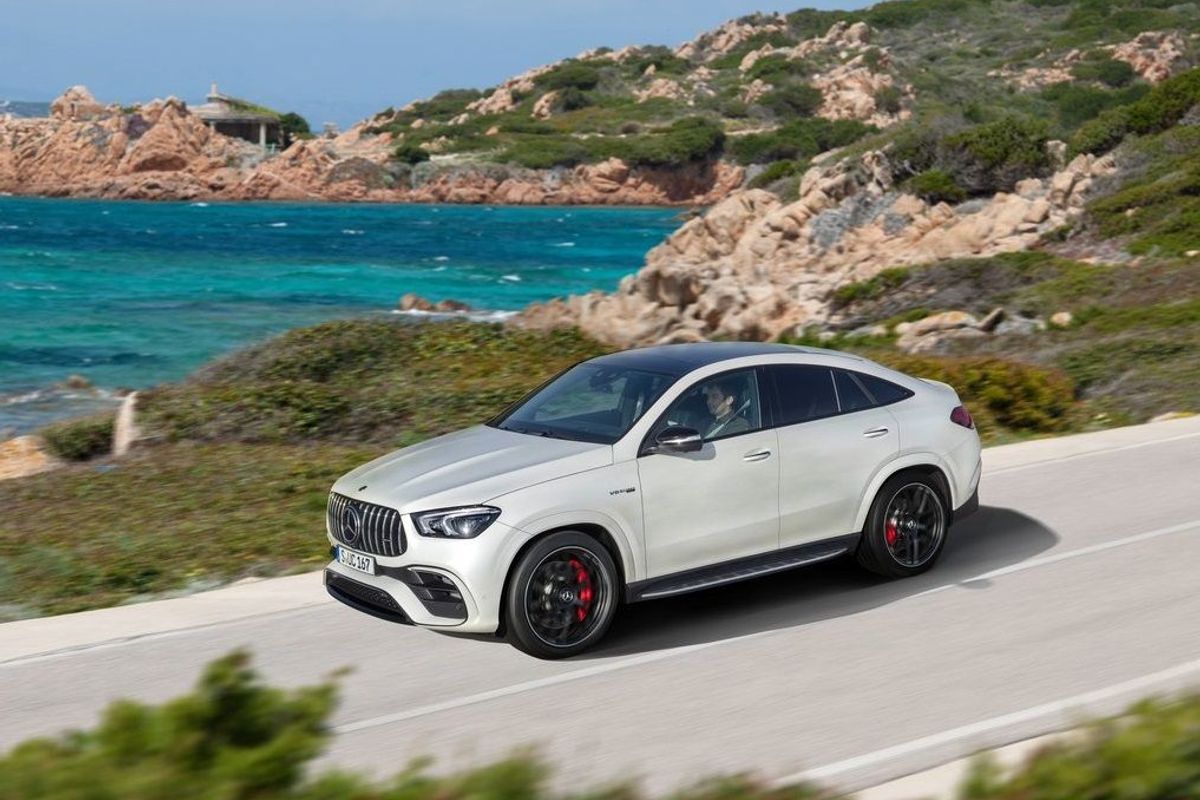
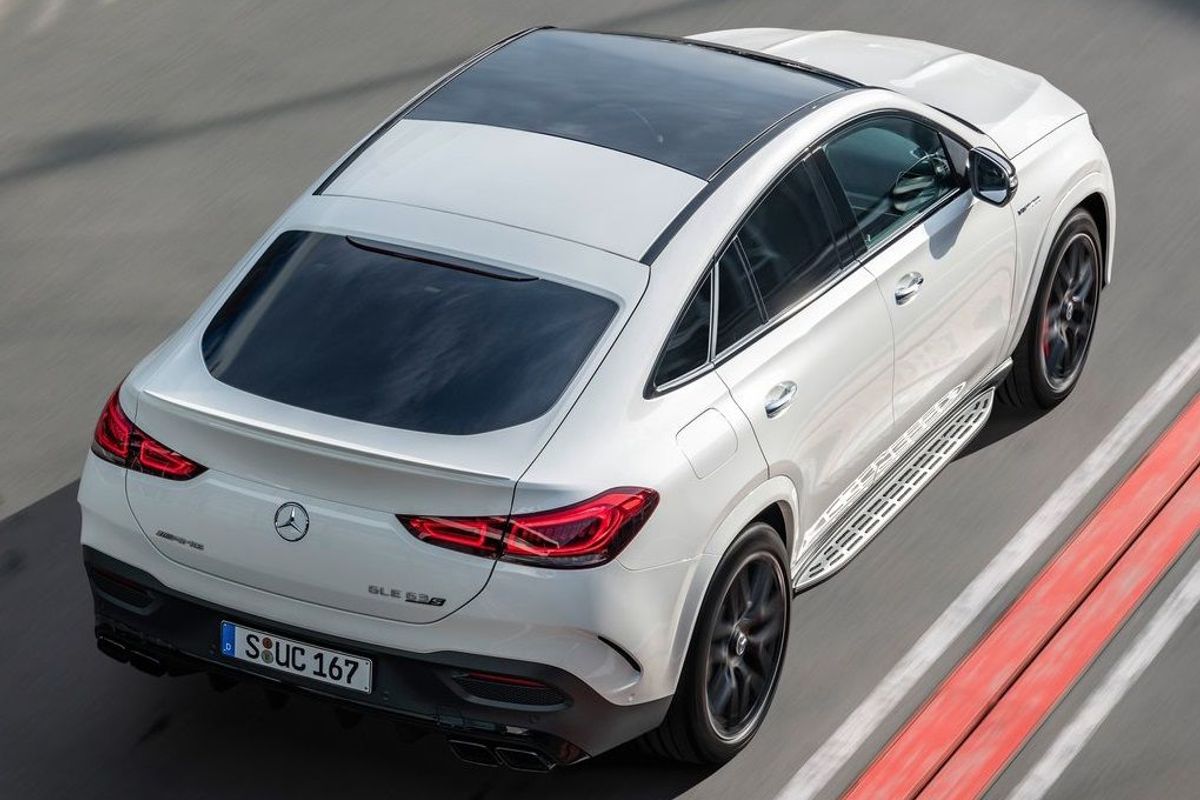
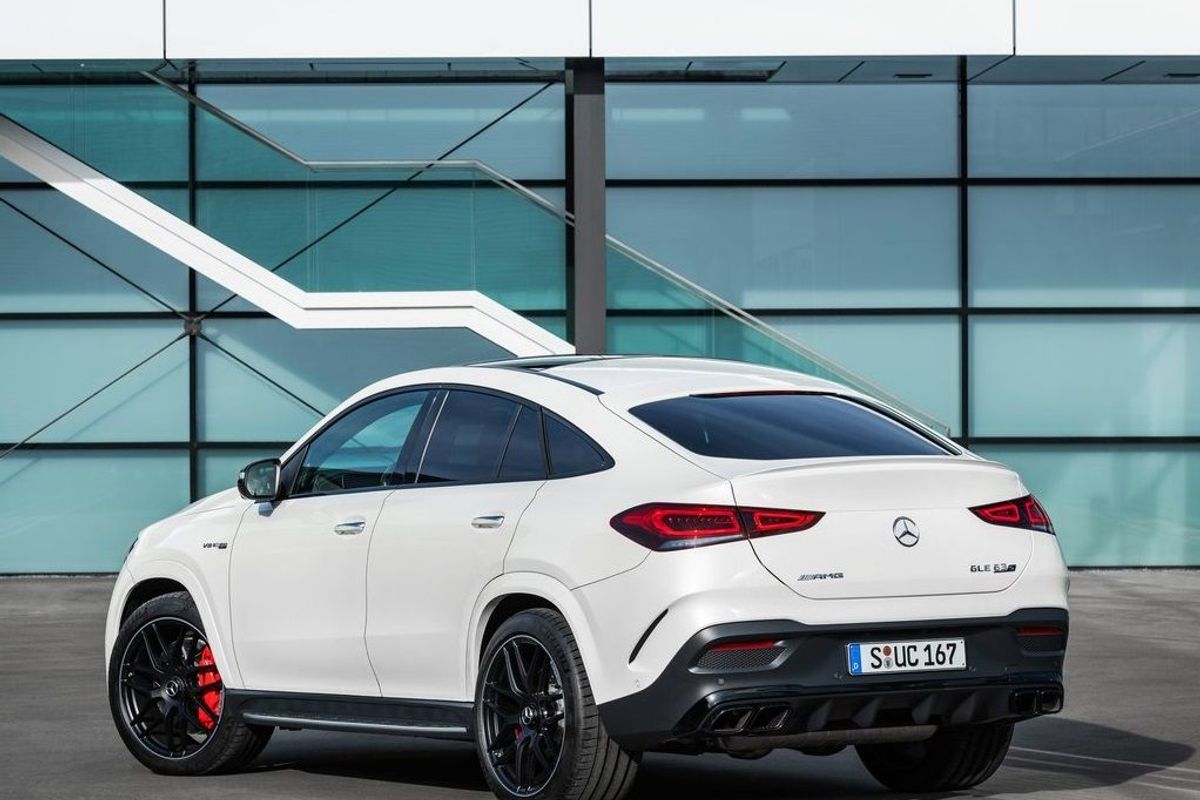
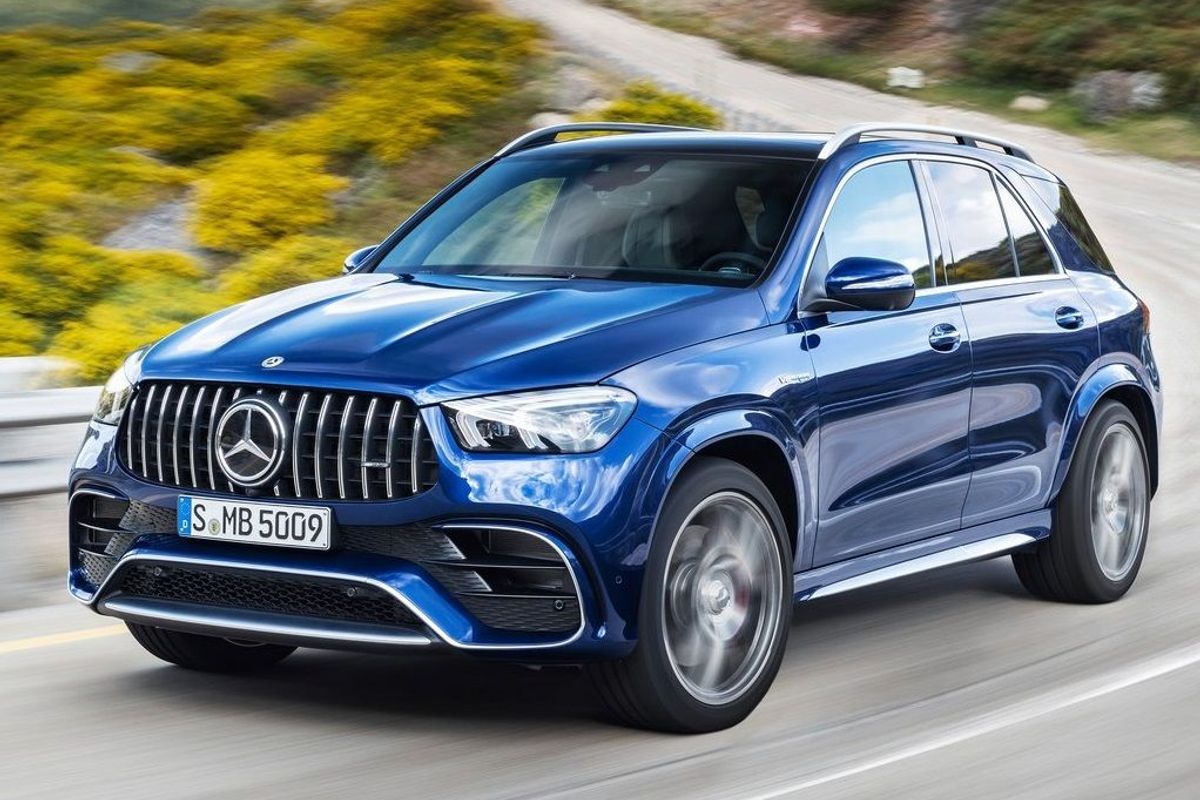
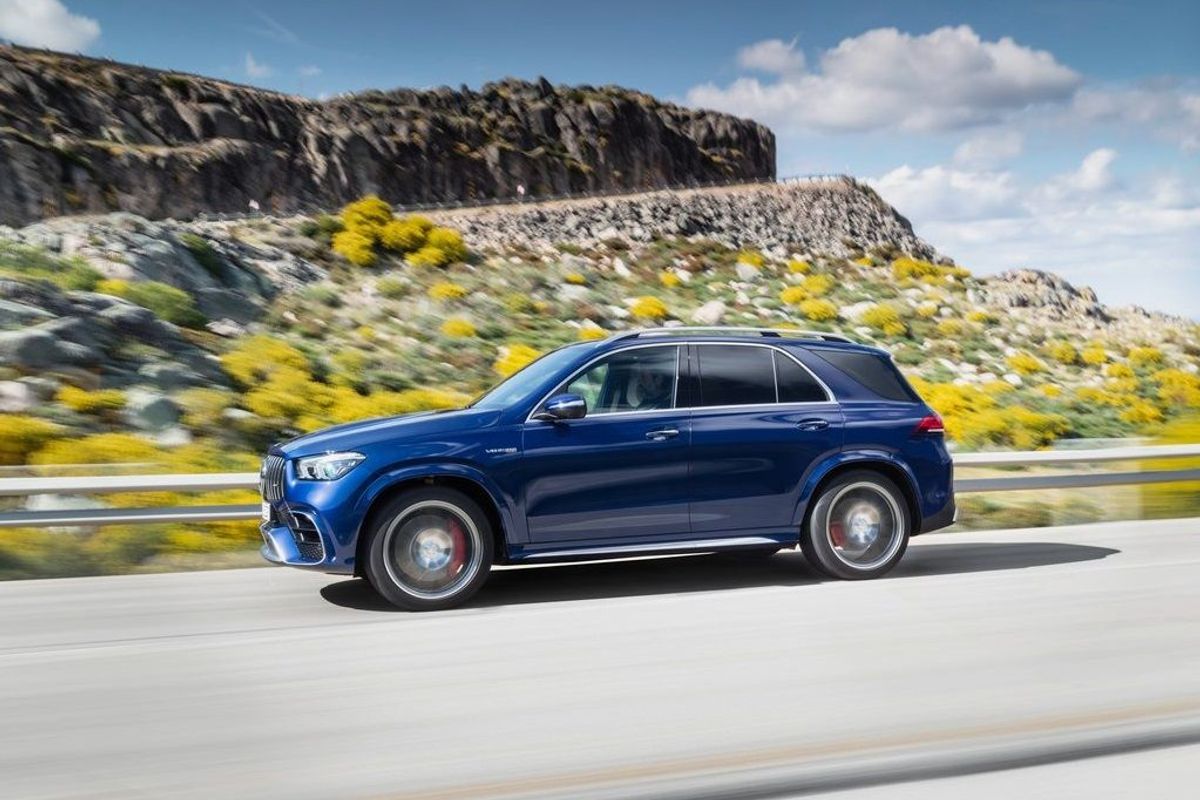
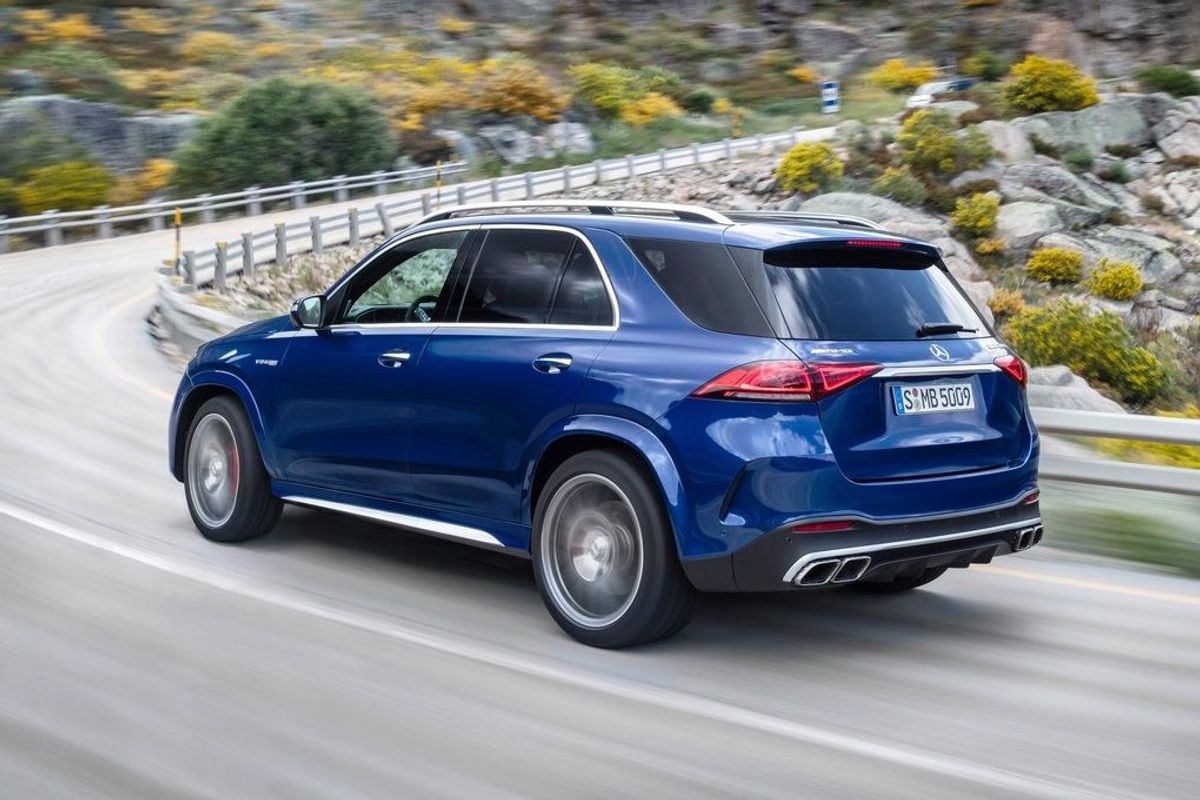
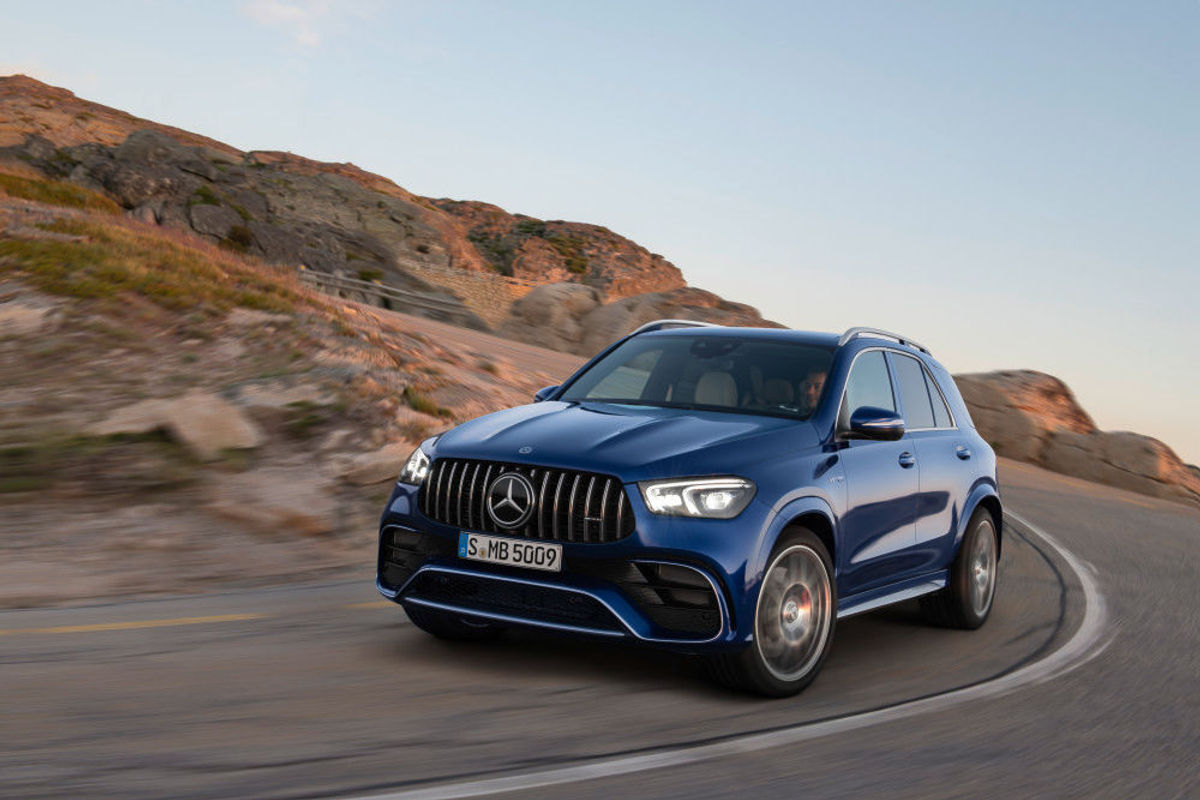
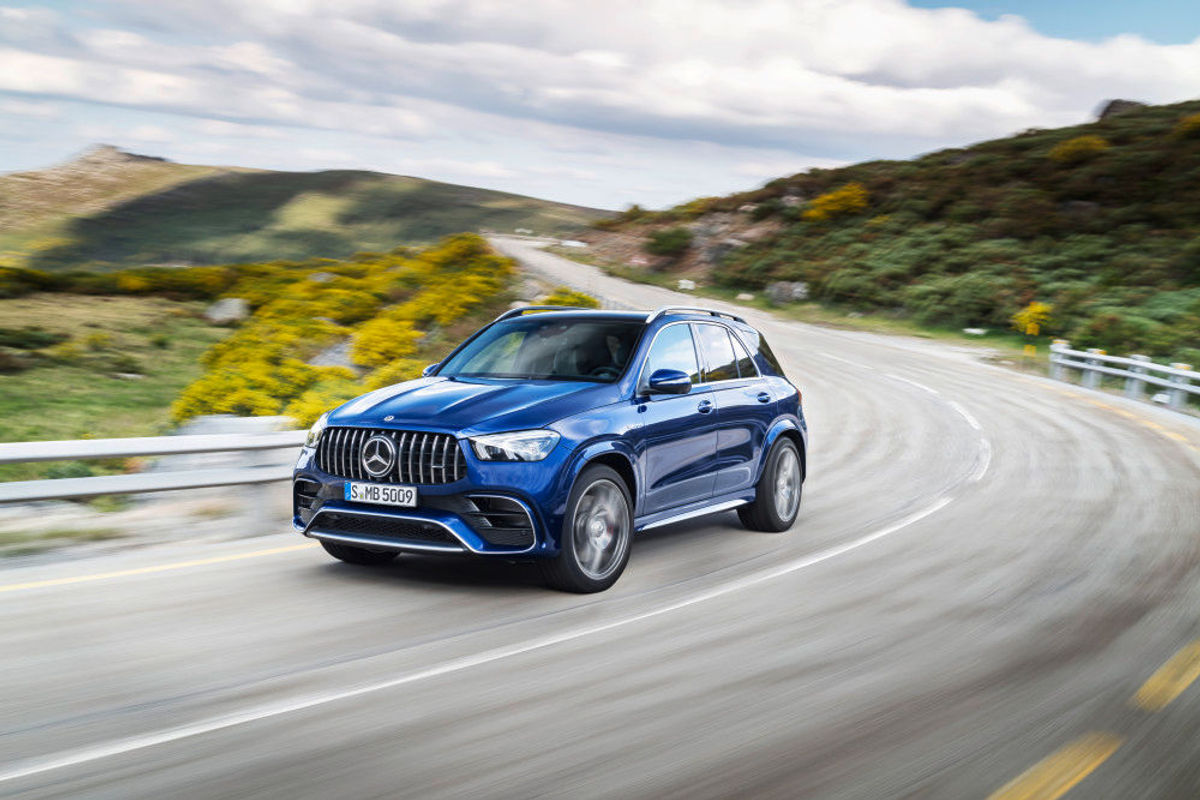
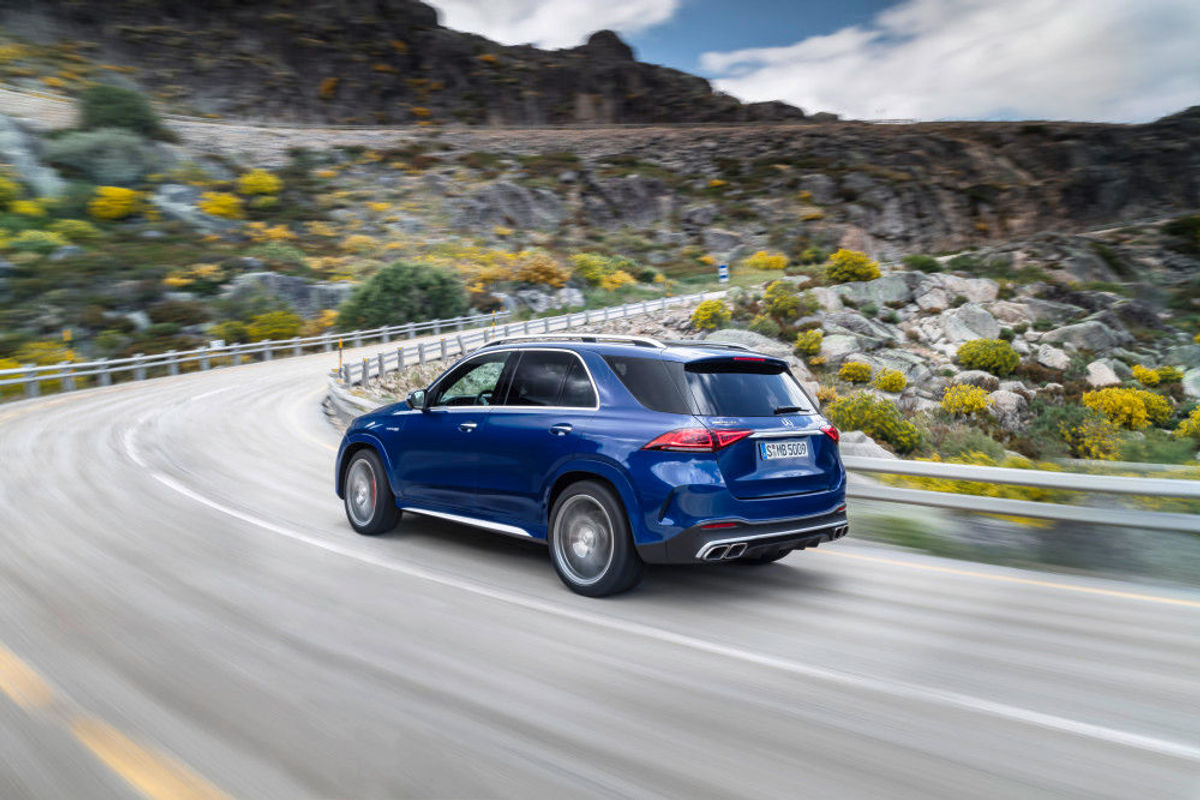
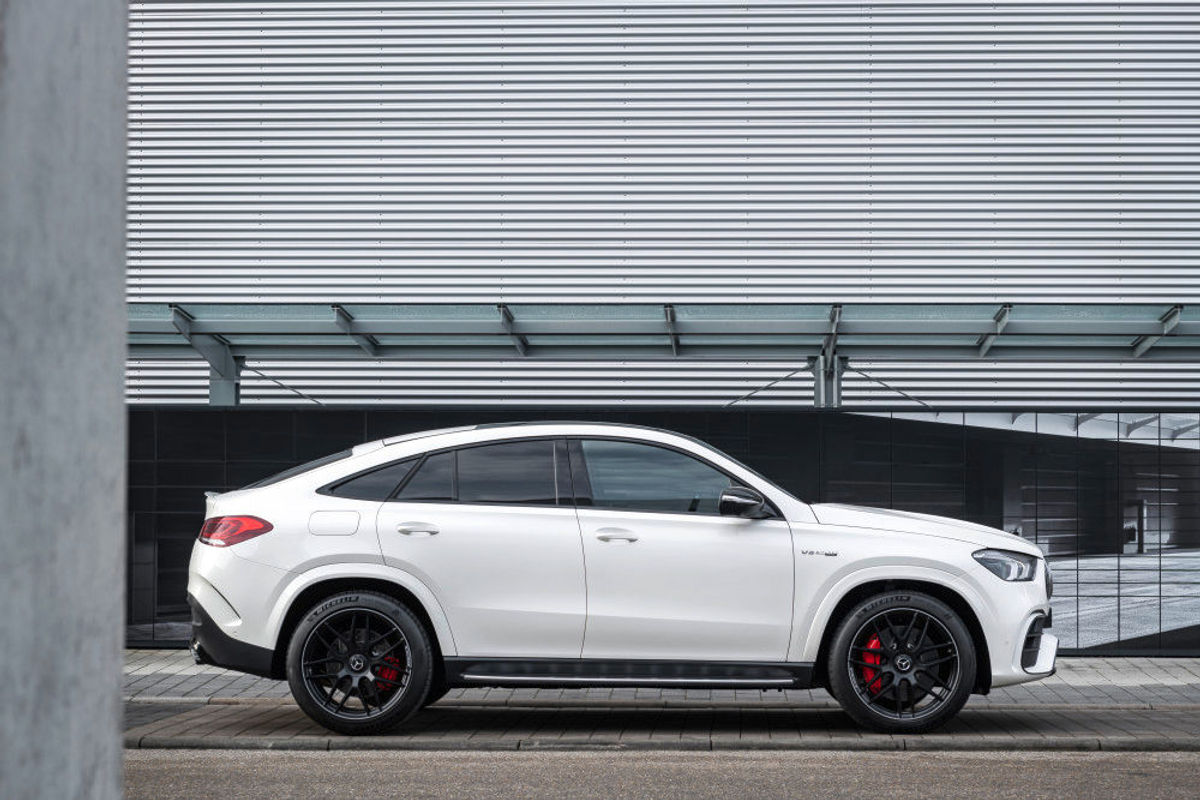
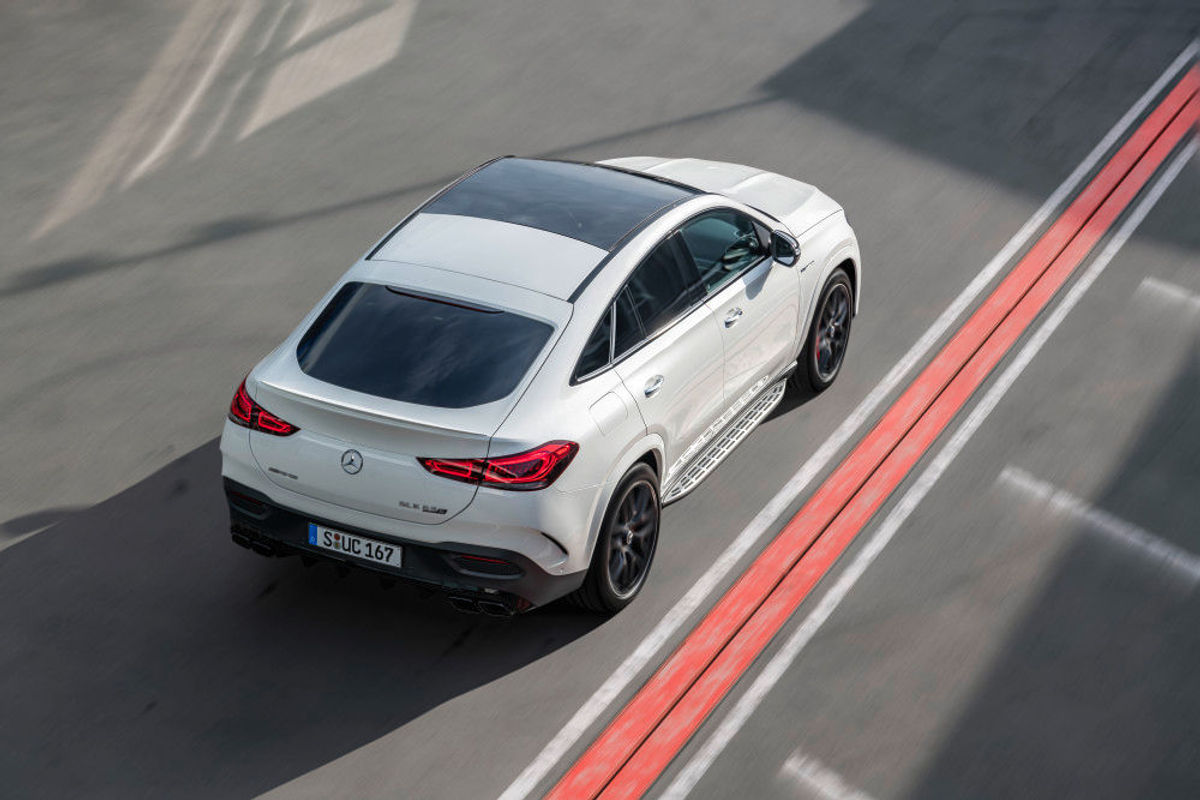
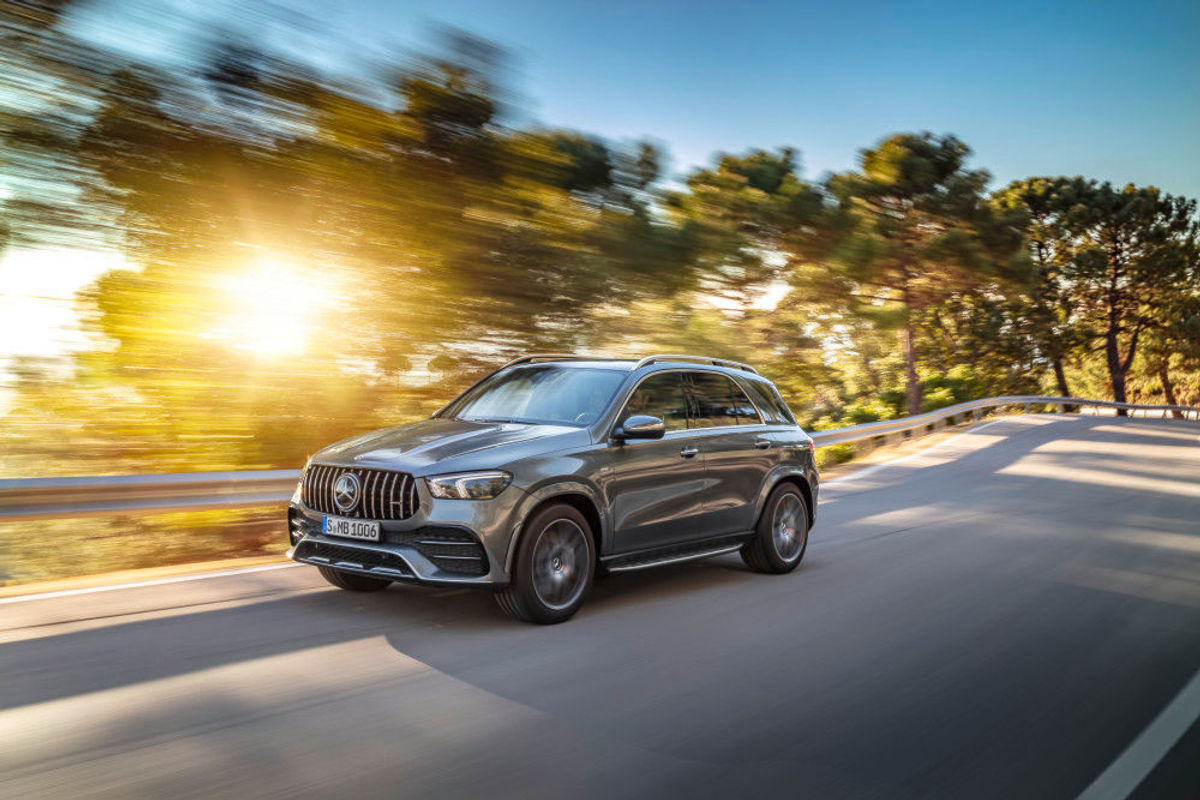
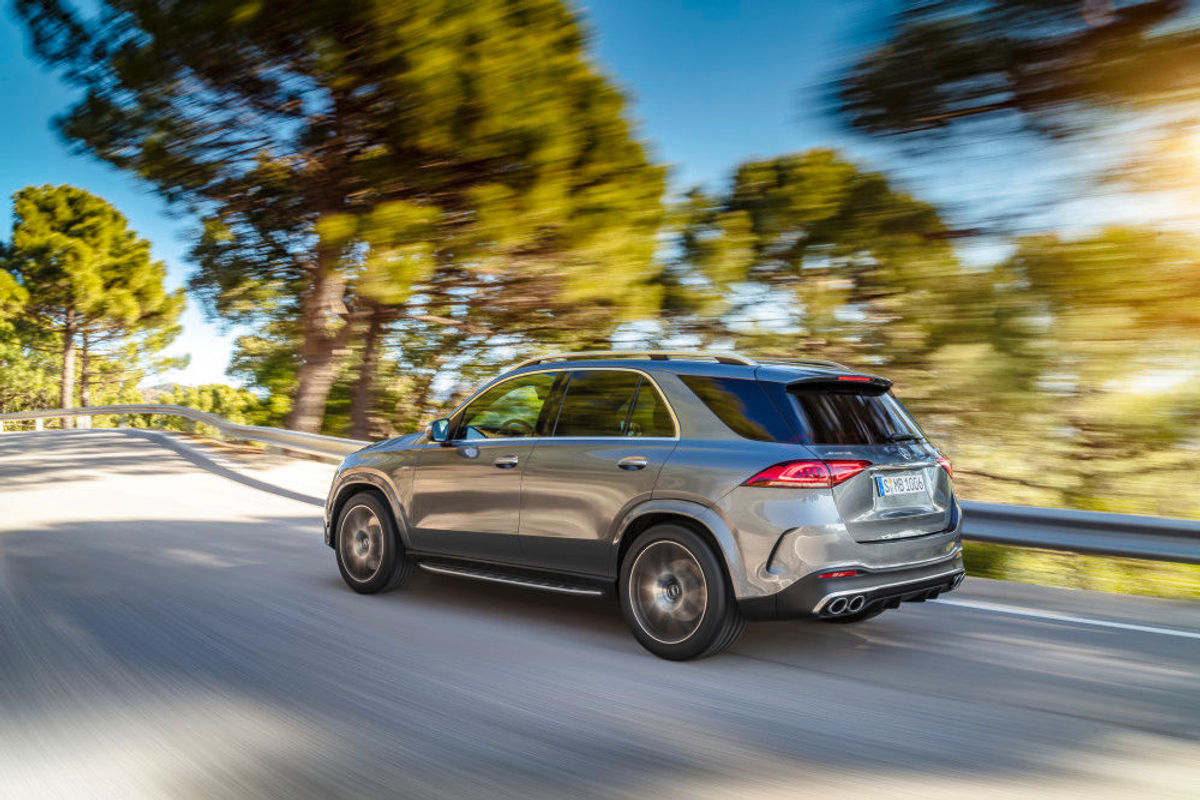
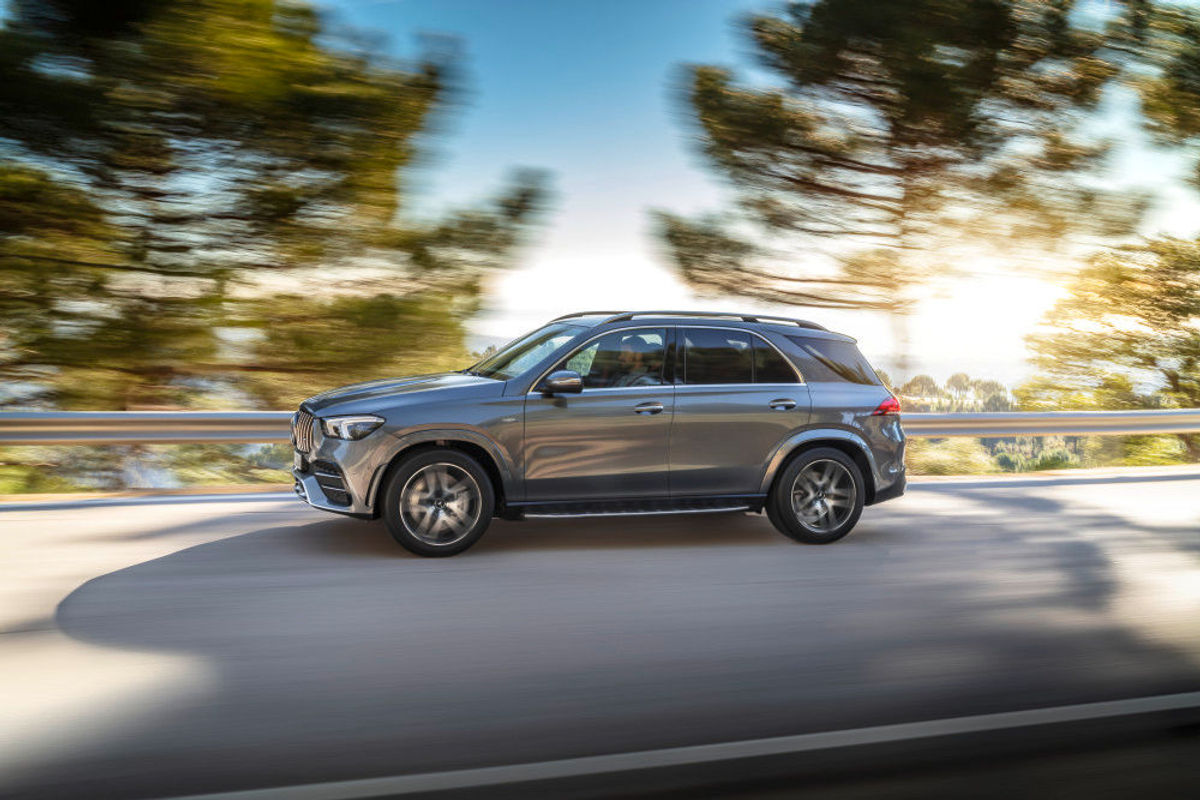
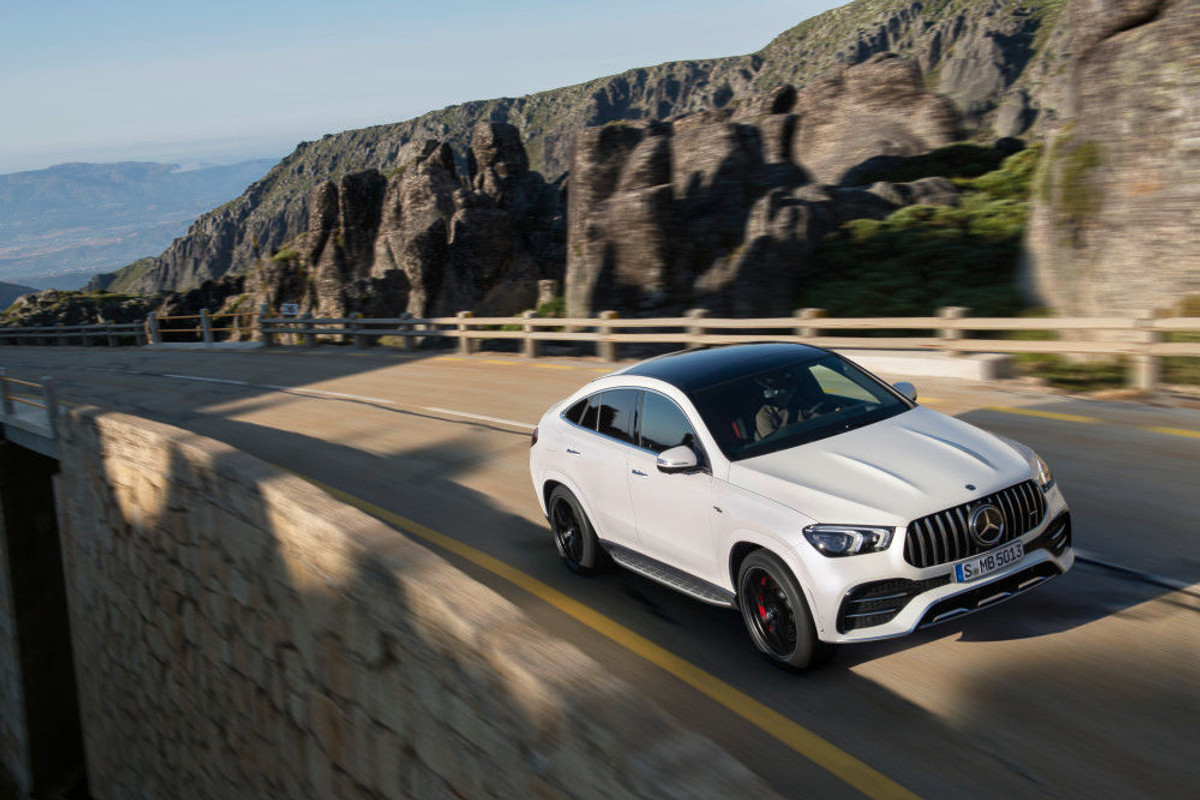
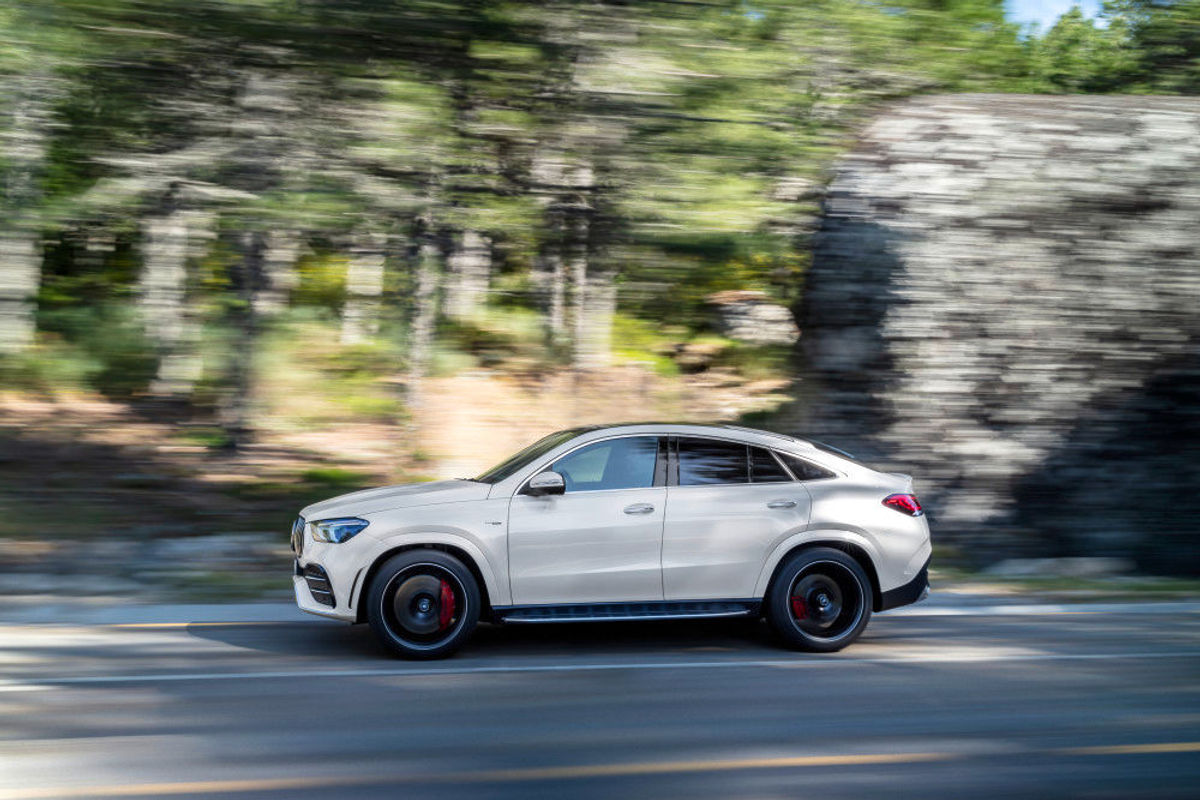
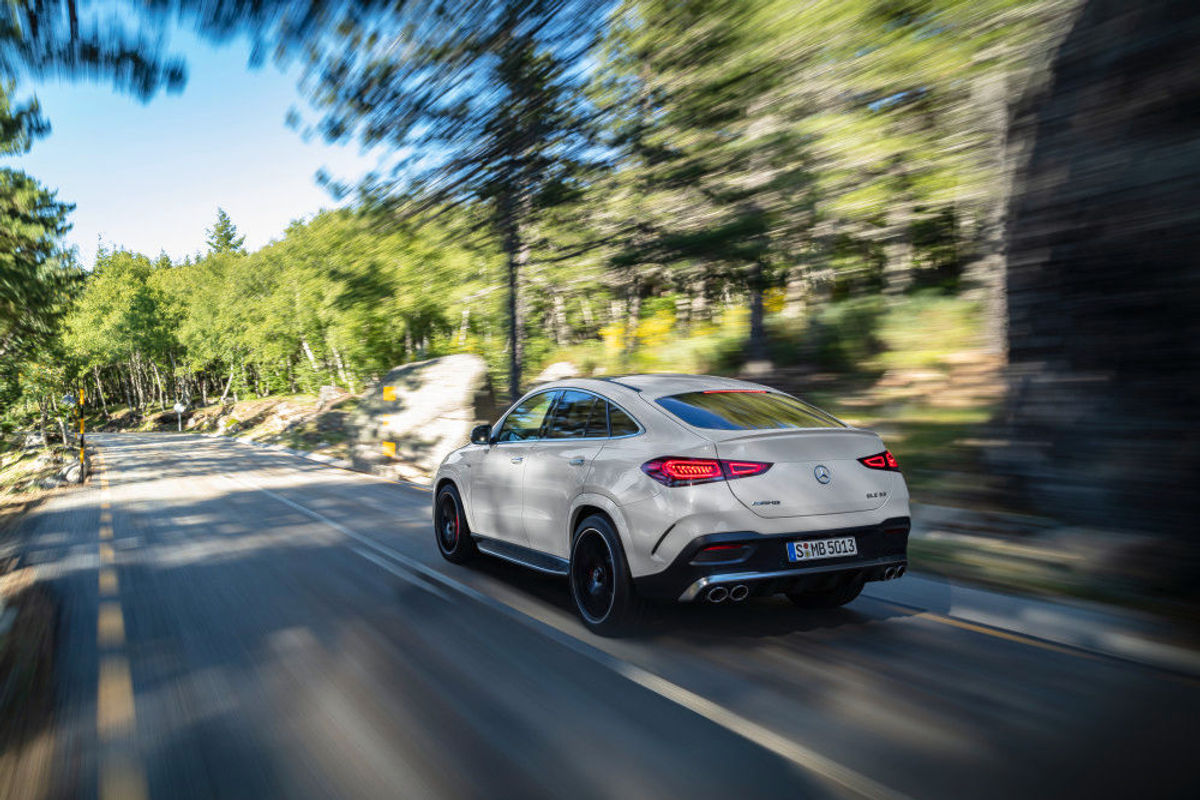
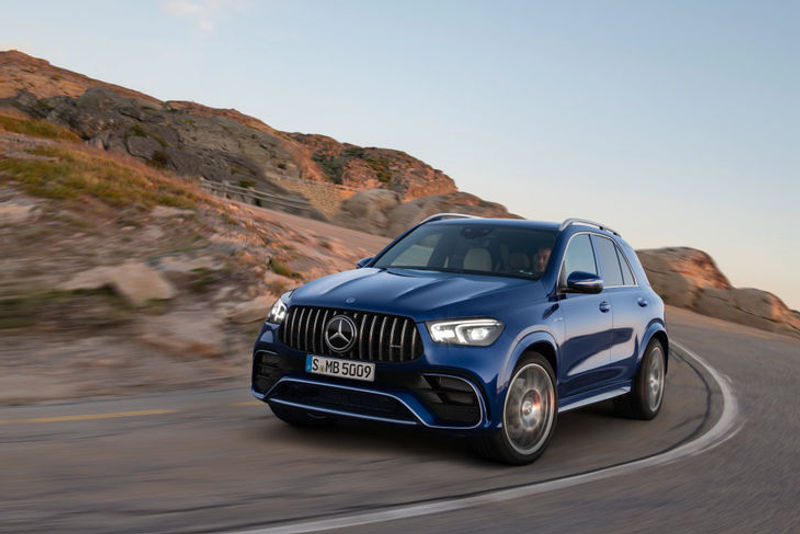
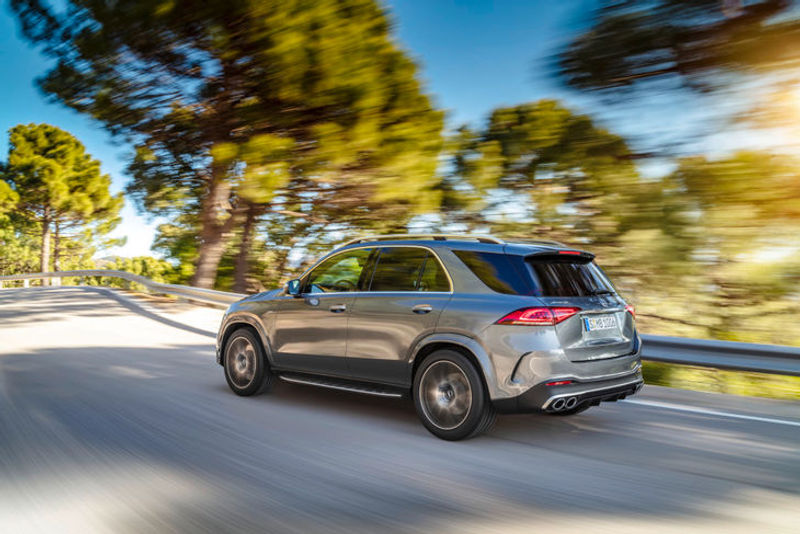
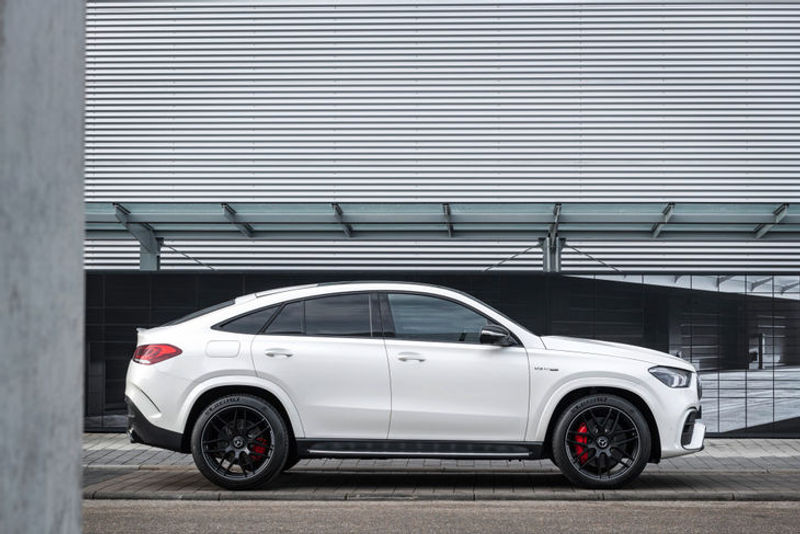
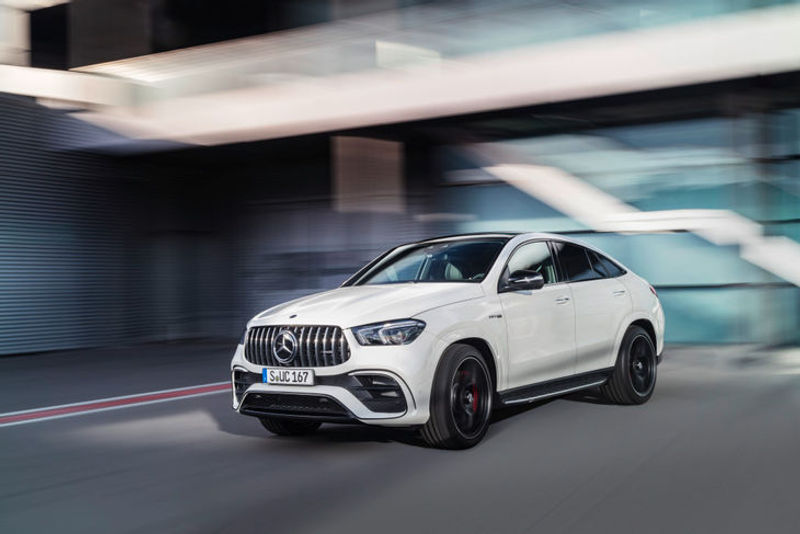
The AMG GLE 63 S and its coupe sibling employ the services of a twin-turbocharged 4.0-litre V8 engine which incorporates Mercedes-Benz’s EQ Boost 48V starter-generator mild-hybrid system. Outputs are impressive at 450 kW and 850 Nm while this juggernaut of an SUV will hurtle from zero to 100 kph in about 3.8 seconds, which is staggeringly fast for a car of such heft. Top speed is claimed at 280 kph. A 9-speed Speedshift automatic transmission in conjunction with 4Matic all-wheel-drive with variable torque distribution ensures that those outputs are laid down in the best way possible. The GLE 63 S SUV is shod with 21-inch light-alloy wheels while 22-inch wheels are optional. The Coupe, however, is fitted with larger 22-inch units as standard. Buyers can choose from a range of 21- and 22-inch wheel options, including Monoblock wheels, if that's your thing…
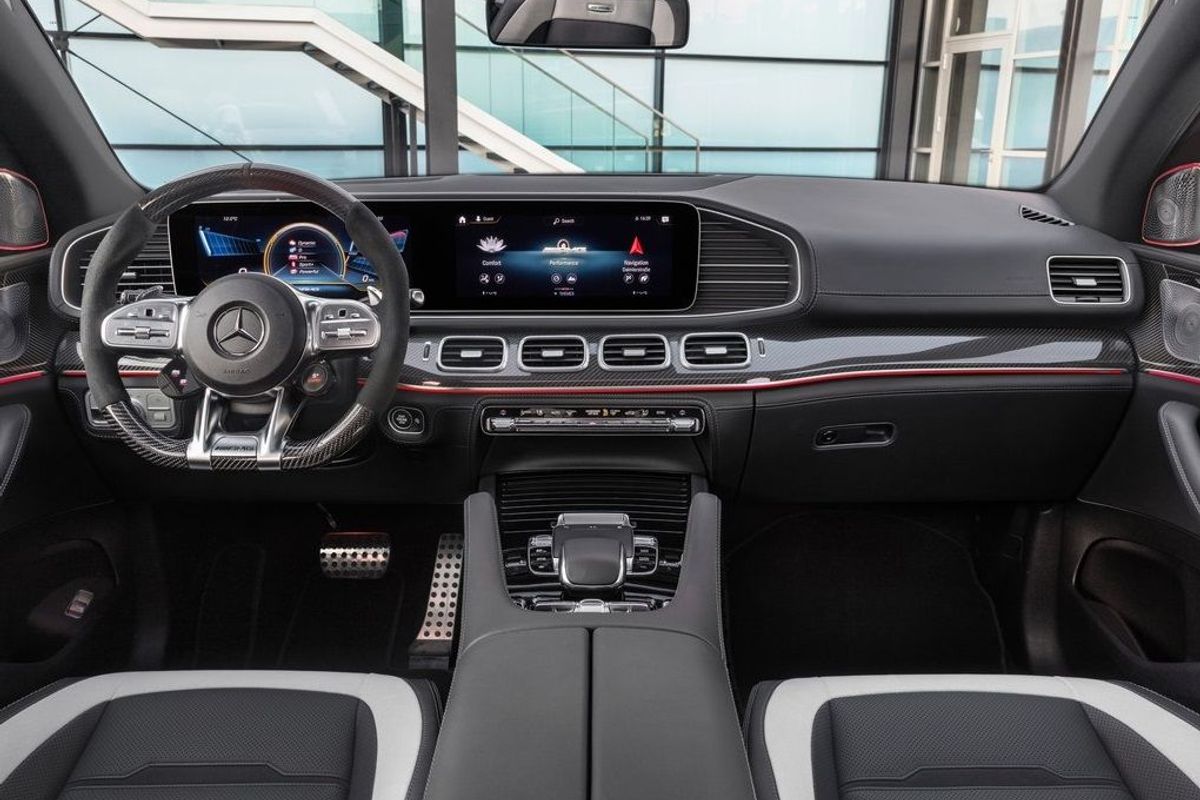
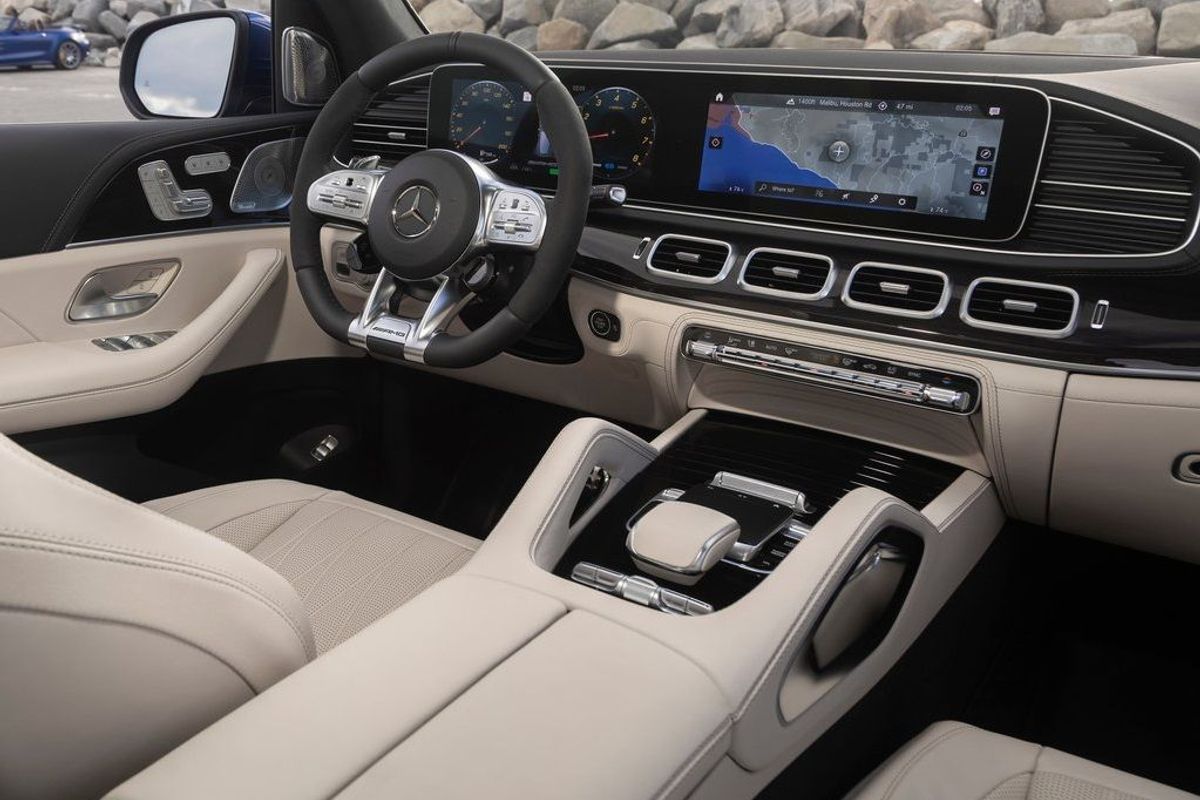
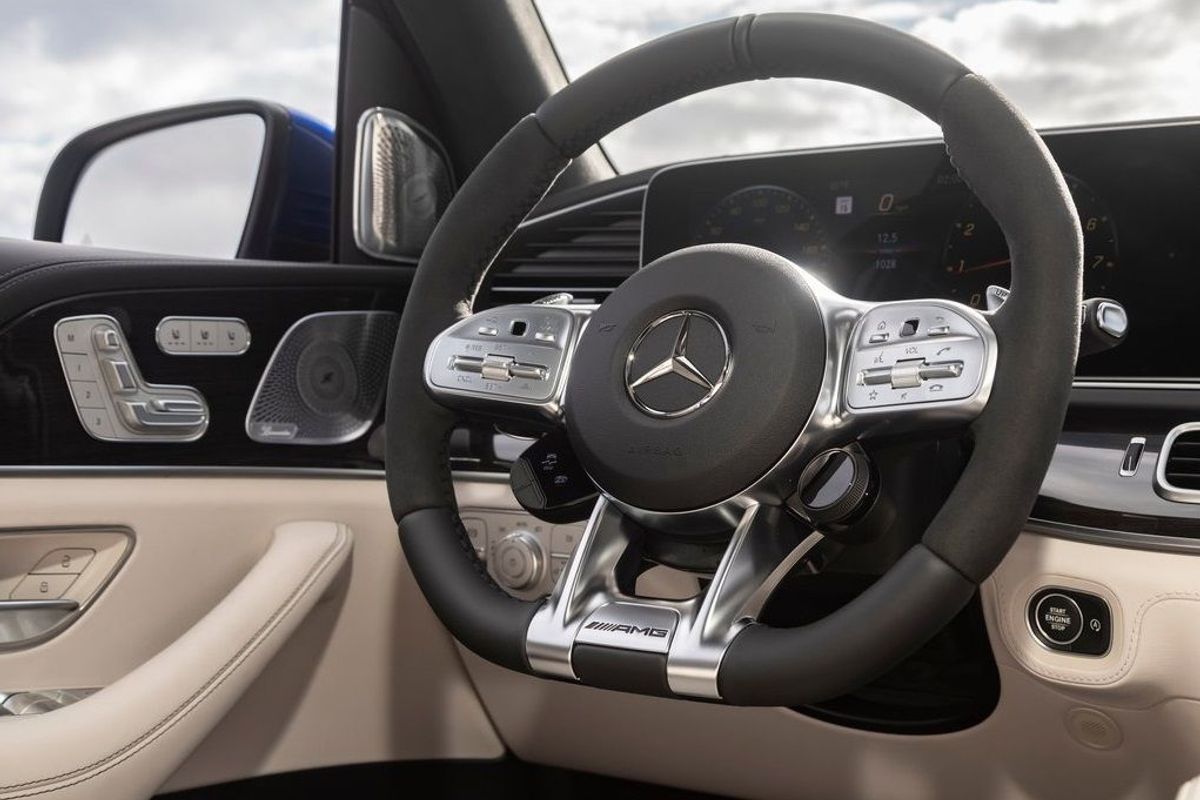
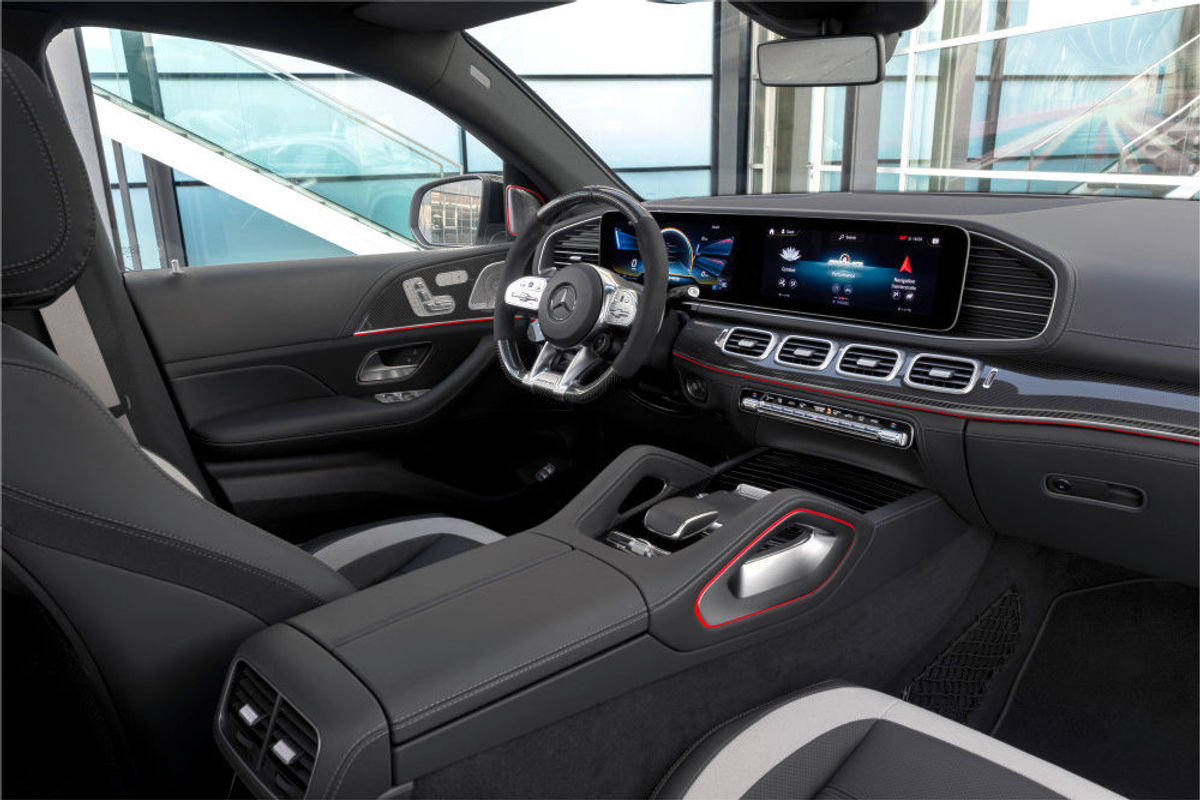
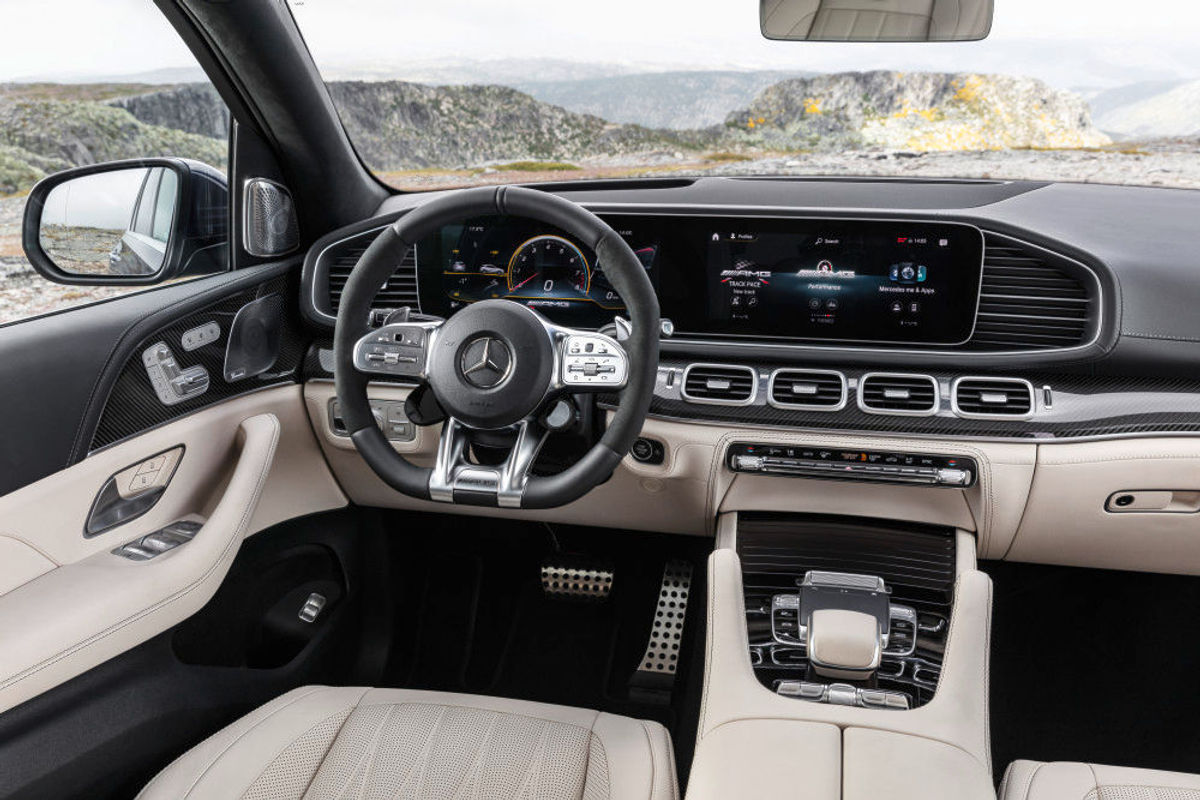
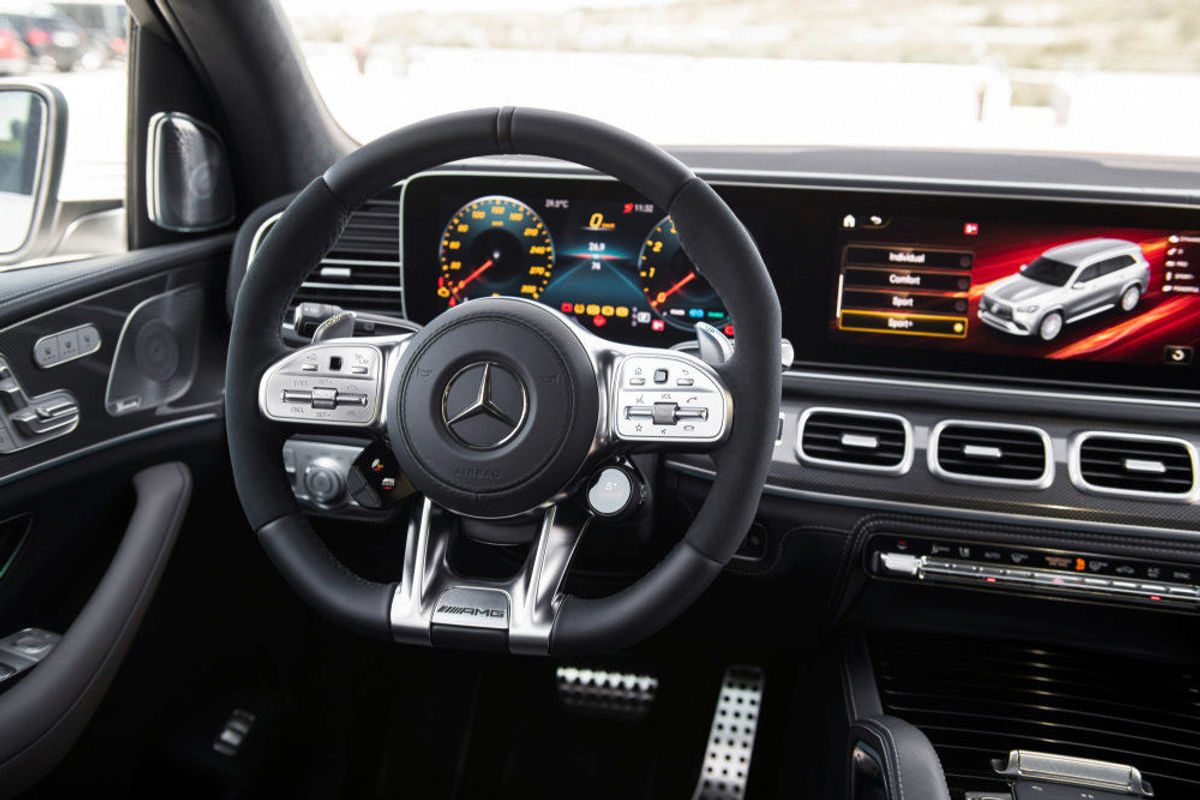
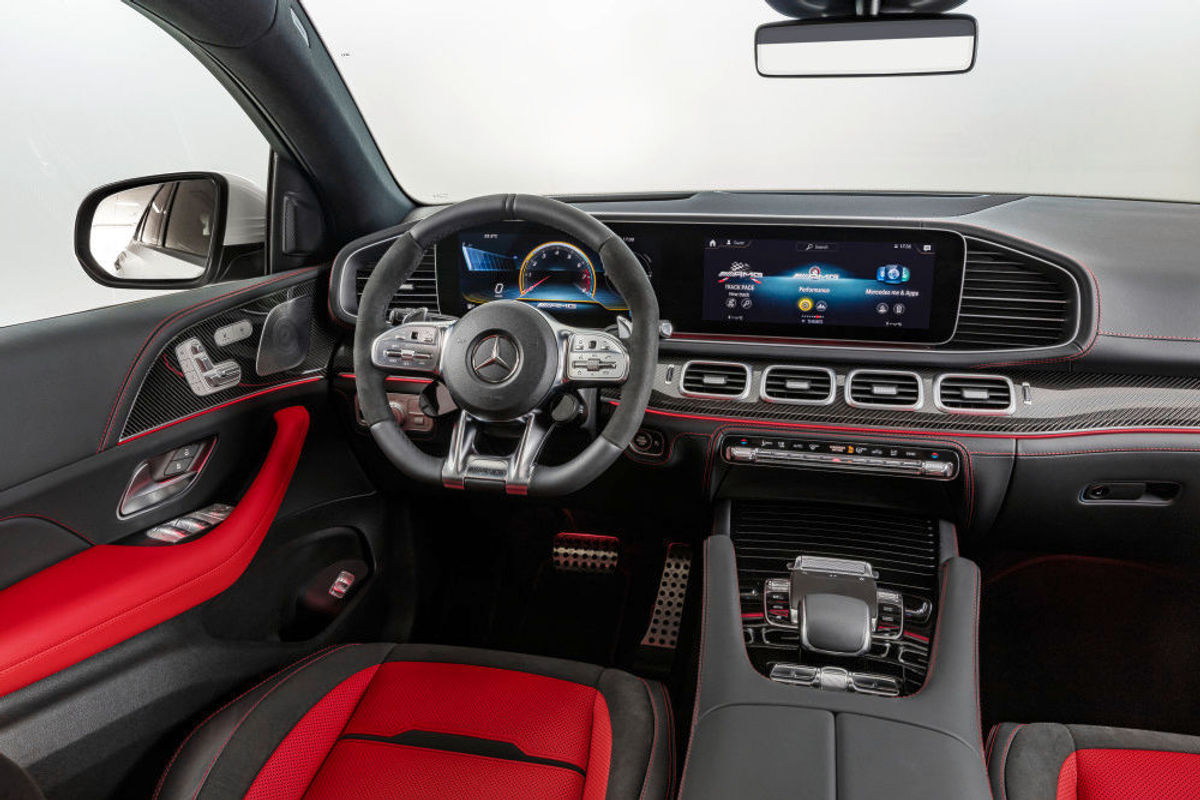
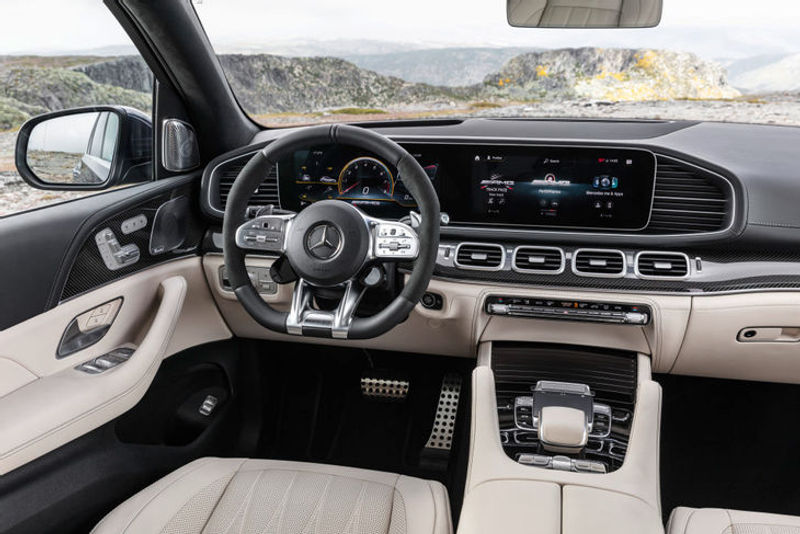
As for the interior, AMG Nappa leather is standard along with brushed aluminium trim. You can, of course, opt for AMG carbon-fibre trim, metal-weave-trim or wood trim options. The latest-generation AMG Performance steering wheel is fitted along with aluminium shift paddles. Merc's praised Widescreen Cockpit with MBUX takes care of all infotainment and car-related information which is easily and clearly accessible to the driver.
As always, a host of optional features and packages are available such as the AMG Night Package (R17 100), Driving Assistance Package / Plus (R40 000 / R44 900), MBUX Innovation package (R27 200) and Keyless-Go Comfort package (R12 900), for example. An MBUX rear seat entertainments system can also be fitted for R50 300. A Burmester surround sound system is standard but a Burmester high-end 3D surround sound system can be fitted for an additional R89 400.
The Mercedes-AMG GLE 63 S SUV/Coupe will rival the likes of the BMW X5/X6 M Competition, Audi RS Q8 and the Porsche Cayenne Turbo S E-Hybrid Coupe.
What is the price of the Mercedes-AMG GLE 63 S Coupe in South Africa?
Mercedes-AMG GLE 63 S 4Matic – R2 907 440
Mercedes-AMG GLE 63 S 4Matic Coupe – 2 970 920
A 2-year/unlimited km warranty and a 5-year/100 000km maintenance plan is included.
Do you want to buy a performance car on a limited budget? Search the second-hand market and you may just find something that’s a little bit older, but very exciting to drive nonetheless
We don’t all have enough cash to splurge on utterly desirable sportscars such as the new BMW M3 and Jaguar F-Type. That doesn’t mean we can’t find something just as exciting to drive. It might be a little aged and have a few squeaks, rattles, scratches and blemishes but, if the mechanicals are sound, they’ll offer just as many thrills per minute.
Here are a few of our favourite second-hand sportscars that are extremely well-priced on the second-hand market.
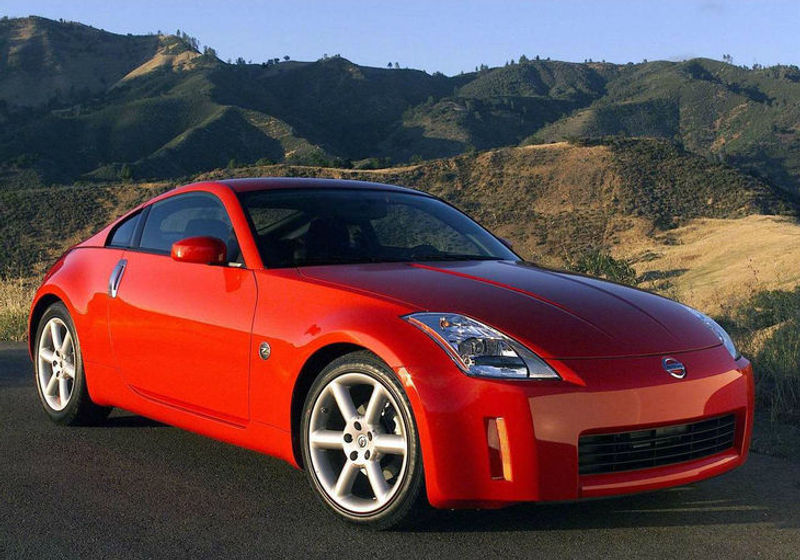
1. Nissan 350Z
The Nissan 350Z is a great pre-electric-steering-era sportscar. It has a distinctive Japanese musclecar look and when you drive it, it feels alive under you and nimble, even by today's standards. The gearshift has a slow, deliberate action (the Zed has to be eased, rather than slapped, into gear), but that adds to the overall driving experience. The interior of the 350Z is a bit plasticky but, they can be easily refurbished and there are a fair number of second-hand parts available. Prices range from R120 000 to R200 000, but R140 000 will likely get you a representative model.
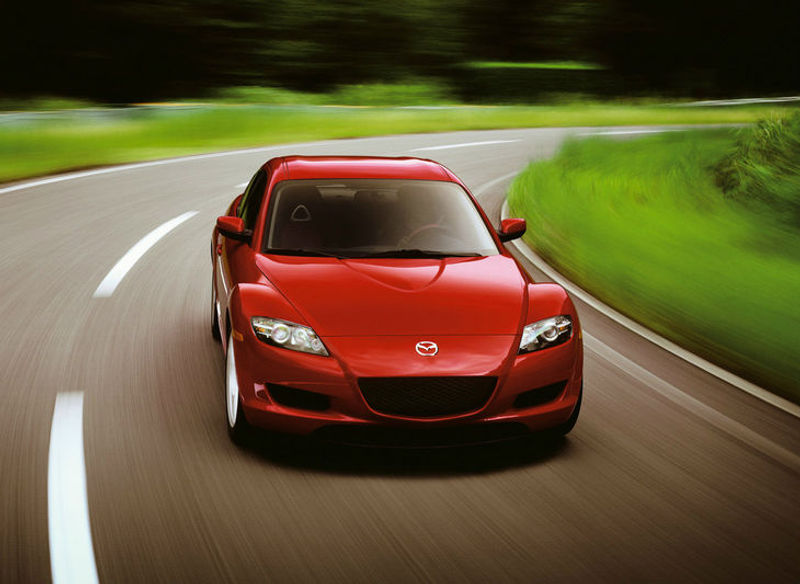
If you want something completely different, then the RX-8 is perfect. It harnesses rotary engine power and revs to a dizzying 9 000 rpm (High Power model). You have to really rev the Mazda hard to get the best out of it, but it’s a rewarding driving experience. The RX-8 came in a High Power 6-speed manual, or an automatic with slightly less power and lower RPM limit. Rotary engines can be a bit expensive to put right if things go wrong, but the Renesis engine inside the RX-8 did win World Engine of the Year in 2003. Prices range from R100 000 to R180 000 and are starting to rise quickly as they become scarce.
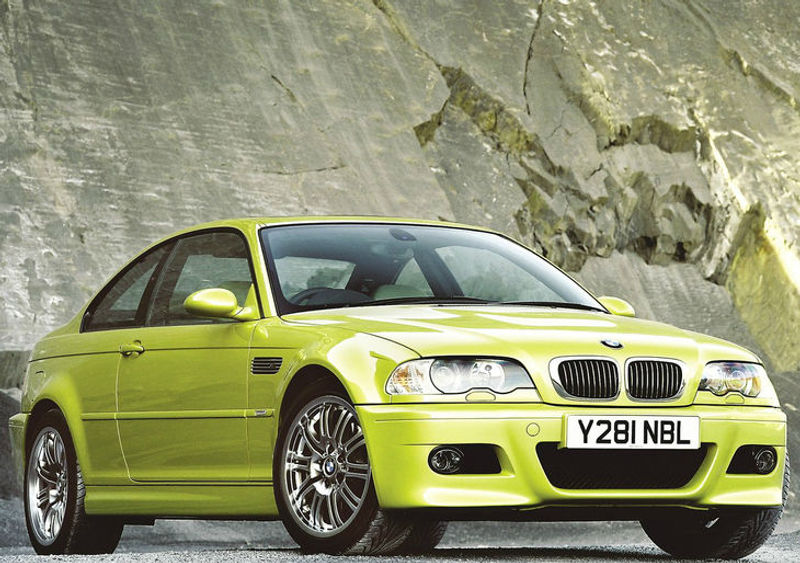
The E46-generation BMW M3 remains a great-looking Bimmer. It’s 20 years old, but will still fetch a decent price if you look after it. It also has one of the most distinctive sounds of any car; its evocative straight-6 wail is unmistakable. The 3.2-litre 24-valve motor produces in excess of 250 kW, so it still feels quick today. The E46 eventually spawned the M3 CSL, which, if you can get your hands on one, is a collector’s item. E46 M3 pricing varies from R160 000 to over R300 000. If it's a car that gets you fizzing, you definitely want to read our buyer's guide on the E46 for everything to look out for when buying one.
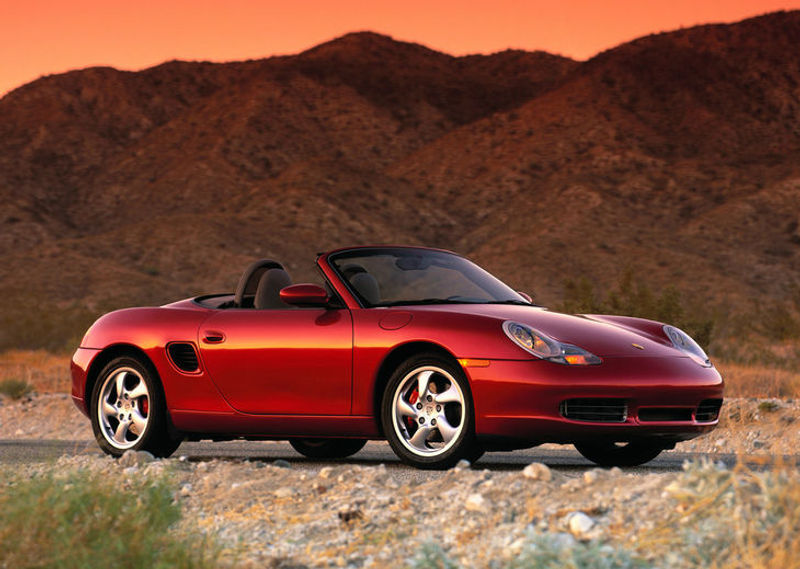
Do you have a predilection for mid-engined sportscars? First-generation Porsche Boxsters (and even the S version) are quite reasonably priced. The Boxster was facelifted in 2002, so expect to pay a little more for models made after then. The Boxster's engine outputs are not amazing, but in typical Porsche fashion, it handles with pin-point accuracy. The Porsche badge also sets a higher bar on the premium ladder and will set you apart from the other cars on this list. Prices start at R150 000 and can go up to R300 000 for a pristine, low mileage example.
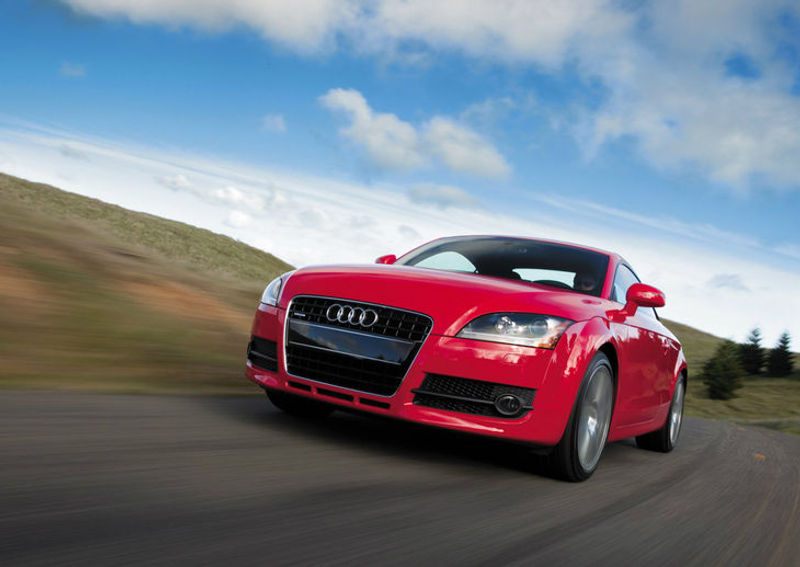
The Audi TT doesn’t quite hit the same thrilling notes as the rear-wheel-drive models mentioned above, but it’s reasonably involving to drive and still draws plenty of envious glances. The second-generation model’s pricing has taken a bit of a drop since the new model was introduced in 2015. A 2.0-litre turbopetrol goes for around R150 000, for a 2008 model. If you want to upgrade to the 3.2 quattro however, you’re going to need to fork out over R200 000.
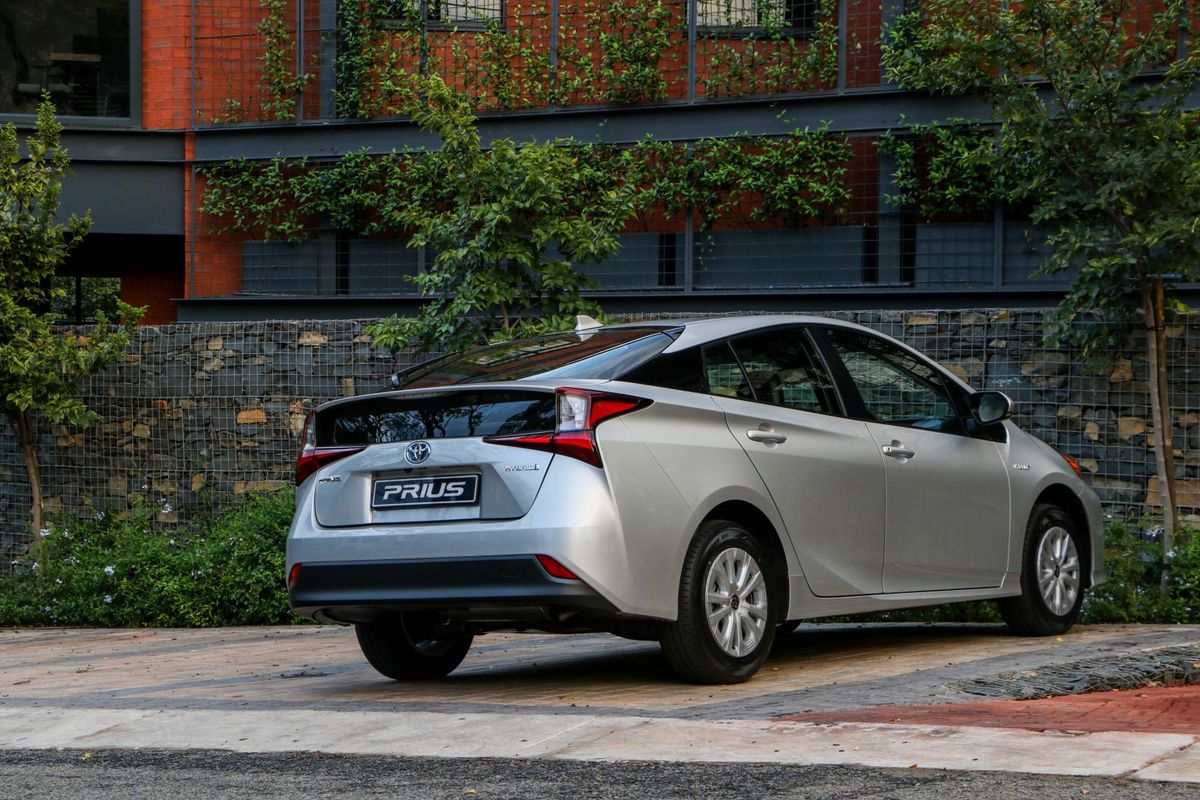
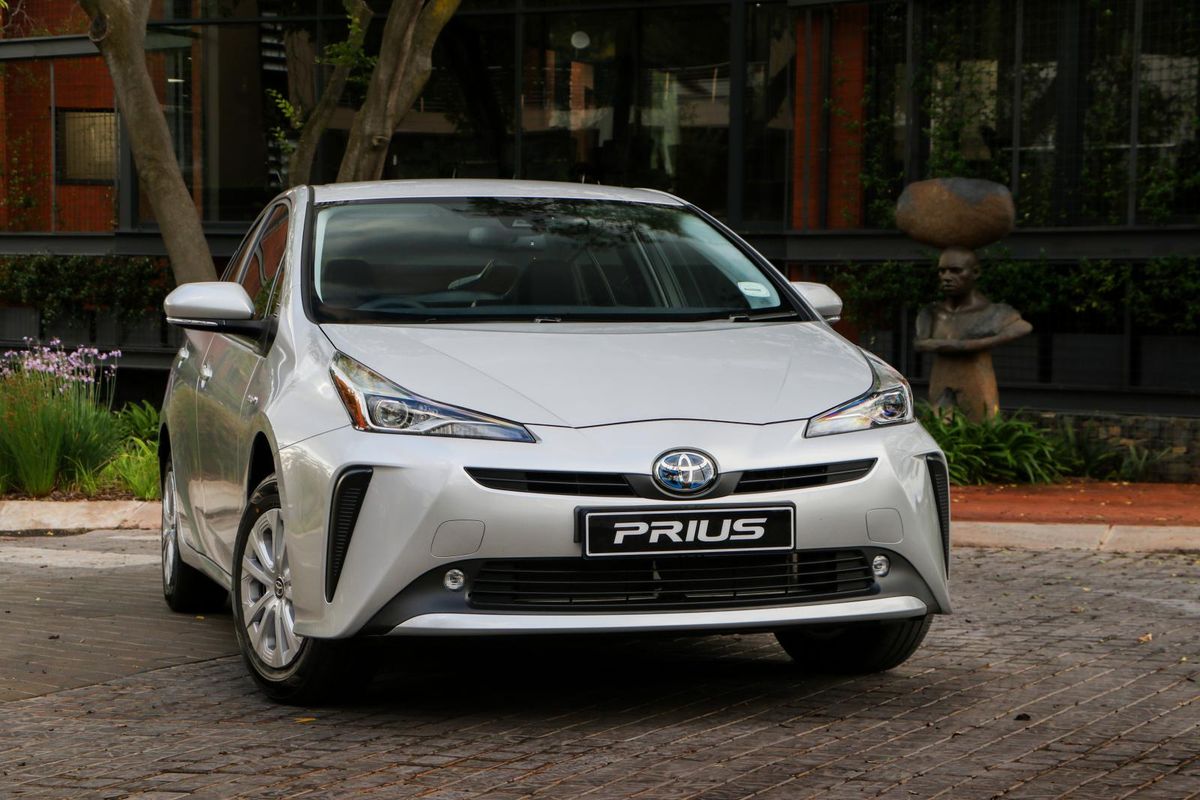
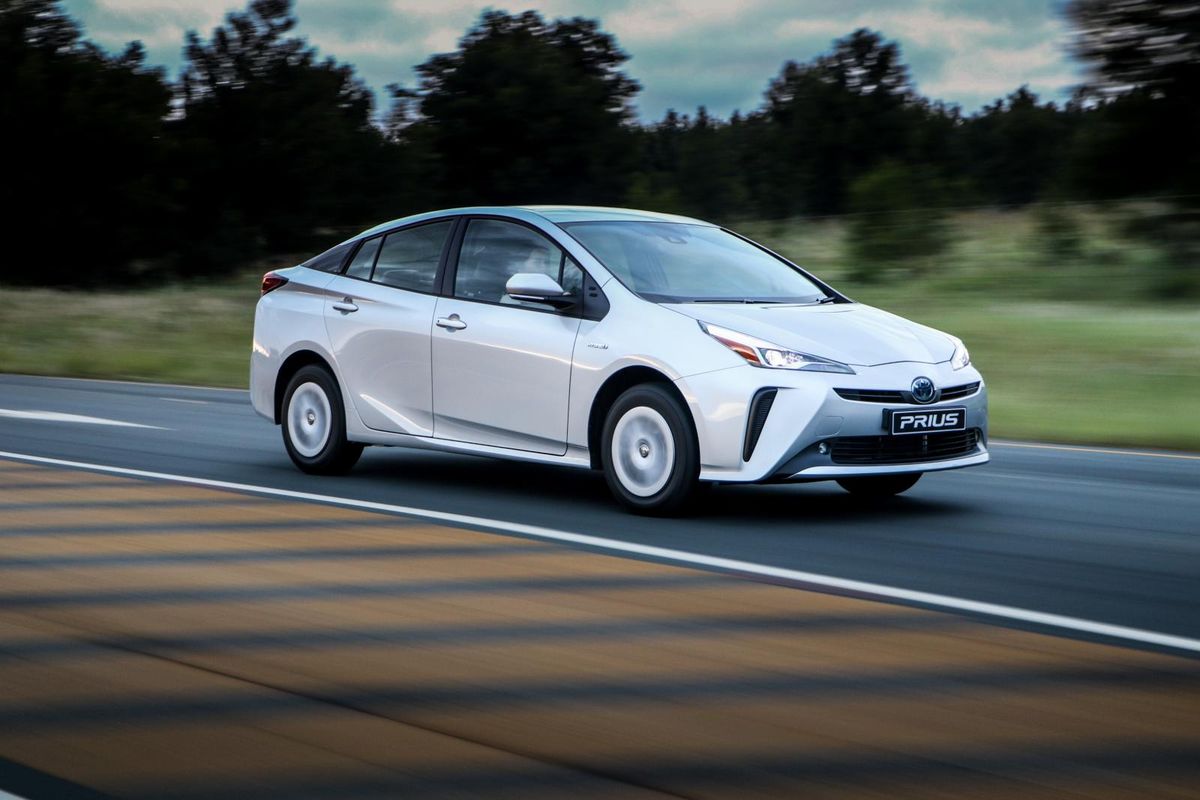
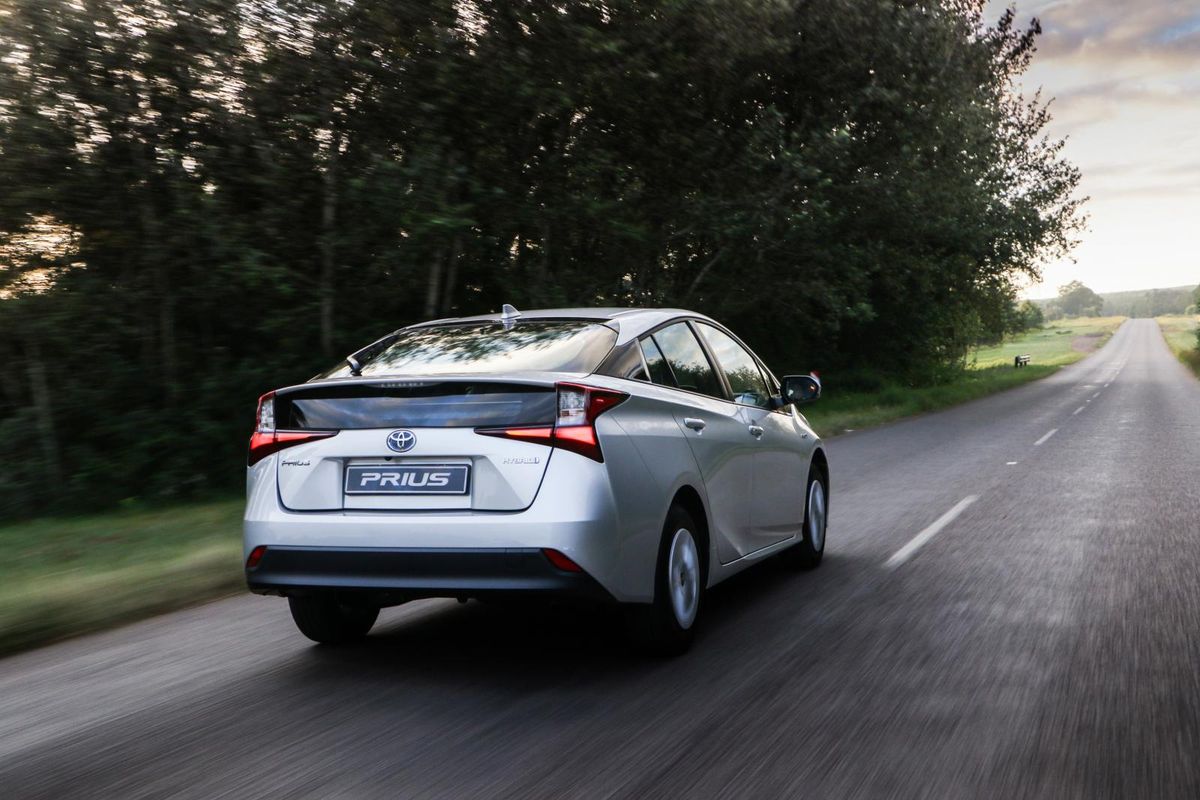
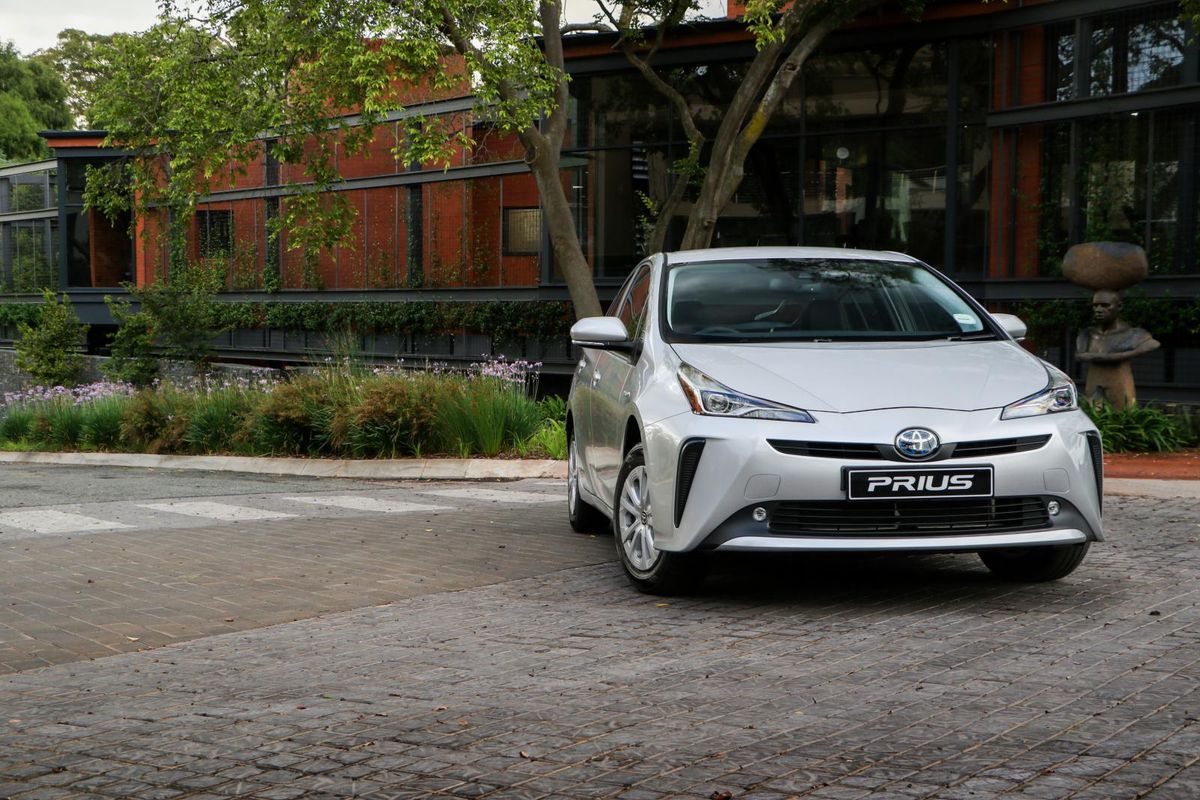
The Toyota Prius has been the backbone of the brand's greener initiatives and for 2021, the SA-spec Prius has received some tech and safety updates.
The Toyota Prius has been enhanced for 2021 and the upgrades are focused on tech and safety. Safety-wise, the Prius has been given the Toyota Safety Sense package, which brings in a number of semi-autonomous features like Pre-Crash System (PCS), Adaptive Cruise Control (ACC), Automatic High Beam (AHB), Blind Spot Monitor (BSM) plus Rear Cross Traffic Alert (RCTA) and Lane Trace Assist (LTA). The Adaptive Cruise Control and Blind Spot Monitor functions can be reached quickly via dedicated steering switches – allowing the driver to activate/de-activate while keeping their hands on the wheel.
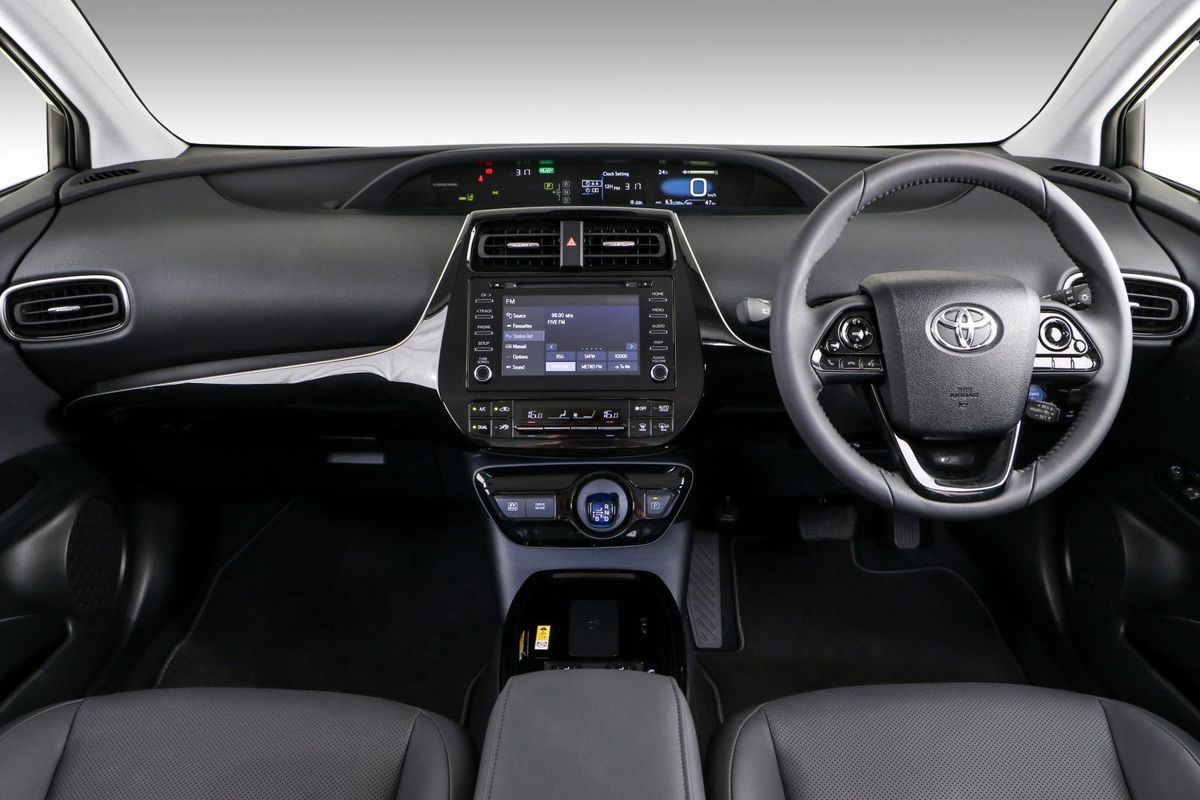
On the tech and connectivity front, the infotainment system receives an update that allows for Apple CarPlay and Android Auto functionality. The updated system also features a higher-resolution display. Toyota Connect is now fitted too, which brings in-car WiFi connectivity to the party. There's 15gb of data loaded compliments of Toyota and the car can now be linked to the MyToyota app.
There's just one single model in the lineup and it comes fully loaded with gadgets and gizmos. A Heads-Up Display (HUD), Reverse Camera, high-definition Multi-Information Display, seat heaters with electric lumbar support and wireless (cellphone) charging. Dual-zone climate control, rain-sensing wipers, an auto-dimming rear-view mirror, smart entry, LED lights and auto-retractable exterior mirrors are just some of the stand-out features.
The 1.8-litre petrol hybrid engine continues as before, with total outputs of 90 kW and 142 Nm (plus the additional power offered by the electric motor). Up to a certain speed, the Toyota Prius can run under full-electric power and uses a self-charging powertrain to provide electric energy. It can also recharge itself by brake regeneration. Power goes to the front wheels via a CVT transmission.
How much does a Toyota Prius cost in South Africa?
The Toyota Prius comes with a 6 Services / 90 000km service plan with intervals every 12 months / 15 000 km. There's a 3-year/100 000 warranty as well as an 8-year/195 000 km hybrid battery warranty.
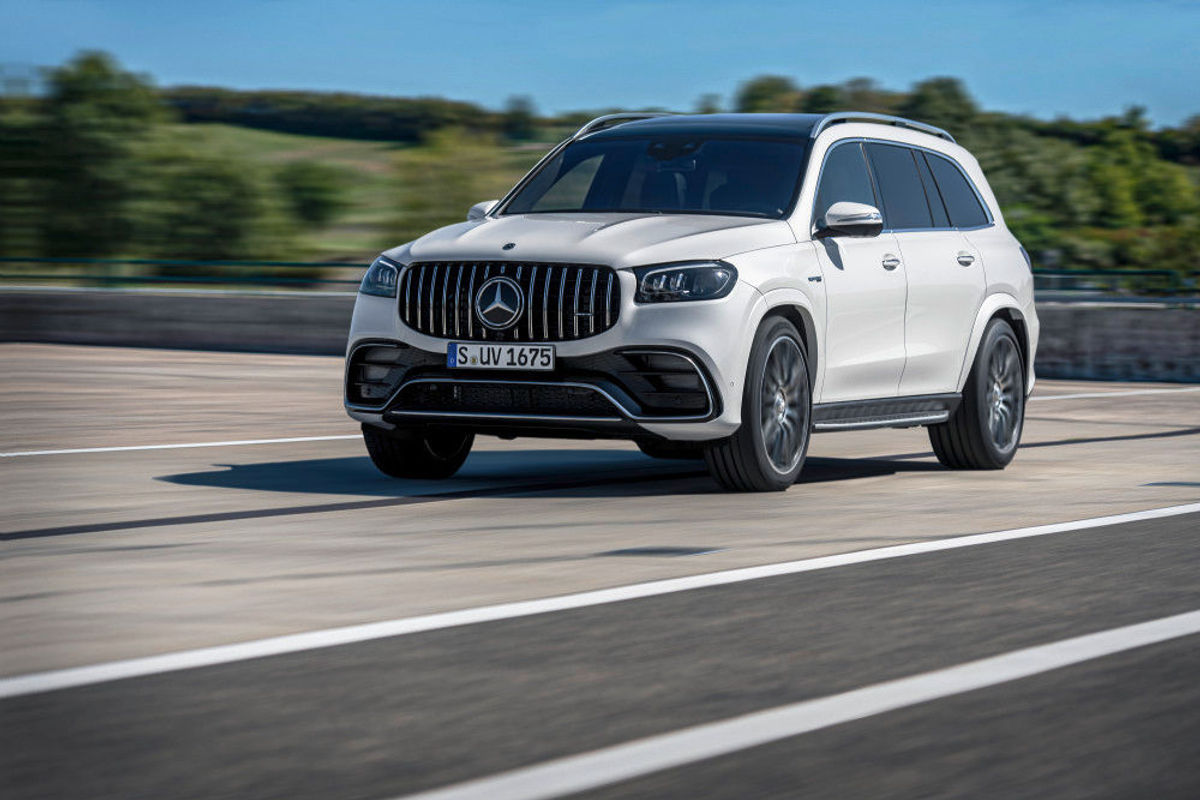
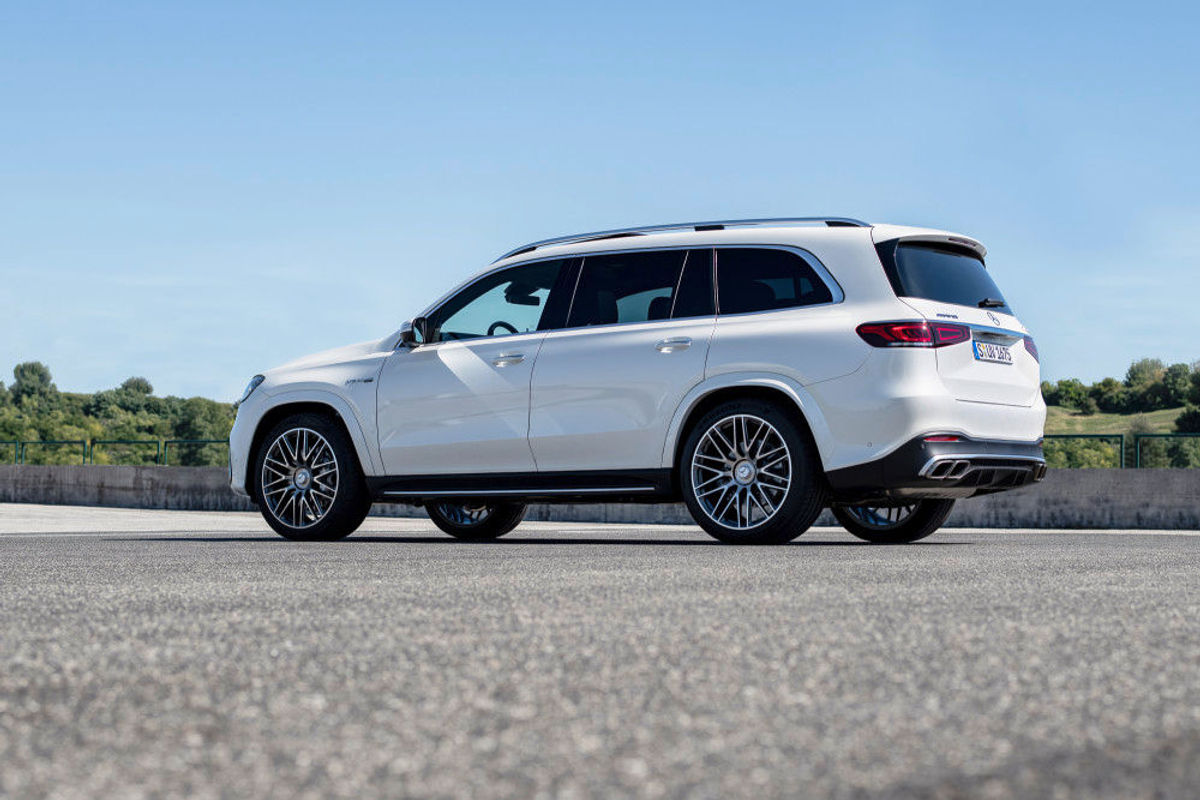
For those seeking a near-perfect blend of high performance, luxury and practicality from a full-sized luxury SUV, Mercedes-AMG's potent throng of high-riding premium SUVs are sure to grab your attention. We headed to Gauteng to experience the newcomers in the metal…
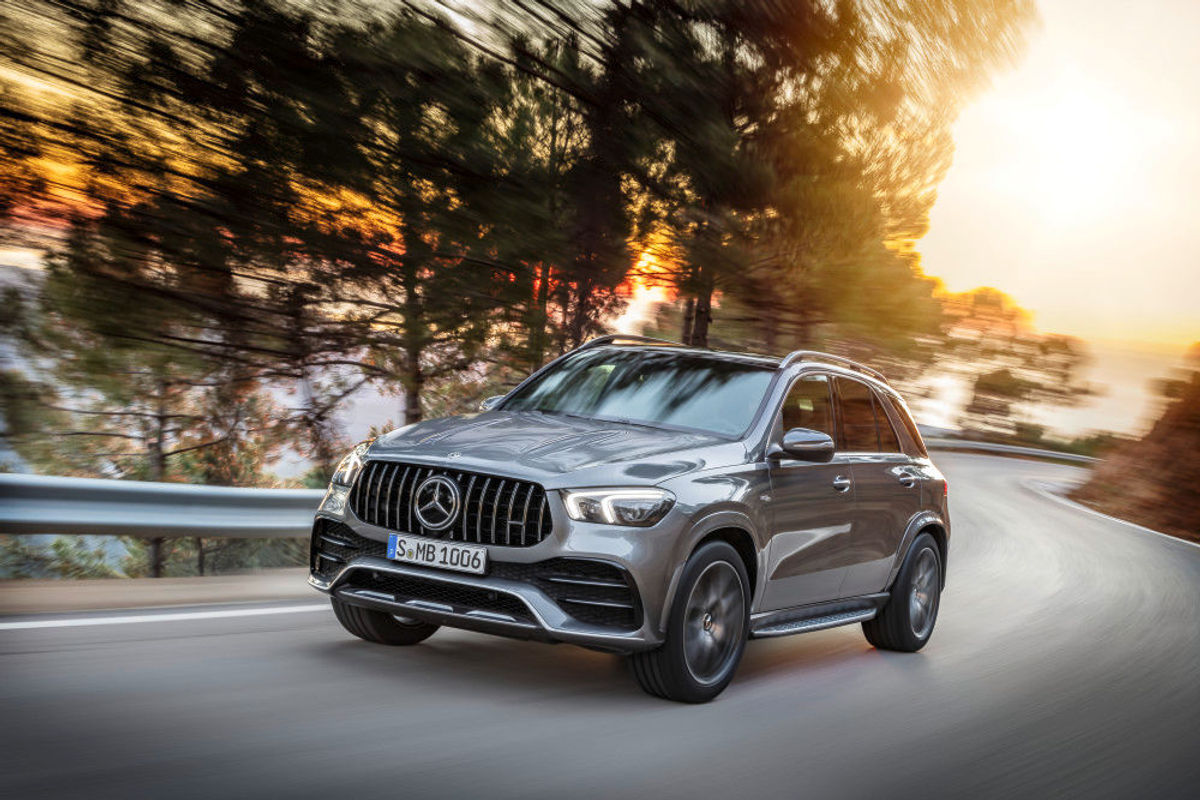
The Zwartkops Raceway in Gauteng is the local home of AMG and this is where Mercedes-Benz South Africa introduced its high-performance AMG SUVs to local media this week. The newcomers include the new Mercedes-AMG GLE 53 4Matic and Mercedes-AMG GLE 63 S 4Matic (both offered in SUV and Coupe form) and the larger, 7-seater Mercedes-AMG GLS 63 4Matic.
Mercedes-AMG GLE 63 S arrives in SA
The range-topping AMG GLE 63 S has now arrived in SA to take on the BMW X5/X6 M Competition.
Now though, the 'bahn-storming GLE 63 S has arrived to settle some scores and we can't wait to pit the brutes in this segment (including the Range Rover Sport SVR) against one another in a good old fashioned drag race to see which luxury juggernaut brings more clout to the tar!
While the GLE 63 S is sure to steal much of the spotlight, the AMG GLE 53 should not be overlooked and, for those looking to show the world how deep their pockets are, there's the GLS 63, of course…
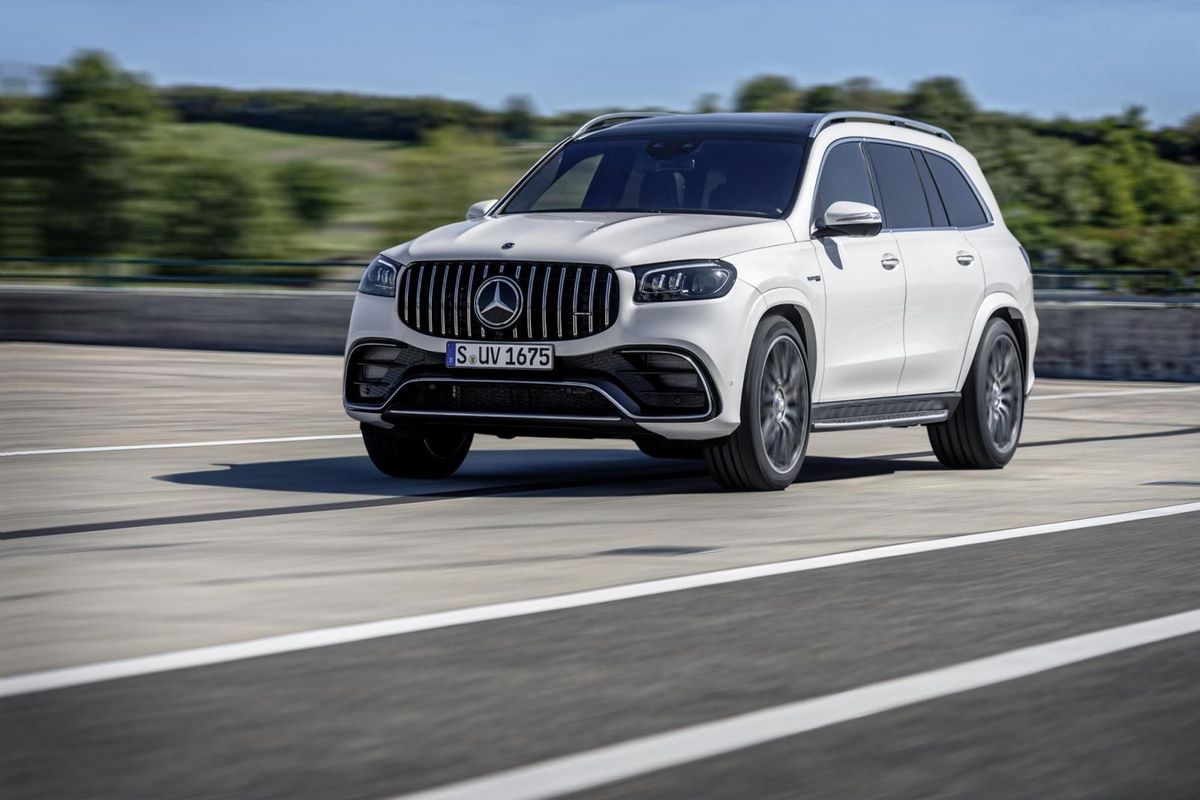
As you would expect of SUVs of this calibre (and this price point, to be blunt), kerb appeal is as-near-as-dammit guaranteed, no matter which model you choose. The large AMG-specific grille is superbly striking and some buyers will be pleased to know that a range of optional Monoblock wheels, which add some bling appeal to the overall look, is also available. As always, buyers can literally go to town on the vast selection of options that are available, but be warned, a cascade of ticks on the ol' option sheet will result in a very expensive purchase, but certainly a strikingly finished one…
Let's take a quick look at some of the key numbers for these new powerful SUVs…
Mercedes-AMG GLE 63 S brings big engine outputs
The GLS 63 adopts the same powertrain as the GLE 63 S, but comes in 7-seater configuration as standard…
South African buyers are quite partial to the most powerful models available and, as such, only the range-topping S versions of the Mercedes-AMG GLE 63 and GLE 63 Coupe are offered in our market.
The pair is powered by a bi-turbocharged 4.0-litre V8 petrol engine that's supported, for the first time, by an integrated EQ Boost starter-alternator, which provides an additional 16 kW and 250 Nm when required and supplements the 48V electrical system. Cylinder deactivation is employed between 1 000 and 3 250 rpm (when the "63" is driven in Comfort mode) to further improve efficiency.
As a result, the AMG GLE 63 S 4Matic delivers no less than 450 kW and 850 Nm, plus those lofty outputs are very competitive compared with what's offered by the 460 kW/750 Nm BMW X5- and X6 M Competition models. The AMG GLS 63 4Matic, meanwhile, employs the same powertrain and, therefore, produces identical peak numbers.
With variable all-wheel-drive capability and a quick-shifting 9-speed automatic transmission, the GLE 63 S is claimed to accelerate from 0 to 100 kph in just 3.8 sec with a top speed of 280 kph, which is mightily impressive for an SUV that weighs nearly 2.5 tonnes. The heavier GLS is said to achieve the same feat in 4.2 sec with a top speed of 250 kph, which is equally impressive.
However, for buyers who can't quite stretch their budgets to buy an AMG GLE 63 S or GLS 63, the AMG GLE 53 4Matic serves up a fair whack of performance from its twin-turbocharged 3.0-litre 6-cylinder petrol engine (with 320 kW and 550 Nm on offer), which is also supported by a 48V mild-hybrid electrical system. In conjunction with a 9-speed automatic transmission and variable all-wheel drive, the AMG GLE 53 reportedly manages a not-too-shabby claimed 0-to-100 kph sprint time of 5.3 sec and a top speed of 250 kph.
Driving Highlights
The GLE 53 is the more affordable performance GLE on offer but it still delivers notable performance.
Impressive numbers make for good reading, but performance on the road is another story. Our launch route (towards Magaliesberg) started behind the wheel of the Mercedes-AMG GLE 53.
The "baby AMG's" lavish sport seats hugged me tightly and Benz's now-familiar – but hugely impressive – widescreen cockpit with the much-praised MBUX operating system adds the necessary drama to the newcomer's interior. Plus, the AMG sports steering wheel puts access to all the infotainment and vehicle functions at your fingertips. The driver's display is configurable with various themes to suit the driver's particular preference and all vital information is shown clearly. Mercedes-AMG has seemingly got the interior of the GLE 53 (and indeed those of the GLE 63 and GLS 63) right on the money!
The drive-select dial mounted on the steering wheel gives the driver quick access to the driving modes and I was eager to dial the 53 into its most aggressive settings. I flicked through the various modes including Individual, Comfort, Sport and Sport+. Predictably, I settled for the latter! You can also set the suspension to prioritise comfort or opt for firmer, sportier settings to match the driving conditions. Lastly, you can heighten the exhaust note at the push of a button on the steering wheel; you have a choice between "balanced" and "powerful". "Powerful" is good…
The driver is treated to the very best luxury and comfort features. The perfect place to exploit the performance of the GLE 63 S.
Benz avails the AMG Ride Control air suspension and Adaptive Damping System (ADS) on the GLE 53/63 S and GLS 63. In addition to Comfort, Sport and Sport+, the suspension can be set for off-road use with the Trail and Sand modes. In Sport and Sport+ the car is lowered by some 15 mm and when additional ground clearance is needed, the vehicle’s ride height can be raised by up to 55 mm.
On the road, the AMG GLE 53 delivered a comfortable ride overall, even in its sportiest settings. It delivers its performance in an impressively refined manner. In fact, it’s so refined, that you hardly feel the pace piling on under full throttle. A major highlight of the AMG GLE 53 is indeed its vocal exhaust system. As you lift off the throttle, the exhaust releases a series of delightfully rorty pops and bangs.
As for the 9-speed automatic transmission, we found it to be quick- and slick-shifting. The GLE 53 produced more gutsy performance than I expected, but then I stepped into the potent GLE 63 S…
The GLE 63 S is, by comparison, an utter sledgehammer! Again, I wasted no time in dialling the 63 into its most potent state. With an open stretch of road ahead of me, I unleashed the full might of the GLE 63 S' twin-turbo V8 and the Teutonic behemoth positively rocketed towards the horizon. The acceleration on offer in this GLE 63 S is far more engaging and intense compared to the more demure GLE 53.
I did notice, however, that while the GLE 63 S’ exhaust note has a "racy" artificial note to it, it’s not nearly as vocal as the GLE 53. Nonetheless, it still sounds suitably sonorous! By virtue of being the ultimate AMG model in the range, the GLE 63 S has a Race mode; when selected, it primes the 'Benz to repel almost any peer that’s brave enough to take it on. It must be said, however, that the range-topper's suspension is firm (even in its mildest settings). While it’s not an issue on smooth roads, the ride does become jarring as the surface deteriorates or when you traverse potholes or ruts in the road.
How about a drag race?
In Race mode, the Mercedes-AMG GLE 63 S delivers ballistic off-the-line performance…
The launch took us to the Gerotek testing facility near Pretoria, which is also the venue where #CarsAwards testing takes place every year. Here we had the opportunity to safely drive on the high-speed oval at over 200 kph, but we also had the opportunity to pit the new Mercedes-AMG SUVs against each other in drag-race shootouts!
For the first drag race, I was keen to drive the "Big Daddy" GLS 63 at full bore, but I was up against the GLE 63 S. To reiterate, the SUVs have the same outputs, but the GLS weighs almost 200 kg more! Despite this setback, I was determined to give it my best shot! Off the line, the 2 SUVs were neck-and-neck, but the GLE 63 S had the upper hand and won convincingly over the 400-metre stretch.
I hopped into the GLE 63 S and winded it up against the same GLS 63. With Race mode engaged, the GLE 63 S hunkered down and then offloaded its ballistic acceleration, leaving the GLS 63 in its dust.
As for the GLE 53, as expected, it ultimately succumbed to the might of the GLE 63 S but surprisingly, it wasn’t that far off the pace…
I was keen to go all out in the GLE 53 against one of the V8 brutes. The GLS 63 stepped up to the plate…
The GLE 53 weighs roughly 2 300 kg, while the GLS is about 230 kg heavier, but the GLS 63 has significantly more power and torque on tap than the "Baby AMG". Off the line, the GLE 53 managed to get a significant jump on the GLS 63 and only when I was about halfway through the run, did the GLS start to reel me in. The latter took the lead in only the last 20 metres of the race.
For me, that result was illuminating. It ultimately raises a few questions regarding the balance between price and performance…
Final thoughts
The coupe version of the GLE 63 S won't be to everyone's taste, but its performance is indisputable.
Of all the SUVs on display at the local launch, the GLE 63 S was undoubtedly the show-stopper, but I think the real star was, in fact, the GLE 53!
Yes, sure, it’s not as, um, well endowed as the V8-powered GLE 63 S, but it manages to offer convincing performance for substantially less money – that fact is difficult to ignore.
From a monetary perspective, the price difference between the GLE 53 Coupe (R1 851 280) and the GLE 63 S (R2 907 440) is nearly R1.1-million, which is significant and, the price gap to the GLS 63 (R3 178 120) is even bigger (at in excess of R1.3-million), yet the GLE 53 offers about 70% of the performance!
As for pricing, the GLE 63 S twins' price tags are well-matched with those of the BMW X5- and X6 M Competition, while the 423 kW/700 Nm Range Rover Sport SVR retails from R2 654 862.
As for the Mercedes-AMG GLE 53, it rivals the 390 kW/750 Nm BMW M50i (priced at R1 781 884), but is woefully outgunned on paper. Even the slightly smaller Jaguar F-Pace SVR, which offers significant outputs of 405 kW and 700 Nm, is priced from R1 860 540.
With the above in mind, you may need to ask yourself where your allegiances lie? What would you buy?
We will hopefully have these new AMG SUV models on test soon, so look out for thorough evaluations in the near future.
Mercedes-AMG GLS 63 (2021) Specs and Price Confirmed
The flagship performance SUV from Mercedes-AMG has touched down in South Africa. Here are detailed specs and prices for the new Mercedes-AMG GLS 63 4Matic+.
The performance SUV is one of the fastest-growing segments in the world and Mercedes-AMG recently unleashed almost its entire portfolio to the South African market. With the GLE, you'd think you'd have most bases covered, but if you wanted the ultimate luxury experience as well as 7-seats, then the Mercedes-AMG GLS 63 4Matic+ is where you should be looking. It's a rival to the BMW X7, which offers a 390 kW V8 in comparison.
Mercedes-Benz calls the GLS 'the S-Class of SUVs' which gives you some idea of its positioning. “The new GLS 63 is a vehicle for those who are not willing to accept compromises when it comes to versatility, effortless superiority and spaciousness. It’s the ideal companion for long distances, on a par with the S-Class, with rough-terrain attributes and space for up to seven people,” said Johannes Fritz, Co-CEO for Mercedes-Benz South Africa and Executive Director for Mercedes-Benz Cars.
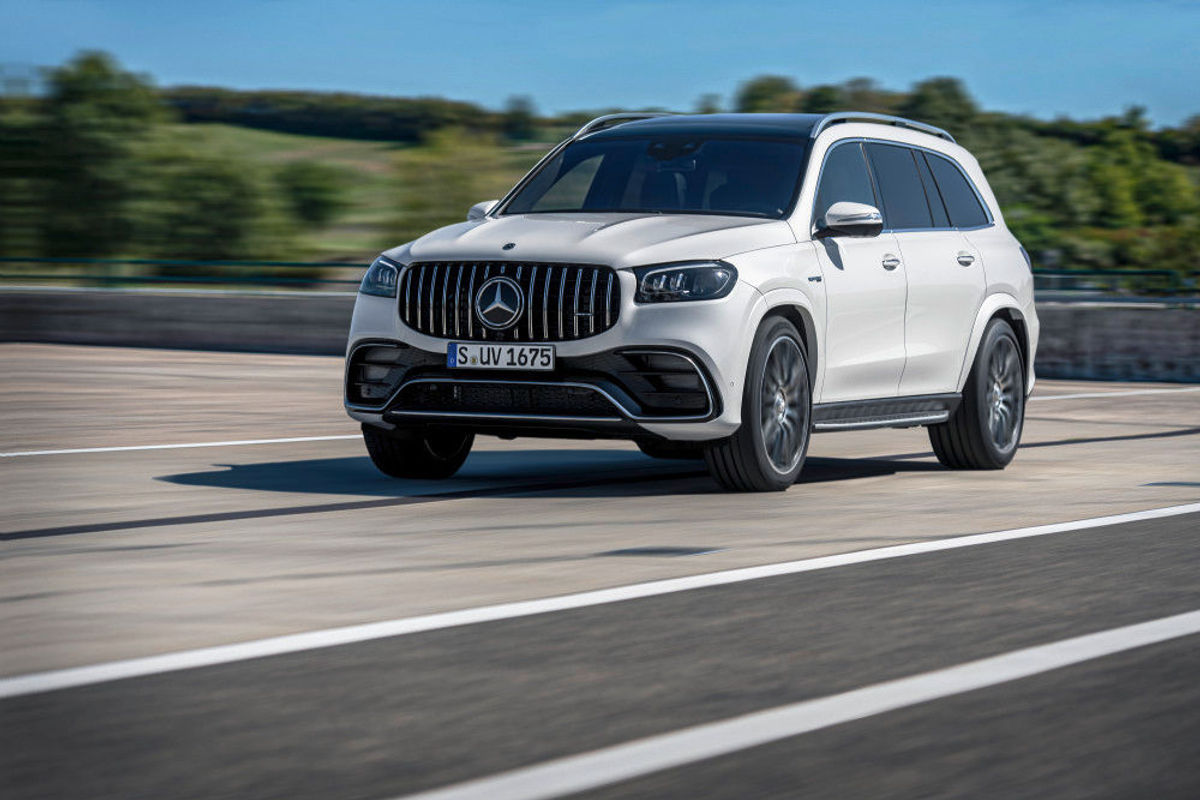
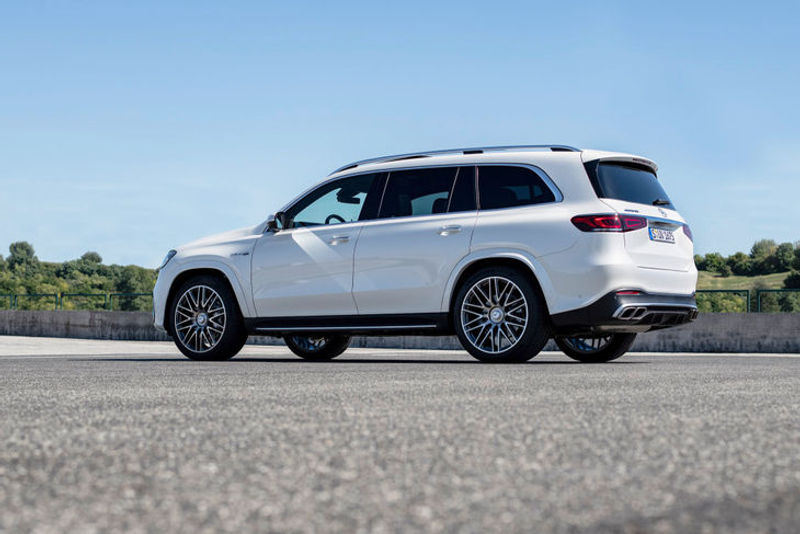
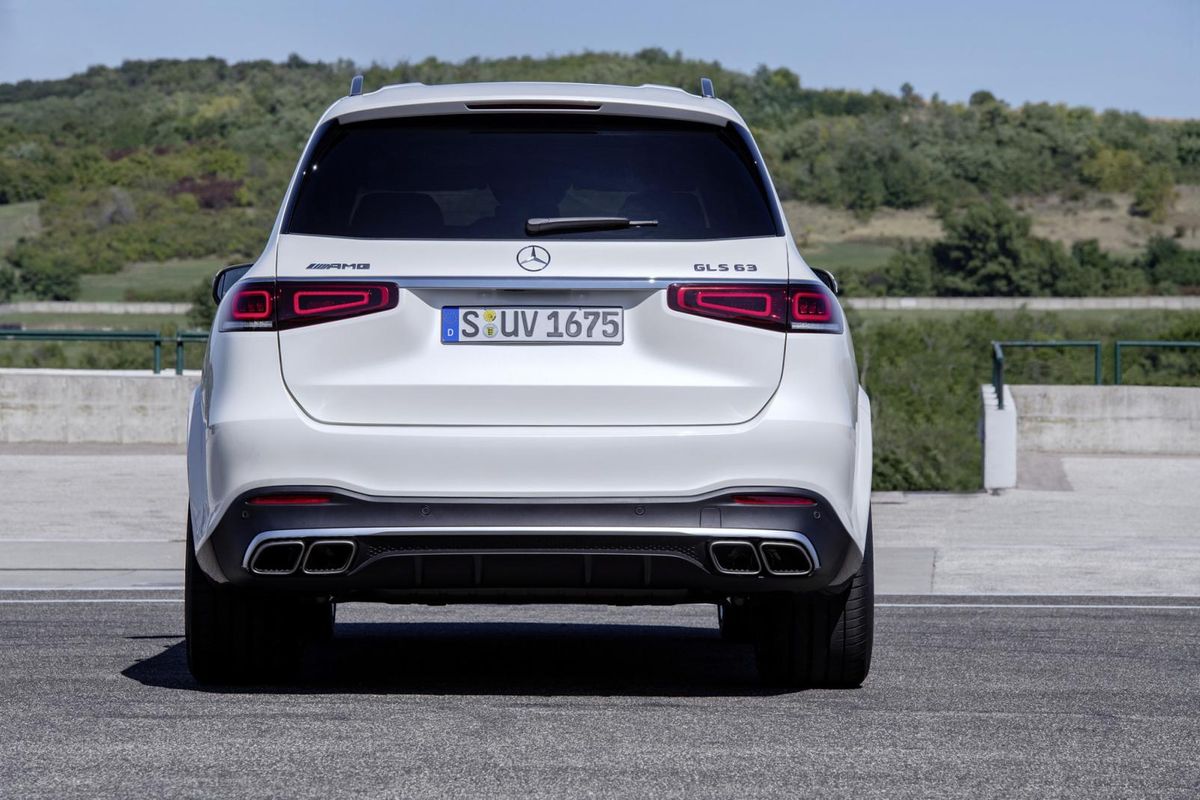
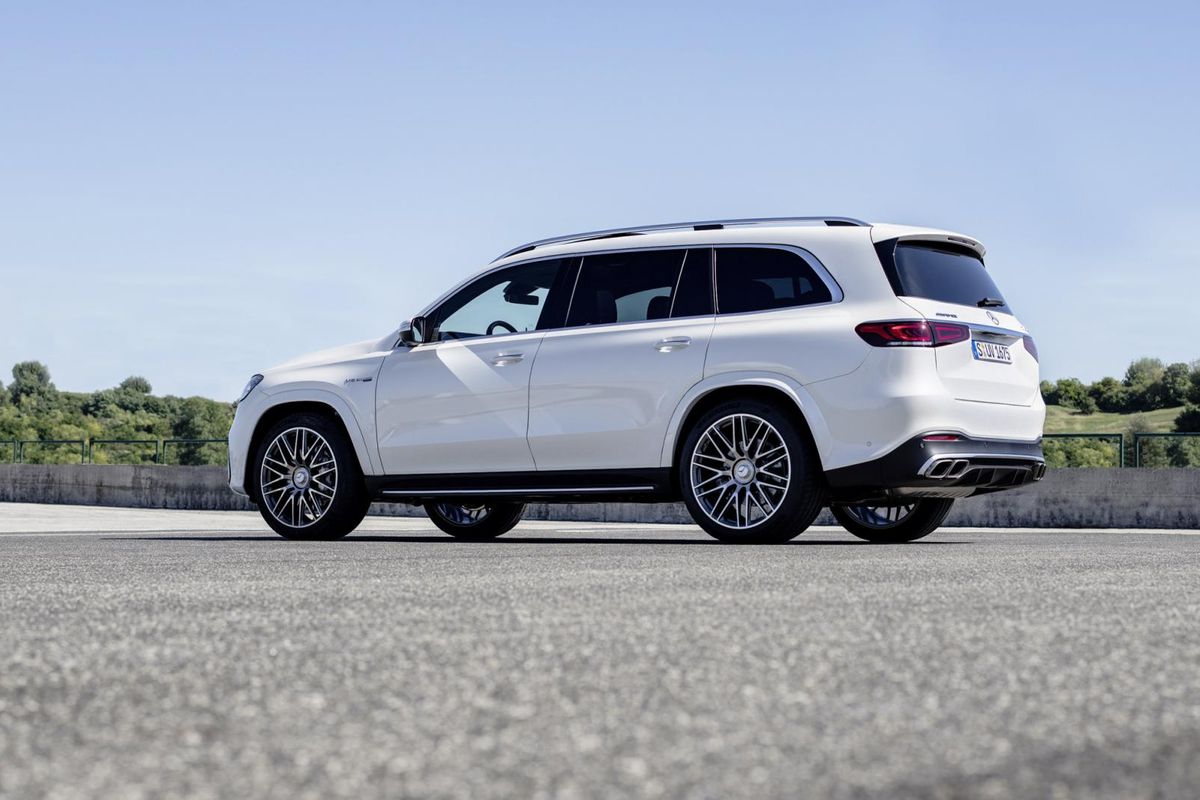
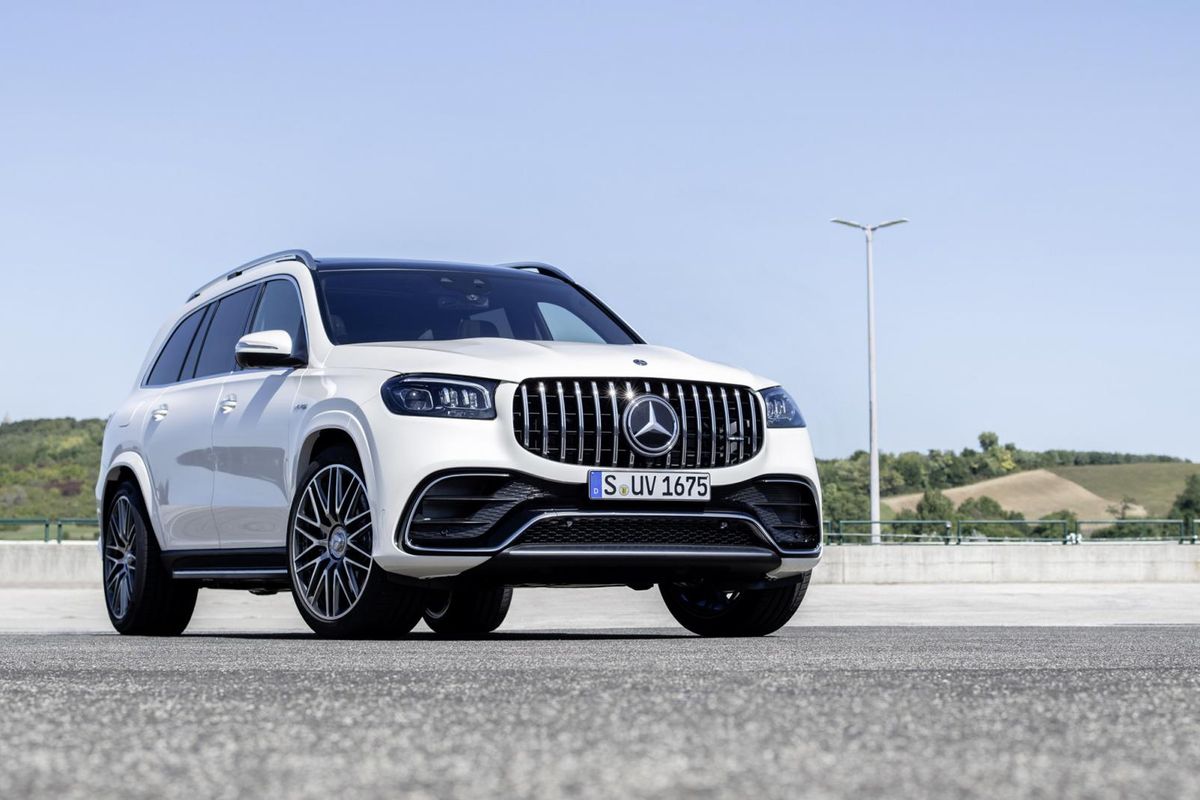
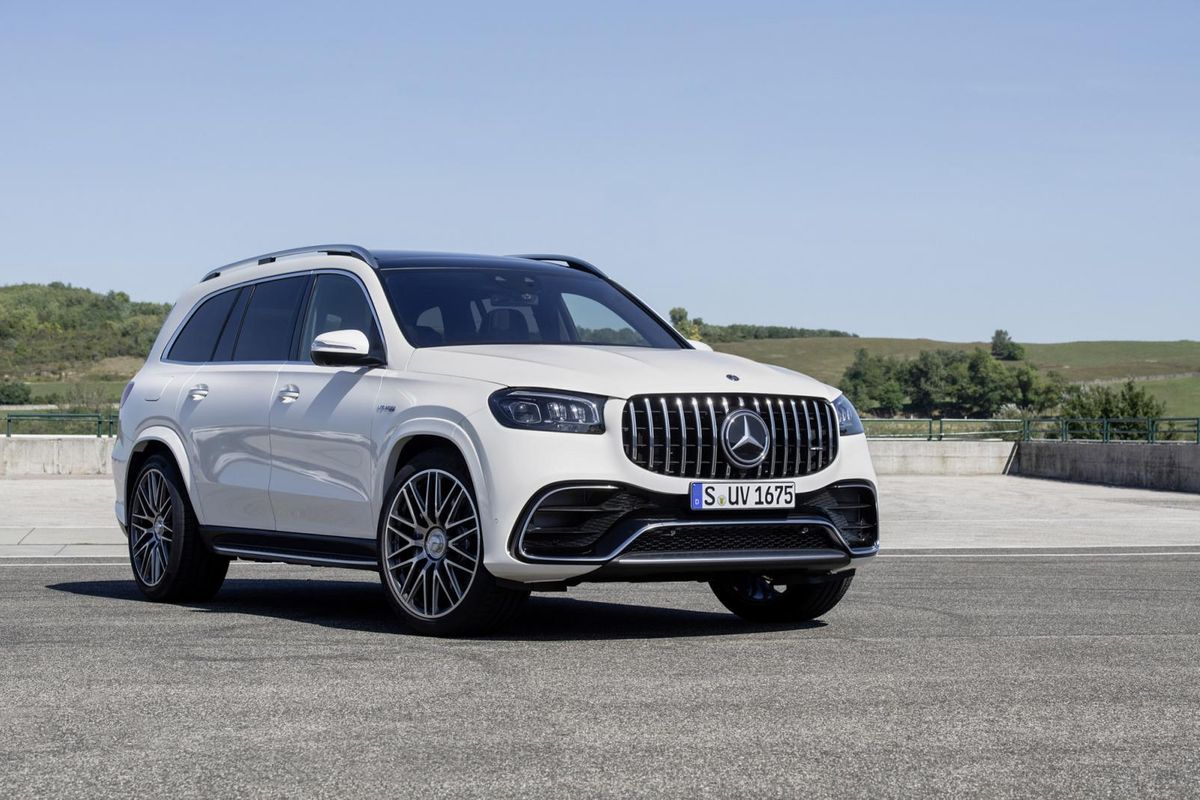
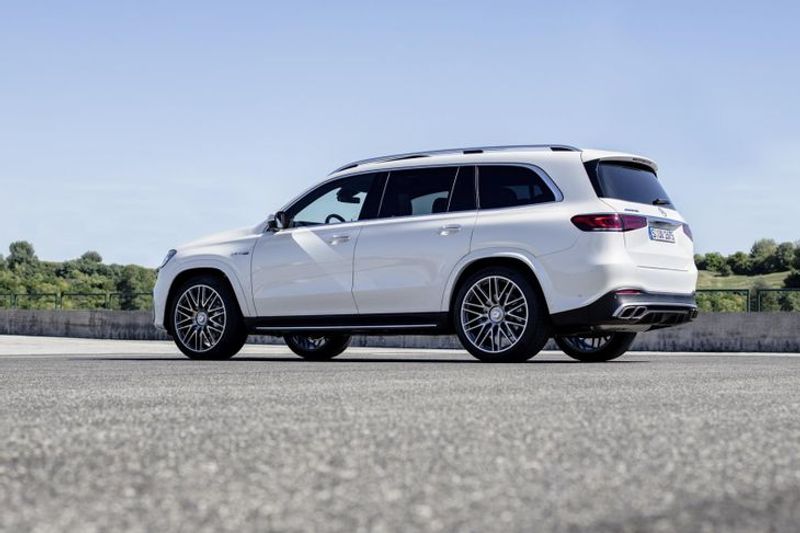
You can spot the new Mercedes-AMG GLS 63 4Matic+ with its bold and aggressive big grille at the front, huge wheels (up to 23-inch), and typical AMG 4-exhaust setup. Inside, the new Mercedes-AMG GLS 63 4Matic+ features a longer wheelbase in comparison to the outgoing model, which means more space for passengers inside. The legroom in the second row is said to have increased by 87 mm.
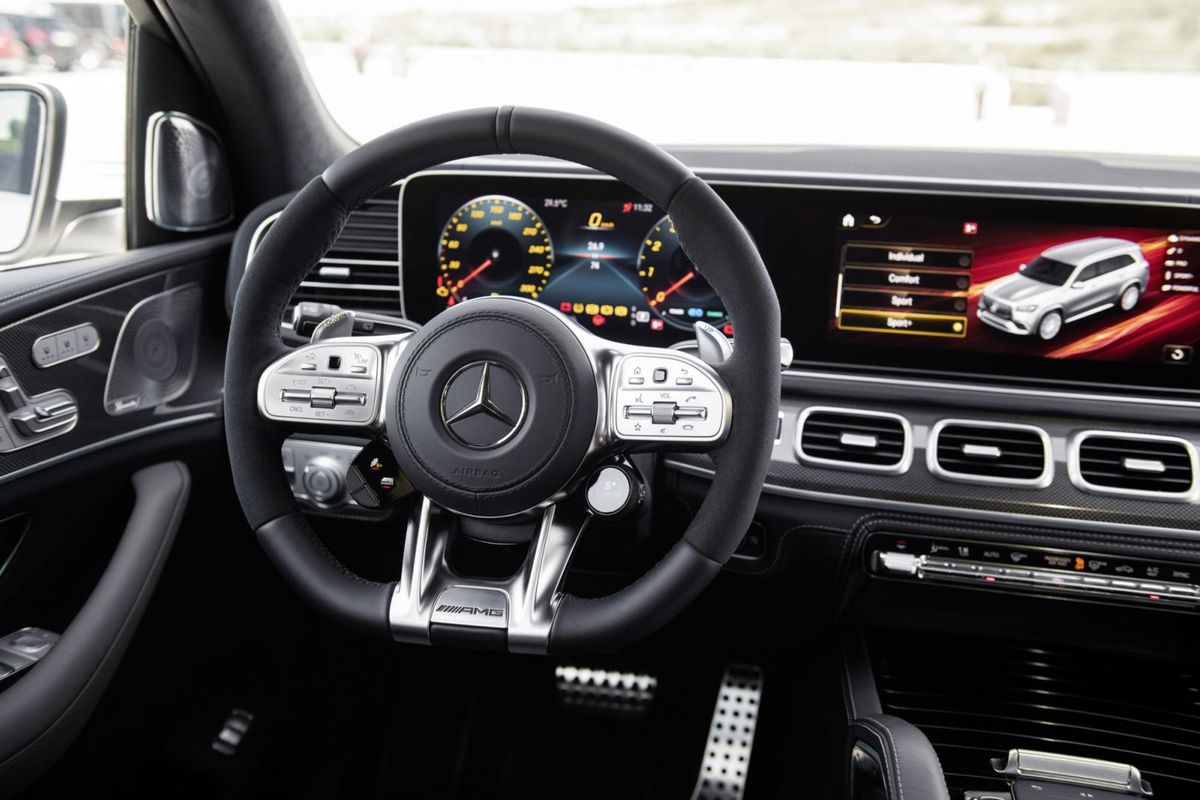
As far as features go, there are AMG sports pedals in brushed stainless steel with rubber studs, and illuminated door sill panels and black floor mats with AMG lettering. Seating comes standard in black AMG nappa leather, with a choice of seven further colour and material variants, and a 3-spoke AMG steering wheel completes the look. The MBUX infotainment system includes numerous AMG-specific features. The modern widescreen cockpit, instrument display and high-resolution multimedia touch display form one visual unit.
Being an AMG model, it naturally has to have a monster of an engine and the 4.0-litre twin-turbocharged V8 petrol motor with EQ electrification is on duty. In this application, it's tuned to 450 kW and 850 Nm. Power is sent to all 4 wheels via a 9-speed automatic gearbox. Despite its large size, Mercedes-AMG claims a sprint time of 4.2 seconds – impressive, considering its size. A top speed of 250 kph is claimed, but with the optional AMG Driver's Package ticked, 280 kph is possible. The vehicle also features air suspension with pneumatic self-levelling and adaptive dampers for exceptional levels of comfort. The vehicle will lower itself at varying speeds to reduce drag and consumption. It can also be raised by up to 55 mm for those who wish to go offroad.
With 7 seats and a potent V8 turbo engine under the bonnet, the Mercedes-AMG GLS 63 4Matic+ brings new levels of performance luxury.
How much does the new Mercedes-AMG GLS 63 4Matic+ cost in South Africa?
Ford South Africa has responded to customer requests and announces a range of Ranger accessories that are available across its dealership network.
There's been a huge uptick in bakkie customisation over the years and we've grown accustomed to see Ford Ranger owners fitting huge grilles on their vehicles. Trouble is, these can impair airflow into the engine and aren't built to OEM specifications, resulting in some complications around warranties. Ford realises it has a tremendous fanbase and knows the bakkie customisation market is taking off, so it has launched its own accessories range
Available through the Ford dealer network across South Africa, these accessories have been tested by Ford and are said to carry original equipment quality and workmanship guarantee.
“Constant market evaluation and clear communication with our customers and dealers has given Ford SA the necessary agility required to enhance the Ford Ranger to meet the needs of our customers,” says Dale Reid, Product Marketing Manager at Ford South Africa. “We believe this is the right time to introduce these Ford-approved upgrades to the South African market and thereby provide an expansive and diverse product offering. It is also essential that we warn customers about the possible risks and dangers of fitting non-approved accessories to their vehicles. These can have a negative impact on the vehicle’s safety and performance, and could impact the vehicle’s warranty. Customers are urged to discuss the fitment of accessories with their Ford dealer beforehand,” Reid says.
Ford Ranger Accessories in SA
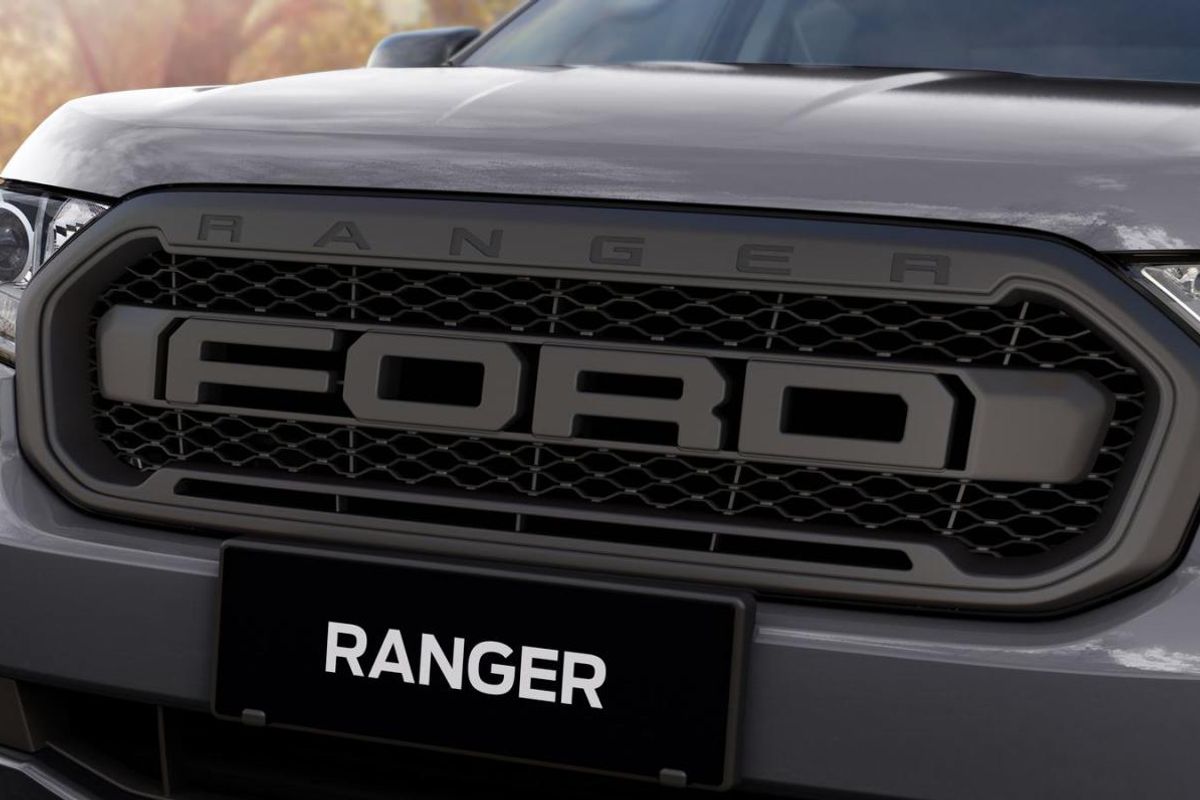
For the Ranger XL, XLS and XLT owners, you can finally buy a factory-approved Raptor style grille. It's been designed to not affect the car's performance and cooling and won't compromise your warranty. Installation takes 30 minutes at your nearest dealership.
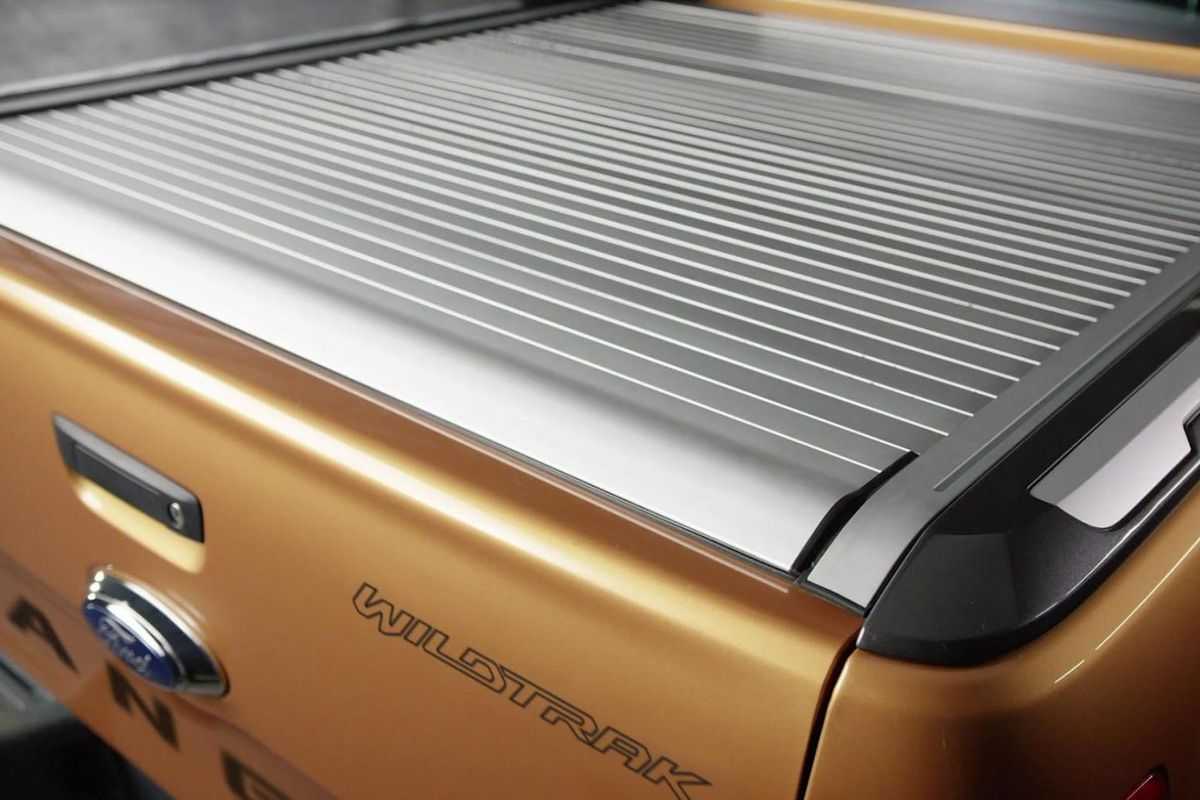
Security is a big issue in South Africa and Ford has upgraded its manual roller shutter to a powered unit at no additional cost. This is exclusive to the Ranger Wildtrak and allows a customer to electronically open or close the protective shutter over the loadbox and provides a convenient method to securely stow cargo out of sight. The manual roller shutter will remain an alternative option. Above the roller shutter is a rail and accessory attachment slot for extra leisure gear like bike racks, kayaks and camping equipment. If your vehicle has the manual roller shutter, you can upgrade at no cost. Both the electric and manual roller shutter cost the same, so customers can choose.
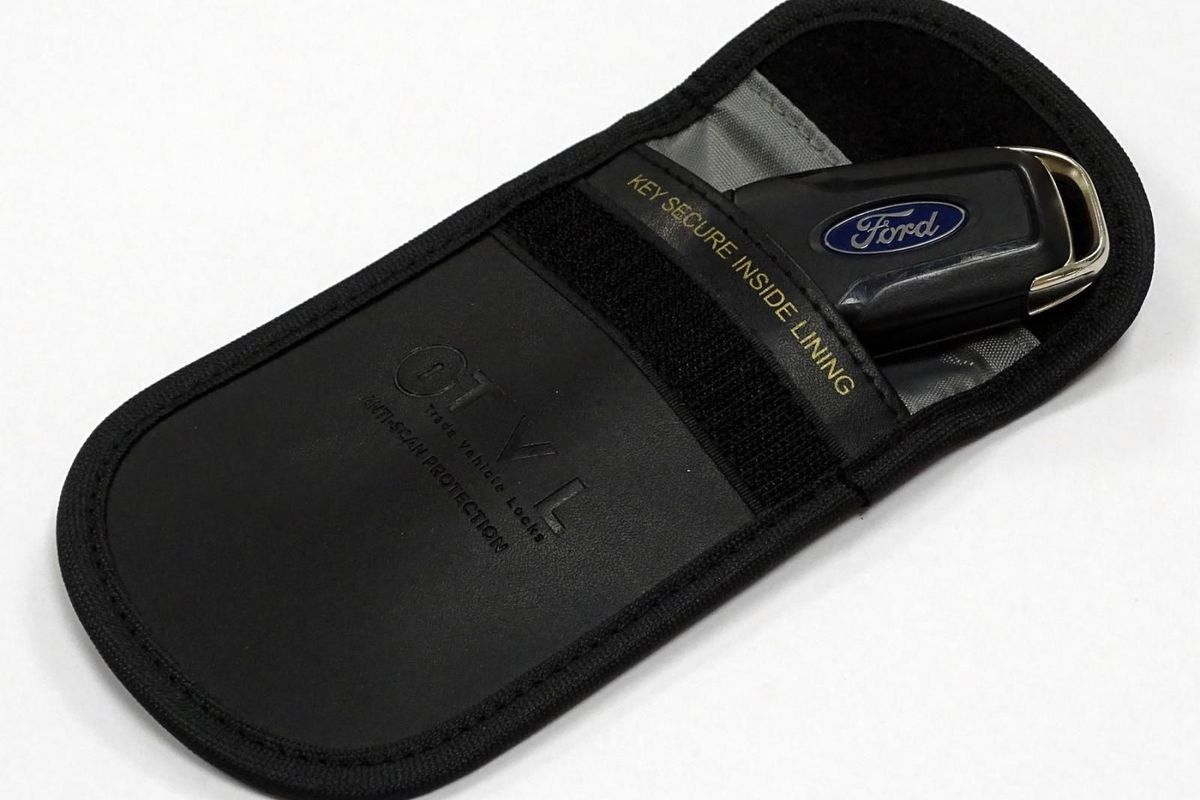
For Ranger customers who have keyless access and functionality, Ford has introduced the Faraday pouch to prevent keyless car theft. In many instances, criminals have found a way to steal vehicles fitted with keyless start by using signal extenders which can be effective up to distances of 100 metres. The Faraday Pouch is able to prevent this type of criminal attack. With the vehicle’s key placed inside the Faraday Pouch, the layers of metallic lining prevent these external signals from having any effect on the key. It is recommended that the key be placed inside this slim and lightweight pouch as soon as you get out the vehicle and the doors are locked.
How much do Ford Ranger accessories cost?
The new Ford Ranger accessories are priced as follows:
Ford Raptor-style grille R4 312 including VAT, excludes labour
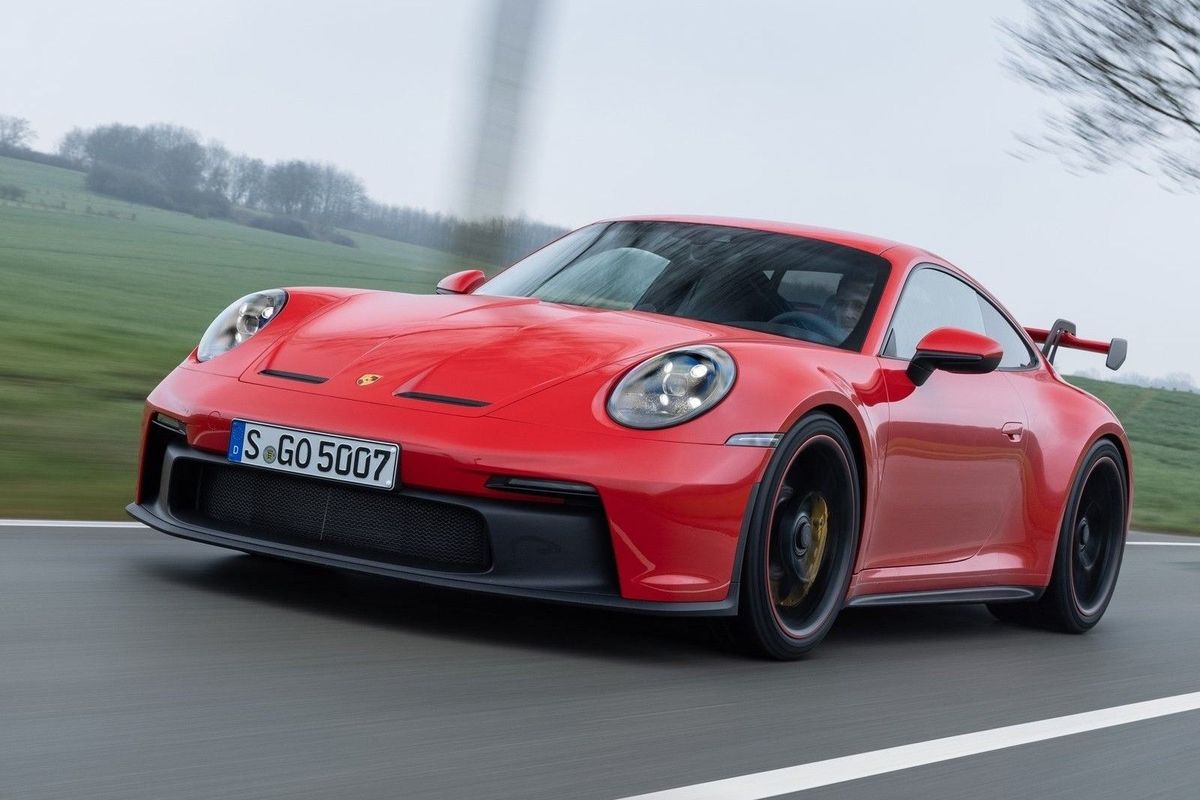
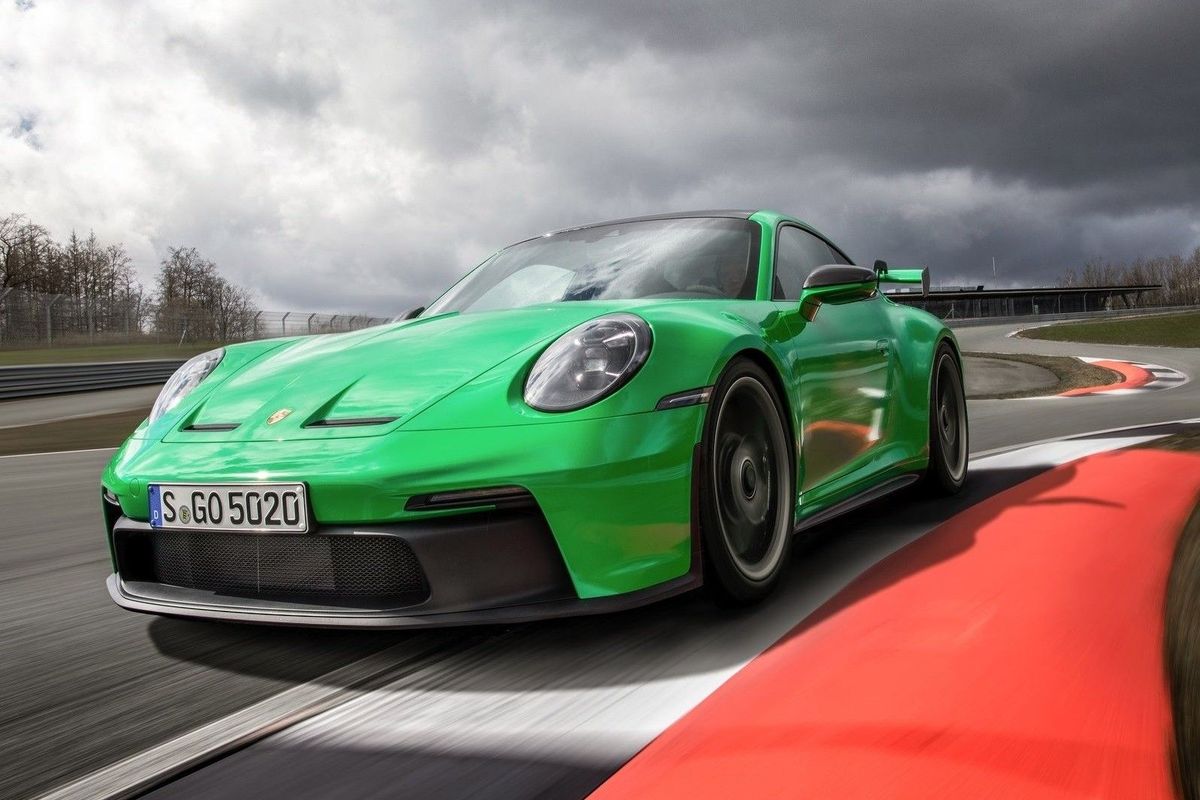
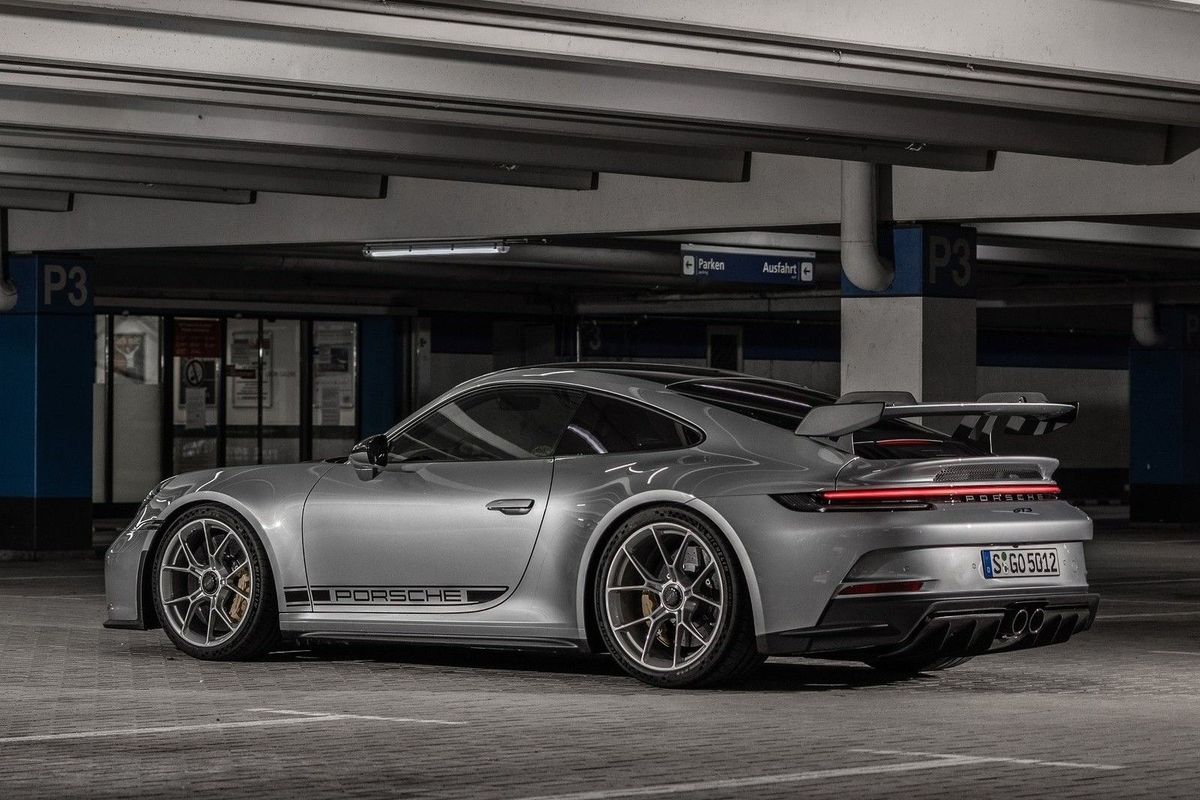
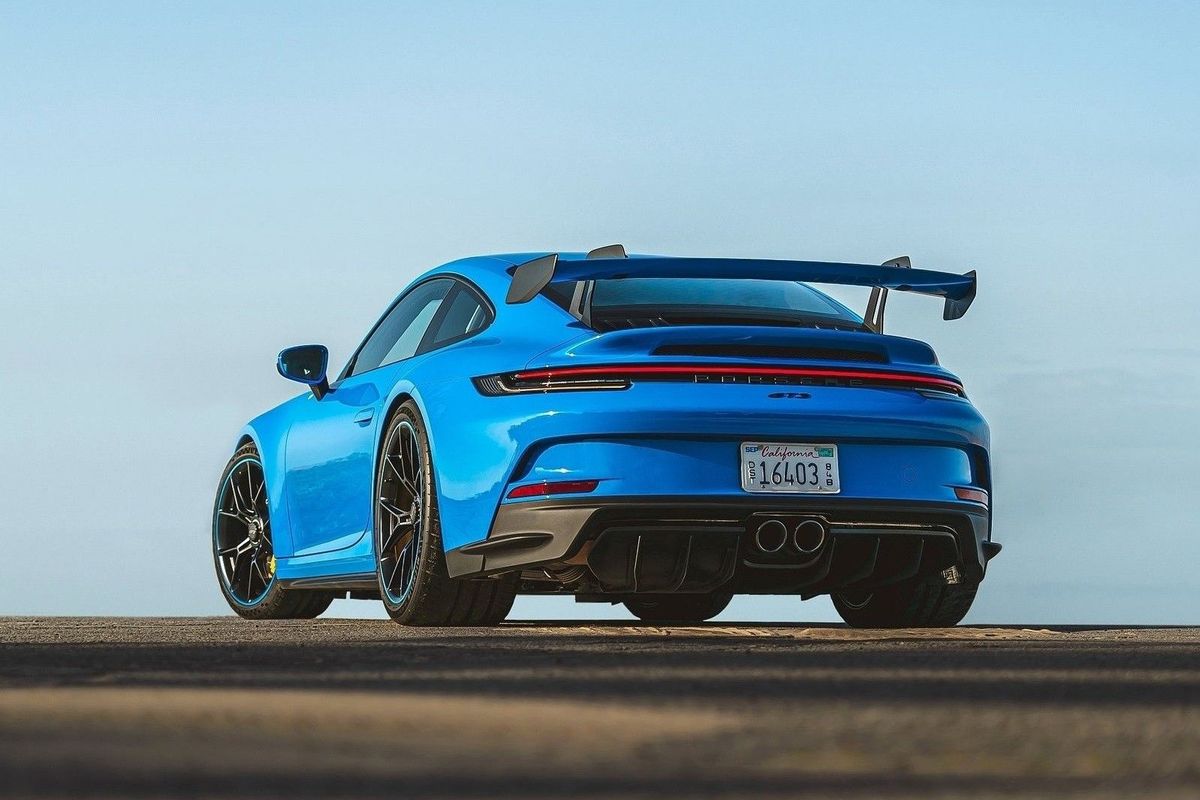
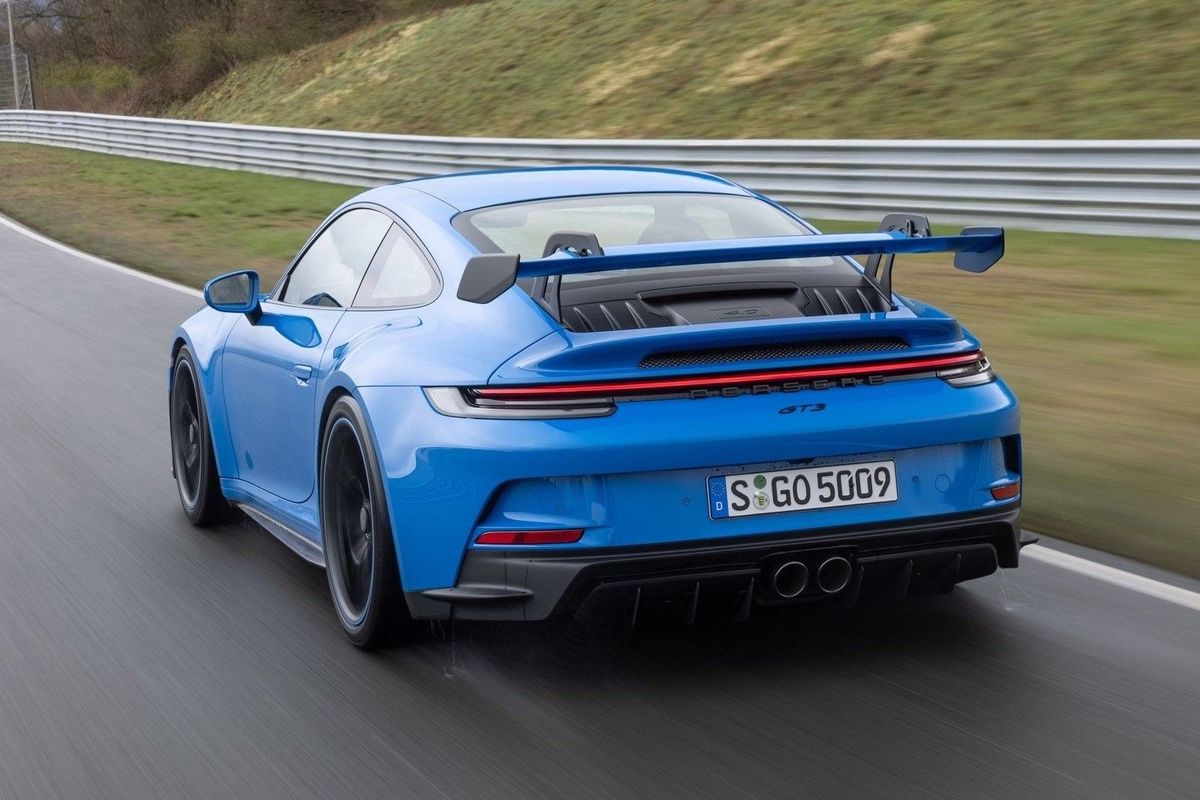
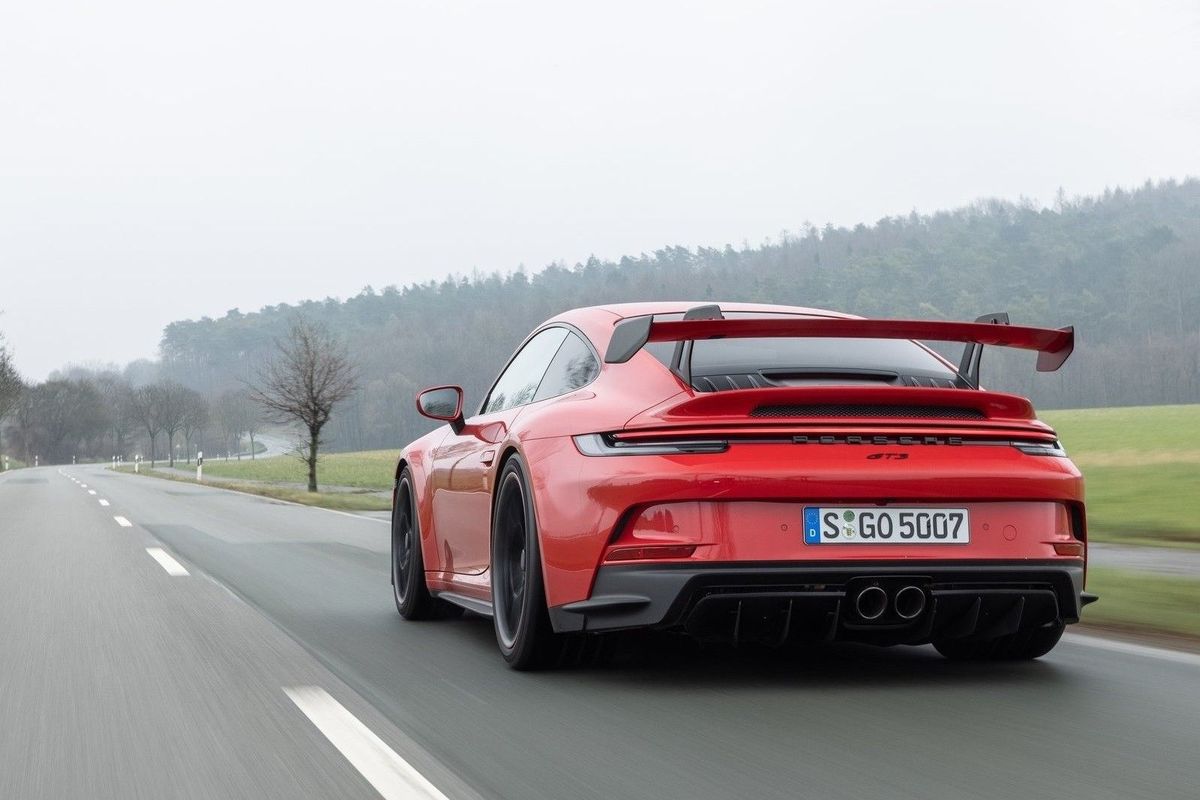
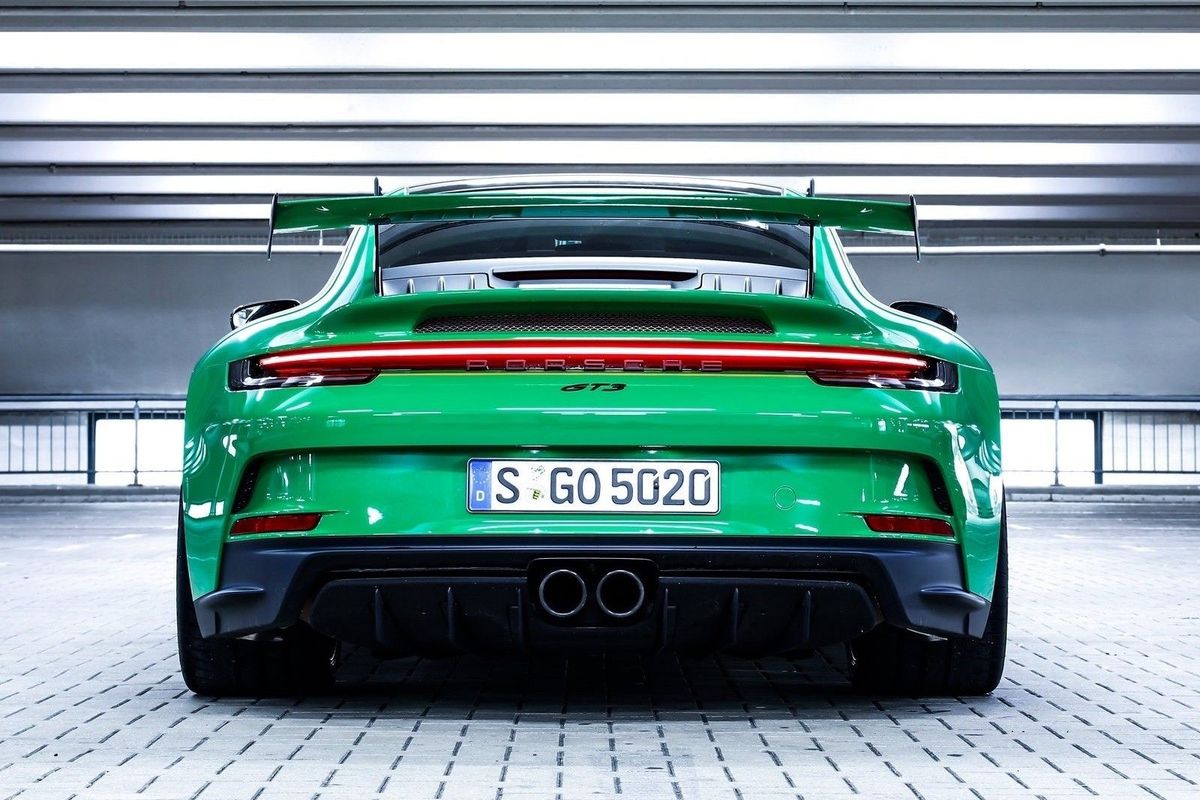
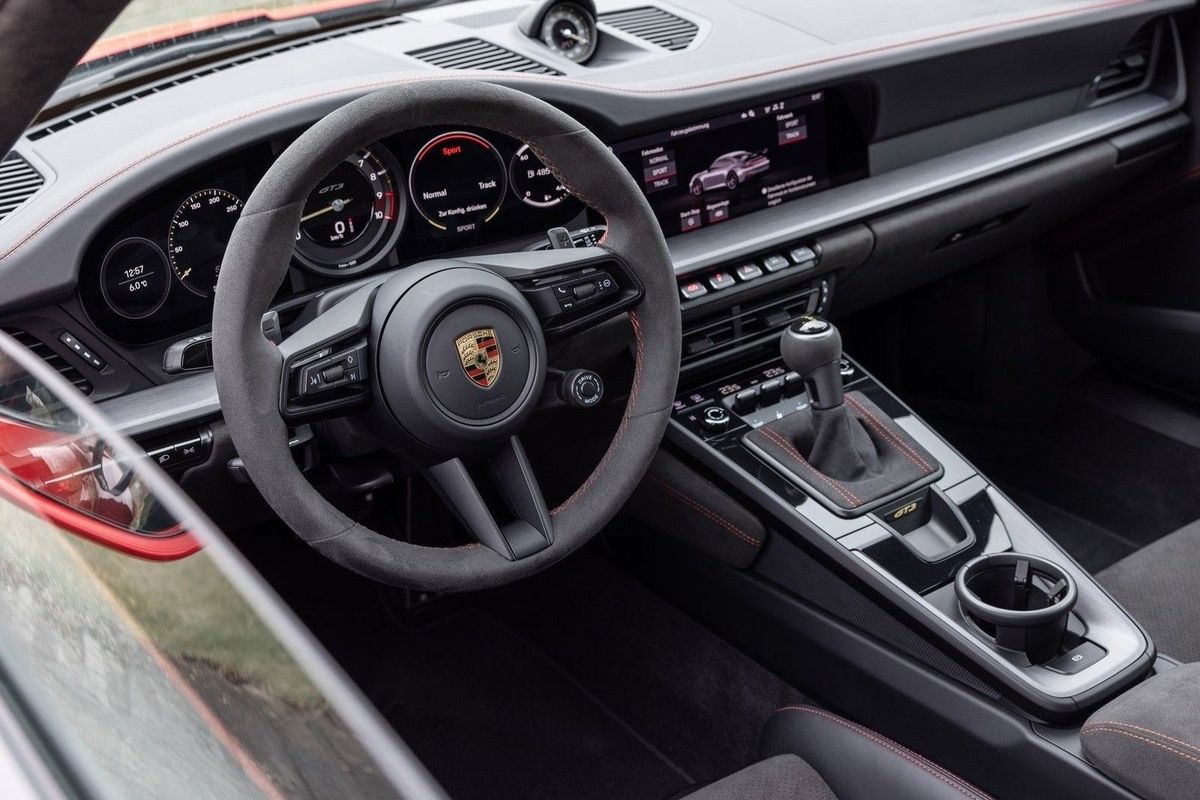
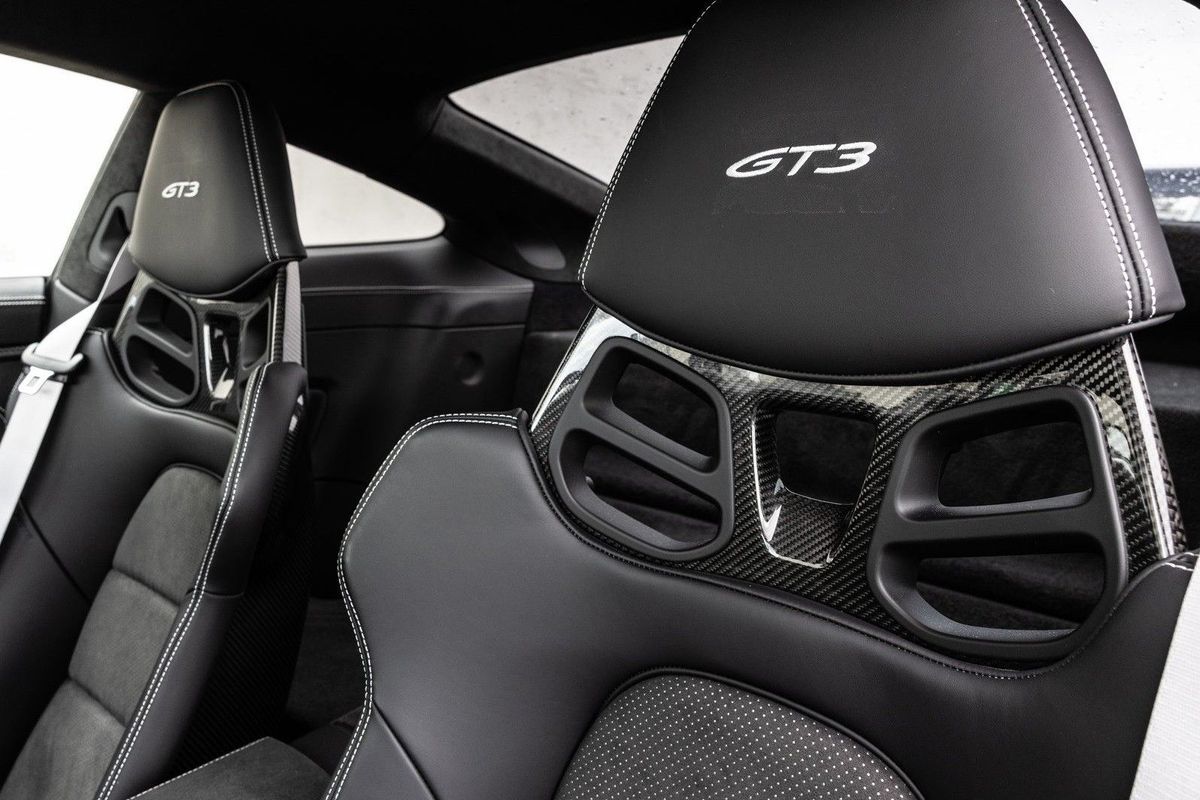
The Porsche 911 GT3 is on its way to South Africa. Here's how much you can expect to pay for arguably the purest sportscar experience.
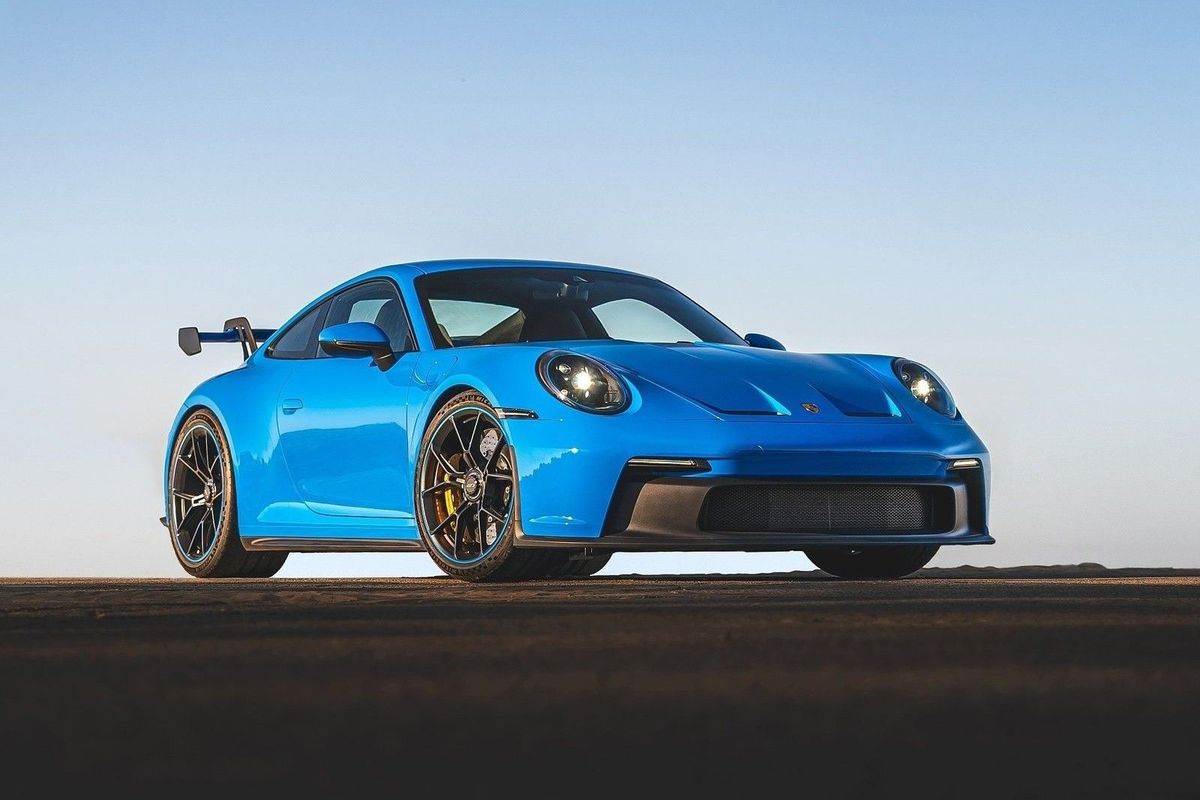
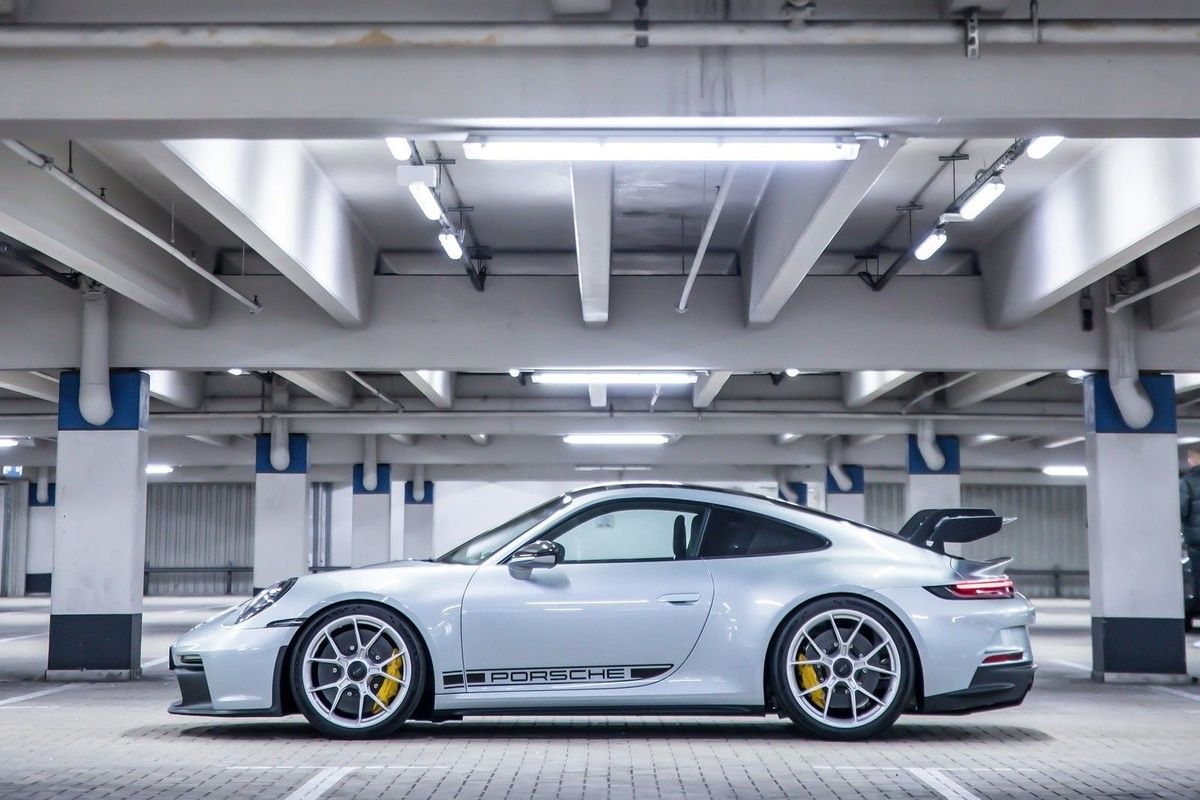
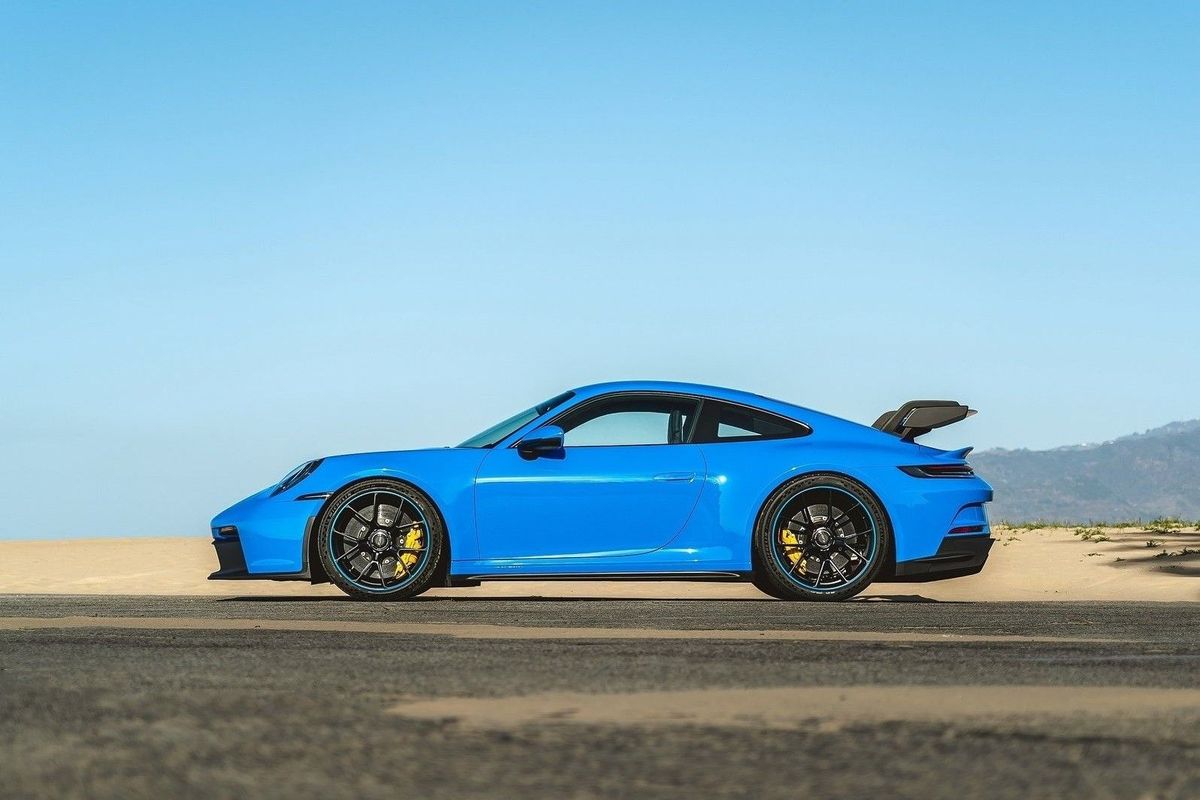
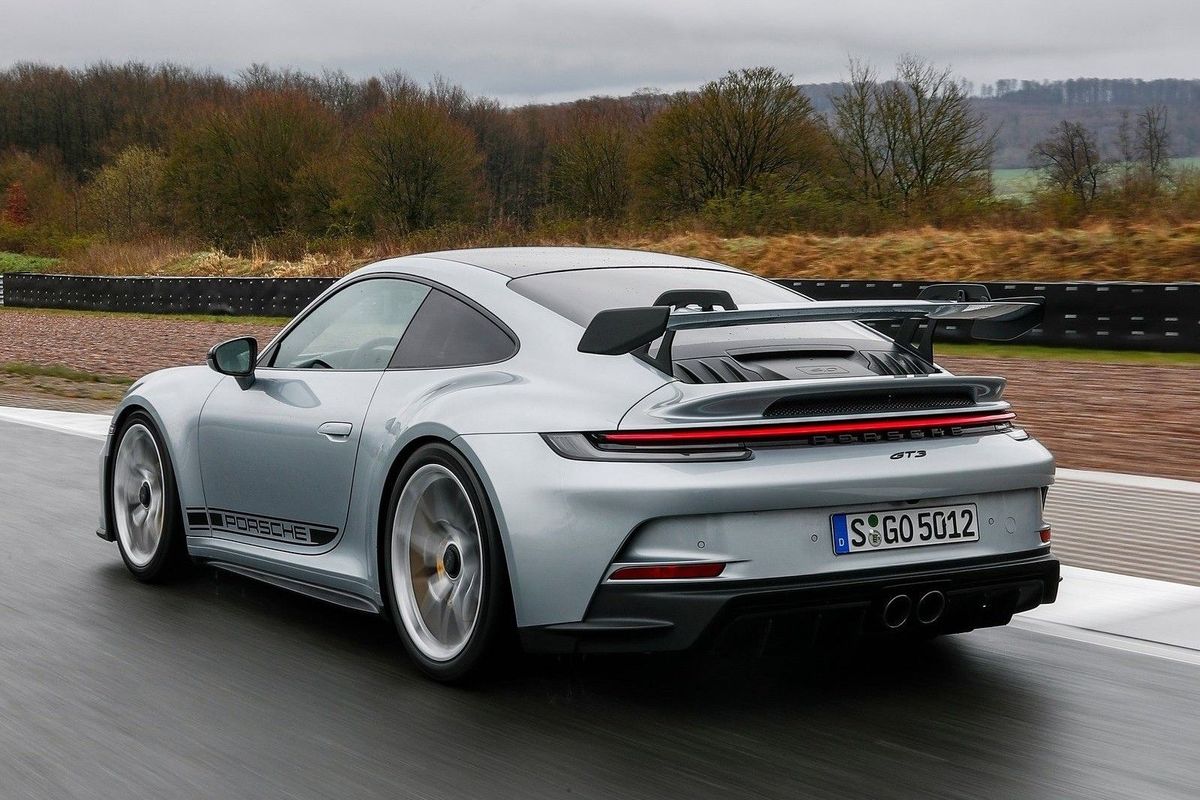
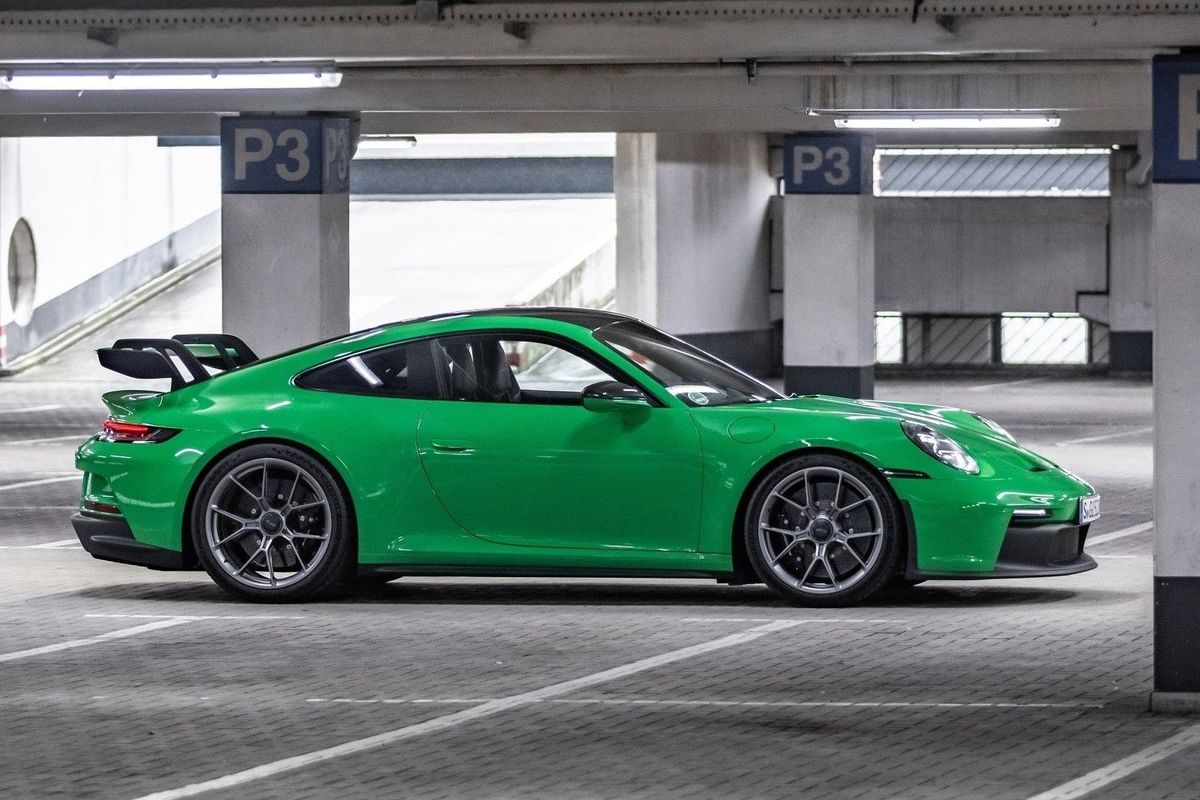
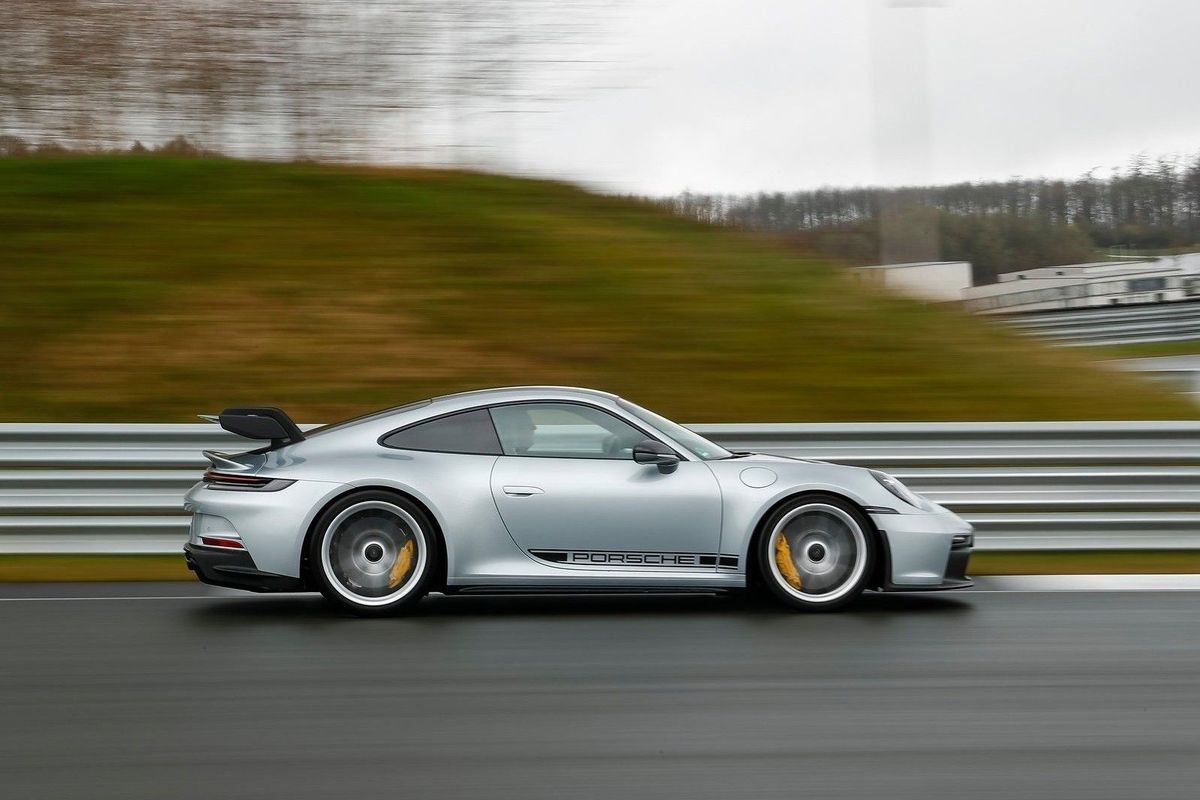
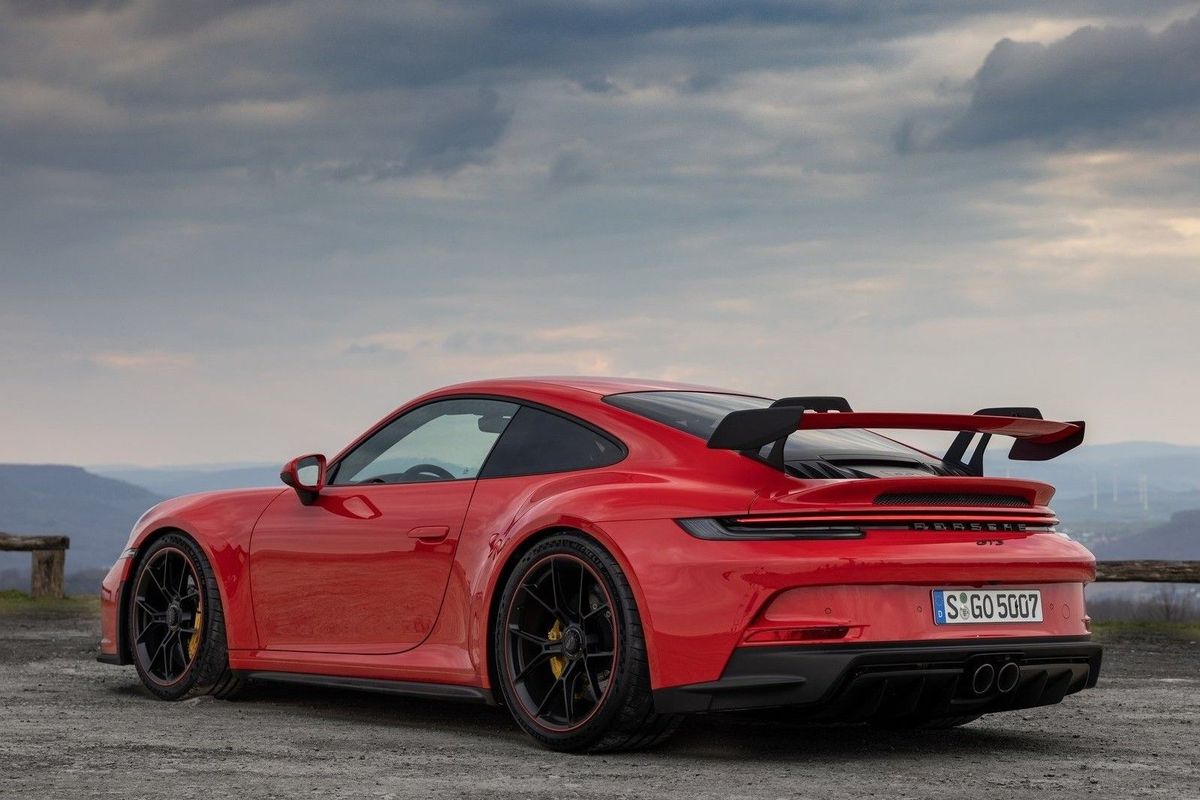
The 7th-generation Porsche 911 GT3 was revealed in 2021 and was built as a collaboration project with Porsche Motorsport. Given its involvement and success in motor racing, we can easily assume what you see here is basically a road-legal racer. Physically the new car is wider and has larger wheels, as well as some trick aerodynamics like the swan neck rear wing. Despite the advancements, the new car tips the scales on par with the outgoing model.
Being one of the flagship Porsche 911 offerings, the performance is going to be breathtaking. Porsche claims a 0-100 kph in just 3.4 seconds and it will sprint to a top speed of 320 kph (318 kph with PDK). Yes, that's right, Porsche is offering its new 911 GT3 with a manual transmission for the purest Porsche experience. Perhaps the most impressive performance figure is the 0-200 kph in just 10.8 seconds.
Power comes from the 4.0-litre flat-six petrol engine delivering 375 kW and 470 Nm. The engine has a red line of 9 000 rpm and the engine features six individual throttle valves. Despite having two gasoline particulate filters, the lightweight sports exhaust system weighs less than the one fitted to the previous 911 GT3.
The car's not just about straight-line performance though, with the 911 GT3 development taking place on the Nuerburgring-Nordschleife circuit where it went over 17 seconds faster than the predecessor. Of course, some special tyres played their part and Porsche has made Michelin Pilot Sport Cup 2 R rubber as an option.
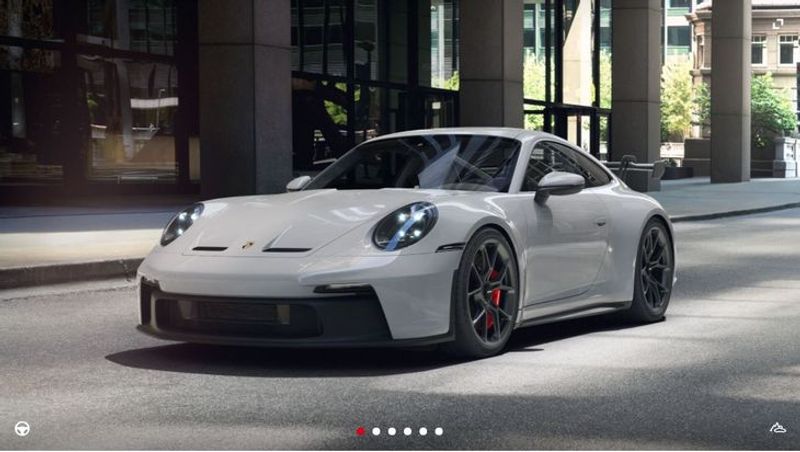
How the Cars.co.za Porsche 911 GT3 would look. Now, time to buy those Lotto tickets.
How much does the new Porsche 911 GT3 cost in South Africa?
The Porsche 911 GT3 will be arriving in SA in 2021 and is available with either a 5-year Driveplan or a 3-year Driveplan. A quick look at the configurator highlights what you can be expected to pay for various options. The gorgeous Shark Blue (and other special paints) adds R86 740, full bucket seats go for R130k, Chrono package R11k, Porsche Ceramic Composite Brake (PCCB) R223k, and a Bose sound system for R34k. Mind you, with a snarling engine right behind your head, we don't think there's a need for an upgraded audio system.
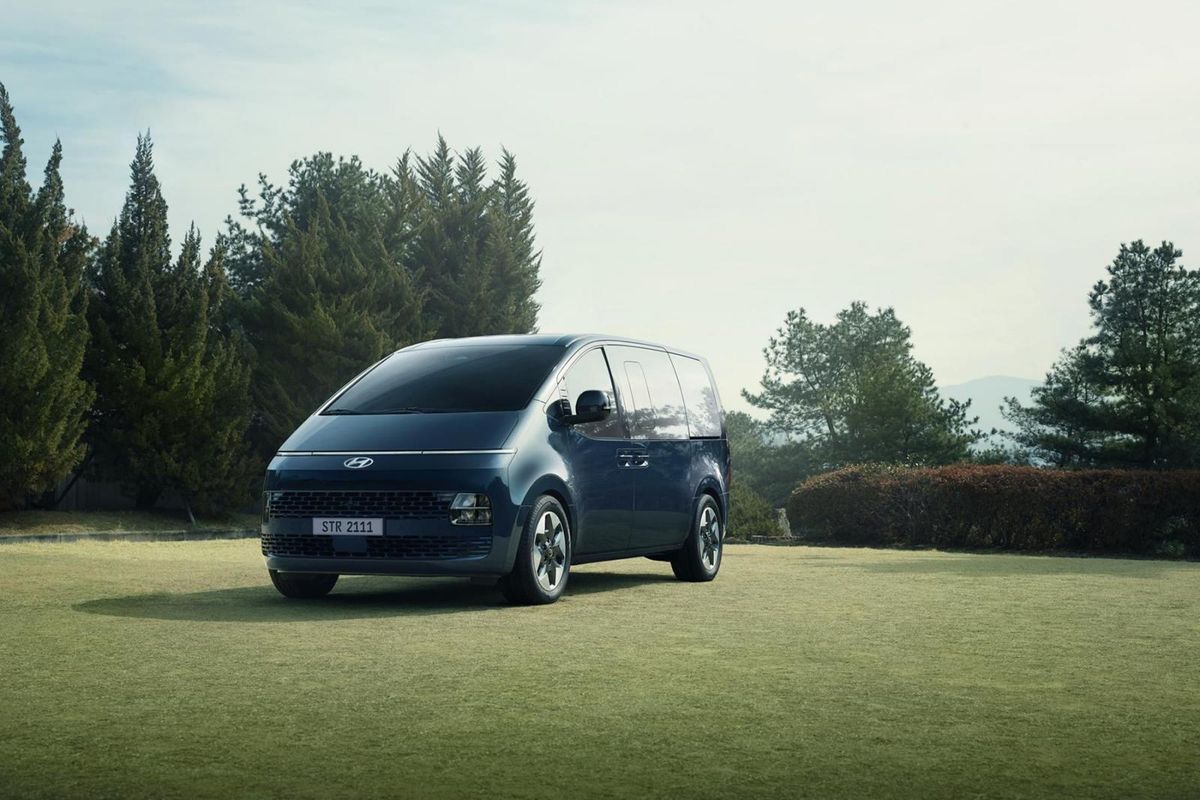
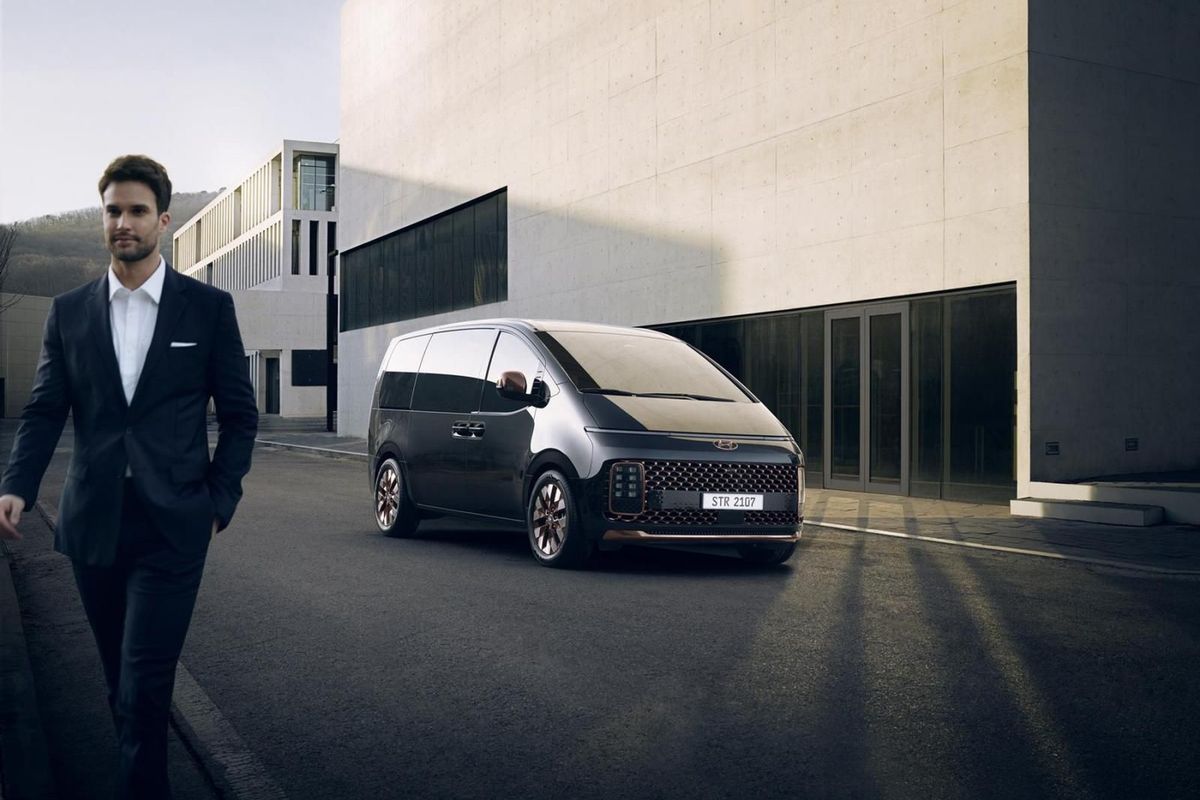
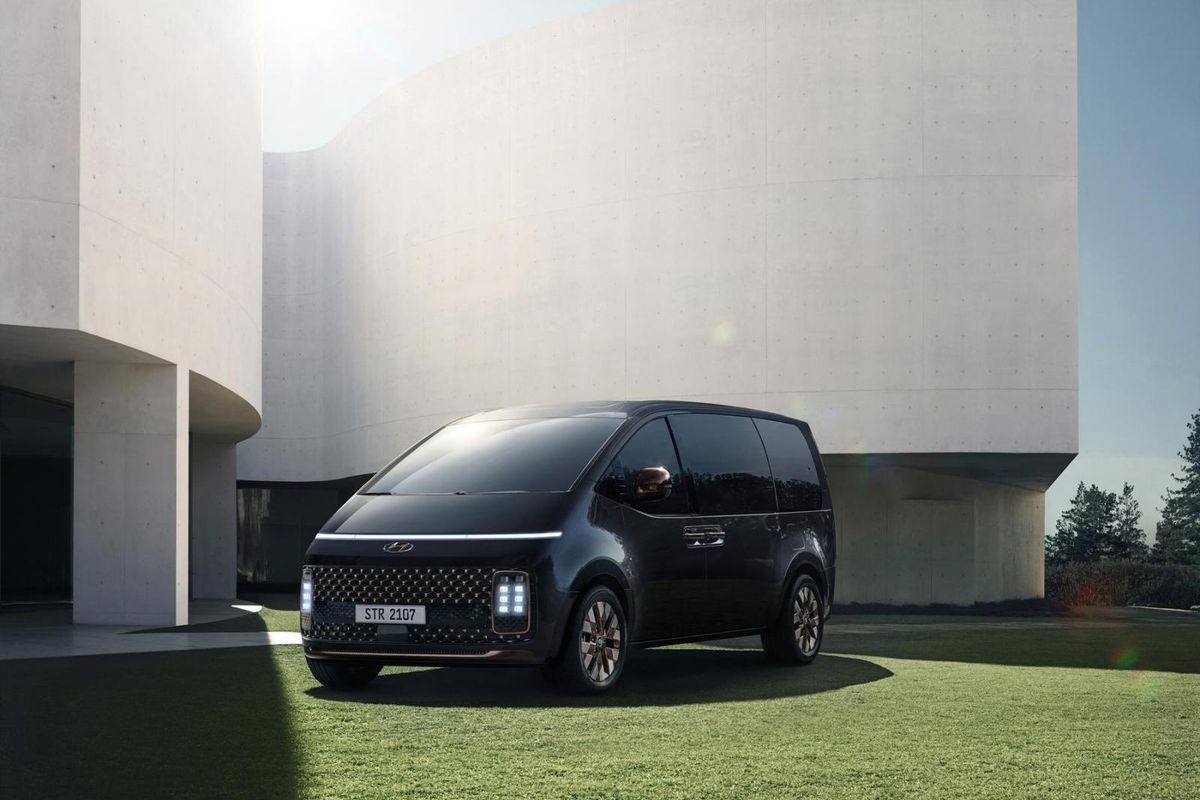
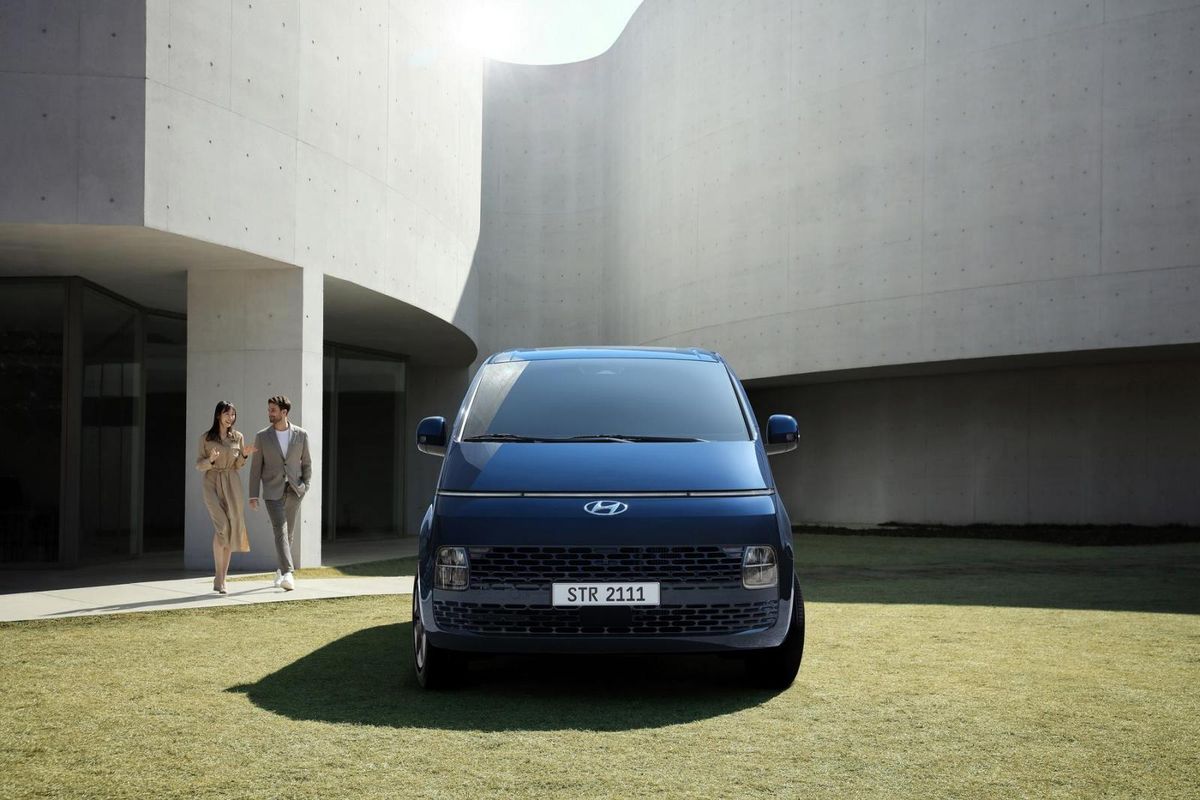
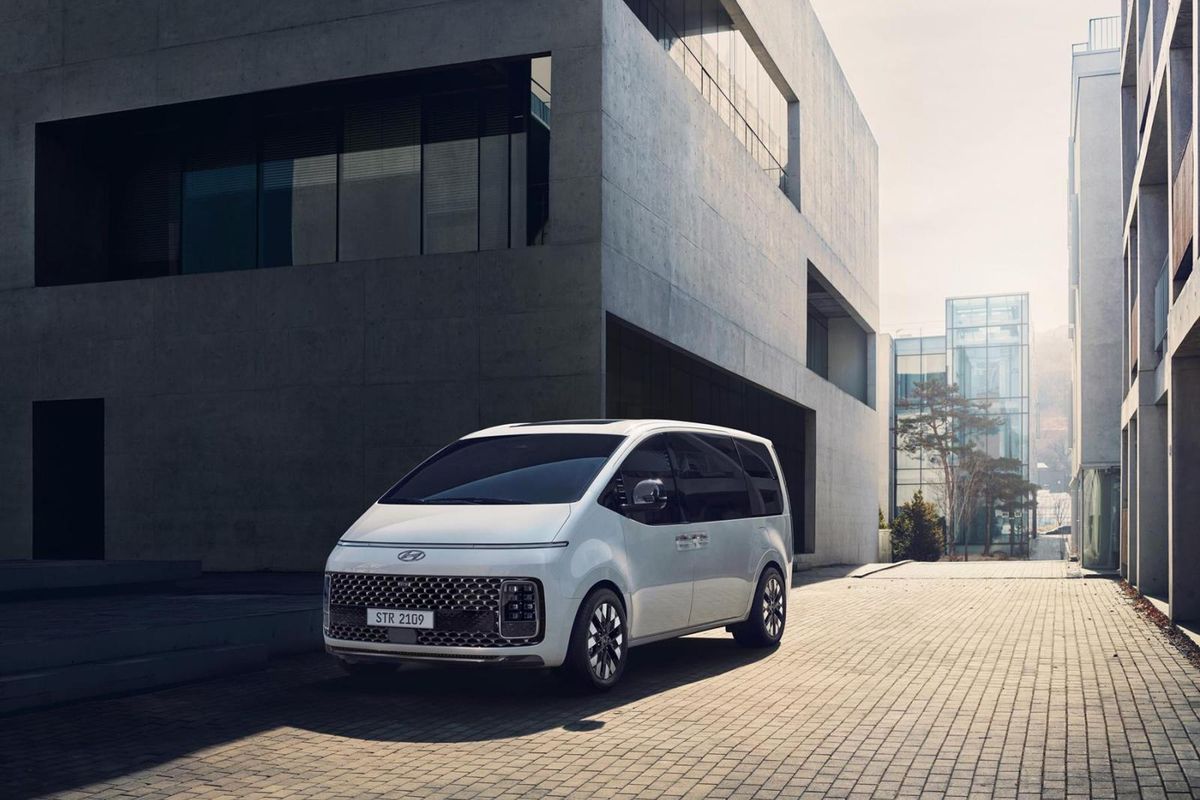
Hyundai has shared more details about its all-new Staria MPV and confirmed the model's introduction to South Africa.
Hyundai joins other car brands who have shifted their business focus from car maker to smart mobility solution provider, and the Staria is the first model that will come from its future purpose-built vehicles (PBVs).
Using this platform, the Hyundai Staria is available 2- to 11-seat configurations and in two variants: Staria and Staria Premium. The premium model makes no secret it wants a slice of the lucrative luxury bus segment and we expect it to rival the Volkswagen Caravelle and Mercedes-Benz V-Class.
“We are thrilled to introduce the Staria, which represents our latest effort to spearhead the evolution of mobility, and to address emerging lifestyle needs as we adapt to new ways of living,” says Thomas Schemera, executive vice president and global chief marketing officer. “The Staria is a step forward in connecting us more closely with our environments so that we can get more out of our everyday lives and do more for ourselves in transit.”
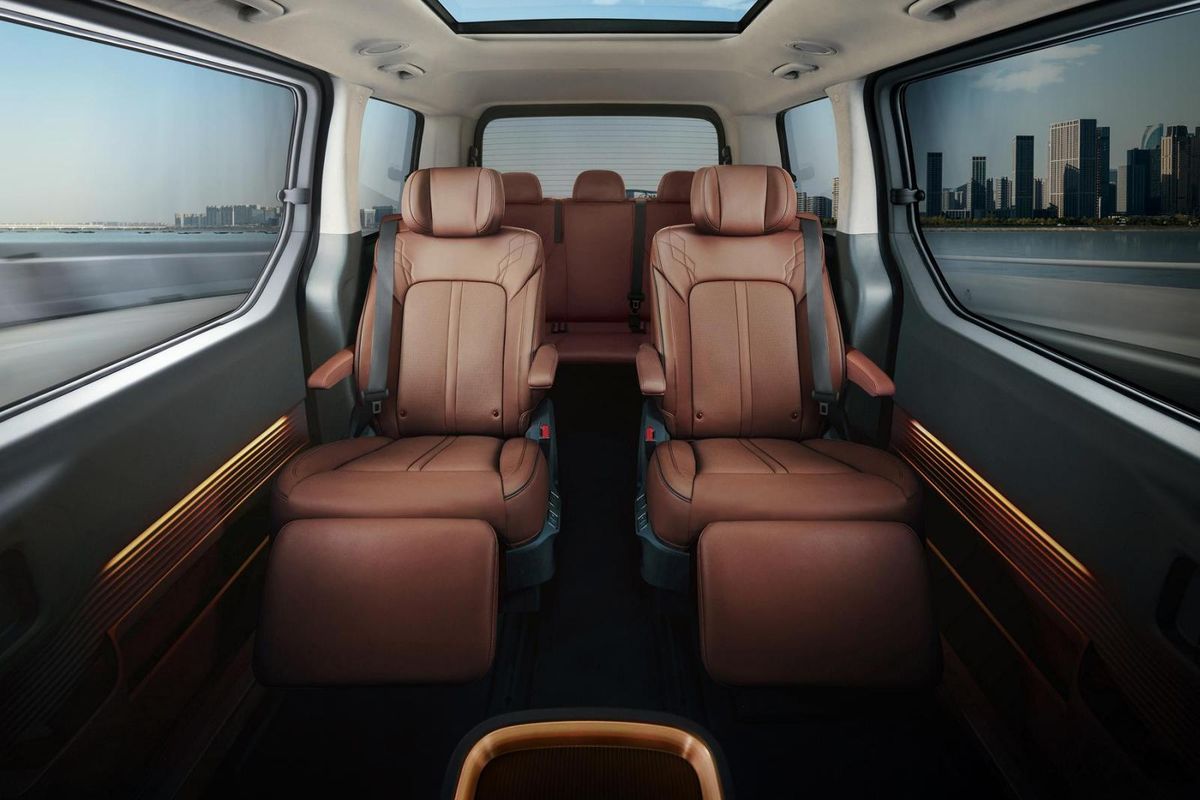
Styling-wise, the Hyundai Staria looks like something out of a science fiction movie. There's a horizontal daytime running lamp running across the front of the vehicle and the entire Staria appears creaseless. Inside, Hyundai says its Staria's cabin was inspired by cruise ships and it 'delivers an open and unique atmosphere through its innovative design architecture. The vehicle’s lower beltlines and panoramic windows create a spacious, stimulating environment for all passengers.'
There aren't any pictures showing the dashboard, but Hyundai says the driver's seat has a 'futuristic high-tech look with a 10.25-inch front display screen and button-type gearshift lever.' Both the driver and passengers have access to USB ports, cup holders, and additional space to store items. Taking things up a notch is the Staria Premium 7-seater that has reclining relaxation seats. The 9-seat Premium model’s individual seats in the second row can swivel 180 degrees to face passengers in the third row.
When it comes to South Africa, the Hyundai Staria will be powered by a 2.2-litre VGT turbodiesel engine, which also powers the updated Hyundai Santa Fe, due to be launched in April 2021. Outputs could be around the 149 kW and 441 Nm mark, and the vehicle will have an 8-speed automatic gearbox.
When is the Hyundai Staria coming to South Africa?
Hyundai South Africa is aiming for a local launch of the Staria towards the end of 2021. "We are examining all configurations of the Staria – from the luxury 7-seater to the panel van version – to determine what the range in South Africa will consist of. With the luxury derivative, Hyundai will enter a segment for multi-purpose vehicles in the country where the brand did not compete before,” says Stanley Anderson, sales and operations director of Hyundai Automotive SA. “Further good news is that we shall still have a large people-carrier to offer in the range as a replacement for the popular H-1 9-seater bus that has served many families and businesses well over the years.”
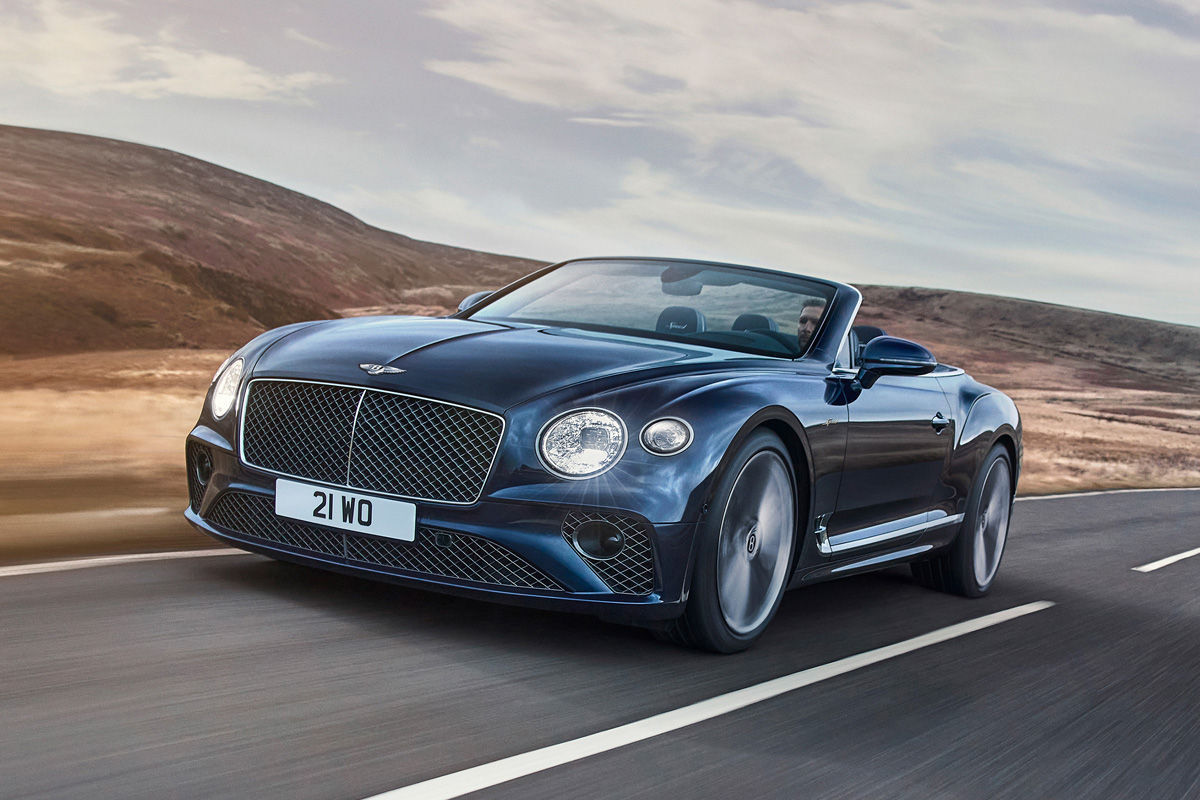
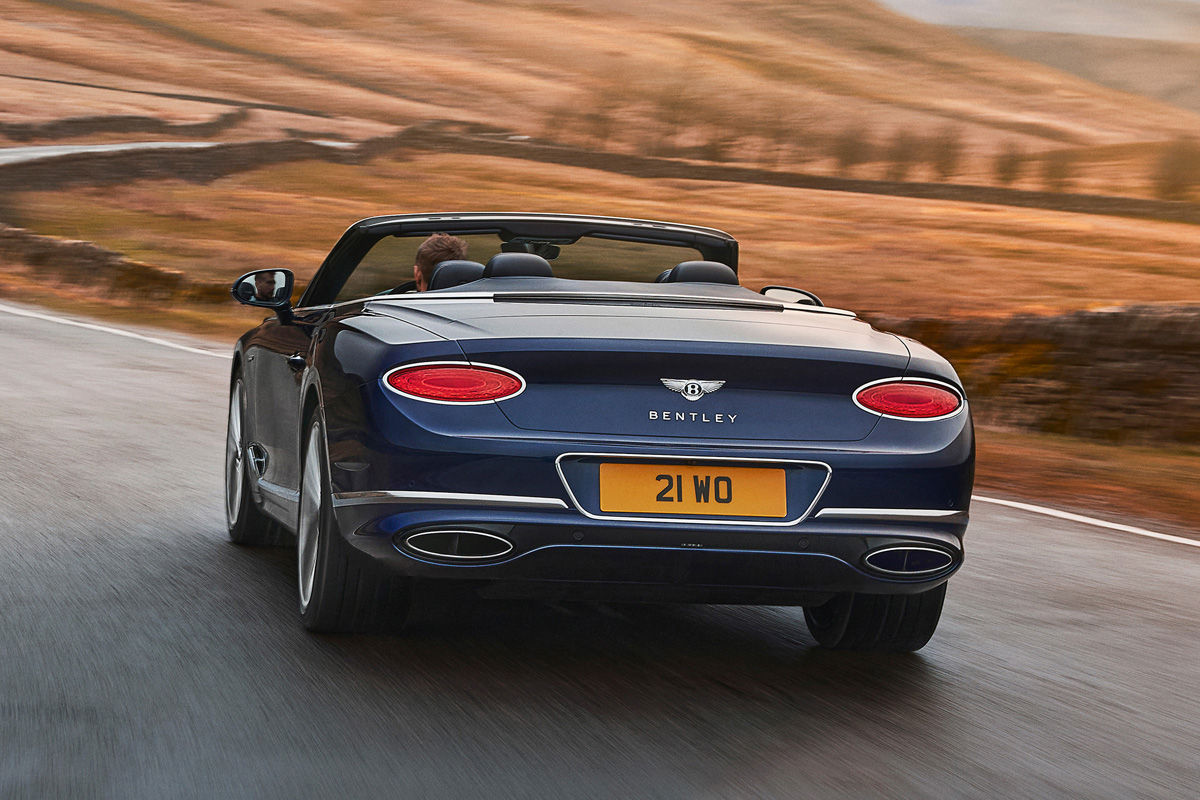
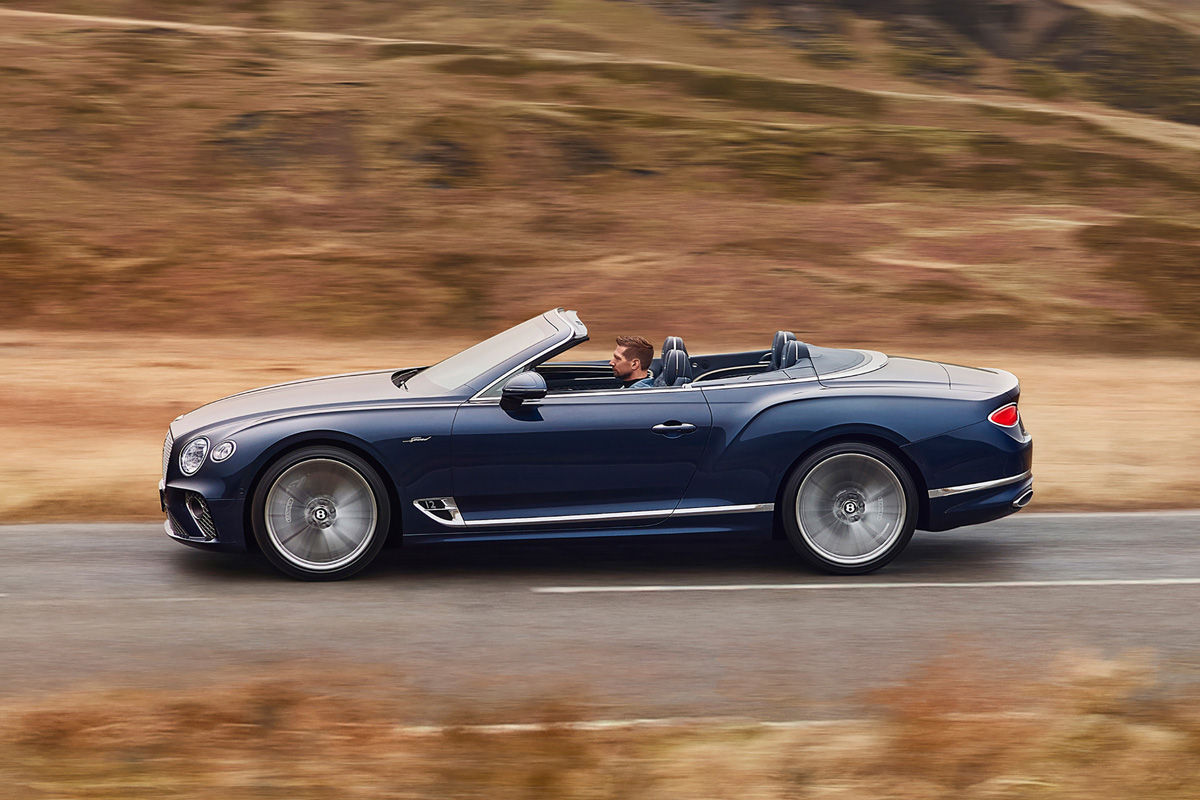
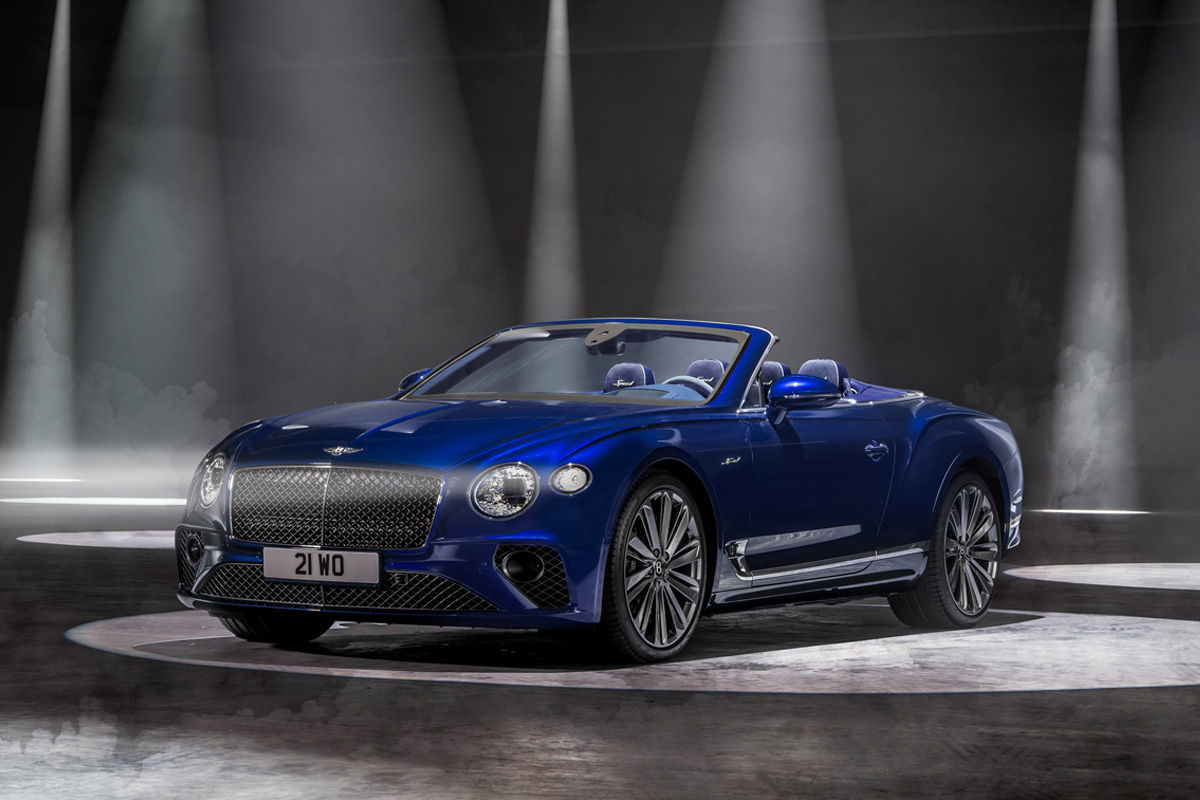
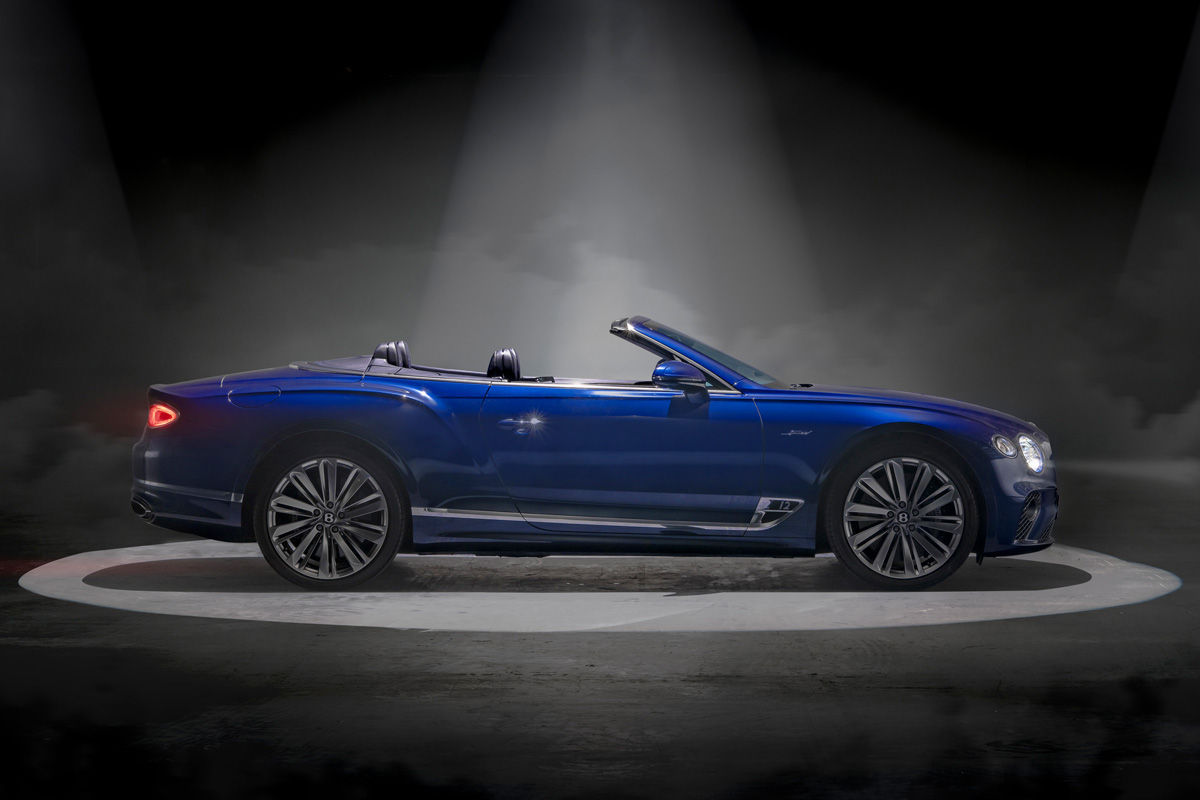
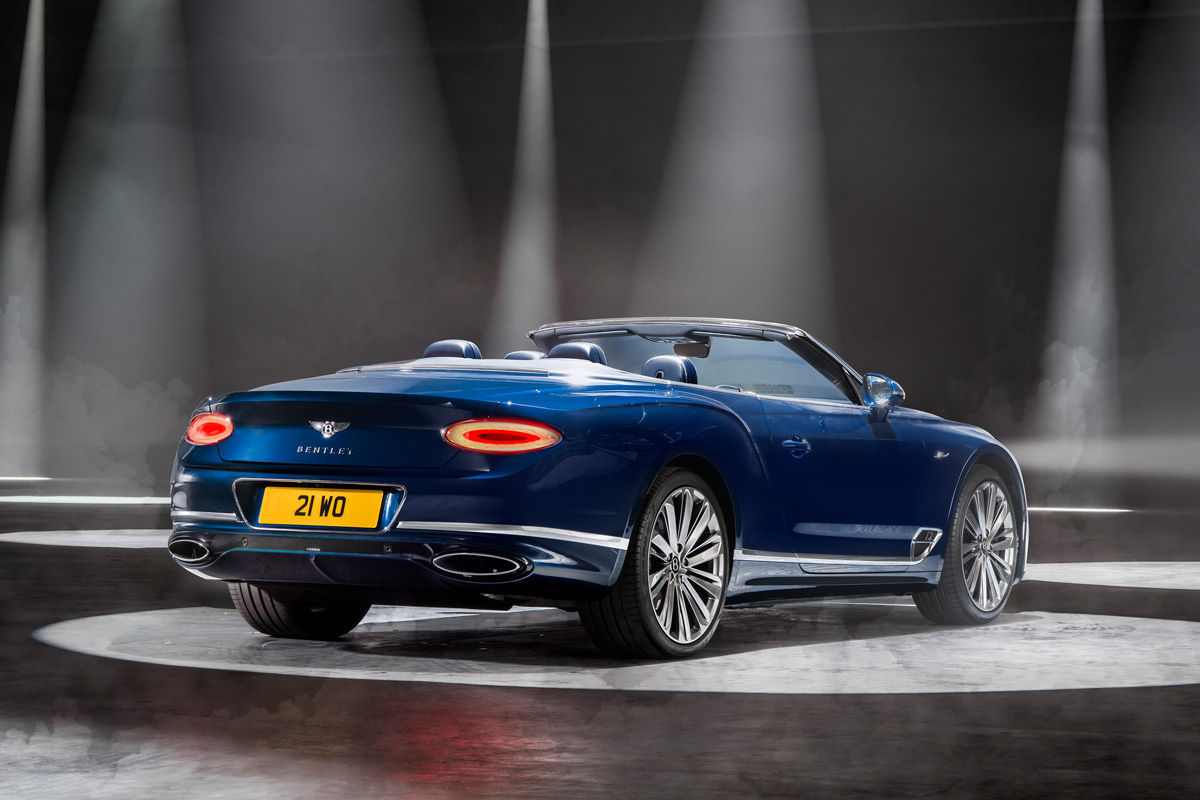
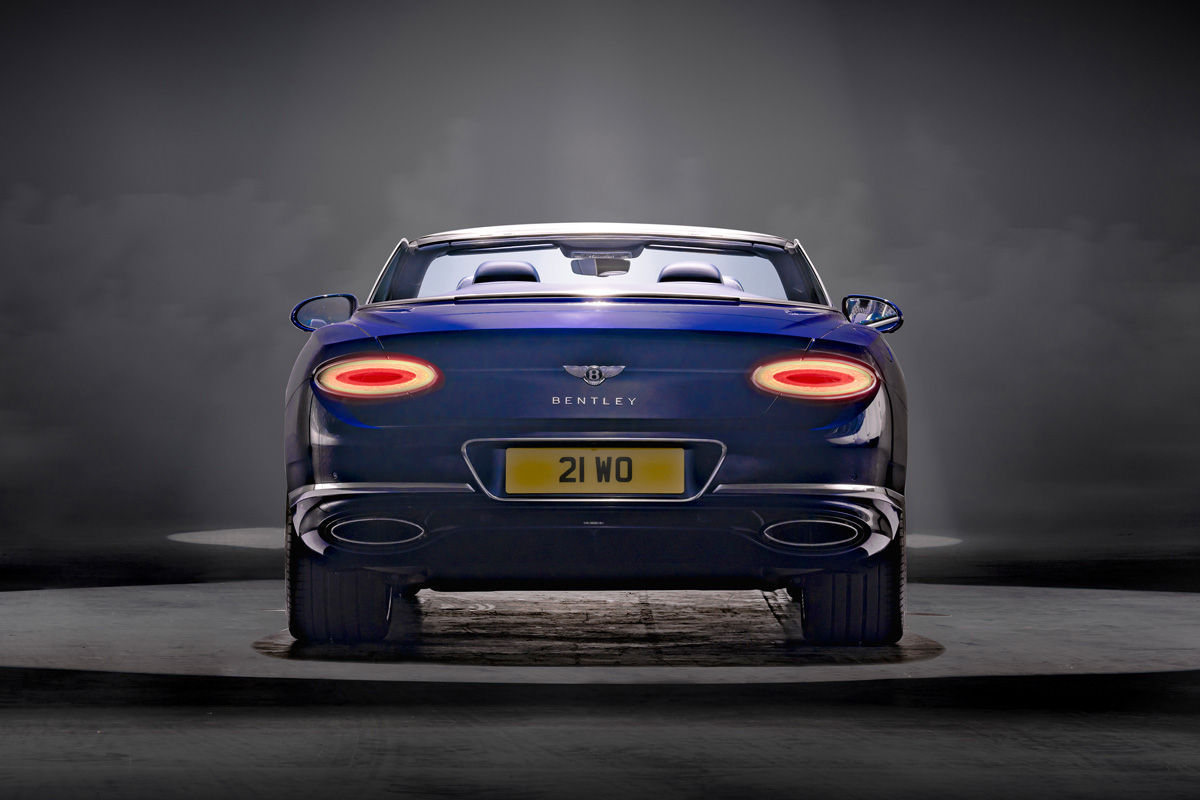
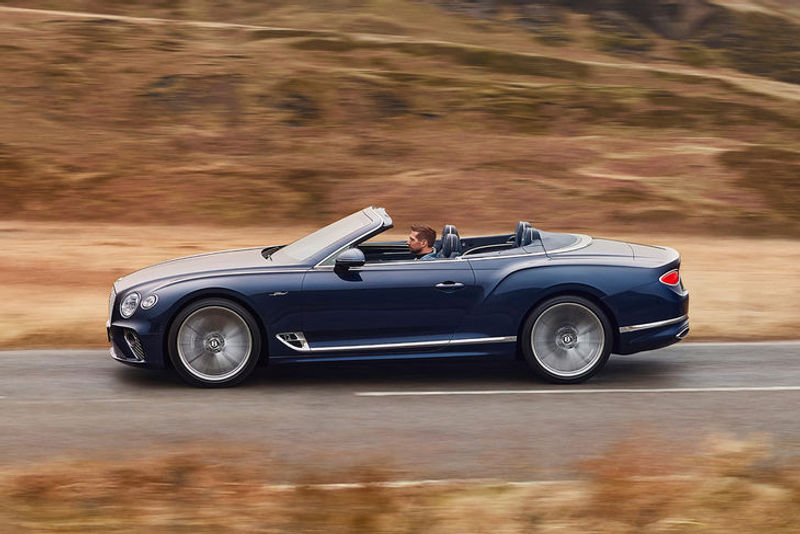
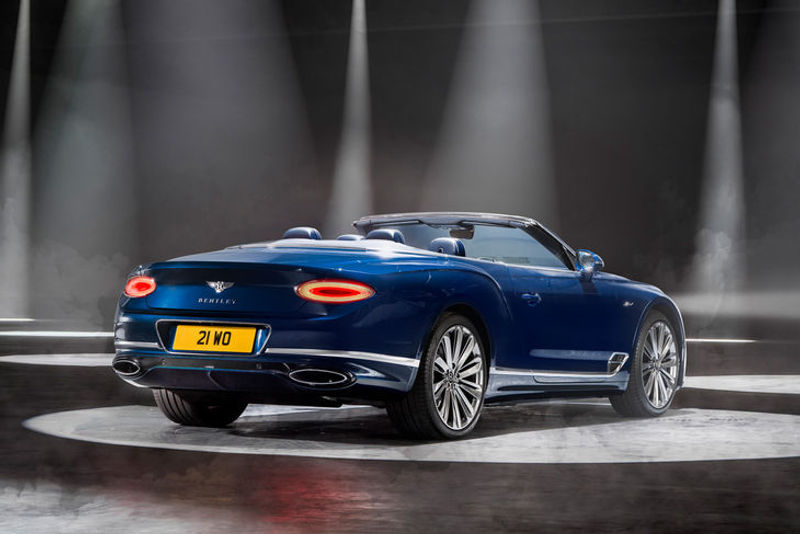
Bentley has wasted no time to whip the top off its Continental GT Speed, which the Crewe-based manufacturer released last month. The Continental GT Speed Convertible may be slightly slower than its tin-top sibling (from 0 to 100 kph), but it makes an even bolder statement than the coupe…
When the coupe version of the Continental GT Speed was unveiled last month, it incorporated a number of upgrades to distinguish itself as more of a wieldy driver's car than the standard Continental GT; these optimisations included an electronic rear differential (eLSD), a 4-wheel steering setup, an enhanced chassis, active anti-roll technology, as well as standard air suspension with active damping.
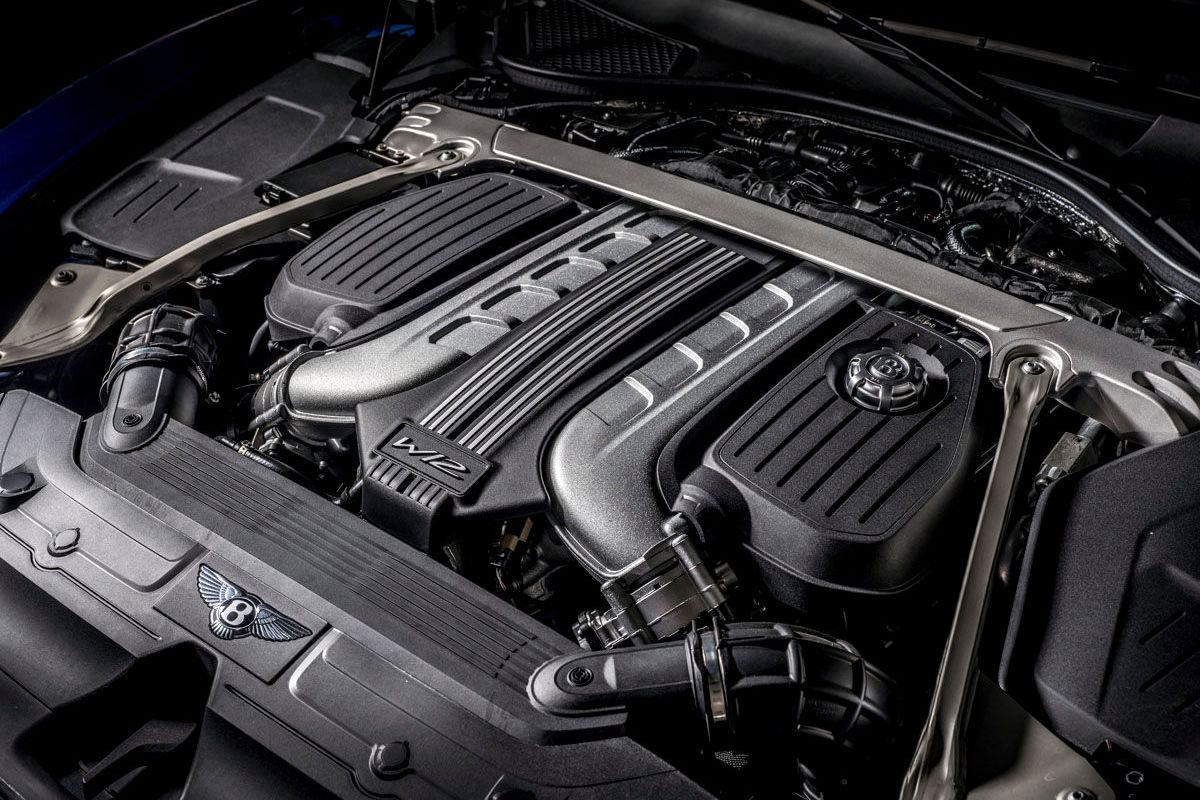
The Continental GT Speed Convertible carries over these upgrades; its twin-turbocharged 6.0-litre W12 produces 485 kW and 900 Nm, compared with the standard car's 467 kW and 900 Nm. There is a small, no, trifle downside to the newcomer's open-topped extravagance: Whereas the coupe version is said to sprint from 0 to 100 kph in 3.5 sec, the convertible takes 0.2 sec longer, although the top speed's the same: 335 kph. Bentley has also retuned the 8-speed automatic transmission to deliver gearshifts that are twice as fast as those of the standard car, as well as more responsive downshifts.
If you're worried about coming to a stop in a hurry from the velocities that the Continental GT Speed Convertible is clearly easily capable of achieving, Bentley will fit your car with a carbon-ceramic braking package that's lighter than the standard setup. The vehicle rides on 22-inch Speed wheels, which can be specified in a choice of 3 colours.
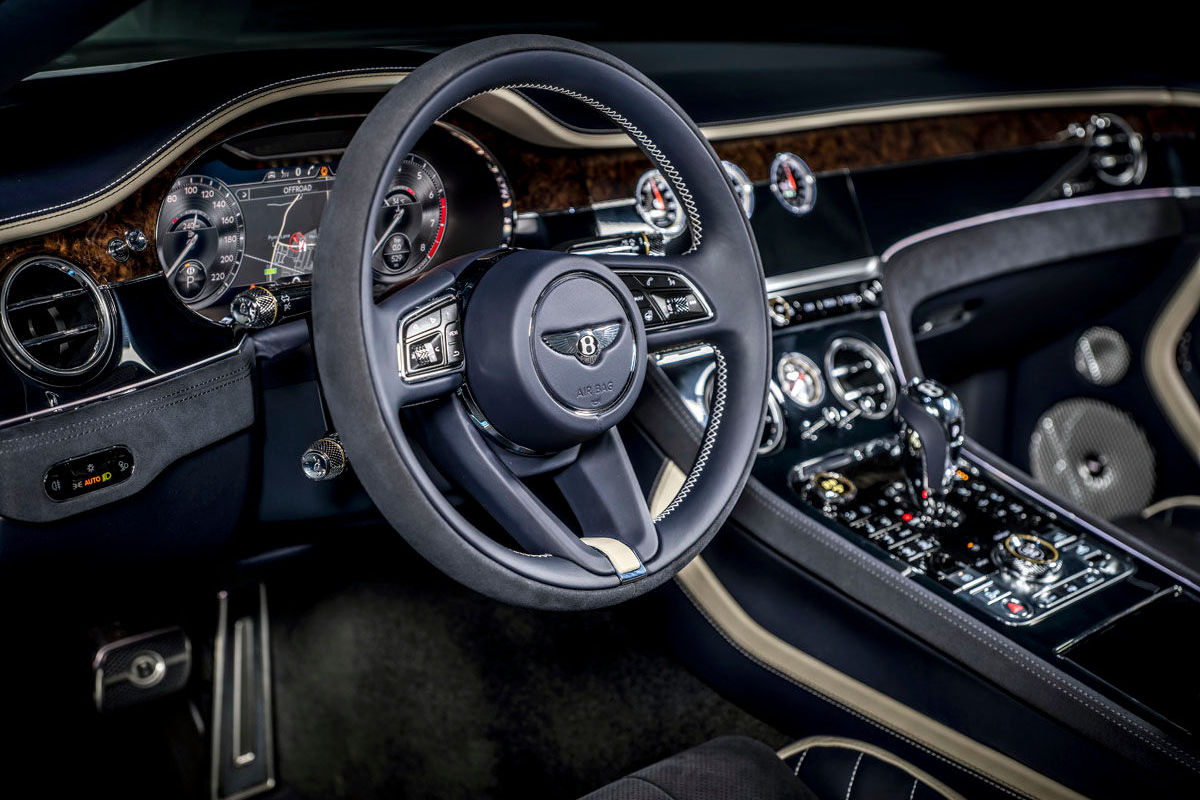
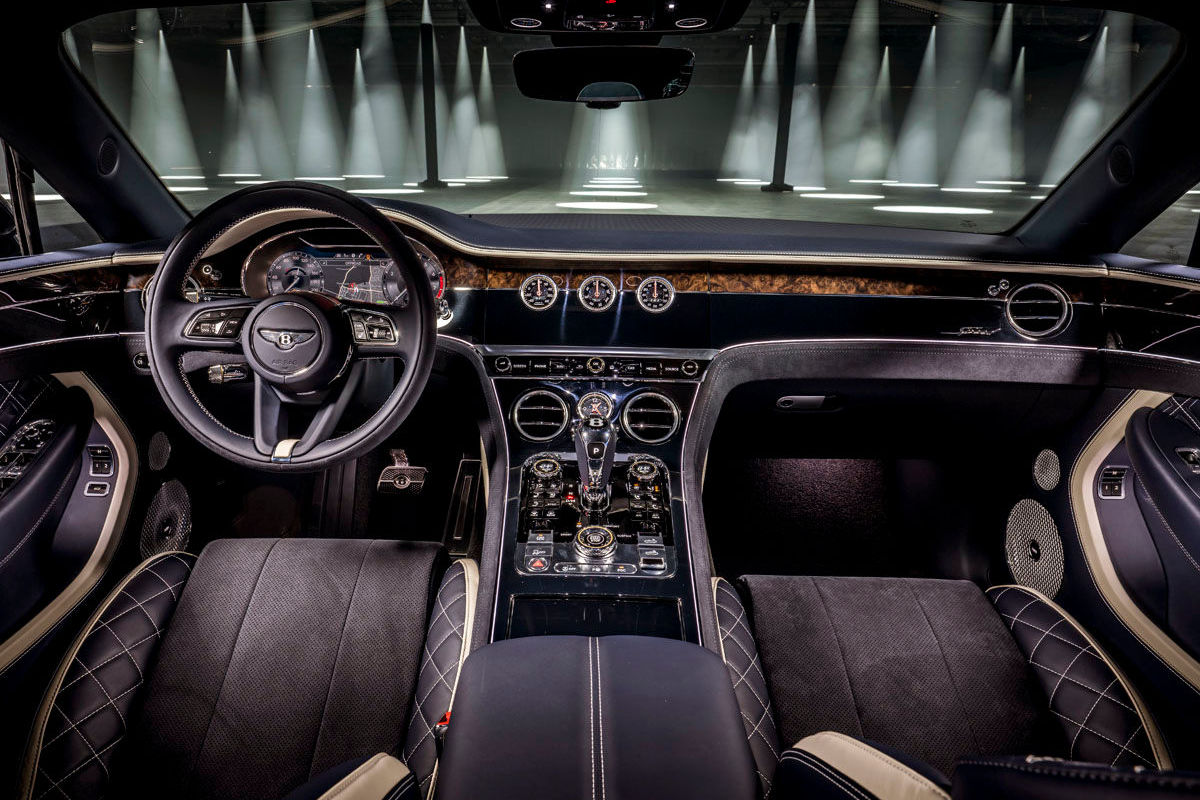
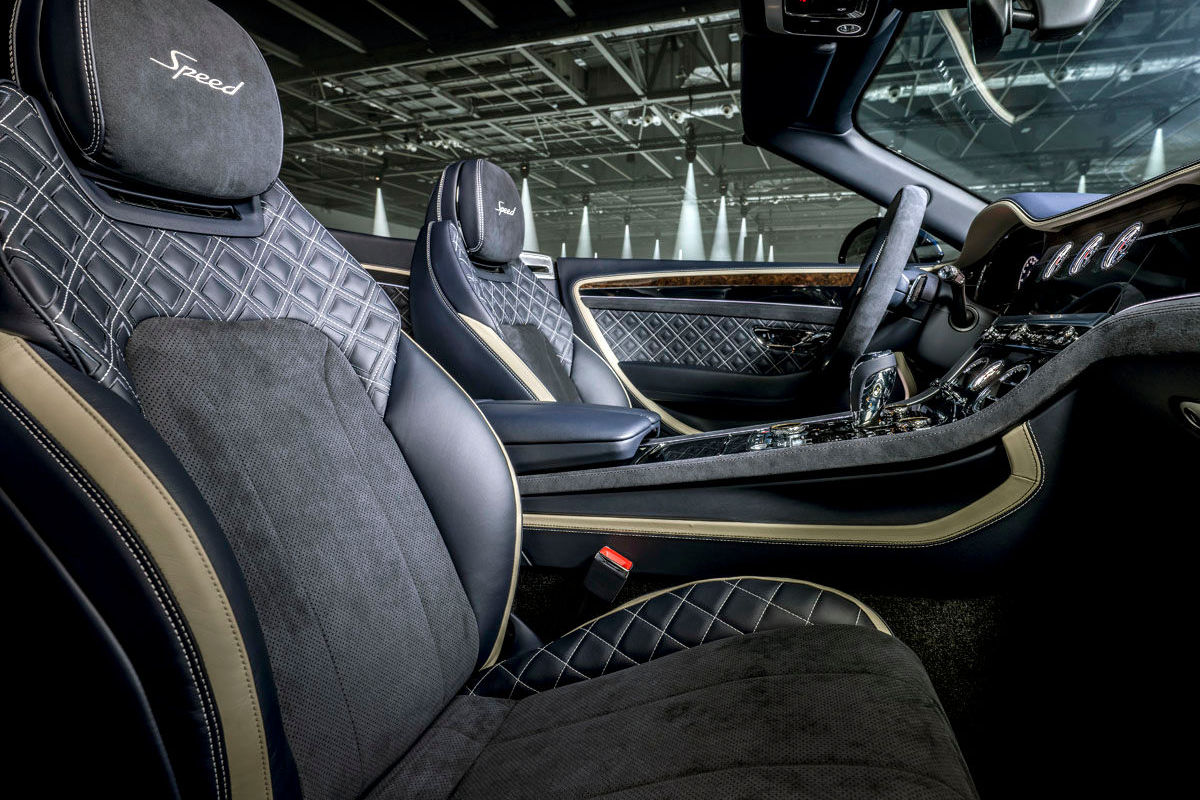
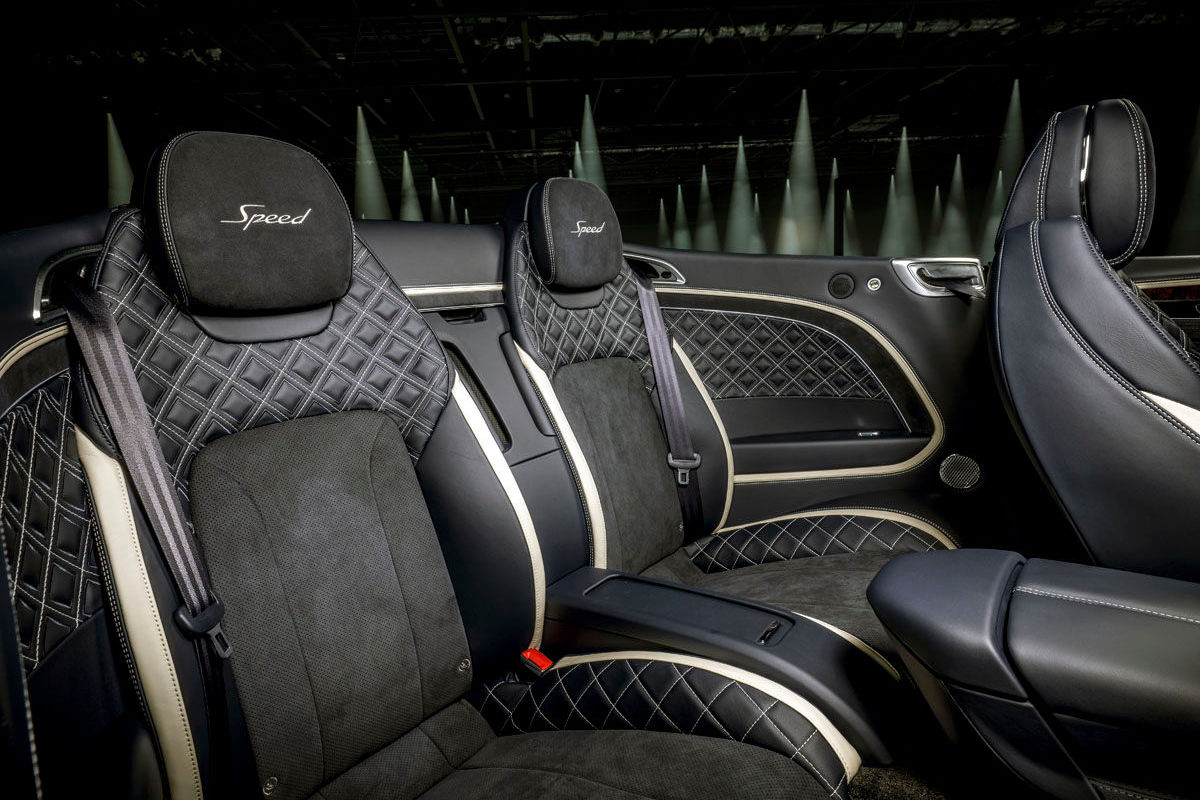
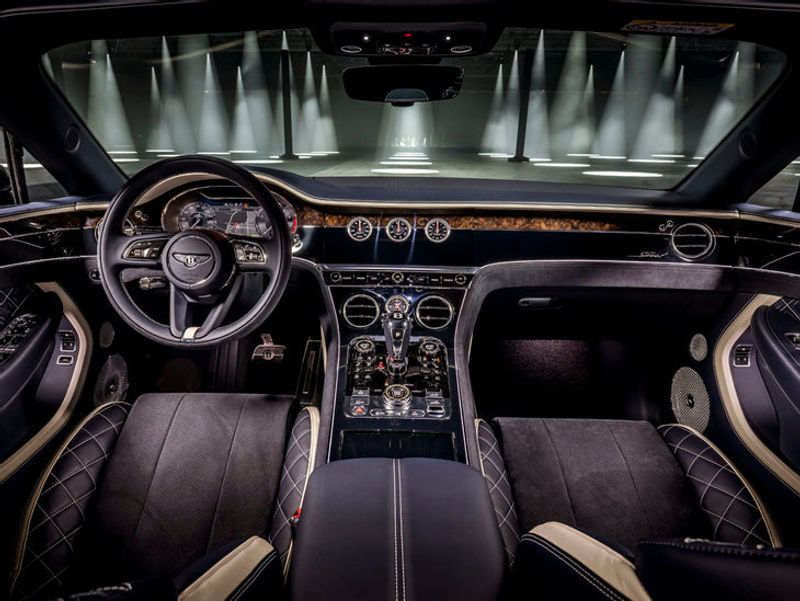
The customisation options don't stop there, of course. Buyers can choose from 15 options for the interior leather trim, a further 11 options for the contrast hide (and stitching, we guess) and no fewer than 8 different roof-liner colours. Apparently, Bentley has made a number of improvements to the convertible's soft top to render the newcomer "as quiet inside as the previous generation coupe".
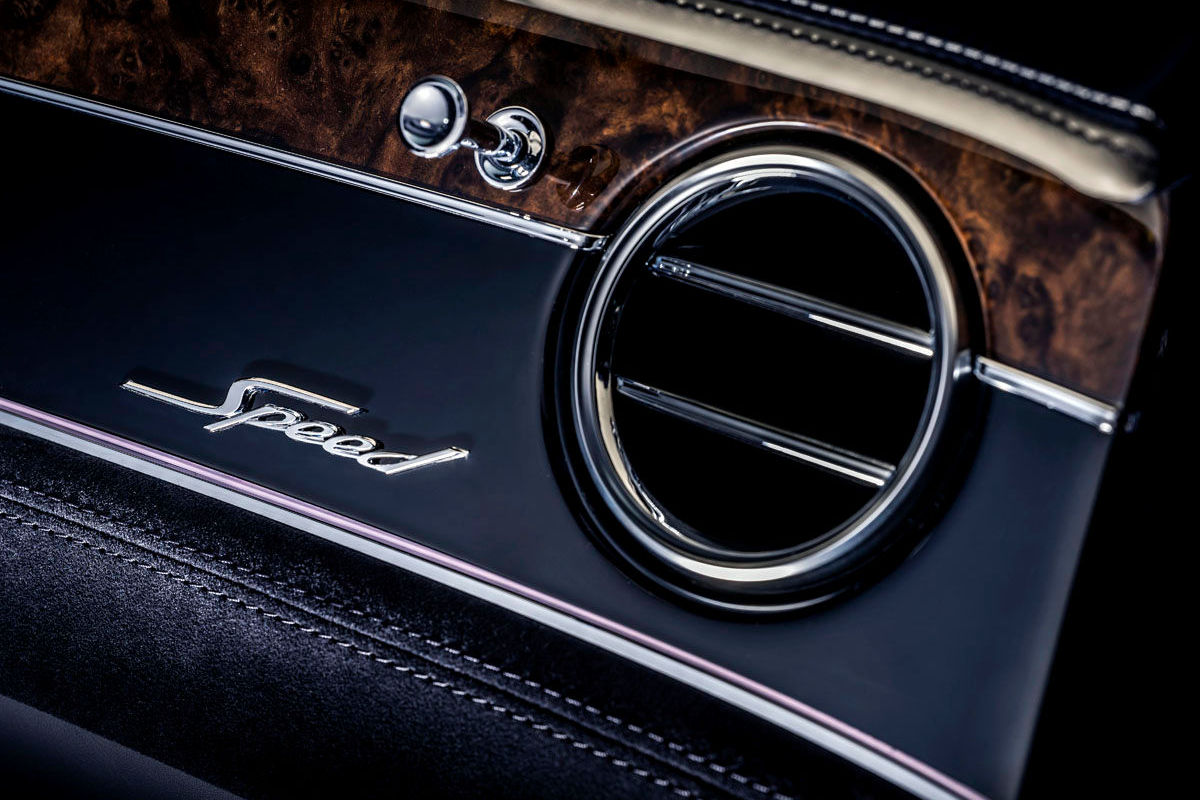
Inside, apart from the application of "Speed" detailing and model-specific sports sills, Bentley offers an optional Dark Tint Engine Turned Aluminium technical finish for the newcomer's centre console.
The Bentley Continental GT Speed will arrive in local showrooms during the 4th quarter of 2021; we expect the Convertible to follow soon thereafter. Pricing will be announced closer to the time.