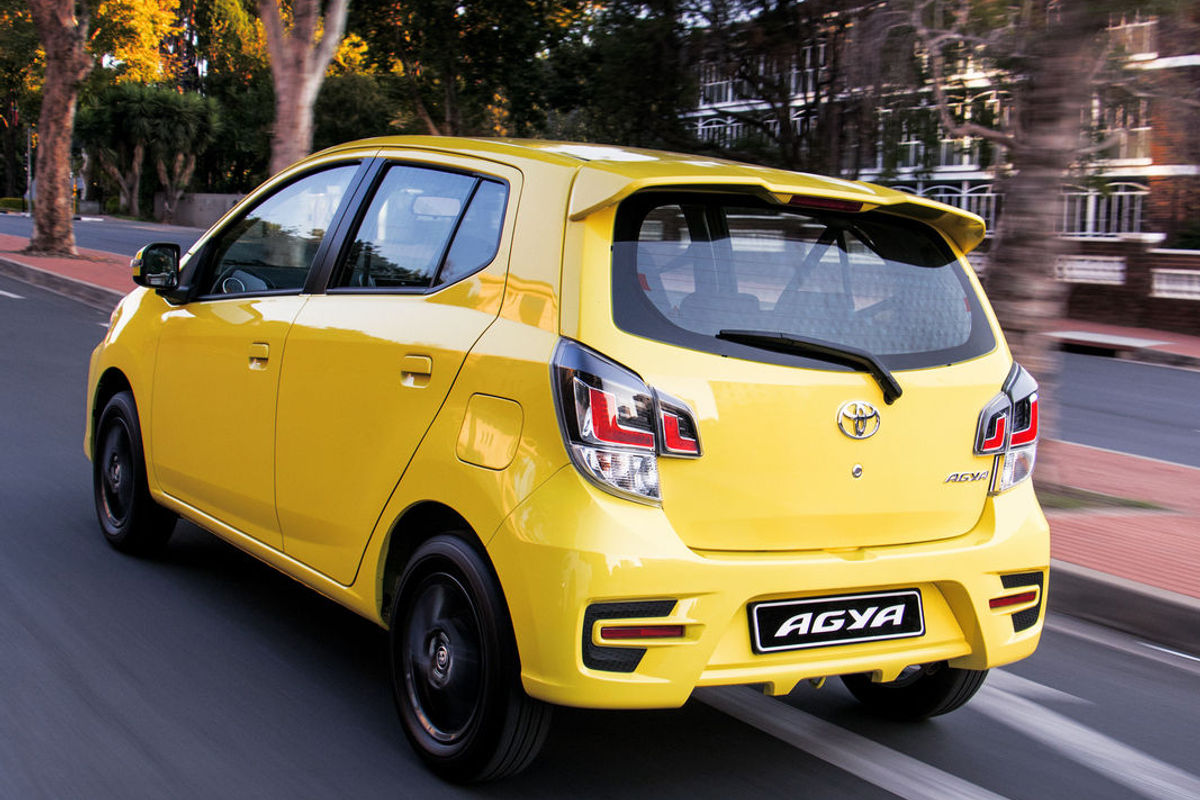
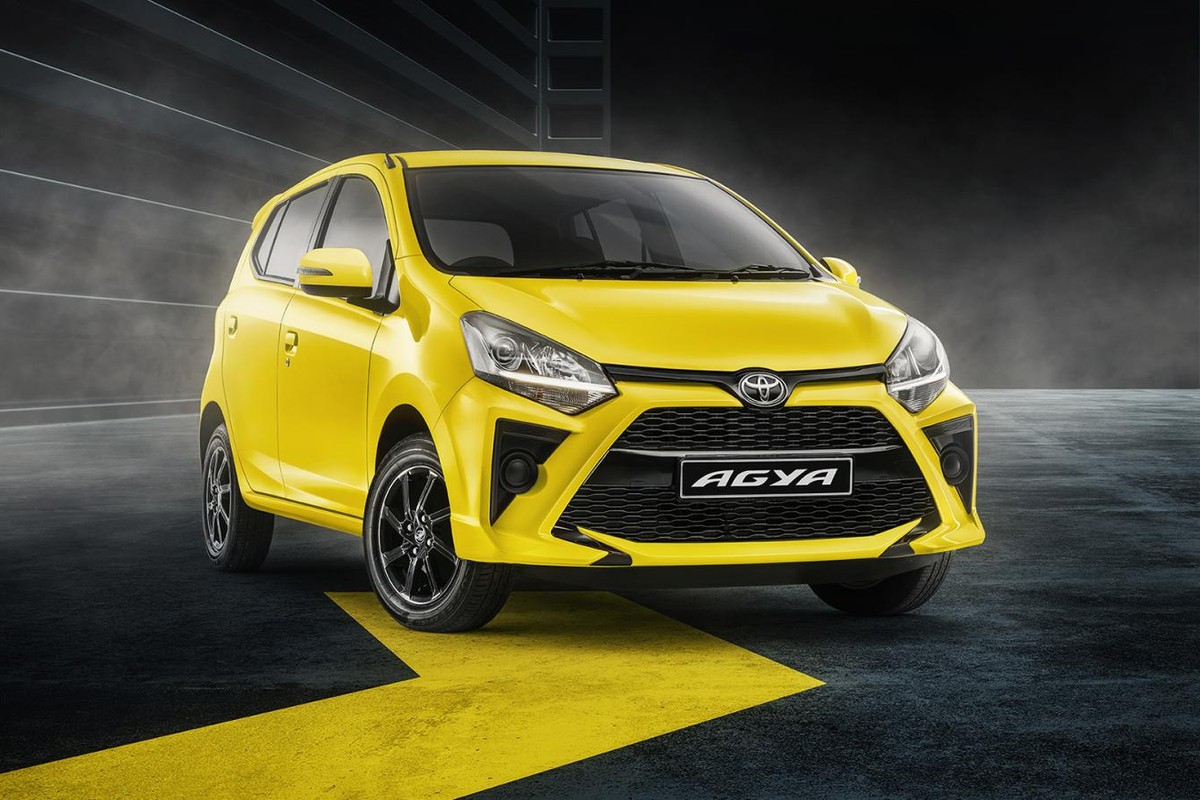
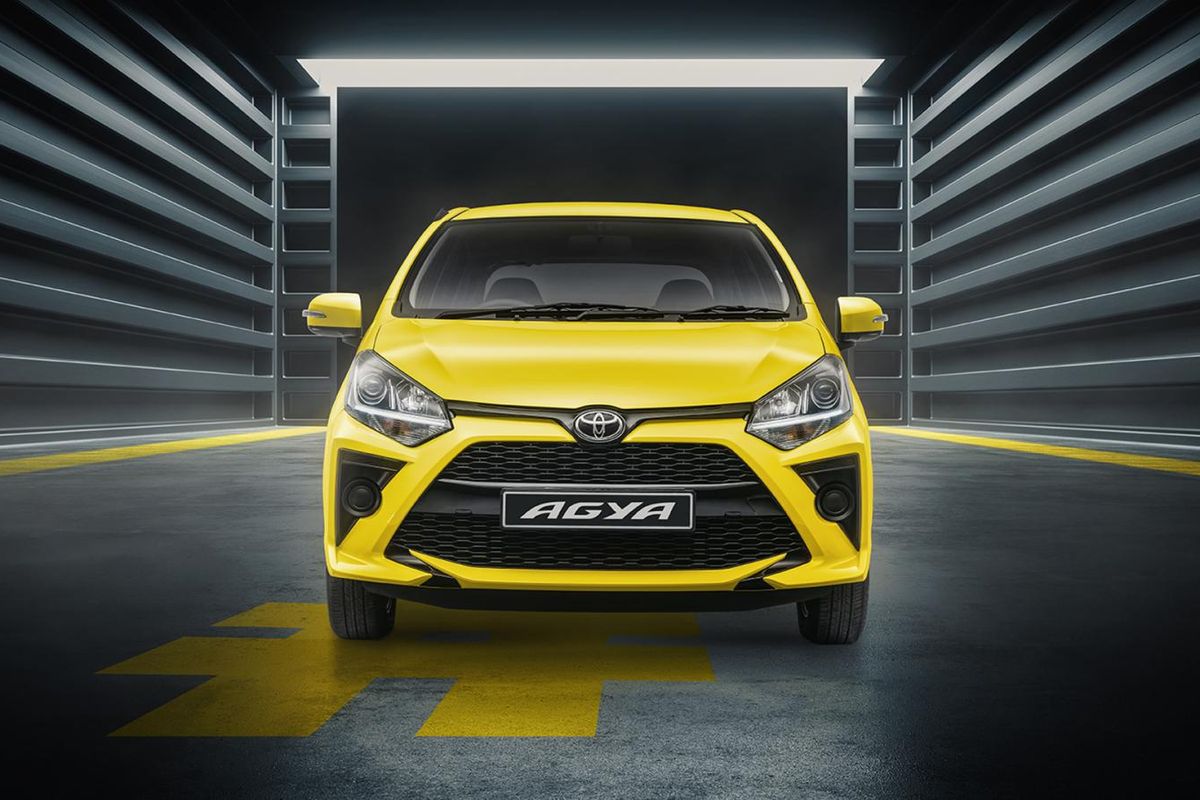
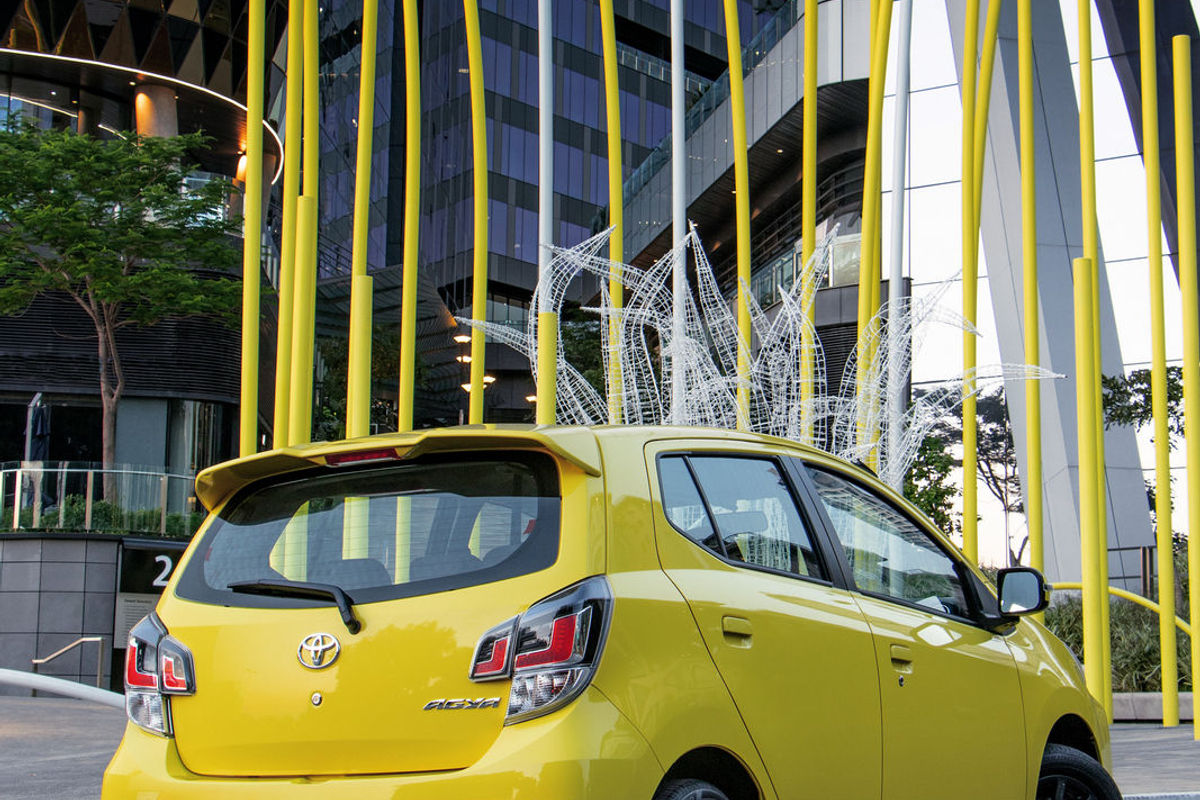
Toyota is going after VW's Vivo business – in a big way.
* TRD version shown in images only available in the Philipines.
Its bakkies and SUVs might dominate the South African automotive landscape, but Toyota is bolstering its passenger car offering too.
Shortly after the launch of Starlet, the company’s local business unit has teased a new entry-level hatchback offering.
Toyota South Africa posted a Facebook content item teasing its ‘new model’, with the corresponding footage showing the company’s Agya (pronounced 'ug-ya'). The Agya is set to go on sale locally as soon as November 25 2020.
Since the Tazz was discontinued, Toyota has never quite managed to dominate South Africa’s entry-level hatchback market (the Etios never lived up to the success of the Tazz/Conquest). With Agya, which is also branded as Wigo in certain markets, the idea of a contemporary Tazz could become very real.
Much like the Starlet, this Agya is not strictly a Toyota design. It is engineered by Daihatsu, the compact car specialist which left South Africa in 2015 and has significant Toyota ownership.
The Agya has benefitted from a product update earlier this year and it is a delightfully small car, perfect for urban use. Measured bumper-to-bumper it is only 3 660 mm long, 1 600 mm across and stands 1 520 mm tall. These dimensions make it 200 mm longer and 60 mm taller than Toyota's current smallest model the Aygo. It's still some way short of the Polo Vivo by 300 mm in length.
Those compact dimensions mean it is very light, at only 880 kg. Powering the Agya are two engine options, both naturally-aspirated petrols.
The 1-litre three-cylinder engine is good for 49 kW, whilst a larger 1.2-litre four-cylinder produces 65 kW. Both engines can be paired with either a five-speed manual or four-speed automatic transmission. South Africa will receive only the 1.2-litre variant but no mention has been made on whether both gearboxes will be offered.
With Agya and Starlet in Toyota’s local product portfolio, the company will have its most comprehensive value hatchback offering in decades.
The Agya will take over from the Aygo as the latter is being phased out. With the Agya being sourced from India, Toyota will aim to be extremely keen with its listing price and will likely hit the sales charts at under R200k.
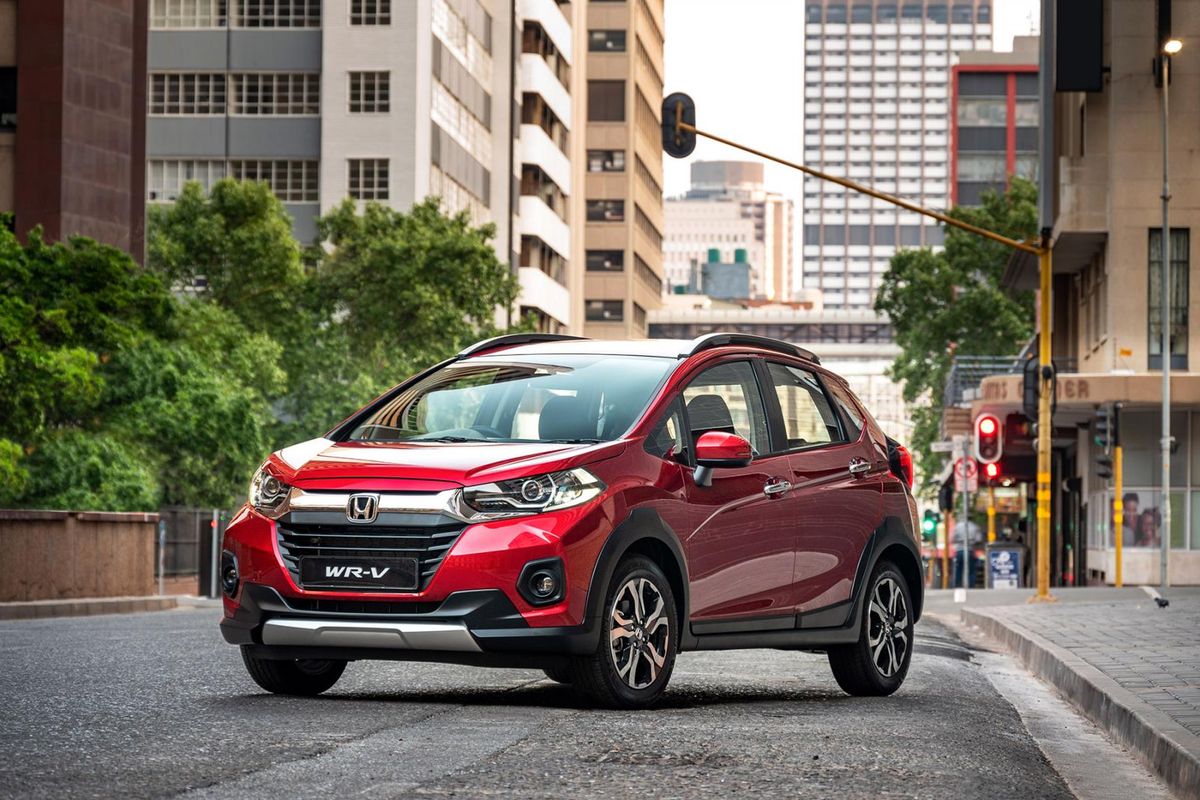
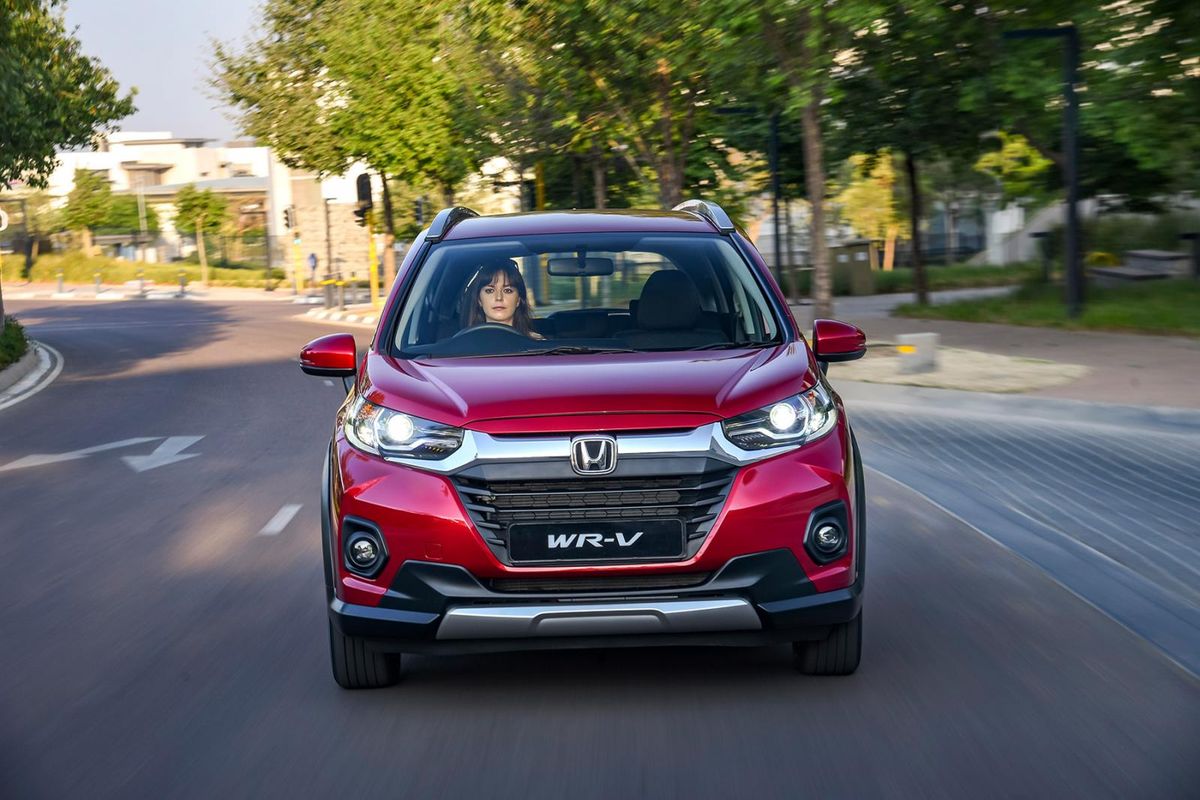
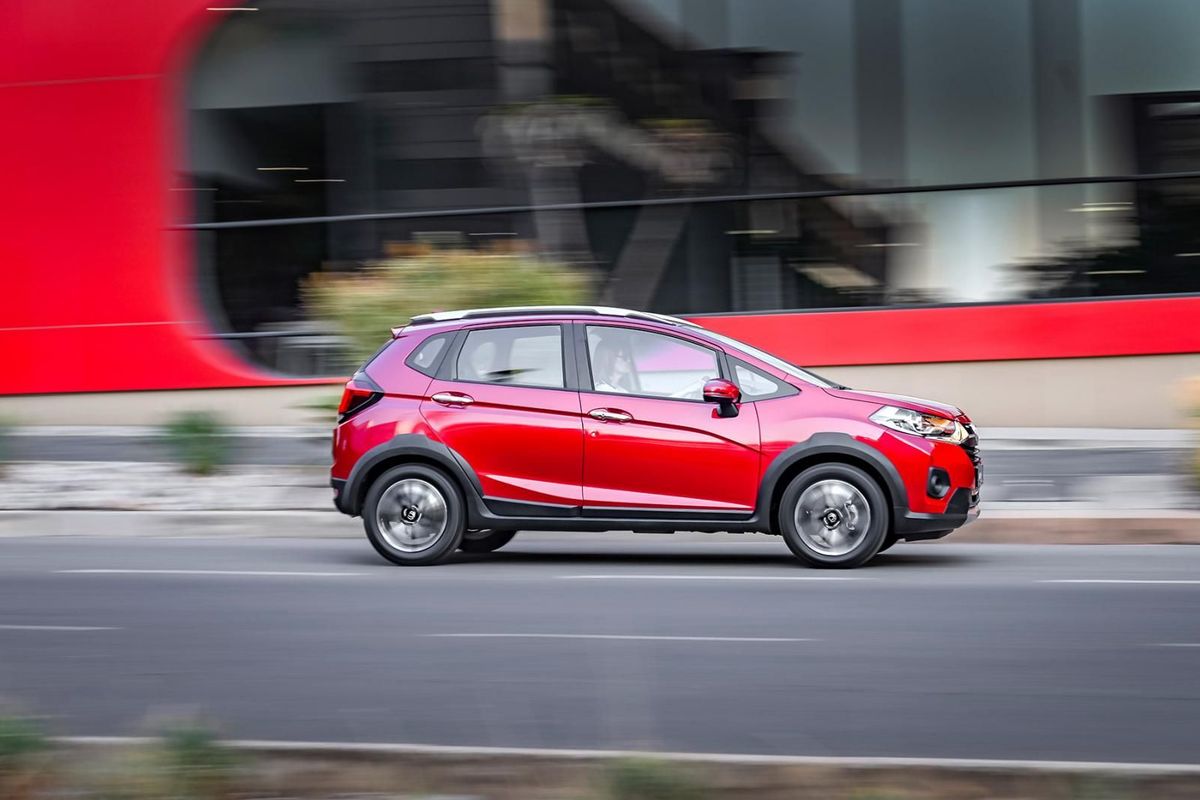
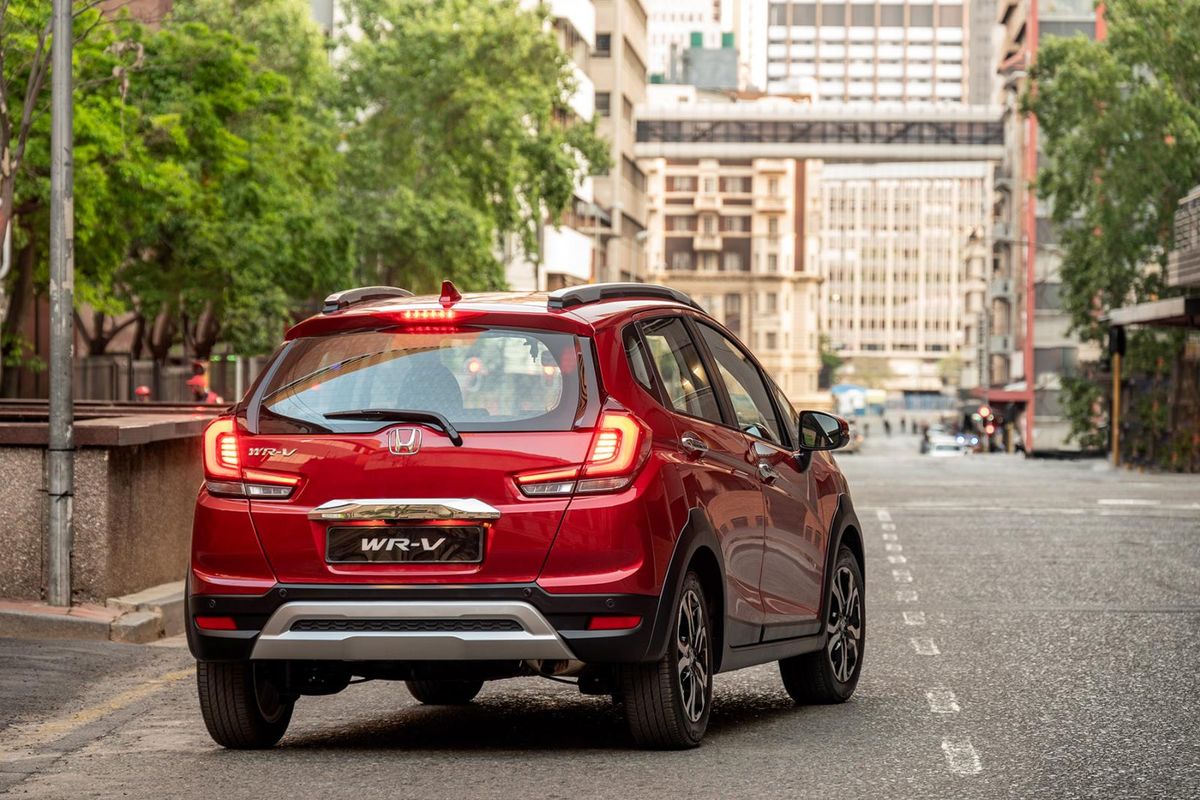
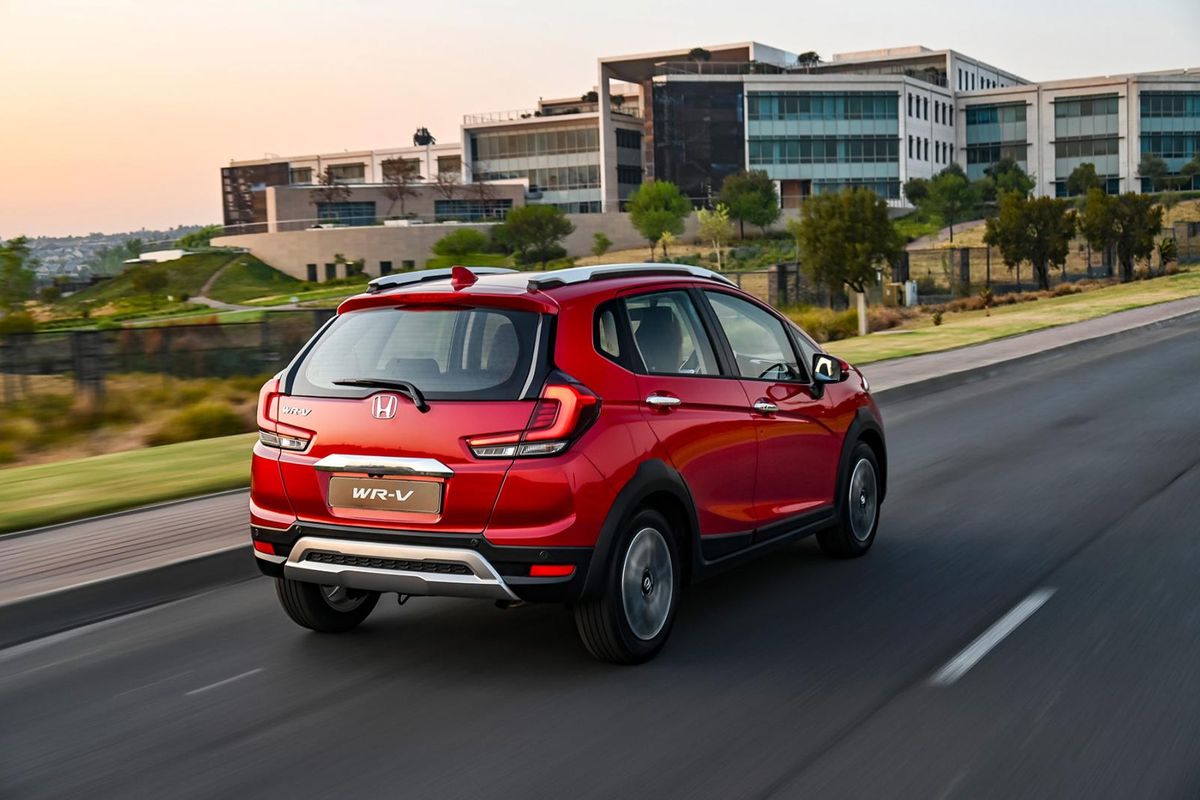
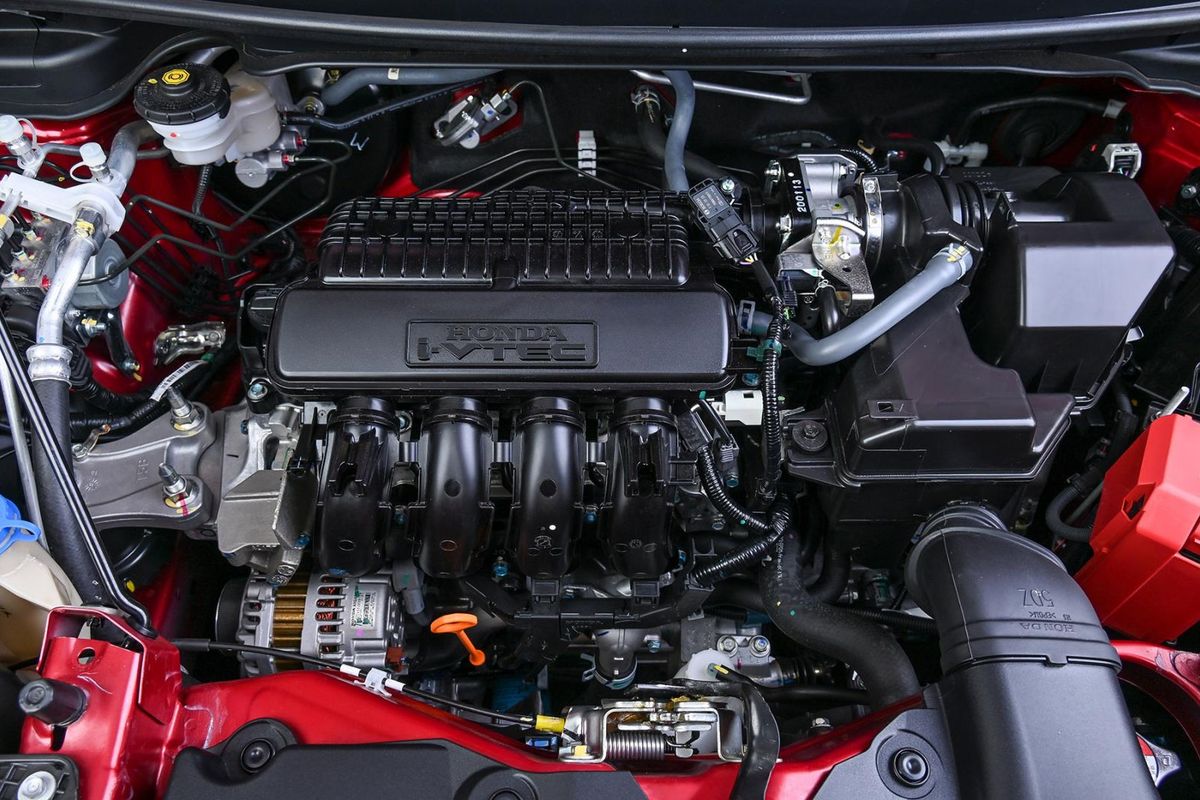
Honda has introduced its WR-V in South Africa. We travelled to Franschhoek in the Western Cape to attend the media presentation of the Japanese brand's new compact crossover and find out what it has to offer!
The newcomer (a rival to the Ford EcoSport, Renault Captur and Hyundai Venue) is the 4th softroader in Honda's line-up after the BR-V, HR-V and CR-V. Honda South Africa has high hopes that the WR-V, which shares its platform with the Jazz and BR-V, will sell briskly in a downsizing market.
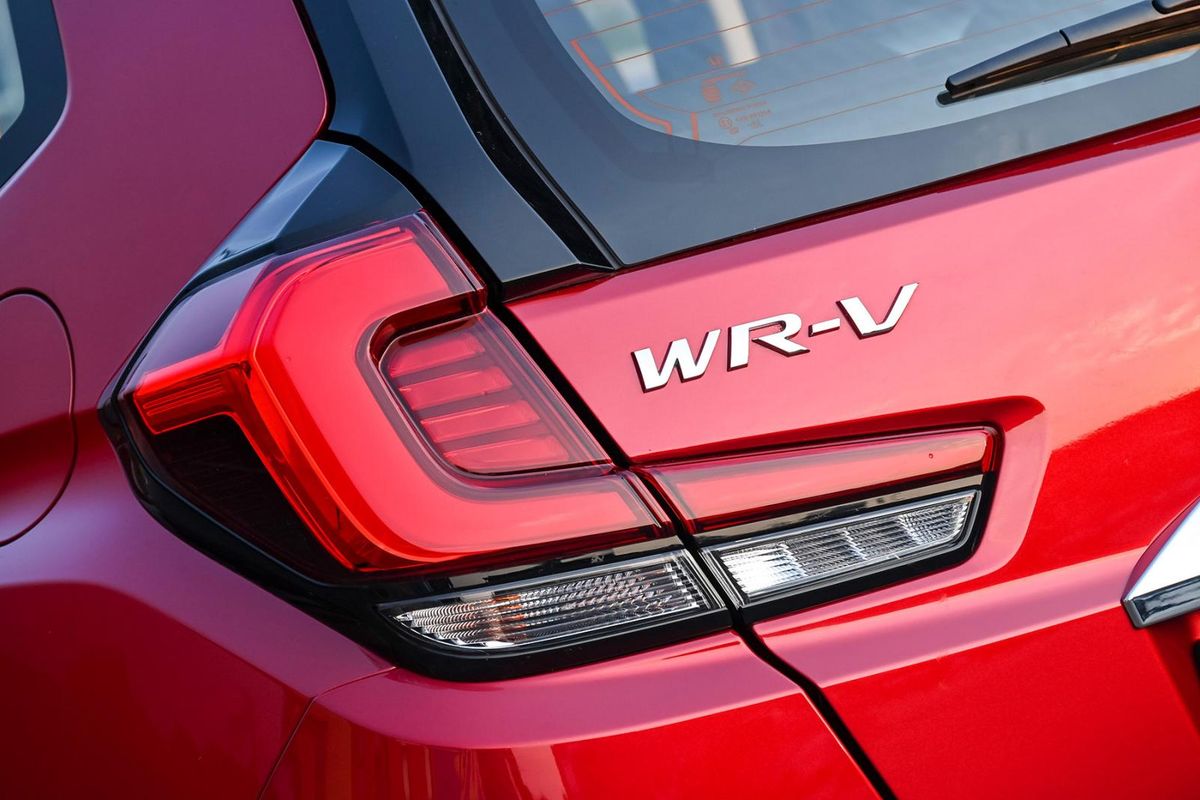
The WR-V features typical Honda styling cues, such as its chrome-wing grille flanked by LED headlights (Elegance trim), LED daytime running lights and C-shaped taillights. It has a handy ground clearance of 177 mm and rides on 16-inch alloy wheels as standard. Roof rails add further flair to the overall design and a total of 4 exterior body colours are available, including Platinum White, Radiant Red, Lunar Silver and Modern Steel.
What’s it like to drive?
The WR-V's performance lacks the punch offered by its turbocharged rivals.
Buyers have the choice of 2 WR-V derivatives in either 1.2 Comfort or 1.3 Elegance guise. Both are powered by a naturally aspirated 1.2-litre petrol engine with peak outputs of 66 kW and 110 Nm of torque. The new model is exclusively available with a 5-speed manual transmission (curiously, there are no immediate plans to introduce a CVT automatic transmission) and Honda claims a combined fuel consumption figure of 6.4 L/100 km.
With a mere 110 Nm on tap, the WR-V quickly runs out of puff on long uphill sections, but to its credit, it gets up to (and maintains) highway speeds easily enough. The 5-speed manual transmission was specifically developed for the WR-V and the stubby gear lever has a positive action.
The ratios are closely spaced, which means you'll be gearing up and down fairly often to squeeze the best from the engine, especially on uphills. It’s also worth noting the WRV’s performance at altitude (Gauteng) will be a bit more sluggish than during our trundle on the Cape's backroads.
In terms of handling, the WR-V felt surprisingly sure-footed at speed and, unlike some of its rivals, the newcomer's steering provides a modicum of feedback through the 'wheel… While our test drive was brief, we look forward to having the WR-V on test so that we can get fully accustomed to it.
What about the interior?
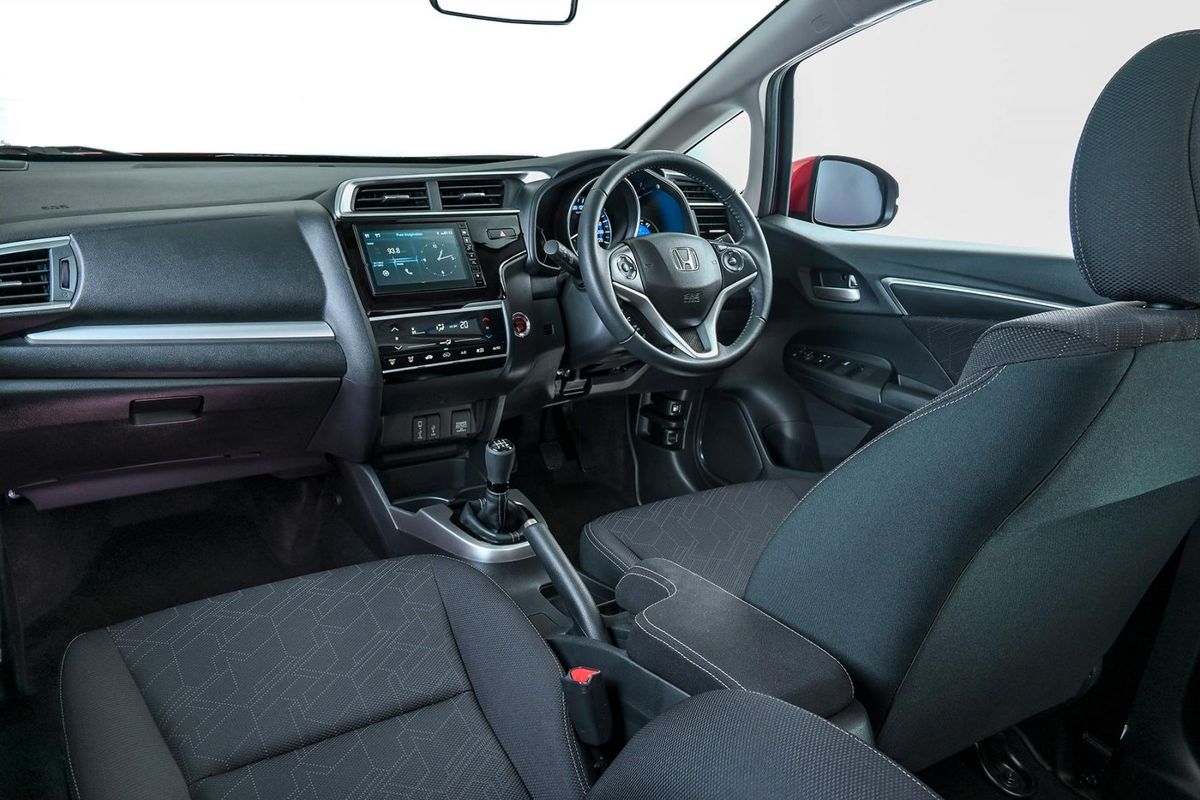
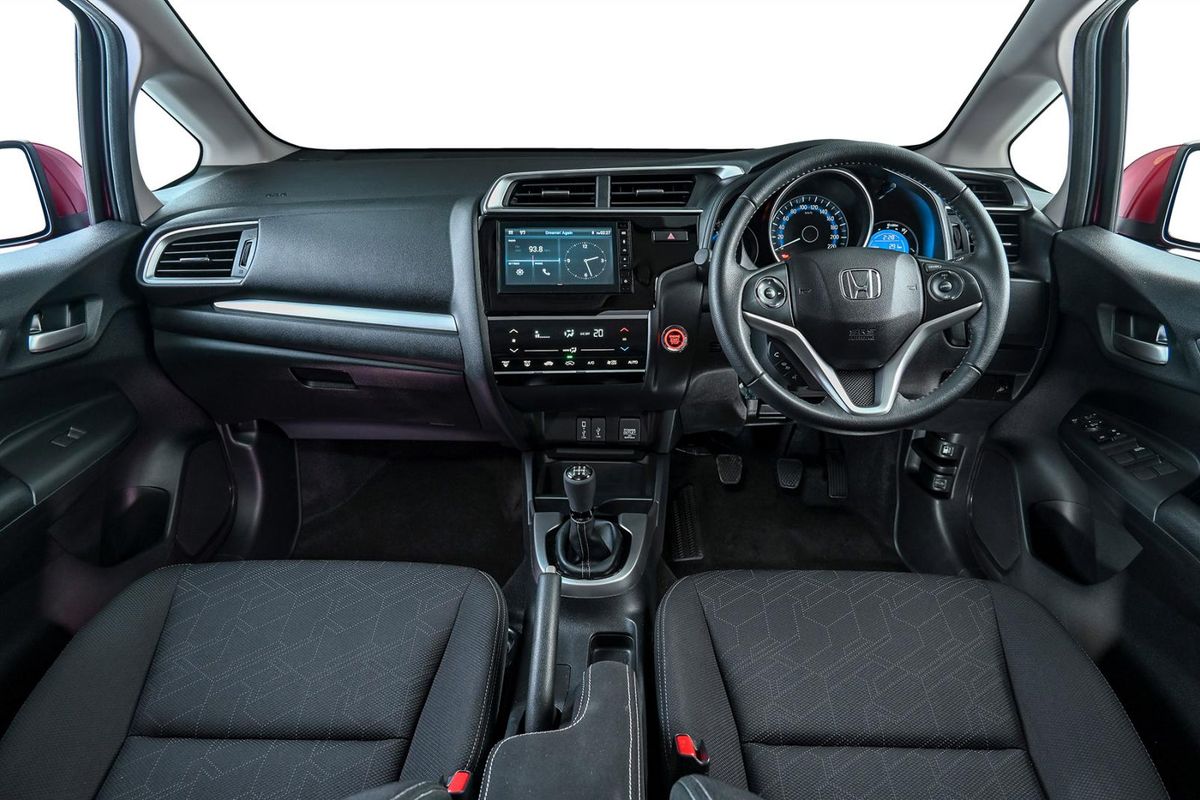
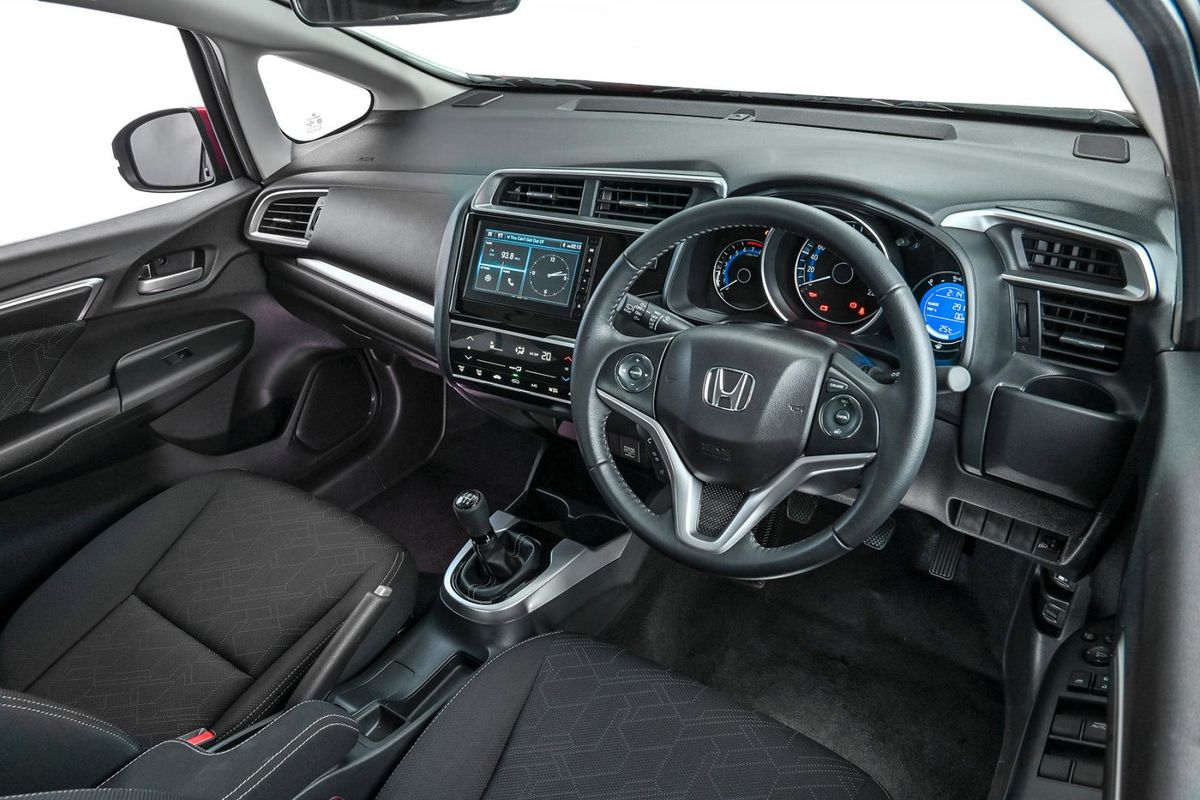
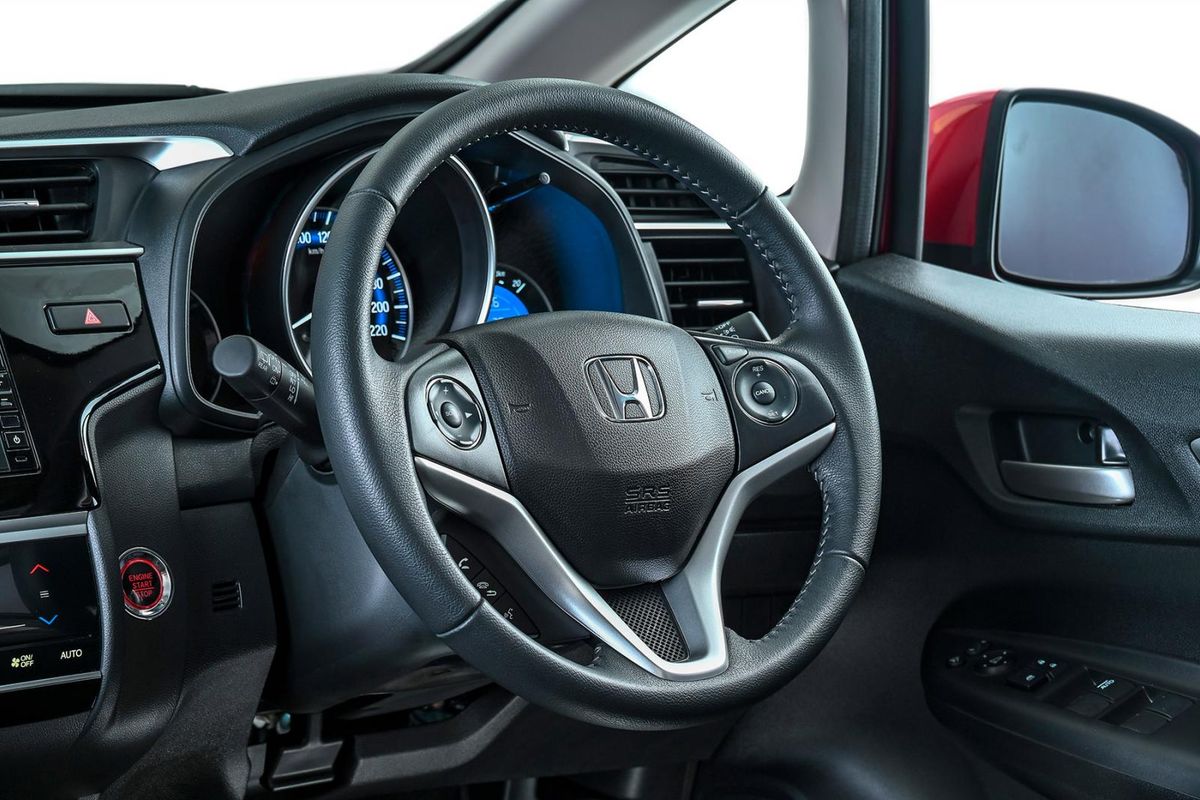
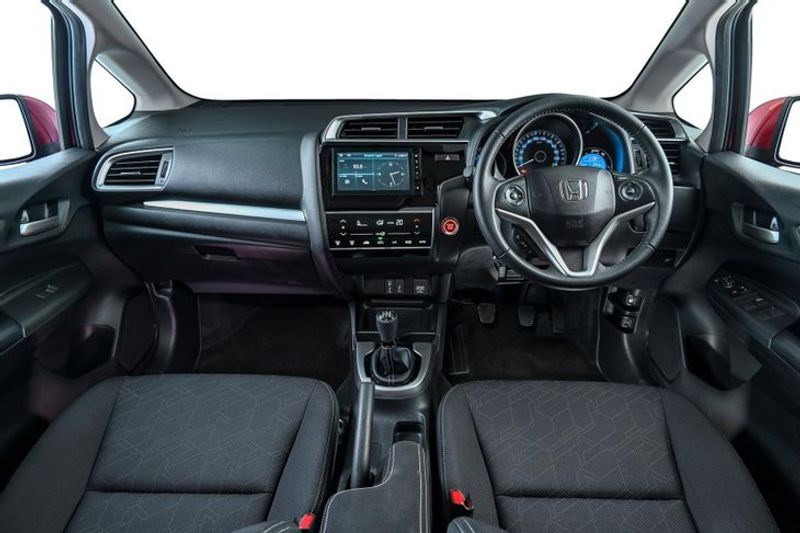
Perceived interior build quality is good and in Elegance guise, the WR-V comes well-equipped with standard features.
Like it’s larger siblings, the Honda WR-V’s interior appears well-screwed together. Yes, harder plastics dominate, but they are hard-wearing.
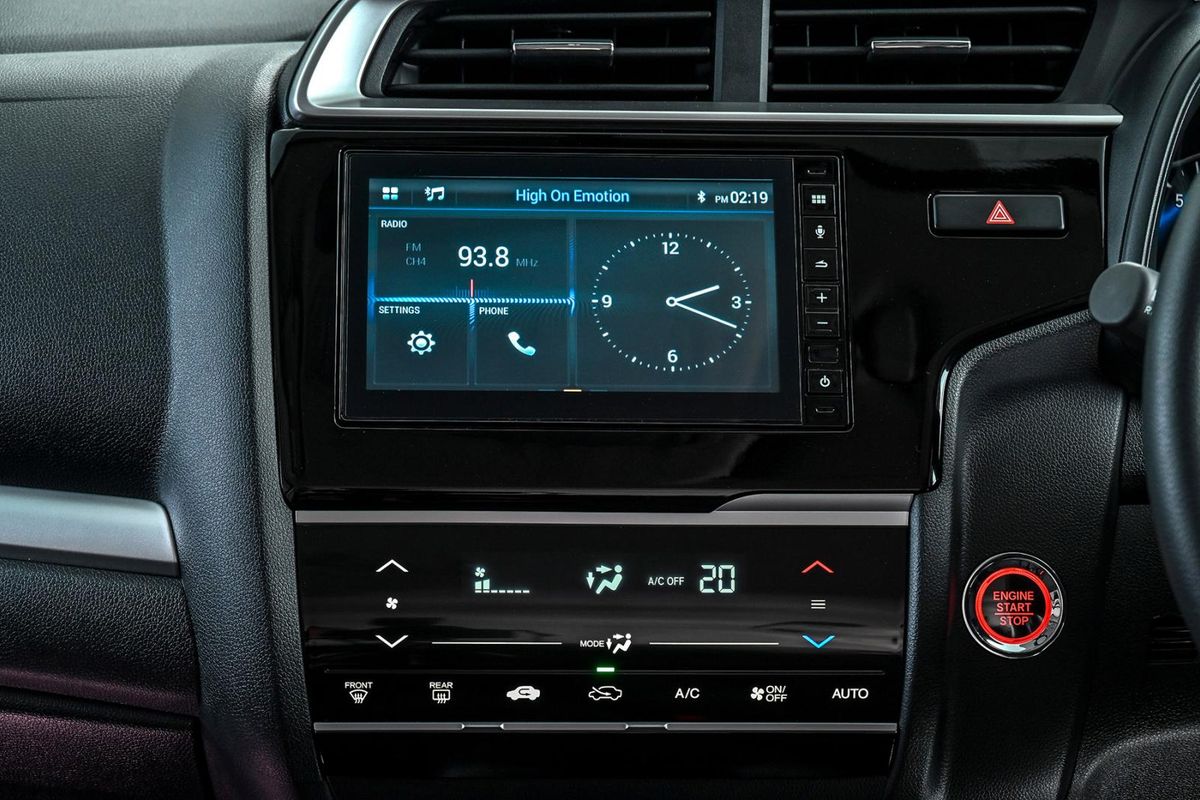
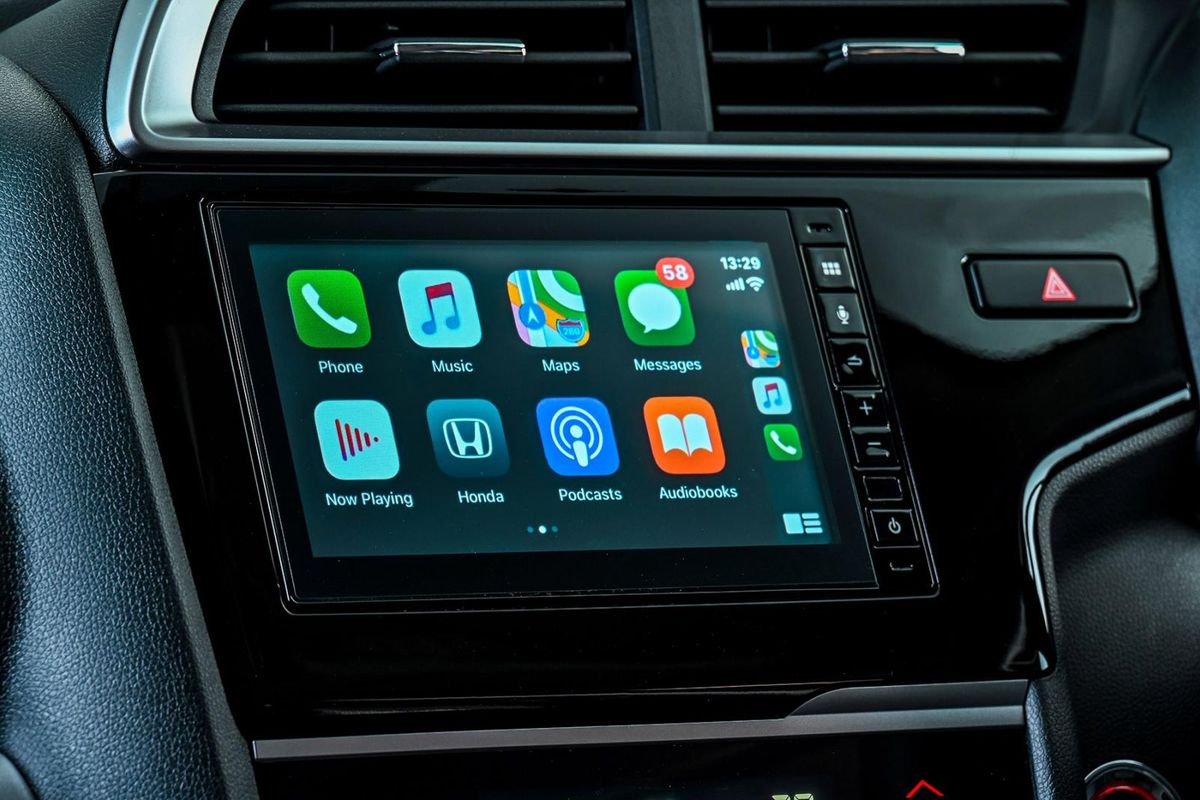
The range-topping 1.2 Elegance is equipped with a 7-inch touchscreen infotainment system (with 6 speakers), which is compatible with Android Auto and Apple CarPlay, plus it supports Bluetooth telephony and music streaming, as well as app-based navigation. The Comfort derivative, however, is fitted with a more rudimentary 5-inch touchscreen setup, albeit with Bluetooth functionality.
Other convenience features include a multifunction steering wheel, fabric upholstery, electric windows, auto aircon and rear parking sensors. The Elegance derivative gains additional nice-to-haves such as a reverse-view camera, keyless entry (with push-button start) and cruise control.
The most impressive aspect of the WR-V, however, is its sheer practicality. Not only does it offer a relatively spacious load bay (Honda claims a capacity of 363 litres), it features Honda’s "Magic Seat" system (as featured in the Jazz), which means the rear seats can be configured in myriad ways to accommodate the load you need to transport. With the 60:40 split seats folded down, load space increases to a useful 881 litres.
The best part of all is that rear leg- and knee room is truly generous for a car of this size and taller passengers will certainly appreciate the extra space at the back. In terms of safety, both derivatives of the WR-V come equipped with 6 airbags, ABS with EBD, as well as brake assist.
Honda WR-V Price in South Africa (November 2020)
The WR-V joins a competitive segment but aggressive pricing will bode well for its market acceptance in SA.
The Honda WR-V is competitively priced against its equivalent rivals in such as the Ford EcoSport (from R297 400), Renault Captur (from R289 900) and the Hyundai Venue (from R301 500).
1.2 Comfort R289 900
1.2 Elegance R319 900
The WR-V is sold with a 5-year/200 000 km warranty, 4-year/60 000 km service plan and 3-year AA Roadside Assistance.
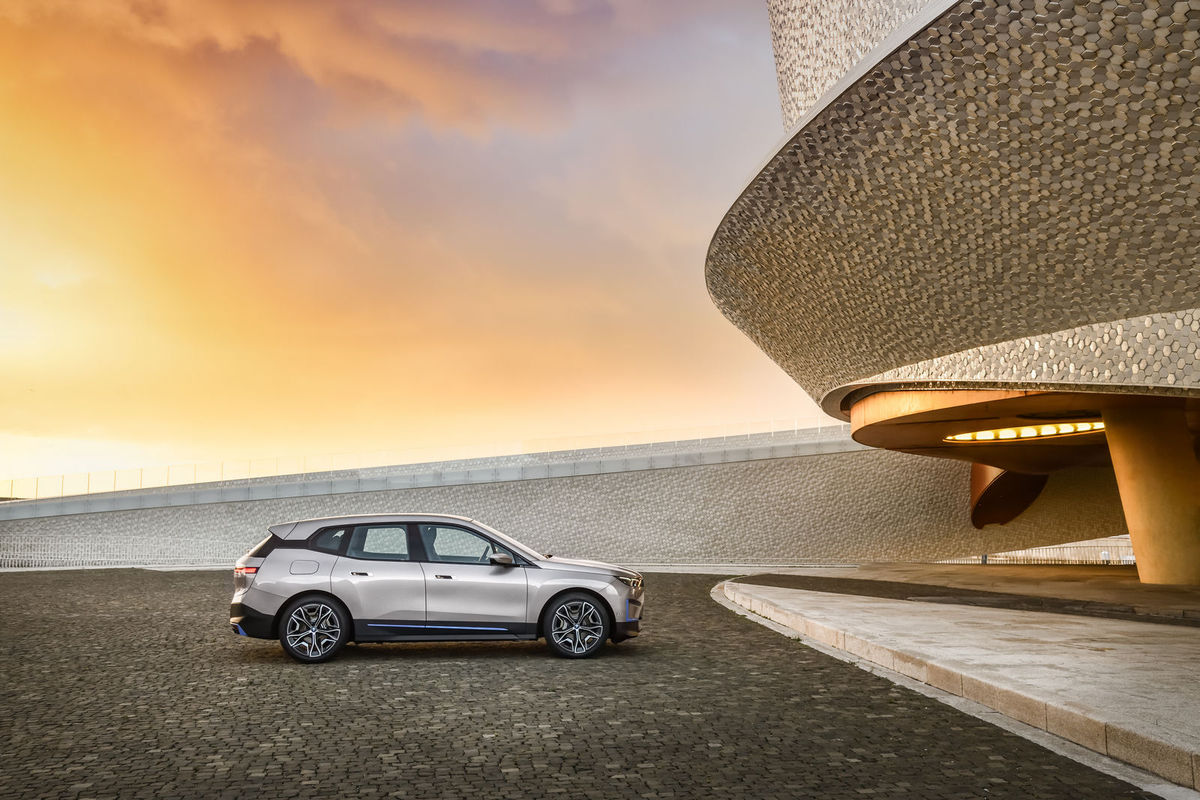
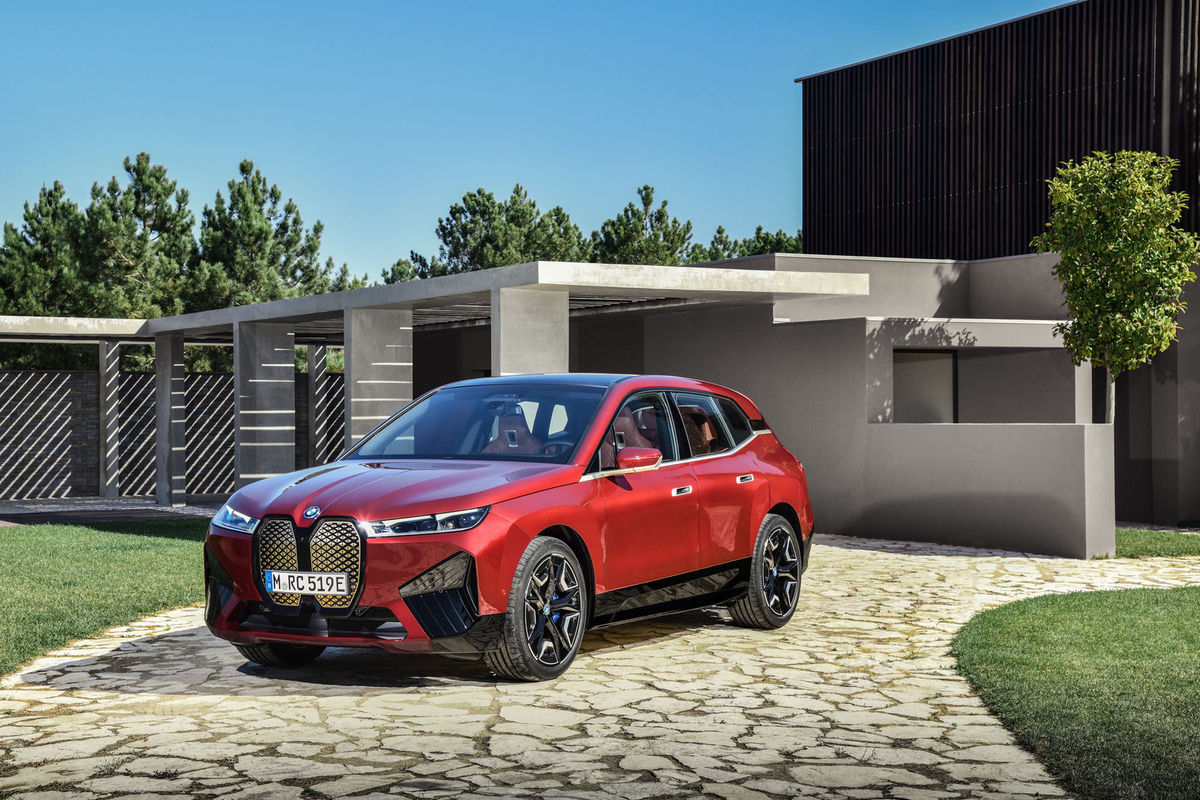
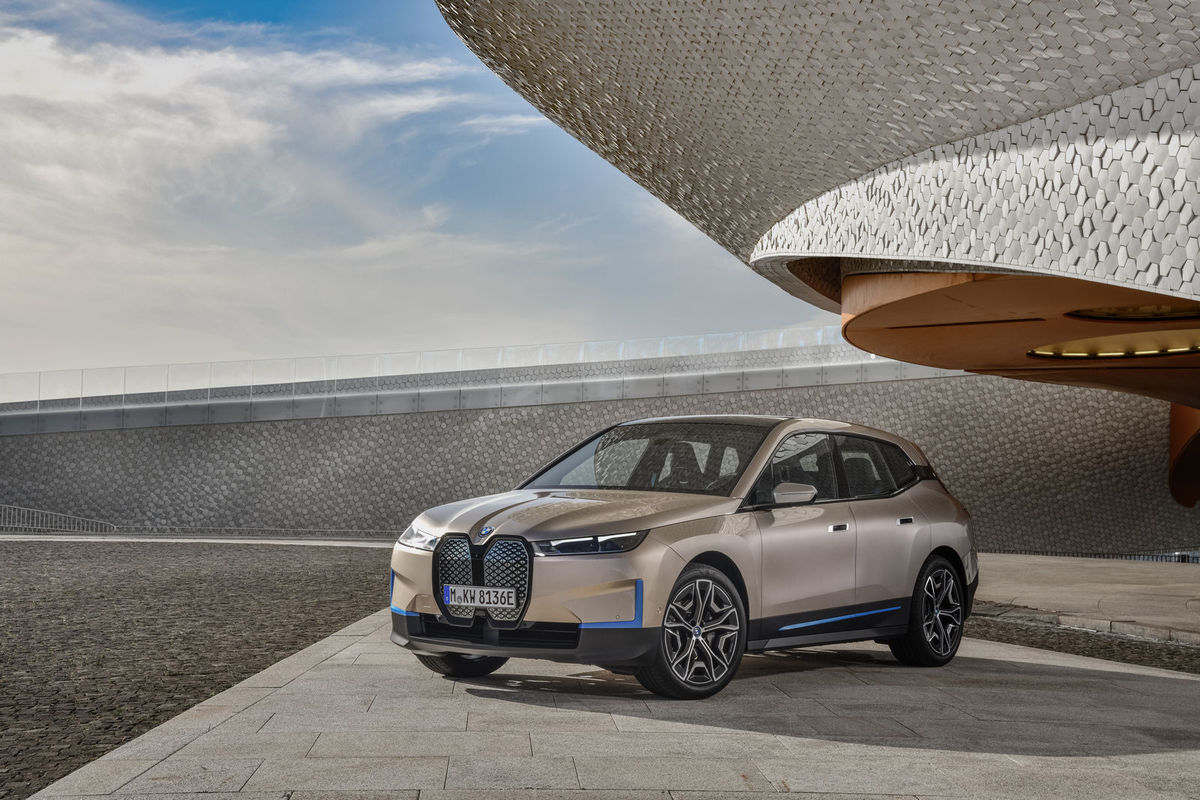
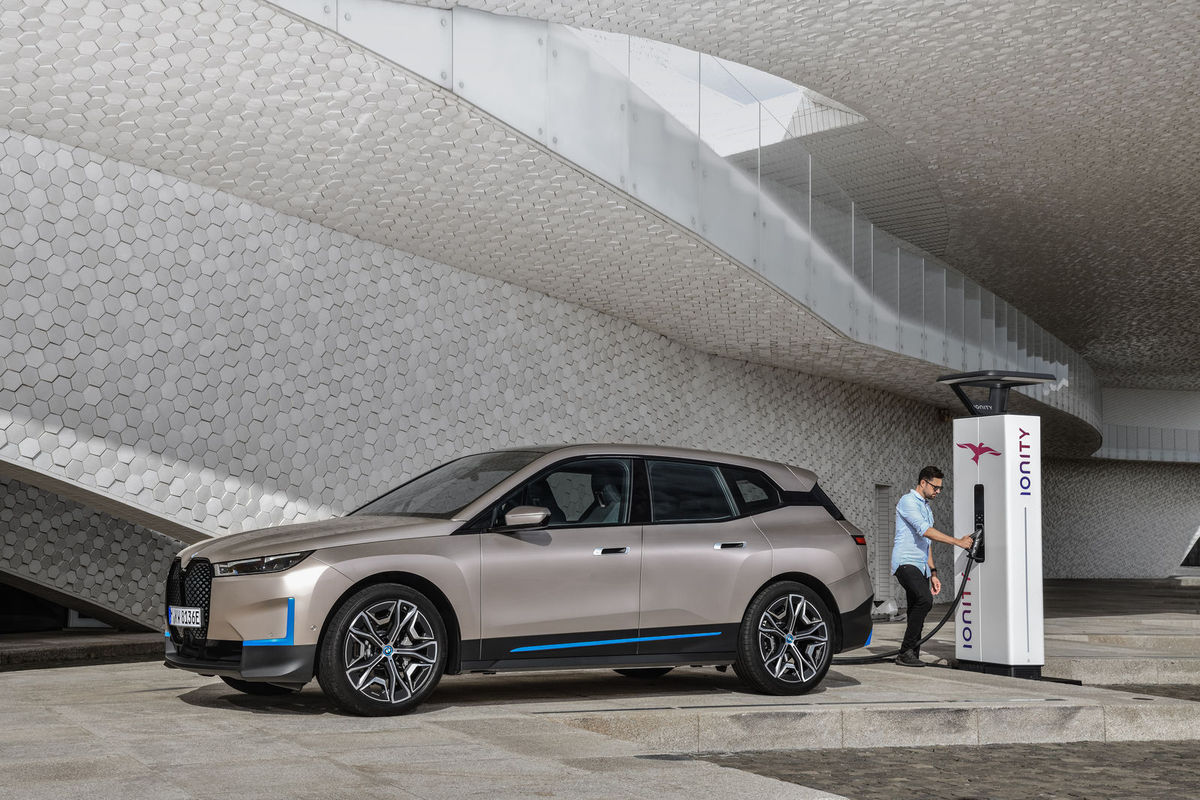
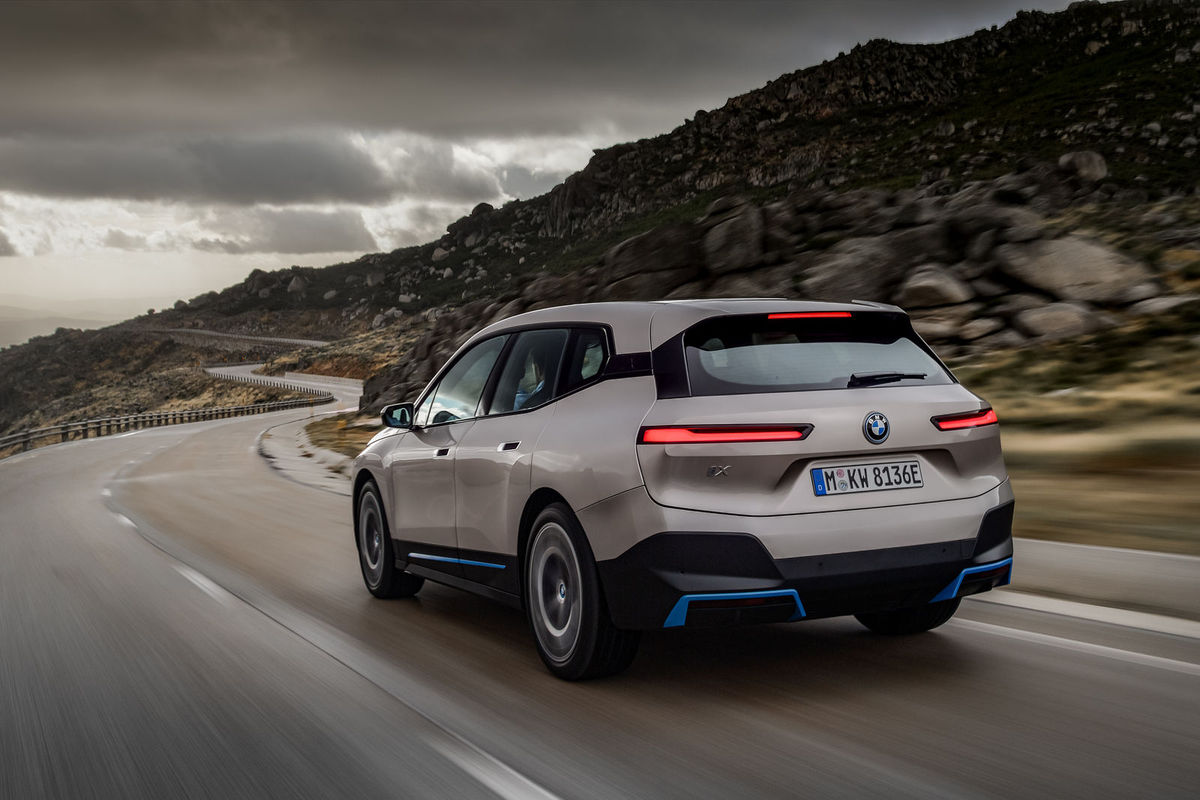
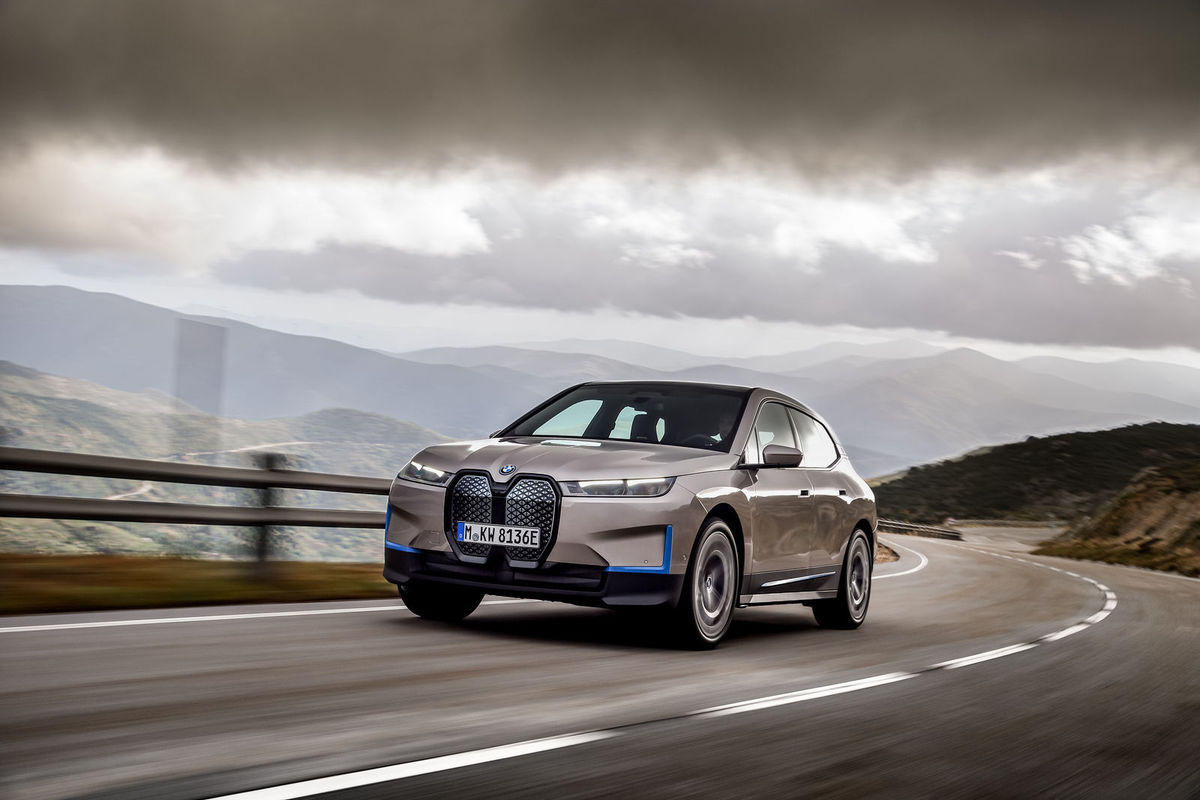
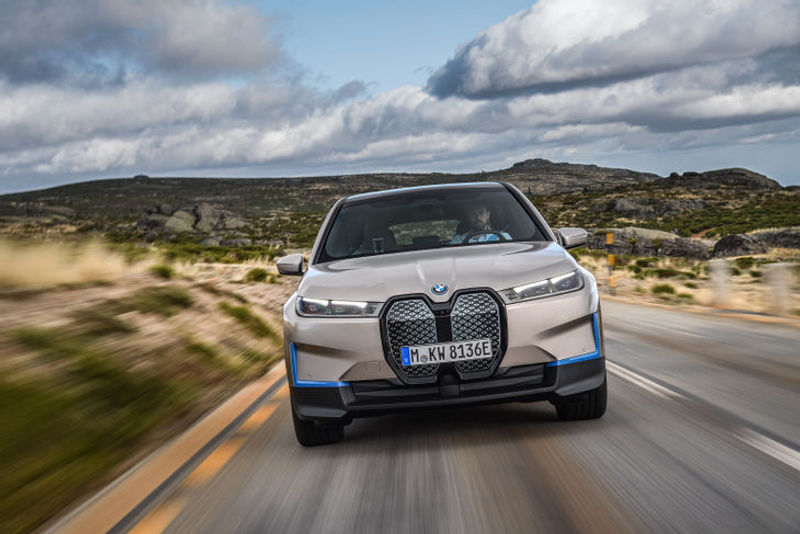
The iX is not due on sale for another year, but BMW is keen to show the world what its all-electric premium SUV looks like.
Along with many premium manufacturers, BMW is pushing ahead with all-electric vehicles and specifically premium electric SUVs. We’ve already seen the iX3, which is based on the X3, revealed earlier this year but the iX is its own platform and designed to be an electric car from the conceptual phase.
BMW plans to have 5 EV models on sale by the end of 2021 and 25 in total by the end of 2023. The adoption of electric vehicles since the worldwide lockdown due to Covid19 has increased throughout Europe unexpectedly quickly and the manufacturers that are further ahead down the electric pathway are set to make early gains in market share that could be long-lasting.
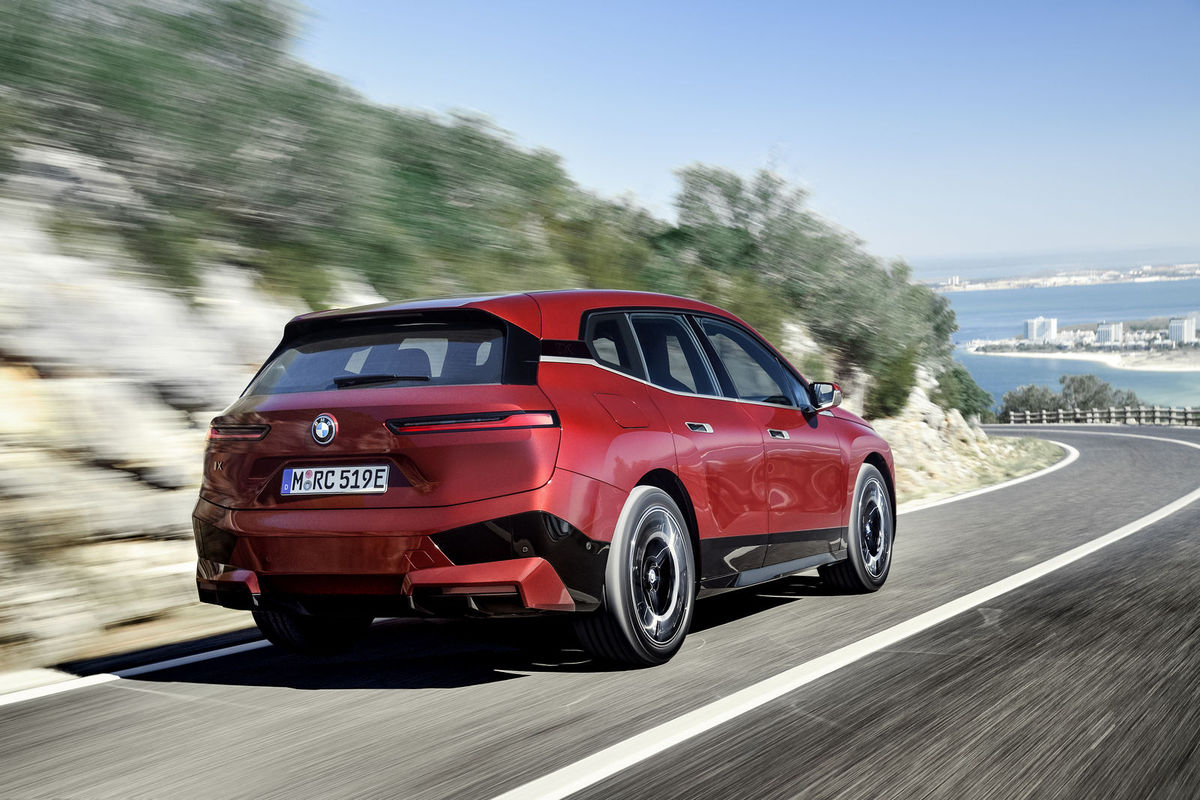
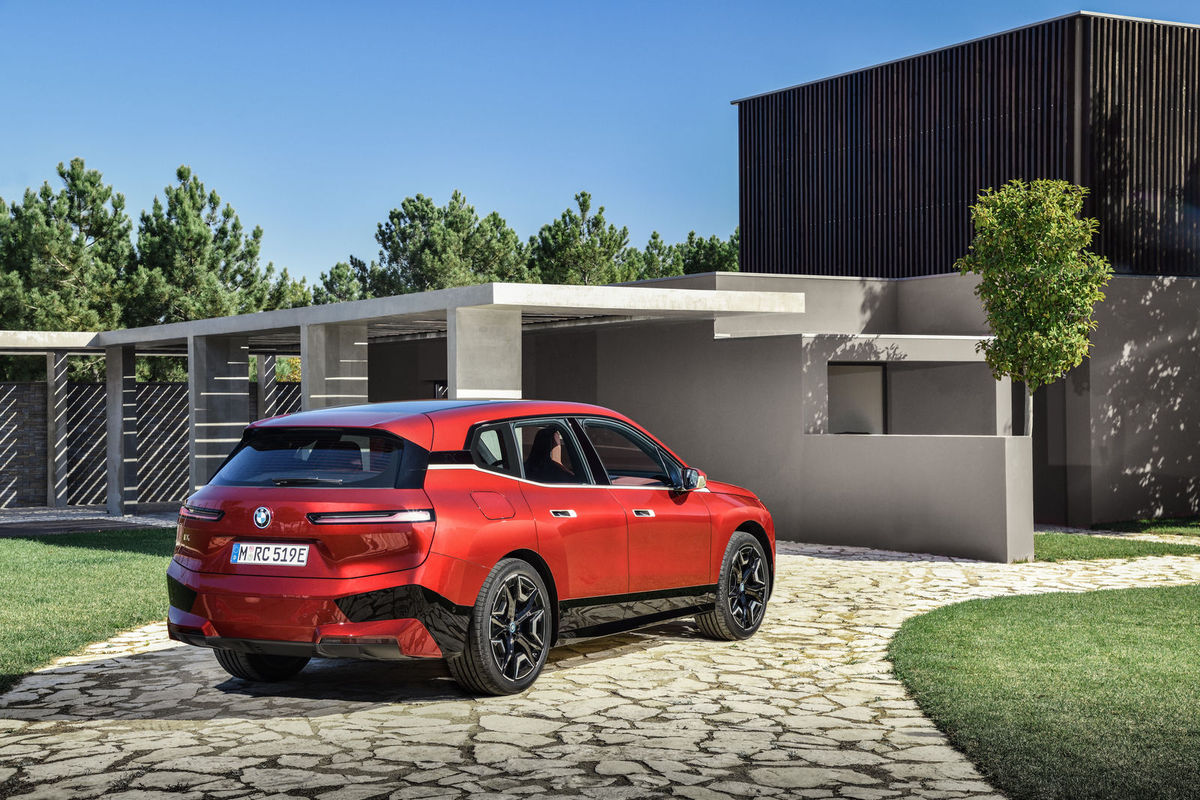
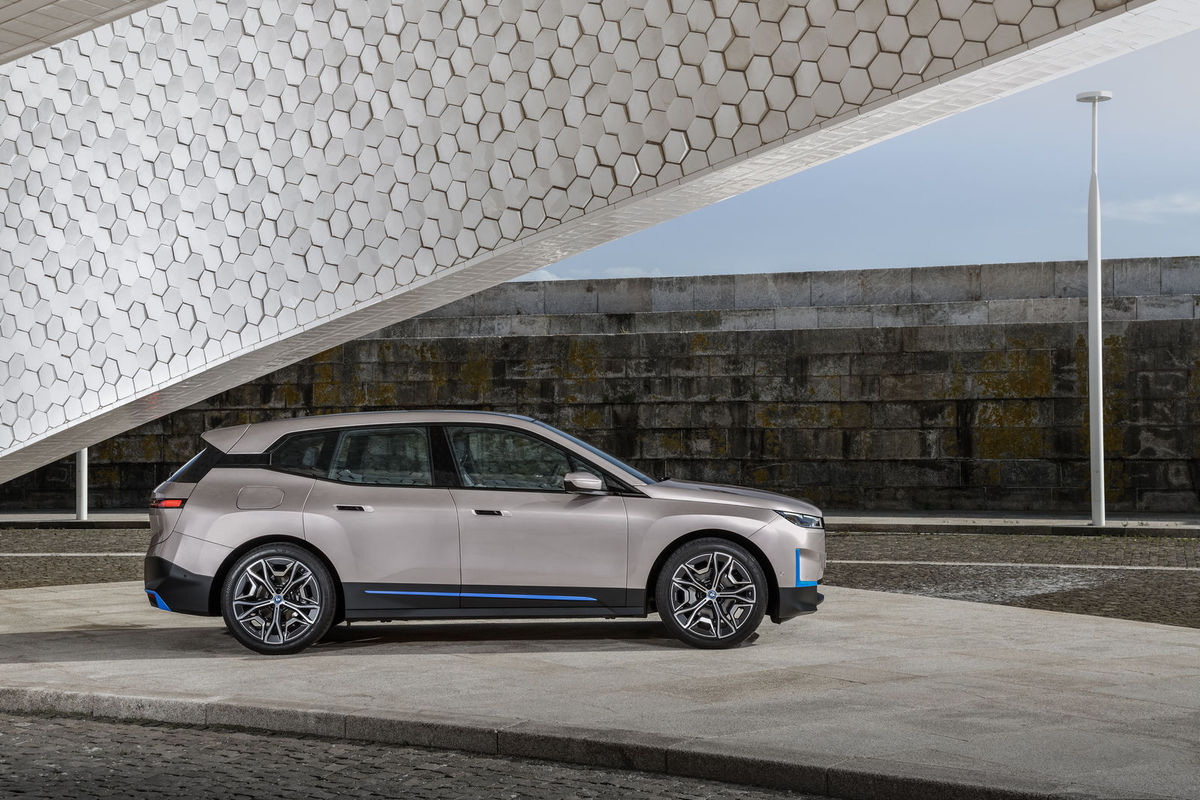
The iX is about the same length as a BMW X5 and similar height to an X6 with the same wheel size as you would find on an X7.
Electric power and range
The BMW iX is equipped with a battery of over 100 kWh (similar to that of the Tesla Model S and Jaguar i-Pace). The power unit also uses no rare earth raw materials so according to BMW is manufactured in a sustainable manner. The power unit is capable of producing 370 kW which will push it along to 100 kph from a standstill in 5-seconds flat. There’s no mention of how much the iX weighs but with a powerful battery like that it’s likely to tip the scales at well over 2-tons.
In terms of efficiency, the iX claims 21 kWh per 100 km which equates to 600 km of range on the WLTP cycle. The figures provided are not official yet but are based on the car’s current state of development.
Impressively the BMW iX can accept DC fast charging of up to 200 kW. Charging the battery from 10-80 percent at 200 kW occurs in under 40 minutes. Connected to a home charging system, it takes around 11 hours to recharge the battery from flat.
Design features
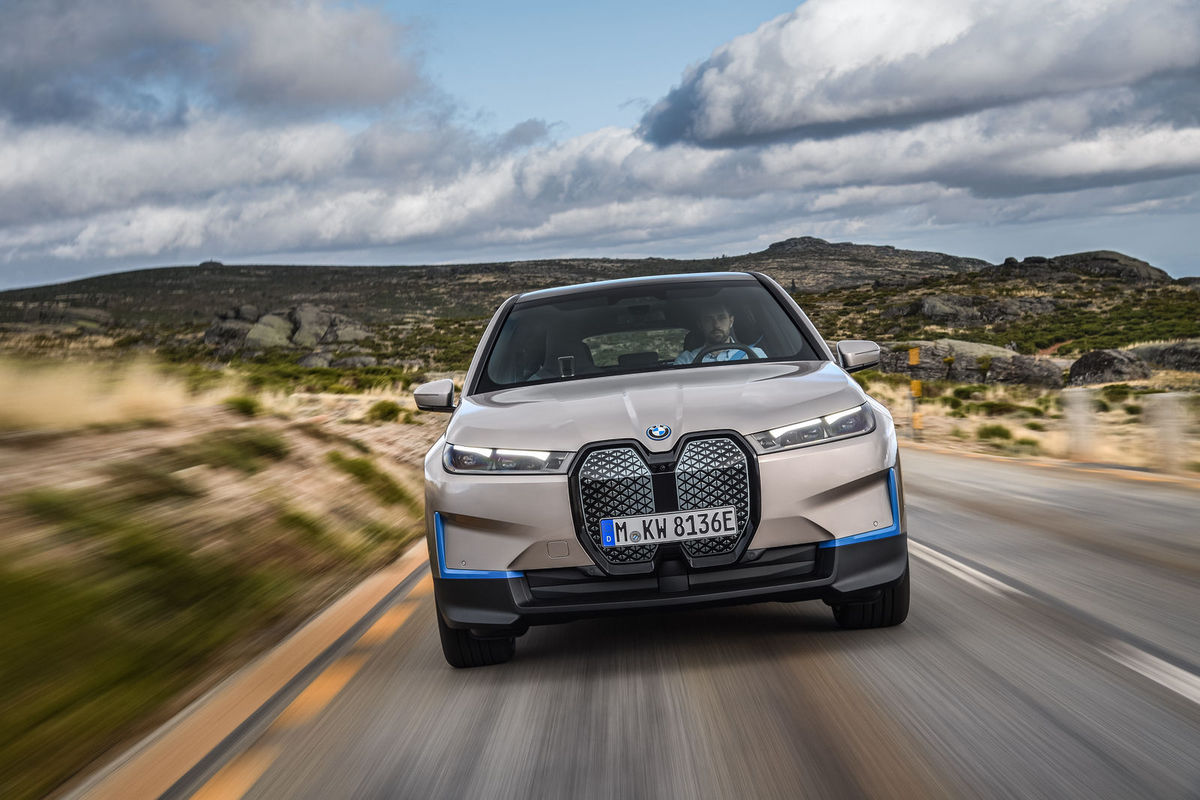
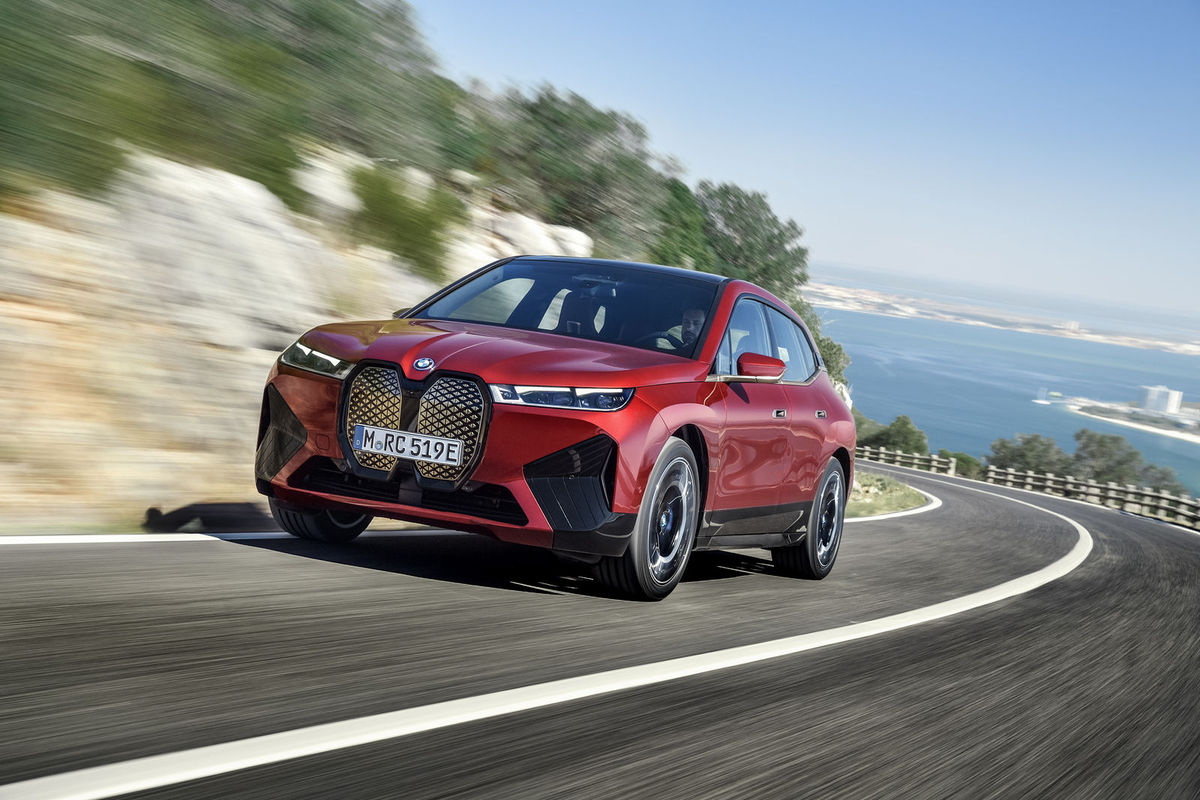
BMW is still seemingly convinced by the polarising front end grille on its latest cars.
The kidney grille will no doubt be another talking part in the iX’s design. The kidney grille is completely blanked off as there is no need for it to be used as a cooling device anymore. Its role has turned digital and here it functions as an intelligence panel. Camera technology, radar functions and other sensors are integrated into the grille behind a transparent surface. The iX is also fitted with 5G capability allowing it to process data faster than ever and improve certain live functions. The automated systems such as parking features and automated driving have been improved with the latest updates.
Interior feel
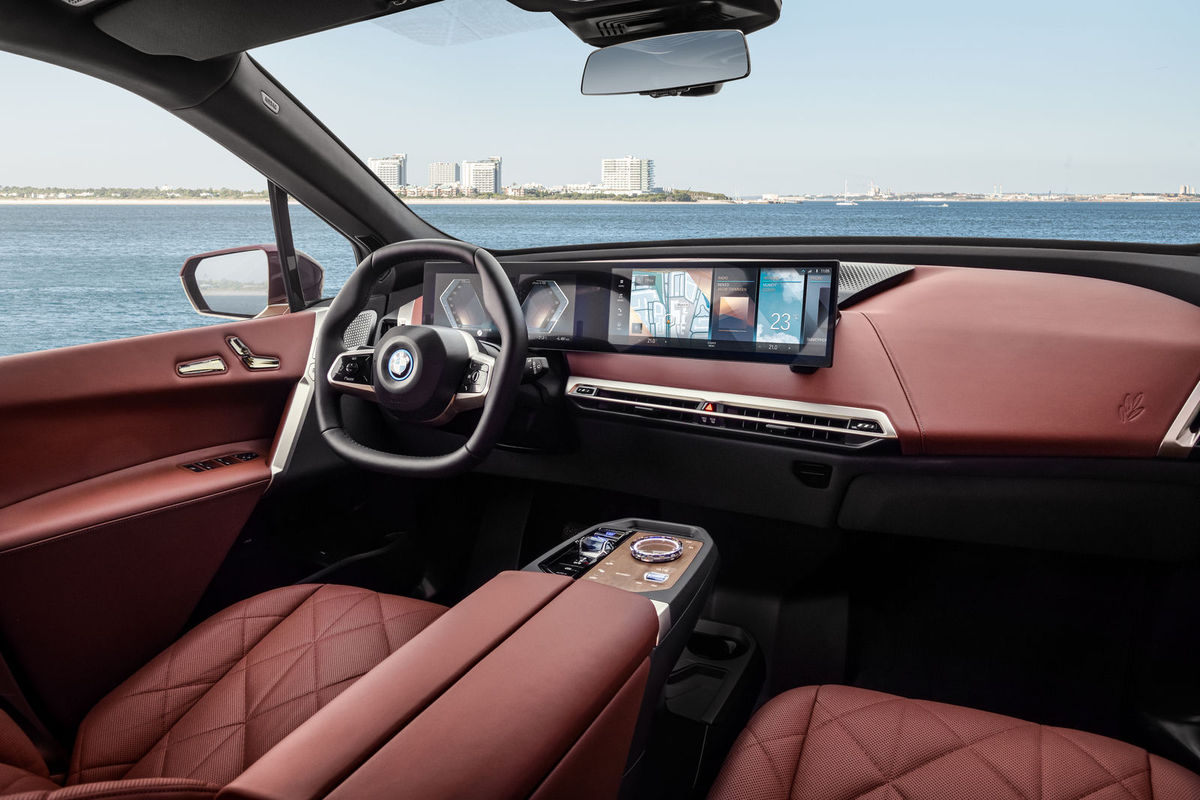
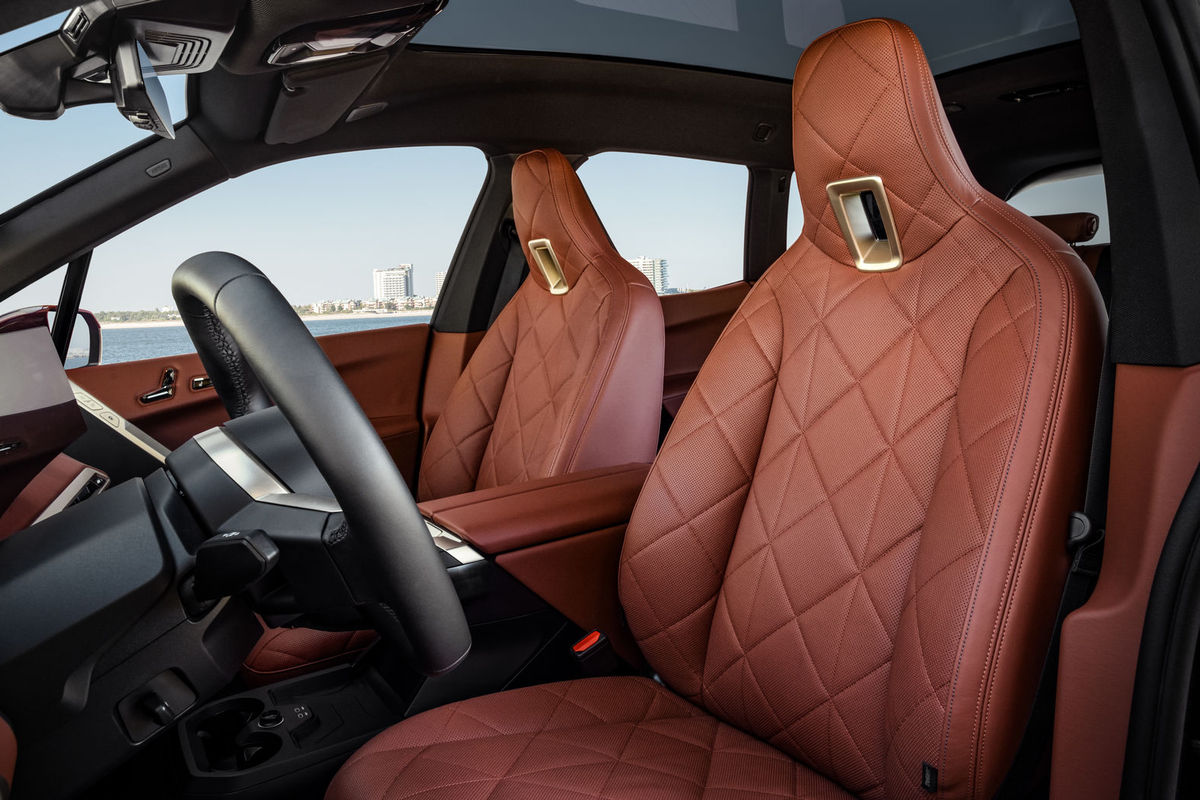
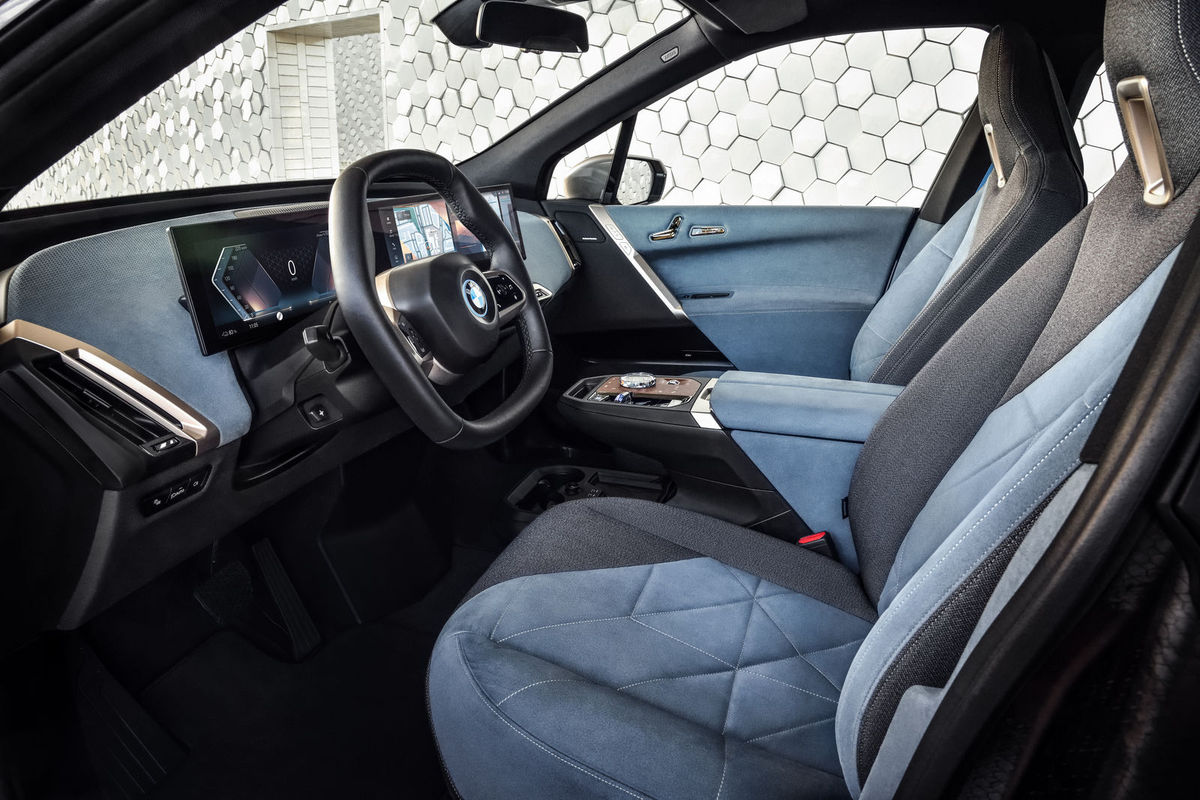
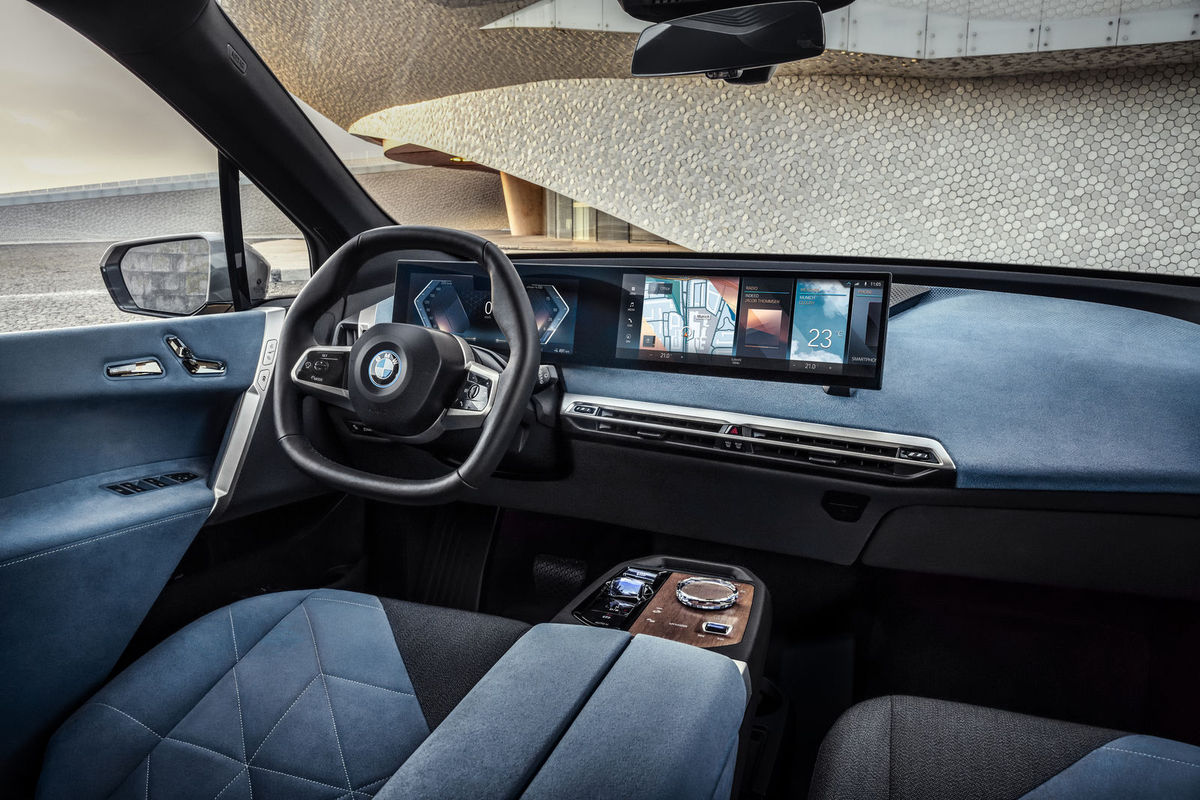
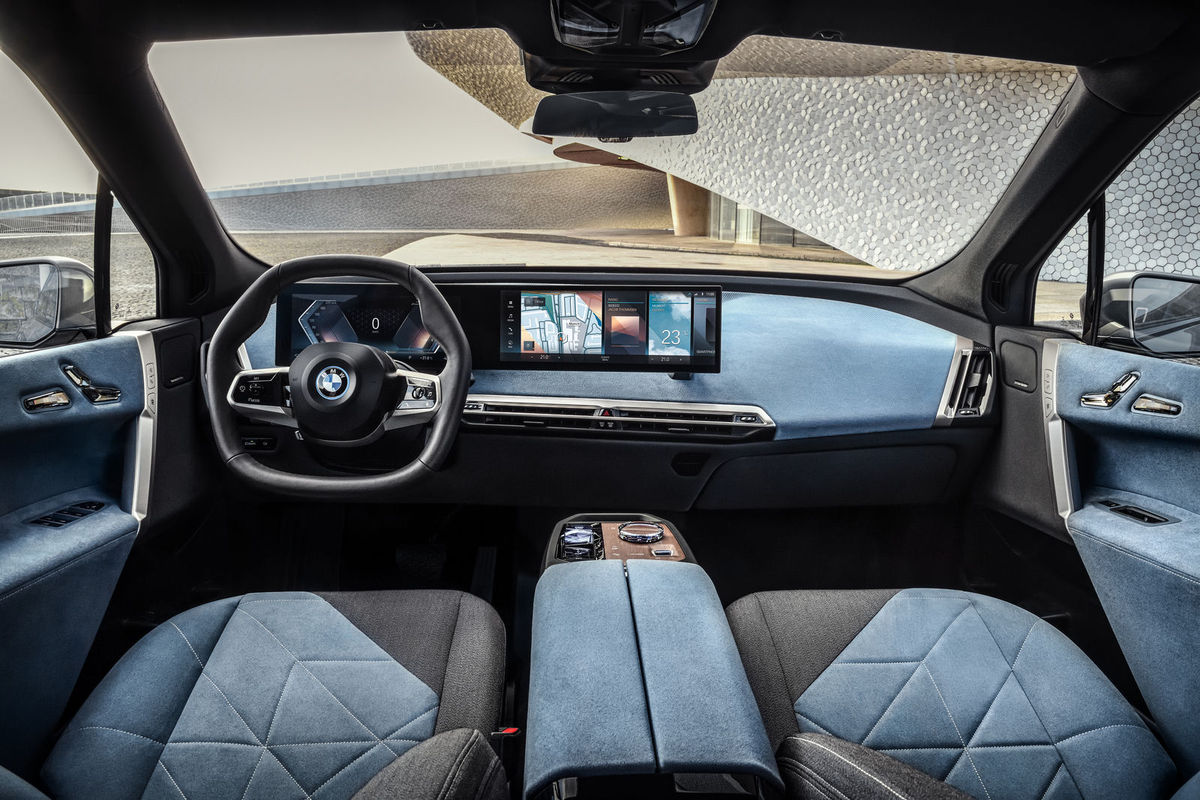
BMW has decided to give the iX a lot of open space in its design. There is no centre tunnel which allows for more legroom in the front and rear while allowing BMW designers to create a new centre console that looks like a huge floating armrest.
The infotainment screen and surrounds look devoid of any button clutter at all, ushering all interaction to the centre rotary dial or the touchscreen system. It looks clean and minimalist which BMW is calling ‘shy tech’. The shy tech approach for the interior can be seen in a number of features, including speakers integrated out of sight, thinly-styled air vents, heated surfaces and the recessing of the BMW Head-Up Display’s projector into the instrument panel so it is almost invisible.
Coming to SA?
BMW plans to put the iX into production in the second half of 2021. There is no information yet on whether it will be available locally yet but with the positive push from BMW to move towards electric, there is the intention to spread its electric lineup beyond Europe. SA will first see the iX3 on sale locally in Q4 2021 with perhaps this iX only arriving in 2022.
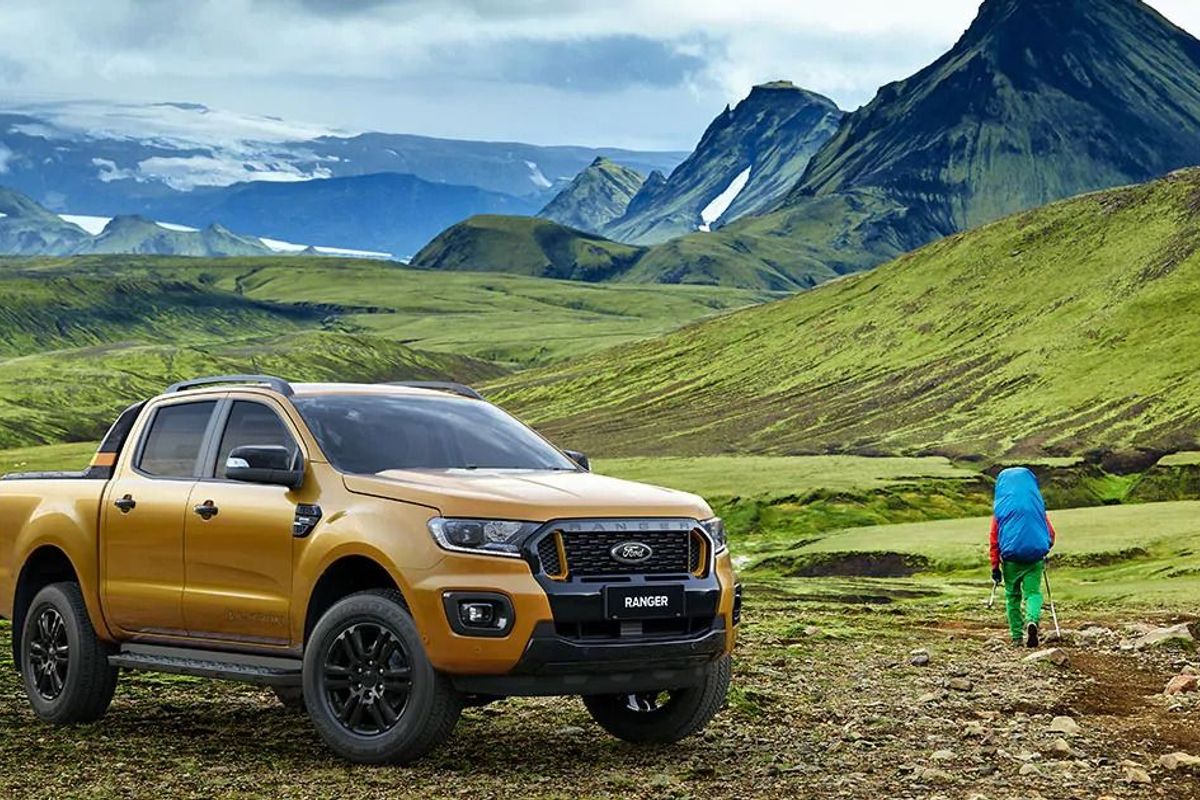
Ford Thailand has given the Ranger a quick visual update and an insane powertrain warranty.
Ford Thailand's timing was impeccable with the updates you see being announced as the updated Nissan Navara broke cover.
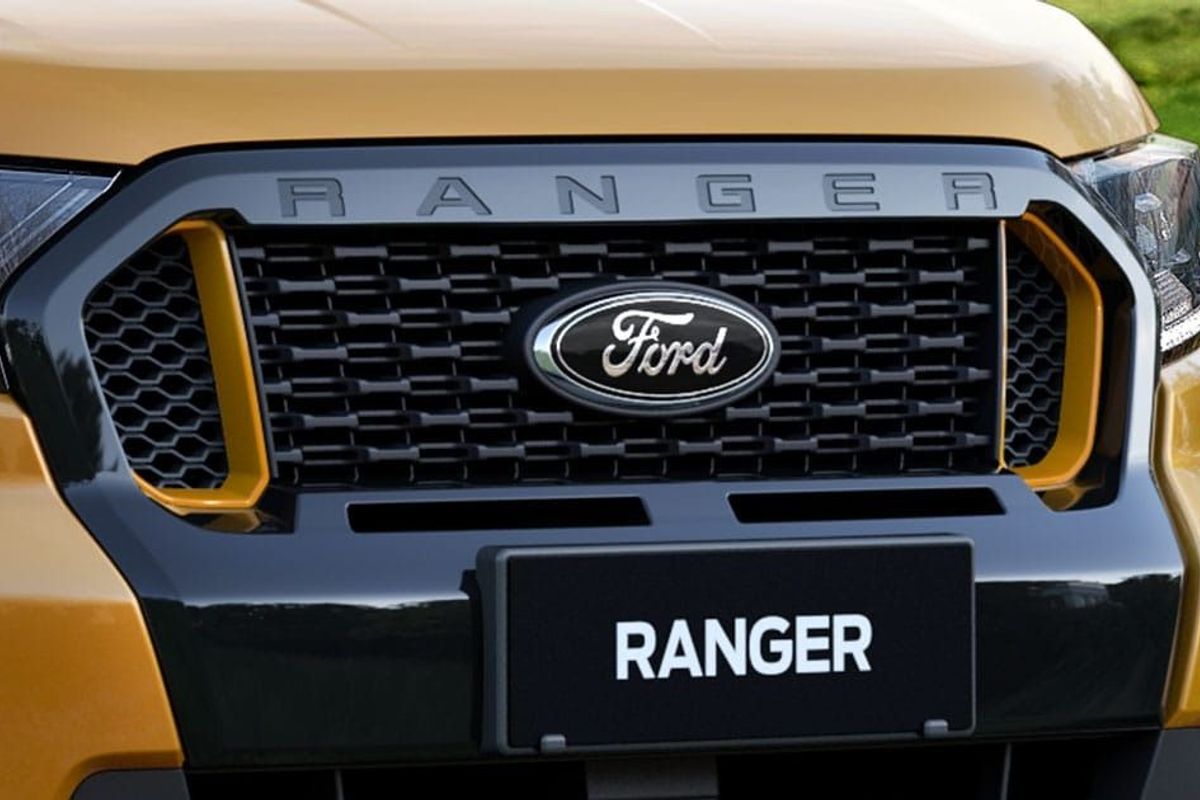
The biggest change is the new-look grille, with the two-nostril setup. Mechanically, it appears the 2.0-litre biturbo engine and 10-speed automatic gearbox has been unchanged. For the record, there's 157 kW and 500 Nm on tap. Impressively, Ford Thailand is offering an incredible 10-year/150 000 km powertrain warranty.
It is important to note these updates apply to the Thai-spec Ford Ranger. If you want a similar front-end, then look to the SA-built Ford Ranger Thunder. We suspect Ford South Africa will release the Thunder look for the entire Ranger portfolio before the all-new next-generation Ranger production kicks off in either late 2021 or early 2022.
As a reminder, the next-generation Ford Ranger and Volkswagen Amarok will be co-developed and will share a common platform. Given South Africa's love for bakkies, both brands have heavily invested in their South African production operations. With this in mind, the idea of next-gen Ford Ranger ladder-frame chassis units leaving the Silverton factory and heading for Volkswagen's Uitenhage plant for next-gen Amarok bodywork and final assembly is not as radical as you might think.
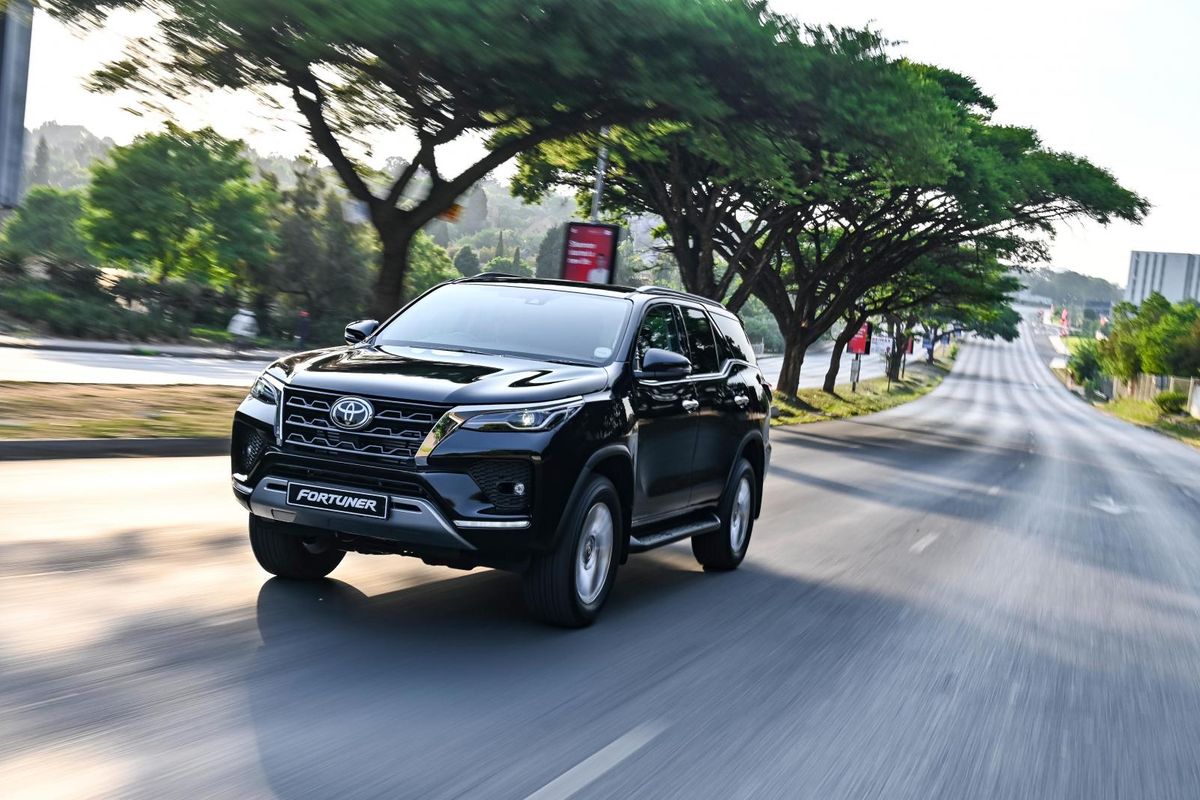
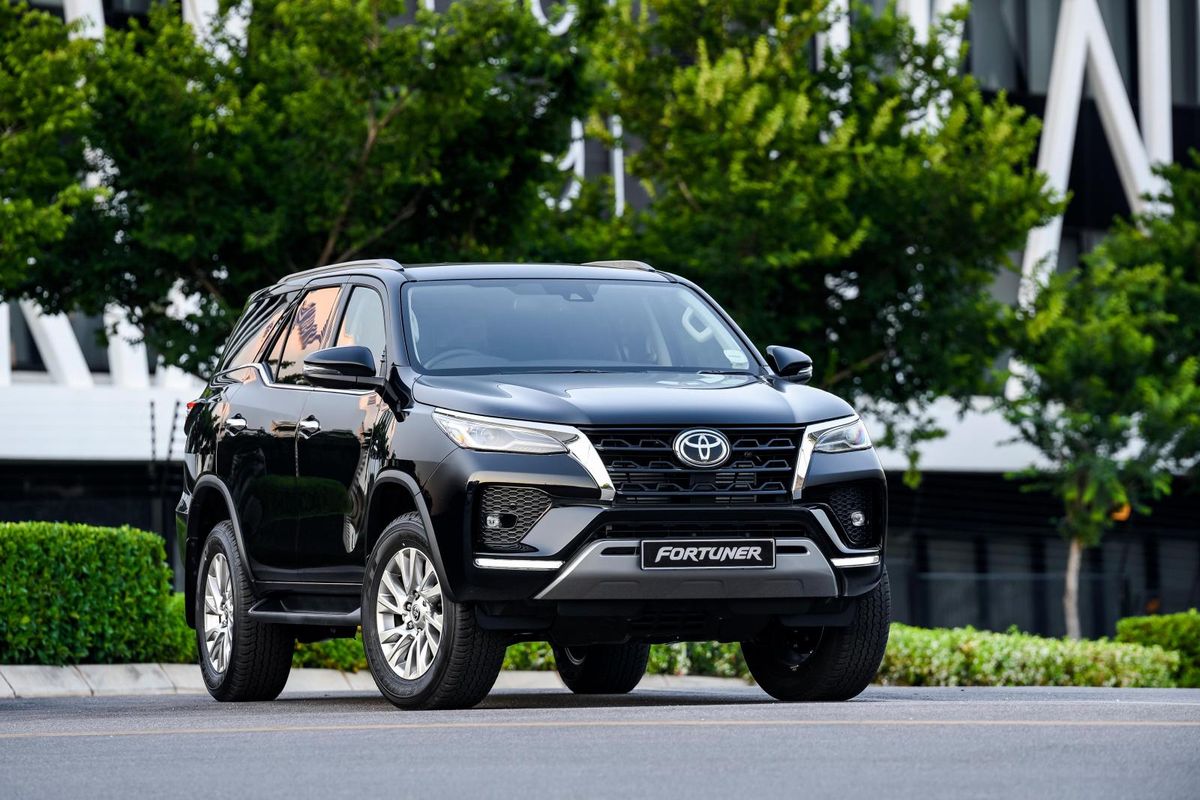
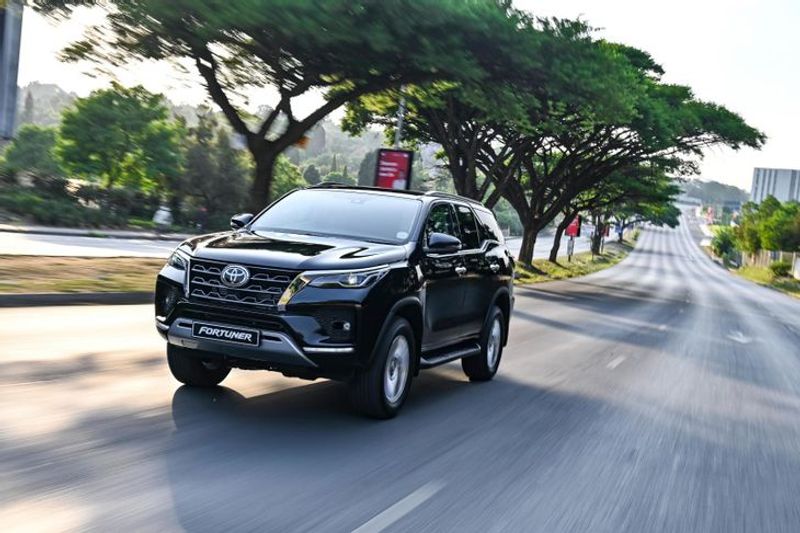
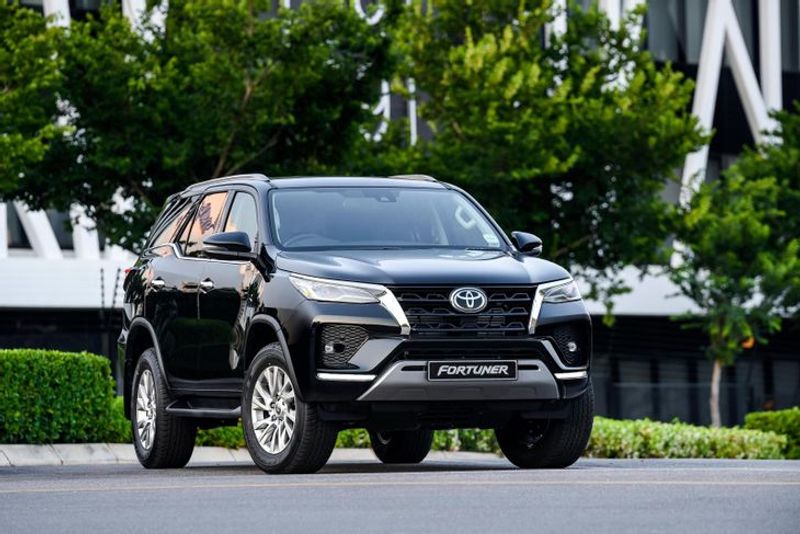
The updated Toyota Fortuner has been launched in South Africa. How much has changed? We investigate.
Toyota's Fortuner has been one of South Africa's most popular models and it's a very common sight on our roads. First launched in 2006 and with a second-generation model launching in 2016, the Toyota Fortuner has grown from strength to strength. In late 2020, Toyota South Africa launched the facelifted version of this 2nd-gen Fortuner.
The Toyota Fortuner is a 7-seater SUV and other vehicles in this segment include the Ford Everest, Isuzu MU-X, and Haval H9.
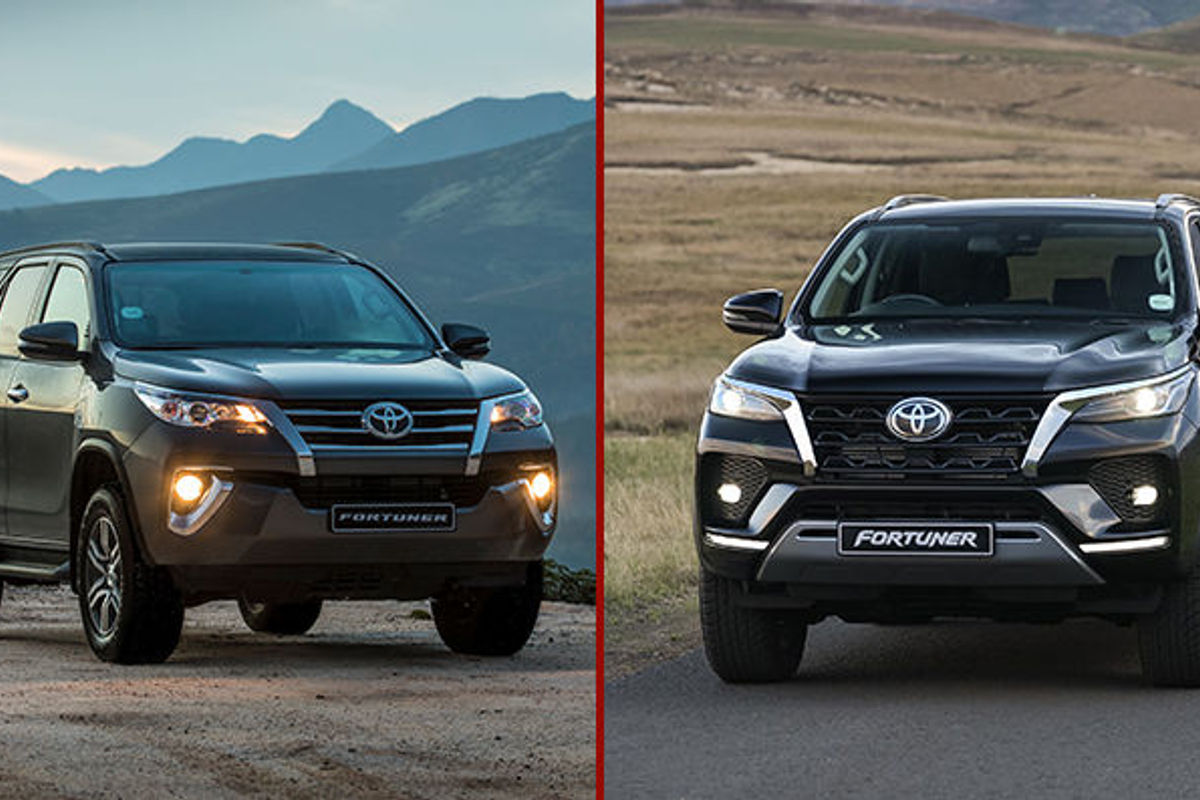
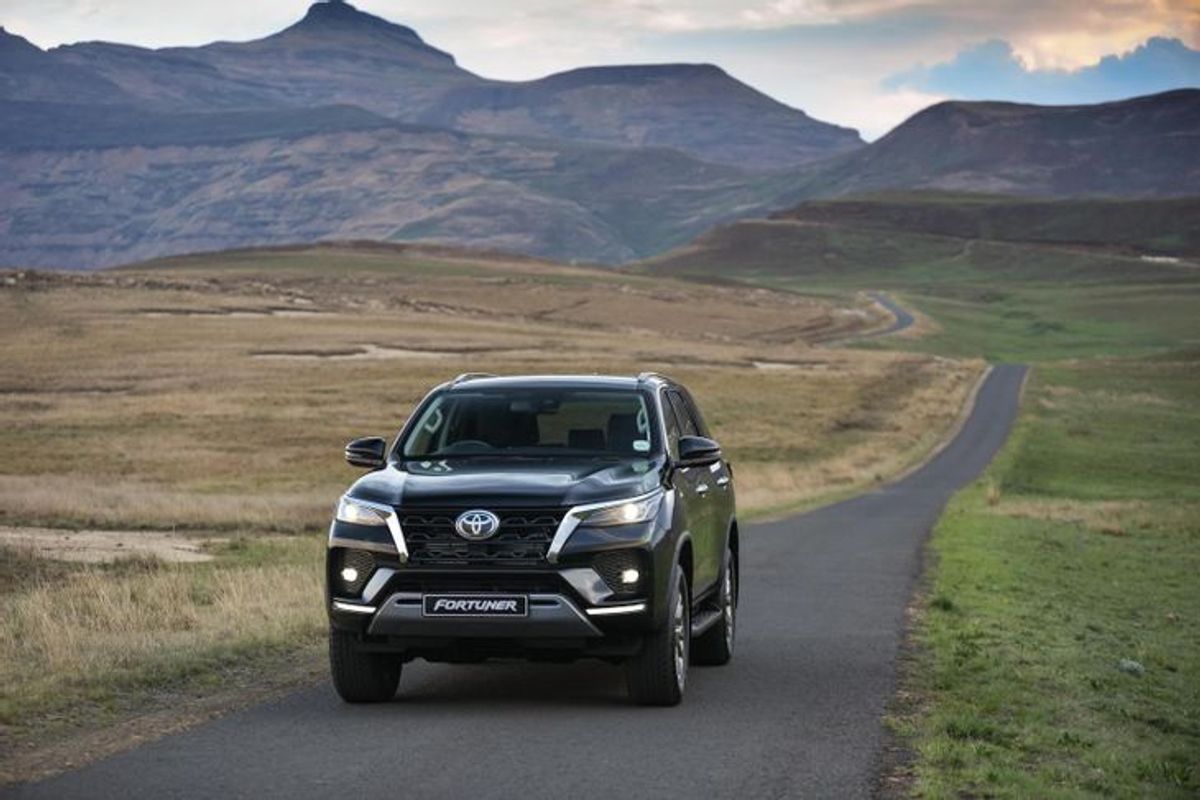
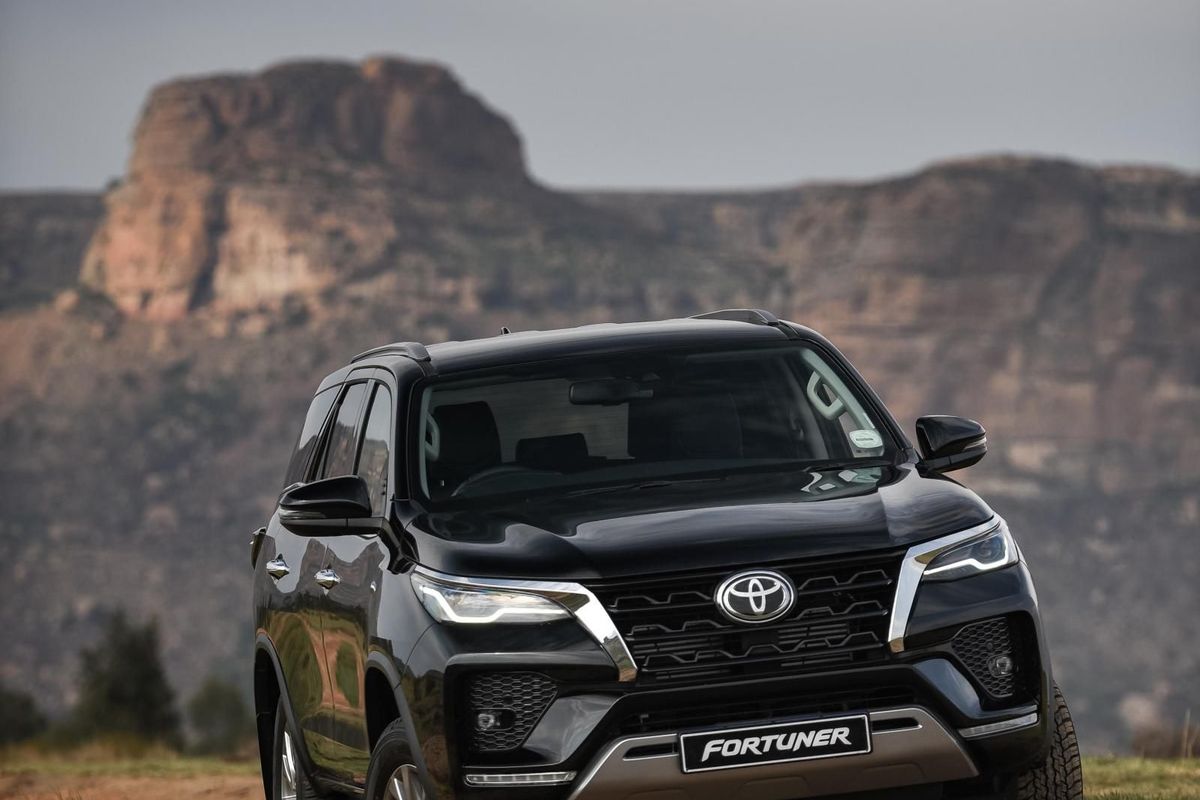
The facelifted Toyota Fortuner, showing off the redesigned front end.
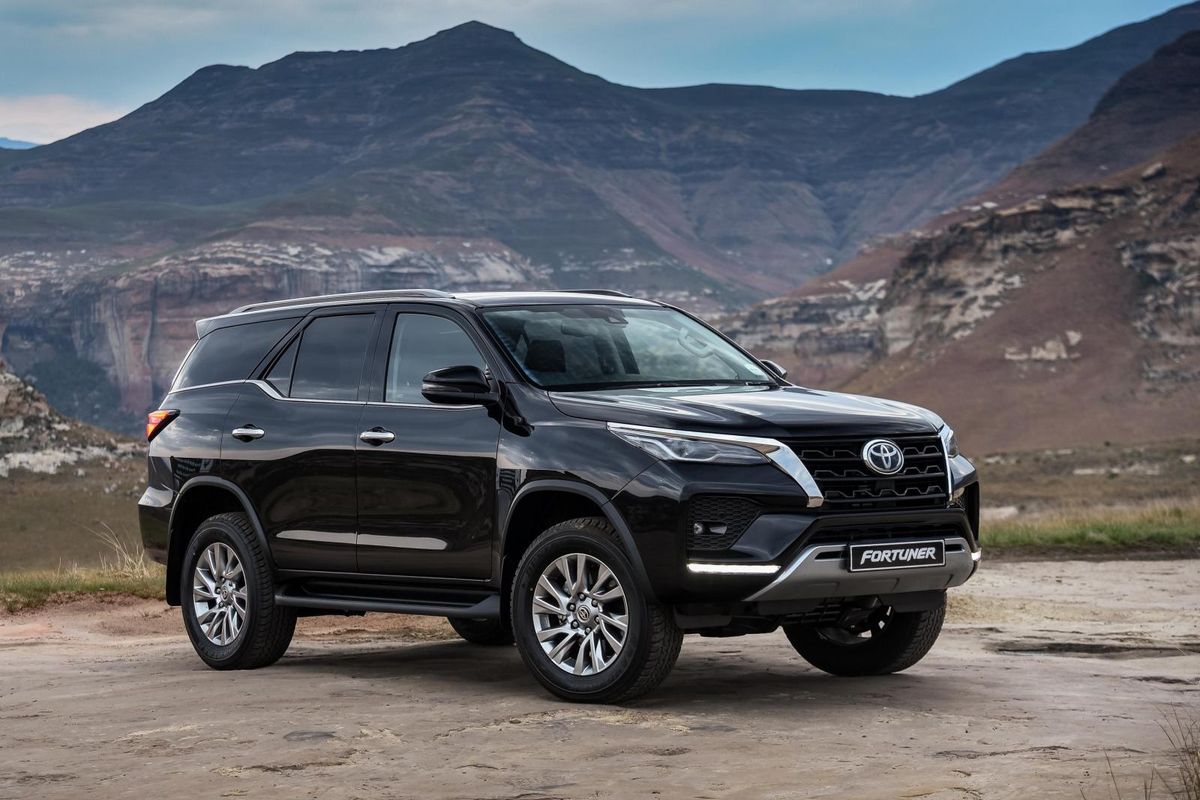
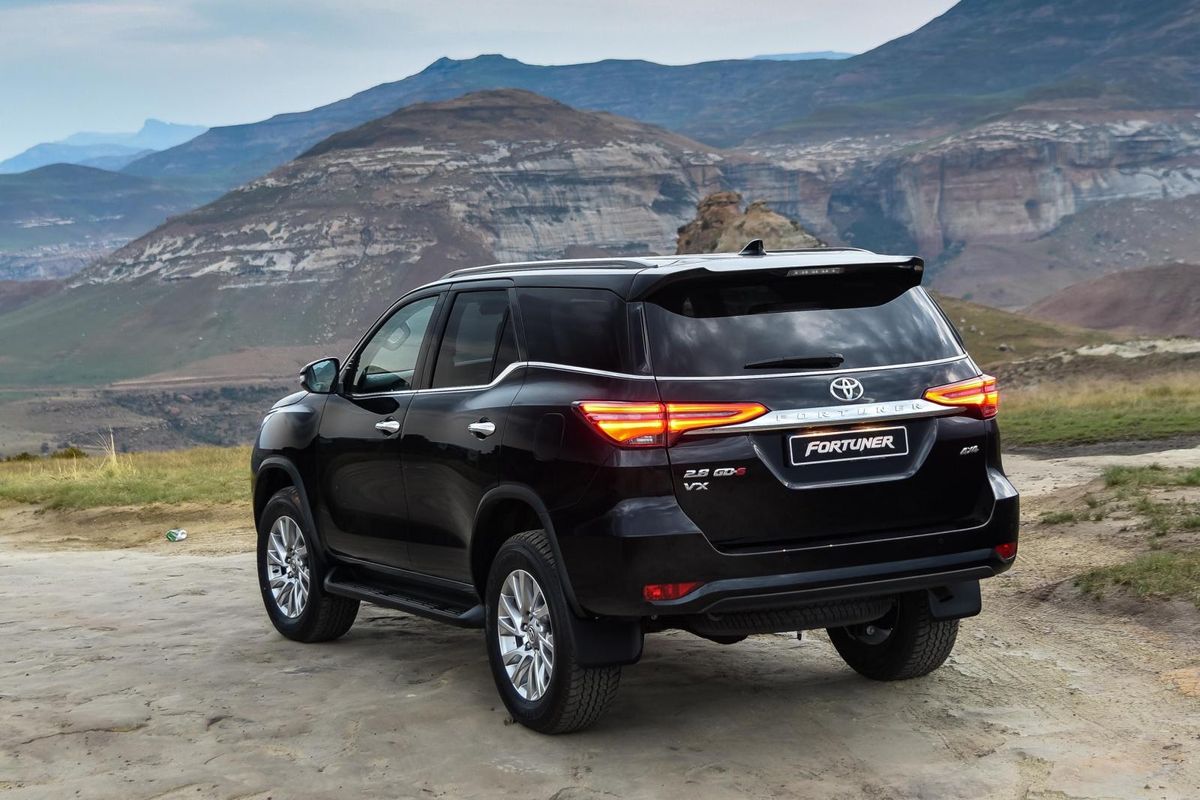
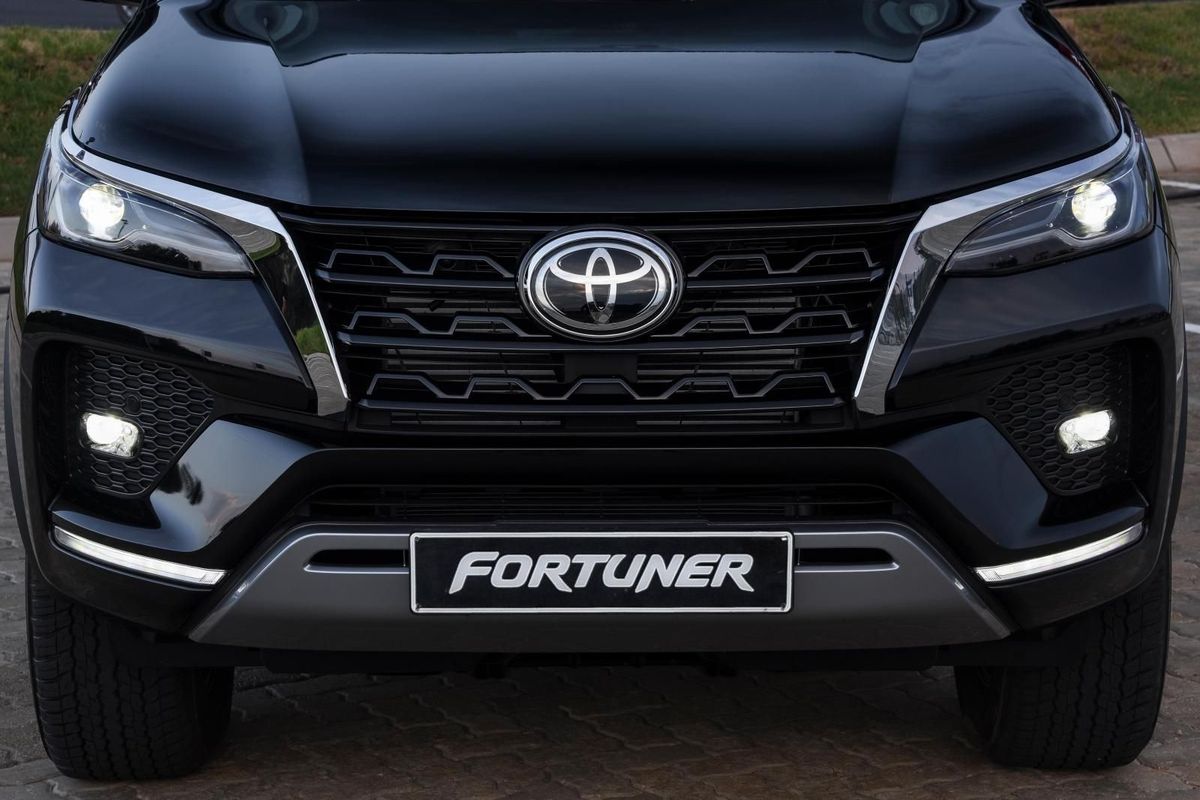
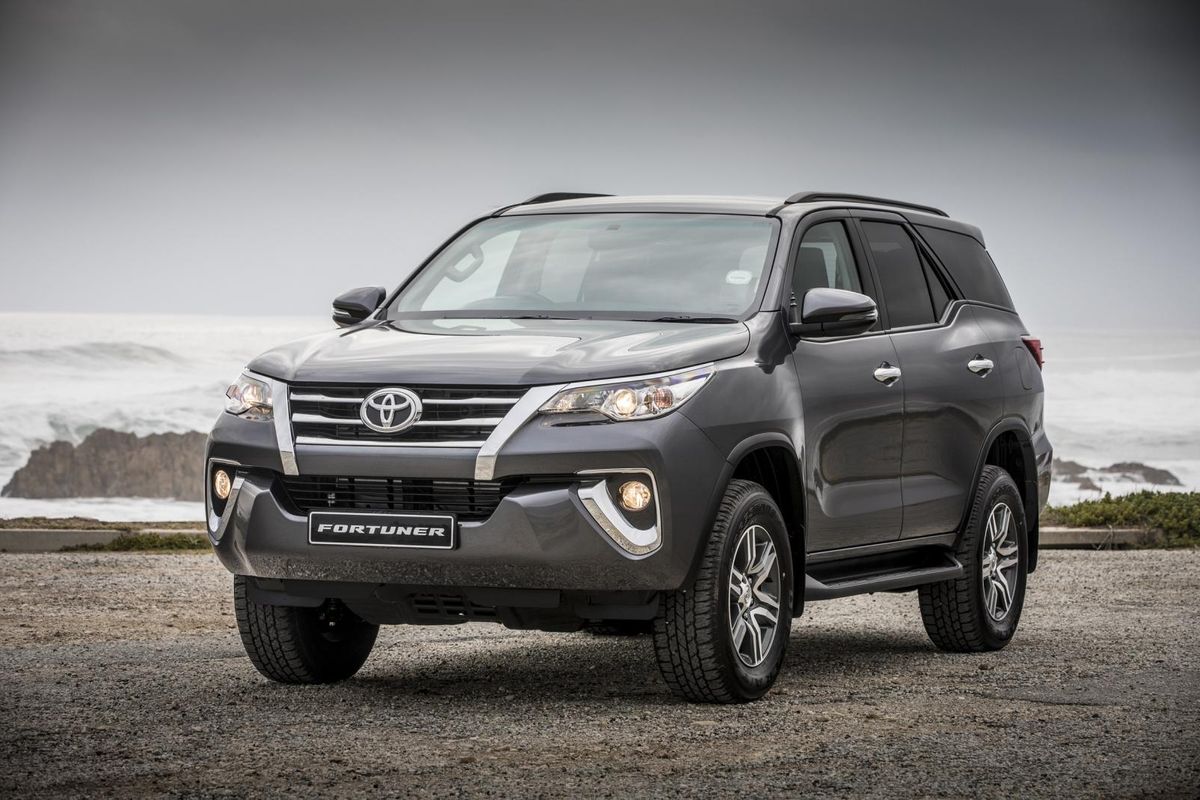
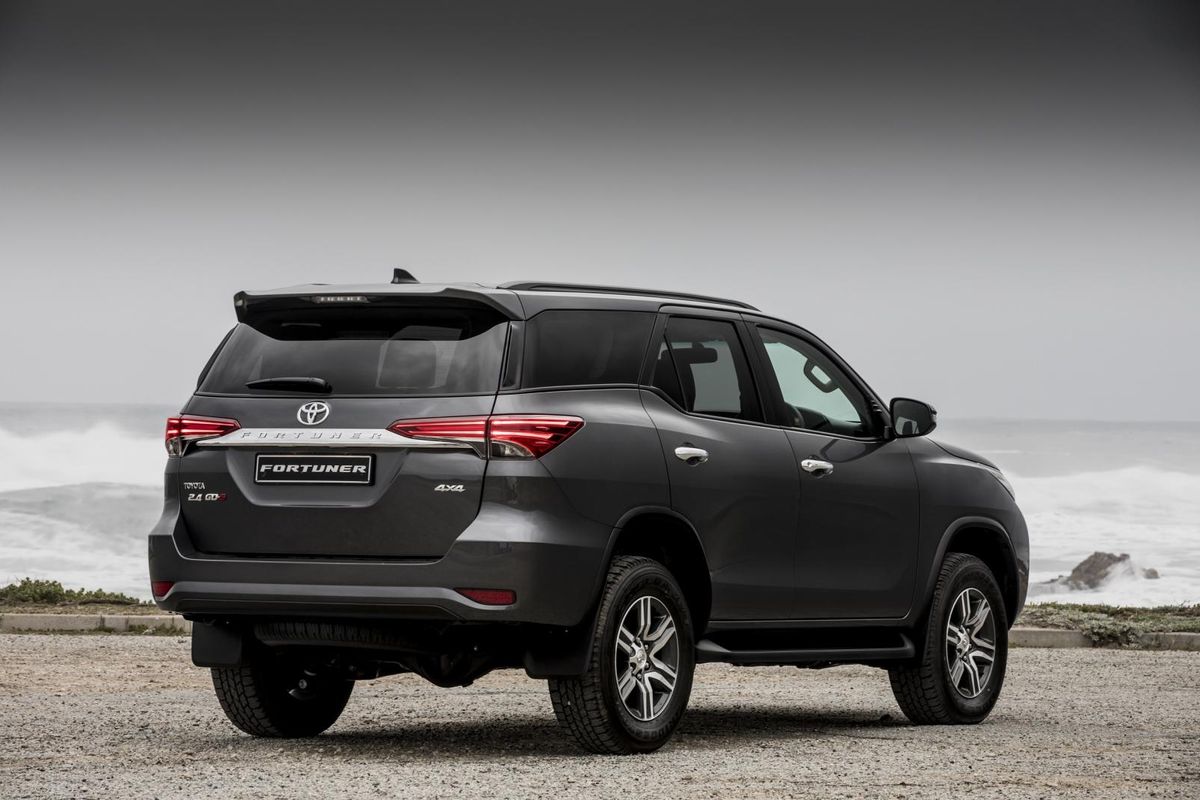
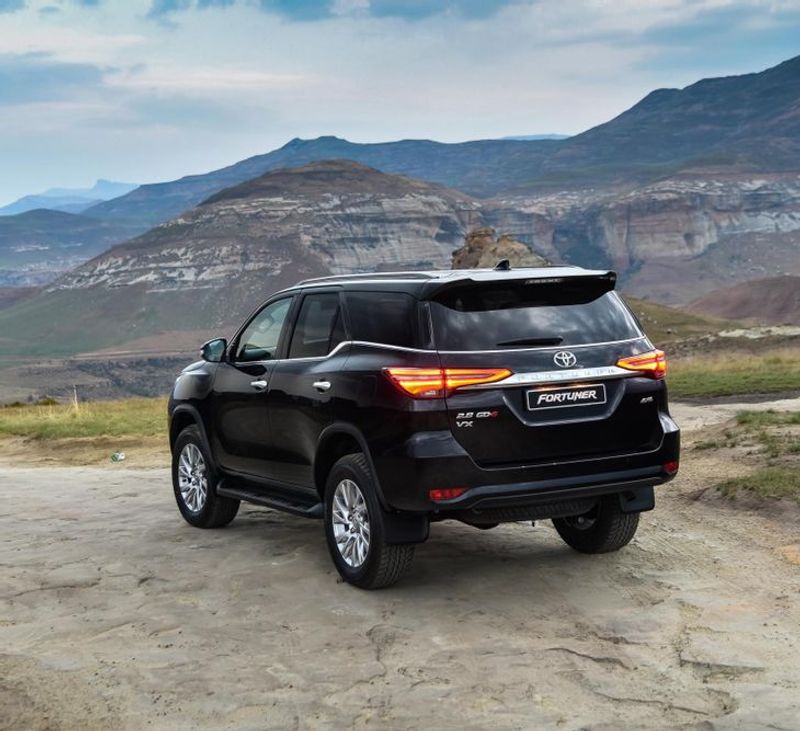
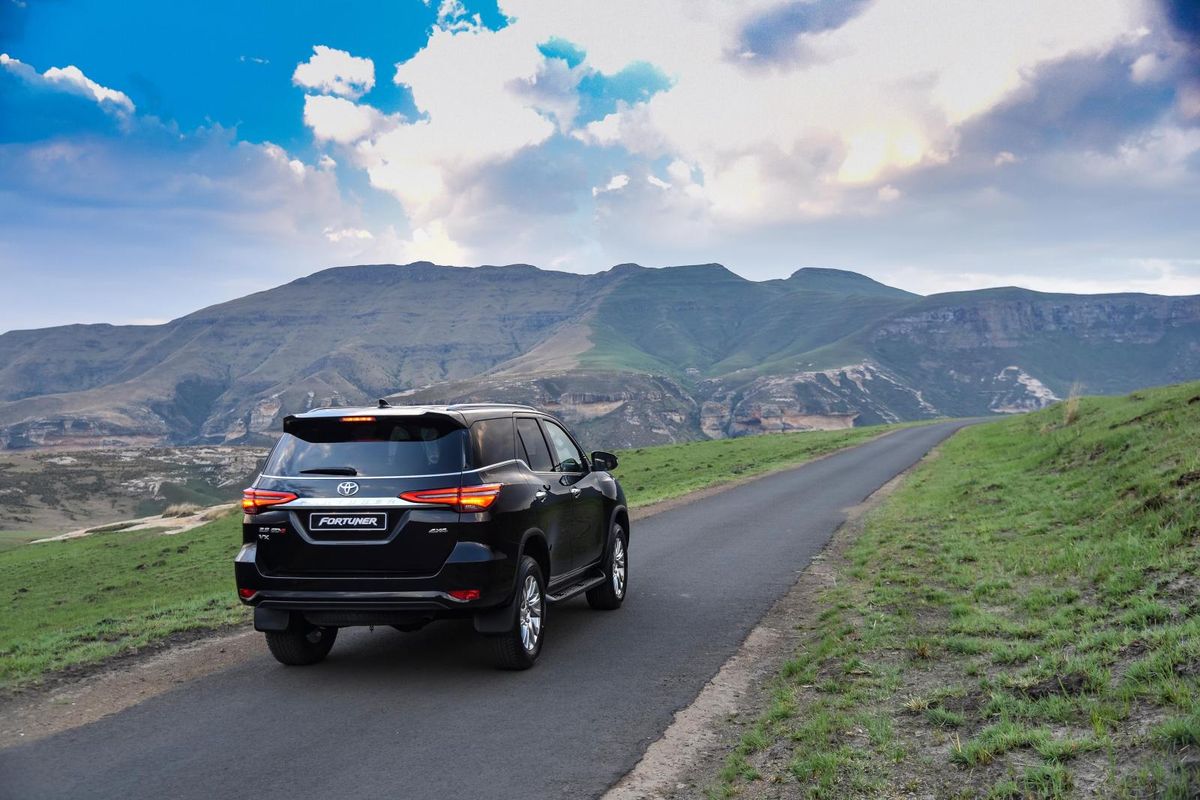
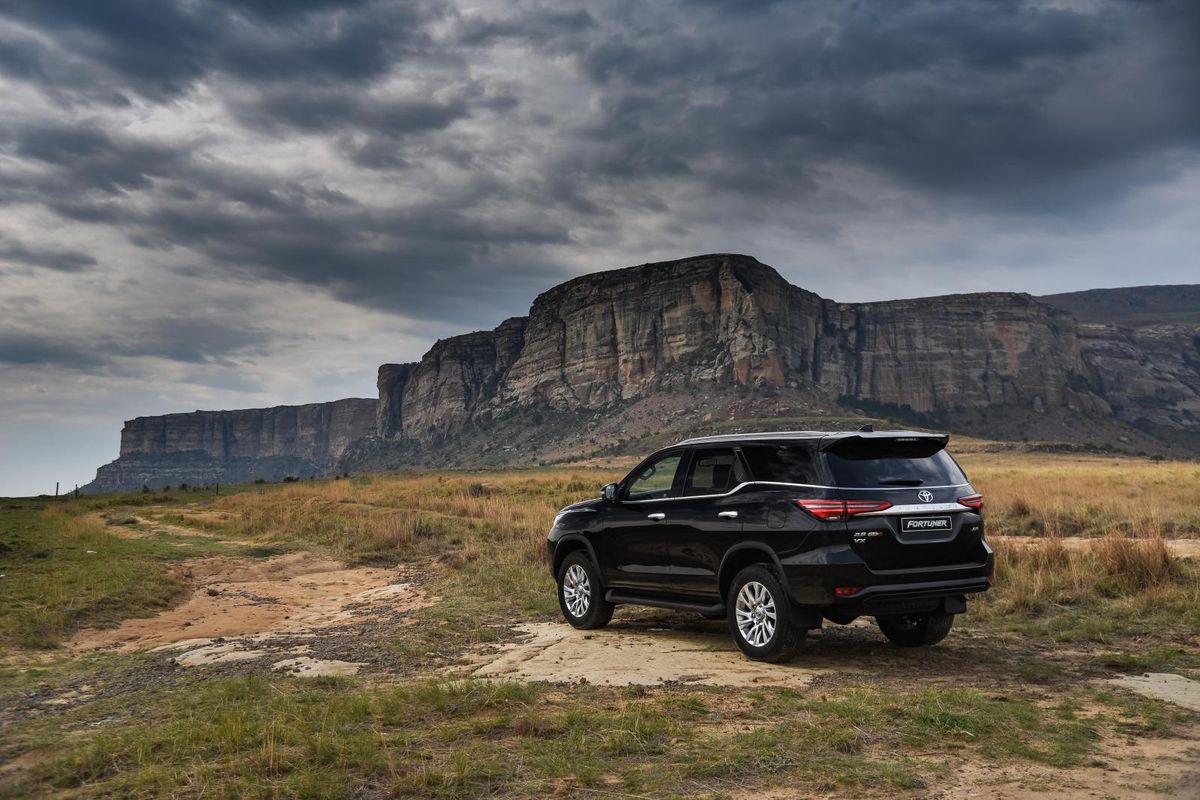
Visually, Toyota has given the facelifted Fortuner an expansive update all round. It's unmistakably a Fortuner, but the front now features a larger, blacked-out grille with a mesh pattern. The flagship VX model gains a gloss finish here. There's a silver-accented skid plate which gives the vehicle an even tougher look. There are new-look Bi-LED headlights with daytime running lights and the LED indicators have been moved to the lower bumper. At the rear, there's a new spoiler and redesigned tail lamps.
The pre-facelifted Toyota Fortuner
Engine and performance
The headline change in the powertrain department comes in the form of increased power and torque from the 2.8 GD-6 engine. Power is up by 20 kW to 150 kW, while an extra 50 Nm brings the torque figure to a nice round 500 Nm. Toyota's engineers bolted on a larger turbocharger, added a new common-rail injection system, new head gasket, revised cylinder block, new exhaust manifold, and additional cooling, all of which the Japanese carmaker says improves performance and fuel economy.
To reduce unwanted NVH levels and improve refinement, a new balance shaft has been built into the engine. Finally, the 6-speed automatic gearbox has been recalibrated to allow for improved acceleration as well as towing performance. Speaking of towing, the tow rating of the 2.4 GD-6 4×4 model has been increased by 800 kg and you can now hitch up a 3.3-ton trailer. The 2.8 GD-6 4×4 models now also boast a towing capacity of 3300 kg
The big change is the introduction of the 500 Nm motor from the Hilux
Features
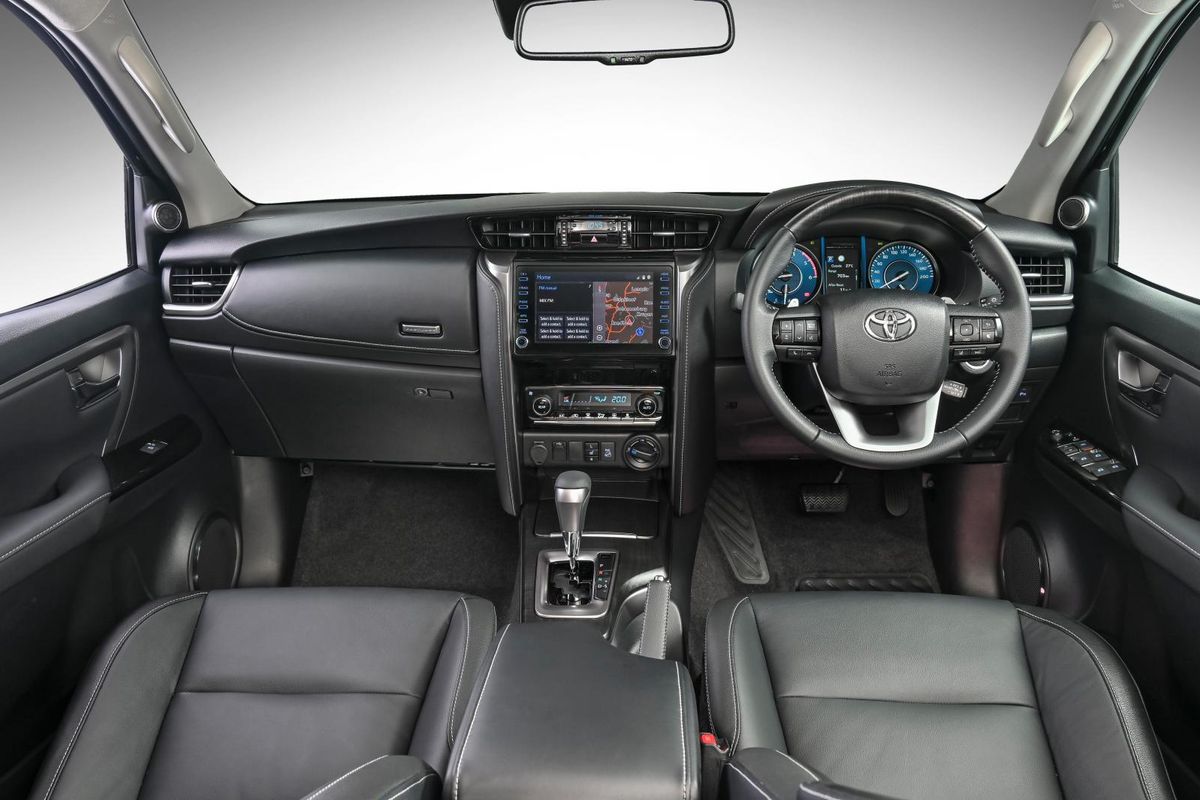
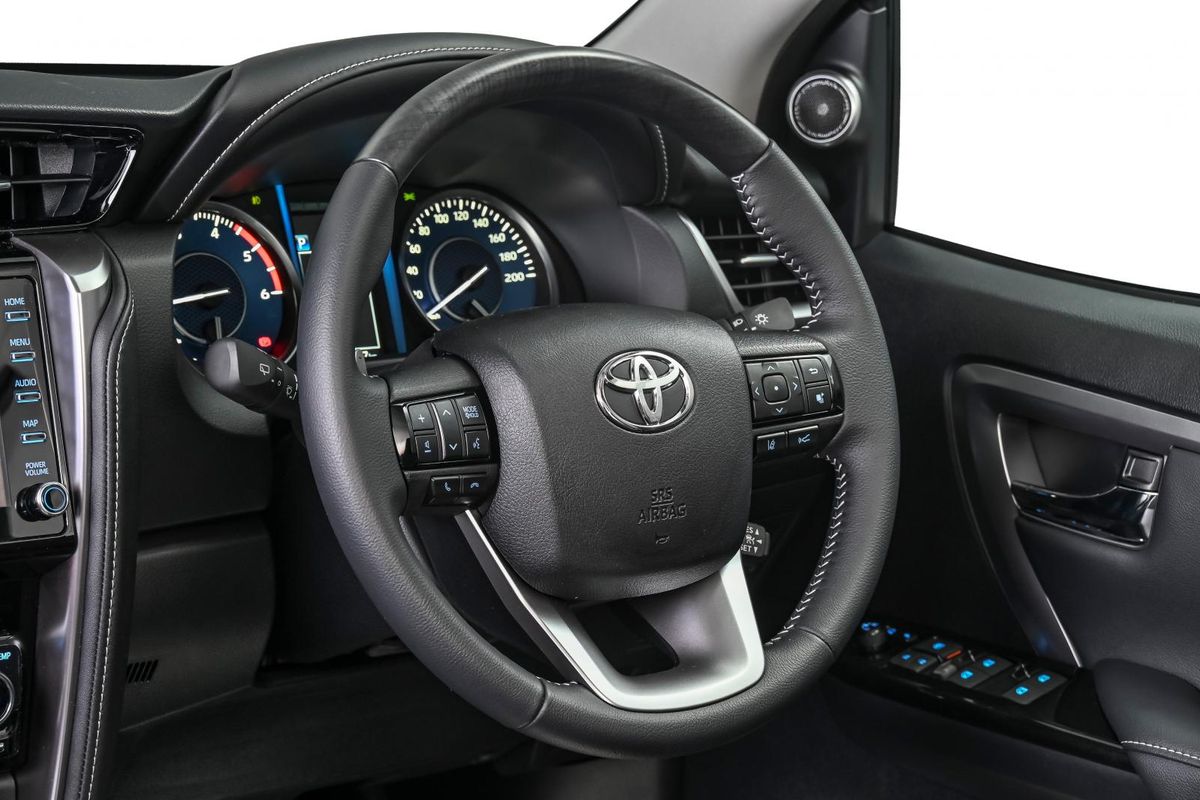
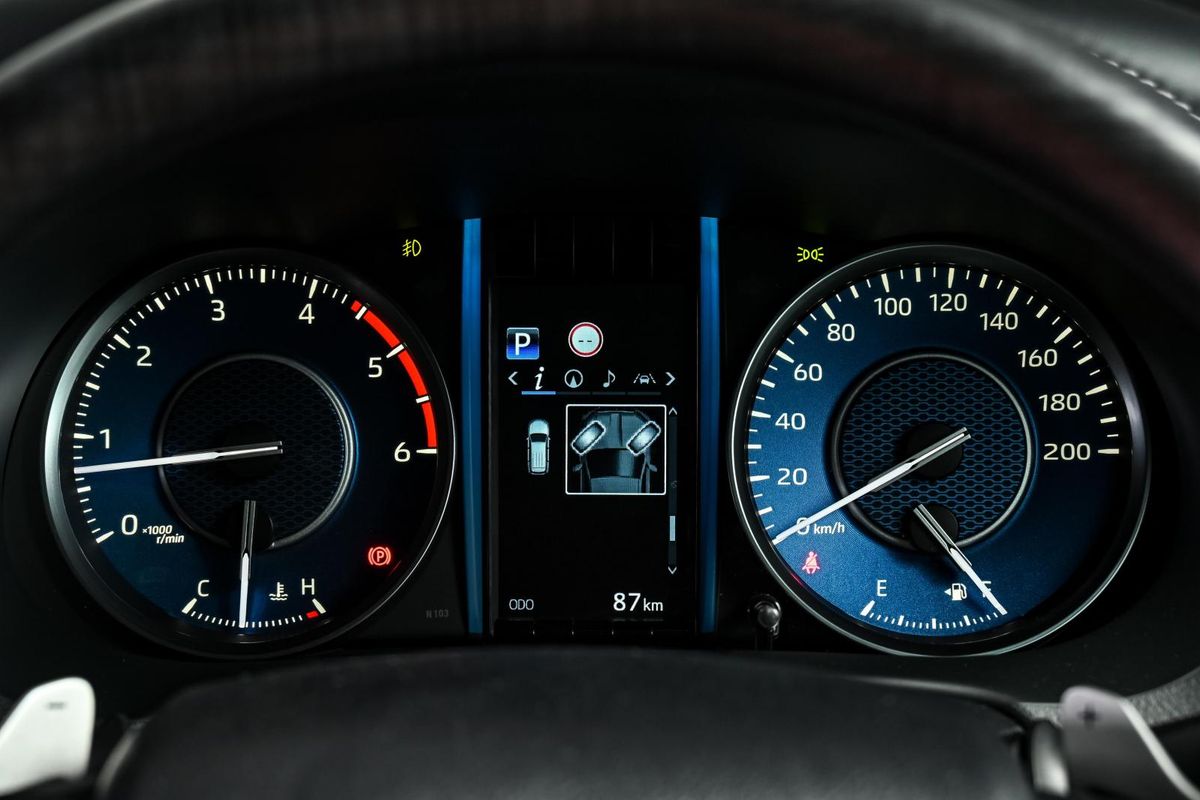
Both the 2.4 GD-6 and 2.8 GD-6 models have been upgraded in terms of features and connectivity. The 2.4 GD-6 now includes Park Distance Control (PDC) alongside full LED lighting, cruise control, and updated touchscreen infotainment with Apple CarPlay and Android Auto. A new Multi-Information Display (MID) screen now includes a large, digital-speed readout and steering wheel angle indicator (for enhanced off-road usability). Other standard features include one-touch power windows, reverse camera, steering switches, air-conditioned upper glovebox, multiple 12-volt power outlets, cup/bottle holders, and a tilt & telescopic adjustable steering column.
The 2.8 GD-6 mid-grade adds an electro-chromatic rearview mirror, power seat adjustment for both driver and passenger, climate control as well as rear fog lamps. A leather steering wheel, leather dashboard accents, and matte wood-trim – complete the interior offering.
One of the big changes is the introduction of a new flagship VX model which brings front heated seats, welcome lighting and the Toyota Safety Sense system. More on the TSS below.
Connectivity
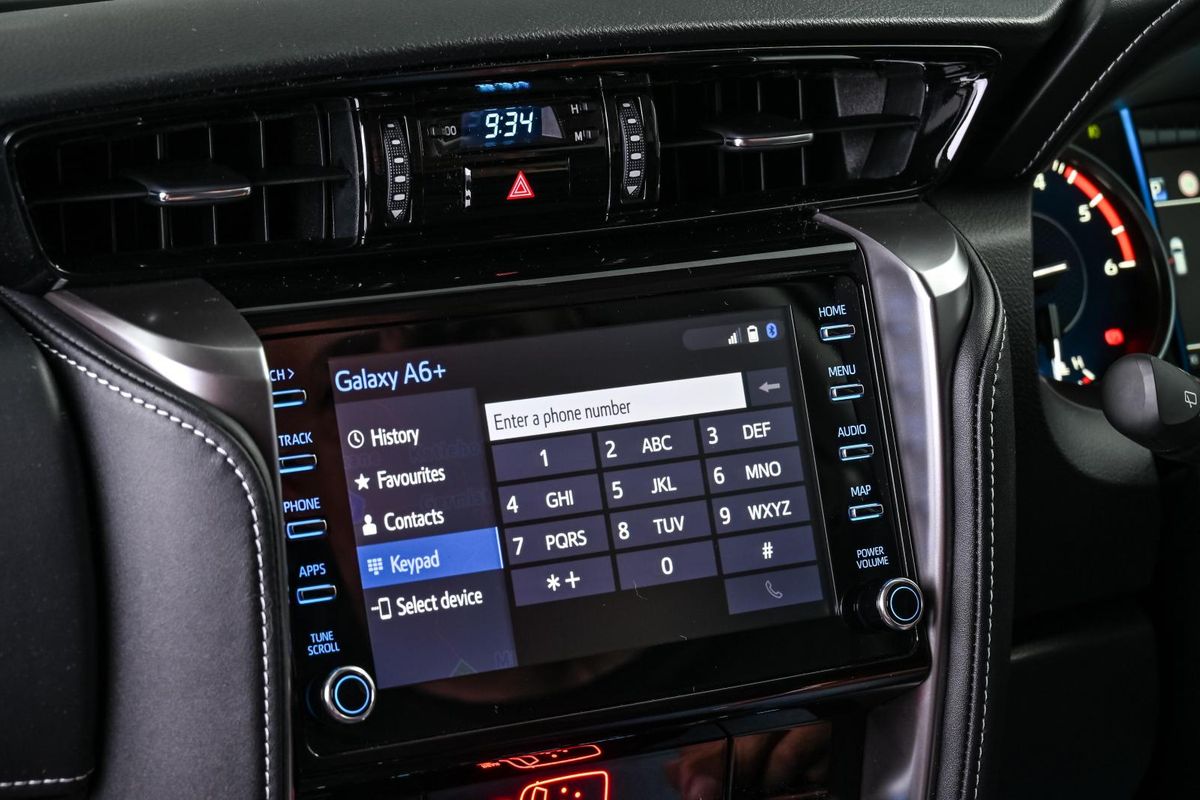
As mentioned, Apple Carplay and Android Auto finally makes its debut in the Toyota Fortuner. This opens up a world of applications such as Google Maps, music streaming services, Waze and much more. Every Fortuner comes with the Toyota Connect telematics system which includes an in-car Wi-Fi hotspot and complimentary 15Gb data.
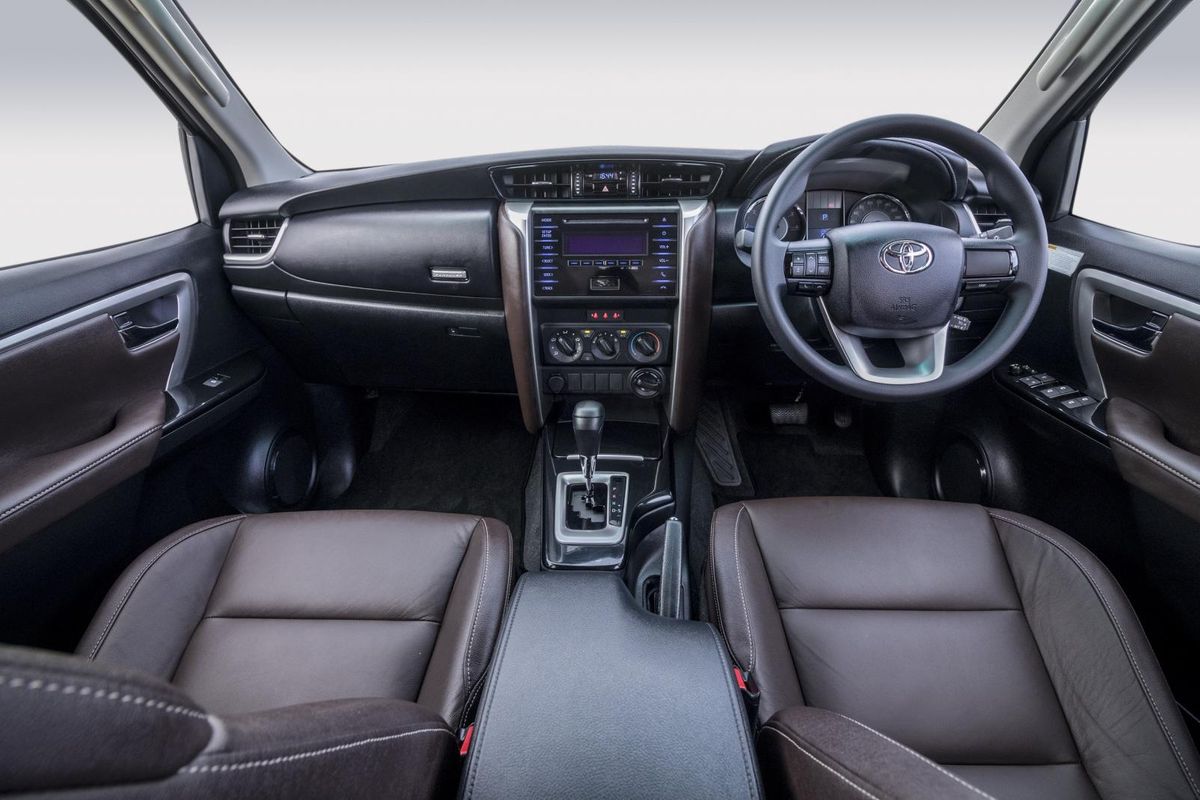
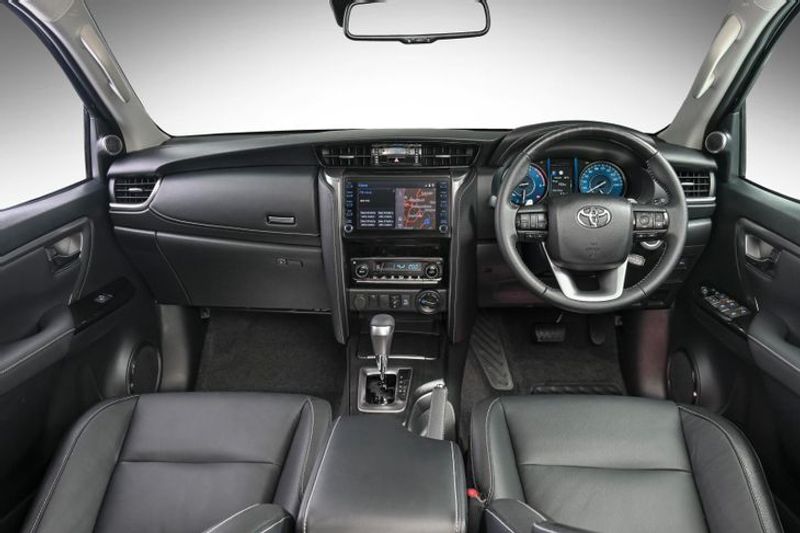
The updated cabin of the 2020 Toyota Fortuner
Safety
The facelifted Toyota Fortuner finally gains some start-of-the-art safety systems. Called Toyota Safety Sense (TSS), this package includes a Pre-collision system, Lane Departure Alert, Adaptive Cruise Control, and road sign recognition. This is on top of the current offering of 7 airbags, ISOFIX, seatbelt pre-tensioners, and a full suite of active safety aids (ABS, EBD, Brake Assist, VSC, Trailer Sway Control, Traction Control). As before, 4×4 models also include Downhill Assist Control (DAC).
A comprehensive anti-theft system, speed-dependent auto-door lock function and keyless entry is included across the board.
Global NCAP has been out testing some of the latest models built in India, most of which make their way to SA in similar form.
The Global NCAP tests vehicles that are often not sold in Europe and therefore don’t need to go through the stringent Euro NCAP testing before going on sale. These cars tend to be cheaper and designed for emerging economies like South Africa, Latin America and South-East Asia.
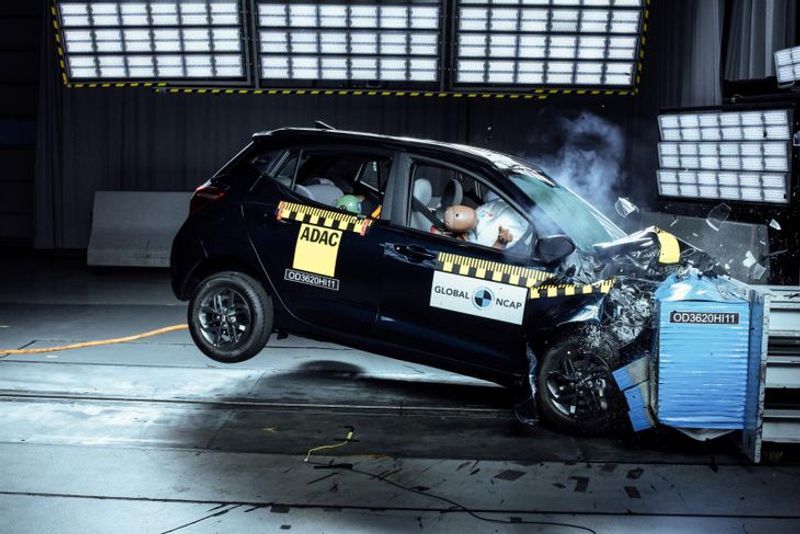
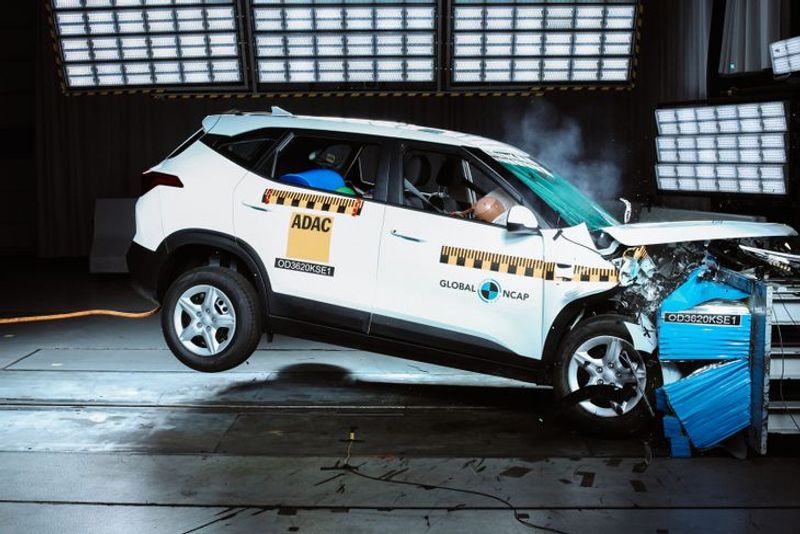
The latest vehicles to undergo crashing are the Suzuki S-Presso, Hyundai Grand i10 and the Kia Seltos. The models tested are all Indian built and all available in SA, the only difference is the safety spec that is installed for SA versions. The S-Presso tested here has 1 less airbag than our local model and the Kia Seltos tested only has 2 airbags where it is standard with 6 airbags in SA. The Grand i10 Nios as it is called in India is a similar spec to our local Grand i10 which has just gone on sale.
Whilst being an airbag short compared with our local variant, the S-Presso’s crash structure didn’t fare all that well in the 64 kph crash test. Global NCAP testers noted the following: ‘The S-Presso achieved zero stars for adult occupant protection and two stars for child occupant protection. The S-Presso offers only driver airbag as standard. The high readings in the passenger neck explain the zero star result (the passenger airbag fitted to our local variant may have improved this score slightly). However, chest loadings in both front passengers were high and in more updated protocols could also lead to a red chest and a zero stars for this reason as well. Its structure was rated as unstable and should be improved. Its footwell area was rated as unstable as well. Child occupant protection showed poor results for both child dummies in the dynamic test explained by the poor performance of the restraint systems. The car does not offer 3 point belts in all positions as standard and has no ISOFIX anchorages for the Child Restraint Systems (CRS).’
Hyundai Grand i10 – 2 stars
The Grand i10 fared slightly better than the S-Presso with a 2-star rating. ‘The Grand i10 Nios achieved two stars for adult occupant protection and two stars for child occupant protection. The Grand i10 Nios offers double frontal airbags and pretensioners for both front passengers as standard. Its structure was rated as unstable. Its footwell area was rated as unstable. Head and neck protection for adult occupants was good. Chest protection was weak for the driver and adequate for the passenger leading to limitation of the Seat belt reminder (SBR) points having standard SBR for front passengers. Child occupant protection showed poor results mainly explained by the decision of the car manufacturer not to recommend the CRSs for the test. Global NCAP is of the opinion that car manufacturers are responsible for all the occupants and child occupants are frequent passengers. Refusing to recommend a CRS for the test raises questions about the car manufacturer policy and relevance towards child occupant protection for the Indian market. The 3-year-old dummy showed poor protection for the head due to excessive forward excursion of the head during the crash and limited chest protection. The 18-month-old showed better protection. The car does not offer standard 3 point belts in all seating positions and does not offer standard ISOFIX anchorages.’
Kia Seltos 3-stars
The Kia Seltos tested here has 4 fewer airbags than the equivalent model sold in SA, but the outer structure of the vehicle remains the same and that had a notable effect on the score. Child protection will differ with more airbags fitted in the rear so the Indian spec cars are likely to fare far worse than our local derivatives in this regard. ‘The Seltos achieved three stars for adult occupant protection and two stars for child occupant protection. The Seltos offers double frontal airbag and pretensioners as standard. Its structure was rated as a borderline case unstable. Its footwell area was rated as unstable. Head protection was adequate for both front passengers as both airbags bottomed out during the crash test. Neck protection for adult occupants was good. Chest protection was good for passenger and marginal for driver. The car offers SBR for the front seating positions. Child occupant protection showed poor results mainly because the manufacturers refused to recommend CRS for the test, and this decision brings the dynamic score to zero. The dynamic performance was poor as the head of the 3-year-old showed contact during the rebound face after the impact. The car showed limited protection for the 3-year-old head and neck while the 18-month-old received acceptable protection. The car does not offer standard 3 point belts in all seating positions and has no ISOFIX anchorages standard.’
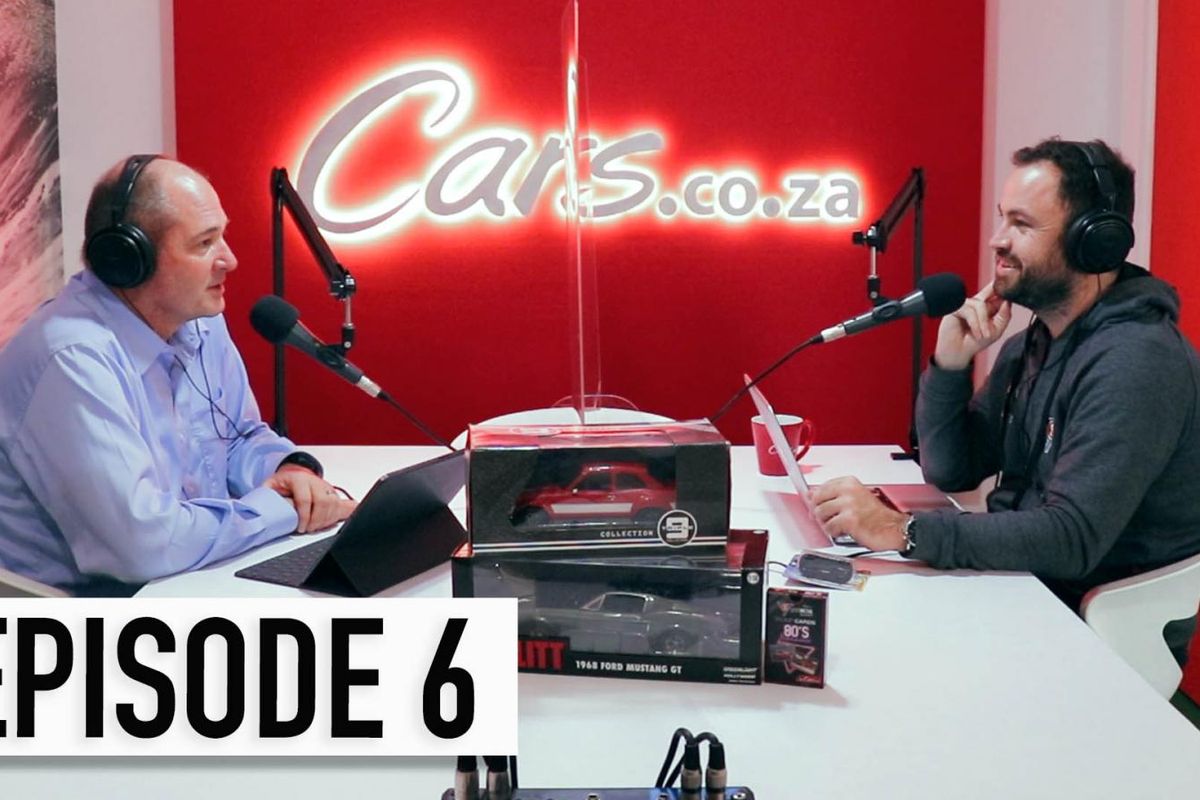
The Cars.co.za Podcast, Ep 6 – MD of Ford SA Neale Hill
We were joined in-studio by the big boss of Ford SA, Mr Neale Hill, who insisted that we call him Neale, which is a testament to his character. Renowned as an accessible, relatable and as we found out, rather entertaining, Neale is a thoroughbred petrolhead and certainly has his finger on the pulse of the South African motoring industry.
In this wide-ranging interview with our video guy, Ciro De Siena, Neale discusses:
– Why he daily-drives a Ranger Raptor (how cool is that)
– The efforts Ford has made to improve customer service in South Africa
– the effects on price pricing when a car is made locally
– the problems that arise when owners customise their Ford Rangers using fake parts
– his first-ever car, a Mk2 Ford Escort
– the story of Basil Green and the legendary Capri Perana, one of which we are restoring at Cars.co.za
– the future of the South African motor industry and Ford's place in it
– the future of EVs in South Africa
We hope you enjoy this special podcast and we'd love to hear your thoughts in the comments
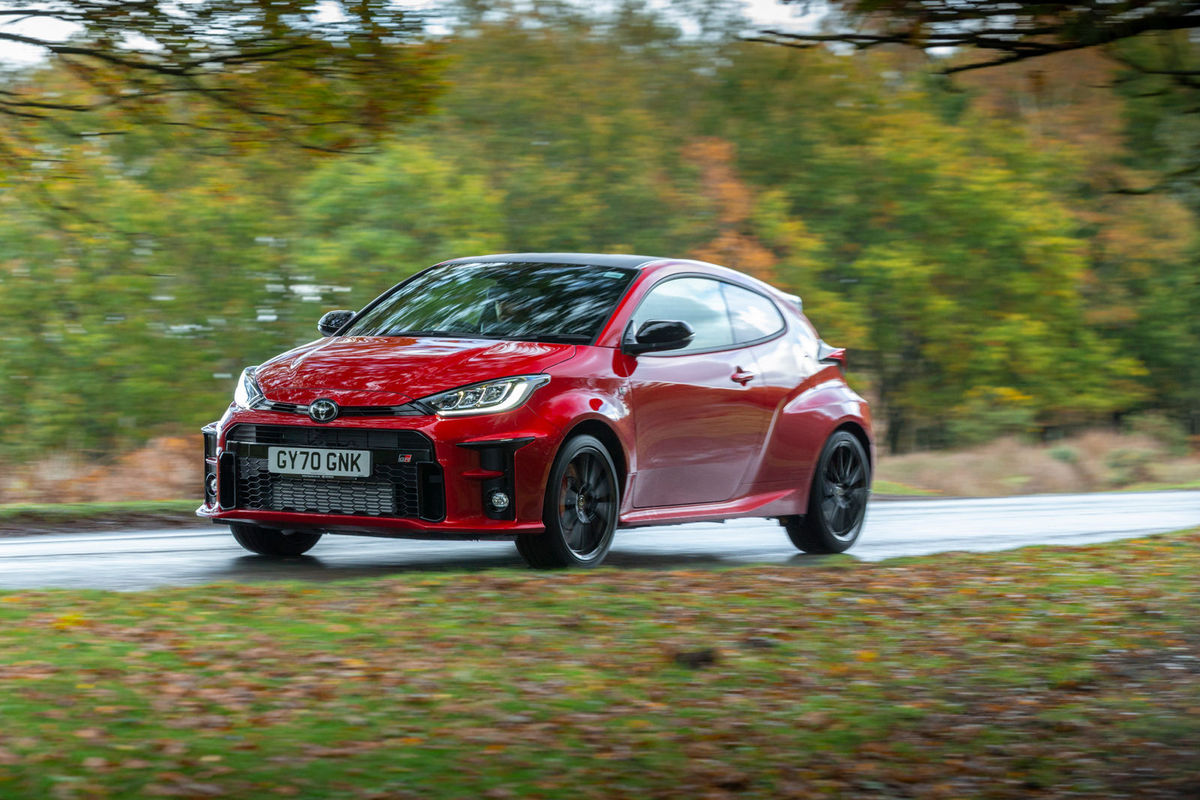
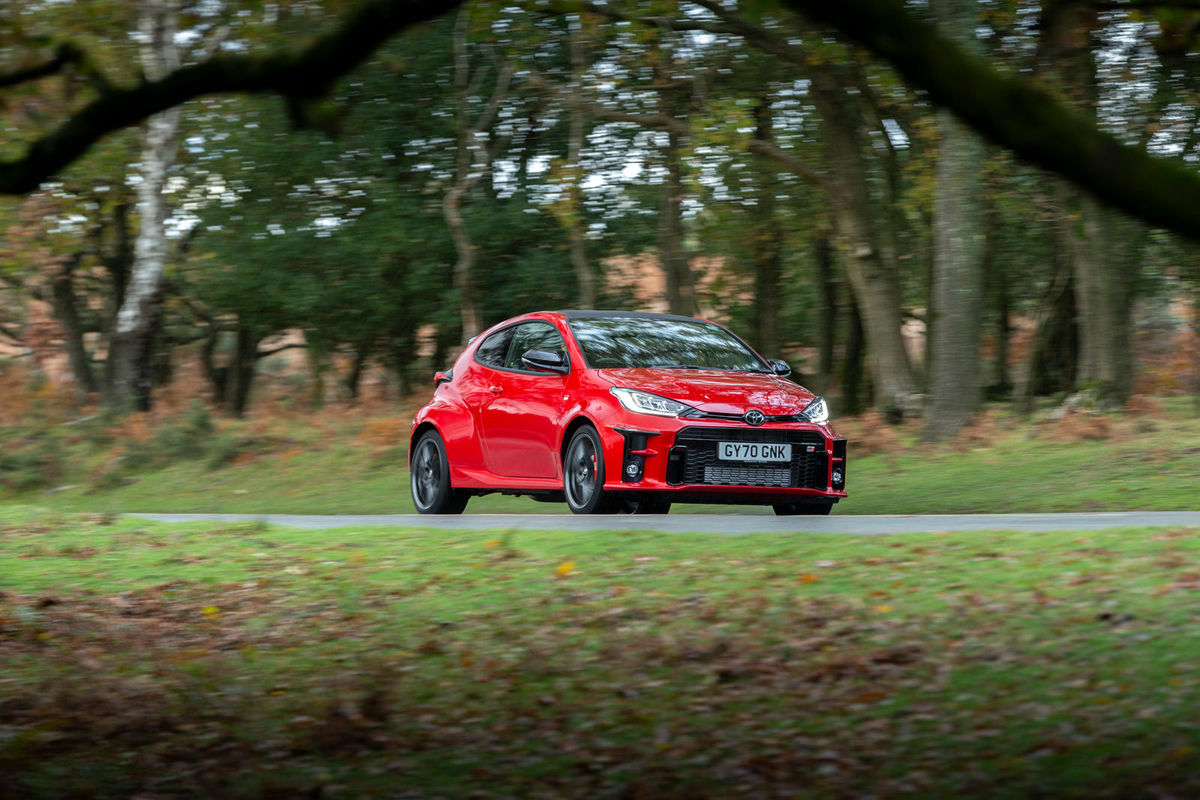
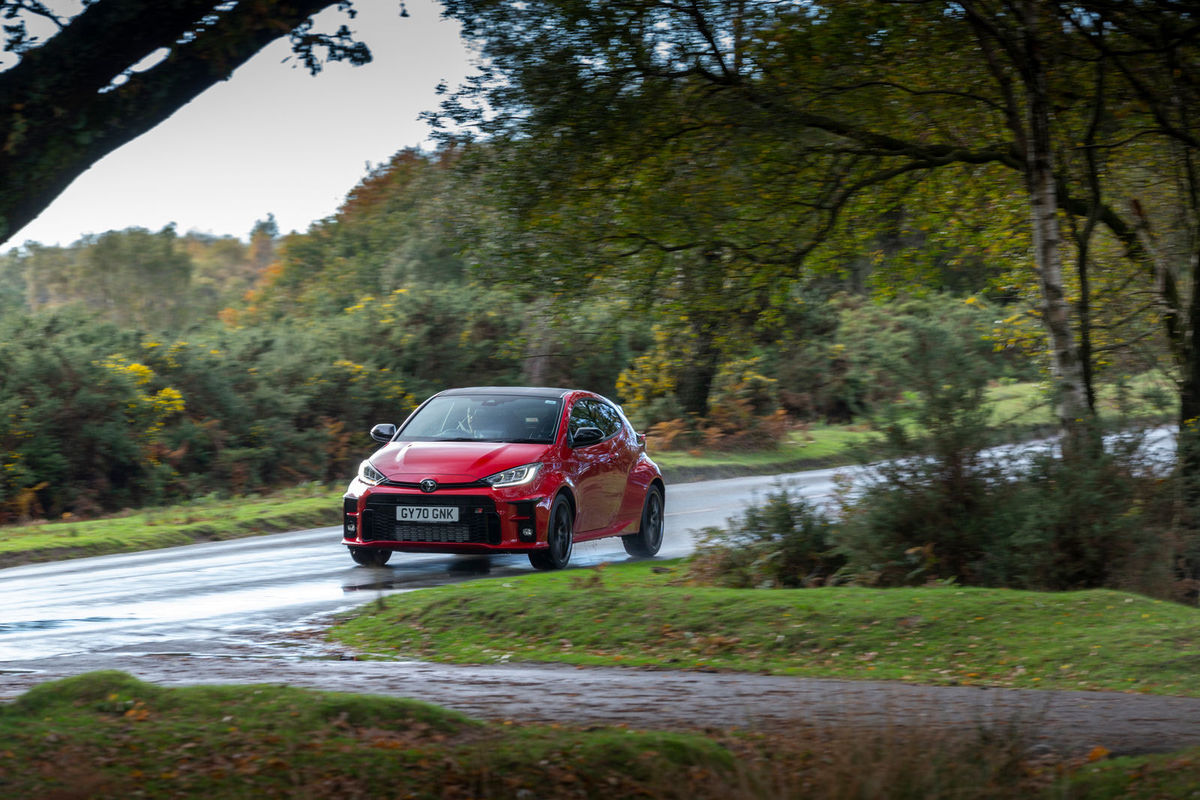
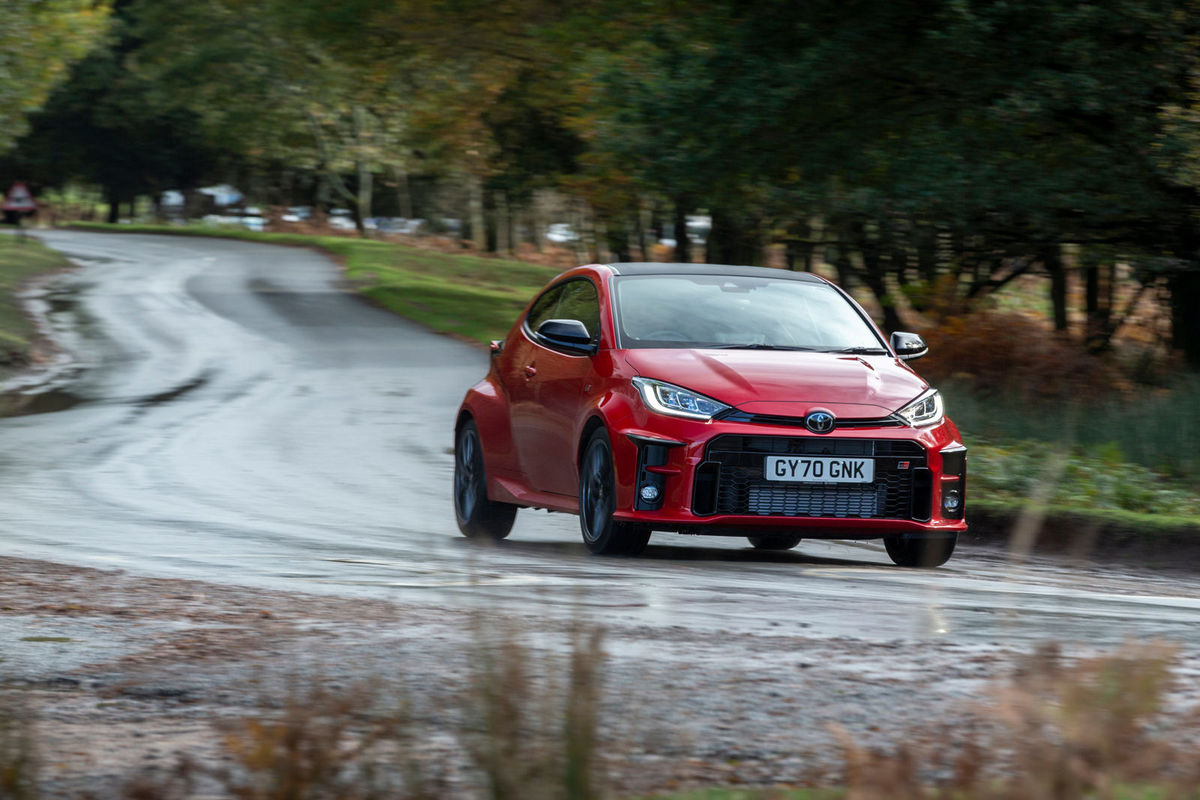
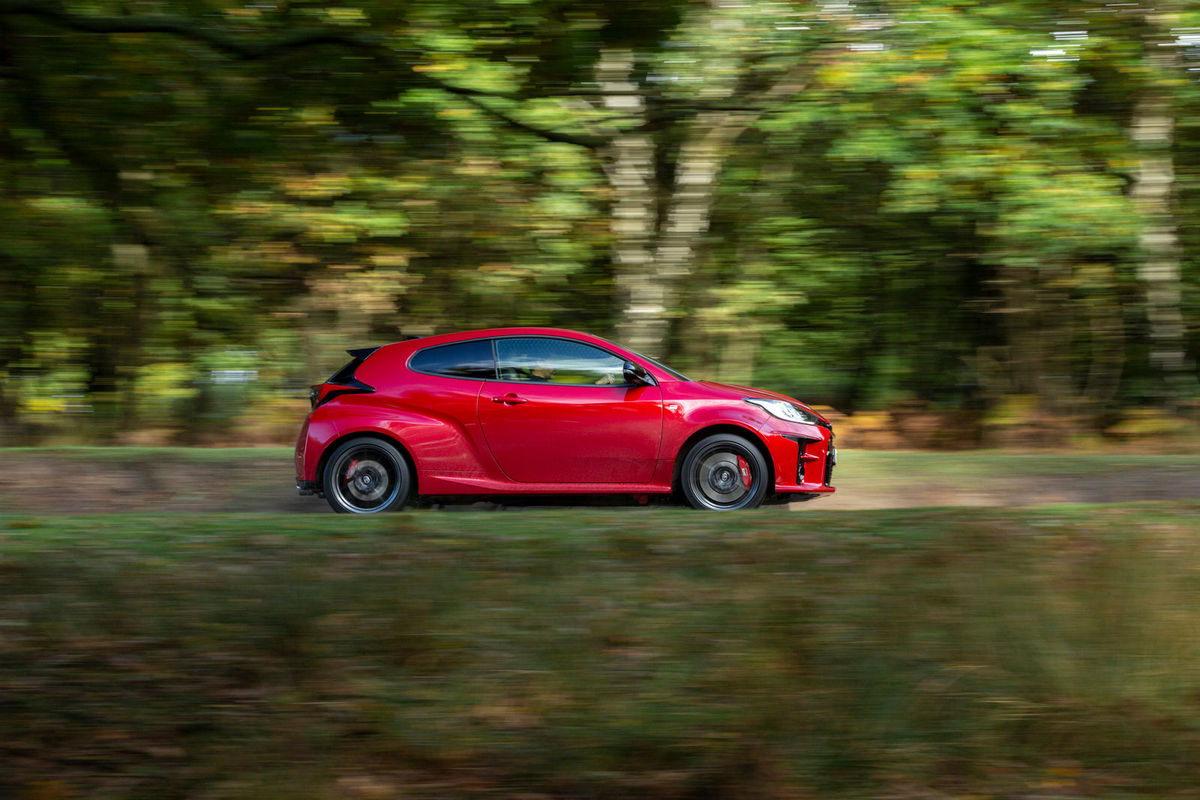
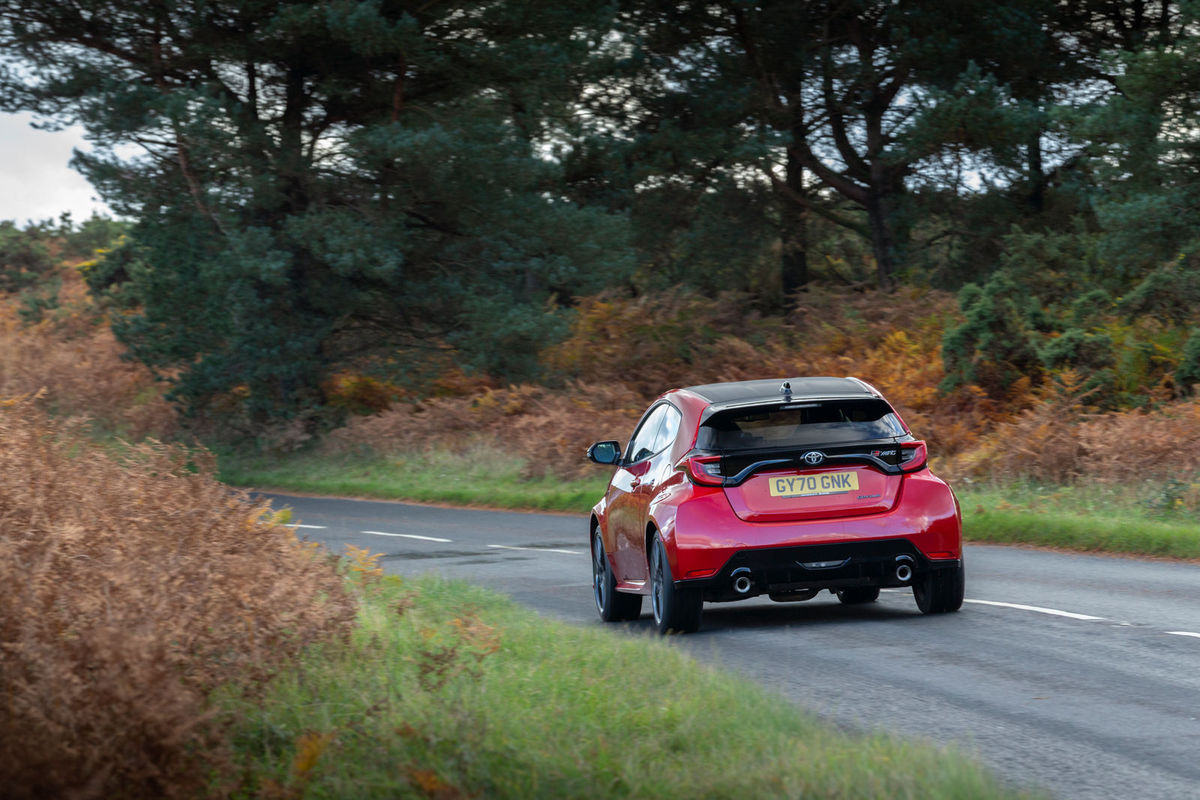
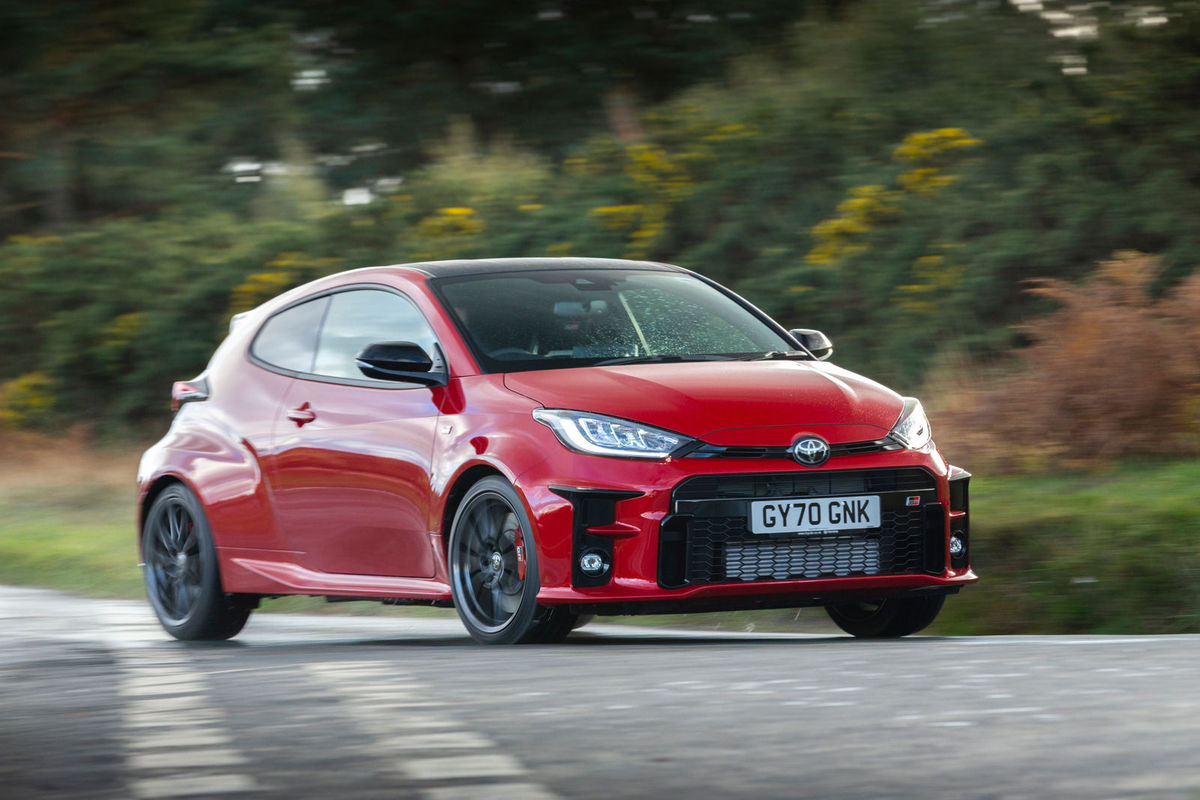
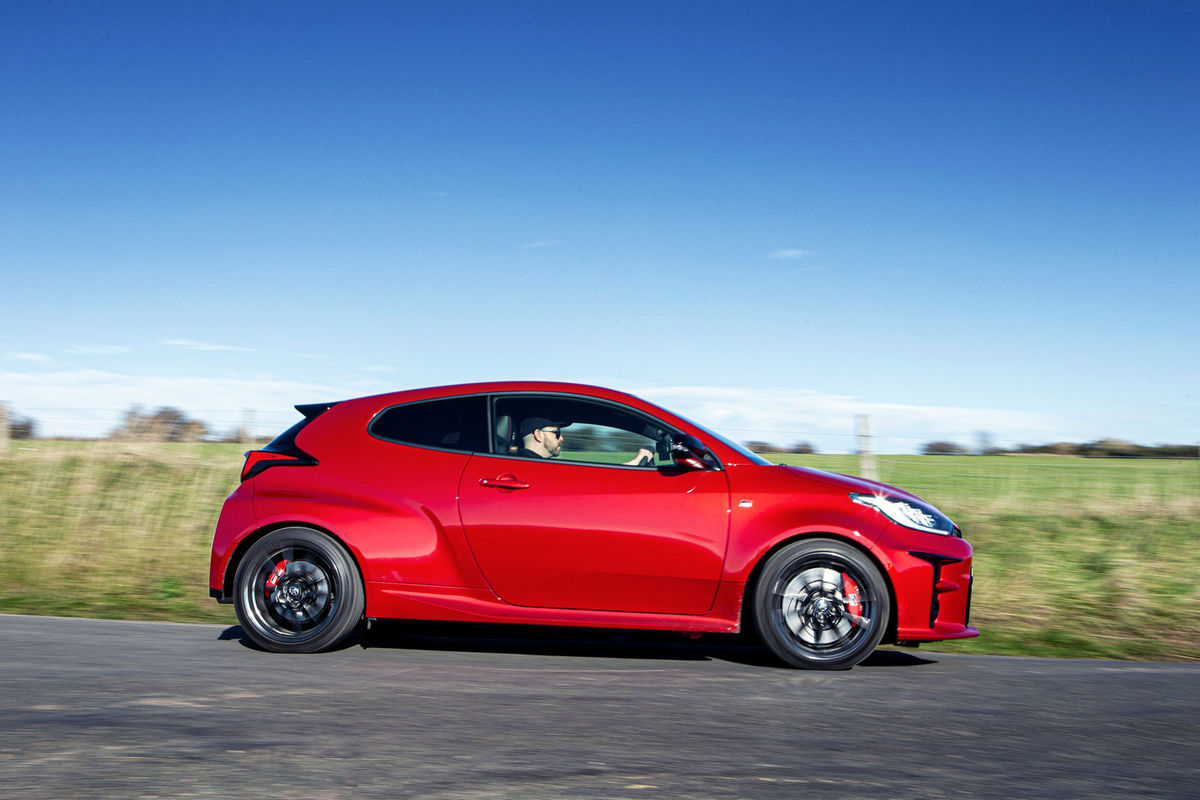
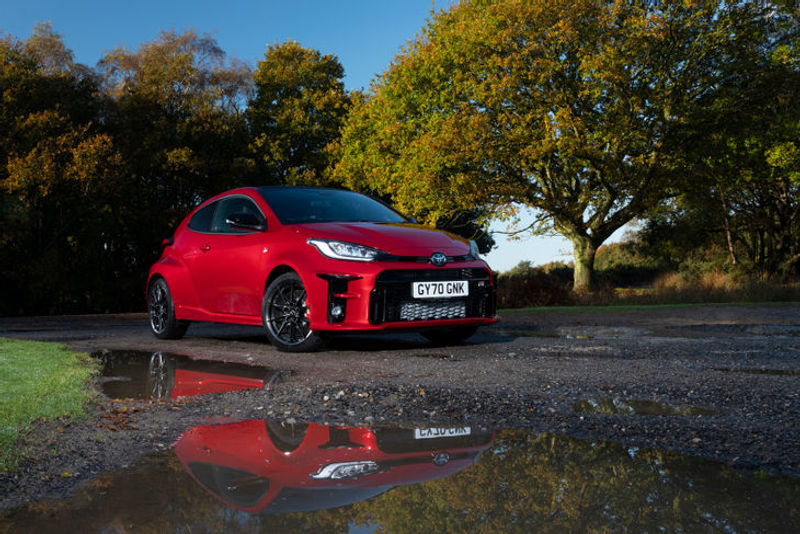
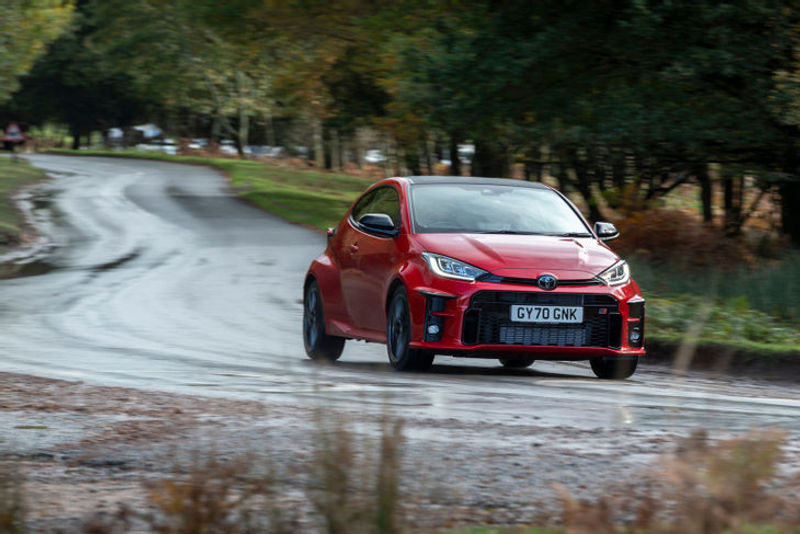
Toyota GR Yaris (2021) International Launch Review
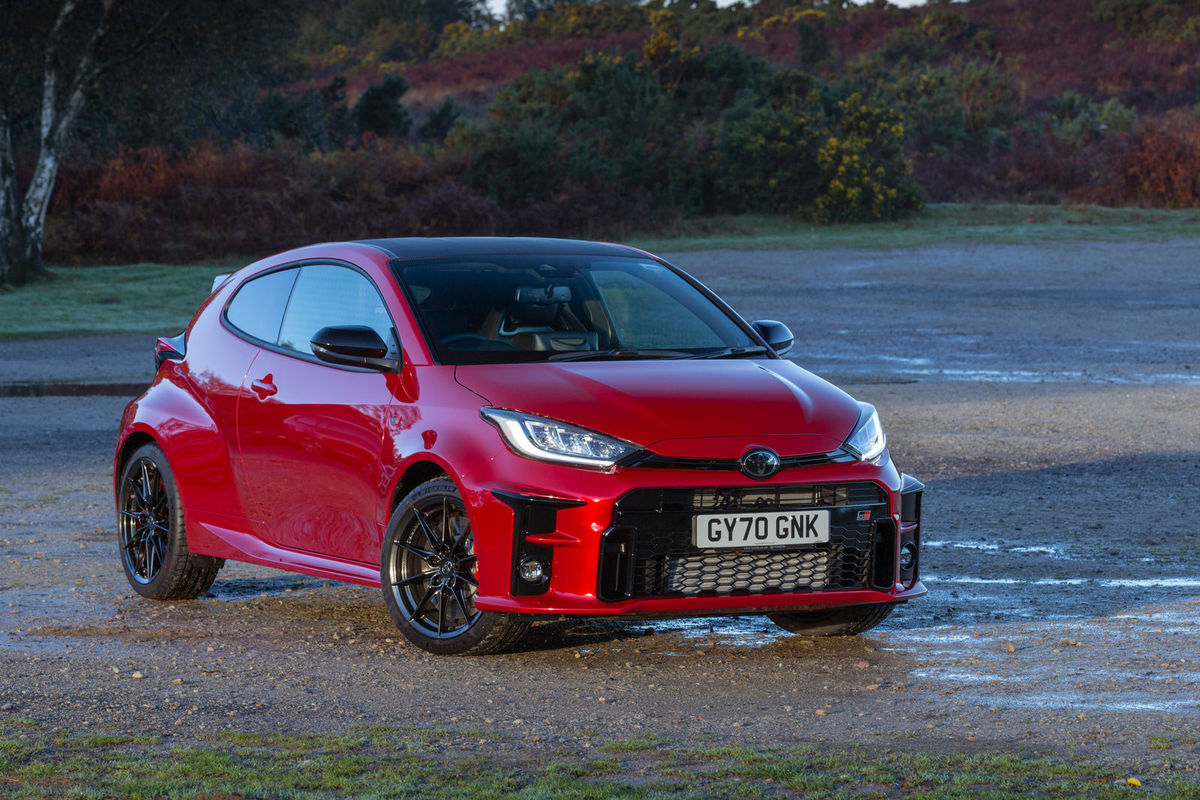
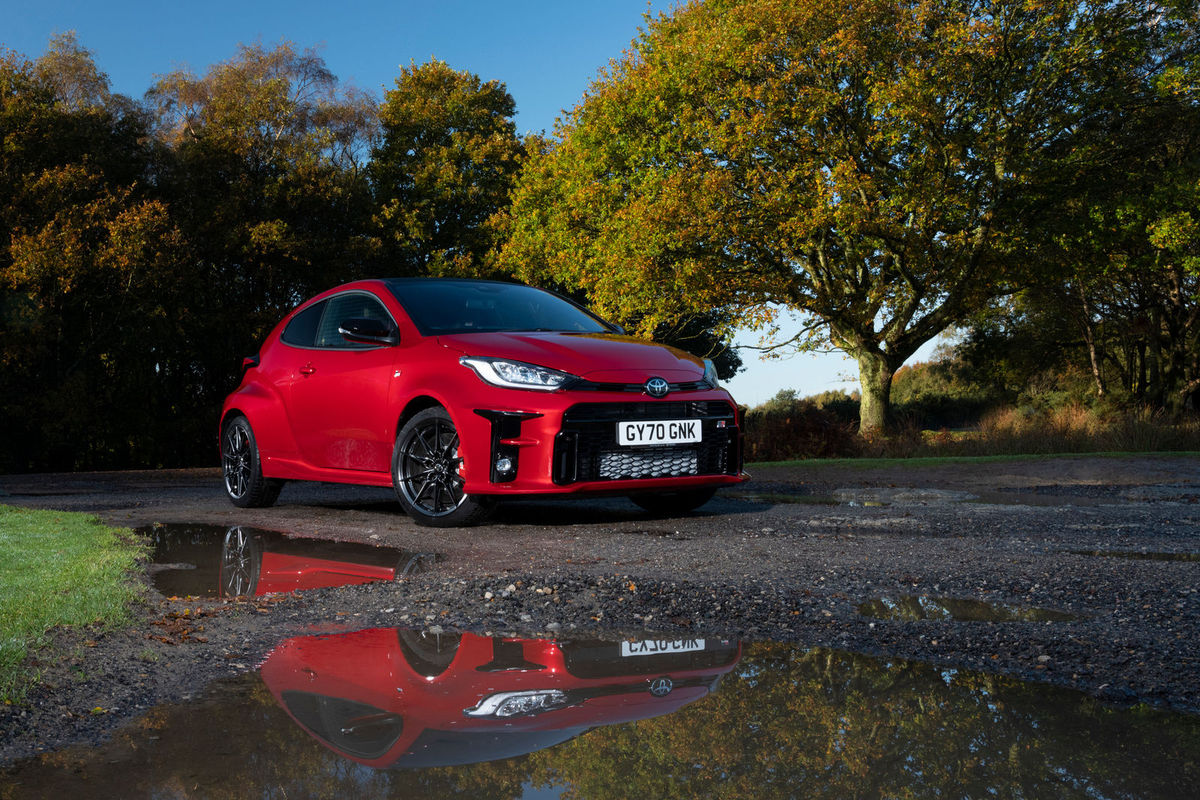
Toyota has produced the (frankly bonkers) GR Yaris so that it can enter its hot hatchback in WRC… and it's coming to Mzansi! International correspondent, Matt Robinson, drove the pocket-sized rocket on twisty British back roads.
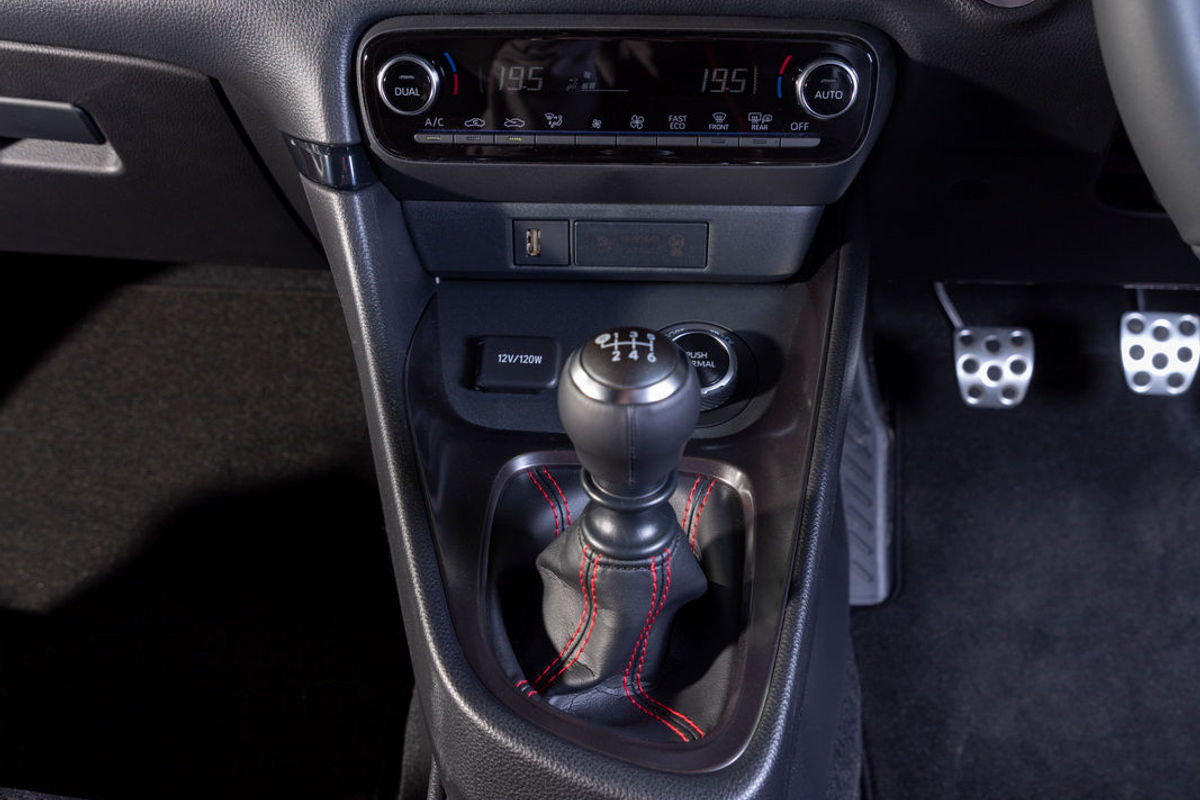
Punch home 3rd with the sweet, mechanical 6-speed gear lever, flatten the throttle. Laugh out loud as the car you’re driving deploys a massive 360 Nm of torque to the tarmac with minimal fuss, propelling 1 280 kg of bodywork forward with startling speed and 0 drama. Bang home 4th, pour in the power again and listen to a 3-cylinder engine eagerly snarling away up front as the needle on the speedometer sweeps easily past 160 kph.
The truth is, despite the fact you’ve looked at the outside of the car long before you’ve got to this point in proceedings, your brain will still struggle to comprehend that the hilarious, wonderful and thoroughly brilliant driving experience you’re having is at the wheel of a Toyota Yaris. A Toyota. Yaris. What's even stranger is that Toyota SA actually plans to bring this pint-sized pocket rocket to the local market at some point during 2021; if the exchange rate can hold out at current levels (R15.50 to the dollar, as of November 2020), perhaps the wait won't be all that long…
What is it?
Homologation specials tend to make for some of the most iconic cars in history.
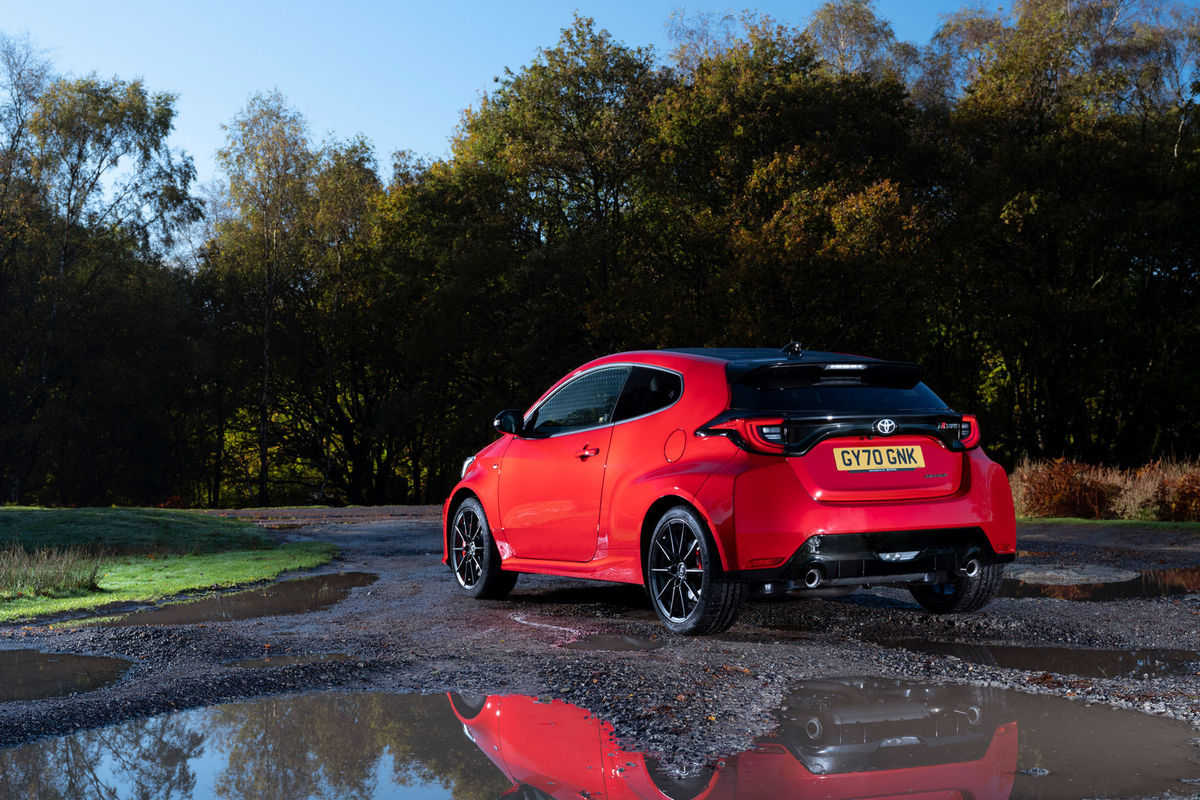
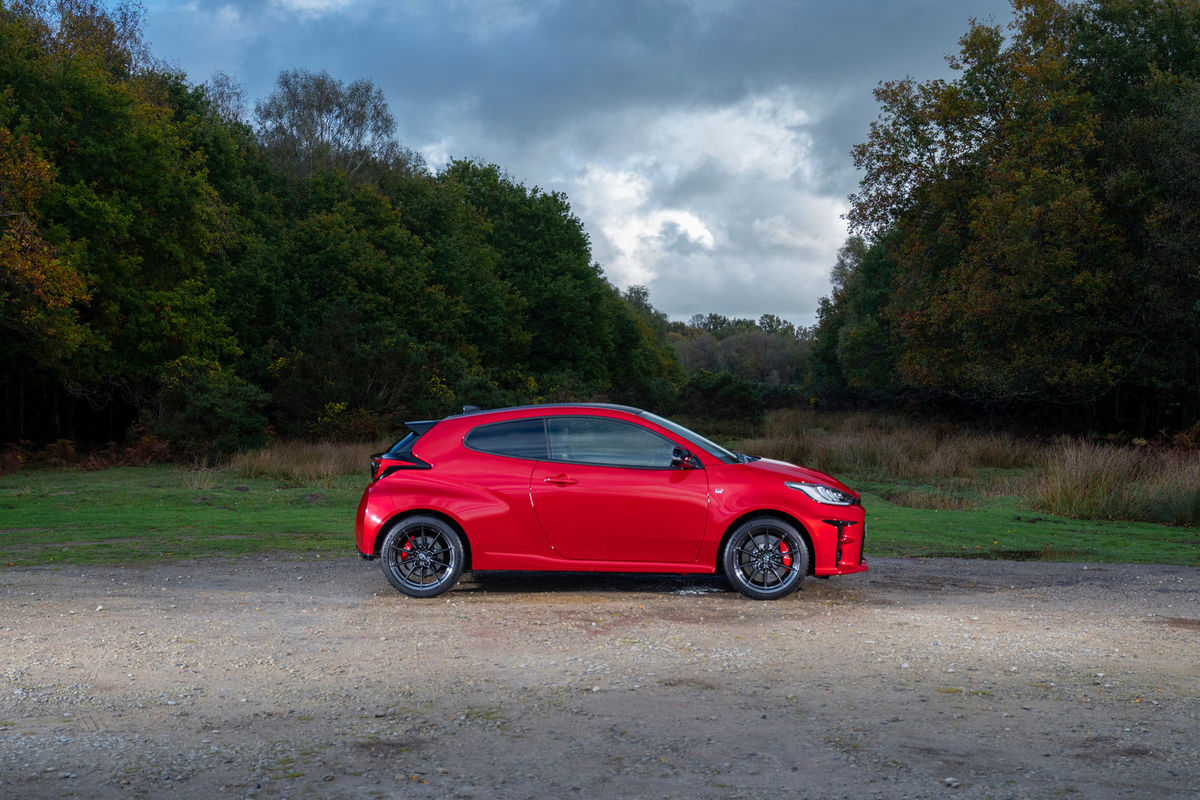
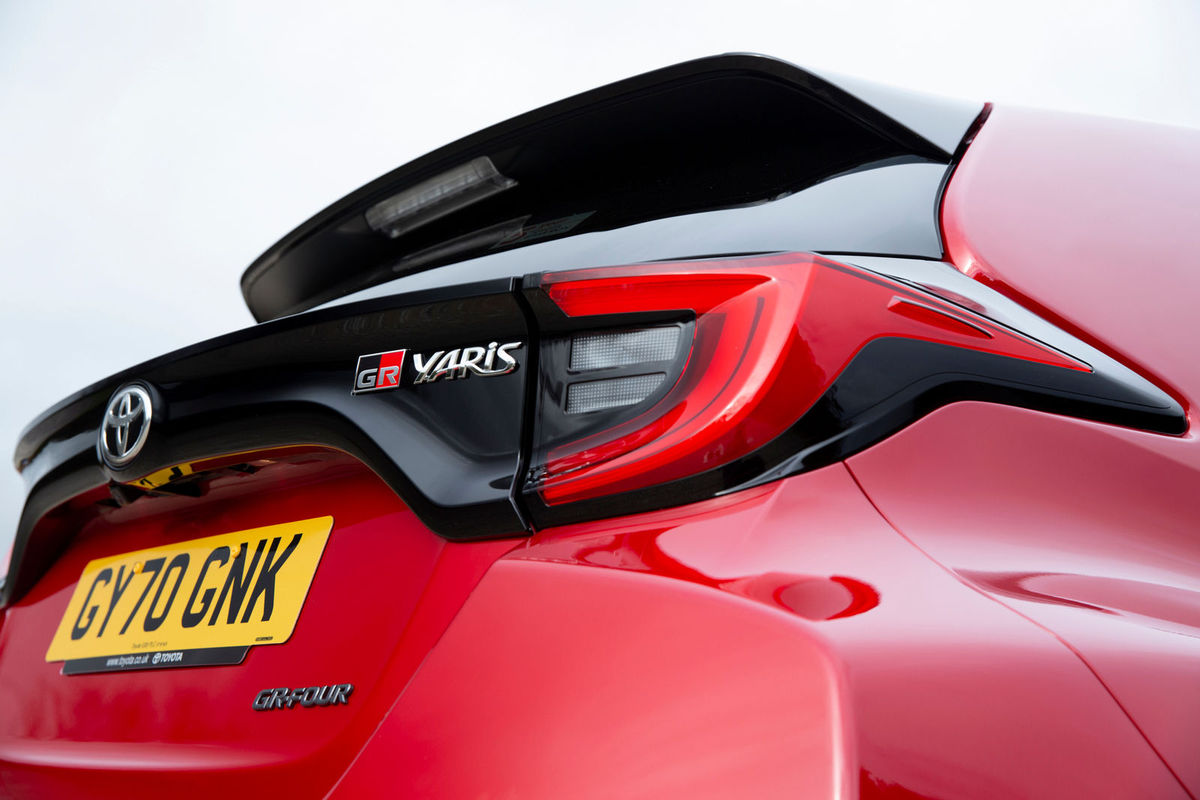
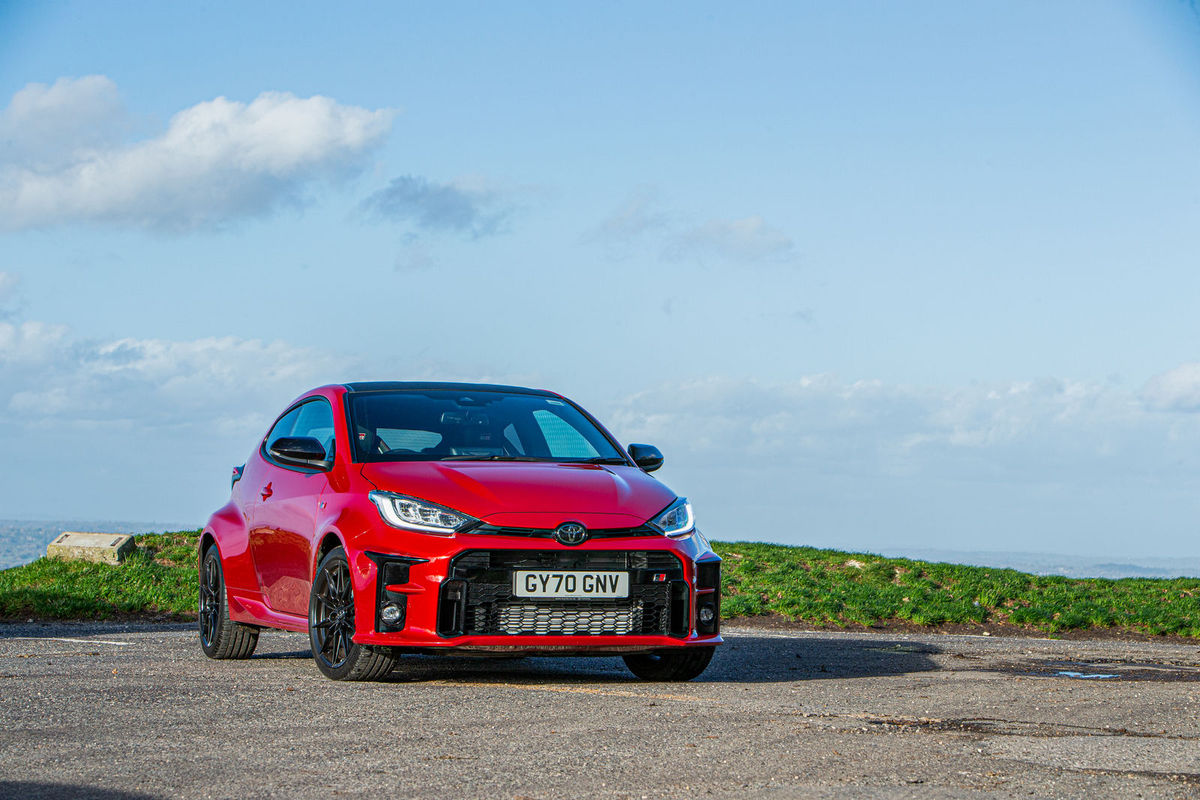
Admittedly, this new GR Yaris is not a Yaris supermini, at least not as we know it. It has been built for homologation purposes, allowing parent company Toyota to enter the World Rally Championship (WRC) from 2021 and beyond by the simple expedient of preparing a run of road-going versions of the WRC car for sale to the general public. So while the GR (it stands for Gazoo Racing, Toyota’s race-prep team, which also added its initials to the GR Supra) Yaris’ chassis at the front is indeed shared with the GA-B platform of regular Yaris derivatives, at the back the car utilises the GA-C underpinnings from a Corolla. Furthermore, the GR Yaris has a 3-door body shell, when the normal Yaris line-up is exclusively 5-door.
Therefore, while it might say "Yaris" on the back and the interior of the GR may be familiar if, you’ve sat in the 4th generation of Toyota’s affordable run-around, this homologation special is a car entirely apart from the rest of the Yaris range. In fact, Toyota is suggesting the GR Yaris is not a compact hot hatch in the mould of the Ford Fiesta ST and the Volkswagen Polo GTI, but is, in fact, a serious enough piece of engineering to challenge the larger, full-fledged hot hatchbacks such as the Honda Civic Type R, Hyundai i30 N and Renault Sport Megane RS 300 Trophy.
Those are bold claims, but the GR Yaris has the hardware to do it. Its specialised 1.6-litre turbocharged 3-cylinder engine develops not only that mammoth 360 Nm, which we’ve already mentioned, but also 192 kW at 6 500 rpm. Extensive use of carbon fibre and aluminium in the GR Yaris’ construction keeps the kerb weight down to 1 280 kg, making it lighter by 100 kg, 149 kg and 163 kg than the Civic Type R, i30 N and RS Trophy, respectively. It also results in a power-to-weight ratio of 150 kW-per-tonne, which is mighty impressive.
Part Yaris part Corolla and weighing just 1.2 tonnes, it's a recipe for excitement.
This wide-body Yaris has 4-wheel drive, called GR-Four, which sets it apart from any other performance hatch on sale right now, save for the far more expensive Mercedes-AMG A 45 S and BMW M135i xDrive. The Toyota’s system splits torque 60:40 front-to-rear in Normal, 30:70 in Sport and then adopts an even mix (50:50) in Track; these respective modes are adjusted by means of a rotary dial ahead of the gear lever.
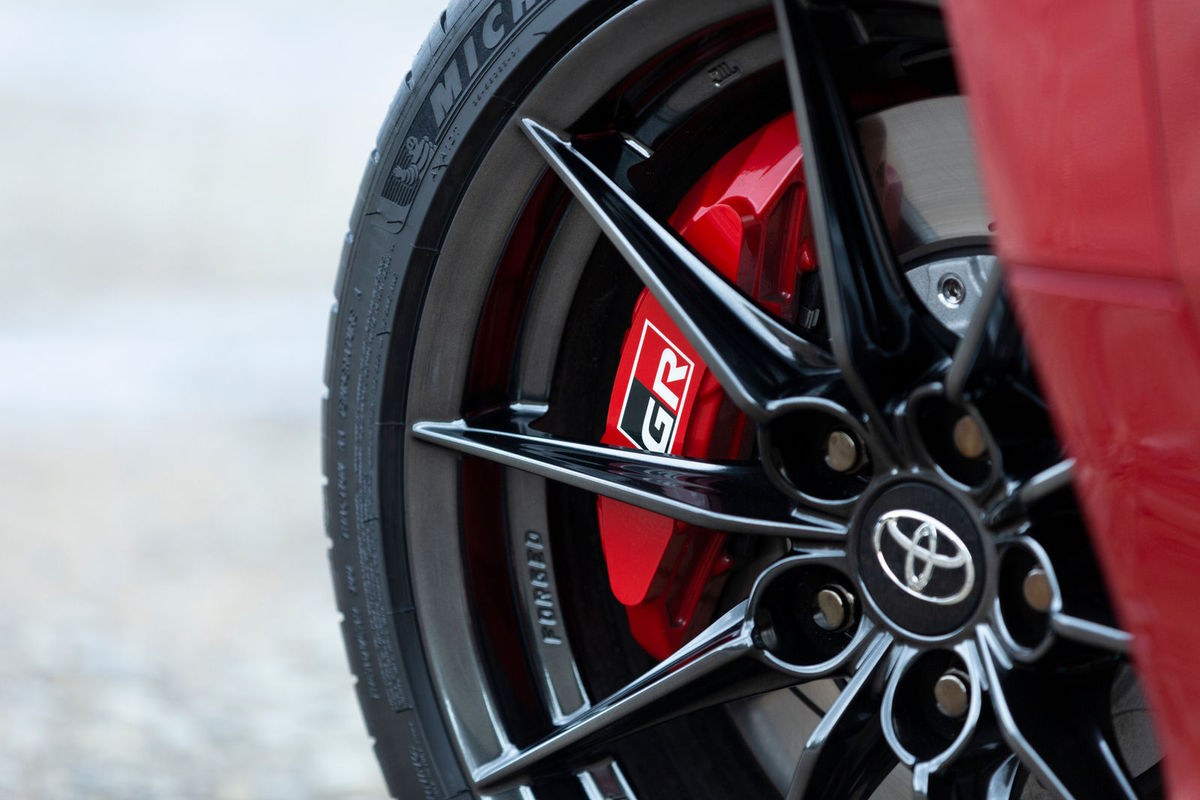
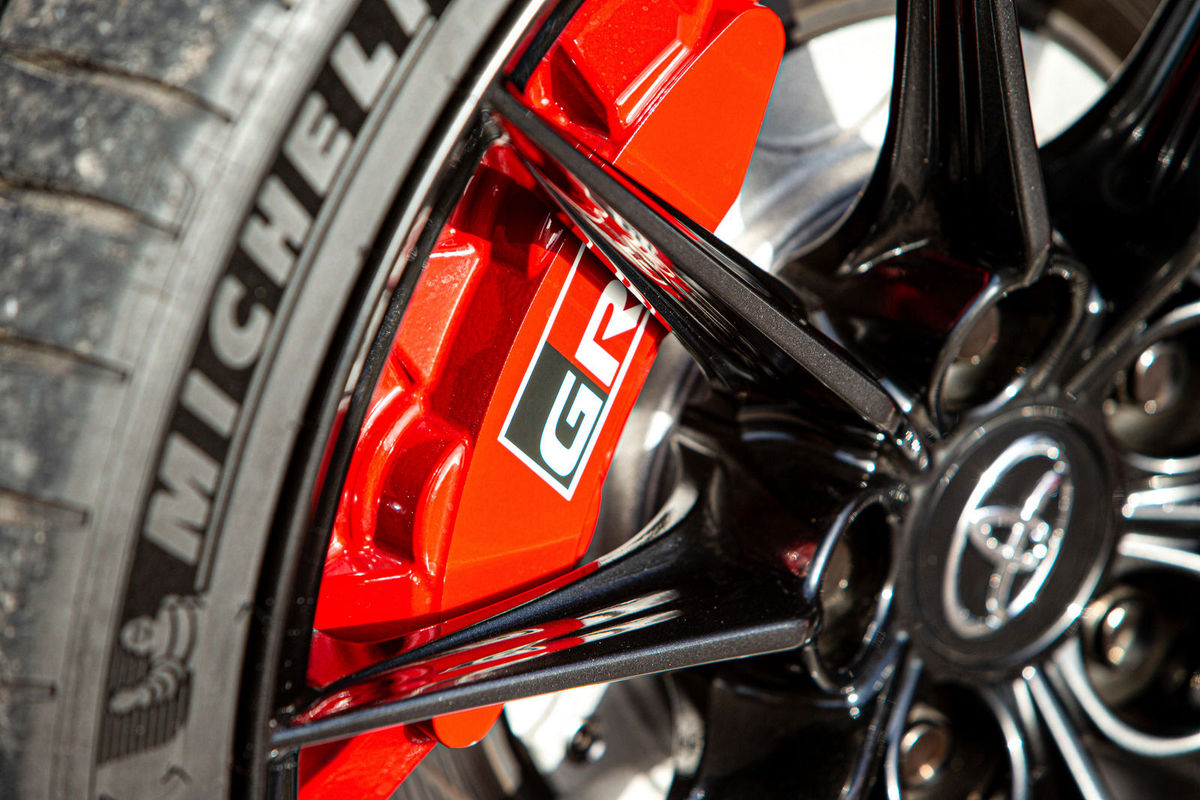
As standard, the GR Yaris will run on 18-inch alloy wheels with Dunlop SP Sport Maxx tyres and a firmly-tuned suspension, but an optional Circuit Pack switches the 18s for lighter, forged alloys wrapped in improved Michelin Pilot Sport 4 rubber, paints the brake callipers red, upgrades the fixed-rate, passive suspension again to a GR Circuit-Tuned level of stiffness and, finally, equips 2 Torsen limited-slip differentials – one on each axle.
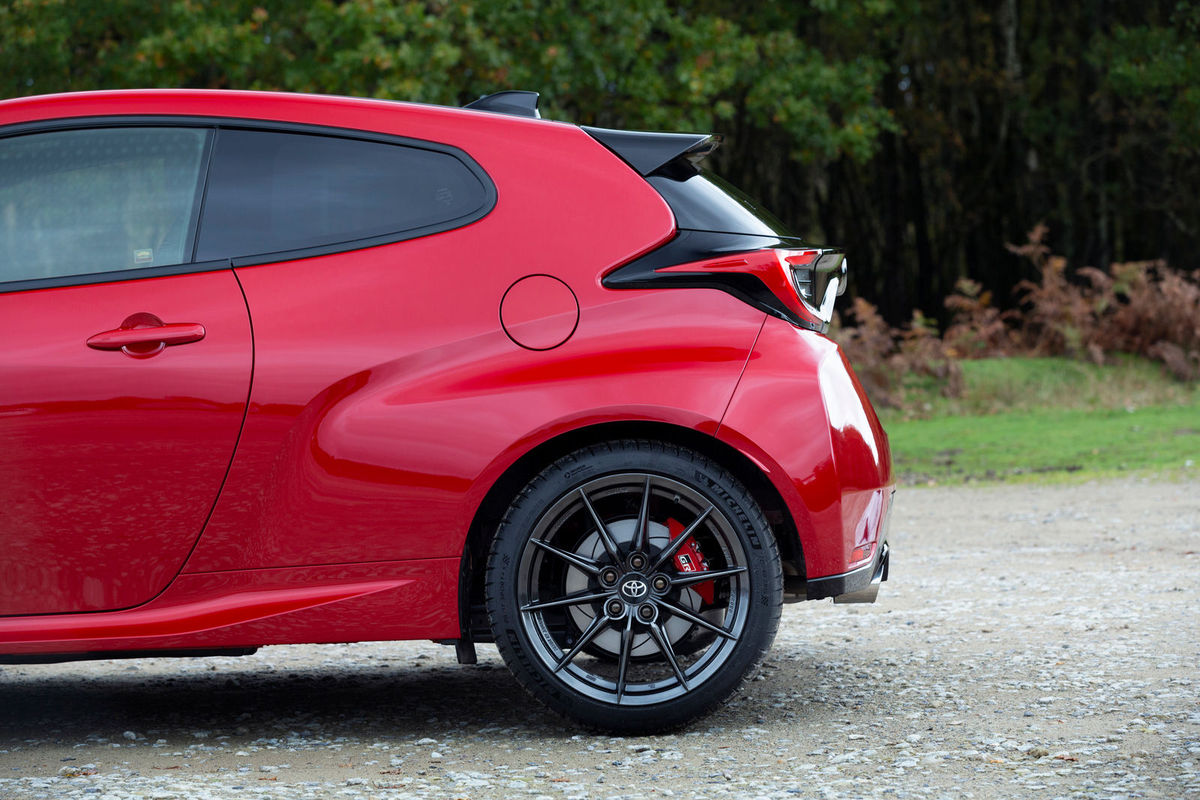
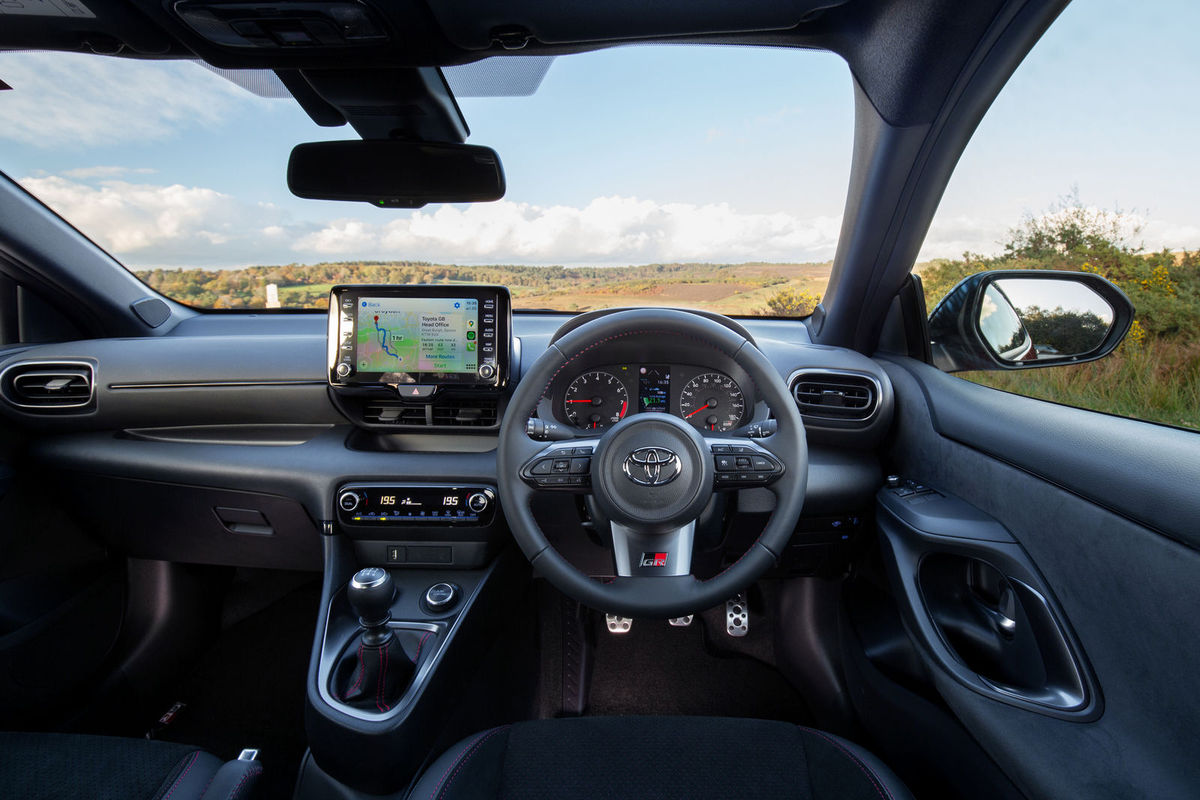
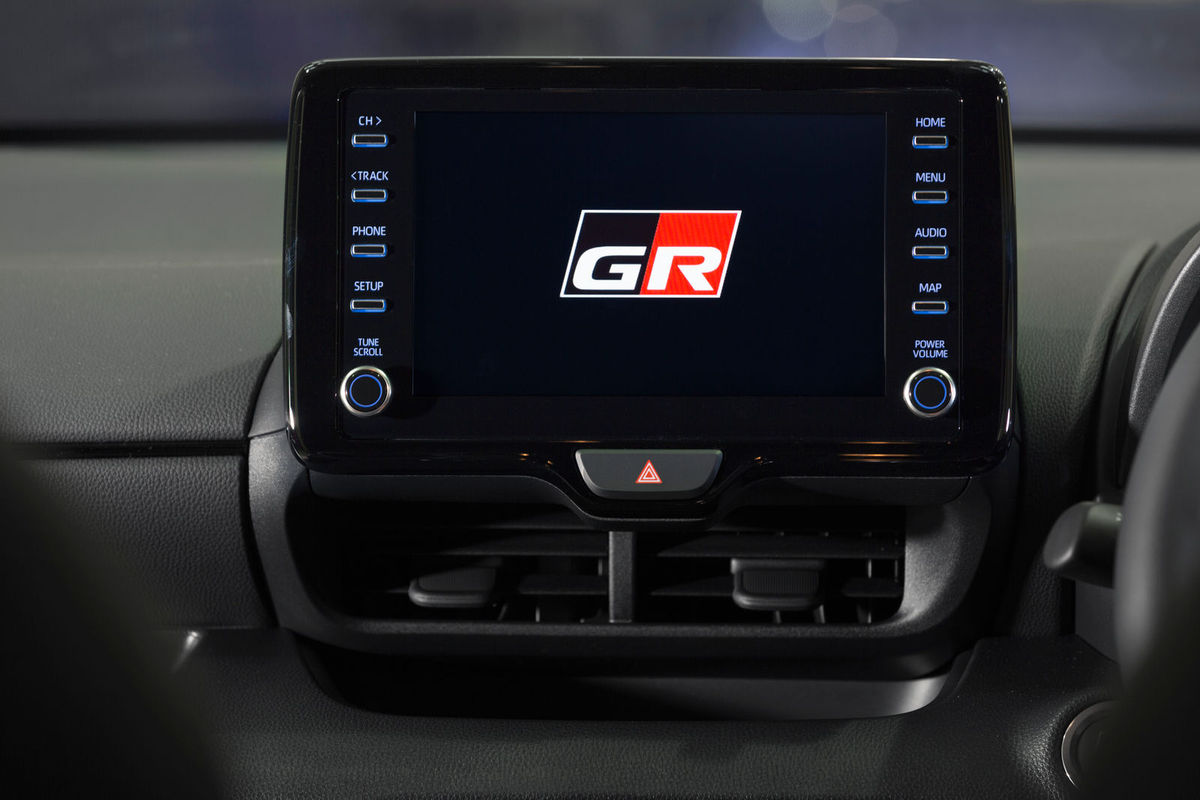
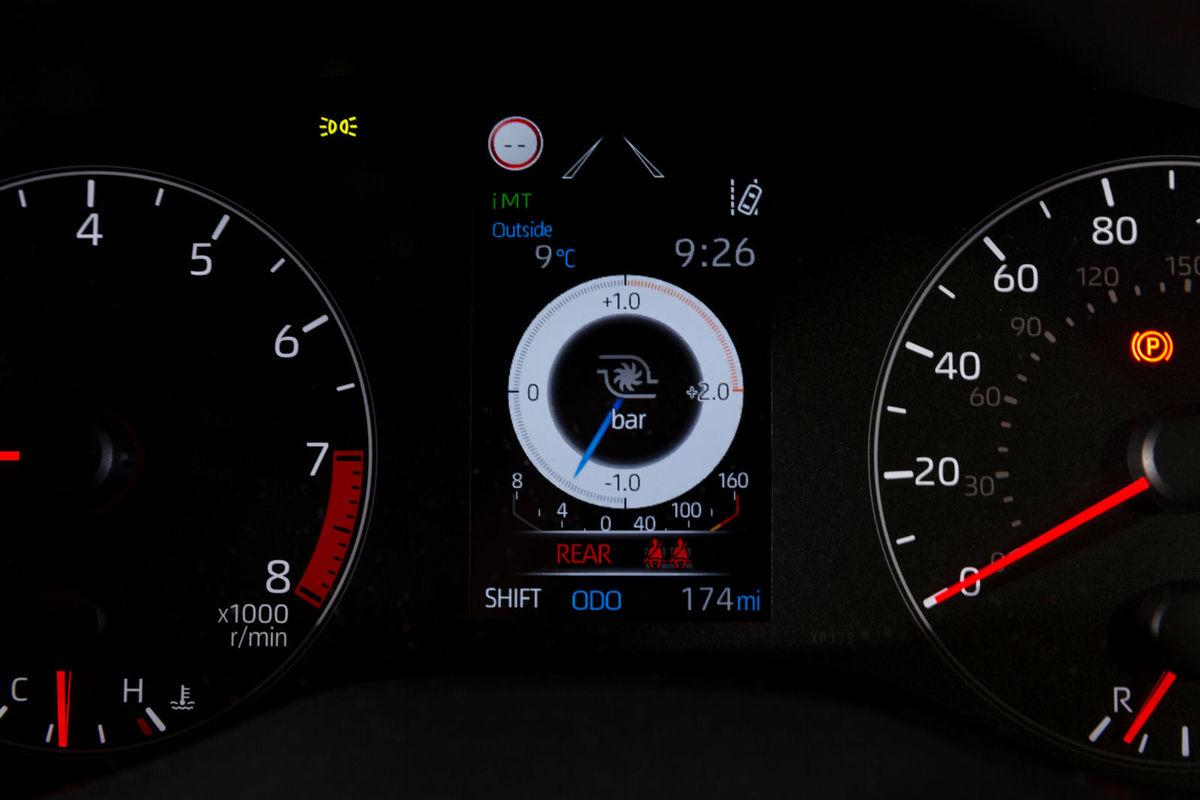
All of this is packed into a superb body, complete with wide, flared arches and aggressive air intakes up front, while inside are a pair of bucket seats and read-outs in the cluster, which relate to the GR Yaris’ seriousness. An Intelligent Manual Transmission (iMT) function also smooths out up- and down-shifts through automated rev-matching, although you can switch it off and enjoy the Yaris’ talents all the more.
What's it like to drive?
Probably more the scene of the rally car Yaris, but there are very few surfaces the GR Yaris doesn't feel confident.
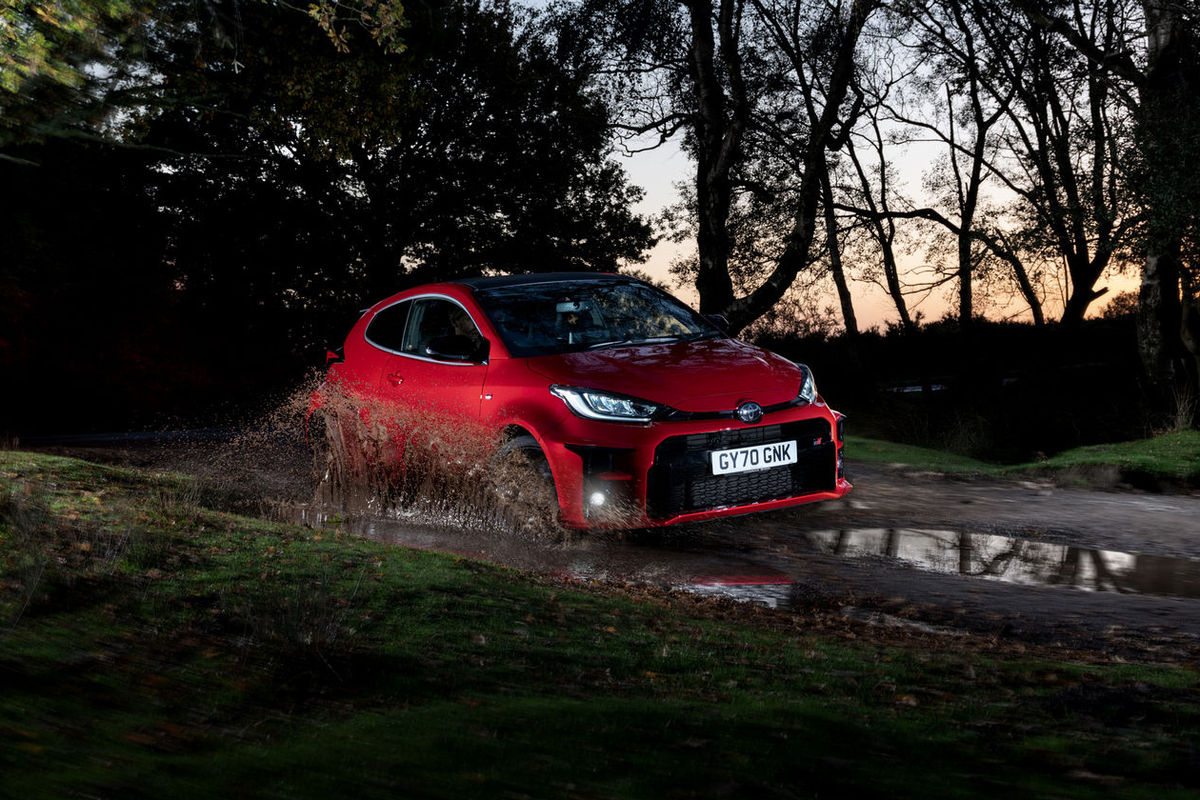
This is a sensational little car: it's claimed to run 0-100 kph in 5.5 seconds but, if anything, feels far faster and more intense than that. On a dry asphalt road, the GR Yaris' tenacious grip seems virtually unbreakable, and yet if it is slightly damp under the tyres (and the car is in Sport), it will slide its back end out under heavy throttle provocation out of tighter turns. The steering is exceptional, rapid in response and beautifully weighted.
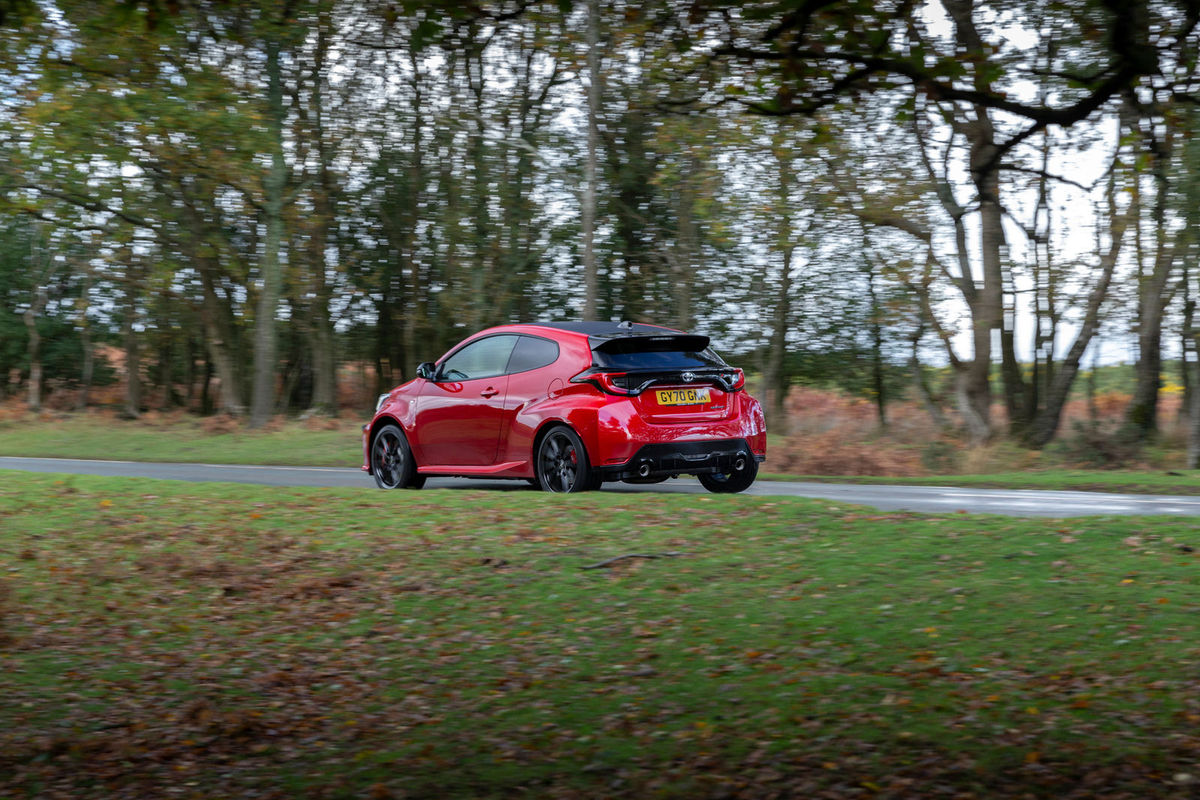
The suspension is firm at low speeds, but allows a degree of softness to its actions once the GR Yaris picks up speed. The lightweight and tiny road footprint of the GR – it’s less than 4-metres long – makes this car agile, nimble and a riot on public roads, where it never feels oversized, even when you’re threading it down country lanes.
And it sounds good. The engine is amazingly strong. The brakes will never wilt during hard driving. Suffice to say the GR Yaris is a homologation model to sit right up there with all the other legendary made-for-motorsport specials of the past… a Yaris in name only, but a rally car in outlook and purposefulness. It might well be priced at an expensive level for a compact car like this, but the level of engineering genius which has gone into making something this hilariously engaging is surely worth such expense, isn't it?
Summary
It seems like the GR Yaris has become an instant classic.
The Toyota GR Yaris isn’t just a great compact (B-segment) hot hatchback. It’s not even merely a great hot hatchback, of any size or value. No; it’s a truly exceptional, extraordinary performance machine in the grander scheme of things. There are few cars available today, and not many more that were sold in the past, that can provide more driving thrills on the right roads than this Japanese pocket rocket. Now, if you’ll excuse us, we haven’t got time to be sat here talking to you about it; we’ve got to get back out there and drive it some more. Right up until the gas runs out.
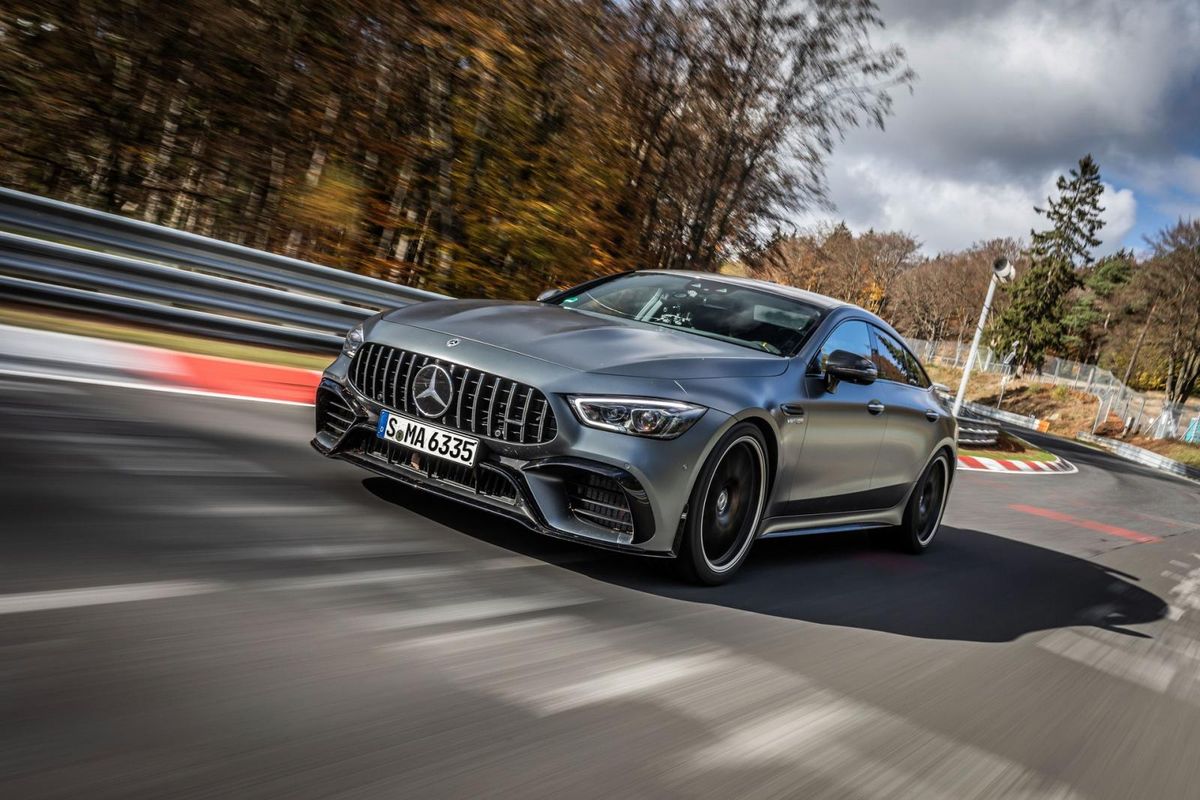
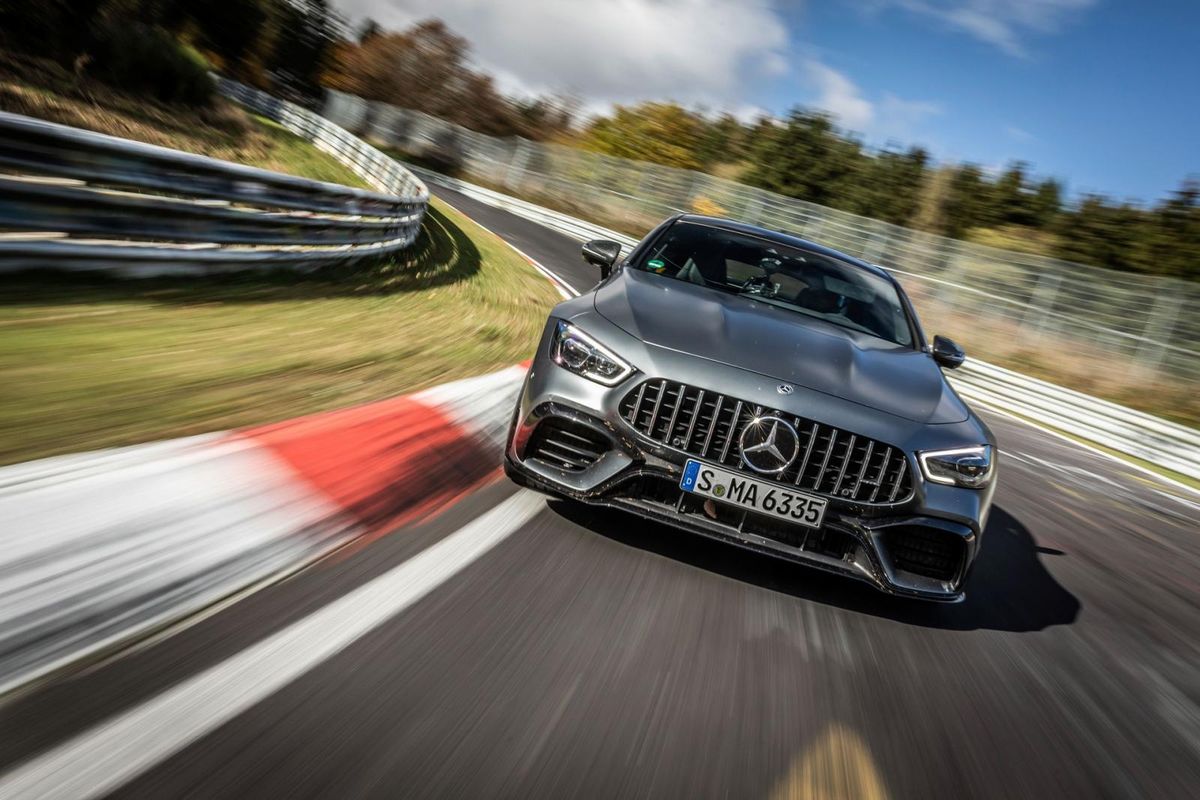
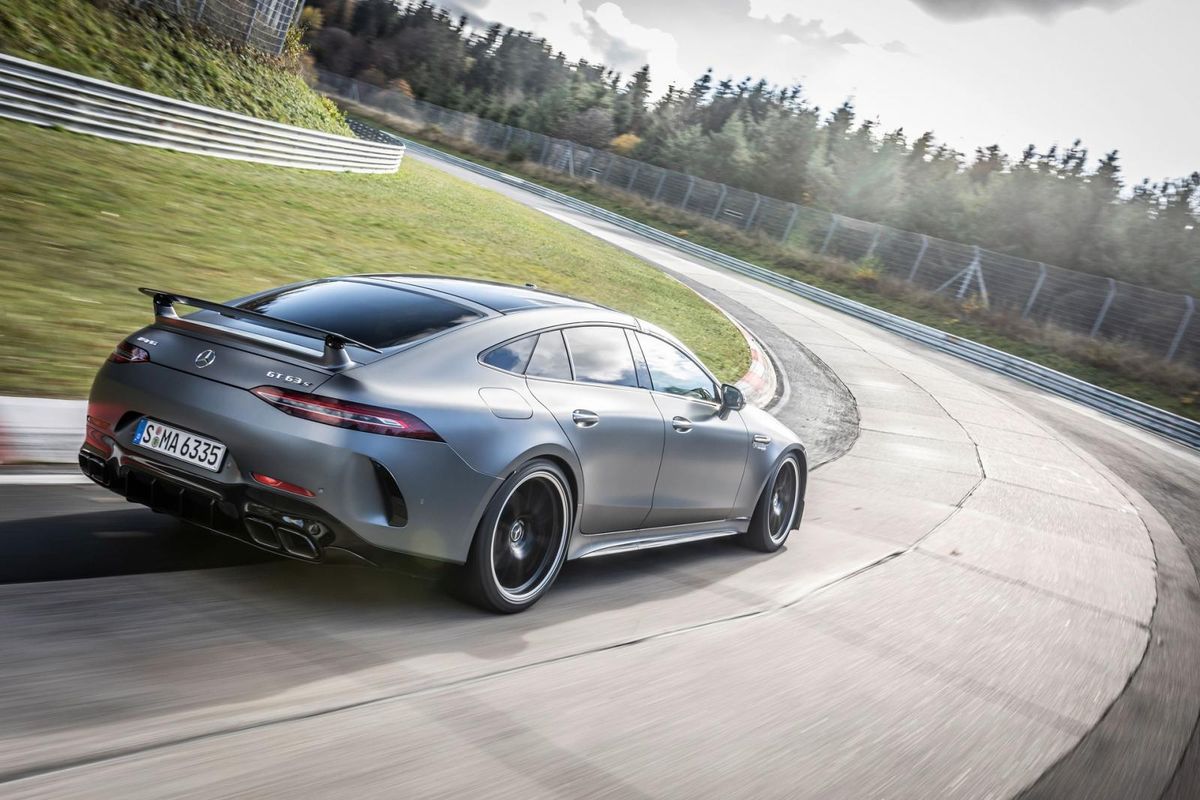
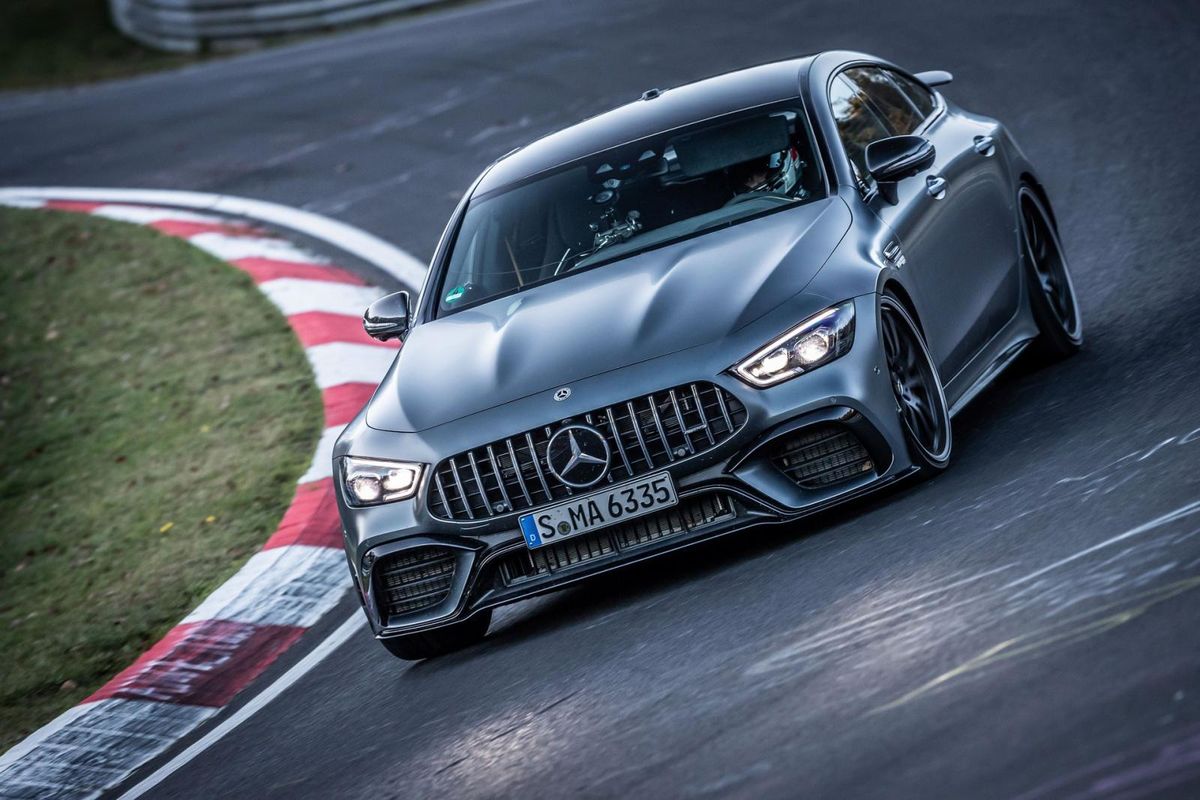
Porsche’s Panamera might have been the first German liftback high-performance limousine, but it can no longer claim to be the fastest around the Nurburgring.
The Nürburgring remains an unofficial source of comparison between the merits of speed and handling, and AMG says it makes the quickest ‘Ring liftback limousine.
Mercedes-Benz’s performance sub-brand has spent a great deal of R&D money on its latest GT 63 S. With the benefit of adaptive 4Matic all-wheel drive and a 470 kW twin-turbocharged V8 engine, AMG is understandably proud of its GT 63 S.
The question is always how all that power, and traction technology, will translate into real-world performance. And to many, the best basis of comparison is still a Nürburgring lap time.
Regarded as the world’s most challenging stretch of road, the ‘Ring will reveal any weakness in braking, platform balance or lateral stability. If a road car copes well on the ‘Ring, it will be tremendously capable on any other road.
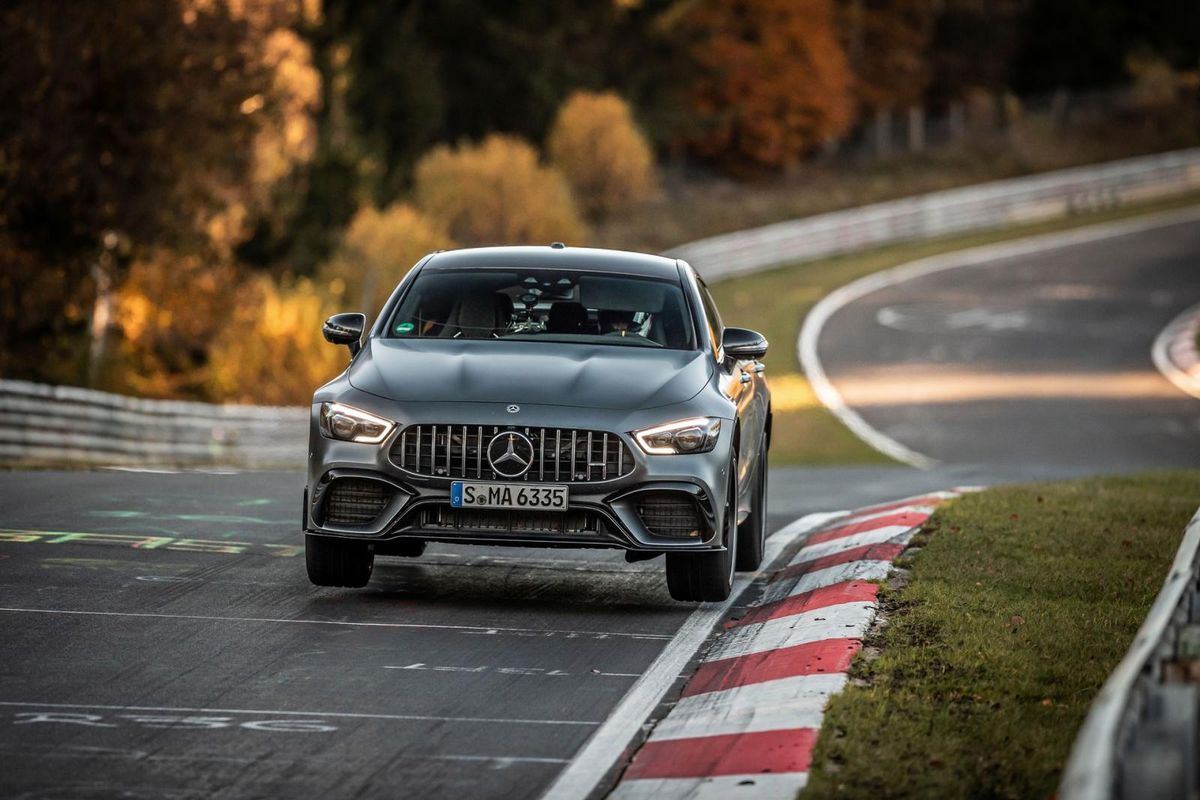
To illustrate just how capable its latest GT 63 S is, AMG used some of its allocated ‘Ring time to run hot laps in the big liftback limousine. And the results were impressive.
Development driver for the GT 63 project, Demian Schaffert, managed laps of 7:23.009 and 7:27.800, with AMG timing on both the ‘old’ lap and a new Nürburgring standard distance, which is a touch longer.
Compared to Porsche’s updated Panamera Turbo, the GT 63 S is quicker. Porsche’s liftback limousine ran a best time of 7:29.810, with AMG besting that quite easily.
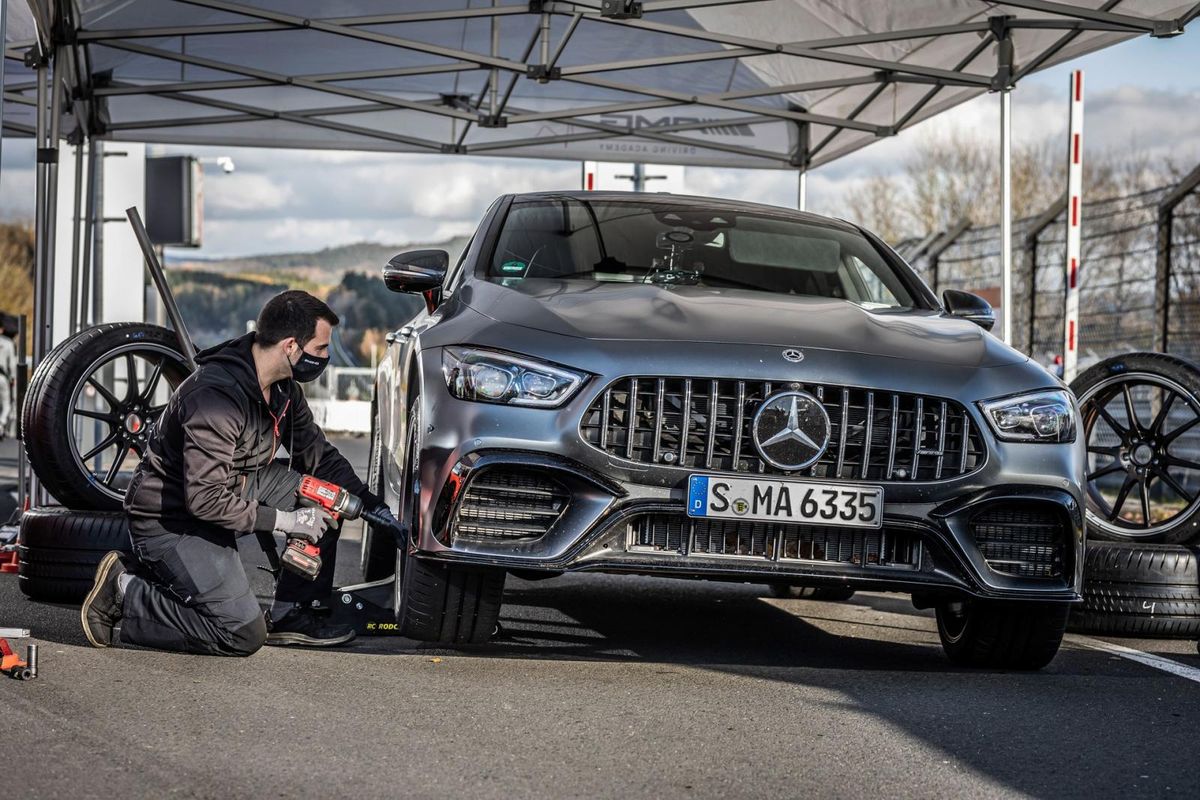
How close was the GT 63 S used by Demian Schaffert to one you could order from AMG? The claim is that only two factory options were fitted: Michelin Pilot Sport Cup2 tyres and an aerodynamics package. These are available as upgrades to any GT 63 S customer, too.
Hot on the heels of the Toyota Hilux launch comes the updated Toyota Fortuner. The new update gives it more power and more safety systems with a subtle visual lift too.
The Toyota Fortuner remains one of the best-selling vehicles in the country, combining proven Toyota reliability with bakkie underpinnings in an SUV body. The current model, much like the recent Hilux facelift has come in for a raft of updates that will make it very difficult for the competition to make any notable gains on the sales charts. The key updates for the facelifted model revolve around improved spec levels, better styling and additional power.
Engine upgrade
Now with 150 kW and 500 Nm of torque, the Fortuner should be much better at towing and overtaking.
The 2.8-litre GD-6 turbodiesel is uprated to put out 150 kW and 500 Nm but is also more efficient than before with Toyota claiming between 6.8 L/100 km and 7.9L/100 km. NVH has been improved with the engine upgrade thanks to the balance shaft fitted to the 2.8. The rest of the range has been whittled down to just the 2.4-litre turbodiesel available in either 4×2 or 4×4 but only with an automatic gearbox. The 2.7 and 4.0 petrol versions are no longer offered in the facelifted Fortuner range.
The rear suspension upgrades afforded to Hilux have not been carried over to the Fortuner as Toyota felt the rear suspension setup was adequate on the Fortuner and didn’t require any further refining.
The towing capacity of 2.4 GD-6 4×4 models has seen a significant increase of 800 kg, now registering 3.3 tons and matching that of the 2.8 GD-6 4×4 model. Subsequently, 2.8 GD-6 4×4 models now also boast a towing capacity of 3.3 tons (an increase of 300 kg over the outgoing model).
Styling upgrade
VX model gets a blacked-out front grille and silver strip on the side.
The front end has been remodelled with an extended grille and Bi-LED headlights. It's not easy to spot the new model from the front unless you see it alongside an older Fortuner.
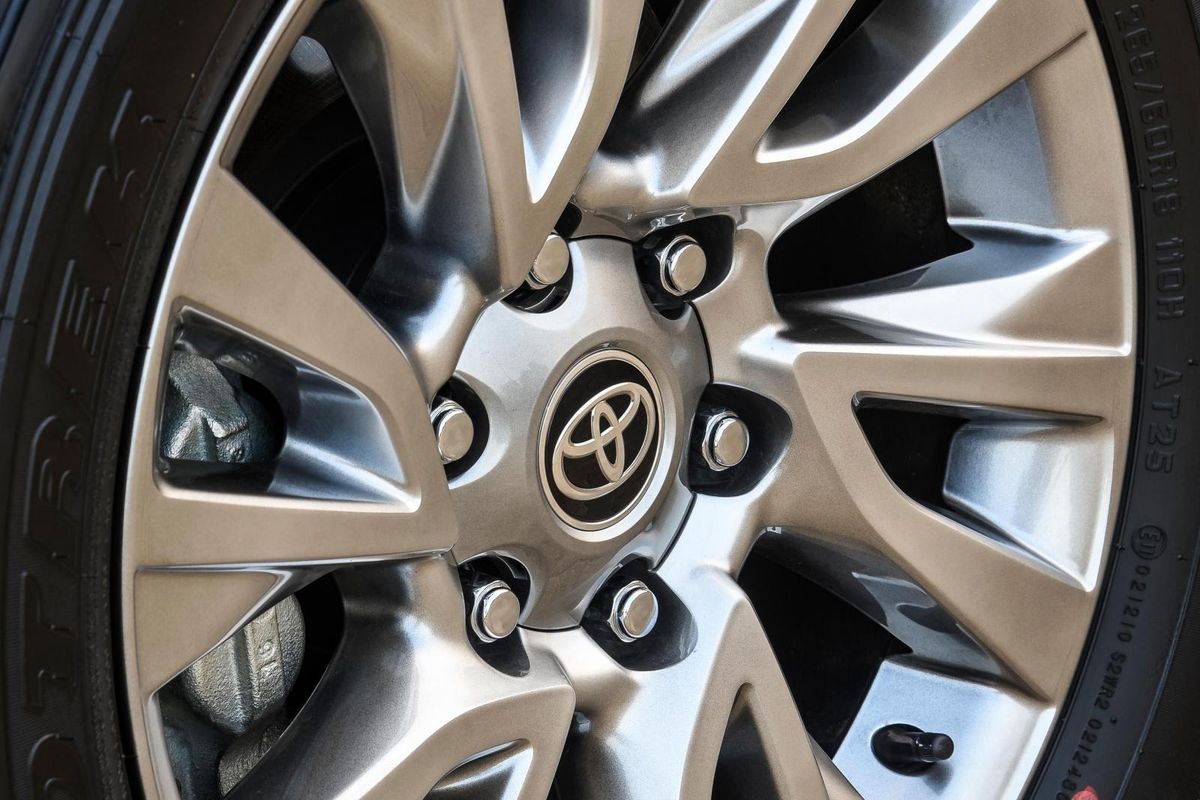
A new colour in the form of Oxide Bronze has been added to the range replacing the Avant-Garde Bronze. 18-inch wheels are available on the 2.8 model while the 2.4 version sits on 17-inch wheels, the tyre profiles for each come in at 265-65-R17 and 265-60-R18. The skid plates now have silver accents on them in order to look a little more rugged but for 4×4 purists, the will likely just get bent and scrape at break over point.
The rear lights are the easiest way to spot the new Fortuner as they are distinctly different than the previous ones and feature raised LED brake lights. Spotters have even said that the design is quite similar to a BMW X5 in appearance.
The VX model specifically gets a silver strip ‘belt-line’ that wraps around the waist of the Fortuner and a blacked-out grille.
Interior improvements
Black leather replaces the brown leather and the new infotainment system is now Andriod and Apple compatible.
A new VX model sits atop the Fortuner range in position to compete with the top-spec Ford Everest Limited. The VX is equipped with additional safety features such as road sign detection, pre-collision detection, adaptive cruise control and lane departure warning.
Silver accents around the cabin combine with the black leather which has replaced the brown leather interior. This model also features heated seats and welcome lighting.
An 8-inch infotainment system is now available which features Apple Carplay and Android Auto as standard. All Fortuner models are now equipped with cruise control as standard as well as park-distance control and LED lighting.
Aftersales
All Fortuner models come with a 3-year/100 000 km warranty. A 9-services/90 000 km service plan is standard on all models (service intervals of 10 000 km or 12-months).