After a quiet 2020, Audi is playing catch up and has begun 2021 by launching no fewer than 15 performance models into SA along with 8 RS high-performance models.
Audi has big plans for its performance range this year as it aims to improve sales this year by some 600%. Audi's current performance range includes all models with S, RS and R designation (R is only used for the R8).
As a statement of intent, Audi has just launched 8 new RS models ranging from station wagons to sedans and SUVs. Here's what you can expect to see hitting the street from the Ingolstadt-based brand.
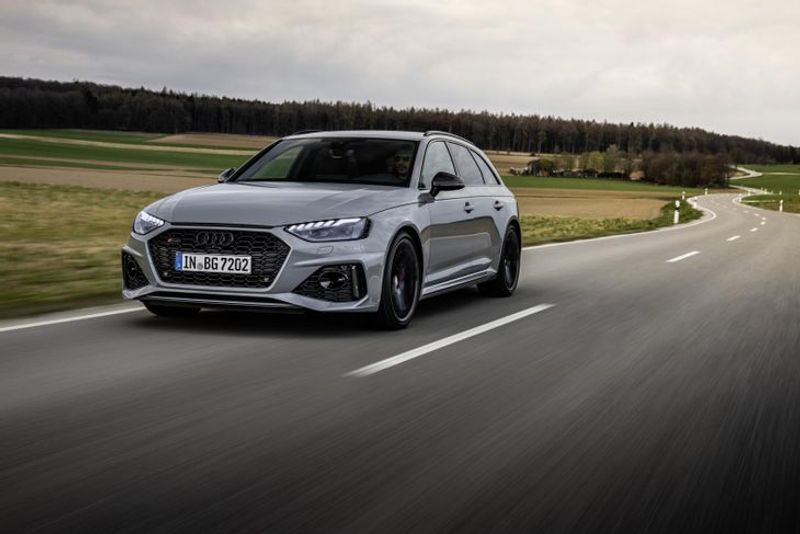
Audi RS4 Avant and RS5 Coupe & Sportback
The popular rivals to the BMW M3/M4, Mercedes-AMG C63 and the Alfa Romeo Giulia QV. The RS4 Avant is exclusively available as a station wagon, giving it a unique selling point as the only high-performance wagon left in the segment. The model puts out 331 kW and 600 Nm of torque. The RS5 Coupe and Sportback are similarly powered but where the Avant claims a 4.1 second 0-100 kph sprint time, the RS5 Coupe is able to hit the benchmark time in just 3.9 seconds. Audi has been aggressive with the pricing (or maybe just hasn't inflated the prices) on these models, which undercut the BMW and Merc rivals by nearly R500k!
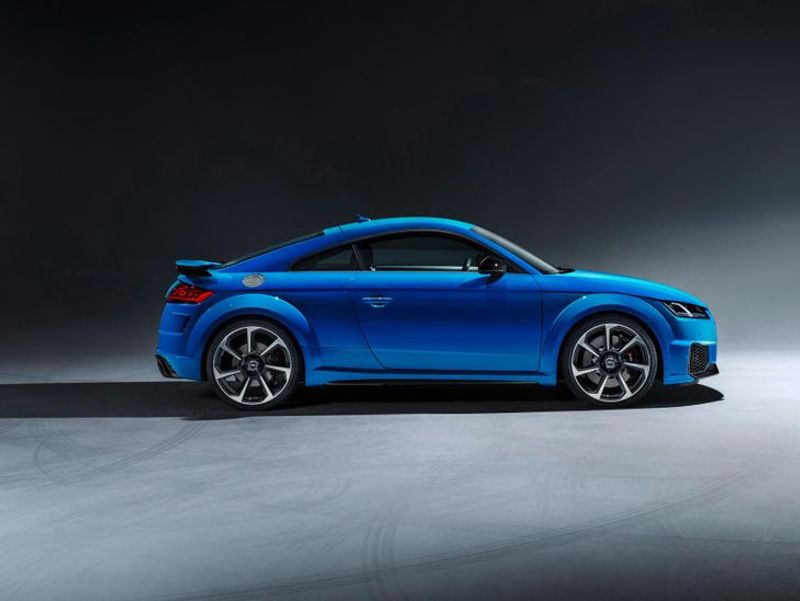
Audi revealed pricing on the updated TT RS model right at the end of 2020 and pricing has remained the same as of this official RS launch day. The TT RS uses the much-loved 2.5-litre 5-cylinder turbopetrol unit to develop 294 kW and 480 Nm of torque. The Coupe model absolutely blitzes off the mark, hitting 100 kph in just 3.7 seconds with the drop-top taking 3.9 seconds.
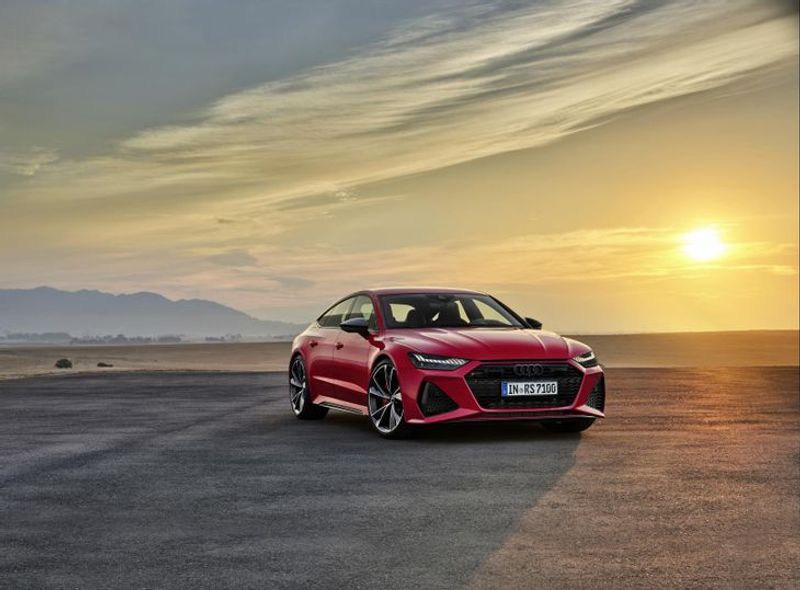
The mega-powerful RS6 and RS7 models enter the market hoping to capitalize on the fading super-limo segment with some of the most jaw-droppingly designed models. The RS6 Avant and RS7 Sportback are distinctive and aggressive in design while featuring a mammoth 441 kW and 800 Nm of torque. The Wagon and Sportback both smash through the 100 kph barrier in 3.6 seconds.
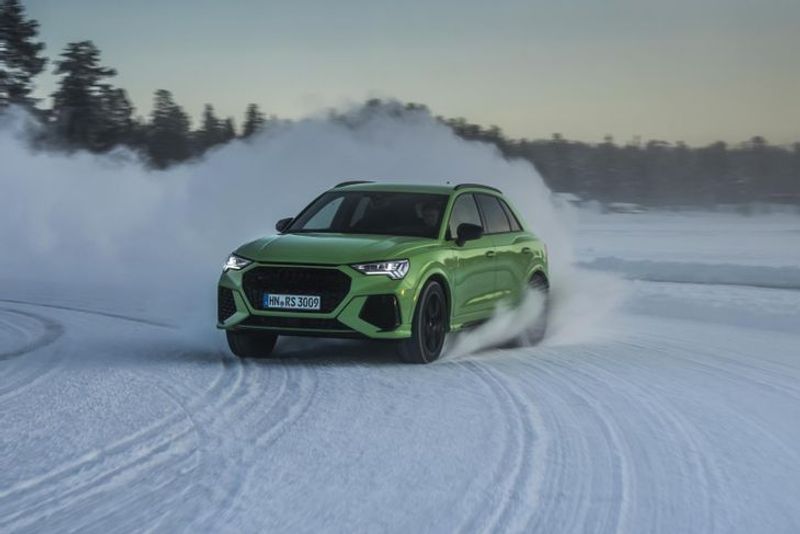
The plucky RS Q3 finally makes a return after a lengthy absence from the SA market. The RS Q3 is available in both standard guise as well as in the RS Q3 Coupe form. The same engine that powers the TT RS is used in the RS Q3 but due to its bulkier shape and weight, it's not quite as fast to 100 kph, breaking the timing beam in 4.5 seconds.
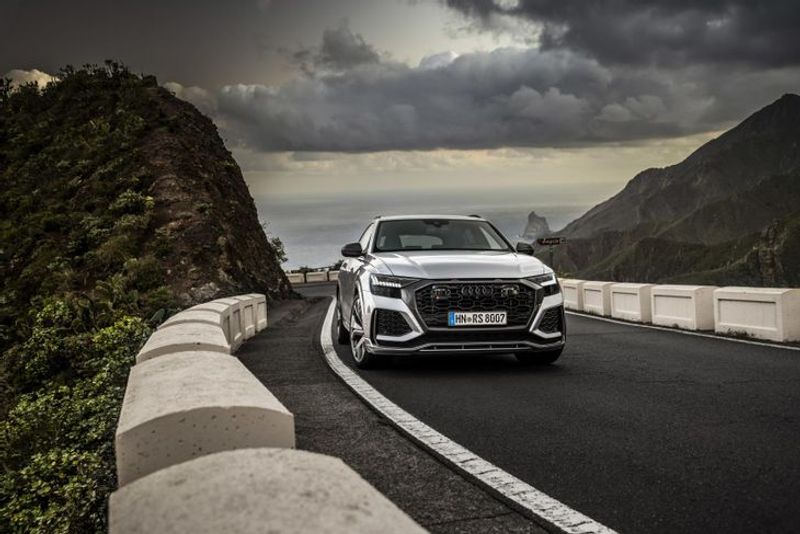
The all-new mighty SUV is the first of its kind, using Lamborghini Urus power and platform to imbue it with all the skills to set it apart from the BMW X6 M, Mercedes-AMG GLE 63 S, Range Rover SVR, Jaguar F-Pace SVR, Jeep Grand Cherokee Trackhawk, Alfa Romeo Stelvio Qudarifoglio and whatever other power houses join the fray in the next few minutes. Under the bonnet is a 441 kW/800 Nm bi-turbocharged engine that shunts the 2-tonne plus SUV to 100 kph in just 3.8 seconds.
Pricing
Audi RS Q8 quattro – R2 354 500
Jeep Wrangler Magneto is six-speed manual EV
Not a lot of power, but you can shift it yourself.
For Jeep, the traditional response to any issue around alternative fuel and powertrains has been simple: more V6 and V8 engines.
With Jeep now part of the greater Stellantis corporate structure, changes are coming, Although one of the very few truly profitable brands within Stellantis, product planners at Jeep realize that big petrol engines are possibly going to become problematic in future.
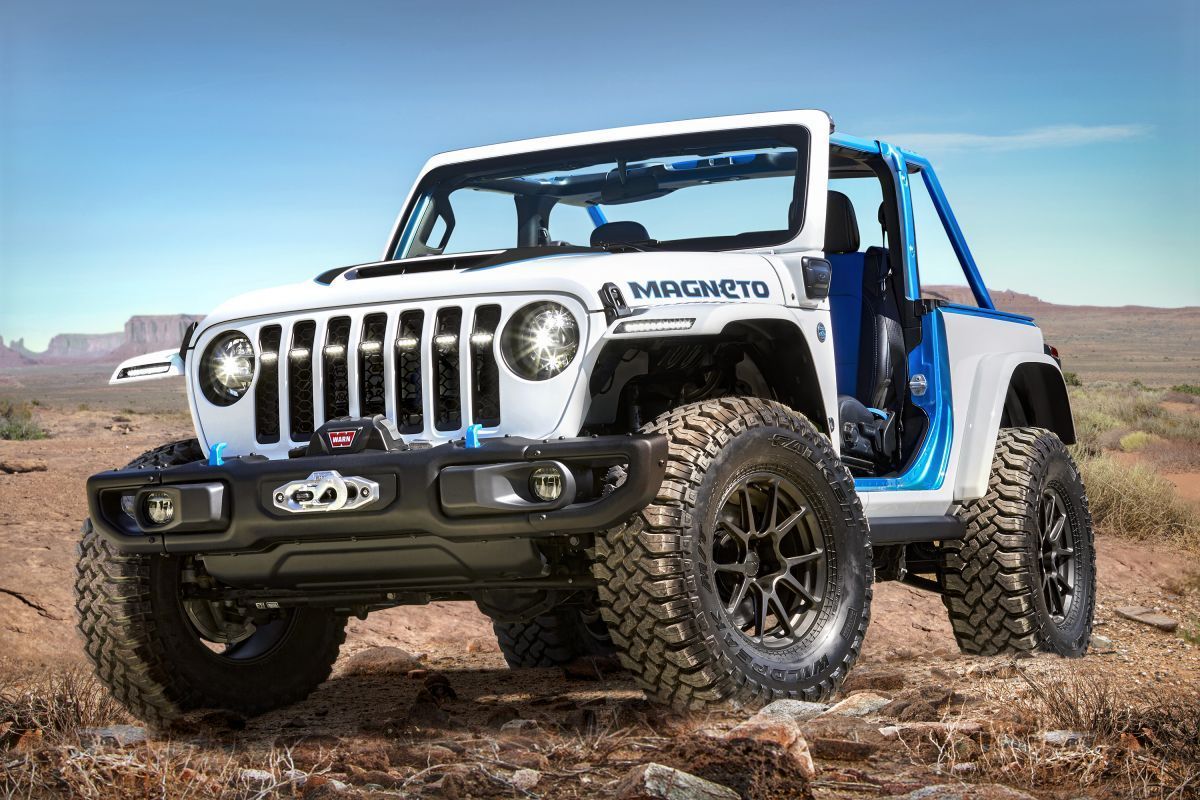
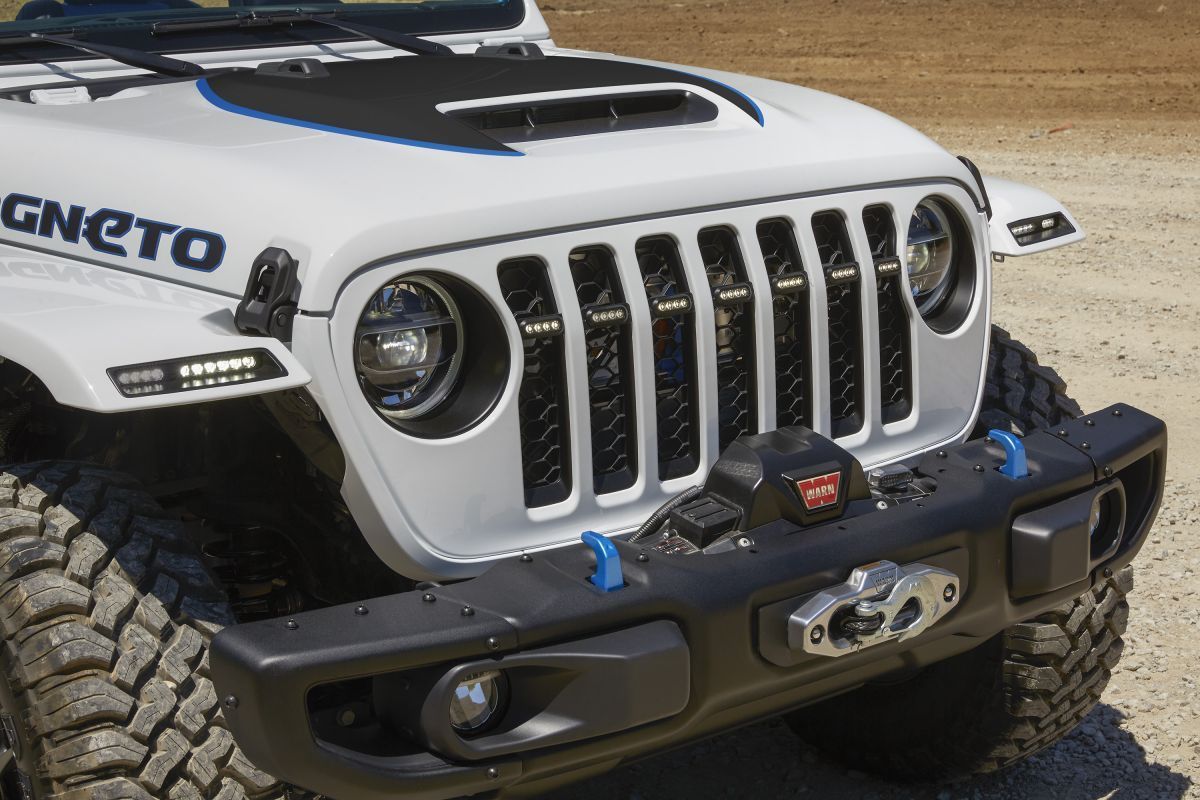
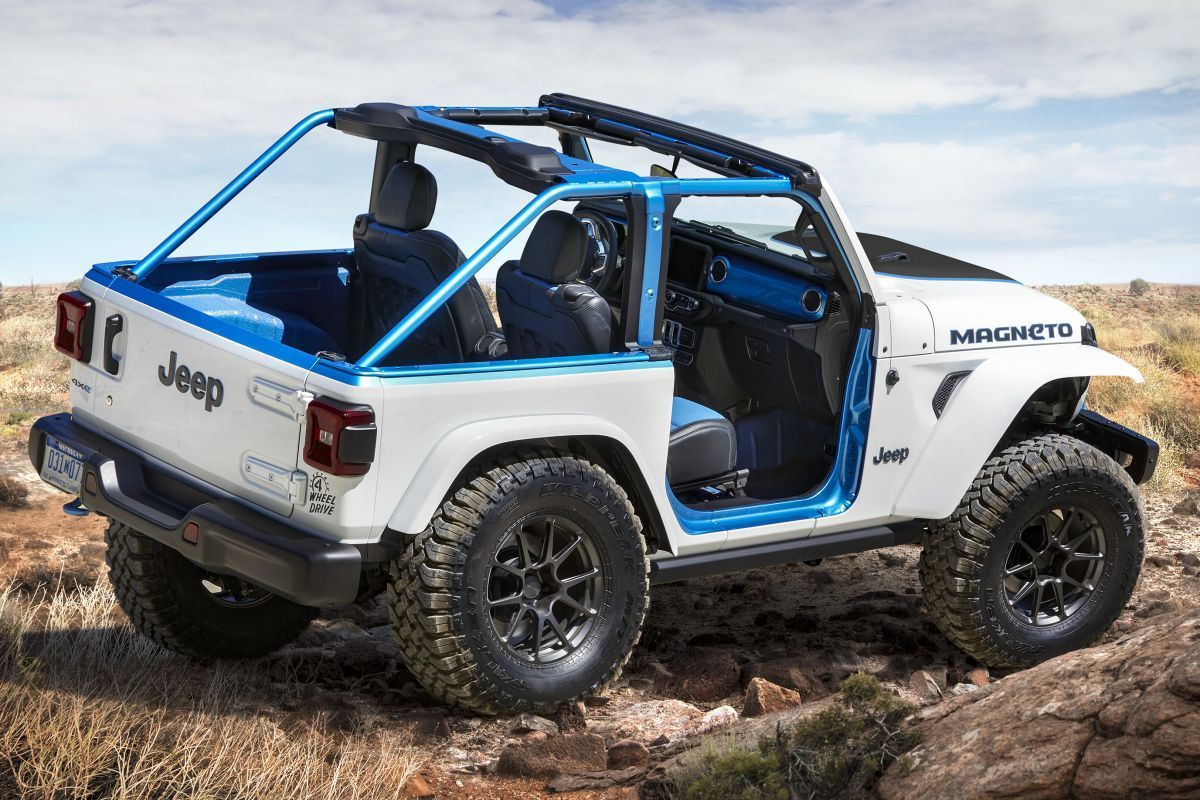
The American off-road vehicle brand has now revealed its Wrangler Magento, which is a battery-powered Rubicon. With huge tyres and the same ladder-frame platform that you’d find on any V6 or diesel-powered Wrangler, this Magneto’s only distinguished exterior design detail, is the lack of a rear exhaust.
Powering the electric Wrangler is a 70 kWh lithium-ion battery pack, providing energy for a very interesting drivetrain. Peak power s rated at 215 kW, supported by 370 Nm of torque. That seems very mild for a modern battery-electric vehicle and there is a good reason that the Magneto matches the outputs of Wrangler’s 3.8-litre V6.
Unlike other dedicated battery-electric vehicle platforms the Wrangler Magneto retains its six-speed manual gearbox and differentials. If Jeep’s engineers used all the power available from the battery pack, it would overwhelm the Wrangler axles and drivetrain components.
By limiting the Magneto’s outputs, Jeep has produced a battery-powered Wrangler that can be driven as a conventional manual. There is a rev-compensating technology to make it more intuitive and you can shift into first gear without engaging the clutch.
Engineers have placed the batteries strategically throughout the Wrangler floorplan, including where the fuel tank was, but the net result is a very heavy 4×4, with a kerb weight of 2 600 kg.
Despite its mass, the Wrangler Magneto is capable of 0-100 kph in 6.8 seconds, although Jeep has not confirmed this e-4×4’s driving endurance. A Wrangler Magneto is an interesting concept from Jeep, showing what can be done by retrofitting batteries and electric drive modules to a legacy 4×4.
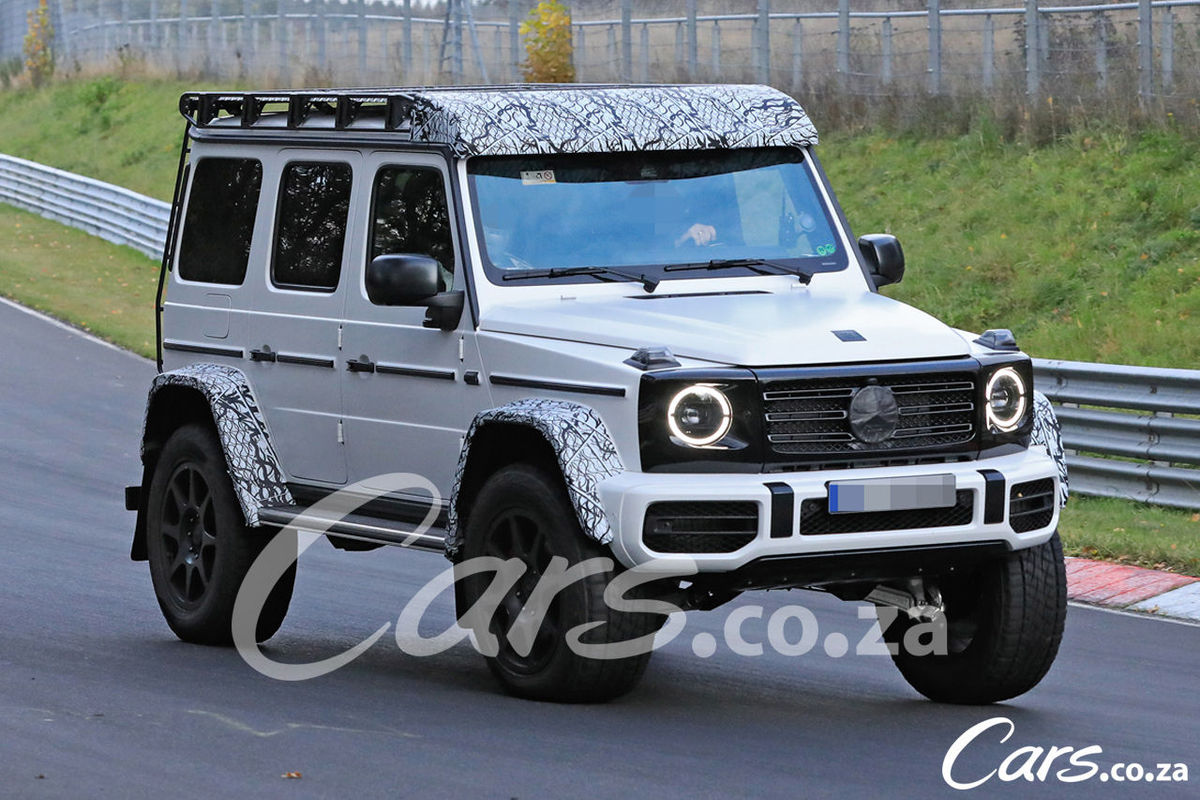
Mercedes-Benz is working on an even more hardcore G-Class which will replace the 4×4 Squared.
Picture credit: S. Baldauf/SB-Medien. We have paid for these photos and at the photographer's request, have watermarked them.
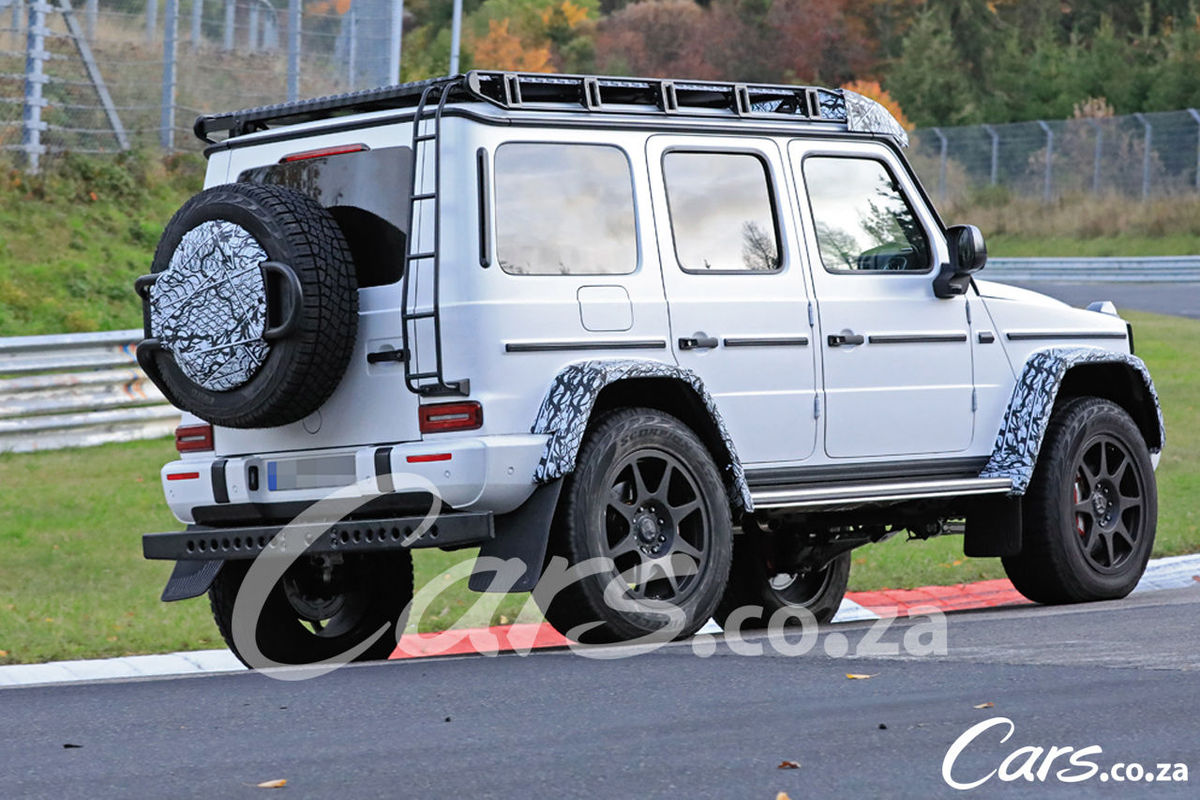
UPDATE: We first reported this story back in May 2020 and showed some grainy photos of the new Mercedes-Benz G500 4×4 Squared. Now this model has been spotted undergoing dynamic testing at the Nurburgring. The photos are much clearer, showing lots of interesting details and a lot of the camouflage has been removed. We can see model-specific daytime running lights and the vehicle sits far higher than a standard G-Class.
Remember the Mercedes-Benz G500 4×4 Squared? That short-wheelbase offroad specialist with tremendous ground clearance? Sadly it never made its way to South Africa as it was never offered in right-hand drive, but chances are very few would have been sold as the asking price back in 2015 was something in the region of €226,100 which at today's exchange rate is around R4.3 million.
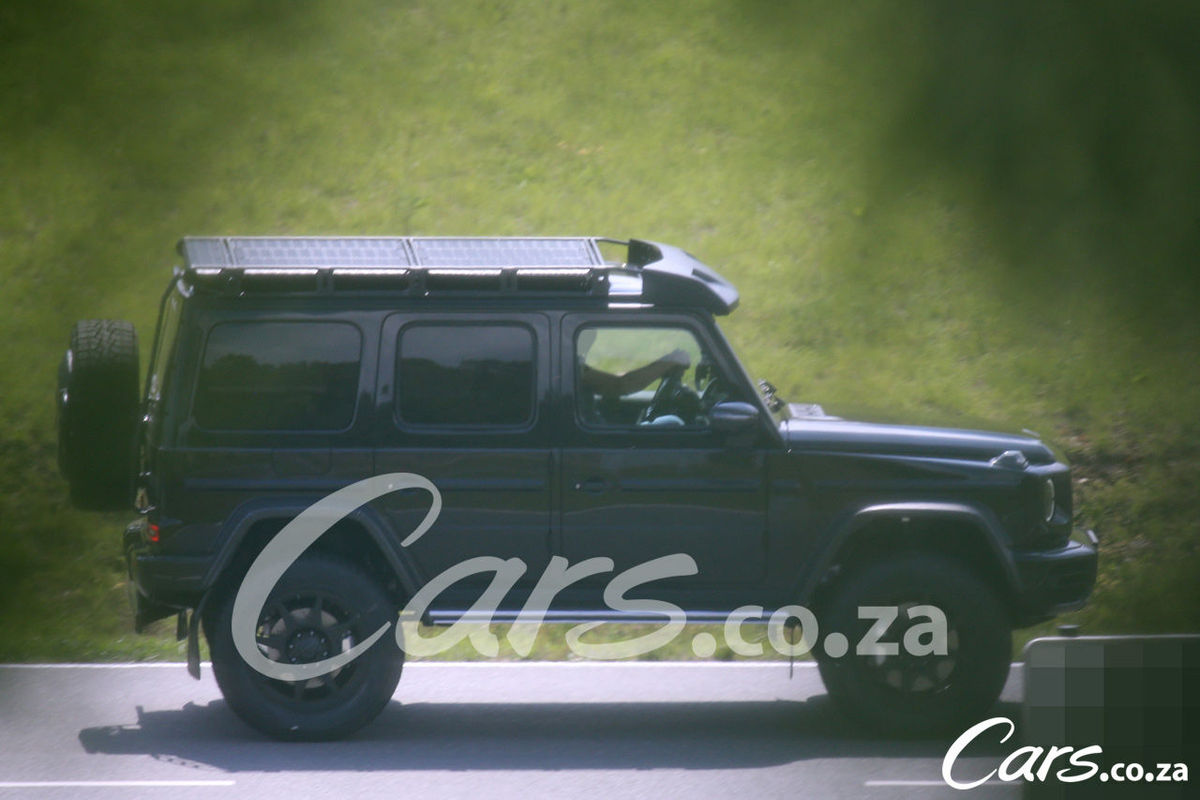
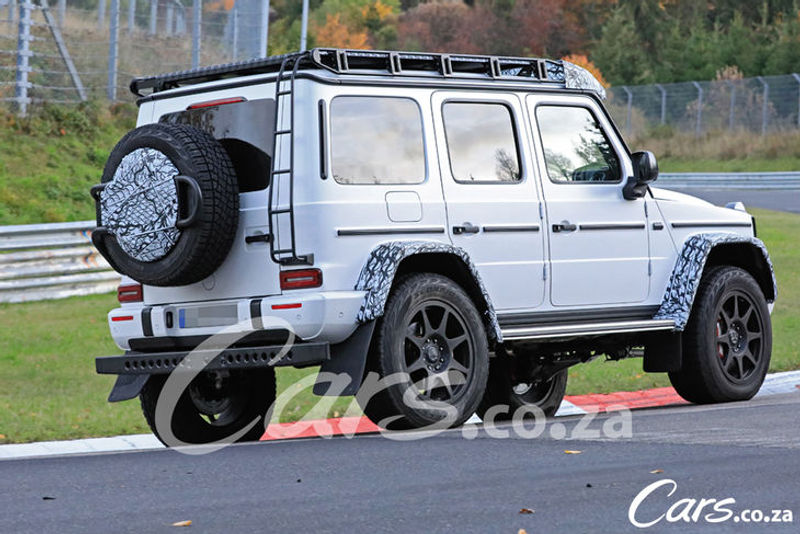
What you see here is likely the replacement for that vehicle and it appears our spy photographers climbed some trees to get these photos. As if the Mercedes-Benz G-Class didn't need even more offroad ability thanks to its tri-differential setup and decent ground clearance, this prototype looks ready to take on the toughest of terrain. Thanks to portal axles, 450 mm of clearance was available on the predecessor and it looks a lot like the new one is boasting similar levels of height.
Expect a full firebreathing turbocharged V8 petrol engine under that bonnet and 375 kW / 700 Nm (or even more) should be possible. There should be the 9-Speed transmission too. What we like the most so far is that Mercedes-Benz is giving this G-Class a proper offroad kit, comprising roof rack, ladder, spare wheel as well as 2 powerful spotlights.
With the Land Rover Defender expected to start hitting the roads in the next few months, it will be interesting to see if this is Mercedes-Benz's answer to the British newcomer. Expect to see more photos and information regarding this G-Class in the coming months.
The new Mercedes-Benz G-Class 4×4 Squared has been spotted.
Lexus has launched its thoroughly revised IS in South Africa. In a declining segment of the market, in which the Japanese sports executive is pitched directly against formidable German rivals, does the new IS do enough to win over potential customers? We headed to Johannesburg to drive the newcomer.
The Lexus IS is Japan’s answer to the Teutonic triumvirate of the Audi A4, BMW 3 Series and Mercedes-Benz C-Class. That's some stiff competition right there, but don’t forget the svelte Jaguar XE!
Lexus seemingly has its back against the wall with the IS; not only because of the quality of the opposition, but a luxury-sedan market that's steadily declining. Reduced affordability is a factor, but so is the meteoric rise of the SUV… The Audi Q5 is outselling the A4, customers favour the X3 over the 3 Series, and despite the C-Class still commanding substantial sales, the GLC and GLB are proving popular.
Where does this leave Lexus with the substantially revised IS model? Of course, the brand has its own SUV arsenal with the UX, NX, RX and LX, which cater for customers who want crossovers or SUVs of various sizes, but as for the IS, which is a legacy product, this latest version needs to bring something special to the market if it hopes to thrive…
What’s new?
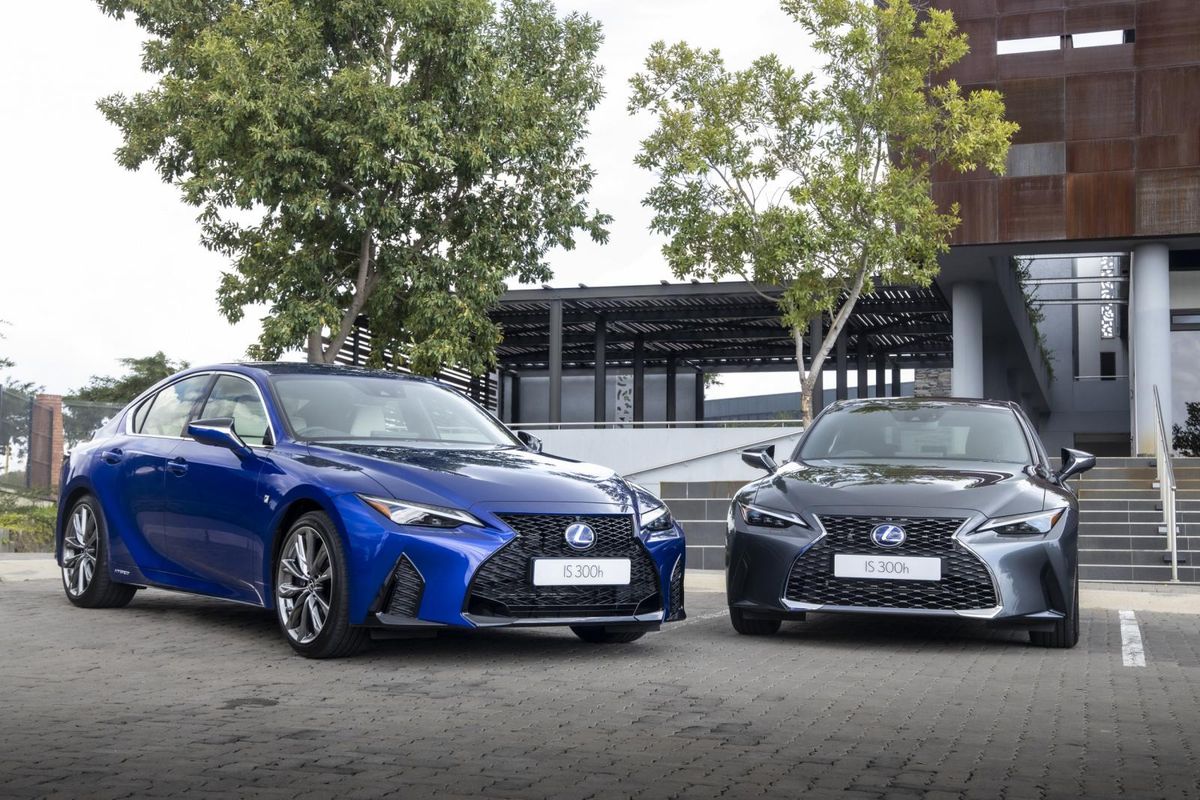
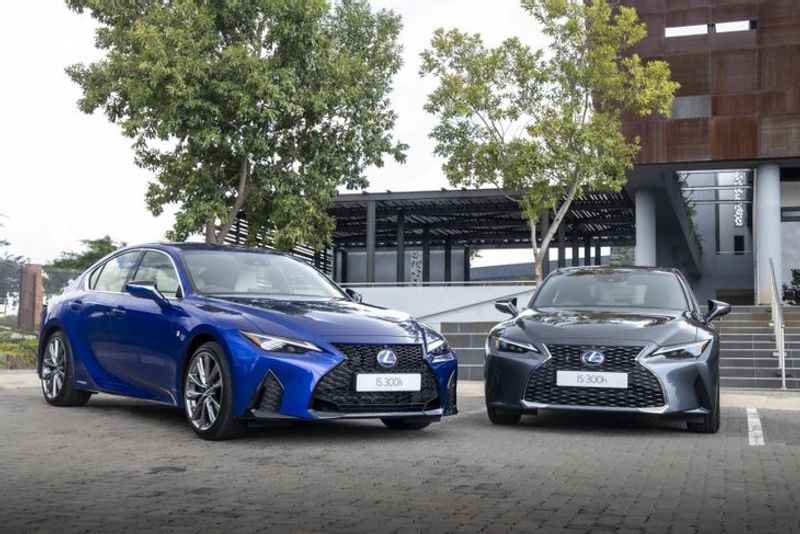
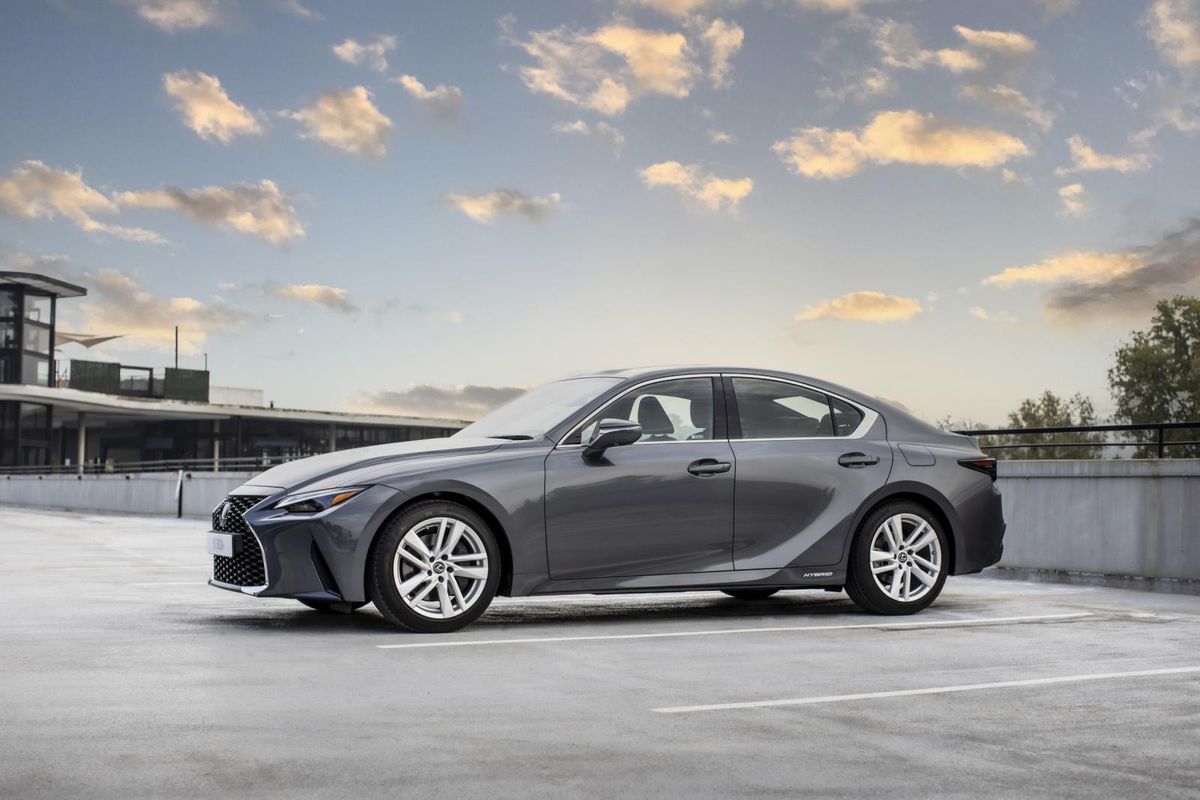
The new Lexus IS 300h range, with the F Sport left and SE on the right.
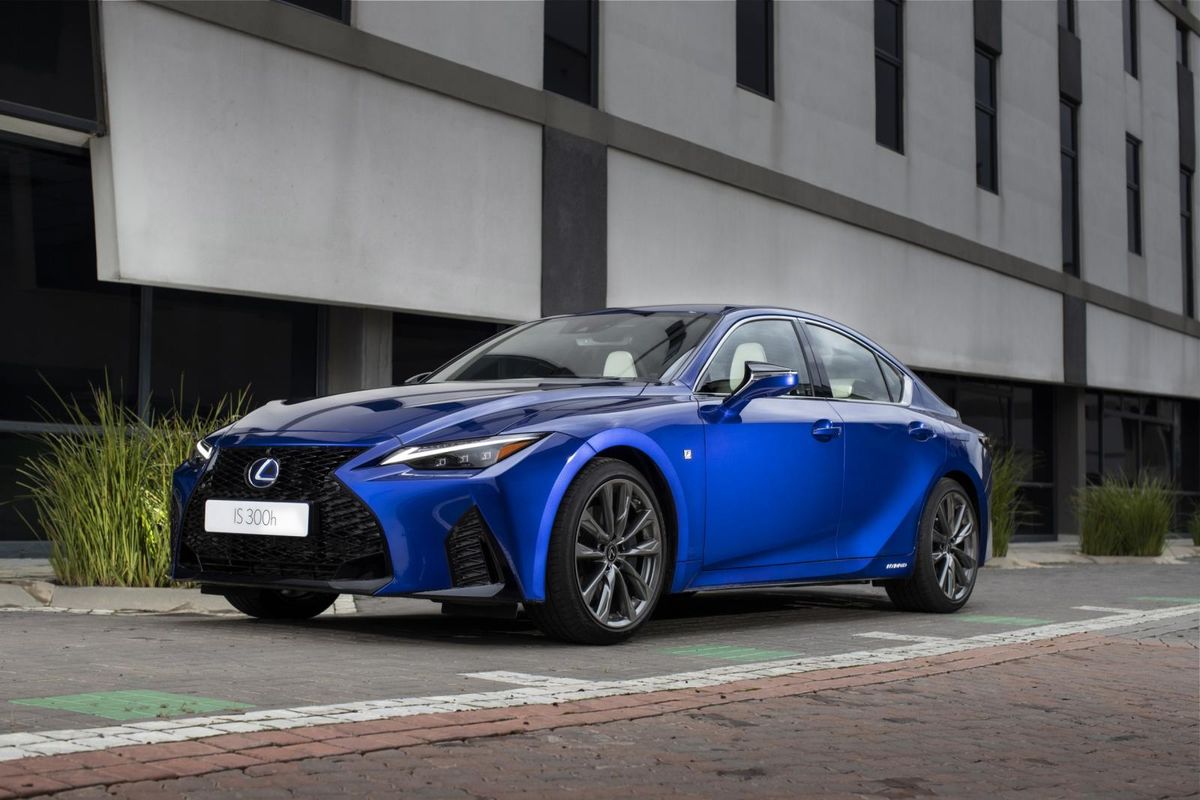
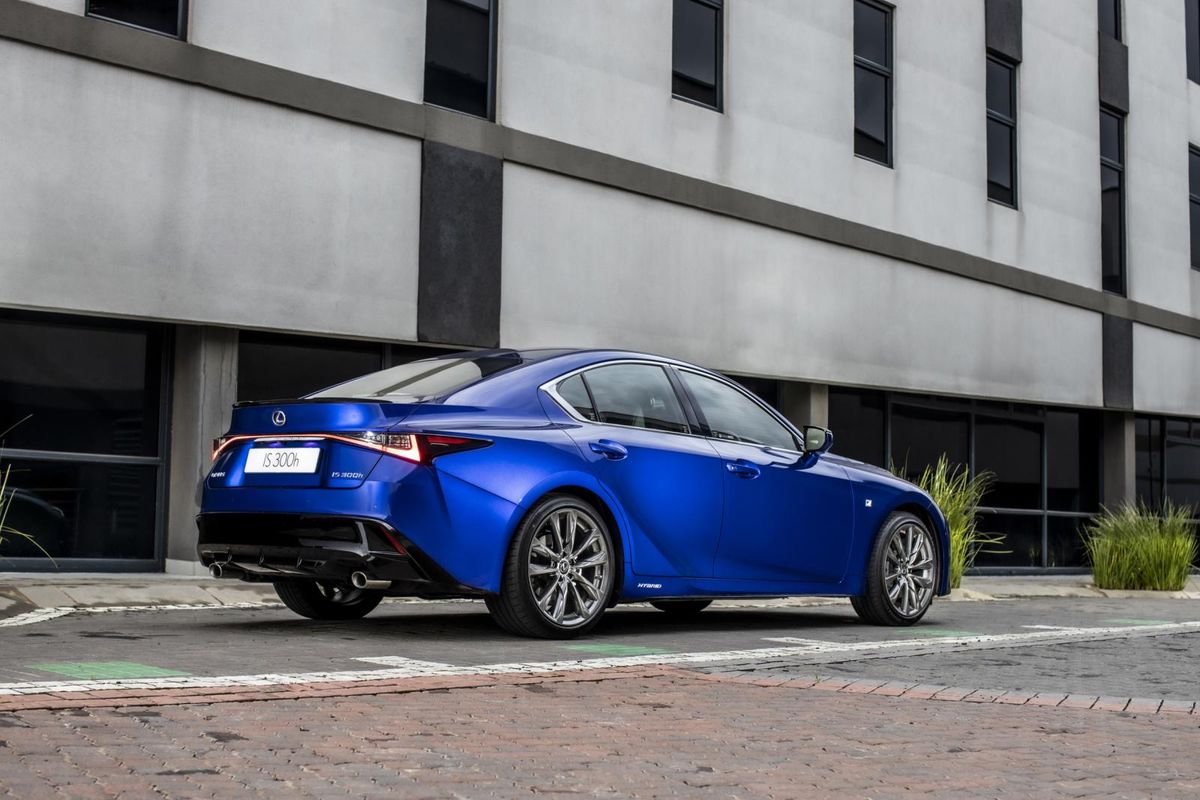
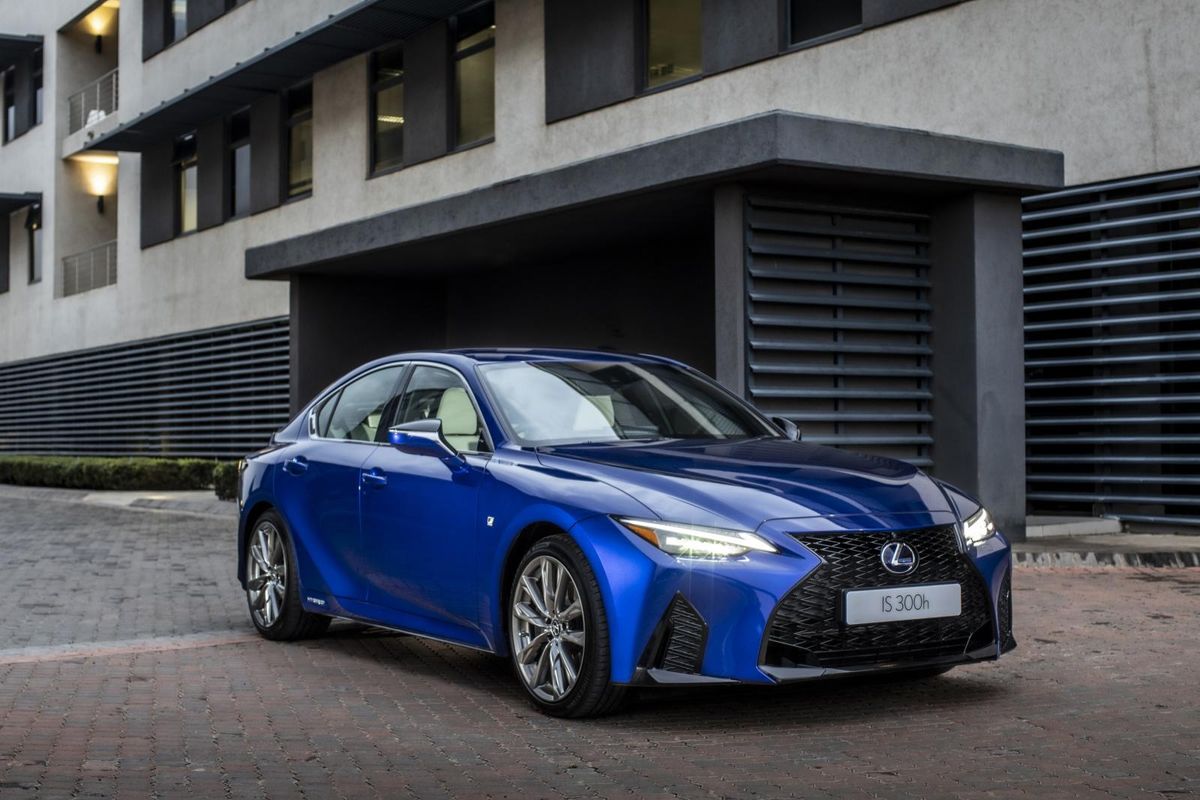
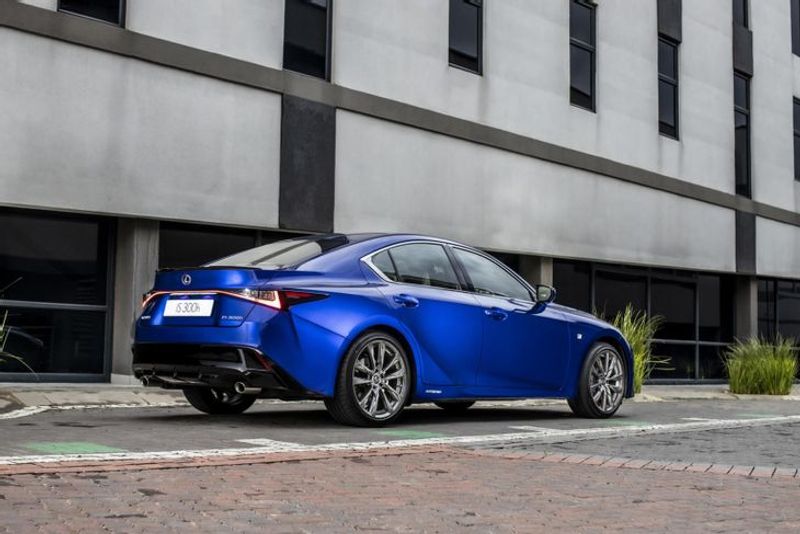
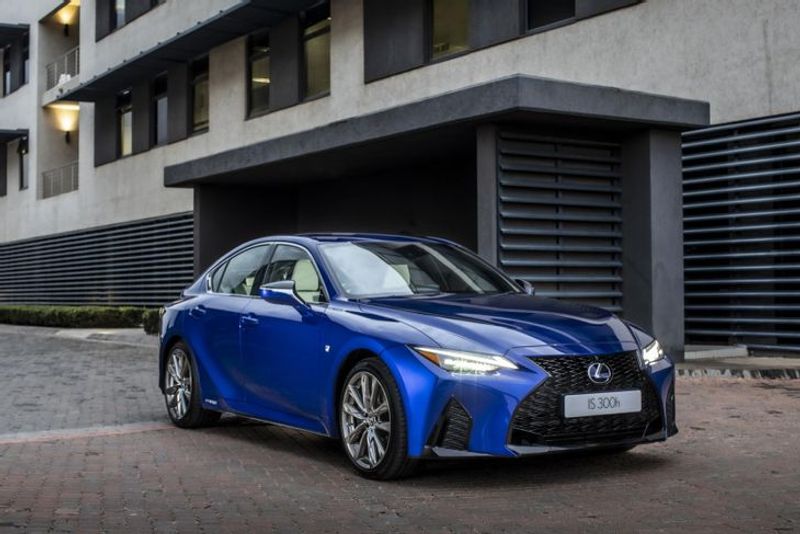
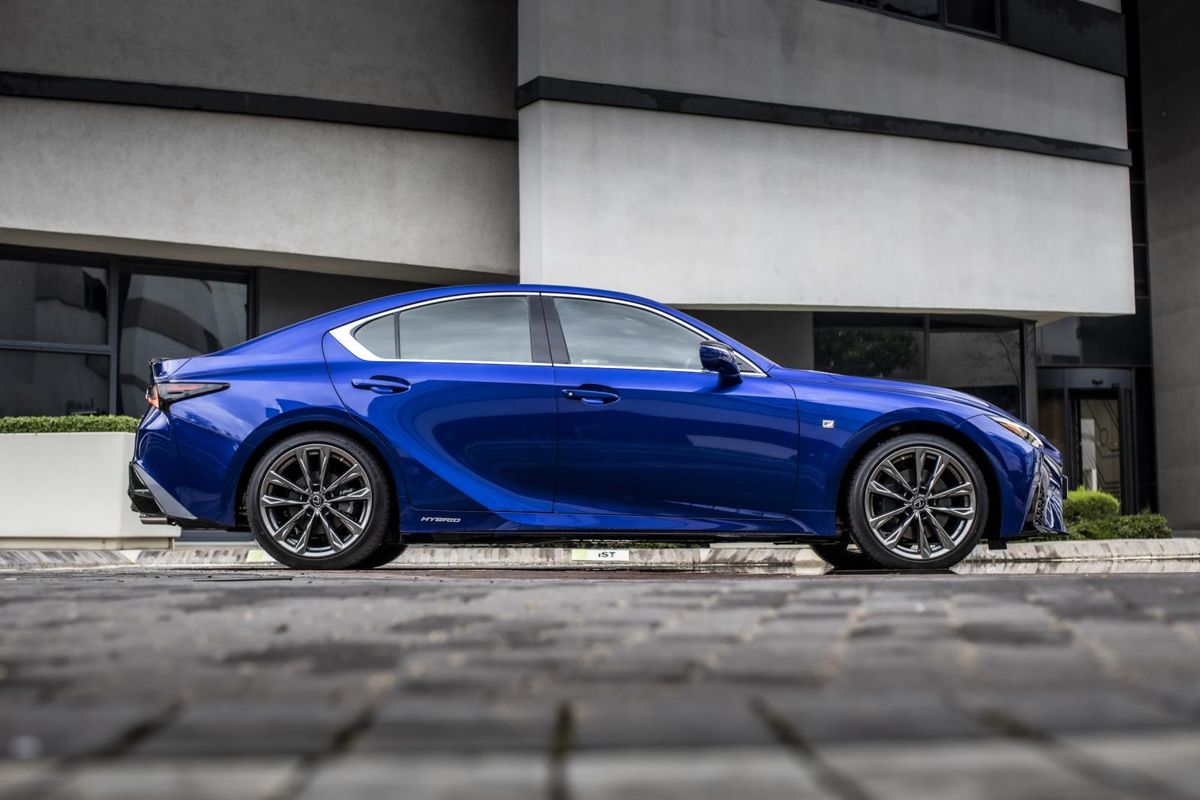
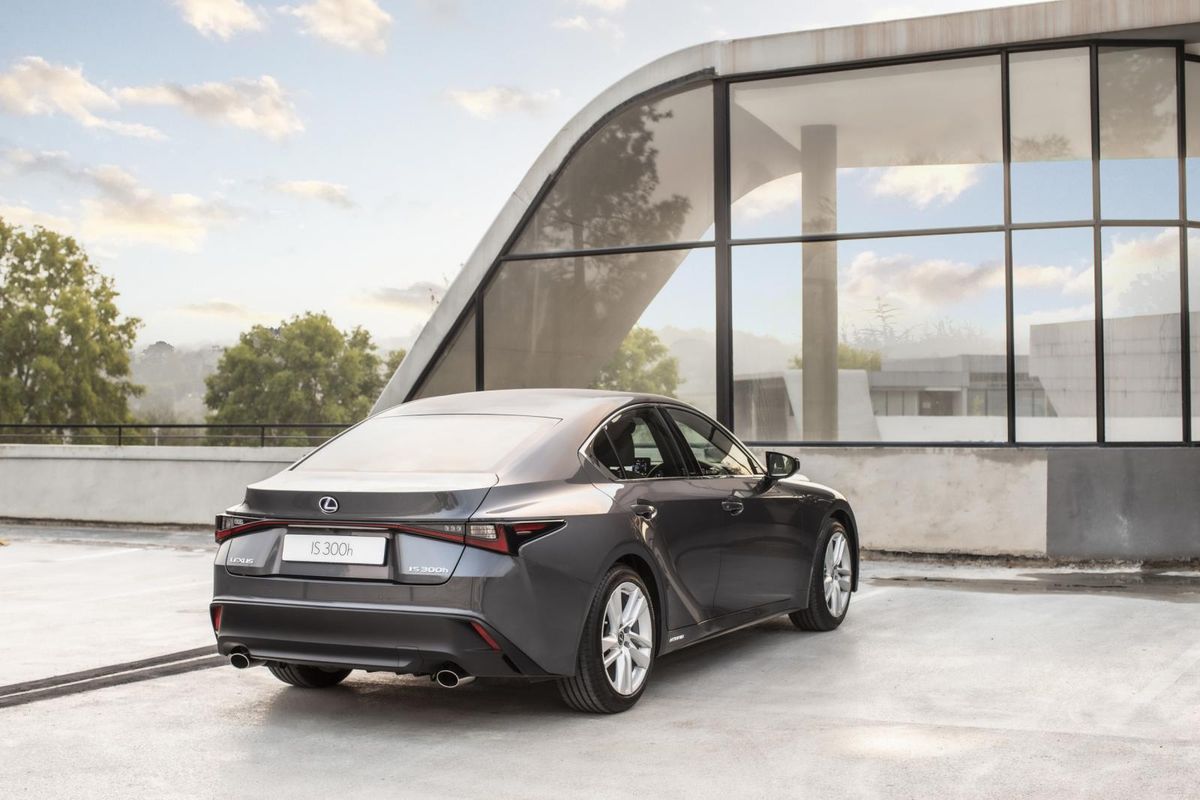
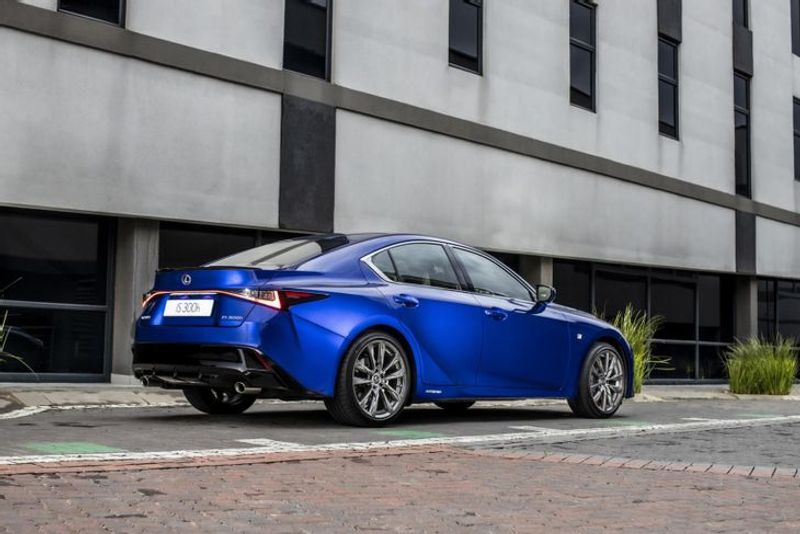
While it's officially tagged as a facelift, we’d go as far as to say there are enough updates to the IS for it to qualify as a nearly-new model. The looks have been sharpened dramatically; even the non-F-Sport derivatives ooze kerb presence. The F-Sport naturally draws the most attention, with its striking body kit and gorgeous wheels (our test unit was clad in the stunning Polaris Blue finish you see here).
The real changes are under the Japanese contender's sheet metal, however. Lexus says this IS was developed at the country-road test course of Toyota's new technical facility in Shimoyama, Japan. Interestingly, this track is based on the infamous Nurburgring Nordschleife, which gives you some idea of how much dynamic development has been invested in the newcomer. There's an interesting quote by the chief engineer of the IS programme, Naoki Kobayashi, who said: "What we had foremost in mind in developing the new IS was to make it a car that excelled in communicating with the driver regardless of the road conditions or driving situation. We aimed to make the new IS a Lexus compact sports sedan that provides high-quality riding comfort while offering a high level of vehicle control."
Given how one protagonist in this segment (ahem, the 3 Series) prides itself on the ability to deliver sheer driving pleasure (although the new G20 generation model is arguably more luxury car than sports sedan), it's refreshing that traditionally conservative Lexus is determined to make the IS as engaging to drive as possible… well, within reason. We could easily fill the page by listing all the intricate detail changes, but that would be boring for most readers. To summarise, extensive work has been done on the vehicle's chassis and suspension, plus the new IS sits lower and wider for optimised handling.
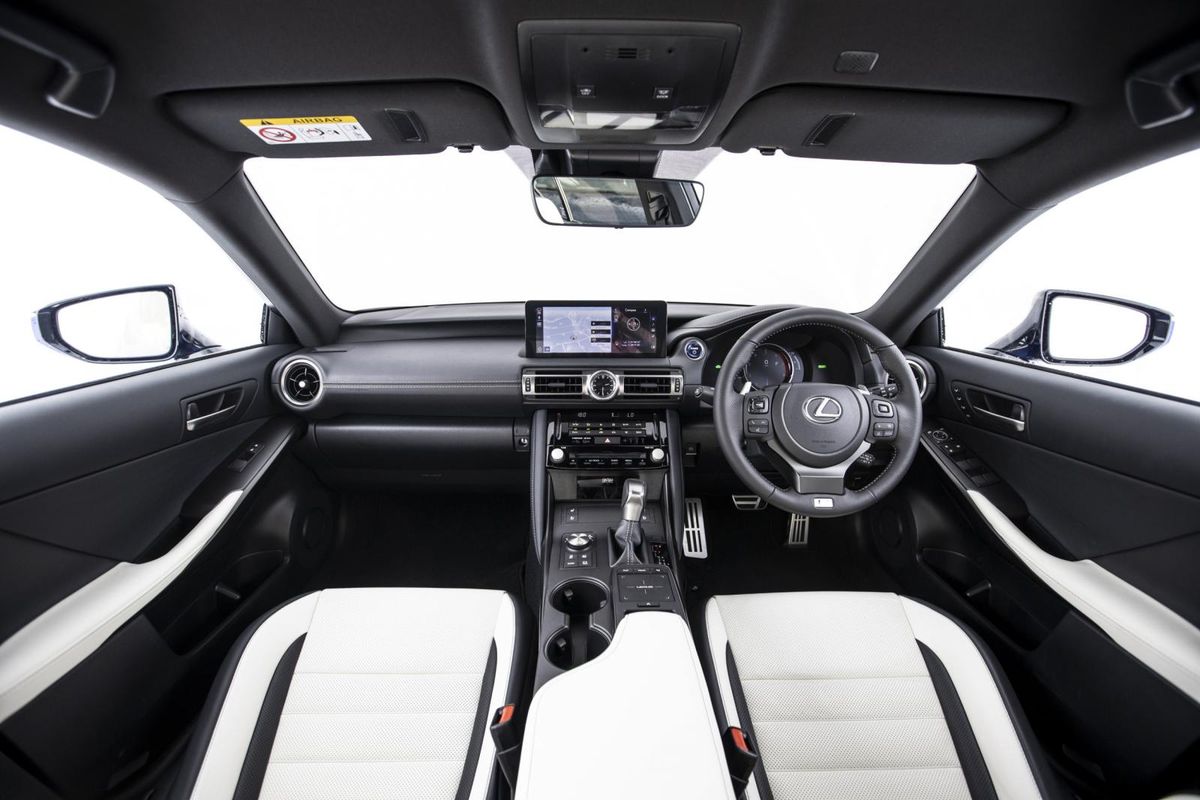
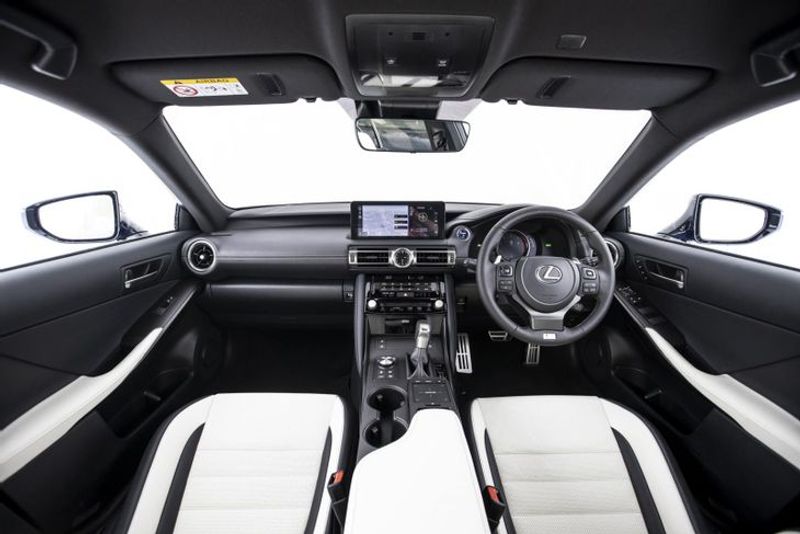
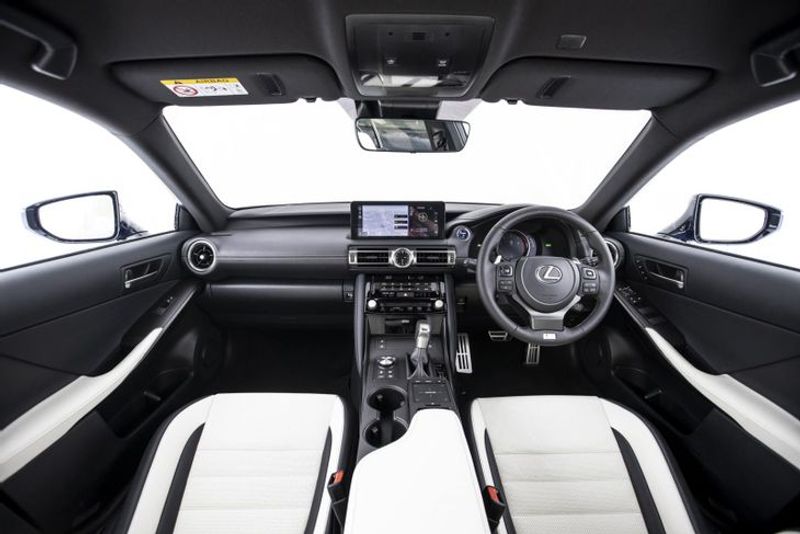
The cabin gets a nip and tuck too (as expected), with the (now touch-sensitive) infotainment screen being repositioned closer to the driver. There are also new materials and trim and for 2 out of the 3 derivatives, a 17-speaker Mark Levinson audio system, which is virtually guaranteed to enthral audiophiles, comes as standard.
The cabin of the Lexus IS300h F Sport. There are other interior trim colours, other than white.
The South African arm of Lexus offers its new sports executive sedan in 3 levels of trim, with one powertrain across the range. Sadly for fans of the throaty 3.5-litre V6 and punchy 2.0-litre 4-cylinder turbopetrol motors, the new-gen car has just the single-engine option: a 2.5-litre 4-cylinder petrol-electric hybrid. Lexus is forging ahead with its hybrid strategy as the world's car industry gradually shifts to electrification and the result is the IS range being hybrid-only. We did ask about the performance Lexus IS 500, but local availability hinges on whether this model is green-lit for right-hand-drive production.
The power unit has a total output of 164 kW, with the 2.5-litre petrol engine delivering 133 kW and 221 Nm of torque. An electric motor makes up the difference. The combination drives the front wheels via a continuously variable automatic transmission (CVT). Claimed fuel economy is 5.2 L/100 km and Lexus reckons the new IS 300h is good for a 0-100 kph sprint time of 8.7 sec and a top speed of 200 kph.
There are 3 derivatives to choose from – EX, SE, and F Sport, with the differences focusing on features. The F-Sport version gets a visual boost with an aggressive body kit that really looks the part.
What’s it like to drive?
The new Lexus IS' bold and aggressive design is impressive, especially in F Sport guise.
With such dynamic-focused mechanical changes, we weren’t sure what to expect from the newcomer. Granted, a hybrid powertrain’s modus operandi is on the polar opposite of anything remotely dynamic (even if the IS 300h is rear-wheel-driven), but the powertrain is just one cog in the wheel of driving engagement – variables such as steering, chassis and suspension response come into play as well.
Our launch route took us through Johannesburg's northern suburbs, before reaching the sweeping roads of the Cradle of Humankind, where we could test the car's cornering prowess. With our mobile devices connected to the IS' modernised infotainment system and Android Auto in operation, we made the most of the IS 300h's hybrid powertrain. It cleverly disengages the petrol engine on downhills and while the sedan's coasting to intersections, all of which helps to save fuel without you having to do anything other than have a "light right foot". It will also pull away quietly in full-electric mode, only switching to the petrol engine once you get up to speed, or when you have to accelerate briskly. If you adapt your driving style to complement the hybrid, you can achieve impressive fuel economy figures (at one stage, we saw an indicated return of 5.7 L/100 km). There's no need to plug the Lexus in, it charges itself either by coasting and catching the regenerative braking, or the petrol engine works as a generator.
With so many changes under the Lexus' sheet metal said to improve the sports executive sedan's handling, we wanted to see what the newcomer was capable of, dynamically. Previous iterations of IS have had sporty pretensions, but were ultimately comfort-oriented (which, to be fair, is what most luxury car buyers want), but this new model leans notably towards the "driver enjoyment" side of things, but without giving away much in terms of comfort. One gripe is that road noise seems to have increased due to the fitment of run-flat tyres, but we'll pass a judgement on that when we get to test the "new" IS.
The F-Sport derivative features adaptive suspension and in Sport S+ mode, the car felt exceptionally nimble, with well-weighted and direct steering. This IS is a revelation to pilot compared with its predecessor – it retains that wonderful Lexus refinement that has endeared it to many over the years, but you get the impression the engineers have tried to craft something that tugs at your heartstrings.
The hybrid engine isn't really suited to enthusiastic driving, but you can set the drive mode to Sport and simulate gear shifts using the steering-wheel-mounted paddles. Look, the powertrain is more than adequate for day-to-day driving, but not doesn't flatter the sedan's excellent chassis. Like all CVT-equipped vehicles (irrespective of brand), the Lexus emits a dull hum when made to accelerate at full tilt.
Summary
The new Lexus IS is a fine-driving luxury tool, but the hybrid engine makes it more suited to the urban commute.
The thoroughly updated Lexus IS ultimately "brings a lot to the party" in its segment; the newcomer is an excellent interpretation of a sporty and liberally-equipped family sedan, even if the petrol-electric-hybrid-only line-up arguably narrows the range's appeal. It's comfortable, beautifully finished and well-appointed, irrespective of which derivative you're considering. Being a Lexus, there are no options and everything is standard. The hybrid powertrain is great in the city and given (still dense) urban traffic levels, you're likely to spend quite a lot of time in electric mode, which will shave Rands off your fuel bill.
Was the discontinuation of the 2.0-litre 4-cylinder turbopetrol- and 3.5-litre naturally-aspirated V6 derivatives perhaps a tad short-sighted? Given the concerted effort to make the revised IS more engaging to drive, a decidedly undynamic hybrid powertrain is not the ideal way to showcase the model's improved dynamism. Make no mistake, we’re not anti-hybrid – we appreciate the IS would excel at transporting executives and their families to their daily destinations in luxury and comfort, with a modicum of dynamism (should they need it) and excellent economy, it's just that the newcomer's talents are buried.
Nonetheless, we're itching to spend more time with the new Lexus IS to fully explore its abilities, so keep an eye out for an in-depth road test in the near future.
This Week’s News You Need to Know (March 2021, Week 3)
In this week's news you need to know, BMW releases its new cinema screen system, Renault rebadges for the electric revolution, Mini plans for the electric revolution and Peugeot hits another home run with the 308… but will it ever be sold in South Africa again?
BMW iDrive's next iteration – Big Brother’s watching
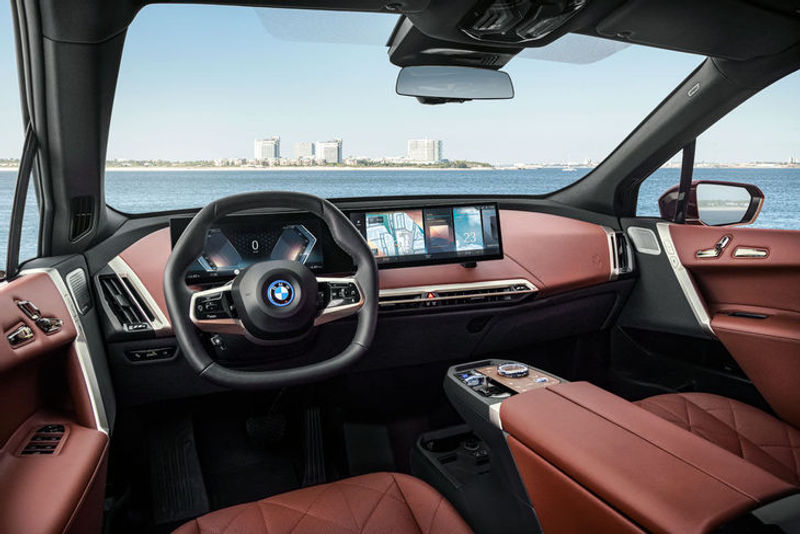
Among myriad silicone-valley buzz terms like “immersive user experience”, “big data” and my all-time favourite “internet-of-things”, there’s no escaping the looming technological tsunami with BMW’s latest iteration of its iDrive. The Bavarian powerhouse is making its overarching digitisation intentions quite clear – with 17.2 inches of screen wrapped around you, it’s a far cry from the analogue features like the carphone we found in the E38 7 Series decades back. With fewer knobs and dials and more touchscreen and augmented digital quirks, be will soon bid adieu to the analogue button… it served us well.
If you’re worried about an Orwellian Big Brother, albeit an always-connected digital one, watching your every move, best you look away because technology like Drive 8's Learning Navigation is quite capable of predicting your next car journey/s. Feeling uncomfortable yet? This is the next evolution and best we start getting used to it, even though everything is starting to feel progressively like a harrowing episode of Black Mirror. If you’re craving a more analogue experience, perhaps it would be best to go scratching through the classifieds for an E36-generation 3 series as a weekend special.
All indications are that we’re edging towards a more autonomous driving experience and while I do see the benefits of it, especially from a safety perspective, driving has always been an enjoyment factor for me, a place where I’d choose to rather disconnect from the outside world. Connectivity is the last thing that I want (okay, Boomer). Yeah yeah, look I get it and while I enjoy tech wave after tech wave, let’s keep it real. Let’s not lose that personal touch. I mean it’s still a car at the end of the day and not some intergalactic ship from the sci-fi world of Star Trek that's capable of travelling between dimensions.
Car badging – Out with the old
Nothing quite says “we’re ready for the future” as a wholesale rebranding programme. Facepalm. Renault recently joined Peugeot, Volkswagen, Kia and Nissan among the ranks of manufacturers that adopted emblems of sleeker edgier design for the modern world. A world free from ICE engines (sorry, anoraks). These rebranding efforts are framed as gateways to the next realm of electric motoring.
Everything I’ve seen to date has been a cleaner, simpler look and that goes hand in hand with the environmental considerations electric motoring brings. Sure, if you’re looking for the barf bag right now, I can assure you that a rebranding exercise is always a good idea especially when you’re considering monumental shifts in product offerings that the auto industry is experiencing right now.
OEM’s are gearing up for what seems like the next wave in every possible way. Immense product changes abound and whether we like it or not, we’re all going along for the ride. It’s riveting to see, but let me assure you that it’s not a new thing. Brands have been doing it for decades, but this time it’s to usher in the biggest change yet: the electric vehicle revolution.
Mini goes electric – Small car buzz
It seems the record is getting stuck here… just about every European OEM has been issuing a press statement stating its intention to be "fully electric" by the year 2030. Mini is the latest brand to join the cyber party and most European brands are favouring full EV platforms over developing more efficient ICE engines (that's peer pressure, am I right?).
Allow me to give you a short history lesson here, in the spirit of education. The Oxford-based brand’s ethos was always built around efficiency. The original Mini was a child of the oil crisis in the '60s when Britain needed a 4-seater car that was light on fuel. Going electric, as I see it, is the brand going full circle and a natural progression in its product evolution. That is why I feel that the man responsible for the original Mini, Sir Alec Issigonis, won’t be turning in his grave, as the saying goes. Rather, I’d say he’d be applauding the move (that’s coming from an owner of an original Mini – yes, I still have it).
My only wish is that custodians of the Mini (or at least the brass at the brand's parent company BMW) won’t lose sight of the "driving enjoyment" aspect that has been carried forward (more or less) by "New Mini" products since the early 2000s. Fortunately, from what’s been written in the brand's communiques, it seems that sense of character is firmly planted in the brand's DNA.
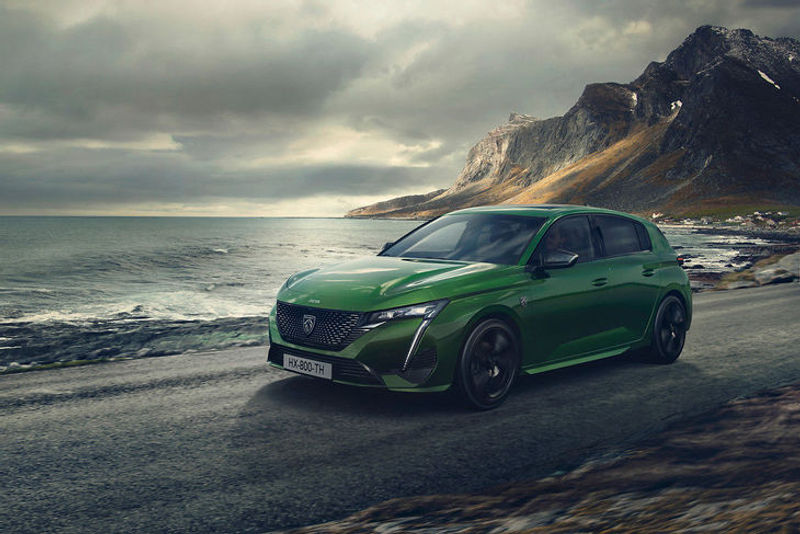
The new Peugeot 308 – Once bitten, twice shy
Brand trust is a strong emotive driver in consumer choice. For years, the efforts of brands like Volkswagen and Toyota have born the fruits of loyal customers returning to their products time and time again (several other brands have managed this too). Those others, however, don’t include Peugeot and despite the brand’s resurgent popularity in Europe, it just doesn’t get the same love in South Africa.
Peugeot's spotty local reputation can be traced back to poor resale values, weak after-sales support and expensive parts and servicing costs, all of which has left a bad taste in local consumers' mouths. Who can blame them? It’s a “once bitten, twice shy” scenario and regardless of how great the next 308 – or any other vehicle from the French manufacturer – promises to be, it will take nothing short of a public relations coup to make South Africans trust Peugeot again. Since the relaunch of Peugeot Citroen in South Africa in 2019, the French firm has been doing its utmost to right the ship (and recently added the Opel brand to its portfolio), but there are still many things (good and bad) that will transpire as part of the formation of Stellantis, which incorporates FCA, which isn't on great footing here either.
Despite my sincere hopes that there will be a fairytale ending for Peugeot, the stark reality is that the brand would be best served by taking advantage of the market's hunger for crossovers and SUVs to build up some degree of trust again. Who knows, in the next decade or so Mzansi’s car buyers may have forgiven, but not forgotten, and we could see a 308 atop the sales charts (hopeful thinking, Brent).
Nissan X-Trail Now More Connected in SA
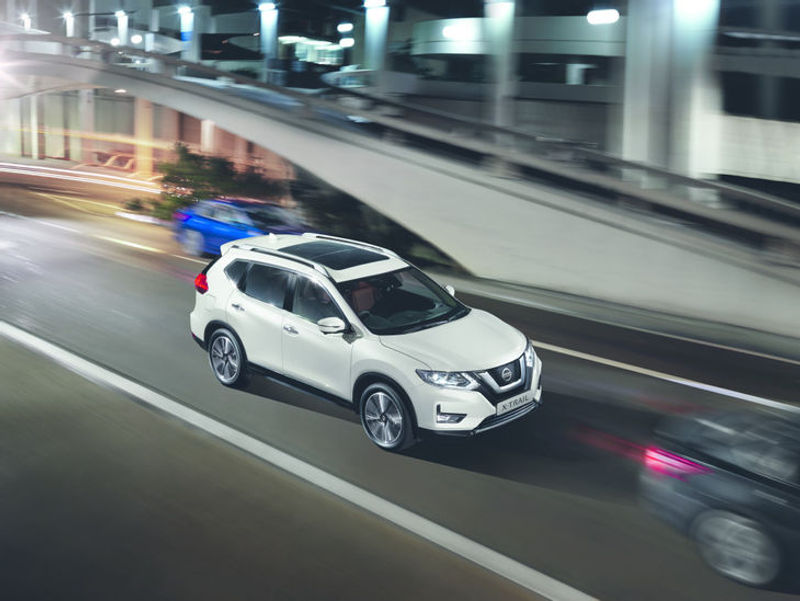
Nissan has introduced Nissan Connect to its local X-Trail range. See details and pricing below…
The Nissan X-Trail has been updated in South Africa and customers will be happy to know that Nissan Connect infotainment is now available across the range, bringing Android Auto and Apple CarPlay functionality to the 7-inch touchscreen display.
More than this, Nissan has also beefed up the standard specification of the X-Trail which is now offered in either base Visia trim, mid-spec Acenta and the range-topping Tekna trim. Acenta and Tekna X-Trail derivatives are now fitted with LED headlights, reverse camera, push start button and keyless entry with an electronic tailgate with sensor control.
The top-spec X-Trail Tekna derivatives can also be equipped with Nissan Intelligent Mobility features such as blind-spot alert, lane intervention, cross-traffic alert, emergency braking, forward collision warning, auto headlights and a 360-degree surround-view monitor.
Engines for the Nissan X-Trail
The X-Trail range has been updated in South Africa with improved connectivity across the range.
The base 7-seater X-Trail Visia is powered by a naturally-aspirated 2.0-litre petrol engine with 106 kW and 200 Nm and mated with a 6-speed manual transmission.
The mid-spec X-Trail Acenta (in either 5- or 7-seater guise) powers up with a larger 2.5-litre naturally-aspirated petrol engine with 126 kW and 233 Nm of torque and is mated with a CVT driving all-four wheels. This engine is also used for the range-topping X-Trail Tekna.
For buyers looking for a diesel engine, the X-Trail can be had with a 1.6-litre turbodiesel engine with 96 kW and 320 Nm, but this engine is only paired with a 6-speed manual transmission.
How much does the Nissan X-Trail cost in South Africa?
X-TRAIL 2.0 VISIA 7S – R462 000
X-TRAIL 2.5 Acenta CVT 4WD – R508 900
X-TRAIL 2.5 Acenta CVT 4WD 7s – R513 900
X-TRAIL 1.6 dci Tekna 4WD – R585 900
X-TRAIL 2.5 Tekna CVT 4WD 7s – R599 900
The Nissan X-Trail is sold with a 3-year/90 000 km service plan and a 6-year/150 000 km warranty.
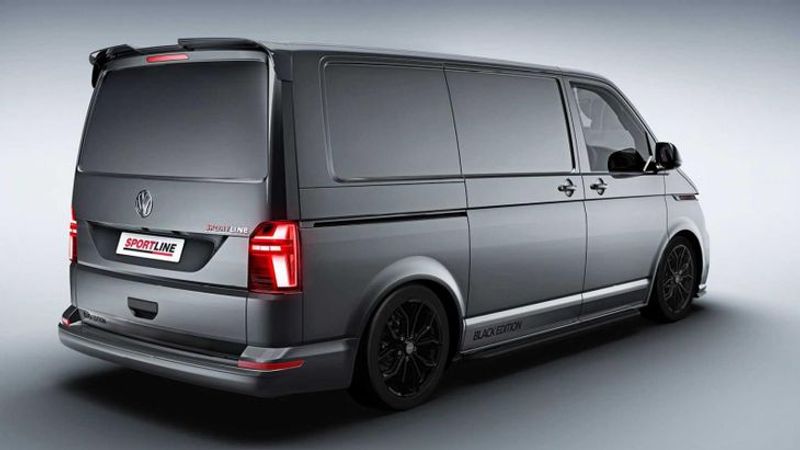
Who said the van life is boring? This is the Volkswagen Transporter T6.1 Sportline, not your average van.
The Volkswagen Transporter is a popular choice for business use but Volkswagen has spiced up the offering in the UK with the release of the Transporter Sportline as well as the Kombi Sportline.
GTI looks for Transporter and Kombi
Fans of the brand will notice the red trim spanning the width of the grille which is reminiscent of the Volkswagen Golf GTI and it’s complemented with a body kit that beefs up the front fascia appreciably. Note the roof spoiler at the rear. This souped-up van rides on large 18-inch gloss black alloy wheels and Volkswagen has also dropped the suspension by as much as 30mm to give the van that low-rider look.
As for the interior, features such as Nappa honeycomb leather seats with suede trim, heated front seats, digital cockpit, Discover Media infotainment system and an upgraded sound system are also included. Additional nice-to-haves include front and rear parking sensors with a rearview camera and adaptive cruise control.
The 2.0-litre turbodiesel engine, however, remains untouched, with outputs of 150 kW and 450 Nm and comes mated with a 7-speed DSG.
Volkswagen is offering the Sportline treatment for both the Kombi and Transporter variants but these can be further enhanced with the Black Edition which adds features such black (dark) tinted windows, matt black sidebars, unique wheels, Eibach coilover suspension and obligatory ‘Black Edition’ decals.
Do you like the look of this Volkswagen Transporter/Kombi Sportline?
Battery bakkies are the future. Tesla has invested in producing its Cybertruck and Rivian could be the most keenly anticipated launch in a decade.
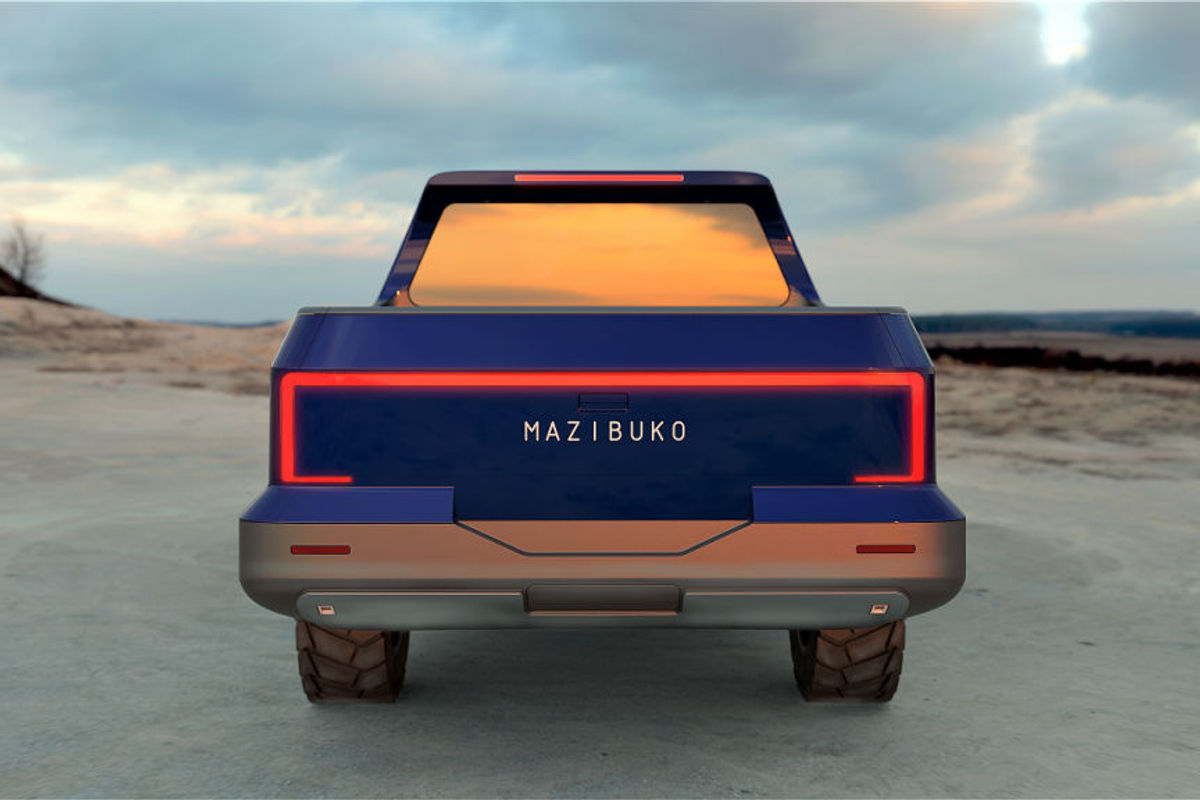
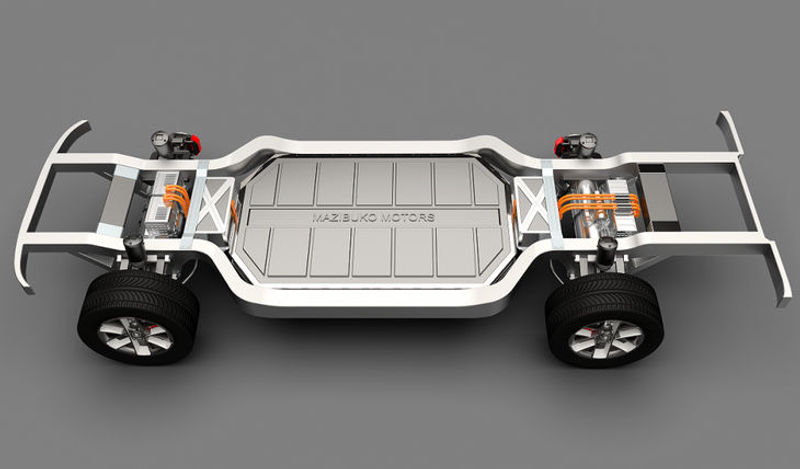
South Africans might feel a touch amiss in all of this. We are a proven bakkie market, with loyal customers and knowledgeable product planners. But where are the South African battery bakkie options? We’ll tell you: they are at Mazibuko Motors – perhaps.
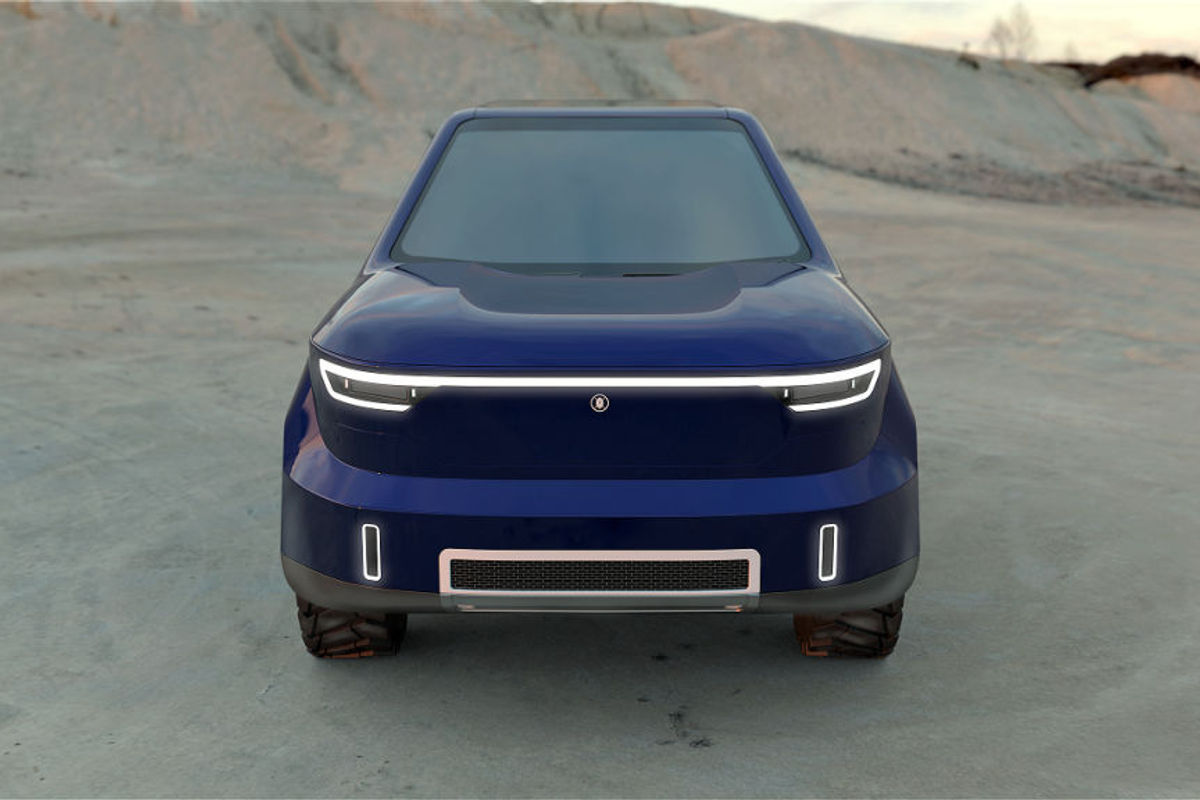
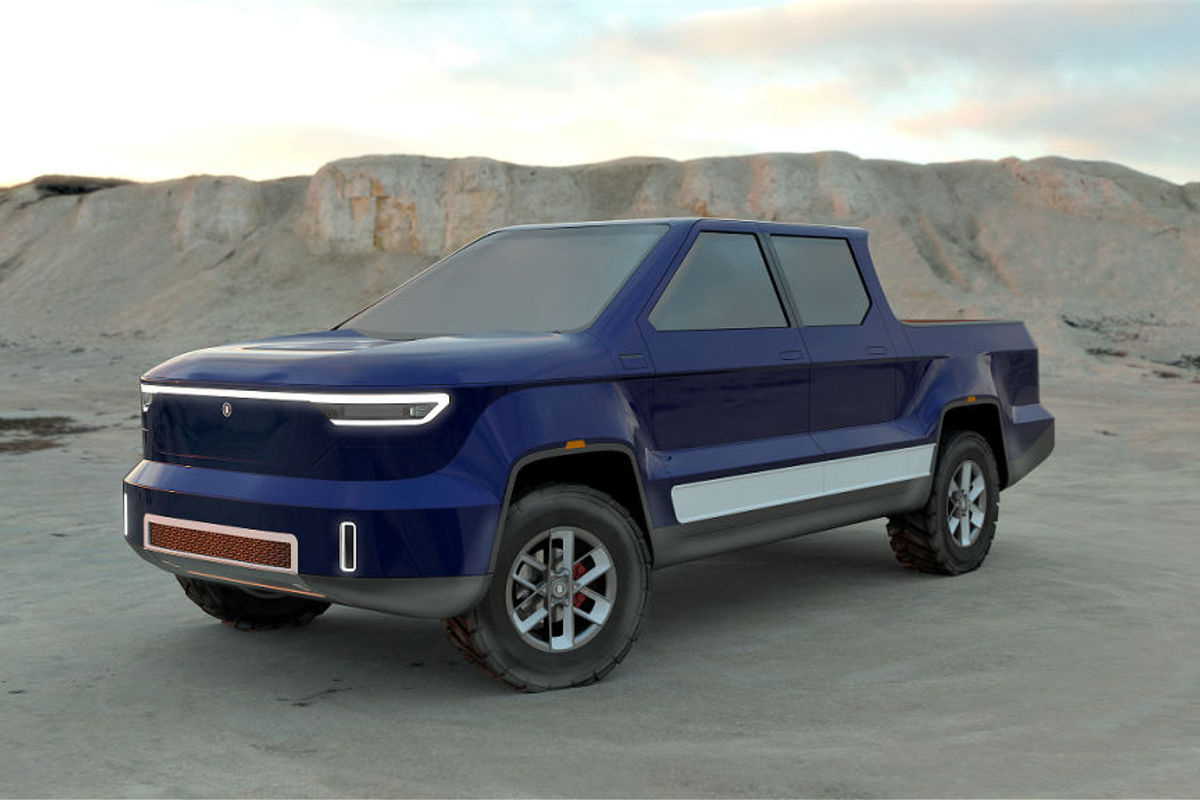
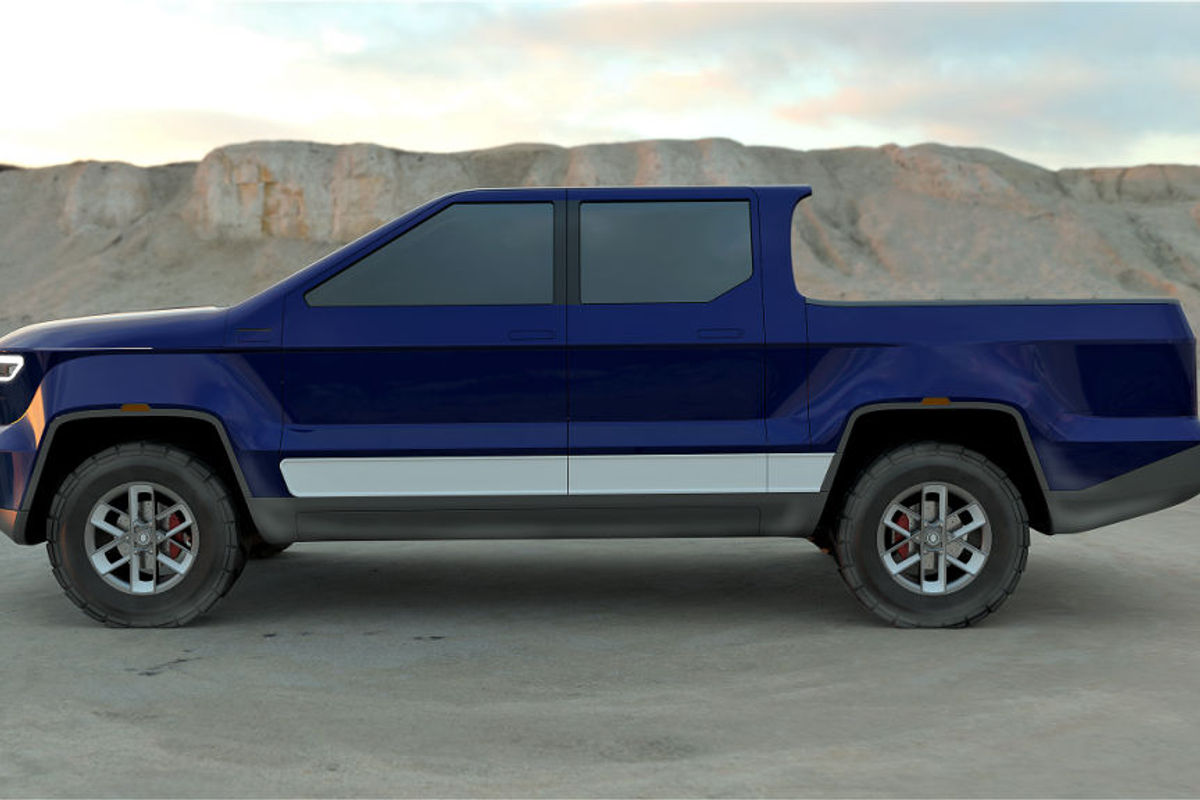
This new South African automotive start-up is keen on disrupting the local status quo or Hilux and Ranger, with its M1B, which is 45 mm longer and 25 mm narrower than a new Toyota 2.8 GD double-cab.
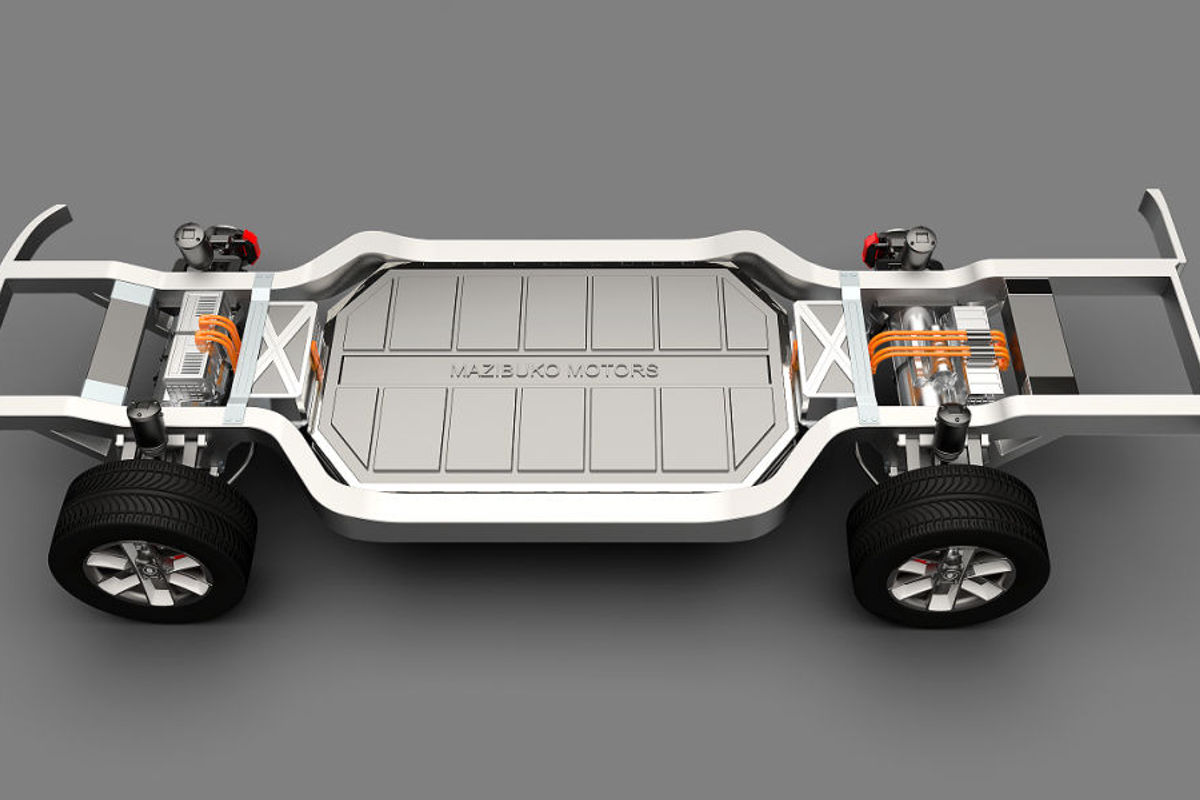
Using computer-aided design, Mazibuko Motors hopes to streamline its R&D costs. The M1B platform uses a skateboard type energy storage layout, much like Rivian’s battery-powered bakkies.
Unlike Cybertruck or Rivian, engineer(s) at Mazibuko Motors have opted for a classic ladder-frame type platform, with independent suspension at all four wheel corners and the battery occupying much of the chassis centre section.
The platform flex that a ladder-frame allows, will appeal to those intending to use the M1B in testing off-road terrain. One issue, though, might be the bakkie’s ground clearance. At only 165 mm, the Mazibuko Motors M1B double-cab has 30% less ground clearance than a Ford Ranger.
According to Mazibuko Motors, their platform can accommodate both unibody and body-on-frame vehicle outcomes, which would be interesting, as virtually no other car company uses this approach. The Toyota Fortuner, for example, has a body-on-frame platform, which cannot be shortened and converted to a Rav4’s unibody design.
Mazibuko power output
The M1B draws energy from a 120 kWh battery pack, slightly larger than anything Tesla or Porsche have in use. With an electric motor driving each axle, the all-wheel-drive M1B double-cab bakkie does not lack for performance.
Peak power is rated at 500 kW, supported by 1 300 Nm of torque. Mazibuko Motors is claiming its design will be good for 0-100 kph in five seconds and have a range of 400 km.
Is there a production schedule or launch deadline for the Mazibuko Motors M1B? Not yet. But the start-up is certainly ambitious.
Whether the project has any real legs is up for debate. The computer-generated renderings of the bakkie don't look to be up to professional standards and the design appears very similar to that of the Rivian bakkie, which may pose legal problems down the line.
The project is currently looking for funding via its website, but it would be wise to do your own research before dropping a dime on this project. It's notoriously difficult to build an electric vehicle with global companies investing 10s of billions of dollars into it for a single model.
The new 2021 Lexus IS has landed in South Africa and here's what you can expect to pay for the sedan.
The new Japanese sedan will be available to order from the first week of April 2021 from Lexus dealerships. Pitched against the established German opposition like the Mercedes-Benz C-Class, BMW 3 Series and Audi A4, the new Lexus IS comes to market in three levels of trim with one engine across the range.
Sadly for the performance fans, Lexus South Africa has changed its strategy and will be launching the newcomer as a hybrid-only range. To justify this decision, the hybrid market has shown immense growth in the last few years and we're seeing a shift to alternative-propulsion vehicles.
The changes are substantial, with a dramatic new look, but the real work has been done under the skin. The chassis has a 45mm wider front and a 50 mm wider rear track, which Lexus claims will improve vehicle turn-in and stability. Rigidity has been enhanced too, with the aim of improving steering response and cornering prowess. The front suspension setup also features stronger and lighter parts, including a new high-stress material for the coil springs which happen to offer a 20% weight reduction. Other noteworthy suspension tweaks include an upper control arm material change, reshaped bound stopper, wheel bolt fasteners for axle rigidity, while the rear suspension also gets stronger and lighter parts like coil spring changes and a new rear stabiliser bar.
Powering the new Lexus IS is a naturally-aspirated 2.5-litre 4-cylinder petrol engine with a hybrid electric assist with outputs of 133 kW and 221 Nm. The total combined output of the petrol and electric powertrain is 164 kW, while a torque figure was not given. The main benefit of this hybrid setup is fuel economy and Lexus claims 5.2 L/100 km. It's not slow either, with a 0-100 kph in 8.7 seconds.
Lexus IS 300h Trim Levels
IS 300h EX
18-inch alloy wheels
Synthetic leather seating material
Electronic parking brake
Parking support
Apple CarPlay/Android Auto
IS 300h SE
18-inch alloy wheels
Pre-collision system (with daytime/nighttime pedestrian detection, cyclist detection)
All-speed active cruise control
Lane tracing assist
Blind spot monitor
Rear cross-traffic alert
Panoramic view monitor
Heated seats
Power adjustable front seats
17-speaker Mark Levinson sound system
Dual zone climate control
Apple Carplay/Android Auto
Electronic parking brake
Smart entry and start
IS 300h F Sport (SE Grade plus the following)
19-inch alloy wheels
F-Sport bodywork
F-Sport dashboard and instrumentation
Cooled seats
Satellite navigation
Voice control
LED headlamps
Rear spoiler
Adaptive variable suspension
F Sport leather-accented trim
Sports pedals
Driver memory seats
Customers have a choice of 10 exterior colours, three of which are exclusive to the F Sport.
How much does the Lexus IS cost in South Africa?
The 2021 Lexus IS is sold with a 7-year/105 000km Warranty and Full Maintenance Plan. The vehicle service intervals are pegged at every 15 000km, alternatively once a year.
Update: Oliver Zipse, Chairman of the Board of Management of BMW AG, speaking at the BMW Group Annual Conference 2021, announced that BMW will be ramping up production and delivery of electric vehicles over the course of the next 5 years. The all-electric BMW i4 was also revealed at the conference. Zipse, however, announced that Mini will be the first BMW Group brand to go fully electric with the last combustion-engine Mini to be released in 2025. By the early 2030's, the Mini range will be exclusively electric. More so, Zipse also stated that customers can expect fully-electric models from Rolls-Royce, too…
It was reported in 2020 that Mini is in the process of realigning its model range and that the brand will re-prioritise its range to embrace electric mobility. The future is electric and many brands are investing heavily to ensure sustainability in a rapidly-changing motoring landscape. In fact, most major brands are already ‘down the road’ when it comes to electrification.
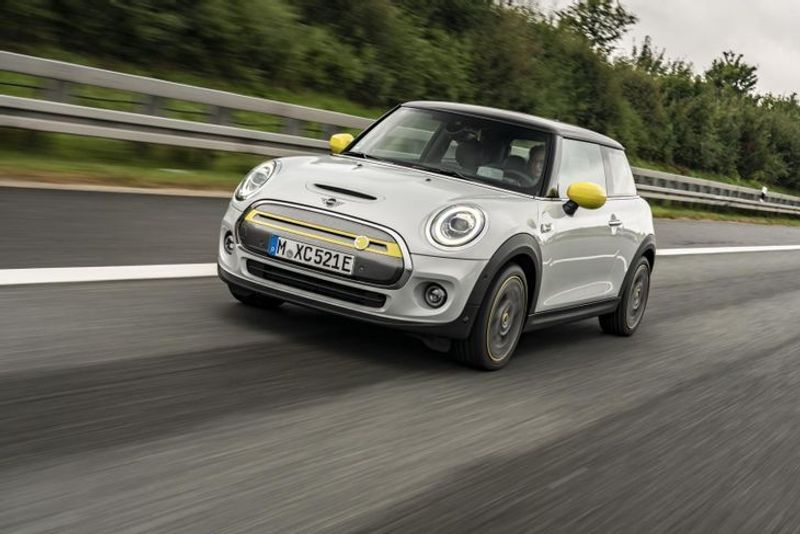
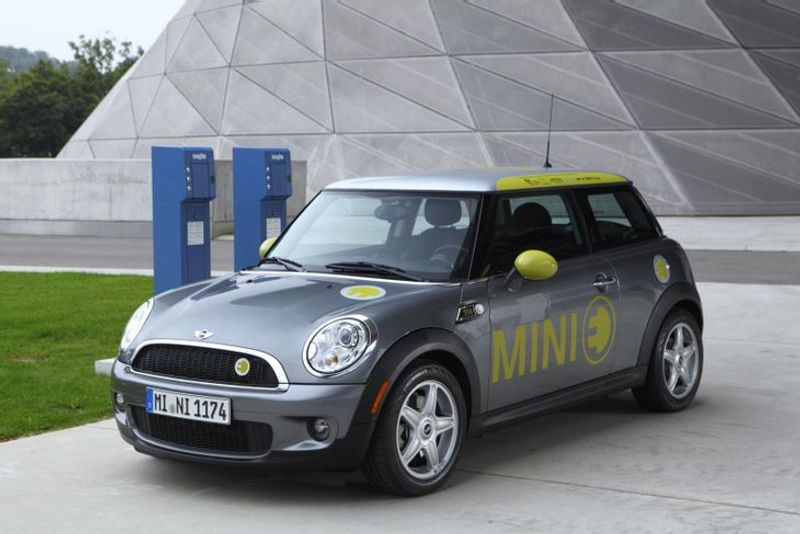
Now, Mini has stepped up to the electric plate, announcing its plans to expand further into the electrification of its model range. The all-electric Mini Cooper SE was introduced in South Africa and is currently the most affordable battery-electric car on local soil, but there’s more to come from the British automaker.
Apart from expanding on electromobility, Mini will look to enhance its commitment in the crossover and premium compact segments while also strengthening its market presence in China. About 40% of Mini’s global sales are generated in the premium compact segment with the Mini Clubman and Countryman contributing to this success. Mini’s JCW models account for roughly 5% of global Mini sales.
Bernd Körber, Head of MINI, commented, “MINI was always the answer to very special challenges relating to individual mobility. And the willingness to reinvent the status quo continues to shape the brand to this day. Alongside electromobility, harnessing new target groups and sales markets will be crucially important for the future of MINI.”
Prior to the introduction of the electric Cooper SE, the Countryman Plug-in Hybrid (PHEV) accounted for 5% of Mini vehicles sold with electric drive. The Cooper SE has boosted the brand’s EV sales to over 10%.
New EV models, more choice for customers
More Mini EVs are on the way but ICE models will still be offered.
Moving forward, Mini will look to expand its electric vehicle offerings while still offering customers the choice of petrol and diesel engines.
“With the two pillars of our drivetrain strategy, we are pursuing the Power of Choice approach to meet the needs of our customers around the world. This will create the conditions for further growth and actively shape the transformation of mobility," says Körber.
New electric models will include a Mini 3-door hatch, a new crossover model and new compact crossover model. Mini’s small-car models and new crossovers will also be offered with conventional internal combustion engines.
The next-generation Countryman will gain an all-electric derivative alongside its combustion-engined siblings.
“It is part of our responsibility to the brand and the community to preserve the unique character of MINI and develop the portfolio according to our brand values. That is why every new model from our brand in future will be unmistakably a MINI," says Körber.
As for China, Mini will look to increase its foothold in the Chinese market. Currently, around 10% of all Minis produced are destined for China. To achieve a greater presence in China, Mini has announced that the brand will soon change its status as an importer brand to a local producer in China, with Mini’s battery-electric vehicles due to start production in China as of 2023.
This development will help Mini meet the growing demand for emission-free electric vehicles in China and in other markets.