A report says the British luxury car brand will be going the electrified route, with the first non-ICE products coming in 2025.
The report in the Financial Times and Motor Authority suggested the British carmaker will be venturing into the electric car space. A sportscar and an SUV with electric power will be coming to market in 2025 and both models will be assembled in England.
Aston Martin as a company has been struggling with financial issues and was rescued by a team of investors led by Lawrence Stroll, who became the brand's chairman. Stroll gave the interview in the Financial Times and said the new electric sportscar will be built at the brand's facilities in Gaydon, England. Gaydon is the home of the Vantage, DB11 and DBS Superleggera, while its electric SUV will be built in St Athan, Wales, which is where the DBX SUV is made.
While technical specifics are not yet available, it's said the electric sportscar could have the current aluminum platform. Now this is where things get interesting. The current Aston Martin chief executive is none other than Tobias Moers, formerly of AMG. Mercedes-Benz has a substantial 20% stake in Aston Martin and is on the verge of revealing its flagship all-electric EQS sedan. Could Mercedes-Benz supply the hardware (platform and batteries) for the new electric Aston Martin range? Time is ticking as the UK government has said there will be a ban on the sale of non-electric vehicles by 2030.
BMW 3 Series vs All-New Mercedes-Benz C-Class: What can you expect?
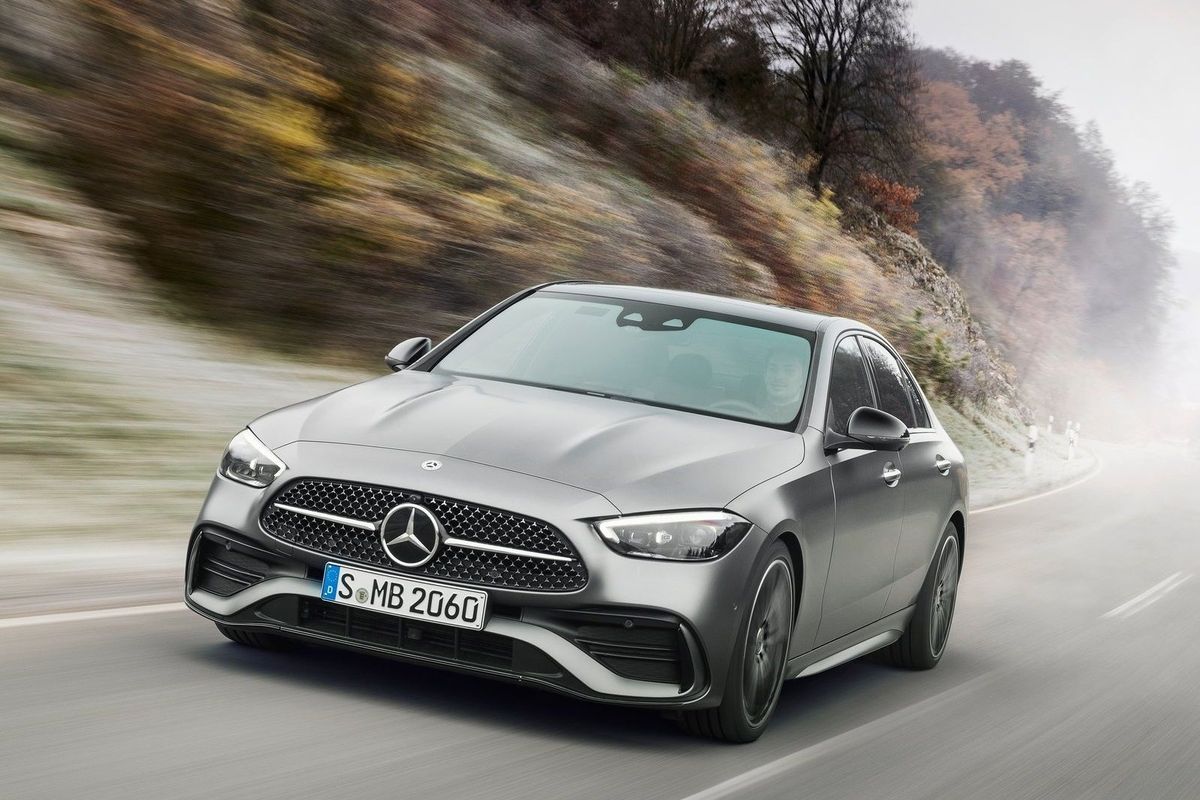
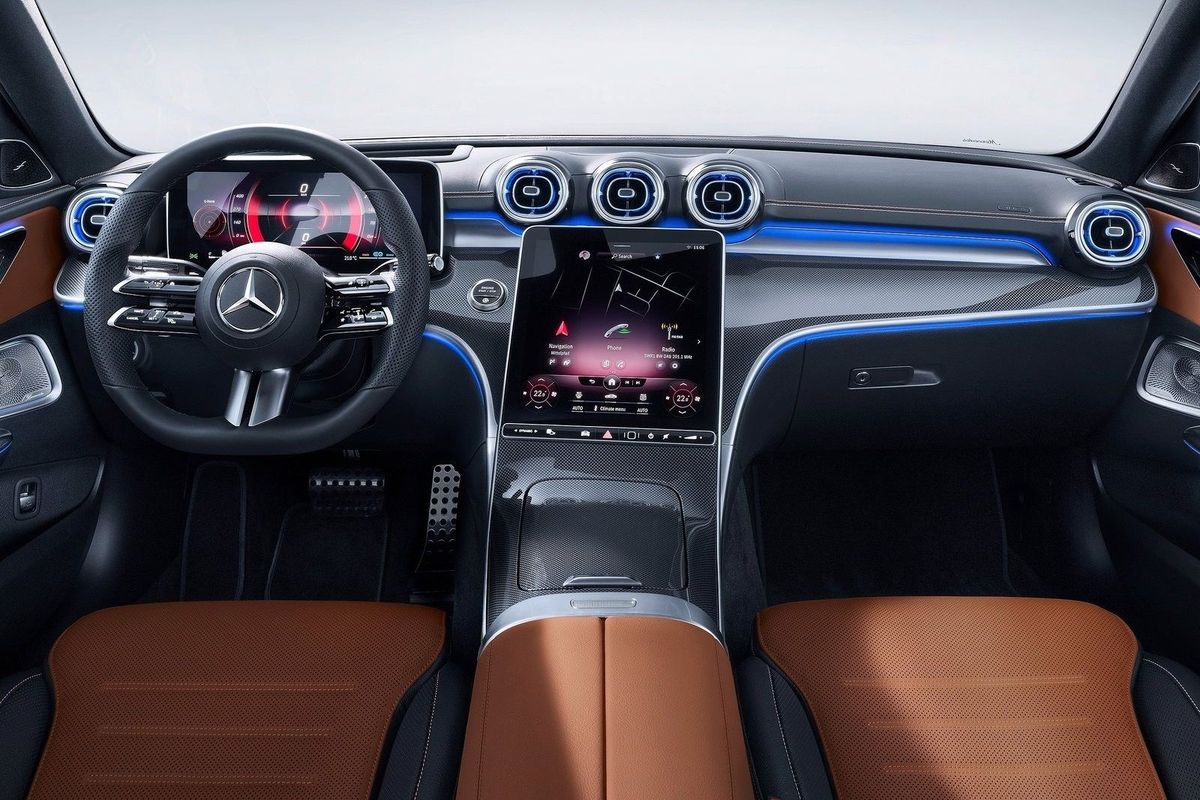
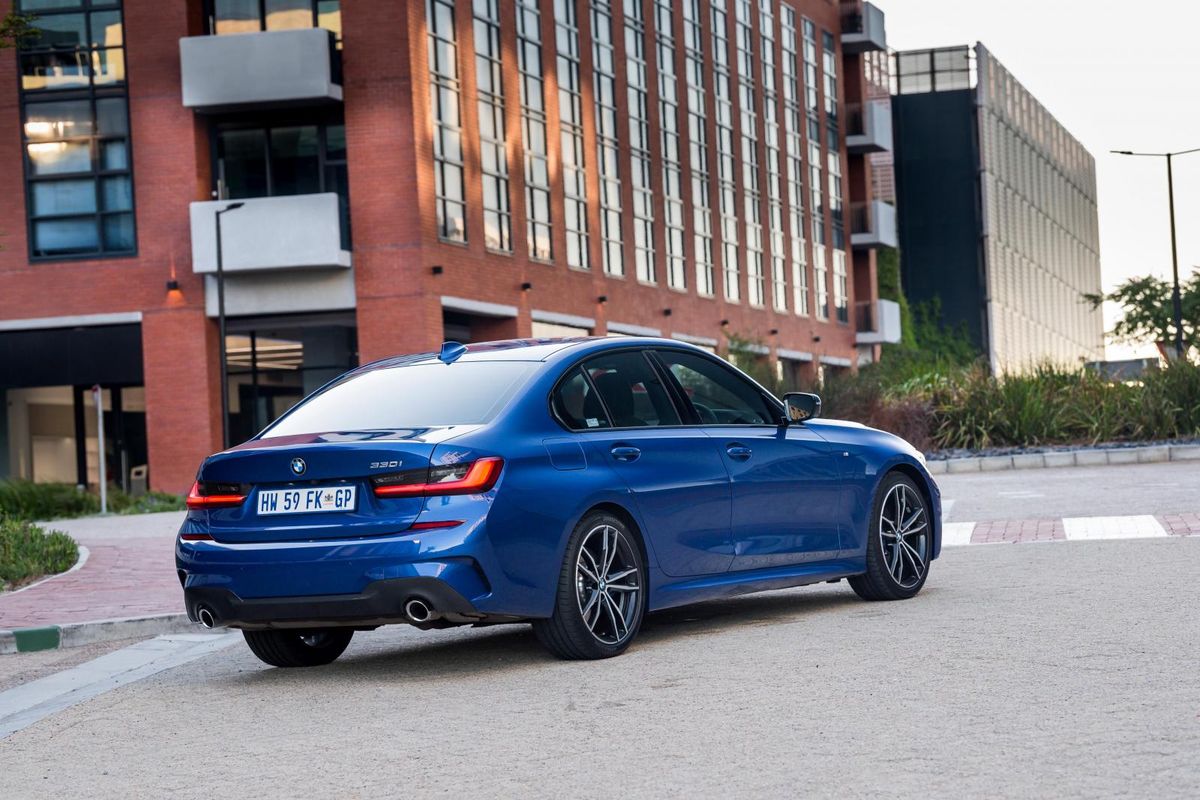
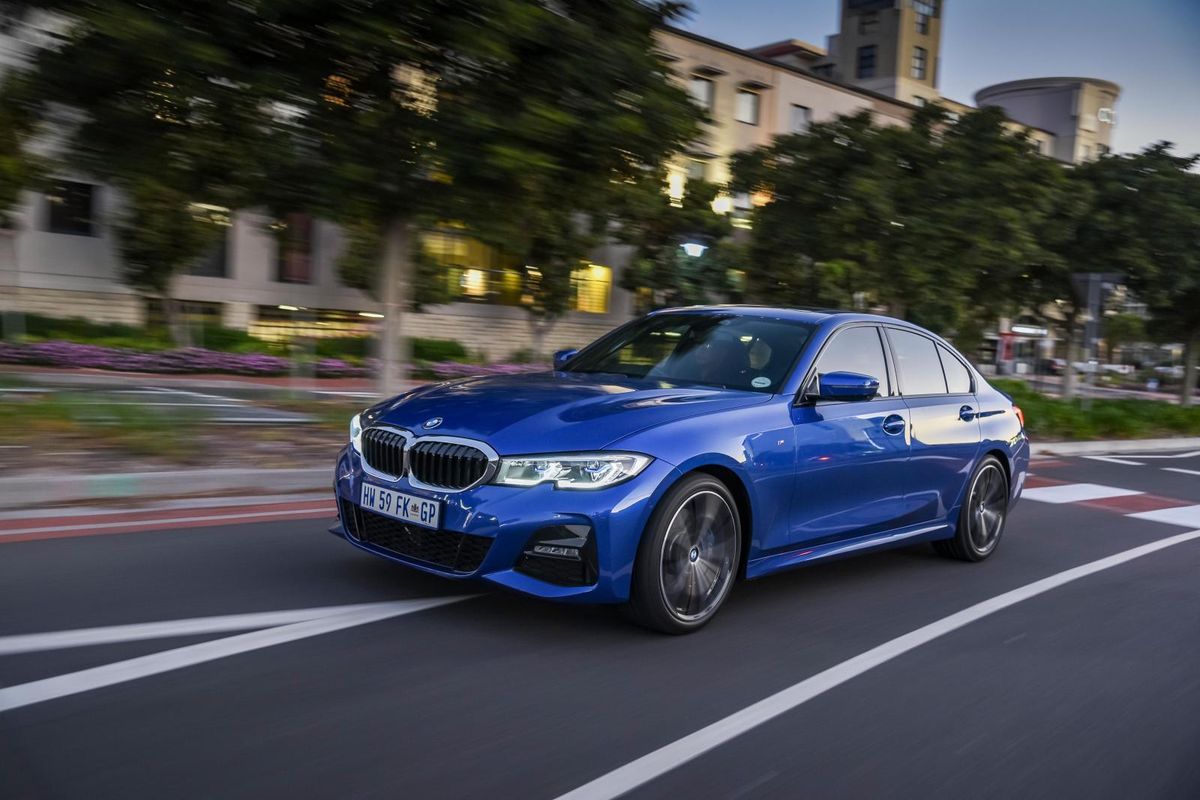
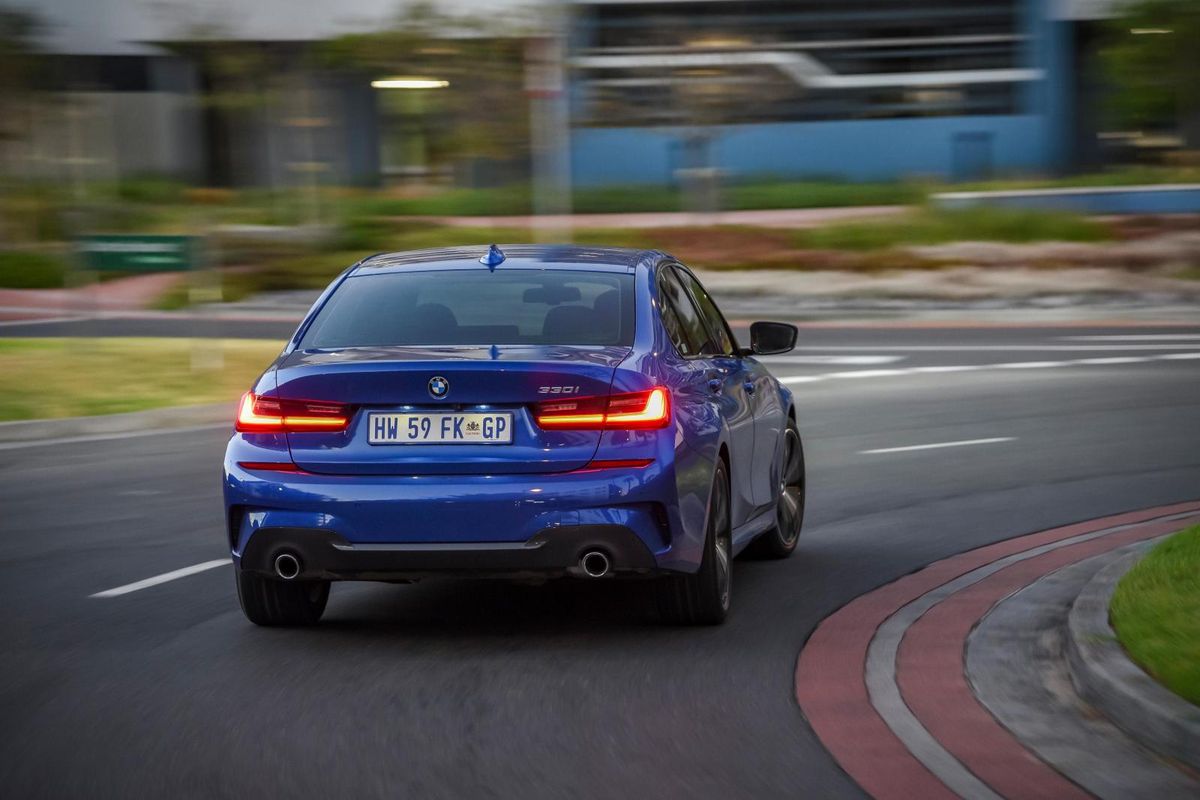
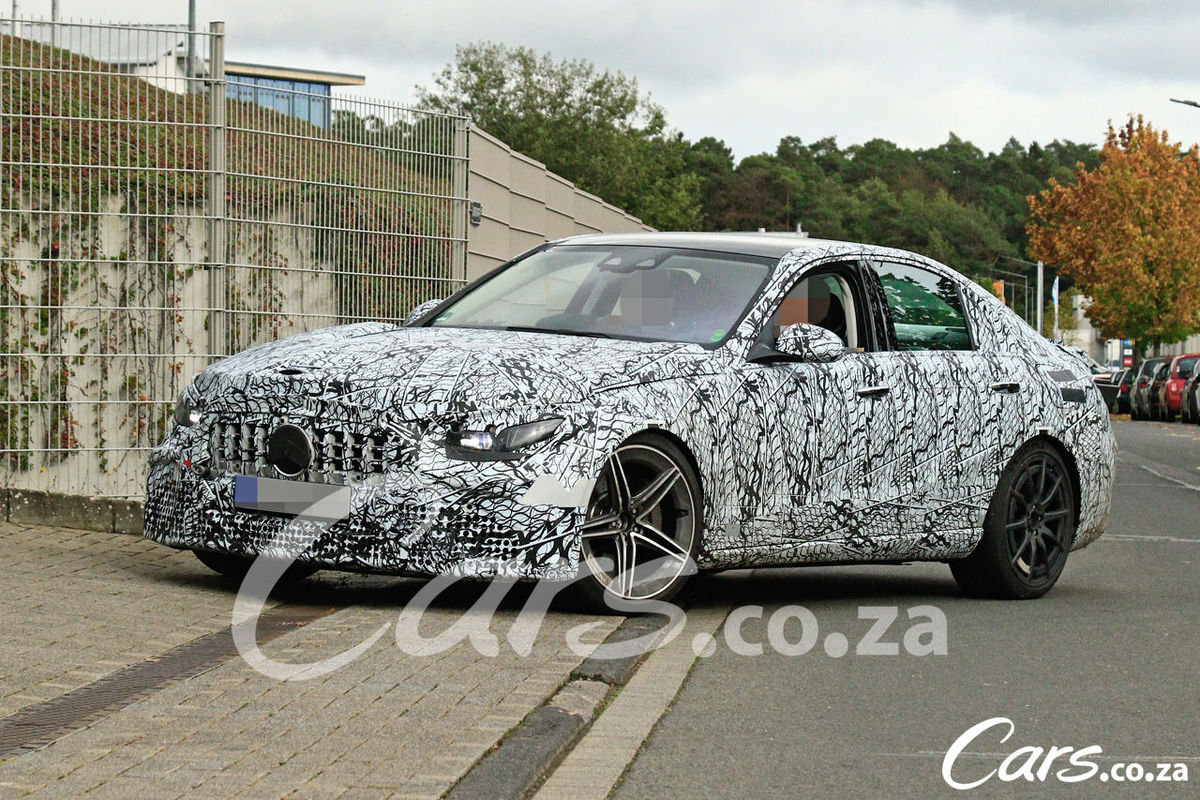
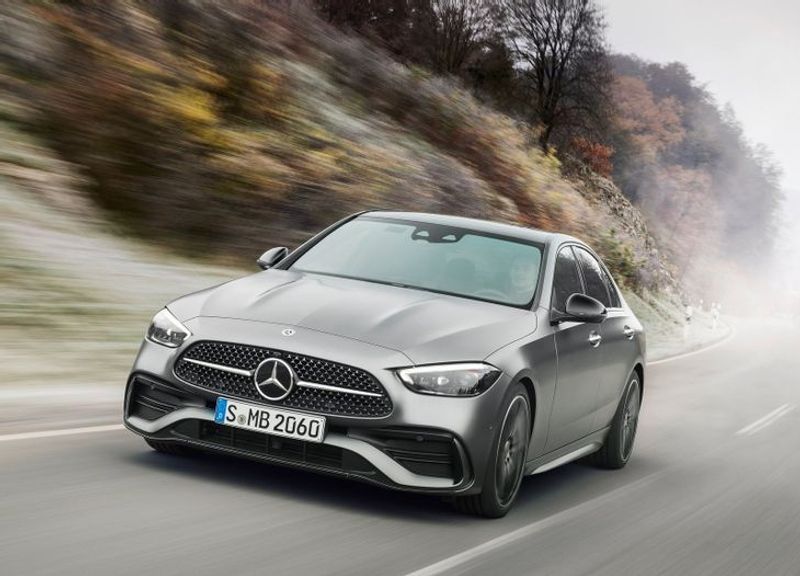
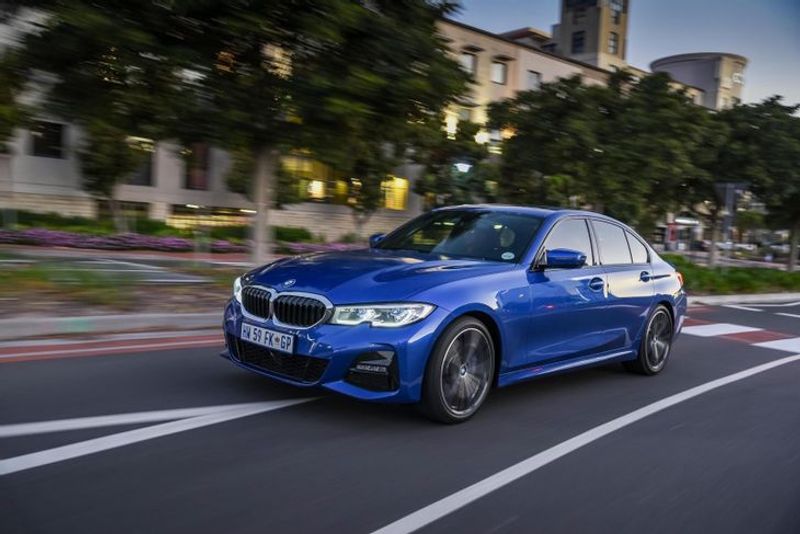
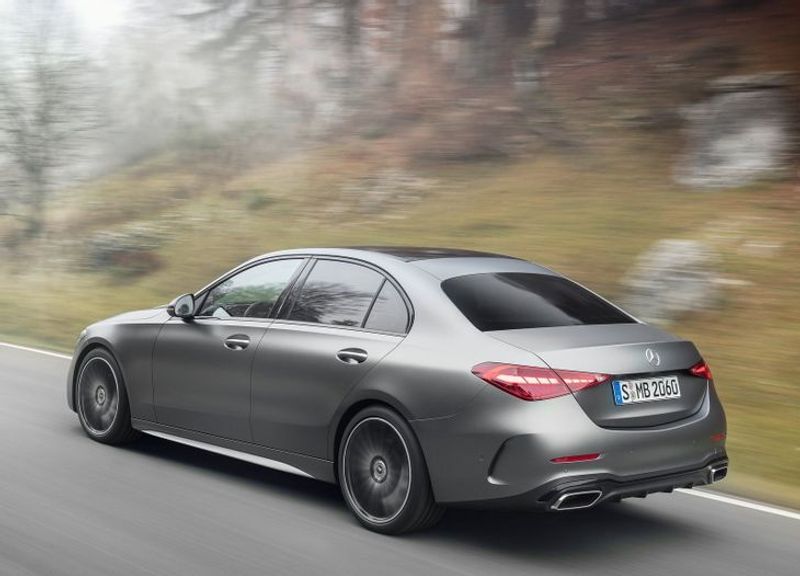
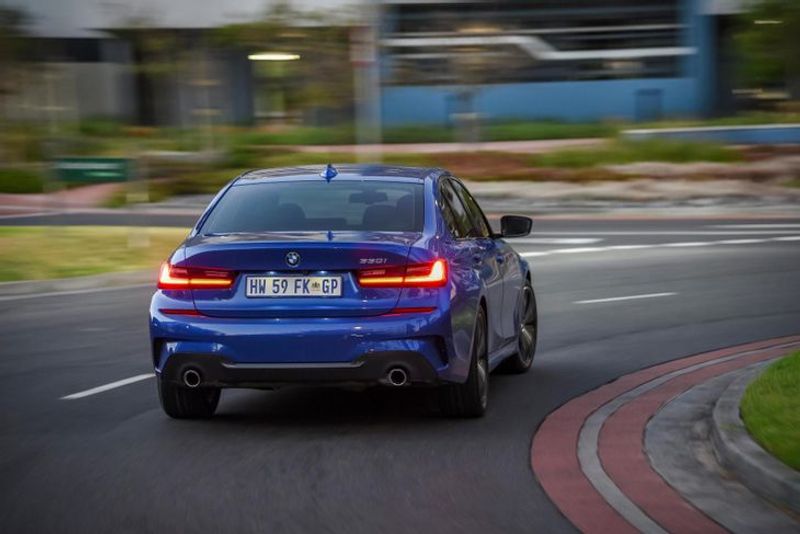
The luxury sedan market will be heating up locally in 2021 as two established players go head-to-head. The #CarsAwards-winning BMW 3 Series is a good car, but the arrival of an all-new Mercedes-Benz C-Class will surely ruffle some feathers. Here's how the 3 Series and C-Class will square off!
Despite the emergence and dominance of the SUV, premium carmakers still insist sedans have a role to play in the car market. BMW's 3 Series is still a sales performer and many would suggest that it's the dynamic benchmark. The Mercedes-Benz C-Class still brings in substantial revenue for the Stuttgart outfit, despite the rise of the A-Class sedan and CLA offerings.
Launched in early 2019, the BMW 3 Series offered a new platform, a new infotainment system, and an array of engines. The all-new Bavarian had the market to itself mostly, despite some quiet updates to the refined Audi A4 range. Now the all-new Mercedes-Benz C-Class has been revealed in early 2021 and is determined to elbow its fellow countryman in the sales race. As far as timings go, the Mercedes-Benz plant in East London, Eastern Cape is scheduled to start C-Class production in the middle of 2021, with SA customer cars hitting showrooms in the 3rd or 4th quarter of this year.
We'll be putting both cars head-to-head to see which is the better German sedan to purchase in 2021.
Dimensions
When it comes to sizing, both models have grown when compared to their respective predecessors. The new C-Class has a length of 4751 mm and a width of 1820 mm, with a wheelbase of 2 865 mm. In comparison, the BMW measures 4709 mm, is 1827 mm wide and has a wheelbase of 2851 mm. When it comes to boot space, the BMW 3 Series has a boot capacity of 480 litres, while the new Mercedes-Benz C-Class also boasts a carrying-capacity of 480 litres.
Styling
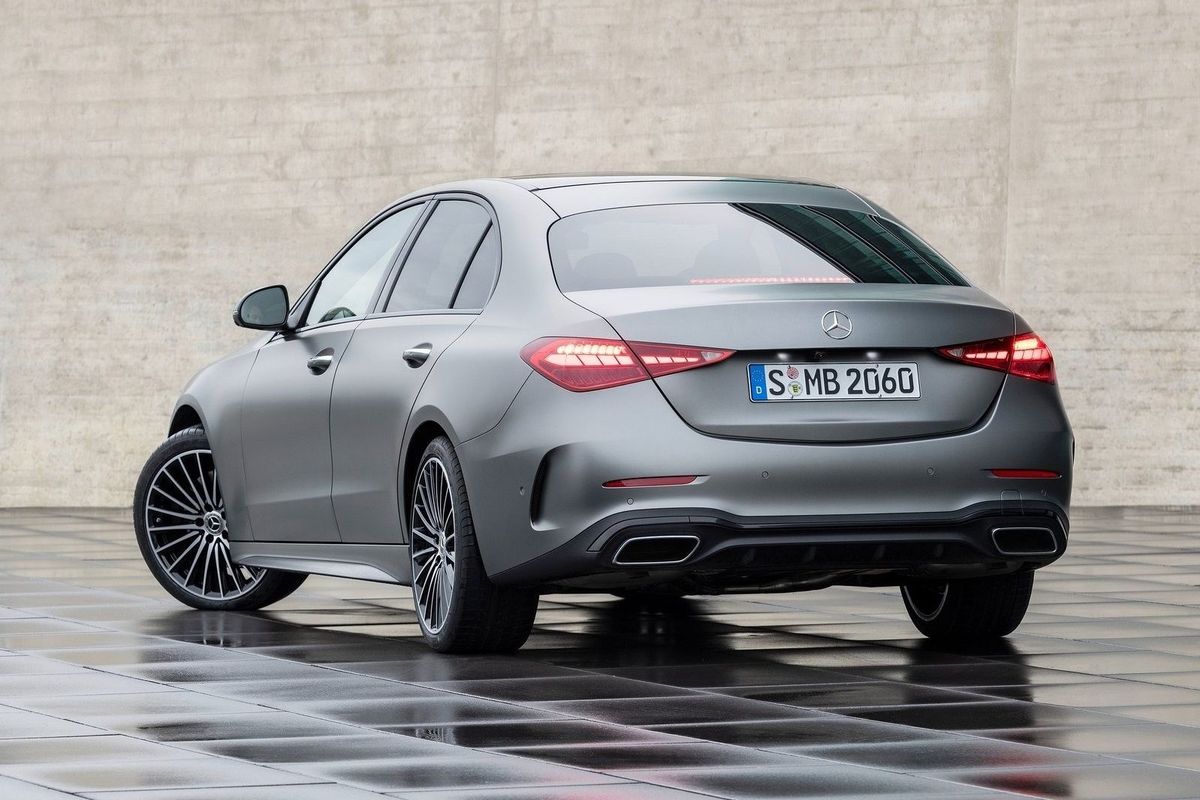
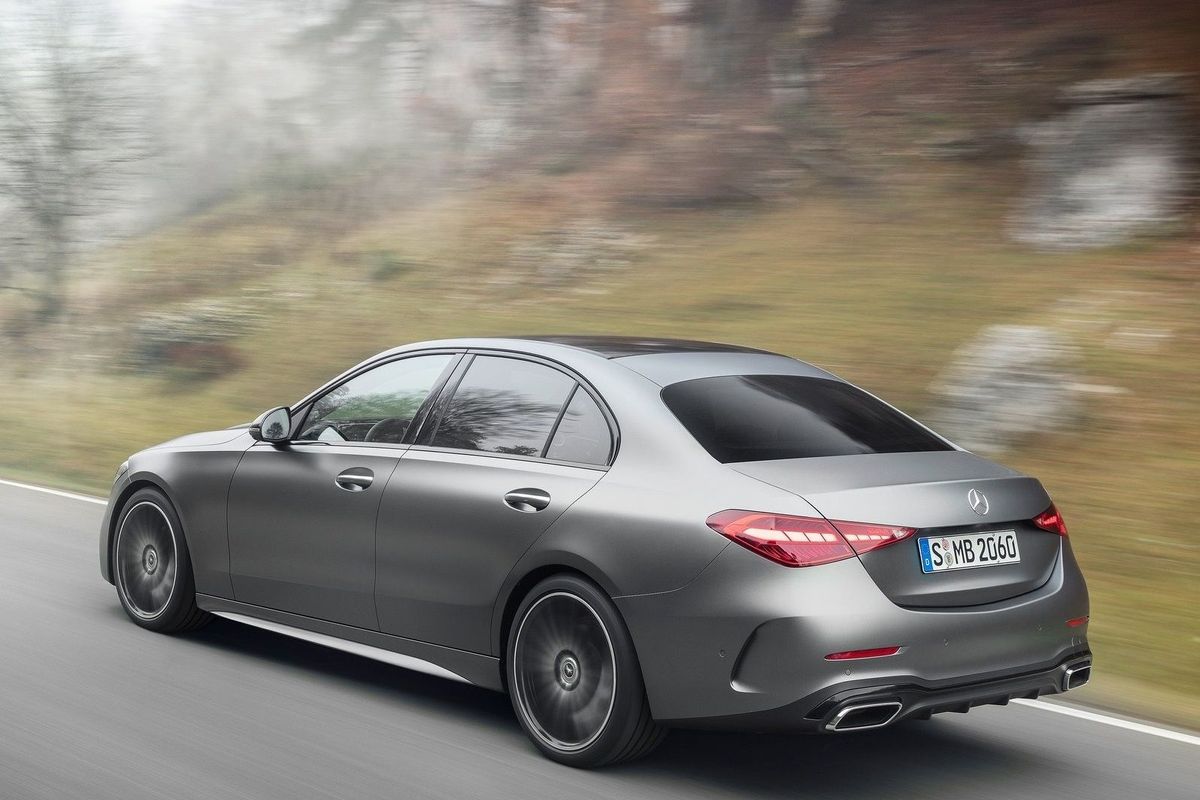
While styling is entirely subjective and down to personal taste, it's interesting to see the design strategy taken by each brand. Whereas BMW has differentiated its 3 Series from its larger 5 Series sibling with the 4 Series adopting the controversial grille, Mercedes-Benz is following a similar design strategy across its entire portfolio, with the C-Class resembling a smaller E-Class, which in turn resembles a smaller S-Class. There will be fans and critics of both directions. You could argue that keeping the family looking alike will keep the brand's image intact, while some might say they don't want their vehicle resembling another. Both models' styling can be given a sporty touch, either with the BMW M Sport or the Mercedes-Benz AMG Line, which will add larger wheels and slightly more aggressive bodywork.
Engines
In terms of powertrain, every C-Class will now feature an electrified 4-cylinder engine. Every engine features an integrated starter generator and 48-volt tech. No more 6-cylinder or 8-cylinder engines and the manual gearbox option for some markets has been removed. Every Mercedes-Benz C-Class will now feature a 9-speed automatic. All the established derivatives have been carried over. The C180 will get a 1.5-litre turbocharged 4-cylinder motor 125 kW and 250 Nm, while the C200 gets the same engine, but in a higher state of tune with 150 kW and 300 Nm. Both rear-wheel drive and 4Matic all-wheel drive are available. Mercedes-Benz claims sprint times of 8.6 seconds for the C180 and 7.1 seconds for the C200 4Matic, while the C200 rear-wheel drive is fractionally slower at 7.3 seconds.
At the top of the range is the C300 which is powered by the M254 motor. It too features electrification and a new twin-scroll turbo setup and thanks to its 190 kW and 400 Nm, it should hit 100 kph in a claimed 5.9 seconds. Diesel models are still available, and Mercedes-Benz will be offering C200d, C220d, C220d 4MATIC, and C300d mild-hybrid diesels for the European market. All are equipped with the 2.0-litre turbodiesel motor with varying power and torque outputs. The entry-level model has 120 kW and 380 Nm, but the top-spec model features 195 kW and 550 Nm! This powerful diesel C-Class is good for a 5.7 second run to 100 kph.
BMW offers a variety of petrol and diesel engines for its 3 Series. Kicking off the range is the 318i, with its 2.0-litre 4-cylinder producing 115 kW and 250 Nm. It's good for an 8.4 second sprint to 100 kph. Next up is the 320i, with the same 2.0, but in a higher state of tune. It delivers 135 kW and 300 Nm, and BMW says it will sprint to 100 kph in a claimed 7.1 seconds. The BMW 330i packs 190 kW and 400 Nm from its 2.0-litre 4-cylinder motor and is claimed to sprint to 100 kph in 5.8 seconds. At the top of the petrol pile is the M340i xDrive, with its turbocharged 3.0-litre 6-cylinder pumping out 285 kW and 500 Nm.
Diesel fans are catered for with the 320d and its 2.0-litre turbodiesel delivers 140 kW and 400 Nm. The mighty 330d develops 195 kW and 580 Nm from its 3.0-litre straight-6 engine. The latter is capable of a zero to 100kph sprint in a claimed 5.5 seconds, while consuming an impressive 5.5 L/100 km.
Infotainment and technology
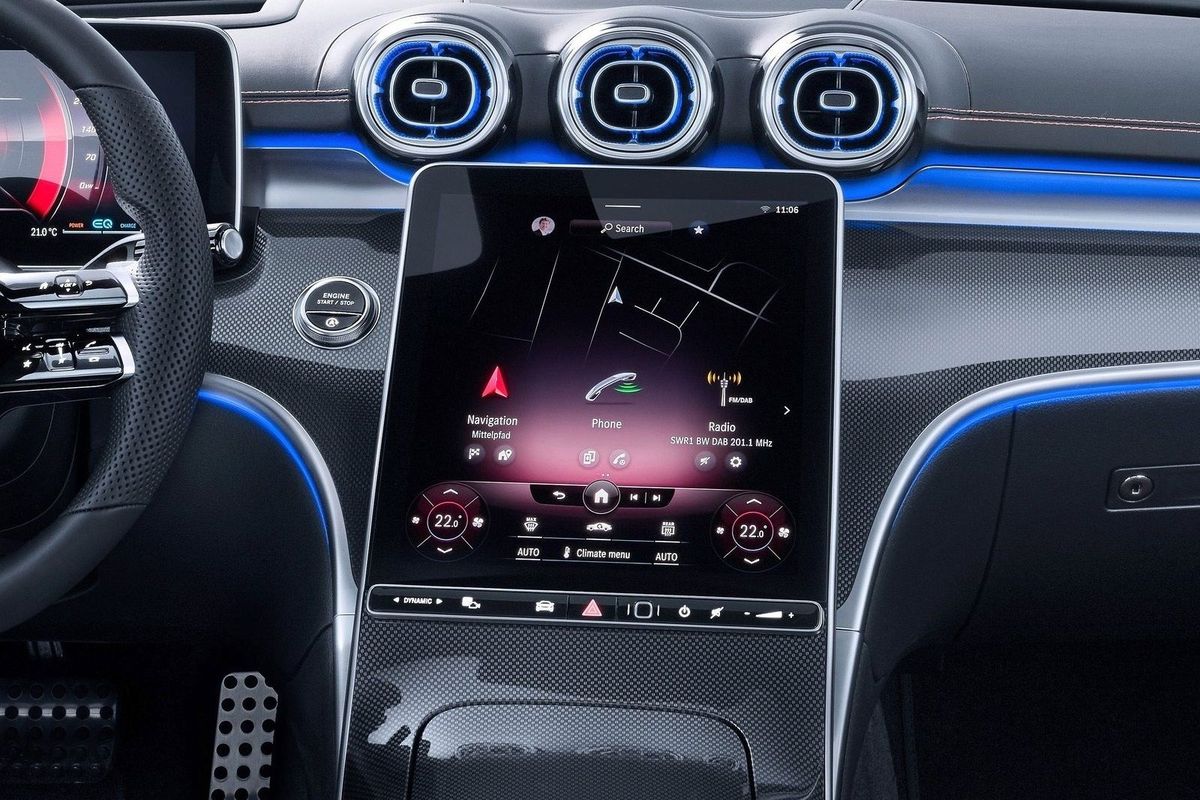
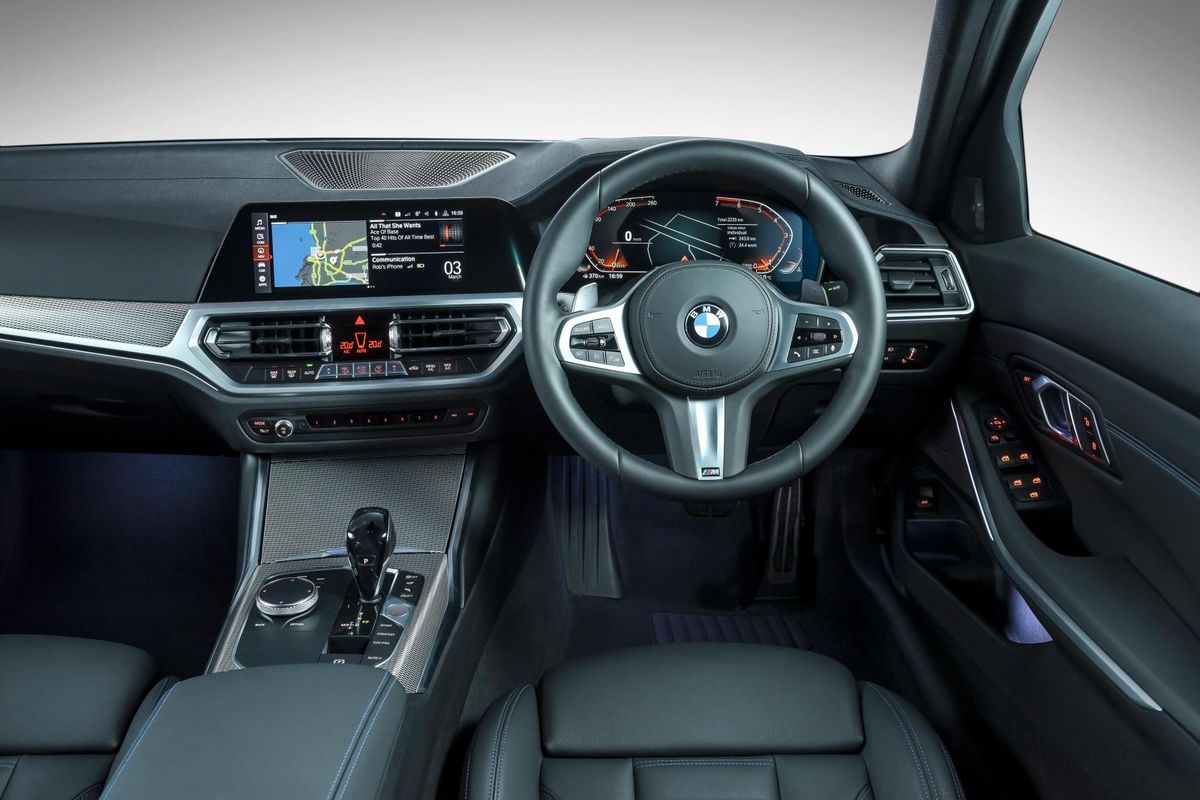
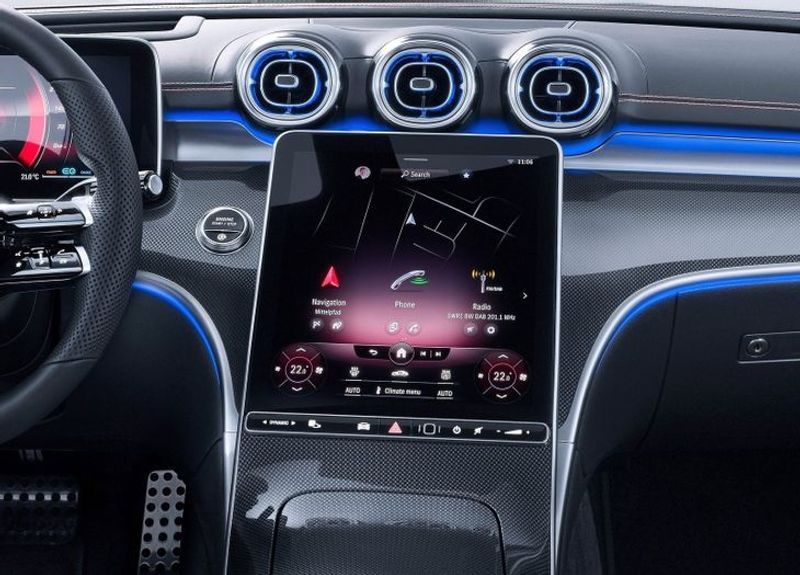
The all-new Mercedes-Benz C-Class cabin is dominated by the fitment of this enormous tablet-style infotainment screen. Resembling an iPad, it's expected this unit will take control of the HVAC controls, audio, media, navigation, and car settings. It appears there are very few physical buttons in the all-new Mercedes-Benz C-Class.
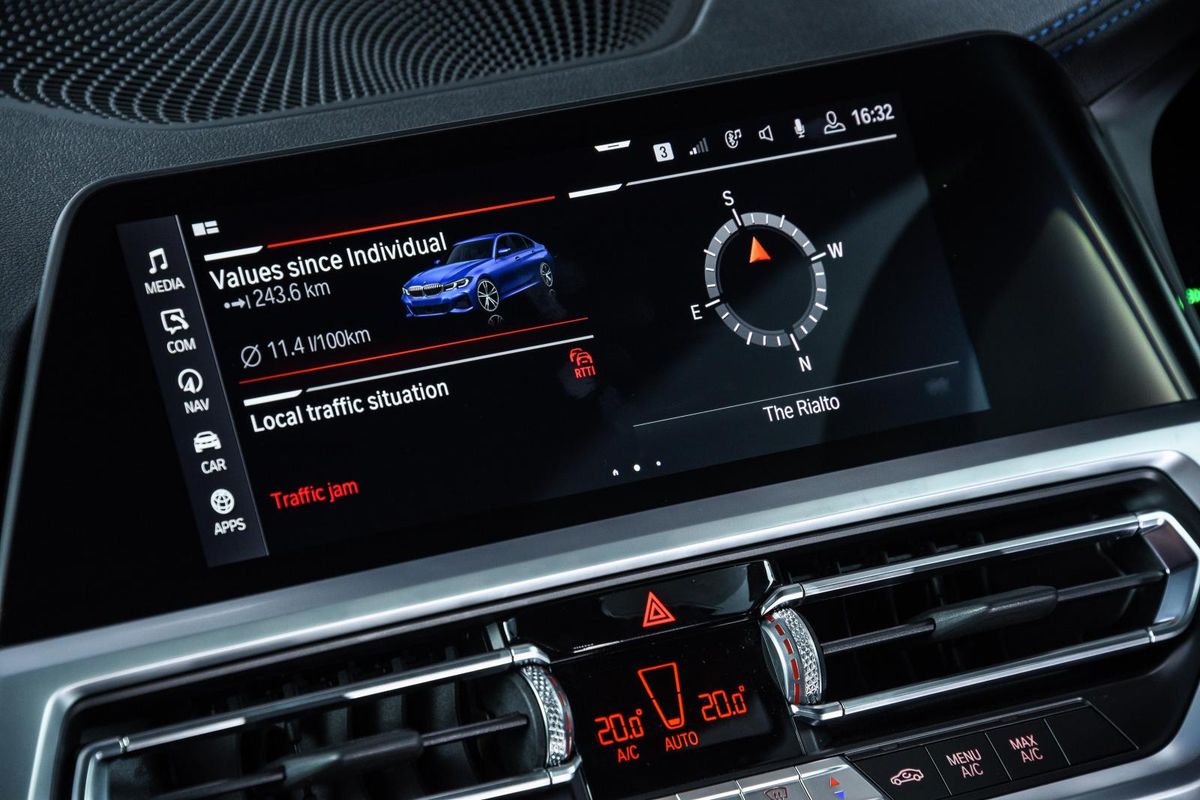
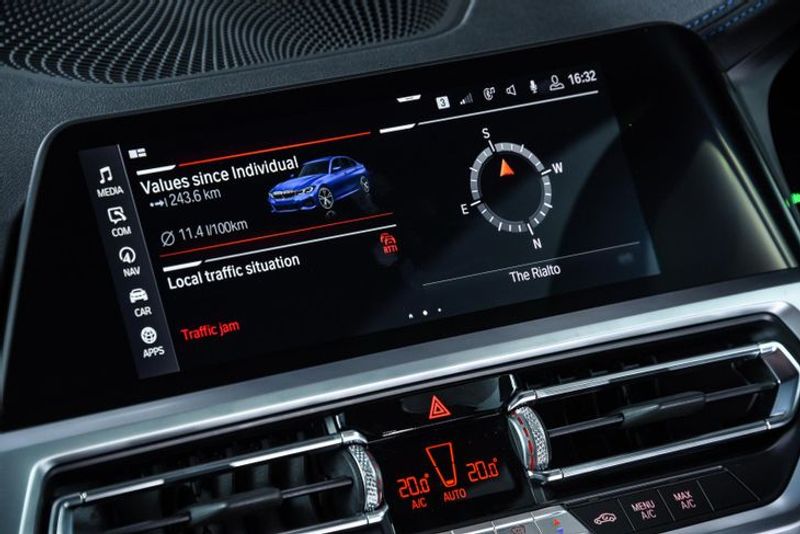
The BMW 3 Series received the all-new BMW Live Cockpit and BMW Operating System 7.0, bringing some much-needed freshness and digital connectivity. The graphics are crisp and the menu interface is slick and easy to use, however, there are still some physical buttons to control certain features. Some consumers have said they'd prefer to have everything on a digital screen, while others have said they prefer the feeling of knobs and switches.
BMW M vs Mercedes-AMG
While the majority of BMW 3 Series and Mercedes-Benz C-Class sales will be non-performance derivatives, the flagship BMW M and Mercedes-AMG offerings need to be desirable and fast, without compromising on their core roles as luxury sedans. At the time of writing, the all-new Mercedes-AMG C 63 S had yet to be revealed, with a debut expected in 2022. Sadly, it has already been confirmed that the mighty 4.0-litre twin-turbocharged V8 engine is no more and the new model will feature a modified version of the 2.0-litre 4-cylinder unit found in the A45 S, but given an extra boost in the form of electric power. Official details are yet to be confirmed, but the rumour mill says just under 400 kW and all-wheel drive are strong possibilities. While it will no doubt be fast, we're going to miss that iconic V8 signature soundtrack.
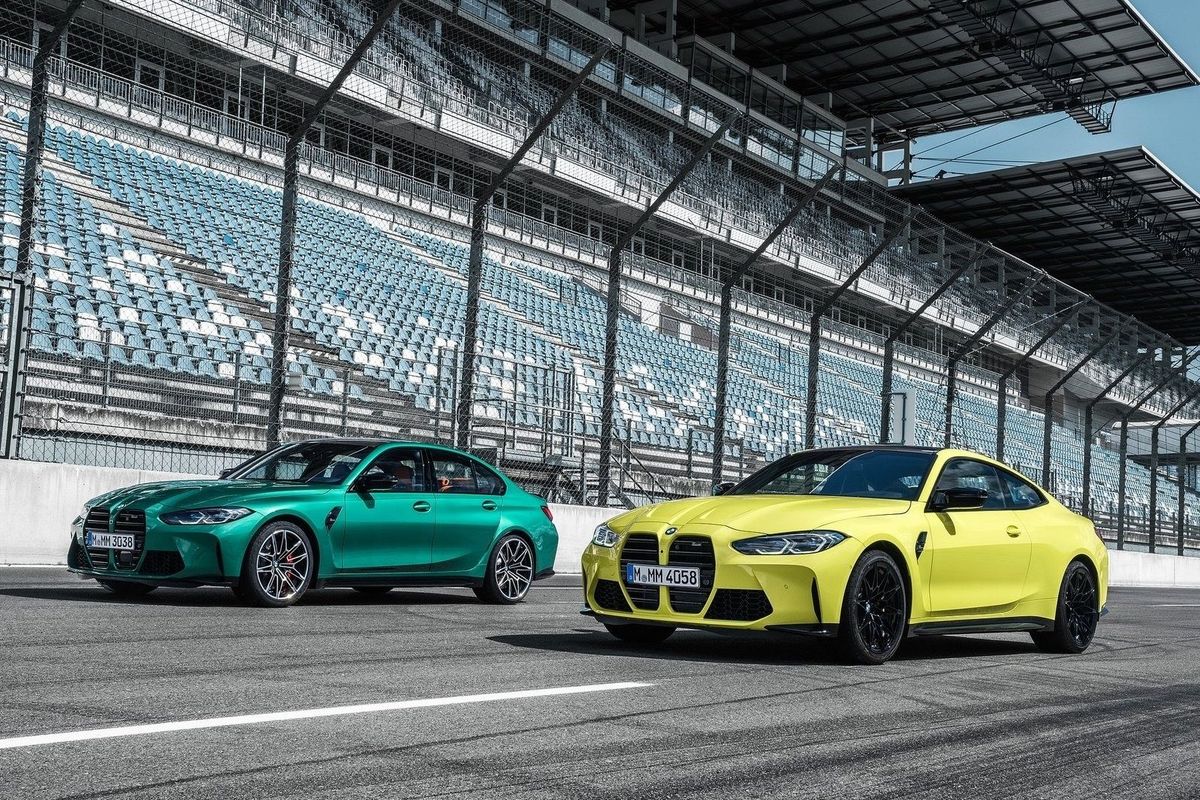
BMW launched its all-new M3 and M4 performance offerings in March 2021. Power comes from the 3.0-litre turbocharged 6-cylinder motor, but in this iteration, power and torque have climbed significantly. The local lineup is initially limited to the Competition models, which produce more power (375 kW/650 Nm compared with 353 kW and 550 Nm) and are exclusively fitted with an 8-speed dual-clutch gearbox. The South African allocation will initially be rear-wheel-drive only. Later on, BMW will bring in the xDrive version which is equipped with all-wheel-drive and a selectable rear-wheel-drive mode. Expect these towards the end of 2021. The standard M3 and M4 is claimed to accelerate from 0 to 100 kph in 4.2 sec and the Competition versions are said to shave that time to 3.9 sec!
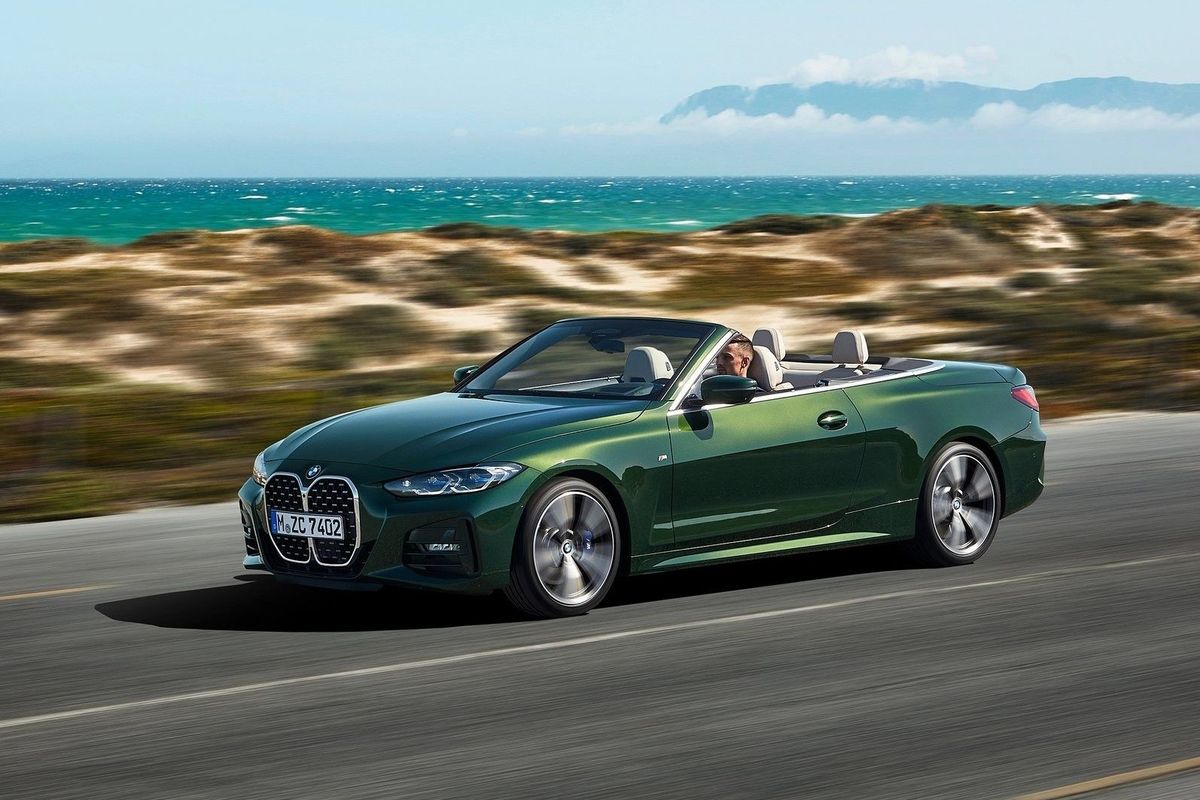
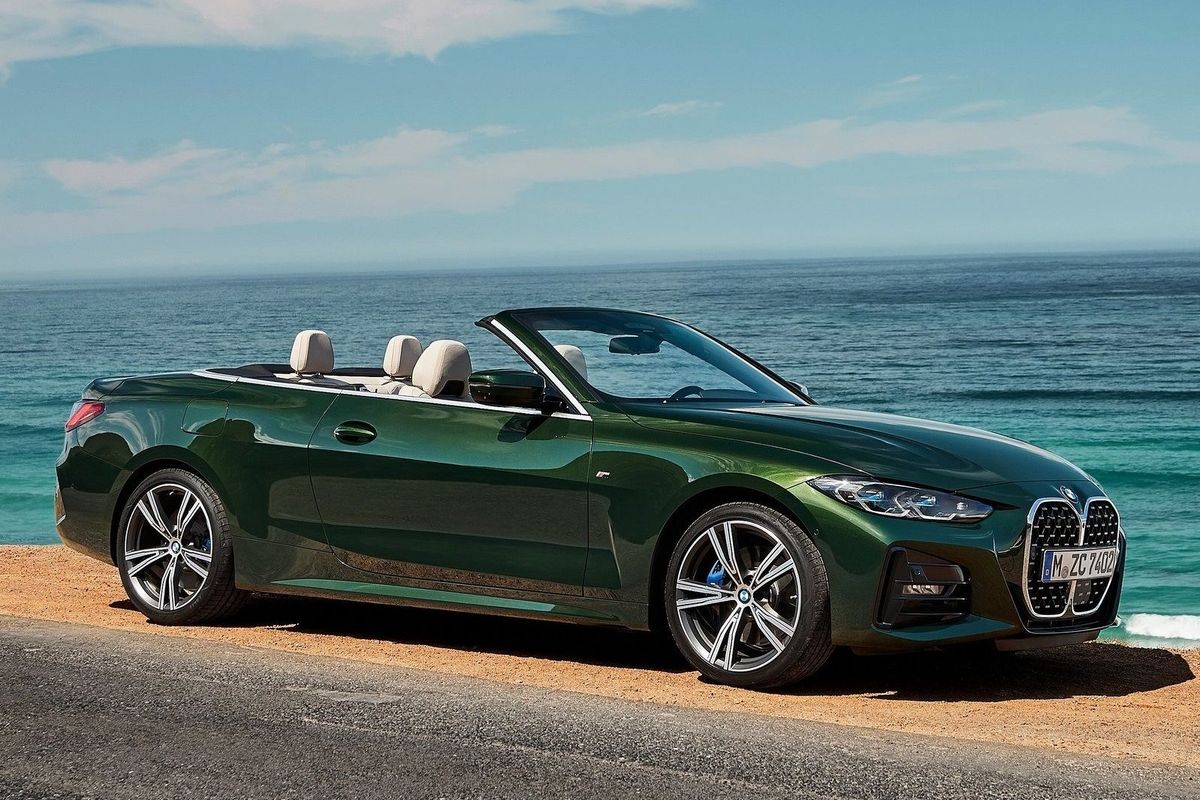
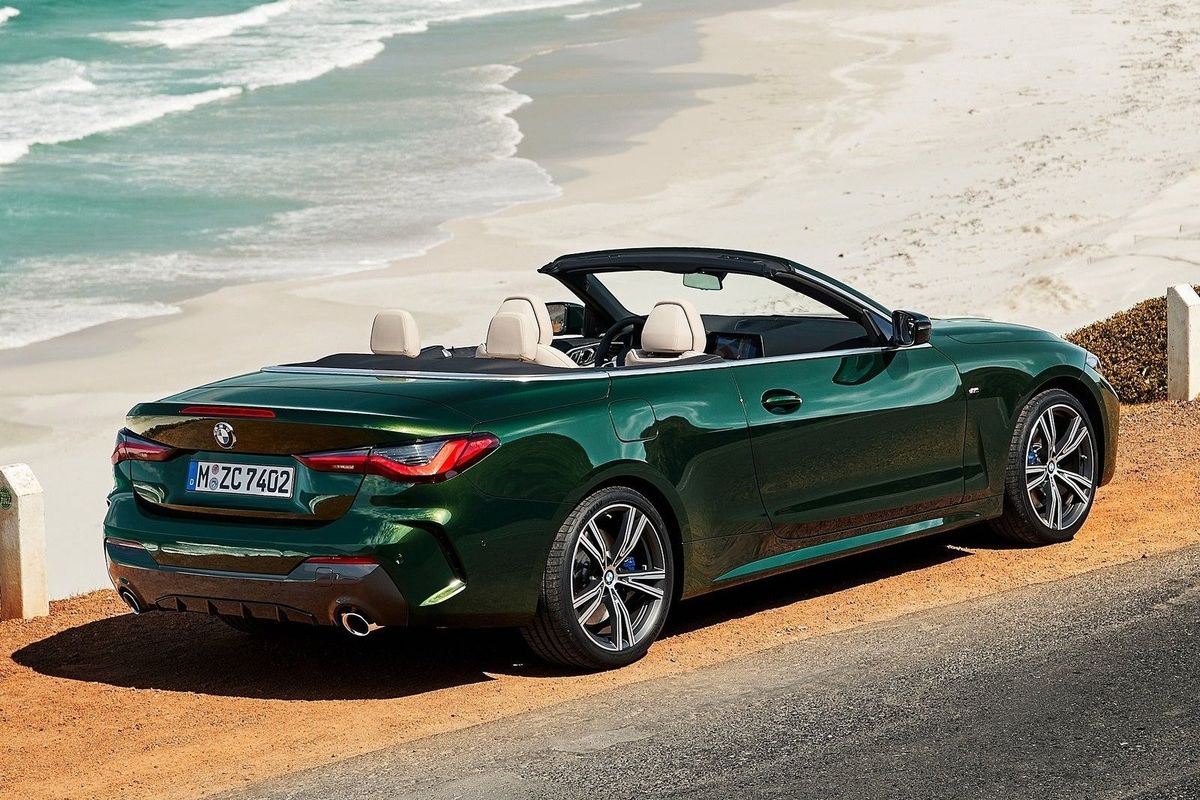
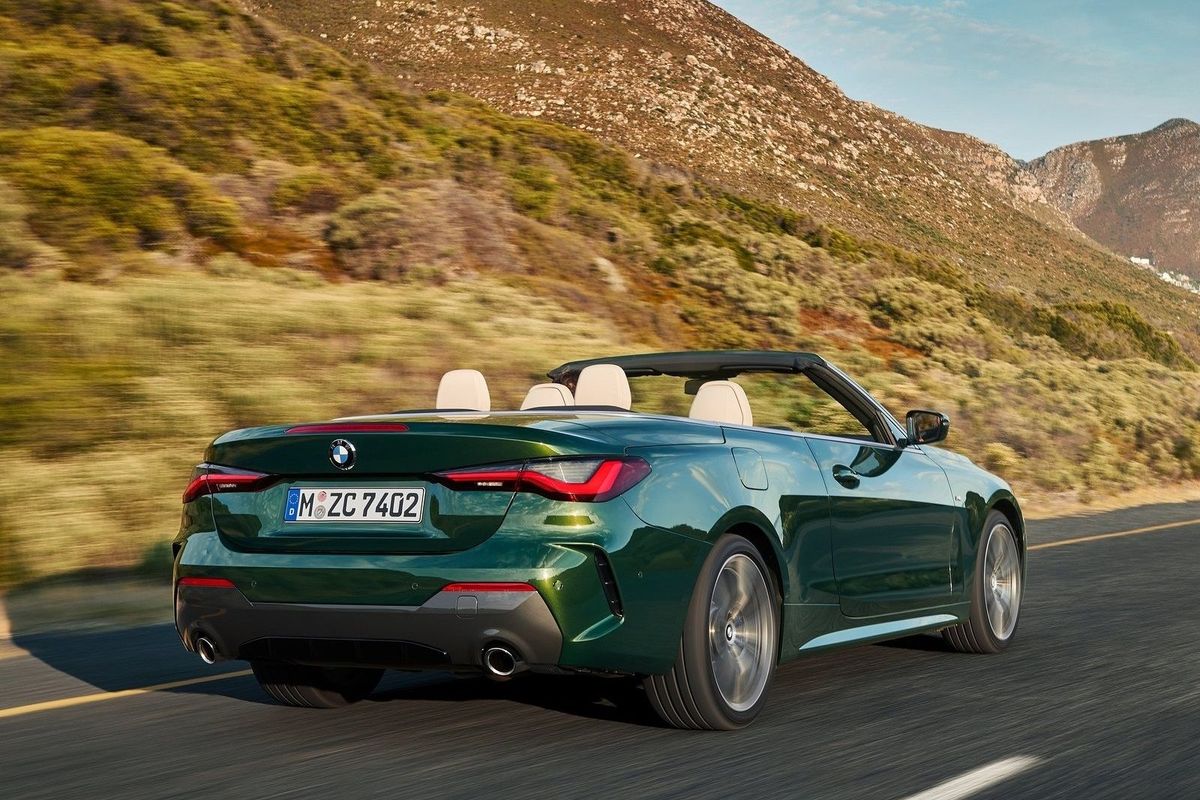
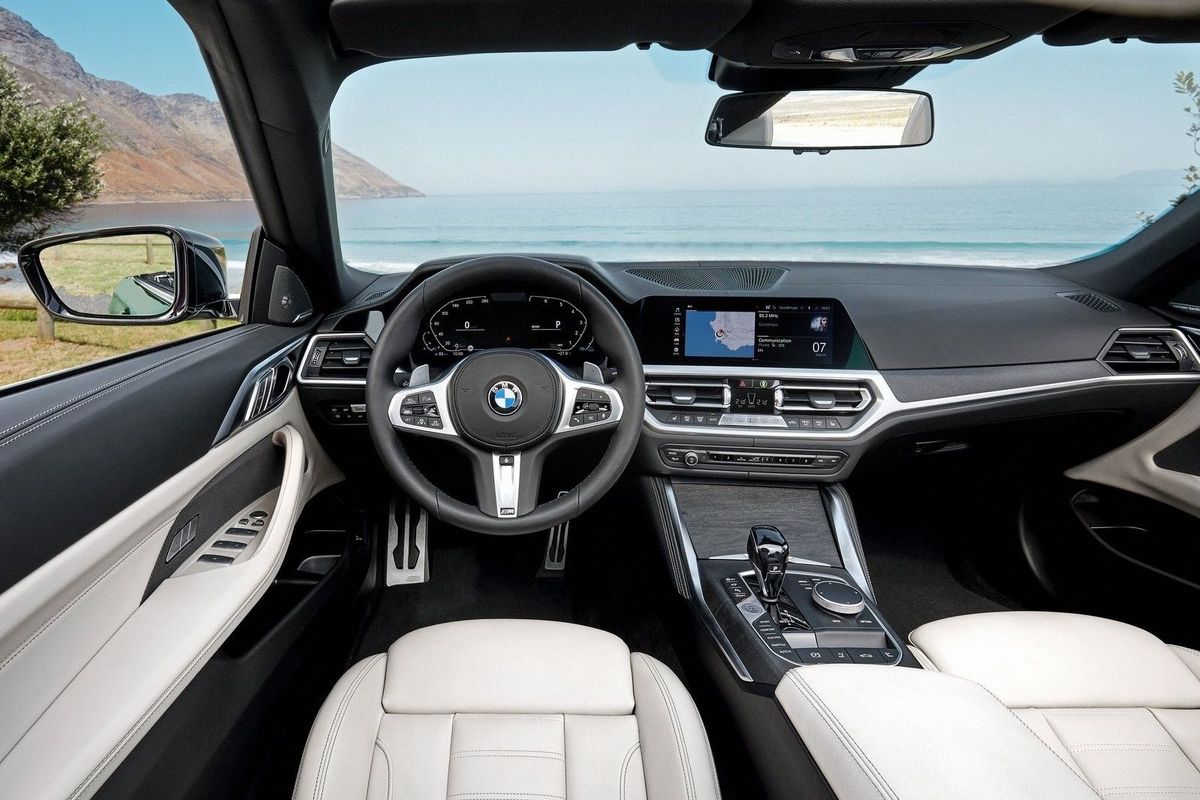
Pricing and specifications for the BMW 4 Series Convertible have been announced ahead of the model's debut in South Africa. Here's what's on offer.
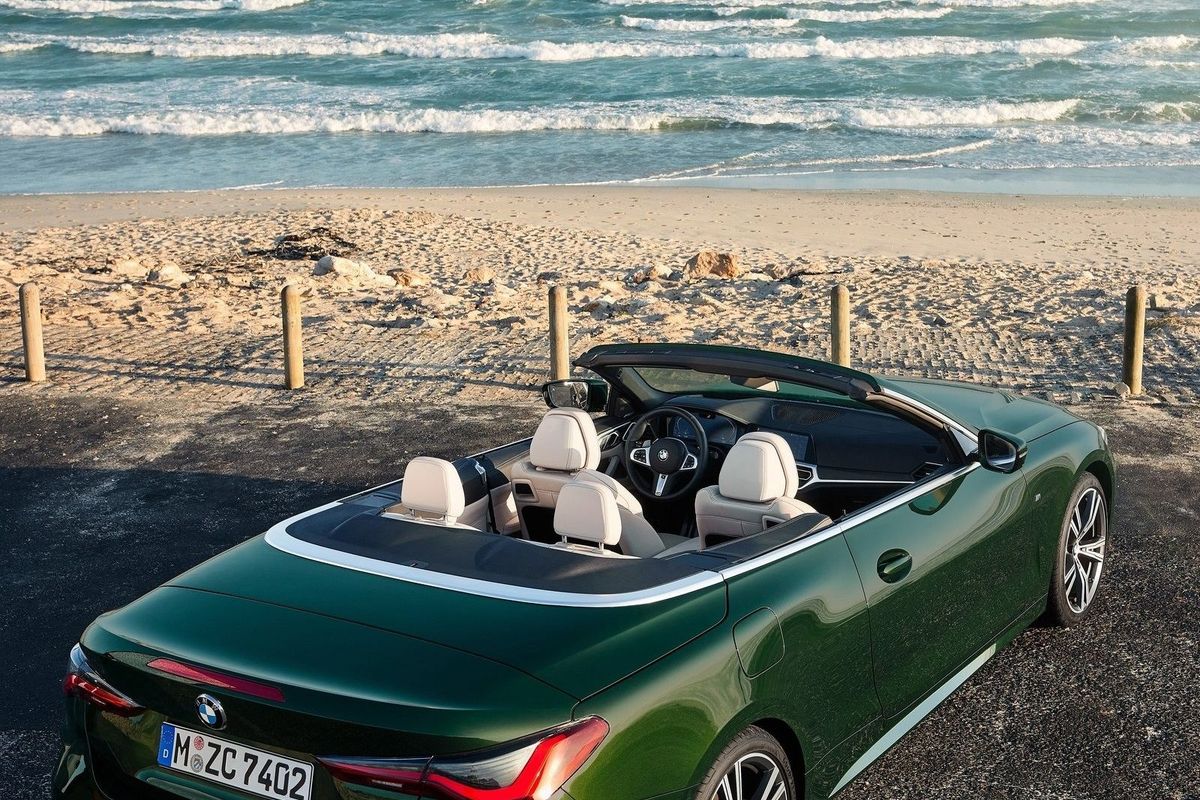
BMW has reverted to a soft-top configuration for the 1st time since the E46 3 Series Cabriolet was phased out in 2006 (the E93-gen 3 Series Convertible and its F33-generation 4 Series successor had folding hardtops), the newcomer has comparatively sleeker rear styling, especially in terms of its shapelier three-quarter proportions. Why? Well, because it has less to fold away: the new fabric roof assembly is more compact (and 40% lighter) than the previous car’s metal-and-glass origami.
Another benefit of the newcomer’s revised roof configuration is a better-claimed luggage capacity of 300 litres (80 litres more than before) with the roof down and 385 litres (15 litres) when the roof is up. A storage package, folding rear backrest and through-loading facility are standard. Meanwhile, to compensate for the loss of torsional rigidity (because of the absence of a solid roof), BMW has stiffened the 4 Series Convertible’s body with specific bracing, an aluminium shear panel at the front and reinforced side skirts. The newcomer also has a 50:50 weight distribution
BMW South Africa is offering just the two convertible models for now; 420i and M440i xDrive. When it comes to engines, the 420i is powered by a 2.0-litre turbocharged 4-cylinder motor, developing 135 kW and 300 Nm. Power is sent to the rear wheels via an 8-speed automatic gearbox and BMW claims its entry-level 4 Series Convertible can accelerate to 100 kph in just 8.2 seconds and will run to a top speed of 236 kph. In terms of economy, BMW claims a consumption figure of 6.6 L/100 km.
For the performance fans, the M440i xDrive Convertible packs a turbocharged 3.0-litre 6-cylinder motor that thumps out 275 kW and 500 Nm, as well as an 8-speed gearbox. Thanks to all-wheel drive, it's claimed to hit 100 kph in just 4.9 seconds and will run to a top speed of 250 kph. It's claimed to consume 8.2 L/100 km. If you're wanting even more performance, there will be a BMW M4 Convertible, due for a reveal sometime in 2021.
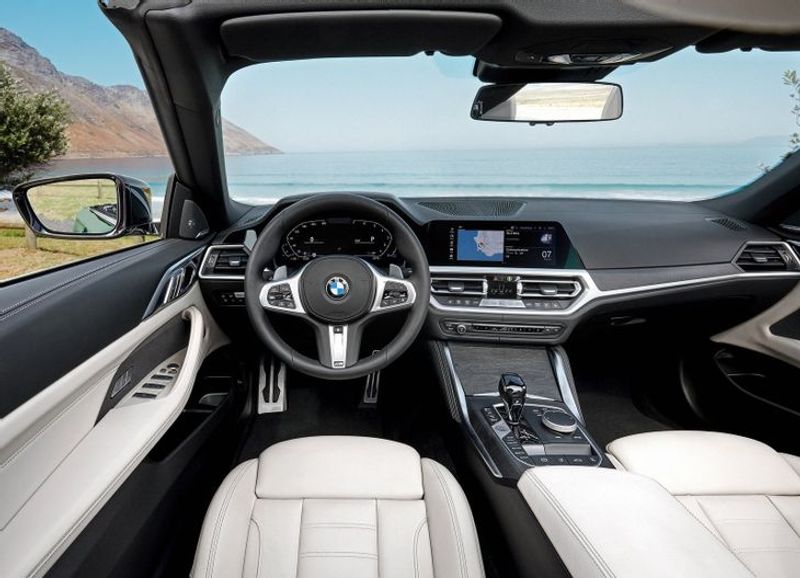
The BMW 4 Series configurator has some interesting options to consider for your topless experience. There are plenty of exterior and interior colour combinations, as well as 6 alloy wheel designs, ranging from 17-inch to 19-inch in size. To give your BMW 4 Series Convertible a stylish look, the M carbon exterior package for R83 600 has you covered. Other options of interest include: BMW LASERLIGHT headlights R16 500, Tyre pressure sensors R5 000, Adaptive M suspension R16 900, M Sports suspension R6 400, Harmon Kardon sound system R12 500 and the clever Parking Assist Plus with its intelligent camera software for R17 600.
How much does the new BMW 4-Series Convertible cost in South Africa?
Does the local arrival of the 2nd Suzuki product to wear a Toyota badge preview a bleak future for Suzuki Auto SA? While there is a limit to the Japanese brands' model-sharing agreement and Suzuki is doing quite well on home soil, Toyota SA has arguably got the better deal in the long run.
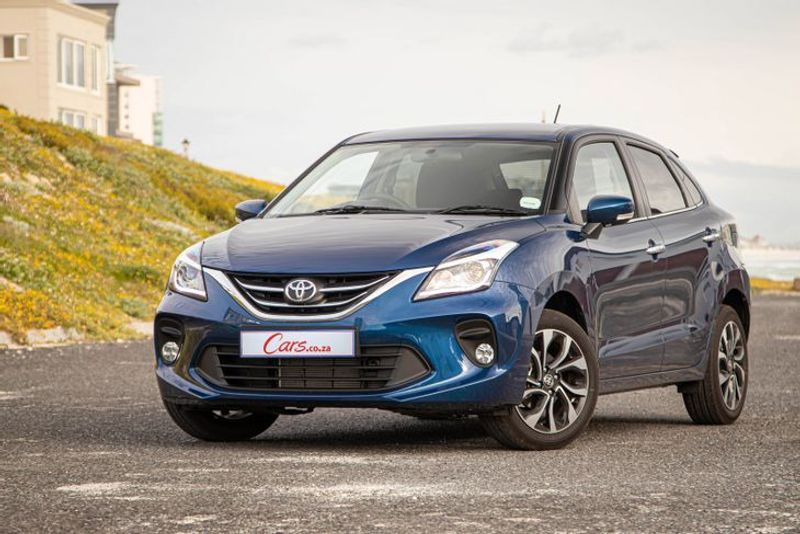
Late last year, Toyota SA introduced the Starlet budget hatchback in South Africa to replace its long-serving Etios; it was instantly recognisable as a rebadged Baleno – an honest, if unremarkable, Indian-made model that Suzuki Auto SA launched in Mzansi in late 2016.
The Starlet not only rolls off the same production line in India as the Baleno; the models look virtually identical.
Whereas the Baleno hardly troubled the new vehicle sales stats during its first 4 years on the market, the Starlet, which is almost identically specified to its Baleno twin, achieved immediate success. To illustrate my point: In the few months that the Starlet was on sale in the Republic in 2020, Toyota sold almost 6 times as many units as Suzuki did of the Baleno for the entire year. The Starlet even bagged a #CarsAwards category win at its 1st attempt.
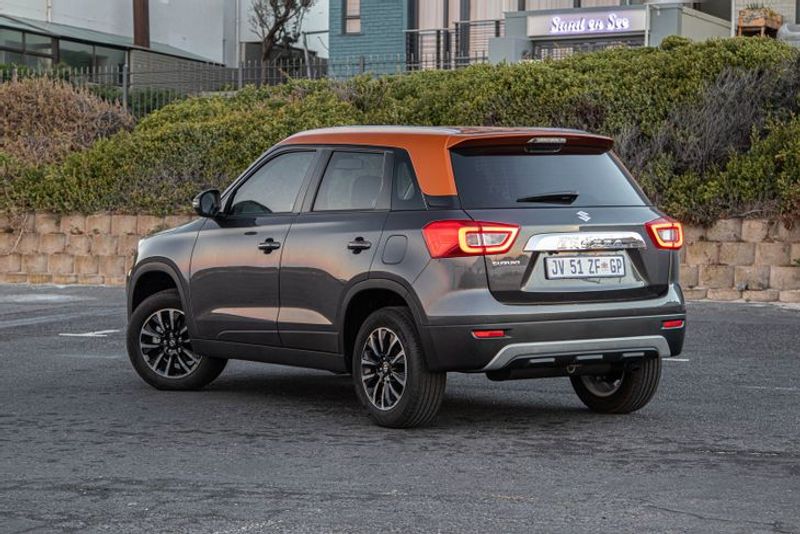
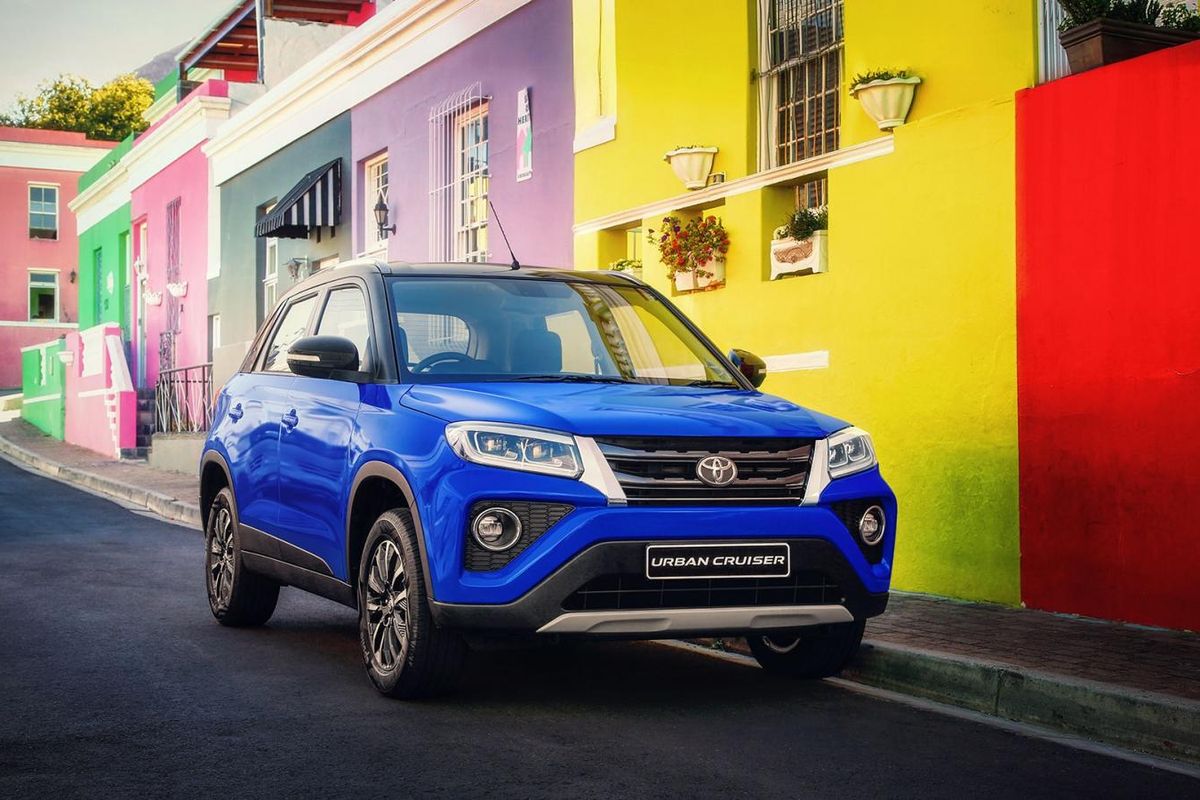
Now, following hot on the heels of the local launch of the Suzuki Vitara Brezza budget crossover, comes the Toyota Urban Cruiser. It’s the same story as above, even if the models don’t look as near identical as the Baleno and Starlet. But whereas the Baleno never sold well (for Suzuki Auto SA anyway), the keenly-priced Vitara Brezza (a B-segment crossover/SUV) is almost exactly the kind of product that South African new-vehicle buyers have an appetite for right now. The only question is: Will they buy the much-in-demand car from plucky Suzuki… or the market giant Toyota?
The Vitara Brezza is the top-selling SUV in India (with 38.8% of the entry-SUV market and 18.4% of all SUV sales).
A mutually-beneficial partnership
So how did Toyota acquire the right to start selling rebadged Suzukis? Well, Toyota was very keen to increase its market share in the lucrative Indian market, while Maruti Suzuki (the runaway market leader in that country), was eager to acquire TMC’s hybrid- and autonomous driving technologies, both of which are becoming increasingly important as the market evolves – even in the developing world.
The companies, which decided to co-operate as long ago as 2016, signed an agreement for a capital alliance in August 2019 to establish and promote long-term cooperation; Toyota duly acquired a 4.94% stake in Suzuki, while the latter bought a 0.21% stake in the former.
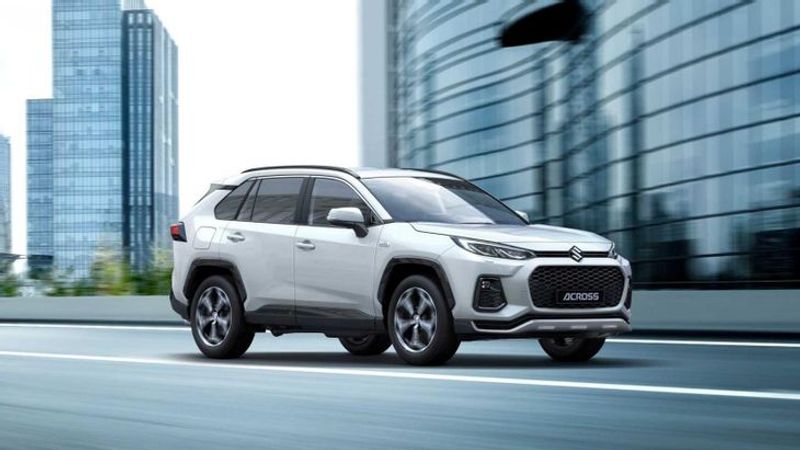
This is a physical manifestation of what Suzuki is getting out of the deal; a hybrid RAV4 clone named the Across.
Toyota produces 2 hybrid vehicles for Suzuki, of which the first is the Across (or A-Cross), which is a petrol-electric RAV4 for the European market (it's built in Turkey) and the other is reported to be a Corolla Estate (produced in the UK). Suzuki, on the other hand, will supply Toyota with the aforementioned Baleno, Vitara Brezza, but also, some reports say, the Ciaz budget sedan and Ertiga small MPV – could the last two be heading for Mzansi in Toyota guise as well? Time will tell.
Badge-engineering has a chequered past
But wait, the thousands of ZA consumers who are deeply devoted to Toyota and everything it represents surely won’t be duped into buying products that are Toyotas in name only? Or will they?
For South African motorists of a certain vintage, badge-engineering or, for a more accurate (if somewhat less glib) description, “badge-interchangeability” is a huge turnoff. For the sake of brevity, badge-engineering is a (largely derogatory) term that was coined for the practice of manufacturers selling identical models under separate brands. In other words, they’re the same but wear different badges.
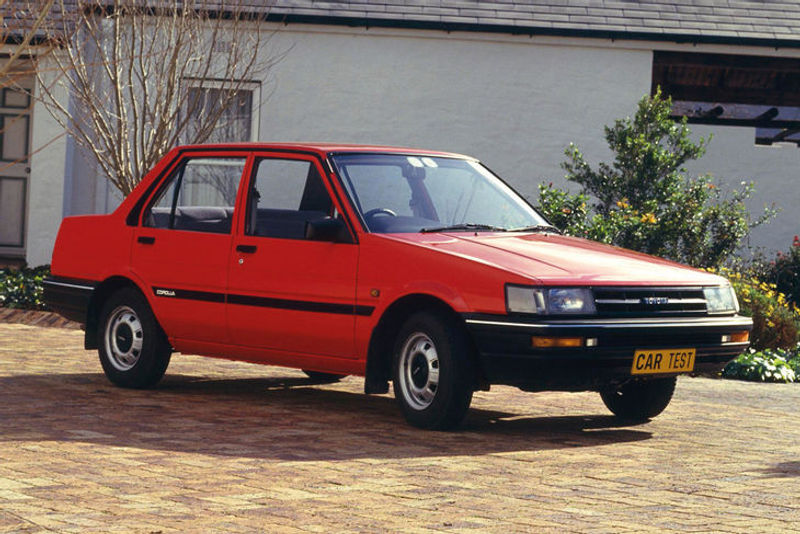
While Ford and Mazda were churning out badge-engineered models, the "wet-look" Corolla was selling up a storm.
So, let me take you back about 40 years or so, when Toyota still had a white horse in its emblem and adopted the “Everything keeps going right” slogan and sold many thousands of the Corolla compact sedan (and its Conquest hatchback variant) to become the country’s leading passenger vehicle manufacturer. Toyota ascended to the top of the pile at the cost of Ford, which admittedly dramatically reduced its role in Mzansi due to sanctions/disinvestment.
It was also in that era that Ford and General Motors adopted strategies to produce cars for specific regions (rather than global models, which are now the norm). In South Africa, the Blue Oval produced cars under the Samcor banner and duly slapped Ford and Mazda badges on cars interchangeably, such as the Laser/Tracer/Meteor, which were clones of the Mazda 323 hatchback/sedan; the Telstar and 626 were identical and so were the brands’ bakkies.
Those products weren’t stellar (in terms of design, performance/efficiency – and especially build quality) and that product strategy hurt Ford especially. Sales slumped and even though the Blue Oval returned to SA officially after the dawn of democracy and the current (T6) Ranger became the country’s 2nd favourite bakkie, Ford never quite managed to recover its brand cachet in the local passenger-car market. And that’s that.
Why Toyota’s trying it now
You see, since those heady days of big hair, shoulder pads, synth-pop and pyramid schemes (oh, and lots of other dodgy things), Toyota has lost its lead in the passenger-vehicle market to Volkswagen. The Uitenhage-based firm kept the CitiGolf going (and going), launched the first of its Polo offerings in the late ‘90s (the Polo Vivo came later) and haven’t looked back since.
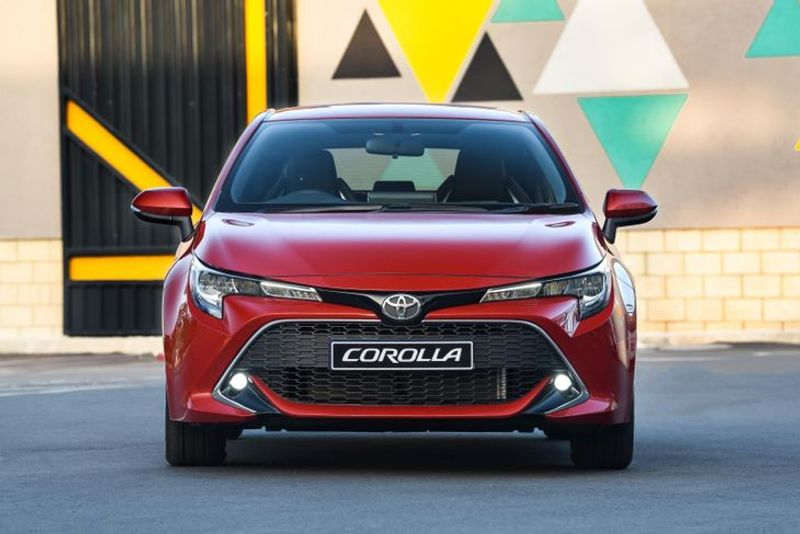
The Corolla Hatch is a handsome offering, but buyers aren't flocking to the compact market the way they used to.
If Toyota wants to wrestle back the market leadership from VW in Mzansi, it needs a stronger model line-up than what it has now. TMC is not renowned for building budget cars (which is Suzuki's forte) and while the Yaris, which arrived here in 2nd-generation guise in the mid-Noughties was nifty, subsequent versions were much less adorable – the current Thai-sourced model is, well, humdrum.
Moreover, the Corolla – statistically the bestselling car in the history of the automobile – is not only rather pricey these days, but completely out of step with purchasing trends. Sales figures indicate consumers favour compact crossovers over sedans and hatchbacks. The year 2020 was a proverbial dumpster fire, of that there is no doubt, but Toyota sold fewer than 1 500 current-shape Corollas (4- and 5-door versions), which was a veritable disaster.
Granted, the Corolla Quest sedan sells well on the basis of its good value and fleet potential, but the brand lacks small SUVs (other than the boutique C-HR and the bargain-bin Rush – if that’s still on sale) to slot in below the RAV4 family car. That’s why the Urban Cruiser is such a godsend for Toyota SA; the newcomer should sell like hotcakes, because, if the Starlet’s performance is anything to go by, as long as a product is well-made and wears a Toyota badge – it will sell! Don't forget that the Toyota Avanza, for example, is a rebadged Daihatsu; it's certainly not Toyota's first re-badging exercise.
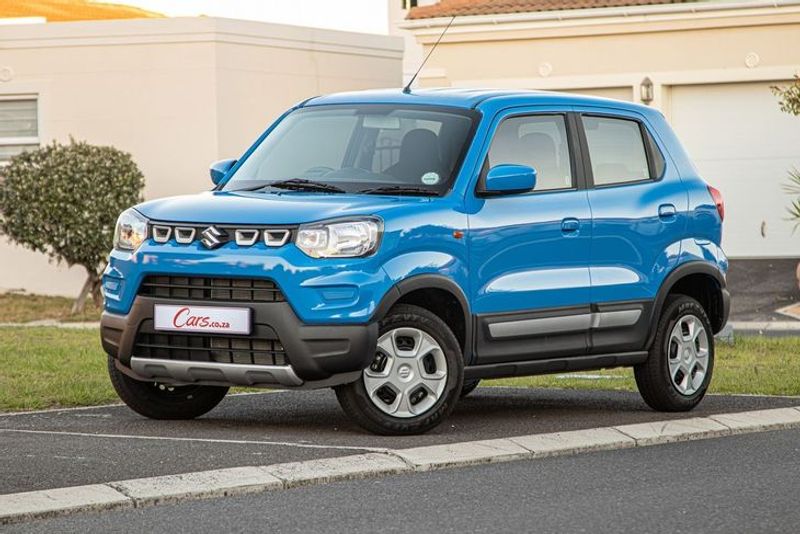
The Indian-made S-Press is a popular entry-level offering; it is Suzuki Auto SA's 2nd-best seller.
Where does it leave Suzuki?
Look, such is Maruti Suzuki’s dominance in the Indian market (50% share at the end of 2020) that it can afford to relinquish some ground to Toyota (3%) on the subcontinent. Suzuki is currently producing the Starlet and the Urban Cruiser for Toyota at its own plants, although production of the latter will reportedly shift to TMC’s Karnataka plant at some point in 2022.
Therefore, Suzuki – and its component suppliers, no doubt – will be all too happy to produce more products (even if they don’t necessarily wear Suzuki badges), but what about Suzuki Auto SA’s position in all of this? Whereas its mother company is dominant in India, where Toyota is but a bit player, in the Republic, the situation is well and truly the opposite.
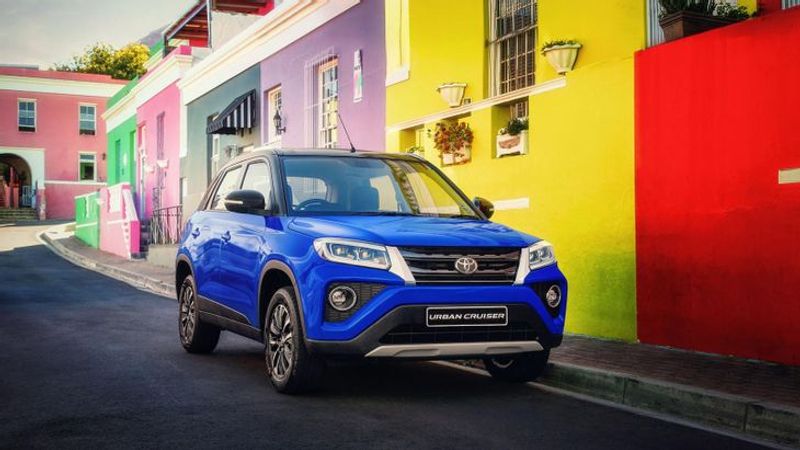
The Urban Cruiser is the model that Toyota's been waiting for; it's not as smart as the CH-R, but it has much wider appeal.
Following a resurgent 2020, during which the multiple #CarsAwards – powered by WesBank category winner Suzuki Swift was the 15th-best-selling model in the entire South African market, Suzuki Auto SA registered its best-ever sales month in February 2021. The Swift compact hatchback, which won the Entry Level category of our 2020/21 awards programme, accounted for the lion’s share of those sales, while the Baleno – plus the Ciaz and Ertiga, if they happen to be assimilated by the mighty TMC in future – accounted for just over a hundred of the 2 142 units sold.
Therefore, there is no need to fear for the future of Suzuki Auto SA – at least not yet. Although the firm won’t be too miffed about the market’s perennial underappreciation of the Baleno, perhaps it could have sold many hundreds more of the Vitara Brezza had the pesky Toyota Urban Cruiser not come along… But the firm will sell quite a few of them anyway.
If the model-sharing agreement between the Japanese firms remains unchanged, Toyota SA will benefit the most from it because the models it has acquired neatly plug a couple of gaps in the firm’s local product line-up. Should TMC decide in future that it also likes the look of the S-Presso, Swift and Jimny, however, the picture could change drastically for Suzuki SA.
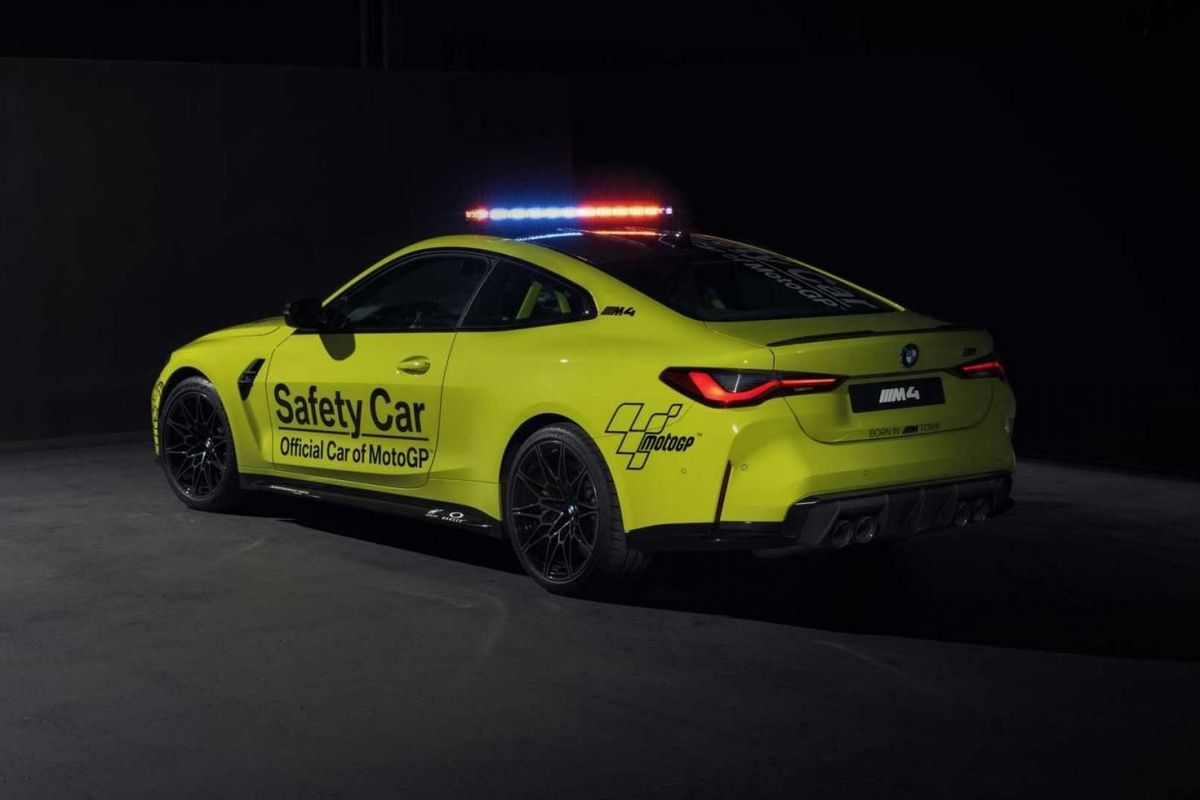
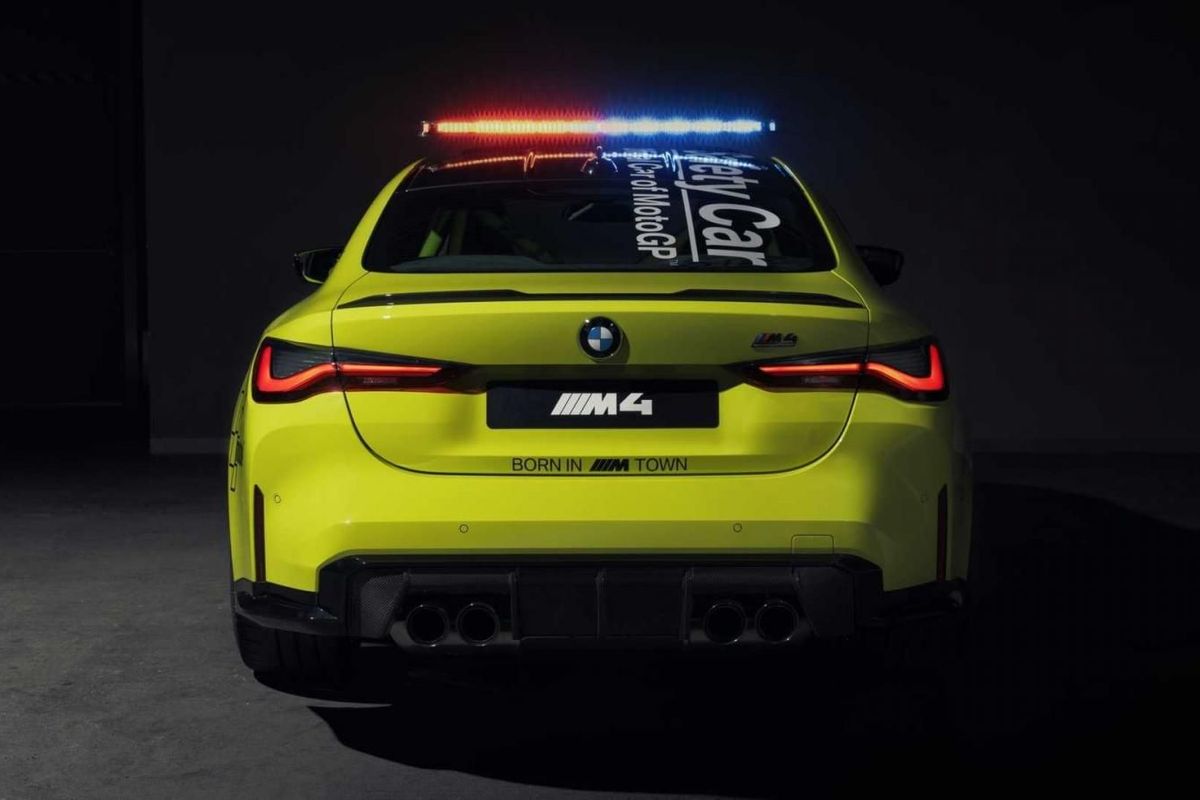
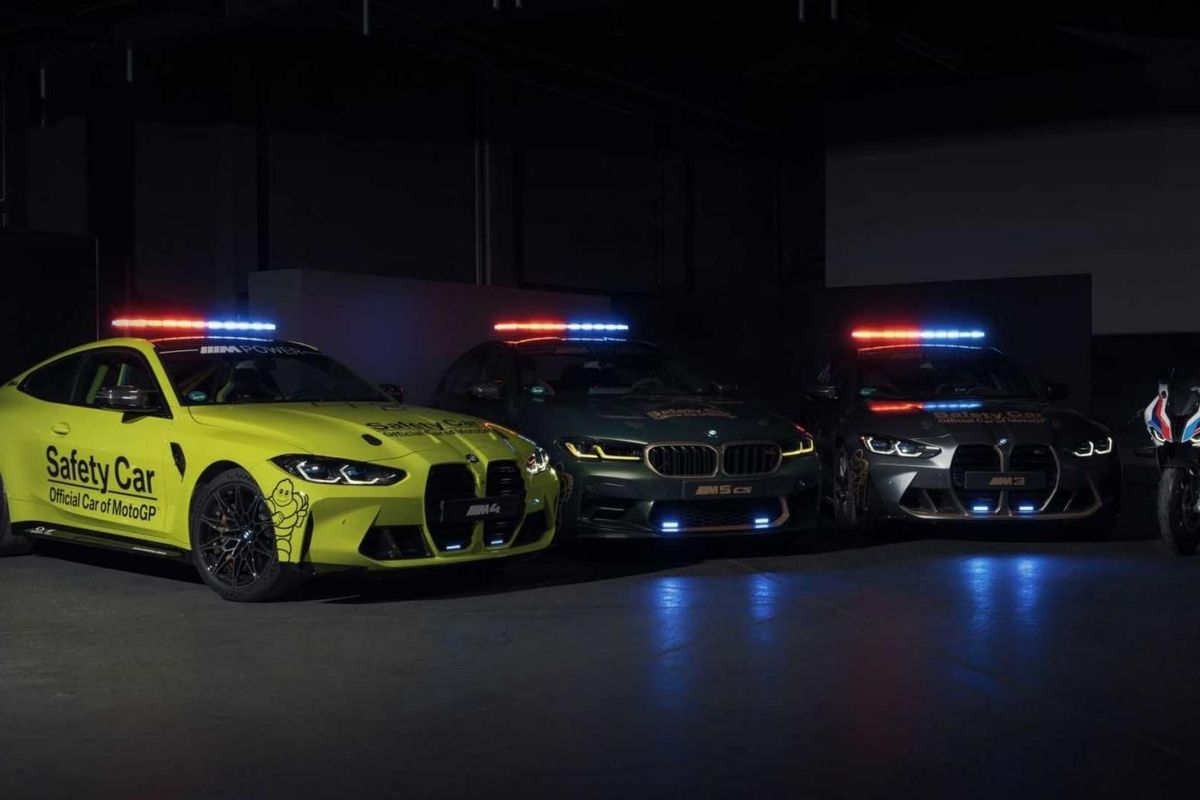
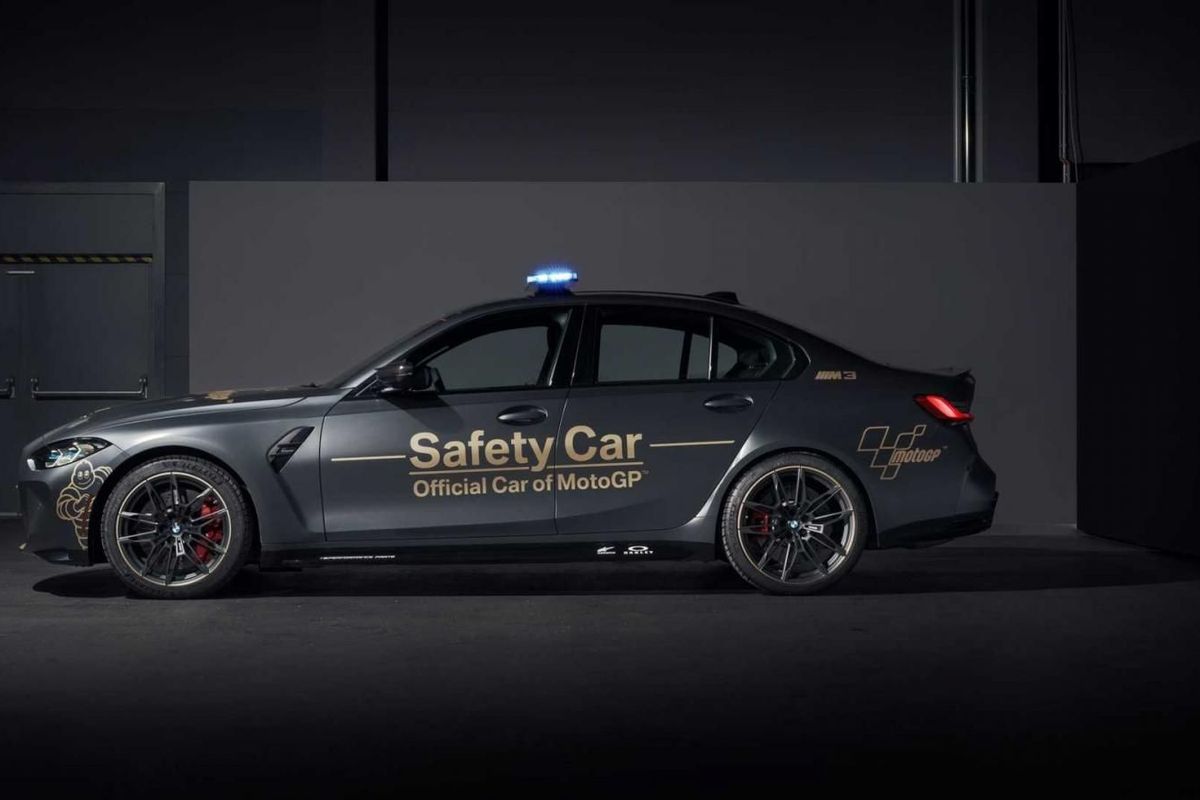
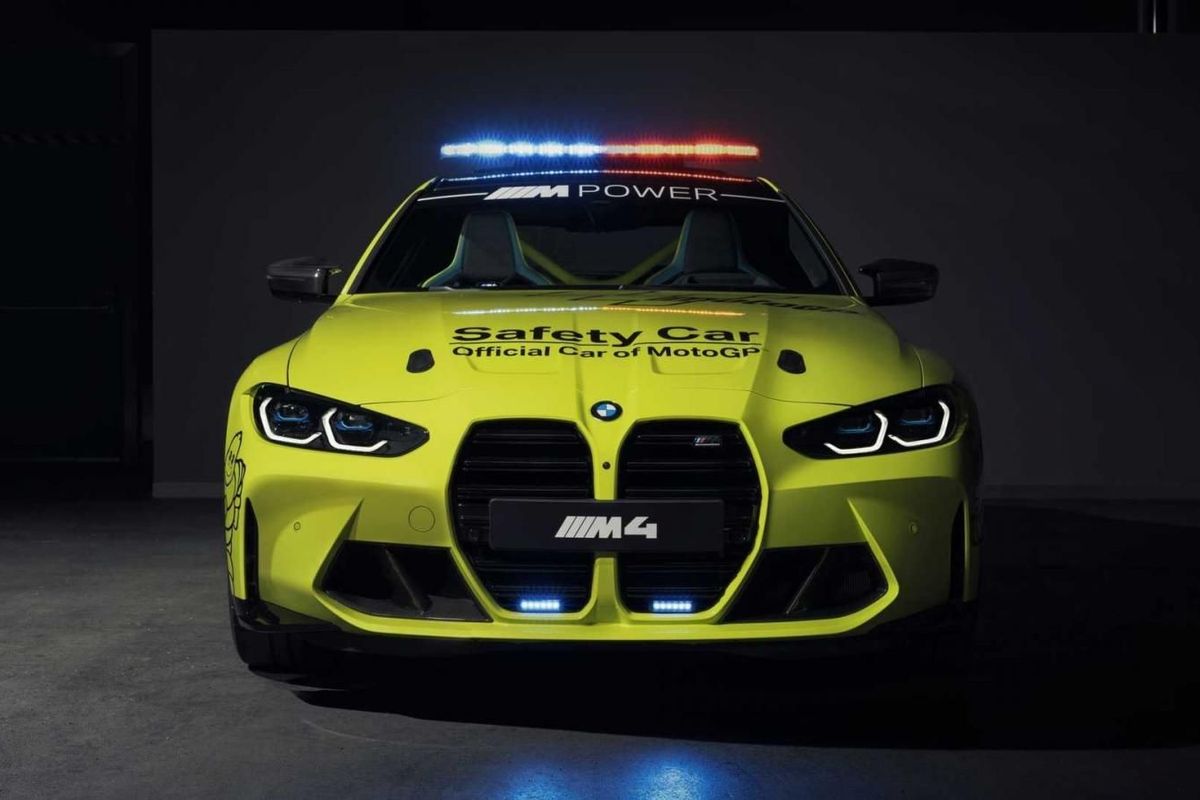
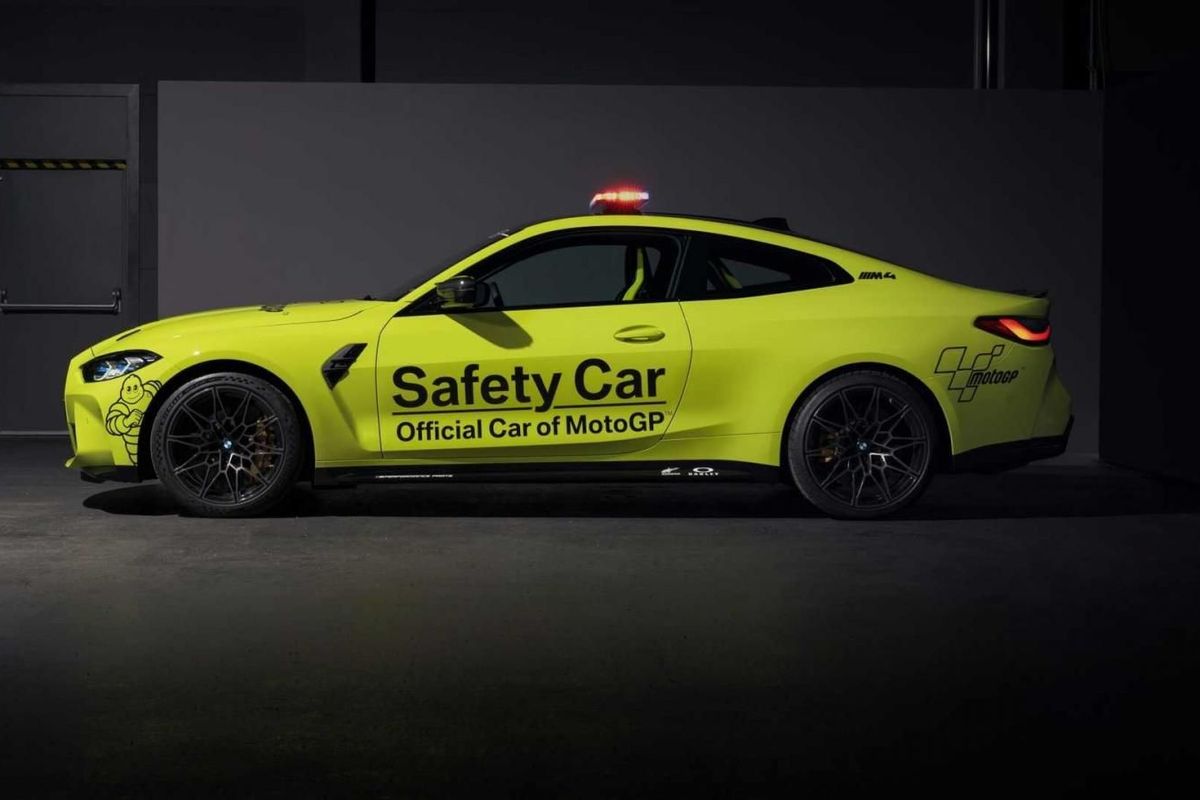
BMW’s most controversial-ever M3 and M4 have been readied for safety-car duty. For once, the Bavarian marque's M-Division is playing good cop – these machines will "light the way" to the world’s fastest riders when rain and/or incidents interrupt MotoGP races.
Although the factory specification G80 and G82 M-cars are very adept at lapping race circuits at heady speeds, BMW’s technicians have added some changes for these new safety cars.
The most noticeable are those colourways, which are not traditional BMW motorsport white with blue and red stripes. The MotoGP safety cars are dark grey, in the case of BMW’s M3 Competition, and Sao Paulo yellow, for the two-door M4.
Beyond the distinguishing colours, these MotoGP safety car M3/M4 variants get all manner of additional illumination. There are additional flashing front lights (as if the grille is not warning enough, to get out of the way), and rooftop lightbars.
Those rooftop lightbars might look cool and serve a very definite purpose in the role of being a safety car, but they will marginally increase the M3/4s centre of gravity and aerodynamic drag coefficient.
Inside the rear seats have been removed (which should net a worthwhile reduction in mass), whilst rollbars not only provide structural support, but also increase lateral rigidity.
Any notable mechanical upgrades? BMW has added an ever freer-flowing exhaust system, that should slightly improve throttle response and most importantly: make these M3/4 safety cars sound even more purposeful.
BMW will also supply an M5 CS, finished similarly to the M3 safety car.
Hyundai Kona N Teased Yet Again
We've known that Hyundai was preparing a Kona N for almost a year, but the Korean firm has now confirmed that its newcomer will debut soon, replete with design cues from the facelifted model. What's more, it will be mechanically similar to the 206-kW i30 N hot hatch (with the dual-clutch auto transmission).
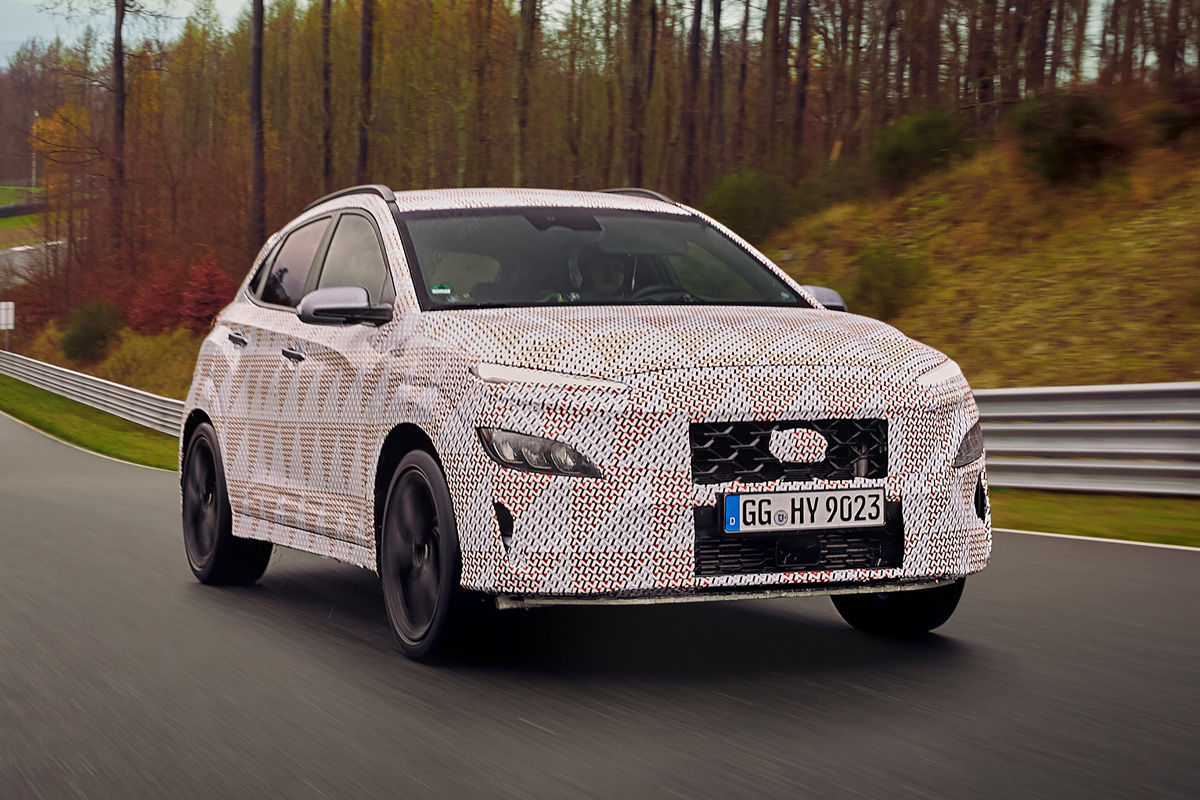
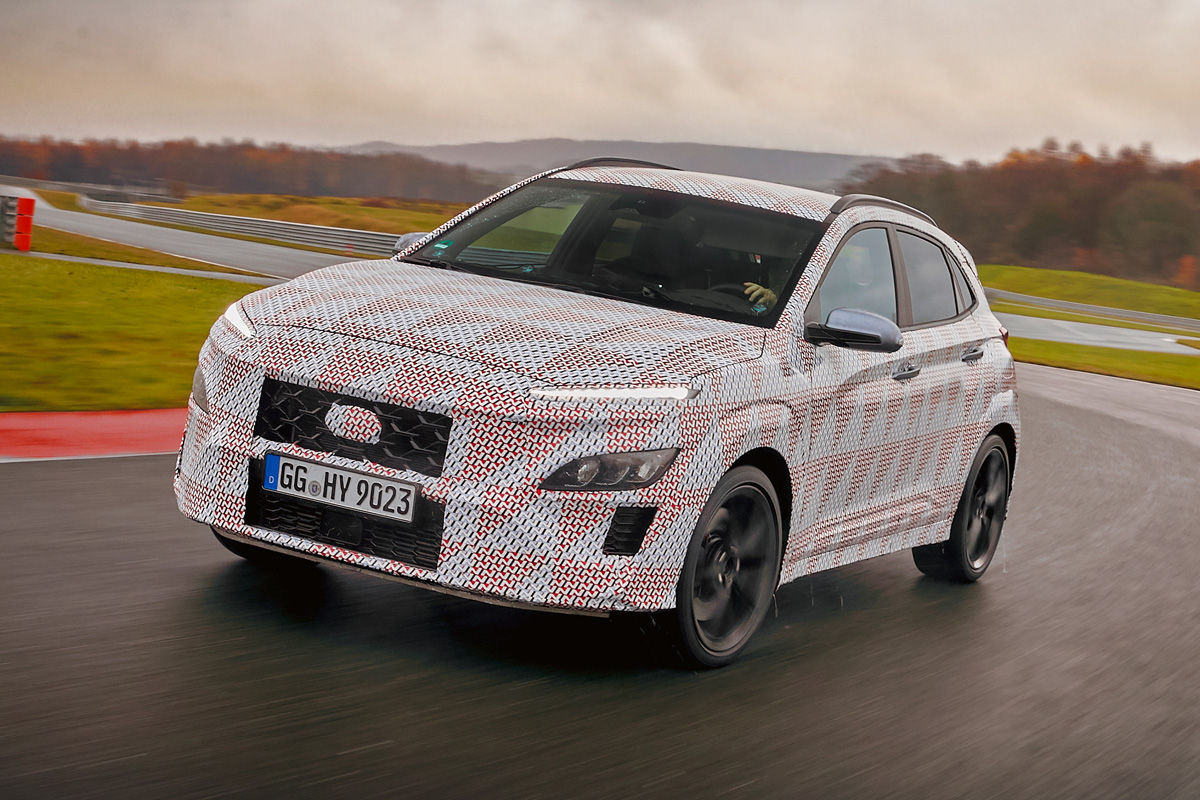
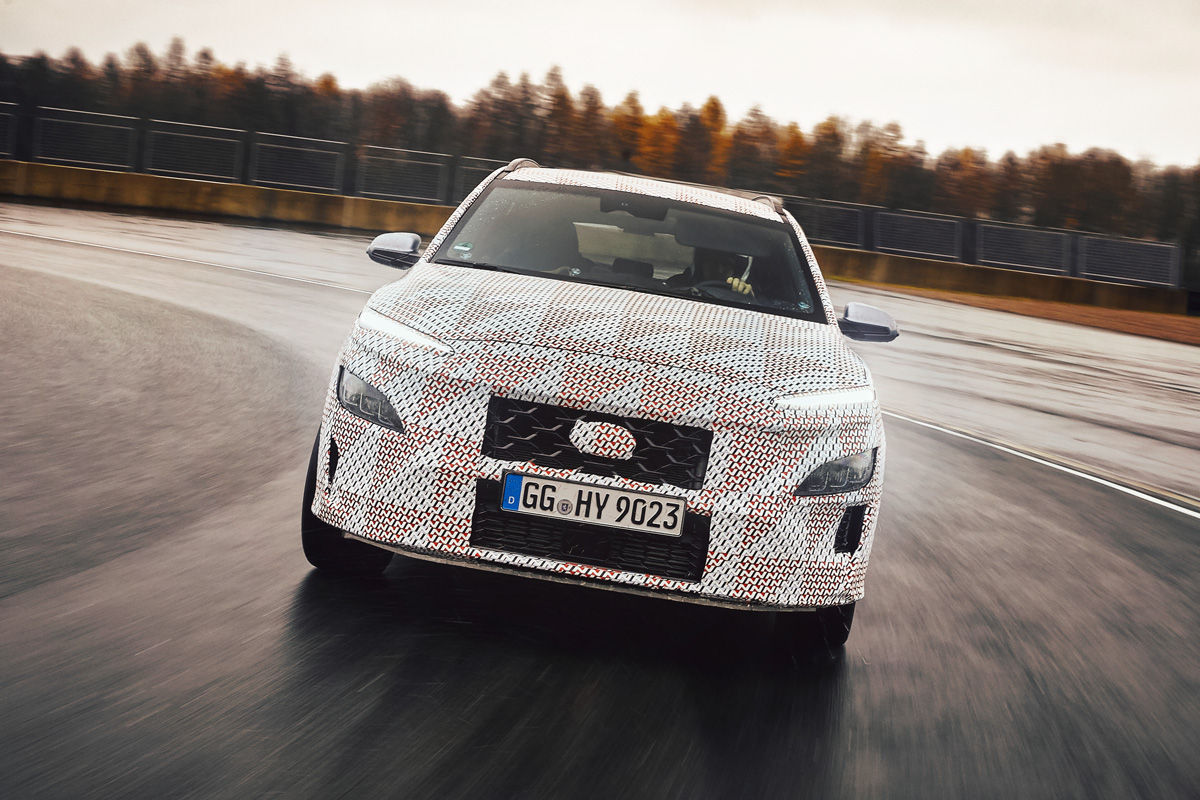
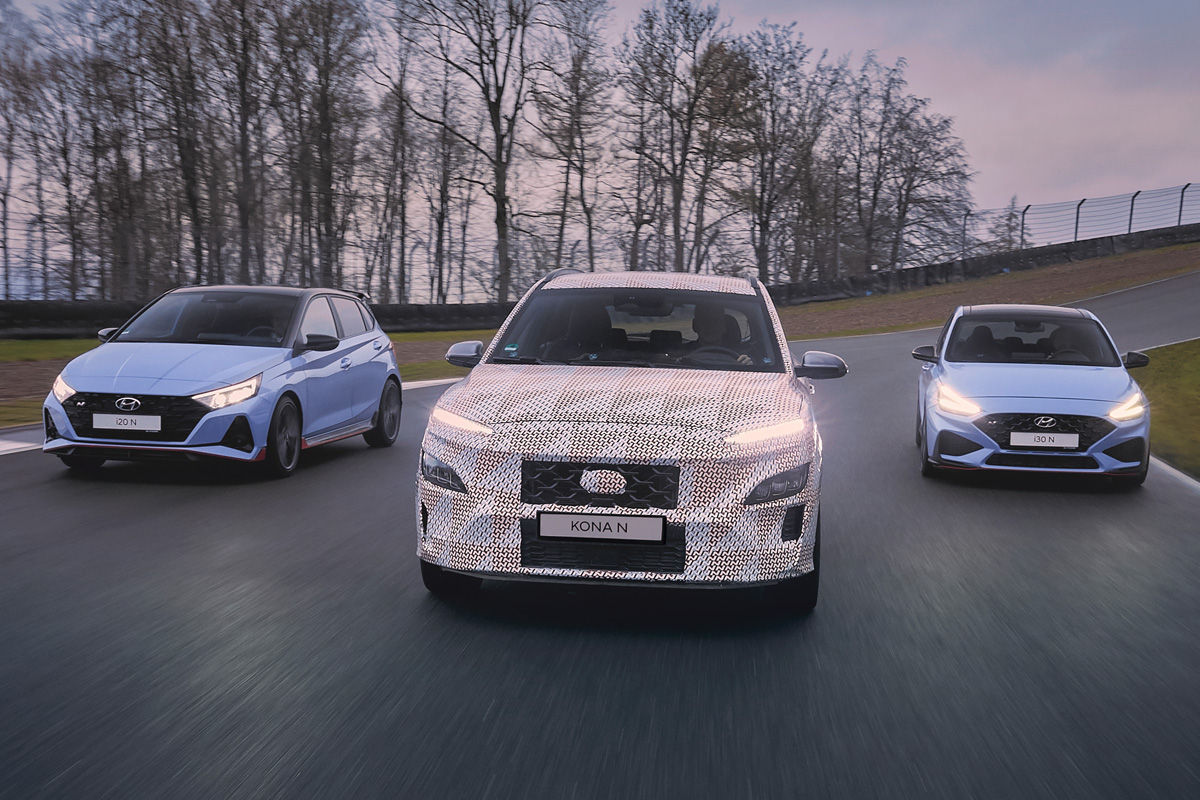
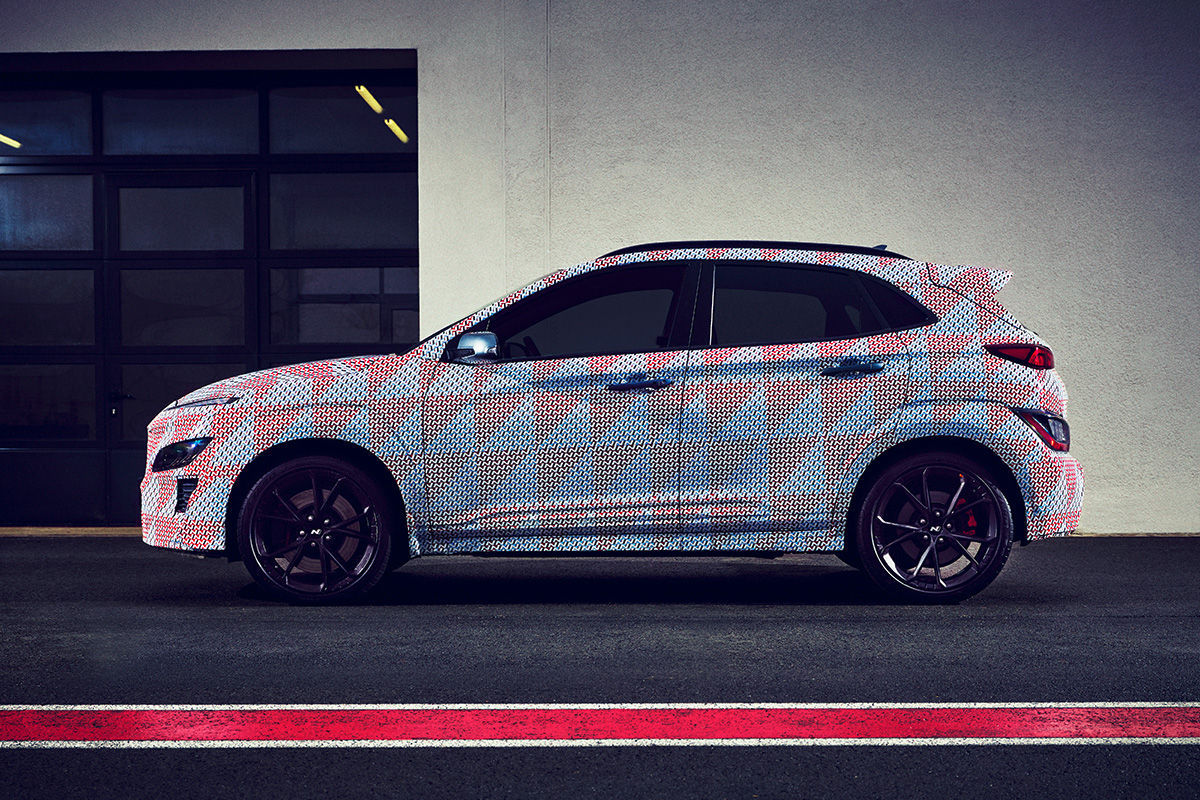
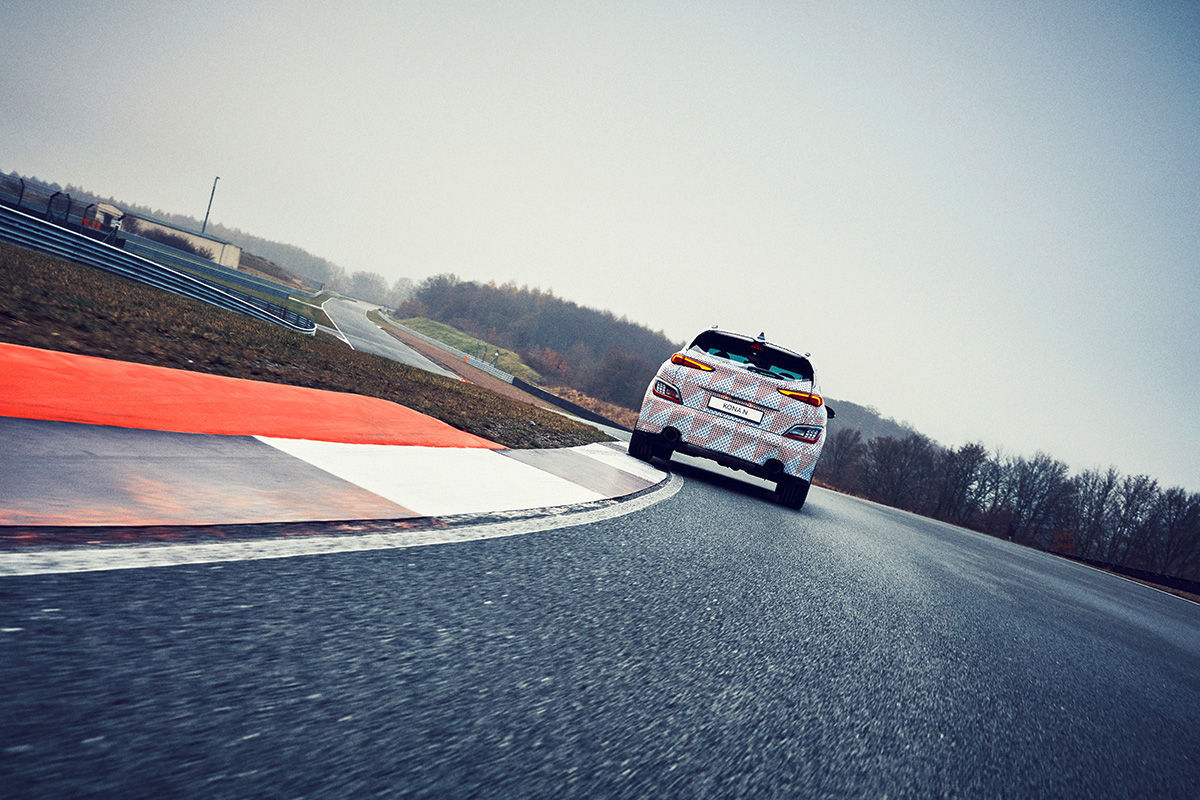
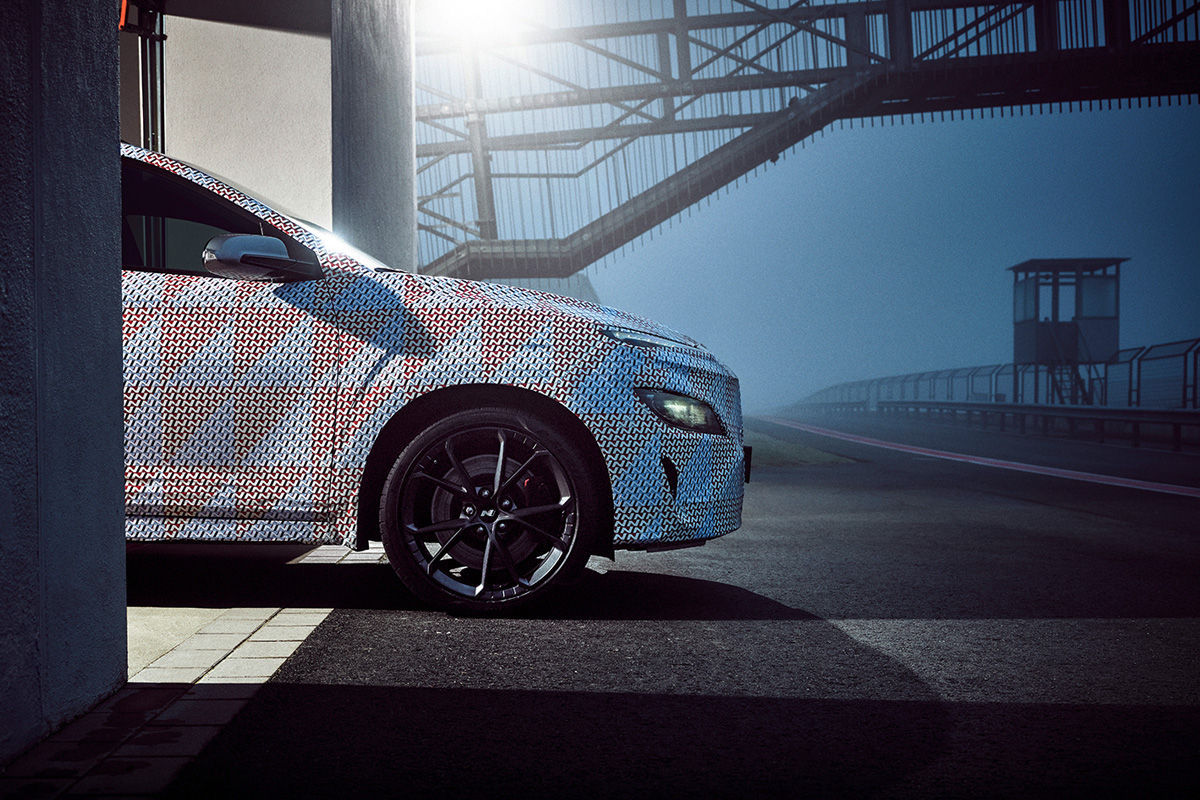
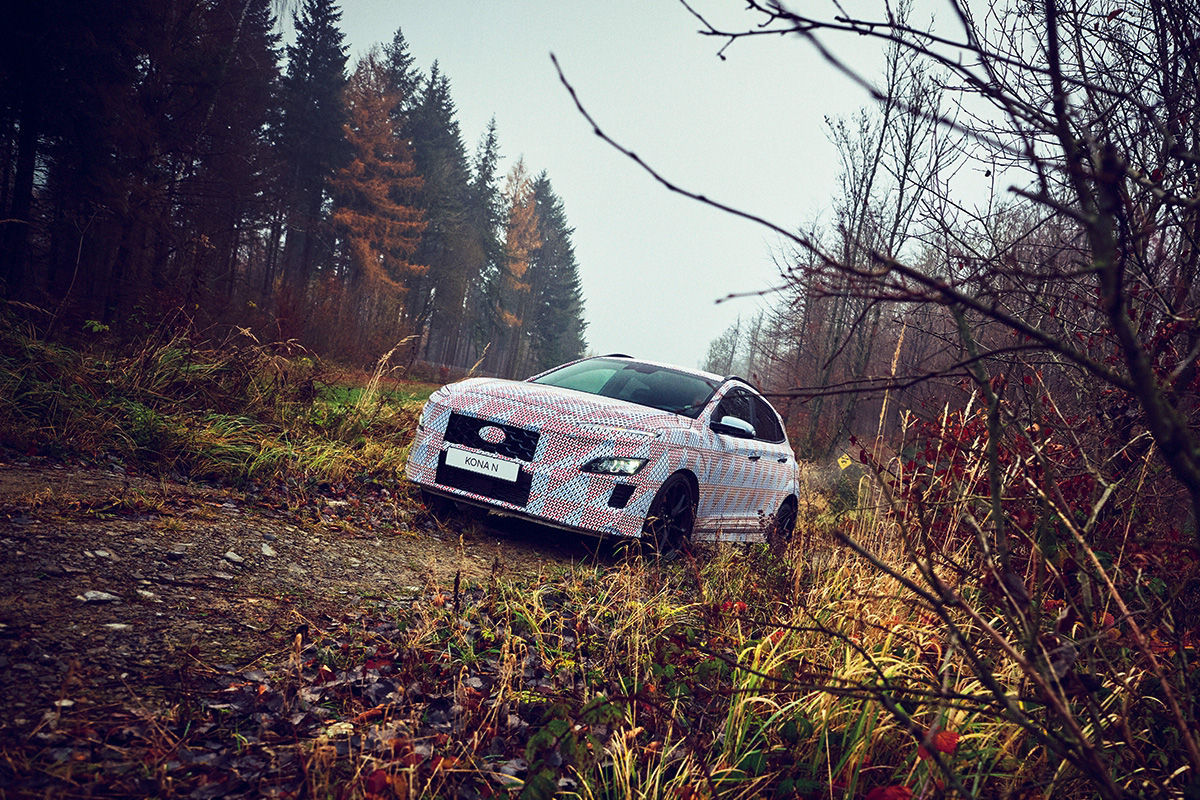
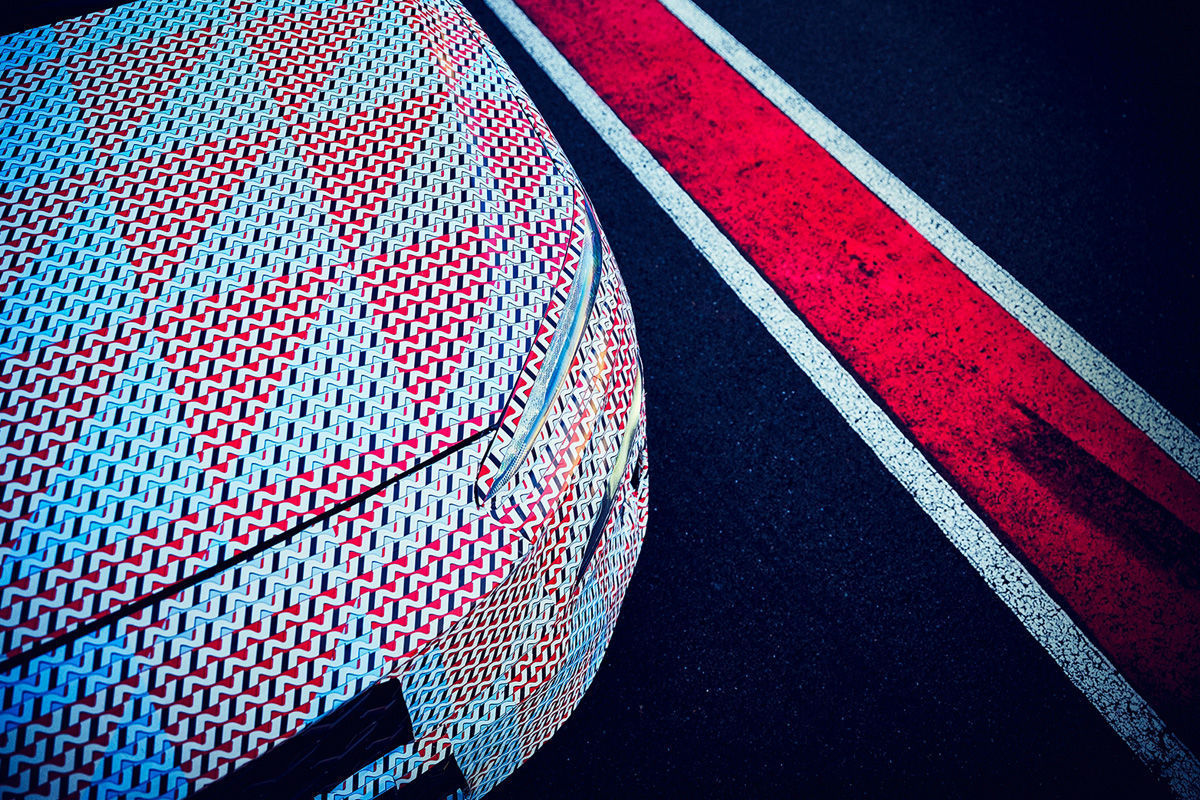
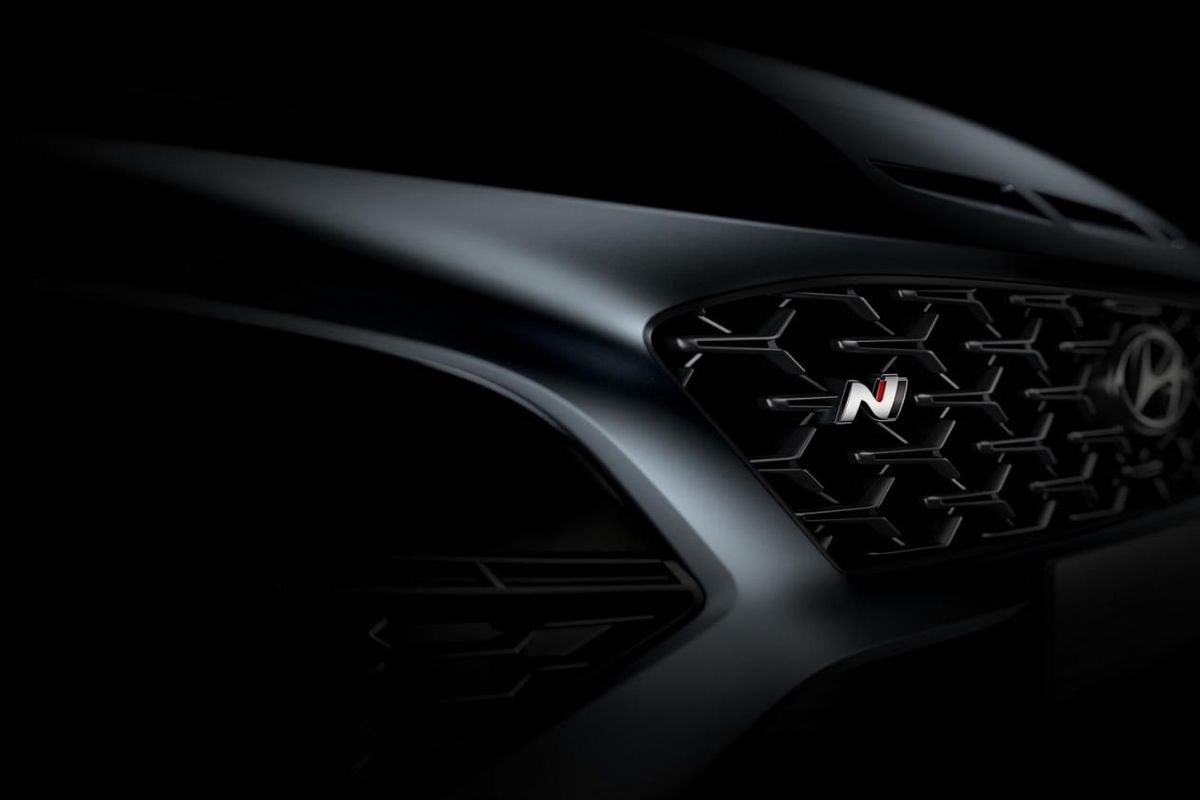
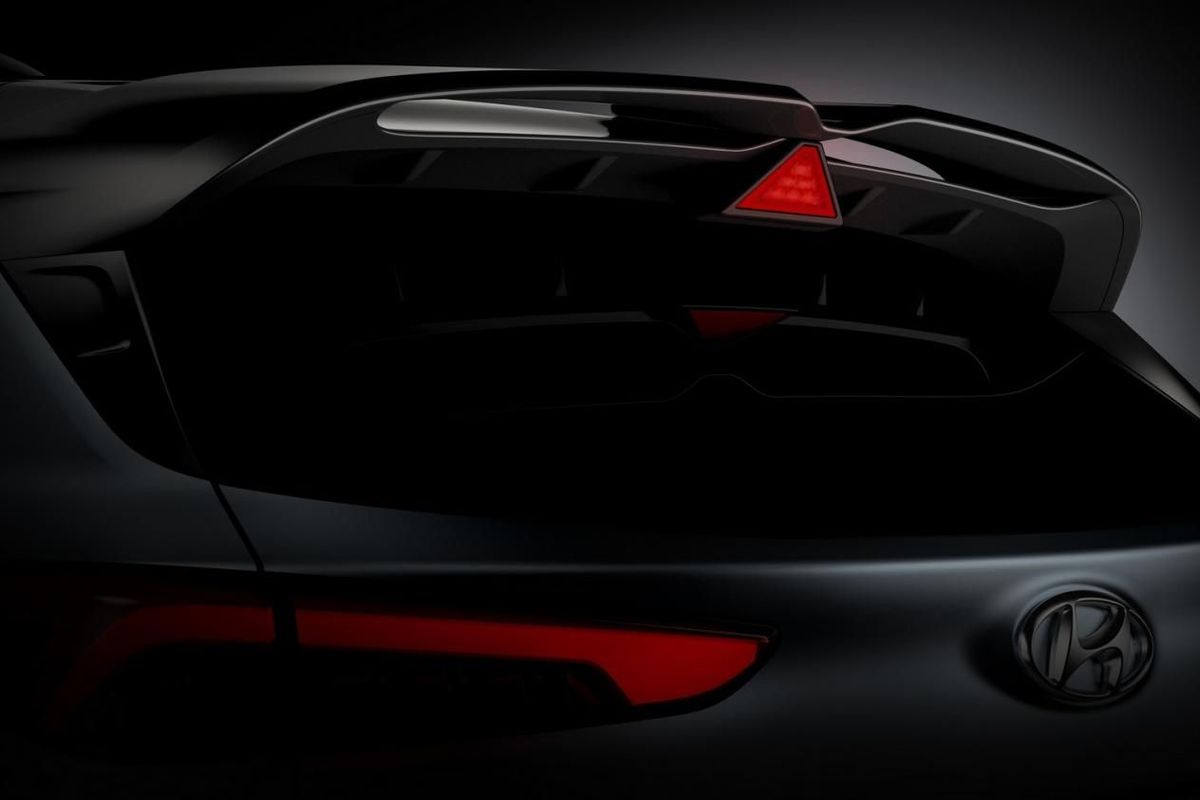
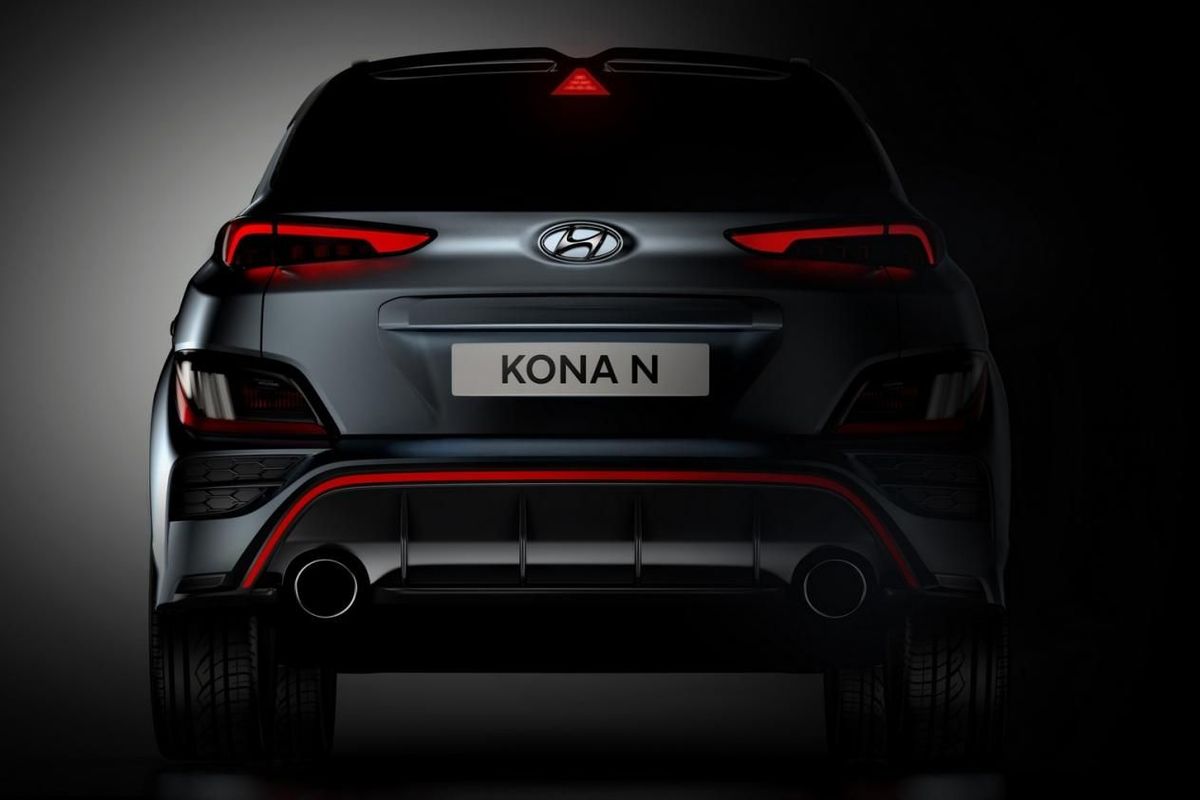
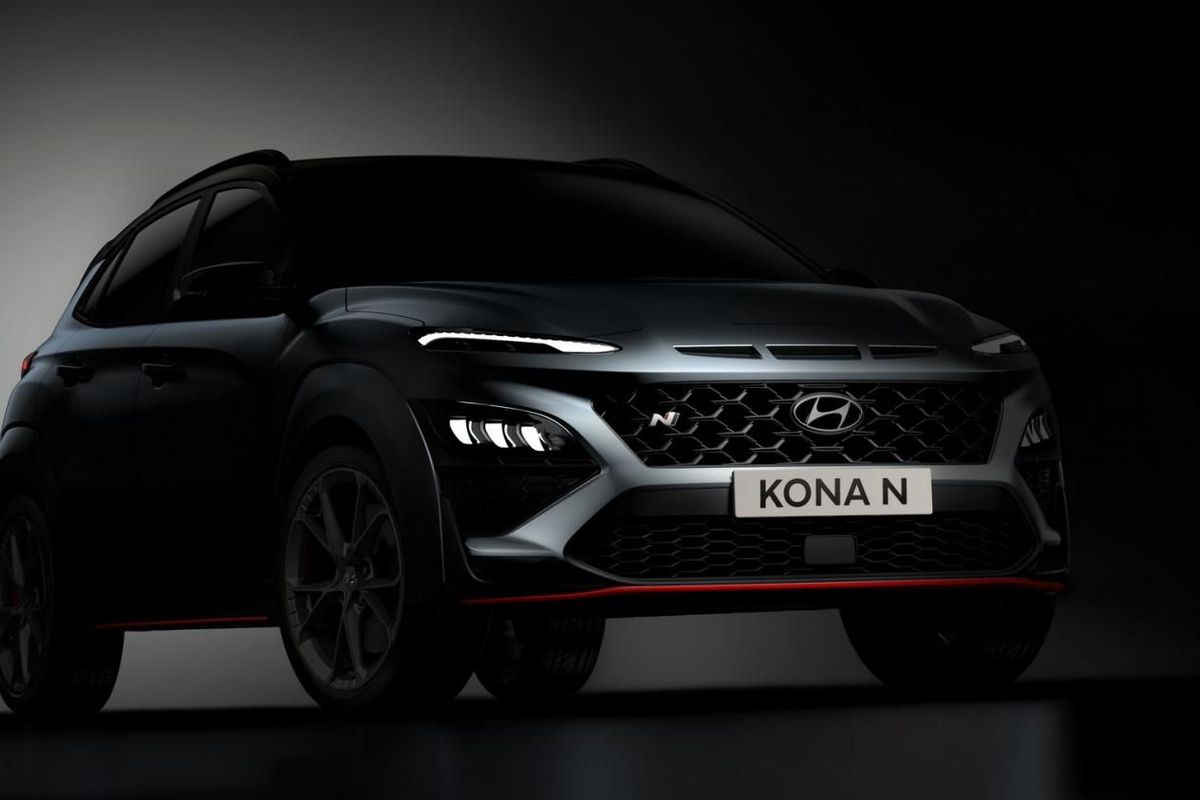
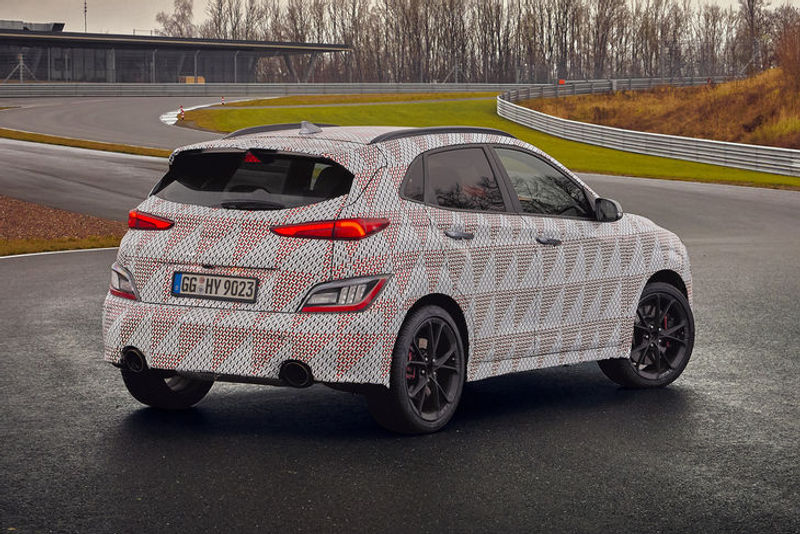
*Update March 2021* Hyundai released some teaser images of its new Kona N and while they're tagged as teasers, they don't hide much.
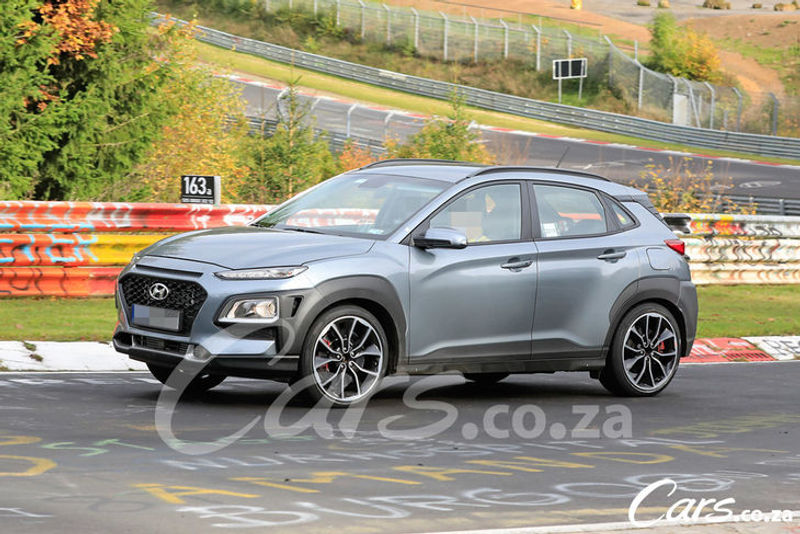
Hyundai has announced that the "the newest member of its N (family) will be the hotly anticipated Kona N – the first SUV in the (N Division's) high-performance line-up". We can't say we're surprised… In April 2020, our spy photographers snapped a pre-production version of the flagship of Hyundai's European-flavoured compact family car being put through its paces around the Nurburgring. Nonetheless, the N Division's decision to go ahead and build a performance-oriented small crossover is quite audacious for the (traditionally risk-averse) Korean marque.
Audi's Quattro division and Mercedes-AMG have dipped their proverbial toes in the water with the Q3 RS and GLA45 4Matic and Volkswagen offers the T-Roc R, which is a direct rival to the upcoming Kona N, although it won't be offered in South Africa… It's a tiny niche of the market, even tinier than the subsegment for rapid compact hatchbacks such as the VW Polo GTI and Toyota GR Yaris.
Last year's spy photo of the Kona N. Image watermarked at the request of the photographer S. Baldauf/SB-Medien.
Having said that, it's a no-brainer to bring the Kona N to fruition, because the Korean brand's compact family car, which was eventually launched in South Africa in late 2018, is based on the i30's underpinnings and is likely to share myriad components with the revised i30 N – equipped with an 8-speed automatic transmission, which is set to be introduced locally during the 1st half of 2021.
So far, Hyundai has revealed precious few details about the "all-new Kona N", apart from confirming that it will be powered by a 2.0-litre 4-cylinder turbopetrol mated with an 8-speed wet dual-clutch transmission (N DCT) and that it will offer, inter alia, "a variety of high-performance driving features, such as launch control and an exciting sound experience."
Here's a clue to the Kona N's final look. There's a lot more in the way of air inlets in the facelifted N Line version's frontal aspect.
That leads us to believe the Kona N could produce up to 206 kW and 392 Nm (the latter from 1 950 to 4 600 rpm), but Hyundai might be reluctant to make its newcomer match the performance figures of the facelifted i30 N for fear of cannibalising sales of the latter, especially in Europe, where compact family cars rule the roost. We anticipate the 2.0-litre mill might be slightly detuned in the Kona N.
Still, other accoutrements from the i30 N that could feature on the Kona N include an electronically controlled suspension and limited-slip differential (eLSD), a rear stiffness bar and uprated N braking system (of which the discs have been increased to 360 mm), a bespoke drive-mode system (which Hyundai calls "N Grin Control"), including the N Grin, N Power and N Track Sense shift modes.
The N Line features a sporty diffuser and side-mounted tailpipes, but the Kona N will have a pair of large-bore exhaust ends.
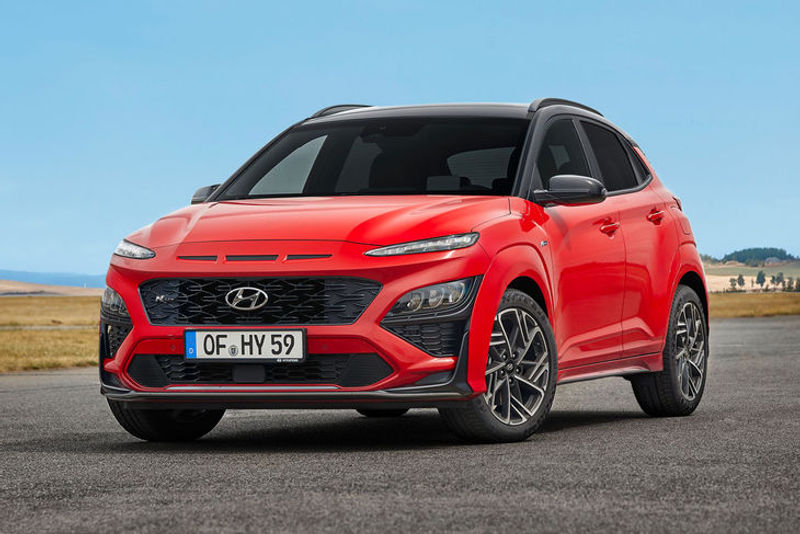
As to which design cues might lurk under the camouflage of the car in the teaser images, we'd suggest the facelifted Kona, which is 40 mm longer than its predecessor (the car that's currently offered in Mzansi) and features a longer bonnet, a refreshed grille design and widened LED daytime running lights, provides a good indication, although the bumpers, especially, of the Kona N will be exclusive to the model. The N-Line (for example, although it's unlikely to come to SA) eschews black cladding in favour of a sporty body kit and features a trio of mesh-covered mini air intakes above the front grille.
Inside, the Kona N's front sports seats are likely to be trimmed in black artificial suede and leather with Performance Blue contrast stitching and the instrument cluster may include an active variable LED red zone and shift indicator. Apart from sporty, metallic-finished pedals, the seatbelts will probably feature Performance Blue accents – as they do in the i30 N.
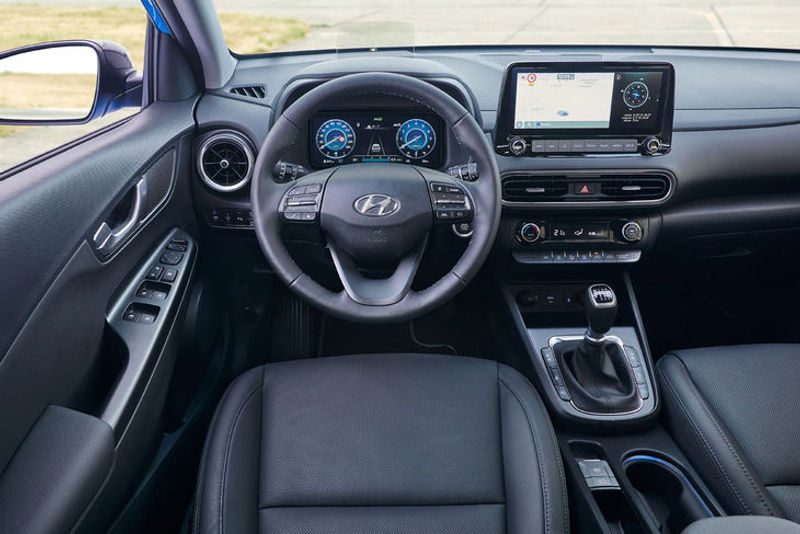
This facelifted Kona features a digital instrument cluster and upgraded infotainment system. The N model should have sportier detailing.
With the recent facelift, the Kona has gained an electronic handbrake, ambient LED lighting (for the centre cup holder as well as the driver and front passenger's footwells), updated speaker- and vent surrounds, as well an 8-inch touchscreen infotainment system with wireless Android Auto and Apple Car Play. The 10.20-inch digital instrument cluster and -touchscreen units might feature too.
“As the N brand’s first ‘hot SUV’, the Kona N will offer plenty of versatility and driving thrills that N-thusiasts (sic) have come to expect from the brand. You can take this vehicle anywhere – from road to the track,” said Till Wartenberg, Vice President and Head of N Brand Management and Motorsport Subdivision at Hyundai Motor Company.
What's interesting about Wartenberg's statement is that it suggests the Kona N will be "the first" of a number of performance-oriented SUVs to come from the brand, which lends credence to the rumour that an N model based on the all-new Tucson is in the works. As for the possibility of the Kona N being made available in South Africa, well, it's not great…
The Kona is the least popular model in Hyundai Automotive SA's compact family car line-up (which includes the Venue and new Creta); although the facelifted Kona is likely to arrive at some point in 2021, the N model is an ultra-niche offering and even if the Korean brand's local distributor could make a case for launching it here, it would be positioned at a disadvantageous price point.
Audi is readying its biggest SUV yet. The Audi Q9 will be taking on the Mercedes-Benz GLS and BMW X7 when it is revealed in 2022.
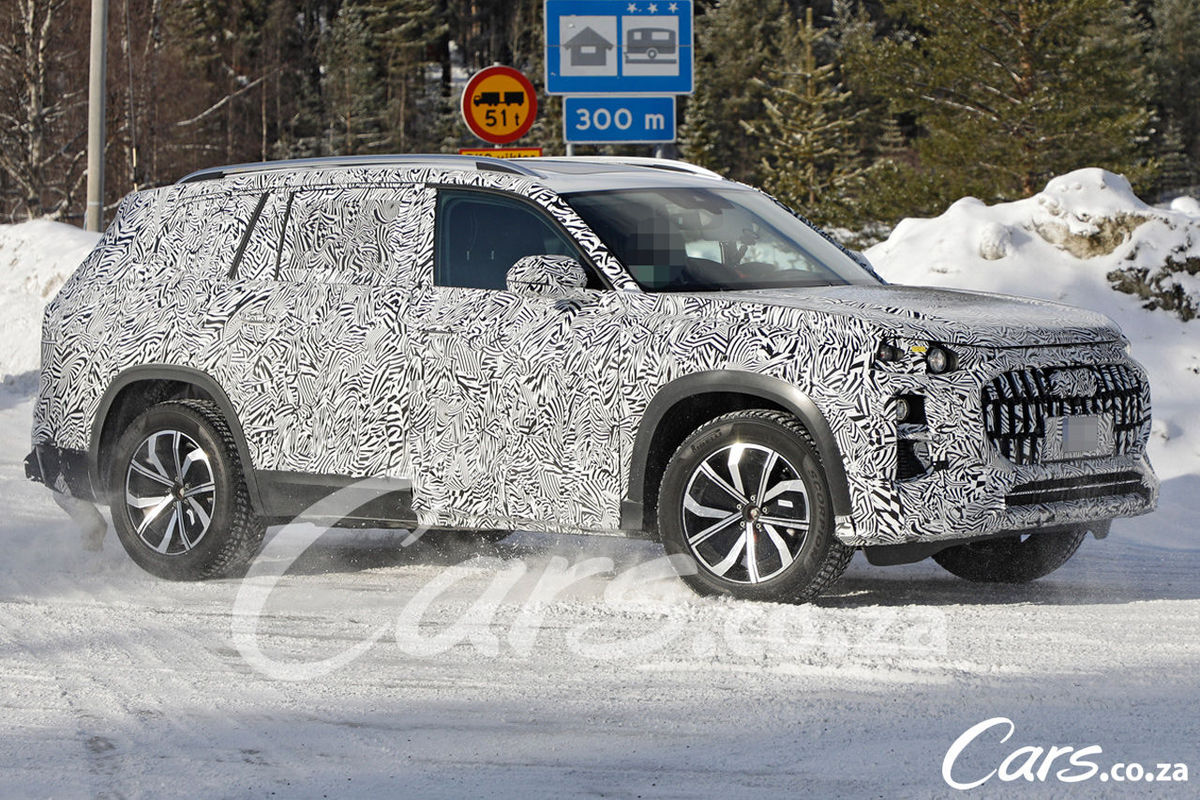
Picture credit: S. Baldauf/SB-Medien. We have paid for these photos and at the photographer's request, have watermarked them.
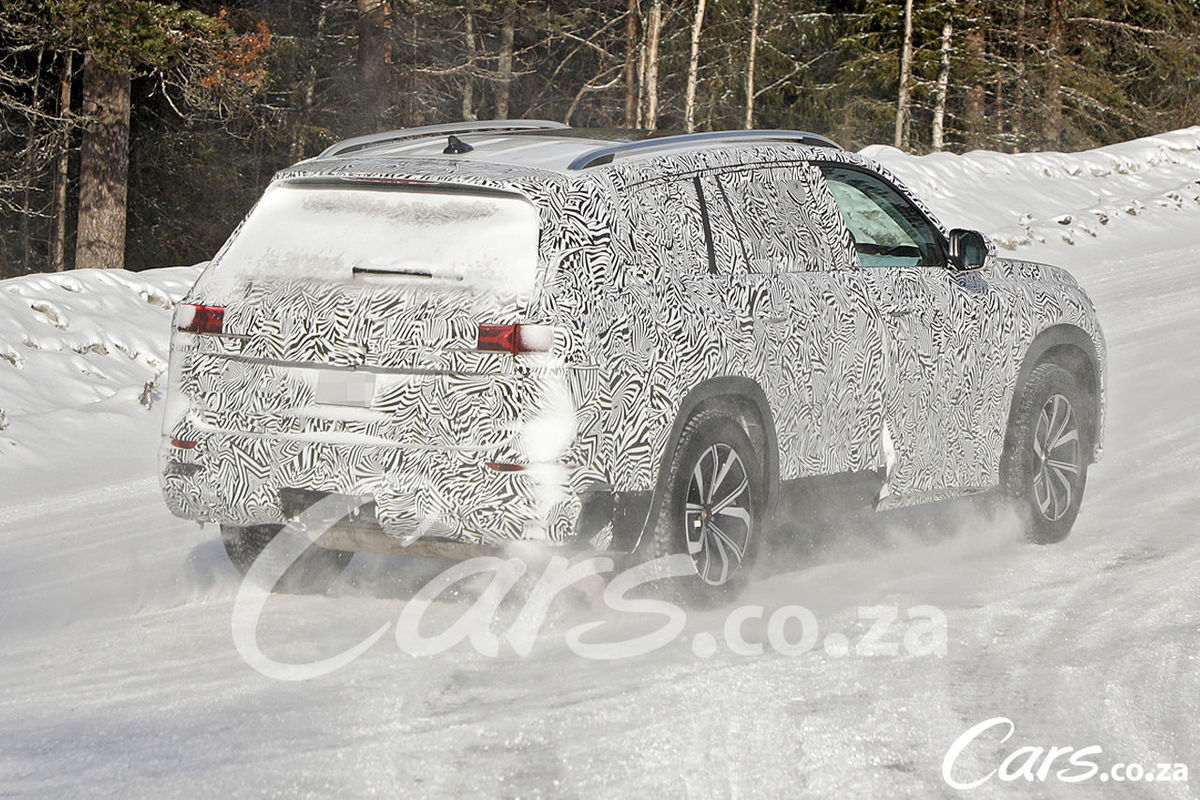
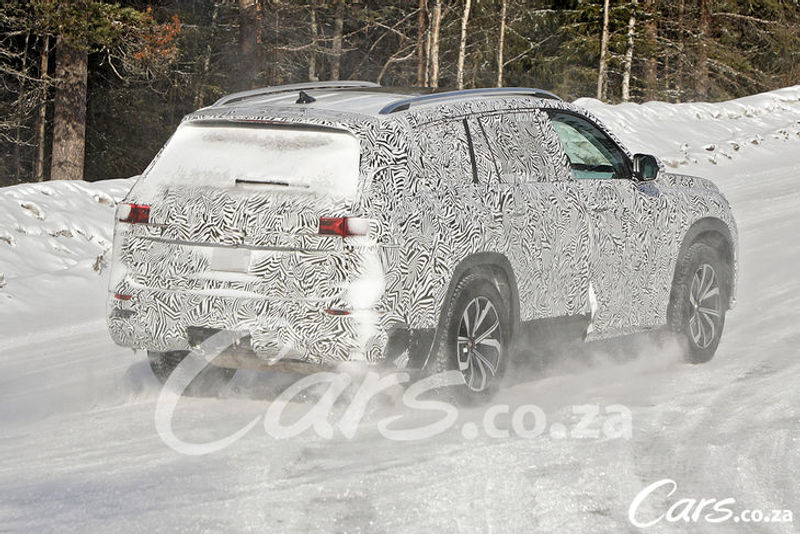
German carmaker Audi is preparing a Q9 super SUV which will take the fight to the 7-seater Mercedes-Benz GLS and BMW X7, and we're sure it will ruffle some Range Rover feathers too. Back in 2018, Audi boss Robert Stadler hinted that something big was coming at the launch of the Q8.
Now the first mules of the Audi Q9 have been spotted and the one you see here is conducting winter tests. Interestingly, the wrap you see is what Audi uses for its China-only vehicles, a hint of a potential market perhaps? We do know the US market does like a large SUV too. As far as platforms go, Audi can call upon the vast arsenal of the Volkswagen Group and we reckon the new Audi Q9 will be underpinned by the same MLB Evo as its Q8 sibling (as well as the Porsche Cayenne, VW Touareg and Bentley Bentayga). Granted, it would need to be extended a touch to allow for genuine 7-seat functionality, but it is rumoured that a 6-seat setup will also be offered.
With regards to engines, again Audi can dip into the family reserves and there's a staggering away of petrol, diesel and hybrid options on offer. We reckon on the diesel side of things, the 3.0-litre V6 TDI will be offered, but for those wanting some petrol power, potentially the 4.0 TFSI turbocharged V8 could be used. The latter is available in a variety of outputs and can be had with a monstrous 478 kW and 850 Nm – the same setup as the Lamborghini Urus. RS Q9 anyone?
The Audi Q9's development is still in its early days, but we'll keep an eye on how this goes.
Volvo XC40 Recharge Pure Electric Confirmed for SA
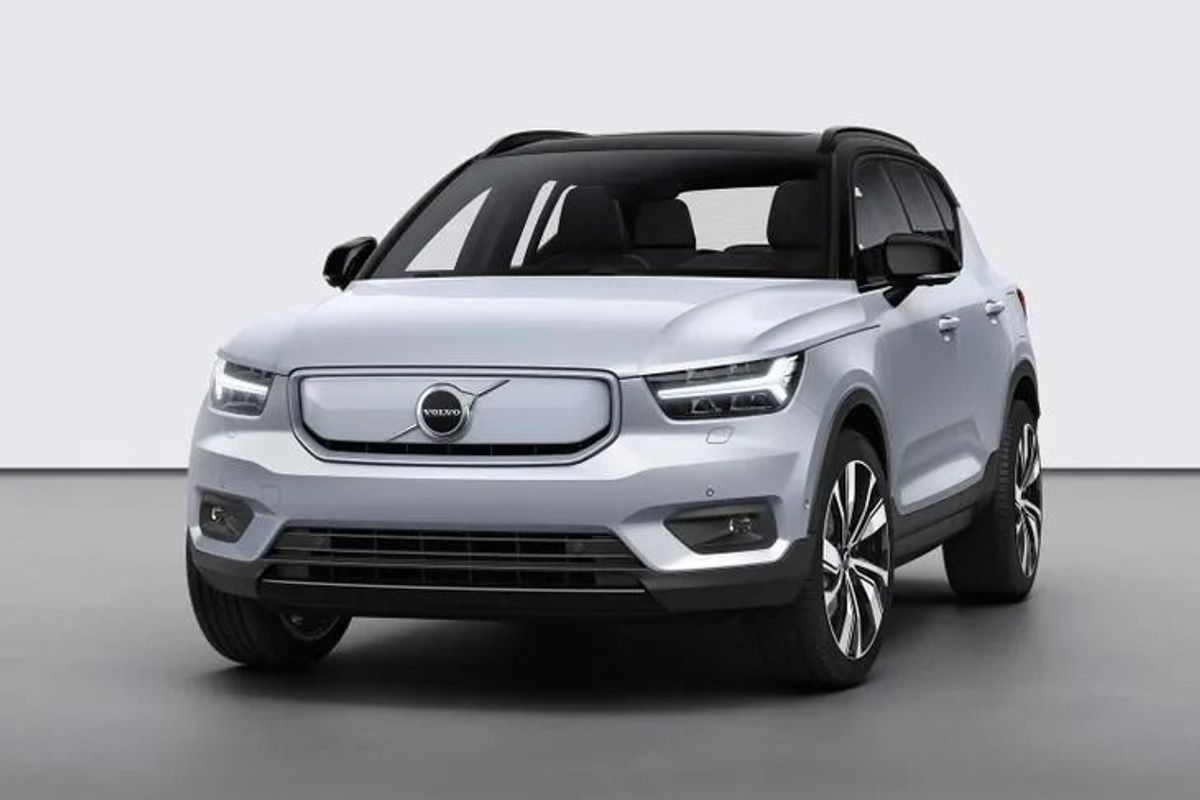
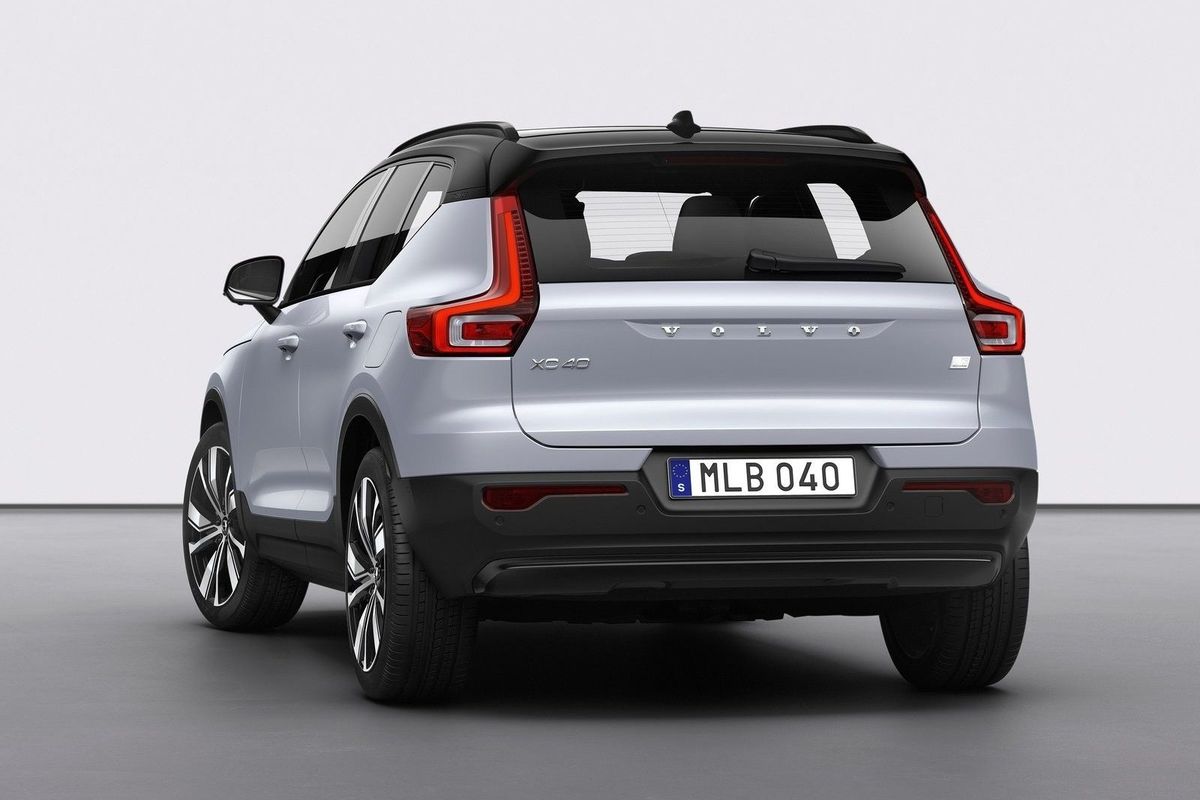
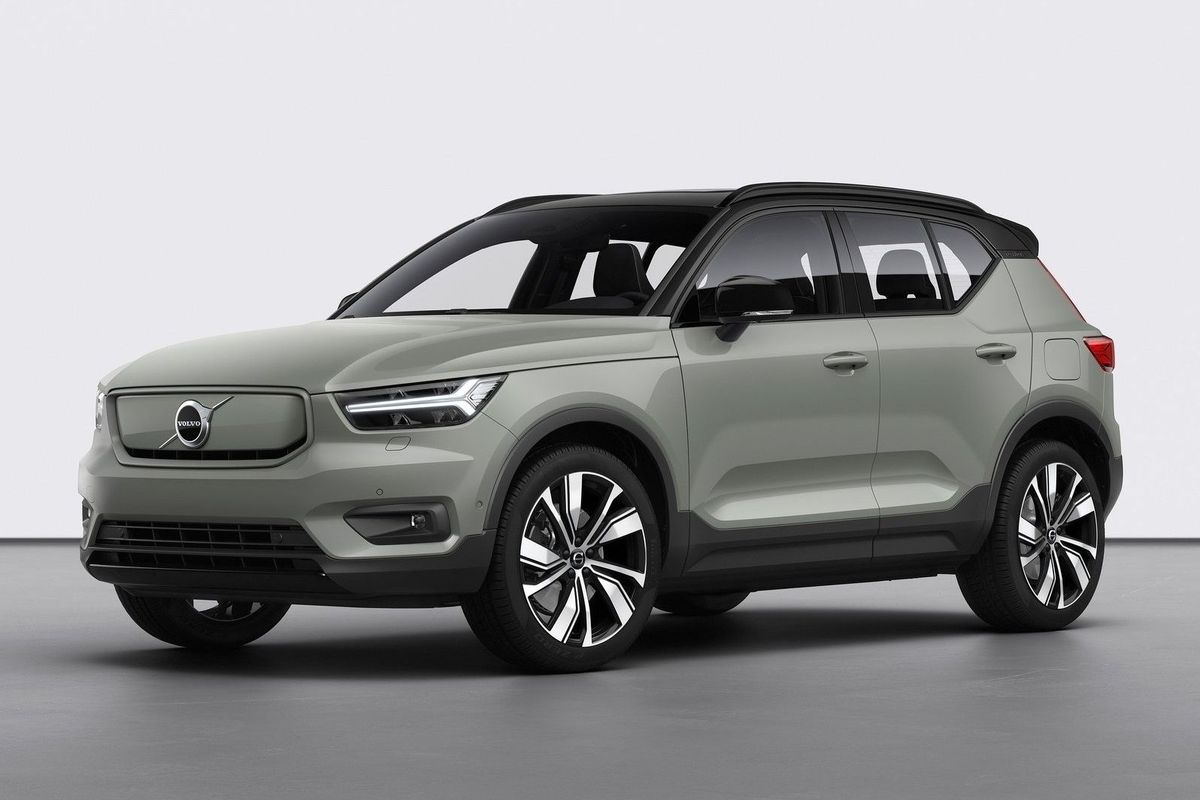
Volvo SA has confirmed the arrival of its first all-electric car to our shores. Here's what you can expect from the Volvo XC40 Recharge Pure Electric.
The global market has reacted strongly to the all-electric SUV segment. The Audi e-tron, Volvo XC40 Recharge Pure Electric, Mercedes-Benz EQC, Jaguar I-Pace and BMW iX3 are all on offer globally, but of those, it's only the Jaguar that's available in South Africa. Until now. Volvo SA has confirmed it will be bringing in XC40 Recharge in the next few months, with dealers taking orders in April and the first customer cars set to be delivered in August.
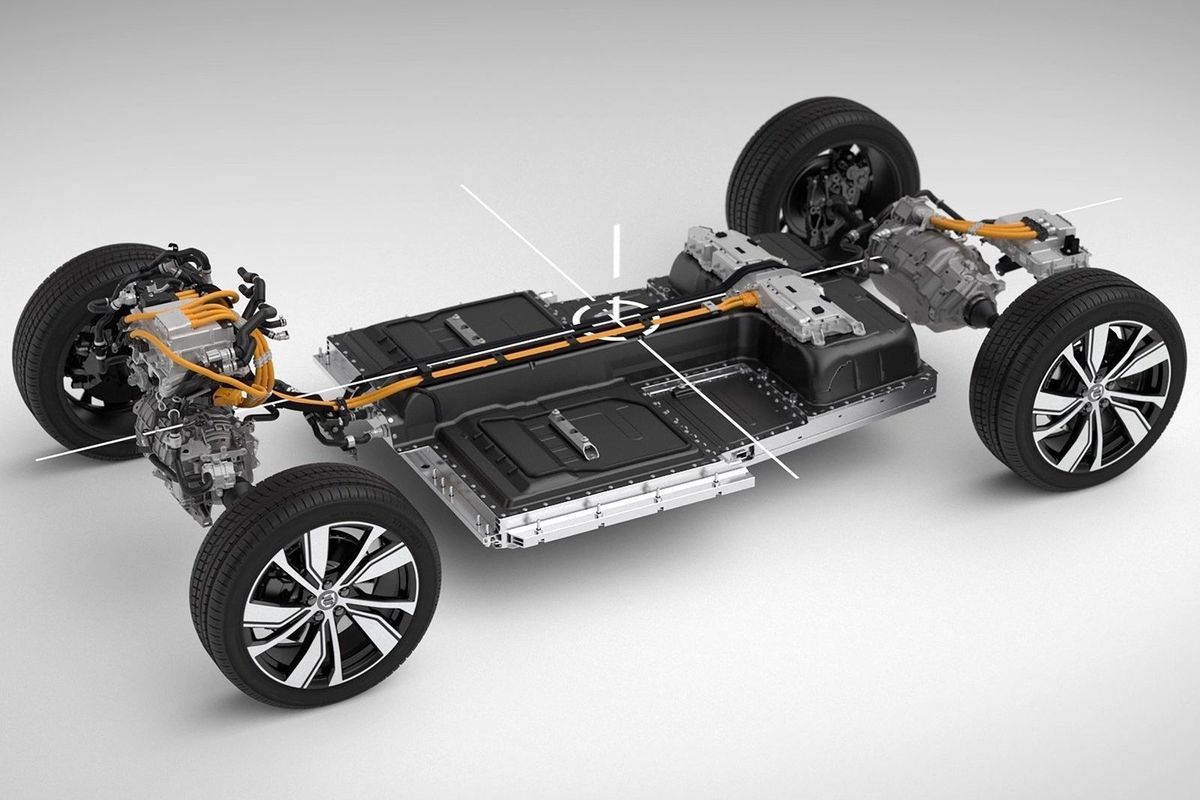
The XC40 Recharge Pure Electric has impressive numbers on paper. With its two electric motors producing 304 kW and 600 Nm, it's going to be the fastest Volvo in SA with a claimed 0-100 kph in 4.9 seconds. In terms of range, just over 400 km on a single charge is the claim and you can get 80% battery capacity in about 40 minutes if you're connected to a fast charger.
Volvo's XC40 Recharge Pure Electric has proven popular for the Swedes, with thousands of pre-orders. By the time production had started at Volvo's Belgium facility at the beginning of October 2020, every car scheduled to be assembled that year had already been accounted for. With the mechanical hardware cleverly positioned under the car, this makes it surprisingly practical. Where the internal combustion engine used to be in the front, there's now a 30-litre storage compartment.
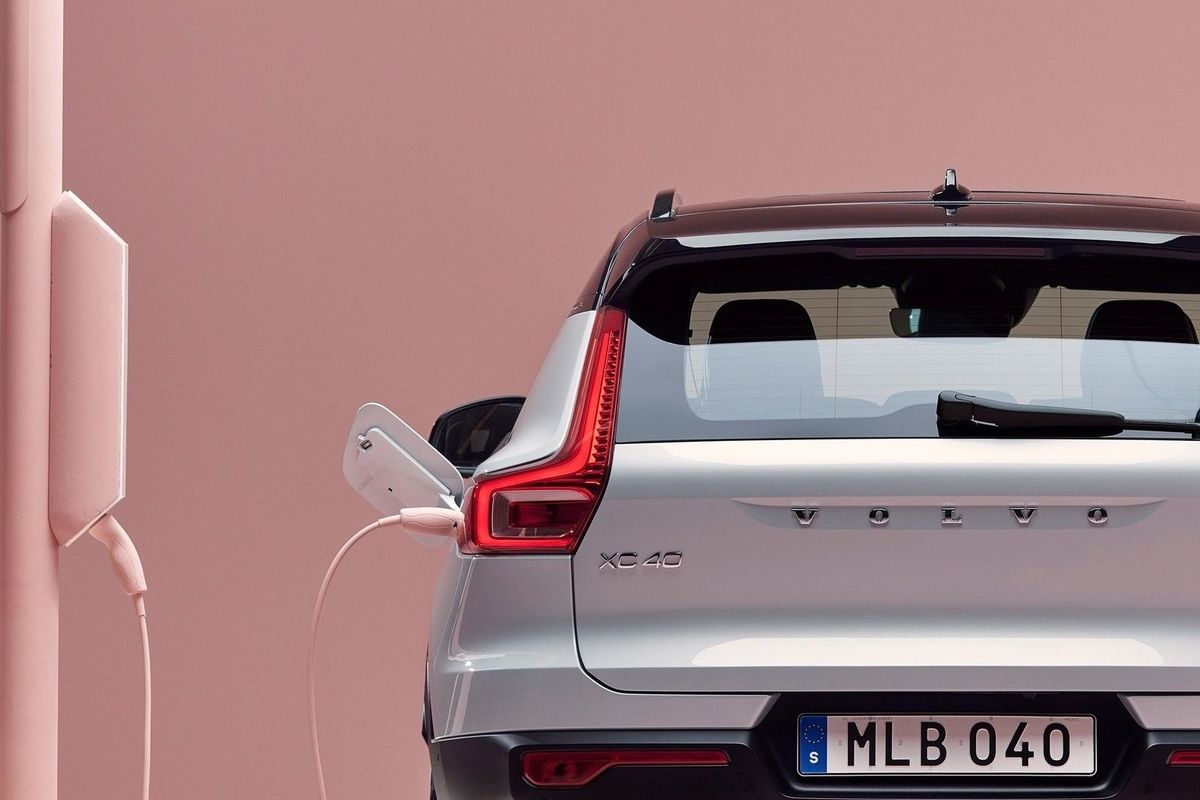
The big concern about electric car ownership in SA usually centres around charging station infrastructure and Volvo SA will be addressing this its own charging network at its dealerships. By the end of 2021, every Volvo dealership will have a charging station. Even if you're not near a Volvo dealership, you can tap into the BMW, Jaguar and Grid Cars networks too, as the OEMs have standardised the charging plugs.
In case you're worried there are insufficient chargers, you have no reason to fear as SA has over 257 chargers (March 2021) and more are being installed all the time. As we've said before, when we rank South Africa in terms of charging stations per EV, we rank better than the Netherlands. South Africa has 2.5 EVs per charging station, which means we’re pretty well catered for EV charging points… at our current EV capacity. If all else fails, charge overnight at home and while loadshedding cuts the power for 2 hours, you still have adequate overnight charging time.
Volvo intends to bring the XC40 recharge to SA in small numbers, but enough to meet suspected demand. The brand is also currently updating its dealer network with charging stations so that by the end of 2021, all 20 dealers will have a charging station available. Initially, these dealership charging stations will be 11 kW chargers, which are some way off the 60 kW 'fast chargers' which we see on the Jaguar Powerway, but as studies have shown, most charging is done at home overnight, so these chargers tend to be used in emergency situations anyway.
The price for the Volvo XC40 Recharge Pure Electric will be announced soon.
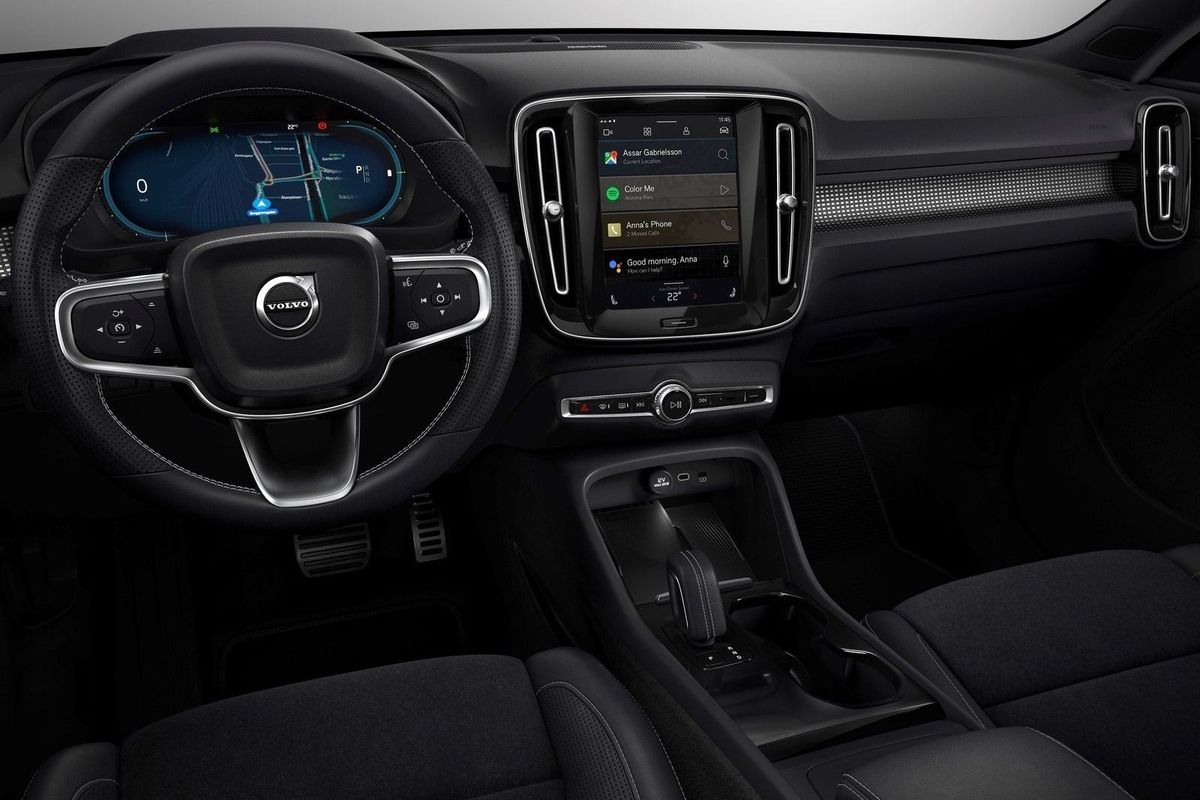
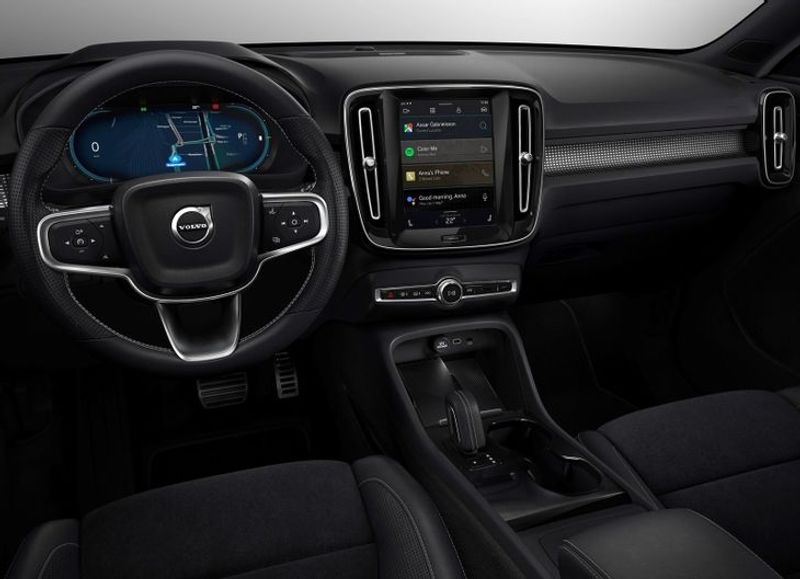
The Volvo XC40 Recharge features an Android-based infotainment system
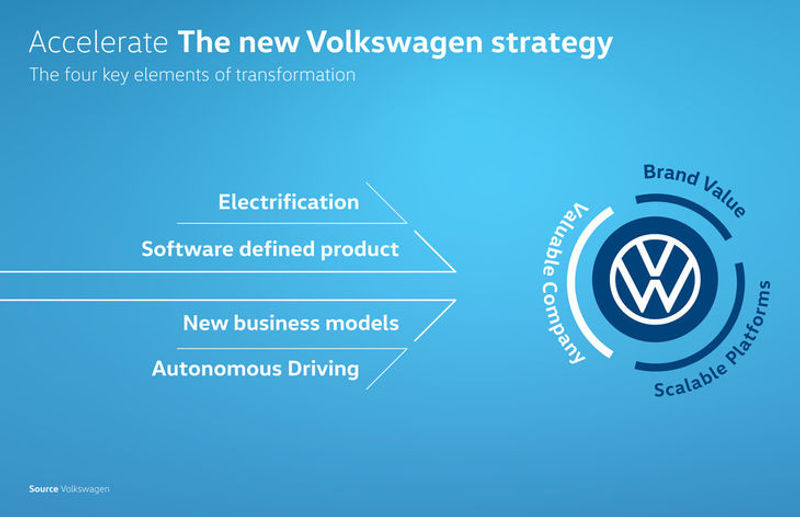
By turning vehicles into software-based products, Volkswagen envisions a networked fleet of electrified vehicles will that receive regular over-the-air updates and have built-in features and services that owners can either specify or subscribe to, whenever they want, throughout the lives of those cars.
However, apart from implementing a data-based business model and “making autonomous driving available to many people before the end of the decade” (as part of its new Accelerate plan), Volkswagen has also undertaken to continue developing internal-combustion-engined products such as the Golf, Tiguan and T-Roc, albeit with increasingly higher levels of electrification.
“E-mobility was just the beginning: the real disruption has yet to come. With our strategy we will Accelerate towards the digital future,” Ralf Brandstätter, the chief executive of Volkswagen (pictured above) said last week. “In the coming years, we will change Volkswagen as never before.”
For that to happen, Volkswagen intends to grow the integration of software into vehicles (and the digital customer experience) into a core competency of the group, which will scale the software throughout its respective brands' line-ups. To this end, Volkswagen has spearheaded the development of a customer-centric digital ecosystem, with the ID models blazing the trail.
From the middle of 2021, VW’s ID. Digital agile project unit will provide “over-the-air” updates every 12 weeks to ID-family EVs so that they will remain up to date throughout their service lives and incorporate new functions/technologies as and when they become available. The group expects that a fully networked fleet of over 500k vehicles will be on the road in 2 years’ time, through which Volkswagen will be able to transmit direct customer feedback to new functions.
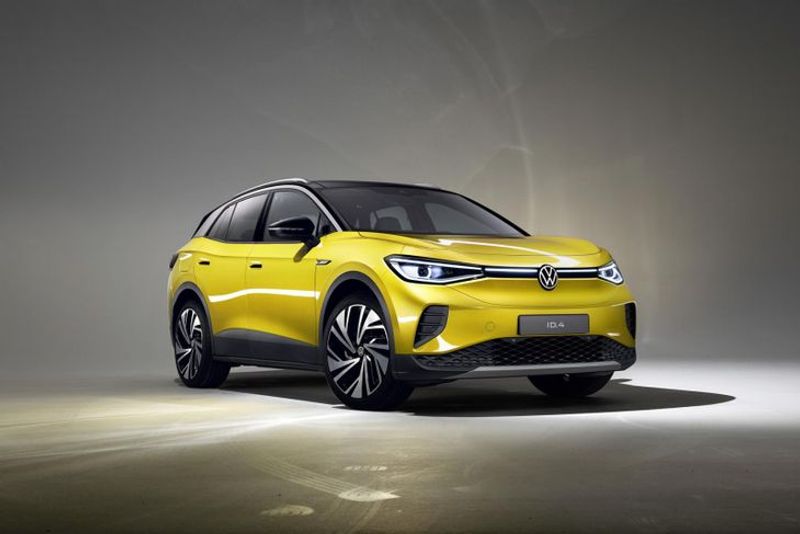
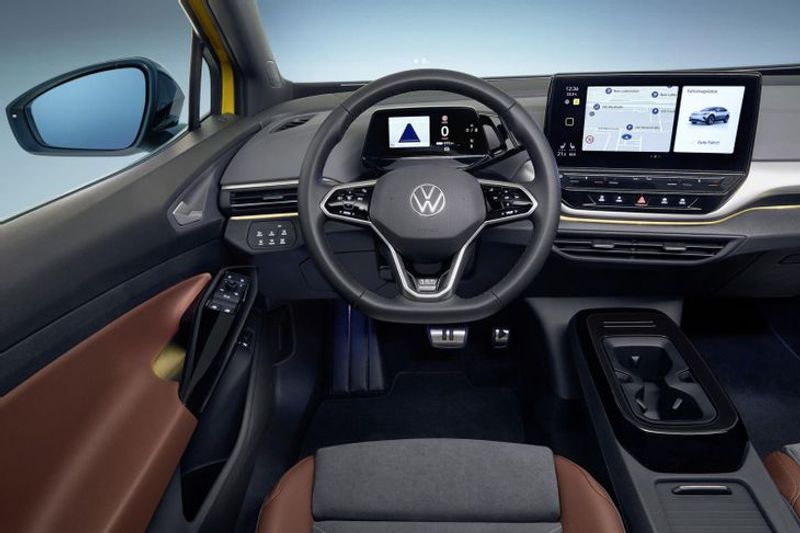
It's widely expected that the ID.4 compact family car will be the first Volkswagen EV to be offered for sale in South Africa.
You will spec cars as you drive them
In other words, future Volkswagen Group products will no longer be largely specified at the point of being ordered/purchased by customers and/or the factories where they are produced. Okay, so your choice of exterior finish, interior trims and motor/battery combo will have to be, but, as for the rest, you will pay only for functionalities and associated services that you need.
This data-based business model is aimed at lowering entry barriers to EV ownership and offering attractive service packages to customers. In doing so, Volkswagen will generate extra revenue over the service life of its vehicles through charging and energy services, through software-based functions that customers can reserve as needed, or through automated driving.
That also means that future models will have significantly fewer derivatives because vehicles will have virtually everything on board and customers can add desired functions any time by using the vehicle’s digital ecosystems. This will, of course, greatly reduce production complexity too.
Volkswagen will make a range of features and services available in models, you can spec/activate them when you want to.
Faster e-mobility expansion
By 2030, Volkswagen hopes to account for more than 70% of BEV deliveries in Europe and in excess of 50% the United States and China. It will continuously optimise the Modular Electric Drive Toolkit (MEB) with improvements in acceleration, charging capacity, range and intends to launch “at least one new BEV model every year”. In 2021, VW will introduce the all-wheel-drive ID.4, followed by the sporty ID.5 and the ID.6 7-seater electric SUV in China.
Fortunately for VW customers in countries with fledgeling EV markets, the combustion engine fleet will also be developed further in parallel to the “e-campaign”. All of the core models, including the Golf, Tiguan, Passat, Tayron and T-Roc will be succeeded by new versions.
“We will still need combustion engines for a while, but they should be as efficient as possible, which is why the next generation of our… world models will be fitted with the latest generation of plug-in hybrid technology, with an electric range of up to 100 km,” Brandstätter said.
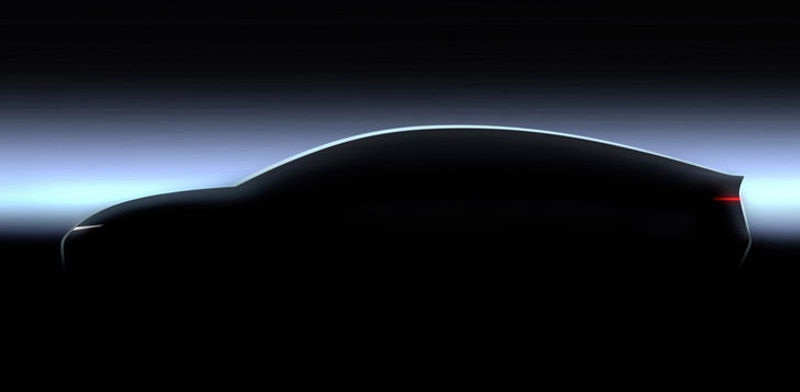
Volkswagen released this sketch of the Project Trinity sedan in profile.
Project Trinity
If Volkswagen’s Accelerate plan has a flag-bearer, it’s the brand’s flagship project, Trinity, which will debut as a production all-electric sedan (based on the next-generation high-performance all-electric drive toolkit for flat vehicles – the Scalable Systems Platform) in 2026.
Apart from reportedly delivering a full-charging time comparable to the duration of refuelling the tank of a conventional combustion-engined vehicle, the all-new EV architecture will deliver benchmark distances between recharging, thanks to extensive weight-reduction measures, plus it will be equipped with Level 2+ automated driving tech from the outset (and Level 4 in future).
“With Trinity, customers will be able to experience everything Volkswagen has planned for the future in a vehicle for the first time (in 2026). In Trinity, all of the elements will come together. The vehicle will set new standards in three respects: technologically, in terms of the business model 2.0, and with new production approaches at the Wolfsburg plant,” Brandstätter added.
Selling around 6 million units per year gives the company the critical mass it needs to scale autonomous driving, whose development is sophisticated, and to roll it out worldwide. Starting with Trinity in 2026, Volkswagen will therefore take the lead in the Volkswagen Group by establishing a neural network across its fully networked vehicle fleet over which vehicles will continuously exchange data, for example on the traffic situation, obstacles or accidents.
This will enable Volkswagen to create a self-learning system with millions of vehicles that will benefit customers of all of the Group’s brands, the company said.
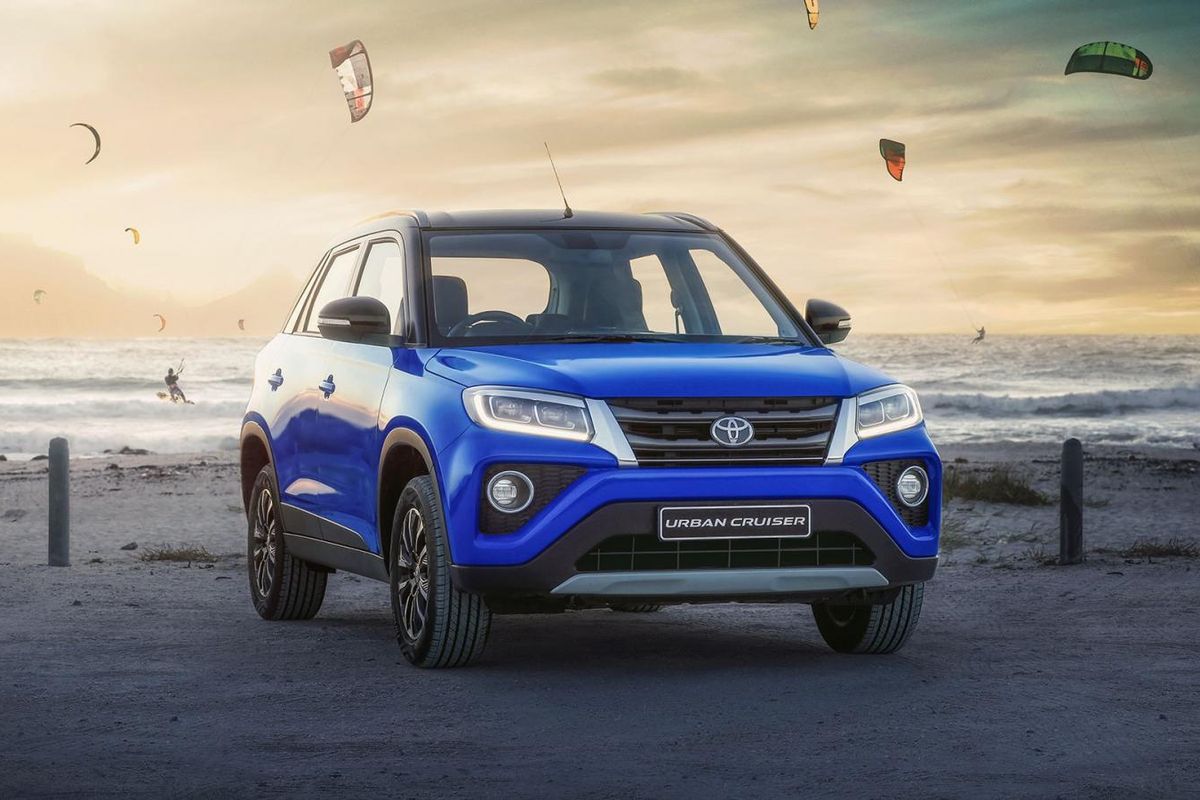
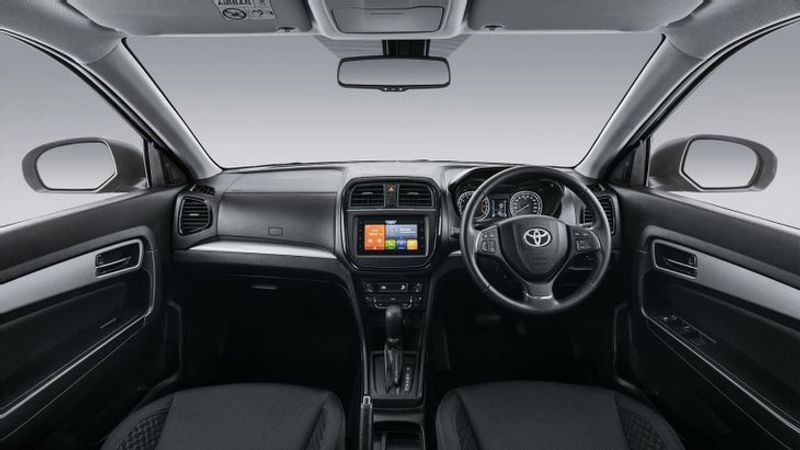
The Toyota Urban Cruiser lands in South African showrooms in March 2021. Here's how much you can expect to pay, plus trim levels and specifications for the new model.
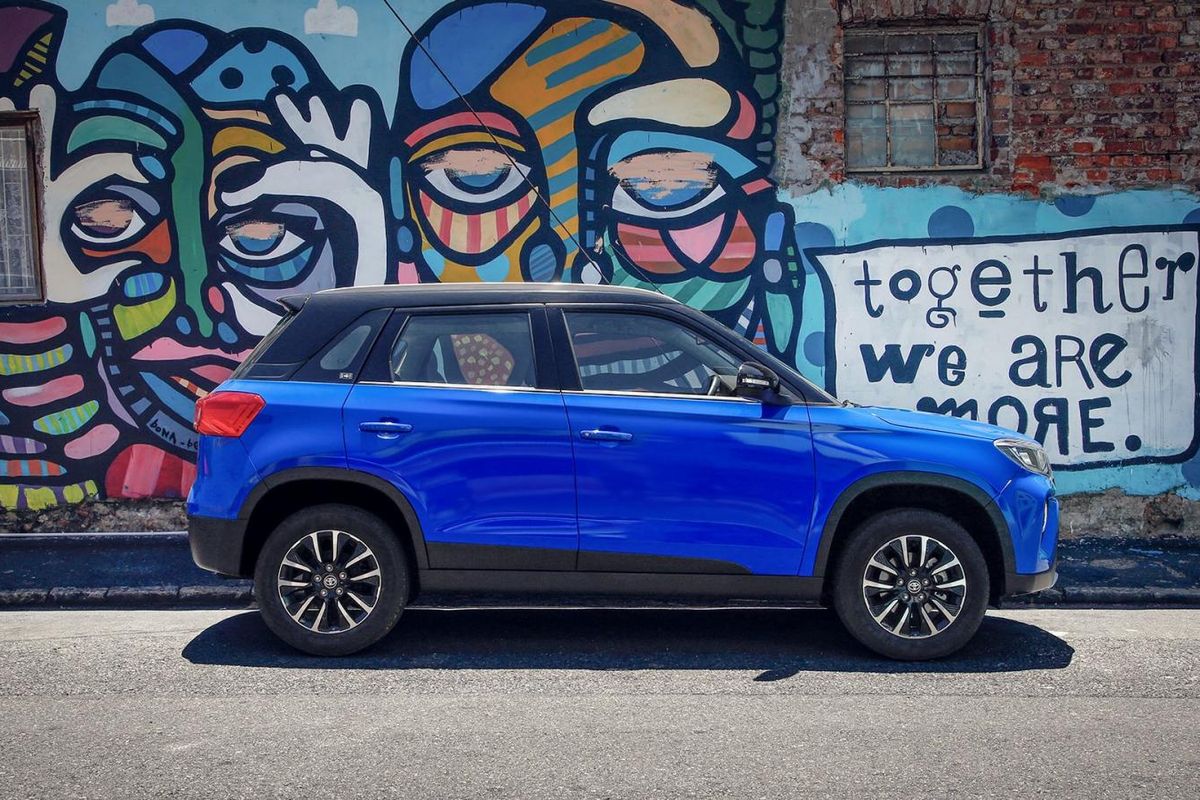
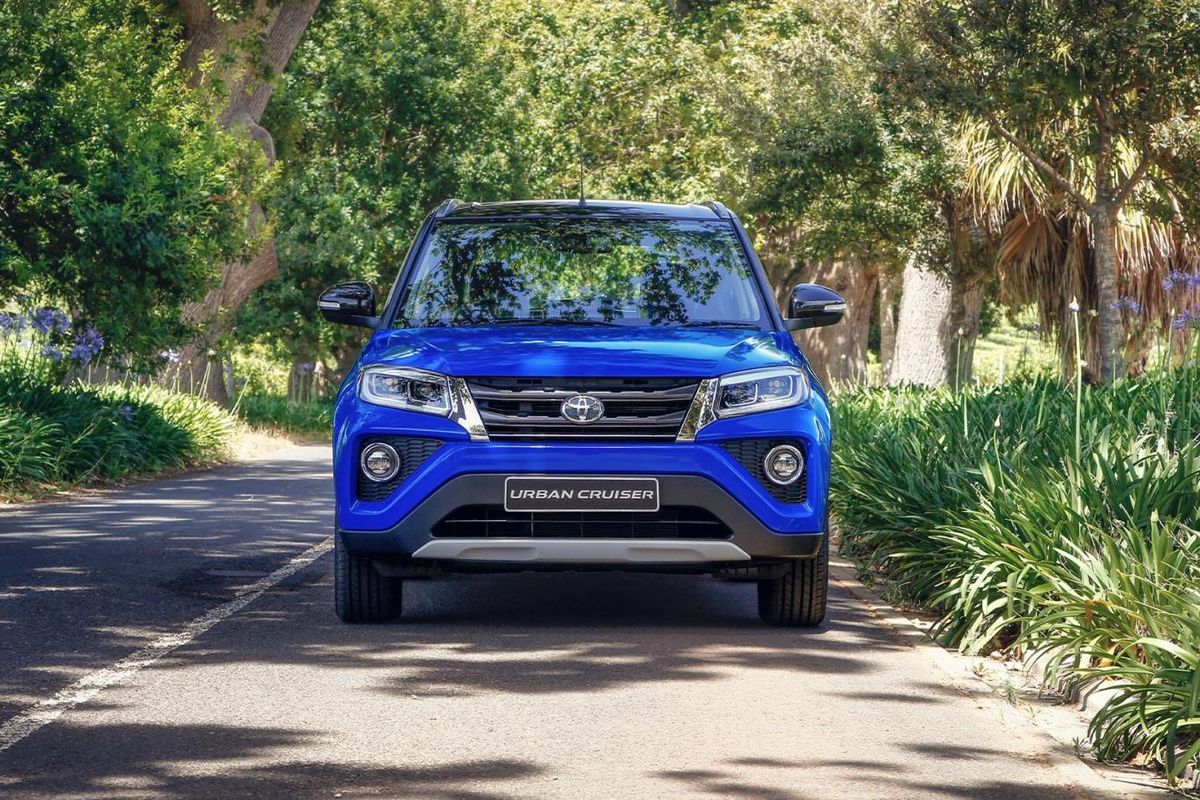
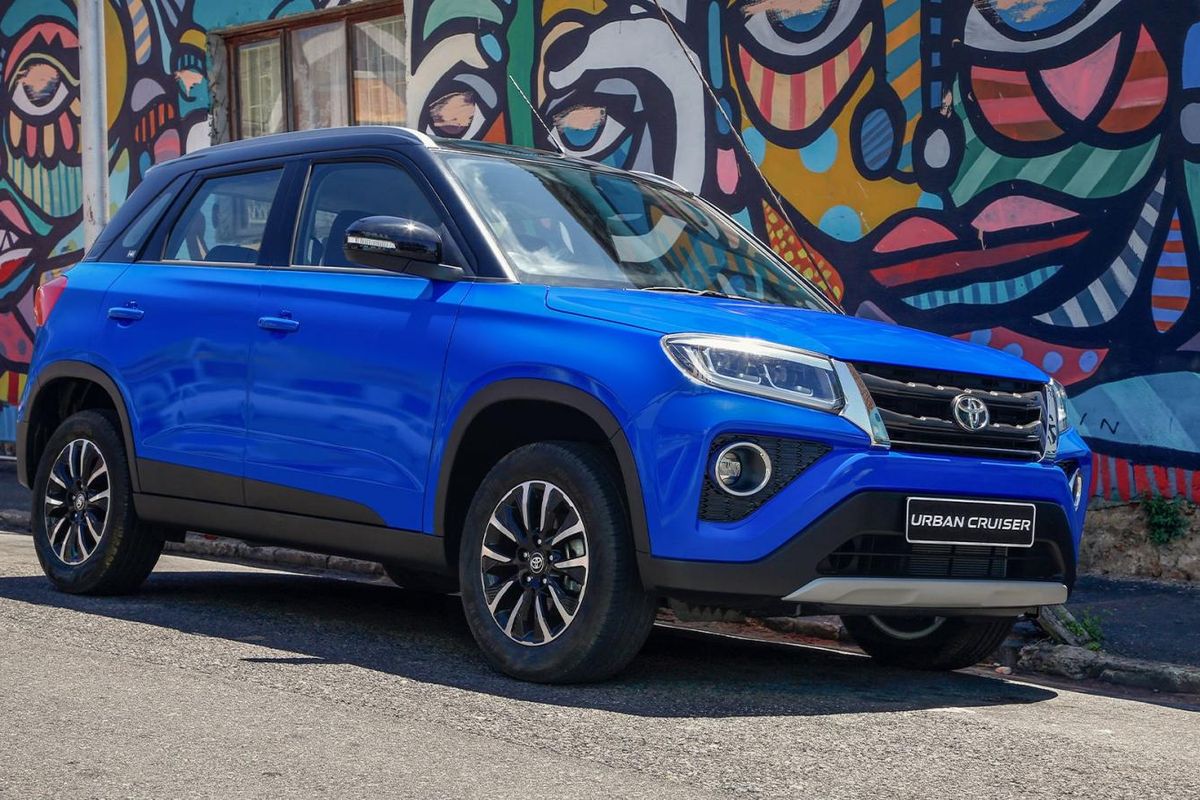
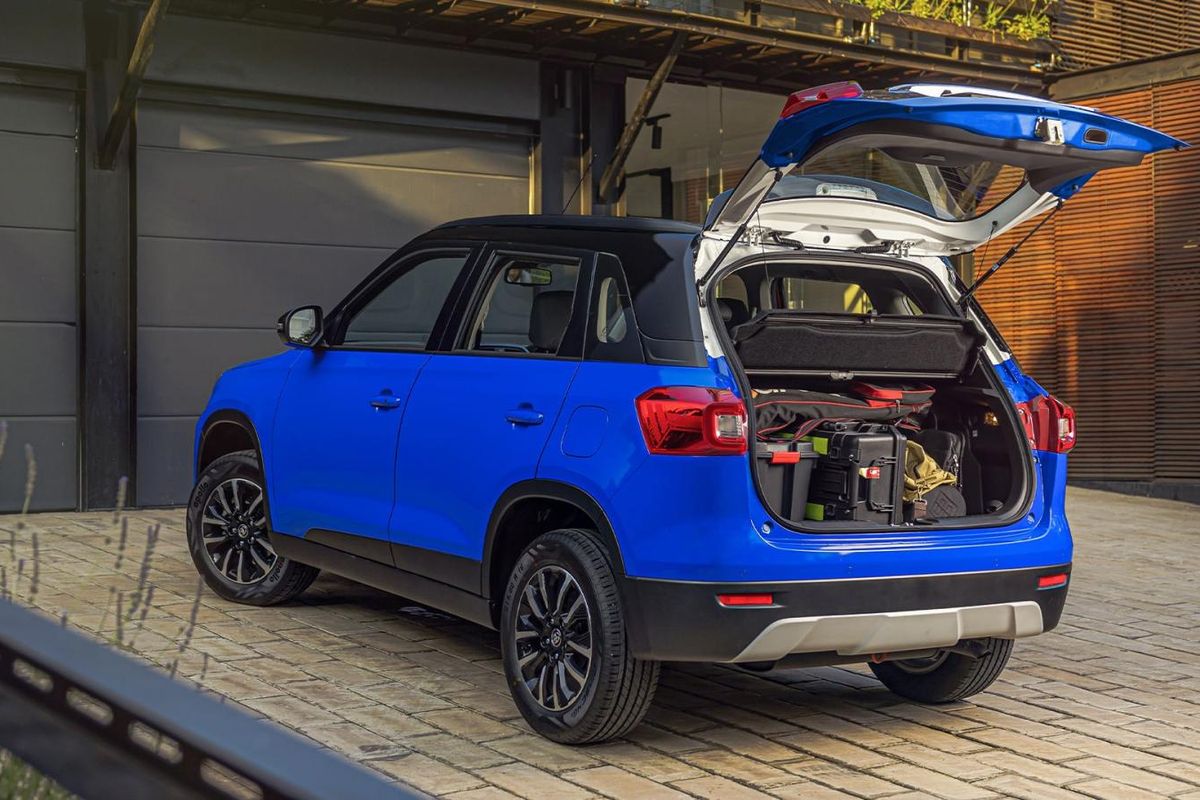
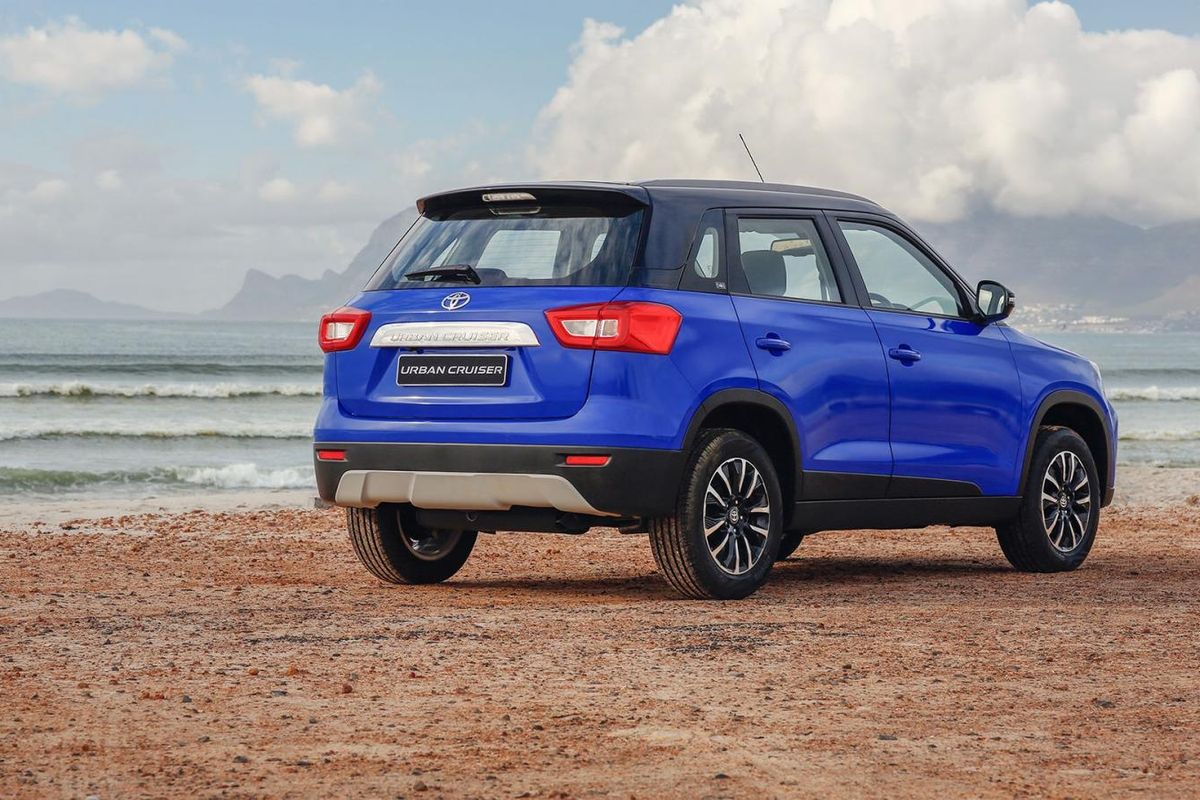
Hard on the heels of the recently-launched Suzuki Vitara Brezza comes the Toyota-badged equivalent. It's called the Toyota Urban Cruiser and yes, it looks like the same situation we had with the Suzuki Baleno and Toyota Starlet. While at first glance there are some visual similarities, the Toyota Urban Cruiser does have a slightly different front end.
Powering the Toyota Urban Cruiser is a 1.5-litre naturally-aspirated 4-cylinder petrol engine. A quick glance at the technical data shows this is the Suzuki-sourced K15B engine, and it produces 77 kW and 138 Nm. Toyota SA is offering the choice of a 5-speed manual gearbox and a 4-speed automatic transmission. Toyota claims a fuel consumption figure of 6.2 L/100 km. All Urban Cruisers are front-wheel driven.
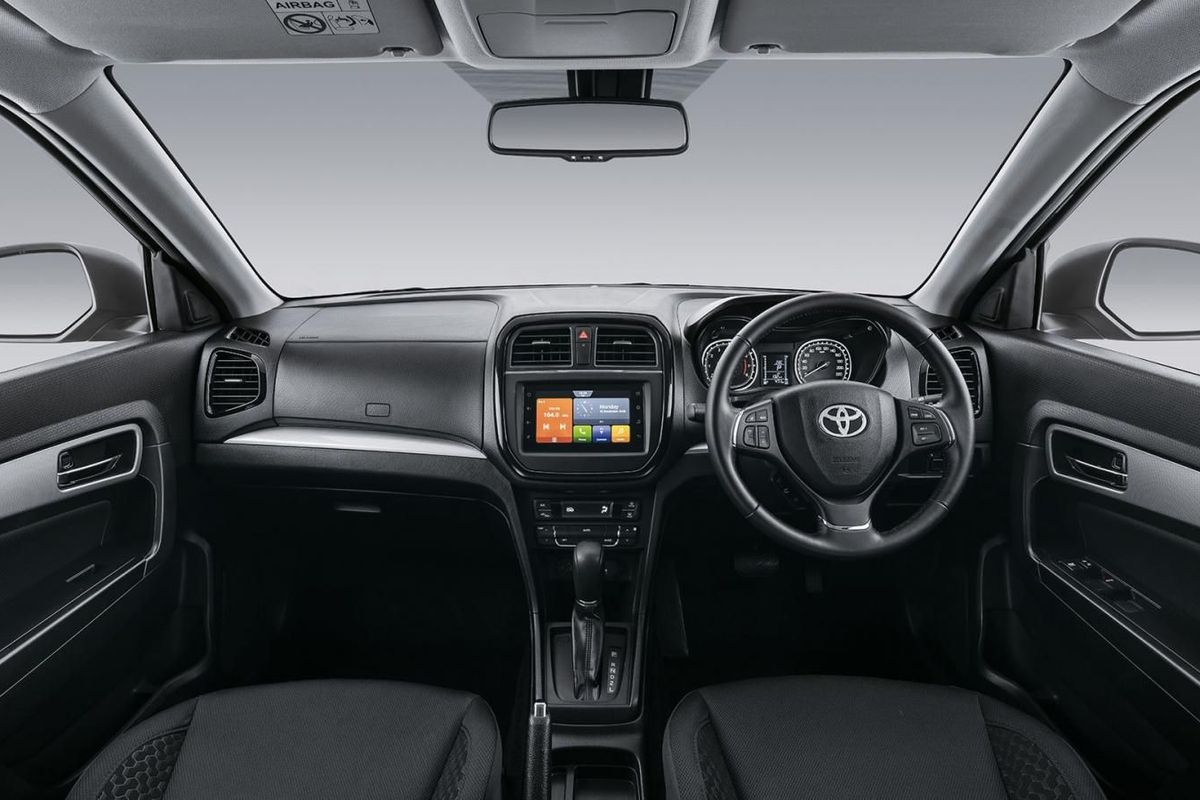
Toyota is offering the Urban Cruiser in 5 derivatives with 3 levels of trim. All Urban Cruiser models are also equipped with the Toyota Connect telematics system which includes an in-car Wi-Fi hotspot and complimentary 15Gb data. Once linked to their profile, customers can manage their vehicle via the MyToyota App. This intuitive app allows on-demand service bookings, vehicle information and history, tracking data as well as Toyota Connect data recharge services and much more.
Urban Cruiser XI Features
16-inch steel wheels
LED projector headlamps
LED daytime running lights
Overhead console
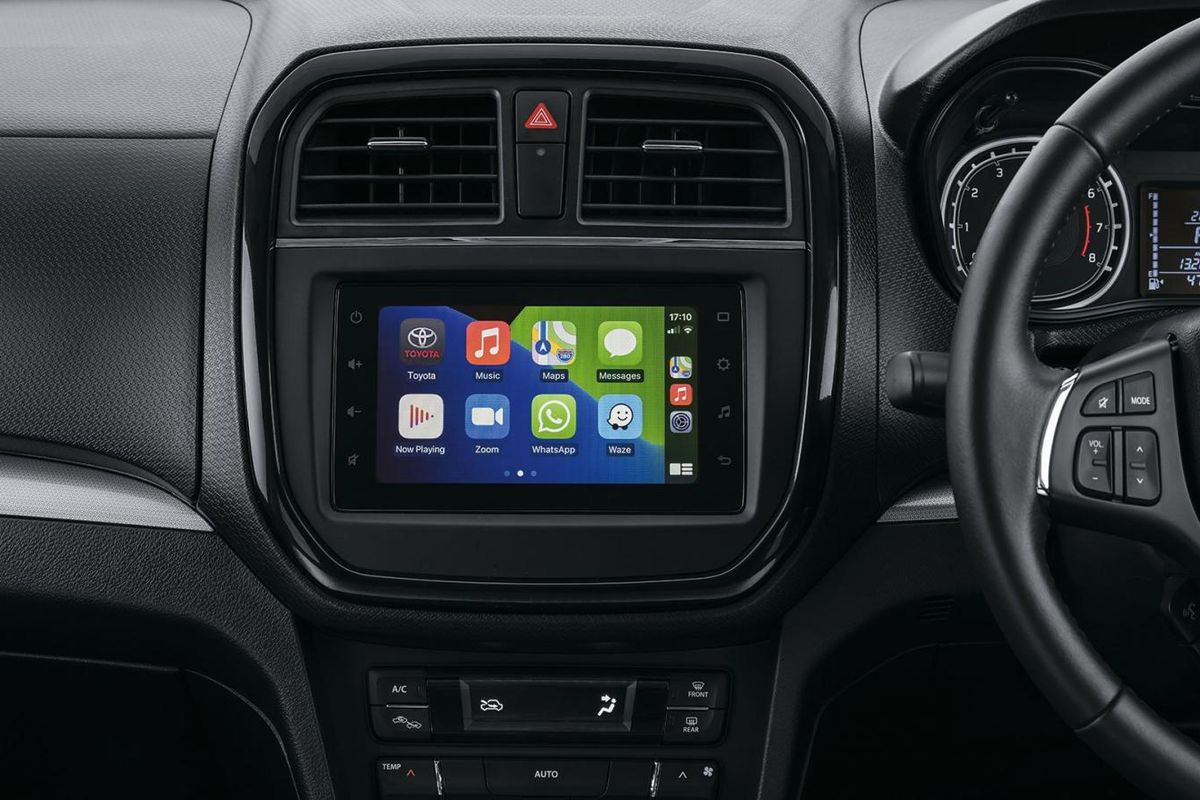
Display audio
Android Auto/Apple Carplay
Toyota Connect
Side door mouldings and skid plates
Push start
Rear parking sensors
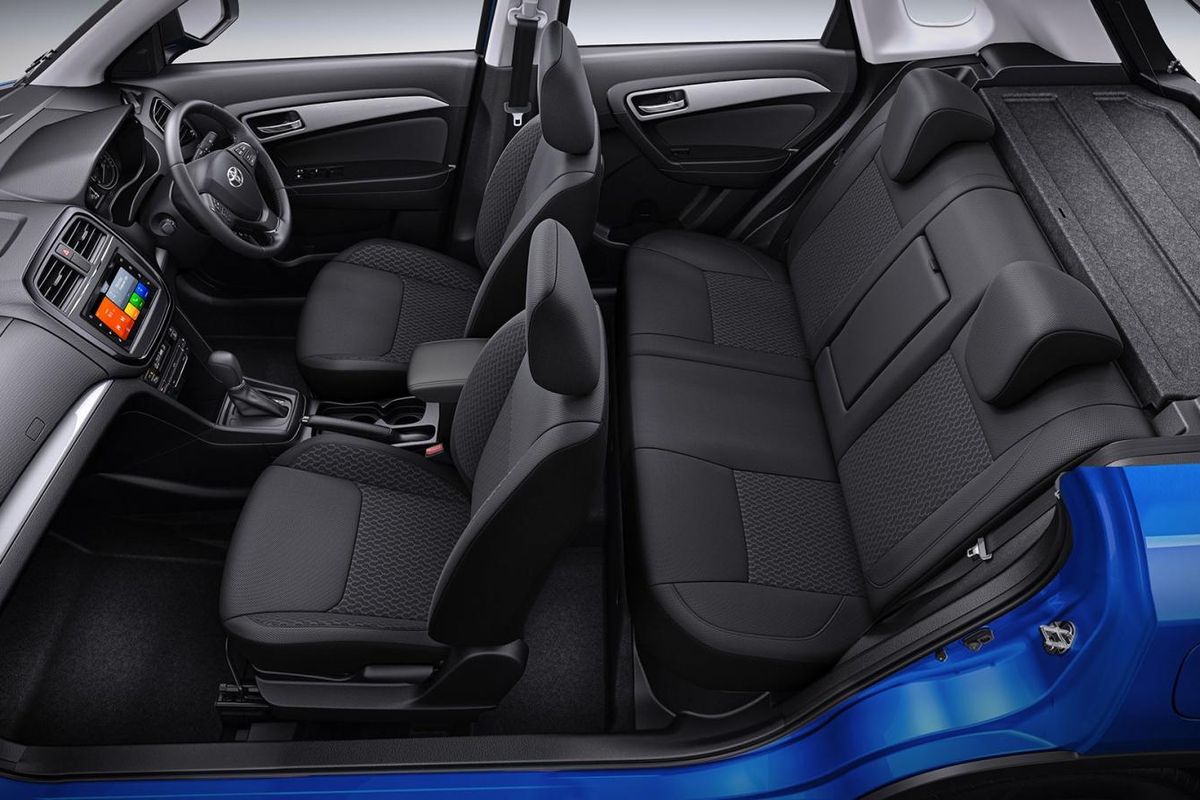
Flip and fold away rear seats
Urban Cruiser XS Features
16-inch alloy wheels
Roof rails
Body-coloured outside door handles
Coloured Power+Power fold mirrors
Electric Demister
Rear window wiper/washer
Reverse camera
Auto Aircon
Rear armrest
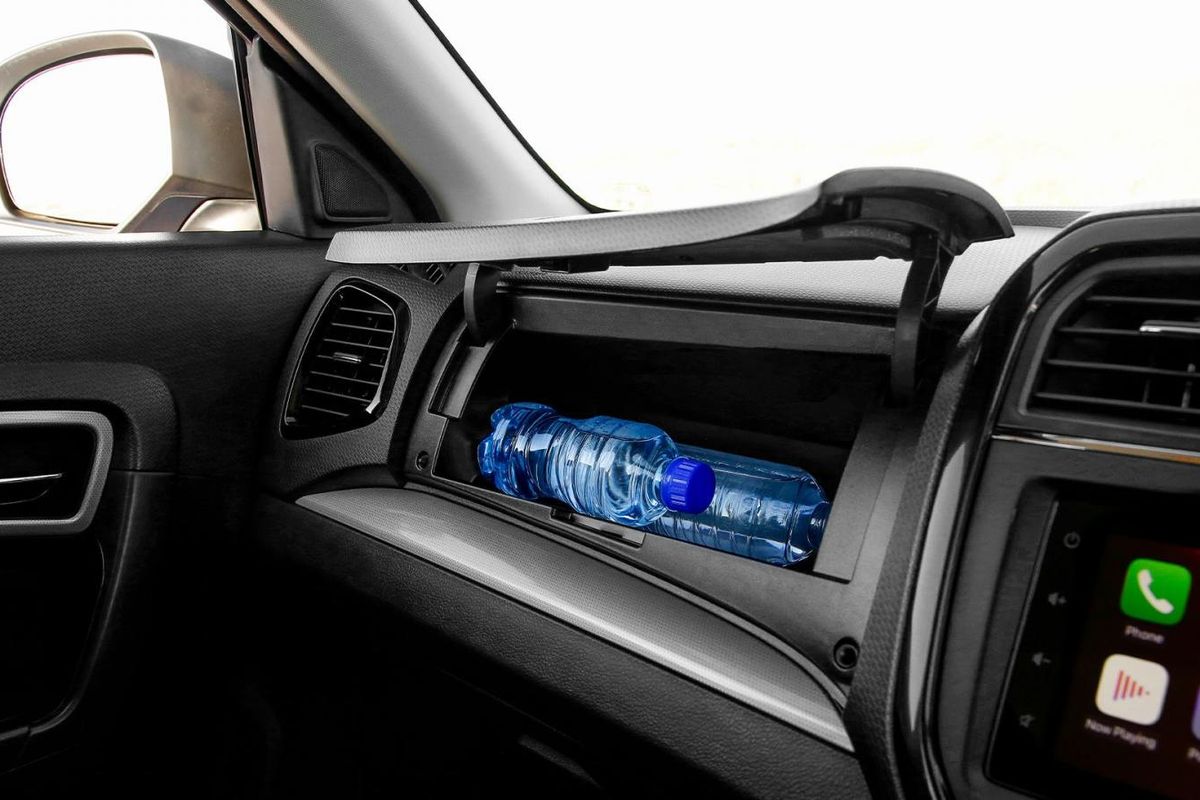
Upper glovebox
Driver seat adjust
Cup holders x2
60/40 folding rear seats
Urban Cruiser XR Features
LED fog lmaps
Auto headlamps
Cruise control
Auto rearview mirror
Rain sensing wipers
12V x2 power sockets
Front-rear armrests
Leather steering wheel
Glovebox light
Cooled glovebox
Front footwell light
Luggage room lamp
Additional tweeters
When it comes to safety, the Toyota Urban Cruiser features 2 front airbags and anti-lock brakes with EBD across the range.
We'll have more information when the Toyota Urban Cruiser launches locally during the month of March 2021.
Toyota Urban Cruiser Price in South Africa (March 2021)
The Toyota Urban Cruiser is sold with a 3 years / 100000km warranty and a 3 Services / 45 000km servicing plan. Intervals are every 12 months or 15 000km. Customers can purchase an additional service plan and warranty options via the 220-strong dealer network.