Another month of price increases awaits for SA motorists as the international oil price has caused some upsets.
The AA says that despite the Rand's performance against the US Dollar during the month of February 2021, it wasn't enough to offset the oil price.
"The international oil price seems unstoppable. We are in an eight-week streak of price climbs with no sign yet of a ceiling,” notes the AA. It's said increased economic activity caused by the rollout of the COVID-19 vaccine was resulting in more demand. Saudi Arabia also announced a surprise cut of one million barrels of oil per day from its production targets above and beyond its OPEC commitments.
"On top of this, the USA's domestic oil production tailed off in the wake of the petroleum glut at the height of the COVID-19 first wave in 2020, but information from the US Energy Information Administration (EIA) is showing that US inventories have dropped back into a normal range," the AA says.
South African motorists can expect to see petrol climb by around 66 cents a litre, diesel up by 57 cents, and illuminating paraffin up by 49 cents.
"Until oil supply and demand settle into stability, more hikes are likely. And, we cannot forget that April will already start with a significant addition of 26 cents a litre to fuel prices because of increases to the General Fuel and Road Accident Fund levies – inflicting further blows to already battered South African consumers," the Association concludes.
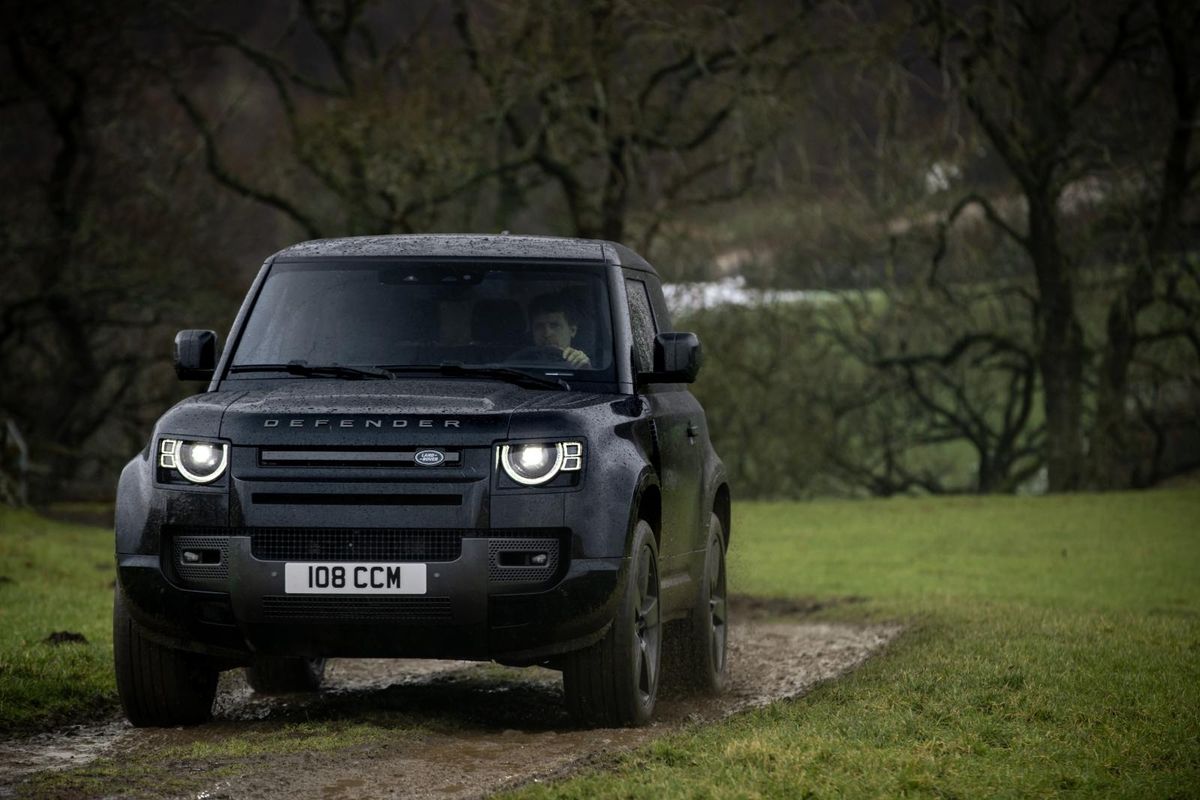
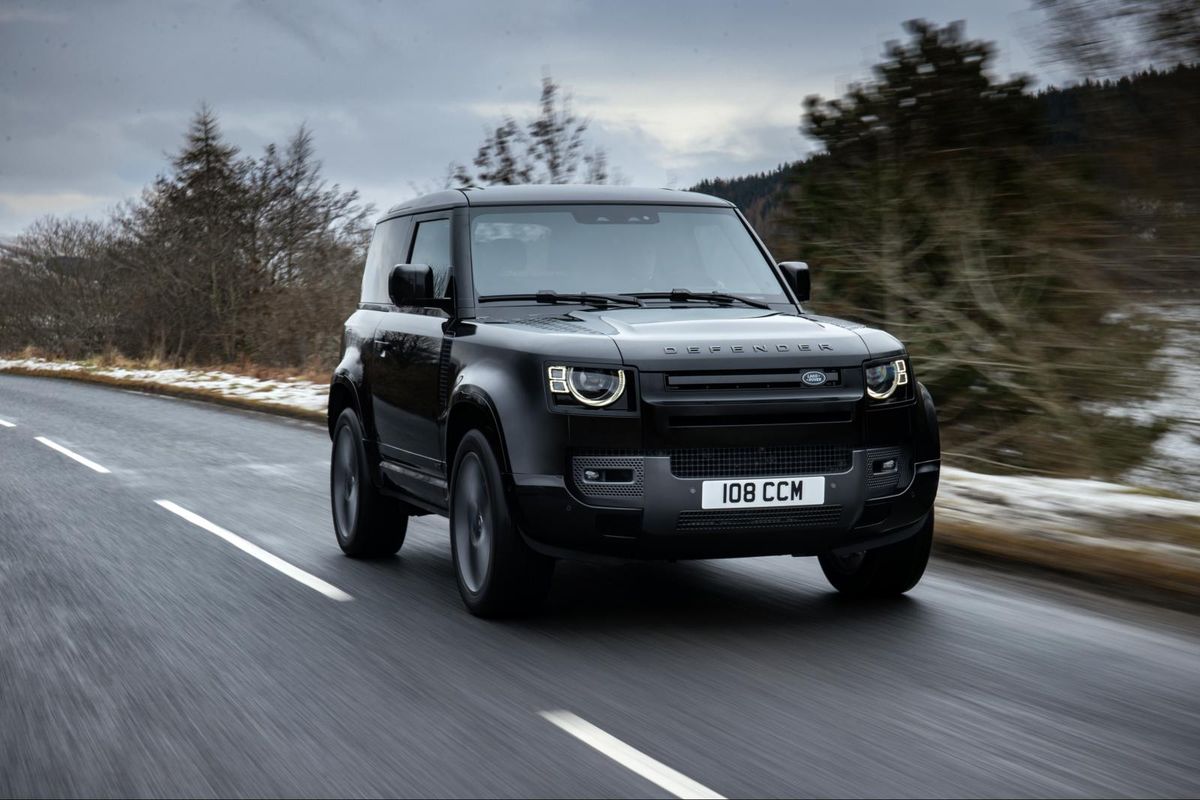
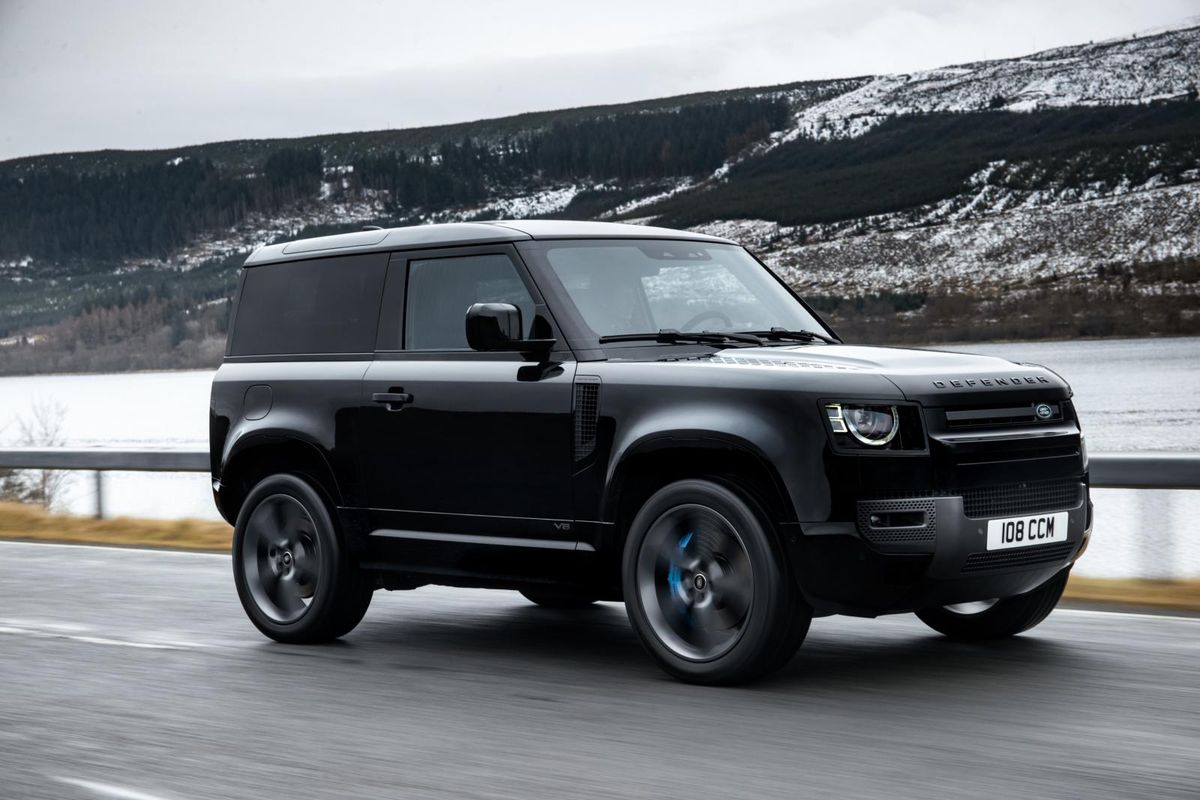
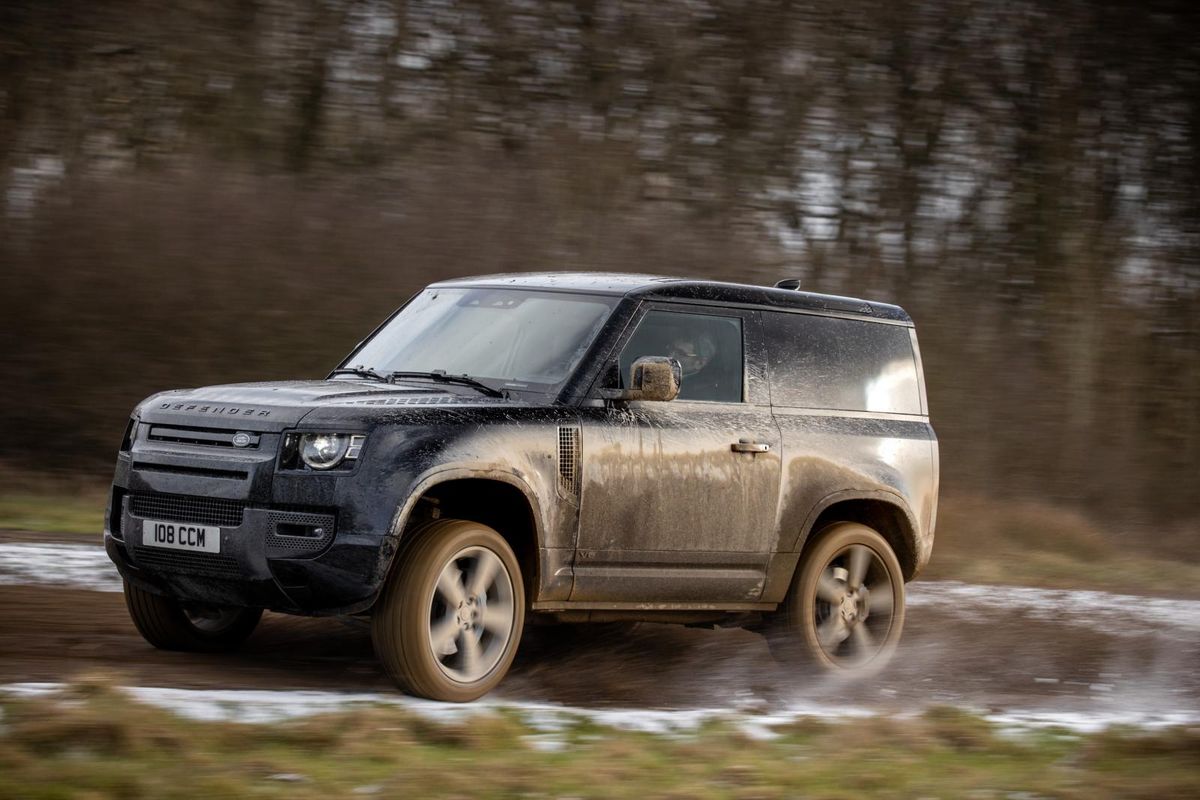
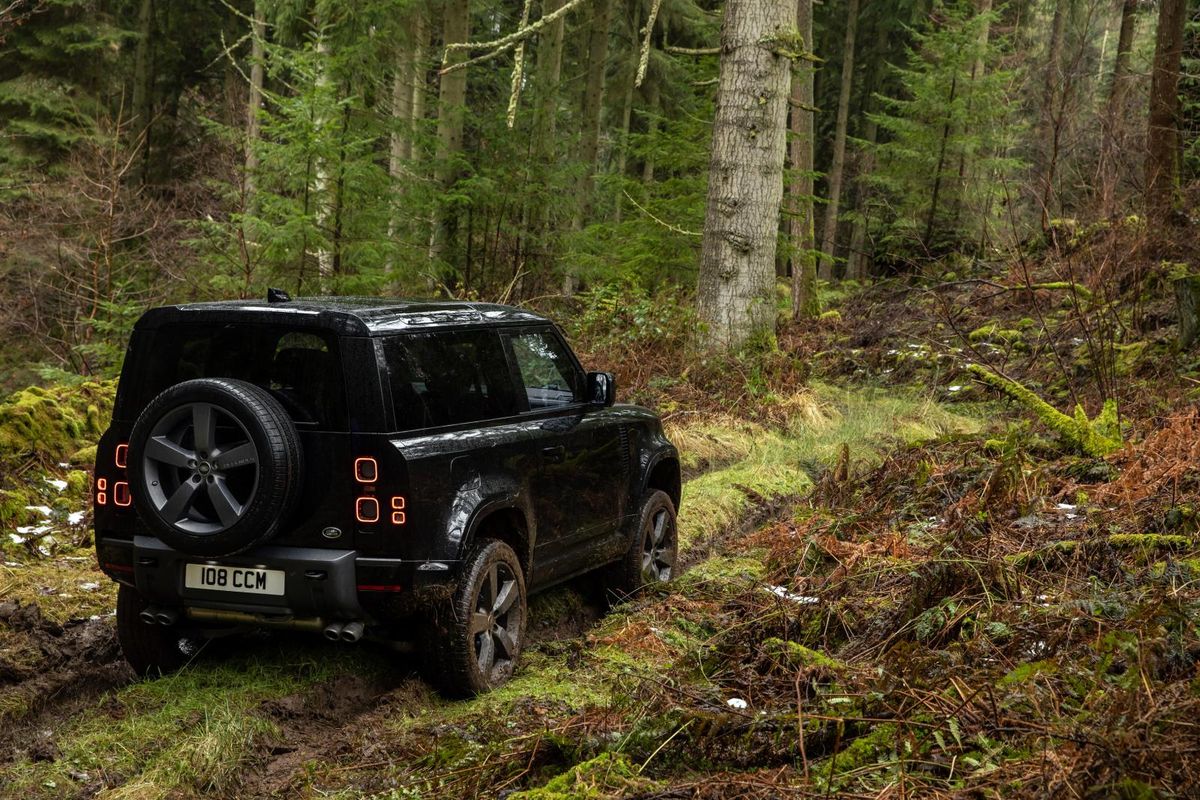
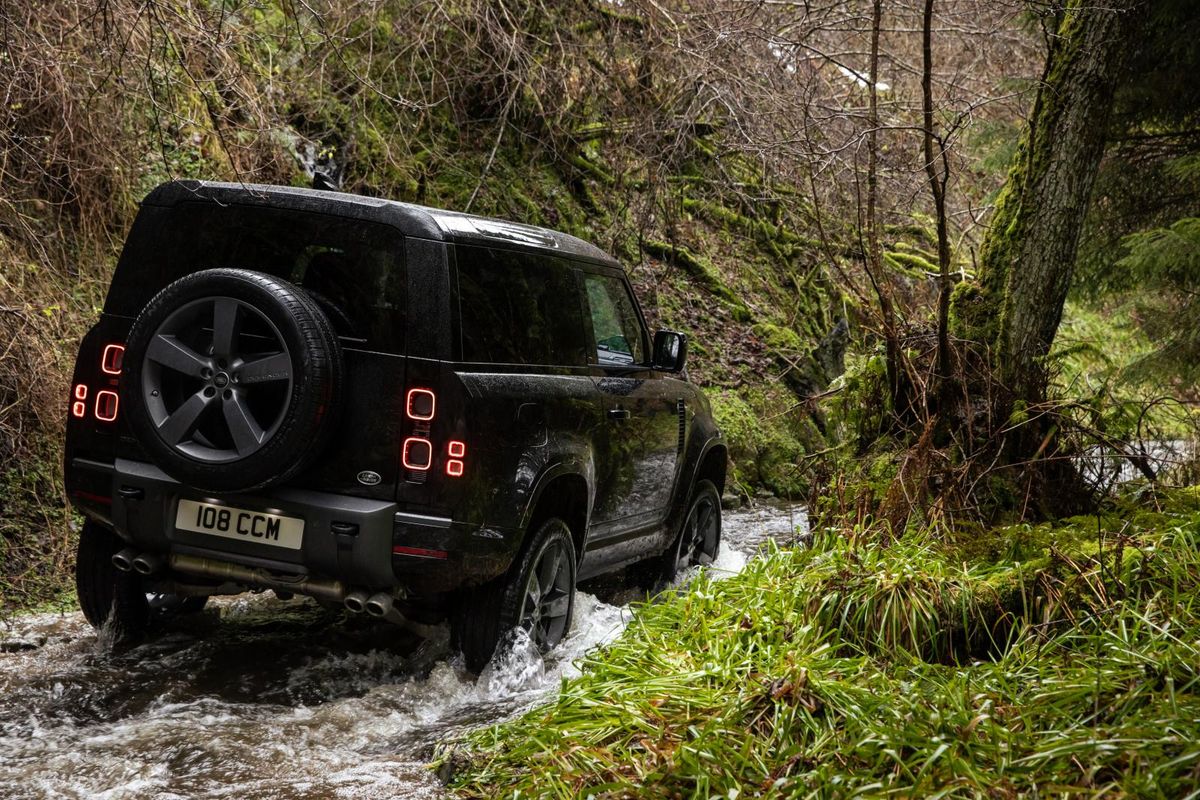
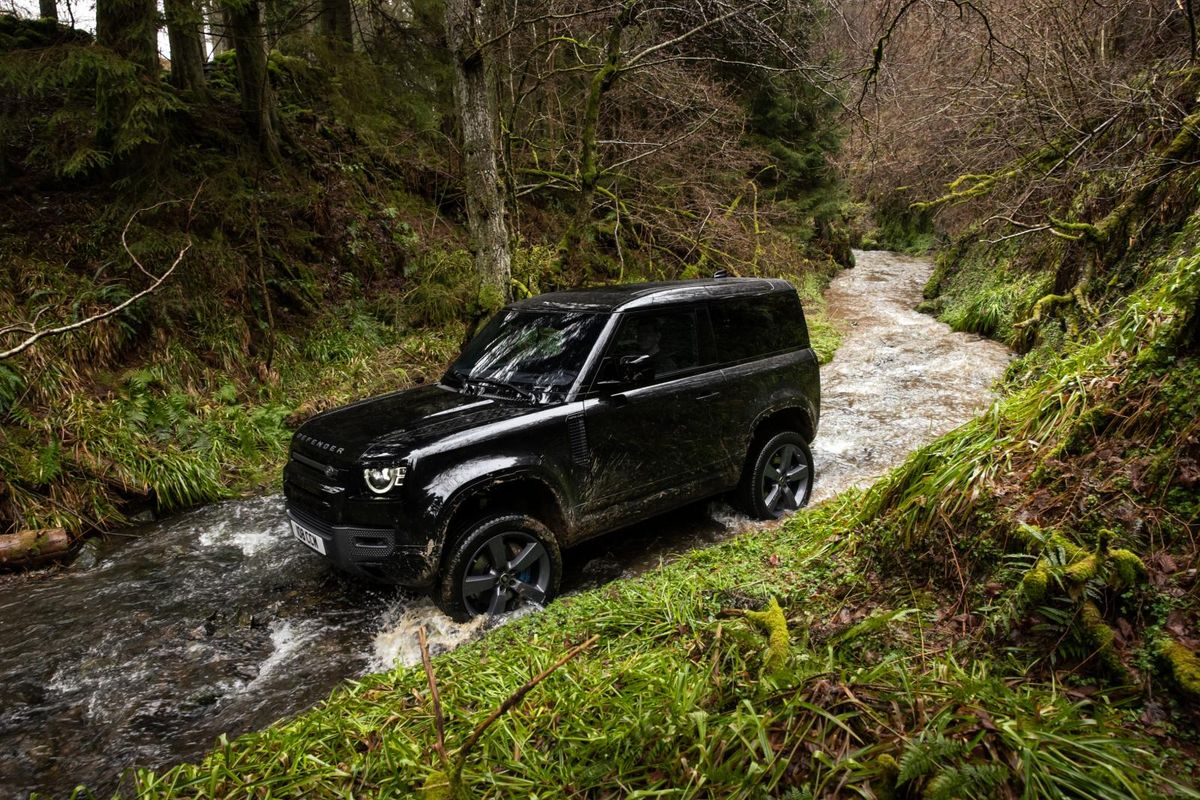
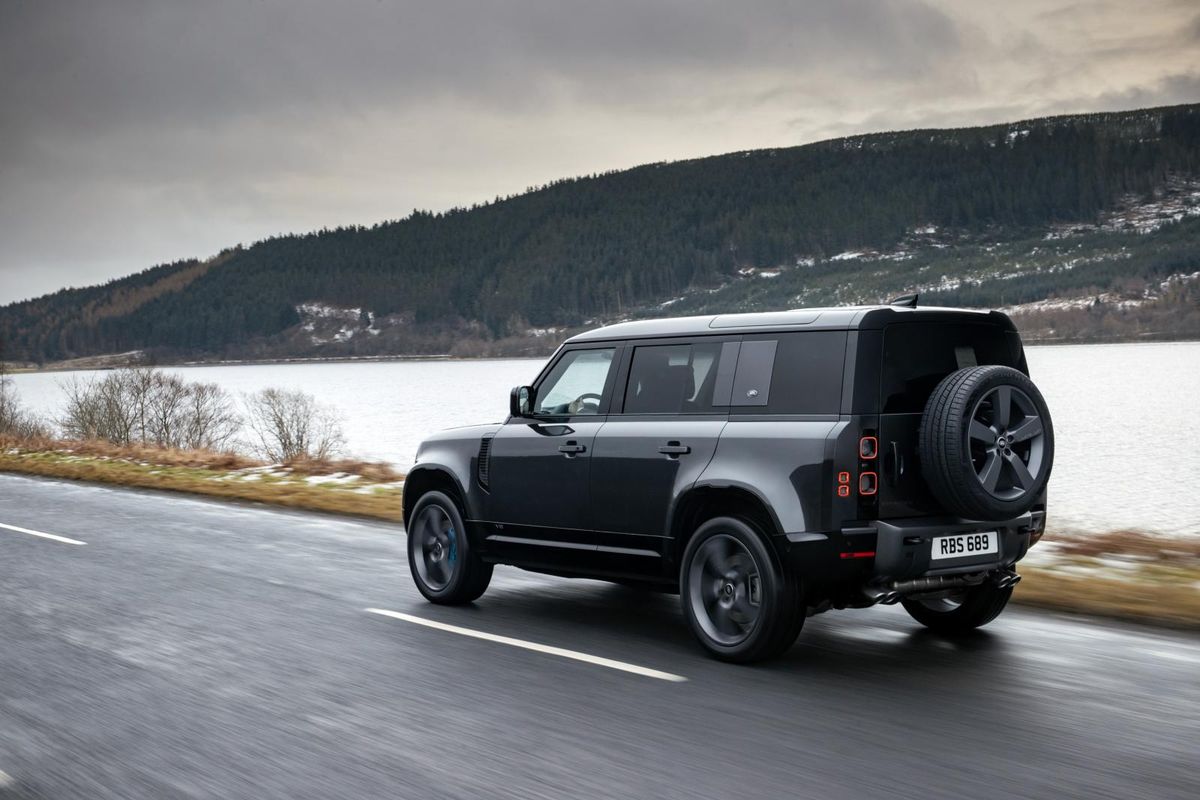
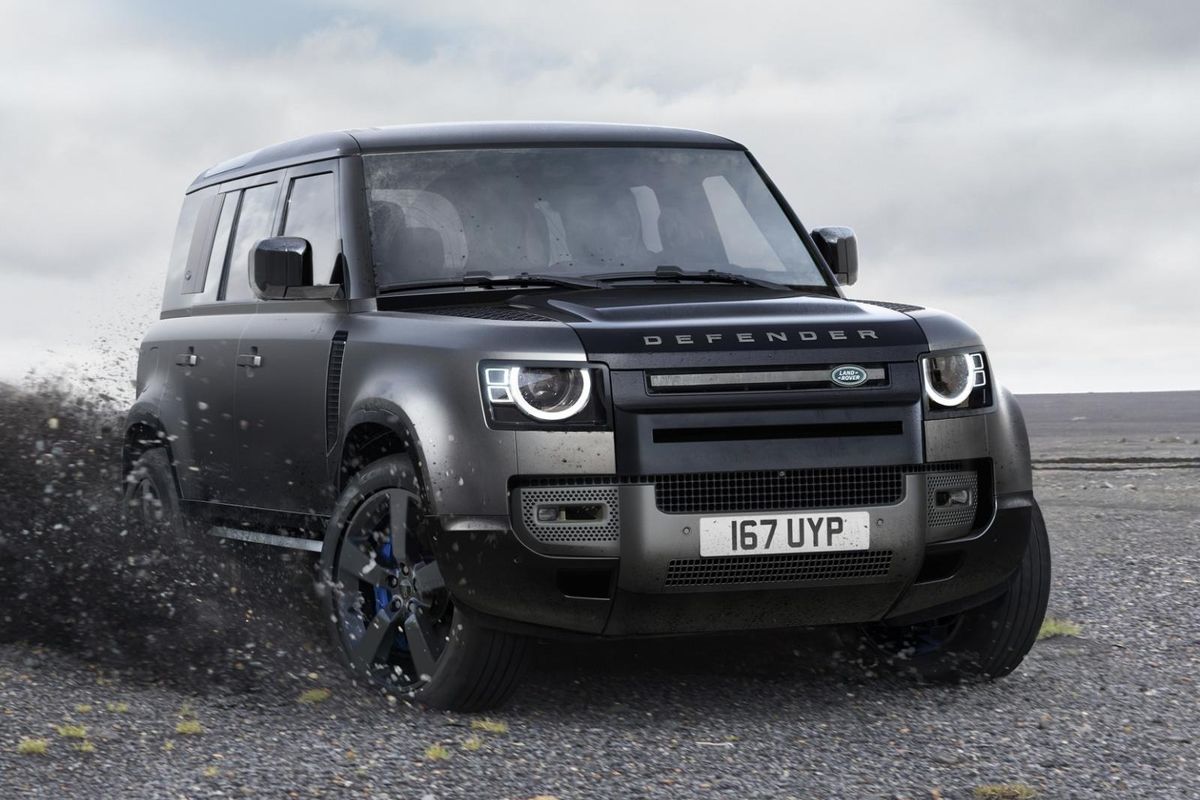
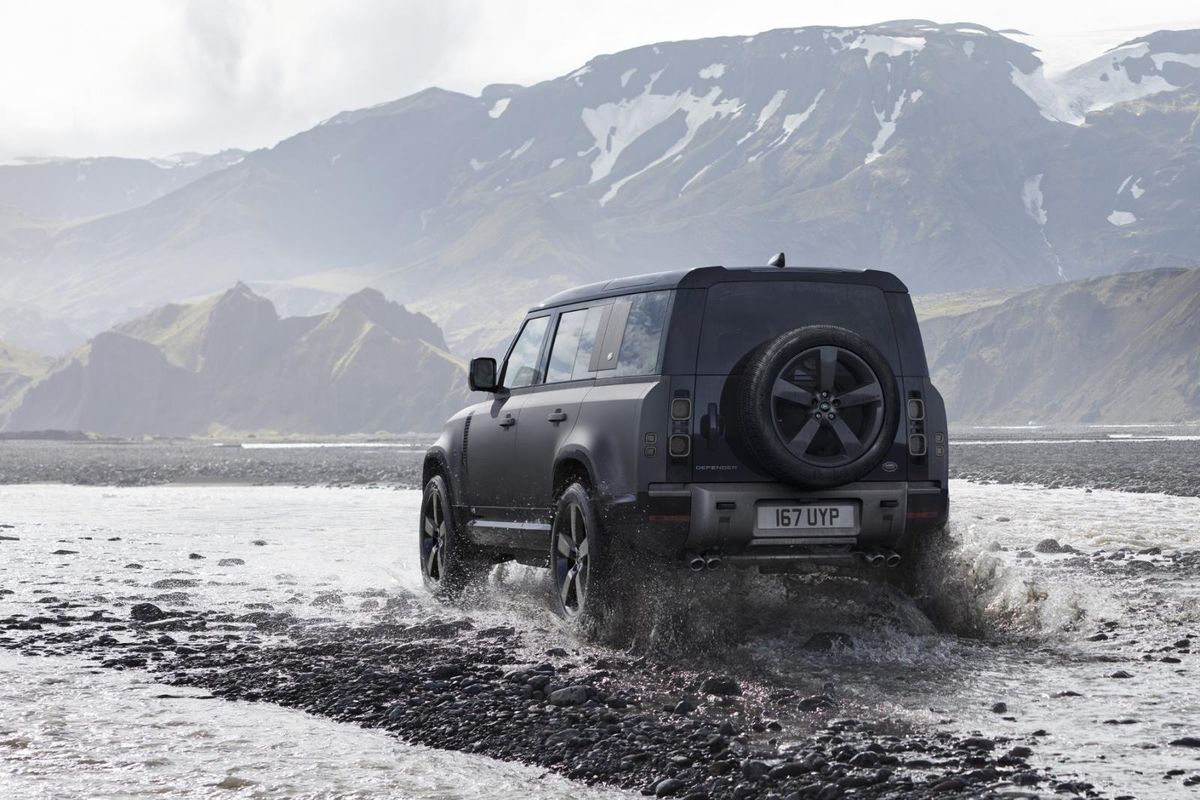
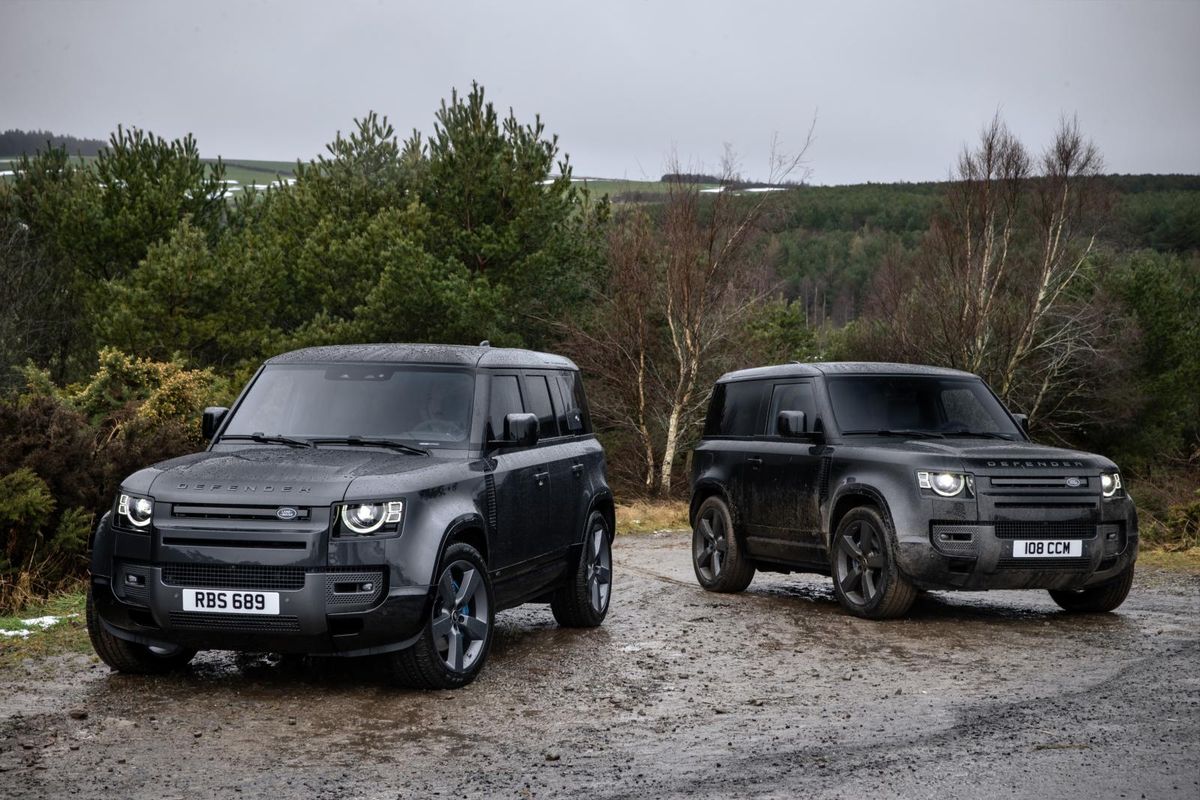
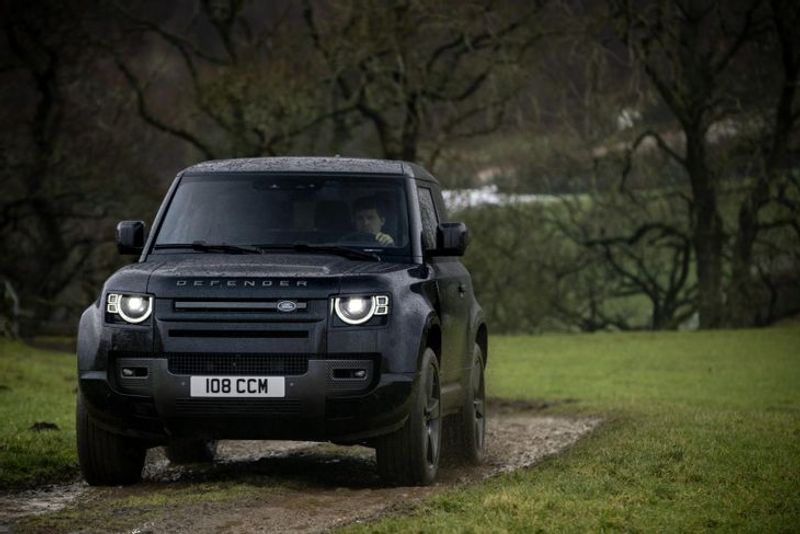
Land Rover has unwrapped its eagerly-anticipated V8-powered Defender as well as a cool-looking XS Edition. Both models are expected to touch down in South Africa before the end of 2021.
Despite Jaguar Land Rover's move to electrification, there's still place for the internal combustion engine it seems. Land Rover has introduced its V8-powered Defender, as well as some special editions.
The 5.0-litre supercharged V8 engine gets another lease on life and in Defender application, it produces 368 kW and 625 Nm. Power goes to all 4 wheels via an 8-speed automatic gearbox and performance is brisk, with Land Rover claiming this is the quickest Defender. 0-100 kph is dispatched in a claimed 5.2 seconds for the Defender 90 and it'll run to a top speed of 240 kph. Expect the bigger Defender 110 to be fractionally slower than that.
It's not just about the engine though, with Land Rover revising the suspension and transmission tuning, including bespoke spring and damper rates and fitting a new Electronic Active Rear Differential. You'll be able to spot the new model with its quad exhausts, that's if you don't hear it first.
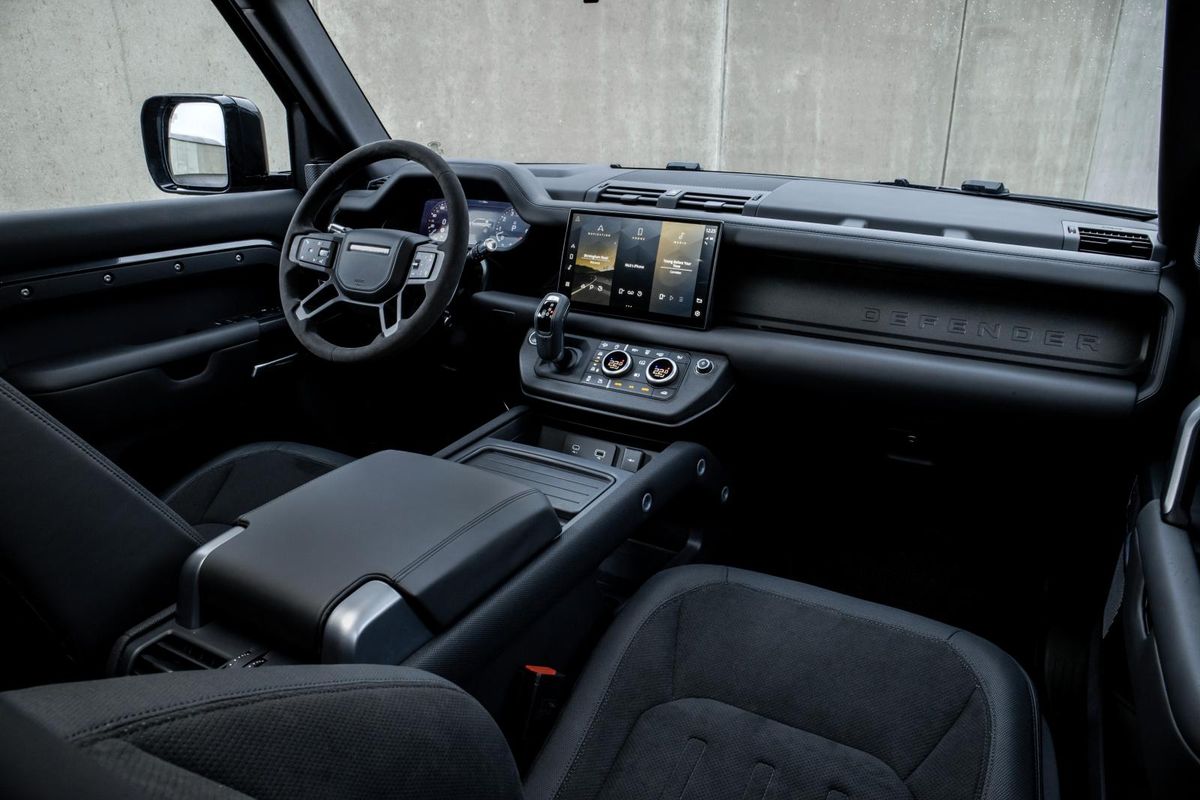
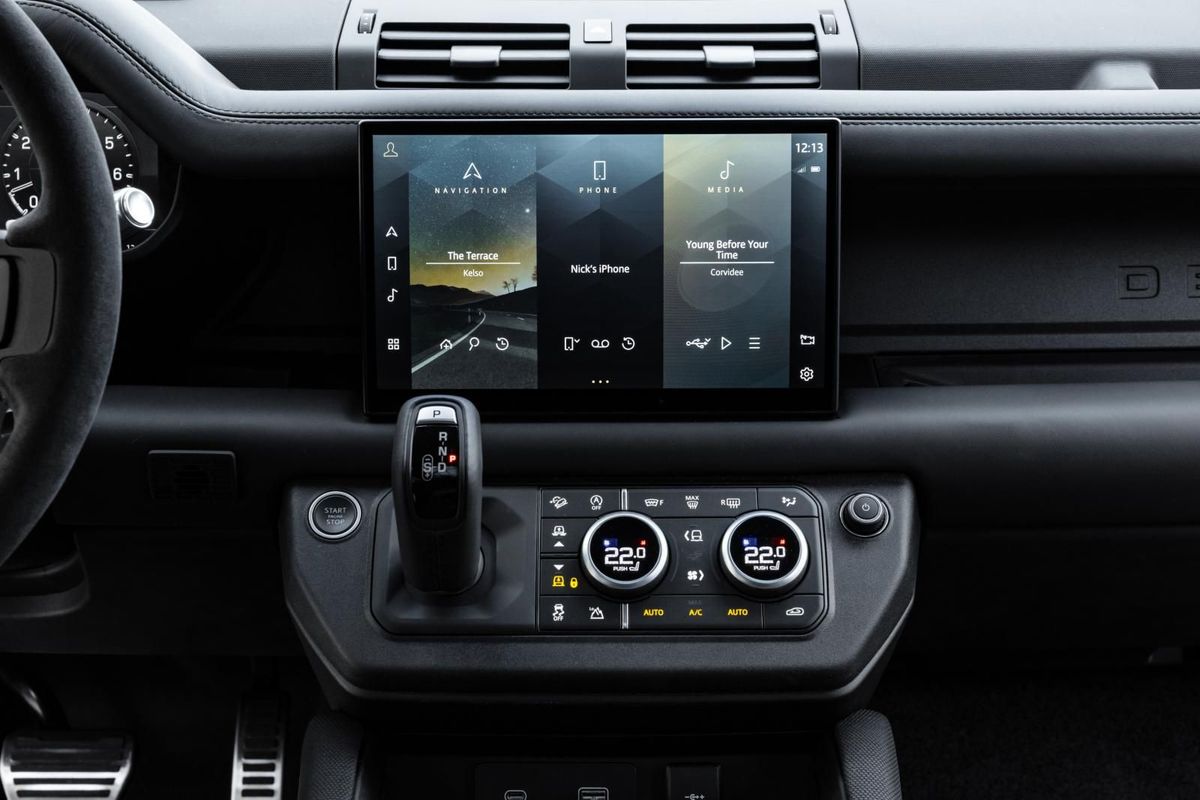
The Land Rover Defender XS Edition comes to market with a fresh exterior design as well as greater personalisation potential, as well as an even larger 11.4-inch Pivi Pro infotainment touchscreen which is available as an option. The XS Edition replaces the popular First Edition model range and comes to market with a number of new exterior packs. The XS Edition is available with a choice of powerful and efficient powertrains, including the 2.0-litre D240 diesel and 3.0-litre P400 petrol.
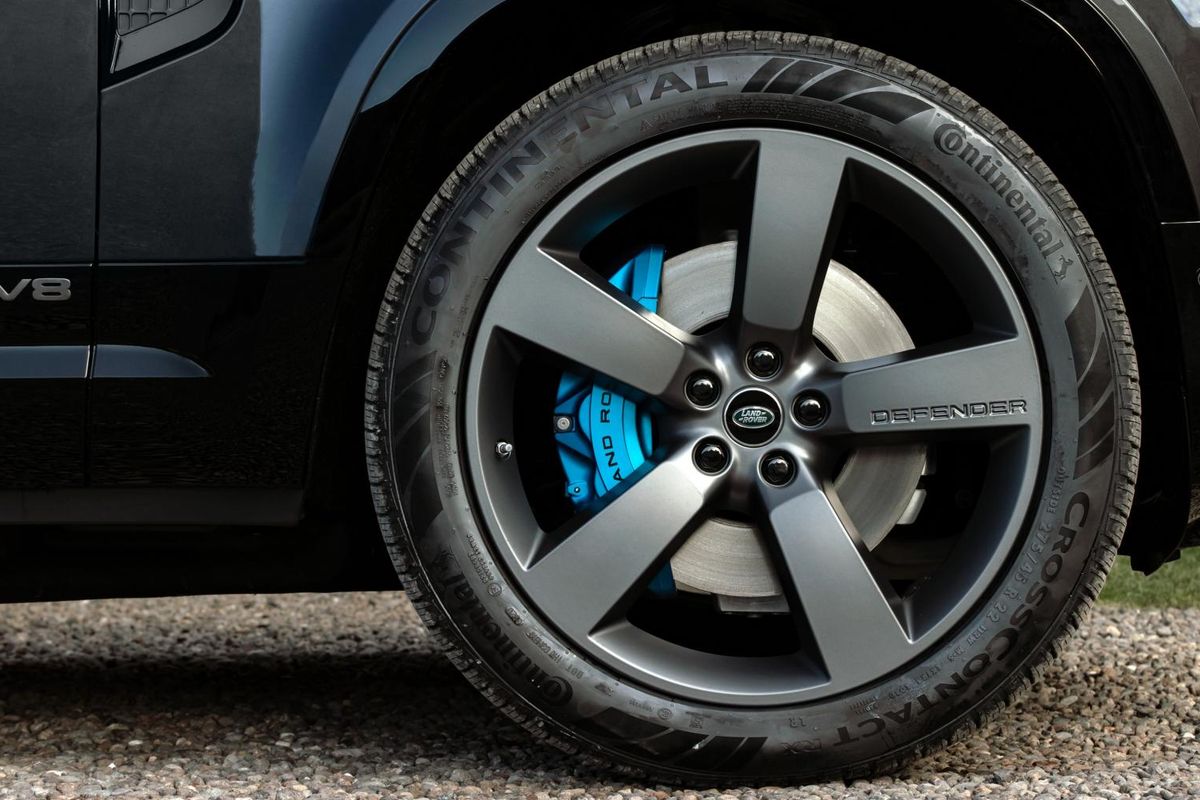
There's a new flagship Defender too. Badged as the Carpathian Edition, it's said to be the "ultimate expression of Defender design, performance, and capability". It has an exclusive colour, blue brake callipers, and exclusive interior trim options.
Land Rover South Africa has confirmed the new Defender V8 and XS models will be coming to South Africa, with pricing and SA-spec to be announced closer to the launch date. Both models will be hitting showrooms at the end of 2021.
Nissan might be investing handsomely in South Africa, to increase future Navara production, but its bakkie is doing less well, elsewhere.
The European bakkie market is small but with the attractive profit margins that double-cab bakkies present, most brands with a suitable product try to be present there.
Ford’s Ranger and Toyota’s Hilux dominate much of the European market and despite building Navaras in Barcelona, Nissan no longer believes it has a future on the old continent.
The company has confirmed that its new Navara will not replace the current configuration, in Europe. This means that European bakkie fans will not have an option on the facelifted D23-series. It also means that as the production of the current Navara is phased-out, Nissan will not have a double-cab bakkie offering in Europe.
There is no replacement product strategy for Nissan’s European bakkie business, once the current Navara has run its course. For a company that produces an array of bakkies, its capitulation in the European market is telling.
Nissan’s failure to secure a future for Navara in Europe will also haunt the legacy of its Barcelona production plant. This facility now has the dubious distinction of having produced two of the least successful double-cab bakkies in recent memory: Mercedes-Benz’s X-Class and the European specification Navara.
For a brand that has always been revered for its rich bakkie heritage, Nissan’s waywardness in terms of its European double-cab strategy is sad.
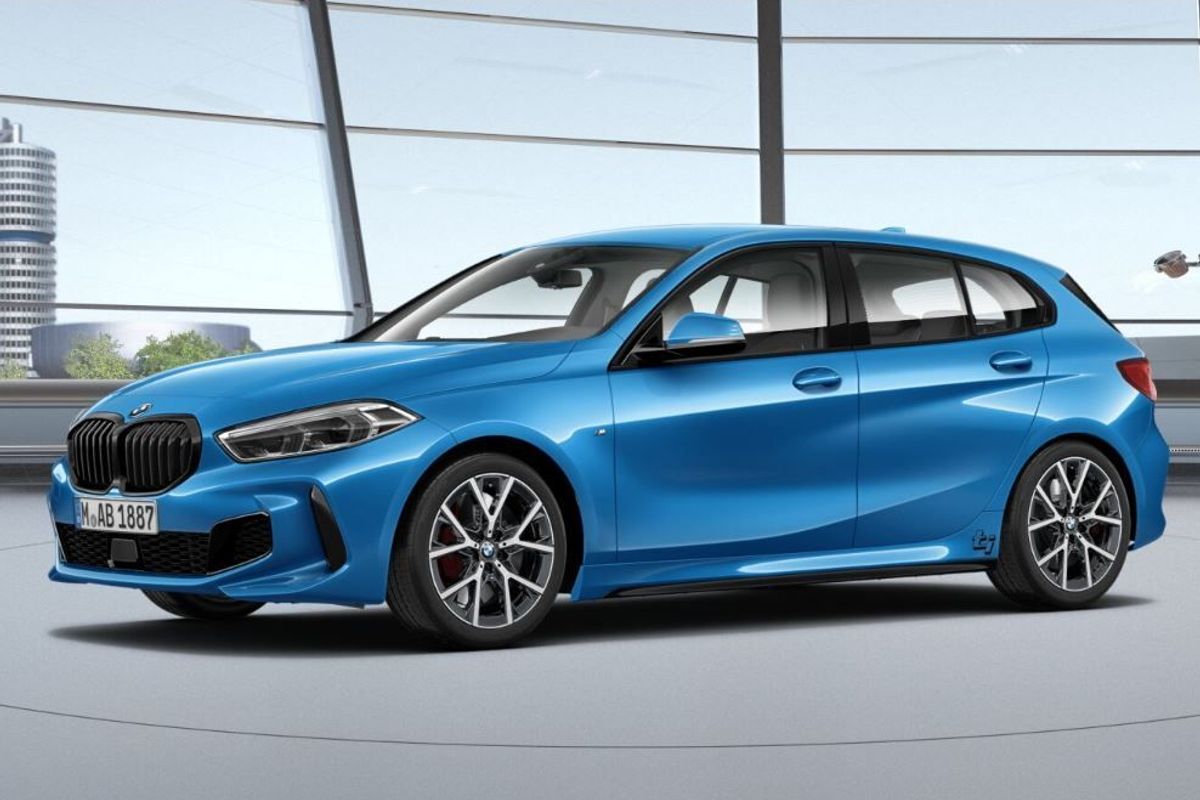
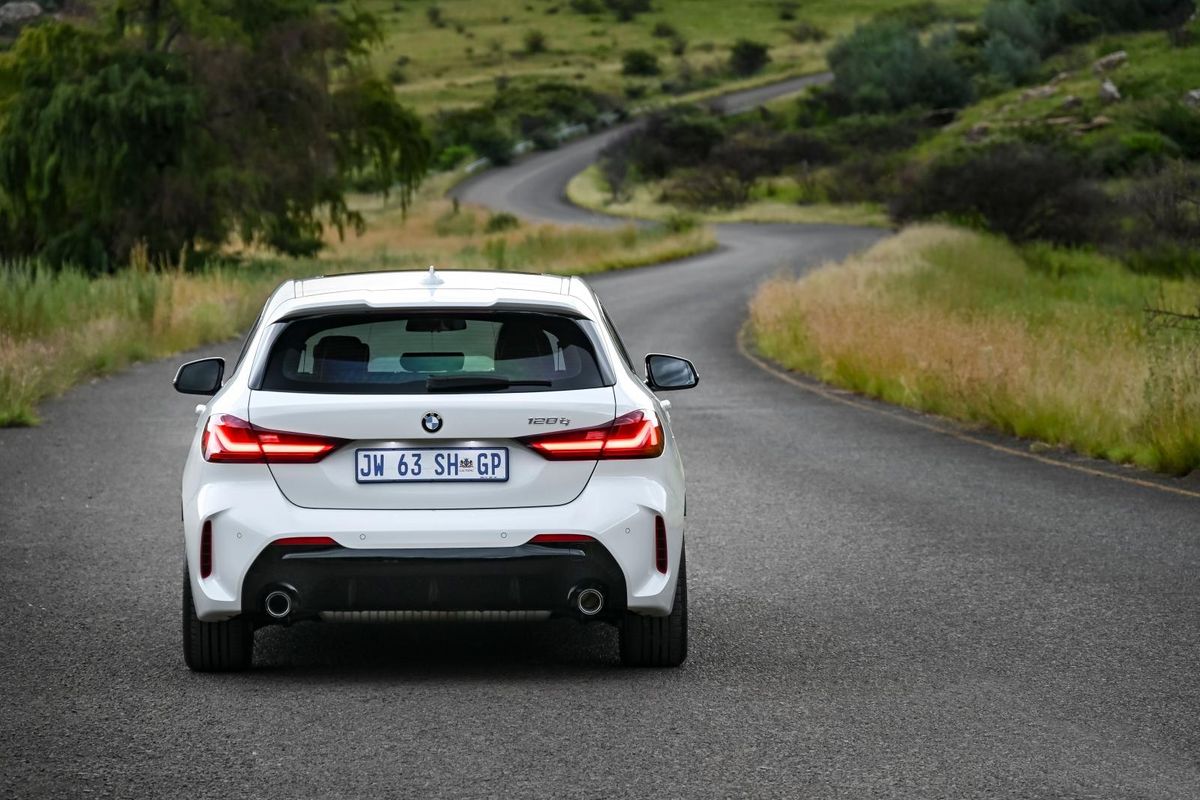
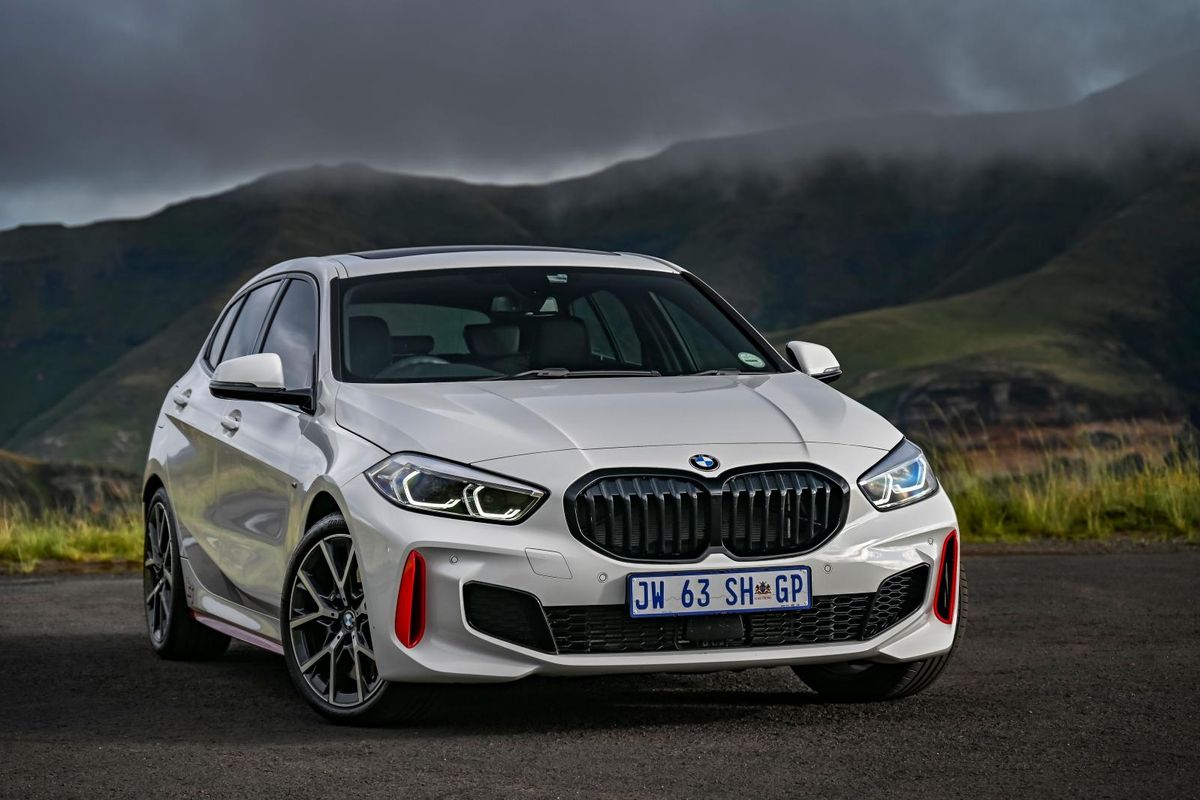
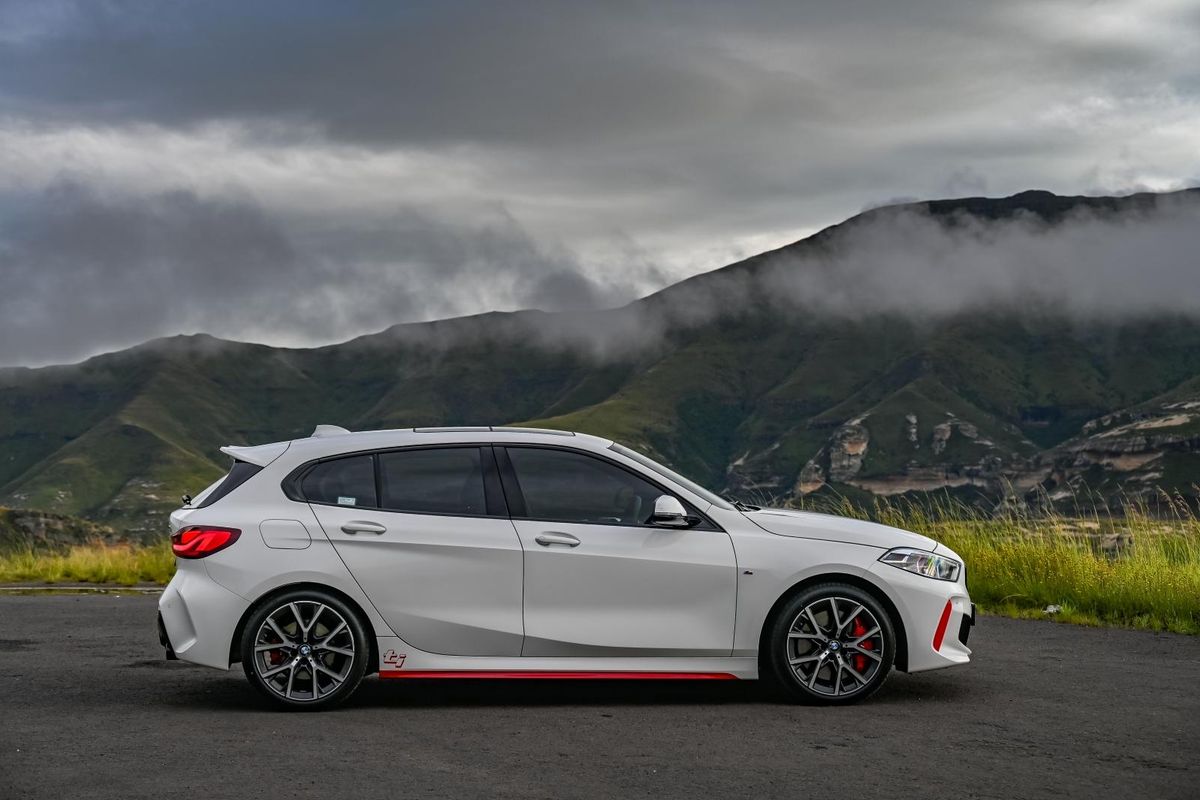
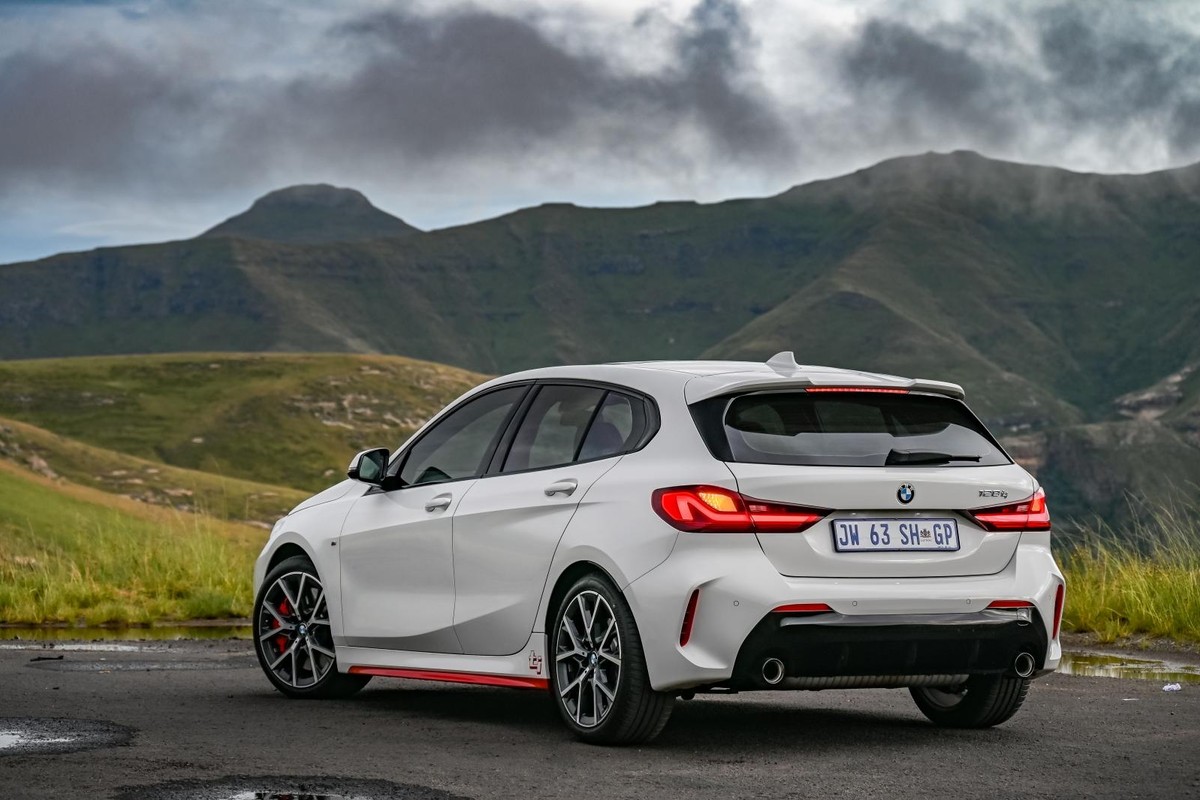
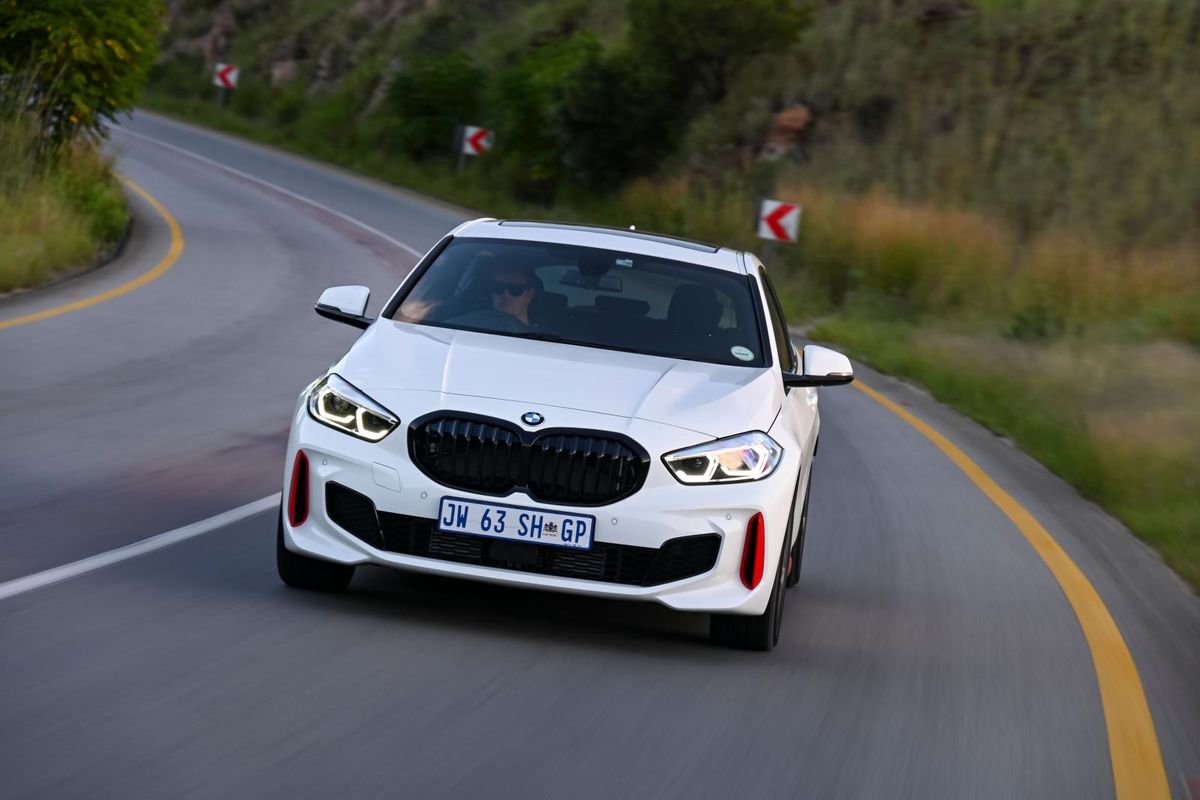
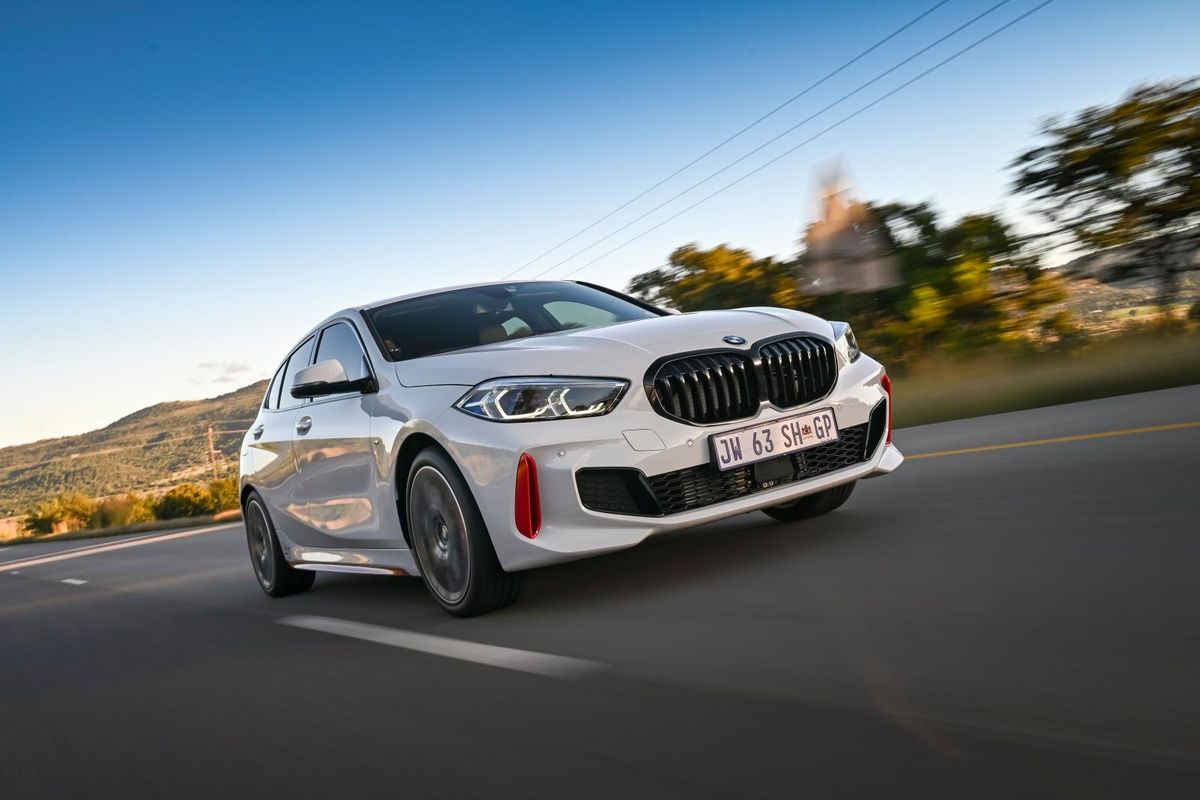
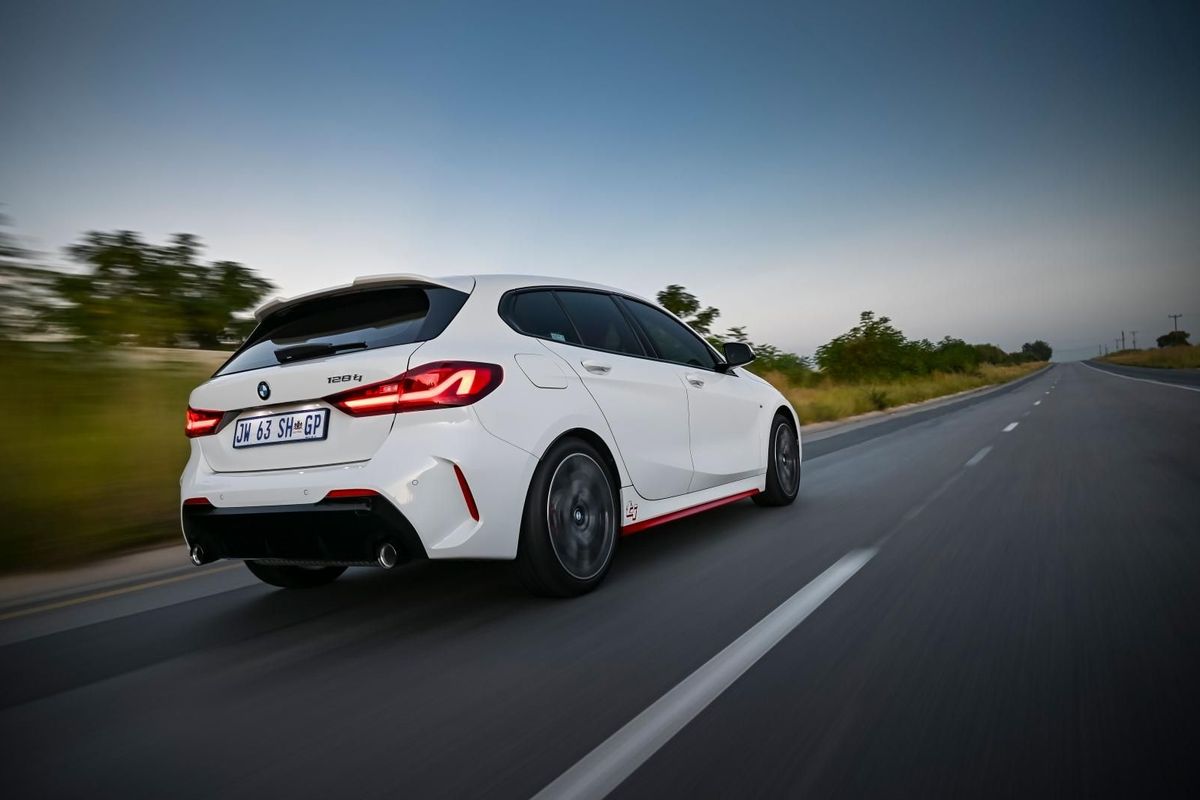
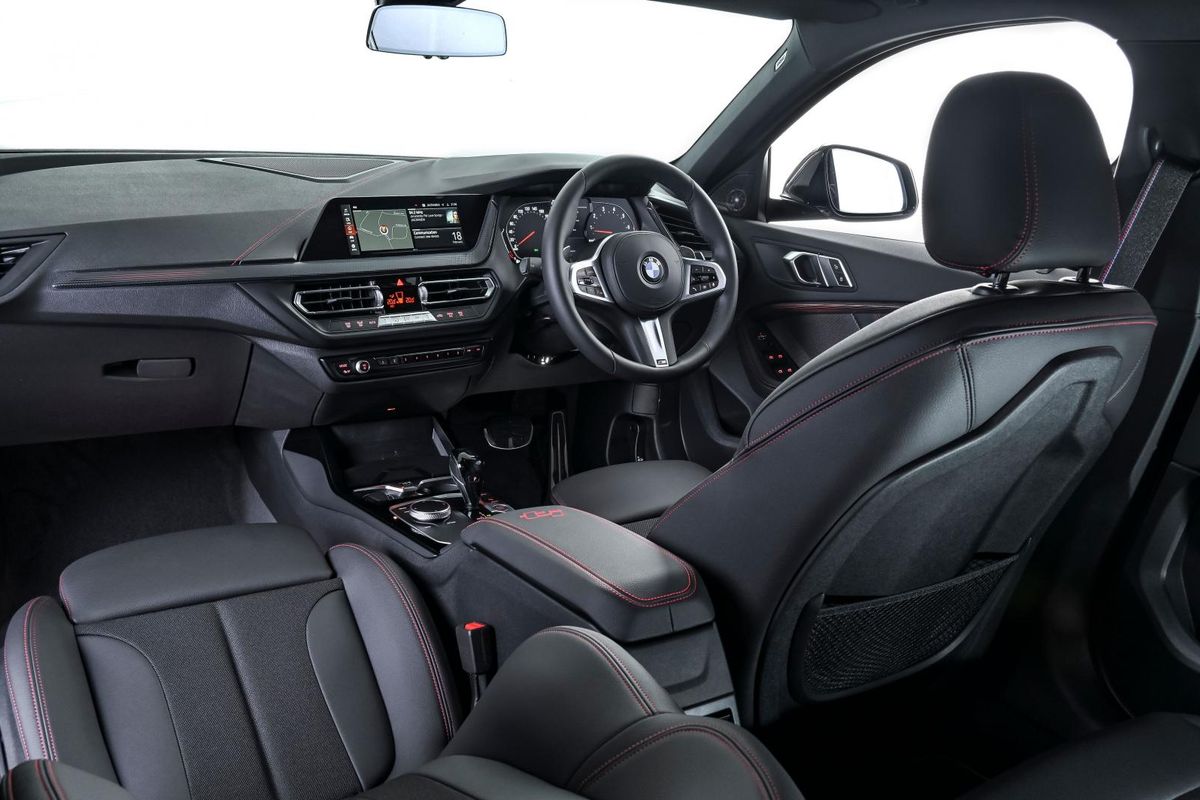
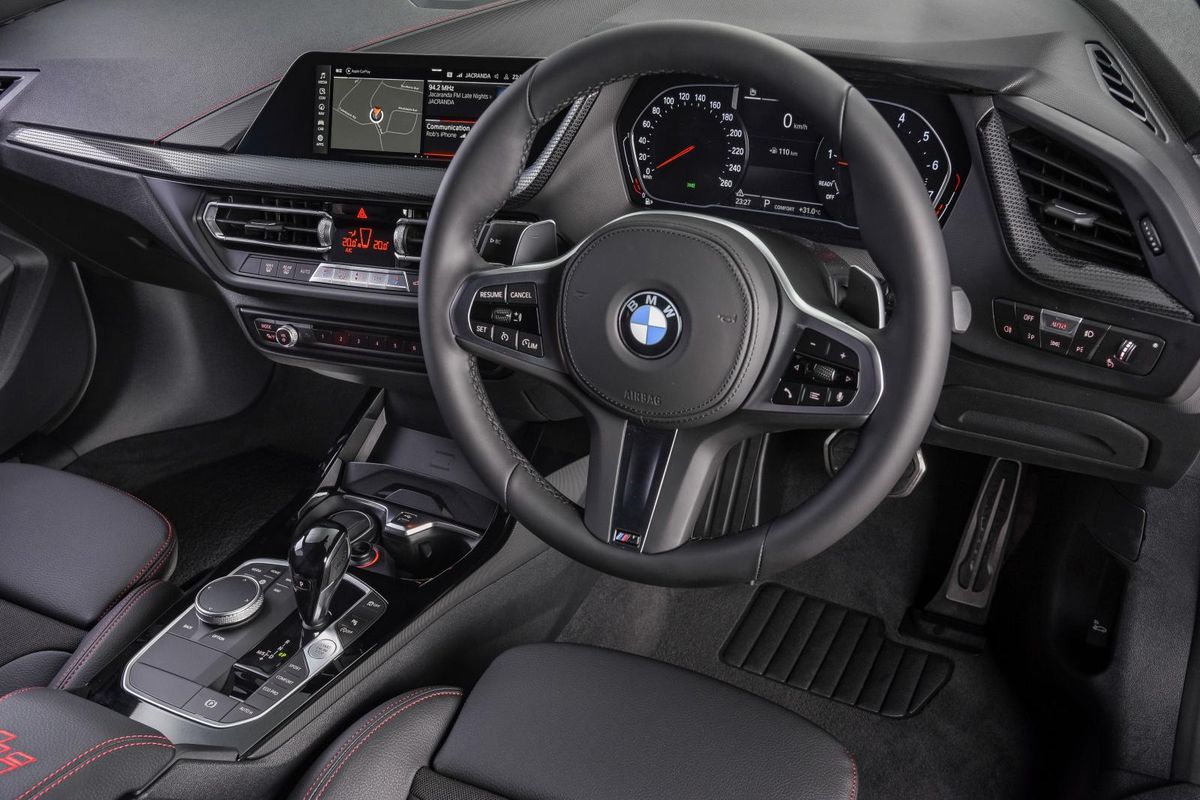
Pricing for the BMW 128ti has appeared on BMW's local website and we can share specifications. Here's what you can expect to pay for the Bavarian front-wheel-drive hot hatch.
The front-wheel-drive hatchback market will be the scene for quite a showdown as BMW attempts to steal a few sales from the Volkswagen Golf 8 GTI. The BMW 128ti is something very un-BMW, a front-wheel-drive and 4-cylinder turbocharged hatchback, as opposed to the manic 6-cylinder rear-wheel-drive coupes we've come to know and love over the years.
Power comes from a 2.0-litre turbocharged 4-cylinder petrol engine, but unlike its European-spec counterpart, the SA version is detuned to 180 kW and 380 Nm, from 195 kW and 400 Nm. Power goes to the front wheels via an 8-speed automatic gearbox. This engine is very similar to the flagship BMW M135i xDrive's 225-kW unit, but has been detuned and the all-wheel-drive has been converted to a front-wheel-drive setup.
The vehicle features model-specific tuned M Sport suspension and the BMW 128ti sits 10 mm lower. There's also a Torsen limited-slip differential and a bespoke steering setup.
Acceleration is claimed to be brisk, with the standard 100 kph sprint dispatched in 6.3 seconds. The fuel consumption claim sits at 6.8 L/100 km.
Standard specification according to BMW SA's local website is good, with just a handful of options to tickle your fancy. A panoramic roof for R13 900, Harmon Kardon R4 400, wireless charging R5 800 and tyre pressure sensors for R4 500 would be the options we'd look at.
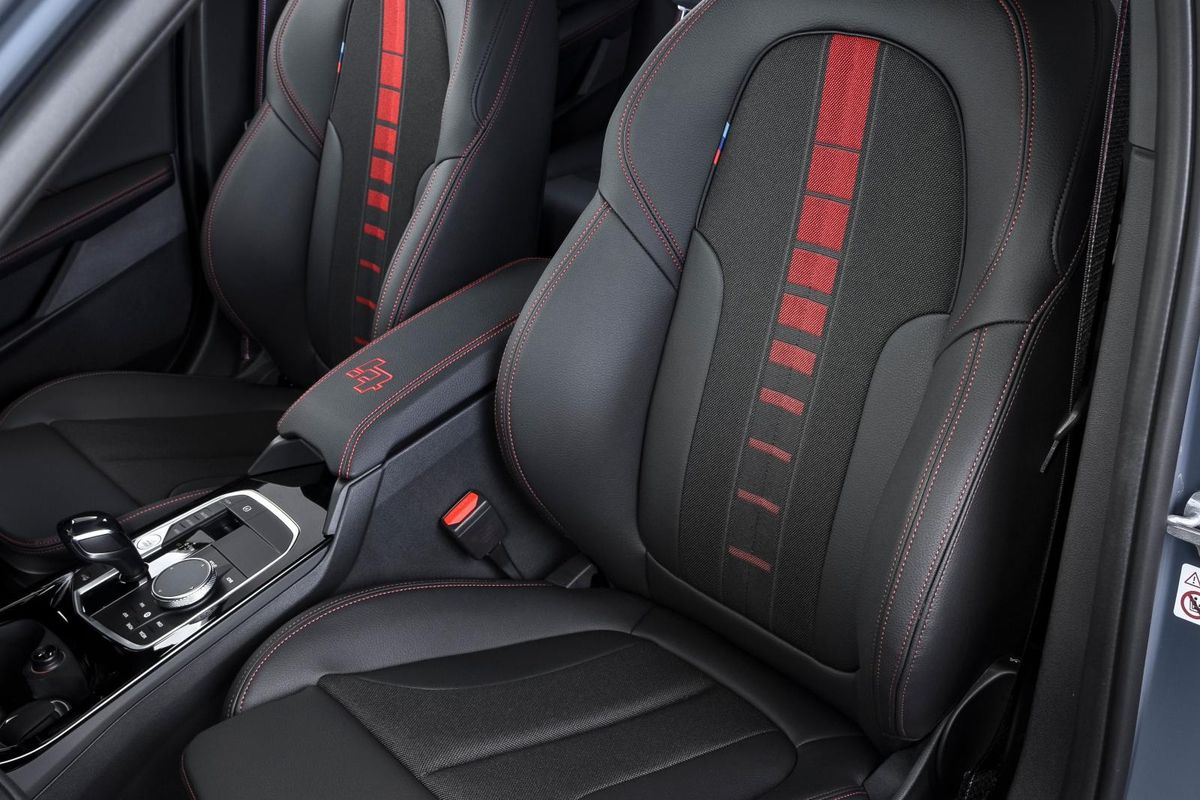
The vehicle comes with 18-inch alloy wheels, M seats, M suspension, Connected Package, sports seats, LED headlights, red brake callipers and an M leather steering wheel.
The BMW 128ti goes on sale in South Africa in the first quarter of 2021, before the Volkswagen Golf 8 GTI arrives. We're eager to put the two in a showdown to see which is the best premium sporty hatchback.
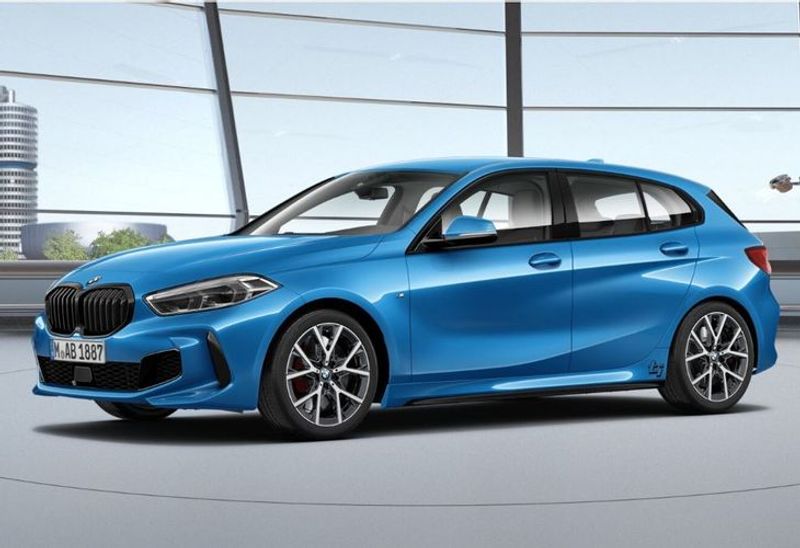
Good news if you are not a fan of the red accents – certain colours like this blue are paired with black TI badges.
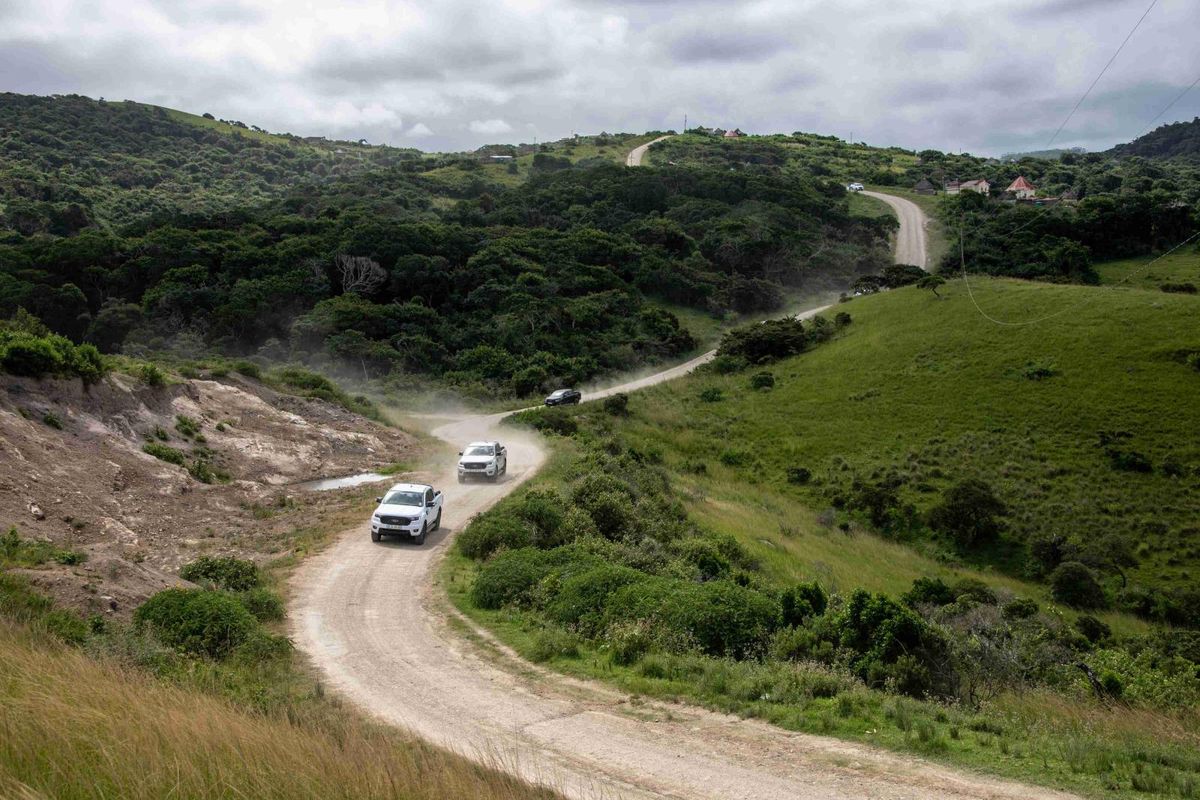
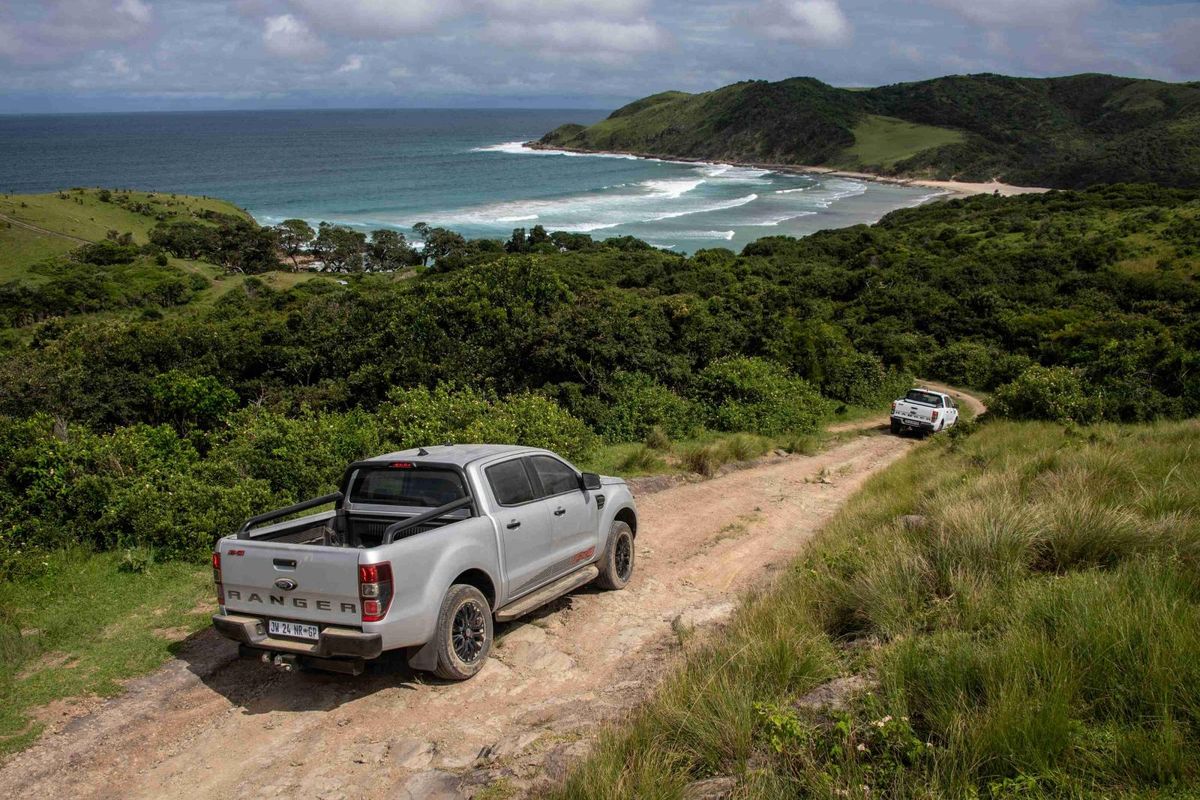
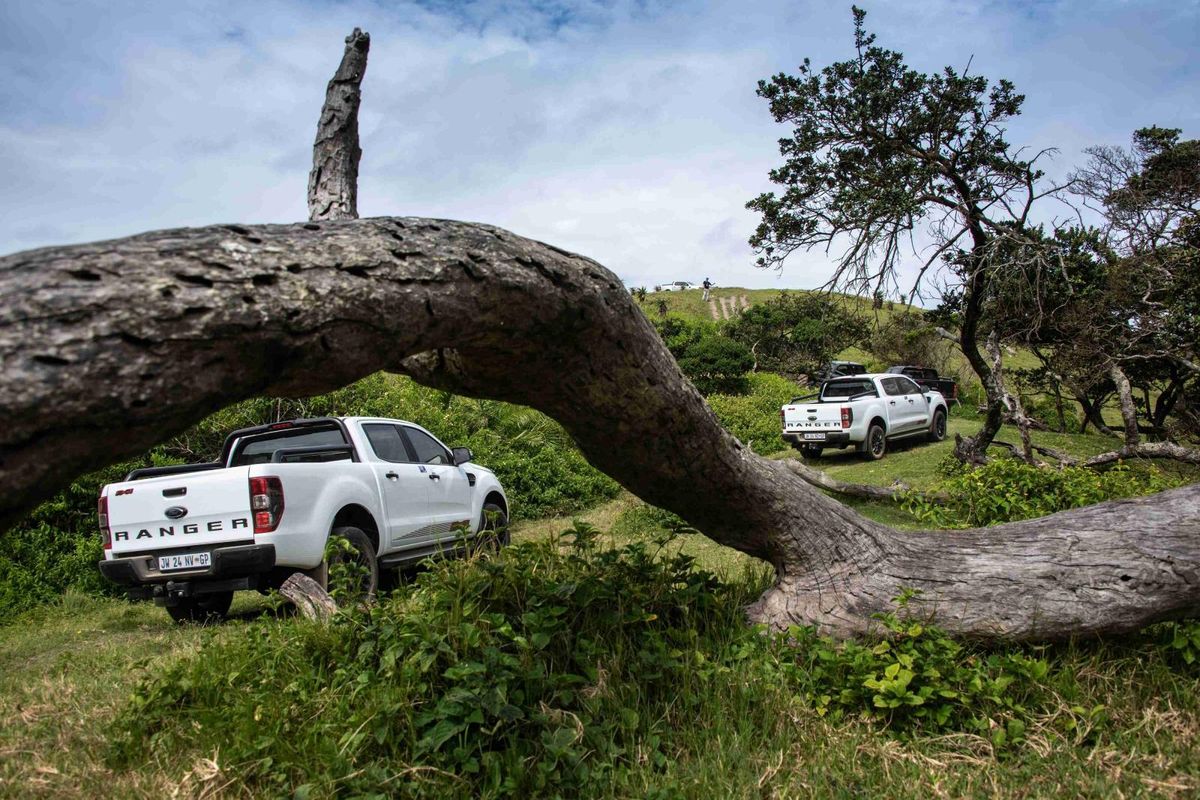
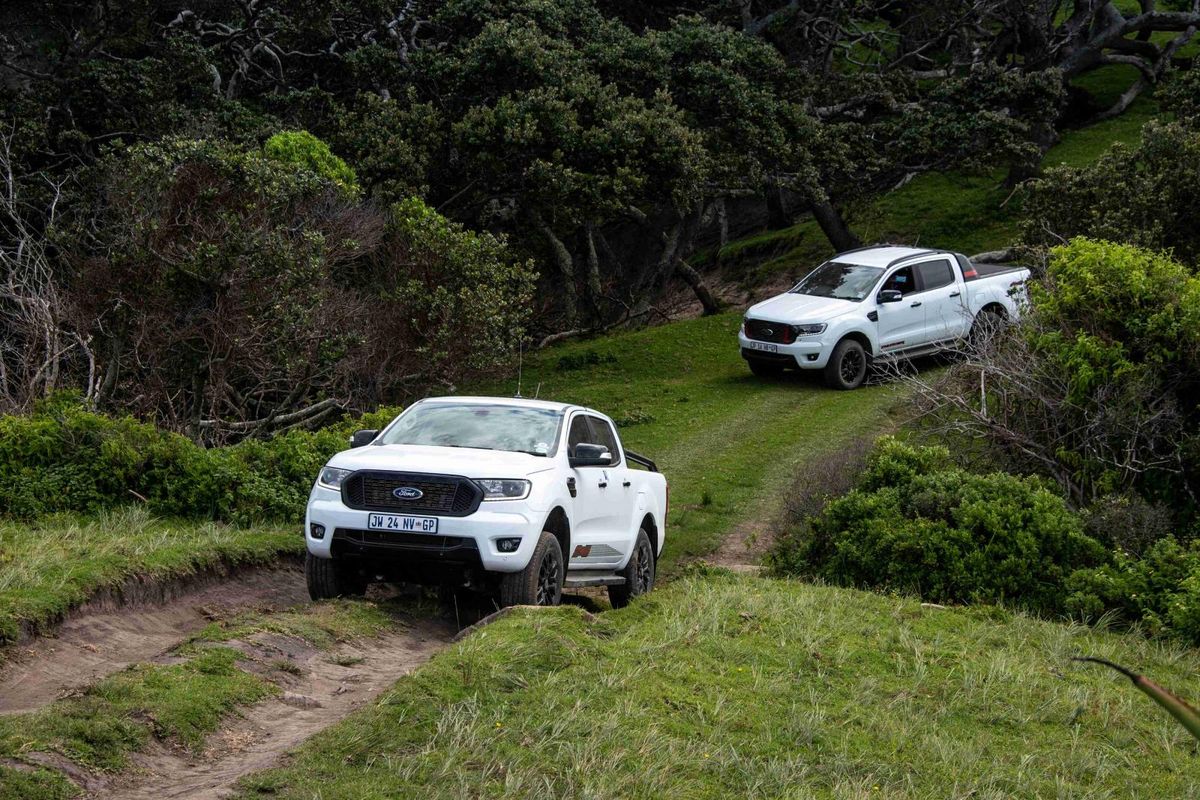
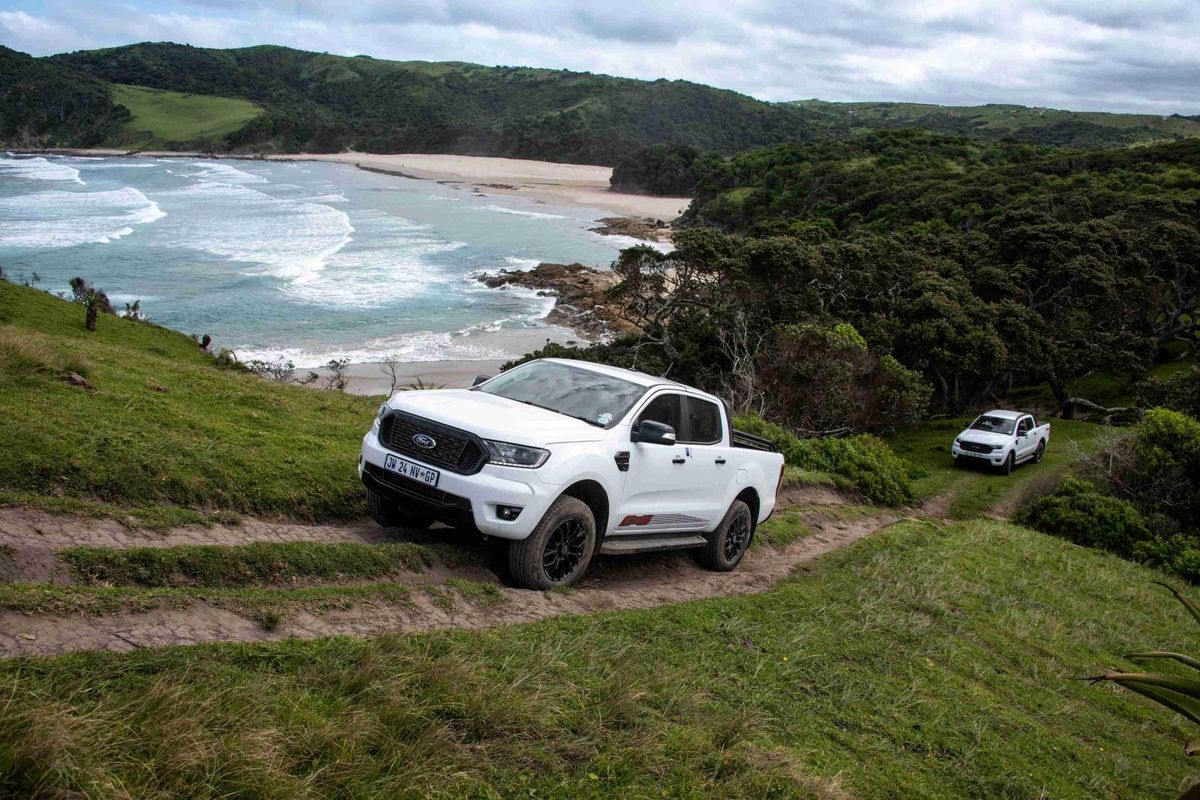
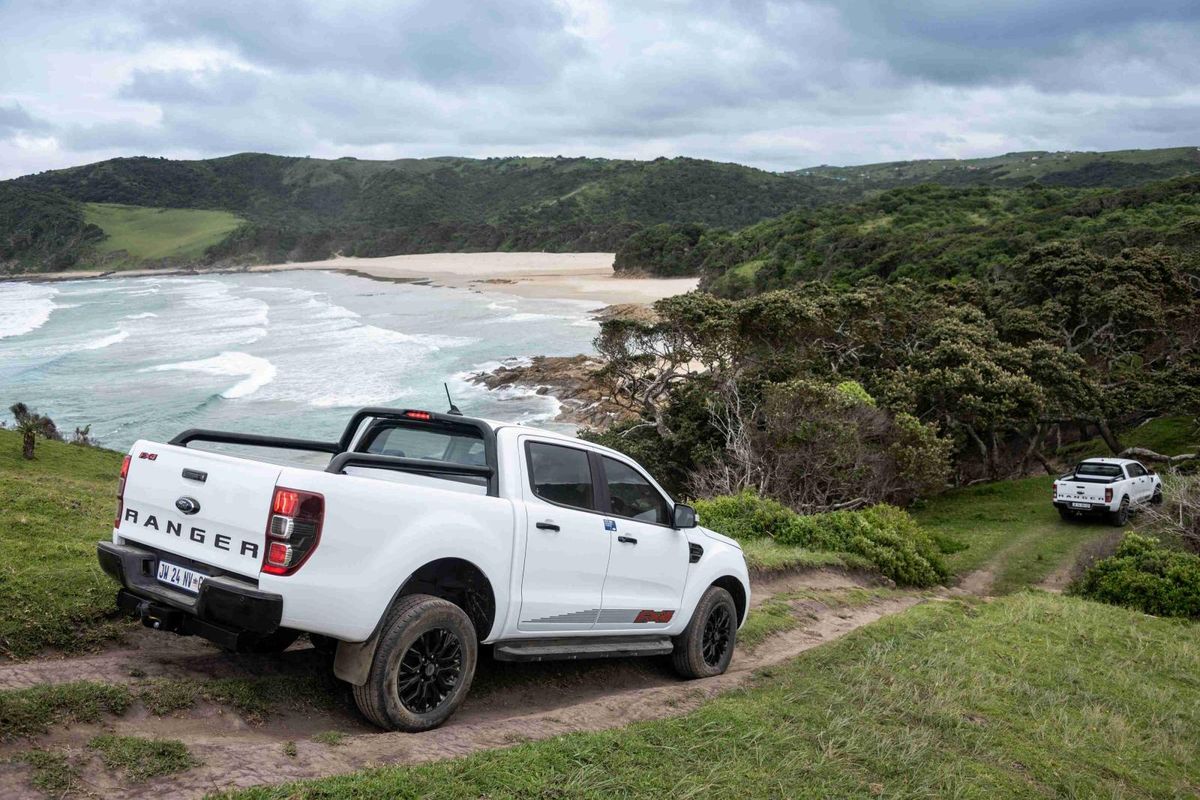
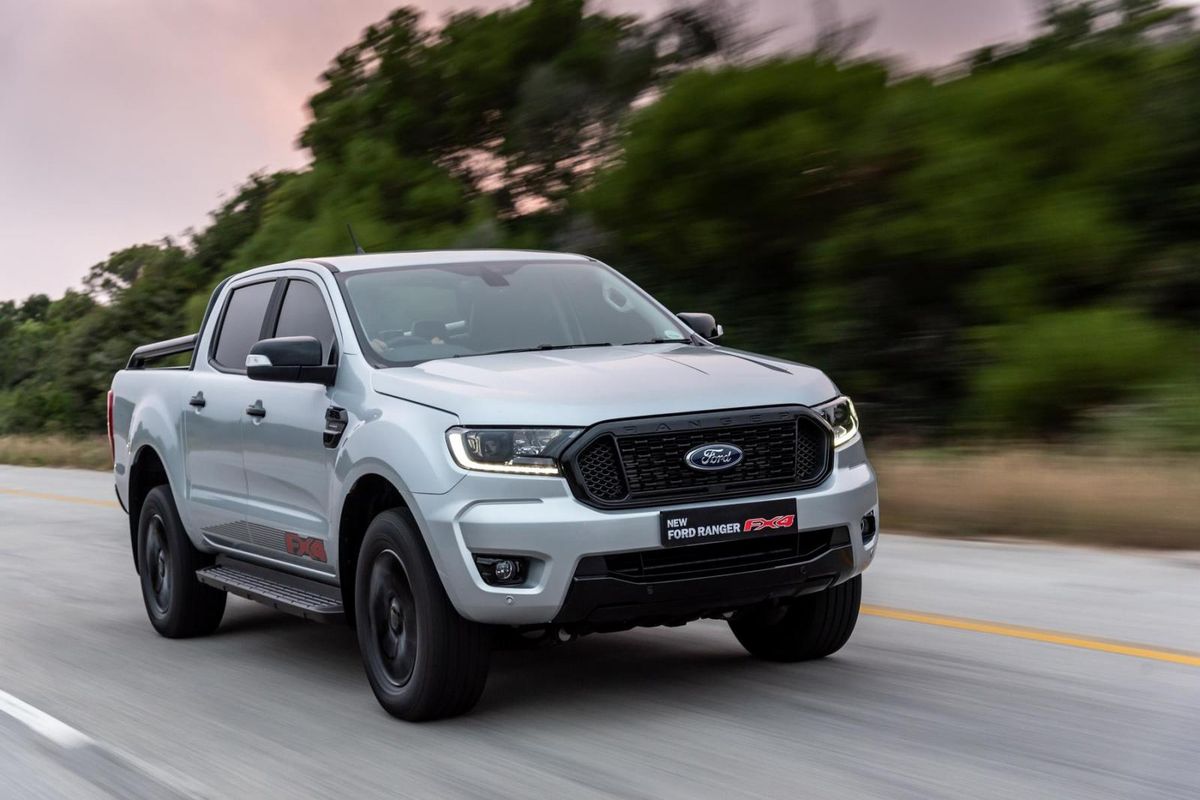
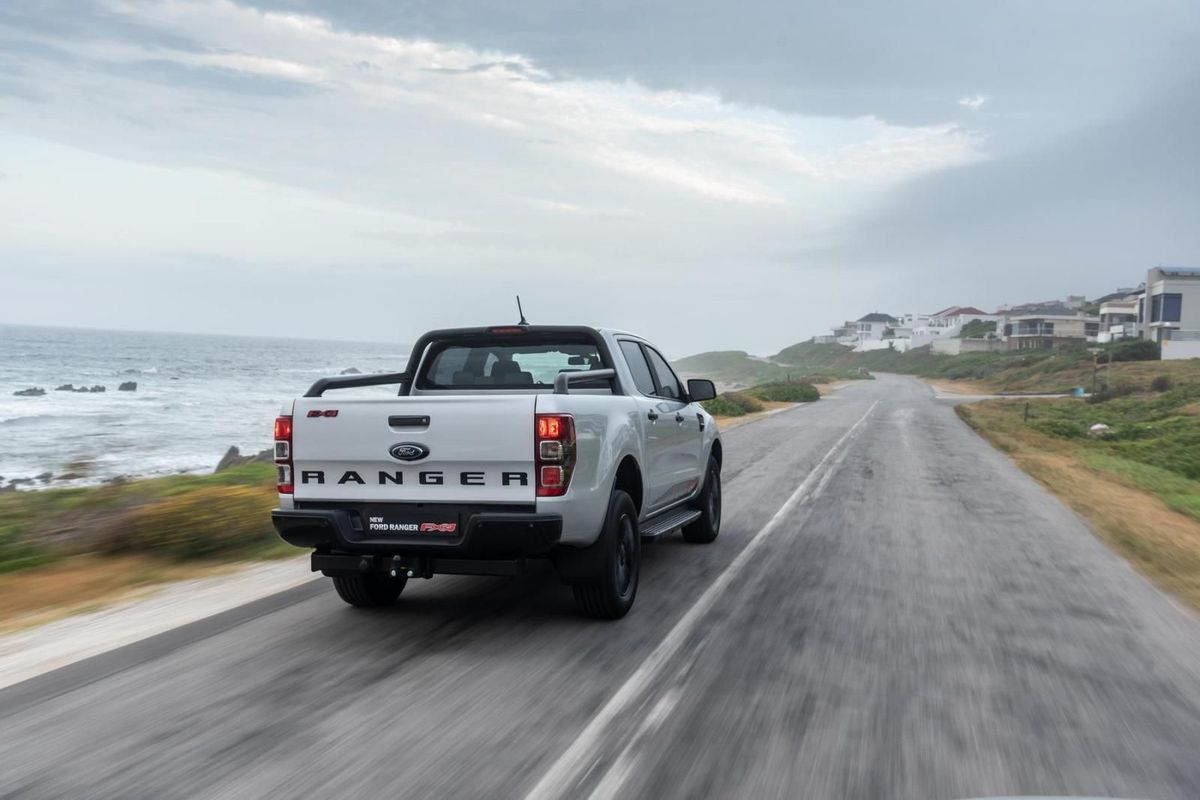
Ford South Africa has welcomed an FX4 double-cab derivative to its Ranger line-up and, apart from offering unique styling elements, the newcomer introduces a nifty connectivity feature – FordPass Connect. Cars.co.za journalist Gero Lilleike travelled to the Wild Coast to experience the Ranger FX4 in the metal.
Ford is on a roll! Earlier this month, the brand announced a massive R15.8-million investment in its local operation that will see significant upgrades made to its Silverton production facility ahead of the production of the all-new Ranger, as well as the all-new Volkswagen Amarok (which is based on the Blue Oval's next-gen bakkie), both of which are due for local release around 2023, perhaps sooner.
As the current-gen Ranger nears the end of its product lifecycle, Ford has been quite eager to capitalise on strong demand for uniquely-styled and kitted-out leisure double-cabs. As such, Ford has been rolling out a number of upgraded Ranger derivatives that cater for various budgets and, based on the market uptake, this strategy is creating a win-win situation, not only for the brand – customers too.
Just a few months ago, Ford South Africa introduced the Ranger Thunder (based on the Ranger Wildtrak) and then, towards the end of 2020, followed it up with the launch of the Ranger XL Sport (based on the Ranger XL), which catered for the high- and low ends of the Ranger’s customer base respectively.
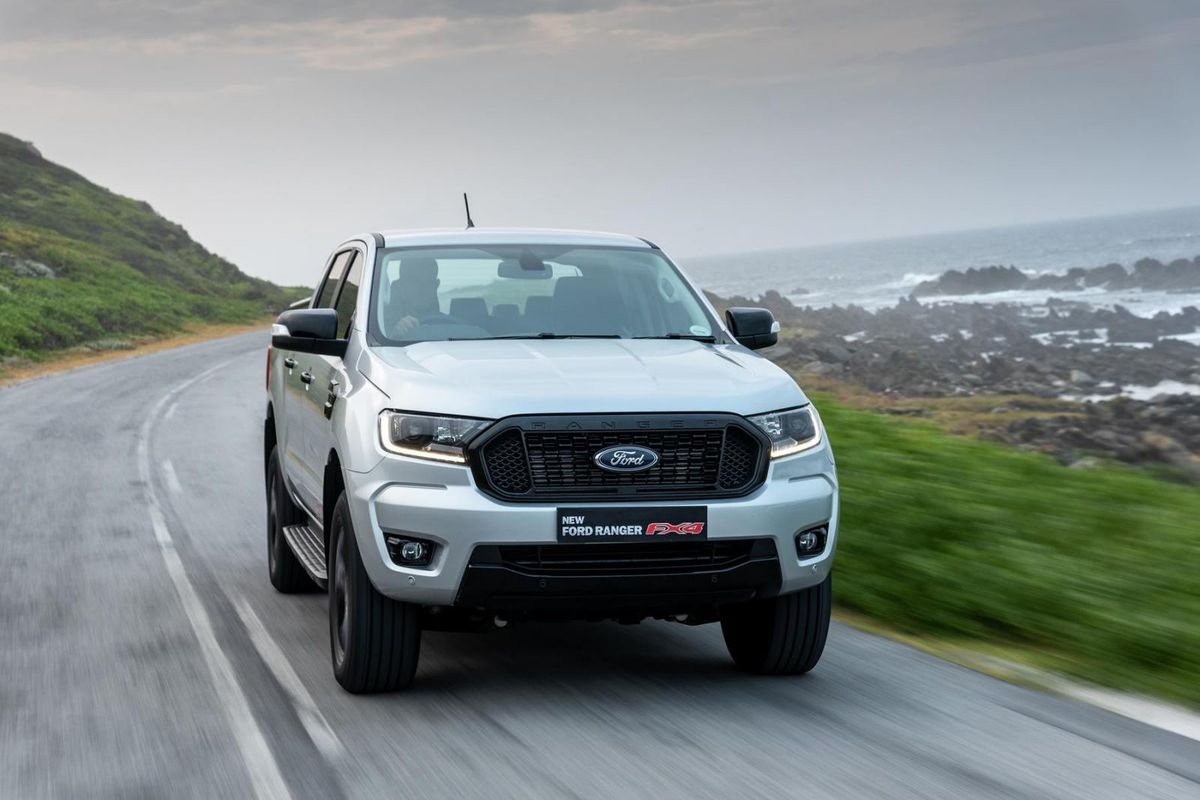
Now, with the introduction of the new Ranger FX4 (based on the Ranger XLT), the Blue Oval is looking to satisfy the needs of buyers who would ordinarily be interested in middle-of-the-range derivatives in the bakkie line-up. The FX4 nameplate first arrived on the local market in 2017 (pre-facelift) and this latest Ranger FX4 is bound to resonate with local buyers too.
What’s on offer?
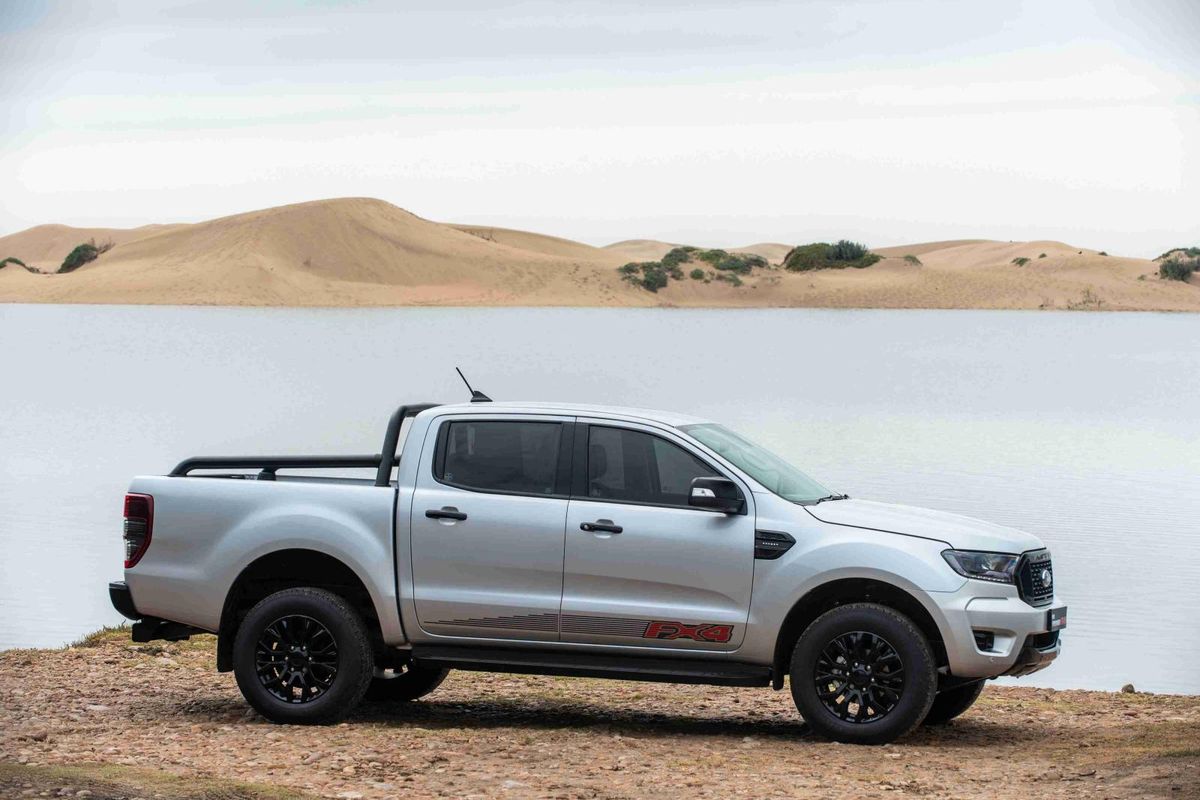
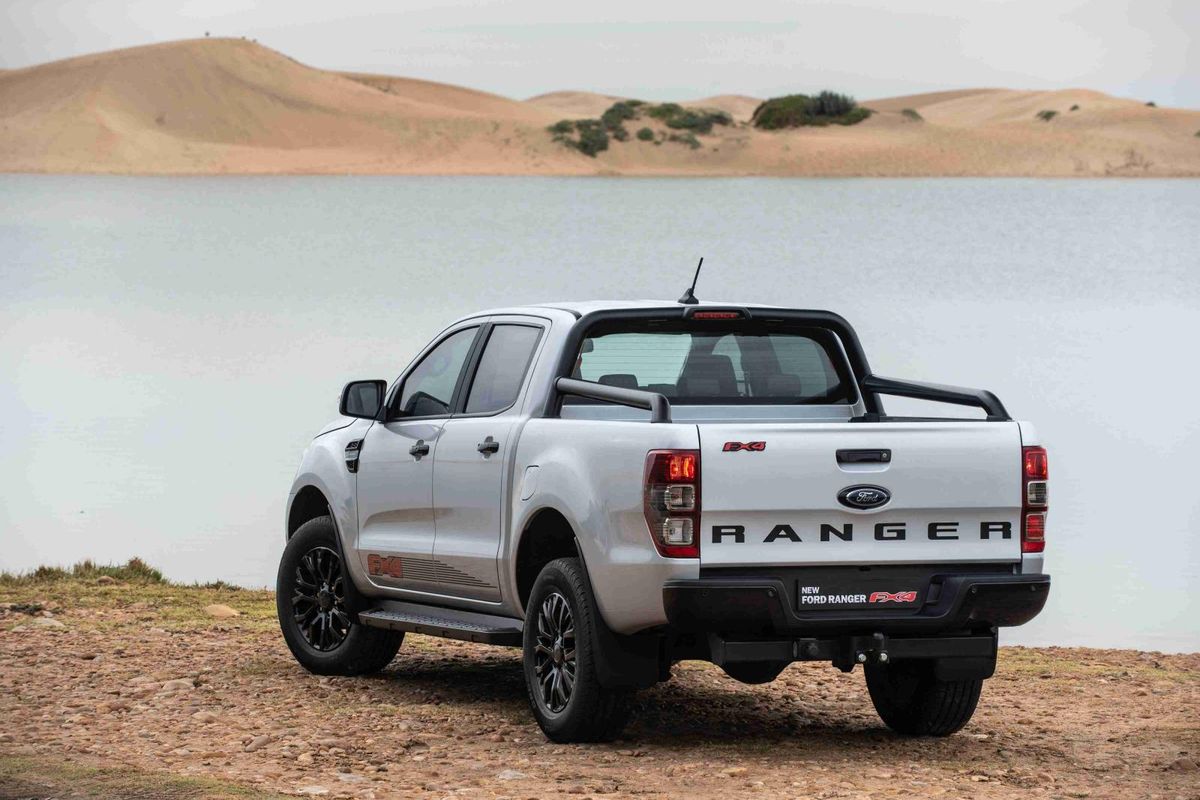
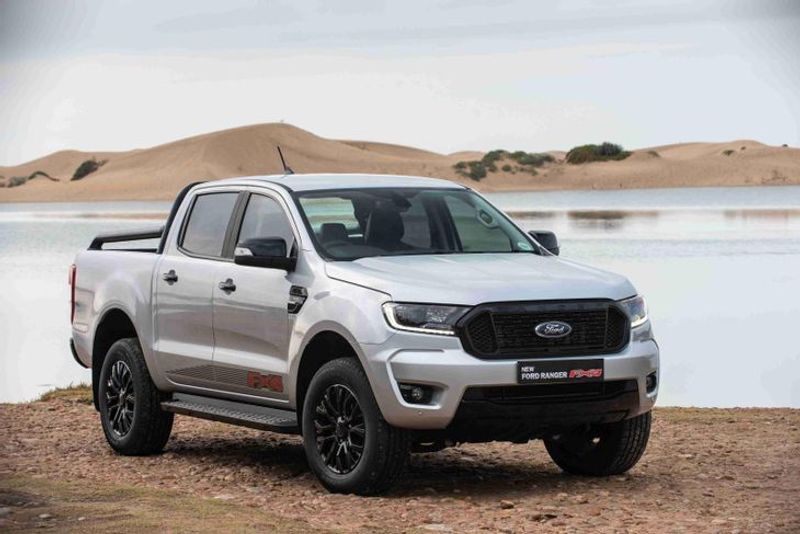
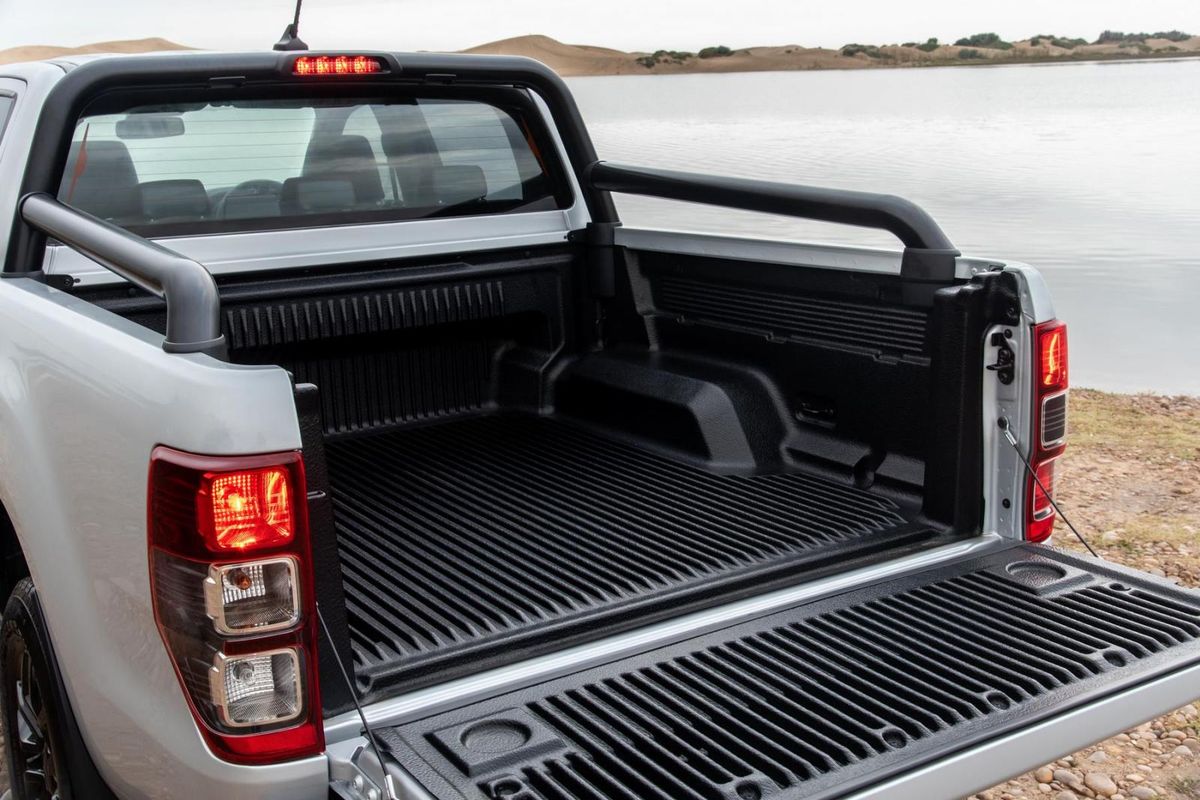
The Ranger FX4 gains a few extra styling features. Note the extended-leg sports bar which is a key defining feature.
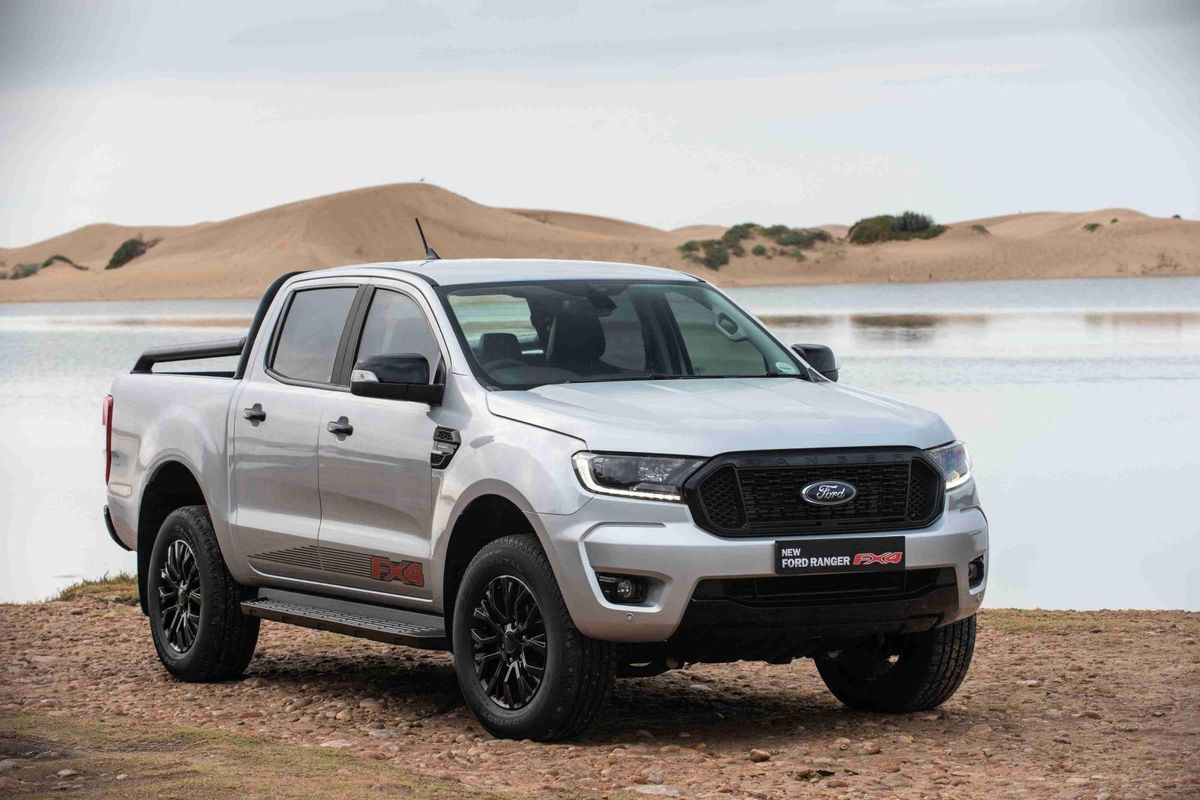
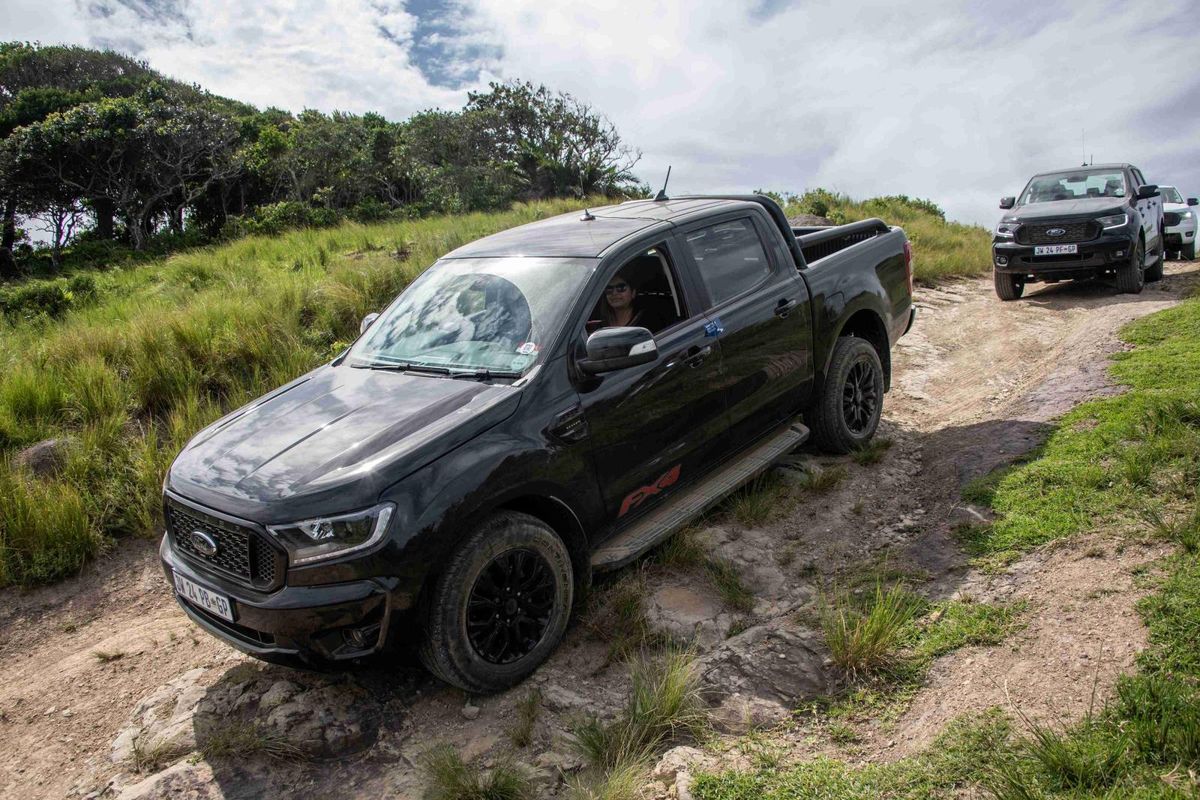
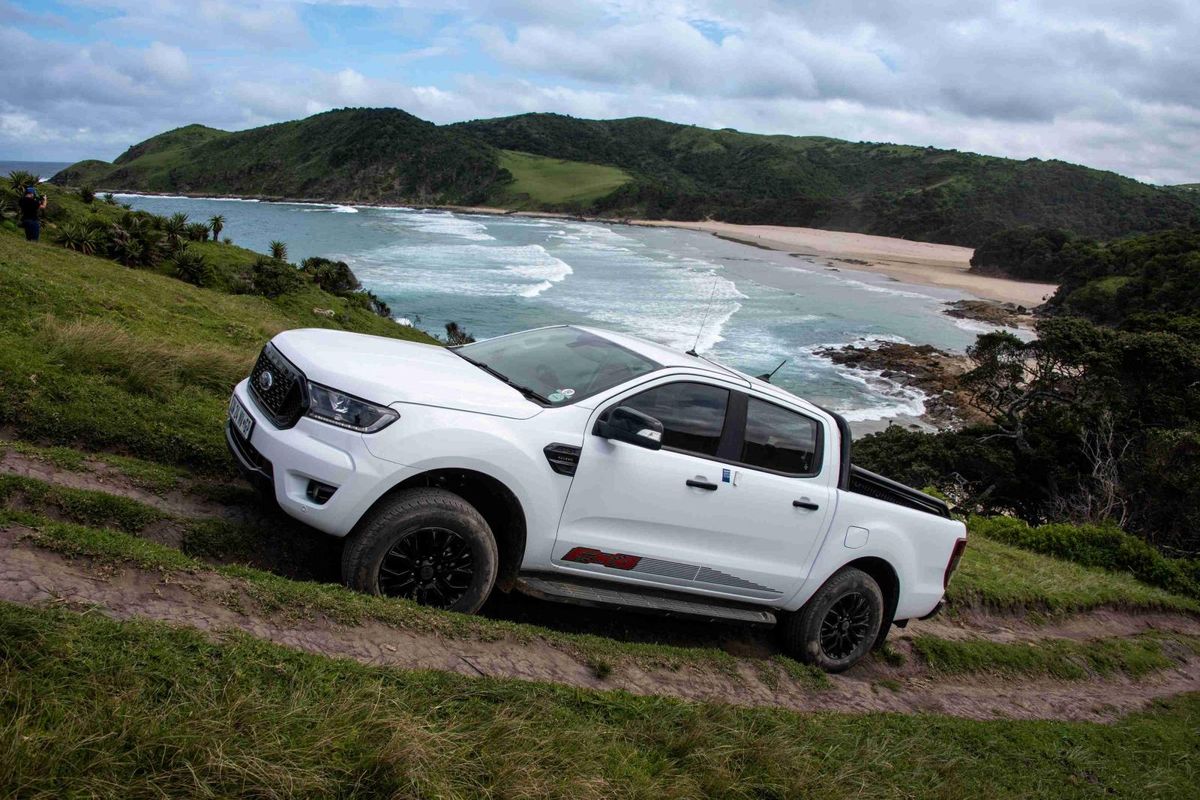
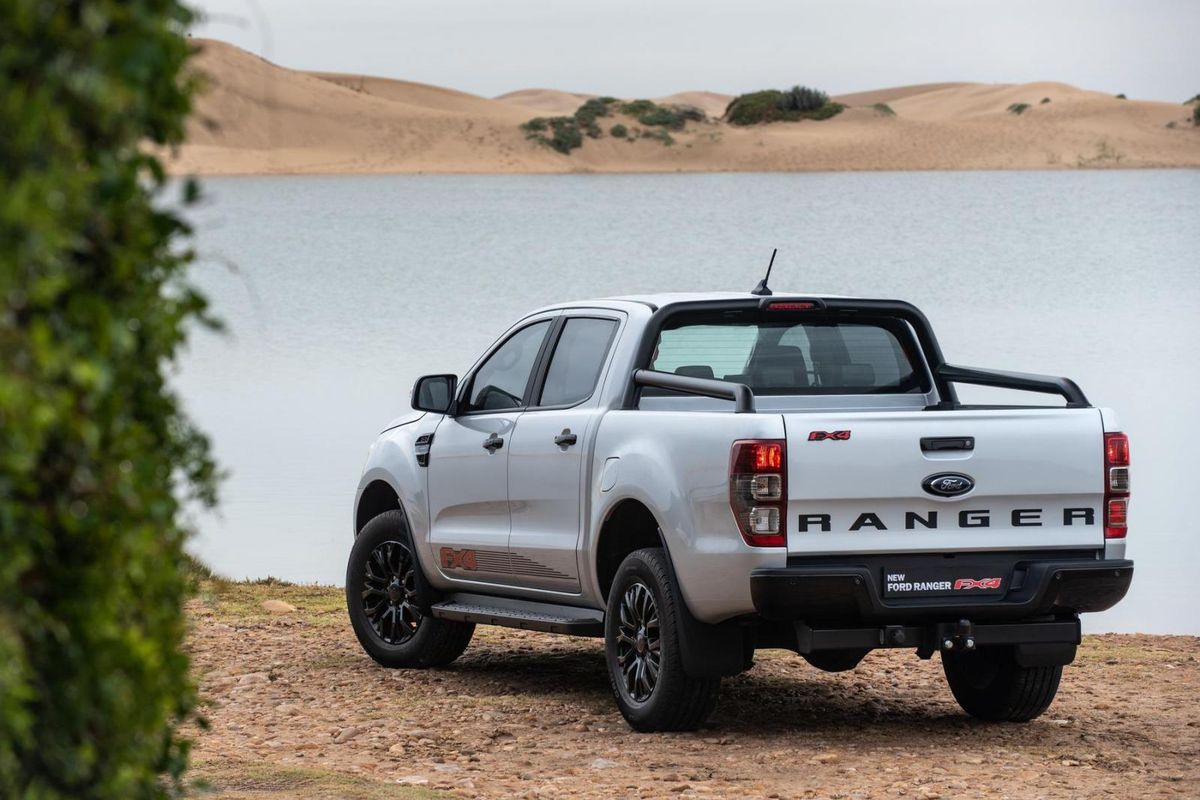
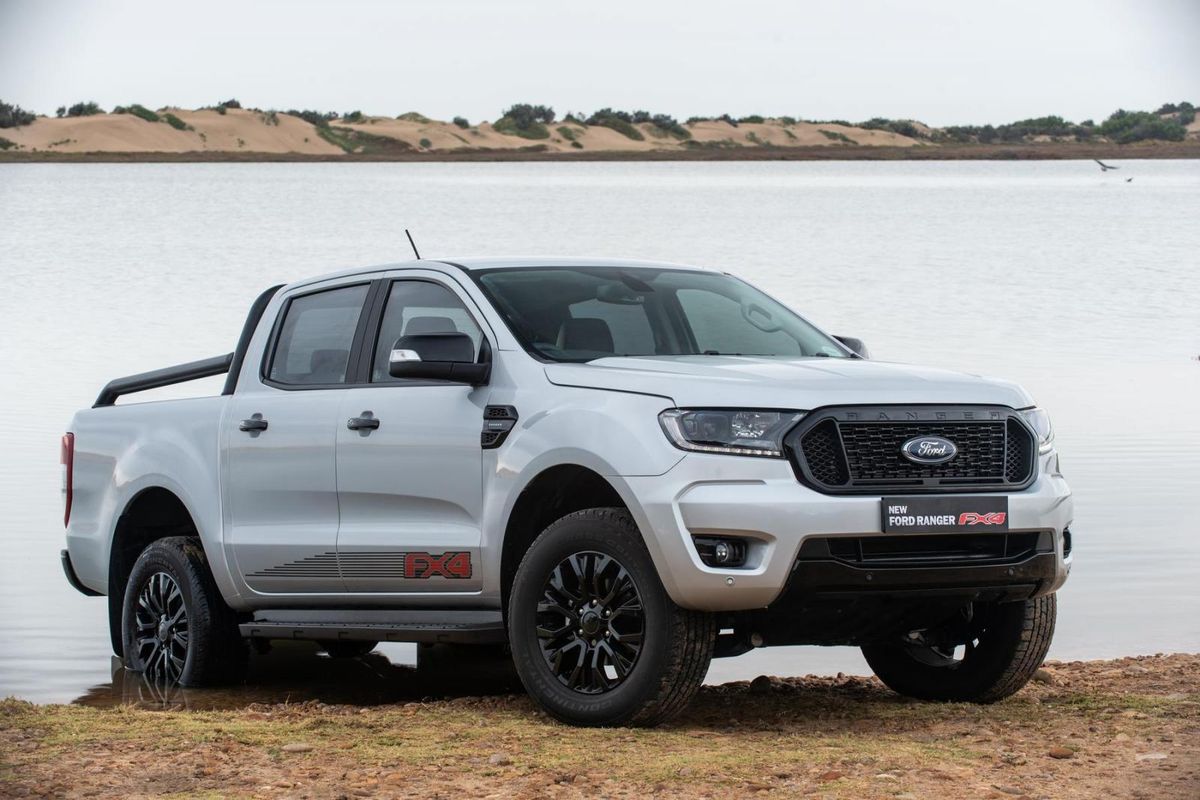
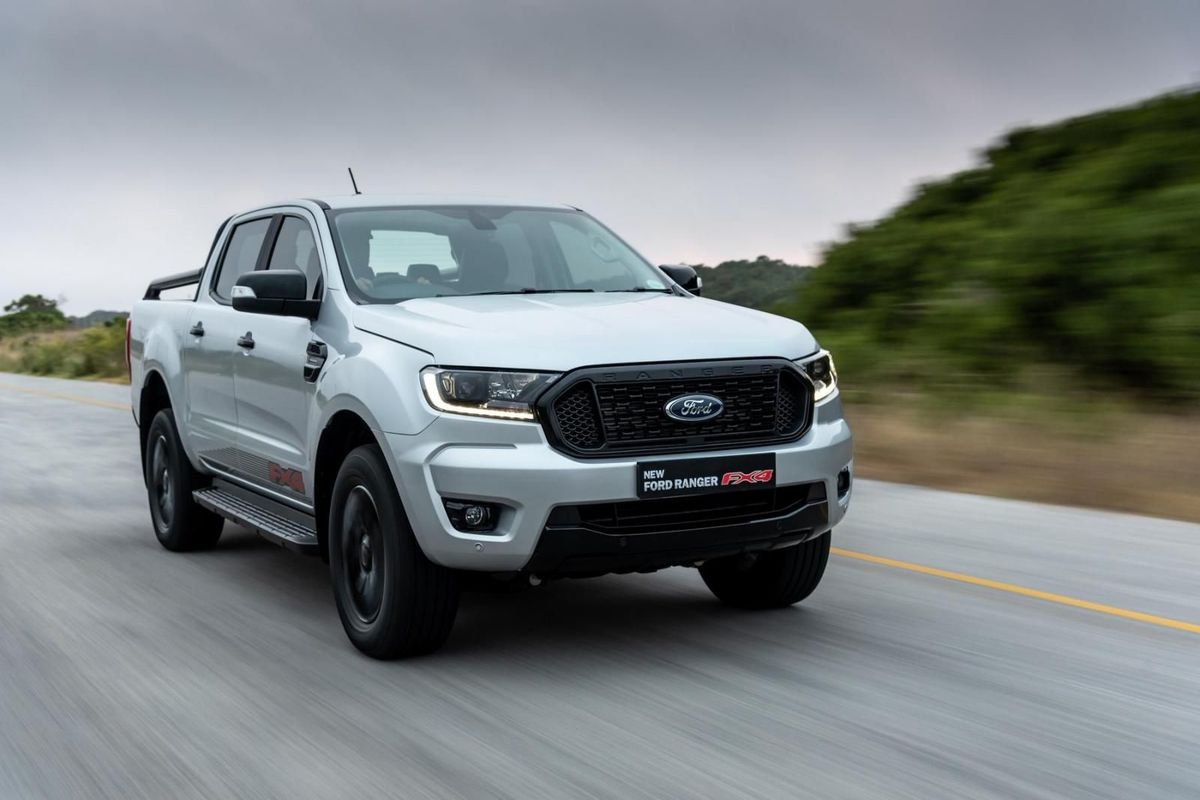
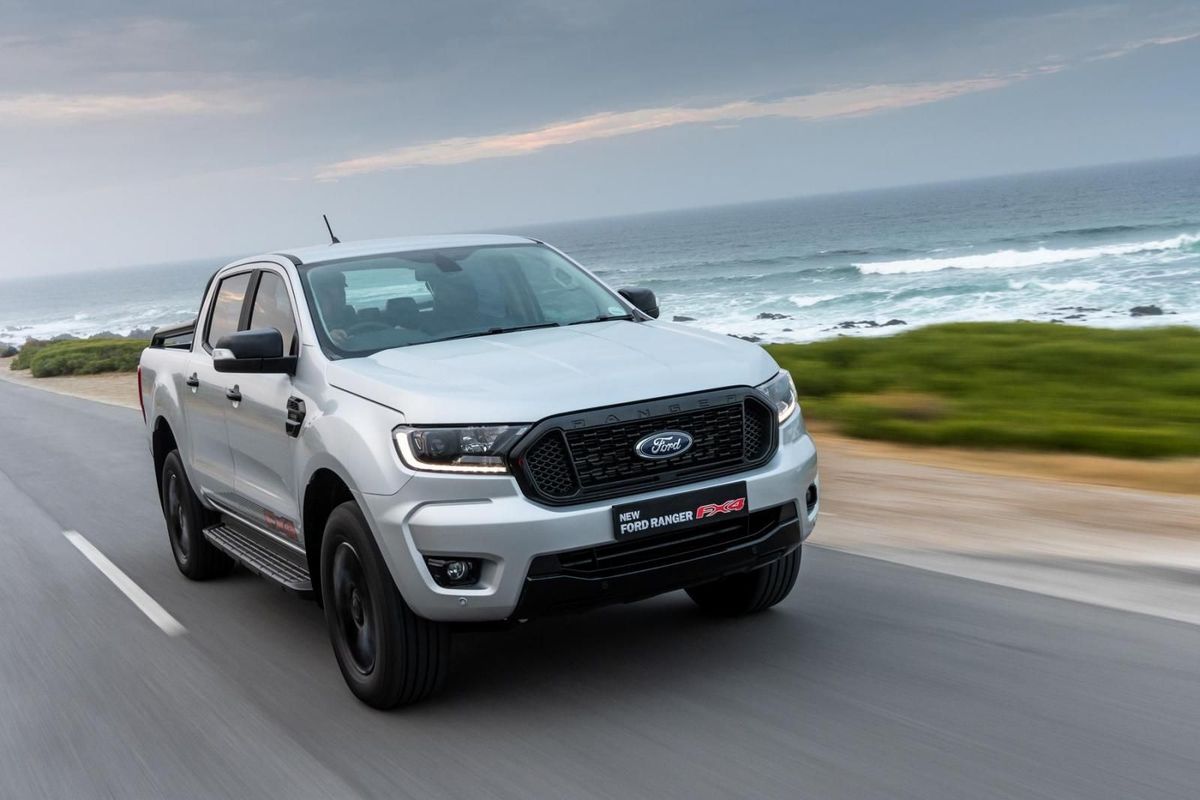
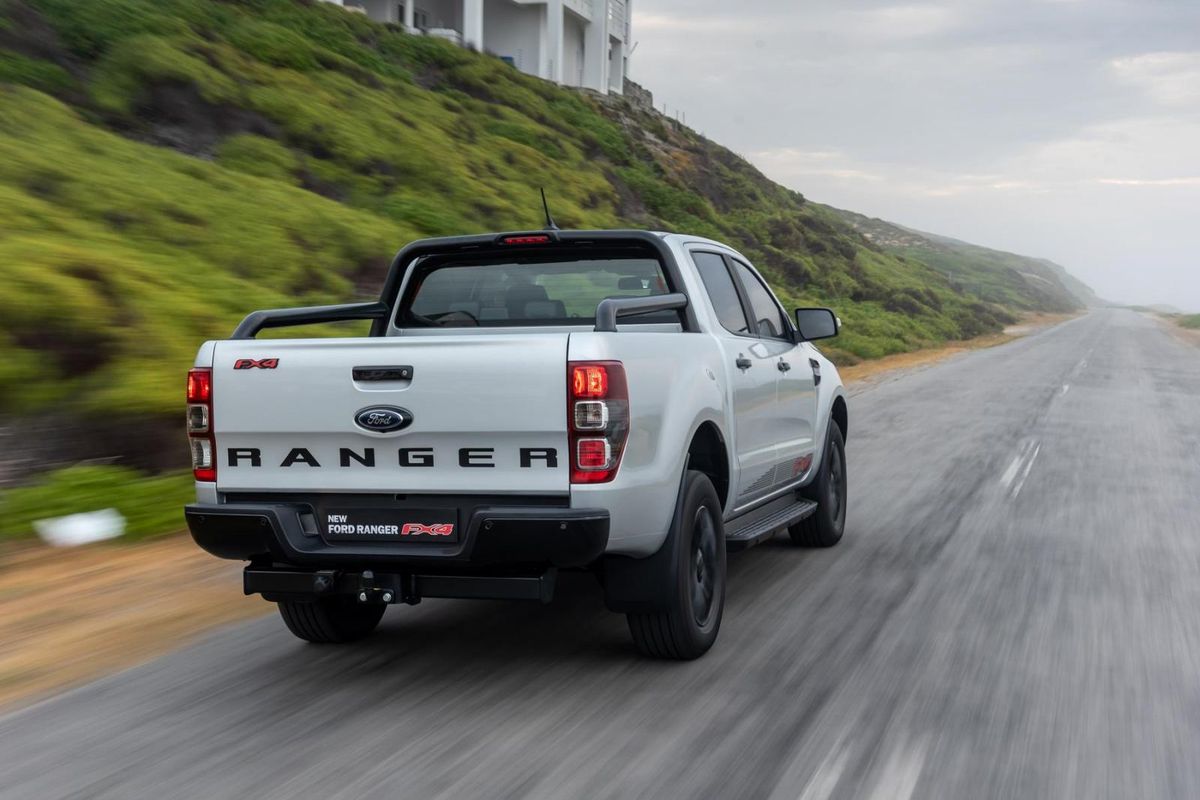
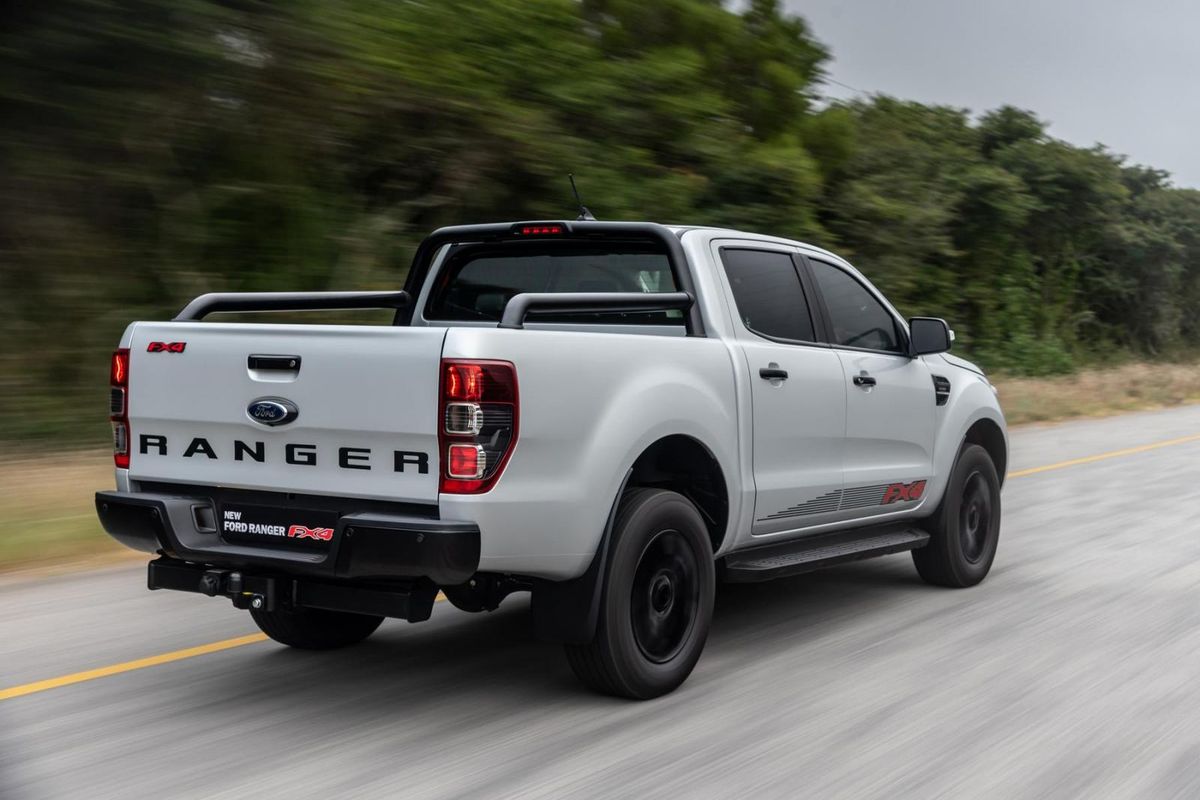
The FX4 is all about maximum kerb-appeal, hence it comes festooned with unique styling features that set it apart from the rest of the Ranger line-up. Black detailing is the running theme here: compared with the XLT, the FX4 features an additional black mesh grille (similar to the Ranger Thunder), larger 18-inch multi-spoke black alloy wheels, black door handles and an extended tubular sports bar.
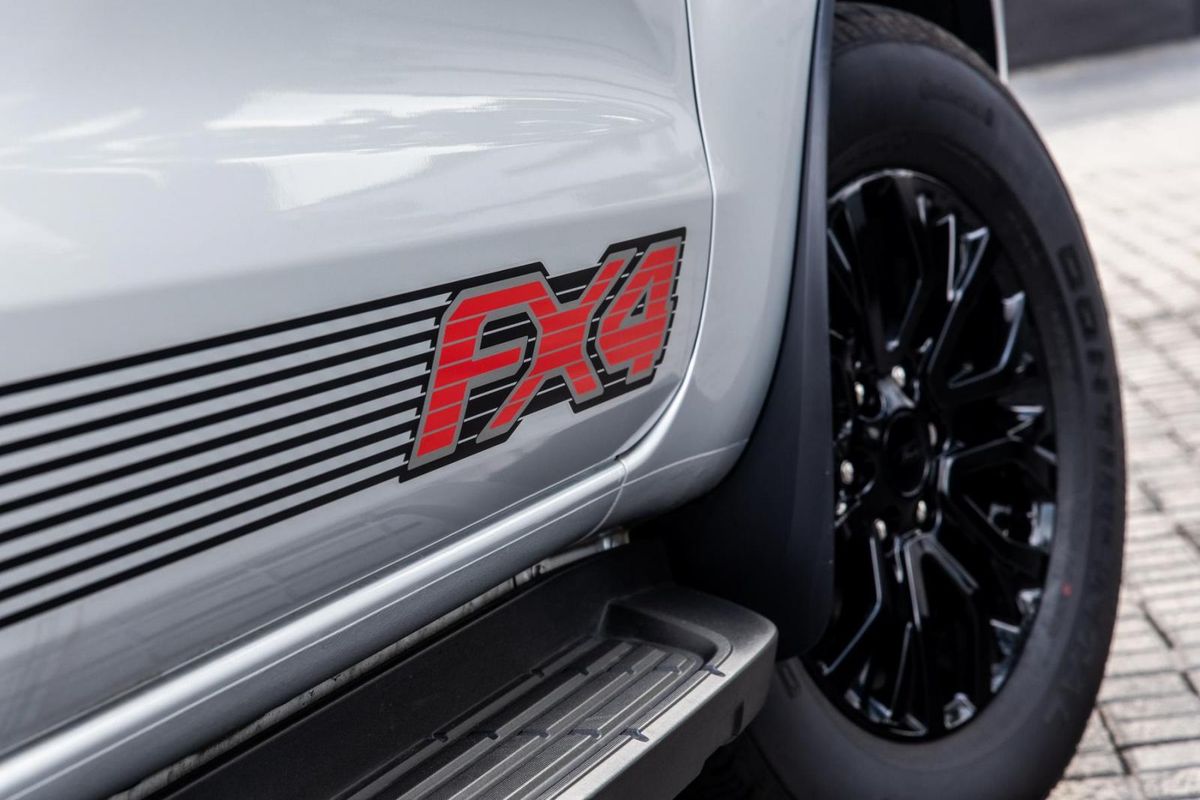
A drop-in load-bed liner is also included, along with a 12V socket and a total of 6 tie-down points in the back. FX4 badging on the tailgate and along the side of the bakkie further reinforce the newcomer's identity. With the above styling enhancements in mind, the Ranger FX4 is offered in a choice of 4 colours: Sea Grey, Frozen White, Race Red, Agate Black and Moondust Silver.
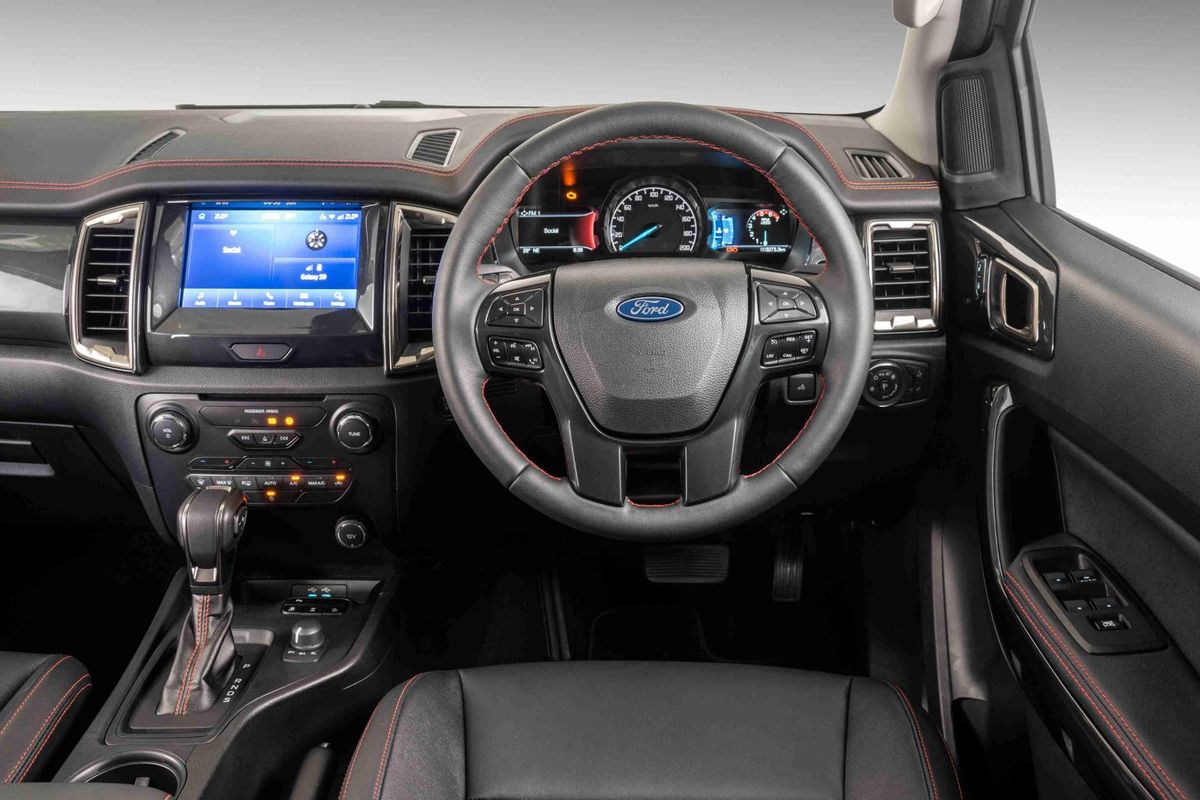
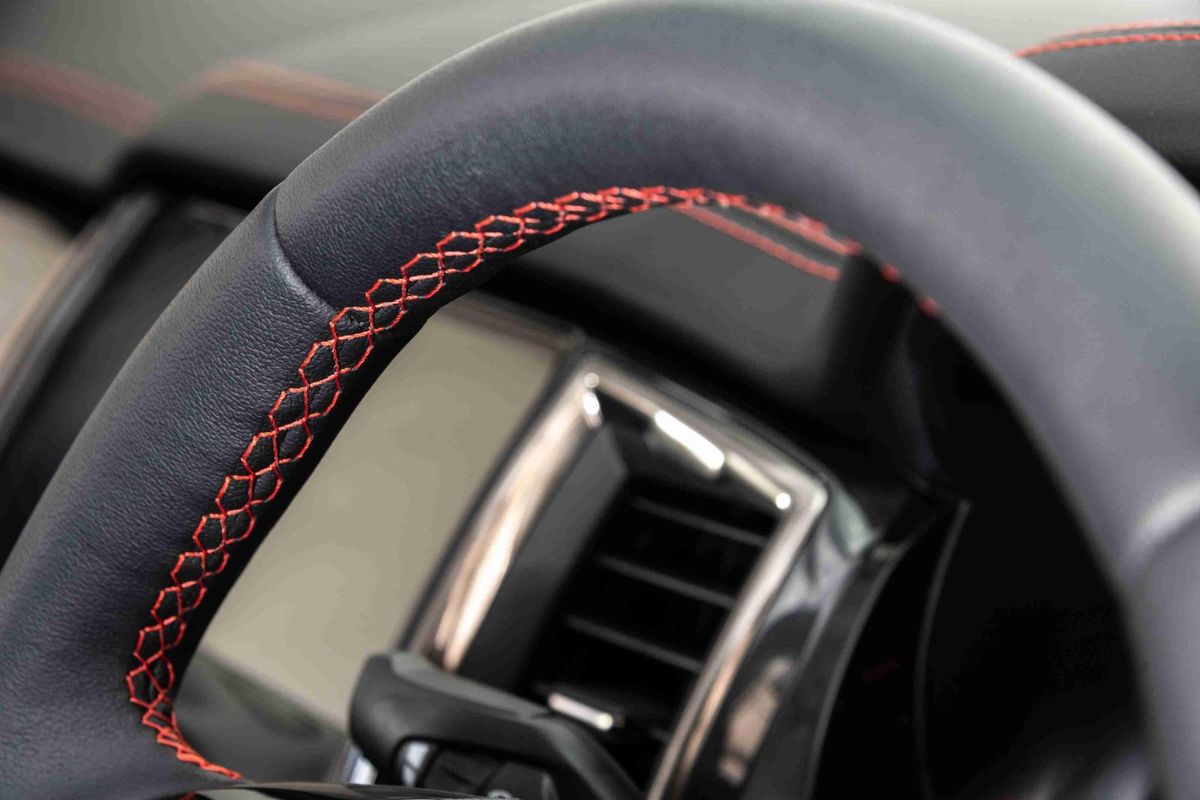
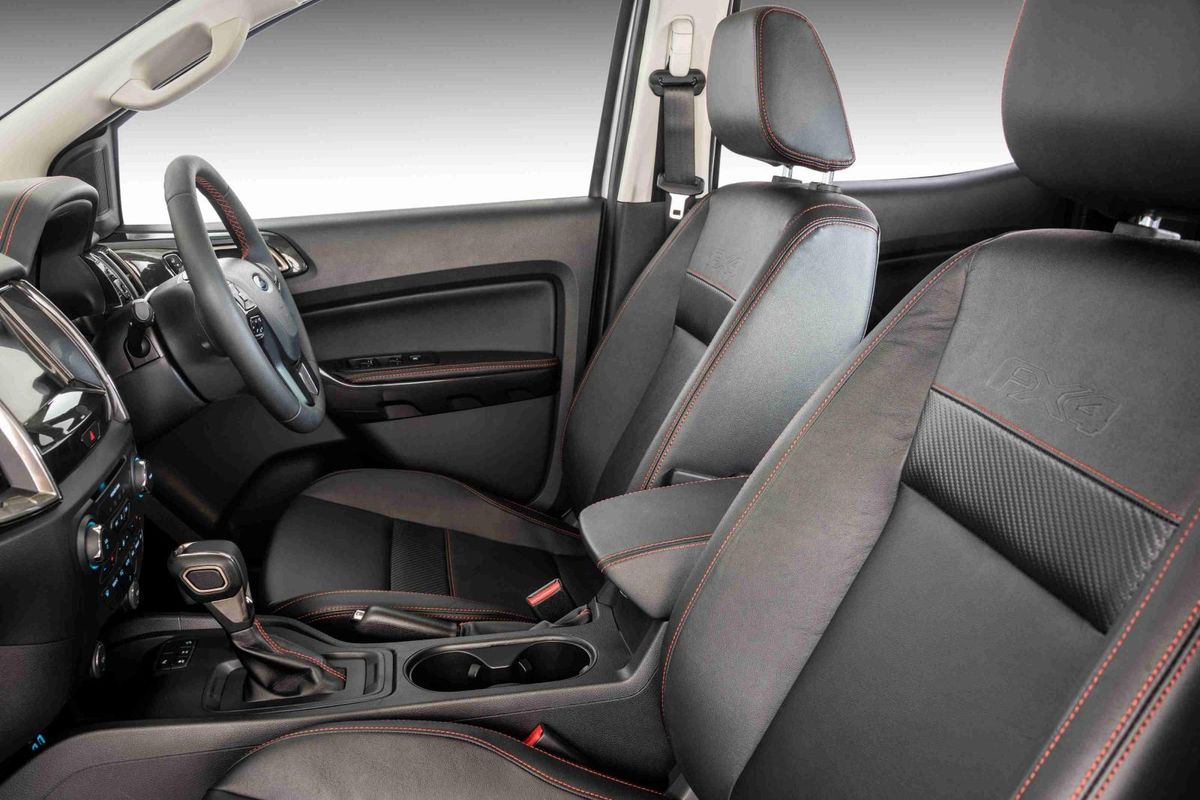
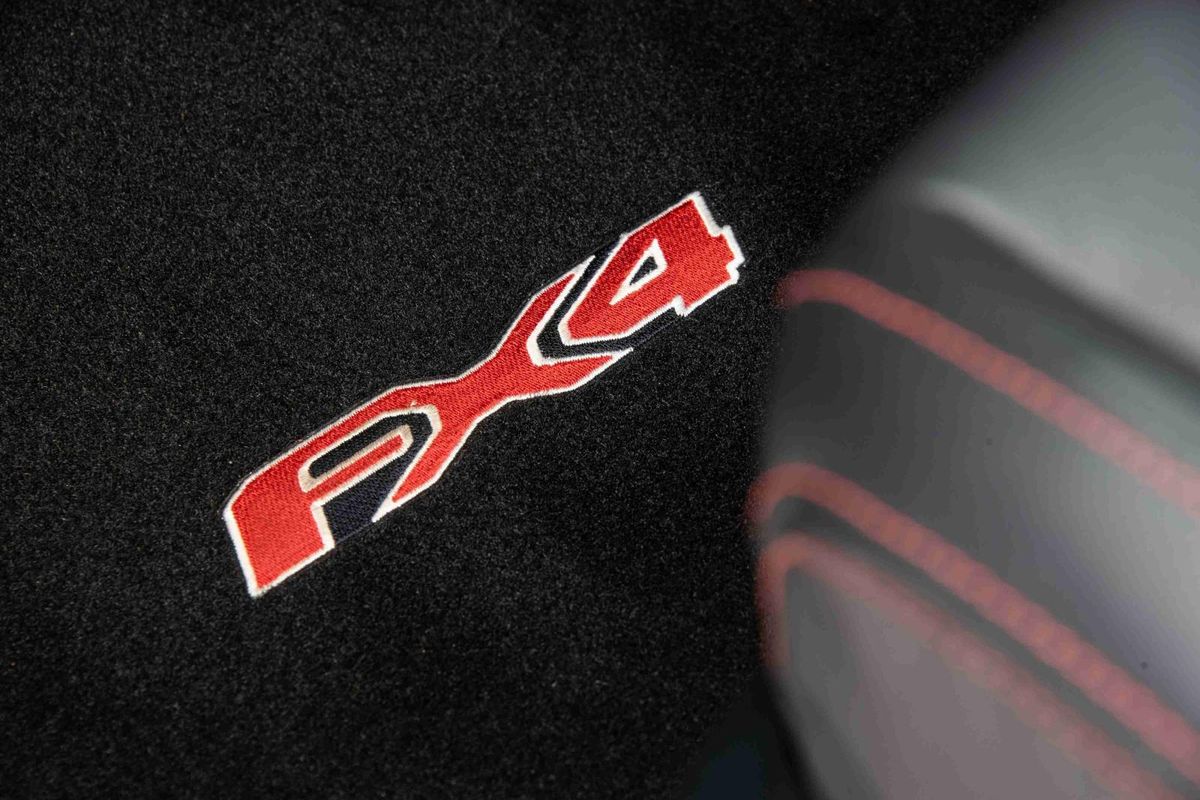
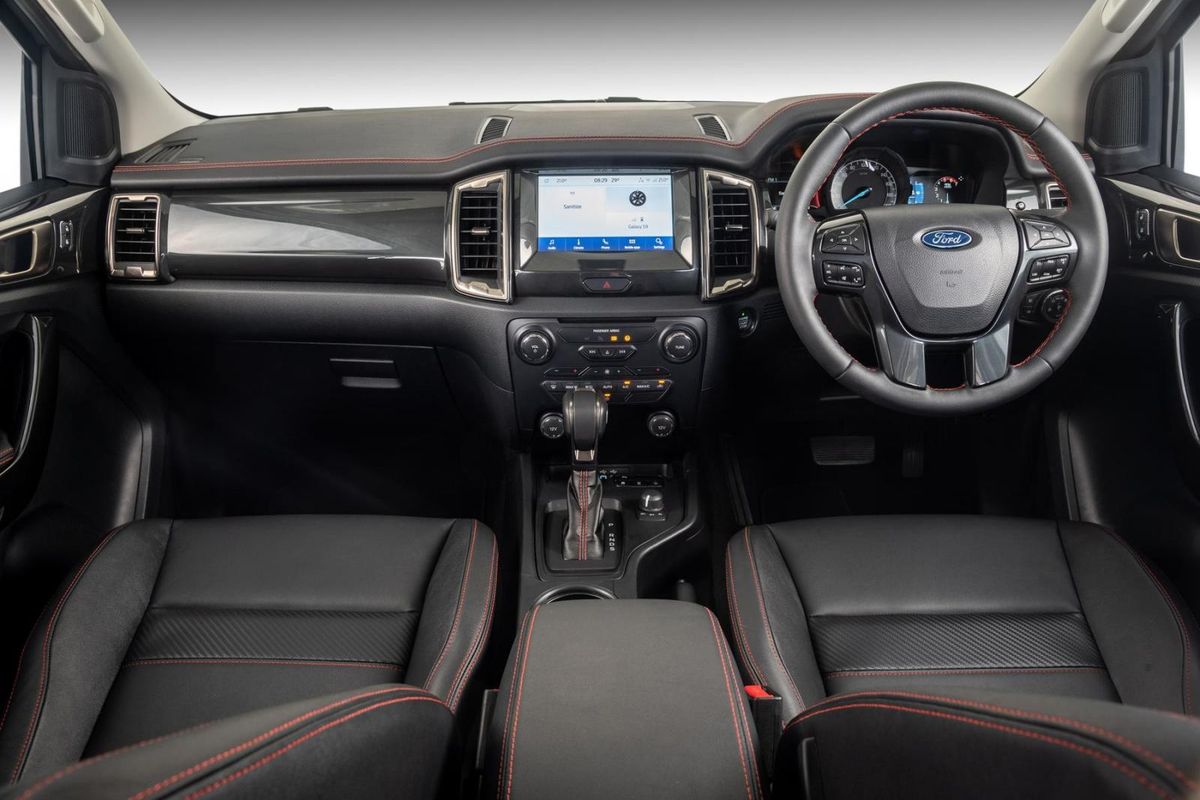
As for the interior, leather trim (with embossed FX4 badging) is standard, while red contrast stitching features on the seats, steering wheel, transmission lever and on the leather-look upper dashboard.
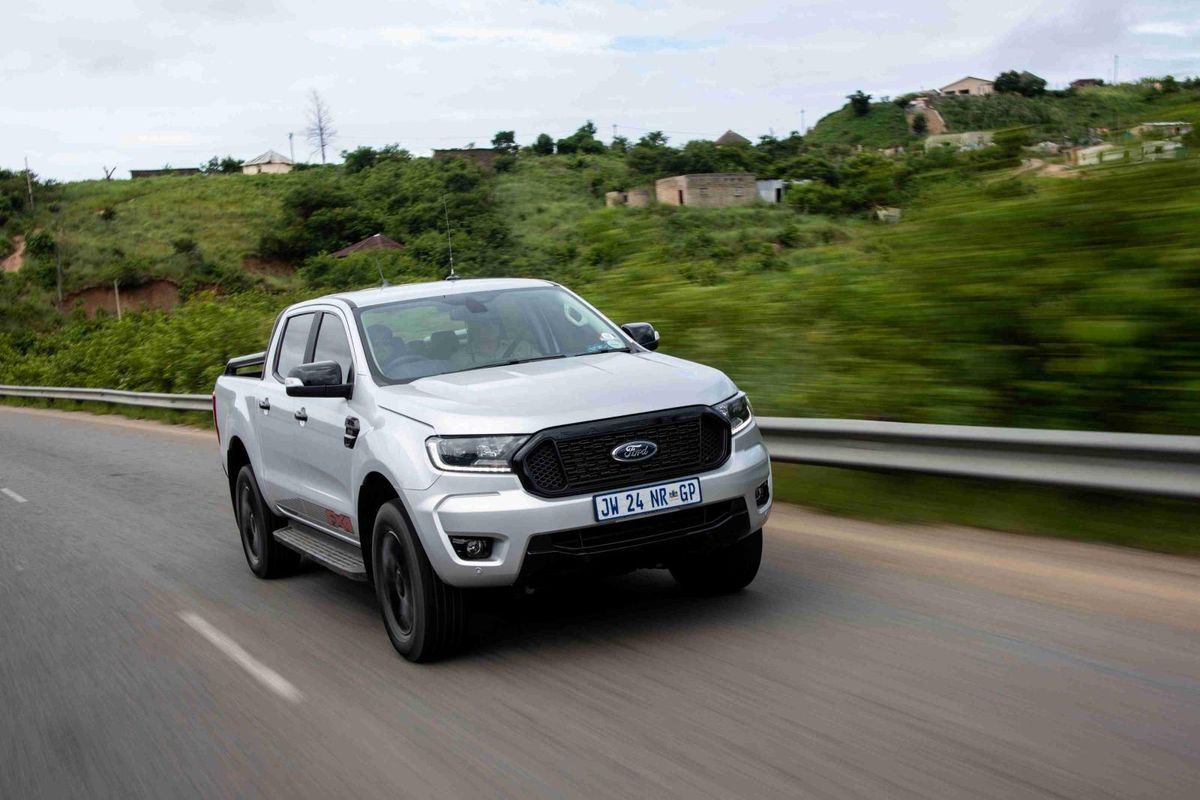
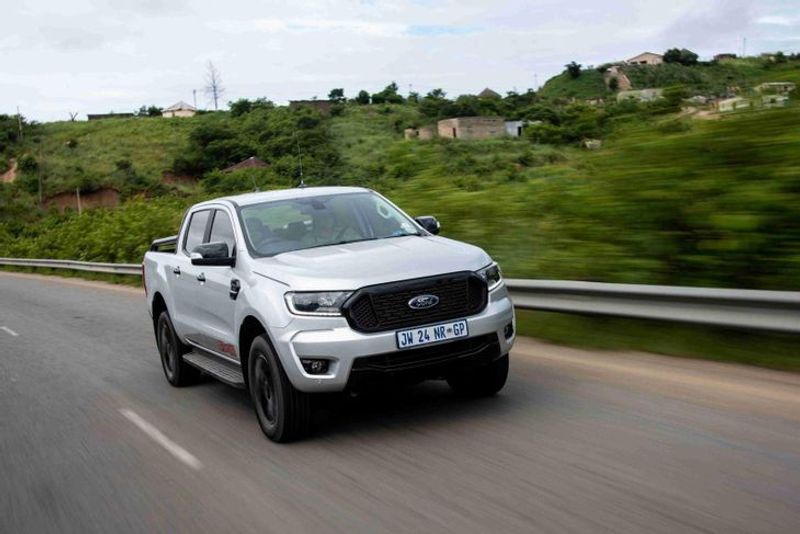
The Ranger FX4 is as capable off-road as it is on the tar. Definitely one of the most comfortable offerings in this segment.
The Ranger FX4 is powered by Ford’s proven 2.0-litre, single-turbocharged diesel engine that develops 132 kW and 420 Nm of torque and is exclusively mated with a 10-speed automatic transmission.
We’ve experienced this locally-made engine before (in the Ranger XLT) when it was introduced in 2019 and it delivers good mid-range acceleration and an admirable balance of performance and economy in conjunction with Ford’s 10-speed automatic transmission. The claimed average fuel consumption figure for the Ranger FX4 is 7.5 L/100 km and the newcomer is available in 4×2 and 4×4 guises.
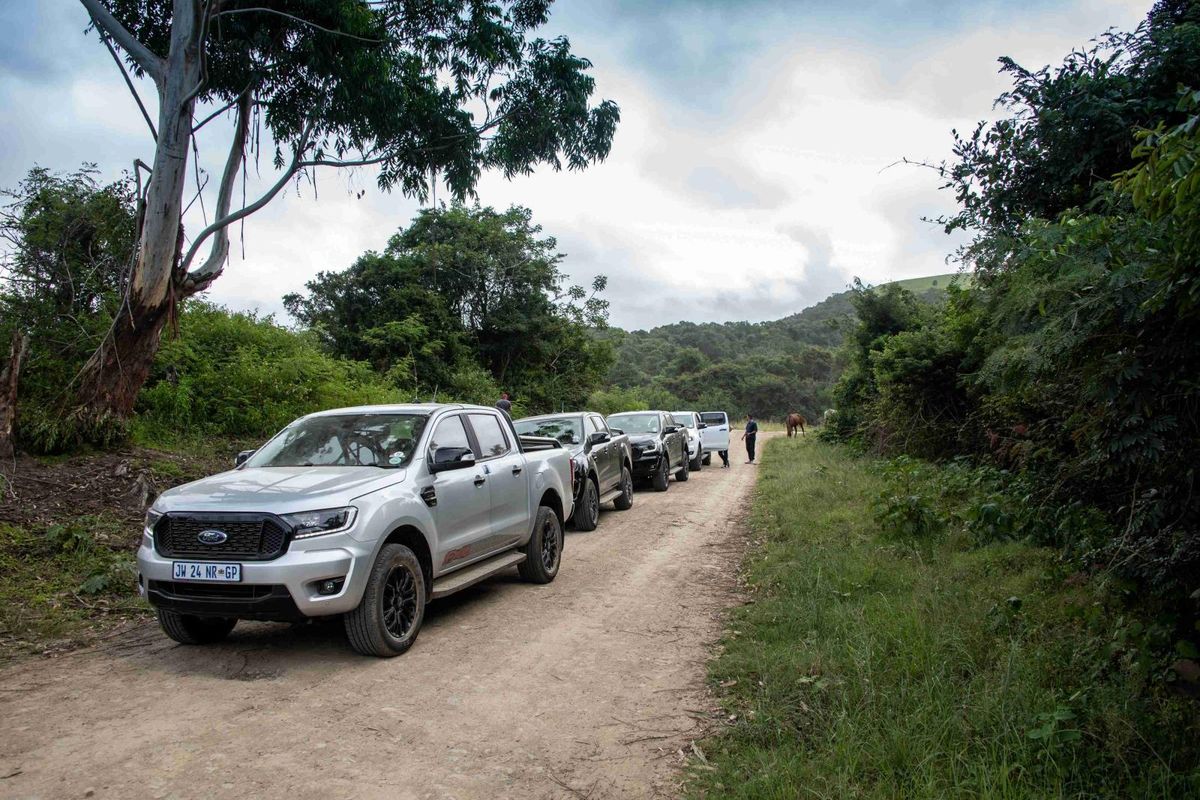
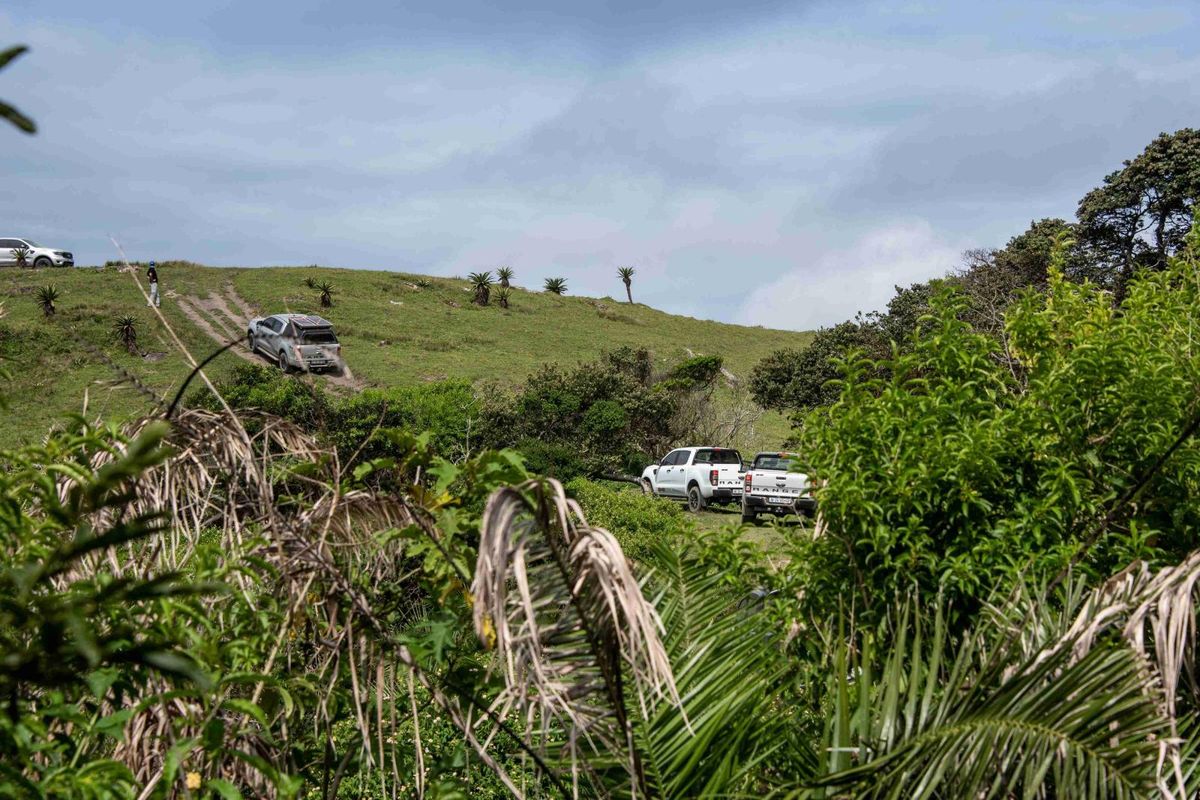
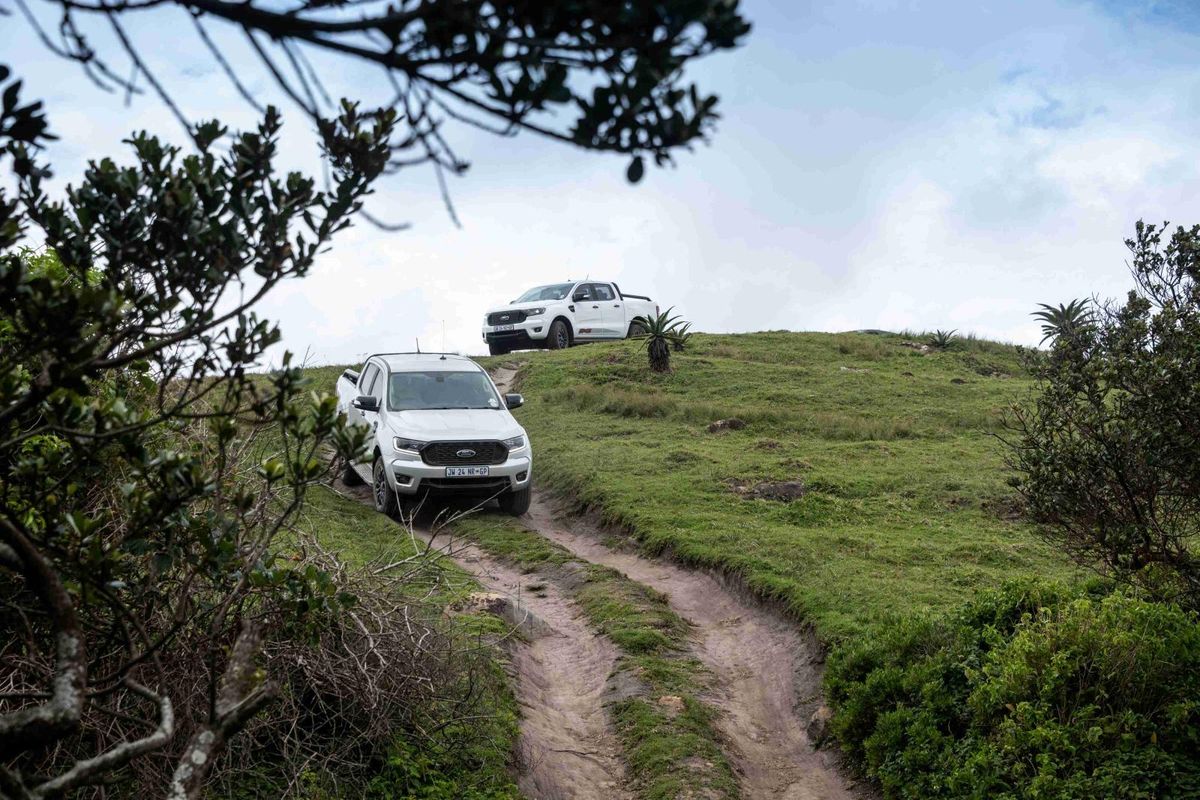
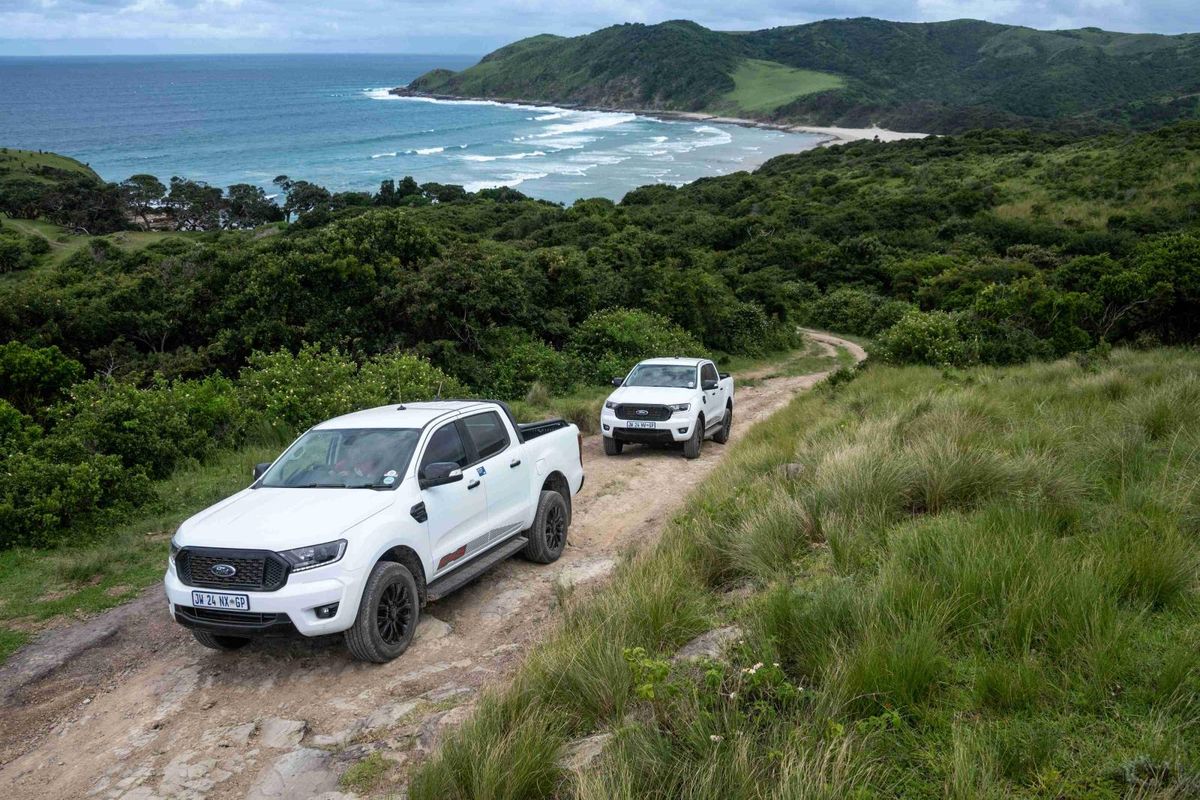
The Ranger FX4 launch took place south of Port St Johns in the Eastern Cape. If you have ever been to this beautiful part of the country, you will know that a 4×4 is the ideal vehicle with which to traverse the rugged rural dirt roads of the area. The Ranger FX4 made light work of this terrain; not even the worst rain-rutted road could unsettle Ford's stalwart of a bakkie.
One of the traits we have always liked about the Ranger is how solid and planted it feels on rugged terrain. It’s a comfortable off-roader with a light and effortless steering feel, which contributes to a pleasant, fuss-free driving experience. Could it be that after all these years on the market (almost a decade), Ford's bakkie still offers the best compromise between on-road comfort and off-road ability?
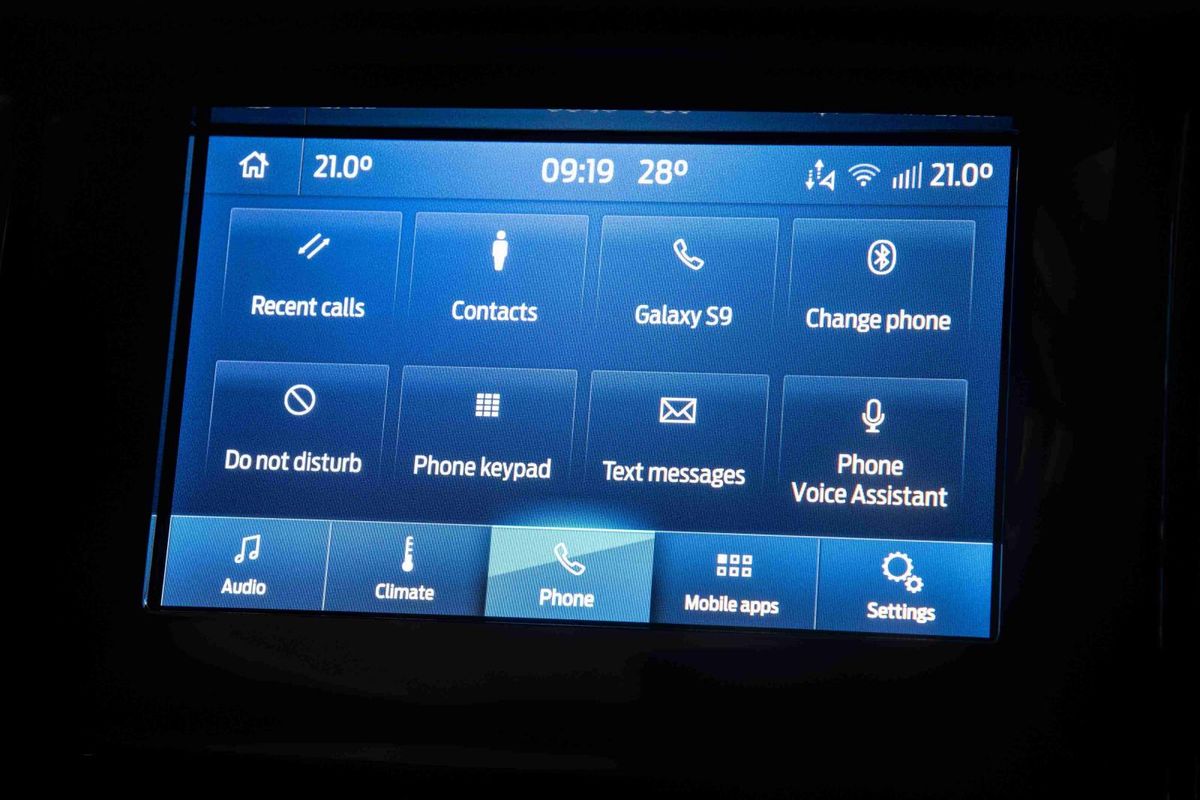
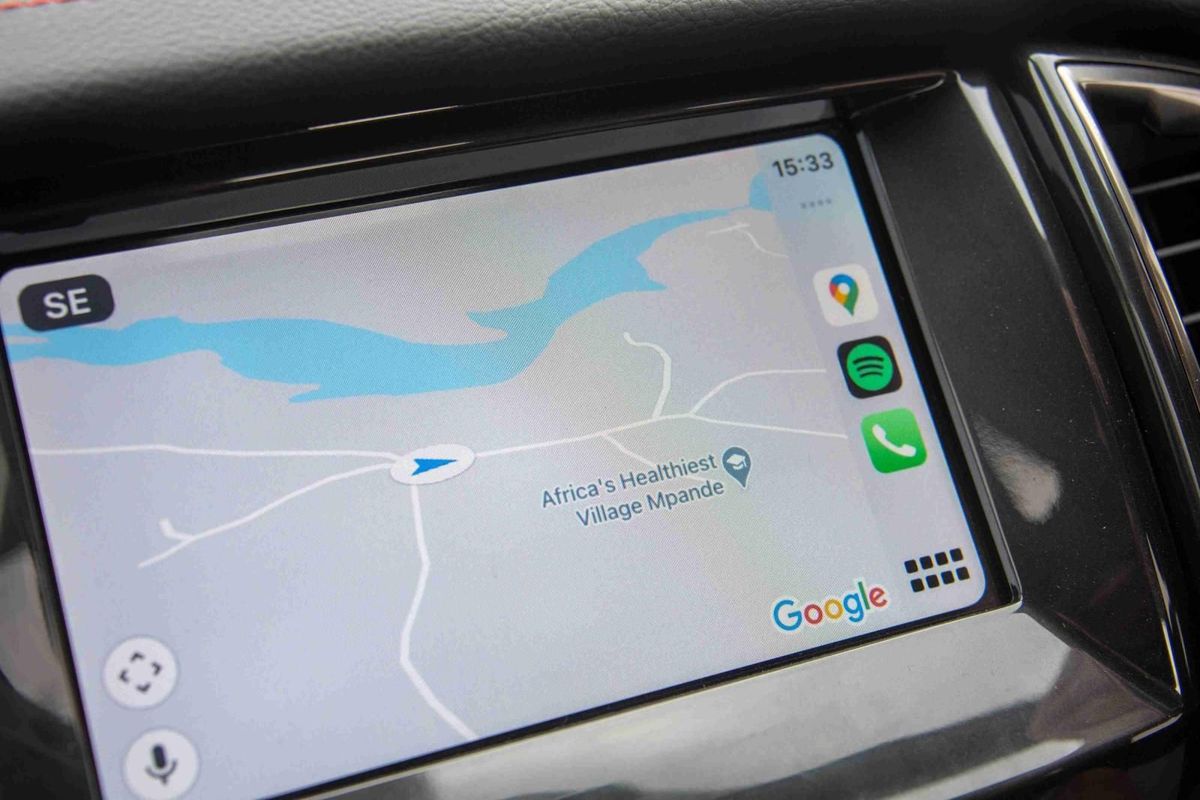
Meanwhile, FordPass Connect is the only notable technical upgrade to the Ranger FX4. This new connectivity feature is also standard on the bakkie's XL, XLS, XLT, Wildtrak and Raptor derivatives.
FordPass. What’s that?
FordPass Connect allows for remote control of your Ford vehicle and puts vital information at your fingertips, all via your smartphone.
Access to FordPass starts by downloading the FordPass app to your smartphone. Once a Ford vehicle (such as a Ranger produced from 2017 onwards) has been successfully registered on the app, owners will have immediate access to warranty and maintenance information, the ability to search for Ford dealers in the vicinity, as well as fuel stations and even parking spaces.
However, the full potential of FordPass Connect can only be accessed when you pair the FordPass app with the FordPass Connect modem, which is installed in these latest Ranger derivatives (such as the FX4). This pairing unlocks a number of remote command and control functions such as starting the engine, locking and unlocking of doors, pre-priming the interior climate control, finding the exact location of the vehicle, booking of services (and keeping track of past ones), as well as providing key vehicle information such as fuel level and oil life. The vehicle's Owner’s Manual is also easily accessible.
Our initial impressions of FordPass Connect are positive. The app was easy to use; vehicle registration and pairing is a straightforward process and the remote control functions are useful. This level of connectivity is unheard of in the bakkie segment and this development clearly points to a future in which a person’s engagement and involvement with their vehicle is enhanced with the help of technology.
In isolation, FordPass Connect might appear to be a tad gimmicky, but in the context of Ford’s recent undertaking to run Google software in the next-generation Ranger as of 2023 as well as the brand’s recently-announced commitment to electrification, it's a crucial one. Ford’s goal is to achieve 66% commercial vehicle sales attributed to full-electric or hybrid vehicles by 2030. What that means exactly in a South African context remains to be seen, but it’s reasonable to expect a hybrid and even a full-electric Ranger in the future, even though it might still take a few more years to reach our market.
FordPass Connect is therefore but a cog in the machine of Ford’s journey towards a more connected future and it will be interesting to see how this technology develops over time and how rivalling brands will respond with their own technologies in the commercial-vehicle space, which of course they will. For now, however, Ford seems to be leading the charge in terms of connectivity in the bakkie space.
VW might be positioning itself as the primary challenger to Tesla in vehicle electrification, but Hyundai is quietly building an impressive portfolio of battery vehicles, too.
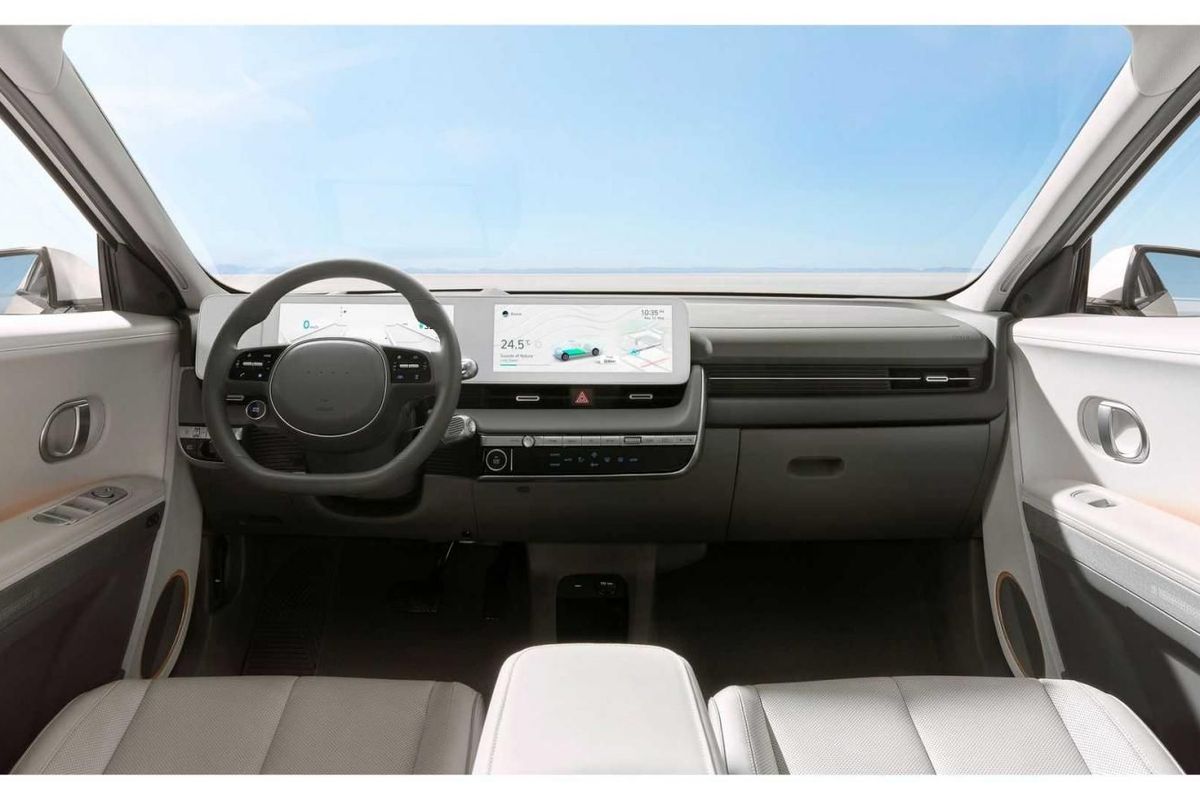
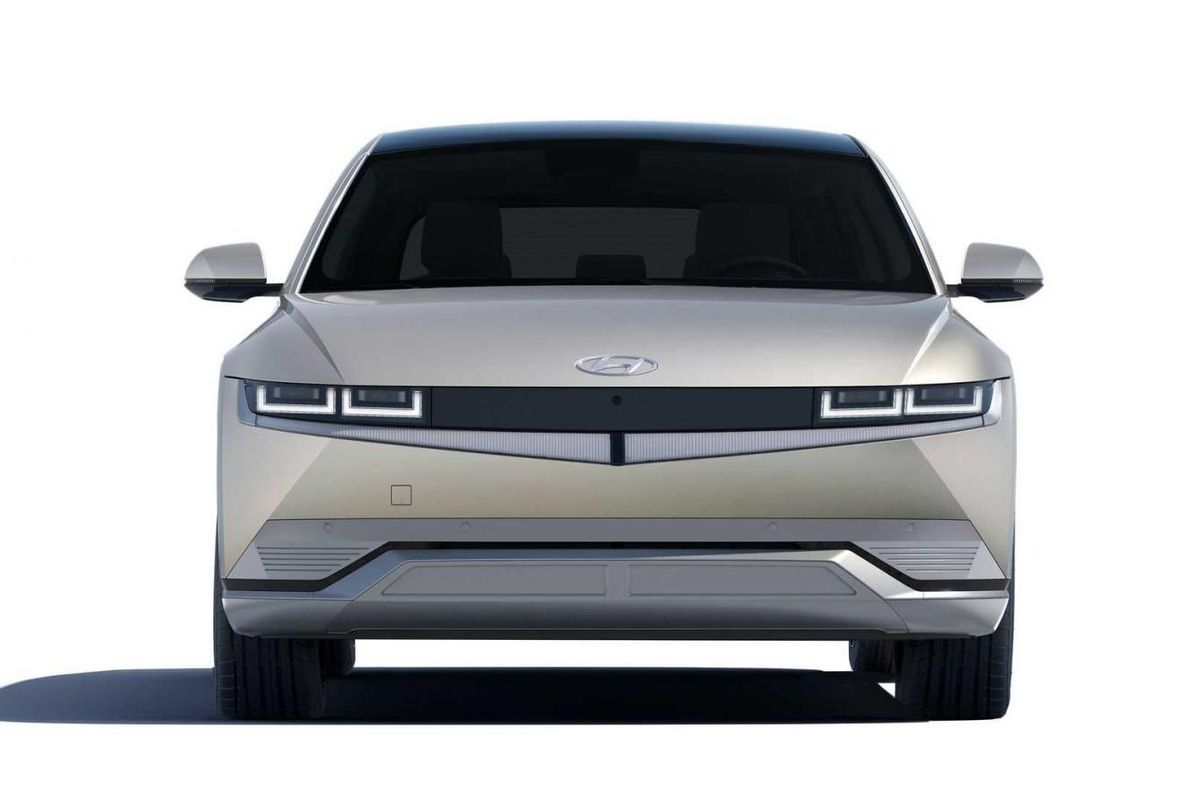
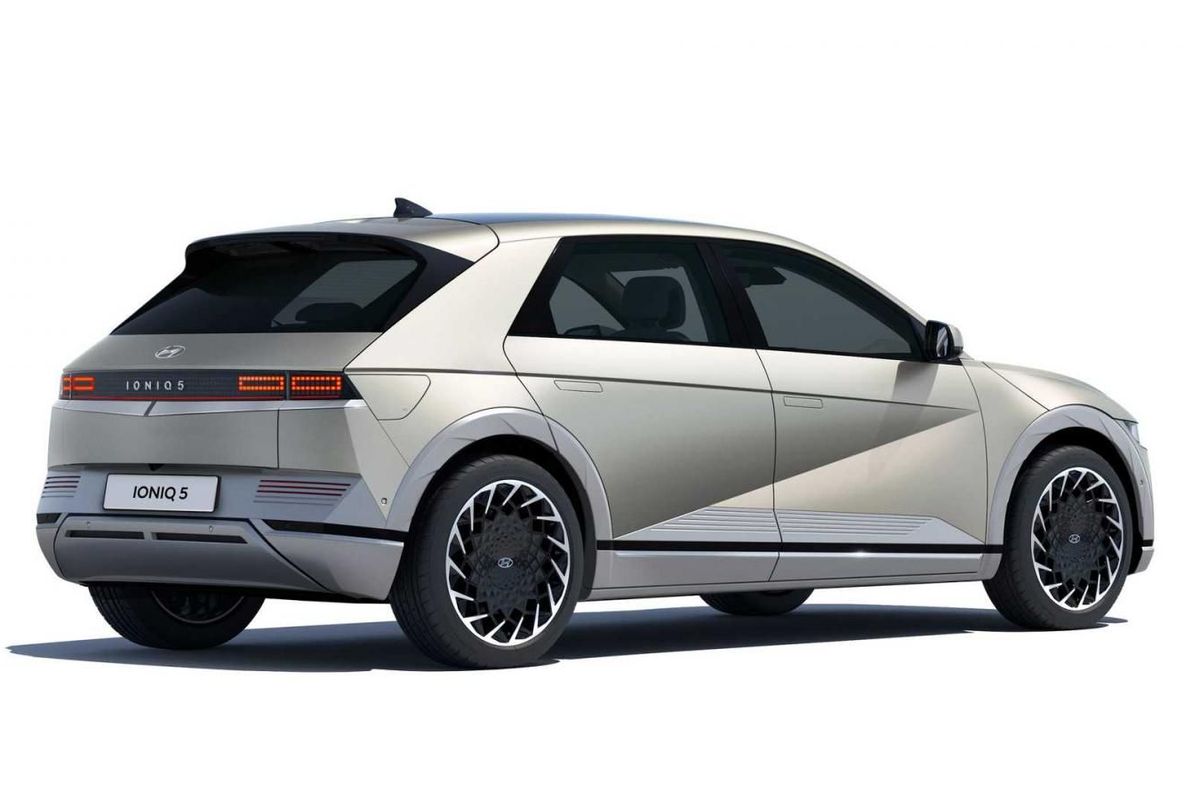
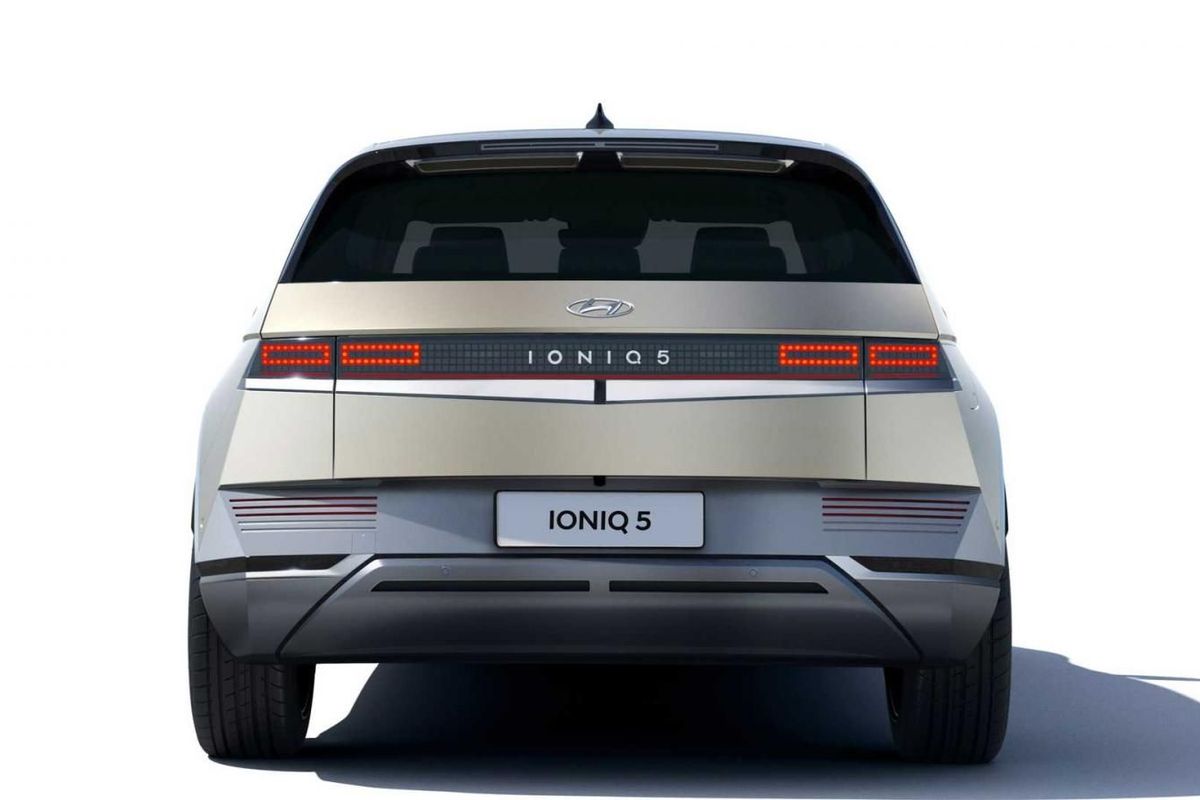
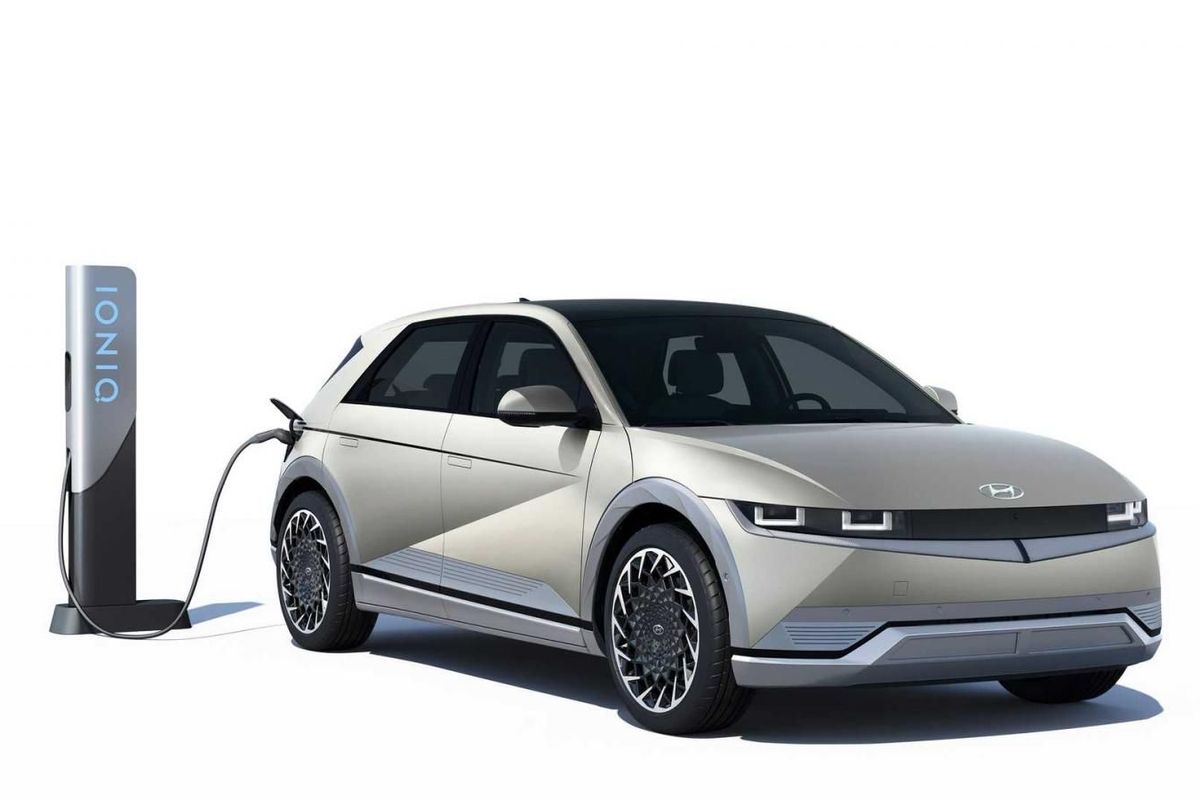
The Korean automotive giant has now revealed its latest interpretation of what customers want, in a battery vehicle, with the Ioniq 5 crossover.
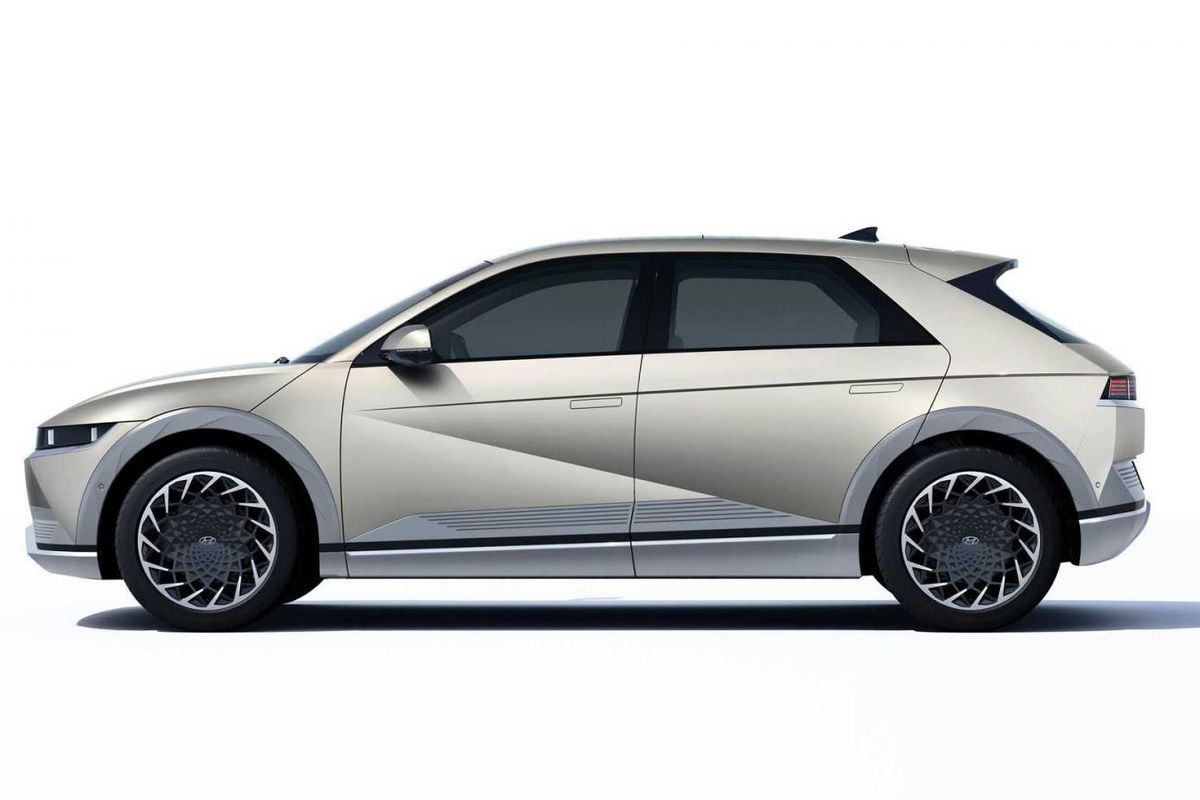
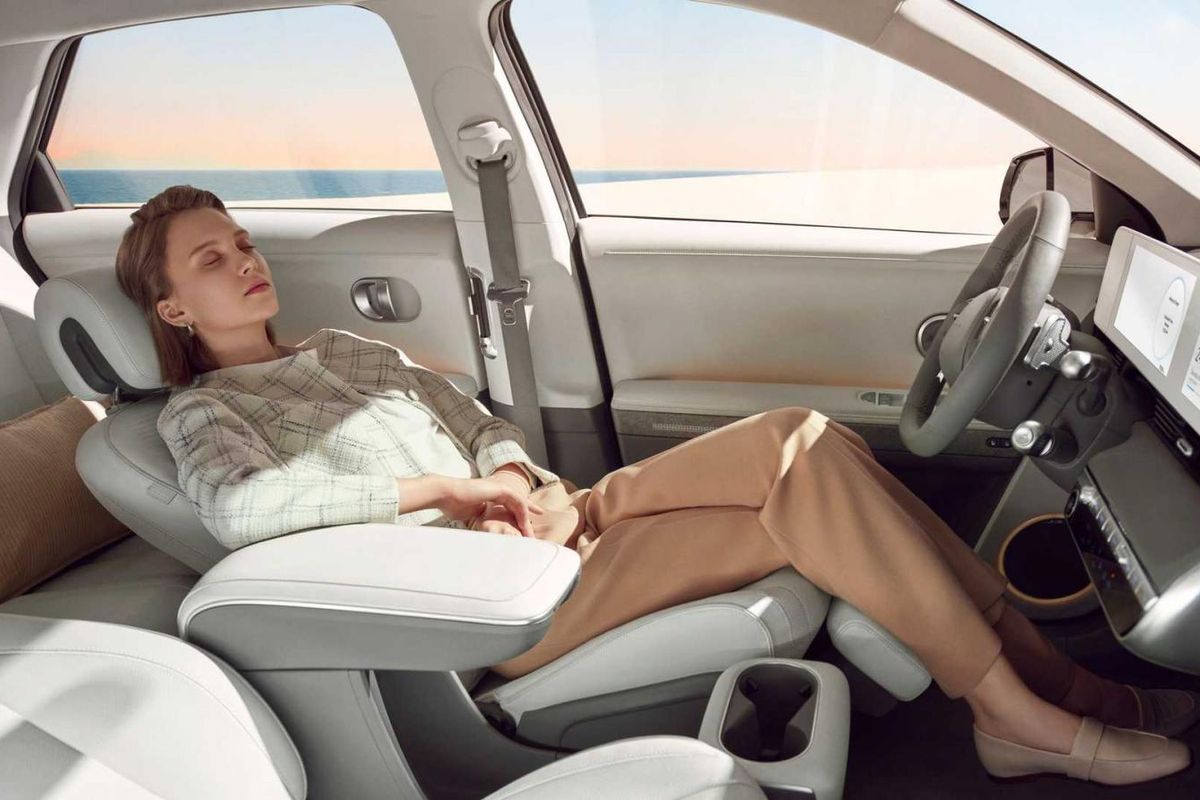
Billed as a crossover, the Ioniq 5 has a very angular surface design and incredibly intricate alloy wheels, which measure 20-inches in diameter and are the most aero wheels ever fitted to a Hyundai.
The Ioniq 5 rides on Hyundai’s E-GMP platform and has a proportionally long wheelbase, in relation to its overall length. This will become a feature of all future battery vehicles, as designers and engineers attempt to leverage the lack of a traditional front-mounted engine, to increase cabin space.
Measured bumper-to-bumper the Ioniq 5 is 4.63 m, and of that, 3 m is the wheelbase. To place that in perspective, the Ioniq 5, which is configured as a mid-sized crossover, has a 100 mm longer wheelbase than Hyundai’s enormous Palisade SUV. The result is a very spacious cabin, with all seats benefitting from electrical adjustment and a centre console that features 140 mm of slide adjustability, too.
Luggage space is excellent, with 571-litre of rear storage capacity, supplemented by a 57-litre frunk (front storage space under the bonnet).
The standard Ioniq 5 is powered by 125 kW electric motor, which also produced 350 Nm of torque. It can run the 0-100 kph benchmark in 8.5 seconds. Opting for the long-range battery pack boosts power to 225 kW, with torque increasing to 605 Nm. This more potent Ioniq 5 is capable of 0-100 kph in a very quick 5.2 seconds and had a theoretical range of 480 km. Both battery options can be optioned with all-wheel-drive versions but are standard with rear-driven electric motors.
Hyundai expects to bring the Ioniq 5 to market, towards the end of this year.
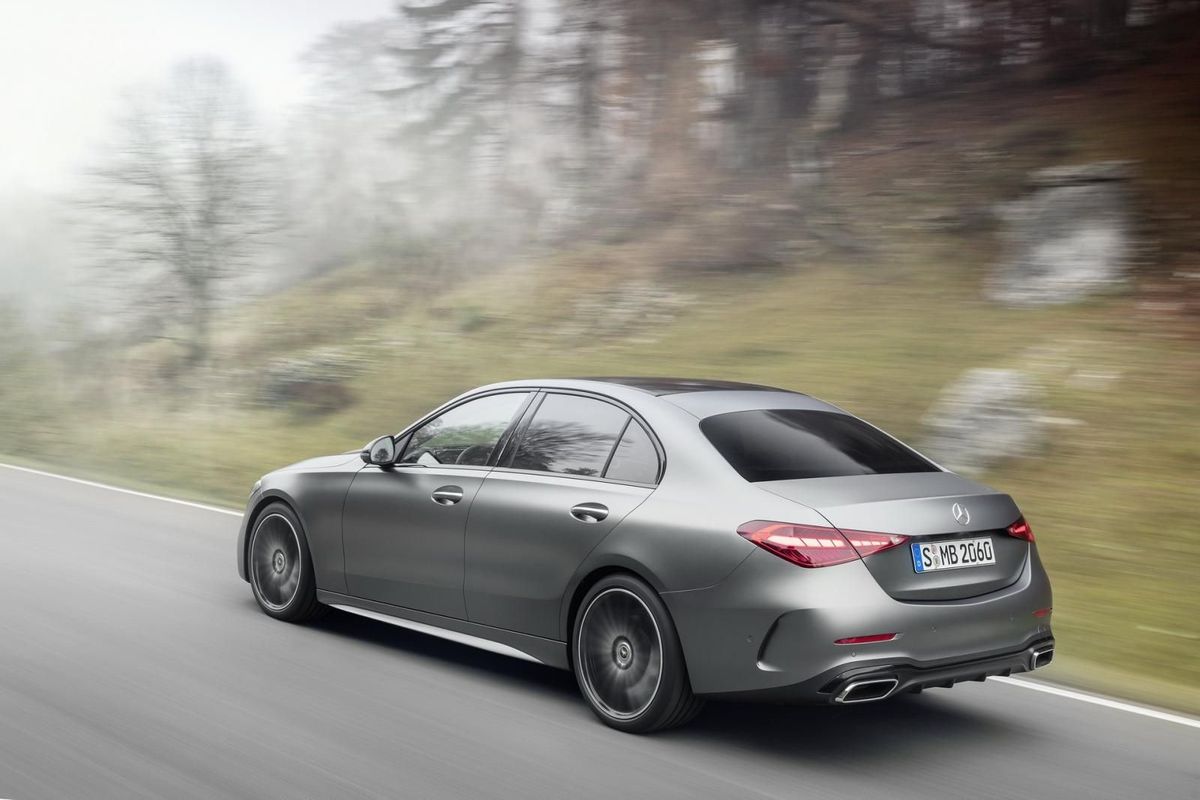
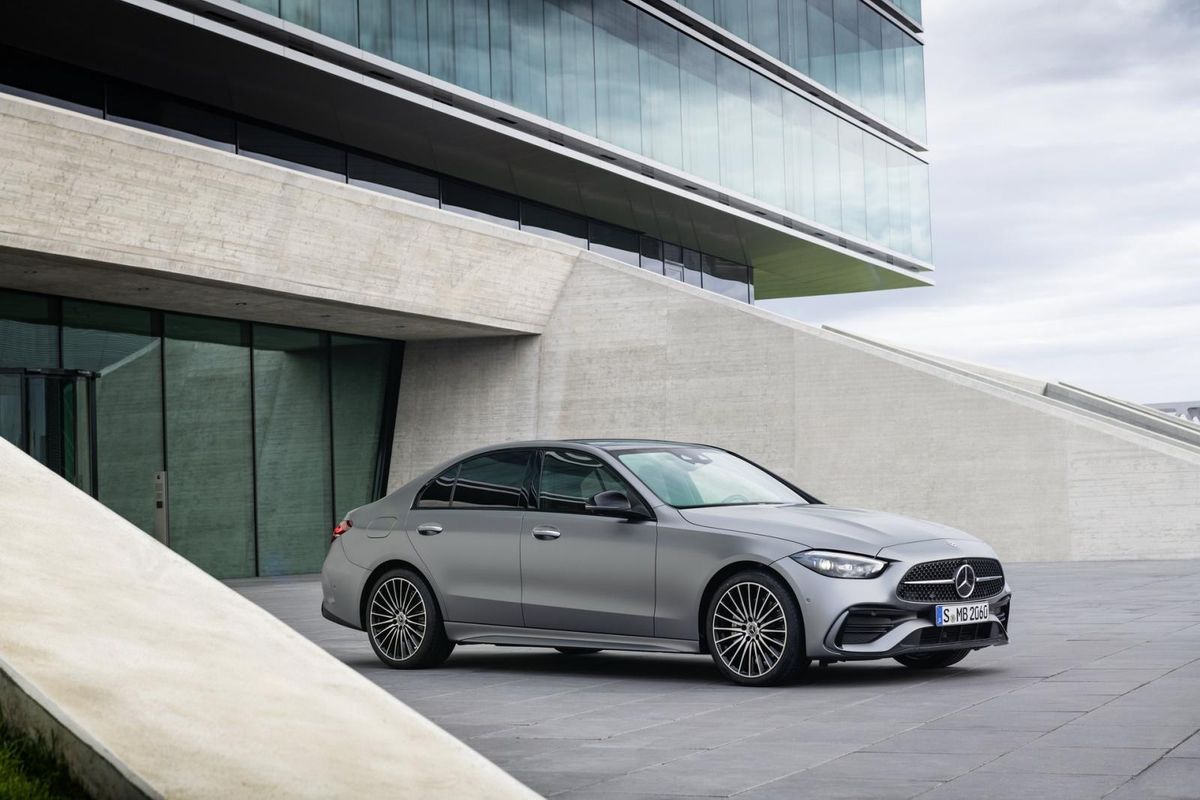
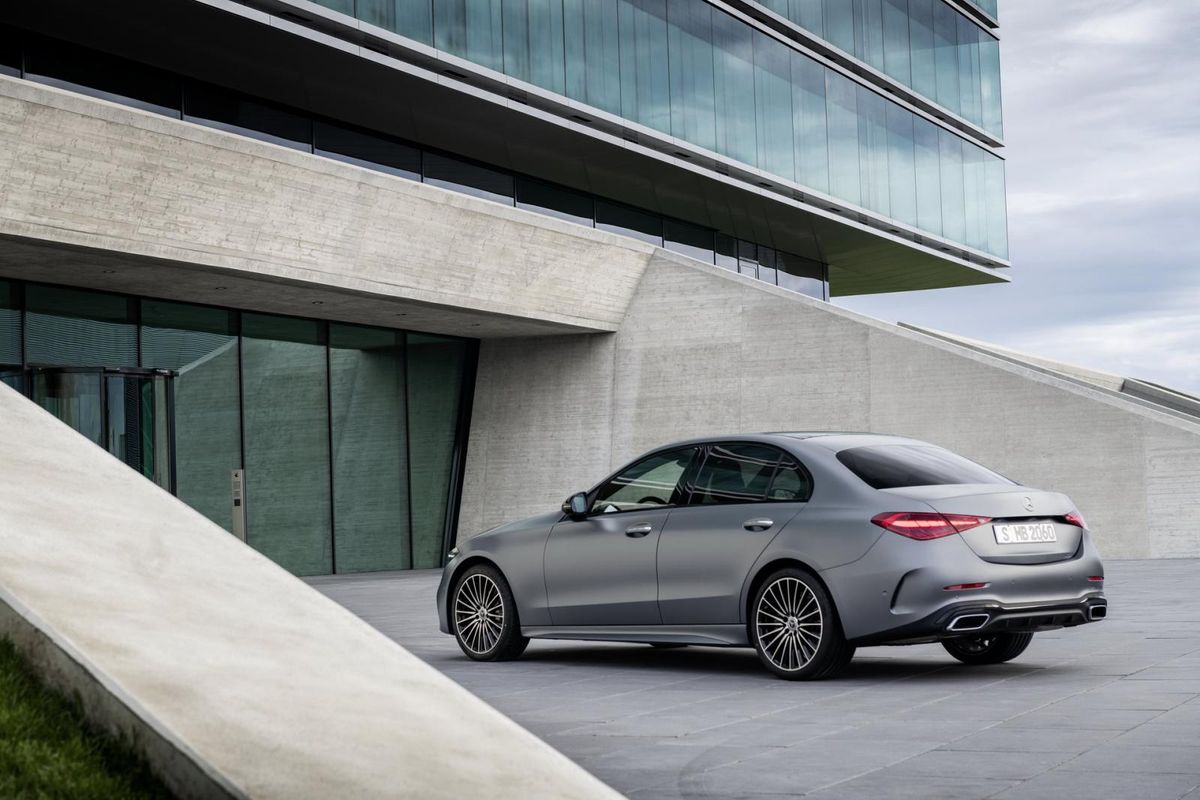
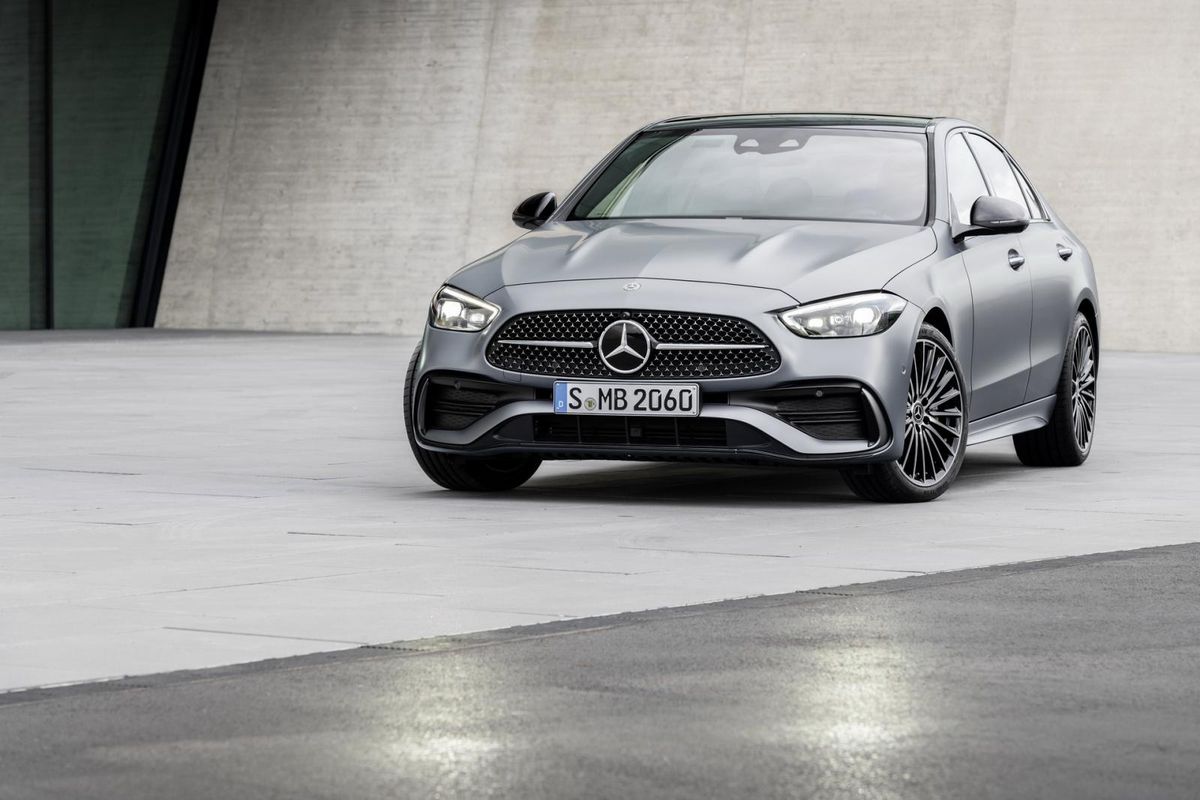
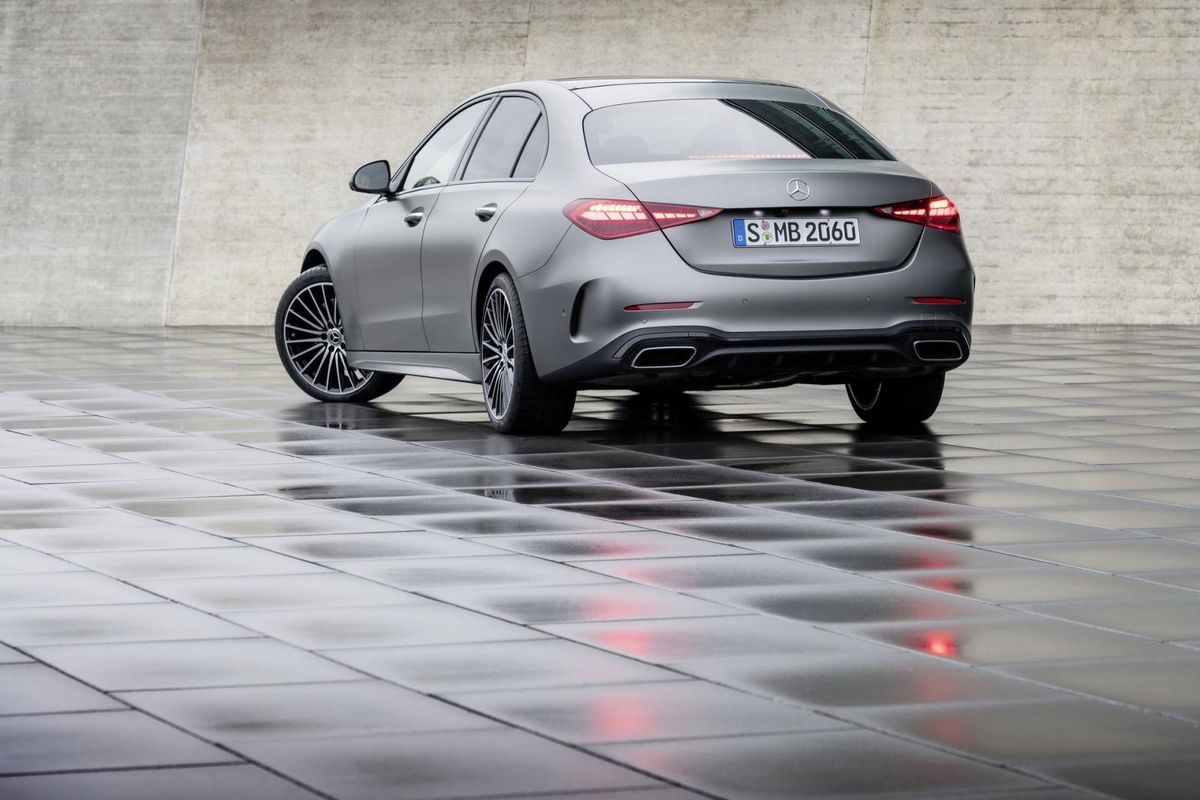
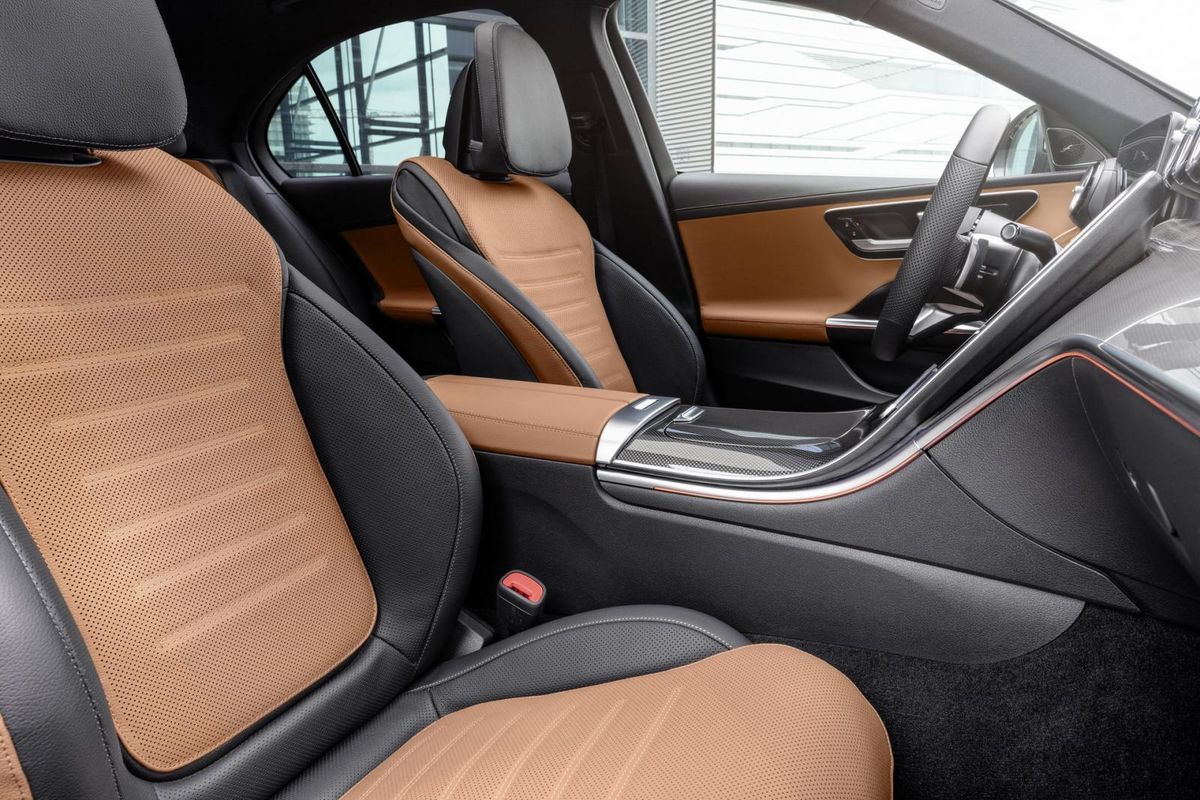
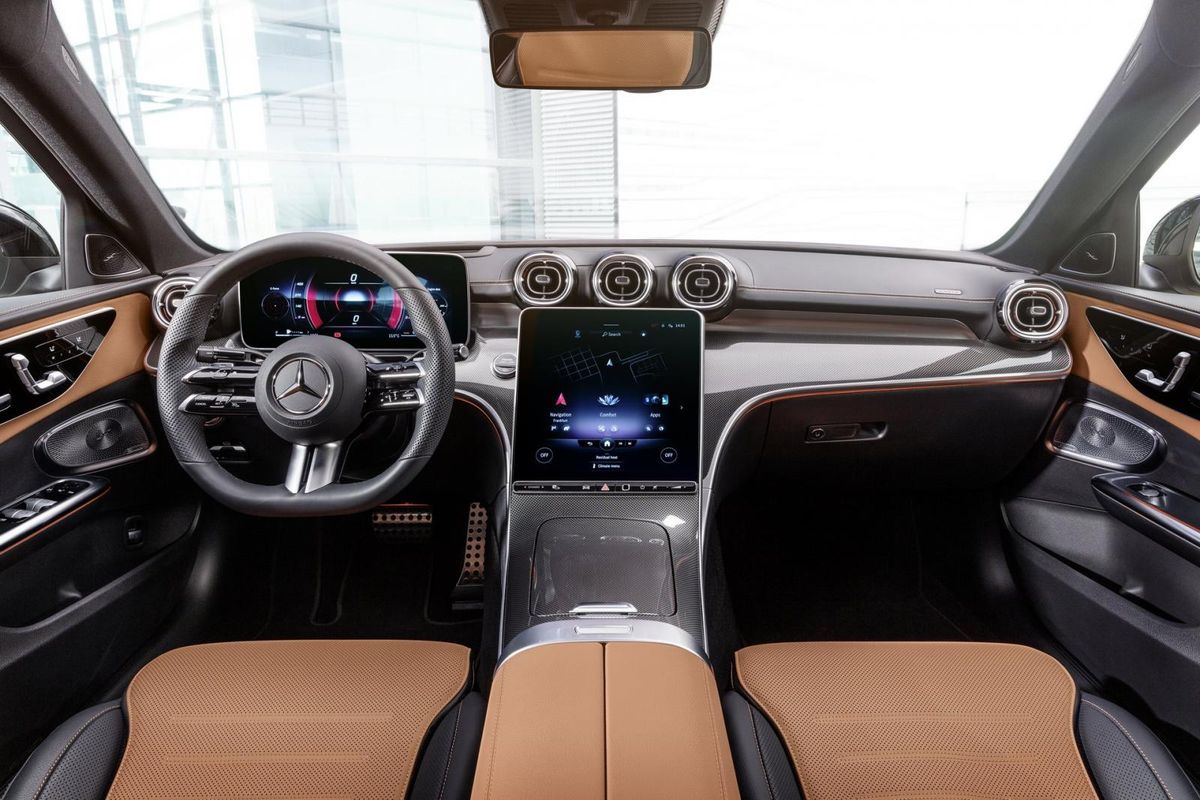
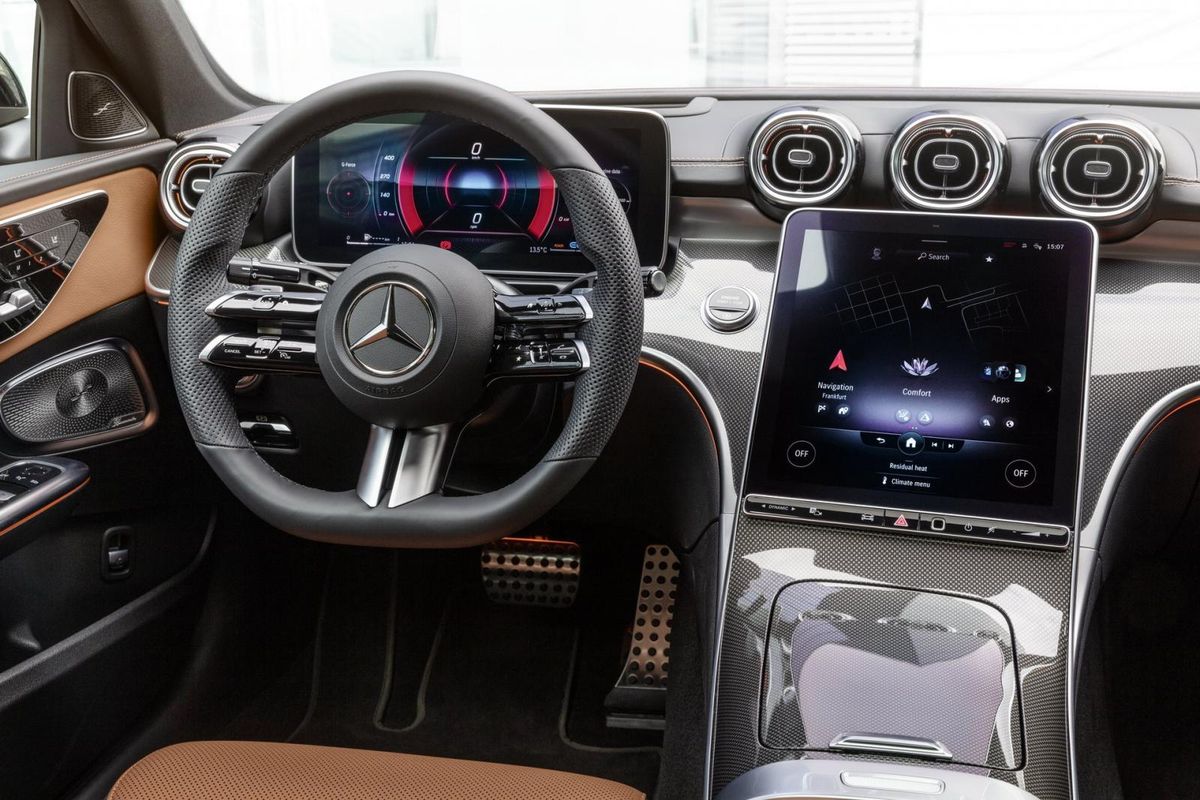
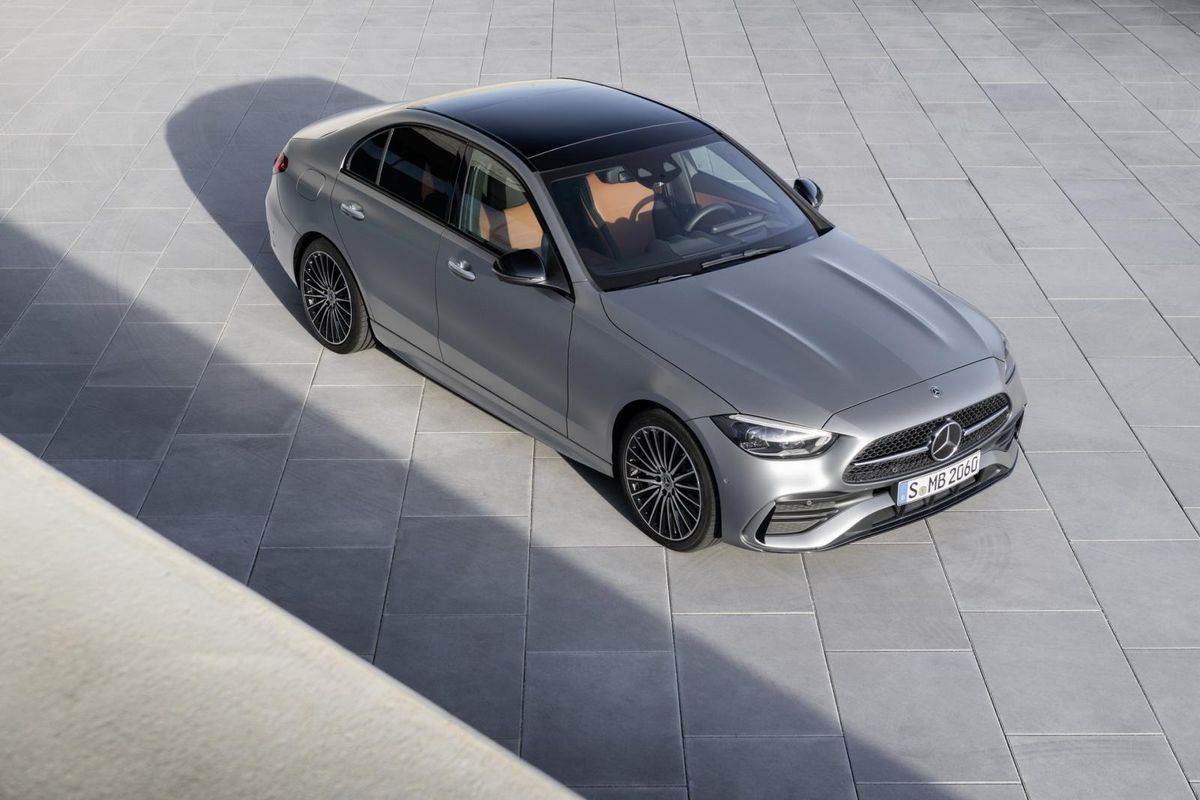
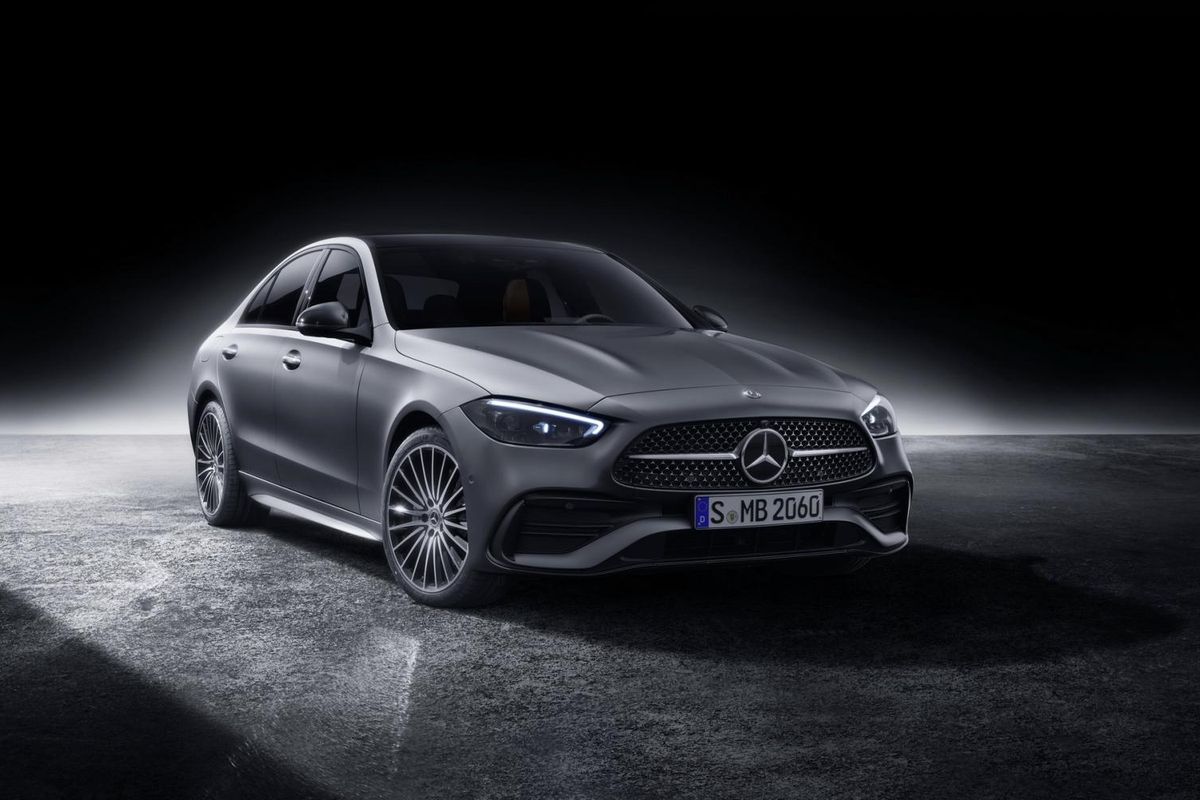
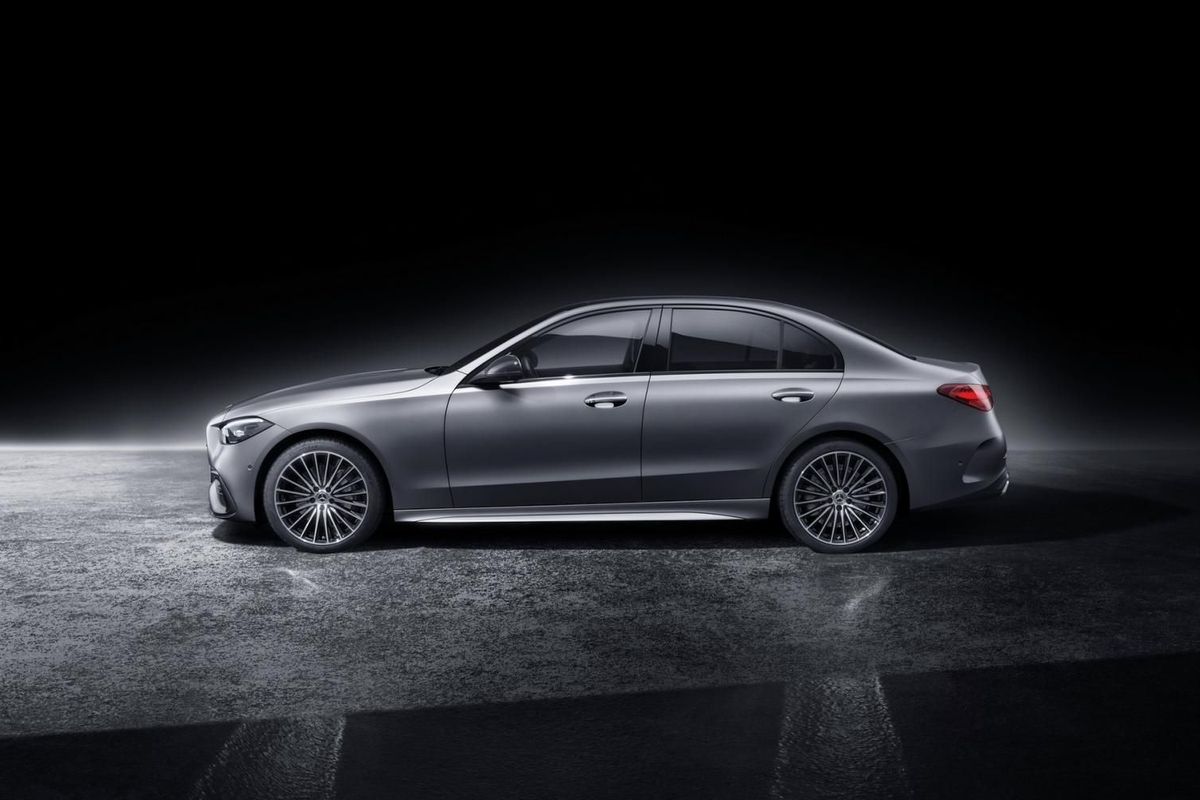
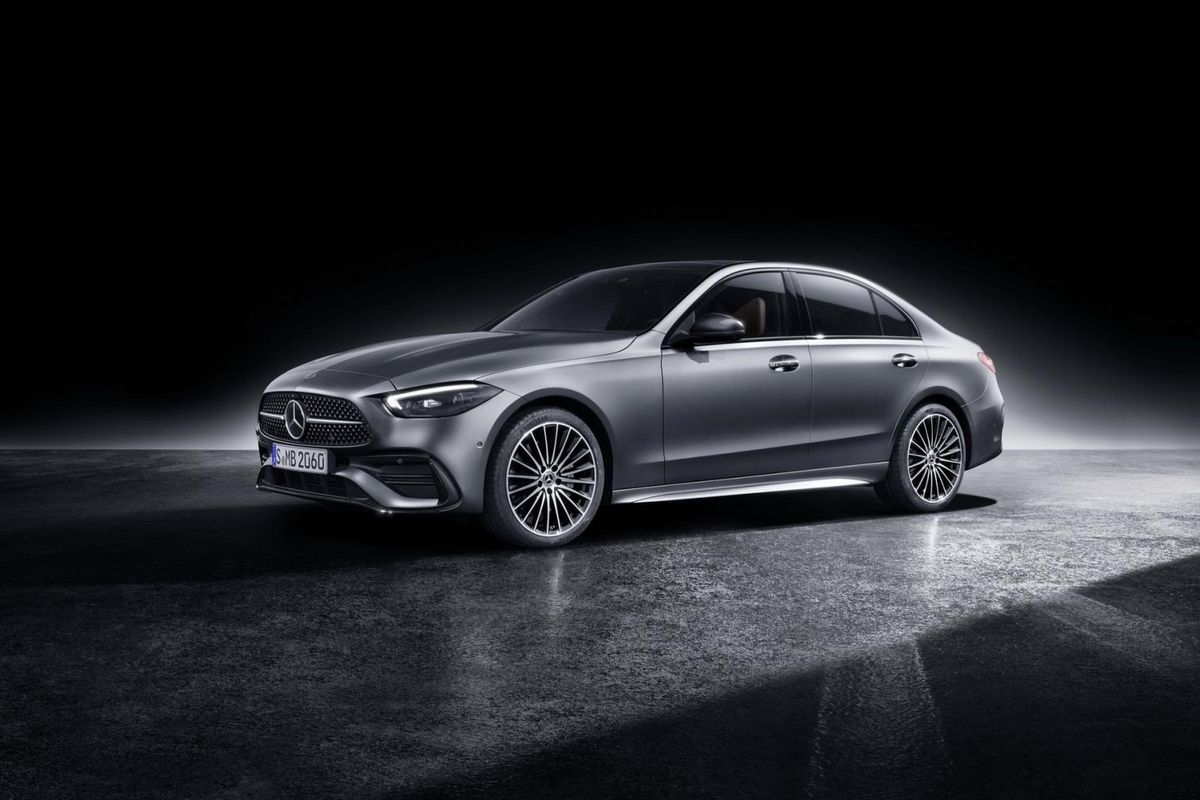
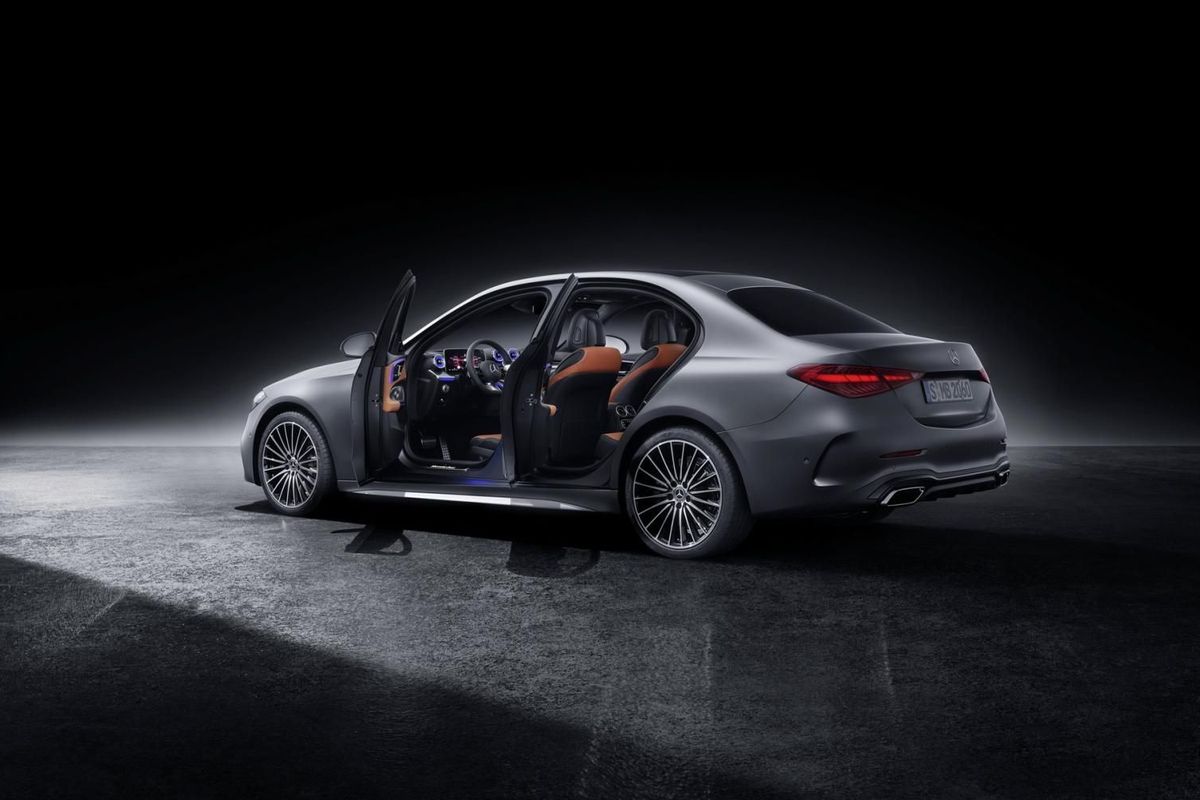
After what seems like an eternity of teasers, leaks and spy shots, the all-new Mercedes-Benz C-Class has been revealed. Here's all you need to know about Mercedes-Benz's answer to the BMW 3 Series and Audi A4.
Mercedes-Benz has just revealed its bread-and-butter model, the all-new C-Class. Given its sales record of over 10.5 million units finding homes around the world, its vital the Stuttgart-based brand doesn't deviate too radically with the newcomer. For many years, it's been the entry point into Mercedes-Benz ownership but the arrival of the A-Class sedan and CLA threaten to undercut it. Let's not forget about Merc's unrelenting SUV strategy either, with plenty models to suit all needs and pockets.
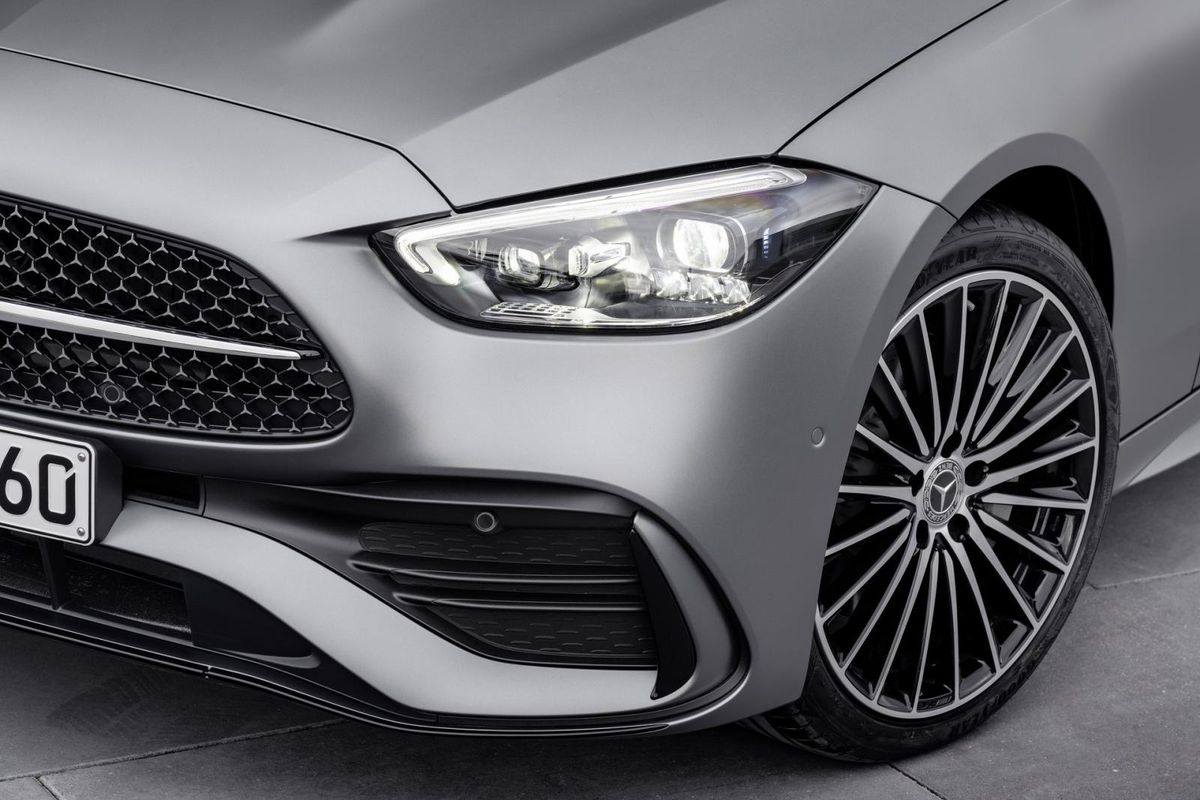
Despite such a vast portfolio, Mercedes Benz reckons the new C-Class still has an important role to play. Visually, it adopts many of the styling cues seen on the E-Class and S-Class sedan.
Physically, the new Mercedes-Benz C-Class has grown. In comparison to the old model, its 6.35cm longer, 1cm wider, but its roofline sits 1cm lower. In terms of luggage capacity, the new C-Class has the same capacity as the old version. Inside, the cabin dimensions have improved, with the wheelbase now 2.5cm longer, headroom 1.5cm higher while the front seat passenger get a bit more shoulder room. Mercedes-Benz has added rear-wheel steering as an optional extra which will tighten its turning circle. At higher speeds, the wheels turn in the same direction, enhancing agility.
In terms of powertrain, every C-Class will now feature an electrified 4-cylinder engine. Every engine features an integrated starter generator and 48Volt tech. No more 6-cylinder or 8-cylinder engines and the manual gearbox option for some markets has been removed. Every Mercedes-Benz C-Class will now feature a 9-speed automatic. All the established derivatives have been carried over. The C180 will get a 1.5-litre turbocharged 4-cylinder motor 125 kW and 250 Nm, while the C200 gets the same engine, but in a higher state of tune with 150 kW and 300 Nm. Both rear-wheel drive and 4Matic all-wheel drive are available. Mercedes-Benz claims sprint times of 8.6 seconds for the C180 and 7.1 seconds for the C200 4Matic, while the C200 rear-wheel drive is fractionally slower at 7.3 seconds.
At the top of the range is the C300 which is powered by the M254 motor. It too features electrification and a new twin-scroll turbo setup and thanks to its 190 kW and 400 Nm, it should hit 100 kph in a claimed 5.9 seconds. If you're wanting news about the 4-cylinder AMG models, we're afraid you're going to have to wait.
Diesel models are still available, and Mercedes-Benz will be offering C200d, C220d, C220d 4MATIC, and C300d mild-hybrid diesels for the European market. All are equipped with the 2.0-litre turbodiesel motor in various power and torque outputs. The entry-level model has 120 kW and 380 Nm, but the top-spec model features 195 kW and 550 Nm. This powerful diesel C-Class is good for a 5.7 second run to 100 kph.
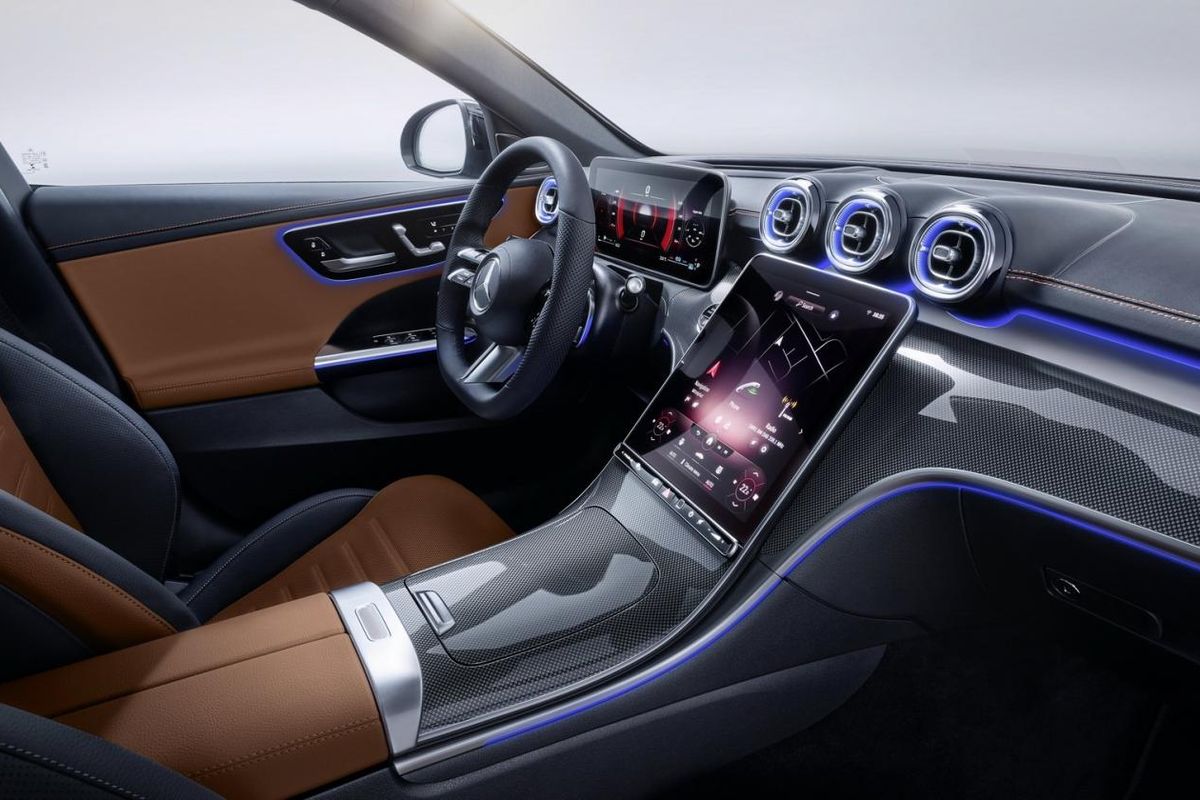
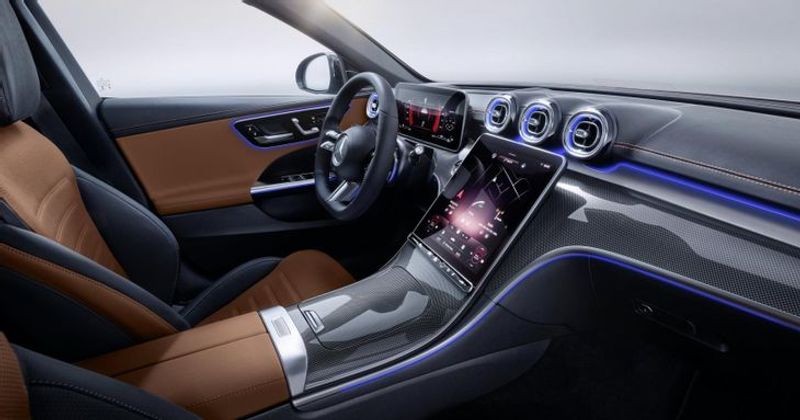
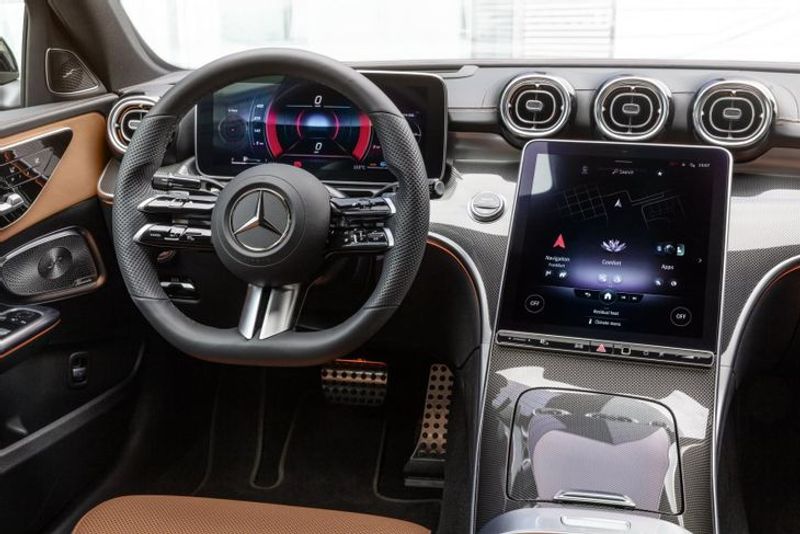
The cabin is the where the most changes have been applied and the new Mercedes-Benz C-Class interior resembles the flagship S-Class setup. A large tablet infotainment screen dominates the central cluster and the latest iteration of MBUX has been fitted. OTA updates and an optional augmented reality are available too.
The new Mercedes-Benz C-Class is assembled right here in South Africa at the Mercedes facility in East London. The North American market will start receiving its cars in early 2022, Europe will be getting theirs in July/August and we're awaiting feedback from Mercedes-Benz SA with regards to a local arrival.
The ever increasing range of Ford Ranger special editions appears to have no end in sight. Enter the FX4.
Ford has been working the sticker and mag departments hard of late to throw out as many special edition Rangers as they can produce. Aside from the bold Wildtrak, Ford has since produced the Thunder, XL Sport and now the FX4.
The FX4 nameplate was available in the pre-facelift Ranger as an add-on kit for the XLT model in order to give it a little more stage presence. The same goes for this time around as it appears the FX4 gets its own front bumper, grille, side mirrors, blacked-out wheels and unique sports bar that extends down the side of the loadbay. It’s hard not to notice the bright orange decal down the side of the doors, which are less subtle than the previous version which were dark stickers on a dark car. It appears this Frozen white colour scheme may be the only choice of colour too.
Exact details on the FX4 are shy at the moment as Ford only plans to launch the bakkie locally at the end of February 2021 but its website appears to have some details. The configurator only allows the specification of one engine currently, the 2.0-litre single turbodiesel unit from the XLT (132 kW and 420 Nm). It also appears that only the 10-speed automatic gearbox will be offered. The FX4 can be ordered in either 4×4 or 4×4 models and only as a double cab. Interestingly, the image on Ford’s local website shows the FX4 with a 3.2-litre badge on the side so we shall wait for further info regarding this engine’s availability on the FX4 version.
Inside, there's a soft-touch leather-trimmed dashboard, along with leather for the steering wheel, gear lever, and seats – all finished with striking red stitching. FX4 logos embossed on front seats are a cool touch.
We will soon have specific details around the interior of the FX4 but as this is an accessory kit for the XLT model, expect it to be similarly equipped inside. Navigation is not included on the FX4 but Apple Carplay and Android Auto work just fine on Ford’s infotainment system.
Ford Ranger FX4 Pricing
Ford Ranger 2.0 Single Turbo Double Cab XLT FX4 10AT 4×2 – R618 900
Ford Ranger 2.0 Single Turbo Double Cab XLT FX4 10AT 4×4 – R687 900
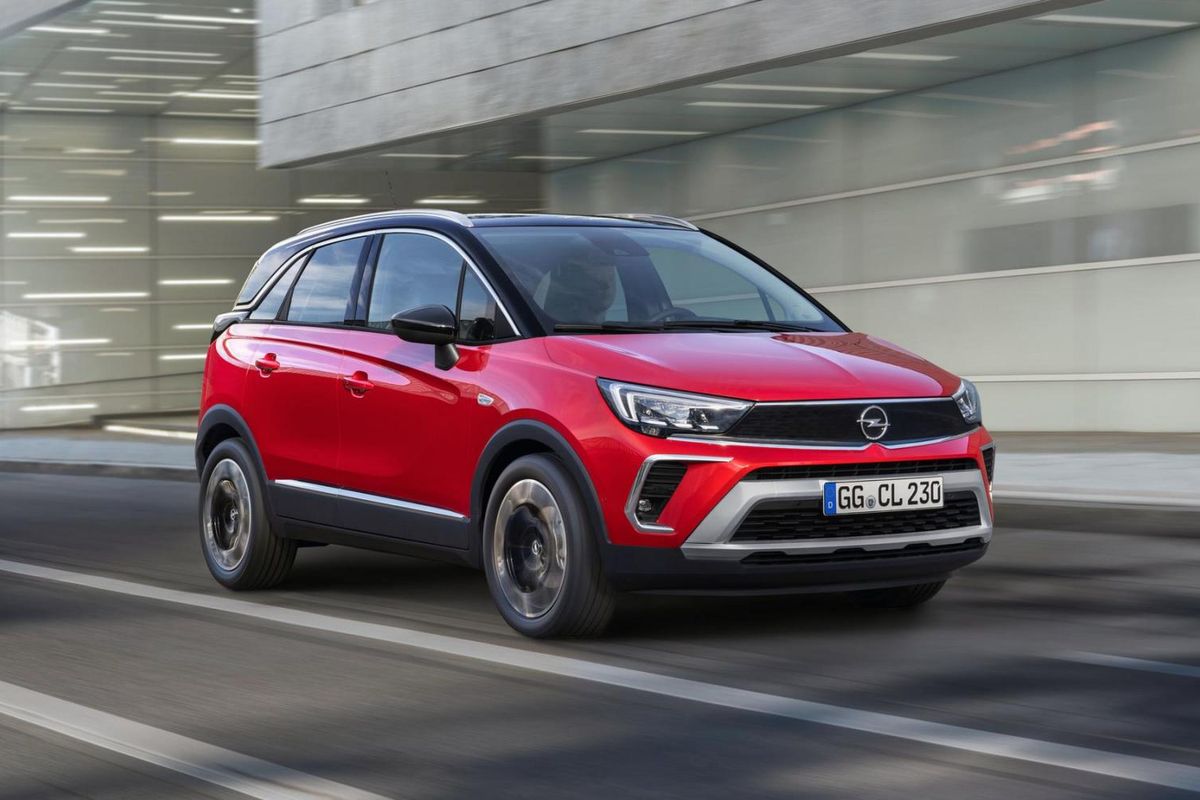
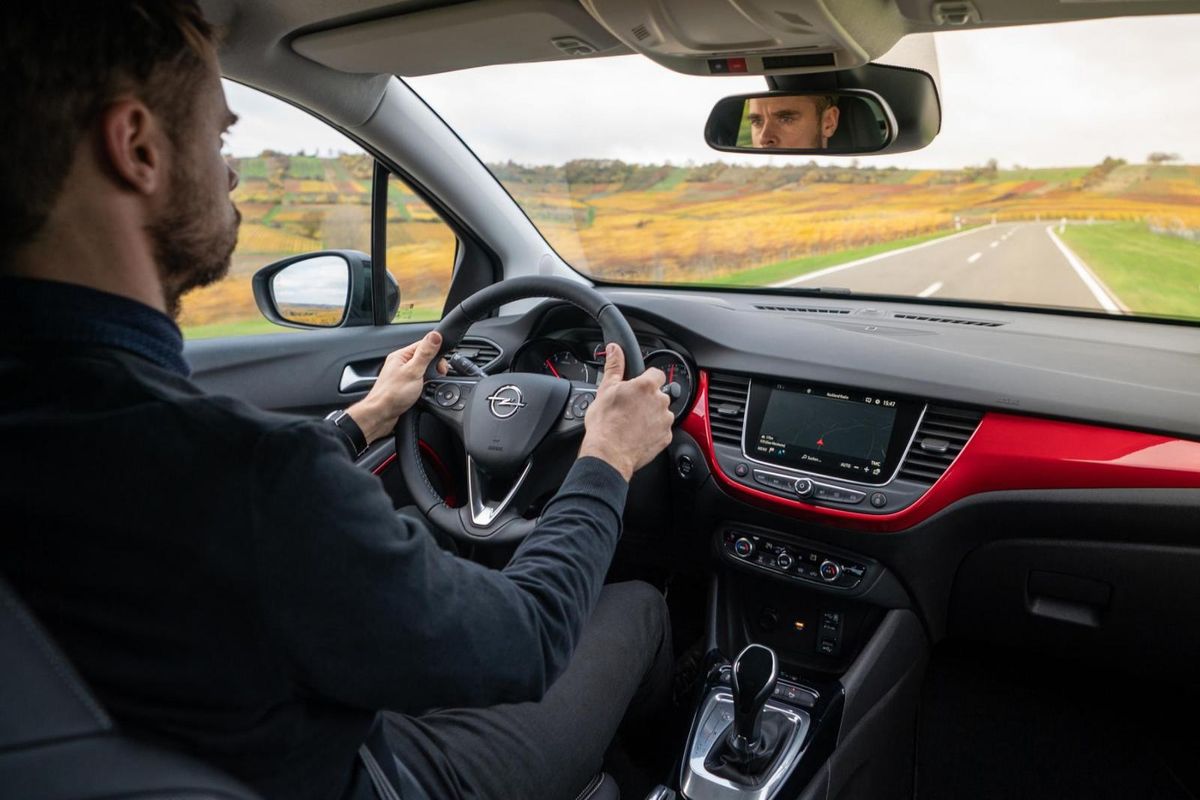
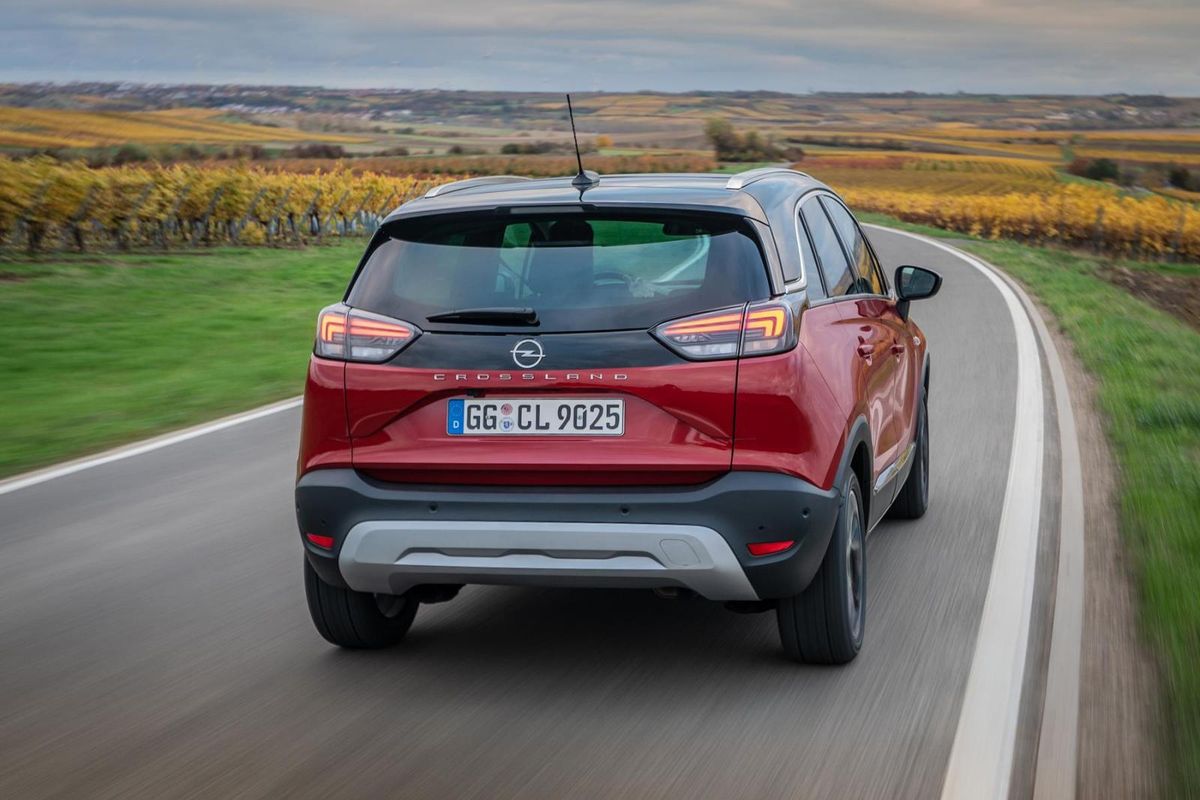
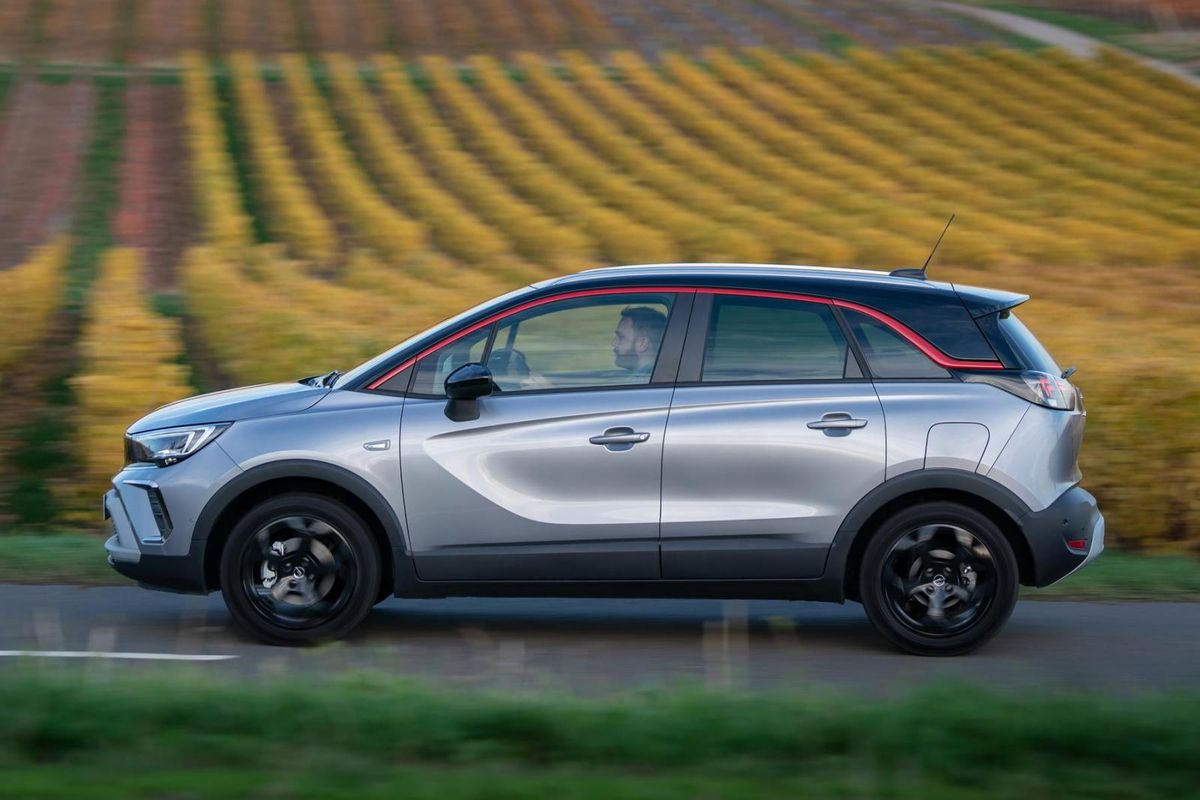
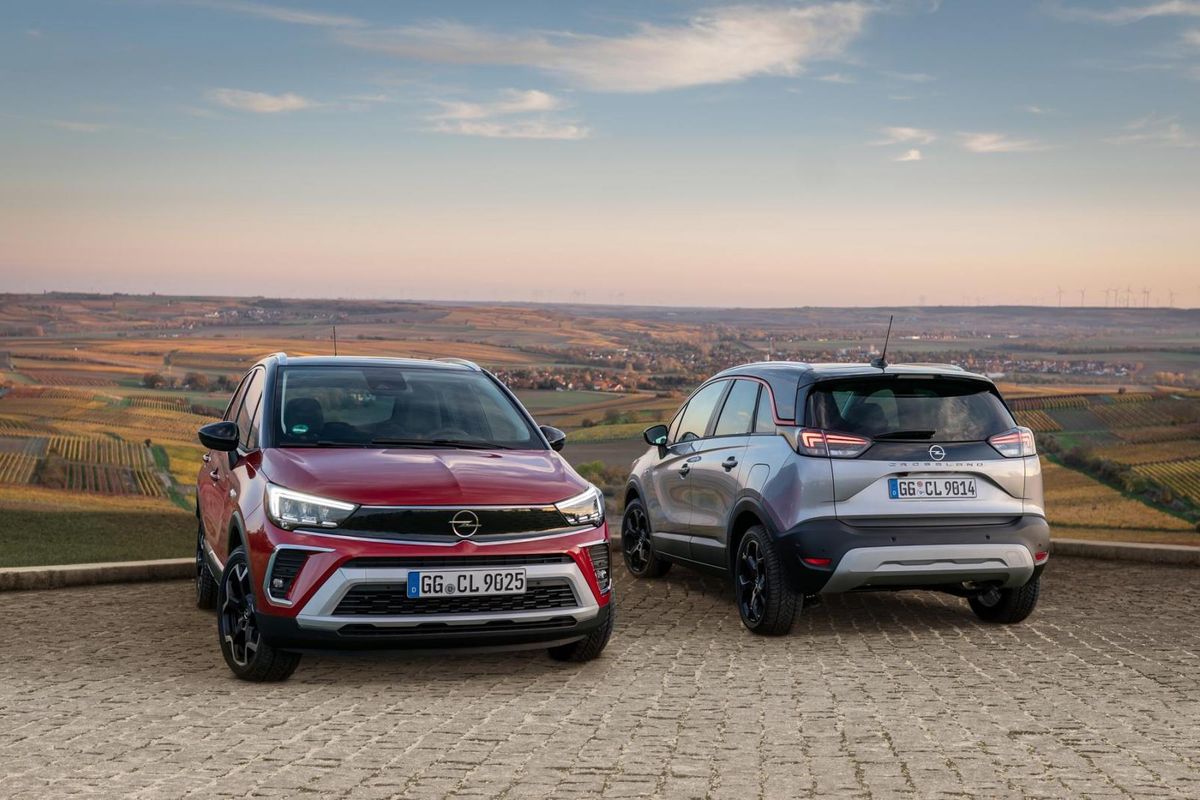
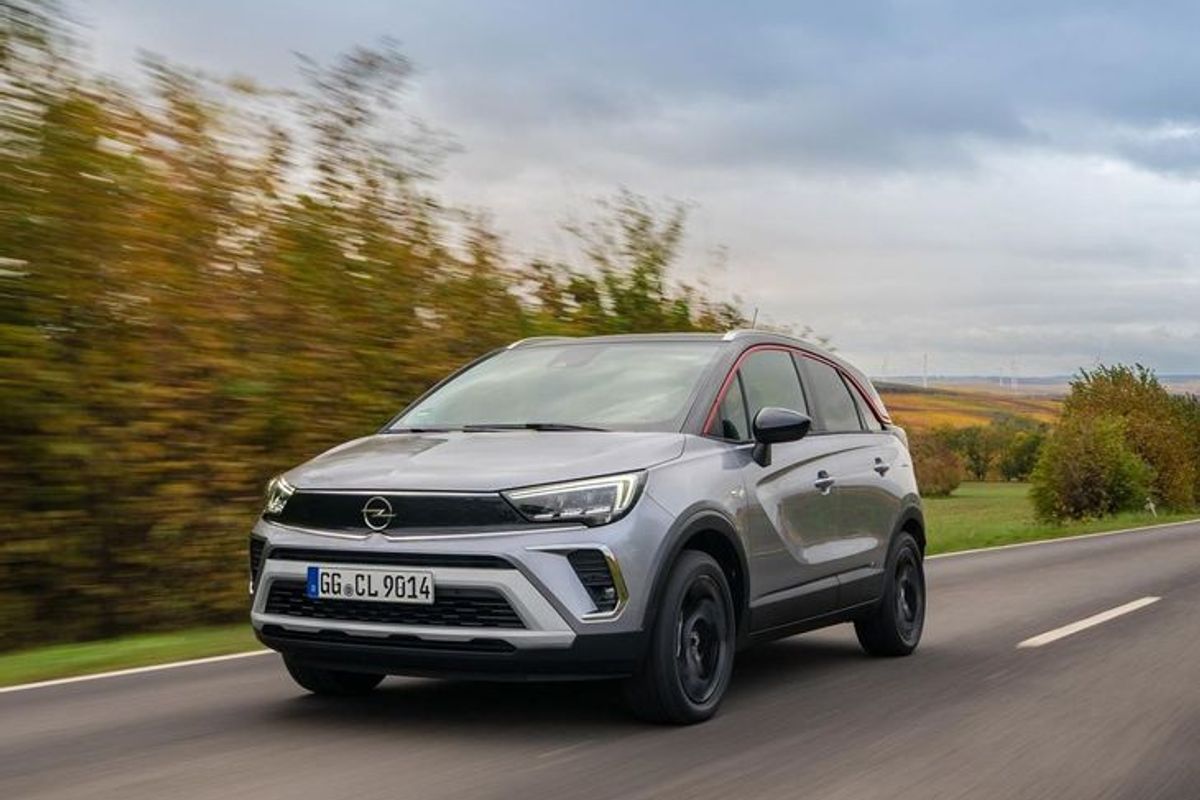
Opel has announced specs and pricing for its facelifted Crossland SUV. See what's on offer here.
Opel South Africa has teamed up with Peugeot Citroen South Africa, falling in line with the Stellantis Group global strategy. There are a few cars on the cards for South Africa, including the new Opel Corsa, as well as this, the facelifted Opel Crossland.
The Opel Crossland comes to market with the new Vizor face which is said to be future-proof as it provides space for all the eventual autonomous safety tech. It's the first Opel model in SA to debut this new look. The new face looks fresh and modern, and you can spot the newcomer with its front skidplates, LED fog lamps and alloy wheels. At the rear, there are new tinted tail lights, gloss-black tailgate and rear skid plate.
Opel claims the updated Crossland features ergonomically comfotable seats and there's a strong focus on practicality. The rear seats fold in a 60/40 fashion, increasing the boot space from 410 litres to 1 255 litres. The rear bench can also slide forward and backwards to increase legroom.
Under the skin, Opel has reworking the McPherson strut front suspension and torsion rear beam in an effort to improve ride quality. When it comes to engine and gearbox choices, Opel is offering its Crossland with a 1.2-litre naturally-aspirated petrol engine mated to a 5-speed manual gearbox. For those wanting a bit more shove, there's also a 1.2-litre turbocharged petrol engine linked to a 6-speed automatic. Engine outputs are rated at 60 kW and 118 Nm, while the turbo model offers up 81 kW and 205 Nm.
The South African market will get three models, with 2 trim levels and 2 engines:
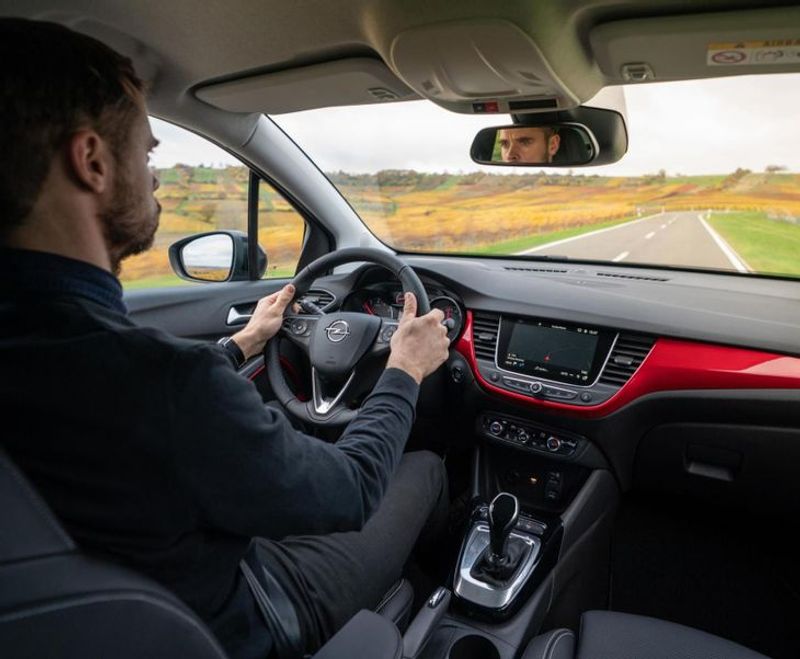
The Opel Crossland features an updated 7-inch colour touchscreen infotainment system that has Apple CarPlay/Android Auto connectivity. There's also Bluetooth and USB connectivity.
Safety features are comprehensive with forward collision alert with auto braking and pedestrian detection, lane departure, driver drowsiness, front/rear park assist, cruise control with speed limiter as well as the usual acronyms of AB, EBFD and Hill Start.
Opel Crossland Price in South Africa (February 2021)
Opel Crossland Edition 60kW 5-speed Manual R324 900
Opel Crossland Edition 81kW 6-speed Automatic R374 900
Opel Crossland Elegance 1.2 Turbo 81kW 6-speed Automatic R 399 900
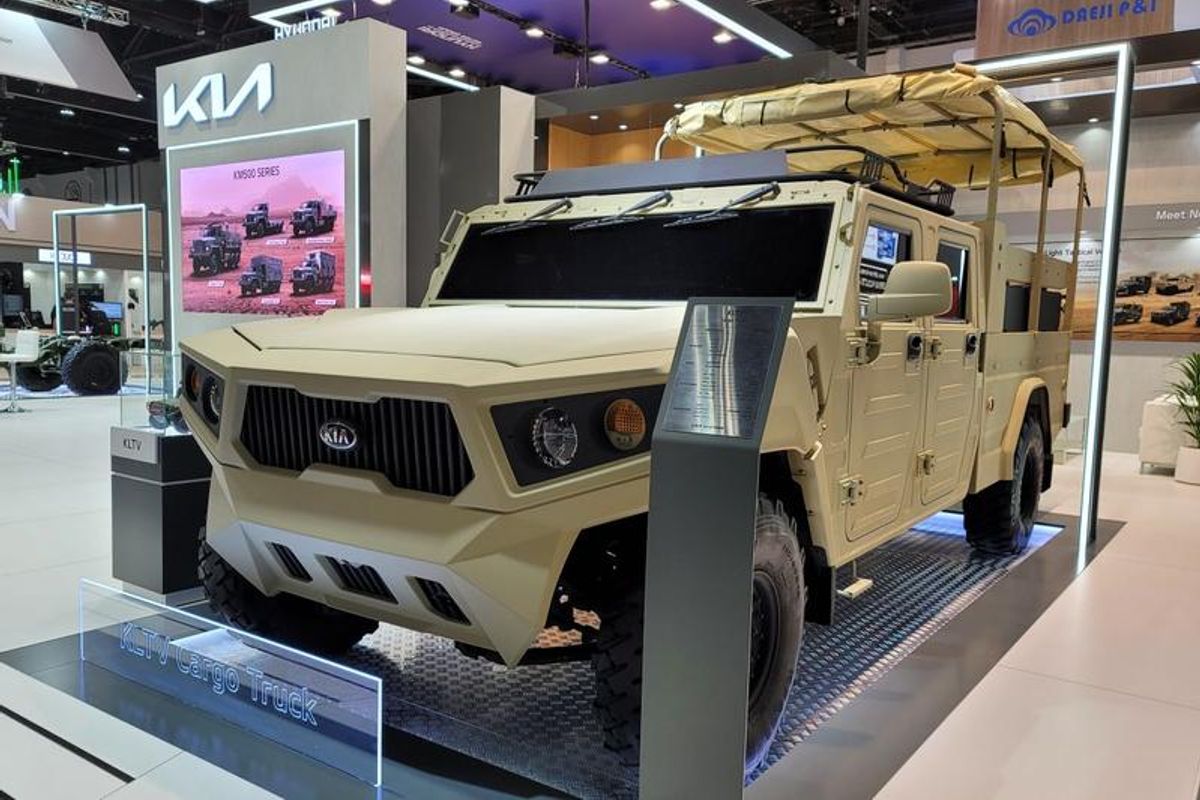
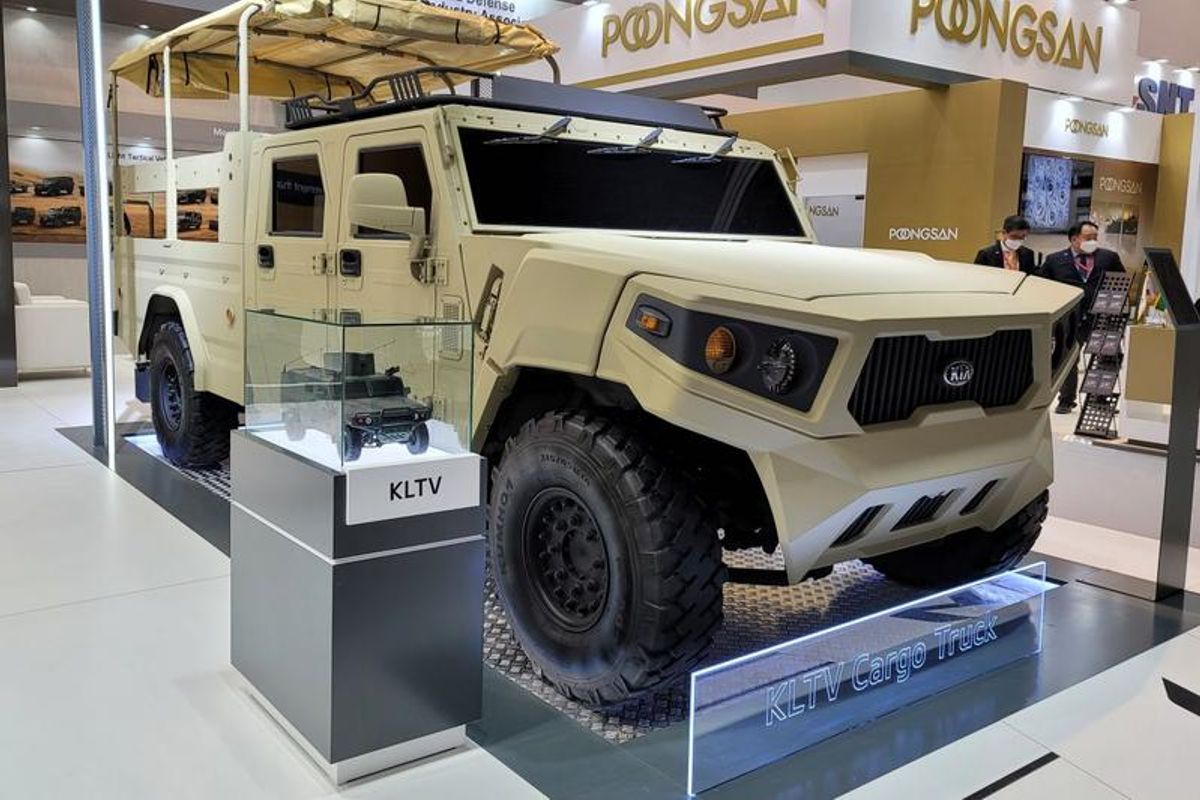
Although auto shows might never return to their former prominence or attendance, the world of defence has remained committed to doing business in person. At the recent IDEX conference, hosted in the UAE, Kia showed the latest iteration of its modular bakkie platform.
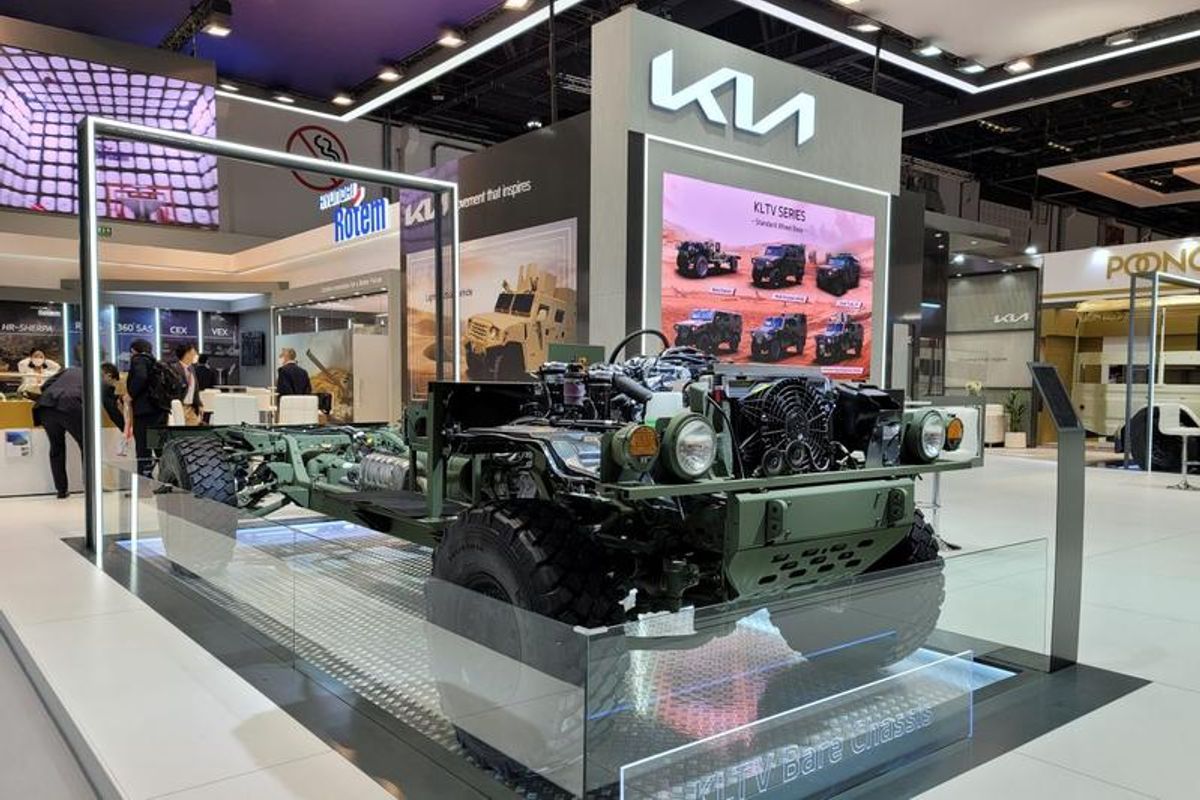
The Kia double-cab’s specification takes the best of rugged off-road vehicle design and combines it with some modern upgrades. This is essentially what every Land Cruiser bakkie owner dreams of: a steel ladder frame chassis, with independent suspension at all four wheels.
Powering the Kia ‘light tactical cargo truck’ is a diesel engine of unspecified configuration. Kia has disclosed its power output, at 167 kW, but not the peak torque value. Any diesel engine good for 167 kW should also make more than 500 Nm, by associated calculation.
Ensuring this rugged Kia double-cab has excellent all-terrain traction, is a limited-slip differential. Kia does not confirm whether this is rear axle mounted. We could assume this is a limited-slip centre differential. Driving convenience is provided by an eight-speed automatic transmission.
You obviously can’t buy one of these Kia bakkies (unless you are a government), but it does illustrate that the Koreans could build a very good African-spec double-cab adventure vehicle if they wished. Something more rugged, than a Hilux.
Kia has its roots in military vehicles having first produced them back in the 1970s and still producing vehicles today for the Korean military. The platform underpinning this new double-cab is said to be modular and adaptable, just like many modern vehicle platforms that are used to make passenger cars of varying sizes. With both Kia and Hyundai planning to enter the leisure double-cab market in the next few years, something like this modular architecture could be well-suited to the task.