February is a short-selling month, how did our vehicle sales and export data stack up?
February continued the trend set by January with a double-digit decline over the previous year’s vehicle sales. However, last year’s data was pulled during pre-Covid conditions so the decline is actually in-line with market expectations according to naamsa – the Automotive Business council.
The export market was also slightly down on the corresponding period during 2020, but overall our export channel has delivered more cars over the first 2 months of 2021 than it did in the first 2 months of 2020.
New car sales summary for South Africa – February 2021
Aggregate new vehicle sales of 37 521 units down by 13.3% compared to February 2020.
Passenger car sales of 24 270 units down by 18.1% compared to February 2020.
Light Commercial Vehicle (LCV) sales of 11 246 units down by 3.2% compared to February 2020.
Exports of 29 582 units down by 8% compared to February 2020.
Sales outlook
According to naamsa “The performance of the new vehicle market for the first two months of 2021, compared with the pre-COVID first two months of 2020, continues to reflect the economic and social challenges in South Africa considering that the country’s economy was already in a recession before the outbreak of the global health pandemic.
Although a rebound in the new vehicle market is anticipated from March 2021 onwards, compared to the low-base affected COVID-19 corresponding months in 2020, it is likely that both business and consumer confidence will remain subdued over the balance of the year.
naamsa welcomes the February 2021 Budget tax relief naamsa announcements for individual taxpayers, which will reduce the tax burden on mainly the lower and middle-income households, as well as the corporate income tax rate, which was lowered to 27% for companies.
These measures, along with the current low interest rates, low inflation environment, as well as the roll-out of the vaccine in South Africa will aim to support to the new vehicle market over the short to medium term, despite other above cost of living increases such as the hefty rise in the price of electricity of over 15% this year.
Vehicle export numbers continue to gain upward momentum and will be supported by the rebound in global economic growth projected for 2021, spurred by mass vaccination campaigns in various countries to taper the COVID-19 pandemic.
An improvement in the economic climate of the South African automotive industry’s main trading partners will stimulate demand for higher vehicle sales, and subsequently, will result in increased vehicle exports of South African manufactured vehicles to those countries.
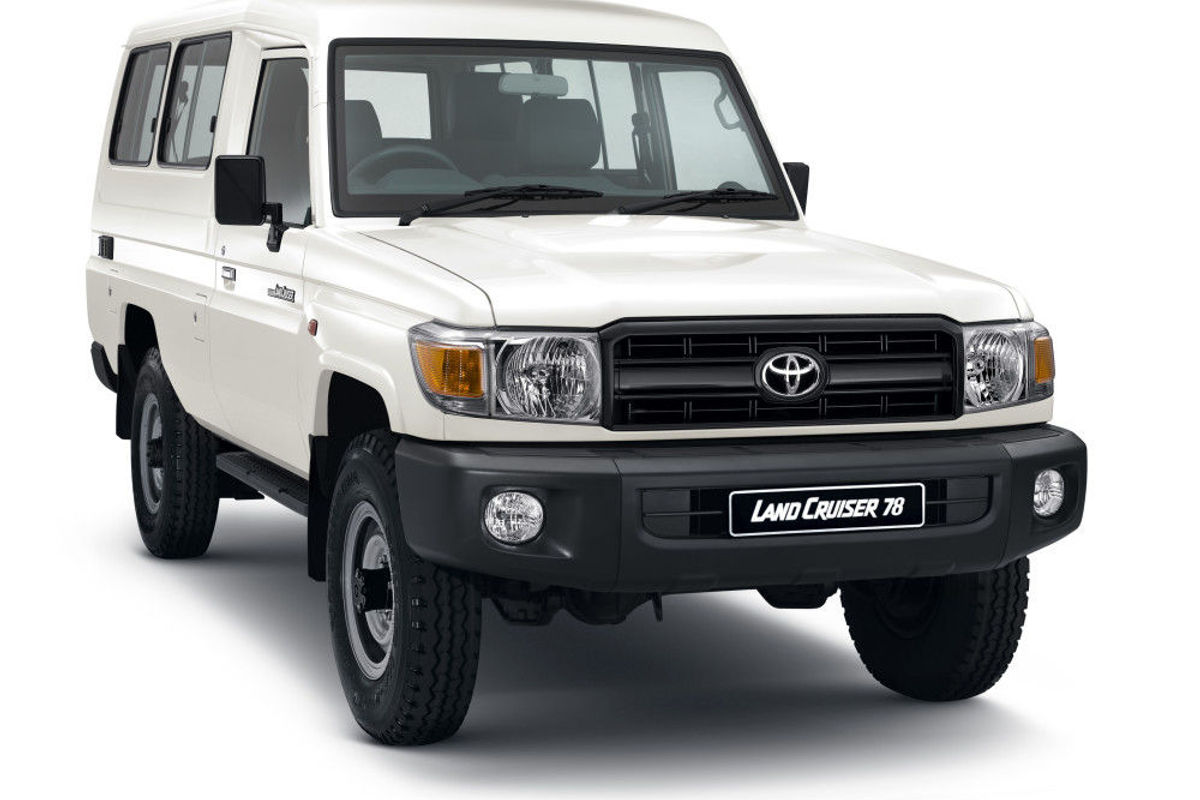
Toyota has re-introduced the Land Cruiser 78 Wagon to market. See details below.
Few offroaders have garnered as much respect as the Toyota Land Cruiser 70. Back in 2015, Toyota discontinued the Land Cruiser 78 wagon and forged on with the bakkie and station wagon derivatives.
Now though, demand for the 78 wagon has warranted its reintroduction and it joins the market with a 6-cylinder 4.2-litre diesel engine offering 96 kW and 285 Nm in conjunction with a 5-speed manual transmission and a low-range transfer case.
The Land Cruiser 78 Wagon rides on heavy-duty 16-inche steel wheels and buyers are able to choose from 2 colours including Ivory White or Sand Beige. The inclusion of rear drum brakes also improves its suitability for high-dirt operating conditions while also enhancing durability.
Toyota Land Cruiser 78 – Price in SA
Land Cruiser 78 4.2 Wagon – R716 000
The Land Cruiser 78 Wagon is sold with a 3-year/100 000km warranty and service/maintenance plans are available as an option.
A special edition Volkswagen Golf GTI is on its way, if this leak is anything to go by.
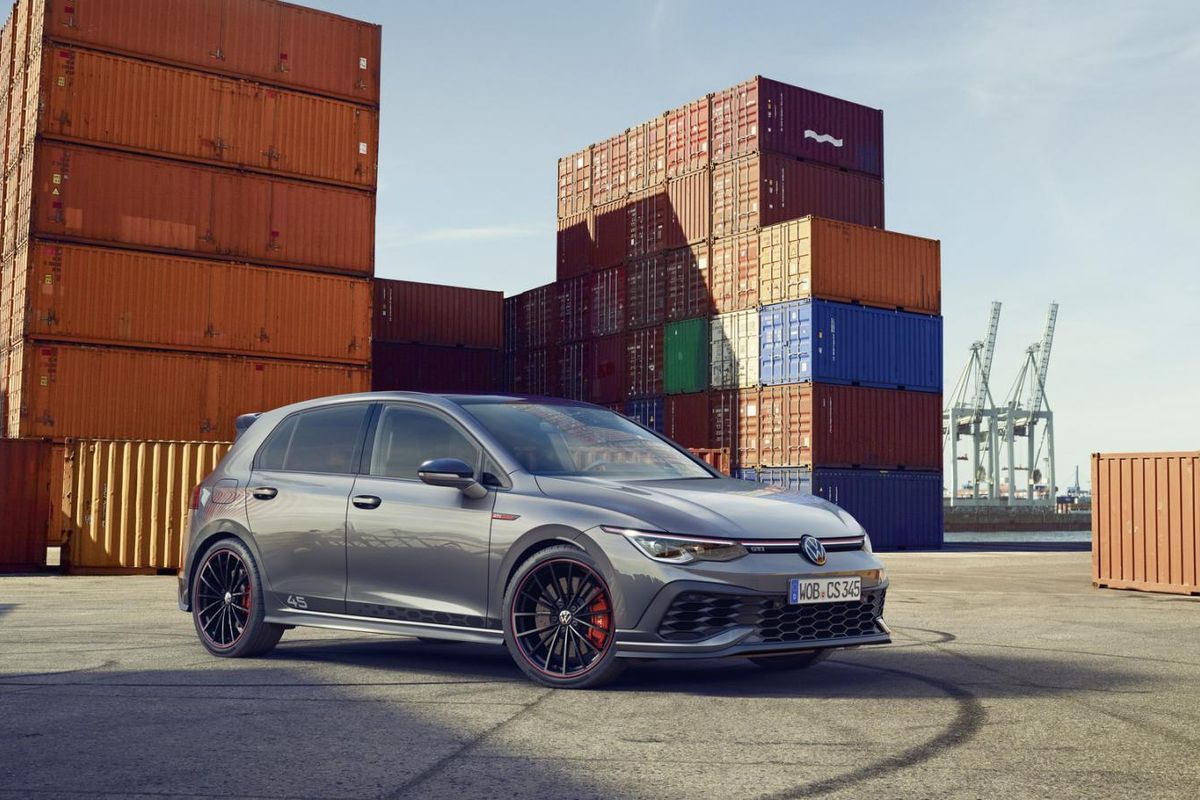
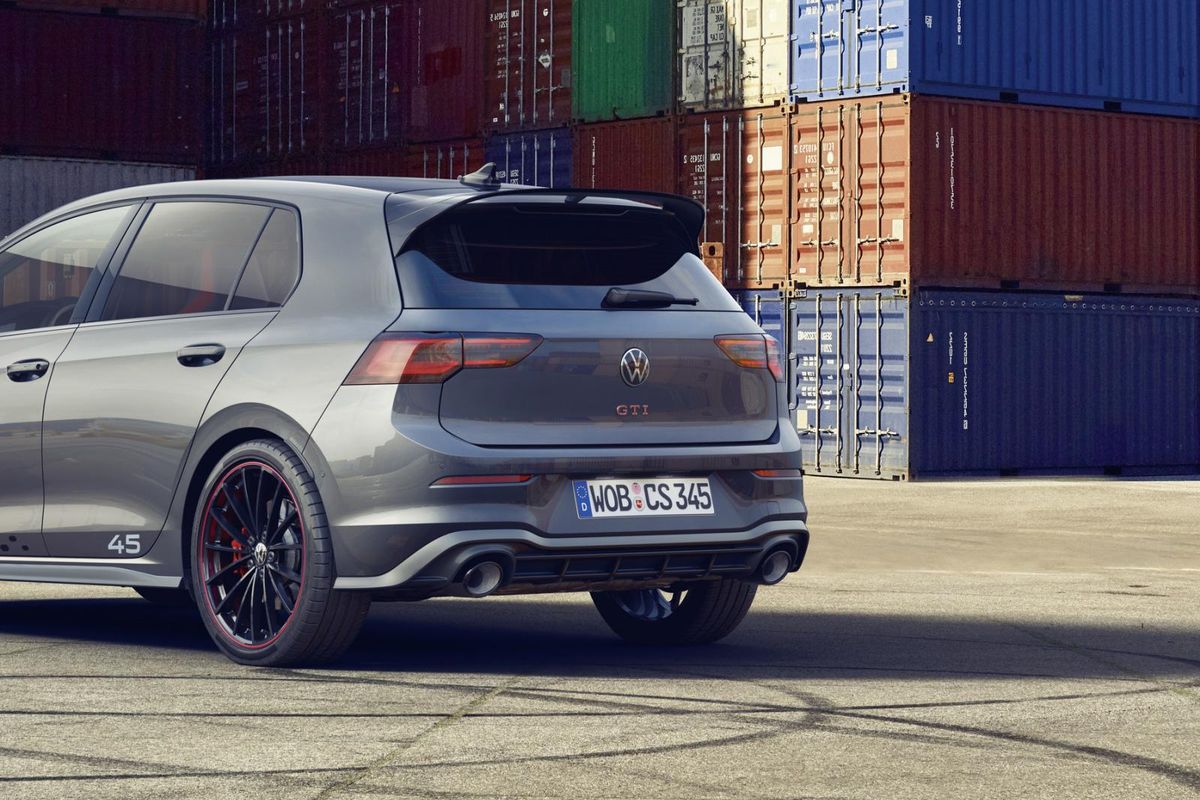
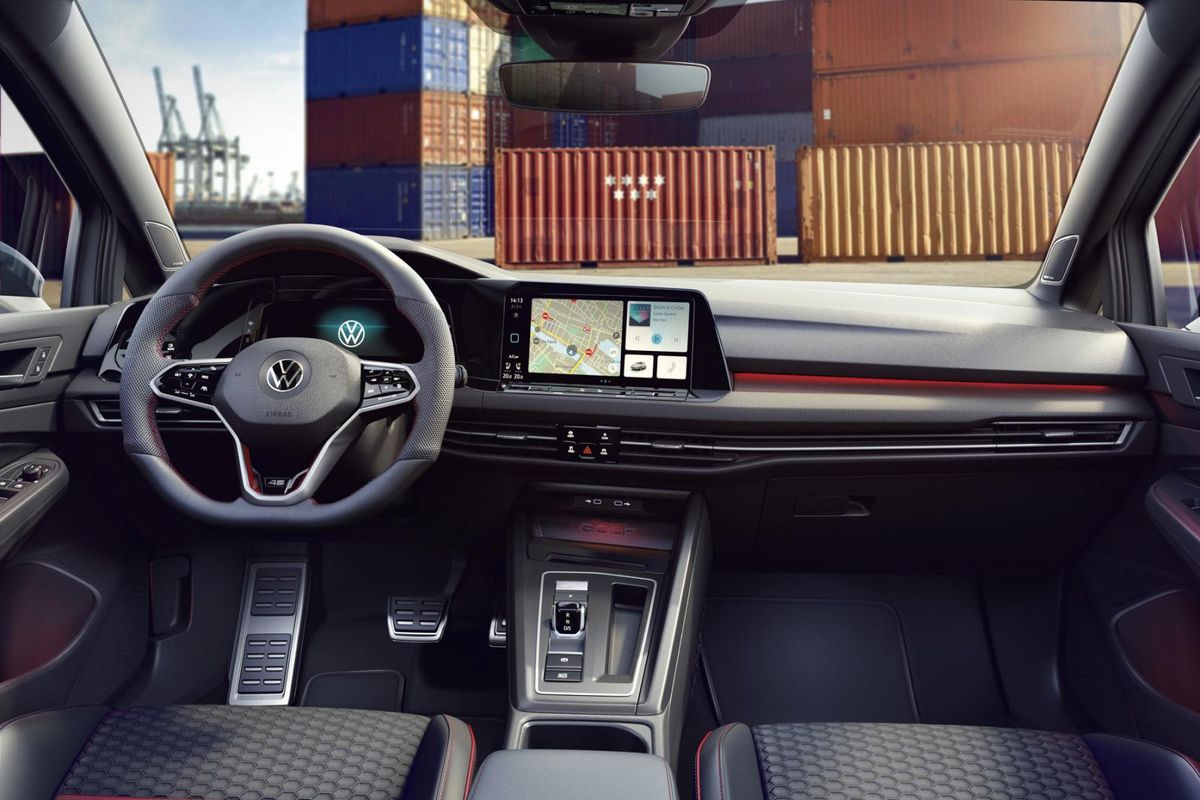
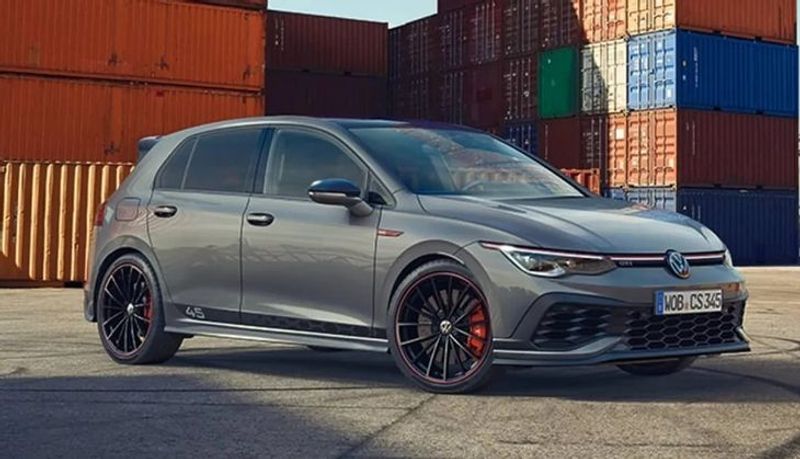
Update: Volkswagen has revealed the special edition model, which comes fully customised. Volkswagen says its new offering boasts a black roof, black spoiler as well as the Race package. This package includes a sports exhaust system as well as the removal of the top-speed limiter.
The vehicle rides on 19-inch Scottsdale alloy wheels finished in gloss black, there's a subtle 45 on the side and the vehicle features IQ.Light LED matrix headlights. In terms of engine power, the new Clubsport 45 is powered by a 2.0-litre turbo producing 221 kW and 400 Nm.
Volkswagen SA will not be bringing the standard Clubsport to SA and it's safe to assume this birthday model won't be coming either.
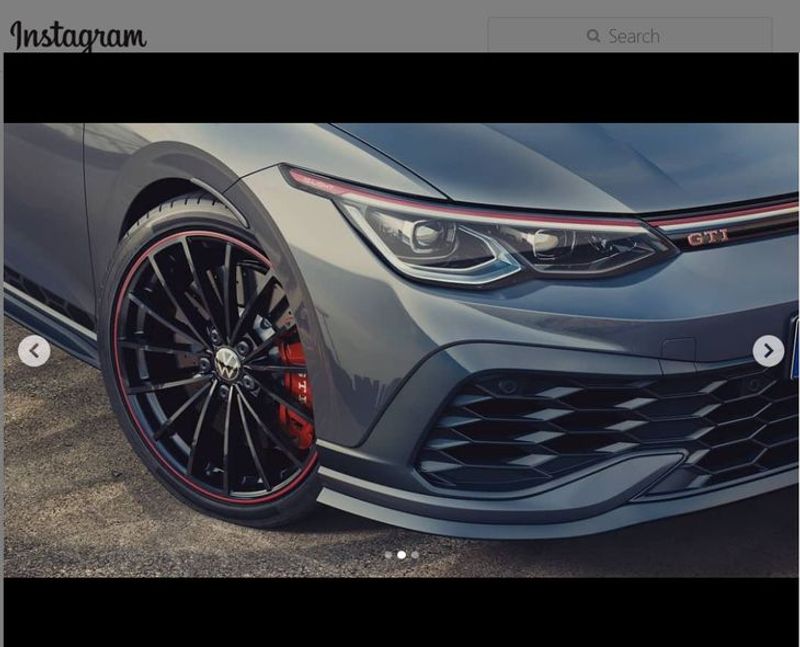
The Instagram user Cochespias has shared three images of what's claimed to be the new Volkswagen Golf 8 GTI Clubsport 45.
Given the name, we understand this model has been built to celebrate 45 years of the GTI name. It was back in 1976 that the first GTI reached customers and it was an instant success.
From what we can see in these images, the Clubsport 45 features a unique colour, special black wheels and that exhaust system looks a bit different to the standard plumbing setup. It's likely its an Akrapovic system which should sound great. There's also a nice 45 decal on the sides.
There's no mention of mechanical changes, but for the record, the Golf 8 GTI Clubsport 2.0-litre turbo produces an additional 41 kW and 30 Nm compared with its standard sibling. Peak outputs of 221 kW and 400 Nm are on offer and what’s more, its 7-speed dual-clutch (DSG) automatic transmission has derivative-specific shorter gear ratios, which helps the Clubsport accelerate from 0 to 100 kph faster than the standard GTI.
Don't get your hopes up yet, Vrrpha fans as Volkswagen SA has said the new Golf GTI Clubsport is not coming to South Africa. We do live in hope that it will eventually make its way here in a few years time – the love for the Golf GTI in SA should be enough to secure a few units for the fans. We were big fans of the first Golf GTI Clubsport which we drove back in 2016 and the Golf GTI TCR is a worthy #CarsAwards winner.
Is this the successor to the Volkswagen Golf GTI TCR? We will know soon enough as an official reveal should be soon. As it stands, the all-new Volkswagen Golf 8 GTI will be launching in South Africa in the first quarter of 2021, with its all-wheel-drive Golf R sibling reaching showrooms towards the end of the year.
A closer look at the Volkswagen Golf 8 GTI Clubsport 45 unique wheels (Cochespias Instagram)
There are no lions in France, but this has never been an issue for Peugeot’s corporate identity.
The French brand has featured a lion of some configuration since 1850, with only eleven iterations of the design spread over 170 years. In the world of corporate identity, that’s impressive.
For South Africans, the most iconic and recognisable Peugeot badge is the leaping lion of Belfort, but with the brand now part of Stellantis, things are changing.
The enormous corporate merger between PSA and FCA has necessitated a redesign of Peugeot’s logo, to give it the desired ‘positioning’ within the new Stellantis structure. According to Peugeot’s official position, this new lion design is supposed to project the brand’s upmarket product trend.
It would appear that Stellantis sees Peugeot as being a more upmarket brand than Citroen. This is in relation to Alfa Romeo, DS and Lancia, which are qualified as ‘premium’ brands, despite the latter delivering products which are hardly worthy of that epithet.
Those followers of all things Peugeot will recognize the bold lettering and distinct shape of this reshaped logo, not to mention its very bold lion’s head.
Design director, Matthias Hossain, explains the new logo. "A coat of arms has always been a symbol of unity. Both multicultural and international. It stands for pride, togetherness and protection. Peugeot used it before and so it forms the connection between our past and our future plans. And the lion has always remained because he stands for strength, might and security.”
Don’t expect the new Peugeot logo locally, until much later this year, when the first updated vehicles are shipped to the South African market.
The new Peugeot brand identity will be marketed globally with a campaign tagline ‘Lions of our time’. Should go down a treat, in South Africa. Especially in lion rich provinces such as Limpopo and Mpumalanga.
This week’s news you need to know (Feb 2021, Week 4)
In this week's motoring news you need to know, Brent vd Schyff muses about BMW being "reduced" to battling Volkswagen, Kia's upcoming double-cab – which might be more hardcore than many of us expected, Hyundai's Delta Integrale clone and the Golf 8 GTI Clubsport 45 emerging from the murky depths of the web.
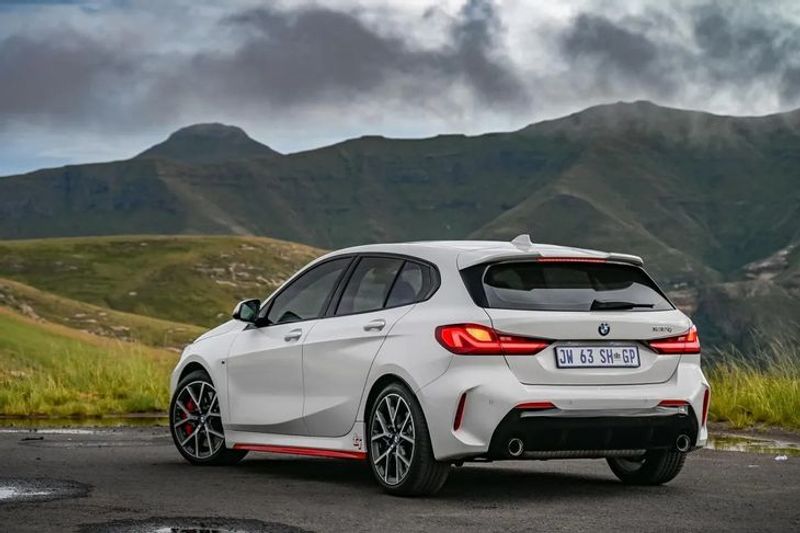
BMW 128ti – Tactical Changes
I’ve heard it so many times before… “BMWs need to be rear-wheel drive (RWD), not front-wheel drive (FWD)”. That statement – or other mutterings of that nature – usually come from die-hard anoraks who resist change in a world that doesn't. You see, BMW's management team has been quite pro-change of late. Some may argue a little too "pro", considering the controversy surrounding the 4 Series' divisive frontal styling (the tall double-kidney grille, in case you've only just got back from a distant planet). Just so we get the chronological order correct, FWDgate precedes Nosegate and if you’re one of those implacable traditionalists who insist Bimmers need to remain rear-wheel-driven, well, just look away. Why the departure though? Well, introducing new blood into a brand is a good thing, believe me.
This brings me to my next point – if BMW’s intentions are to usher in new blood, they’ve certainly come to the right country. We're a nation of devout vrr-pah disciples who are now getting that alluring BMW roundel dangled in front of our noses too. In truth, Volkswagen didn't pick a fight with BMW… Mercedes-AMG drew its Bavarian rival's ire when it introduced the (admittedly all-wheel-drive) A35 below the A45 in the A-Class line-up and… whatever Benz goes, BMW is sure to react (and vice versa). Despite whatever anyone may say, having a brand like BMW in the hot-hatch market is good for the breed.
Brands need to evolve and that is why the move by BMW is tactically sound. It’s a fresh shift into a new space. It’s going to take some time for the masses to warm up to the 128ti, but they will. If you, as a GTI owner, are ever gifted the chance to try the Bimmer, would you be brave enough to admit that you prefer it over the GTI? You can whisper in my ear and I won’t say anything to anyone. Pinkie promise.
Kia double cab vs Hilux – The South intensifies
It’s no secret that the Toyota Hilux has dominated South African bakkie sales for several decades. There was a hiccup when Ford’s Ranger took the crown for an oh-so-brief moment, but methinks that was only as a result of the pre-facelift Hilux borrowing its facial expression from Ice Age’s Sid the Sloth. Since then, the updated and re-updated Hilux has only widened the sales gap between Toyota and Ford.
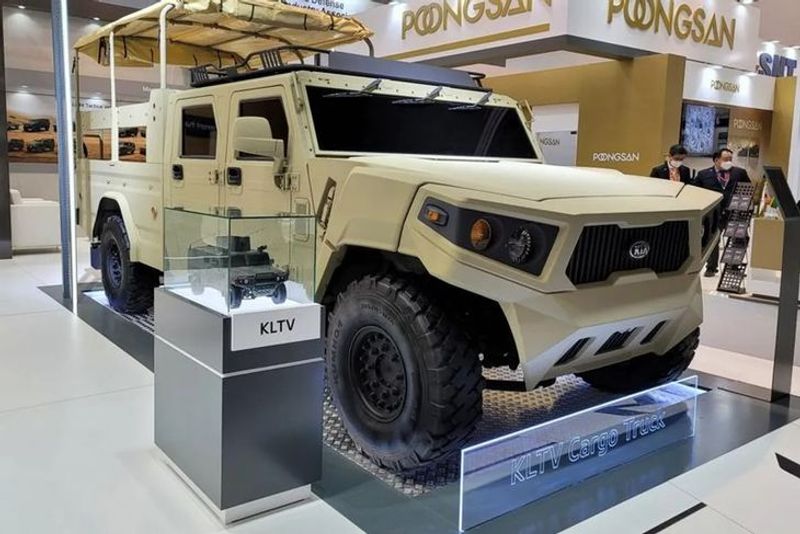
Nothing lasts forever, however. Okay, yes, an all-new Ranger is coming out in a year or two's time and the Hilux will be replaced around the same time or shortly thereafter. However, the recent exhibition of a military-spec Kia double cab in the UAE may be the first warning sign that the Hilux's dominance will be challenged not only by Ford, but by the might of Hyundai Kia. Is that beige monstrosity above a harbinger of a potential coup d’état in the leisure-vehicle market? If Kia hopes to ensure its survival, it will have to diversify its product mix and the bakkie market might just be the perfect place to start.
What’s noteworthy is that 2020 saw declining global profits for the Korean powerhouse, which could be attributed (at least to a notable degree) to Kia devoting resources to increasing quality and occupant safety to the benefit of its customers. That sort of decisionmaking bodes well for brand trust, something that Korean models have struggled to engender in the past when they've burst into new markets.
Tensions are rising. In the Cold War-like lull between now and when Hyundai Kia's leisure-based bakkie/s arrive/s, South Korea could take some advice from the North (for once) and redouble their efforts to thoroughly develop and bring a Hilux-rival to market with force. And if the war references are something to go by, the Japanese have never been pushovers either. This is set to be quite the battle.
Ioniq 5 – East vs West
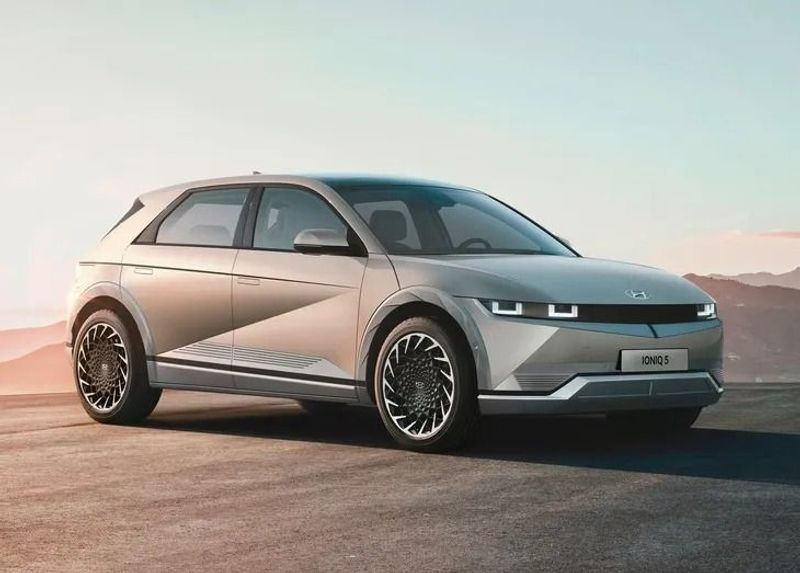
On the topic of battle lines being drawn, the war between Hyundai Kia and the Volkswagen Group certainly seems to be heating up, this time on the "cyberwar" battlefield of EV proliferation, but with that retro East vs West feel we've seen in the internal-combustion-engine (ICE) age – get it? Hyundai’s latest foil to Volkswagen, or more specifically, Wolfsburg's ID electric car range, is the Ioniq 5 crossover.
It kinda looks familiar, doesn't it? For those '80s turbo petrolheads among you, who may draw some comparisons between Hyundai's newcomer and Lancia’s WRC legend and bona fide cult car, the Delta Integrale, I don't think you are very far off. Only this time, the Delta’s listened to Greta Thunberg's pontification, dropped the 2.0-litre turbo with those sweet wastegate sounds, and gone tree-hugging.
Volkswagen Golf 8 GTI Clubsport leaked – realign the chakras
Whether intentional or by accident (I genuinely can’t tell the difference in these days of too-clever-by-half marketing) this past week saw leaked images of the latest Volkswagen Golf GTI Clubsport (45) pop up on the web. Regardless of the TCR being the champion it is, it still lives in the shadow of the Clubsport S. That's something that the new Golf 8 GTI Clubsport would need to address…
It can start with reviewing the Clubsport S DNA, replicating it but with that new-car spin, bringing that VW Group future-tech magic (both drivetrain and interior) into the equation. Sounds simple enough? Hardly. Volkswagen has proven time after time that it can come back with a bang. Just think about the Golf 3 GTI dip in the early Nineties, followed by the (at least partial) Golf 4 GTI recovery and then the arrival of the future-classic Golf 5 GTI. I have every bit of confidence that VW will knock out a belter of Clubsport based on the 8th-gen Golf. Sigh… just build a manual version and launch it here. Hint hint.
VW Polo Vivo Mswenko Review: Is “The Swag” Worth It?
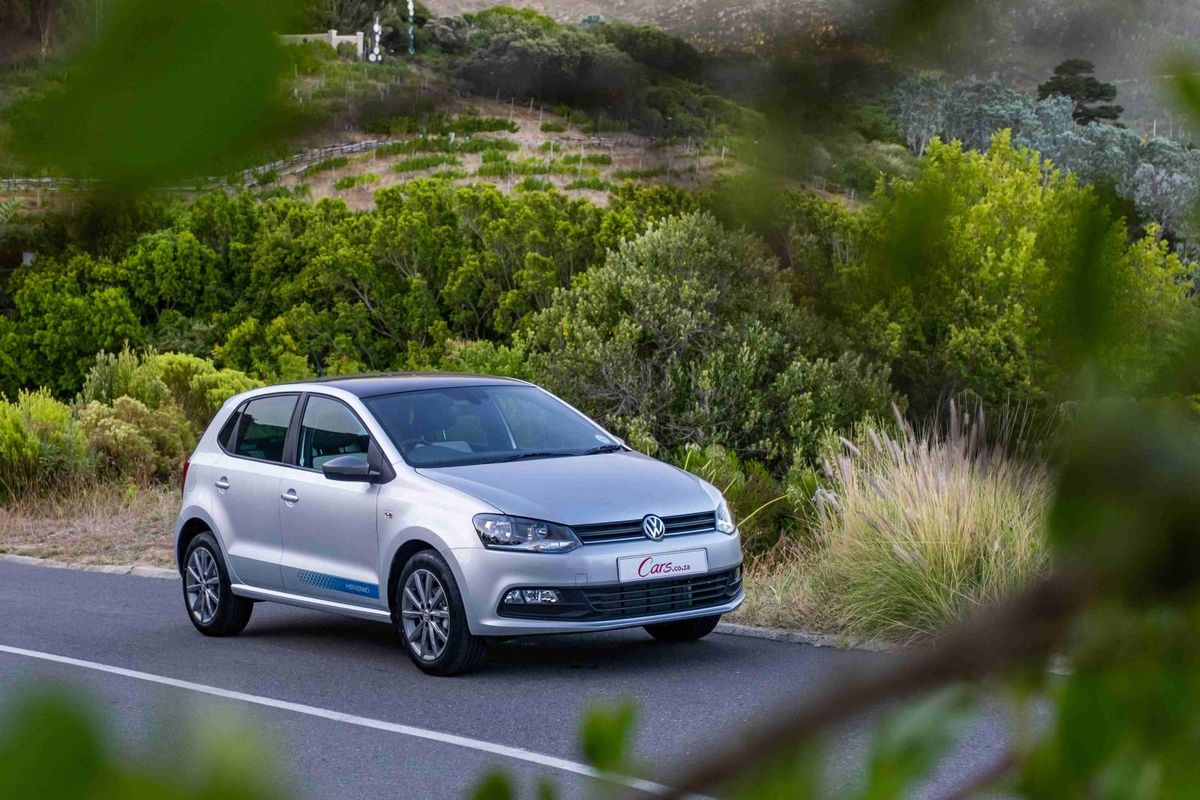
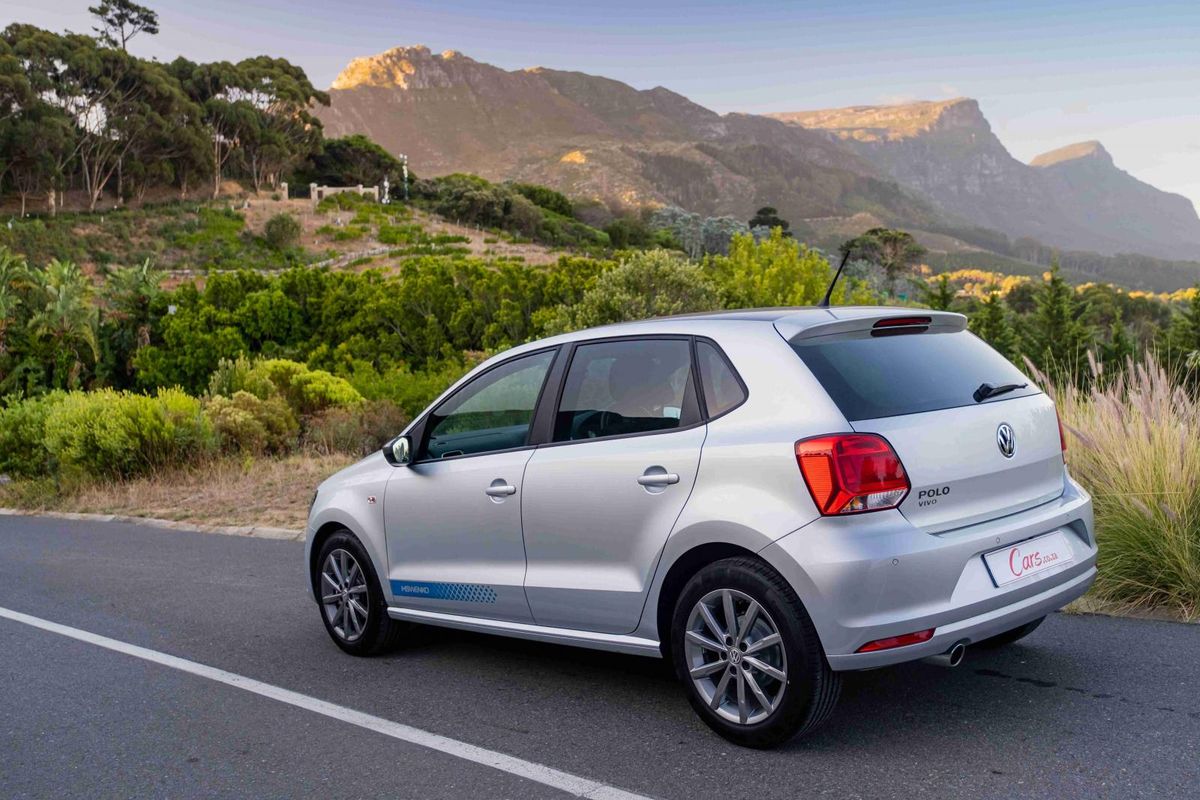
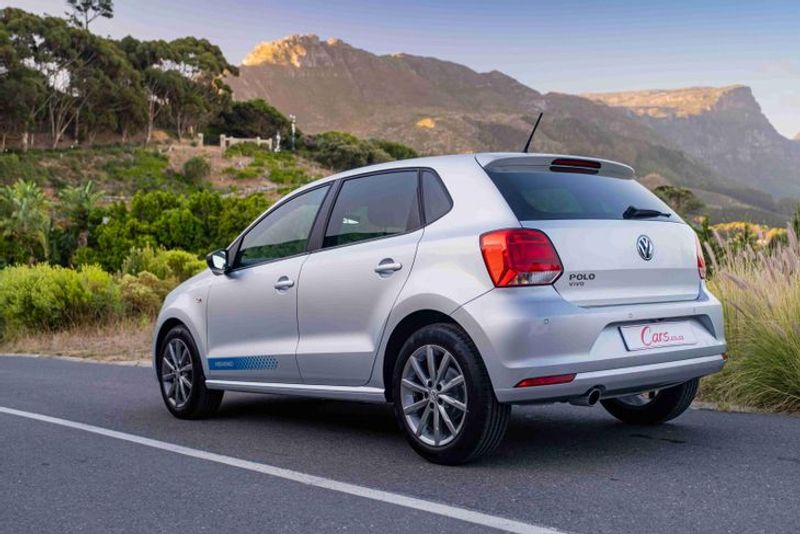
The locally-produced Polo Vivo is South Africa's best-selling passenger car and Volkswagen recently spiced up the local range with a special edition Polo Vivo Mswenko derivative that adds a number of exterior and interior styling and equipment features. In this video review, Ciro De Siena takes a closer look at what makes the Polo Vivo Mswenko special. Watch the video!
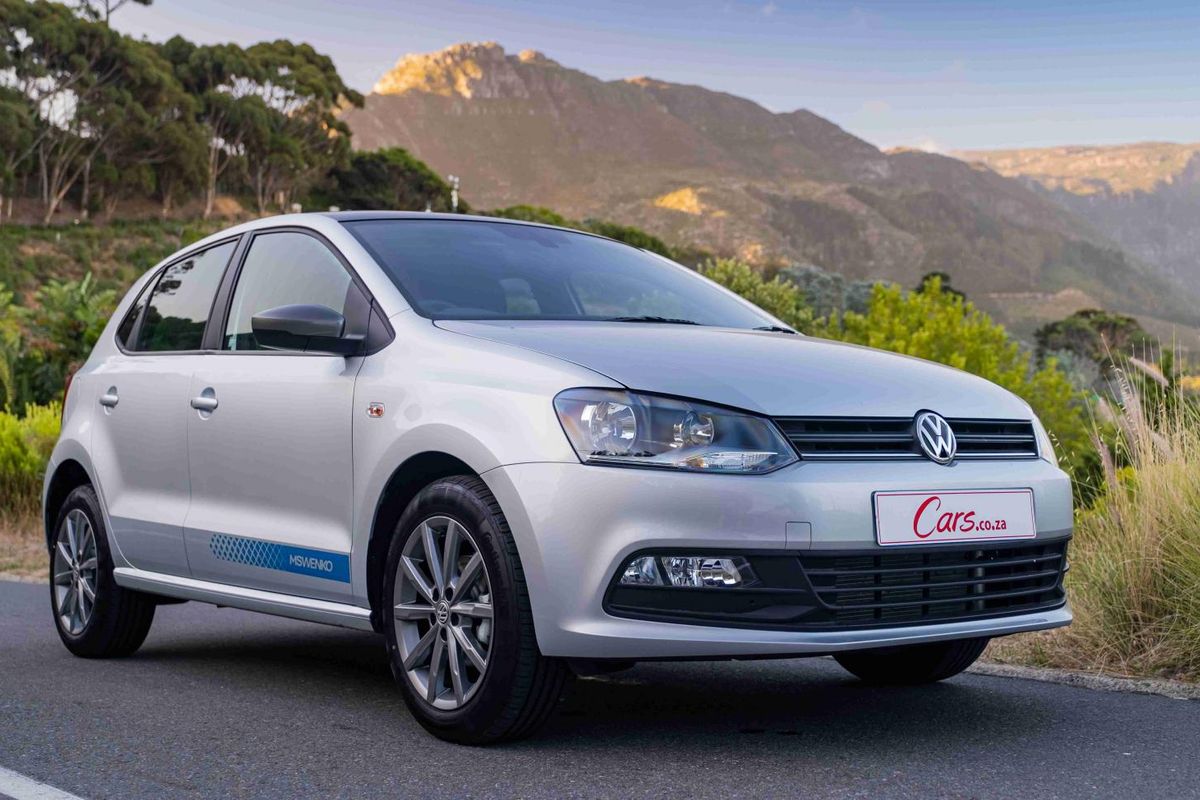
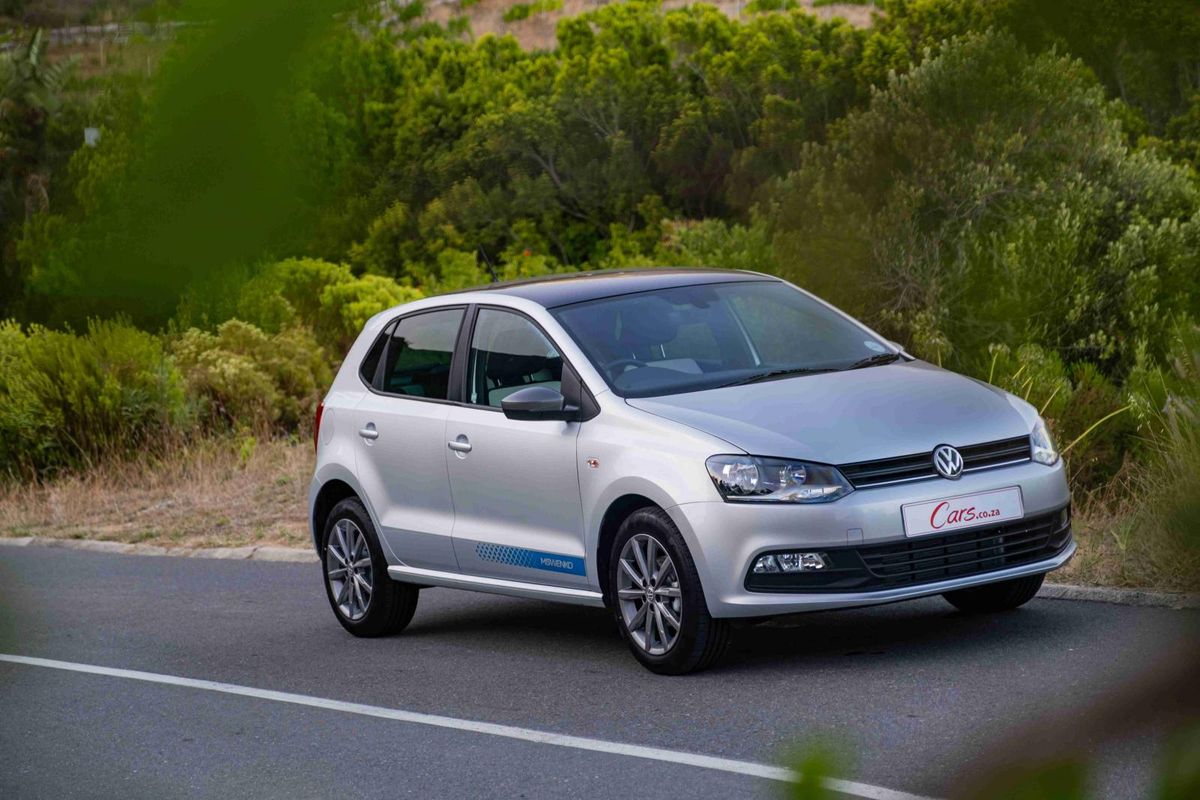
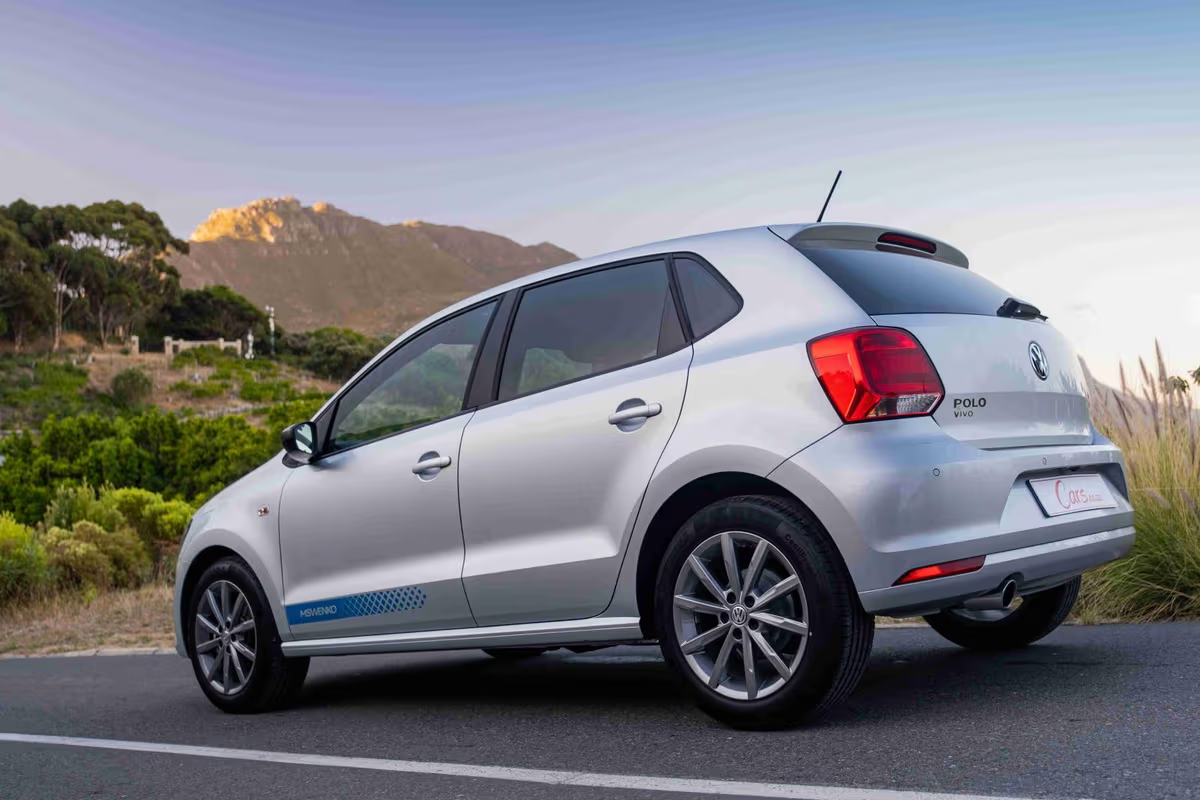
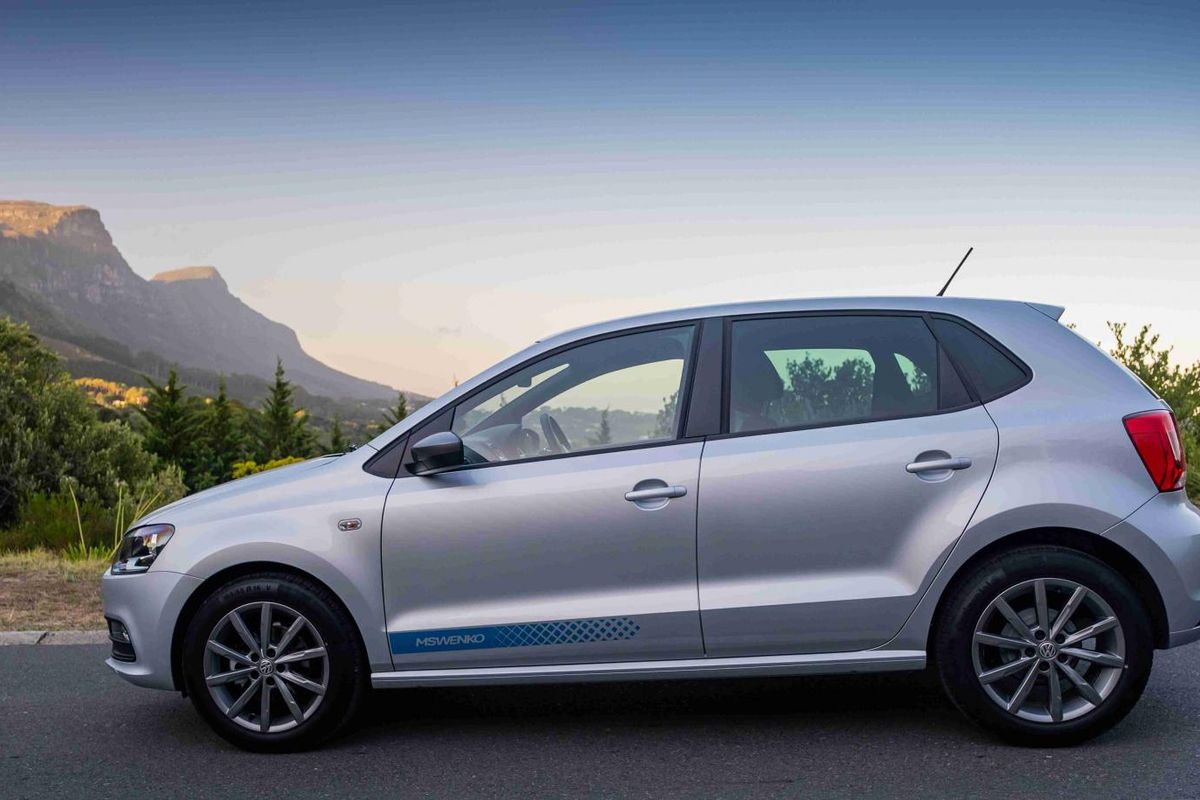
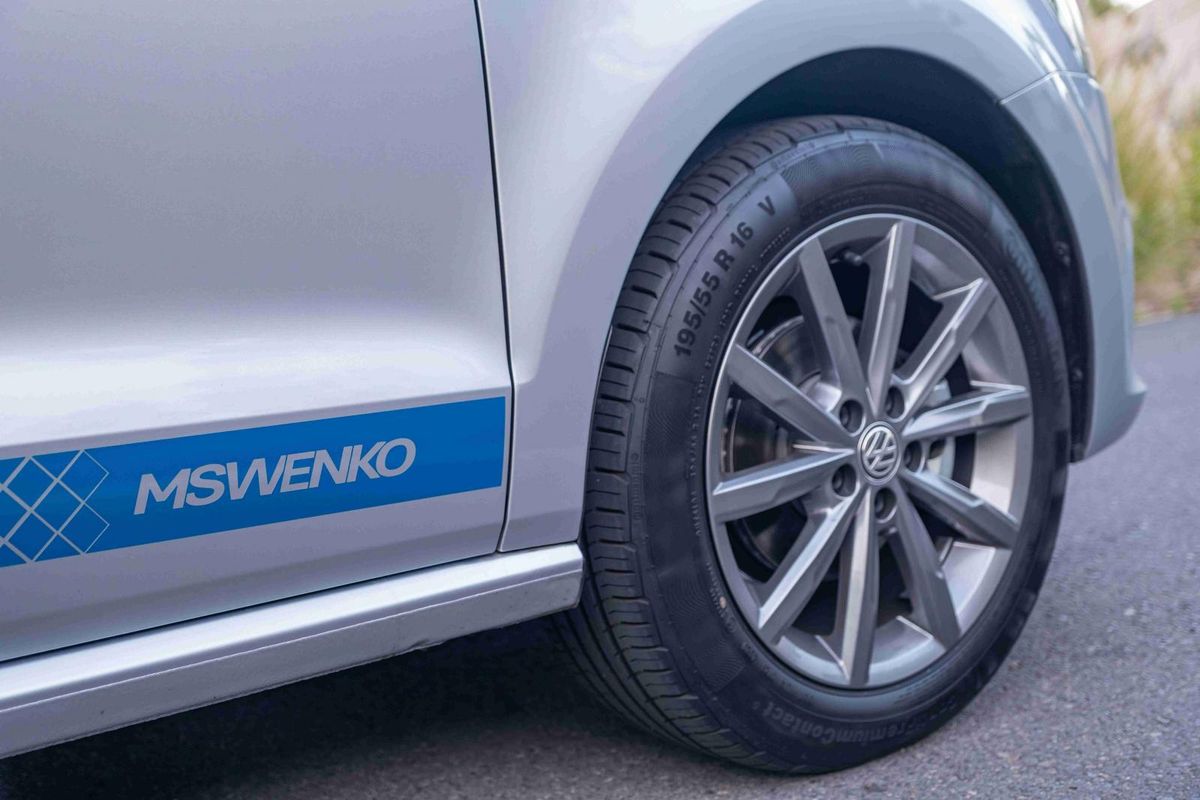
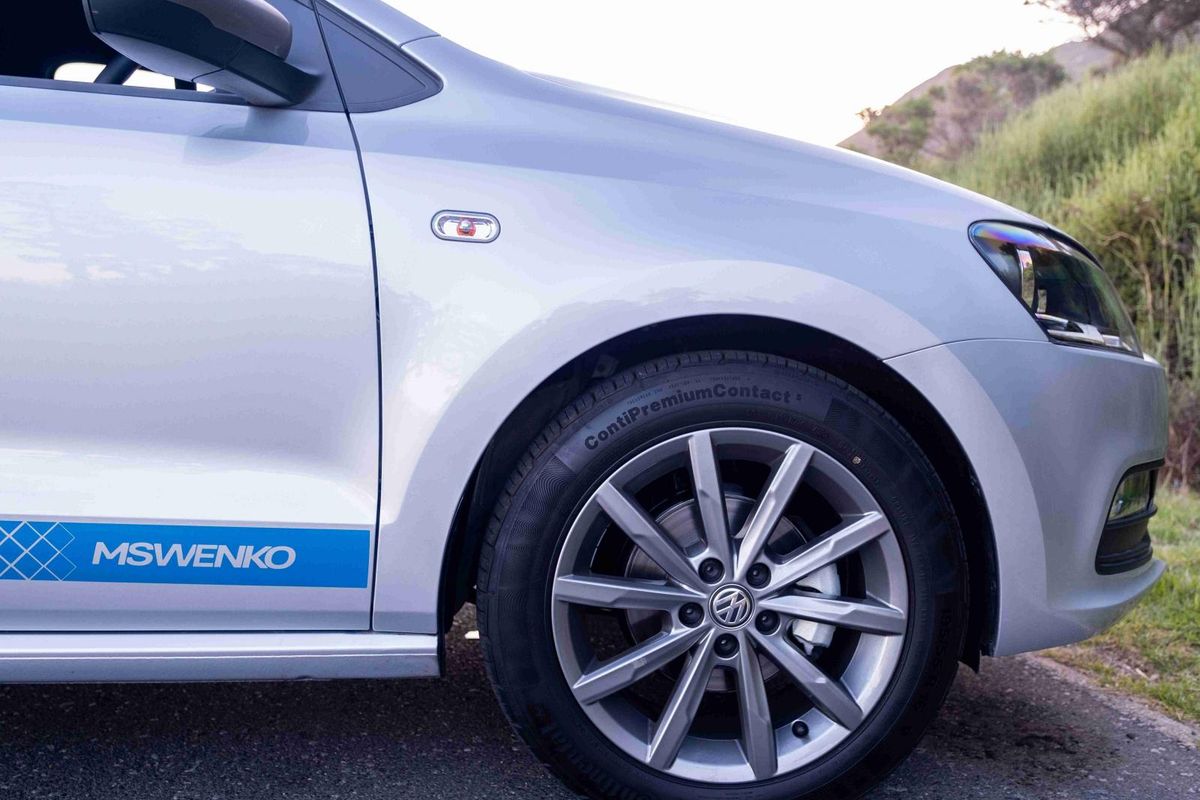
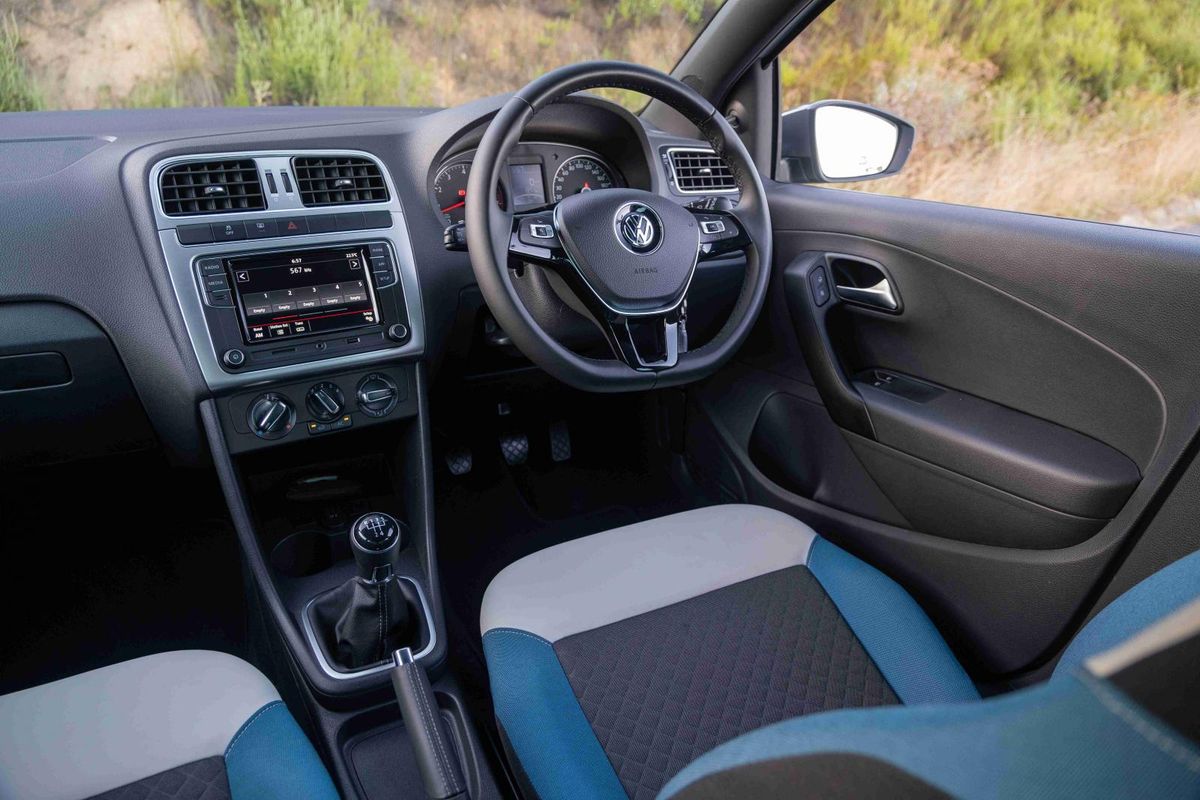
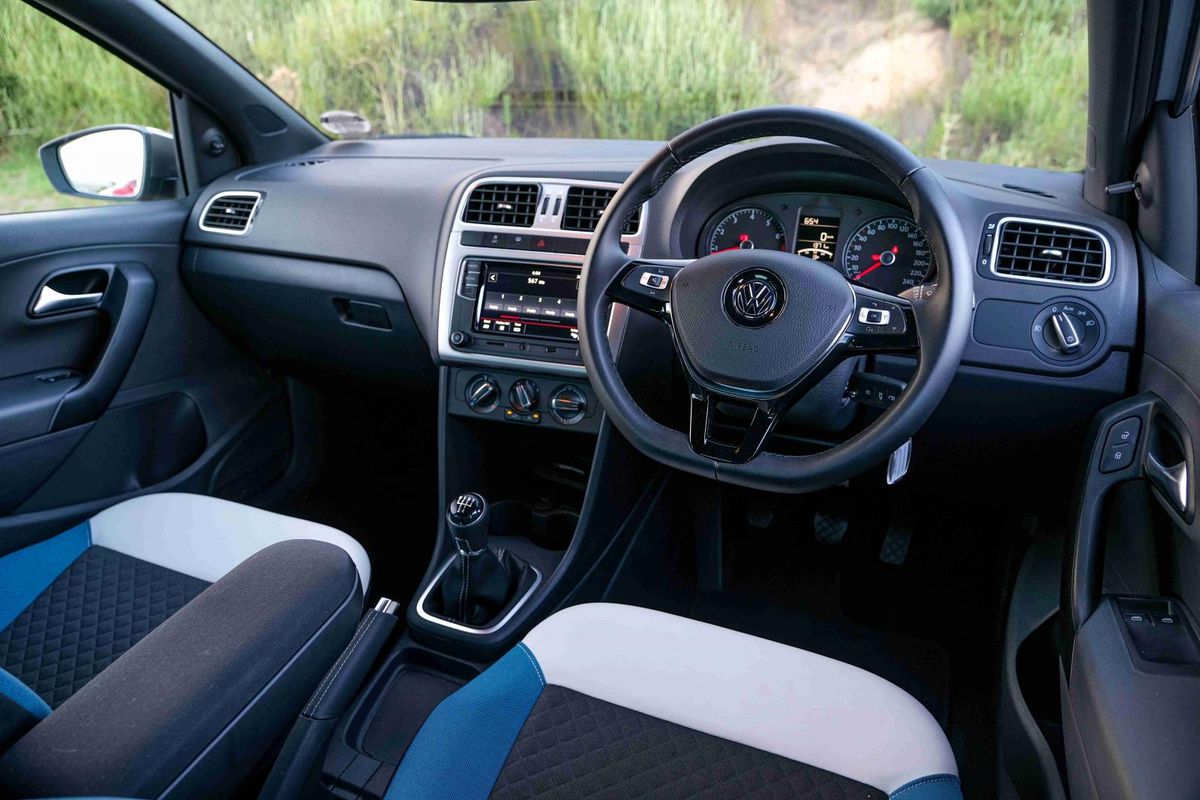
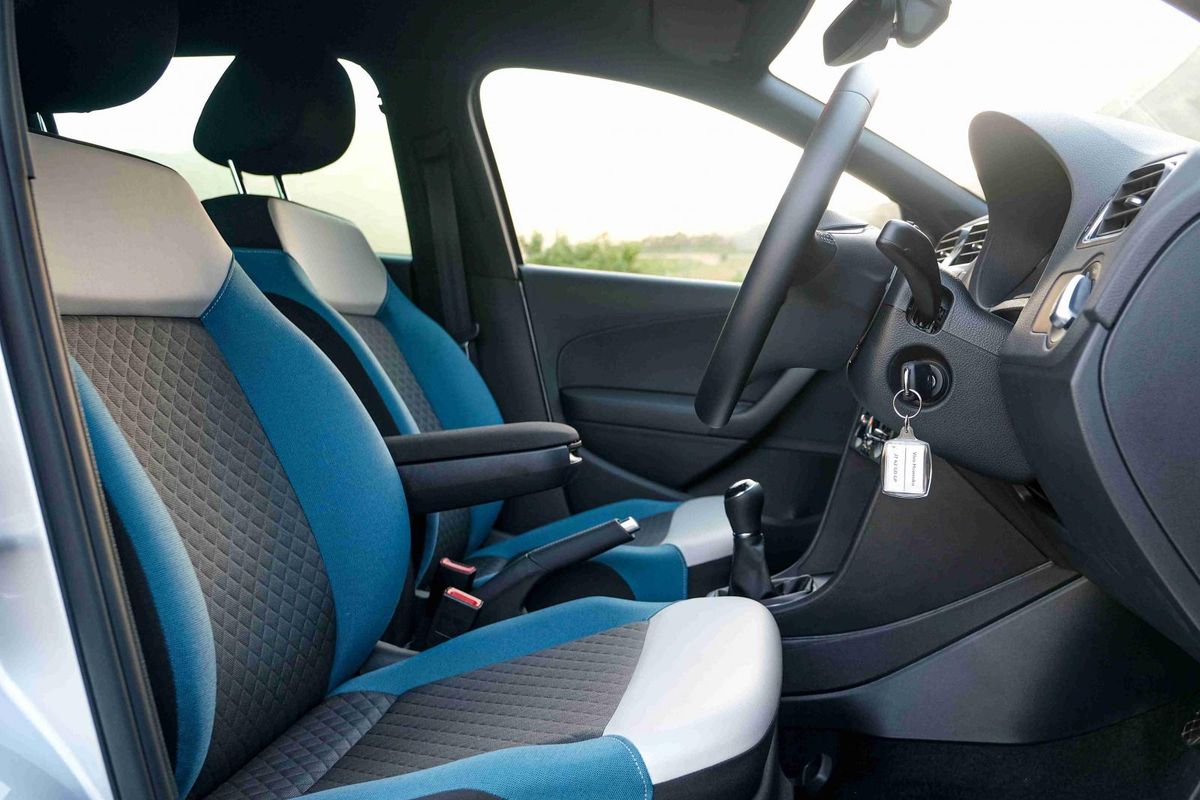
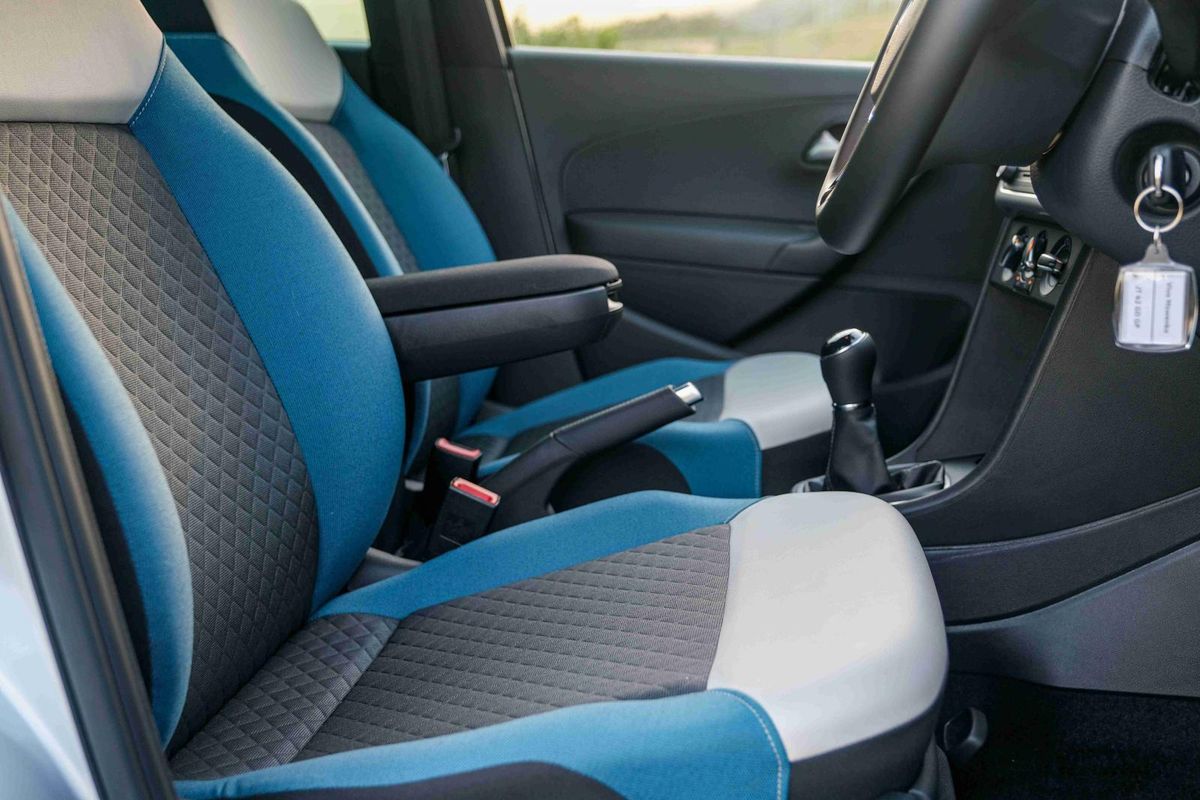
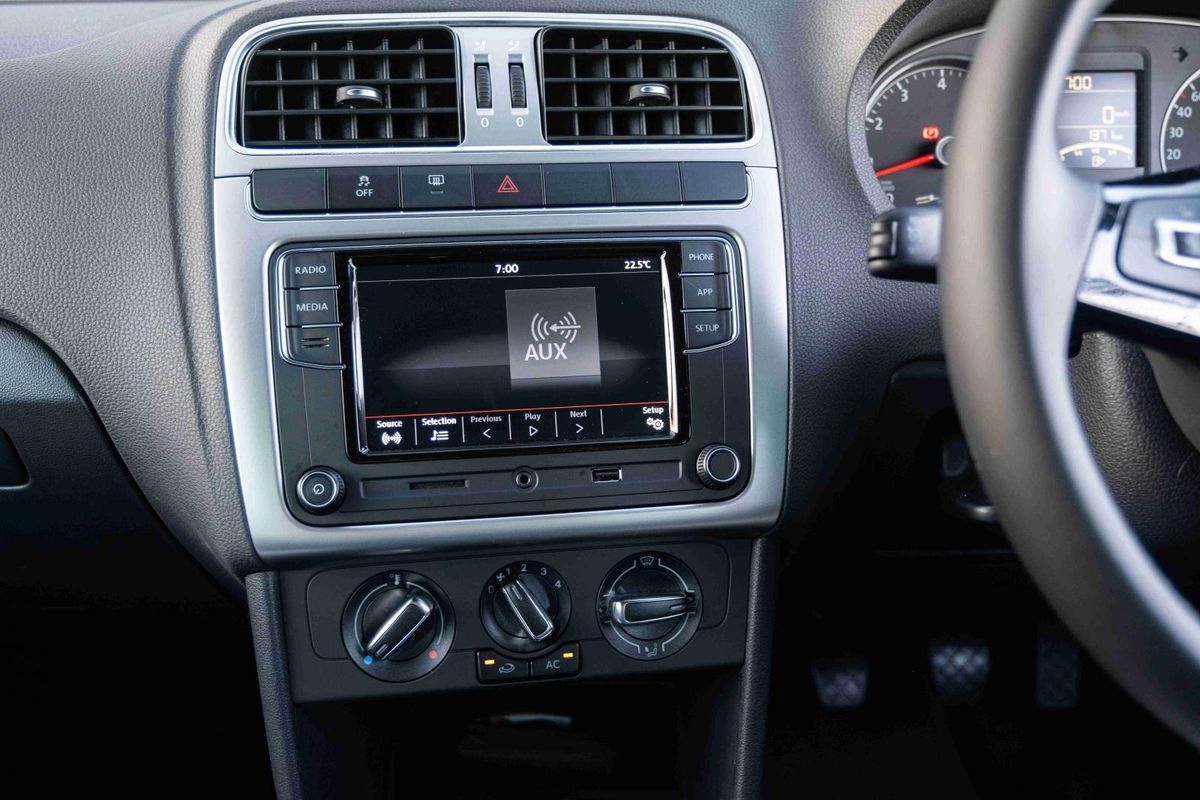
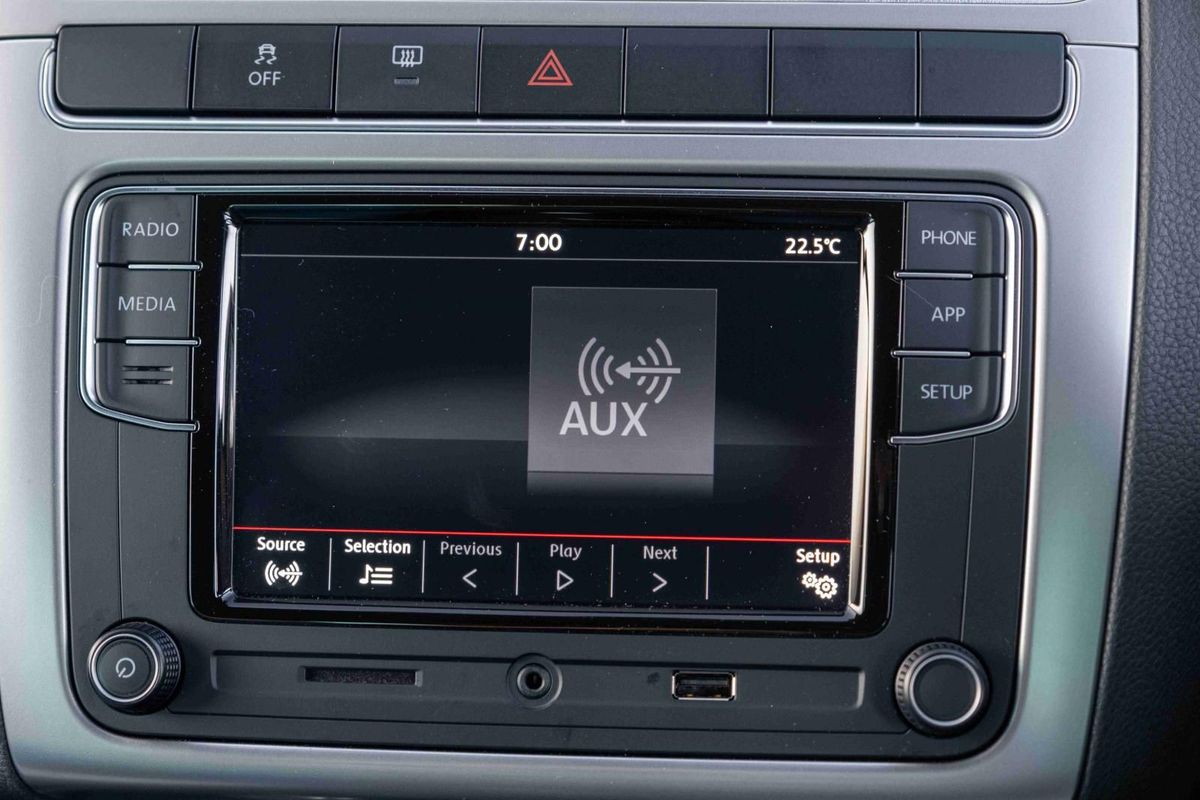
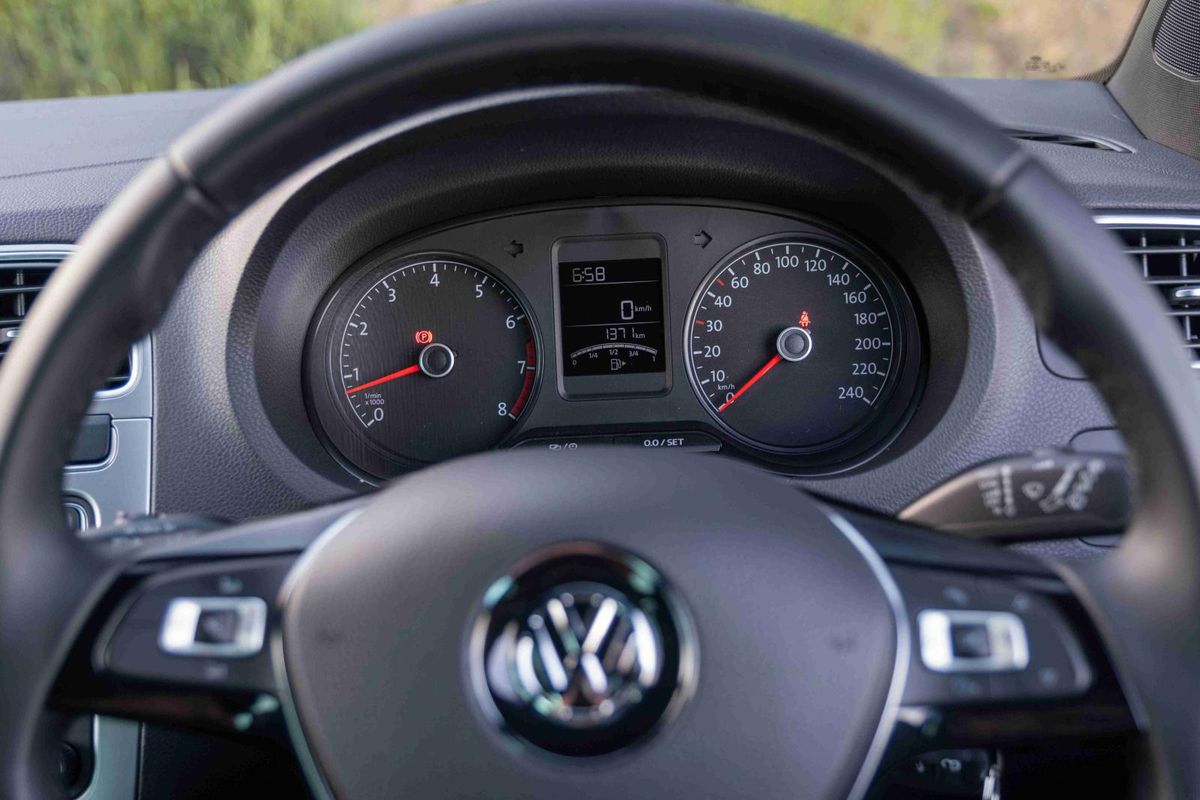
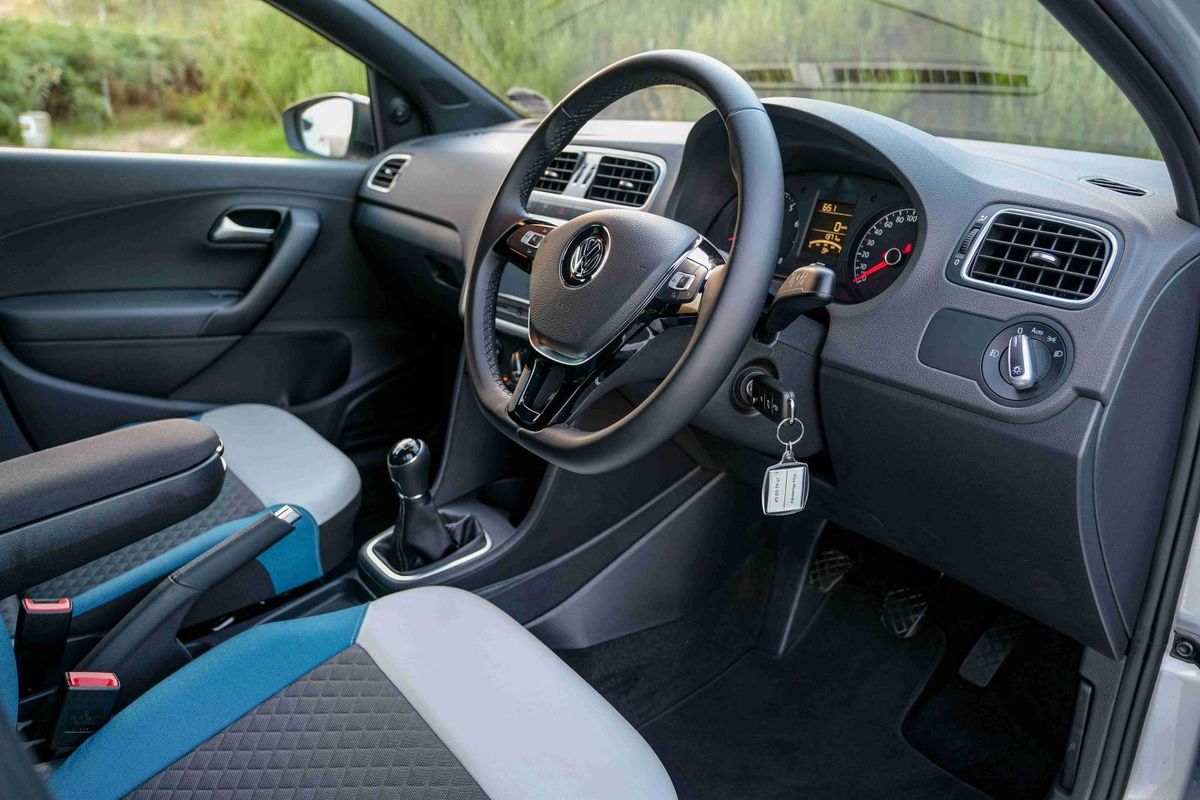
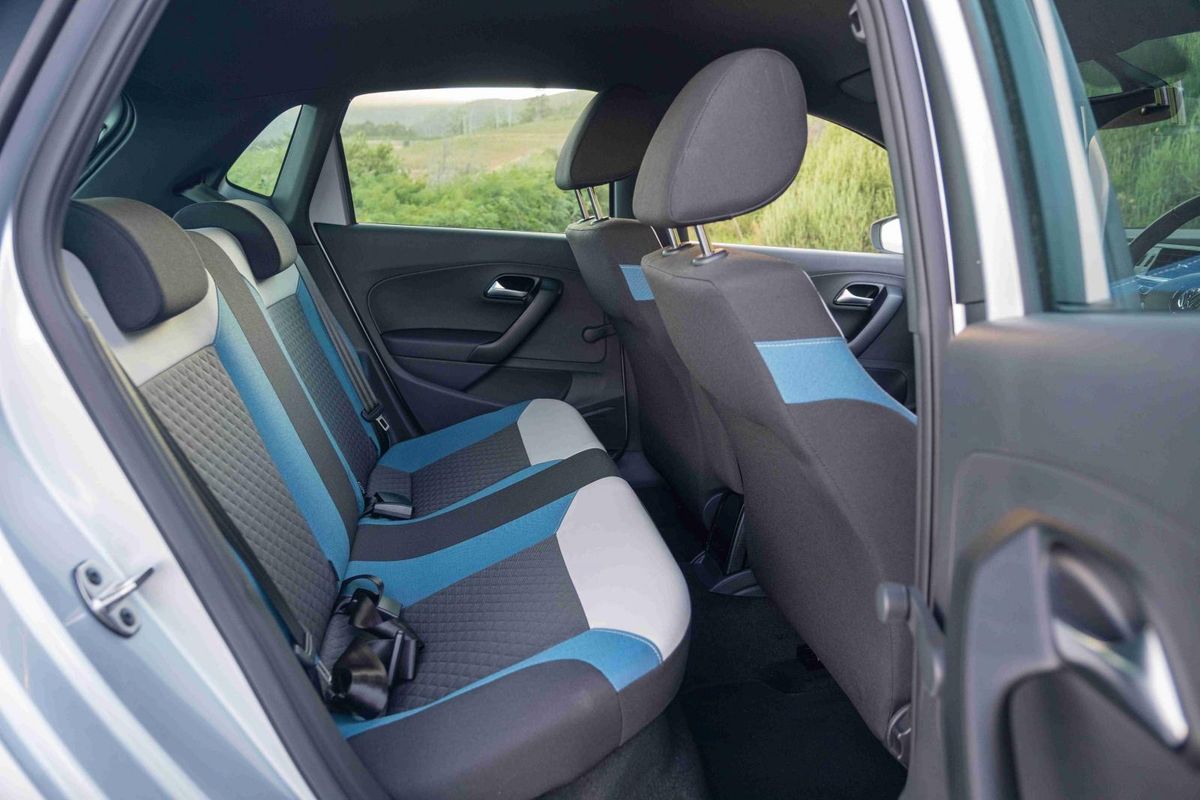
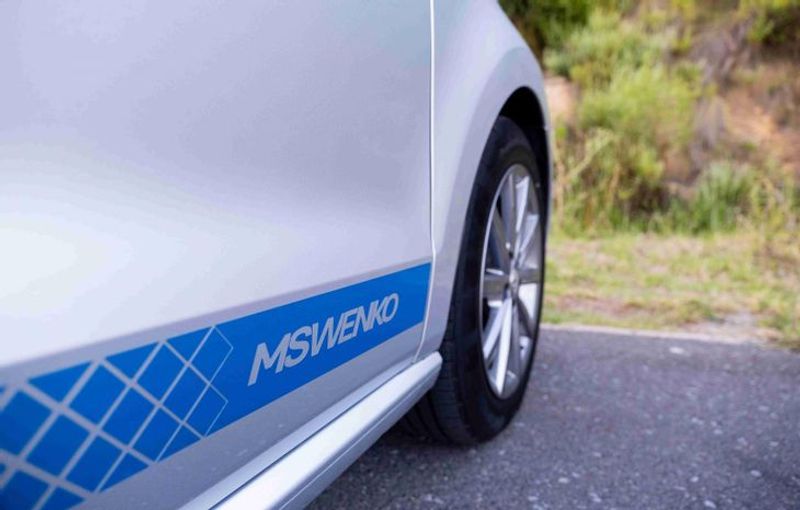
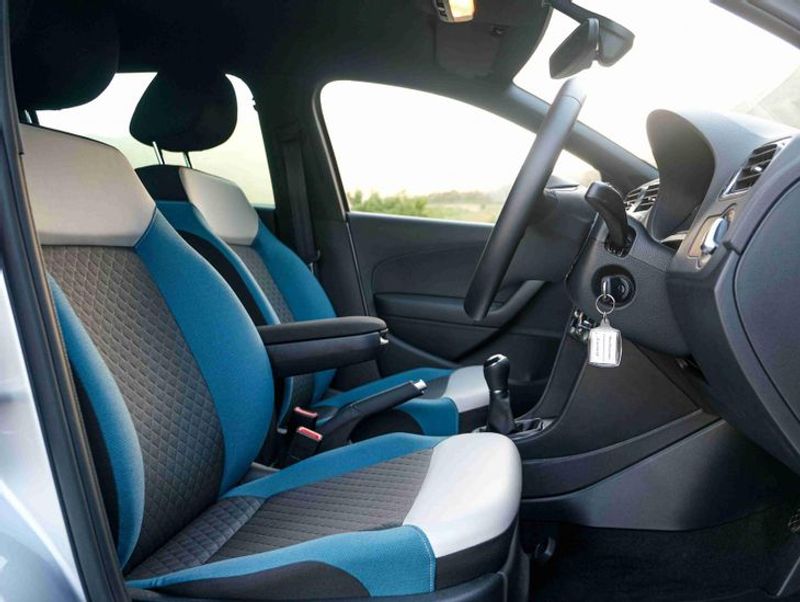
The Volkswagen Polo Vivo Mswenko is based on the Polo Vivo 1.4 Comfortline and is powered by a naturally-aspirated 1.4-litre petrol engine that develops 63 kW and 132 Nm and is paired with a 5-speed manual transmission. Additional features include unique 16-inch Portago alloy wheels, 'Mswenko' decals, a chrome exhaust tip, privacy glass and a blacked-out roof which gives it a stylish two-tone roof. The side mirrors can also be had in 2 colours. On the inside you will find vibrant Ocean Blue seats that make the interior pop with colour. The model also gains an anthracite headliner, silver inserts in the dashboard, App Connect functionality, a total of 6 speakers and leather package that includes a leather multifunction steering wheel, leather gear gaiter and leather gear knob.
Last year Volkswagen introduced the special edition Polo Vivo Mswenko to market and we recently spent some time with this fashion-forward derivative. Watch Ciro De Siena's video review above and check out what makes the Polo Vivo Mswenko special below.
Fast Facts
Model Name: Volkswagen Polo Vivo Mswenko
Price: R246 900 (February 2021)
Warranty/Service Plan: 3-year/120 000km / Service Plan is optional
Engine: 1.4-litre naturally-aspirated
Power/Torque: 63 kW / 132 Nm
Transmission: 5-speed manual
Fuel consumption: 5.9 L/100km
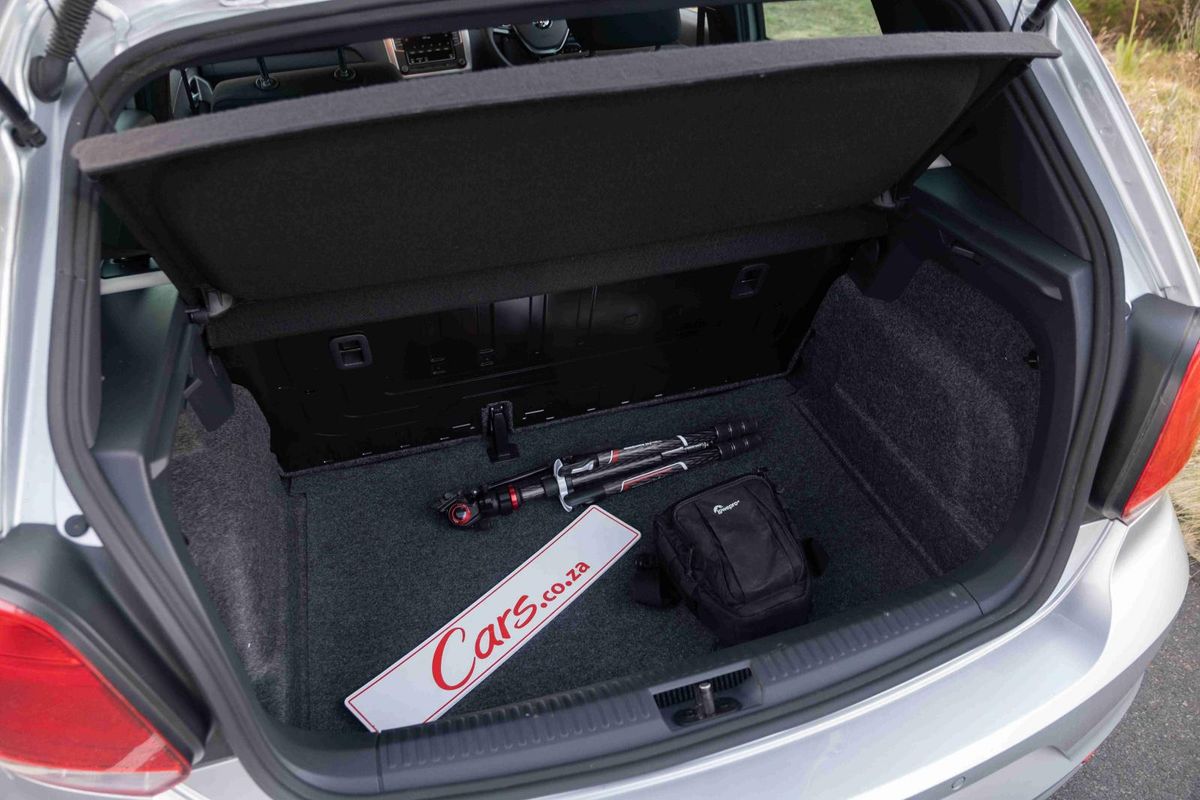
Load space: 280-952 litres
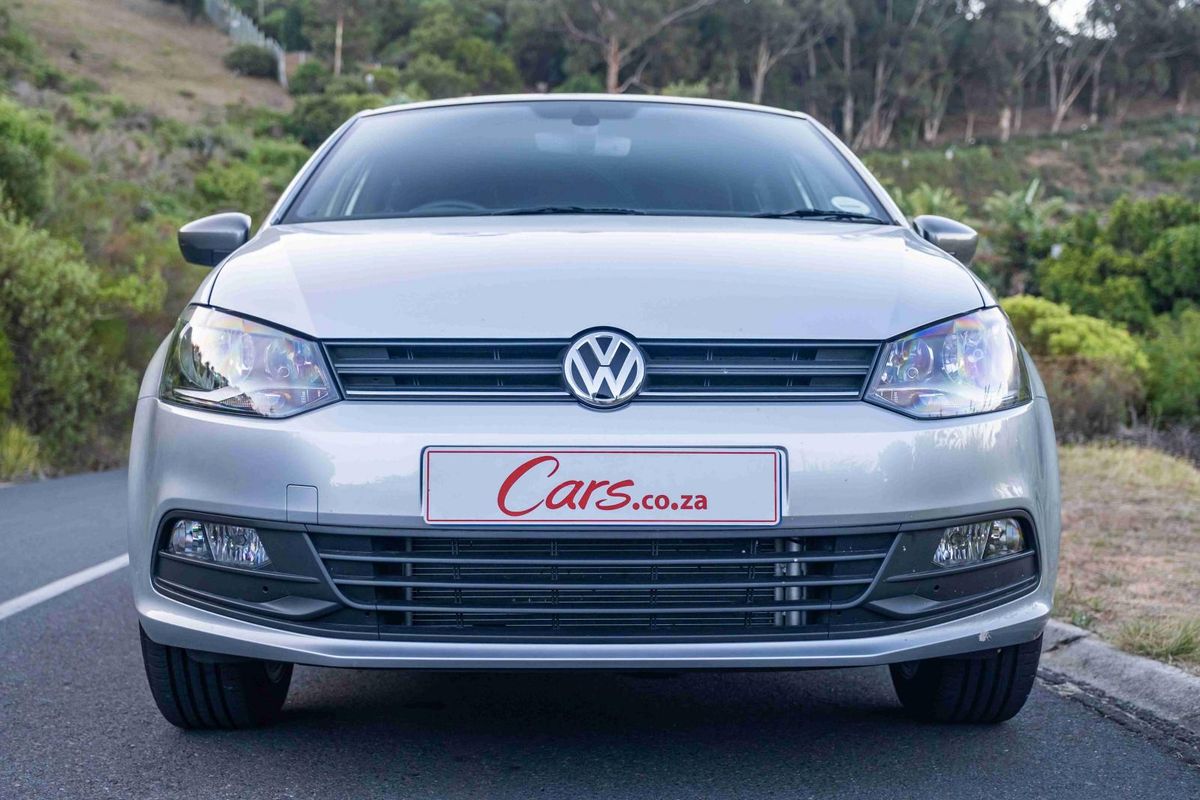
The Volkswagen Polo Vivo needs no introduction and not only is it a household name in Mzansi but it's also a consistent top-seller on a monthly basis. The Polo Vivo is undoubtedly one of the best offerings in the budget car segment and last year Volkswagen spiced up its local Polo Vivo offering with a new derivative called the Polo Vivo Mswenko.
Here are the key features of the Polo Vivo Mswenko that set it apart from the Polo Vivo 1.4 63 kW Comfortline on which it's based.
1. What's in a name?
A name can wield significant influence and just as car buyers attach value to the car brands they love, car brands also imbue their products with character and value with the names they choose.
The Polo Vivo Mswenko, pronounced 'm-swe-nkoh', is an example of this. 'Mswenko' is an isiZulu expression that means 'swag' which implies confidence, vibrance, uniqueness and stylish flair. It follows then, that the Polo Vivo Mswenko has far more pizazz that a 'normal' Polo Vivo just doesn't possess. Furthermore, the Polo Vivo Mswenko, perhaps, says more about its owner than it says about itself…
2. Swag On Wheels
The Polo Vivo Mswenko gains its exterior swag with a number of unique styling details such as its unique 16-inch Portago alloy wheels, 'Mswenko' decals, a chrome exhaust tip, privacy glass and a blacked-out roof which gives it a stylish two-tone roof. The side mirrors can also be had in 2 colours.
3. Colour me crazy
The swag is carried over into the interior too and the most noticeable feature inside the Polo Vivo Mswenko are the unique and vibrant Ocean Blue seats that make the interior pop with colour. The model also gains an anthracite headliner, silver inserts in the dashboard, App Connect functionality, a total of 6 speakers and leather package that includes a leather multifunction steering wheel, leather gear gaiter and leather gear knob. It’s certainly an attention-grabbing design that will appeal to youthful and energetic buyers.
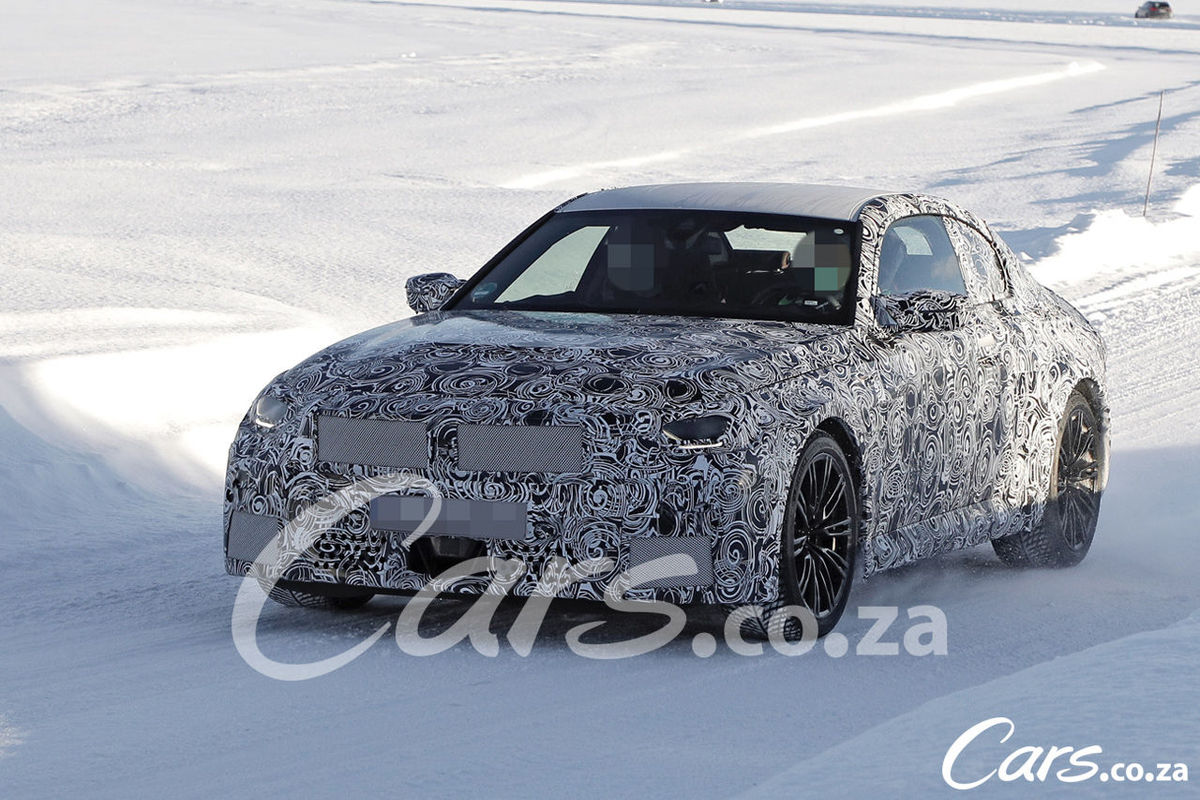
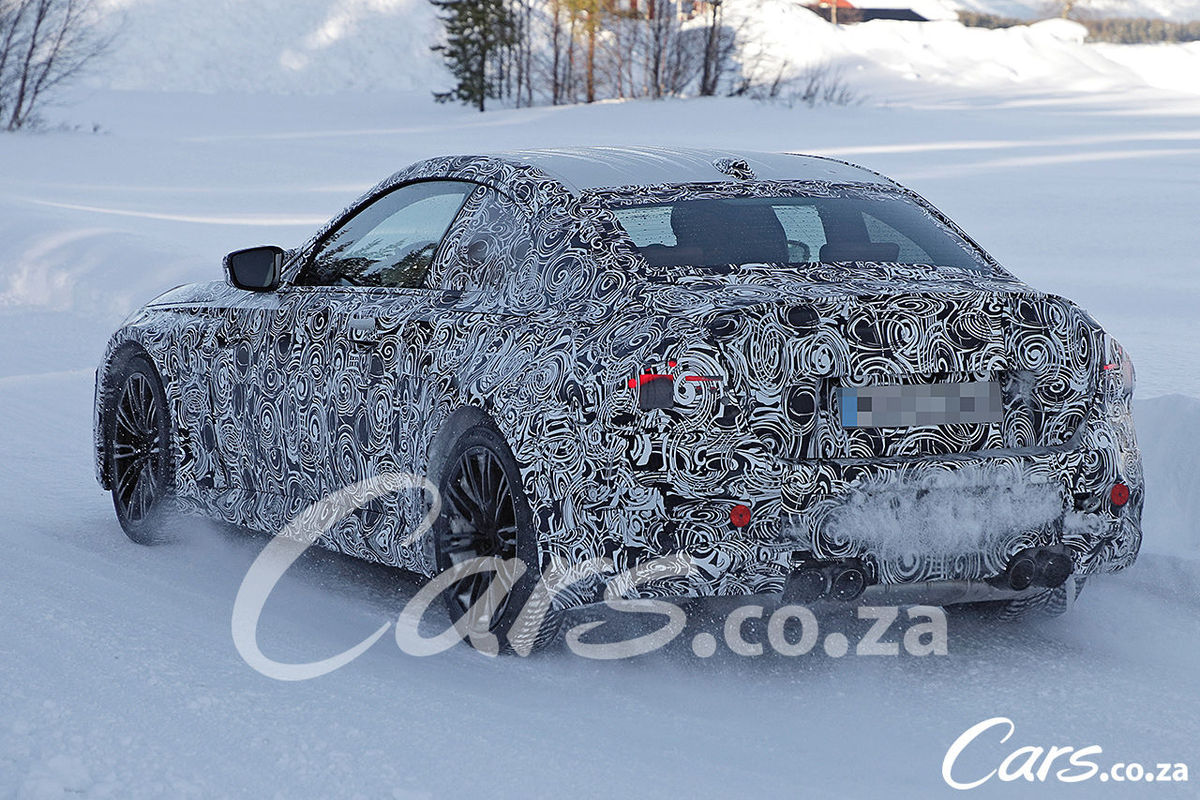
Spy photographers have spotted the all-new BMW M2 in action. Here's what we know so far about the performance car.
Picture credit: S. Baldauf/SB-Medien. We have paid for these photos and at the photographer's request, have watermarked them.
The next-generation BMW M2 Coupe is on its way and our spy photographers have spotted it testing for the first time. Despite BMW's recent foray into front-wheel drive performance with the 128ti, the Munich-based outfit will be returning back to its roots with the new M2 coupe.
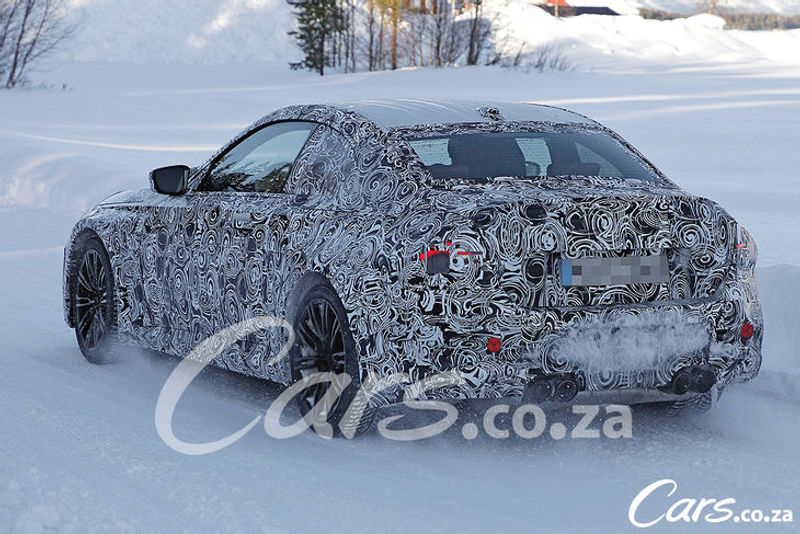
We do know the all-new BMW M2 will feature a straight-6 turbo engine, rear wheel drive as well as the option of a manual gearbox. While what you see here is still heavily camouflaged, trademark BMW M bits are visible if you look carefully. There are the flared wheel arches, aggressive rear diffuser and the 4-pipe exhausts.
Under the skin, we expect a modified version of the BMW CLAR platform will be used. It currently underpins the 3 Series and the 4 Series, so you know there will be emphasis on good driving manners. We suspect BMW will use current components from the M3 and M4, such as the suspension, brakes and potentially the engine, but we reckon it will be slightly detuned to avoid awkward family bust ups.
As a reminder, the SA-spec BMW M3/M4 Competition produce 375 kW and 650 Nm, while the limited edition M2 CS dialled up 331 kW and 550 Nm. We reckon the new BMW M2 should deliver around 345 kW.
It is a long way to go before we see the production version of the 2022 BMW M2, with an estimated reveal in 2022.
Four exhausts and those hips? It can only be the all-new BMW M2
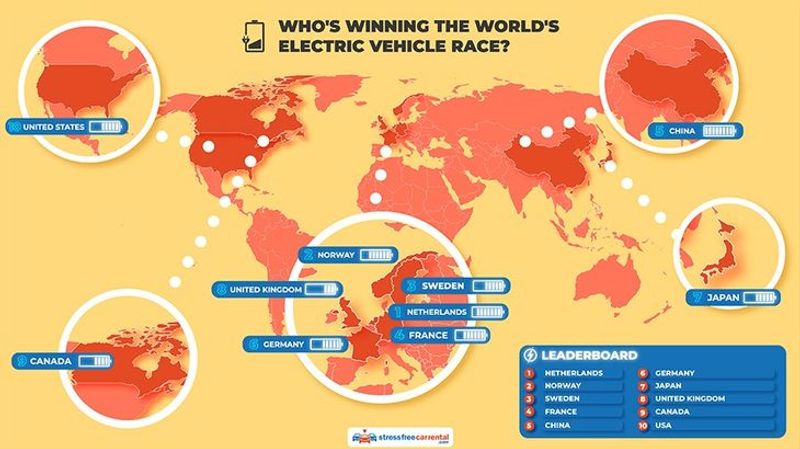
With the world's automotive industry shifting inexorably to electrified powertrains, which countries are best positioned to adapt to an influx of new EV models in their markets… and where does South Africa sit on that list?
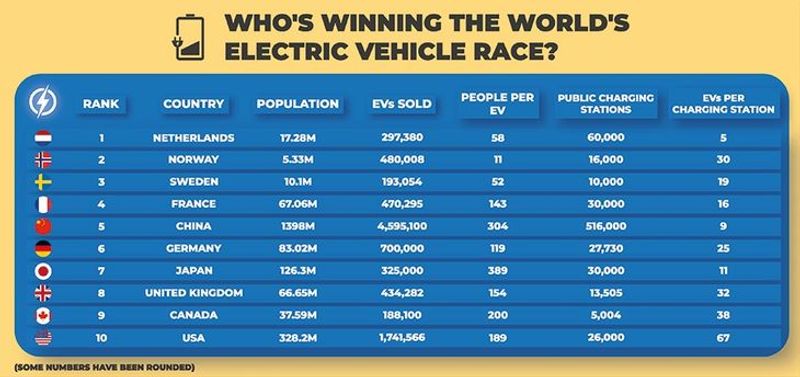
A recent study by stressfreecarrental.com took into account the number of EVs being sold in countries with how well the charging infrastructures in those nations were set up for the inevitable shift to EVs.
While we may feel somewhat isolated from what is happening globally in Mzansi, there will come a time in the near future when our current lineup of cars will no longer exist or will have transformed their powertrains to fully electrified units. The news that Jaguar will transform into an all-electric brand by 2025 will mean its petrol- and diesel-powered models will cease to exist in our market soon thereafter.
So what of Europe and the rest of the world? How is the first world set up to pivot in tandem with the electrification drive? In terms of people in a country per EV, it’s no surprise that the Scandanavian countries of Norway and Sweden top the charts. Both governments heavily incentivise EV purchases, which, in most cases makes them far cheaper than their ICE (internal combustion engine) counterparts.
When the number of EVs in a country is paired against the number of charging stations in that nation, the Netherlands is clearly ahead in terms of available charging infrastructure. The list doesn’t take into account how powerful these charging stations are, which affect how quickly electric vehicles can be charged up, but by using the plugshare.com website, you can easily navigate to an adequate charger.
Where does South Africa rank?
South Africa ranks dismally when it comes to EVs per person, in fact, its EV density is 93 720 people per EV. A total of 637 EVs (BEVs) have been sold in South Africa since their introduction in 2013 with 70% of those sales being BMW i3s.
However, when we rank South Africa in terms of charging stations per EV, we rank better than the Netherlands. South Africa has 2.5 EVs per charging station, which means we’re pretty well catered for EV charging points… at our current EV capacity. South Africa has 257 charging stations spread around the country. A lot of the infrastructure we currently have is thanks to early investors such as Jaguar, which has installed a Powerway along the N1 and N3 highways, which incorporates nearly 90 charging stations.
Private companies are now set to install their own charging stations with the likes of GridCars involved in the sector. Currently, our highest output charger is 60 kW, which pales in comparison to the Tesla V3 Superchargers, which can charge at a rate of 250 kW (vehicle dependent, of course).
The next few years will be particularly important for South Africa – as much of the world transitions from fossil fuels to electric power, the last thing we would want is to be left behind.
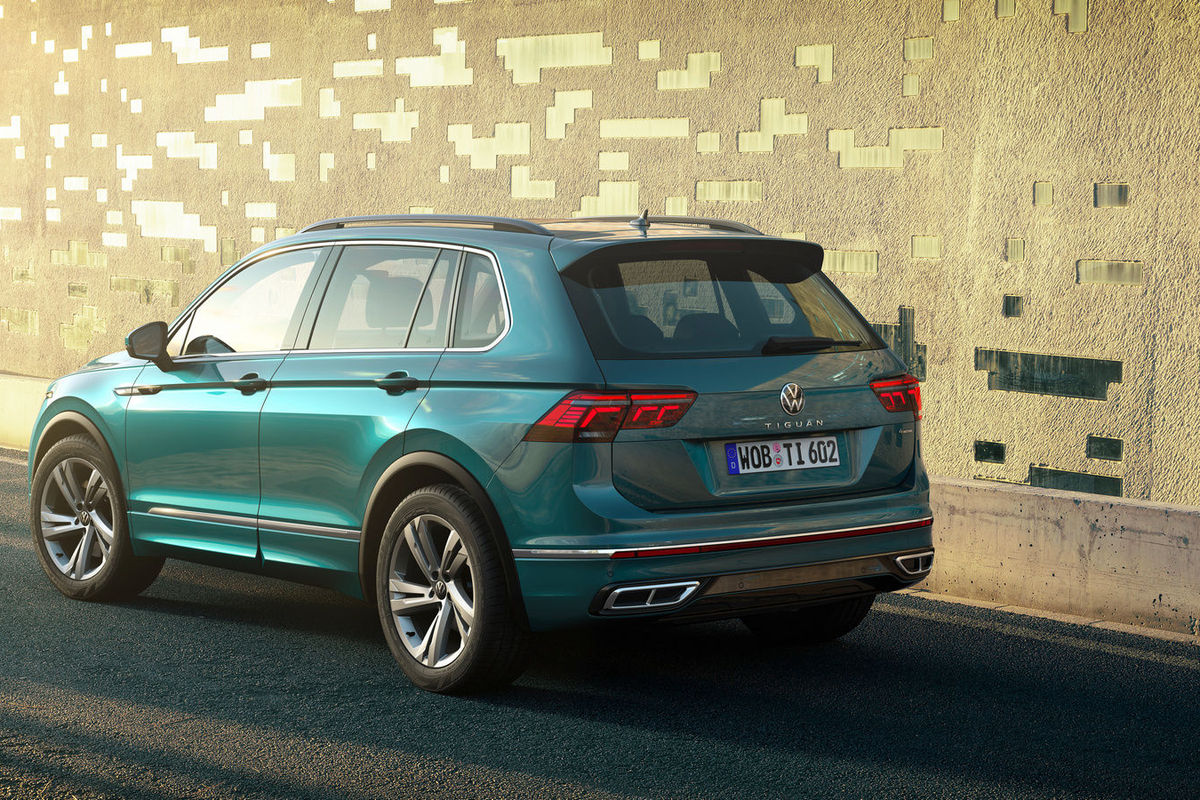
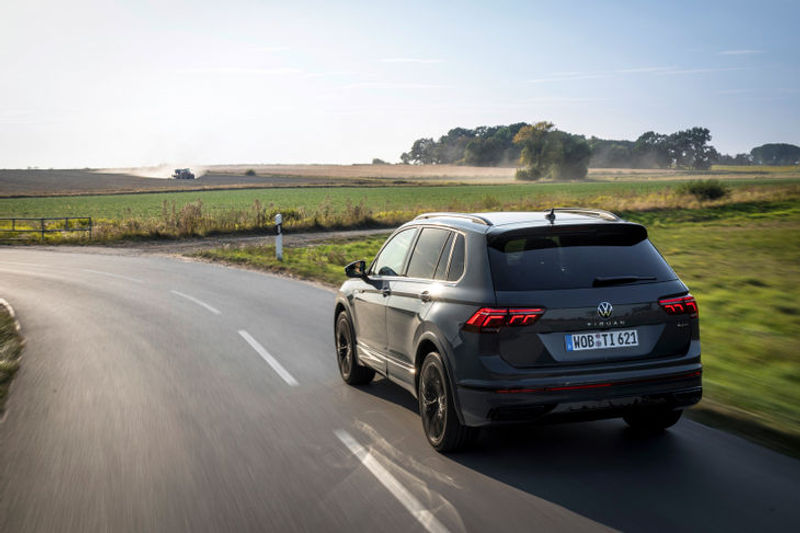
Volkswagen Tiguan (2021) International Launch Review
The facelifted Volkswagen Tiguan family SUV is slowly being rolled out around the globe. Shane O’ Donoghue got his hands on an early turbodiesel derivative…
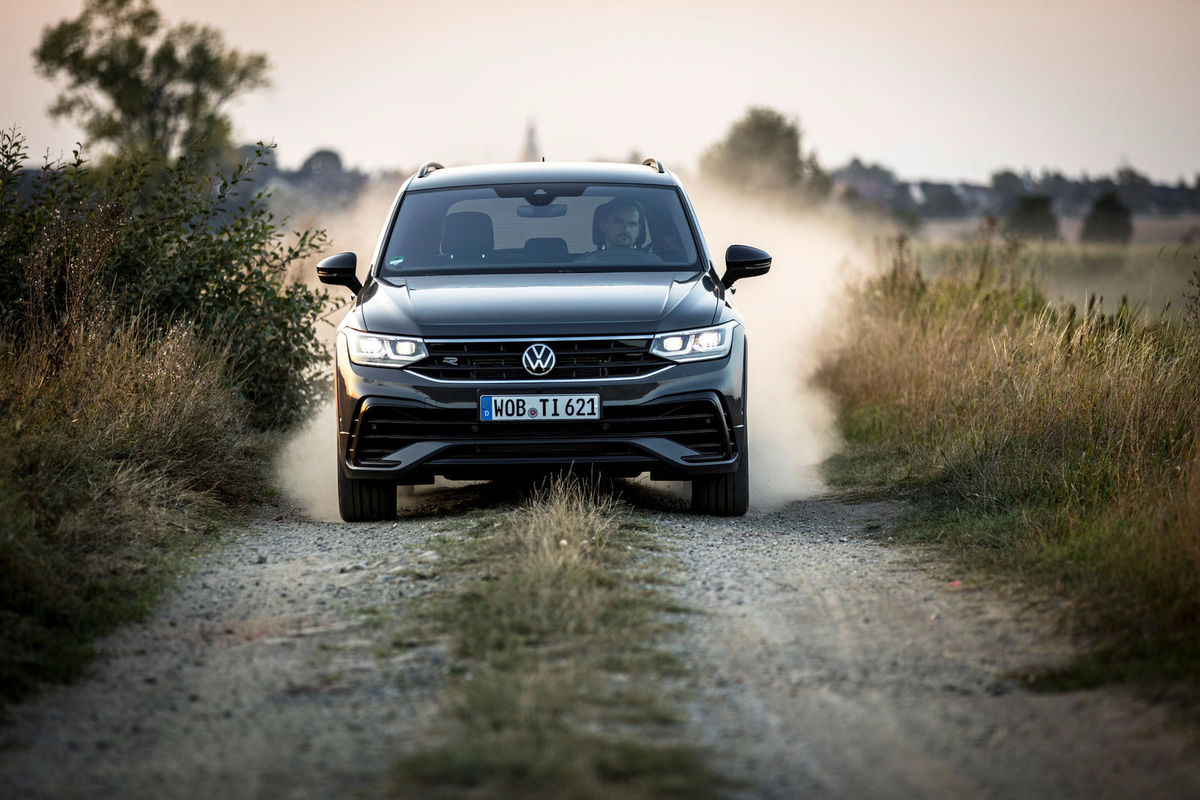
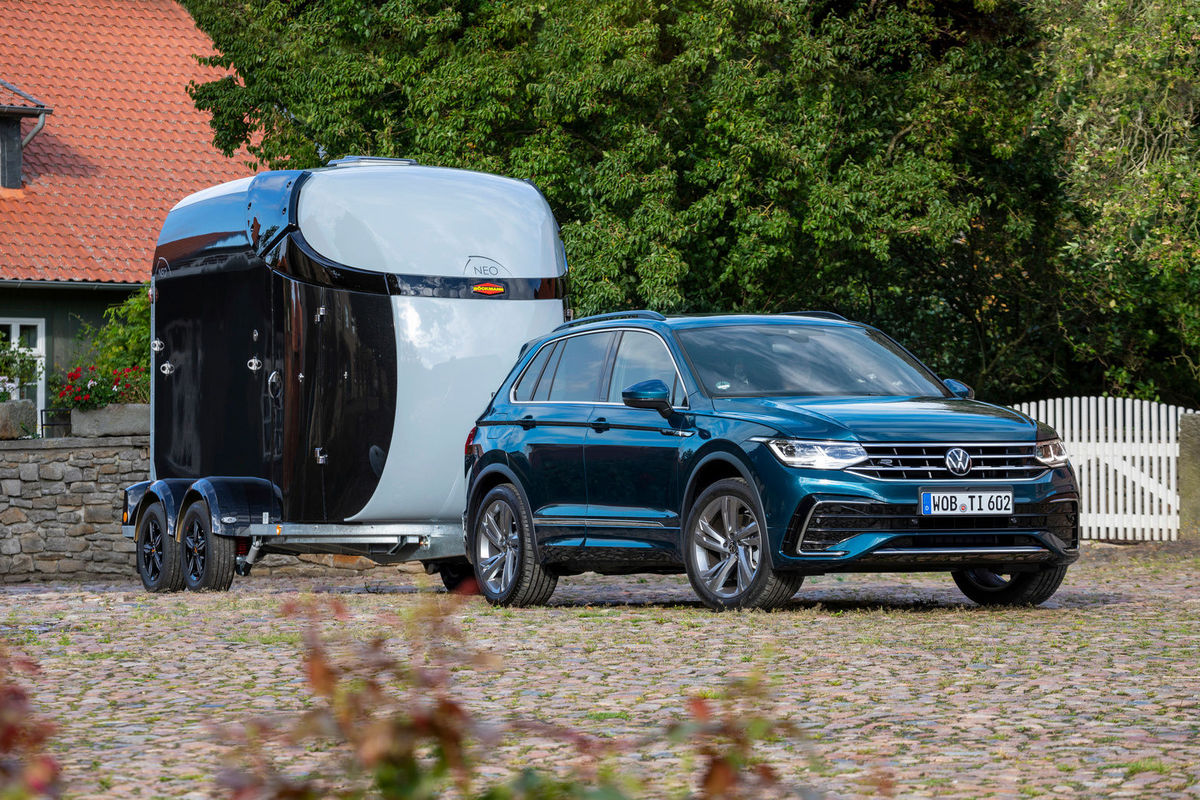
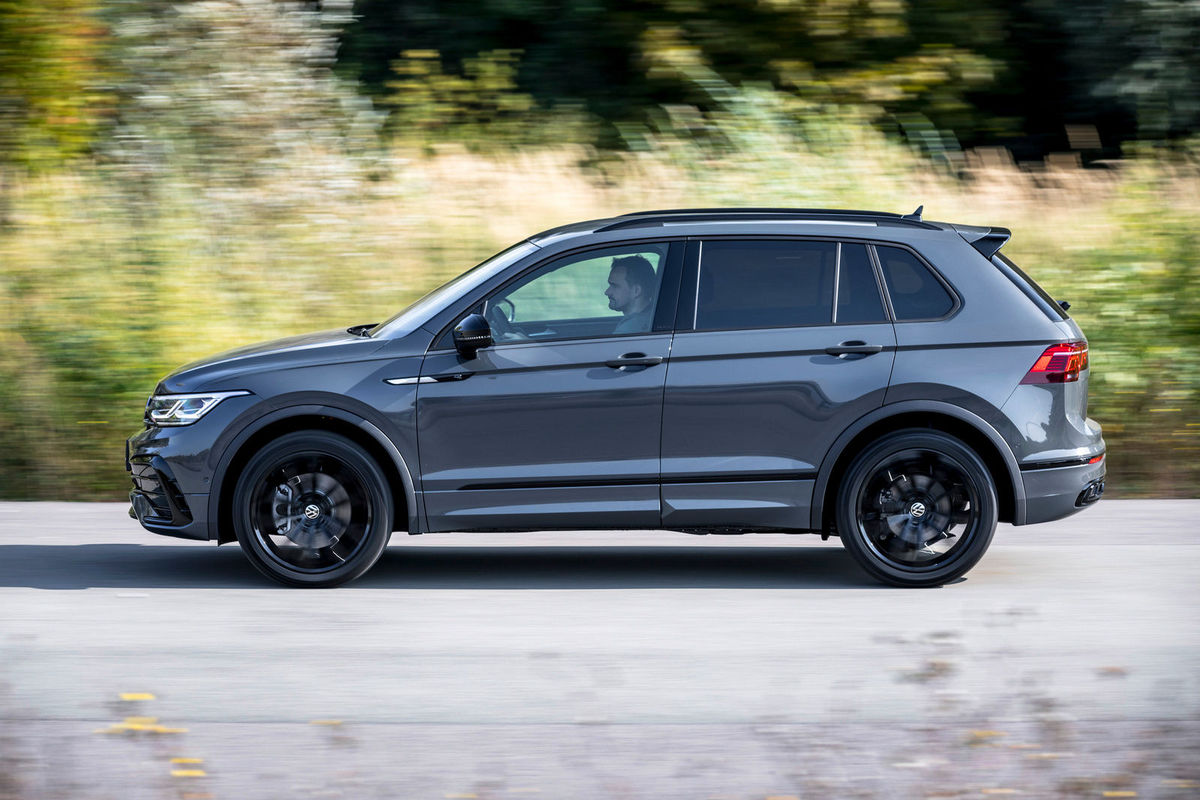
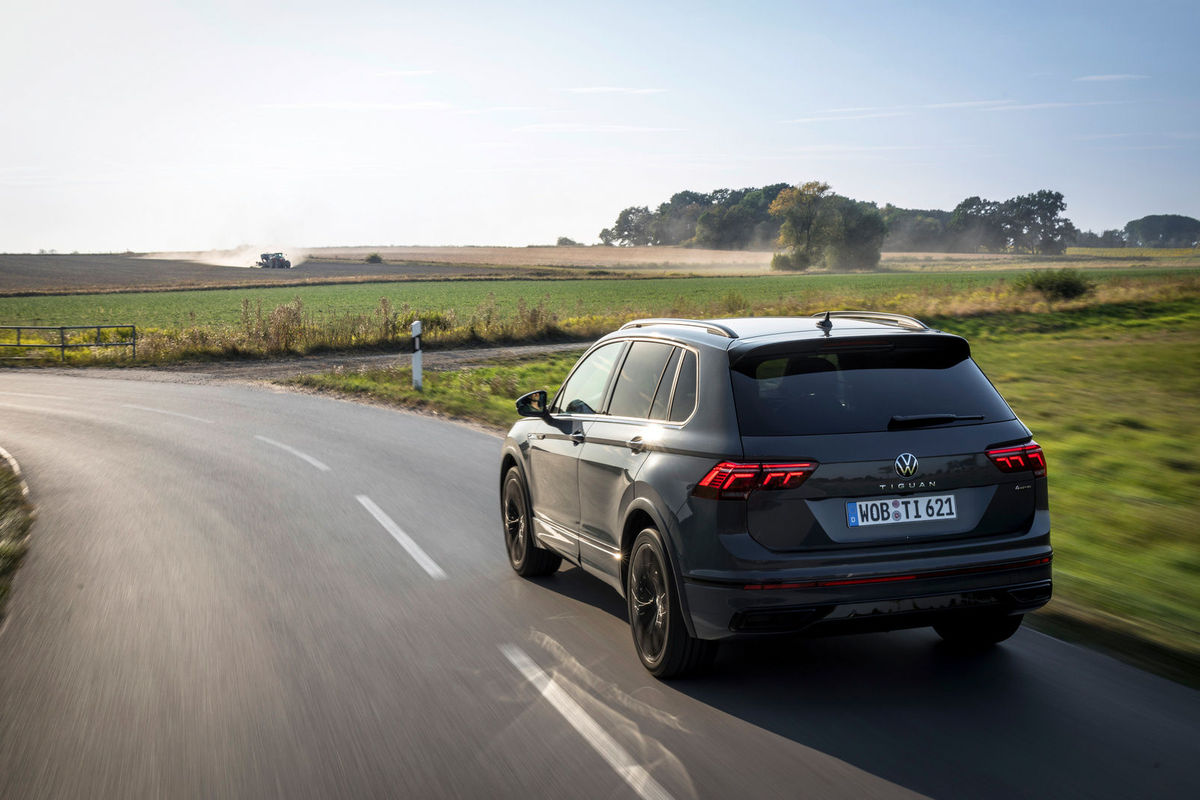
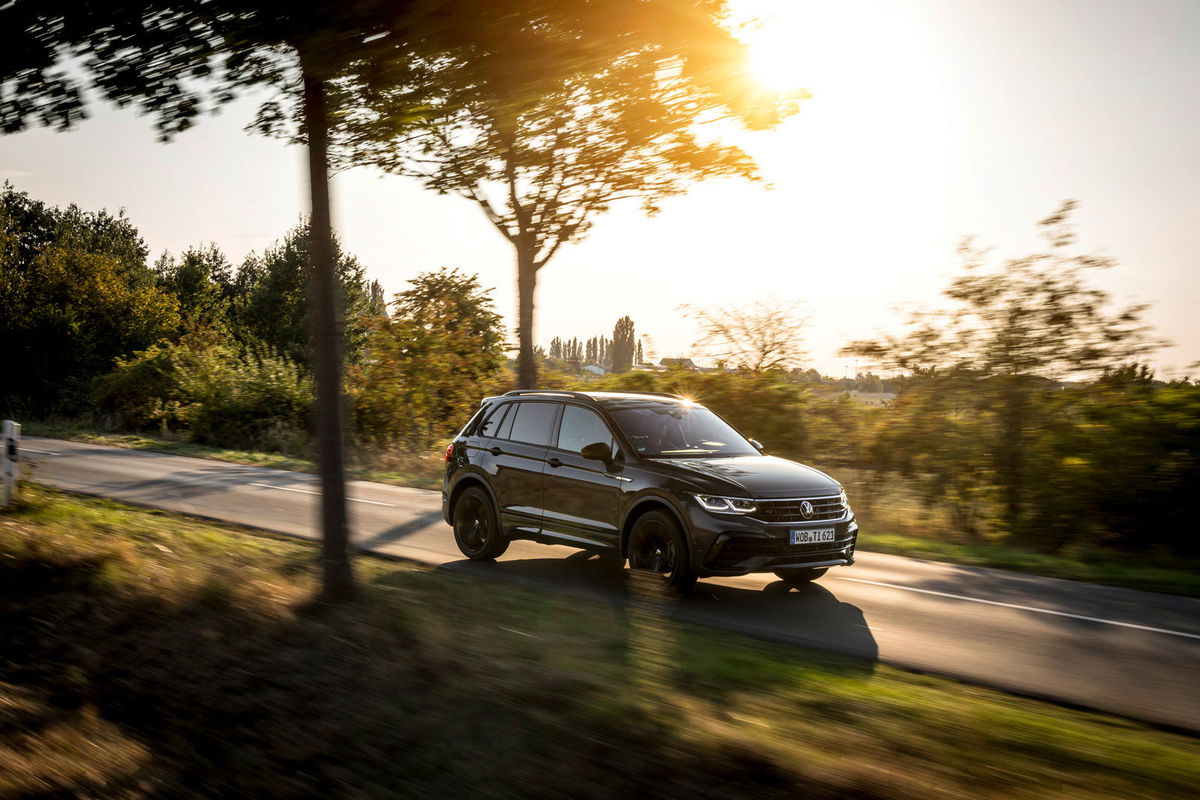
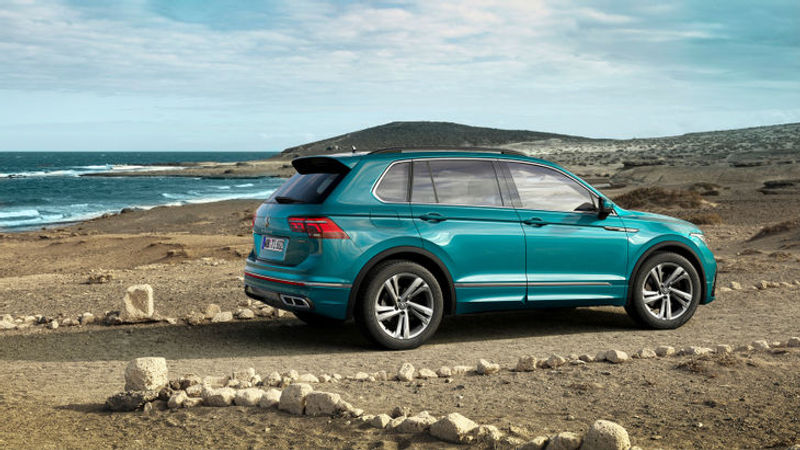
The Tiguan is not only one of Volkswagen's most successful models – it's also one of the most popular SUVs (of its size) in the world. Hence, for the mid-product-cycle update, the Wolfsburg-based brand hasn’t completely reinvented its family car. There’s a new face to keep things fresh, a subtly enhanced interior (awash with lots of new technology), as well as a raft of new powertrains to choose from. Topping the line-up is the new fire-breathing Tiguan R, which we’ve already sampled; here we get to grips with the rather more sensible 2.0 TDI derivative, albeit clad in a beguiling R-Line package.
What’s new on the Tiguan?
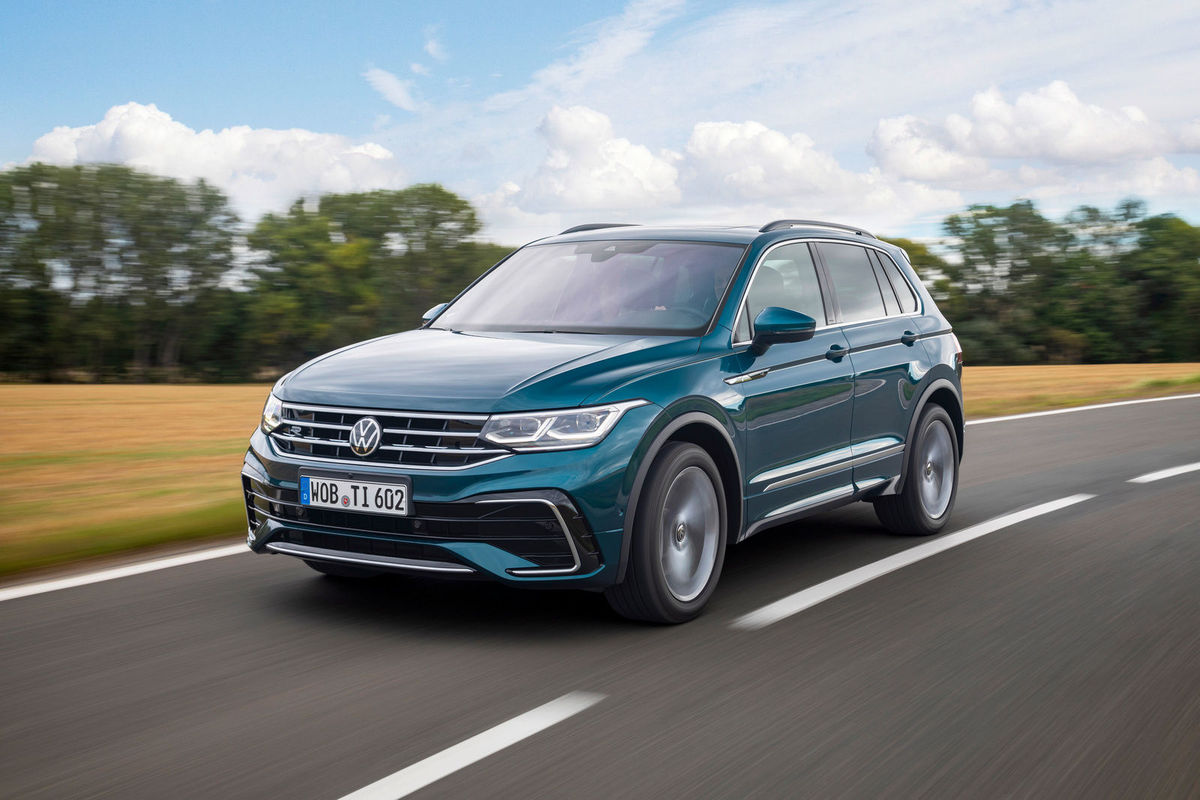
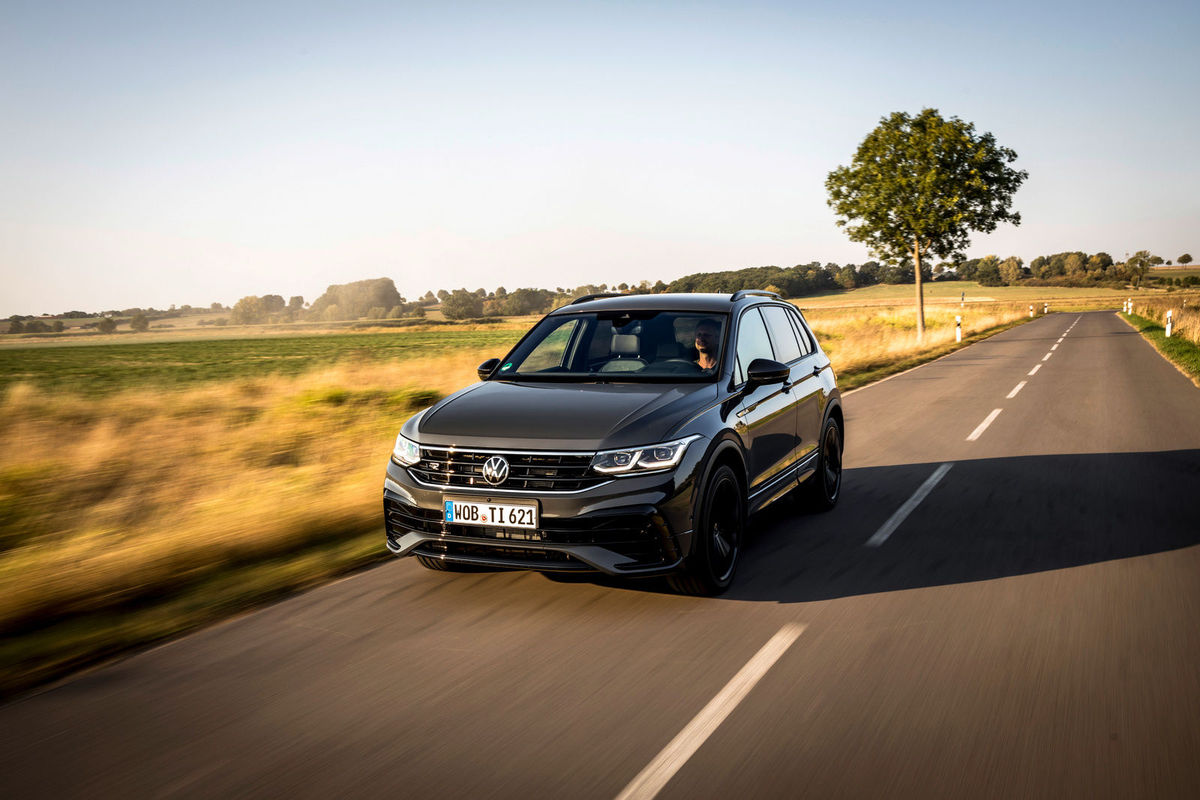
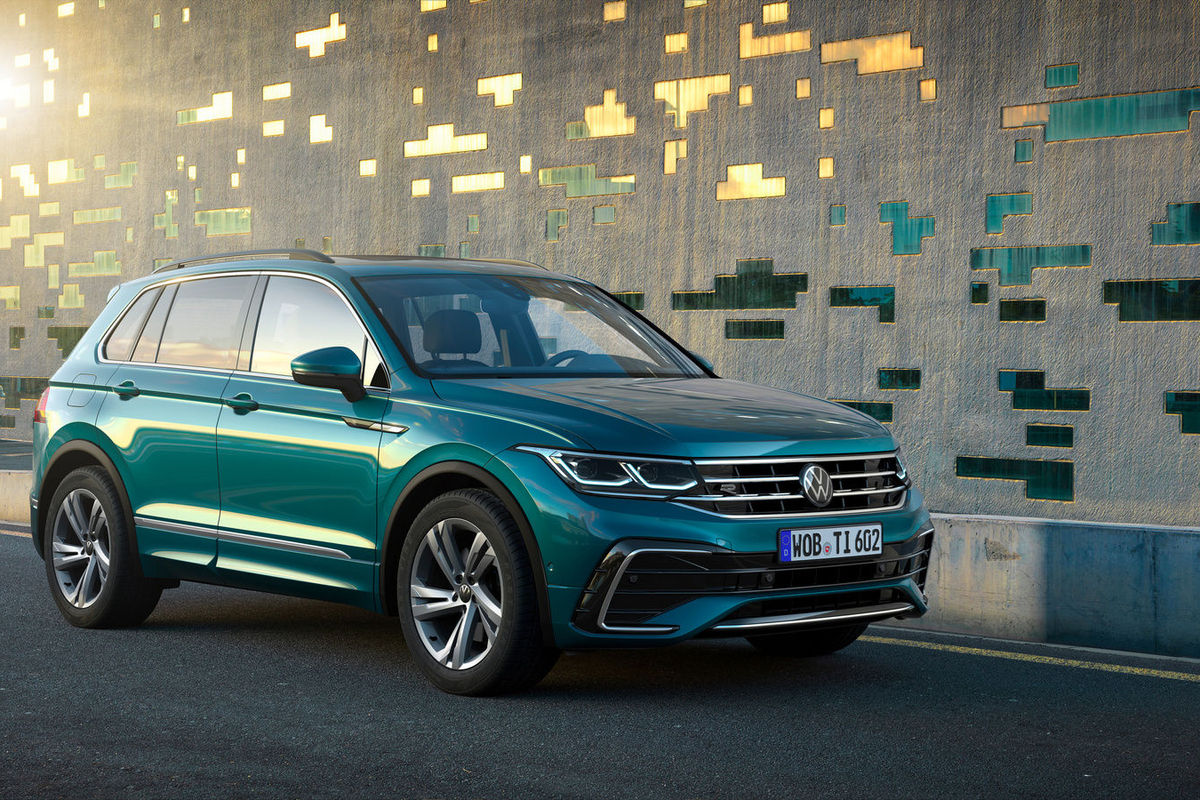
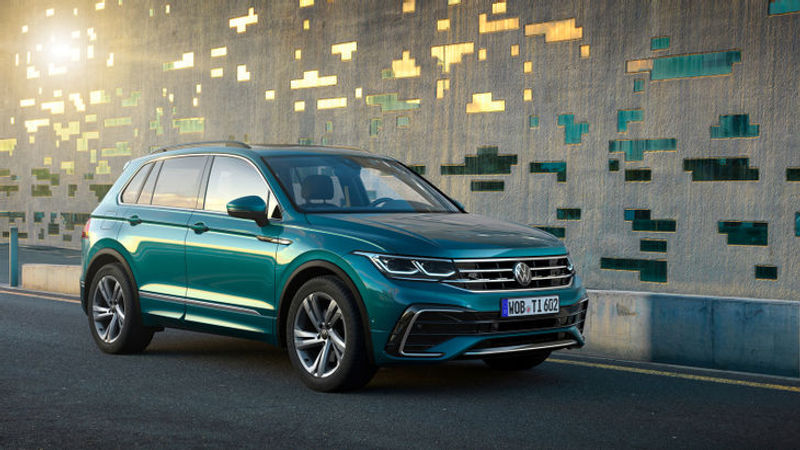
In R-Line trim and with a new grille, the facelifted Tiguan draws inspiration from its Golf 8, Arteon and Touareg siblings.
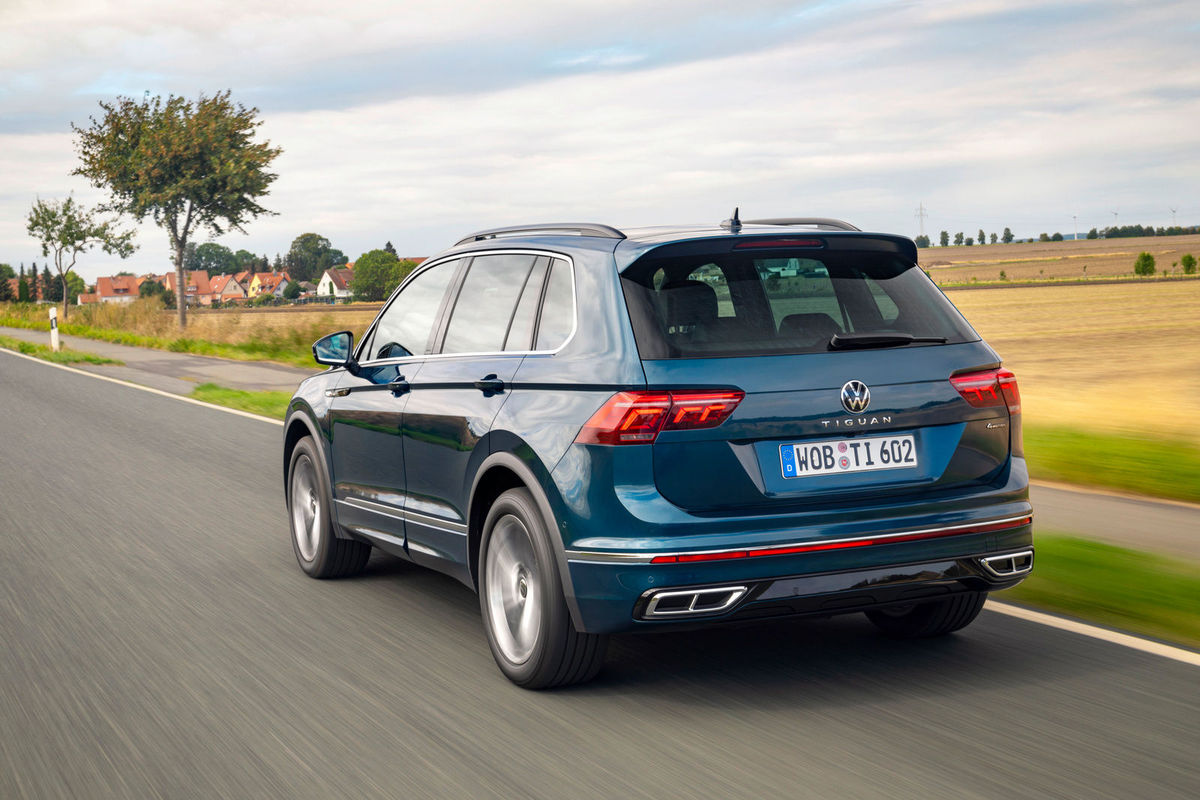
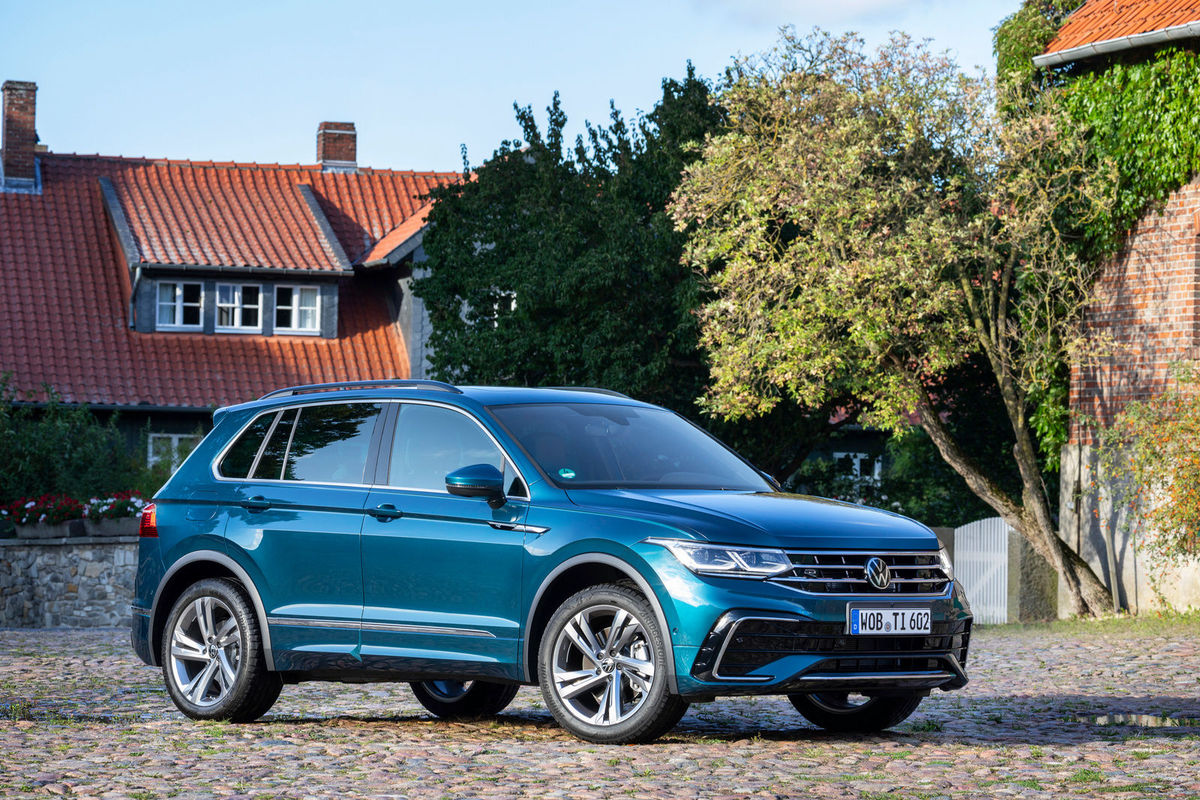
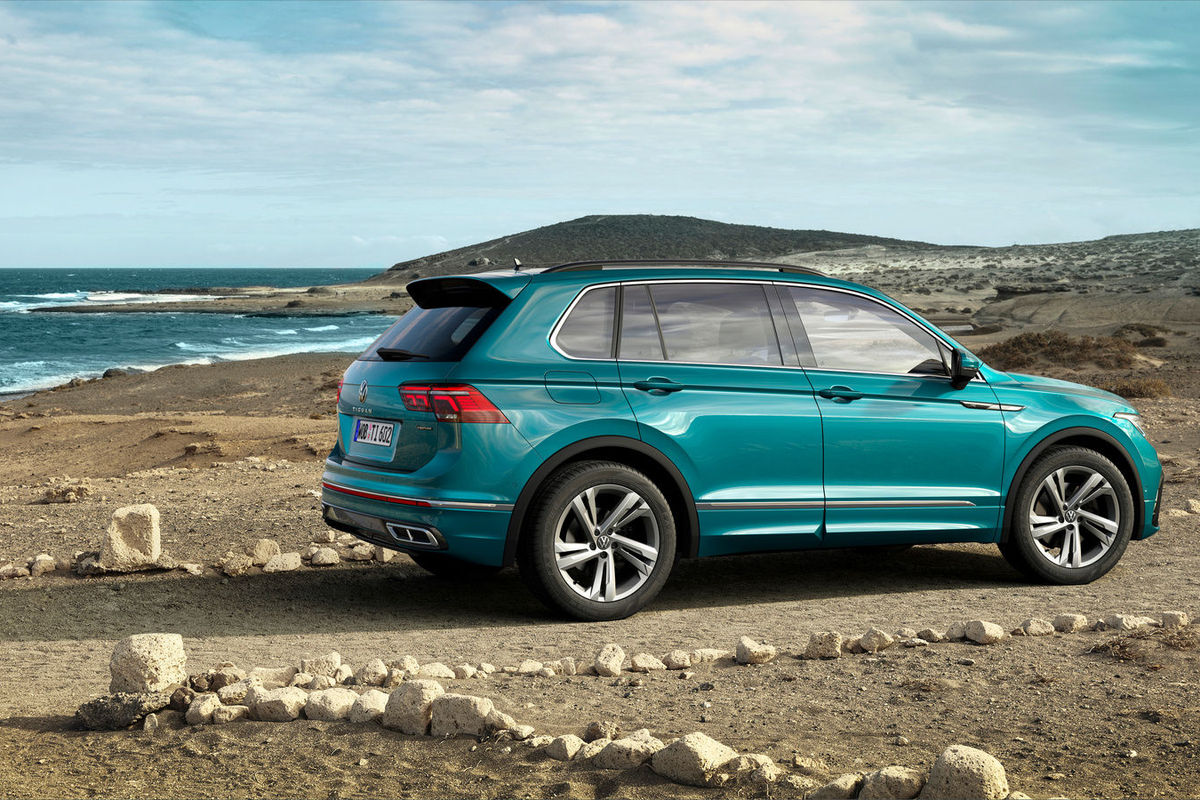
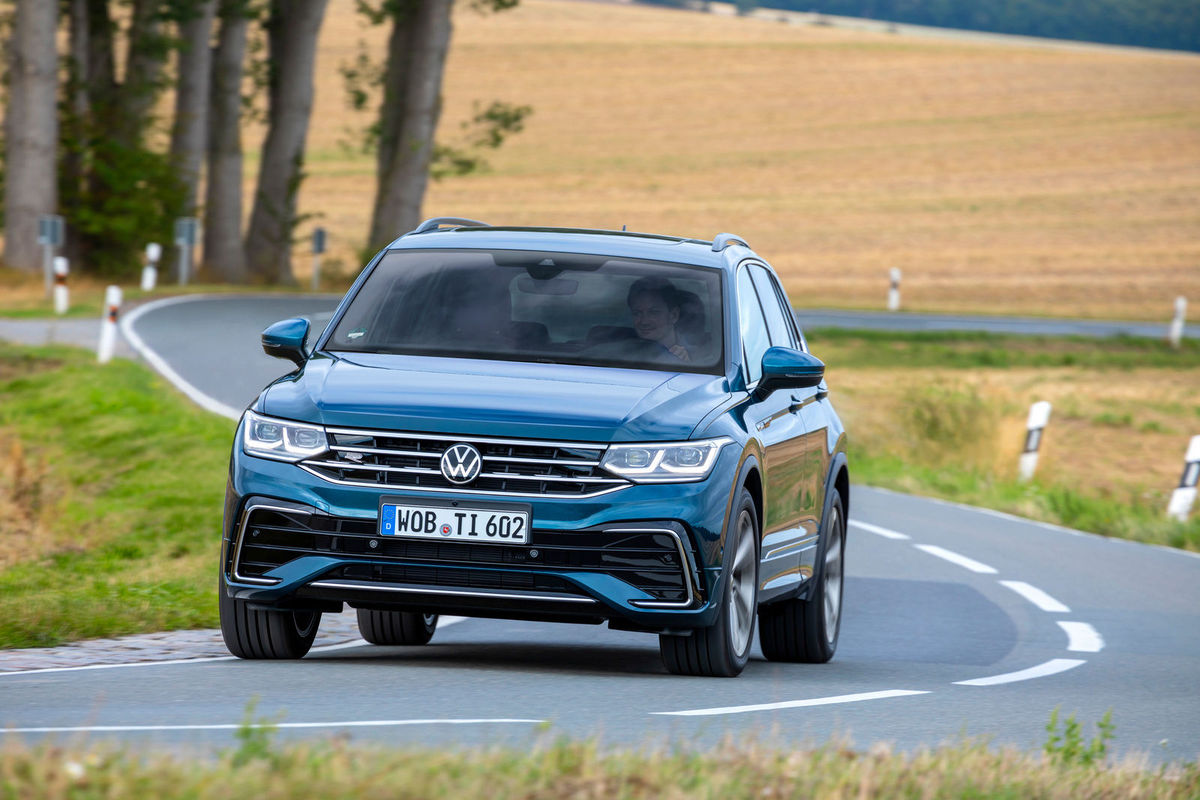
Most of the aesthetic changes to the Tiguan are found up front. It has a new bonnet, for a start, but the most obvious change is to the grille, which is much wider than before, taking its cue from the VW Arteon and features the restyled VW logo. The stylish new LED headlights, meanwhile, are standard across the range, while IQ.Light is optional. The latter is Volkswagen's version of LED matrix headlights and it makes its debut on the Tiguan. The daytime running light graphic is more distinctive than before, too. All that is complemented by a redesigned bumper that opens up the front end to make the car look wider, somehow. At the back, there’s another new bumper, though the only other notable update is the addition of the TIGUAN name across the tailgate. New wheels and colours round out the changes.
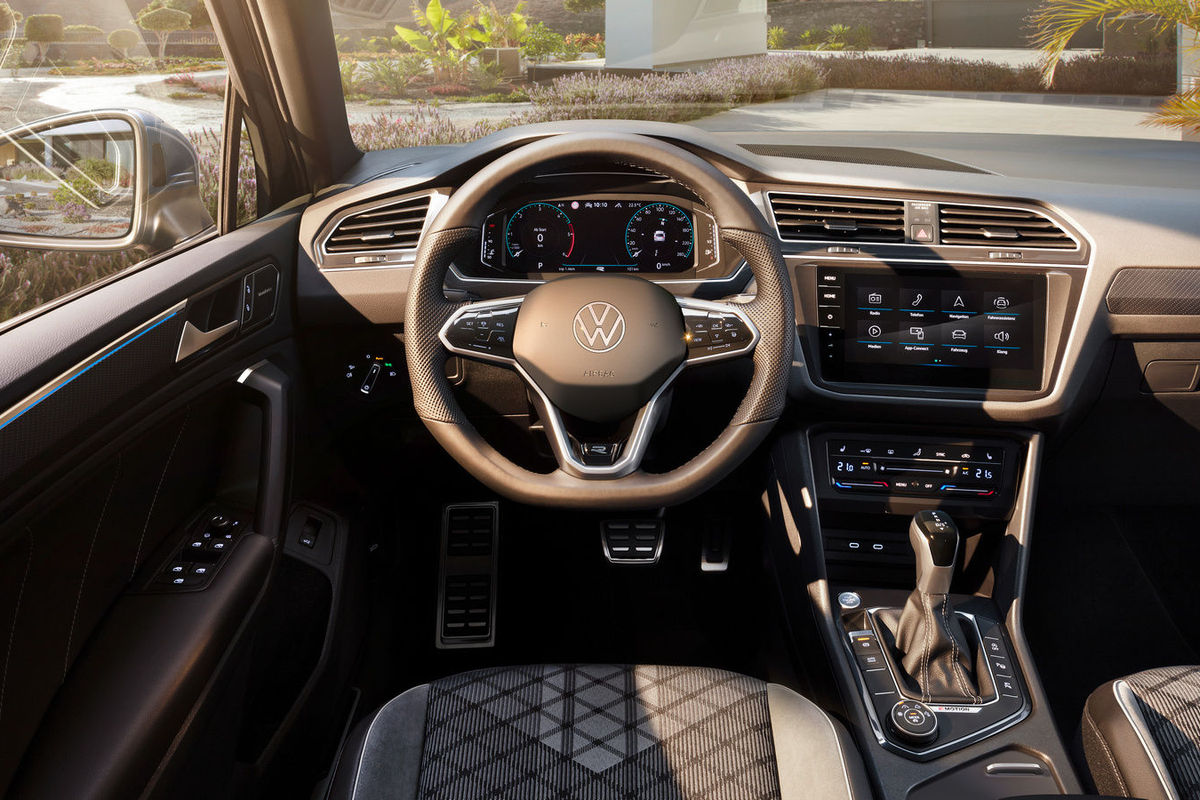
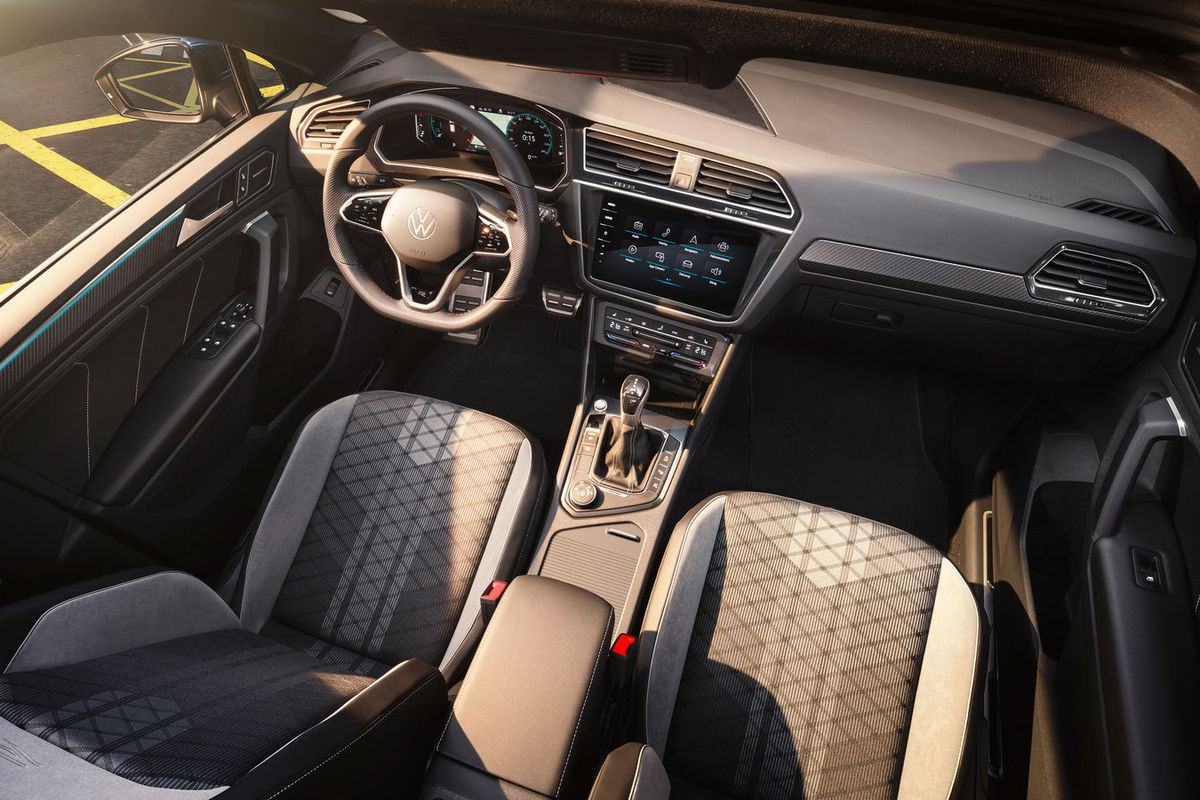
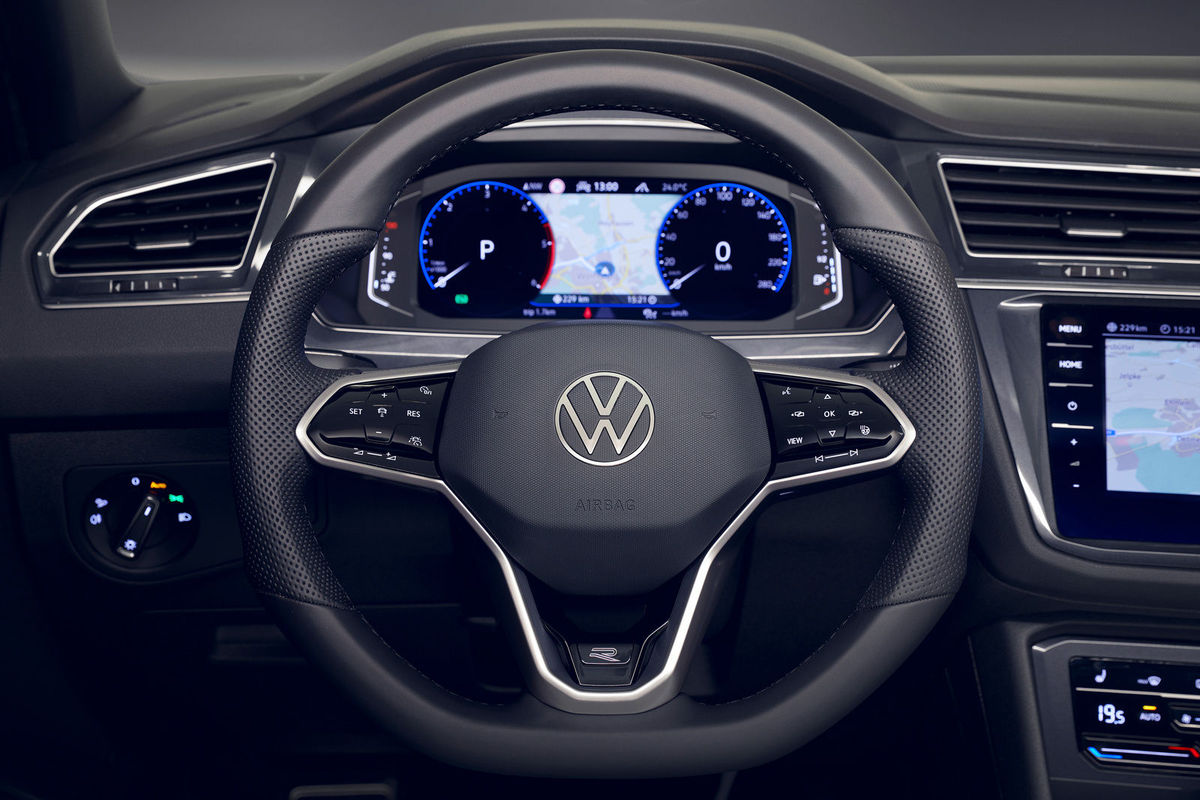
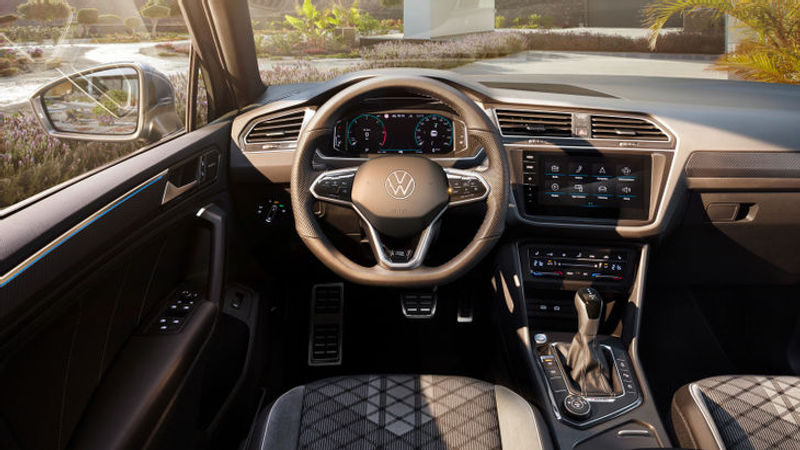
Inside, the age-old Volkswagen fascia setup of three rotary dials for the air conditioning and heating has been replaced by a new touch-sensitive panel, incorporating seat, rear-window and windscreen heating functions, as well as the cabin’s dual-zone temperature control toggles. It looks much more modern and, while we usually prefer physical controls to those of the touch-variety, this configuration is a good halfway house between them. At least it’s a separate interface, unlike the way some of the Volkswagen Group cars are going, in which numerous functions are controlled via a single touchscreen.
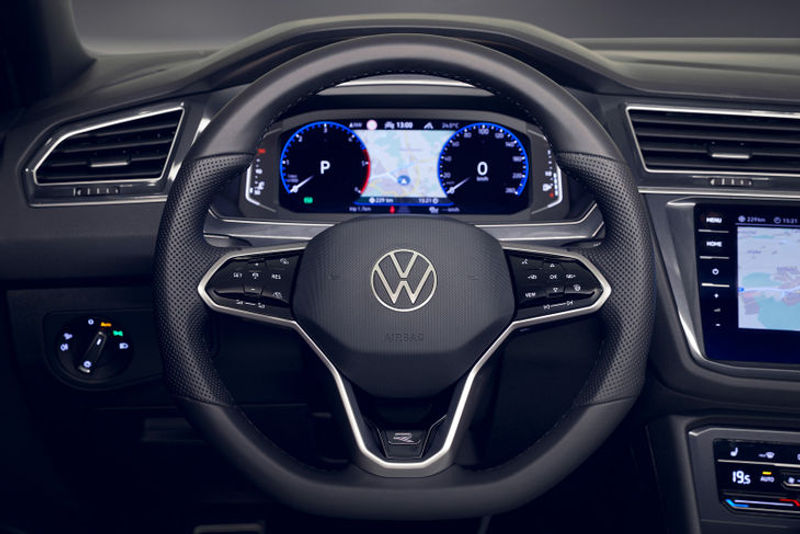
A new steering wheel has been fitted to the Tiguan with a flat bottom.
Speaking of which, the Tiguan also gets an updated infotainment unit – it's Volkswagen's MIB3 system, replete with a slicker integration of the display in the fascia's centre. It also supports App-Connect Wireless for both Apple CarPlay and Android Auto smartphones, while a 480W, 10-speaker Fender Premium audio system is available. A new steering wheel is also fitted, as are new paddle-shifters.
Volkswagen has also enhanced the Tiguan's advanced driver assist systems under the umbrella "IQ.Drive" to the point that the Wolfsburg-based brand's family SUV can help the driver considerably up to 210 kph (from a standstill on DSG-equipped derivatives, or from 30 kph on manual versions) using Adaptive Cruise Control (ACC), Lane Assist and Travel Assist. The ACC is also predictive; it can calculate speed-limit changes plus recognise town boundary signs, junctions and roundabouts and, based on the calculations it makes using all the data at its disposal, adjust the vehicle's speed accordingly.
What's the Tiguan like to drive?
The 20-inch wheels may look great, but they hamper the ride quality beyond reason.
As before, the Tiguan offers a great seating position with good visibility in all directions and lots of adjustment to the steering column and driver's seat. The new leather-wrapped wheel feels good – you hardly notice that the tiller's bottom is slightly flattened. Our R-Line test car came equipped with tastefully upgraded seats, too, offering a modicum of side support, but not at the expense of comfort.
A tactile new metallic-finished start button brings the engine to life and although it is audibly a turbodiesel, the 2.0-litre 4-cylinder motor is noticeably quieter than before, and there’s not much vibration through the steering wheel or pedals. The new DSG transmission lever doesn’t look particularly good, but it’s well-damped and tactile to use. It retains the previous system’s layout, where you pull it back against its springing in Drive to select the Sport mode, or you slide it across into the manual gate if you prefer to take manual control of the gear-selection process. It can then be tapped forward and back to change gear, or you can use the little plastic paddles on the back of the steering wheel, of course… These feel more solid than before, incidentally.
It's not that we expected that many drivers of the turbodiesel derivative would want to change gears for themselves, anyway. The 7-speed dual-clutch automatic transmission can slip the clutch a little more than we like when pulling away, but otherwise, it’s a great partner to the lazy torque-rich performance of the 2.0-litre TDI motor. If you find it too languid for your needs, the Sport setting livens it up.
The updated infotainment system features wireless Apple CarPlay and Android Auto.
If you select the Dynamic drive mode via the Driving Profile Selection system, the Tiguan's software alters the family car's steering assistance and throttle responses accordingly, plus it firms up the reactions of the optional adaptive damping system. We didn’t get to try out the high-end suspension on this particular occasion, but it might be worth investing in, depending on how else you specify your Tiguan.
Our test unit was further equipped with a Sports Pack, which included a variable-ratio steering rack and sports suspension. The latter is a passive system and, in combination with the optional 20-inch Suzuka alloy wheels, it made the Tiguan's ride quality a little too bouncy for our liking, even on relatively smooth roads. We believe that 19-inch rims will be standard on the Tiguan R-Line in South Africa and, as gorgeous as the larger wheels are, we’d suggest it might be more sensible to stick with the smaller items in the name of consistent on-road comfort.
At higher speeds, this fidgety sensation through the chassis dissipates and the Tiguan feels stable, planted and secure. It’s more capable through a sequence of challenging corners than it needs to be, and the damping works brilliantly when travelling quickly, as one would expect of a car designed to pound up and down Germany’s autobahn network on a daily basis. The driving controls are all in tune, too, from the firmness of the brake pedal to the directness of the steering – they straddle the middle ground between too light and too responsive to offer a good blend, ensuring that most drivers will be satisfied.
Through all this, the Tiguan is wonderfully civilised and quiet… notably so on the move. The turbodiesel engine has plenty of low-down shove and adequate top-end performance as well.
Verdict
The Tiguan still remains a quality choice in the family SUV with a more premium feel than competitors.
There are no surprises in the updated Tiguan, which, perhaps, is the entire point of the popular family SUV's update. For Volkswagen, it's all about making incremental improvements to a fundamentally accomplished product. The 2.0 TDI is still the economical choice of the range, for those that value long distances between fill-ups and an easy-going nature. The Tiguan itself is still a high-quality option and now it gets a useful tech upgrade, as well as a stylish makeover. Just be careful how you specify it (it's expected to arrive after June 2021) if you don’t want to detract from its naturally comfortable character.