Ford Figo Freestyle (2020) Review
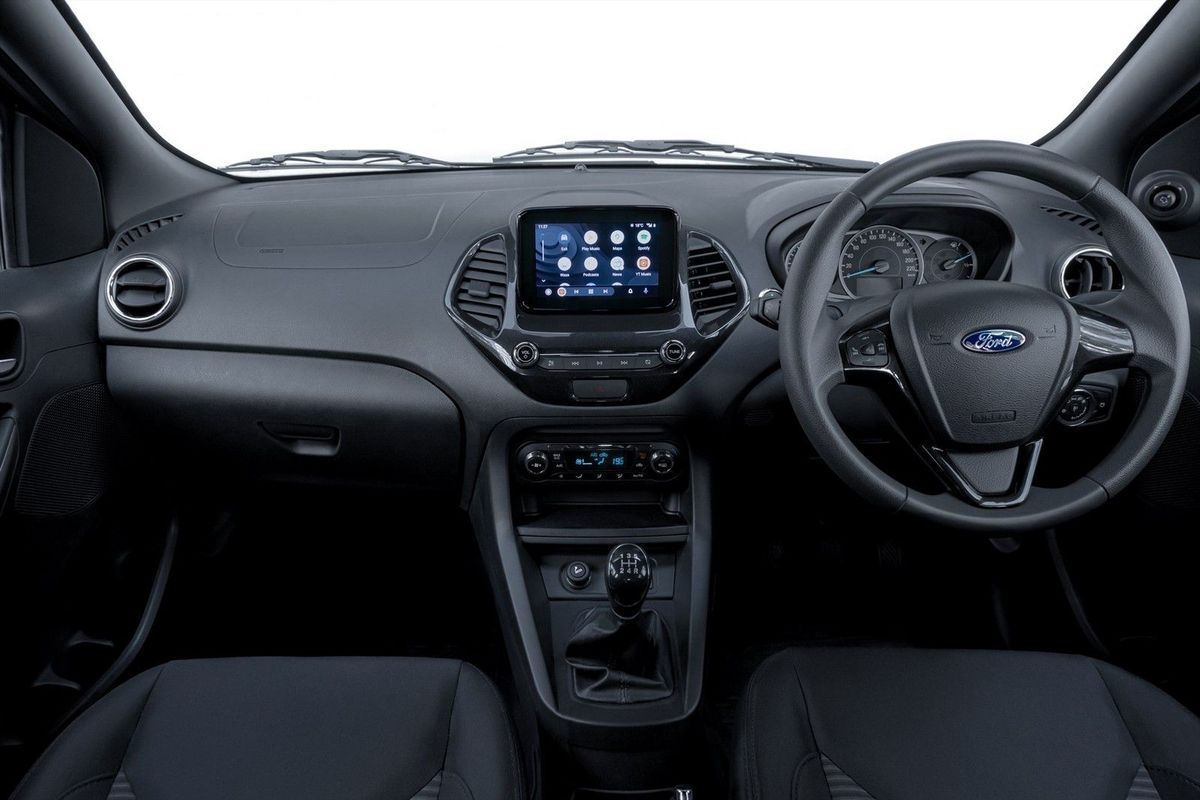
The Ford Figo has grown throughout its evolution, so much so that it's now bigger (and pricier) than most budget cars. It still offers great value-for-money, however, plus its added practicality makes it a good candidate for the "crossover treatment". That's how the Figo Freestyle came to be; we put the flagship derivative through its paces. 

We Like: Energetic engine, generous standard spec, impressive cabin space, great value.

We Don’t Like: No automatic option, an EcoSport is oh-so-close price-wise

Fast Facts

  • Price: R263 200
  • Model Tested: Ford Figo Freestyle 1.5 Titanium
  • Engine: Naturally-aspirated 1.5-litre petrol
  • Power/Torque: 91 kW/150 Nm
  • Transmission: 5-speed manual
  • Fuel Economy: 5.5 L/100km 
  • Load capacity: 256 litres

Serious About Buying? 

Check out full specification details and finance estimates here.

Some Ford dealers regularly offer specials: Look at New Car Specials here!

What is it? 
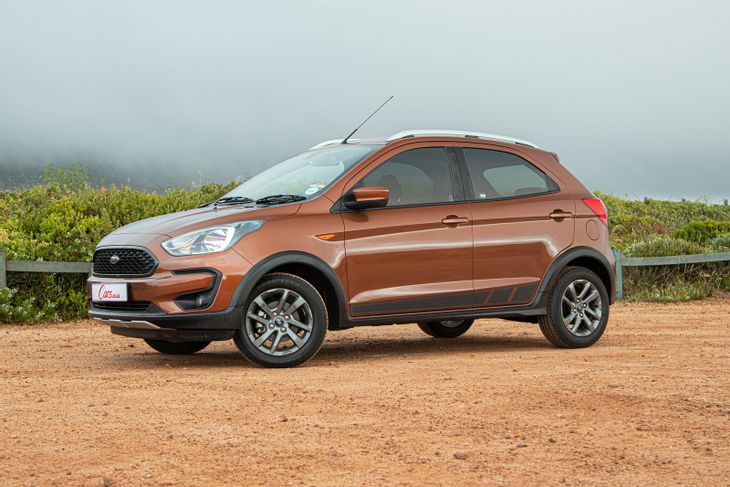

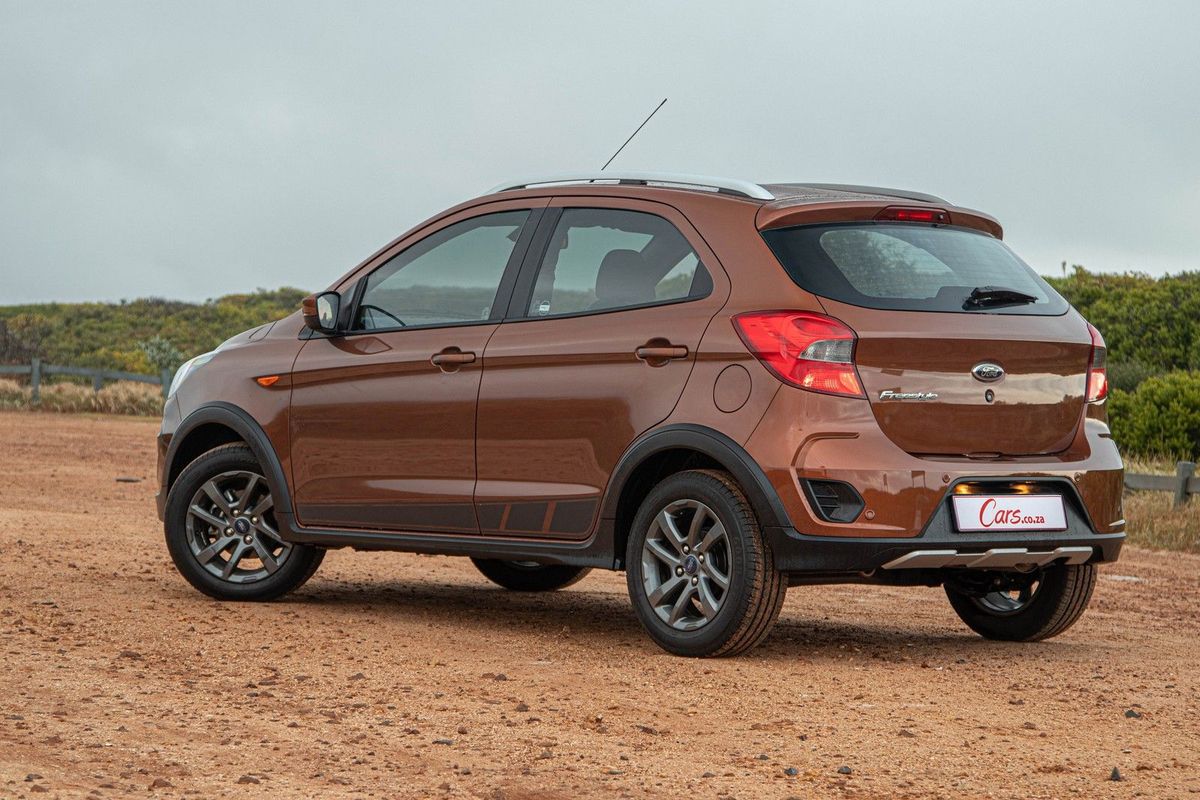
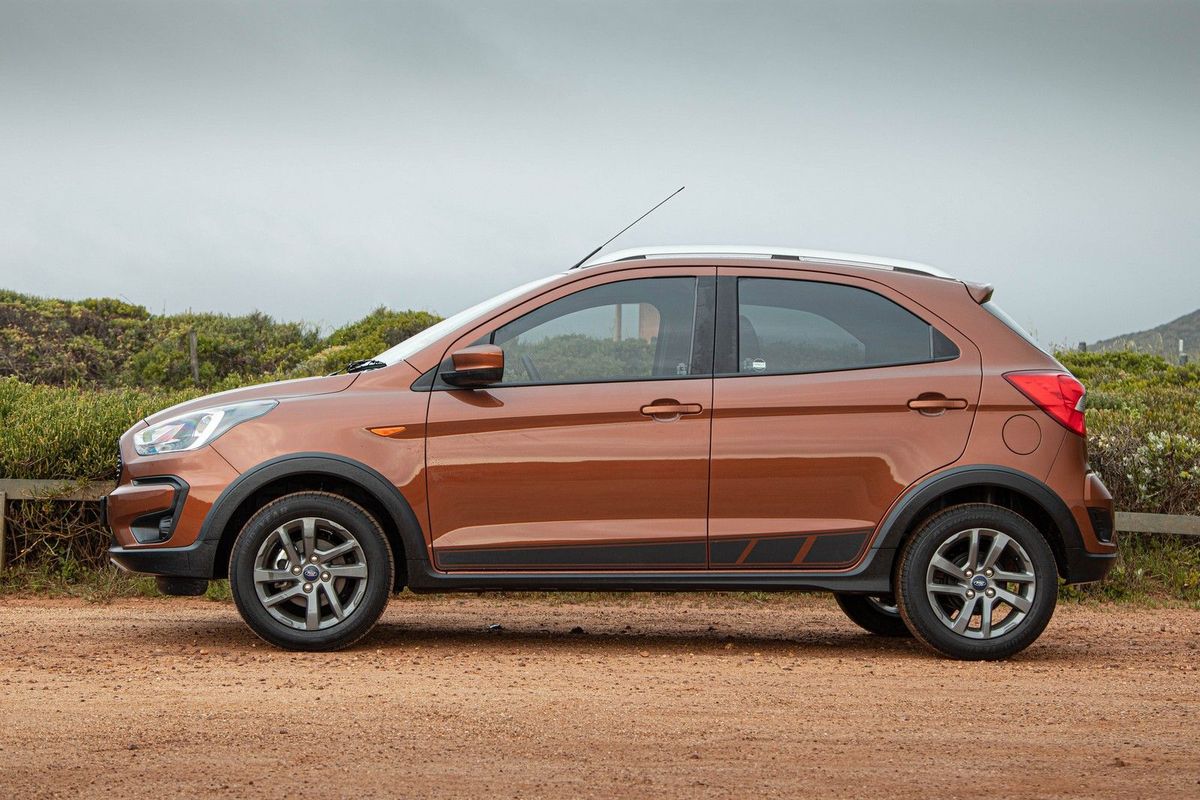
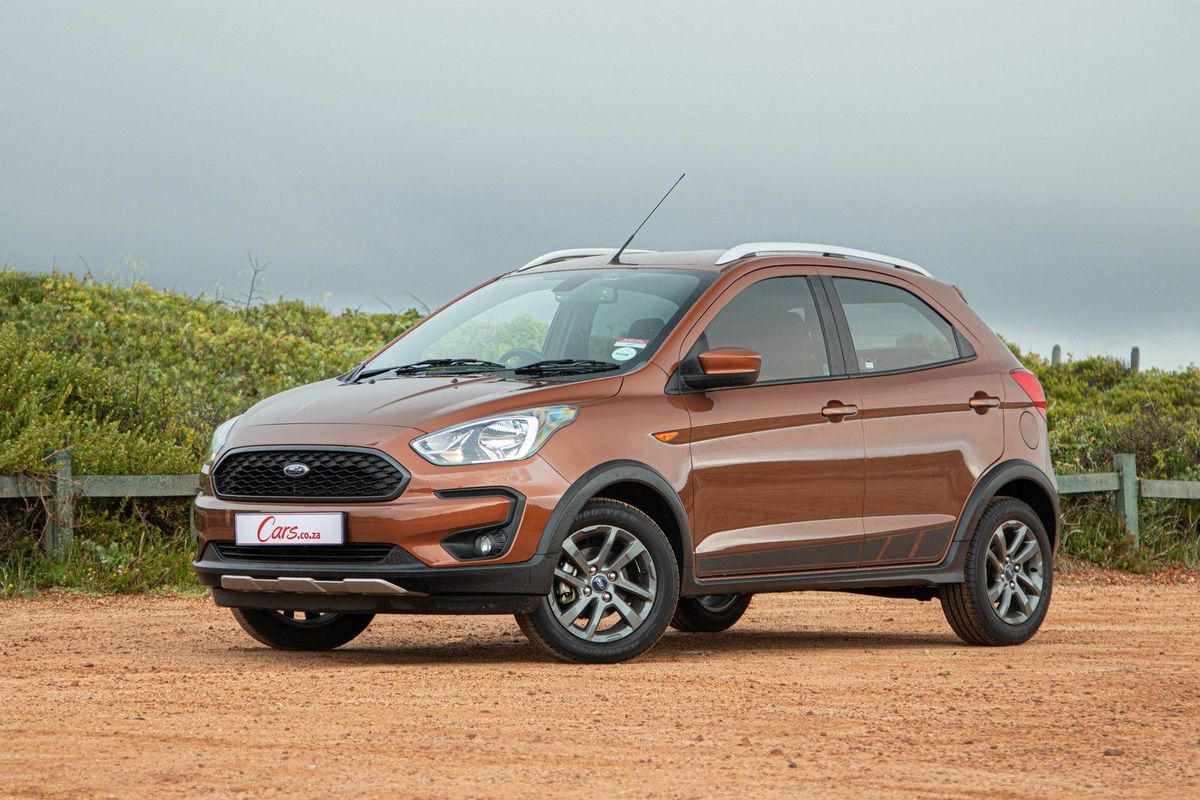
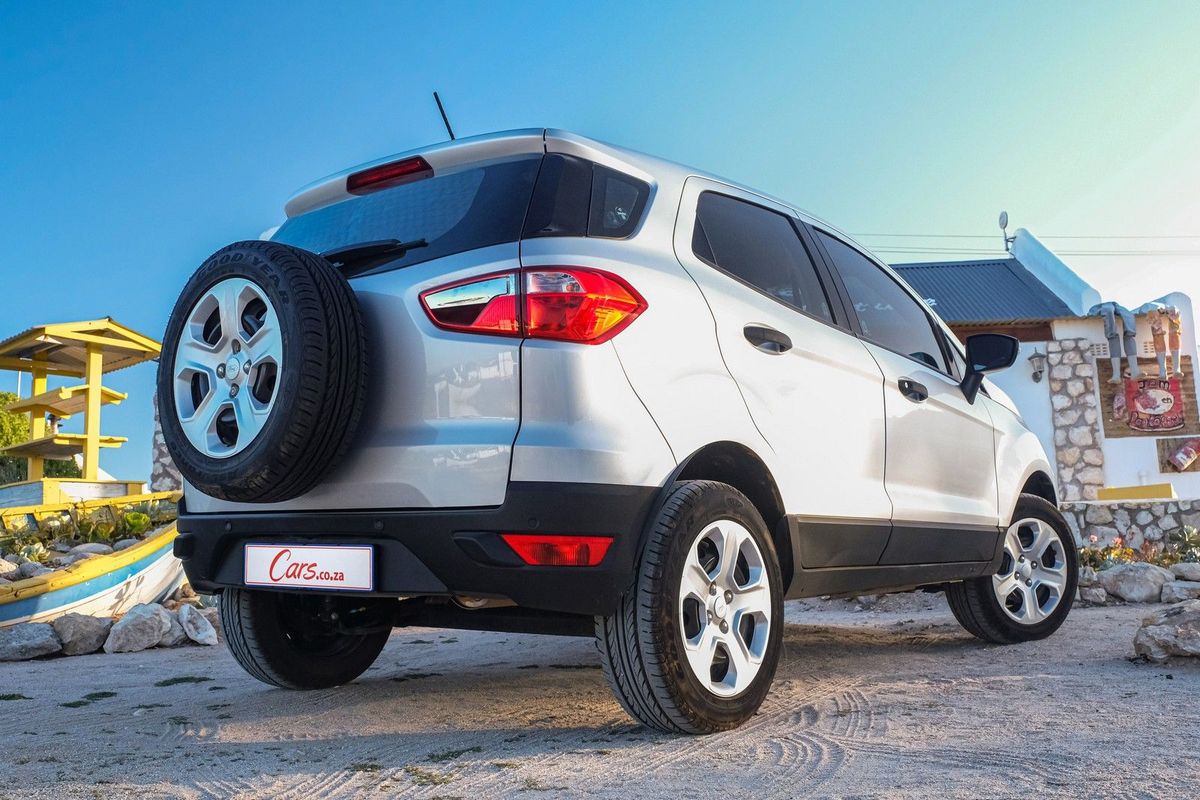
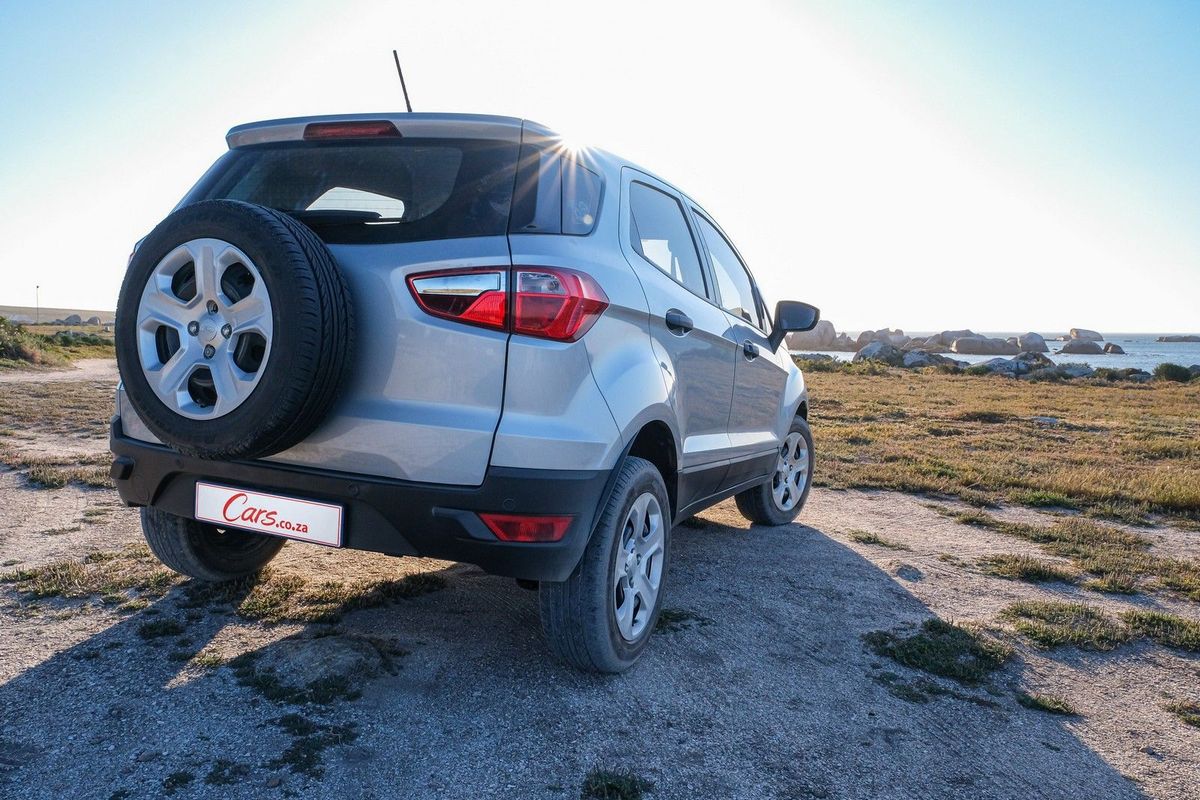
It's easy to spot the Figo Freestyle with its chunky looks, unique bronze exterior finish, as well as roof rails.

Ford has clearly been paying attention to the lower end of the market. With local buyers' appetite for small crossovers seemingly as ferocious as ever, the Blue Oval has introduced a model to rival the Renault Sandero StepwaySuzuki Ignis and others. It's a well-timed introduction too, with the Honda WRV set to be launched on the local market before the end of the year. Interestingly, Volkswagen offered a comparable Polo Vivo Maxx until recently, but the derivative has disappeared off the brand's website and our pricelists (an updated version will probably appear eventually). 

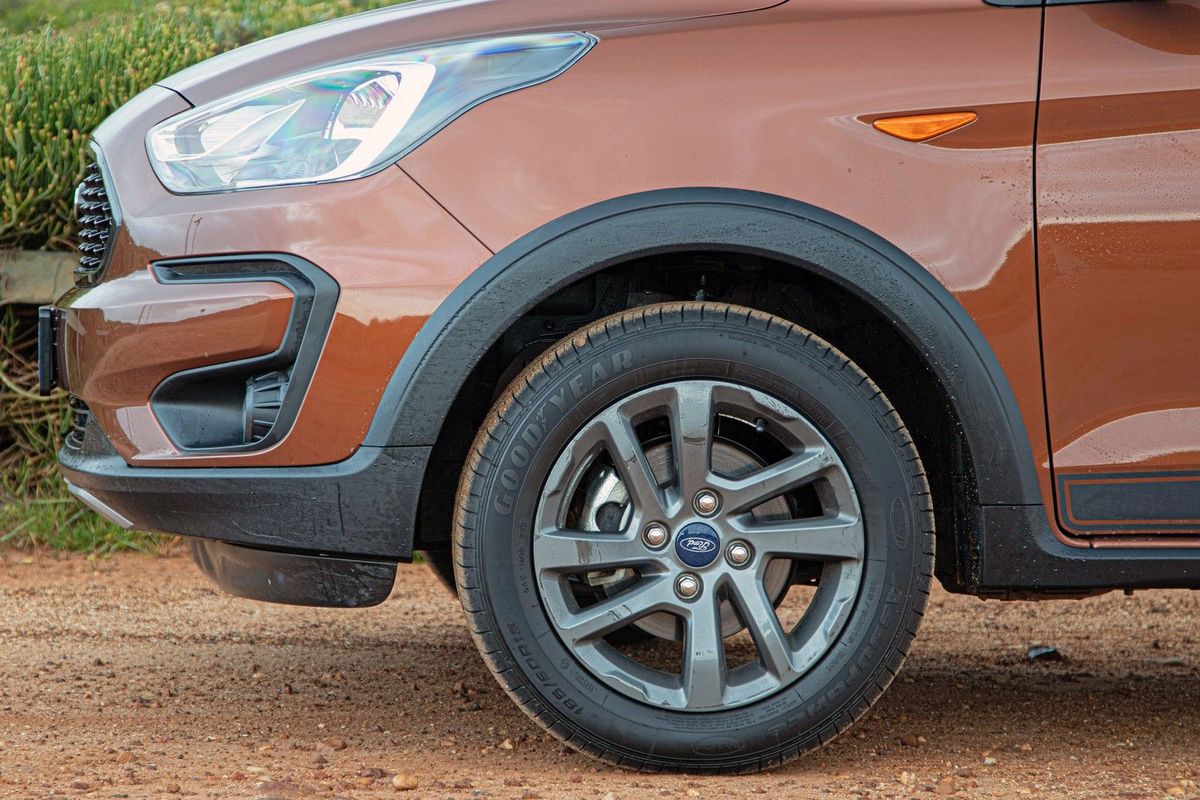
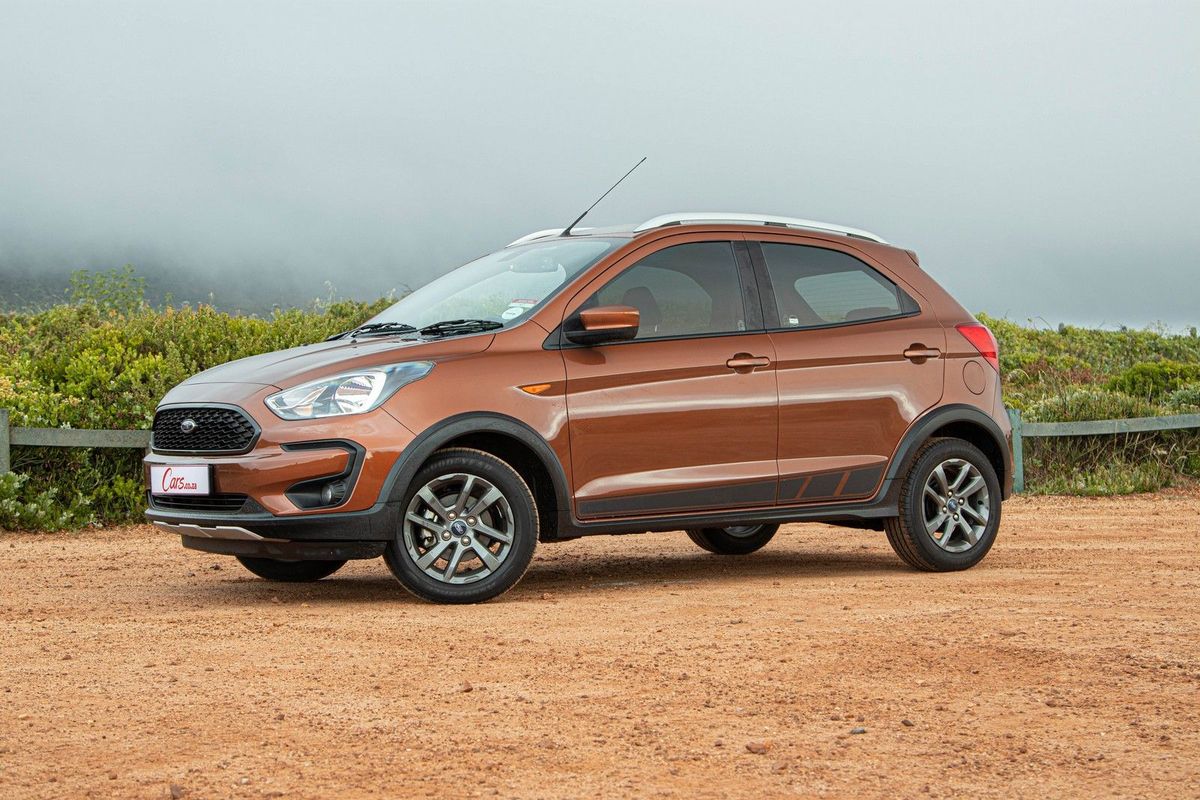
A small crossover is a essentially a pocket-friendly hatchback with a hiked-up ride height. The additional ground clearance (usually just enough to be noticeable) contributes to an SUV-like appearance, but also facilitates kerb-mounting- and dirt-road ability. Compared with its hatchback and sedan siblings, the Figo Freestyle rides 16 mm higher, which is impressive. There are bigger wheels (wrapped in chunkier rubber), wheel-arch mouldings, skid plates to protect the vehicle's underside, plus roof rails (for added practicality). The range comprises 2 derivatives; they have the same powertrain, just different specifications. Is the Figo Freestyle worthy of your attention, or should you rather spend more on an EcoSport?

How it performs in terms of…

Performance and Economy 
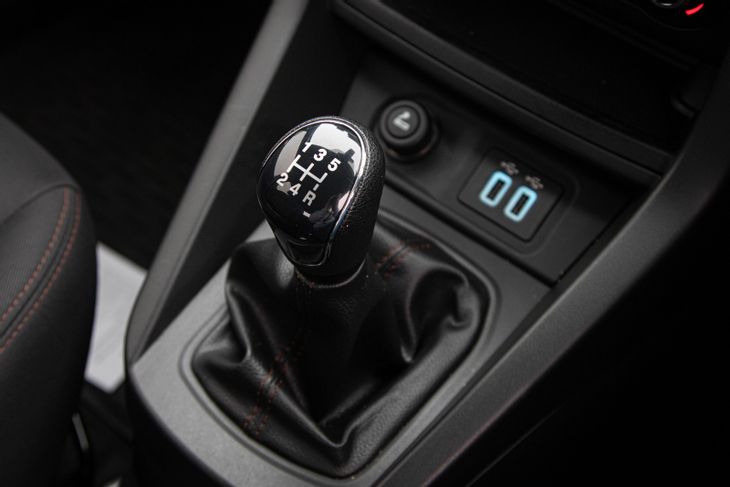

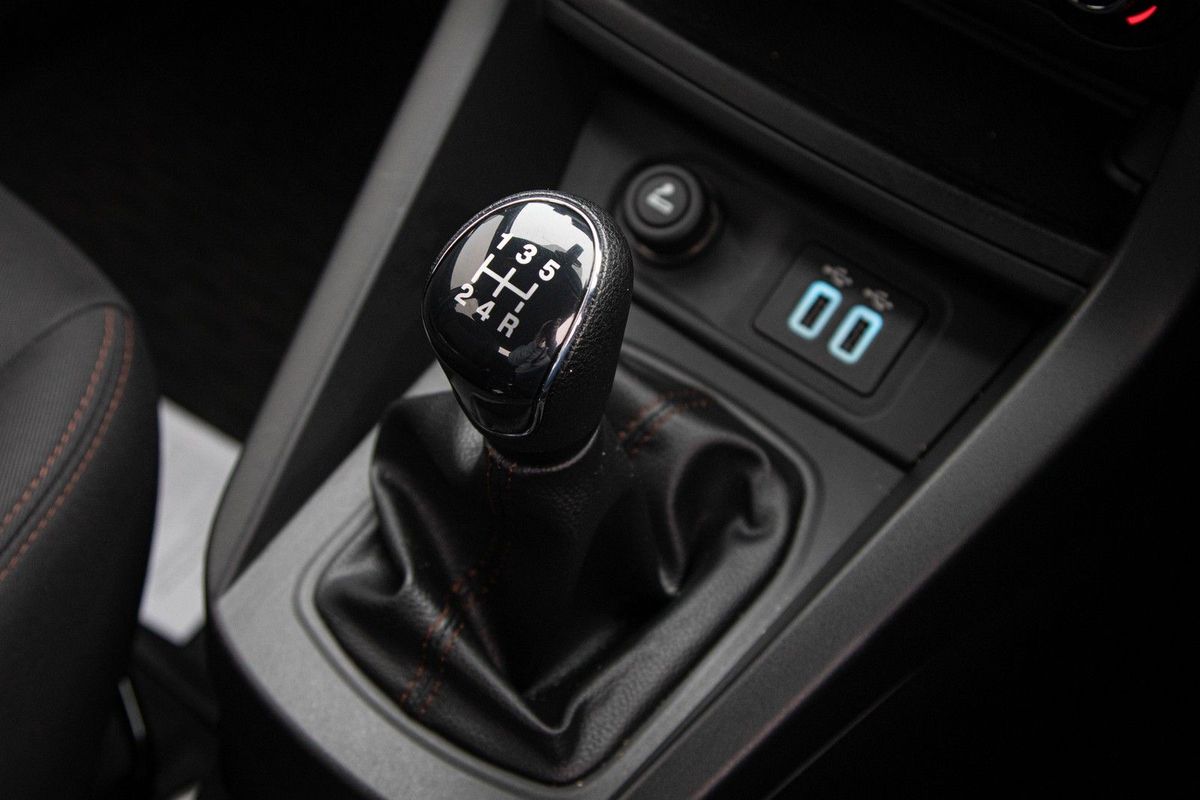
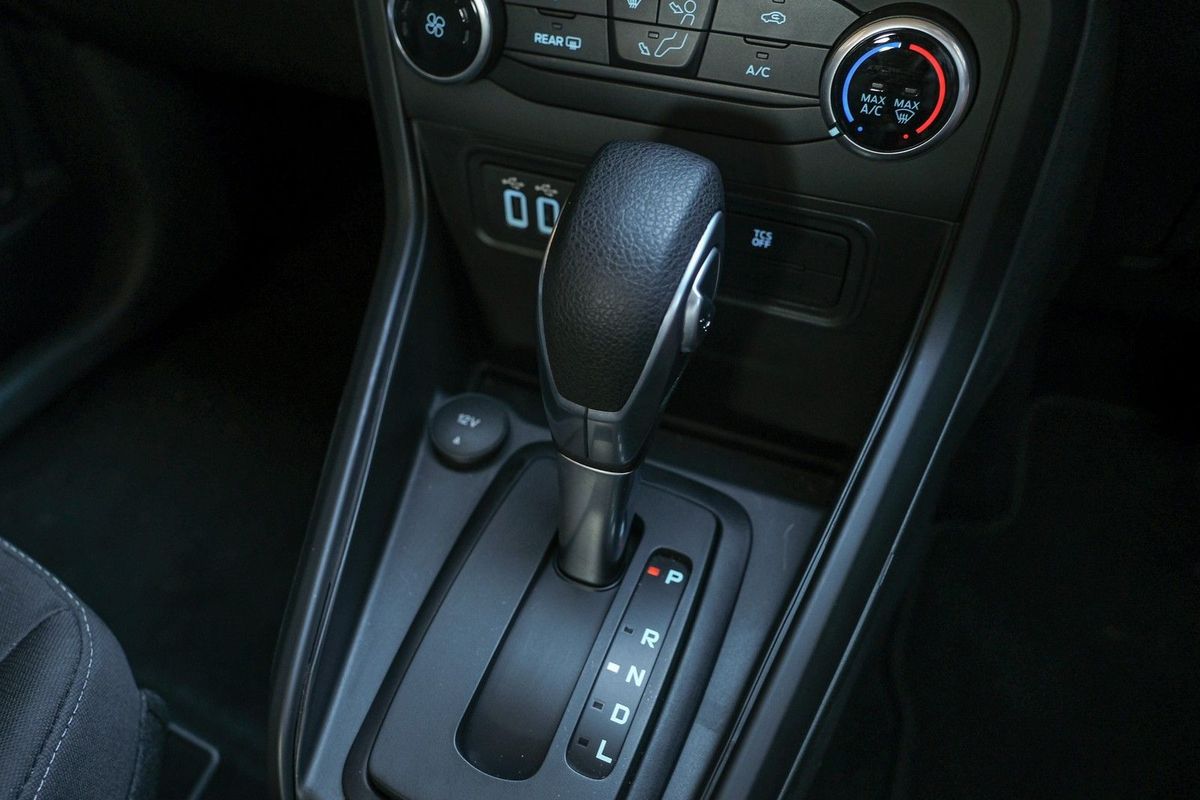
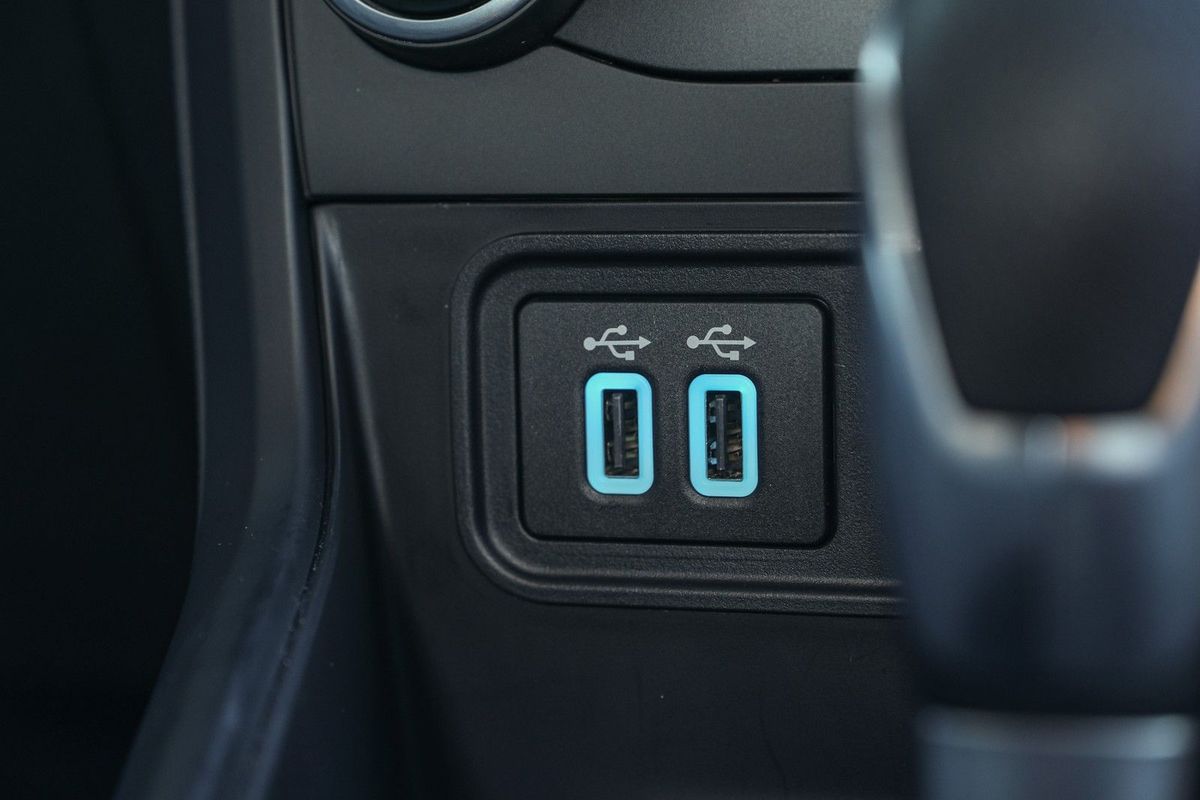
A slick and easy to use 5-speed manual is a joy. Note the 2 illuminated USB ports located aft.

The Ford Figo Freestyle is powered by a 1.5-litre naturally-aspirated motor that produces 91 kW/150 Nm and drives the front wheels via a 5-speed manual gearbox. Incidentally, the standard Figo's motor produces 88 kW, but can you can feel the Freestyle's extra 3 kW? Nope. This non-turbo motor offers the same power output as the Fiesta's 1.0-litre 3-cylinder turbopetrol, although its maximum torque is 20 Nm lower. While most of the models in this segment are turbocharged, there's still something refreshing about the linear performance of a naturally-aspirated engine…

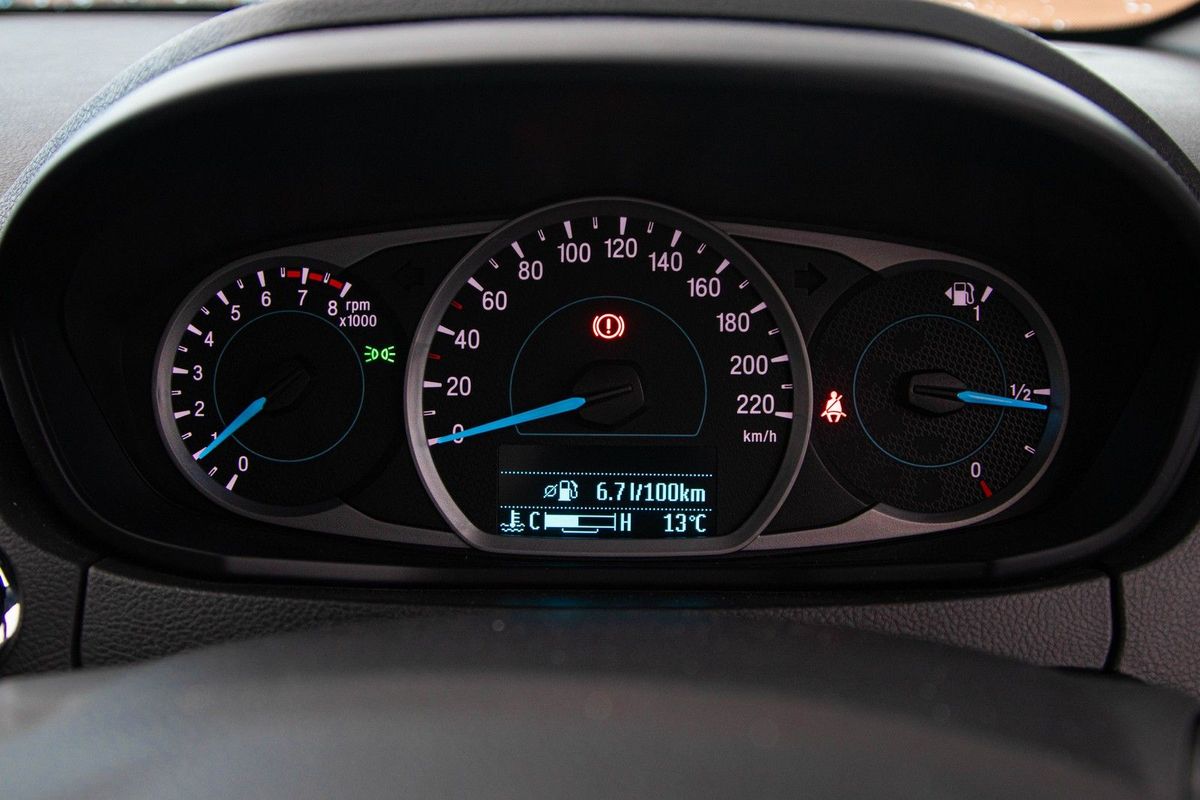
In terms of fuel efficiency, Ford claims an average consumption figure of 5.5 L/100 km for the 1.5 Titanium and, during this evaluation, the test unit's trip computer indicated 6.7 L/100 km, which is quite reasonable. There's a 42-litre fuel tank and Ford claims a theoretical range of 764 km.

Performance, ride & handling
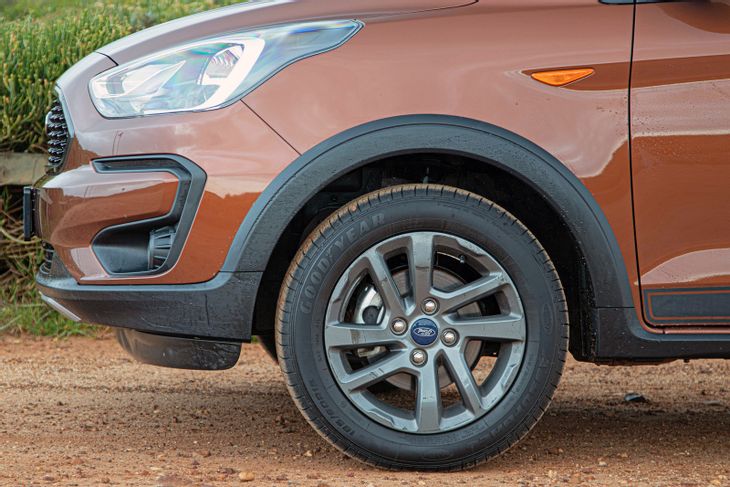

The 1.5 Titanium is shod with 15-inch alloys. Notice how much higher the Freestyle sits comparied with the standard Figo.

The Figo Freestyle produces a surprisingly impressive turn of speed; the motor's happy to be revved and emits a pleasingly rorty 3-cylinder thrum. The Ford's 5-speed manual gearbox and clutch work well together – shifts are light and direct, and the car's happy to grind it out in gridlock traffic thanks to an effortless clutch-action. The steering setup is a tad vague, but there's sufficient sharp- and directness to instil driver confidence.

By virtue of its elevated body (with a ground clearance of 190 mm), the 1.5 Titanium has a slightly higher-than-usual centre of gravity. This, in combination with a softly-sprung suspension, makes the Ford's handling less than razor-sharp. The test unit does lean in tighter corners, but it's only really noticeable when pressing on. The upshot is a pliant ride quality; the suspension and chunky tyres soak up the worst of the bumps.

The added ground clearance is not just for the sake of a purposeful appearance either – the Figo Freestyle can climb kerbs and traverse gravel roads with ease. We also liked the driving position; you sit a bit higher than in the conventional Figo, with the benefit of a tad more visibility.

Interior execution and features
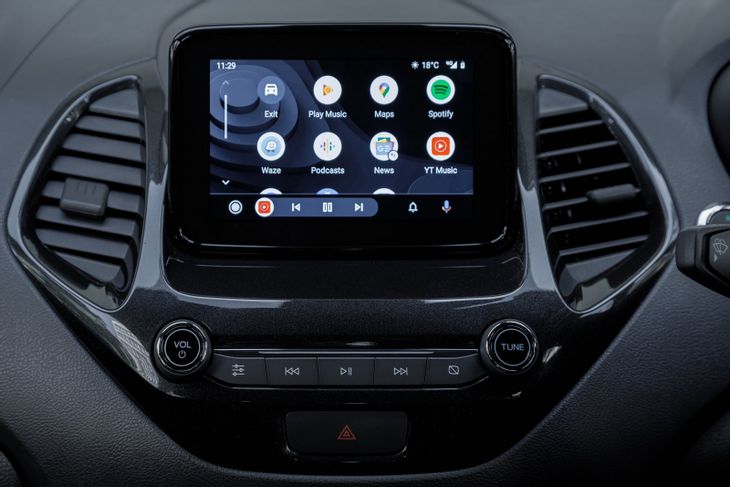

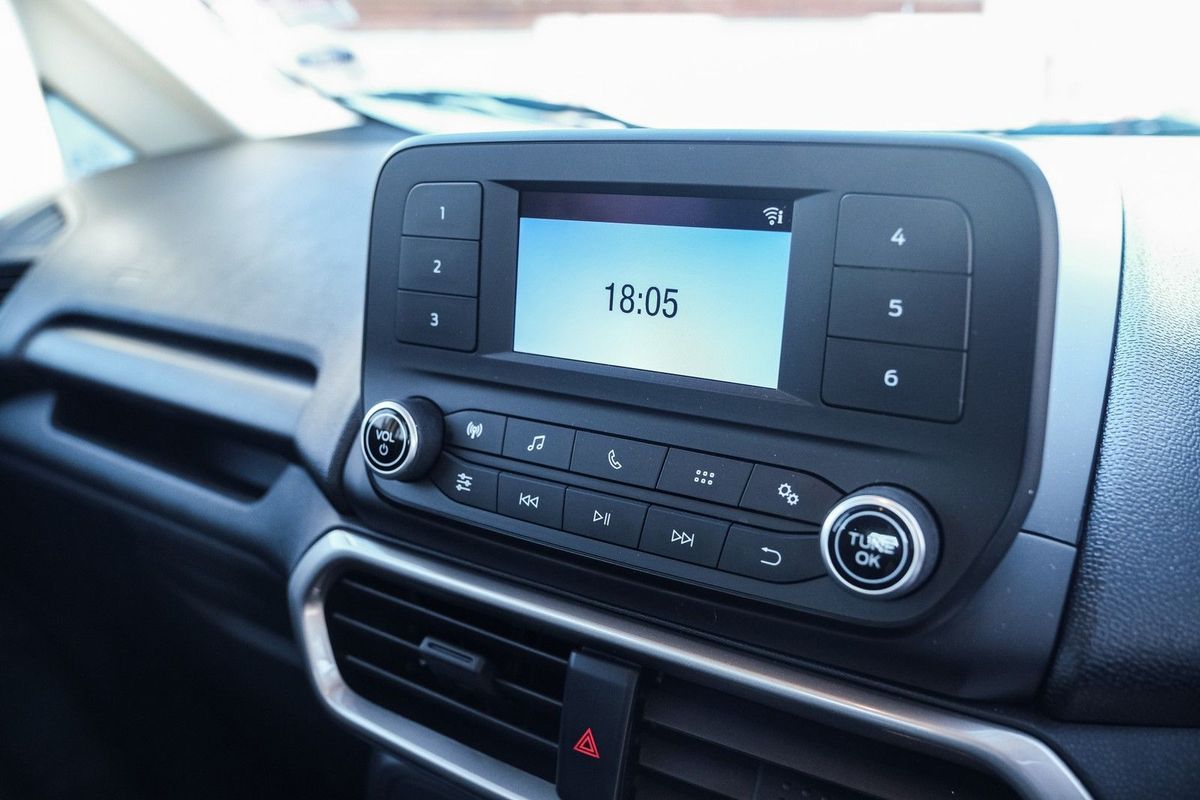
A vehicle sold in 2020 without some form of connectivity is not going to win the hearts and minds of the younger generation.

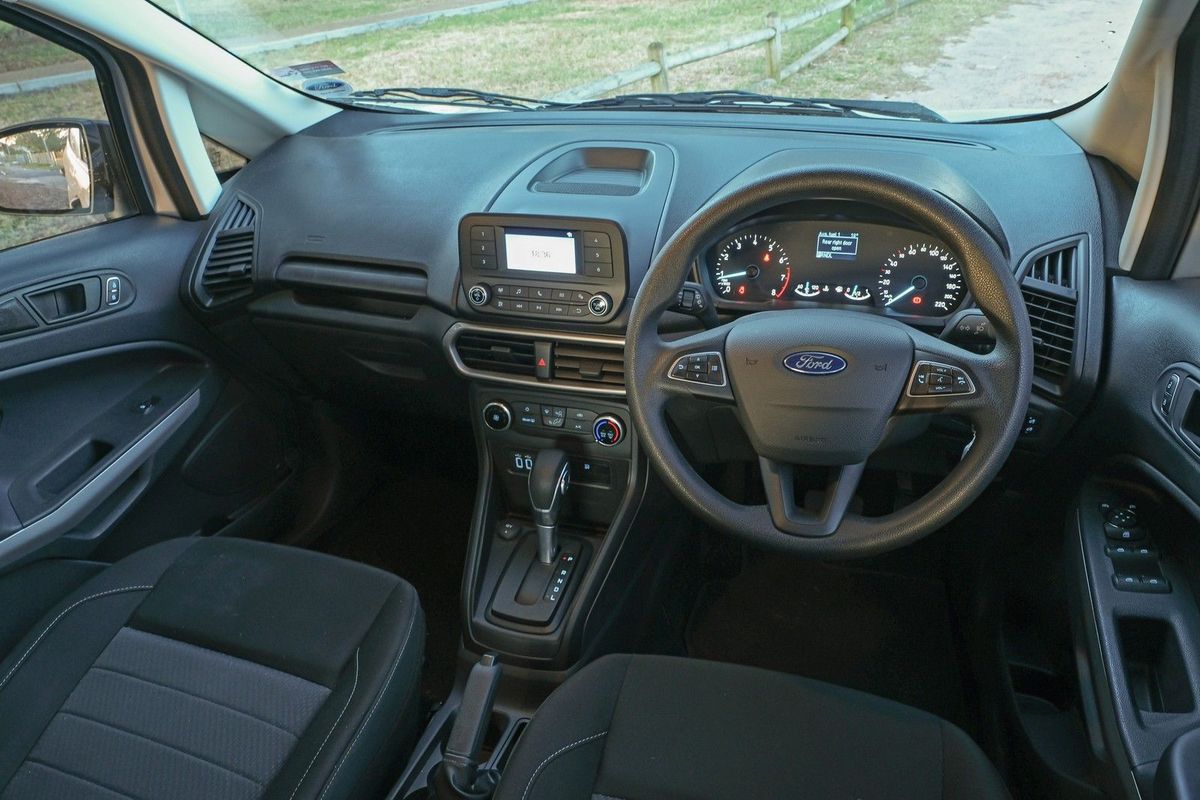
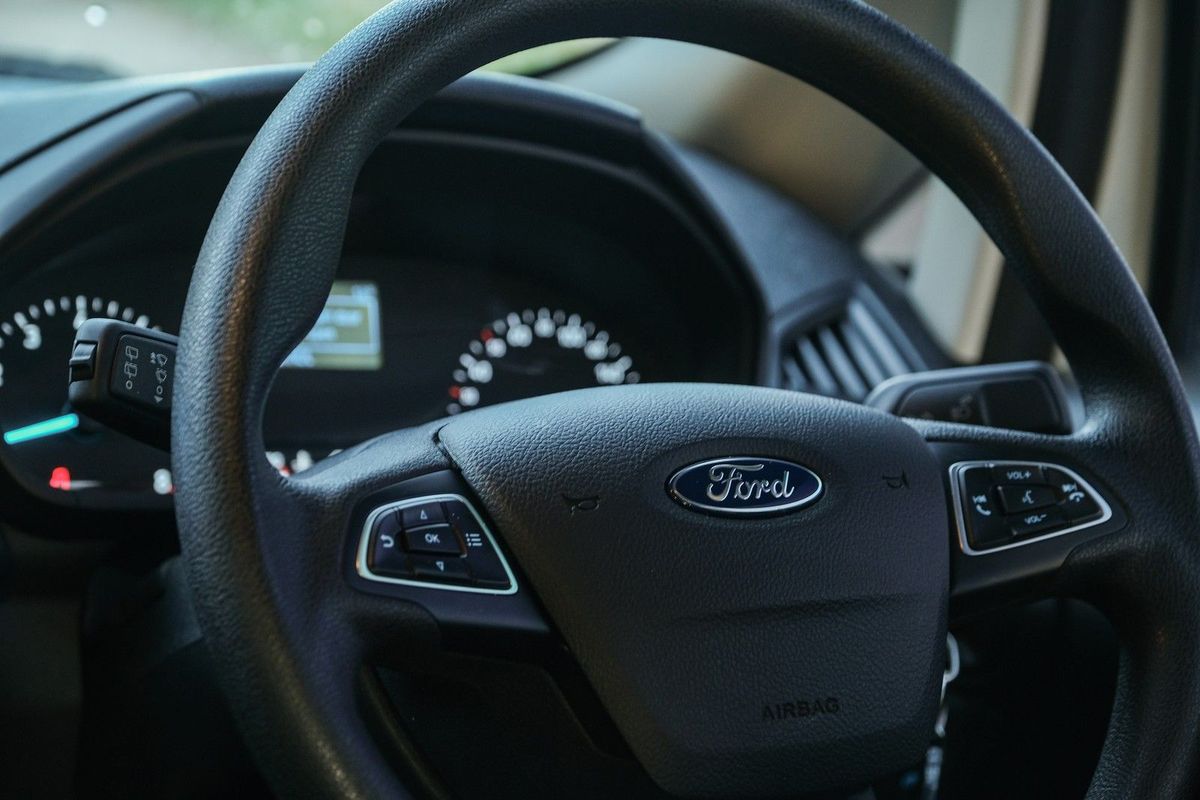
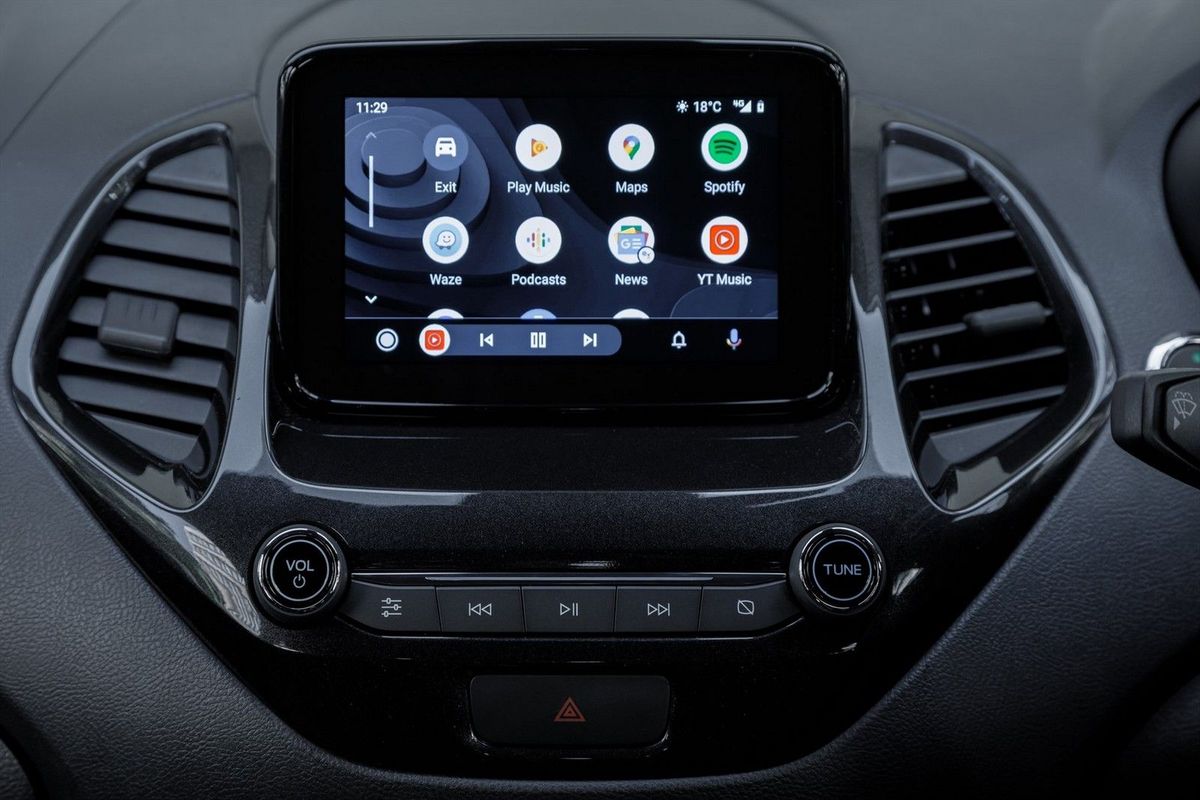
Ford's SYNC infotainment and connectivity package is a must-have in car that's tailor-made for the tech-obsessed generation and, in Titanium trim, the Figo Freestyle does not disappoint. It offers Android Auto and Apple Carplay compatibility, Bluetooth handsfree telephony and audio streaming, as well as a pair of USB ports, which are conveniently illuminated. The SYNC touchscreen offers crisp graphics and its menu system is very intuitive. With your smartphone plugged in, you gain access to music streaming- as well as navigation services, such as Google Maps.

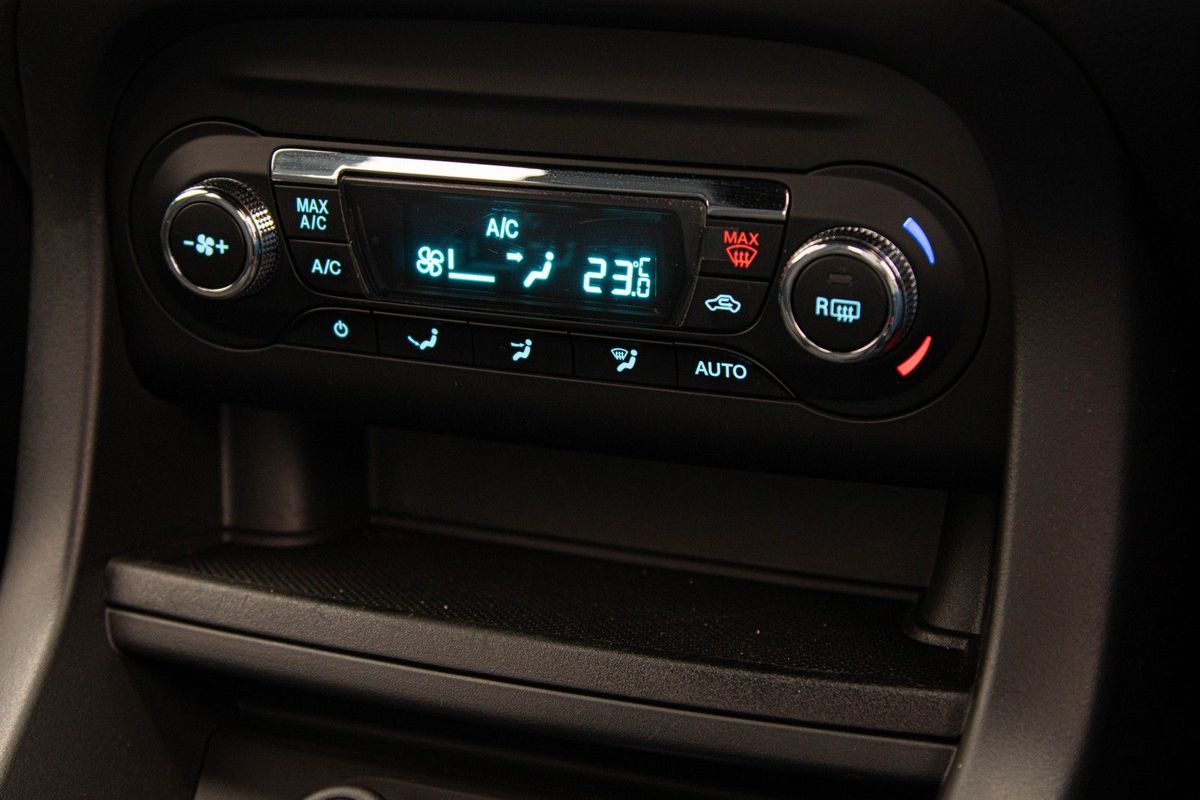
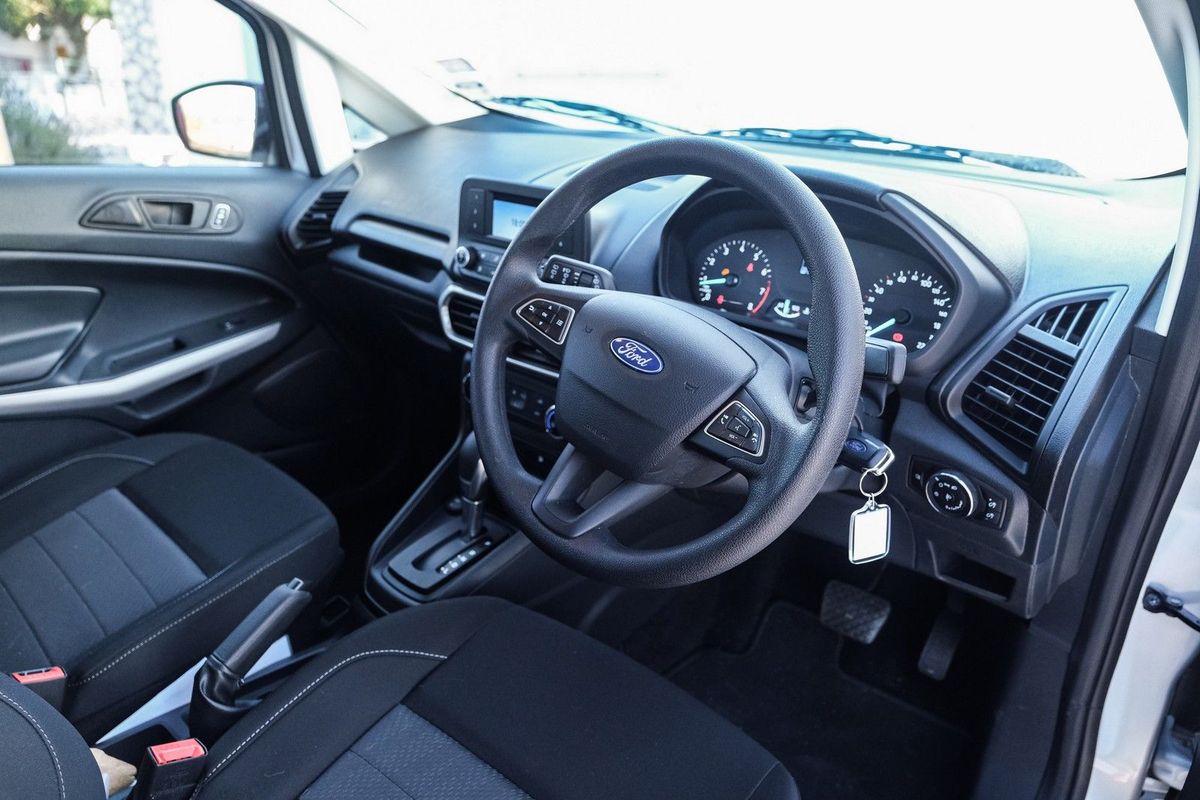
As the flagship in the Ford Figo range, the 1.5 Titanium comes fully loaded with interior features. There are automatic headlights and -wipers, climate control, as well as keyless start. A minor inconvenience is there's no way to open the tailgate other than pressing a keyfob button.

One "overt crossover" touch we appreciated was the provision of rubber-, rather than carpet, mats. Not only are these easier to clean, but they trap dirt. There's one in the load bay too, which is handy when you need to transport garden refuse or indulge in outdoor activities that involve mud. Given how dirty our shoes' soles get and how quickly cars' footwell carpets become soiled, why can't more OEMs offer rubber mats as standard?

In terms of safety, the Figo Freestyle 1.5 Titanium comes with 6 airbags and ABS, but no electronic stability control. The cabin's build quality is fair, or at least acceptable for this price point. We dare not nitpick; by current standards, R263k isn't an exorbitant price for a new, top-spec budget car.
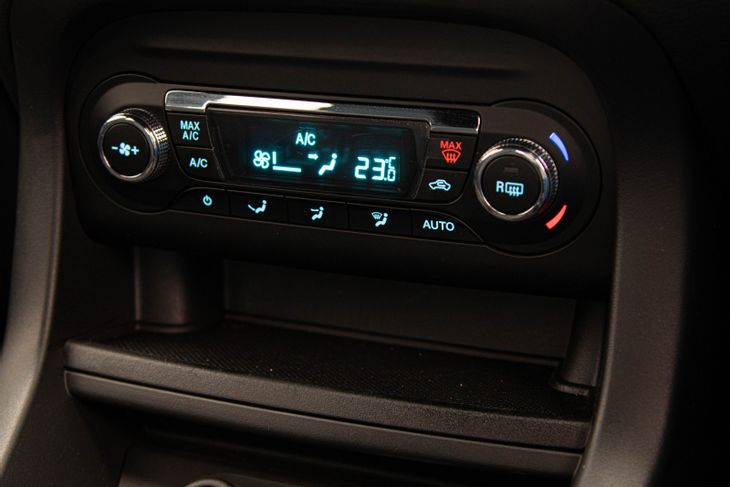

Climate control is a nice-to-have feature. Note the storage area below it, useful place for your phone.

Practicality

Compared with the Renault Sandero Stepway, the Figo Freestyle's 256-litre load bay capacity is a mite smaller than that of its French rival. If you need more luggage/utility space, you can, of course, fold the Ford's 60/40-split rear seatback down, which is useful if you want to lug around long items such as curtain rails and mountain bikes. If you need more space, those roof rails aren't just for show – you could always mount a roof box.

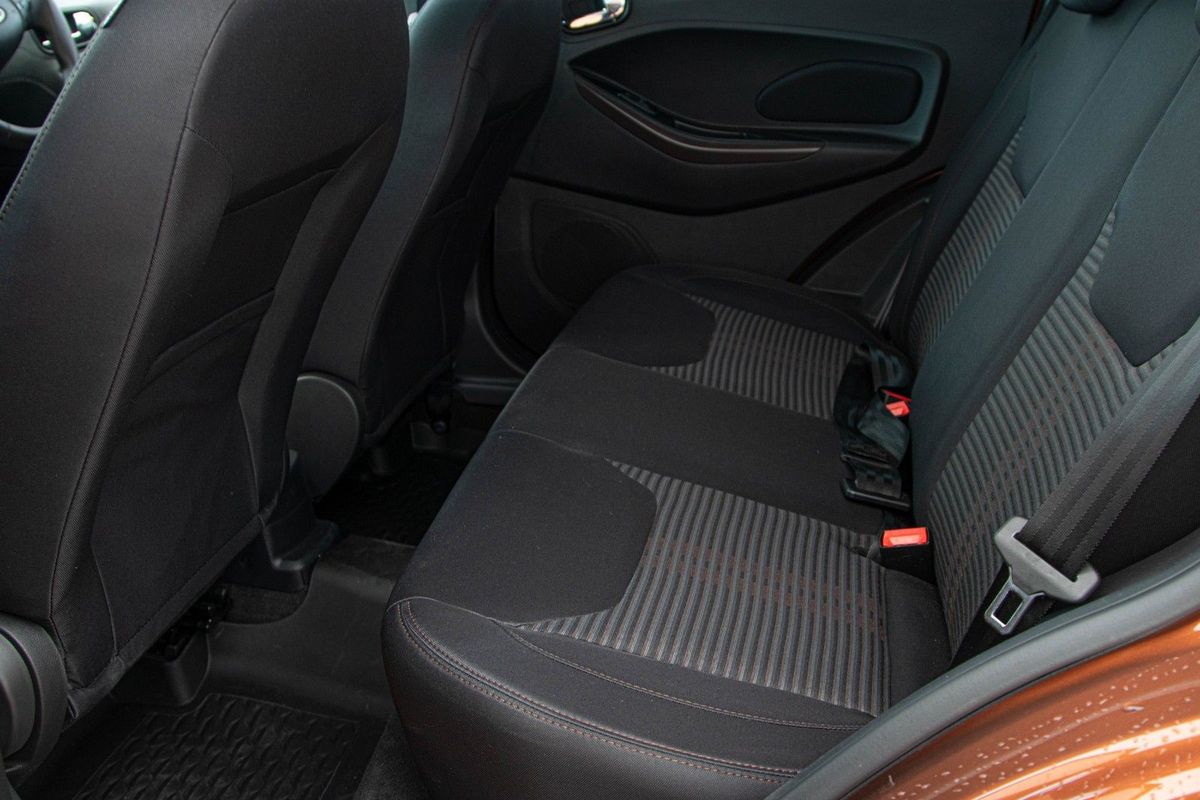
What's more, the Ford's rear passenger area is surprisingly large (bigger than in the Stepway). In fact, we suspect aft occupants are afforded more room in the Figo Freestyle than its more premium sibling, the Fiesta. The cabin is well thought-out, with sufficient storage areas for oddments.
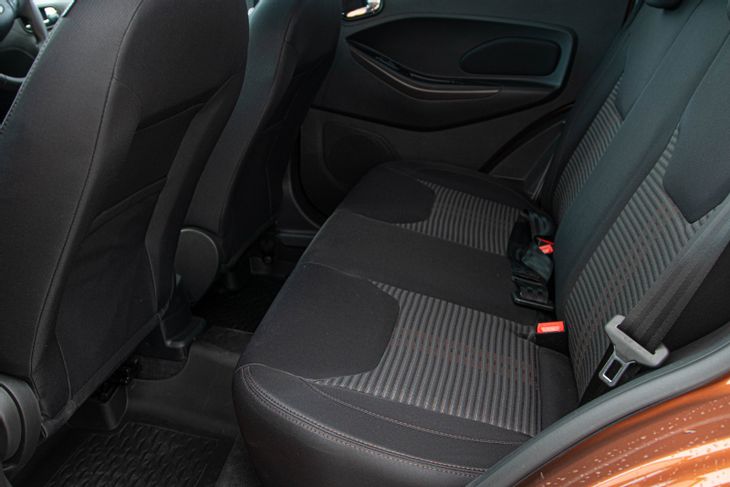

The Figo Freestyle's load bay may not be as big as that of its Sandero Stepway rival, but we'd favour Ford's better legroom.

Price and warranty

The Figo Freestyle range starts from R241 100 and this 1.5 Titanium costs R263 200, which includes a 4-year/60 000 km service plan and 4-year/120 000 km warranty. 

Verdict
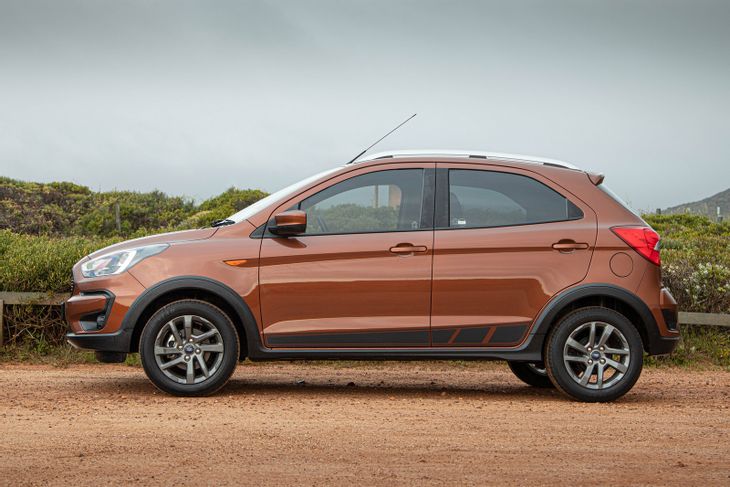

With its ready-to-go-anywhere looks, potent engine and great spec, the 1.5 Titanium's positives outweigh the negatives easily.

The charming Ford Figo Freestyle has a lot going for it: generous spec, a great engine, impressive occupant space and a pretty reasonable price tag. However, it's not a compact family car, more of a smartly-packaged (and looking) budget car, because it is exclusively available with a 5-speed manual gearbox – an automatic transmission would have greatly enhanced its appeal to those who commute in congested traffic conditions.  

Call it a triumph of style over substance if you like, but vehicles that offer elevated ground clearance and rugged looks at a fraction of what SUVs cost certainly have their merits, especially if your budget can't quite stretch to the R300k mark for a new Ford EcoSport or one of a myriad compact family cars in the new vehicle market. If that applies to you, then the Figo Freestyle certainly deserves a second look before you dip into the pre-owned/demo market. It will be interesting to see how this sub-segment evolves in the next 18 months… Toyota could introduce a budget quasi-SUV in the form of the Raize or the Yaris Cross and an all-new Dacia (Renault) Sandero Stepway was revealed in September 2020. Watch this space!

Related Content:

Ford Figo Freestyle (2020) Specs & Price

Renault Sandero Stepway Techroad in SA
Captur bits for new Renault Stepway

Suzuki Ignis 1.2 GLX (2020) Review

Update: New-look 2021 Nissan Navara

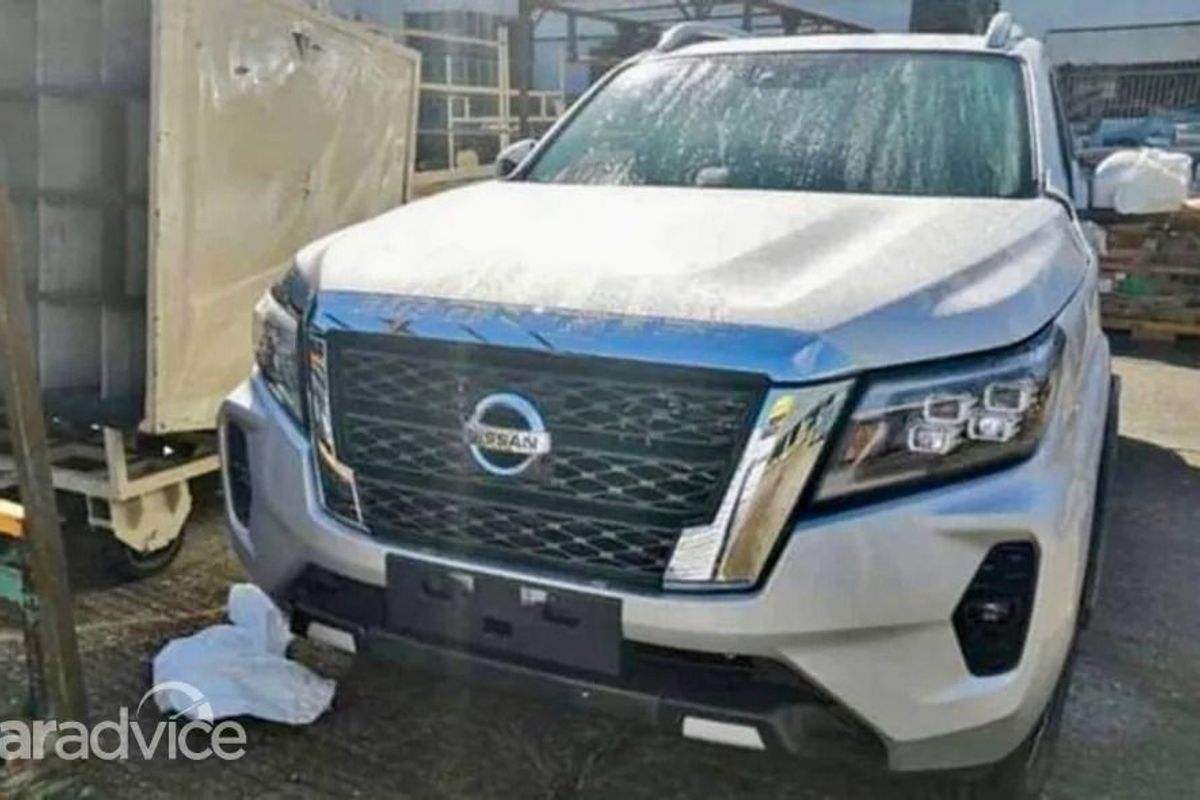
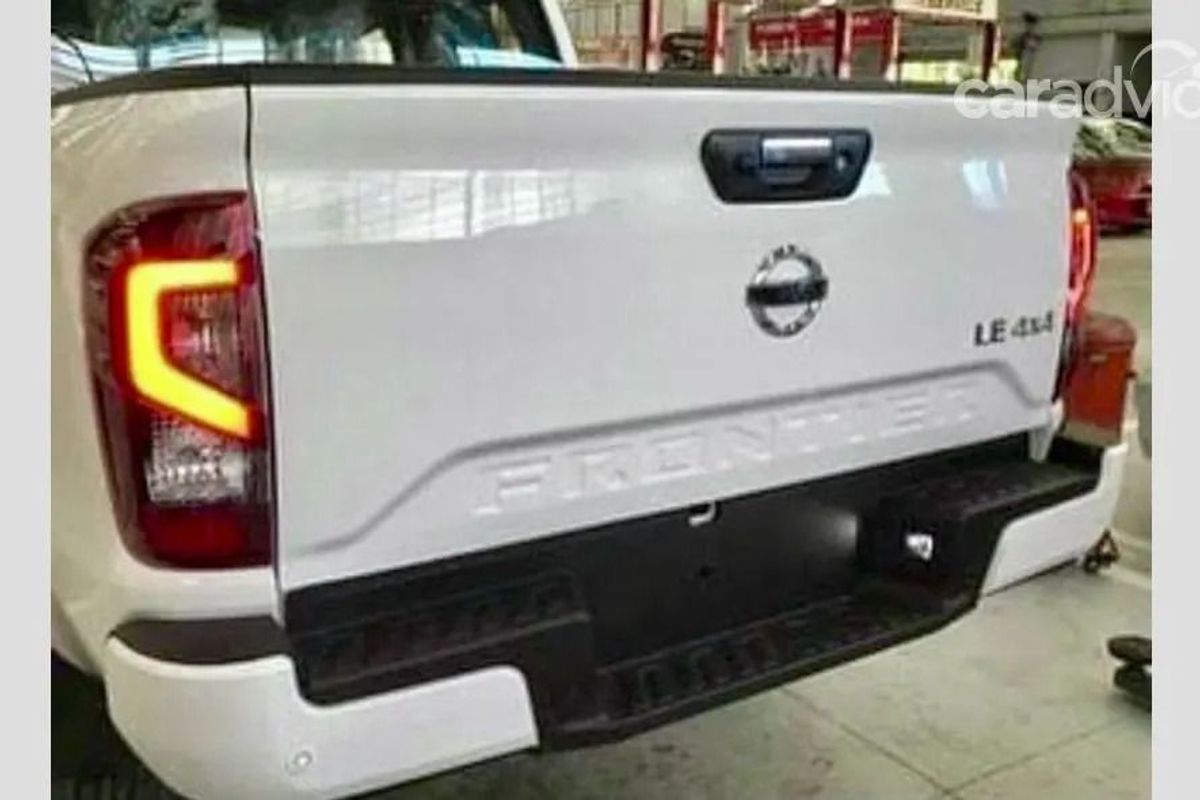
Just last week leaked images of the facelifted Navara surfaced, which will soon go into production at Nissan's Rosslyn assembly plant. Now, a few more images have emerged showing some new features.  

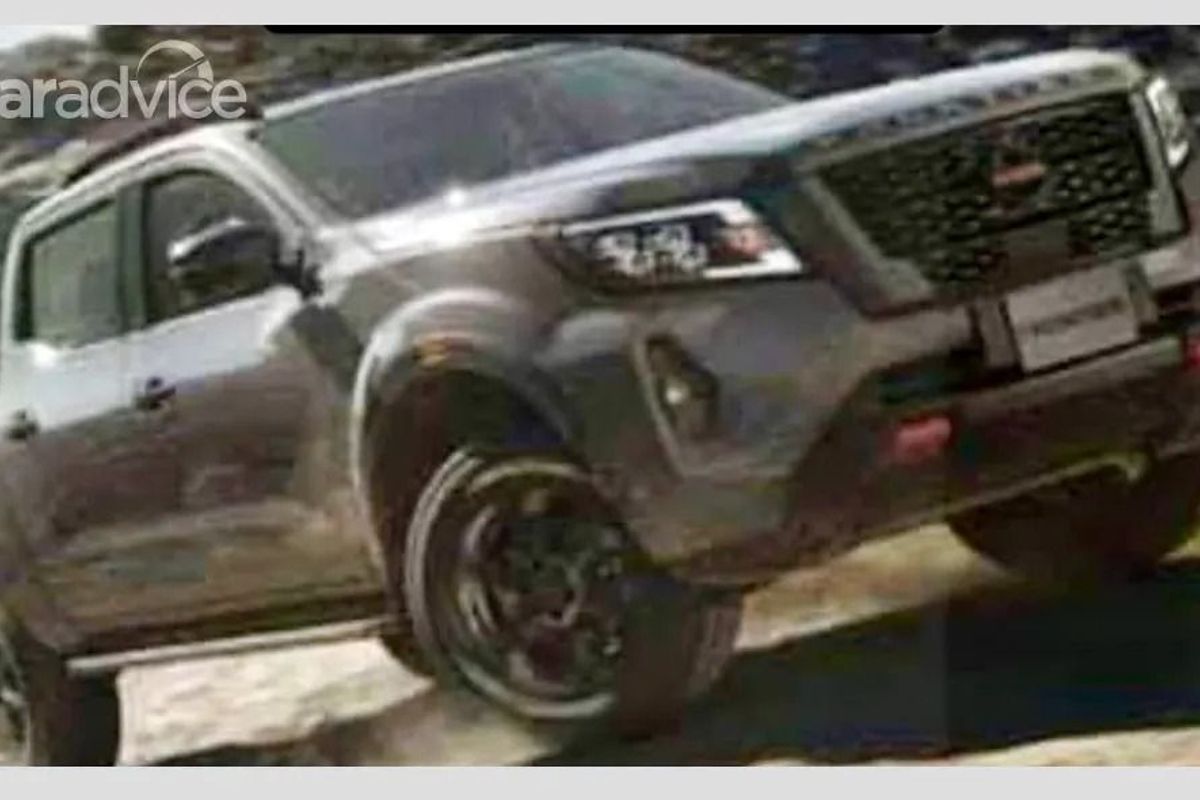
The first leaked image came from a Thai motoring 'site, showing Nissan's double cab with a bold (almost square) chrome-trimmed grille inspired by that of the Japanese brand's North American pick-up, the Titan. 

Now that the Nissan Navara/Mercededes-Benz X-Class joint-venture has come to a premature end (Benz decided to cut its losses/terminate its bakkie programme after failing to gain a substantial foothold in the top-end pick-up market), the Japanese brand will close the bakkies' Spanish production facility in December. The unfortunate closure has strengthened South Africa's position in Nissan's global value chain, however. The firm has invested around R3 billion to upgrade its Rosslyn plant to build the Navara, which was launched globally in 2014. The upgrade is likely to come online in late 2020 or early 2021 and the plant will produce up to 30 000 Navaras a year. Four hundred new jobs will be created as a result of the investment, as well as 800 jobs in the larger value chain.

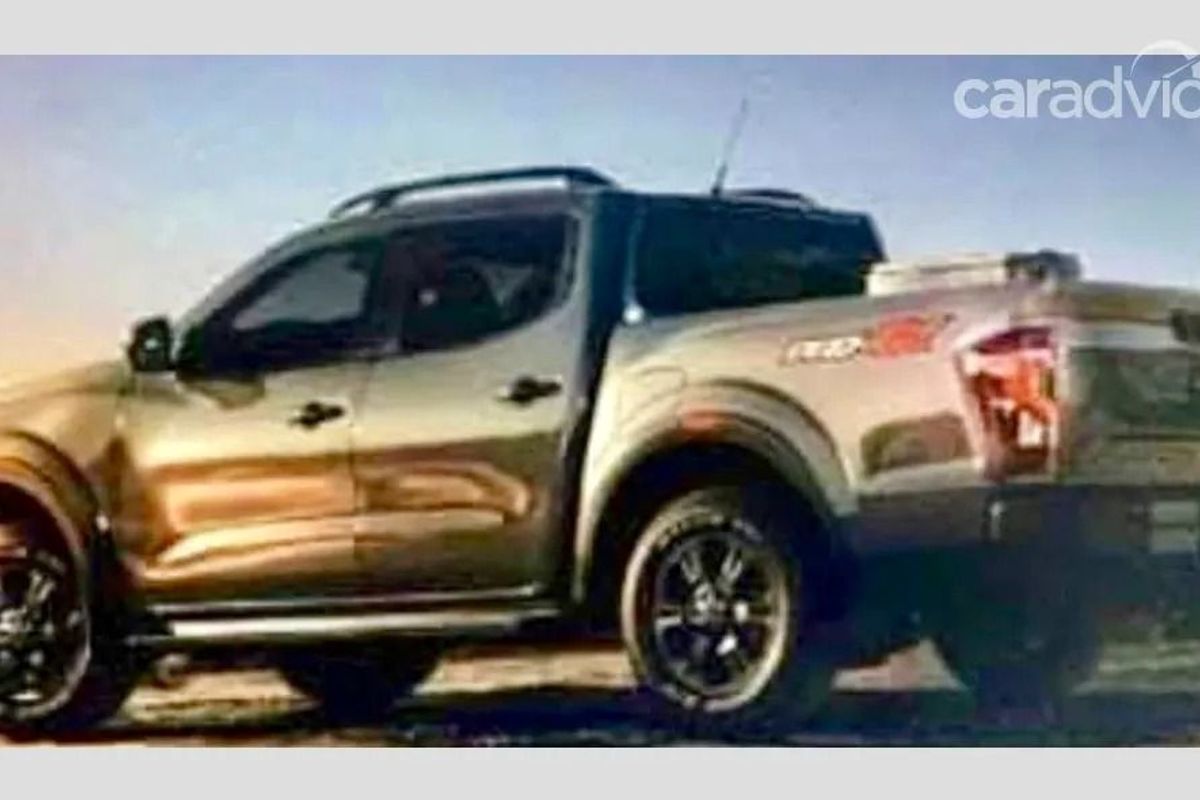
The latest images, which you can view in the gallery above, show the Navara (also called the Frontier in some markets) with new quad-LED headlights as well as a boomerang daytime running lights. The new images appear to portray a top-sep Warrior derivative. A few other images, which appear to be from marketing material, have also surfaced on the Cars Secrets Instagram page


Picture credit: Caradvice.com.au

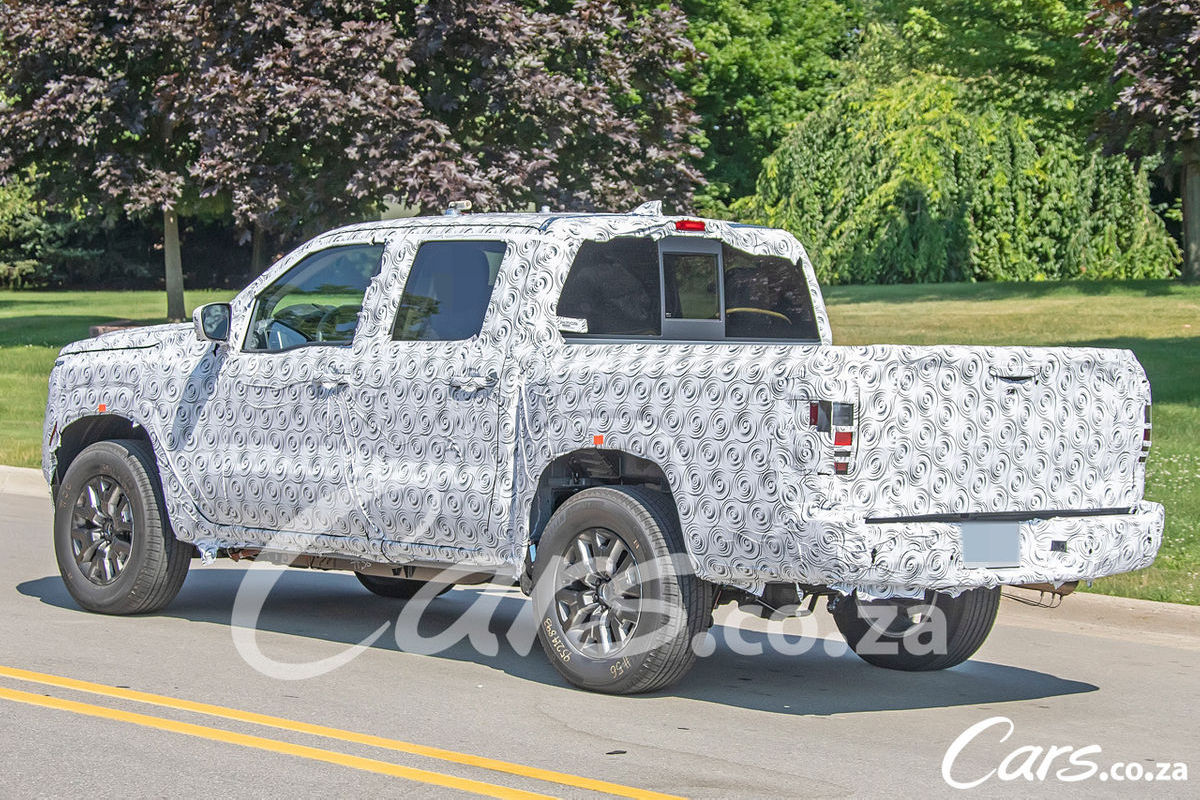
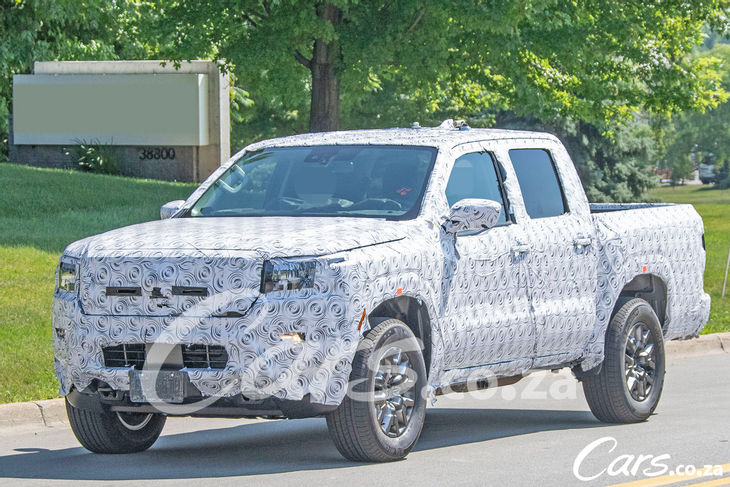
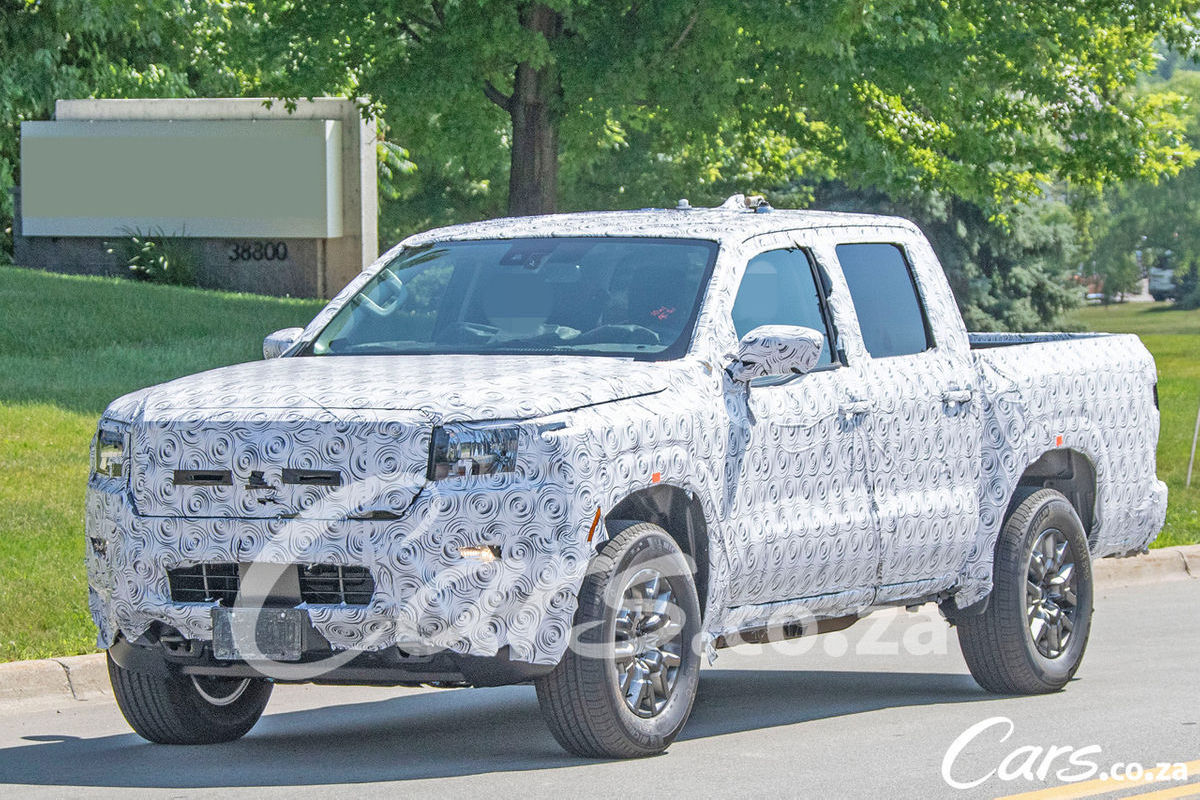
Whereas the Navara was launched overseas 6 years ago, it only reached the South African market in 2017, so to many South African eyes it still looks relatively new. However, a facelift is most definitely around the corner – last month our spy photographer shot these images of a heavily cladded Navara, which certainly foreshadowed the robust frontal styling cues revealed in the image posted by Headlight Magazine, especially the chunky chrome-look grille surround that extends into the leading edge of the bonnet. Also note the upright arrow-point side air intakes and protruding chin spoiler. 

Nissan will need to pull out all the stops to keep its D23-series Navara competitive, because 2021 and 2022 are going to be busy for the bakkie market. The facelifted Toyota Hilux has been released and 2021 will welcome the new Mazda BT-50 and GWM P Series (among others). The new Isuzu D-Max will arrive in 2022 and possibly the next-gen Ford Ranger and Volkswagen Amarok as well.


Picture credit: S. Baldauf/SB-Medien.

In 2019, Nissan launched liberally-equipped Stealth derivatives (imported-, not locally produced, units) in South Africa and the firm has been making detail improvements to its bakkie, but mostly under the skin. According to a recent report, the next update will incorporate updates from the now-defunct X-Class, which has led to rumours than the newcomer might accommodate a bigger motor too…

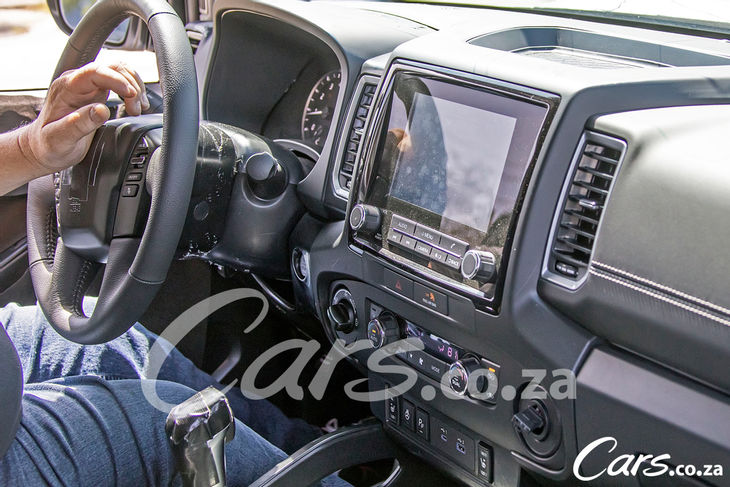
The updated Navara is also said to offer higher-quality finishes, improved occupant comfort and connectivity options such as a more premium infotainment system that's compatible with Apple Carplay and Android Auto. Our photographers also managed to get a snap of the cabin, showing that new infotainment setup. We can see a large infotainment screen, as well as controls for climate control and heated seats. As it stands, the current Navara features a smallish infotainment screen and doesn't look as premium as the spy shot cabin below, so the upgrades will be welcome.


Picture credit: S. Baldauf/SB-Medien.

Nissan Navara Specs & Prices in South Africa

Nissan's current special deals on new vehicles

Further Reading

Navara to get X-Class Upgrades

Bakkies Coming To SA in 2021

More Nissan Navara production could be heading to SA

Nissan Navara Off-Roader AT32 Revealed

Nissan Navara 2.3D 4×4 LE (2017) Review

GWM SA Teases P-Series Ahead of Local Launch

Chinese bakkie brand GWM's SA division is chomping at the bit to get its latest product to our shores and has teased some details ahead of the launch.

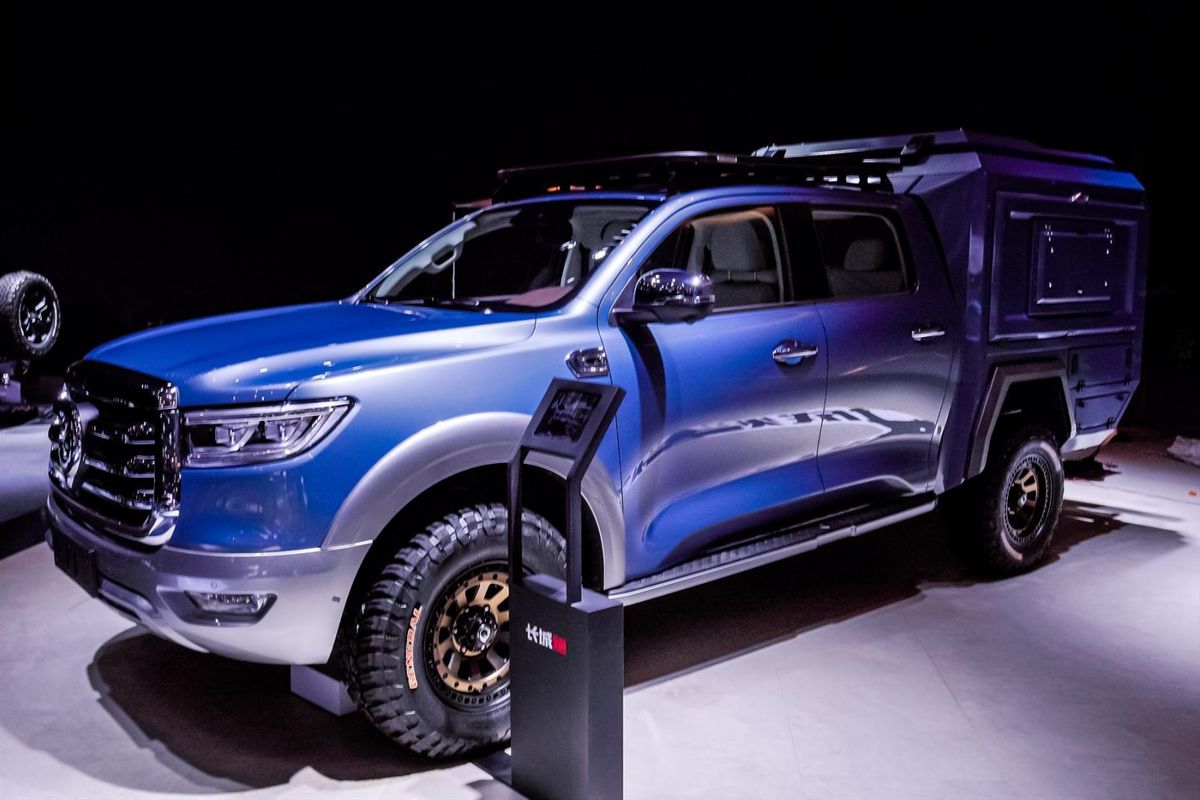
The GWM P-Series bakkie will be landing in South Africa before the end of the year. Like many car launches, COVID-19 was the main factor in the delay. In the Chinese domestic market, the P-Series has taken off, with over 5 000 units sold in its first month. In September 2020, the Toyota Hilux tallied up 4 252 units sold, while its rival from Ford mustered 2 188 units. To say that our market is bakkie-crazed is an understatement and to make matters interesting, the next 18 months will see some dramatic movement.

Toyota's updated Hilux has just hit showrooms at the time of writing, while the Ford Ranger received a major update in 2019 with the special edition Thunder appearing in 2020. The Mazda BT-50 (now on an Isuzu D-Max platform) is earmarked for a middle of 2021 introduction, while the D-Max's debut has been pushed out to 2022 as the Isuzu's factory's upgrade was delayed. Waiting in the wings is an updated Nissan Navara as well as the introduction of the Peugeot Landtrek and Renault Alaskan

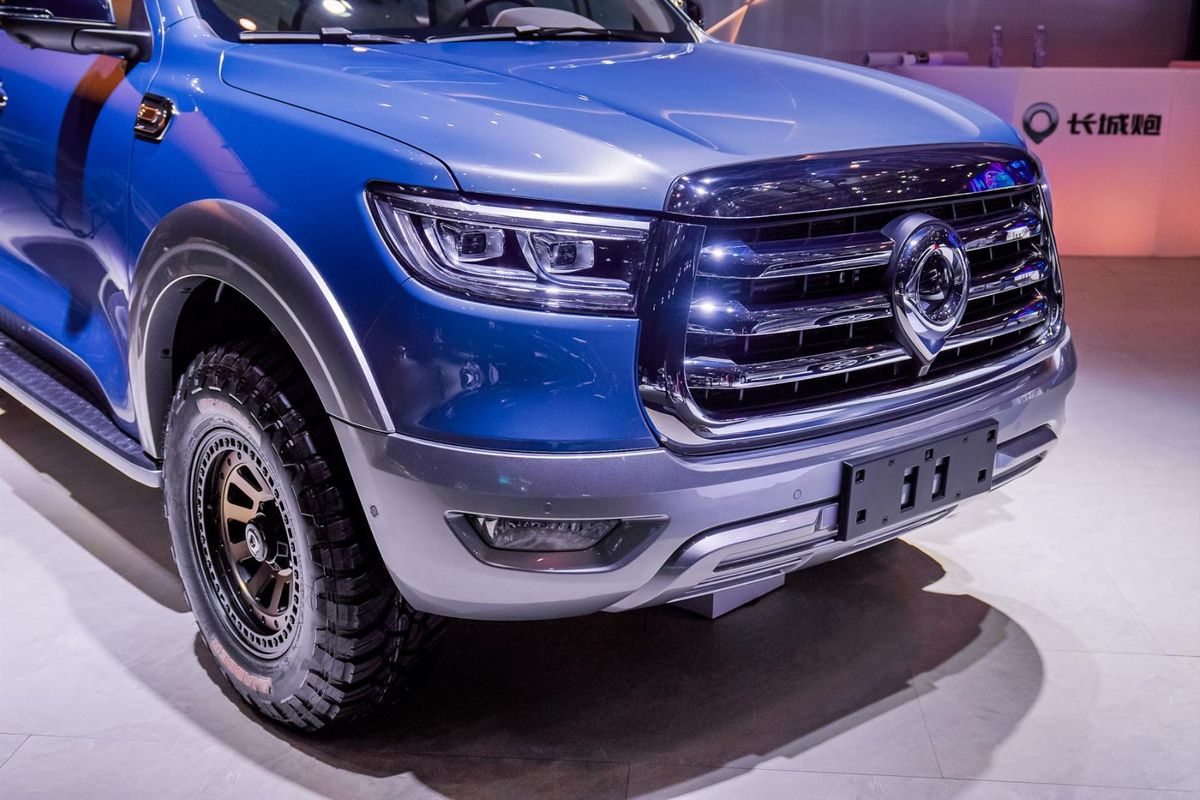
Interestingly, in terms of the name, the international name is the POER (pronounced 'power'). In Chinese symbology, Pao translates to cannon, which gives you some idea of how GWM is marketing its new offering. For our market, GWM is not going to call it the Poer, but rather just 'P-Series' with the brand suggesting P stands for Power, Peak, and Perfect. South Africans have a warped sense of humour and we'd guess that Poer might be taken the wrong way… 

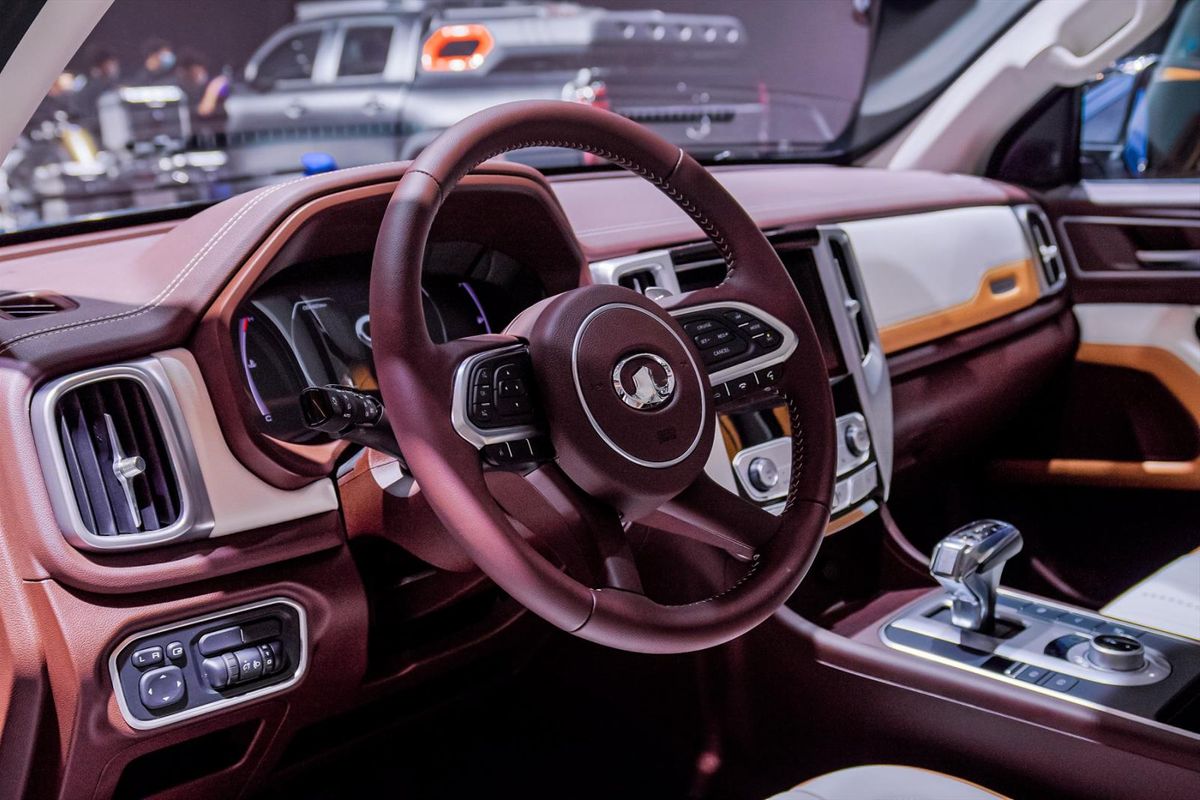
While pricing and derivative breakdown have yet to be announced, the Chinese bakkie maker did share some interesting nuggets of info. In terms of engines, there will be an all-new 2.0-litre turbodiesel engine that features 'Variable Vortex Intake Manifold for more torque and power.' In terms of transmission, the top-spec models will feature an 8-speed ZF gearbox. For the 4×4 enthusiasts, there will be ESP intelligent 2-speed TOD (torque on demand) 4-wheel drive systems and diff locks as standard. The load bay features a hidden stepladder in the tailgate, which will make loading easier. 

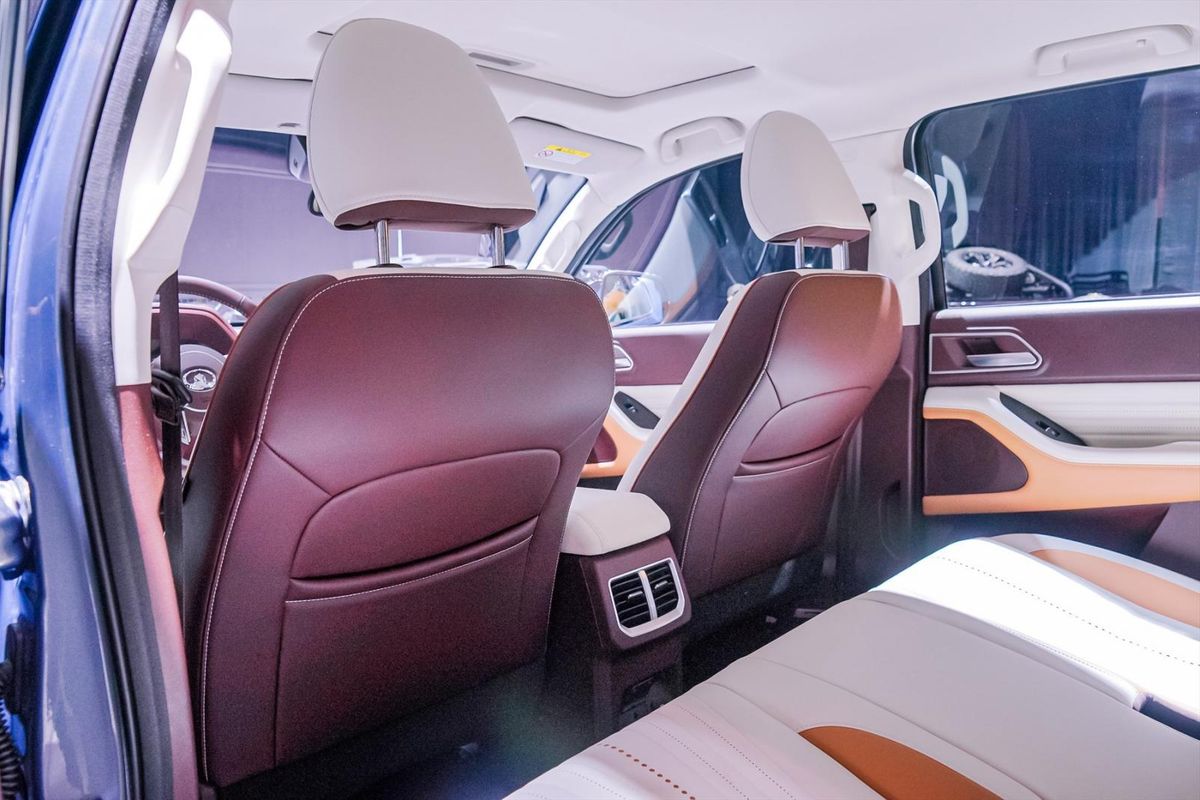
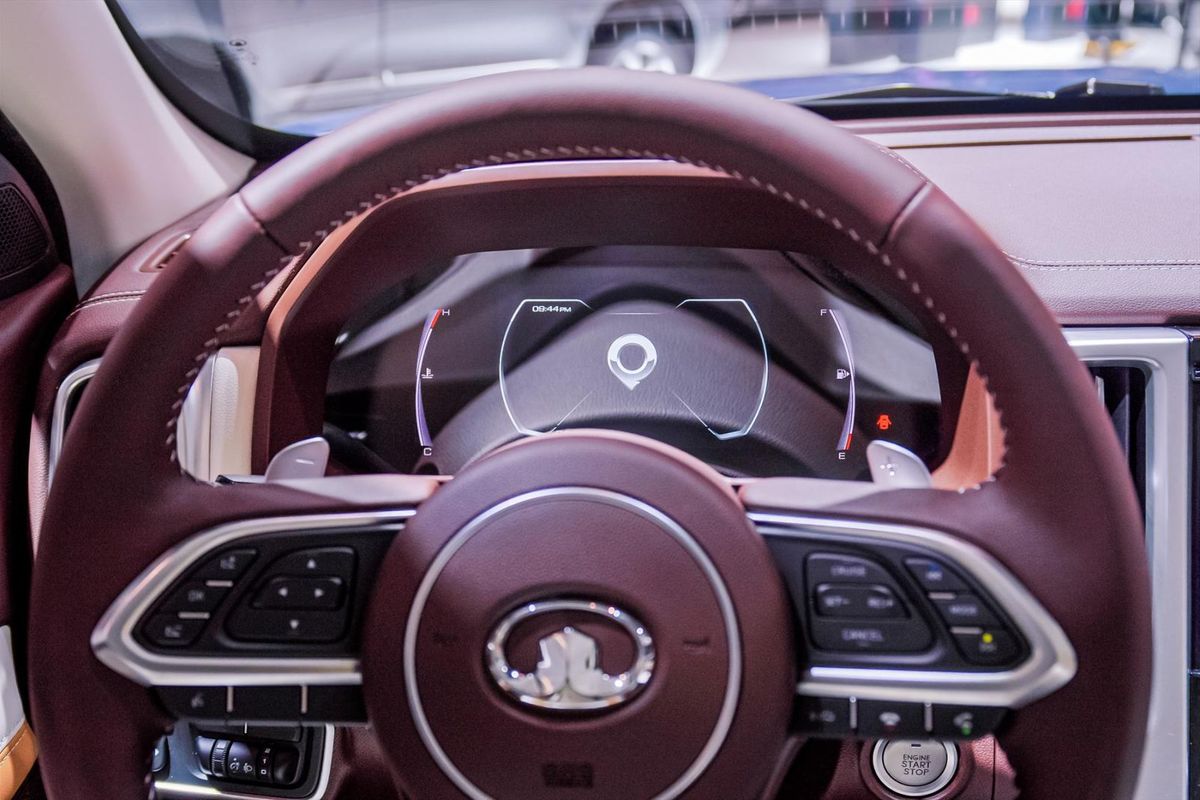
GWM also shared some key features of its new P-Series and at first glance, it looks like the brand is going for high levels of luxury and safety. There'll be a full leather interior, adaptive cruise control, lane-keeping assistance, traffic sign recognition, blind-spot monitoring, front/rear park distance control with a rear camera as well as up to 7 airbags. 

GWM South Africa says the P-Series lineup for our market as well as the SADC region will comprise 16 derivatives. At the bottom of the range will be a single-cab base model 4×2 turbodiesel with a manual gearbox, while the top-spec model will be a double-cab 4×4 turbo diesel automatic. There will be both manual and automatic gearboxes, as well as 4×2 and 4×4 options. 

When will it launch? GWM has confirmed the SA launch event is planned for around the end of November 2020, and the vehicles should be reaching showroom floors shortly afterwards. Given South Africa's monster appetite for bakkies and brand preference, it's going to take some aggressive pricing for it to steal some sales from the established offerings. GWM has not mentioned costs yet but has hinted it will be keenly priced.


Expect to see this bakkie on the roads by the end of December 2020

Further Reading

GWM P Series Bakkie – SA Details

GWM Black Bullet Concept Revealed

Bakkies Coming To SA in 2021

Local Isuzu D-Max postponed until 2022

Toyota Hilux (2020) Launch Review

Gazoo Toyota Cruiser could be happening

Grand Gazoo on the cards as Toyota throws GR at almost everything.

In the market for go-faster off-road SUVs, Toyota is conspicuous by its absence.

Although the Japanese brand dominates in most SUV product categories, it does not market high-performance variants of its SUVs. This is peculiar because Toyota has always displayed superior marketing awareness and must be aware of the attractive profit margins being achieved by German brands and JLR, with their high-performance SUVs.

The ladder-frame platforms used by most of Toyota’s SUVs might explain its reluctance. More powerful engines in any of the Land Cruiser stations wagons would require even larger brakes and much better active suspension, to prevent bodyroll during high-speed cornering.

That aside, the market for an off-road bias high-performance version, is definitely there. As Toyota shows greater willingness to develop more GR derivatives of its core models, the question of a more potent Land Cruiser luxury station wagon becomes real.

With the Land Cruiser 300 delayed until 2021, it has given Toyota’s engineers time to investigate and propose new developments for the king of ‘Cruisers. One of these will most likely include a GR derivative.

The current Land Cruiser has been around since 2007, presenting many real challenges regarding its adaptability to the latest powertrain and platform technologies. With Toyota’s all-new 300 series ‘Cruiser, there is a much greater possibility of integrating trick adaptable suspension and superior drivetrain bits.

Rumours of a more potent next-generation Land Cruiser have sourced from Down Under. Australia is an enormous Land Cruiser 200 market and there has been a surge in demand, as Covid-19 has forced Australians to remain home and explore domestic attractions, instead of travelling overseas.

Toyota has recognised that an adequate number of Land Cruiser 200 owners desire a more striking appearance, better off-road ability and a lot more power. Those are all three elements that are very much in the formulation of Toyota’s GR-specification product philosophy.

With the Land Cruiser 300 providing a better platform to anchor more powerful engines and responsive suspension components, the vision of a high-performance factory Land Cruiser would be entirely possible.

It is also a clever product strategy. Mercedes-Benz and JLR don’t prioritize off-road ability when marketing high-performance versions of their SUVs, and that is the gap Toyota has clearly identified in the luxury off-road vehicle market.

Related content

Toyota Land Cruiser Prado (2020) Specs and Price

Why the next Toyota Hilux might get a 3.3 D-6D

Toyota Hilux (2020) Launch Review

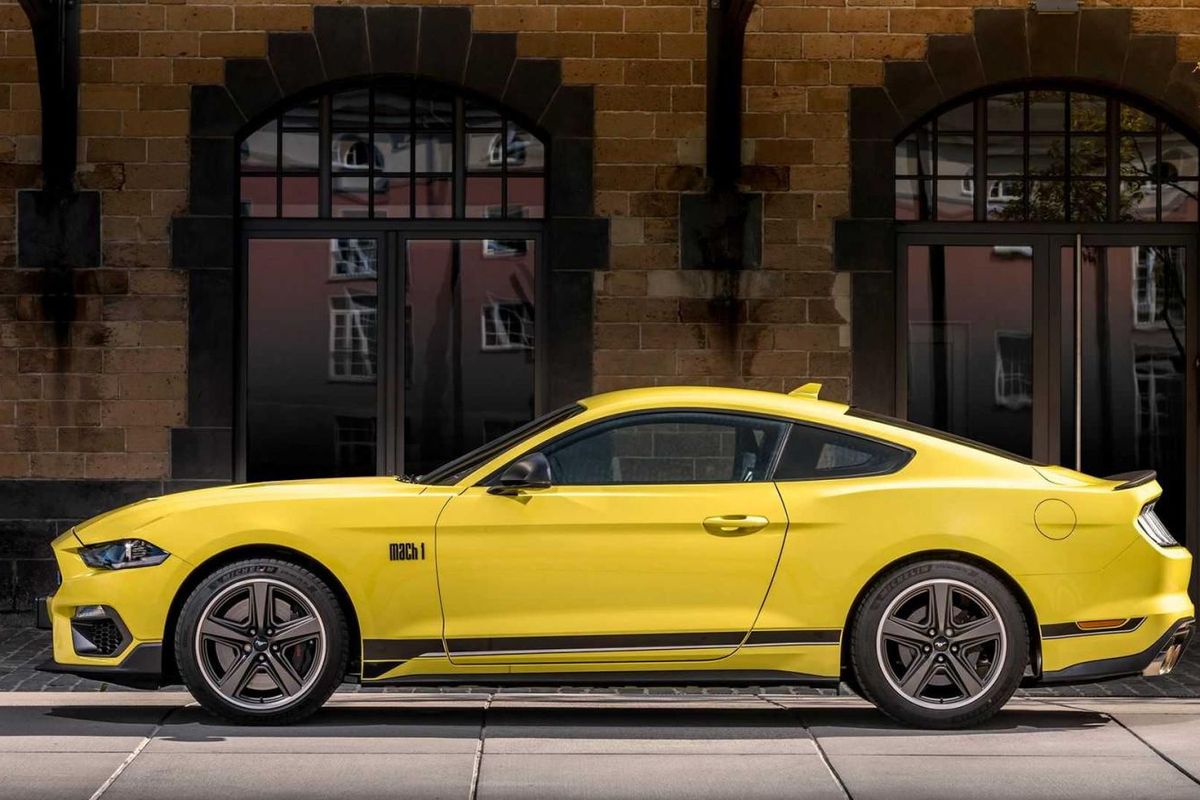
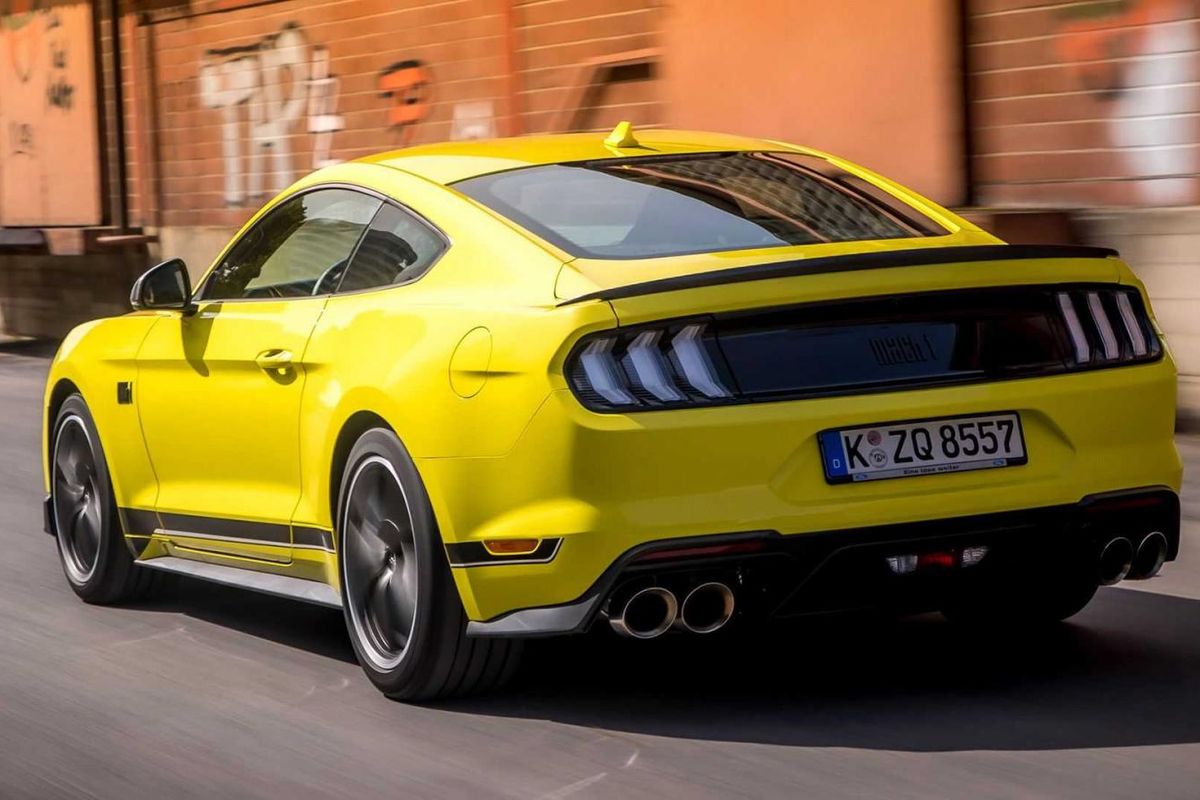
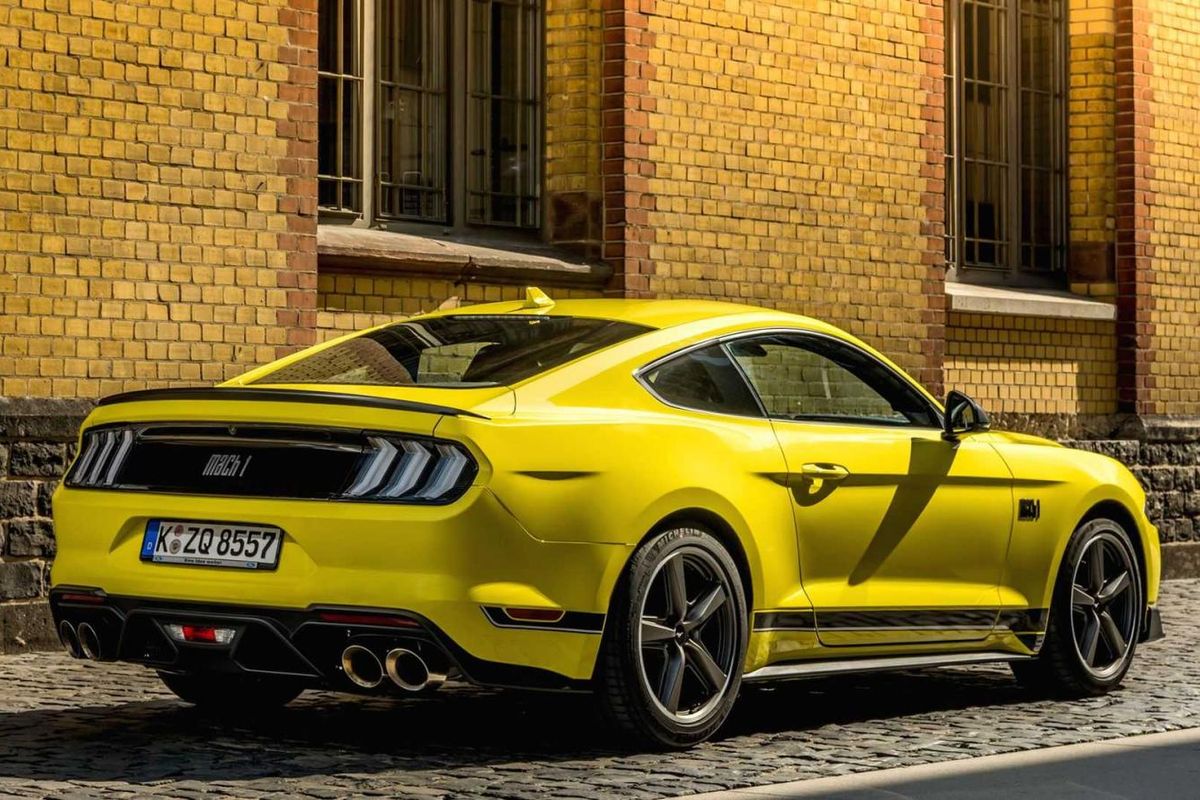
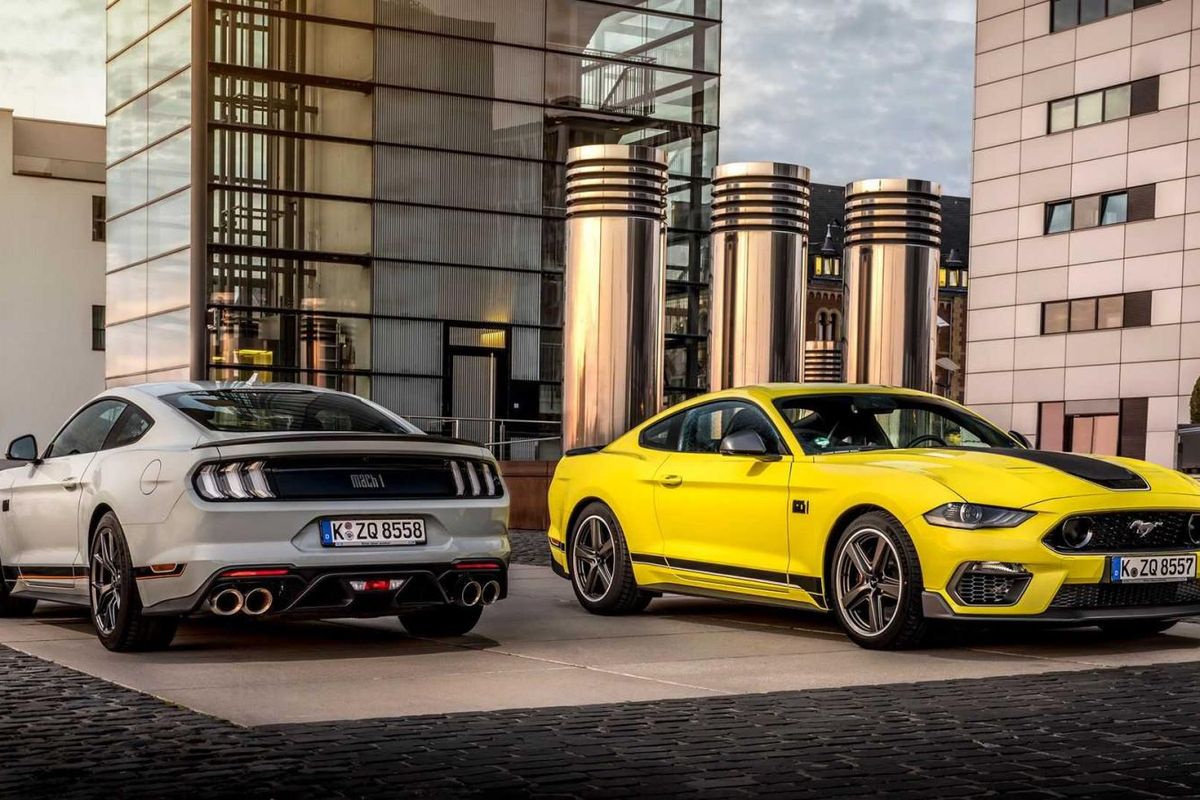
Euro Ford Mustang Mach 1 Loses Power

Ford has revealed the Mustang Mach 1 for Europe, but it’s lost some power…

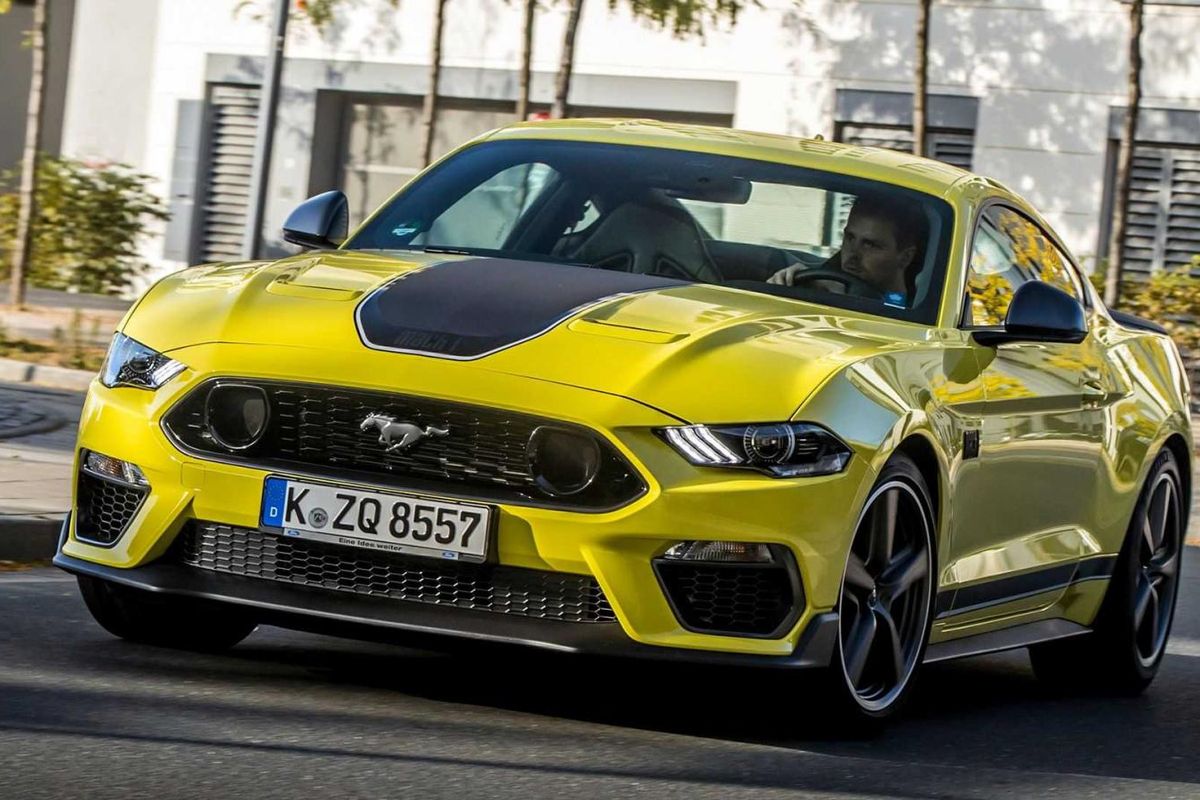
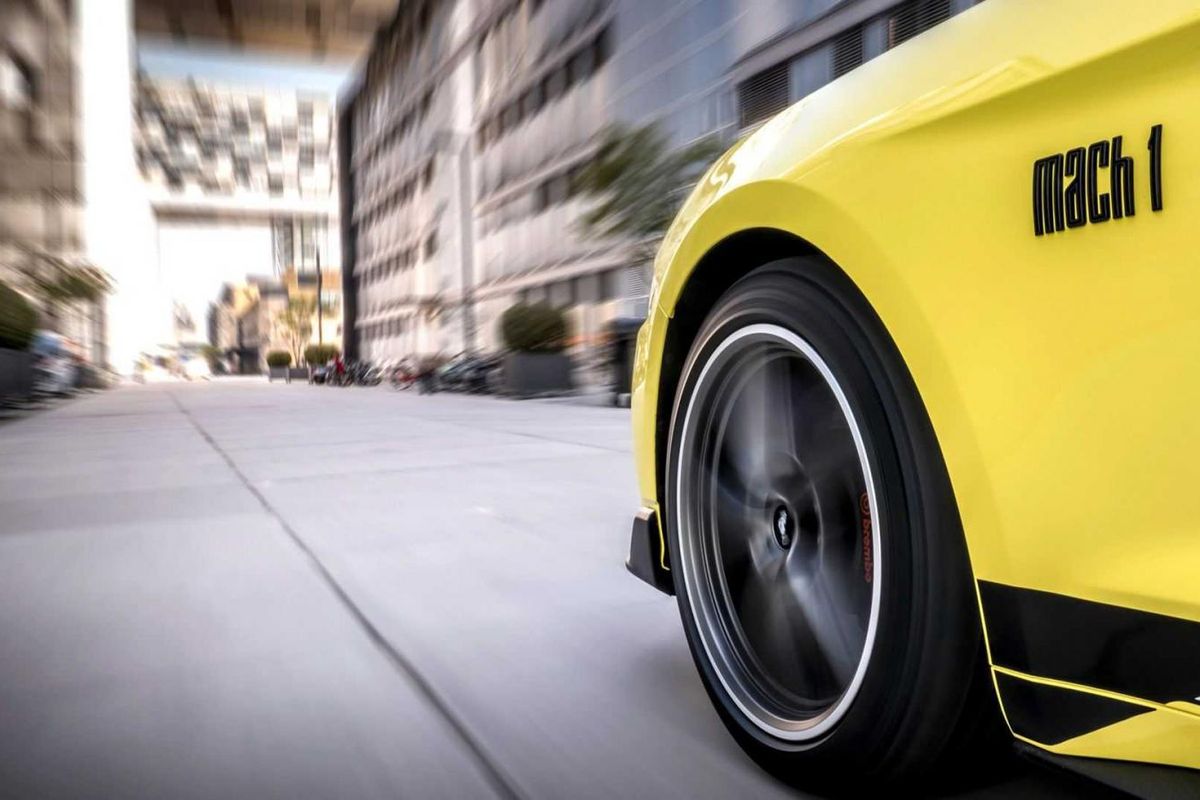
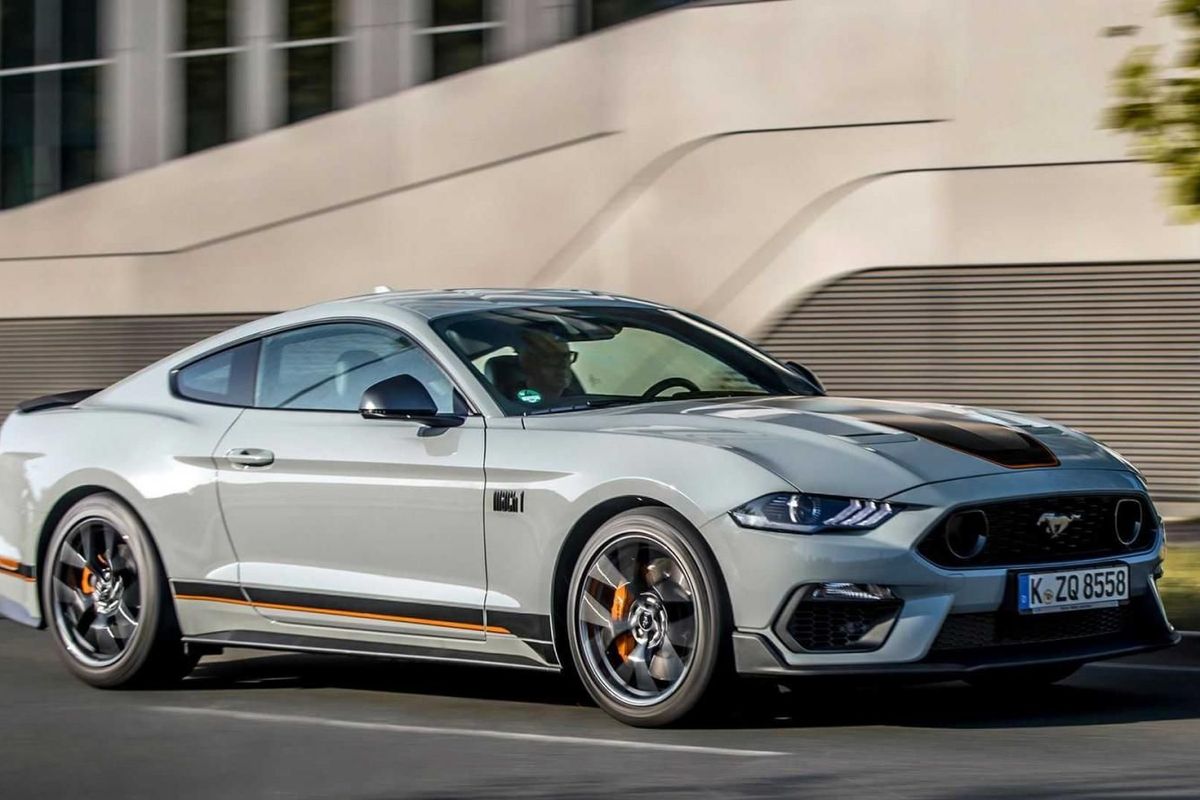
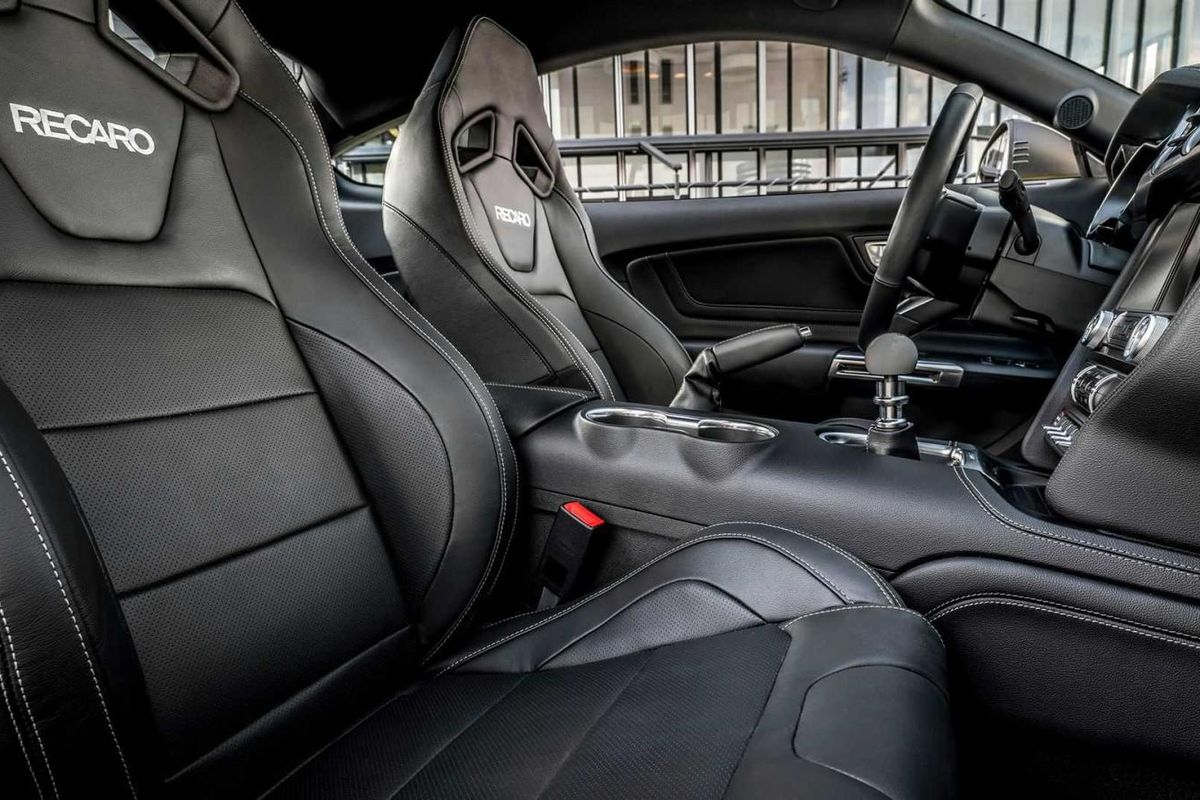
Earlier this year, Ford revealed the Mustang Mach 1, a revival of the 1969 nameplate, that offers buyers more performance from its 5.0-litre V8. A recent report confirmed that the Mustang Mach 1 would be produced as a global model which opens up the possibility that South Africa could be on the receiving end of the decision. 

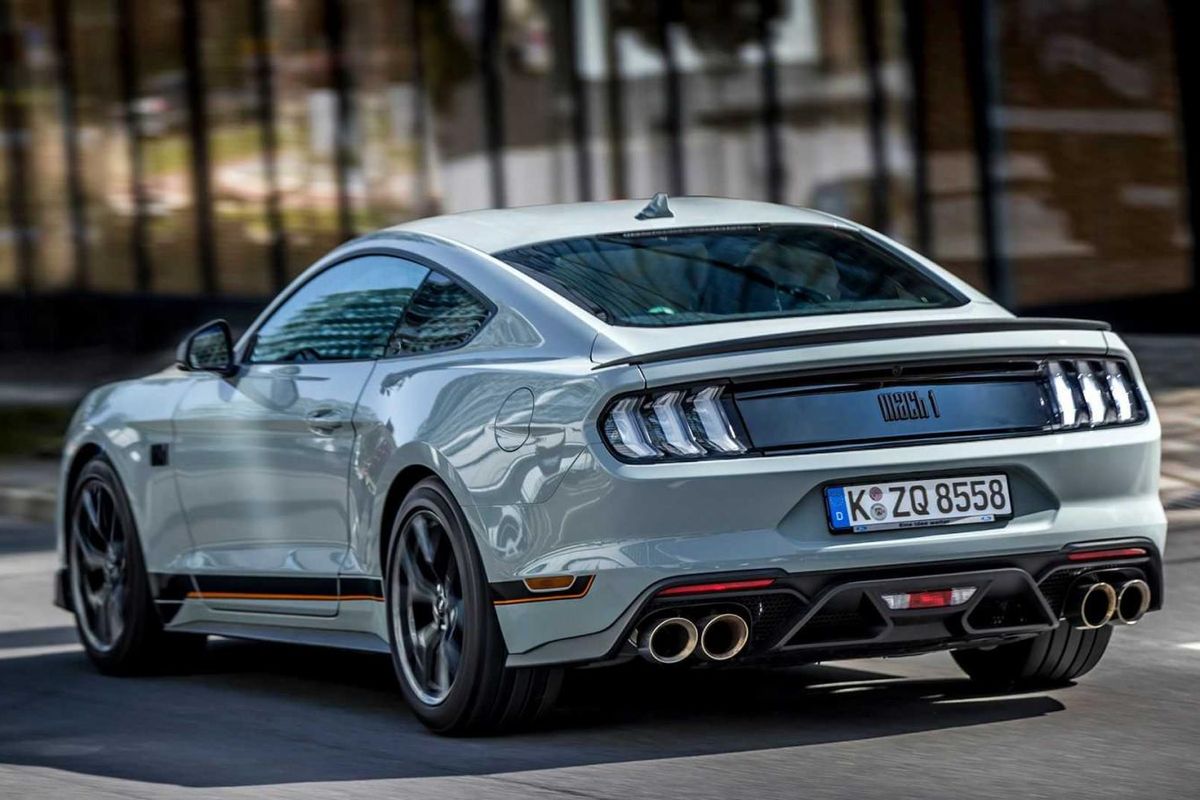
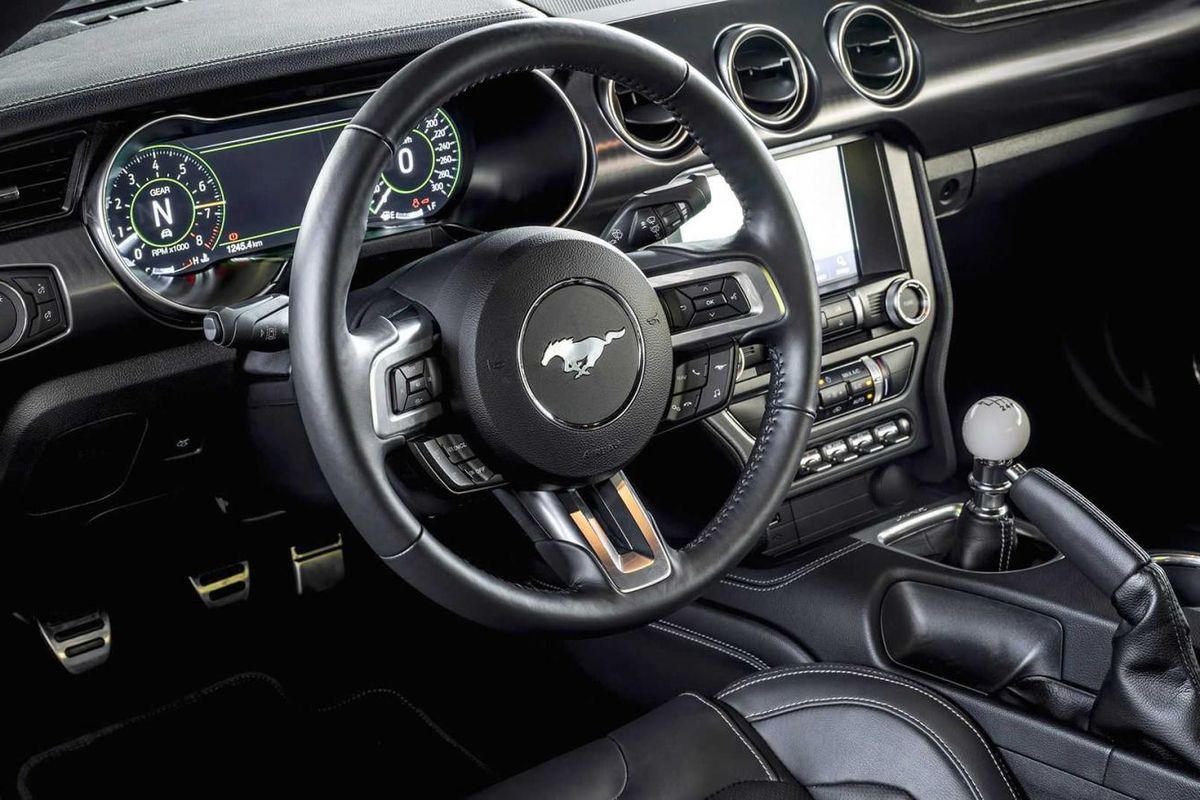
In America, the Mustang Mach 1 develops 358 kW and 569 Nm and is equipped with a 6-speed manual or 10-speed automatic transmission driving the rear wheels. However, Ford has now revealed the Euro-spec Mustang Mach 1 but its outputs have been cut by 20 kW and 40 Nm (to meet European emissions regulations), totaling 338 kW and 529 Nm, which is just 6 kW more than the standard Mustang 5.0 GT fastback on sale in South Africa. The European market suffered a similar blow when the Mustang Bullit came to market. 

Nonetheless, if the Mustang Mach 1 is indeed destined for South Africa, we should receive the full-fat Mach 1. This makes sense considering that the standard Mustang 5.0 GT Fastback offers 331 kW and 529 Nm, which would make the detuned Mach 1 rather pointless. 

We will keep you updated as soon as we receive more news on the Mustang Mach 1’s local introduction in South Africa. 

Buy a Ford Mustang on Cars.co.za

Related Content

Ford Mustang RTR (2020) Specs & Price

Ford Mustang 5.0 GT Fastback (2019) Review

Roush's 600 kW Mustang now in SA
Ford Mustang Bullitt (2018) Launch Review [w/Video]

Ford Mustang (2019) Launch Review

VW Golf 8 GTI Clubsport S Ruled Out

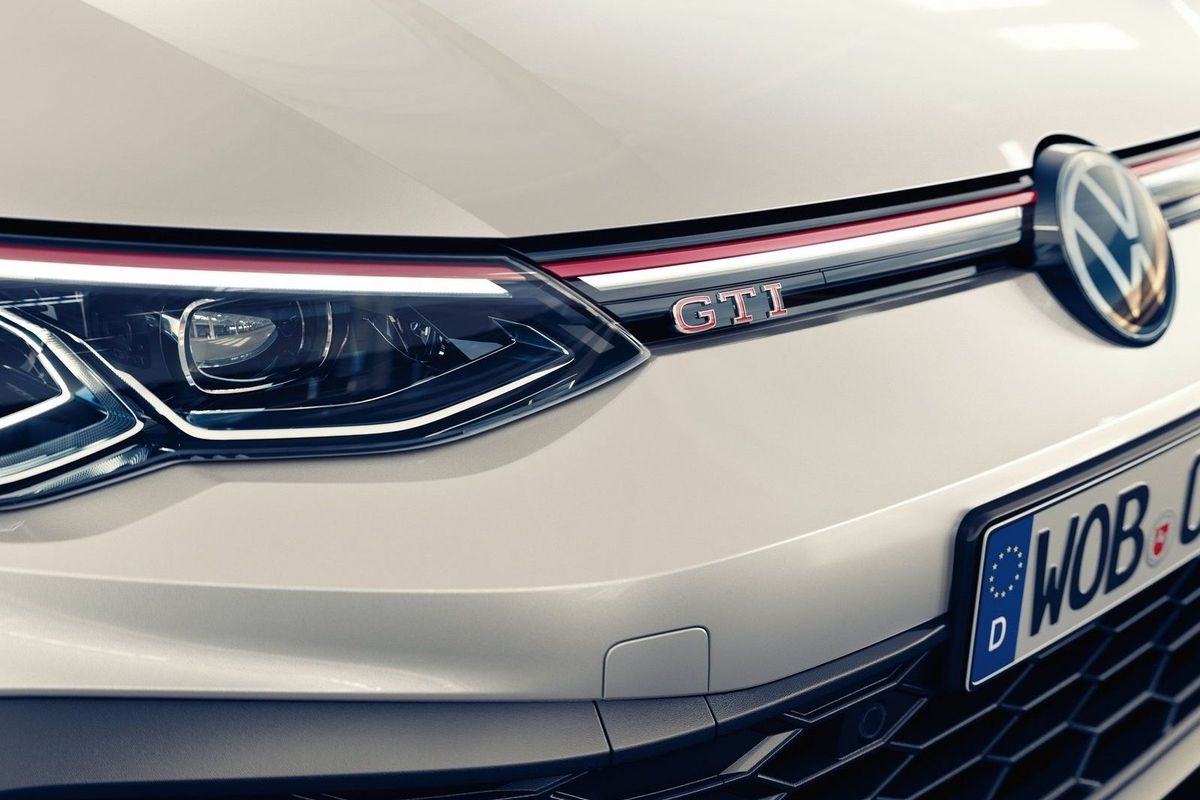
This week's reveal of the all-new Volkswagen Golf 8 GTI Clubsport had petrolhead tongues wagging. Will there be an eventual successor to the iconic Clubsport S, which rewrote the history books back in 2016? Bad news, we're afraid…

Chatting to UK publication Autocar, the Volkswagen head of driving dynamics Karsten Schebsdat 'admitted that a follow-up to the 2-seater model is not planned now.' This is annoying news as we were keen to see another driver-focused Golf see the light of day. Still, it's not as annoying as the news that the all-new Clubsport won't be coming to SA.

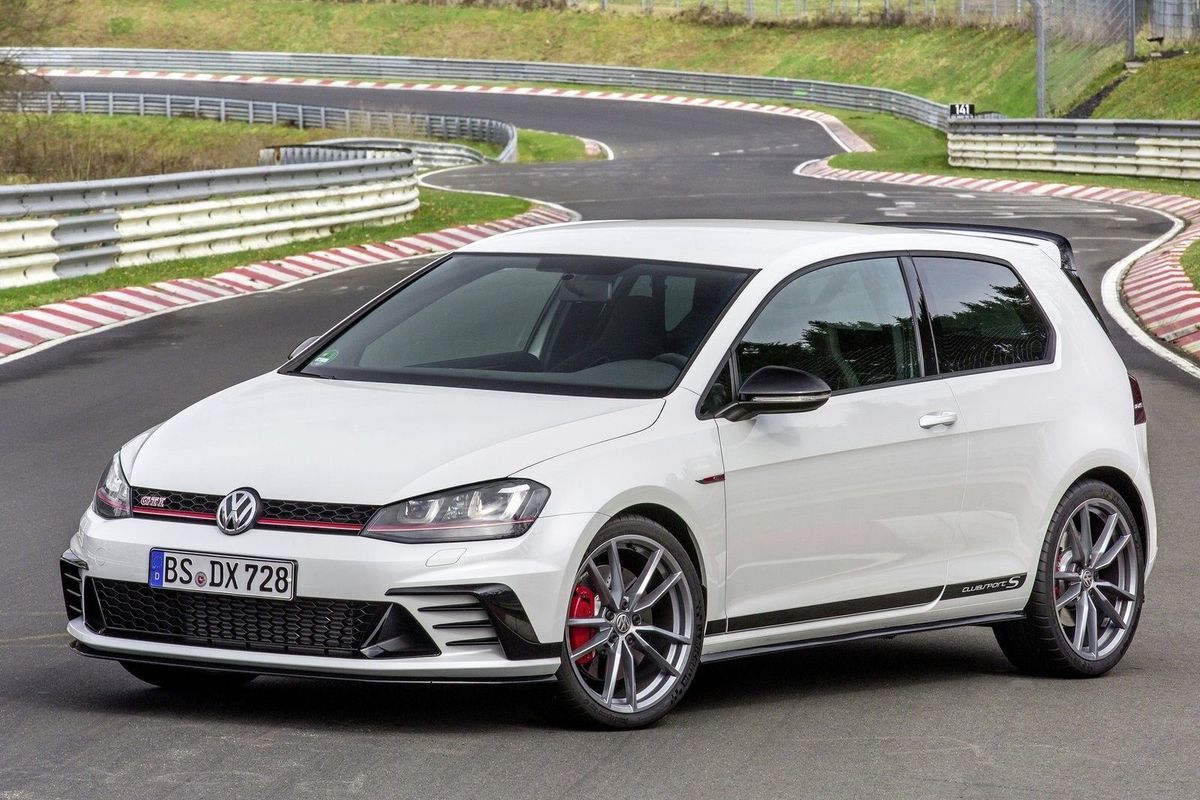
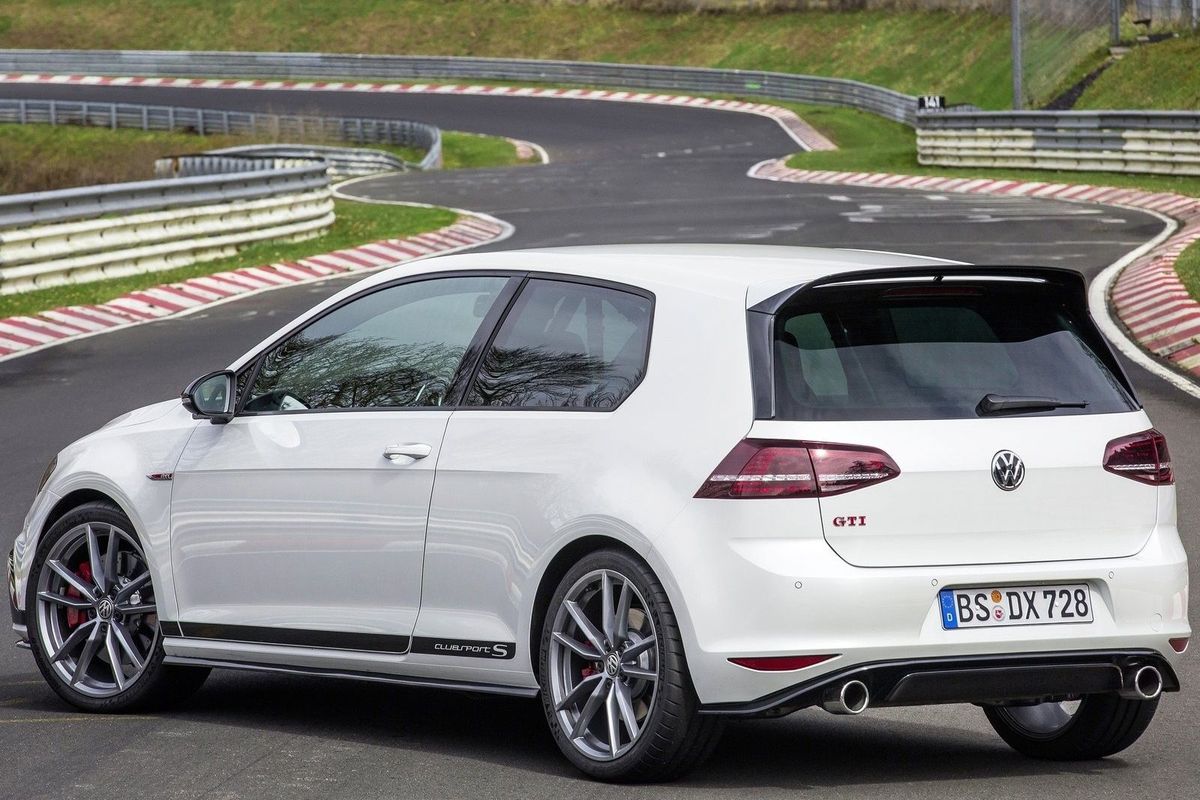
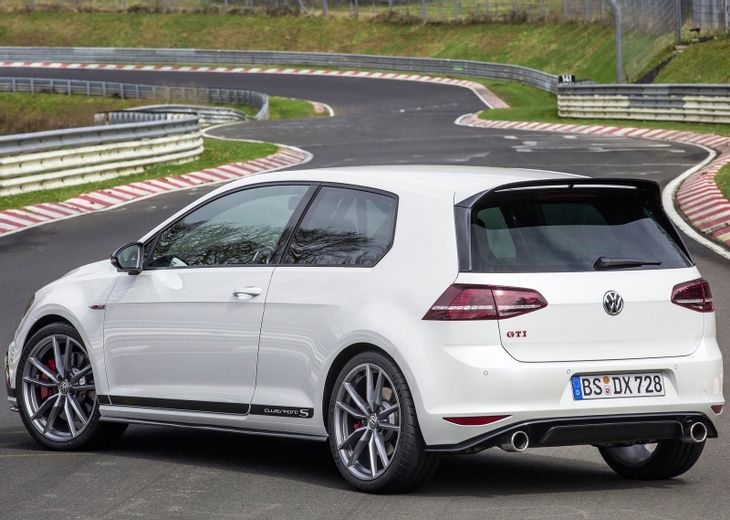
When it was launched, the Volkswagen Golf GTI Clubsport S upset the hot-hatch applecart. Powered by an uprated 2.0-litre turbocharged engine that develops 228 kW and 380 Nm of torque, the Clubsport S was front-wheel driven and featured a 6-speed manual transmission. A number of weight-saving measures have been employed to lighten the vehicle and you will notice that the Clubsport S had no rear seats, it’s a 3-door, with a strut brace in its place to improve structural rigidity. The Clubsport S rides on 19-inch alloy wheels. There were just 400 units made and of these, 47 made it to South Africa.

The claim to fame was its Nurburgring lap time of 7min 47.19sec. The record only lasted a year before the Honda Civic Type R beat it and the Japanese performance hatch was in turn beaten by the Renault Megane RS Trophy-R in 2019. The fast Frenchman managed a 7 min 40.1, which is the current record. 

Search for a used Golf Clubsport S here – we have stock!

Further Reading

Volkswagen Golf 8 GTI (2020) International Launch Review

Volkswagen Golf 8 GTI Clubsport Not for SA
Volkswagen Golf 8 R To be Revealed in November

Volkswagen Golf GTI Clubsport (2016) Video Review

Volkswagen Golf GTI Clubsport (2016) Review

Volkswagen Golf GTI Clubsport (2016) First Drive

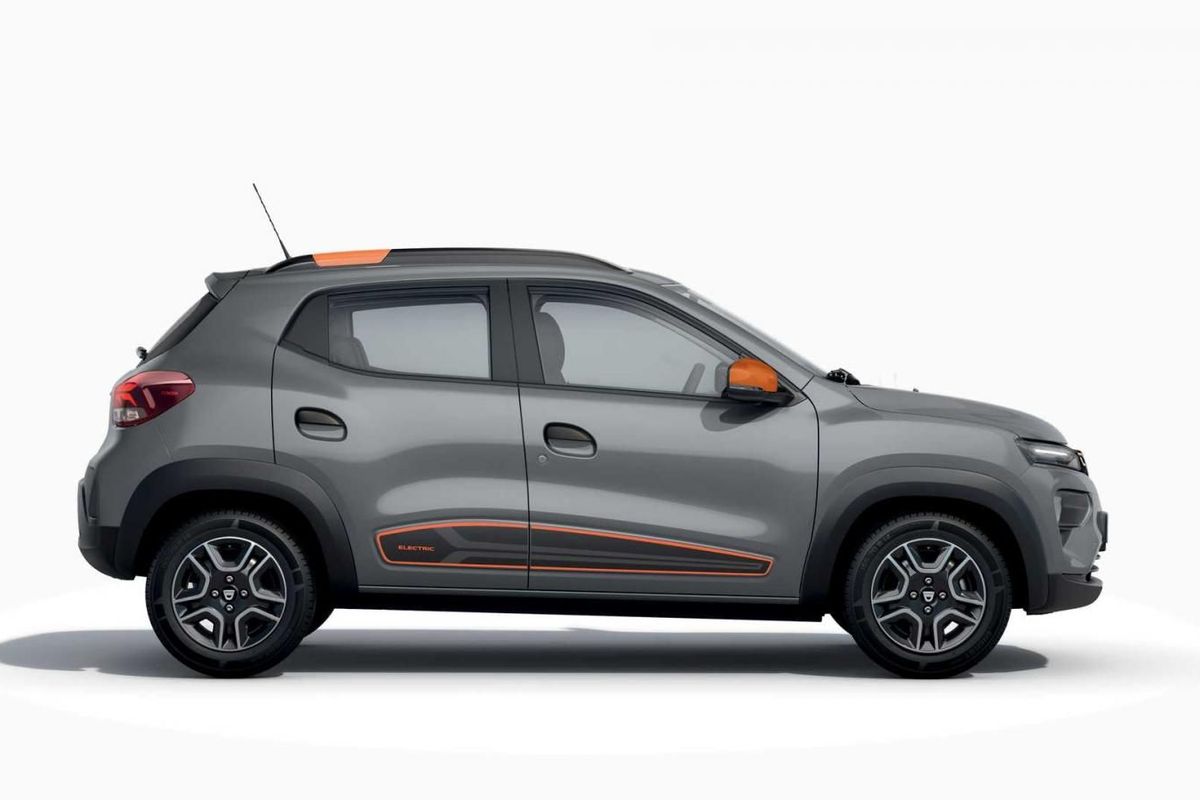
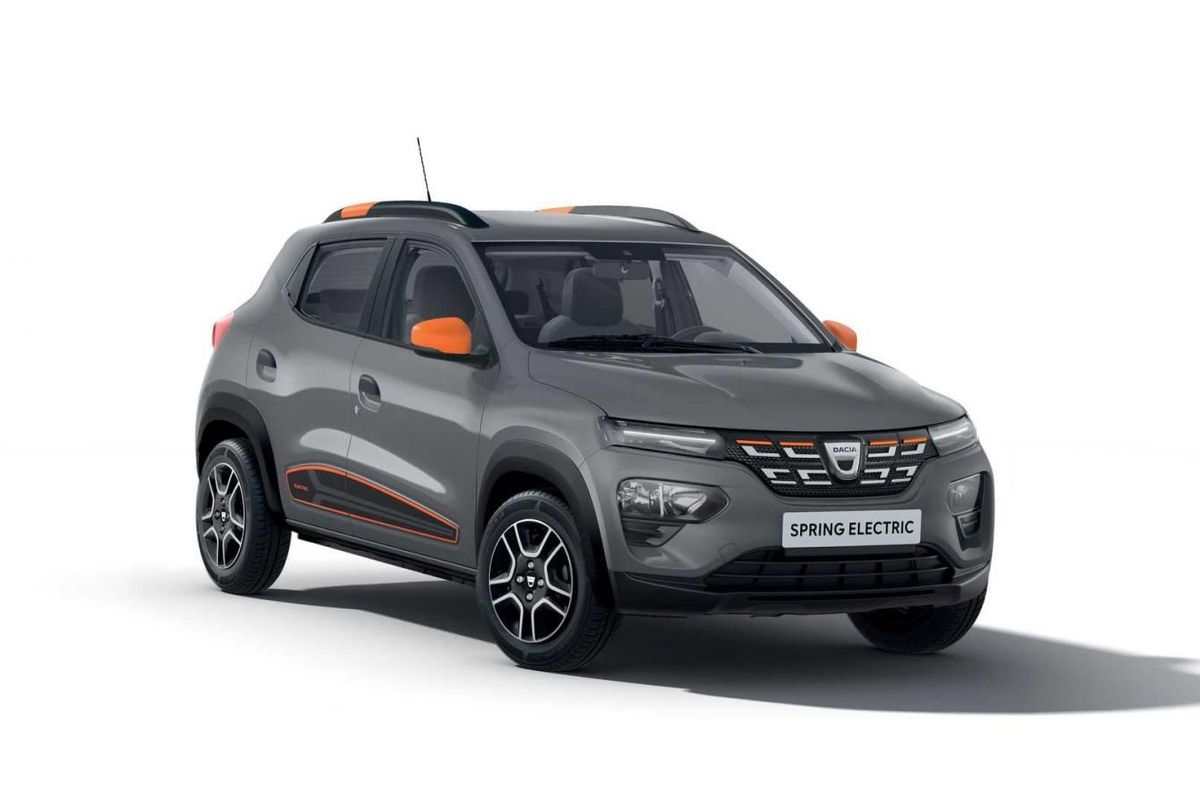
Spring Electric is Renault’s Kwid EV

This 'Kwid' could start the budget EV revolution. And it's about time!

Renault has revealed a new compact crossover, with battery power.

The French company believes that electrification is crucial to its future and unlike other European rivals, who are prioritizing large and expensive battery vehicles, Renault is going for entry-level value.

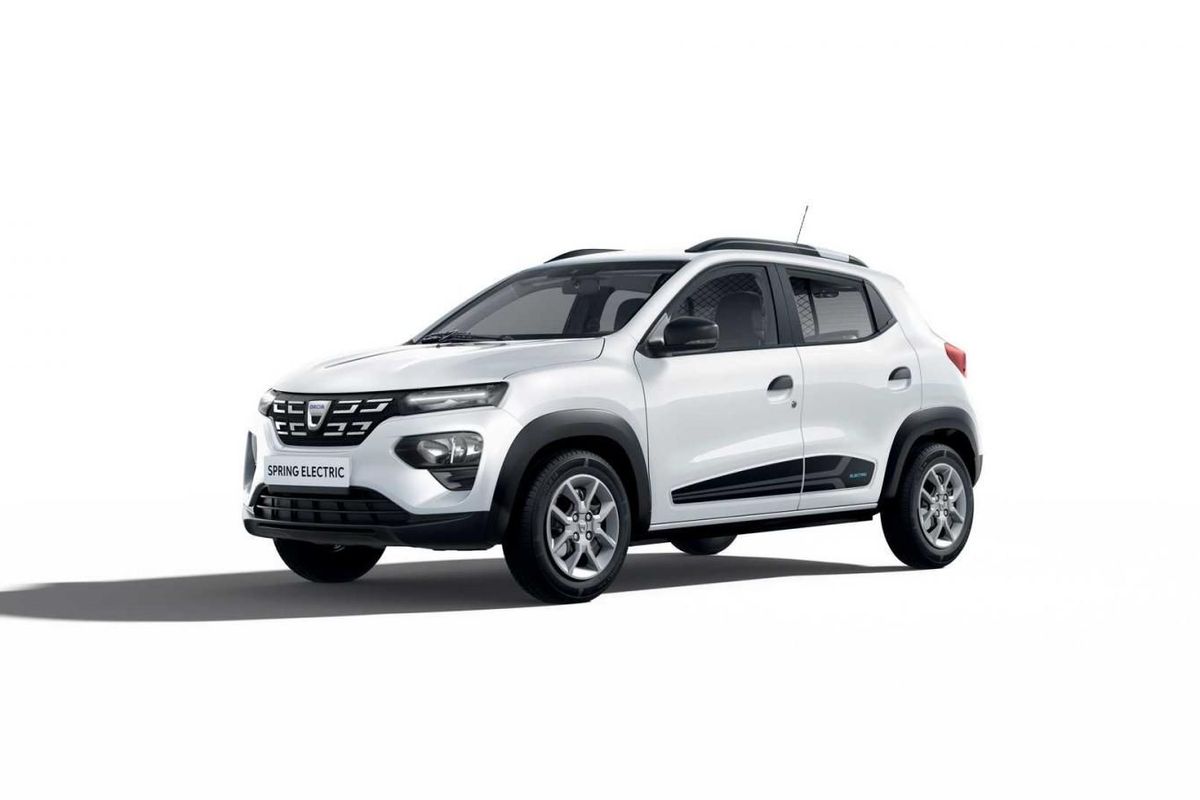
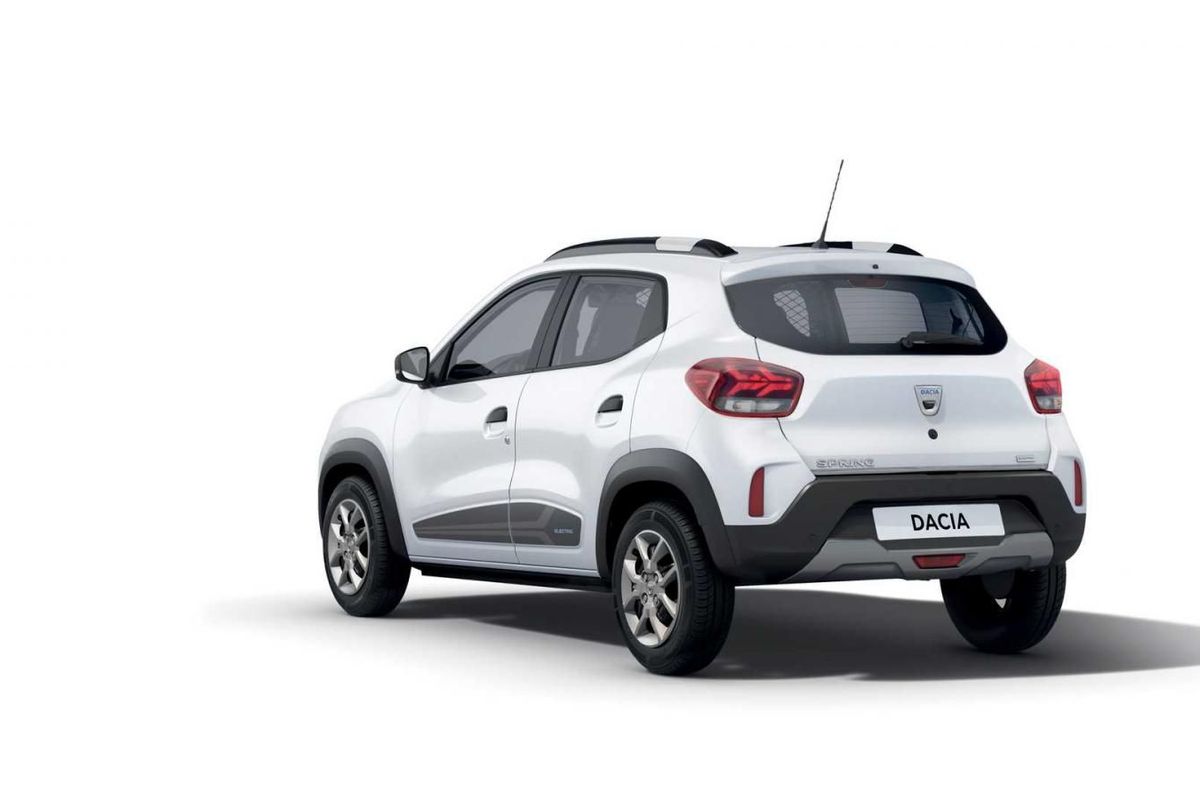
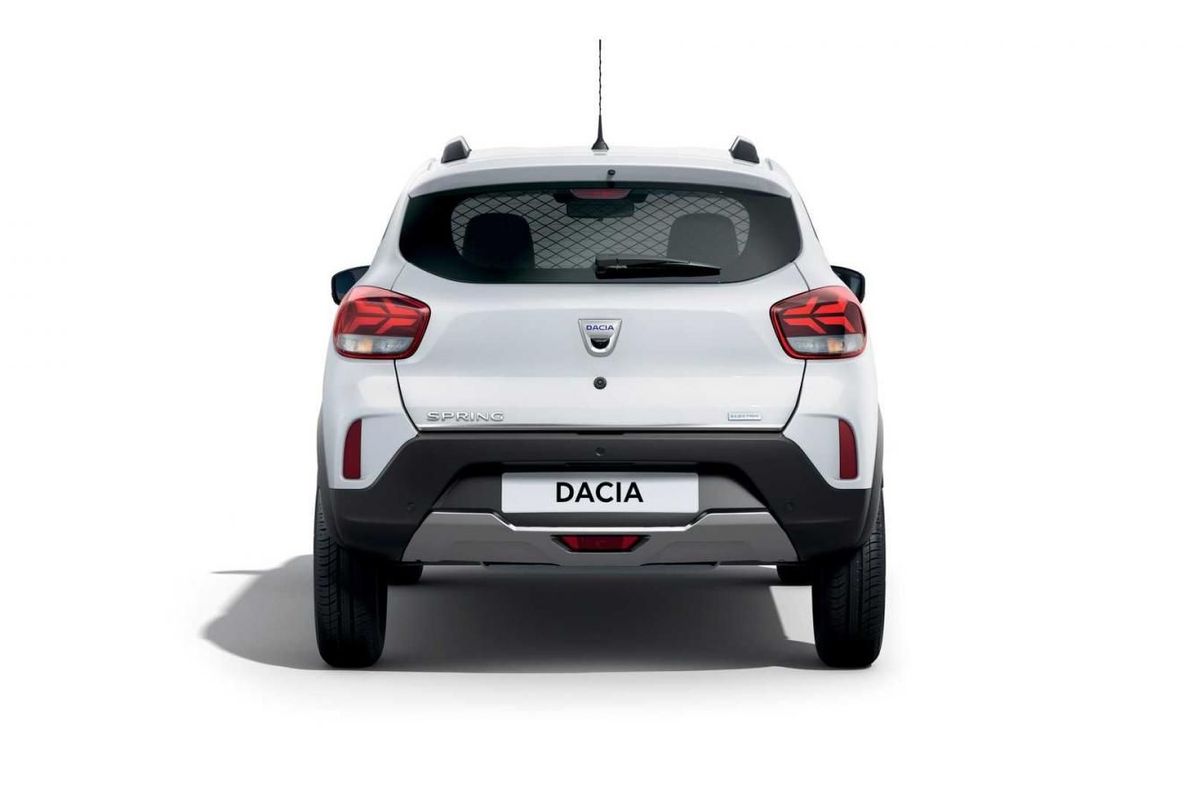
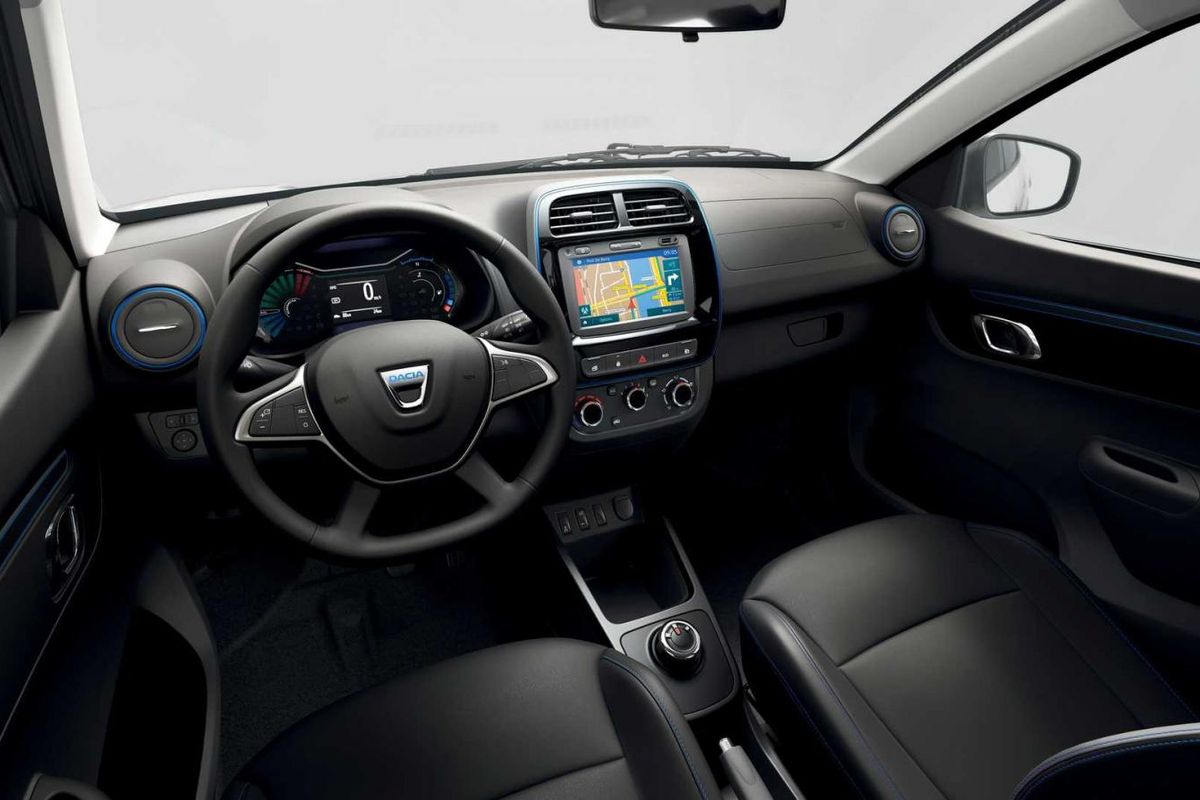
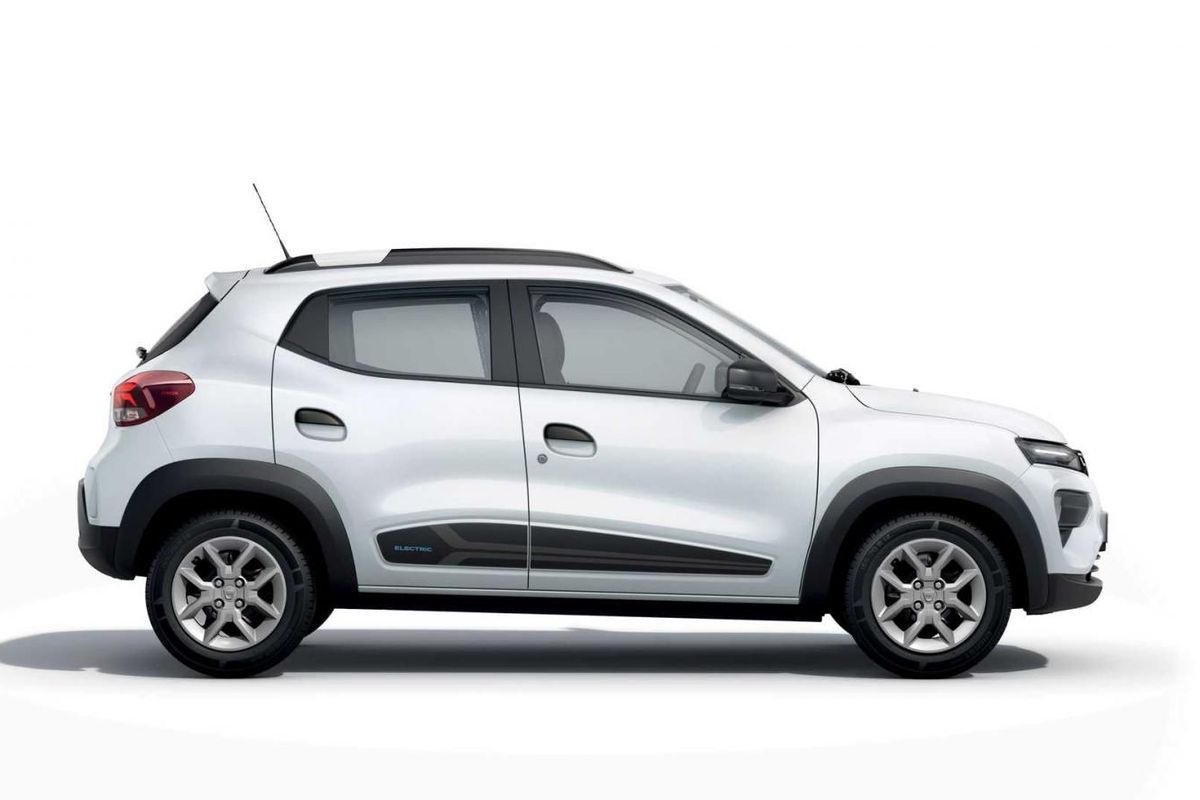
The Spring Electric, which has debuted with Dacia badging, is essentially a battery-powered Kwid. In terms of design, it has a non-functional front grille and there are no exhaust tips at the back.

Power sources from a 26.8 kWh battery pack, which is small, and produces only 33 kW and 125 Nm. The peak power output is quite a lot less than a petrol-engined Kwid (50 kW), but the Spring Electric has 35 Nm more torque.

Renault has not released any acceleration statistics for its new electric crossover, only commenting that it has a 125 kph top speed, which to anyone who has driven the petrol-powered Kwid will know, feels less than stable.

For electric vehicle buyers, range is paramount and the Spring Electric is claimed to deliver 225 km on a single charge, in mixed driving conditions.

An interesting feature is calibration software that limits peak electric motor power to 23 kW when an Eco-mode button is activated. This is claimed to increase the overall driving range by 10%.

Due to its small battery pack, the Spring Electric should be less of a chore to recharge. By Renault’s calculations, a 220V home socket will fully recharge the compact crossover in 14 hours. This can be trimmed to 5 hours when using a 7.4 kW Wallbox fast-charging unit.

If you have access to a 30 kW public charging terminal, the Spring Classic’s battery energy can be completely replenished in under an hour.

One of the benefits with any electric car, is the promise of superior space utilization, due to the lack of an engine and fuel tank. With the Spring Electric, those gains are marginal, due to the fact that it does not ride on a dedicated electric vehicle platform architecture.

Compared to a conventional Kwid, it only has 21-litres more boot capacity, at 300-litres of total luggage volume, with the rear seats in place.

Renault’s product strategy with the Spring Electric is to produce Europe’s cheapest mass volume electric car. The launch price isn’t confirmed, yet, but the French have already simplified their Spring Electric, to reduce cost, making automatic air-conditioning and an infotainment system optional extras.

Related content

5 New Cars Under R3 000 p/m

5 Cheapest New Cars in South Africa 2020

Renault Kwid 1.0 Climber (2020) Review

Drag Race! Honda Civic Type R vs Hyundai i30 N

In race 3 of our hot hatch hyper shootout series of drag races, Korea takes on Japan to see who makes the faster hatch over a quarter-mile.

In this battle of car brands which begin with 'H', only one hot hatchback can be victorious, unless it's a draw, which is very unlikely. Interestingly, too, both these cars are manuals. We headed out to the Saldanha airfield outside Cape Town, a working airfield where you occasionally have to scatter off the runway because a plane needs to land. It's very exciting. In a fetching shade of blue, the Hyundai i30 N is the brand's first N car to reach South Africa and our race-ace Ashley Oldfield thinks very highly of this front-wheel-drive fiery five-door. In an angry shade of grey, the Honda Type R is arguably the king of hot-hatchery; it is devastatingly quick around a track. But how would it fare on the quarter-mile…

Watch our previous races in the series here:

Drag Race: VW Golf GTI TCR vs Hyundai i30 N

Drag race! Volkswagen Golf GTI TCR vs Honda Civic Type R

Ford EcoSport (2020) Review

Earlier this year, Ford bolstered its EcoSport range with a more affordable entry-level (and convenient) Ambiente automatic derivative. Gero Lilleike loaded up the 1.5 Ambiente automatic and headed for the quaint West Coast town of Paternoster to determine if the newcomer is worthy of your consideration. 

We like: Good looks, no-fuss interior, ride/handling balance, convenience of an automatic at this price

We don’t like: Sluggish overtaking ability, limited rear passenger and load space.  

Fast Facts

  • Price: R316 300
  • Model Tested: Ford EcoSport 1.5 Ambiente automatic
  • Engine: Naturally-aspirated 1.5-litre petrol
  • Power/Torque: 91 kW/150 Nm
  • Transmission: 6-speed automatic
  • Fuel Economy: 6.9 L/100km 
  • Load capacity: 333–705 litres

Serious About Buying? 

Check out full specification details and finance estimates here.

Some Ford dealers regularly offer specials: Look at New Car Specials here!

What is it? 


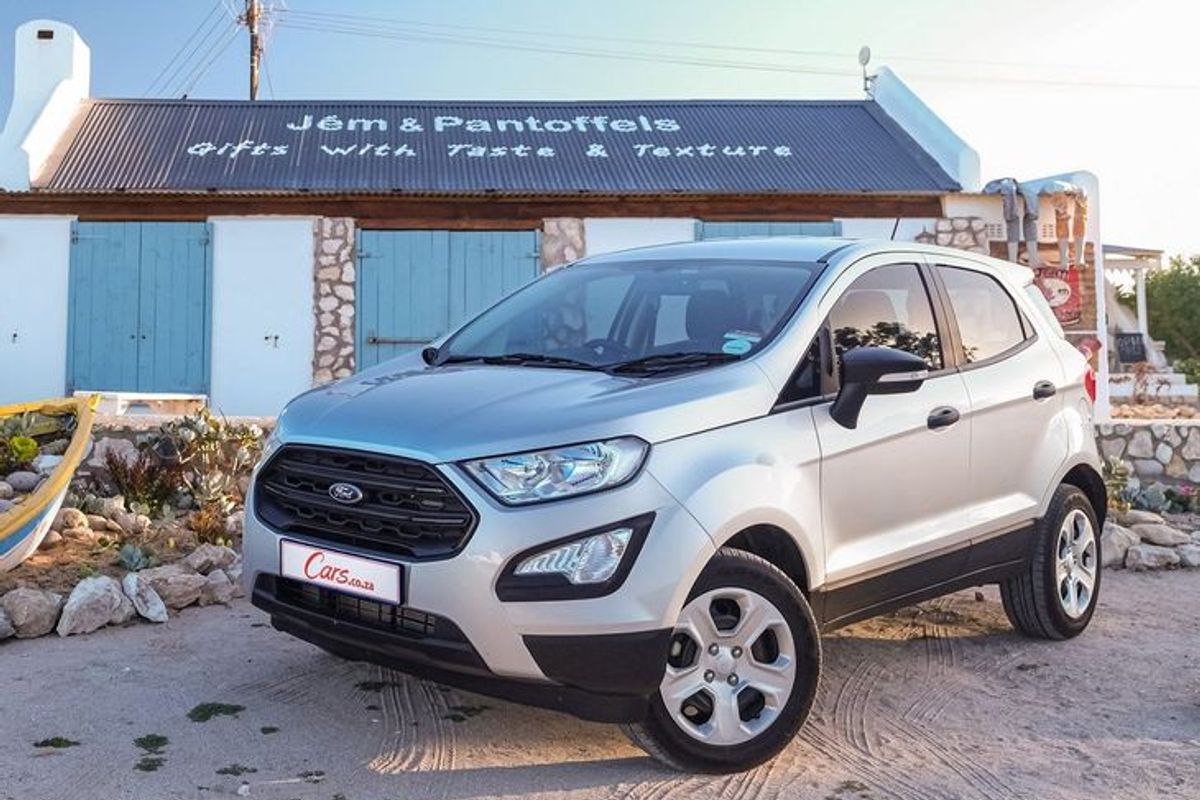
The EcoSport is a charming small SUV and the addition of an entry-level automatic derivative broadens its appeal. 

The Ford EcoSport competes against a horde of formidable rivals in the compact family-car segment, including the Volkswagen T-Cross, Mazda CX-3, Hyundai Venue, Renault Captur and Haval H2 (to name just a few models). The Indian-made EcoSport has been a huge sales success for Ford South Africa; the 1st-generation model arrived here in 2013 and was replaced by this iteration in 2018.

So, why has this derivative been added to the line-up? Buyers are increasingly opting for the convenience of an automatic transmission and, in an effort to target budget-conscious buyers (who most probably have to contend with congested traffic on their daily commutes), Ford now offers a 6-speed automatic EcoSport in its entry-level Ambiente trim, making it one of the most affordable compact family cars currently available on the local market. It’s a smart move from Ford and one that’s bound to resonate with cash-strapped buyers looking for optimal value from their new-car purchases. 

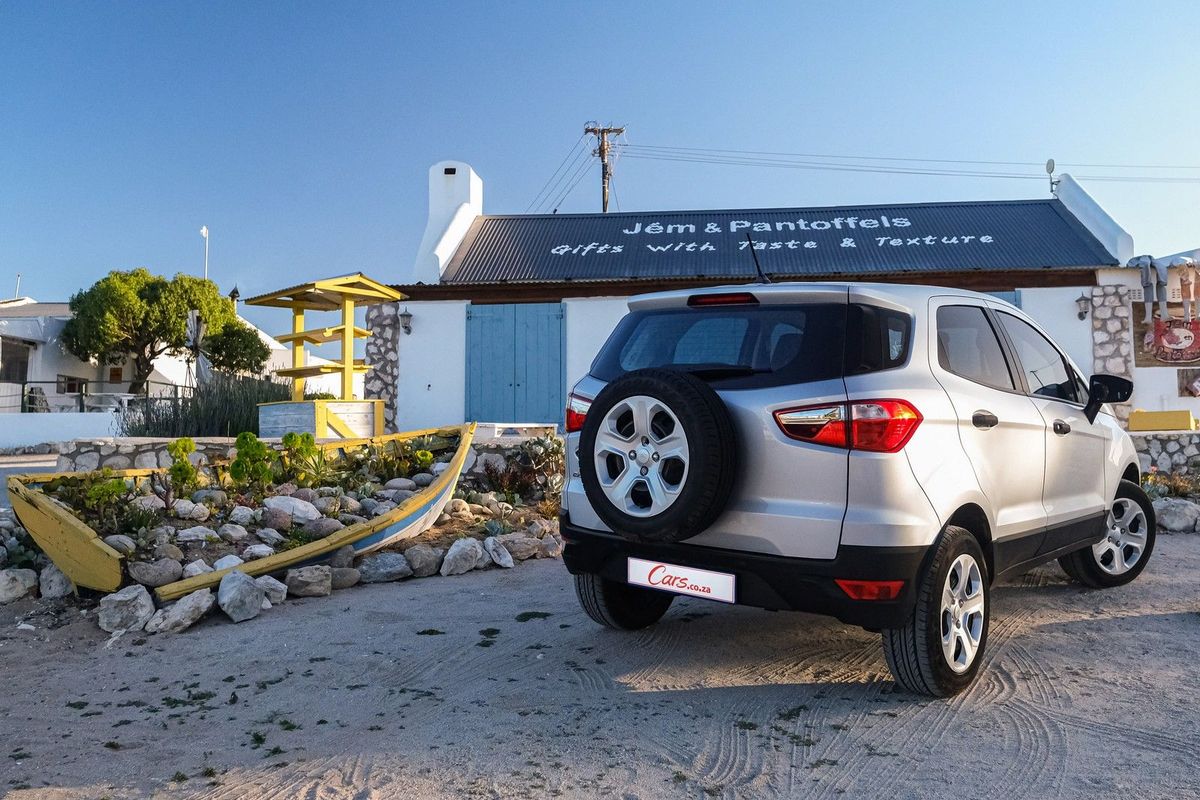
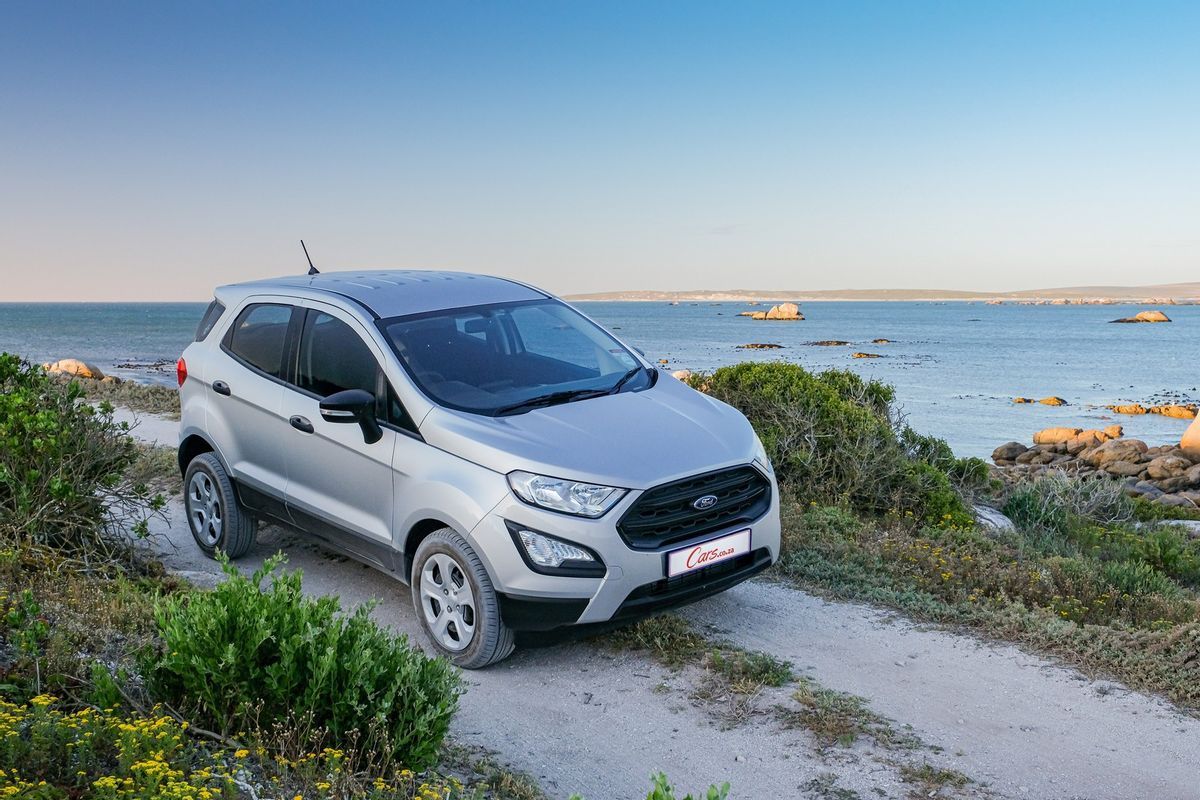
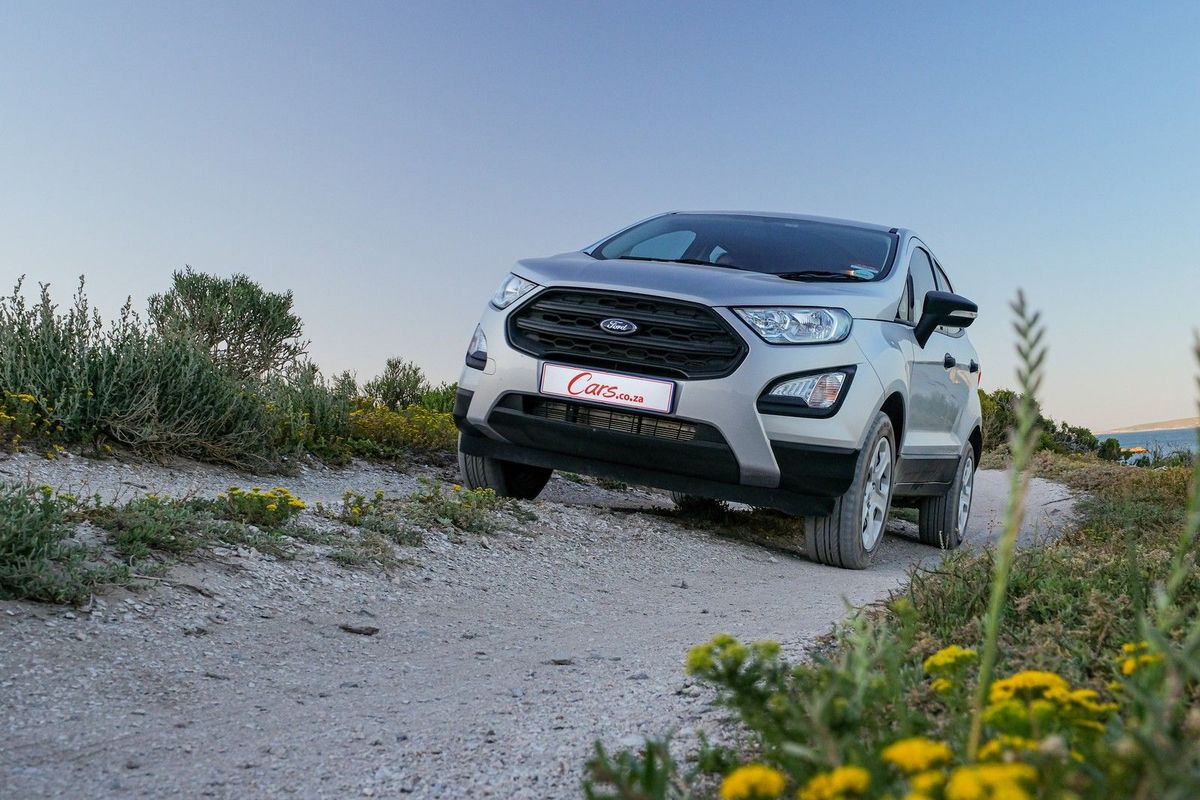
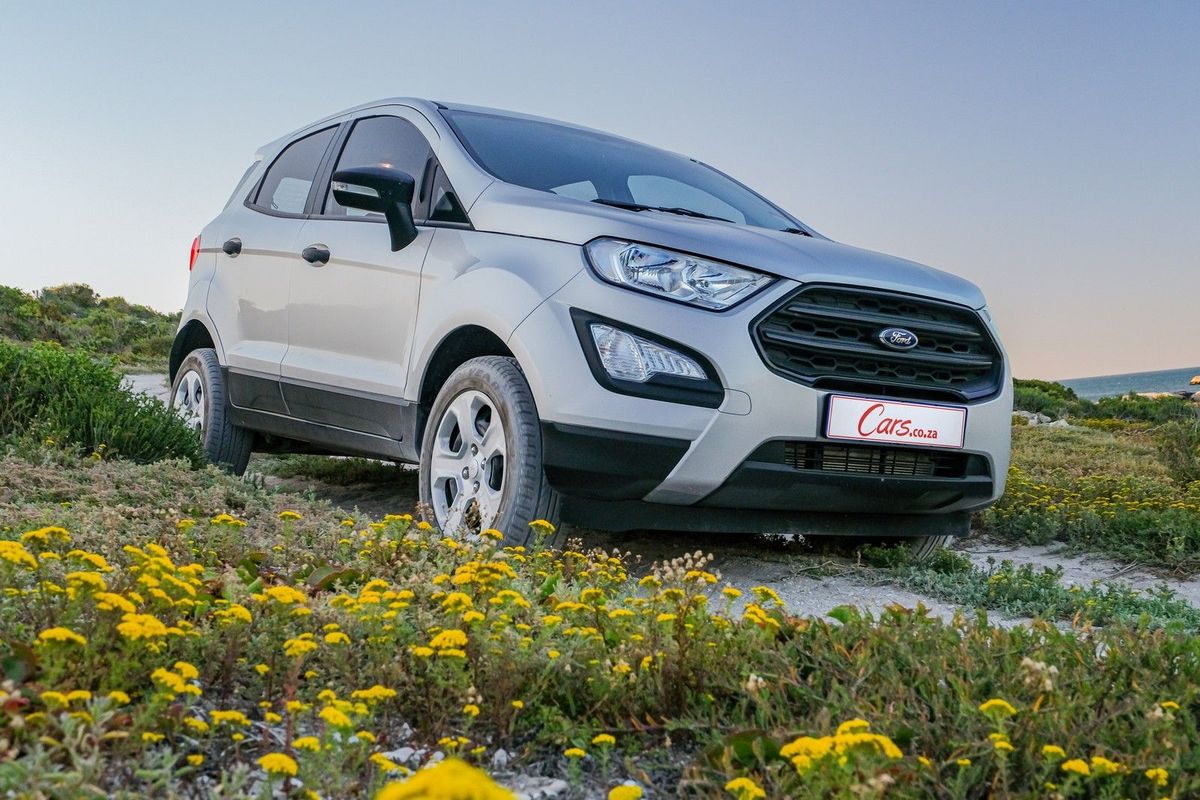
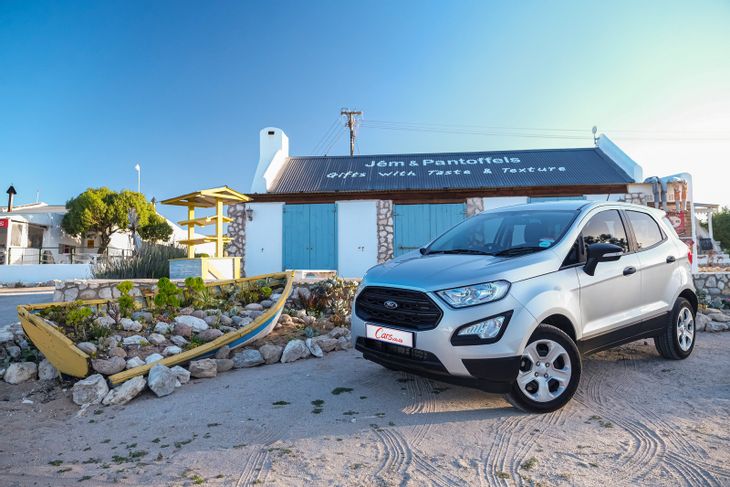
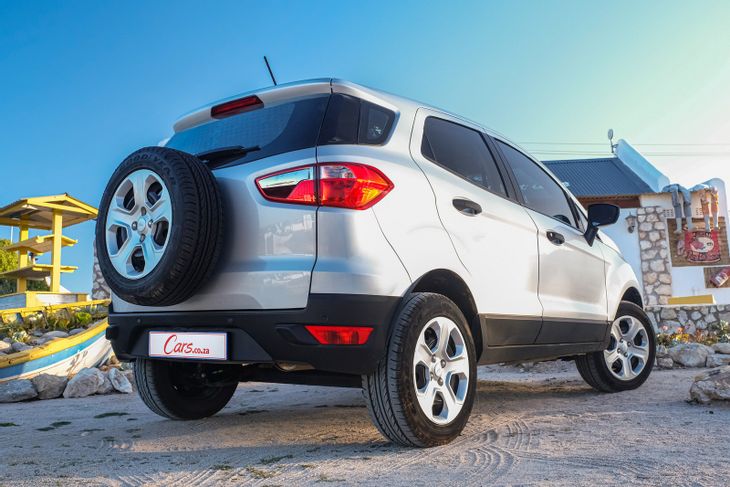
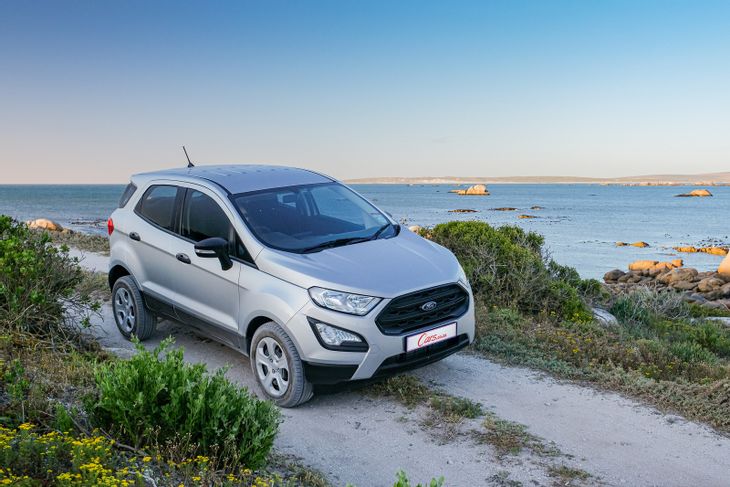
Our test unit looked particularly striking in its Moondust Silver metallic finish and a contrasting black grille. In Ambiente guise, 16-inch steel wheels with wheel covers are standard, but with a ground clearance of 206 mm and loaded with a surfboard, the EcoSport had to fulfil the role of a go-anywhere surf-mobile in search of sand and waves on the West Coast. Let’s see how it performed…

How it performs in terms of…

Performance and Economy 


Without turbocharging, this EcoSport lacks low-end punch, but still manages to return acceptable fuel consumption figures. 

Our destination for this test was Paternoster, a small – but hugely popular – West Coast town some 150 km north of Cape Town. Seeing as the Ambiente automatic is equipped with a 1.5-litre petrol engine that develops middling outputs of 91 kW and 150 Nm of torque, I wasn’t expecting fireworks from this naturally-aspirated EcoSport – I didn't expect it to be as responsive or punchy as its 1.0-litre turbopetrol siblings. However, even though the engine has been criticised for being sluggish and the transmission could be smoother-shifting, there’s a trick to extracting the best from this powertrain.

This EcoSport doesn’t like to be driven hard; if you pin the accelerator pedal to the floor, the engine just strains while the transmission hangs onto each gear for dear life, all without achieving significant forward momentum. Instead, to get the most out of this engine-transmission combination, a driver needs to apply steady, measured throttle inputs (feeding the power consistently) to keep the engine in its sweet spot. This approach yields far better results and when driven in this manner, the Ecosport’s performance improves appreciably – it can actually feel quite nippy to drive on city roads. However, because the 1.5 Ambiente automatic isn't turbocharged (there's no meaty low-rev punch on tap), overtaking other vehicles at highway speeds requires more careful planning/forethought. 

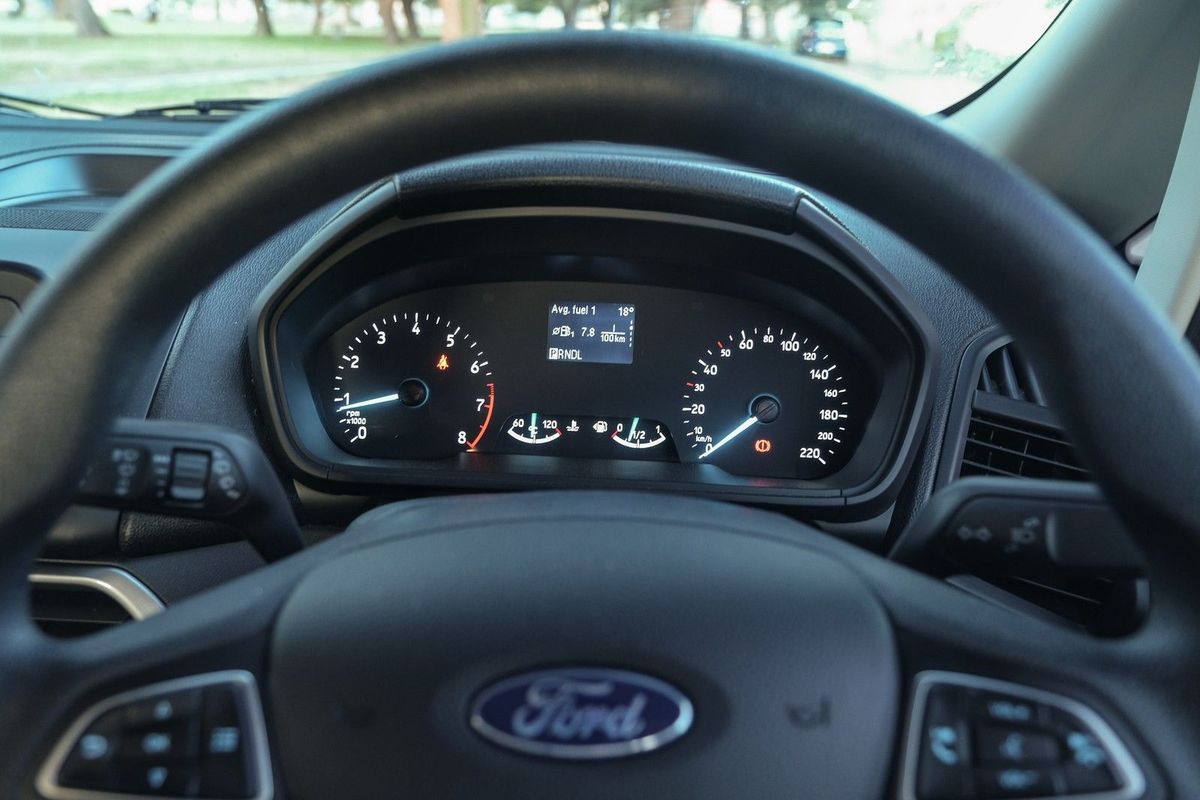
It’s also worth remembering that the Ford's performance will suffer at altitude, especially when it's loaded with a full complement of passengers and luggage. On the upside – and this will be quite a plus for the derivative's target market – the EcoSport returned an admirable fuel consumption figure during this test. Ford claims 6.9 L/100 km, but we managed 7.8 L/100 km without trying too hard. 

Another major highlight of this EcoSport's package is its surprisingly refined ride and handling balance. The 1.5 Ambiente automatic simultaneously feels reassuringly-planted at highway speeds and rides pleasingly comfortably on tar. It’s also worth noting that the Ford's steering is refreshingly sharp and responsive (for a budget offering), which contributes to the overall driving experience. 

"Off-road" performance


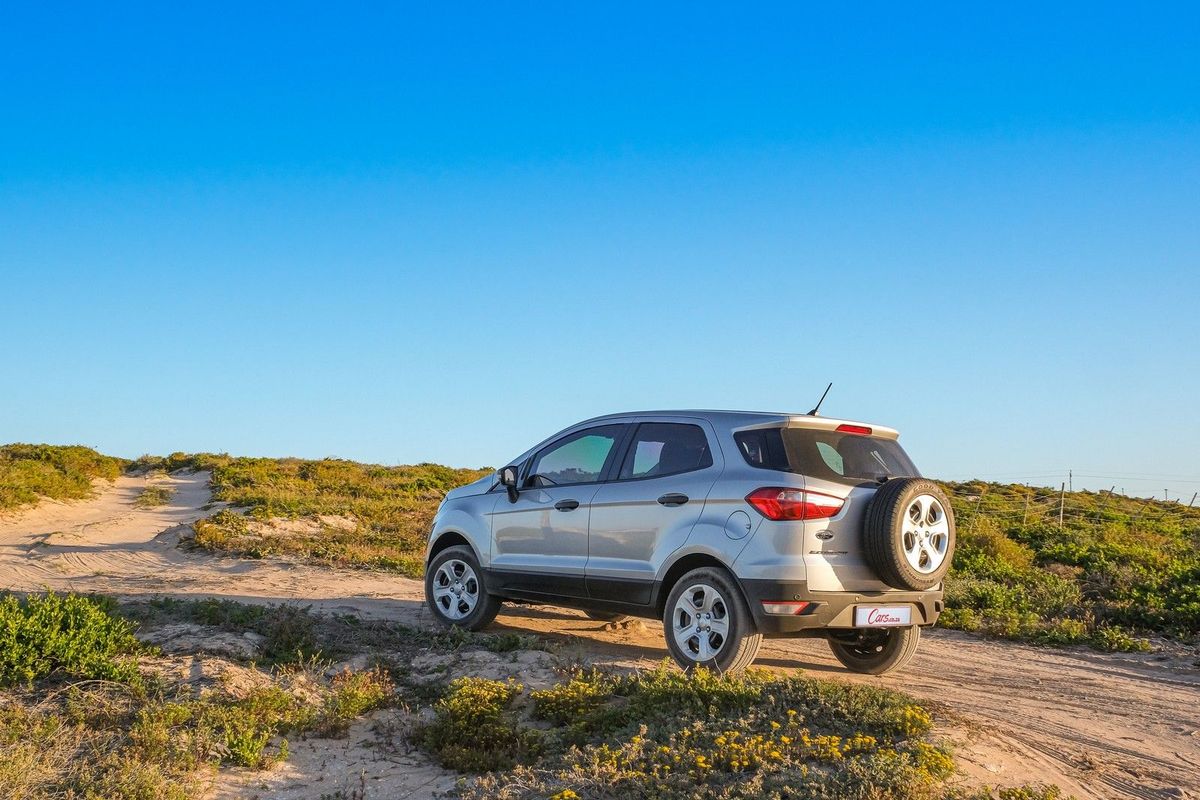
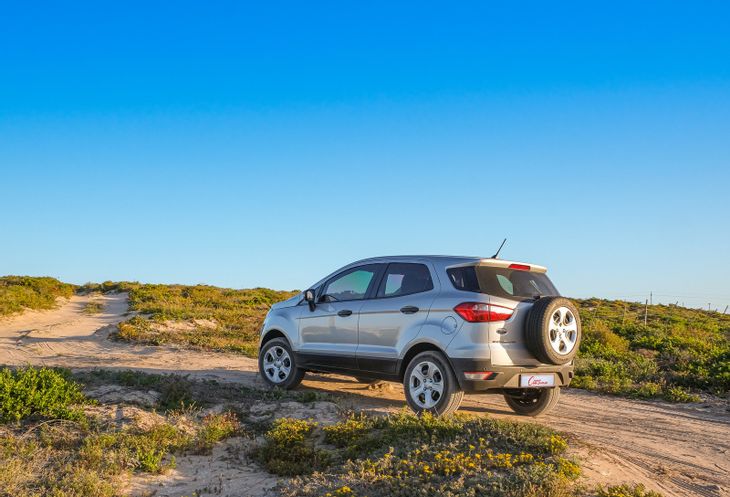
The EcoSport feels right at home on gravel and it has the ground clearance to navigate dirt roads with ease. 

We were really keen to explore Paternoster and while the forecast for surfing was disappointing, we decided to venture out nonetheless. A friendly local told me about a potential surf spot up the coast, but it was only accessible via a sand road. Such a route probably required an all-wheel-drive or 4×4 vehicle to traverse safely, yet I couldn’t resist trying out the Ford's (albeit limited) off-road abilities.

With its raised ride height, the EcoSport felt right at home on gravel roads… and even proved capable on the sandier sections. Using the vehicle’s momentum, thicker sand sections can be successfully negotiated and despite my wife’s fears that we'd get stuck, the Ford made it to its destination without a struggle!

The front-wheel-drive EcoSport is at a disadvantage on challenging terrain, but by shifting the transmission lever into "L", the 'box stays in first gear, which ensures that the engine remains "on the boil", at least sufficiently so to get through softer sections of sand (this feature is also useful on steep inclines).

During our stay in Paternoster, we saw countless EcoSports exploring the town and the surrounding dirt roads and, within this rustic location, the Ford's appeal became immediately apparent. This compact family car/small SUV really can go places, or to be more precise, using Ford’s marketing tagline, it really can "Go Further" than you might think…

Interior execution and features


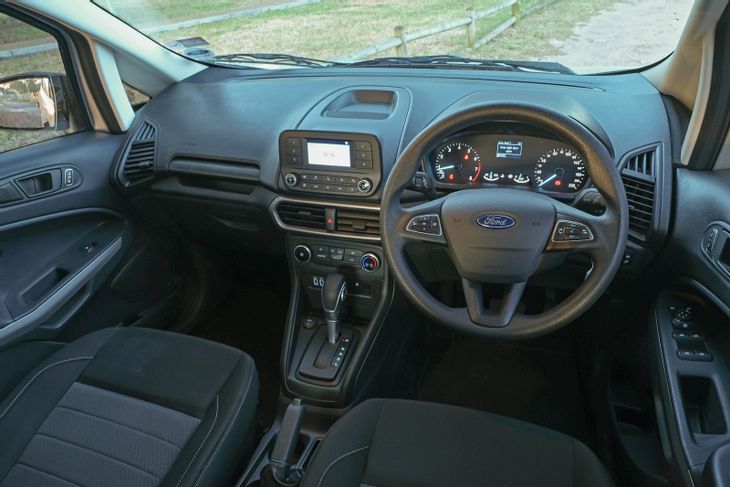
Hard-wearing plastics dominate inside this EcoSport, but it's likely to withstand the rigours of family life. 
 
Even though this is the entry-level EcoSport derivative, the 1.5 Ambiente is not a bare-bones offering. Sure, you have to forego the larger infotainment touchscreen offered on higher-spec derivatives, but the 4.2-inch SYNC system has the basics covered with Bluetooth telephony with voice control, radio and MP3 playback. There are also 2 conveniently placed USB ports for connecting devices. 

Despite the prevalence of hard plastic surfaces and finishes, the perceived interior build quality is fair; we believe the EcoSport's cabin is likely to withstand constant hard use by a small family.

The steering column is adjustable for rake and reach, plus you can toggle the driver info display by using the multifunction steering wheel, but sadly, cruise control is not offered in Ambiente trim.

As for safety features, half a dozen airbags are fitted, as well as ABS with EBD, brake assist and electronic stability control. For added convenience, rear park-distance control is availed.   

Practicality


In terms of luggage and utility space, the EcoSport is not the most spacious offering in this segment. 

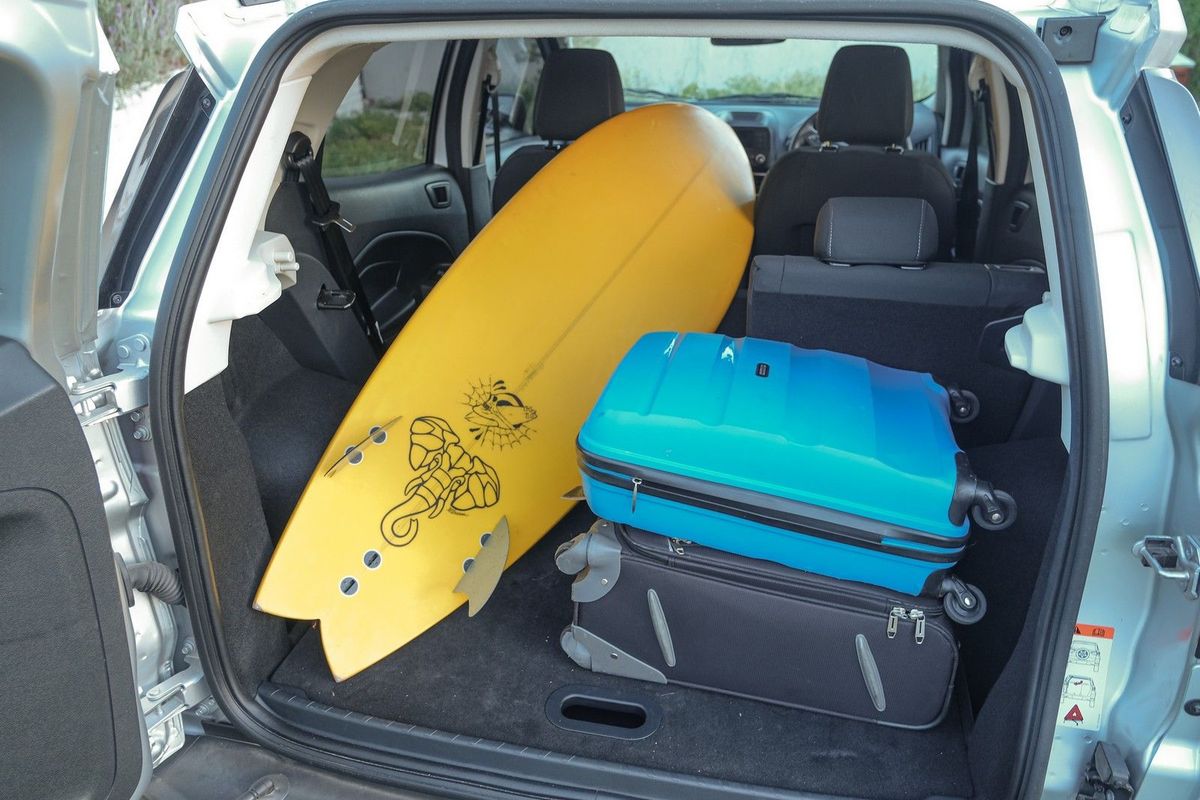
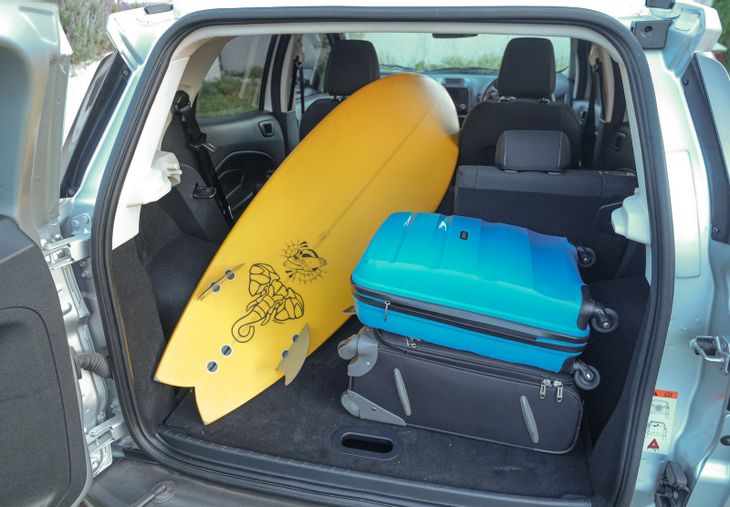
The EcoSport is indeed very compact, which bodes well for manoeuvring in and around the city, but it also means that the cabin is snug. For starters, the load bay has a claimed capacity of 333 litres, which is marginally below average for this segment; the load space is tall, but not quite as generous in terms of depth. Because the spare wheel has been positioned on the tailgate, there is at least additional (and discreet) storage space underneath the boot board. It should also be noted that the tailgate opens horizontally (not vertically), which might hinder rear access in confined spaces.

Meanwhile, the rear seatback splits in a 60:40 configuration and when you fold the sections down, you have access to 705 litres of utility space, which allows you fit in bulkier items, such as surfboards! However, longer items (again, such as surfboards) are likely to encroach into the front cabin (see above). 

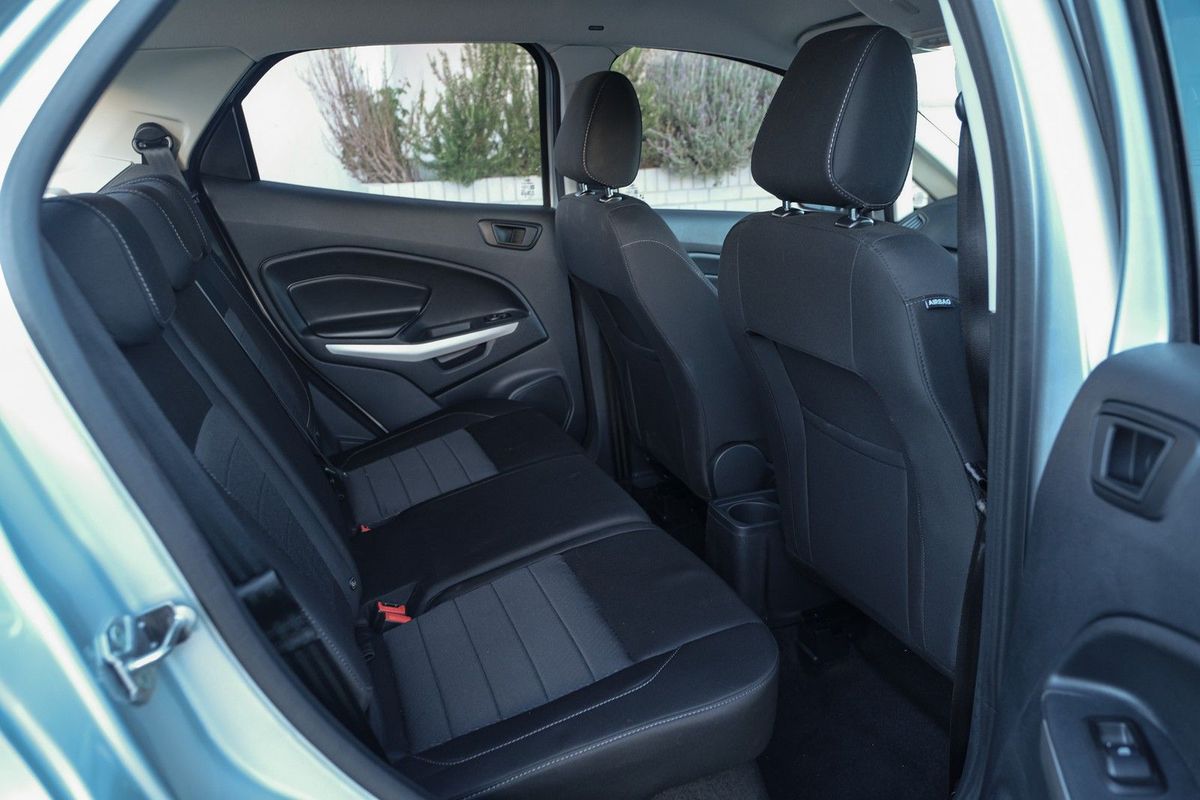
As for rear-passenger comfort, tall adults will find legroom cramped, but persons who are less than 6-foot (1.83 metres) in height will find the rear bench acceptably comfortable, at least for shorter trips.

Besides, the EcoSport's space utilisation is moot: the model is best suited to young couples and small families. While there’s no central bin to store items out of sight (the glovebox will have to do), there is a central console below the handbrake lever that offers 3 cup/bottle holders, as well as space for other oddments. The door mouldings also offers additional storage space.  

Price and warranty

The Ford EcoSport 1.5 Ambiente automatic is priced from R316 500 and is sold with a 4-year/120 000 km warranty and a 4-year/60 000 km service plan. 

Buy a used Ford EcoSport on Cars.co.za

Verdict


At this price, there's merit in considering the EcoSport 1.5 Ambiente automatic, if you can live with its shortcomings. 

We enjoyed our time with the Ecosport 1.5 Ambiente automatic – its go-anywhere attitude (within reason of course) was refreshing. However, the keenly-priced Ford's sluggish (let's be kind and say, workmanlike) powertrain is probably the weakest link in the overall package. We suspect that many buyers, especially those at altitude (Gauteng) will find this engine’s performance too compromised, which may force them to dig deeper into their pockets (if they can) for the 1.0T Trend automatic (priced from R354 800) or look to rivalling brands for a solution… but at additional cost, of course. 

Nonetheless, for those buyers that are not too concerned with outright performance and are willing to accept this EcoSport’s spatial shortcomings, the 1.5 Ambiente automatic represents a fairly solid purchasing (let alone fuel-efficient) proposition. Yes, the automatic transmission could be smoother-shifting, but the sheer convenience of having a self-shifting box is pretty alluring at this price point in the market. The next cheapest automatic compact family car/small SUV option is the Haval H2 priced from R324 900, which is a bit larger than the EcoSport.  

Performance aside, buyers will also have to decide whether the EcoSport meets their needs in terms of practicality. There are more spacious options on the market and, as we mentioned earlier in this review, the EcoSport is probably best suited to young families; those buyers who require a more spacious cabin will have to look elsewhere – and be willing to pay more. 

All things considered, we think that buyers looking for an affordable automatic compact family car should put this EcoSport on their shortlist and book a test drive. You have nothing to lose!

Related Content:

Ford adds new entry-level Auto to Ecosport Range

Ford Teases EcoSport Active

Mitsubishi Eclipse Cross Updated for 2022

Mitsubishi has revealed its updated Eclipse Cross. Here's what's changed for the 2022 model year. 

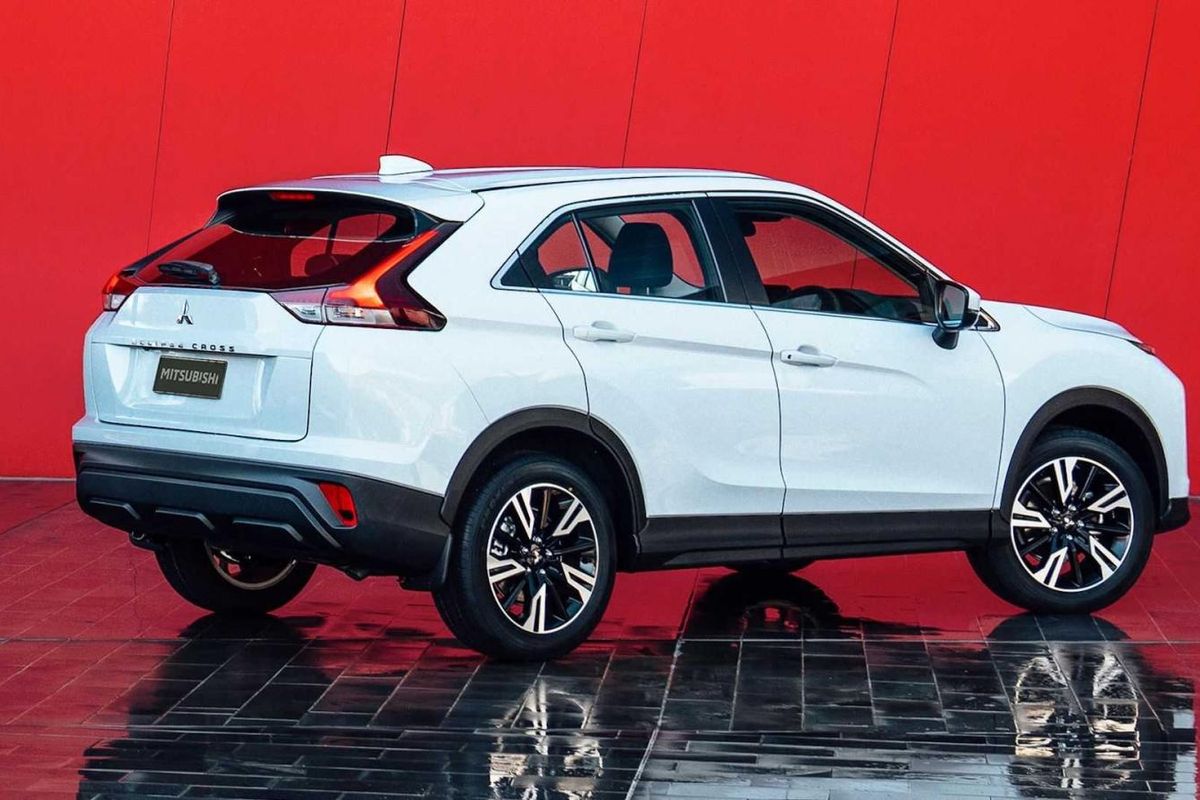
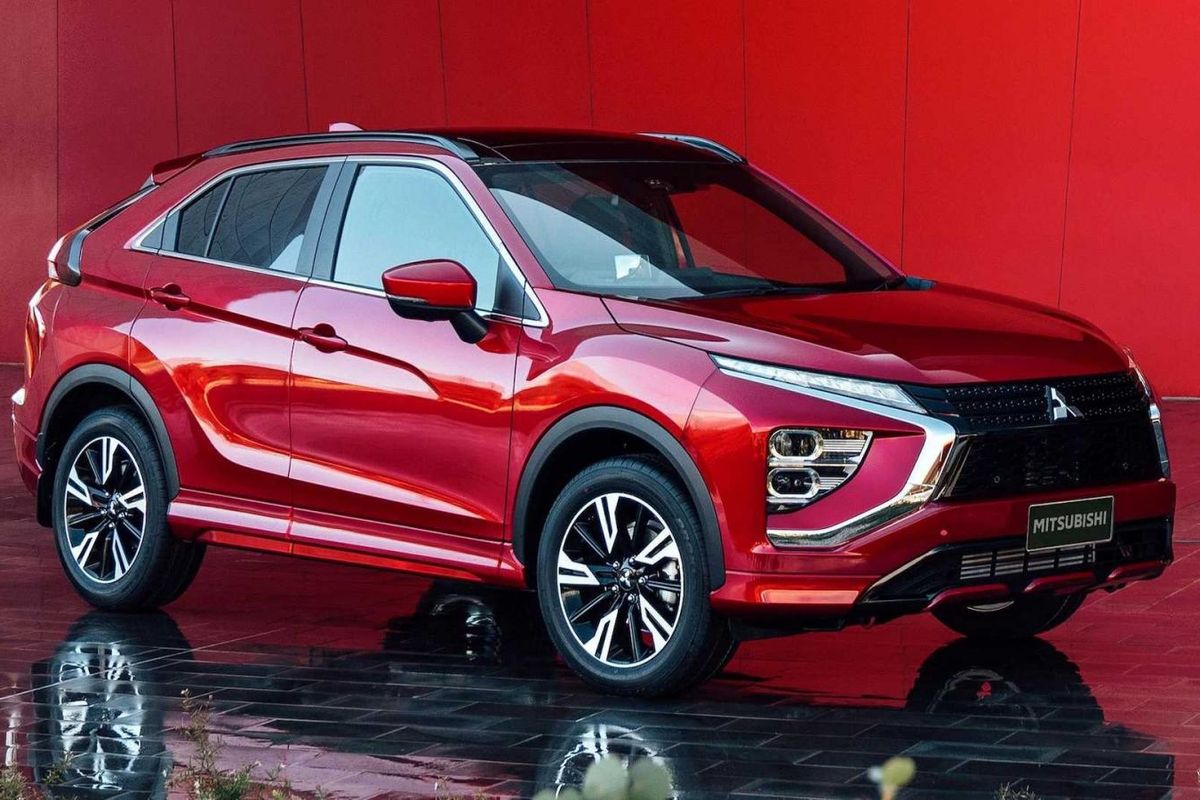
After a quick teaser, Mitsubishi has taken the covers off of its Eclipse Cross. As you can see in the photos, the newer model has gained a few design updates. We get why the design has been altered – it was deemed a bit too polarising by many and this latest iteration has toned down some of the flamboyancy. 

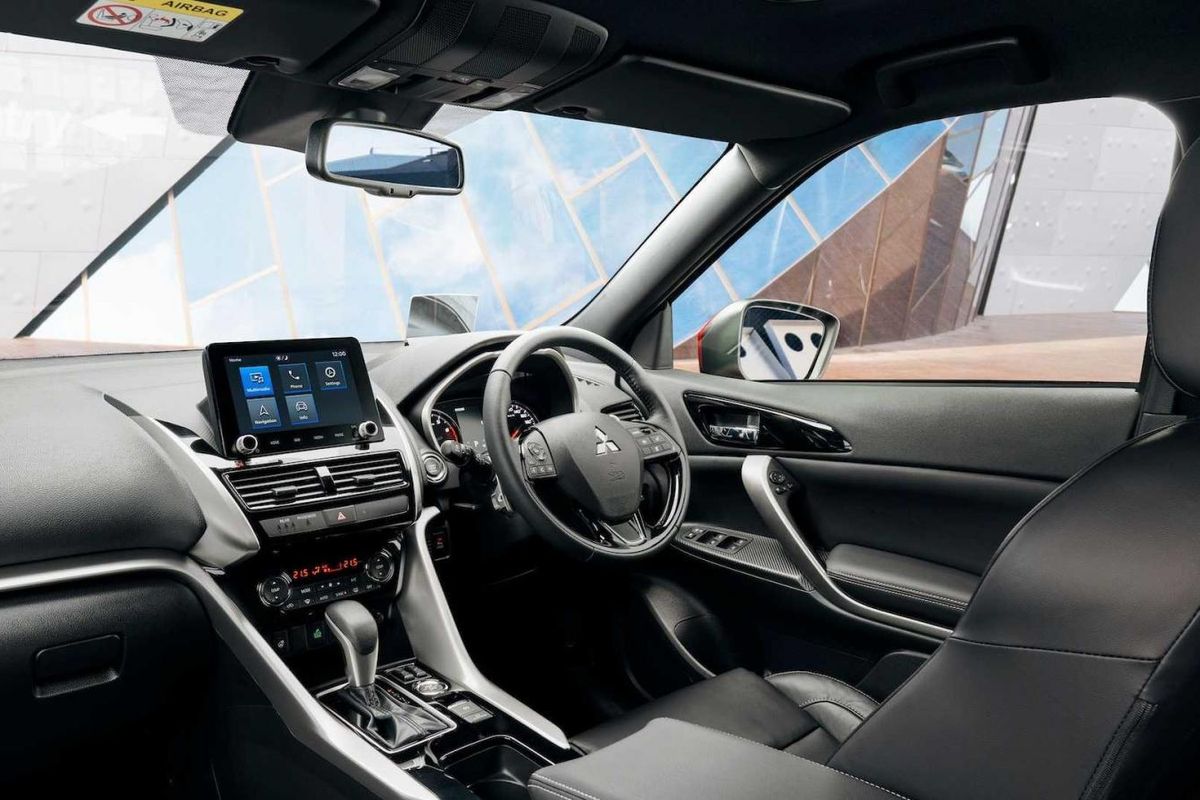
Most importantly, the updated Mitsubishi Eclipse Cross has gained the brand's Dynamic Shield design on the front, while the rear has been enhanced substantially. It's not just about design either as the new-look rear gains improved rearward visibility. There are new headlights and taillights too. Inside, there are new black and silver trim, as well as a tweak to the cabin layout with the 8-inch screen sitting closer to the driver and passenger. The touchpad controls have been replaced by physical volume and tuning knobs.

In terms of engines, the 1.5-litre turbocharged motor with 110 kW and 250 Nm has been carried over. Mitsubishi has said it will be introducing a plug-in version, but very little info is available on this powertrain.

While the 1.5-liter MIVEC direct-injection turbocharged four-cylinder engine gets carried over in the facelifted Eclipse Cross, Mitsubishi said that it will be introducing a plug-in hybrid variant in select markets. Details of the electrified model are scarce at the moment. "From the day we started to rethink the new Eclipse Cross, we wanted to address an attitude of boosted road performance and eco-friendliness, all with a stand-out style that will take this SUV to the next level," said Minoru Uehara, chief product specialist of Mitsubishi Motors Corporation.

Further Reading

Mitsubishi Eclipse Cross 1.5 Turbo GLS (2020) Review

Mitsubishi Eclipse Cross 2.0 (2019) Review

Mitsubishi Eclipse Cross (2018) International Launch Review

Mitsubishi Eclipse Cross 1.5 Turbo (2020) Spec & Price