During a conversation with UK publication Autocar, Jaguar Land Rover’s executive director of vehicle programs Nick Collins said 'there's customer demand (for a pickup)' and 'there were no structural limitations', before adding, 'we always said the Defender would be a family.'
Given South Africa's love for the bakkie and how well the new Land Rover Defender has been received (including a #CarsAwards category win from us), we reckon our market would be perfect for this. But could it physically happen? See, the thing here is the established bakkie players like the Toyota Hilux and Ford Ranger are assembled in a body-on-frame ladder chassis, but the new Defender has modern underpinnings, which are radically different to what's needed for a bakkie. However, it's not impossible to engineer a bakkie on this platform. We're likely to see the new Hyundai Santa Cruz on such a setup.
As far as rivals go, the Toyota Land Cruiser 76/79 reigns supreme as the ultimate bakkie and it's likely this will be the model benchmarked for the Land Rover Defender pickup.
The Jaguar Land Rover group may be pushing hard for electrification, but it still has a considerable arsenal of petrol and diesel engines of varying sizes to call upon for markets that are not in emission legislator crosshairs. A plug-in hybrid powertrain would likely be available for certain markets. Let's not forget the fiery 5.0-litre V8 which will likely get one last go in the Defender, before it too is cut down by ever-stringent emissions.
Watch this space. With a comment about expanding the family as blatant as that, we think it's only a matter of time before Land Rover unleashes more Defender models to join the 2-door 90 and the 5-door 110. There's already a commercial version, which clearly demonstrates the potential.
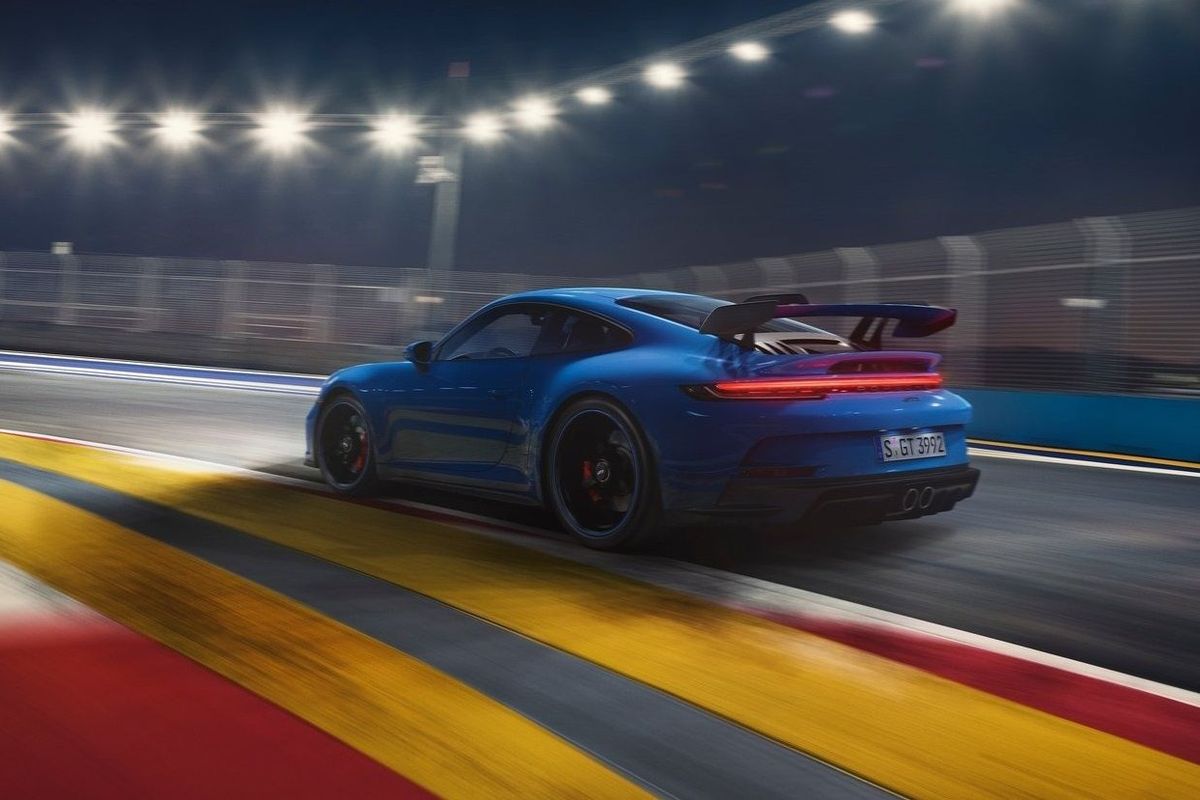
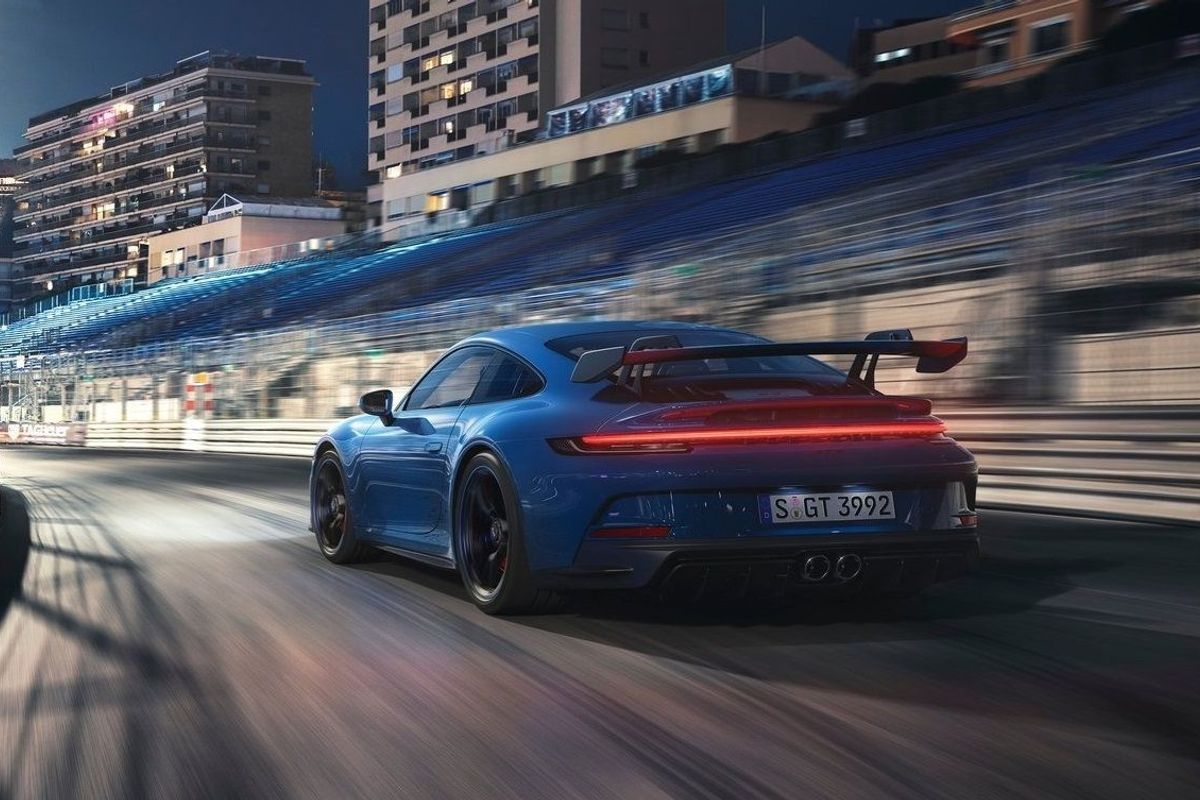
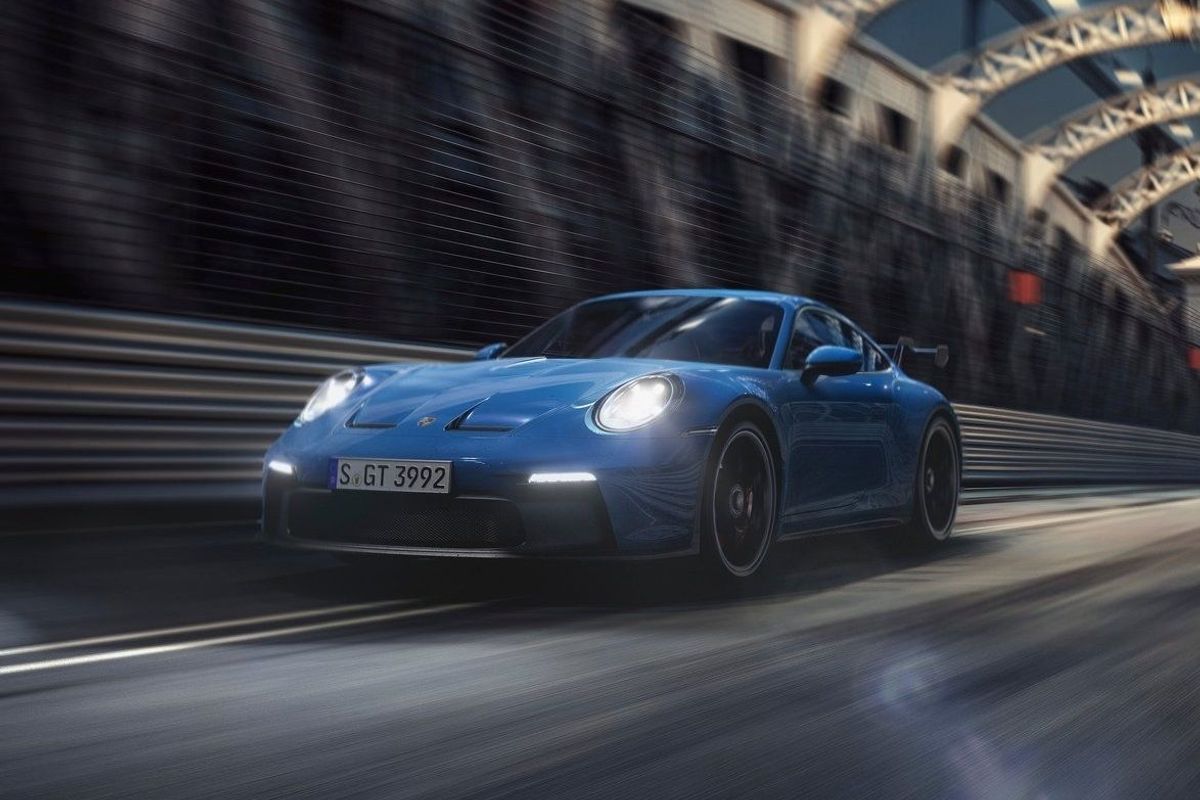
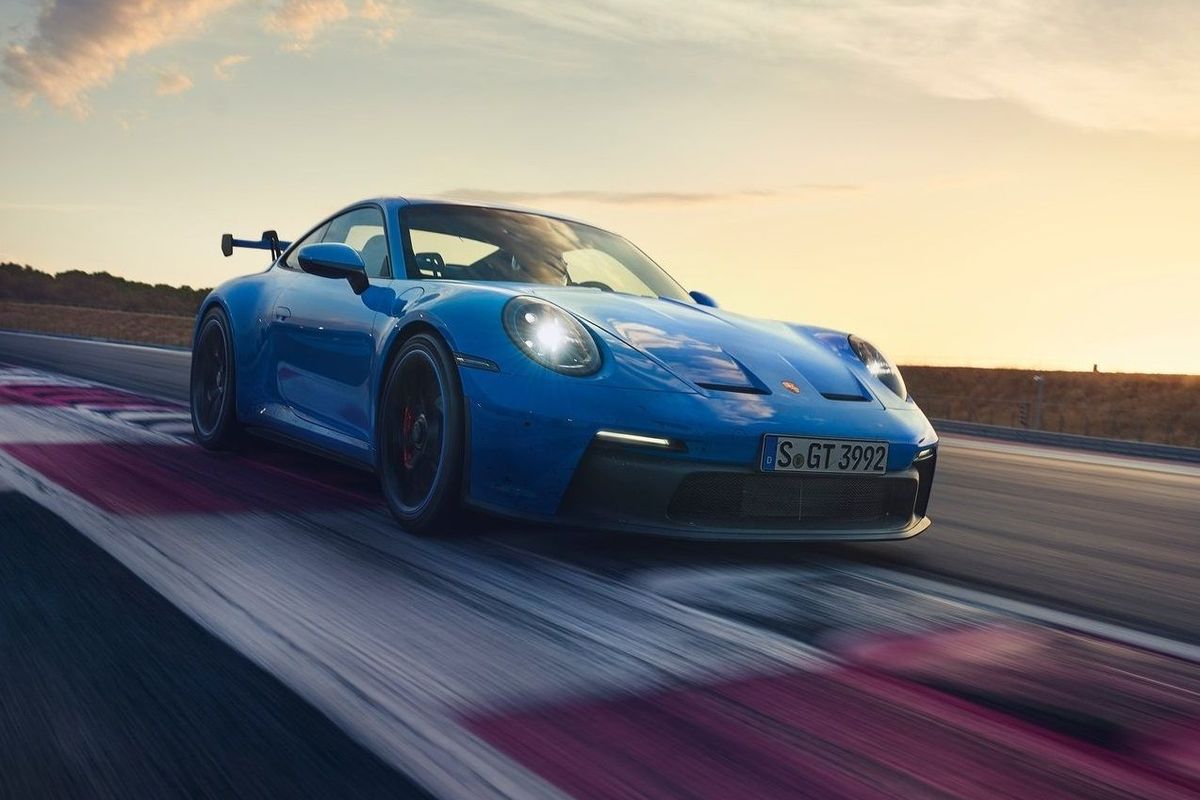
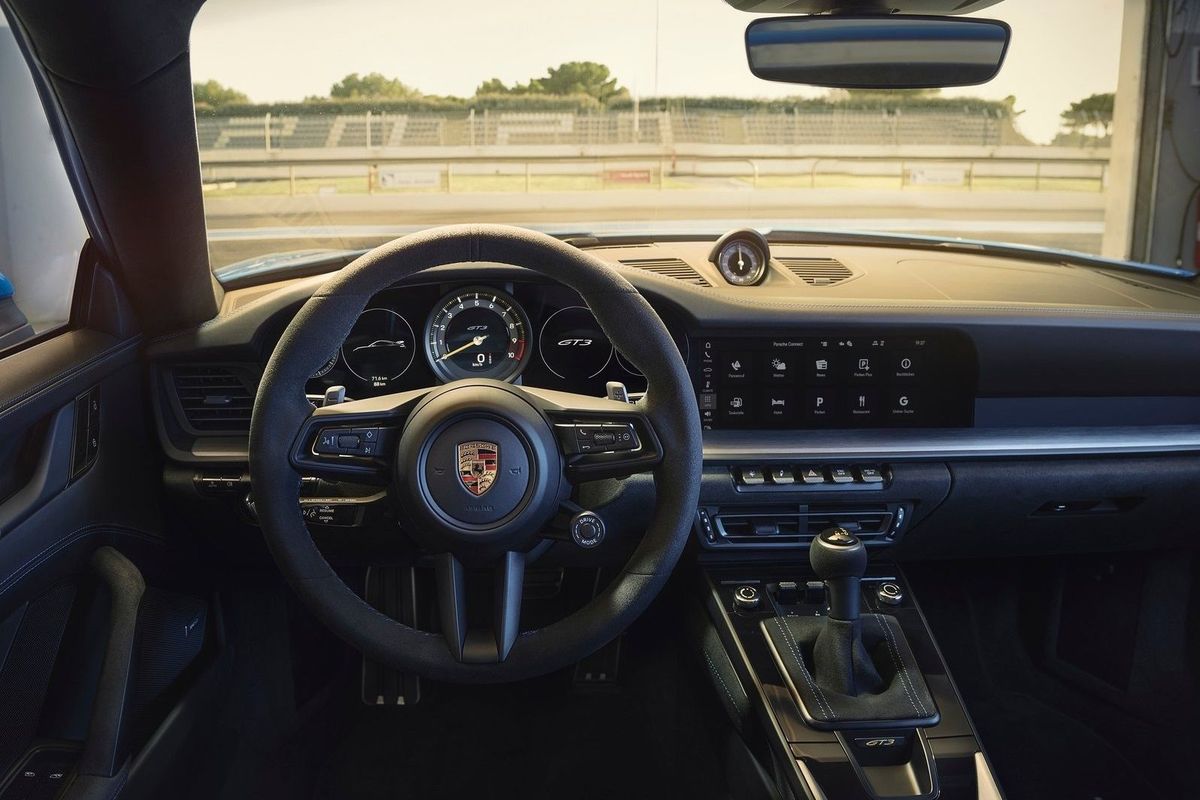
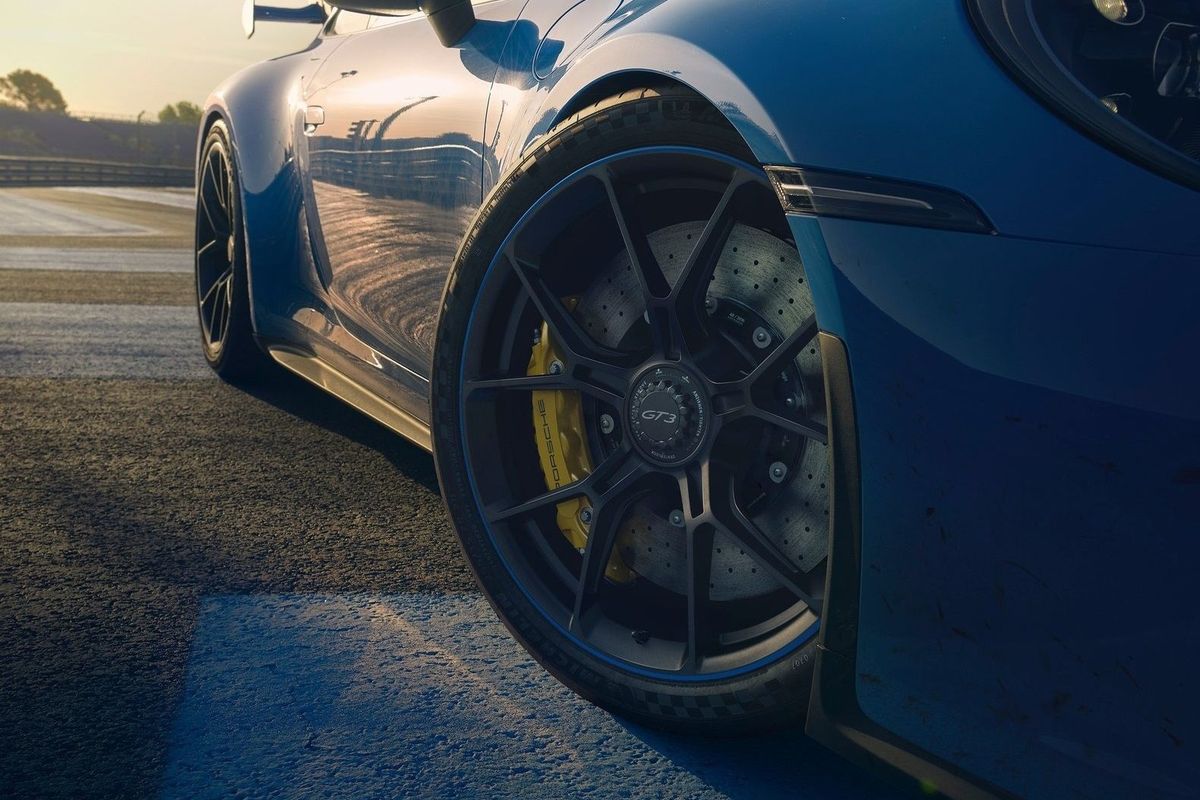
The all-new Porsche 911 GT3 has been unleashed. Let's take a look at this incredible performance machine.
Now in its 7th generation, the new Porsche 911 GT3 was developed as a collaborative project alongside Porsche Motorsport.
Lurking over the rear axle is a 375 kW and 470 Nm 4.0-litre flat-6 engine. Porsche is offering the 911 GT3 with a dual-clutch PDK or for those craving the ultimate pure driving experience, a 6-speed manual gearbox. In terms of performance, the new Porsche 911 GT3 has a top speed of 320 kph (318 kph with PDK) and Porsche says it will accelerate from standstill to 100 kph in just 3.4 seconds.
Impressively, this engine can rev all the way to 9 000 rpm. Porsche says this motor is based on the drivetrain of the 911 GT3 R, the trophy-winning endurance racecar. There's an adjustable exhaust that complies with the latest emissions standard.
The key changes here are the aerodynamics, where Porsche has used its motoring racing experience to enhance downforce without affecting the drag coefficient. When in aerodynamic mode, the manually-set wing and diffuser elements significantly increase the aerodynamic pressure for high cornering speeds. Physically, the new Porsche 911 GT3 has a wider body and larger wheels, but its weight is near identical to that of the predecessor.
Naturally Porsche took its new product to the Nurburgring Nordschleife track where the all-new 911 GT3 was over 17 seconds faster than the outgoing model. The final time? 6:59.927 minutes for a full 20.8-kilometre lap with development driver Lars Kern behind the wheel. For those who are interested, the car was riding on the optional Michelin Pilot Sport Cup 2 R tyres.
Inside, the new Porsche 911 GT3 features a track screen, which reduces the digital displays to the left and right of the central rev counter, which reaches up to 10,000 revs, to information such as tyre pressure indicator, oil pressure, oil temperature, fuel tank level and water temperature, which are essential when driving on the circuit.
As far as pricing and availability goes, the first European deliveries are scheduled for May 2021. South African availability is from last-quarter 2021. Pricing to be confirmed.
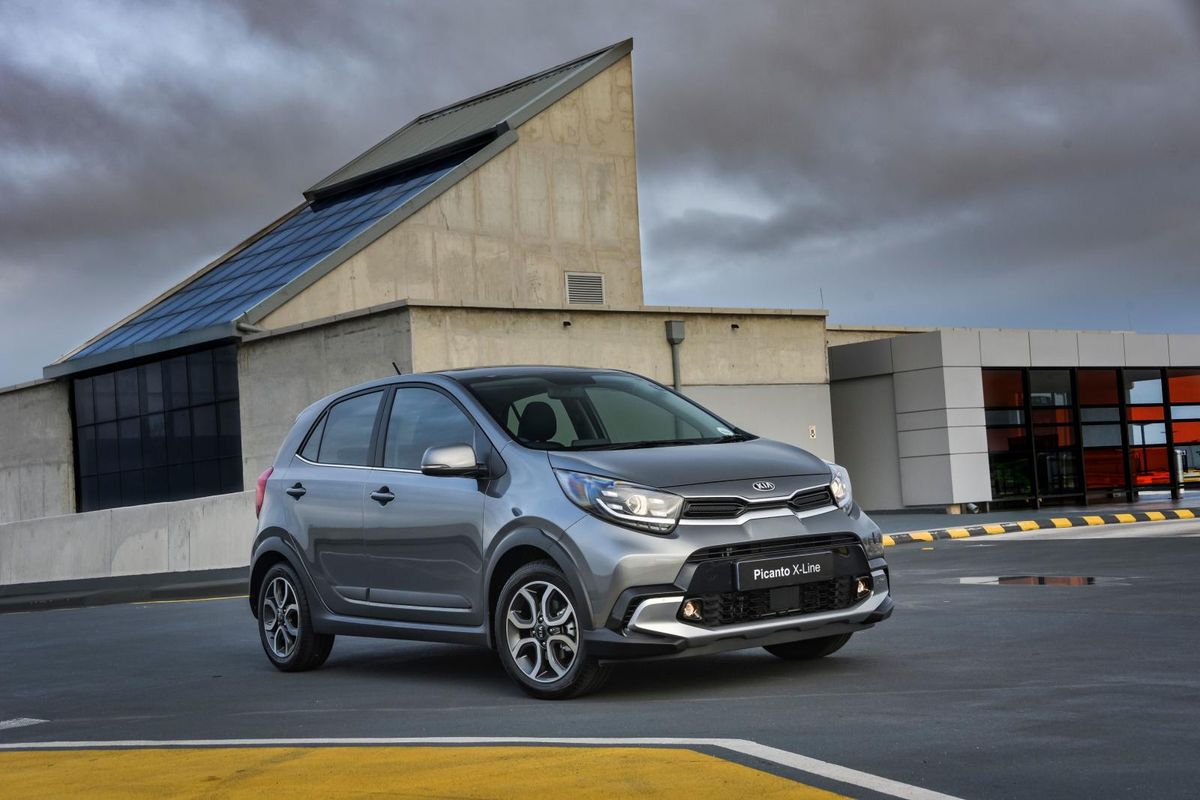
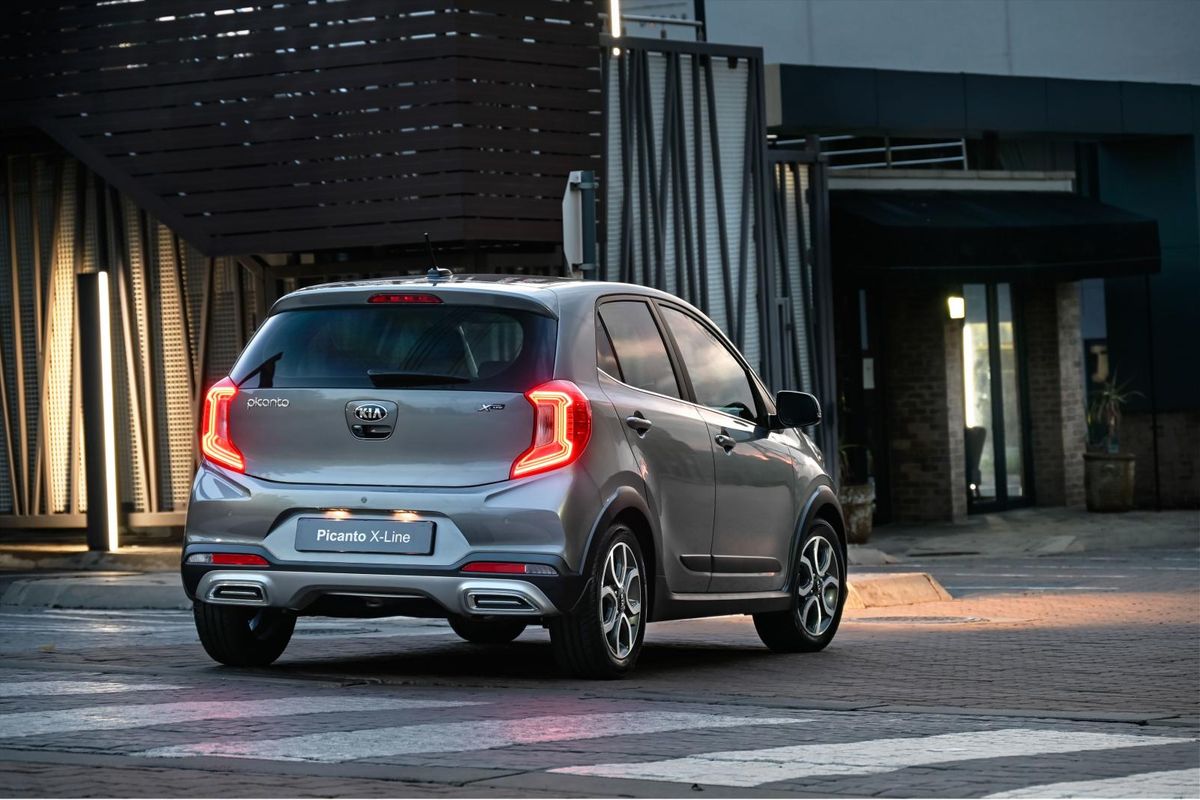
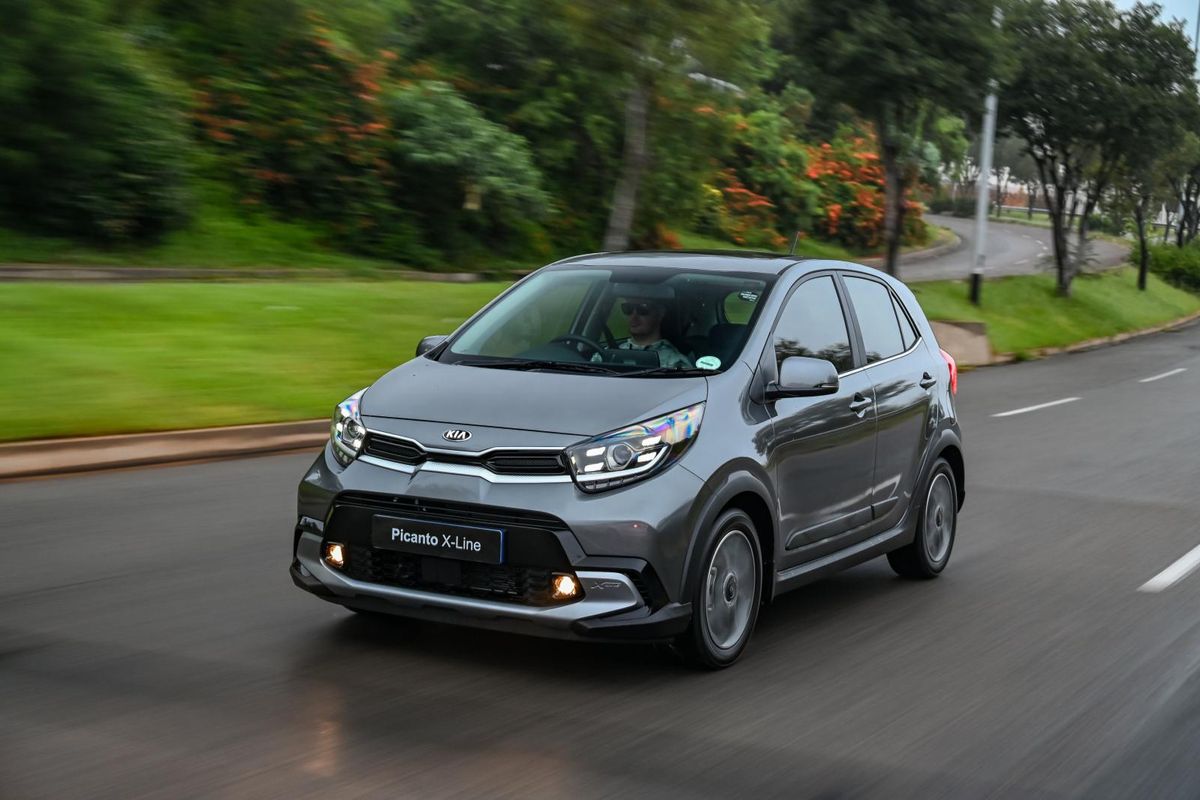
Kia South Africa has introduced a funky derivative of its Picanto compact car. Here are detailed specifications and pricing of the new Kia Picanto X-Line.
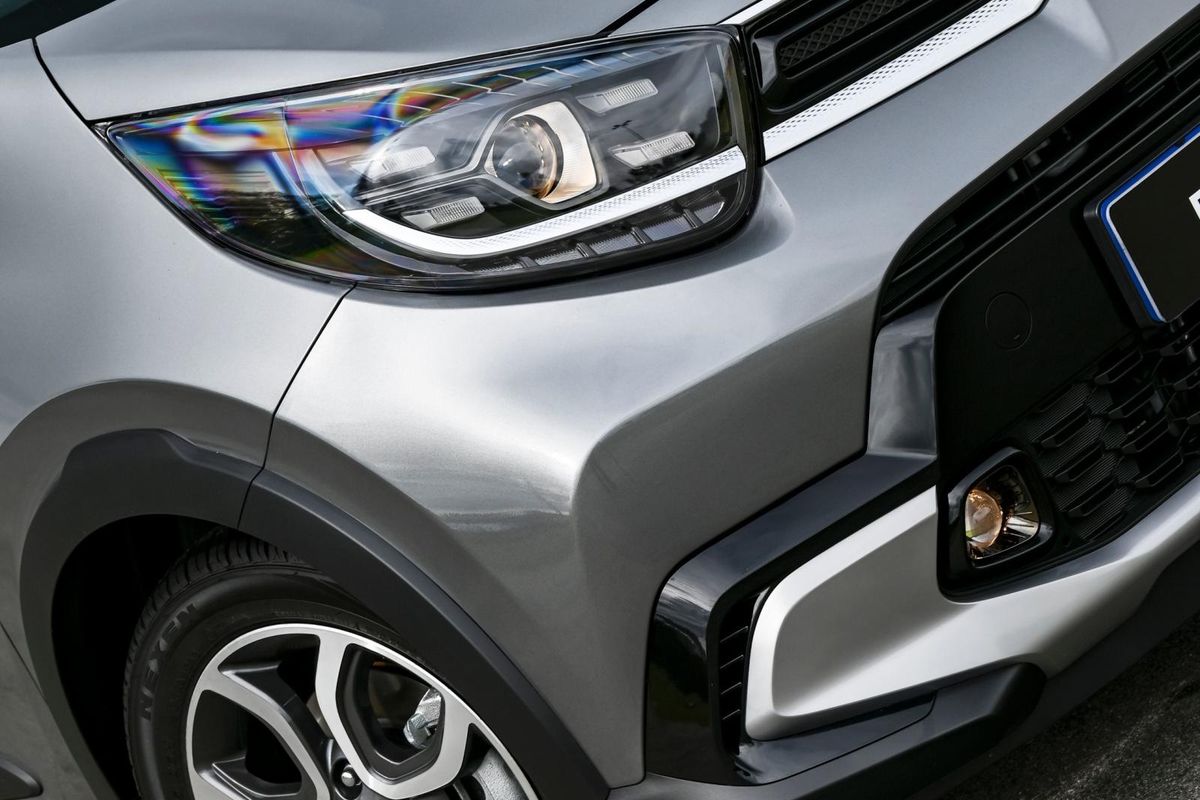
With unique crossover styling the Kia Picanto X-Line looks interesting and features a number of changes to set it apart from its standard siblings. There's a new-look radiator grille, an aggressive bumper, LED headlights, rear LED taillights, skid-plate details and a bespoke rear.
The crossover styling is cool, with cladding, mudguards and model-specific 15-inch alloy wheels. Customers can request a sunroof.
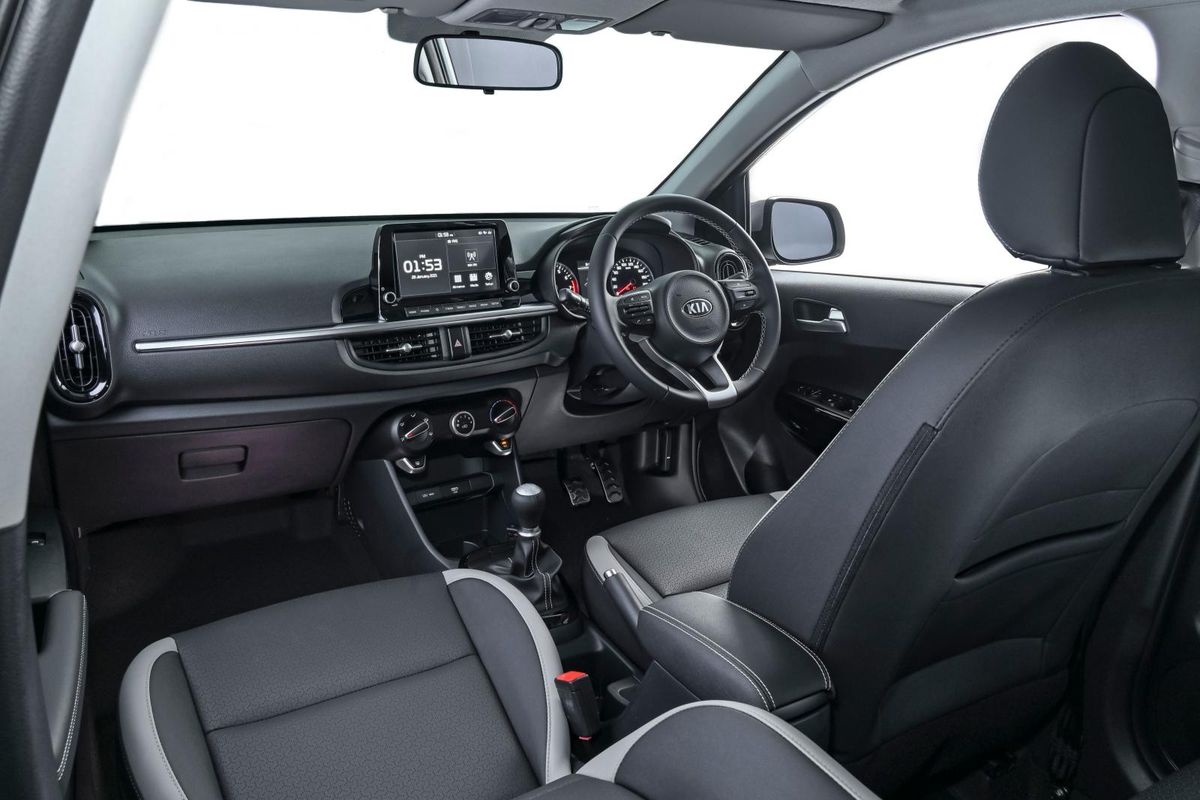
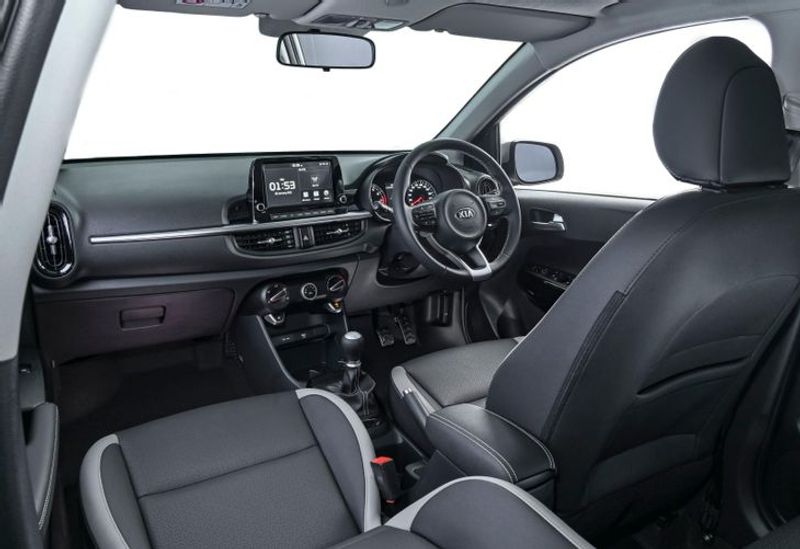
The Kia Picanto X-Line features a good level of standard equipment with 2-tone artificial leather upholstery, a new 8-inch touchscreen infotainment system with Apple CarPlay and Android Auto as well as a reverse camera.
The rest of the Kia Picanto range has been revised. Visually, nothing has changed, with Kia going the affordability route and increasing the car's value by bolstering its standard features across the range. Standard equipment now comprises power steering, an adjustable steering column, manual air-conditioning, as well as a radio with RDS and MP3 capability, Aux and USB connector jacks, Bluetooth connectivity and two speakers for the entry-level Start range.
The Picanto Street models see the introduction of the 8-inch infotainment system with an integrated rear-view camera. This includes Apple CarPlay and Android Auto functionality, while the Picanto Style gains new alloy wheels. Standard spec for the Style was already decent with automatic headlamps, electric folding mirrors, leather-wrapped steering wheel and gearshift, to name but a few.
In terms of engines and gearboxes, the Kia 1.0-litre (with 49 kW and 96 Nm) and 1.25-litre engines (61 kW and 122 Nm) are carried over. The new X-Line is powered by the 1.25-litre and customers can go for either a 5-speed manual gearbox or a 4-speed automatic transmission.
Kia Picanto Price in South Africa (February 2021)
All Picanto models feature an Unlimited Kilometre, 5-year warranty (inclusive of Roadside Assistance), as well as a prepaid 2-year / 30,000km service plan.
Pricing and specifications for the diesel-powered BMW 1-Series have been announced. Want the diesel BMW hatchback? Here's what you need to know.
Usually, new model announcements from car companies come in the form of a press release, complete with a picture gallery of the vehicle from every conceivable angle, inside and out. Every now and then, a car will not receive such fanfare and will stealthily just be loaded into our New Car Specifications page. We knew the diesel-powered BMW 1-Series has been on the cards for some time as the local website has listed the option for it.
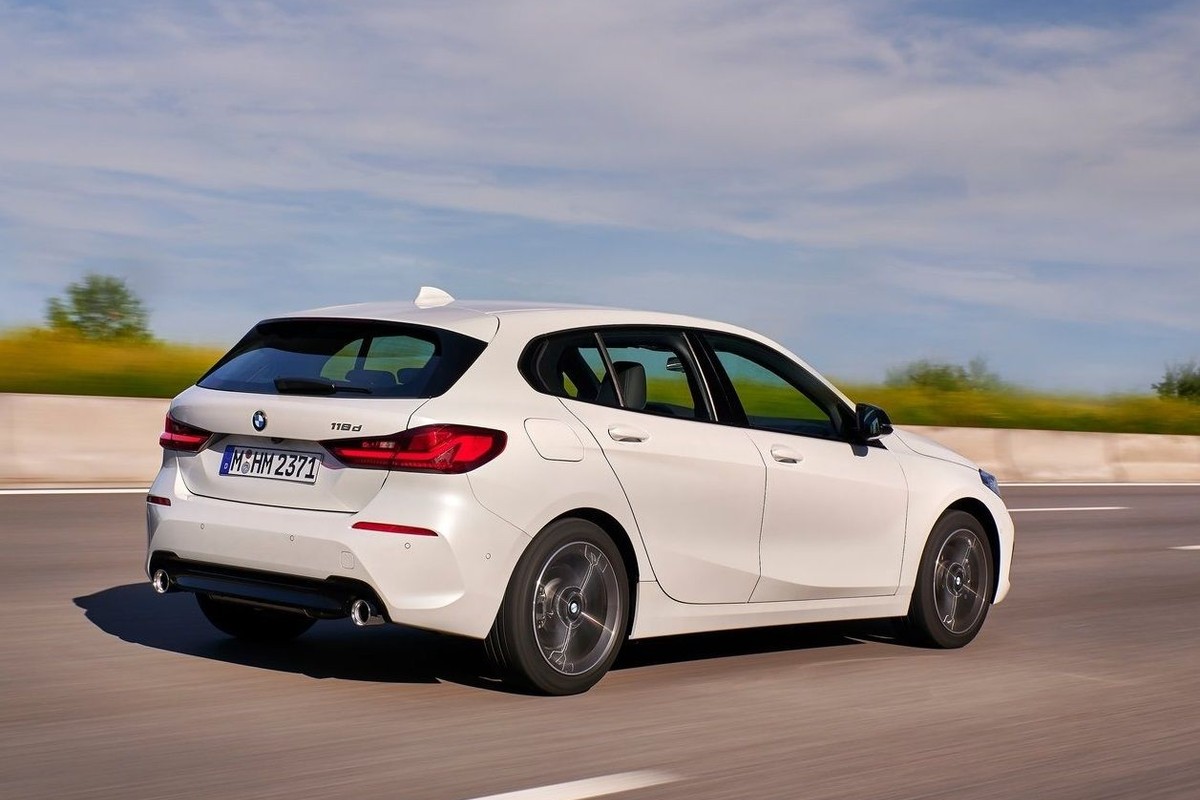
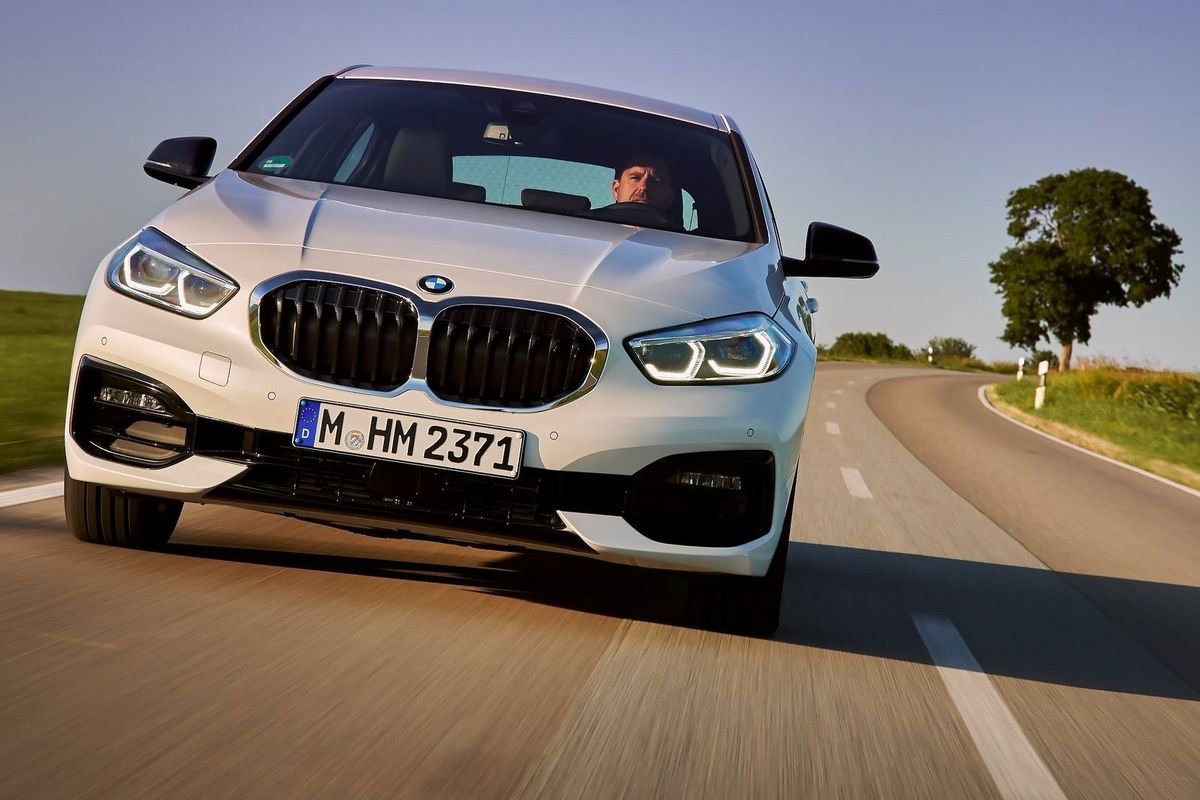
Finally, all the specs and prices for the BMW 118d have been loaded in their entirety. There are 3 trim levels to choose from, all sharing a common engine and gearbox. The engine choice here is the 2.0-litre turbocharged diesel 4-cylinder and it produces 110 kW and 350 Nm. Power goes to the front wheels via an 8-speed automatic transmission. The claimed acceleration time is 8.4 seconds and BMW says the 118d has a top speed of 214 kph.
The real benefit of going the diesel route is the claimed economy and the BMW 118d is said to consume just 4.8 L/100 km. With a tank capacity of 42 litres, a range of 875 km is claimed.
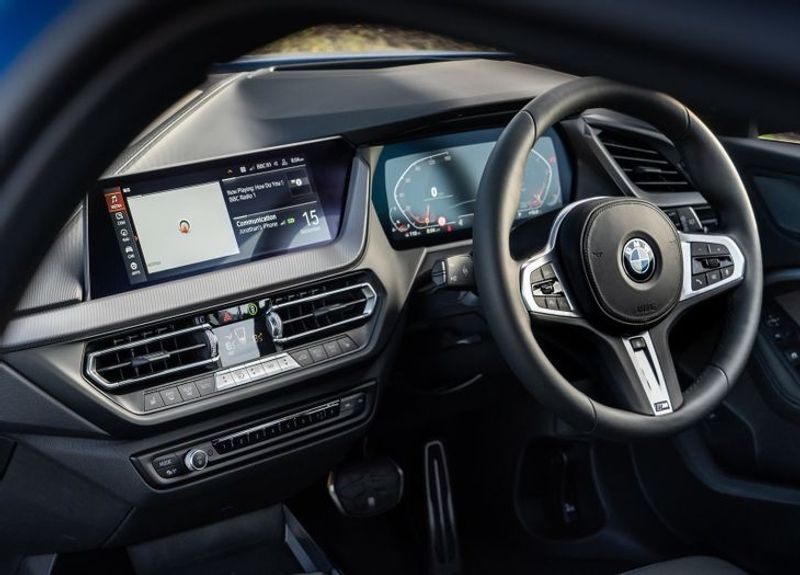
The M Sport derivative features some body style enhancements as well as sporty alloy wheels, while the cabin gains the M Sport steering wheel. You can also dive into the options catalogue and some noteworthy listings we spotted on the local configurator include panorama glass sliding/tilting sun roof, electrically operated for R13 900, adaptive LED headlights at R19 100, sport seats for driver and front passenger for R7 000 and adaptive suspension for R7 600 to name but a few.
The BMW 118d's pricing puts it more expensive than its 118i petrol-powered sibling, but cheaper than the flagship BMW M135i xDrive. It will be interesting to see where the forthcoming BMW 128ti will sit in the family.
Fuel prices in South Africa are set for another steep increase in March 2021.
The Automobile Association (AA) has commented on unaudited mid-month fuel price data and the forecast shows another round of sharp increases on the horizon.
The AA reckons that if the current bullish rise in the international oil price continues, South African petrol prices could rise by as much 56 c/l while diesel prices could soar by 47 c/l in March 2021.
The AA commented, "Oil prices advanced at a leisurely pace during January, but the increase has quickened since then. International product prices shot up by around eight percent in the first two weeks of February.” The Rand, however, has strengthened against the dollar by about 8 cents during February but it’s unfortunately not enough to have a significant impact against the price of oil.
"If oil continues on this trajectory, South Africa's fuel prices might edge back into record territory in the medium term. Fuel users also remain vulnerable to economic shocks which might weaken the Rand,” concludes the AA.
South African motorists were hard hit at the beginning of February with hikes of 82 c/litre for petrol and 59 c/l for diesel. Household budgets are under tremendous strain and the ongoing Covid-19 pandemic and the depressed economy isn’t helping matters either. Consumers will have to tighten their belts even tighter in March 2021.
Winners: 2020/21 Cars.co.za Consumer Awards – powered by WesBank
The Cars.co.za Consumer Awards – powered by WesBank made its South African television broadcast debut on Monday when the 2020/21 programme’s 13 category winners and the recipient of the Brand of the Year title were announced on DStv.
Since 2015/16, the winners of the annual #CarsAwards – supported by WesBank, the largest provider of vehicle finance in South Africa – had been announced at a gala staged early in the year, but due to the ongoing Covid-19 pandemic, the planned 2021 event could unfortunately not be staged live without putting attendees’ health at risk…
Therefore, this year’s #CarsAwards winners were presented in the Cars.co.za Awards Show TV programme, which was formatted to retain the excitement of a live show.
“With the 6th edition of the consumer awards (themed “Be Part of the Journey – My Car, My Freedom”), WesBank is proud to be associated with giving consumers the freedom of informed decision making. Our OEMs continue to produce excellent products and we are proud to be part of celebrating their hard work. Well done to all the nominees and congratulations to the winners,” said Ghana Msibi, WesBank’s CEO of Motor.
The #CarsAwards was conceived to be South Africa’s definitive automotive awards programme and the list of vehicles it recognises is meant to guide car buyers to make the best-informed purchasing decisions… The judging panel evaluates vehicles directly against their peers in specific categories, each of which has particular requirements. What’s more, 50% of the final scores is based on brand-specific after-sales data that incorporate customer feedback from thousands of South African vehicle owners.
Toyota scooped its 3rd Brand of the Year title.
Highlights:
By winning the #CarsAwards Brand of the Year title for a 3rd time, Toyota has become the most prolific winner of the programme’s most prestigious trophy. The Japanese marque was previously tied with Suzuki with 2 major titles apiece.
Toyota won five of the 13 vehicle categories of the 2020/21 programme, followed by Volkswagen, which got 3 trophies. Although Toyota increased its historic tally of category wins to 9, it still trailed Volkswagen’s total number of wins (19).
Derivatives of the Volkswagen Polo, Golf GTI and T-Cross, as well as the Toyota Fortuner, defended their category victories from the 2019/20 programme. The Golf GTI racked up its 5th category win in the 6-year history of the #CarsAwards, while the Fortuner defended its title for an unprecedented third consecutive year.
Although Suzuki didn’t win the Budget Car category for a 5th year in a row, a Swift derivative clinched a category win (Entry Level Car) for a 3rd consecutive time. The Polo 1.0 TSI Comfortline also won its category for a 3rd year in a row.
Land Rover/Range Rover won the Premium SUV category with the new Defender and improved by 12 positions to finish 3rd in the Brand of the Year rankings.
In no fewer than 4 of the 13 categories (Budget Car, Family Car, Hot Hatch and Leisure Double Cab) the judges’ favourites did not win, due to the impact of data from the Cars.co.za Ownership Satisfaction Survey – more details to follow.
The narrowest victory margin (0.01%) was in the Compact Family Car category; the largest (7.86%) was in Entry Level Car. Premium SUV had the smallest gap between first and third place (0.69%) and Family Car the biggest (11.79%).
If one counts Land Rover and Range Rover as one (the brands are listed as such in the Brand of the Year rankings), 18 brands were represented in the final round. Toyota and Suzuki led with 5 contenders each, followed by Volkswagen (4), BMW (3) and Volvo (3).
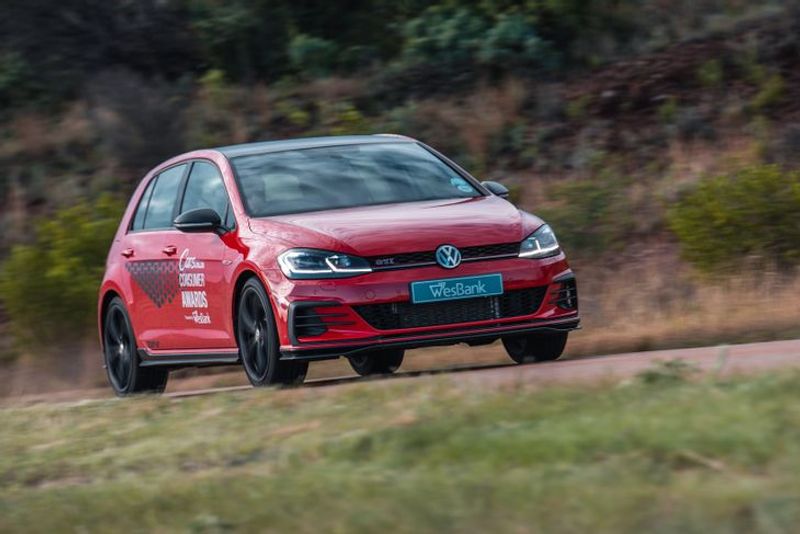
The Volkswagen Golf GTI TCR won the closely fought Hot Hatch category.
Category winners: 2020/21 #CarsAwards – powered by WesBank
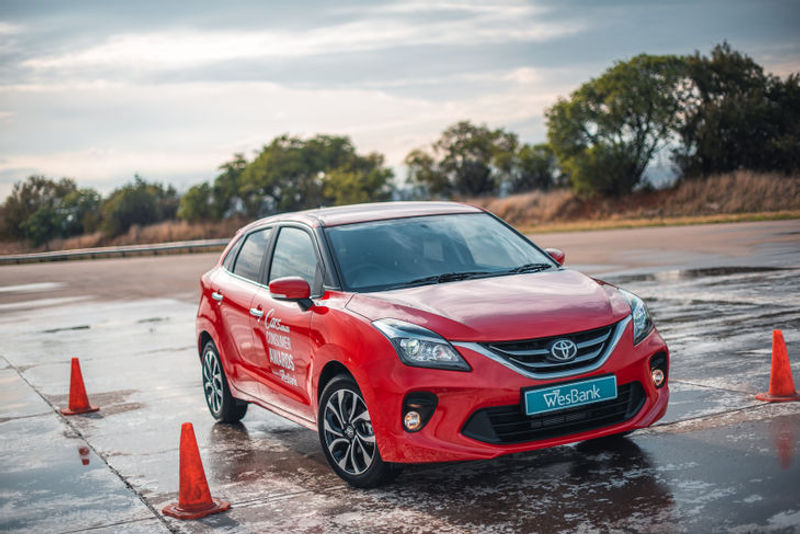
Budget Car – Toyota Starlet 1.4 XR
Compact Hatch – Volkswagen Polo 1.0 TSI Comfortline Auto
Compact Family Car – Volkswagen T-Cross 1.5 TSI 110kW R-Line
Entry Level Car – Suzuki Swift 1.2 GL
Family Car – Toyota RAV4 2.0 AWD GX-R
Adventure SUV – Toyota Fortuner 2.8 GD-6 4×4 VX Auto
Premium SUV – Land Rover Defender D240 HSE
Executive SUV – Volvo XC60 D5 R-Design
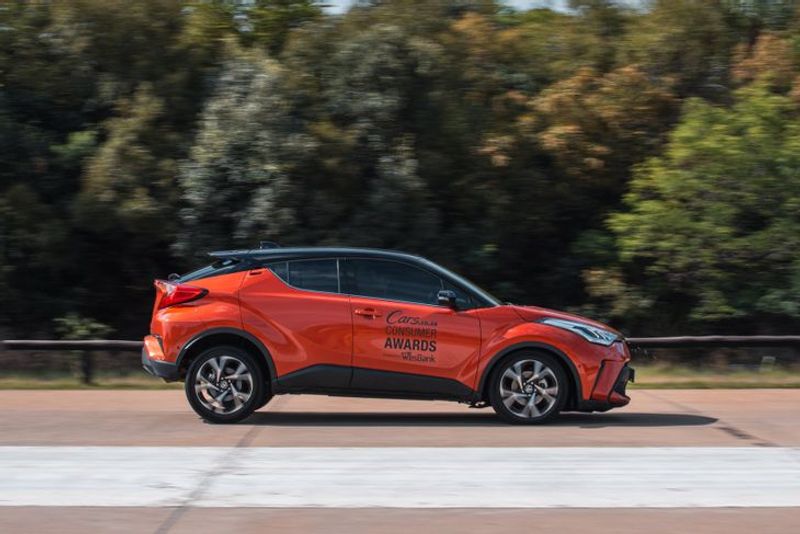
Crossover – Toyota C-HR 1.2T Luxury
Premium Crossover – Volvo XC40 T5 AWD R-Design
Hot hatch – Volkswagen Golf GTI TCR
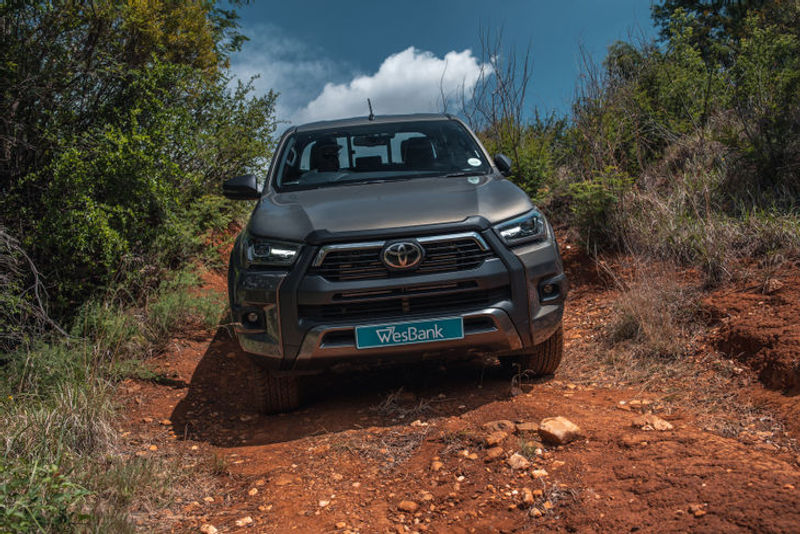
Leisure Double Cab – Toyota Hilux 2.8 GD-6 4×4 Legend Auto
Sports Executive – BMW 330is Edition
Impact of the Cars.co.za Ownership Satisfaction Survey
The survey played its role in the results, lifting the Starlet above the Baleno, which was the judges favourite.
Fifty per cent of the final scores of the category finalists was determined by the rankings the vehicles’ respective brands achieved in the Cars.co.za Ownership Satisfaction Survey – in partnership with data specialists Lightstone Consumer. The data was based on owners’ experiences of their vehicles (less than for years old and serviced through franchised outlets) and the survey affected the results in four #CarsAwards categories.
The Toyota Starlet (Budget Car) and Hilux (Leisure Double Cab), plus the Volkswagen T-Cross (Compact Family Car) and Golf GTI TCR (Hot Hatch) did not score the highest marks from the panel of judges following the evaluation yet emerged victorious because consumers rated their brands’ experiences higher than those of their competitors.
In the Family Car, Adventure SUV and Crossover categories, the winning cars received both the highest consumer category- and judges’ scores. In Entry Level Car, Compact Hatch, Premium Crossover, Executive SUV, Premium SUV and Sports Executive, the winners received the highest judges’ scores, but not the highest consumer scores.
Multifaceted judging process
The 39 finalists of the #CarsAwards were selected from the entire passenger-vehicle market (all derivatives listed on the new-vehicles price list on 1 October 2020), as opposed to only models launched during the past 12 months.
Although Cars.co.za’s editorial team chose the finalists, the combined judging panel (including 14 respected guest judges from various backgrounds and fields of expertise) only compiled the finalists’ individual scores once they had evaluated the cars back-to-back during a two-day test at the Gerotek testing facility in late 2020. Despite the challenges presented by the Covid-19 pandemic, the thoroughness of the evaluation programme, which was supervised by PricewaterhouseCoopers, was not affected.
Brand of the Year
Toyota now heads the Brand of the Year victories count with 3.
As opposed to the 13 category winners, which are decided by a combination of judges’ scores and consumer data, the recipient of the #CarsAwards Brand of the Year title is determined entirely by market data and the findings of the survey (brands’ respective sales and after-sales service ratings are particularly impactful, as are the percentages of purchase-price value the brands’ finalists retained after three years of ownership).
Although Toyota failed to win a single category during the first two instalments of the #CarsAwards, the Prospecton-based manufacturer famously won the programme’s very first Brand of the Year title in 2015/16. After Suzuki claimed the Brand of the Year title for two consecutive years (2016/17 and 2017/18), Toyota secured the most prestigious trophy again in the 2018/19 programme but finished well behind Volkswagen in 2019/20.
However, having won 5 of the 13 #CarsAwards categories in the 2020/21 #CarsAwards and moving up no fewer than eight places in the Ownership Satisfaction Survey rankings since last year, Toyota won the #CarsAwards Brand of the Year title for a third time. In doing so, it became the most prolific winner of the programme’s most prestigious trophy.
Mini finished second, having moved up 5 positions from 2019/20 and Land Rover/Range Rover was in a sensational third place. Volkswagen was fourth and Isuzu fifth.
How to watch the show
The Cars.co.za Consumer Awards – powered by WesBank television programme took viewers on mini biographical journeys with car owners through a series of short videos that showed how their cars contribute to their freedom of movement and add value to their life stories. It incorporated performances by Ms Cosmo, Leah, Robot Boii and Micasa, with special appearances by Lalla Hirayama, Rob Forbes and Ciro De Siena.
The programme will be repeated on DStv’s 1Magic channel (103) at 21:30 on February 20, as well as at 15:30 and 22:30 on February 23 and 25. There will be further repeats on the Motorsport HD channel (215), the times of which will be confirmed soon.
Taga Daka H is a LWB Isuzu D-Max
A much bigger version of Isuzu's double-cab is made in China.
The joint-venture between Mazda and Isuzu has been well published. Both companies have been very open about the fact that the new D-Max and BT-50 are mechanical twins of each other.
What has not been quite as well publicised, is a very interesting Isuzu project in China. Partnering with Qingling Motors, there is an amazingly redesign version of the current D-Max on offer.
It is called the Taga Daka H and uses the same platform currently on sale in South Africa, that being Isuzu’s second-generation D-Max.
Qingling’s product team has applied a radical redesign of the D-Max’s front. Slimline rectangular headlights replace the standard D-Max clusters and the grille is absolutely enormous, requiring a new model-specific front bumper moulding and curiously oversized fog lights.
There is no questioning the Taga Daka H’s road presence but Qingling has not forgotten that Isuzu’s D-Max is a rugged bakkie platform. To leverage this potential for work, there is a long-wheelbase double-cab version of the Taga Daka H, measuring 5.69 m in length.
Compared to a South African market D-Max double-cab, the extended wheelbase Taga Daka H is a full 400 mm longer. It might potentially be a nightmare to park in Sandton city of the V&A Waterfront, but that wheelbase does create a loadbox 1.8 m in length, which is 315 mm larger than a D-Max.
The huge loadbox makes Qingling’s Taga Daka H excellently configured for those who regularly move bulky items in the back of their bakkie. This Chinese D-Max might be larger and more practical than an Isuzu version, but it also happens to have a cabin architecture of greater sophistication, too.
At first appearance, the Taga Daka H’s interior is almost unrecognisable compared to a second-generation D-Max. It features a steering wheel with generous satellite controls and a ten-way power-adjustable front seats.
Digitisation is more prolific than any second-generation D-Max, with the Taga Daka H presenting full LCD instrumentation and a huge 10-inch floating screen infotainment interface with Apple CarPlay.
There are some handy driver assistance systems too, such as a surround-view parking assist camera, lane departure warning and auto rain-sensing wipers.
Powering the Taga Daka H are two engine options. There is a downgraded version of the familiar Isuzu 3-litre turbodiesel, producing 107 kW and 320 Nm, driving via a five-speed manual transmission.
Qingling is also offering its D-Max joint-venture double-cab with a 1.8-litre turbopetrol, boosting 172 kW and 310 Nm, paired to a six-speed manual. There are plans to offer both engines with an eight-speed automatic transmission, in the near future.
Jaguar Land Rover has announced its bold future plans. From 2025 Jaguar will be an all-electric luxury brand, while the group aims to become a net-zero carbon business by 2039.
Jaguar and Land Rover have become synonymous with throaty V6 and roaring supercharged V8 motors, so the news the group will be pressing forward its electrification strategy will hurt die-hard petrolheads. That being said, there's no denying the performance of Jaguar's I-Pace – a sensational modern electric machine.
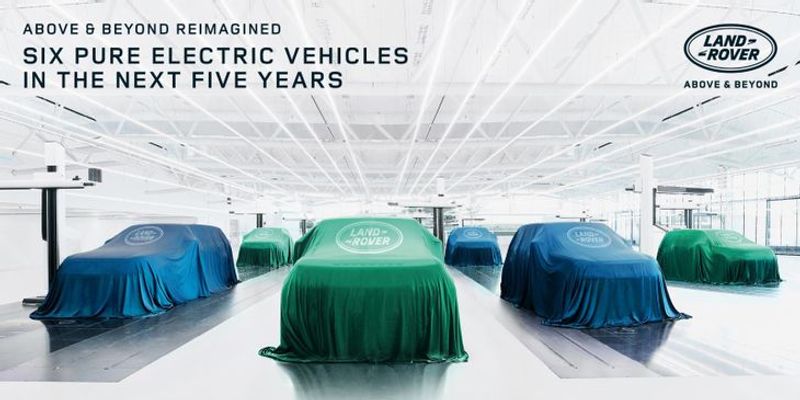
Jaguar Land Rover's February strategy announcement highlights the group's electrification ambitions. From 2025 Jaguar will be a purely electric luxury brand, while Land Rover will adopt electrification in its model lineup. Land Rover will introduce 6 pure electric versions of its vehicles in the 5 years, with the first model due to reach showrooms in 2024. JLR anticipates 'around 60% of Land Rovers sold will be equipped with zero tailpipe powertrains.' The much-hyped all-electric Jaguar XJ limousine looks to have been cancelled.
The key to the product strategy is Jaguar Land Rover's forthcoming Modular Longitudinal Architecture (MLA) and pure electric-biased Electric Modular Architecture (EMA) which underpin the future models.
Aside from the product, JLR has restrategised its entire supply chain and operations, with the goal of net-zero carbon emissions by 2039. Interestingly, there's mention of a fuel-cell power source, so don't be surprised if hydrogen vehicles find their way into the supply chain in the form of trucks/busses or possibly trains. As it stands, the number of models that are powered by hydrogen can be counted on one hand… JLR will also be tweaking its plant and assembly facilities to make them greener and more efficient.
JLR has also found huge success in the UK around its PIVOTAL 'rental' system where owners pay a flat rate per month and get a new model every 6 months. So within 18 months under the subscription deal, you could have driven the Disco Sport, F-Pace and Evoque. The monthly fee also takes care of things like insurance, servicing and roadside assistance. JLR will be rolling out this scene around the world, although JLR South Africa has said it is no plans to introduce this locally, yet.
Given the huge push into electrically-powered vehicles, now's your chance to grab a piece of motoring heritage. Check out Jaguar F-Type vehicles for sale.
Not content with being left behind by German hyper hatchbacks, Subaru is planning an all-new WRX STI that will pack a rumoured 294 kW.
Pictured is the Subaru WRX STI S209 from 2019 – the most focused and agile STI on the current platform.
Thanks to the good folk at BestCarWeb.jp, the new Subaru WRX STI is earmarked for a Japanese market debut in March 2022. Given how effortlessly dual-clutch-equipped German hatchbacks like the Golf R and A45 S dispatch the current-shape WRX STI, Subaru will be going all-out to try ensure the playing field is levelled and the reputation for big scalps is restored.
The source goes quite in-depth with the changes, including a new platform that's shared by the Levorg. There will be enhanced rigidity too, but the real focus is on the engine.
The 2.4-litre direct-injection turbocharged FA24 which features in the Subaru Ascent SUV forms the basis of the new WRX STI, but it will be extensively tuned to match the outputs of its German rivals. Disappointingly, it's claimed the Subaru WRX STI will stick with a 6-speed manual gearbox, which will require an expert hand to get the best out of it. Every rival has gone either the torque-converter route or the dual-clutch gearbox route, enabling ease of use and improved off-the-line performance.
Being petrolheads at heart, we're hoping the gold wheels, lurid blue paint and in-your-face wing are part of the package too. We'll keep tabs on this and update as soon as we hear more.
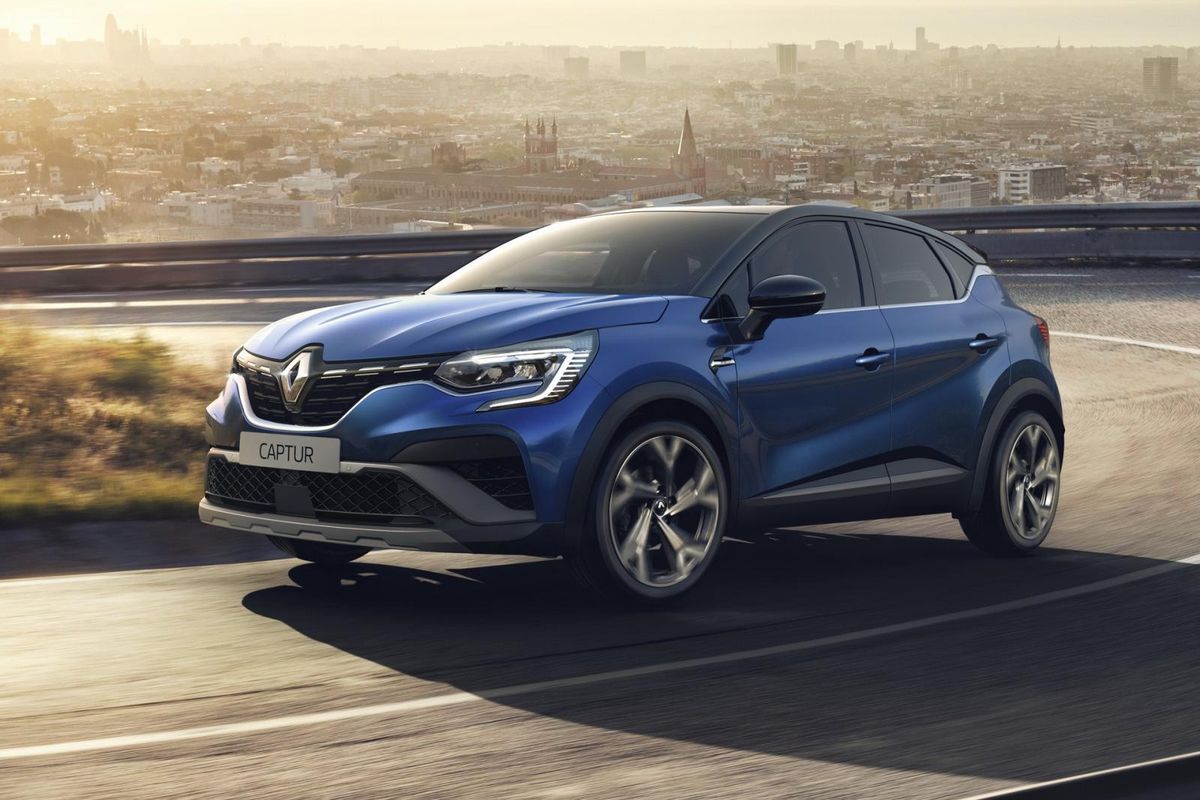
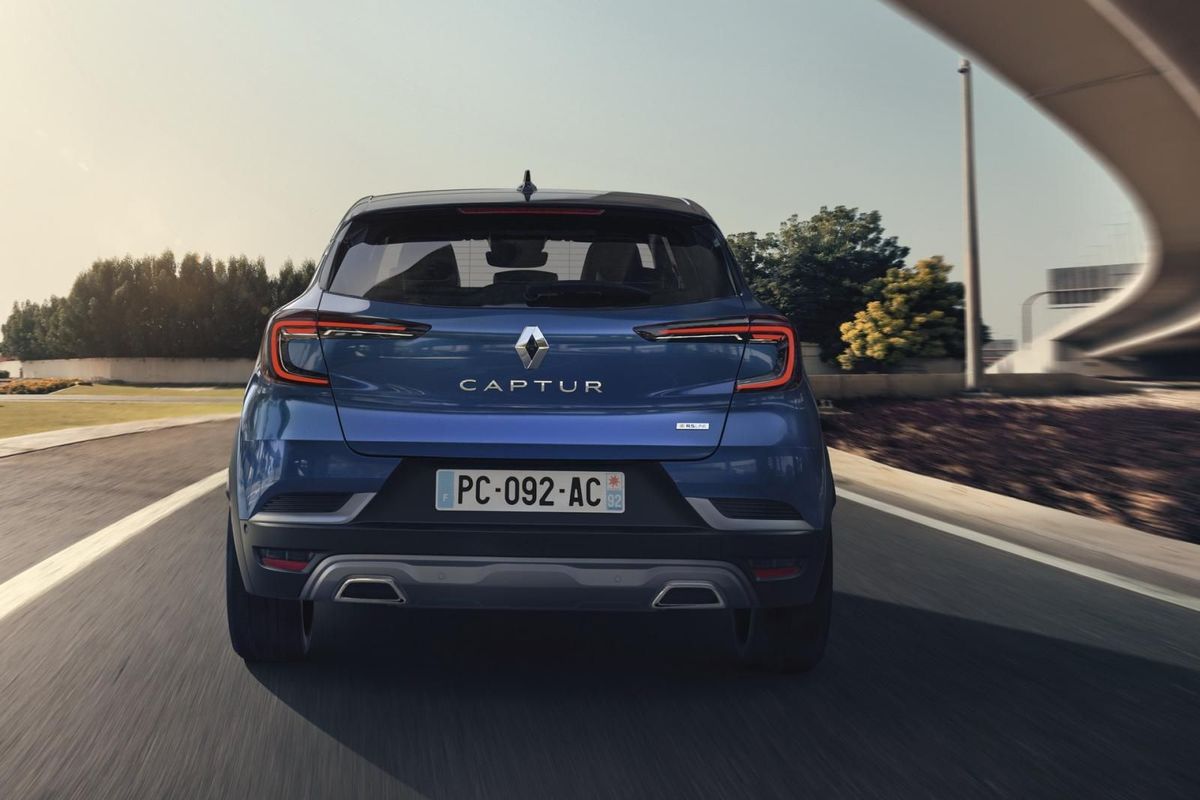
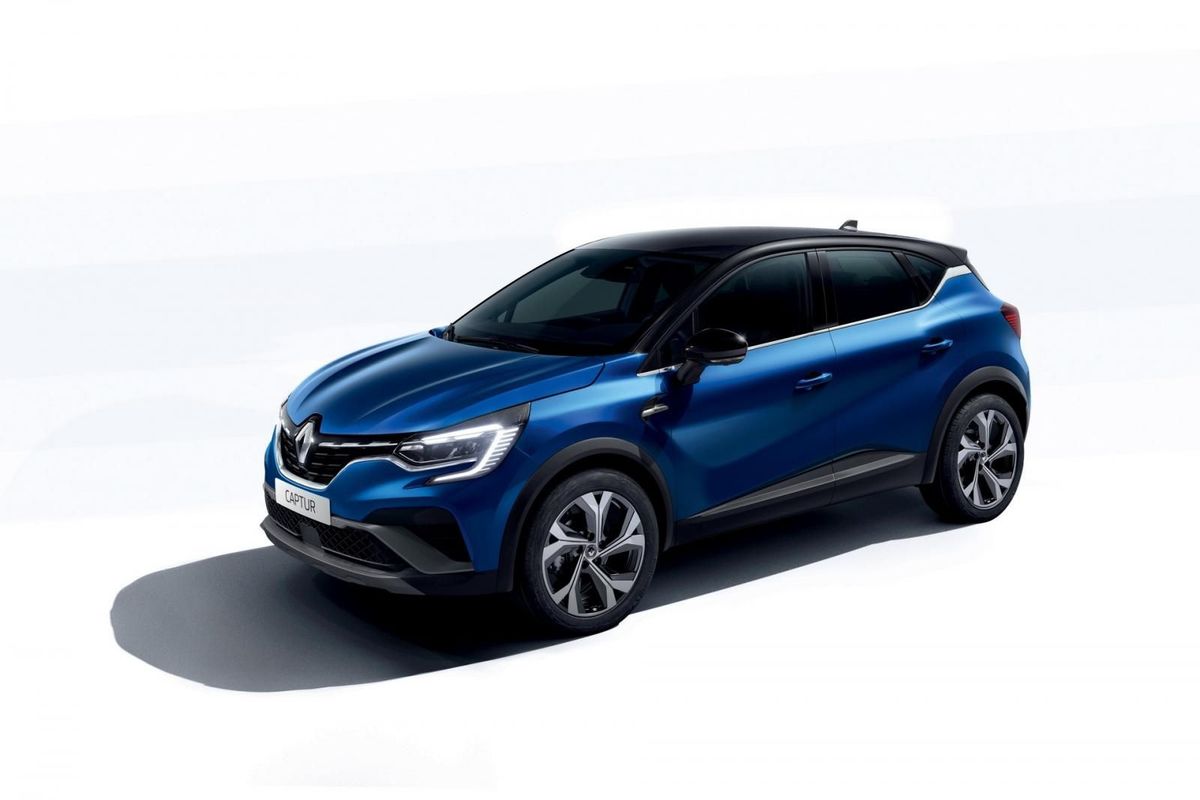
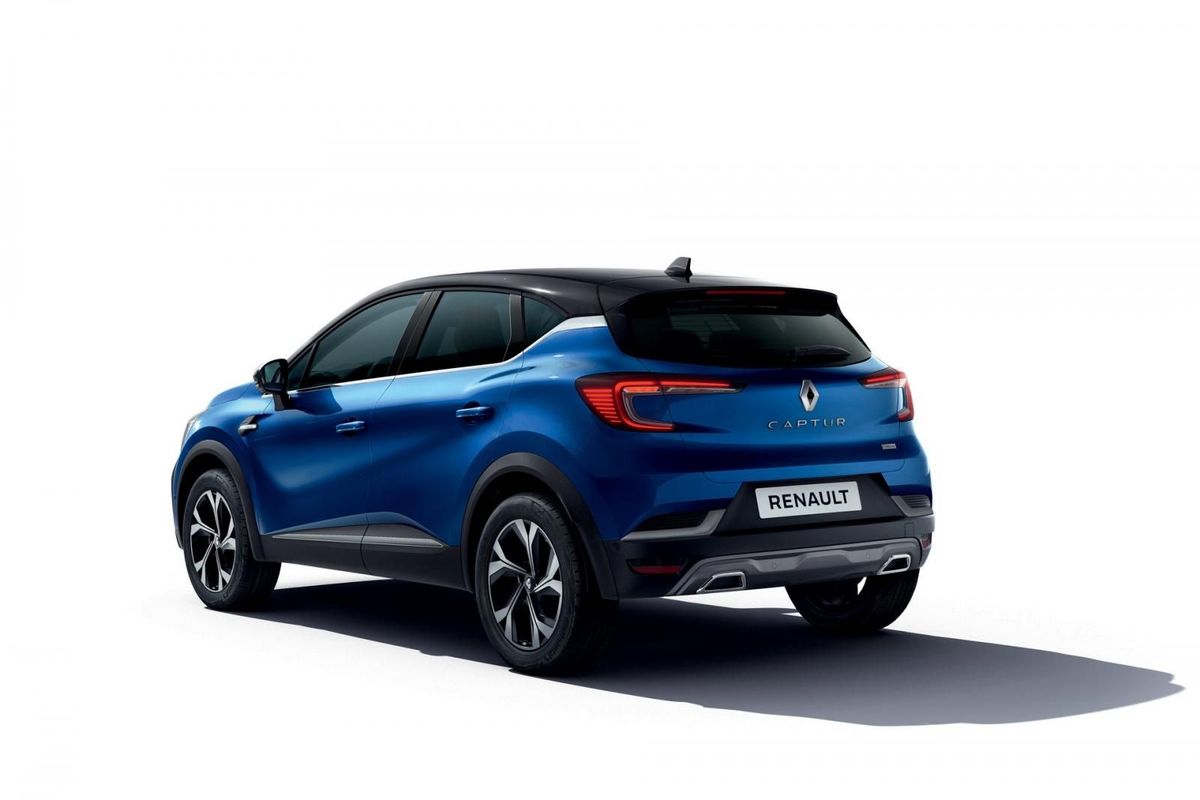
The 2nd-generation of Renault Captur is on its way to South Africa and will be arriving in the 4th quarter of 2021. This is the RS Line version, bringing some extra visual punch both inside and out.
The Renault Captur has been a popular model in South Africa, thanks to its generous space and features at a competitive price. The 2nd-generation model lands in SA towards the end of 2021 and we're excited.
In the meantime, Renault has used its RenaultSport heritage and given the 2nd-generation Captur a makeover. This is the RS Line, so don't expect any performance upgrades. What you do get is this punchy blue paint, a sporty front bumper with honeycomb grille, rear diffuser, and stylish 18-inch wheels.
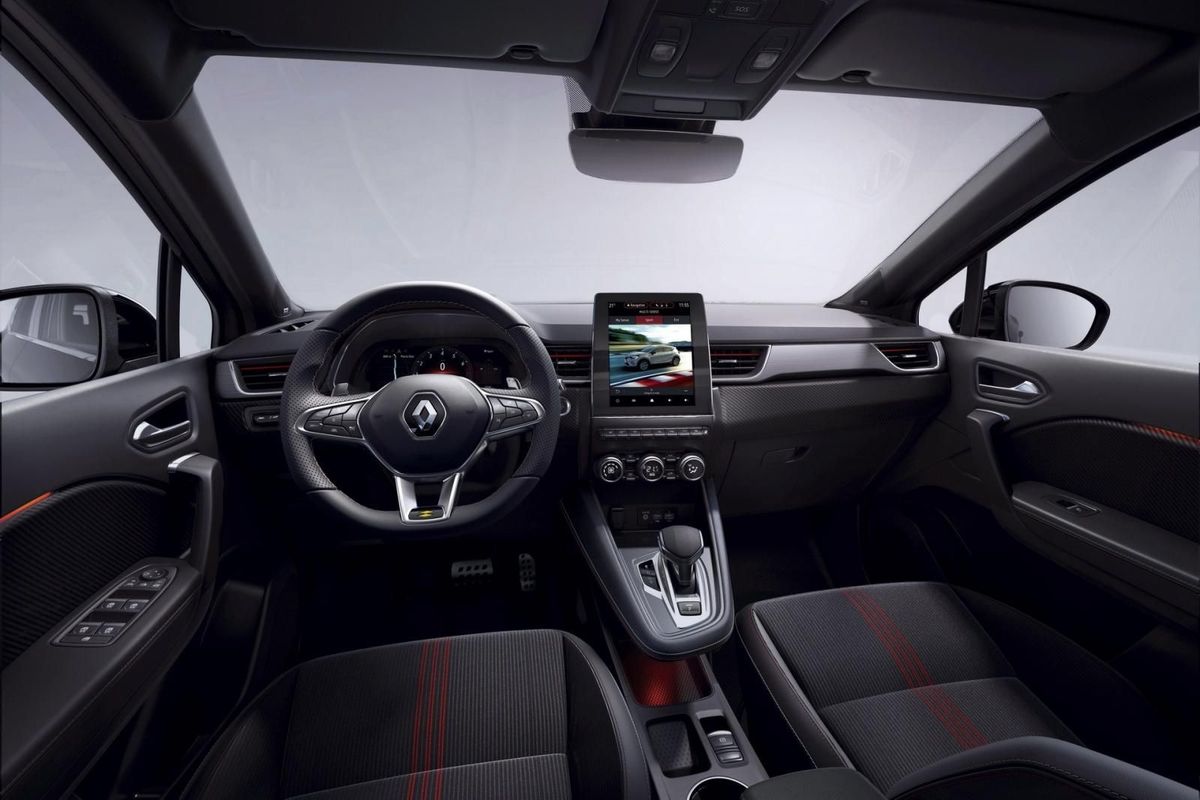
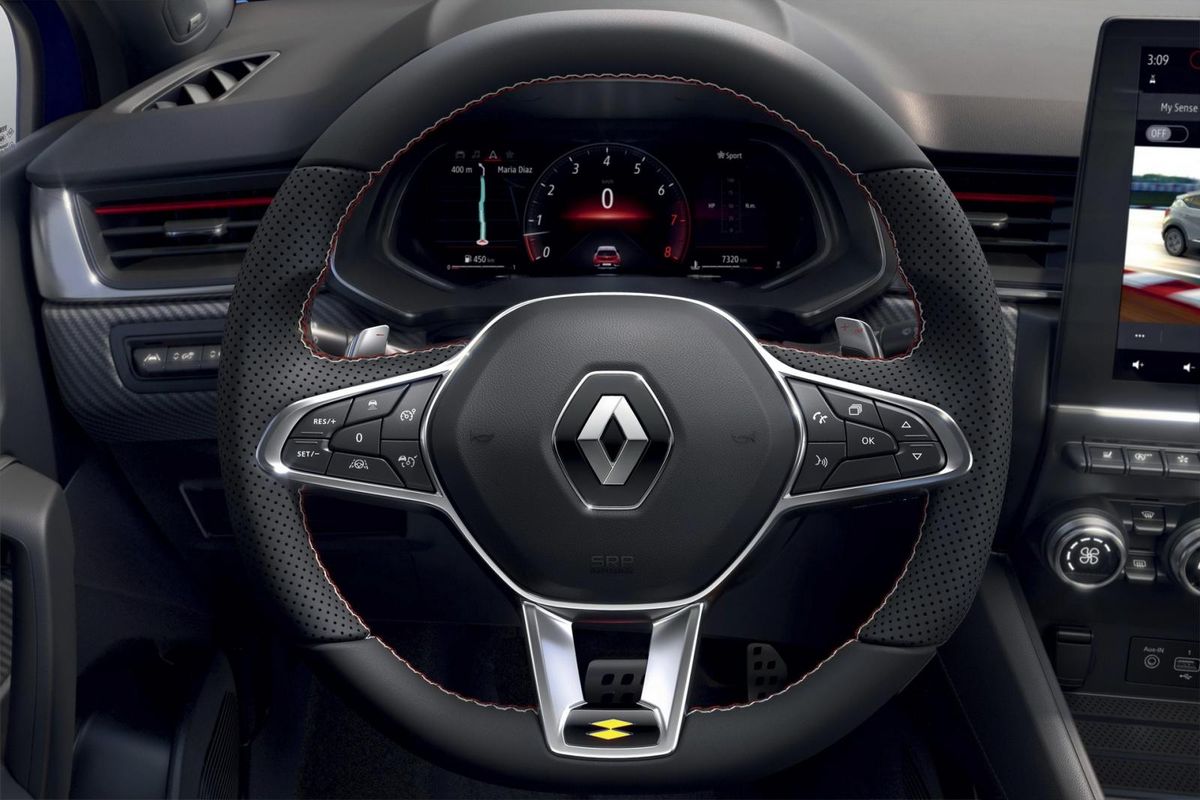
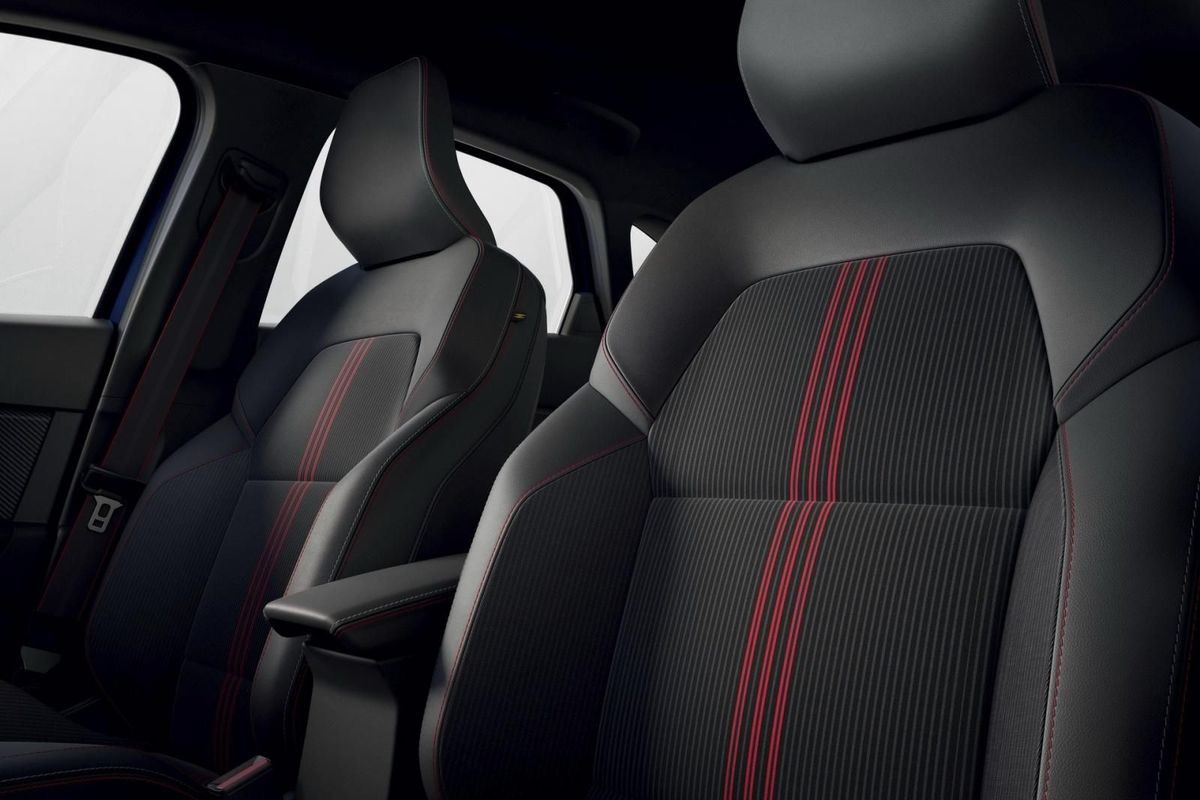
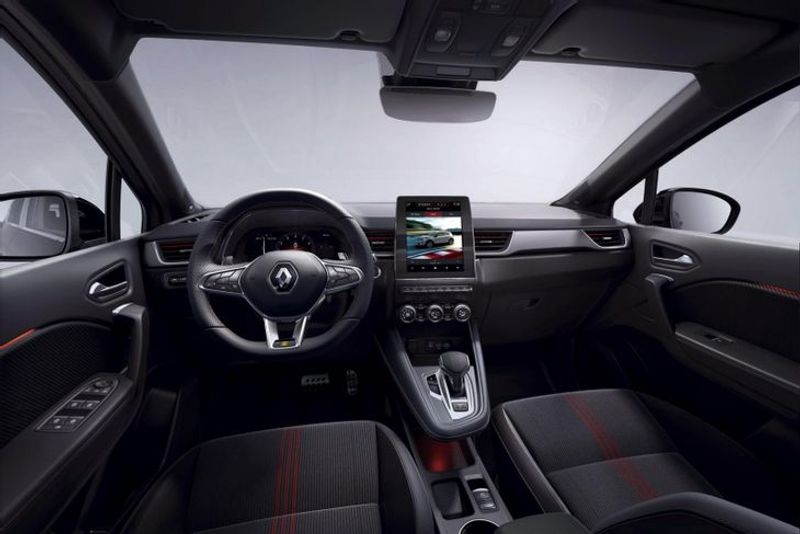
Inside, there's plenty of sporty trim, with the seats gaining red stitching, a carbon finish on the dashboard and a perforated leather-wrapped steering wheel. There are RenaultSport logos on the seats. Standard specification is good, with additional tinting on the rear windows, front/rear parking sensors, 10-inch digital dashboard, reverse camera, and a wireless charging pad for your smartphones. SA-specification is yet to be confirmed.
In terms of engines and transmissions, the new Renault Captur is offered with the new 1.3-litre turbocharged motor delivering 103 kW and 240 Nm. A manual gearbox or a dual-clutch transmission is available. There's also a plug-in hybrid version.