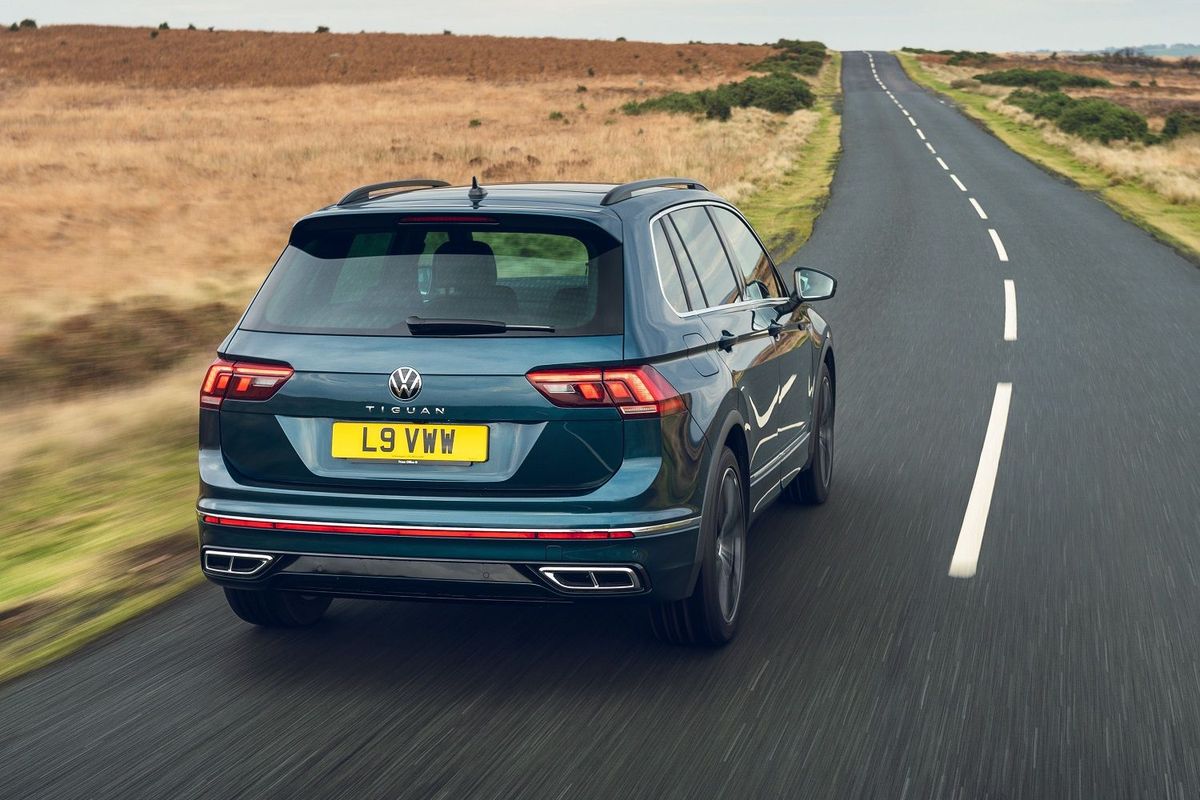
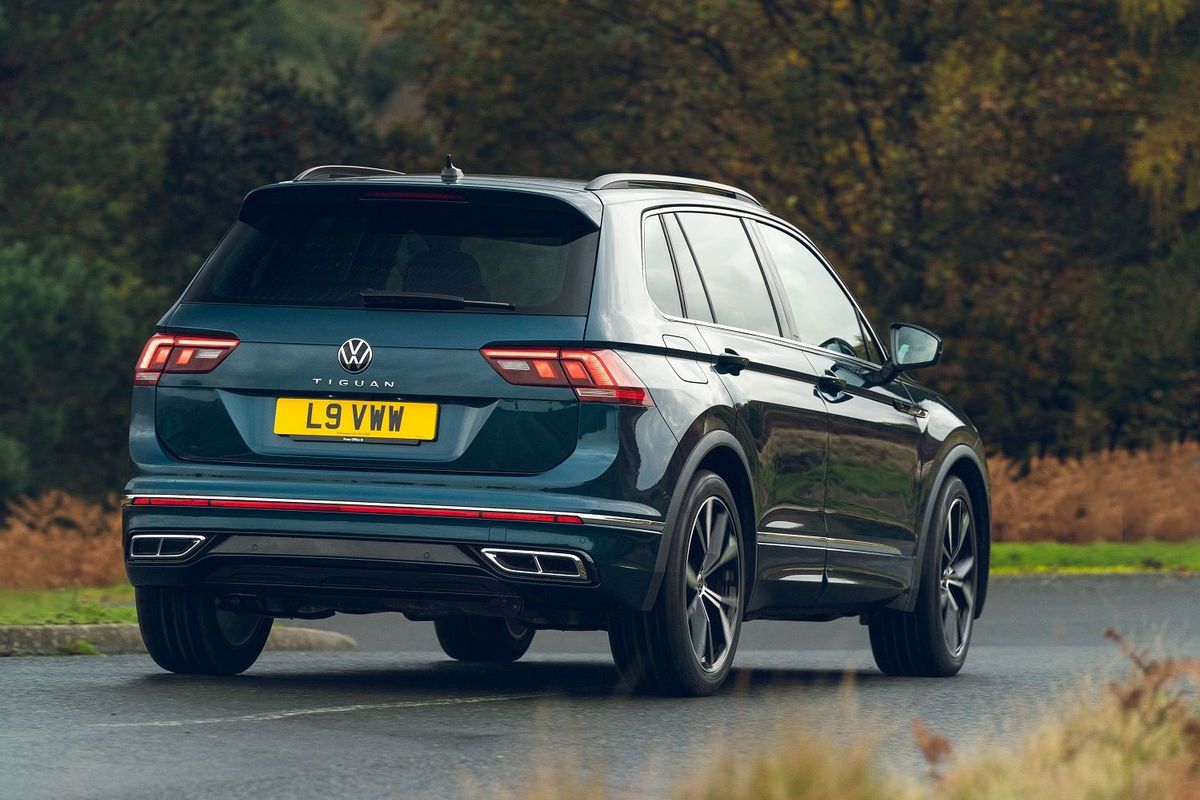
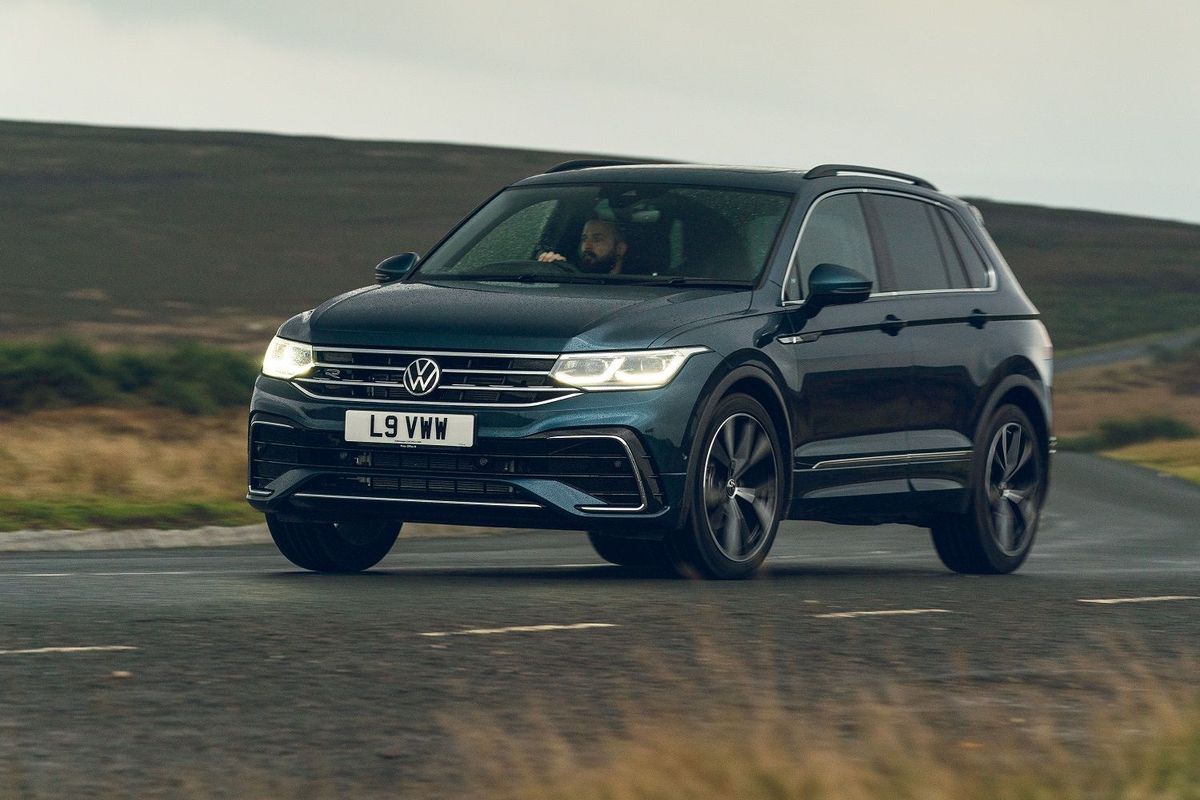
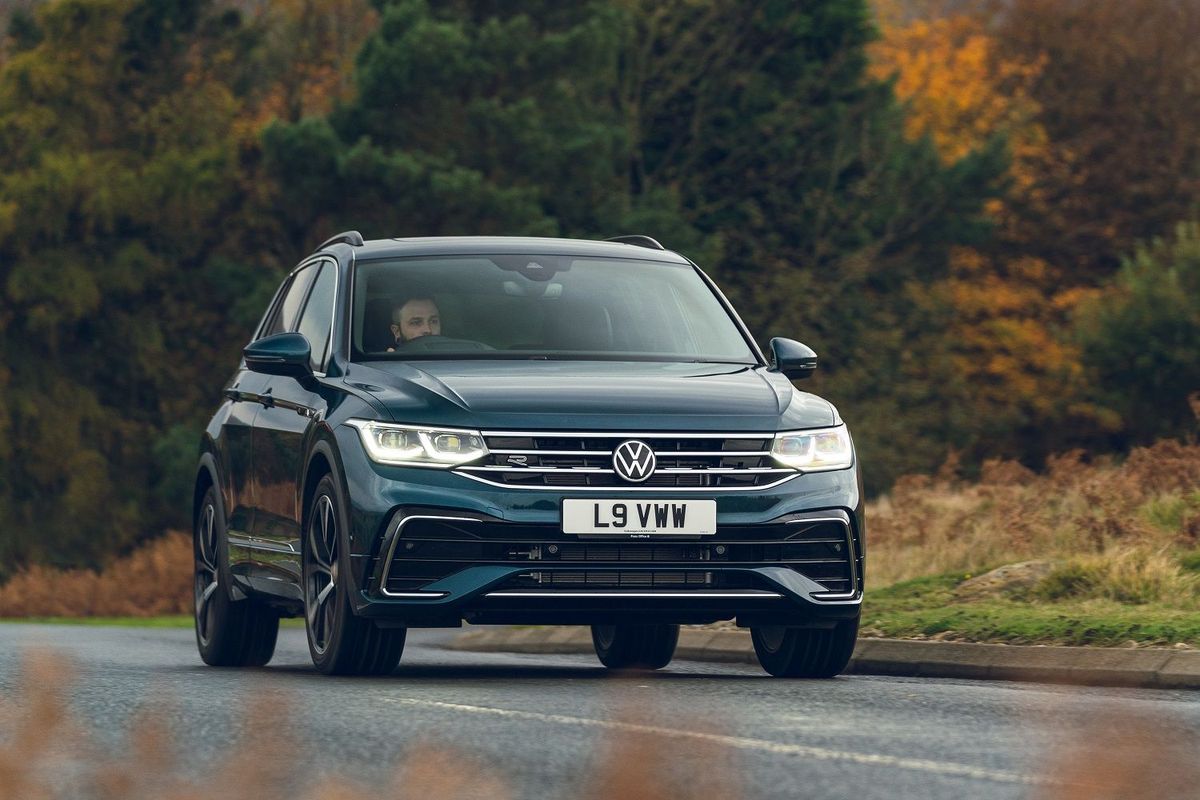
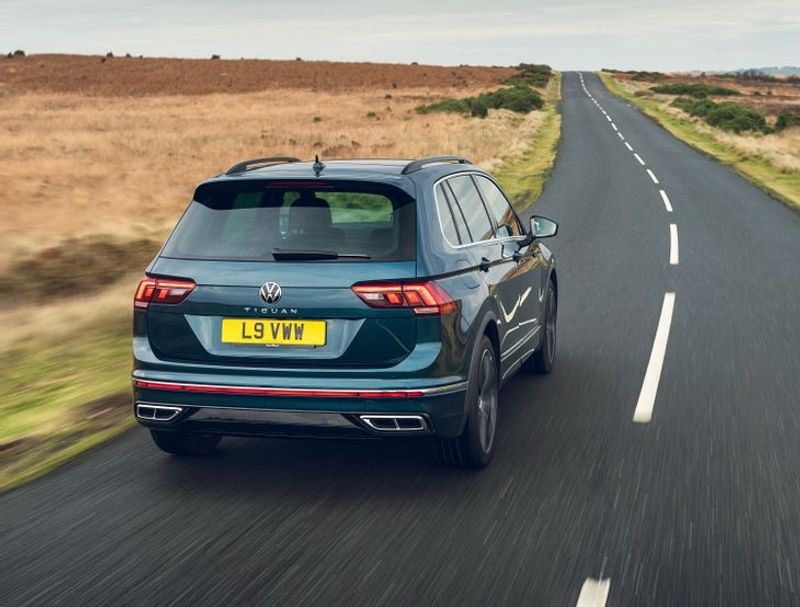
Volkswagen has announced its facelifted Tiguan will be getting the 2.0-litre turbo engine straight from the Golf GTI.
Bridging the gap between the standard Tiguan and the potent Tiguan R are two additional engines. As it stands, these engines are available for the UK market right now, but we suspect VWSA will follow a similar strategy.
The 2.0-litre turbocharged motors are available in two states of tune; 140 and 320 Nm, as well as 180 kW and 370 Nm. Petrolheads will be well aware the latter figure is identical to that of the soon-to-be-launched Golf 8 GTI. Both derivatives feature 4Motion all-wheel drive as well as 7-speed DSG automatic transmissions.
Both models are claimed to be quick, with the lesser-powered model capable of 7.4 seconds to 100 kph. It's GTI-powered sibling is good for a 6-second run to 100 kph – making it the fastest Tiguan available until the mighty Tiguan R arrives. For the record, that 2.0-litre turbocharged petrol engine pumps out 235 kW and 420 Nm, and is said to hit 100 kph in 4.9 seconds.
The Tiguan has been a top-seller for the VW in recent years, in fact, it has sold so well that in 2019 it was the best-selling VW on the planet. That’s right, better than a Polo and better than a Golf.
Currently, Volkswagen SA offers its Tiguan with an array of engines, ranging from a 1.4-litre turbocharged petrol to a 2.0-litre turbodiesel. Both front-wheel drive and all-wheel drive are available. Volkswagen South Africa will be introducing the facelifted Tiguan to our market in the first quarter of 2021, while the flagship performance Tiguan R is earmarked for arrival towards the end of 2021. Given the popularity of this model, we expect these additional engines to be introduced too.
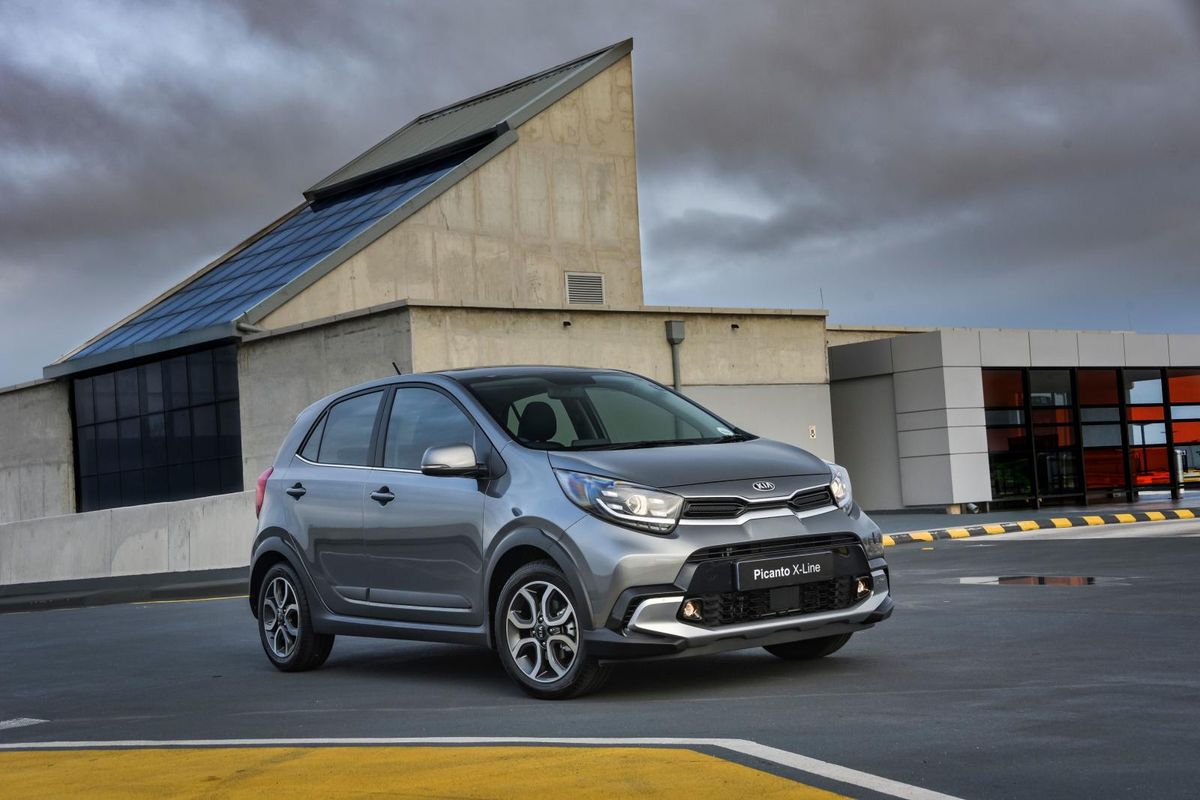
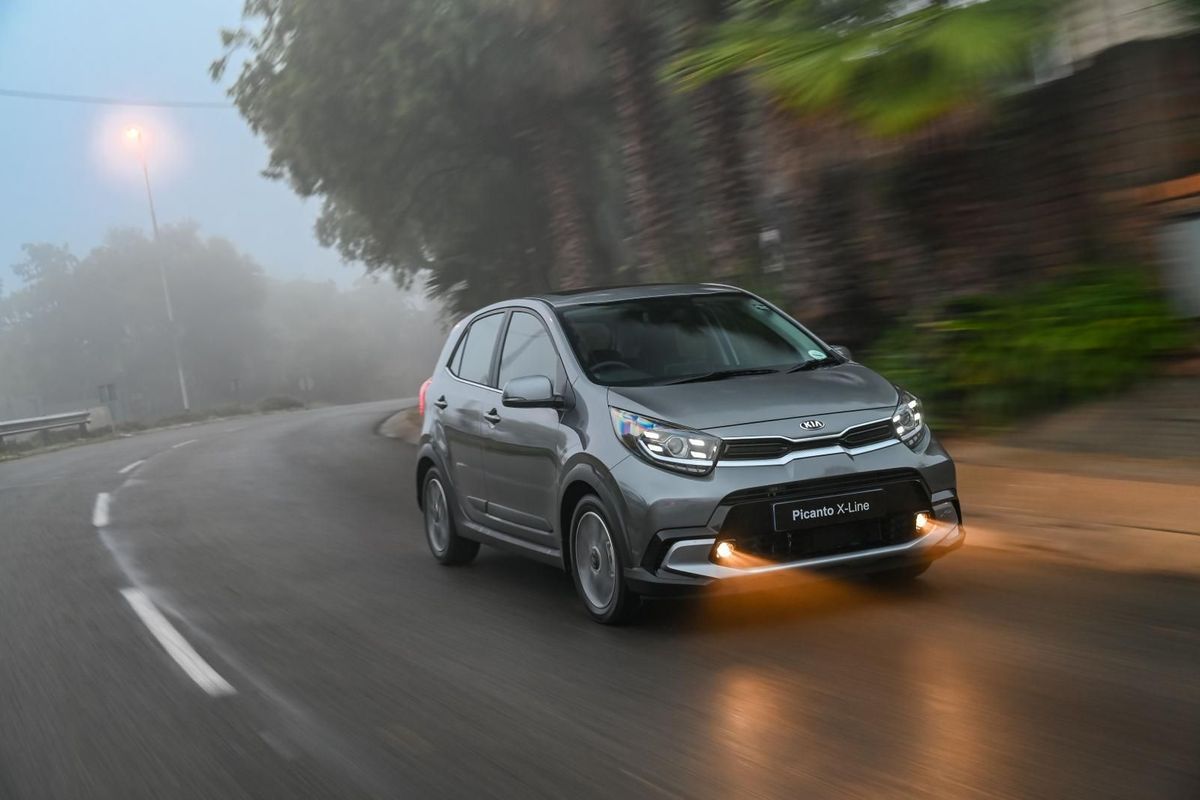
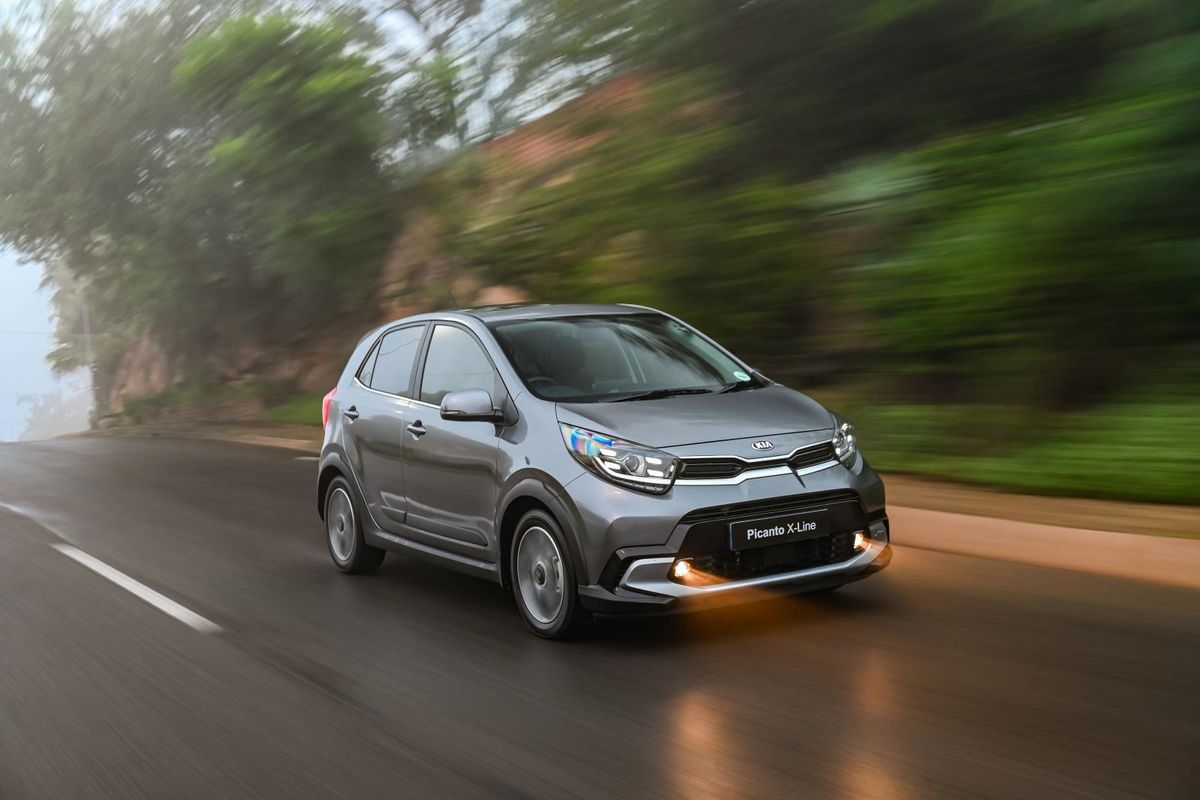
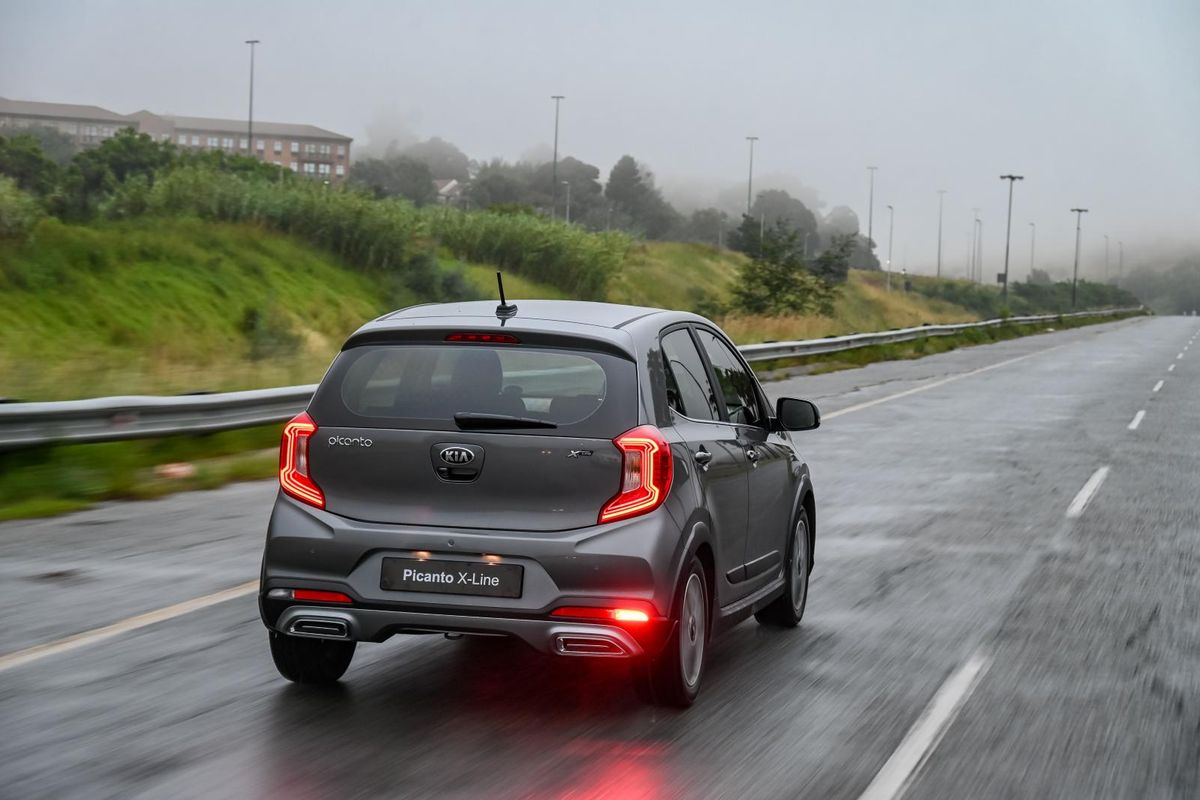
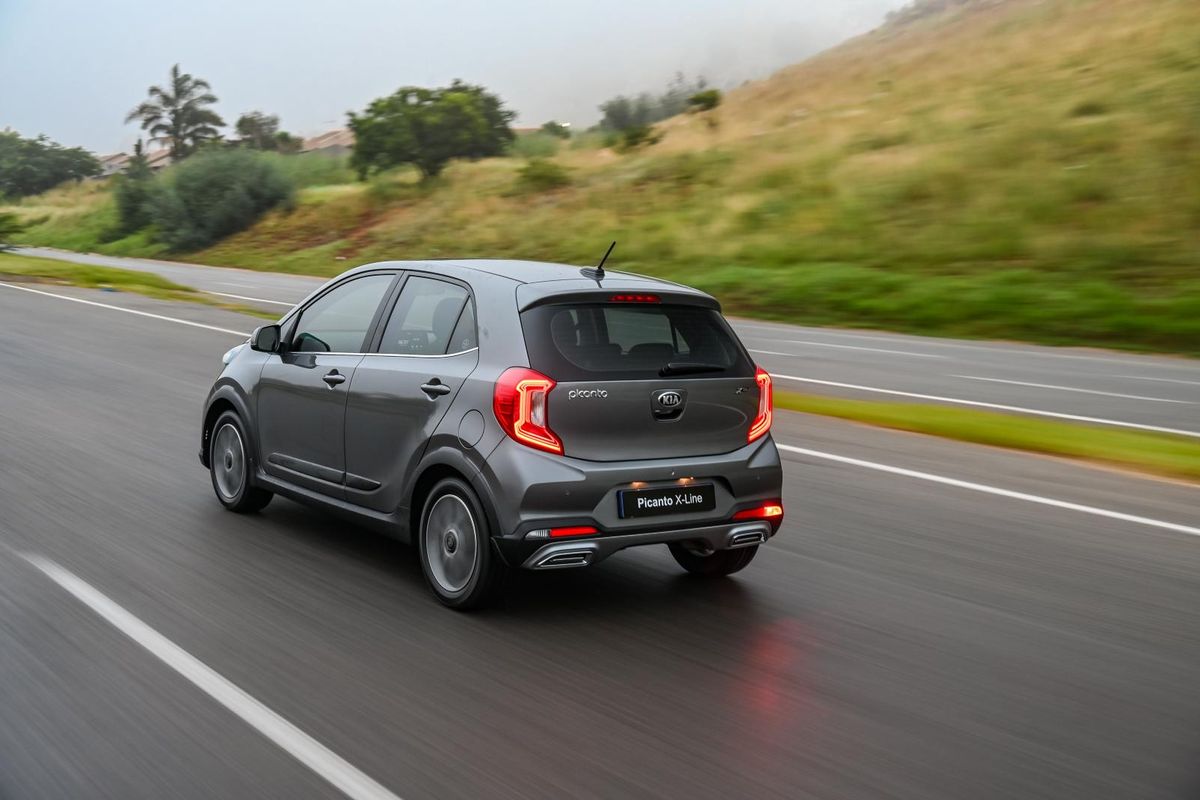
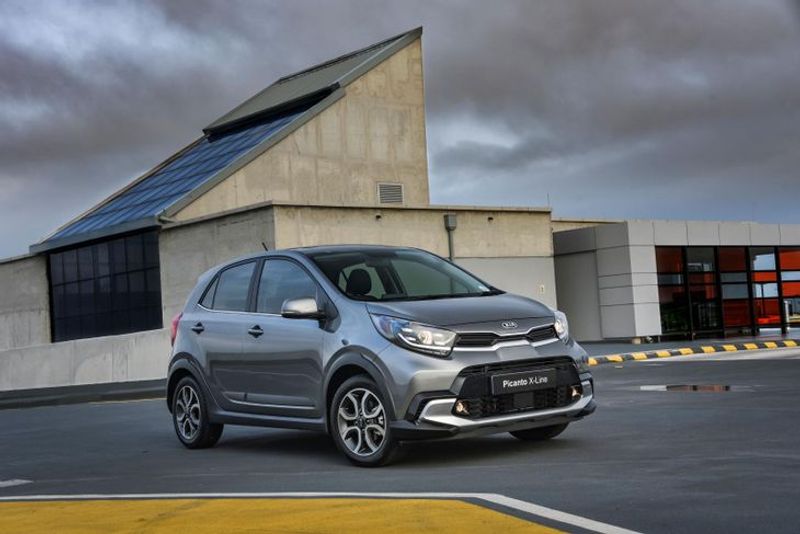
We’ve driven Kia’s newest addition to the Picanto range – the X-Line. It has crossover-inspired styling and more specification, but how does it stack up against a plethora of competitors?
What is a Picanto X-Line?
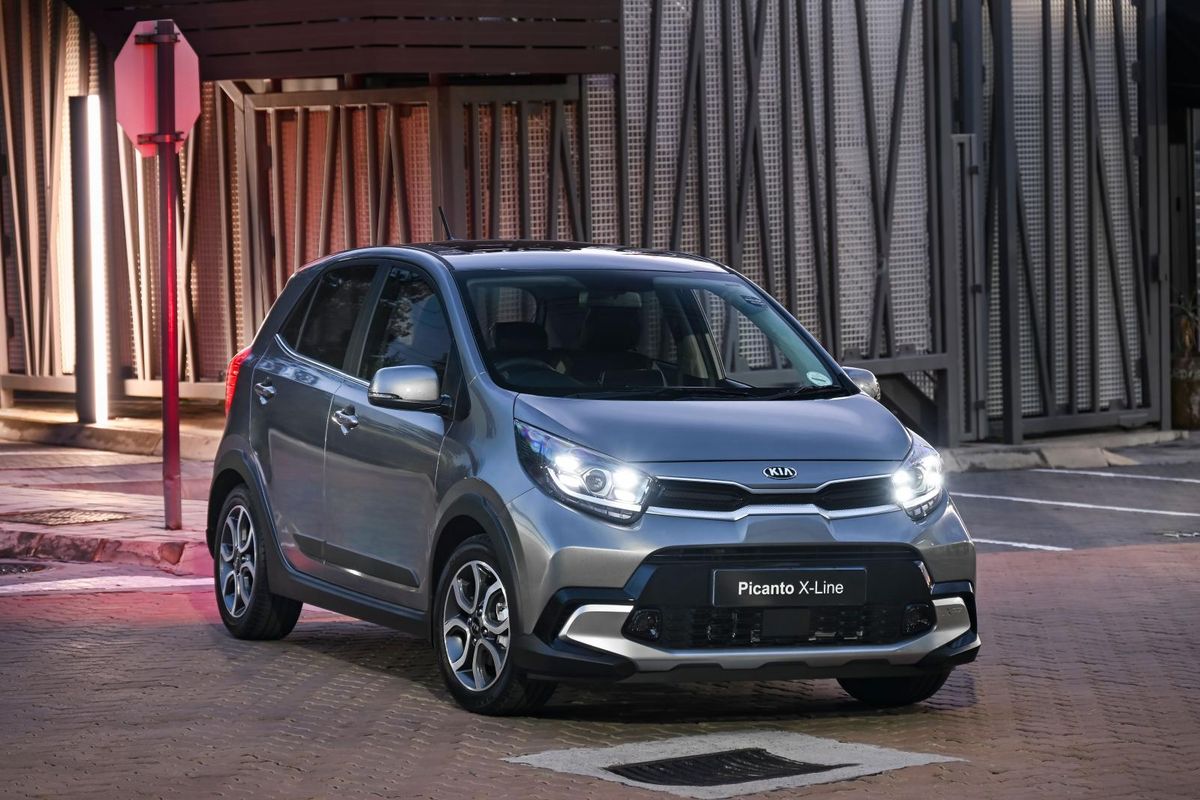
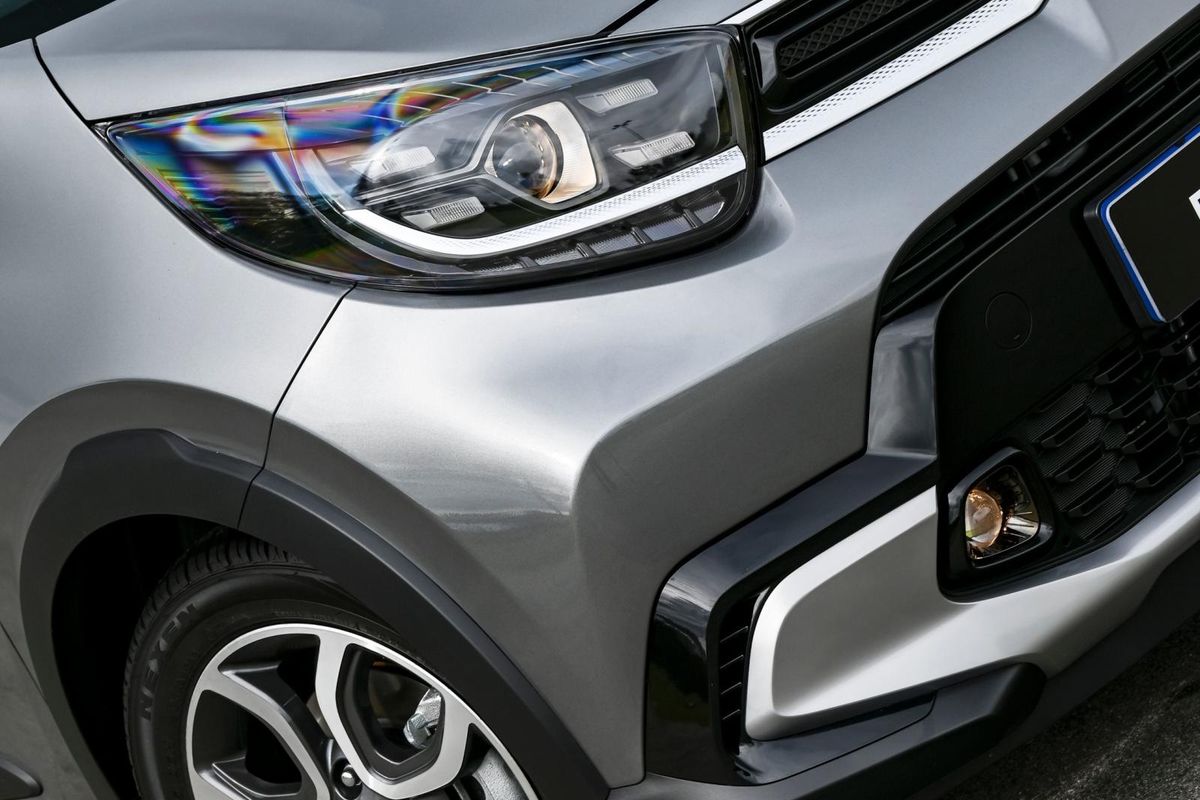
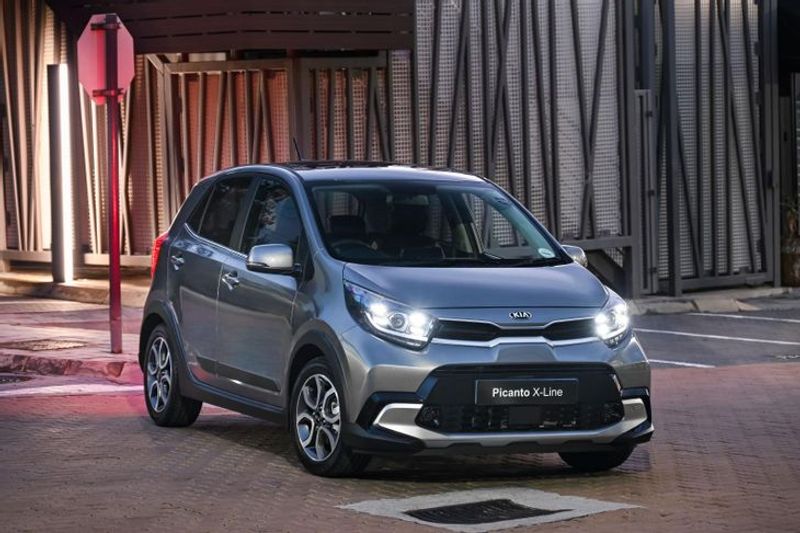
The new radiator grille and front bumper design distinguish the X-Line model from its brethren.
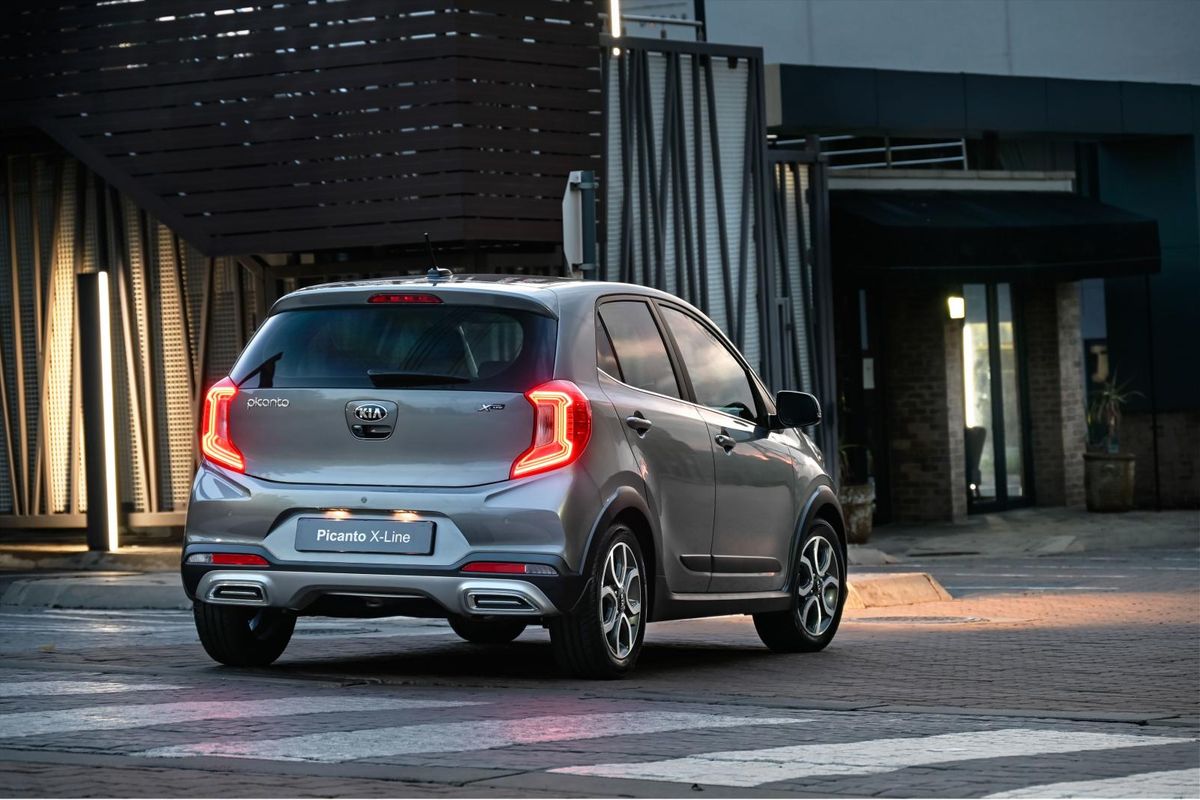
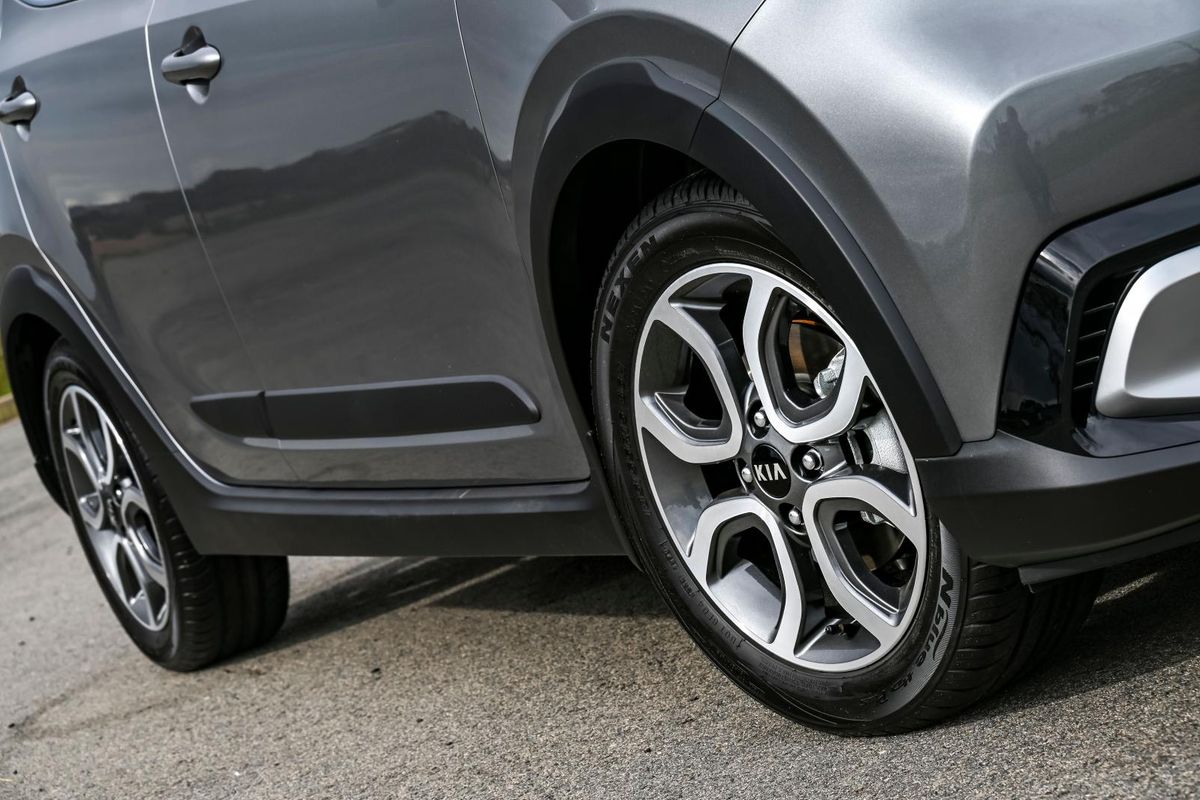
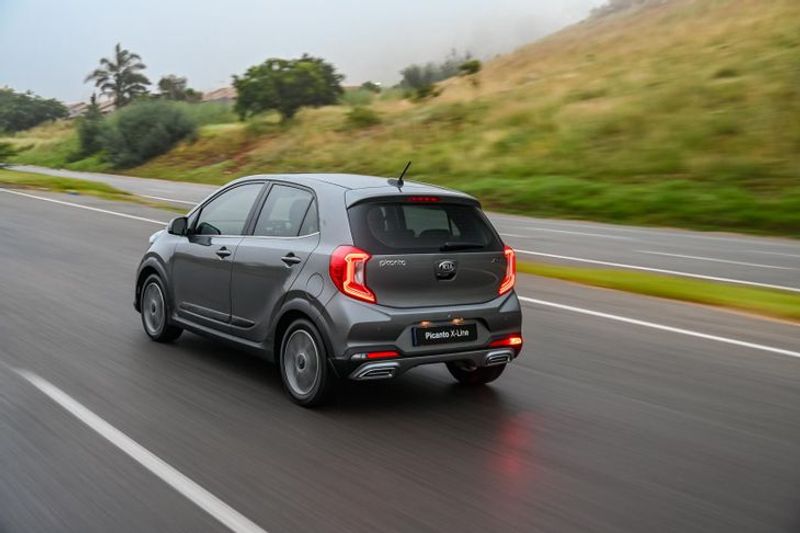
The Picanto X-Line sits atop the Picanto range as a "halo model" of sorts. It has unique bumpers, its own LED light treatment for both front and rear clusters and some flared wheel arches (with hefty mudguards) that house new 15-inch alloy wheels. The addenda give it a more prominent look and while the theme is crossover-like, there is no difference in ground clearance from the standard versions.
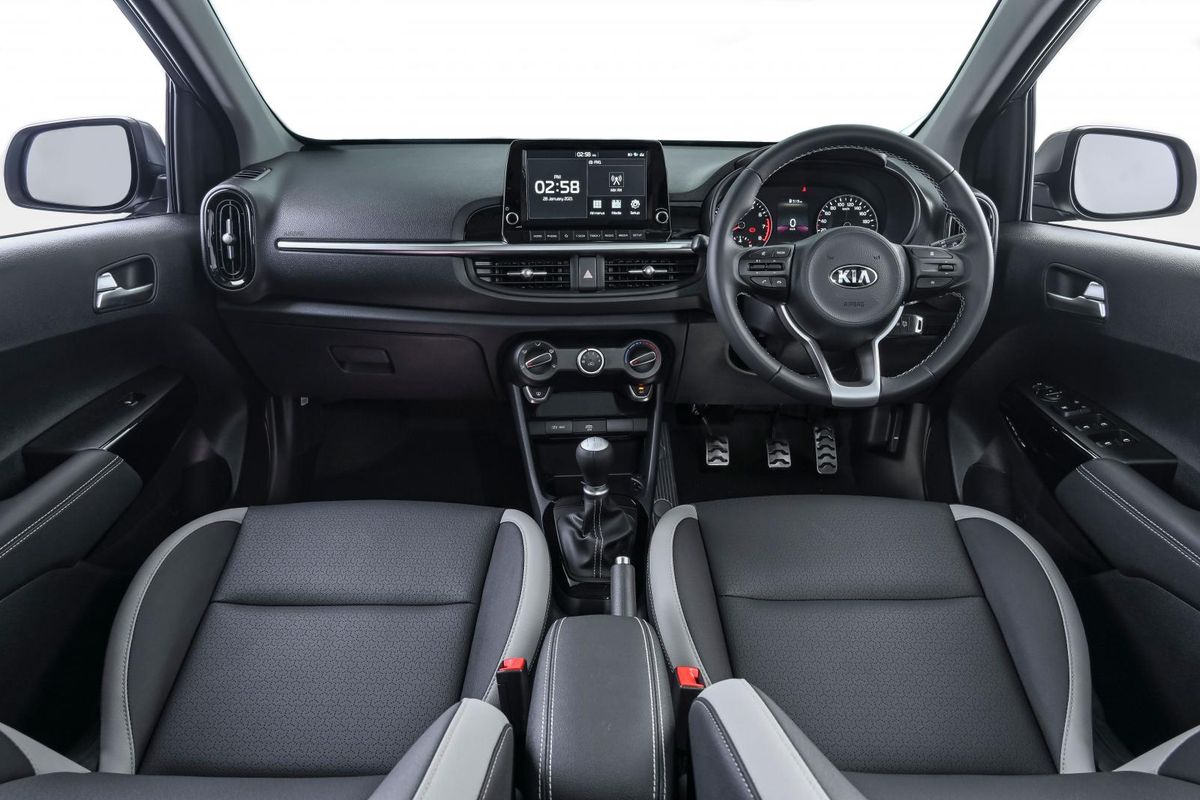
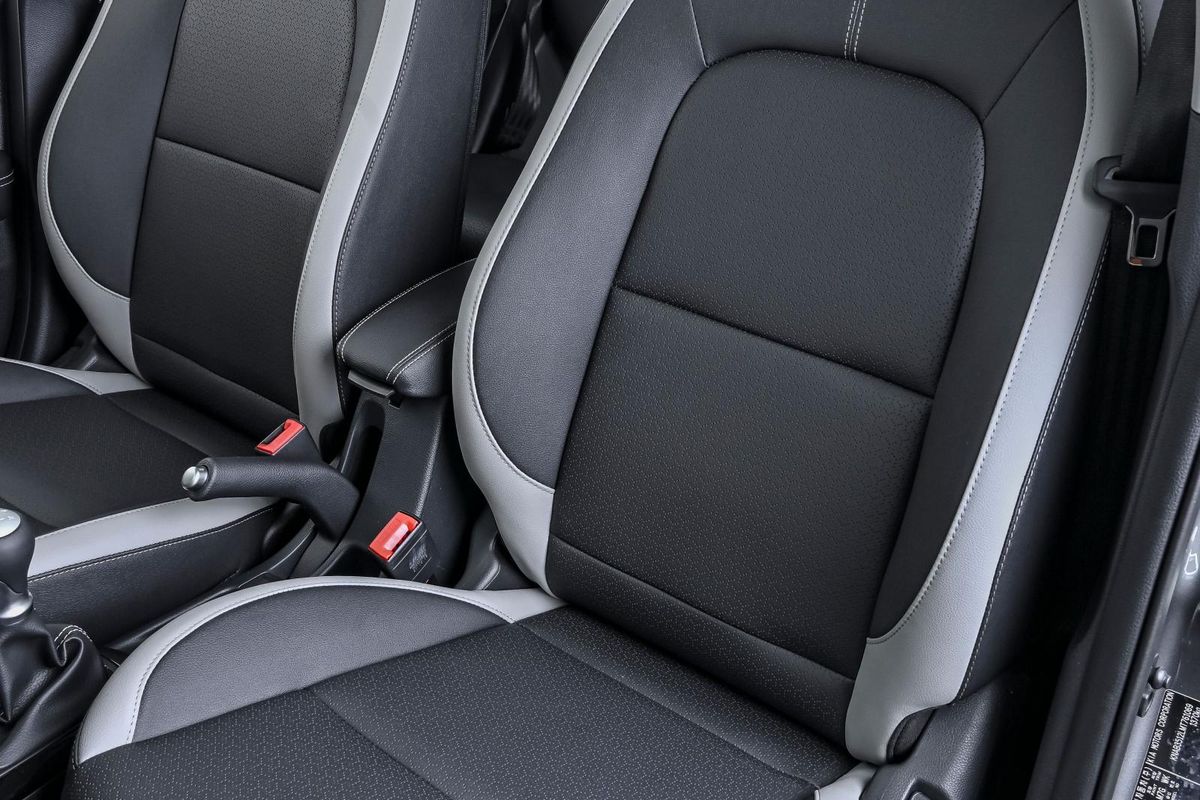
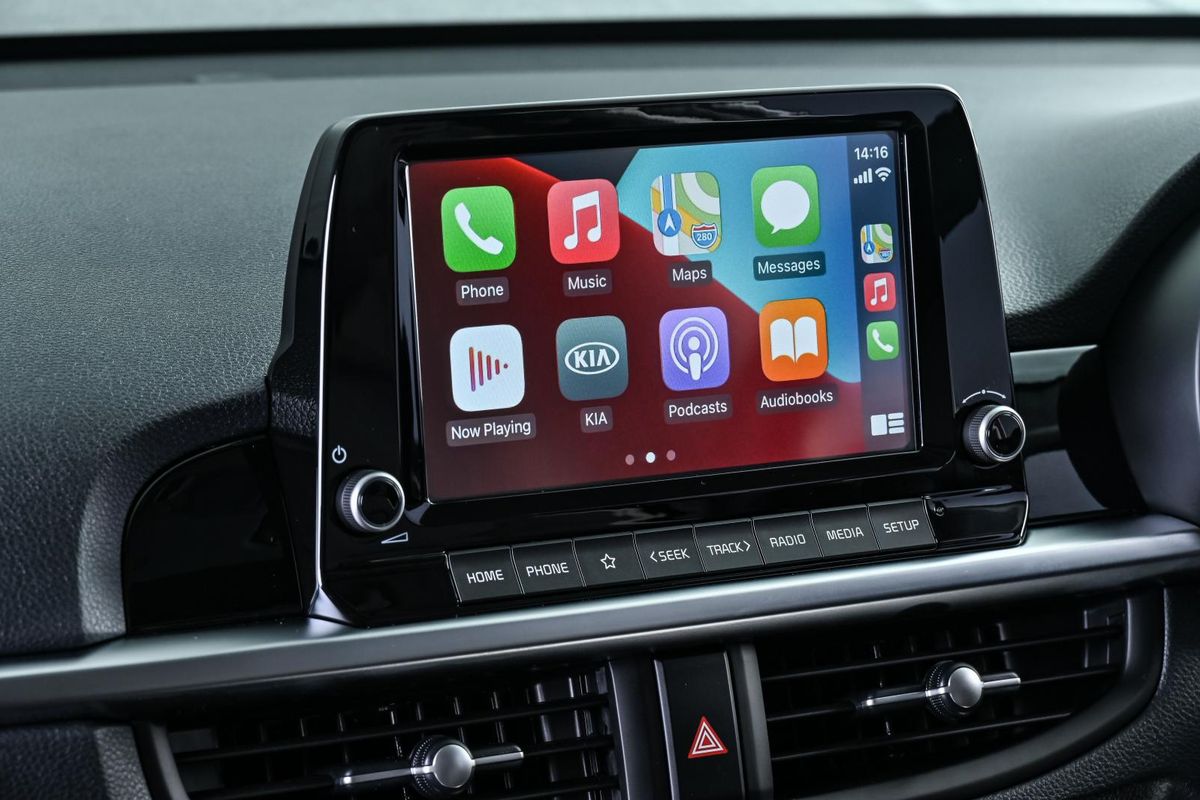
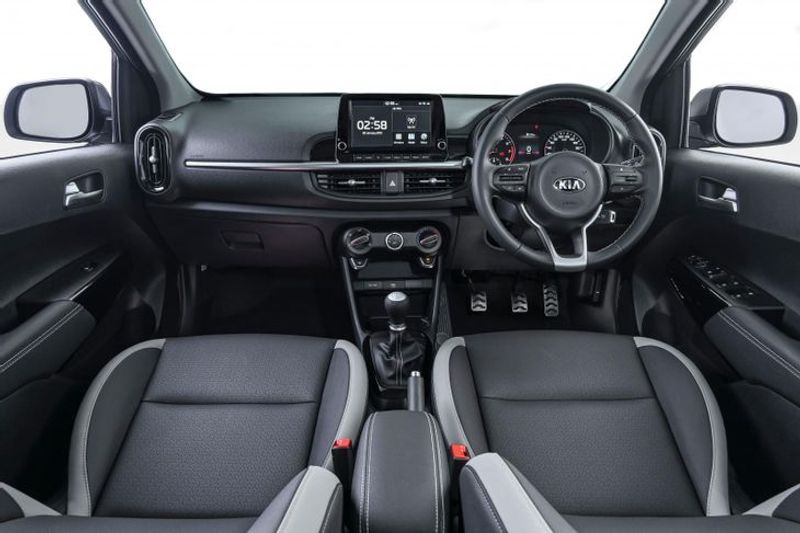
The X-Line replaces the previous Smart spec level and incorporates all the proverbial bells and whistles available in the Picanto range, including 2-tone artificial leather seats and a leather-trimmed steering wheel, as well as a new 8-inch infotainment touchscreen featuring Apple Carplay and Android Auto.
What's the Picanto X-Line like to drive?
One of the most stable drives in its class.
The Picanto has always felt like one of the more solid offerings in the small-car segment. While many of its competitors seem to sway in a stiff breeze, the Kia feels substantial and reasonably sure-footed. While whizzing down the famous Chapman’s Peak Drive and over Red Hill Road into Simon’s Town, the Picanto felt composed and even fun to coax through the twisties… It handles very neutrally, which means it’s unlikely to be unsettled by quick jerks of the steering wheel, such as when you need to execute emergency lane-change manoeuvres (swerve to avoid an obstacle). While the Picanto's probably never going to be utilised as a sportscar or, shall we say, "pinned" through a mountain pass, it’s good to know the underlying handling ability of this former #CarsAwards finalist is safe and stable.
Powering the Picanto X-Line is a 1.25-litre naturally aspirated petrol motor (61 kW and 122 Nm). In a car this small, it’s a perfect companion, providing adequate acceleration, decent overtaking ability and low fuel consumption figures. After half a tank’s driving, we averaged 6.4 L/100 km, which should easily fall into the 5s (or lower) through the adoption of a more economical driving style.
What’s the Picanto X-Line like inside?
The upmarket interior (for its segment) comes with an excellent infotainment system.
Kia’s interiors, across its range of cars, are all pretty good. The quality is well above average in the segment and the fit 'n' finish right at the top of its class. The Picanto competes against models such as the Suzuki Ignis, Renault Sandero Stepway and Ford Figo Freestyle; while the Picanto is a comparatively smaller inside, its interior feels luxurious, especially with the leather-trimmed 'wheel in hand.
In terms of connectivity, there’s just the one USB port at the front, but the very modern-looking and hi-res 8-inch touchscreen does support Bluetooth streaming, hands-free telephony, as well as Apple Carplay and Android Auto.
You may find that rear passenger space is a bit cramped/tight around the knees, but the load bay is reasonably sized when compared to the aforementioned rivals (a claimed capacity of 255 litres).
How safe is the Picanto X-Line?
The Picanto X-Line is, fittingly, equipped with 2 airbags and ABS with EBD. You don’t get stability or traction control, but the body shell of the Picanto has proven to be one of the safest in its segment.
After-sales support
Possibly one of the most enticing aspects of the Picanto X-Line is its standard 5-year/unlimited km warranty. Having peace of mind for 5 years of motoring, irrespective of how many kilometres you clock up, is certainly a boon when you're shopping on a tight budget. A 2-year/30 000 km service plan, which is included in the purchase price, can be extended at extra cost.
Verdict
The Picanto remains one of the best choices in the SA small market.
No, there isn’t anything strikingly different about the Picanto range… The X-Line offers a more eye-catching design that fits in with the crossover look that’s currently selling well across the board. Aside from that, not much really needed to change as the small-car offering is still relevant and just as competitive within the segment. The engine and transmission are excellent and the chassis feels planted and stable, where some of the competition can feel wayward and light under windy or slippery conditions.
Interior space is perhaps the one aspect in which the Picanto falls short of its intended rivals, but it matches most of them in terms of load-bay capacity. Overall, the Picanto continues to present an easy choice for buyers looking for peace of mind, thanks to its long warranty, as well as a fuss-free package that's equipped with all the modern gizmos to keep it relevant in a cutthroat segment of the market.
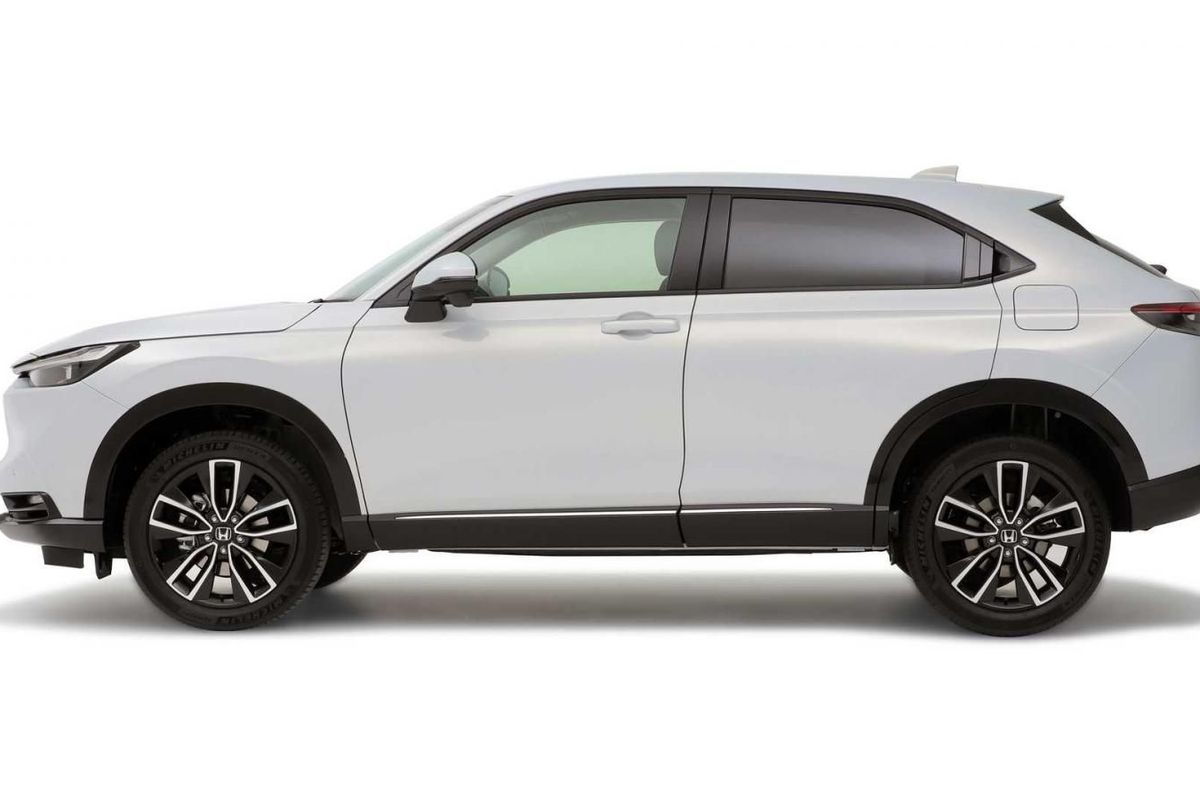
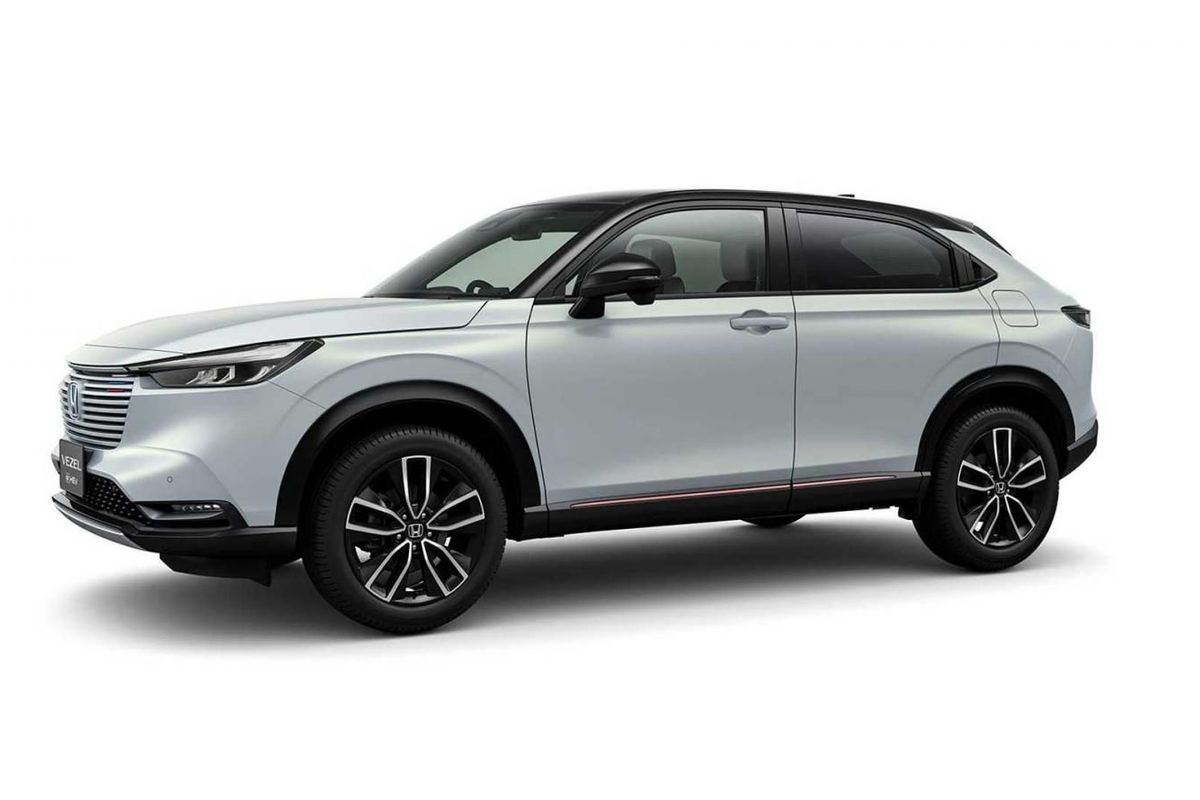
Honda has revealed its third-generation HR-V and it looks like a stunner.
The Japanese brand will be keen to defend its position in the compact crossover market and this redesigned HR-V should give a good account of itself, in that role.
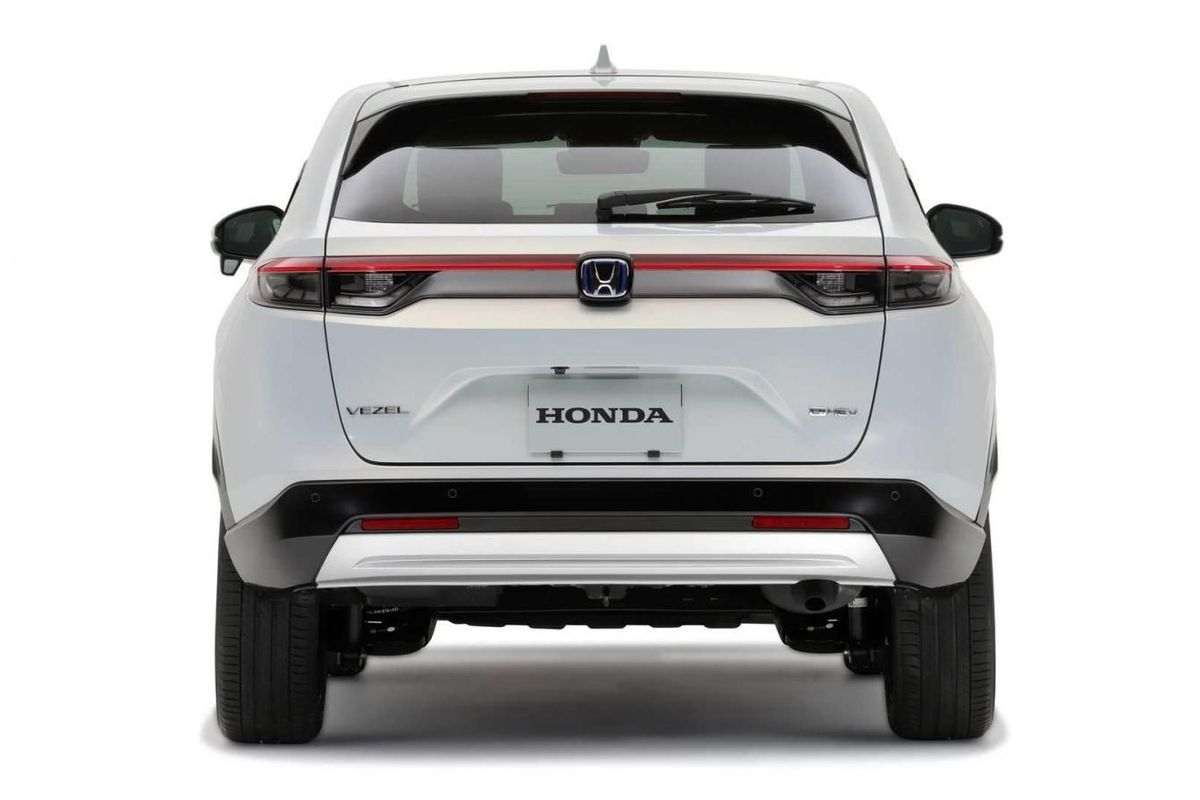
A colour-coded grille, which appears integrated as part of the bumper moulding, and slim headlamps, give the HR-V a very futuristic appearance. Hidden rear door handles, intricate pattern LED and a light strip connecting the taillamps, are all design details meant to give the HR-V a more upmarket look.
The HR-V silhouette also features a very distinct taper beyond the C-pillar, with a nearly flat aft window giving it the requisite Sportback profile. Customers have a choice of wheel sizes ranging from 16- to 18-inches in diameter.
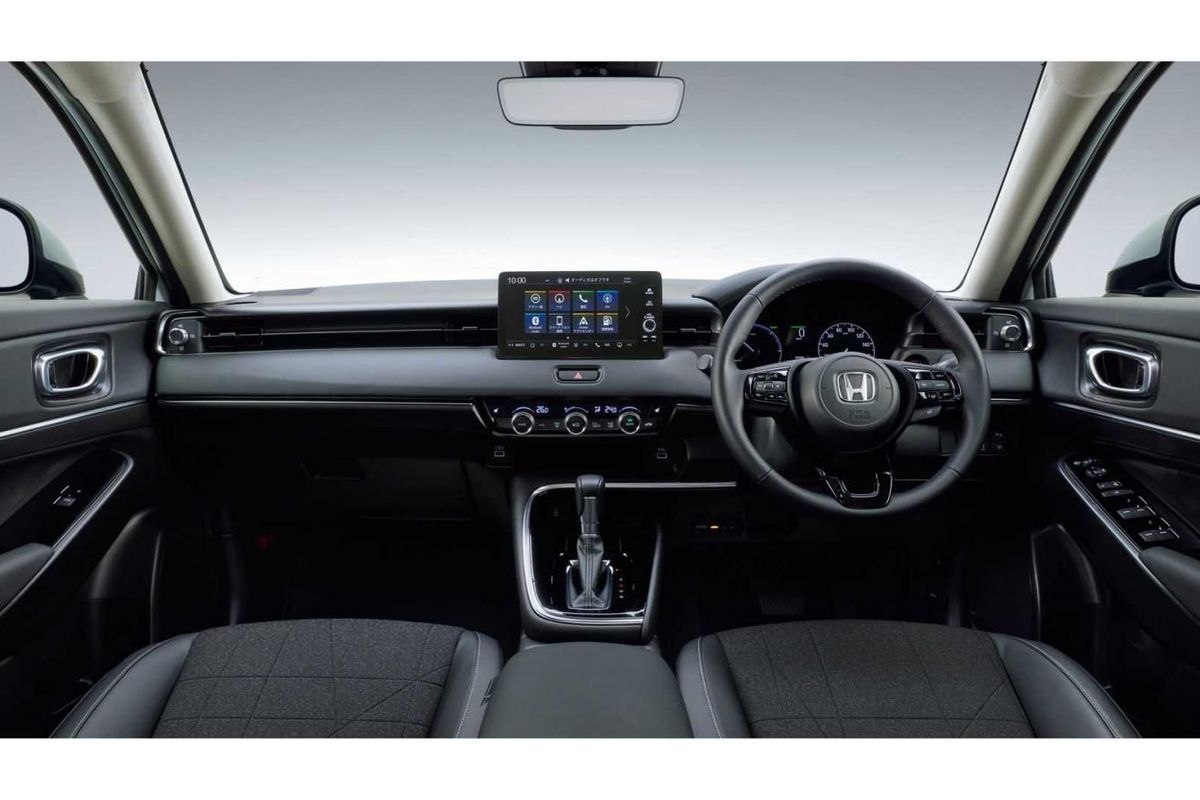
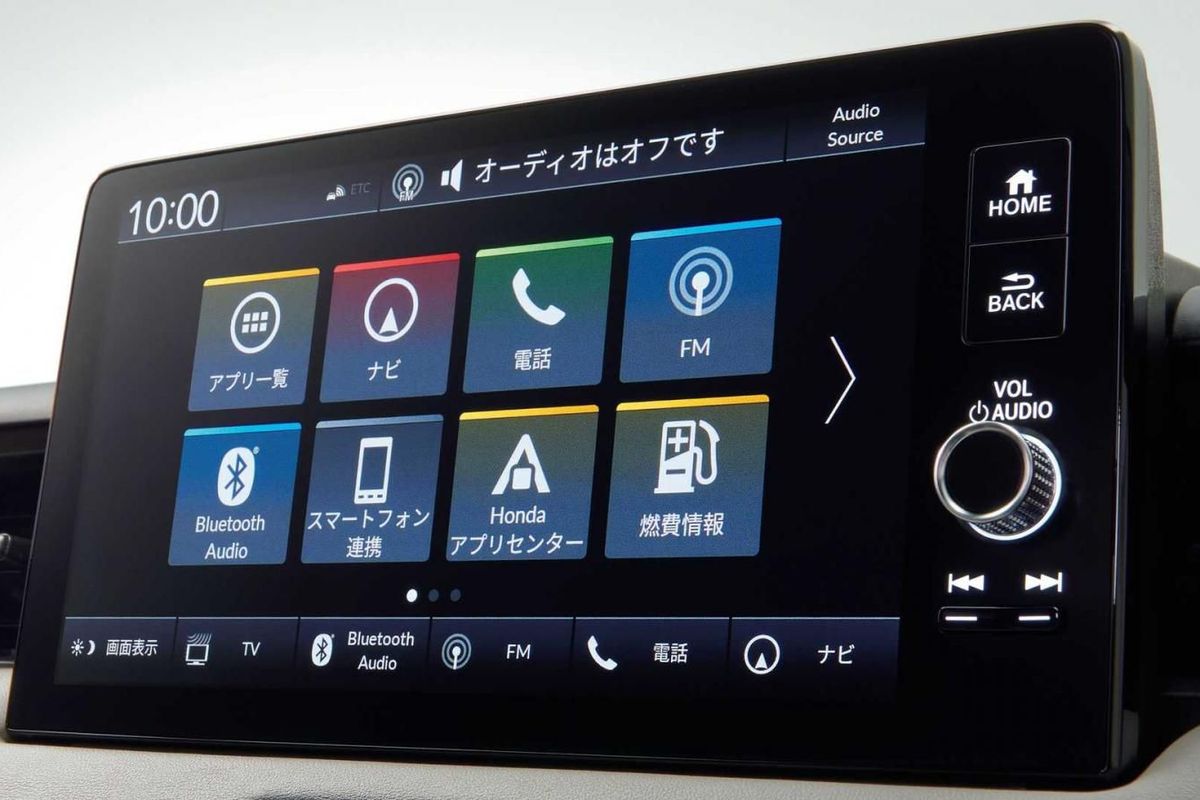
Honda’s designers have not been as radical with their cabin architecture, but the new HR-V does have a 9-inch touchscreen infotainment system, with a conventional audio volume dial. Those quite brilliant magic seats, one of Honda’s best ergonomic comfort and convenience components, are also fixed to the HR-V’s cabin.
Powering this new Honda crossover will be a choice of two engine configurations, both using Honda's 1.5-litre petrol as their base, and broadly similar in specification to the Jazz.
A hybridized HR-V is expected to deliver 81 kW and 253 Nm, with the non-hybridized engine should be a bit more powerful, at 90 kW, but significantly weaker on torque, at only 145 Nm. Final engine outputs have not been officially confirmed by Honda.
The new HR-V will only be available in all-wheel drive for hybrid powertrain customers, whilst those who opt for the conventional non-hybrid engine will have use of a CVT transmission driving the front wheels.
We have contacted Honda SA for comment on the HR-V's local introduction possibility. We will update this story when we hear back.
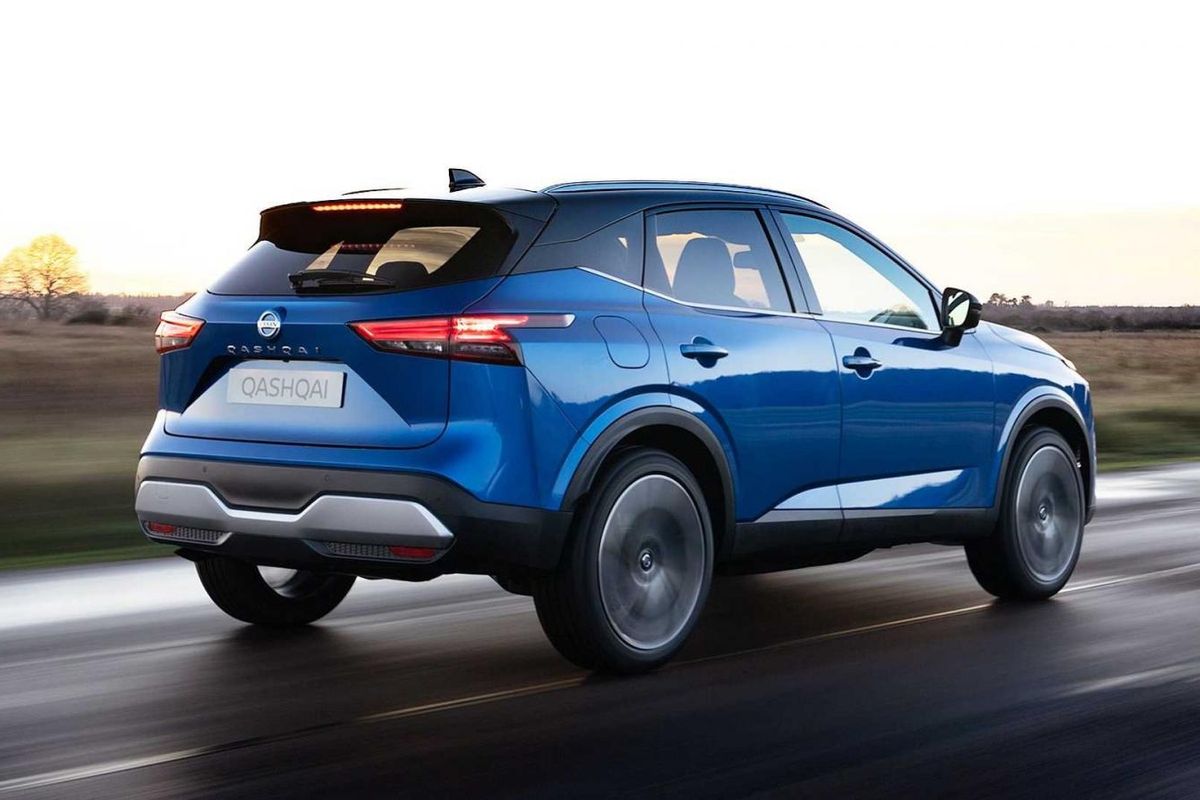
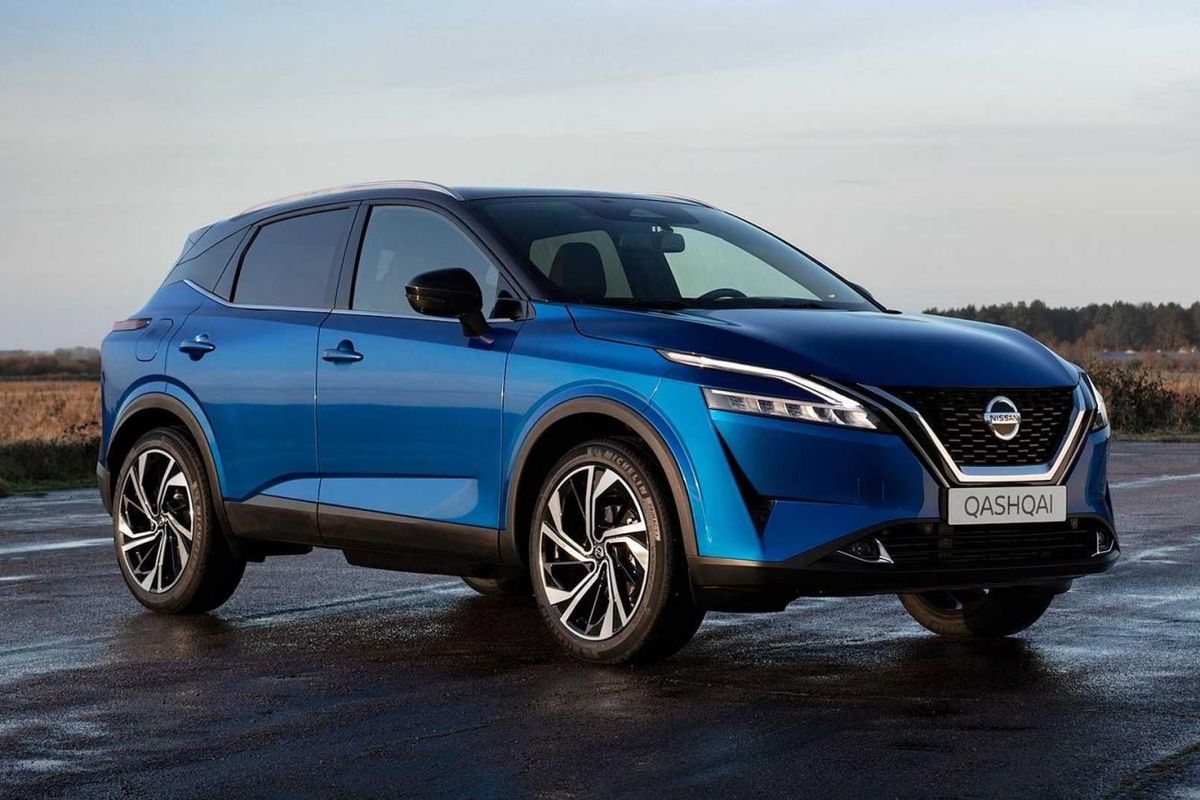
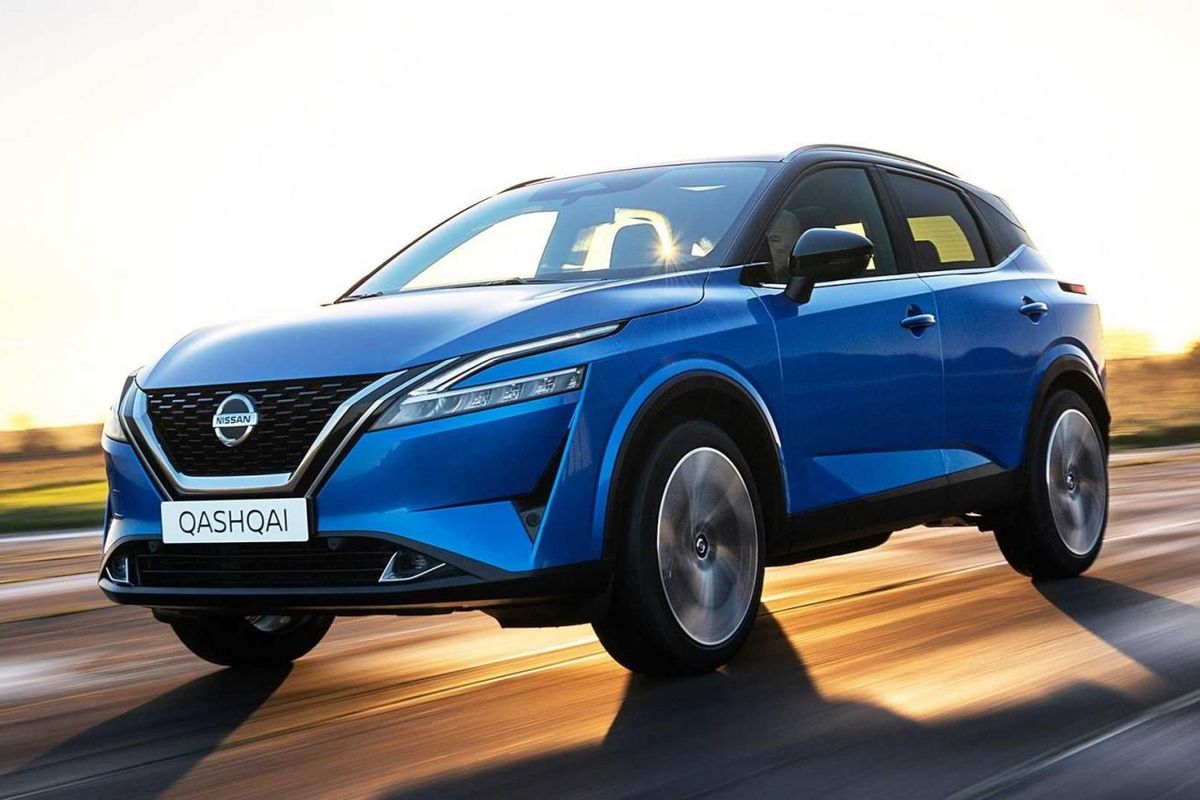
After months of teasers, the all-new Nissan Qashqai has been revealed. Here's all you need to know about the popular SUV that many would argue started the mainstream SUV buying trend.
The much-lauded Nissan Qashqai has been replaced by an all-new model. This is the 3rd generation Nissan Qashqai and its arrival comes 14 years after the original model burst onto the scene. With three million sales in Europe alone, its safe to say the Nissan Qashqai has been extremely successful.
The 3rd-generation Qashqai is assembled at Nissan's facility in Sunderland, UK. You can spot the newcomer with its aggressive front and what Nissan calls 'boomerang' headlights.
Under the skin is the CMF-C platform, which results in a longer wheelbase and improved interior space. Nissan claims the new setup allows for more head, knee and shoulder space. The vehicle's physical dimensions have increased, with it now sitting 35 mm longer, 32 mm wider and 25 mm taller. The wheelbase is 20mm longer too.
When it comes to engines, the new Nissan Qashqai is offered with electrified powertrains for the first time. Kicking off the range is a 1.3-litre turbocharged petrol engine with mild-hybrid tech. It offers 103 kW and 240 Nm and is paired with a 6-speed manual gearbox. There's also a 116 kW and 260 Nm derivative available. Nissan has catered for those wanting a clutchless option, with a CVT being available with either a front-wheel drive or all-wheel drive setup, called Xtronic.
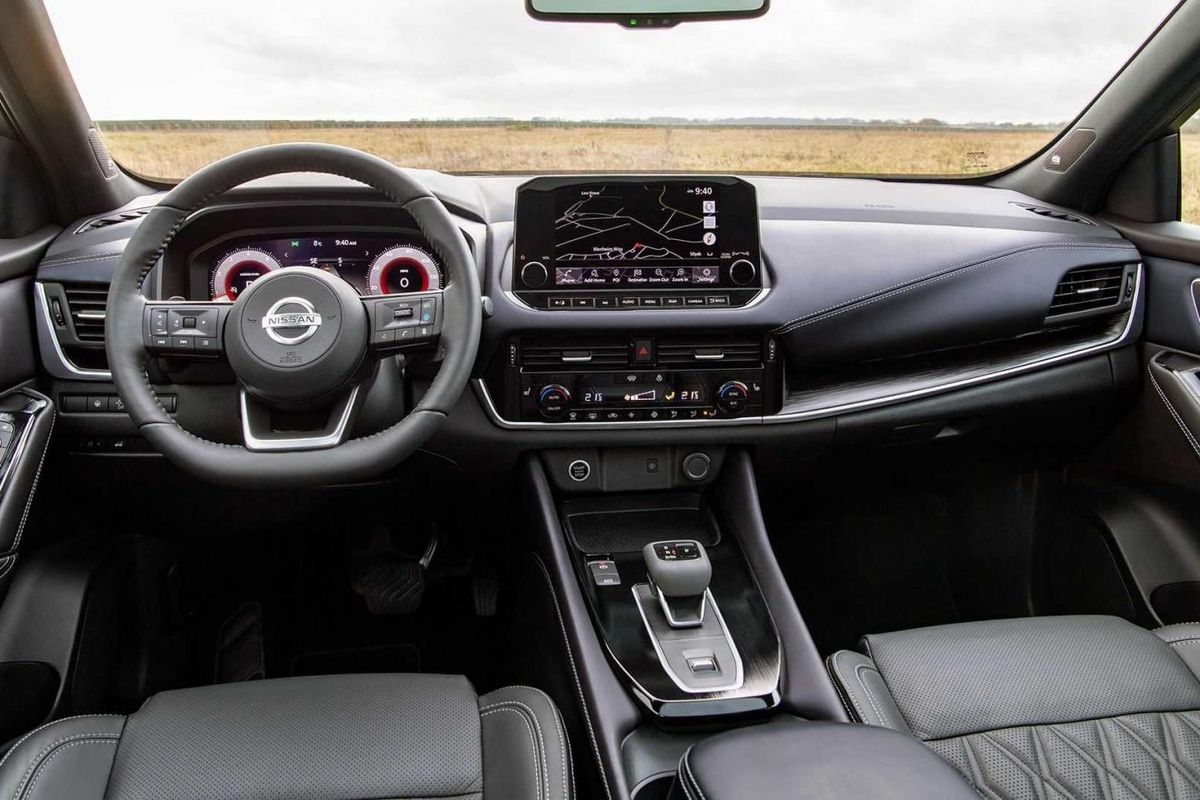
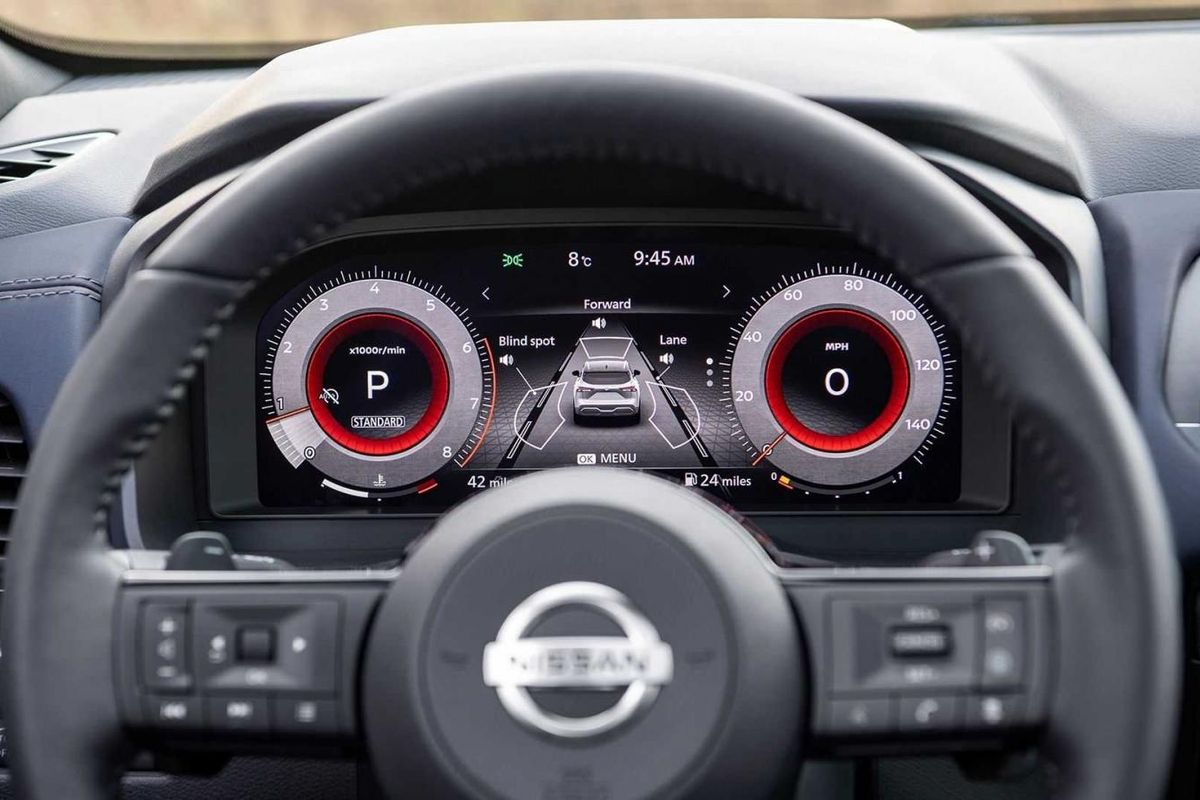
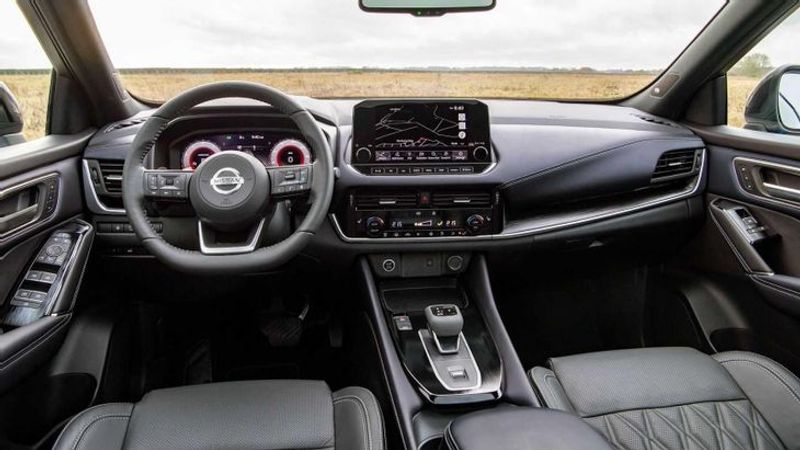
Inside, there's a 9-inch infotainment screen, while the driver benefits from a 12-inch digital display. Nissan is also offering the new Qashqai with a 10.8-inch Head-up display. Other noteworthy features include the wireless charging pad as well as Android Auto and Apple Carplay connectivity. The vehicle also offers 4 USB charging ports, with 2 USB-A and 2 USB-C.
Nissan SA has confirmed the all-new Qashqai will be landing in SA, however exact timing could not be given other than 'later in the 2021 financial year.'
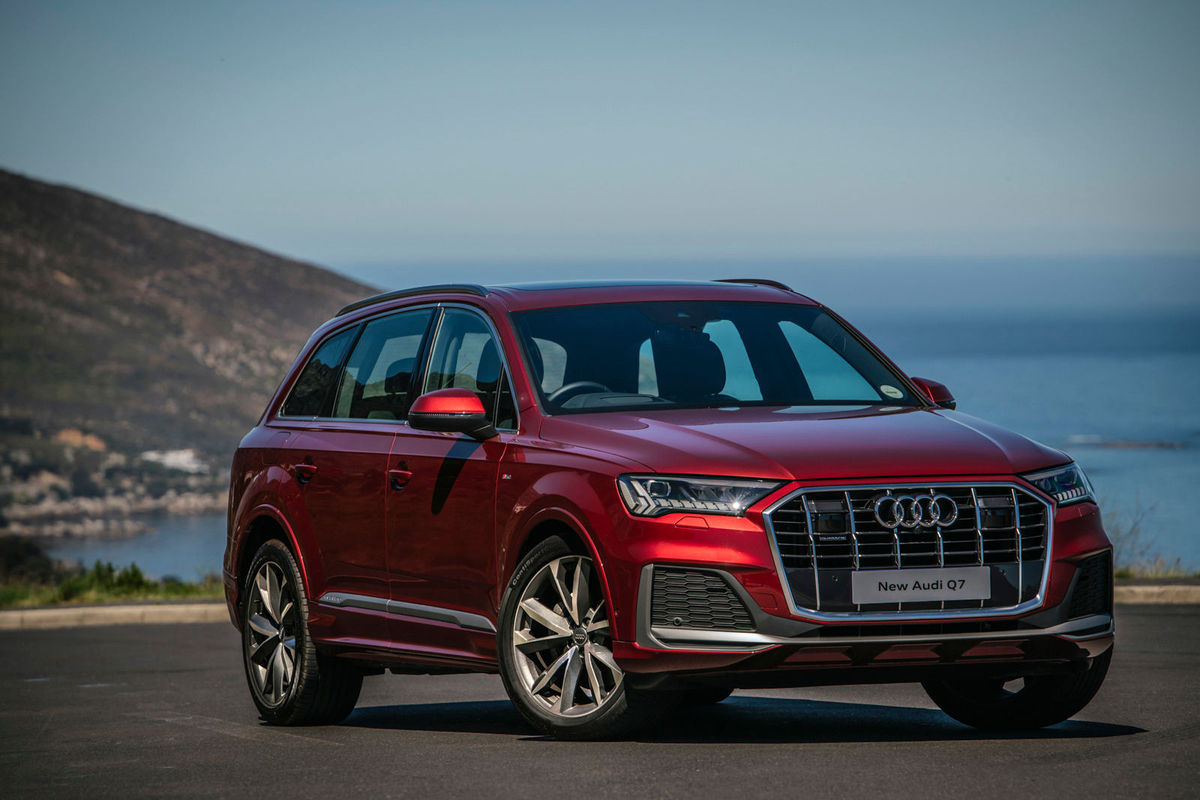
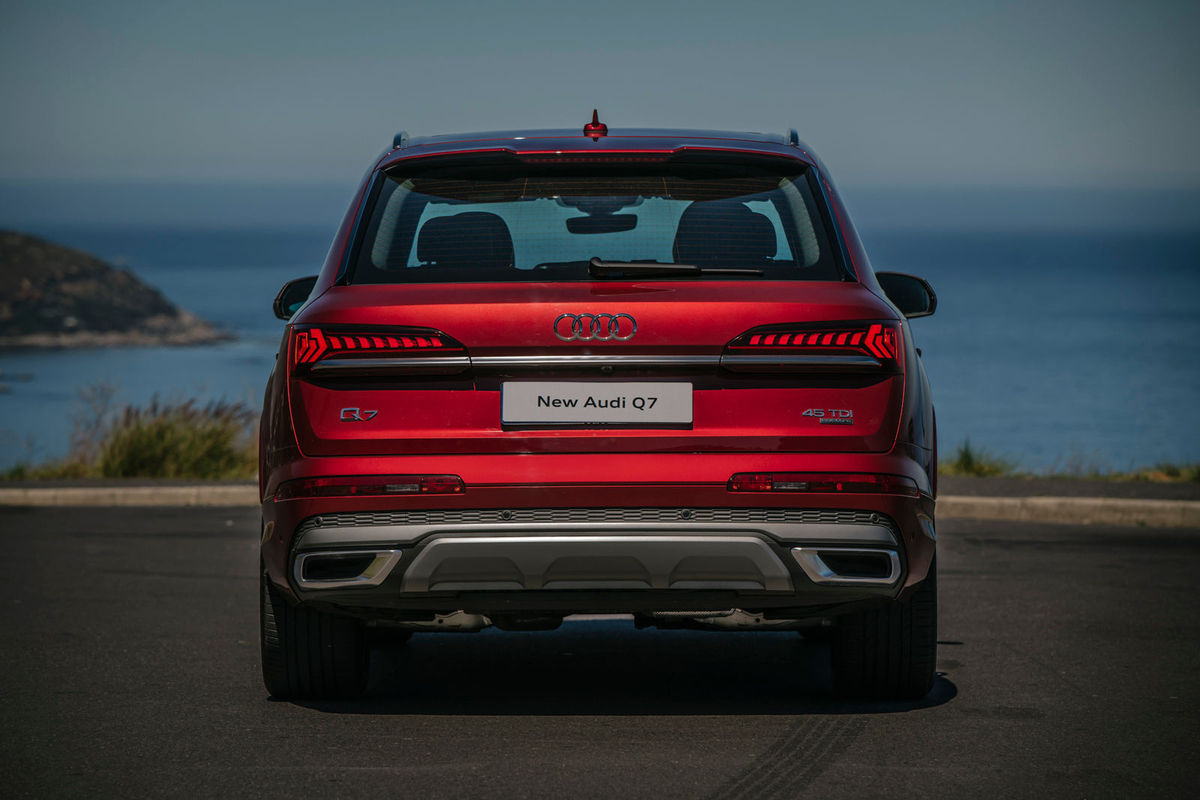
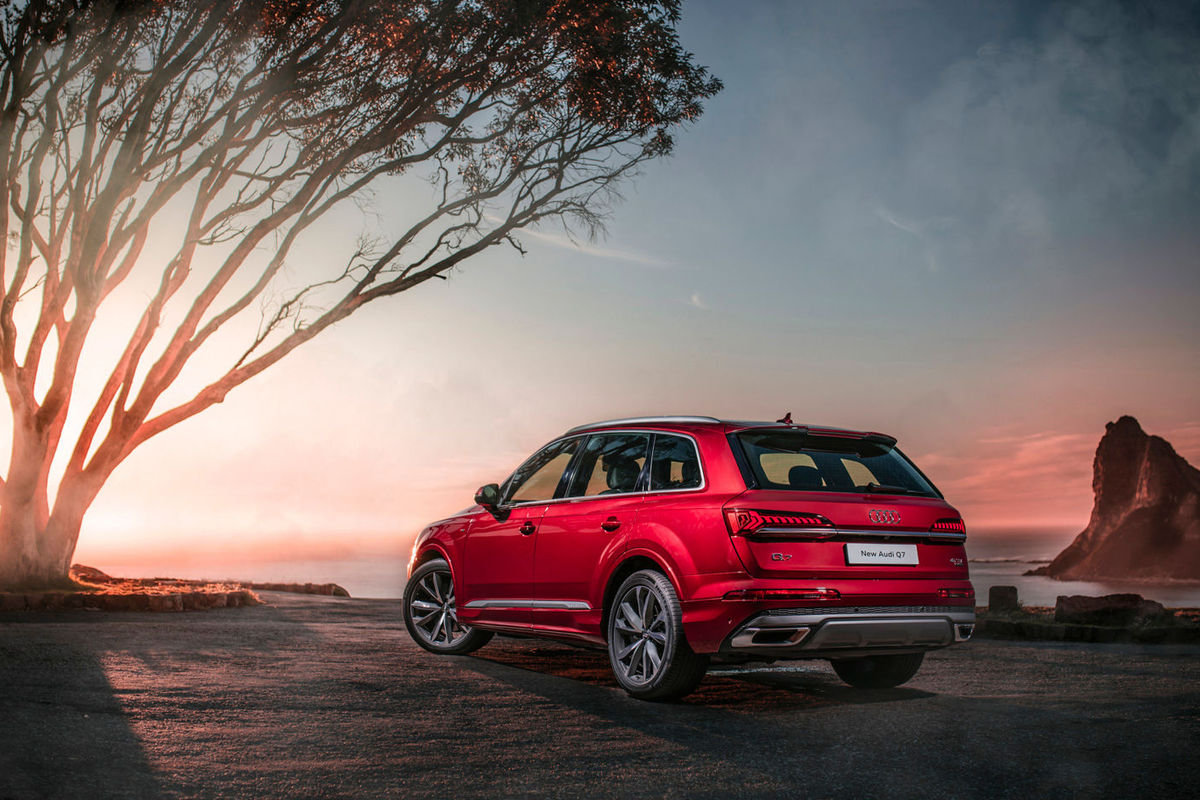
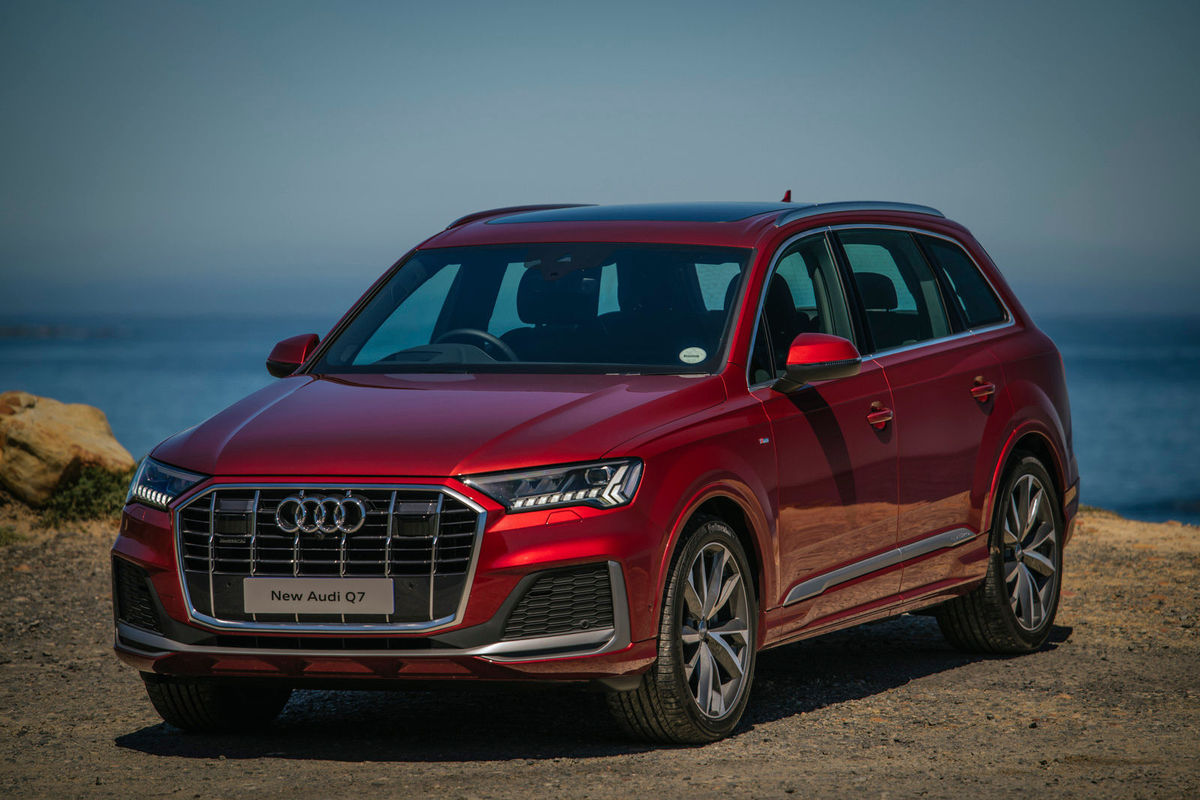
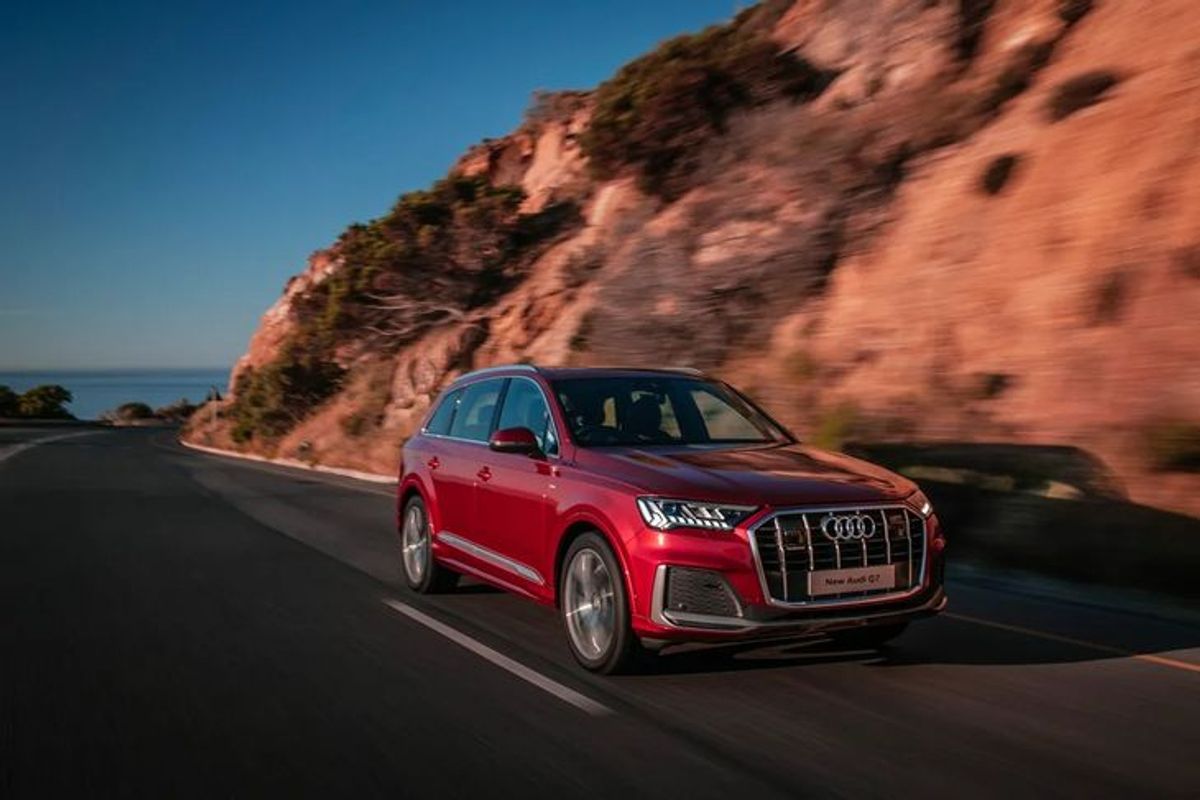
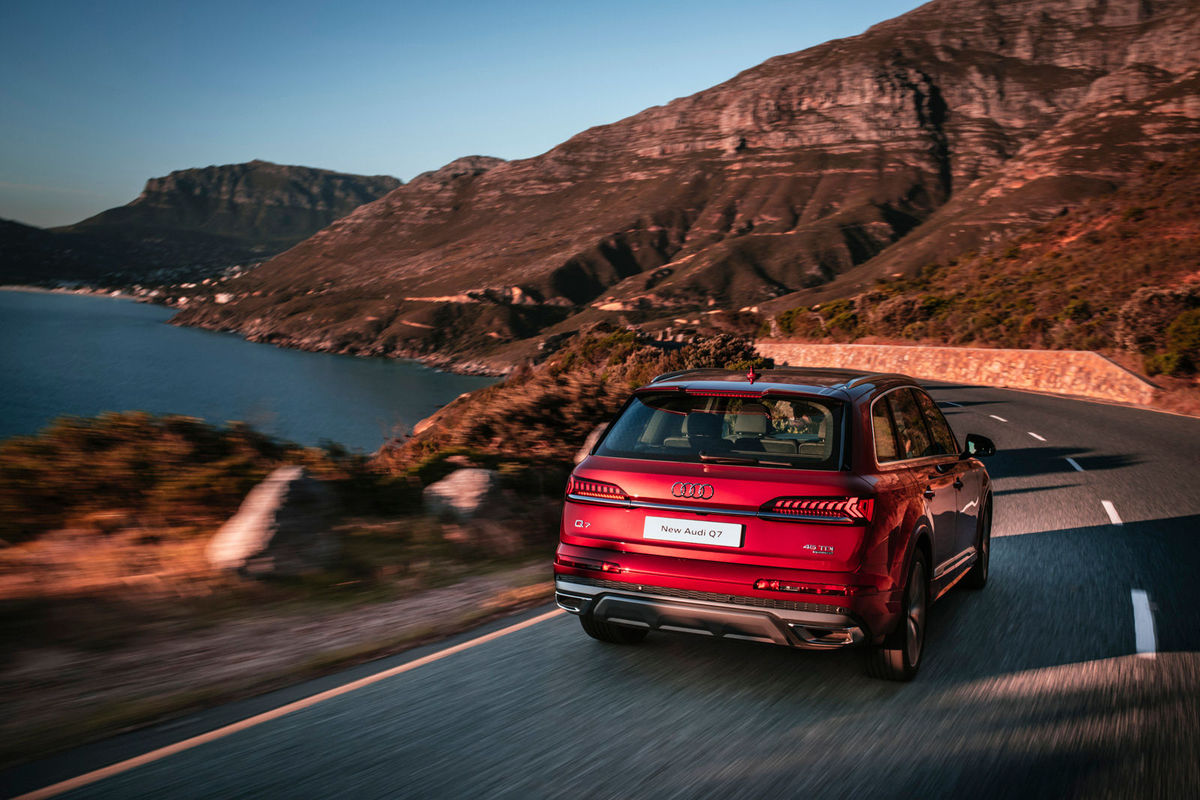
A thoroughly-revised Q7 was introduced in South Africa towards the end of 2020. Has the notable styling-, mechanical- and interior upgrades to Audi's Premium SUV propelled it to the top of its segment? Cars.co.za journalist Gero Lilleike spent some time with the 7-seater Q7 45 TDI quattro S Line to find out…
Audi's latest Q7 hits back at the competition with fresh styling and welcome technology updates.
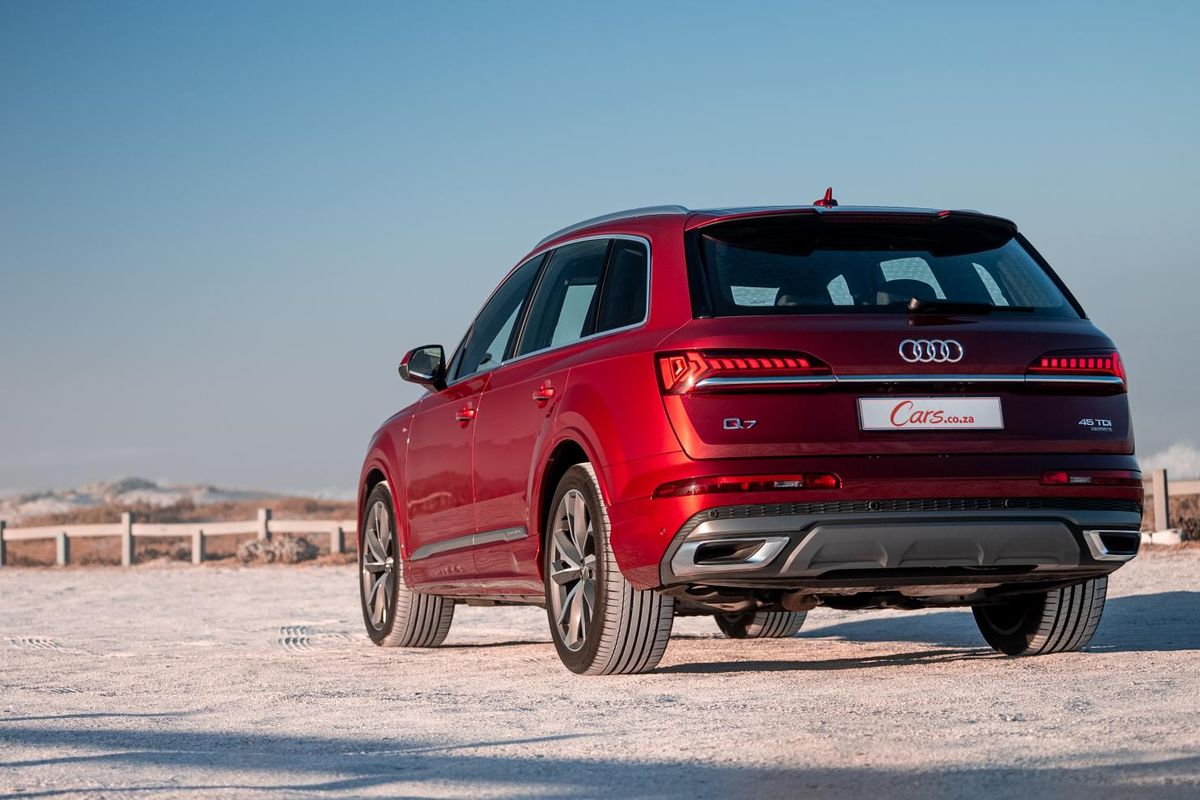
Audi’s 2nd-generation Q7 was launched in South Africa in 2015 and, at the time, it impressed commentators with its modern and comfortable cabin, which featured impressive tech features and exemplary levels of refinement, not to mention superb on-road comfort. The understated styling of the Ingolstadt-based brand's Premium SUV wasn’t as convincing, but with this latest (and substantial) facelift, the Q7 offers considerably more kerb appeal and is notably more sophisticated than before, especially in S Line guise (as tested here). Moreover, the interior updates represent a major step forward…
The facelifted Q7 was not considered in the Premium SUV category of the 2020/21 Cars.co.za Consumer Awards – powered by WesBank (purely because it arrived after the cut-off date: 1 October 2020). Nonetheless, the Audi remains a formidable rival to other offerings in this segment, including the BMW X5, Mercedes-Benz GLE and Volvo XC90. Let’s take a closer look at what the Q7 has to offer!
How it performs in terms of…
Kerb appeal
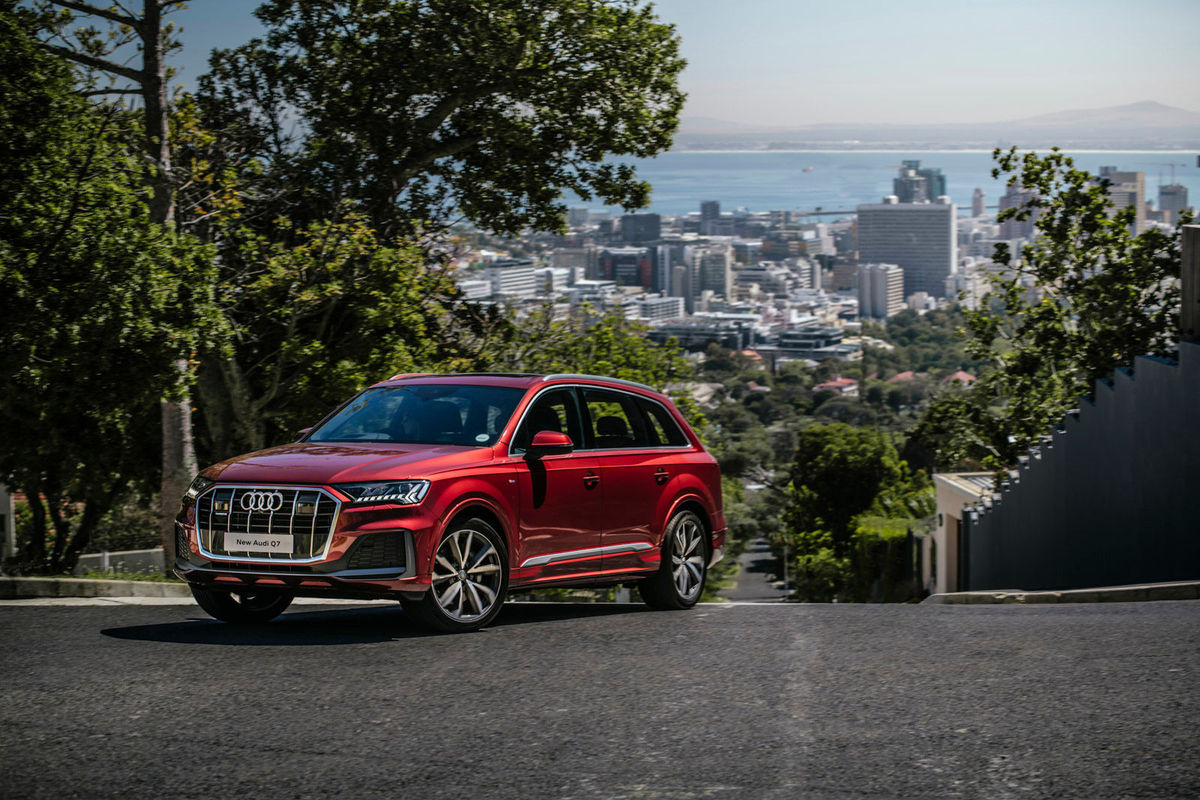
The Q7 boasts a more sophisticated and elegant look.
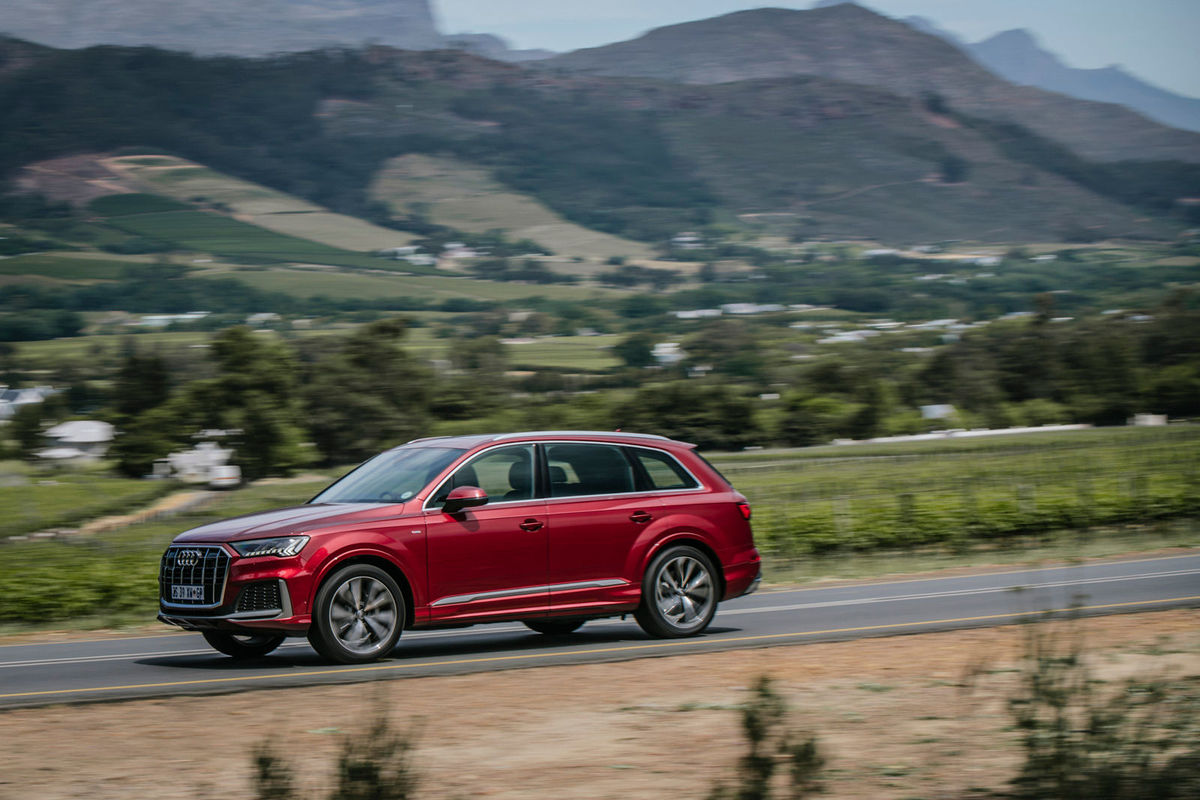
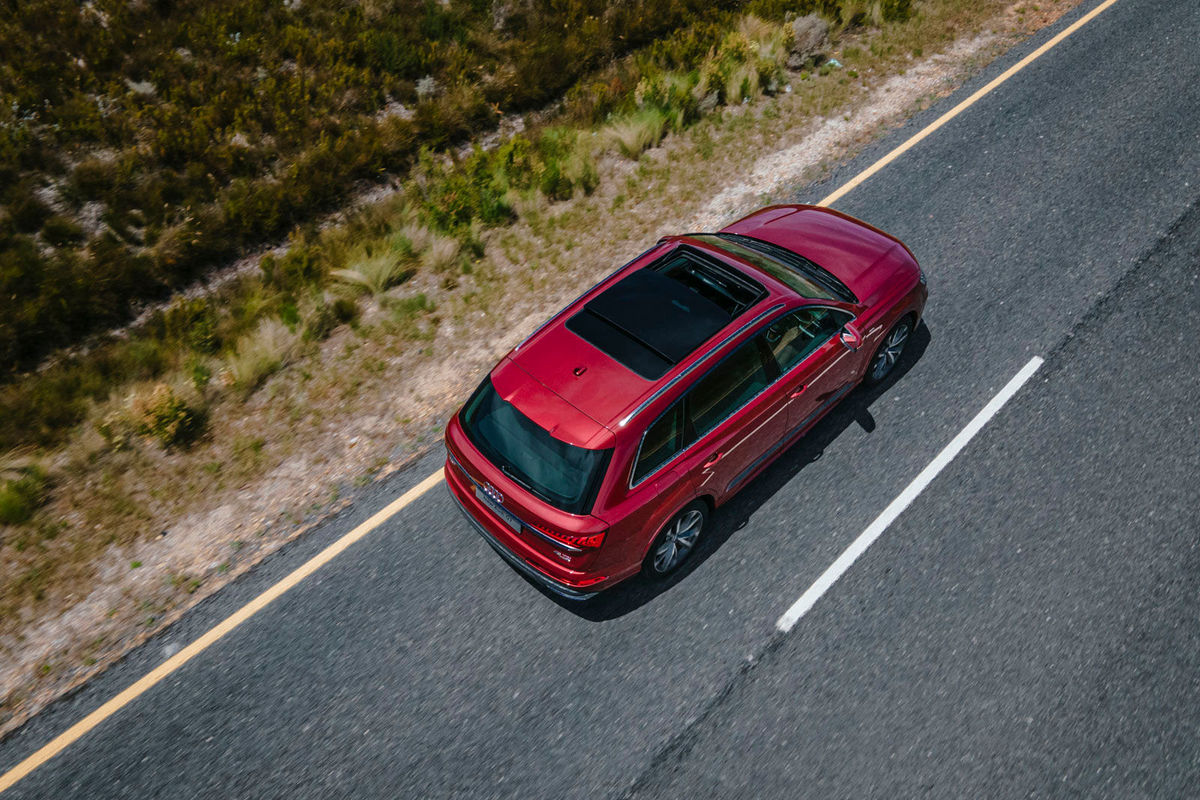
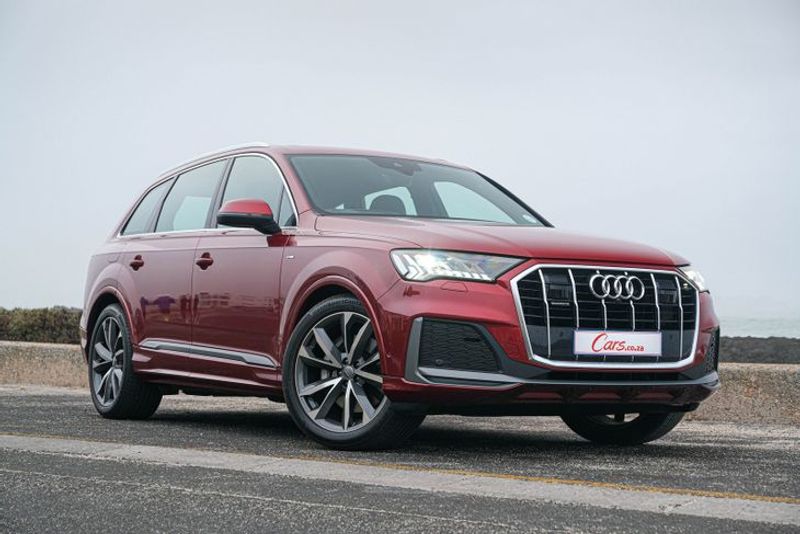
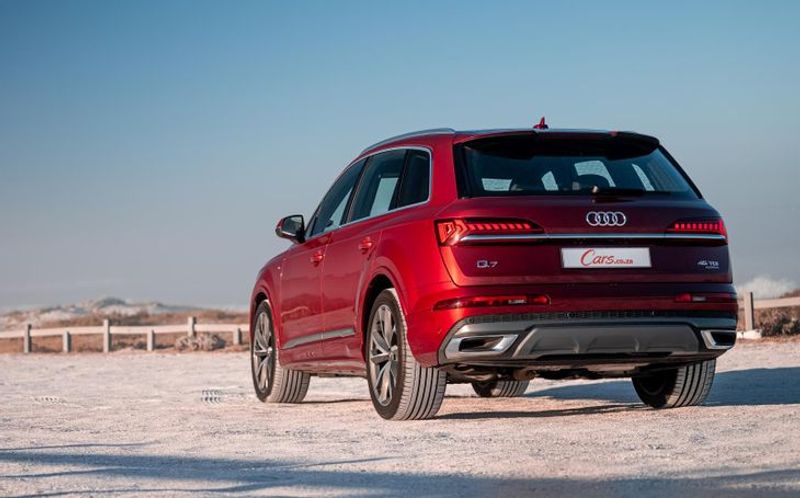
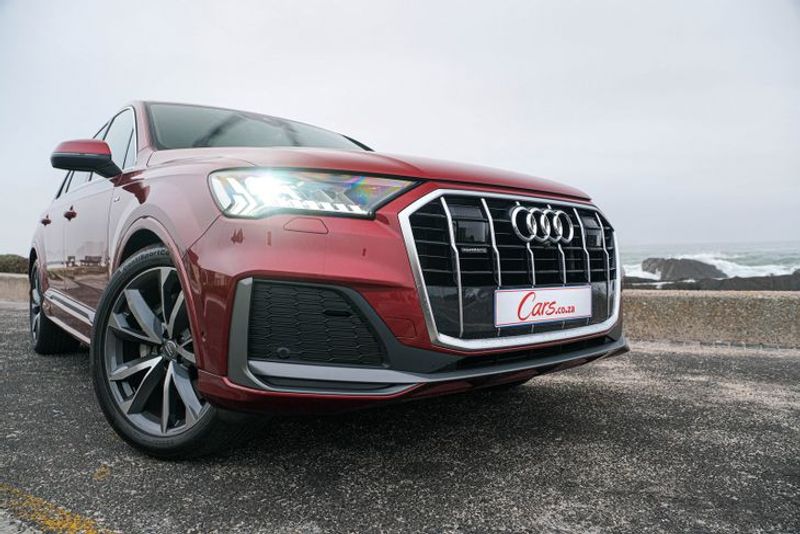
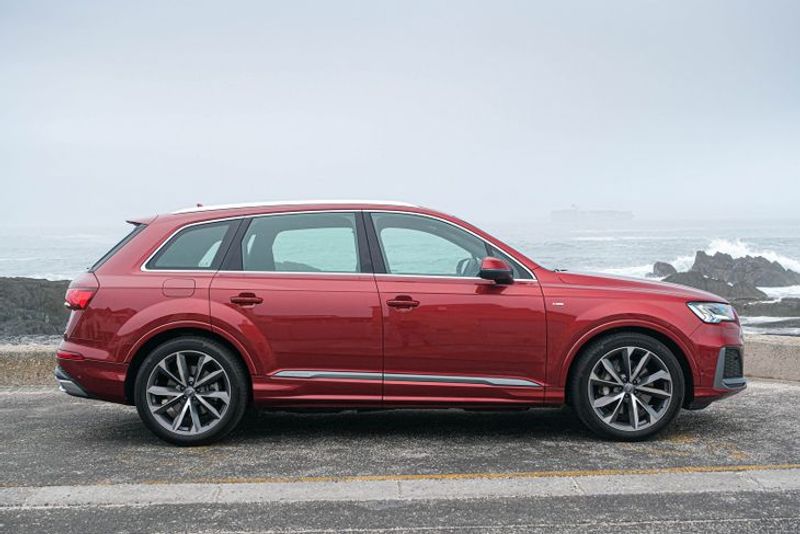
This facelifted Q7 is easily recognisable by its revised single-frame grille, which now features half a dozen (vertical) vanes – previously, they were (horizontal) slats. In S Line guise, a chrome blade runs the width of the front bumper, while the grille is finished in titanium black. The Q7’s front-end styling is further enhanced by virtue of being equipped with Audi’s Matrix LED technology, but it’s an optional extra that costs no less than R19 900. The 45 TDI quattro S Line exudes further elegance courtesy of its brushed-aluminium roof rails and the smart glasshouse, which is framed in chrome-look trim. Large 20-inch wheels are offered as standard, but the fine examples on display here are 21-inch, 5-double-spoke V-style alloys finished in Graphite Grey. This set comes at an extra cost of R19 600.
Overall, we like the understated-but-elegant look of the Q7, but, then again, you might find the Audi’s styling somewhat underwhelming given its premium asking price; we will let you be the judge…
Interior execution and features
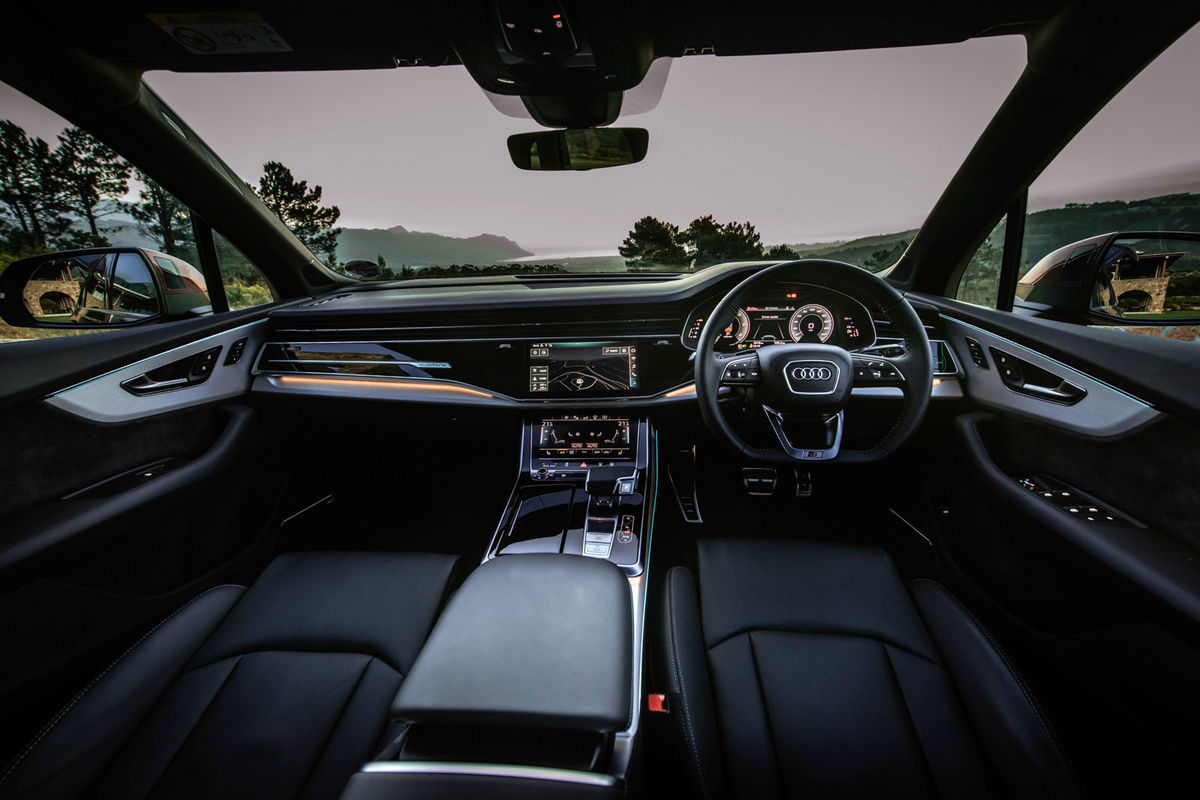
The Q7's cabin exudes a premium "look and feel" and, when specced to the brim, the technology is impressive.
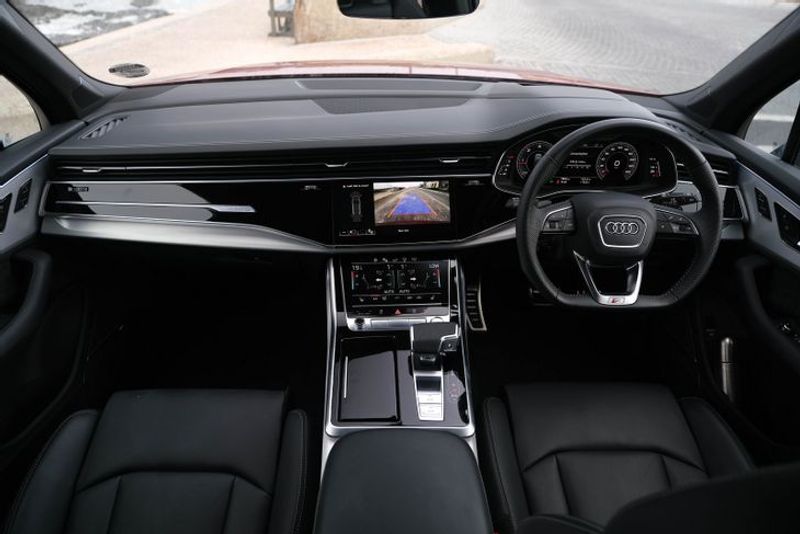
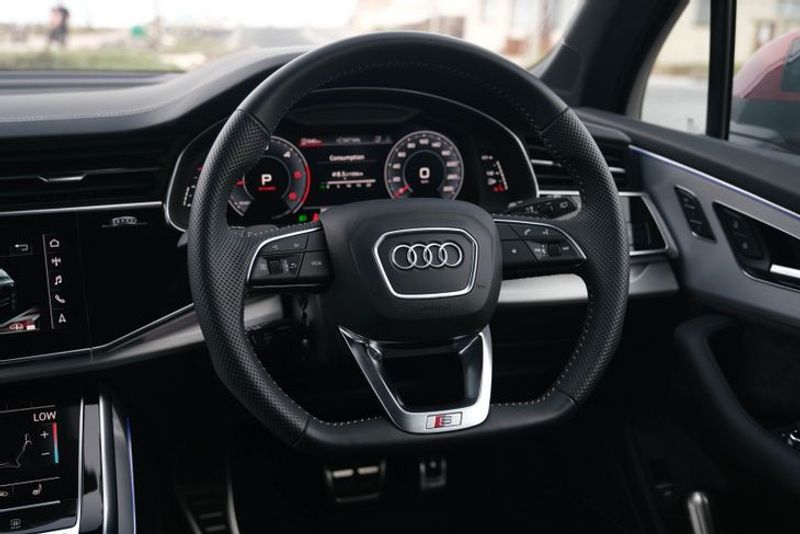
The updated Q7's cabin is deeply impressive. When you ensconce yourself behind the Audi's elegant steering wheel for the first time, you'd be forgiven for being overwhelmed by the sheer number of technology- and luxury features in front of you. As you would expect for a vehicle in this price range, perceived build quality is top-notch and the overall "look and feel" is decidedly premium.
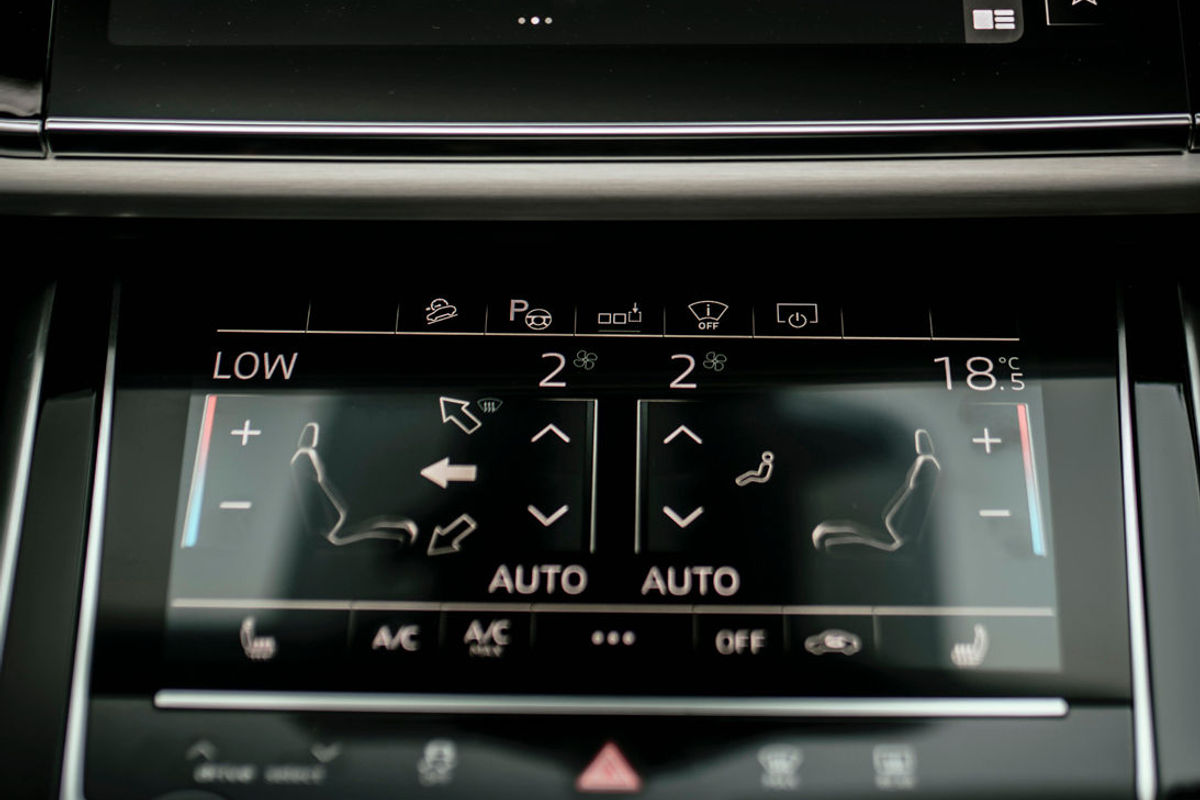
Perhaps the most significant upgrade is the dual digital screen setup, with the upper screen dedicated to core functions (such as infotainment, navigation, telephony and key vehicle information), while the lower screen provides easy access to the climate control system and also serves as a writing pad if you need to quickly search for contacts or navigation destinations.
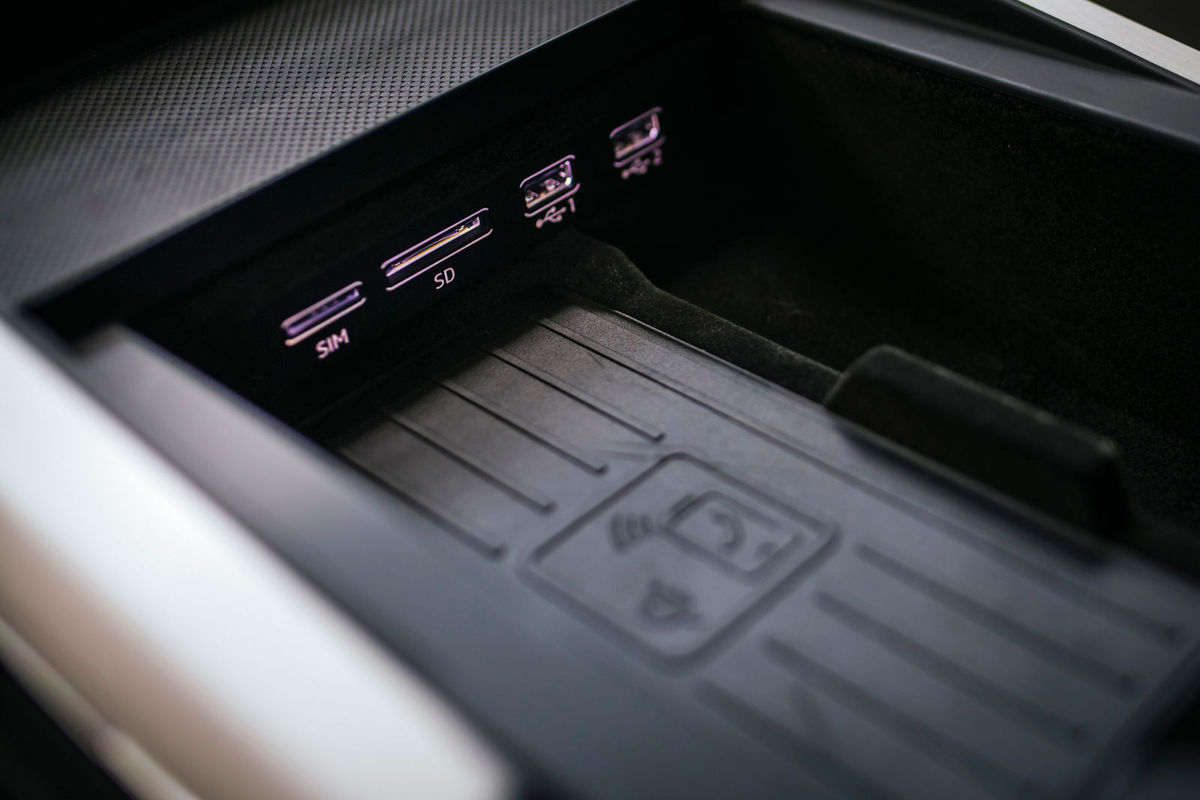
The screens effectively reduce the need for physical buttons in the cabin, plus they offer acoustic and haptic feedback, so it still feels like you are pressing physical buttons when you tap on the surfaces. We found the screens' menus to be simple and easy to navigate and functions such as Apple CarPlay and Android Auto can be accessed wirelessly, which means you won’t need to plug in a cable to access them. Bluetooth connectivity and voice control are always useful too. Meanwhile, Audi’s wireless Phone Box charger is optional (R6 390) and is conveniently placed in the centre console, where it’s neatly out of sight. Thanks to an embedded SIM, the Q7 offers live traffic information, weather updates, Wifi hotspot and full access to Audi's connected services.
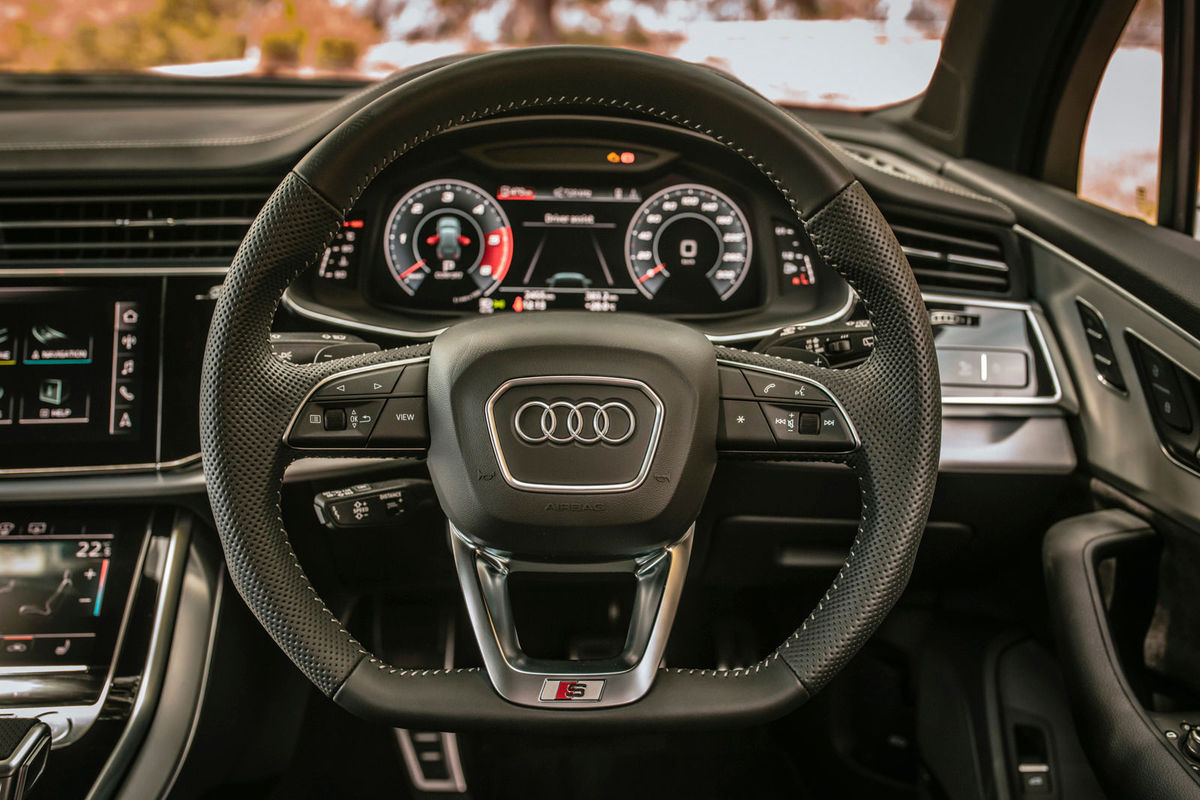
A sporty flat-bottom steering wheel provides quick and easy access to Audi's Virtual Cockpit.
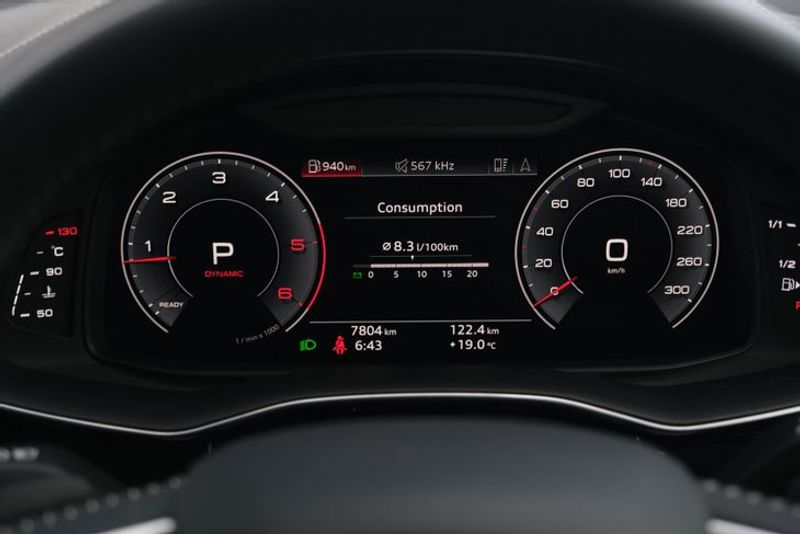
What's more, Audi’s Virtual Cockpit Plus (the digital instrument cluster, which is standard) can be easily configured using the mounted buttons on the Q7's multifunction steering wheel. It’s a slick system and the graphic resolution is crisp and clear. This test unit was also fitted with a head-up display, but at a cost of an extra R23 770, it's a somewhat indulgent optional feature…
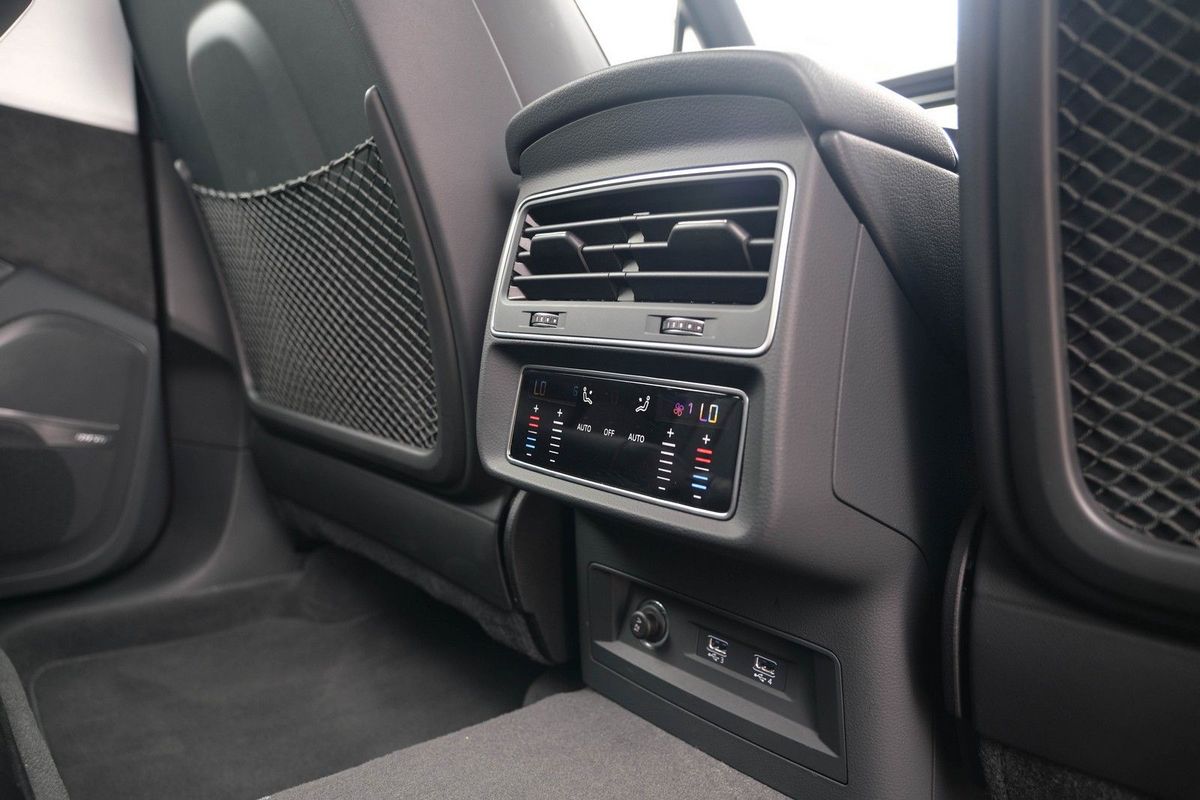
The sports seats (which are finished in fine Valcona leather and part of the S line package) provide excellent support (when they need to) and they're superbly comfortable. The S line package (R27 500) further adds a black headliner, stainless steel pedals and matte-brushed aluminium inserts. Buyers can also opt for Audi’s Comfort Package (R33 200), which includes features such as all-wheel steering (more on this later), adaptive cruise control, swerve assist, efficiency assist and turn assist, as well as 3rd-row seating, which effectively turns the Q7 into a 7-seater (see practicality section below).
Overall, the Q7’s interior execution is difficult to fault. If there is any aspect of the interior that deserves criticism, it would have to be the extensive use of gloss black surfaces. They look smart when they're clean, but they tend to attract fingerprints and dust; if you don't wipe down the surfaces regularly, they start looking tacky. We advise that you keep a soft cloth in the glovebox to solve this problem.
Space and practicality
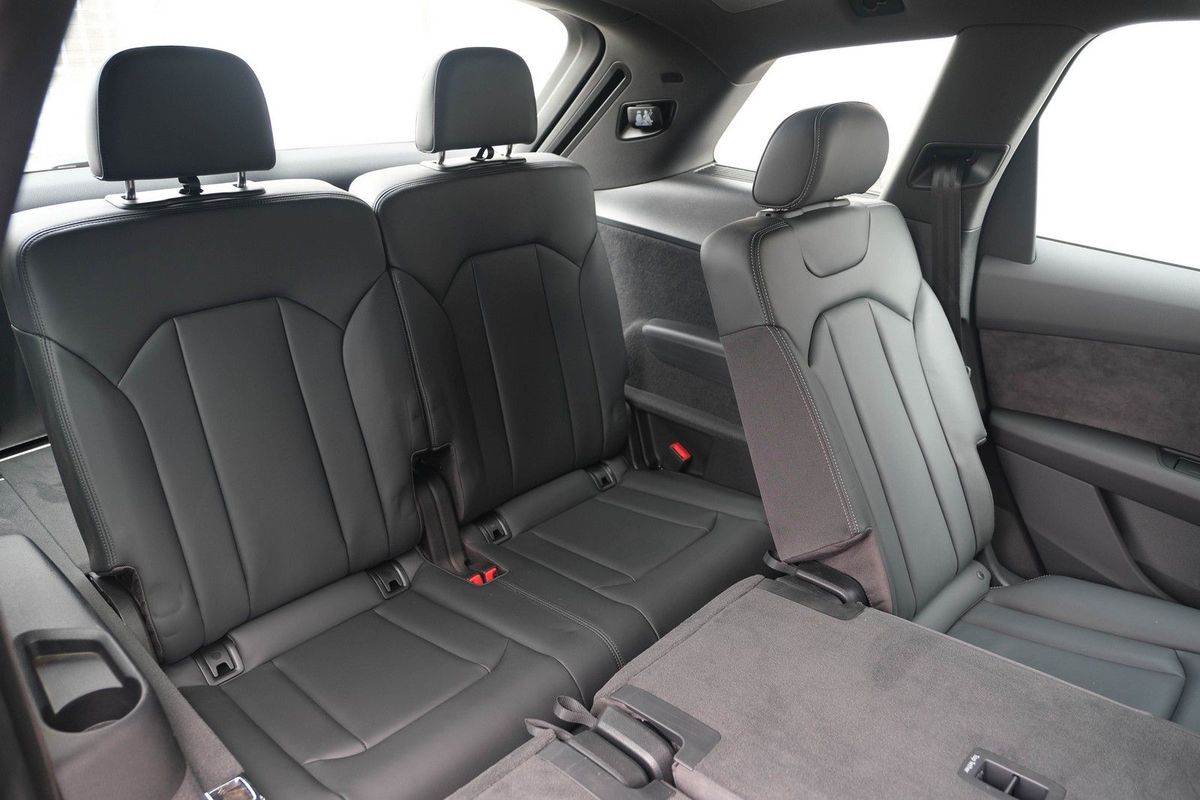
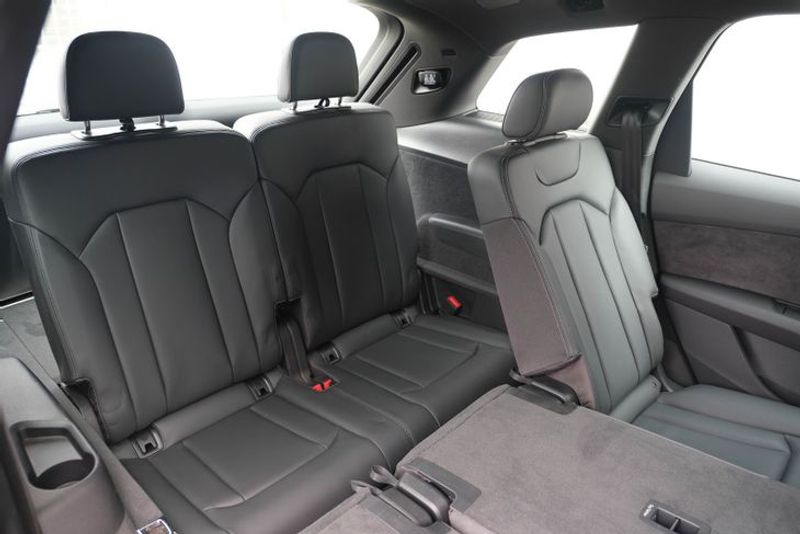
The third row of seats is best suited to children but more legroom can be accessed by sliding the second row forward.
In terms of space and practicality, the Q7 has much to offer. Head-, shoulder- and legroom for 2nd-row passengers is adequate, but when seated in the optional 3rd row, however, legroom is a bit tight and the seating position a trifle awkward, especially for adults. The last row's legroom can be improved by sliding the trio of middle-row seats forward, which is useful. In truth, the 3rd row is best suited for children and prospective Q7 buyers need to consider just how often do they're likely to utilise those 2 rearmost seats. If the answer is "not very often", perhaps leave that option box unticked.
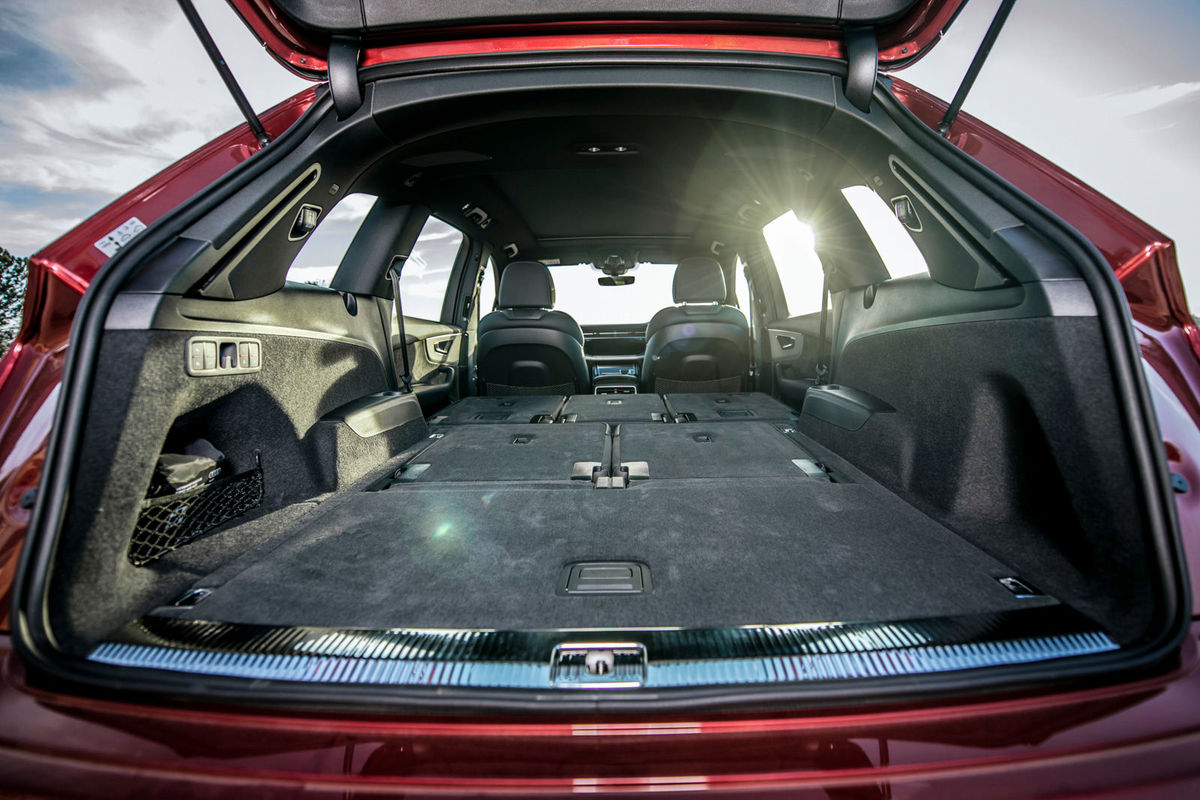
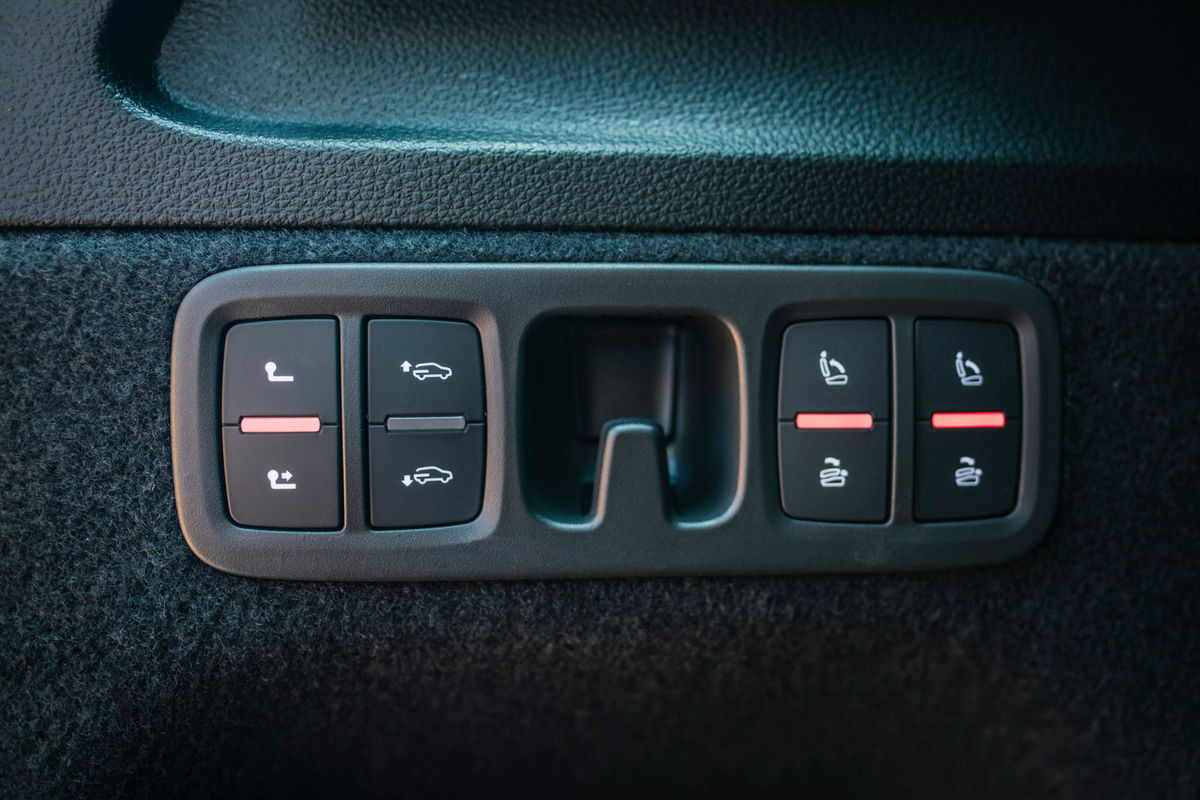
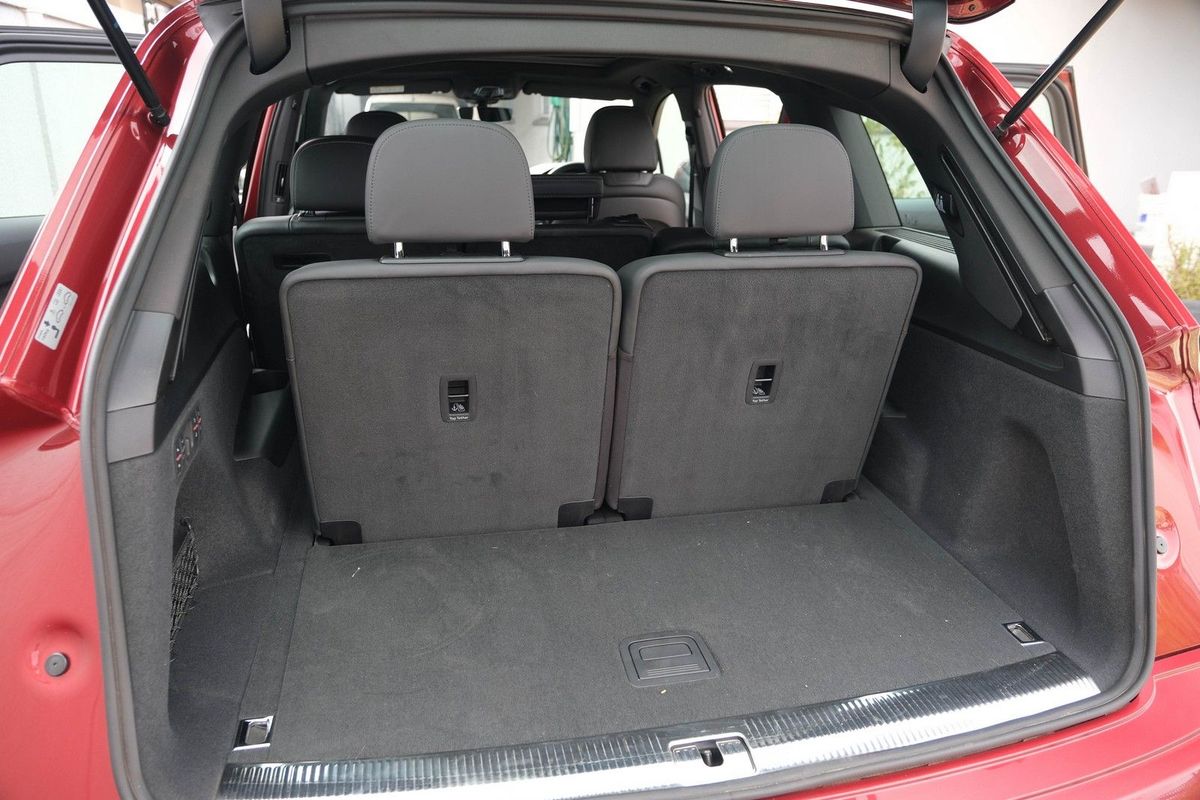
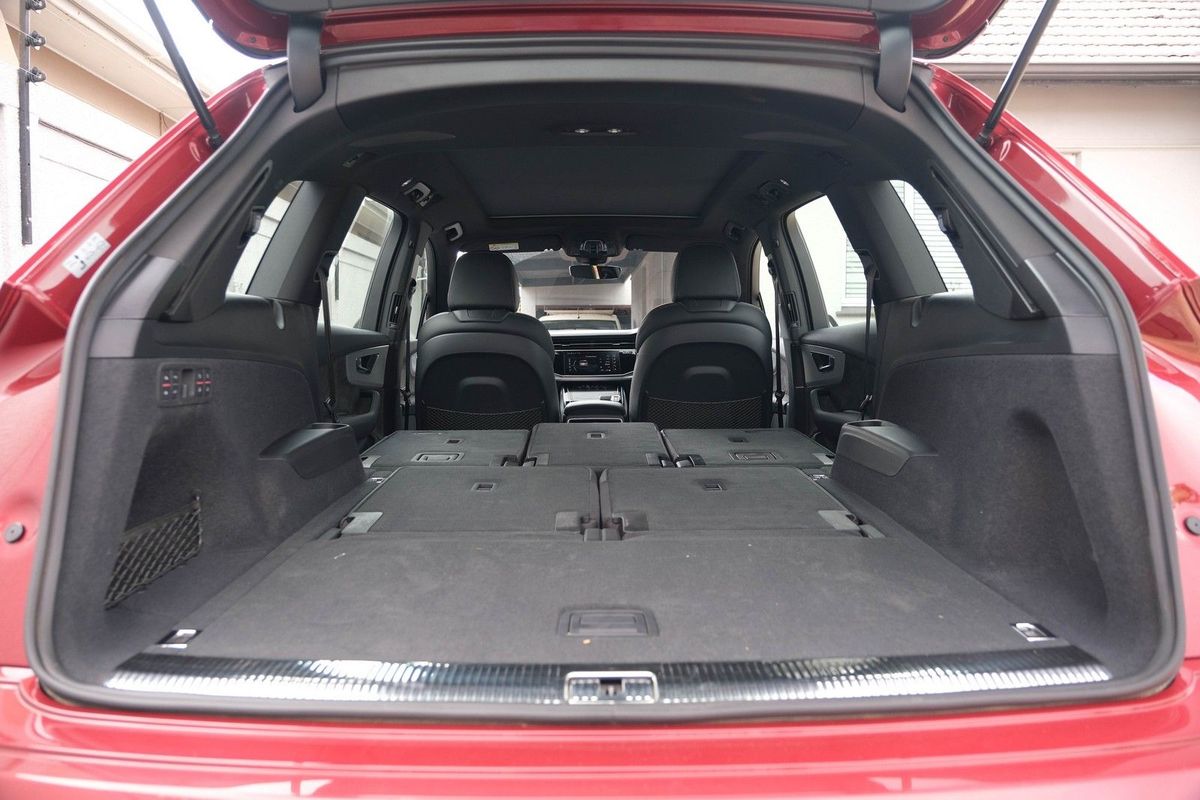
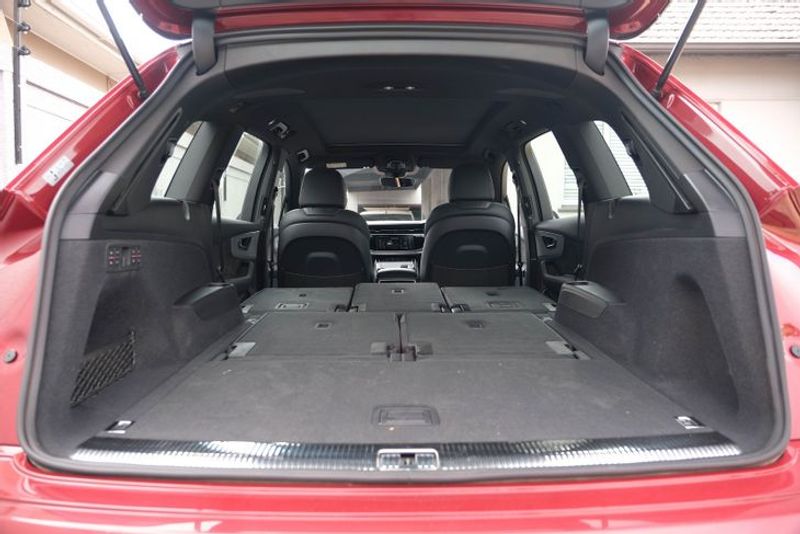
Still, the pair of 3rd-row seats can be easily folded or flipped up electronically using the button in the load bay and when folded down, the load floor surface is flat and allows access to the full 865 litres of utility space. Should you need to load longer or bulkier items, you can fold the middle row of seats down individually with a maximum load space of 2 050 litres becoming available, which is substantial.
With all the rear seats folded flat, the load space is truly generous.
Adaptive air suspension is standard; it allows you to lower the vehicle using a load-bay button, which makes it easier to load larger/heavier items. The tailgate is electronically operated and is said to feature foot-activated gesture control, but no matter how many swipes we took, it never worked for us. An electronic tow bar can be optionally fitted for R20 700 and can be deployed using a switch in the load bay.
Overall, we think that the Q7 offers generous space and practicality to suit the needs of most buyers in this segment.
Performance & Efficiency
Powerful and efficient, 2 very attractive qualities of this Q7.
There’s something so satisfying about driving a thrusting turbodiesel-powered SUV, especially when it’s as refined as this Q7. The 45 TDI quattro S Line's outputs are pretty much on par with the rivalling BMW X5 30d and a smidge better than the equivalent Mercedes-Benz GLE 300d. There’s plenty of pulling power on offer here and the Q7 is comparatively more affordable than the BMW and Benz…
Under the long and wide sculpted bonnet of this Q7 lurks a 3.0-litre V6 turbodiesel engine (the only powerplant currently available for the Q7 in South Africa) and it develops fairly healthy outputs of 183 kW and 600 Nm of torque. Those numbers are directed to the tar via a buttery-smooth 8-speed automatic transmission and Audi’s quattro all-wheel-drive system.
The engine and transmission are superbly matched and you will be hard-pressed to notice the gear changes. Yes, it really is that smooth. There are steering-mounted paddles that can be used to actuate 'shifts manually on those spirited runs and you can select the appropriate driving mode using the Drive Select button in the centre console. The modes include Dynamic, Comfort, Allroad, Offroad, Auto and Individual, the latter of which allows you to tailor the steering, suspension and engine settings to your preference. With air suspension, the Q7 also adjusts the ride height according to the selected mode.
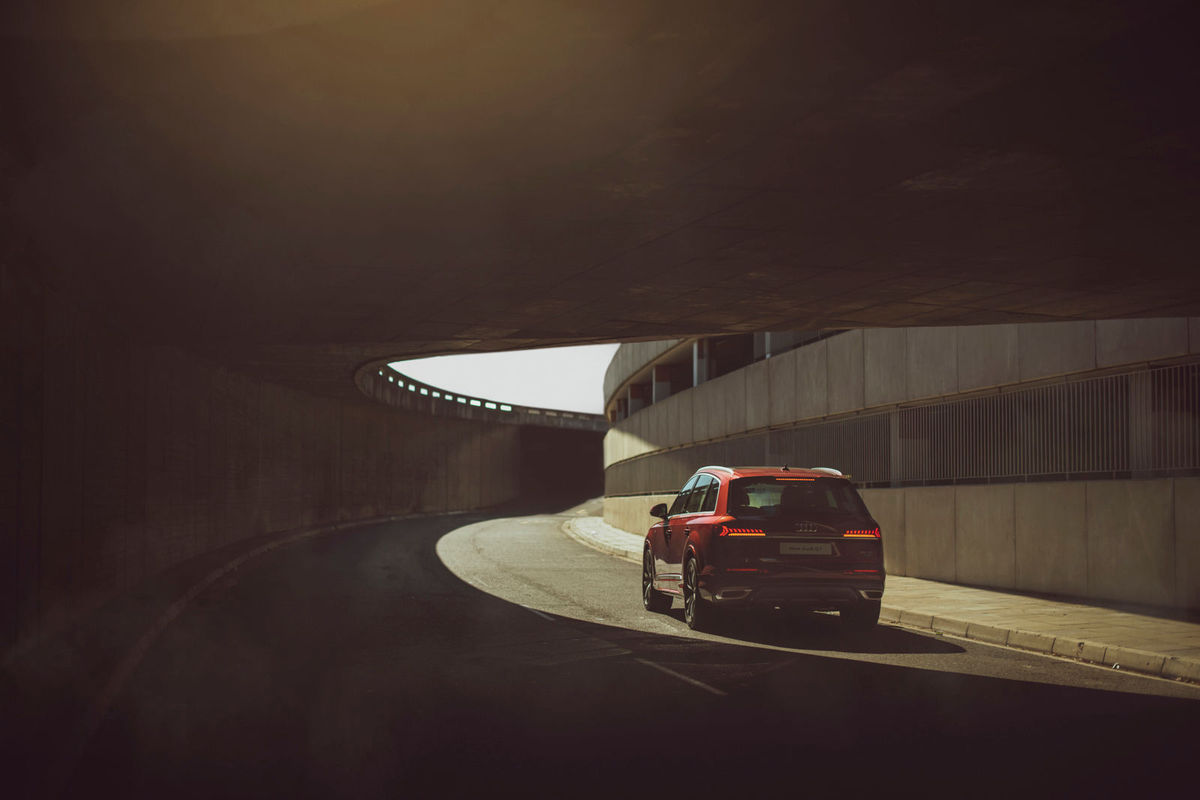
In terms of acceleration, the Q7 is fairly quick for a Premium SUV that tips the scales at over 2.2 tonnes and, with a claimed zero to 100 kph time of 6.9 seconds, it's only marginally slower than the equivalent offerings from BMW and Mercedes-Benz (if that matters to you). Nonetheless, that’s easily forgivable when you consider that the Q7 delivers its performance in such a pleasingly refined manner. The Audi really is an utter pleasure to drive over long distances. The Q7 makes light work of overtaking and its in-gear acceleration (from 80 kph to 120 kph and beyond, if you must) is mightily impressive.
Average fuel consumption in the Q7 is very good, even when driven more spiritedly.
We think the Q7 strikes a near-perfect balance between capable performance and thrifty fuel economy. Audi claims 8.0 L/100 km and we saw returns of between 8.2 and 9.0 L/100 km, which is admirable.
However, if you want even more power and performance then perhaps you should consider the Audi SQ7 and SQ8, which are now available in South Africa. Both are powered by a 4.0-litre twin-turbocharged V8 petrol engine with no less than 310 kW and 900 Nm of torque on tap. That sounds plenty!
Ride & Handling
The Q7's plush ride is perhaps its strongest trait but it can be surprisingly sporty too when summoned.
It’s incredible how some manufacturers can make a big chunk of metal, plastic and rubber, of which the Q7 is a shining example, feel like something far lighter and more agile than it is. This isn't even a performance Q7, yet it feels surprisingly nimble and capable of attacking corners with a modicum of enthusiasm. This increased agility might very well be the result of Audi’s advanced 4-wheel steering (offered as part of the Comfort Package – R33 200), which is said to offer greater manoeuvrability at lower speeds (which shrinks the turning circle) while improving handling ability at high speeds.
You do, however, feel some of the Q7’s heft at take-off under full-bore acceleration, but momentum soon takes over and the Q7 just keeps powering on towards the horizon.
The steering, even when set in Comfort, is pleasingly responsive to inputs and it can be dialled in further using the aforementioned Individual drive setting to endow the tiller with a firmer, sportier feel. As for the Q7’s ride quality, it’s supremely comfortable on both tar and gravel and we think that the Q7 arguably sets the benchmark for ride comfort in this segment…
Pricing and warranty
The Audi Q7 45 TDI quattro S line is priced from R1 328 500 (before options) and is sold with a 1-year/unlimited km warranty and a 5-year/100 000km maintenance plan.
The Q7 is now a much stronger contender in this segment and it may even be a future Premium SUV #CarsAwards finalist…
The refreshed Audi Q7 ticks just about all the boxes in this segment. Its styling might be a tad too conservative for some, but the latest updates have undeniably given the Q7 more kerb- as well as road presence. The interior is spacious and practical (even in 7-seater guise) and the cabin can be lavishly-equipped with Audi’s latest technology, provided that you are willing to splurge on the Ingolstadt-based brand’s extensive options list. In terms of performance, the Q7 performs quite spiritedly – it definitely doesn’t lack punch and, as for its day-to-day efficiency, that's the cherry on top.
With a starting price of R1 328 500, this Q7 45 TDI quattro S line appears to be competitively priced compared with its rivals, but you are likely to spend additional capital on optional extras. This particular Q7 test unit came generously-specced with over R300 000 worth of extras, taking the overall price to over R1 668 790, which is substantial. You can almost buy the new SQ7 for that money…
Price aside, the facelifted Q7 is more accomplished than it was in 2015 and we think the latest updates have ultimately strengthened the Q7’s buying proposition. So much so, in fact, that it’s entirely conceivable that this latest Q7 may very well become a finalist in the Premium SUV category of the 2021/22 #CarsAwards. If that’s not reason enough to take the Q7 for a test drive, what is?
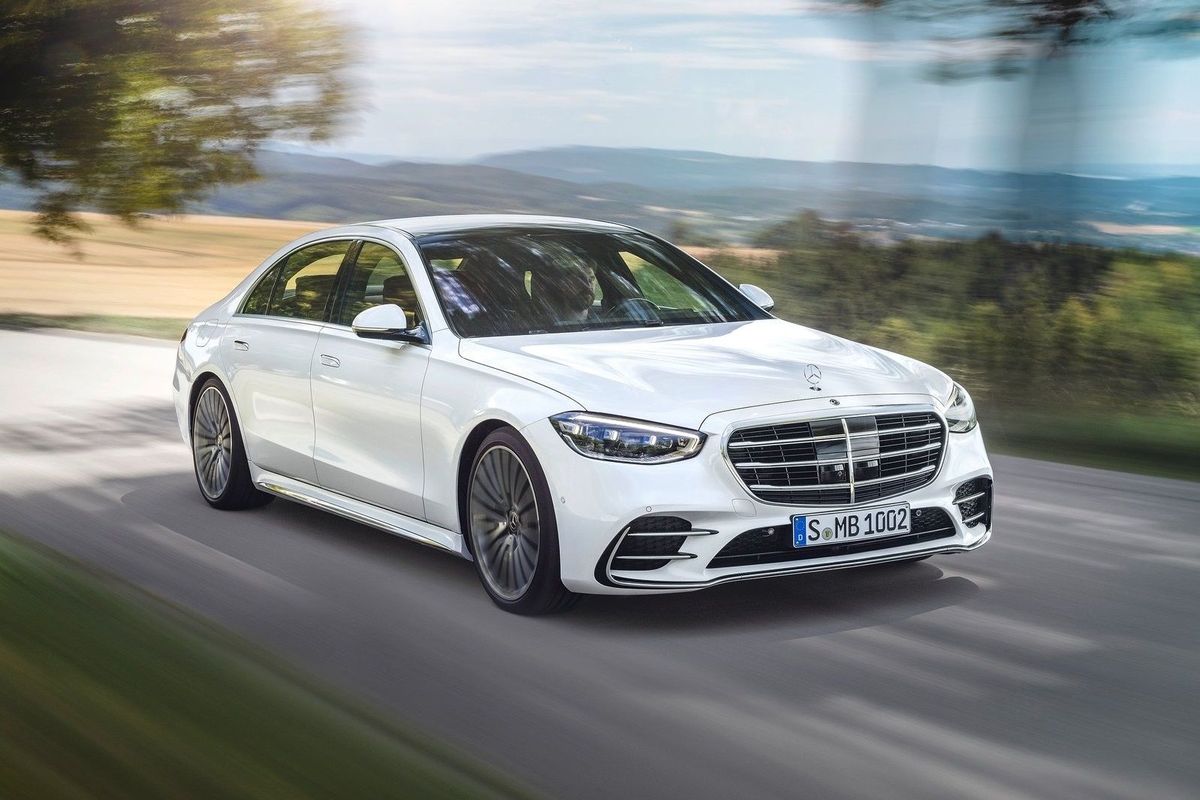
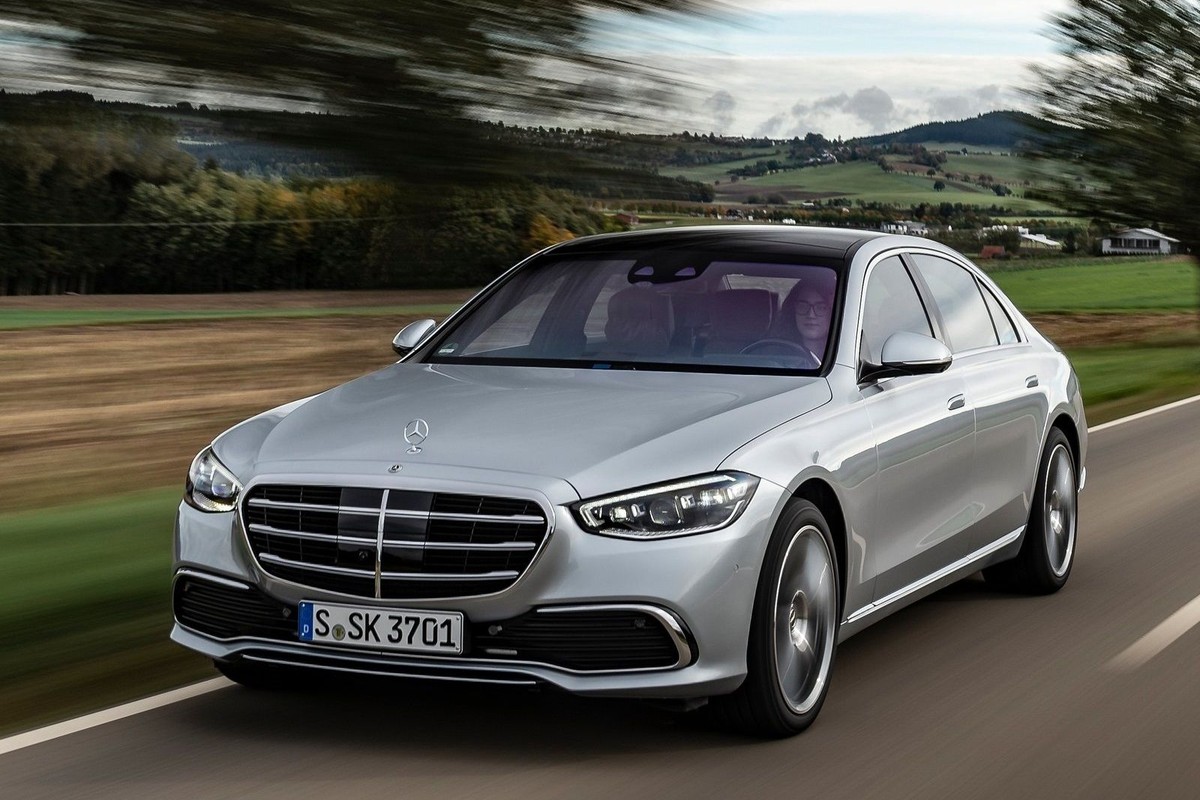
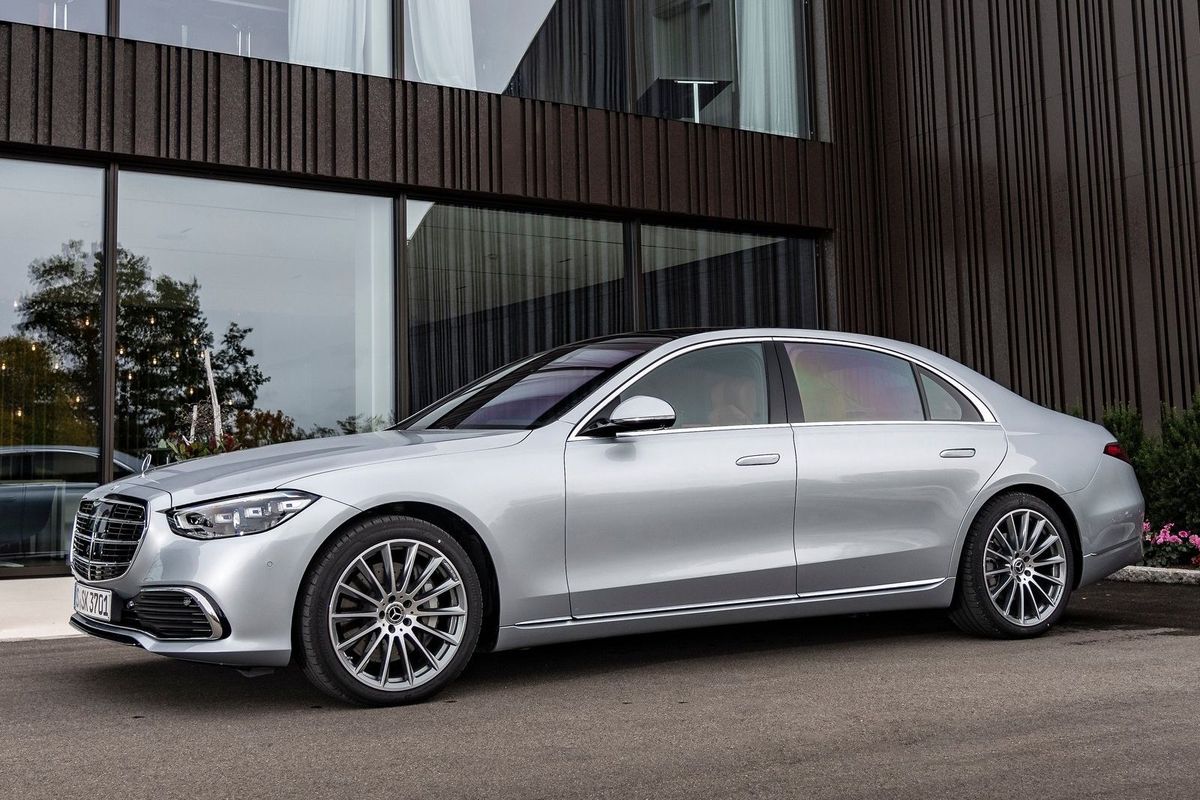
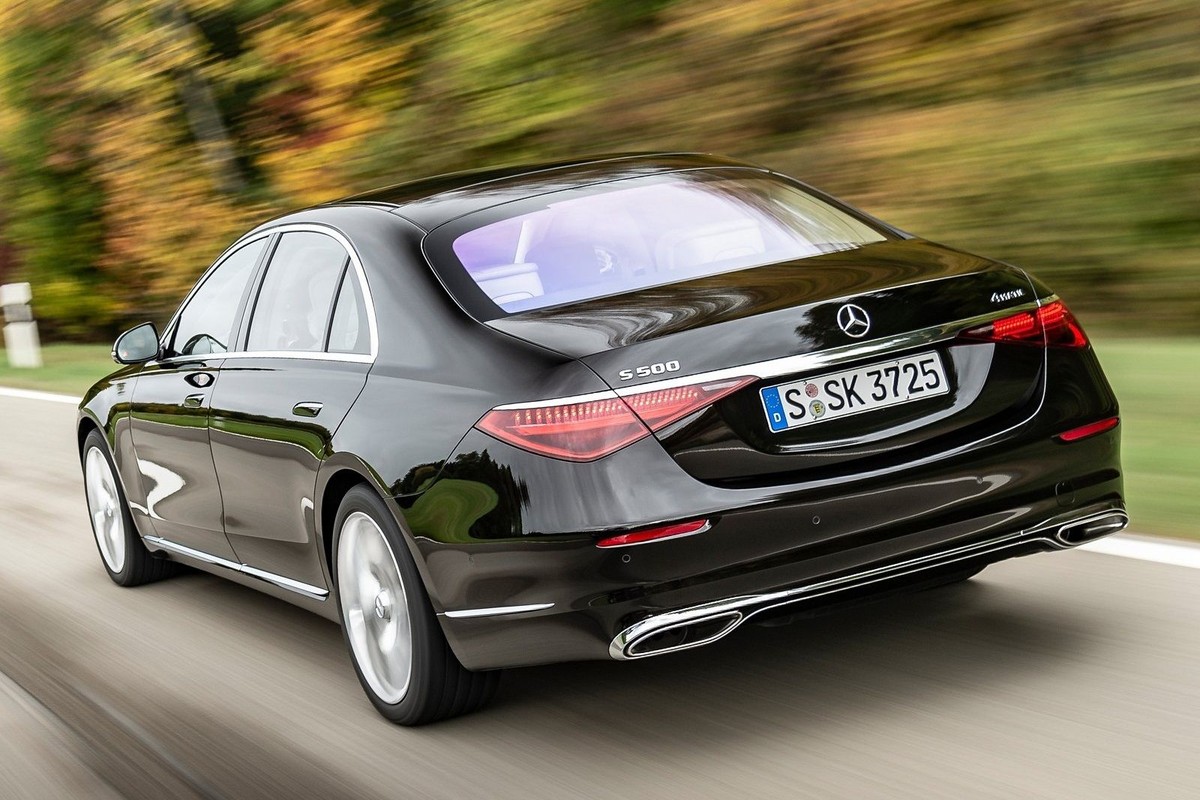
Pricing and specification details of the all-new Mercedes-Benz S-Class have been announced ahead of the vehicle's showroom arrival in South Africa.
The S-Class represents the pinnacle of the Mercedes-Benz product line and apart from being an important part of the brand’s history, it also serves as the spearhead, as it were, for showcasing the latest and greatest technology currently in Merc’s arsenal.
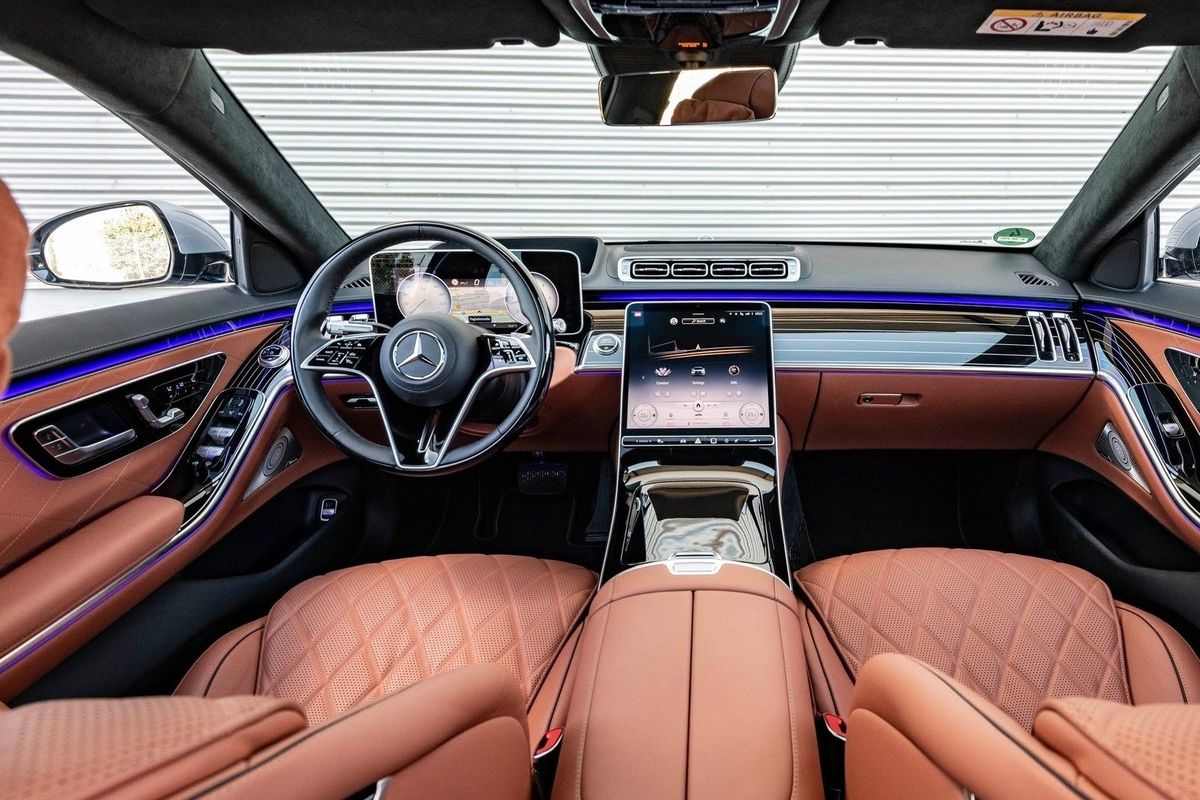
This is important because the technology that’s infused in the S-Class, will likely find its way into the next generation of the brand’s extensive model lineup. What you see here is likely to be adopted by the all-new Mercedes-Benz C-Class – due for reveal towards the end of February 2021.
From what we can see on the local Mercedes-Benz website, the new S-Class will be offered with a choice of two engines. The S400d 4Matic is the entry-point into the S-Class family and features a 3.0-litre turbocharged 6-cylinder diesel motor. It produces 243 kW and 700 Nm, and power goes to all 4 wheels via a 9G-tronic transmission. When it comes to economy, a consumption figure of 6.7 – 7.1 L / 100km has been claimed. It's not sluggish either, with a claimed 0-100 kph time of 5.4 seconds.
The second engine is petrol-powered. Sadly the S500 is no longer powered by a throaty V8, but rather a turbocharged 6-cylinder unit. It produces 320 kW and 520 Nm, and Merc claims a 0-100 kph of just 5.1 seconds. It's a tad thirstier with a consumption claim of 8.0 – 8.5 L / 100km.
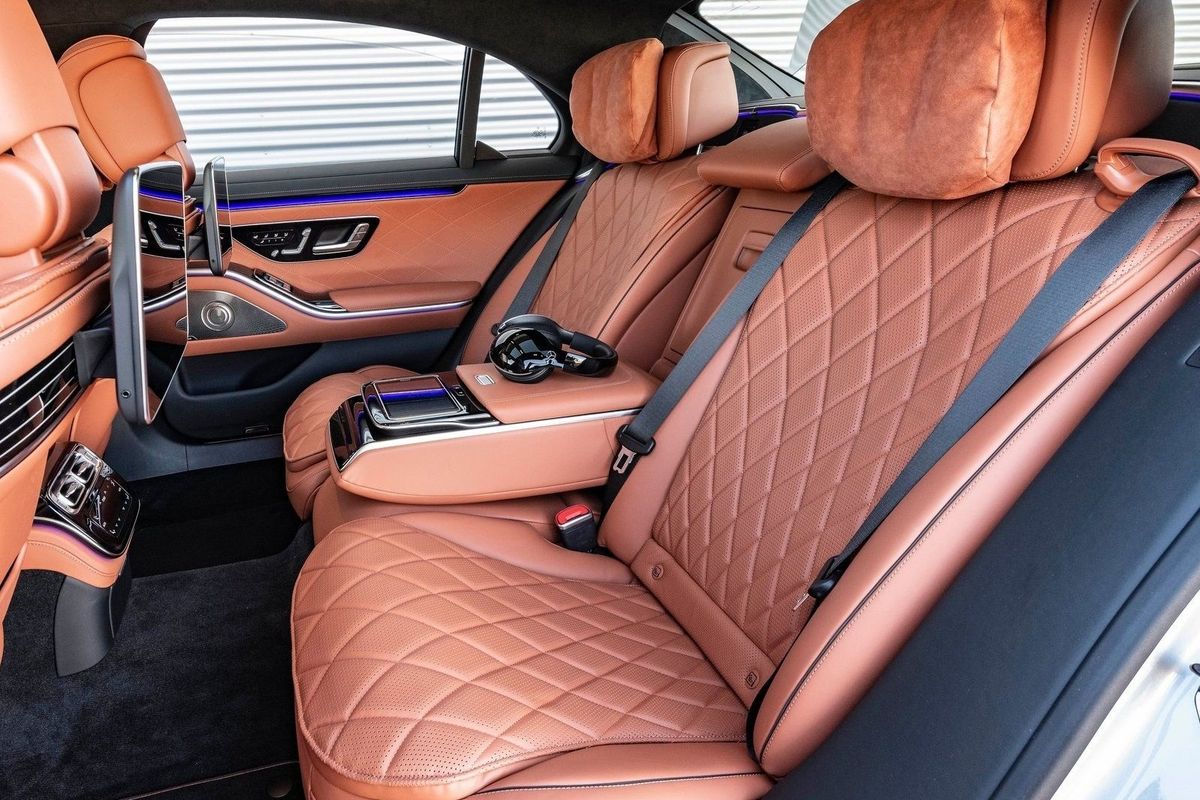
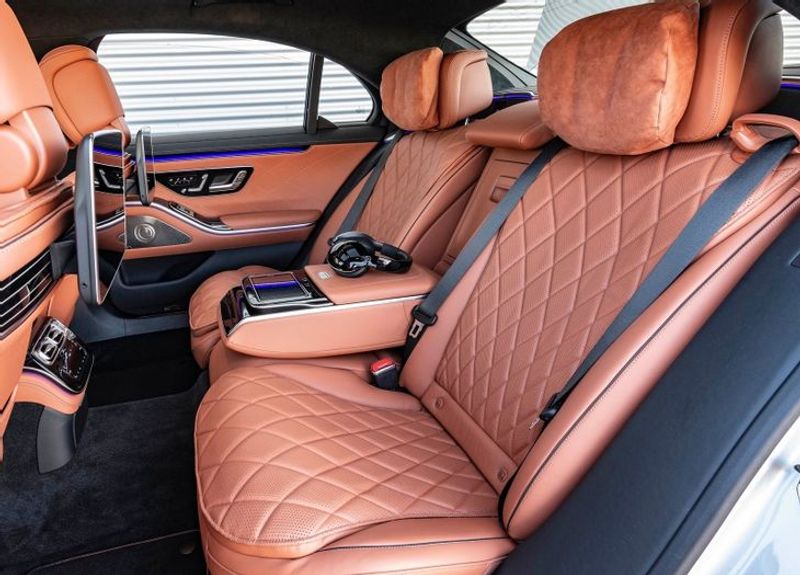
Being an S-Class, the list of standard features and technology is impressive, but a quick glance at the options list turned up some interesting items. For R76 700, the AMG Line is available, giving your S-Class some exterior styling and some cabin trim upgrades. Given the S-Class reputation for being a chauffeur-driven vehicle, the same-named package for R18 200 gives rear passengers more comfort.
The vehicle comes with 19-inch wheels as standard, but options up to 21-inch are available. If you find yourself not satisfied with the level of luxury in the Mercedes-Benz S-Class, then look to the Maybach derivative.
We're pretty sure this is the best place to experience the Mercedes-Benz S-Class.
Mercedes-Benz S-Class Price In South Africa (February 2021)
Commercial vehicles at Ford are going to be battery-driven soon after a recent electrification announcement.
Like many of its rivals, Ford is realizing that its future vehicle portfolio must electrify. The American automotive company, which markets the world’s most popular vehicle – its F-150 bakkie – has announced sweeping changes to its business. Most of these strategic inputs will focus on transforming Ford’s product portfolio into one which only markets electric and hybrid vehicles, in future.
Ford has announced some very ambitious dates to achieve its objectives. The first date is 2026, by which Ford wants its European division to only sell electric passenger vehicles.
A crucial asset in Ford’s aim to achieve this will be the modernisation of its Cologne assembly plant in Germany. With a highly-skilled labour force and access to Europe’s most stable and established technology supply chain, Ford is spending R15bn on making the Cologne plant better – which is interestingly, a similar amount to what is currently being invested in the company’s South African facility at Tshwane.
The Cologne factory will produce Ford’s first high-volume all-electric vehicle, due to launch in 2023. With South Africa sourcing precious little Ford passenger car product from Europe the likelihood of this electric passenger car being offered on sale locally, is very low.
What is a lot more important about Ford’s new business announcement, for South Africans, is the expectations for its commercial vehicle division, which includes bakkies. Europe is a significant export market for South African built Rangers and Ford wants its entire van and bakkie portfolio there to be either electric of hybrid by 2024.
The expectation is that 66% of Ford commercial vehicle sales will be full electric or hybrid by 2030, although that would require an enormous market shift in America and South Africa, regarding F-Series and Ranger powertrains options.
Decoding this latest shift in commercial vehicle strategy from Ford, it seems all but a done deal, that the next generation Ranger, will offer a hybrid powertrain of some sort.
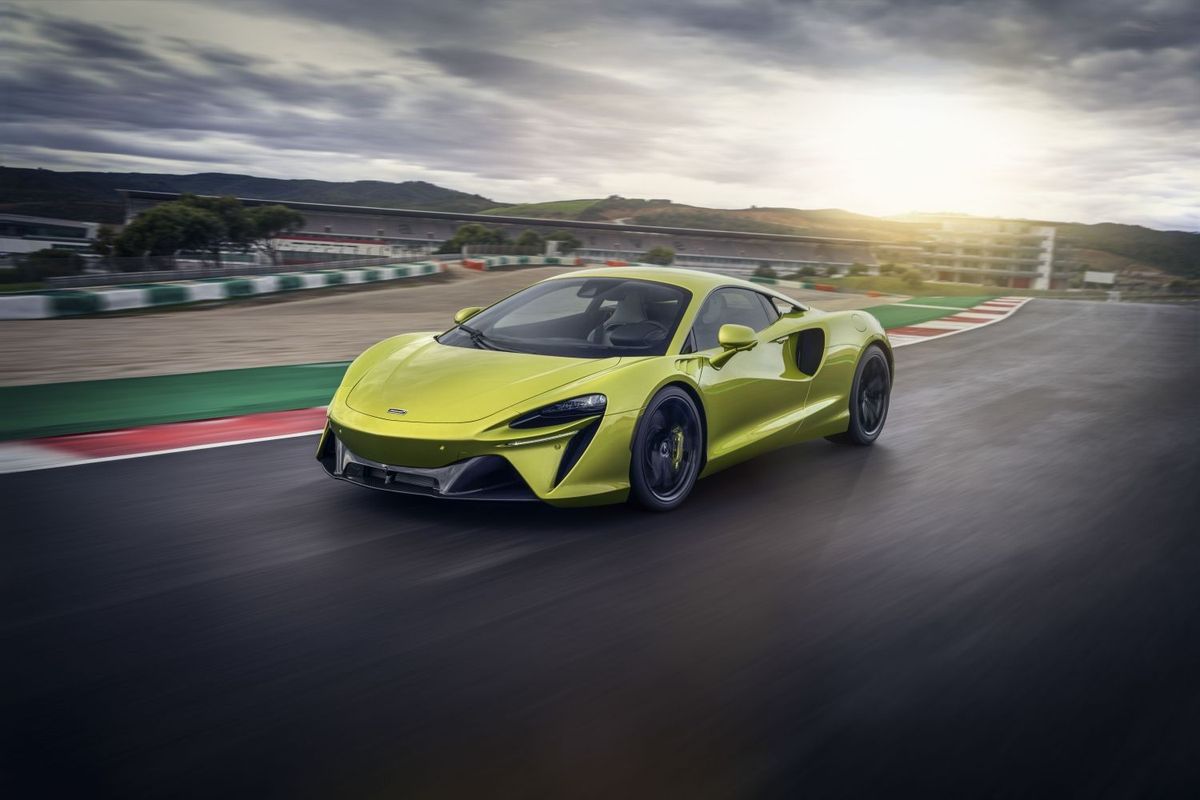
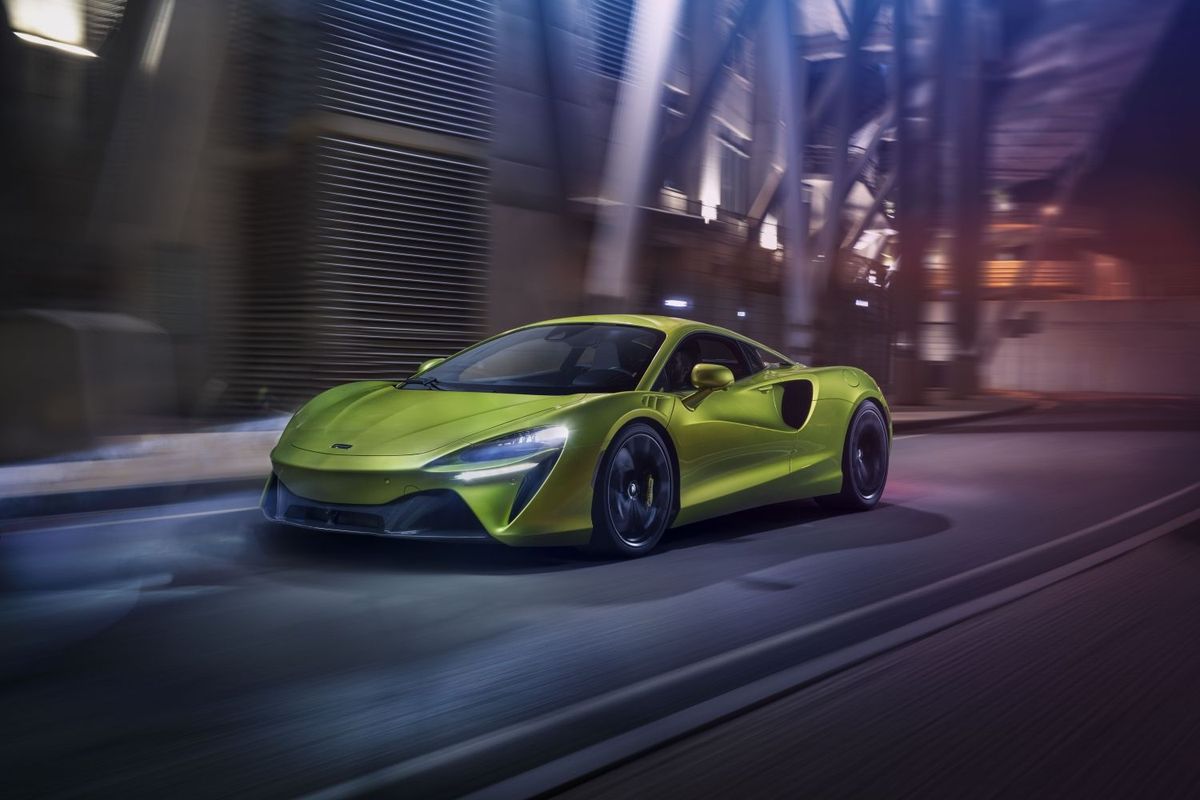
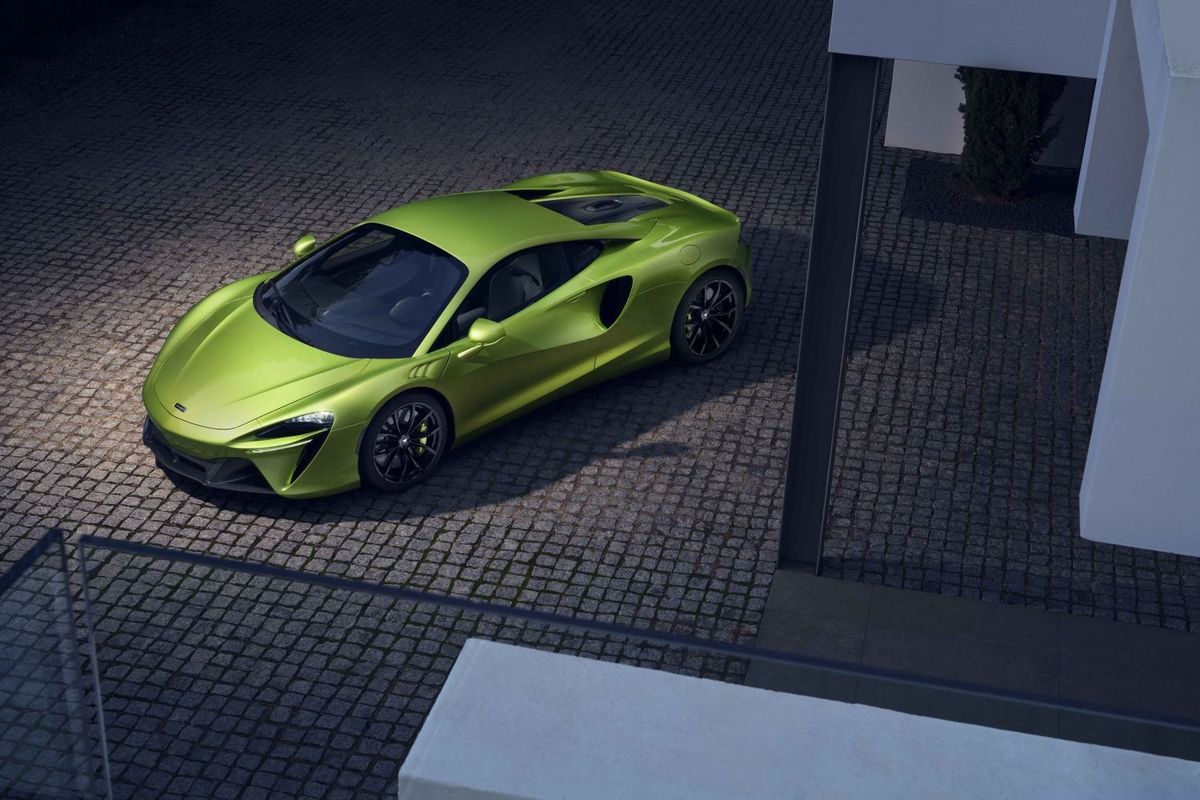
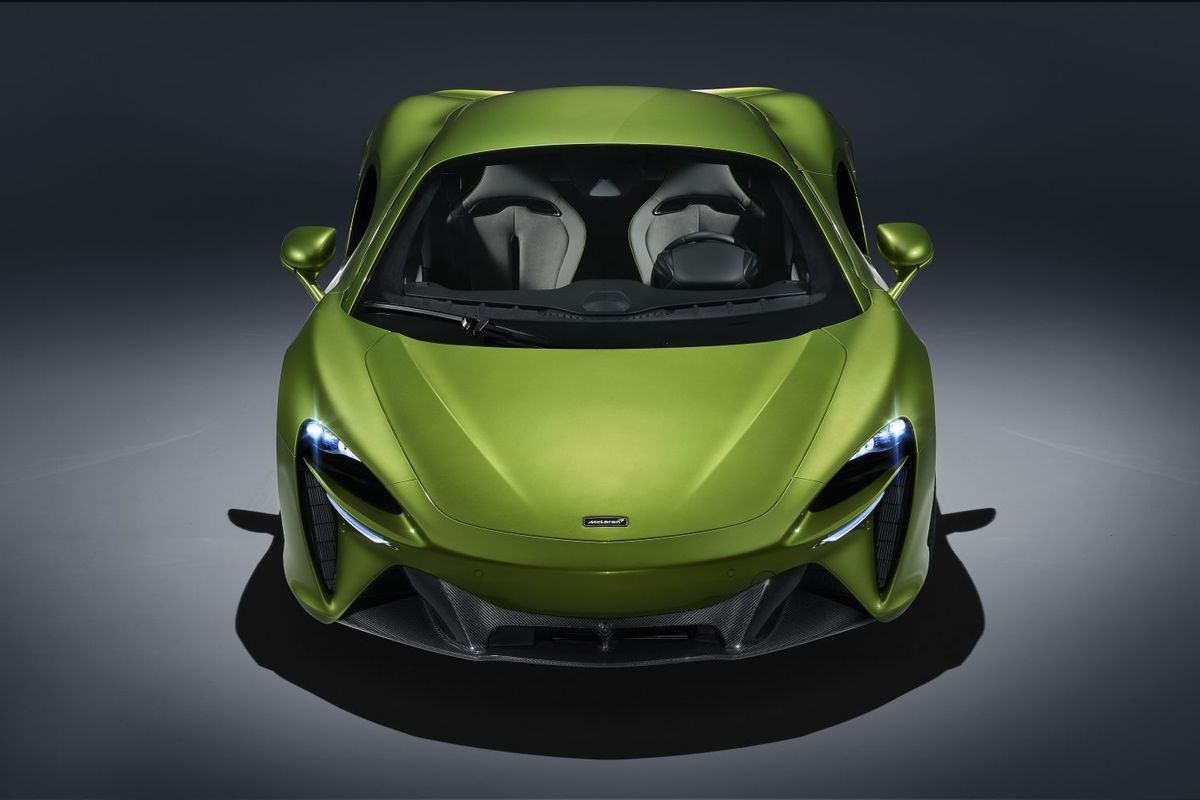
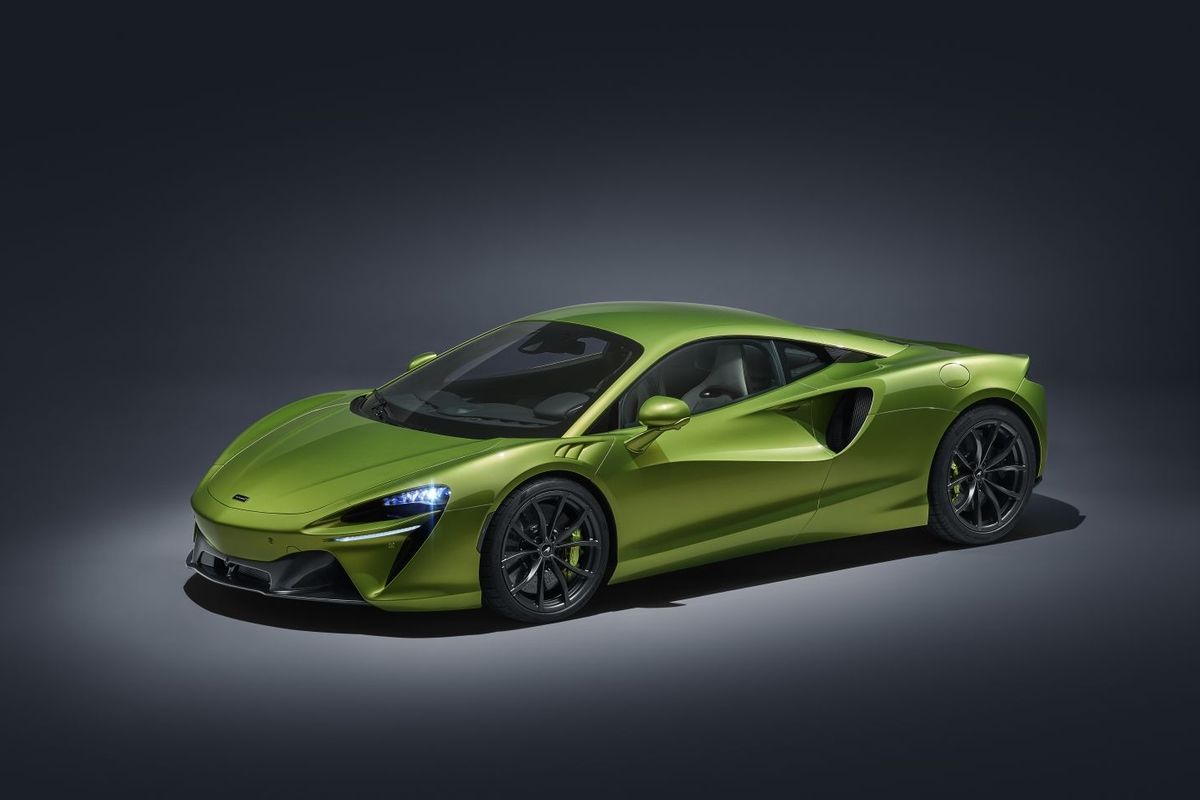
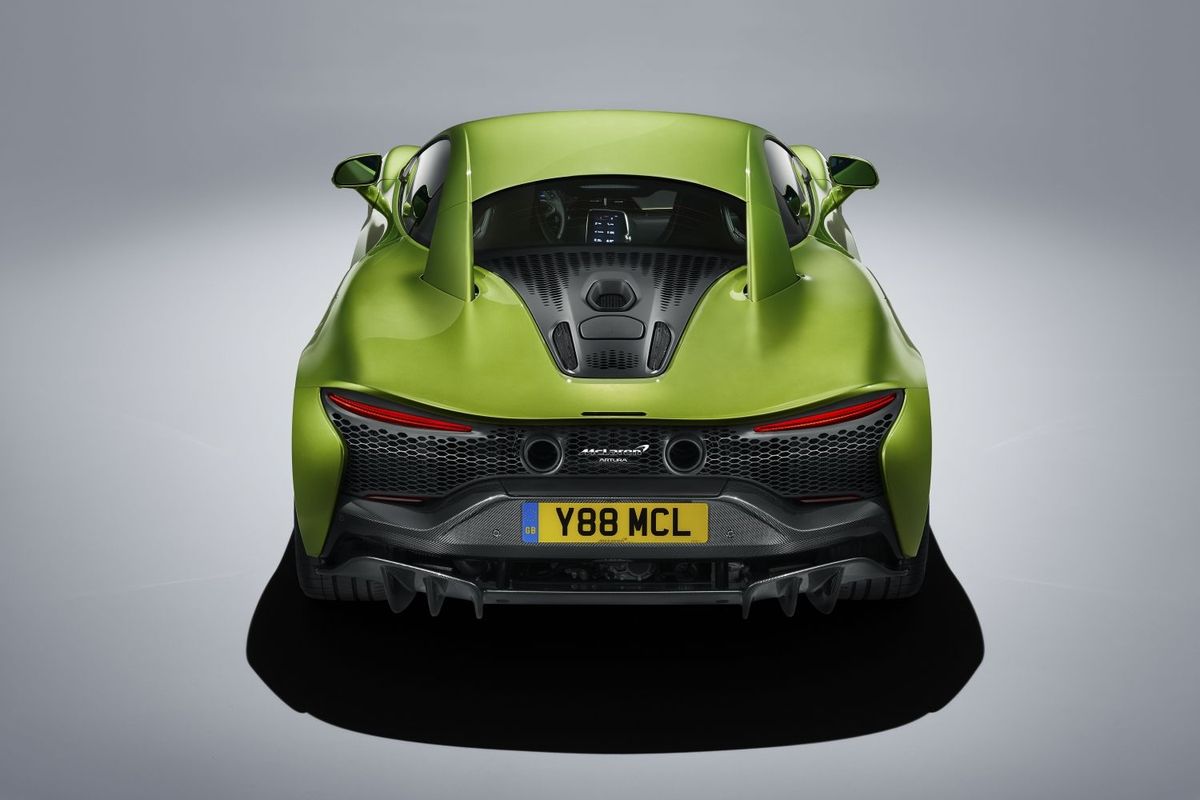
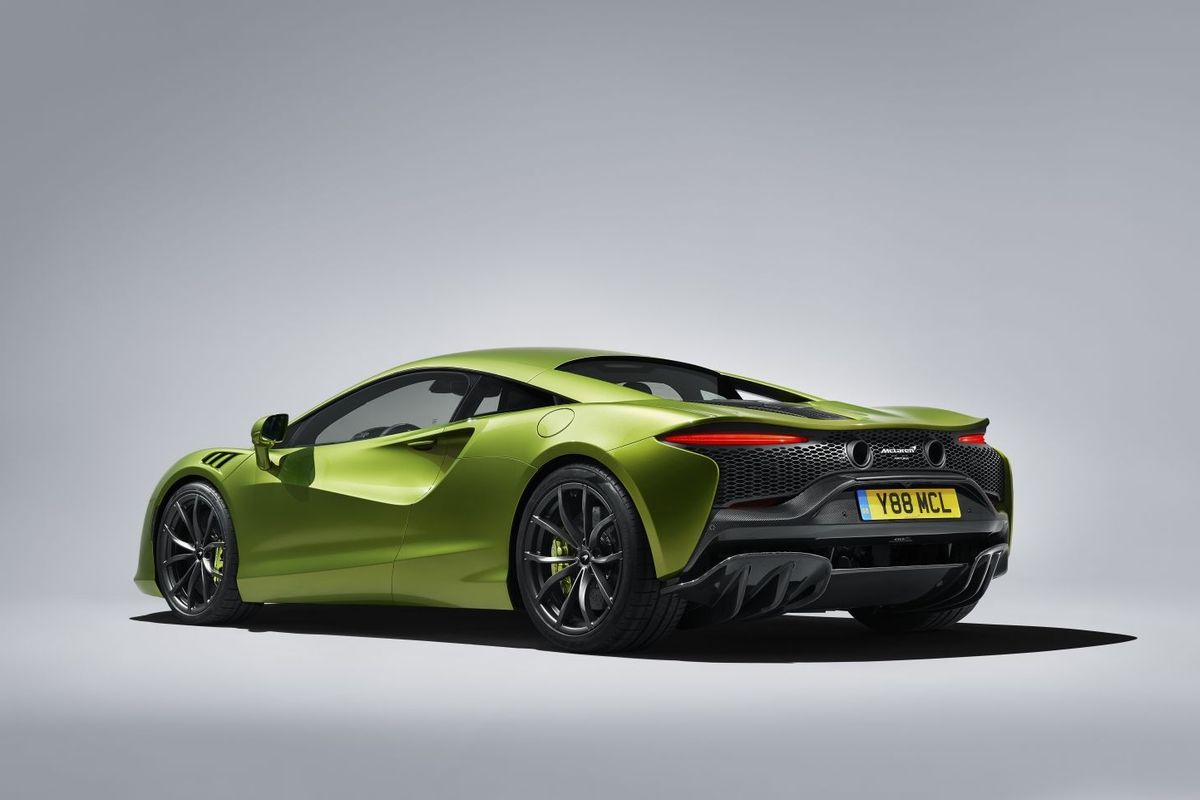
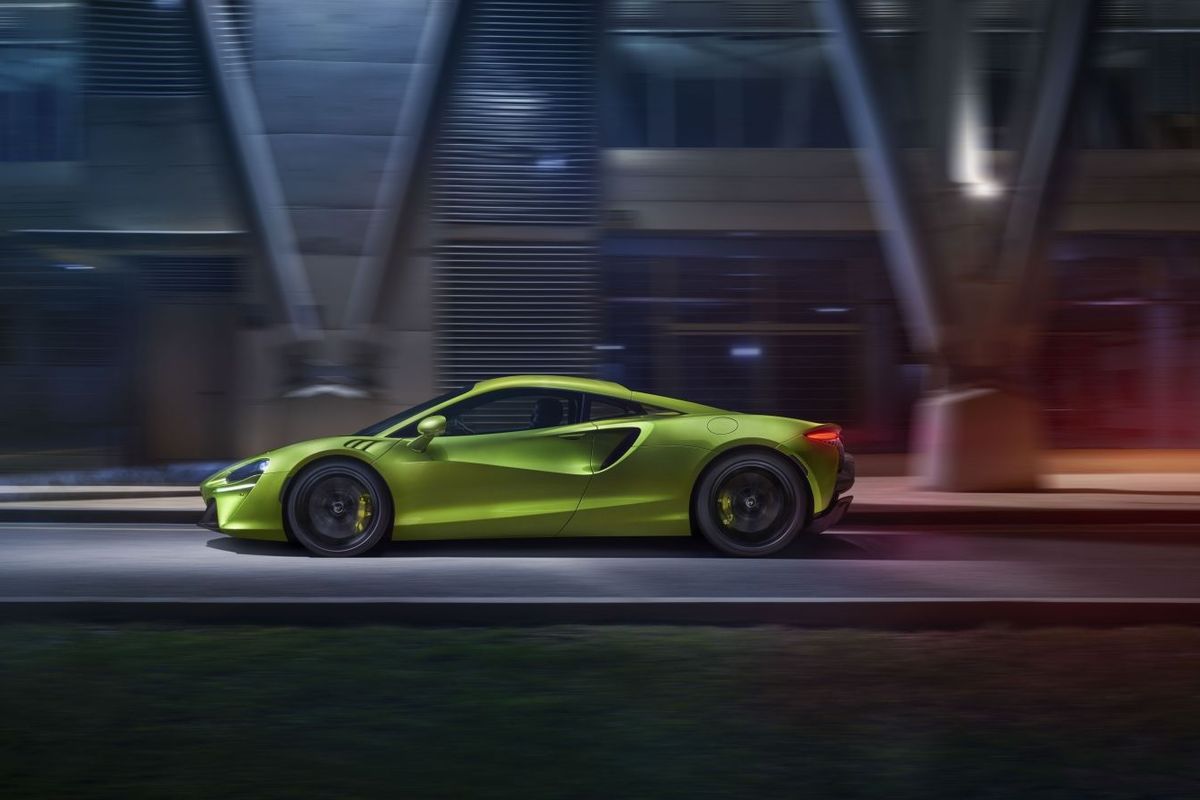
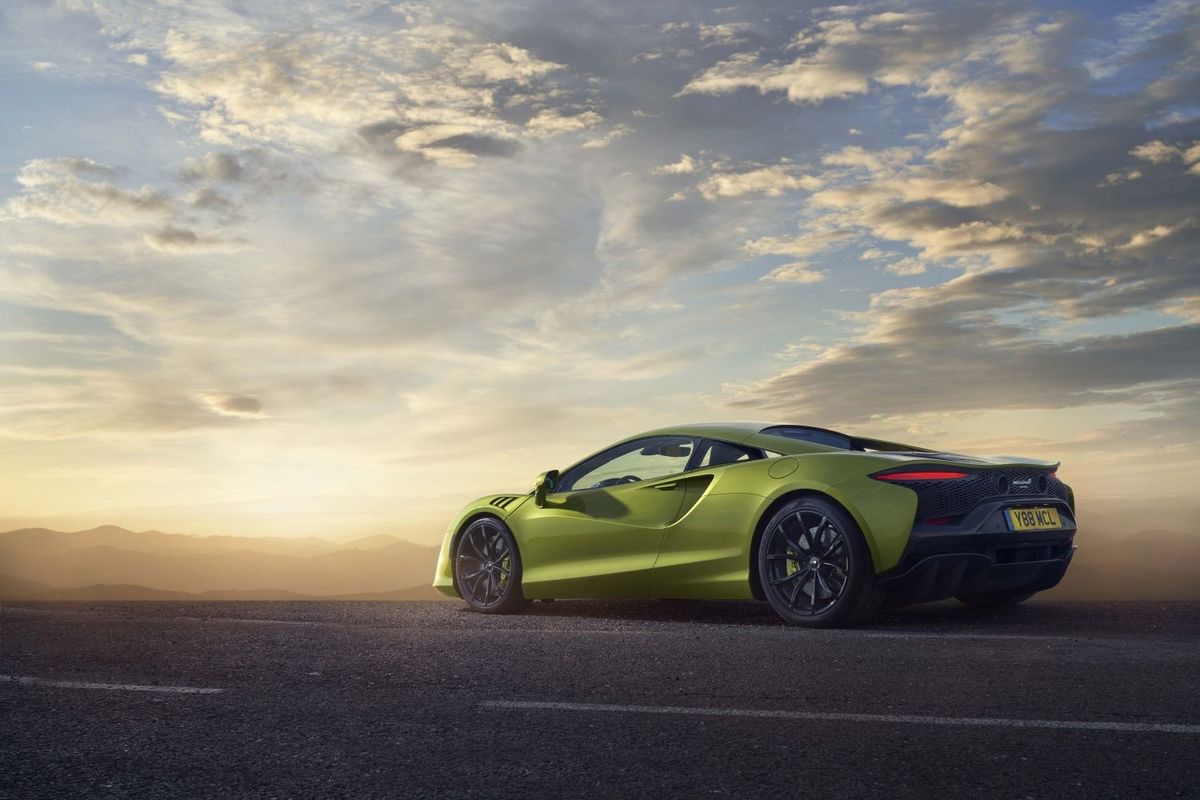
McLaren has unleashed a new hybrid supercar! Meet the Artura!
McLaren is renowned for producing beautiful and very fast supercars and the brand’s latest reveal, the Artura, remains true to the brand while also pushing the boundaries ever outwards in terms of design and performance.
The Artura is McLaren’s first series production High-Performance Hybrid (HPH) supercar and it’s built on the new McLaren Carbon Lightweight Architecture (MCLA) which has resulted in the lightest dry weight of 1 395 kg (kerb weight of 1 498 kg) with a said class-leading power-to-weight ratio of 359 kW per ton.
The Artura is powered by an all-new twin-turbocharged 3.0-litre V6 petrol engine that develops 430 kW and 585 Nm of torque. This engine combines with a 70 kW electric motor that produces an additional 225 Nm. The Artura is equipped with a new 8-speed dual-clutch transmission.
The Artura of accelerating from zero to 100 kph in 3.0 seconds flat and will reach 200 kph in just 8.3 seconds and 300 kph in 21.5 seconds. Top speed limited to 330 kph. The Artura also boasts an electronically-controlled differential (E-diff), a first for McLaren, which independently controls torque distribution at the rear axle which ultimately enhances traction during cornering while an integrated rear spoiler provides the necessary downforce.
The electric motor uses a 7.4 kWh battery pack with 5 lithium-ion modules which allow the Artura to travel in pure electric mode for at least 30 km. Using a standard EVSE cable, the Artura’s battery can be charged up to 80% capacity in 2.5 hours.
A new rear suspension system is also fitted, featuring a top upper wishbone with 2 lower links and a tie rod which maximises stability and precision while also reducing understeer when accelerating out of a corner. The Artura rides on next-generation Pirelli P Zero Corsa tyres with a technology called Pirelli Cyber Tyre, which includes a ‘chip’ that provides real-time data to the Artura’s stability control system in an effort to optimise tyre performance.
Interior Features
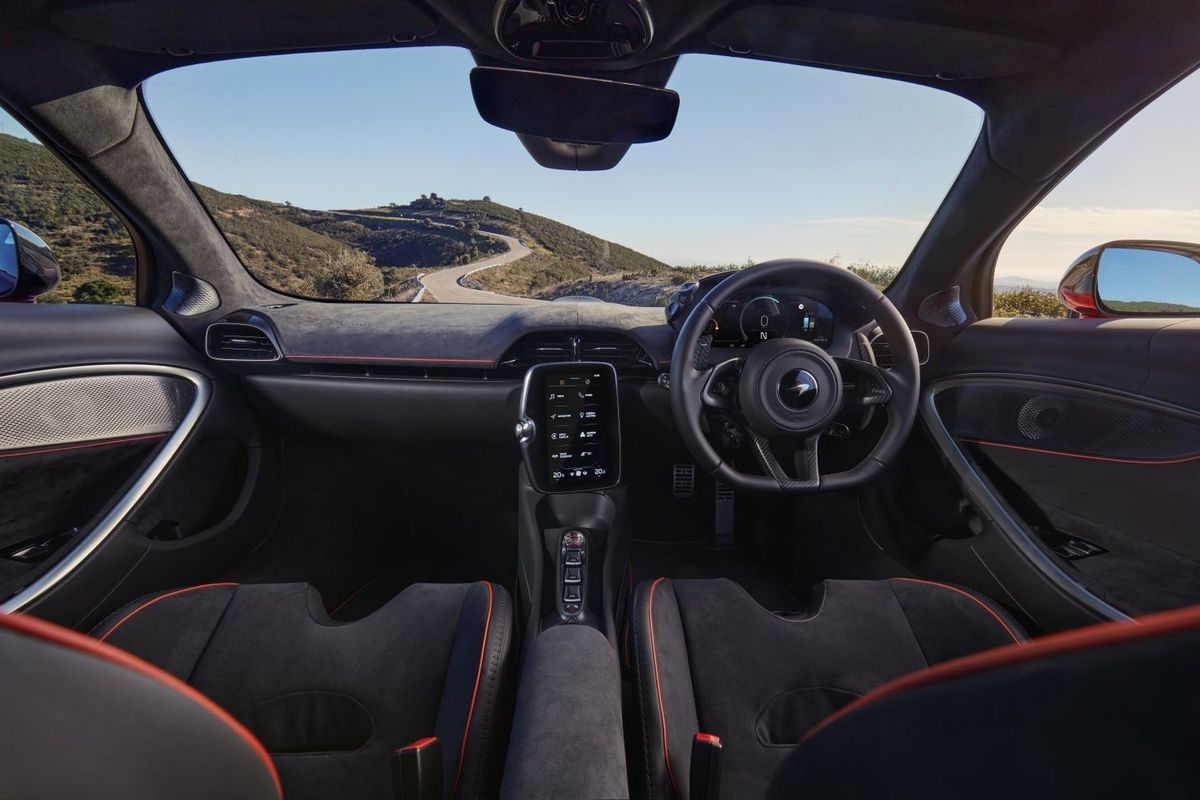
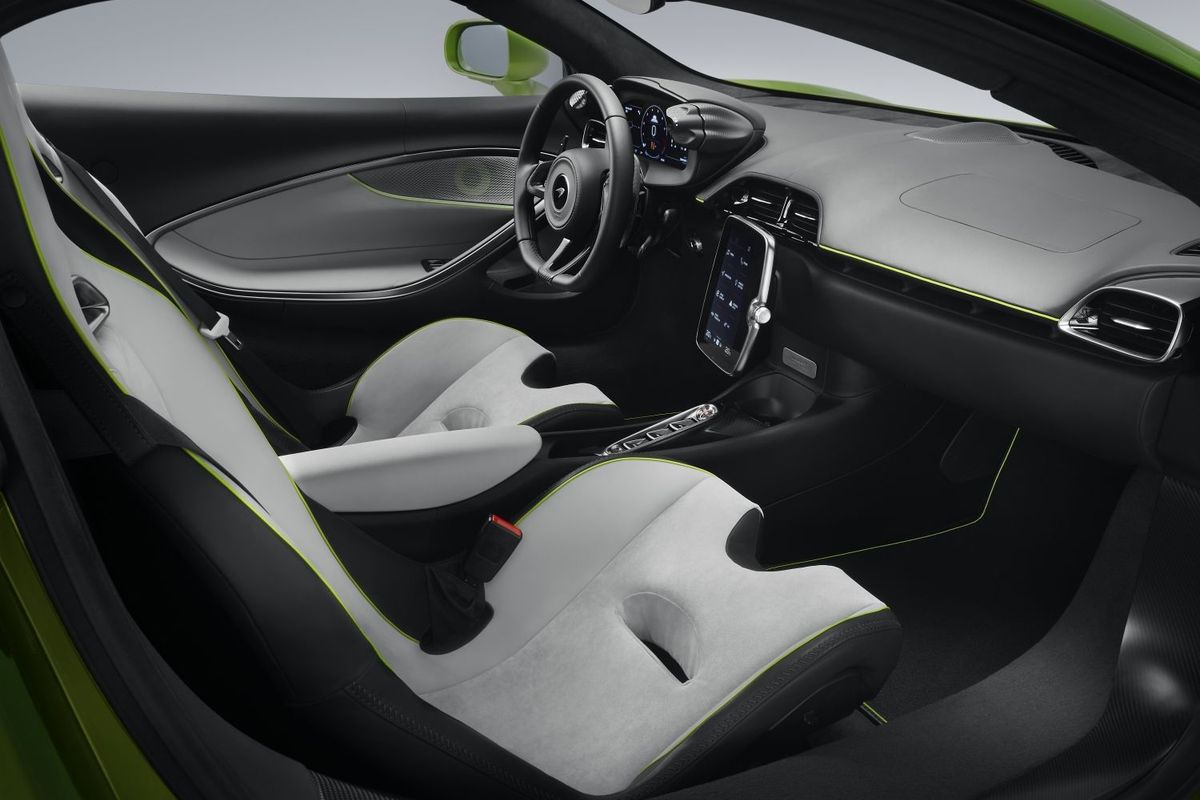
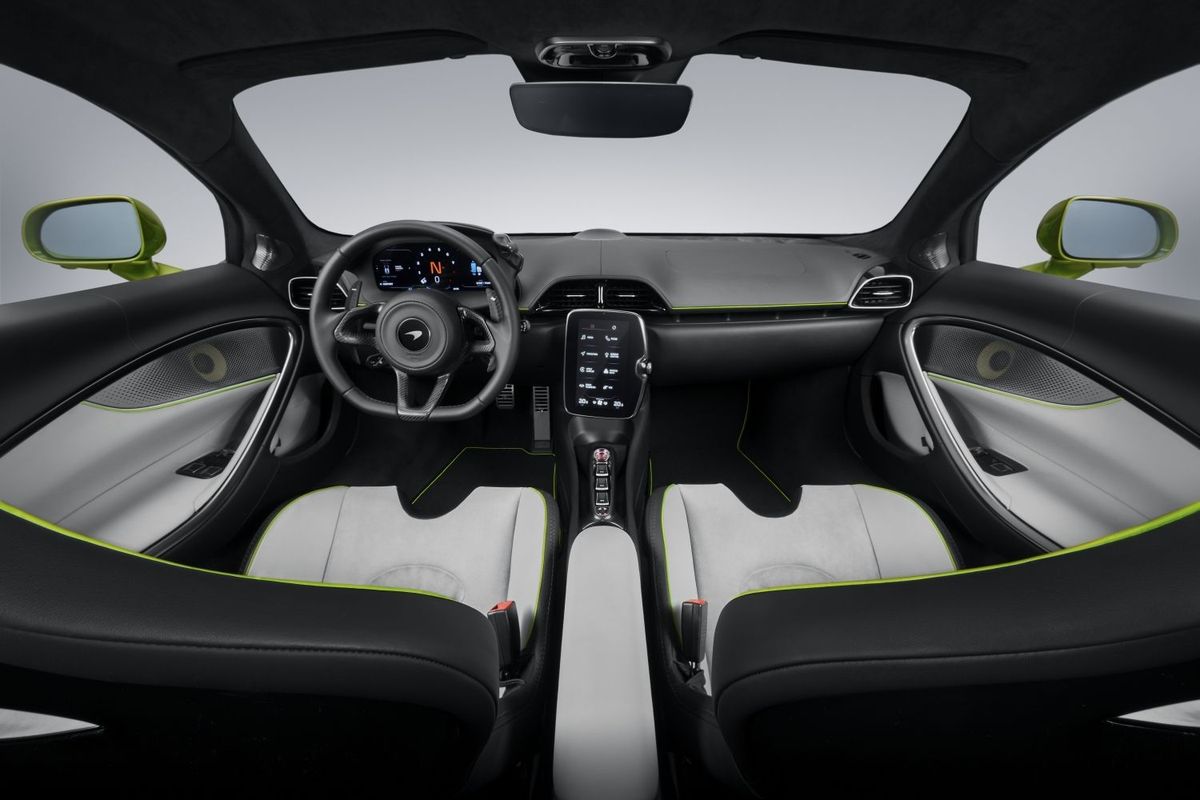
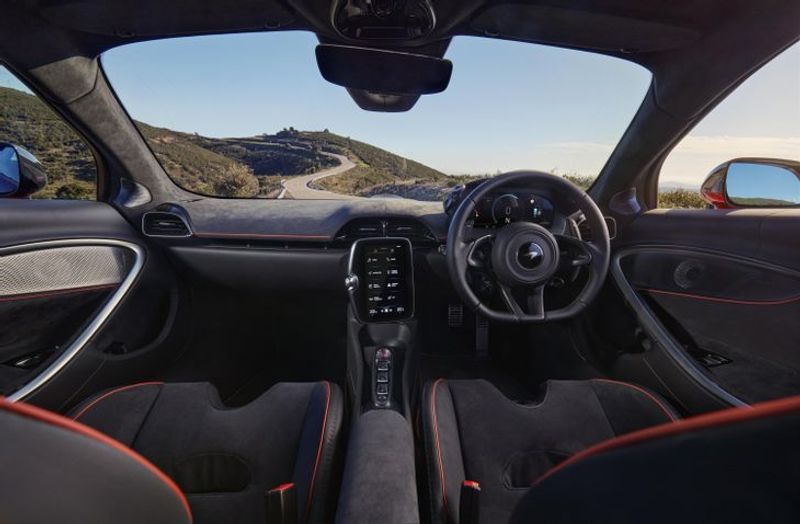
The Artura places the focus on the driver with all the basics close at hand.
As for the interior, the cabin is focussed around the driver and the driver can change driving modes on the steering wheel and can choose between E-mode (electric driving), Comfort, Sport and Track.
The Artura also showcases a new Clubsport seat design which combines the range of motion of a moveable backrest and with the lightweight support of a bucket seat. The whole seat pivots through an elliptical arc when adjusted and provides under-thigh support, height adjustment and backrest movement in one movement. Comfort seats are also offered.
The infotainment system, MIS II, uses 2 high-definition screens that deliver high levels of responsiveness. Smartphone mirroring is possible. Users can also access McLaren’s apps including McLaren Track Telemetry and Variable Drift Control. The instrument binnacle features a redesigned navigation map and only features key information to minimise distraction. Stealth mode further hides non-essential information to promote full driver concentration.
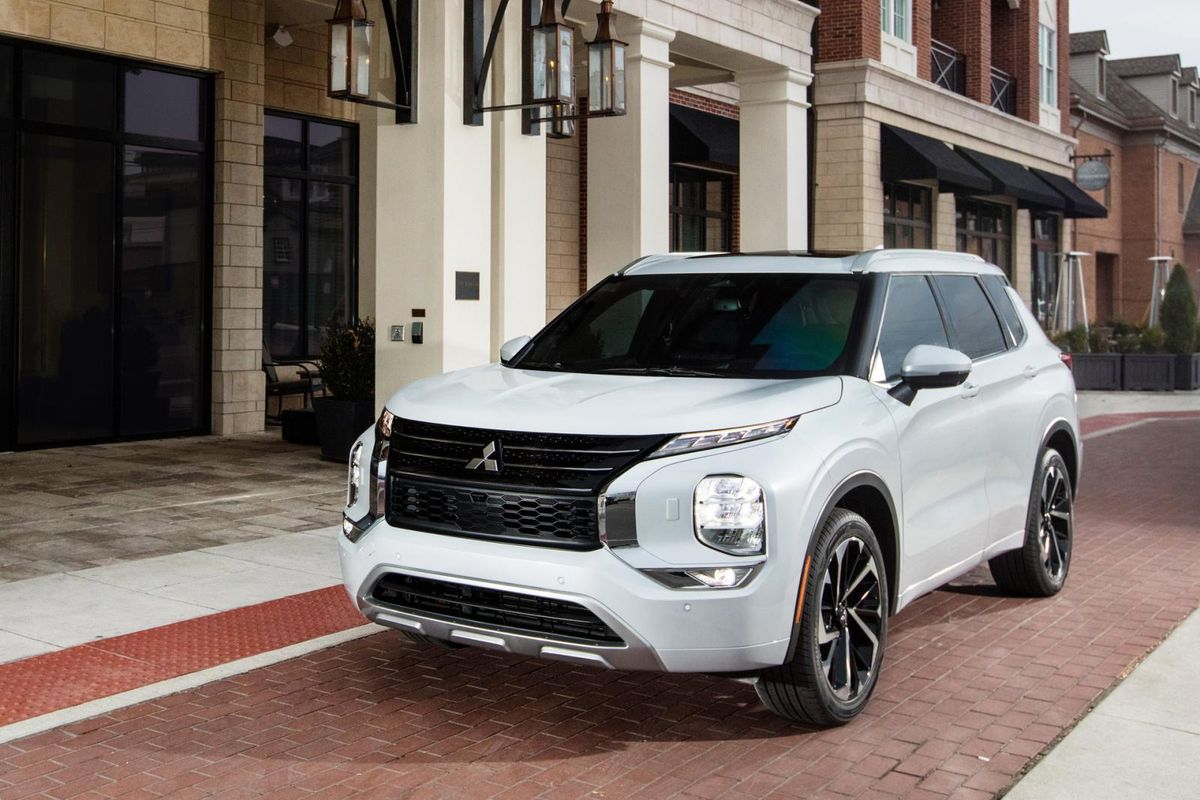
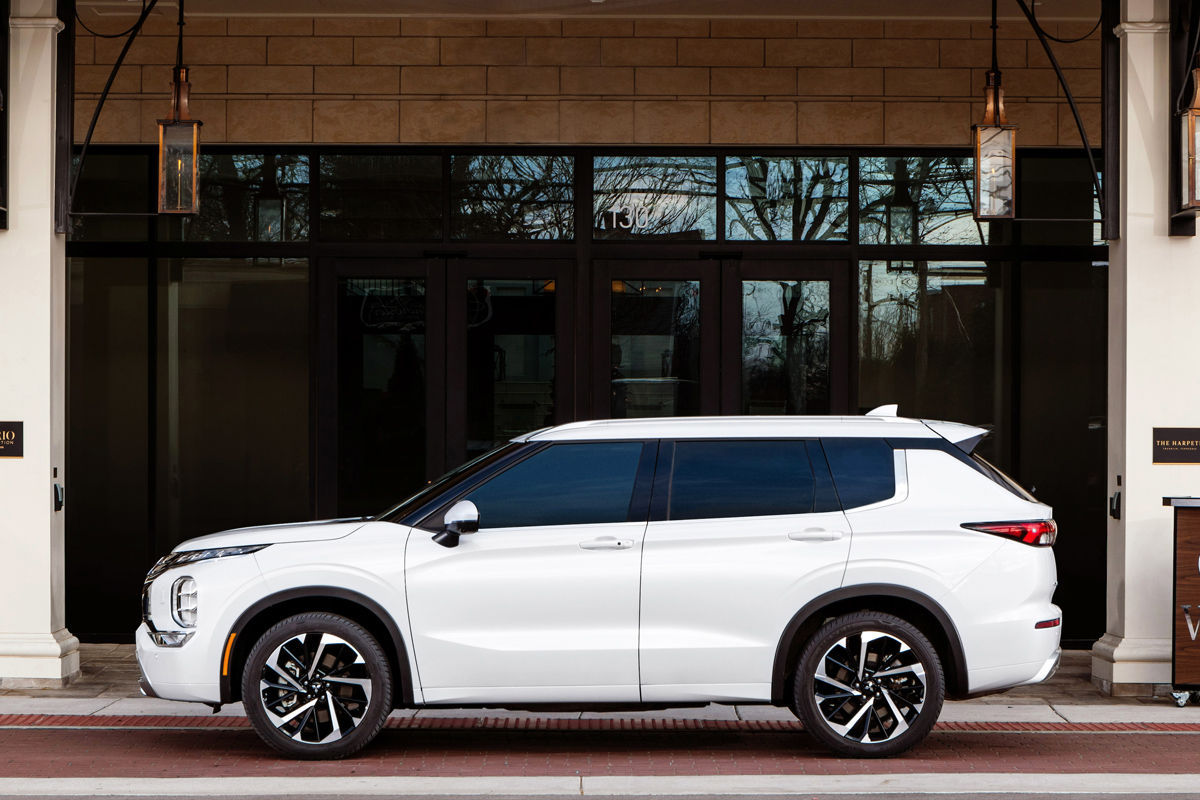
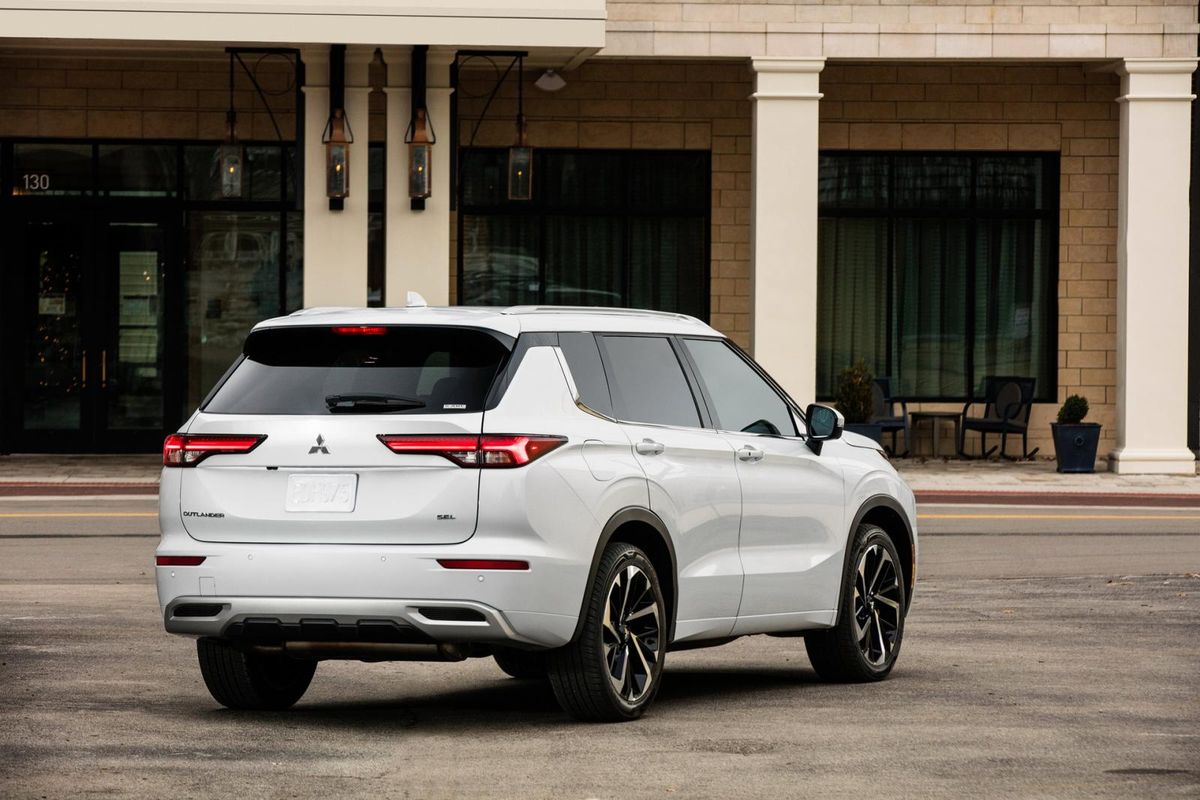
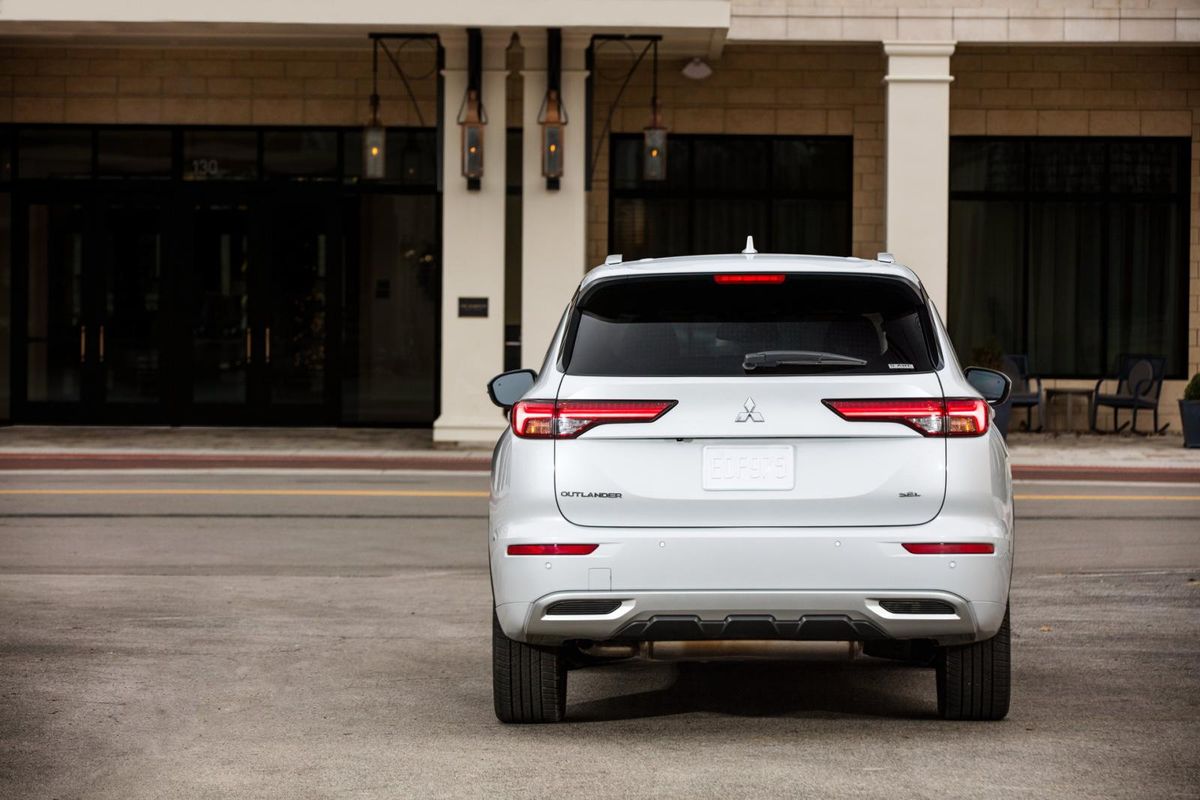
Mitsubishi is not renowned for rolling out all-new models all that often, but its new Outlander, which is based on the new Nissan X-Trail's platform, is a boldly styled 7-seater with an upmarket interior. Could this family-car eventually bolster the Japanese brand's prospects in the local midsized-SUV market?
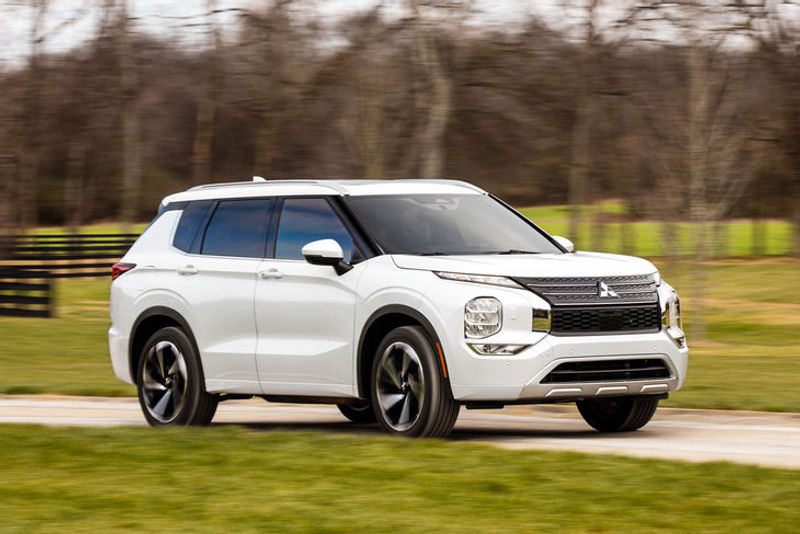
The 4th-generation Outlander was unveiled on Amazon Live (it is claimed to be the first car to be launched on the streaming platform) and, by virtue of being based on the next-generation X-Trail, the newcomer is the first Mitsubishi model to be produced under the banner of the Renault-Nissan-Mitsubishi alliance. Mitsubishi, however, says it’s “based on the ‘I-Fu-Do-Do’ concept, which means authentic and majestic in Japanese…
The 4th-generation Outlander will be available exclusively with a naturally-aspirated 2.5-litre 4-cylinder engine.
In true Mitsubishi tradition, the Outlander’s exterior design is dominated by the Dynamic Shield motif, with the combination of high-positioned DRLs that serve as the “eyes” of the front visage, while the main LED headlamps (with washers, we note) are positioned lower on the bumper… in fact, they're just above the fog lamps! To balance out the bulky sheet metal of the people-mover, um, SUV, Mitsubishi has fitted the Outlander that's featured in the press material with eye-catching 20-inch alloys that complement the lashings of exterior brightwork.
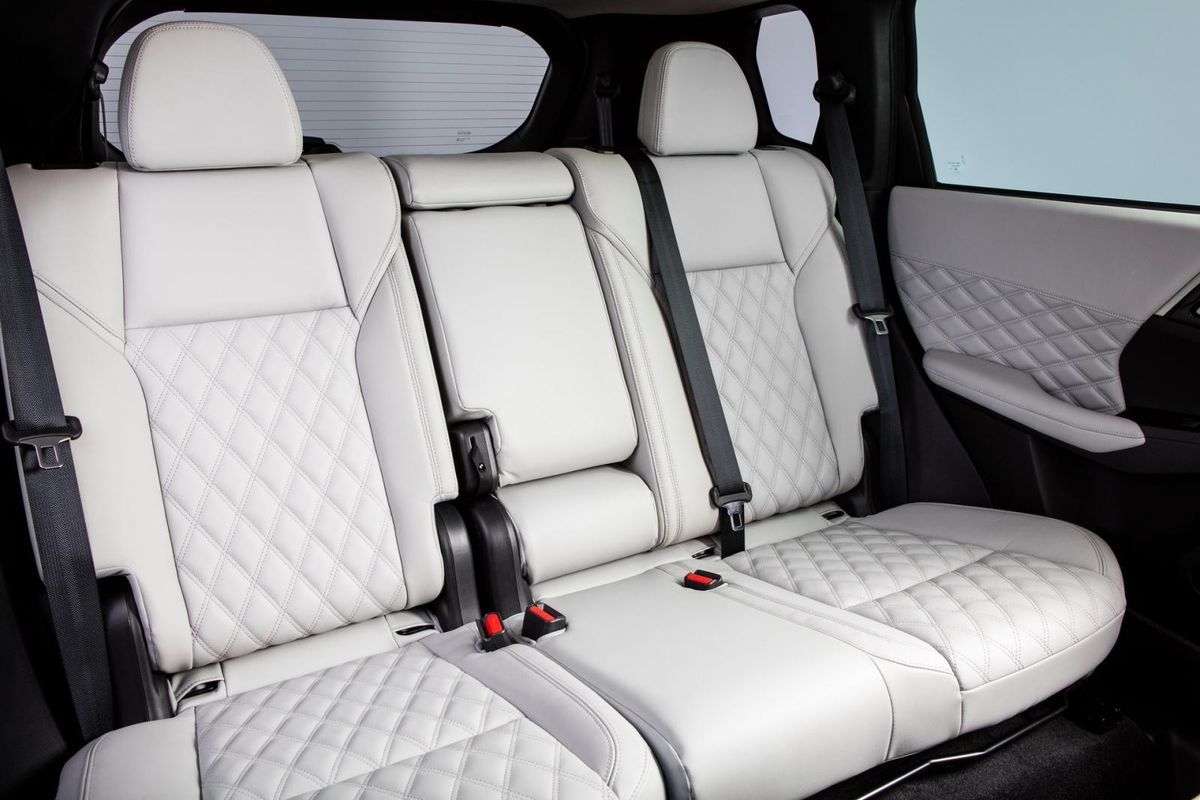
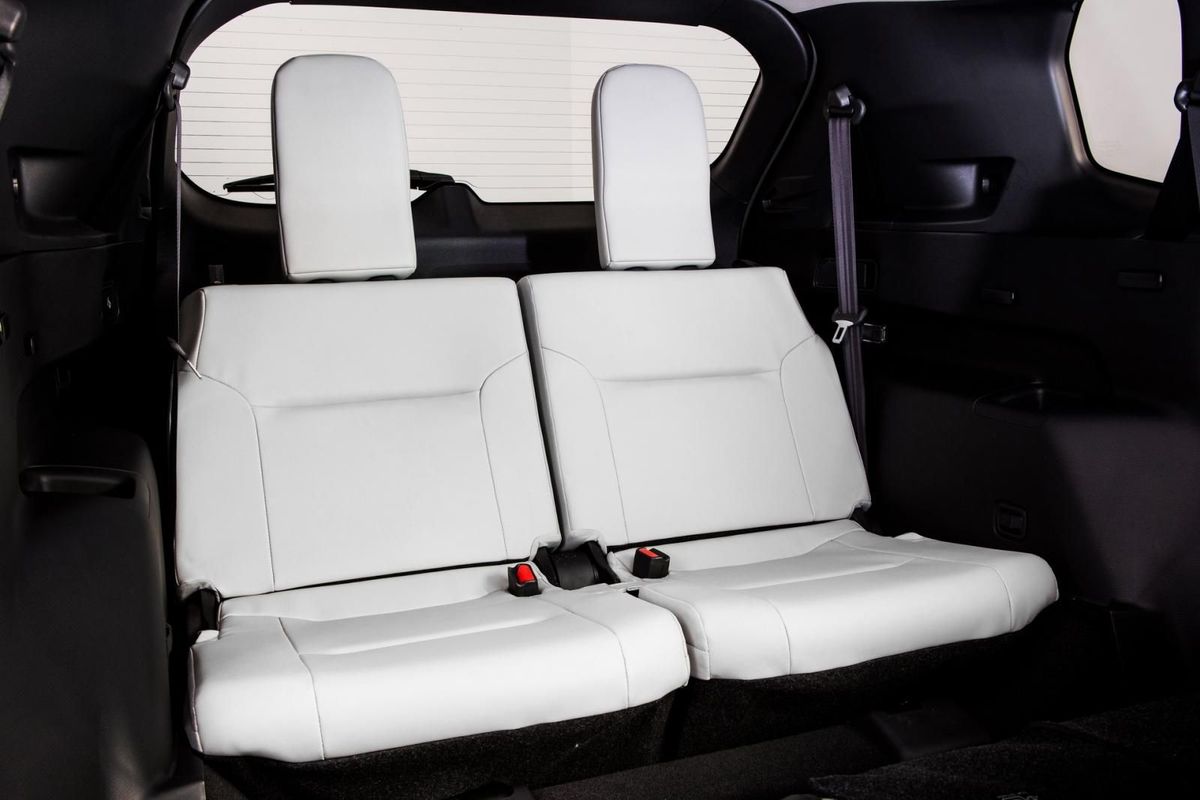
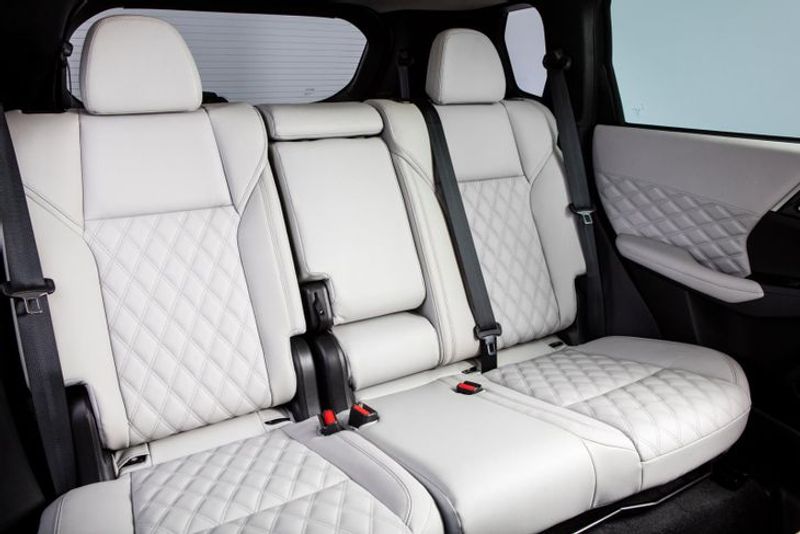
Ostensibly taking a leaf from the Volkswagen Tiguan Allspace’s book, the newcomer is a rarity in the family-car segment – it has a 7-seater configuration, replete with a 40/20/40 split-folding middle bench that can slide and recline, as well as a pair of rear seats that split 50/50, the latter of which is suitable for children.
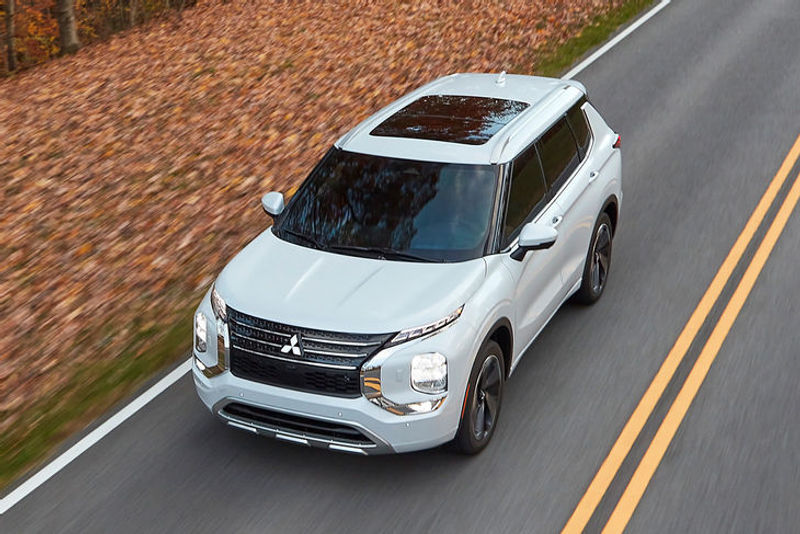
Top-spec Outlander derivatives will feature a panoramic sunroof and bold 20-inch alloy wheels.
Compared with its predecessor, the Mitsubishi is 50.8 mm wider and has a slightly longer wheelbase (which has increased by 36 mm to 2 705 mm). Those gains (in conjunction with better interior packaging) see the legroom for front occupants increase by 25 mm, while those in the 2nd row are afforded an extra 27.9 mm. The length of the luggage area when the 2nd- and 3rd-row seats are folded down has been increased to a just over 2 metres in total, which represents a significant improvement over that of the previous model.
As for the new Outlander’s mechanical configuration, it not only shares a MacPherson front- and multi-link rear suspension setup and electric power steering with the next X-Trail, but also its 2.5-litre naturally aspirated 4-cylinder engine, which is paired with an 8-step continuously variable automatic transmission (CVT). A large-capacity 4-pot seems a bit passé in the age of engine downsizing, but with peak outputs of 135 kW and 245 Nm, it is at least more powerful than the current model’s 123 kW/222 Nm 2.4-litre motor and will help to bring the landed unit cost down.
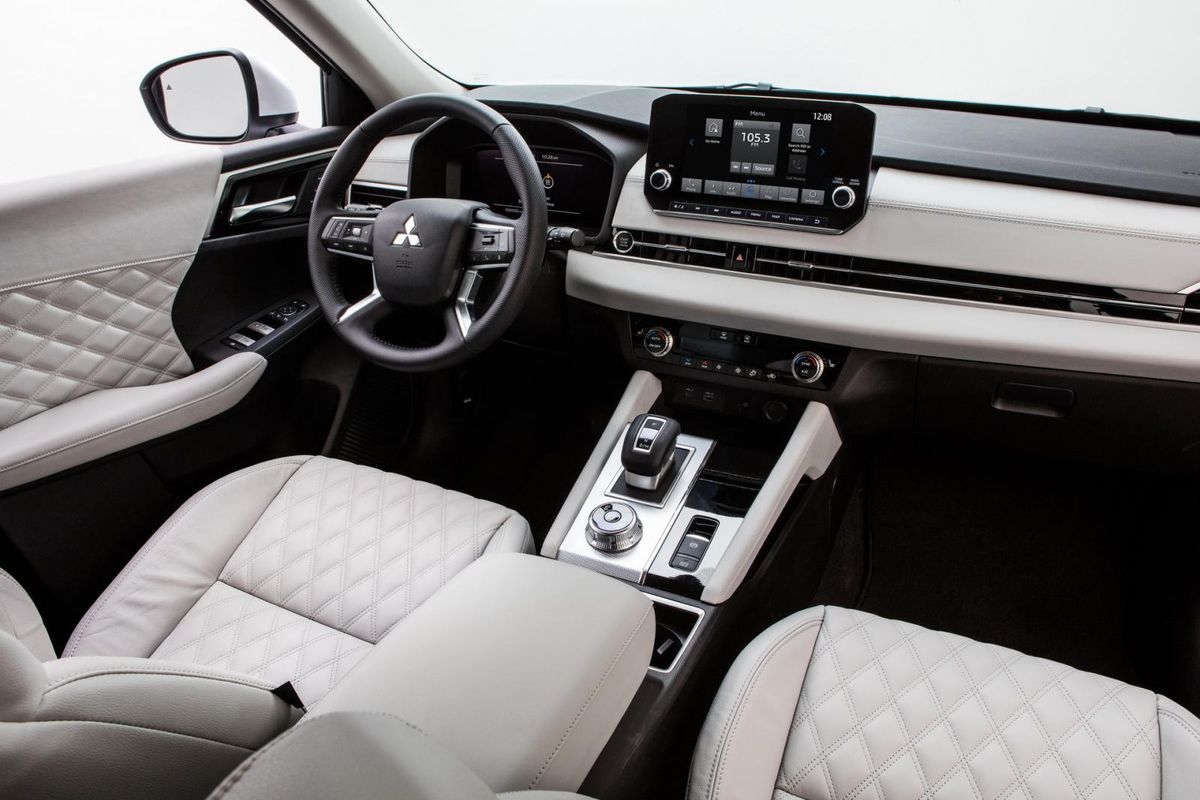
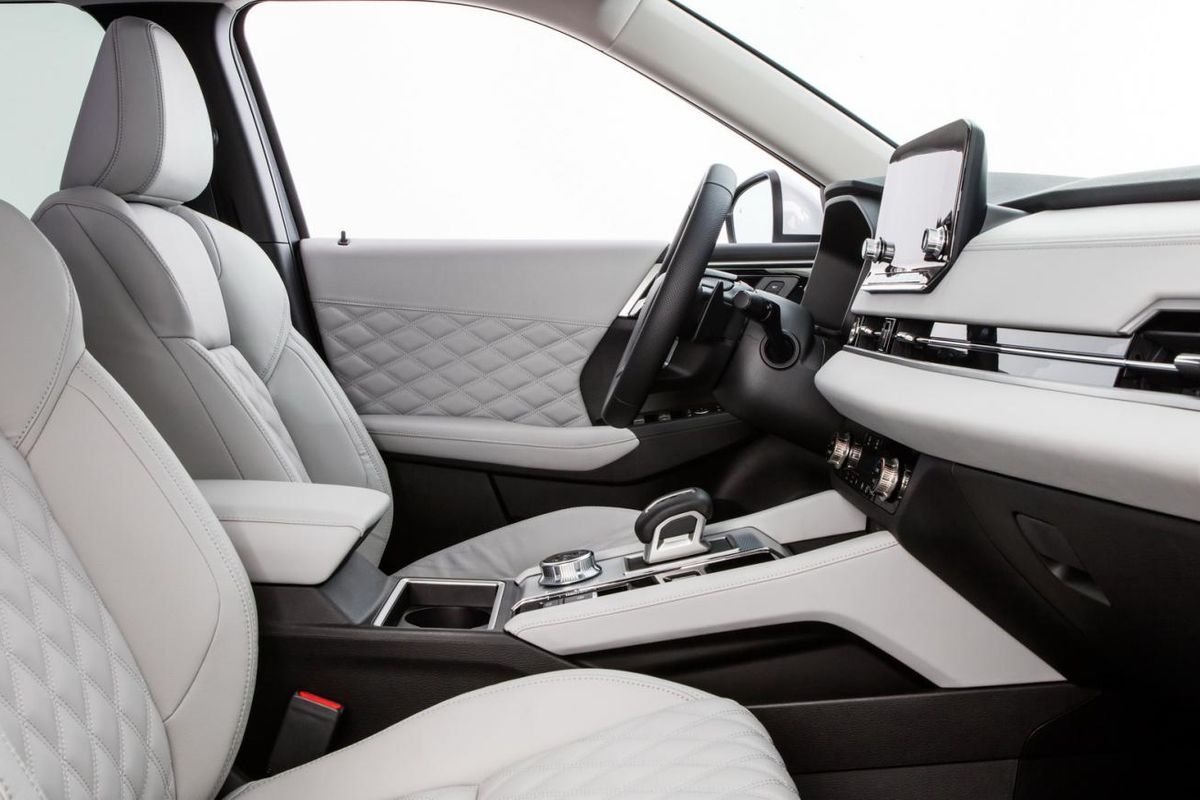
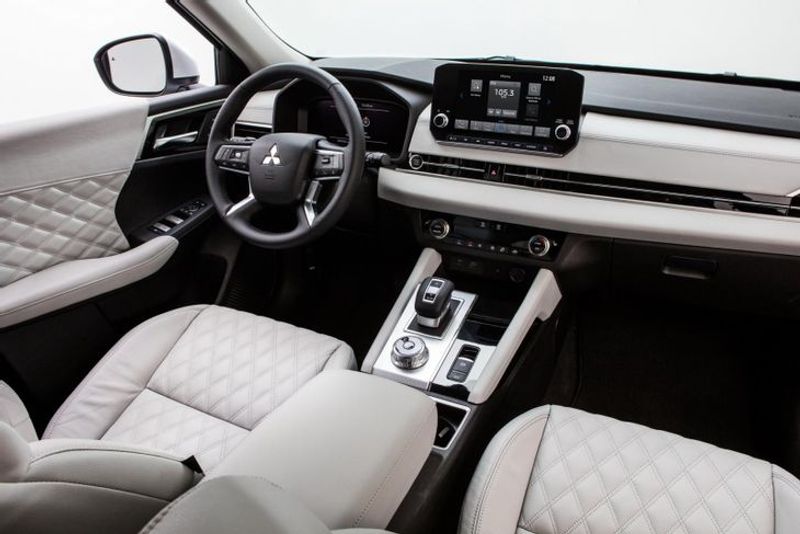
Note the attractive diamond quilting of the leather/faux leather surfaces and tasteful metallic detailing.
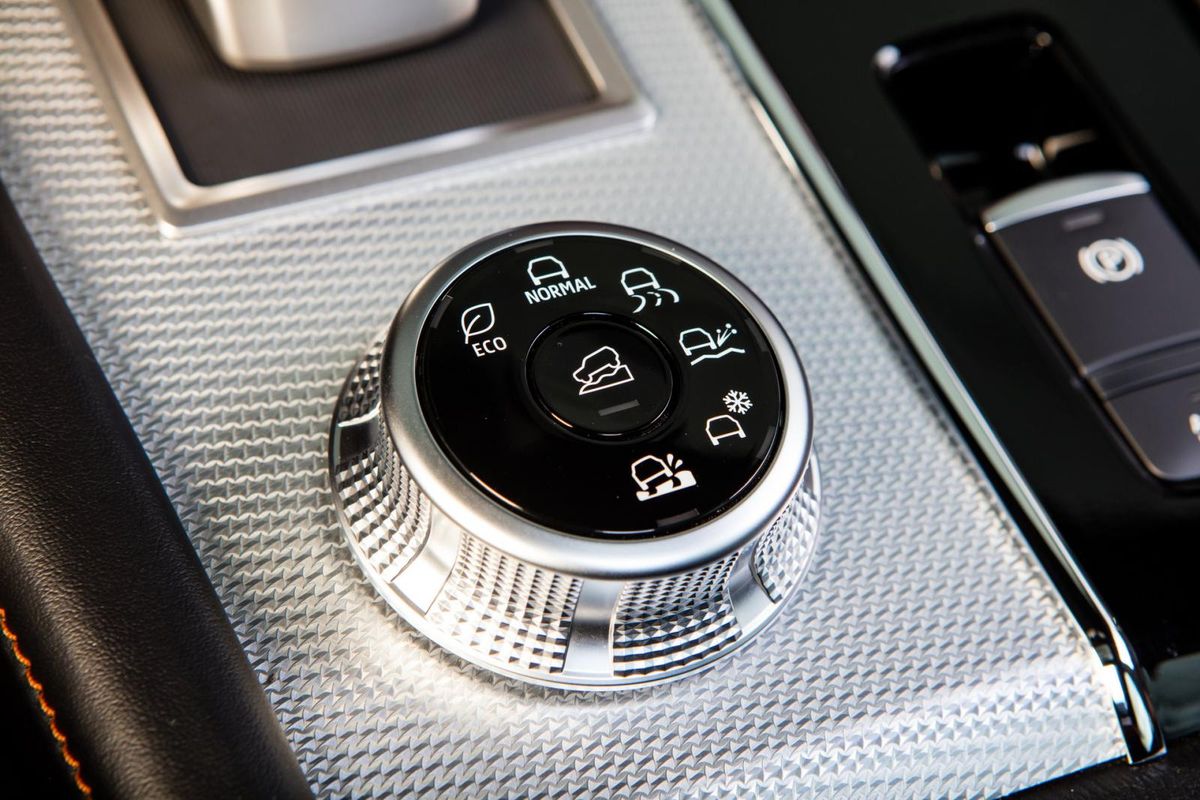
The newcomer will be offered in both front- and all-wheel-drive configurations and all derivatives feature at least 5 drive modes (Normal, Tarmac, Gravel, Snow and Mud), while AWD versions, equipped with the Japanese marque’s Super All-Wheel Control (S-AWC) all-wheel-drive system, get an additional drive mode.
The interior is suitably smart, with a tasteful mix of premium materials, myriad soft-touch surfaces and digital displays. While more affordable versions of the Outlander will have a 7.0-inch multifunction display, the top-spec versions will be equipped with a 12.3-inch digital instrument cluster as well as a full-colour head-up display!
Contrast stitching, weave-pattern metallic- and piano black inserts feature on the sportier derivatives.
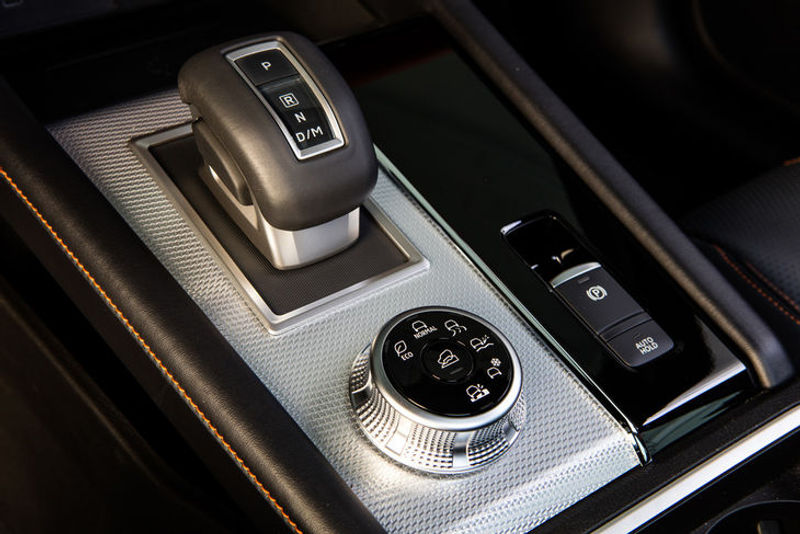
As for the infotainment system, it has a 9-inch touchscreen interface that is compatible with Android Auto and wireless Apple CarPlay and can be specified in conjunction with a 10-speaker Bose audio system. The stubby transmission lever is evidently shift-by-wire, while the climate control console knobs and drive-move selector have matching (and very ornate) knurled-metal-look finishes.
To aid connectivity, Mitsubishi has availed a wireless charging pad, as well as USB A and USB C ports. Seat heaters (front and rear), 3-zone automatic climate control and rear door sunshades are said to be available too, depending on spec.
The middle row splits in a 40/20/40 configuration.
On the safety front, the Japanese firm has fitted the usual array of active and passive safety systems to its newcomer, plus 11 airbags (including a front centre ‘bag). Adaptive cruise control with stop-and-go functionality, lane-keep assist, nav-linked speed-sign recognition and autonomous emergency braking are also featured.
As for local availability, that has yet to be confirmed. The Outlander is scheduled to be introduced in North America in April, with the rest of the world to follow during the rest of 2021. The newcomer (and its distant cousin, the next-generation X-Trail, for that matter) were not scheduled to arrive in Mzansi as soon as this year, but that could change. We'll keep you posted…
2021 Audi Q7 S Line Review – Proper Business Class Motoring (for big families)
Ciro de Siena gets behind the wheel of the facelifted Audi Q7. This video review focuses on the cabin space and driving experience.
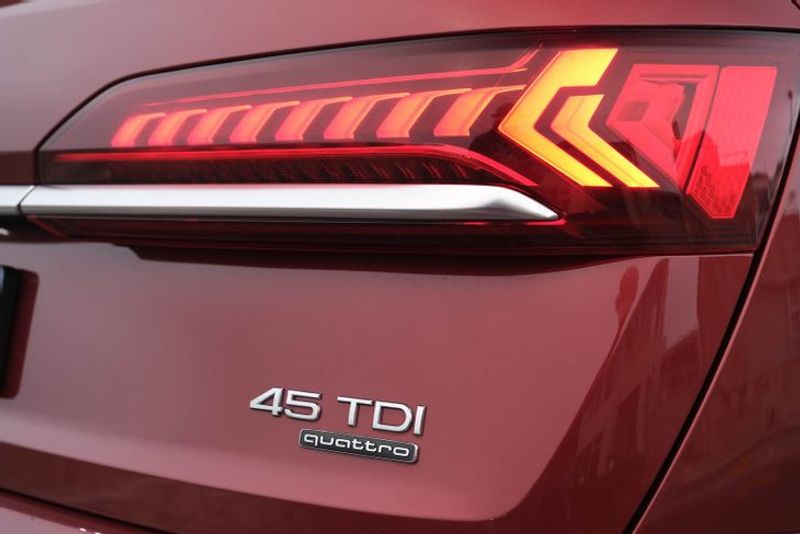
This is not an entirely new Audi Q7, it is a facelift. But it is a significant facelift. Major tweaks to the grille and tail lights easily distinguish it from pre-facelift models, and the car immediately seems much bolder.
Audi has thrown just about everything it has into the interior and it is brimming with tech features, including the full Audi Connect functionality that we've been waiting for in South Africa for a long time now.
In this detailed review, Ciro covers the third row of seats, the impressive dashboard and human-machine interface, the powerful engine under the bonnet and gives his opinion about families who travel business class. Because he's jealous like that.