Meet the limited-run Mercedes-Maybach V12 Edition, an opulent S-Class celebration (complete with 24-carat gold trim) of the brand’s long tradition of 12-cylinder engines…
Just 50 units of the V12 Edition will be built
Celebrates nearly 100 years of V12 engines
24-carat gold trim included, inside and out
Downsizing be damned? Mercedes-Benz has revealed the Mercedes-Maybach V12 Edition, a limited-production version of the S680 limousine conceived to celebrate the ultra-luxury sub-brand’s long history – dating back nearly a century – of 12-cylinder engines.
Set to be available in unspecified “select markets”, just 50 examples of this special S-Class will be produced. The V12 Edition offers what the German automaker calls “bespoke design elements” through its “Manufaktur” programme.
Mercedes‑Benz says the Maybach V12 Edition is an “almost fully equipped Mercedes‑Maybach S680”, with equipment highlights including electrically operated comfort rear doors, active road-noise compensation, rear-axle steering, active suspension and up to 5 large screens in the cabin.
Like the standard (for lack of a better term) S680, this new limited-run derivative employs a turbocharged 6.0-litre V12 petrol engine that delivers 450 kW and 900 Nm to all 4 corners via a 9-speed automatic transmission. The 0-100 kph sprint takes a claimed 4.5 seconds, while top speed is electronically limited to 250 kph.
The Mercedes‑Maybach V12 Edition is set apart by its 2-tone exterior paint finish – olive metallic on the upper body and obsidian black metallic on the lower – including a contrasting silver metallic pinstripe. The brand claims the application of this particular paint finish takes “up to 10 working days”, which is twice as long as Maybach’s usual signature 2-tone configuration.
The limited-edition variant rides on forged wheels likewise finished in olive metallic, while the edition-specific Maybach emblem on the C-pillar is complemented by a chrome and gold medal featuring a prominent “12”. This 24-carat gold medal is adorned with a diamond engraving in a 12-part ring division, while the medal inlay (likewise fashioned from 24-carat gold) features a fine V-pattern engraving.
Meanwhile, the Nappa leather interior comes in saddle brown, paired with high-gloss brown burr walnut wood trim that extends to the handcrafted steering wheel. The roof liner is finished in diamond-quilted saddle brown, while special-edition embroidery and a “1 of 50” badge in the centre console are further touches.
The rear centre console features the Maybach emblem and a commemorative medal framed by 12 golden circles. This likewise handcrafted element takes up to 7 working days to complete, according to Mercedes-Benz.
Each vehicle also includes bespoke accessories such as Robbe & Berking silver-plated champagne flutes (with edition-specific engraving), a luggage-compartment mat with edging in saddle brown, a handcrafted key giftbox and an edition-specific key ring.
“The Mercedes‑Maybach V12 Edition is a limited release of just 50 cars, showcasing the brand’s legacy. With roots tracing back to the early 20th century Maybach Zeppelin models, this edition celebrates our iconic V12 engine. It offers bespoke design through the Manufaktur programme, reflecting a tradition of combining advanced technology and exclusive style,” says Daniel Lescow, Head of Mercedes-Maybach at Mercedes-Benz Group AG.
Frequently Asked Questions
Q: What is the Mercedes-Maybach V12 Edition?
A: The Mercedes-Maybach V12 Edition is a limited-production version of the S680 limousine, created to celebrate the brand’s long history of 12-cylinder engines. Only 50 units will be built, each featuring bespoke design elements including 24-carat gold trim, a unique 2-tone paint finish and a luxurious Nappa leather interior.
Q: How many units of the Mercedes-Maybach V12 Edition will be produced?
A: Only 50 examples will be produced globally, making it a highly exclusive and limited-run vehicle.
Q: What are the unique features of the Mercedes-Maybach V12 Edition?
A: Key features of the Mercedes-Maybach V12 Edition include 24-carat gold trim on the exterior and interior, a special 2-tone olive metallic and obsidian black metallic paint finish, edition-specific forged wheels and a Nappa leather interior in saddle brown. It also comes with bespoke accessories like silver-plated champagne flutes and a handcrafted key gift box.
Looking for a value-for-money used compact sedan with proven underpinnings? Here’s what you should know when shopping for a 2nd-gen Toyota Corolla Quest…
It’s a recipe Toyota South Africa Motors (TSAM) has perfected: take what would otherwise be a retiring locally built vehicle, treat it to a mild makeover and price it aggressively. This “prolonged lifecycle” strategy worked with the Conquest-based Tazz – and 2 successive generations of the Corolla Quest!
Central to such an approach is the fact that by the time the initial model’s lifecycle ends, the significant sum already invested has often long since been amortised. That means design, engineering and tooling costs for the legacy vehicle are all largely covered, allowing the automaker to price it affordably.
The 2nd-gen Quest followed on from the successful original.
So, since the original Corolla Quest was a runaway success (with both private and fleet buyers), it was no surprise the Japanese automotive giant’s local division cooked up a 2nd generation of the model. While the 1st iteration was based on the 10th-gen Corolla sedan, the topic of this Buyer’s Guide was derived from the 11th-gen model.
Production of the 2nd-gen Quest at the Prospecton plant in KwaZulu-Natal (KZN) commenced early in 2020. In the opening quarter of 2025, however, TSAM confirmed to Cars.co.za that the Corolla Quest had come to “the end of its production cycle” late in 2024.
Production quietly ended late in 2024.
As a reminder, this re-invented model was sold alongside the 12th-gen Corolla sedan. Since the latter was imported from Japan rather than built locally, TSAM seemingly won’t have the opportunity to eventually repurpose it as a locally built 3rd-gen Quest.
Despite the general decline of the sedan segment during its production run, the Corolla Quest remained eminently popular in Mzansi. In fact, based on figures reported to Naamsa, it was the local market’s best-selling sedan in 2020 (7 365 units), 2021 (7 860 units), 2022 (4 688 units) and 2023 (5 832 units), before finishing just behind the Volkswagen Polo Sedan in 2024 (3 764 units).
The Quest was the segment’s top seller for much of its local lifecycle.
Add the few hundred examples registered in 2025 and we’d venture that the 2nd-generation Quest comfortably breached the 30 000-unit barrier over its almost-5-year production span.
Though that’s not quite as lofty a figure as the 63 966 sales achieved by the original Quest, it’s nevertheless a mighty impressive number.
Toyota Corolla Quest model line-up in South Africa
At launch, the local range numbered 6 derivatives.
The 2nd-gen Toyota Corolla Quest was launched to the media in January 2020, though it reached dealerships only in March of that year. The portfolio comprised 6 derivatives, all powered by a naturally aspirated 1.8-litre, 4-cylinder petrol engine driving the front axle via either a 6-speed manual gearbox or a continuously variable automatic transmission (CVT).
Corolla Quest 1.8 6MT (103 kW/173 Nm)
Corolla Quest 1.8 CVT (103 kW/173 Nm)
Corolla Quest 1.8 Prestige 6MT (103 kW/173 Nm)
Corolla Quest 1.8 Prestige CVT (103 kW/173 Nm)
Corolla Quest 1.8 Exclusive 6MT (103 kW/173 Nm)
Corolla Quest 1.8 Exclusive CVT (103 kW/173 Nm)
In March 2021, a year after the Quest’s launch, TSAM made some slight adjustments to the range, including renaming the previously unbadged entry-level grade to “Plus”.
In addition, the “Smart Entry” package (comprising keyless entry and push-button start) was made standard across the range, while “Oxide Bronze” became the 6th hue in the exterior-paint colour palette.
What are the Toyota Corolla Quest’s strengths?
More standard kit than you might expect.
Plenty of standard kit: While you might assume the 2nd-gen Quest was simply a “de-specced” Corolla, that wasn’t quite the case. In fact, this prolonged-lifecycle sedan was rather generously specified as standard, particularly in mid-tier Prestige and flagship Exclusive guise.
For instance, all derivatives shipped from the factory with electric windows, electrically adjustable side mirrors, a multifunctional steering wheel, air conditioning, LED daytime running lights and a Bluetooth-enabled audio system with a minimum of 4 integrated speakers (plus USB).
The top-spec derivatives boasted full leather upholstery.
Prestige variants upgraded to 16-inch alloy rims (as opposed to 15-inch steel wheels), mud guards, a 6-speaker touchscreen DVD system, a reverse-view camera, cruise control, fabric-and-leather seat upholstery and leather trim for the steering wheel.
Finally, the Exclusive grade added auto aircon, keyless entry (with push-button start and rolled out across the range from March 2021), a TFT colour instrument cluster, leather upholstery, rear cupholders, an electro-chromatic rearview mirror, rain-sensing wipers and auto-levelling LED headlamps.
The 2nd-gen Quest featured a surprisingly pliant ride.
Comfortable and spacious: The Corolla Quest rode with a degree of sophistication that belied its attractive price point. Despite making do with a torsion-beam set-up at the rear, this sedan’s suspension system soaked up tarmac imperfections with aplomb. Rolling refinement levels were pleasingly high, too.
Moreover, there was plenty of space for passengers in the rear, while the generously sized luggage compartment could swallow a claimed 452 litres. However, note that the rear bench was fixed in place for all variants bar the range-topping Exclusive (which benefitted from a 60:40 split-folding function).
Safer than 1st-gen Quest: While the original Quest launched with only dual front airbags, the base version of the 2nd-gen model added a driver’s knee airbag, with Prestige and Exclusive derivatives furthermore scoring side airbags. The 2nd-gen version also came equipped with electronic stability control and hill-hold assist, safety features its predecessor did without.
Extra oomph compared with its forebear.
More powerful than forebear: Toyota dropped the original Quest’s naturally aspirated 1.6-litre petrol engine in favour of a likewise atmospheric 1.8-litre, 4-cylinder motor. The result was a useful increase in oomph, with peak outputs climbing to 103 kW and 173 Nm. Moreover, the maximum torque figure was available 1 200 rpm lower in the rev range, notably improving the driving experience.
For the record, the 6-speed manual gearbox featured a relatively positive shift action, while a continuously variable transmission (CVT) replaced the old 4-speed torque-converter automatic transmission. Despite the extra grunt, claimed fuel consumption improved to 6.3 L/100 km for the CVT-equipped derivatives and 7.0 L/100 km for the manual variants.
What are the Toyota Corolla Quest’s weaknesses?
Volume controlled via touchscreen.
No volume knob: Somewhat surprisingly for a car brand as conservative as Toyota, the Corolla Quest’s infotainment system frustratingly did without a physical volume knob. Instead, in the case of the Prestige and Exclusive grades, the driver was expected to adjust the audio system’s volume using touch-sensitive controls on the left of the 7-inch touchscreen (or via the steering wheel’s multifunction buttons).
Even the base (later renamed “Plus”) variant featured touch-sensitive volume controls as part of its more basic infotainment set-up, though these were at least sited towards the right (i.e., the driver’s side) of the screen. In addition, keep in mind the Corolla Quest did not ship with Apple CarPlay and Android Auto.
The Quest featured a few minor cost-cutting measures.
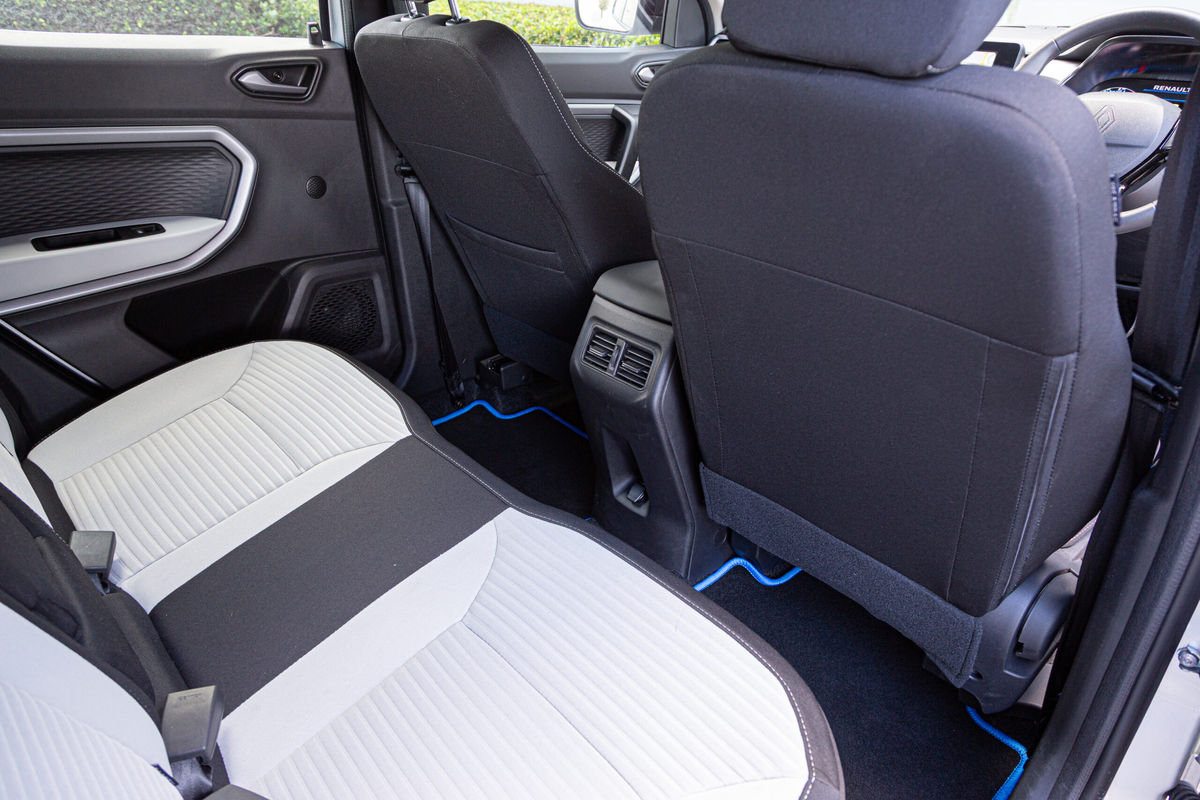
Minor cost-cutting measures: Though the Corolla Quest’s perceived build quality was solid, TSAM obviously implemented a few cost-cutting measures. For instance, rear passengers did without dedicated ventilation outlets (and map pockets), while the luggage compartment was lined with a cheap-feeling material and featured a relatively flimsy boot board.
In addition, the Corolla Quest shared not only its paint colours with the likewise locally made Hilux and Fortuner, but also borrowed its headliner material and seat fabric from these ladder-frame models.
Note the low-slung chin.
Prone to speed-bump grazes: The Toyota Corolla Quest’s ground clearance was listed as 125 mm, but the vehicle’s chin had a nasty habit of touching tarmac when its driver attempted to traverse speed bumps. So, when shopping for a used Quest, make sure to closely inspect the lower edge of the front bumper for any significant damage.
The 2nd-gen Corolla Quest shipped standard with a 3-year/100 000 km warranty and a 3-service/45 000 km service plan (with intervals of 15 000 km). Dealer-fitted accessories included headlamp guards, roof racks and a detachable tow bar (for the record, braked towing capacity was listed as 1 300 kg).
Of the 2nd-gen Toyota Corolla Quest listings on Cars.co.za at the time of writing, some 58% featured a manual gearbox. Interestingly, 2023 was the dominant model year, accounting for nearly half of all examples, while the flagship Exclusive grade represented just 6% of listings. Mileage ranged from virtually zero through to 251 000 km, with the latter achieved by a 2022 1.8 Plus.
Below R250 000: A considerable 43% of listed 2nd-gen Corolla Quest units were priced below R250 000, though most were positioned above R200 000. Towards the top end of this bracket, we found several examples with well under 50 000 km on their respective odometers. Around 2 thirds of units here featured the base “Plus” trim level.
R250 000 to R300 000: This narrow pricing bracket housed approximately 46% of listed derivatives. All 6 model years were represented here, though 2023 was again easily the most prevalent. We also discovered several 2024 examples in this sub-R300 000 space, the majority predictably showing low mileage.
R300 000 and up: The final 11% of listings came in above R300 000, with most from the final 2 model years. More than half of the examples here featured the mid-tier Prestige grade. The most expensive model we unearthed was a 2025 1.8 Prestige CVT listed for R387 900. For the record, the Quest’s pricing when discontinued from SA’s new-vehicle market ran from R336 000 to R414 800.
Which Toyota Corolla Quest variant should I buy?
Exclusive offered some tempting extra kit.
So, which Quest is the best? Well, since there was just a single engine on offer, you need only decide on transmission when pondering the powertrain. Though we generally prefer a slick manual gearbox to a CVT, we’d nevertheless argue the latter better suits most use cases for this type of vehicle (while offering fuel savings and added convenience in traffic, too).
What about the trio of trim levels available? Keep in mind the entry-level derivative (initially unnamed then dubbed “Plus”) was largely aimed at fleet buyers, so featured a matte-black grille and bumper trim along with steelies and a shorter list of standard kit. Though this is seemingly the most prevalent grade on the used market today, we’d instead point to the mid-tier Prestige as the best value.
Of course, should your budget stretch to the top-spec Exclusive, you’d benefit from some tasty extra equipment. This trim level, however, is notably harder to come by on the used market.
Is the Toyota Corolla Quest a smart used purchase?
The local market favoured the Quest for a reason.
During its circa-5-year run on the local market, the 2nd-gen Corolla Quest squared up against a few key rivals. In pure volume terms, only the Indian-built Volkswagen Polo Sedan offered any real semblance of competition, eventually outselling its Prospecton-built rival in 2024.
That said, the 3rd-gen Nissan Almera also built a loyal following, though this long-serving budget sedan was discontinued towards the middle of 2023. The Suzuki Ciaz was another solid offering (with a particularly spacious rear bench), but it too is expected to be discontinued towards the end of 2025.
The Quest offered terrific value for money.
Other budget sedan contenders of the era included the GN-series Honda Ballade and the seldom-spotted Fiat Tipo Sedan. The 3-box Tipo (as well as its hatchback sibling) was axed in South Africa at some point in 2024, seeing the segment shrink further still.
Ultimately, however, the local market clearly favoured the KZN-built Toyota Corolla Quest. Like the prolonged-lifecycle model that preceded it, the 2nd-gen Quest offered affordable, reliable transport courtesy of well-proven underpinnings. While there was no denying this SA special lacked pizzazz, it certainly represented terrific value for money. It’s a pity the Quest had to end there…
BMW 3 Series cars have always appealed to buyers who appreciate the appeal of a business-class sedan that aims to satisfy driving enthusiasts. But which derivative of the G20-generation BMW 3 Series offers the best balance?
For decades, the BMW 3 Series has been the benchmark in the compact-luxury segment with its balance of performance, sporty handling, refinement, and prestige. Locally built for 35 years until 2018, the 3 Series has been the dream driver’s car for South Africans shopping in the business-class sedan class.
Most of the BMW (G20) 3 Series variants sold in South Africa are powered by 2.0-litre 4-cylinder turbopetrol and turbodiesel engines, with the single- and twin-turbo BMW inline-6 reserved for the range’s high-performance derivatives. Prices start at just over R900 000, going up to over R1 million for the top-of-the-range 330i (in October 2025).
BMW’s 320i petrol is rated at 135 kW and 300 Nm, while the 320d turbodiesel model offers 140 kW and 400 Nm. As with all non-M BMW 3 Series cars, engine power is delivered to the rear wheels, and in the case of the 320i and 320d, that’s via an 8-speed automatic transmission.
The 320i badge was once associated with lethargic performance, but in the contemporary turbopetrol era, the BMW (G20) 320i offers more than sufficient performance to propel the Bavarian business-class sedan spiritedly, whereas the turbodiesel 320d, with its claimed average fuel consumption figure of 4.9 L/100 km, promises excellent efficiency for those who clock up many kilometres every year.
Like all 3 Series variants, a 5-year/100 000 km maintenance plan (which covers all motoring costs apart from car-loan repayments, insurance, fuel and tyres) is standard. Services are required when indicated.
Drivers seeking a more dynamic experience can choose the 330i M Sport. Though it no longer boasts a 3.0-litre inline-6 engine that its nomenclature historically denoted, it features a high-performance version of the (B48) 2.0-litre turbopetrol powertrain. The 330i M Sport pumps out 190 kW and 400 Nm of torque.
Also priced north of R1 million, the 330i M Sport is the last step before reaching the brawnier M340i xDrive, which, apart from having sportier exterior styling, is powered by a 3.0-litre inline-6 turbopetrol.
Watch Ciro De Siena’s video review of the 2023 BMW M340i xDrive:
The M340i xDrive delivers 285 kW/500 Nm to all 4 wheels, with the “xDrive” in the nameplate denoting an all-wheel drivetrain. At close to R1.4 million, it offers substantial value for the performance on tap!
For around R2.2 million, you can acquire the highly sought-after M3 performance flagship versions, available in station wagon format as the M3 Competition M xDrive and its sedan sibling, the M3 Competition M xDrive, for slightly less than the Touring.
Watch Ciro De Siena’s video review of the 2020 BMW M3 Competition M xDrive:
These M3s are powered by a 3.0-litre, inline-6 twin-turbopetrol engine engineered for liberal power delivery and immediate throttle response. With peak engine outputs of 390 kW and 650 Nm of torque, performance is staggering. BMW claims its M3s are good for 0-to-100 kph time of just 3.5 seconds.
Locally, the BMW 3 Series competes primarily against the following premium executive sedans:
Audi A4: The traditional front-wheel drive alternative to the 3 Series, which was recently superseded by the A5 Sedan. Audi’s quattro all-wheel drive was only available on the M3-rivalling RS4 Avant, and the South African Audi A4 line-up didn’t feature any turbodiesel engines either.
Mercedes-Benz C-Class: Often cited as the closest rival, the C-Class offers both petrol and diesel versions, as well as high-performance AMG variants. The AMG C63 S E Performance has a 2.0-litre 4-cylinder turbopetrol engine with hybrid assistance that produces 500 kW and 1 020 Nm, but the high-tech plug-in powertrain simply doesn’t have the evocative exhaust note of the M3’s inline-6.
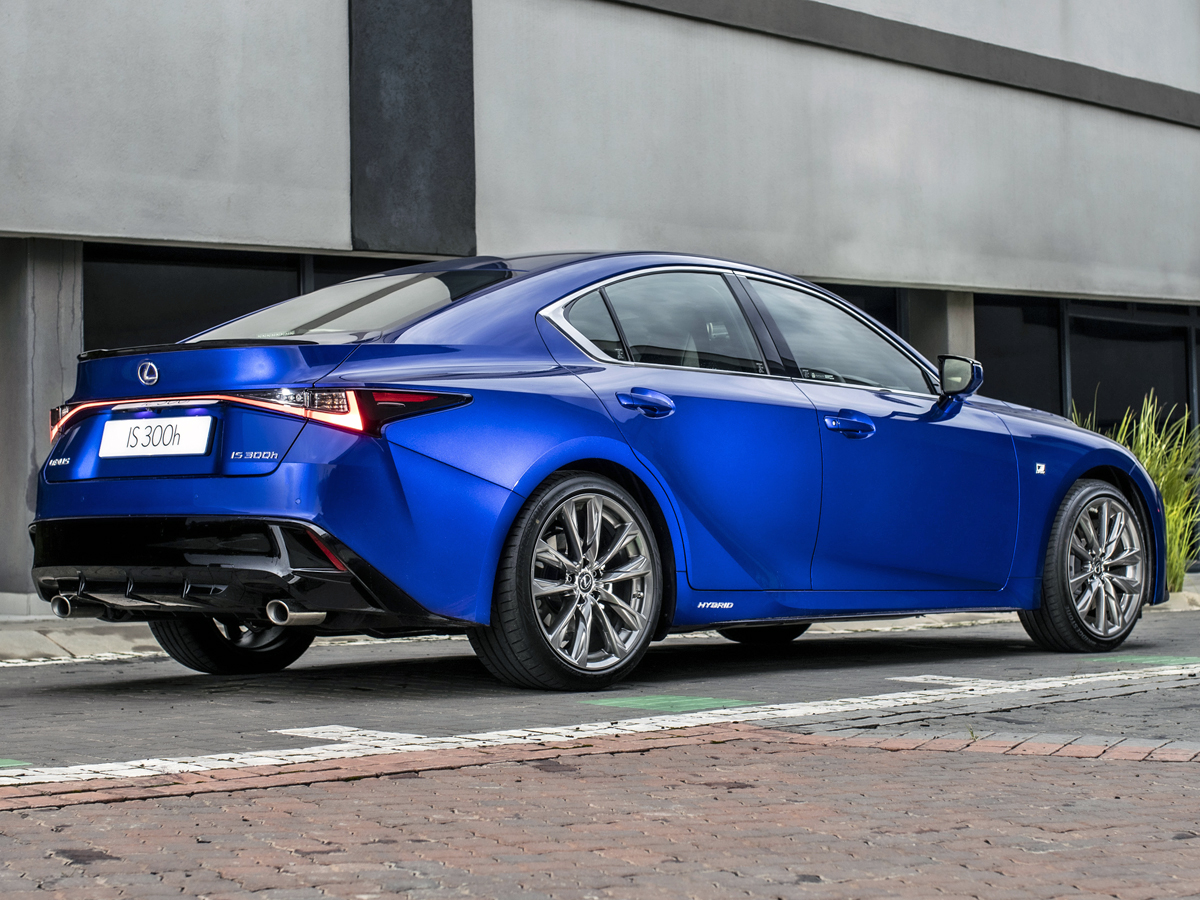
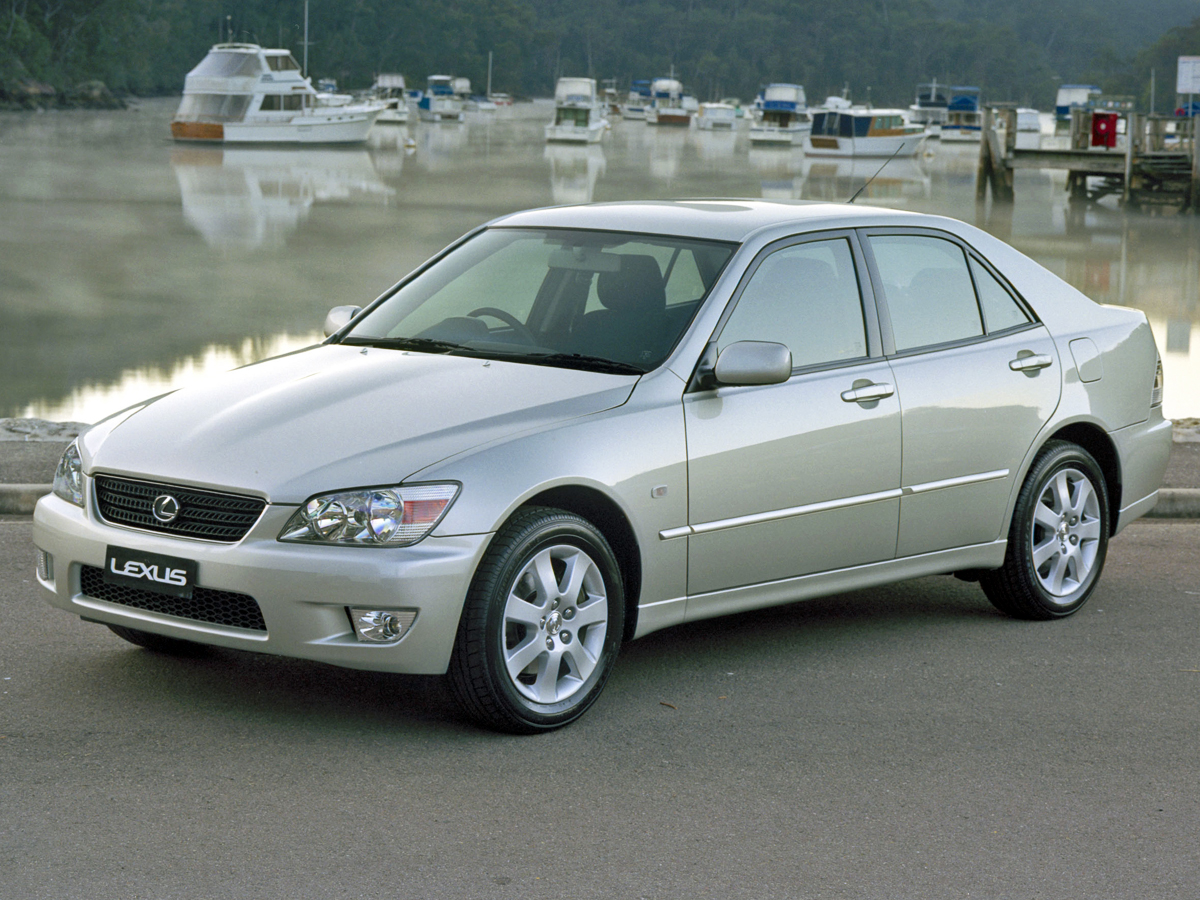
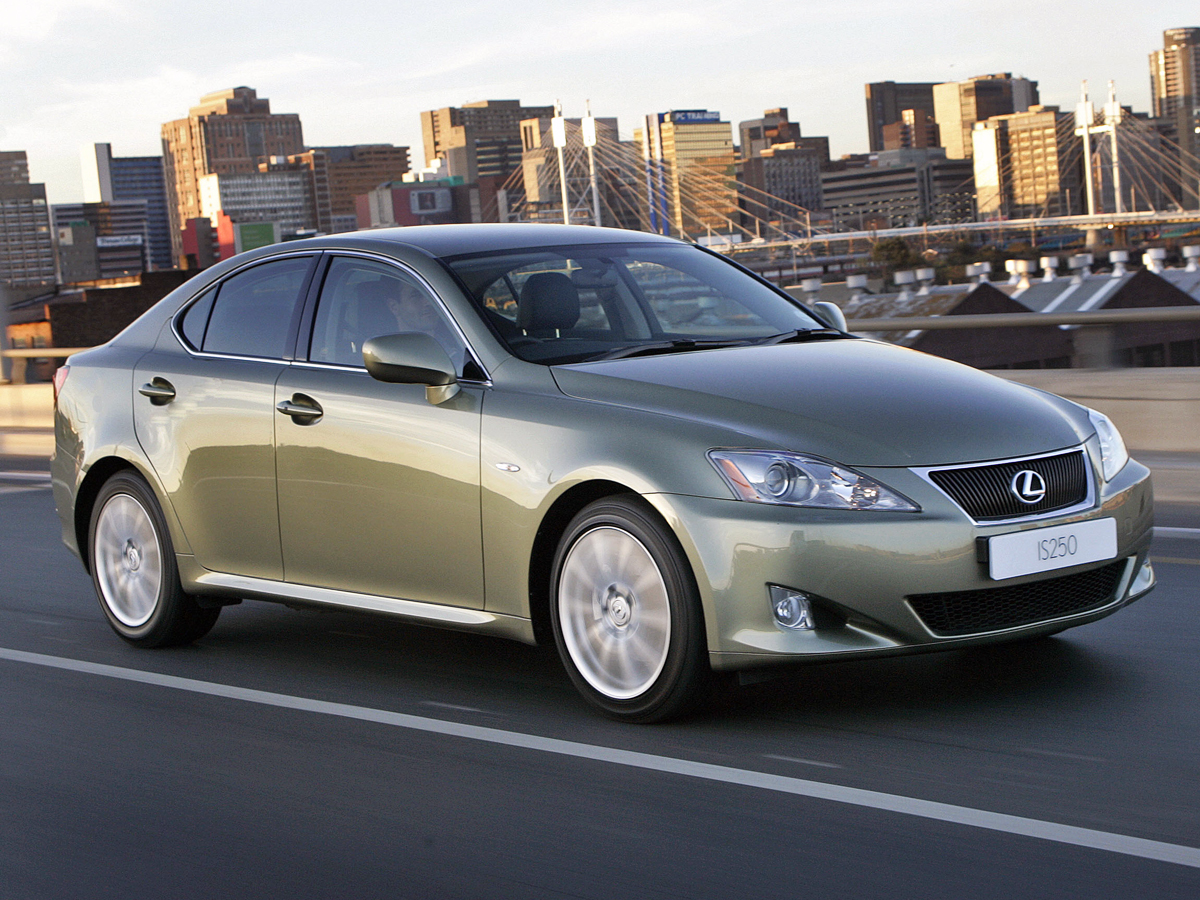
Lexus IS: Since the late 1990s, this has been Japan’s closest rear-wheel drive rival to the 3 Series. Less common than the 3 Series, it delivers an outstanding long-term ownership experience with the world-class build quality and durability that Lexus vehicles are renowned for. The 2-variant line-up relies on a 4-cylinder petrol-hybrid powertrain with less focus on performance than its rivals.
Alfa Romeo Giulia: Offers distinct Italian styling, engaging dynamics, and competitive engines — including a 2.0-litre 4-cylinder- and a 3.0-litre 6-cylinder turbopetrol unit. The Giulia Quadrifoglio Super Sport provides M3-level performance and all-wheel drive. Like the Lexus IS, the Giulia’s not mainstream, but it serves as a strong alternative in the performance arena.
Subaru WRX: For buyers prioritising a unique engine configuration, all-wheel drive grip and performance over prestige, design and cabin comfort, the WRX may be the value leader. The 2.4-litre flat-4 engine produces a solid 202 kW and 350 Nm, paired with the brand’s renowned all-wheel drive system. Subaru’s dealership network is very limited throughout South Africa, however.
BMW 3 Series summary
BMW created the compact executive sedan market with the 3 Series. It has always overinvested in the 3 Series engine and chassis development, creating compact sedans with excellent driving dynamics, especially the M3 range, which is one of the world’s great high-performance nameplates.
To many, the driver-centric cockpit ergonomics and overall dynamic balance of the G20-gen BMW 3 Series still make it the most desirable compact executive sedan. In the South African market, the 3 Series offers turbodiesel engines, which Audi’s A4/A5 doesn’t. And the M3’s powertrain has a lot more driver appeal than the AMG C63’s wildly powerful, but less characterful, 2.0-litre plug-in hybrid drivetrain.
Q: What are the main engine variants in the BMW (G20) 3 Series in South Africa?
A: Most of the BMW (G20) 3 Series variants sold in South Africa are powered by 2.0-litre 4-cylinder turbopetrol (320i, 330i) and turbodiesel (320d) engines. The high-performance derivatives, such as the M340i xDrive and M3, feature the more potent single- and twin-turbo BMW inline-6 engines.
Q: What is the power output of the standard BMW 320i and 320d models?
A: The 320i petrol model is rated at 135 kW and 300 Nm of torque. The 320d turbodiesel offers slightly more power and torque, with 140 kW and 400 Nm.
Q: How fuel efficient is the BMW 320d?
A: The turbodiesel 320d is notably efficient, promising a claimed average fuel consumption figure of 4.9 L/100 km, making it a good choice for high-mileage drivers.
Q: What is the standard maintenance plan for the BMW 3 Series?
A: All BMW 3 Series variants come standard with a 5-year/100 000 km maintenance plan. This plan covers virtually all motoring costs, excluding car-loan repayments, insurance, fuel, and tyres.
Q: Which cars are the main competitors to the BMW 3 Series?
A: The primary rivals in the compact executive sedan market include the Mercedes-Benz C-Class, the Audi A4 (which was superseded by the A5 Sedan), the Lexus IS, and the Alfa Romeo Giulia. The Subaru WRX is also a performance alternative that trades prestige for unique engine configuration and all-wheel drive.
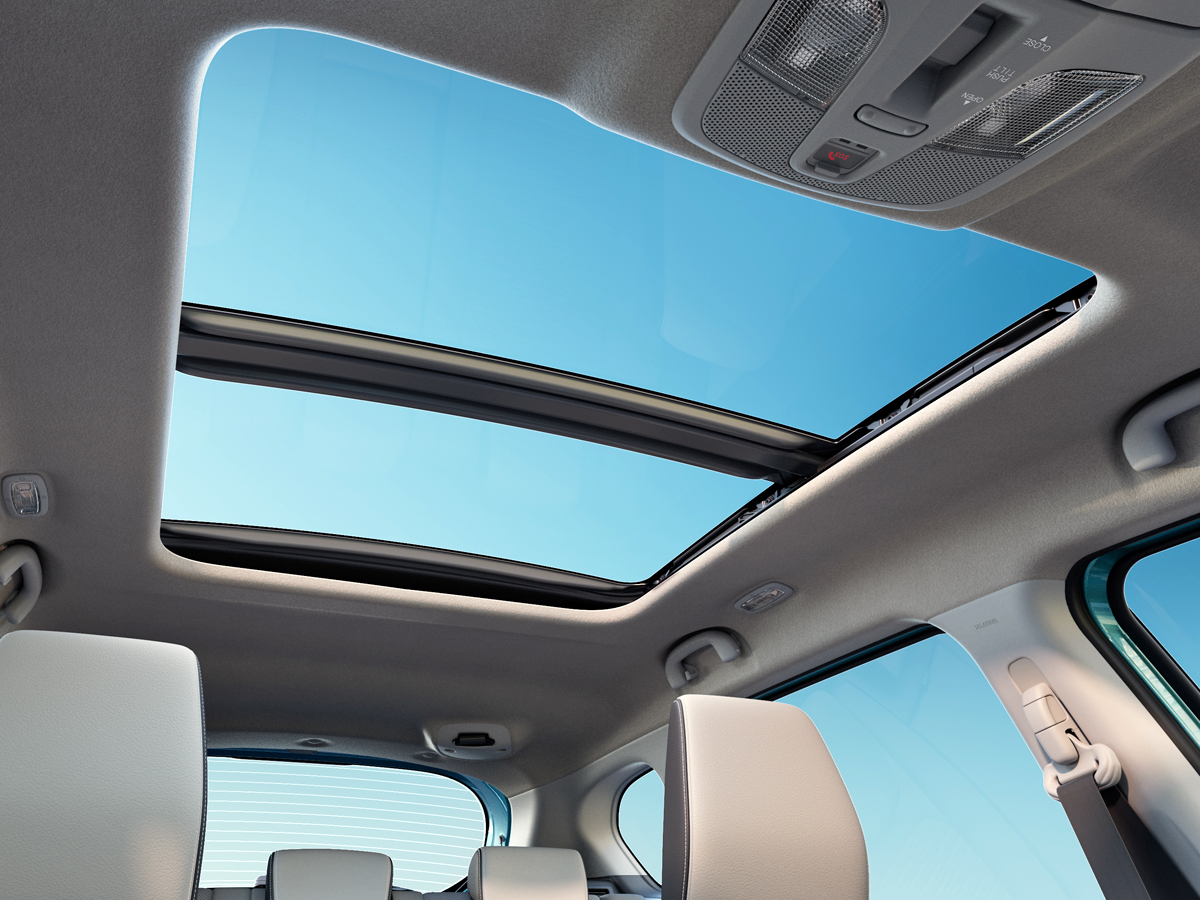
Cars with Panoramic Sunroofs
It should come as no surprise that one of the most desired features for South African new car buyers is the panoramic sunroof. It’s more than just a luxury. It is a window into the nation’s essence, enhancing both long-distance travel and everyday commutes.
Driving beneath the expansive African sky has a certain allure. The journey is just as spectacular as the destination, whether it’s the star-dusted canopy of the Karoo, the magnificent sweep of the Cape Peninsula, or the golden light of a Highveld sunset.
The appeal is obvious: a panoramic sunroof lets in an abundance of natural light, making the interior feel big, open, and airy, which helps to overcome even the greatest claustrophobia caused by traffic jams. It keeps backseat passengers amused and engaged with the outside world. And reduces cabin conflict for families on long-distance road trips.
Sunroofs create the ideal fusion of the comfort and protection of a closed vehicle with the freedom of the open air.
However, which vehicles are spearheading the effort to bring the sky indoors? These are a few of the models in South Africa that include this sought-after characteristic.
The family favourite – VW Tiguan
Tiguan has long been a staple in suburban driveways, admired for its build quality, practicality, and understated style.
The panoramic sunroof, available as an optional extra in models starting from the Tiguan Life 1.4 TSI, is a significant component of its high-end appeal. It is not an afterthought in the Tiguan; rather, it is a prominent feature that extends across the roof, significantly increasing the front and rear occupants’ perception of spaciousness.
Tiguan is ideal for families seeking a touch of luxury, as it serves as the perfect companion for supermarket shopping, school runs, and weekend trips to the Drakensberg.
Urban Chic: BMW X1
The BMW X1 expertly combines premium compact SUV functionality with aggressive driving performance. Adding this option to the purchase, urbanites who value flair find its panoramic glass sunroof to be a significant lure.
It adds a touch of refinement and openness to the already luxurious interior, enhancing the sophistication of a picturesque trip along Chapman’s Peak or a rush-hour drive in Sandton. The brand’s driver-centric concept is embodied by the BMW system, which is generally easy to use and frequently controlled by voice or the renowned iDrive system.
Panoramic sunroof value Kia Seltos 1.5 T-GDi GT Line
The Seltos is a perfect illustration of why Kia has dominated the South African market. It offers excellent value for the money, combining premium features in a chic and reasonably priced package.
In South Africa, only the GT-line vehicles are equipped with a panoramic sunroof. It provides customers with the opportunity to enjoy this premium feature without exceeding their budget at a pricing point that undercuts many competitors. Because of this, the Seltos is extremely well-liked by young professionals and small families searching for an SUV with numerous features.
Everest Wildtrak and Platinum
The Ford Everest demonstrates that tough capabilities don’t have to come at the expense of comfort for individuals whose travels take them off the tarmac.
Ford’s top-tier Platinum model features an enormous panoramic roof, a revolutionary design. It enables residents to stay in the luxury of their car while taking in breathtaking views of the Cederberg’s towering cliffs or the stars from a secluded camp in the bushveld. It emphasises the Everest’s reputation as a stylish full-size SUV that’s equally at home in the outdoors.
The Mainstream hero Toyota RAV4
The Toyota RAV4, one of the top-selling SUVs in South Africa, features a panoramic sunroof as part of an optional package on the XLE or as standard on the Premium trim.
RAV4 Limited comes standard with a panoramic roof, and the 2025 XLE Premium Package can also add this feature. Many consumers view the RAV4 as a secure and practical option. But a sunroof adds that luxurious element that elevates its appeal.
Making the best panoramic sunroof decision
Local conditions should be taken into consideration when looking at a car with a panoramic sunroof. Ensure the model features a high-quality, retractable cover to shield it from the harsh noon sun, even though it offers amazing views. For added peace of mind, review the car’s warranty and the level of post-purchase assistance provided
In the end, the popularity of these models highlights a straightforward reality: South African drivers cherish connection, whether it be with their loved ones, their travels, or the breathtaking surroundings. The element that masterfully makes that connection possible is a panoramic sunroof, which transforms every trip into a chance to take in Mzansi’s breathtaking scenery.
10 Essential tips to maximise your car resale value
Why do similar car models, with the same mileage and spec, sell for different prices? To maximise your car resale value, be methodical about upkeep and cleaning. These are things you can control with good car ownership routine.
When it comes to selling your vehicle, getting the best possible price doesn’t happen by accident. There are proven things you can do, to maximise your car resale value.
Cars are a big financial outlay and protecting your spend, is important. Your car resale value depends on numerous factors, many of which are entirely within your control from the moment you drive off the forecourt. By following these ten proven strategies, you can significantly boost your vehicle’s worth and ensure you get top rands when it’s time to sell.
Keep up with regular maintenance
The foundation of maintaining substantial car resale value lies in consistent, proper maintenance. Stick religiously to the manufacturer’s service schedule, whether that means oil changes every 8,000km or primary services at specific intervals.
More importantly, keep detailed records of every service performed. Potential buyers want proof that the vehicle has been well-cared for, and a complete maintenance history can add thousands to your selling price. Store receipts, invoices, and service records in a dedicated folder, and consider using digital apps to track maintenance schedules and costs.
Keep the car clean inside and out
First impressions matter enormously in vehicle sales, and a clean car suggests careful ownership.
Regular washing and waxing don’t just make your car look good—they actively prevent rust, paint damage, and interior wear that can severely impact its value.
Establish a routine of washing your car every two weeks, applying wax quarterly, and deep cleaning the interior monthly. Pay special attention to areas that show wear quickly, such as the dashboard, seats, and door panels. A well-maintained appearance can easily add 10-15% to your car’s resale value.
Fix minor issues promptly
Small problems have a way of becoming big, expensive problems if left unaddressed. A minor scratch on the door, a small chip in the windshield, or a squeaky brake can signal poor maintenance to potential buyers.
Address these issues immediately rather than letting them accumulate. Not only does this prevent minor problems from becoming major repairs, but it also demonstrates to future buyers that you’ve been proactive about vehicle care. The cost of fixing small issues is almost always less than the reduction in resale value they cause if left untreated.
Avoid aftermarket modifications
While a custom exhaust system or aftermarket stereo might appeal to you, modifications typically reduce rather than increase a car’s resale value.
Most buyers prefer vehicles in their original condition, and modifications can raise concerns about reliability, warranty coverage, and insurance costs. If you must modify your vehicle, keep the original parts and be prepared to reinstall them before selling. Performance modifications, custom paint jobs, and non-standard accessories often limit your buyer pool and can significantly reduce the value of your vehicle.
Maximise your car resale value by limiting mileage
Mileage remains one of the strongest predictors of vehicle value, with lower-mileage cars commanding premium prices.
While you shouldn’t avoid driving your car entirely, consider whether shorter trips can be combined, if public transport makes sense for commuting, or if carpooling could reduce your annual mileage. Even reducing your annual mileage by 3,000-5,000km can translate to hundreds or thousands of rands in additional resale value. When possible, choose highway driving over city driving, as motorway miles are generally easier on the engine and transmission.
Use quality fuel and fluids
Your engine is the heart of your vehicle, and using the manufacturer’s recommended fuel grade helps maintain optimal performance and longevity.
Don’t try to save money by using lower-grade fuel if your car requires premium; the long-term engine damage can cost far more than the fuel savings. Similarly, use the specified oil viscosity and quality, coolant types, and other fluids. These seemingly small choices compound over time to affect engine performance, fuel economy, and ultimately, your car resale value.
Protect the interior
Interior condition heavily influences buyer perception and pricing. Use seat covers, especially if you have leather seats that can crack or cloth seats that stain easily. Install quality floor mats to protect carpeting from dirt, salt, and wear.
Use sunshades to prevent dashboard cracking and seat fading from UV exposure. Consider fabric protection treatments for upholstery and address spills immediately to prevent permanent staining. A well-preserved interior can make a significant difference in how buyers perceive the overall condition of your vehicle.
Keep the car garaged or sheltered
Weather is one of your vehicle’s biggest enemies. Constant sun exposure fades paint and cracks interior surfaces, while rain, snow, and hail can cause body damage and accelerate the formation of rust.
If you have access to a garage, use it religiously. If not, consider a carport, covered parking at work, or even a high-quality car cover. Protecting your vehicle from the elements not only preserves its appearance but also reduces the risk of vandalism and theft, both of which can severely impact resale value.
Avoid smoking or frequent pet transport
Odours are incredibly difficult to eliminate from vehicles and can be deal-breakers for many potential buyers.
Cigarette smoke penetrates upholstery, carpeting, and even the vehicle’s ventilation system, creating a persistent odour that’s nearly impossible to completely remove.
Similarly, pet odours and allergens can significantly limit your buyer pool, as many people are allergic or simply prefer not to purchase vehicles that have housed animals. If you regularly transport pets, invest in quality seat covers and barriers, and clean them thoroughly after each trip.
Maintain clean, complete paperwork
Organisation pays dividends when selling your vehicle. Keep your title, registration, service records, warranty documentation, and owner’s manual in one easily accessible location.
Having complete paperwork not only speeds up the selling process but also demonstrates to buyers that you’ve been responsible and organised throughout your ownership. Missing paperwork can raise red flags about the vehicle’s history and may significantly reduce the offers you receive.
By implementing these ten strategies consistently throughout your ownership, you’ll maximise your vehicle’s appeal to future buyers and ensure you receive the highest possible car resale value when it’s time to sell. The key is to start these practices early and maintain them consistently; your wallet will thank you later.
Many SA car buyers now prefer double cabs to German sedans
According to the Cars.co.za Industry Report 2025, the double-cab bakkie has arguably replaced the German premium sedan as the most desired (4-wheeled) status symbol for local automotive consumers shopping in the R500 000-to-R1 million bracket.
Drawing on Cars.co.za’s proprietary market data and new-vehicle sales figures, the Cars.co.za Industry Report 2025 highlights that most South African car buyers now consider modern double cabs (such as the Toyota Hilux, Ford Ranger, and Isuzu D-Max) as the luxury-vehicle status symbols they prefer most.
“Our data shows a dramatic shift away from German sedans, such as the Audi A4, BMW 3 Series and Mercedes-Benz C-Class, which dominated the South African luxury vehicle market less than a decade ago, in favour of flagship bakkies,” says Alan Quinn, Executive: Product and Partnerships at Cars.co.za.
Previous generations of the BMW 3 Series were near the top of South Africa’s monthly new-vehicle sales figures.
The Decline of Legacy Luxury Sedans
The shift is starkly evident in sales and demand data. Vehicles previously considered the benchmark for reasonably attainable premium desirability – including the Audi A4, BMW 3 Series, Mercedes-Benz C-Class, and their respective variants – have seen their dominance severely curtailed.
Disappearance from New Sales Charts: Pricier legacy luxury sedans like the 3 Series and C-Class have nearly disappeared from the top of the new-vehicle sales charts.
Shrinking Lead Share: In the used market, demand for these sedans, and sedans in general, is declining. The lead share of vehicles like the 3 Series and C-Class has fallen. In 2020 (just five years ago), the 3 Series and C-Class achieved 3.9% and 3.4% of all leads (enquiries) respectively on Cars.co.za. During the first half of 2025, those percentages had shrunk to 2.4% and 2.9%; demand for the A4 declined even further.
Overall Segment Contraction: The overall sedan segment’s lead share on Cars.co.za has shrunk significantly over the past decade, declining from 21.5% in 2015 to 14.33% in the first half of 2025.
The Mercedes-Benz C-Class (W206) remains the only German premium sedan in production in South Africa.
This decline is largely attributed to the increasing unaffordability of new luxury sedans, which now compete at a problematic price point (even at base price, before options), driven by macroeconomic pressures like inflation, eroding purchasing power and even manufacturing location.
The increase in popularity of the crossover segment and the general decline in desirability and choice (internationally, too) of the sedan body type are also major factors.
“It is also worth noting that while the Hilux, Ranger and D-Max are produced locally, only the C-Class remains in local production among the aforementioned sedans,” says Quinn.
The Rise of the Sophisticated Double-Cab
In contrast, the desirability and capability of double-cab bakkies have surged. Double-cab demand has grown substantially, increasing by 71.3% since 2015.
As is shown in Cars.co.za’s unique cross-consideration charts in the Cars.co.za Industry Report 2025, the (increasingly sophisticated) double-cab bakkie is now being considered alongside almost every other body type on the market and at nearly all price points, demonstrating its widespread desirability.
“Interestingly, the cross-consideration charts suggest 3 Series owners or buyers prefer the Ranger, while those considering a C-Class are increasingly also considering a Hilux,” added Quinn.
Key factors fuelling the double-cab’s rise as a luxury replacement include:
Increased Sophistication and Specification: South African car buyers appear to prefer higher-specification double cabs, reinforcing their status as preferred luxury vehicles. The bulk of double-cab stock on Cars.co.za is priced in the R500k+ price segment, which is about R100 000 higher than the average loan amount approved to finance a vehicle in South Africa, according to TransUnion data.
Market Penetration of Automatic Transmissions: Modern double-cab bakkies are increasingly equipped with automatic transmissions to align them with luxury vehicle buyers’ and general ease-of-use expectations. The stock of automatic double cabs on Cars.co.za has seen a near-full reversal in the past decade.
In 2015, only 25.03% of double-cab stock on Cars.co.za was automatic.
Today, that figure has soared to 70.91%, representing a dramatic growth of 183.3%.
Demand (leads submitted) for automatic double cabs has followed this trend, increasing from 20.59% in 2015 to 57.31% in the first half of 2025.
Because car buyers increasingly prefer flagship double-cabs from particularly the Toyota Hilux, Ford Ranger and Isuzu D-Max (previously KB) line-ups means they are the only “pricey” vehicles (in the used market, Top 25) that have maintained or grown lead share between 2020 and 2025.
Released in conjunction with DealerCon 2025, the Cars.co.za Industry Report 2025 provides smart insights based on the proprietary market data of South Africa’s leading digital automotive marketplace, complemented by finance and consumer insights from partner TransUnion. The report utilises Cars.co.za’s lead and stock data from 2015 onwards to illustrate how much has changed in a decade, thereby enabling automotive dealers to identify market-demand hot spots.
Q: What is the main finding of the Cars.co.za Industry Report 2025?
A: The report highlights that South African car buyers now consider modern double-cab bakkies as the luxury-vehicle status symbols they prefer most, replacing German premium sedans.
Q: Why have German premium sedans declined in popularity in South Africa?
A: The decline is largely attributed to their increasing unaffordability, the growing popularity of the crossover segment, and a general decline in the sedan body type’s desirability.
Q: What factors are fueling the rise of double-cab bakkies as luxury vehicles?
A: Key factors include their increased sophistication and specification, as well as a massive increase in the availability and demand for automatic transmissions, which has soared from 25% in 2015 to over 70% today.
Which SUV is Better? Isuzu MU-X vs Toyota Fortuner Head-to-Head Review
In a detailed comparison between the flagship variants of the Isuzu MU-X and the Toyota Fortuner, David Taylor highlights the key differences and similarities between the 7-seat, bakkie-based Adventure SUVs, offering insights for potential buyers.
The Toyota Fortuner is a household name and has dominated the 7-seat, bakkie-based Adventure SUV market since the 1st-gen model was launched in 2006. But now that the 2nd-gen model is in the twilight of its product life, who does it compare with the recently updated Isuzu MU-X, of which the 2nd-gen arrived in South Africa in 2021? The combatants in this head-to-head comparison are the Isuzu MU-X 3.0TD Onyx XT 4WD and Toyota Fortuner 2.8GD-6 4×4 GR-Sport, both of which top their line-ups.
MU-X vs Fortuner: Performance & Efficiency
The Isuzu MU-X Onyx is powered by a 3.0-litre 4-cylinder turbodiesel engine that produces 140 kW and 450 Nm of torque, which is mated with a 6-speed automatic transmission.
When we tested the Isuzu’s 0-100 kph time, it hit the benchmark in 10.61 seconds; in terms of in-gear acceleration, it feels a little “lumbering”, even if its transmission shifts admirably smoothly.
Isuzu claims an average consumption of 7.6 L/100 km, but the MU-X averaged 8.6 L/100 km during its tenure in our fleet. Both models have an 80-litre fuel tank, providing a good range for extended journeys.
The Toyota Fortuner GR-Sport has a 2.8-litre 4-cylinder turbodiesel engine that generates 165 kW and 550 Nm of torque in the range’s flagship variant. This also uses a 6-speed automatic transmission, and according to our test equipment, the more muscular Fortuner hit 100 kph from zero in 9.22 seconds.
The Fortuner also has 3 drive modes to choose from – Eco, Normal, and Sport – which the Isuzu lacks, adding to its energetic feel. The Fortuner’s motor simply feels more modern and refined. Toyota claims an average fuel consumption of 8.4 L/100 km, though the test vehicle averaged just over 10 L/100 km.
What are the Isuzu and Toyota like to drive off-road?
Most people buy these models as family vehicles because they want to be able to drive anywhere, even if only occasionally. Because the Isuzu MU-X and Toyota Fortuner are built on a ladder-frame chassis, a design that prioritises off-road articulation over on-road comfort, they’re very capable off-road.
Both vehicles are very closely matched in terms of their 4×4 systems, with both having low range and a differential lock. However, a major difference lies in the tyres. The Fortuner GR-Sport comes standard with all-terrain tyres, which are a significant advantage for off-road use. In contrast, the Isuzu MU-X is sold with low-profile tyres, which look quite sporty, but are not as suitable for serious off-roading.
MU-X vs Fortuner: Interior Features
The Isuzu MU-X Onyx facelift brings significant improvements to the cabin. A new, higher-resolution infotainment screen is a notable update, which includes graphics and a digital instrument cluster. The build quality is good with some soft-touch plastics and attractive contrast stitching on the panels.
However, some negatives include the glossy plastic on the centre console that is bound to be scratched easily and a slight movement in the door when the window is opened. The MU-X offers standard features like heated seats, wireless Android Auto, and a partly digital instrument cluster.
To distinguish the Toyota Fortuner GR Sport’s interior from those of its siblings, it features a handful of aesthetic touches, including red stitching and sporty seats. However, the cabin feels dated, especially the infotainment system, which is described as “old school” and “antiquated” compared to rivals.
The reverse-view camera is singled out for its particularly poor, low-resolution quality. While the Fortuner has an impressive JBL audio system, the MU-X has a slight, but notable advantage in terms of standard features, including wireless phone connectivity, while the Fortuner requires a cable.
The 2nd-row seating in both Adventure SUVs is a key differentiator. In the Toyota Fortuner, knee room is good, but headroom is a bit tight. The GR-Sport’s 2nd row features USB-C ports, shopping bag hooks, a 220V inverter for charging laptops and roof-mounted ventilation outlets. However, its seating position feels too elevated, and the seatbacks’ reclining function is limited because of the 3rd-row configuration.
The Isuzu MU-X‘s 2nd row is praised for feeling more spacious and having a more natural seating position. It offers better headroom and a more generous recline function. Like the Fortuner, it has a shopping bag holder, 2 illuminated USB-C charging ports, and (circular) roof-mounted ventilation outlets.
In terms of comfort and convenience, the Isuzu offers a better 2nd-row experience than the Toyota.
When it comes to the load bay, both vehicles have a powered tailgate. The Isuzu MU-X is favoured for its logical storage of the 3rd-row seats, which fold flat into the floor, creating a large, flat loading space.
The Toyota Fortuner‘s 3rd-row seats, however, stow by folding up and to the sides, which impinges on the available luggage capacity (width-wise, anyway), which may (continue to) frustrate some consumers. While the Fortuner’s load floor is slightly deeper, the overall functionality of the MU-X’s bay is broader.
In terms of after-sales support, the Toyota Fortuner comes with a 3-year/100 000 km warranty, while the Isuzu MU-X has a longer 5-year/120 000 km warranty. Their service plans are comparable, with the MU-X offered with a 5-year/90 000 km plan and the Fortuner a 9 services/90 000 km plan. Both of these models are renowned for reliability, and Toyota is a 5-time Cars.co.za Awards Brand of the Year winner.
The comparison between the 7-seat Adventure SUVs is not one-sided, as both have their merits. Despite being an older product, the Toyota Fortuner maintains its relevance with a more powerful and refined engine, better in-gear performance, and standard all-terrain tyres, which improve its off-road capability. Its cabin is dated, but it has high-quality touches and feels robust. It’s not a market leader by accident.
The newer Isuzu MU-X, with its recent facelift, brings a welcome sense of modernity to the segment, particularly in its interior. It has a more practical and comfortable 2nd-row seating arrangement and a more logical load bay design with flat-folding 3rd-row seats. Its infotainment system is more up-to-date and offers wireless phone connectivity, while its longer warranty provides peace of mind for buyers.
While both models impress, the final choice depends on whether a buyer prioritises performance and serious off-road readiness or modern comfort, practicality, and a 2-year longer manufacturer warranty. Watch the conclusion of the comparative review video (the player sits at the top of this article) to see which of the 2 accomplished Adventure SUVs our presenter, David Taylor, chose as the winner.
Q: How do the prices of the Isuzu MU-X and Toyota Fortuner compare?
A: The Isuzu MU-X 3.0TD Onyx XT 4WD is priced at R1 026 800, while the Toyota Fortuner 2.8GD-6 4×4 GR-Sport costs R999 000 (as of September 2025).
Q: Which SUV has a more powerful engine?
A: The Toyota Fortuner GR-Sport has a more powerful engine, producing 165 kW and 550 Nm of torque compared to the Isuzu MU-X’s 140 kW and 450 Nm.
Q: How do the warranties of the Isuzu MU-X and Toyota Fortuner compare?
A: The Isuzu MU-X has a longer 5-year/120 000 km warranty, while the Toyota Fortuner comes with a 3-year/100 000 km warranty.
SA’s double-cab bakkie sales: top 2 neck and neck last month
The battle for the title of SA’s best-selling double-cab bakkie was a close one in August 2025. Here’s a look at the numbers, along with single- and extended-cab sales…
Double-cab sales in August: just 38 units separate Ranger and Hilux
Isuzu D-Max again places 3rd place on SA’s double-cab bakkie charts
Hilux leads Mzansi’s single- and extended-cab segments, year to date
While we’ve already brought you the list of South Africa’s best-selling bakkies for August 2025, we’re now able to drill down to sales by body style. Yes, that means we can see which bakkies dominated the double-cab, extended-cab and single-cab segments last month.
If you’re not already aware, note that Naamsa’s monthly sales report unfortunately doesn’t include a breakdown of the 3 bakkie body styles available in SA. However, our ever-helpful friends over at Lightstone Auto have again assisted us by providing these fascinating registration figures for August.
As a reminder, the Toyota Hilux was Mzansi’s best-selling bakkie overall in August, with this model’s tally of 3 325 units last month proving its best effort since June 2023. Next came the Ford Ranger on 2 066 units, with the Isuzu D-Max (1 778 units) completing the top 3.
SA’s best-selling double-cab bakkies in August 2025
According to Lightstone Auto, the battle at the top of the double-cab charts was close in August 2025, though the Ford Ranger (1 677 units) kept its nose ahead of the Toyota Hilux (1 639 units), ending the month a mere 38 sales ahead of its Japanese foe.
Interestingly, double cabs thus accounted for a hefty 81.2% of the Silverton-built contender’s overall figure in August. In contrast, that share was just 49.3% in the case of the Hilux (which recently welcomed new Legend 55 derivatives to the range).
Year to date at the end of August, however, the Blue Oval brand’s double-cab bakkie finds itself a considerable 2 908 units ahead of the Prospecton-produced stalwart, with 13 645 units sold (as opposed to the Hilux double cab’s figure of 10 737 units).
Meanwhile, the Struandale-manufactured Isuzu D-Max took 3rd place in the double-cab bakkie sales race in August 2025, with 862 units sold (taking its year-to-date figure to 5 833 units). For the record, that translates to 48.5% of its overall tally last month. Lightstone Auto’s figures further suggest all other 1-tonne double-cab bakkie derivatives in the market collectively managed 1 999 units in August.
Single- and extended-cab sales in August 2025
What about the single-cab segment? Well, the Toyota Hilux continued its dominance of this class in August 2025, with the 1 193 units (or 35.9% of the nameplate’s for the month) sold pushing its year-to-date figure to 8 890 units. The Isuzu D-Max again ranked 2nd in the single-cab segment, hitting a total of 776 units in August (or 43.6% of its overall figure). Year to date, Isuzu has sold 6 602 examples of the D-Max single cab.
The KwaZulu-Natal-assembled Mahindra Pik Up held steady in 3rd on the single-cab table last month, reaching 538 sales (or a whopping 79.7% of its overall number in August). The Indian brand’s workhorse thus also sits in 3rd in the year-to-date single-cab race, with 5 352 units sold.
What about Ford, you ask? Well, the Dearborn-based automaker’s local arm sold just 67 units of the Ranger single cab in August 2025 (inching its year-to-date tally to 627 units), which translates to just 3.2% of the nameplate’s total. Lightstone Auto’s figures show all other 1-tonne single-cab bakkie derivatives (excluding Hilux, D-Max, Pik Up and Ranger) collectively managed 1 077 units last month.
Finally, the Toyota Hilux likewise stayed out front in the extended-cab class in August, with 485 registrations pushing its year-to-date tally to 3 319 units. The Ford Ranger remained in 2nd with 321 units (and 2 358 units over the opening 8 months of 2025), with the Isuzu D-Max (140 units in August and 1 190 units year to date) completing the picture. These are, of course, the only 3 bakkies available in Mzansi in the “cab-and-a-half” body style.
Here’s how many hybrids Chery sold in SA last month
How many hybrids did Chinese automaker Chery sell in South Africa in August 2025? Here’s a look at the brand’s new-energy vehicle sales for last month…
Chery SA sold 227 hybrid derivatives in August
That’s 10.2% of the Chinese brand’s overall sales
Tiggo Cross HEV was its most popular hybrid
Having firmly established itself in South Africa’s new passenger-vehicle market, Chery SA recently expanded into the new-energy vehicle (NEV) segment, launching a raft of hybrid derivatives. So, how have these hybrids – of both the traditional and plug-in variety – been selling in Mzansi?
Well, the Chinese firm has released its hybrid sales figures for August 2025. As a reminder, the Chery brand hit a sales record in Mzansi last month, with a total of 2 228 units registered. That performance represented a 3.1% month-on-month improvement and saw Chery climb a ranking to 7th overall.
According to the automaker, 227 units – which translates to 10.2% of its total for the month – represented hybrid sales. Of course, it’s worth keeping in mind these are sales from only the core Chery brand and thus exclude NEV registrations from sub-brands Omoda (with its C9 SHS PHEV) and Jaecoo (with its J7 SHS PHEV).
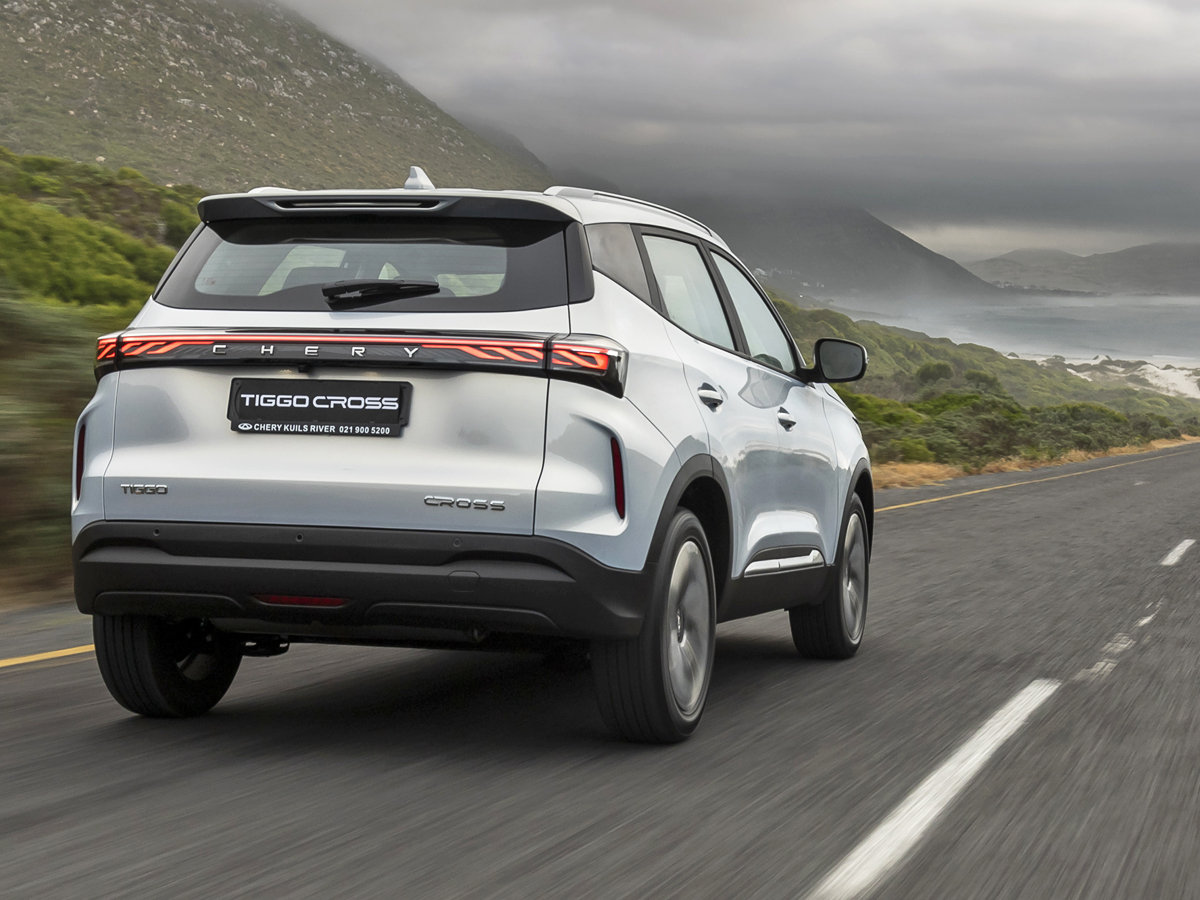
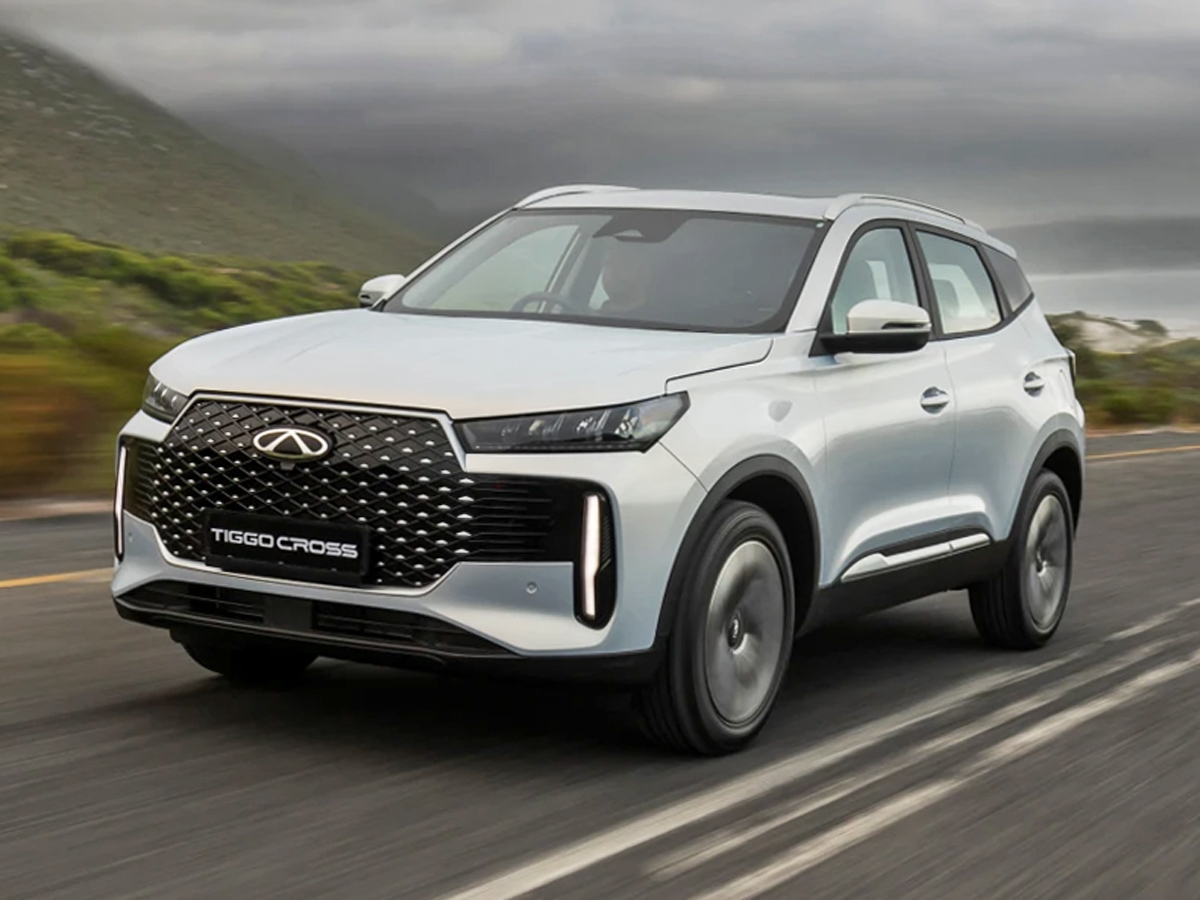
As Mzansi’s most affordable hybrid, it’s perhaps no surprise the Tiggo Cross HEV led the NEV charge for Chery South Africa in August, reaching 122 units (on a considerable 53.3% of the overall Tiggo Cross figure).
Next came the Tiggo 7 CSH PHEV – which is currently Mzansi’s most affordable plug-in hybrid – with 50 units, followed by the Tiggo 8 CSH PHEV (33 units). Finally, the freshly launched Tiggo 9 CSH PHEV completed the picture with 22 units.
Frequently Asked Questions
Q: How many hybrids did Chery sell in South Africa in August 2025?
A: Chery South Africa sold 227 hybrid derivatives in August 2025. This figure accounted for 10.2% of the brand’s total sales for that month.
Q: What was Chery’s most popular hybrid model in August 2025?
A: The Chery Tiggo Cross HEV was the most popular hybrid model, with 122 units sold in August 2025. This made up 53.3% of the overall Tiggo Cross model sales.
Q: What other Chery hybrid models were sold in August 2025?
A: Besides the Tiggo Cross HEV, Chery’s hybrid sales included the Tiggo 7 CSH PHEV (50 units), Tiggo 8 CSH PHEV (33 units), and the newly launched Tiggo 9 CSH PHEV (22 units). These sales figures do not include hybrid registrations from sub-brands Omoda and Jaecoo.
Whether you’re a footballer, blue-light brigader or illegal narcotics trader, rightly or wrongly, a Range Rover is inimitably unique to a certain buyer. They are also impossibly capable, superlatively luxurious and significantly pricey. So, with that government tender in your pocket, which one should you buy?
If you live in Cape Town or Johannesburg and are considering cancelling that Virgin Active membership or swapping DSTV for Facebook Marketplace-sourced streaming because of affordability issues, you’re unlikely to afford driving a Range Rover.
According to the recently released Africa Wealth Report 2025, Johannesburg is home to a whopping 11 700 dollar millionaires, with Cape Town rapidly playing catch-up at 8 500 citizens of the same inordinate wealth profile and is set to overtake the fast-fading City of Gold by 2030 once the mass semigration movement has hit top gear.
That one-way cross-Karoo trek to the cellphone signal-blocking mountain city won’t be easy as the N1 is littered with potholes and crawling trucks.
For those with fully-loaded bank accounts, crypto wallets or tender contracts, only one vehicle will do to ease the burdensome, never-to-be-repeated journey. And yes, it’s a Range Rover!
What Range Rover vehicles are available in South Africa today?
The current fifth generation Range Rover, codenamed L460, was revealed at the end of 2021 and hit South African showrooms in June 2022.
Even if the rich occasionally dabble in vapid platitudes such as “simplicity is the ultimate form of sophistication”, deciphering the Range Rover lineup is no less labyrinthine than trying to trace a blockchain payment.
Excluding sister models such as the Evoque, Sport and Velar, what we can tell you is that there are 3 body styles and 5 grade levels within the core Range Rover portfolio.
Firstly, there are the ascending grades of SE, HSE, Autobiography, SV and SV Black with a standard wheelbase to choose from. Thereafter, only the Autobiography, SV and SV Black can be had with a long wheelbase and finally, only the Autobiography is optionally configurable as a 7-seater in long wheelbase format.
Engine-wise, there are 3 configurations available across all models – a respective pair of 3.0-litre turbopetrol-plug-in hybrid petrol (338 kW/550 Nm) and turbodiesel (258 kW/700 Nm) units branded as 460e and 350. A mild-hybrid 4.4-litre turbopetrol V8 courtesy of BMW configured to either produce 390 kW/750 Nm (dubbed 530) or 452 kW/750 Nm in full-fat 615-grade is also offered.
All Range Rovers have an 8-speed automatic gearbox with a low-range transfer case and permanent 4-wheel drive.
That’s a rhetorical question if you consider that a Range Rover won its class in the inaugural Paris-Dakar Rally in 1979. On the other hand, given the sheer stateliness and price of the Range Rover, you’d be forgiven for thinking its sole suit has morphed to that of a boulevard bruiser.
Except that Range Rover is the original luxury off-roader. For all their immeasurable might today, when they first emerged, the Mercedes-Benz G-Class and 60-series Toyota Land Cruiser and later the Lexus LX only mimicked what Range Rover had already established.
The Land Rover’s air suspension is arguably the best in its class. Despite those optional slivers of 23-inch rubber, the cabin effect of washboard surfaces is all but neutralised.
Still not convinced? Range Rover’s updated Terrain Response 2 coordinates all components of the drivetrain – suspension, differentials, brakes and throttle maps – to optimise traction under all conditions. Underbody cameras and 4-wheel steering help too and with its its 900 mm wading depth, what can’t it do?
What are the disadvantages of buying a Range Rover in South Africa?
For starters, there’s the price of R3.5-million and even for the entry-level model, this means it’s out of reach for all but those secretly selling rocket launchers to the Russians.
Leaving aside the fuel bill, unquestionably the biggest drawback of owning one is out-of-warranty maintenance costs. Apart from the up-and-down bits, nothing under the bonnet is elementary – think intricate air suspension and electronics. To preserve the vehicle’s residual value, you’d want to always and only have it serviced at the dealer. Once the maintenance plan has lapsed, prepare to sell your wife’s BMW X5 to keep footing the Rangy’s repair bill.
After a cursory glance at related internet forums, confirmation bias by cautious would-be owners is further fed by incessant tales of a lack of reliability. Certainly, the previous generation model commonly suffered electrical and suspension maladies, though in the absence of a greater sample size and all models still falling within their factory warranty period, it’s hard to tell if the L460 Range Rover has improved on its legacy reliability issues.
All of the above affect the Range Rover’s depreciation, which is influenced by a history of doubtful reliability married to high maintenance costs. While far from being unique to Range Rover, the phenomenon of quantum inter-generational improvements tends to date outgoing models more severely and is exacerbated when the arrival of new models is spaced more than a decade apart.
Unlike buying a budget car in a supremely crowded field where utility and value trumps all, the luxury car experience encompasses more sensations of a requited desire in support of esteem, emotional return, self-perception and expression.
All of which means that if you can afford up to R6-million for a Rangie, you probably have your life, wants and needs figured out. And given its stupendous capability at this price point, any Range Rover will do.
So well-equipped is the range that referring to the “entry-level model” is an almost disrespectful misnomer. Beyond that, just know that the affordability scale also equates to the level of customisation offered.
Given the zero likelihood of ever actually departing tarmac surfaces, Range Rovers have evolved to being less about the ultimate luxury SUV than just iconising the ultimate luxury vehicle – period. Yes, a Lamborghini Urus will leave it for dead and a Bentley Bentayga or Rolls-Royce Cullinan is chintzier.
Yet, against those 3 that were created as digressions from their core brand values, the Range Rover has only improved over time by never straying from its roots. Respect.
The above prices are for the standard wheelbase versions of each derivative. All vehicles are sold with a 5-year/100 000 km warranty and matching maintenance plan.