Volvo’s Recharge electrification strategy is rolling out and there’s a new small electric crossover on the way!
*Pictured is the 2016 Volvo 40.1 Concept
Last year Volvo announced the XC40 Recharge, an all-electric version of the brand’s stylish XC40 crossover. The XC40 Recharge was the start of Volvo’s electric car strategy that aims to introduce a new electric car each year for the next 5 years. If all goes to plan, Volvo expects its electric vehicles to account for 50% of its global sales by 2025. There’s also a new flagship XC100 electric premium SUV on the way in 2023 that will slot in above the XC90.
In addition to the above, reports are indicating that a new small electric crossover is on the cards too and it will be built on Geely’s Sustainable Experience Architecture (SEA) platform.
In an interview with British publication, Auto Express, Volvo CEO, Håkan Samuelsson, commented, “We’ll use it [SEA] for a smaller car, where I think it’s very practical and smart for us to share that [platform], so we can have a cost structure for a smaller car that’s very competitive.” The SEA platform is dedicated to producing electric vehicles and was developed in China.
As for what this new electric Volvo crossover will be called is not yet confirmed but it might carry the XC20 Recharge moniker, much like it’s bigger electric XC40 Recharge sibling.
We will keep you updated as more details of this new model emerges.
Semi-Finalists: 2020/21 Cars.co.za Consumer Awards – Powered by WesBank
Herewith the 65 semi-finalists of the 2020/21 Cars.co.za Consumer Awards – powered by WesBank.
The theme for this year’s iteration of South Africa’s definitive automotive awards programme is “Be Part of the Journey – My Car, My Freedom”. As South Africa adapts to the “The New Normal” after many challenging months of national lockdown due to the impact of Covid-19, #CarsAwards recognises the importance of consumers regaining their freedom of movement and the role that car ownership plays in achieving that goal.
#CarsAwards, which recognises the best purchasing propositions in 13 categories of the domestic vehicle market, is now in its sixth year and the programme has been supported by WesBank, South Africa’s largest vehicle finance provider, for 5 consecutive years.
Volkswagen dominated the 2019/20 #CarsAwards by bagging 6 category wins, as well as the coveted Brand of the Year title.
The 13 eventual category winners will be selected from the list of 65 vehicles, which includes model derivatives from no fewer than 24 brands represented in the South African market. All vehicles available on the South African market on October 1, 2020, were eligible, not only new products that were launched during the past 12 months.
The first phase of #CarsAwards saw the extended Cars.co.za editorial team select the five best vehicles in each of the 13 categories devised for this year’s programme. Careful attention was paid to the respective categories’ “Filters of Eligibility” and the “Pillars of Success” in order to come to a consensus on the list of semi-finalists.
As with so many things that were planned for 2020, this year’s #CarsAwards judging process was delayed to allow vehicle manufacturers and importers to introduce new models as the restrictions imposed during lockdown have gradually eased. What’s more, compared with the 2019/20 #CarsAwards, the Performance Car and Fun Hatch categories have been discontinued, but they’ve replaced with new, more relevant ones.
The #CarsAwards gala event will take place in February 2021, where the winners across all 13 categories will be announced.
“We made some revisions to the categories to make sure that they are in line with what South Africans are shopping for in the new vehicle market, but also factored in which segments had seen significant activity in terms of new launches,” says Cars.co.za Consumer Experience Manager Hannes Oosthuizen. “We also consider pricing movements, to make sure that our categories remain relevant to the consumer.”
“So, this year, you will see an additional affordable car segment, as well as a new crossover segment, to address growing demand for such vehicles at more affordable prices. We have pushed out our semi-finalist selection by a month to assist brands that have had their new model introductions delayed by the Covid-19 pandemic,” he added.
Even though as many as 25 brands’ vehicles feature in the list of 65, 11 brands have at least 3 semi-finalists in the running for category honours. As was the case at this stage last year, Volkswagen has the most representatives (7), but the Wolfsburg-based firm is followed closely by Suzuki (6) and Toyota (5) – and all three brands are #CarsAwards Brand of the Year winners. Ford and Hyundai, meanwhile, have 4 semi-finalists apiece.
Full list of 2020/21 #CarsAwards semi-finalists
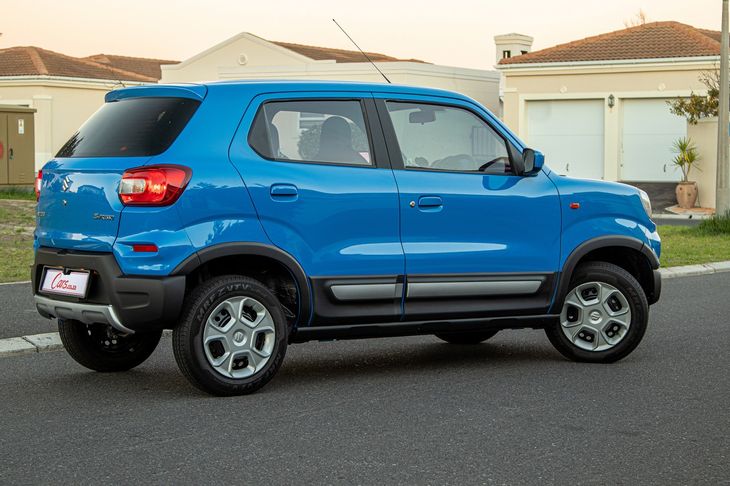
Weighing just 770 kg, the Suzuki S-Presso is just like the coffee, in a way… Compact and nippy.
Entry-Level Car
Hyundai Atos 1.1 Motion
Peugeot 108 1.0 Active
Suzuki Swift 1.2 GL
Suzuki S-Presso 1.0 S-Edition
Volkswagen 1.0 Move Up!
For more info on the category’s criteria and semi-finalists, click here.
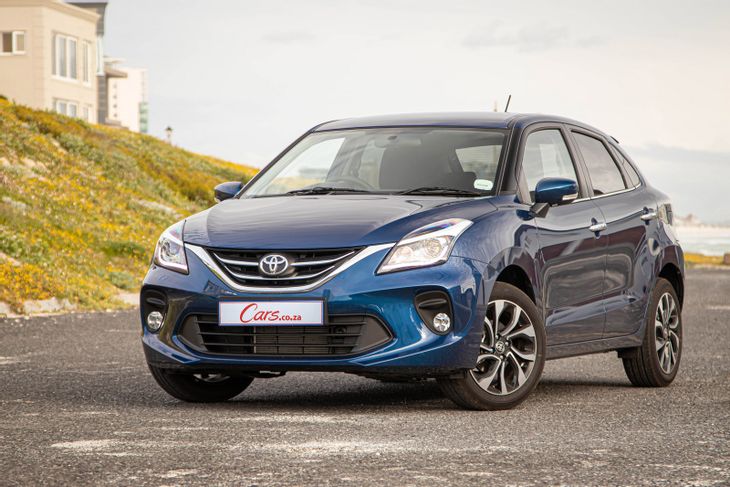
The recently-launched Toyota Starlet 1.4 Xr competes against its cousin, the Suzuki Baleno 1.4 GLX, in the budget-car category.
Budget Car
Ford Figo Freestyle 1.5 Trend
Suzuki Ignis 1.2 GLX
Suzuki Baleno 1.4 GLX
Toyota Starlet 1.4 Xr
Volkswagen Polo Vivo 1.4 Comfortline
For more info on the category’s criteria and semi-finalists, click here.
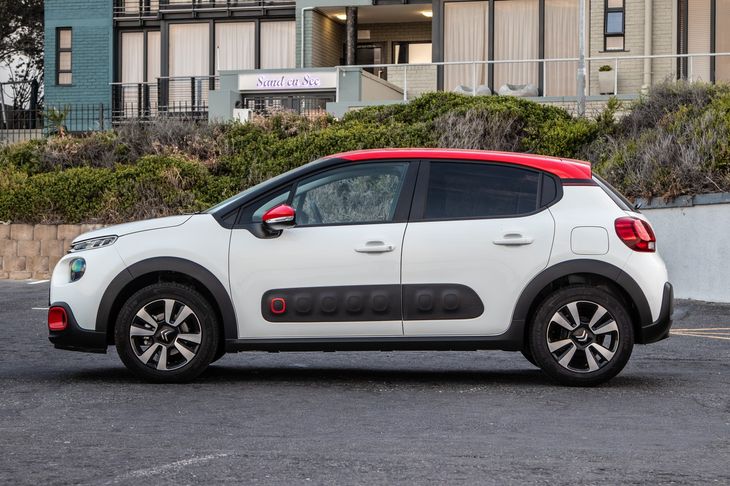
Earlier this year, we reviewed the Citroen C3 1.2 Feel; its turbocharged sibling is a semi-finalist in the compact hatch category.
Compact Hatch
Citroen C3 1.2T Shine
Ford Fiesta 1.0T Trend auto
Mazda2 1.5 Individual auto
Suzuki Swift 1.4T Sport auto
Volkswagen Polo 1.0 TSI Comfortline auto
For more info on the category’s criteria and semi-finalists, click here.
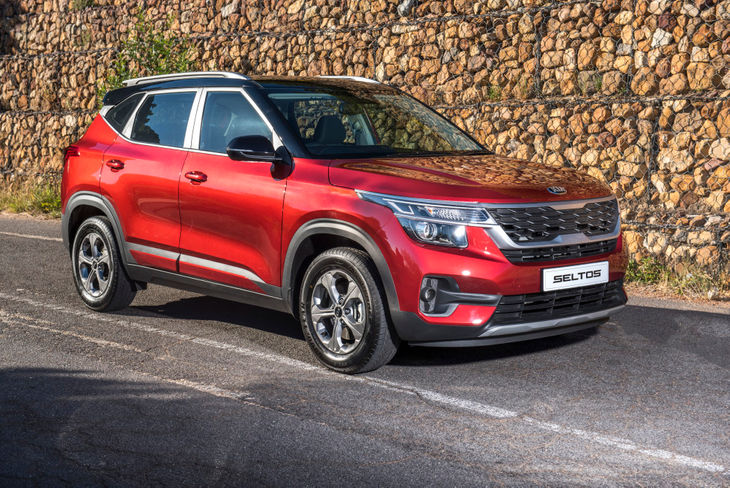
Kia recently expanded its Seltos compact family car range by launching a turbodiesel derivative.
Compact Family Car
Hyundai Venue 1.0T Glide
Kia Seltos 1.5 CRDi EX+ auto
Renault Duster 1.5 dCi Prestige
Suzuki Vitara 1.4T GLX auto
Volkswagen T-Cross 1.5 TSI 110kW R-Line
For more info on the category’s criteria and semi-finalists, click here.
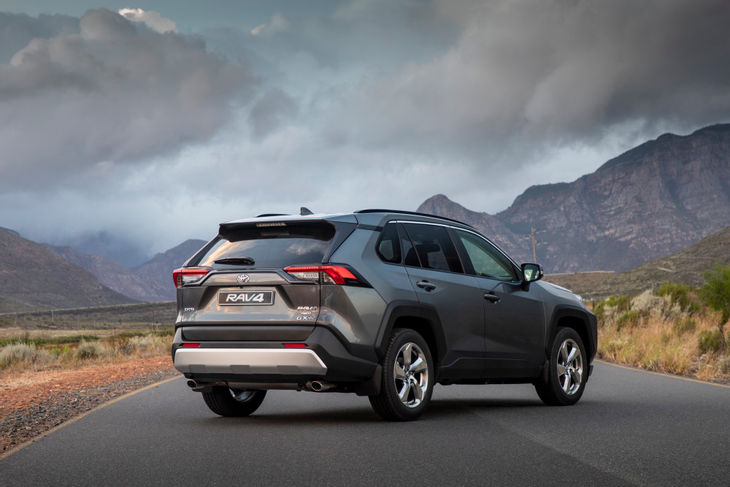
The RAV4 is boldly styled and the GX-R – a #CarsAwards semi-finalist – is particularly striking in the metal.
Family Car
Citroen C5 Aircross 1.6T Shine
Mazda CX-5 2.0 Dynamic auto
Opel Grandland X 1.6 Turbo Enjoy
Subaru Forester 2.0i-S ES
Toyota RAV4 2.0 AWD GX-R
For more info on the category’s criteria and semi-finalists, click here.
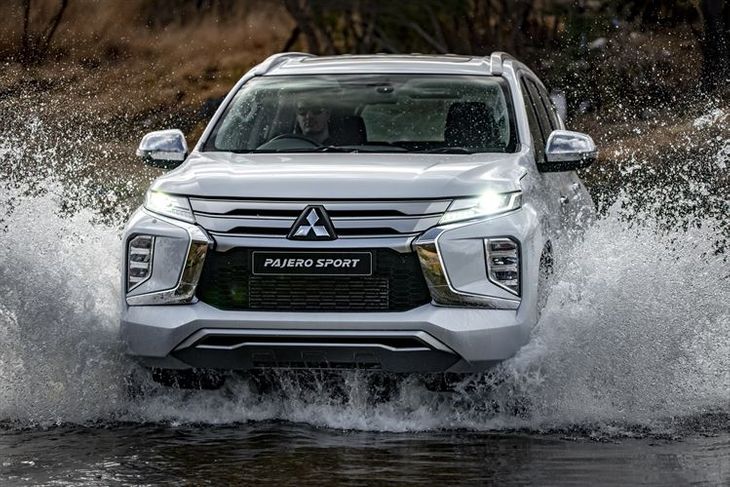
The flagship derivative of the updated Mitsubishi Pajero Sport is a 2020/21 #CarsAwards semi-finalist.
Adventure SUV
Ford Everest 2.0 Bi-Turbo 4WD XLT
Haval H9 2.0T 4WD Luxury
Isuzu M-UX 3.0 4WD
Mitsubishi Pajero Sport 2.4 DI-D 4×4 Exceed
?Toyota Fortuner 2.8 GD-6 4×4 VX Auto
For more info on the category’s criteria and semi-finalists, click here.
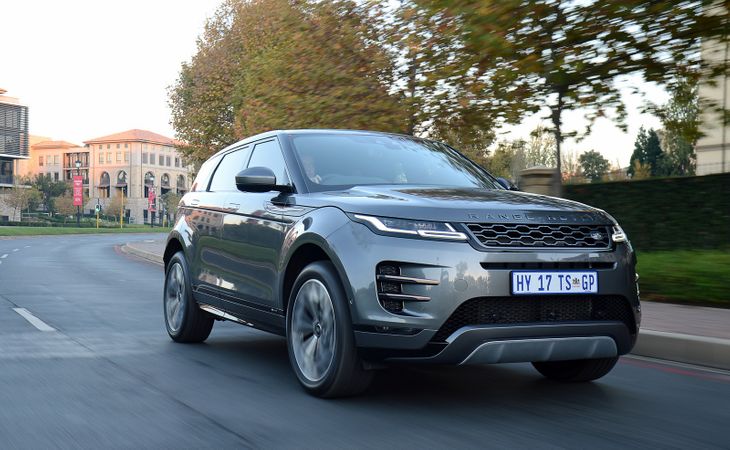
The Range Rover Evoque is still one of the most eye-catching vehicles in the Executive SUV segment.
Executive SUV
Audi Q5 45 TFSI quattro S-Line
BMW X3 xDrive20d M-Sport
Mercedes-Benz GLC 300d 4Matic AMG-Line
Range Rover Evoque P250 R-Dynamic SE
Volvo XC60 D5 R-Design
For more info on the category’s criteria and semi-finalists, click here.
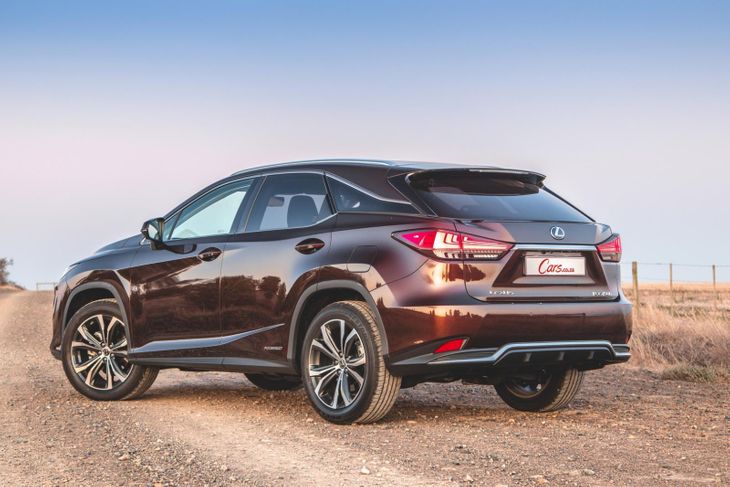
? With its “creased” exterior design language and smart detailing, the Lexus RX 450h SE looks suitably premium.
Premium SUV
BMW X5 xDrive30d M Sport
Land Rover Defender D240 HSE
Lexus RX 450h SE
Volkswagen Touareg V6 TDI Executive R-Line
Volvo XC90 T8 Twin-Engine R-Design
For more info on the category’s criteria and semi-finalists, click here.
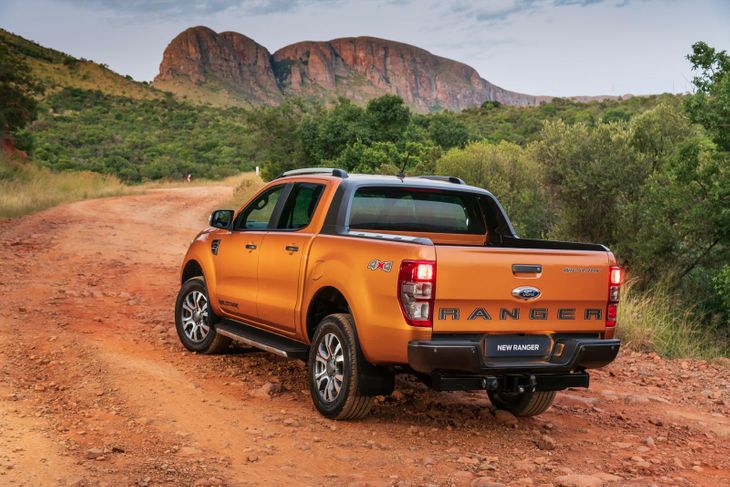
The top-of-the-range Ford Ranger Wildtrak will be looking to unseat the Volkswagen Amarok in the leisure double-cab category.
Leisure Double-Cab
Ford Ranger 2.0 Bi-Turbo 4×4 Wildtrak
Isuzu D-Max 3.0 TD 4×4 LX auto
Mitsubishi Triton 2.4 DI-D 4×4 Extreme
Volkswagen Amarok 2.0BiTDI Highline Plus 4Motion
Toyota Hilux 2.8 GD-6 4×4 Legend Auto
For more info on the category’s criteria and semi-finalists, click here.
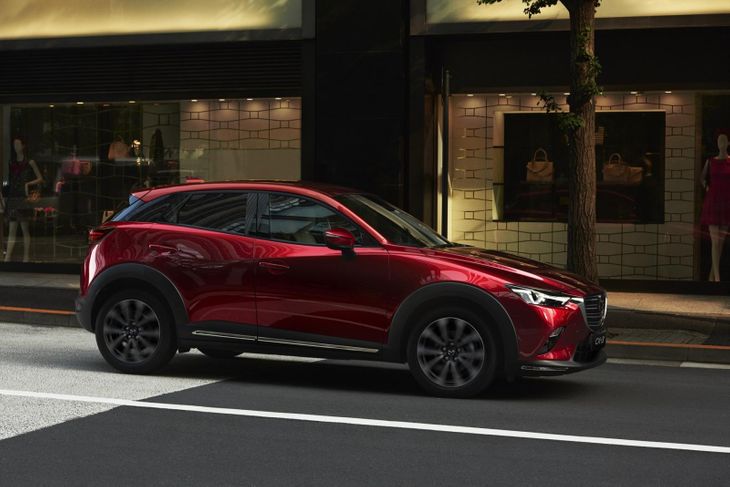
The long-serving Mazda CX-3 is a contender in the new-for-2020 crossover category of the #CarsAwards.
Crossover
Hyundai Kona 2.0 Executive
Mazda CX-3 2.0 Individual Plus
Mitsubishi Eclipse Cross 1.5T GLS
Subaru XV 2.0i-S ES
Toyota C-HR 1.2T Luxury
For more info on the category’s criteria and semi-finalists, click here.
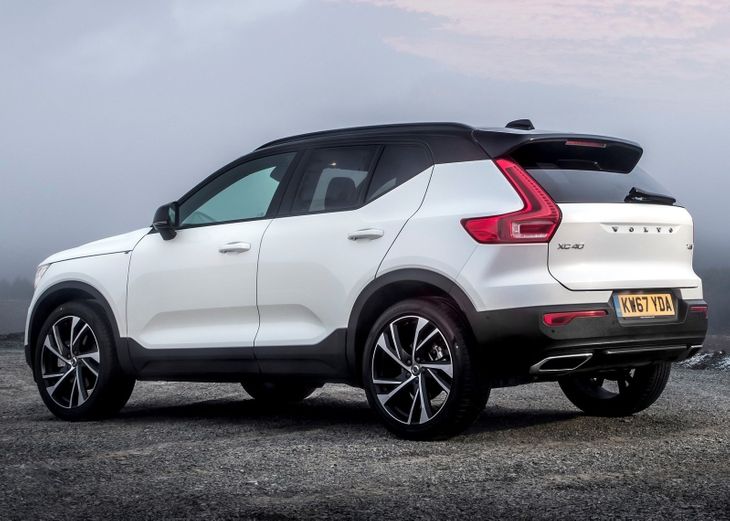
The Volvo XC40 faces stiff competition in the premium crossover category from Audi, Jaguar, Lexus and Mini.
Premium Crossover
Audi Q3 Sportback 40 TFSI quattro S Line
Jaguar E-Pace P250 AWD
Lexus UX 250h SE
Mini Countryman Cooper S
Volvo XC40 T5 AWD R-Design
For more info on the category’s criteria and semi-finalists, click here.
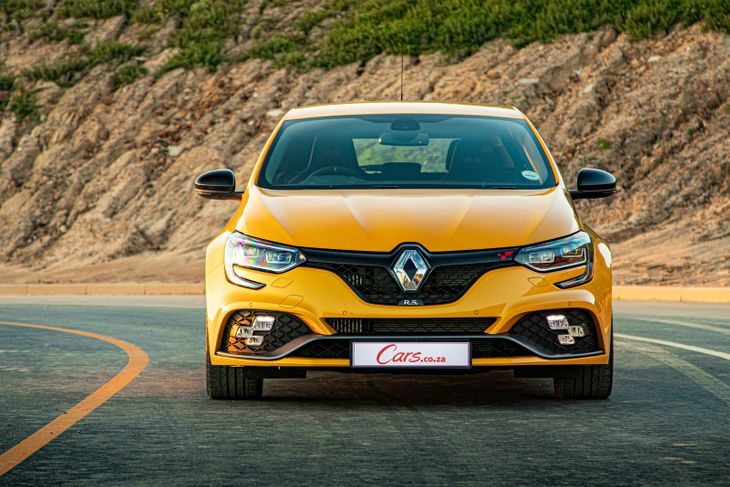
Renault’s Megane RS Trophy derivatives are renowned for setting fastest hatchback laps at various circuits.
Hot Hatch
Honda Civic Type R
Hyundai i30 N
Renault Megane RS300 Trophy
Mercedes-AMG A35 4Matic
Volkswagen Golf GTI TCR
For more info on the category’s criteria and semi-finalists, click here.
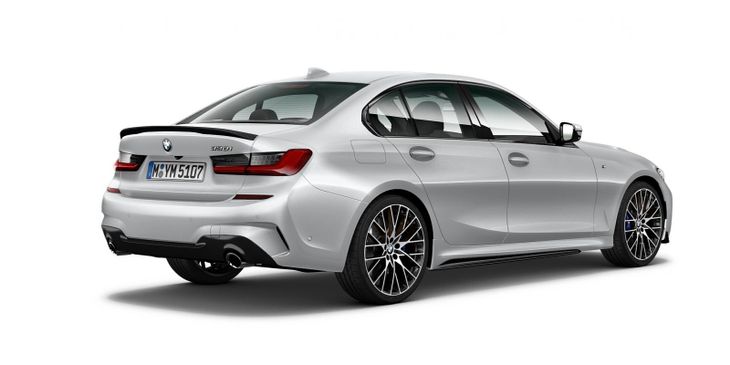
Inspired by the 325iS Gusheshe, the 330is Edition leads BMW’s charge in the (now renamed) sports executive category.
Sports Executive
Audi A4 40 TFSI Sport S Line
BMW 330is Edition
Jaguar XE P250 S
Lexus IS 350 F-Sport
Mercedes-Benz C300 AMG Line
For more info on the category’s criteria and semi-finalists, click here.
In the next round (due to take place in mid-October 2020), the extended Cars.co.za editorial team will score the semi-finalists individually, taking into account various criteria set out for each of the respective categories. Following that, the top three finalists per category will be announced and subjected to back-to-back testing at the renowned Gerotek proving ground in Gauteng by the combined judging panel (the 6 Cars.co.za editorial team members and 14 respected guest judges from various backgrounds and fields of expertise) on 3 and 4 November 2020.
Combined judging panel for the 2020/21 #CarsAwards:
Khulekani Dumisa (Khulekani on Wheels), Aluta Maqoko (The Kolloquium), Juliet McGuire (Freelance), Brenwin Naidu (Sowetan & Sunday Times), Leanne Manas (Morning Live), Dasen Thathiah (eNCA), Ciro de Siena (Cars.co.za), Nafisa Akabor (Tech Journalist), David Taylor (Cars.co.za), Ernest Page (SA Car Fan), Jacob Moshokoa (947 & EWN), Phuti Mpyane (Business Day), Wendy Knowler (Consumer Specialist), Mpho Letsholonyane (SuperSport & Power 98.7), Wezile Bonani (Bay FM), Gero Lilleike (Cars.co.za), Kojo Baffoe (freelance), Thami Masemola (In4Ride), Ashley Oldfield (Cars.co.za) and Lerato Matebese (Top Gear).
The 20 judges’ scores for each of the 39 finalists will only count for 50% of the final standings, however. The other 50% will be based on rankings that the respective vehicle brands represented by the finalists achieved in the Cars.co.za Ownership Satisfaction Survey, conducted in partnership with data specialists Lightstone Consumer. The data incorporates feedback from thousands of vehicle owners, based on their experiences of their vehicles (less than five years old and serviced through franchised outlets).
“The Cars.co.za Consumer Awards – powered by WesBank is designed to be a guide for all new passenger vehicle buyers, not only those who follow motoring publications,” Oosthuizen concludes. “With 50% of the final scores determined by brands’ rating in the survey, a vehicle only really stands a very good chance of winning if it is a good product in the eyes of the judges and if its brand delivers solid after-sales service.
It goes without saying that ongoing public participation in the Ownership Satisfaction Survey enables Cars.co.za to deliver the most relevant and accurate data-driven insights to consumers. The survey also represents a golden opportunity for owners to have a say in the outcome of the 2020/21 #CarsAwards. Have your say here.
Drag race! Volkswagen Golf GTI TCR vs Honda Civic Type R
In this battle for hot hatch supremacy, we put the new Volkswagen Golf GTI TCR against arguably one of the greatest hot hatches, the Honda Civic Type R. Who wins?
There are only 300 Golf GTI TCRs in the world and fortunately, we got our hands on one. We then lined up three of the GTI's closest rivals, the Megane Trophy 300, the Honda Civic Type R (FK8) and the Hyundai i30N for a series of quarter-mile drag races. The Golf 7.5 GTI wouldn't ordinarily be a rival for these cars, however, for this last hurrah edition of the Golf 7.5, VW has cranked up the power to 213kW and 380Nm, bringing it squarely in line with the rest of the field. Subscribe so you don't miss any of the other races in this series.
The National Association of Automobile Manufacturers of South Africa (NAAMSA) has released new vehicle sales figures for September 2020.
The SA vehicle market remains under pressure but continues on its steady recovery as lockdown levels have begun to ease.
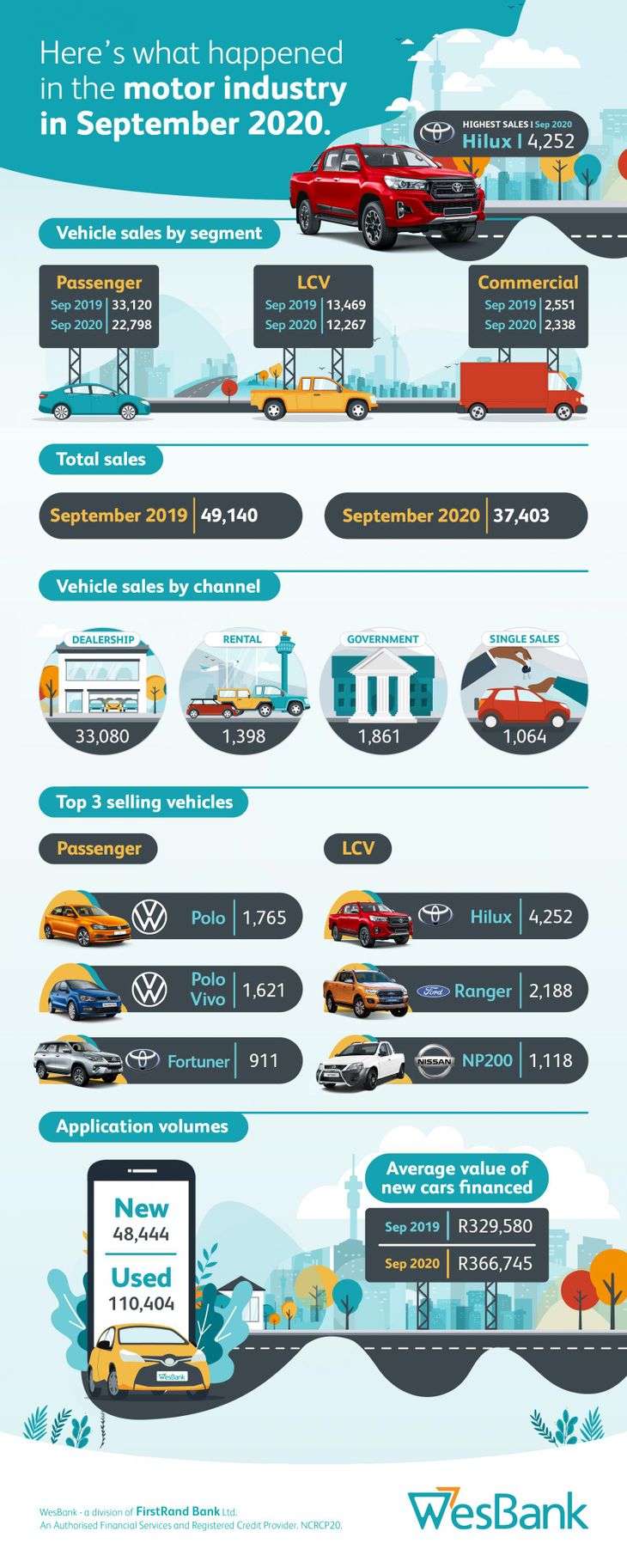
Compared with August 2020, 4 148 more vehicles were sold in September 2020. A total of 37 403 vehicles were sold in stark contrast to September 2019 where 49 140 vehicles were sold. This is the first real sign since the lockdown was eased 2 months ago that vehicle sales have shown month on month double-digit increase.
Light commercial vehicles appear to be recovering faster than other segments with LCV sales not too far off levels seen in 2019.
New Car Sales Summary: September 2020
Aggregate new vehicle sales at 37 403 units down by 23.9% (-11 737 units) compared with August 2019
+11.1% (4 148 units) up on August 2020
New passenger car sales of 22 798 units down by 31.2% (-10 322 units) compared with August 2019
+15.2% (+4 148 units) up on August 2020
Light Commercial Vehicle (LCV) sales of 12 267 units down by 8.9% (-1 202 units) compared with August 2019
+7.5% (925 units) up on August 2020
Exports of 28 704 units down by 23.9%% (-7 566 units) compared with August 2019
+19.8% (+5 676 units) up on August 2020
Top-Selling Car Brands in South Africa for September 2020
Toyota – 9 175 units
Volkswagen – 4 948 units
Ford – 3 679 units
Hyundai – 2 623 units
Nissan – 2 442 units
Top-Selling Vehicles in South Africa for September 2020
Toyota Hilux – 4 252 units
Ford Ranger – 2 188 units
VW Polo Vivo – 1 621 units
VW Polo – 1 299 units
Nissan NP200 – 1 118 units
* Polo Sales number on infographic should read 1 299 units.
Sales outlook
“Some momentum is gathering as economic stimuli slowly return,” says Lebogang Gaoaketse, Head of Marketing and Communication at WesBank Vehicle and Asset Finance. “The month-on-month increase in sales is more reassuring in real terms than the gradual improvement in year-on-year performance over the past three months. There are clear signs of recovery, although there remains a long road to full recovery.”
As much as those nearly 4 000 additional units of volume will have been welcomed by dealers and brands, the harsh reality remains a market 11 737 units less than September last year. “Relatively, September sales down 23.9% compare favourably to the year-to-date performance, which is now 33.4% down from the same period last year,” says Gaoaketse. “That’s a very sobering 132 878 units less so far this year than pre-Covid-19 levels of market activity.”
In contrast to actual sales activity, WesBank Vehicle and Asset Finance data indicates an increase in applications compared to September last year. “Whether it remains pent-up demand or merely more consumer and business optimism in the market, there are reassuring levels of demand,” says Gaoaketse. “While this isn’t currently translating into sales, it bodes well for the continued recovery of the market as affordability slowly improves.”
WesBank Vehicle and Asset Finance has also experienced an increase in its average deal duration, indicating the knock-on effects of lockdown delaying purchase decisions, as well as the continued stress on household incomes that is translating into current market performance.
Naamsa suggests further tax cuts should be made for new vehicles during this time: "An important avenue for government to support this key coronavirus-hit sector of the economy is to reduce taxes on new vehicle purchases to stimulate new vehicle sales. Combined with record low interest rates and low inflation, the automotive industry and the economy in general could hugely benefit should the tax burden on vehicles be reduced during this time."
Volkswagen Caravelle T6.1 (2020) Launch Review
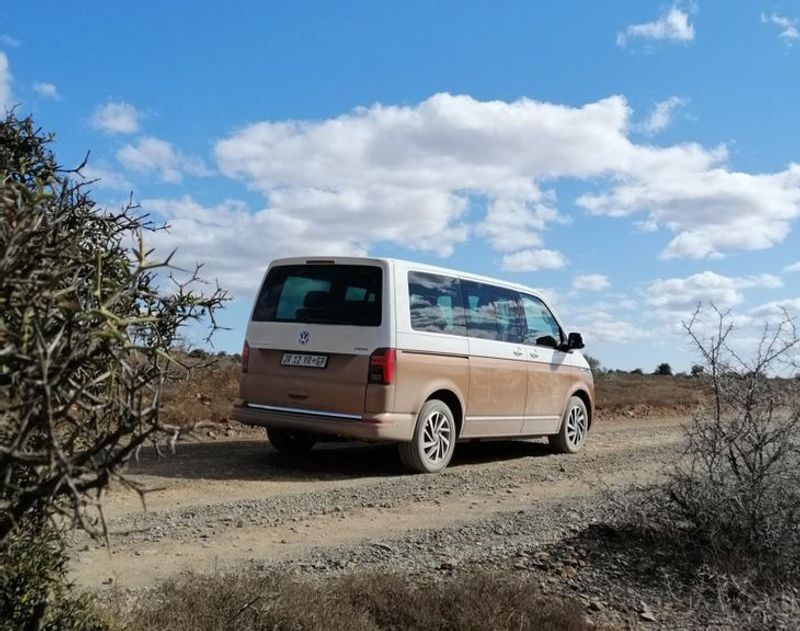
Volkswagen has updated its Transporter range and while the top-tier Caravelle people-mover will only arrive in local showrooms in January 2021, the Wolfsburg-based brand showcased the revisions to what it calls the "T6.1" to the media earlier this week. We ventured into the heart of the Karoo to experience the updated Caravelle.
Volkswagen's Transporter range of commercial and family-orientated products are well-established locally and, with more than 10 000 units sold in South Africa since the 6th-generation T6 arrived in 2015, Volkswagen will look to build on its success with the updated T6.1. Choice in the luxury people-mover segment is limited to the Caravelle and the Mercedes-Benz V-Class and this refreshed Volkswagen, which boasts enhanced exterior styling as well as a significant interior revamp, has been nudged further upmarket as VW seeks to solidify its foothold in the local market.
Better looking, with more tech
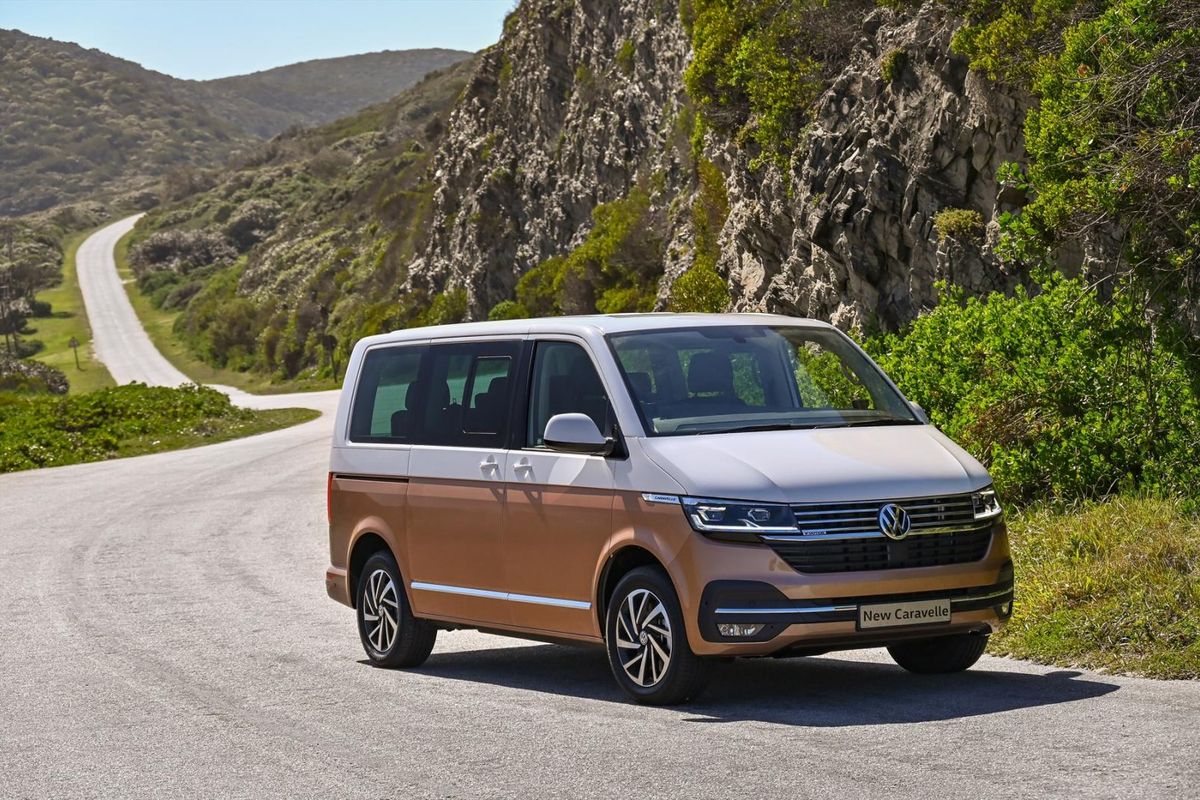
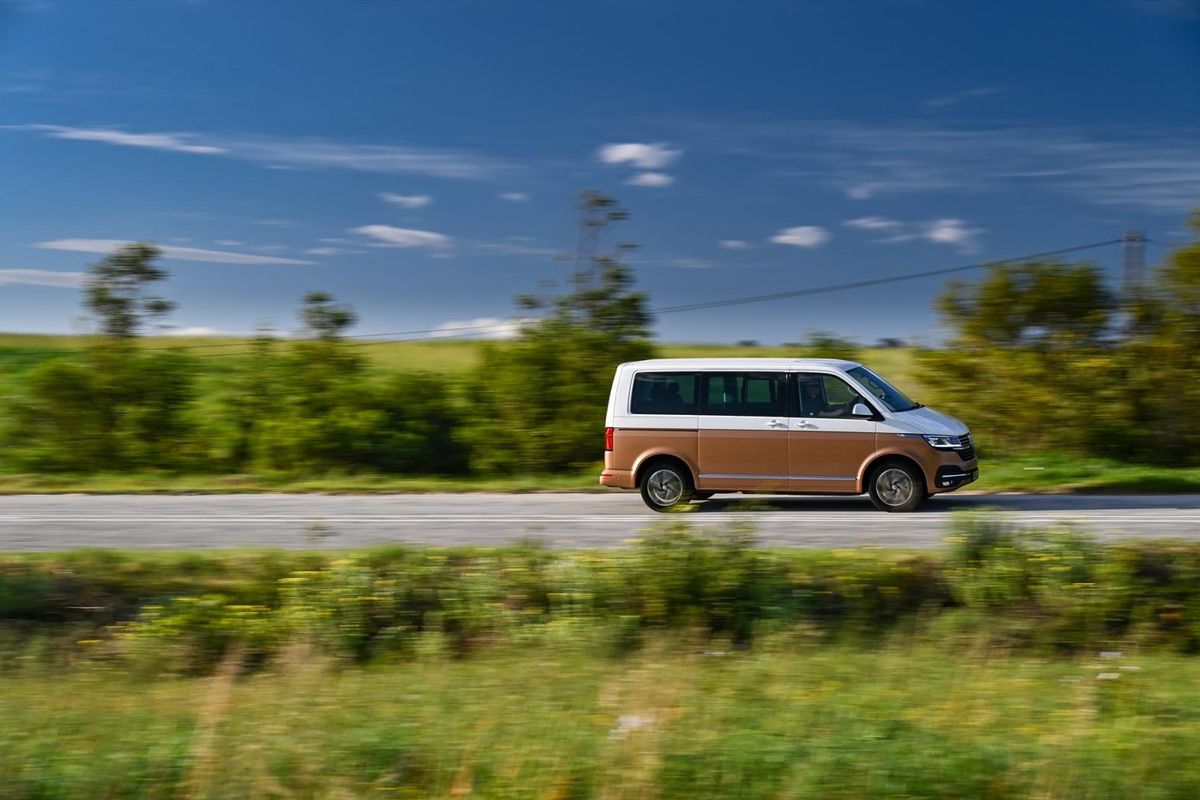
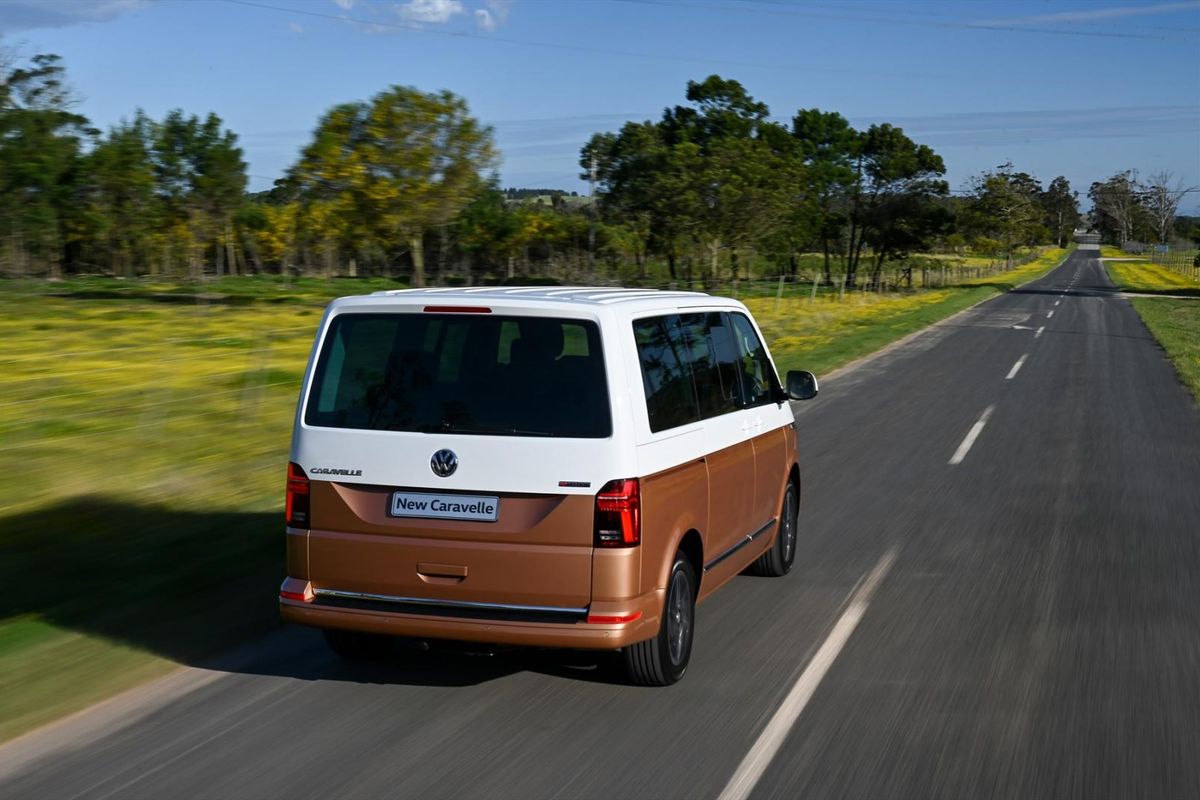
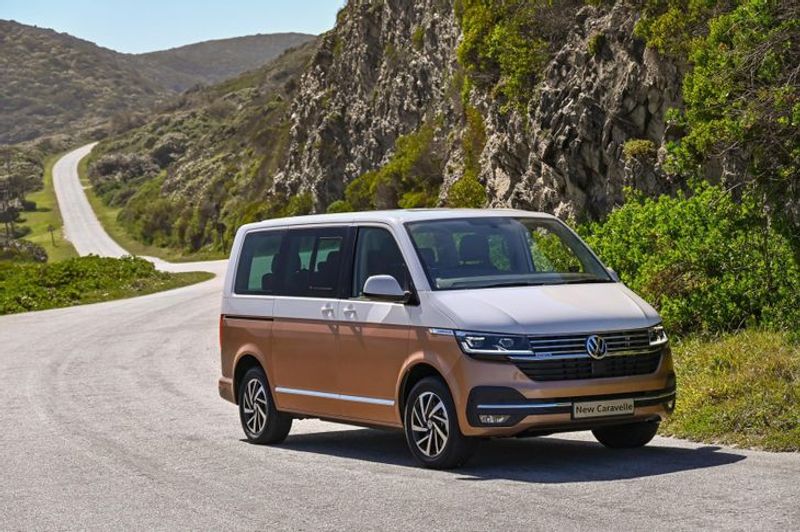
The updated Caravelle will be offered in a host of new colours including a range of attractive 2-tone exterior finishes.
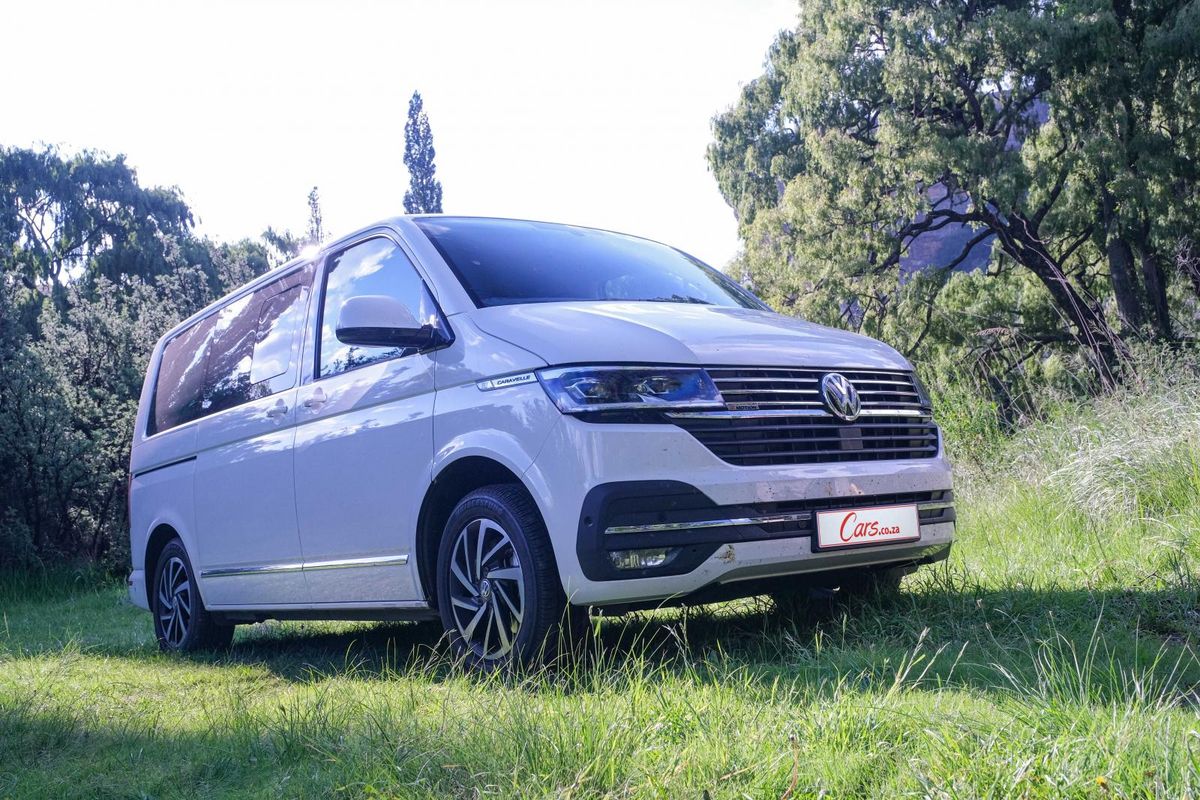
The kerb appeal of the Caravelle has been greatly enhanced by a revised grille design (garnished with chrome-look trim), as well as updated LED head- and tail lights. A fresh palette of vibrant exterior finishes (including attractive 2-tone options) and revised alloy-wheel designs are availbale.
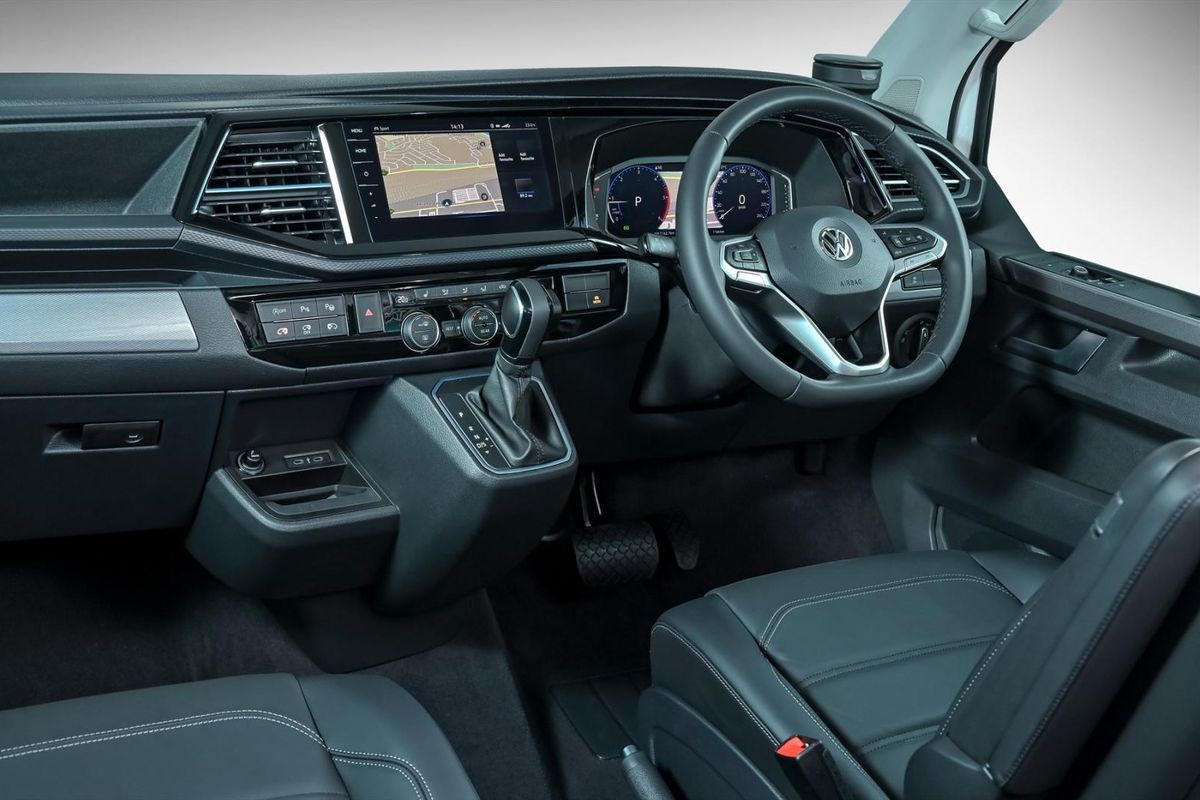
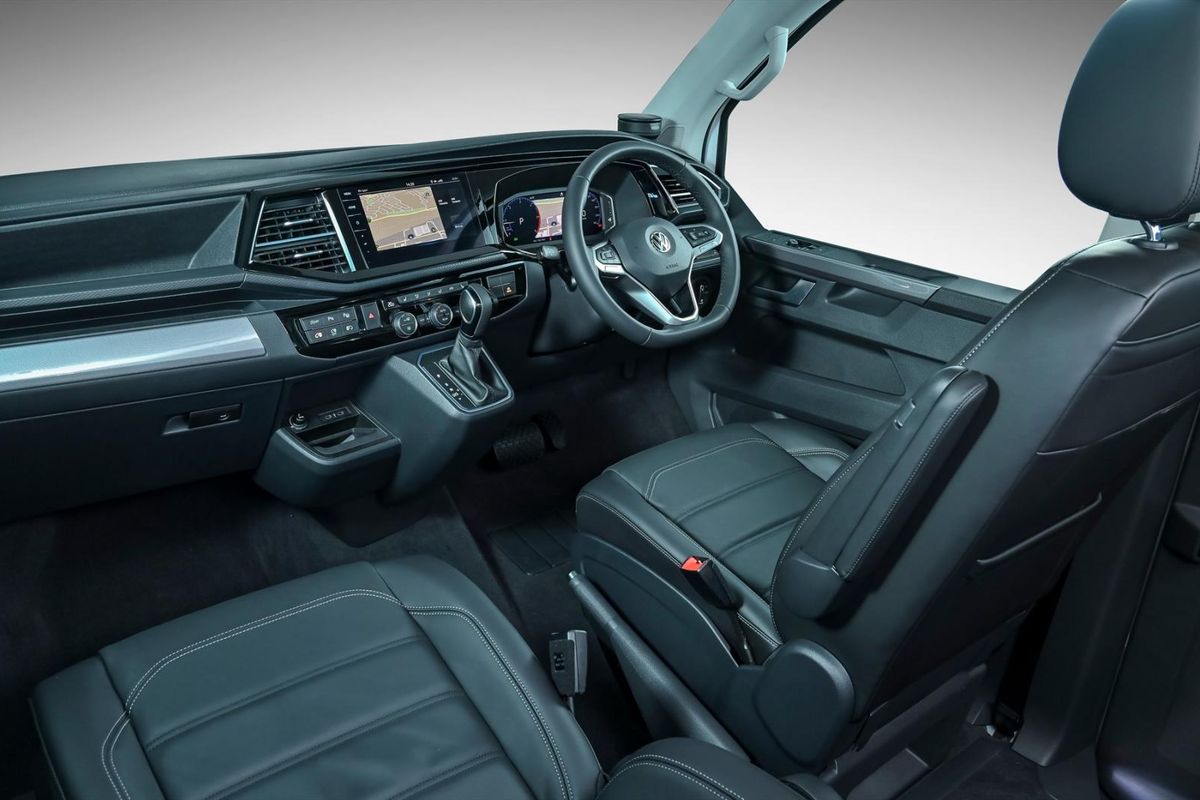
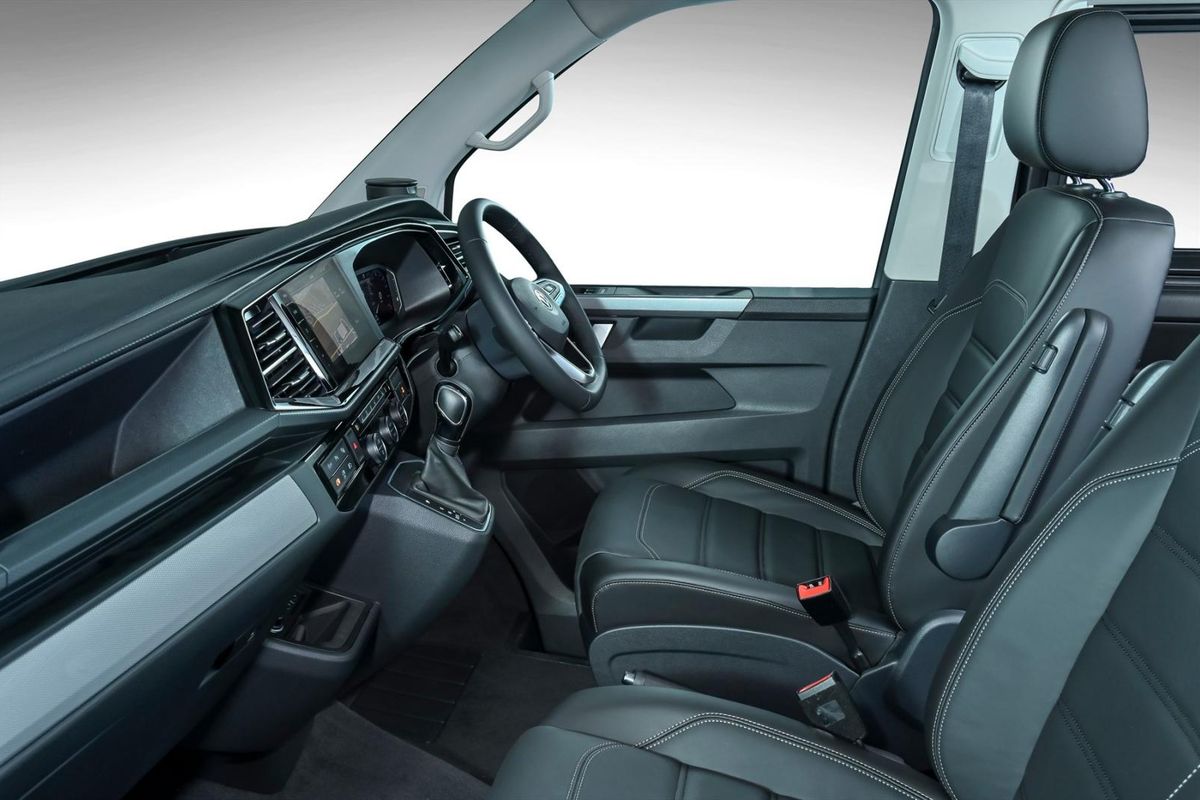
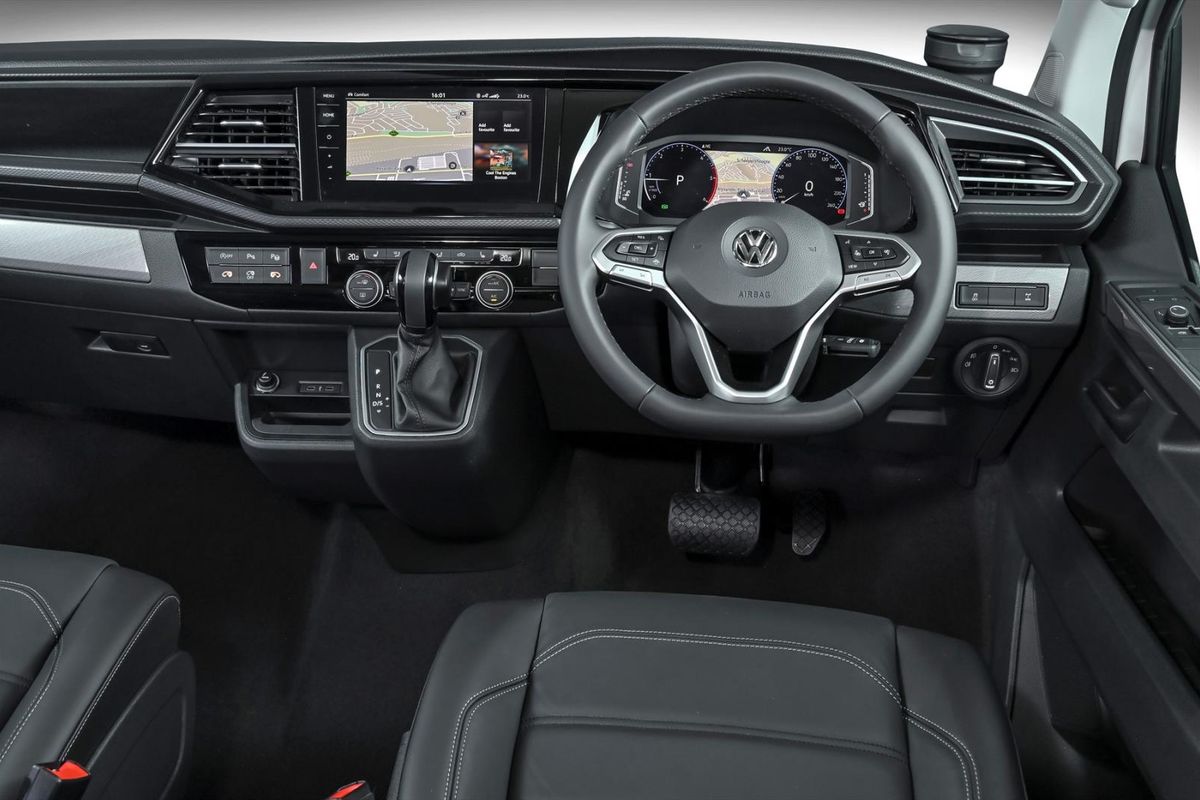
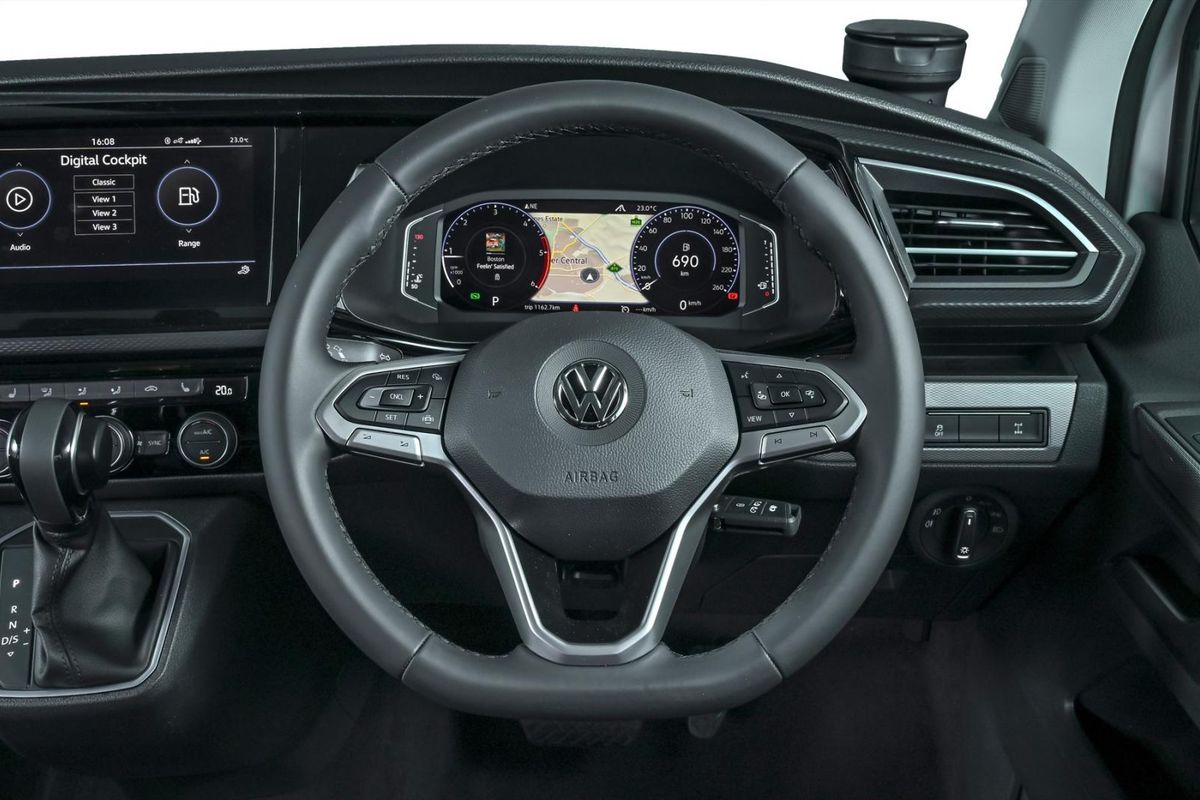
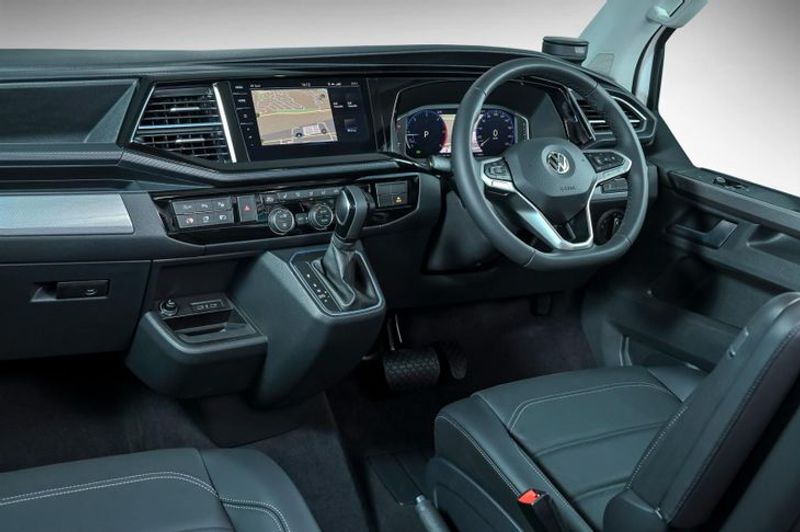
As for the interior, it has benefited from a major overhaul in the form of a new dashboard, which now houses familiar features such as Volkwagen's 10.25-inch Discover Pro infotainment system with integrated navigation. You may be happy to know that the system can now wirelessly connect to Android Auto and Apple CarPlay (no more need to plug in a cable to access those features). Volkswagen's digital cockpit, which is familiar from other products such as the Golf, is also fitted and can be configured using the mounted controls on the new steering wheel. Perceived interior build quality is excellent and the new-look fascia and the above-mentioned features have boosted the Caravelle's premium appeal to new heights.
The Caravelle 6.1 features a new dashboard design packed with a plethora of modern technology.
The Caravelle also gains a new electro-mechanical steering system, which improves handling performance, while other nifty additions include a wireless smartphone charger and a data plug that presents key vehicle data, such as driving stats, service information and much more to the driver/owner via Volkswagen's We Connect Go smartphone app. This recently-introduced connectivity feature is not only useful for private owners, but will also be hugely beneficial for fleet managers who are looking to streamline their vehicle information processes.
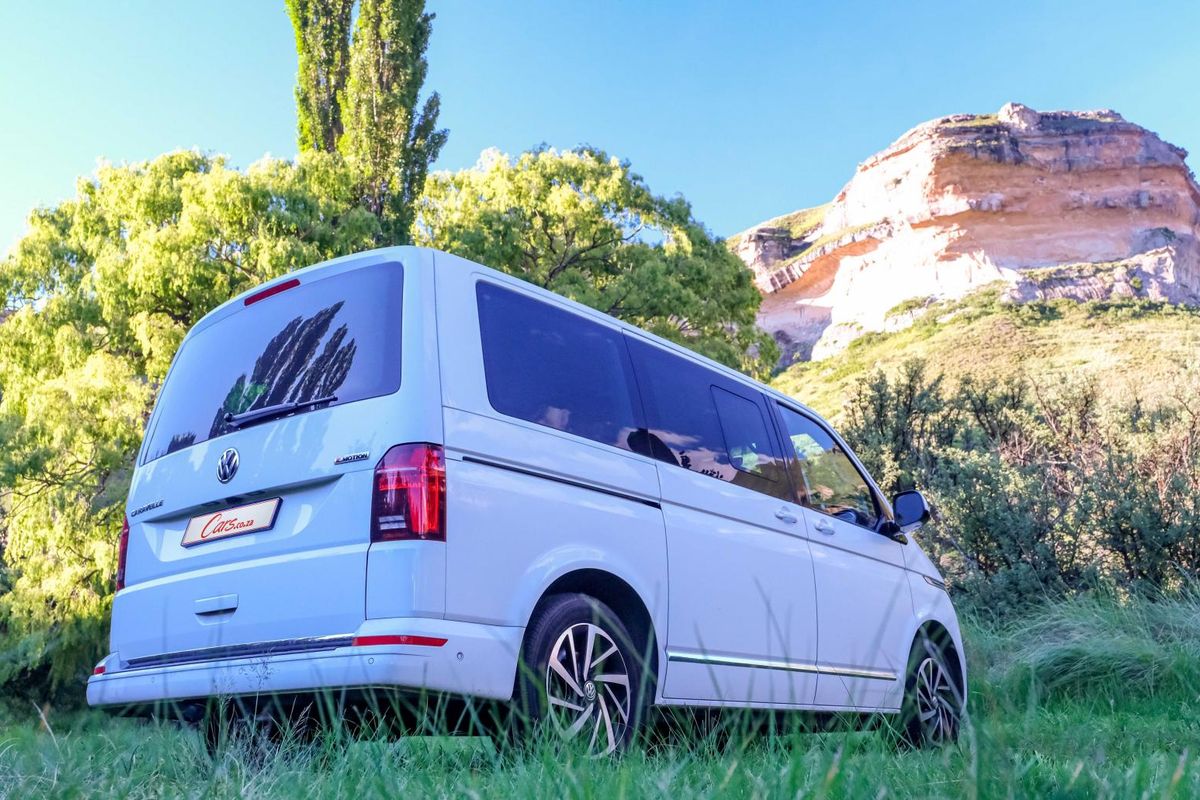
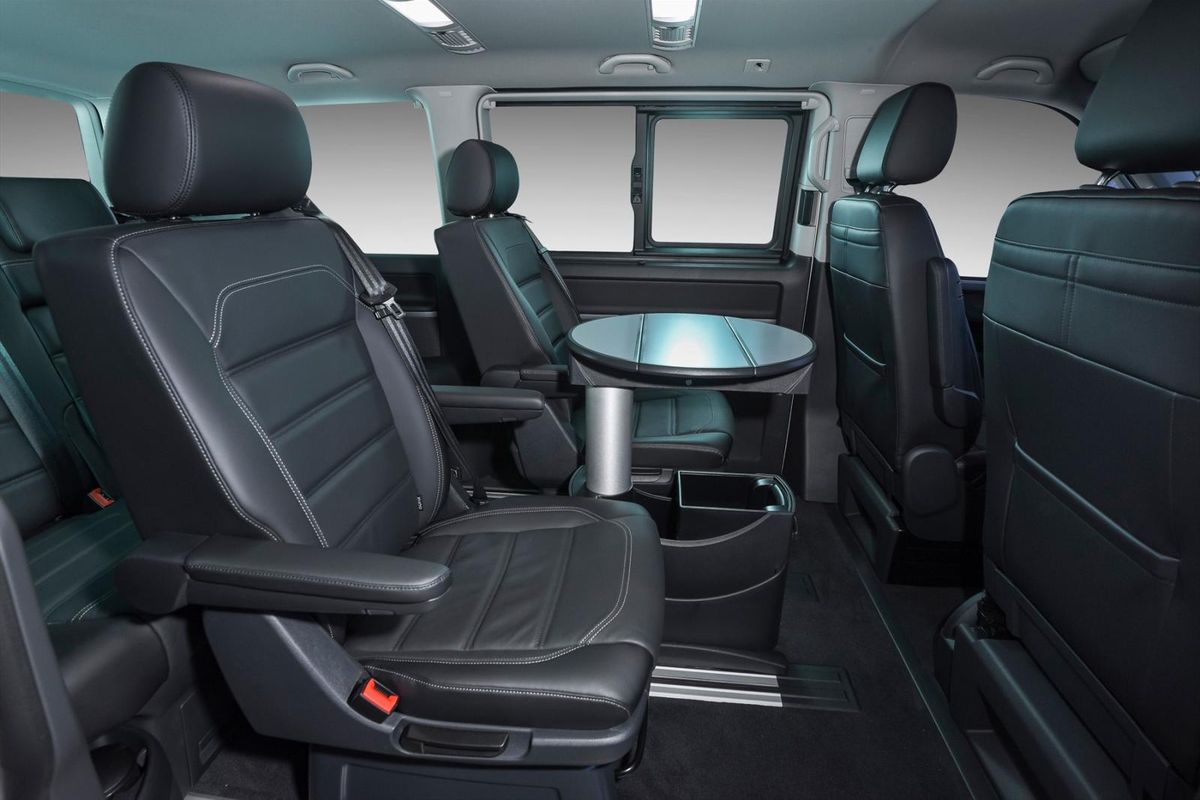
As far as rear passenger comfort and flexibility is concerned, the Caravelle remains hugely capable and can comfortably seat 7 adult occupants with additional loading space available for luggage. The seats slide along a rail system and the 2nd-row can also be swivelled to face the 3-seat 3rd row. A central collapsible table (with cup holders and magazine storage slots) is also provided for added convenience to rear passengers. Whether it's business or family time, the Caravelle's cabin retains its flexibility and the plush leather upholstery adds to the overall comfort levels.
What's it like to drive?
The Caravelle's new engine and superb ride quality on various surfaces are major highlights of this update.
The Caravelle's new 2.0-litre bi-turbocharged diesel engine is a real peach! The outgoing Caravelle offered 132 kW and 400 Nm, but this new powerplant offers heady figures of 146 kW and 450 Nm and comes mated with Volkswagen's proven 7-speed dual-clutch automatic transmission.
The media route started in the windy city of Port Elizabeth and took us on a journey towards Somerset East, which encompassed about 100 km of tarred road that eventually gave way to rutted dirt roads that took us into the heart of the Karoo to Kuzuko Lodge.
The Caravelle's new engine quickly impressed us with its no-nonsense acceleration, which is made that much sweeter with the DSG ensuring smooth, imperceptible shifts. It gets up to highway speed quickly and with ample power and torque to draw upon, overtaking manoeuvres can be executed with consummate ease. Apart from being wonderfully powerful, this powertrain is notably refined: it's not overly noisy or clunky and very little noise makes its way into the cabin, which is a testament to excellent noise, vibration and harshness (NVH) mitigation. Moreover, Volkswagen claims a fuel consumption figure of between 8.0 and 8.3 L/100km and we were happy to see returns of just under 10 L/100 km on our media drive.
For a product that is ultimately based on a commercial vehicle, albeit with the implementation of several refinements, the Caravelle has impeccable road manners courtesy of its reassuring 4Motion all-wheel-drive system, new electro-mechanical steering system and a pliant suspension setup.
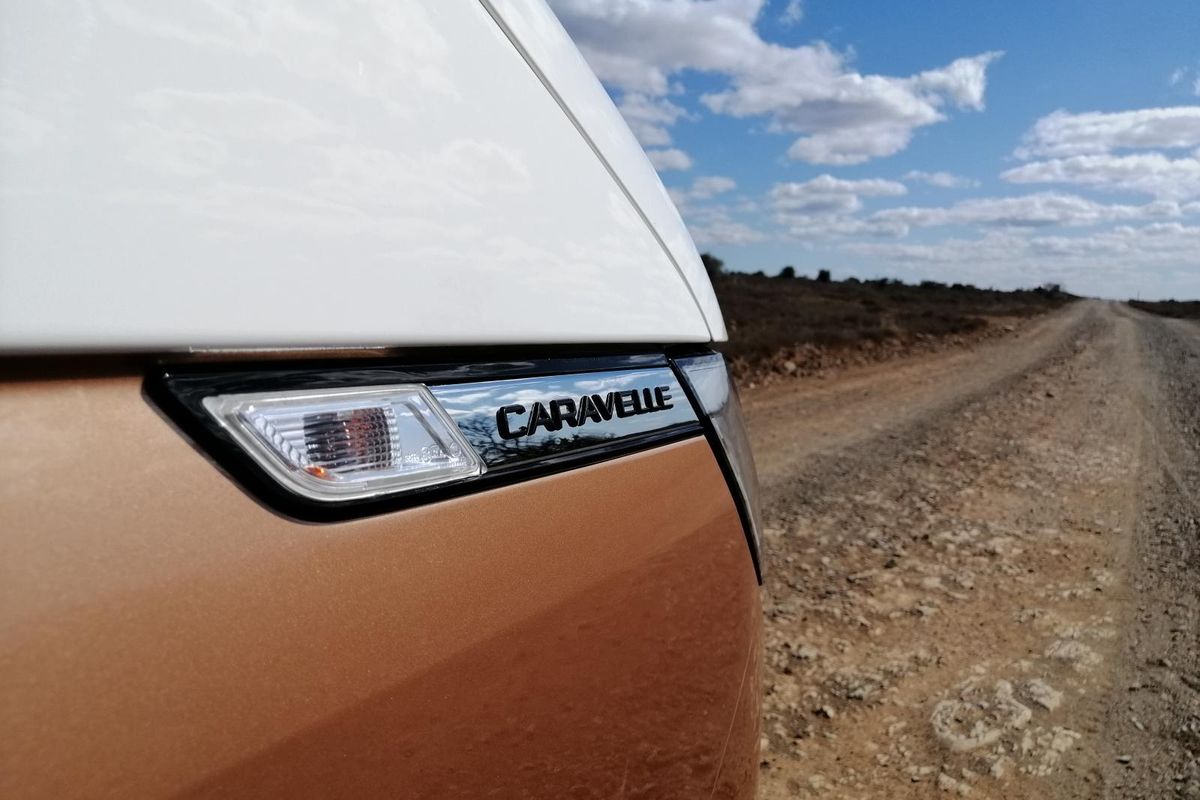
The steering 'wheel is marvellously light when manoeuvring at slow speeds, but it's also direct and communicative when you're travelling at higher velocities. We found the Caravelle's ride quality comfortable on tar, but its performance on the badly rutted dirt roads in the Karoo was a revelation. The Caravelle seemed to be completely and utterly at home on the dirt and, courtesy of all-wheel drive, it always felt confidently planted to the road.
With this update, Volkswagen also took the opportunity to bolster the Caravelle's repertoire of safety features, which now includes useful technology such as Park Assist, Crosswind Assist, Rear-traffic Alert, Side Protection and Trailer Assist. Familiar features such as Hill Start Assist Hill Descent Assist, Lane Assist and post-collision braking are among the standard driver assistance features fitted to this model. Buyers also have the choice of 3 rearview camera setups depending on your preference, but a tailgate-mounted reverse-view camera with static guidelines is standard.
Final thoughts
Better in so many ways, the updated Caravelle T6.1 should find favour with many more buyers in SA.
This latest iteration of the Caravelle is difficult to ignore thanks to enhancements in key areas, including exterior styling, interior design and quality, connectivity, safety and, importantly, performance.
These advancements, in our opinion, mostly justify the Caravelle 6.1's expected asking price of R1 149 400 and it's worth noting the Volkswagen people-mover is competitively priced against its rival, the Mercedes-Benz V250d. While that price may come as a shock to some potential buyers, it shouldn't come as a surprise. The Caravelle is an imported model and we must bear in mind that Volkswagen South Africa, like many vehicle brands, is at the mercy of the exchange rate, which has wreaked havoc on local new-car prices in 2020 (and further increases are expected).
It must also be mentioned that when the Caravelle arrives in local showrooms in early 2021, it will be sold with a 3-year/120 000 km warranty and a 5-year/60 000 km maintenance plan as standard, which is competitive when compared against the rivalling Mercedes-Benz V-Class. The Benz comes with a 2-year/unlimited km warranty and a 5-year/100 000 km maintenance plan. However, Volkswagen will also offer a range of optional bolt-on service and maintenance plans that will meet the needs of both private and fleet owners with cover of up to 10 years or 300 000 km.
Also, considering its highly spacious and practical cabin, the Caravelle T6.1 is worth considering as an alternative to a Premium SUV if you need to transport half a dozen passengers in luxury with luggage space to spare. The Caravelle T6.1 will officially arrive in South Africa in January 2021 but order books are already open, so if you are interested you can visit Volkswagen's local website or make contact with a VW dealer near you.
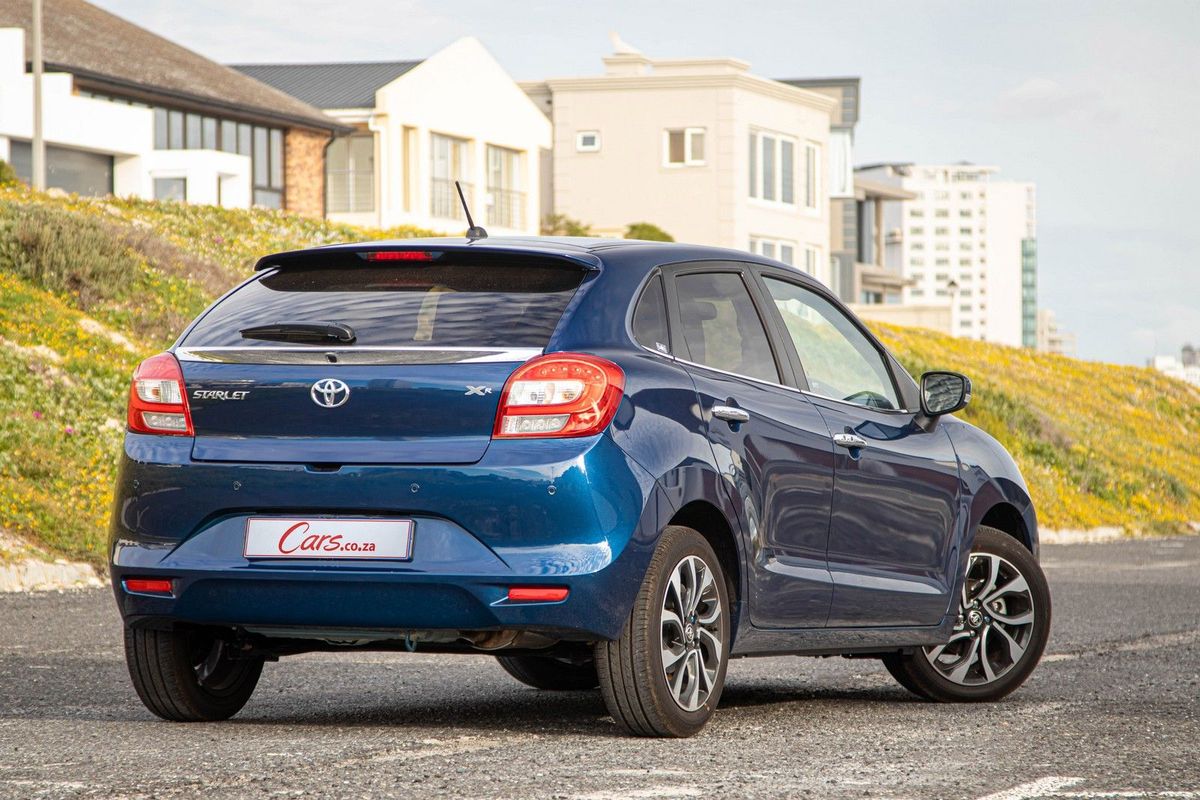
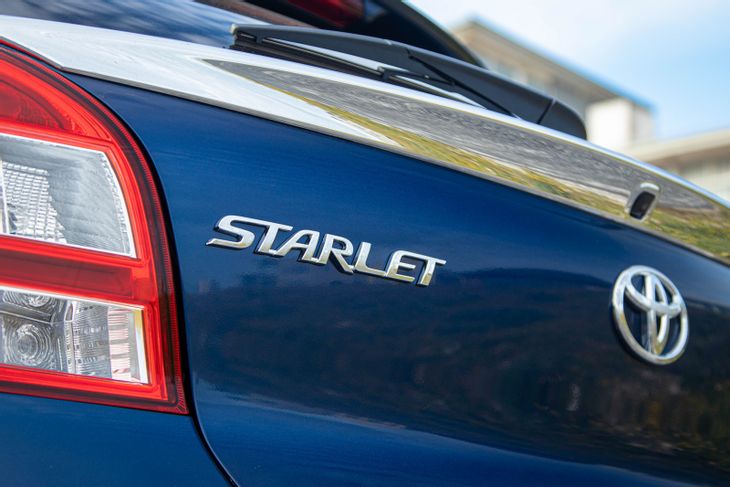
Toyota has retired its Etios budget-car offering and replaced it with another Indian-made product, the Starlet, which is essentially a rebadged Suzuki Baleno. The Starlet may not be brand new, but that doesn’t mean it’s "a retread". In fact, the range-topping 1.4 Xr arguably presents better value for money than its Yaris sibling…
We like: Solid build quality, refinement, liberally specced & fuel-efficient.
We don't like: Shorter service plan and warranty than its Suzuki cousin.
Fast Facts
Price: R258 500 (October 2020)
Engine: 1.4-litre 4-cylinder naturally-aspirated petrol
Some Toyota dealers regularly offer specials: Have look here.
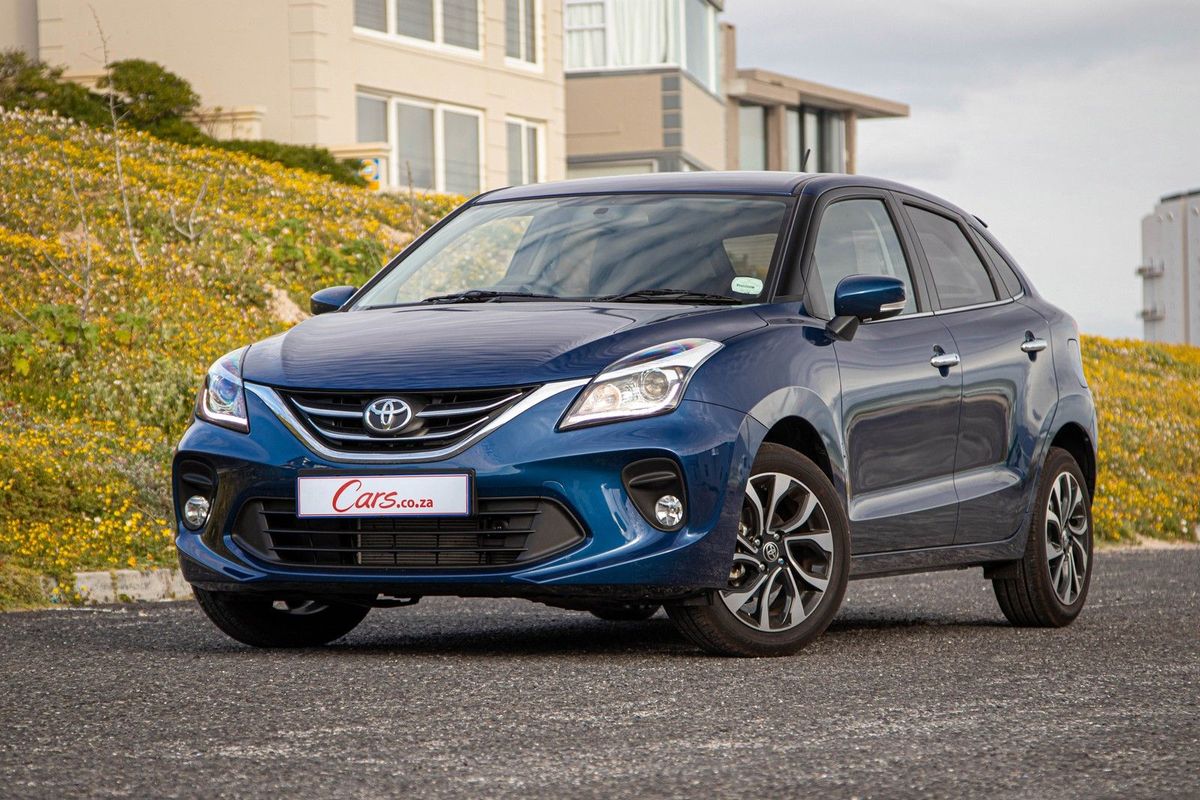
The Starlet 1.4 Xr has a welcoming frontal design; note how the shiny grille trim blends into the headlight accents.
What is it?
With the new Starlet, Toyota have revived a nameplate that was retired more than 20 years ago – in 1999, in fact. However, the Japanese marque didn’t go back to the drawing board and start afresh to produce a new version. In March 2019, TMC and Suzuki announced a partnership, the results of which are now arriving on showroom floors, and the Starlet is South African motorists’ first taste of this new alliance.
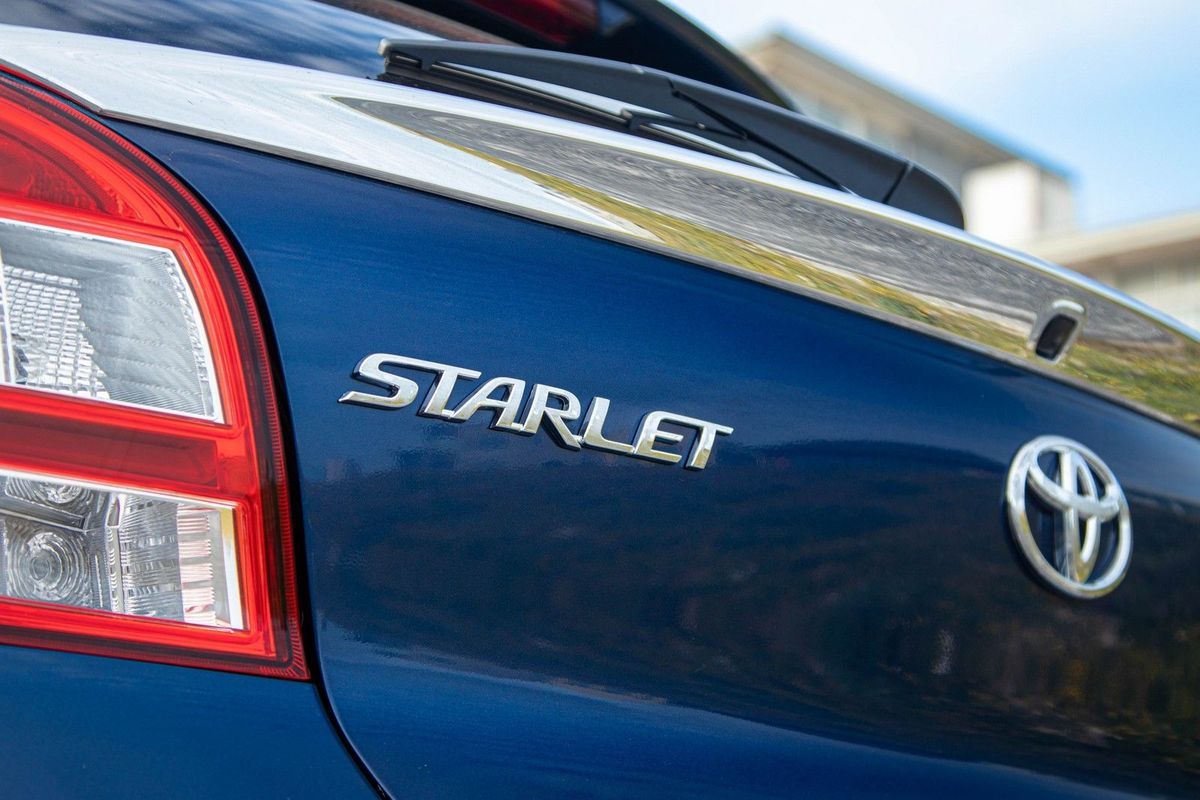
If you’re staring at the Starlet and you're thinking that it looks very familiar, well, it is! The Starlet is a rebadged Suzuki Baleno, which has been on sale in South Africa for a good few years now. The Baleno is, however, not a common sight on our roads, and not through any fault of its own.
It’s always been an excellent value-for-money proposition, but tends to be overlooked due to the affordability of the Swift, the funky styling of the Ignis (which also undercuts the Baleno by around R40 000) and, of course, strong rivals that are positioned at the same price point, notably the Volkswagen Polo Vivo – even if the Wolfsburg-based brand's locally-built model doesn't come with a standard service plan, it's a market favourite.
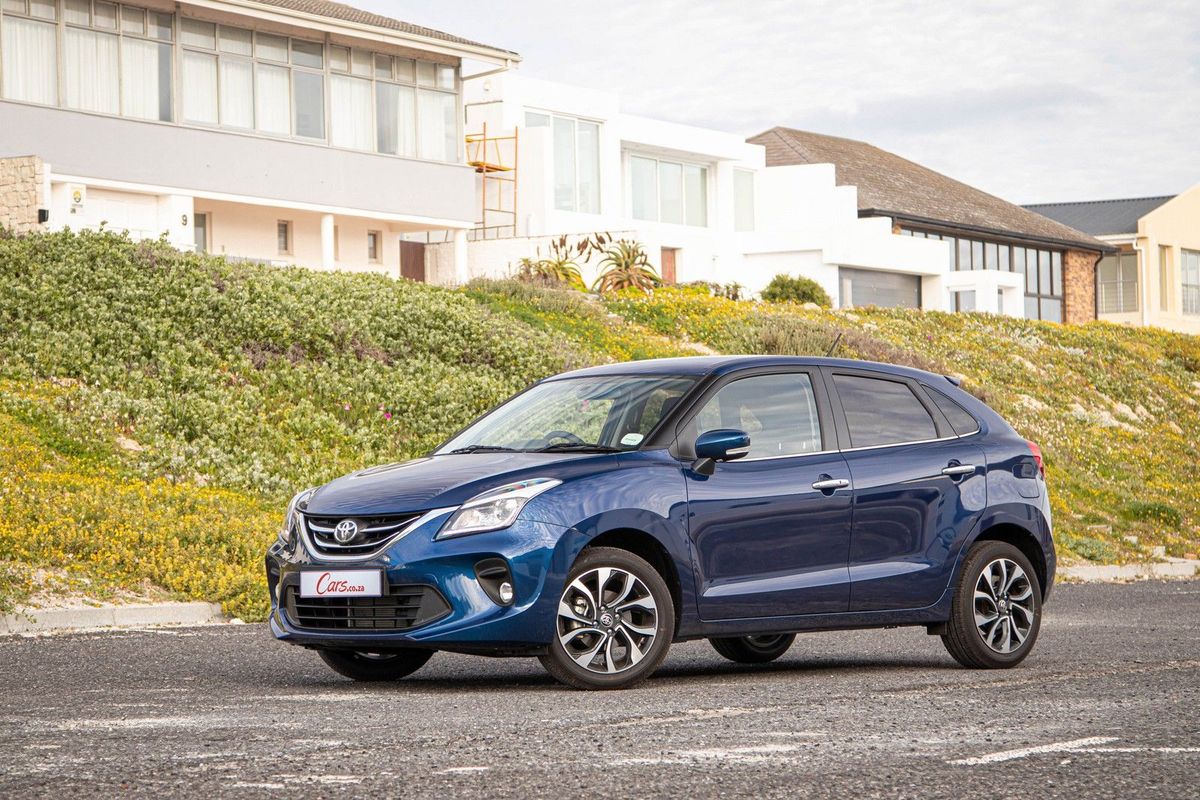
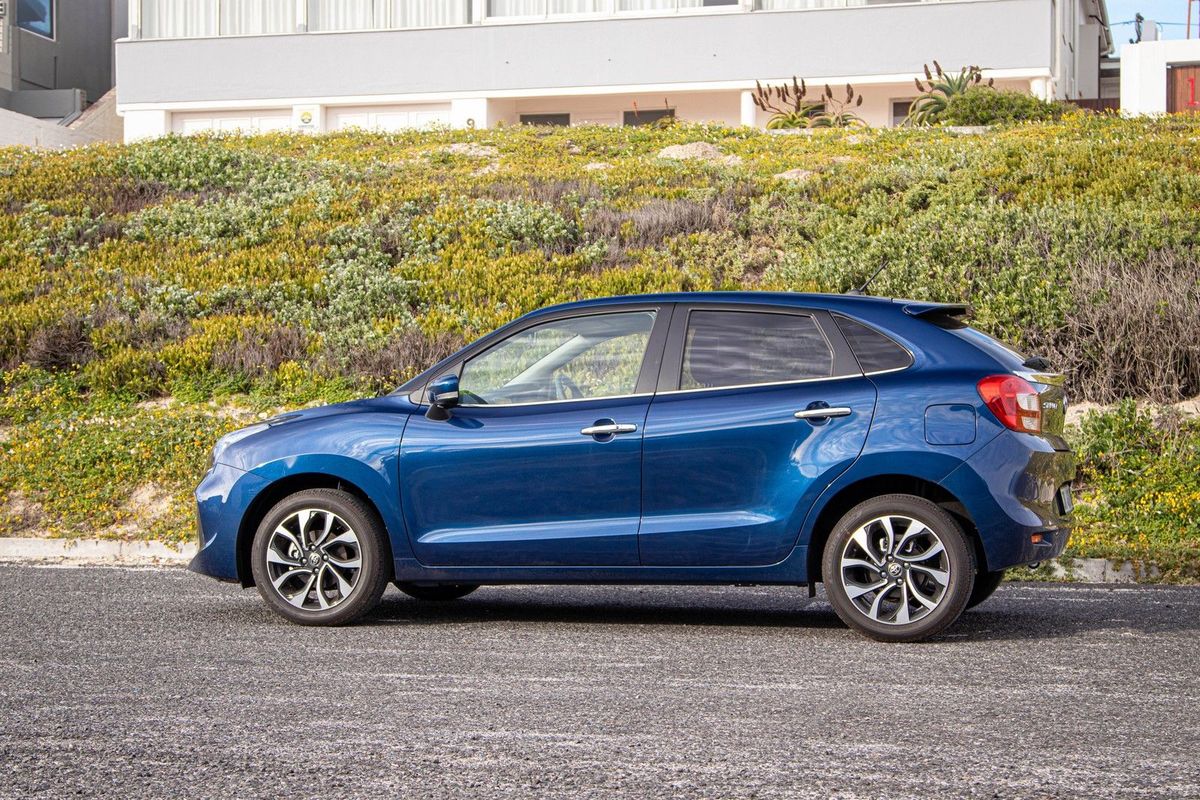
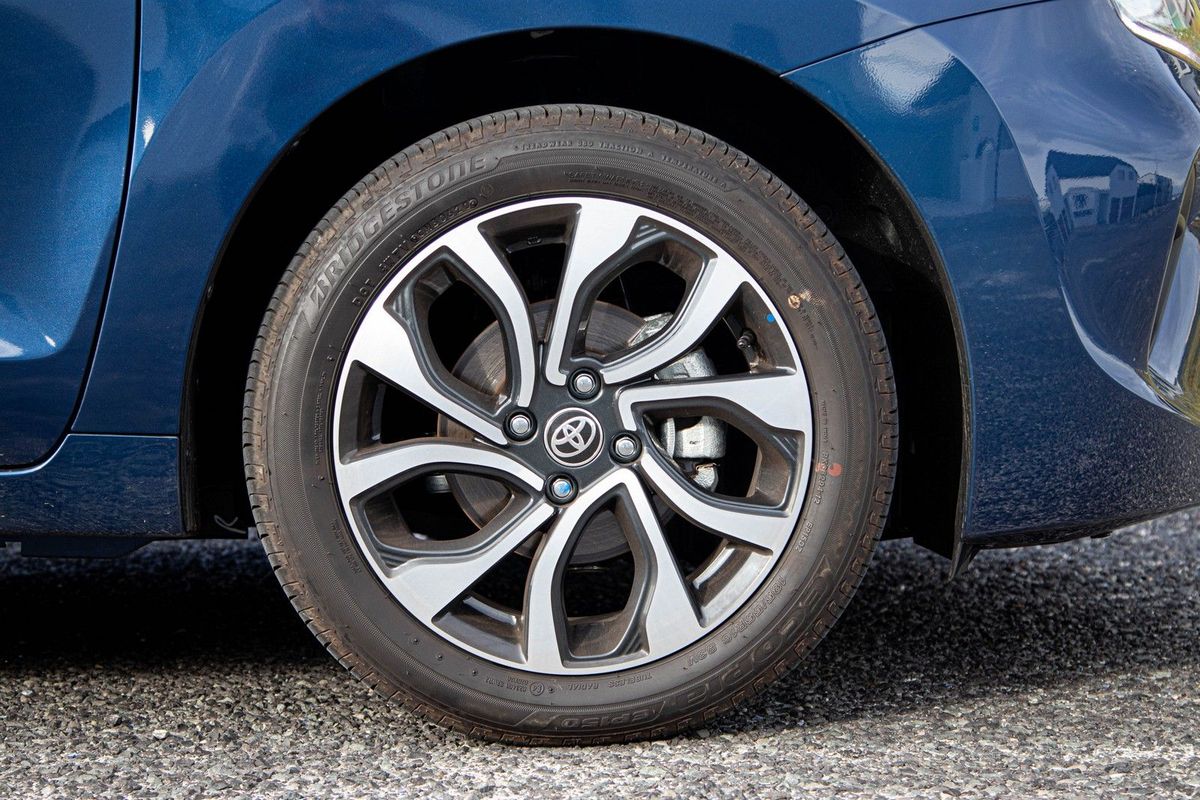
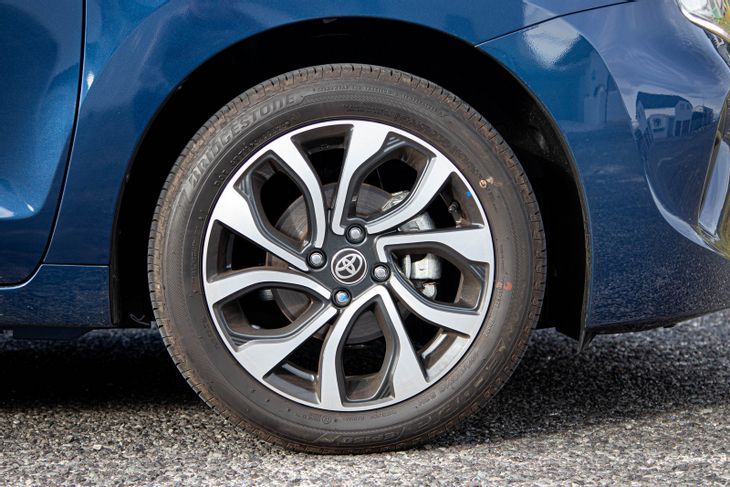
The easiest way to distinguish between the Starlet and its Baleno cousins is by the 2-tone 16-inch alloy wheels.
The base price of the Starlet range is likely to be a sore point for Suzuki, as the entry-level 1.4 Xi derivative is roughly R17 000 cheaper than the equivalent Baleno and there is little to choose between them. The difference between the 1.4 Xr and the flagship Baleno, by contrast, is negligible.
How it performs in terms of…
Build quality & Refinement
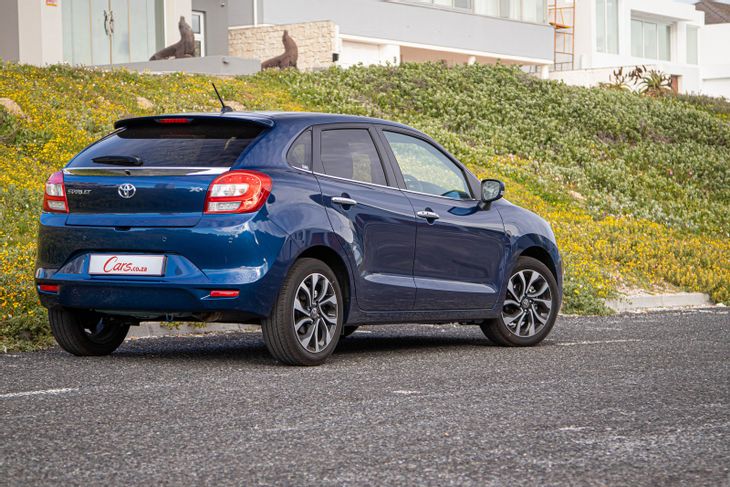
We aim to help consumers make considered purchasing decisions by comparing models with their rivals from other brands. It’s not very often that the same car will carry 2 different badges, which is the case here. The Starlet is quite simply a rebadged Baleno. The only differences are slightly different front grille treatment and wheel designs (unique to Toyota), plus a leather wrapped steering wheel on the range-topping 1.4 Xr derivatives.
The fact that the Baleno hails from the Indian market is apparent in the way it easily soaks up bumps on uneven roads.
As journos at Cars.co.za, we’ve always recommended the Baleno to friends and family. It was a slightly left-field option for many, but it was always a quality product at a competitive price. And so it’s impossible not to recommend the Starlet, especially at a more affordable price.
Believe it or not, the Starlet provides a driving experience comparable to cars that cost twice as much. The hatchback feels particularly solidly made and very little road or wind noise translates into the cabin.
Ride comfort is smooth and the suspension deals with road imperfections very well. In fact, in the opinion of our test team, the car simply “feels” better than the much more expensive Toyota Yaris, which is a bit awkward, considering the base price of a Yaris is R60k more than the Starlet.
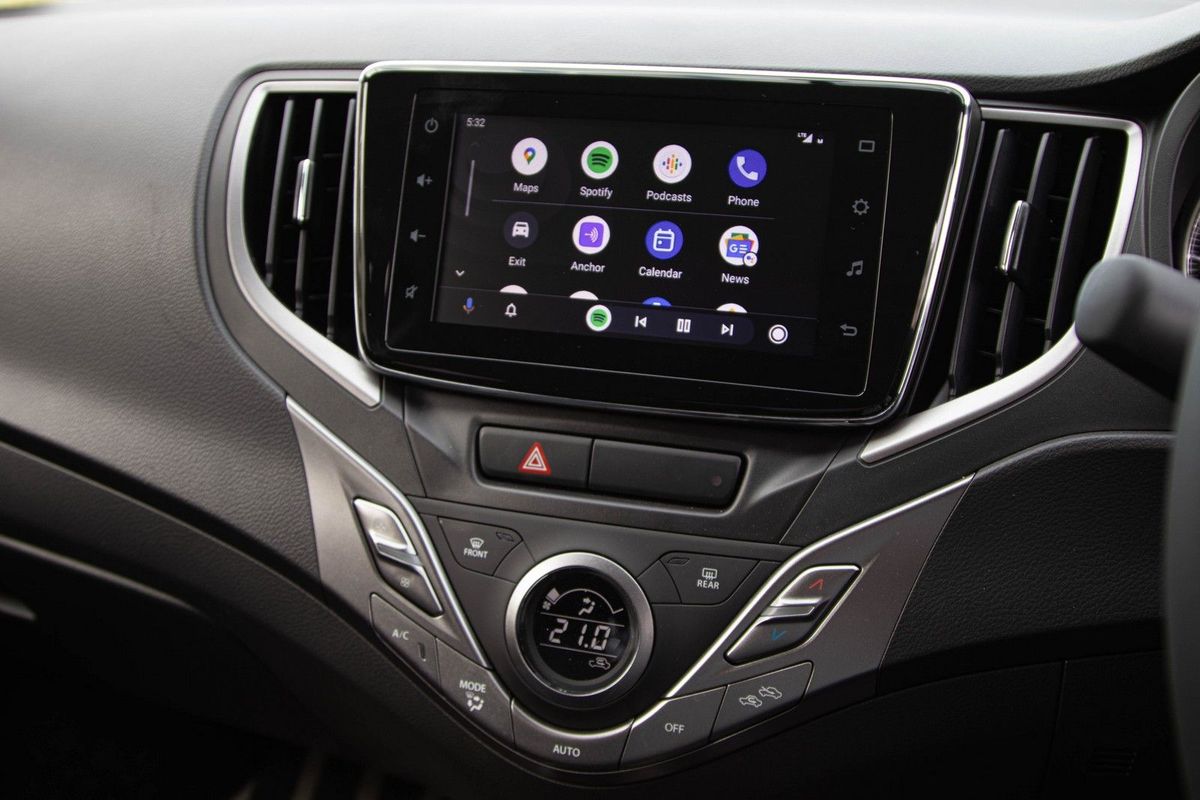
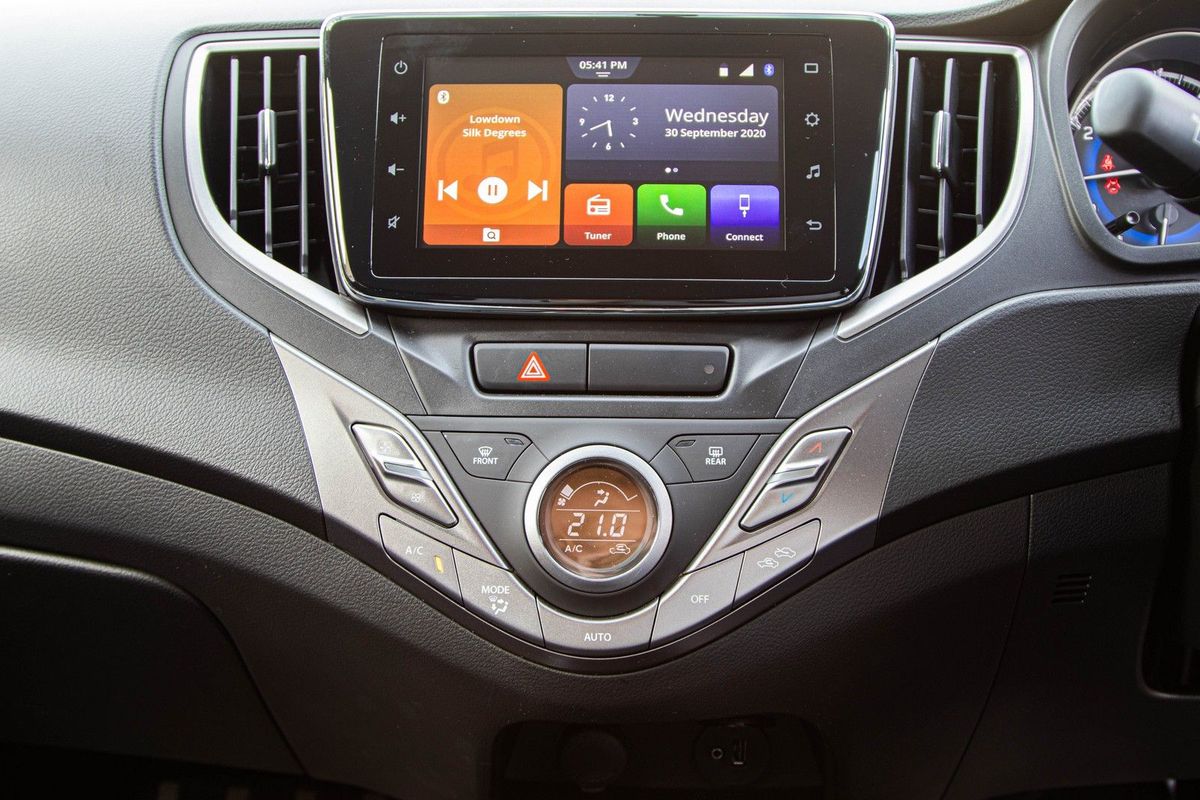
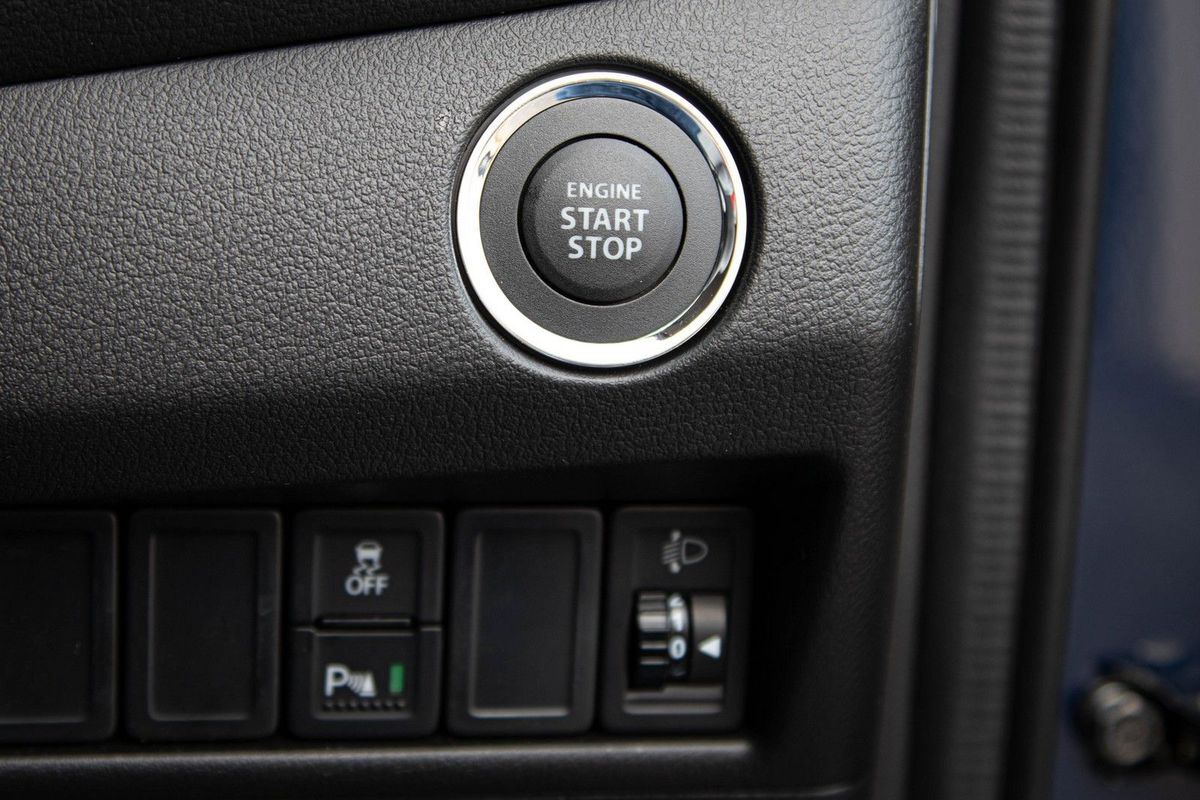
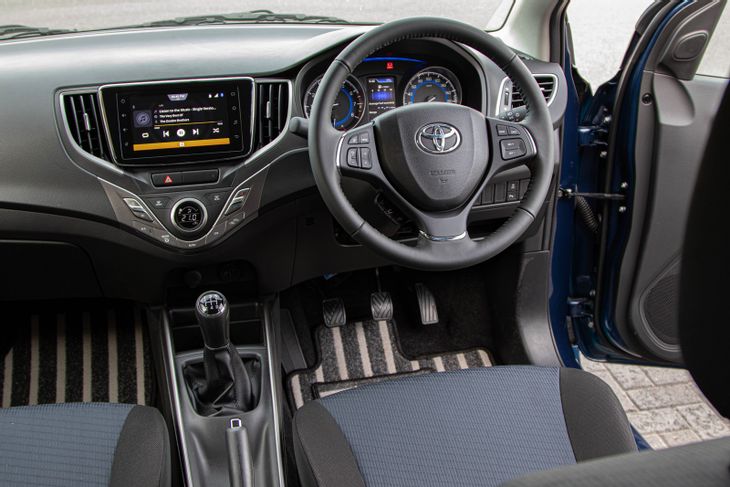
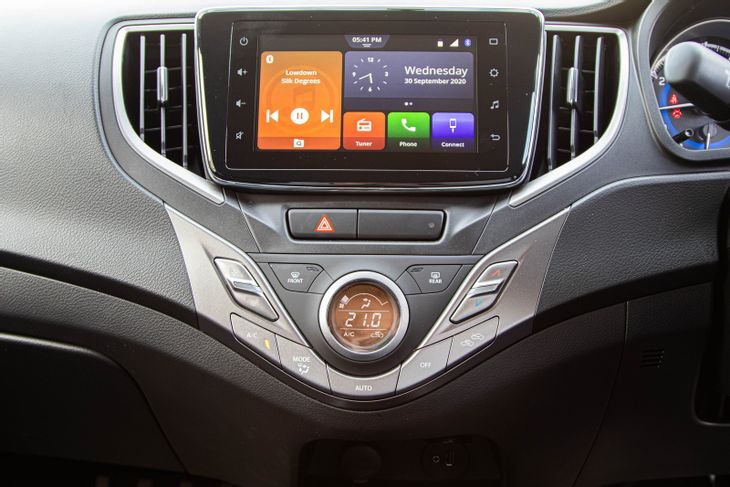
Touchscreen infotainment, push-button start, cruise control and auto aircon – the 1.4 Xr is certainly not miserly-equipped.
Standard features
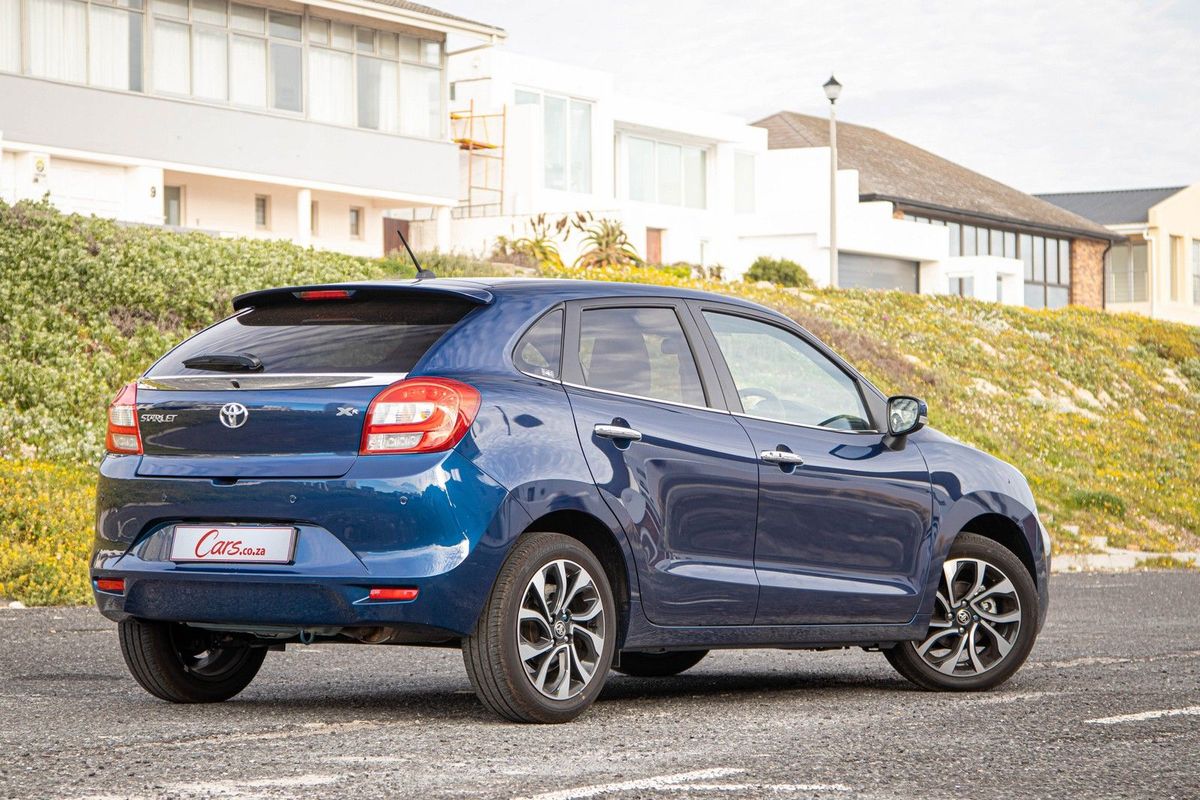
In top-spec 1.4 Xr trim, the Starlet's exterior execution is distinguished by LED headlights with Daytime Running Lights (DRLs), chrome door handles, chrome beltline finishers, a roof spoiler, rear privacy glass and 16-inch alloys and wheels.
As for the interior, Toyota offers smart entry with push-button start, a reverse-view camera (including parking sensors) and a touchreen infotainment system that is compatible with Android Auto and Apple Carplay. It also offers regular Bluetooth hands-free telephony and audio streaming functions, which are linked to well-placed buttons on the steering wheel that enable you to pick up and end calls without taking your hands off the 'wheel.
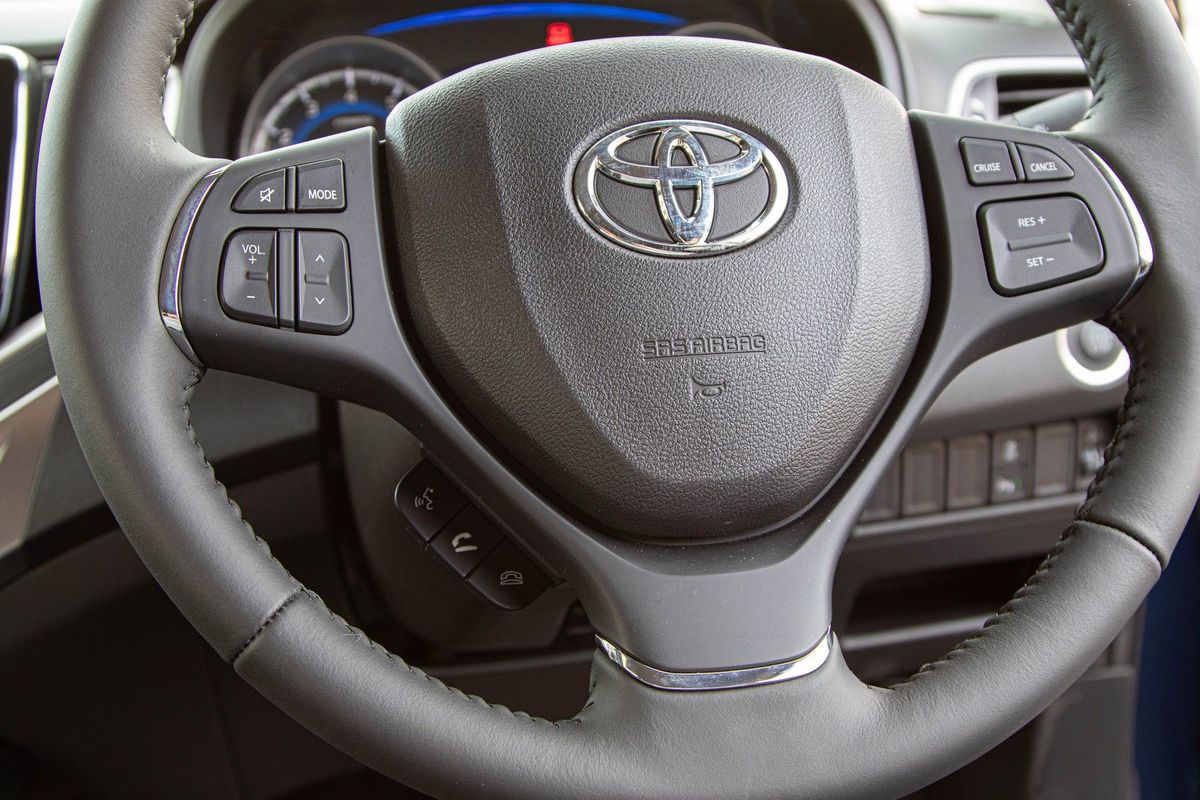
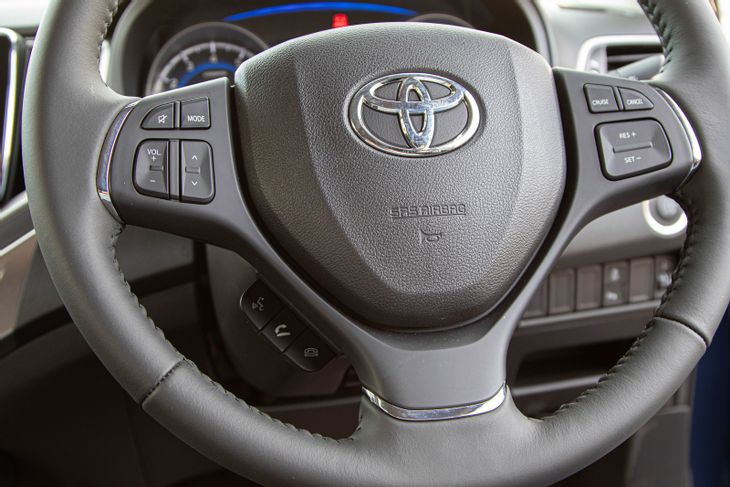
That aforementioned leather-trimmed steering wheel looks and feels pleasing and offers satellite controls, including for the standard cruise control. The headlights and wipers don't function automatically, but the climate control most certainly does, plus the aircon is particularly potent.
Screen mirroring technology, such as Apple CarPlay and Android Auto, is supported by the infotainment system.
The instrument cluster is analogue, but does feature a colour screen between the two dials that displays trip and fuel consumption information.
In terms of safety, the Starlet is equipped with ABS with EBD, brake assist, vehicle stability control and 6 airbags (front-, side- and curtain).
Performance & Efficiency
The 1.4-litre, naturally aspirated petrol motor is now quite an old engine, but with a proven track record of excellent reliability. Just don't expect fireworks in terms of its performance. The power figure is decent, but torque is very low (135 Nm), which results in much rowing through the gears on uphills, even in an unloaded car. Due to the lack of turbocharger, you can expect even more lacklustre performance up on the Reef…
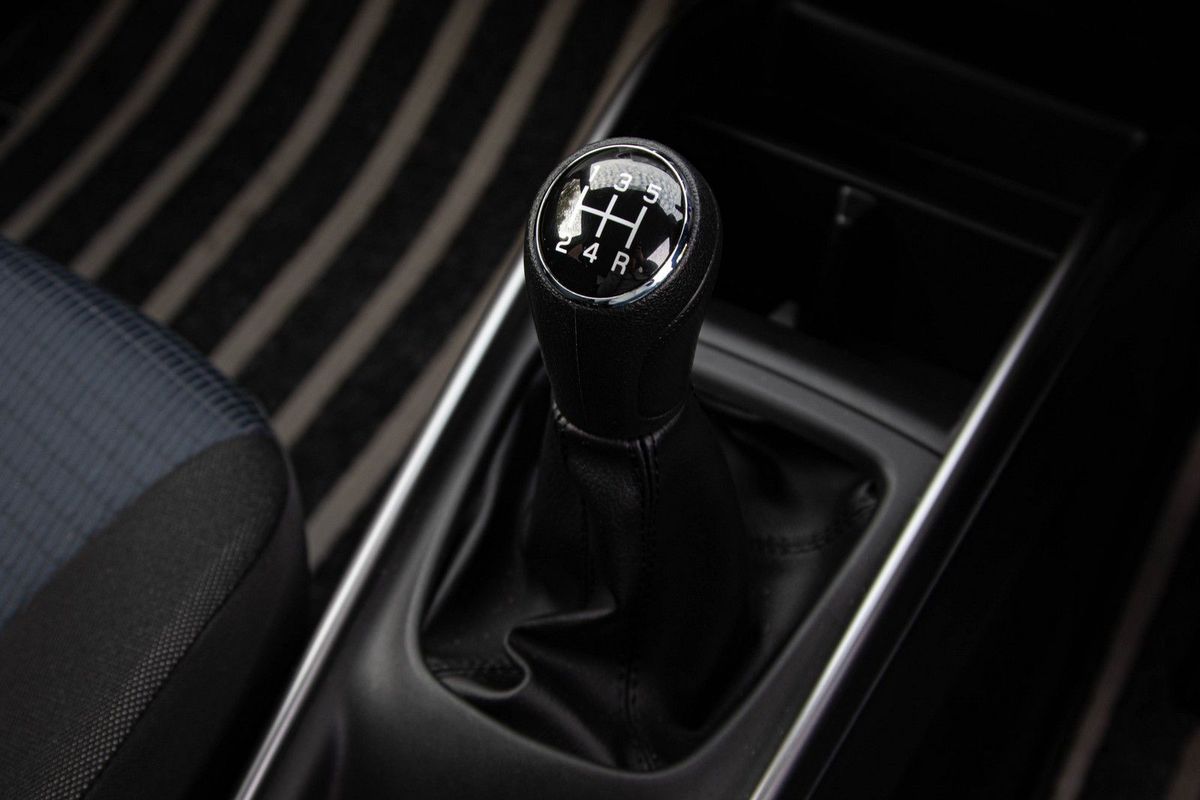
That being said, the gearing of the 5-speed manual (a 4-speed auto is also available) is quite smart. First and 2nd gear are quite short, so the car is nippy off the line, making the most of the available torque. Top gear seems quite tall and serves to lower the engine speed to around 3 000 rpm at the national speed limit, which is impressive. During a long-distance drive the Starlet proved admirably quiet and comfortable at freeway speeds.
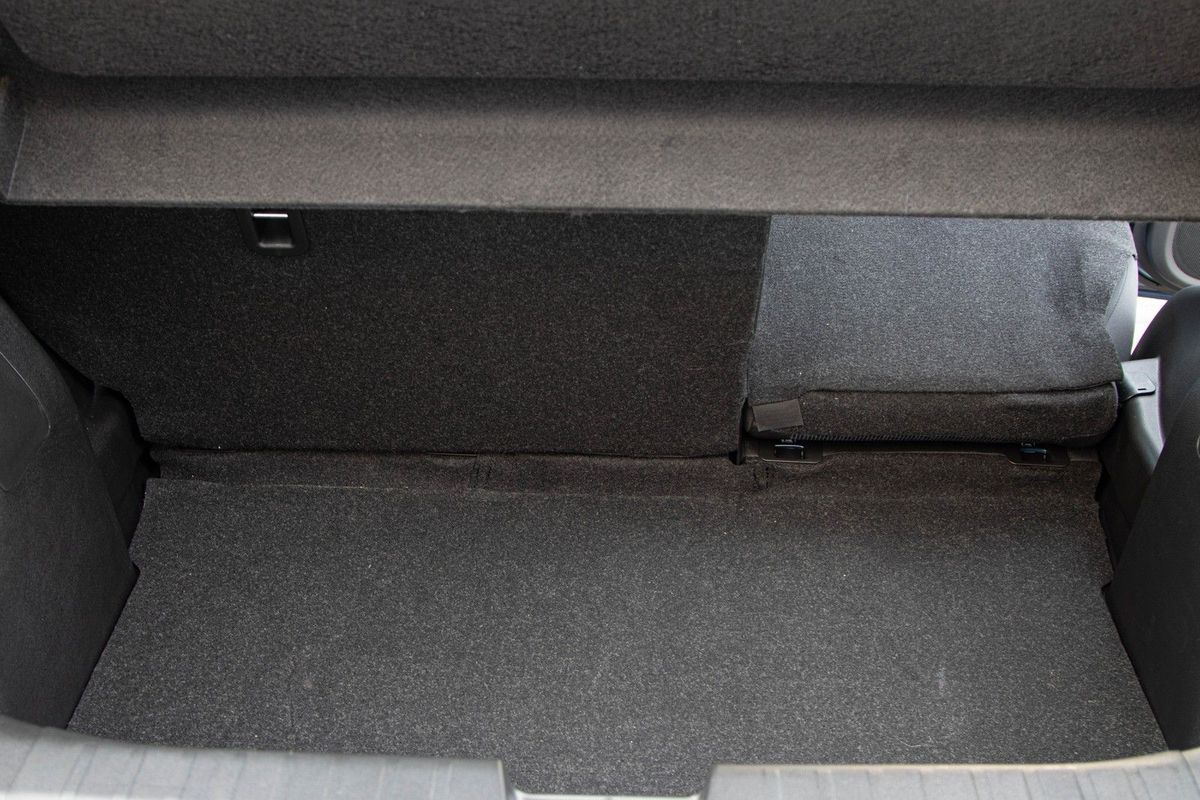
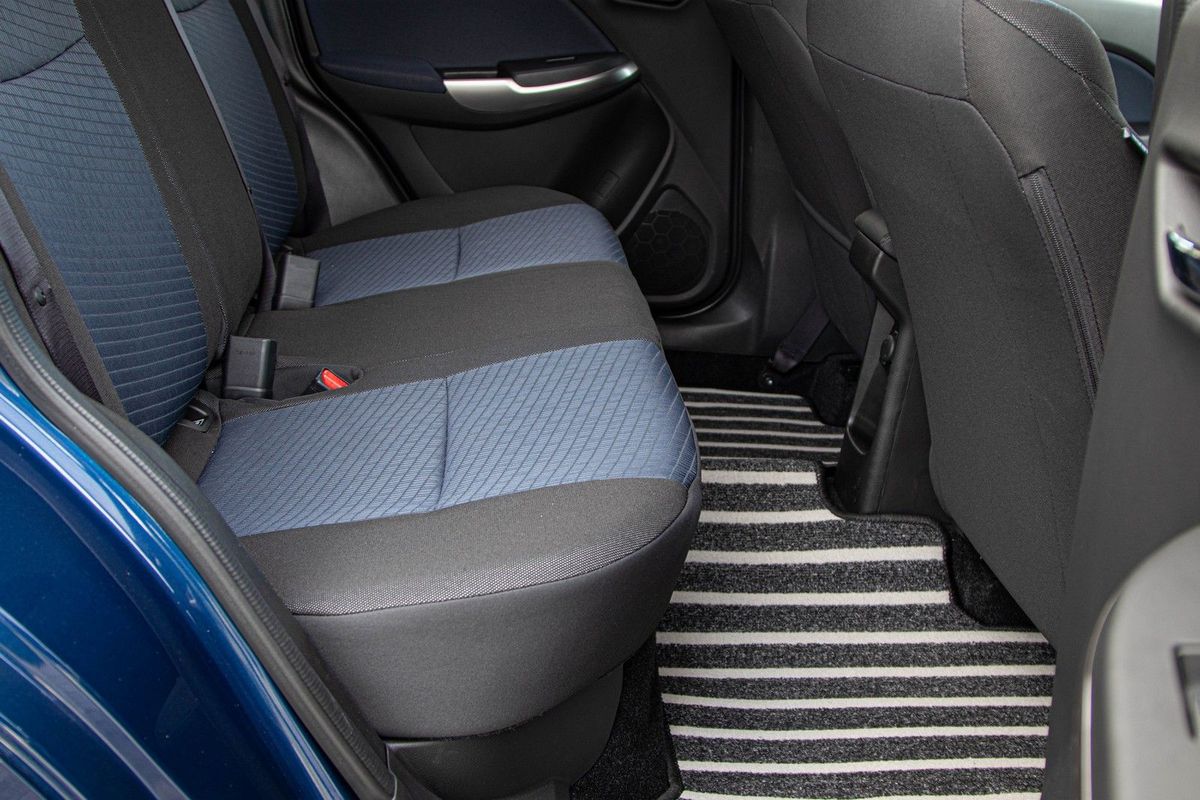
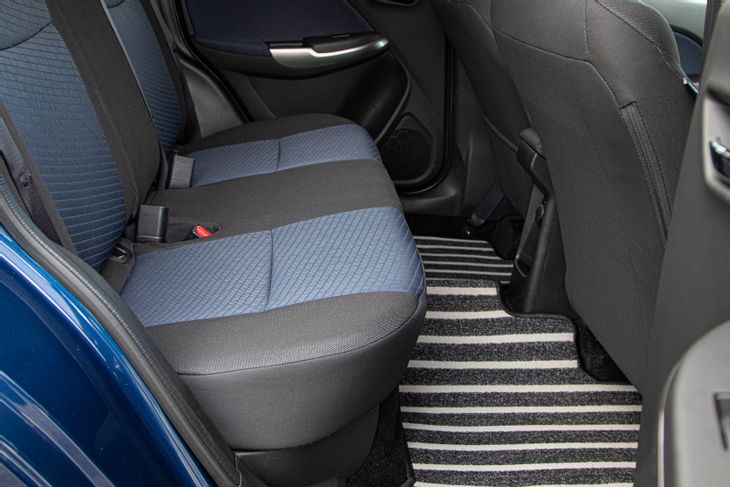
Another factor that distinguishes the Starlet from other dinky budget cars is the fact that it offers reasonable legroom.
In terms of fuel consumption, the Starlet benefits from Suzuki’s rather stellar reputation for frugality. Suzuki claims an average figure of 5.1 L/100 km and we achieved an impressive 5.9. If you maintain a measured driving style, you'd eventually achieve returns close to the claimed figure.
Value for money?
And so, the million dollar question: Which one should you buy, the Baleno or the Starlet? To reiterate, the cars are identical, so there’s nothing to choose between them in that sense. No, this argument comes down exclusively to rands and cents. And here’s where it gets a bit complicated.
Whereas the base Starlet 1.4 Xi is listed at R204 900 and the Baleno 1.4 GL at R221 900, which strongly favours the Toyota, the 1.4 Xr (as tested here and 1.4 GLX (both in manual) are priced at R258 500 and R259 900 respectively, which makes the price difference a paltry R1 400.
Unlike its Suzuki cousin, the Starlet has a leather-trimmed steering wheel, but with the same satellite controls.
However, the Suzuki is sold with a 5-year/200 000 km warranty and a 4-year/60 000 km service plan. The Starlet, by contrast, is sold with a 3-year/100 000 km warranty, and a 3-services/45 000 km service plan.
However (again), Toyota is currently running a promotion whereby the first 6 000 Starlets sold in South Africa will receive a complimentary 5-year/150 000 km warranty, which of course brings it more in line with that offered by Suzuki. In that case, there is 1 free service between them.
If, however, you miss one of the first 6 000 units, then Toyota offers 2 warranty-extension options, both of which can be added to your finance package at the point of purchase. The pricing is rather remarkable: you could extend Toyota’s 3-year factory warranty to a 6-year/unlimited km warranty for just R3 090. If that isn’t enough cover for you, you can extend your 3-year warranty to a 8-year/unlimited km warranty for just R4 750. That really is quite astonishing value, but really just underscores how confident Toyota is in the Suzuki Baleno as a product.
Whereas the Etios felt reasonably punchy, the Starlet's more of a cruiser, but it's a fundamentally better product overall.
Price and after-sales support
The Toyota Starlet 1.4 Xr sells for R258 500, which includes a 3-year/100 000 km warranty, and a 3-services/45 000 km service plan.
Verdict
In the 5-year history of the Cars.co.za Consumer Awards, powered by WesBank, Toyota has won the coveted Brand of the Year title on 2 occasions… and so has Suzuki! Both brands have sterling reputations for vehicle quality, reliability and steller after-sales service. So, if your purchasing decision comes down to a choice between a Starlet and a Baleno, we encourage you to shop around, you might find a Suzuki dealer that is willing to give you a better deal than a Toyota dealership, or vice versa.
Other than that, Toyota’s dealership network is massive, the largest in the country, while Suzuki has a considerably smaller dealer footprint. If you live in a remote area, chances are there’s a Toyota dealership near you, while your nearest Suzuki dealer might be an inconvenient distance away.
And lastly, the Toyota brand does enjoy, on average, less depreciation than just about everything else on the market, save for perhaps Volkswagen. So, if you are likely to sell your car in 3 years or less, you might find you’ll get more for the Toyota vs the Suzuki. We're splitting hairs here…
Audi A4 (2020) Specs & Price
The facelifted version of Audi’s 5th-generation A4 is now on sale in South Africa. Although this updated B9 isn't that different from its predecessor, at least not mechanically, its exterior design incorporates many of the latest Audi design elements, introduced by other models in recent months. The range also introduces Audi Connect in Mzansi.
The latest interpretation of Audi's single-frame grille frames the restyled front end, which also sees an upgrade to the Ingolstadt-based brand’s latest signature LED headlight patterns. Around the rear, the A4’s tail-light clusters also feature a new orientation of LEDs.
Although daytime LEDs are now standard across the range, only the premium derivatives will offer the option of Matrix LEDs, with their intelligent high-beam ability.
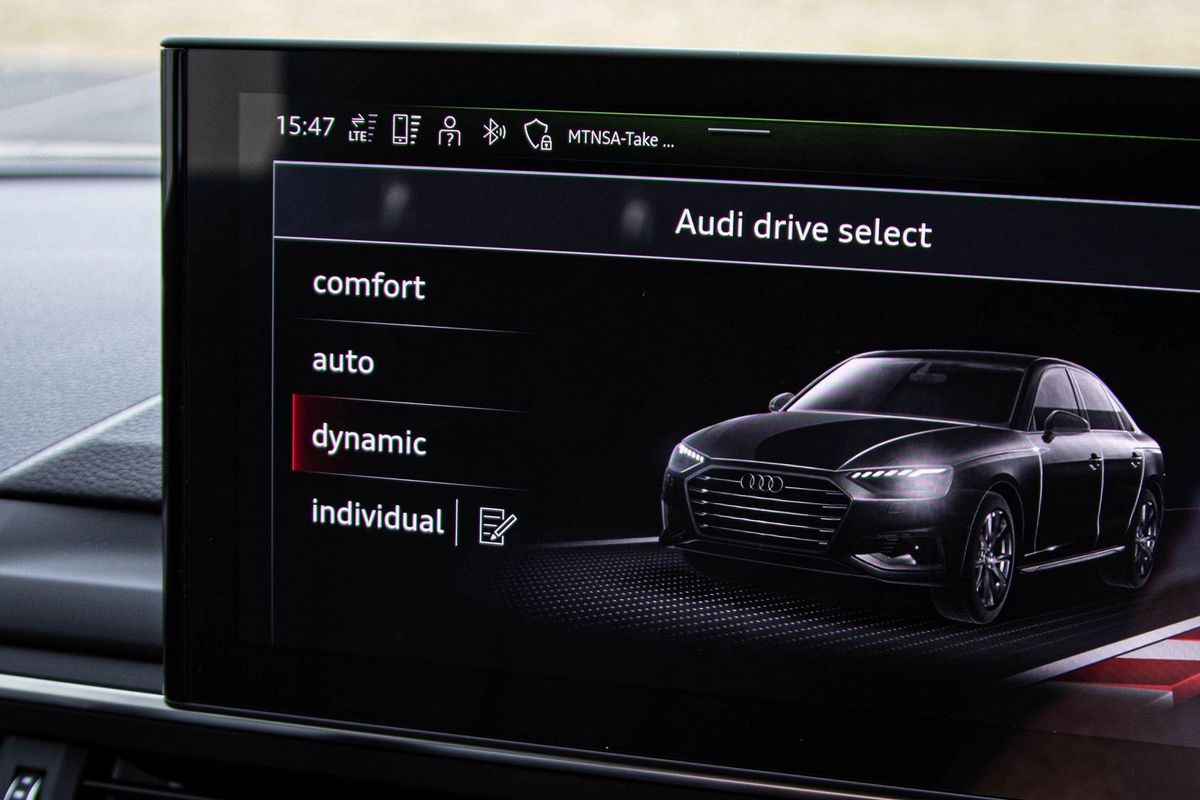
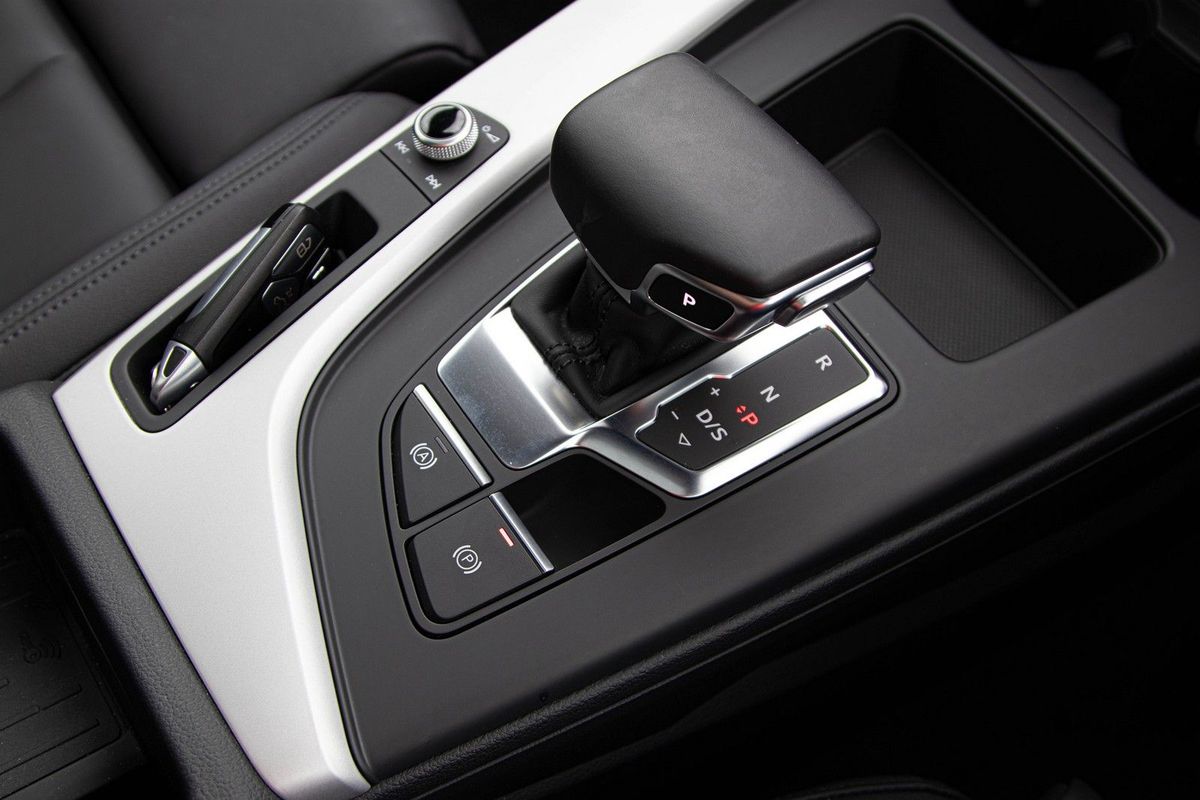
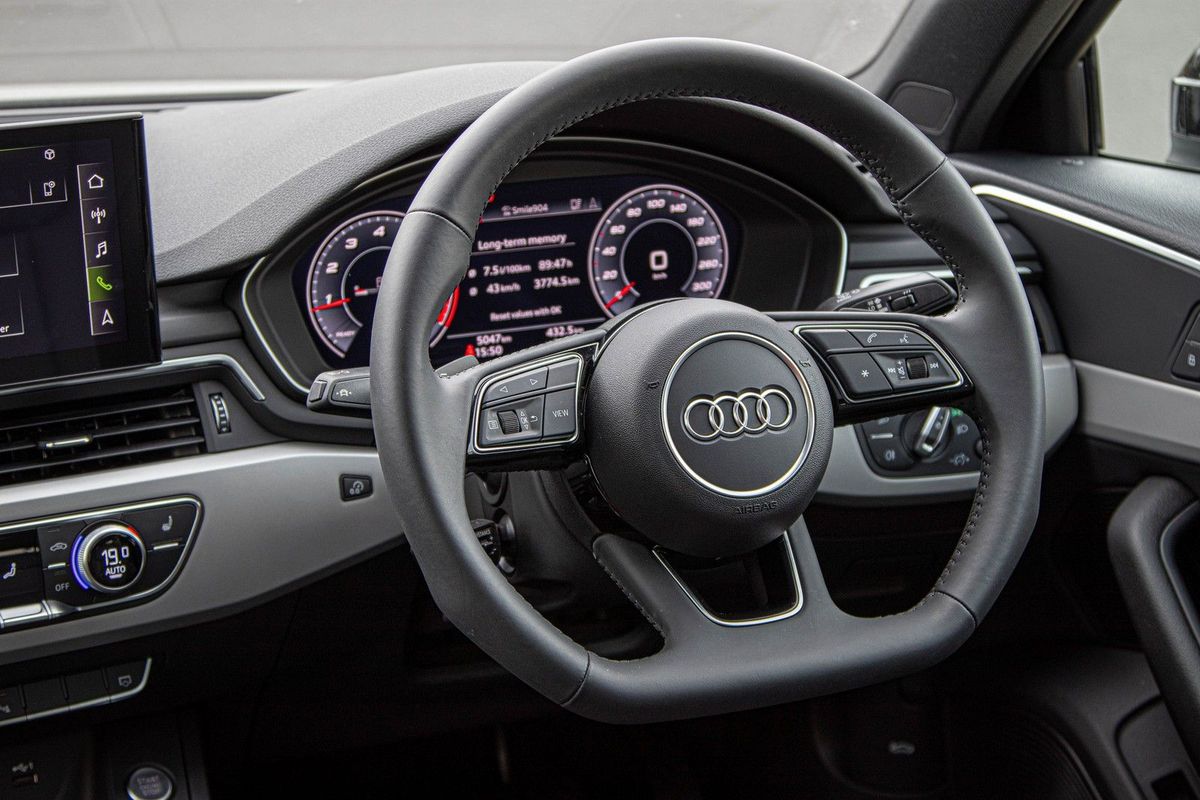
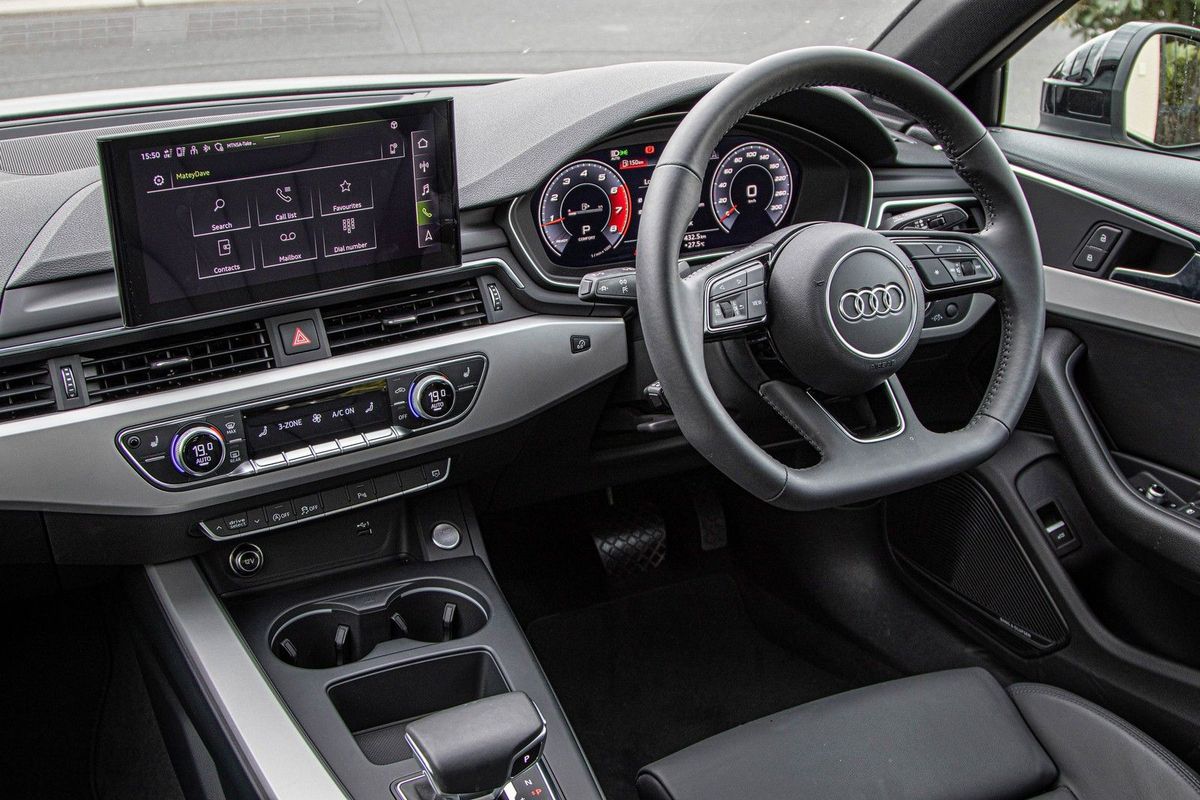
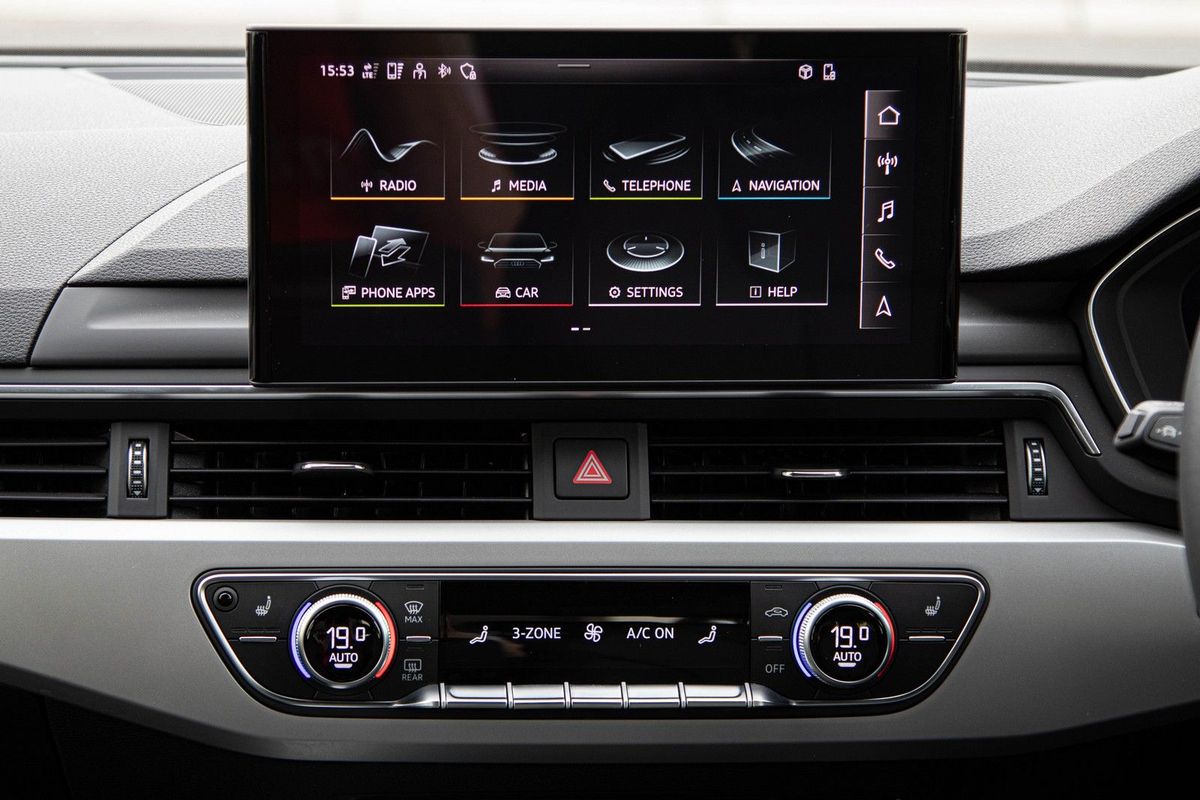
Audi’s renowned cabin architecture and digitally aware ergonomics come strongly to the fore in this updated A4. It has the company’s latest Touch Response MMI screen and 12.3-inch Virtual Cockpit, although entry-level A4s will retain a combination analogue/colour display.
Big news with new A4, is that it introduces Audi Connect to the local market. Benefitting from an embedded SIM, Audi’s new A4 will offer incredibly precise navigation and active traffic rerouting, while also giving owners excellent OTA support, in the event of a breakdown.
For those Audi A4 customers who value quality sound when listening to a podcast or streaming media, there is also the option of a Bang & Olufsen Premium sound system, although its 3D acoustics are limited to the front seating area of the vehicle.
There are 3 engine options, across two configuration types. All launch A4 engines are petrol, with plans to introduce a turbodiesel early next year.
Most A4 customers will be in command of a 2.0-litre turbocharged 4-cylinder petrol engine, in either 35- or 40TFSI trim. Both powertrains feature 12V mild-hybridisation, which supplies energy to drive ancillary functions and is claimed to reduce fuel consumption by 0.3 L/100 km.
The A4 35TFSI produces 110 kW and 270 Nm, with its 40TFSI sibling delivering a more potent 140 kW and 320 Nm.
Customers who desire a more involving and rapid driving experience can opt for the S4, powered by a turbocharged 3.0-litre V6, good for 260 kW and 500 Nm. Thanks to a recalibrated 8-speed automatic transmission and quattro all-wheel drive, the S4 has a 0-100 kph time of only 4.7 sec.
Audi A4 Price in South Africa (October 2020)
The new Audi A4 is sold with the Audi Freeway plan which is 5 years/100 000km.
35 TFSI Standard R644 000
35 TFSI Advanced R663 000
40 TFSI Standard R681 500
40 TFSI Advanced R700 500
40 TFSI S Line R726 500
S4 TFSI S specifi R944 500
Toyota has teased a selection of high-performance Hilux bakkies, but fans of the market's most popular double-cab still pine for a true Ford Ranger Raptor rival. This is as close to the real McCoy that Toyota has ever produced!
The expectation is that Toyota will introduce a true GR-badged high-performance Hilux, with its next-generation bakkie, which is expected in 2023. It has secure the patent naming rights for a GR Hilux, back in 2018, to show the intention of developing a Ranger Raptor rival.
For customers in New Zealand, the wait is over, as Toyota’s marketing division in Aotearoa has revealed a limited-edition Hilux that will be the envy of many South African bakkie fans.
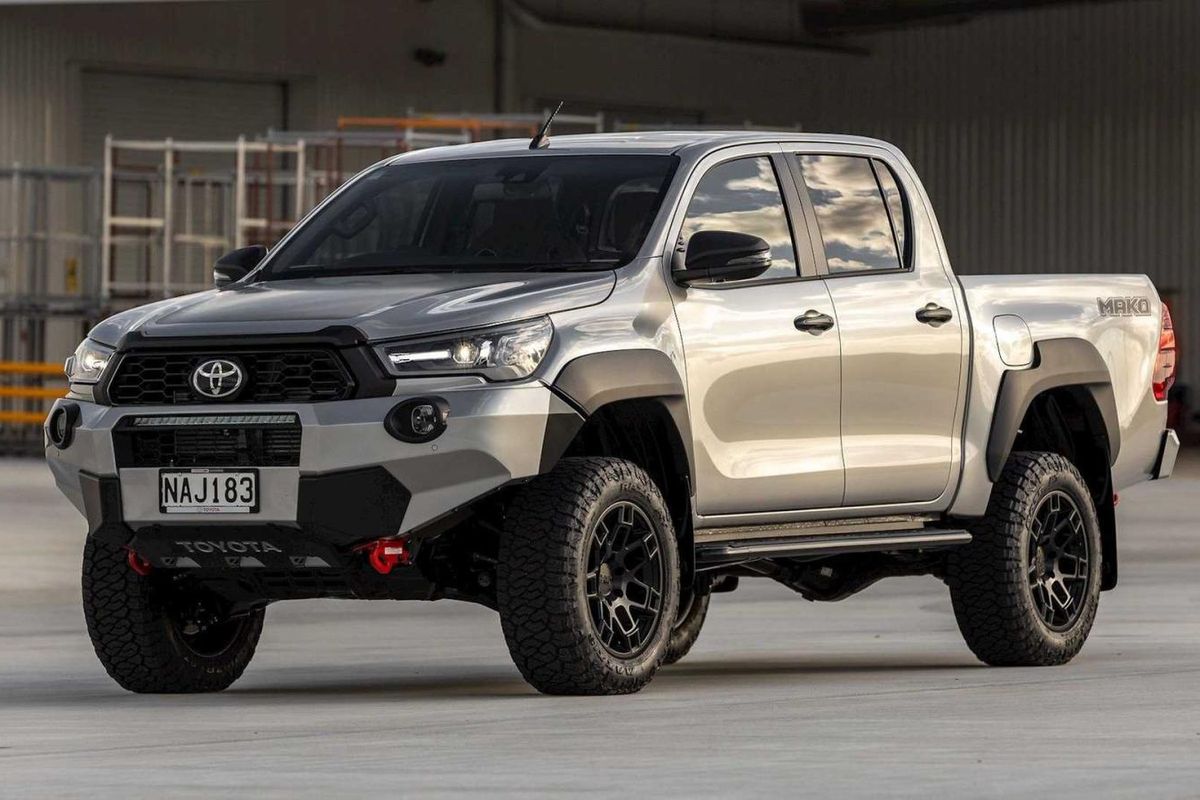
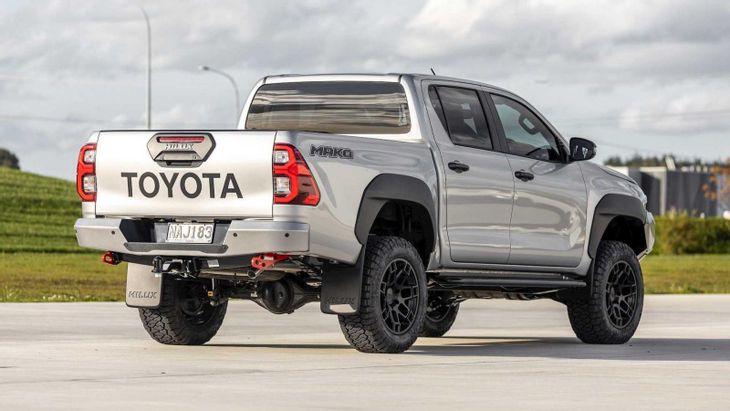
It is called the Hilux Mako, will be limited to only 250 units, and has significantly enhanced off-road ability.
By far the most radical Hilux available from an official Toyota dealer, the Mako has an imposing stance courtesy of its Old Man Emu suspension upgrade. The bakkie has been lifted by 40 mm at the front axle and 50 mm at the rear, which meaningfully enhances its approach, departure and breakover angles. Larger capacity dampers also give it much better compression and rebound performance, when having to roll over particularly rocky terrain, at speed.
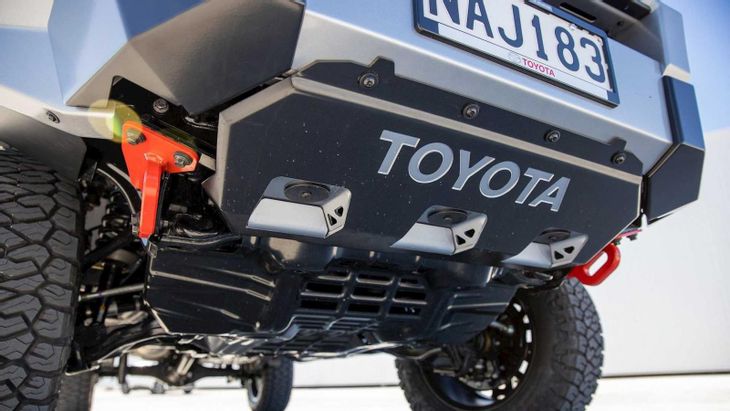
To accommodate the Old Man Emu suspension and huge 265/60 Maxxis Razr off-road tyres shod on 18-inch blacked-out alloy rims, Toyota swapped out the standard Hilux fenders for custom components. These black plastic fenders can house larger tyres without inducing any wheel-arch rub during peak compression or axle articulation.
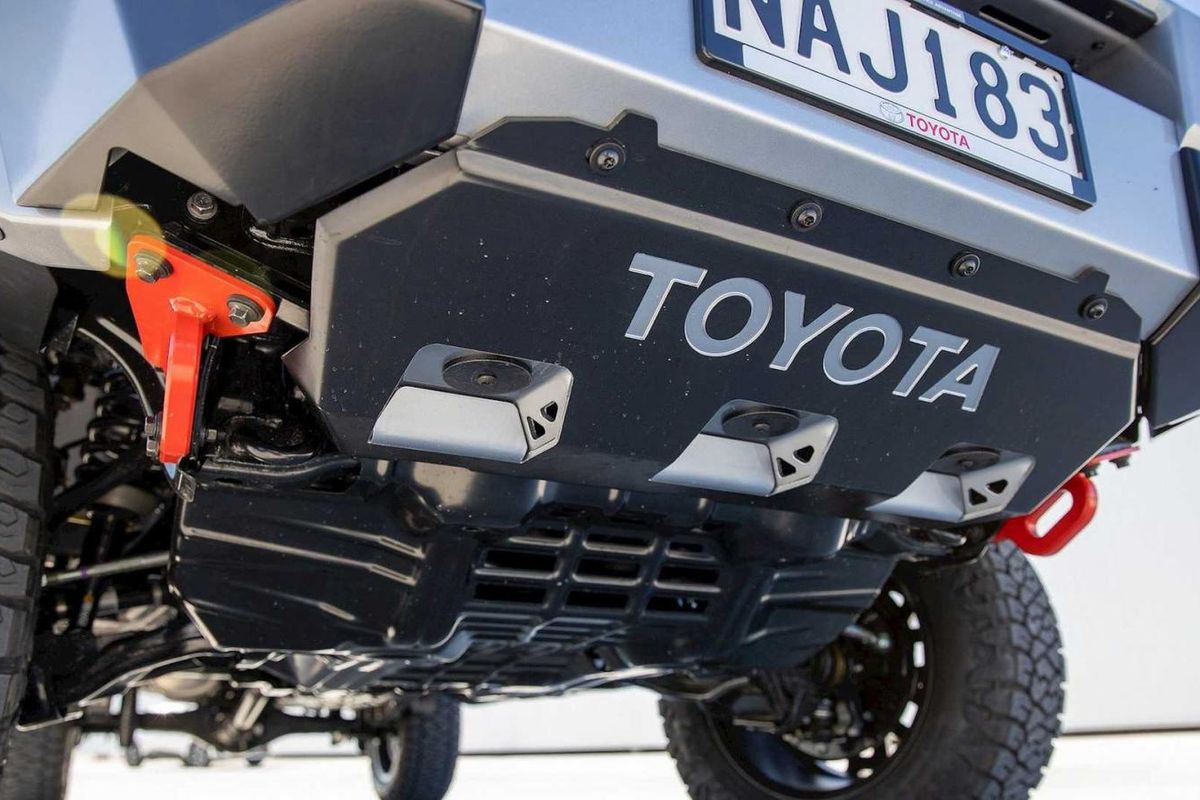
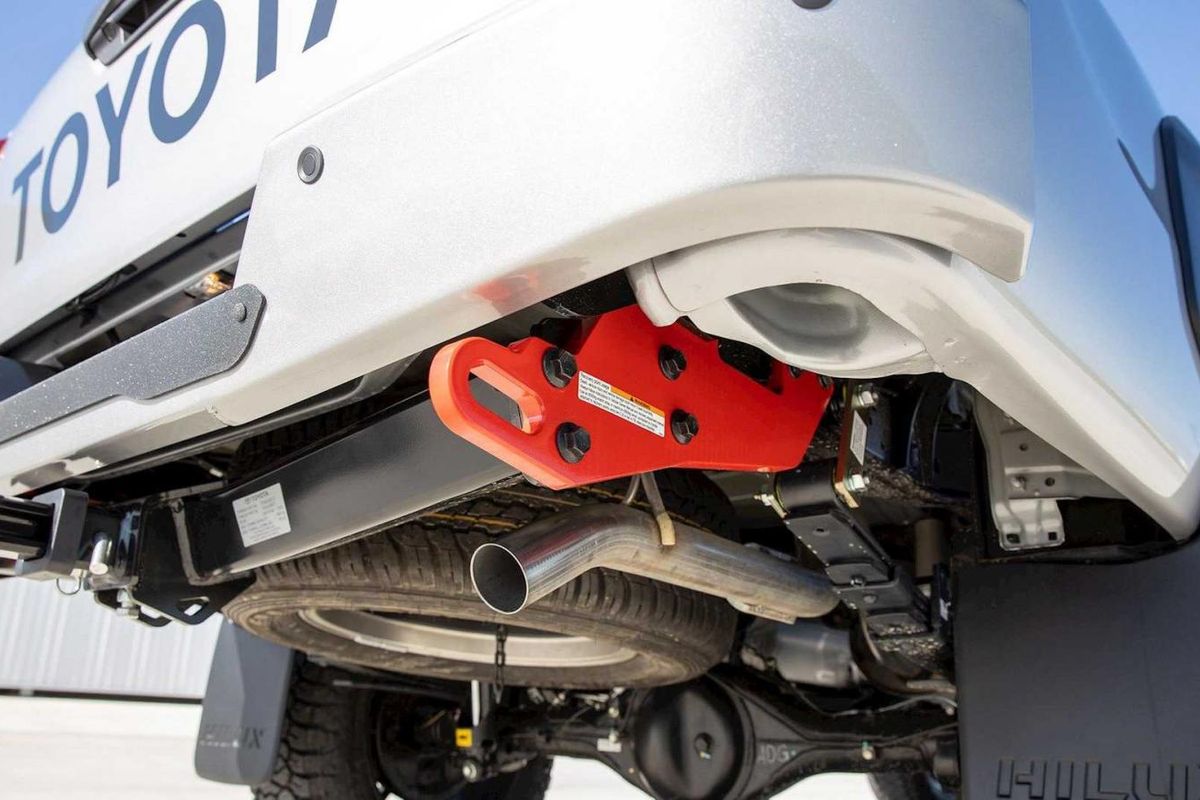
Beyond the increased ride height and superior traction afforded by those Maxxis tyres, the Mako is also a lot less vulnerable at both ends, thanks to oversized steel bumpers. Easily accessible dual recovery points, which are painted red, are embedded into these off-road spec bumpers.
No off-road exploration bakkie can do without addition illumination technology, which is especially handy when navigating unknown and technically challenging trails at night. As such, the Hilux Mako has an LED light bar, mounted just below the grille.
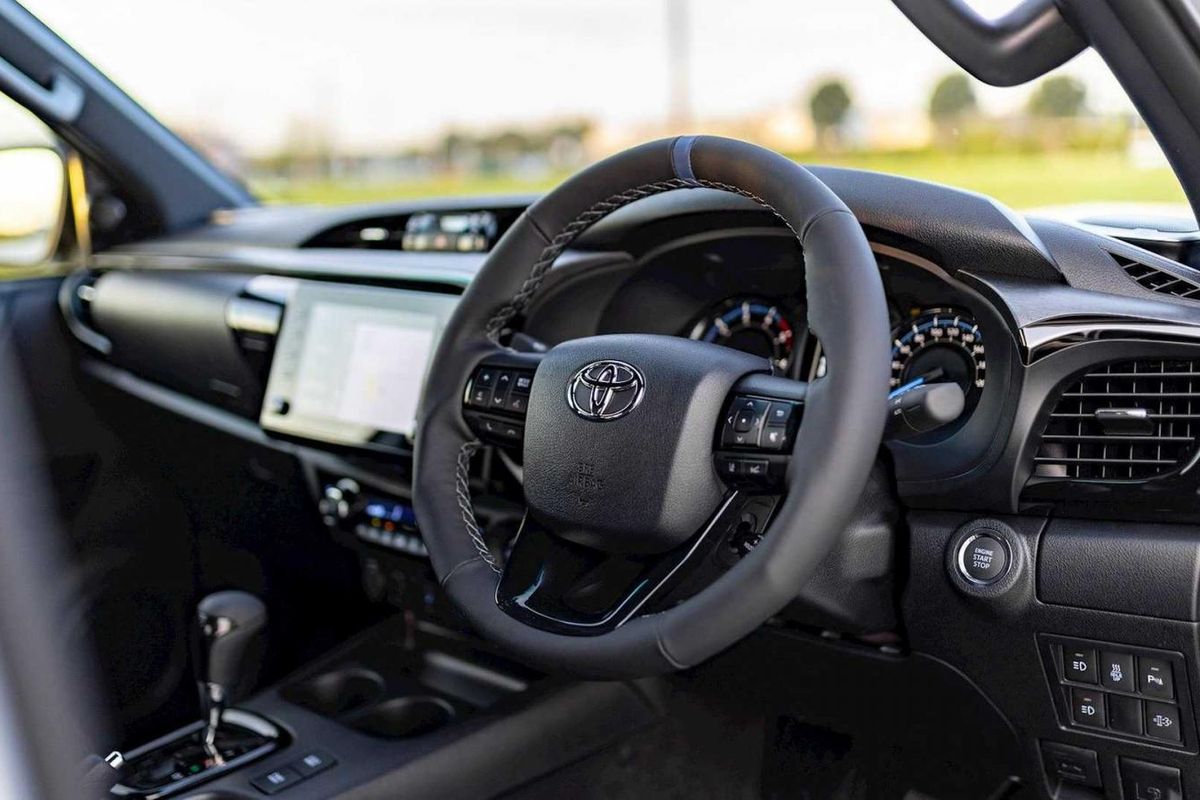
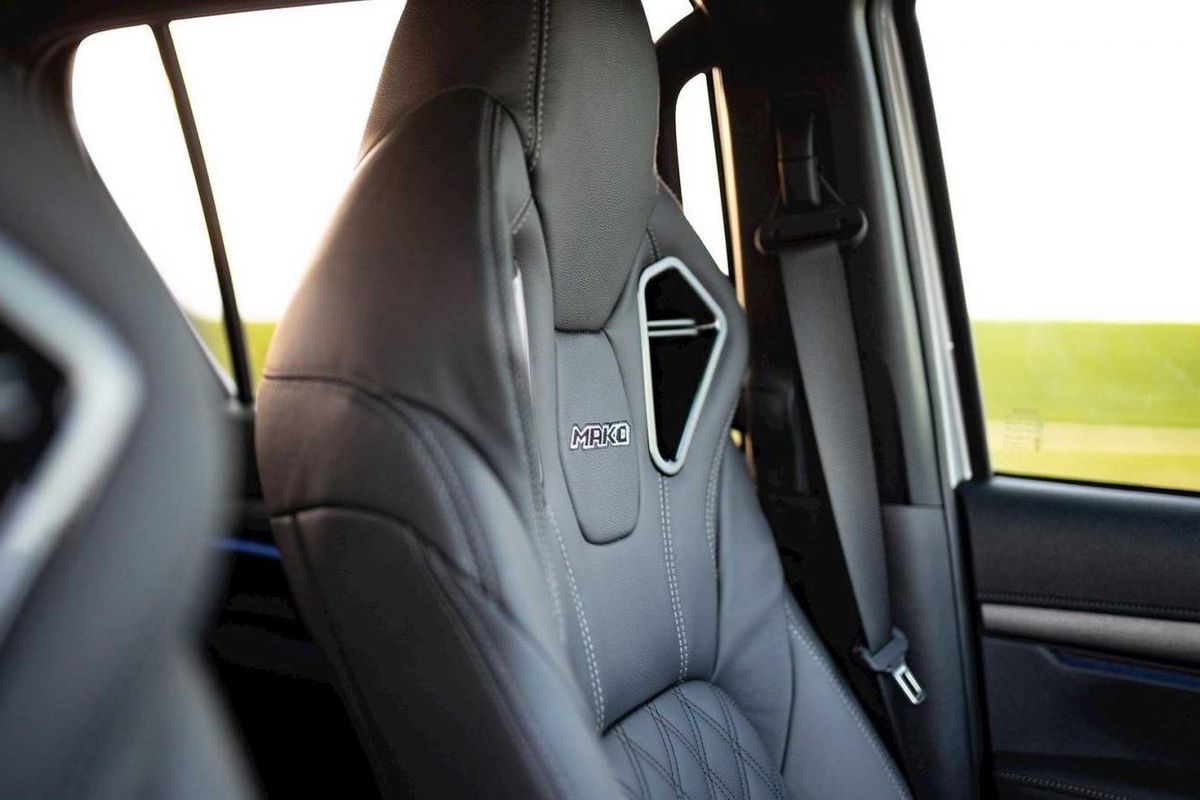
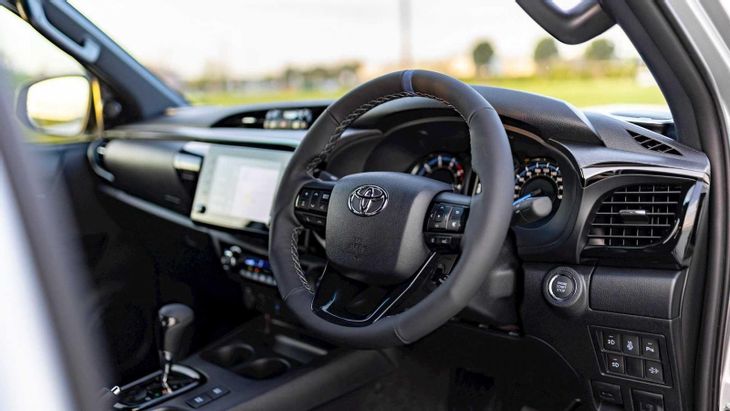
The cabin is left relatively unmodified, but for semi-bucket front seats and additional leather trim on the steering wheel rim.
Powering this Hilux Mako is Toyota’s latest version of the 2.8 GD turbodiesel engine, which produces peak outputs of 150 kW and 500 Nm. That means the Mako's powerplant matches the Ranger Raptor for torque, despite being 7 kW down on power.
It might not have a more potent engine than any standard Hilux, but the Mako’s brake system is borrowed from Fortuner, which means a 15-mm increase in disc size and better pedal feel, thanks to braided hoses.
A notable advantage that Toyota’s Hilux Mako has over the Ranger Raptor, is that its increased ride height and off-road ability do not come at the cost of payload of towing capacity. Toyota has confirmed that its Mako will haul 3 500-kg (braked trailers) and carry 940 kg in its loadbox, like any other Hilux double-cab 4×4 – both numbers are way more than what a Raptor is capable of.
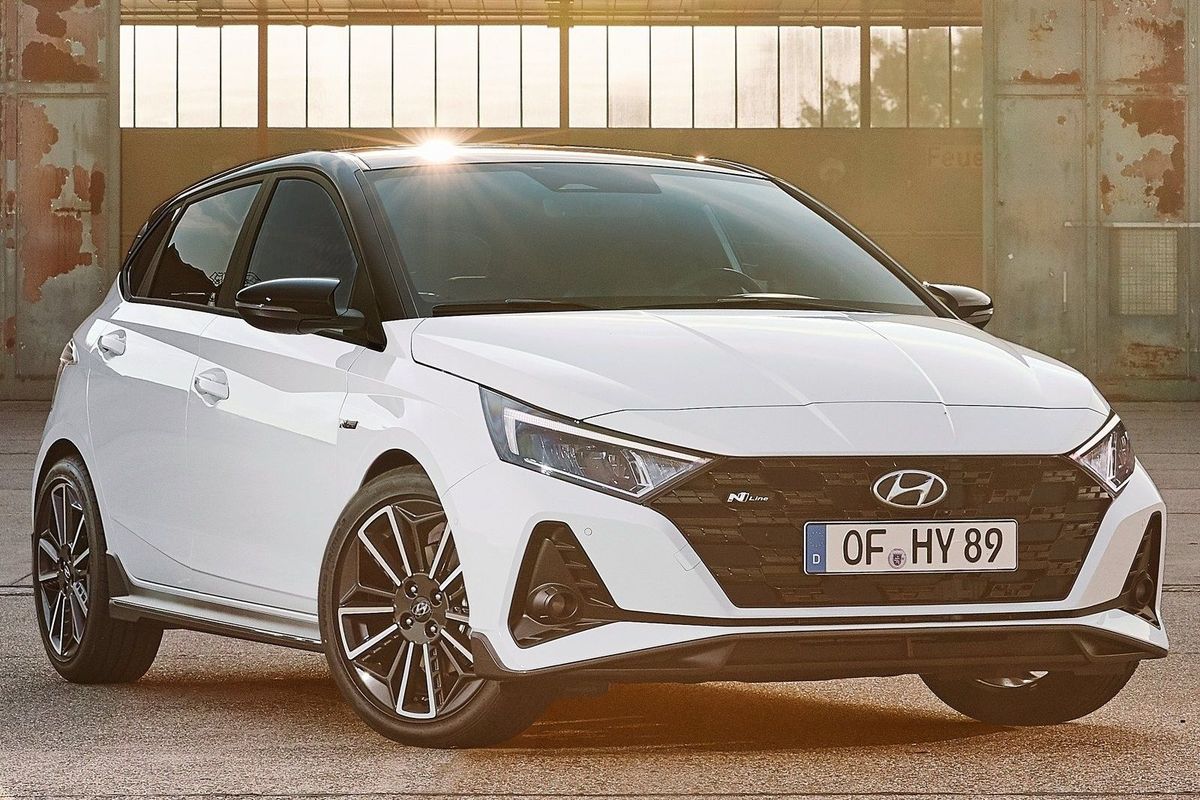
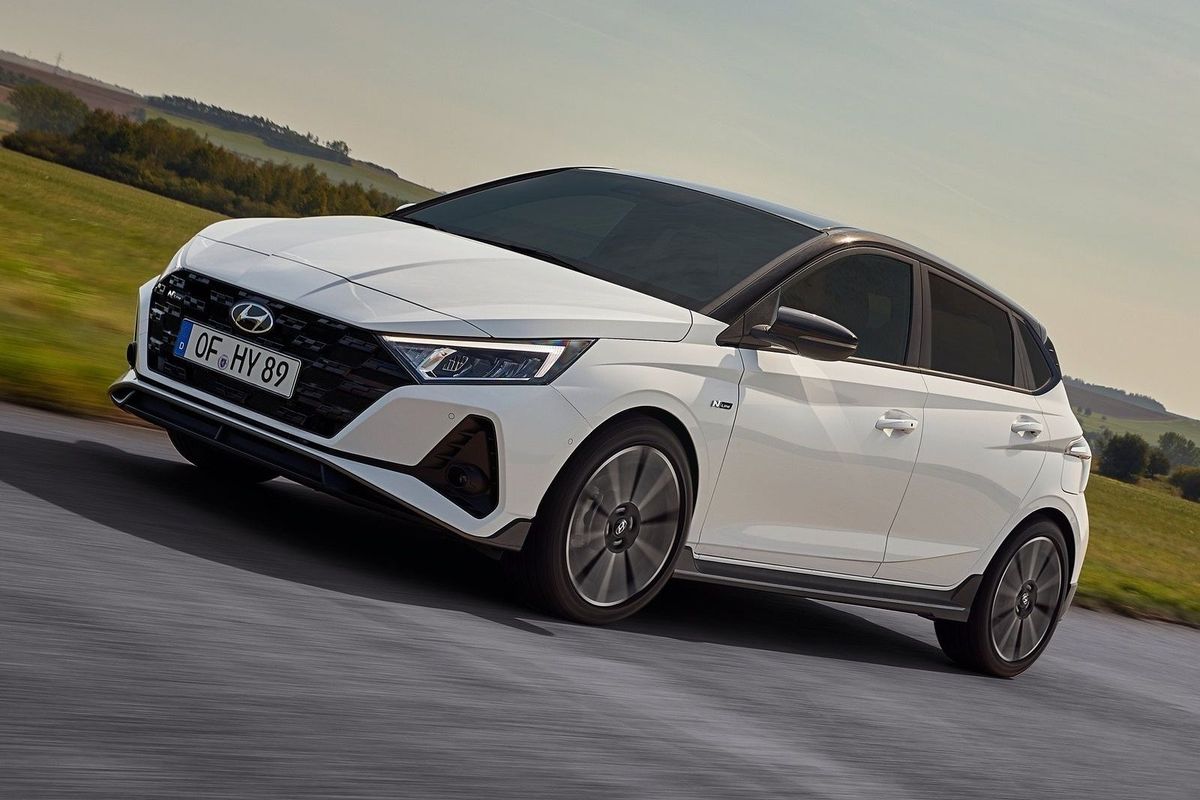
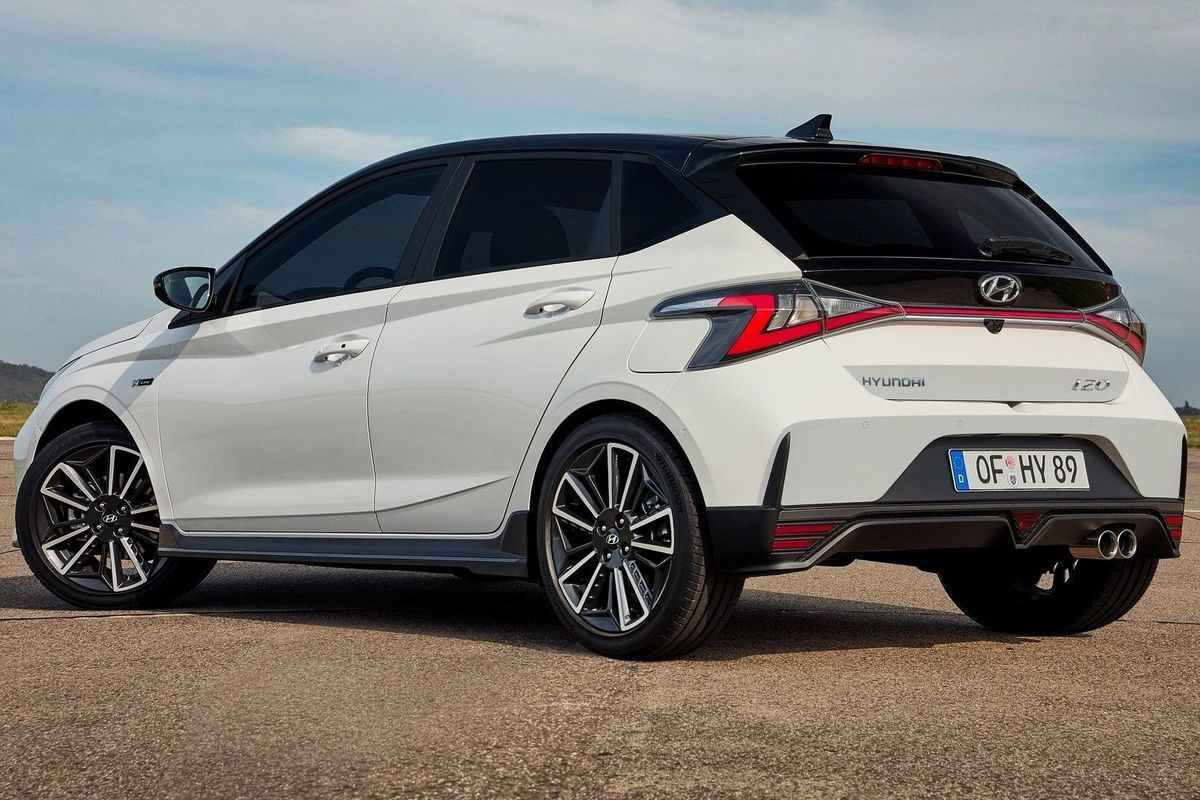
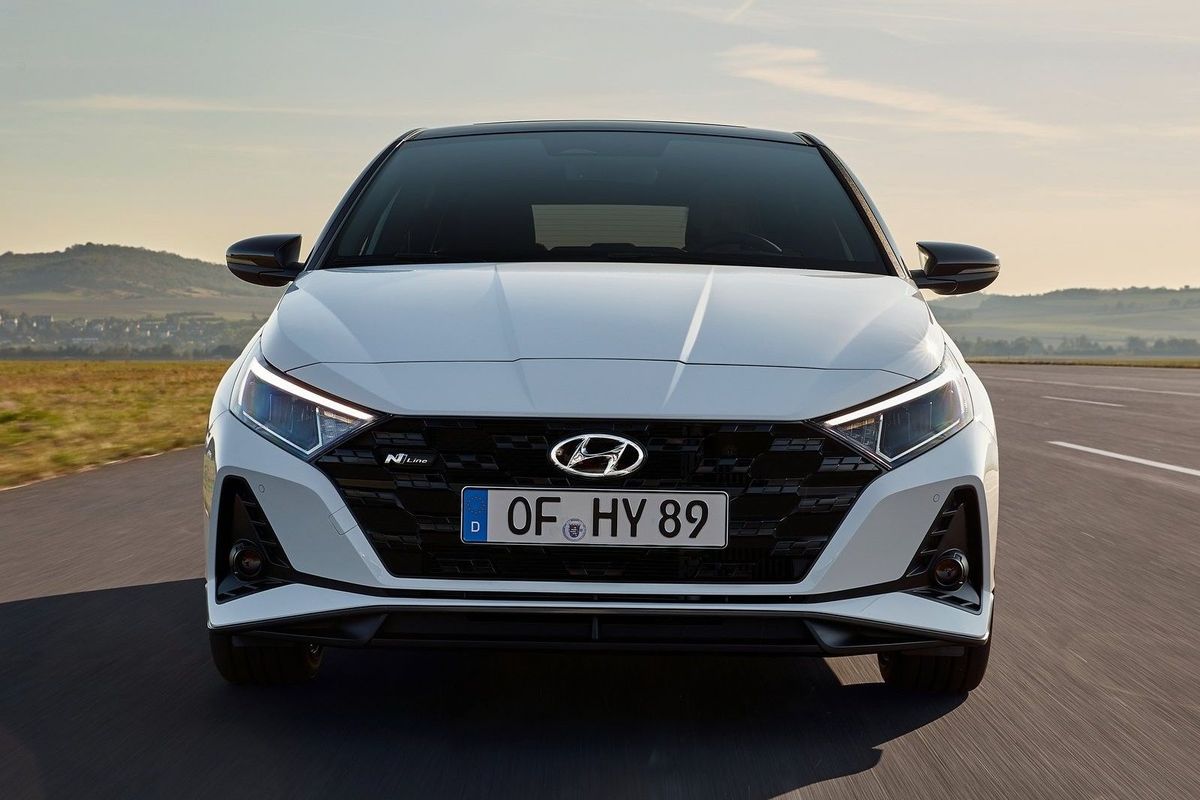
Hyundai has announced the sporty-looking N Line version of its i20 hatchback. Given how great this Hyundai i20 N Line looks, we can't wait to see the fully-fledged N model.
Hyundai's N Line is not to be confused with the full-on N experience. N Line gives you the show, but not quite the go. Given how important design and image are, we think the new Hyundai i20 N Line looks the part.
"With the all-new i20 N Line, we are bringing our stylish and sporty trim option to the i20 for the first time," says Andreas-Christoph Hofmann, Vice President Marketing and Product at Hyundai Motor Europe. "With this new model, we are ensuring we can meet the needs of an even wider customer base by offering exclusive performance-styling inspired by our N brand to emphasise the motorsport roots of our brand."
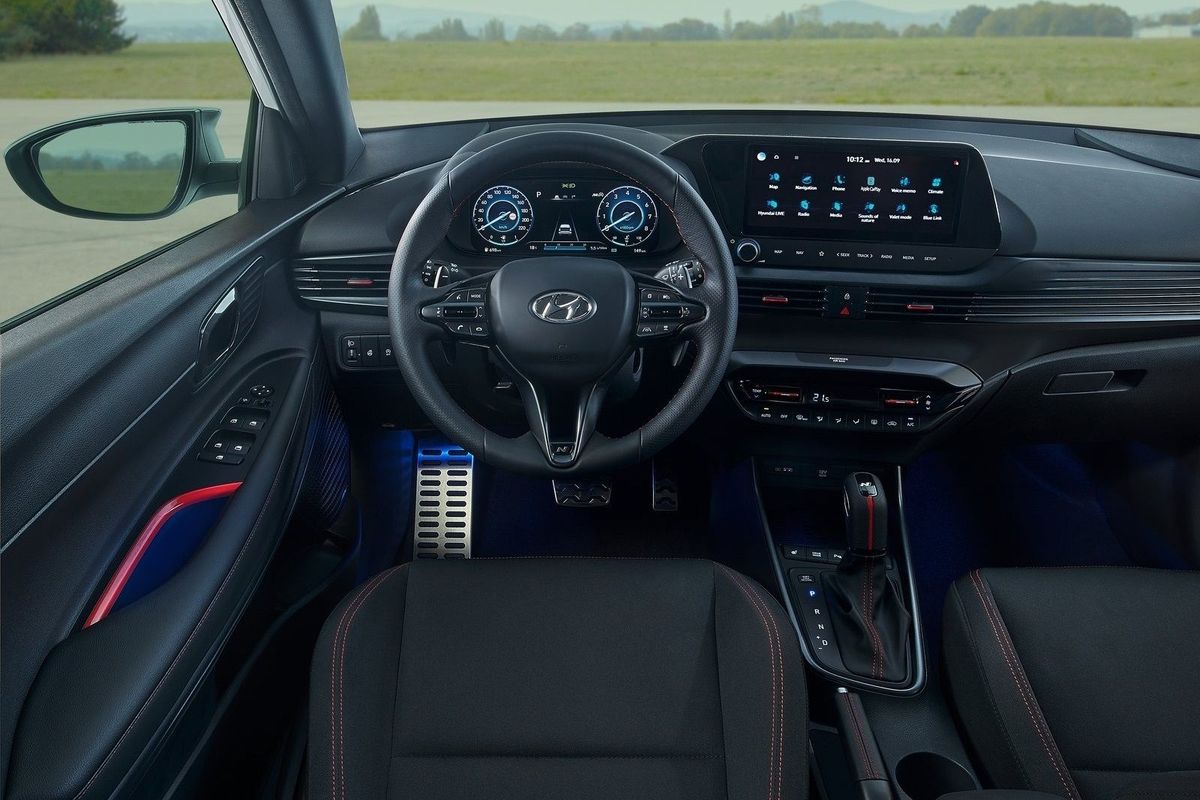
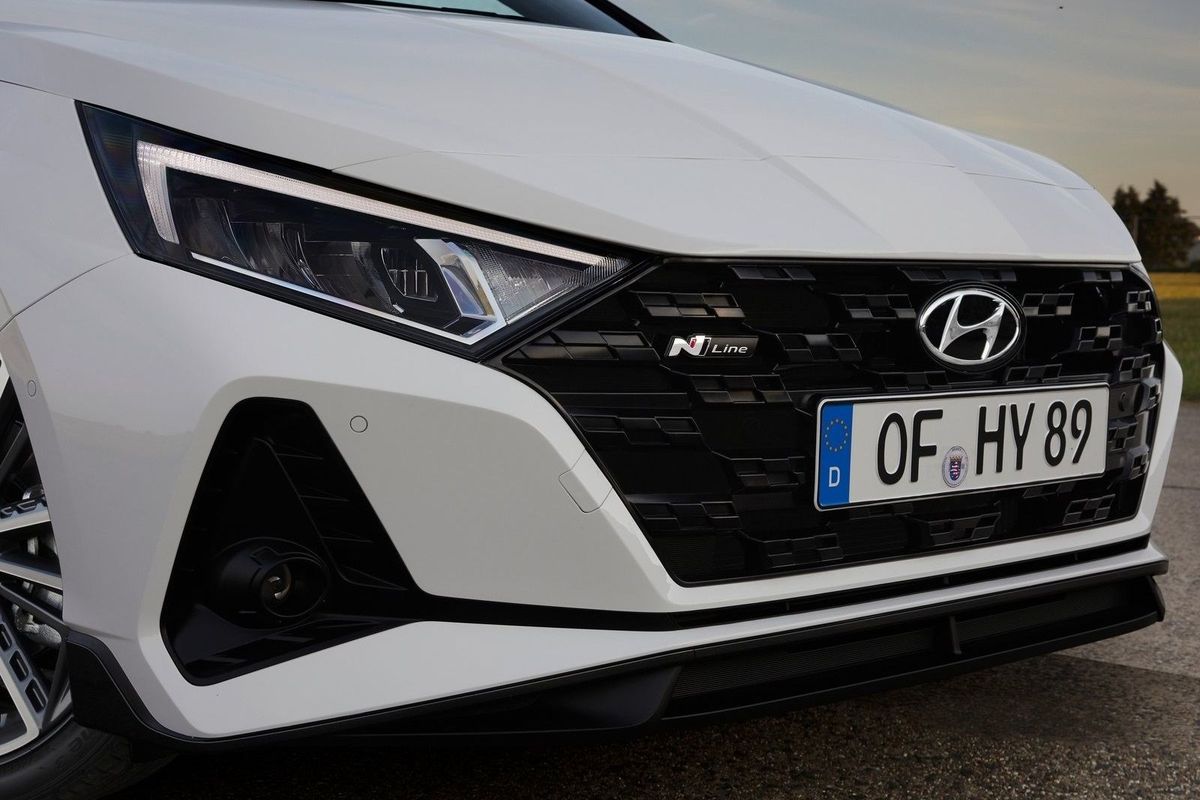
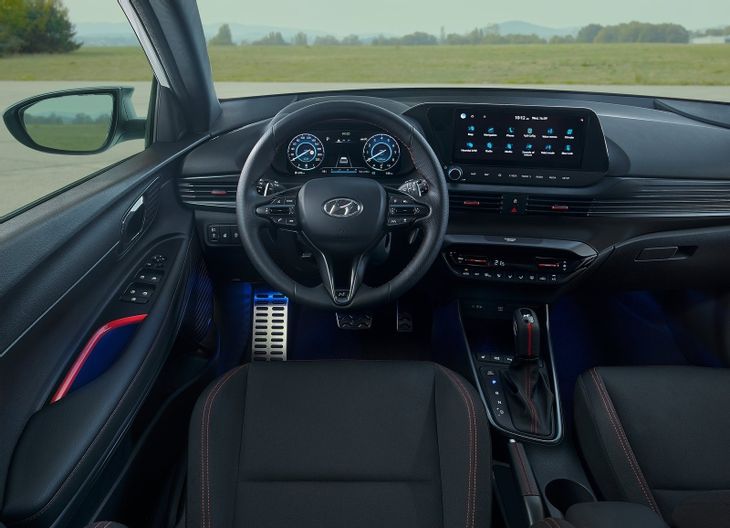
To give the compact hatchback a sporty look, Hyundai has added sporty grey accents, a sleek rear bumper, triangle-shaped foglights and twin exhausts. There's also a black and white contrasting paint finish. Customers have the choice of 4 exterior colours too. There are also some good-looking 17-inch alloy wheels. The cabin gets a mild makeover, with N-branded sports seats which feature red stitching as well as an N steering wheel. There are also metal pedals as well as a leather N gearshift knob with red accents.
In terms of engines, the Hyundai i20 N Line is powered by a 1.0-litre turbocharged engine with 88 kW. Hyundai has given this motor some tweaks so its said to be a touch more responsive, while the exhaust offers an enhance driving experience. A 48-Volt mild-hybrid setup has also been fitted, which will aid fuel economy.
If the Hyundai i20 N Line looks this good, we're eager to get our hands on the maximum-attack i20 N. Our first impressions of the bigger i30 N were good, it was a solid first-time effort from the Korean manufacturer. Engine details for the new i20 N have yet to be confirmed, but a 1.6-litre turbopetrol engine with at least 150 kW and 300 Nm is expected and a 6-speed manual transmission sending power to the front wheels is likely. It’s worth noting that Hyundai has developed a new 8-speed N Dual-Clutch Transmission (DCT) which will be offered on the Veloster N and i30 N, is also a possibility for the i20 N.
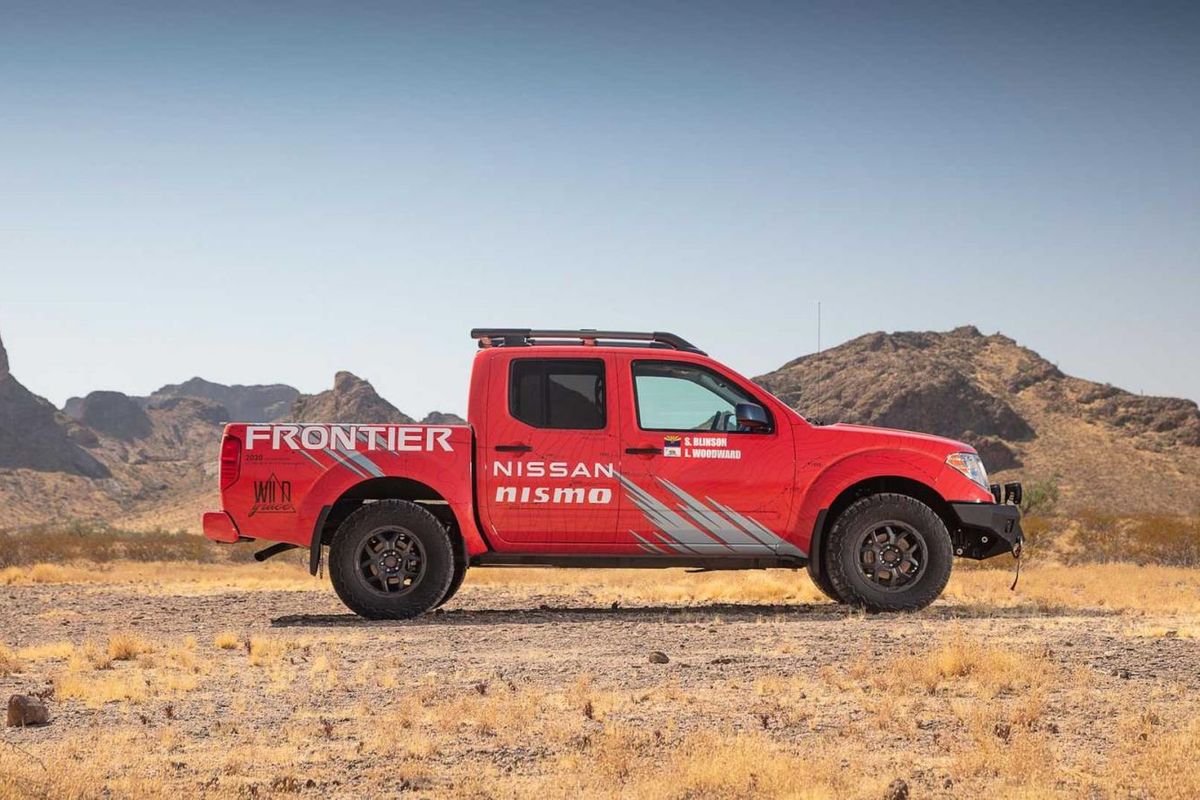
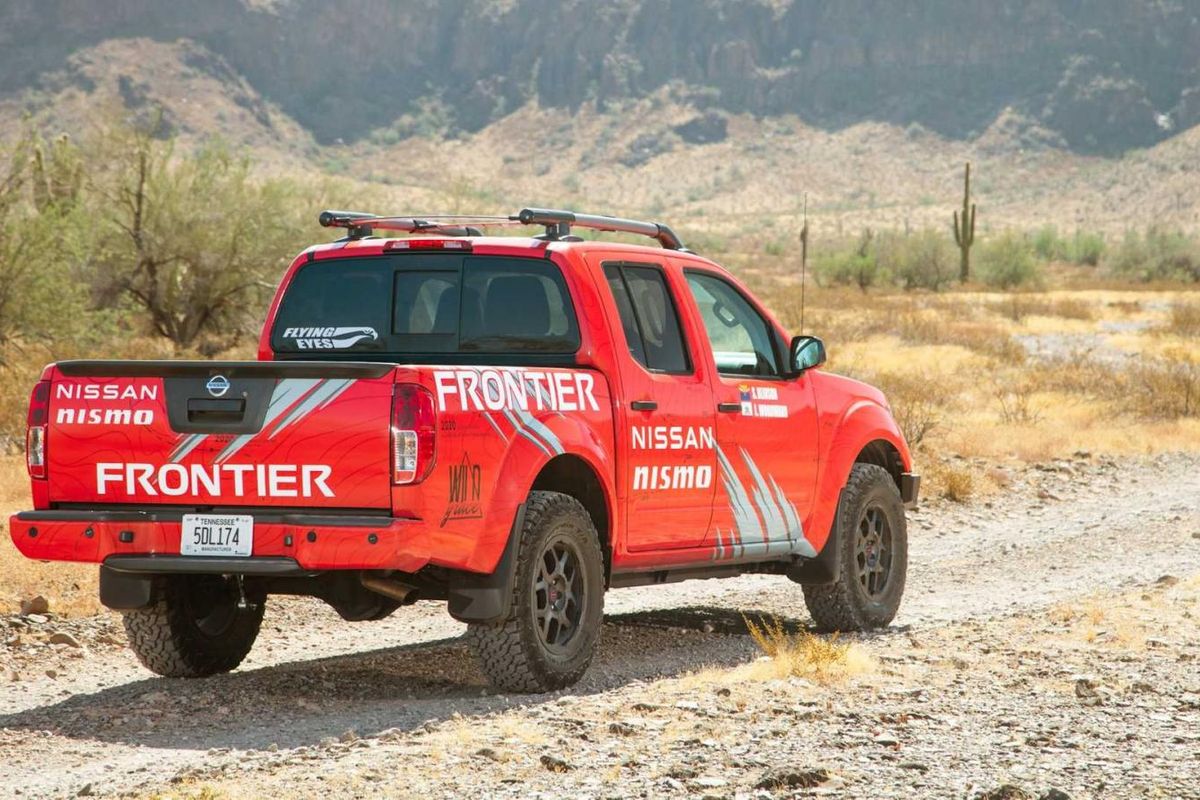
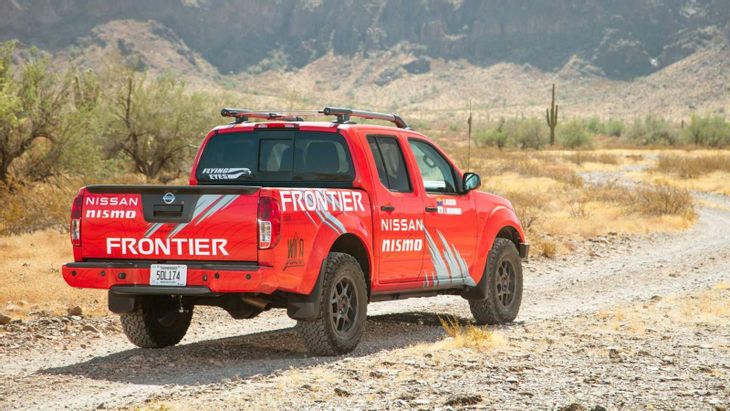
Nissan is refusing to allow the previous (D40-generation) Navara to fade gracefully into retirement and has given its ageing double-cab "the Raptor treatment".
The bakkie, which established Nissan’s reputation across the global double-cab market, is still on sale in North America, despite having been discontinued in South Africa. In fact, many bakkie fans still regard this D40, with its handsomely proportioned design and responsive V6 petrol engine, as the best Navara that Nissan makes.
To reward those customers who have remained loyal to Navara, despite it being a generation older than any of its rivals, Nissan has now revealed some exciting new Nismo parts for the double-cab.
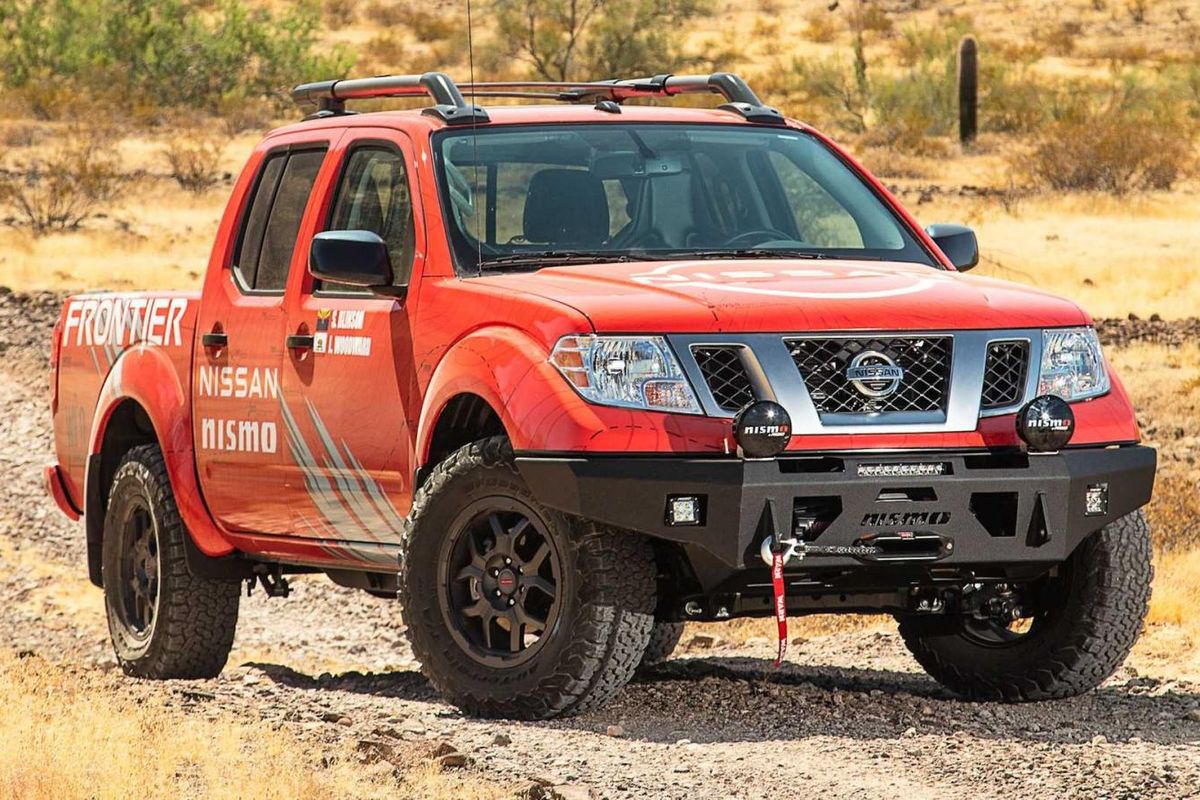
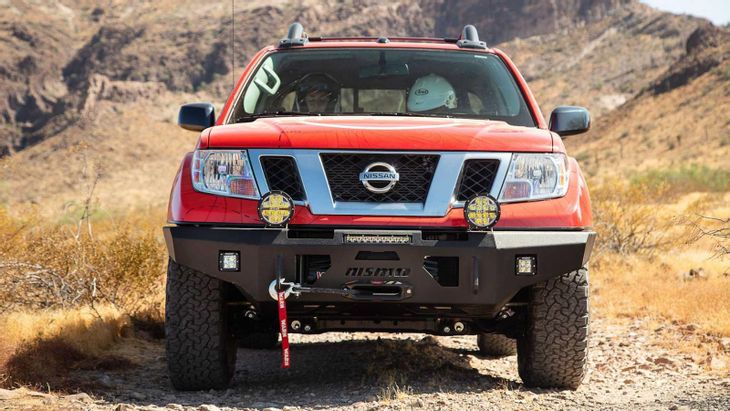
Nismo has branched out into off-road accessories, principal of which is the approach-angle-reducing front bumper.
Although Nissan fans most readily associate Nismo with the company’s Z-cars and GT-R products, the performance sub-brand is now branching out into off-road accessories.
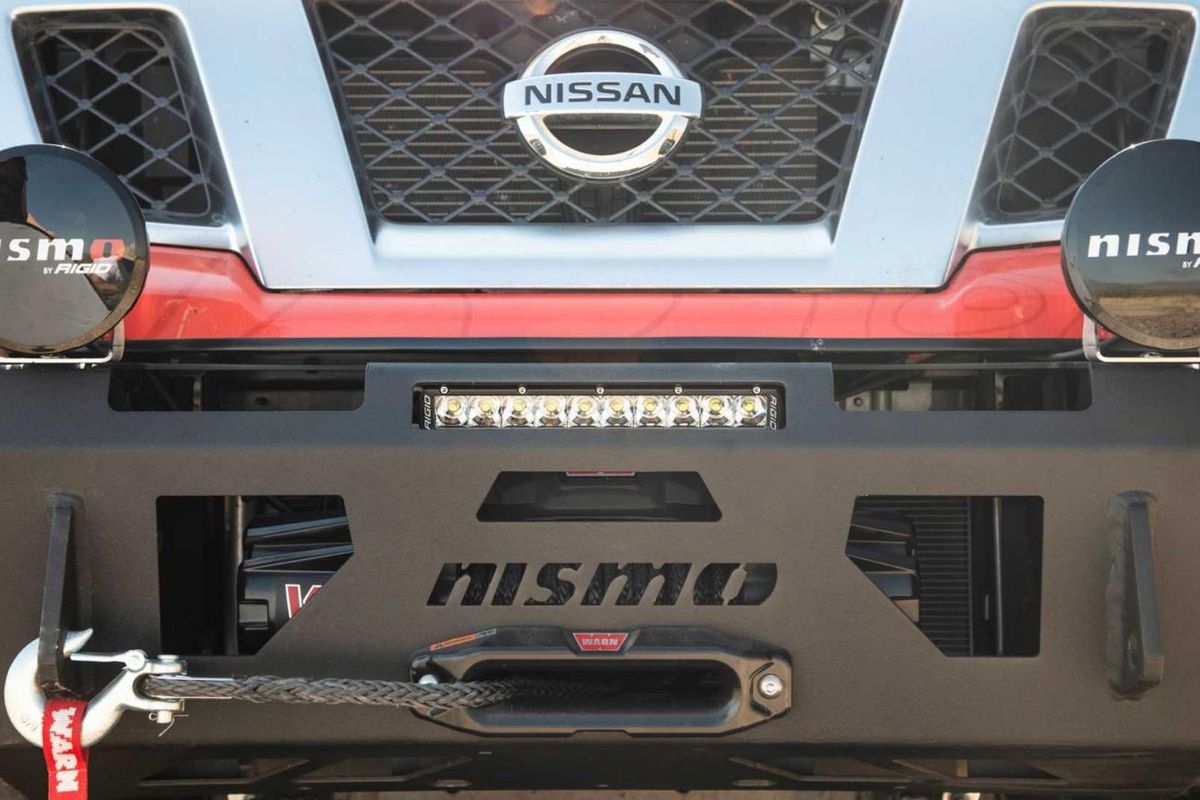
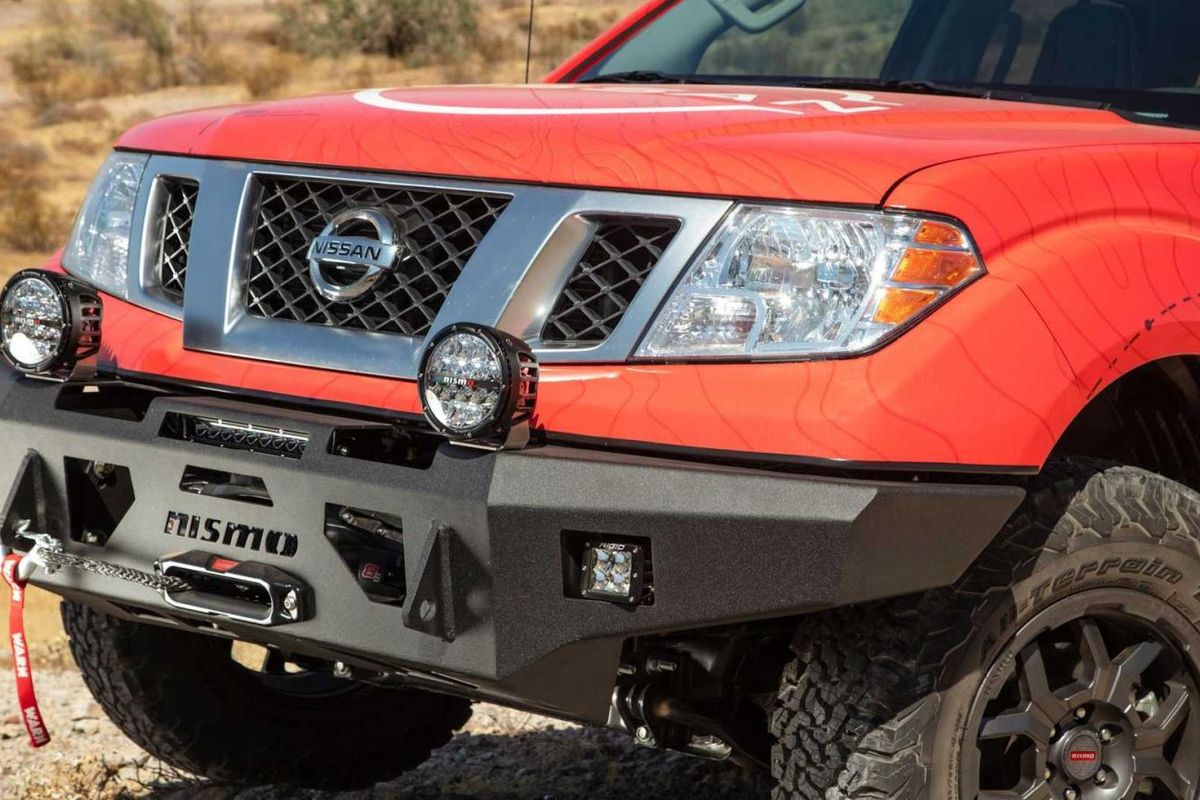
Nismo has done a great job with its debut attempt at creating a Navara to rival something such as Ford’s Ranger Raptor. There is a new off-road specification bumper up front, which has mounting points for individual spotlights or an LED light bar.
This new bumper reduces the Navara’s approach angle in technical and steep off-road terrain and also has 2 heavy-duty recovery points and room for a winch. It does make the Navara 47 kg more nose-heavy, but most off-road bakkie enthusiasts would be willing to make that compromise.
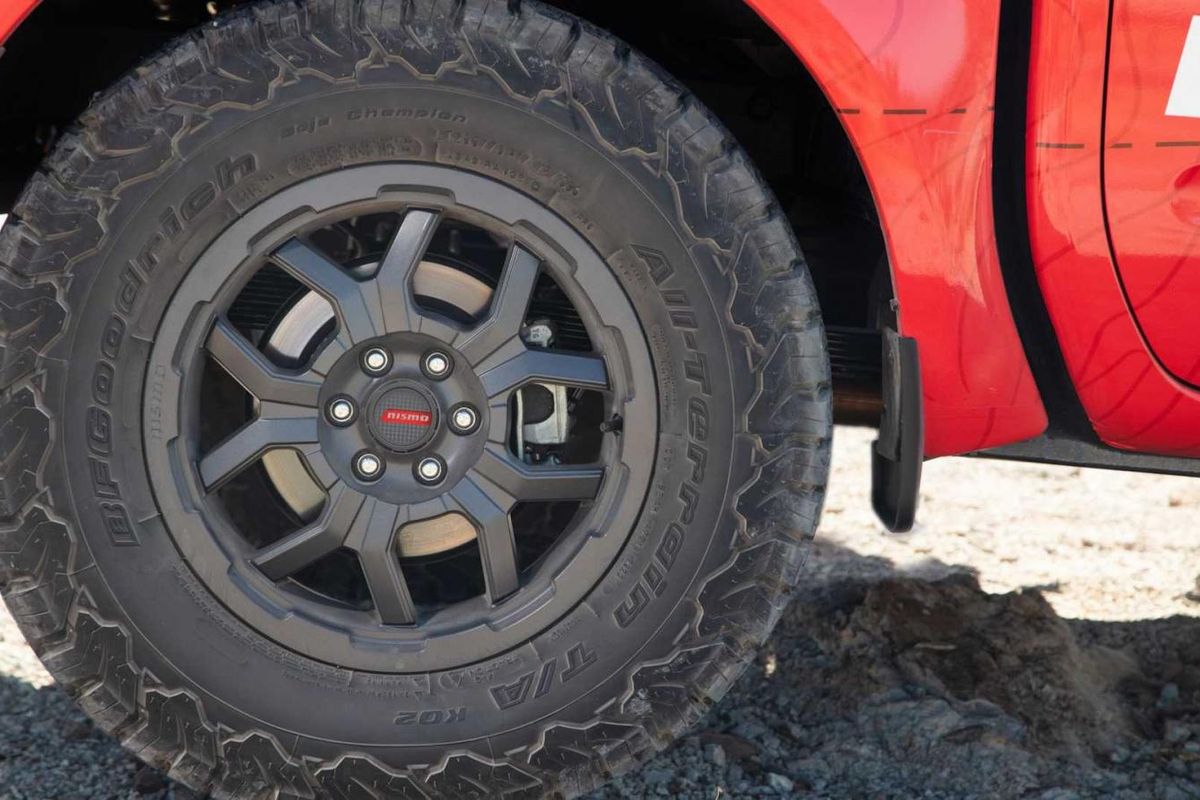
Nissan has equipped the Nismo Navara with a bespoke Bilstein suspension and large BF Goodrich all-terrain tyres.
Nismo’s engineers know that suspension upgrades make a significant difference to any bakkie’s off-road performance and the upgraded Navara benefits from Bilstein dampers at all four corners, which results in a 50-mm lift in ride height. Complementing the improved suspension and better clearances, are huge BF Goodrich All-Terrain tyres, rolling on 17-inch grey alloy wheels, with red Nismo centre caps.
Powering the Nismo Navara is Nissan’s latest 3.8-litre V6 petrol engine, which cranks 230 kW and 380 Nm of torque. It is paired with a 9-speed automatic transmission.
The Nismo Navara looks fantastic and proves that Nissan’s designers got things very right with its D40 double-cab, something they have arguably not managed to achieve with its successor.