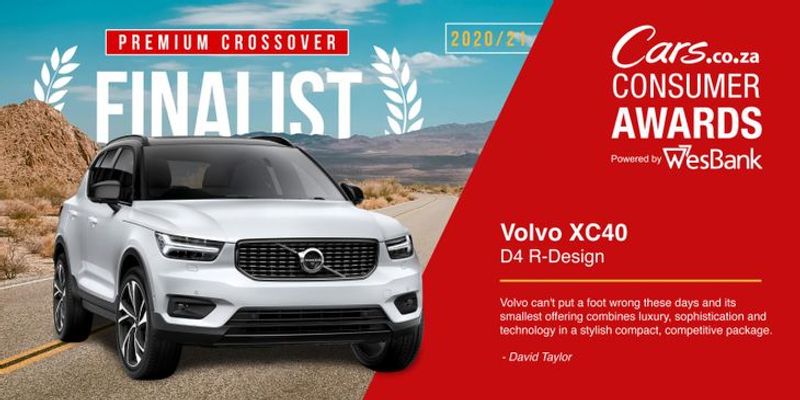
Meet the finalists in the Premium Crossover category of the 2020/21 #CarsAwards powered by WesBank!
Now in its 6th year, the #CarsAwards was conceived to be South Africa's definitive automotive awards programme and is backed, for the 5th year running, by the country's leading supplier of vehicle finance, WesBank.
These stylish vehicles offer a popular SUV look but in a smaller, more city-friendly package. They aim to attract attention with eye-catching looks, colours and capable powertrains. Individuality is the name of the game in this segment, where models’ interior and exterior looks can be tailored to buyers’ specific tastes, while still providing the most up-to-date in-car technologies.
This category is guided by both eligibility factors and Pillars of Success.
Eligibility factors for this category include a list price between R600 000 and R800 000 (as of October 1, 2020) to ensure exclusivity and status. Vehicles in this category must be a crossover/small SUV shape of the Audi Q3, Volvo XC40 etc.
Pillars of success for this category include design and quality appeal, powertrain technology, luxury, brand strength and driving dynamics.
Visit www.carsawards.co.za for more information. In no particular order, the finalists are as follows:
Audi Q3 Sportback 40 TFSI quattro S Line
The Audi Q3 represents a massive leap forward compared with its predecessor and it rightfully took the honours in the inaugural crossover category of the #CarsAwards-powered by WesBank. Now that the Ingolstadt-based brand’s contender competes in the premium crossover category of the 2020/21 awards programme, we’ve nominated the stylish Sportback variant of the Q3 range.
Volvo has an award-winning line-up of SUVs: the XC90 has won its category of the #CarsAwards on numerous occasions and the XC60 previously took the Executive SUV title. Now we have the baby XC40 as a contender for Premium Crossover honours. Can it replicate its siblings’ successes?
The facelifted version of the 2nd-generation Mini Countryman arrived midway through 2020, replete with some new styling options and a reworked infotainment system. The biggest of the Mini models still retains the brand’s cool and funky style and fresh Union Jack rear tail lights are a reminder that the brand is, in fact, British and not German, like the Oxford-based firm’s parent company BMW.
Subaru Southern Africa has confirmed a more powerful and advanced Forester is on its way and will be on sale from mid-February 2021. What’s changed and how much will it cost?
The Forester is Subaru’s best-selling model in its portfolio and since its introduction 24 years ago, the capable SUV has won over many fans.
For 2021, Subaru Southern Africa will increase its local Forester offering with 2 new derivatives. The most notable of the new derivatives is the 2.5i Sport ES model, which combines practicality with sporty aesthetics. Those lamenting the lack of a properly potent engine in the same vein as the older-gen XT motors will have to make do with a naturally-aspirated motor, however, in 2021 guise, it now produces 136 kW and 239 Nm. This is an increase of 21 kW and 43 Nm over the 2.0-litre variant. In terms of fuel consumption, Subaru is claiming this flagship model consumes just 7.6 L/100 km. The vehicle is only available with a CVT.
Visually, this sporty model needs to look the part. The exterior of the Forester Sport features 5 body colours that are contrasted with orange and black accents. The interior also features the orange and black accents, most notably around the gear shifter and X-Mode selector. The 2.5-litre models ride on 18-inch wheels, setting them apart from the 2.0-litre models. Interestingly, for the first time, Subaru is offering its Forester with water-repellent seats, which are available on the Sport model, perfect for wet dogs or kids.
If you don’t want the attention of the Sport model’s orange and black accent trim, you can opt for the 2.5-S ES model which features standard body colour options and leather seats inside. It’s identically specced aside from the water-repellent seats and funky colour treatment.
In terms of safety, the Forester comes with Subaru’s award-winning EyeSight Driver Assist System and works in conjunction with Adaptive Cruise Control, Automatic Pre-Collision Braking, Lane Departure and Sway Warning and Lane Keep Assist. Blind Spot Detection, Smart high beam assist, and Rear Cross Traffic Alert are fitted as standard too. Subaru Vehicle Dynamics Control (VDC) and its fabled symmetrical all-wheel-drive is on hand for safer all-weather, all surface stability and traction bringing technology such as ABS, EBD, ESP and Torque Vectoring into play when needed.
In terms of rivals, the Forester 2.5 goes head-to-head with the Toyota RAV4 2.5 VX and the ever-popular Mazda CX-5 is available with a 2.5-litre engine too.
Each Subaru Forester model is sold with a 3-year/75 000 km Maintenance Plan as well as the 5-year/150 000 km warranty.
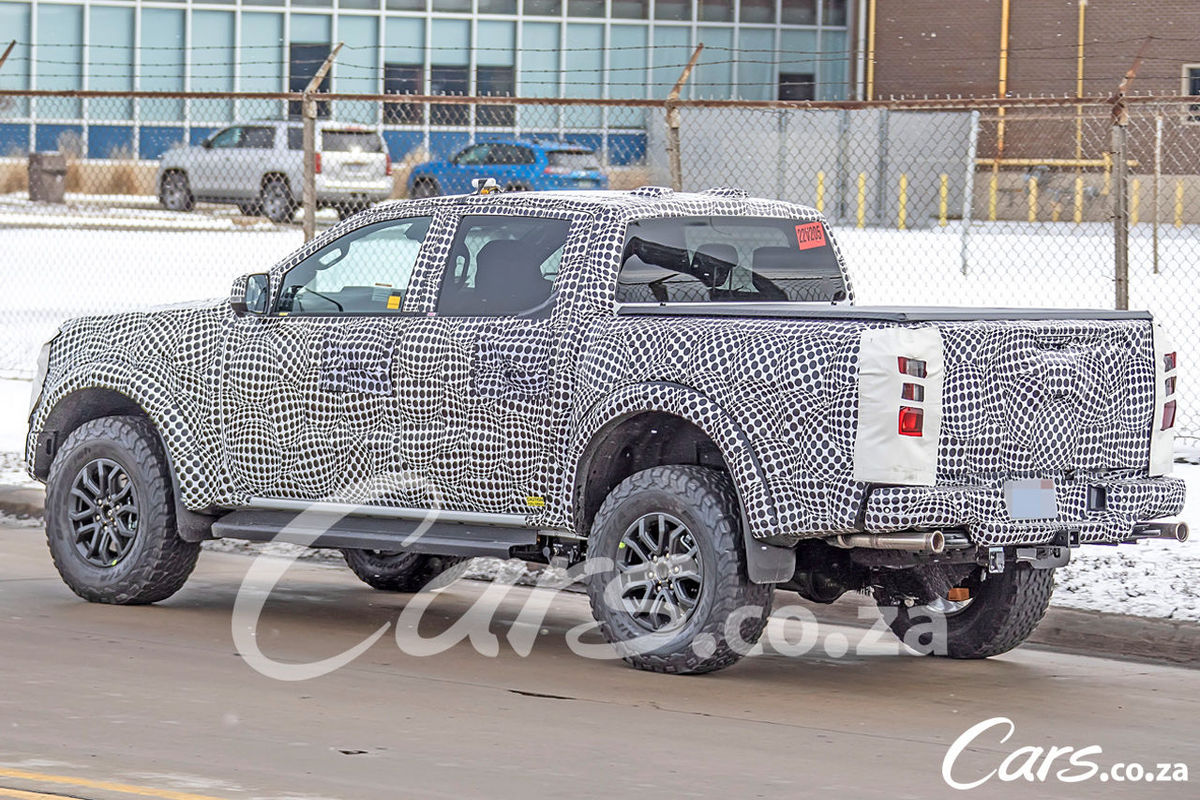
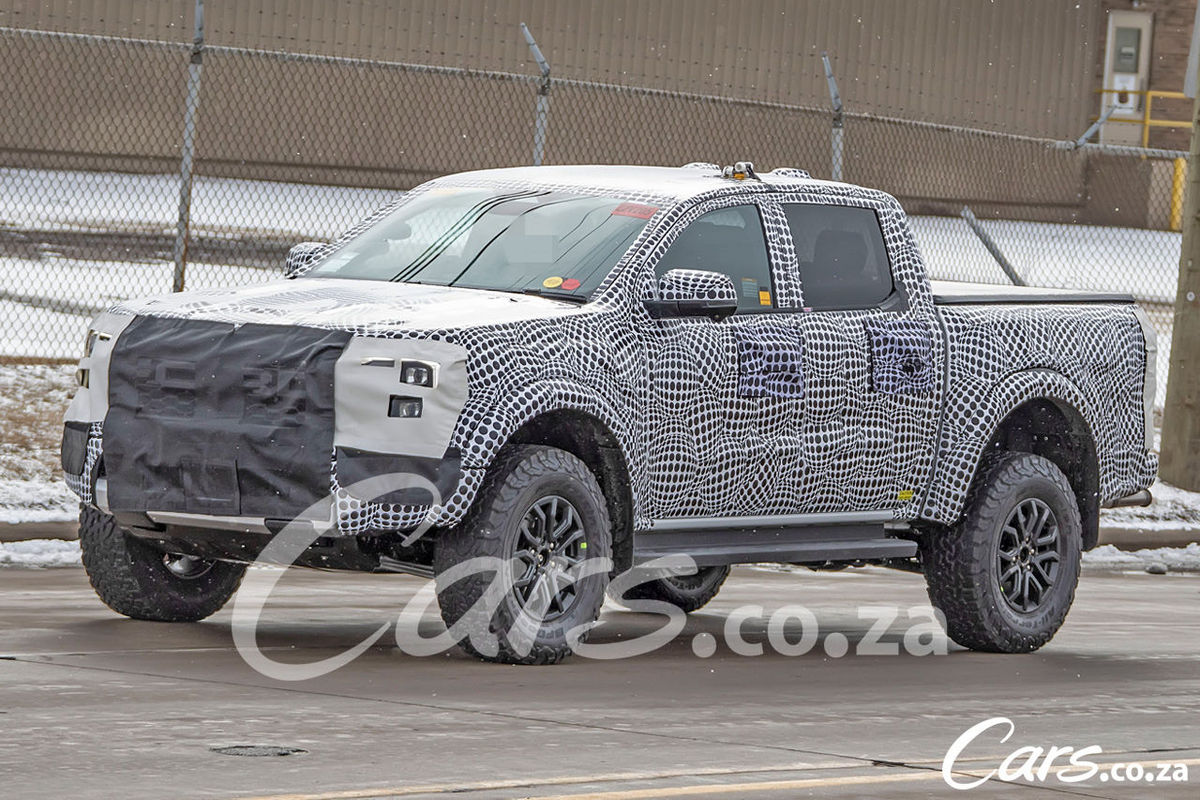
A new Ranger Raptor is also due in 2023 and a right-hand-drive prototype has now been spied undergoing testing with a 2.7-litre V6 petrol engine under the bonnet! This engine develops 231 kW and 540 Nm and is paired with a 10-speed automatic transmission.
The Ranger Raptor was joined by a Bronco Warthog prototype, and the two had nearly identical engine and exhaust notes, locking in the notion that these two off-road offerings will be very closely related, mechanically.
In terms of styling, these spy shots reveal the Raptor's flared, brawnier body and Raptor-spec “FORD” grille treatment which is only partially obscured by the camouflage. Raptor-style wheels, and the usual BF Goodrich All-Terrain T/A KO2 tires are also fitted, mere days after the announcement that the South African version of the Ranger Raptor was moving from the BFGs to General Grabber AT3 rubber. The Ranger Raptor prototype is fitted with wide-set dual exhaust, carefully tucked under the bumper for maximum ground clearance.
The Ranger Raptor’s rear suspension has some camouflage, almost certainly hiding the Live-Valve shocks that have also been photographed on the Bronco Warthog.
We will keep you updated as more news regarding the new Ranger Raptor becomes available.
If Germany’s largest car company hopes to survive, it will have to change rapidly, because it can no longer afford to treat its supercar brands like vanity projects.
There is no automotive conglomerate with a more compelling portfolio of products than the Volkswagen Group. From the Amarok to the Up, and everything in between, the group's organogram is unrivalled.
Volkswagen (VW) was not always dominant, mind you. In the early 1990s, it was struggling to rival Japanese compact cars from Toyota and Honda for design inspiration and build quality.
By the early 2000s, however, it owned Bugatti, Bentley and Lamborghini. Perhaps most impressively, VW had elevated the Golf to a popular premium product, something that most marketing experts once considered impossible…
Building the empire
The Veyron project was taken on to create something the world would be in awe of.
The story of VW’s ascent centres on a single engineer: Ferdinand Piëch. The grandson of Porsche’s founder – who was also named Ferdinand – Piëch was a brilliant engineer without any discernable people skills. He obsessed about perfection in all aspects of engineering and product, like no other car company boss ever had – or ever will again.
Issues that made no obvious difference to other car company CEOs were unacceptable to Piëch. He is the reason why contemporary Volkswagen models have such neatly packaged interior wiring. And if you ever saw how untidy wiring was allowed to dangle from underneath dashboards and glove boxes before Piëch became influential, you’ll appreciate his demanding commitment to detail.
Piëch’s desire was for VW to dominate the global automotive market, but not merely by virtue of outright sales numbers. He wanted to build the best cars. And instead of crushing rivals, he wished to create an empire – an automotive dynasty, where affordable volume cars would subsidise outrageous hypercar projects, the kind that would have no prospect of making any money.
Ruthless but inspired, Piëch successfully built the VW empire, but, quite poignantly, the German multinational is now – a mere year after his passing – moving in a different direction than he envisioned.
Can supercar brands pay their own way for VW?
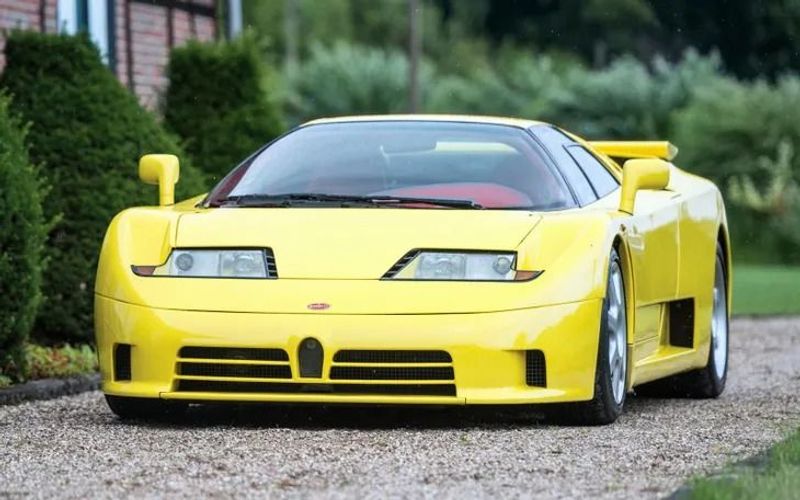
Prior to VW's takeover of Bugatti, the EB110 was the brand's attempt to revive the name.
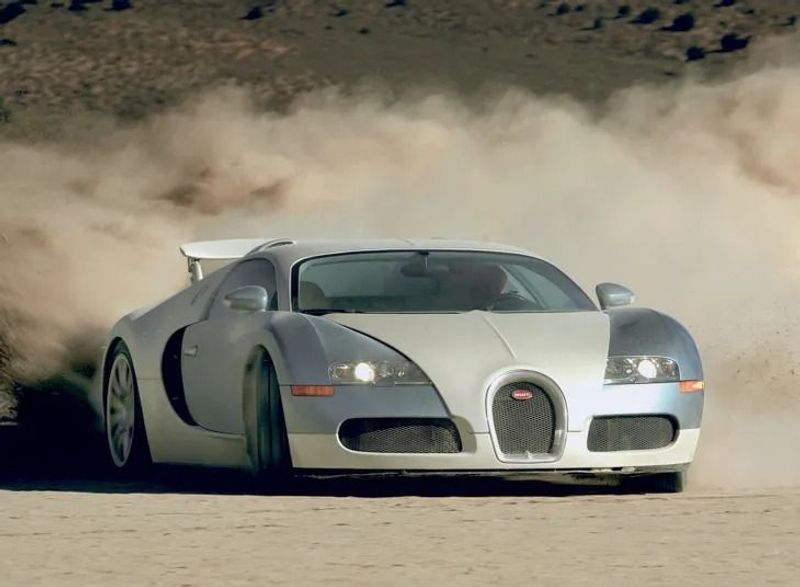
The Veyron was by far Piëch’s most famous project. As a Porsche descendant, Piëch respected the lineage and history of storied brands. After Bugatti's doomed revival in the early 1990s, VW bought the French carmaker in 1998. Piëch's goal was to create modern Bugattis that would be every bit the contemporary vision of the company’s founder, Ettore Bugatti.
Impossible was never a concept in Piëch’s mind, much less his vocabulary. The Veyron engineering team was simply given a set of outrageous design parameters and strict deadlines. Anyone who hesitated was replaced. Piëch's management style makes the celebrated South Africa-born Elon Musk look like a snowflake by comparison.
The outcome of Piëch’s brutal supervision of Bugatti was the Veyron. To many, it remains the pinnacle of internal-combustion hypercar design. But now it appears that VW’s most exclusive brand has outlived its relevance and purpose. The fact is that Bugatti was always going to struggle to make the transition from internal-combustion hypercars to hybrids and, eventually, battery power.
So much of its brand cachet, mystery and Olympian sense of engineering achievement is directly related to its models' W16 engines and, in particular, the uniqueness of this configuration and its multiple cylinder count. Piëch’s genius was to test the theory of a narrow-angle V6 in VW’s VR6 motor, allowing a volume car to subsidize R&D costs, eventually making the W16 engine viable.
Selling the W16 engine brand, to a battery car company?
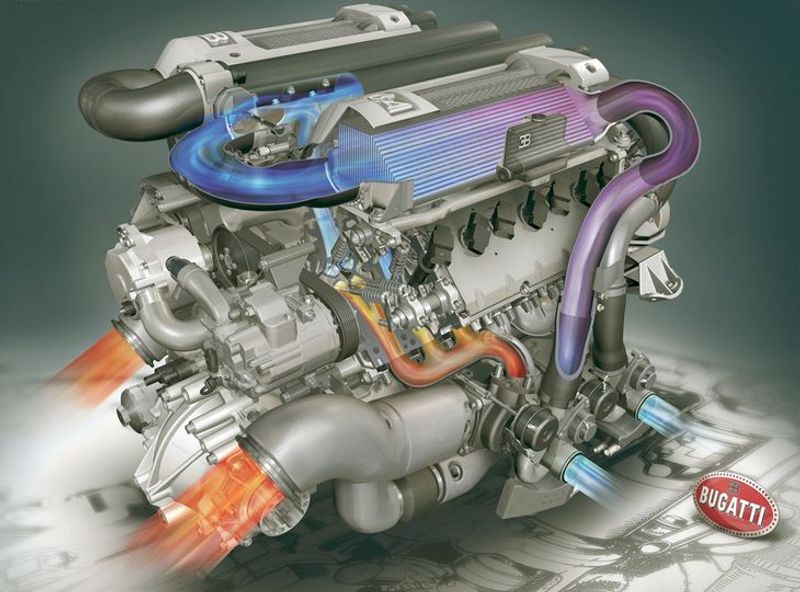
The W16 configuration packed 4 turbochargers together claiming 1 000 bhp (745 kW) in a conservative state of tune.
Unfortunately, a battery-powered design will never, but never, be able to match the drama and fury of a Veyron’s W16 engine. The Veyron justified its stratospheric asking price by virtue of the exclusivity of its power output, engine layout and performance. Hypercars are truly unrivalled in terms of linear acceleration and driveability. Much the same can be said of the Chiron.
However, Bugatti no longer has a monopoly on insane acceleration… Rimac and, to a lesser degree, Tesla proved that battery-powered vehicles could be sickeningly fast too. Beyond its dramatic sound signature, an internal combustion supercar no longer has the monopoly on performance, and that presents a huge problem for VW’s most prestigious brands.
The brutal truth is that Bugatti no longer has a viable business case. Evidence of this is that its most talented employees are already leaving, ostensibly in anticipation of the inevitable sale of Bugatti.
Stephan Winkelmann has returned to Lamborghini after only two years as CEO at Bugatti. Winkelmann is highly regarded and was expected to finish his career at Bugatti, yet VW’s most senior management could not see the fulfilment of that professional journey for him, preferring to reinstate him at Lamborghini.
An even more telling development is VW’s decision to redeploy Stefan Ellrot, Bugatti’s technology and development boss. Ellrot is leaving the hypercar brand to become chief technical officer at Volkswagen – he will be responsible for the flagship brand's compact cars, which of course are being electrified at a rapid rate.
Had Bugatti been on stable footing, with its future product strategy well secured, it would not be losing key staffers. The most likely scenario is Bugatti eventually being sold to Rimac and then rebranded as an electric hypercar brand. Bugatti needs a futureproof powertrain to survive and Rimac could use the Molsheim assembly facility, which is highly customisable and has a pool of skilled technical labour.
The issues afflicting Bugatti are nearly all transferable to Lamborghini, multiplied by the larger scale of VW’s Italian asset. After missing its 2020 emission target, VW has been stung with a R1.8-billion fine, something that can’t be allowed to happen each year going forward – and the company’s supercars brands are compounding the problem.
What does all this mean for your VW?
This all means that the VW groups finest engineers over the last 25 years are now being deployed on its everyday cars.
The struggle for VW to keep all those luxury brands that were acquired during Piëch's reign relevant will have very little influence on your next Golf or T-Cross.
No components or engineering techniques are shared between VW’s volume passenger cars and Bugatti or Lamborghini models. The only transfer of any skill or technique within the VW Group was German management discipline and engineering quality control, which measurably benefitted Lamborghini and Bugatti.
The automotive fantasy of Piëch is no longer sustainable for the survival of VW as a whole. The company's current CEO, Herbert Diess, understands that to secure the future of VW, and by implication Audi and Porsche, he needs to forget about protecting so-called vanity brands such as Bugatti, Lamborghini and even Bentley.
No VW boss will ever match Piëch’s ruthlessness, but Diess has shown a willingness to replace senior engineering staff who underperform. Deploying people from Bugatti closer to VW’s traditional passenger car development, allows the best engineers to influence cars that most customers can actually buy.
Toyota has displaced VW as the world’s largest car company by virtue of a strong performance in arguably the most difficult trading year on record. In 2020, Toyota sold 9.53 million vehicles; VW managed 9.31 million. Within those numbers, Toyota has not extended its R&D budgets to deliver a fleet of new electric vehicles; specifically, EVs that cost huge sums of money to produce, but don't generate any profits – yet.
With its robust global bakkie and SUV business, Toyota continues to generate strong profits with relatively unsophisticated platforms and no pressure to produce electric powertrains. VW does not have this luxury – its customers mostly live in cities and regions where there are regulations that strongly encourage the uptake of electric vehicles.
The future for VW will be battery-powered vehicles. Modest in size and undramatic in appearance, these future VW electric cars are the antithesis of anything that Bugatti or Lamborghini produces.
Electric powertrains and data, instead of pluperfect shutlines and amazingly sonorous V10-, V12- or W16 engines, will determine VW’s survival. The great irony in all of this, as Bugatti fades in relevance and importance to VW’s overall business, is that Ettore Bugatti had a personal electric vehicle, for use on his estate, way back in 1931.
A high-power version of Volkswagen Golf R might be on the way if a British owner’s manual is anything to go by.
South African Volkswagen fans are eagerly waiting for the local arrival of the Golf 8 GTI in the second quarter of 2021 but the potent Golf 8 R is due towards the end of the year and will pack no less than 235 kW and 420 Nm of torque. Those are impressive numbers and the Golf R is expected to dash from zero to 100 kph in 4.7 seconds.
However, there could be a more powerful Golf 8 R Plus in the pipeline as indicated in a British owner's manual, as discovered by volkswizard, which lists a 2.0-litre TSI ‘DNFF’ engine with power outputs of 245 kW and 420 Nm of torque which implies that a more potent Golf R could be unleashed at some point. However, there is no official confirmation from Volkswagen as to if or when this supposed Golf R Plus will come to fruition.
For now though, the standard 235 kW Golf 8 R will have to do and if a Golf R Plus version is to be introduced, it will likely come to market later on in the Golf 8’s life cycle.
Local specification and pricing for the Golf 8 R will be revealed closer to launch but late last year we postured that the Golf 8 R could be priced very close to the R1-million mark by the time it reaches our shores, but that remains to be seen…
As always, we will keep you updated as soon as more information becomes available.
Ford South Africa is set to invest over $1 billion in upgrading its Silverton manufacturing plant. A resulting 10 000 jobs will be created by this project.
Ford South Africa currently builds the Ranger bakkies and Everest models in SA. The current Ford plant services both the local market as well as the export market and is one of 5 plants around the world which produces the Ranger.
With the new Ranger set to be revealed in 2023, Ford has taken the opportunity to both upgrade its plant technology as well as building new facilities. The new facilities will introduce state-of-the-art manufacturing technologies and in-depth employee training that will ensure that the new Ranger is a top quality product. This will turn the Silverton plant into one of the biggest manufacturing plants Ford has outside of the United States.
The plant will also be energy self-sufficient plant by 2024 thanks to projects such as a solar panel laden outdoor parking lot which shades over 4 000 parking pays for Ford employees.
The new facility will also increase the capacity of the plant from its current 168 000 vehicle production to 200 000 vehicles annually. The new Ranger platform will be built in-house, reducing costs on logistics and complexity associated with importing a frame and then merely assembling it locally. The new frame will also allow for the VW Amarok to be built locally when it also arrives in 2023. There remains no intention to build anything other than the current Ranger and Everest models.
Ford has already begun major developments within the Tshwane special economic zone to be ready for the 2023 new Ranger.
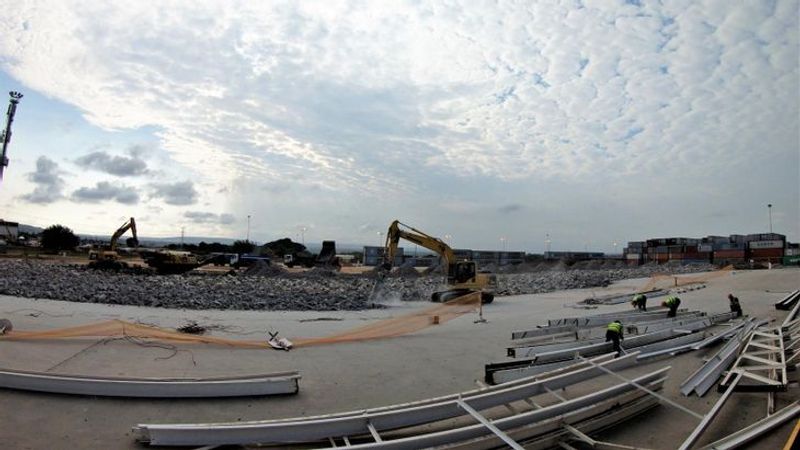
In order to attain these goals, Ford will construct a new body shop with the latest robotic technology and a new high-tech stamping plant, both of which will be located on-site for the first time. Both facilities will modernize and streamline the integrated manufacturing process at Silverton while contributing to higher quality and reducing overall cost and waste.
The new stamping plant will use a high-speed line to produce all the major sheet metal components for the new Ranger. It includes a fully automated storage and retrieval system for stamping dies, which will be housed innovatively in the roof of the facility, thus eliminating related labour-intensive processes. In addition, a modern blue-light scanner system that scans surfaces for imperfections will ensure the highest-quality final product leaves the stamping plant.
Extensive upgrades also will be made to the box line, paint shop and final assembly to improve vehicle flow within the plant, along with the expansion of the container and vehicle yards.
Ford also will build new vehicle modification and training centres – the latter developed to ensure all Ford employees are equipped with the knowledge and skills required to maximize the efficiencies of the enhanced Silverton facilities.
“The extensive upgrades and new state-of-the-art manufacturing technologies will drive efficiencies across our entire South Africa operation – from sequenced delivery of parts direct to the assembly line, to increased vehicle production line speeds and precision of assembly to ensure the world-class quality that our customers expect,” said Andrea Cavallaro, director of Operations, Ford’s International Markets Group.
Some R5.5 billion of the R15 billion investment will go towards vendor tooling at major suppliers so that the supply chain is equipped to meet the increased production requirement.
The investment will introduce 1 200 jobs within Ford itself and a further 10 000 within the greater automotive sphere.
In addition to this, Ford also is working closely with all three spheres of government and relevant state-owned entities such as Transnet, in developing the Gauteng Province – Eastern Cape Province High Capacity Rail Freight Corridor. This will be a full-service line linking the Silverton Assembly Plant with Port Elizabeth, which is home to Ford’s Struandale Engine Plant.
The GP-EC High Capacity Rail Freight Corridor will channel all of Ford’s inbound and outbound logistics exclusively through Port Elizabeth to support the higher production volumes. It is projected to create thousands of jobs within the value chain.
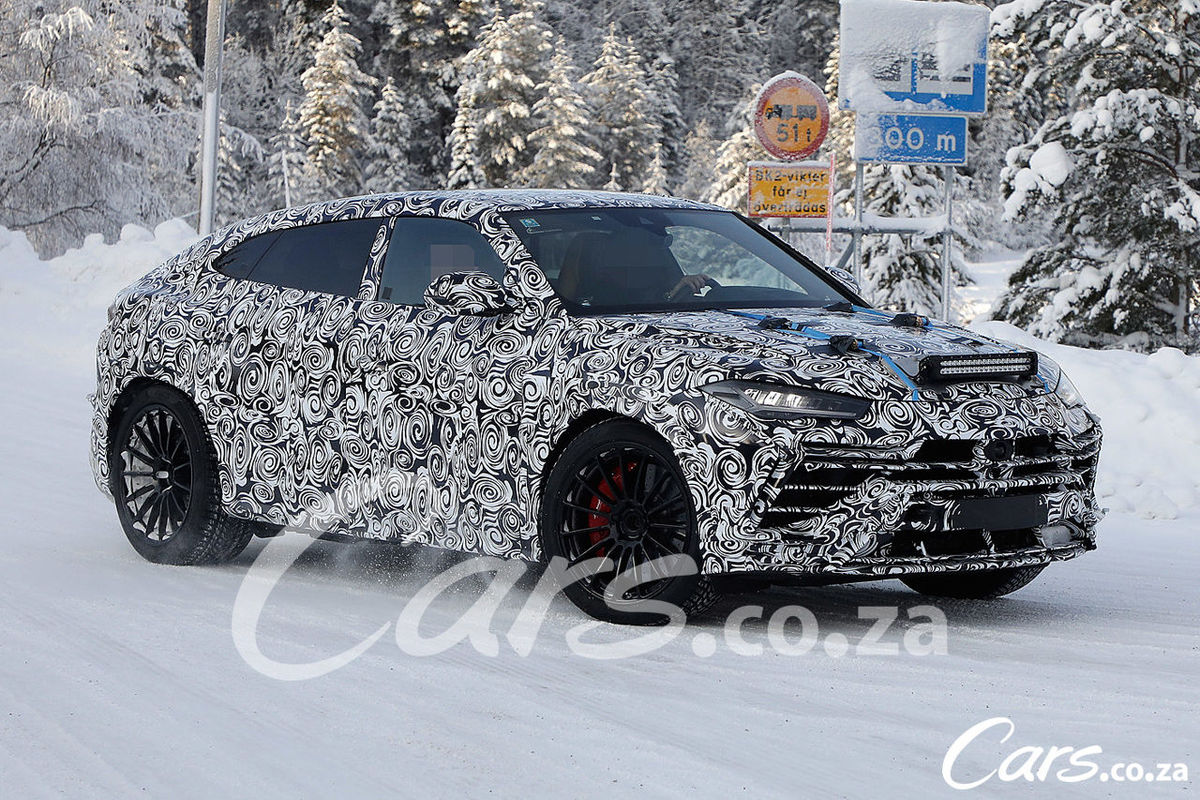
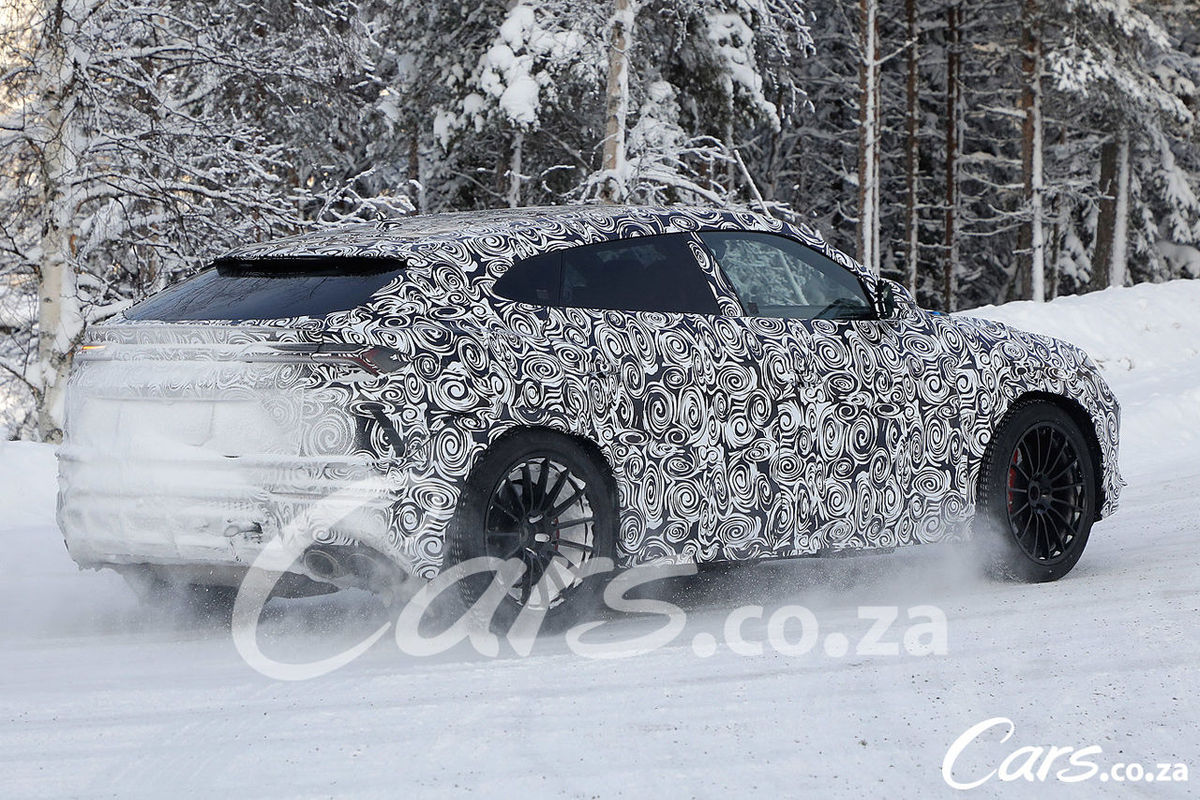
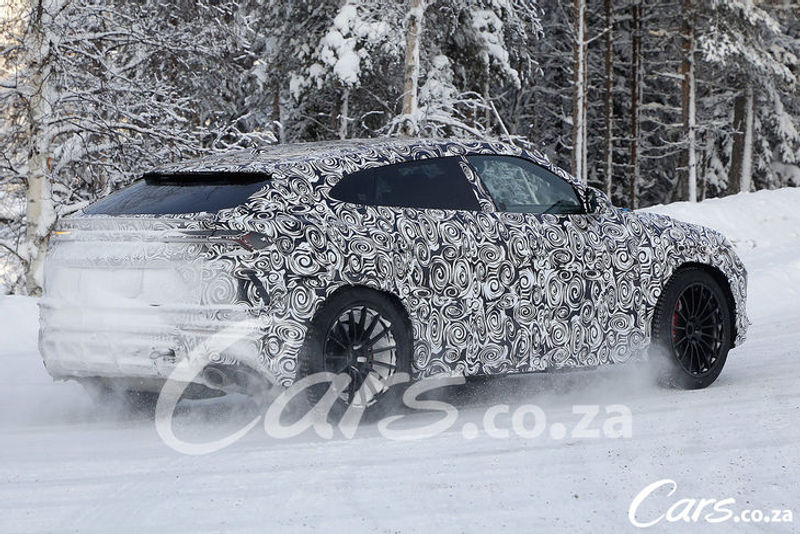
The Lamborghini Urus is set to receive an update and be badged as Evo. Here's what's coming.
Picture credit: S. Baldauf/SB-Medien. We have paid for these photos and at the photographer's request, have watermarked them.
What you see here is the updated Lamborghini Urus Evo in the frozen Arctic Circle testing area in Scandinavia. While not many changes are expected, we can see there's a new-look front bumper with revised new air intakes. This platform is shared by the Volkswagen Touareg, Bentley Bentayga and Audi Q7/Q8.
The cabin is likely to receive some tweaks too, and the inevitable software updates. The powertrain is expected to be mostly carried over and for the record, the 4.0-litre twin-turbocharged V8 sourced from the Volkswagen Audi Group pumps out 477 kW and 848 Nm. Lambo claims a rather brisk 3.5 second sprint time to 100 kph, and top speed is a crazy 305 kph. It wouldn't surprise us if Lamborghini gives the updated Urus a bit more power and torque, purely for bragging rights.
While the idea of a Lamborghini SUV is still controversial, there's no denying the market appetite for such a thing. Sales have been through the roof and it's easy to understand why. Not only is it the cheapest way to get into new Lamborghini ownership, but the practicality and seating for 4 adults makes it an easy choice for wealthy families.
Expect to see the updated Lamborghini Urus revealed late in 2021.
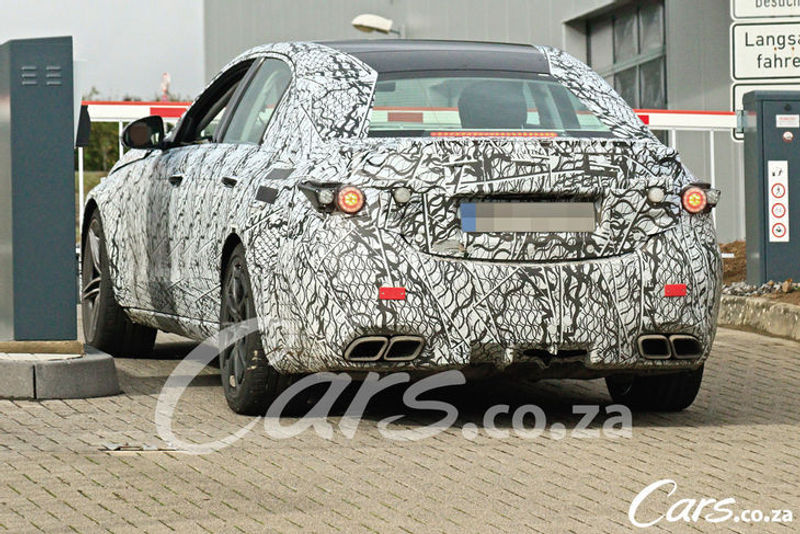
Before you moan that the next AMG C63 will forego its sledgehammer V8 for a 4-cylinder hybrid powertrain, expected outputs are far better than you ever imagined…
Mercedes-Benz is currently developing the new C-Class which is expected to be fully revealed this year. The C-Class will go to battle with the new BMW 3 Series and updated Audi A4 but the real performance showdown will take place at the pinnacle of the C-Class range where the AMG C63 and the more potent C63 S will take on the like of BMW’s M3 and Audi’s RS5.
Now, a report from Australia's CarAdvice cites UK's Car magazine reporting deeply impressive outputs for the new AMG C63.
The Numbers Game
With a new hybrid powertrain, the next-generation C63 will pack impressive outputs!
Let’s dig into the numbers then, shall we? For the record, the current AMG C63 S produces an unruly 375 kW and 700 Nm from its formidable bi-turbocharged 4.0-litre V8 engine. The new BMW M3 Competition, which is due in South Africa soon, produces 375 kW and 650 Nm from its twin-turbocharged 3.0-litre inline-6 engine. Audi’s updated RS5 Coupe and Sportback will arrive locally in April 2021 and pack 331 kW and 600 Nm from its twin-turbocharged 2.9-litre V6 engine.
With that in mind, let’s turn our attention back to the subject of this article, the new AMG C63. How does 410 kW and 800 Nm sound to you? Yes, that’s right, not too shabby afterall. Using the same 2.0-litre turbocharged engine found in the AMG A45 S with 310 kW and 500 Nm, but coupled with a 150 kW rear electric motor, a starter-generator mild-hybrid system and an electrically-driven turbocharger, the new C63 is expected to be a real performer. It does, however, remain to be seen if these outputs will be gifted to the C63 or C63 S.
Those numbers are 35 kW and 200 Nm more than the new BMW M3! The C63 will feature Merc’s latest 4Matic variable all-wheel-drive system and using a 9-speed automatic transmission, acceleration from zero to 100 kph is expected to take just 3.5 seconds which is 0.5 seconds faster than the outgoing model. Top speed is pegged at 291 kph.
While those numbers are certainly impressive, the downside is that the hybrid system has added some 250 kg, taking the vehicles kerb weight to around 2-tonnes, even though the 4-cylinder engine is some 60 kg lighter than the outgoing V8 block.
A 63 km electric-only range is also expected and fuel consumption is reportedly claimed at 3.0 L/100km which is a notable improvement from the previous 9.9 L/100km. The C63 will also feature wider rear tyres as well as a drift mode which will direct power to the rear wheels on command, much like the system offered on the larger Mercedes-AMG E63 S.
It’s also worth knowing that the next C63 will be called the Mercedes-AMG C63 4Matic+ EQ Power Sport and is expected to be fully revealed before the end of 2021. The new C-Class range will be revealed earlier in the year with the C53 expected to offer in the region of 300 kW.
As far as interior technology goes, you can expect to see Merc’s latest tech trickle down from the new S-Class which means that higher levels of overall luxury and interior execution can be expected.
We will keep you updated as more details come to the fore.
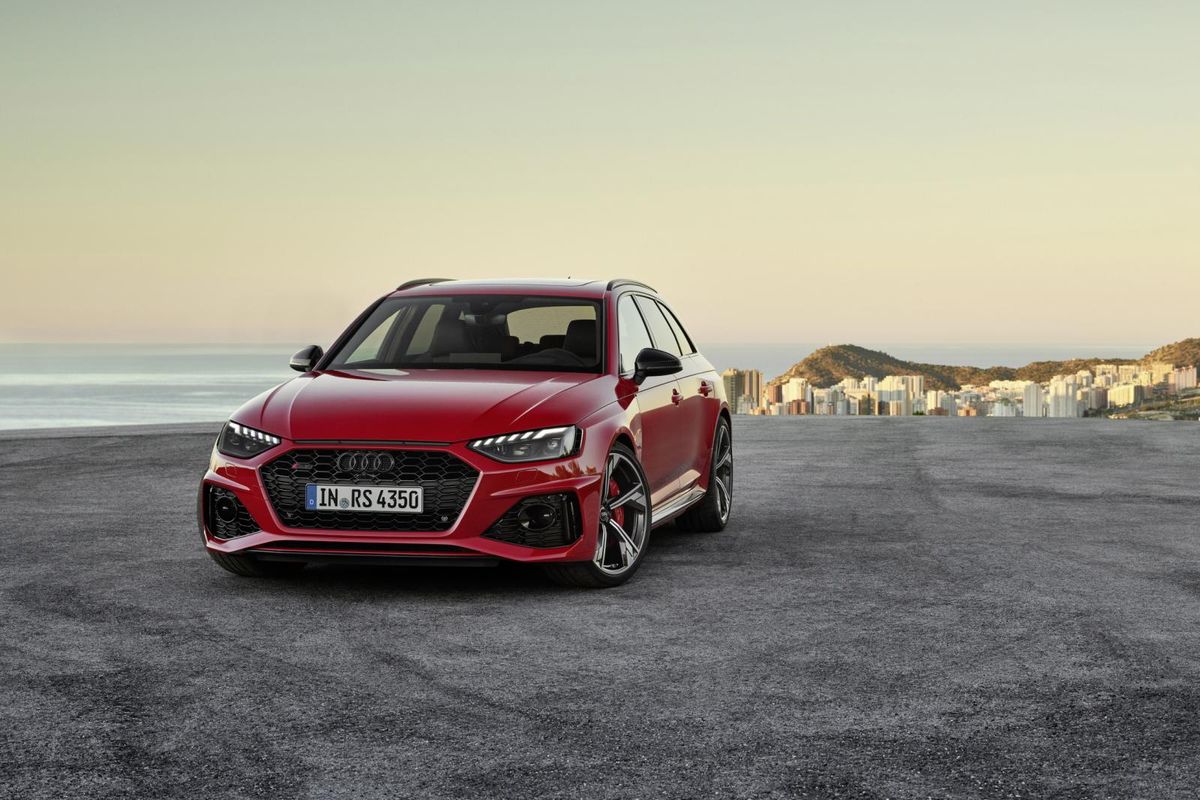
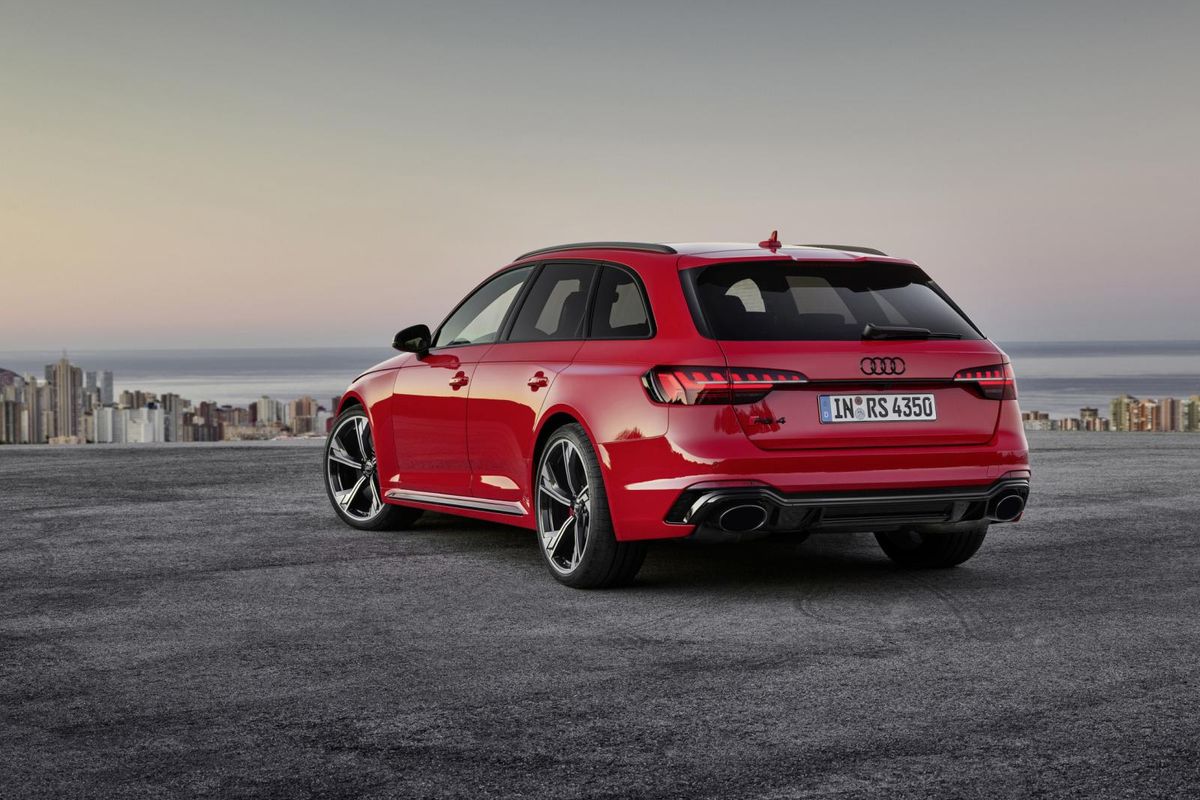
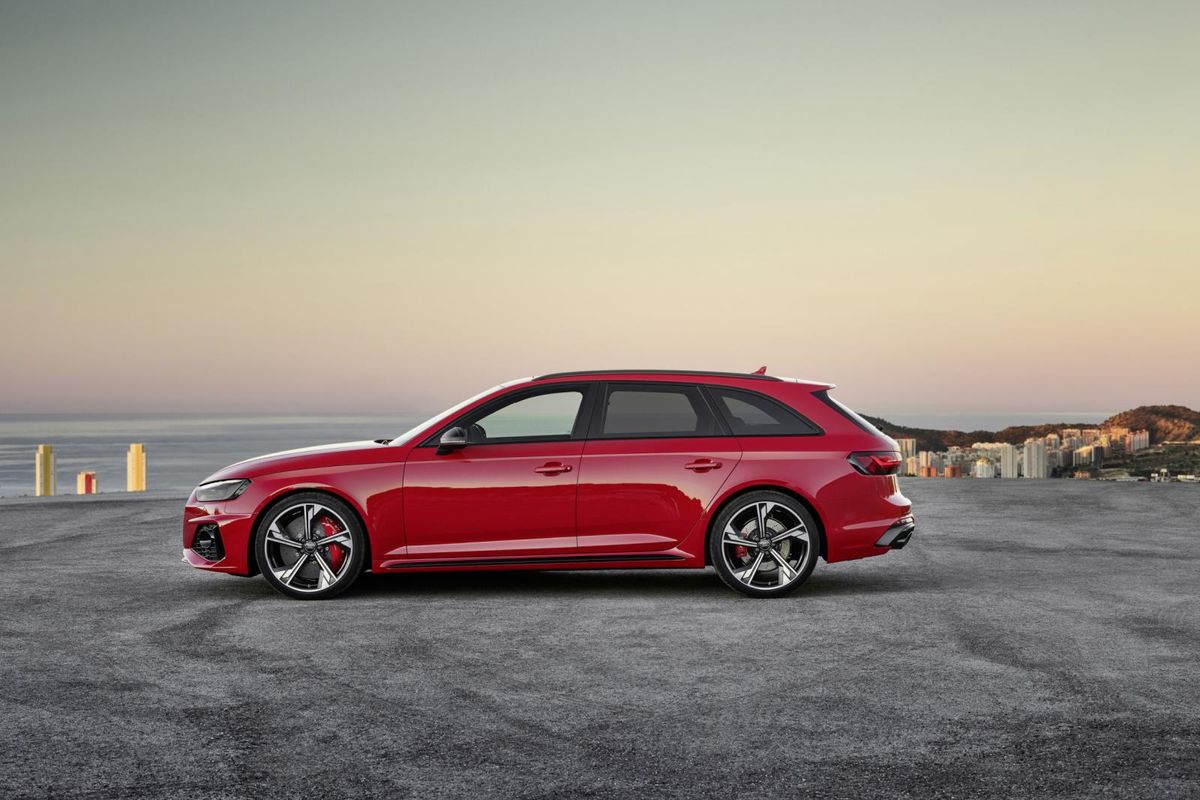
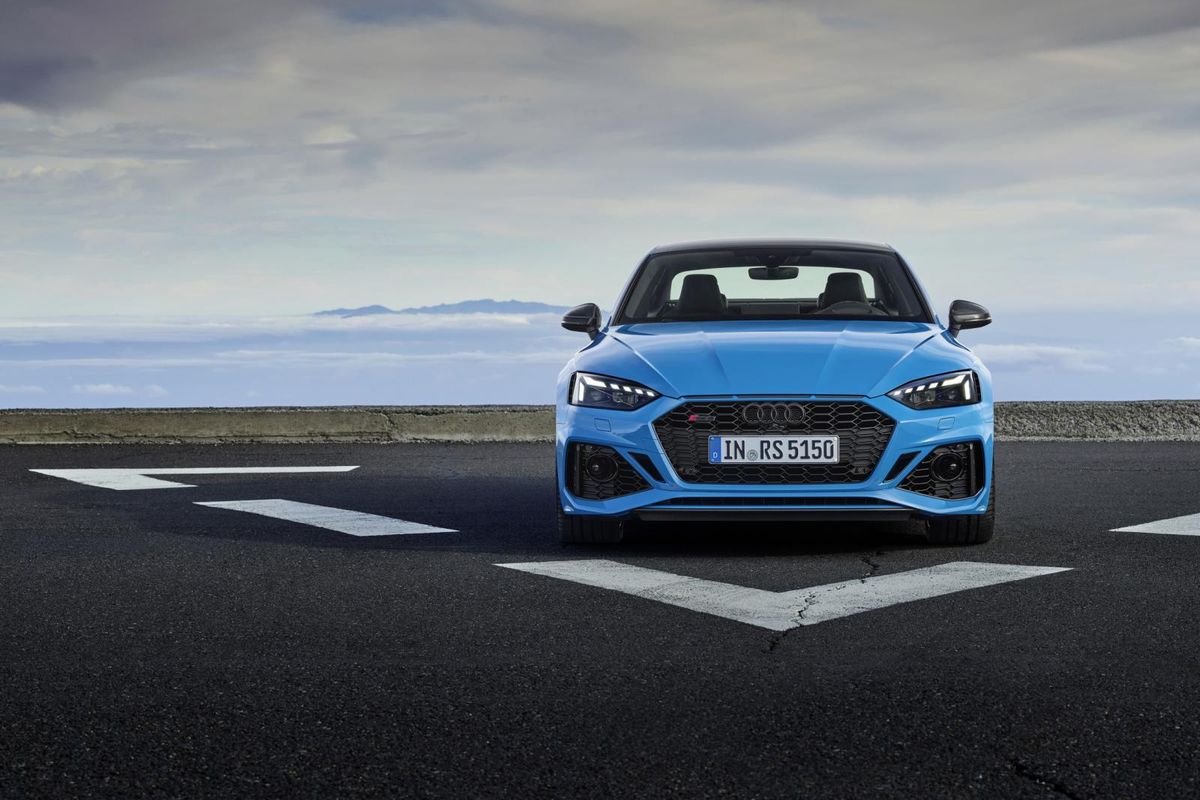
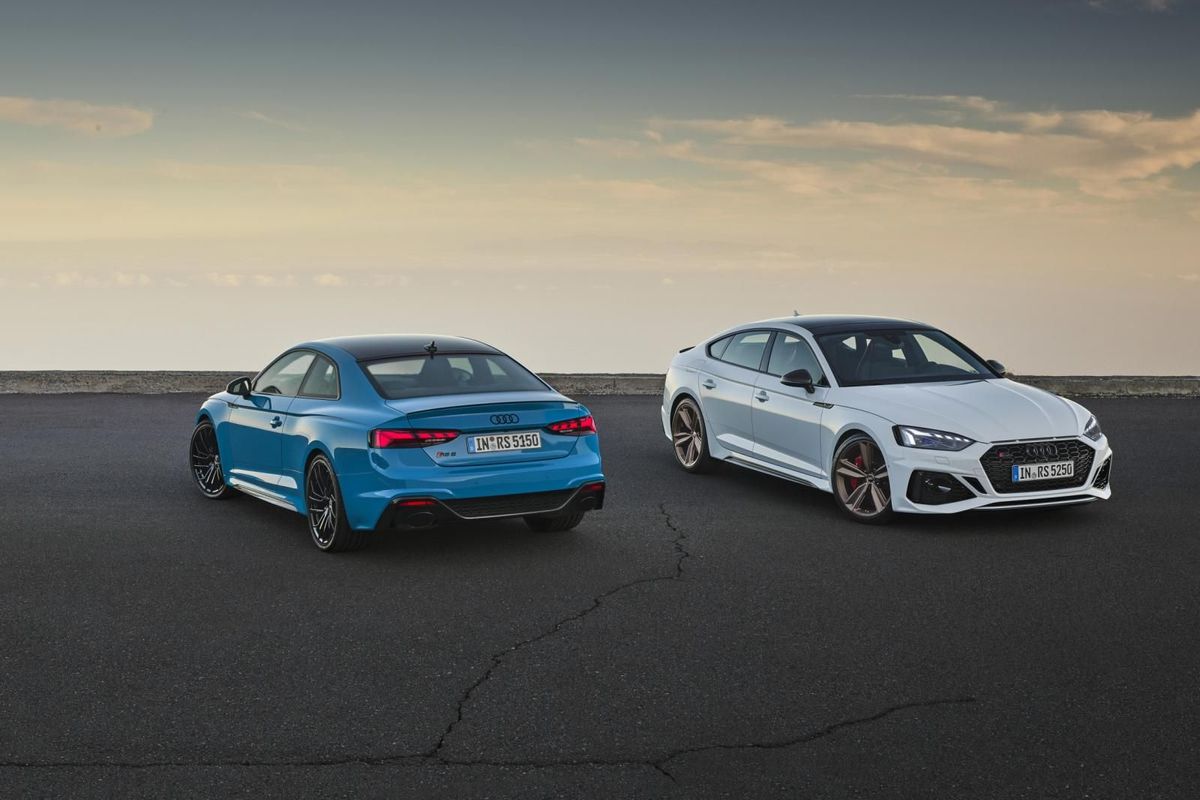
The company's refreshed RS4 Avant, RS5 Coupe and Sportback might only officially go on sale by April 2021, but Audi SA has committed to pricing for both.
Core specification for both of these RS-specification cars has not changed for the 2021 model year, although local followers of the Audi brand will notice the slight updates.
The RS5 now features factory fitted matrix LED headlamps (an option on RS4 Avant), while an array of the exterior theme styling finishes are available.
Perhaps the most notable exterior design change concerns RS5 Coupe, which now has a composite roof, lowering its centre of gravity and theoretically improving its cornering agility. The composite roof trims 4 kg of vehicle mass, too.
Audi’s renowned cabin architecture is complimented by RS-specific sports seats, trimmed in Nappa leather, with contrast stitching. Infotainment is serviced by Audi’s 12.3-inch virtual cockpit and sound, by a Bang&Olufsen speaker system.
Powering both the RS4 Avant and RS5 is Audi’s proven 2.9-litre twin-turbocharged V6 engine, boosting 331 kW and 600 Nm. Audi’s famed quattro all-wheel-drive system and ZF’s eight-speed automatic transmission combine to deliver 0-100 kph in only 3.9 seconds, whilst the academic top speed is 280 kph if owners select the option for derestriction.
As you would expect from premiums RS models, these cars are equipped with Audi’s advanced sport suspension components. Owners who wish to have more active turn-in behaviour can opt for a sport differential, fitted to the rear axle.
Audi is marketing its updated RS4 Avant at R1 296 000, followed by RS5 Coupe at R1 394 500 and the RS5 Sportback at R1 409 500.
For those most ardent Audi RS customers, the B9 RS4 Avant is the model with inarguable heritage and a fantastic blend of performance and practicality. It is also, ironically, the most affordable of all three these new RS models.
The next generation of Fords will run Google software for their infotainment systems. Ford is not the first to commit to the tech giant’s operating system and follows in the wake of Polestar, Volvo, Renault, GM and the new Stallanitis group. Ford’s system will still be called Sync 4 when it arrives and the coding will be made to look like Ford’s own but the underlying architecture will feature all of Google’s abilities.
Google Assistant will be built into the system with voice recognition. Ford will also use Google Maps for its native navigation, while Google Play Store will allow users to download car-specific apps for music/streaming etc. There is also bound to be remote apps for your Android phone that will allow you to control certain functions from afar, such as turning on the lights to find your car in an underground parking lot or setting the climate control prior to accessing the car. Remote parking could also be possible for the next-gen Fords.
The system caters for over the air updates so new software and updates can quickly be sent to the vehicle and installed while it's parked overnight.
The vehicle software hasn’t been finished yet so we’re not sure if it will look like Android Auto or whether a new design is in the works. The good news is that the system will still cater to Apple users with Apple Carplay still functioning as usual.
Ford Australia will be doing most of the technology development for the new Sync 4 system. The only question that remains is to what happens when you lose signal to the data services in the middle of the bush? There are feasible solutions to this such as downloadable Google Maps, where as long as you have GPS signal, you can navigate your way out.
The system is set to come online in 2023, just in time for the new Ford Ranger. Whether the VW Amarok, which is being built alongside the Ranger will have a similar infotainment system is unclear as VW hasn’t yet signed into ay agreement with Google.