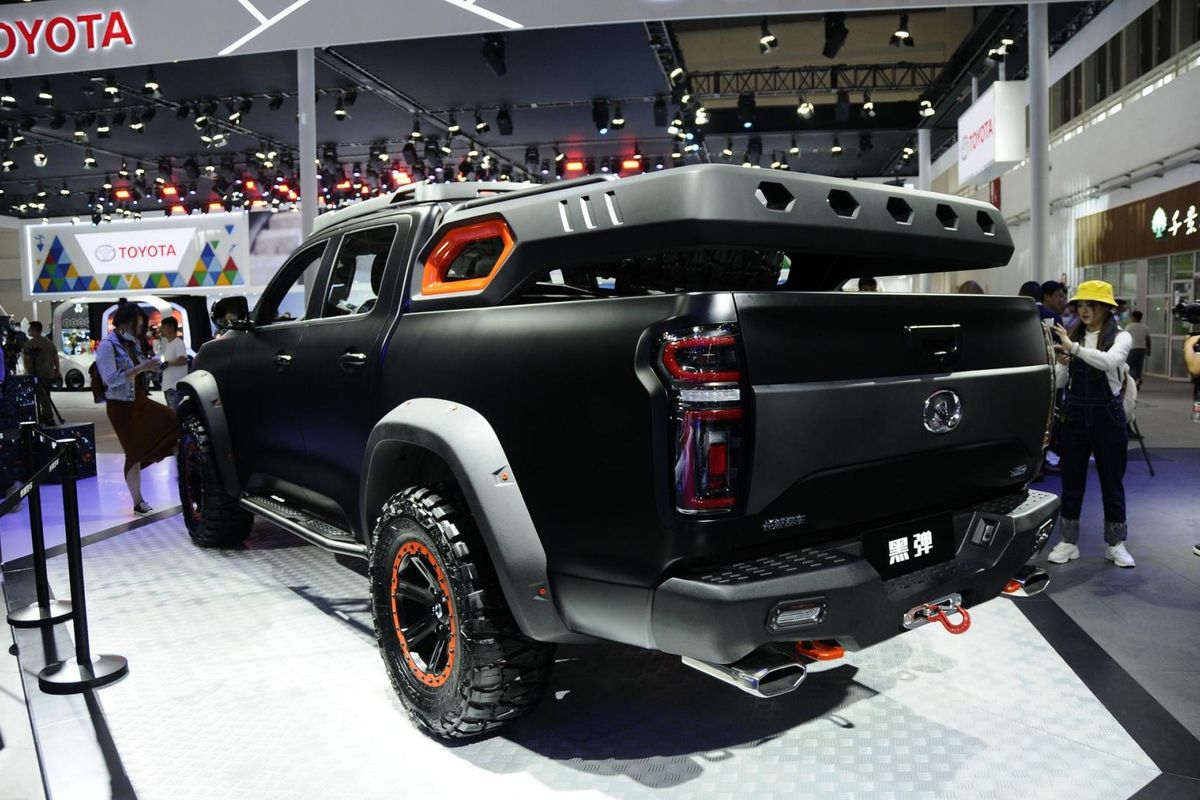
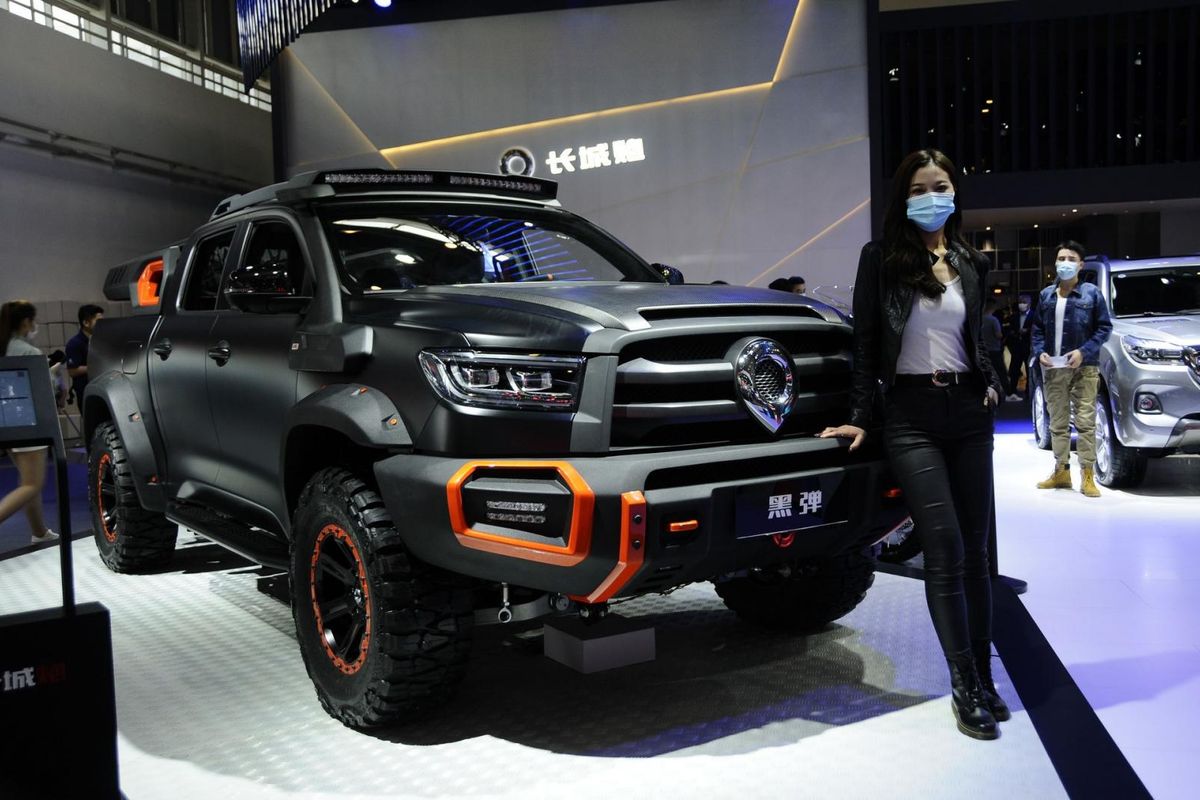
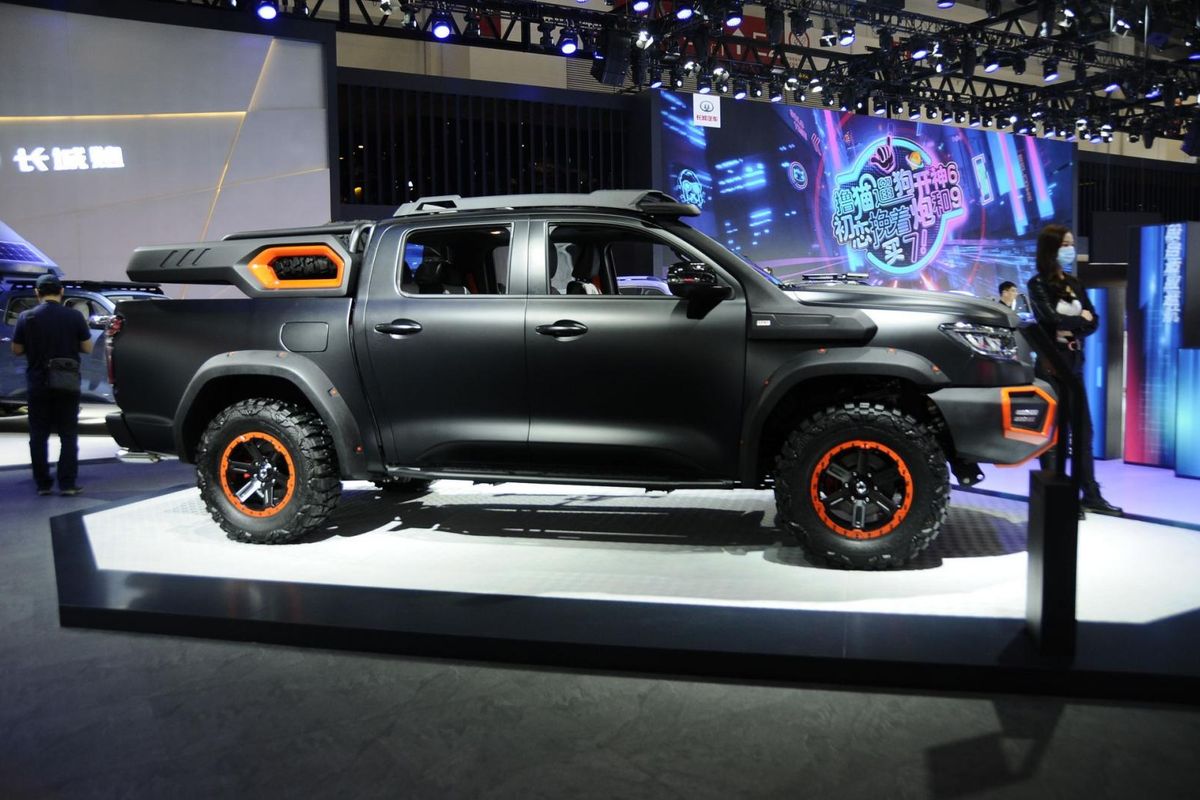
Great Wall Motors has shown off its new concept, called the Black Bullet.
The popularity of hardcore offroad bakkies is at an all-time high. Granted there have been extensive aftermarket conversions across all brands, but it was the likes of the Ford Ranger Raptor and Isuzu Arctic Trucks AT35 that gave customers the chance to own something truly capable and badass, without risking the warranty.
Many brands are now making offroad-focused beast bakkies and Great Wall Motors has joined the club with a concept that was shown at the 2020 Beijing Motor Show. This is the GWM Black Bullet Concept and it looks exactly how something competing in this segment should. Look at those proper knobbly offroad tyres!
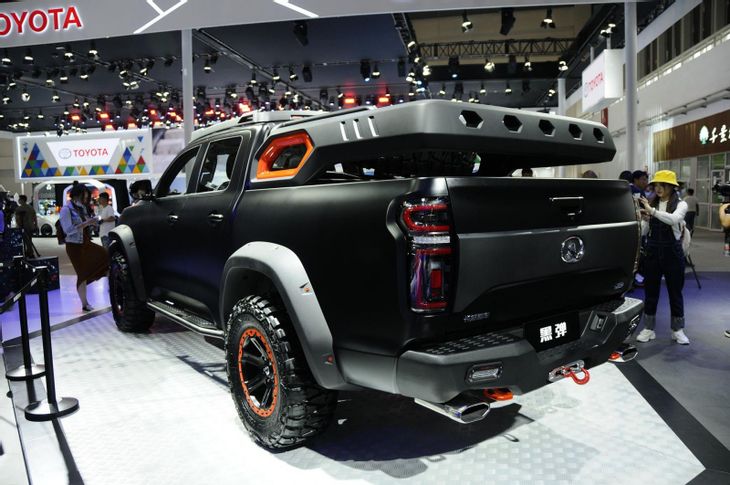
The matte black finish with orange detailing is a great touch, but its the sheer array of accessories that will have bakkie fans salivating. Check out the LED light bar, the snorkel and flared wheel arches. There's also a new rear bumper, a winch, tow hooks and chrome exhaust tips. The loadbay also features a spare wheel cover. Inside, the cabin gets 2-tone black and white quilted leather as well as orange accents.
The GWM Black Beast Concept is built on the latest bakkie platform, called the GWM P Series. This model's introduction into SA has been delayed due to COVID-19, but it's still expected to reach showrooms before the end of 2020 and will be taking on the Ford Ranger, Toyota Hilux and Mazda BT-50. The all-new Isuzu D-Max has unfortunately been delayed until 2022.
The P Series measures 5.4 metres nose-to-tail, 1.86 metres wide and stands 1.93 metres tall. This new Chinese double-cab rides on the P71 ladder-frame platform, which it shares with the Haval H9 large SUV – familiar to South Africans who are followers of the Chinese brand. The cabin architecture is impressive for a Chinese vehicle with a large touchscreen infotainment system and passenger vehicle-like ergonomics.
Mechanically, the P Series is powered by a 2.0-litre turbocharged petrol which drives all four wheels via an 8-speed ZF automatic transmission. The 2.0-litre four-cylinder engine boosts 140 kW and 360 Nm. GWM has also equipped the P Series with 3 differential locks, which should theoretically give it unrivalled off-road ability. GWM has not yet been clear as to whether the 3 differential locks will be a standard configuration or optional, as part of a dedicated off-road package. Features? Plenty. There is a surround-view camera, rear-view camera and 12 radar pods allow for lane departure warning and adaptive cruise control. All active safety interventions systems are managed by Bosch’s 9.3-generation stability control.
BMW 4 Series Convertible revealed: It’s not subtle
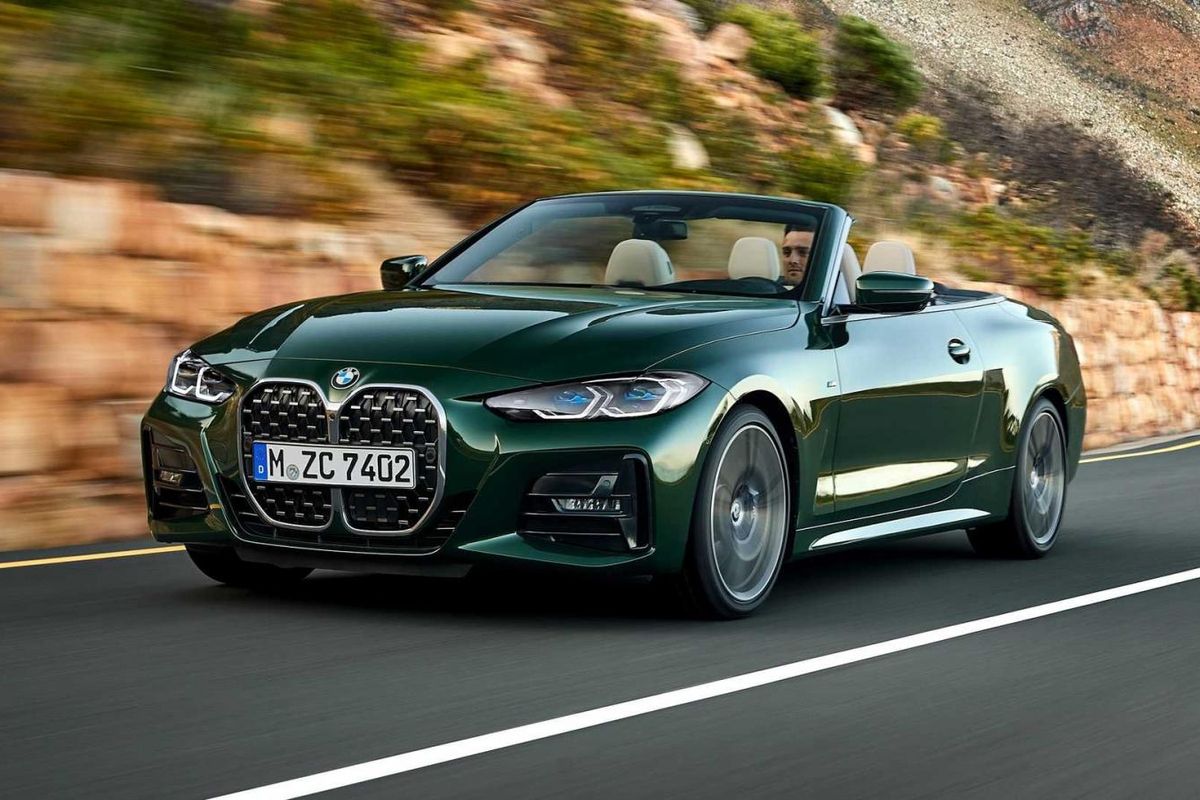
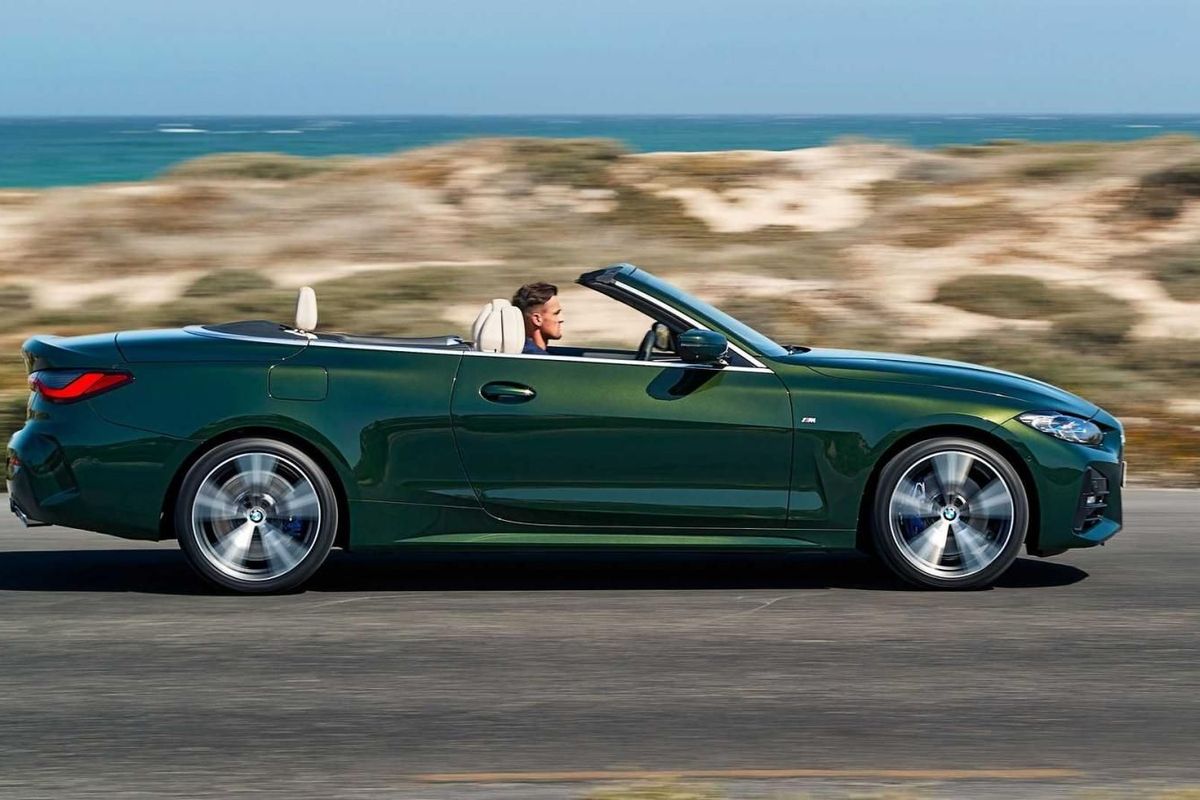
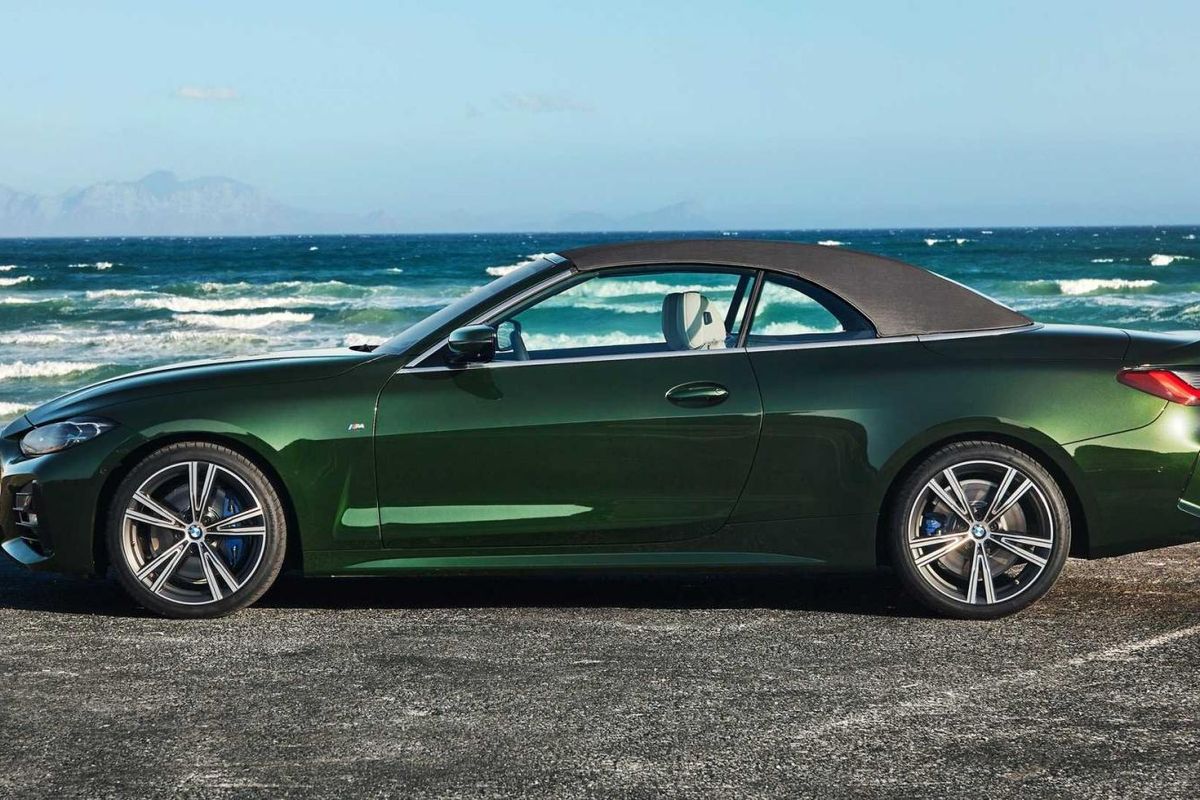
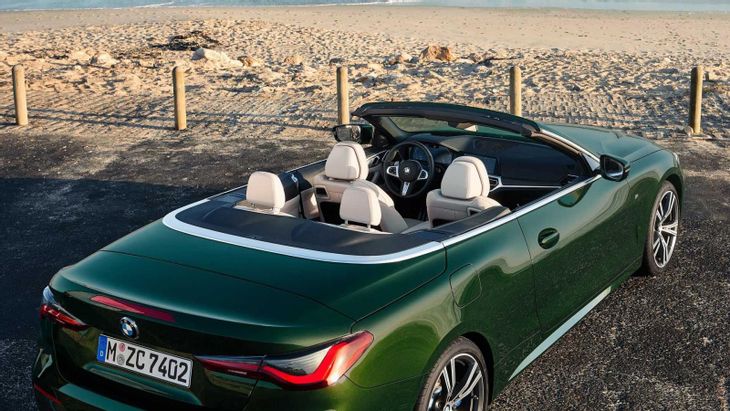
BMW has unveiled the 2nd of its 4 Series variants, which it calls a Convertible, although (by virtue of the return to the soft-top configuration of its 3 Series predecessors) it ought to be called a Cabriolet! In terms of its packaging, the newcomer is far more balanced and practical than its predecessor, but its in-your-face styling won’t please everyone.
By virtue of last week’s reveal of the M3 (G80) and M4 (G82), which are expected to arrive in local showrooms during the first half of 2021, our eyes have had little choice but to get used to the Munich-based brand’s upright-grille treatment. Having said that, in combination with the sports sedan and coupe’s muscular styling and motorsport-inspired detailing, the ever-controversial double-kidney design cue was somehow in keeping with the overt sportiness and imposing nature of the cars (not to mention their almost cartoonishIsle ofMan Green and Sao Paulo Yellow paint finishes).
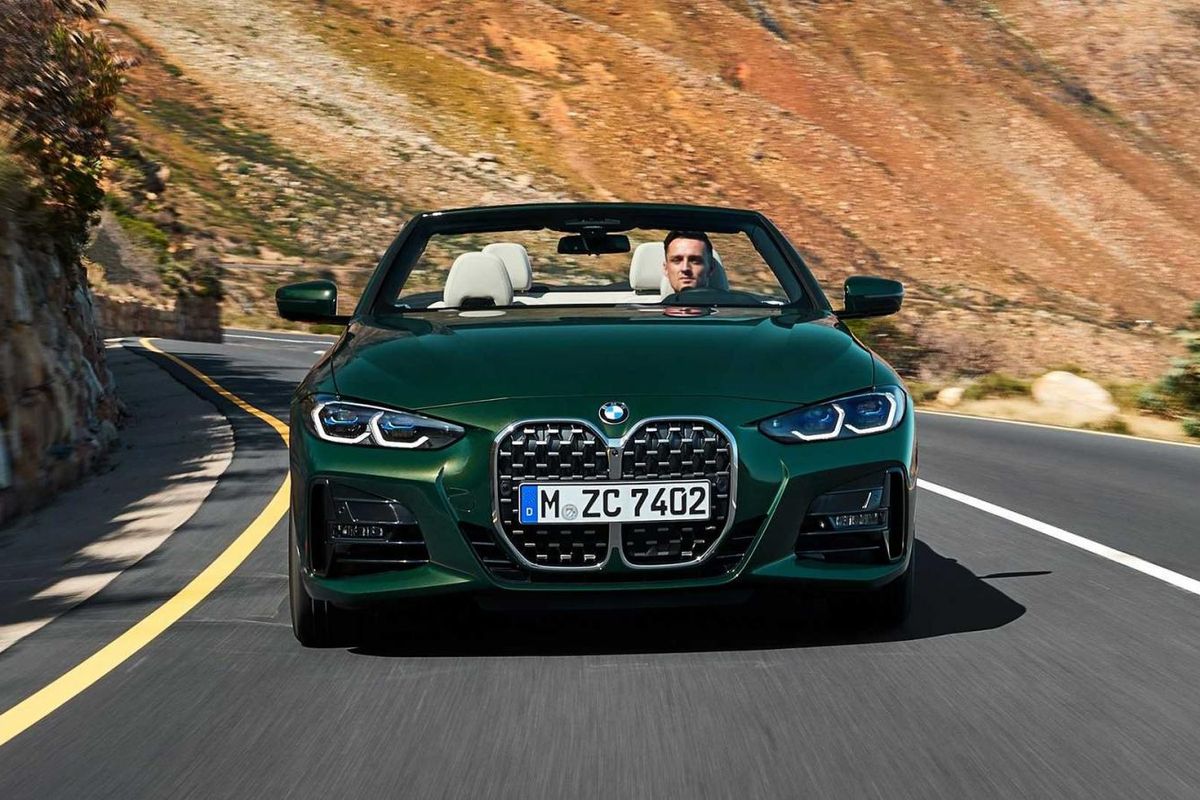
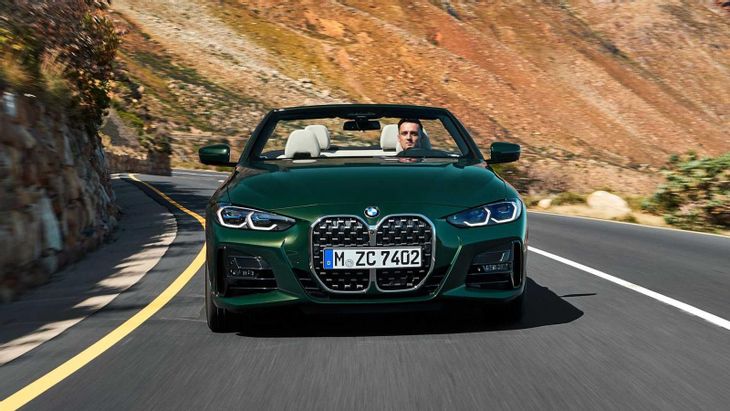
The M Sport aesthetic updates beef up the 4 Series Convertible's bumper, but does the metallic trim suit the grille?
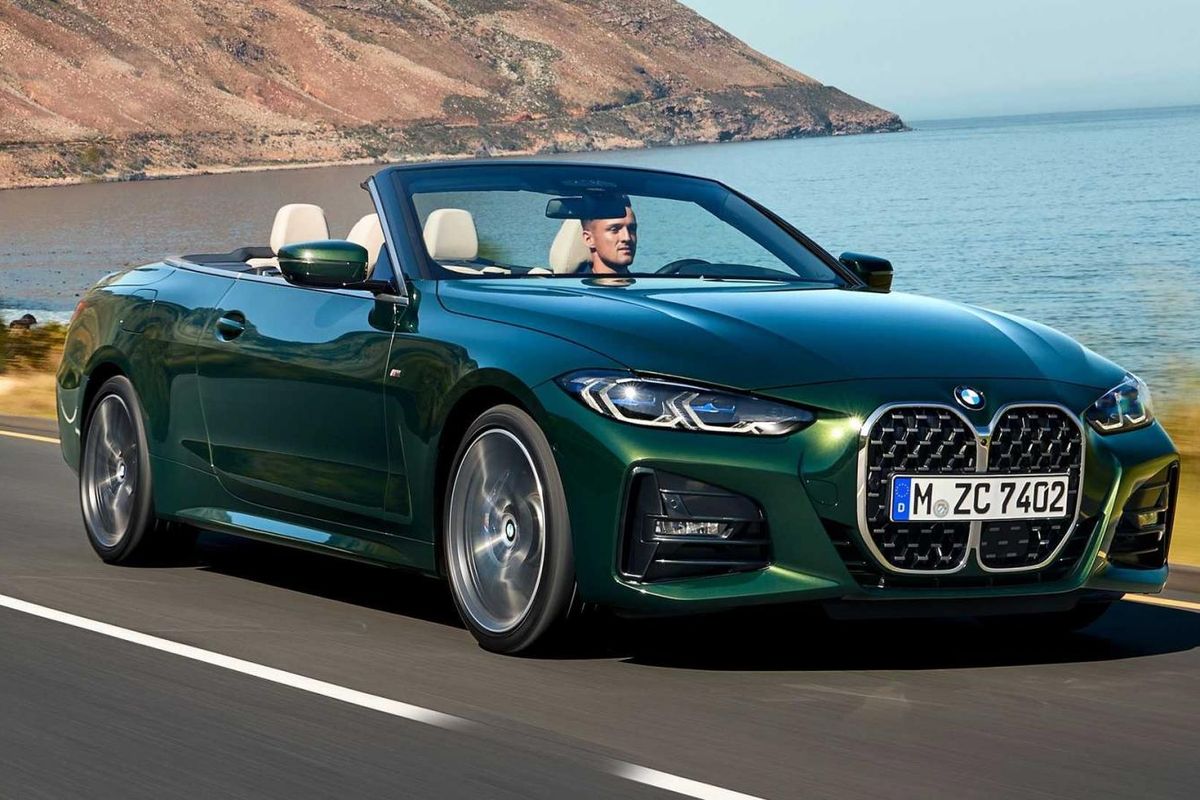
BMW has chosen to unveil its 4 Series Convertible replete with an M Sport kit and retina-searing (compared with the aforementioned M cars) San Remo Green metallic finish and yes, as expected, the elaborate upright grille. Whereas the “tall kidneys”, flanked by slim LED headlamps (Laserlight units are optional), may suit the outright sportscar interpretation of the 4 Series in the case of the M4 coupe, it detracts from the elegance of the open-topped version even though the Munich-based firm says “it signals the high-cooling requirement of the powertrain”.
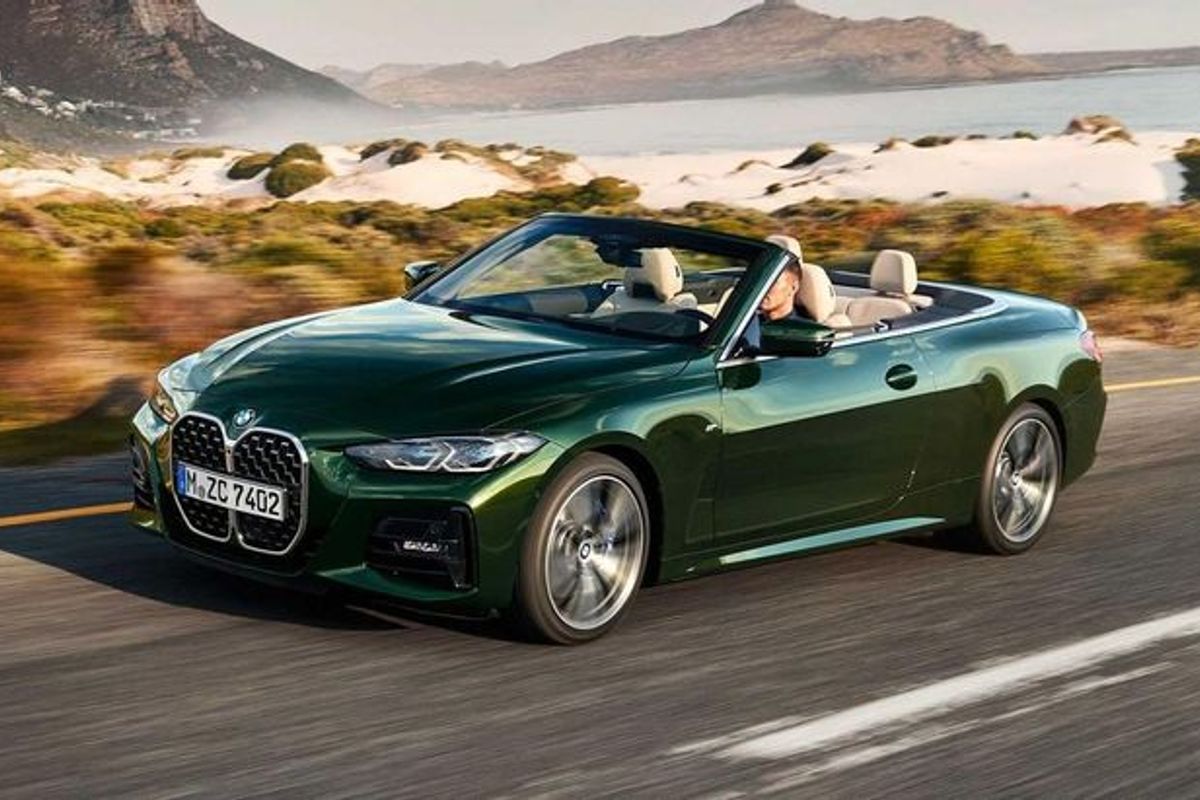
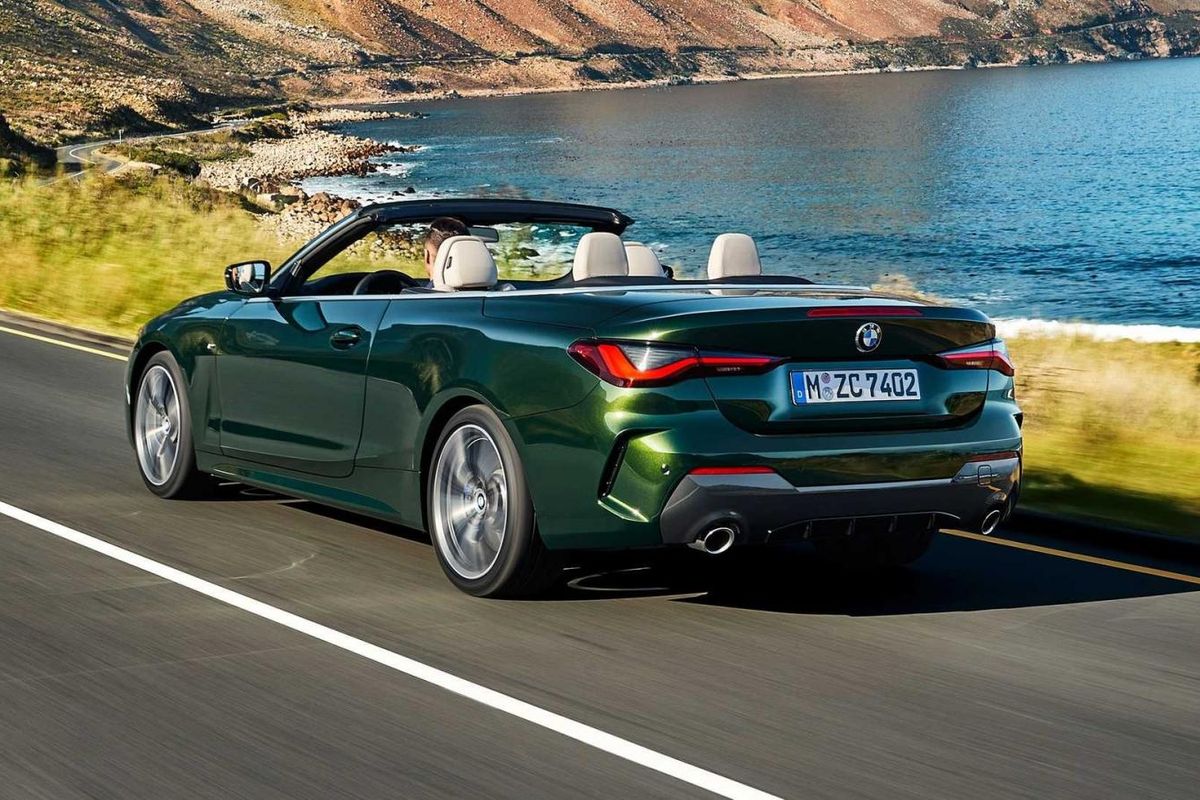
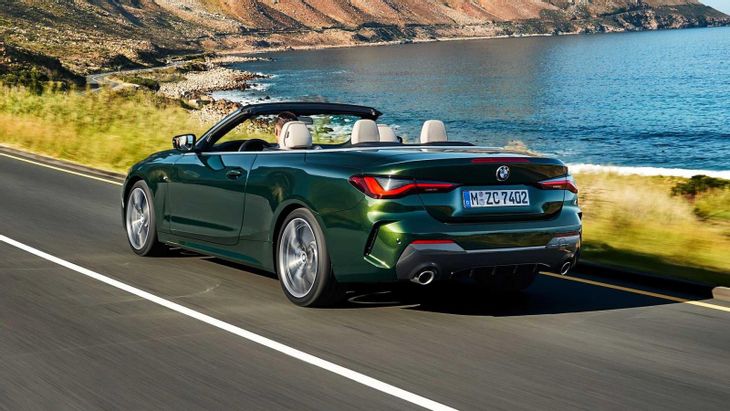
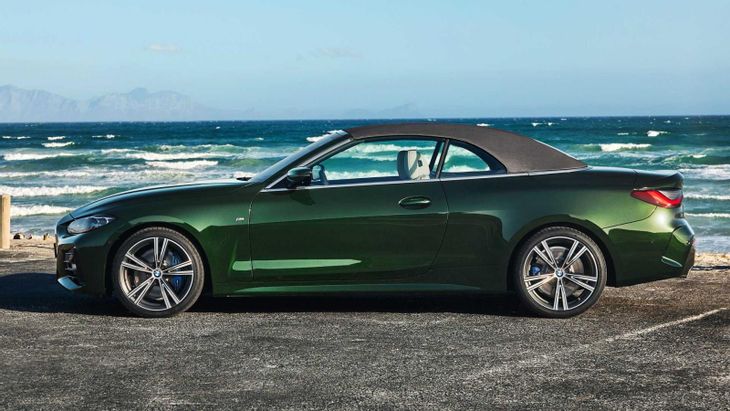
Overall, the design is low-slung and it has wider tracks than on the outgoing model (+28 mm at the front, +18 mm at the rear). Whether you like the finished product or not, on balance, the newcomer’s a much-improved product… Because BMW has reverted to a soft-top configuration for the 1st time since the E46 3 Series Cabriolet was phased out in 2006 (the E93-gen 3 Series Convertible and its F33-generation 4 Series successor had folding hardtops), the newcomer has comparatively sleeker rear styling, especially in terms of its shapelier three-quarter proportions. Why? Well, because it has less to fold away: the new fabric roof assembly is more compact (and 40% lighter) than the previous car’s metal-and-glass origami.
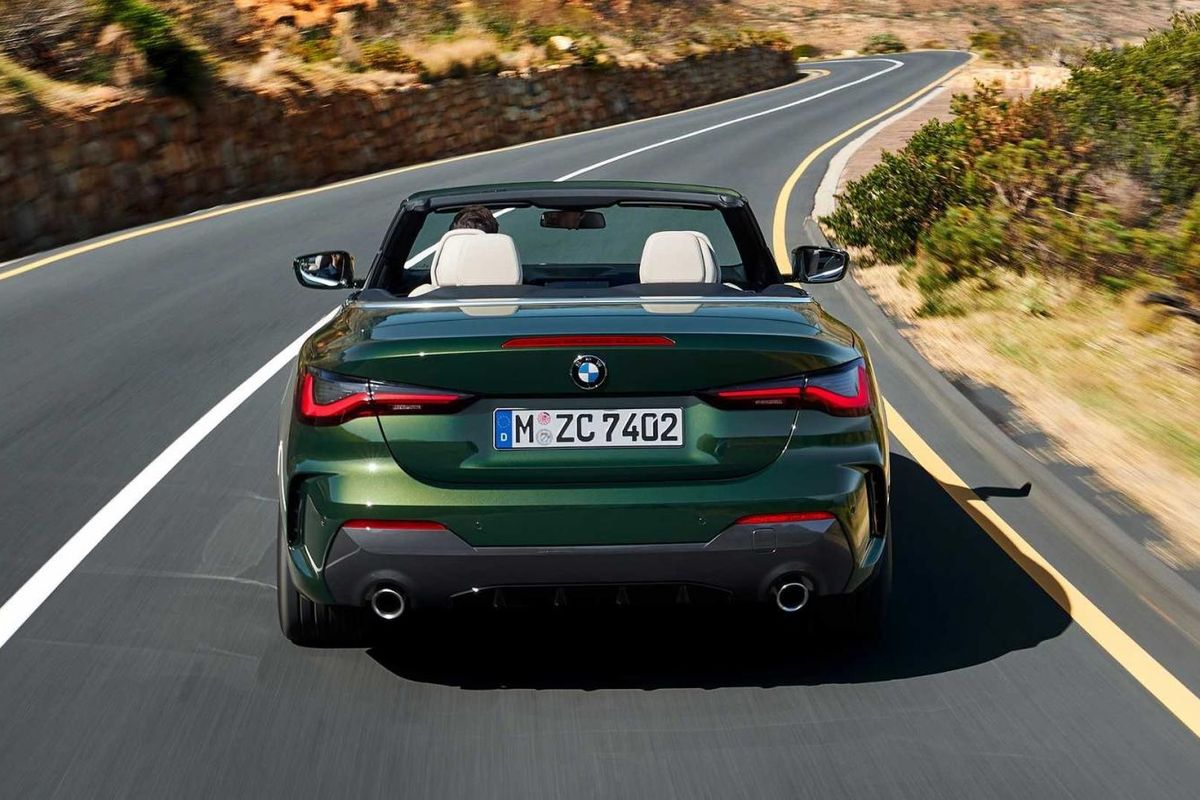
There's no more excess fleshiness to the 4 Series Convertible's rump, because the roof it stores under its sheetmetal is smaller.
Another benefit of the newcomer’s revised roof configuration is a better claimed luggage capacity of 300 litres (80 litres more than before) with the roof down and 385 litres (15 litres) when the roof is up. A storage package, folding rear backrest and through-loading facility are standard.
Meanwhile, to compensate for the loss of torsional rigidity (because of the absence of a solid roof), BMW has stiffened the 4 Series Convertible’s body with specific bracing, an aluminium shear panel at the front and reinforced side skirts. The newcomer also has a 50:50 weight distribution.
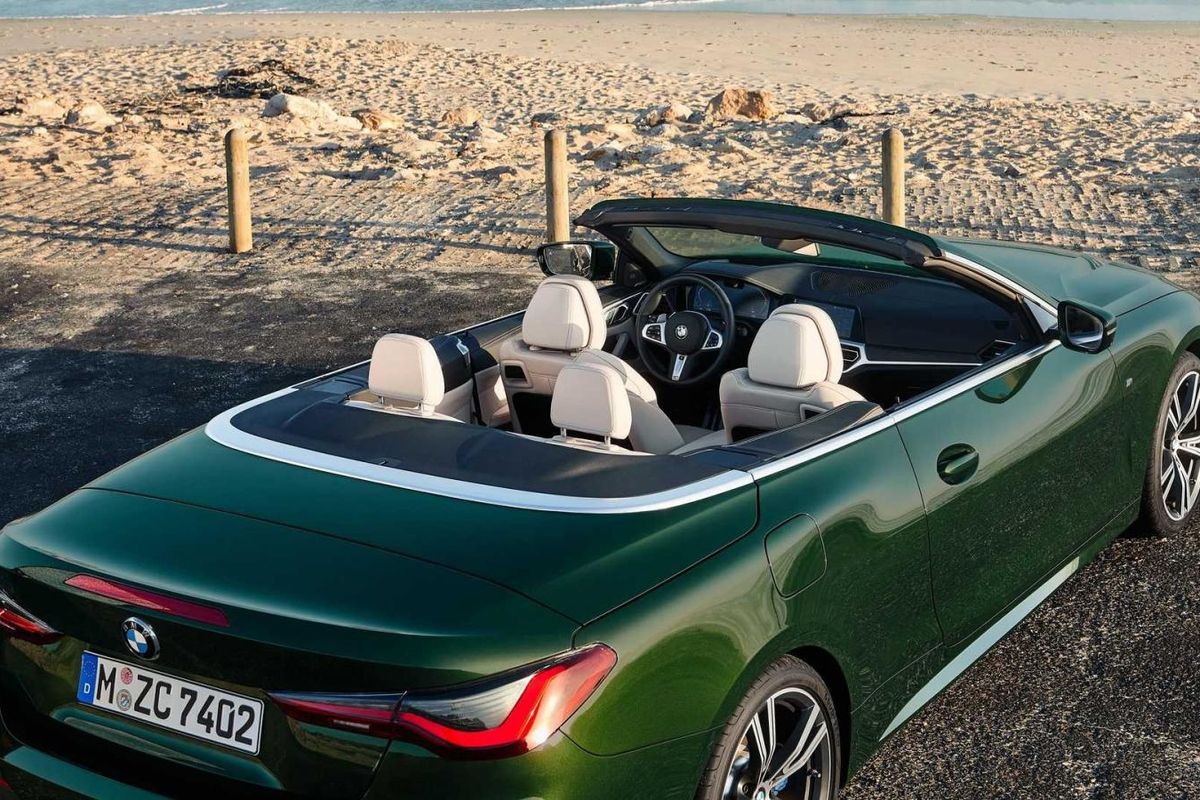
BMW has finished off the 4 Series Convertible's deck with a decorative aluminium trim strip.
The range's list of powertrains comprises 4- and 6-cylinder turbopetrol and -diesel engines mated with an 8-speed Steptronic automatic transmission (replete with ‘wheel-mounted shift paddles), although we anticipate that only the 420i, 430i and M440i xDrive will be offered in South Africa (the current 4 Series Convertible is only available in 420i and 440i guises). The 2.0-litre turbopetrol 4-pot delivers 135 kW/300 Nm in the 420i and 190 kW/400 Nm in the 430i, while the all-wheel drive M440i xDrive develops 275 kW/500 Nm. An M4 version will be released at a later date.
BMW offers the model with a host of optional M Sport upgrades, including a stiffer suspension with variable sport steering, adaptive M suspension with electronically controlled dampers, M Sport brakes (with blue or red brake calipers), an M Sport differential, 19-inch M light-alloy wheels, the M Carbon exterior package and, of course, an extensive catalogue of M Performance Parts.
Although the 4 Series Convertible isn't as elegant in profile as its coupe sibling, the folding roof is neatly implemented.
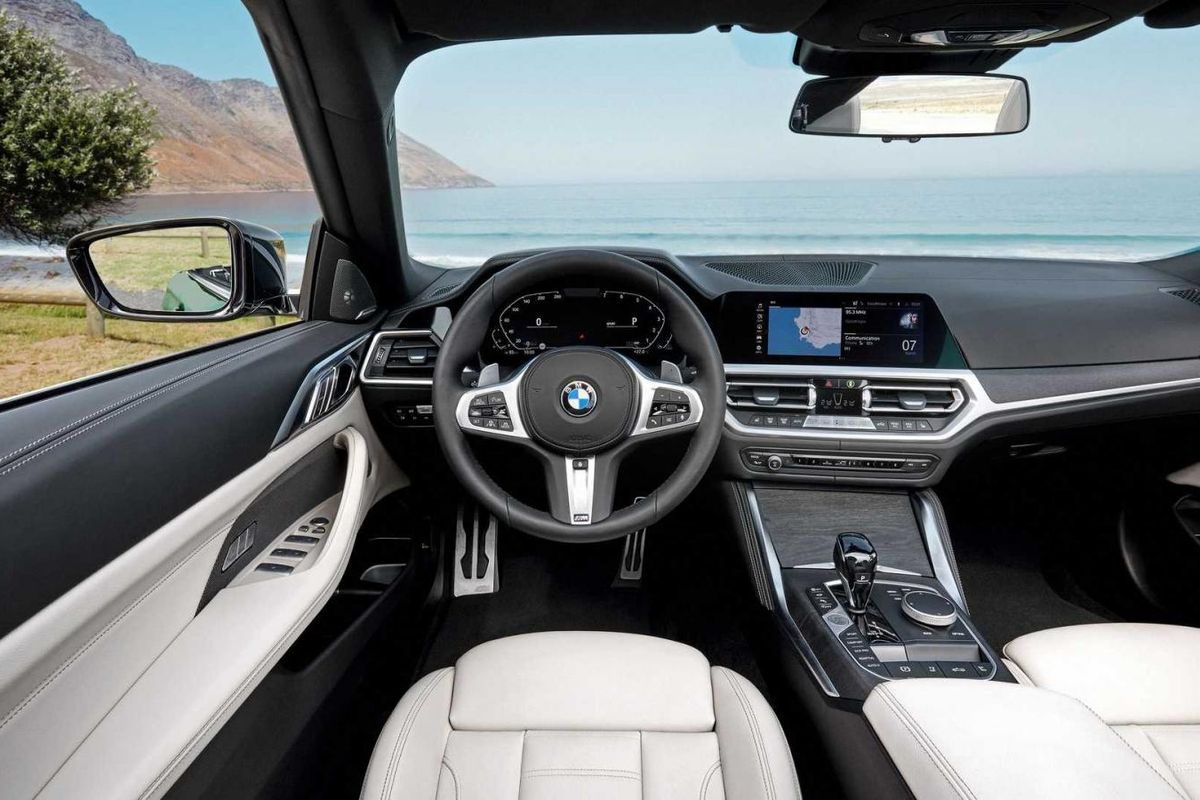
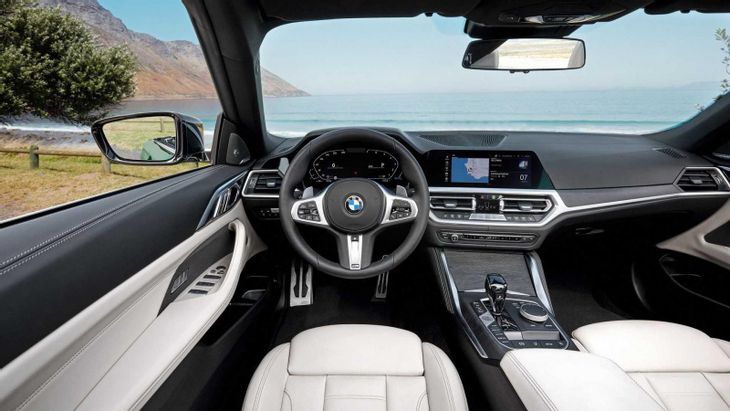
As for the interior, the 4 Series Convertible is strictly a 4-seater by virtue of having a pair of individual (and strictly occasional) rear seats. What's more, the new range’s derivatives come relatively well-specced with standard features, such as electrically adjustable sports seats with automatic belt feeders, Vernasca leather trim and seat heating, a sports steering wheel, as well as 3-zone automatic climate control.
The infotainment system (with a touchscreen measuring up to 10.25 inches) is underpinned by BMW’s highly configurable Operating System 7 and can be combined with a 12.3-inch fully digital instrument cluster as extra cost. Other features include the brand's Intelligent Personal Assistant "Hey BMW", BMW Maps cloud-based navigation, Apple CarPlay and Android Auto compatibility, wifi and remote software upgrades.
The 4 Series Convertible's leather-trimmed interior is plush and incorporates quite a few nice-to-have features as standard.
Options include a clip-in wind deflector (that can be stored behind the rear seatback), neck warmers (integrated into the front headrests), extended ambient lighting, a Harman Kardon surround sound setup and a remote-controlled auxiliary heating system.
Finally, the 4 Series Convertible offers more driver assistance systems than the outgoing model, such as front-collision warning with brake intervention, lane departure warning with steering assistance and a speed-limit info system, as well as park distance control (front and rear).
BMW says the 4 Series Convertible will be in showrooms worldwide in March 2021.
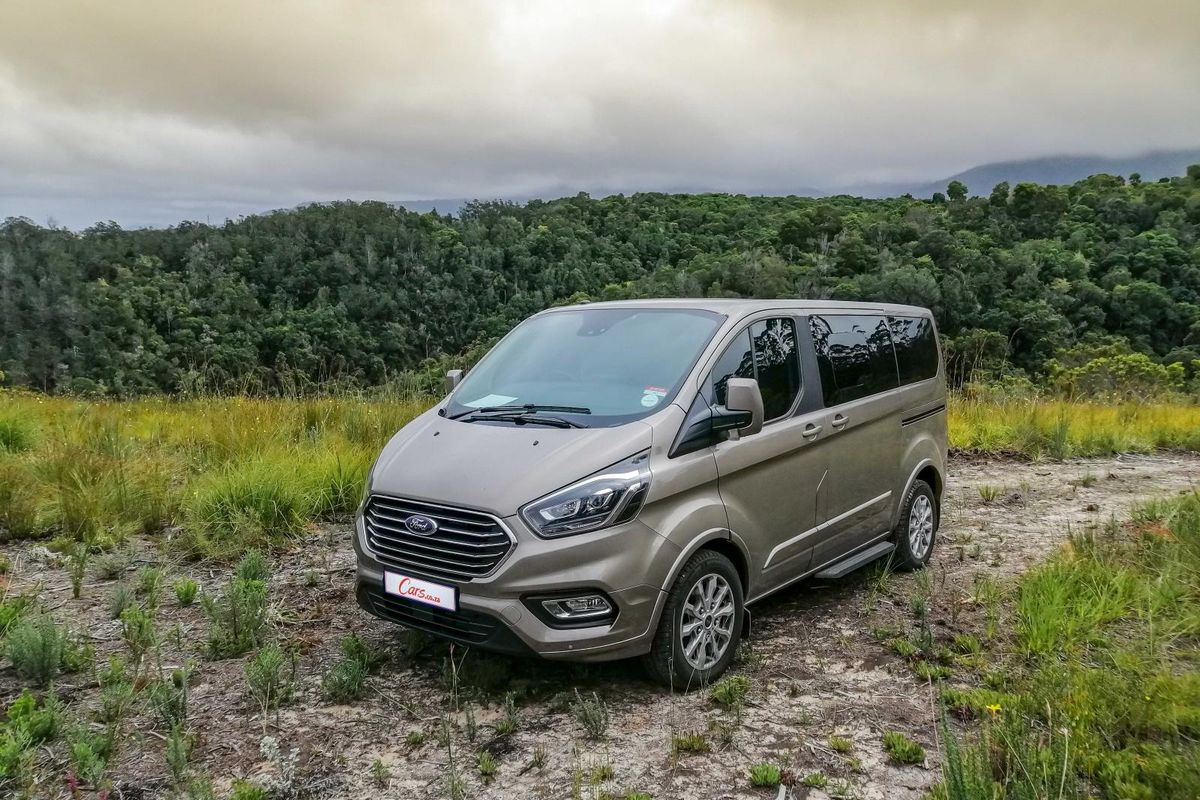
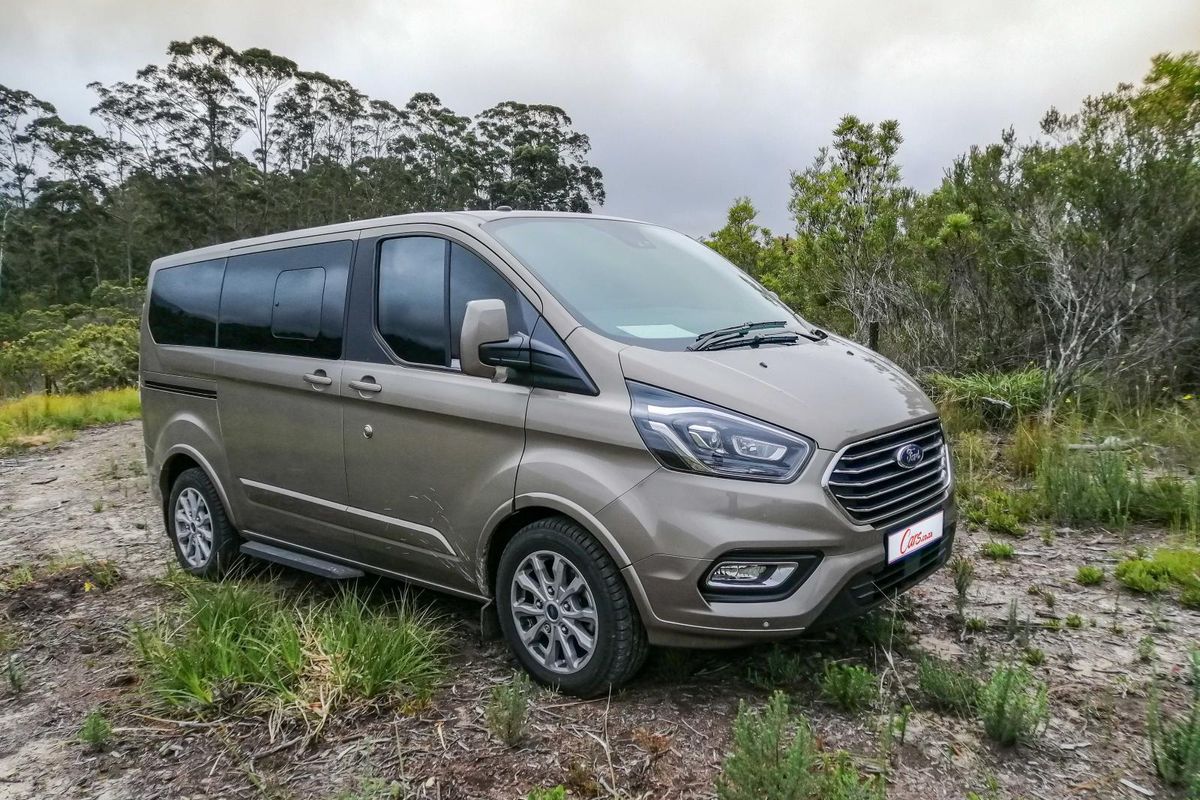
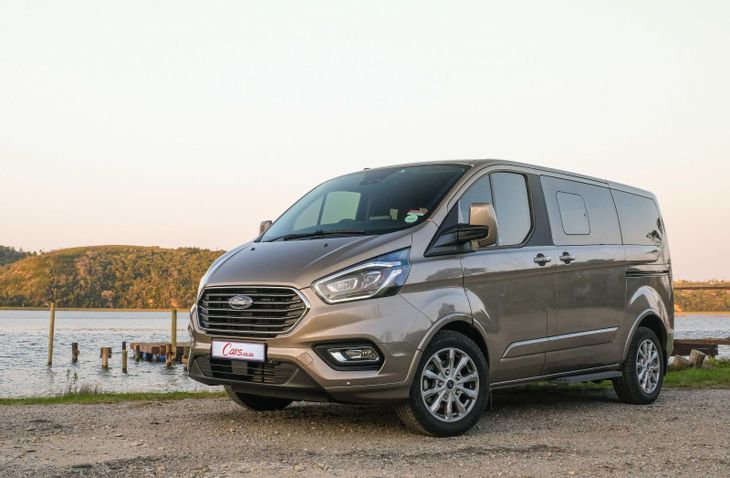
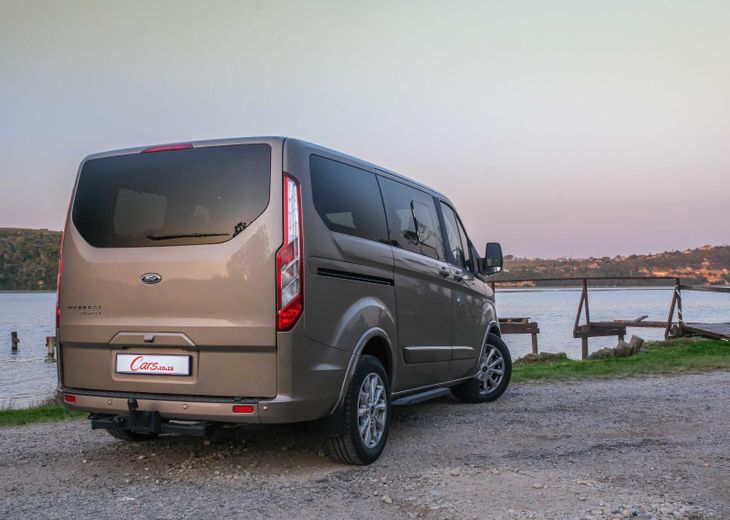
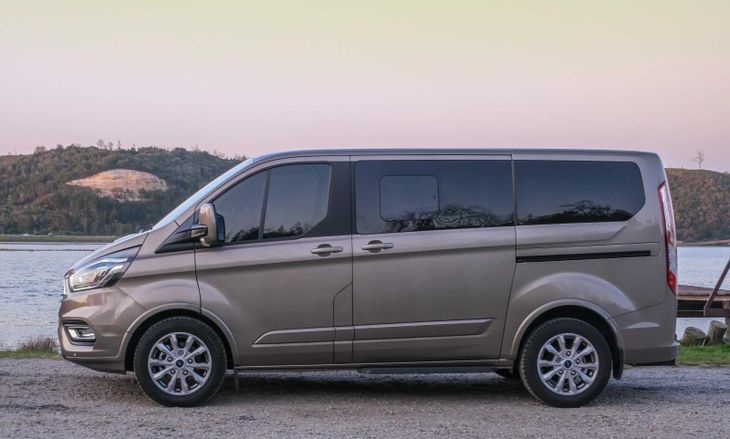
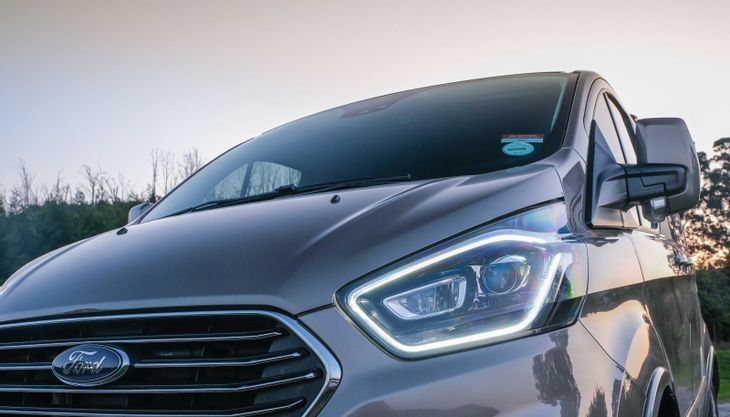
Ford recently added 2.0-litre turbodiesel automatic derivatives to its Tourneo Custom range. With provincial travel bans lifted, Cars.co.za journalist Gero Lilleike loaded up the range-topping 2.0 Limited with hikers and equipment and headed for the Otter Trail in the Tsitsikamma National Park. How did the newcomer perform? Let’s find out!
We Like: Practicality, seating flexibility, loading capacity, performance and efficiency
We Don’t Like: Excessive body roll, the extra cost of AdBlue
Fast Facts
Price: R740 900 (September 2020)
Model tested: 2.0 Limited AT
Engine: 2.0-litre turbodiesel
Power/Torque: 136 kW/415 Nm
Transmission: 6-speed automatic
Fuel economy: 6.7 L/100km (claimed)
Fuel Tank Capacity: 80 L
What is it?
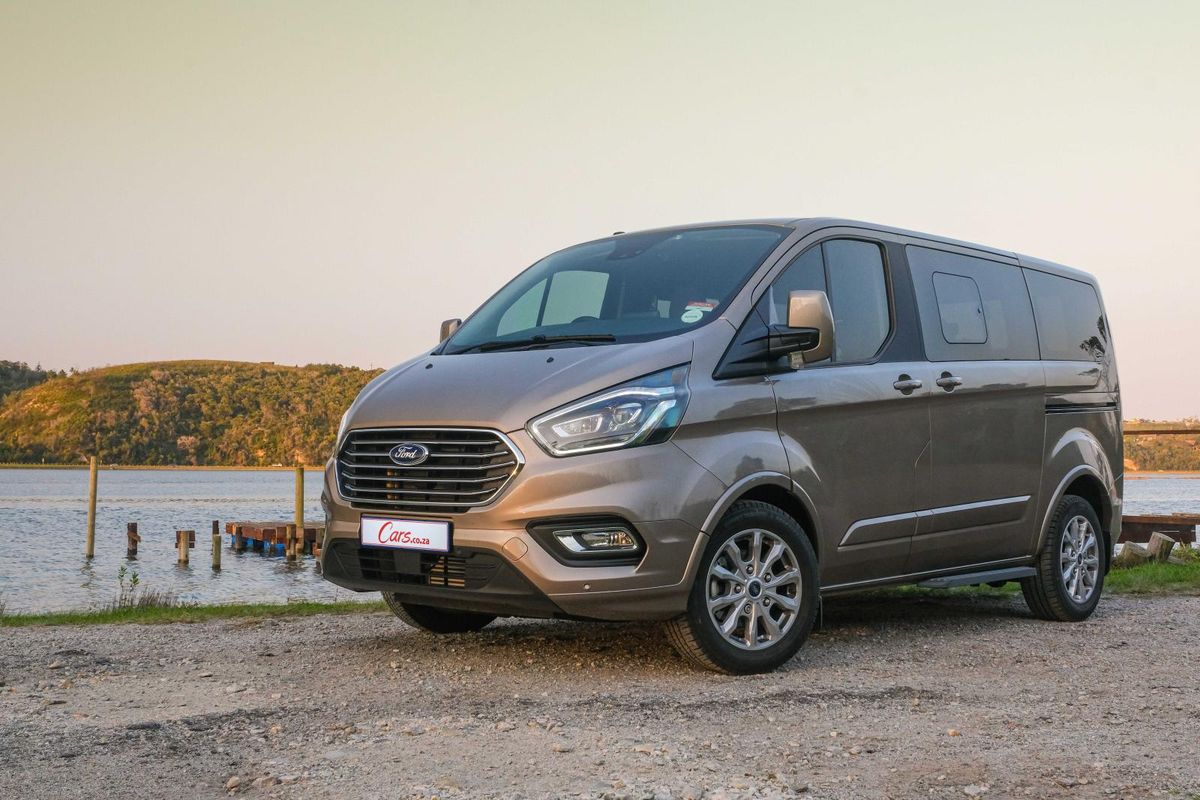
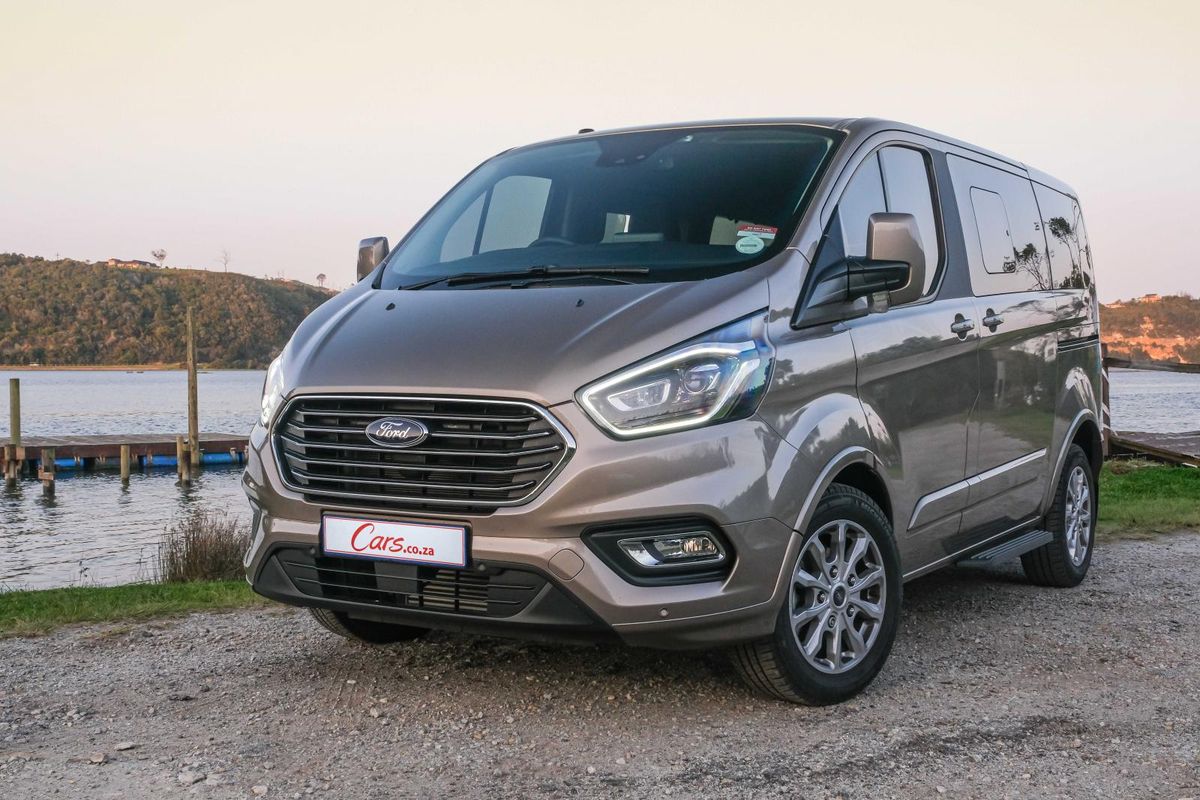
Now with a 2.0-litre turbodiesel and a 6-speed automatic transmission, the Tourneo Custom should appeal to a broader audience.
The people-moving Tourneo Custom and its Transit Custom panel-van sibling form part of Ford’s commercial vehicle line-up. The Tourneo Custom first came to the South African market in 2013 and it rivals products such as Volkswagen’s Kombi, Hyundai’s H1 and the Mercedes-Benz Vito.
Ford has broadened its local Tourneo Custom line-up with the addition of 2.0-litre turbodiesel derivatives (in 96 kW and 136 kW guises), which are powered by the same engine that does service in the Ranger and Everest, but with a particular focus on efficiency, featuring AdBlue technology, which is a first for Ford in South Africa (more on this later). What's more, this engine offering is also exclusively available in conjunction with a 6-speed automatic transmission, which will appeal directly to both family and business customers seeking higher levels of comfort and convenience.
With restrictions for inter-provincial travel relaxing under Level 2 Covid-19 lockdown regulations, the famous Otter Trail on the Garden Route was once again open to visitors (with restrictions, of course). A total of 6 hikers and their gear had to be transported from Cape Town to the start of the trail in the Tsitsikamma National Park on the Garden Route – the 1 600-km journey would undoubtedly test the long-haul touring ability of the Tourneo Custom, but also its load-carrying capacity and interior flexibility. Let’s take a closer look at what the Tourneo Custom has to offer…
How it performs in terms of…
Practicality and Flexibility
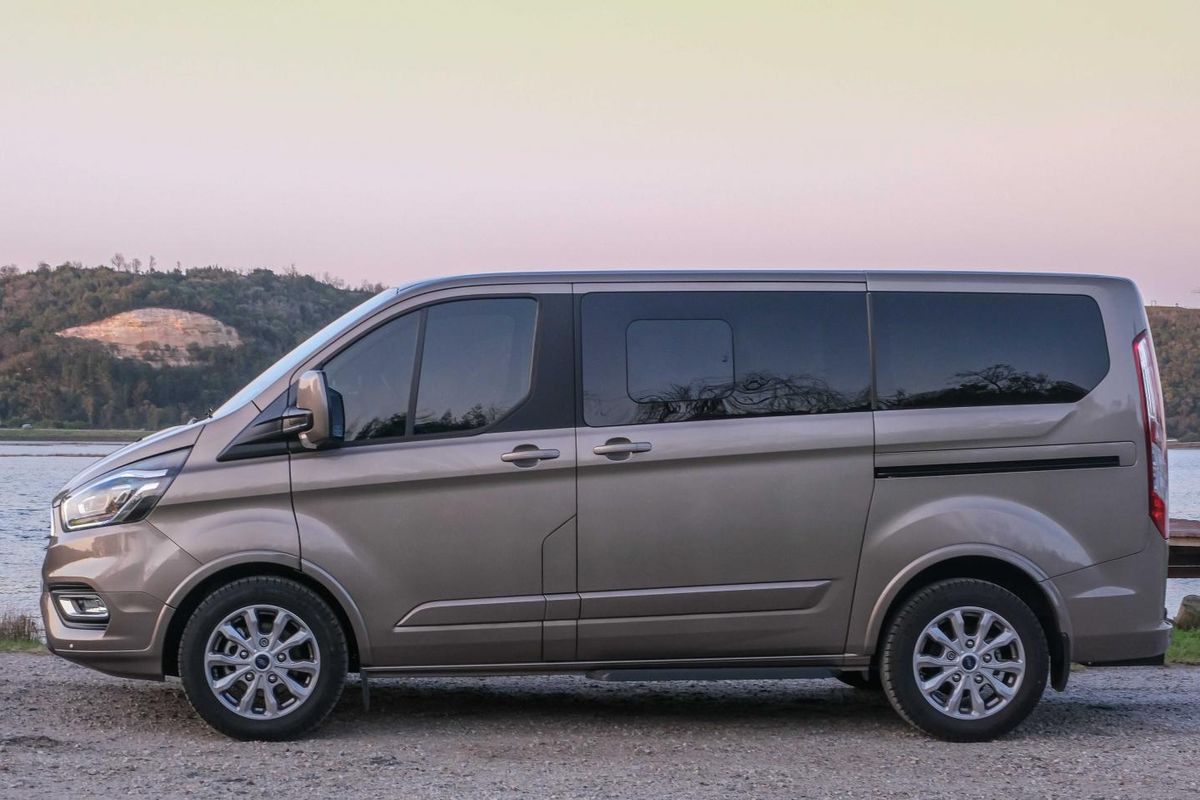
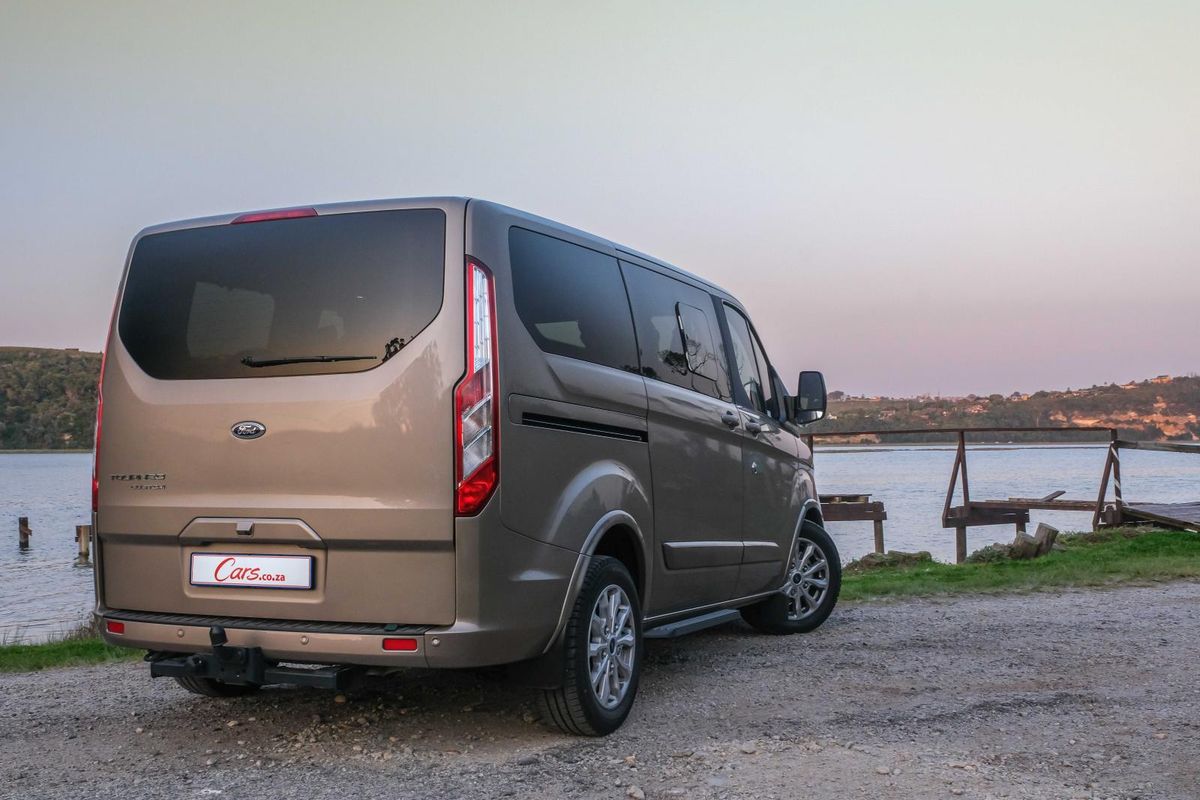
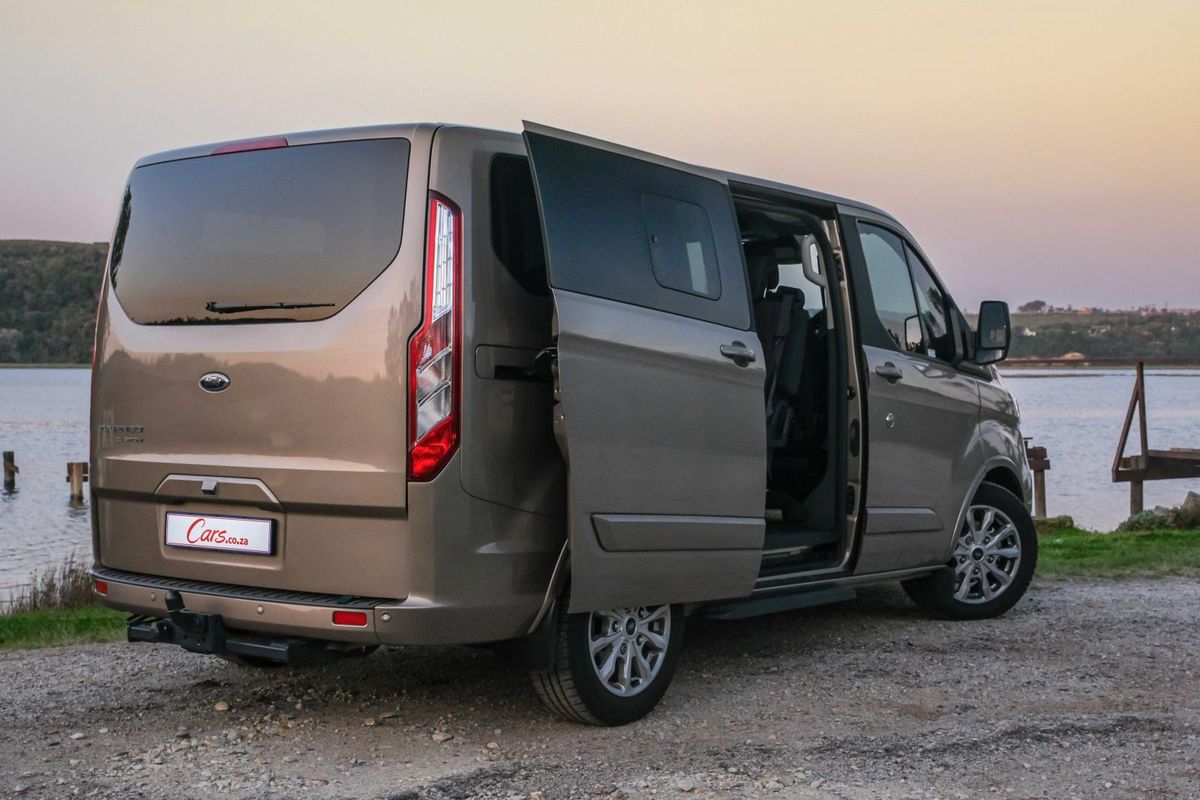
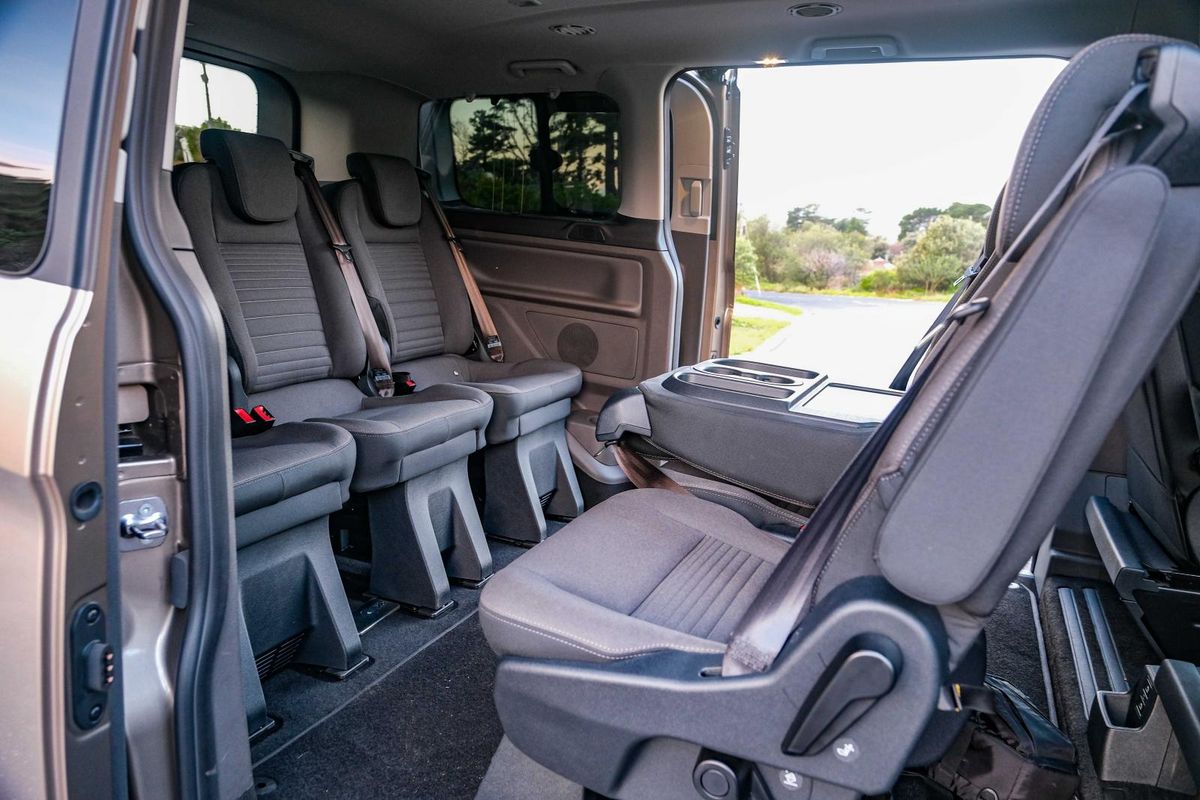
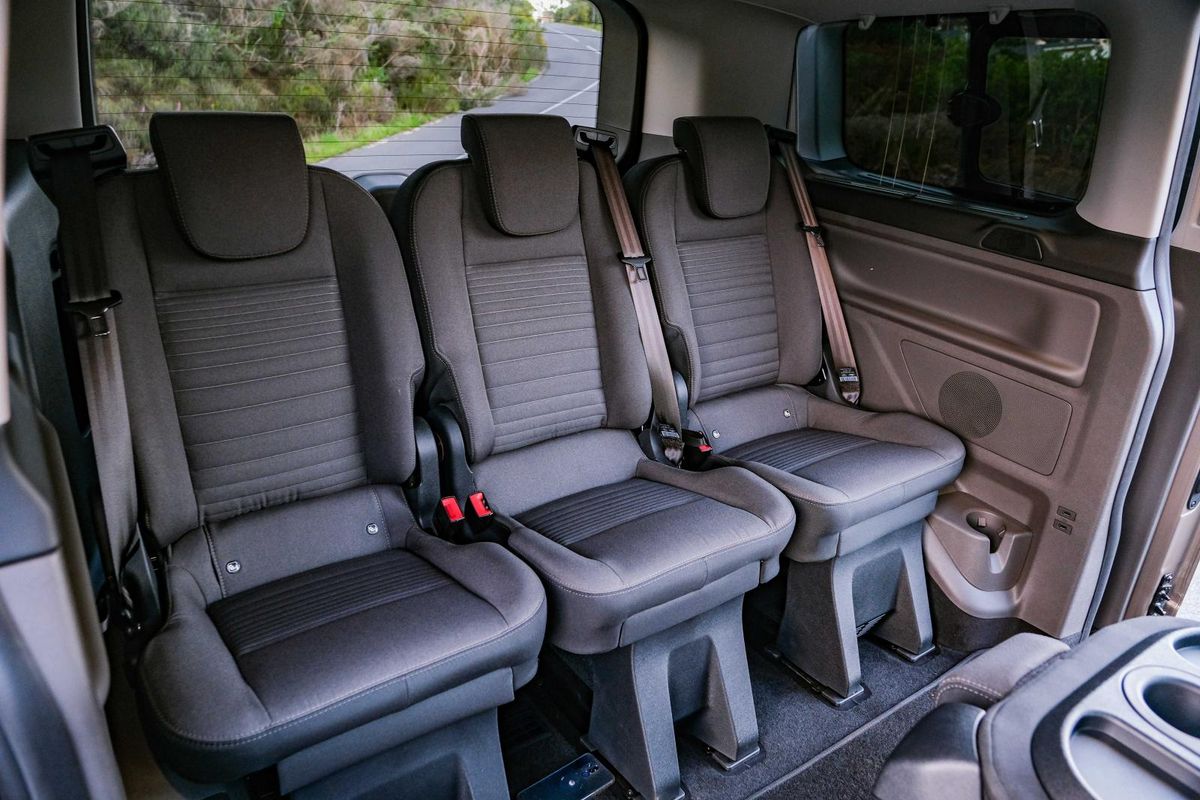
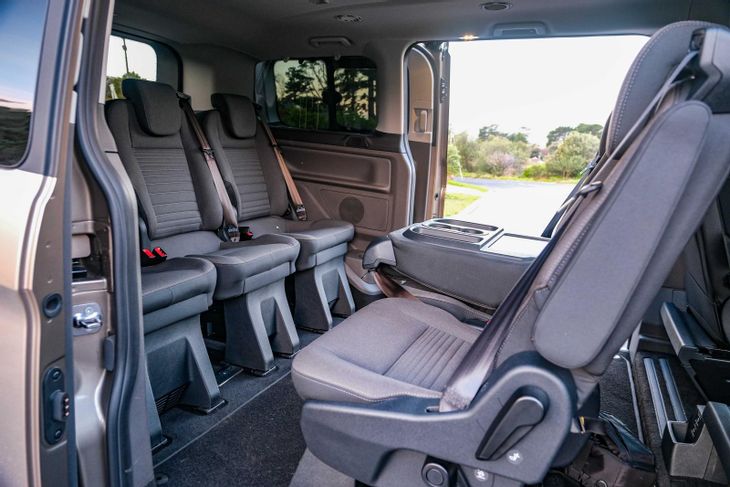
The seating arrangement can be rearranged depending on your needs or the individual seats can be removed altogether.
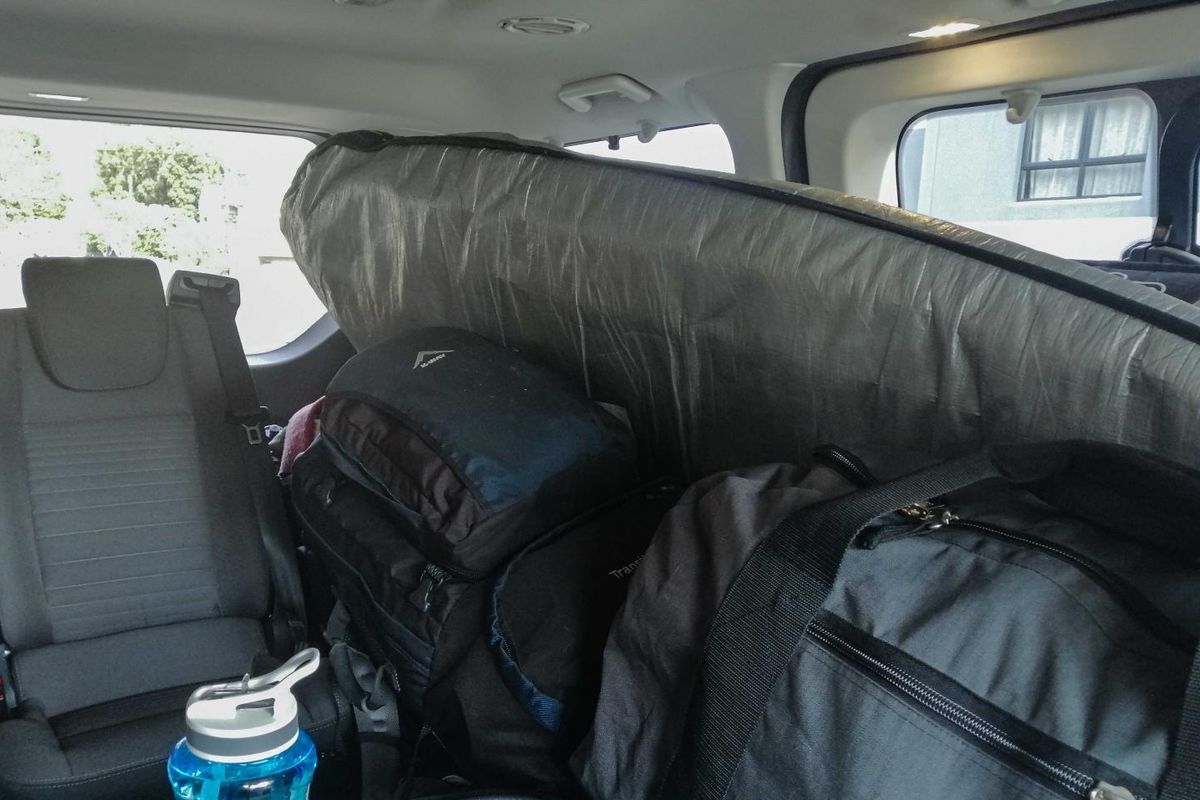
Having packed for a gruelling 5-day hike into the wild, our hiking party congregated around the Tourneo Custom in Cape Town with a staggering amount of luggage that needed to be loaded into the Ford. If fitting in 6 full backpacks and extra luggage didn't present enough of a challenge, 2 surfboards and surfing paraphernalia had to be accommodated as well, which added another layer of complexity to the loading process.
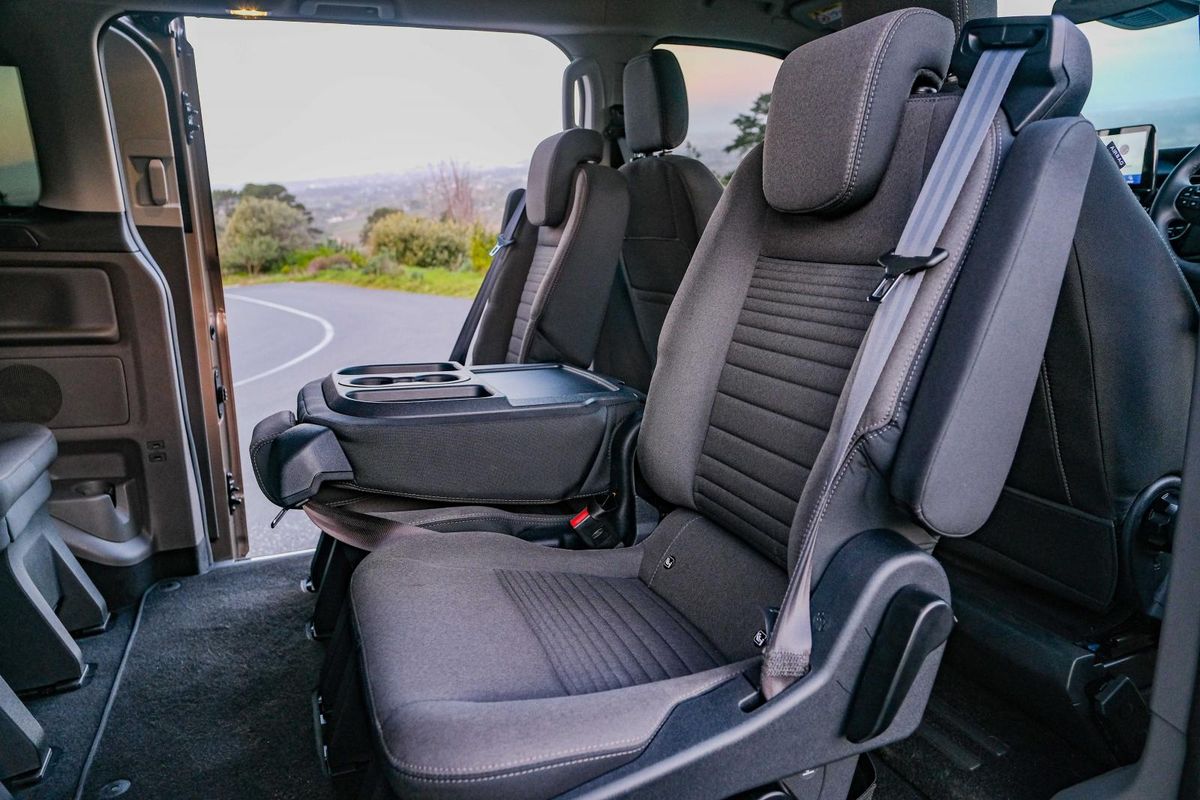
I was concerned that the 6 occupants and their mountain of luggage wouldn’t fit in the bus, but the Ford swallowed the whole lot. In the Tourneo Custom, you can effectively choose how you want to arrange the rear-passenger seating to best serve the load-hauling requirements of the vehicle. Half a dozen individual seats are fitted and you can opt to have 2 front-facing rows or have the 2 rows facing each other, or, if so required, you can even remove individual seats completely to open up the rear cabin for much larger items. The seatbacks can also be folded down if necessary.
With 2 seats folded down, the amount of luggage the Tourneo Custom carried was impressive, including 2 surfboards!
To get this cargo aboard, all we needed to do was fold 2 seats down, which freed up the necessary length to accommodate the surfboards (this also provided more space for the bulky backpacks). The centre seatbacks are also fitted with cup/bottle holders and a flat surface, which is particularly useful for rear passengers. Later in the trip, the Tourneo Custom was loaded to capacity (with 8 people), all of whom travelled in comfort!
With the 6 rear-passenger seats in place, the Ford's luggage bay isn't particularly deep, but I was surprised by how many items could be stacked on top of one another, so much so, that by the end of the packing exercise, everything was in and there was still more loading space available.
Other nice-to-have practical features in the Tourneo Custom include rear air conditioning and 8 USB ports for charging devices. This test unit came equipped with the optional 230V power socket (R1 170), which is useful if you require a power source for laptops, cameras or other equipment.
Interior execution and features
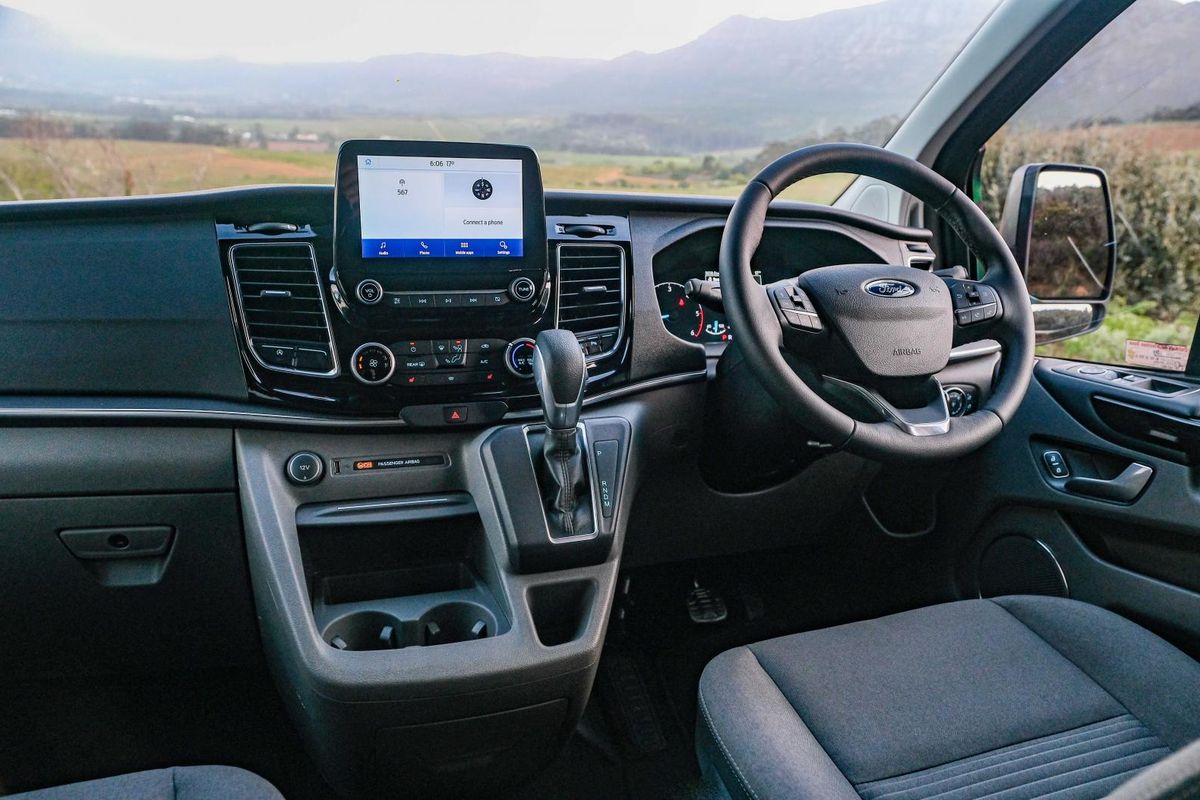
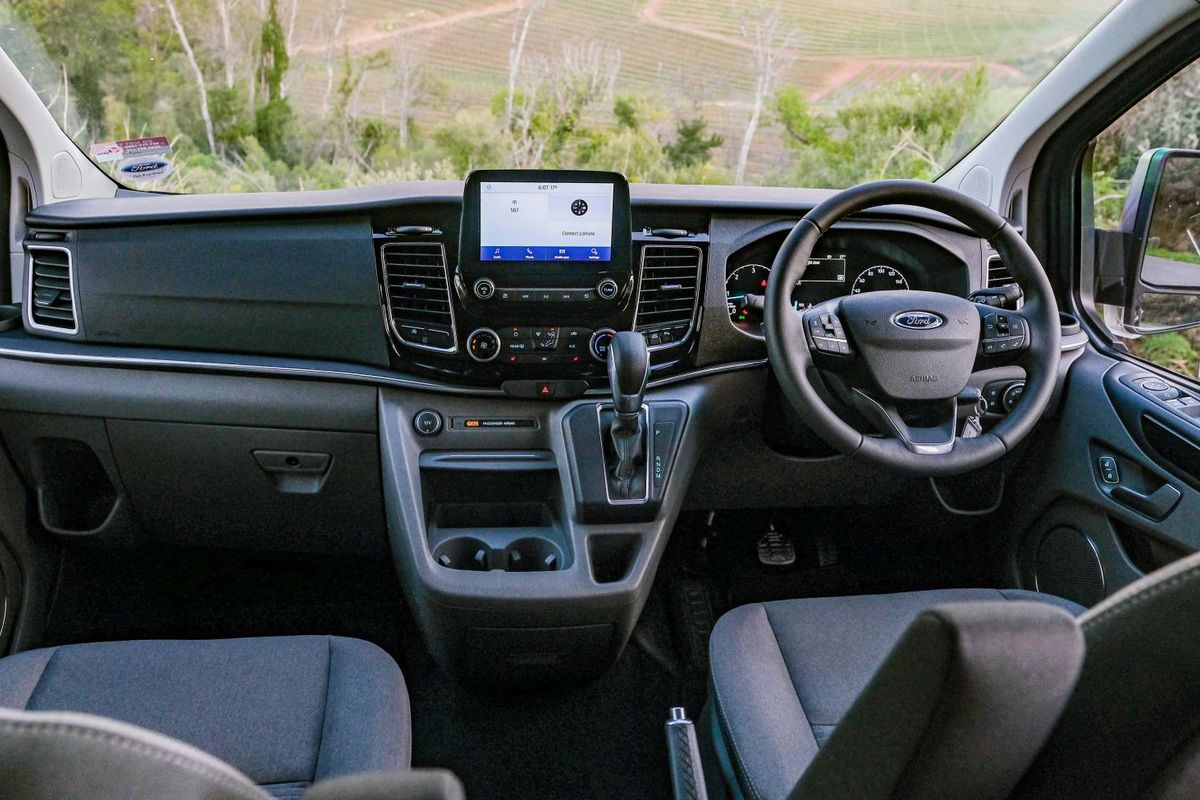
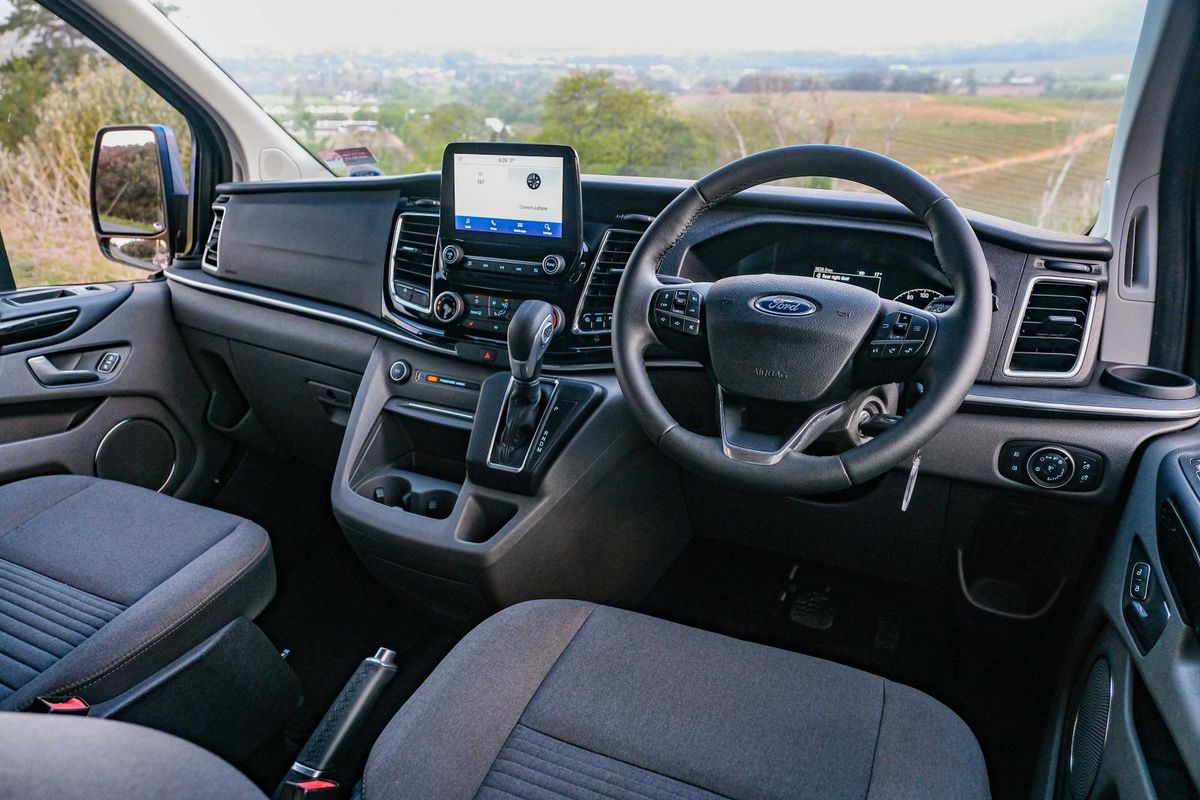
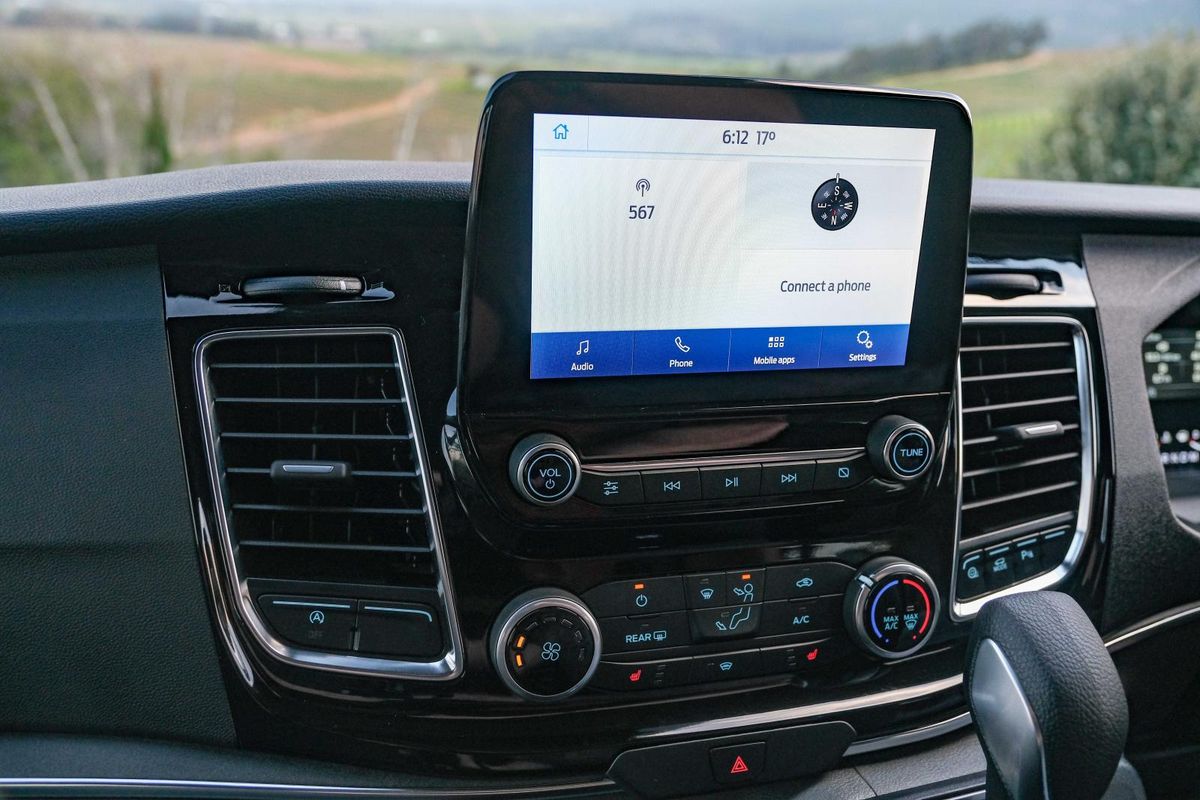
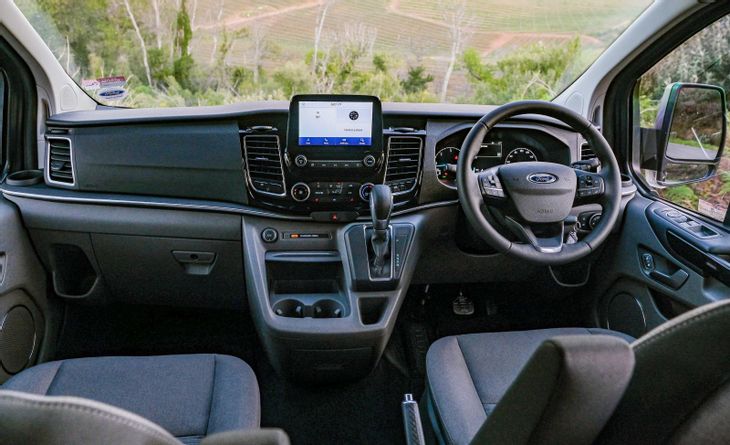
An updated dashboard and Ford's SYNC3 infotainment system boosts the cabin ambience appreciably.
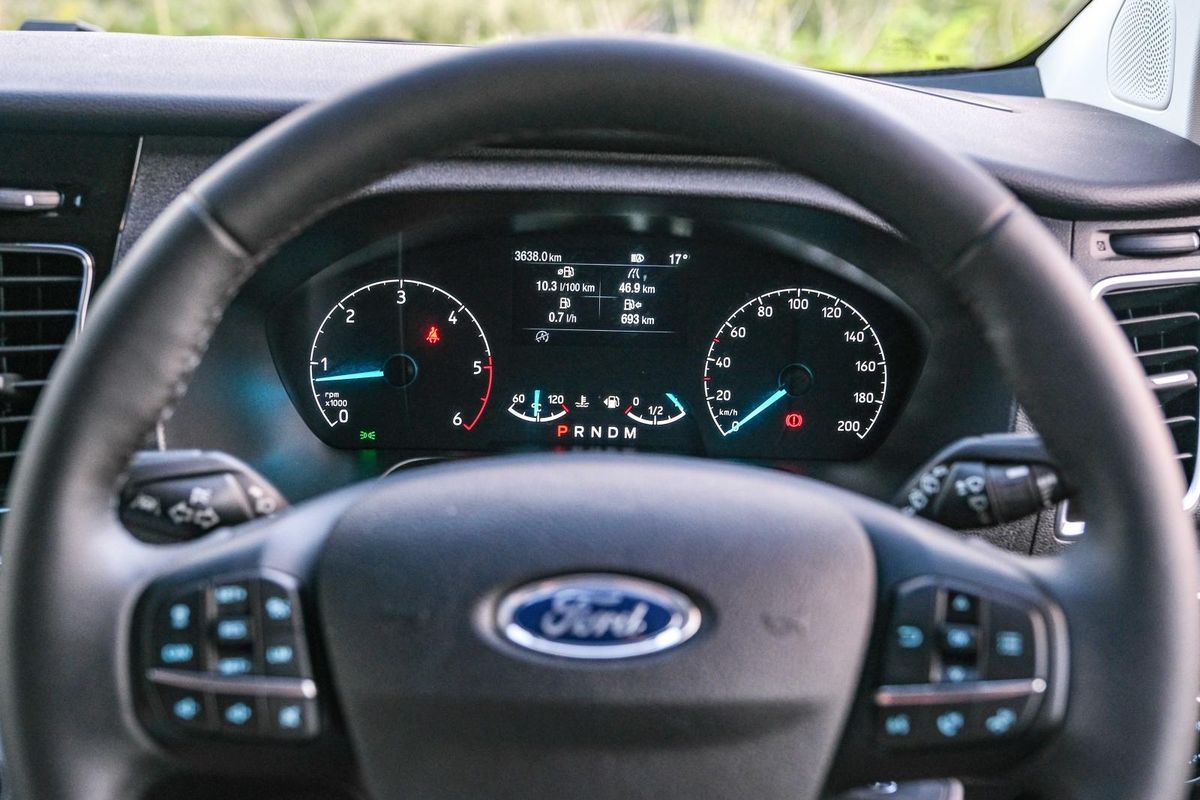
Unlike its lesser Tourneo Custom derivatives, this range-topping 2.0 Limited Automatic features a new dashboard design that’s borrowed from Ford’s passenger-car range. The most noticeable feature of this upmarket fascia is the 8-inch infotainment touchscreen that utilises Ford’s SYNC3 operating system/user interface. Not only is the system's display easy to read, its menus are simple to navigate. It’s the first time that SYNC3 has been offered in the Tourneo Custom range and buyers will be happy to know that the system is both Android Auto and Apple CarPlay compatible.
The vertically-orientated fascia has a more premium look to it thanks to strategic chrome detailing and the overall build quality is good, although it’s evident that some parts, such as the air conditioning controls and some plastic trim elements, have been sourced from Ford’s budget-car parts bin.
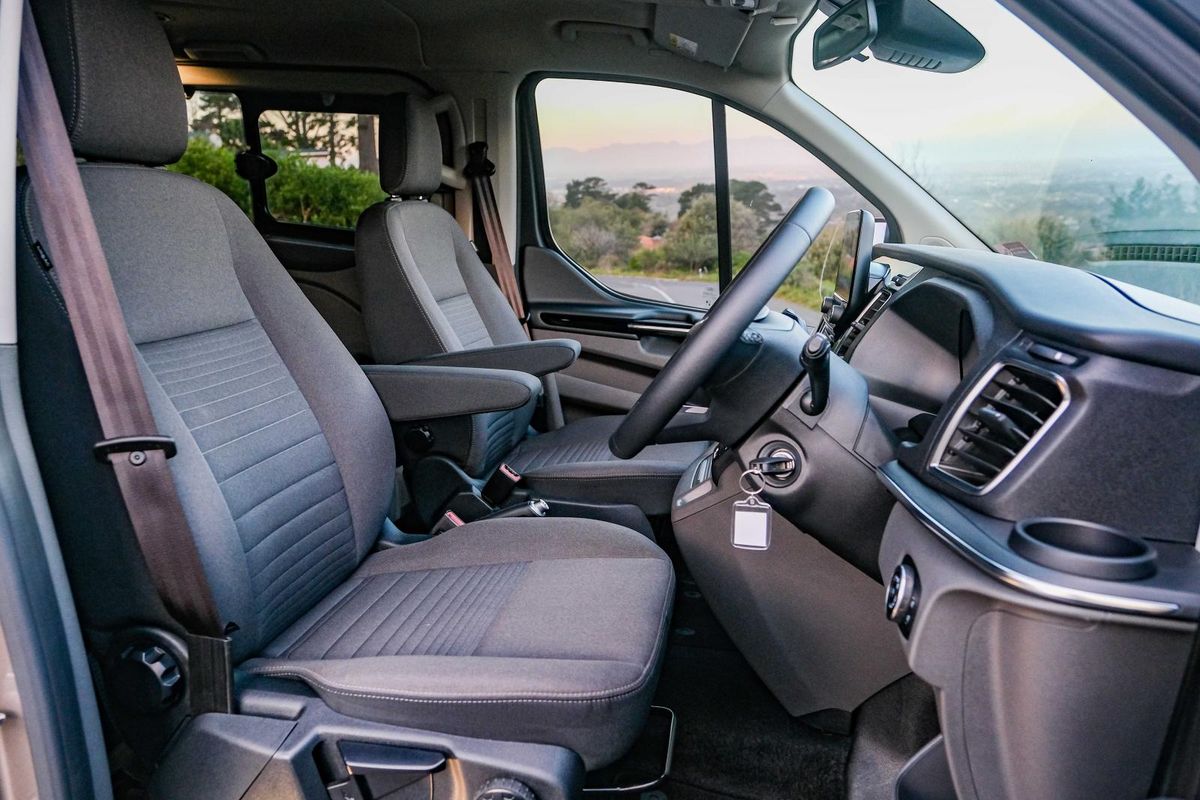
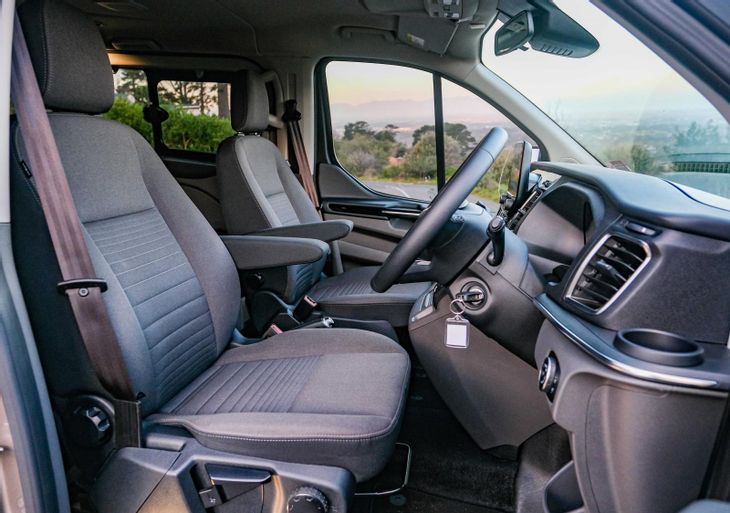
Armrests and heated seats are particularly welcome on longer journeys.
Comfort levels inside the Tourneo Custom are relatively high and luxury features such as the standard heated front seats and adjustable armrests are major highlights. Extra options worth considering include front and rear parking sensors, which are hugely beneficial to manoeuvre the Tourneo Custom safely in confined spaces. Moreover, the reverse-view camera (R4 200) with guidelines gives the driver another layer of confidence when reversing. With that said, we do feel that these features should be standard on this range-topping Tourneo Custom derivative. You may also want to specify the optional safety package, which includes lane-keeping aid, lane departure warning, blind-spot detection and cross-traffic alert (R4 800).
We found the optional adaptive cruise control (R9 200) particularly useful; the system effectively uses a radar system to manage the distance between the Ford and vehicles you're following, which takes the stress out of driving in congestec traffic, but also results in a much more relaxed drive on longer journeys as you just have to focus on steering. Rear passenger comfort is also enhanced by virtue of rear air-conditioning vents.
Performance and efficiency
Overall performance is good, as is fuel economy. The transmission could be smoother though…
The Tourneo Custom Limited is powered by Ford’s familiar single-turbocharged 2.0-litre diesel engine, which we have sampled in both the Ranger double cab and the 7-seater Everest adventure SUV. In the Limited specification, this engine produces peak outputs of 136 kW and 415 Nm.
Those outputs help to get the Tourneo Custom up to highway speeds fairly quickly and while the motor's performance is satisfactory, overtaking oomph is not as plentiful as one would like under full load, much like our progress on the Otter Trail (ahem). The 6-speed transmission does a fair job, but its shifts weren't as smooth as we'd hoped and, under harder acceleration, the 'box seems to shift indecisively (it went gear-hunting on a number of occasions). You can, of course, use the manual shift button on the lever to accuate gear changes by yourself… if you'd prefer that.
Ford claims an ambitious claimed fuel consumption figure of 6.7 L/100 km. The lowest we managed to achieve was 8.2 L/100 km, but ended our journey with an average of 8.8 L/100 km, which we'd say is acceptable considering that the Tourneo Custom was fully loaded during the trip.
In an effort to help reduce harmful emissions, this engine operates low-sulphur grade diesel in conjunction with Ford’s AdBlue technology – the first time it has made an appearance in South Africa. Our test unit was supplied with a 10-litre canister of diesel exhaust fluid, which is a clear, near-odourless urea-water solution that converts Nitrogen Oxide (NOx) emissions into nitrogen and water, which results in the Ford spewing fewer harmful emissions into the environment. What's more, a particulate filter further reduces solid particulates by as much as 99%, the firm claims.
Owing to its tall and boxy shape, the Tourneo Custom suffers from noticable body roll while cornering.
We travelled in excess of 1 500 km before we received an AdBlue notification in the instrument cluster requesting a refill, which can be done by filling the 21-litre tank beneath the diesel filler. The AdBlue levels can also be checked regularly via the Driver Assist menu in the touchscreen infotainment system. While there are environmental benefits to using AdBlue, the downsides are that if your AdBlue tank is empty, the engine won’t start so you definitely need to make sure that you have enough AdBlue with you at all times. In addition to the cost of diesel, you will also have to factor in the cost of AdBlue into your running costs. AdBlue can cost as much as R415 for 10 litres, but saving the world comes at a price, right?
In terms of ride and handling, the Tourneo Custom rides particularly well over poor road surfaces and we found the going quite comfortable on this journey. However, because the slab-sided Ford is quite tall, which is accentuated by high seating positions, body roll is quite apparent under hasty cornering. Suffice to say, it's a people-mover and the roll can be largely mitigated by simply reducing speed and making smoother steering inputs.
Price and warranty
The Ford Tourneo Custom 2.0 Limited costs R740 900, which includes a 4-year/120 000 km warranty and a 6-year/90 000 km service plan.
The Ford Tourneo Custom Limited is a well-rounded product in this segment.
This Tourneo Custom 2.0 Limited Automatic proved to be hugely capable and flexible in terms of its people and load-carrying abilities. More than this, however, the addition of the new 2.0-litre turbodiesel engine to the range is most welcome as it endows Ford's people-mover with sufficient performance to conduct it’s carrying duties in a comfortable, relatively refined manner. The automatic transmission, although not as smooth-shifting as we hoped it would be, is bound to attract significantly more attention from buyers in this segment as it adds a crucial layer of driving convenience that was previously lacking in the Tourneo Custom range. It has also made Ford's protagonist more competitive against its rivals!
Ford must also be commended for introducing its AdBlue technology to the local market and for actively seeking to reduce harmful emissions. However, in these cash-strapped times, many buyers are looking to cut costs and the additional outlay that topping up with AdBlue fluid will require in terms of long-term running costs may detract from what appears to be a very well-rounded product from Ford.
In terms of pricing, the Tourneo Custom 2.0 Limited Automatic is competitively-priced against its equivalent rivals in the Volkswagen Kombi and Hyundai H1 ranges respectively and standard specification (including the safety features) is fairly comprehensive. As previously mentioned, the value offering could have been strengthened by reducing the number of options and cutting the additional cost to the client. Nonetheless, as an overall product, the flagship of the Tourneo Custom range definitely deserves a closer look if you are shopping in this segment… and price range.
Despite the Rand and US Dollar exchange experiencing some turmoil towards the end of September 2020, we're on course for a decent reduction in the price of petrol, diesel and paraffin.
The good news is that petrol is set to drop by 24 cents for 93 unleaded and 33 cents for 95 unleaded, while diesel will be down by around 93 cents, and illuminating paraffin by 78 cents.
"The Rand's daily average dipped as low as R16.10 to the US dollar on September 18, following a long downward trend which began in the first week of August. However, a steep jump to around R16.90 followed by a brief plateau and a further spike to nearly R17.20 caught watchers unawares, and there is rightly some concern about the Rand's short- to medium-term trajectory," said the AA.
However, the Rand's value dropped towards the end of the month and the price of international petrol has gone up, so be warned that November could result in an increase. As always, these prices change on an almost daily basis, so we'll take each day as it comes.
"Almost in lockstep with the Rand, diesel and petrol prices spiked, and then pulled back before starting a further climb. If this trend of a weakening Rand and rising international fuel prices continues, it could be extremely negative for South African fuel users, and we will watch further changes with interest," the AA says.
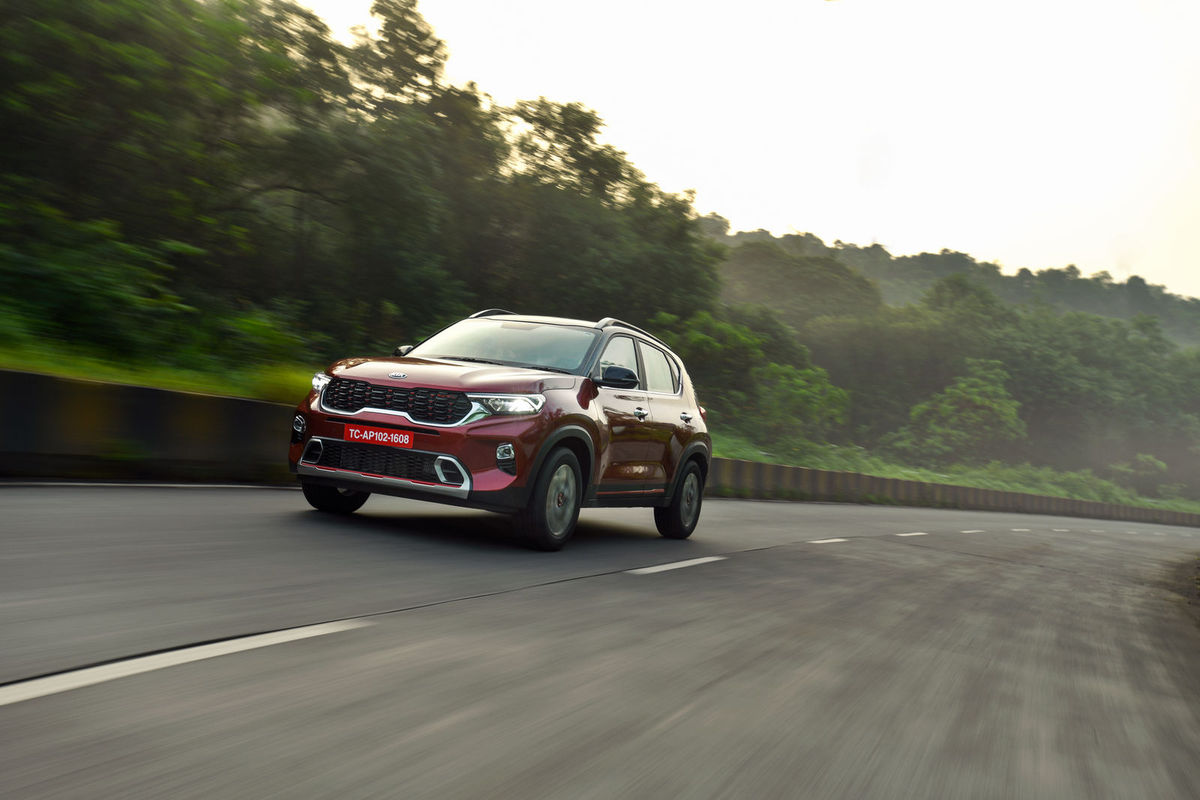
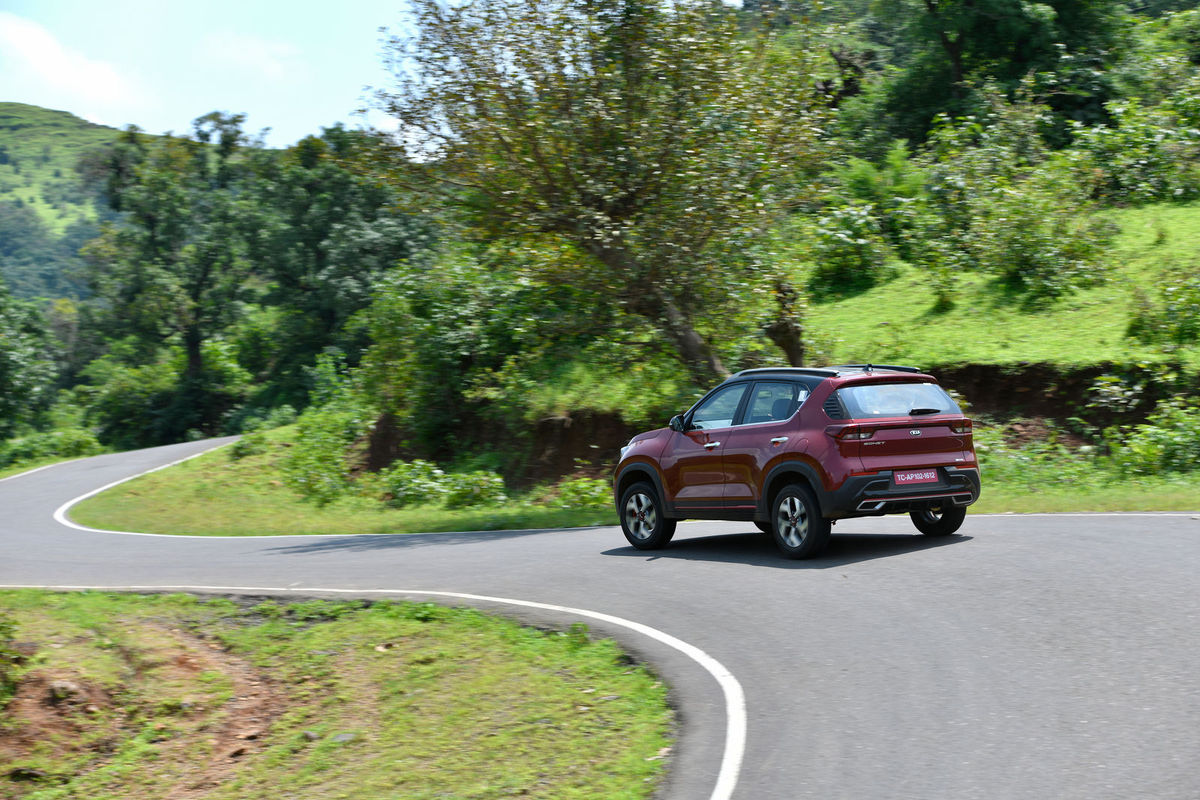
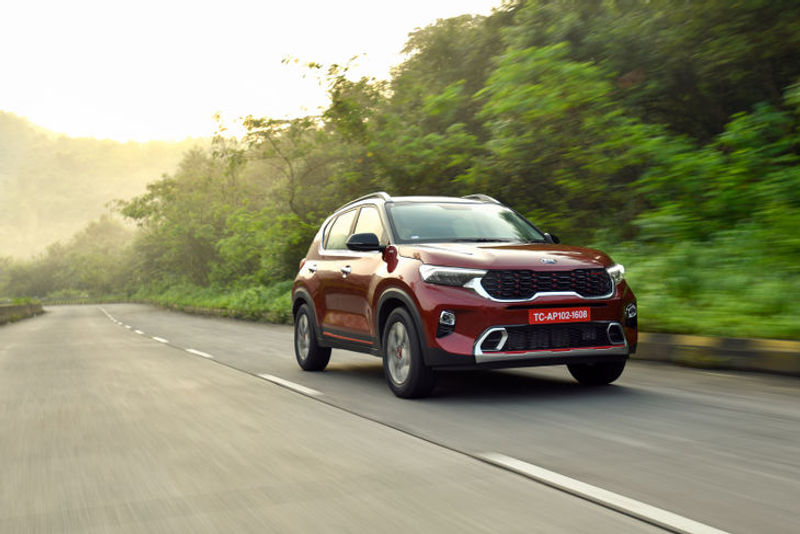
The Kia Sonet, which is set to arrive in SA before the end of 2020, will compete in arguably the most occupied segment in the market. It's based on the Hyundai Venue, but showcases typical Kia flair and offers a feature-packed cabin. How does the compact family car stack up? Our Indian correspondent shares his insights…
The Matra Rancho – an obscure French concoction from the late '70s – was possibly a precursor to today's crossover craze. Back then, it was unthinkable that someone would launch a car that looked ready to take on anything under the sun… when it was obviously beyond its capabilities. And despite its blatant disguise as an off-roader, ardent lovers of left-field cars still go a bit weak at the knees when talking about the Rancho…
Why? Because these new crossovers don’t mean any harm; they just want to provide you with an SUV-like driving position, a good stance, and the ability to drive over bad roads — even if they have neither the power nor the grip to drive through slush. The Indian-made Kia Sonet is the newest of the ilk and it’s destined for dozens of markets, including Mzansi. It is also based on the same platform as the Hyundai Venue, so if you’re seeking an alternative to that, but don’t want to move too far from the formula of Hyundai's popular compact crossover, the Sonet deserves a closer look.
The looks
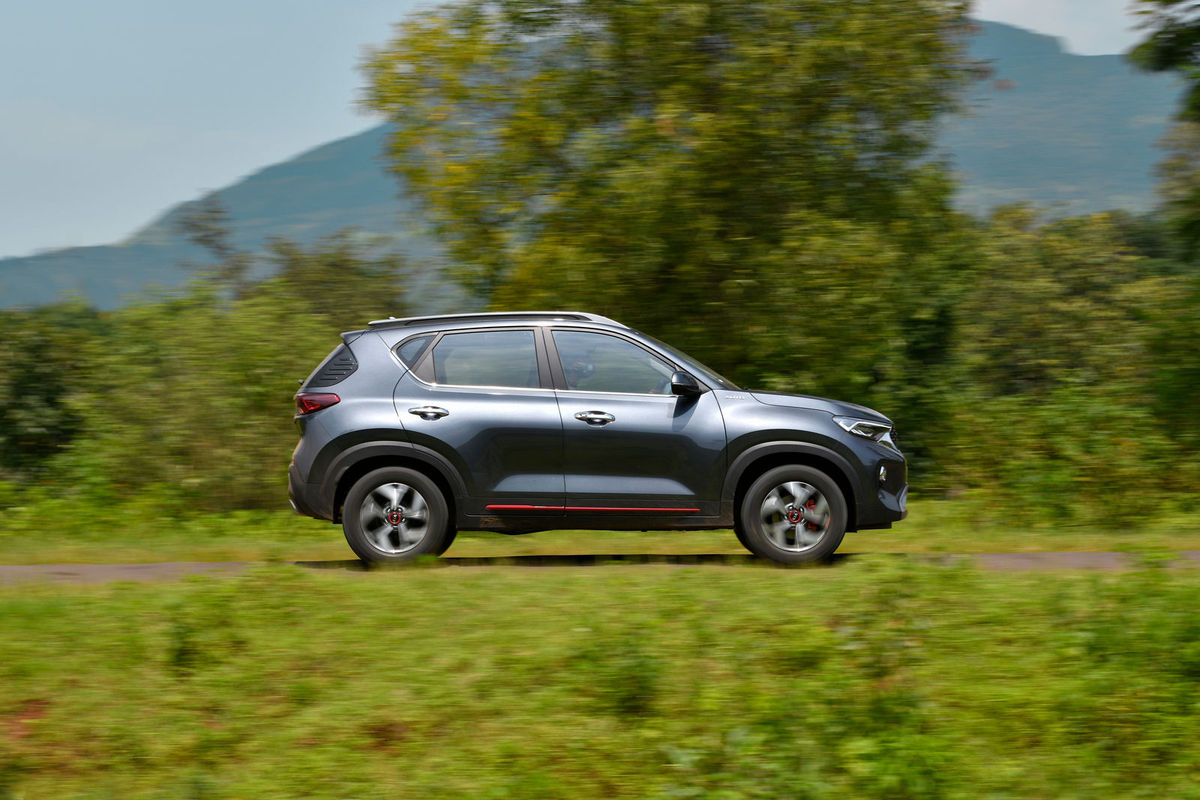
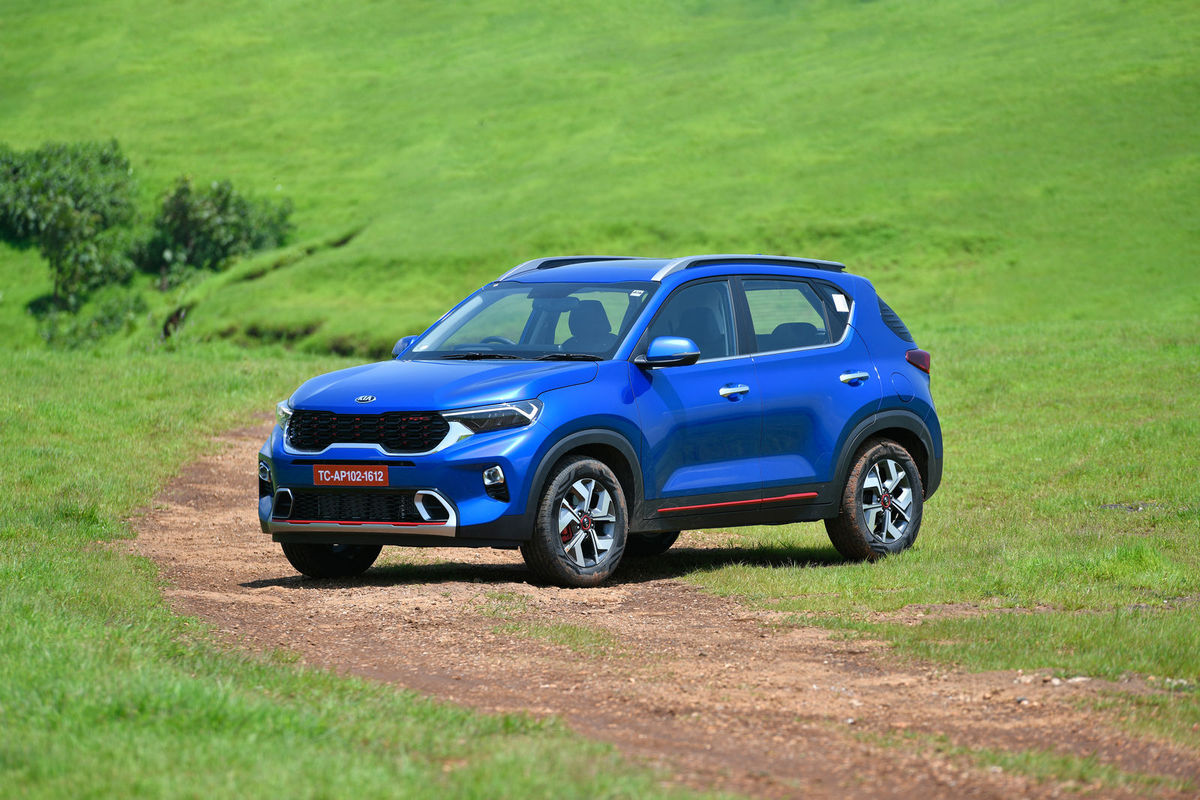
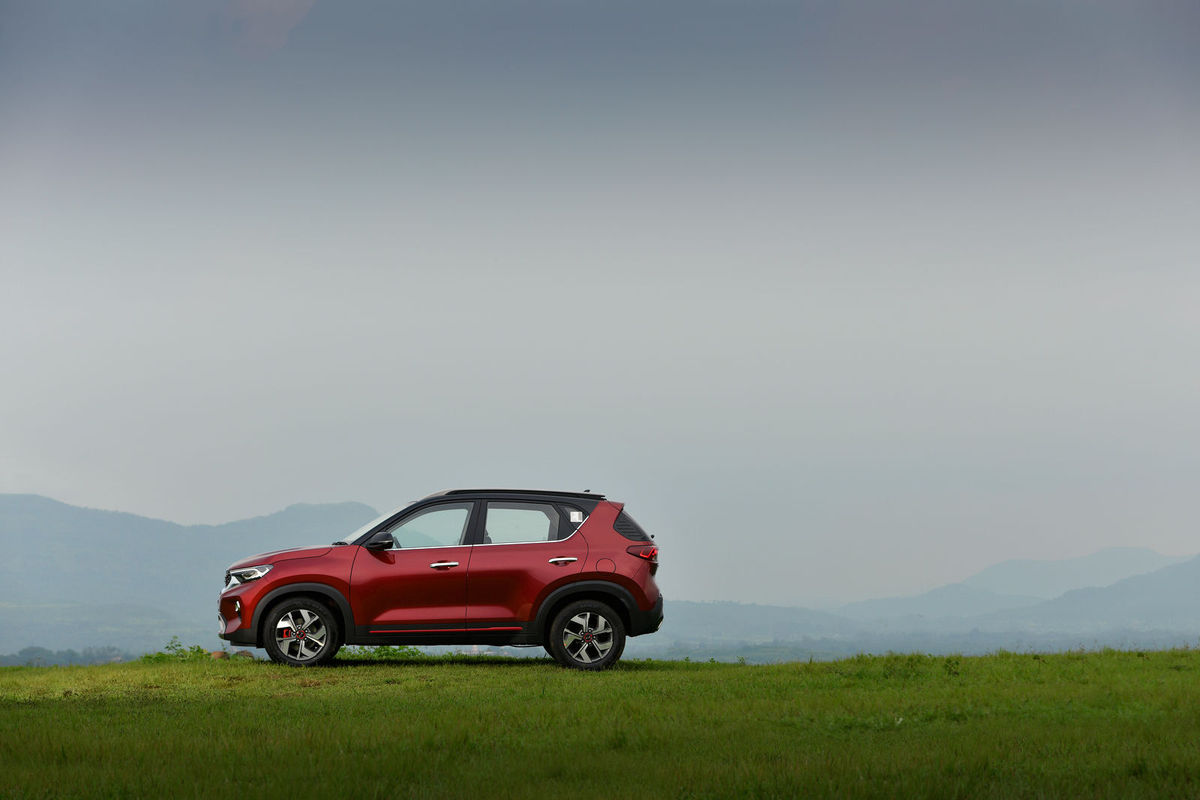
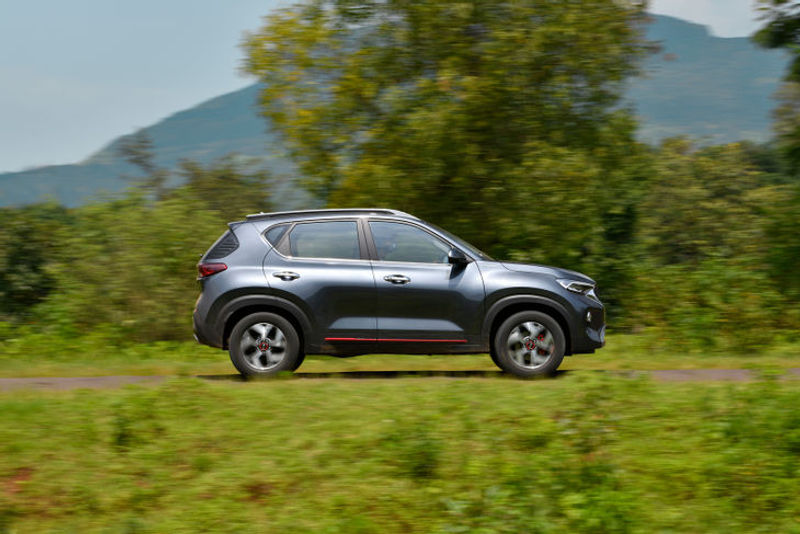
From side-on, the Sonet looks quite stubby.
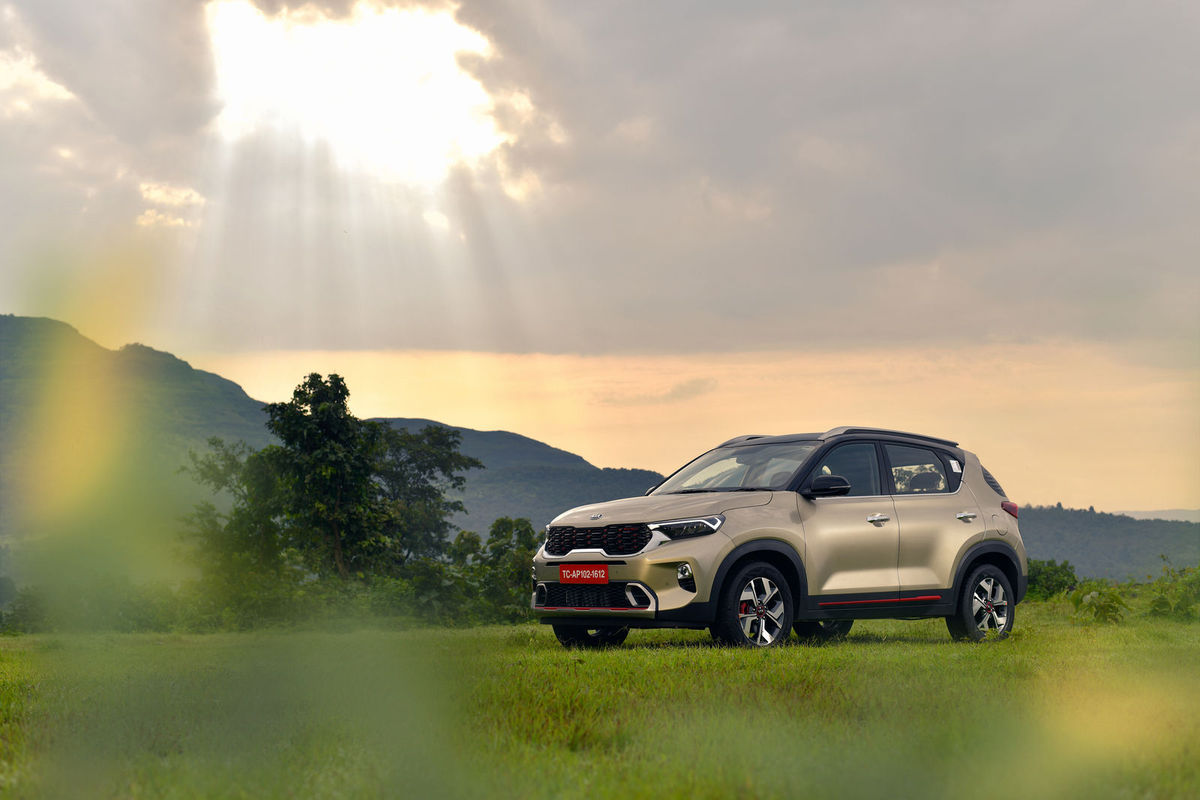
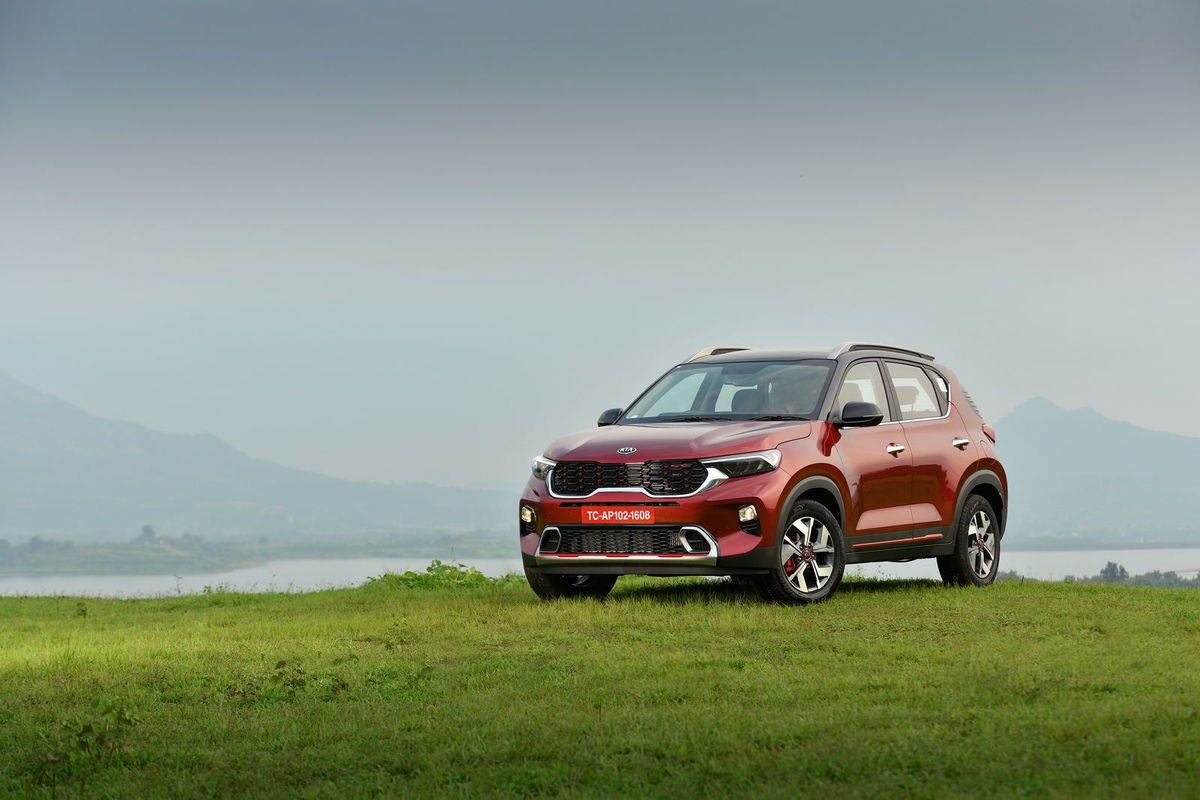
Kia India showcased the Sonet as a concept earlier this year, and since then the brand's compact family car's been a hot topic. The production version stayed close to the concept in terms of design and dimensions, which has worked exceptionally well in its favour. It’s not too different from the Venue in the way it sits — with a slightly stubby/upright stance. But, as a brand, Kia emphasises more on design, and the Sonet’s no different.
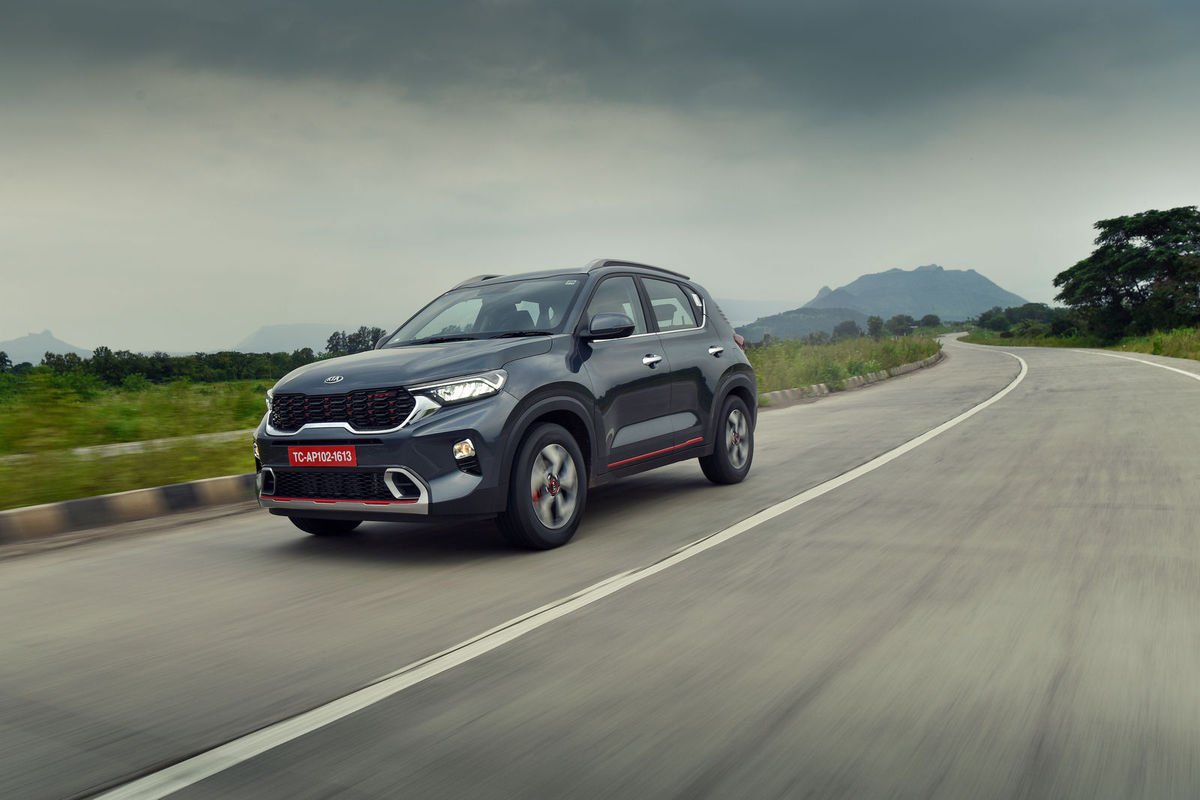
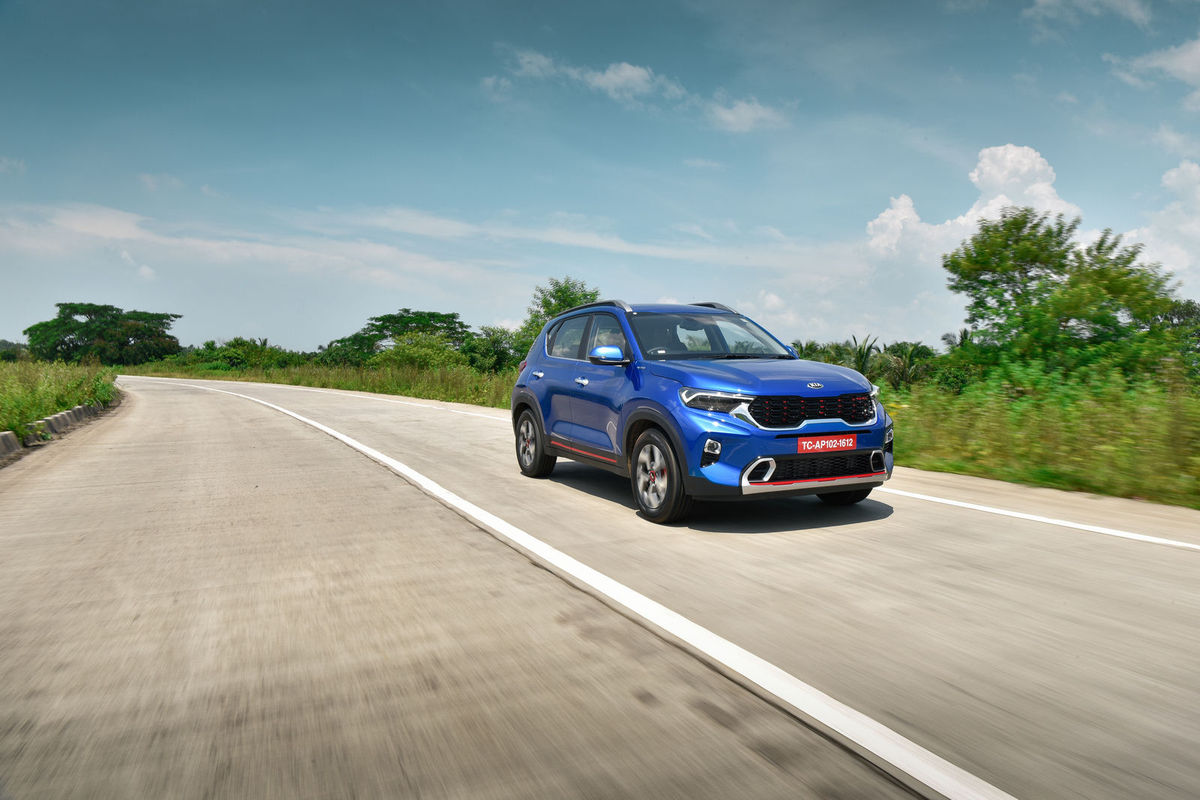
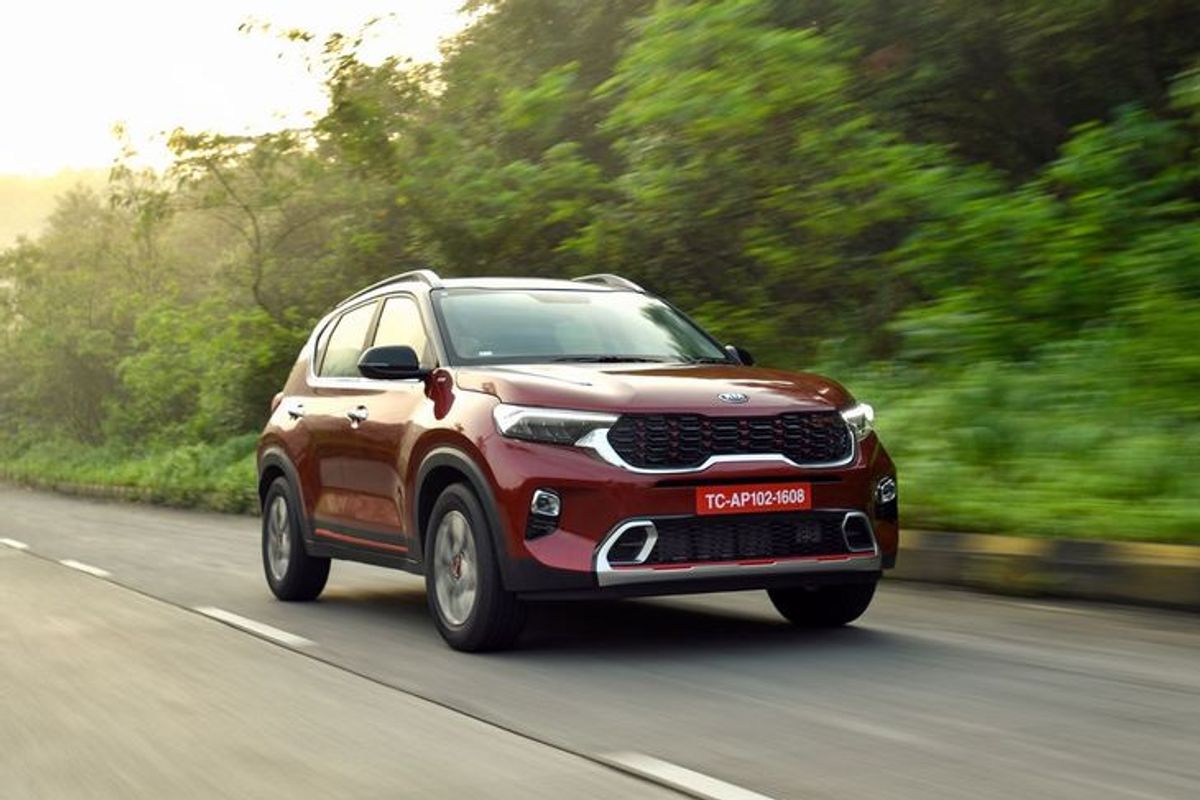
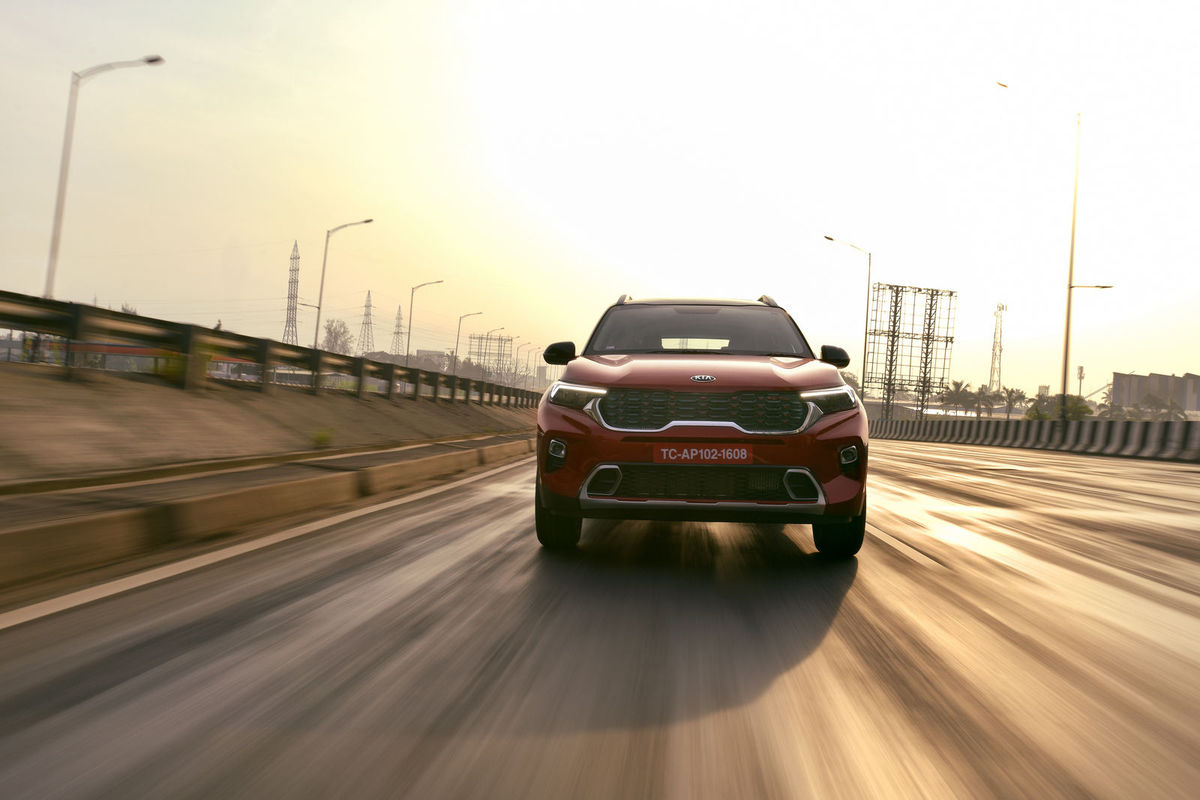
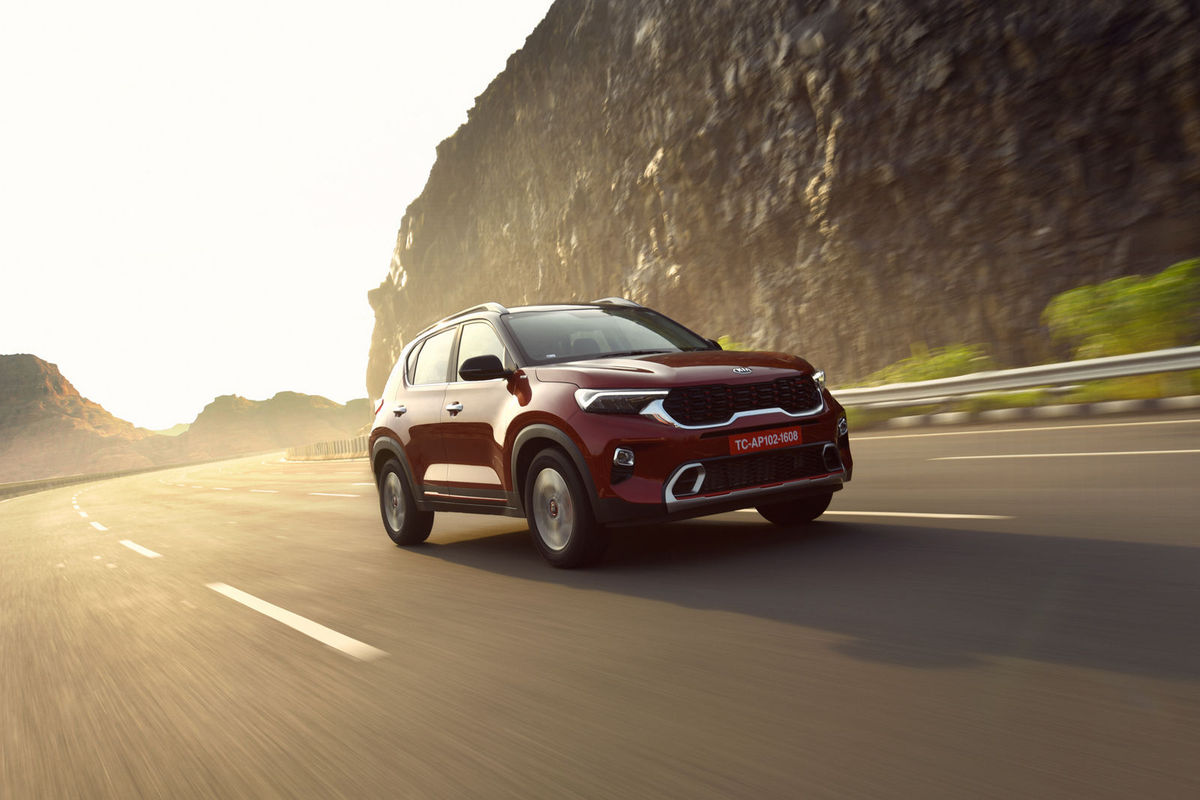
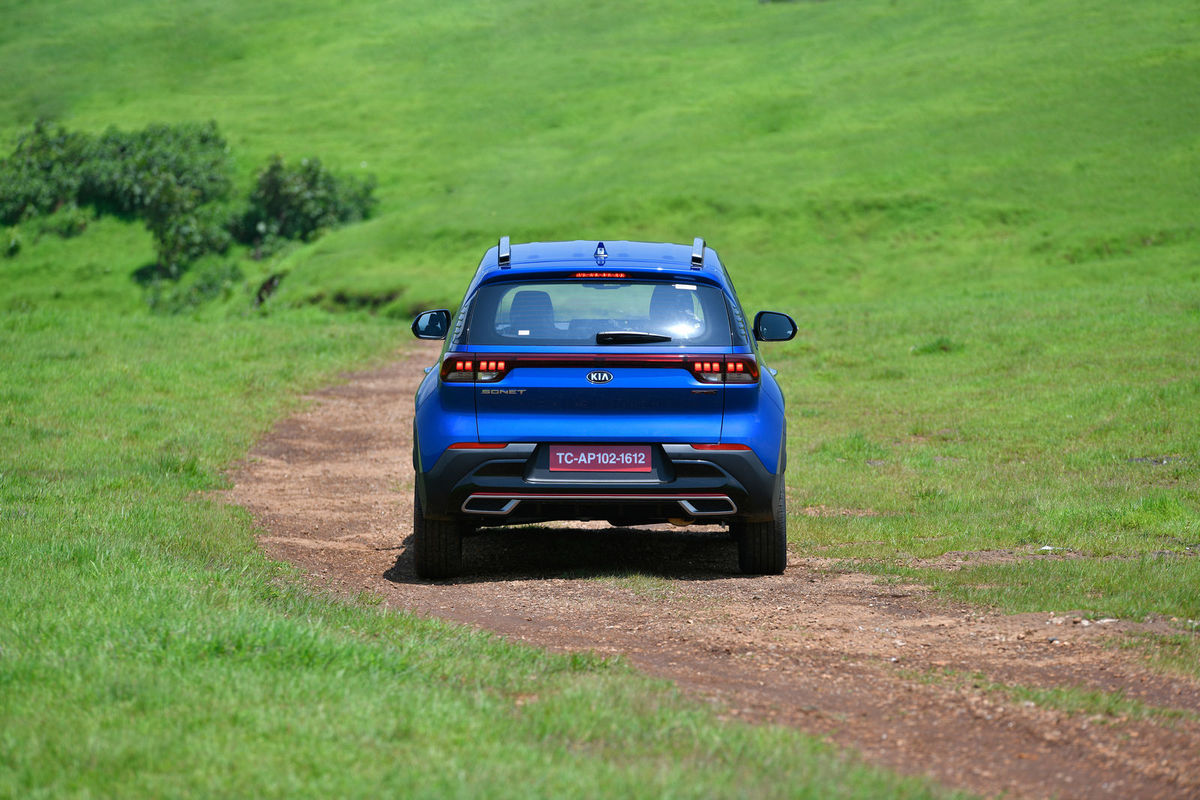
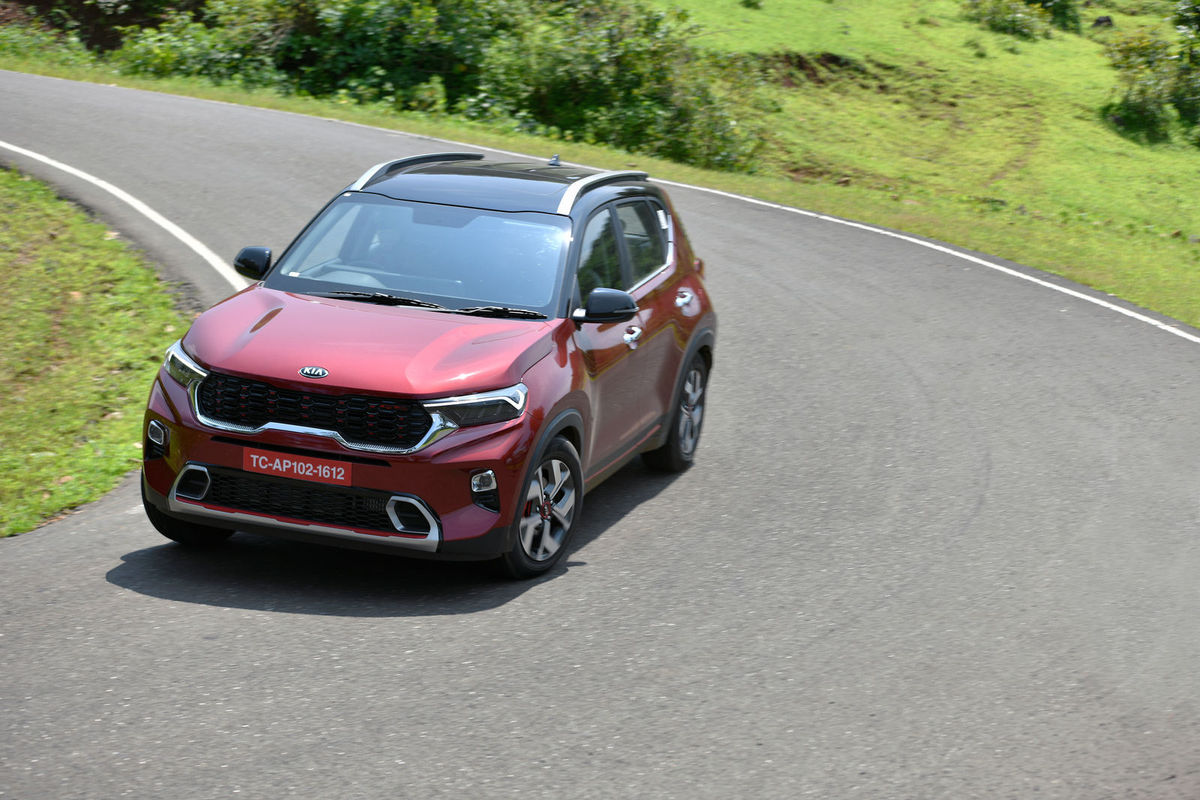
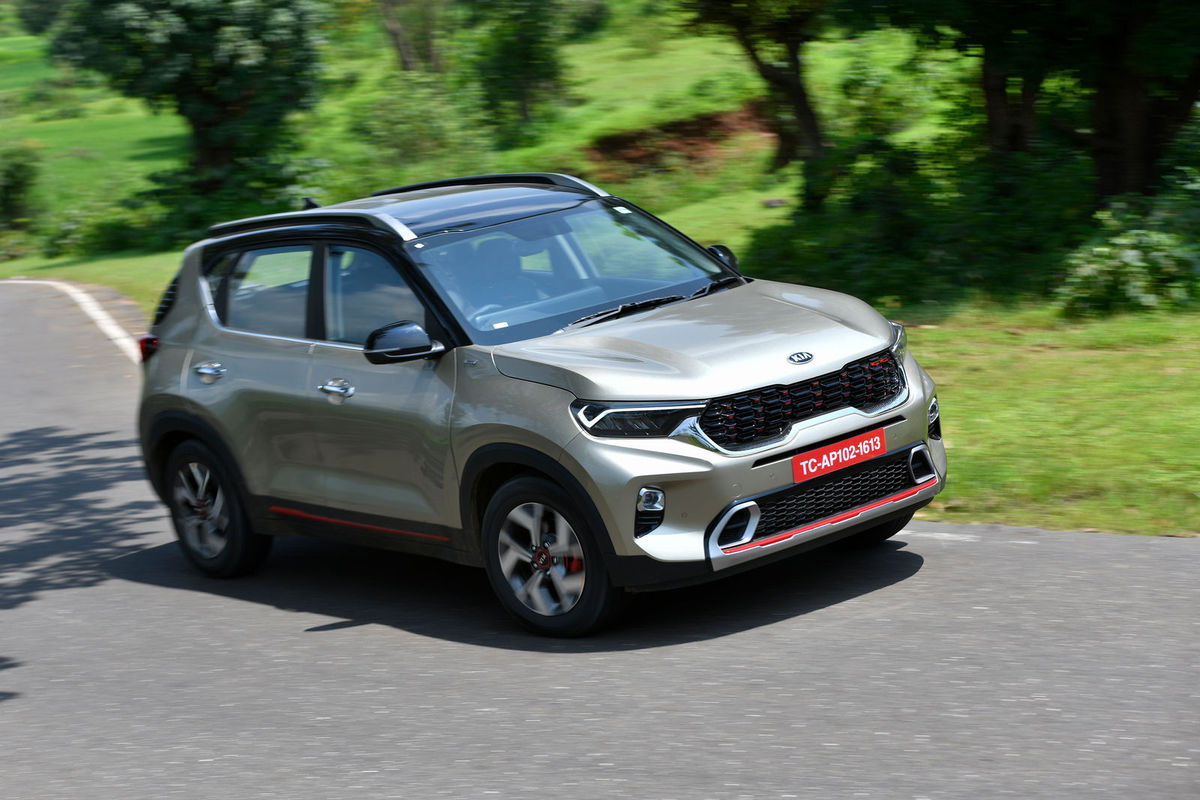
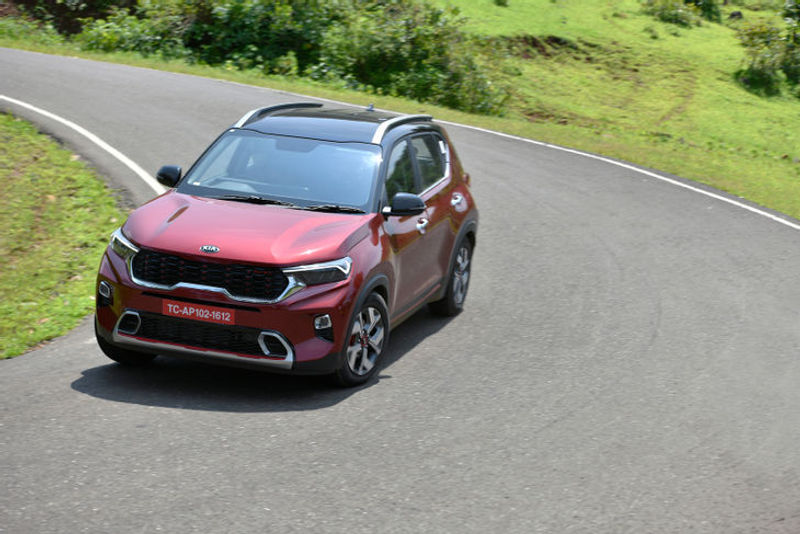
As is the case with the Seltos, Kia has given its newcomer a conventional headlamp placement and the "Tiger Nose" grille is substantial, but doesn’t overshadow the other frontal elements. The GT Line, with its red accents and slightly different bumpers, is evidently the more sporting trim grade (the other is called Tech Line). From the side, the Sonet looks like a typical compact crossover — upright stance, squared wheel arches, roof rails, etc. What will certainly get everyone’s attention is Kia’s design treatment of the C-pillar: by including a three-quarter glass, Kia has essentially moved the C-pillar backwards to give the Sonet a very unique look. Think the 911 Targa’s rollover hoop but skewed more towards the back.
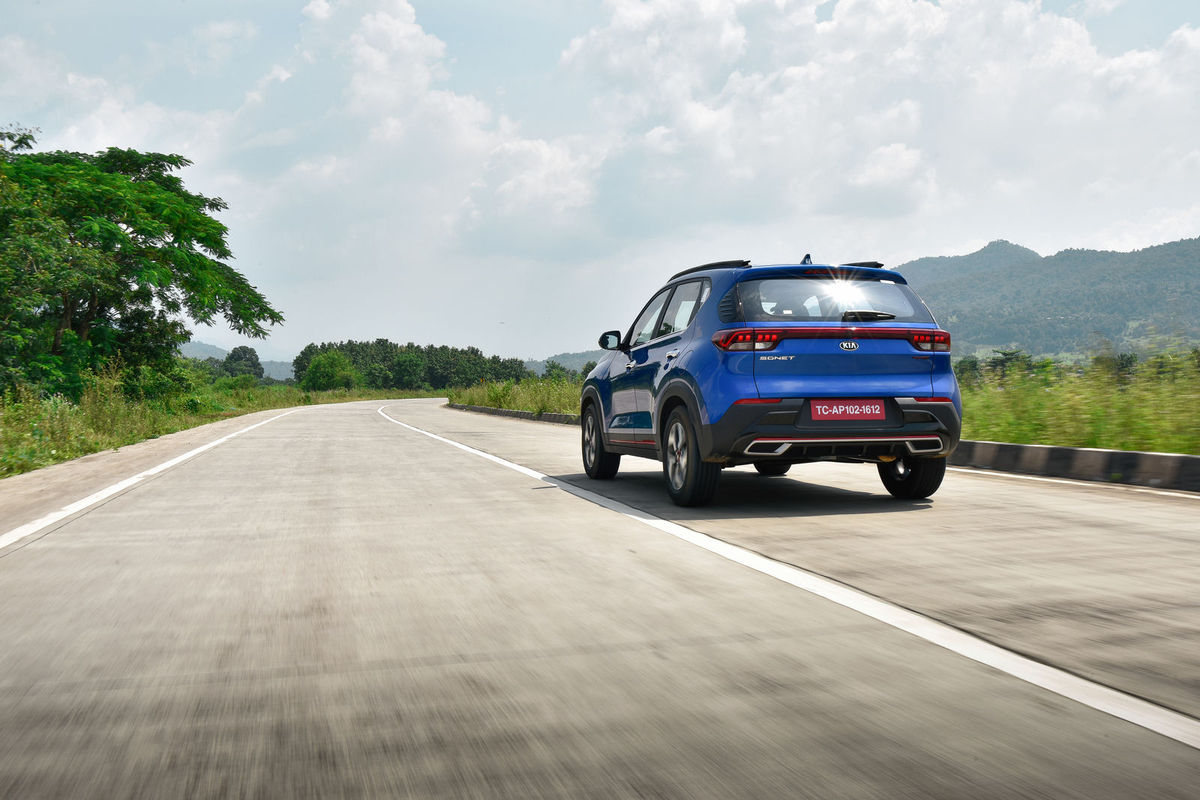
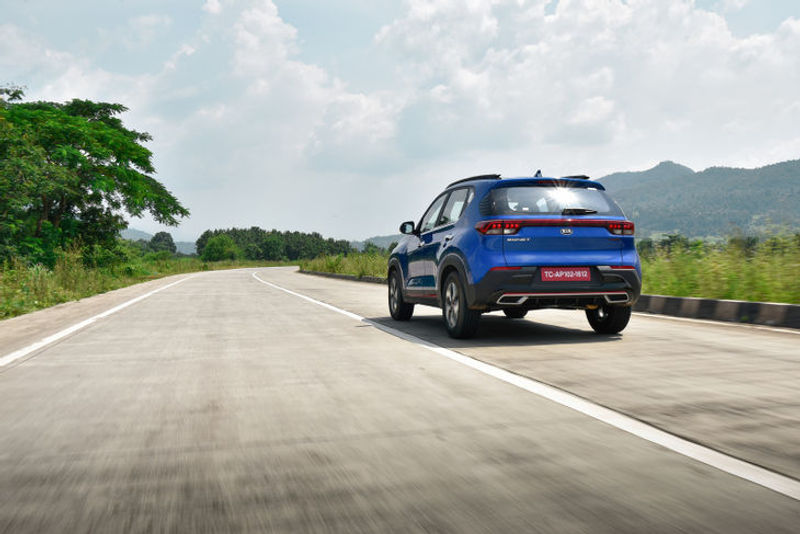
The Sonet has a balanced design, so while it might not be stunningly attractive, it looks smart. At the rear, depending on the trim, the lower half of the bumper varies (black with GT Line, silver on Tech Line). The tail lamps are also LED units and the LED strip mimics the shape of the DRLs inside the headlamps, which is a nice touch. The rear windscreen is flanked by black inserts, which make it appear like a wraparound pane (but it isn’t). And although the rear bumper is shaped to have a faux exhaust, it doesn't look like Kia was trying too hard with the design. A solid contender for the design of the year in the category? Probably, but if you want a more standout approach to design, the Venue might just be the better choice.
What's it like from the inside?
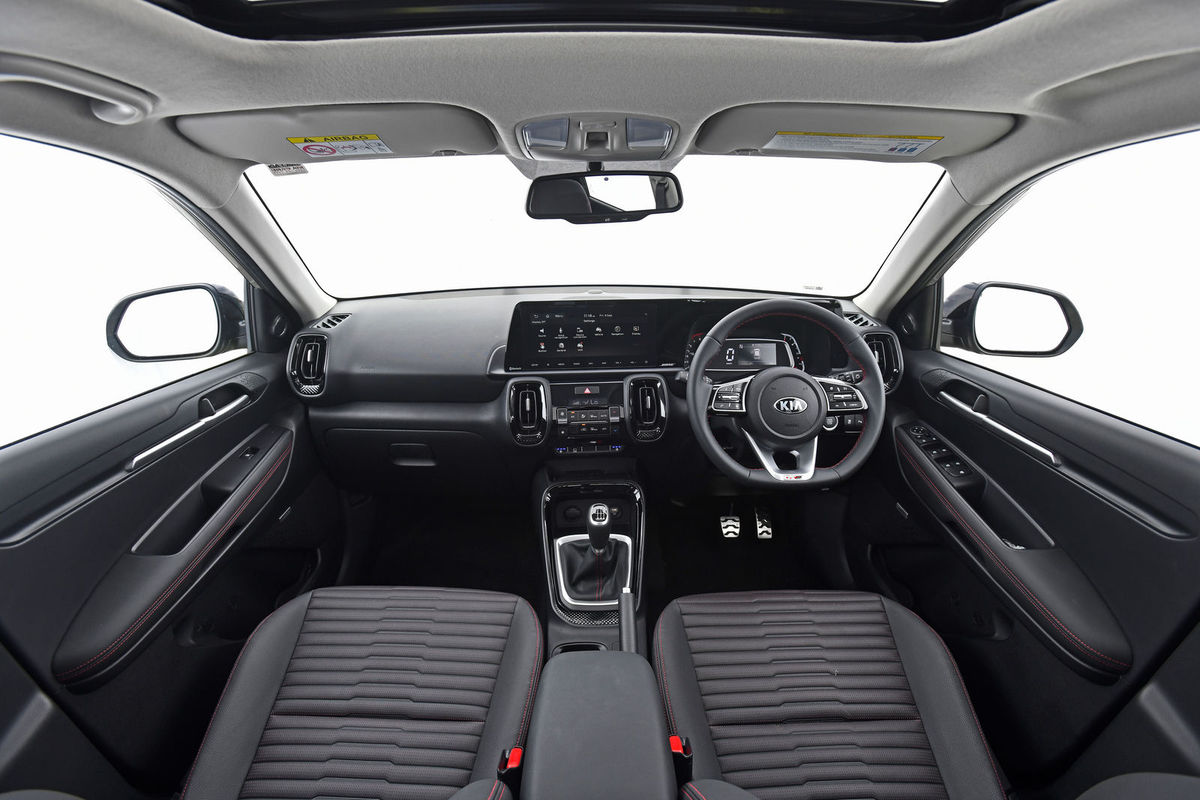
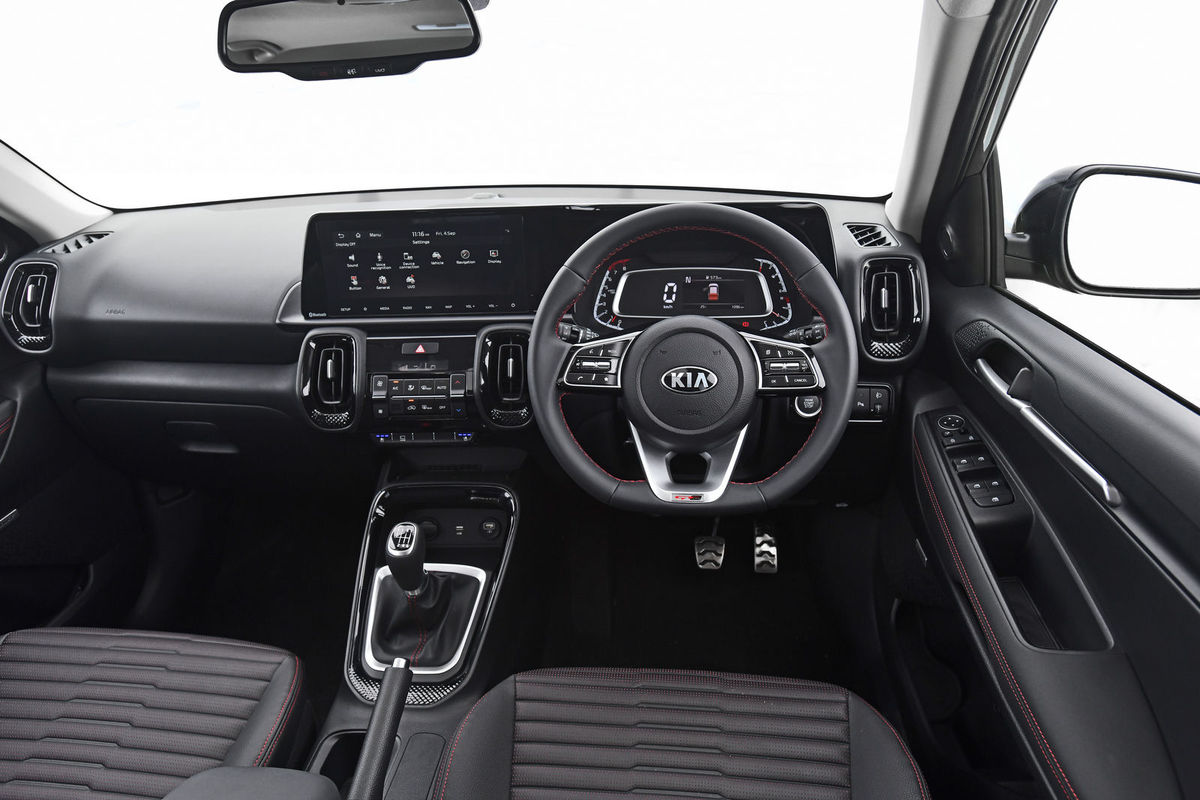
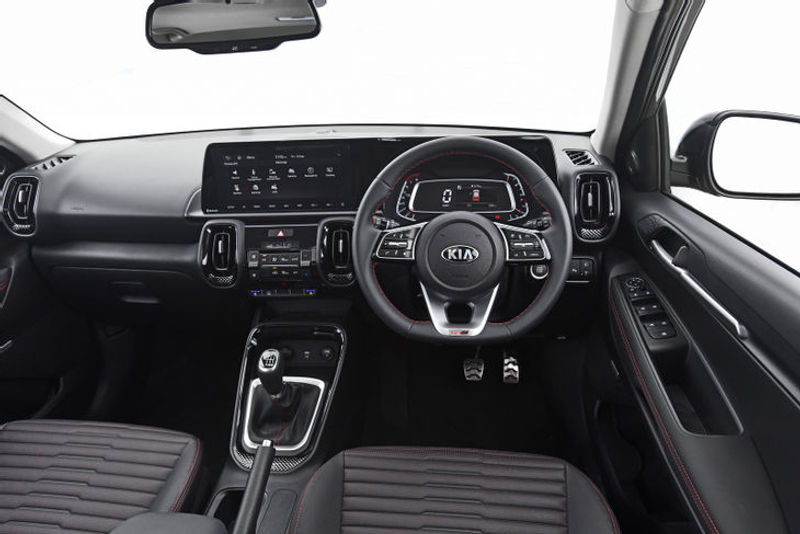
Unusual air vents are the distinctive design feature in the Sonet's well-appointed cabin.
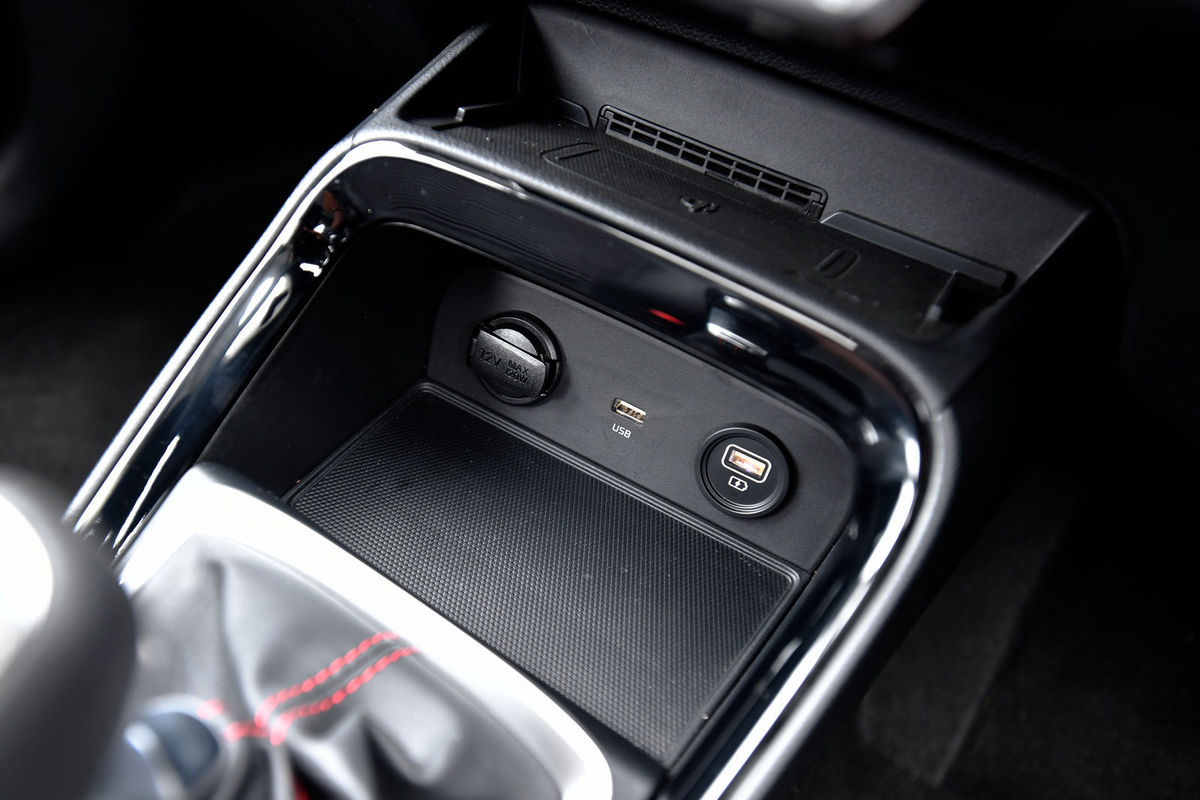
Kia knows that anyone who's looking to buy a compact crossover will study its spec sheet studiously. And, given the Sonet's plethora of features, it makes a strong first impression. We’ll get to that later, but first, let’s take a look at the interior. In terms of the dashboard design, the Sonet takes a slightly less conventional approach by placing the aircon vents unusually low. The fascia is dominated by a (rather large) 10.25-inch touchscreen and the buttons of the climate-control console are located between the outlets. The lower row of buttons handles seat ventilation and, where applicable, power and traction modes. The wireless charging pad below that is complemented by a selection of connectivity/charging ports.
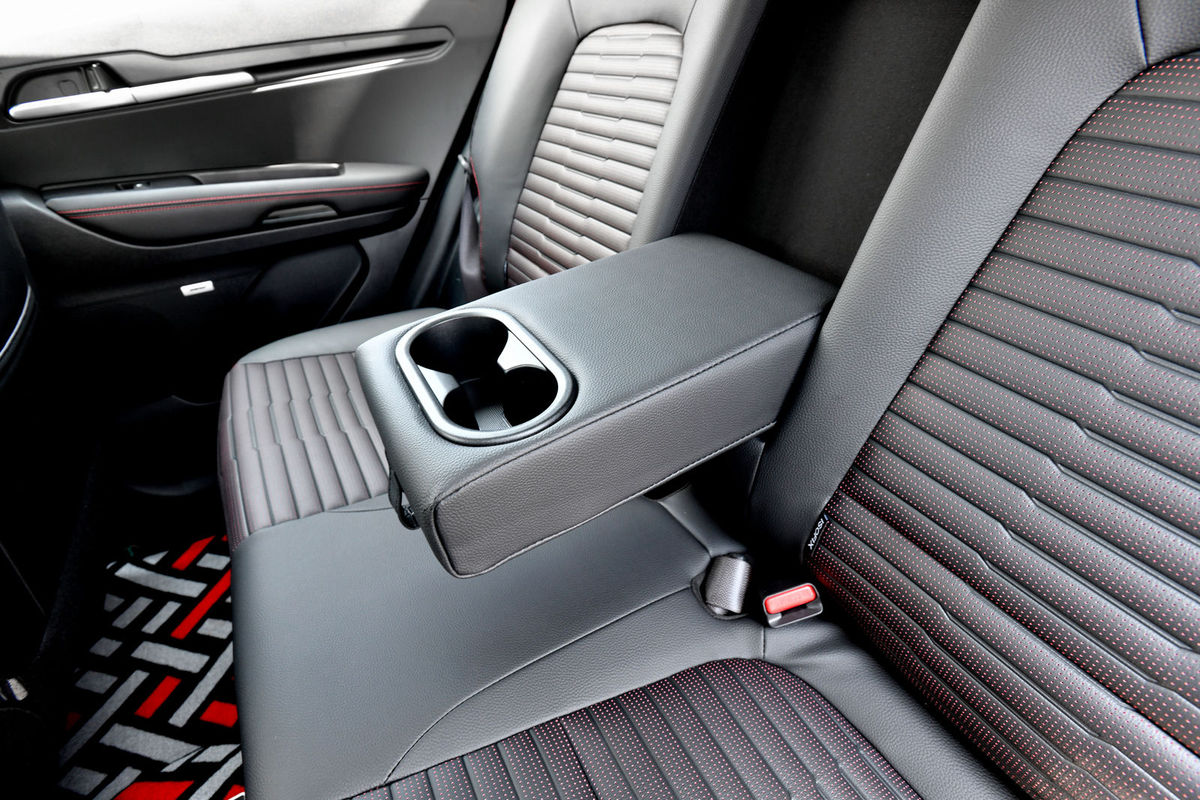
The Sonet isn’t a big car, so while rear occupant space isn’t its strongest suit, the levels of perceived fit and finish are quite fair for a car in its class. Having said that, if you’re the kind of buyer who gets troubled by too many hard plastics in a small car's cabin, there’s a fair bit to moan about.
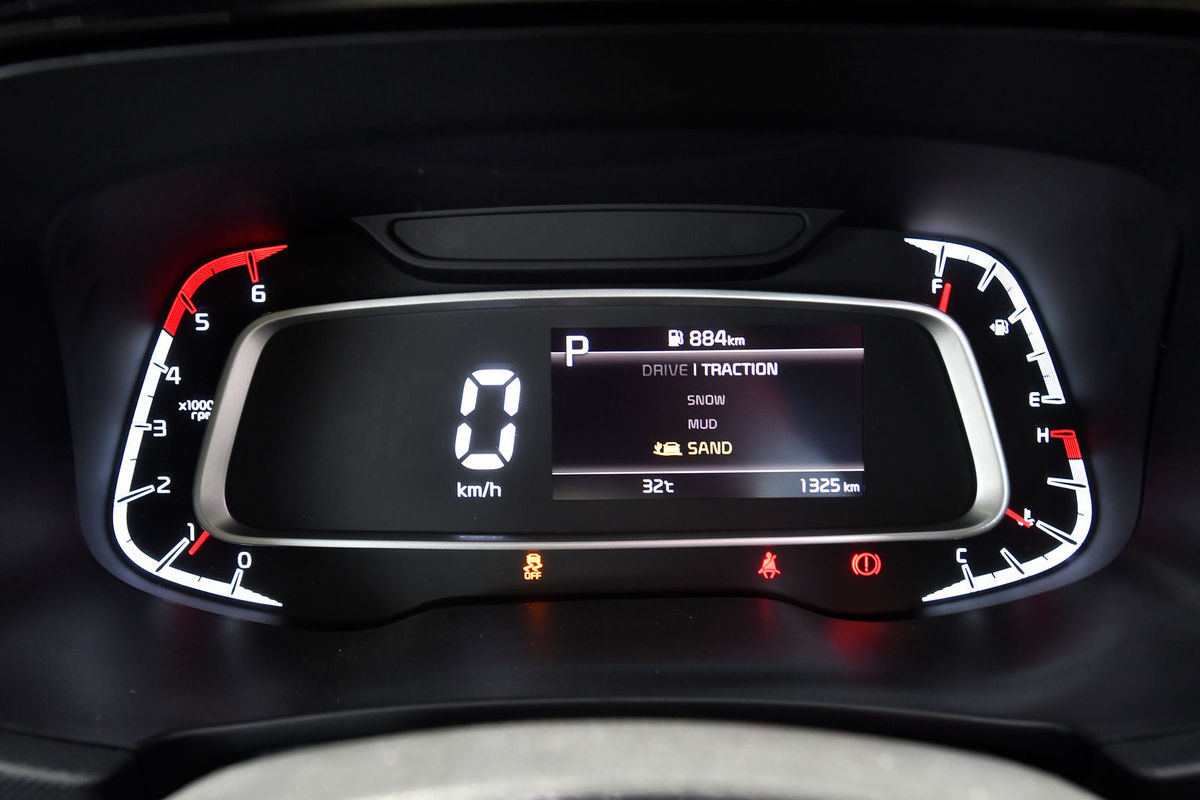
But to compensate for those (shall we say) made-to-a-cost surfaces, Kia has crammed in fancy features. The sunroof, for example, is a welcome inclusion and the 7-speaker Bose audio system is certainly a segment-first and sits well with the kind of expectations buyers have these days. Another detail worth noting is that the Sonet comes equipped with a semi-digital instrument cluster (with a much better execution than what we saw in the Creta) and an air purifier that offers some sort of virus protection. You also get front parking sensors and a tyre pressure monitoring system.
These are features available on the Indian version of the Kia Sonet, but as is the case with its other models, Kia reserves most of those for the top-spec derivatives. It’ll be interesting to see how Kia South Africa specs the Sonet, but that’s something we'll find out closer to the car’s local launch.
From behind the wheel?
The Sonet is unlikely to have to ever handle a race track. It's built for comfort and navigating at city speeds.
It’s safe to assume that if you are considering a crossover as your next new-vehicle purchase, unadulterated driving pleasure isn’t at the top of your priority list. However, if you've made peace with the fact that dynamism and driver engagement aren't part of its skill set, the Sonet has a lot to offer.
The engine line-up comprises 1.2-litre petrol, 1.5-litre turbodiesel and 1.0-litre turbopetrol motors. The naturally aspirated 1.2-litre unit comes mated exclusively with a 5-speed manual and delivers a lowly 61 kW, while the other engines are also available in automatic guise. The diesel engine is offered in 2 states of tune: if you pick the manual version, peak power is 73 kW, but with the 6-speed torque converter auto (and variable geometry turbo), it’s rated at 84 kW. The 1.0 T-GDi makes 88 kW and can be specced with either a 7-speed dual-clutch automatic or a 6-speed clutch-free manual. I sampled the diesel automatic and the turbo-petrol DCT and both turned out to be very good, but targeted at altogether different buyers.
Let’s start with the diesel. With 84 kW, the Sonet (diesel AT) wasn’t going to be a slow car, and thanks to its peak torque of 250 Nm, it picks up speed fairly quickly. The steering is light and the overall stability of the car is unlikely to be an issue as long as it’s driven within legal limits. The engine isn’t the quietest (especially at high revs), but the transmission is well calibrated to make the most of the available (and abundant) torque, while facilitating smooth progress. The Sonet has no ambitions of being a racing car, and even if it did (in someone’s weird fantasy), this engine would be unsuitable. The 'diesel is an efficient cruiser, and if you like to make long-haul trips now and again, it’s hard to not recommend this one.
On the other hand, if you’re planning to utilise the Sonet for city driving in the main and appreciate a quieter drive, the turbopetrol is an easy pick. The 7-speed transmission shifts effortlessly, but it has a slight reluctance to shift back to first at crawling speeds, which makes it a bit tricky to make quick getaways smoothly (the lower torque output of 172 Nm arguably doesn't help matters). By comparison, the Venue with its 6-speed manual gearbox (on the same engine) feels easier to live with. The 3-cylinder engine only gets vocal as the revs climb, but it’s not noticeable at low speeds. Its peak power comes in at 6 000 rpm, but the torque band is spread widely between 1 500 rpm and 4 000 rpm, making it ideal for everyday use.
The faux exhaust outlets make it look a lot more sporty than it actually is.
Other inclusions that some buyers will appreciate are drive and traction modes, but they're available on only some of the Sonet's powertrains. There are 3 drive modes (Eco, Normal, and Sport) and they do make a notable difference to the Sonet's driving experience. The traction modes include snow, mud, and sand, which I don’t expect to make up for the absence of all-wheel-drive, but it’d be interesting to see how well they work.
The Sonet's ability to soak up bumps is just about okay, but you’d want to slow down rather than gallop over poorer road surfaces (especially when the newcomer is shod with sportier wheel and tyre combinations). Manoeuvring the Sonet is a cinch – the steering is fast and light and the car seems ideally sized for urban excursions. The turbopetrol Sonet feels light on its, um, wheels and while not as energetic as a terrier, it’s generally eager to get a move on. By comparison, the turbodiesel version feels slightly heavier to drive, which also makes it seem more stable on the road.
Final thoughts
The Sonet will take the fight to the Venue, T-Cross, Haval H2 and Ford Ecosport.
The Sonet has a lot to offer compact family-car buyers and not just in terms of a long list of features or a wide variety of engine choices, but with the kind of vehicle Kia's newcomer is. It's nice to drive, looks decent and, if you're looking for an alternative to a compact hatchback, the fashionable Sonet is unlikely to disappoint. Then there are features usually associated with more expensive cars, such as the Bose audio, ventilated seats, a large touchscreen infotainment system, or even connected-car tech and the ability to control certain features of the car with voice commands.
On the downside, the Sonet isn’t particularly spacious – and that isn't because of poor packaging, it's just a purposely compact offering. A good alternative to the top-spec Sonet might be a lower-spec derivative of the Seltos, for example. The latter has much more space, a punchier motor and, if you can live without some high-end features, it arguably represents better value-for-money. We’ll come back to comparisons with the Kia’s rivals once the prices and specs of the South African-market model have been announced. Until that happens, is it worth waiting for the Sonet?
The answer to that is a resounding yes. It might not be as ahead of its time as the Matra Rancho, but it will be a solid choice in the segment.
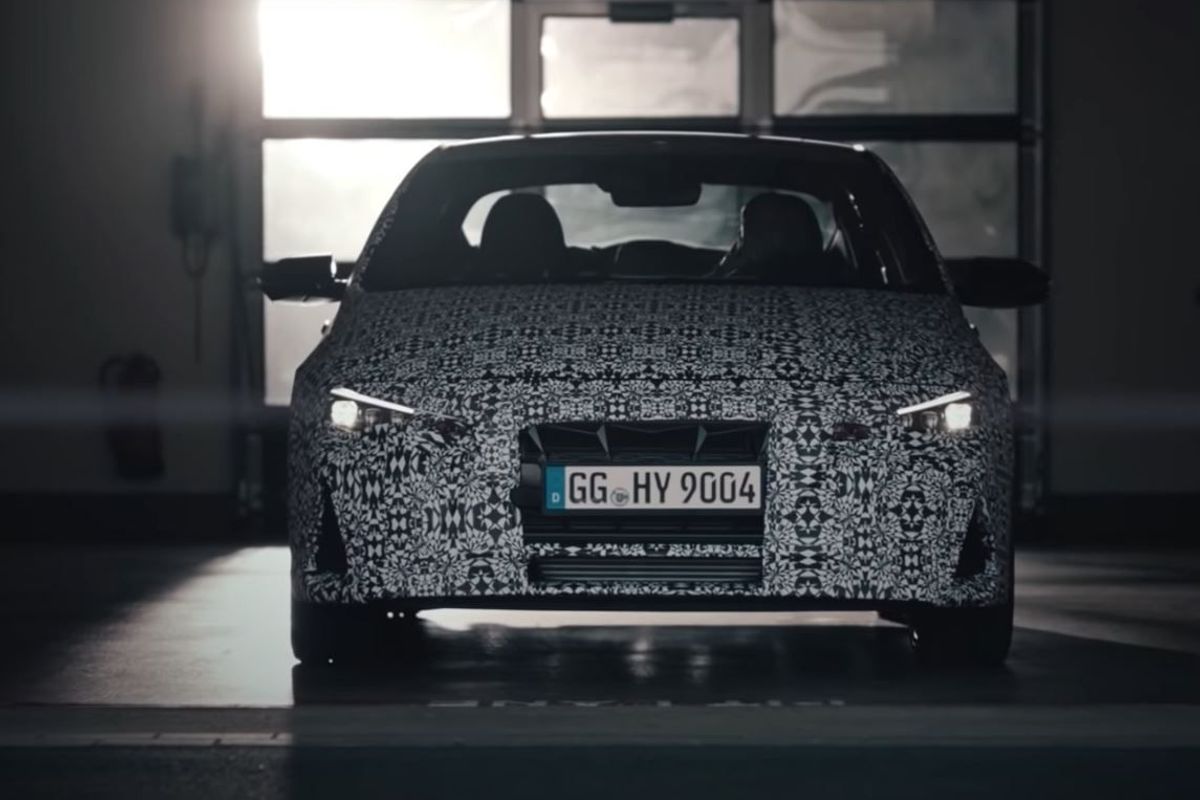
The new Hyundai Elantra has just been revealed, but there's a report the Korean brand is preparing a hardcore Elantra N.
*Update: Hyundai has officially teased its new Elantra N, after showcasing its all-new entrant into the TCR series*
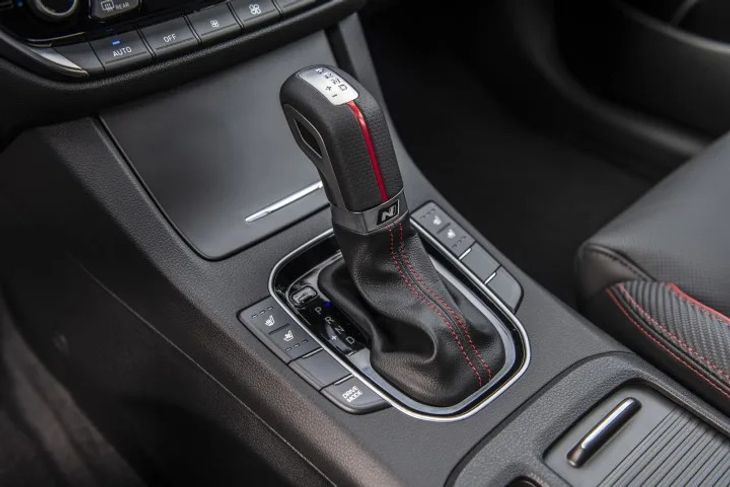
According to The Korean Car Blog, Hyundai is preparing a slew of N performance models. The good news is that all will be packing the 2.0-litre turbocharged petrol engine with 202 kW and 353 Nm. We've experienced this powertrain already in the impressive i30 N, however the source suggests that while a 6-speed manual gearbox is available, there'll also be an 8-speed dual-clutch transmission.
This new 8-speed dual-clutch 'box is a wet-clutch setup, unlike the dry-clutch 7-speed we've experienced in other Hyundai products. The claimed advantage of this unnit is a 30% quicker response time and improved efficiency. Hyundai has already announced the Veloster N to get this DCT, while we expect the i30 N to get it as part of the recently-announced facelift. The lack of a DCT has been noted by many petrolheads as a barrier to entry, while enthusiasts have been loving the slick manual transmission and hands-on approach.
The Hyundai dual-clutch transmission, expect something similar in the forthcoming N products
Fans of the Kia Sportage will have to wait until April 2021 to see the all-new model.
This is the claim from Korean Car Blog who had spotted a few of the pre-production mules cruising around. So what do we know about the all-new 5th generation Kia Sportage?
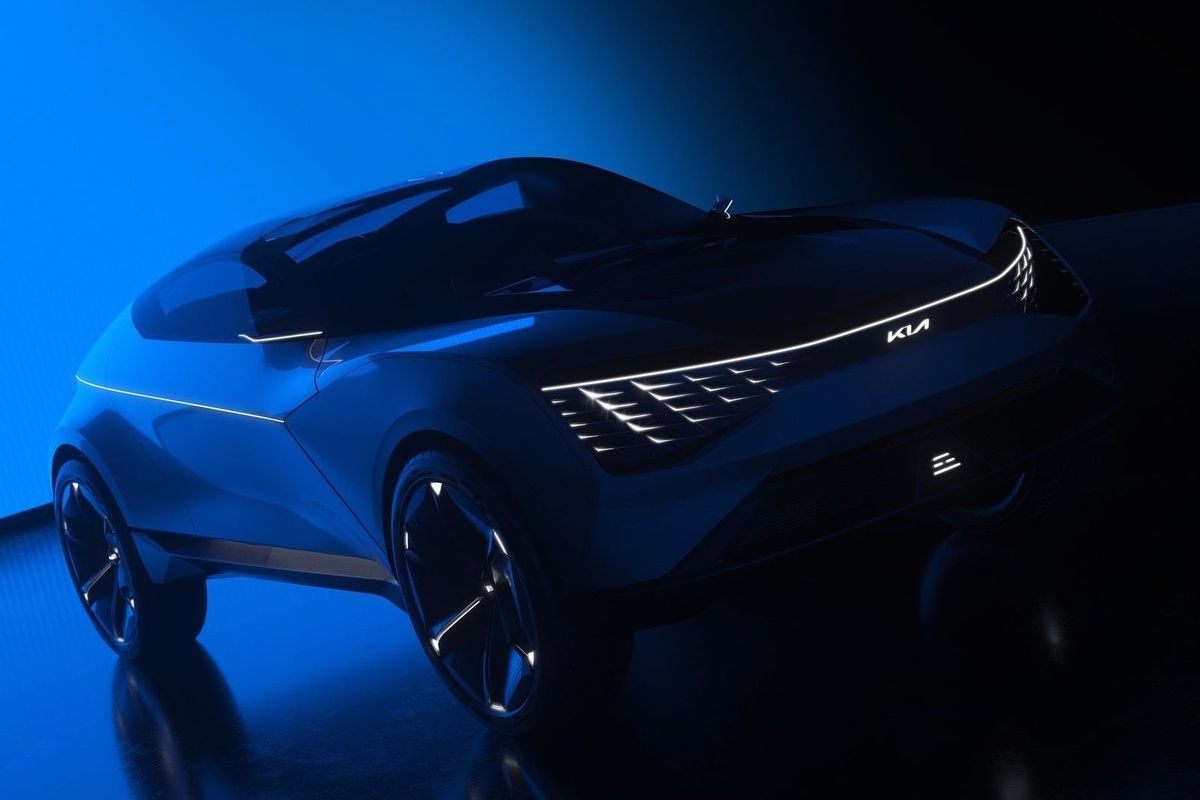
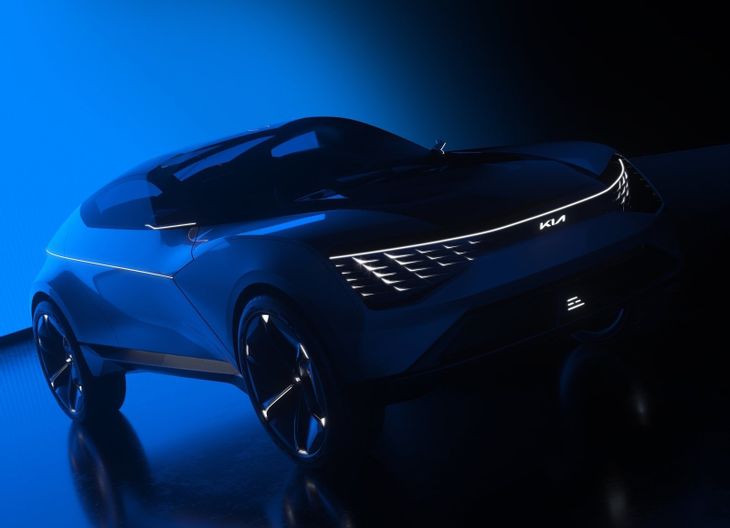
Mechanically, expect a lot of similarities to the recently-revealed Hyundai Tucson, while the Kia will have the latest application of its newest design language. Seen on the Seltos and soon-to-be-launched Sonet, the newest iteration of Kia's products are visually striking. Korean Car Blog reports that we're likely to see a concept revealed in the run-up to the production model's debut, in the same vein that Hyundai previewed its Tucson with the Vision T. The last big concept from Kia was the Futuron, and we suspect some of the design elements from that will make their way onto the production Kia Sportage.
In terms of powertrain and based on what the Hyundai Tucson is offering, expect turbocharged petrol and turbodiesel models with mild-hybrid tech. Also on offer will be all-wheel drive as well as the latest dual-clutch transmissions. A plug-in hybrid model is on the cards too, with the 1.6-litre turbocharged engine gaining some electrical assistance and delivering up to 195 kW.
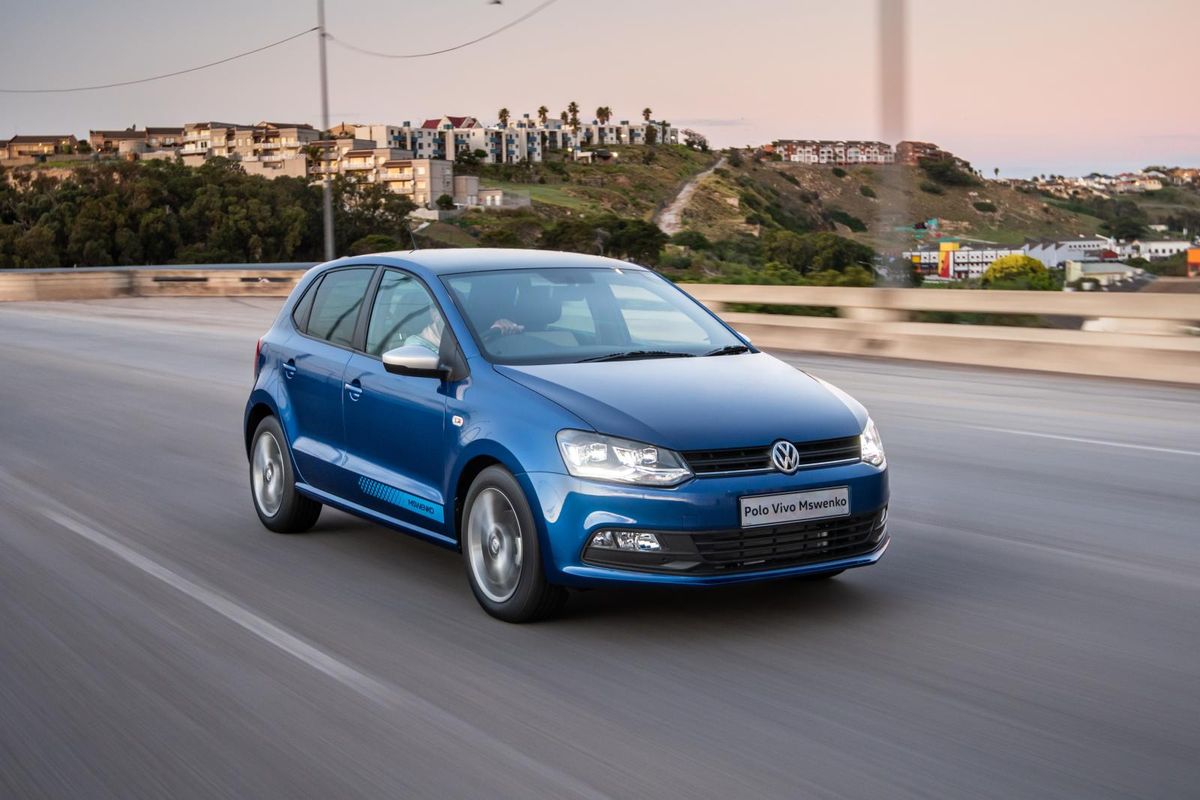
Volkswagen South Africa has added a special edition Polo Vivo to its range. Here are specifications and pricing for the Polo Vivo Mswenko.
The Volkswagen Polo Vivo is SA's best-selling passenger car and with over 261 285 units finding homes, the locally-built vehicle is one of the most pocket-friendly vehicles to own.
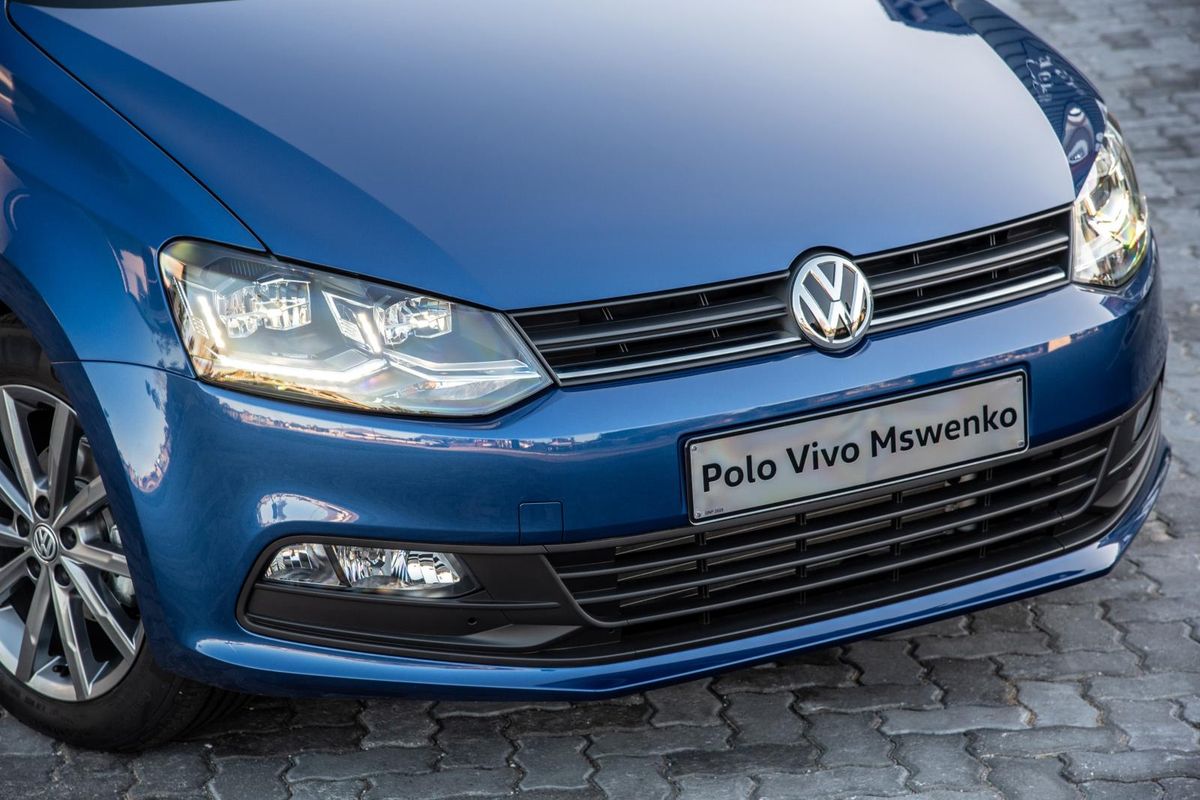
Now the Volkswagen Polo Vivo portfolio has been bolstered by a special edition. “The Polo Vivo Mswenko, which is based on the 1.4 63kW Comfortline manual, is a fashion-inspired derivative which features unique styling details and serves to appeal to customers that are dynamic and young at heart,” said Mike Glendinning, Sales and Marketing Director for Volkswagen Group South Africa (VWSA).
Mswenko (pronounced m-swe-nkoh) is the isiZulu expression for the slang word “swag”. Swag is an expression of attitude and confidence. A self-confident and stylish person is said to have swag. Mswenko, which is unique to South Africa, refers to a person’s style, attitude and general demeanour.
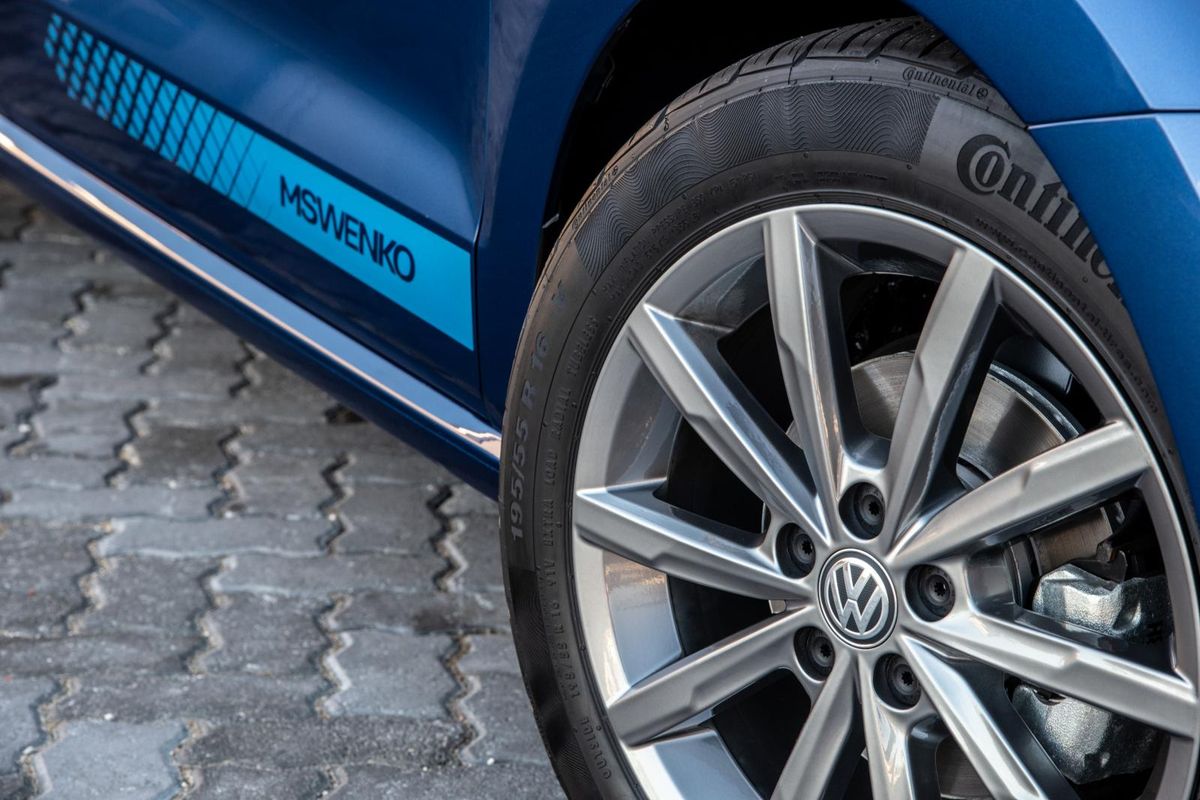
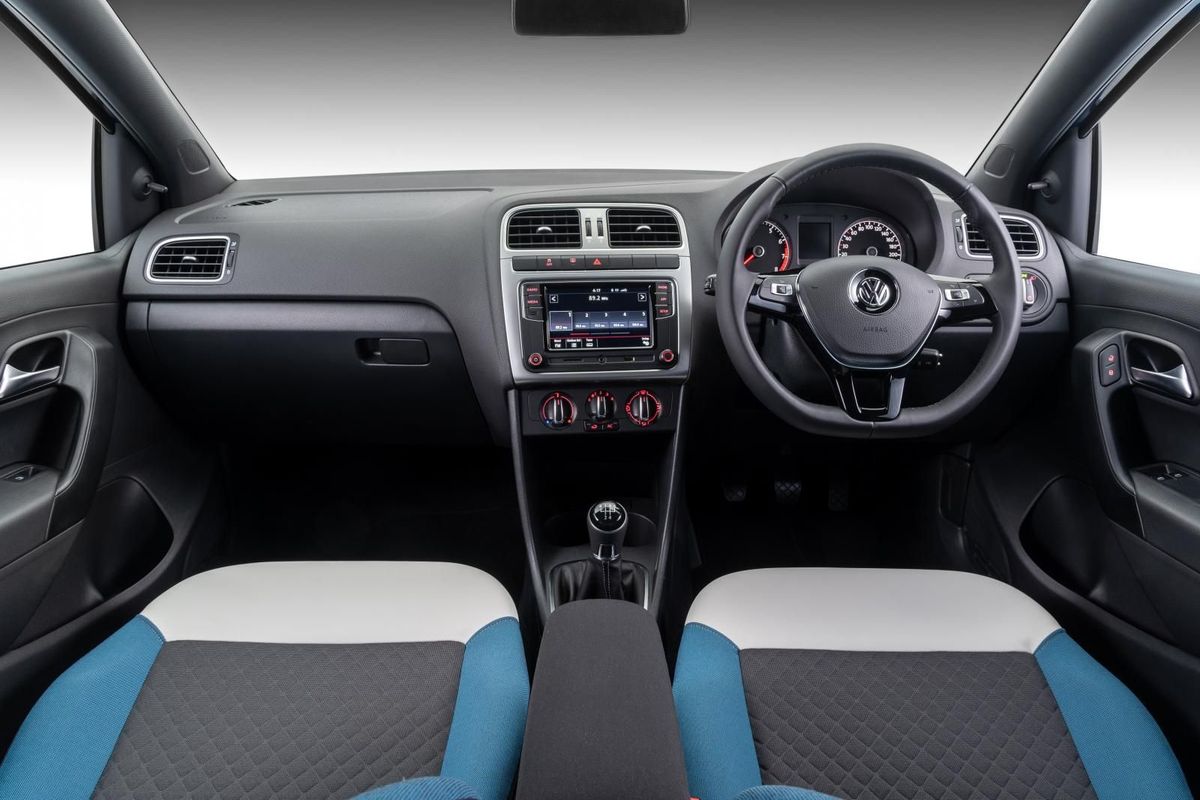
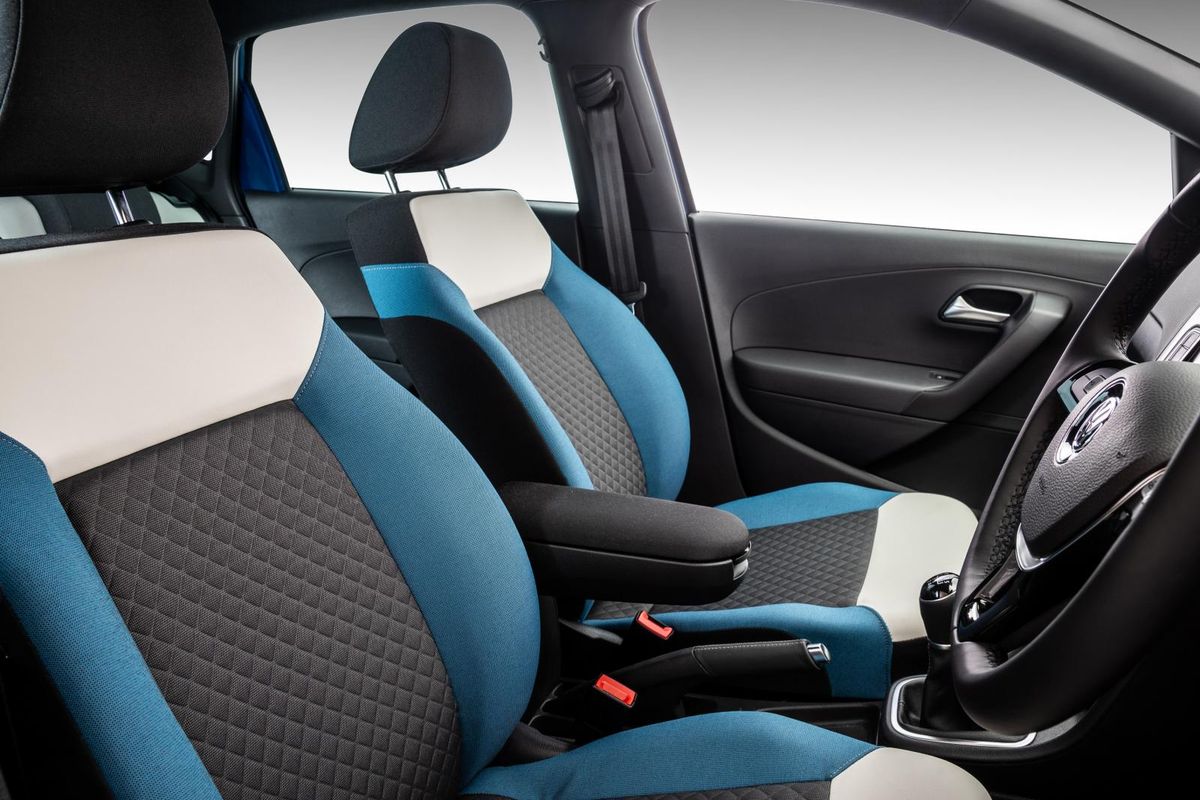
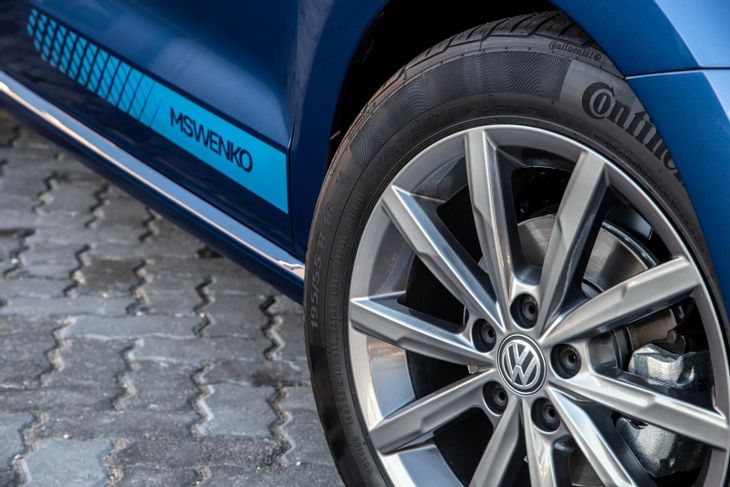
What do you get for your R246 900? The Volkswagen Polo Vivo Mswenko gets a chrome tip exhaust, 16-inch Portago alloy wheels, a black-painted roof, Mswenko decals, privacy glass and mirror covers. Meanwhile, the cabin gets Ocean Blue seats, anthracite headliner, silver dashboard inserts, App Connect, six speakers and a leather package (leather multi-function steering wheel, gearshift lever and gear knob).
In terms of engines, the Polo Vivo Mswenko is powered by a naturally-aspirated 1.4-litre petrol engine. It produces 63 kW and 132 Nm, and power reaches the front wheels via a 5-speed manual gearbox. Volkswagen also offers a 1.6-litre engine with 77 kW and 153 Nm, as well as a 1.0-litre turbocharged motor in the sporty-looking GT if you're wanting a Vivo with a bit more power. See pricing and specs for the entire Polo Vivo range here.
The Volkswagen Polo Vivo Mswenko is available in 4 colours (Pure White, Reflex Silver, Limestone Grey and Reef Blue) and will hit showrooms from October 2020.
Volkswagen Polo Vivo Price in South Africa (October 2020)
The Polo Vivo Mswenko comes standard with a 3 year/120 000km warranty and a 6-year anti-corrosion warranty. A Volkswagen Maintenance Plan as well as a Volkswagen Service Plan are available as options. The service interval is 15 000km.
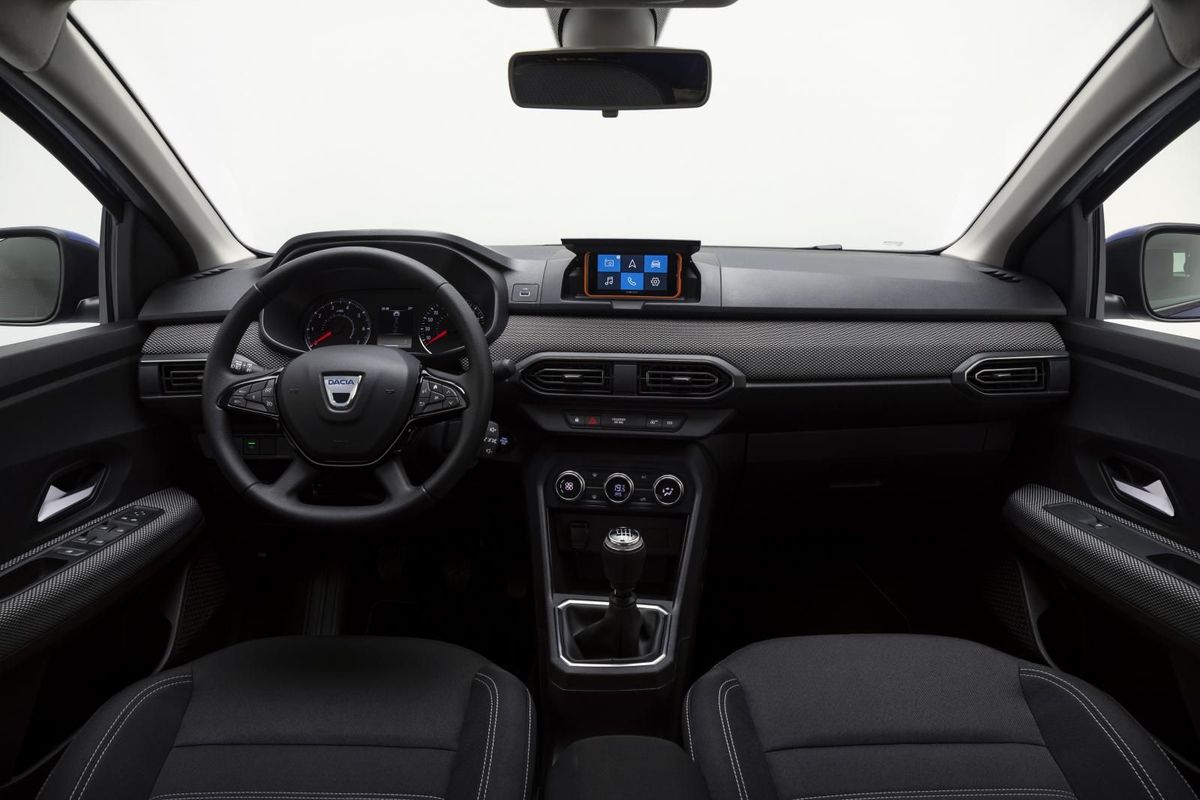
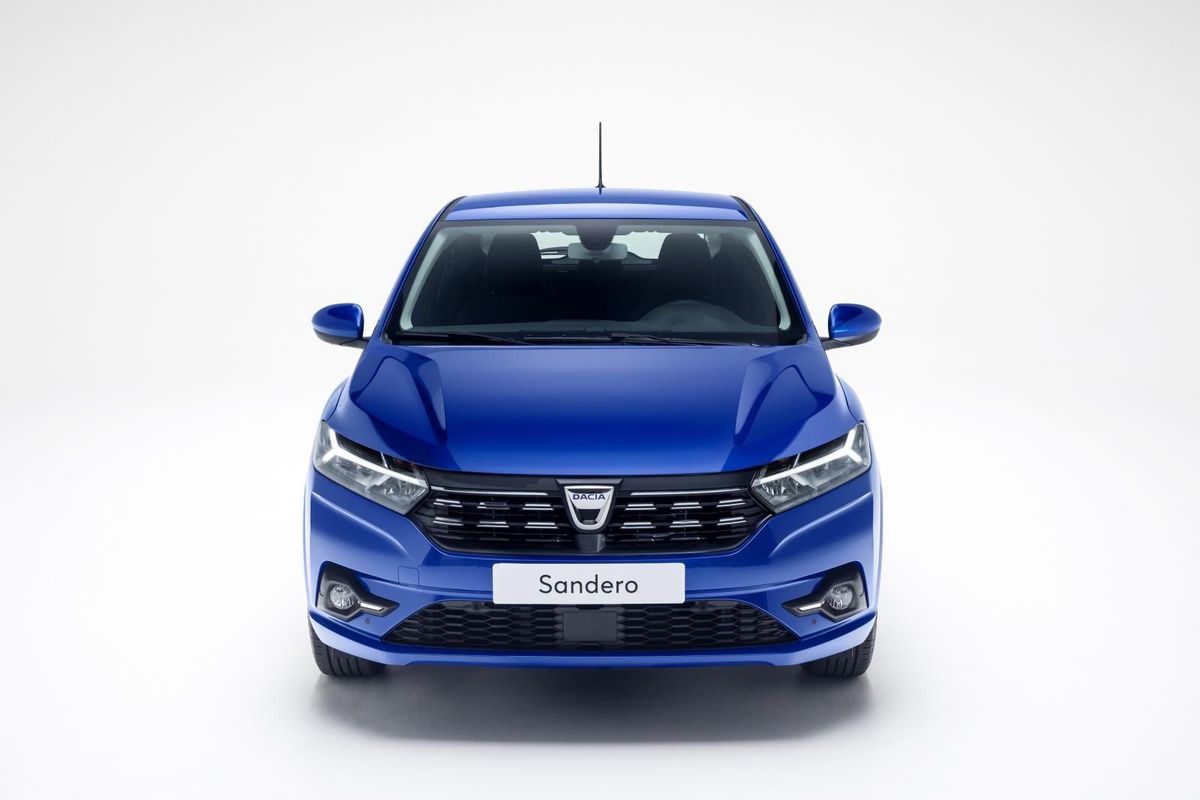
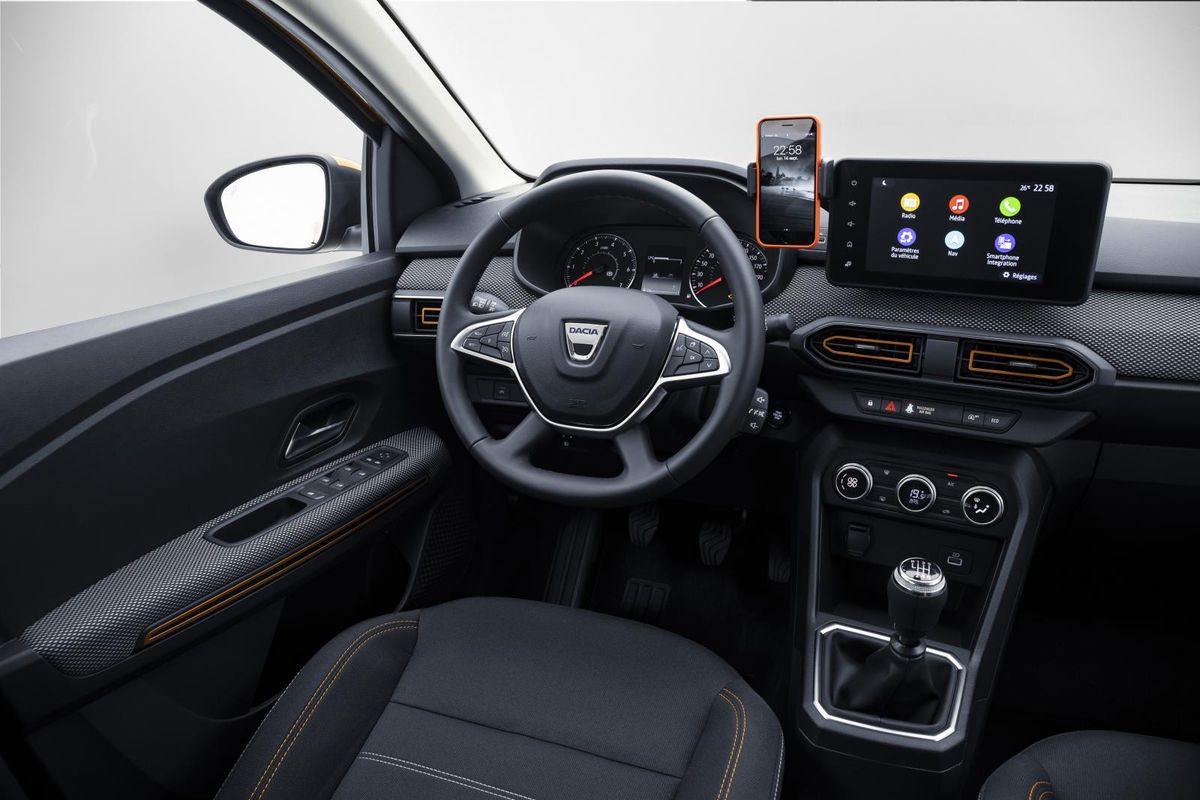
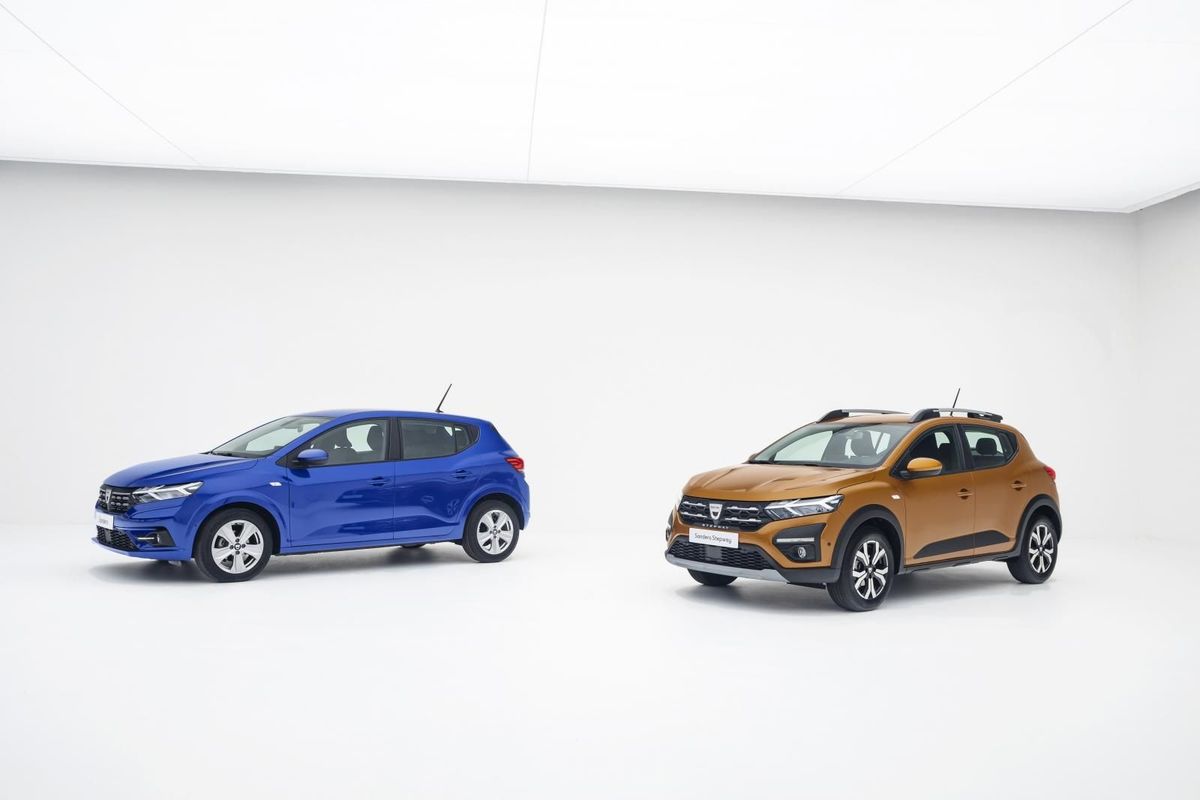
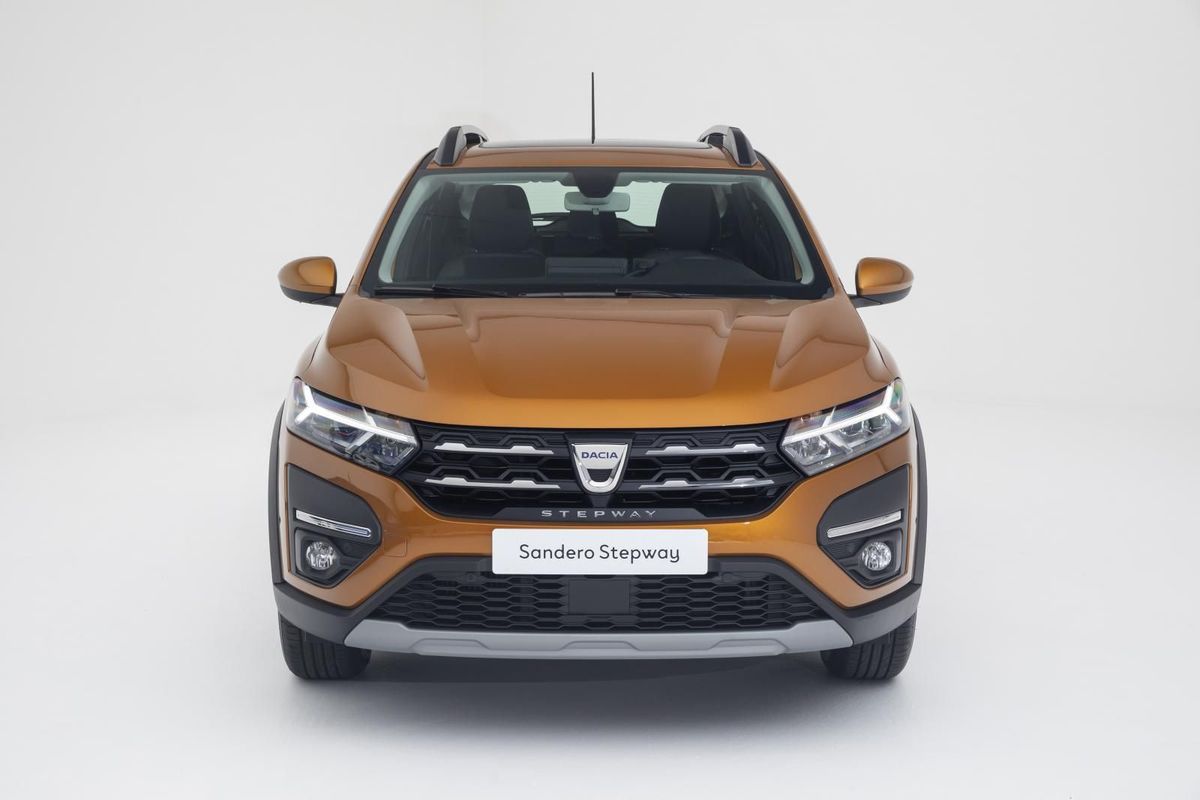
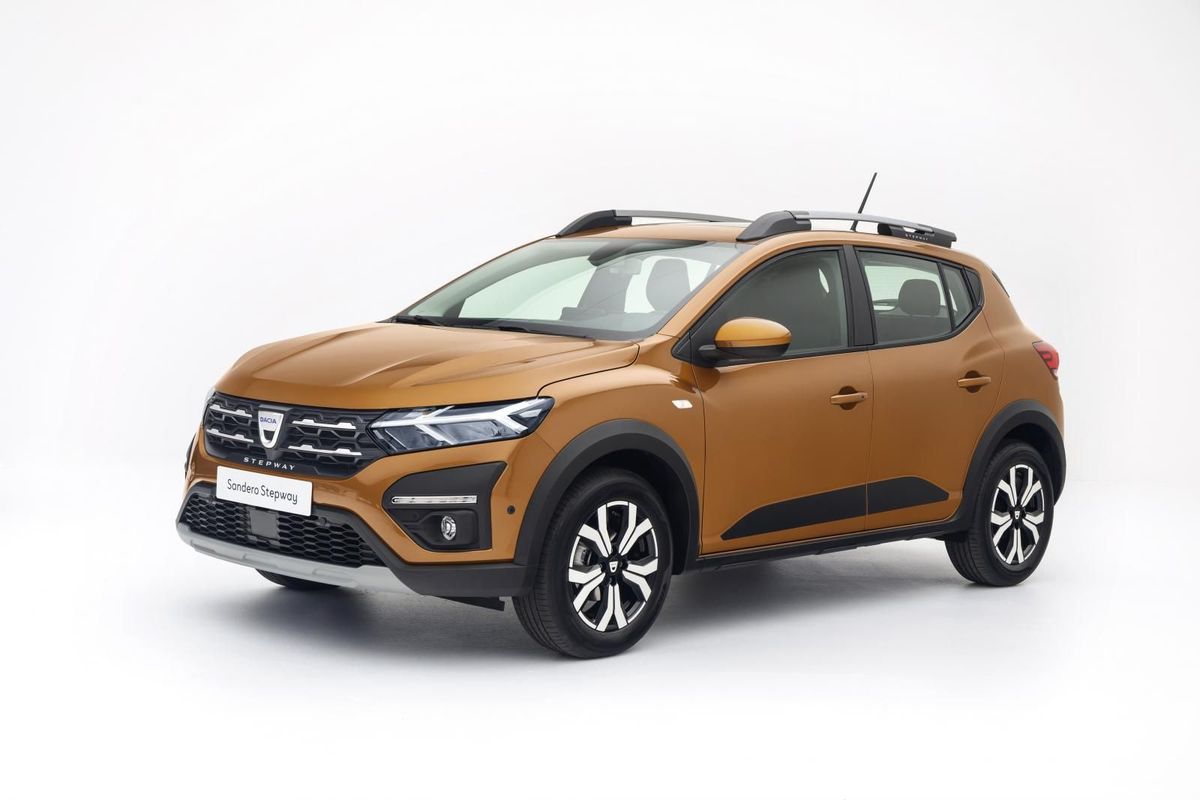
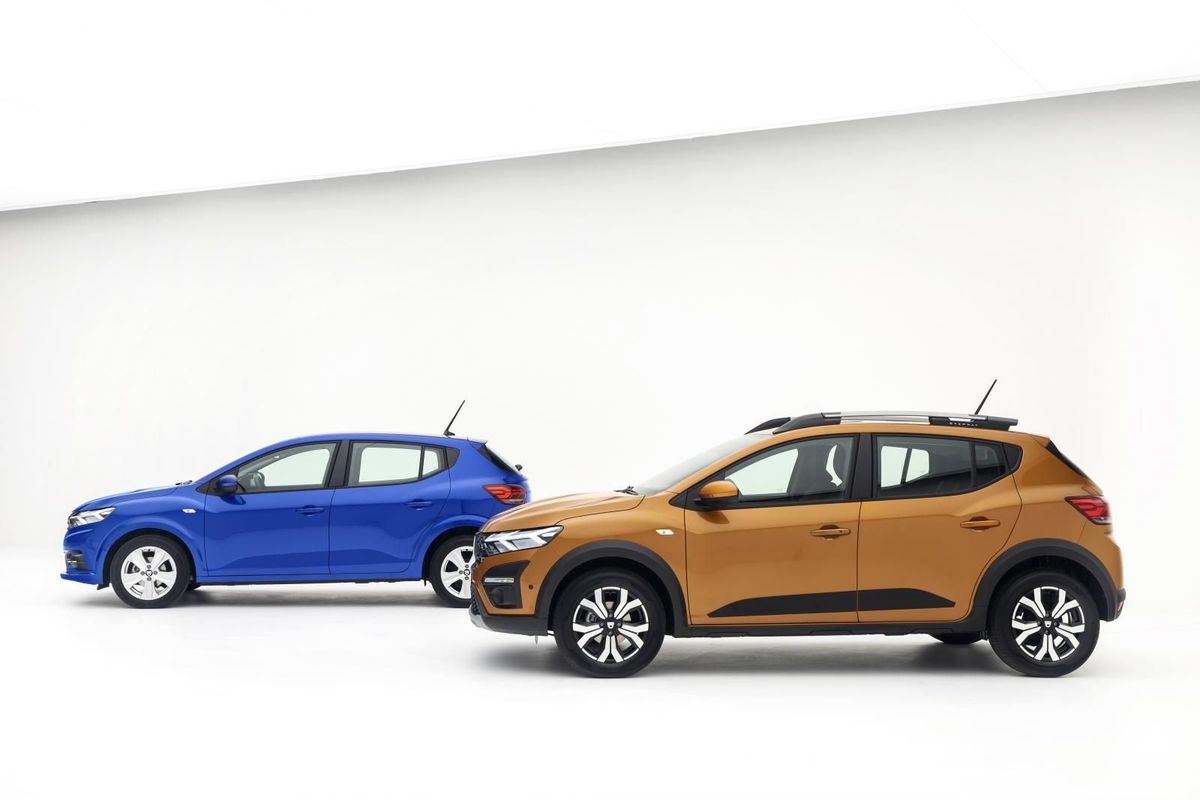
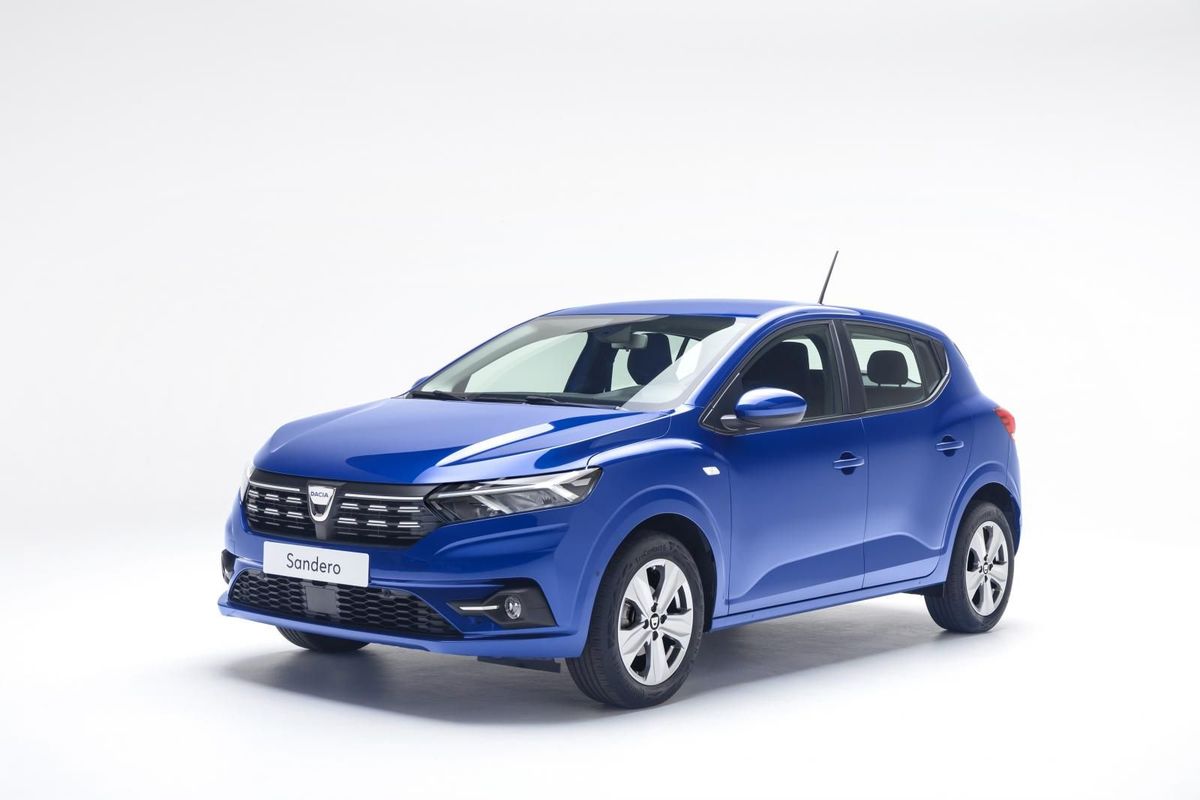
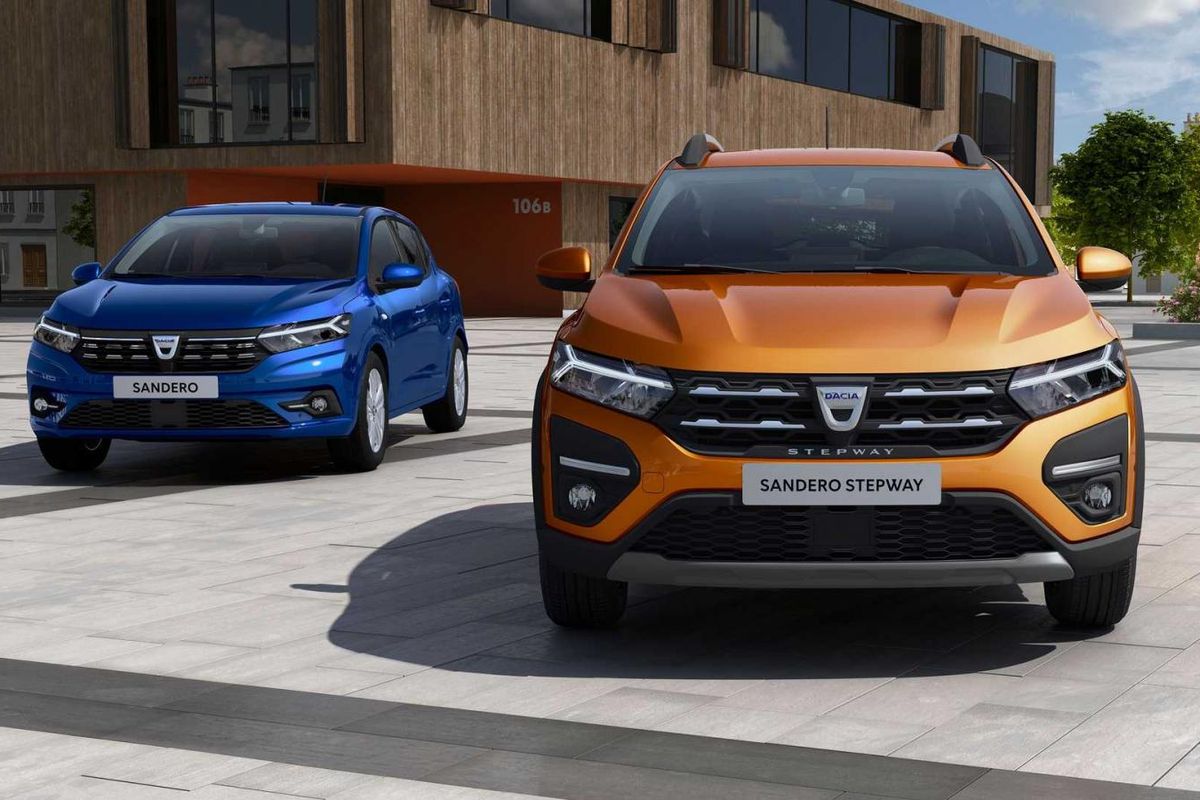
Renault’s Sandero and Logan range have transitioned to new underpinnings and gained some design updates too.
A massively successful product line for Renault, especially in countries where it is sold under the Dacia badge, the Sandero and Logan product lines have now been revealed with their 2021 model year redesigns.
This new appearance is most noticeable on the Stepway crossover. In terms of design, the Sandero’s headlights now feature a Y-shaped illumination signature and dual power bulges run lengthways across the bonnet, which is an entirely new stamping.
Aerodynamic improvements are also to be had, thanks to a steeper windshield rake and lower proportional roofline. The Stepway model also gains some additional ground clearance, but Renault has not yet confirmed what the new value is in millimetres.
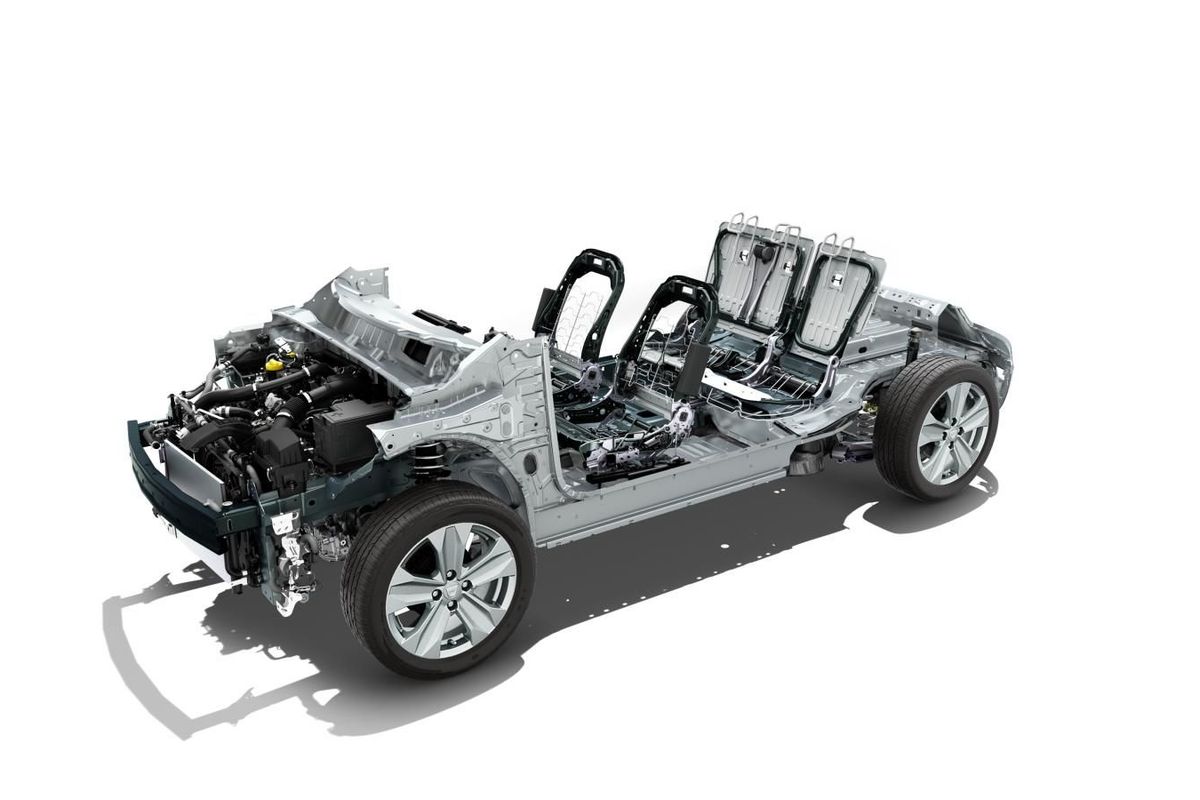
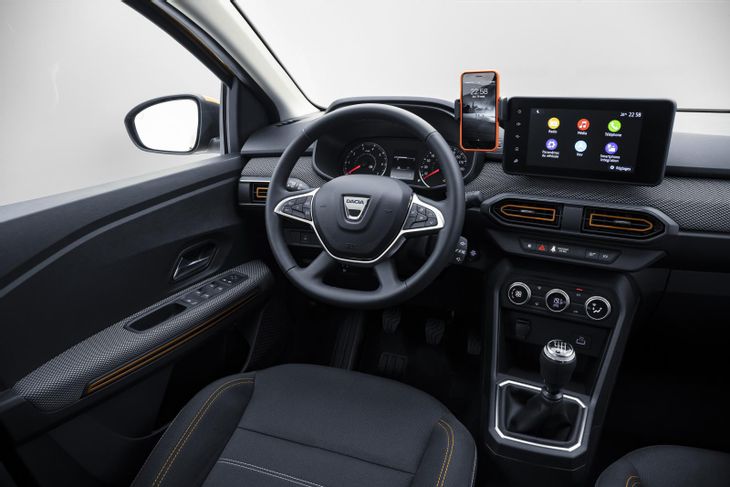
The French brand’s value offerings are benefitting from their move to Renault’s newest CMF-B platform. This vehicle architecture is used on current Clio and Captur and although the Sandero Stepway will ride a slightly simplified CMF-B structure, it should improve the car’s driveability and refinement. This new platform opens the Sandero and Stepway to new technology like active and passive safety features, new engines – including petrol and LPG Bi-Fuel – a new automatic transmission and an all-new six-speed manual.
In terms of space, the Sandero offers a 328-litre capacity in the boot and features a flat floor with adjustable height floor with two positions. Renault/Dacia claims rear passengers benefit from an additional 42 mm of space in comparison to the outgoing model.
Although the Sandero now uses a more advanced platform, don’t expect the latest Renault hybrid engines. The engines on offer range from the SCe 65, a naturally-aspirated 1.0-litre three-cylinder engine paired with a five-speed manual transmission to the TCe 90, a turbocharged 1.0-litre three-cylinder unit paired with a six-speed manual transmission or CVT automatic transmission. Also on offer is an LPG-powered version, but we're unlikely to see that model in SA.
When it comes to safety, the Sandero and Stepway include the following standard features: six airbags, seat belt load-limiters, front and back seat belt pretensioners and emergency call system (SOS button located next to the dome light in the front of the car). There's also the latest ESP system as well as Emergency brake assist, Blind spot warning, Park assist and Hill start assist.
For gravel travel enthusiasts on a budget, the possibility of a new Stepway having superior ride comfort, ground clearance and driving dynamics, thanks to its platform upgrade, will certainly be of interest.
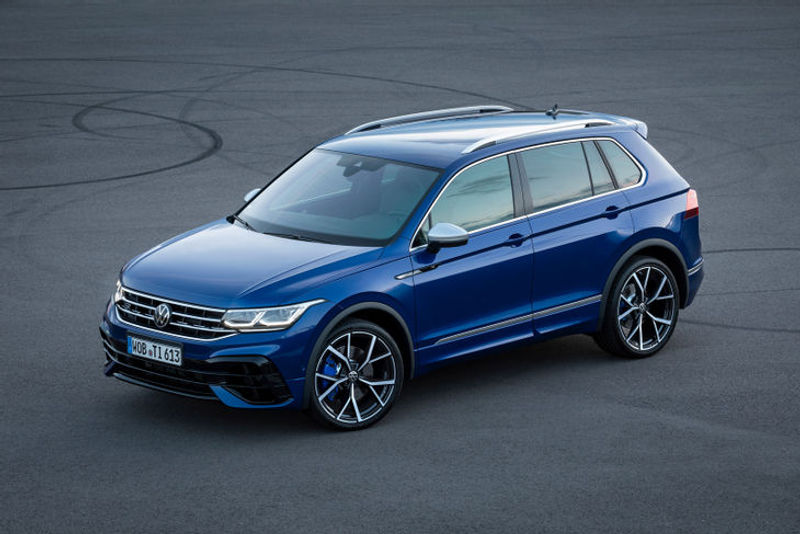
Volkswagen Tiguan R (2020) International Launch Review
As the demand for performance SUVs continues to grow, Volkswagen has bolted all of its R department’s go faster bits to its facelifted family car – the Tiguan. Has the overhaul gone awry, or is it just the right amount of crazy for your compact people-carrier? International correspondent Greg Kable shares his impressions of the newcomer.
What is it?
It’s an obvious move – one we’ve often discussed when speaking about the Tiguan. But for various reasons it has taken Volkswagen close to 13 years to bring the R name (and the performance-enhancing modifications for which it is now quite well renowned) to the Tiguan line-up.
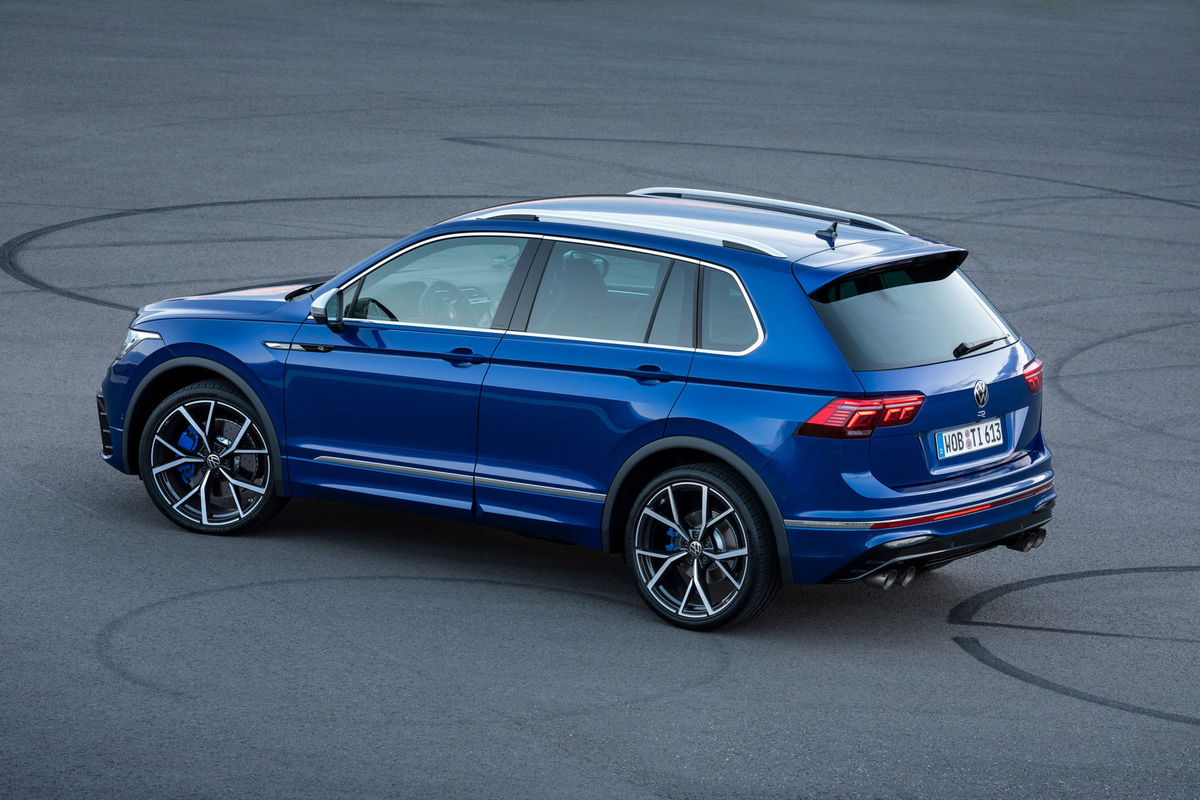
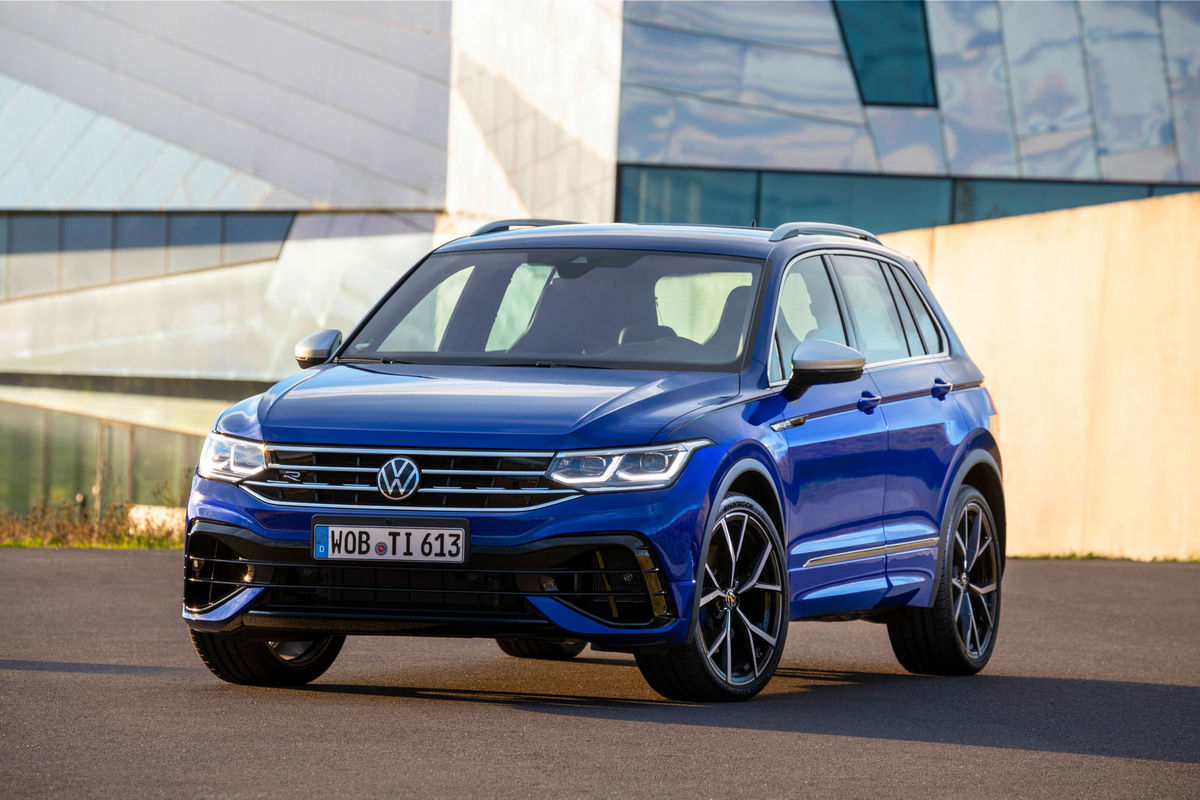
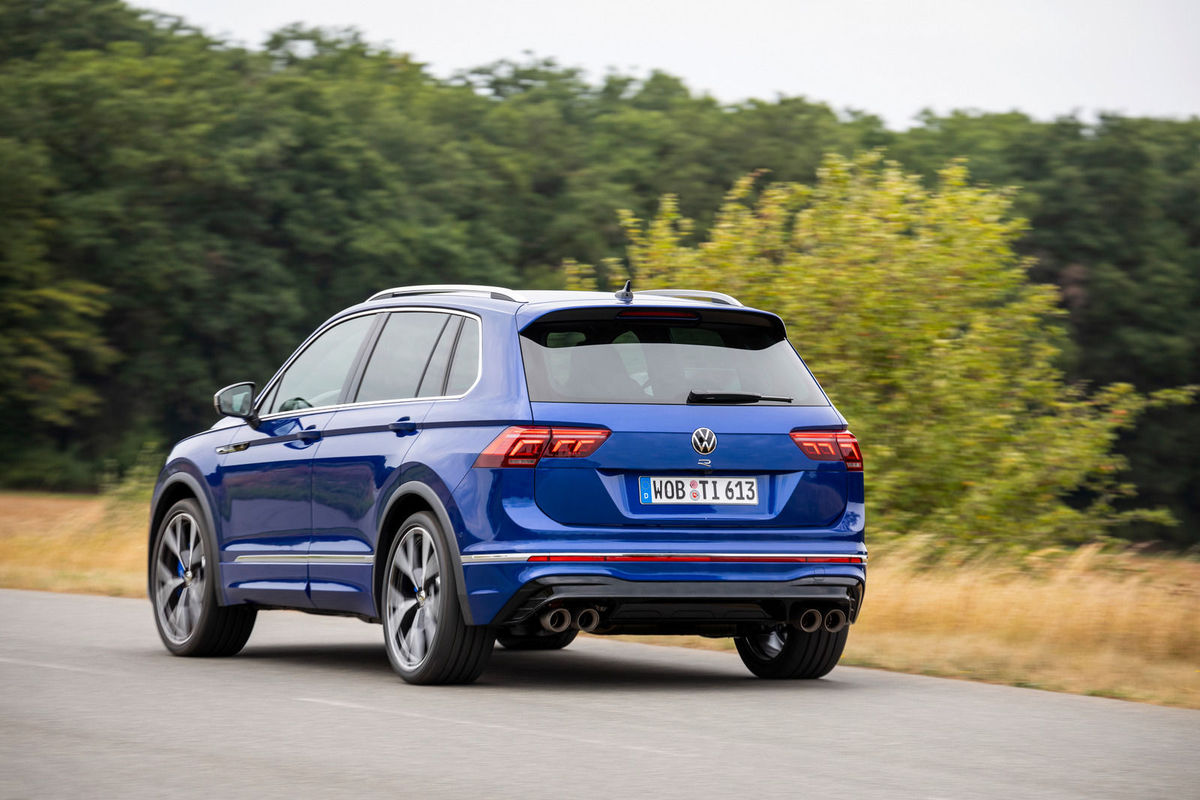
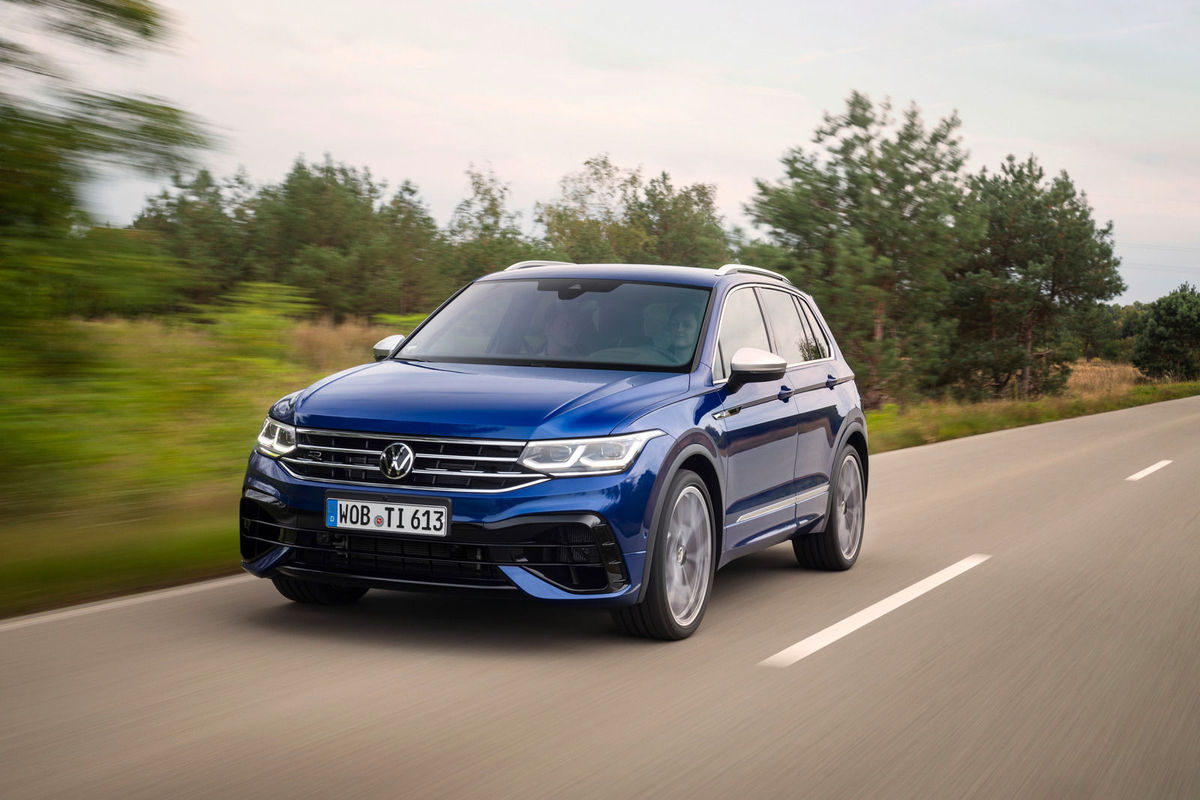
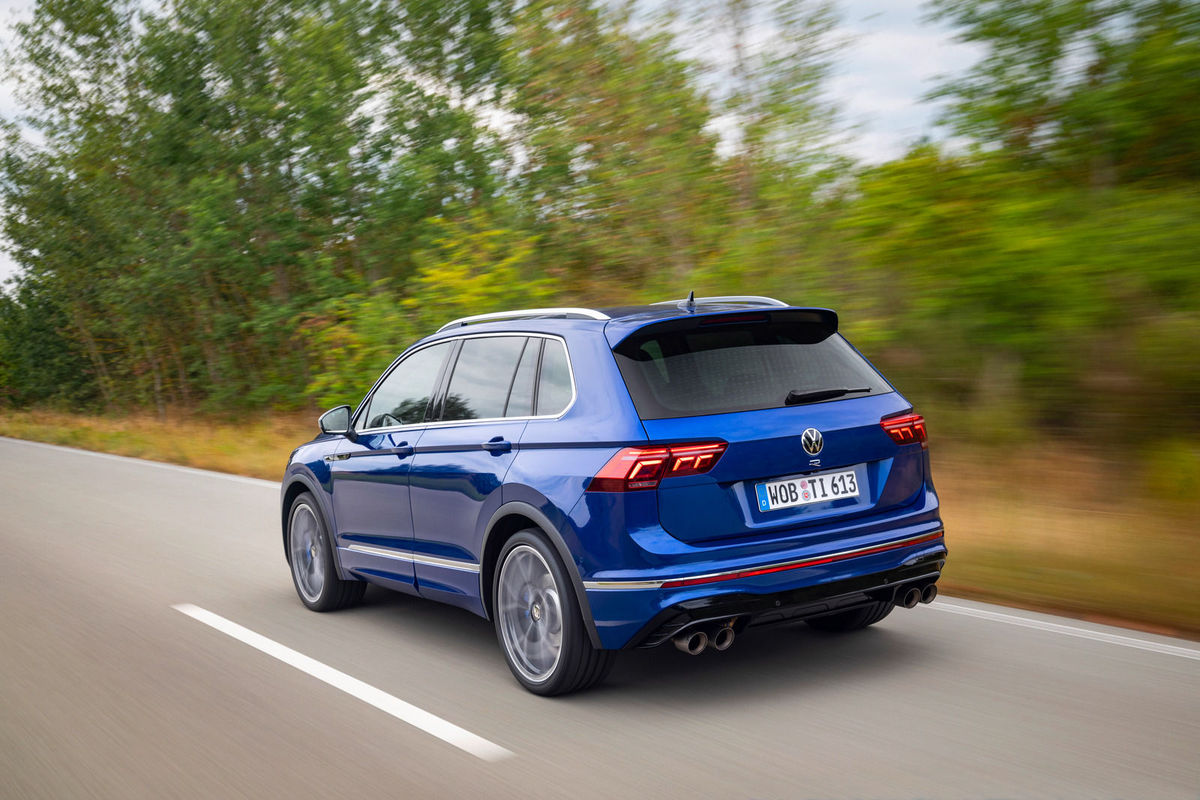
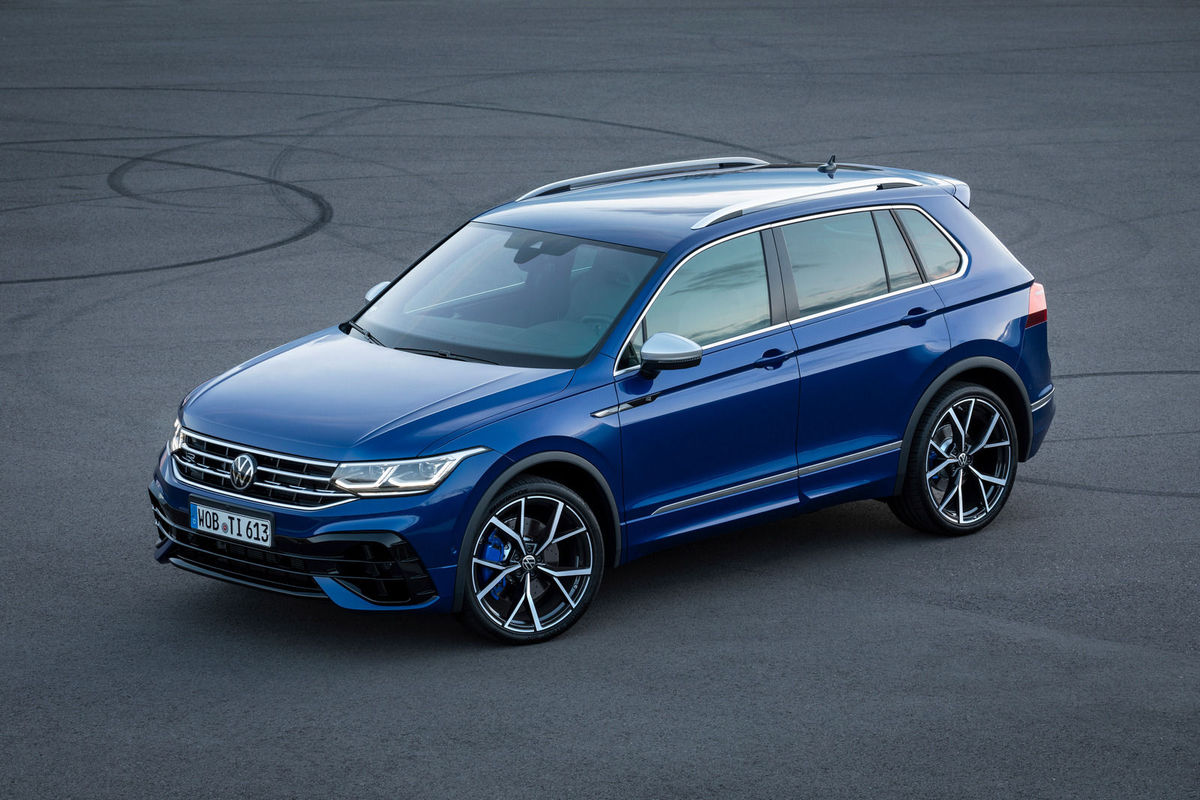
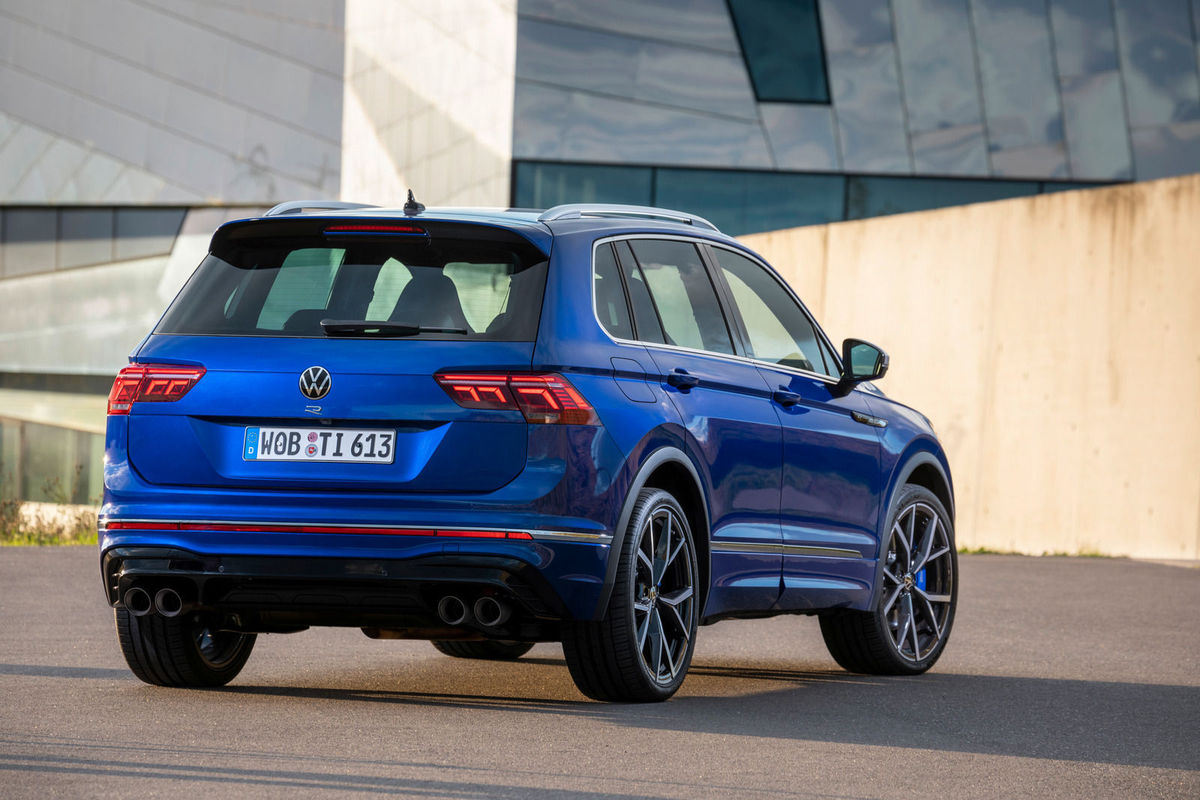
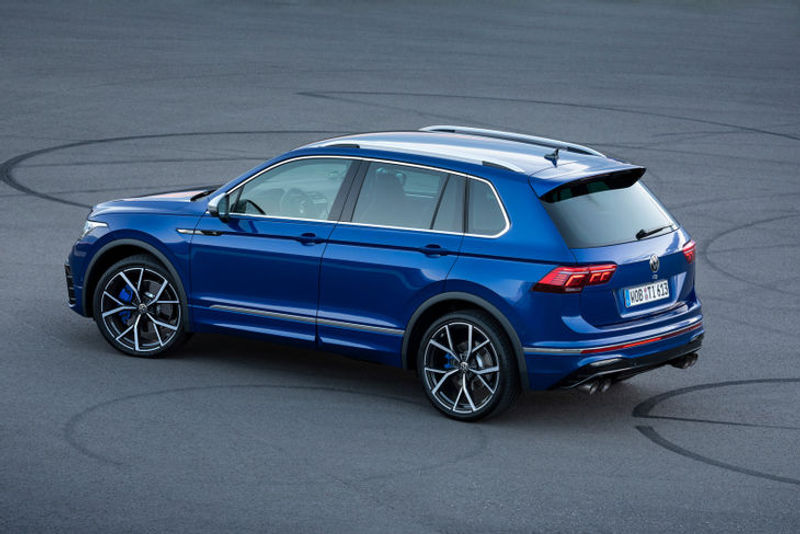
There have been various R styling lines for the Tiguan down through the years, of course. But with a further developed version of the 2.0-litre 4-cylinder turbopetrol engine used by the Golf R and more recently introduced T-Roc R, the new Tiguan R is easily the most powerful and the fastest variant of Volkswagen’s best-selling family car to date…
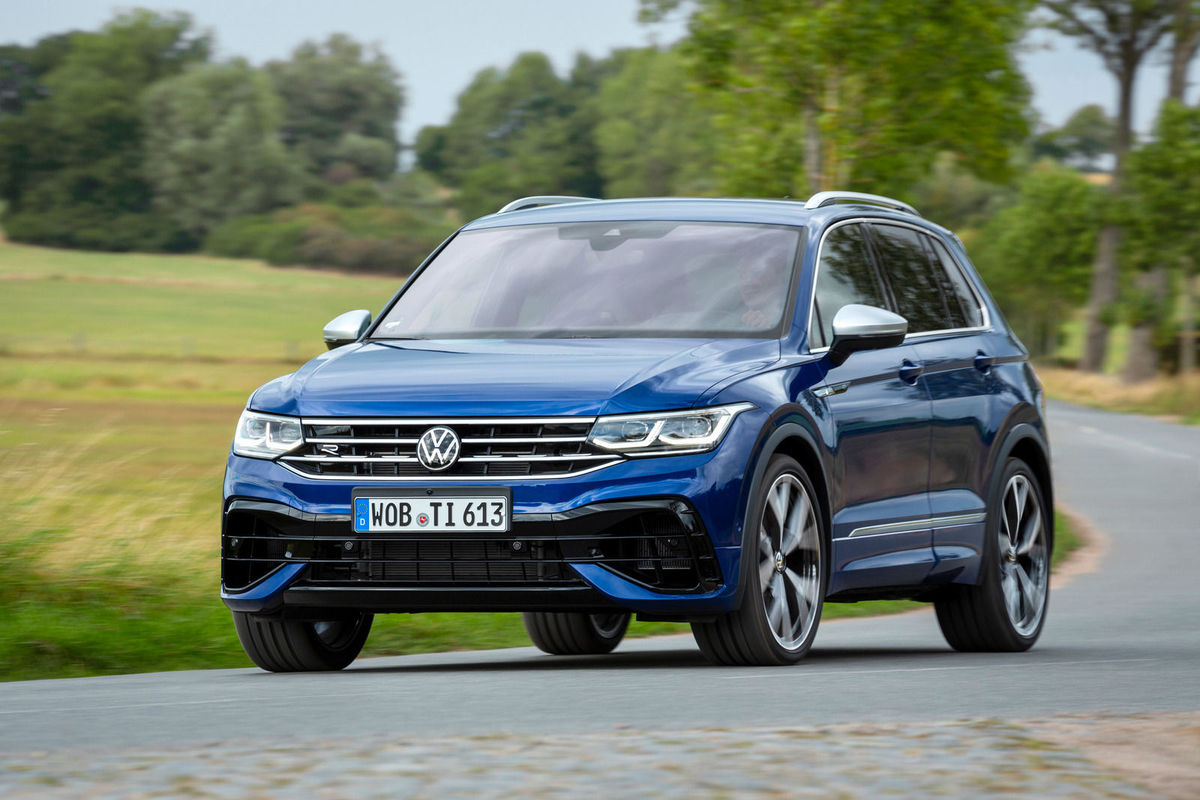
VW's best-selling family car now comes with potent power.
The newcomer's peak power output is 235 kW, with torque building to a maximum of 420 Nm, which is readily available between 1 200 and 5 200 rpm. To put this in perspective, the next most powerful petrol derivative in the facelifted Tiguan line-up develops far more modest outputs of 110 kW and 250 Nm. The SA engine line-up for the updated Tiguan range has not been finalised yet, so we’re going on what’s on offer in Europe for now.
In the TIguan R, drive is sent through a standard 7-speed dual-clutch transmission (with both manual and automatic shift modes), but, importantly, a newly developed version of Volkswagen’s 4Motion system. The Wolfburg-based brand's all-wheel-drive setup now features a torque-vectoring function on the rear axle, which can alter the amount of drive sent to each of the aft wheels.
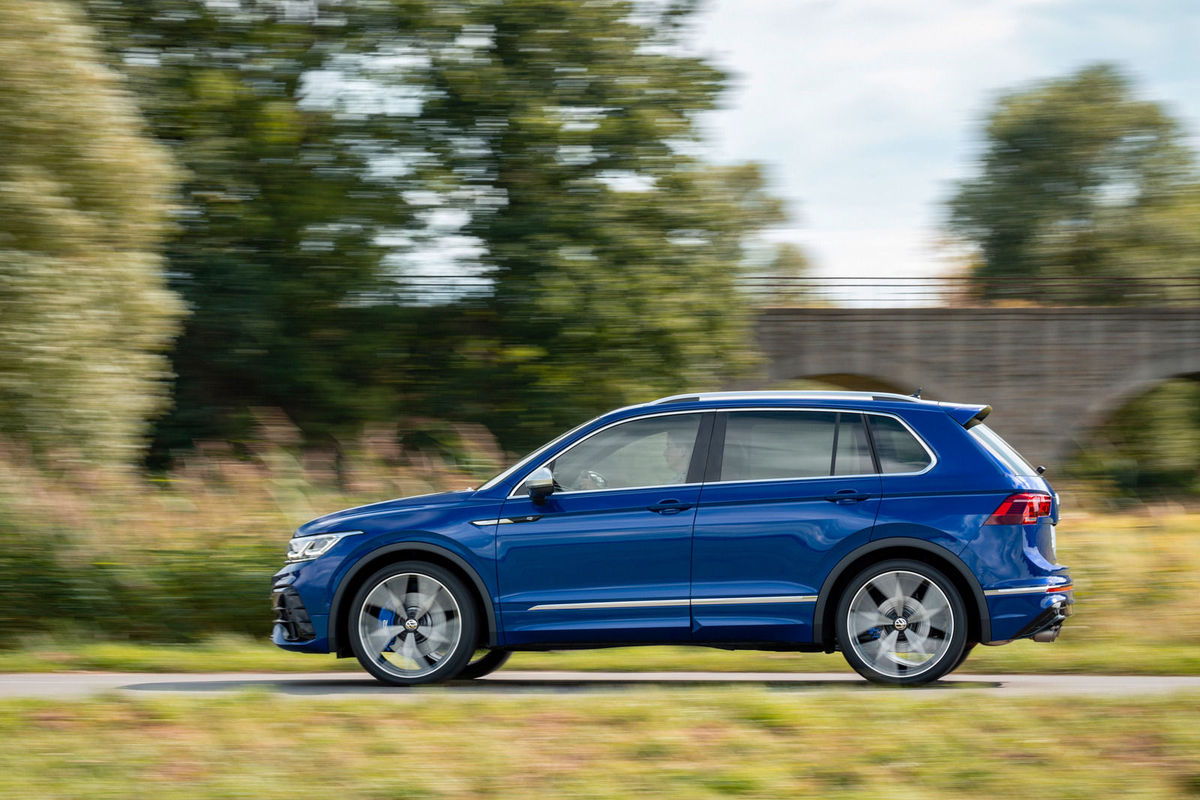
Visual differentiation from the rest of the 2nd-generation Tiguan line-up comes via a uniquely styled front bumper and other exterior elements featuring design cues similar to those seen on different R models, including standard 19-inch wheels.
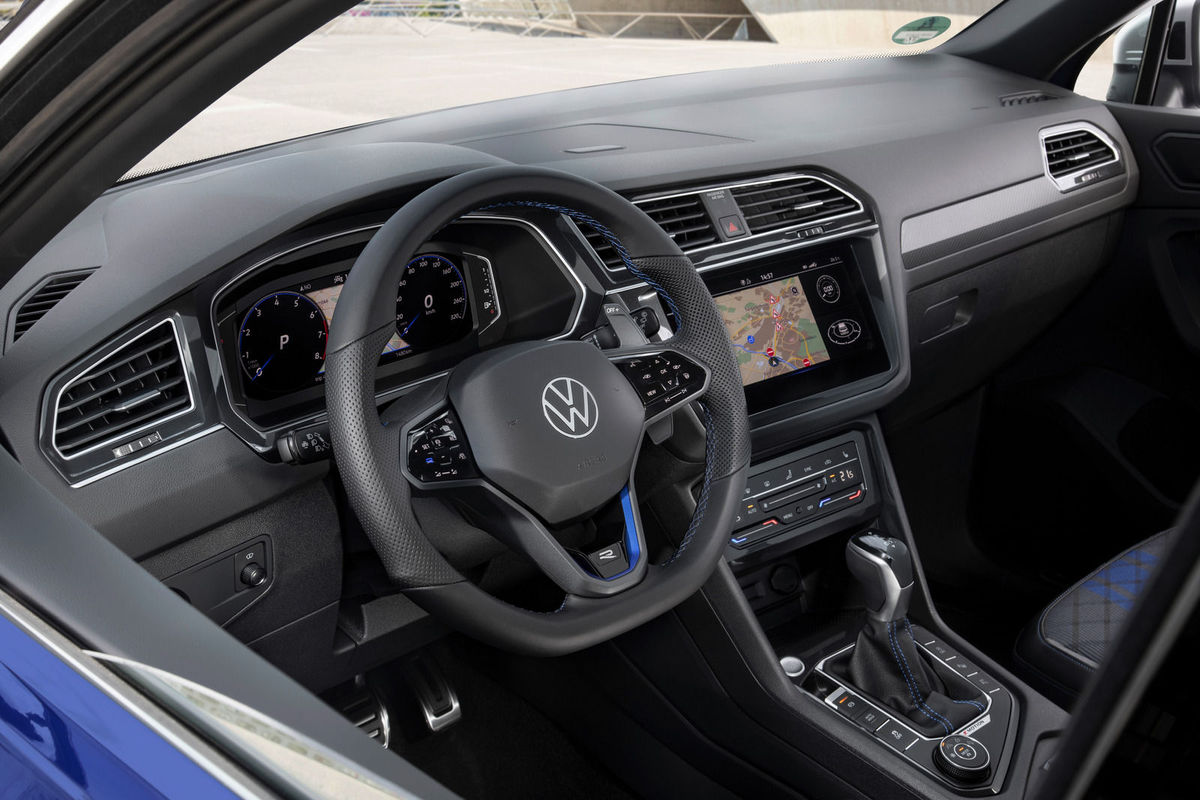
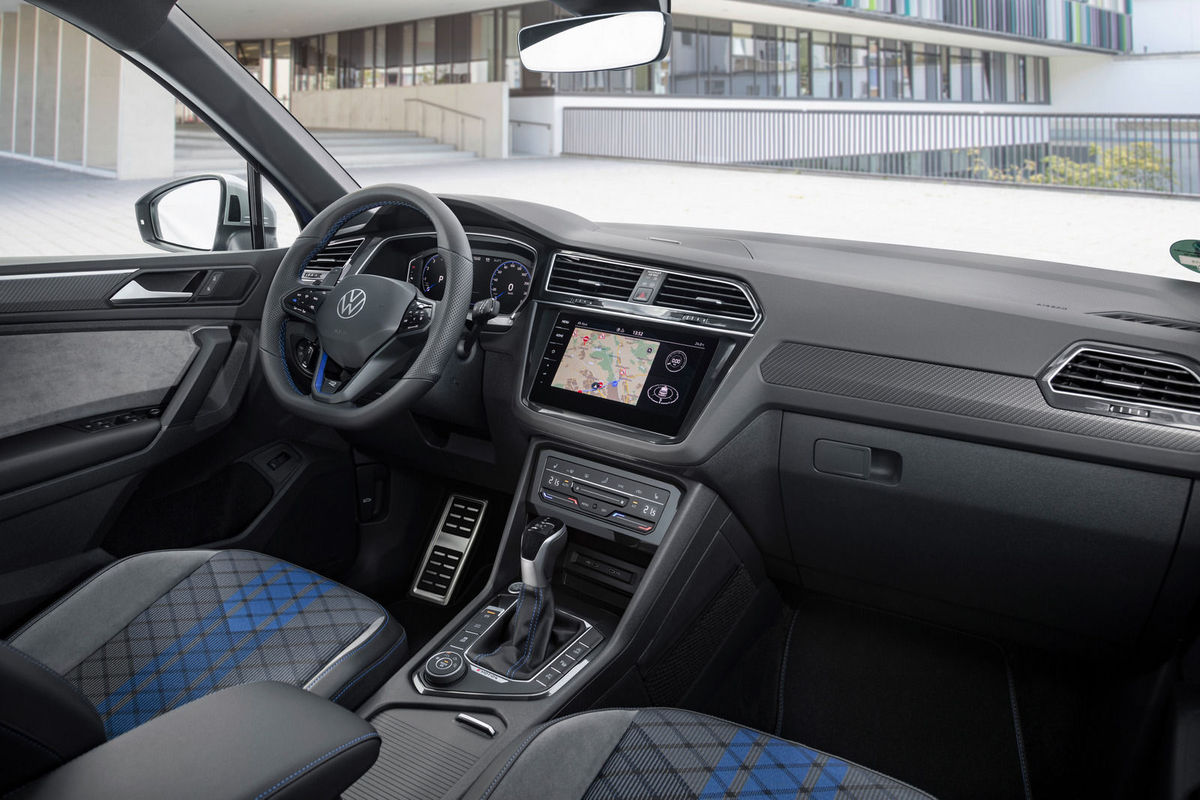
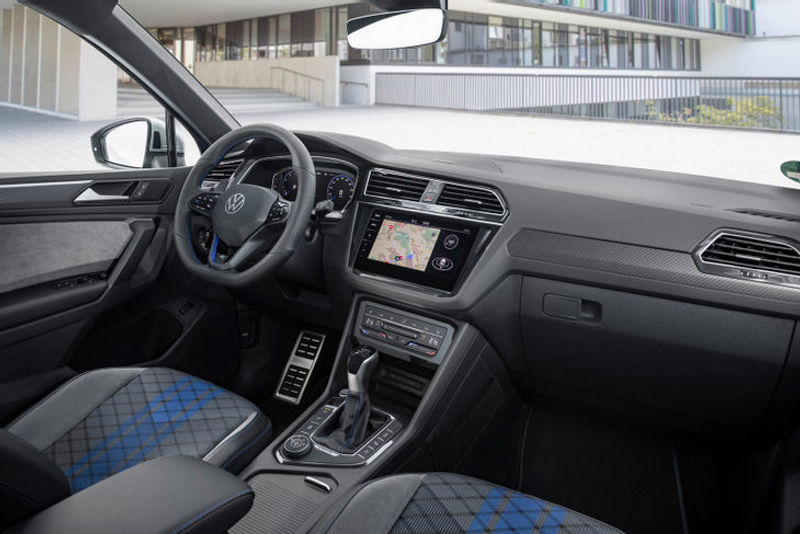
Striking blue stitching and inserts, as well as R-specific dials, make up the interior definition.
Subtle changes (brought to all new facelifted Tiguan derivatives) include a more advanced version of VW's MEB infotainment system, which supports wireless Apple CarPlay and live traffic data, multi-coloured ambient lighting and a touch-sensitive digital control module for the climate functions (along with a number of typical R equipment upgrades).
There are R-specific digital instruments that change colour depending on the drive mode, sport seats and a multi-function steering wheel with haptic feedback controls – including an R button, which allows you to switch directly into Race mode – together with stainless-steel pedals and unique dashboard trims. Apart from some hard plastic panels below your usual line of sight, it’s a pleasingly functional and quality driving environment.
What's it like?
The Tiguan R is very straightforward to drive, with a broad set of characteristics depending on the chosen drive mode: Comfort, Sport or Race.
The engine, with its inherent smoothness and impressive flexibility, is at the very root of the dynamic appeal, delivering relaxed part throttle and truly urgent qualities under load. There’s great linearity to the way the transversely-mounted unit revs, and the transmission delivers lightning-fast shifts in any of the 2 more performance-oriented driving modes (Sport and Race).
Is under 5 seconds from 0 to 100 kph enough to get the kids to the soccer game on time?
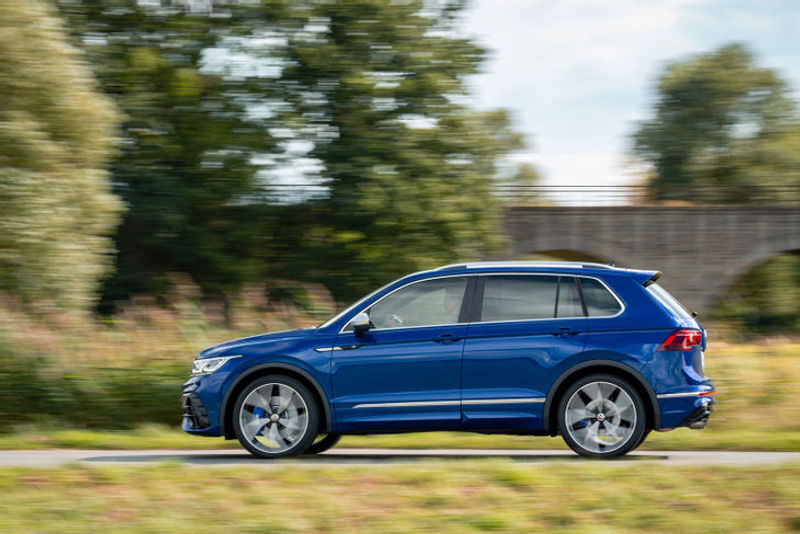
The Tiguan R never feels quite as determined as the lower-riding Golf R, owing in part to its rather hefty 1 746-kg kerb weight. But the claimed 0-100 kph time is 4.9 sec, while not class-leading, endows the newcomer with a good turn of speed when you set it loose on deserted back roads.
The exhaust note, which is enhanced with a sound generator within the cabin, is engagingly raspy in Comfort mode. However, it is perhaps somewhat over-the-top in Race mode, where it crackles loudly on practically every lift of the throttle.
The reworked 4Motion all-wheel-drive system, meanwhile, provides outstanding traction and grip. The aforementioned new torque-vectoring function is able to send up to 100% of available torque to the outside wheel during all-out cornering, instead of the 50/50 split seen in other, less powerful Tiguan derivatives. The result is a level of balance and cornering poise that's well and truly beyond that of the standard car.
What's more, there’s outstanding accuracy to the variable-ratio steering and, with reduced ride height together with firmer springs and dampers, admirable body control. By compact performance-SUV standards, the handling is quite fluid, even if a little lacking in outright feedback.
It’s the relatively composed ride quality that really stands out, though. The adaptive dampers provide the suspension with great control and the ability to deliver acceptably compliant properties in Comfort mode and significantly more sporting characteristics in either Sport or Race modes, which is particularly impressive when you consider that our test car was shod with the optional 21-inch alloy wheels.
While the Tiguan R’s unlikely you’re ever going to head away from the bitumen with such a wheel and tyre combination, Off-road, Snow and Off-road Expert drive modes are also available.
Should I buy one?
Crouching and waiting for the Hyundai Tucson N to join it.
We’re still waiting to hear how Volkswagen will price the Tiguan R in the South African market. However, if the pricing of the outgoing 2.0 TSI, which it indirectly replaces in the Tiguan line-up, is any guide, it’s going to be a R700 000-plus proposition.
It enters a highly competitive class but, on the evidence of this first drive, the Tiguan R will provide stiff competition to the likes of the BMW X2 M35i, Jaguar’s E-Pace and whatever performance versions of the GLA Mercedes-AMG might produce. I have no doubt that we will also see a direct competitor from Hyundai's new Tucson and its N division very soon. It makes you wonder why it took Wolfsburg so long to produce a Tiguan R…