Mclaren begins production of 765 Longtail
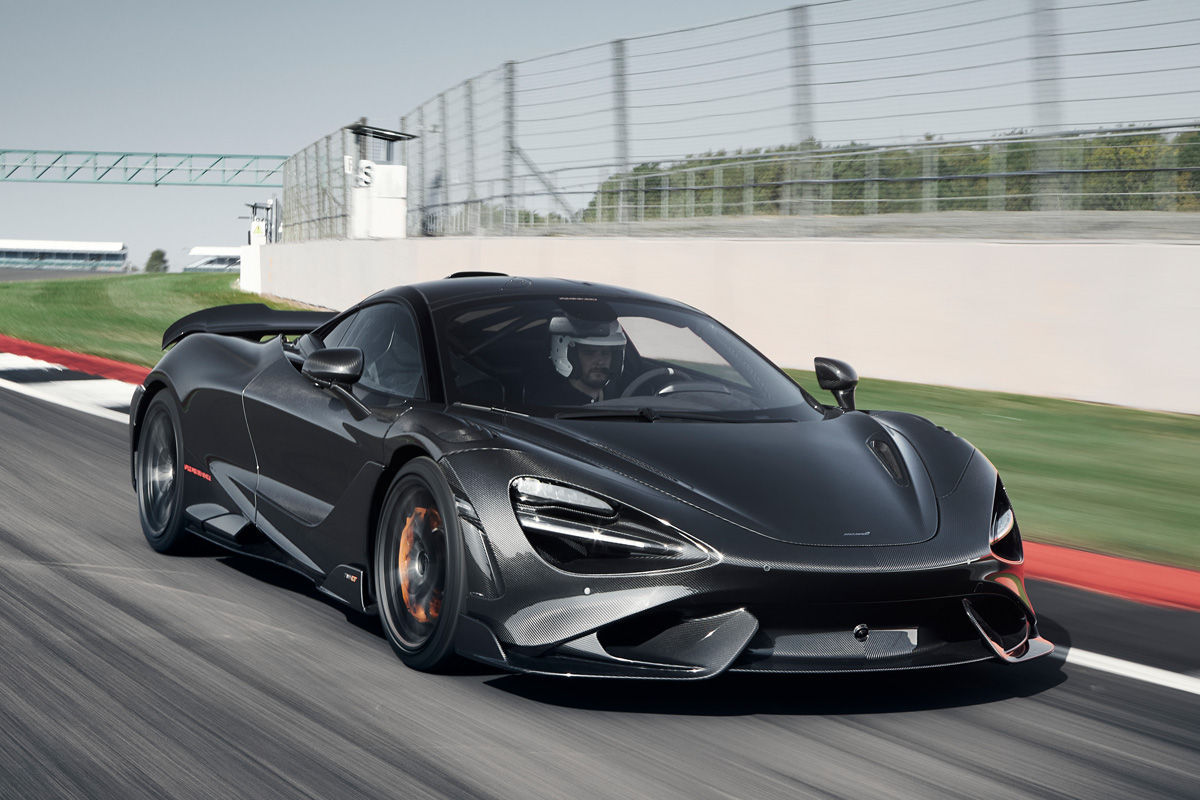
McLaren has begun producing its 765LT (Longtail), which utilises myriad carbon-fibre components and technologies from its Senna sibling to rocket from standstill to 200 kph in 7 sec – 0.2 sec faster than the brand initially claimed!

The Woking-based manufacturer first unveiled the 765LT (powered by a 4.0-litre twin-turbo V8 that produces 563 kW and 800 Nm) in March 2020. And the newcomer’s a particularly lean machine by virtue of myriad weight-saving measures – in its leanest, most stripped-out configuration, the Mclaren tips the scales at 80 kg less than the 720S (for a dry weight of only 1 229 kg and a power-to-weight ratio of 36.9 kW/tonne).
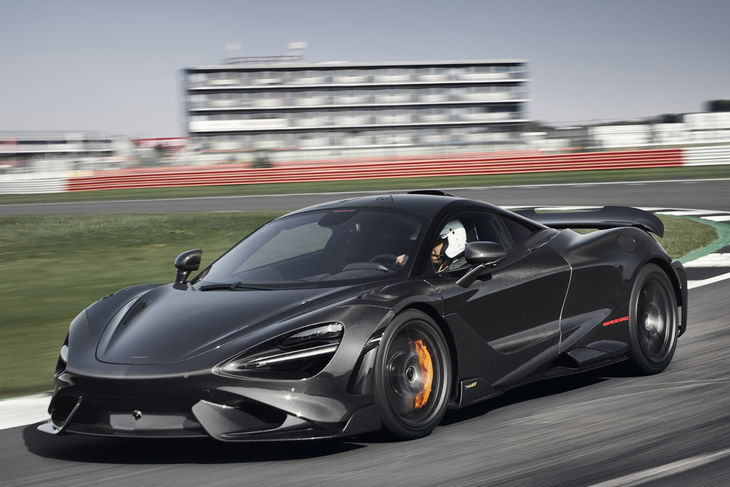

McLaren says expressions of interest in the 2021 production run of the 765LT "now exceed total number of cars available".

At the time the 765LT was announced, Mclaren said its newcomer could accelerate from 0 to 100 kph in 2.8 sec and 0-200 kph was said to take 7.2 sec, now the firm has confirmed the latter figure is, in fact, 7 sec and the model's standing quarter-mile (400m) acceleration is a blistering 9.9 sec.

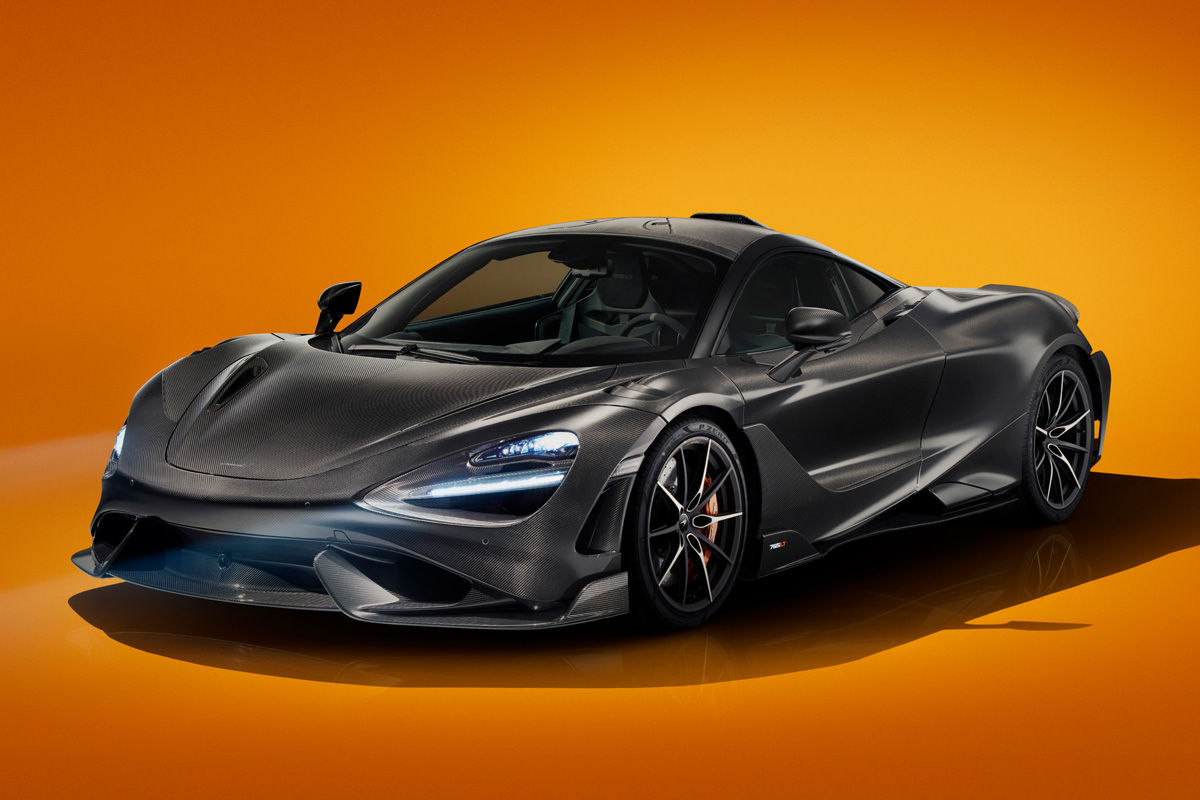
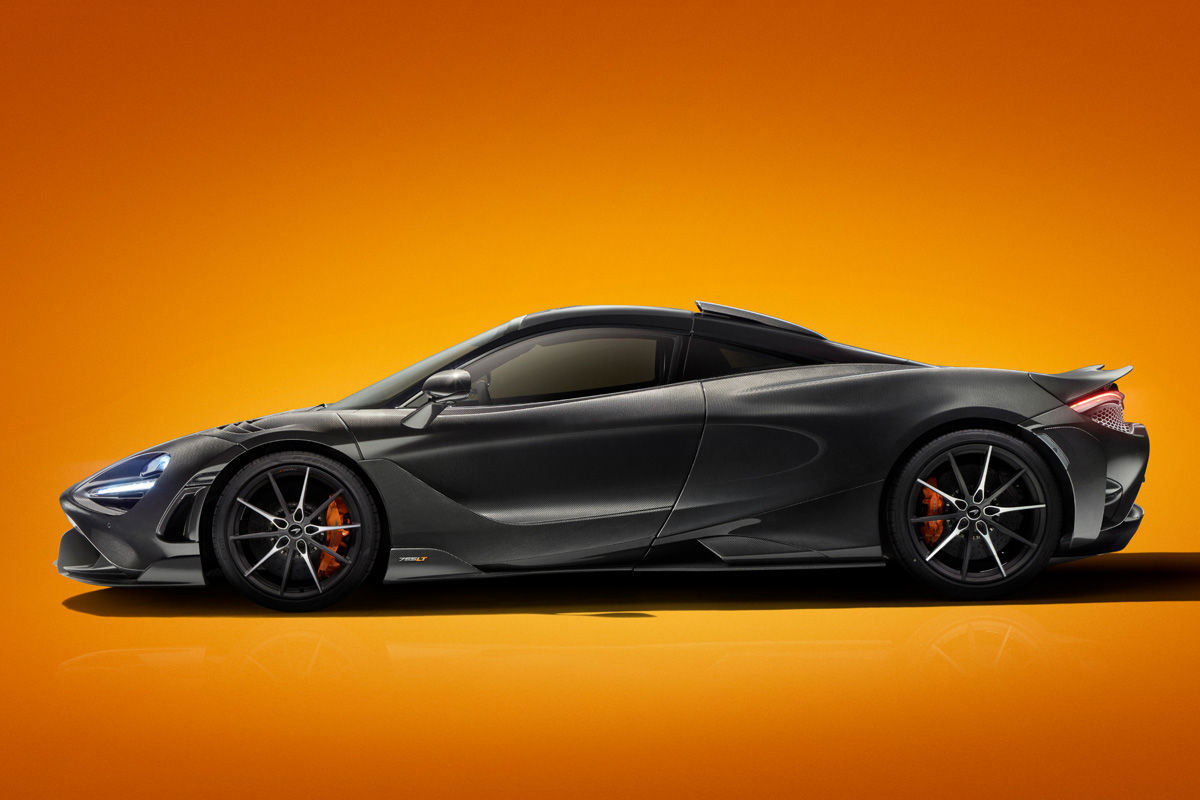
Suffice to say carbon fibre is used extensively for the construction of the McLaren’s front bumper and splitter, one-piece front floor, side skirts, rear bumper and wing, the lengthened aft diffuser and even the car's licence-plate holder. But that's the standard specification – additional panels can be optioned in carbon fibre as well – in fact, the demo model shown here has a clear-gloss-finished visual carbon-fibre body.
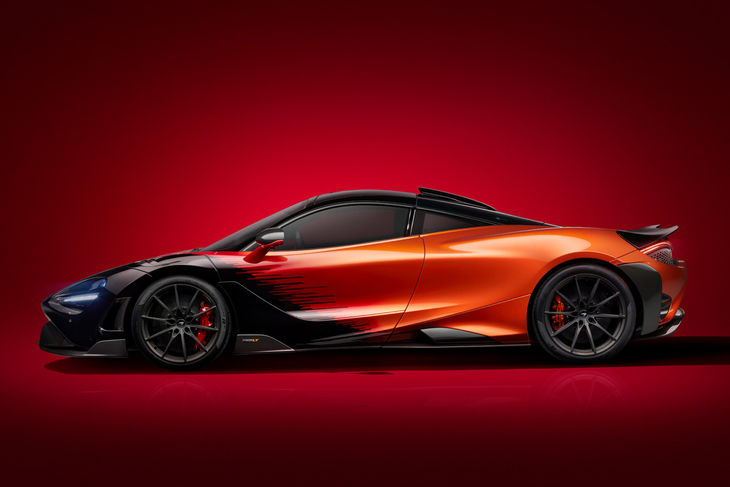

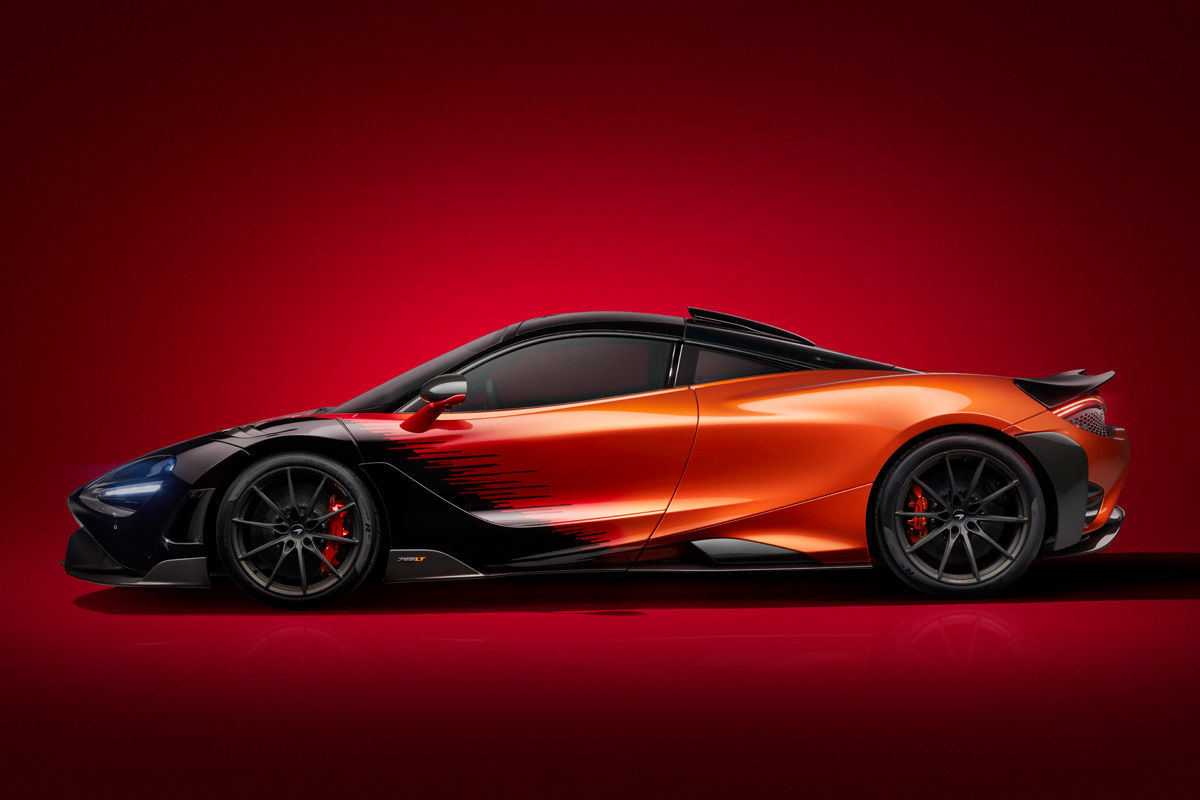
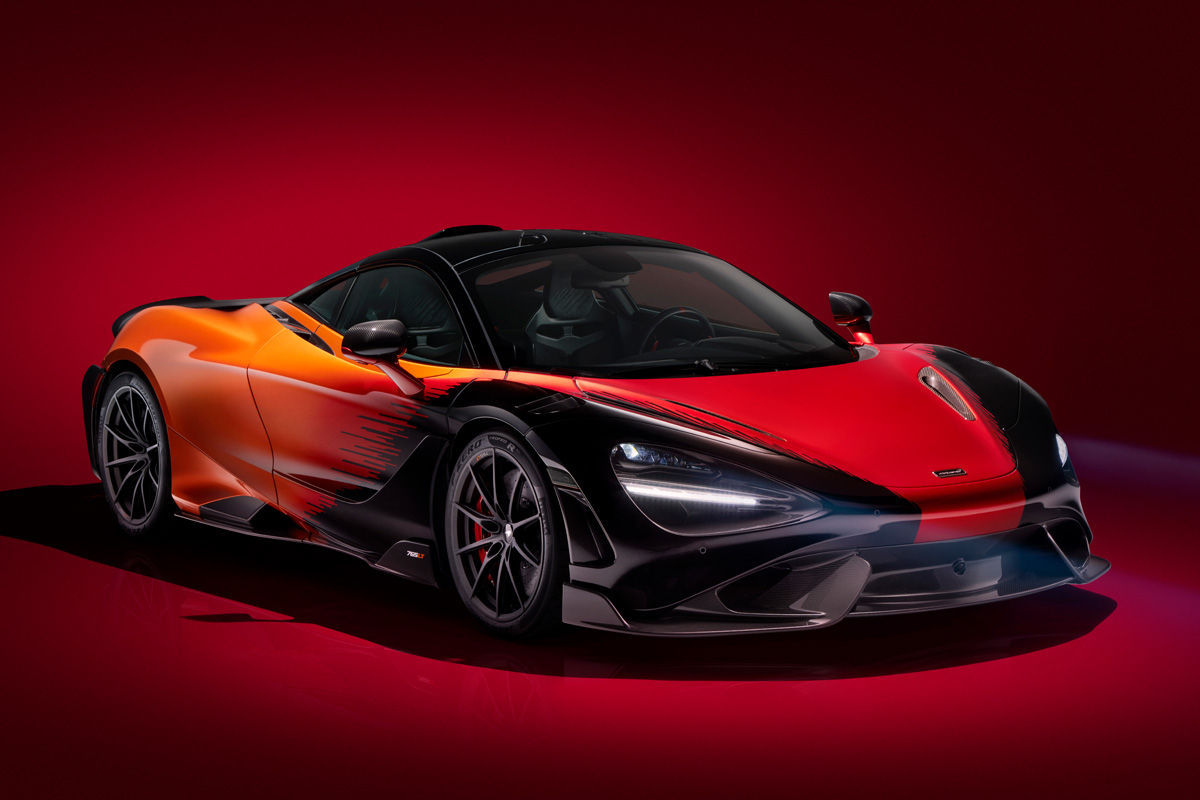
The Strata orange, red and black paint scheme was reportedly inspired by a city skyline. 

The Woking based company also unveiled the Strata “art in motion” paint scheme ­­– a tri-colour design that is said to have required “390 hours of hand painting and finishing”. Strata’s Azores orange base colour is fused with Memphis Red and Cherry black, the two overlay colours running through the paint scheme in opposite directions to meet and blend on the panels of the 765LT’s dihedral doors. The brake calipers form part of the colour blend: the front calipers being Volcano Red and the rears Azores Orange.

Extensive weight-saving programme

Compared with the 720S, the 765LT’s carbon fibre-shelled racing seats save 18 kg, the 10-spoke forged alloy wheels (with titanium bolts) 22 kg, full-titanium exhaust system 3.8 kg, lithium-ion battery 3 kg, the "helper" suspension springs 1.5 kg (more about those later), a bespoke centre tunnel 1.4 kg and the optional carbon fibre fenders 1.2 kg.  
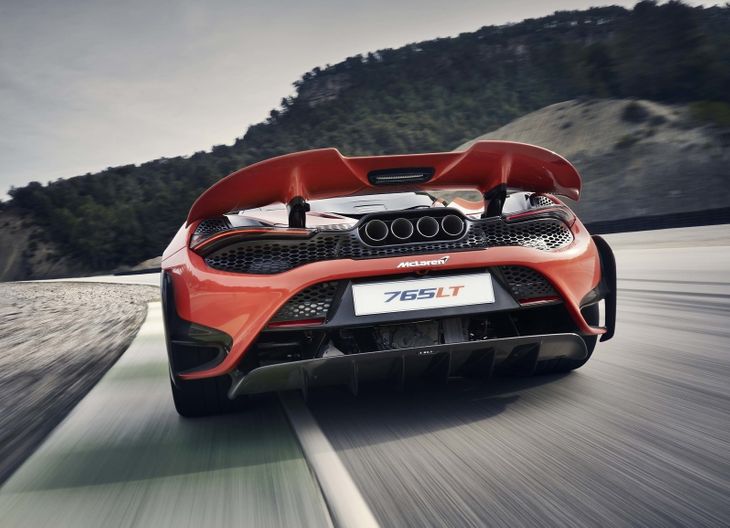

By channelling hot exhaust emissions over its active rear ring, the 765LT effectively plasters its tail end to the asphalt.

Over and above the optimisation of powertrain and chassis parts and deletion of comfort/convenience features (although most of them can be specified at no extra cost), the McLaren’s wind- and rear screens and side glass have been made thinner.   

The 765LT’s front splitter sits closer to the ground because of a 5-mm reduction in front ride height to increase vehicle rake and create more front downforce. The nose section is 48 mm longer (the front bumper and -splitter have been moved forward), while the new active rear wing stretches rearwards by an additional 9 mm, all of which adds 57 mm to the car’s overall length.
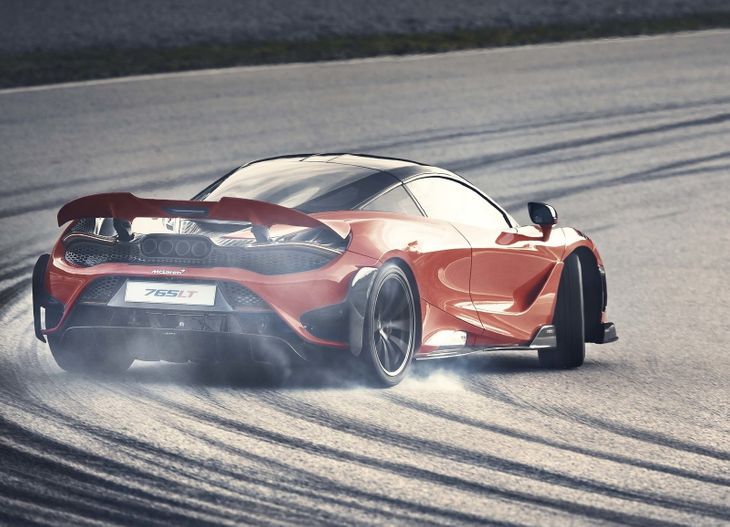

Mclaren has revised the 765LT's Proactive Chassis Control II suspension system algorithms for even greater control.

Upgrades to the 4.0-litre twin-turbocharged V8 include LT-specific forged aluminium pistons, a 3-layer head gasket (shared with the Senna) and ultra-efficient, carbon-coated followers in the valvetrain, an additional fuel pump and revised oil pump. The motor delivers peak power at 7 500 rpm and maximum torque at 5 500 rpm and the transmission’s gearing is optimised to deliver in-gear acceleration up to 15% quicker than the 720S.

Compared with the 720S, the newcomer’s front track is 6 mm wider, while lightweight main springs feature additional "helper" springs to reduce unsprung mass and maintain load in the suspension on full-rebound (when the car hits a road imperfection at high speed, for example). Roll stiffness has also been increased to further enhance vehicle stability, plus advances made during the development of the Senna have enabled the Woking-based firm to revise the 765LT's Proactive Chassis Control II suspension system algorithms for even greater precision and control.
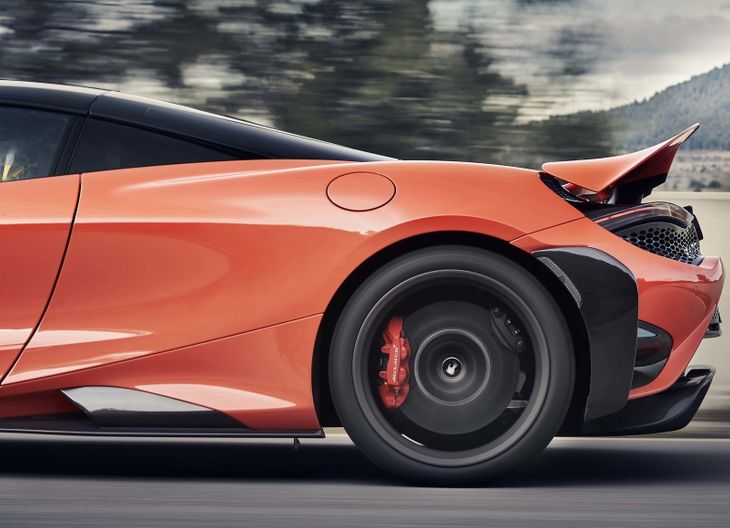

 Longtail indeed! The new active rear wing stretches rearwards by an additional 9 mm compared with the 720S.

Of course, the aerodynamic performance of the 765LT is key to the car's on-track abilities, but also optimises its higher-speed road driving behaviour. The extended front splitter and active rear wing ­– which stands 60 mm higher than on a 720S – work in conjunction with the carbon fibre floor, door blades and the extended rear diffuser to deliver 25% more aerodynamic downforce than the latter.

And what about stopping power? The newcomer comes equipped with the latest generation carbon-ceramic discs with calipers from the McLaren Senna, which are equipped with F1-inspired integrated cooling technology that the Woking-based firm claims reduces brake-pad temperatures by up 50C during track driving to ensure consistency of pedal feel and, of course, braking performance.
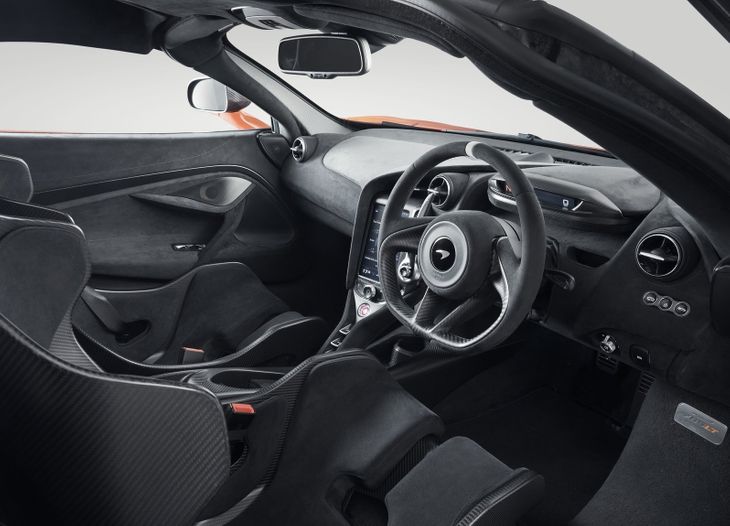

Apart from carbon fibre accoutrements, McLaren has festooned the 765LT's cabin in swathes of Alcantara.

But for all of the 765LT’s astonishing technology and lightweight construction, driving aficionados may appreciate the detail improvements that McLaren has made the most… The newcomer’s electro-hydraulic assisted setup endures, but it has been further honed with a quicker ratio and a stiffer torsion bar for improved feedback. What’s more, a new “limit downshift” transmission function has been introduced to allow a driver to over-rev their 765LT – a little – by allowing the engine revs to “bounce” momentarily on the rev-limiter before a lower gear is engaged.

Stiffer engine mounts are used not only to meet dynamic performance targets, but also to increase the physical engagement with the V8 powertrain. They effectively radiate the engine's low-frequency sounds into the cabin. “Every change in rpm is amplified, not only to occupants' ears but also as a feeling through the seats because low-frequency sounds can be both heard and felt,” McLaren says.
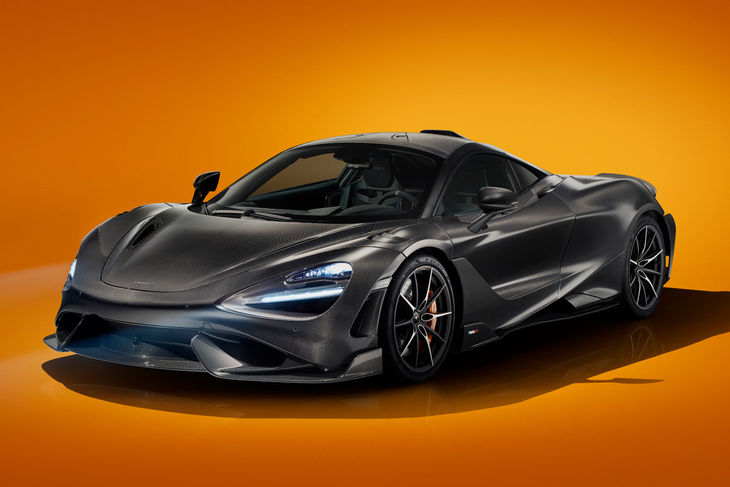

The clear-coat exterior finish is dramatic, but the MSO Carbon Fibre Body is available in a number of bespoke tints.

The “highly intense, emotional connection” between driver and machine is further enhanced through the unique full-titanium, quad-exit exhaust… The pipe diameter increases the exhaust volume, while the relative position of each pipe delivers the precise harmonic content required to create a high-pitched, engaging note that becomes sharper as it builds to an incredible crescendo at high engine revs.

Only 765 individually-numbered units of the 765LT will be hand-assembled at McLaren’s Production Centre and deliveries will begin at the end of this month, the firm says.

Related content:

Mercedes-AMG Project One on track

McLaren unleashes leaner, faster 765LT

McLaren 720S Le Mans Special Edition Revealed
McLaren Speedtail Breaks 403 kph in Testing

McLaren 620R Is a Road-Legal Racecar

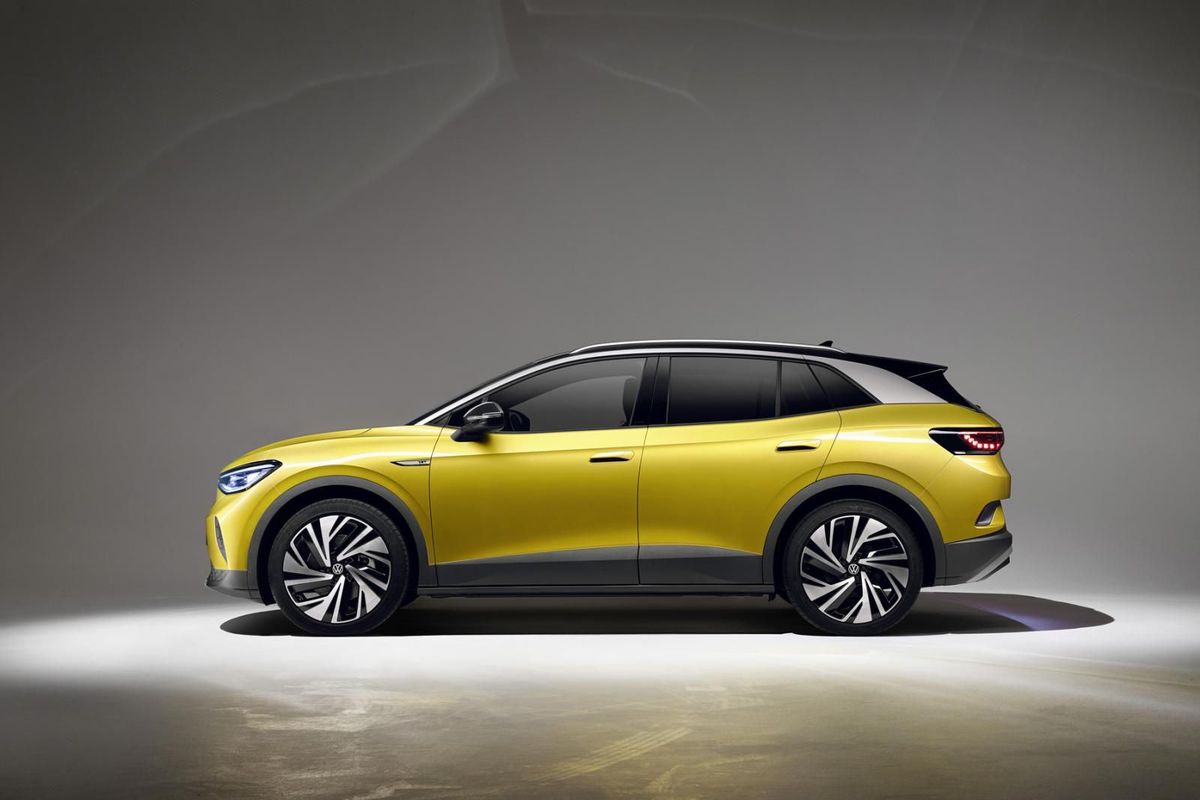
New Volkswagen ID.4 Revealed
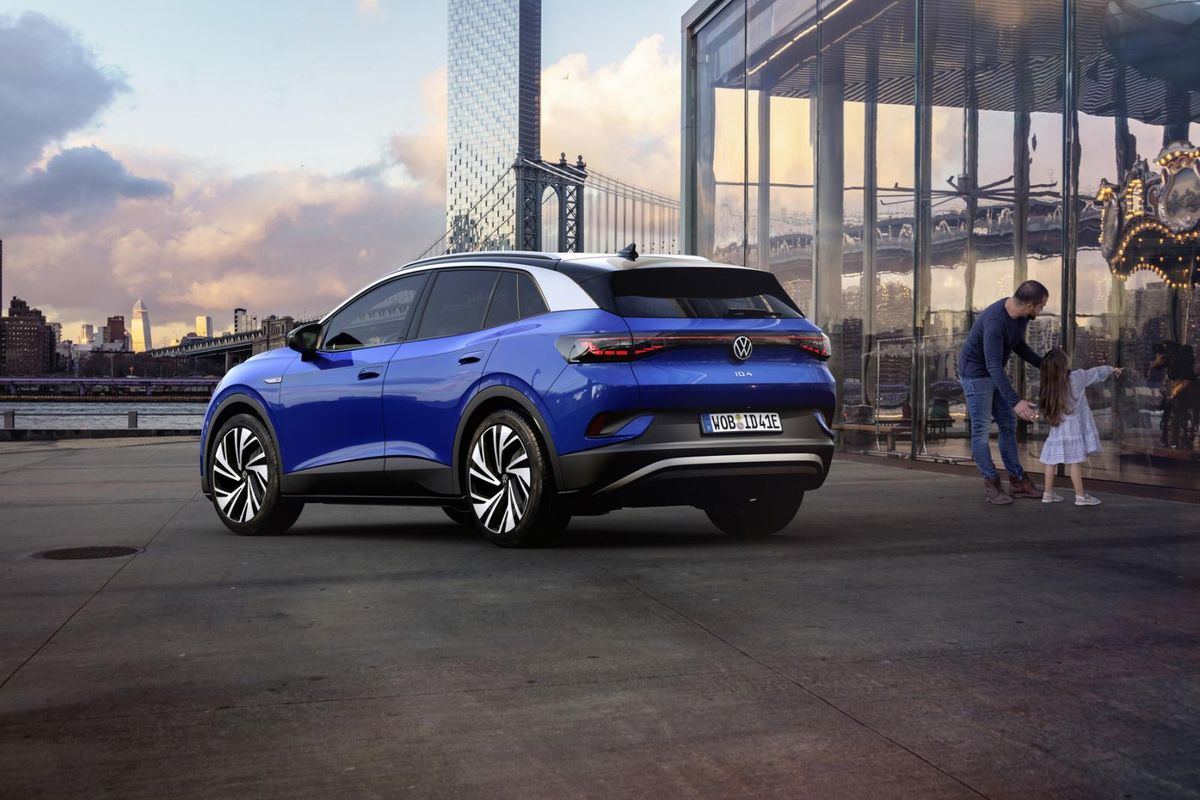
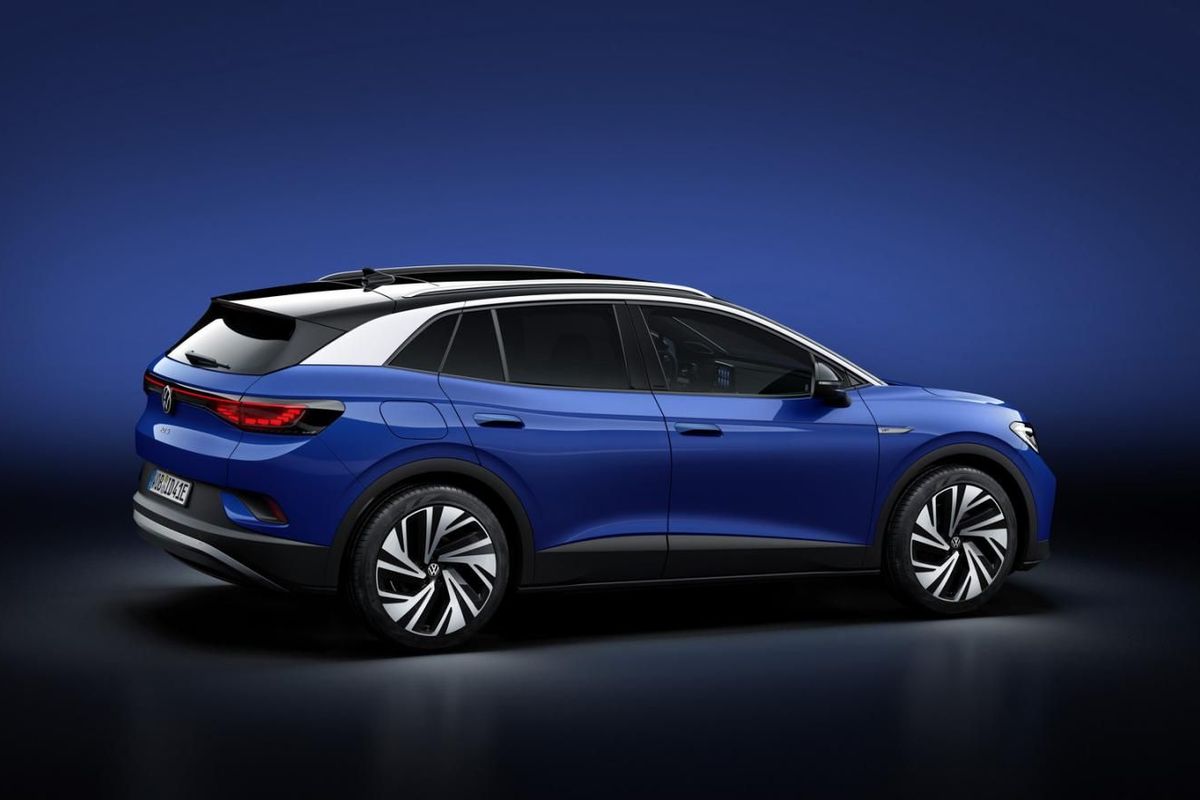
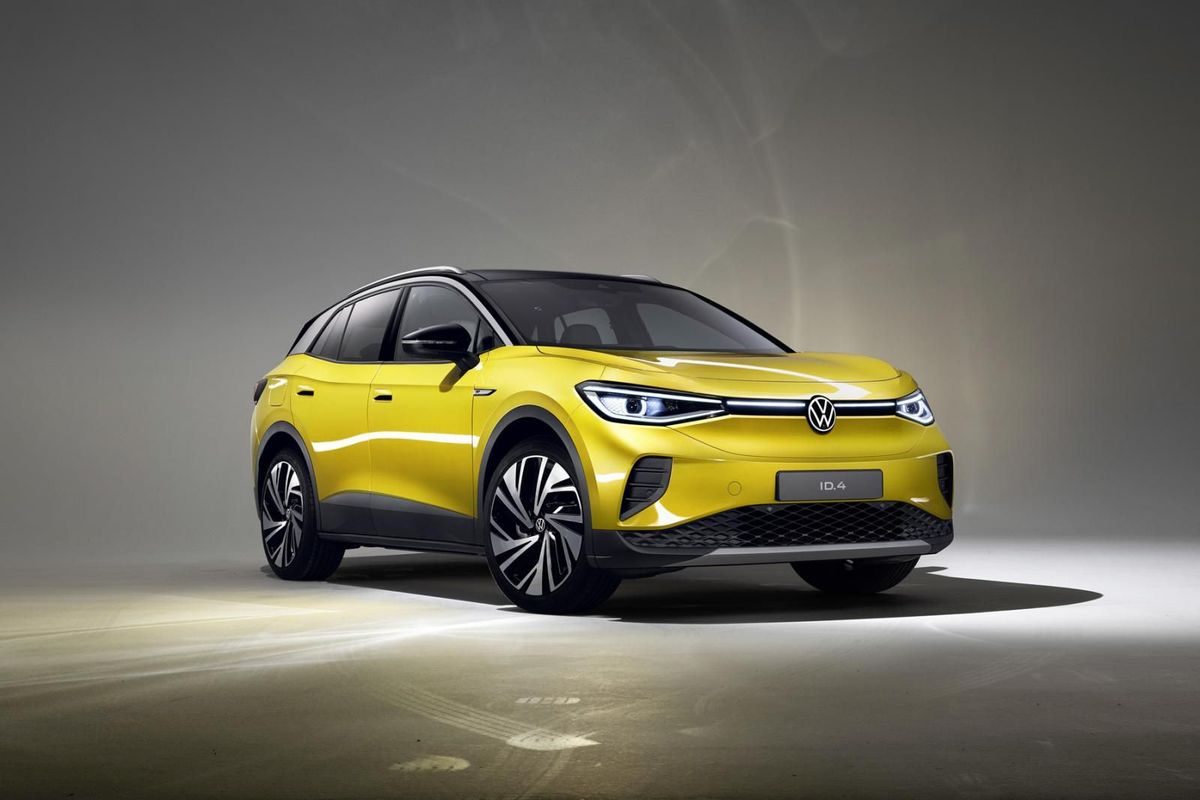
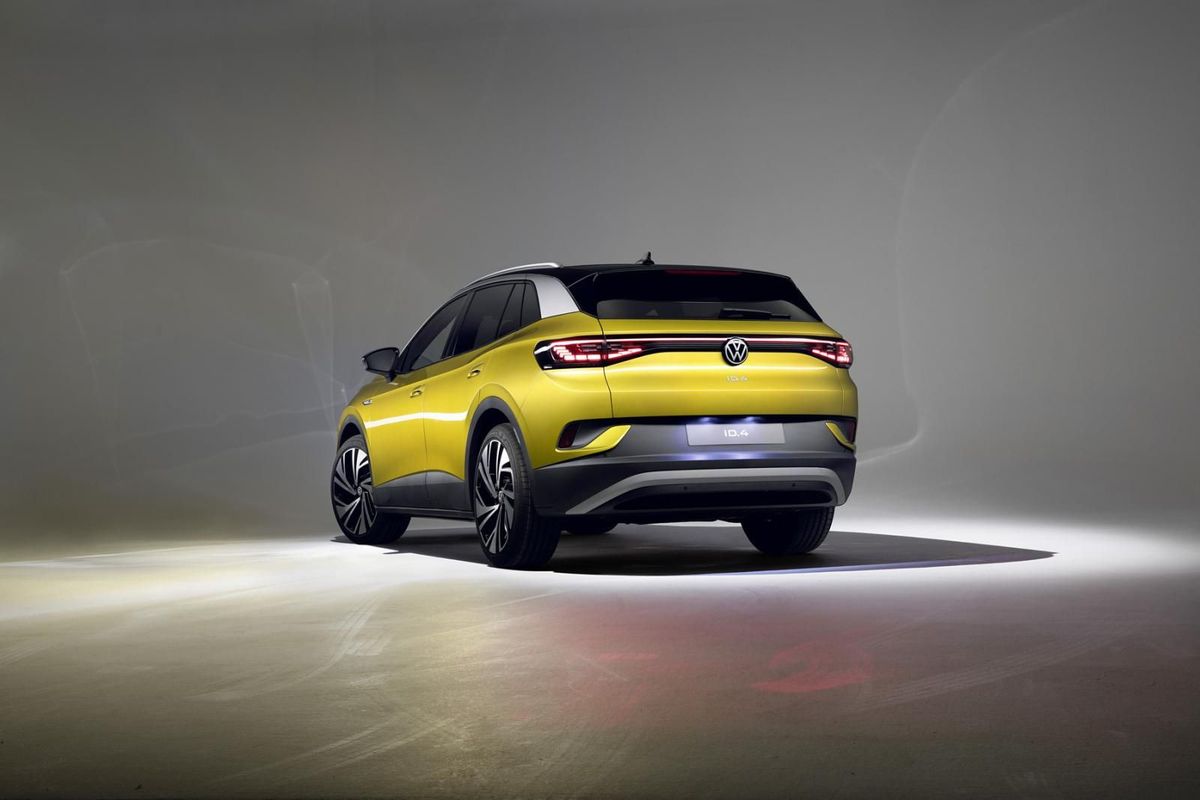
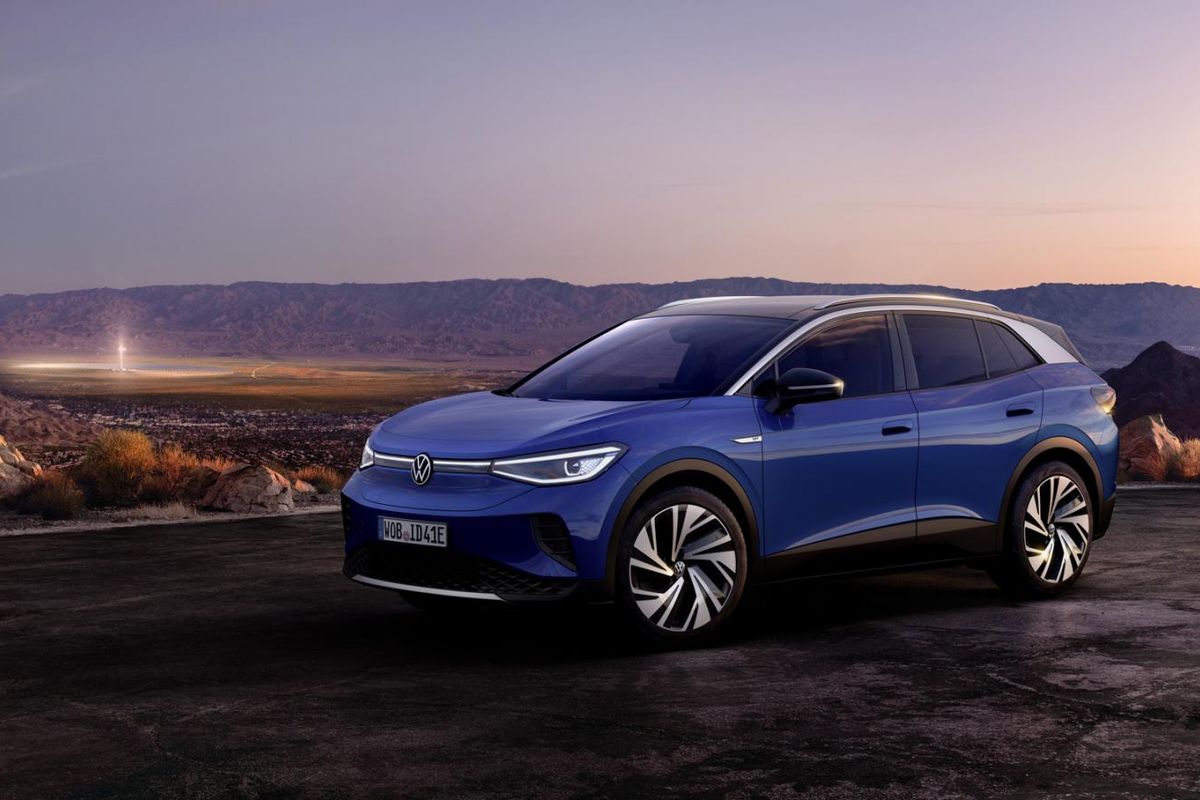
Volkswagen has officially taken the wraps off its first-ever, all-electric compact SUV, the ID.4!  Why is this important? The ID.4 is likely to be the first electric Volkswagen to be sold in SA.

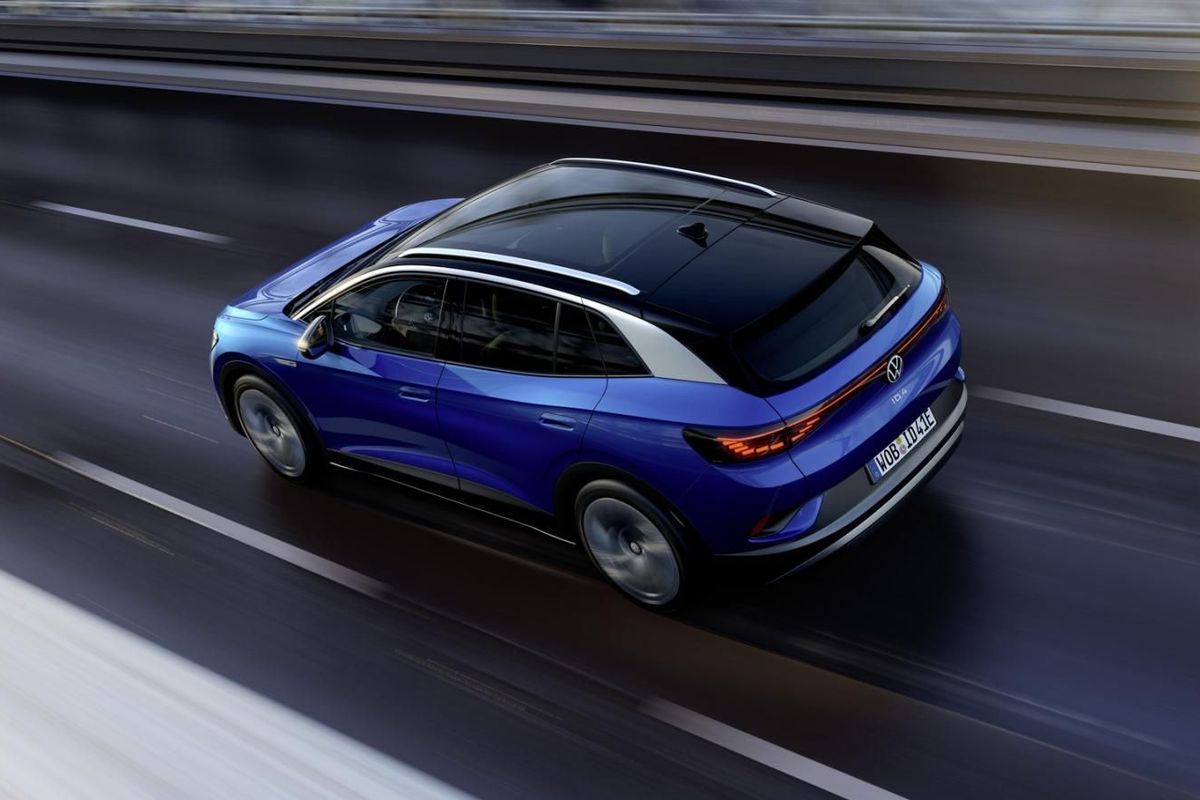
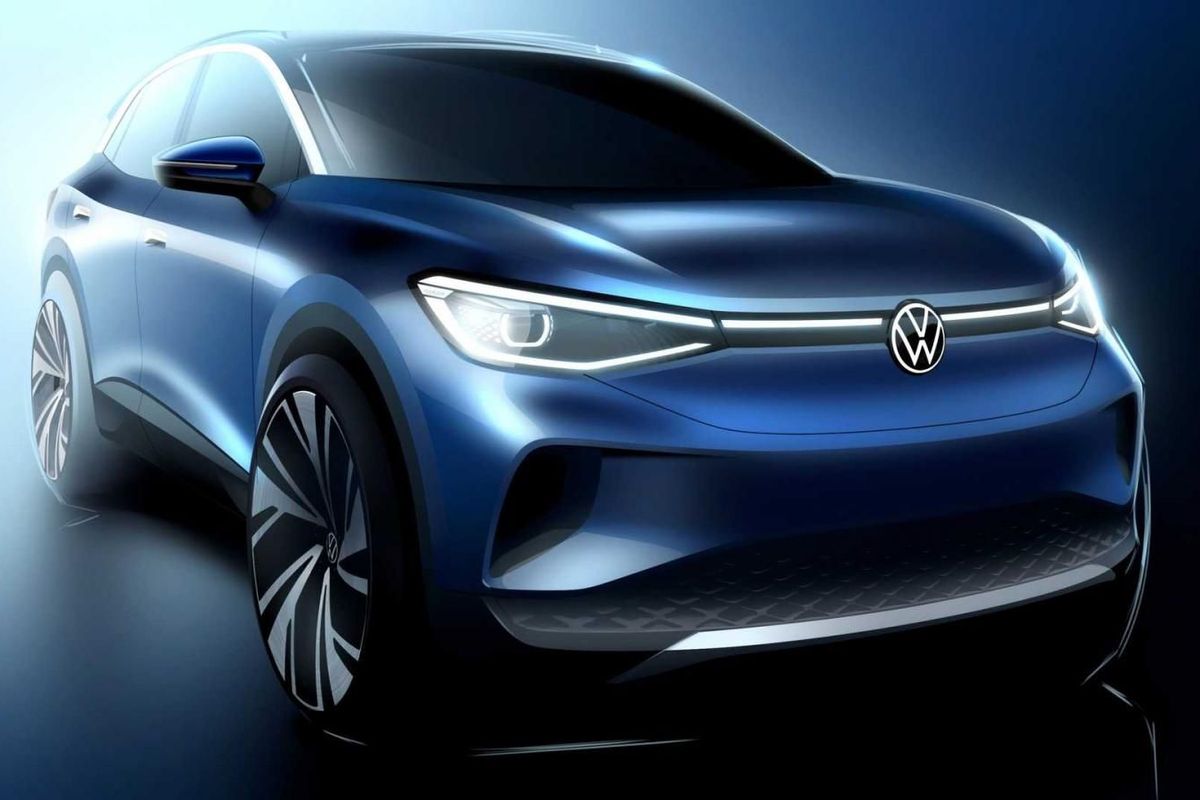
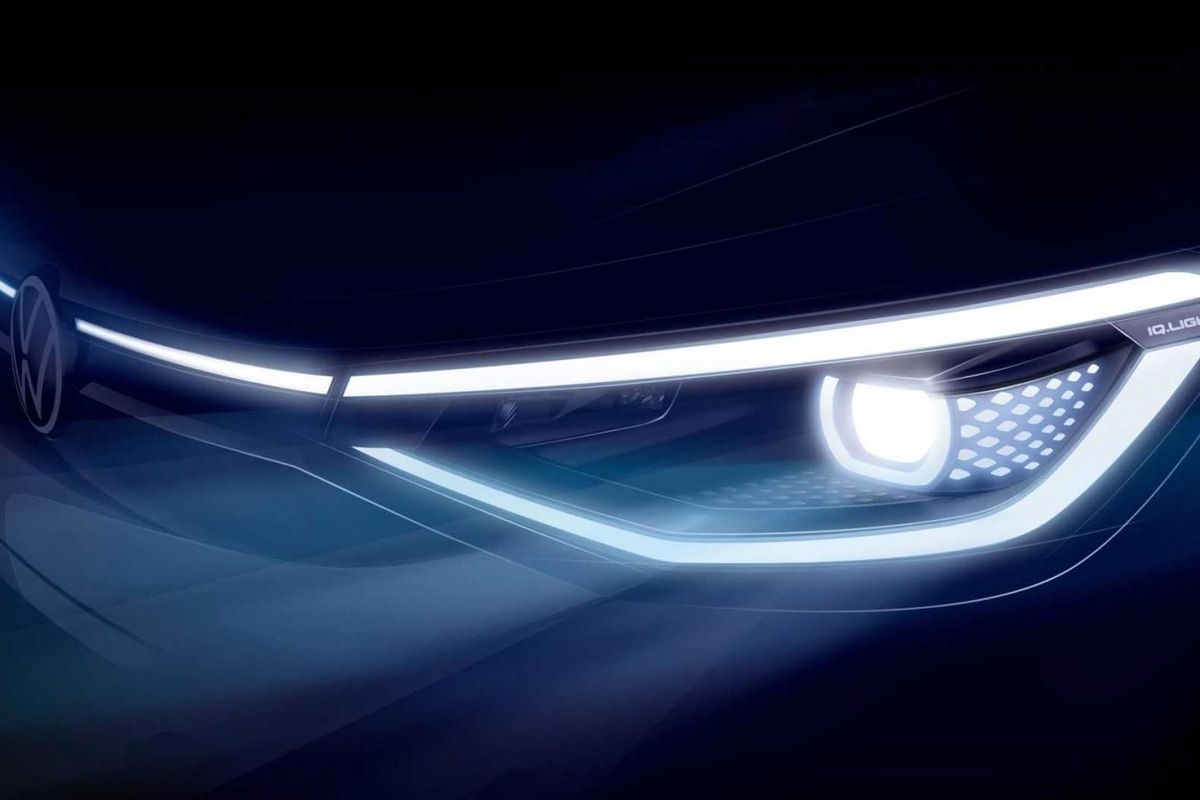
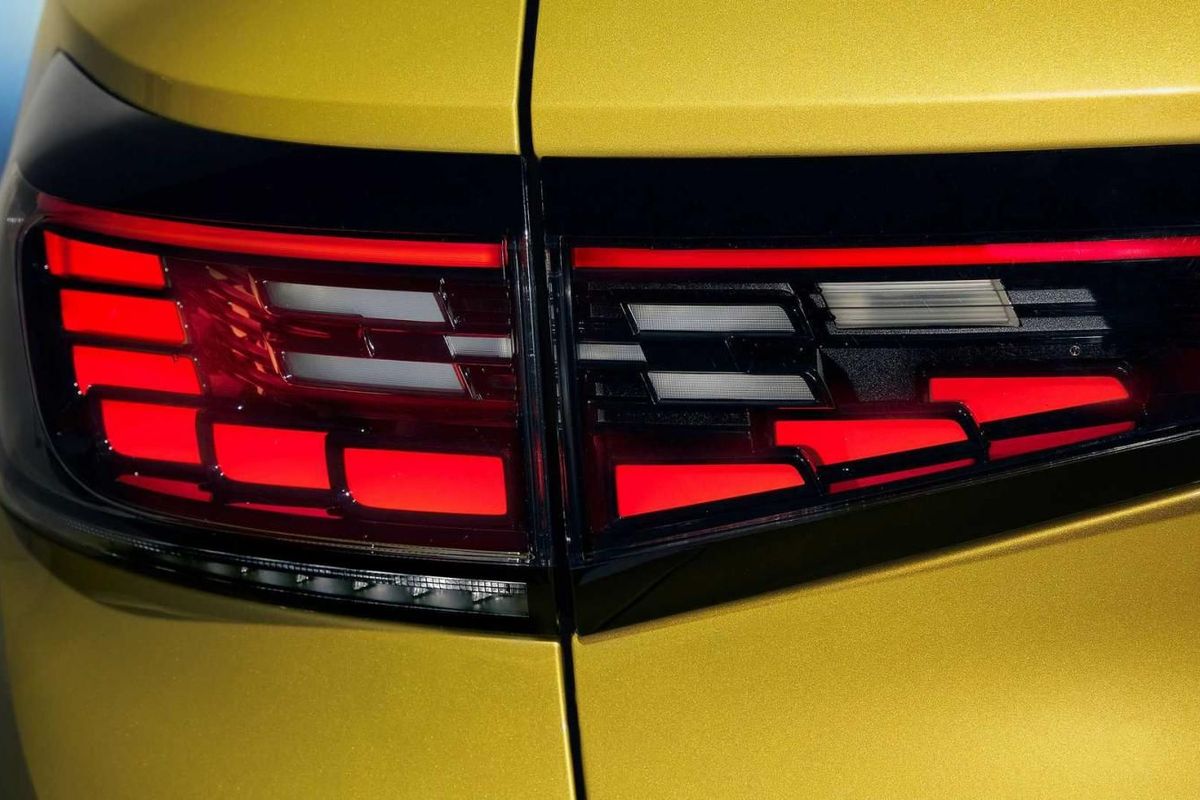
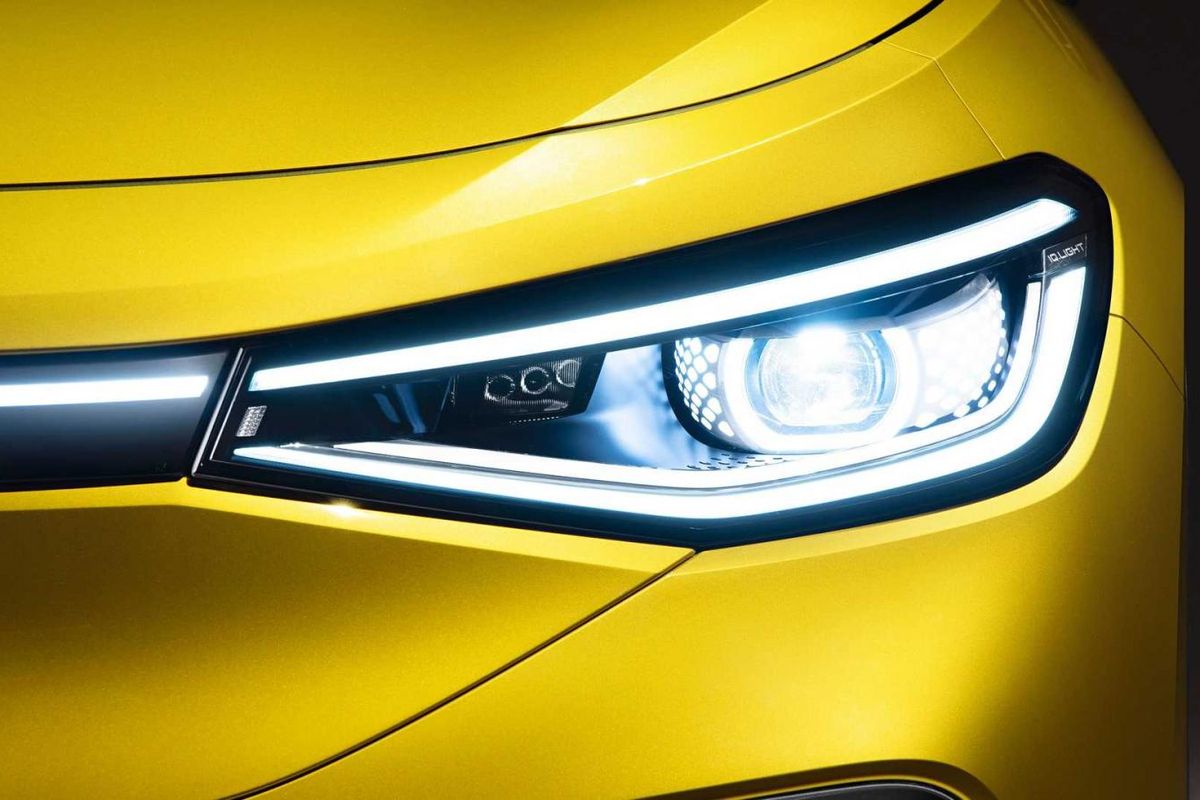
After countless teasers over past few months, the electric ID.4 compact SUV has now been revealed. Measuring 4.58 metres in length, the ID.4 is quite the looker. LED headlights and LED taillights are standard but the look is significantly enhanced with the IQ.Light LED Matrix headlights and 3D LED tail light clusters.  

“The ID.4 is an emotional all-rounder which will impress many customers with its efficient electric drive, generous amount of space, modern assist systems and powerful design,” says Ralf Brandstätter, Chief Executive Officer of Volkswagen brand. “As the first global electric car, this model will roll out our modular electric drive matrix platform that has been developed specifically for electric mobility the world over. Volkswagen is thus once again demonstrating its leading role in innovation, technology and quality on the high-volume market.”

Volkswagen will look to invest 11 billion Euros in electric mobility by 2024 as part of the brand's Transform 2025+ strategy and the ID.4 is the brand's first electric compact SUV that follows on from the electric ID.3 hatchback. The ID.4 will rival the likes of the Tesla Model Y. 

The Volkswagen ID.4 will be produced in Germany and in China. It will be built on VW's MEB platform and will come to market with rear-wheel drive and with an all-wheel-drive version following later.

The ID.4 is fitted with a single electric motor over the rear axle with 150 kW and 310 Nm on offer. With a 77 kWh battery, the ID.4 claims an electric range of 520 km. Zero to 100 kph is achieved in 8.5 seconds with a top speed of 160 kph. An all-wheel-drive ID.4 will come to market later with 2 electric motors and will pack a 225 kW / 450 Nm punch. 

As for charging capability, 80% charge, or 320 km, can be charged in 30 minutes using a 125 kW DC quick charging station. 


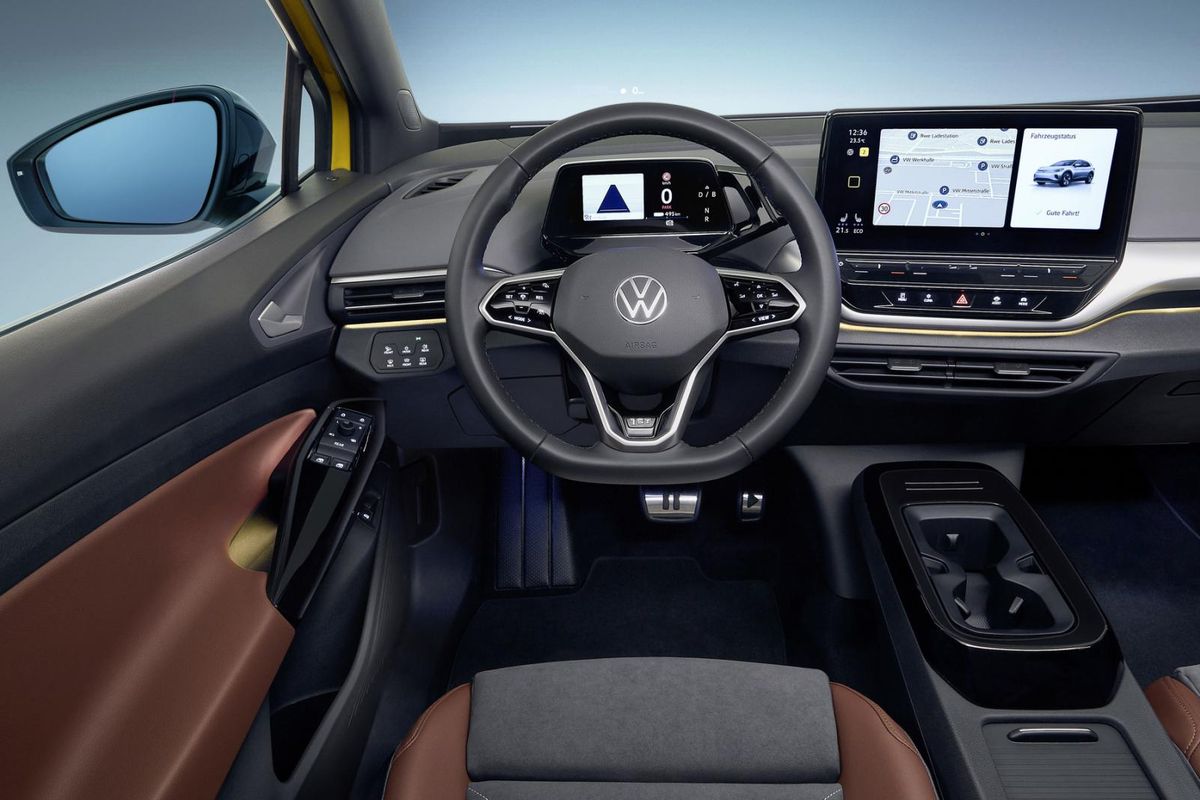
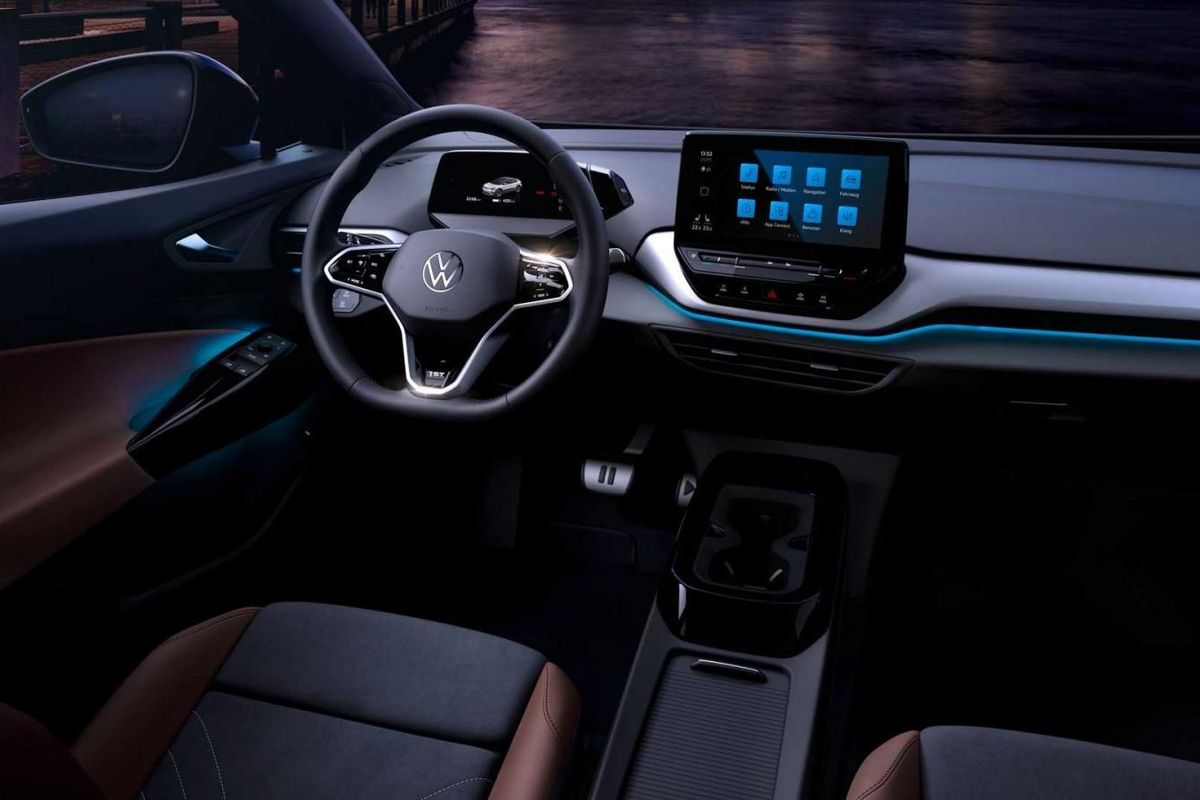
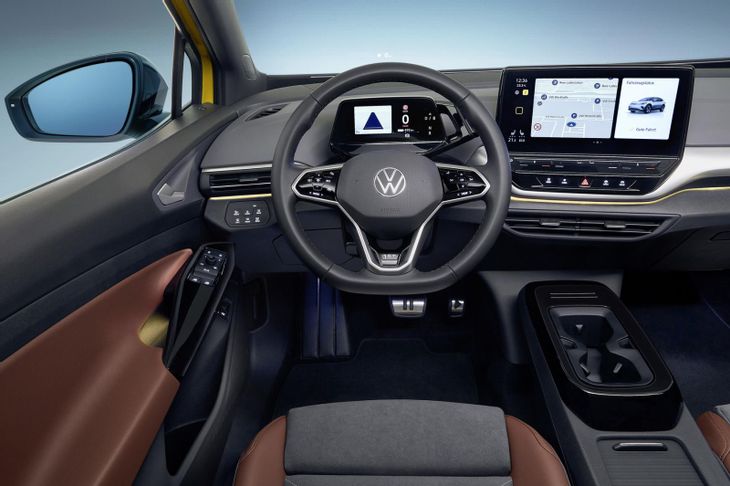
The ID.4 features a clean and uncluttered cabin design. 

The interior of the ID.4 takes inspiration from its hatchback sibling, the ID.3, featuring a minimalistic and modern cabin design. A neat digital instrument display is fitted along with a 12.0-inch touchscreen infotainment system that provides access to both vehicle, entertainment and connectivity functions including "Hello ID" voice control. Furthermore, an augmented reality HUD is optionally available along with an electronic boot lid, roof rails and a tow bar. Interior space is said to be on par with a medium-sized SUV and the load bay is claimed to offer 543 litres, expanding to 1 575 litres with the rear seats folded down. 

As for the ID.4's introduction in South Africa, it was previously planned for the end of 2021 but with Covid-19 delaying just about everything, a 2022 arrival date is more reasonable. We will keep you updated as soon as more details become available. 

Buy a Volkswagen on Cars.co.za

Further Reading

Volkswagen's EV plans for SA

Volkswagen ID.3 goes official

Volkswagen ID3 R for 2024

Electric Cars: Understanding the Terms

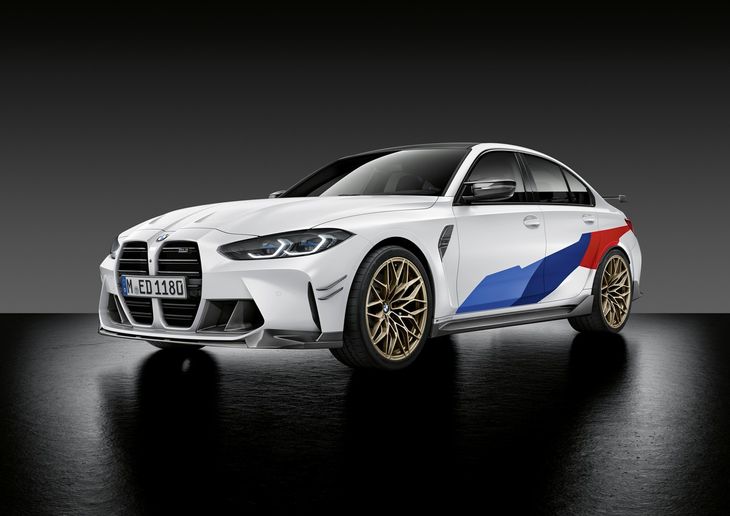
M Performance parts for BMW M3 & M4

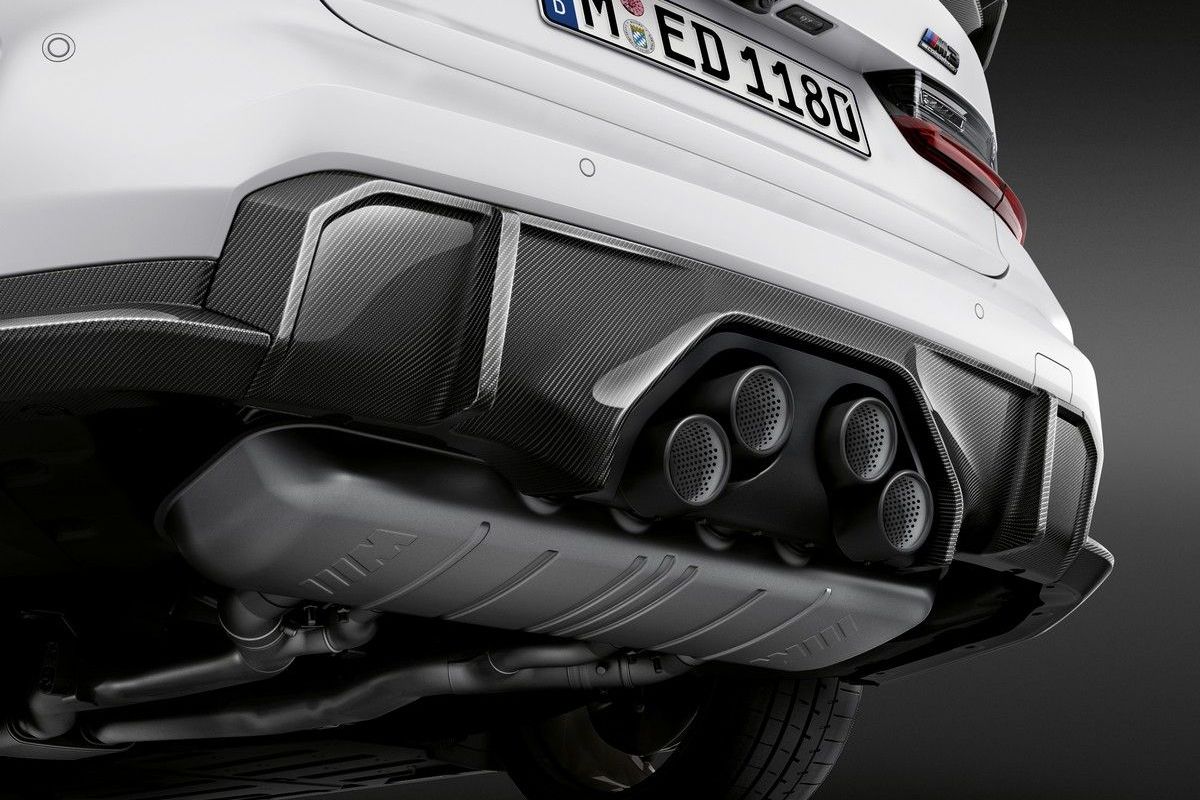
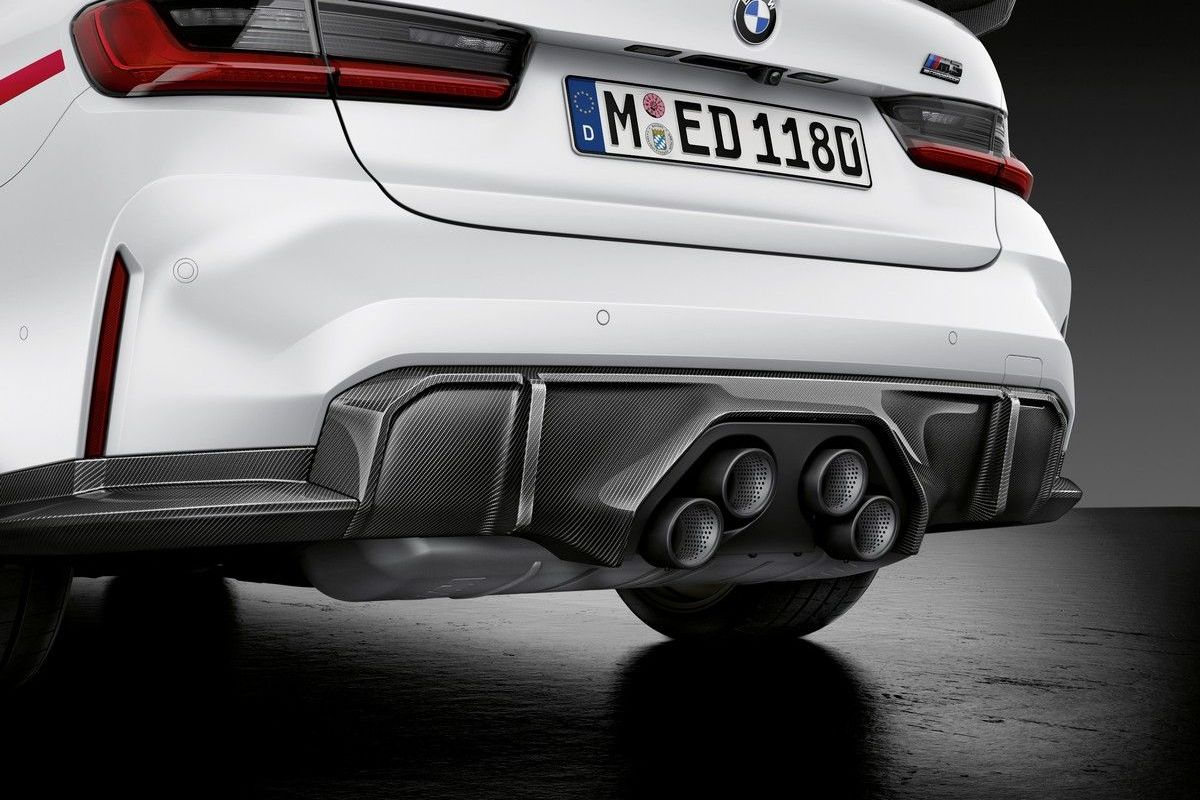
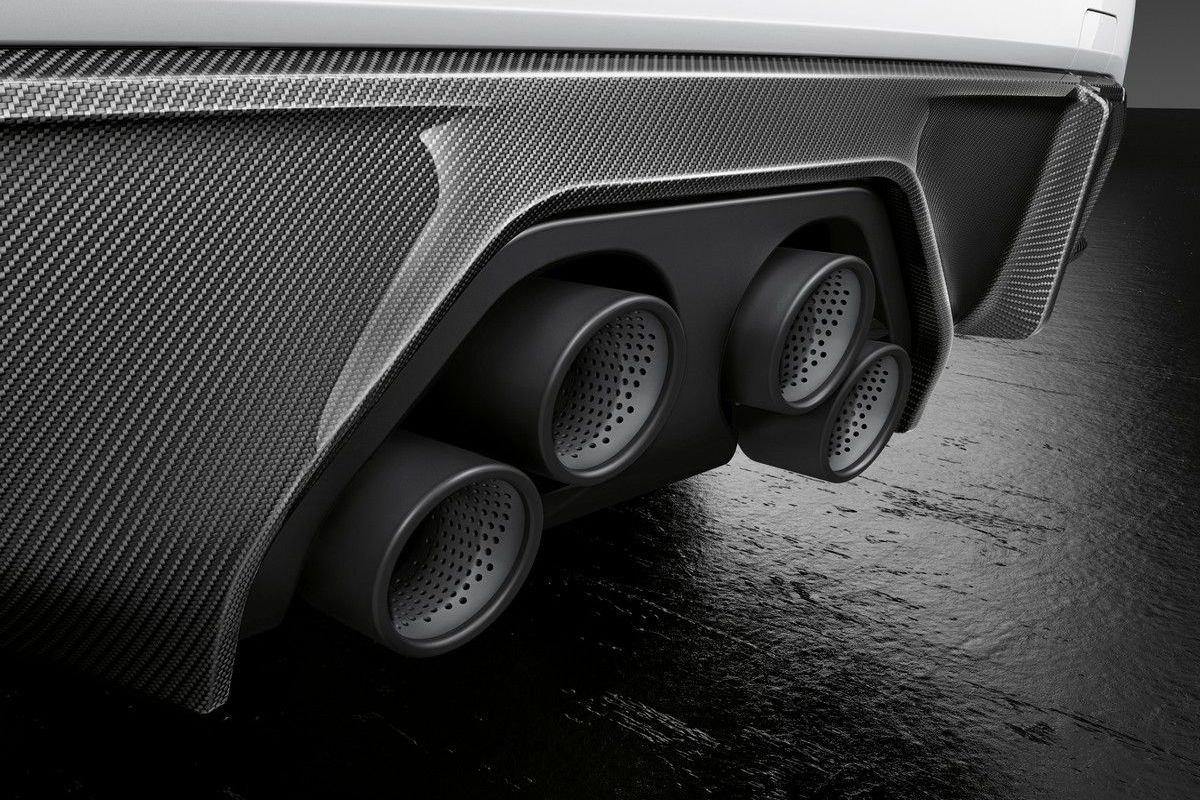
Would you prefer if your new-generation M3 or M4 had a titanium exhaust system with a quartet of stacked, ceramic-coated tailpipes, surrounded by matt-black trim and an extended carbon-fibre diffusor? These are but some of the numerous M Performance parts that BMW will offer buyers when its dynamic duo goes on sale next year.

BMW dealers will be offering the range of accessories (developed in collaboration with BMW M GmbH) for buyers that either cannot bear driving a stock-standard M3 or M4 (or their Competition derivatives) or want to beef up their cars before hotter OEM versions come to market.

ICYMI: BMW M3 & M4 revealed, but no manuals for SA!


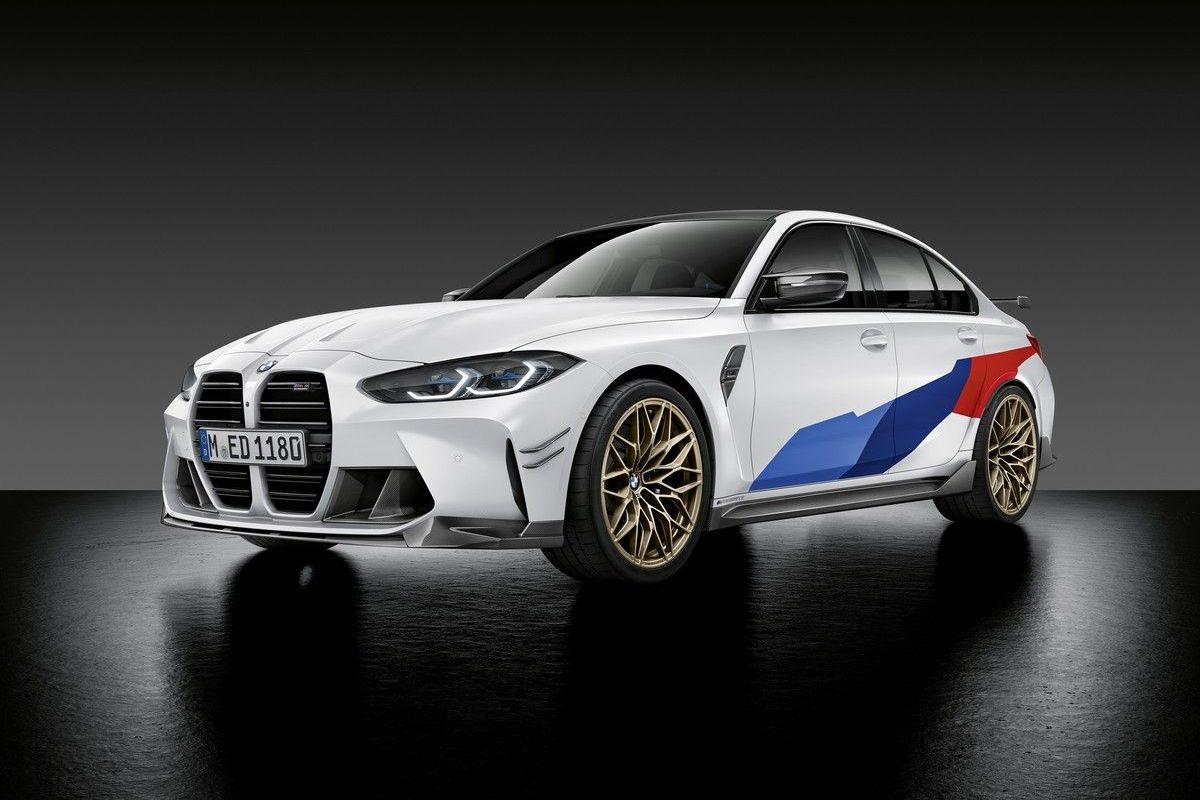
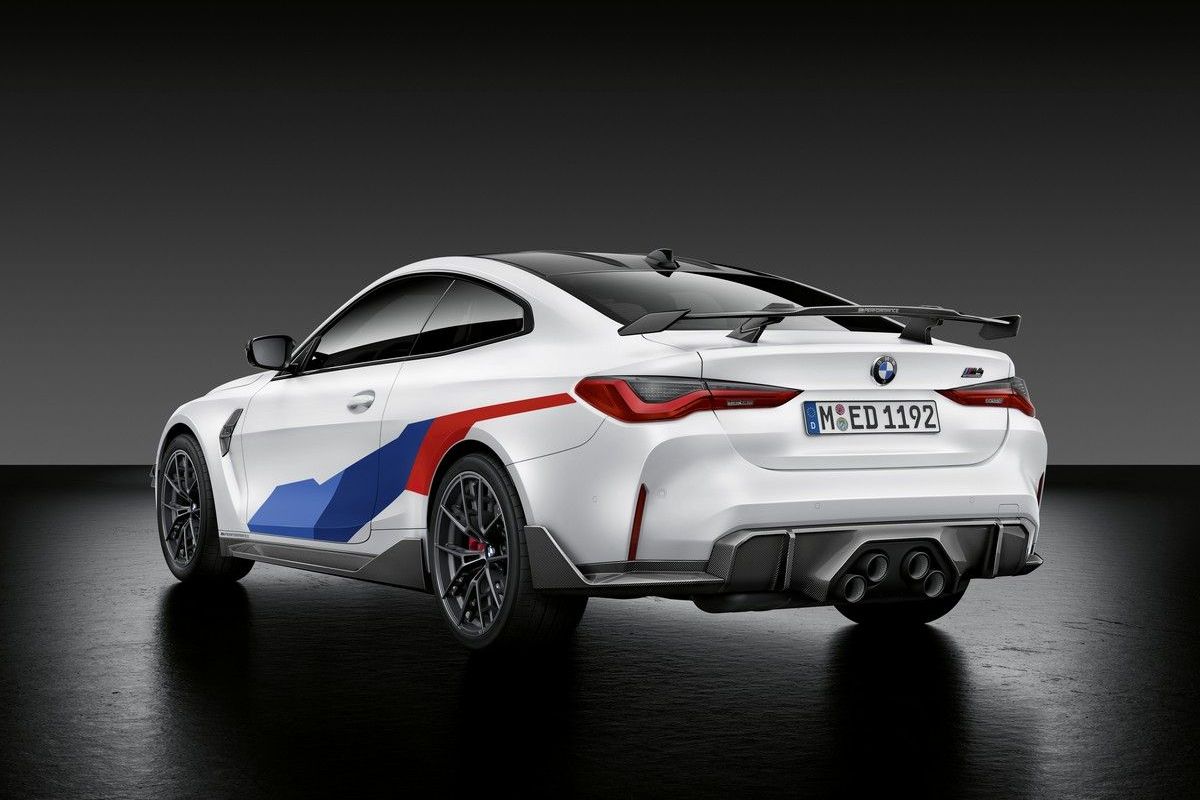
This M3 is festooned with absolutely every carbon-fibre accoutrement that can be ordered from the M Performance catalogue.

The titanium M Performance silencer system, for example, weighs around 5 kg less than a standard M3 or M4’s setup and the unusually arranged ceramic-coated tailpipes emit a more gutteral growl thanks to optimised exhaust-gas routing. Having said that, it also features flaps (such as those on the standard exhaust setup) so that the volume of the mechanical din can be adjusted to the cars' individual drive modes.


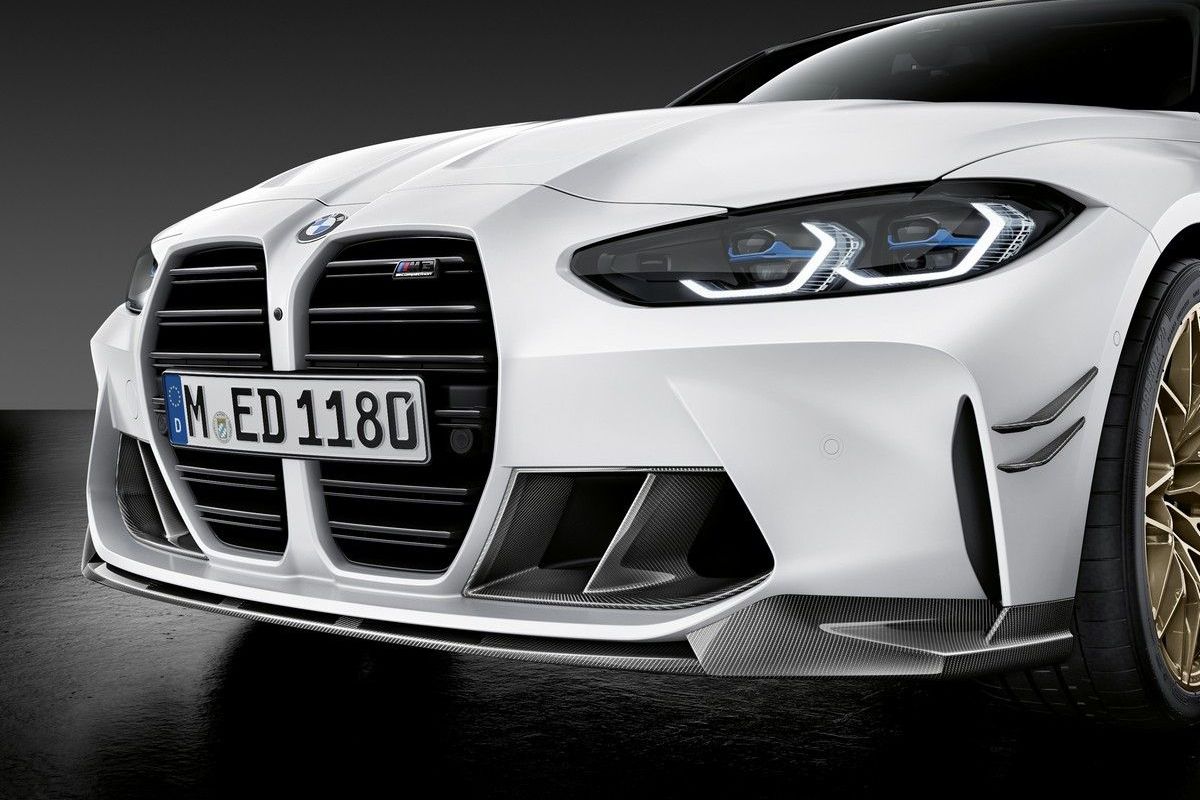
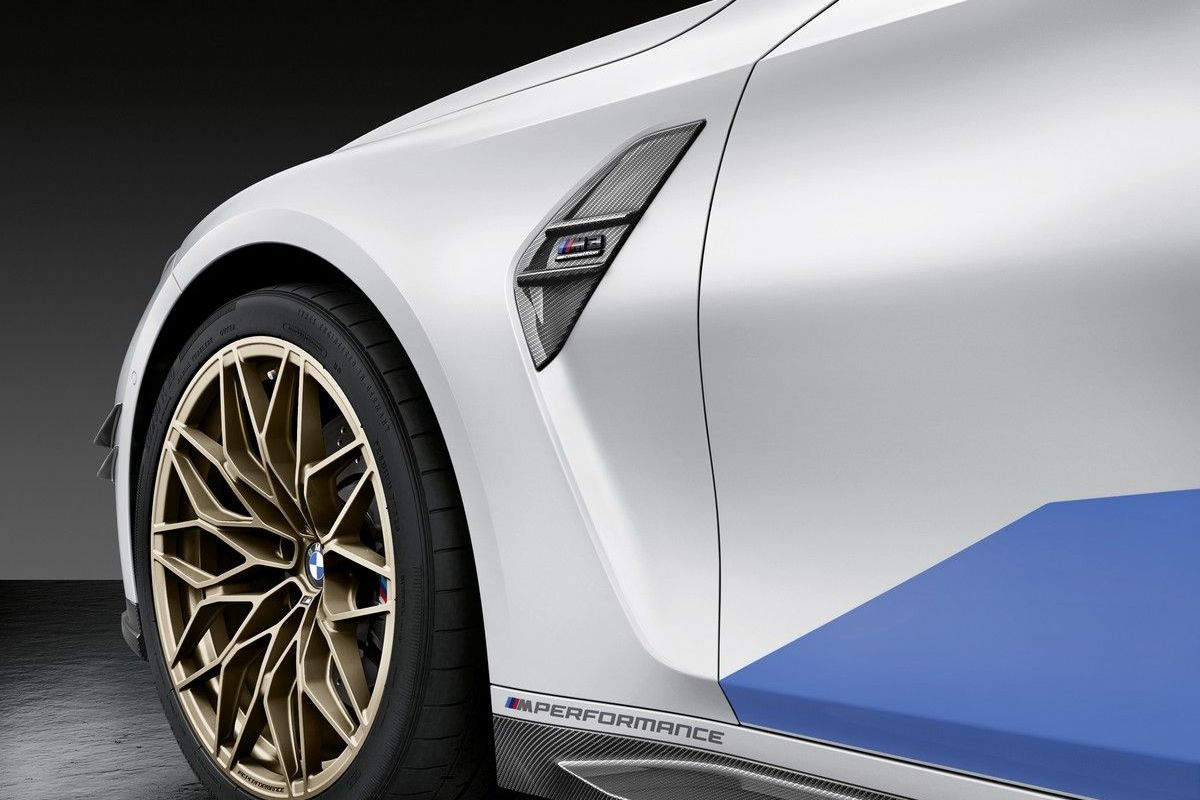
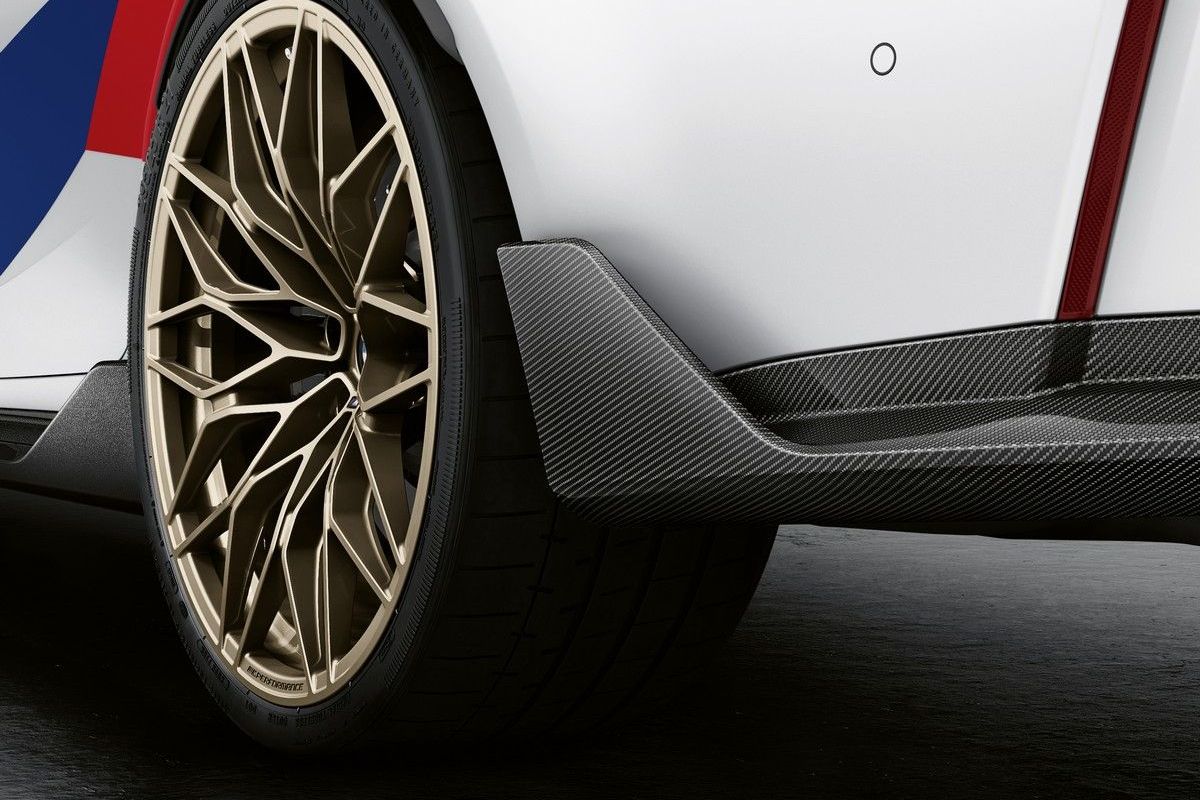
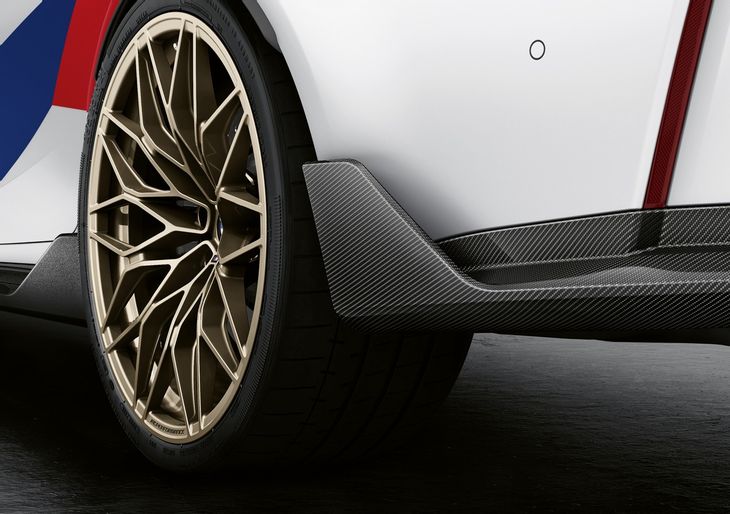
The Gold Bronze matt wheels can be specified up to 21 inches in size; note the fin-like winglet on the carbon bumper trim.

The adjustable M Performance sports coilover suspension, meanwhile, allows reductions of ride height of between 5 and 20 mm. With unchanged damper adjustment, the mod lowers the car’s centre of gravity, reduces rolling movement and facilitates higher cornering speeds, BMW says. It can ideally be combined with track-optimised M Performance sports brake pads…

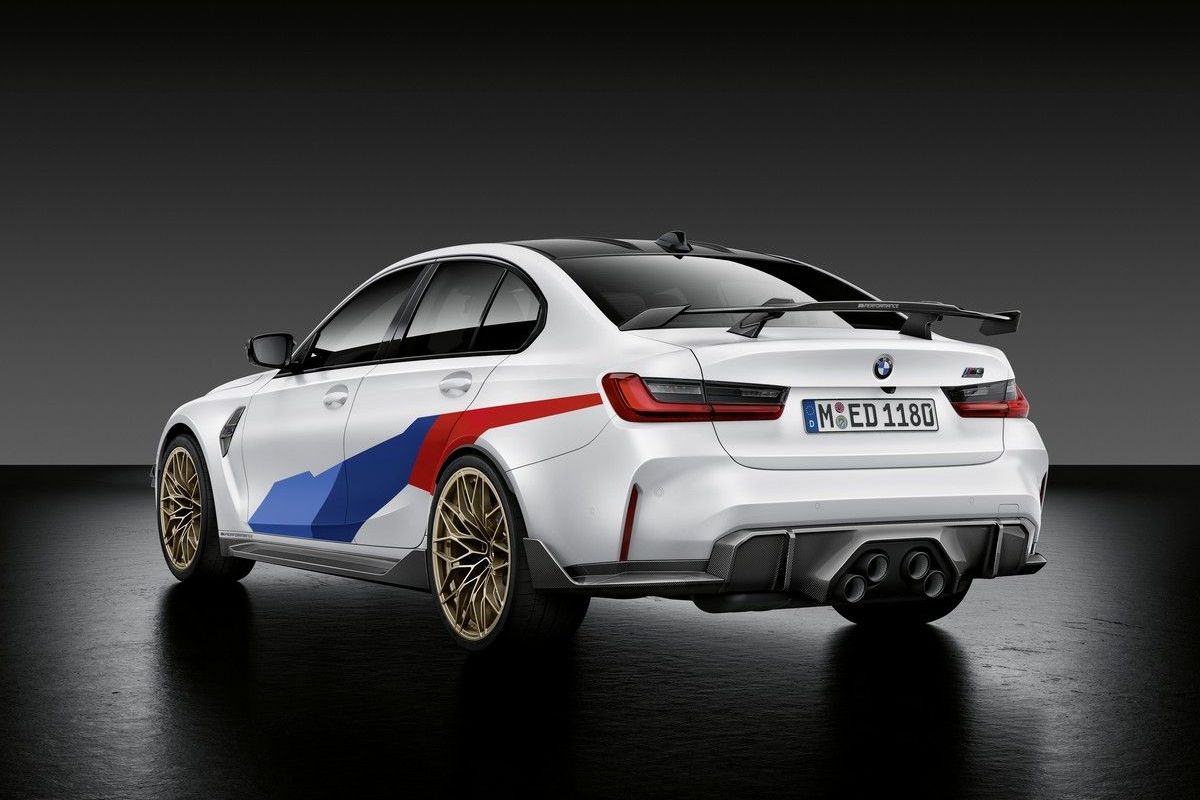
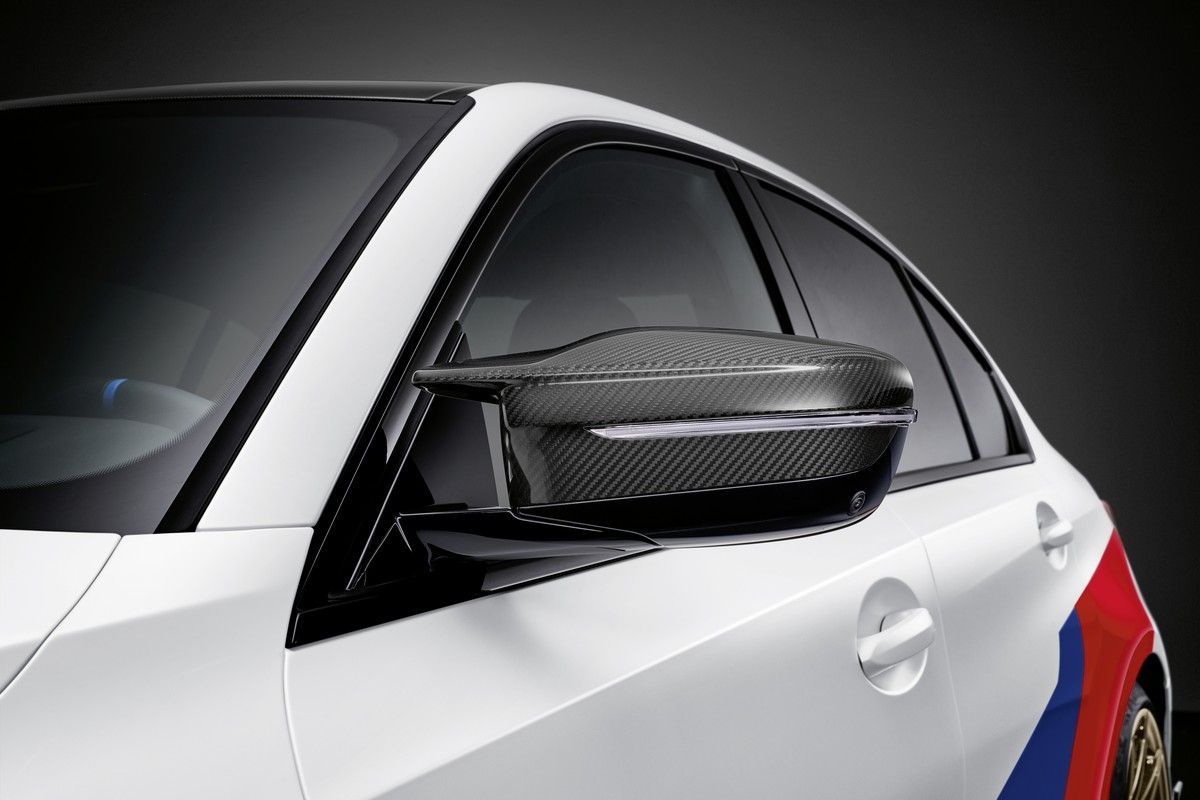
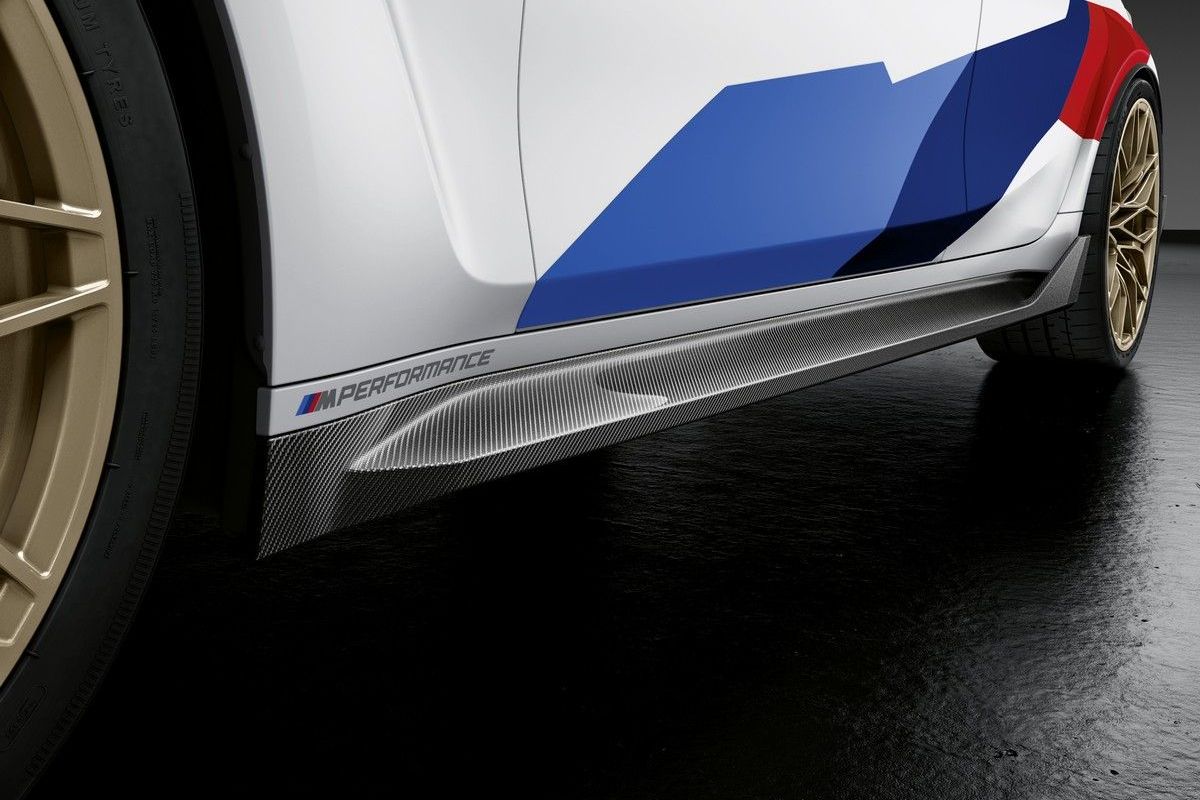
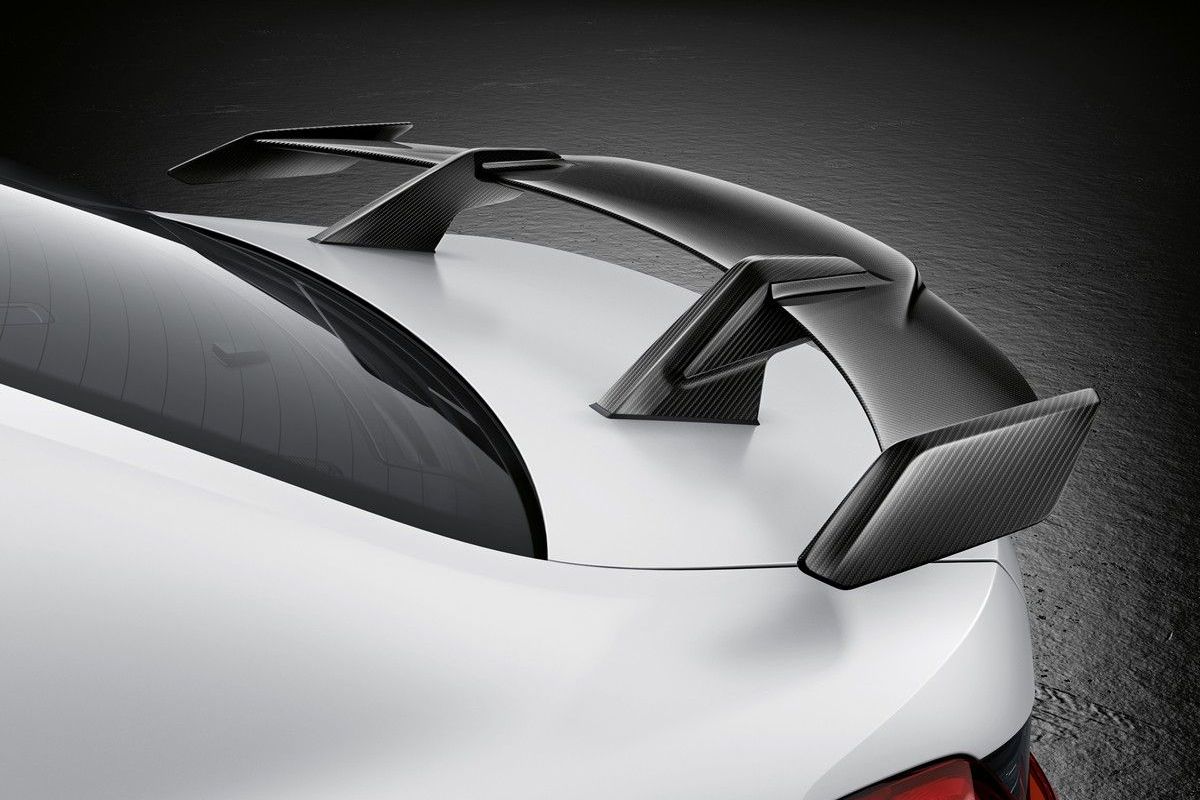
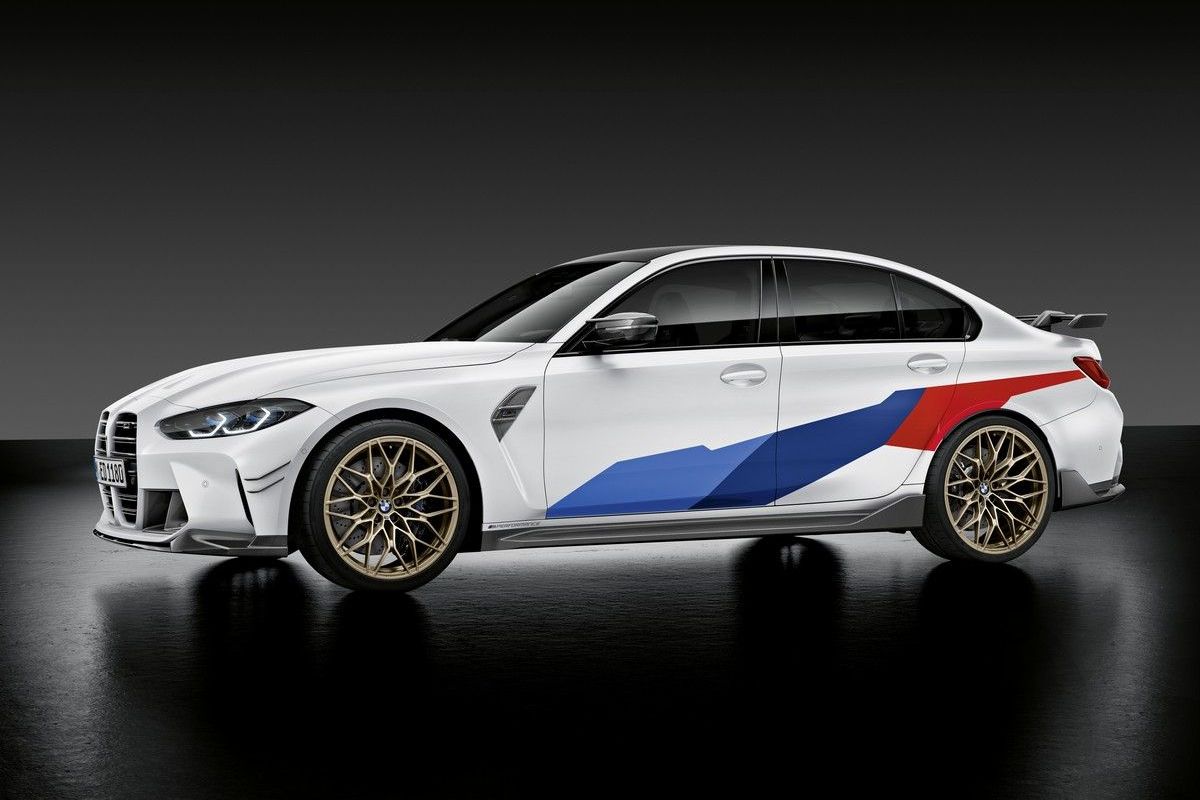
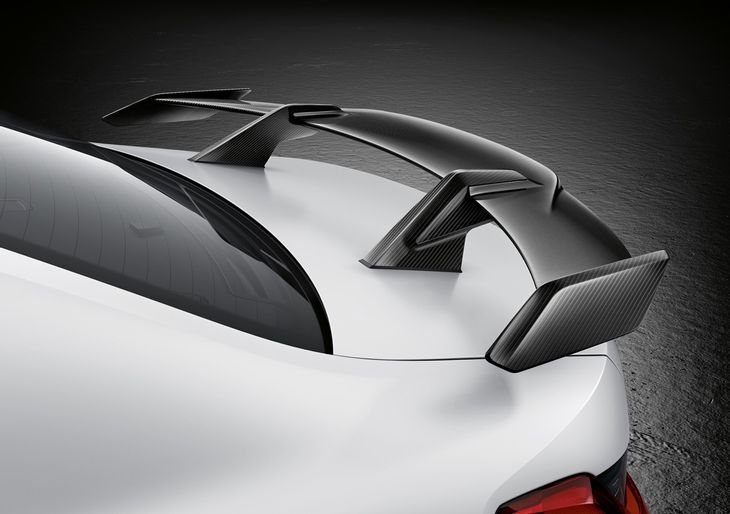
Then there are the carbon-fibre-reinforced-plastic M Performance accoutrements, such as carbon splitter, -air-intake housings and -aero flicks at the front, plus -wing-mirror caps, fender gills and skirt trims with motorsport-inspired winglets on the flanks. At the rear, the previously mentioned carbon diffuser can be combined with winglets that effectively wrap the ends of the bumper and, of course, the eye-catching boot spoiler.


If there is one accessory that will rival the novel exhaust- and diffuser configuration for popularity, the rear spoiler is probably it!

Although the M Performance Motorsport adhesive foils (in the 3 BMW M colours: blue, red and purple) work particularly well on the examples of the M3 and M4 shown here (white is, after all, the firm's motorsport colour), perhaps they'd lose their impact on other exterior finishes. The upsized wheels and tyres, however, are bound to be effective on whichever colour car you've ordered… The entry-level option is the M Performance forged wheel with a Y-spoke design in Frozen Gunmetal Grey with M Performance lettering and mixed tyres (19 inches fore and 20 inches aft). However, you can the upgrade the wheels to cross-spoke forged wheel 1000M in Gold Bronze matt or Jet-Black matt of up to 21 inches in size! 

Carbon & Alcantara interior detailing

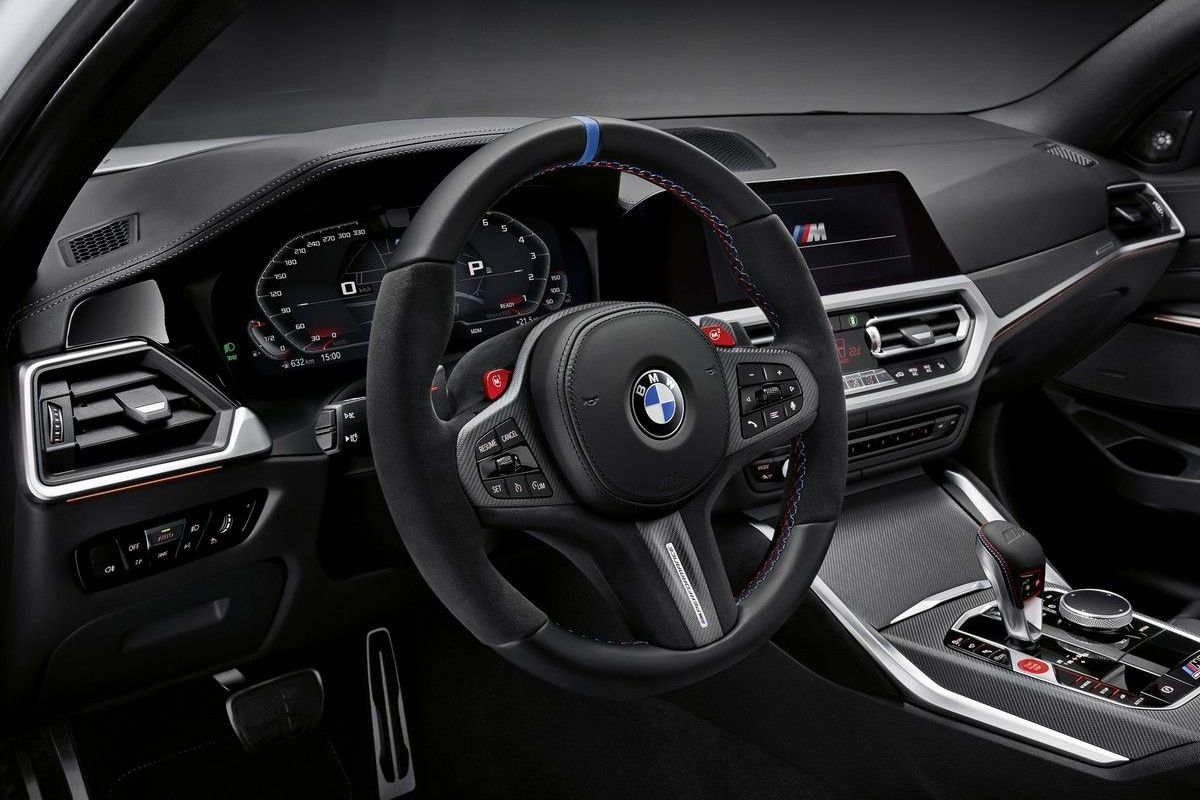
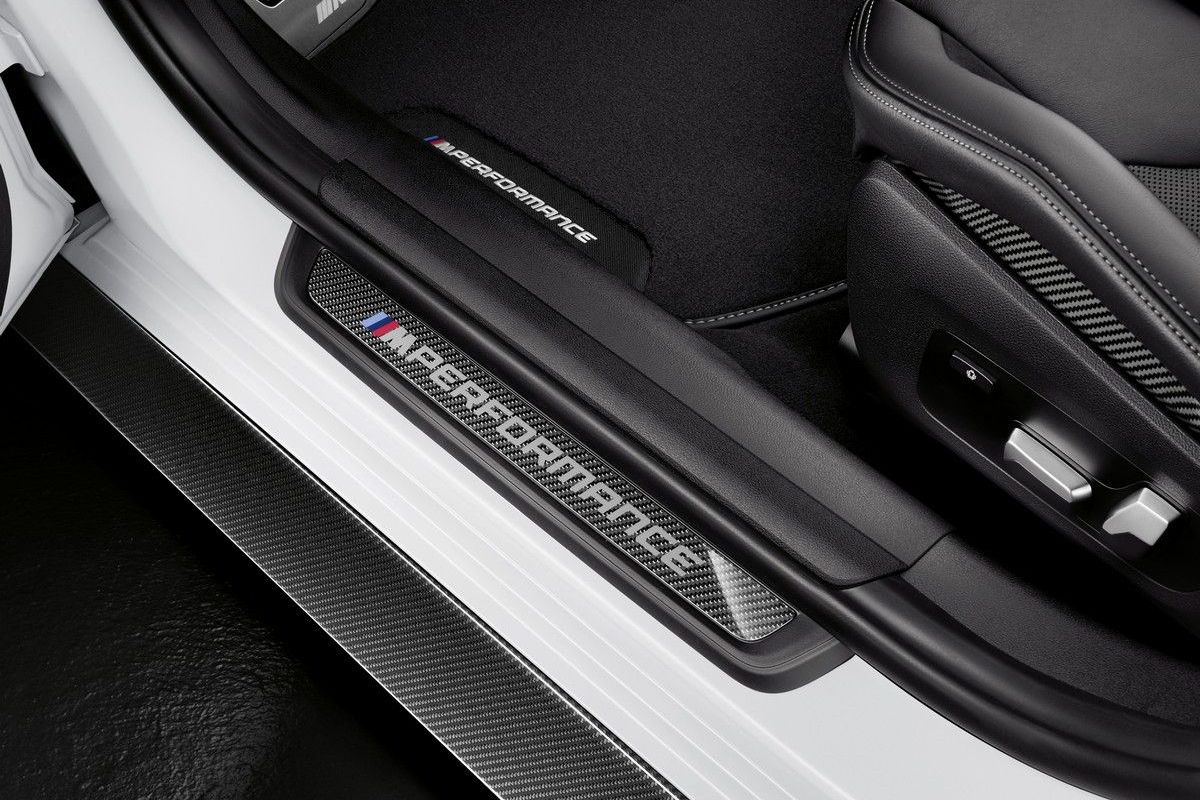
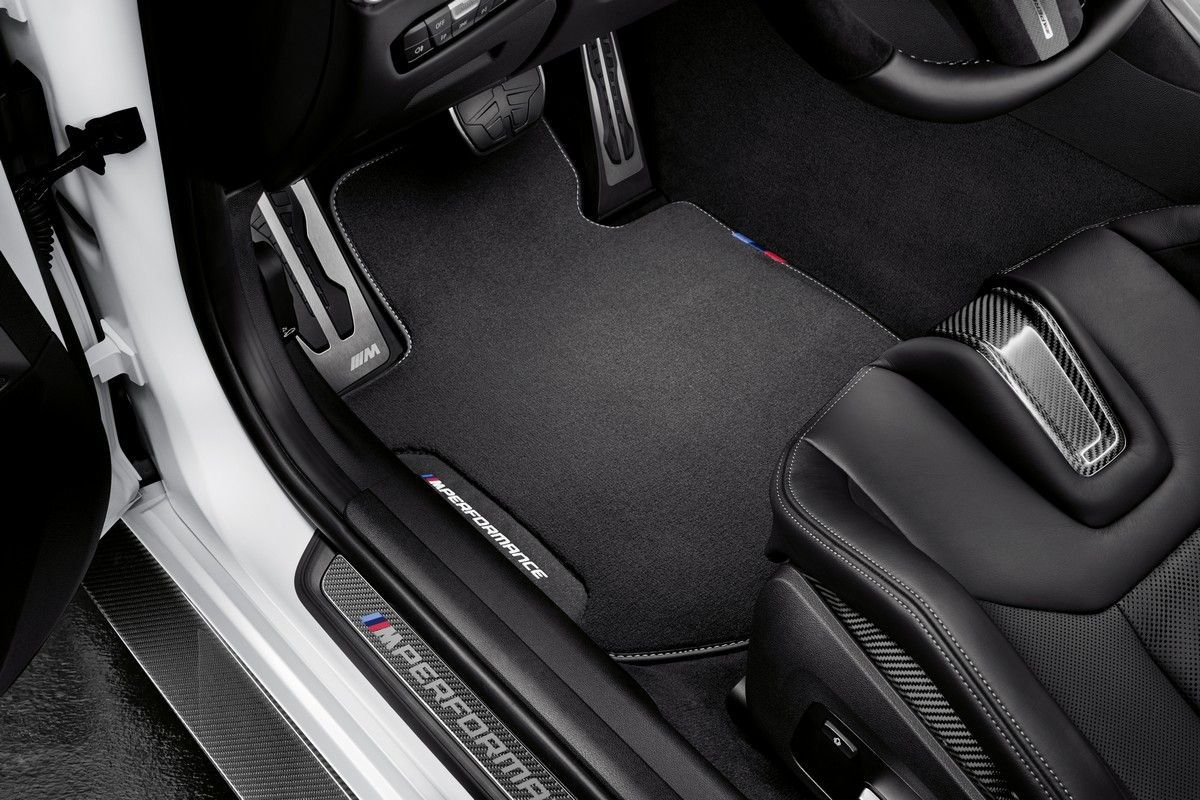
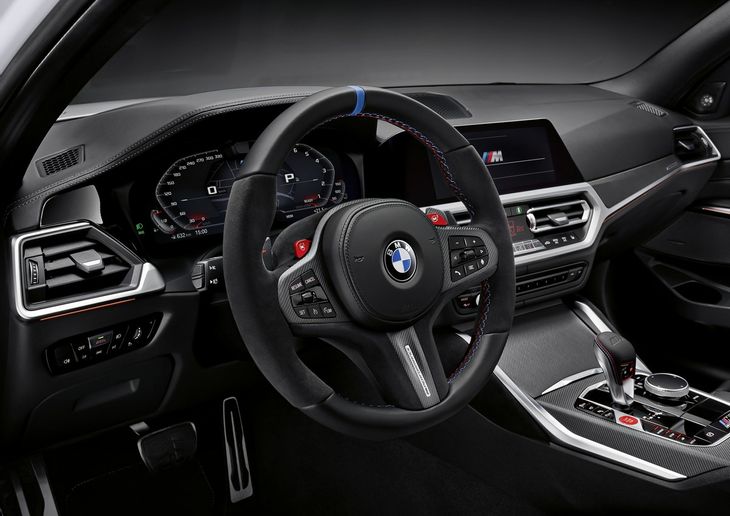
To match the racy-looking exterior upgrades, the M3 and M4's interior can be specified with a host of carbon fibre and Alcantara trims and M Performance-branded finishes, such as the strike plate with a carbon insert and coloured lettering, Alcantara kneepads on the centre console, branded floor mats and LED door projectors that display the M logo "and other M Performance motifs" on the ground when the door's opened.


The M3 and M4's interior can upgraded with various carbon and Alacantara details and a handful of steering-wheel options.

As for the steering wheel, there are a number of options: The M Performance Pro steering wheel features an Alcantara gripping area with large thumb rests, a blue centre marker (in the 12 o’clock position) and a handstitched M seam finished in M colours. In addition to the standard leather-covered steering-wheel trim, the optional M Performance steering wheel can be ordered with a combination of carbon and Alcantara or carbon and leather (with M Performance lettering in each case). BMW SA will only offer the Competition versions of the M3 and M4, which are automatics; for them, the bespoke steering wheel can be further upgraded with shift paddles covered with an open-pored carbon-fibre trim.

Other options? Oh, items such as an M Performance indoor car cover, -tyre bags and a -key wallet finished in Alcantara with a carbon insert… 

ICYMI: BMW M3 & M4 revealed, but no manuals for SA!

Related Content: 

BMW M3 (2020) International Prototype Drive

BMW M3 Touring Confirmed

BMW M3 Touring: Will it succeed?

Ferrari-Engined BMW M3 – We Drive It

Stylish Renault Arkana is for Europe

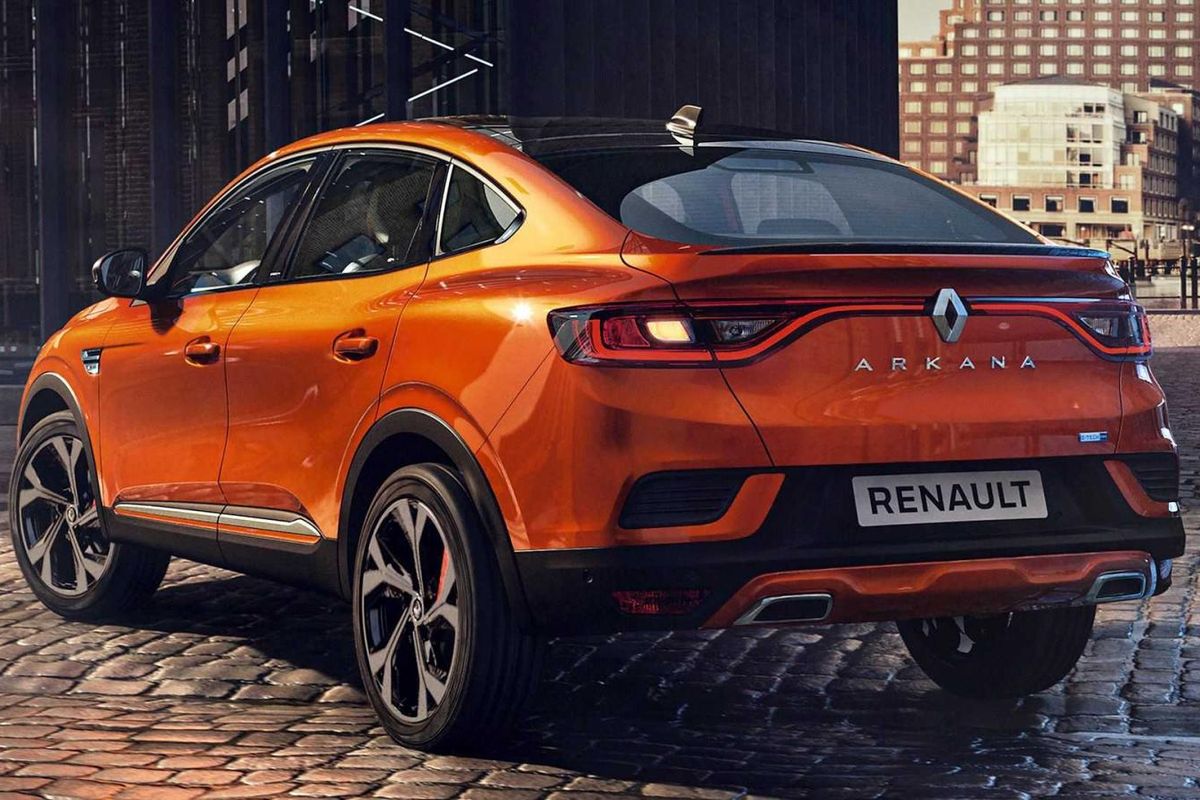
Renault’s new hybrid Arkana will go on sale in Europe in 2021. 

This is Renault’s coupe-crossover called the Arkana which is slated to go on sale in Europe in the first half 2021. Don’t expect to see it in South Africa as its niche styling and selection of hybrid powertrains make it an unsuitable business case for the local market. 

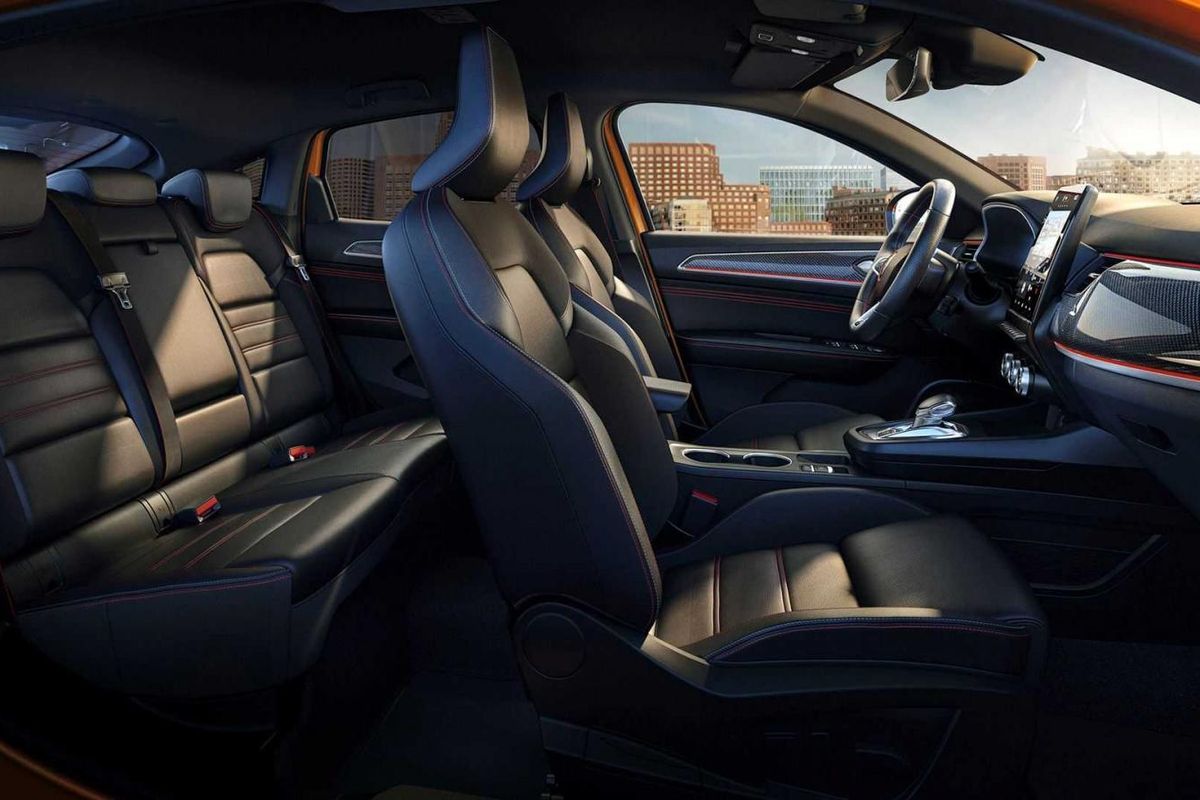
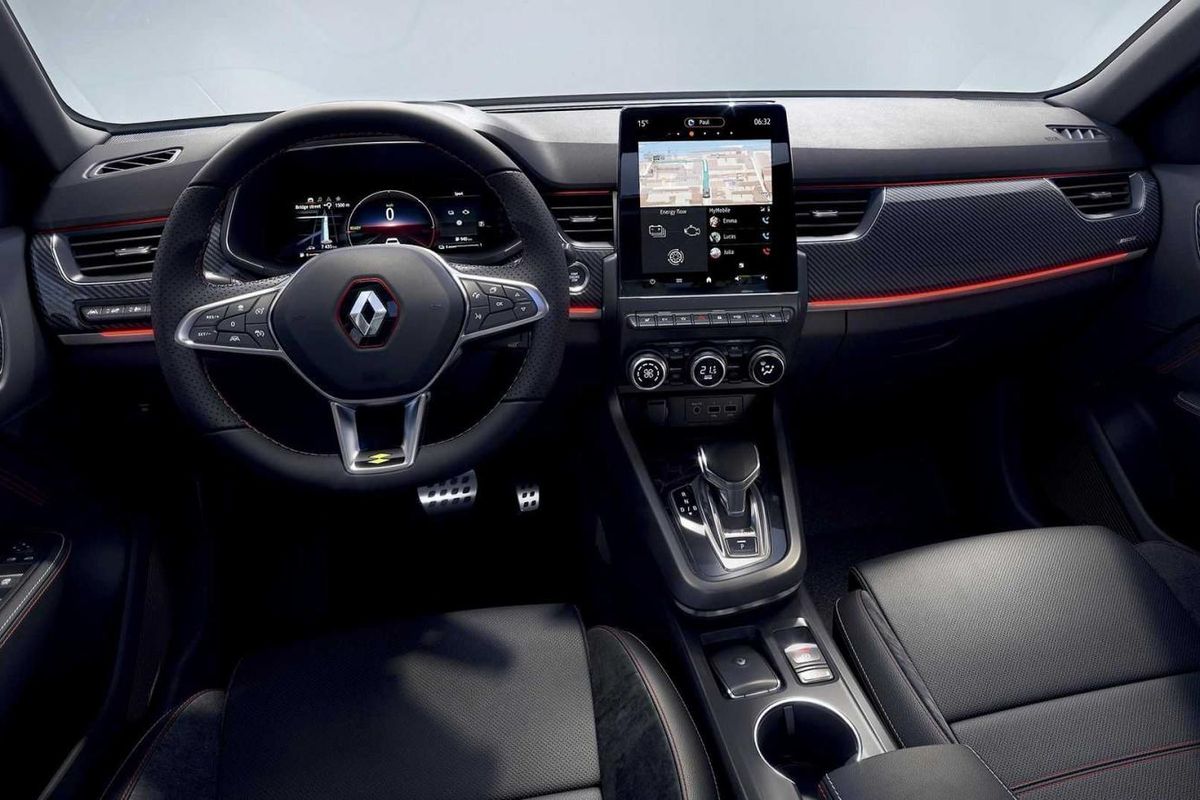
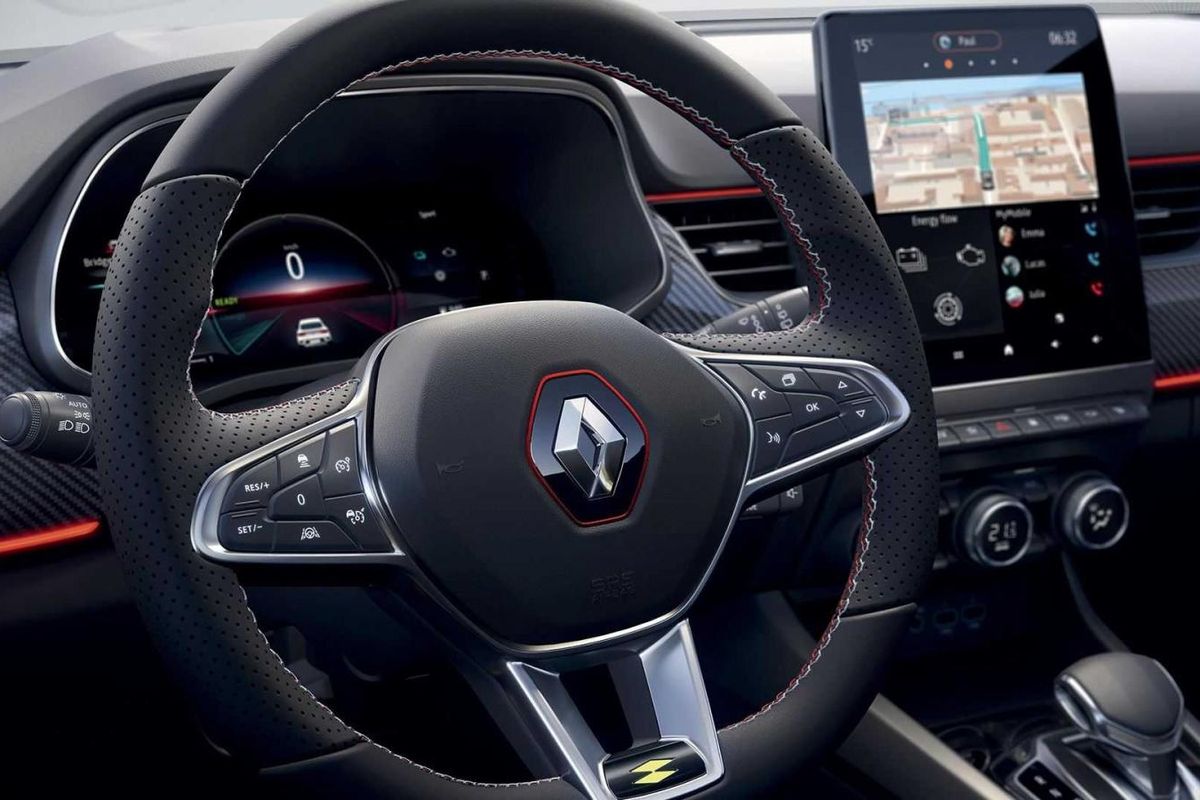
Nonetheless, it appears to be quite a striking package from the French carmaker. Apart from its attractive coupe-like sloping roofline, the Arkana features a modern cabin with a large central infotainment touchscreen and digital instrument cluster setting a distinctly upmarket tone. Renault will also offer the Arkana with an RS Line package that’s said to be sportier and more dynamic.

The Arkana will be offered with a choice of hybridised powertrains including a 104 kW and 119 kW 1.3-litre turbocharged engine with 12V mild-hybrid system as well as a 104 kW E-Tech Hybrid.

Do you lile the look of the Renault Arkana?

Buy a Renault on Cars.co.za

Related Content 

Renault Koleos 2.5 Dynamique 4WD (2020) Review

Captur bits for new Renault Stepway

Renault Considering Kiger for SA

Drag Race: BMW X6 M Competition vs 2020 Jaguar F-Type R AWD

We pit BMW's potent X6 M Competition against Jaguar's latest F-Type R AWD. Place your bets!

This certainly is a rather unusual match-up, but regardless, it's a big one. Between these two cars, there's 9.4-litres of displacement sitting on the tarmac. There's also 883kW, which translates to a very large amount of horsepower. In this quarter-mile head-to-head, we pit the latest BMW X6M against the very latest Jaguar F-Type R. Both cars have full-blown V8s, both cars have all-wheel drive, and both cars are pretty heavy, but the X6 M is an absolute hippo, weighing in at over 2.2 tonnes. Which one will win? There's only one way to find out! Watch the video…

Buy a BMW X6 on Cars.co.za

Buy a Jaguar F-Type on Cars.co.za

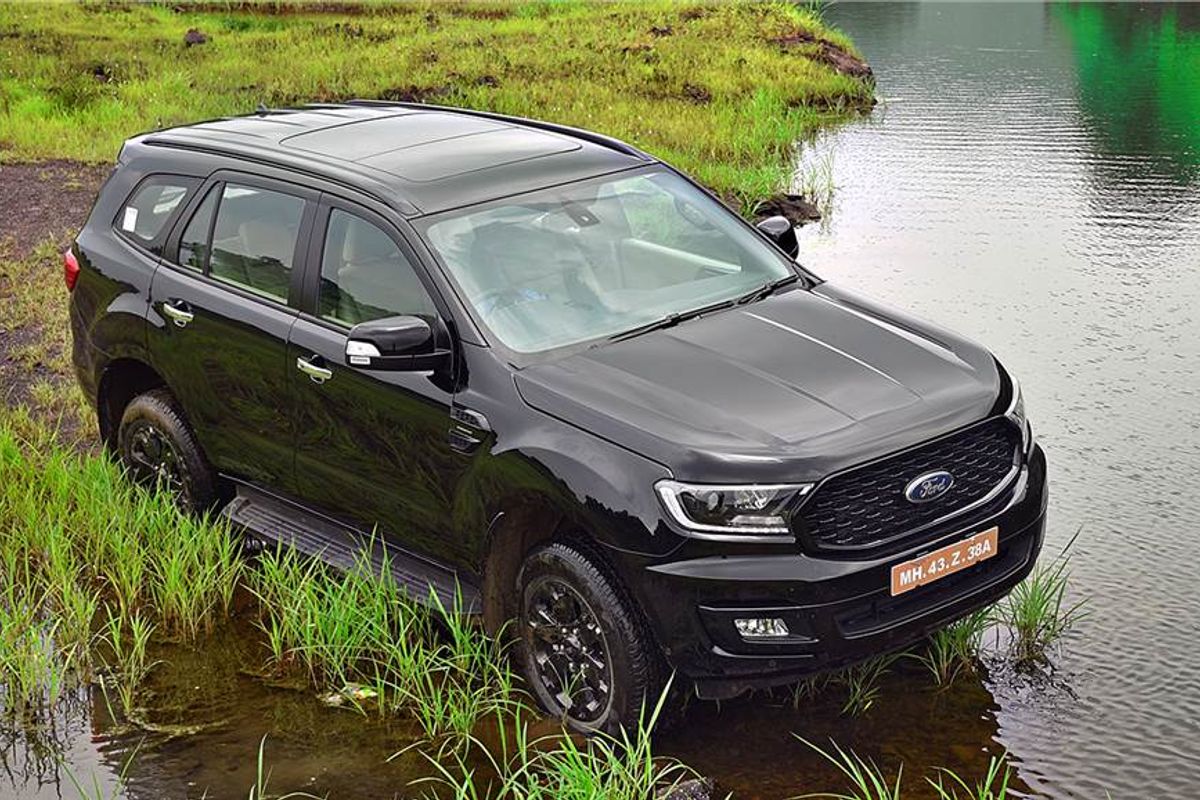
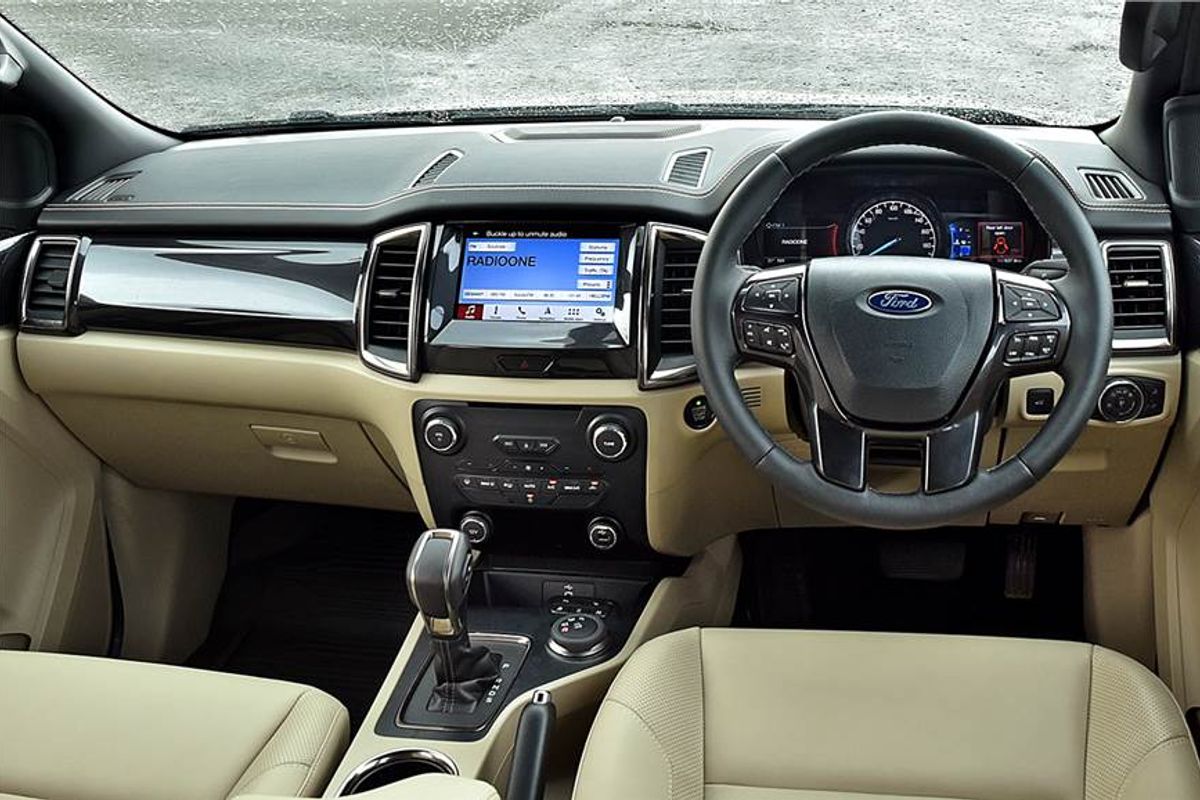
Ford Everest Sport Shown

Ford has launched a sportier Endeavour (Everest) adventure SUV in India. Is this something you want to see in South Africa? 

Ford has launched a sportier version of its rugged Everest SUV, which is called Endeavour, in India. 

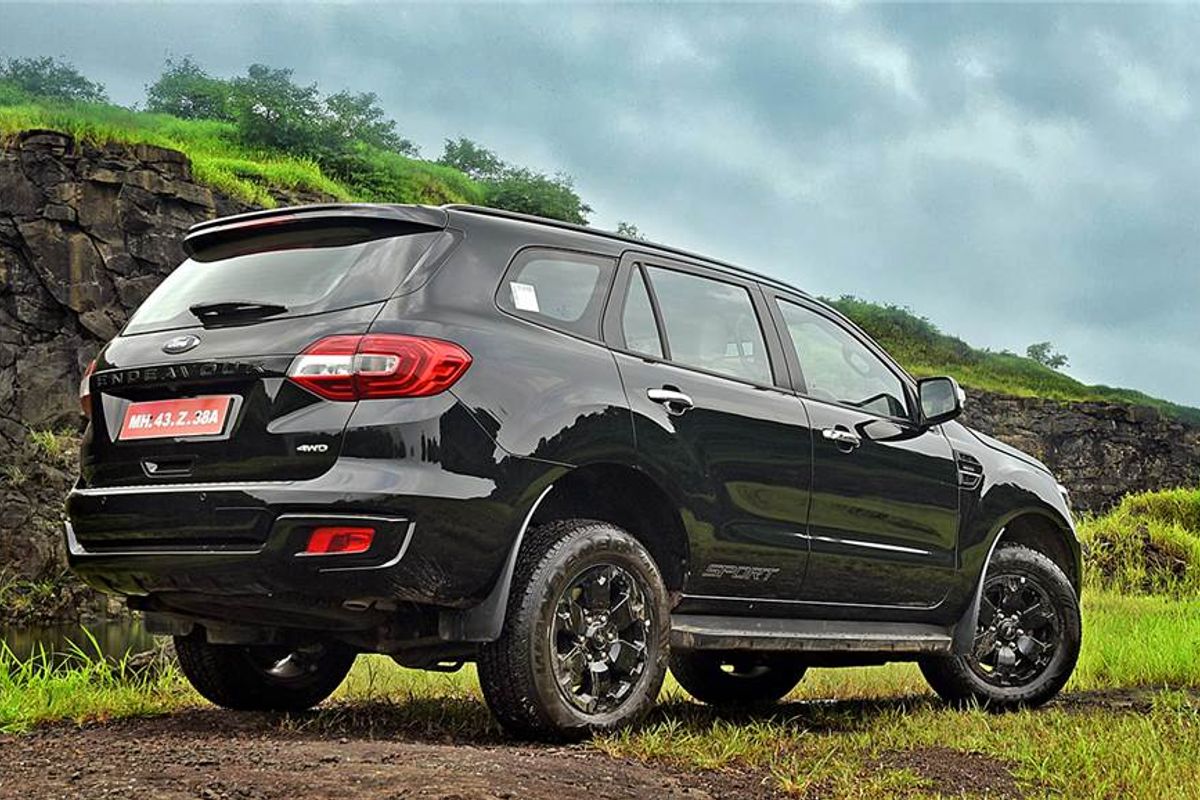
Distinguishing this Sport from other Everests is a new blacked-out grille with a honeycomb pattern which is a variation of what we have seen on Ford’s new Ranger Thunder double-cab bakkie which was recently introduced in South Africa. The grille is complemented with LED headlights with a smoked finish and the skid plate is also finished in black. 

The Everest Sport somewhat mimicks the Ranger Thunder and also rides on black alloy wheels. The side steps and roof rails are in black too and Sport decals let onlookers know that this is a special Everest. 

The Endeavour Sport in India is powered by a 2.0-litre EcoBlue diesel that offers 128 kW and 420 Nm of torque and is paired with a 10-speed automatic transmission.

Although the Endeavour Sport is an Indian market project, it does perhaps signal the possibility of other Ford markets receiving a similar Everest update in Q4 or early 2021. As always, we will keep you updated. 

Buy a Ford Everest on Cars.co.za

Related content

2022 Ford Everest Details Emerge

Ford Everest 2.0 Bi-turbo 4×4 XLT (2019) Review

Buyer's Guide: Rugged 7-Seater SUVs

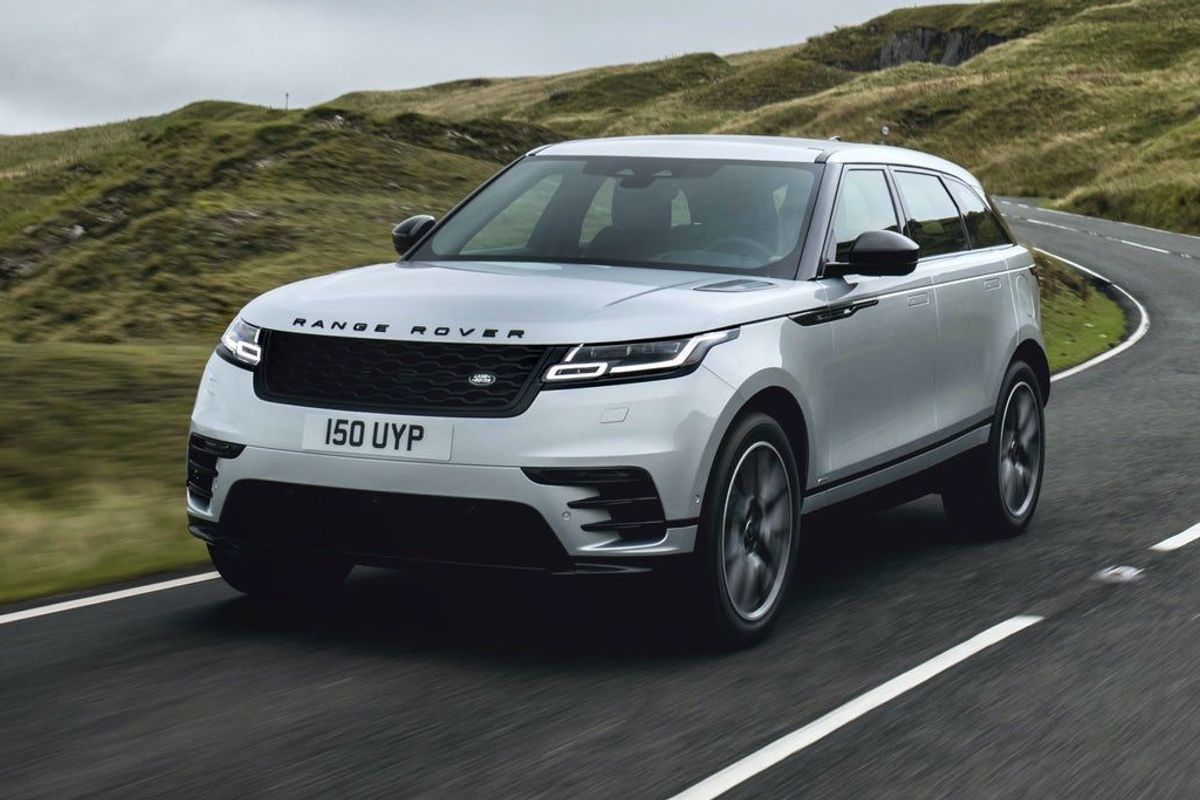
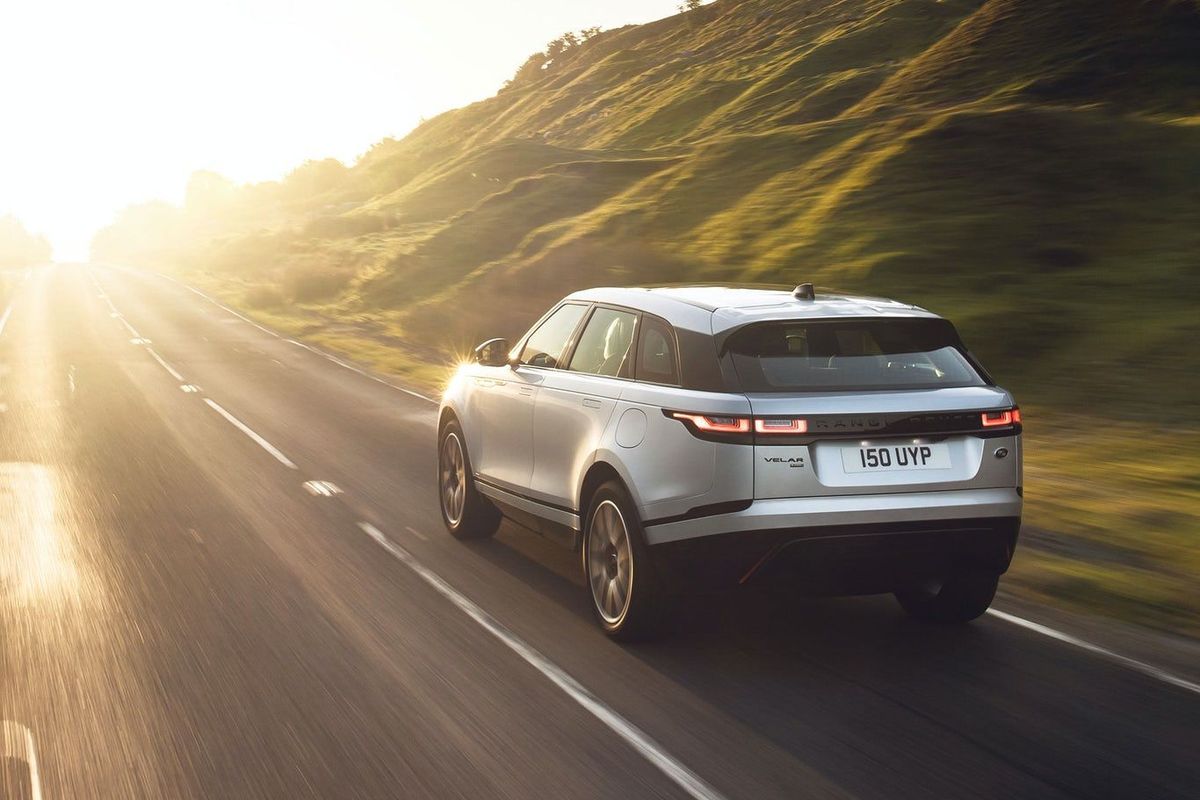
Range Rover Velar Updated, Coming to SA in 2021

A powerful Range Rover Velar Plug-In Hybrid (PHEV) is expected to reach South Africa in 2021!

Range Rover’s mid-size luxury SUV, the Velar, has benefitted from its first significant update, since launching in late 2017.

Although the Velar has not seen any styling changes, Land Rover’s engineers have added improvements to the vehicle’s infotainment capability and powertrain options.

Updated infotainment system for Velar

Inside the 2021 model year Velar, you’ll still encounter the dual-screen infotainment configuration, but the software powering it has been re-coded.

Customers are demanding swifter infotainment responses from their luxury vehicles, with a low tolerance for any lag. As such, Land Rover sourced a superior code for Velar’s infotainment functions, reducing any possibility of the system stalling when having to perform a request.

Not only is Velar’s infotainment software slicker, but the user experience is further enhanced by better menu grouping and navigation. Land Rover claims that 90% of all Velar infotainment functions can be accessed by only two taps on the touchscreen. The Velar now also uses its surround sound speaker system to fulfil a noise-cancelling function.

Keeping your devices charged in a new Velar becomes a touch more convenient with a wireless Smartphone charging pad, whilst allergen-blocking air filtration should keep the worst pollen issues from triggering an undignified sneeze.

Assisting the Velar’s parking and off-road navigation, in technical terrain, is a 3D surround-view camera system.

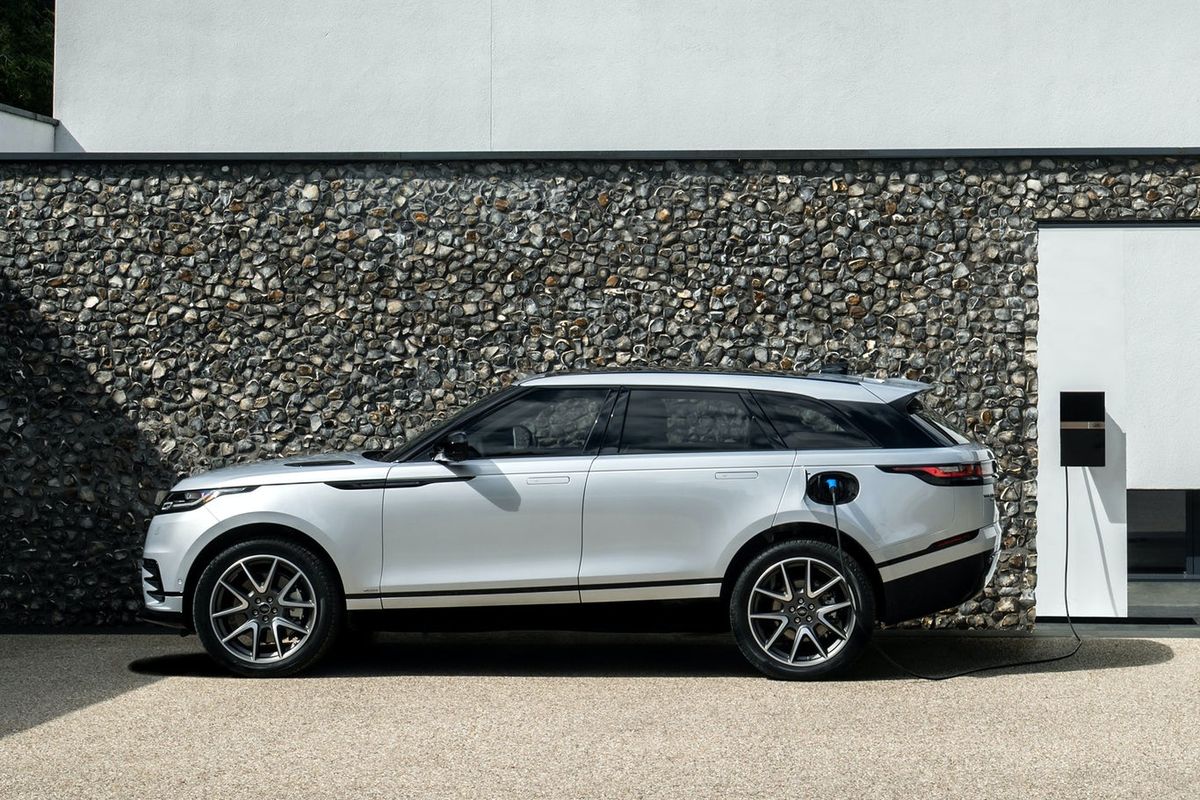
Plug-in Hybrid Velar for SA


Boasting solid outputs and low fuel consumption, the Velar PHEV has much to offer. 

In terms of powertrain, Land Rover has added its P400e moniker to the Velar range. That means a 2.0-litre turbopetrol engine in combination with an electric motor, with plug-in recharging capability.

Total system output for the P400e is an impressive 298kW and 640Nm, which translates to a zero to 100kph sprint time of only 5.2 seconds!

As one would expect for a modern plug-in hybrid, the Velar P400e has potentially outstanding fuel economy, being capable of 1.8 L/100km when driven with exceptional restraint. It also has an electric-only driving range of 53km, which should yield impressive fuel saving in slow inner-city traffic driving conditions.  

Land Rover South Africa has confirmed that its Velar P400e will go on sale locally during the first half of 2020. Pricing will be communicated closer to launch. 

Buy a Range Rover Velar on Cars.co.za

Related Content 

Range Rover Velar P380 R-Dynamic HSE (2017) Review

Range Rover Velar P380 HSE (2017) Video Review

Updated Range Rover Evoque and Discovery Sport (2021) Specs & Price

Electric Range Rover loses spark

Ford Maverick Bakkie Spied: Here’s What We Know

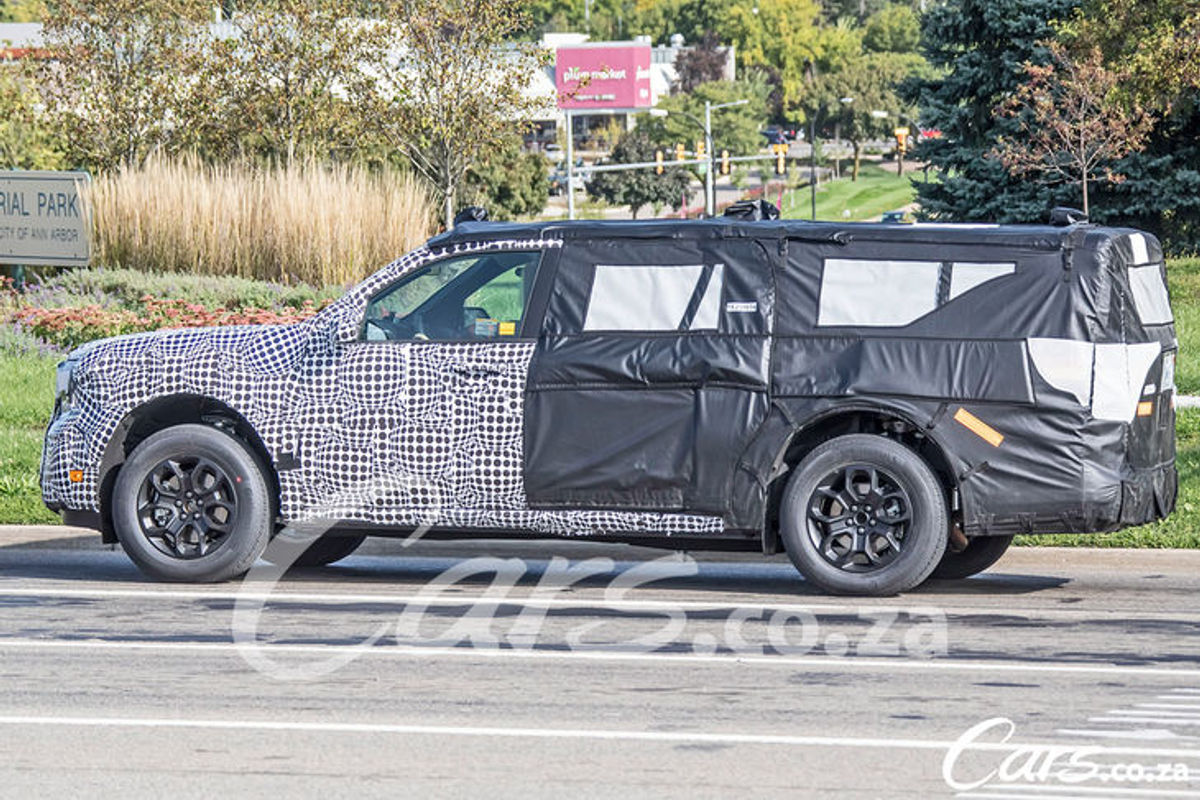
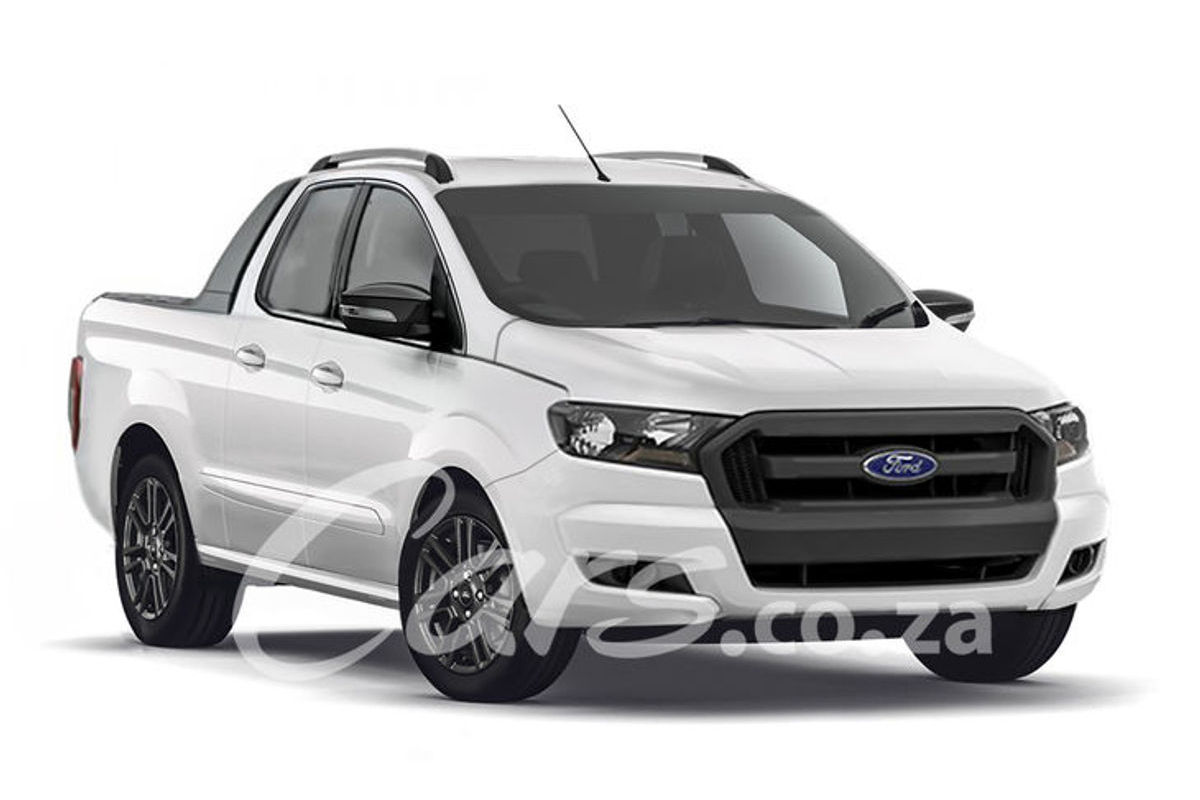
Ford is developing a new bakkie that will slot in below the Ranger. It's expected to carry the Maverick name and we should see a production version in 2021. Is this what it will look like? 

Image render: Duwyne Aspeling – Cars.co.za

Spy shot credit: S. Baldauf/SB-Medien. We have paid for these photos and at the photographer's request, have watermarked them.

Earlier this year, spy shots confirmed that Ford was developing a small bakkie that will serve as the brand’s entry-level utility offering which will slot in below the larger Ranger.

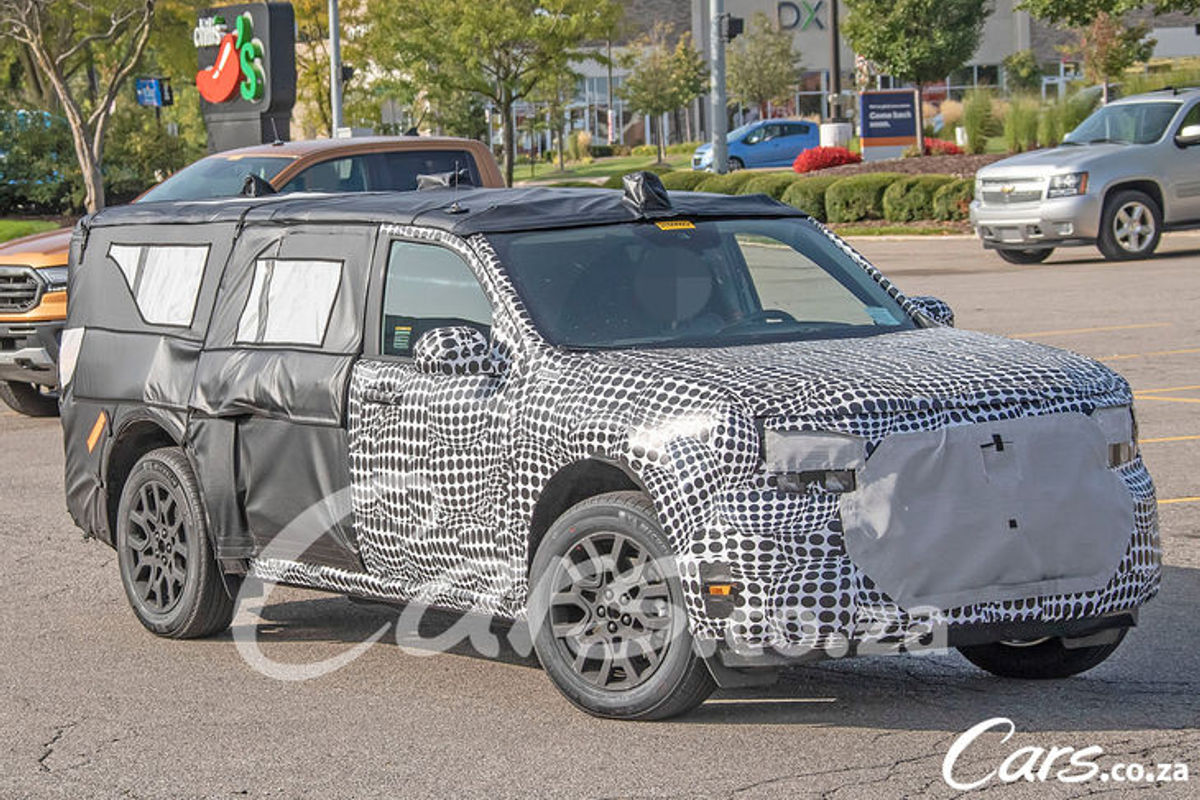
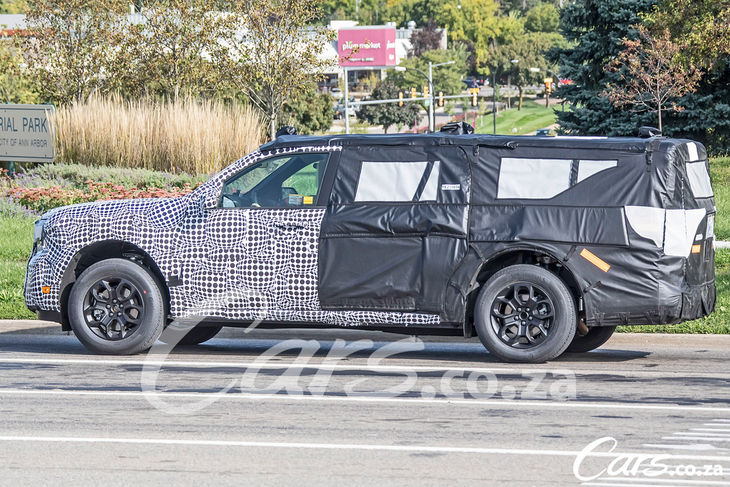
Update: A new batch of spy images have emerged of Ford's forthcoming Maverick bakkie. The prototype is heavily camouflaged and it appears Ford is going to great lengths to disguise the development of the Maverick and it's likely that the Maverick will ride lower than the Ranger while offering similar cabin space (this is confirmed in spy photographs with the Maverick shown next to the current Ranger, not shown here). The camoflage does a good job hiding most of the details but the boxy, squared-off front-end can be seen.


No, this is not a panel van, but rather a well-disguised Ford Maverick prototype.    

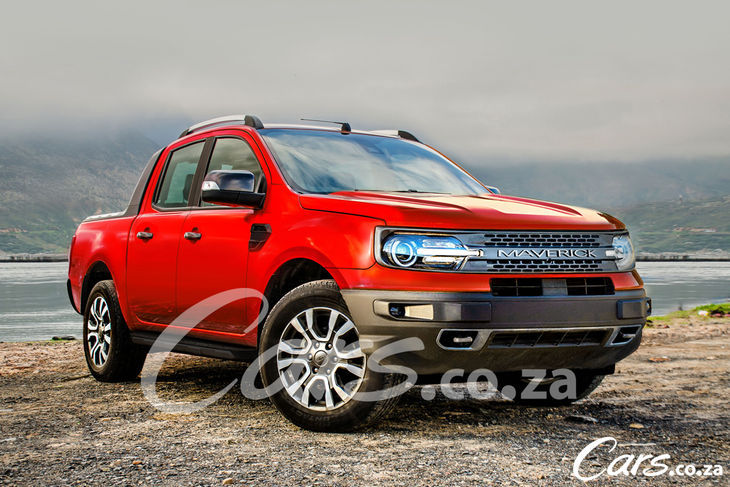
Known internally as 758, it’s believed this new small unibody bakkie will be produced on the current Focus C2 platform, the same which underpins the recently-revealed Bronco Sport SUV. A full reveal is expected in 2021 and there are strong suggestions that this new bakkie will share styling cues with the Bronco Sport, which should give it a bold and suitably rugged appearance. Our latest rendering shows what the forthcoming Maverick bakkie could look like with its front-end taking inspiration from the Bronco. 
Reports suggest that the Maverick will be manufactured alongside the Bronco Sport in Sonoro, Mexico at Ford's Hermosillo Assembly Plant with an annual production target of 100 000 units.

In terms of engines, a 4-cylinder 2.0-litre and 1.5-litre petrol engine are on the cards paired with an 8-speed automatic transmission as well as a manual shifter. It was previously reported that the Maverick will feature a 4-door configuration and share parts with the Ford Transit and the 2.0-litre version could offer 121 kW while the 3-cylinder, 1.5-litre turbopetrol could offer 134 kW if it's introduced. Note that Ford has not released any official technical information for this new bakkie. 

Online forums are abuzz, with information trickling in from various sources. The Maverick is expected to feature a rear sliding window, much like the Ford F-150 and the Ranger. 

As for the name of this new Ford bakkie, it was initially believed that it might be called the ‘Courier’ or that Ford might revive its Ranchero nameplate. However, recent reports have instead pointed out that the small bakkie will, in fact, carry the Maverick name after images of the tailgate bearing this name has been doing the rounds online. Nonetheless, the Courier name will be familiar to South Africans as it was the predecessor to the Ranger double cab and sold here up until 1999.
For now, the 758 is destined for the South American market first before infiltrating the North American market. There is currently no indication that this new bakkie will be offered in South Africa but considering that it will be produced on the Bronco's platform, it will likely only be produced in left-hand-drive.

Lately, Ford South Africa has positioned itself as an exporter, choosing to cut its model lineup to focus on locally produced vehicles such as Ranger and Everest. Unless this 'small Ranger' makes economic sense or Ford sees a case for local production it's unlikely to be made available to SA.


This is our rendering showing what the Ford Maverick could like with influence from the Bronco Sport. 

Price 

In order for it to make sense, both for Ford SA and the buying public it would obviously need to cost less than the double-cab Ranger. As of July 2020, the cheapest double cab Ranger is priced at R449 400. The upcoming Renault Duster Oroch (confirmed for SA) appears to be the only other player in this space, but with Ford's bakkie brand cache in SA, it could probably afford to come in a little more expensive than the Renault. Reports are suggesting that pricing for the Maverick in the U.S. will start from about $19 000 which equates to roughly R340 000 at current exchange rates. However, 2022 is a long way away and the Rand is very volatile so pricing is likely to be higher when the Maverick finally reaches showrooms. 

As always, we will keep you up-to-date as this story develops futher.  

Details emerge on the 2022 Ford Ranger

How the Amarok and Ford tie up changes everything

Buy a Ford Ranger on Cars.co.za

Related Content 

Building the Ford Ranger Raptor's Engine

Update: Hyundai Bakkie Spied Snow Testing

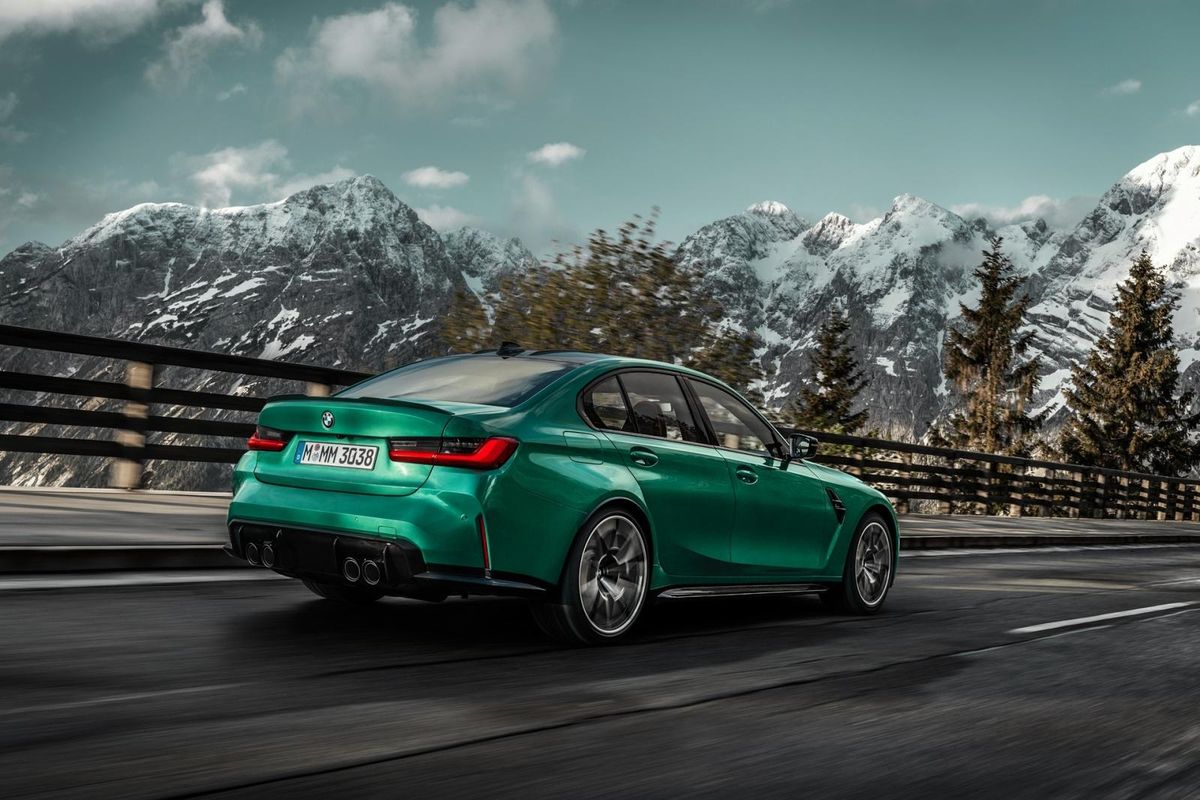
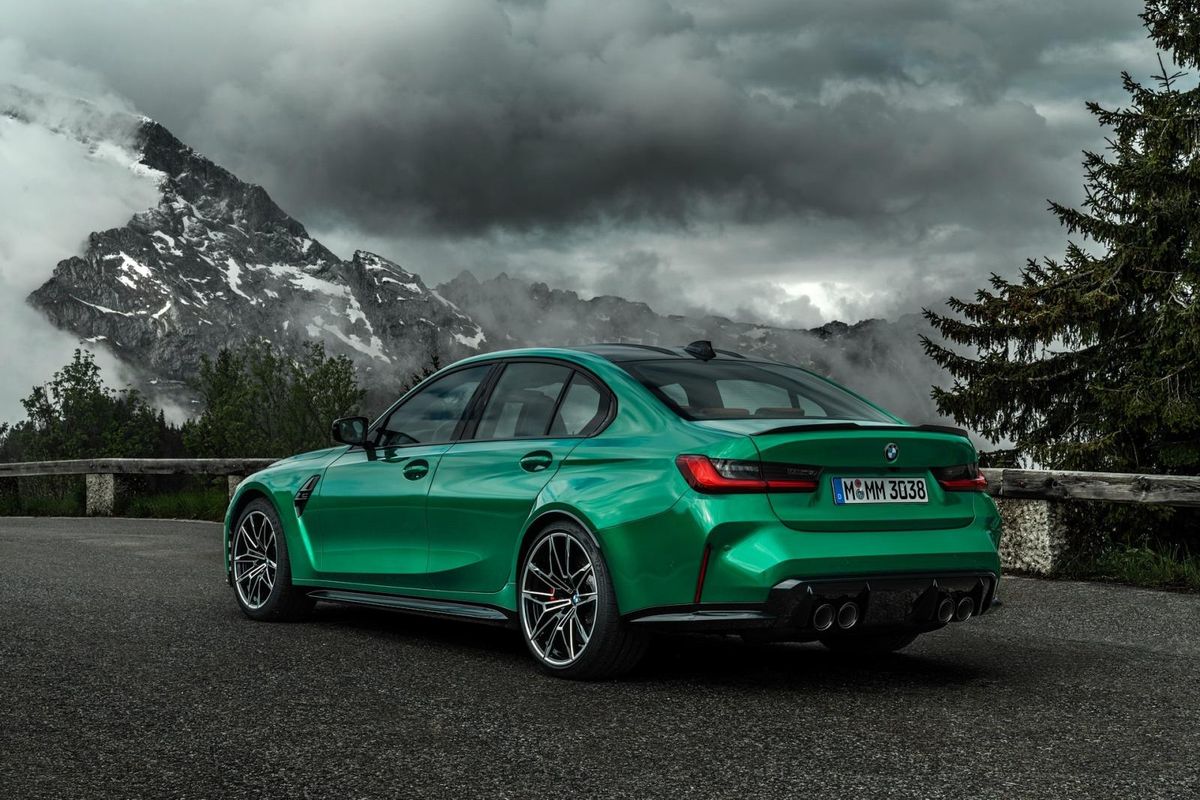
BMW M3 & M4 revealed, but no manuals for SA!

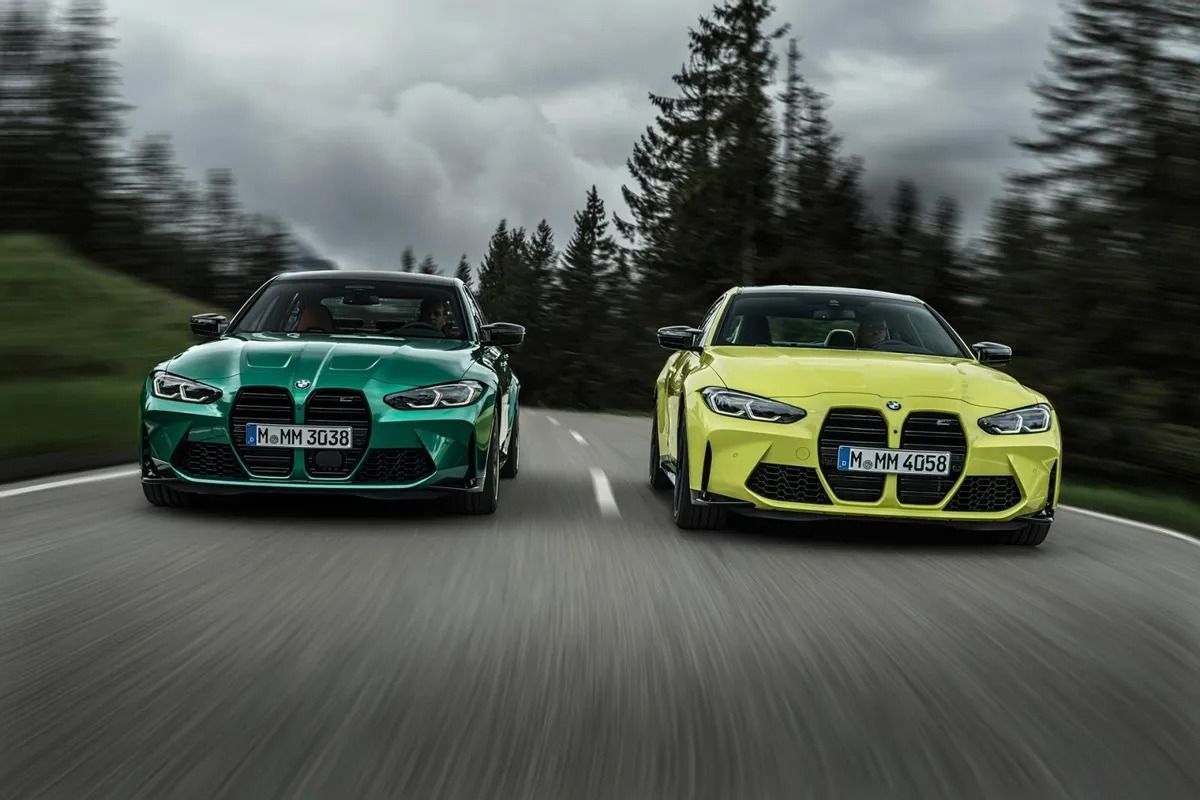
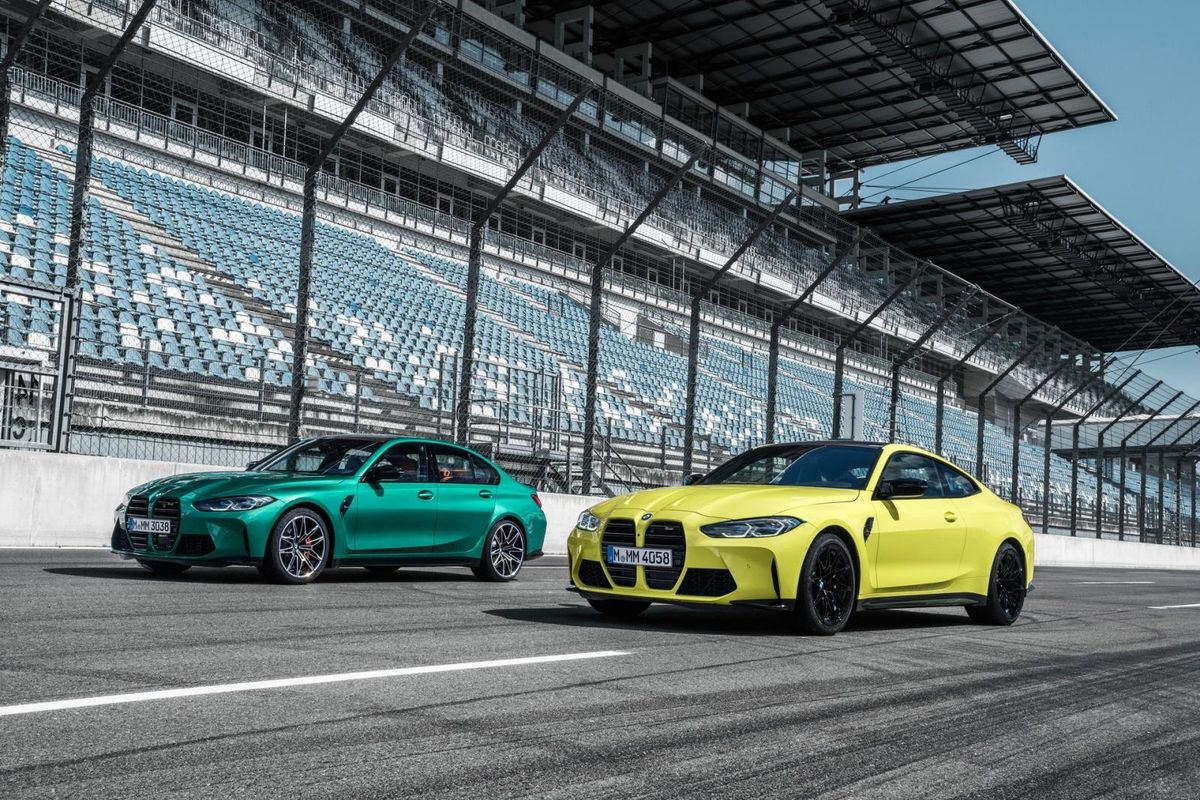
Although the exterior designs of BMW’s long-awaited new M3 (G80) and M4 (G82) – which are expected to arrive in local showrooms during the first half of 2021 – offer few surprises (thanks to a spate of teaser images and a recent pre-launch leak), the specifications of the various derivatives are different to what many expected…

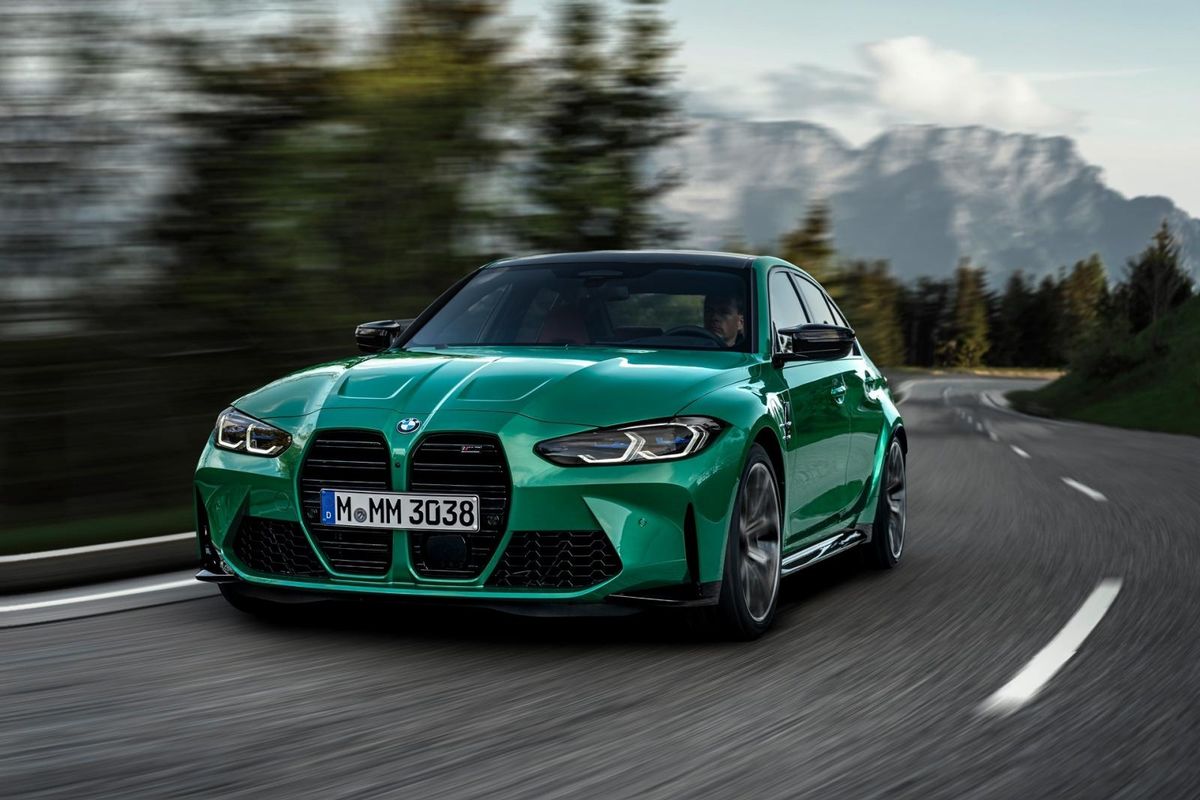
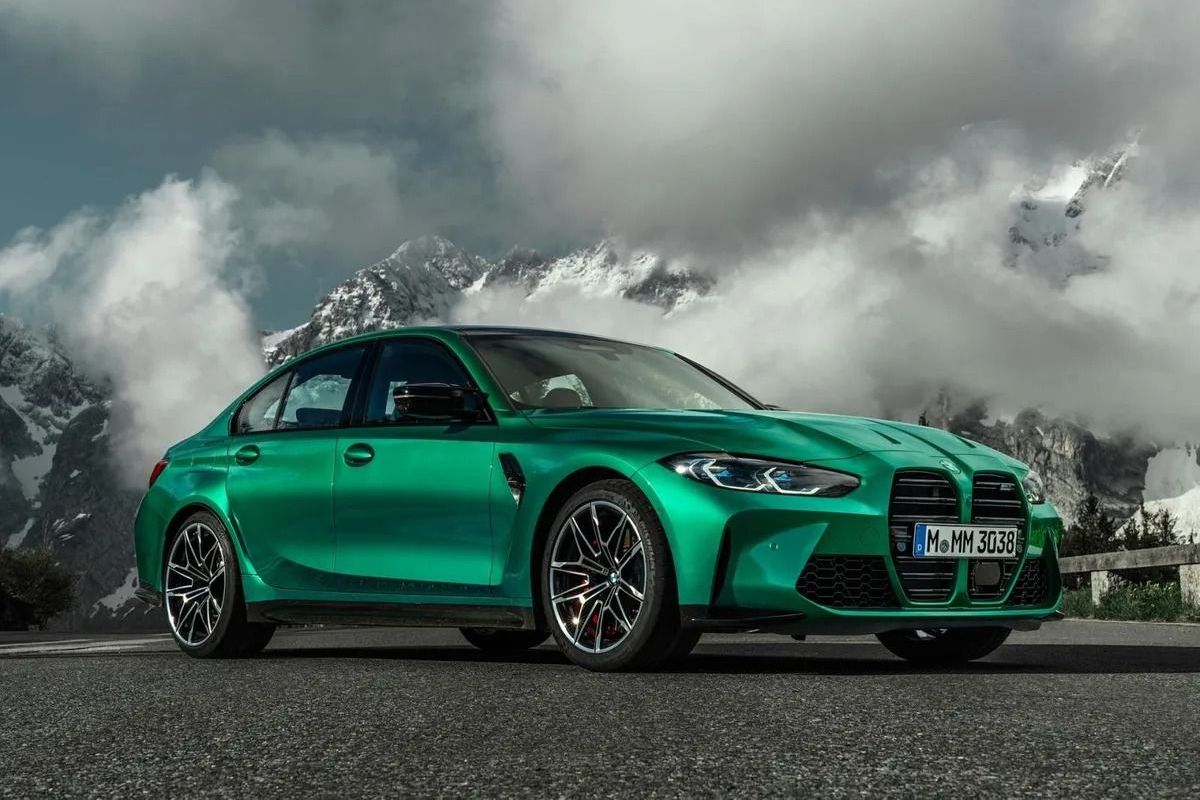
Here's the most obvious difference: If the previous-generation M3 and M4 looked very similar from the front, it was because the headlamp-, grille and bumper designs of the cars on which they were based – the F30-generation 3 Series sedan and F32-generation 4 Series coupe – were very derivative. However, with the recent launch of the 4 Series, with its controversial large, upright kidney grille that set it apart from the frontal appearance of the G20-generation 3 Series, it raised the hope that the new M3 and M4 might be quite distinct from one another.


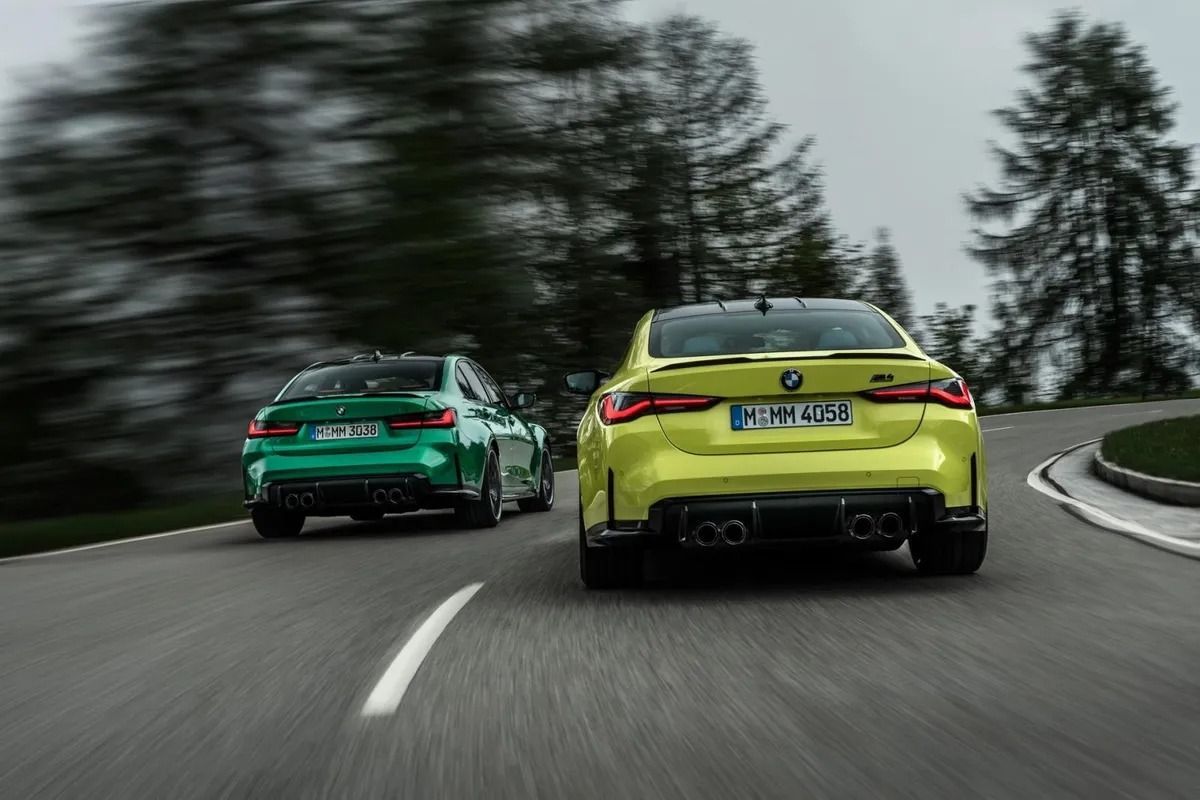
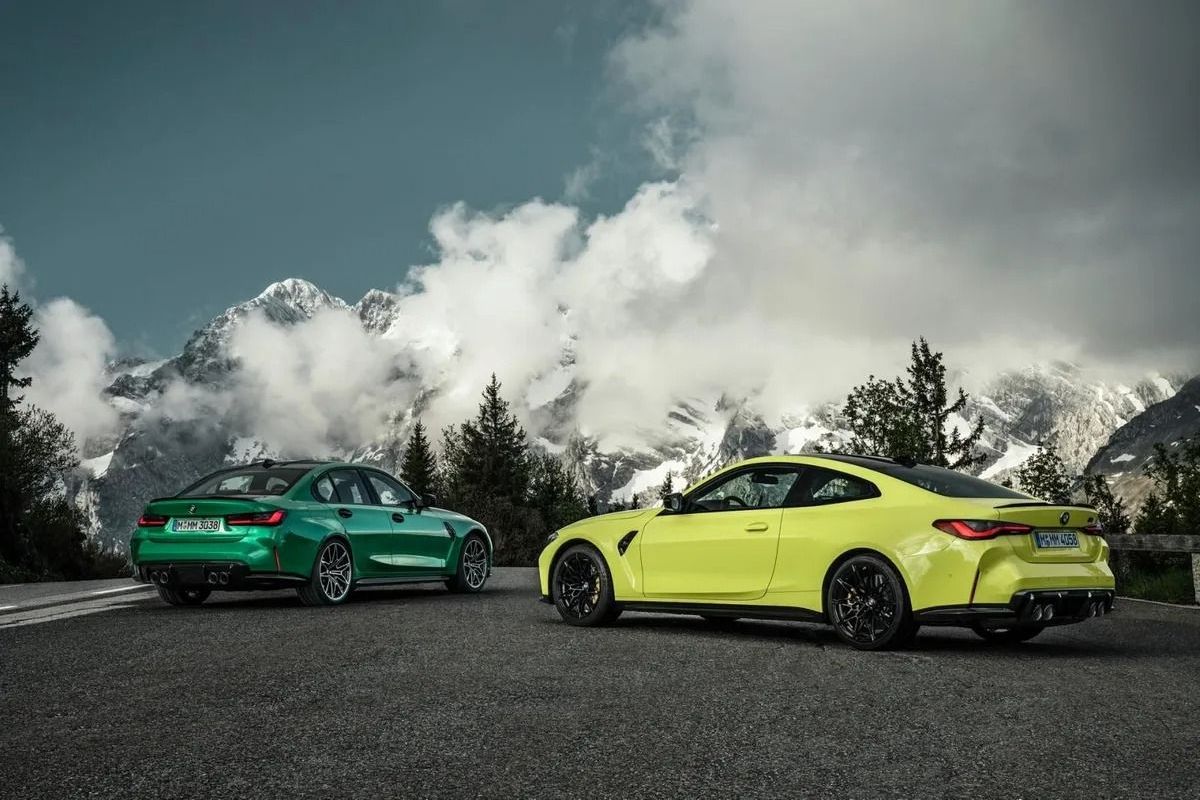
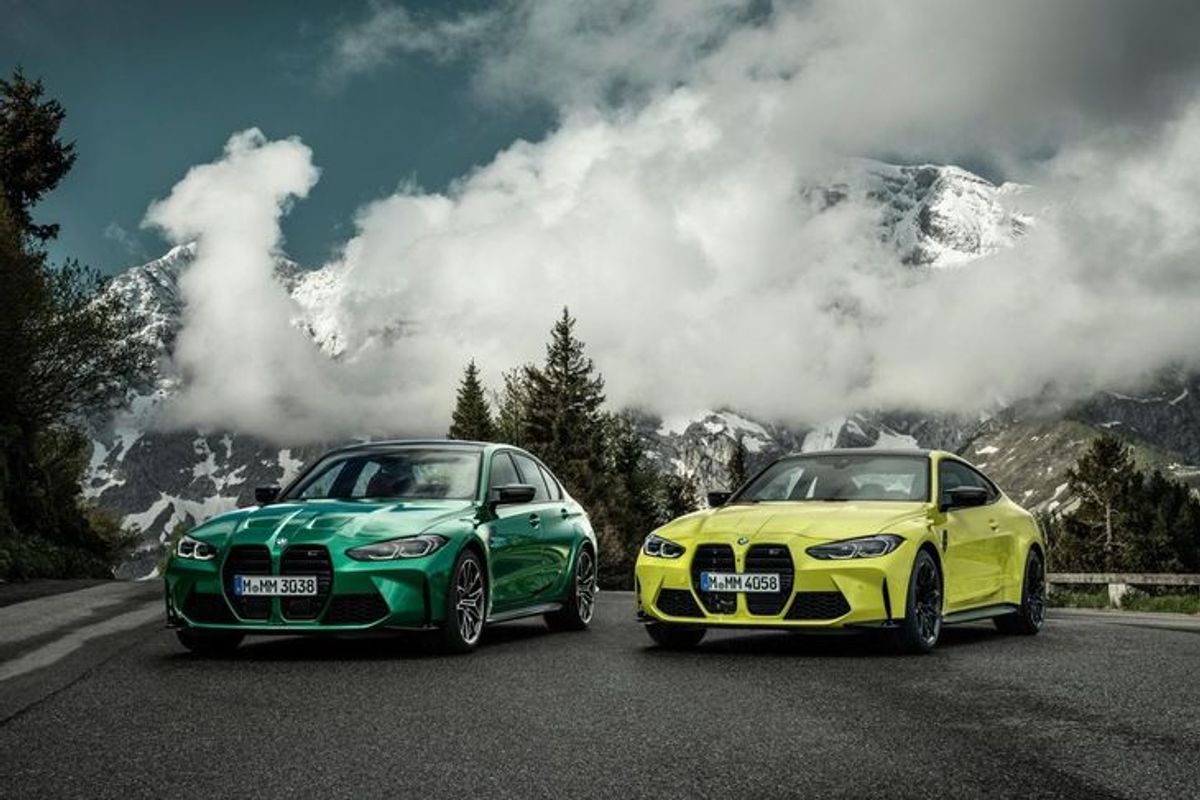
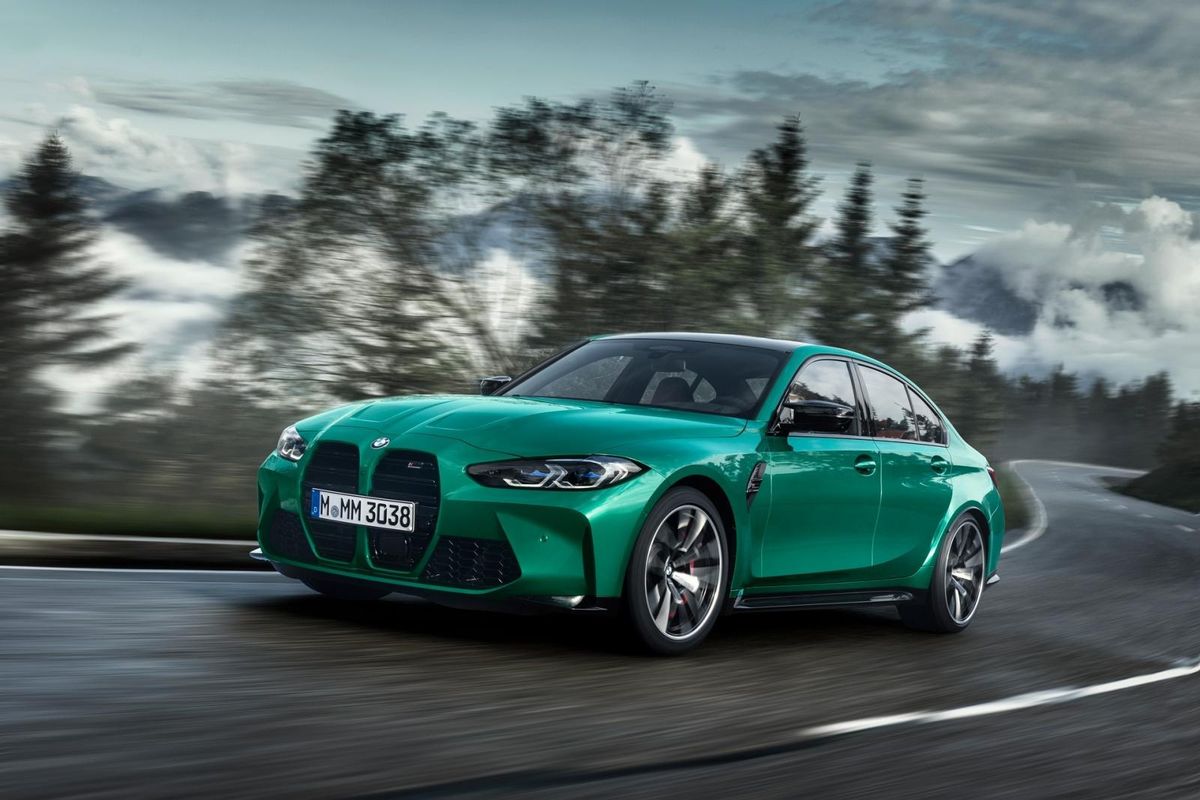
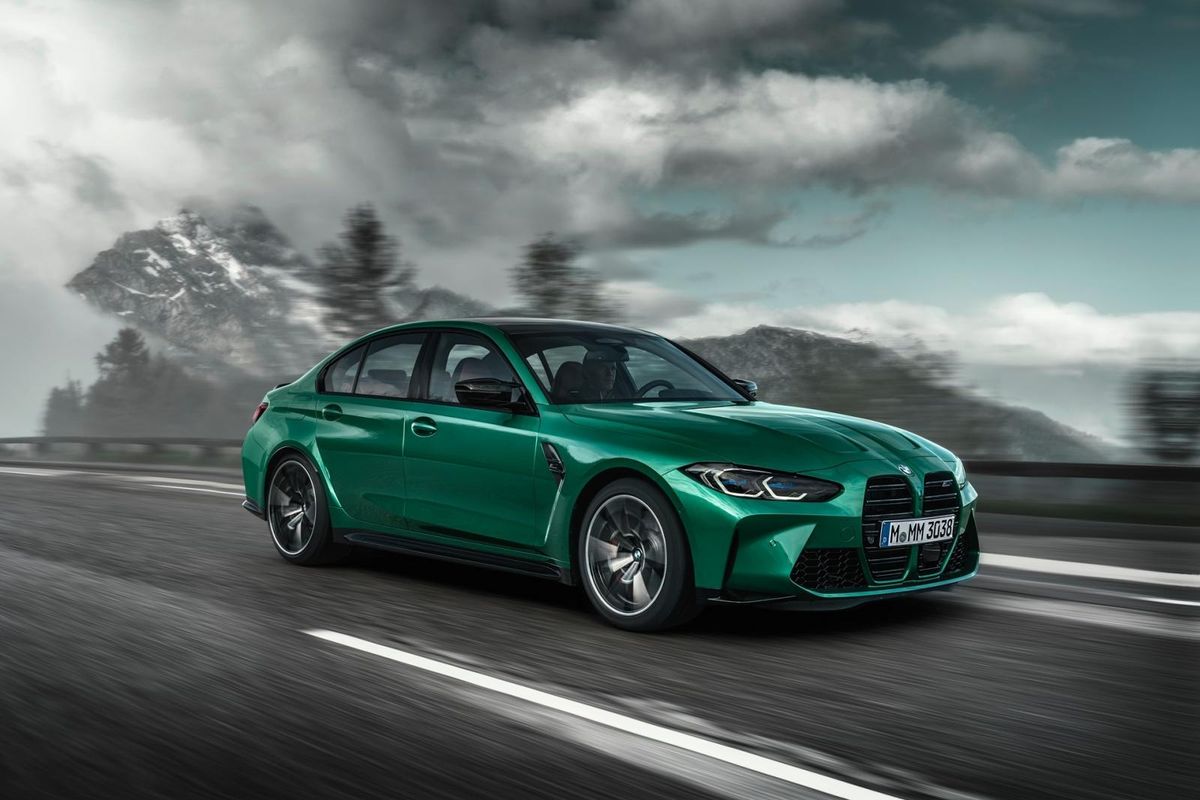
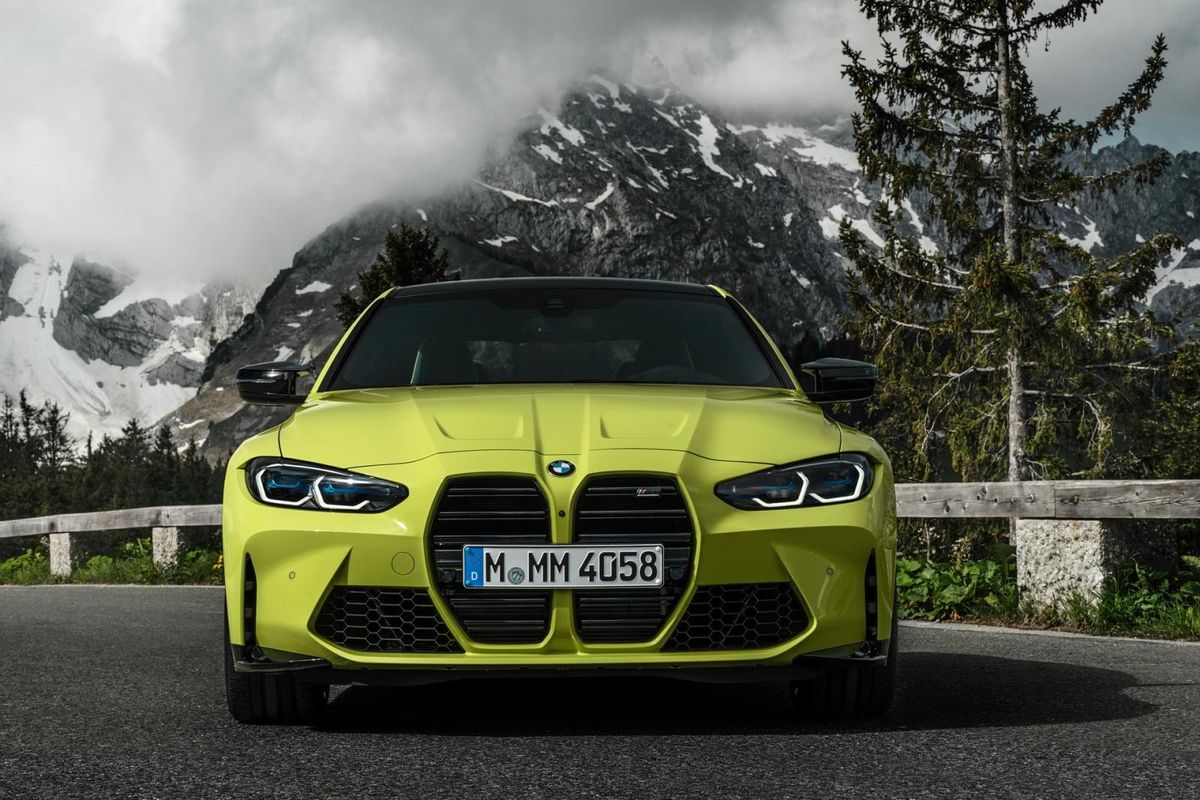
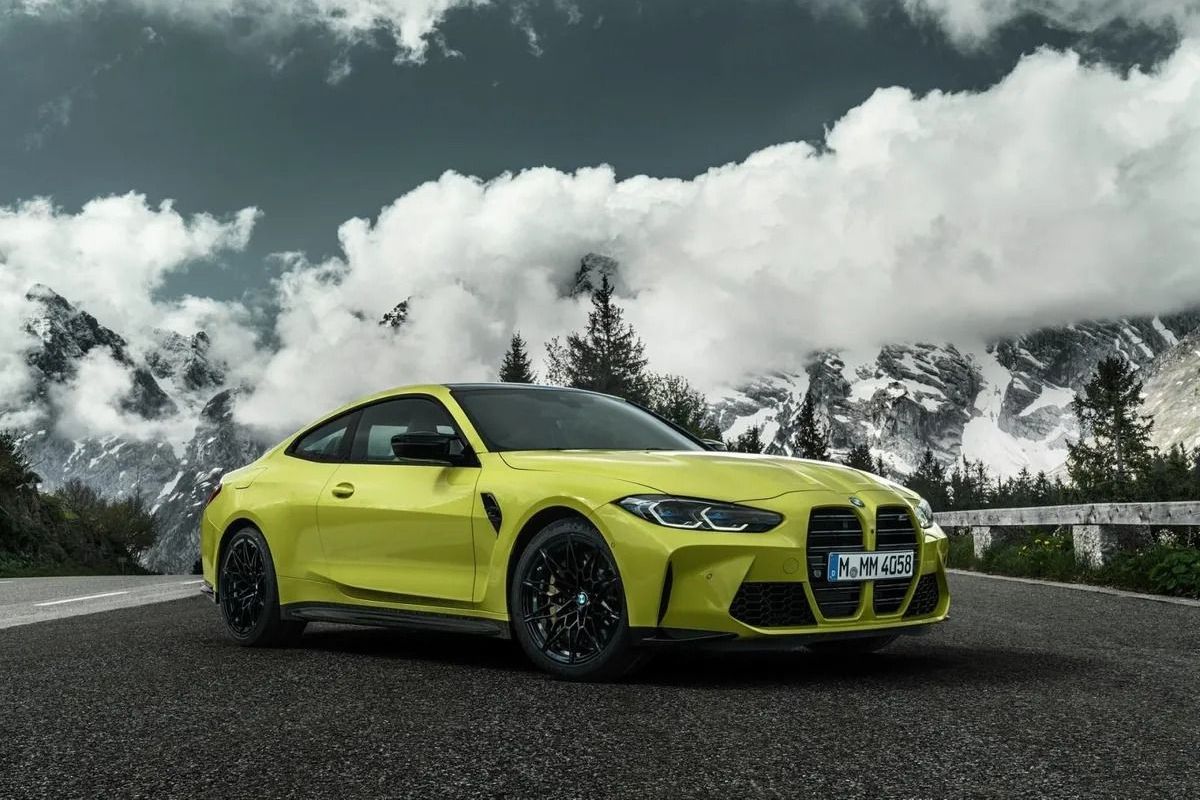
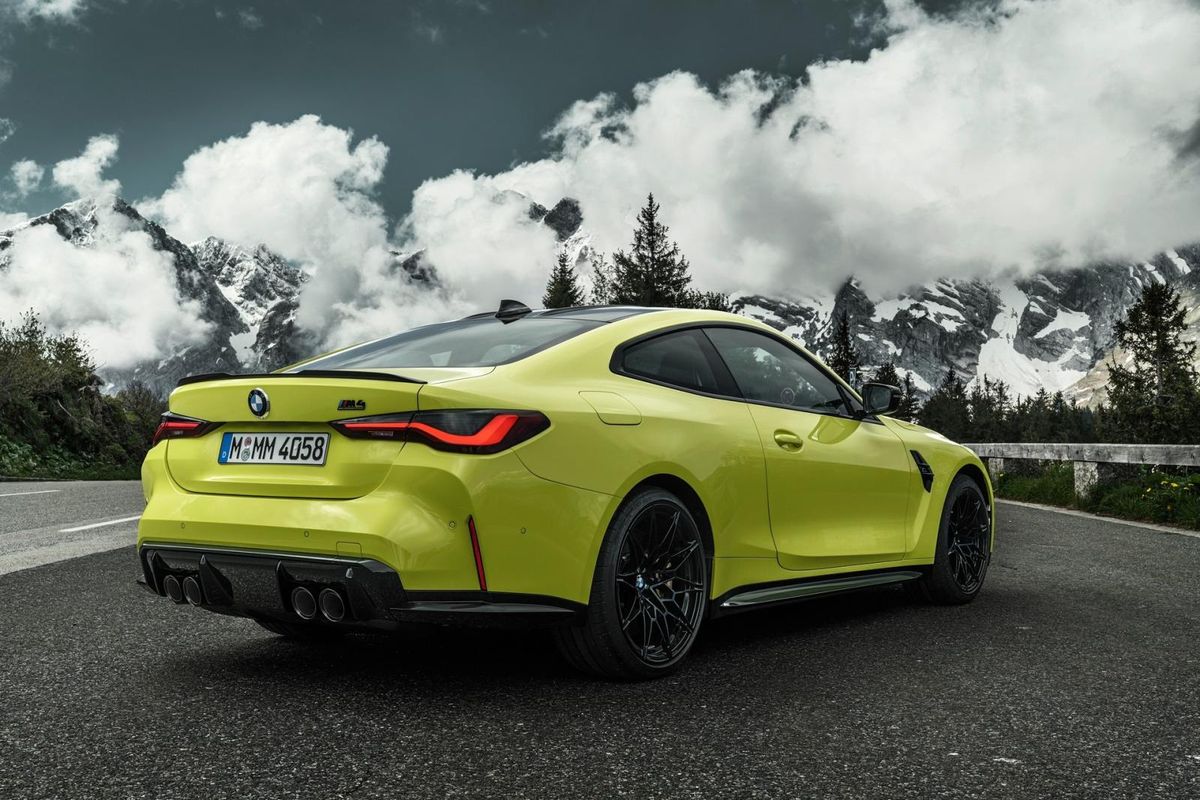
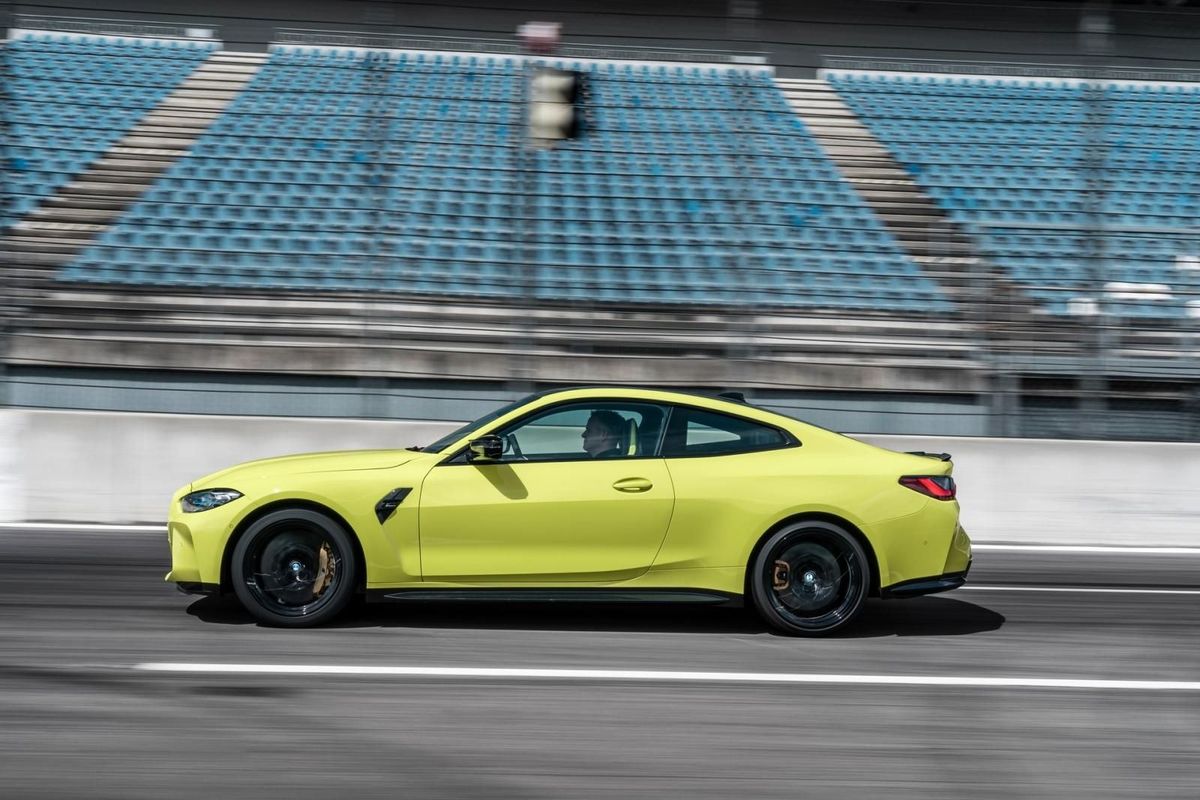
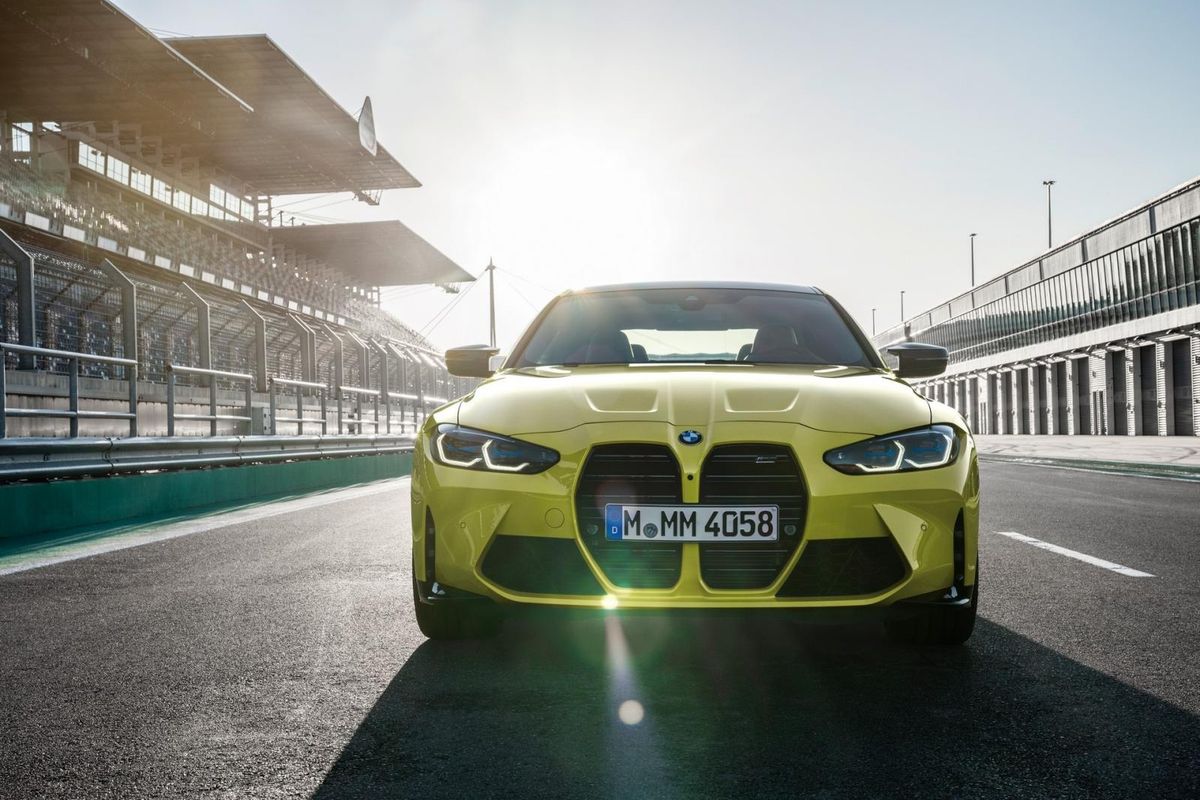
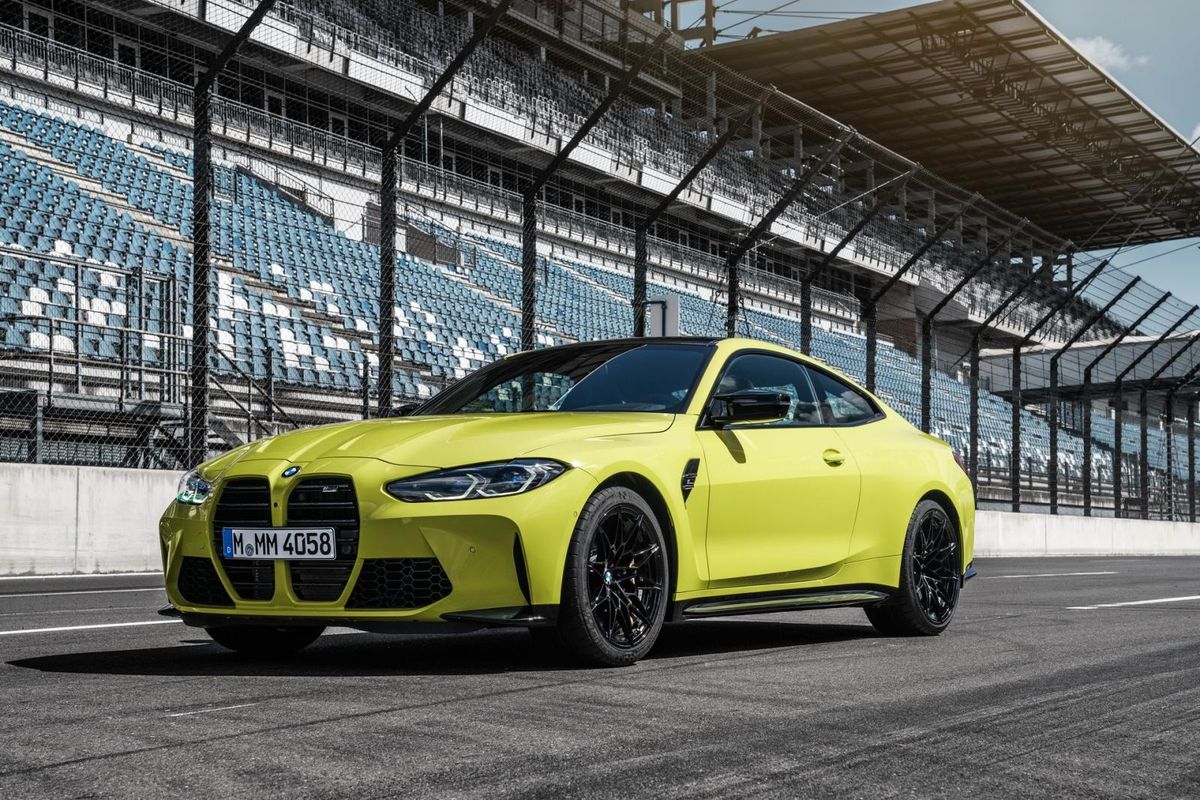
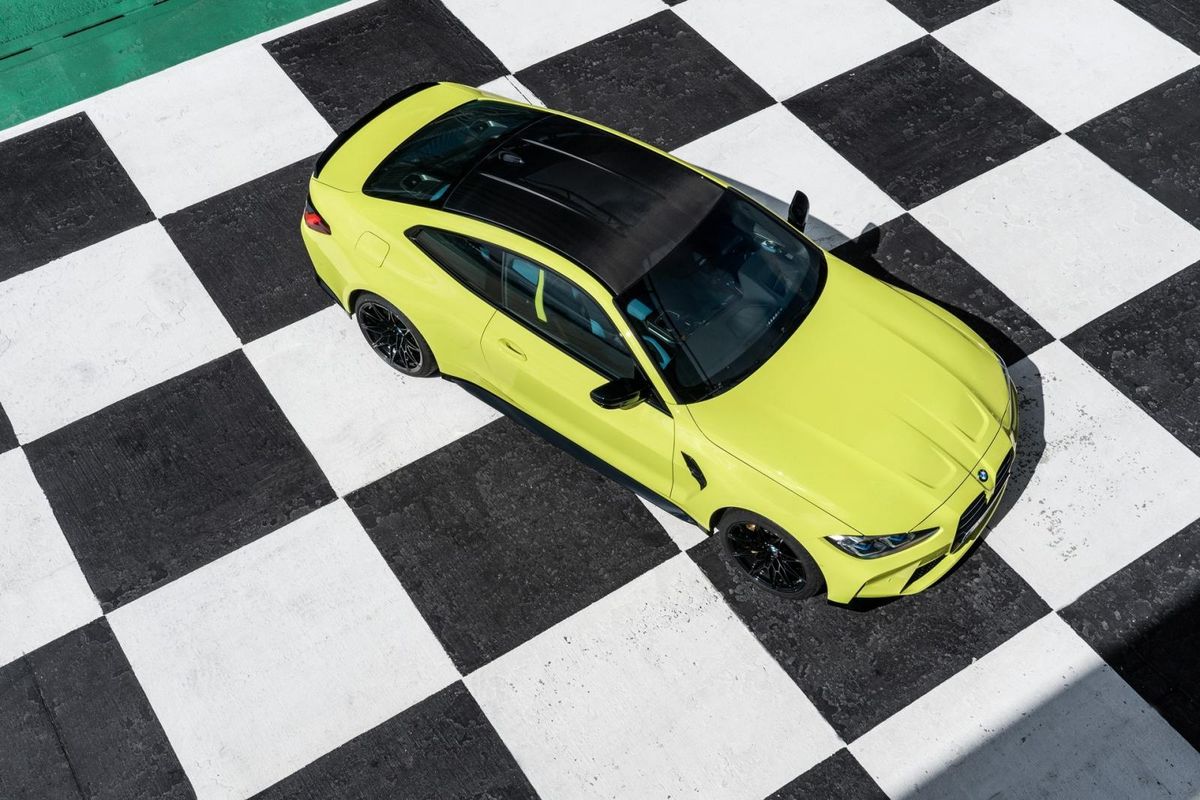
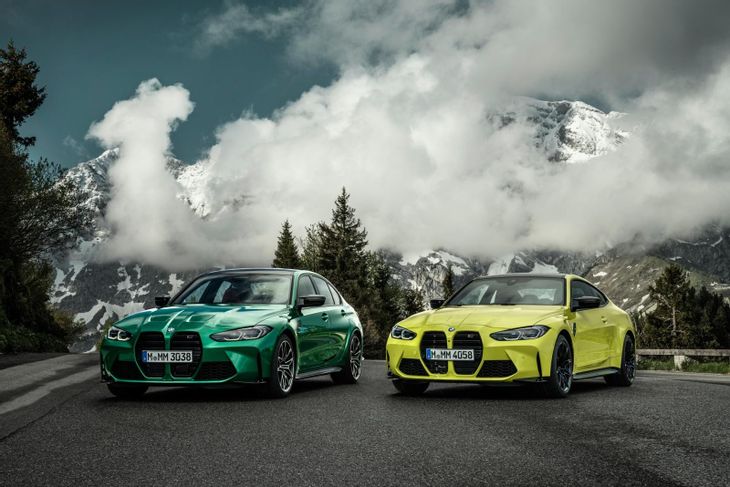
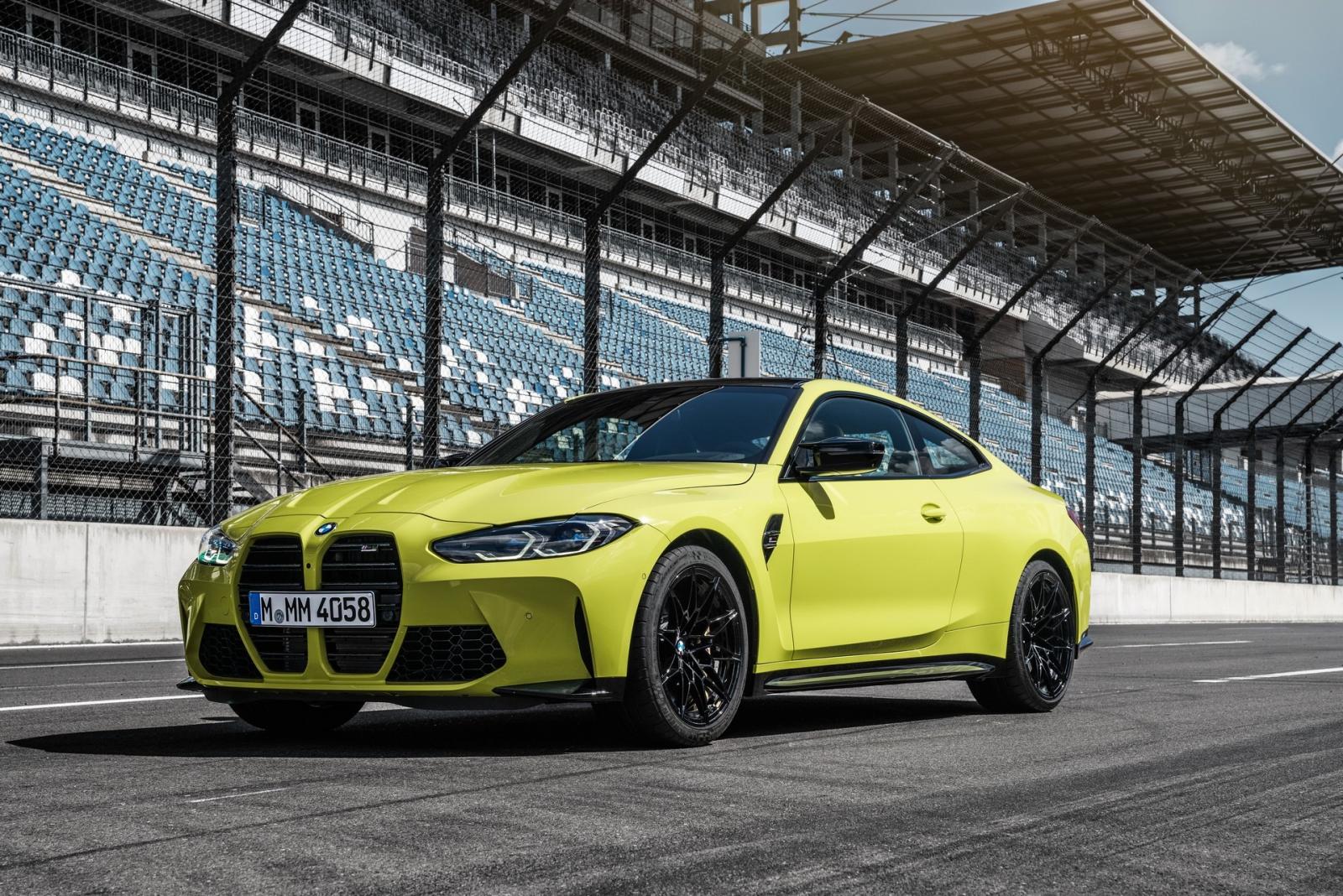
The new generation M3 and M4 look resplendent in Isle of Man Green and Sao Paulo Yellow respectively.

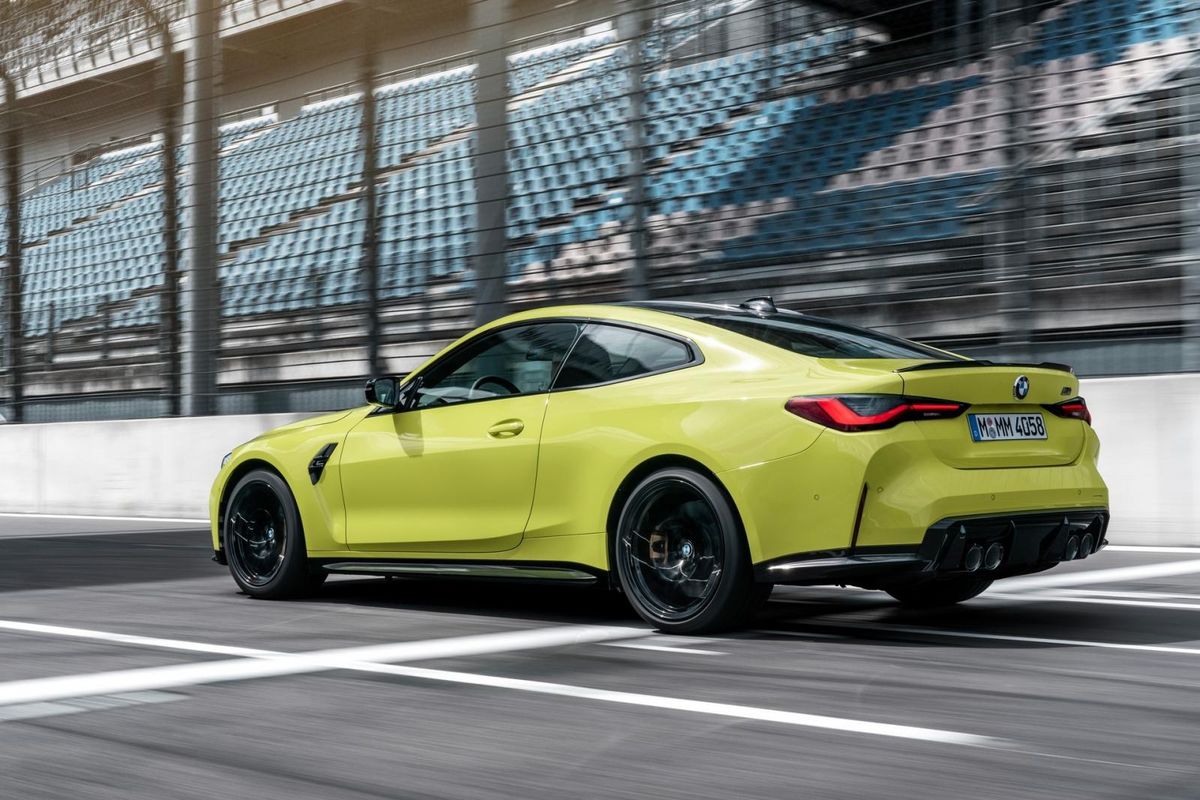
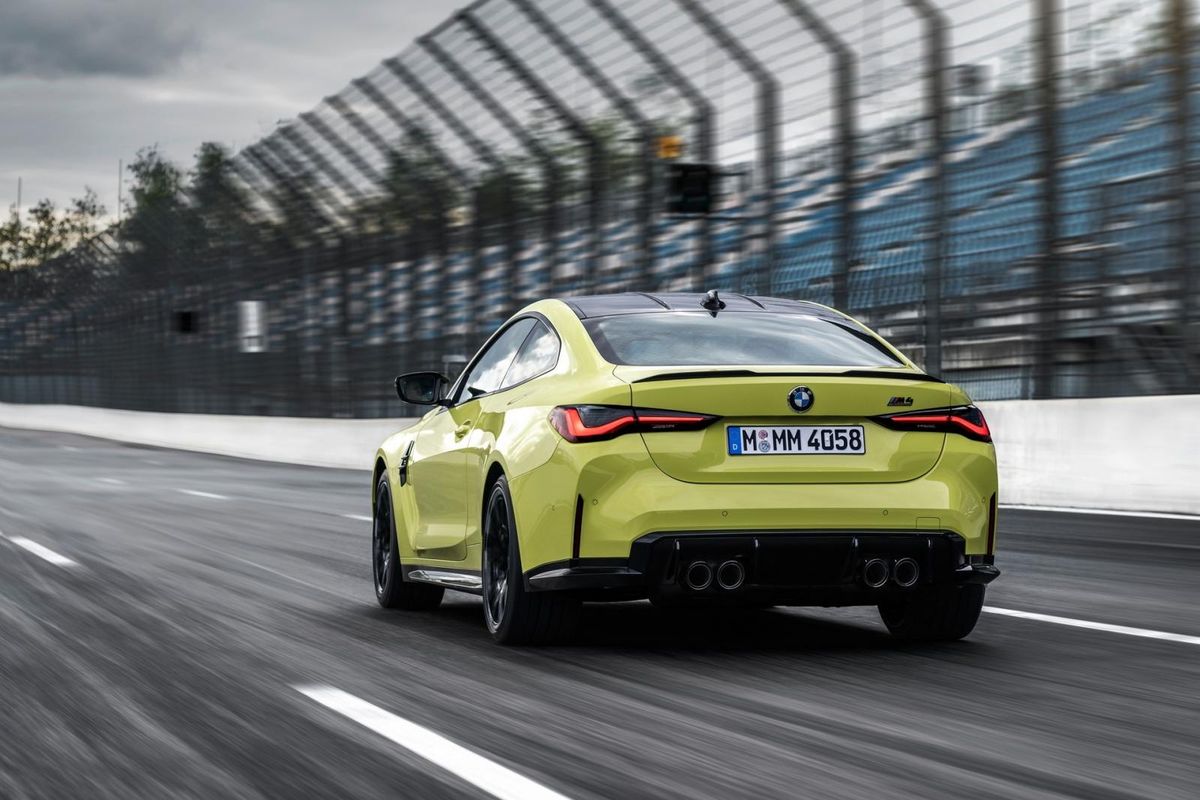
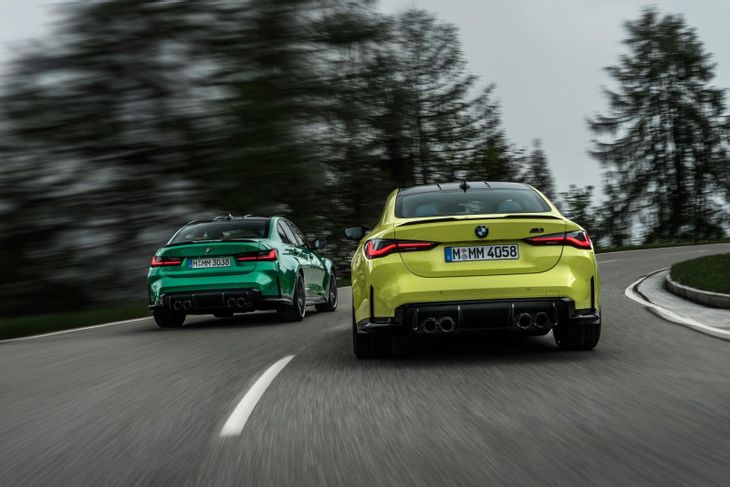
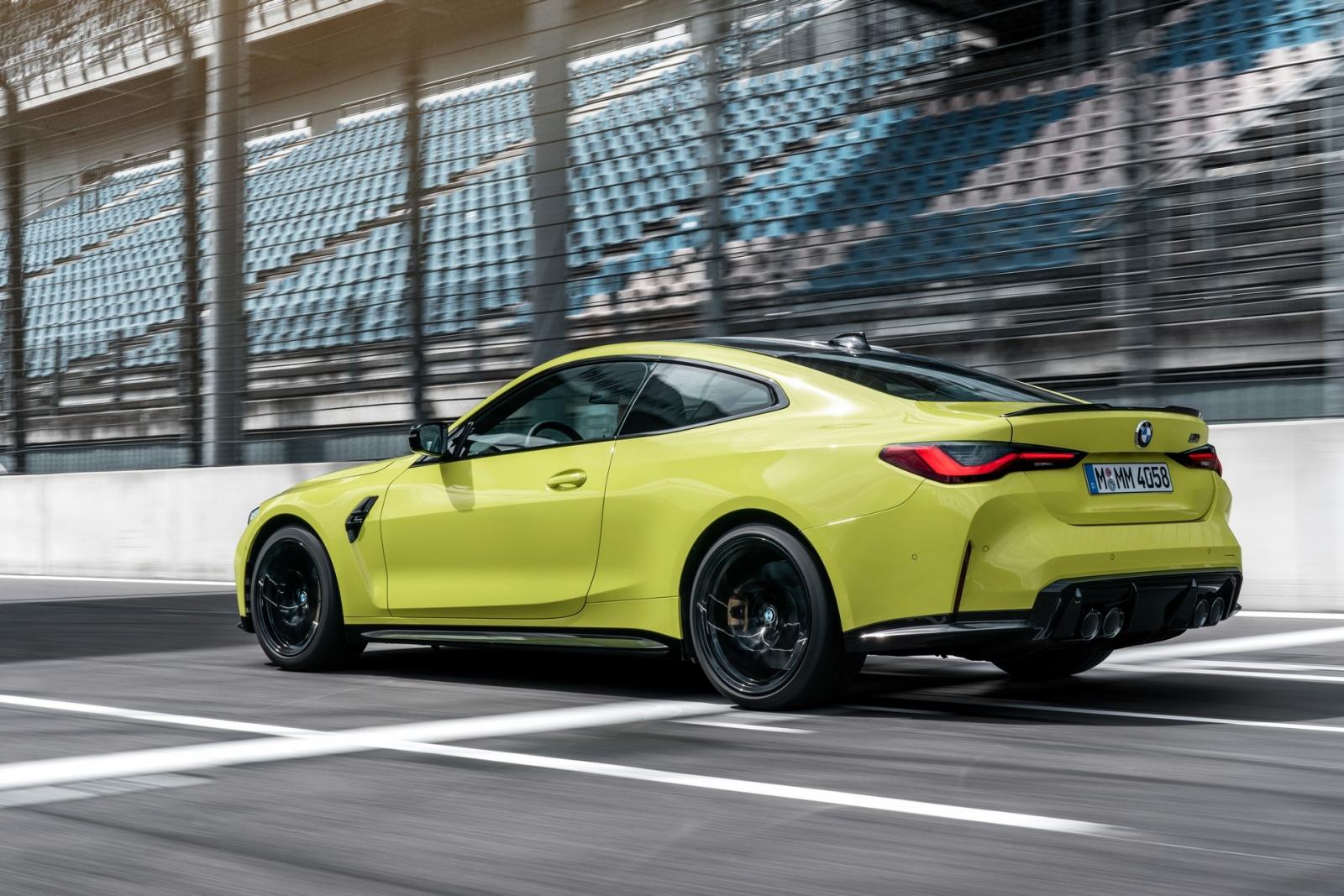
However, BMW has opted to install (an M-specific version of) the 4 Series’ grille on both models, along with sculpted bumpers and wheel arches, M fender gills, side sill extensions (with attachments to the cars’ aprons), carbon-fibre roofs, tail spoilers and, of course, a quartet of M tailpipes.

The pair are shod with forged M light-alloy wheels (18- and 19-inch fore and aft, 1 inch bigger for Competition versions with M xDrive and optional high-performance tyres), plus the exhaust system is model-specific with electrically operated flaps to facilitate that stirring straight-six howl.


Although M xDrive will debut on the Competition versions of the pair, all-wheel-drive versions will only be available later.

Another surprise is that although the pair’s 3.0-litre twin-turbo inline-6 engines will be offered in 2 states of tune, 353 kW and 375 kW (both produced at 6 250 rpm) in the standard and Competition versions, they will not have the same maximum torque output (as is the case with the X3 M and X3 M Competition derivatives, for example). Instead, the standard version produces 550 Nm from 2 650 to 6 130 rpm, while the Competition develops 100 Nm more (650 Nm, albeit over a narrower band of 2 750 to 5 500 rpm).

The standard M3 and M4 is claimed to accelerate from 0 to 100 kph in 4.2 sec and the Competition versions are said to shave that time to 3.9 sec!

Read our BMW M3 (2020) International Prototype Drive


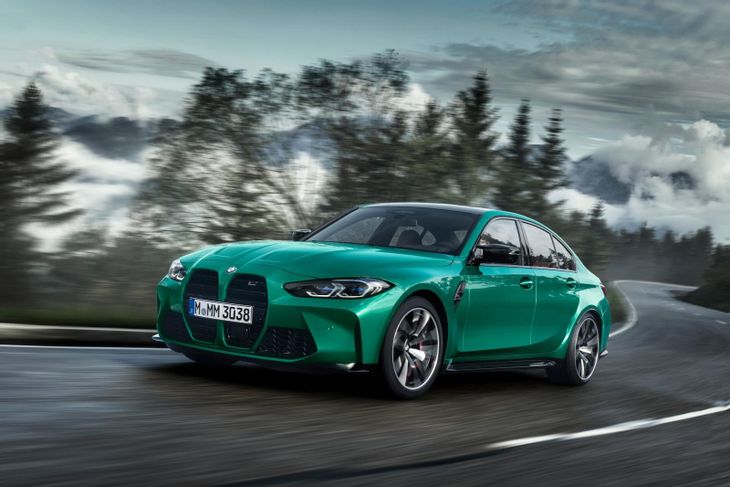
The installation of the 4 Series' upright grille on the M3 is rather controversial – it's the only 3 Series derivative to sport it.

Traditionalists will rejoice that, as widely expected, the standard M3 and M4 will be offered with a 6-speed manual ‘box (with Gear Shift Assistant technology), whereas the Competition versions are equipped with an 8?speed M Steptronic transmission with Drivelogic and 3 shift programs.

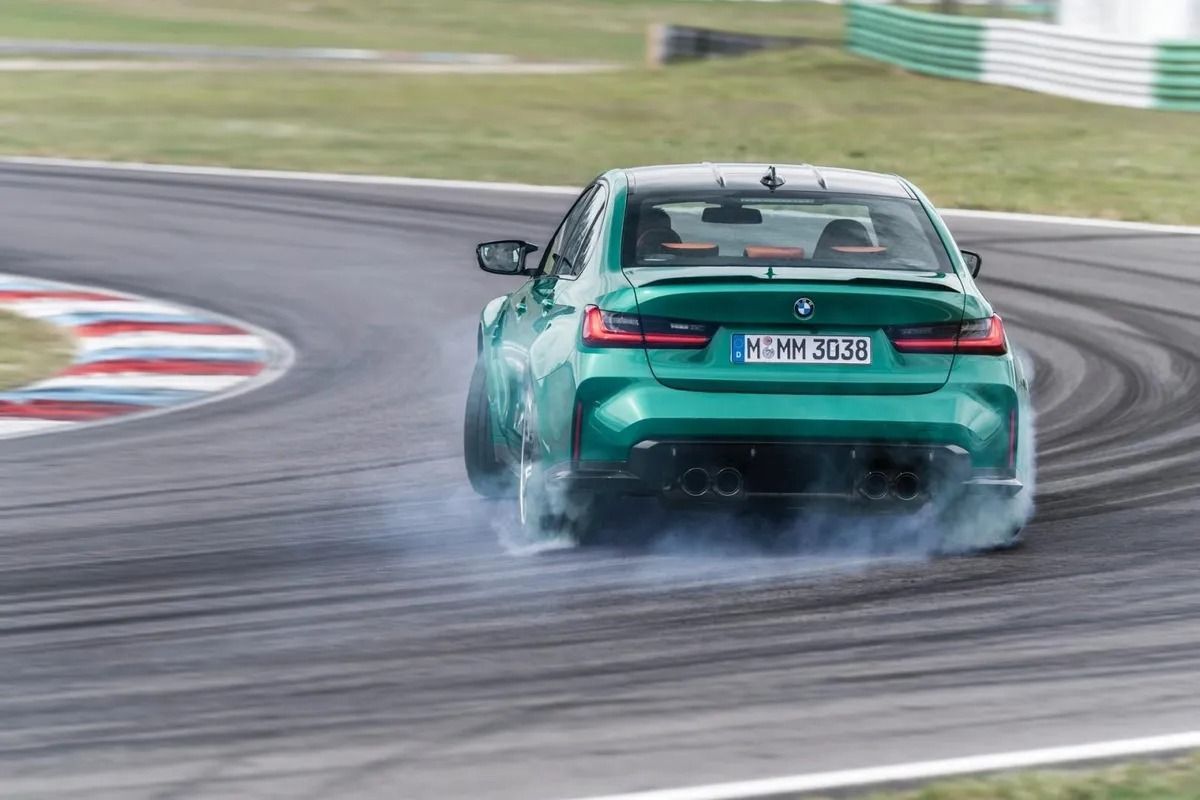
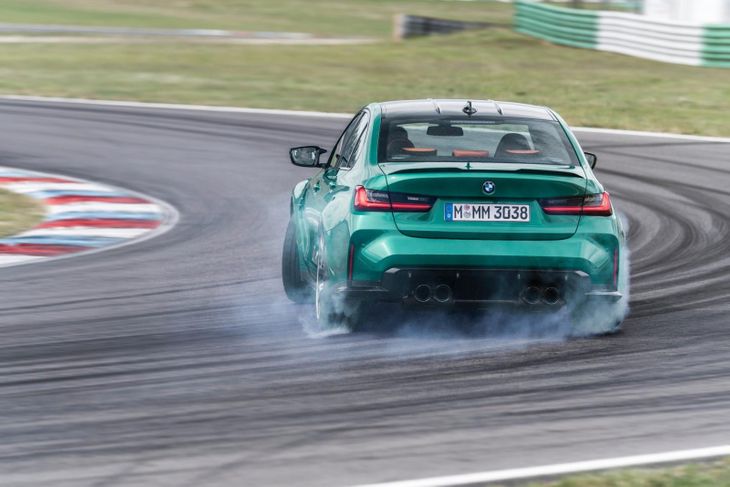
What wasn’t expected, however, is that BMW has launched all versions in rear-wheel-drive configuration; the M3/ M4 Competition with M xDrive, which combines a rear-biased M xDrive with the Active M Differential and 3 selectable drive modes: 4WD, 4WD Sport and 2WD (the latter for pure rear?wheel drive and deactivated stability control, also knows as "Drift Mode") will arrive later in 2021.


Drivers will also have the option of choosing between 10 M Traction Control settings (depending on how brave they feel).

Both models feature an extremely stiff body structure and chassis mounting thanks to model-specific bracing elements for the engine compartment, a front axle subframe with an aluminium shear panel, underfloor bracing elements and a rear-axle subframe with a rigid connection to the body.

Compared with the previous generation M3 and M4 models, the Adaptive M suspension (with electronically controlled shock absorbers) is now fitted as standard, as is the M Servotronic variable-ratio steering setup. BMW’s M division has further made modifications to the cars’ front- and rear-axle assemblies and implemented an integrated braking system with 2 settings for pedal feel and response.

The M3 and M4 feature M-specific displays in the instrument binnacle, infotainment system menus and, if specified, HUD.

Beefed-up M Compound brakes provide stopping power (they can optionally be upgraded), while the cars’ dynamic stability control setups include an M Dynamic mode as before, but with the option of a 10-stage-adjustable M Traction Control function.

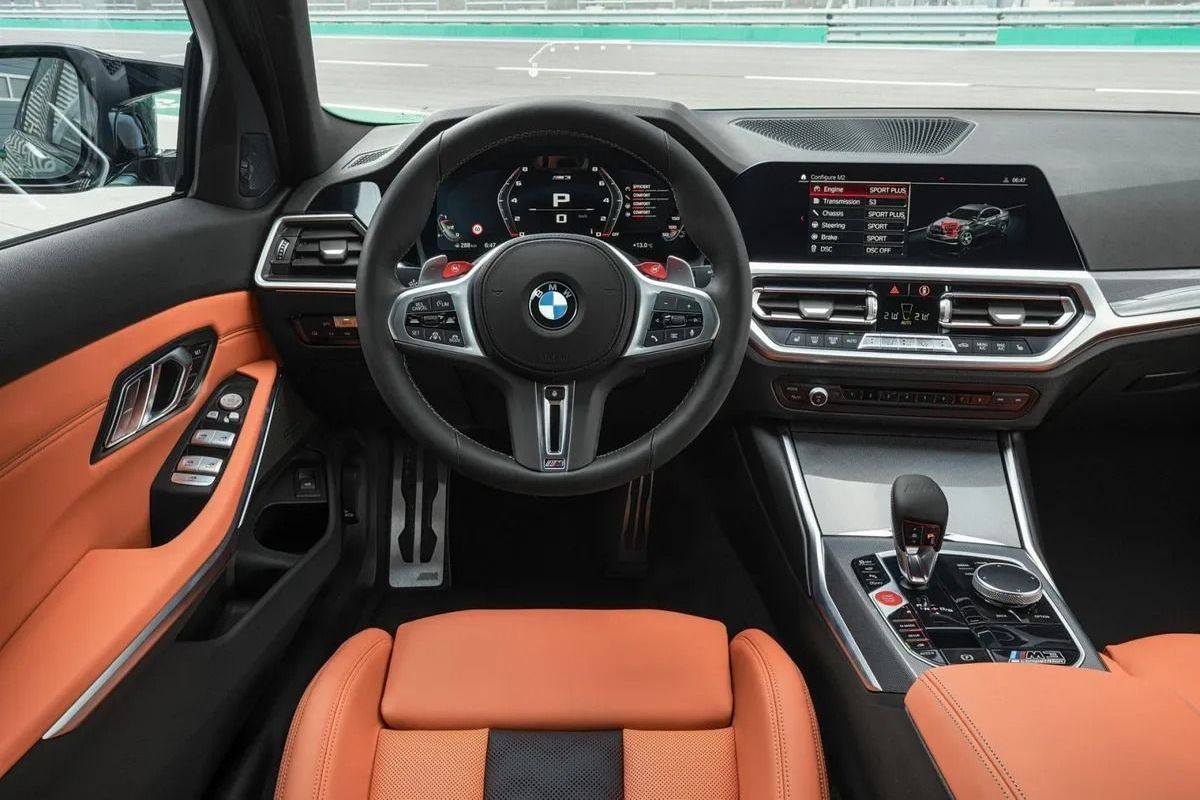
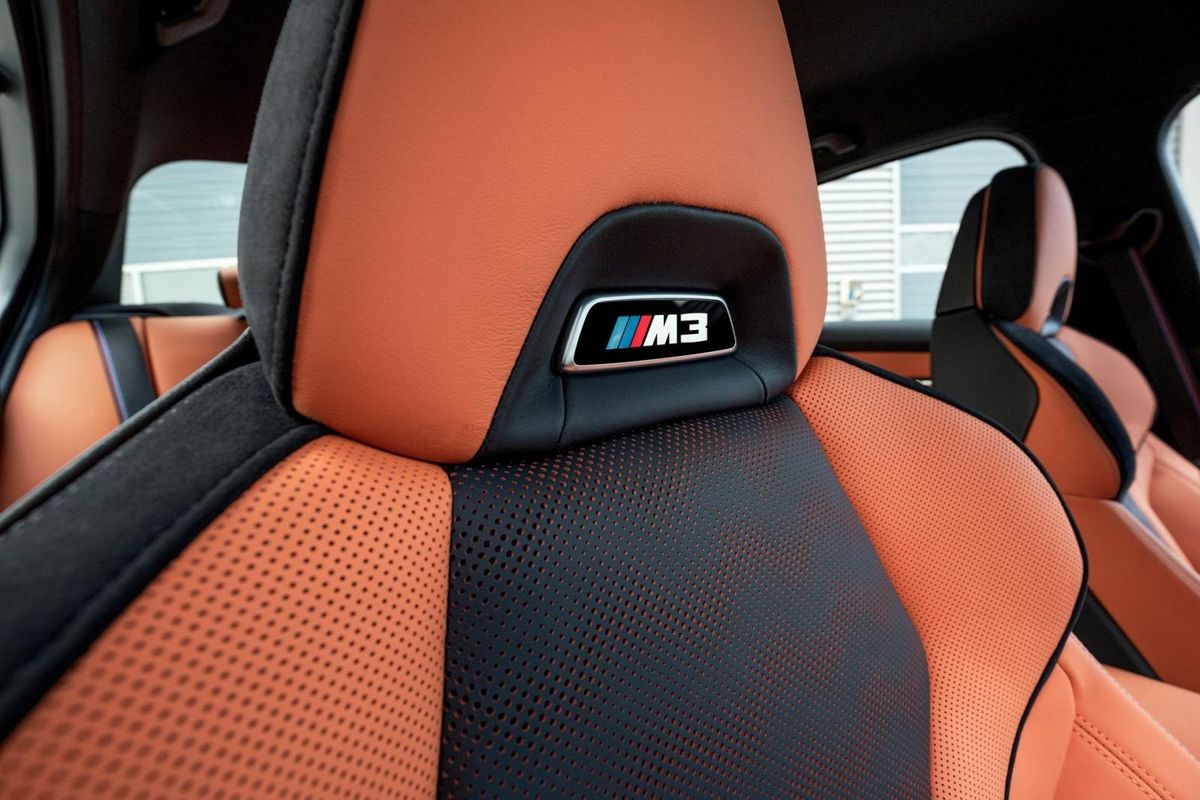
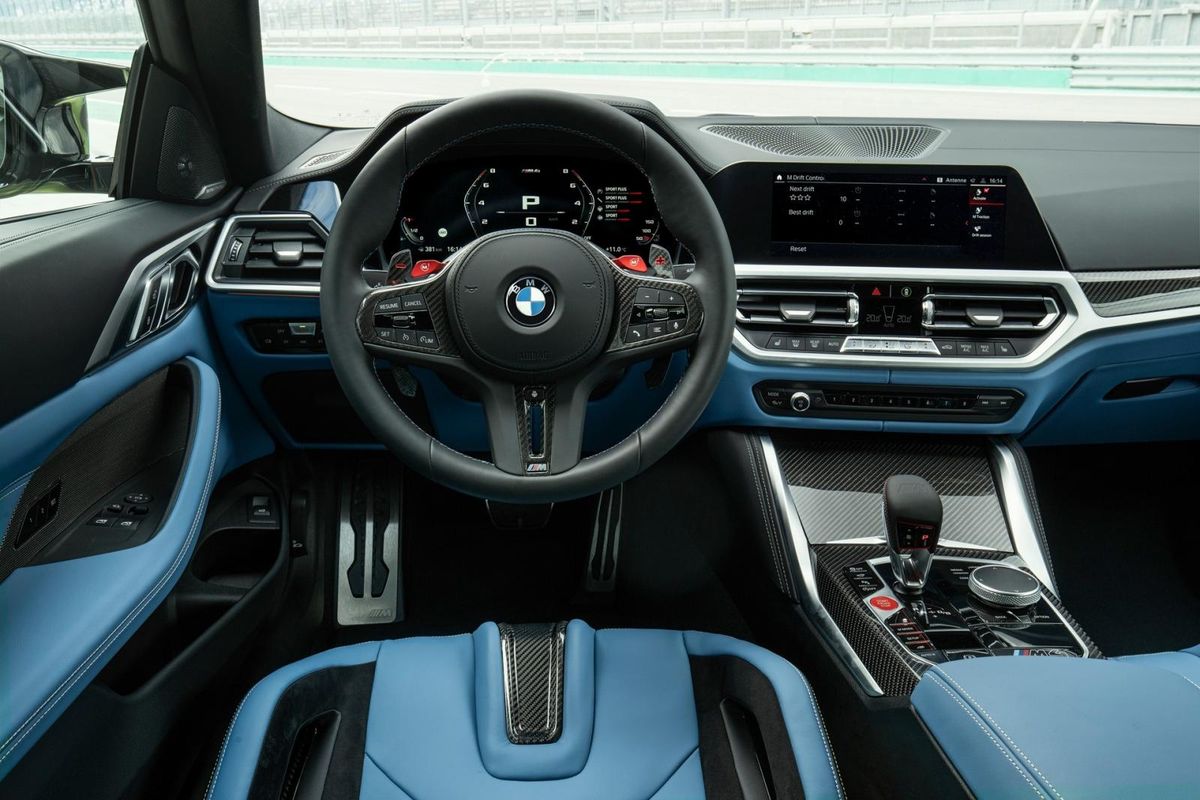
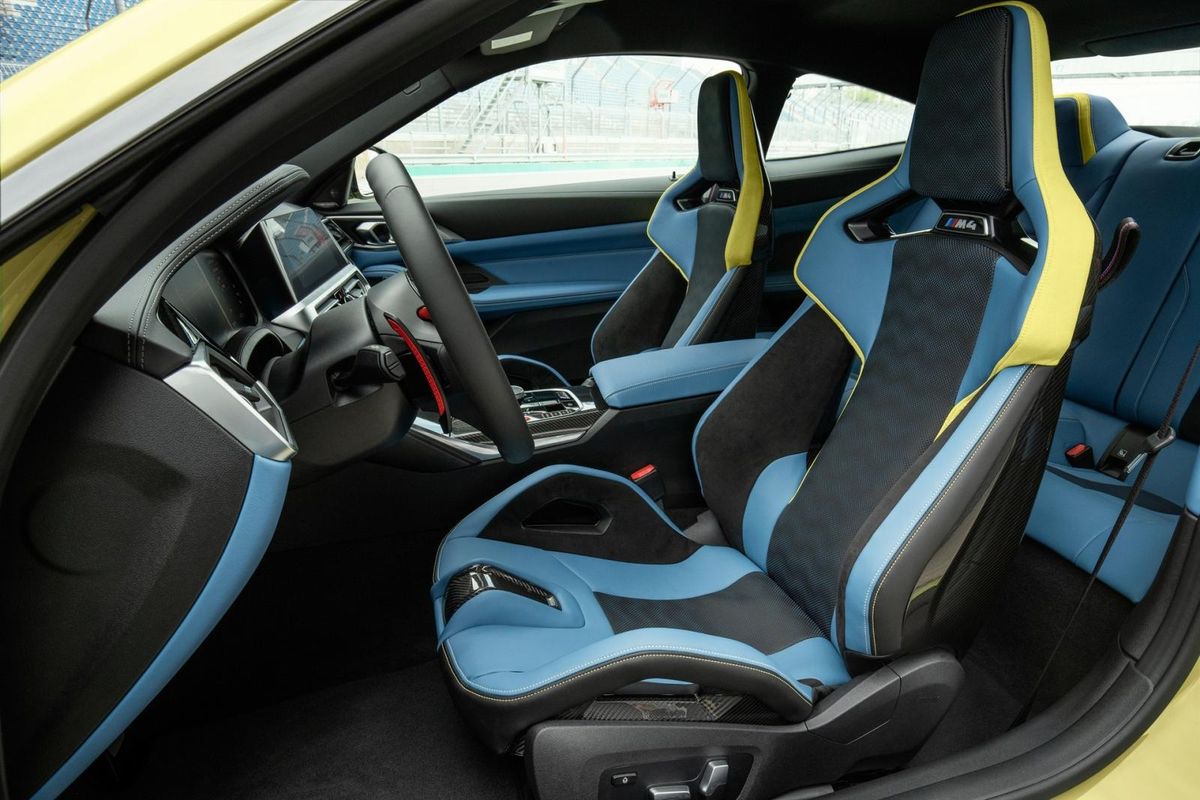
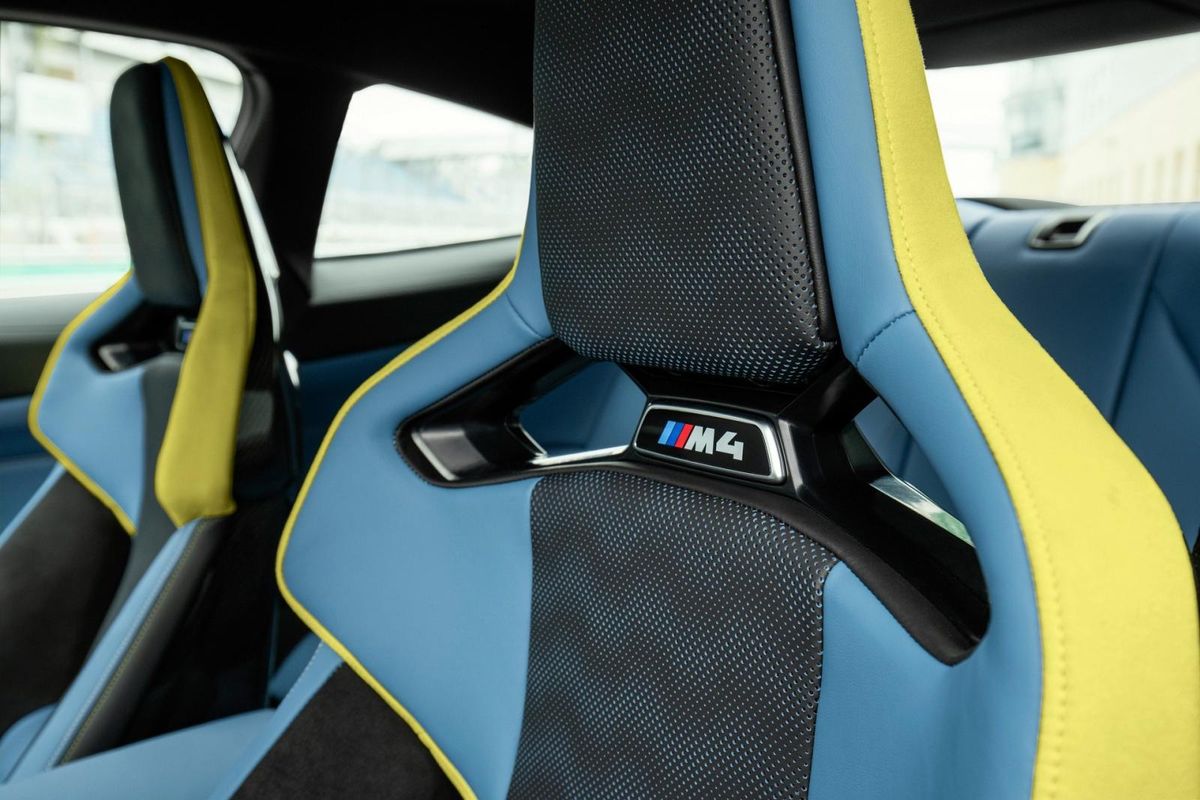
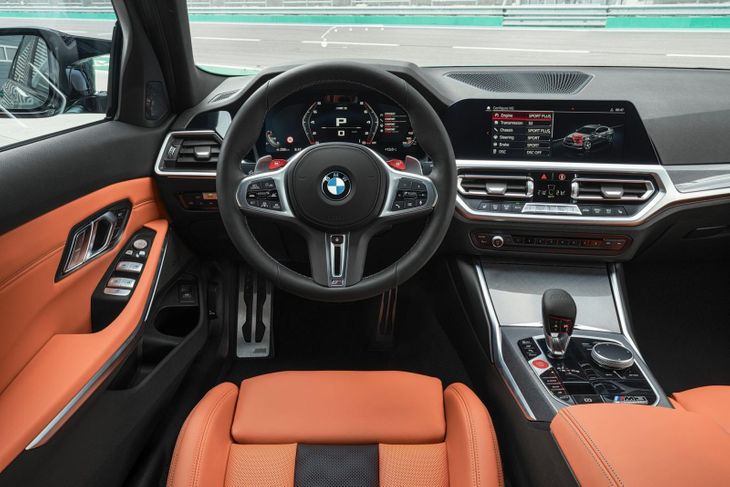
Inside, the pair features newly developed M sport seats and fine-grain Merino leather trim with extended features, as well as a thick-rimmed steering wheel (with a pair of red M buttons, through which 2 pre-set driving setups can be activated) and M-specific displays and controls.


The M4 Competition, with an 8-speed M Steptronic transmission, will be the top-of-the-range model in South Africa.

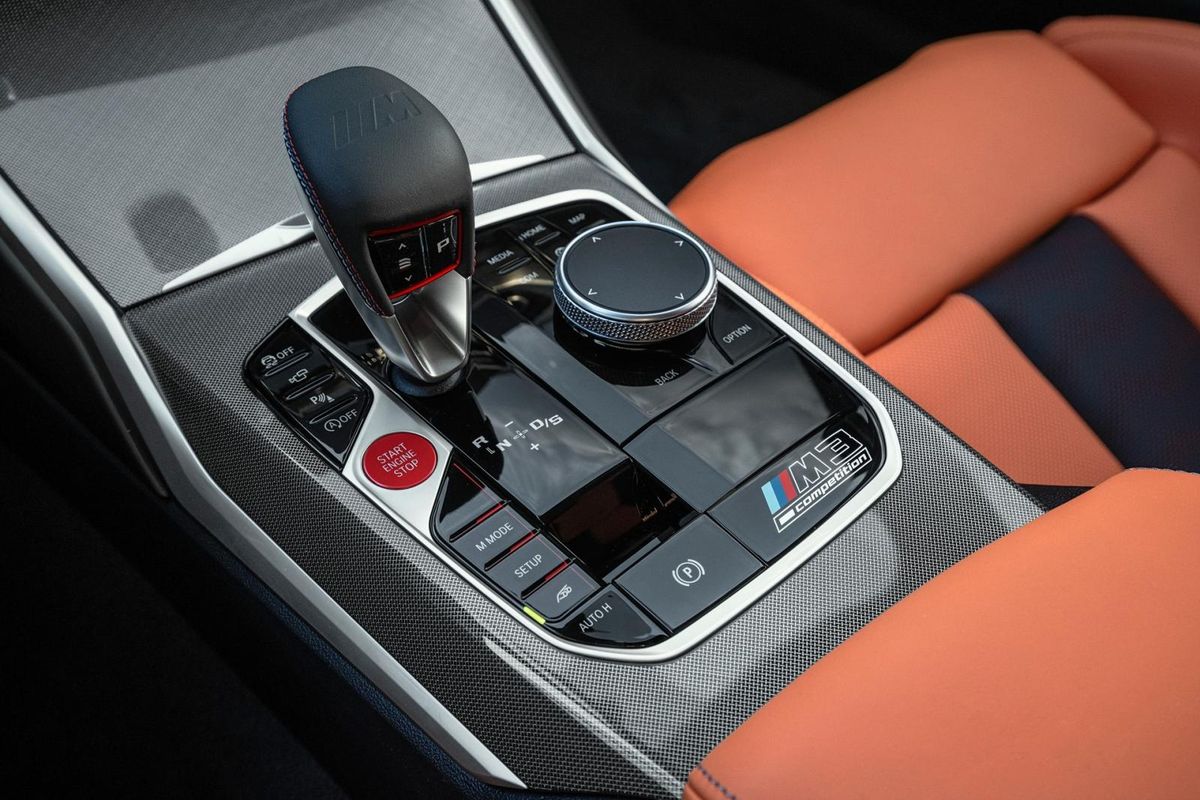
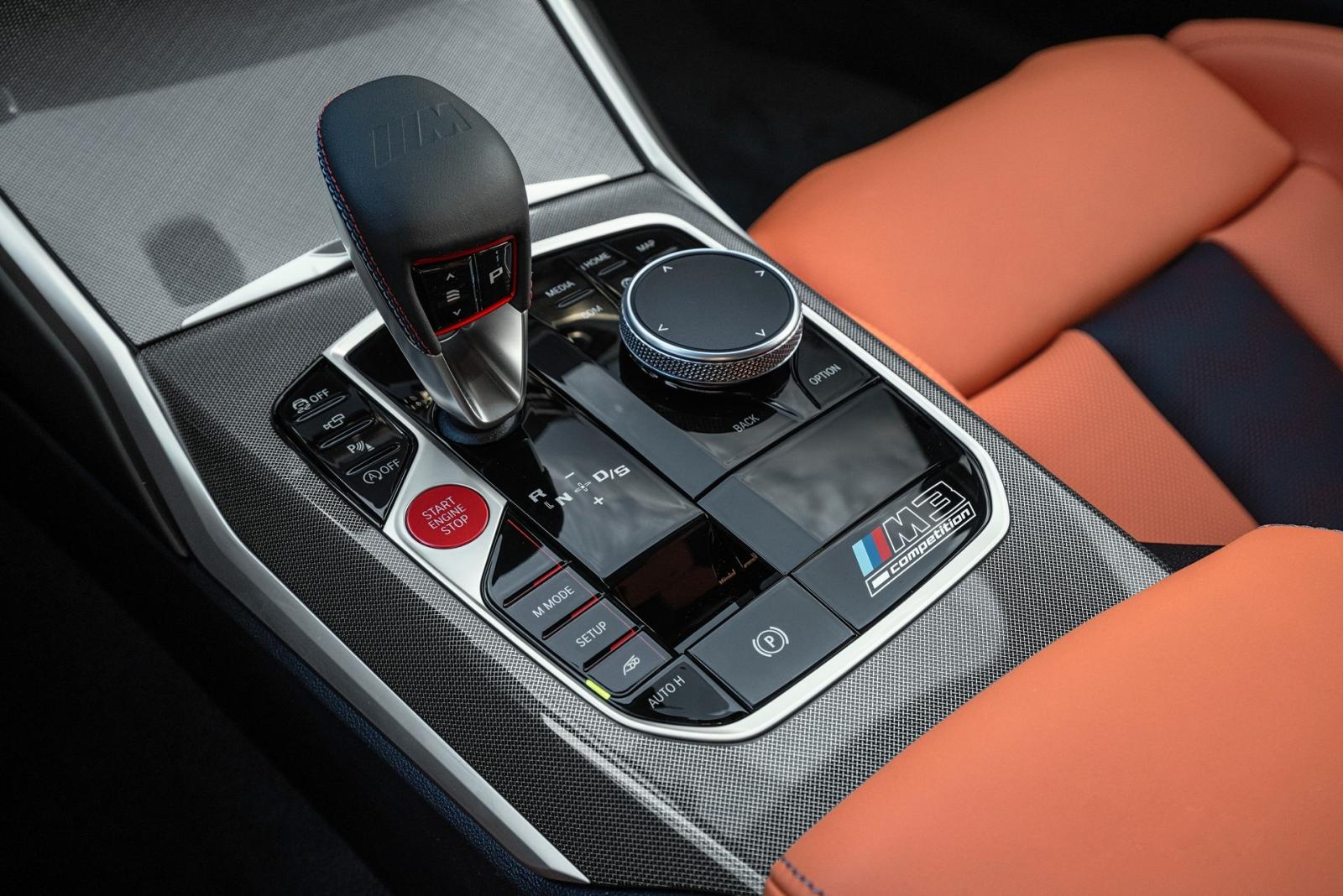
The centre console, meanwhile, features a red start-, as well as a Setup and M Mode buttons. "Setup" provides direct access to the engine, chassis, steering and braking system settings – and, depending on the specific derivative, also M xDrive, Gear Shift Assistant and traction control. "M Mode", in turn, enables the pilot to alter the intervention thresholds of the driver assistance systems and the displays in the instrument cluster.

Meanwhile, the M3 and M4 features BMW Live Cockpit Professional with fully digital display grouping, BMW Maps navigation system and BMW Intelligent Personal Assistant, as well as park distance control, front-collision warning, lane departure warning as well as speed-limit info.


Track enthusiasts will be able to order their M3 or M4 with an weight-saving M Race Track Package. 

And, these newcomers wouldn’t be BMWs if they did not come with long options lists, would they? Boxes that can be ticked (at extra cost) include M Carbon bucket seats, M Carbon ceramic brakes, Driving Assistant Professional with Steering and Lane Control Assistant, Active Navigation, Emergency Lane Assistant, Parking Assistant with Reversing Assistant, BMW Drive Recorder and BMW Head-Up Display with M-specific displays.

The Head-Up Display incorporates Road and Sport settings, but with the – also optional – M Drive Professional package (including M Drift Analyser, M Laptimer and M Traction Control) it additionally features a Track mode.


Drivers can toggle the M3 and M4's dynamic- and driver assistance settings at the push of a button on the centre console.

And finally, the optional M Race Track Package for the M3 and M4 is said to reduce vehicle weight by around 25 kg thanks to features including M Carbon ceramic brakes, special M light-alloy wheels and M Carbon bucket seats.

South African line-up for M3 & M4

BMW South Africa has announced that it will launch the Competition versions (that is to say with the higher output 375 kW/650 Nm motor) of the new M3 and M4 towards the middle of 2021. The cost of getting the faster versions (initially in RWD guise) is that buyers won't be able to choose between manual and automatic transmissions, because Competition derivatives are only available with the 8-speed M Steptronic auto 'box.

See also: M Performance parts for BMW M3 & M4


Related Content 

BMW M3 (2020) International Prototype Drive

BMW M3 Touring Confirmed

BMW M3 Touring: Will it succeed?

Ferrari-Engined BMW M3 – We Drive It

Local Isuzu D-Max postponed until 2022

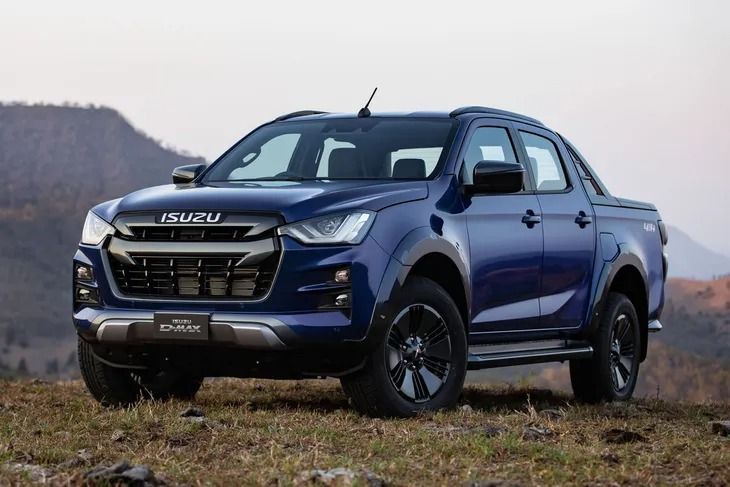
Isuzu South Africa has made it known that the localised version of the Isuzu D-Max bakkie will only be available in 2022.

As one of SA’s three most popular bakkies (Toyota Hilux and Ford Ranger being the other two), the news of an all-new D-Max has provided much excitement for its loyal customers and fans. A new version doesn’t come around very often, with the current generation tracing its introduction back as far as 2011. The new model as already seen sales in major bakkie markets such as Thailand and Australia, but the South African version won’t be available until 2022.

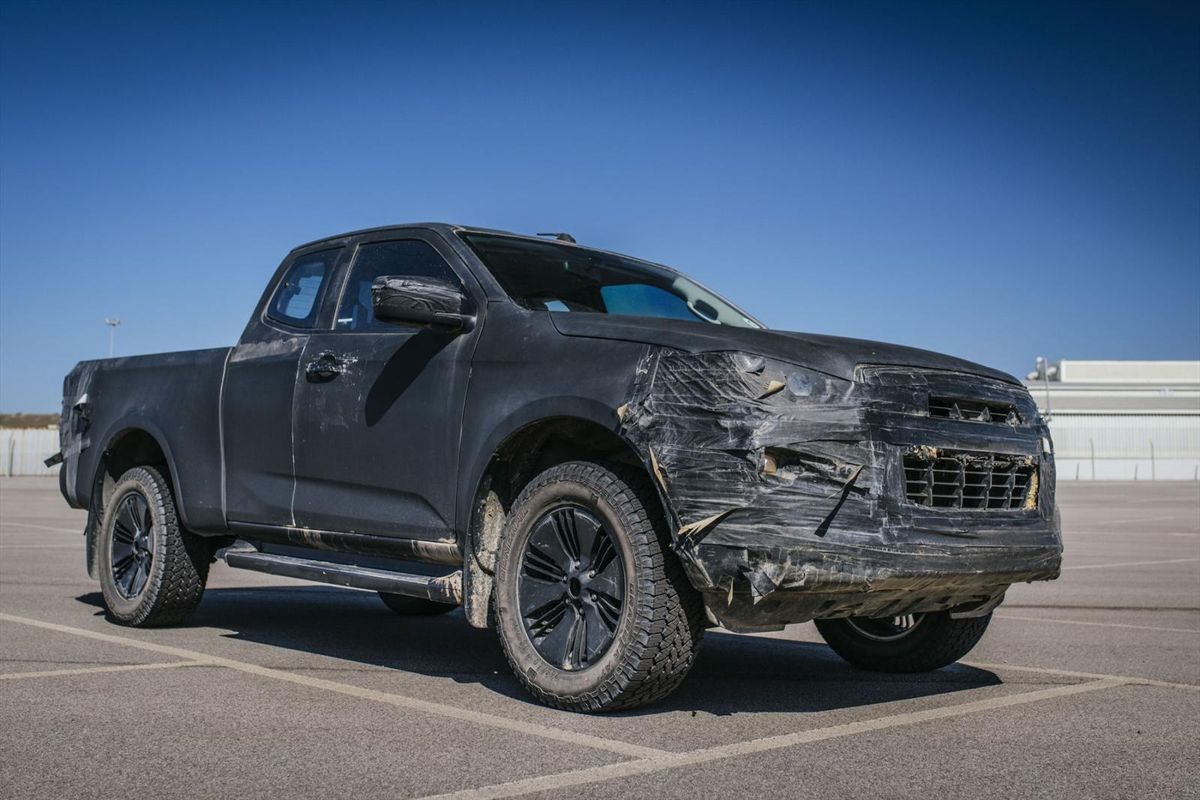
Earlier reports suggested that the D-Max would be available in 2021 but Covid-19 has delayed the local manufacturing facilities upgrades and pushed back the testing of the local unit by more than a few months. Isuzu prides itself on building bakkies for the local market and as such does not import its D-Max but builds it locally in Port Elizabeth after extensively localising the product to endure harsh South African conditions. According to Isuzu SA, “some of the key projects being undertaken include testing on the load box which in the current bakkie has significantly thicker steel in strategic areas such as the load box inner panels, load box front panel, and tailgate.


The new D-Max is already on sale in overseas markets.

Other areas receiving attention from local engineers include, dust sealing, suspension tuning and development of local dampers, development of all-terrain tyres, rear differential lock and axles, wiring harnesses, and accessories such as canopies, roll bars and nudge bars.”

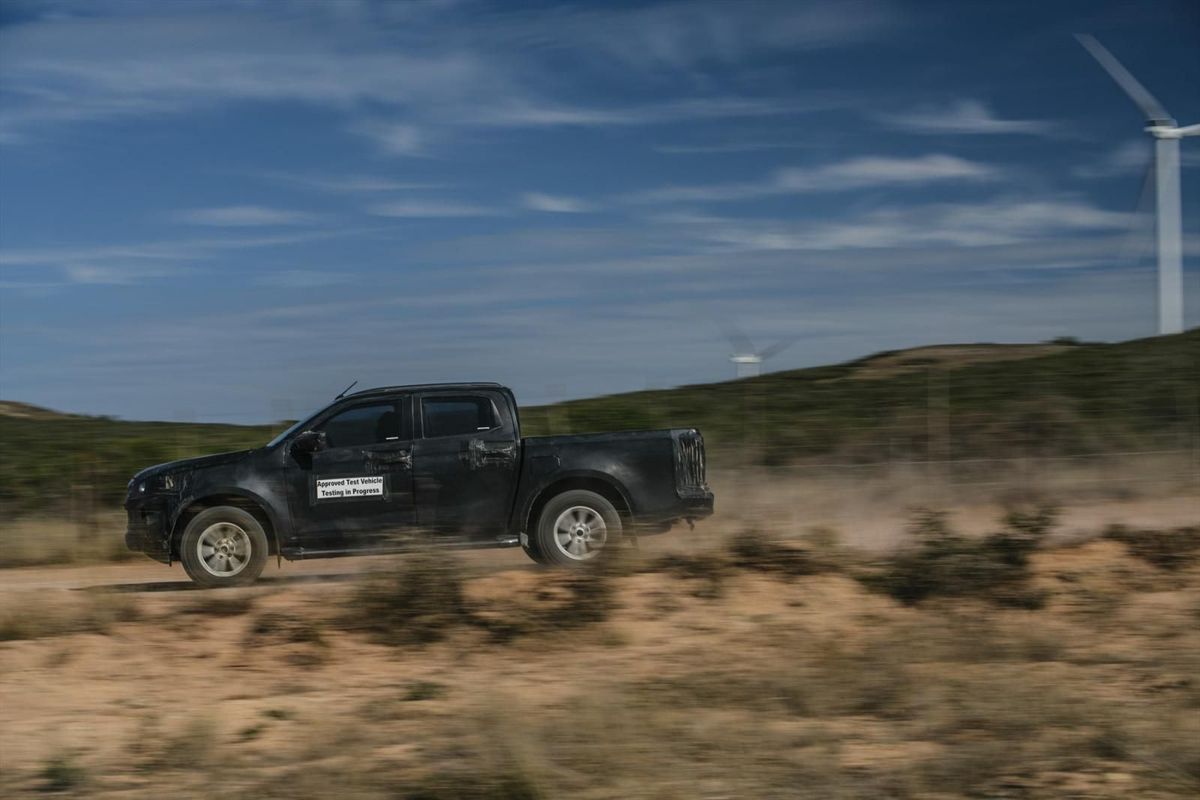
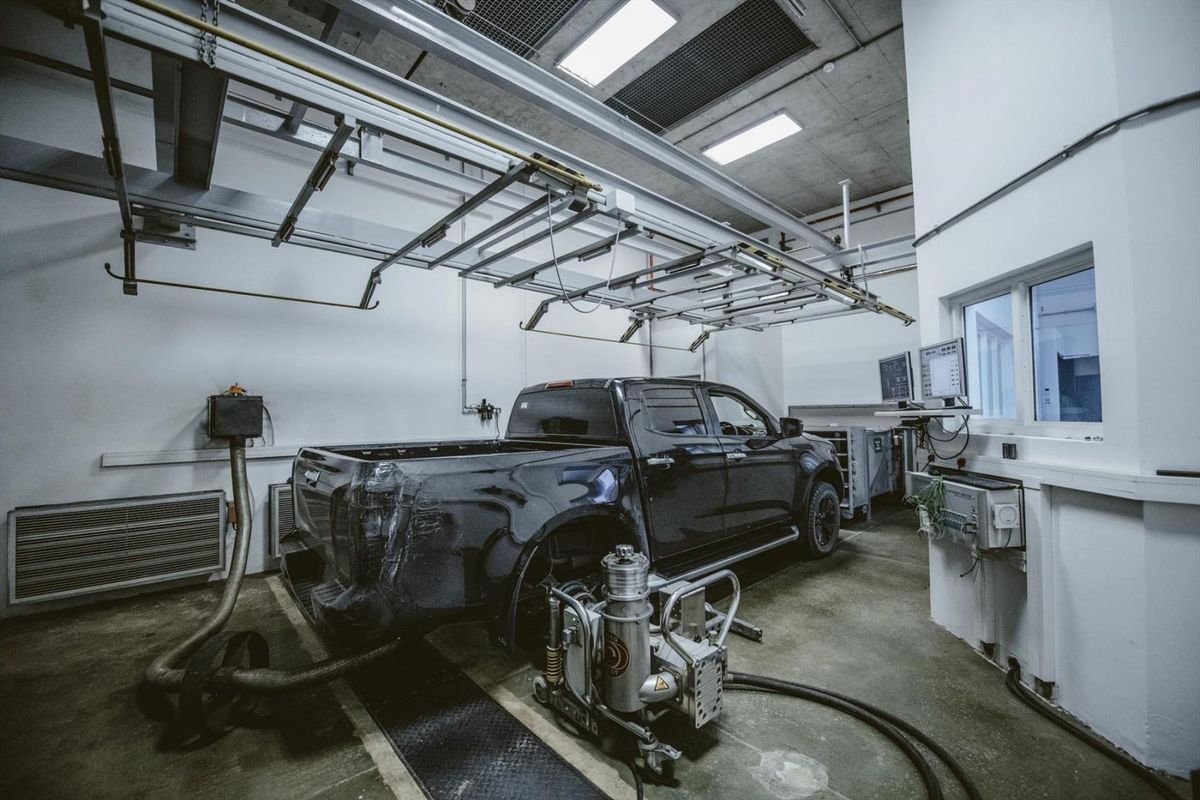
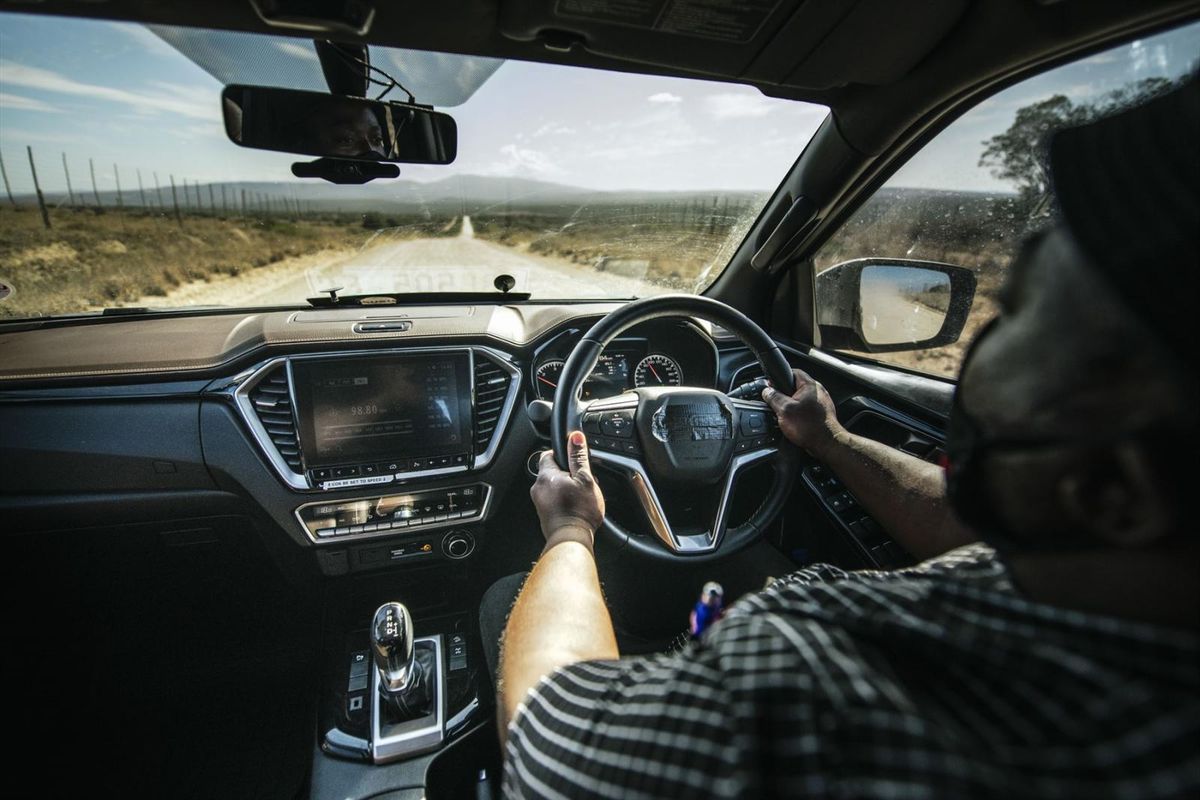
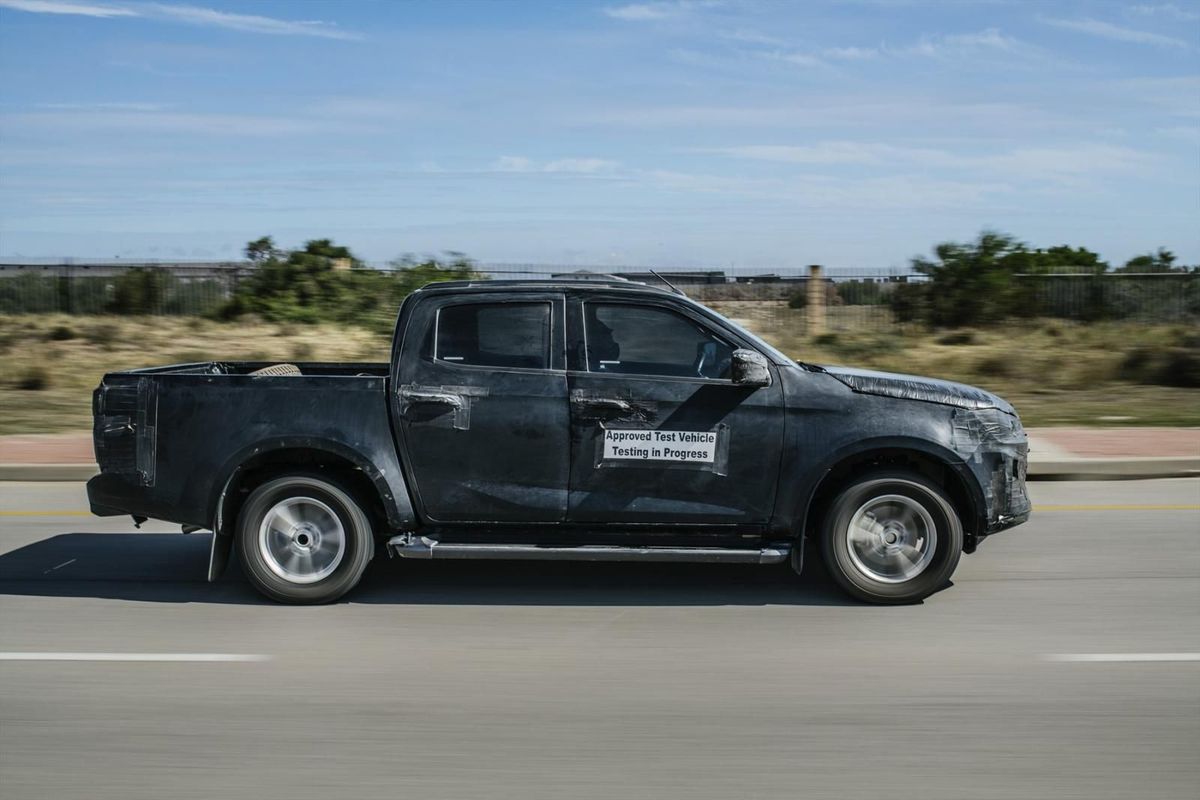
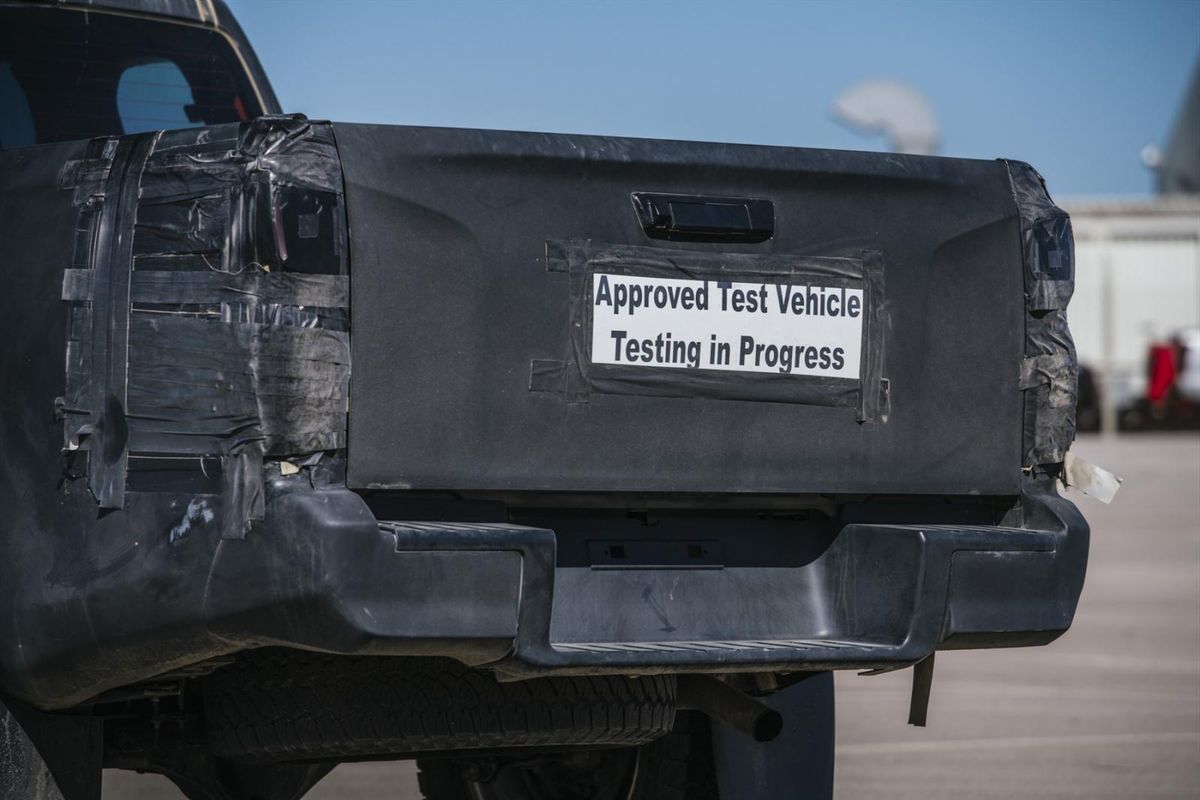
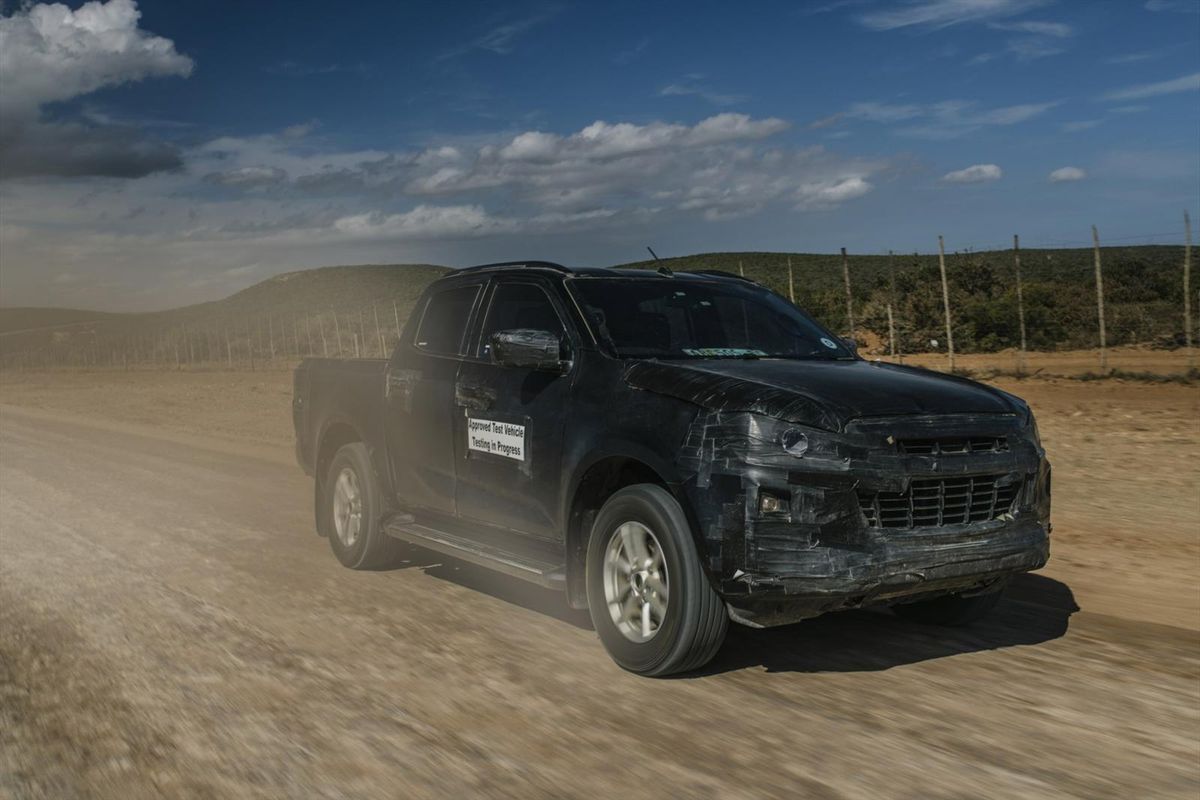
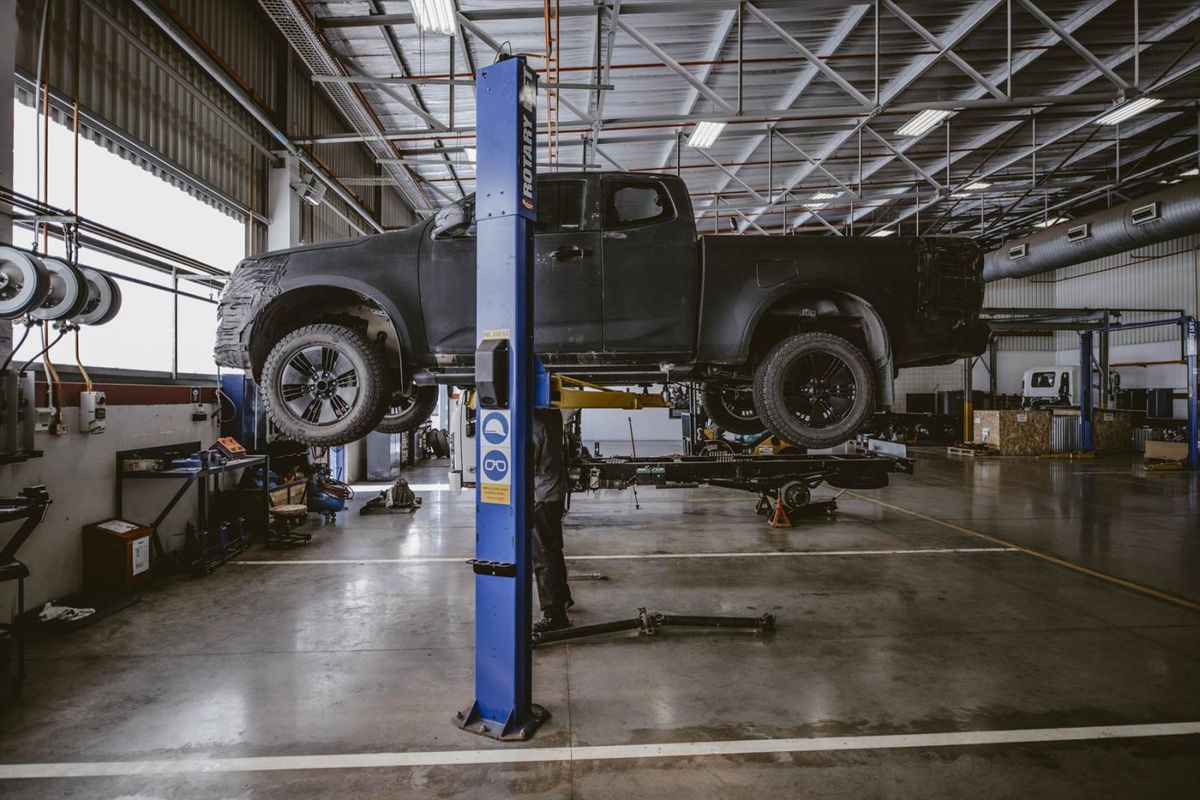
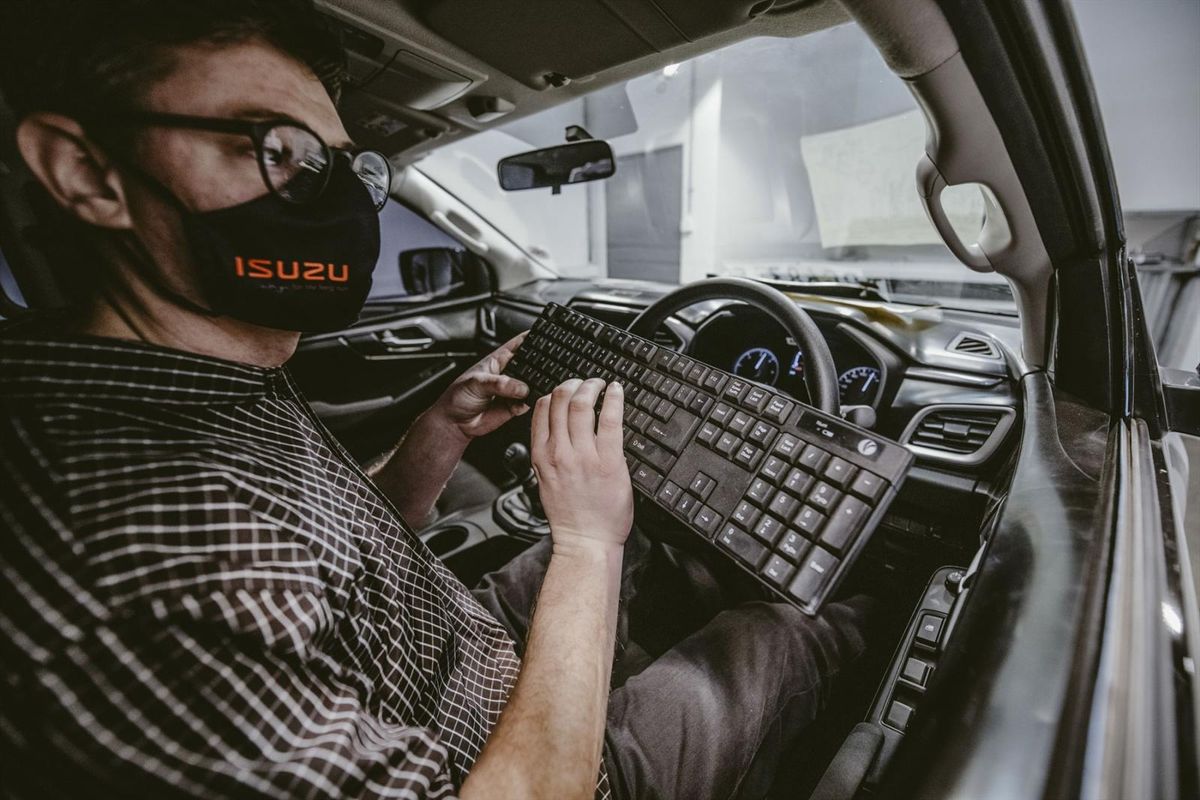
As you can see from the images above, local testing has begun so hopefully with a year’s ‘notes’ under the engineers and testing crew's belts, the D-Max fans will still be loyal to the brand.

The next 2 years will see a major shake-up in the bakkie segment as the Toyota Hilux will be facelifted in 2021 as well as new entrants such as the GWM P-Series, Renault Alaskan and Oroch, Peugeot Landtrek and Mazda BT-50. Also on the cards is a facelifted Navara.

2022 will see an all-new Ranger built on the same platform as the VW Amarok which will be built in Ford’s local plant in Pretoria. 

The new-generation Isuzu D-Max has already garnered positive reviews in markets where it is on sale, where one of Cars.co.za’s international correspondents Matt Campbell was able to give it a thorough test and wrote this review.

Related content

5 Stars for Isuzu D-Max Safety

How the AmaFord changes everything

5 reasons Hilux and Ranger should worry about a Korean bakkie onslaught