The Japanese car company wants to make more luxury cars.
Mazda is committed to going big, in every sense, with its future product portfolio.
The Japanese brand is best known for its compact hatchbacks, crossovers and SUVs, but there is a new rear-wheel-drive architecture that could change everything.
Mazda realises that large cars command larger margins, and it is keen to profit from luxury vehicle buyers. That means a new vehicle architecture and prioritizing rear-wheel drive.
For traditional driving enthusiasts and fans of the brand, the thoughts might turn to a revival of RX-7 or RX-8, but don’t expect these new large Mazdas to have a sportscar centre of gravity.
The likelihood is that Mazda’s new rear-wheel-drive vehicle platform will support a range of large crossovers and SUVs. Japanese business media reports that Mazda is scheduled to launch the first of its new rear-wheel-drive vehicles next year.
Sales targets are ambitious, with Mazda desiring to produce 300 000 of these large rear-wheel-drive vehicles, as part of its annual sales, by 2025.
Mazda’s brand image has benefitted from not following all other Japanese brands, bar Subaru, into chasing additional sales volumes in developing markets, by producing cheap vehicles, below the Mazda2. This has enabled the brand to retain a better overall balance in terms of perception, regarding its product portfolio.
Product strategists at the Japanese company are obviously keen to leverage its standing into chasing the German premium brands, in the large crossover and SUV market.
Big vehicles require big engines and Mazda is developing an inline-six engine architecture for its new vehicle platform. Capacity is expected to vary from 3- to 3.3-litres, with the differences in capacity most likely due to an increase in stroke instead of bore, as Mazda’s engineers will certainly prioritise torque for these new engines.
The new engine range will combust petrol and diesel, featuring Mazda’s ingenious SkyActiv-X compression ignition system.
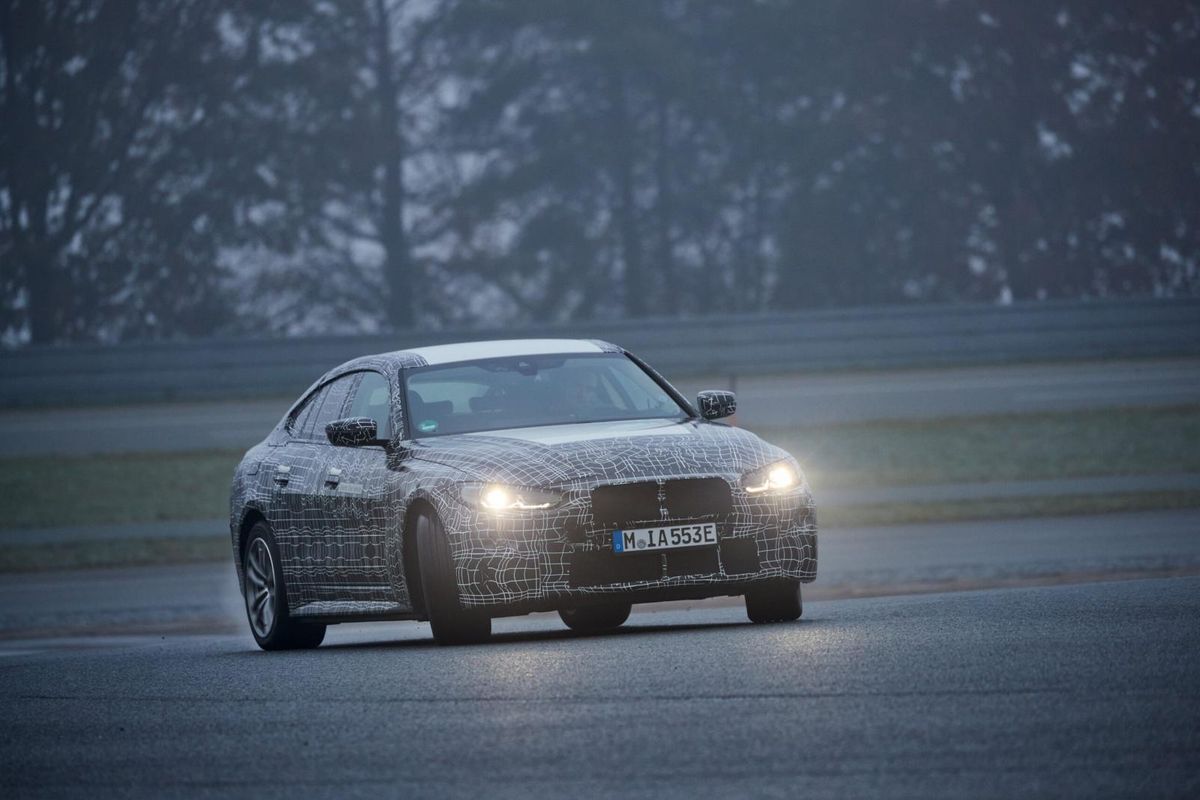
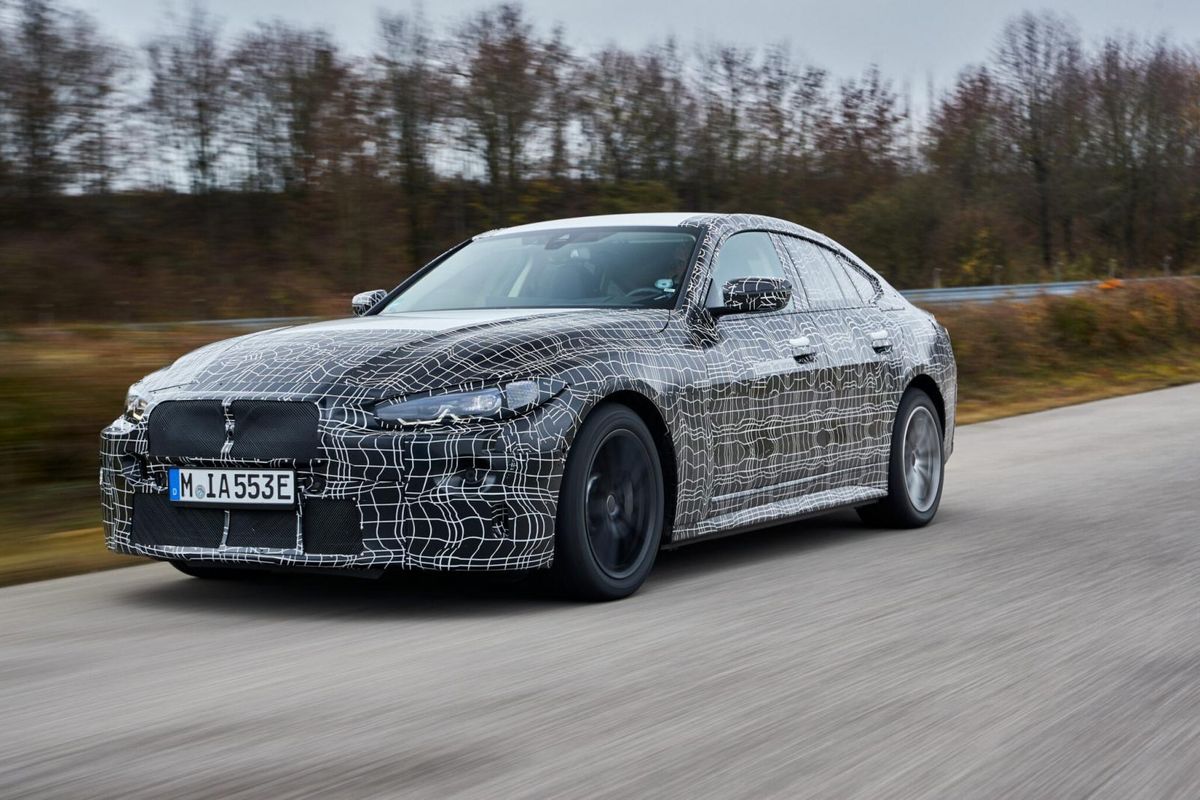
BMW is making progress in the development of its i4. However, with accusations that electric cars are boring, BMW is insisting its new i4 drives like a BMW. Check out the new BMW i4 getting sideways!
First revealed as a concept back in March 2020, the BMW i4 will be the most important electrified vehicle in its arsenal since the i3 and i8. Earmarked for a 2021 reveal, the German car maker has started teasing what the vehicle is capable of with some official leaks. From what we can see in the below video, BMW is determined to makes its electrified offering drive and handle like a BMW. Read into that what you will, but we see the potential for some sidways electrified action!
Granted, we're going to miss the obvious 6-cylinder soundtrack accompanying such lateral movements, but it's impressive to see what's possible in terms of engineering. Why all the focus on the BMW i4 and not the showroom-ready iX3? While SUVs are all the rage, BMW's M division has confirmed there will be an M-badged i4. Now before you cancel your M3/M4 order, this will be badged as an M Performance model as opposed to a fully-fledged M vehicle.
Official performance specifications are yet to be confirmed, but we suspect it will sprint to 100 kph in the low 4-second mark. The weight of the batteries is likely to prevent it breaking the 4-second barrier. But, like all performance cars, sprint acceleration runs only tell one small chapter of the entire story. “The BMW i4 conveys the feeling of being light and agile yet also solid and authoritative,” says project manager David Alfredo Ferrufino Camacho. “With its superior directional reliability and high level of cornering stability, it seems to literally attach itself to the road. All electric vehicles are capable of fast straight-line acceleration. But that’s not enough for us at BMW.”
It's been a big week on the motoring front, replete with significant industry news and new models being shown for the first time. Brent vd Schyff breaks down the important bits (with his tongue firmly in his cheek, of course).
Stellanits merger completed
"Stronger together". That seems to quite a popular saying at the moment. Stellantis’ value on the New York stock exchange increased by 11% on the day of its debut, which says a lot, but the group has made no bones about its future plans… specifically to cut expenditure by 5.9 billion dollars over the next few years. How, um, casual. Even if Stellantis made every cost-cutting effort through consolidation, I don’t see how it will achieve profitability without reducing its wage bill (retrenching several employees), even though the new CEO, Carlos Tavares, has said the conglomerate would do its utmost to protect jobs.
This sounds all too much like pacifying boardroom speak during a crucial moment, but time will tell. One green shoot is that the group has announced that all FCA passenger cars, over time, will move onto the PSA CMP and EMP2 platforms (a lot of acronyms, for a Friday I’m afraid), to reduce R & D and production costs through simplification. That’s a consolidation effort second to none. They’re going to have their work cut out jumping through the hoops of Brexit, the fallout from the Covid-19 pandemic, emission regulations and effectively dealing with the electrification question. That’s a lot to juggle.
The fact is that regardless of all the budget-busting exercises, Stellentis is not going to be able to save its way to success. A sales surge is sorely needed. And if Stellantis is tearing pages out of Volkswagen’s book, it’s inevitable that platform-sharing will be the key to unlocking value and breathing new life into some names that are still widely revered. Lancia, Alfa Romeo and Maserati (said with exaggerated hand gestures) are still emotive brands with cult-like followings and rich histories that cannot be ignored.
Stellantis would also be well advised to take note of what Mini did with its models and replicate those strategies with the Fiat 500, which could be a potential gold mine in the future. One just hopes that the fallout doesn’t result in widescale job losses, but rather redeployment of human capital into other areas of the business. The world has suffered enough. Yes, Alfistas, your next-generation Guilia may share parts with a Peugeot, but what would you rather want? THAT or another brand disappearing into the obscurity thanks to the corporate axe? Yes, I thought so and, I rest my case.
“Never let a good crisis go to waste”. It’s no secret that the Coronavirus has crippled the automotive industry; even though the big 3 (Toyota, the Volkswagen Group and Hyundai) are weathering the economic storm, they also have their struggles. The Stellentis merger at this time makes even greater sense. The PSA group chairman states that it is, quote, “Not a deal in crisis mode”. Bud, when you say something isn’t something, it usually is. Just saying. Oh, and if I can get a rebranded Lancia Delta Integrale HF with Citroen underpinnings down the line then I’m cool with that, but hey, I don't want to sound selfish.
BMW M3/M4 Pricing
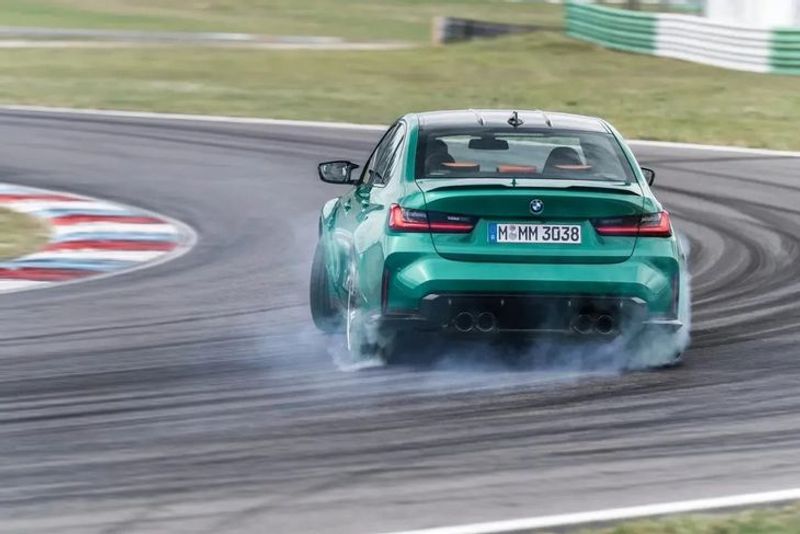
Regarding the debate about the BMW M3 and M4 twins' controversial (beaver-toothed) front ends… have the masses calmed down yet? Is it safe for me to come out? On 2nd thoughts, regardless of where you stand on BMW's latest water-cooler discussion stimulus, I’ll remain safer behind my keyboard and let you know that this week saw the unveiling of the pair's pricing. Be warned though. If you’re still reeling from the grille changes you may need more time to recover before reading any further. You’re still here? Great. I’ll just give you the skinny: the cars are significantly more expensive than their predecessors.
Whether that correlates to the bold notion that BMW has been fronting, that this version is going to be "the greatest M driving car ever built", remains to be seen. But if there is a brand that can put its money where its mouth is, it is BMW and the world certainly needs a strong M3/M4. But at that price, I struggle to wrap my head around the concept… isn't the M3 is supposed to be the “affordable” sports car?
Back in 1995, an E36 M3 cost R150 000. In relative terms, that's more palatable than the 2021 price: R1 860 000. Sure, this is for the Competition variant, but I’m struggling to lower my eyebrows. All you need to cross the magical barrier into Porsche Carrera territory is to cough up a bit of extra cash. To the brand loyalists, pricing will be validated with a trade-in and some extra cash, but to a fresh market entrant who desires an M3/M4, it’s going to be a tough conversation when your kid expresses an interest in going to university and you have to explain “the fund was needed for more Mportant things” (sorry, dad joke).
Mercedes goes Electric – All-electric EQA
It was a big moment for Mercedes-Benz when it revealed its entry-level electric model, the EQA. The GLA contributed a hefty share of its platform in order to get this project off the ground and the new model's estimated asking price (based on the exchange rate, and that’s if our beleaguered Rand doesn’t take a further knock), is around the R855 000, which isn’t too harsh… considering the virtuous role you’d play in conserving the natural resources of our beloved planet if you bought an EQA. EV virtue-signalling aside, at least the Benz doesn’t resemble a boiled egg and that light bar at the back is quite the party trick.
European charging stations are plentiful, but factor in the virtually non-existent African infrastructure and you’re not going to be venturing too far from major cities in an EQA any time soon. It’s still an exciting prospect though, especially for fans of the Three-pointed Star.
Fish & Chips with a side of baguette – Renault partners with Lotus
In keeping with the theme of teamwork making the dream work, another French company has jumped the pond to look for friends in foreign places – Renault. The French firm's RenaultSport division is no slouch when it comes to vehicle dynamics but La Régie is nonetheless looking to the British shed-based company of Lotus to further enhance its sportscar offering (Alpine). The French manufacturer’s throwing a lot behind this brand, even rebranding its midfield Formula One team to Alpine.
On the other hand, one can’t ignore the role Lotus has played over the years, producing game-changing disrupters and providing the inspiration and engineering brain matter to the entire automotive industry. “Simply add lightness”, the much-repeated slogan of the firm's late founder, Colin Chapman, could be the key to unlocking the electric sportscar movement, which has been plagued by heaviness – literally.
This right-swipe just makes sense. This is a meetup to watch closely. A tactical first-date move with the possibility of a medium-term relationship, and who knows, if they both like each other enough, could possibly lead to marriage down the line? I, for one, certainly hope so. I am crossing fingers and tipping my beret while taking a sip of French-inspired Methode Cap Classique I bought prior to lockdown.
Is this the world’s fastest bakkie?
With more power and performance than most supercars, surely the Hennessey Mammoth 1000 is the world's fastest bakkie?
When it was first unveiled, the Dodge Ram 1500 TRX was no slouch. Packing a 523 kW supercharged 6.2-litre V8 engine, it was capable of 0-100 kph in 4.5 seconds. It's a huge jump compared to South Africa's fastest bakkie, the 190 kW Volkswagen Amarok which is said to sprint to 100 kph in 7.6 seconds.
Hennessey decided that wasn't enough, and the Texas-based tuner set out to build an extreme package. The image you see here is just a rendering for now from Hennessey, but the Mammoth 1000 should resemble this. Featuring a raised ride height and new 20-inch Hennessey wheels as well as an LED lightbar, the Mammoth 1000 gains what Hennessey dubs its Off-Road Stage 1 package. Does this mean there could be an even more ballistic option in the future? Only time will tell.
Aside from the visual upgrades, Hennessey has worked extensively on the Hellcat 6.2-litre supercharged motor and it now produces 755 kW and 1 314 Nm. An upgraded supercharger, new pulleys, new headers, new exhaust and an uprated ECU to tie it all together are just some of the upgrades. Performance-wise, Hennessey reckons 3.2 seconds to 100 kph is possible. "The RAM 1500 TRX is exciting in stock configuration, but I'm seeking extraordinary," said CEO John Hennessey. "The Mammoth 1000 upgrades completely transform this impressive pickup into something astonishingly powerful, visually exciting, and indisputably unique."
Hennessey says it will be building just 200 units in 2021. Brace yourself for countless YouTube drag race videos showing the Hennessey Mammoth 1000 eating supercars.
Meet the finalists in the Family Car category of the 2020/21 #CarsAwards powered by WesBank!
Now in its 6th year, the #CarsAwards was conceived to be South Africa's definitive automotive awards programme and is backed, for the 5th year running, by the country's leading supplier of vehicle finance, WesBank.
The typical family car fulfils a wide variety of duties and needs to be a practical, safe all-rounder. The winner of this category should be ideal not only for the morning school run, but also the school holiday run to a distant location. In judging this category we’ve placed particular emphasis on interior flexibility, comfort and safety.
This category is guided by both eligibility factors and Pillars of Success.
Eligibility factors for this category include a list price between R450 000 and R600 000 at the time of semi-finalist voting (October 1, 2020), including the cost of all necessary optional extras to meet the eligibility criteria.
Eligible vehicles must be equipped with ABS (Anti-lock Braking System), ESP (Electronic Stability Control), a minimum of 6 airbags, split/fold rear seats, service plan, air conditioning and the vehicle must be fitted with an automatic transmission (including CVT and dual-clutch).
Pillars of Success for this category include engine flexibility, fuel economy, space and practicality, design and quality appeal, comfort, safety and In-Car Entertainment (ICE).
Visit www.carsawards.co.za for more information. In no particular order, the finalists are as follows:
Mazda CX-5 2.0 Dynamic Auto
The CX-5 is a stalwart of the #CarsAwards family-car category, which it won in the 2017/18 and 2019/20 instalments of our programme. For 2020/21, the 2.0-litre Dynamic Auto derivative has again been nominated to uphold Mazda’s honour. The stylish CX-5 continues to offer excellent build quality, practicality and a balance of comfort and safety features that is hard to beat at the price.
The RAV4 is distinctly different from its understated forebears and is based on the TNGA platform, which underpins a variety of Toyota models. It’s been a perennial top-seller for the brand and the XA50 generation builds on that legacy, with improved practicality, driving refinement, comfort levels and interior features. In GX-R trim, you get a stylish package with the bonus of all-wheel drive.
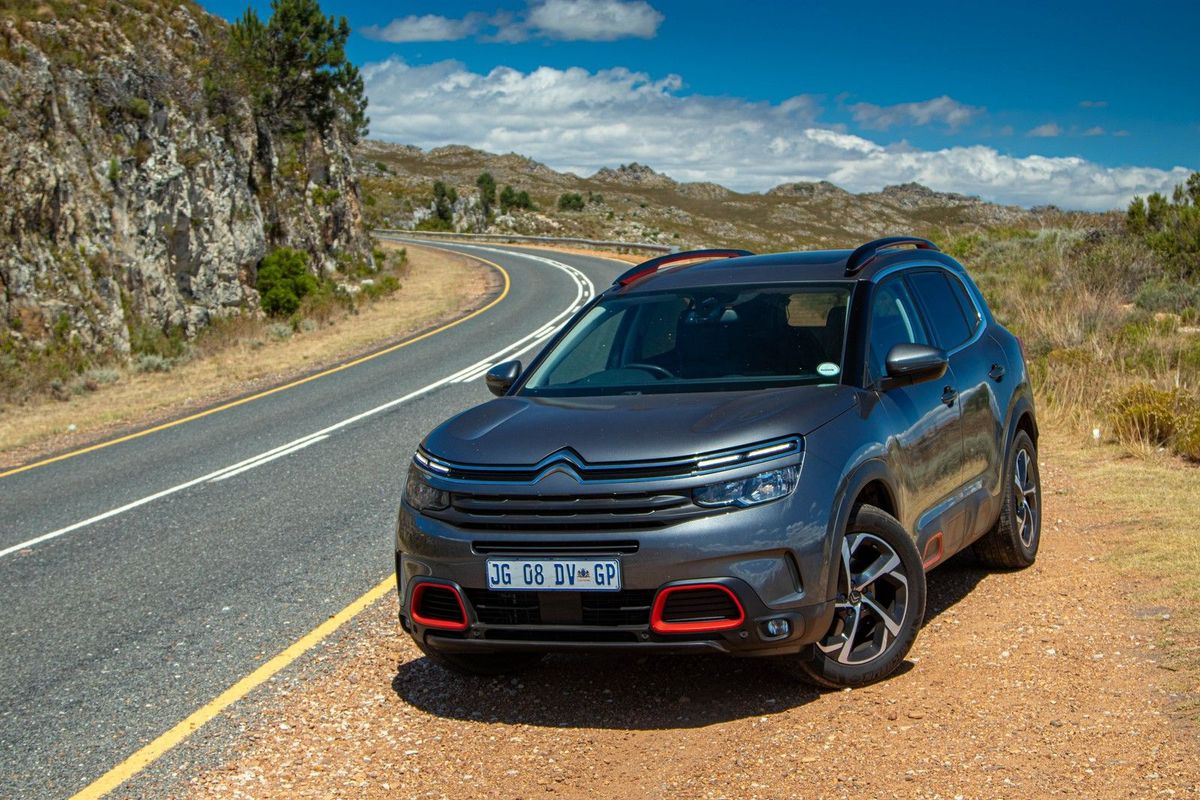
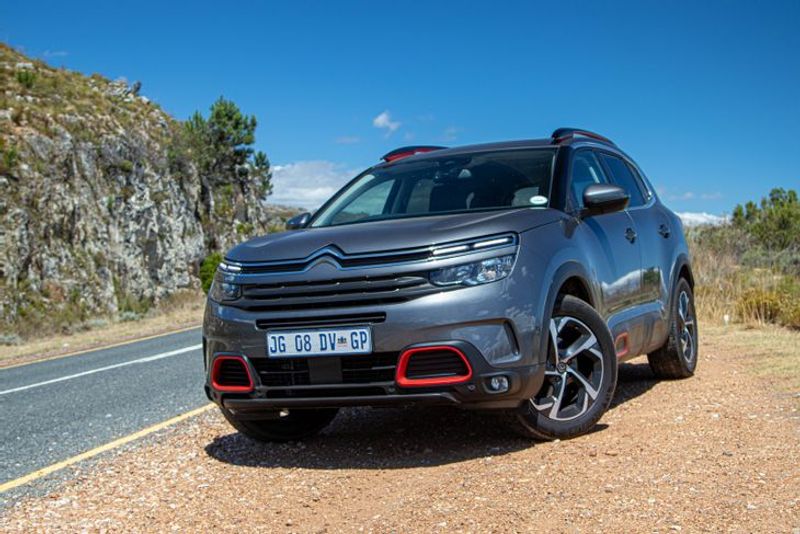
After a lengthy absence, Citroen is back in the South African new-vehicle market. The French marque offers an array of fresh, stylish and well-priced products; competing in the family-car category is the striking C5 Aircross – possibly the most impressive model in Citroen’s line-up.
We spent some quality time with the Citroen C5 Aircross during the recent end-of-year break. The French contender is well-liked by our test team and a finalist in the 2020/21 Cars.co.za Consumer Awards – powered by WesBank. The holiday period gave us a chance to experience what the Citroen was like to live with.
The best thing about conducting an extended test is that it provides an opportunity to form a more in-depth understanding (and, sometimes, appreciation) of a new model. That’s not to say our usual 10-14 day test isn’t thorough – because all testers need to have a chance to drive test cars during the rest of the year, individuals may not necessarily get enough seat time to notice all of a vehicle's quirks and talents.
Our test unit was the C5 Aircross in flagship Shine specification. This trim level adds niceties such as a panoramic roof, rear-parking camera, partial leather trim and keyless entry, to name but a few.
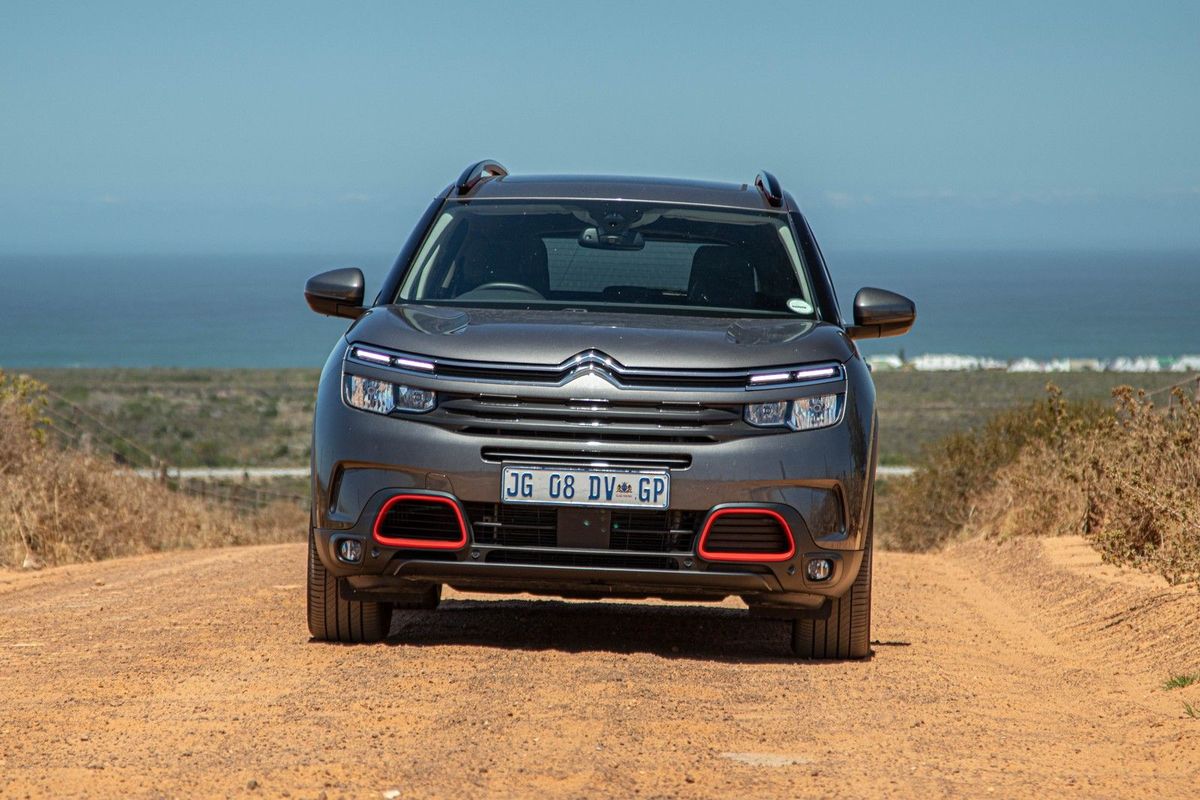
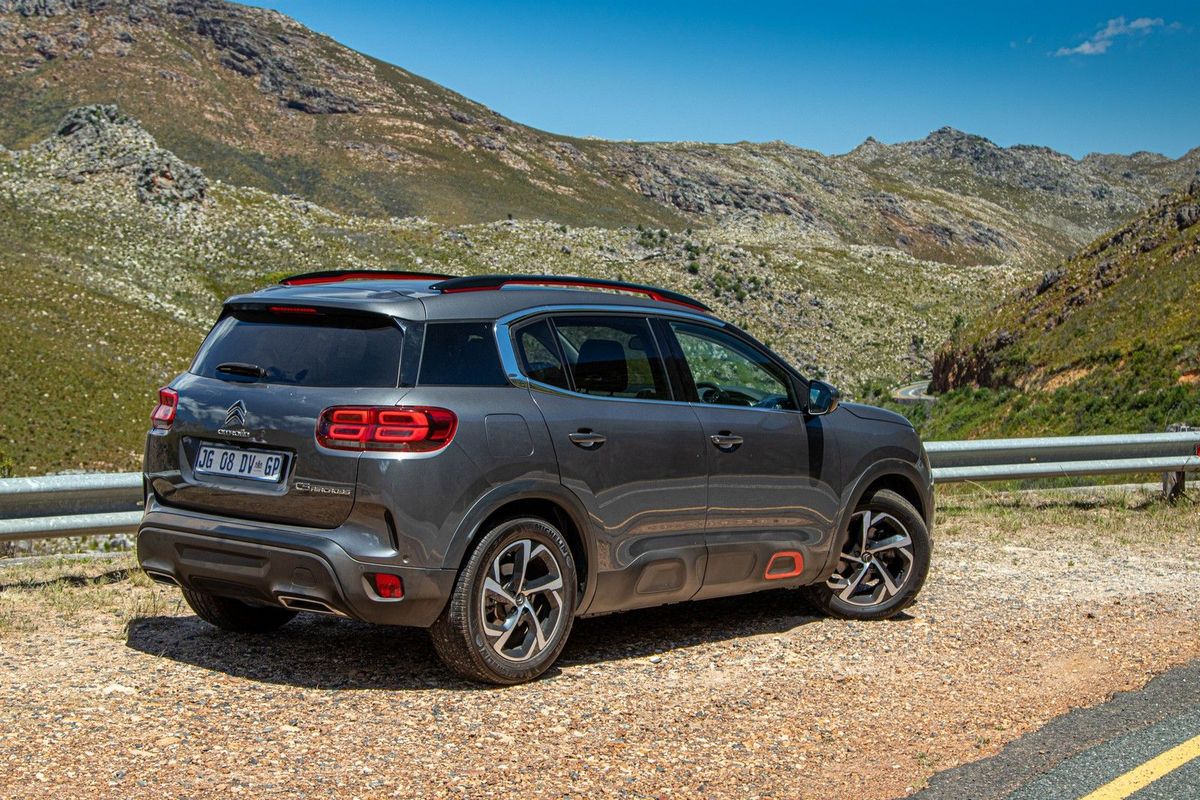
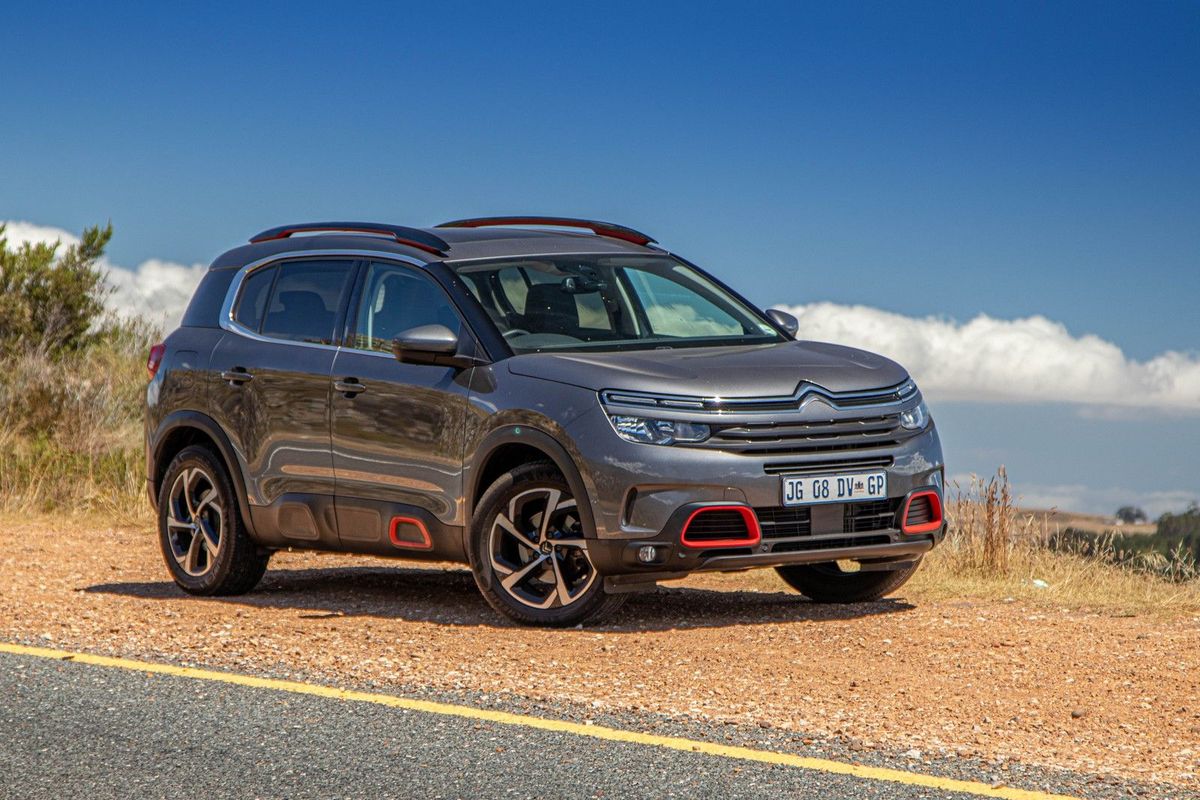
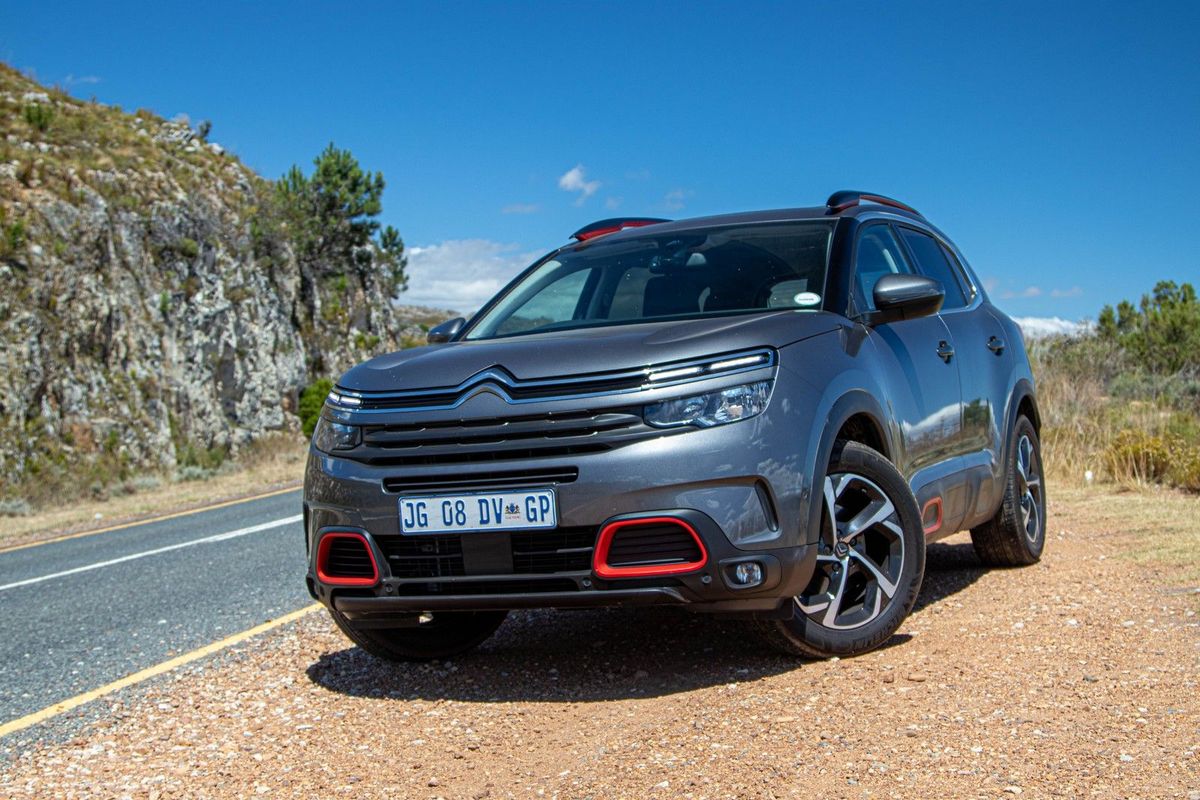
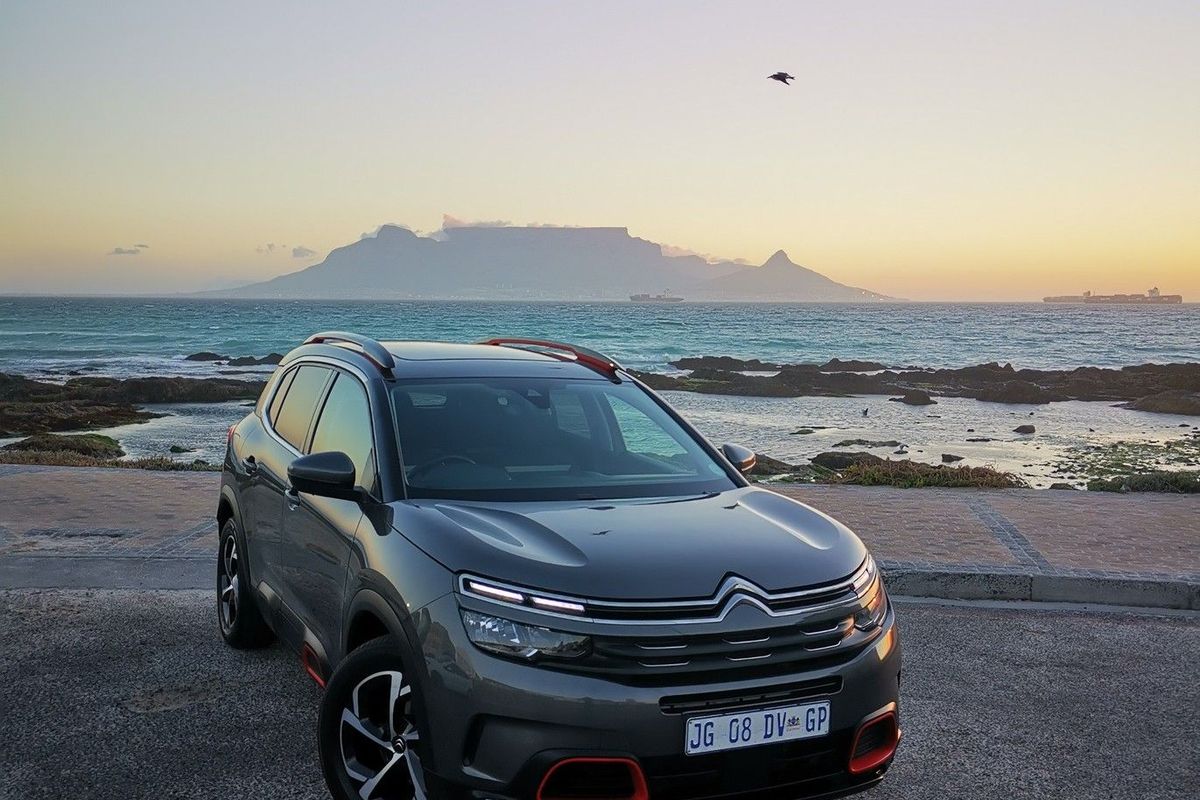
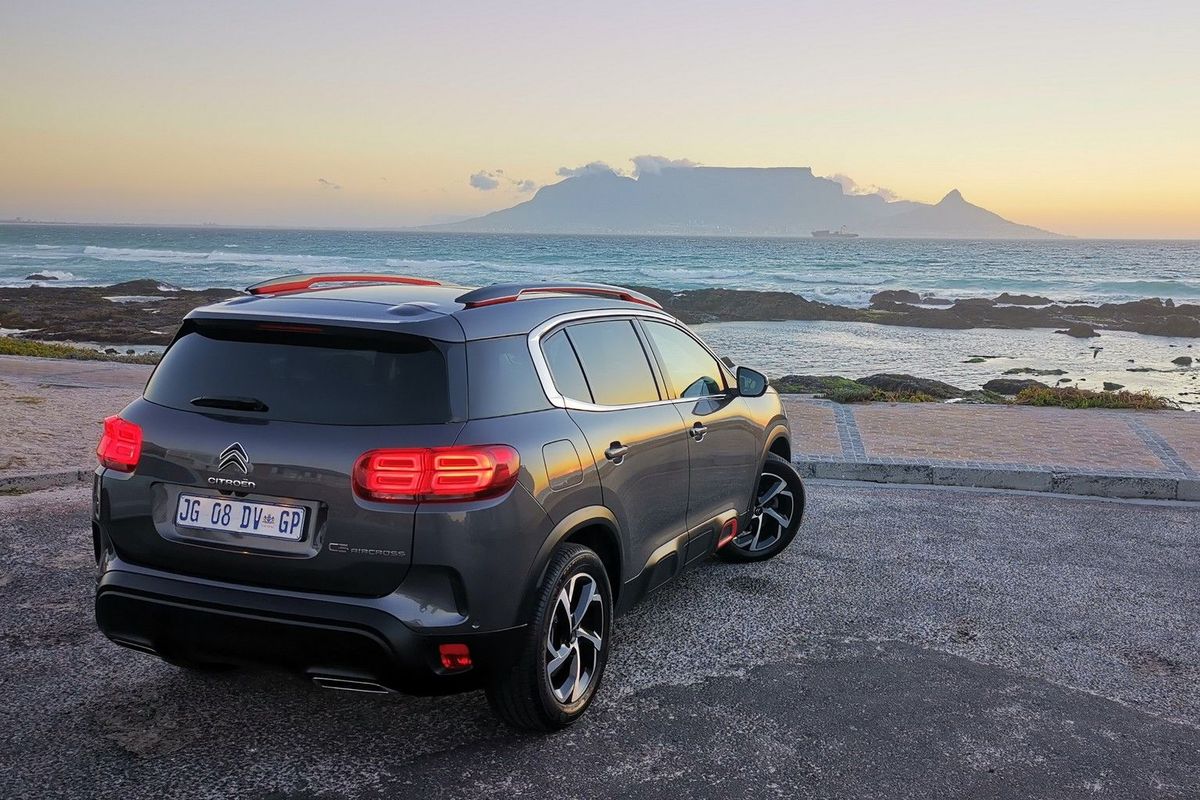
Seeing as contemporary vehicle design is greatly influenced by the need to adhere to ever-stricter safety standards, facilitate aerodynamic efficiency, conform with brands' design language and so on, it's rare to find a vehicle that really stands out from the crowd, aesthetically-speaking. The Citroen C5 Aircross is a design masterpiece – not only is it totally unique, but its design is interesting from every angle…
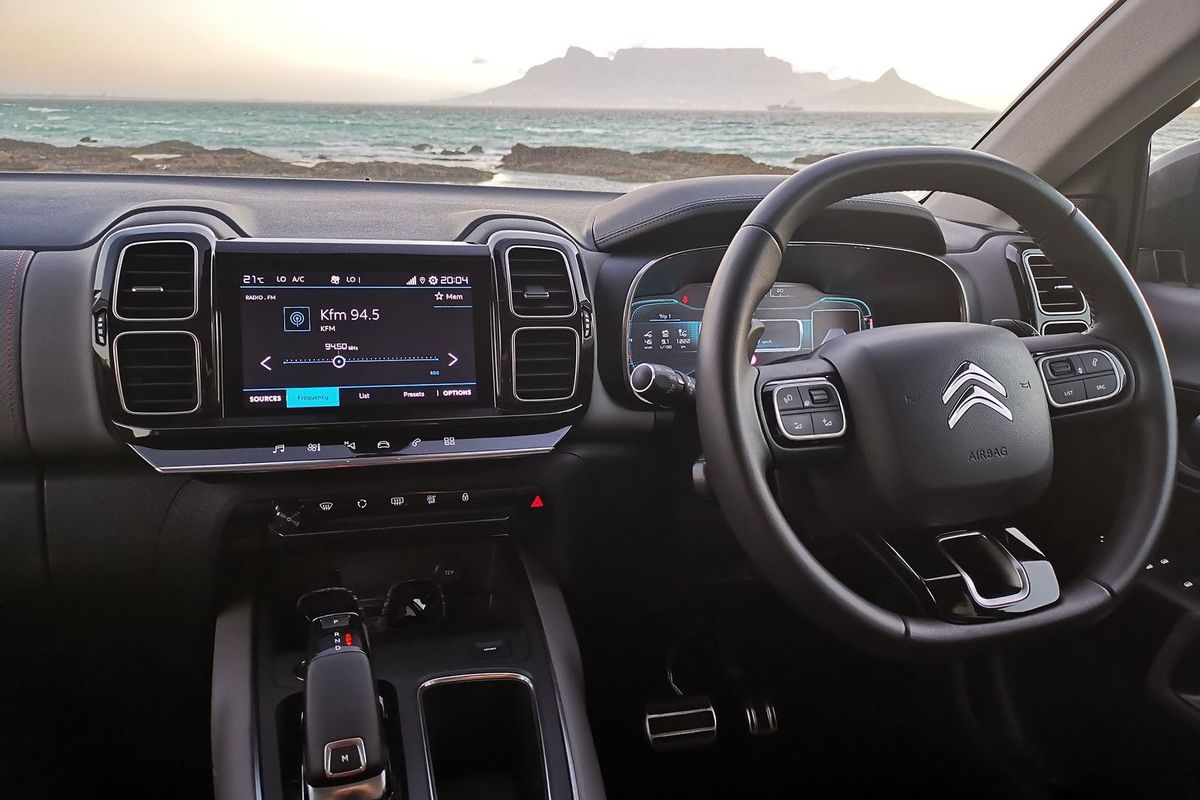
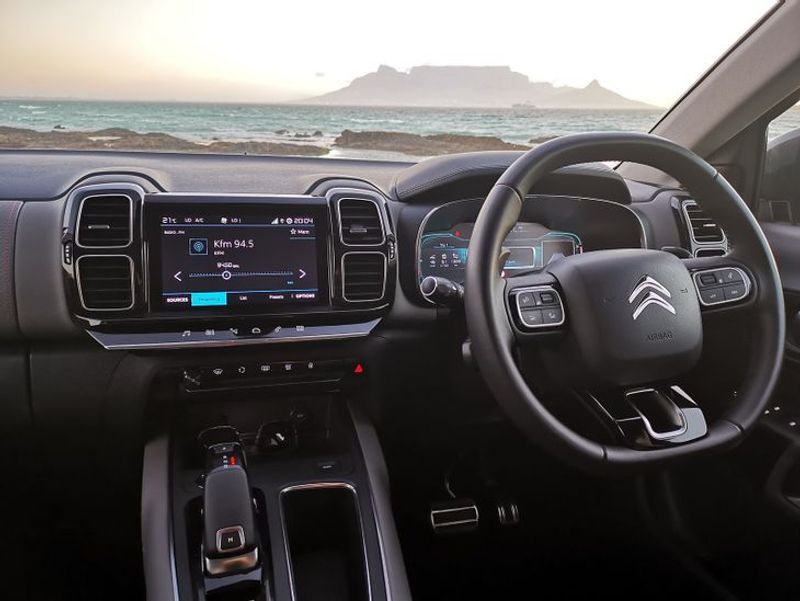
That distinctive front end must be quite the sight in other road users' rear-view mirrors! What's more, the black side-cladding boasts anti-dent Airbump tech, so there's very little chance that your vehicle will be damaged by car doors that are carelessly swung into its flanks in a parking lot, for example. The unique style extends to the French model's suitably funky, but high-functioning, cabin. The seats look great and the digital instrument panel features a selection of themes and appears thoroughly futuristic. You can see there's been a focused effort to make the vehicle interesting… and a hot topic of discussion.
After 1 200 km and a few weeks' travel on tarred- and gravel roads, here are our thoughts about this stylish family car…
3 Things To Like about the C5 Aircross
Comfort and features
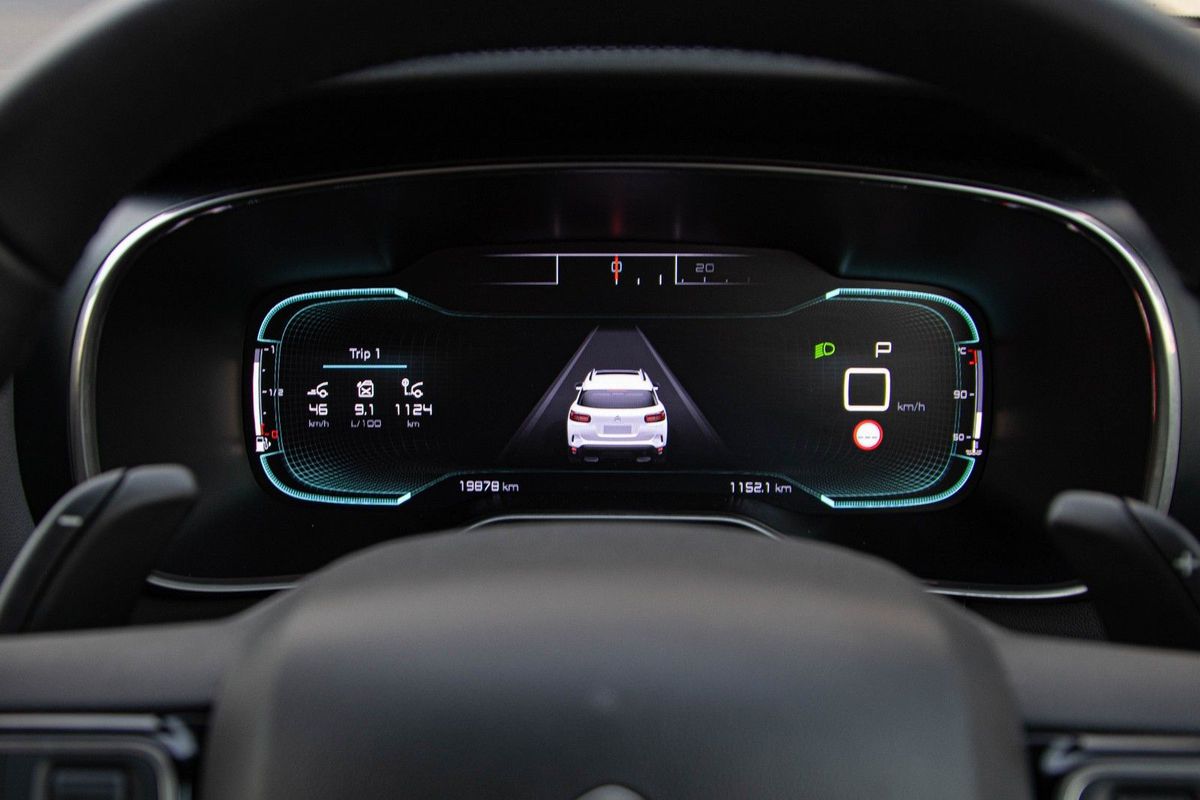
The C5 Aircross' interior styling is ornate but stops short of being fussy. Note how well the digital displays' layouts are co-ordinated.
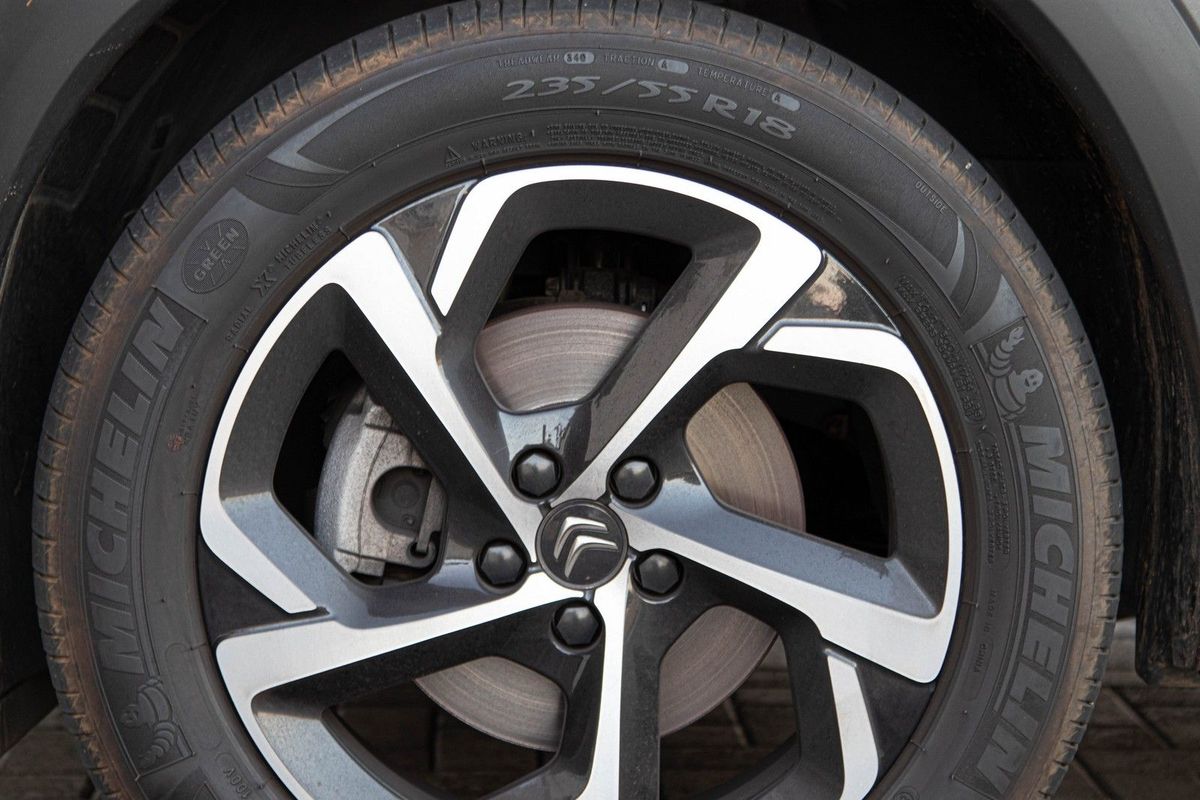
The Citroen C5 Aircross scores full marks for occupant comfort and standard specification – there are no optional extras to consider. Also, Citroen claims its C5 Aircross is engineered to deliver a smooth and absorbent ride quality, but marketing spin aside, the suspension really is comfort-focused. We do suspect the higher-profile 235/55 R18 Michelins are the unsung heroes here. Not much effort is required to turn the steering wheel from lock to lock. Okay, there's not much feedback, but it's in keeping with the car's requirement to provide relaxed family transport. It's effortless to drive and that's exactly what you want.
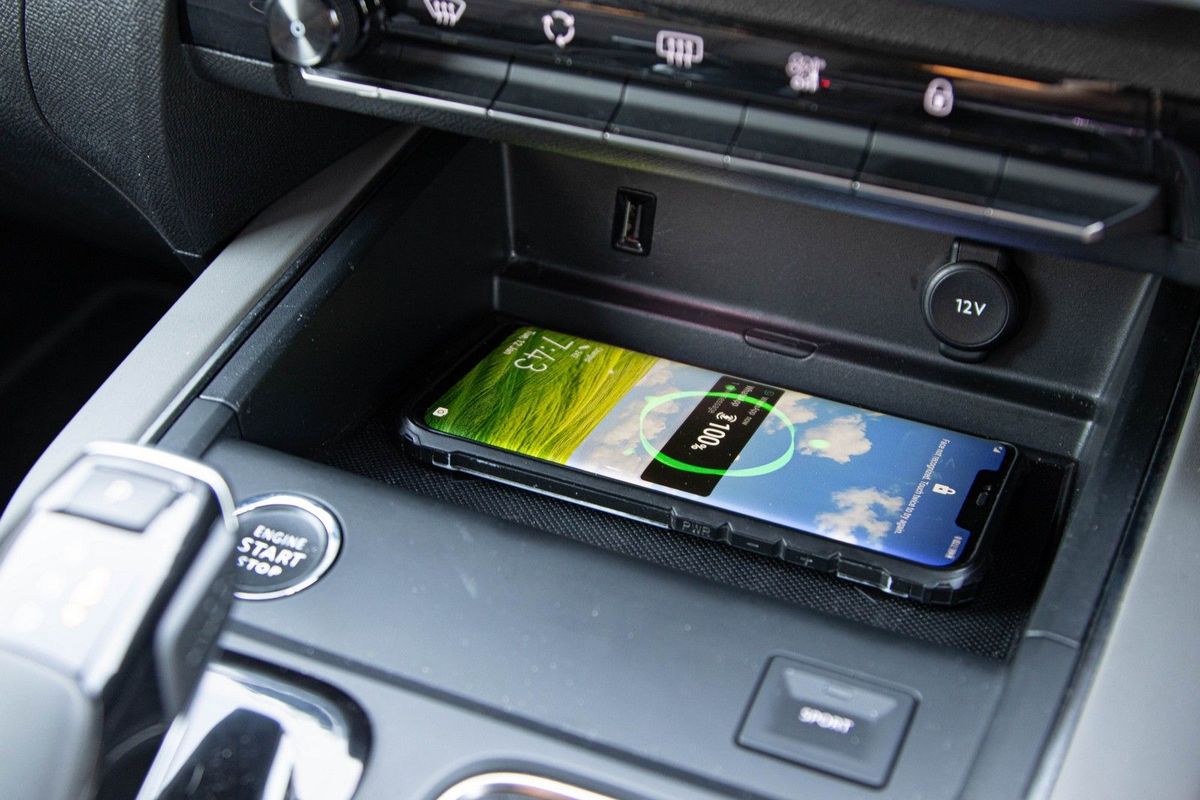
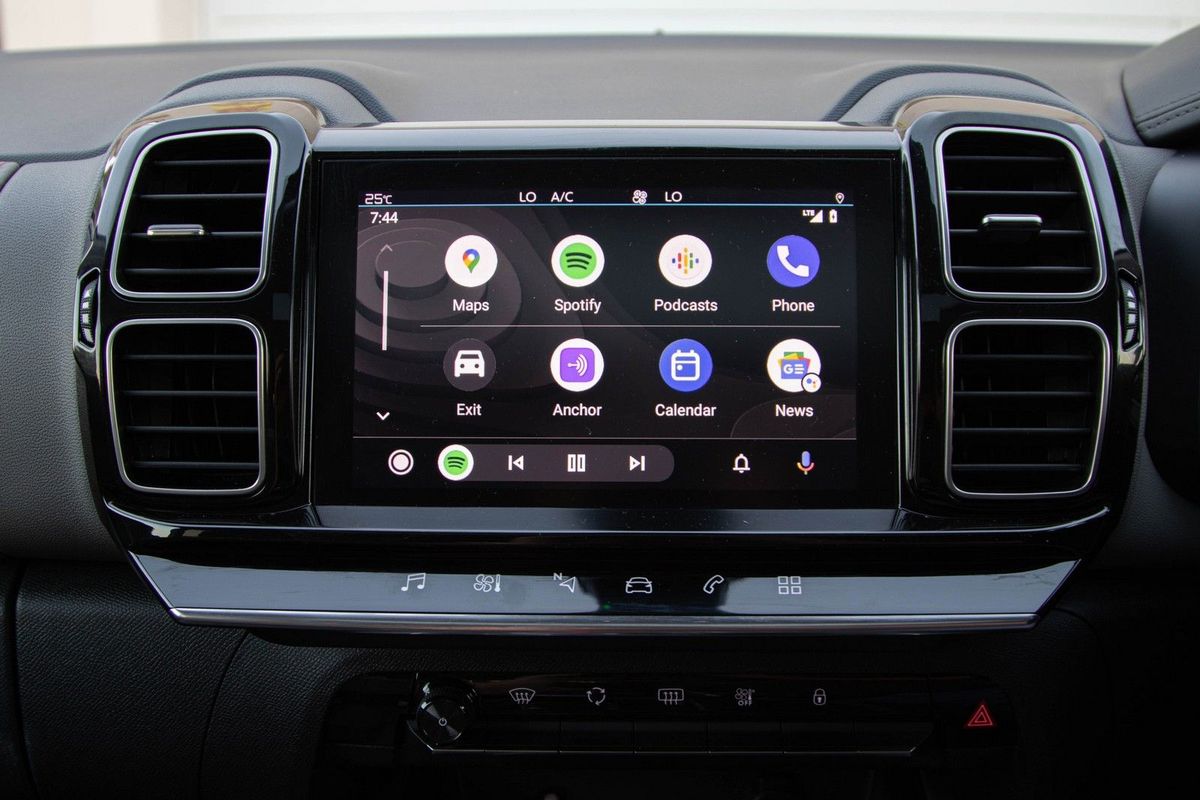
A wireless charging pad and Android Auto connectivity are virtual prerequisites in a vehicle costing half a million Rand, and we were delighted the Citroen C5 Aircross had both. The audio system is good, too.
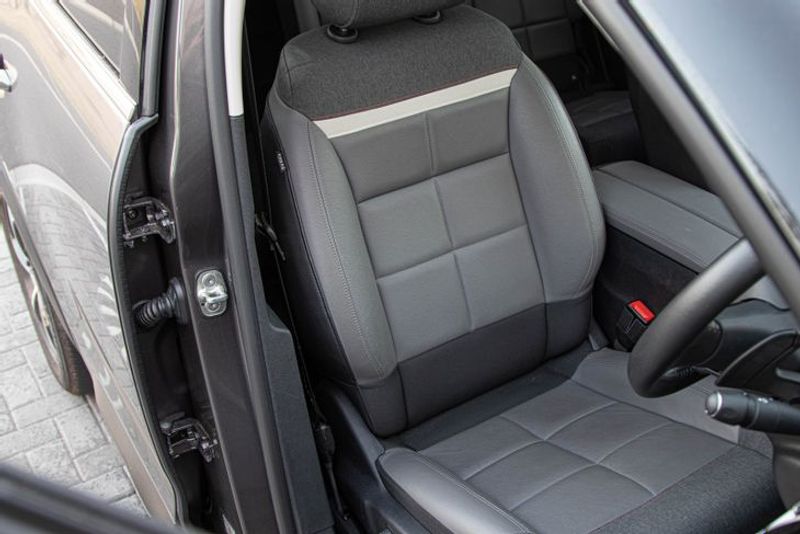
Don't be fooled by the retro-inspired stitching, the Citroen's driver's seat offers superb long-haul comfort.
The position of the Citroen's driver's seat, meanwhile, is excellent. You're not perched "on a ledge" – as you would be in a larger SUV; not everyone prefers that – but you don't fall into the cabin either, as you would in a conventional hatchback, especially if you are of above-average height. The Shine-trim seats are great – not only do they look the part, but they are surprisingly comfortable over long distances.
Practicality
Storage, storage, storage!
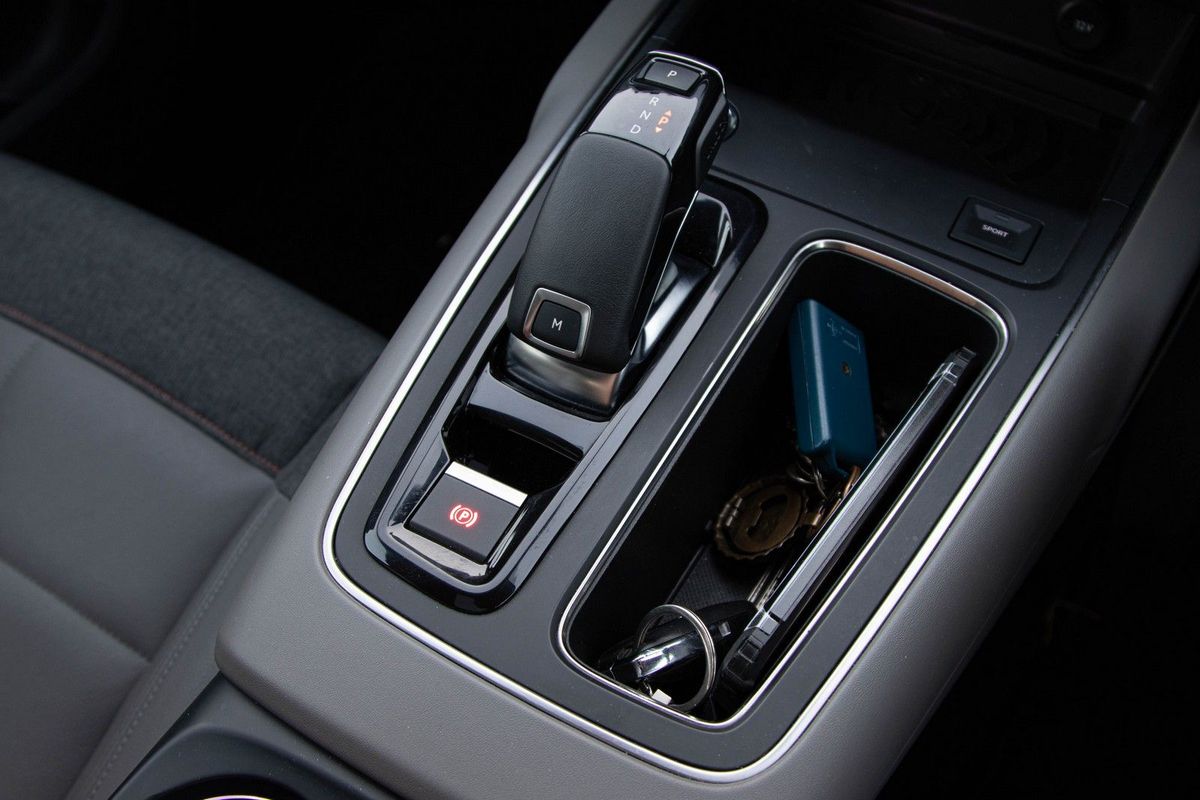
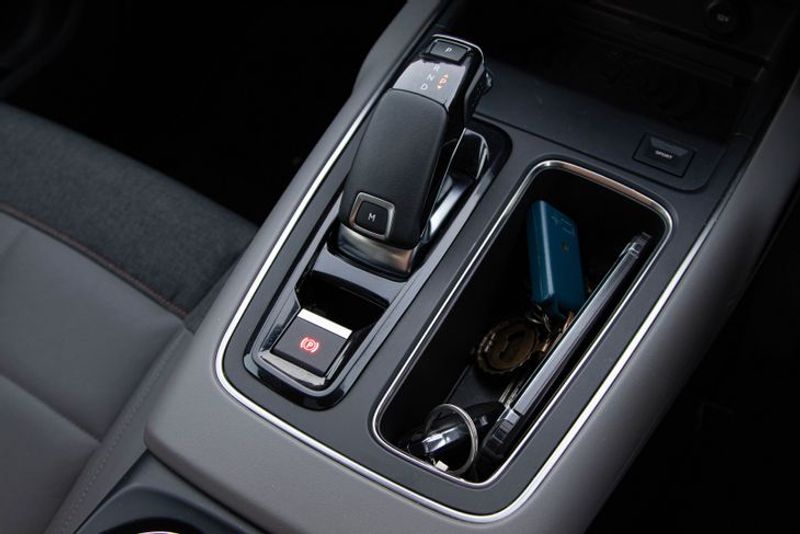
As opposed to double-cab cabins, for example, the C5 Aircross' interior layout has been well thought out and customers have ample places to hide their odds and ends. If our tester's mobile device didn't need to be charged on the convenient wireless pad, it could be placed conveniently in a recess next to the transmission selector. This recess is perfectly sized for keys, a wallet and a smartphone.
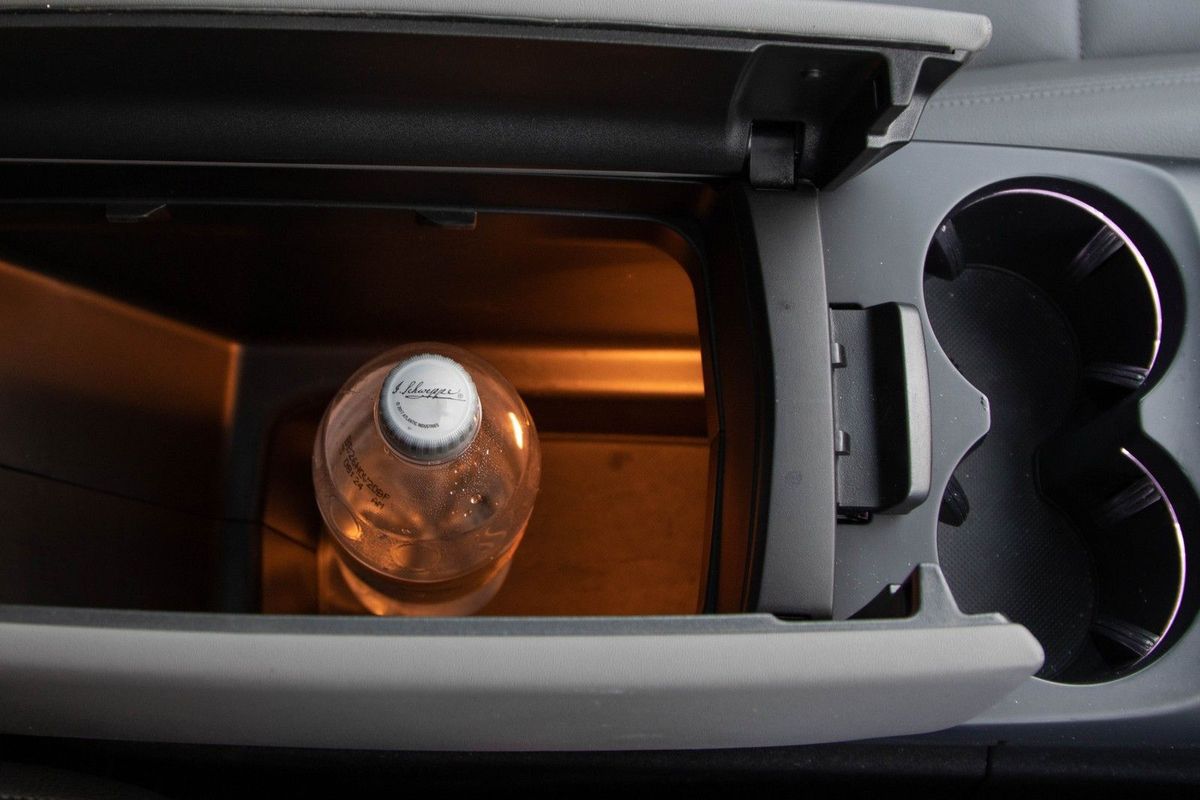
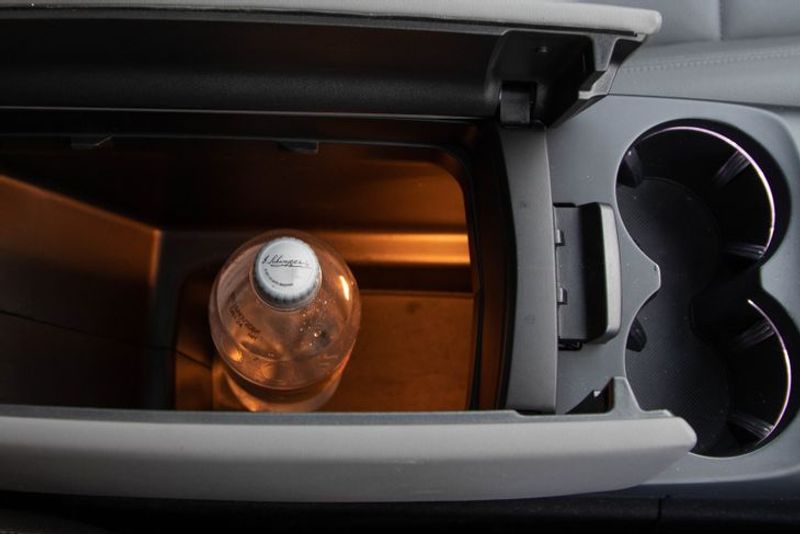
Oh? Do you need more space? Can we mention the centre armrest whose depth defies belief? At one stage, we had a jersey, camera and a 1-litre water bottle stowed in there, and there was still room for more stuff. The Citroen's luggage capacity, meanwhile, is on par with that of the popular Volkswagen Tiguan – 520 litres without the rear seats folded down.
That's a 1-litre bottle and the bonus is that this storage area receives plumbing from the climate control system, so it's chilled.
Safety Features
The safety radar module can be spotted just under the Citroen's registration plate.
Citroen has given its C5 Aircross a comprehensive safety package. It can be argued that some of the active features are a little intrusive, but we soon worked out that you can disable the automatic lane-keeping assist, which is activated above 70 kph, if its machinations become a trifle irritating. For the most part, we left it engaged. We appreciated the emergency braking alert, which warns the driver when a vehicle suddenly stops in the Citroen's path. What's more, there's a system that monitors driver alertness, so if you start feeling drowsy during a long-haul journey, the car will suggest that you take a break.
In what's surely an industry first, the C5 Aircross also features an integrated dashcam, located near the rear-view mirror. It's constantly recording and in the event of an incident, its footage can be downloaded.
Dislikes?
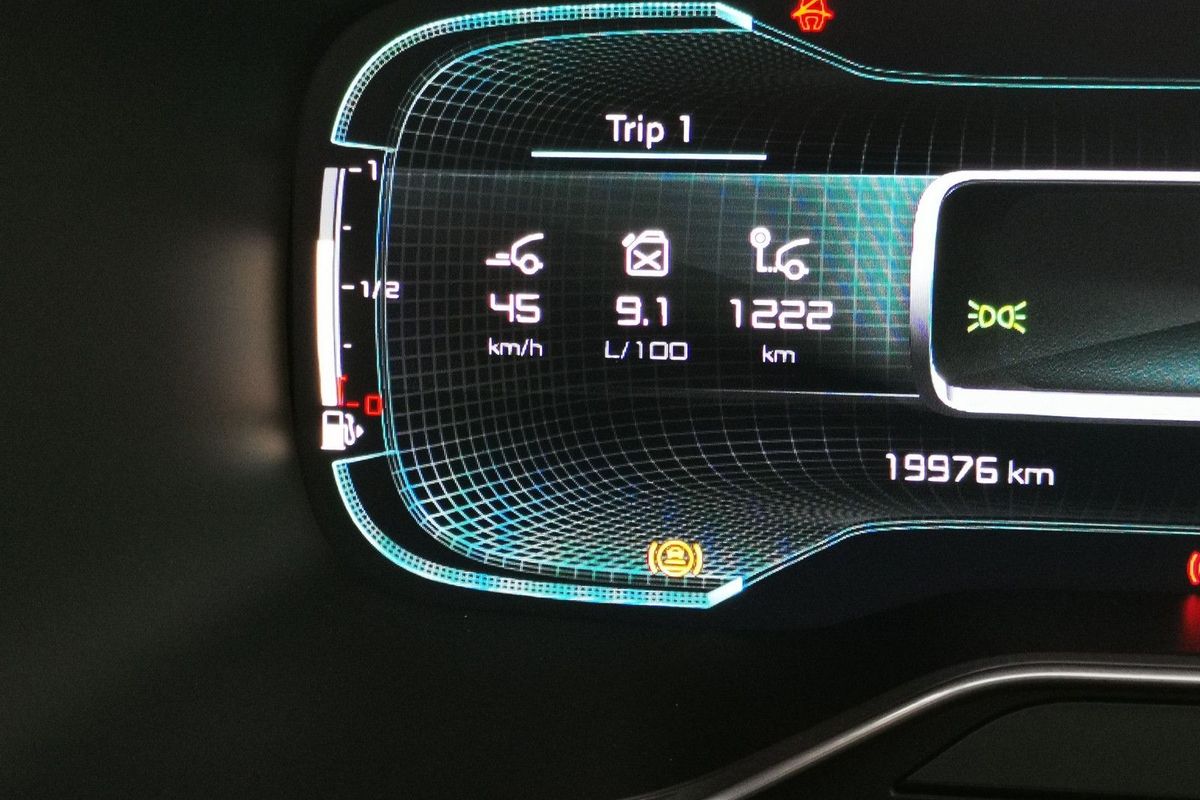
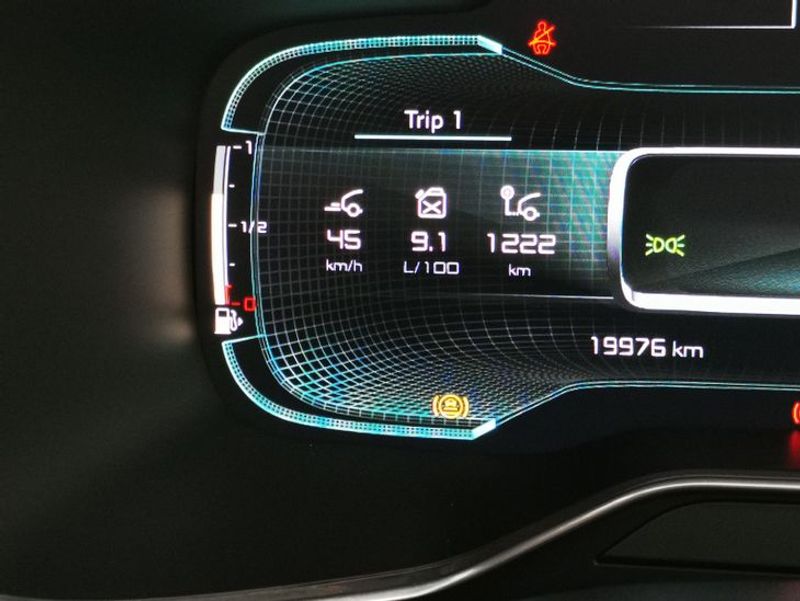
Our 1 200-odd kilometres at the 'wheel of the C5 Aircross were pleasant and enjoyable, with the test unit charming us with every mile. However, there were some minor niggles. Firstly, the powertrain (a 1.6-litre turbocharged petrol engine mated with an automatic transmission) is not particularly frugal. It's not a gas-guzzler, but our consumption hovered around 9 L/100 km. Those figures are average when the majority of our driving was on the open road – many of the Citroen's competitors are "lighter on the juice". Still, it's a small price to pay for a punchy engine that delivers good in-gear performance for overtaking.
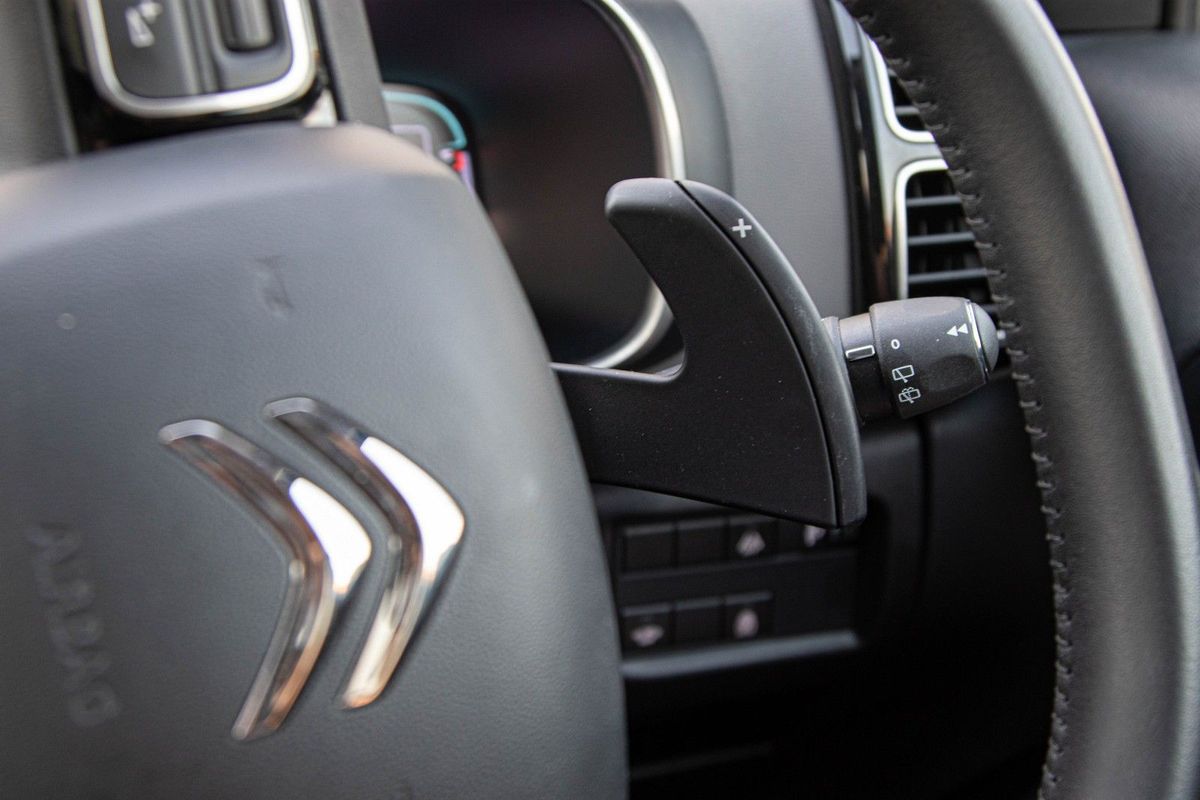
Our other gripe was with the ergonomics/user experience of the (otherwise slick-looking) infotainment system. We're big fans of hands-free connectivity features such as Android Auto and Apple Carplay and will use them whenever available. However, if one of those is running, you have to exit the application and return to the car's native system to change something like a climate-control setting. Sometimes you just can't beat conventional buttons and switches! Speaking of switchgear, there are 'shift paddles, but we found that vehicle does a perfectly good job of changing gears by itself, so they're largely redundant.
This yellow warning light initially worried us, but a quick Google search solved the minor issue.
The Citroen C5 Aircross did produce a tiny electronic gremlin during its extended tenure in our test fleet and it took some googling to get to the bottom, literally, of the issue. It turned out that the frontal radar sensor, which is located on the lower bumper underneath the number plate, is susceptible to extreme heat and it caused a warning light to appear on the dashboard. It came on during a spell of particularly hot weather when the test unit was parked in the blazing sun for protracted periods. To resolve, simply start driving again and the airflow will soon cool the affected area, after which the warning light will disappear.
Buying Advice
Should you buy a C5 Aircross in light of Peugeot Citroen South Africa's historic reputation for iffy after-sales support? What about depreciation and parts backup? Well, if you're willing to place your trust in the recently consolidated company's rejuvenated dealer network (the Opel brand is now part of the firm's portfolio too), there are certainly bargains to be had.
While we deem the list price of a brand-new top-spec C5 Aircross Shine fair at R560 000 (January 2021), it's astoundingly good value if you're prepared to go the demo route. A quick search on Cars.co.za's used car listings turned up 2019 models with mileages ranging from 4 900 km to 13 000 km retailing for around R390 000. We feel that those are extraordinarily tempting deals for a modern and safe family car; seeing as someone else (the vehicle's original owner or the dealership itself) has taken the first, ostensibly heaviest, depreciation hit, you could take full advantage of the lower purchase price…
French carmaker, Peugeot, has released pricing and some specification details for the new 2008 compact SUV ahead of its local launch in early February 2021.
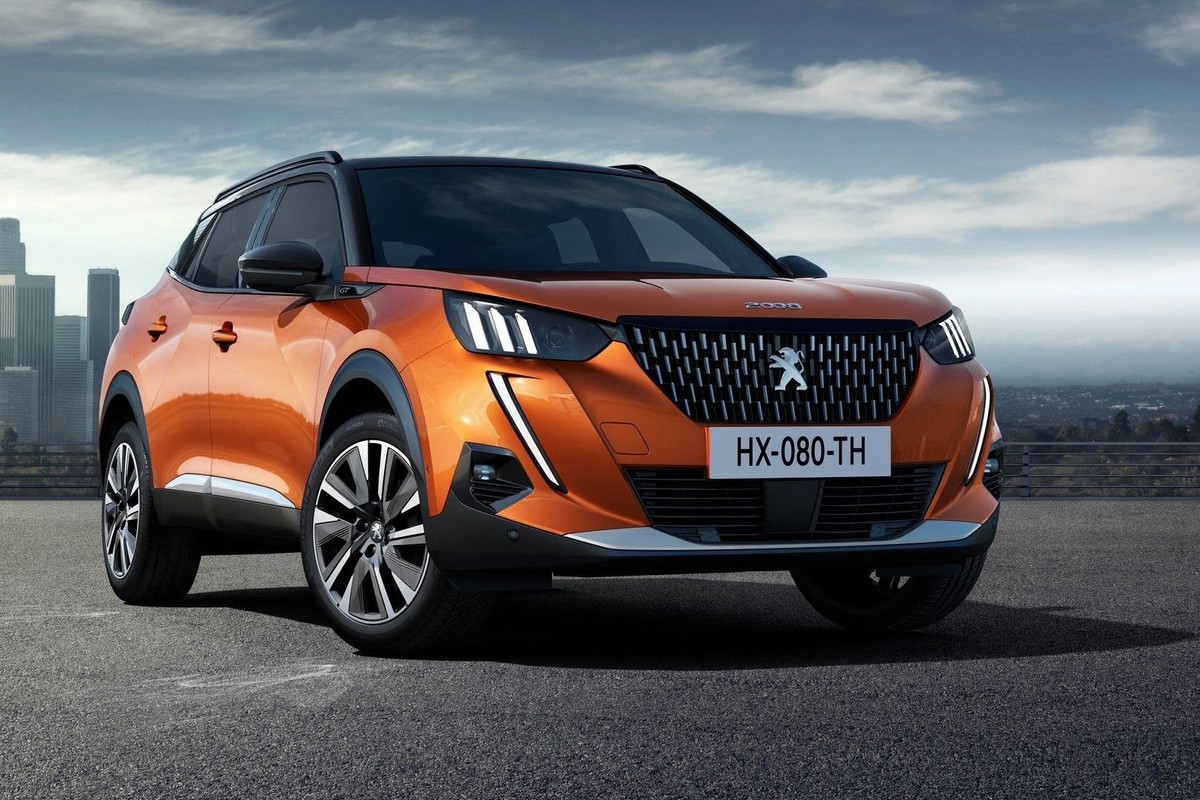
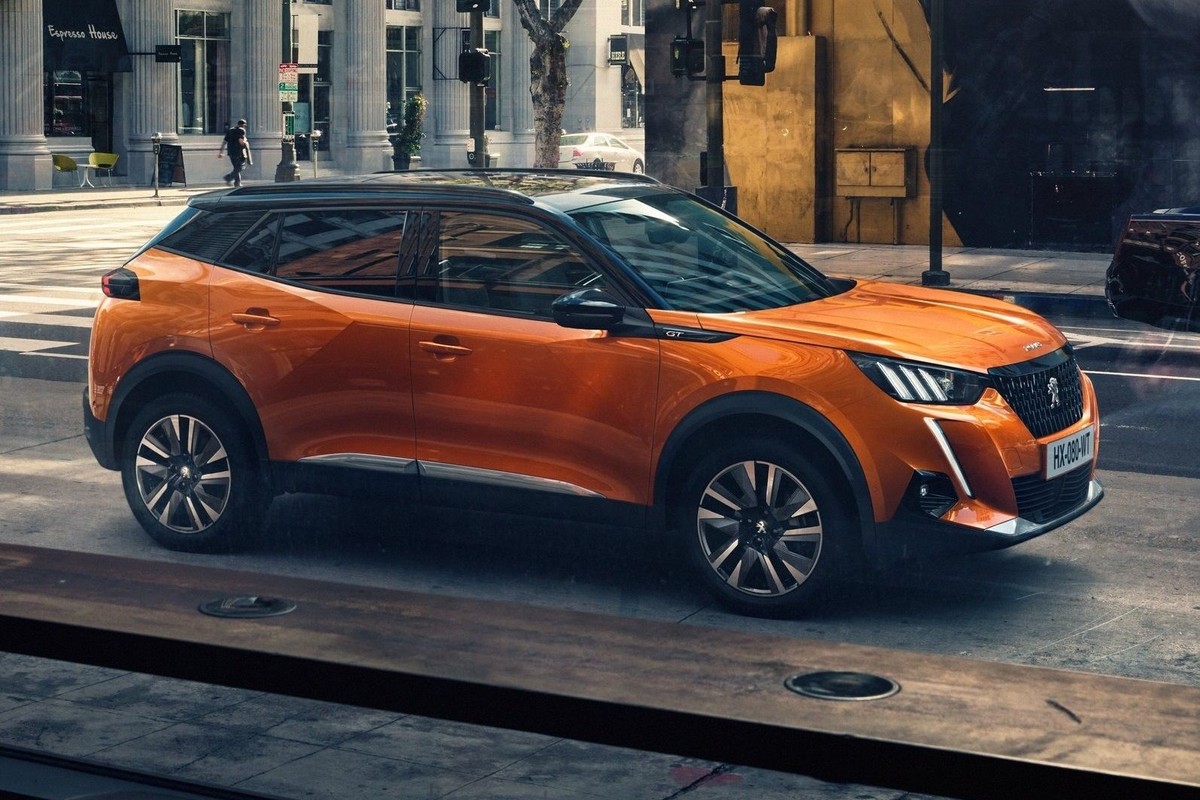
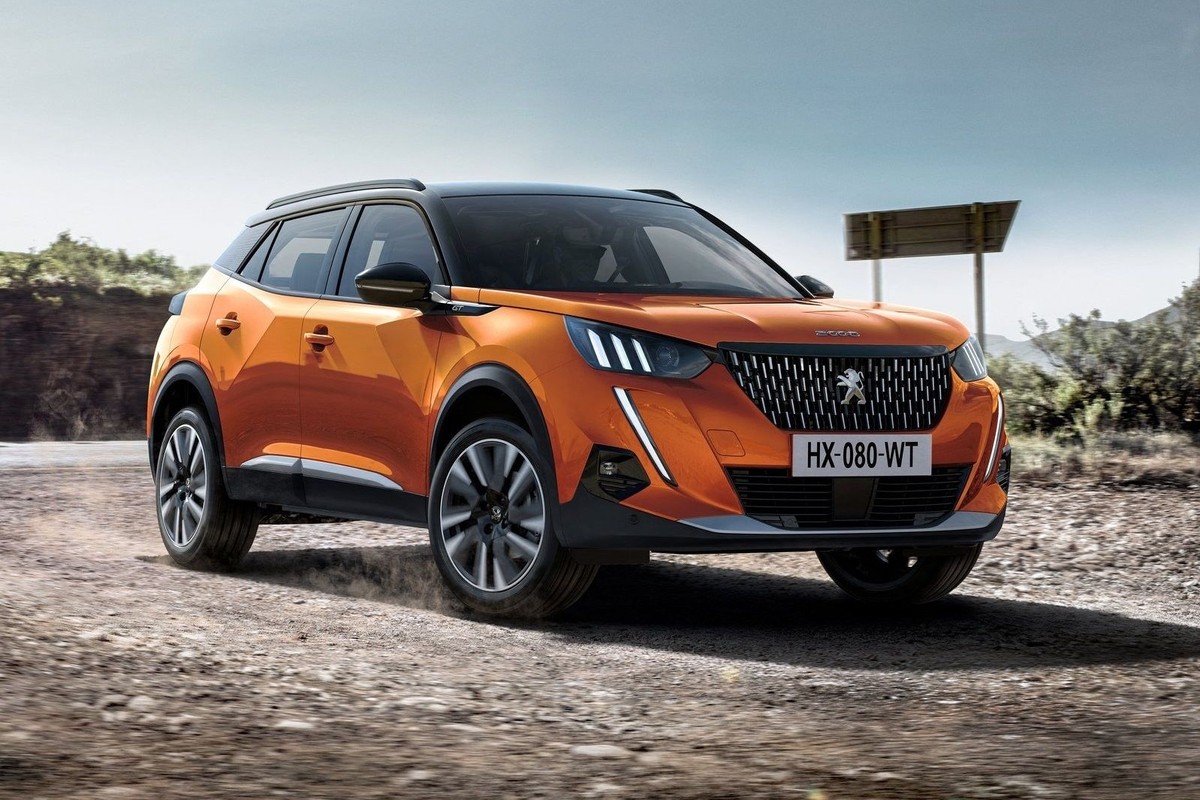
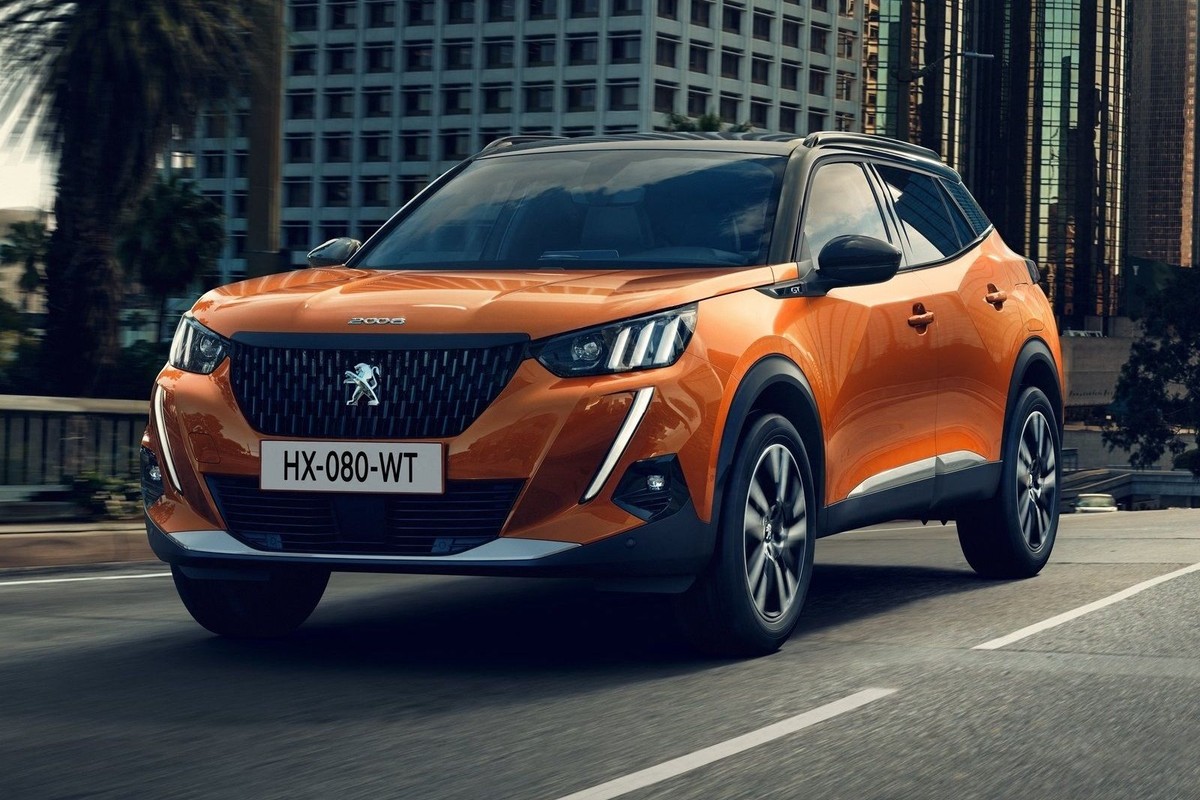
Taking design notes from the larger Peugeot 3008 SUV and the compact Peugeot 208 hatchback, this is the new 2008 compact SUV. It's a striking vehicle, both inside and out. A total of 3 trim levels will be available including the base Active derivatives, mid-spec Allure derivative and the top-spec GT derivative.
In terms of engine choice, the South African market will receive a 1.2-litre turbocharged petrol engine with 74 kW / 205 Nm mated exclusively with a 6-speed manual transmission in the entry-level 2008 Active derivative or buyers can opt for the more powerful 96 kW / 230 Nm version of this engine mated exclusively with a 6-speed automatic transmission.
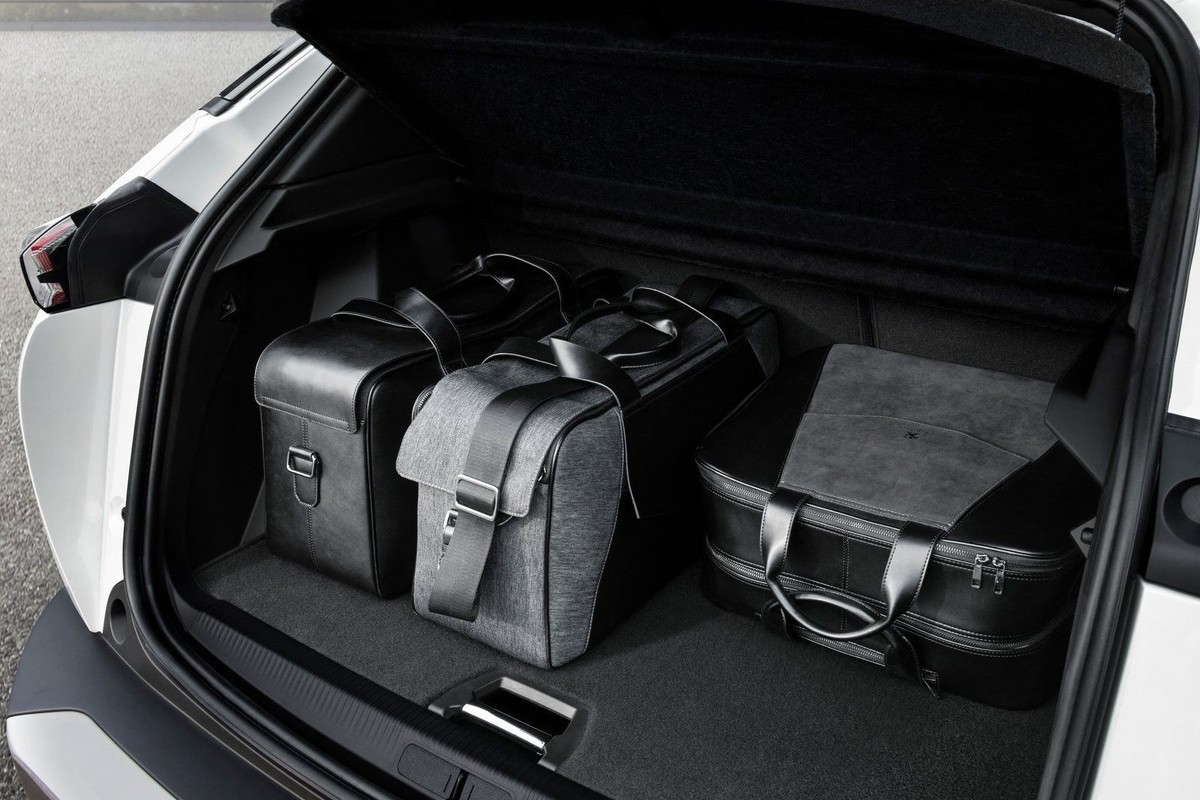
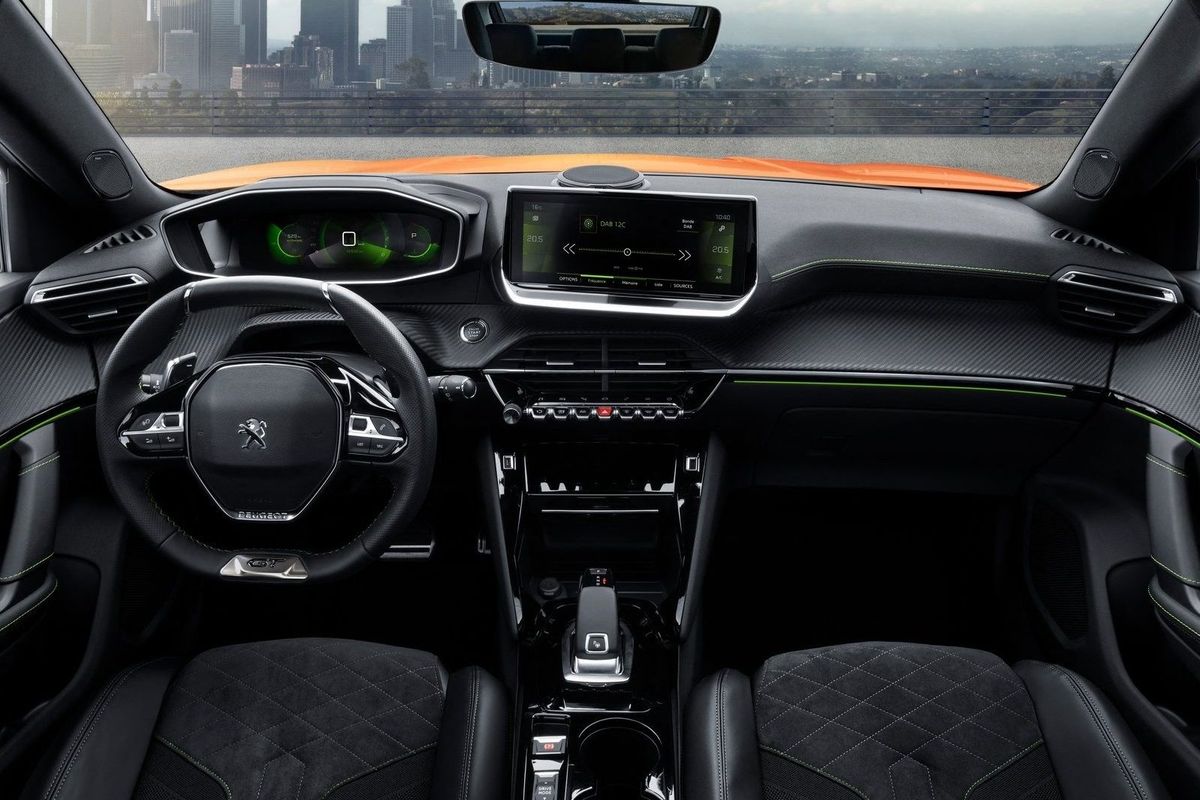
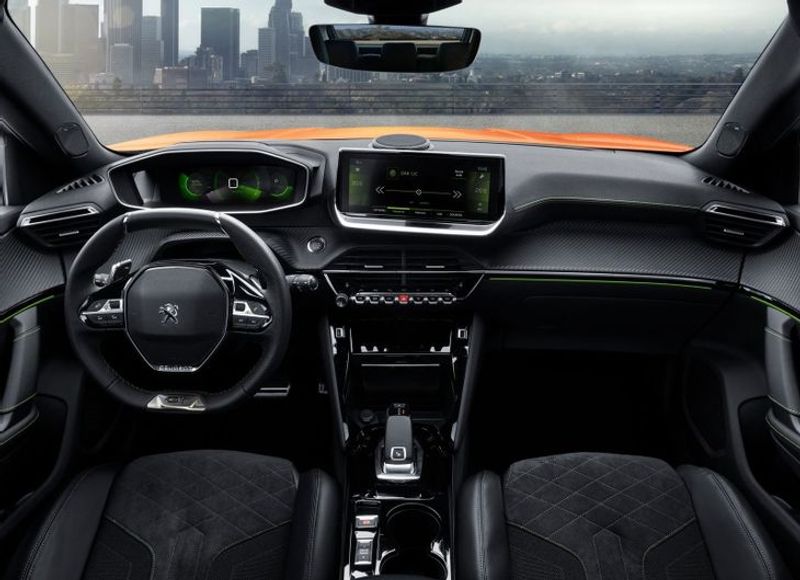
The new 2008 is based on the new CMP platform and has a length of 4.3 metres. With a wheelbase of 2.6 metres, cabin space is prioritised. The 2008 features an updated version of the i-Cockpit digital dashboard which is familiar from the larger 3008 family SUV. Apple CarPlay and Android Auto will be offered as well as up to 4 USB sockets. A sunroof will be optionally available at an additional cost of R21 750.
We will be attending the local launch of the new Peugeot 2008 and will keep you updated as soon as more SA-specific details become available. See pricing below!
The cabin of the new Peugeot 2008 is perhaps one of the most striking in this segment.
New Peugeot 2008 – Price in South Africa
2008 Active 1.2T 74 kW MT6 – R359 900
2008 Active 1.2T 96 kW AT6 – R399 900
2008 Allure 1.2T 96 kW AT6 – R429 900
2008 GT 1.2T 96 kW AT6 – R479 900
The 2008 will be sold with a 5-year/100 000km warranty and a 3-year/60 000 km service plan.
Hyundai has released more revealing teaser images of its forthcoming Bayon compact crossover.
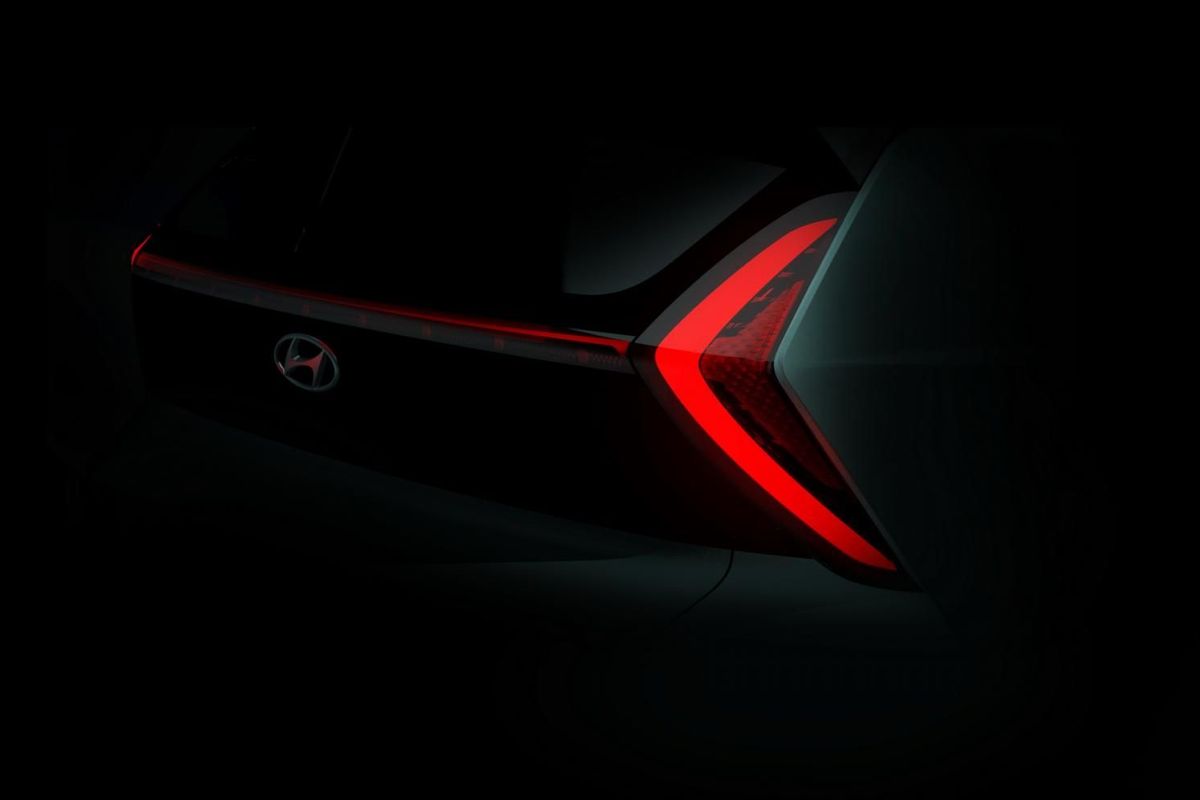
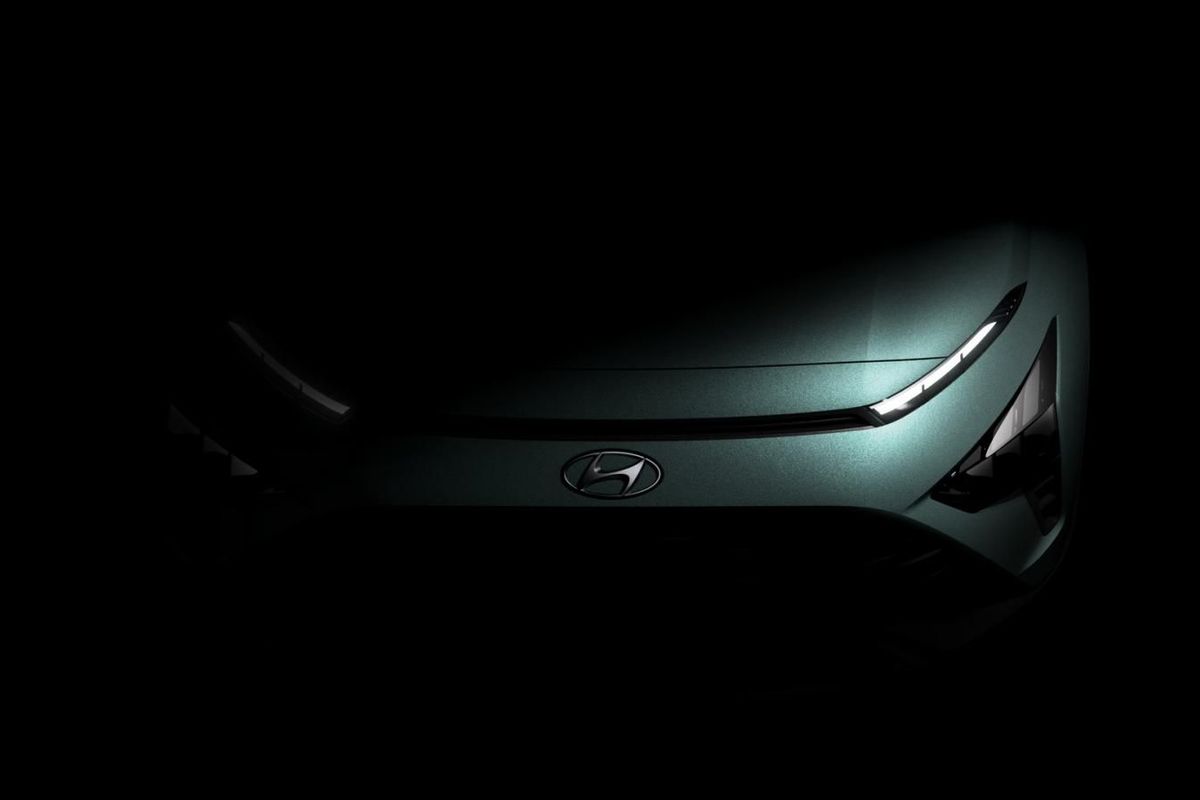
In November 2020, Hyundai released a teaser image of the taillight of a new compact crossover called Bayon. Now, further teasers have been released which are more revealing. See the images in the gallery.
The Bayon is the latest product offering from Hyundai and traces its name to the French city of Bayonne. In terms of size, this new crossover is a B-segment vehicle. That means it effectively sits below Kona in the Hyundai crossover line-up.
Product planners for Bayon are going to use the i20 platform. Although i20 and Kona are not that much different in size, Hyundai believes there is sufficient differentiation in the market for a viable business case for Bayon.
Bayon is expected to be revealed in the first half of 2021 and may very well be a Europe-only model as the Venue currently serves markets outside of Europe, including South Africa. It, therefore, wouldn't make sense for Hyundai to offer the Venue and Bayon in the same market.
There are no concrete mechanical details relating to this new Hyundai, but one can extrapolate that powertrains will be broadly similar to that found in i20.
As a compact crossover, the Bayon will be front-wheel-drive. That means the i20’s 1.2-litre naturally-aspirated engine, good for 62 kW, should be an entry-level option.
For those who seek a bit more performance from the Bayon, Hyundai should also offer its turbocharged three-cylinder engine, enhanced with mild-hybridization. Two output grades of this engine exist (74 kW and 88 kW), and either would serve as a credible powertrain for the i20.
Gearbox options should follow on from the i20 powertrain specification and offer a six-speed manual or seven-speed dual-clutch for Hyundai’s latest crossover.
Look out for more details closer to the official Bayon launch in the coming months.
Peugeot Citroen SA has confirmed it will be incorporating Opel South Africa into its stable.
Outside of South Africa, Opel was snapped by the PSA Group back in 2017 and it was only a matter of time before this global decision impacted Opel South Africa's operations. Officially, Peugeot Citroen South Africa (PCSA) has become the official distributor of Opel's products and this comes into effect in January 2021.
“Of course, we are very excited to be distributing Opel vehicles” said Leslie Ramsoomar, Managing Director of Peugeot Citroen South Africa, “the brand has a large following locally, and the future product line up is very exciting, with 4 product launches or updates planned for this year." PCSA says the changes should result in minimal impact to dealers and customers. Customers can be assured that they will still have access to the same service points.
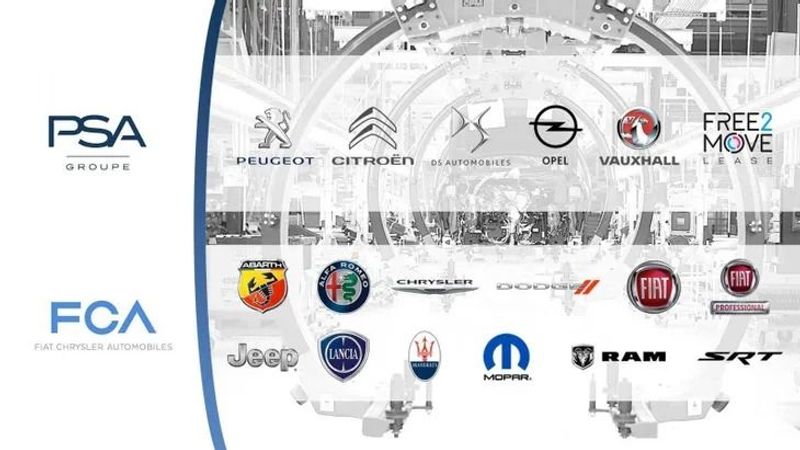
Meanwhile, PSA Group and FCA (Fiat Chrysler Alfa) have merged to become the 4th largest carmaker. There's a new name for the group too, Stellantis. Under Stellantis, there's Abarth, Alfa Romeo, Chrysler, Citroen, Dodge, DS Automobiles, Fiat, Jeep, Lancia, Maserati, Opel, Peugeot, Ram, and Vauxhall.
The news comes as the all-new 6th generation Opel Corsa goes on sale officially in South Africa.
Demand for the current 200 Series Land Cruiser is soaring and a new model is expected to be revealed this year, reportedly on the model's 70th anniversary.
Last year we reported that Toyota’s industrial engineers started the planning process for the the retooling of its Land Cruiser 200 production line as production of the current model is expected to come to an end in March 2021. The rumour mill is currently suggesting that the new Land Cruiser will be revealed in early August which lines up perfectly for the model's 70th anniversary.
Perhaps the most iconic vehicle that Toyota produces, the current Land Cruiser 200 has been in production since the mid-2000s. It has changed little over time, with Toyota merely adding infotainment and driver-aids as they have become available.
Goodbye V8?
The core Land Cruiser 200 values haven’t altered much over time. Whilst its rivals have mostly transitioned to a monocoque configuration the Land Cruiser 200 remained a ladder frame. Its huge 4.5-litre V8 turbodiesel engine might never have been the most powerful in its class, but its reputation for durability under all conditions, and using all fuel grades, has been tremendous. A recent report suggests that the new incoming Land Cruiser 300 will drop its V8 engine in favour of a 3.3-litre V6 diesel engine as well as a twin-turbocharged 3.5-litre V6 petrol engine. A hybrid Land Cruiser is also on the cards.
Demand for Land Cruiser 200 Soars
Many will be sad to say goodbye to the Land Cruiser 200 and the forthcoming 300 Series has big shoes to fill.
As Toyota winds-down Land Cruiser 200 production, with a scheduled last unit assembly date diarised for March 2021, demand for these Toyota luxury adventure vehicles is soaring. In some markets, orders for Land Cruiser have increased by more than 20%.
There is no question that many loyal followers of the Land Cruiser model range, which has some of the most dedicated customers around, are fearful of what Toyota might deliver with the replacement.
For many, the 4.5-litre V8 engine has been a strong product feature and the news that this engine may be retired might not sit well with Land Cruiser loyalists and a V6-powered Land Cruiser 300 will certainly test the allegiance of Toyota’s traditional ‘Cruiser customer base.
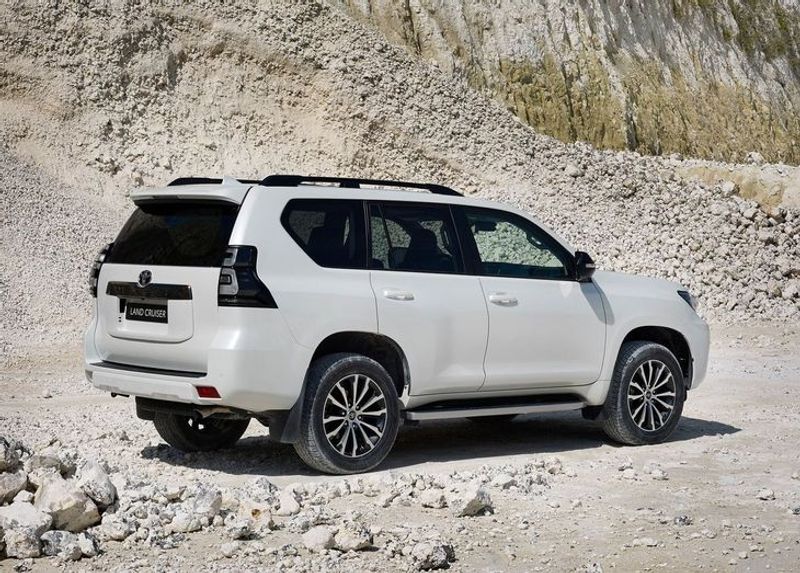
As production ends and demand increases, dealers may very well sell out months before the new Land Cruiser 300 arrives, leaving an uncomfortable gap in the market. The Land Cruiser 200 is hugely popular amongst local buyers and a few months in 2021 without any supply, could see some downgrade to the new 150 kW Prado diesel.
As with any popular model at the end of its production run, Toyota is expected to market a special edition of the Land Cruiser 200 before it retires. Watch this space!