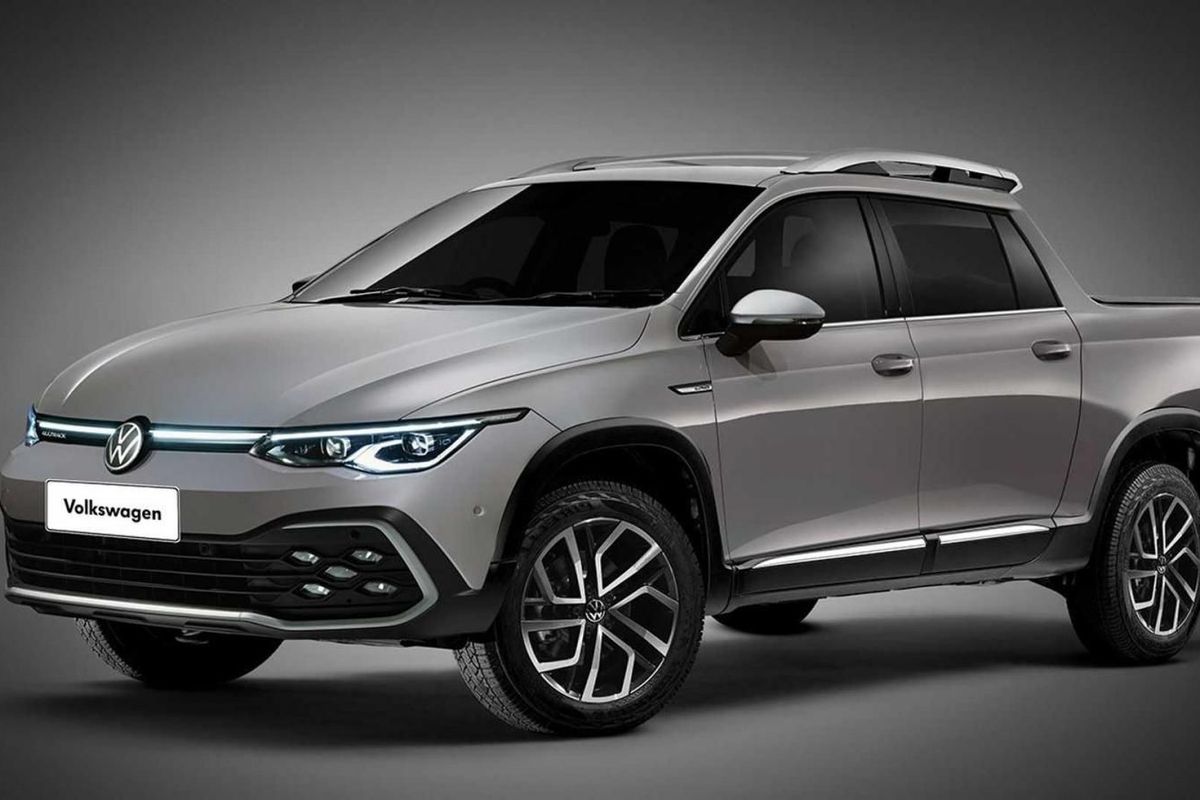
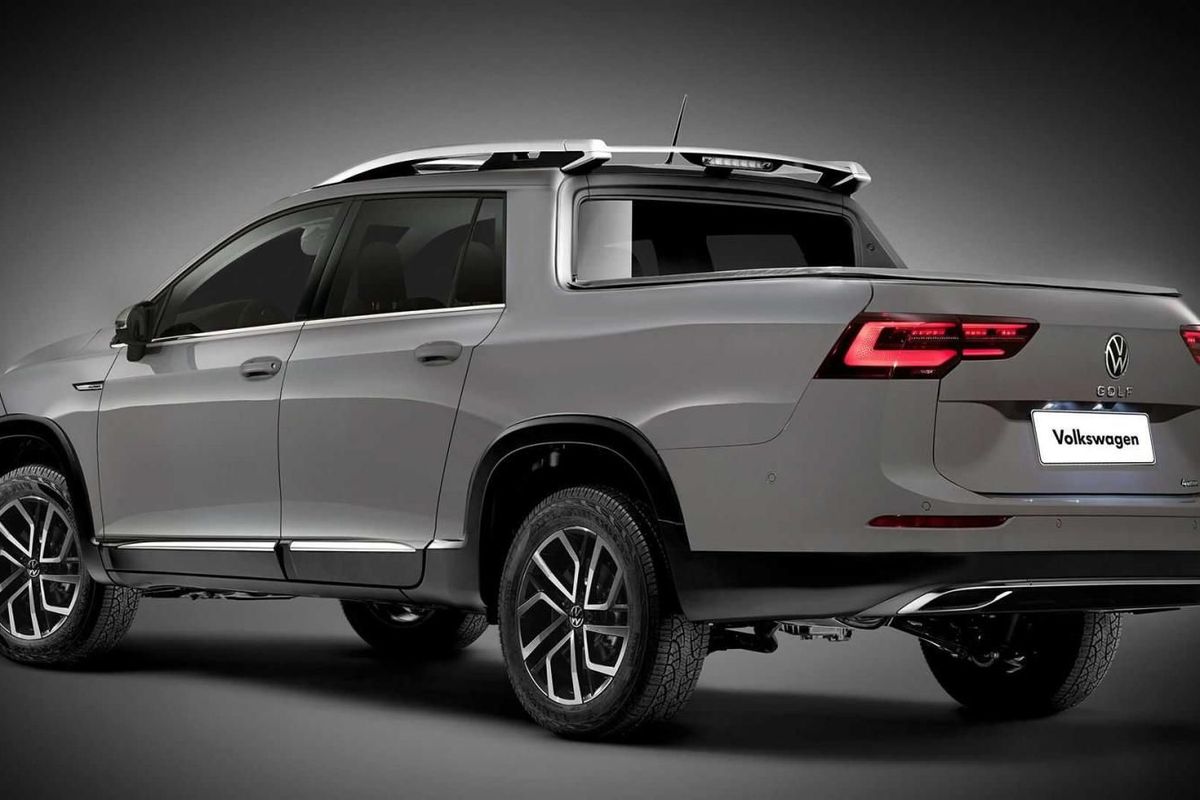
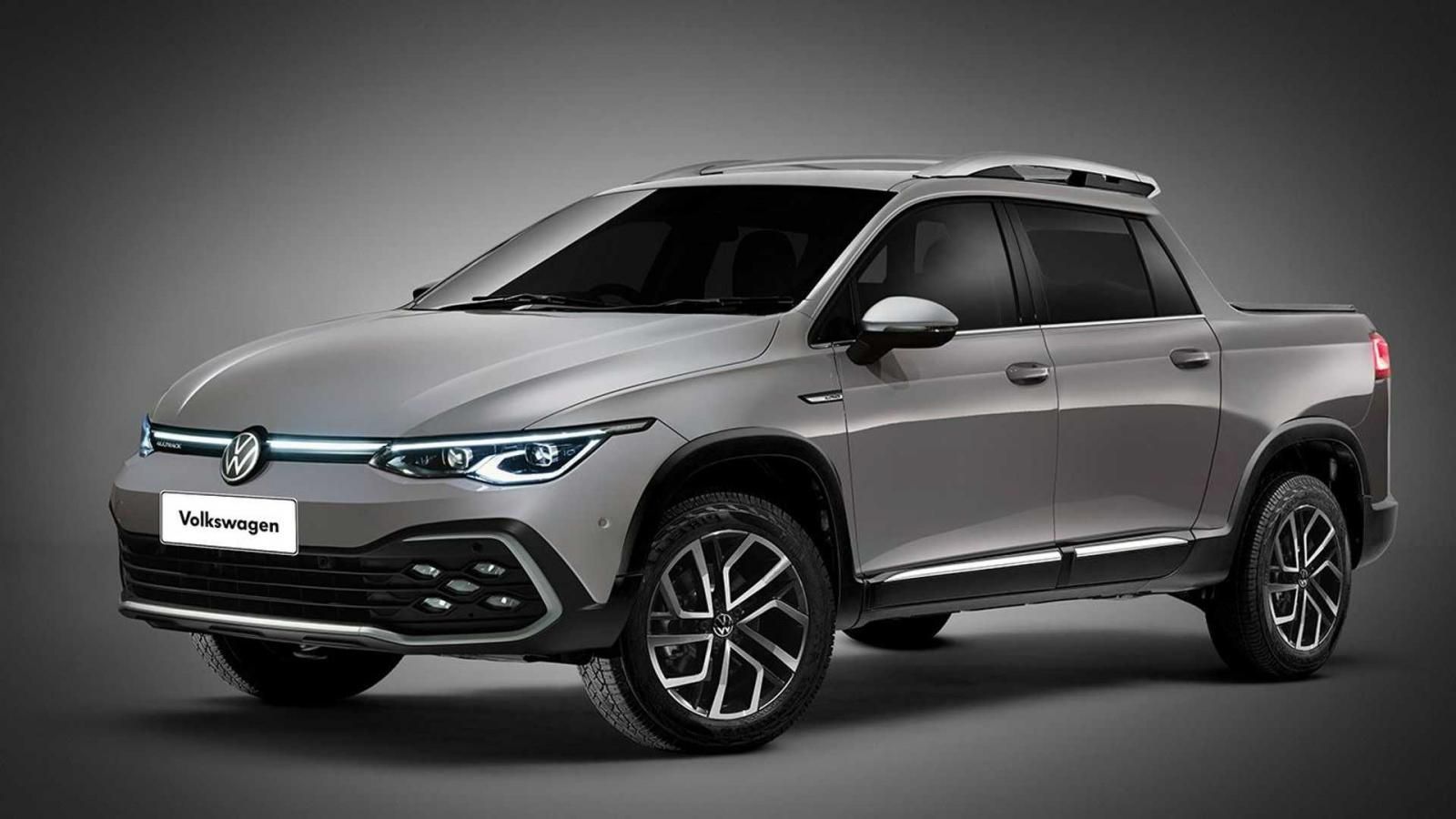
Using the recently-revealed Volkswagen Golf 8 Variant as a base, a talented artist has created a Volkswagen Golf 8 double-cab pickup. It's not real, but what if?
The great thing about renders is it pushes the boundaries and makes you think of the potential possibilities. KDesign AG has come up with this rather good-looking rendering. It may be a digital creation, but given the versatility of the MQB platform to underpin everything from a Polo to a Tiguan, theoretically, this is not impossible.
Based on the Volkswagen Golf 8, this potential bakkie would be an interesting rival to the upcoming Ford Maverick – a vehicle whose development we're watching closely. Expected to sit under the Ranger, the Maverick is a unibody bakkie that is said to be built on the Focus platform.
As a reminder, the South African market is not going to get the Saveiro because it's quite long in the tooth and the cost of converting it to right-hand drive makes it a non-starter. Given the SA market for bakkies, we're surprised we have not seen a single-cab bakkie built on the Polo Vivo platform to rival the Nissan NP200.
If you're wanting a Volkswagen bakkie, then you have to go the full hog and go for the Amarok, which is offered in a number of trims and engines. In September 2020, Volkswagen SA released pricing and details for its flagship 190 kW Amarok. In 2022, Ford and Volkswagen will be working together to develop and build the next-generation Ranger and Amarok respectively. The best part? The fruits of this collaboration will be built right here in South Africa.
It may be a digital creation that will never come to life, but there's no denying this is rather good looking!
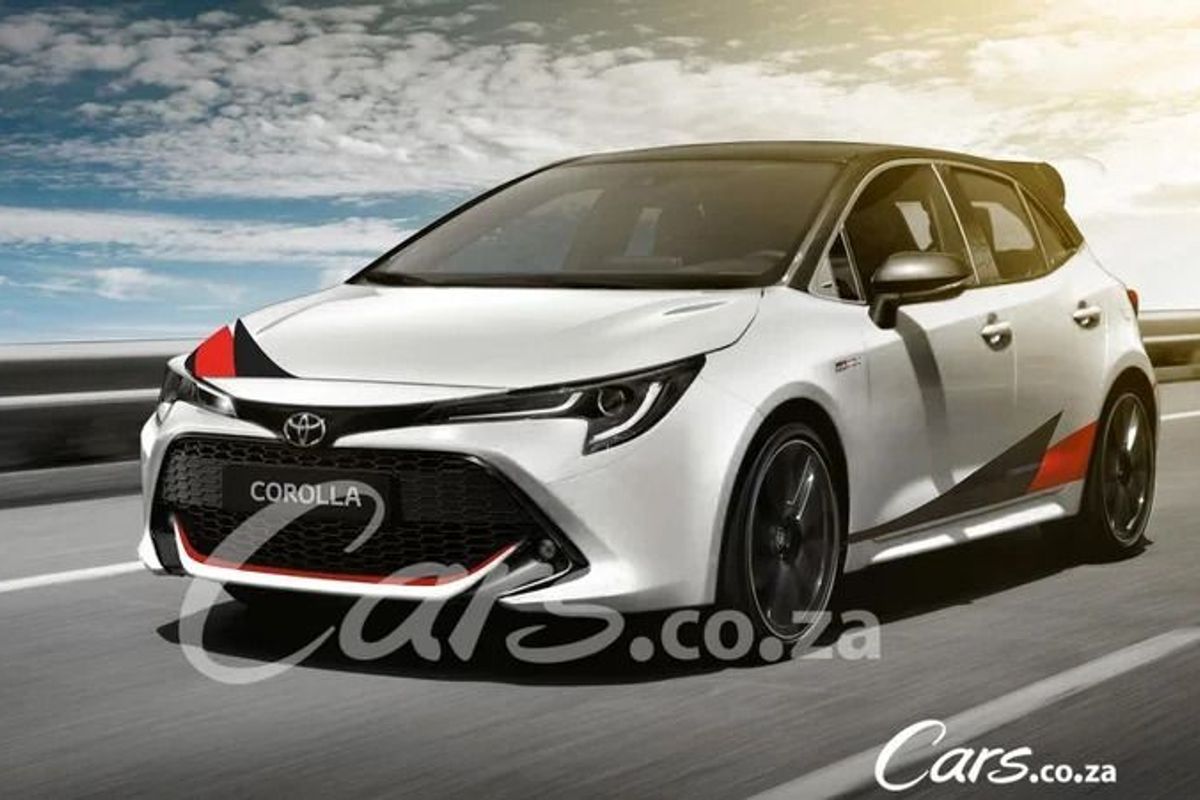
Toyota has filed a GR patent for its Corolla, fuelling rumours that the high-performance hatchback will be put into production.
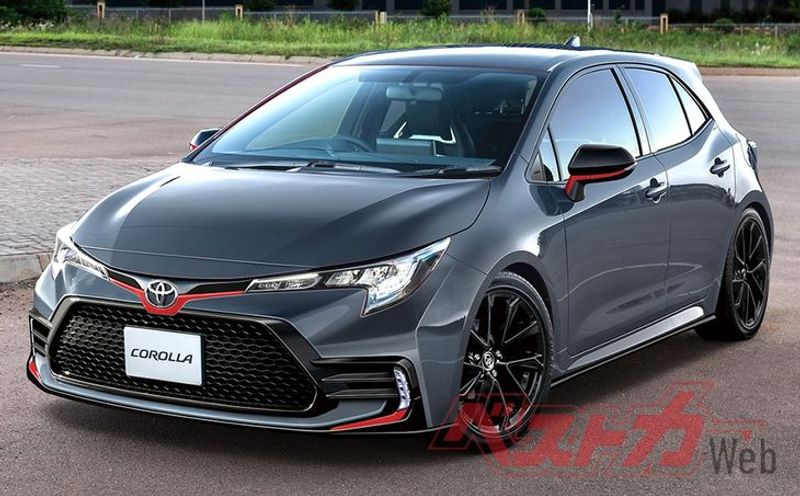
*Update: According to Best Car Web Japan, the all-new Toyota Corolla GRMN will be featuring the 1.6-litre turbocharged 3-cylinder motor as well as the all-wheel drivetrain. The source notes it will be revealed in September 2021 along with a Corolla GRMN Touring version.*
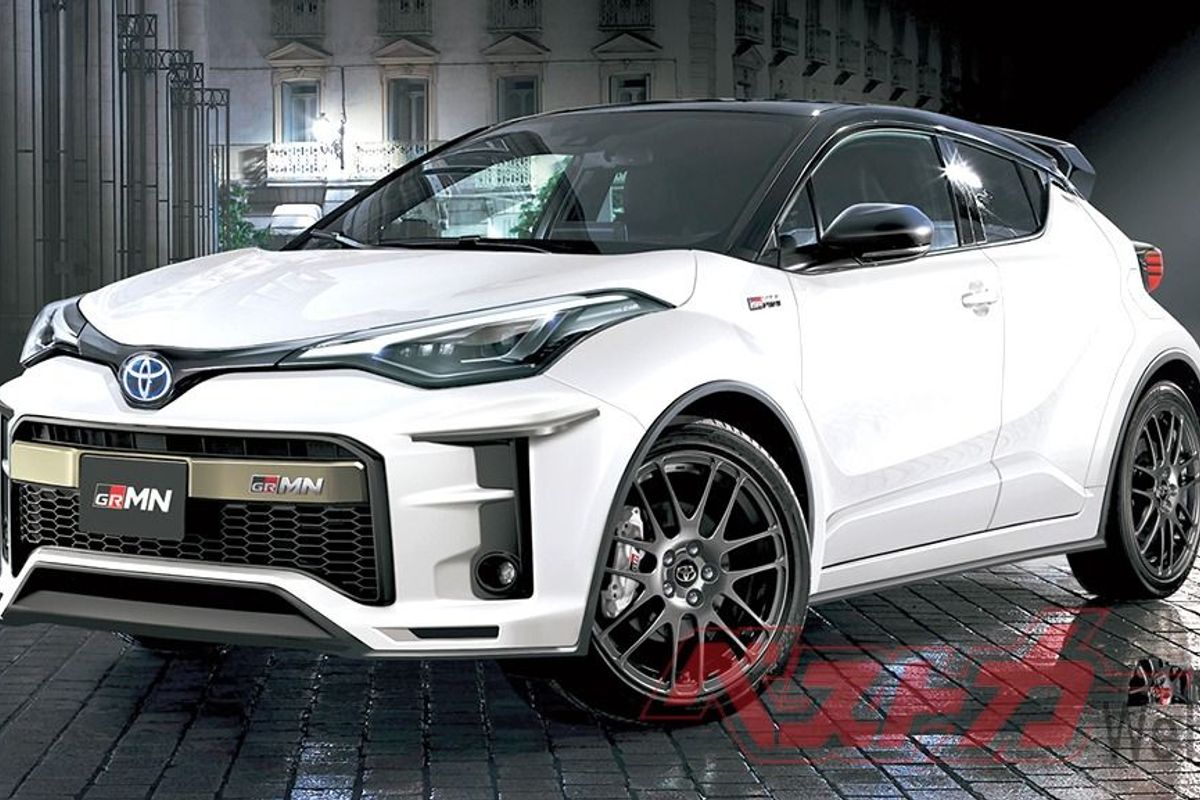
Best Car Web reckons this is what the Corolla GRMN will look like.
The patent was filed in Australia as GR Corolla and it's likely that the rival for the Volkswagen Golf GTI, Hyundai i30N and Renault Megane RS280 will be produced. Many online pundits say it's some way away from the light of day, with an estimated reveal and launch in 2022.
The big question which everyone is asking, is what engine will it have? Given Toyota's efficiency and thriftiness, we're expecting to see a shared engine. Toyota's new TNGA platform is already shared by many products like the Corolla, RAV4 and Yaris, and we've praised it for its refinement and handling characteristics. Even in base-spec, the manual gearbox and 1.2-litre turbo Corolla hatch is generally good to pilot, so there's certainly potential.
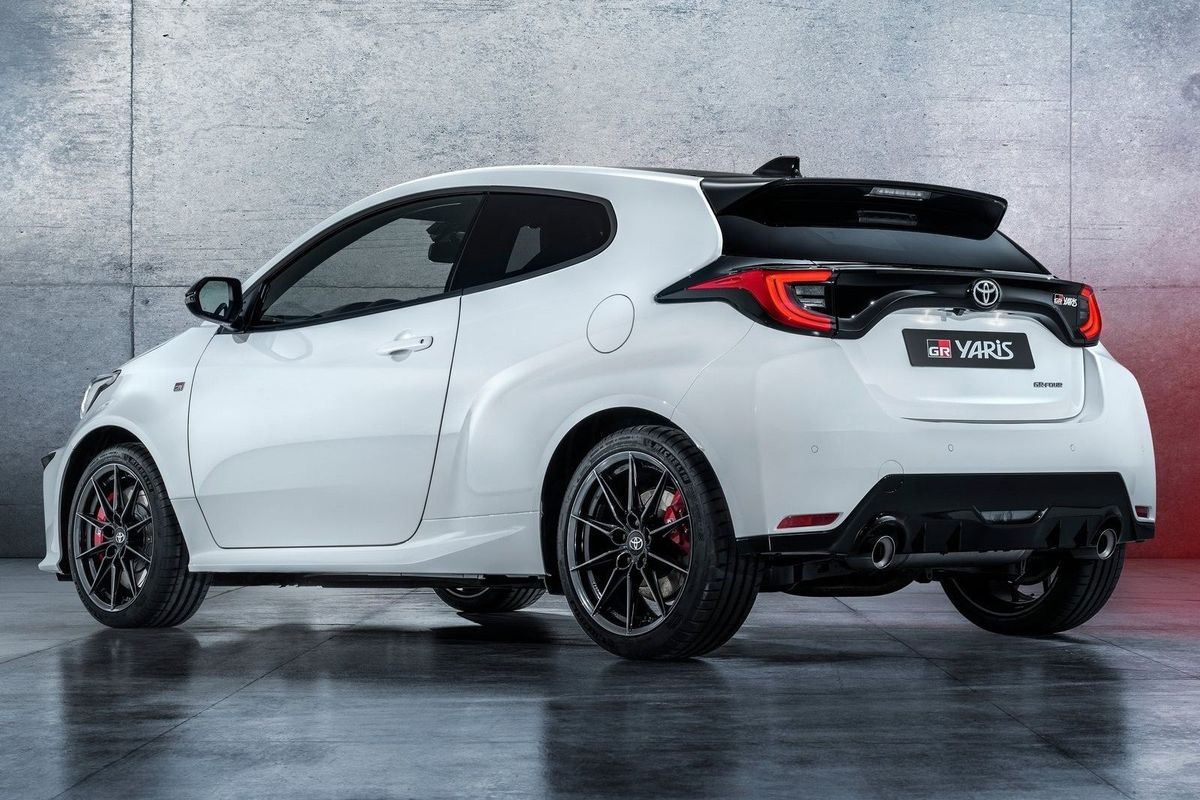
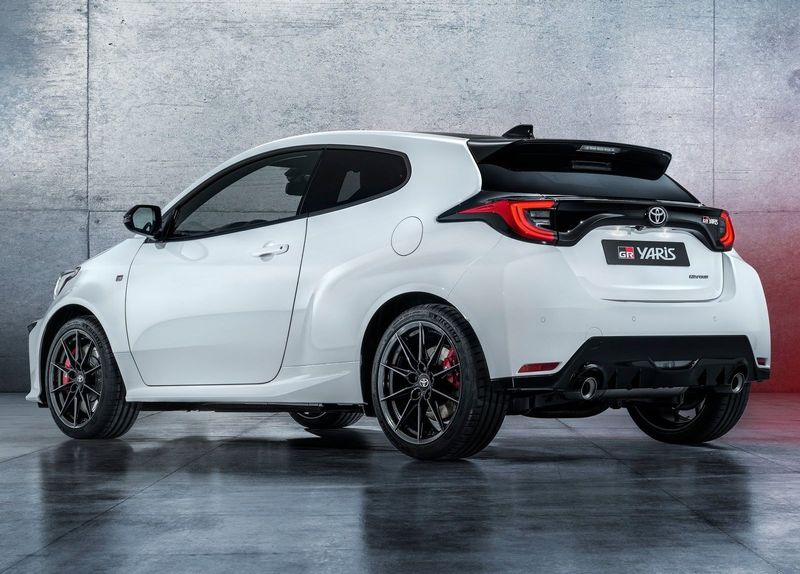
The Toyota GR Yaris is basically a road-legal rally car with its all-wheel drive, manual gearbox and 200 kW 1.6-litre turbo engine
Auto Express is reporting the engine earmarked for the hot GR Corolla is none other than the turbocharged 1.6-litre 3-cylinder petrol engine found in the GR Yaris. It packs 200 kW and 370 Nm, with power going to all 4 wheels via a 6-speed manual gearbox. Whether the GR Corolla adopts the same all-wheel-drive strategy or switch to a front-wheel-drive strategy is yet to be seen, but it's going to take some cleverness to channel all that shove through the front wheels. Torque steer, anyone?
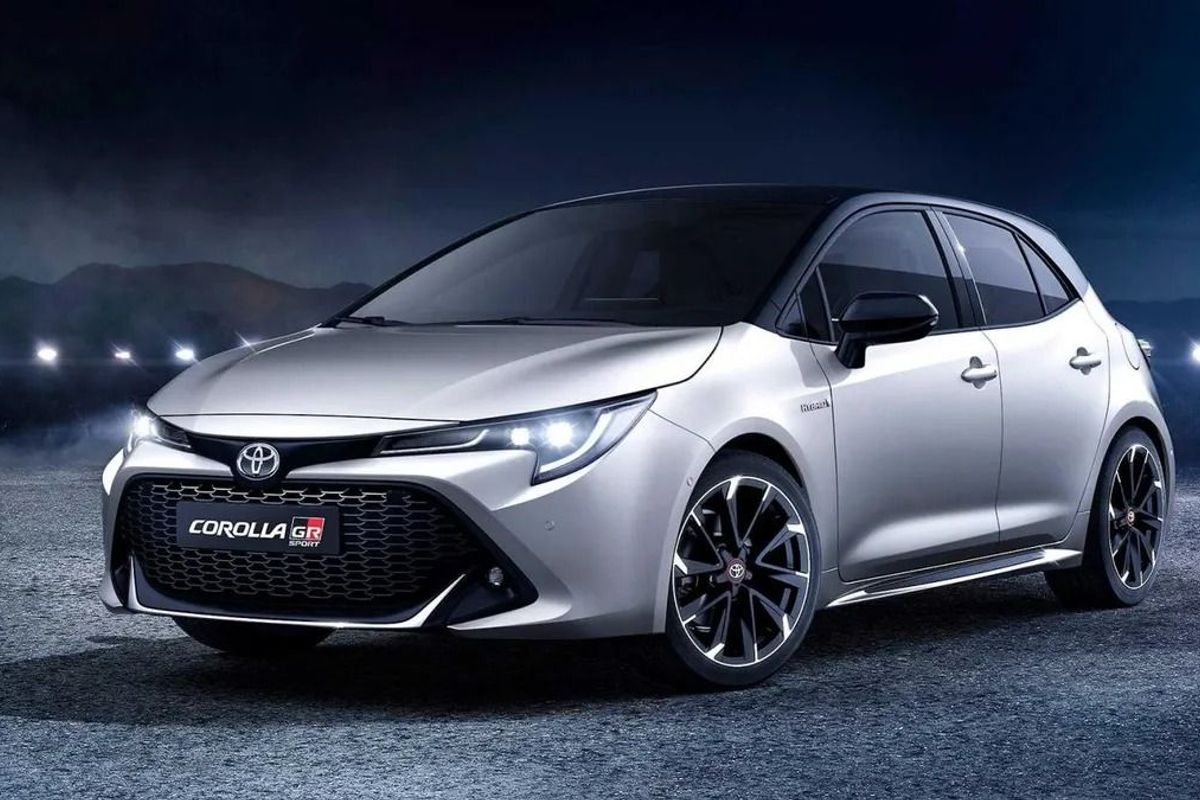
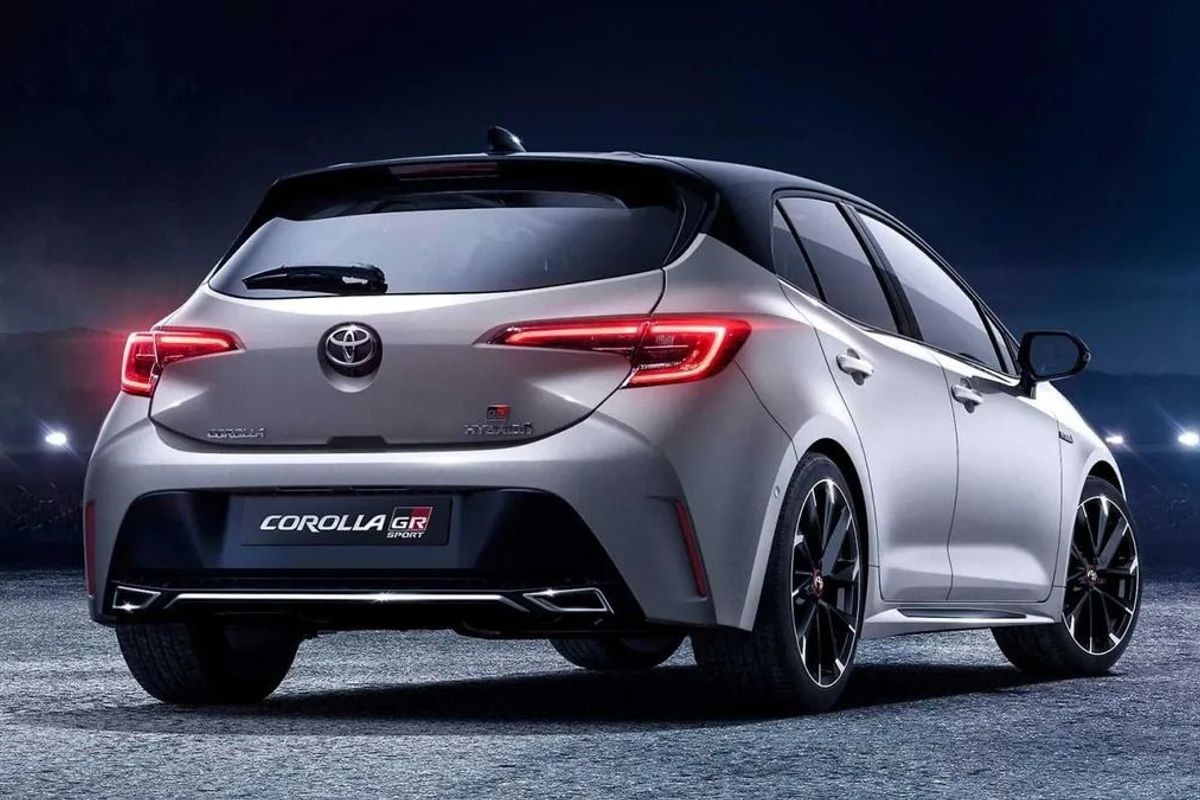
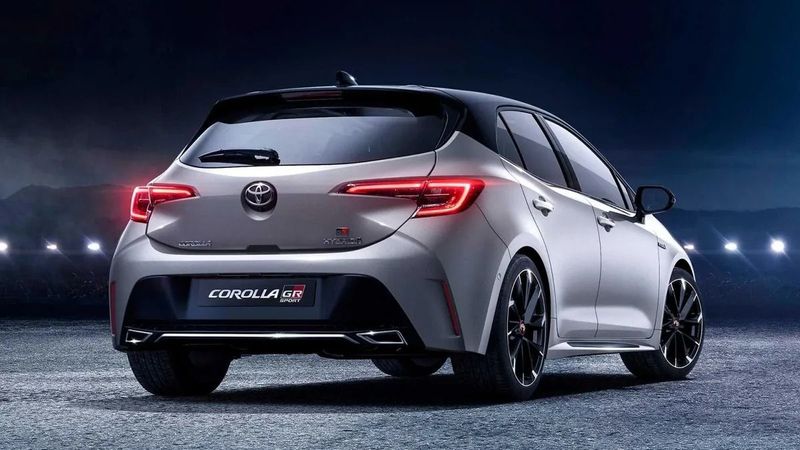
Toyota has committed to launching a GR performance version of nearly all of its products and we're expecting to see the GR Corolla joined by a GR Hilux, which we think will be powered by a new diesel V6 motor. We already have had some experience of what Toyota can do when it comes to the performance stuff when we drove the 1.8 supercharged Yaris GRMN a while back and were blown away. There's already a Toyota Corolla GR Sport on sale in European markets, but with a CVT and hybrid powertrain, it's hardly what you call a hot hatch. It does look the part, however.
Toyota Corolla GR Sport with a hybrid and CVT powertrain looks the part, but its not hot enough.
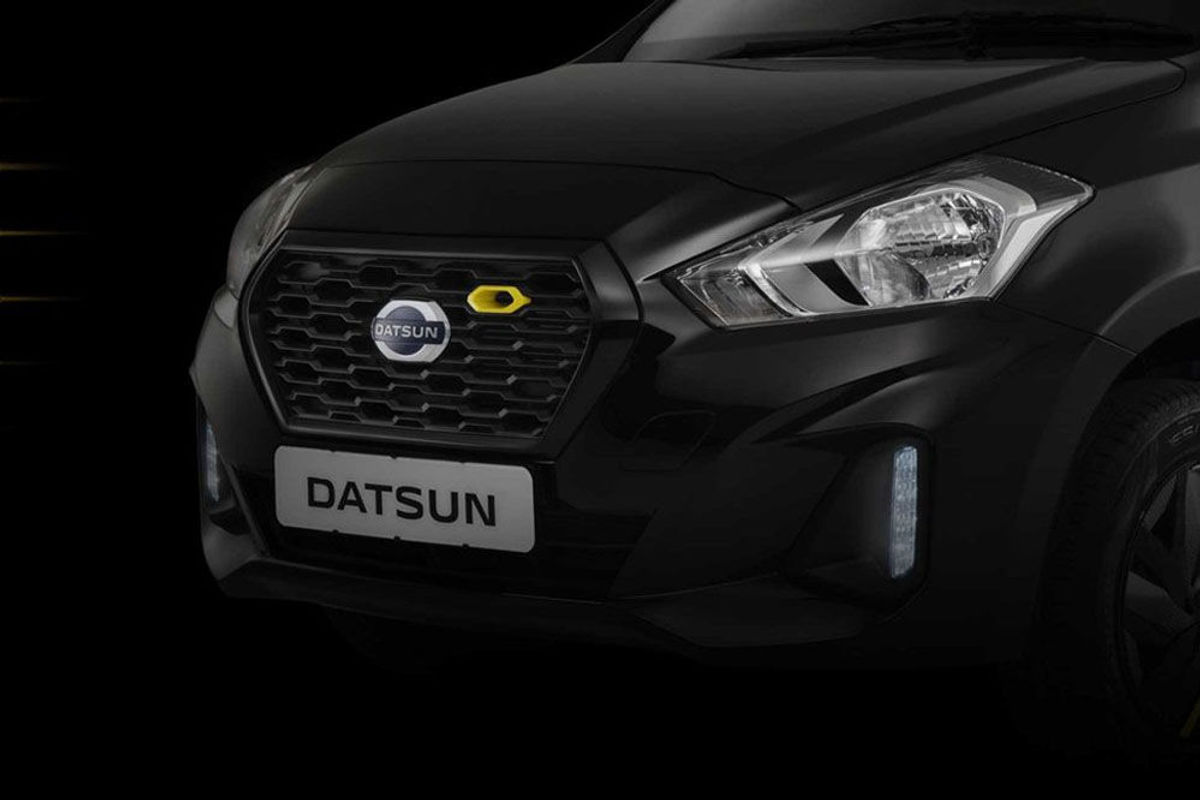
Datsun has been a fixture in the South African new-vehicle market for 5 years and, to mark the occasion, the budget-car brand has introduced a limited-edition, mid-range Go 1.2 Five derivative replete with racy-looking detailing. The firm is also offering the newcomer with a “Buy now, pay in 2021” payment-holiday deal…
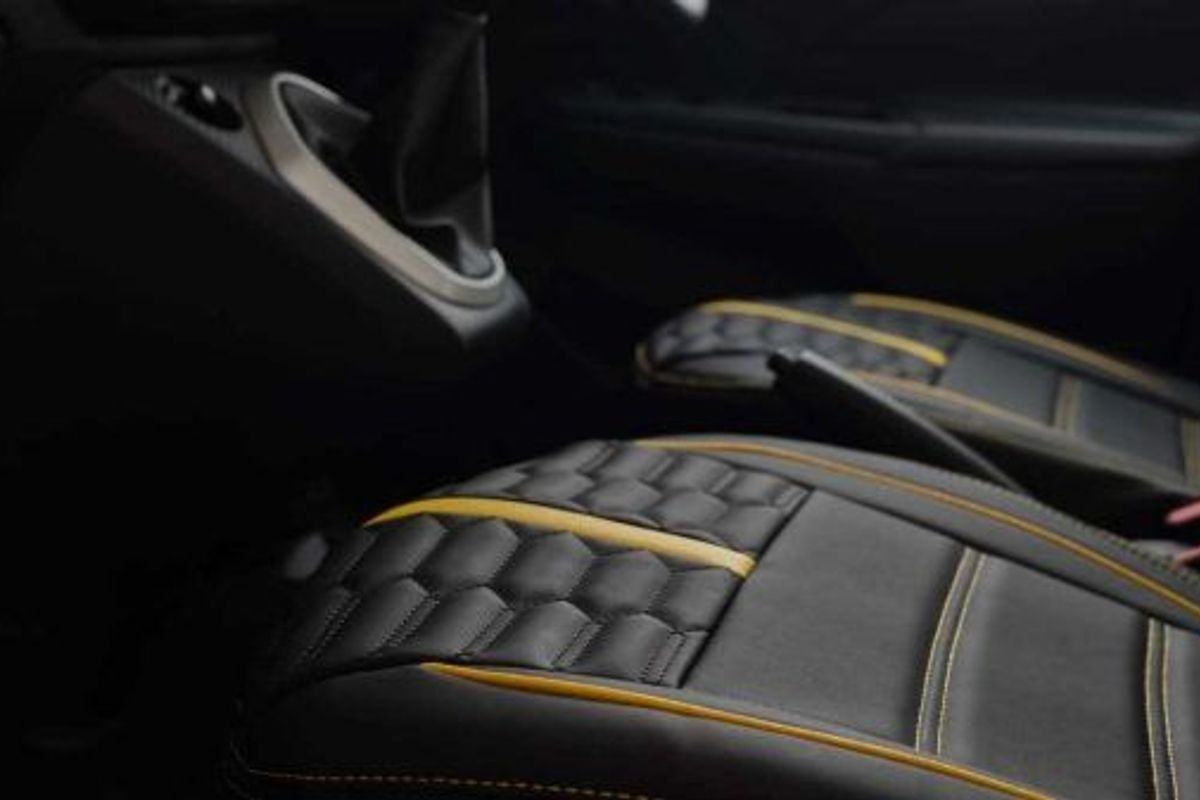
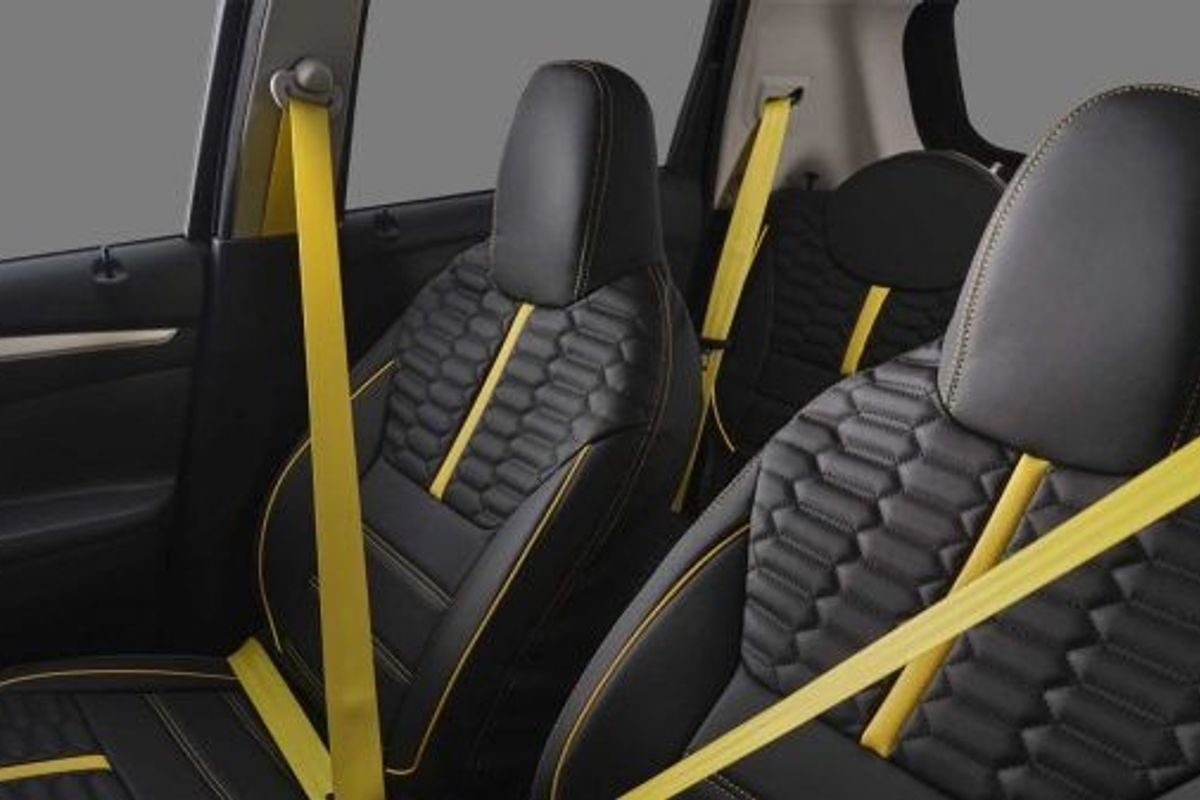
Brightly-coloured seatbelts are usually reserved for exotic sportscars or performance models of German premium marques.
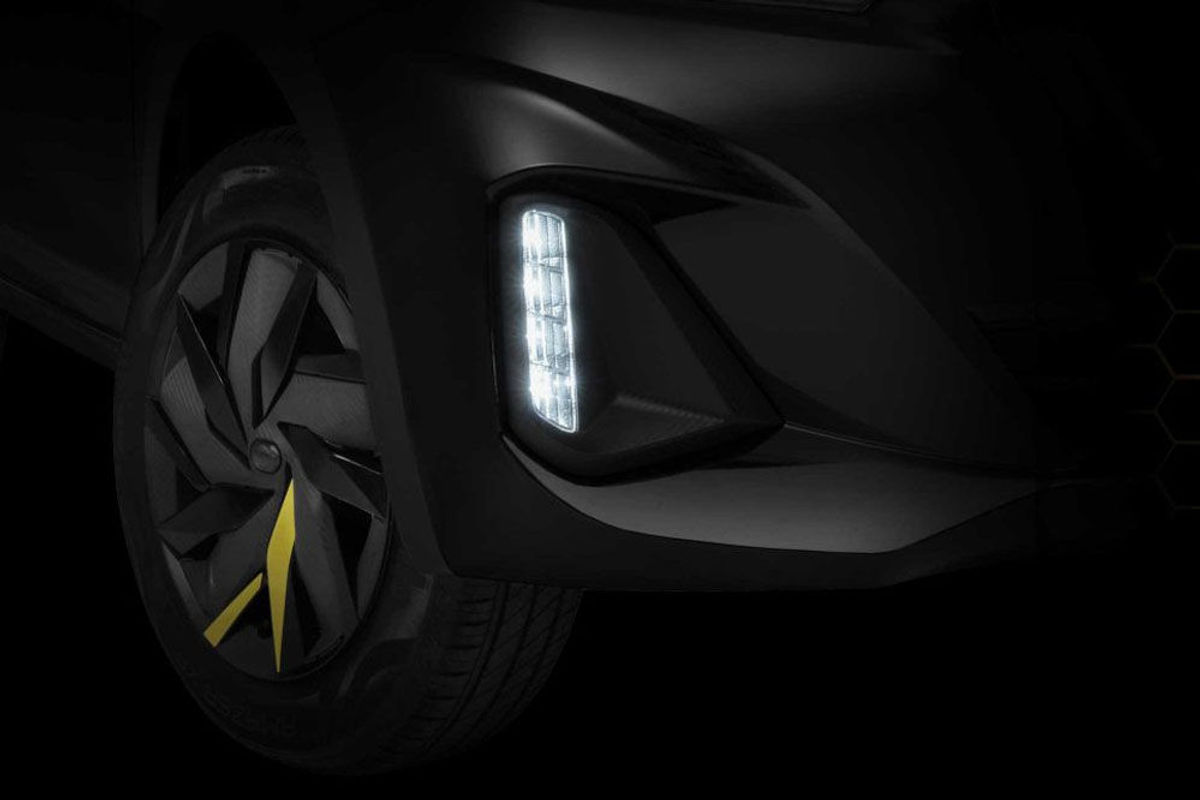
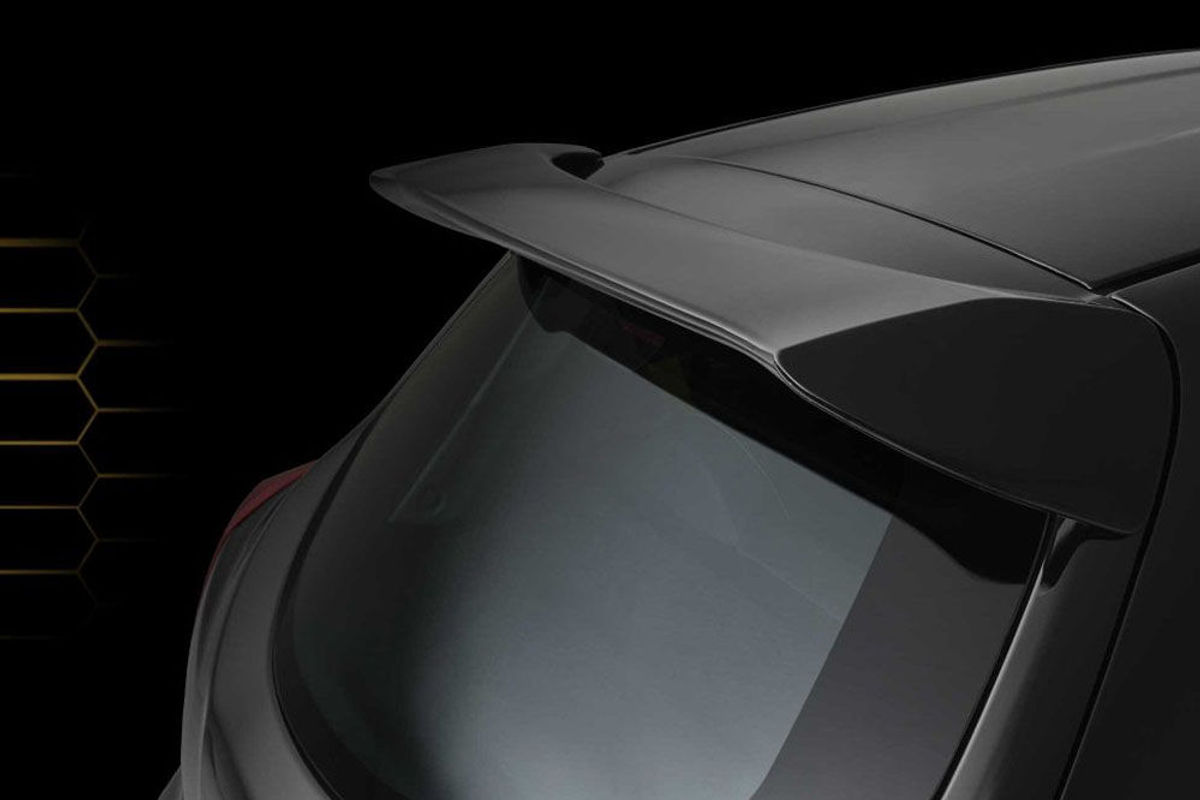
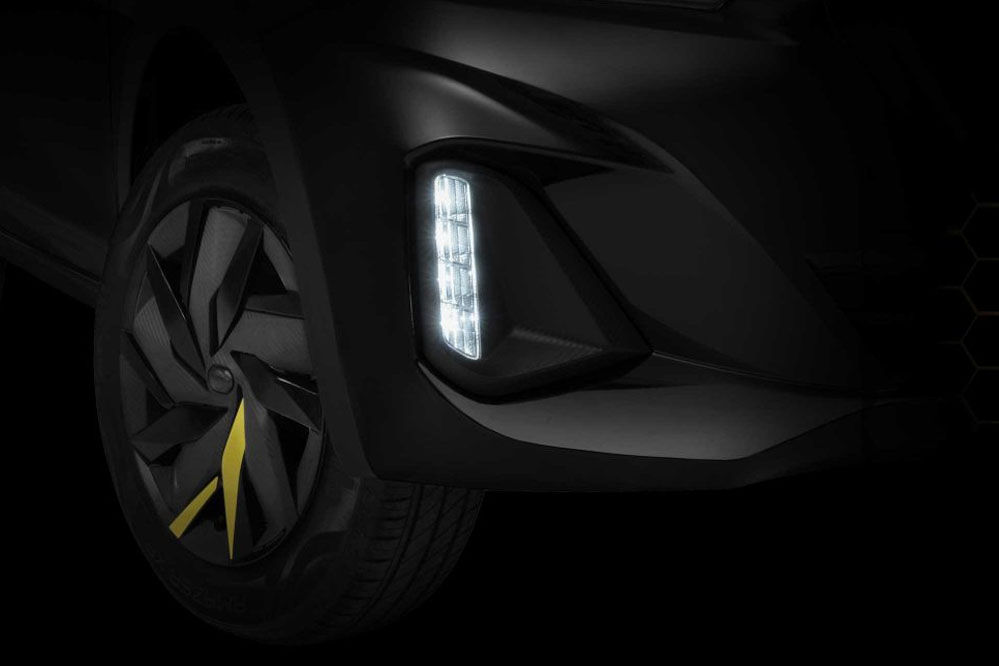
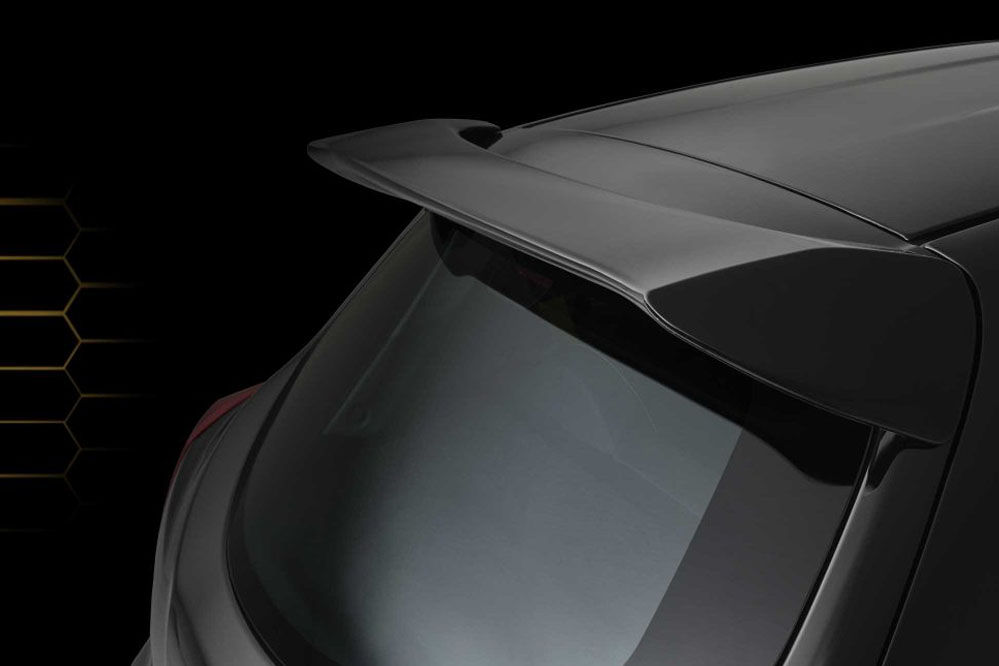
The newcomer is instantly recognisable by virtue of its striped body graphics, with colour-matched accents on the grille and 14-inch wheel covers. Although its spec is closer to 1.2 Mid derivative, the 1.2 Five has LED running lights (as on the 1.2 Lux), as well as a sporty tailgate spoiler.
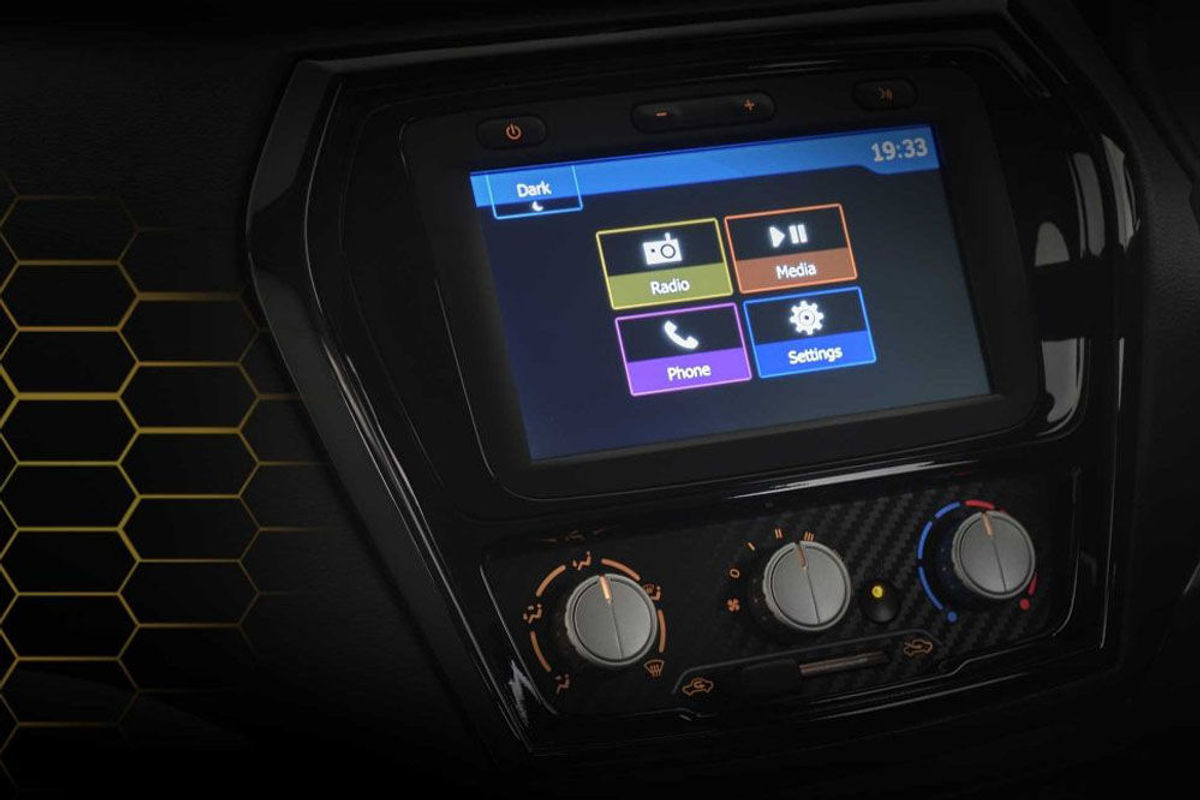
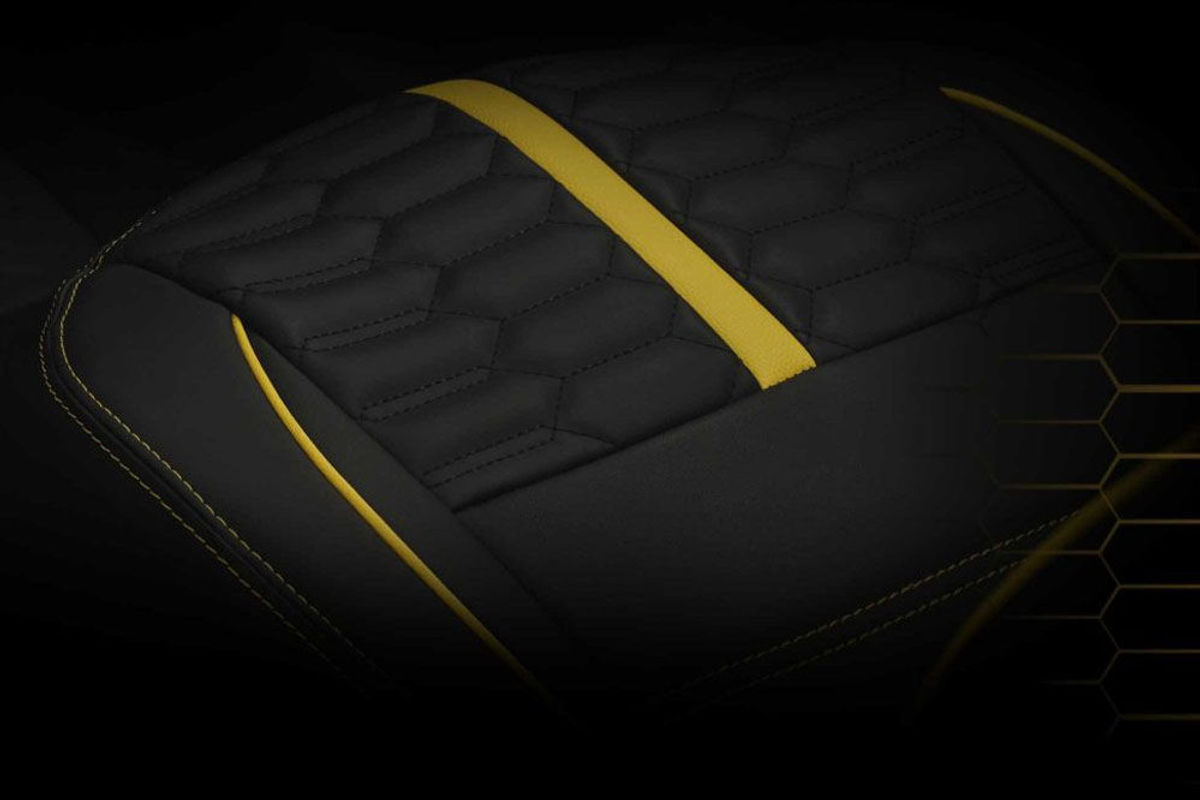
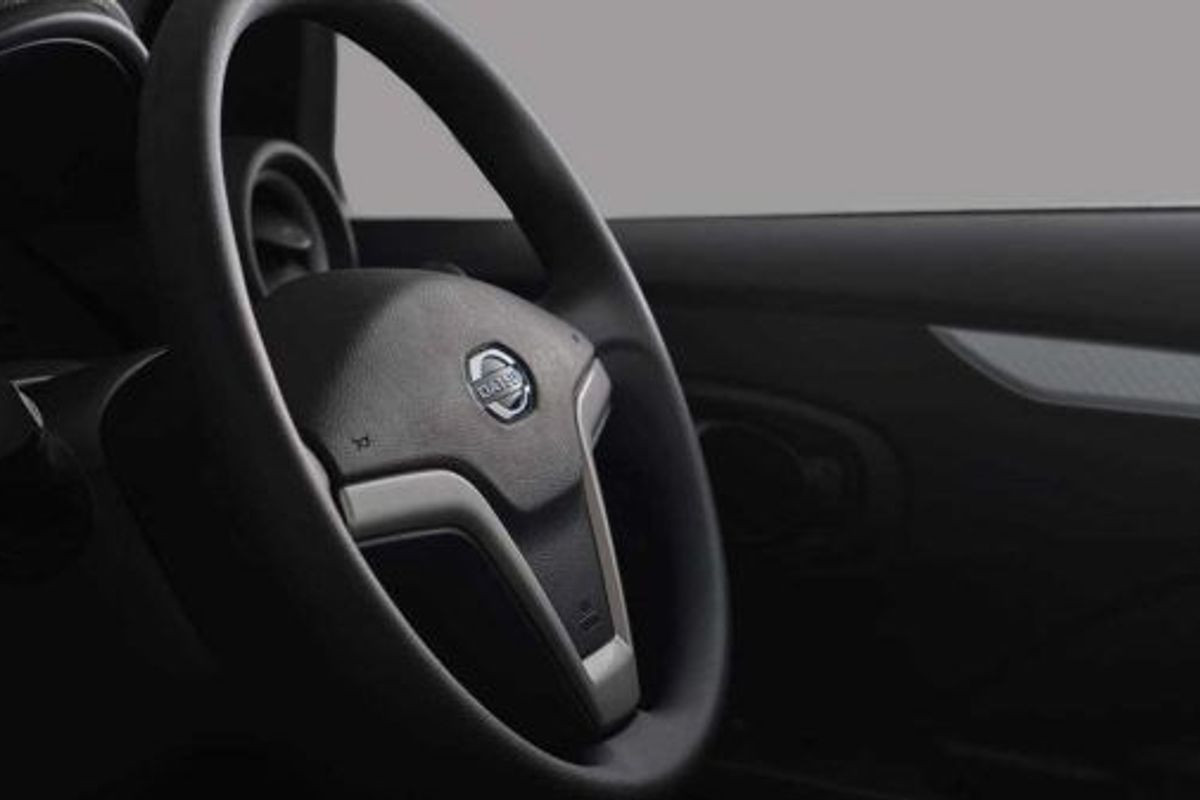
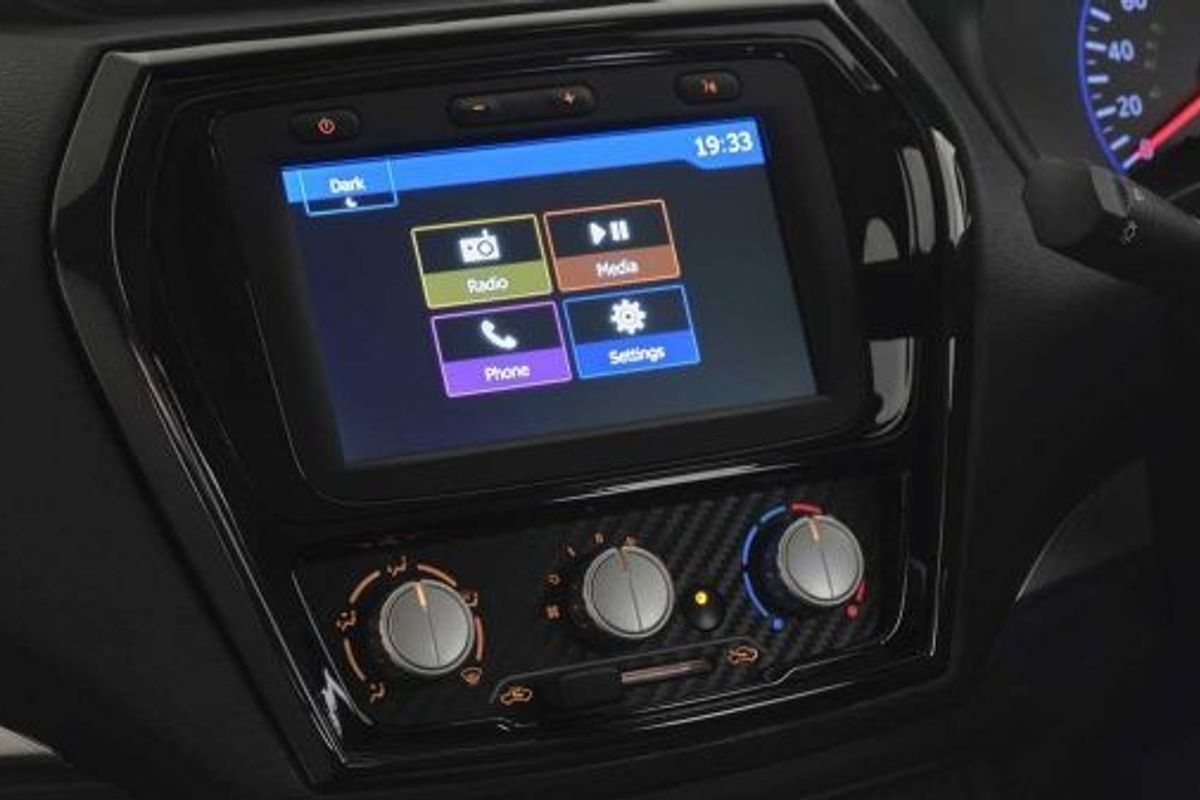
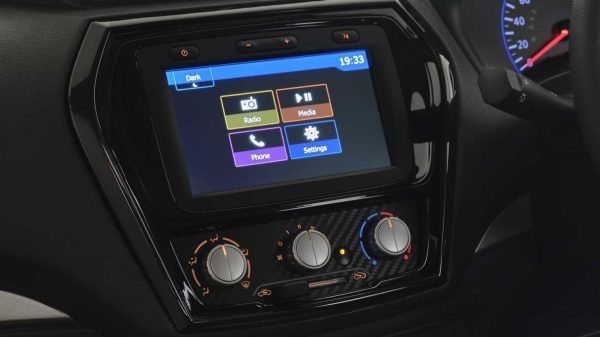
Inside, the 1.2 Five features a host of complementary yellow accents, including matching seatbelts. The derivative-specific upholstery incorporates honeycomb-pattern stitching as well as yellow stitching and piping to tie in with the ‘belts. It also appears that the heating, ventilation and air-conditioning control panel, which sits just below the Android Auto & Apple Car Play-compatible touchscreen infotainment system (that offers Google Maps, App Support and Voice Recognition, which is quite a luxury on a budget car) has an additional carbon-fibre-like finish.
The 1.2 Five features LED running lights and its wheels are adorned with black covers with yellow accents.
Like its fellow Go offerings, the new addition is powered by a 1.2-litre 3-cylinder naturally-aspirated (non-turbo) petrol motor that produces 50 kW and 104 Nm. Power goes to the front wheels via a 5-speed manual gearbox and Datsun claims an average fuel economy figure of 5.2 L/100 km.
Standard interior features include speed-sensitive electric power steering, digital driver-info display, electric windows (fore and aft), manual aircon, the aforementioned Bluetooth-enabled 7-inch touchscreen infotainment system (with USB and auxiliary sockets), plus a 12V accessory socket.
The fascia features a piano black surround and carbon-fibre-like insert for the HVAC controls.
Meanwhile, the newcomer's safety specification comprises dual front airbags (driver and front passenger), ABS, follow-me-home headlight function and rear parking sensors, which is the same as the 1.2 Mid (electronic stability control is exclusive to the 1.2 Lux).
A sporty roof spoiler sets the 1.2 Five apart from its Go siblings.
As listed on Cars.co.za’s Car Specials page, the 1.2 Five and all Go derivatives are being offered on a deal that allows buyers to make their purchases now, but only pay their 1st instalment at the end of January 2021. Terms and Conditions apply. Offer expires at the end of September.
2020 Jaguar F-Type R Coupe Review- Prettier, faster and louder than ever
The Jaguar F-Type is easily one of the most widely-loved designs of the modern era. This year, SA received the facelifted version and we got to spend some time behind the wheel of the V8.
The designers at Jaguar must have had sleepless nights trying to figure just how they were going to improve upon one of the best car designs of the modern era.
The answer was, thankfully, to not do terribly much at all. The new F-Type is instantly recognisable as a modern Jaguar, and, if anything, it's sleeker and prettier than ever.
Under the bonnet of this R Coupe is the familiar 5.0-litre supercharged V8, now tuned to produce 423 kW, the same as the previous SVR and now also features AWD as standard.
In this video, our video guy Ciro De Siena takes the new generation F-Type on some of Cape Town's most beautiful roads in a bid not to enjoy himself too much.
Toyota's Gazoo Racing performance brand has lofty ambitions and will be enhancing most of the Japanese brand's portfolio over the next few years. The next model to get the go-faster treatment is the C-HR.
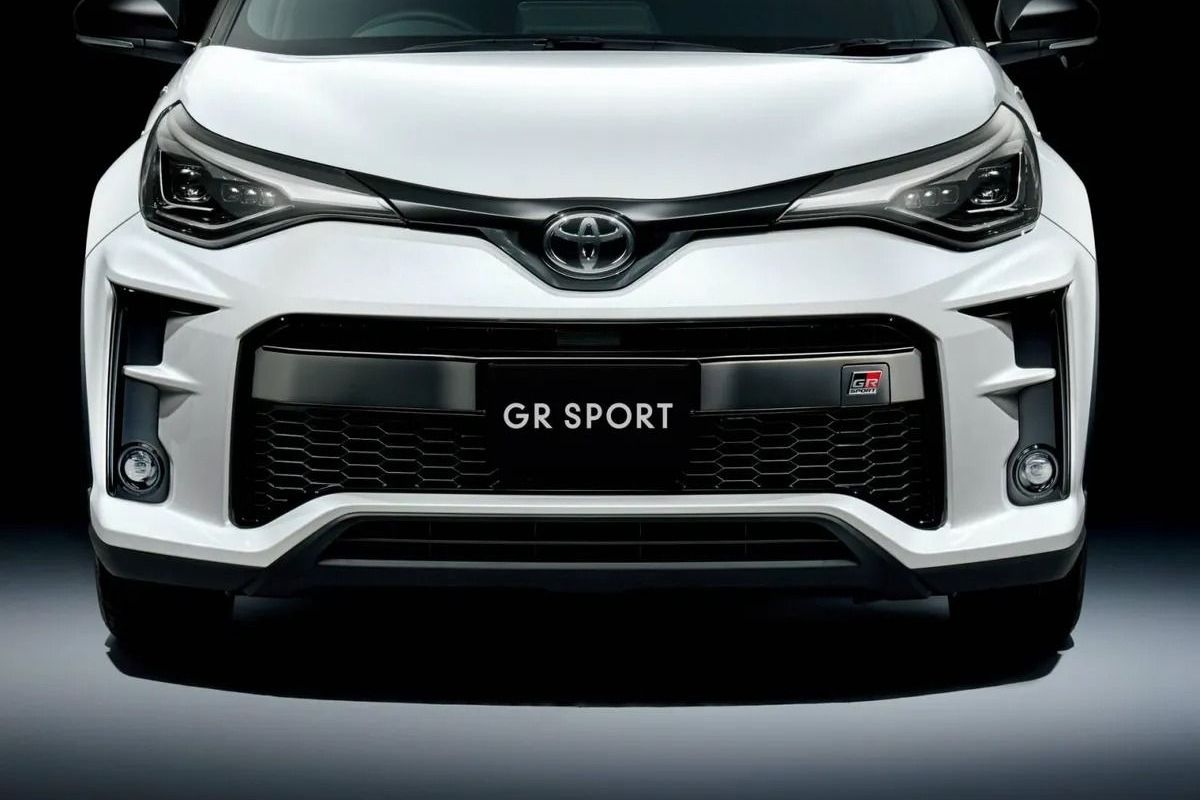
We've already seen information and images regarding the Toyota C-HR GR Sport, a visually-enhanced version of the Japanese brand's compact SUV. Now, information has come to light that Toyota's Gazoo Racing wishes to unlock some serious performance.
While the Toyota C-HR GR Sport featured no engine upgrades, there were some upgrades in the form of a centre brace to enhance rigidity, and a suspension package comprising coil springs, shock absorbers and stabilizers. The steering has been tuned for more responsiveness. Nice, but hardly the performance weapon the Gazoo Racing brand is known for.
The cost of new powertrain research and development is astronomical and most OEMs have adopted cost-cutting across the board. There's a reason why there are so many brand collaborations, it's simply cheaper to work together and share the costs. Case in point: the BMW Z4 M40i and Toyota Supra 3.0 sharing an engine and interior. However, an anomaly appeared earlier in 2020 with the Yaris GR – a purpose-built homologation car aimed at rallying that came with a 1.6-litre 3-cylinder turbocharged petrol motor. With 200 kW and 370 Nm driving all 4 wheels via a 6-speed manual gearbox, the Yaris GR is going to be one potent little performer. Toyota SA confirmed this little weapon is on the cards for our market, with timing and pricing subject to the exchange rate.
This engine raises some questions. Toyota may be flush with cash, but surely it wouldn't spend vast amounts of money for a vehicle that's essentially a niche product and will sell in very limited numbers? With SUVs commanding more global interest, a fast and expensive Yaris is hardly going to be a volume seller. The costs of such engine development need to be offset, so it makes perfect sense for this powertrain to be distributed across the portfolio. Given both Toyota's and Gazoo Racing's plans to "GR" the entire lineup, this engine could land up in more than just the Yaris GR.
Best Car Web Japan reckons the Toyota C-HR will be revealed in October 2021 and will be packing this exact powertrain combination. Given that both the Yaris GR and the C-HR (as well as the Corolla and RAV4) all run on variations of what's essentially the same TNG platform, we're confident the powertrain package should work.
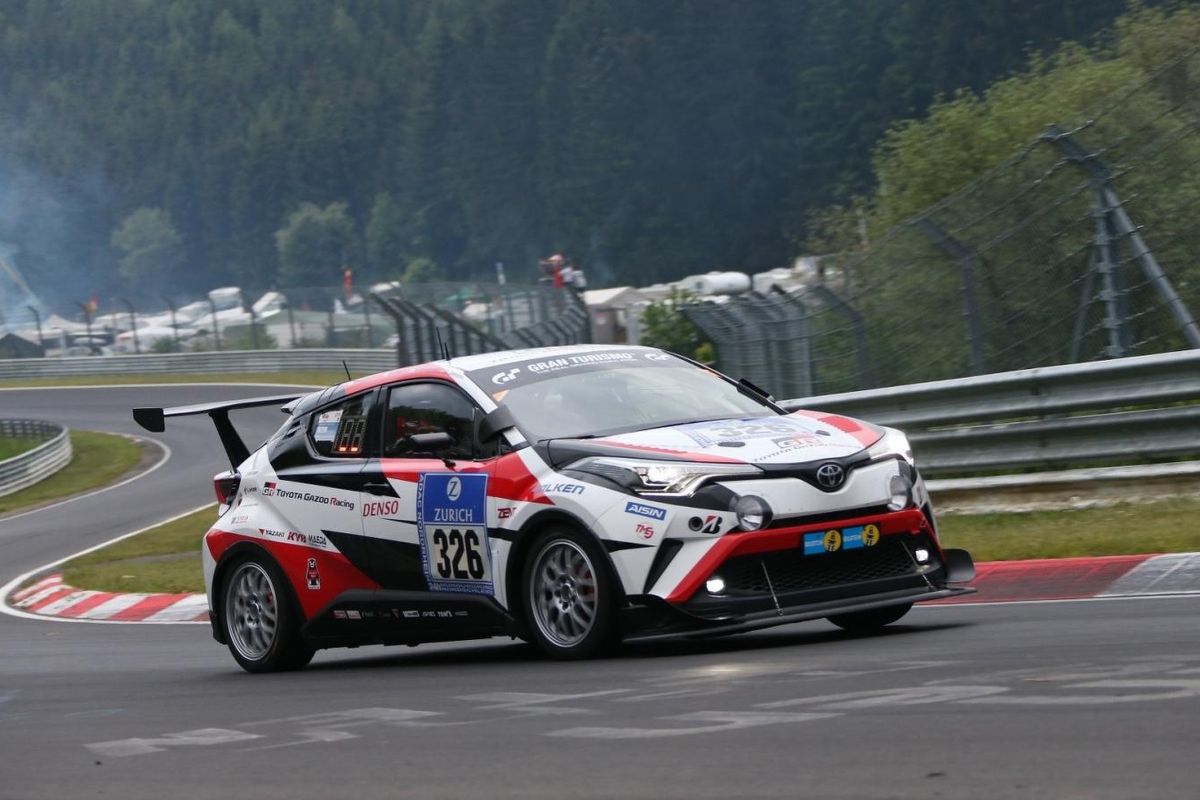
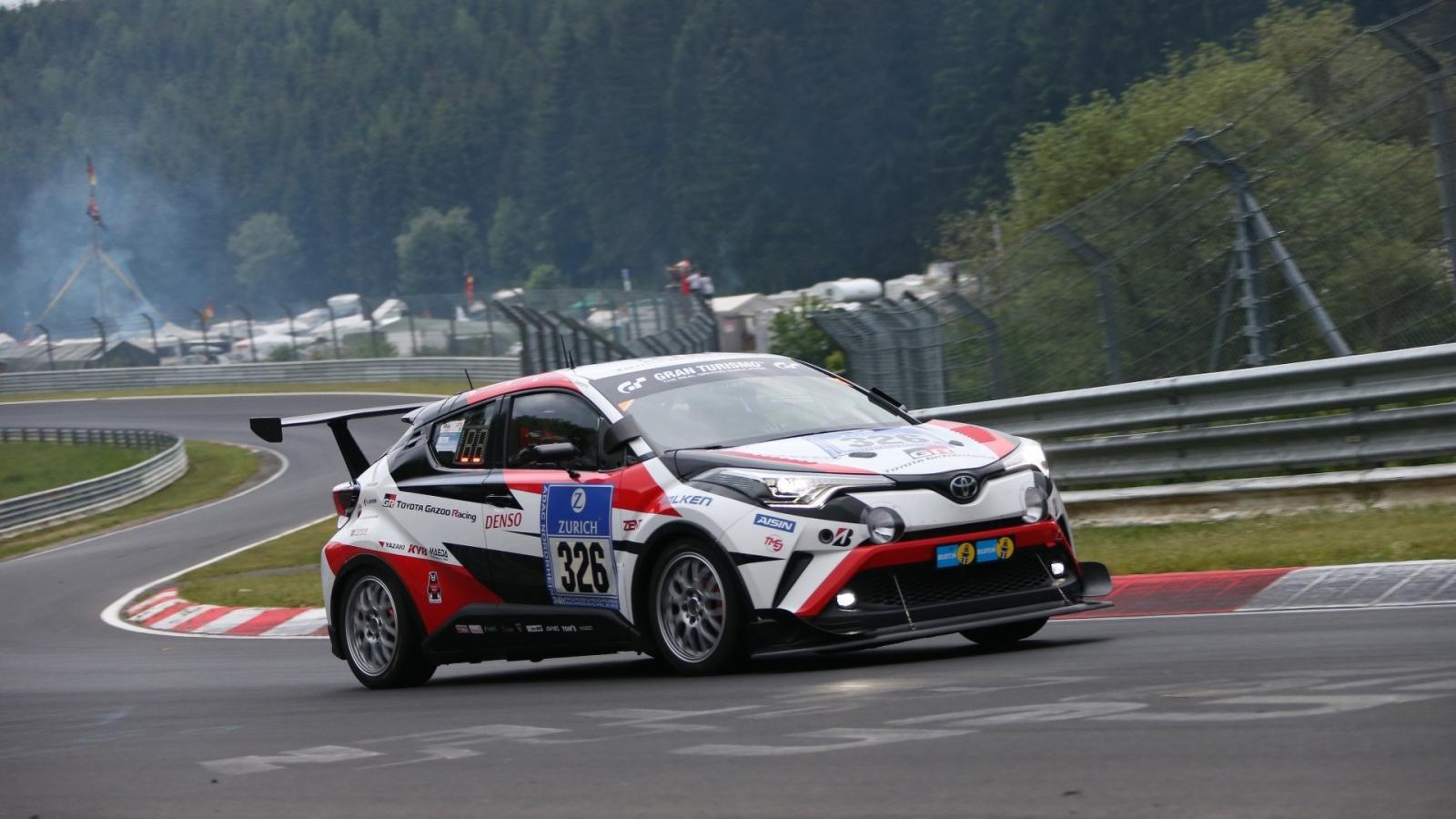
If you're doubting the handling characteristics of such a high-riding compact SUV, we'll remind you that Toyota entered the 2016 24 hours of Nurburgring endurance race with a modified version of the C-HR, where it finished 84th out of 158 competitors. There's no doubt Toyota used the opportunity to conduct testing and research on the limits of the C-HR.
In an interview with Motor1, Herwig Daenens who works for Toyota Motor Europe in the R&D Vehicle Testing Department and drove in the race confirmed that the event was not just a race, but a chance to do some solid on-the-limit testing. "The Toyota C-HR’s engine size and power were among the lowest on the track, so we knew it would not have the top speed – yet, it had good potential in cornering. And we had no doubts about its durability. The race result was not our ultimate goal – that is where Toyota will start looking for ways to bring progress, challenging its members’ ability to make better cars.”
You can bet the knowledge gained back in 2016 will be applied to the Toyota C-HR GR's production.
The Toyota C-HR tackling the 2016 Nurburgring 24 hour endurance race
This is the vehicle which must secure Maserati's future.
Maserati has illuminated the silhouette of its forthcoming Grecale crossover.
The Italian sportscar brand is fighting for survival and relevance in a world where its traditional product appears less relevant, with each new regulation passed in terms of emissions.
Maserati realises that high-performance limousines and outrageous two-door sportscars will not sustain it into the future. Customers are demanding SUVs and governments are becoming stricter on emissions, driving the industry towards electrification.
Responding to these trends and influences, Maserati has revealed the silhouette of its new Grecale SUV. Positioned below the company’s debut SUV, its Levante, this new Maserati will only be slightly smaller in size and roughly similar in technical detail to Alfa Romeo’s Stelvio.
Maserati’s Grecale is built on the Alfa Romeo Giorgio platform, which was the late CEO of FCA, Sergio Marchionne's, gift to his Italian sub-brands. A clever rear-wheel-drive biased platform, it has been adapted for all-wheel-drive use and delivered on its promise as an excellently rewarding driver’s structure, deployed in various Alfa Romeos.
Where things might become challenging for Maserati, is in terms of powertrain. The company has committed to an electrified product portfolio, following the curious strategy of offering both internal combustion and an electrified version of its future models – on the same platform.
Engineers agree that a dedicated battery platform is required for electric vehicles, which benefit from a completely different layout to any vehicle driven by an internal combustion engine. Maserati appears to disagree with this notion.
The cost implication of having to engineer around the incompatibilities of hosting both petrol and battery-powered motors in a single model range does not seem to concern Maserati.
No powertrain details are available at the moment but like its recently revealed MC20, the Grecale will feature both turbopetrol and electric power. It is expected to be officially shown, with a host of technical details, in Q2 of 2021.
We are nearing the end of this generation of Nissan GT-R, but the Japanese brand plans to unleash one absolute monster before production ends.
Pictured here is the Nissan GT-R50 by Italdesign, and it's important because the engine in that will be powering the Nissan GT-R Final Edition.
Based on a report by Best Car Web, the production of this generation of Nissan GT-R is winding down, with an all-new model due in 2023 at the very earliest. However, Nissan is not going to quietly end things as plans are afoot to introduce an absolute monster as a fitting send-off. The limited-edition GT-R50 by Italdesign is powered by a 3.8-litre twin-turbocharged V6, which produces a thundering 530 kW and 780 Nm. Unlike the Italdesign version, this final edition GT-R is going to not going to have an insane price tag. As it stands, Best Car Web predicts the Nissan GT-R R35 Final Edition will cost around $377k. That's a lot of money, granted, but in comparison to the Italdesign's $1 million tag, it's a bargain.
The engine in question has been substantially upgraded by Nissan's Motorsport arm Nismo and features a turbocharging setup straight from the GT3 race car. The car will also feature upgrades to the dual-clutch transmission as well as much larger intercoolers. The standard Nissan GT-R is not slow by any means. With a claimed acceleration time of 2.9 seconds to 100 kph, it's one very quick machine. This Final Edition is expected to shave a few tenths off this time.
For those looking into the future, the all-new generation of Nissan GT-R is expected to be revealed in 2023 and could feature a hybrid powertrain.
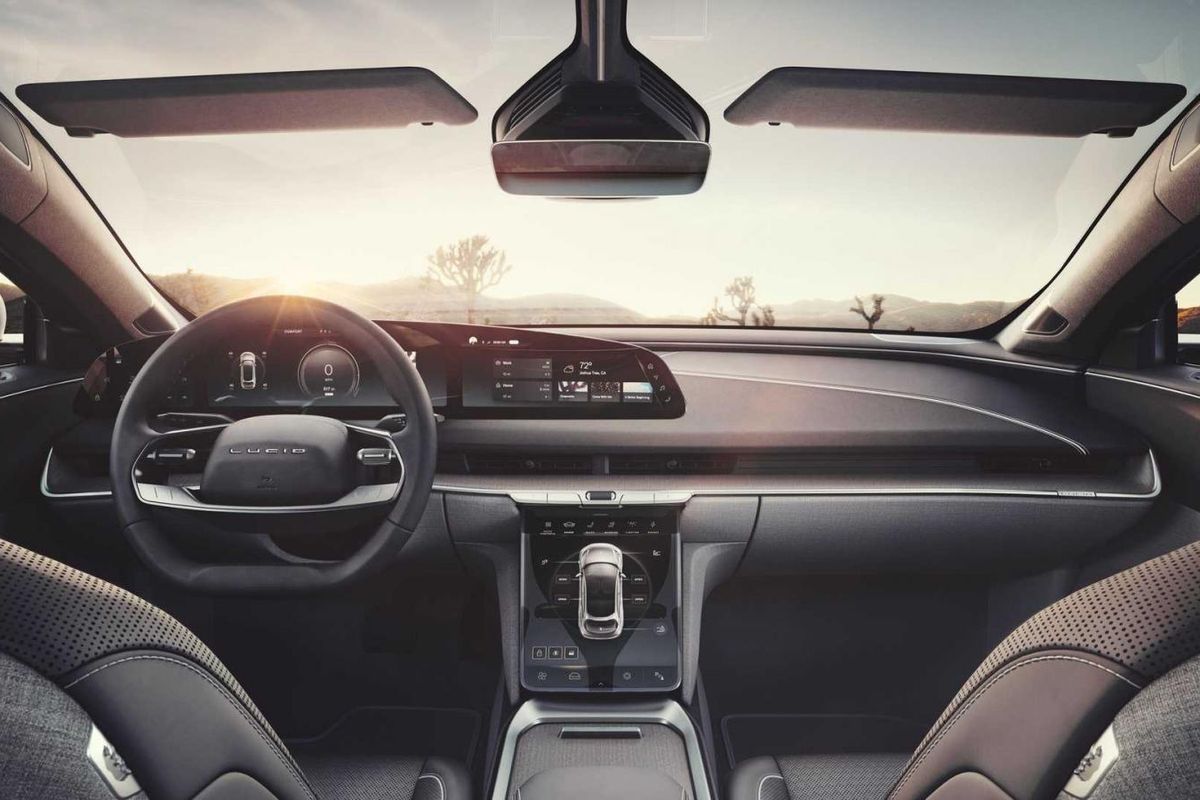
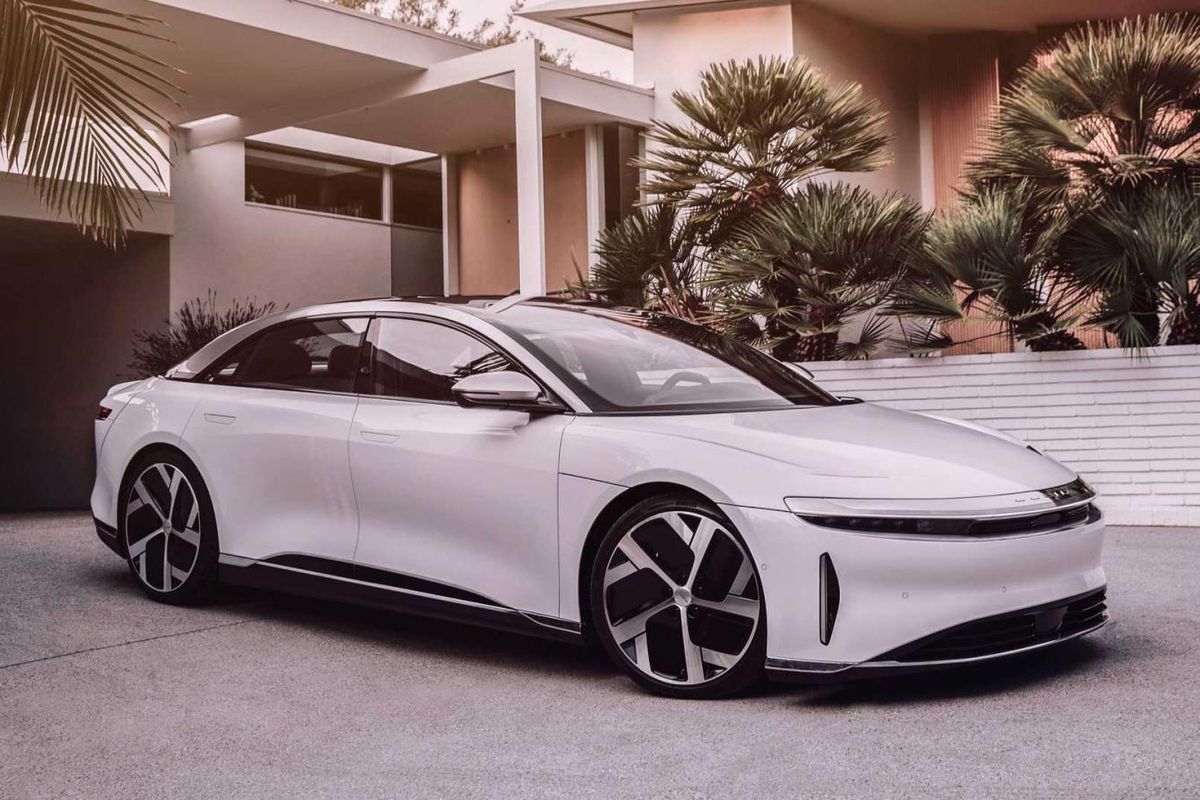
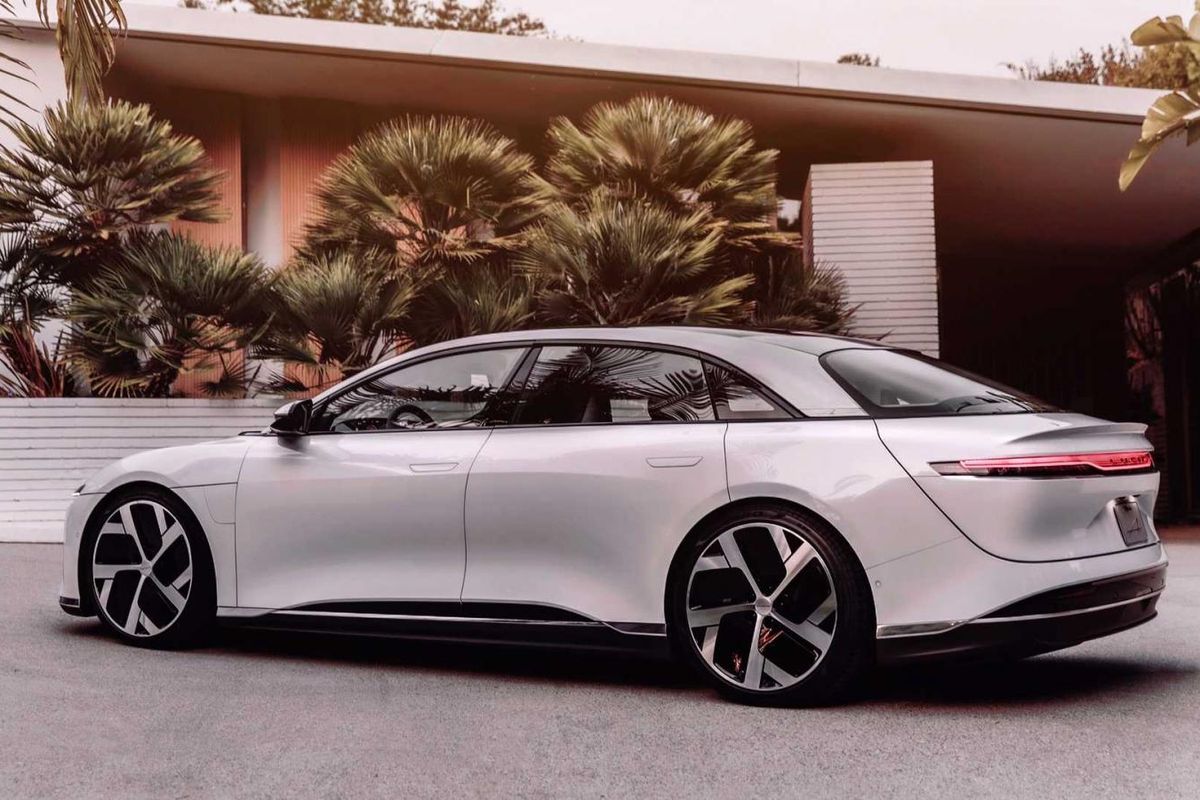
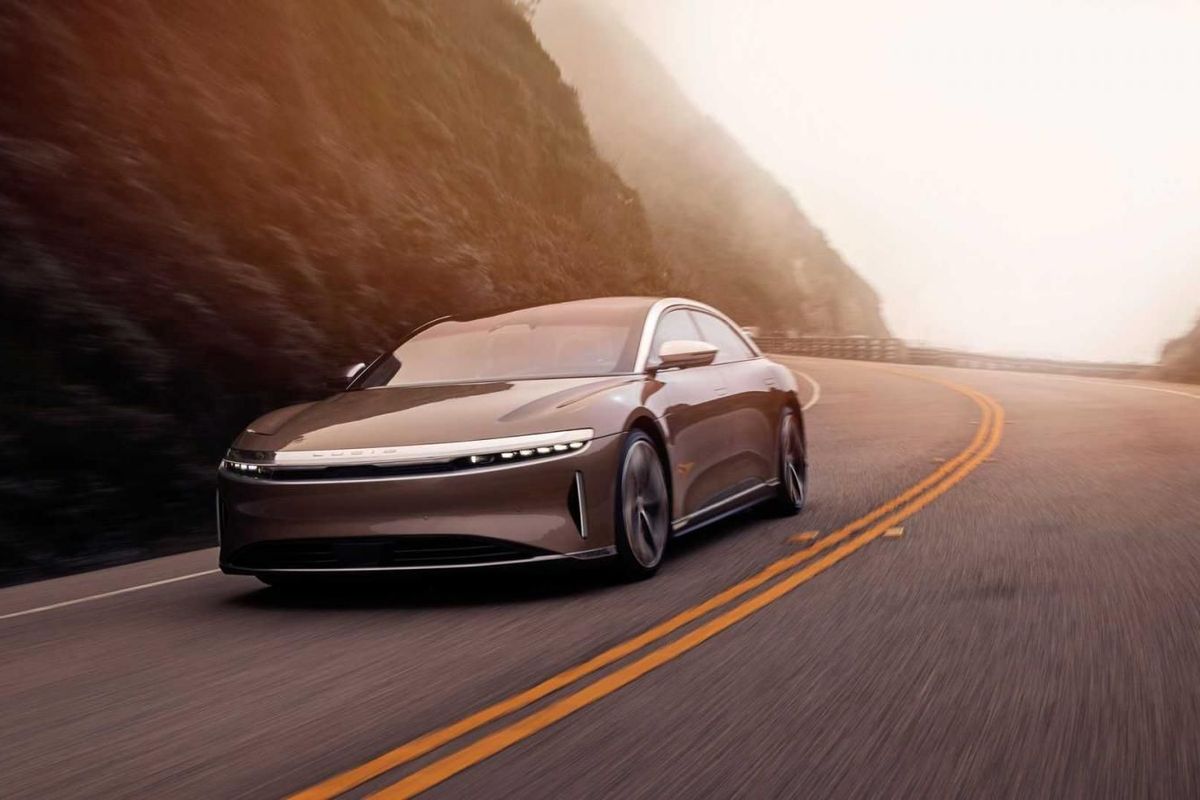
Tesla dominates the luxury electric vehicle space, but whereas the US-based firm's still ahead of German premium brands in terms of technology and packaging, it might now have a very credible rival from much closer to home. With a clean design and massive power, the Lucid Air is a possible Tesla-killer.
Lucid is similar to Tesla in many ways: it is based in California and has no internal combustion automotive design legacy. That allows the firm to apply blue-sky thinking to solving the problem of a luxury electric vehicle. And, after years of prototypes and teasing, Lucid has now finally revealed its Air luxury sedan, which has a deeply impressive specification.
Powering the Air is a 113-kWh battery pack, which has a larger capacity than Tesla’s most potent energy systems. In terms of range, Lucid is making very bold claims for its Air. On a mixed driving cycle, they estimate it will do 832km before requiring a recharge, besting all battery-powered rivals and embarrassing most petrol-powered limousines.
An interesting aspect of the Air is its 924-volt electrical architecture, which allows for enormous energy transfer; it should be possible to replenish 480 km's worth of driving range in only 20 minutes.
Lucid’s CEO is clearly not intimated by Tesla’s reputation; Peter Rawlinson claims the company’s independently developed technologies are superior, including the integration of an inverter, transmission and electric motor, in one unit. Lucid uses smaller motors than Tesla, which are 17% more efficient, allowing for better interior packaging, more passenger- as well as luggage space.
There is also no question about the Lucid Air’s performance. Two output grades will be available, with even the milder version good for 462 kW, whilst the higher-output Air generates 596 kW. Lucid will even produce a Dream Edition version, with a mammoth 805 kW of peak power, delivering a luxury battery limousine capable of sprinting from 0 to 100 kph in well under 3 seconds.
The market for limousines and luxury sedans is not expanding. True growth is in the luxury SUV and crossover market and like Tesla, management at Lucid has realised this.
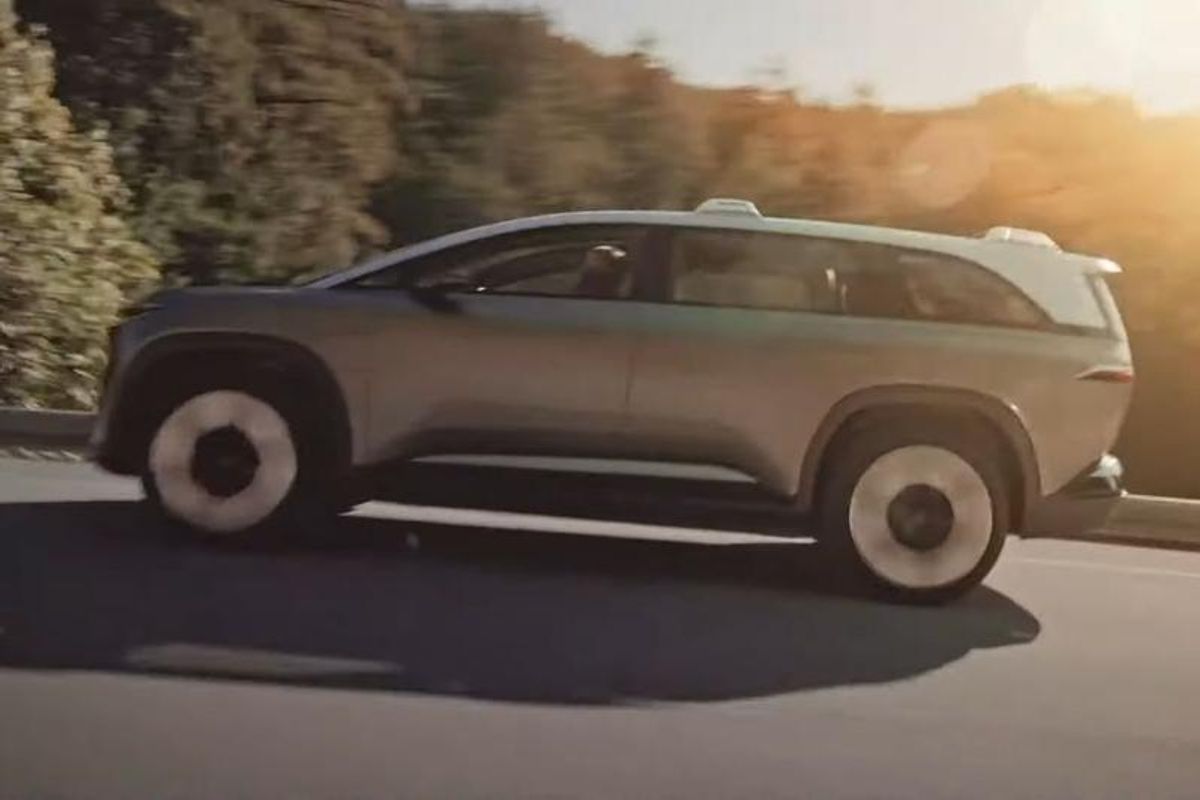
Although the Air platform will serve traditional sedan customers first, there is an SUV under development as well, which is where the greatest business potential is, especially for attracting wealthy customers in markets where luxury vehicles with a raised ride height are ideally suited to the less-than-ideal road surfaces and tougher terrain.
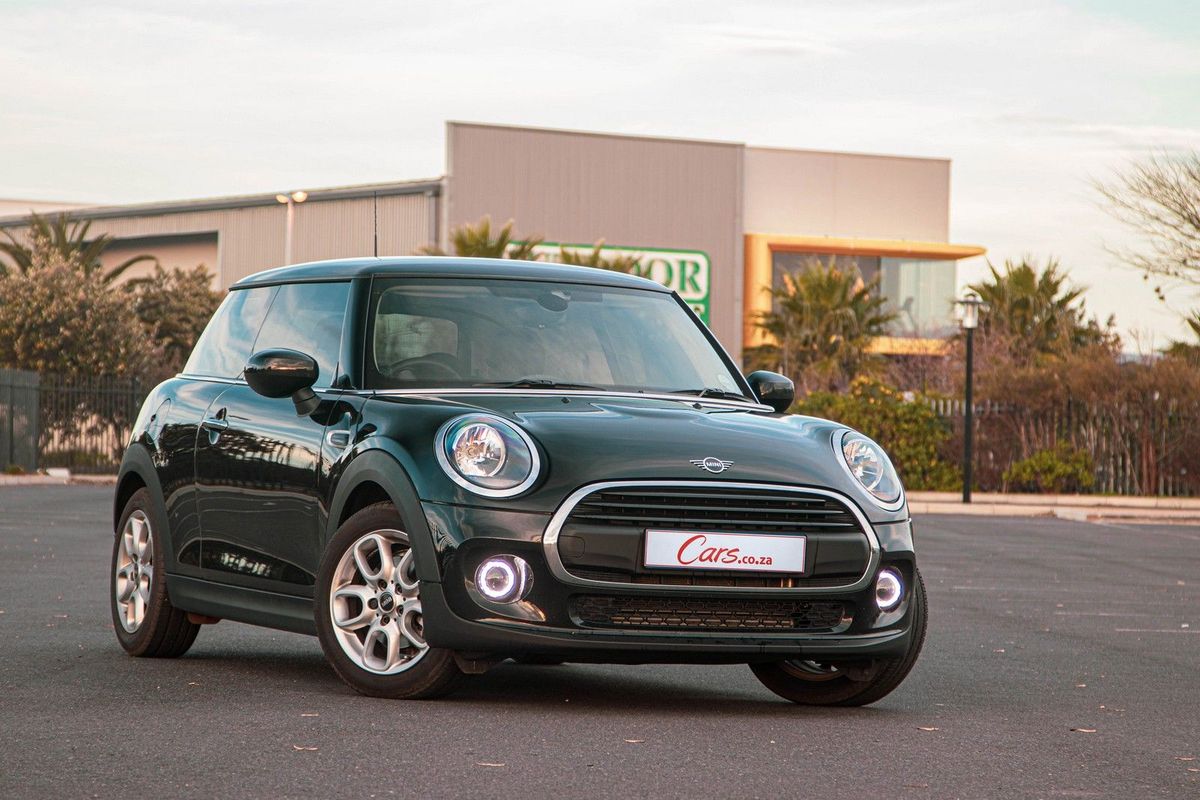
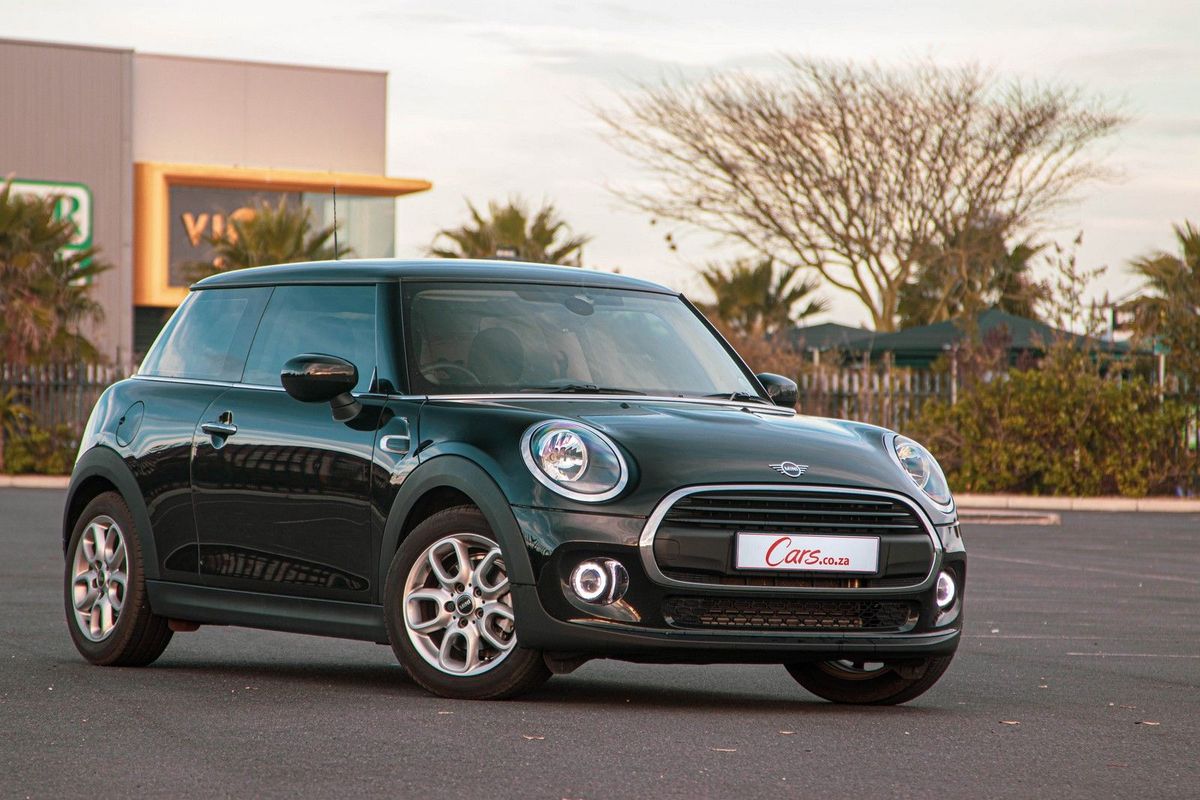
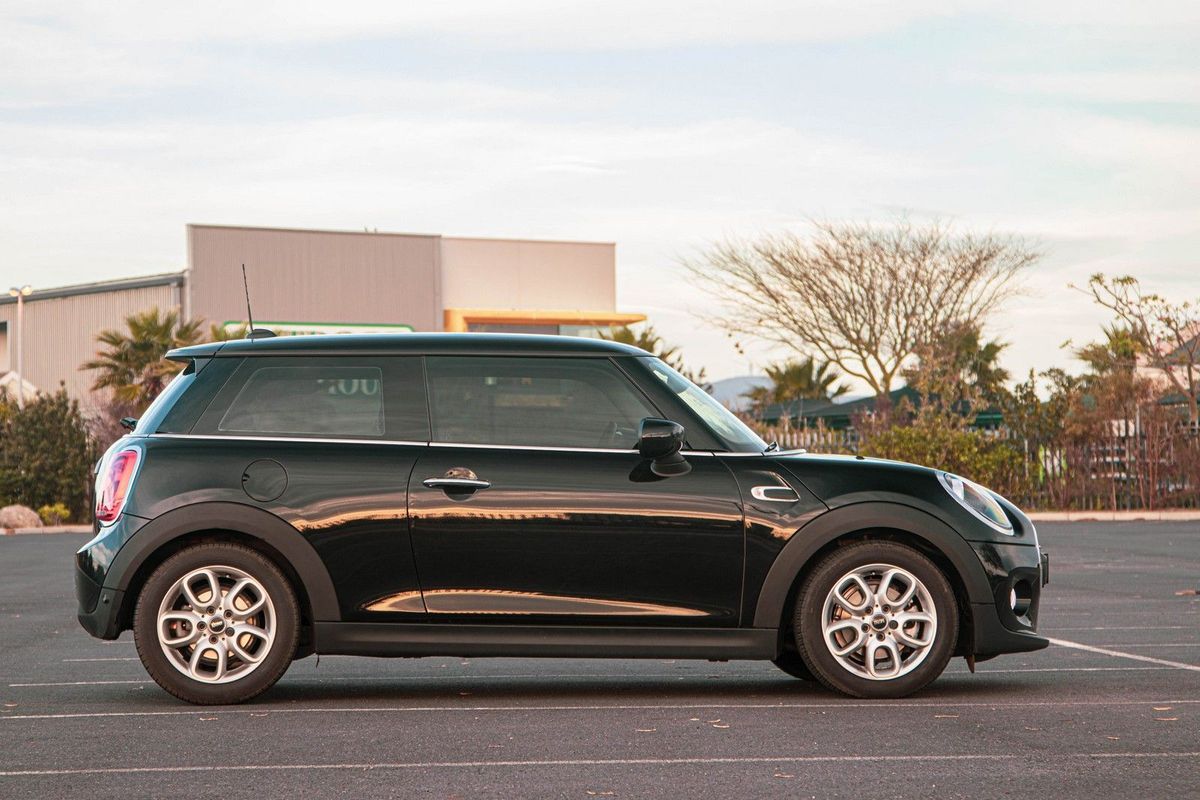
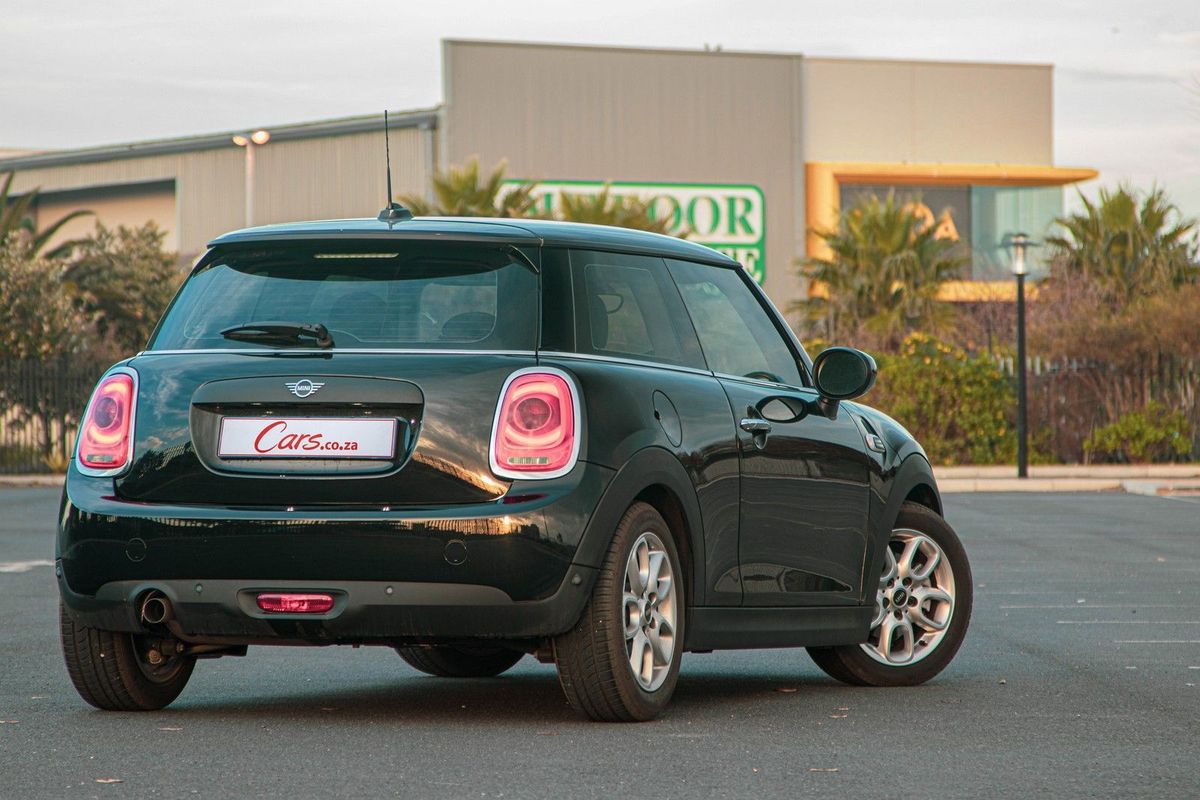
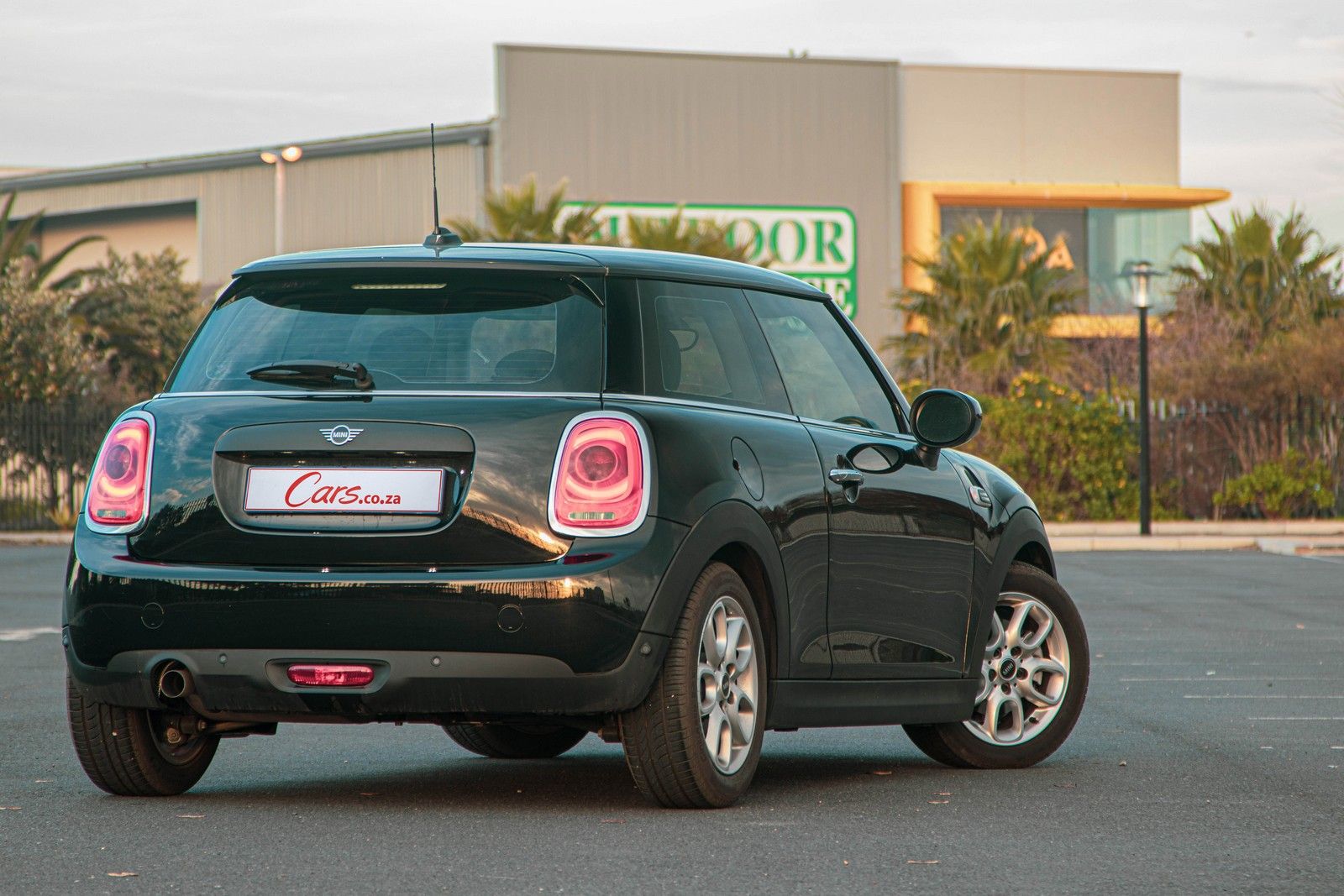
As Mini pushes further into premium territory, its models are being priced out of the reach of many younger buyers. With the Mini One, the Oxford-based brand hopes to garner sales with what's essentially a lower-specified and more affordable version of its Cooper. Is this 3-door version worthy of your consideration?
We like: Eager little engine, commendable economy, still fun to drive, adequate basic spec.
We don't like: Miniscule rear legroom, intrusive stop/start, priced too close to the Cooper.
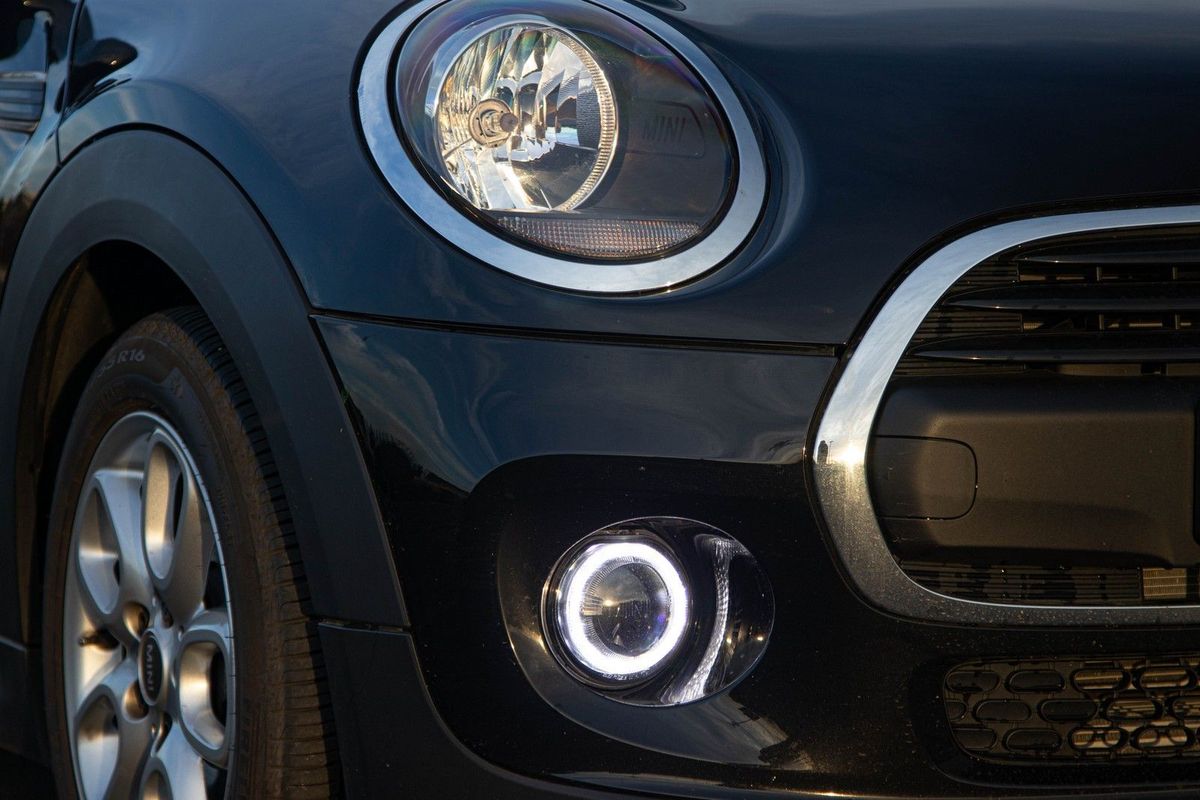
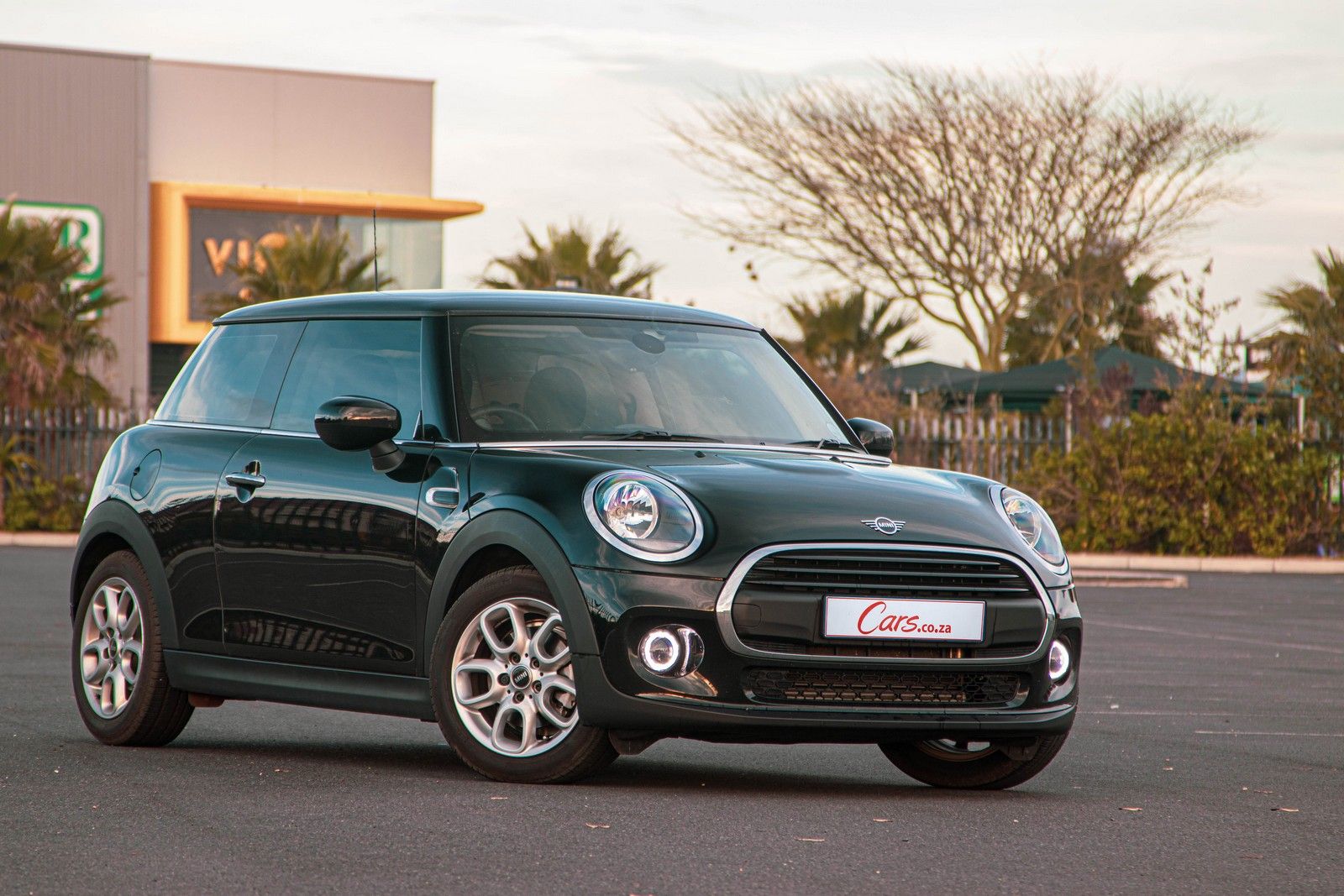
You'll be able to spot the Mini One by virtue of its model-specific daytime running lights (around the fog lamps).
This is not our first fling with a Mini One; we previously tested a pre-facelift example in 2016. What's changed in the past 4 years? Glad you asked. Mini has replaced the 1.3-litre turbopetrol motor with the same 1.5-litre unit that serves in the Cooper, but in a lower state of tune. The One has also gained a quicker-shifting dual-clutch transmission, as well as some subtle trim and packaging updates.
How it fares in terms of…
Performance and efficiency
The ride quality is firm, but it's vastly improved compared to Mini's offerings of yesteryear.
Because the One's detuned motor produces 25 kW and 30 Nm less than the Cooper's, its outputs aren't significantly different to those of the old 1.3-litre unit. Peak power is still 75 kW, but maximum torque has increased (by 10 Nm) to 190 Nm. The motor powers the front wheels via a 7-speed dual-clutch automatic 'box, but if you'd prefer to change gears yourself, there is a manual version of the One 3-door, which retails for R387 450 (before options and delivery costs).
The new, quick-shifting transmission does give you a false sense of performance, but in a good way, fortunately. If you roar away from a standstill with your foot planted flat on the accelerator pedal, the Mini One will readily scurry to 100 kph in what feels like a lot less time than Mini's claim of 10.2 sec. It's just as eager when completing an overtaking manoeuvre, with the dual-clutch 'box promptly kicking down a ratio or 2 before the engine can dip into its peak torque band (1 350 to 3 600 rpm).
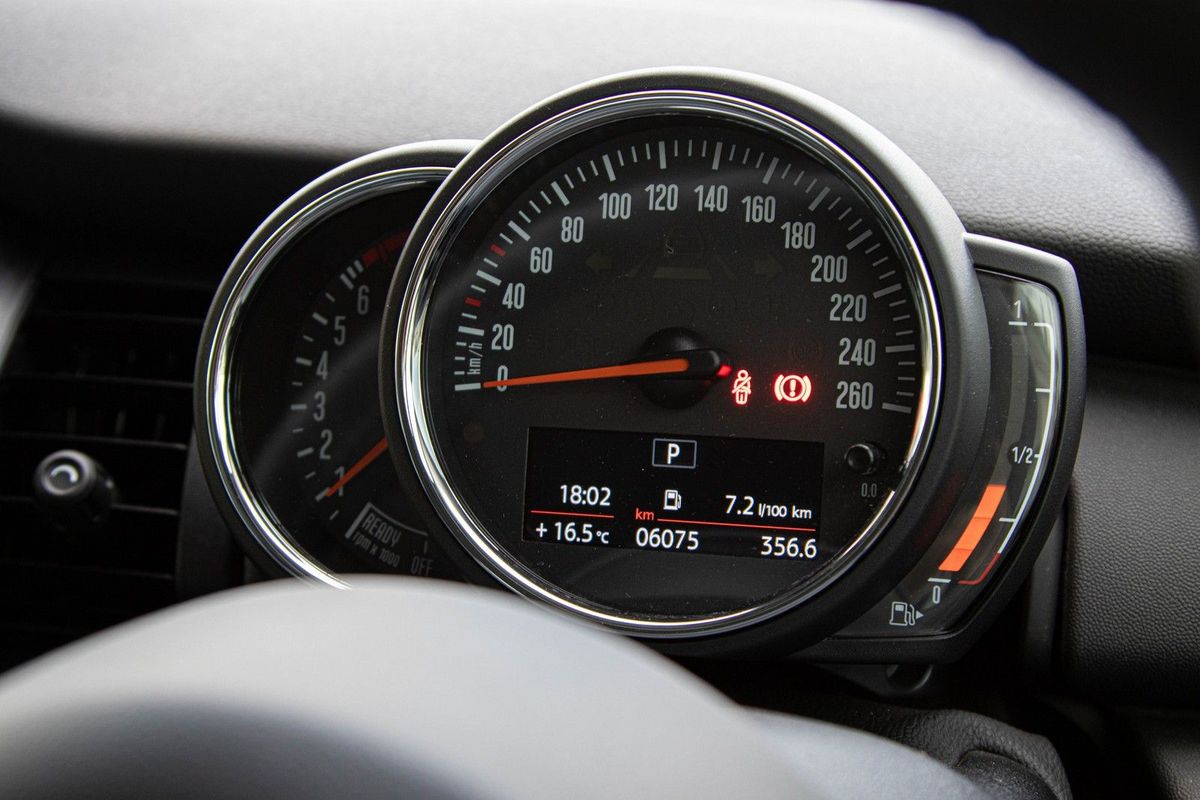
After we had driven the Mini One in a variety of traffic conditions during this evaluation, its trip computer indicated a consumption figure of 7.2 L/100 km, which we thought was quite a fair return, considering that we had made the keenly-priced compact premium hatchback zoom around a number of traffic circles during its test run.
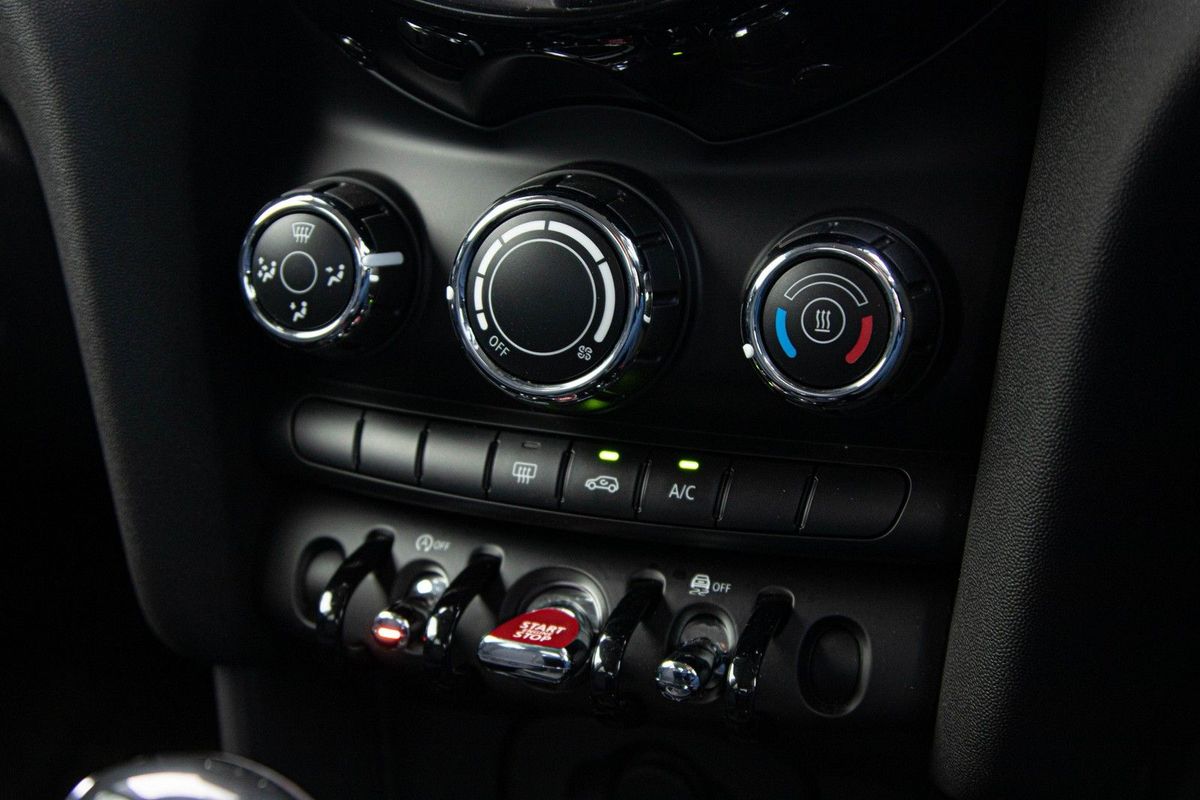
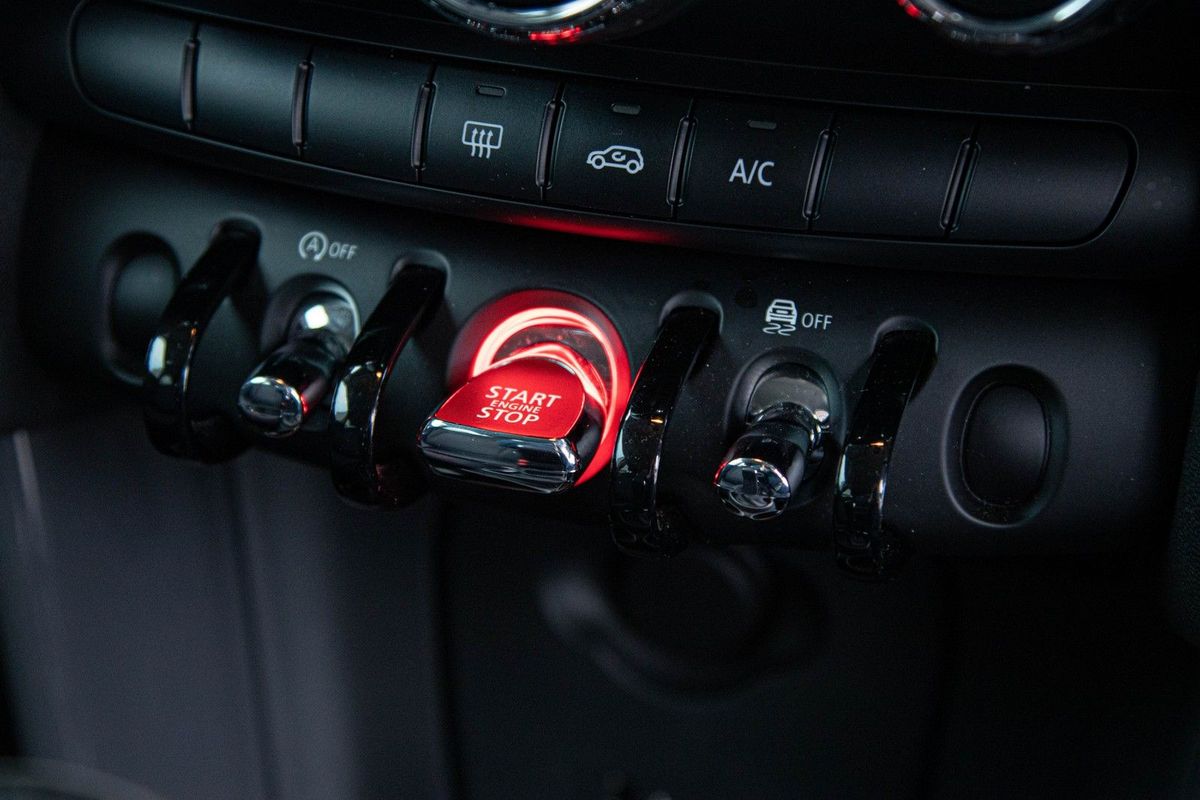
This little car may be tantamount to a "Mini starter pack", but we're thankful it delivers fun-but-frugal performance that does Mini's reputation justice. One bugbear was the rather intrusive start/stop system, which would sometimes hesitate to restart the engine, but thankfully you can switch it off.
Driving experience
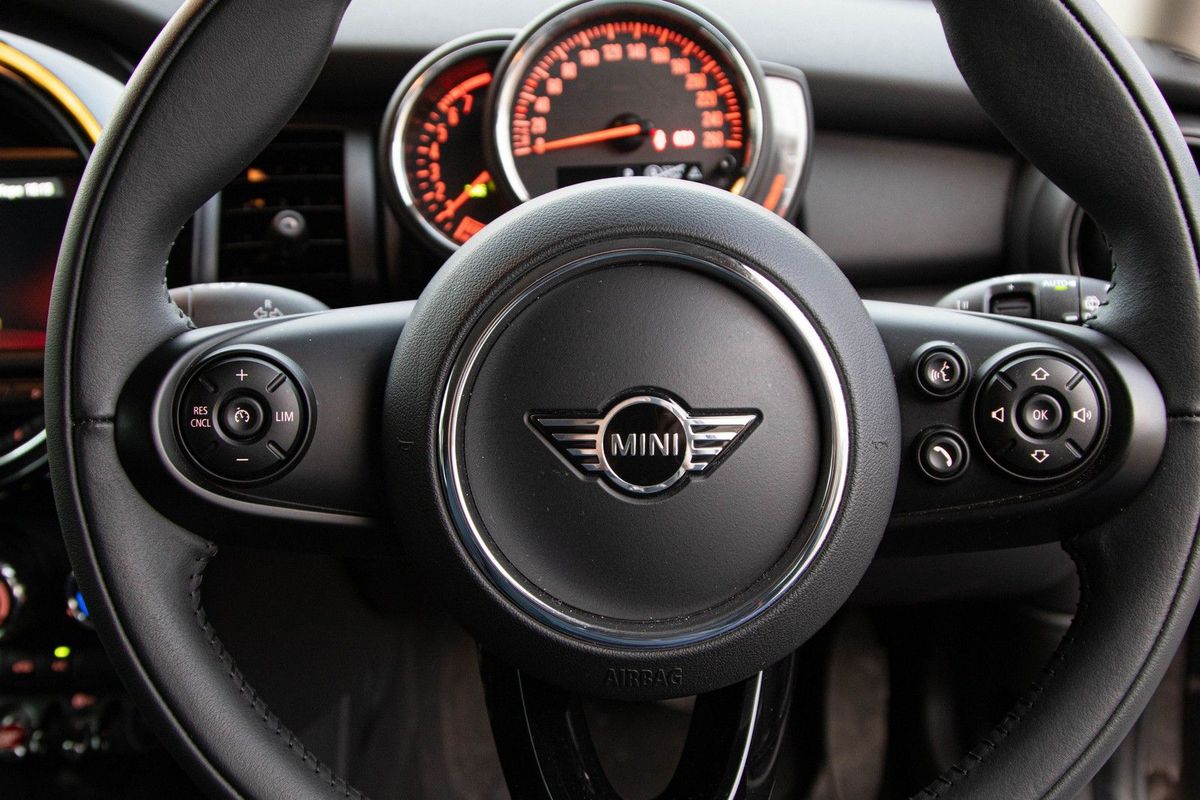
The dual-clutch transmission makes the little Mini One fun to drive, but we would have liked some paddles on the steering wheel
It may be the entry-level model in the Mini range, but, in 3-door application at least, the One remains most entertaining to drive. It's a subtle reminder that growing old is mandatory, but that growing up is not (as the saying goes). Nothing else in the segment feels this hands-on and involving to drive…
What makes the Mini so fun to wield? Well, a number of things. For starters, the One's compact dimensions give it a toy-car feel, then there's that direct and quick steering that's crisp and responsive. When you're in a hurry to get to a destination, you can make the Mini dart about like a cartoon character, while that little triple motor merrily roars. That seating position for the driver is very good too.
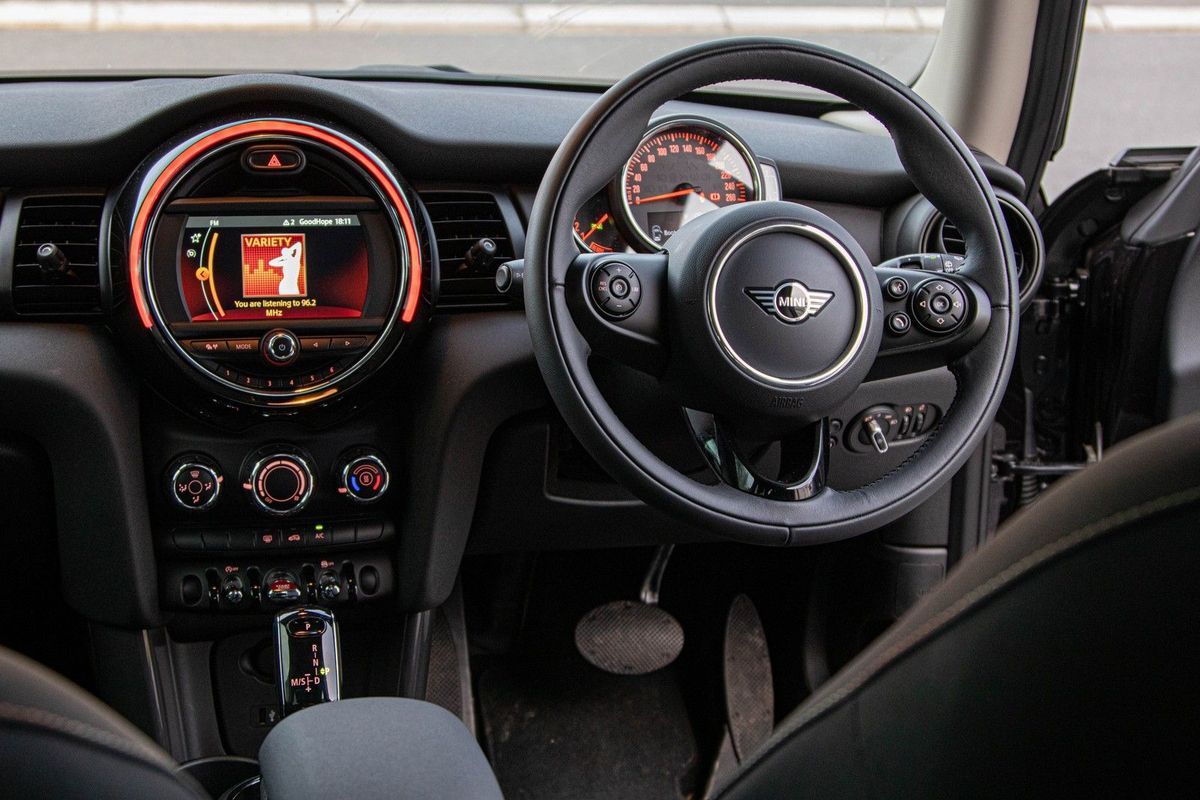
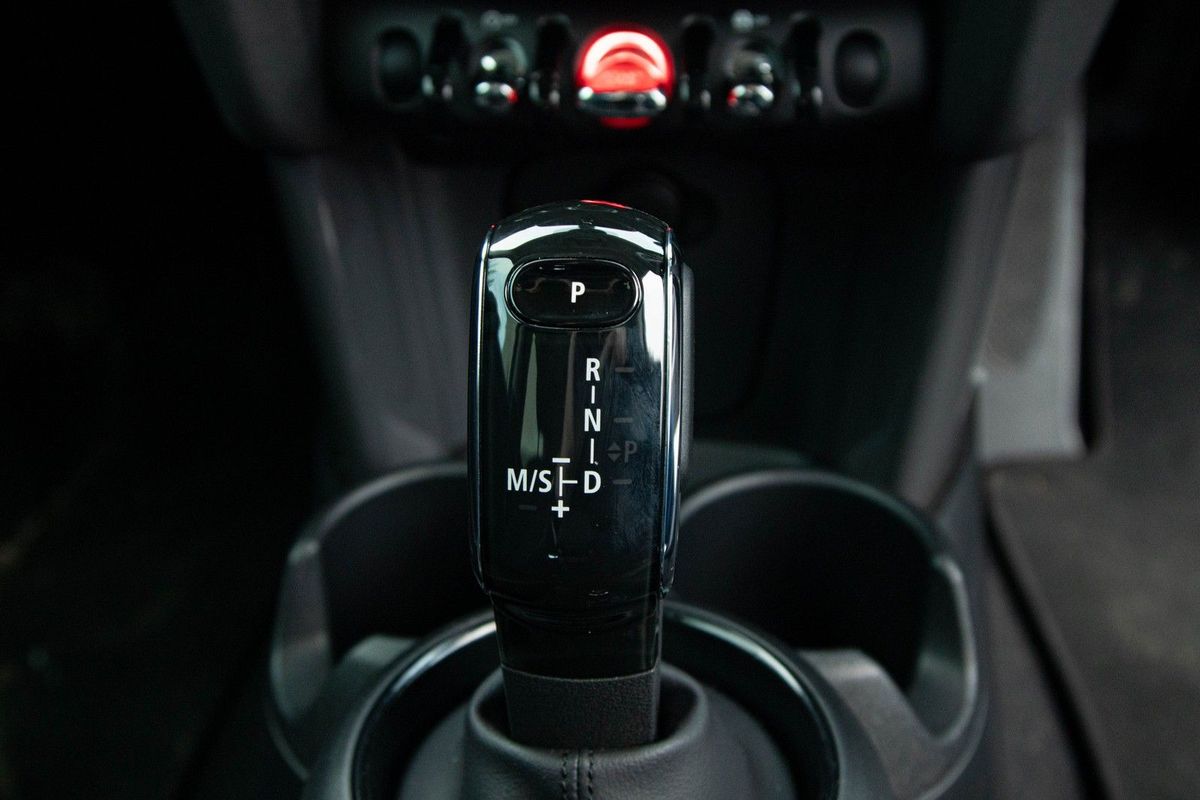
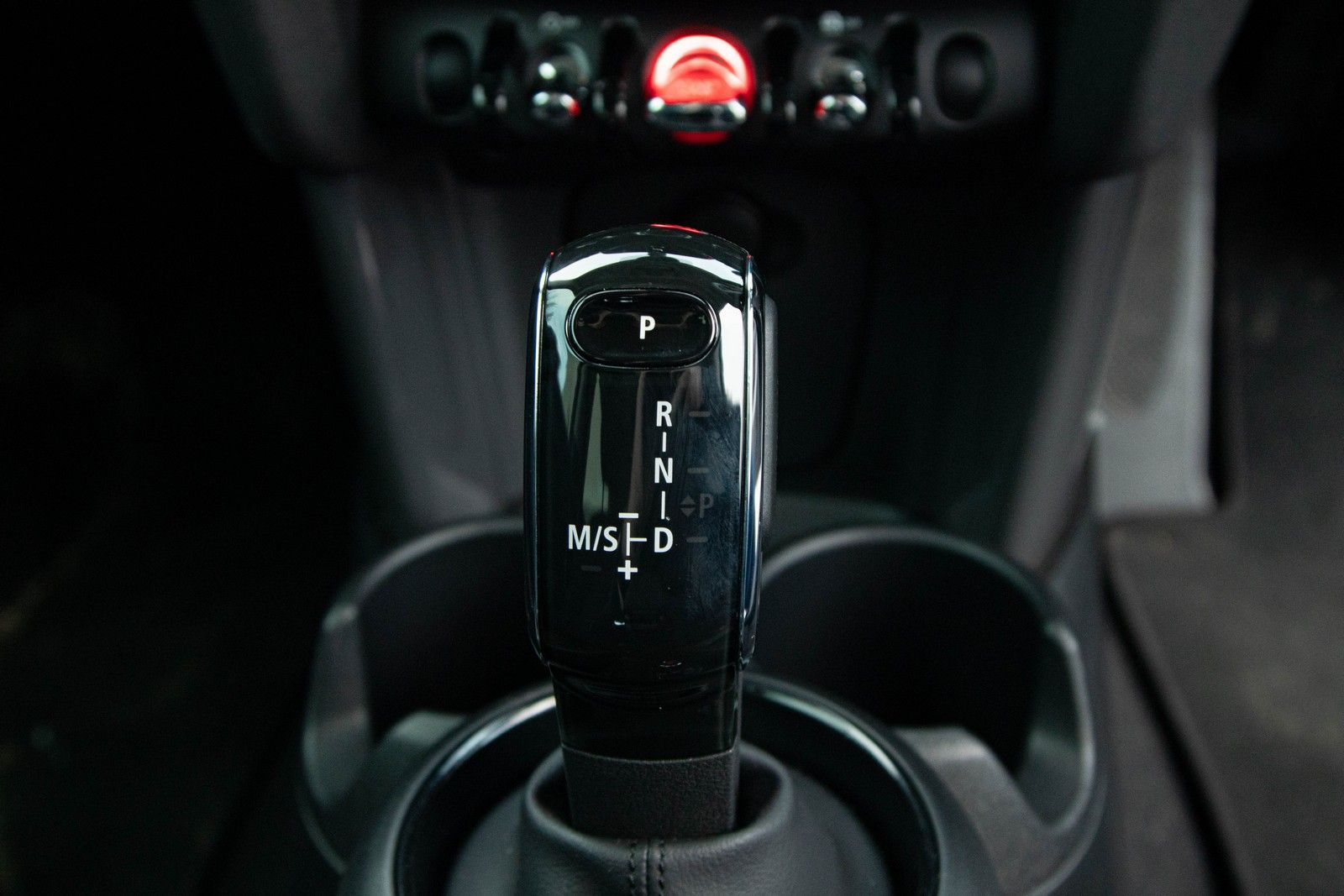
The dual-clutch transmission changes gear sufficiently quickly, but we would have loved some gearshift paddles on the steering wheel for a bit more driver involvement. Instead, we used the transmission's tiptronic function and effectively treated it like a sequential gearbox. If you pull the transmission lever backward, the 'box will drop a gear and if you tip it forward, it will change up.
A grin-inducing and entertaining exercise? Yeah, you bet. The best part is you can direct in the Mini into corners with gusto, but still stay comfortably within urban speed limits.
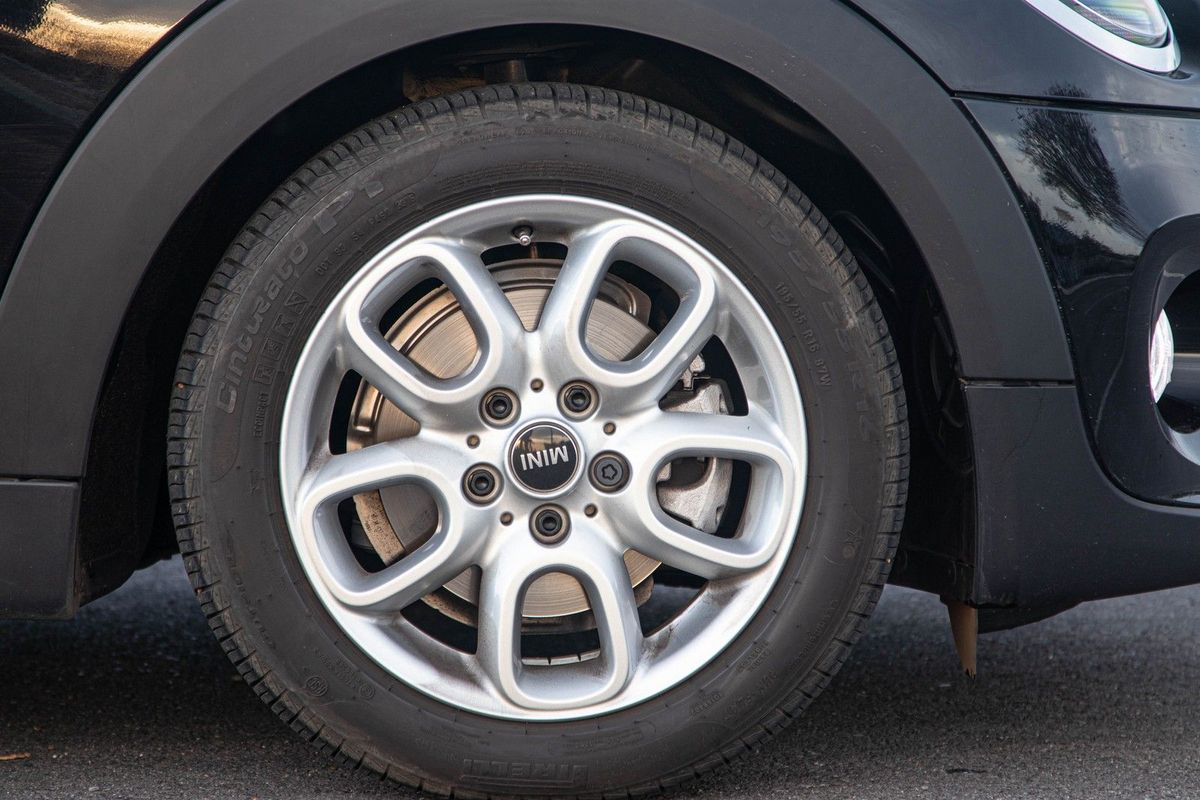
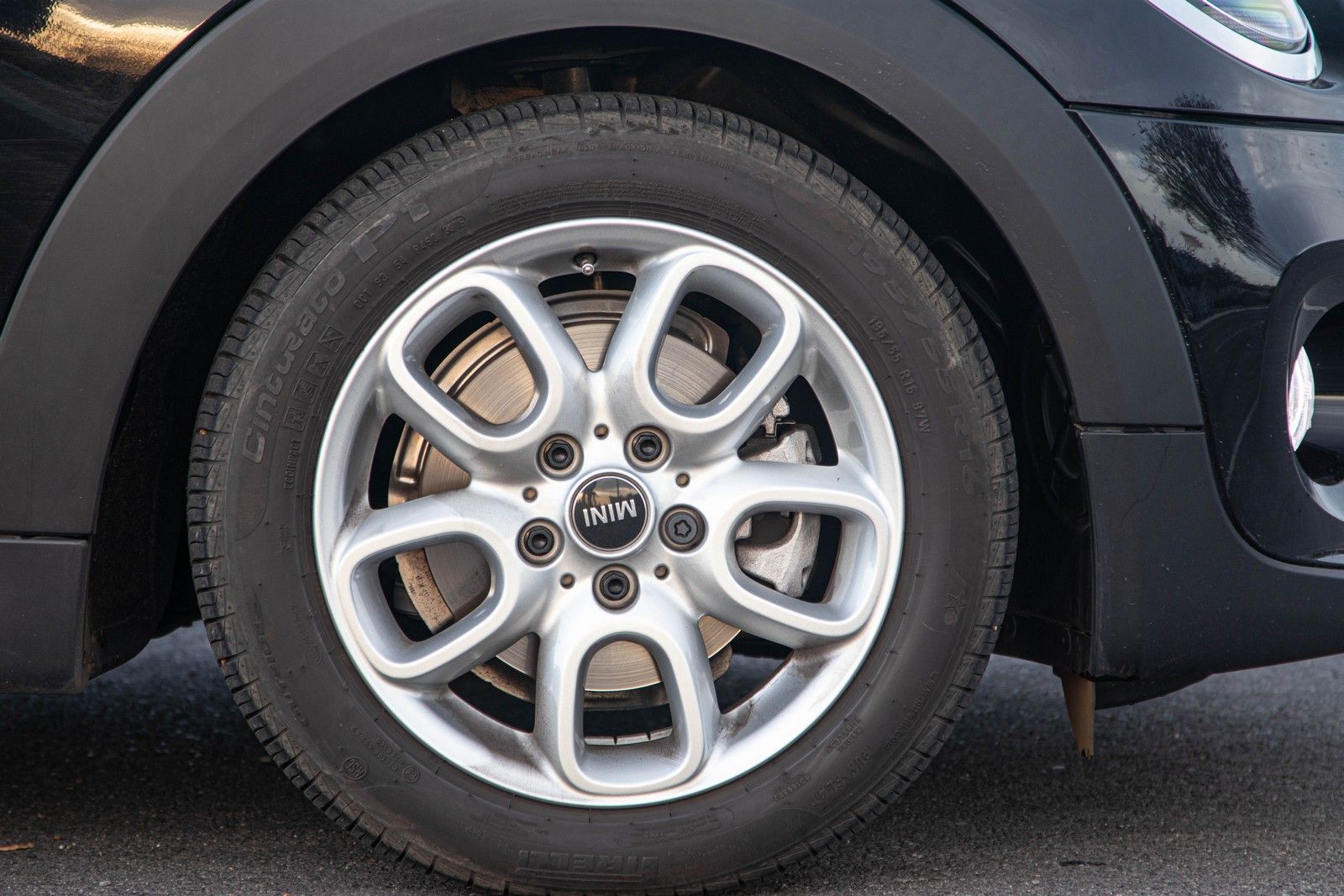
In terms of ride quality, Mini's suspension tuning has always erred on the side of firmness and the One is no exception. Our test unit rode on 16-inch alloy wheels wrapped in run-flat rubber and most ruts and road imperfections translated to the cabin without fail. Manhole covers were particularly uncomfortable to traverse, so make to use of the quick steering to dodge them if you can. The overall ride quality is not awful, to be fair and a marked improvement over previous generations of the New Mini, which could be downright unpleasant to drive on poor road surfaces.
Features and Practicality
The Mini One has the basics covered, but given the derivative's R400 000 price tag, are basics enough?
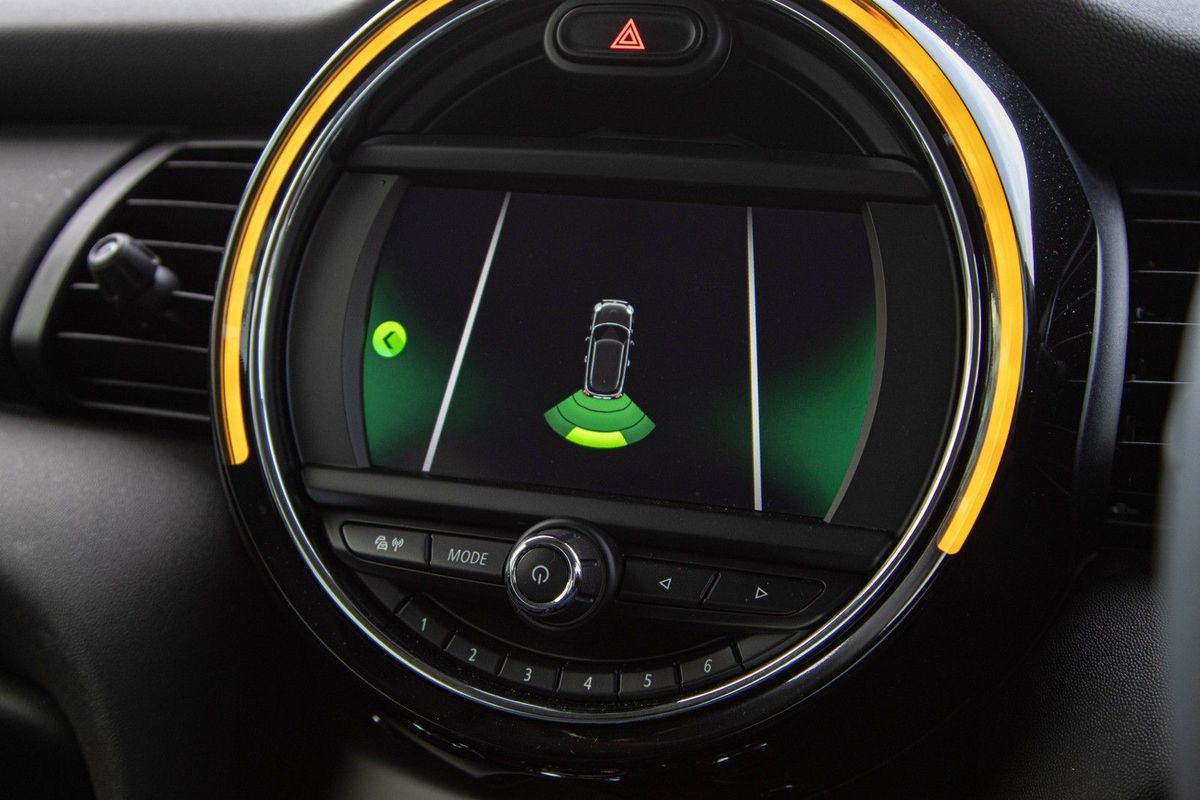
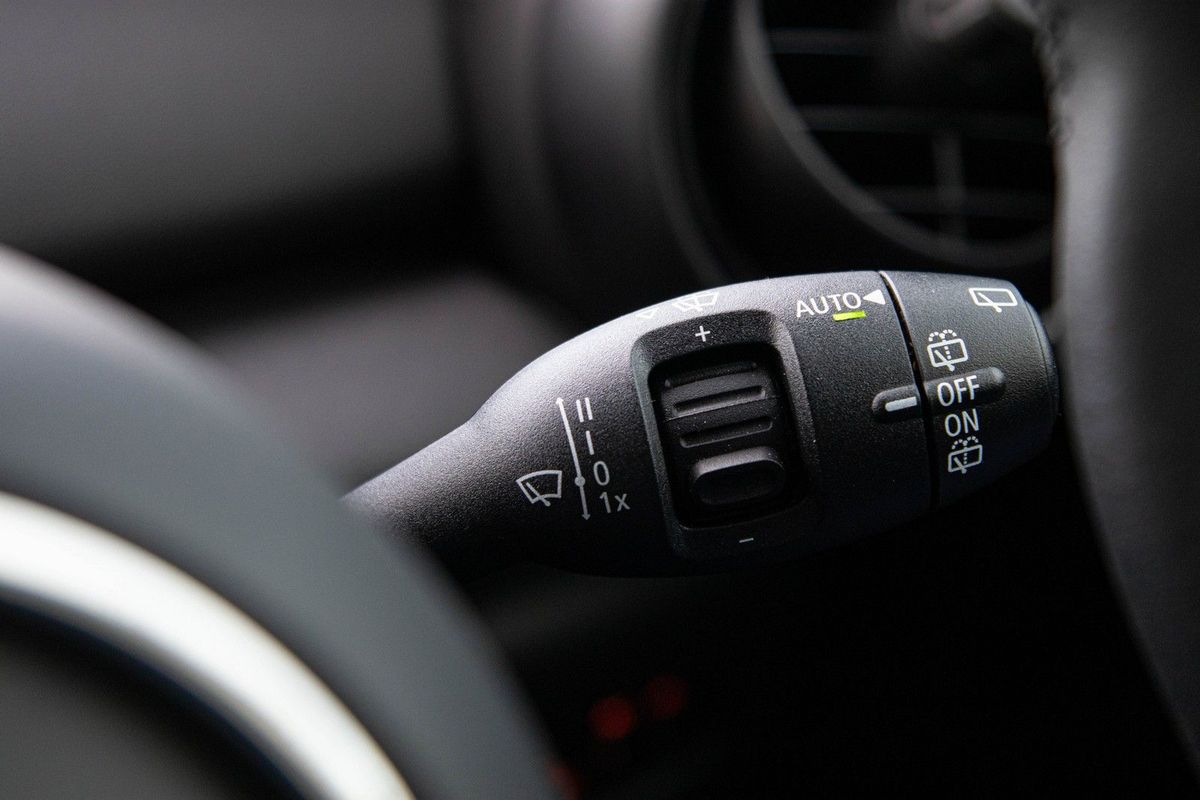
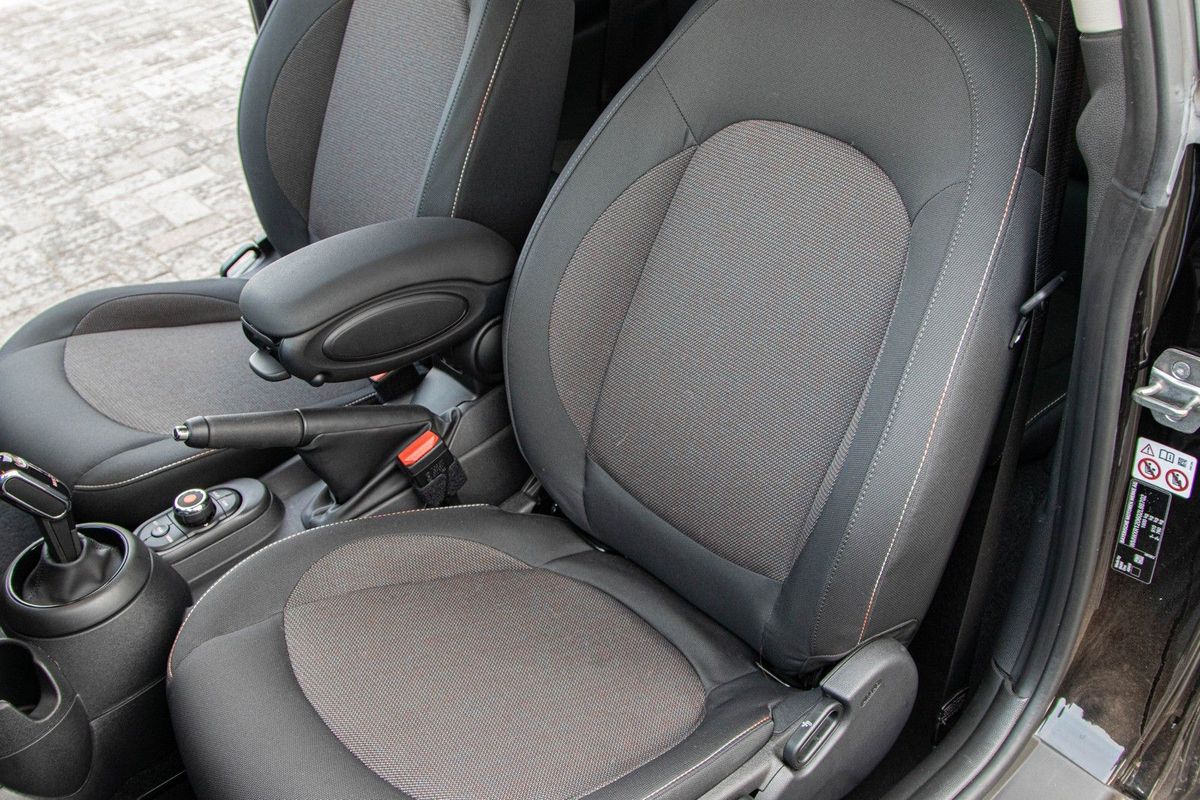
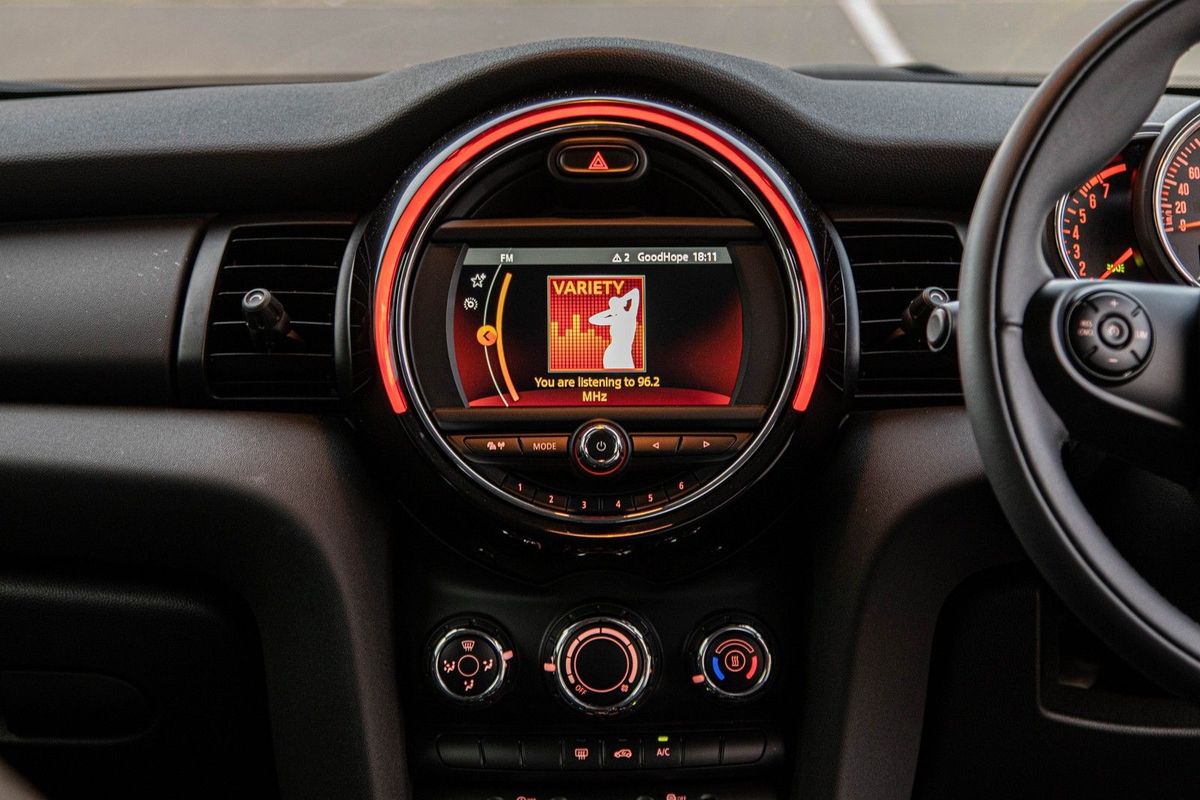
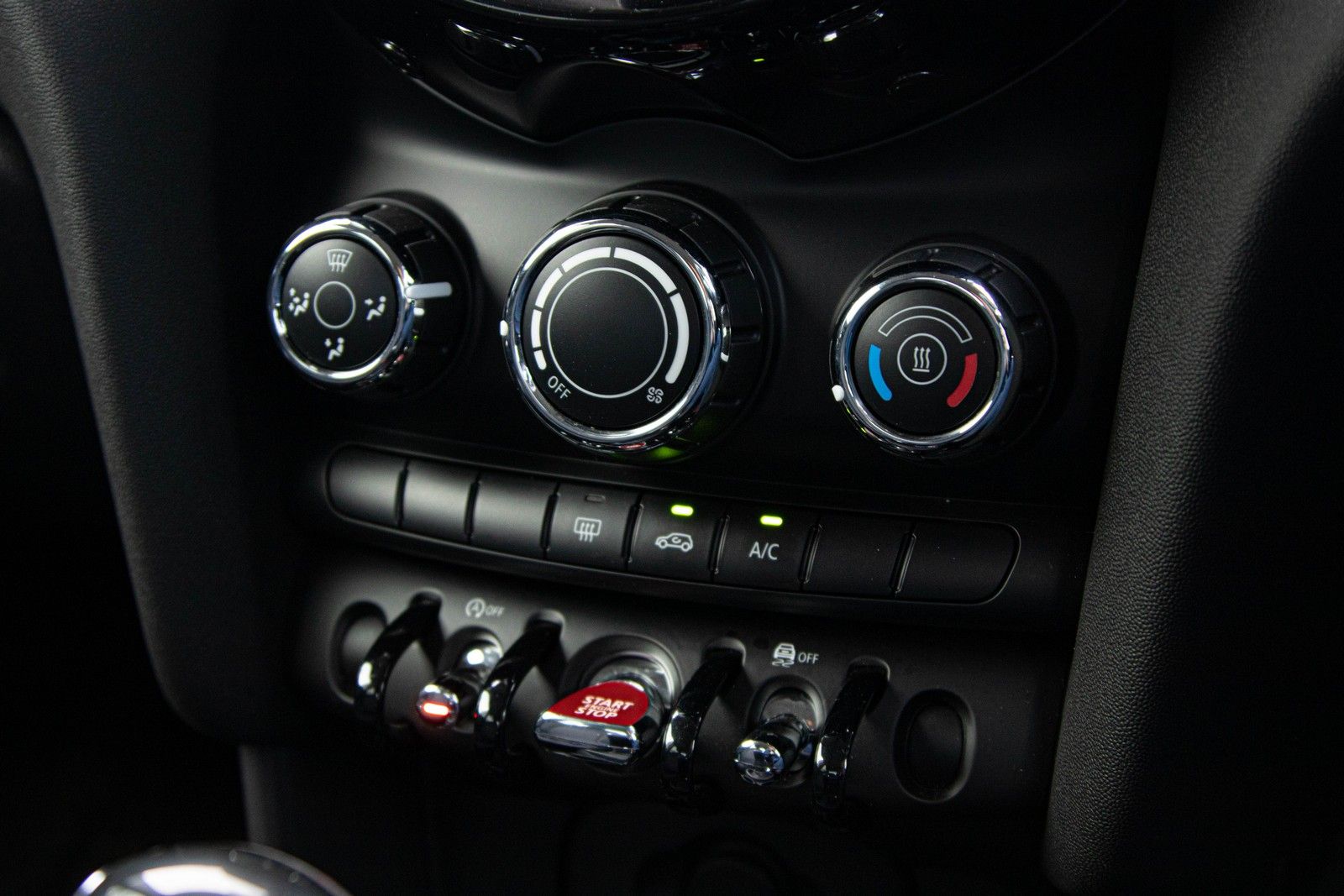
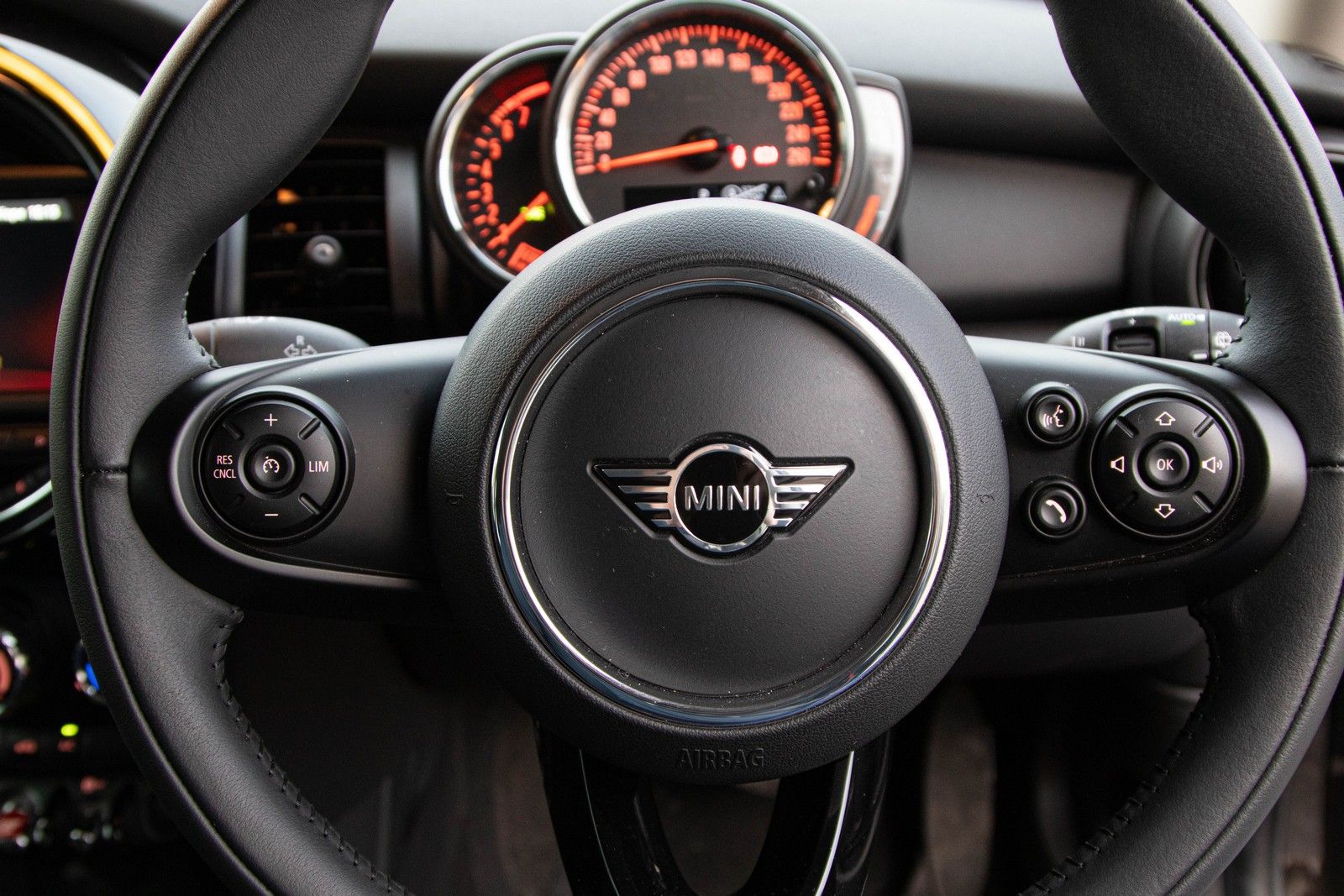
The Mini One's not stripped out inside. One of the criticisms levelled at previous iterations of the entry-level offering was that you needed to dive into the options to make it feel premium, but this was not the case with our test unit. The only noteworthy additions specified were cruise control with brake functionality, rear parking sensors, a leather-wrapped sports steering wheel and a central armrest. At R400 000 for the Mini One, you do expect a certain number of standard features and the derivative comes with daytime running lights, auto wipers, manual air conditioning, Bluetooth and a USB port.
If you absolutely need to transport more than one passenger, well, the One is also available in 5-door configuration. To put it bluntly, the rear seats in the 3-door Mini One offer neglibile legroom if the driver and front passenger's seats are set up for moderately tall occupants. Those aft seats are best used as an extension of the parcel shelf. The load bay isn't the smallest we've encountered, but nowhere close to that of the segment leaders; not that the limited practicality is likely to bother the One's target market. Besides, we prefer the traditional 3-door setup as its closer to the Mini ethos.
Pricing and after-sales support
The Mini One range starts at R387 450, with this One 3-door auto costing R408 726. There are a few option packs worth noting, if you feel the standard specification is not comprehensive enough. The Mini One is sold with a 2-year/unlimited-kilometre warranty and comes with a 3-year/75 000 km service plan.
Given its price, we do wonder why people would consider the One when a Cooper is ever so close…
Verdict
There are many things to like about the Mini One, but the list of positives is frustrated by the negatives. Let's get the numbers out of the way first: That list price is uncomfortably close to a Cooper and when you're paying in excess of R400 000 for a compact hatchback, "entry level" is a bitter pill to swallow. That being said, you're not being short-changed by any stretch because the Mini One retains the brand's endearing fun-to-drive characteristics, plus it still boasts a decent number of standard features. It may be a cut-price Mini, but it's still a fun little thing to wield on the daily commute.
What's more, the 1.5-litre turbopetrol motor and dual-clutch transmission work together so sweetly! Granted, the start/stop system does stutter, but you can bypass it with a switch and, once you're rolling, the powertrain is thoroughly entertaining; the One feels quicker than it is. The packaging and interior space is limited, particularly in the 3-door – we'd go so far to say it's essentially a 2-seater.
Should you buy one, though? Given the way new-car prices are going, if you want a new(ish) Mini and have R400k to spend, a punchier low-mileage Cooper with a few options specified is tempting.
A Volkswagen dealer in SA has created the Polo Vivo TCR. What is going on here?
Firstly, the bad news. Volkswagen SA quickly shut the plan down, with a post on social media saying the dealer in question has been instructed to withdraw advertising of this vehicle.
So what exactly was the Volkswagen Polo Vivo TCR? An eagle-eyed fan sent us some photos of a hotted-up Volkswagen Polo Vivo, that was badged as the TCR. The kit comprised a front lip, sporty-looking alloy wheels and a roof-mounted rear spoiler. As far as we're aware, the performance of the Vivo was unchanged.
With the hype of the Volkswagen Golf GTI TCR, it's completely understandable that dealers would try ride that wave. It's not the first time nor the last that this will happen. The Golf TCR is a celebration of this generation of 7.5 GTI and there'll be just 300 units for the South African market. This will be the last iteration of the 7.5 as the South African market is due to receive the all-new Golf 8 GTI in early 2021. We understand that most of these have been snapped up, but be sure to keep an eye on our used car section as we're confident units have been listed.
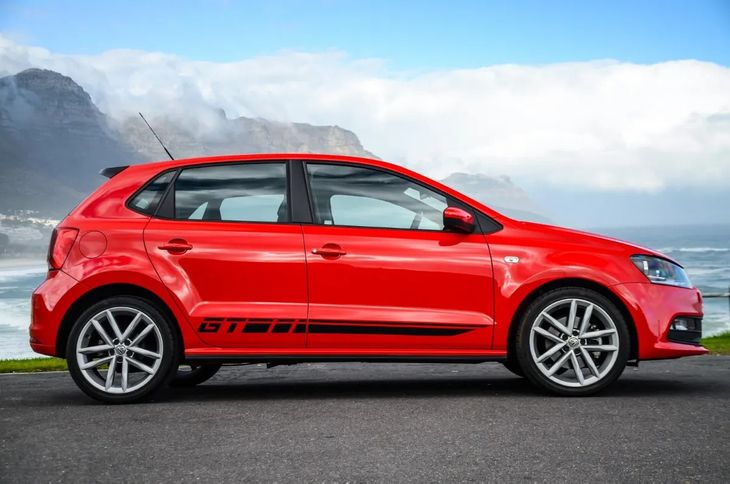
But what if you wanted a sportier Volkswagen Polo Vivo? Volkswagen's sportiest offering in that portfolio is the Vivo GT, which comes with a 1.0-litre turbocharged 3-cylinder motor, striking alloy wheels and GT badges. There's 81 kW and a commendable 200 Nm available, and with a solid manual gearbox on offer, the Vivo GT is actually rather brisk. Compared to the rest of the Polo Vivo range, the Vivo GT is punchy and easily outperforms the rest.
If you want a fun Volkswagen Polo Vivo, look no further than the GT with its little turbo motor.