Renault Duster TechRoad In SA (2020) Specs & Price
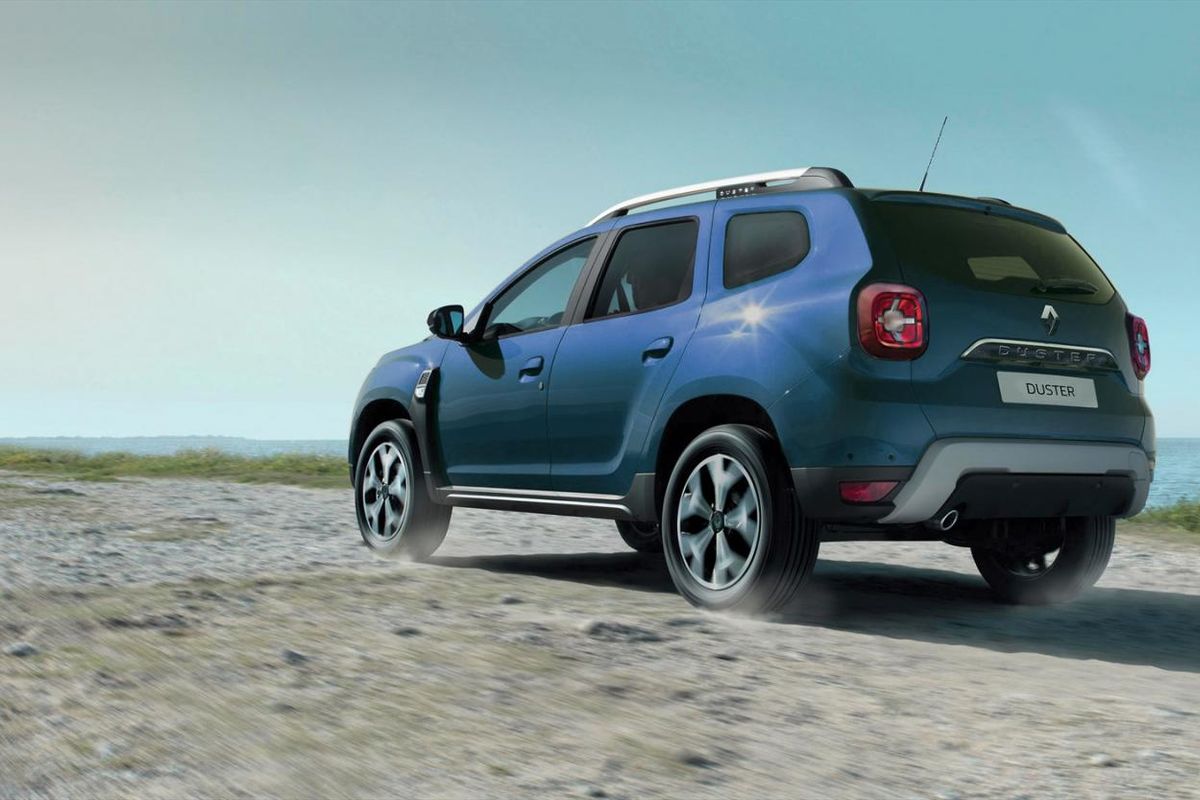
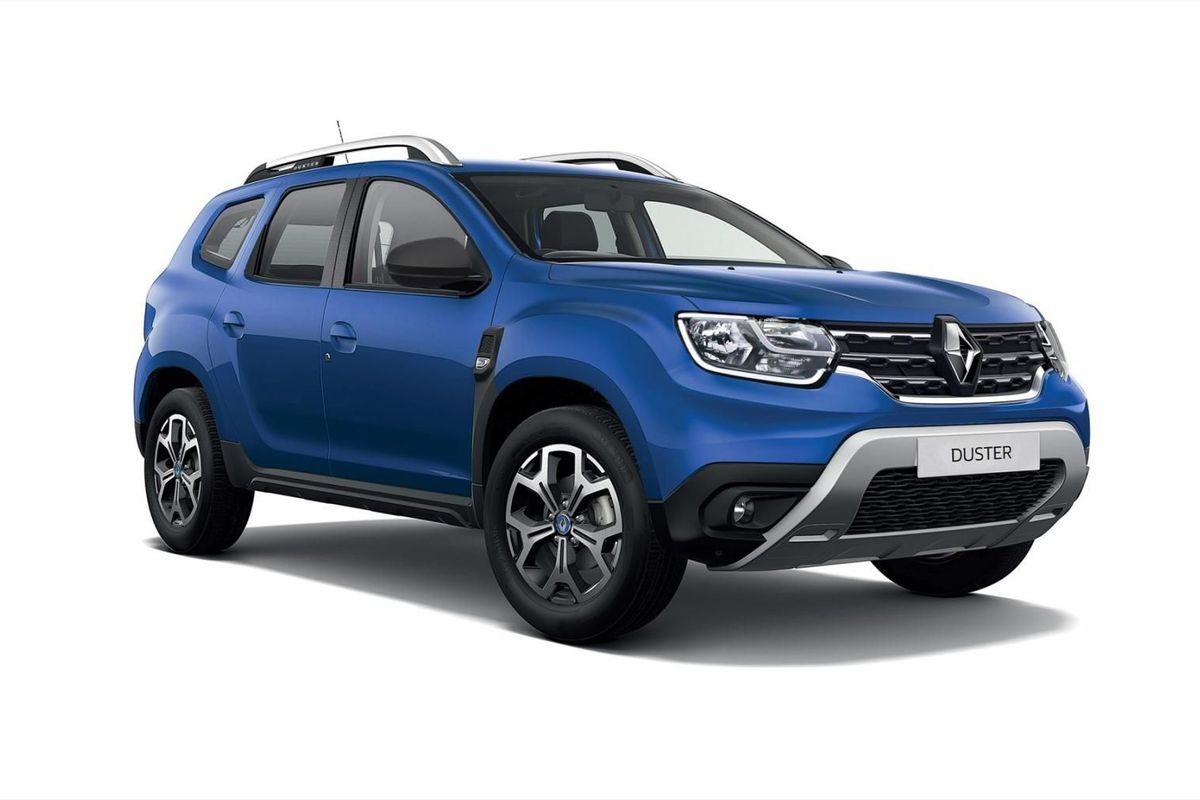
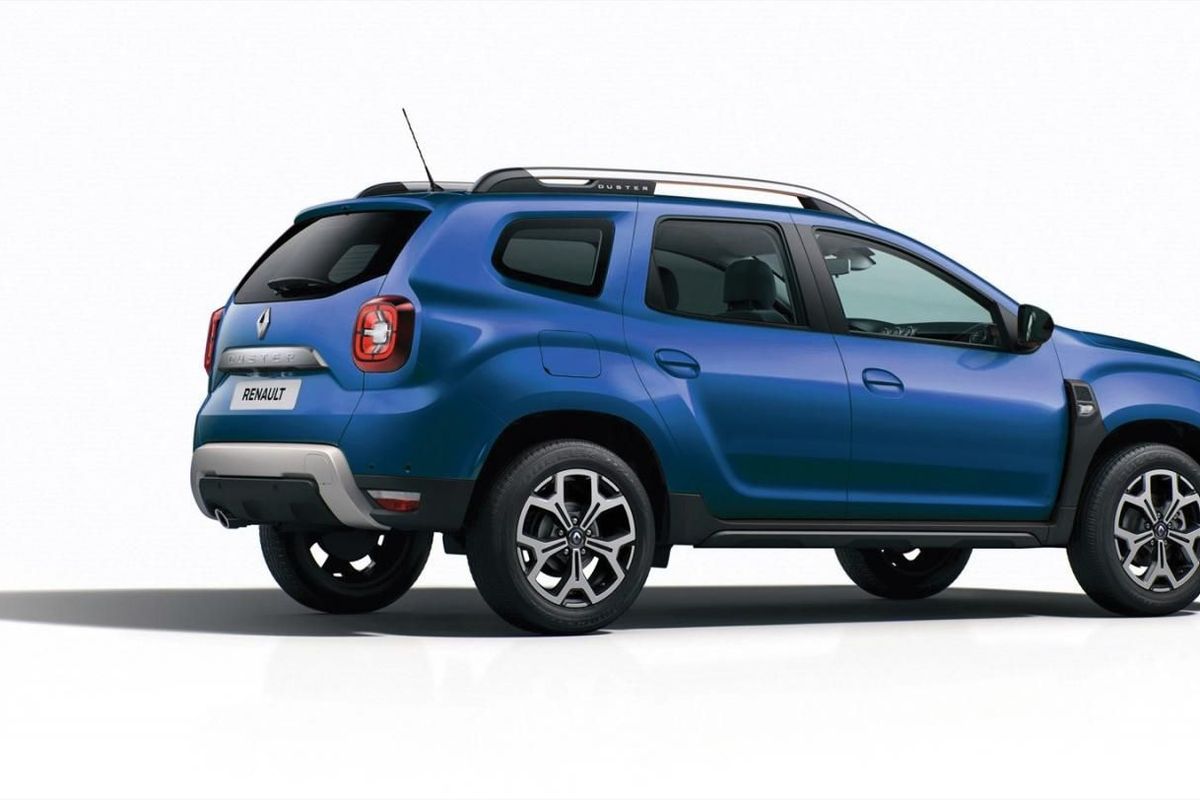
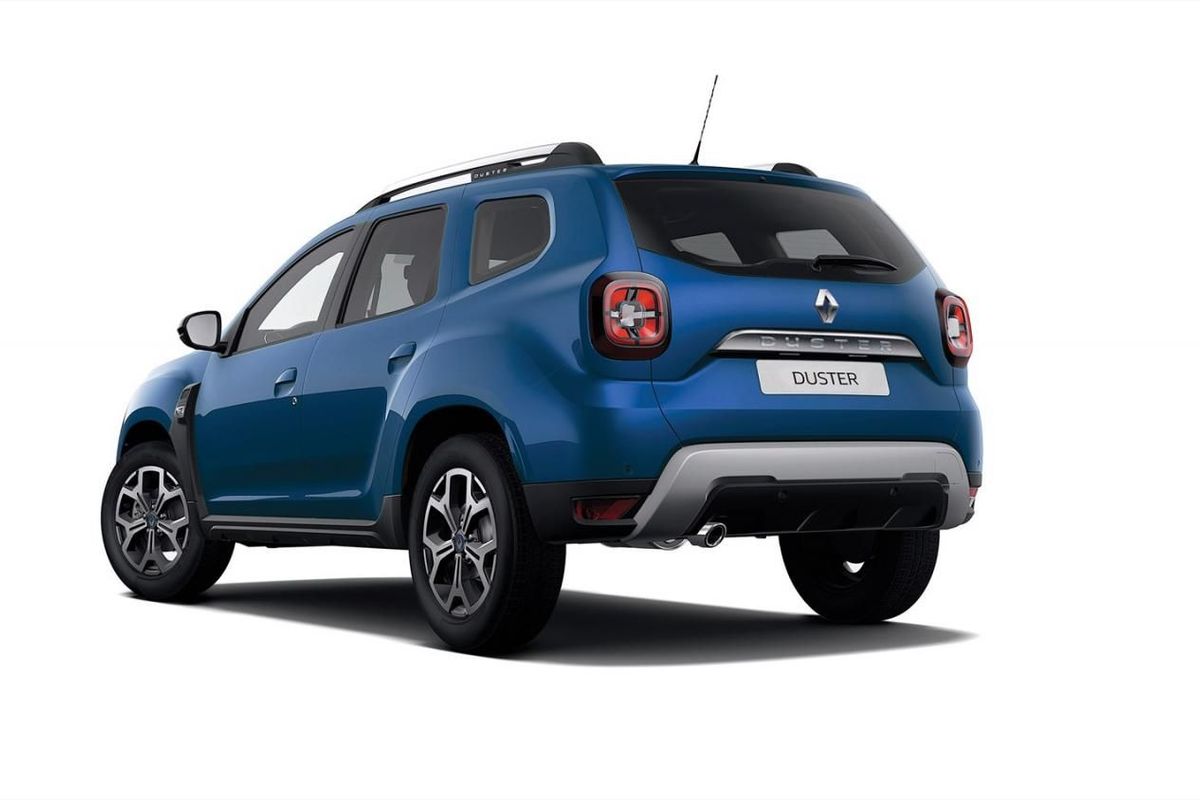
Renault has expanded its Duster SUV range in South Africa with the introduction of the Duster TechRoad. See what’s on offer below…
The Duster SUV has proven to be hugely popular in South Africa thanks to the combination of its rugged styling and practical interior. More than 21 000 Dusters have found a home in Mzansi since the model’s launch in 2013.
Now, Renault has introduced the Duster TechRoad to the South African market.
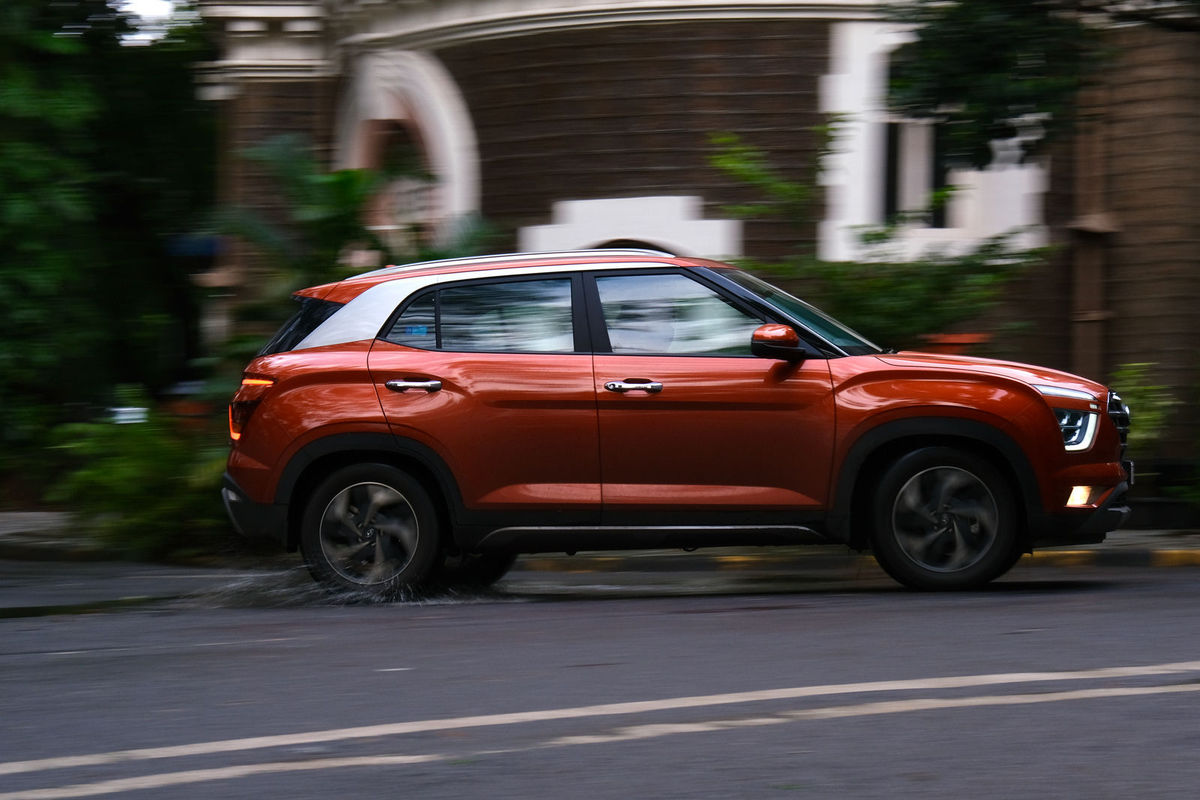
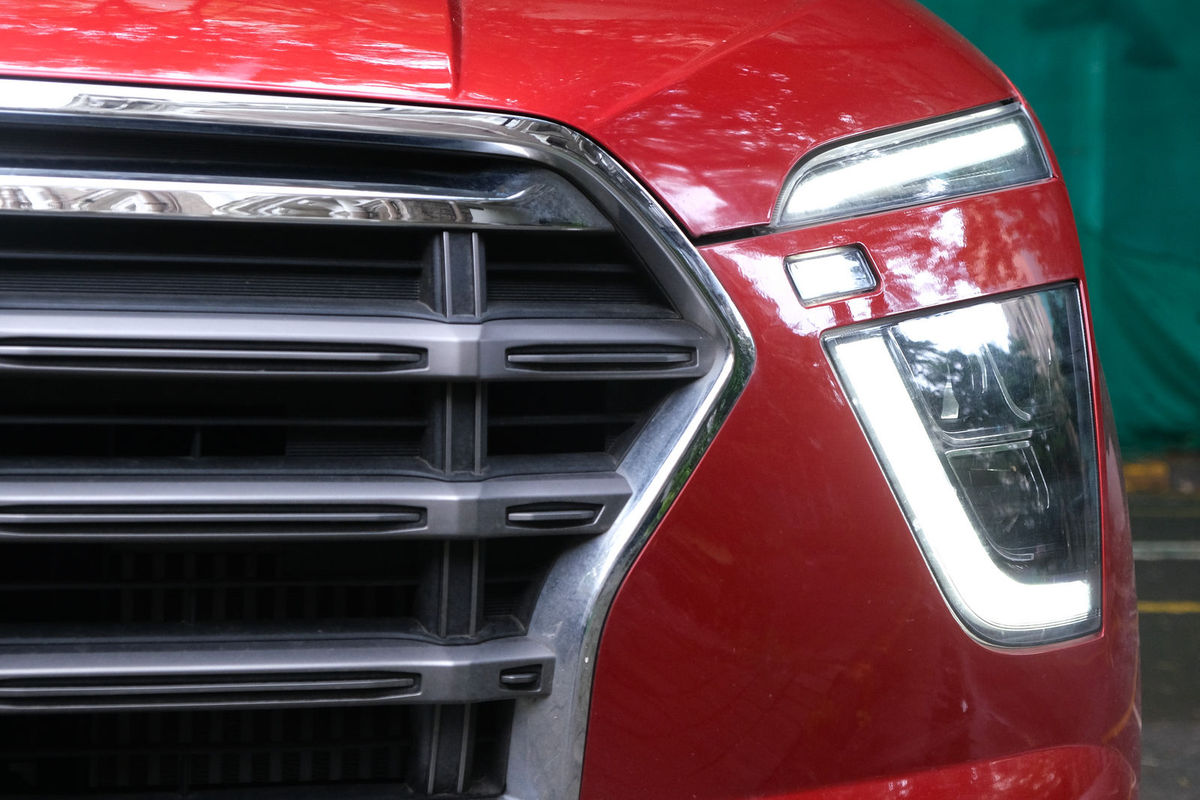
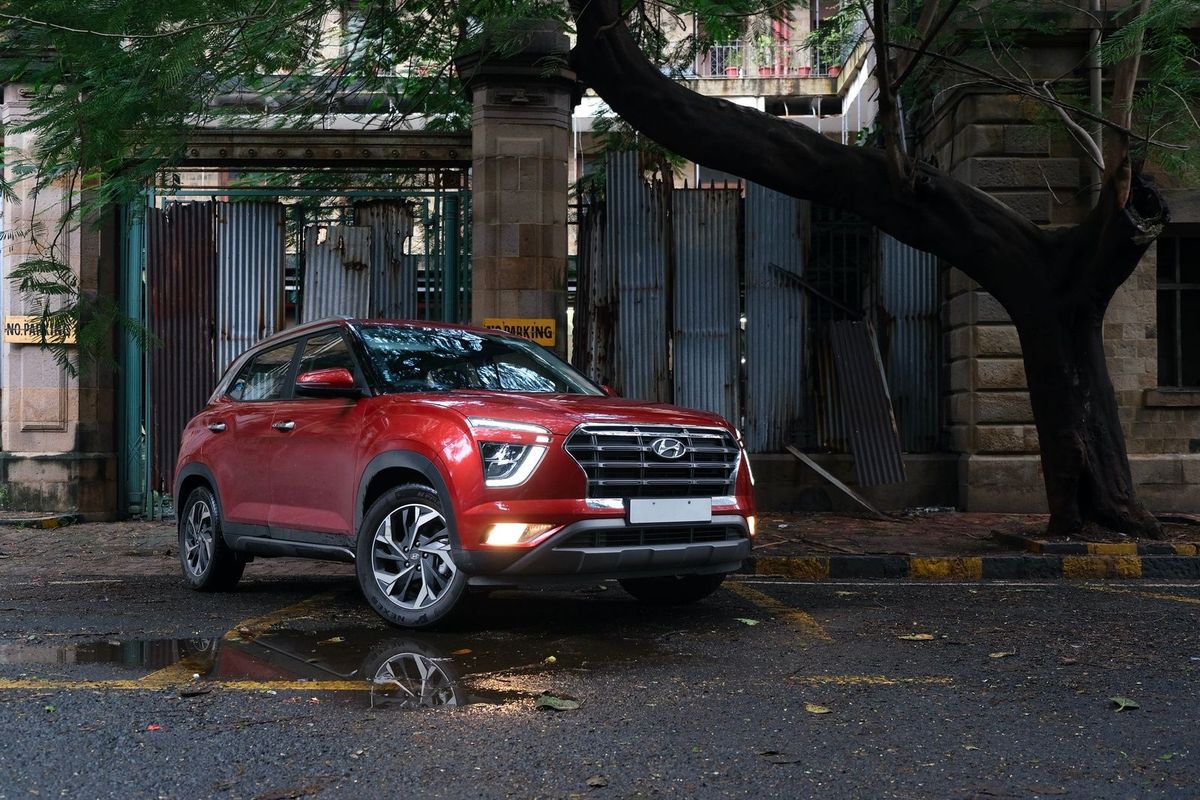
The Duster TechRoad can be identified by its 17-inch diamond-ct alloy wheels with blue caps, silver roof rails, front and rear skid plates and chrome trim seen on the grille. The new derivative also gains TechRoad badging, shiny black side mirrors and patterned stripping on the side doors.
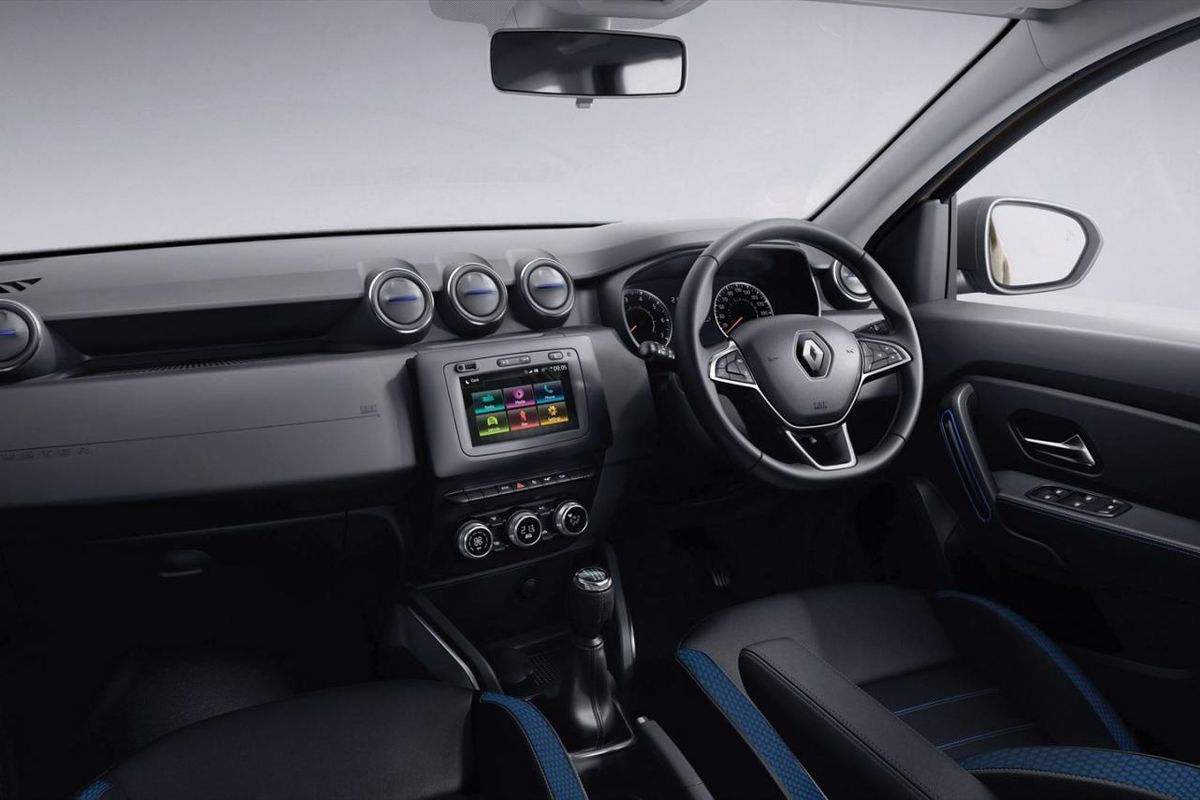
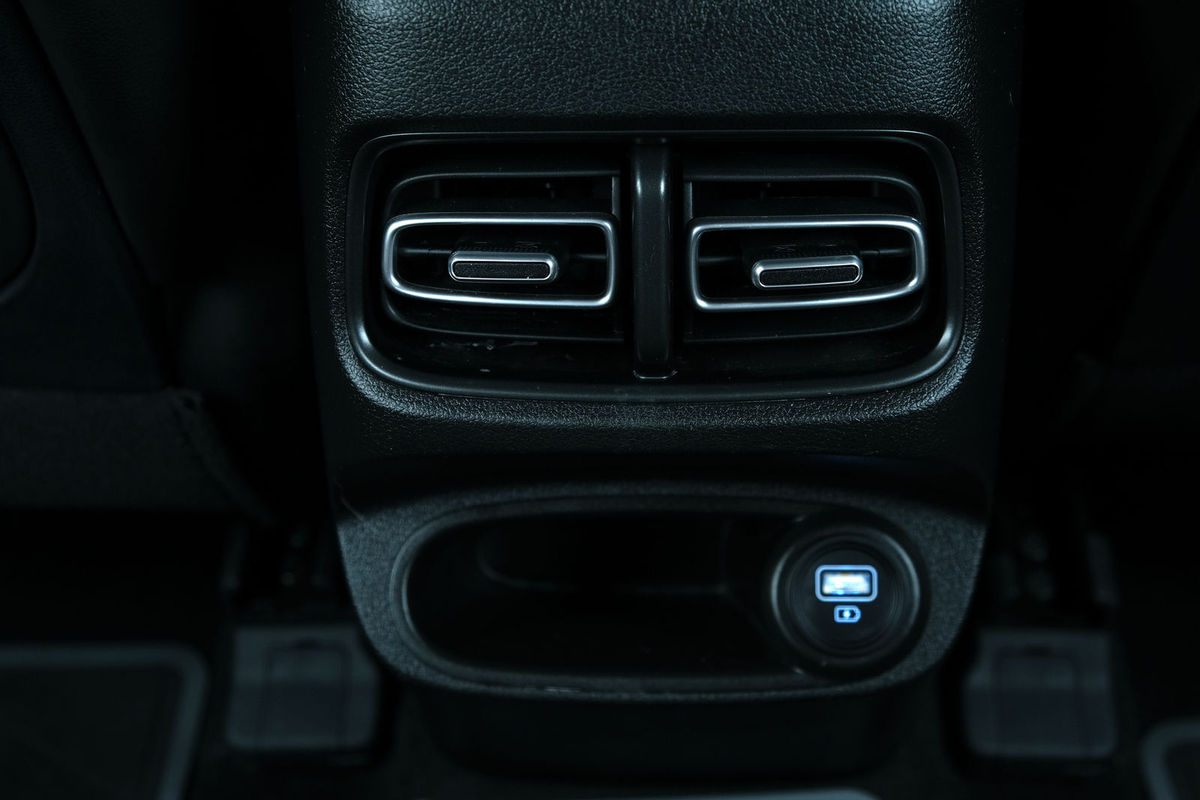
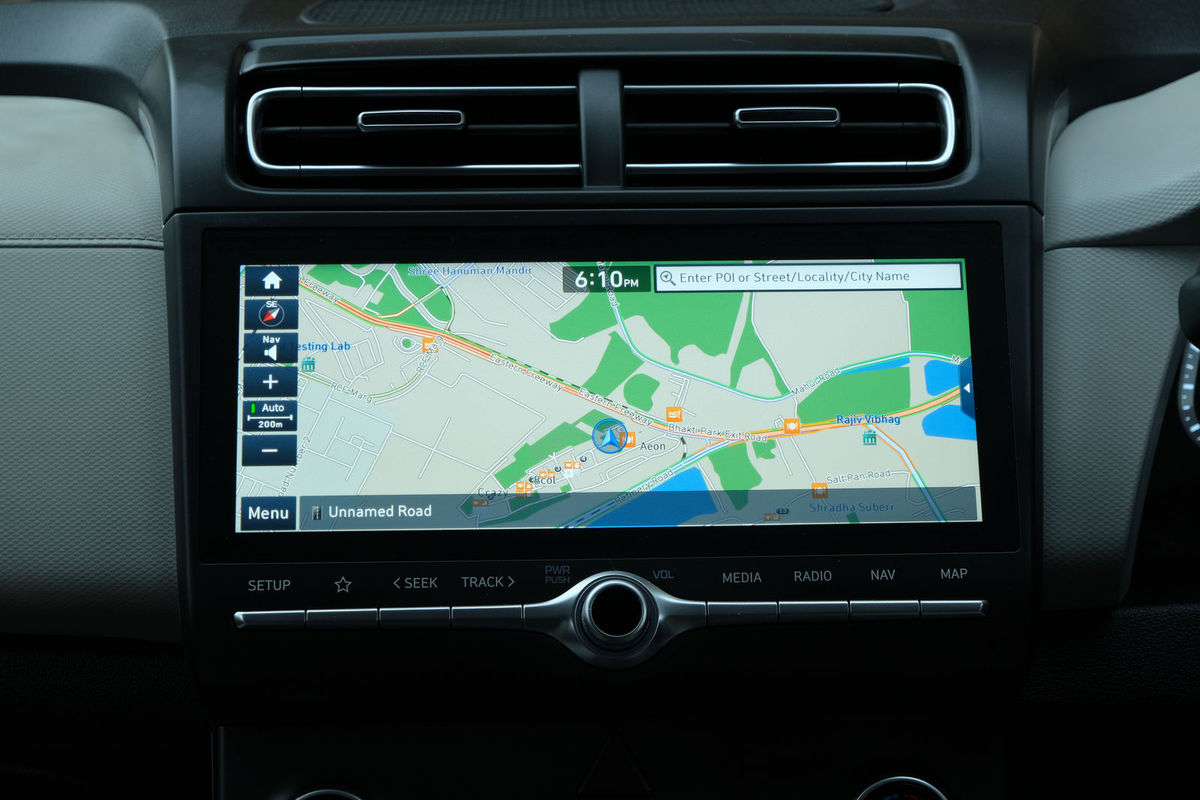
The interior gains blue trim detailing seen on the seats as well as blue trim accents on the door grab handles and air vents. The central infotainment system provides integrated navigation as well as Apple CarPlay and Android Auto functionality. Automatic climate control air conditioning is standard as is cruise control with a speed limiter. The Duster TechRoad is also equipped with rear park distance control and hill start assist.
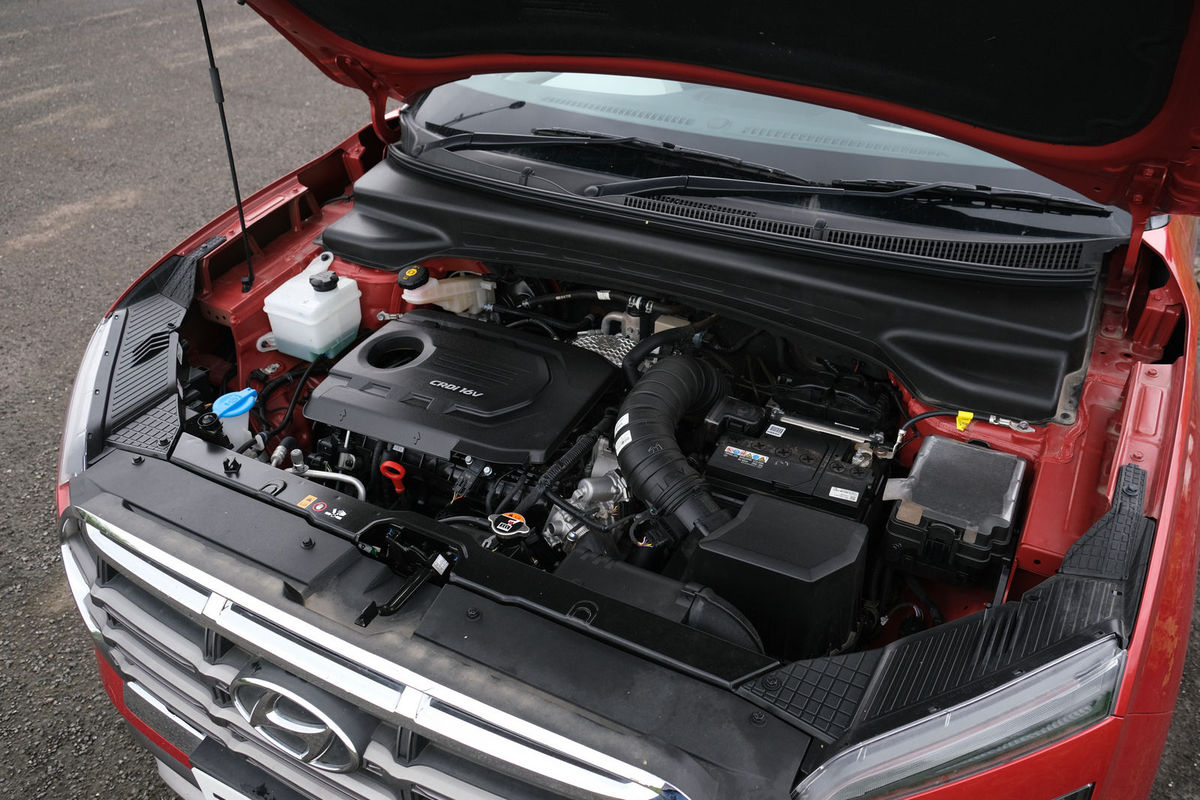
The Duster TechRoad is offered in conjunction with Renault’s 1.5-litre turbodiesel engine which offers 66 kW and 210 Nm of torque when equipped with a 5-speed manual transmission in 4×2 guise. If you opt for the EDC automatic, outputs increase to 80 kW and 250 Nm.
The Duster can also be had in 4×4 guise with the 1.5-litre turbodiesel engine tuned to deliver 80 kW but with 260 Nm of torque with a 5-speed manual transmission.
A naturally-aspirated 1.6-litre petrol engine with 84 kW and 156 Nm is also available as an entry-level offering.
Renault Duster (2020) Price in South Africa
Duster 1.6 Expression 4×2 – R278 900
Duster 1.5 dCi TechRoad 4×2 – R316 900
Duster 1.5 dCi TechRoad EDC 4×2 – R350 900
Duster 1.5 dCi Dynamique 4×4 – R350 900
Duster 1.5 dCi Prestige EDC 4×2 – R363 900
The Renault Duster is sold with a 5-year/150 000 km warranty, 3-year/45 000 km service and a 6-year anti-corrosion warranty.
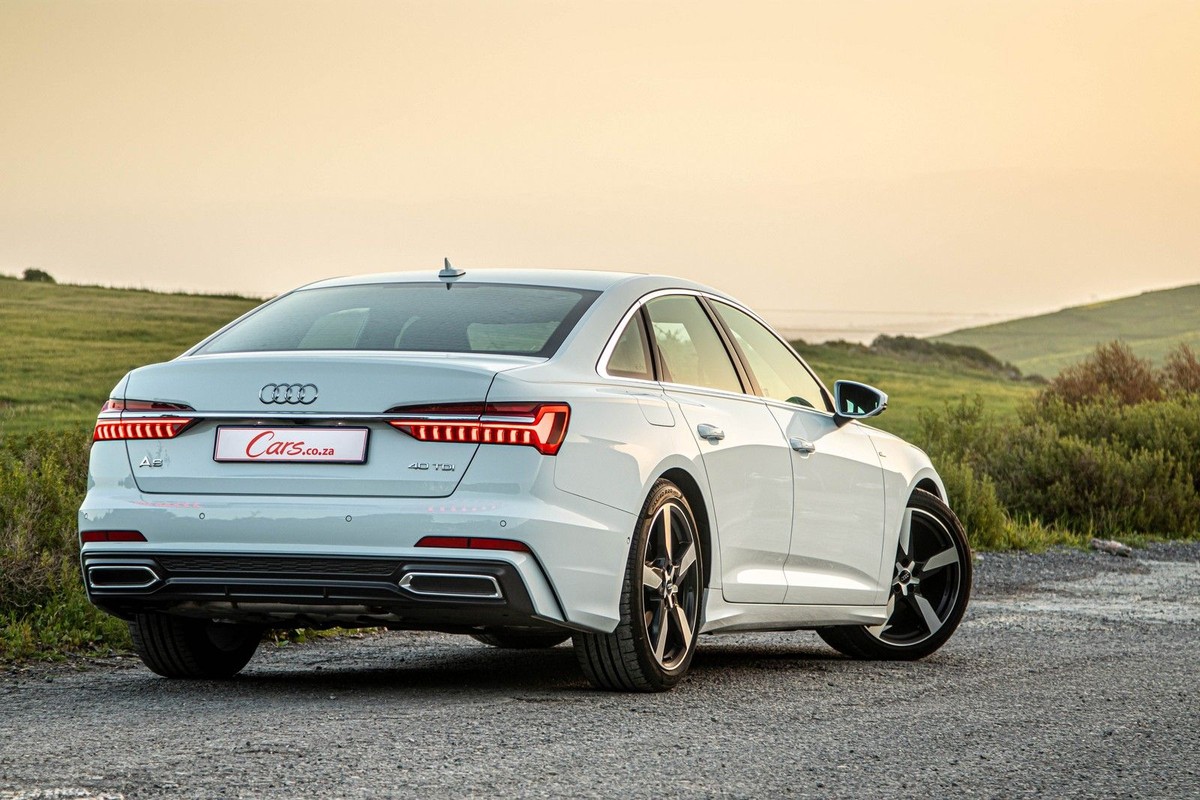
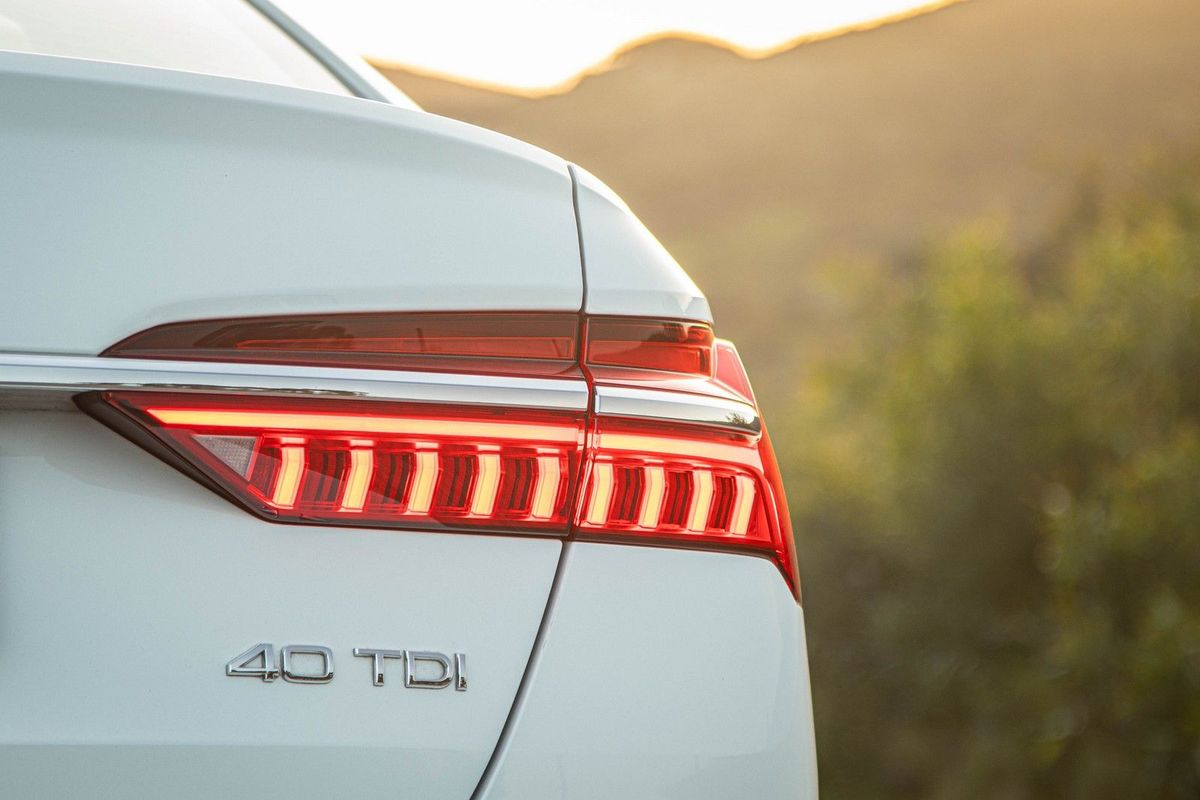
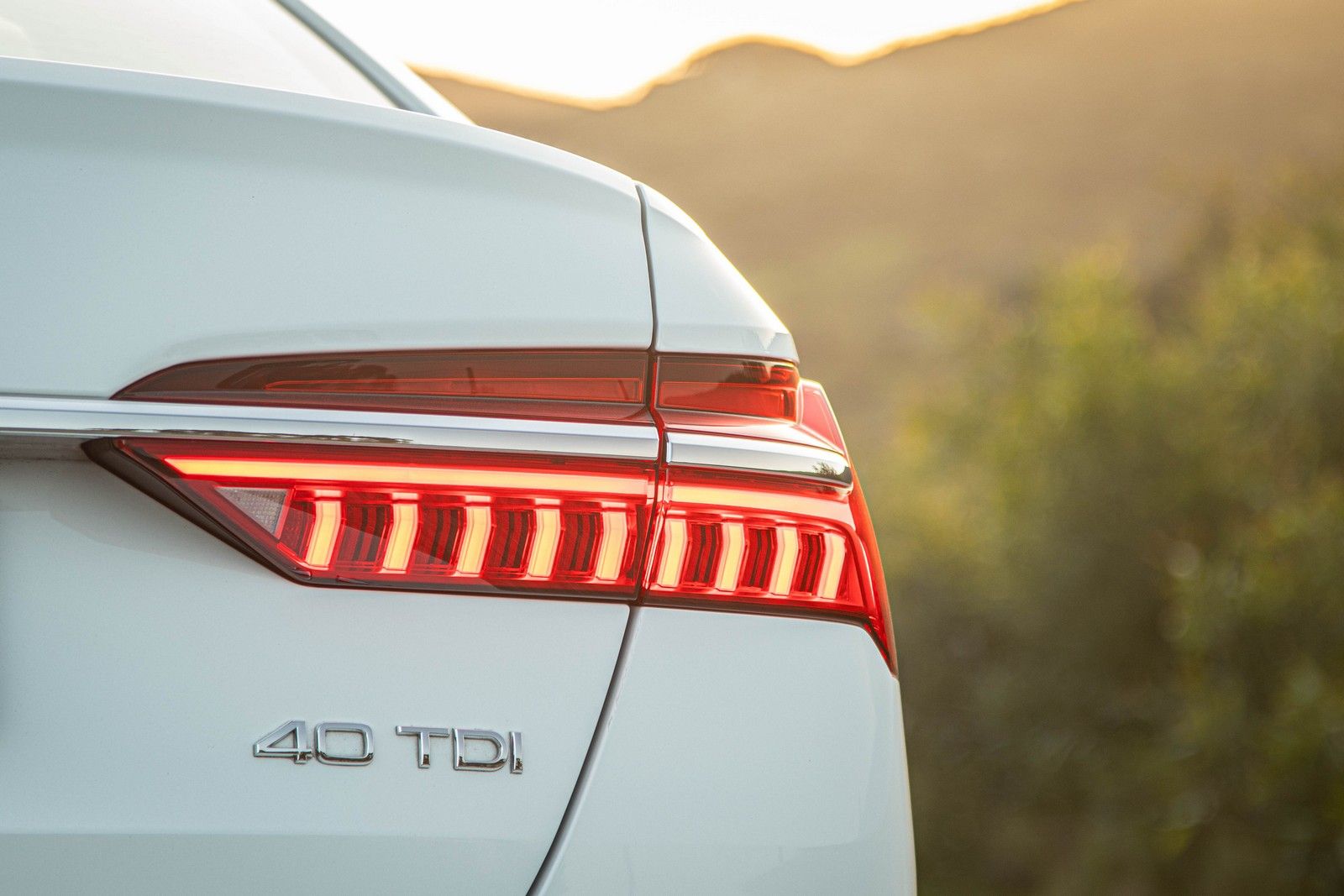
The all-new Audi A6 executive-class sedan has finally arrived in South Africa and, while we were mostly impressed with the range's rapid S6 derivative, we were keen to sample the A6 40TDI, which represents the entry-point to the local A6 line-up – and, arguably, a better value-for-money proposition than its sibling. Does the A6 40TDI, in S Line guise, make a strong enough case for itself to warrant consideration?
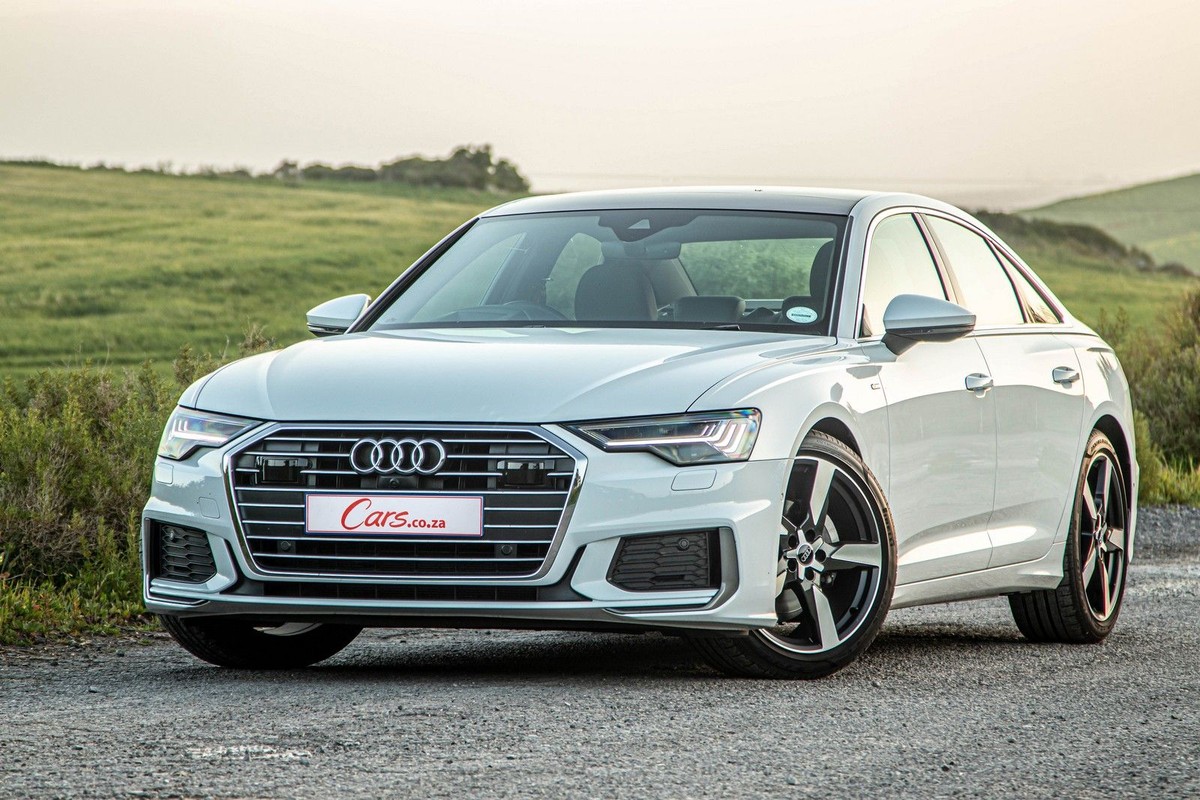
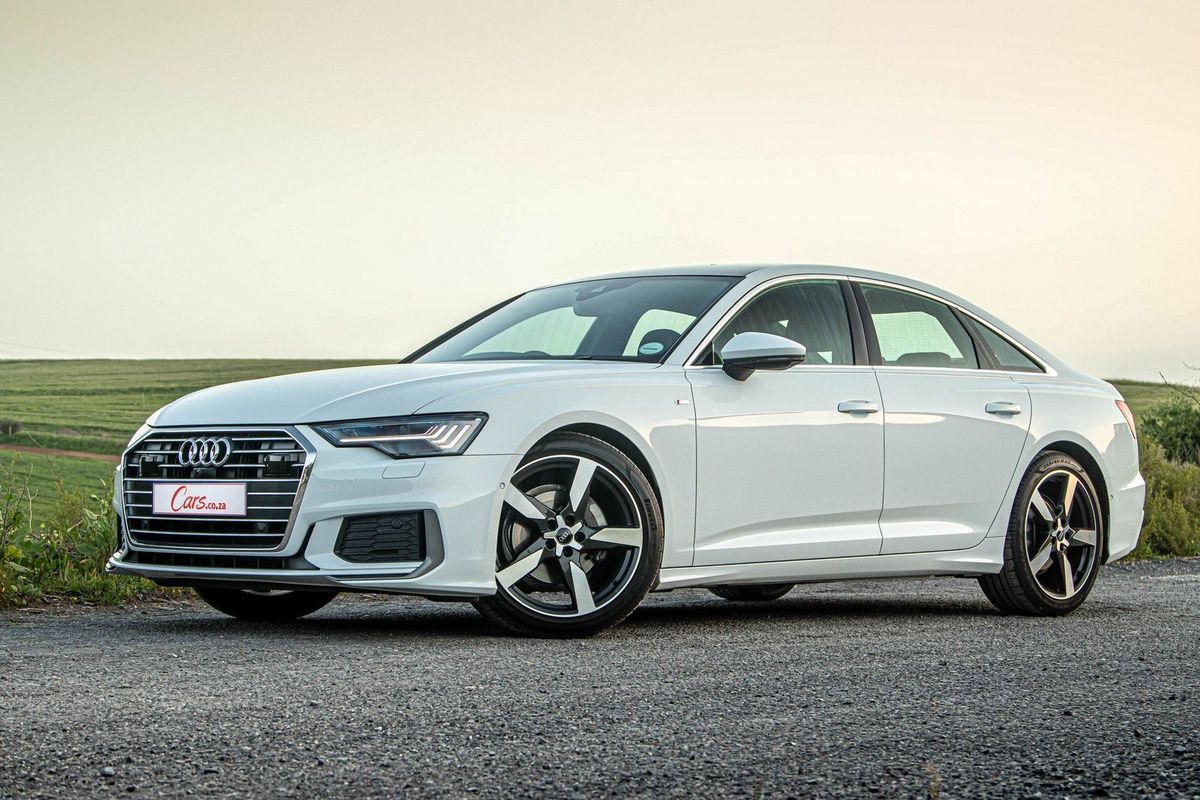
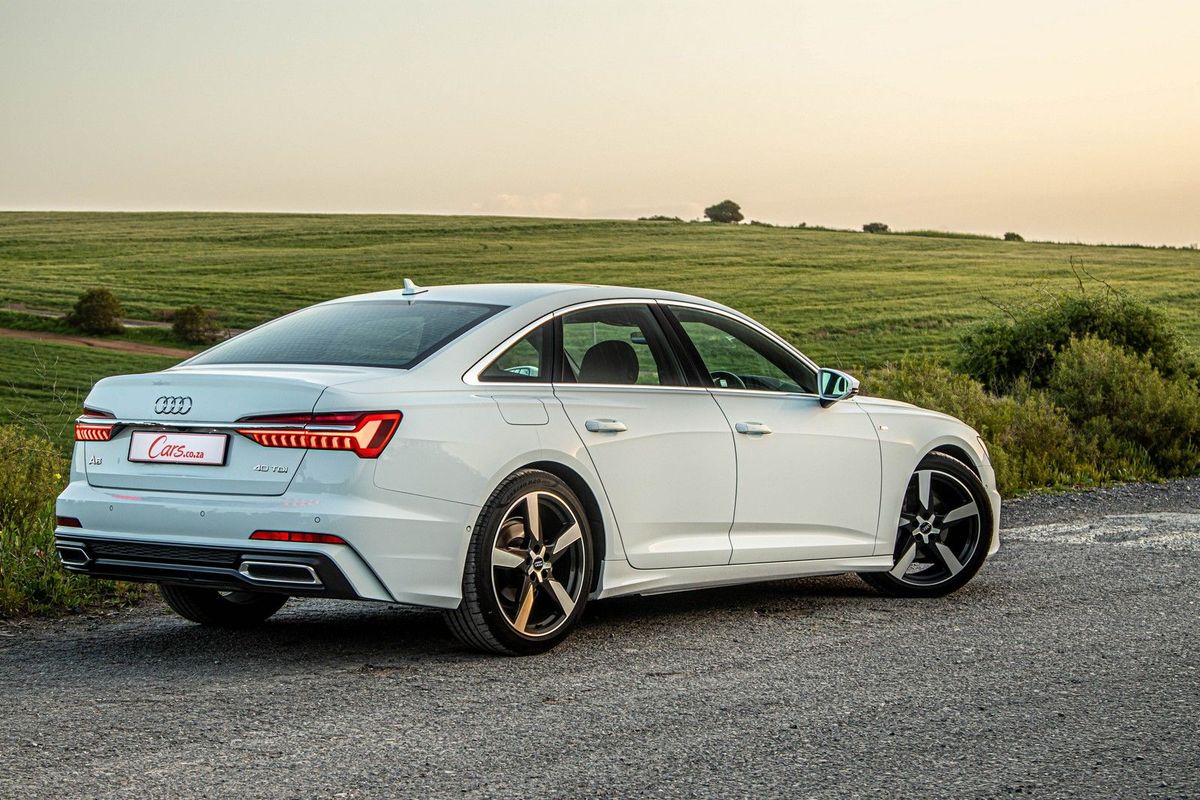
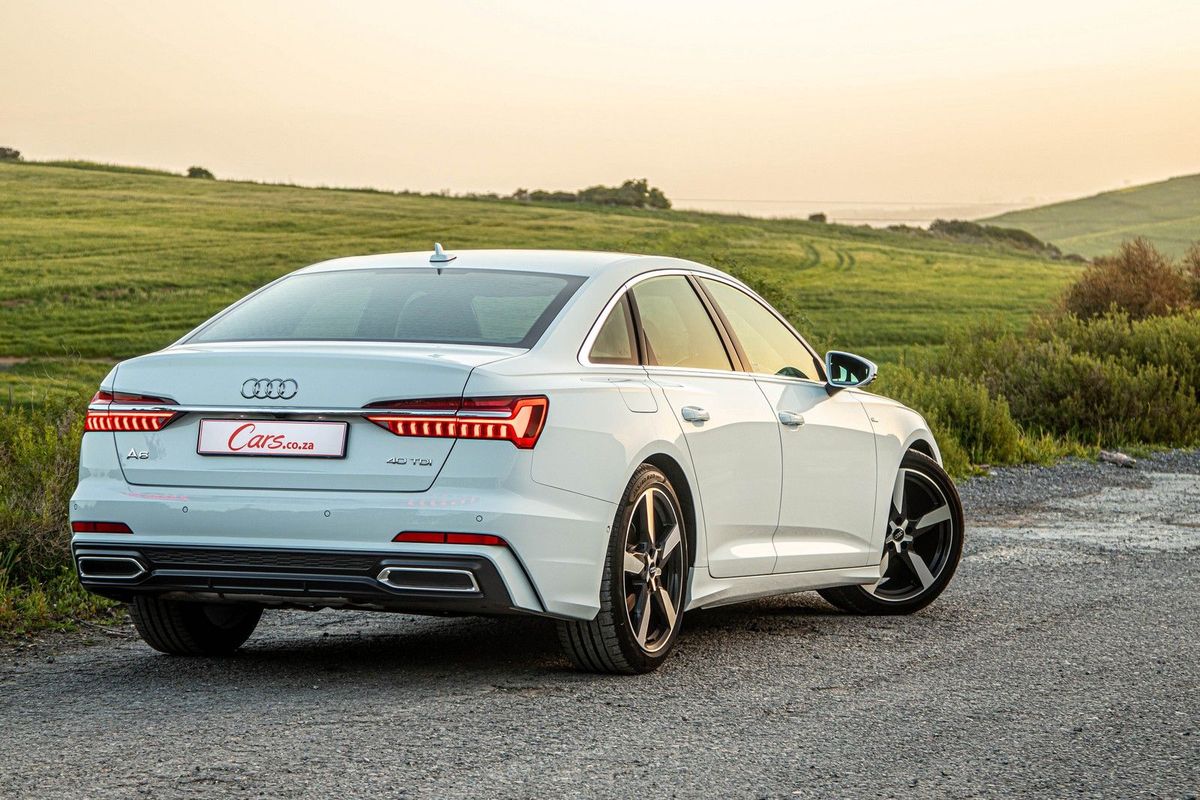
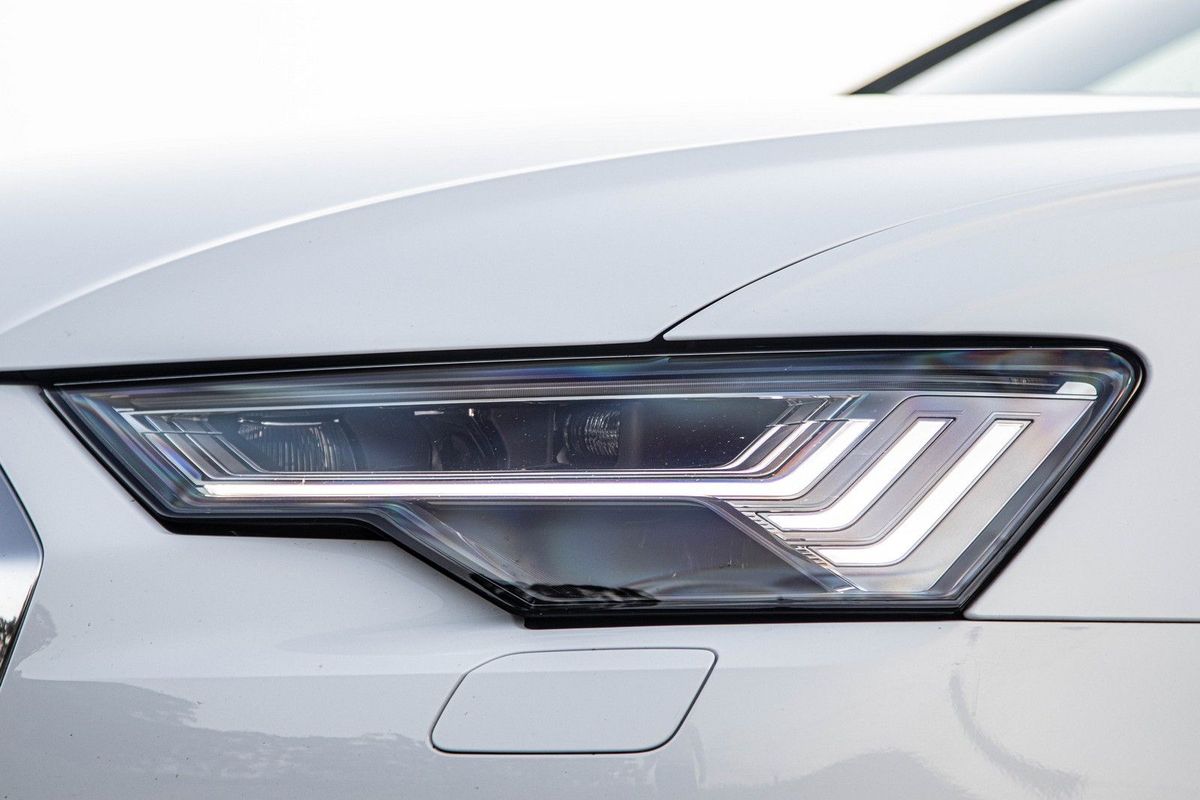
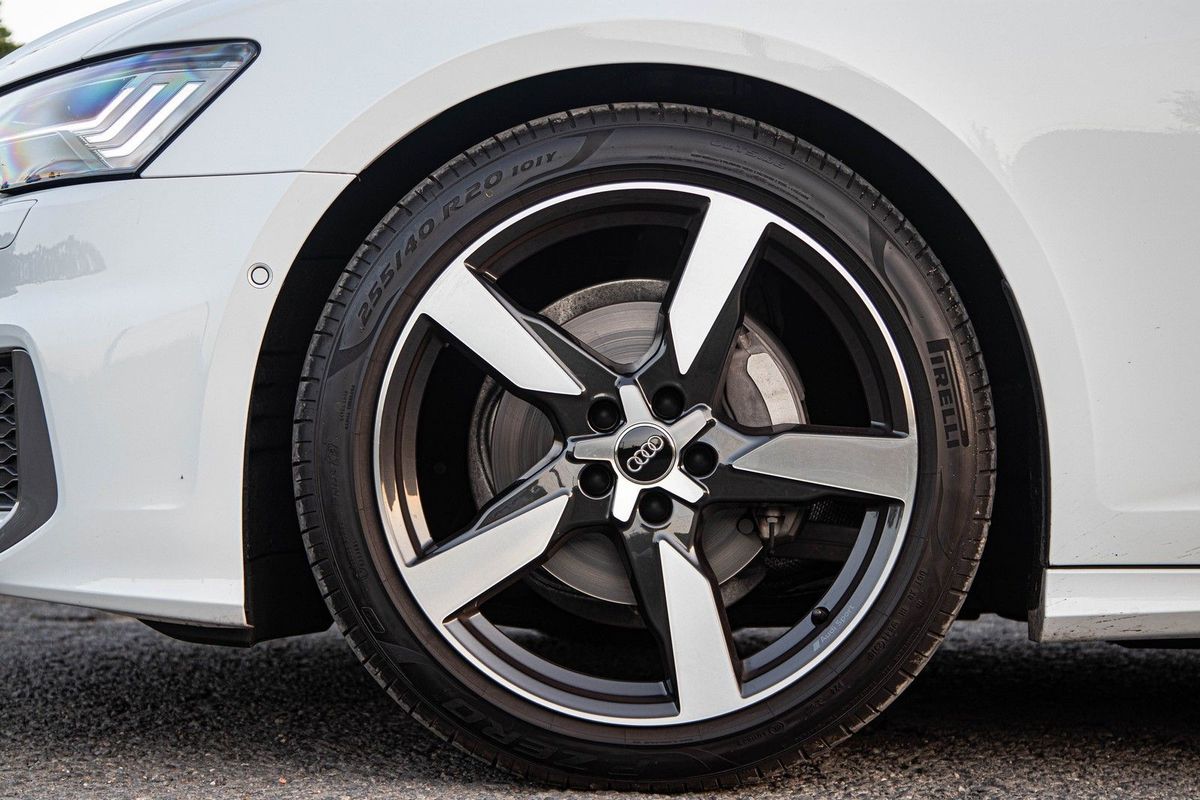
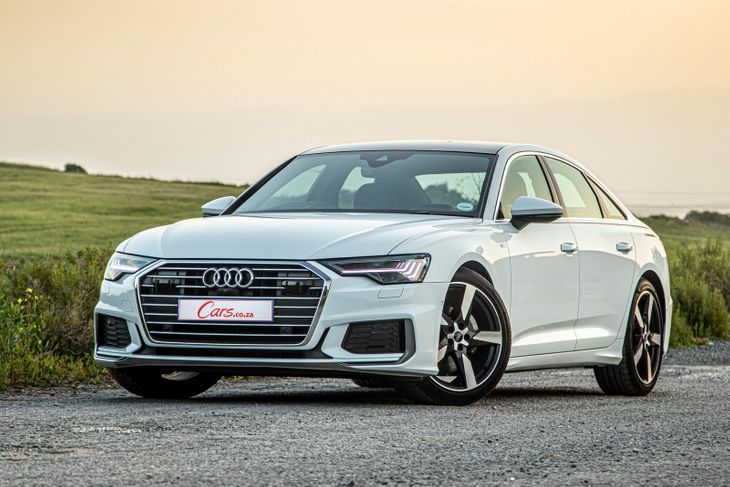
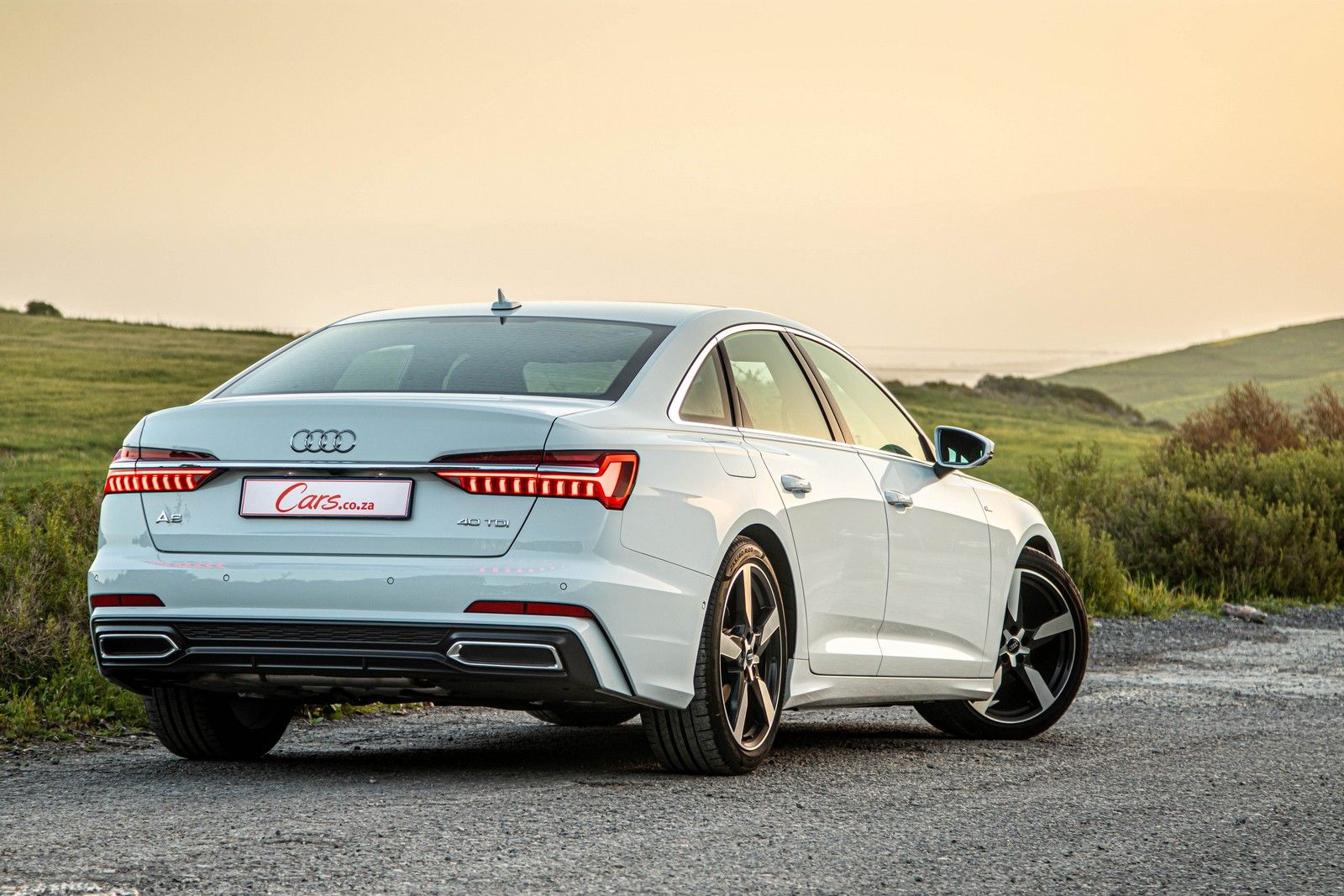
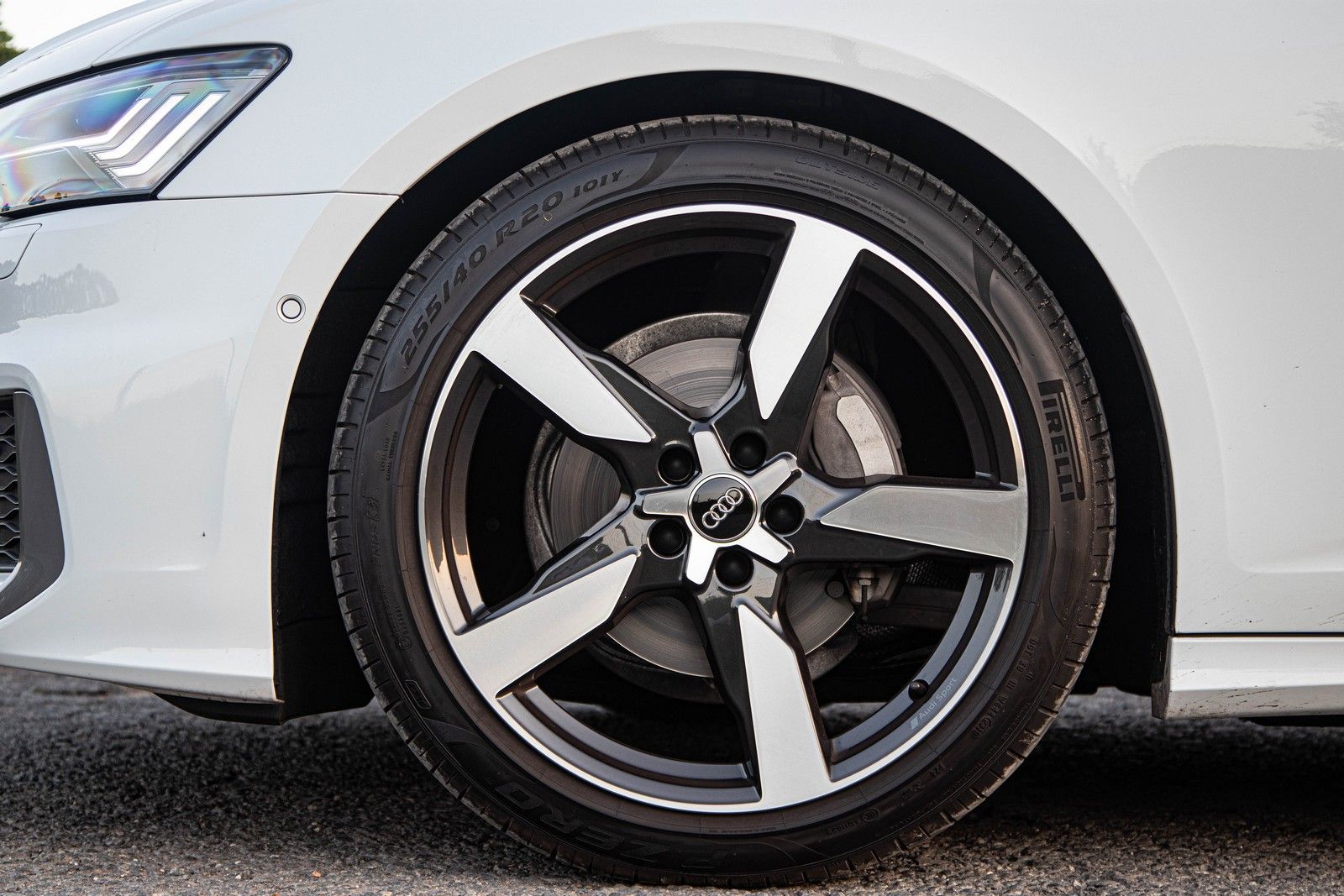
The A6, in S Line guise, is elegant and stylish, especially with the larger Audi Sport alloy wheels that fill the wheel arches.
The all-new 8th-generation Audi A6, which was revealed in 2018, is now finally available in South Africa. It's the Ingolstadt-based firm’s answer to the BMW 5 Series, Mercedes-Benz E-Class and Volvo S90 and, apart from its lavishly-styled interior (which draws inspiration from the A7), it also boasts striking kerb appeal, especially in S Line guise… as seen here, finished in Glacier White. The look is further accentuated with attractive 20-inch Audi Sport alloy wheels (R34 500) and HD Matrix LED headlights (R37 800).
In fact, this A6 is a fine example of what can be achieved if you are willing to splurge on Audi’s extensive optional equipment. Is it all worth it though? Let’s take a closer look.
How it performs in terms of…
Interior execution and features
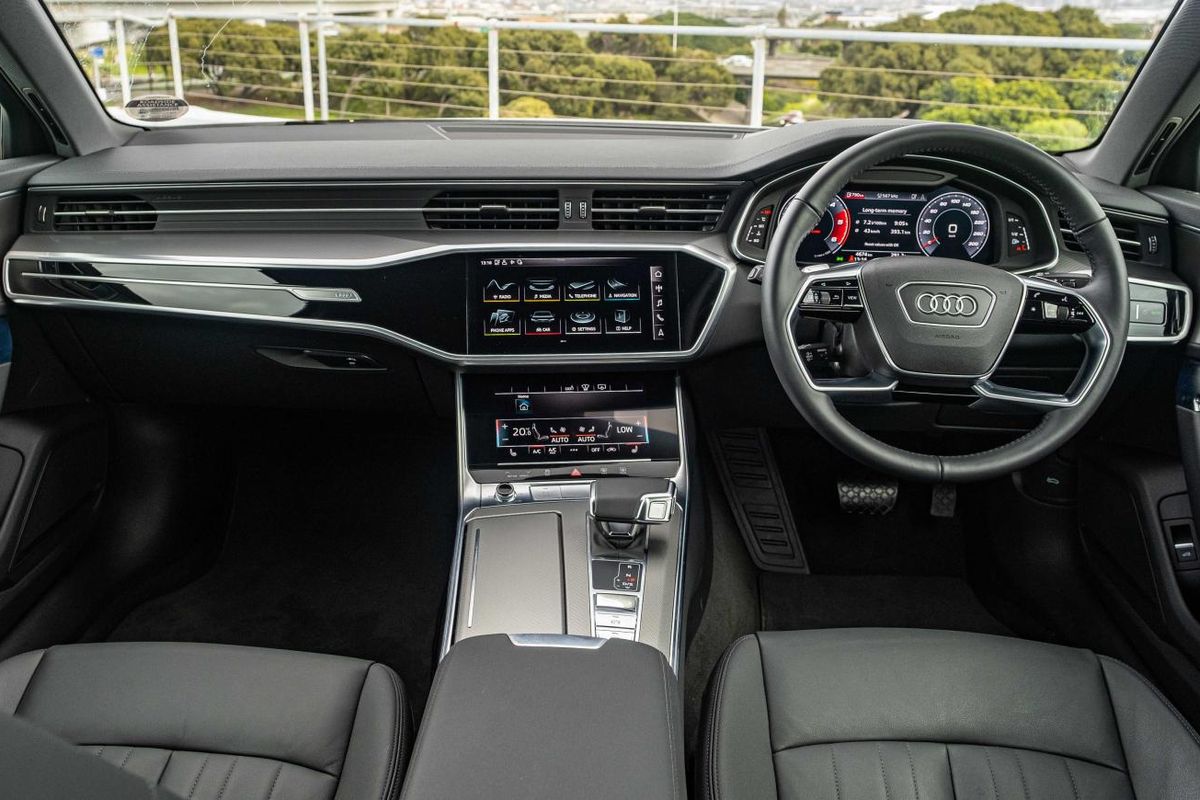
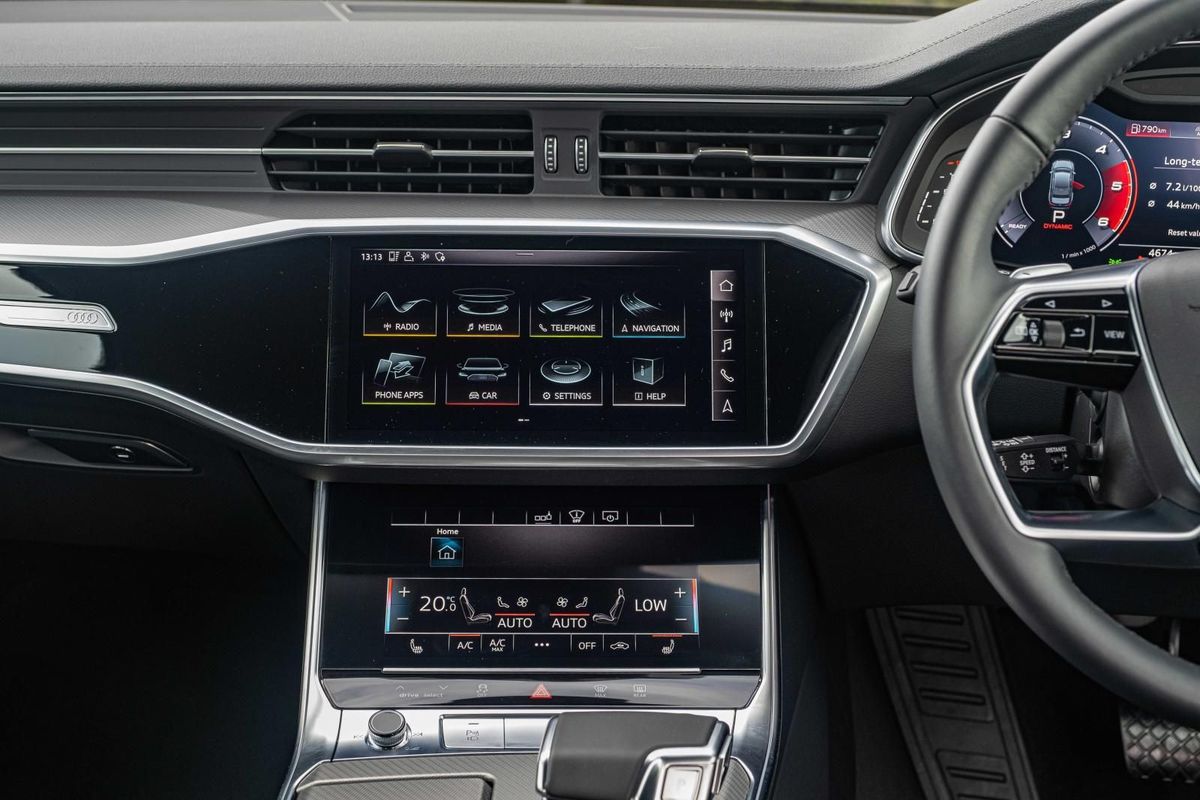
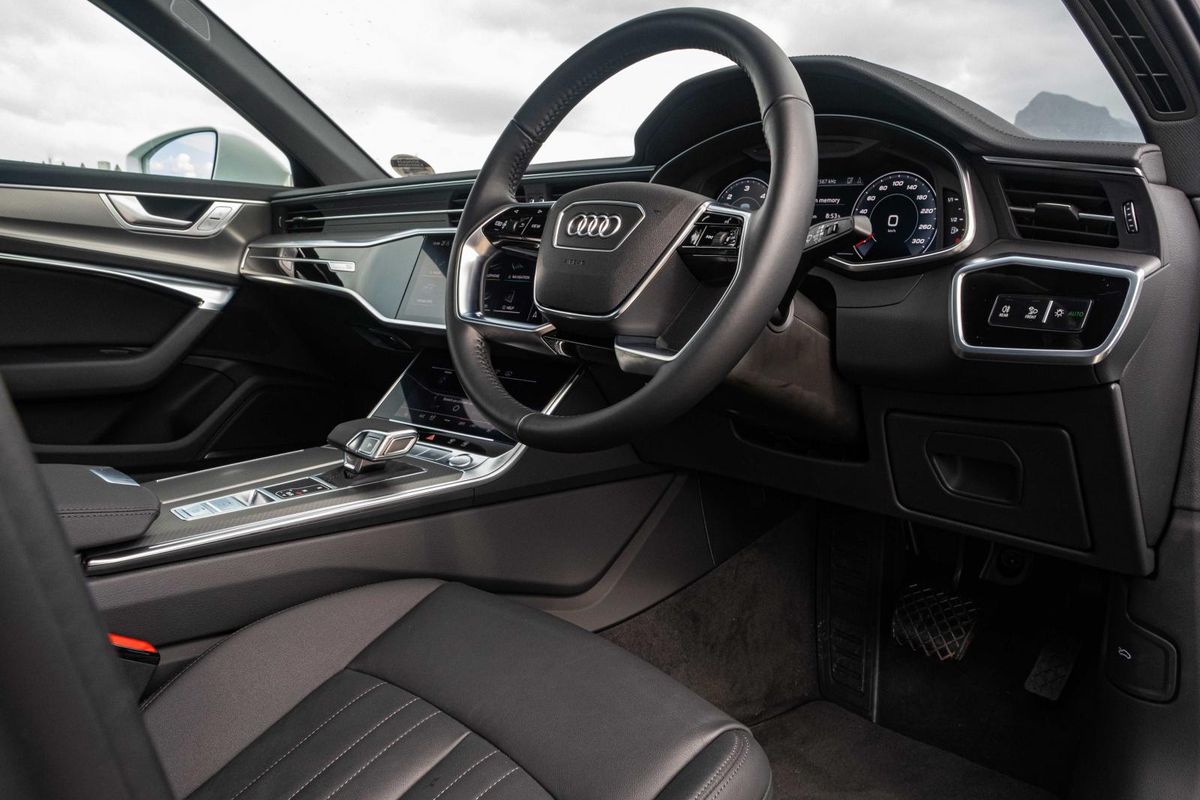
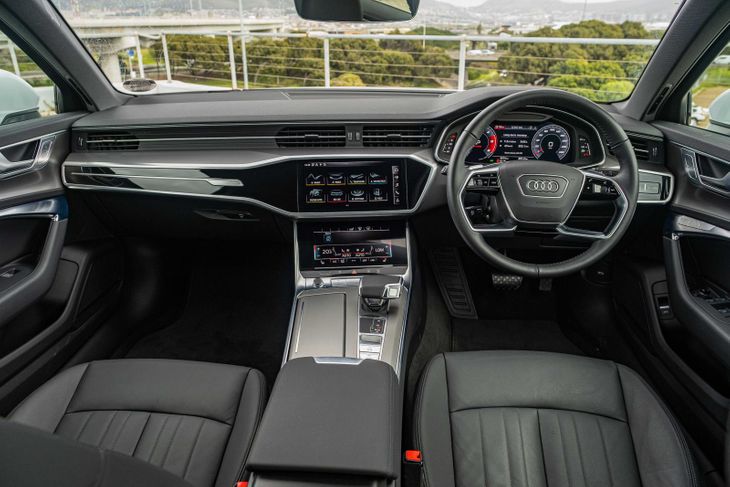
The interior design of the A6 is elegant and modern with dual touchscreens reducing the number of physical buttons in the cabin.
Audi’s approach to interior design is distinctively minimalist; electronic screens dominate the A6's cabin, yet the newcomer arguably blends luxury and tech better than its rivals. The sweeping dashboard, which incorporates gloss-black and aluminum inserts, exudes understated elegance – it is clean, uncluttered and brimming with premium appeal.
The new dual-screen setup (equipped with MMI Navigation Plus) is a major highlight. The upper 10.1-inch screen houses all the main media functions such as infotainment, telephony, navigation, apps etc. while the lower one mostly pertains to the climate control settings (it's also where you can adjust the head-up display). The infotainment system has haptic feedback and its layout is intuitive, but the screens have a tendency to attract finger prints, so it’s advisable to keep a soft cloth handy to wipe marks away.
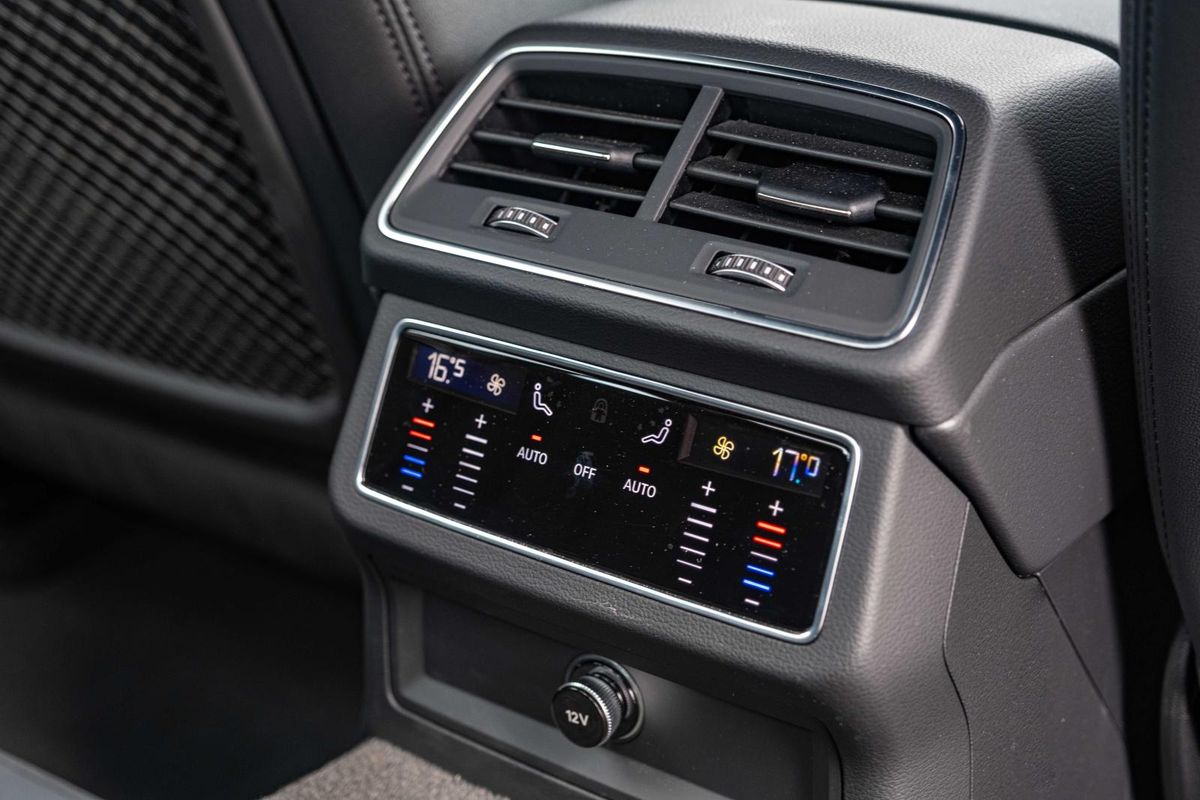
The test unit was specified with Audi’s Comfort Package (R30 000), which includes 4-zone climate control (rear passengers are availed a dedicated digital control panel) and heated seats, which we found particularly cosy. Other notable optional extras include a panoramic sunroof (R22 050), a Bang & Olufsen premium 3D sound system (R15 660), 360-degree cameras (R12 210; they're useful in tight parking spaces), adaptive cruise control with swerve assist and turn assist (R23 070) and a head-up display (R25 130).
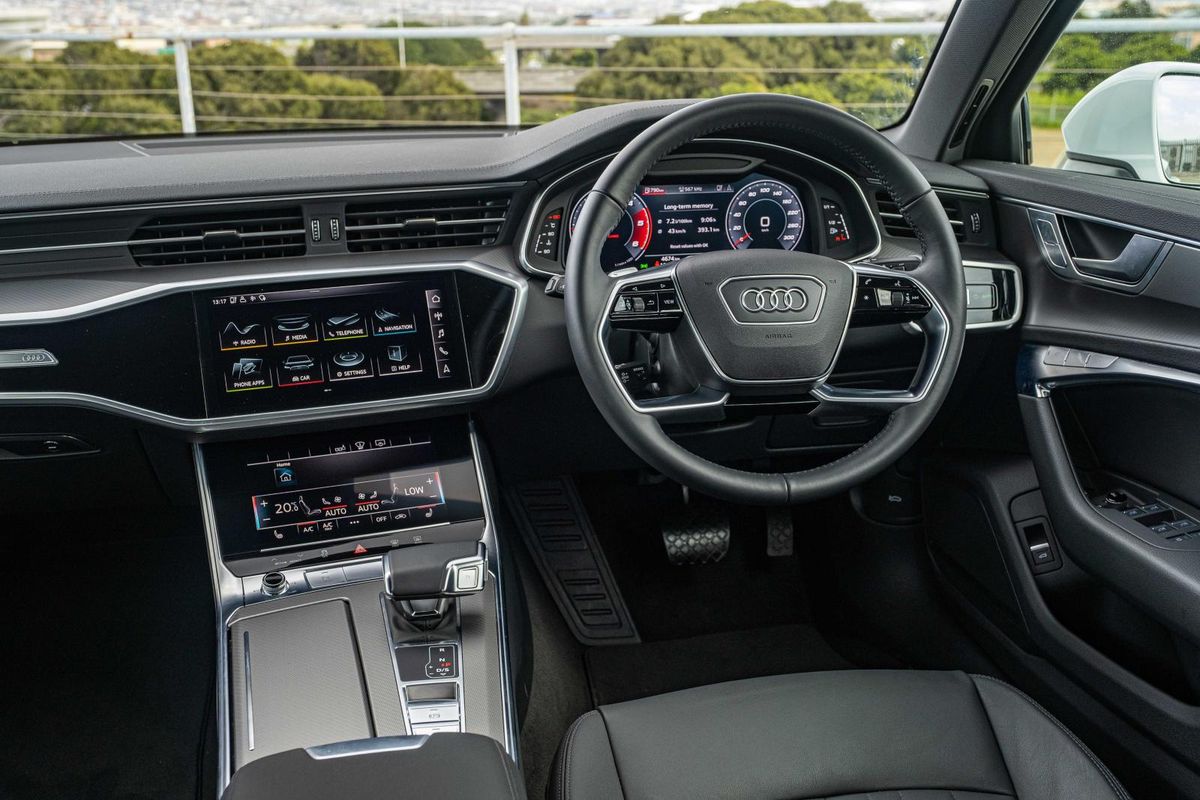
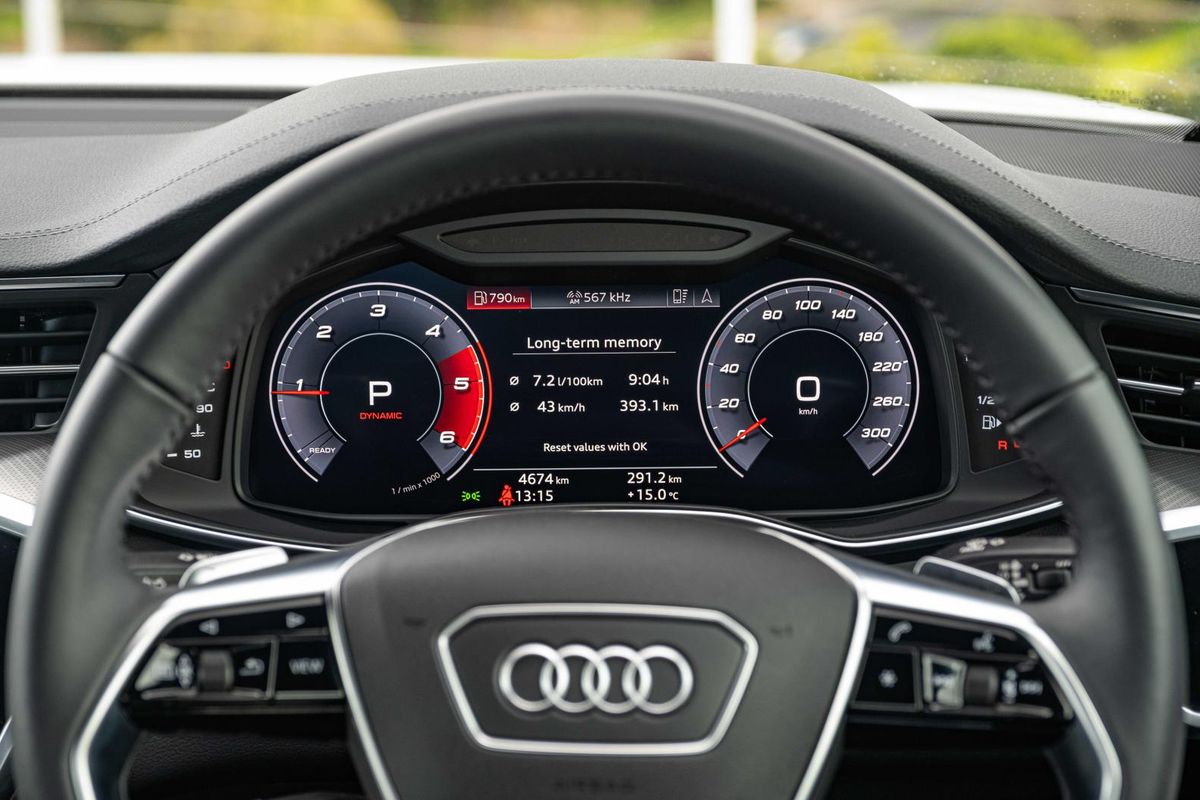
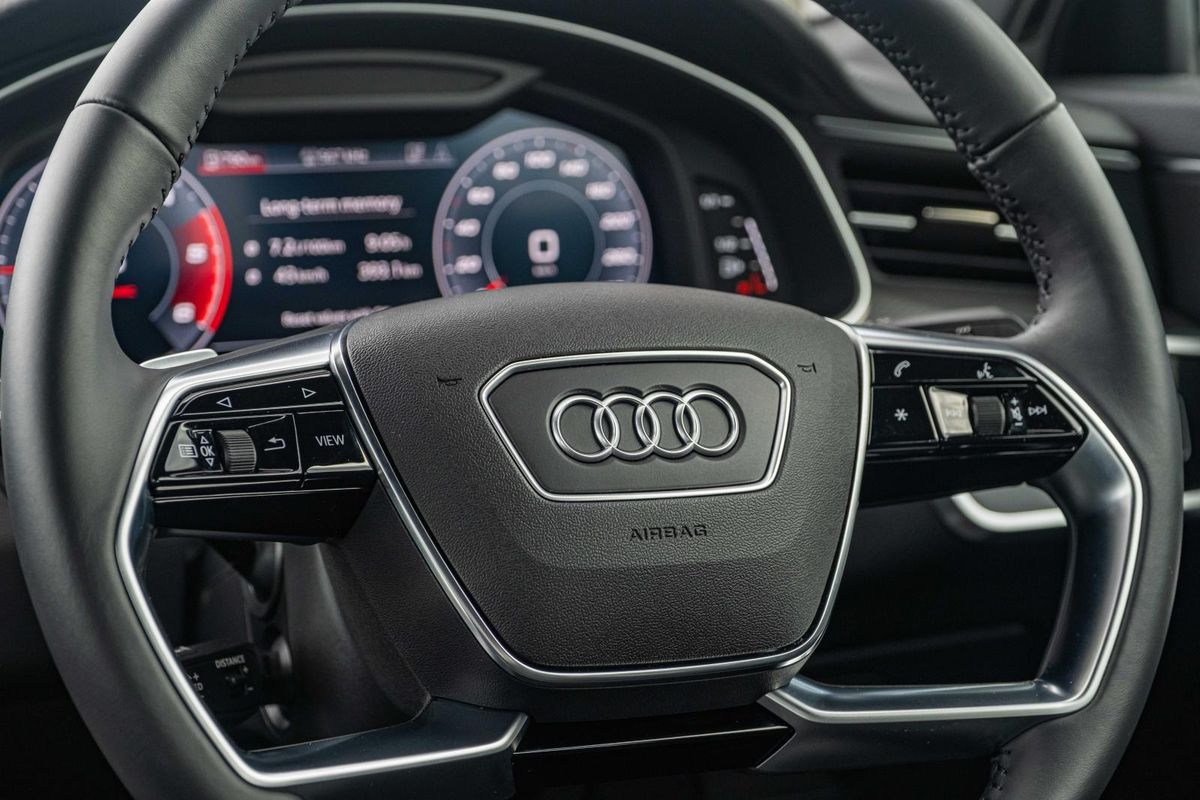
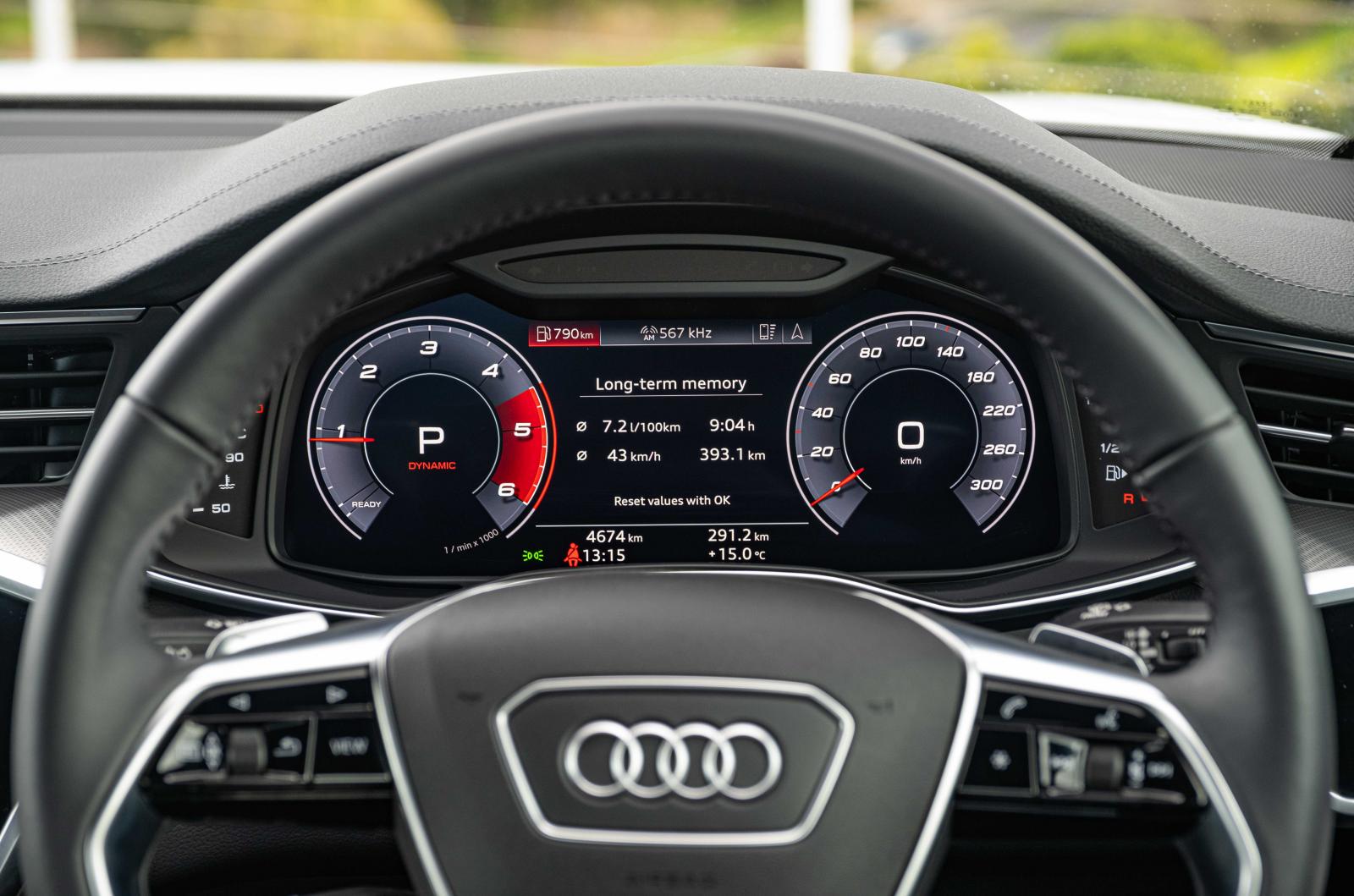
Audi's Virtual Cockpit is easily configured using the mounted buttons on the steering wheel.
Audi’s digital instrument cluster (Virtual Cockpit) further adds to the premium appeal of the cabin and the layout of the display can be easily reconfigured using the mounted controls on the leather-wrapped multifunction steering wheel. The perceived build quality is excellent; in fact, the A6's interior is difficult to fault in terms of fit and finish.
In terms of safety features, the A6 is equipped with no fewer than 6 airbags, ABS with EBD, brake assist and electronic stability control with traction control.
Practicality
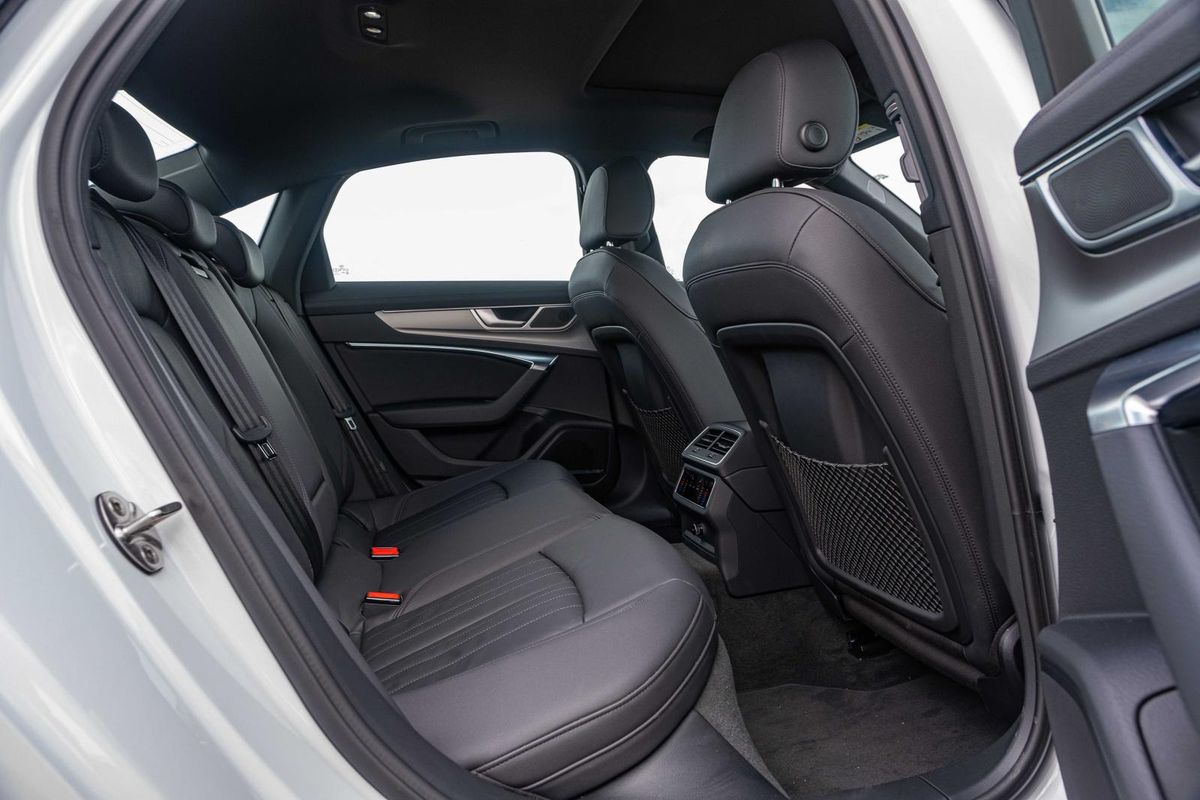
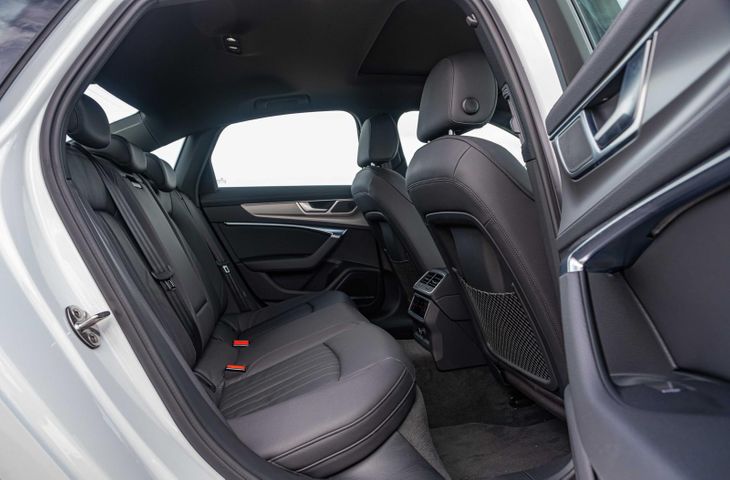
There's more than sufficient space for rear passengers to get comfortable on those longer out-of-town journeys.
From a practicality perspective, rear passengers will enjoy ample space in terms of leg-, head- and shoulder room and the aforementioned rear climate control system allows passengers to individually adjust temperature and ventilation settings to their preference. A central armrest, which is equipped with 2 cupholders, adds further convenience.
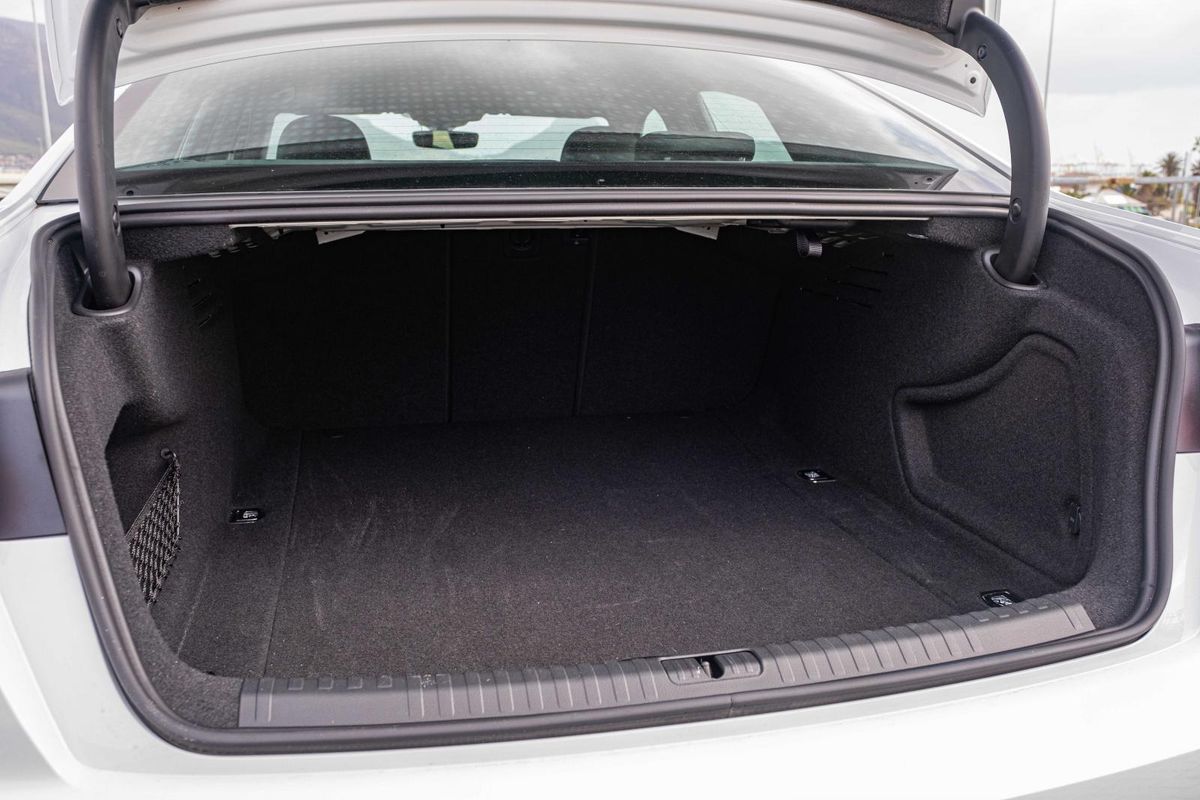
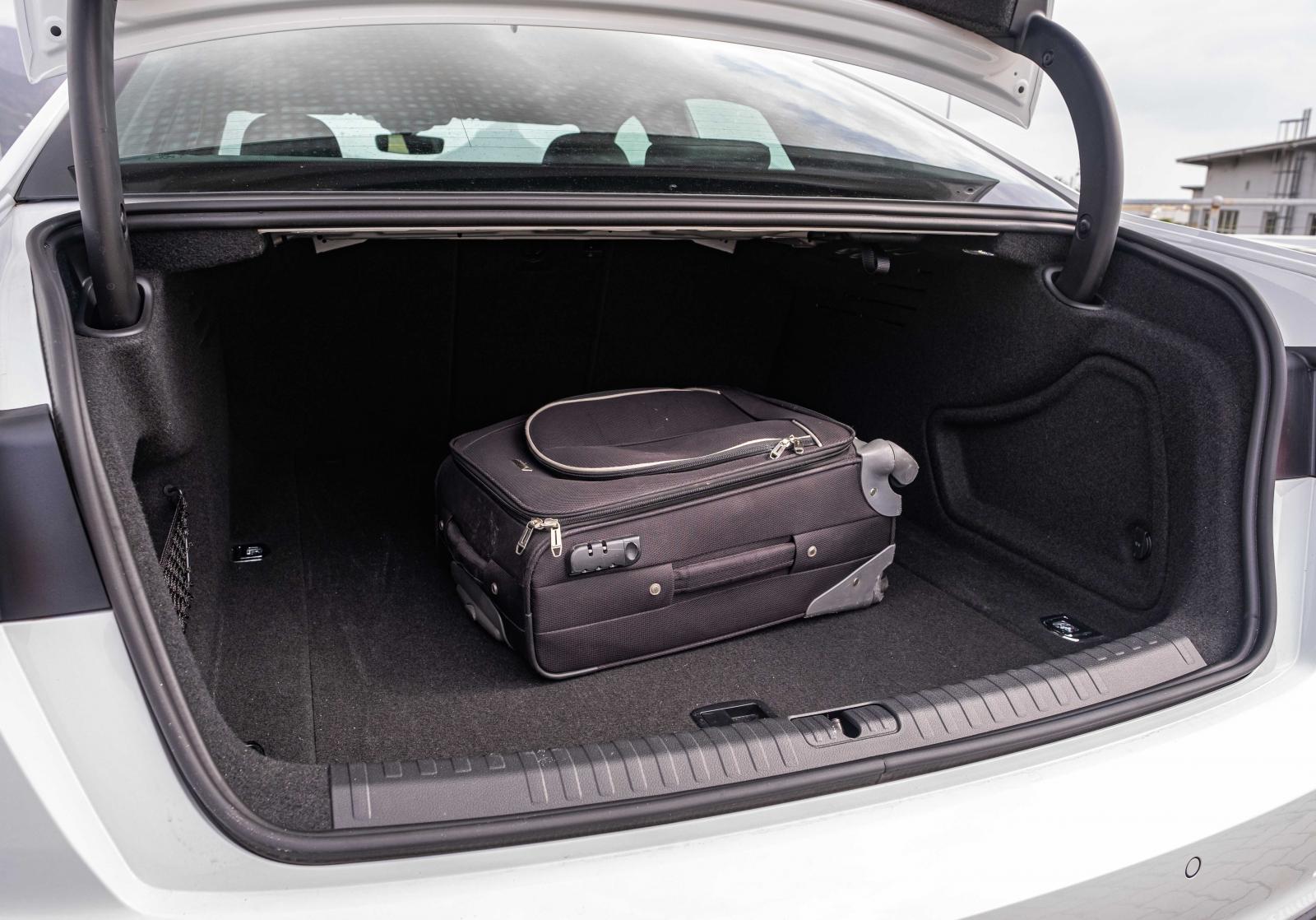
You can also opt for the optional electrically-operated tailgate (R8 930), which provides access to a rather spacious boot that offers a claimed load capacity of 530 litres. Should you want to load longer items into the A6, the rear seats can split and fold in a 60:40 configuration, which is useful in this regard.
The A6's boot is wide and long, which provides useful space for loading luggage and other items.
The driver and front passenger have access to 2 cupholders, which are neatly located in the centre console and a (somewhat disappointingly shallow) central bin, which can be used to store valuables out of sight or to charge/connect your smartphone via a pair of USB ports. Audi has also availed slots for a SIM card and an SD card.
Overall, the A6 offers a suitably practical interior that is well-equipped to deliver pleasing levels of luxury and comfort for both the driver and passengers.
Performance and efficiency
Fuel efficiency is a major strength of this A6 40TDI, with a theoretical full-tank range of about 1 000 km!
Whereas a 2.9-litre twin-turbo V6 petrol engine does duty in the range-topping S6, the 2.0-litre turbodiesel engine under the bonnet of the 40TDI S Line (mated with a 7-speed speed dual-clutch transmission) is the entry-level engine in the A6 range. However, buyers can also opt for the more powerful 3.0-litre turbodiesel in the 45TDI quattro.
With peak outputs of 140 kW and 400 Nm, the 4-cylinder motor provides more than enough grunt to move the A6 along at a fair pace, but its performance is workmanlike – as opposed to spirited. Compared with its rivals from BMW and Mercedes-Benz, this A6 posts the slowest 0-to-100 kph sprint time of 8.4 seconds, but its strengths lie elsewhere…
The manner in which this engine performs is another highlight. The engine and transmission are a near-perfect match, resulting in a well-balanced driving experience. Engine noise is well-subdued and this A6 gathers its pace in a smooth and refined fashion; the transmission shifts almost imperceptibly. There’s enough shove to overtake comfortably on the highway too – you never really need to thrash the engine to get the most out of it; the 40TDI simply gets on with it.
If you want punchier performance, you can, of course, engage manual shifts using the mounted paddles on the steering wheel. Using the drive select button, you can switch between the Comfort, Auto and Sport modes, or, if you so choose, personalise the drivetrain and steering settings to your preference in Individual mode.
Moreover, this engine is particularly efficient. While Audi claims an average consumption of 5.2 L/100 km, we saw an indicated figure of 7.2 L/100 km and believe lower returns could be achieved if you drive with a measured approach. It also means that you could cross vast tracts of the earth on a single tank (the theoretical range is about 1 000 km).
Ride & handling
Despite featuring a sport suspension, ride quality in the A6 is admirable.
Over and above its refined powertrain, the 40TDI impressed with its supreme ride comfort. In S Line guise, the 40TDI is equipped with a "sports suspension", but despite its nomenclature, the damping was not as firm as we expected. If anything, the A6's suspension proved rather forgiving of poorer road surfaces. Overall, we were impressed with the high levels of ride comfort the 40TDI delivered, even when operated in its Sport drive mode. Poor surfaces fail to unsettle the ride and the A6 glides along effortlessly.
The steering is relatively sharp and well-weighted, which engenders confidence in the Audi's cornering ability. If you regularly cover long distances, the A6 would be a perfect companion. The ride quality may even be best-in-class, but we will have to reserve final judgement until we are able to test the A6 against its rivals in a back-to-back test.
Price and warranty
The Audi A6 40TDI S Line is priced from R919 500 and is sold with a 1-year/unlimited km warranty and a 5-year/100 000 km maintenance plan.
The A6 gets so much right and depending on your tastes, it's well worth considering.
There is so much to like about this A6 40TDI and, in S Line trim, it certainly looks the part. Equipped with the best in-car technology that Audi has to offer, the A6 is transformed into a classy tar-munching machine with all the comfort and entertainment features you could want from a car in this class, provided that you are prepared to pay for them…
Prospective buyers who want a heartier diesel engine may want to consider the A6 45 TDI quattro (it offers 183 kW and 600 Nm), but this 40 TDI derivative hardly lacks in terms of performance; it’s very much on par with its equivalent rivals. In fact, we think this A6 strikes a convincing balance between performance and fuel economy.
With a starting price of R919 500, the A6 40 TDI S Line undercuts rivalling products from BMW and Mercedes-Benz and is competitive in terms of its standard specification as well. You will, in all likelihood, be ticking off a few options and we advise that you do this with the utmost of care. Our test unit was heavily loaded with optional features that amounted to nearly R260 000 over and above the initial asking price, bringing the total price to almost R1 180 000.
Current trends indicate that buyers are increasingly favouring SUVs over sedans in the premium segment and the executive-class sedan market is, therefore, contracting in accordance with this shift in demand. Nonetheless, if you are in the market for an executive-class sedan, of which the well-balanced and eminently tasteful (if very understated) A6 is a shining example, then the 40TDI S Line is right up there with the best of them. You would be doing yourself a disservice by not having it on your shopping shortlist.
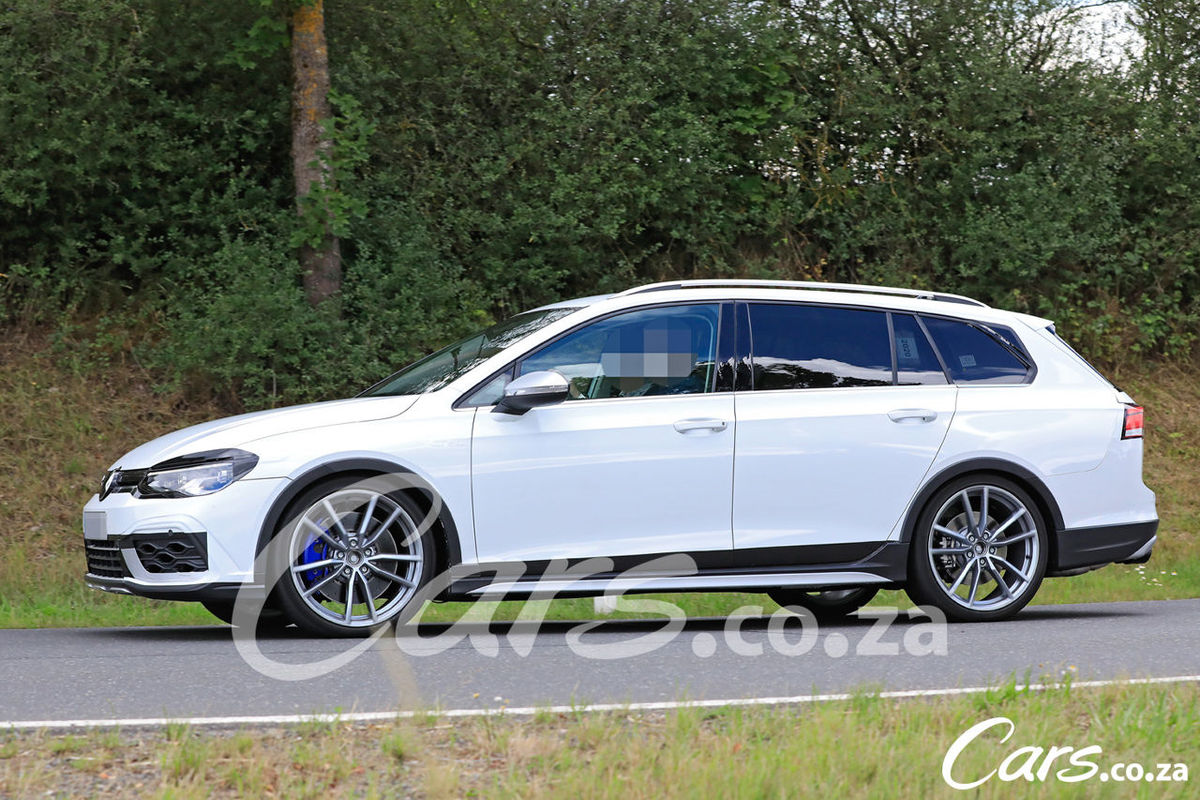
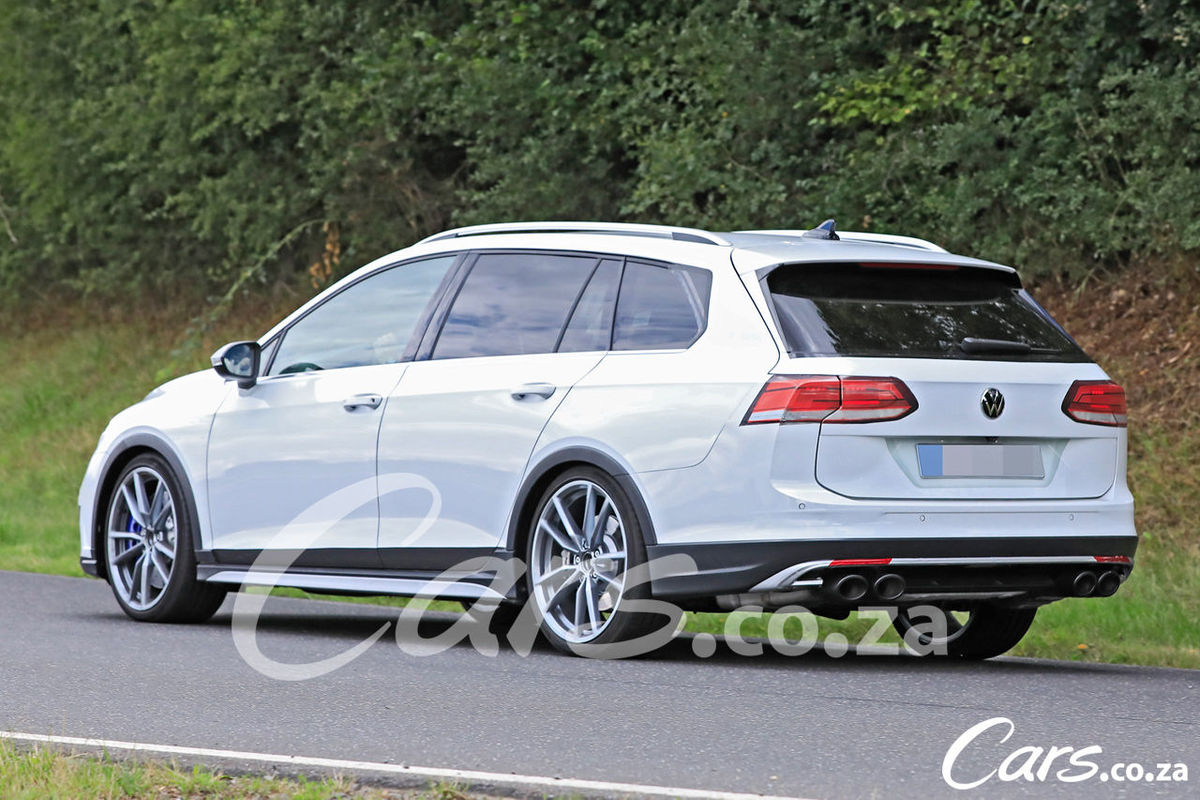
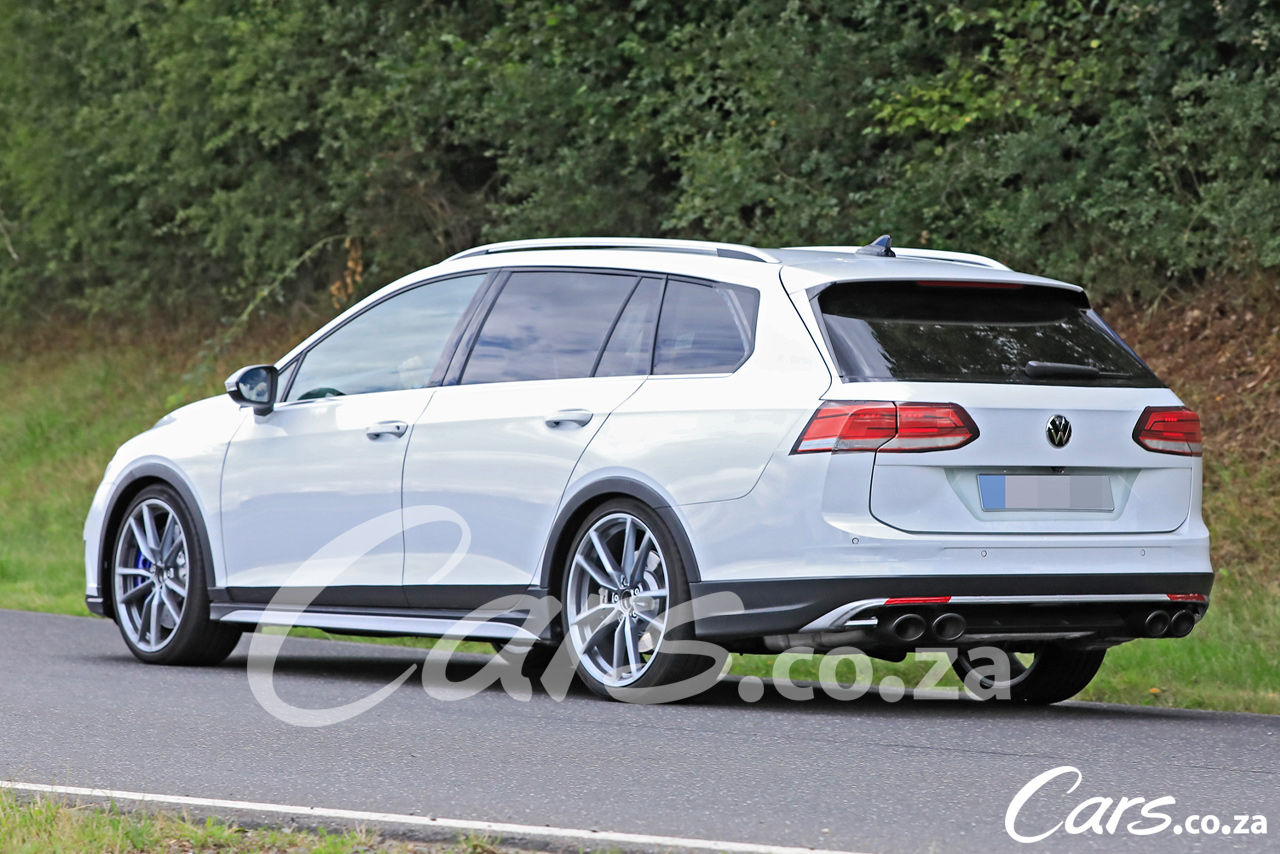
Volkswagen is putting the finishing touches on its Golf 8 family. We've seen most of range already, but this new Golf 8 R station wagon caught our photographer's eye.
Picture credit: S. Baldauf/SB-Medien. We have paid for these photos and at the photographer's request, have watermarked them.?
It's good to see the station wagon is not yet dead. BMW confirmed it would be making a Touring version of its soon-to-be-revealed M3 and it looks like Volkswagen will making an R version of its Golf 8 station wagon. Volkswagen has tried to hide its new Golf 8 R Variant in the Alltrack body, but we can see the blue brakes and quad exhausts – signs this is an R.
Volkswagen calls its station wagons Variant and much like the 8 R hatchback, will come to market with all-wheel drive, a quick-shifting dual-clutch gearbox as well as an enhanced version of the 2.0-litre turbocharged 4-cylinder motor. While official outputs are yet to be confirmed, some leaks have suggested as much as 245 kW of power will be on offer. Expect 0-100 kph in about 4.5 seconds.
Typically station wagons do not make their way to our market, as customers prefer SUVs or conventional hatchbacks, so it's unlikely the Volkswagen Golf 8 R Variant will be seen in South African showrooms.
There's no mistaking those big wheels, quad exhausts and blue brakes for anything other than an R
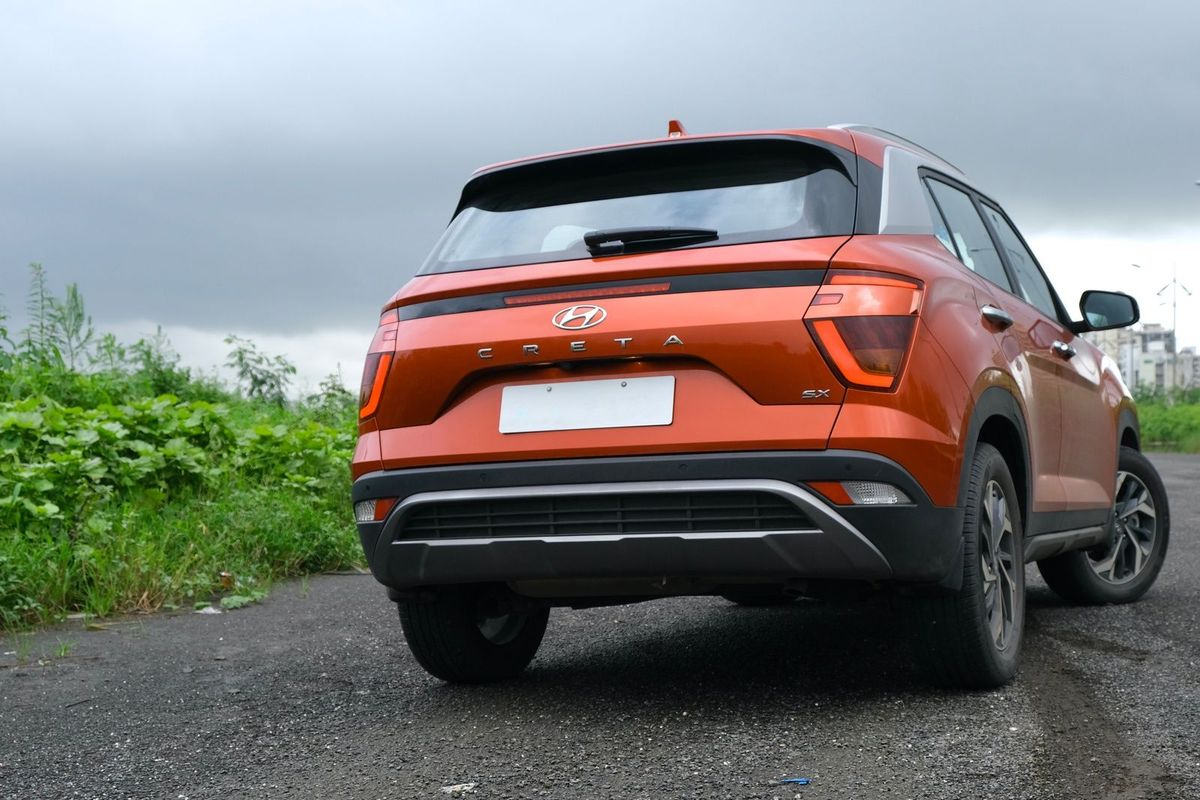
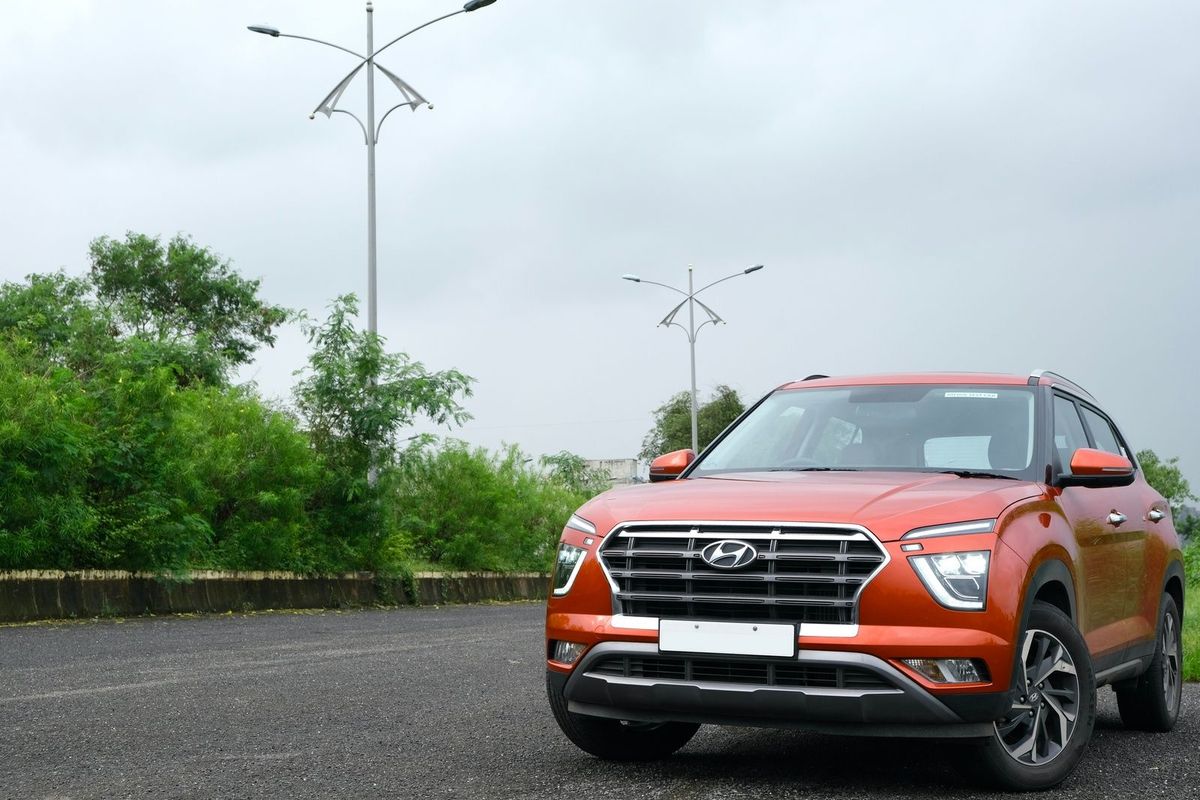
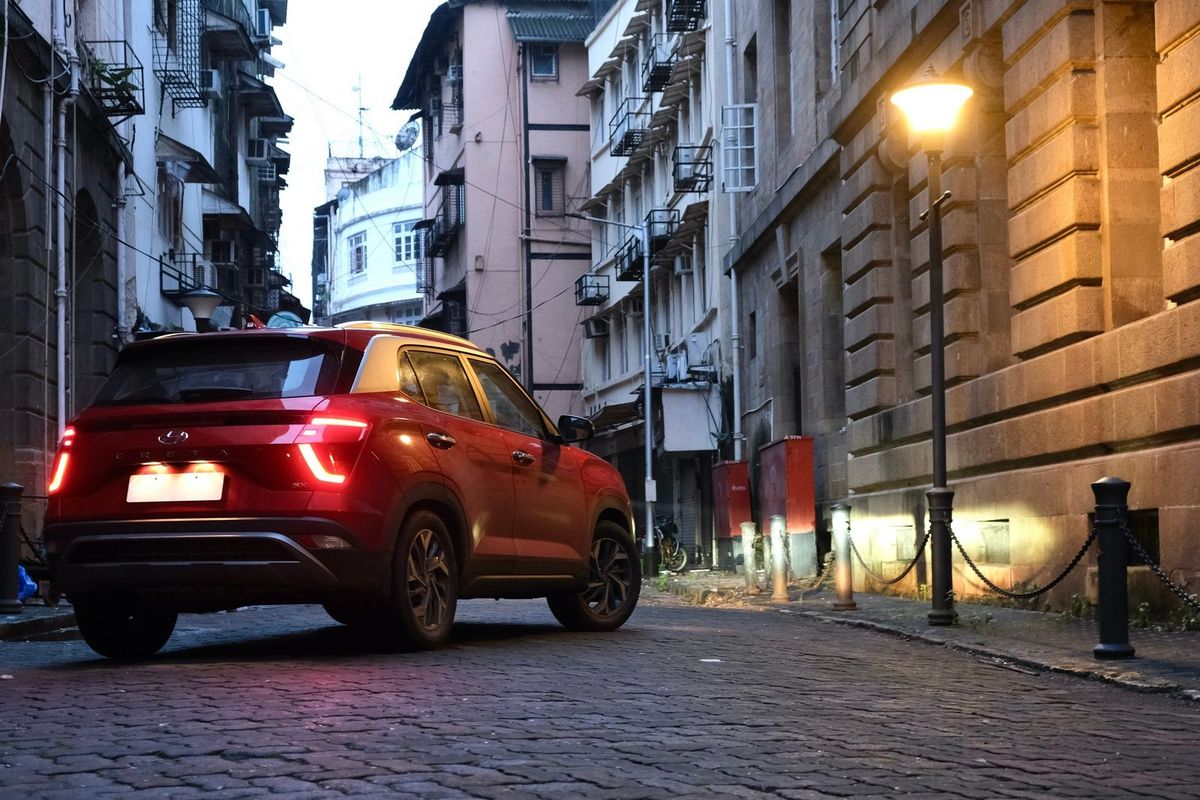
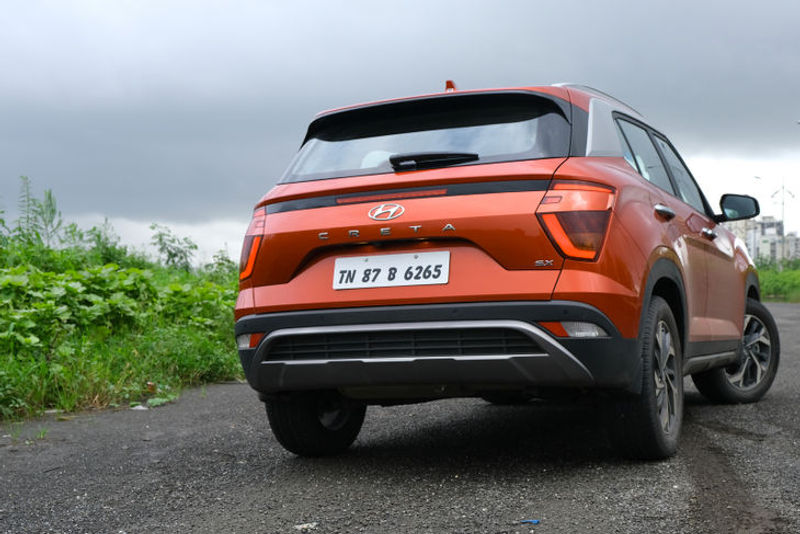
The Indian-made Creta spearheaded Hyundai's arrival in the South African compact family-car segment in 2017 and, by virtue of being one of the Korean brand's top-selling models, the crossover's popularity has arguably come at the cost of sedan sales (in particular). Our Indian correspondent, Paranjay Dutt, recently got to grips with the 2nd-generation Creta, which will be arriving in South Africa soon.
Did you know that, in India, Hyundai sold no fewer than 500 000 units of the 1st-generation Creta in the past 5 years? The Creta’s popularity has affected the hatchback-based compact SUV/crossover segment positively (since 2017, it's been joined by its Kona and Venue siblings here in South Africa), while, at the same time, luring customers away from sedans and larger family cars. Ahead of the 2nd-generation Creta’s arrival in Mzansi, we thought it’d be a good idea to give you a taster of what Hyundai has in store.
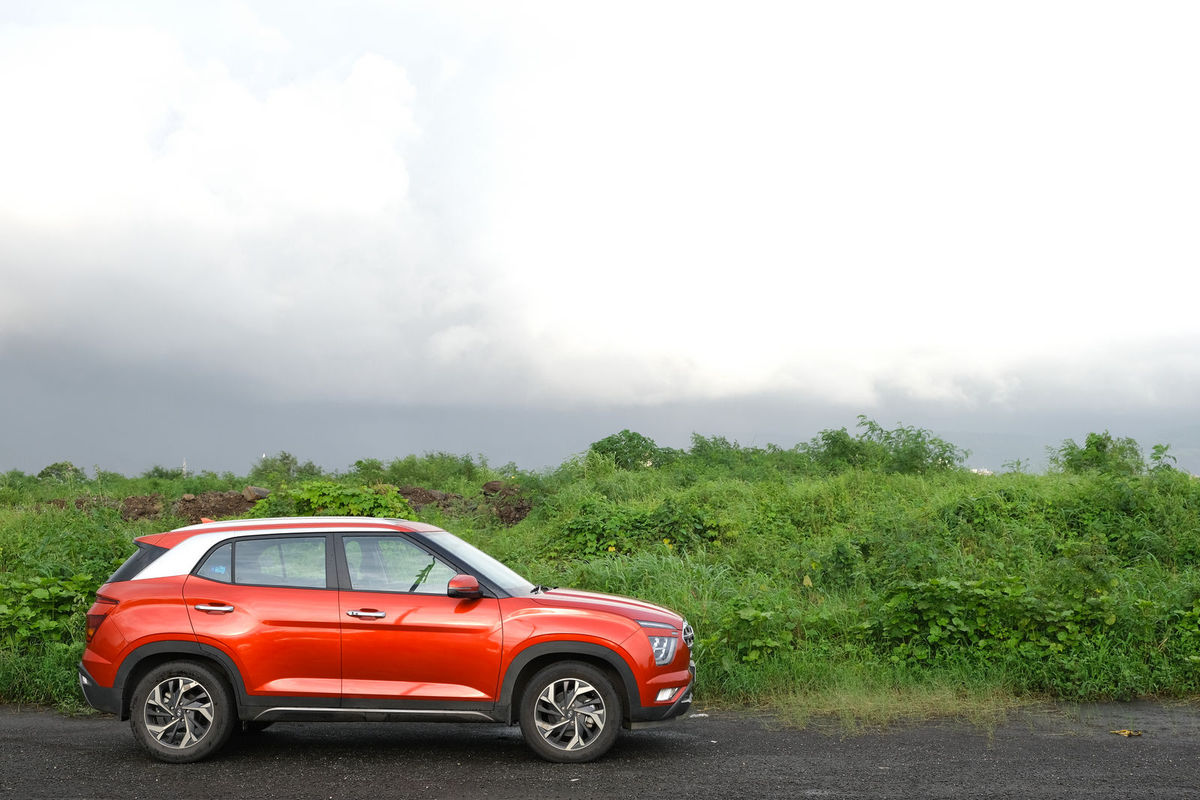
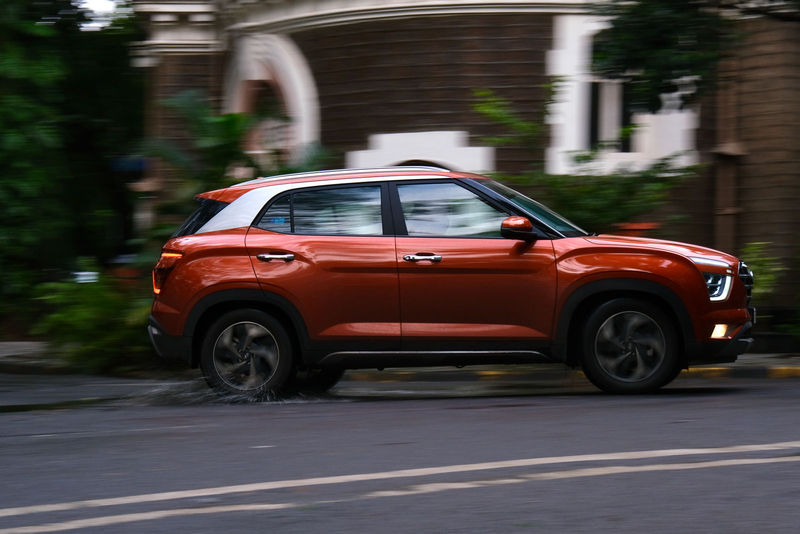
In its latest guise, the Creta has certainly shed its safe/unchallenging styling cues. The moment you lay your eyes on one, you’re bound to either like it (for its distinctive looks) or hate it (let’s be honest, is does not possess a conventionally beautiful face or rear). However, regardless of what you think, it can’t be denied that the Creta now looks more assertive. Its feature list has grown too, but most importantly, it comes with a new range of engine and gearbox choices. In short, the update has broadened the Creta’s appeal and, surprisingly, more focused as well. The 1st-generation model more than succeeded in breaking new ground for the brand; the new Creta is ready for a new challenge.
The Exterior
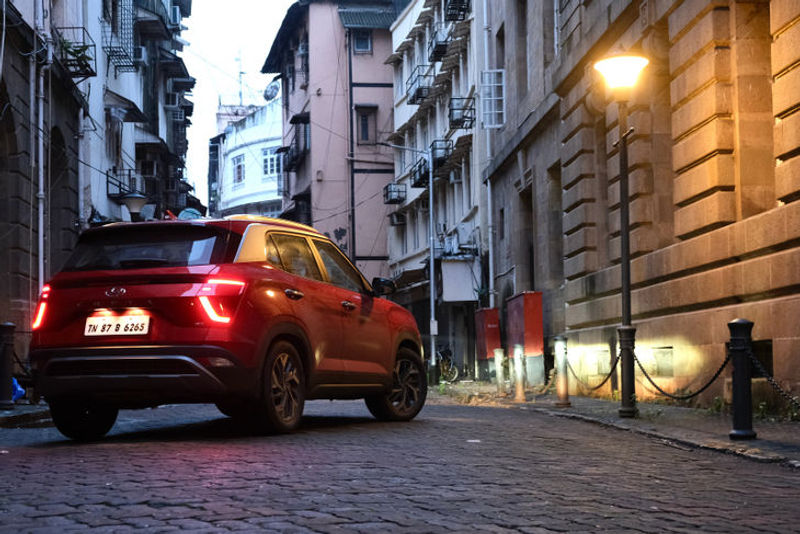
The Certa's rear styling is now more polarising to look at than the previous version's.
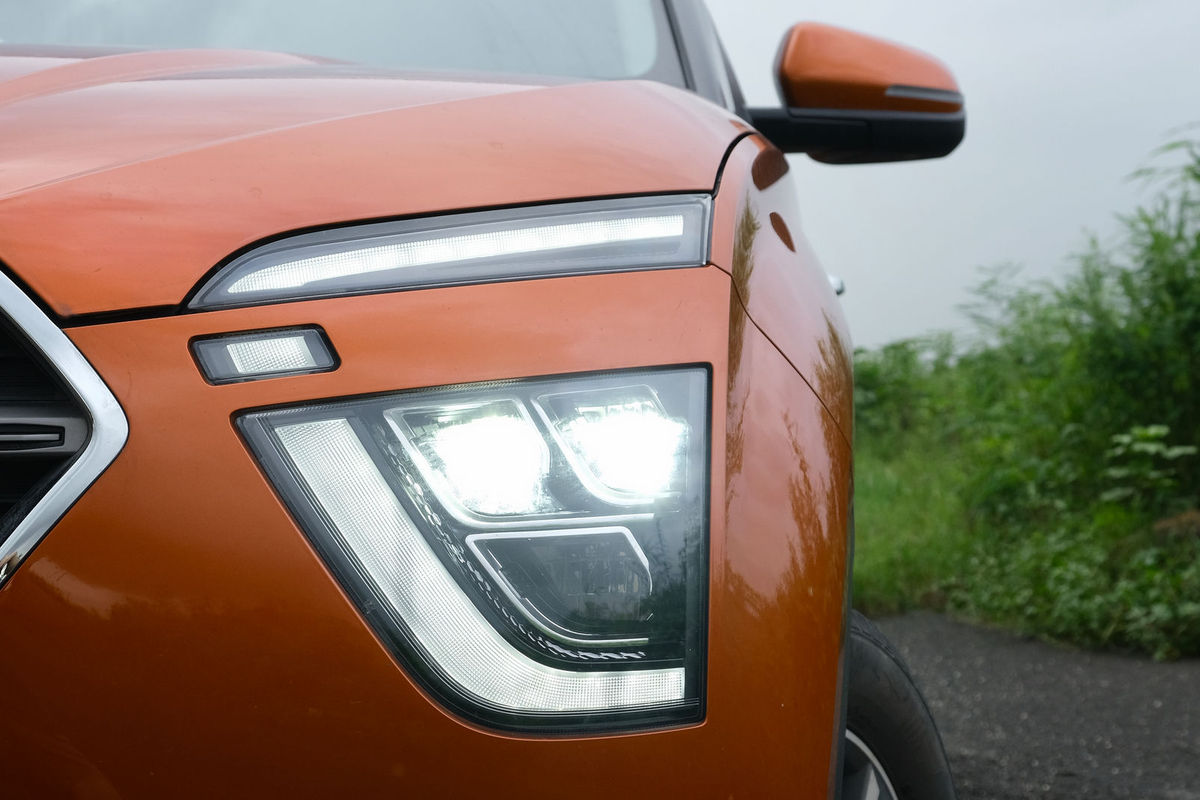
The biggest challenge for the new Hyundai Creta comes from within – in the form of its overall design. I say "challenge" because this is far from the most universally pleasing exterior execution you’re bound to see. At the front, it’s as if the Creta was styled to be a smaller version of the Hyundai Palisade (Hyundai’s extra-large SUV, which is available in selected markets only). The fascia arrangement is such that the headlamps are positioned unusually low (effectively half-way down the height of the car's nose, much like on the Nissan Juke), while the daytime running LEDs sit where most would expect the main lenses to be. The fog lamps, meanwhile, are placed with the indicators in the bumper.
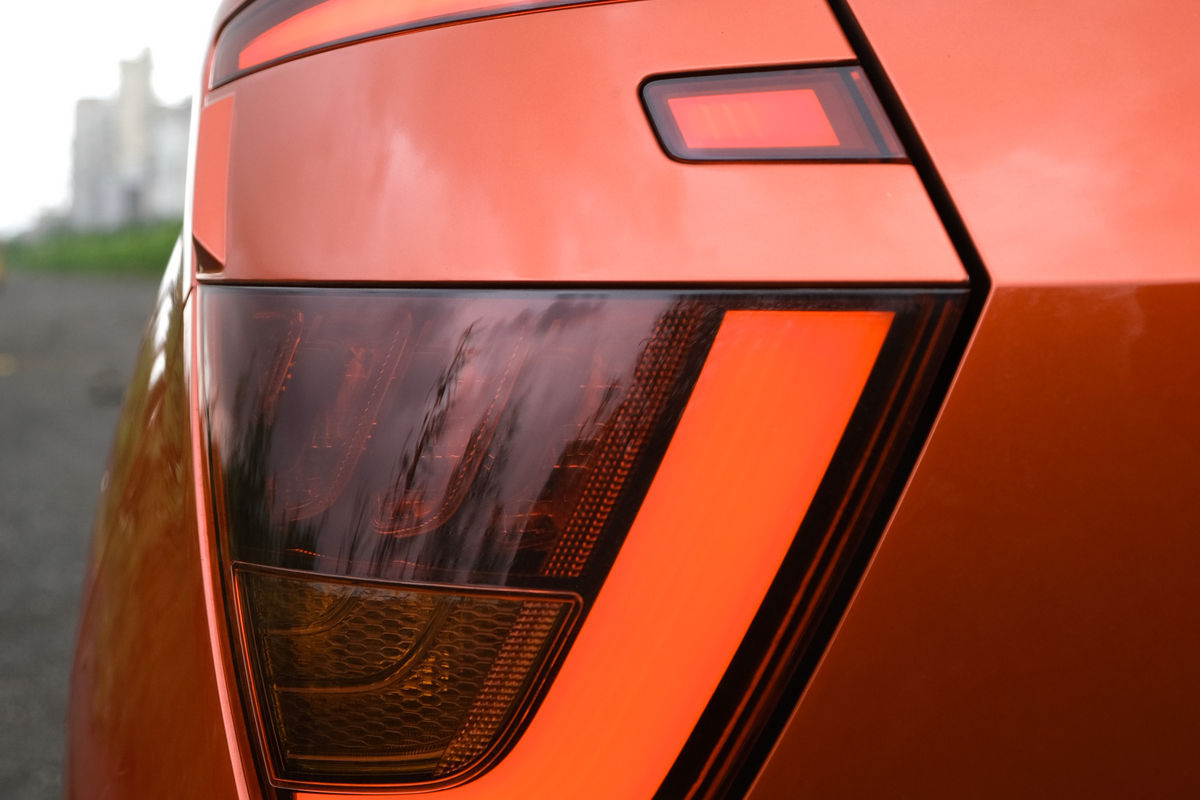
That the front takes some time getting used is an understatement, but it’s also safe to say the Creta looks much better in the metal (especially from the rear, which in photos, looks, um, awkward). In reality, it’s thankfully far from that. For the India-spec car, you get LED tail-lamp clusters and an extra brake light mounted below the rear windscreen. The dual-tone bumper does its job in reducing the visual monotony and, as is the case at the front, the bumper-mounted lamps are still a touch too low… or is it just me?
What’s cooking inside?
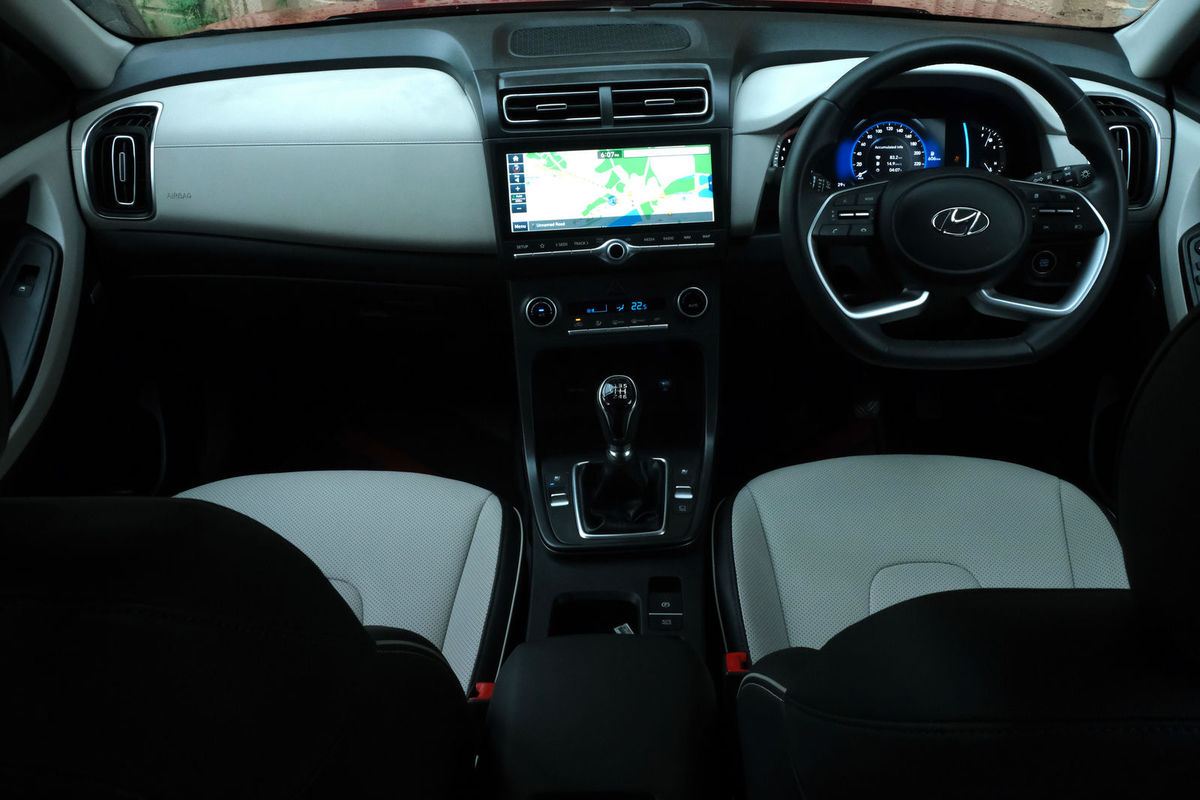
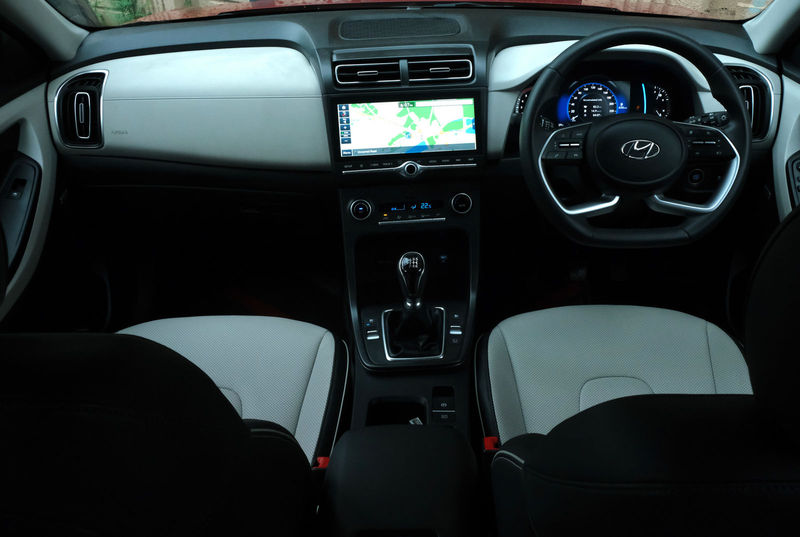
The interior marks a major step-up and features a much more advanced infotainment system.
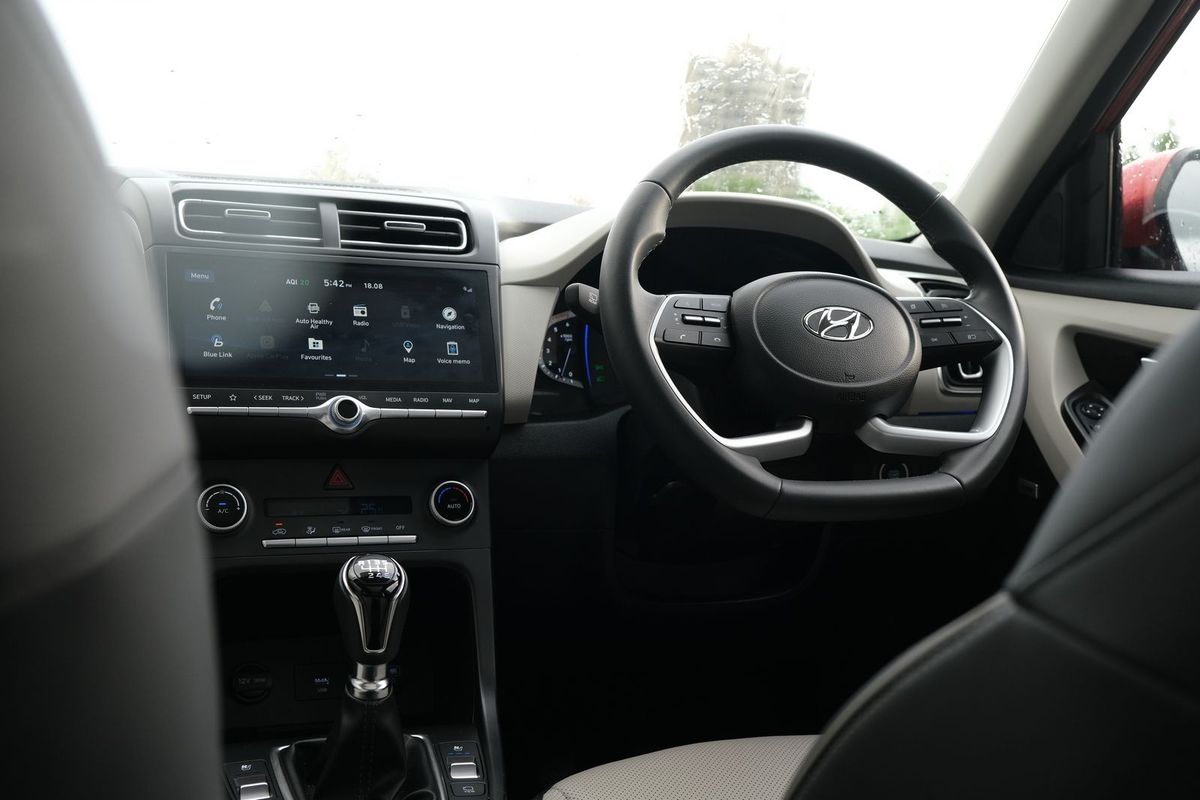
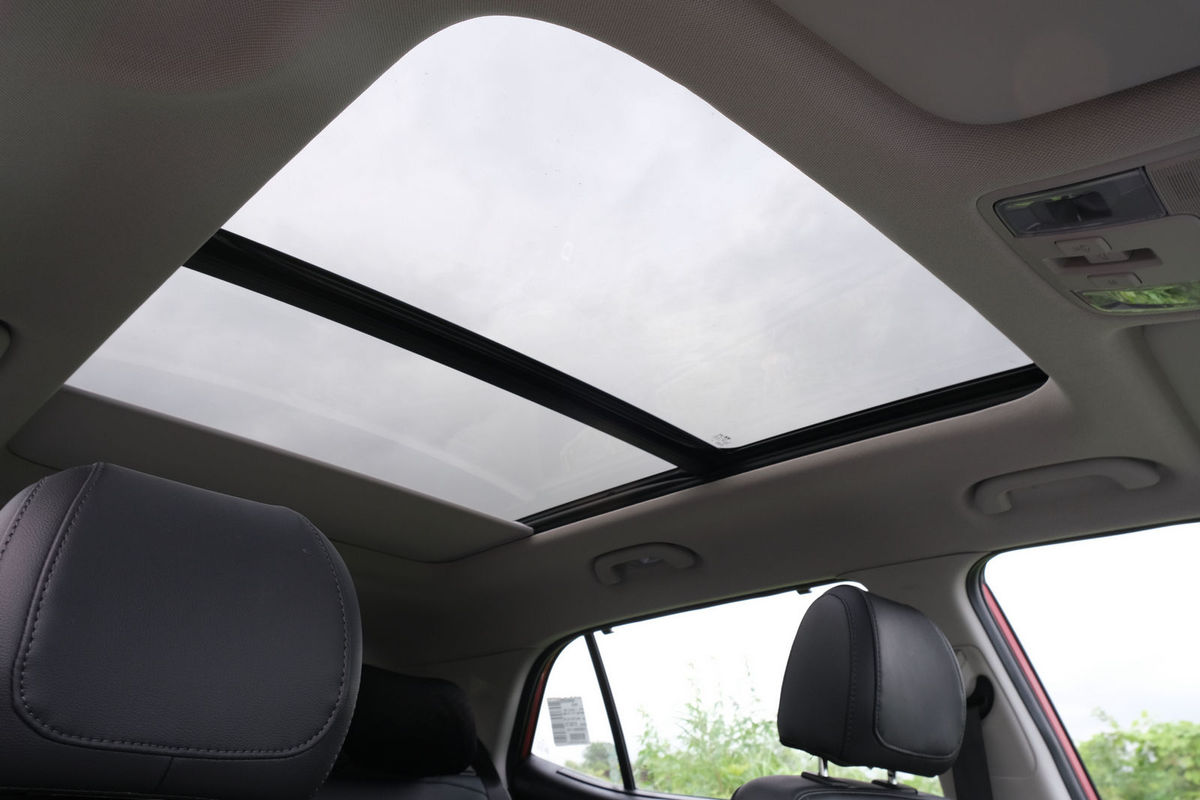
On the inside, the Creta continues with Hyundai’s tradition of offering fairly feature-rich cabins. The interior build quality is fair, but it makes up for that with a large panoramic sunroof and clean dashboard design. The onboard infotainment system comes with a 10.2-inch touchscreen (that conventionally sits under the new rectangular vents) and an 8-speaker setup by Bose. It won’t transform your in-car audio experience like, say, the Bowers & Wilkins in a Volvo, but it does sound better than most other factory-spec systems.
In addition to that, Hyundai also offers its suite of connected-car features. The suite is most likely market-dependent, but it does have some nifty features such as remote start, one-button call to emergency- and towing services, and the ability to cool the cabin even before you step inside the vehicle. Plus, if you fancy opening the large sunroof with a voice command, well, the Creta will happily oblige. For a vehicle in this segment, it’s hardly a surprise that also you get features such as a wireless-charging pad, ventilated seats, and so forth. Compared with the model it replaces, the Creta has grown marginally – in length, width, and wheelbase. The latter makes the cabin slightly more spacious.
What's it like to drive?
Based on the Kia Seltos platform, the Creta is now slightly larger in all directions compared with its predecessor.
Like the outgoing version, the Creta feels like a well-engineered compact family car. Its powertrain is not the most eager I've experienced, but it rides fairly well on most surfaces. It's particularly comfortable on tarmac and slightly less composed on uneven road surfaces, but, as long as you’re on the road, the Creta is pretty much at home.
The steering is quick and light, so the newcomer takes urban commuting and executing parking manoeuvres in tight spaces well in its stride. Out on the motorways, the Creta stays well-mannered. It’s not the most engaging or communicative driving experience, but if you do a lot of trips and happen to encounter long, sweeping corners along your routes, the Creta won’t disappoint. Sudden direction changes aren’t going to be fun, though, as the Creta is far from the perfect vehicle to hustle along a mountain pass…
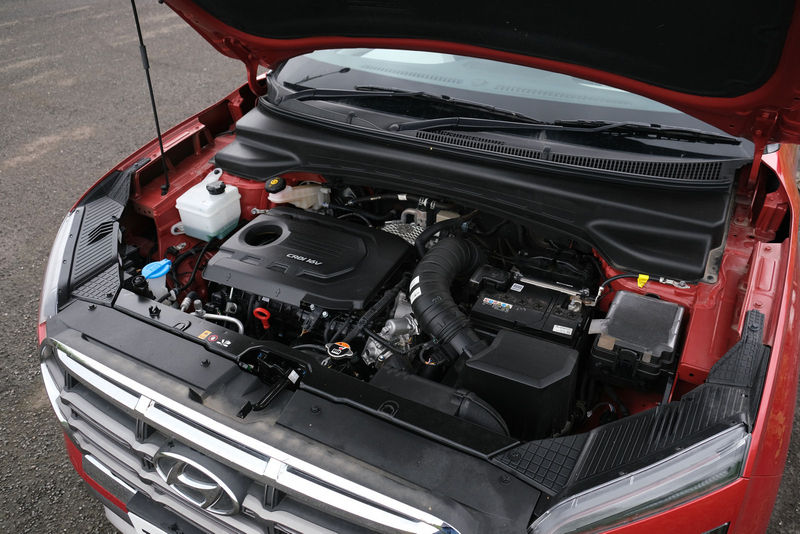
Hyundai South Africa will likely announce the final engine line-up closer to the launch fo the model (in October); in India, the new range comprises a choice of 3 powerplants. There’s a naturally aspirated 85 kW 1.5-litre petrol unit, which is available in conjunction with either a manual or an optional CVT auto 'box. The one we have on test here is equipped with an 85 kW 1.5-litre turbodiesel engine (available in combination with either a six-speed manual – as seen here – or a conventional automatic). The third engine is a 1.4-litre turbopetrol unit, which is the most powerful of the trio (with peak outputs of 103 kW and 242 Nm) and mated exclusively with a dual-clutch automatic transmission.
The diesel version was the model to have in the previous version, the new diesel is smaller and has slightly less torque.
The 1.5-litre turbodiesel is noticeably quieter than before, although, on the downside, it feels a trifle low on gusto compared with the outgoing 1.6-litre mill. A quick look at the spec sheets does present that it’s down by about 10 kW and 10 Nm. But, like most new turbocharged diesels, it’s bound to be a happy companion on long trips. The manual gearbox is easy to use, and while the annoyingly placed armrest can be intrusive when shifting to 2nd from 1st, the engine’s ability to pull in almost any gear is notable.
Like the underlying platform and the other engines in the Creta's line-up, the 1.4-litre turbocharged petrol is also shared with the Kia Seltos. And the range-topping motor is easily the one you’d pick if you want your Creta to be fun-to-drive. It’s got solid mid-range punch – it's tractable enough to make the Creta 1.4 Turbo an eager little runabout!
Final thoughts
The Creta is much-improved in all departments, this bodes well considering how popular the previous model was in SA.
The sales stats don't lie – compact crossovers are wildly popular in the new-vehicle market. However, there always seems to be some sort of downside to them. Consider the new Creta, for example. It does everything well, but not anything that a similarly-sized hatchback can’t. Plus, while the idea of having larger wheels and a bigger glasshouse makes the Creta an appealing choice for those looking for a practically compact car with a (slightly) raised driving position, bear in mind there’s no all-wheel-drive option.
Which puts me on the spot, because, on the one hand, the Creta is just another crossover, but then again, it’s a really good one. And once you live with it, you're bound to appreciate it for the overall ease of use rather than its idiosyncrasies. Its engine isn't punchy, but sufficiently tractable, and the slightly raised ride height is handy when you're looking for a parking spot at your local park run. It’s familiar and makes you feel instantly at home. That’s astonishing for a new car, but then the Creta's always been like that.
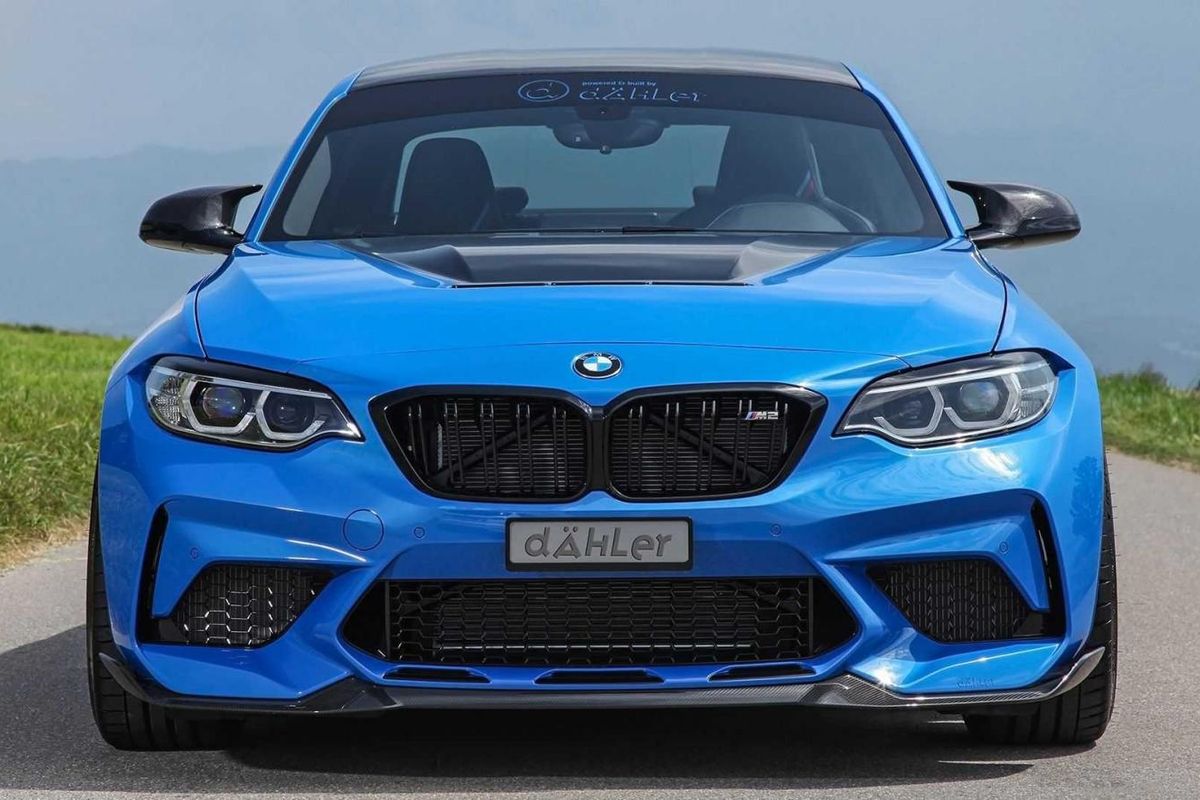
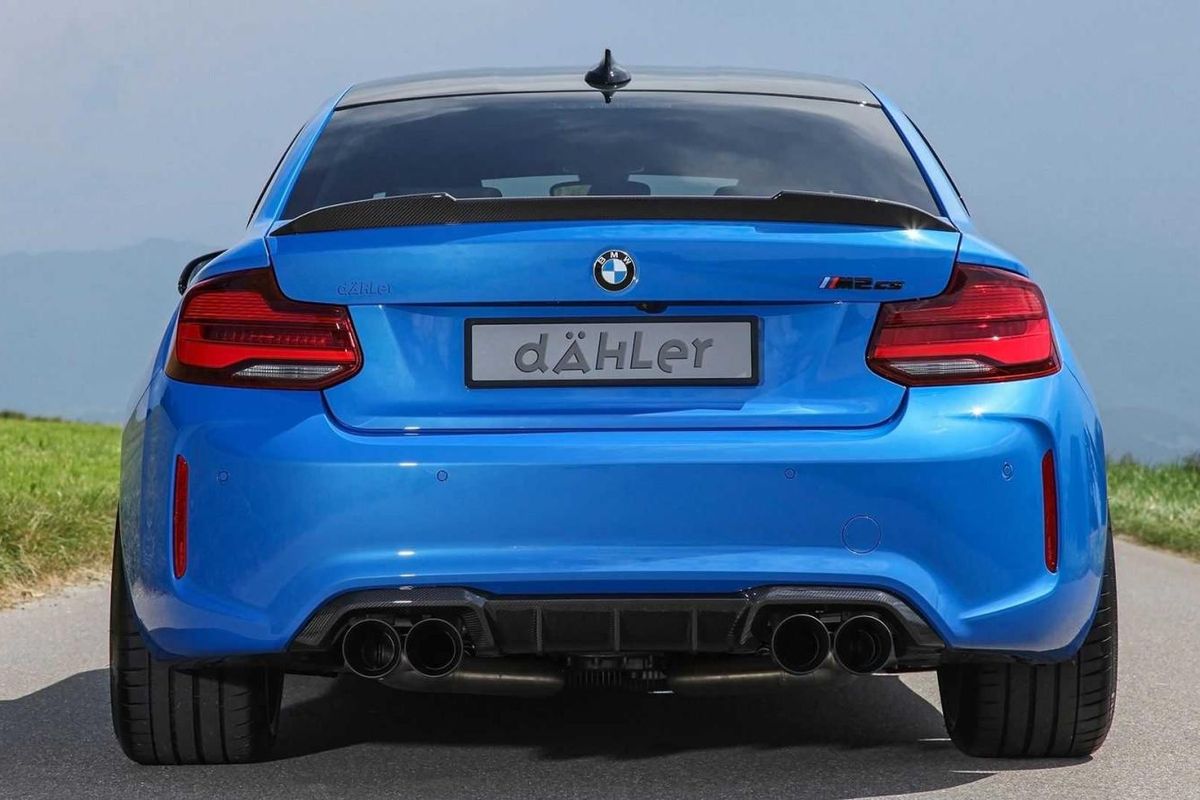
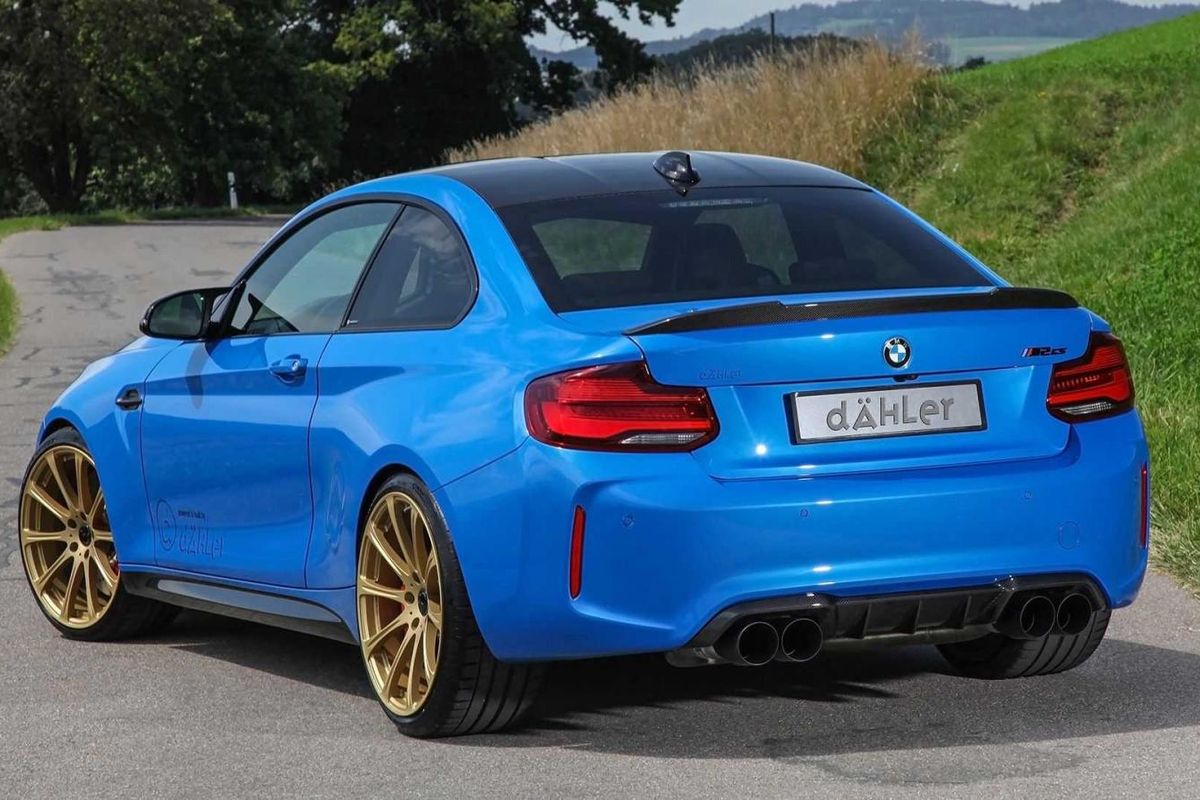
Swiss tuner Dahler has dialled the BMW M2 CS up to 11 with its insane package.
The BMW M2 CS is one of the German brand's most potent little toys and with the SA allocation due towards the end of 2020, it should come as no surprise that demand far exceeds supply.
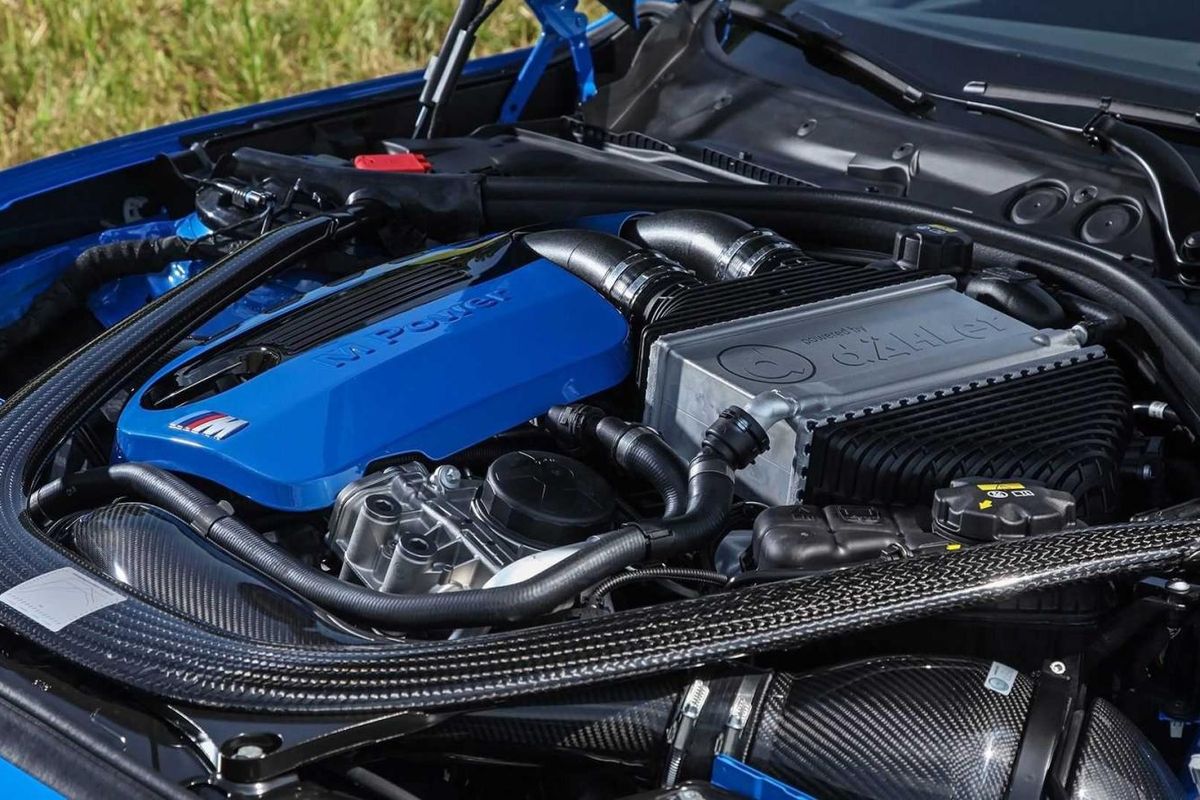
What's not to like? The engine is the long-serving S55 unit used by standard versions of the old M3 and the M4, but with a newly designed exhaust system. The twin-turbo 3.0-litre inline-6 delivers 331 kW at 6 250 rpm and 550 Nm of torque, and it'll attack corners with enthusiasm.
What if you wanted more? Swiss tuner Dahler has works some magic for the BMW M2 CS. There are 2 packages available, with the first being a 382 kW and 700 Nm conversion, which also includes a top speed of 302 kph. Impressively, this is WLTP-tested and the car is Euro6d-homologated.
The second package breaks the compliance laws and packs a 405 kW / 740 Nm punch. Due to it not complying with emissions laws, it can't be sold in Europe.
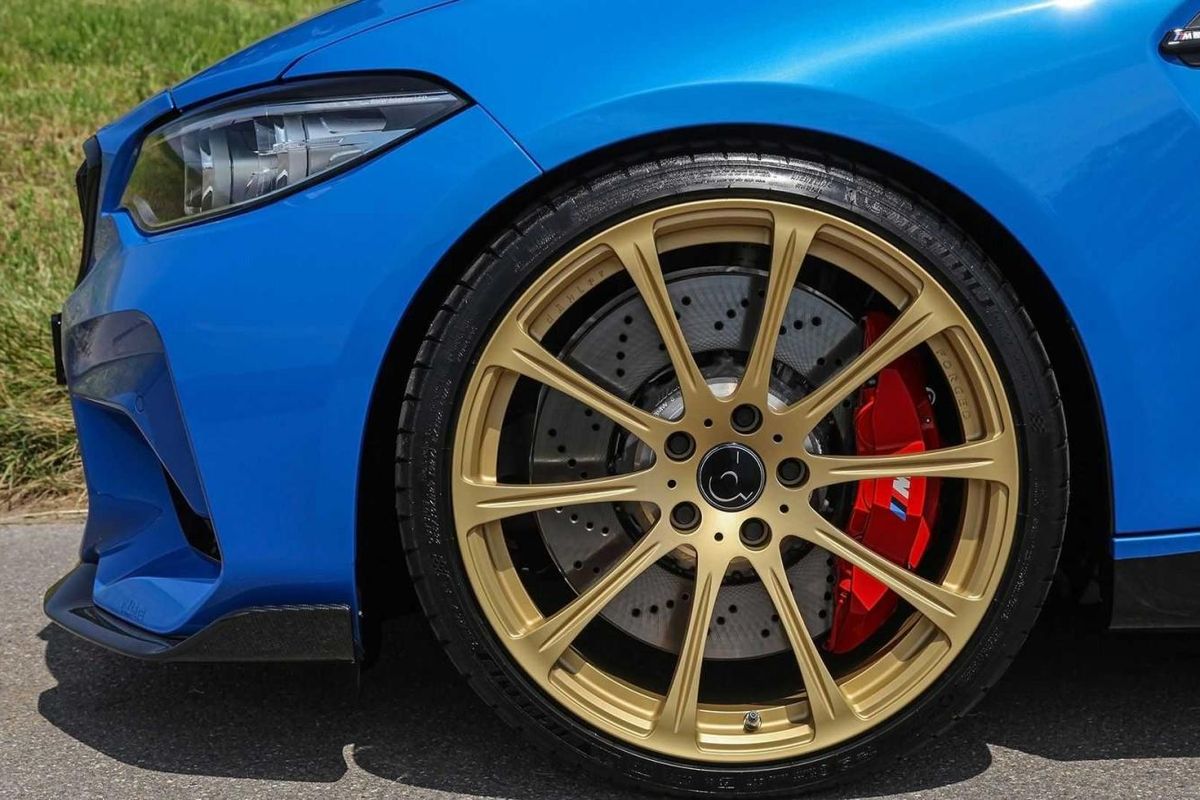
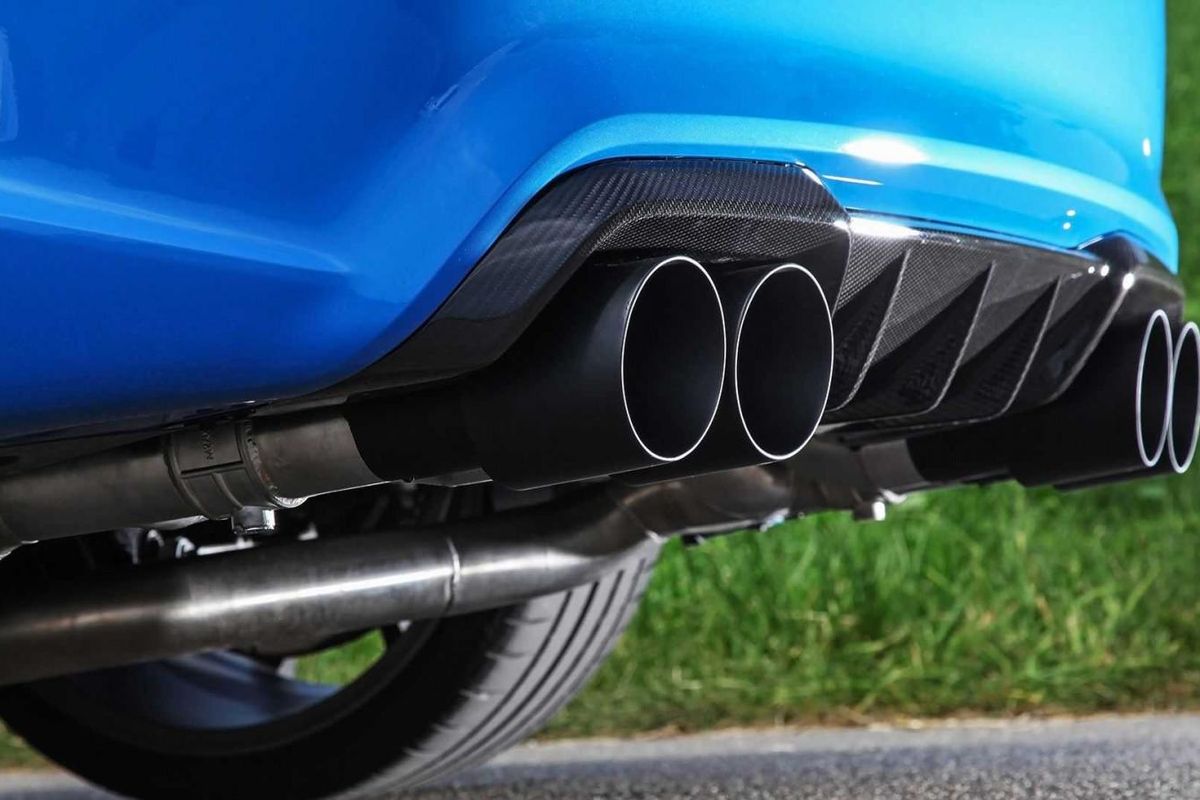
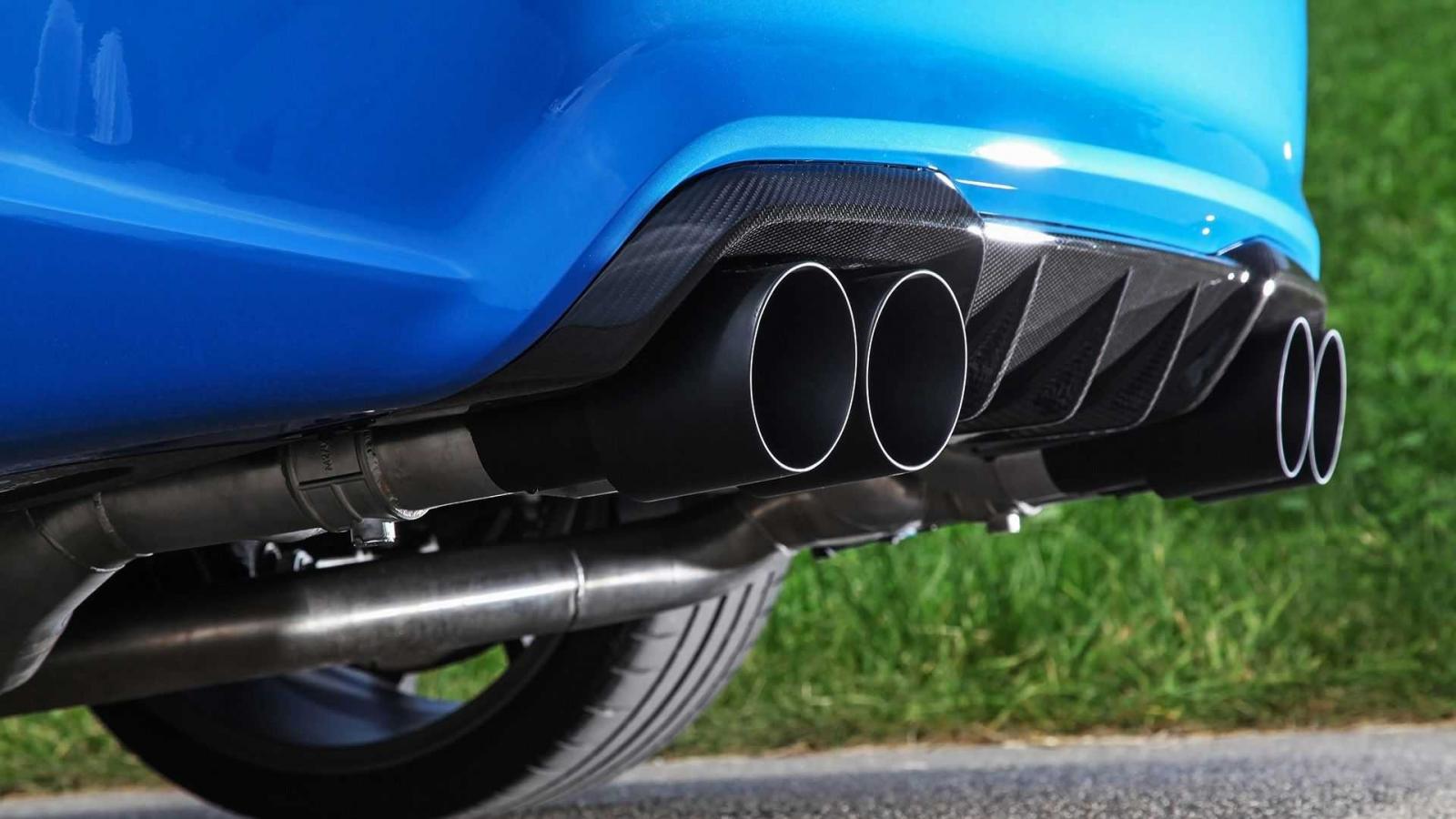
The BMW M2 CS by Dahler features an Eventuri carbon intake system, 4-pipe stainless steel exhaust, sports suspension kit while the visual appeal is enhanced by 20-inch ultralight forged wheel wrapped in Michelins. Inside, the car features a roll bar and racing seats.
The Cars.co.za Podcast, Ep 2 – Porsche GT3 RS review, SA car price increases, 7-seater Buying Advice
Welcome to an all-new type of content from Cars.co.za, our podcast! This, however, is a podcast with a difference, as you get to watch us in-studio as well as listen to our pearls of wisdom.
We've spent a little while building a custom podcast studio in our office and we'll be bringing you weekly episodes featuring journalists from Cars.co.za, motoring industry personalities, racing drivers, car builders and just about anyone we think you'd be interested in hearing from.
As Mercedes-Benz prepares for the reveal of its new S-Class, the German automotive giant has lost an important court case in Germany.
One would expect the legal issue to perhaps involve one of the other German premium vehicle brands, but it does not. A Mannheim judge found of favour of Nokia, the once-dominant Finish mobile phone brand, which is now a shadow of its former self.
The legal issue surrounds Mercedes-Benz’s use of phone pairing and synching technology, which has become a critical customer feature in cars during the last decade. Nokia’s 4G technology is an enabler of phone-to-car functionality, yet it appears that the company was never duly compensated for it.
Nokia’s revenue from its technology and coding, instead of physical devices, amounts to R19bn a year. Part of that relates to the automotive industry and the Finns believe they are being underpaid.
The crux of the case appears to concern the issue of a broad licencing agreement, with a once-off fee, as opposed to a licence fee per vehicle built and sold with 4G technology.
"The finding is a major endorsement of the long-term engineering work by innovators at Nokia and the important principle that innovators should receive a fair reward,” said Jenni Lukander, president of Nokia Technologies. "We hope that Daimler will now accept its obligations and take a license on fair terms."
At worst, Mercedes-Benz risks the suspension of sales, with Nokia being able to prevent any car with its technology, from being sold – until it is paid the licencing fee. This would cause enormous disruption to the German and global automotive industry.
It is unlikely that Nokia will pursue the route of enforcing a sales embargo on Mercedes-Benz vehicles. In order to stop Merc's production, the Finnish technology company would require R145bn of collateral to escalate the legal issue, covering the risk of losing.
Mercedes-Benz has said it does not understand the legal issue and has already initiated a counteraction in another German court.
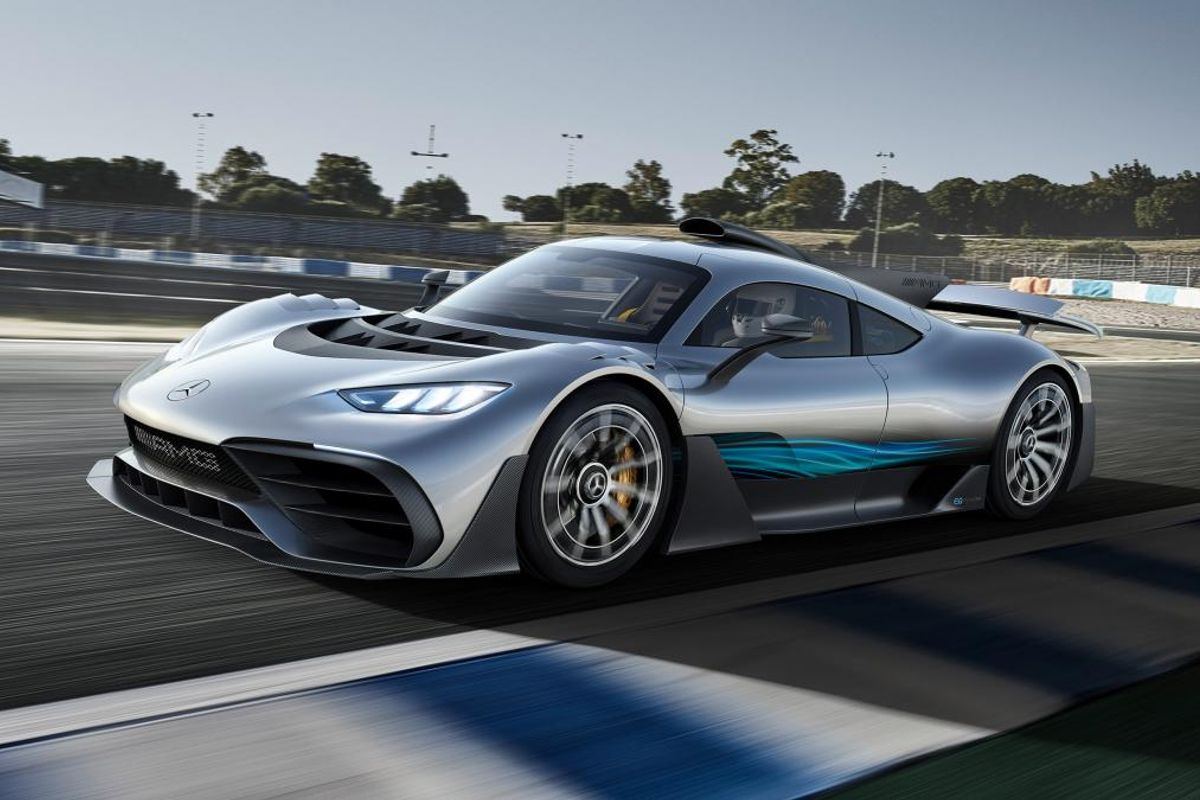
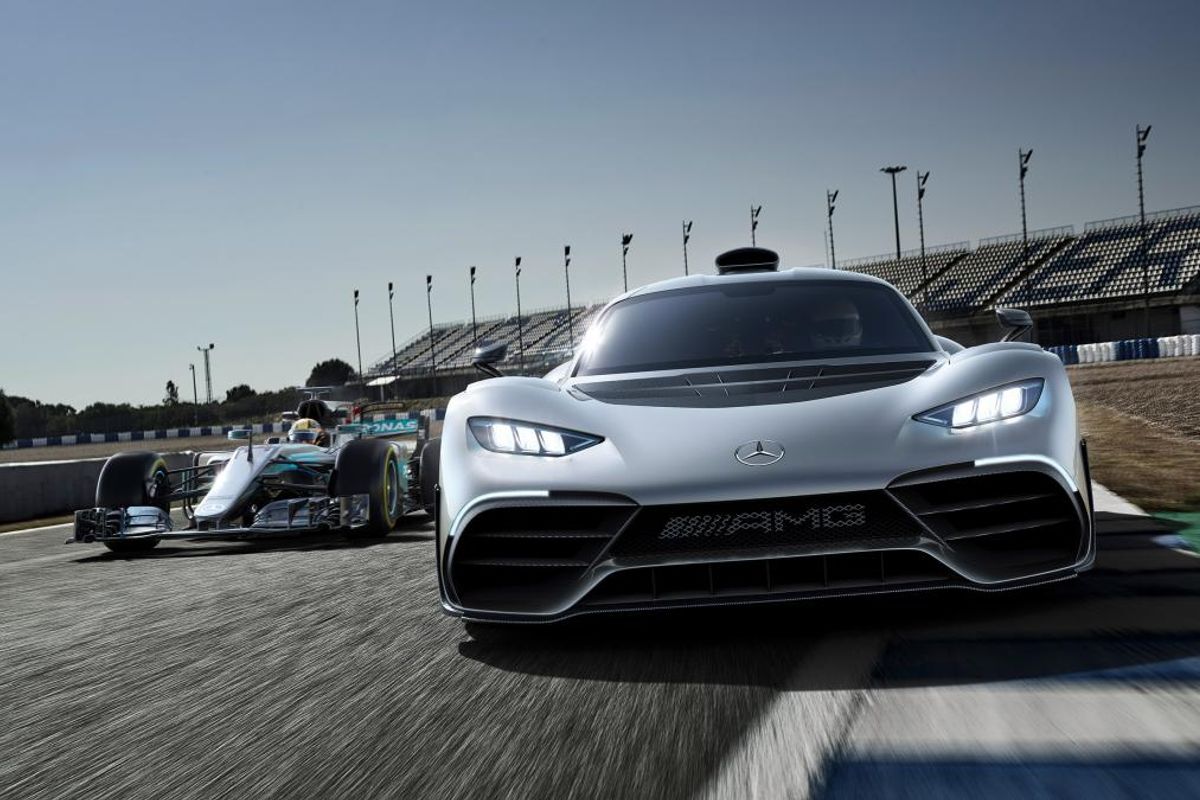
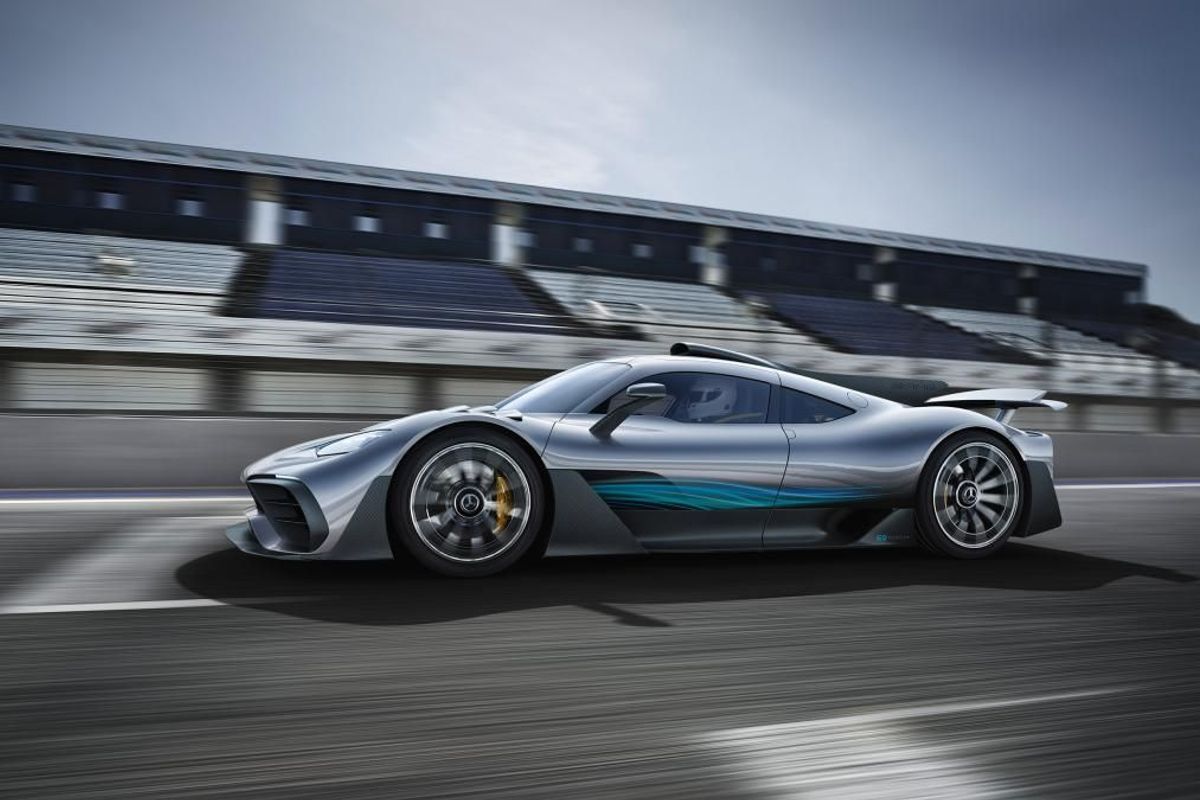
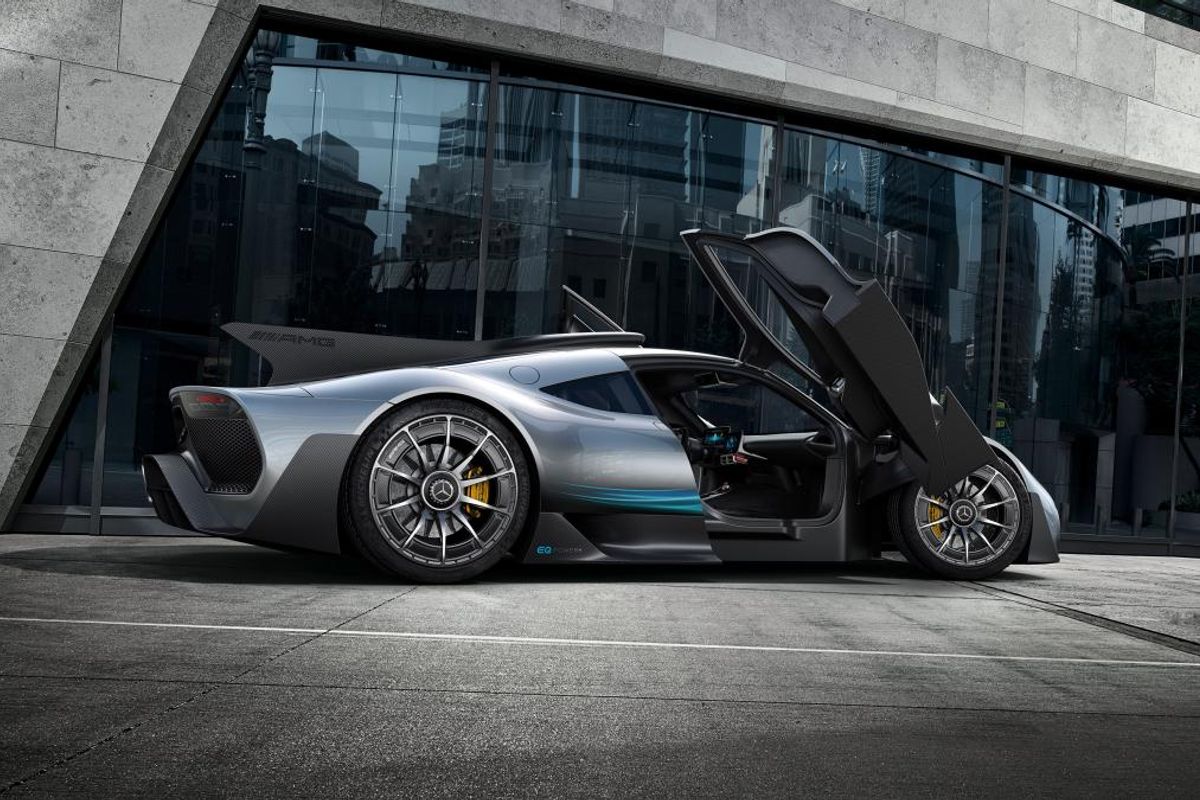
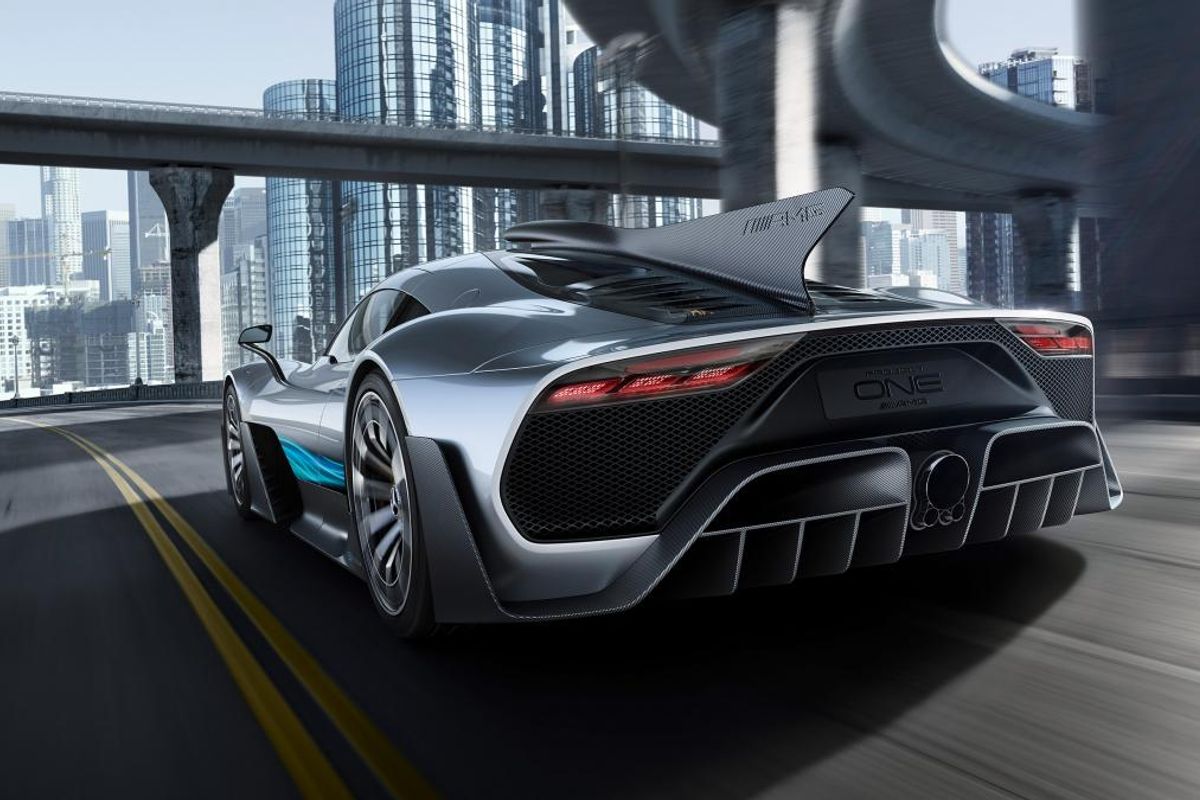
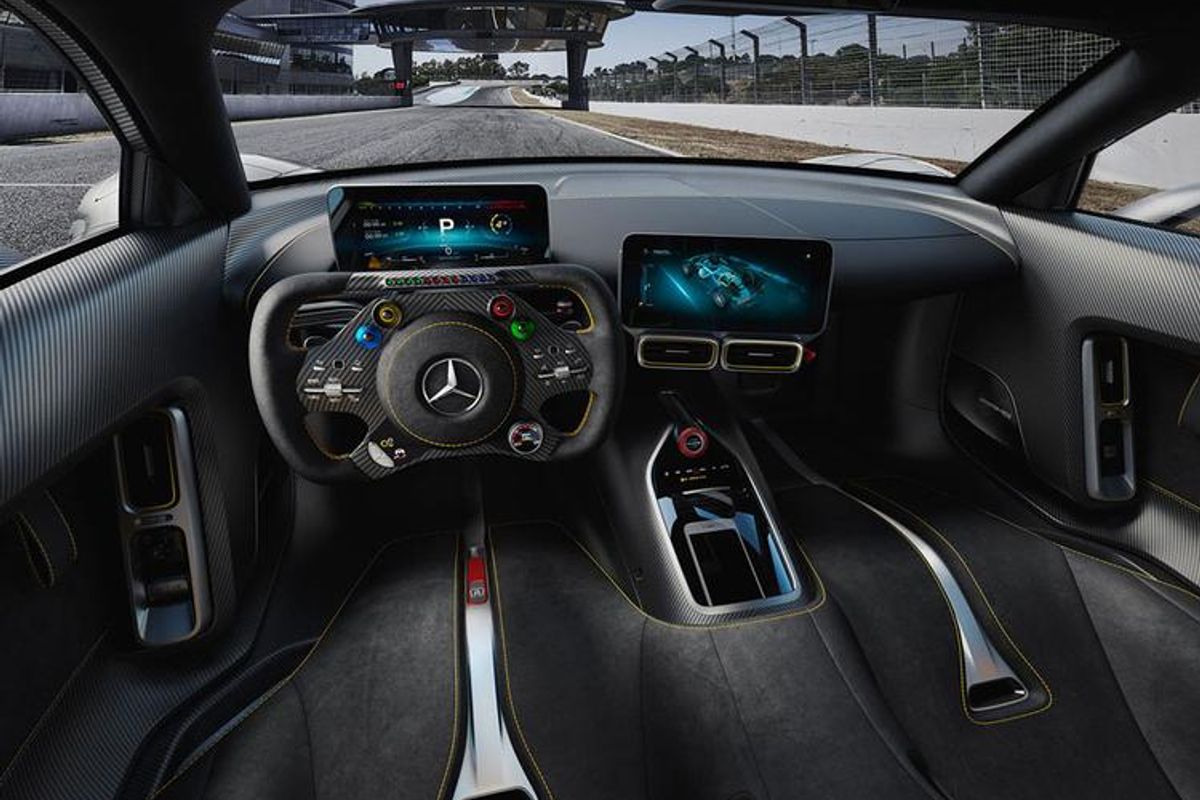
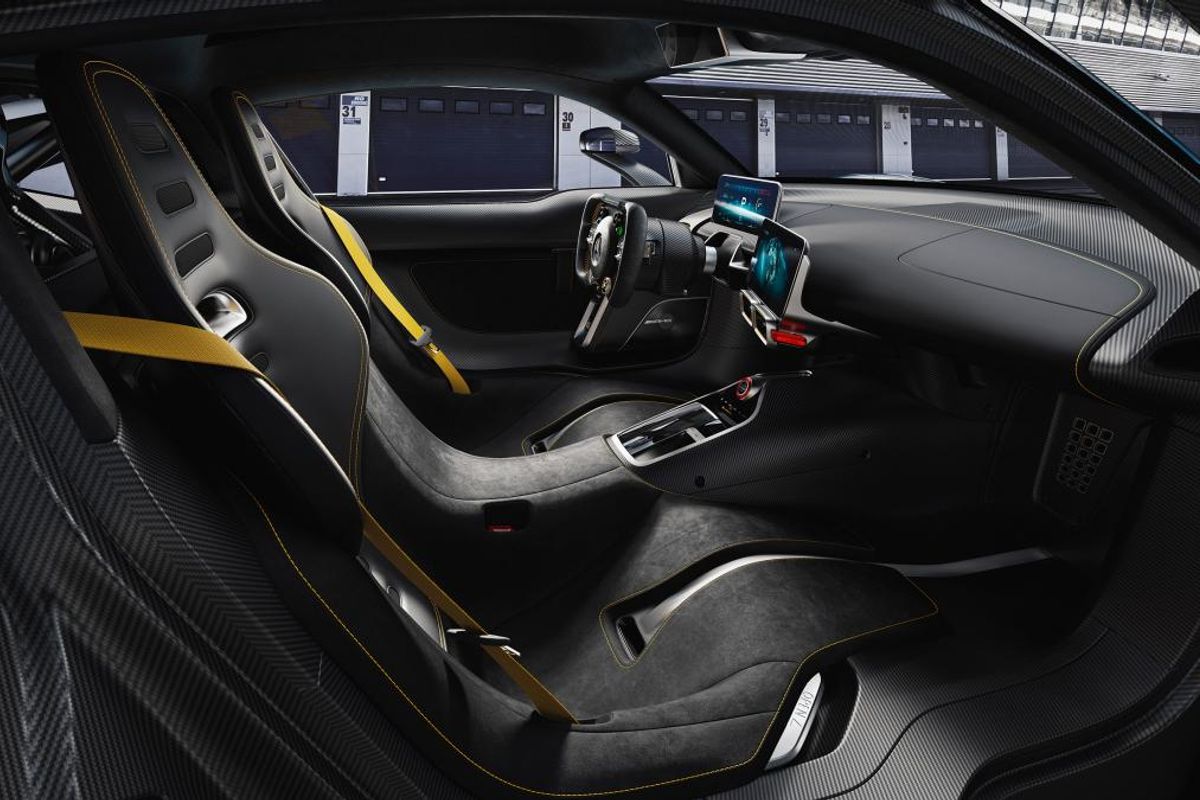
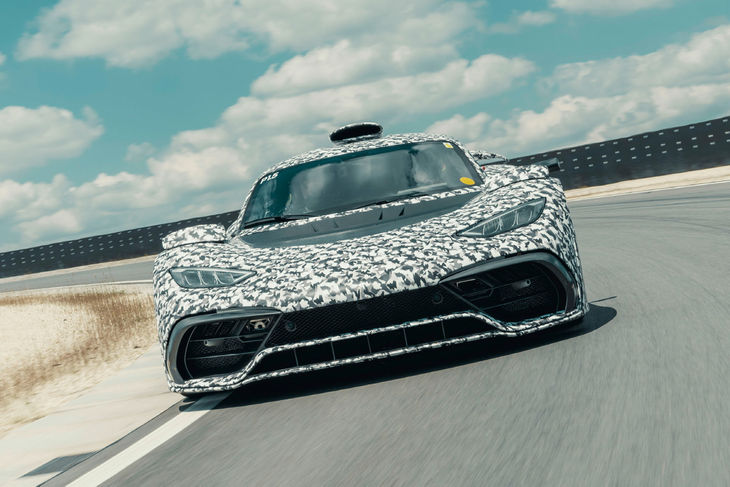
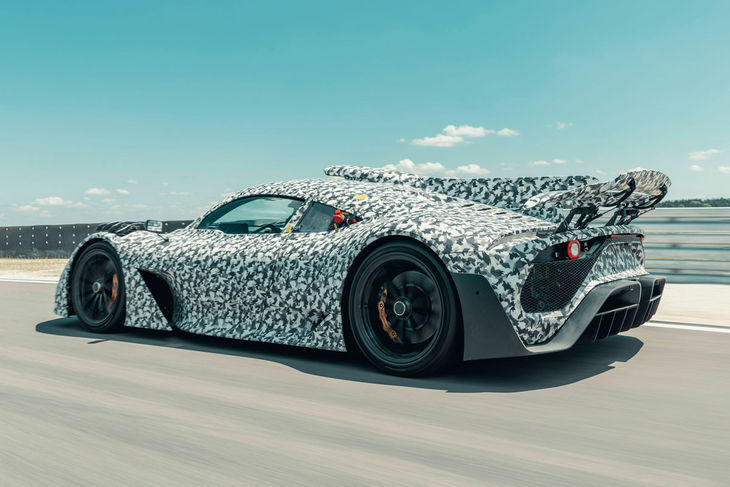
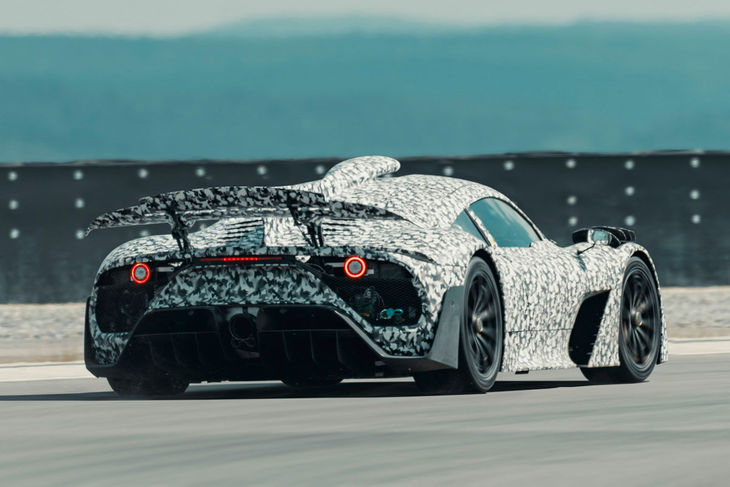
The long-awaited 735-kW-plus Project One has begun the next stage of its development programme at Mercedes-AMG’s Immendingen proving ground. Powered by an F1-derived turbocharged 1.6-litre V6 hybrid engine supplemented with no fewer than 4 electric motors, the Three-pointed Star’s hypercar can catapult from 0 to 200 kph in under 6 seconds. It sounds like an F1 car too – only better!
We sensed that Mercedes-AMG was stepping up its efforts to get the Project One (of which only 275 units will be produced) ready for delivery – the first units are expected to be shipped in early 2021 – when our spy photographers spotted pre-production units last month. A concept of the audacious hypercar was revealed as long ago as the 2017 Frankfurt Show, but the task of adapting rarefied Formula One technology for a road-car application has proven trickier than the Affalterbach-based firm had expected.
Mercedes-AMG has adapted the complex powertrain to comply with WLTP emissions standards using a petrol particulate filter.
However, the Project One’s development programme “has now largely transferred from the test stands to concentrate more on test tracks”, the firm has announced. Several pre-production models are currently being put through their paces at the Three-pointed Star’s technology centre at Immendingen and, for the first time, project leaders have been authorised to test the hybrid powertrain with its full output of more than 735 kW.
To recap, Mercedes-AMG’s hypercar is powered by an adapted version of the hybrid power unit from the brand’s championship-winning WO7 F1 car (2014), which works in conjunction with 2 electric motors: the first 80-kW unit keeps the turbocharger on the boil at all times, while the second 120-kW motor is linked directly to the crankshaft. What’s more, 2 additional electric motors are mounted at the front axle (the wheel-selective front axle drive concept) to allow a pure-electric driving range of up to 25 km.
All 275 units of the Mercedes-AMG Project One have been pre-sold, for more than R60 million apiece.
It was initially reported the engine would idle at 4 000 rpm and redline at 13 500 rpm, but Mercedes-AMG has had to adapt the powertrain, which is mated with an 8-speed automatic transmission, to idle at 1 200 rpm and “rev to over 11 000 rpm”. Still, the Project One is expected to accelerate from 0 to 100 kph in 2.5 seconds and achieve a 350-kph top speed. The engine should be good for 50 000 km before requiring a rebuild.
Along with the dynamic test programme and some refinements to the car's driveability, Mercedes-AMG is also honing the hypercar’s active aerodynamics. The effectiveness of the “complex interplay between the various active components (such as the louvres, the air outlets in the front fenders and the large rear aerofoil) as a means of delivering the car's exceptional lateral dynamics” is now being benchmarked outside the wind tunnel.
Following a series of tests at the Immendingen proving ground, Mercedes-AMG has set its sights on the Nurburgring.
The belated release of the Project One is juxtaposed with the upcoming Aston Martin Valkyrie, which is rear-wheel-driven and powered by a 865 kW/900 Nm 6.5-litre naturally-aspirated petrol-electric hybrid V12. The Mercedes-AMG, by contrast, can deliver all-wheel-drive traction via its petrol engine (rear wheels) and twin electric motors up front.
What’s the next step in the hypercar’s exhaustive testing and development programme? It will soon be tested on Nürburgring Nordschleife! Mercedes-AMG has said on a previous occasion that it won’t seek to set a new lap record with the car, but we think the German firm "doth protest too much".
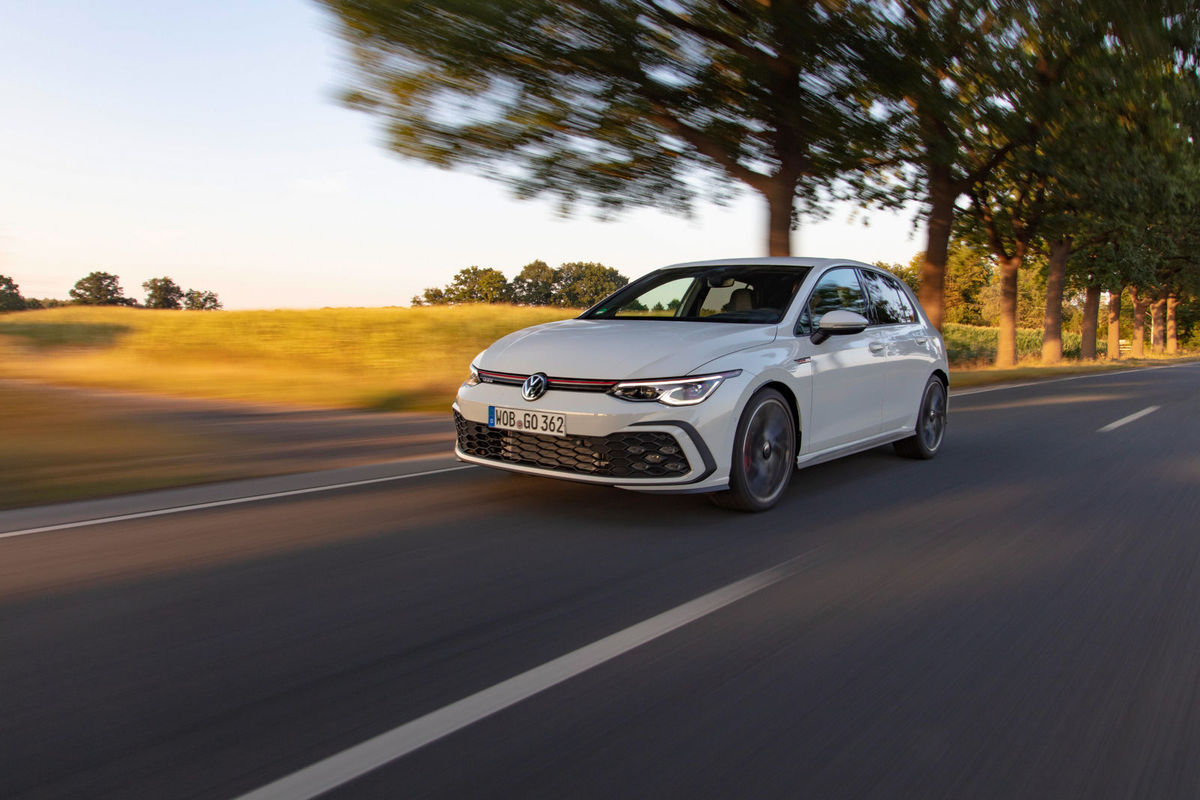
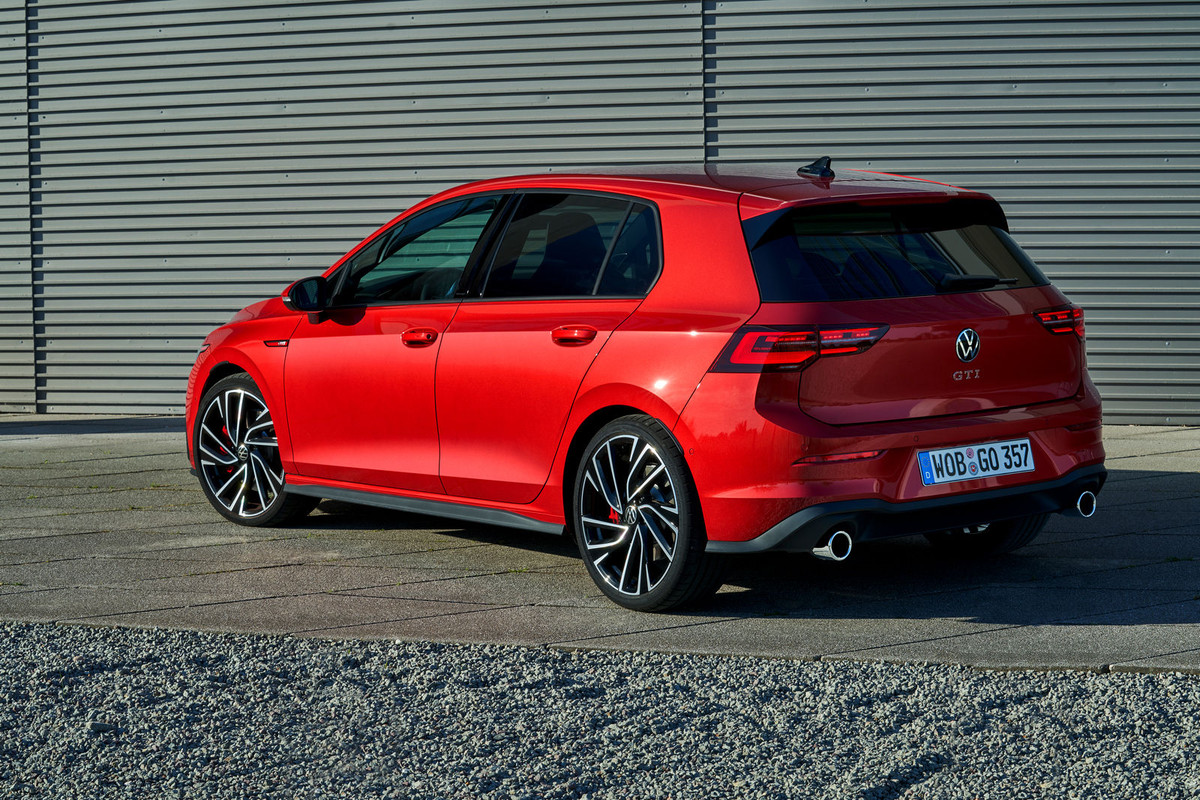
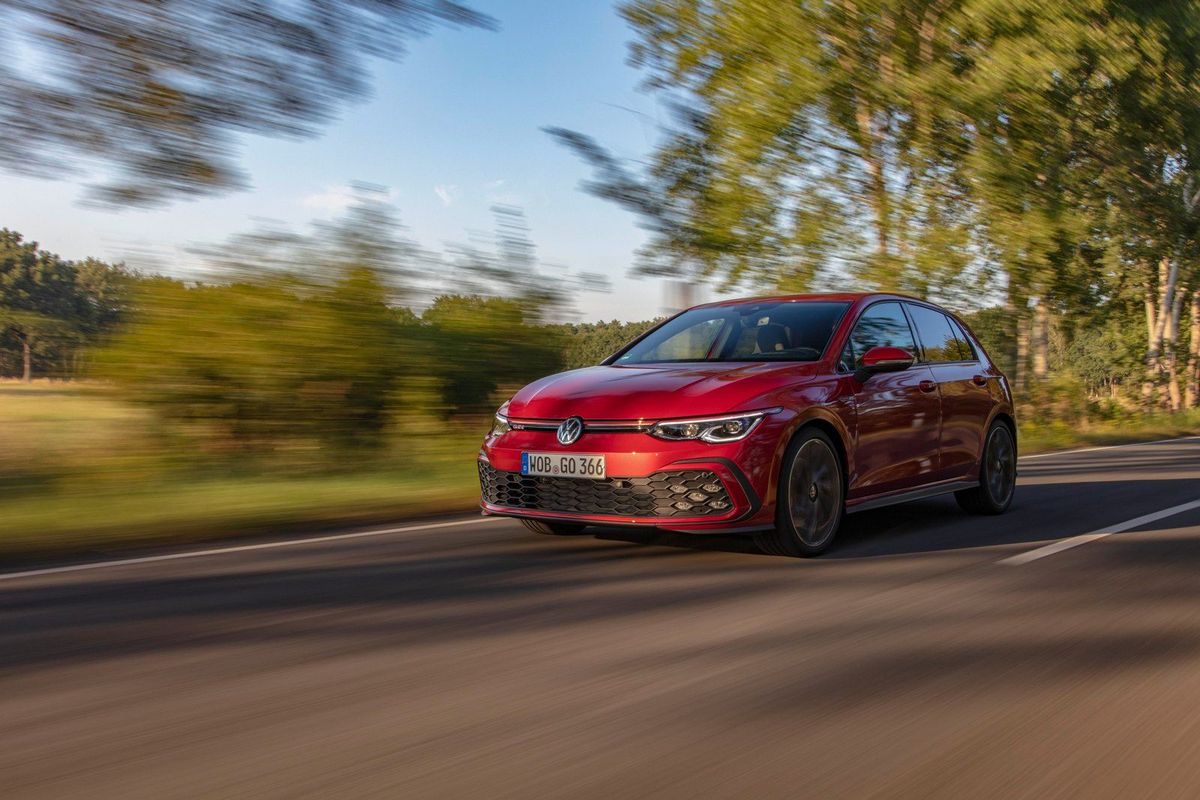
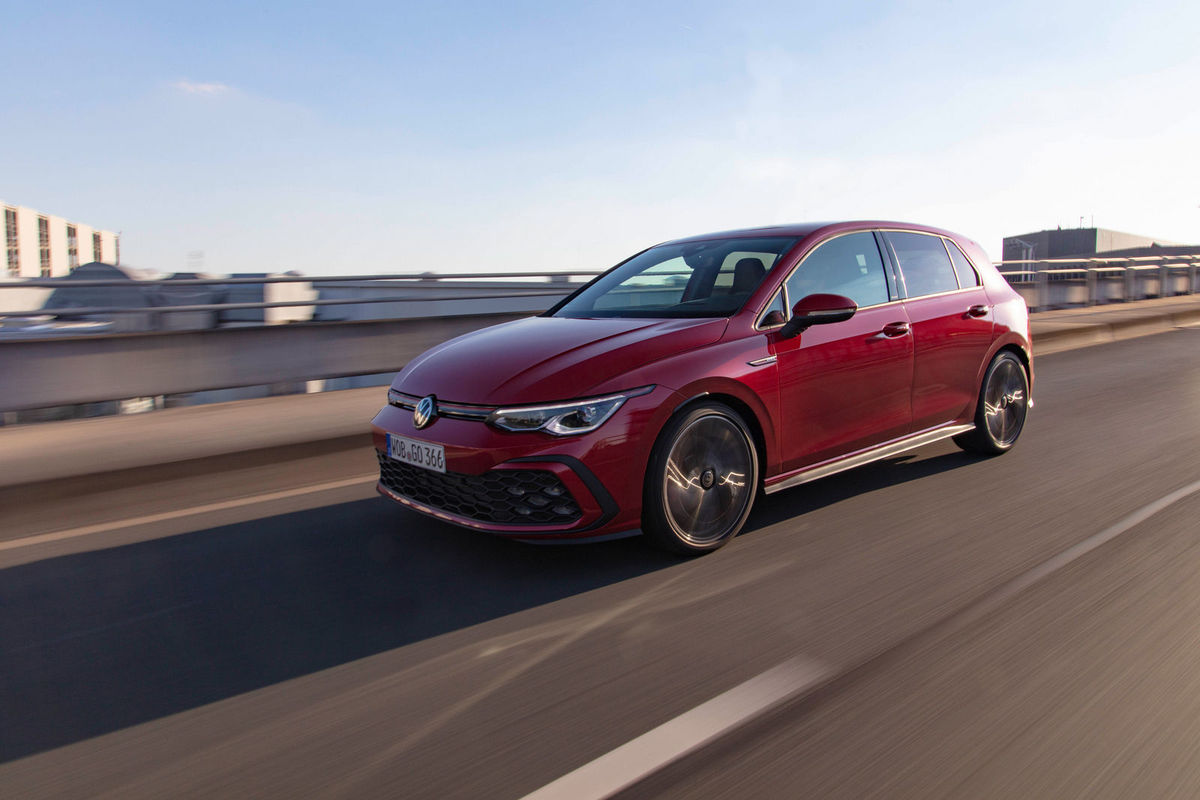
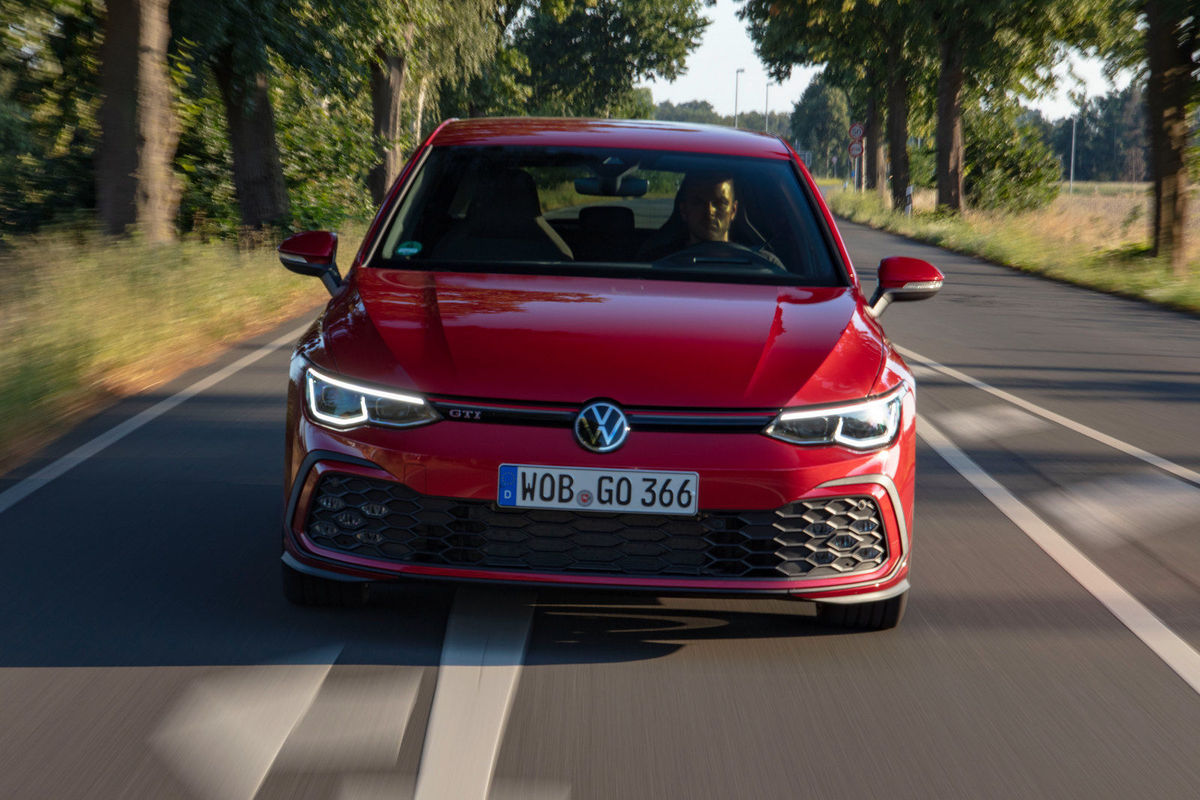
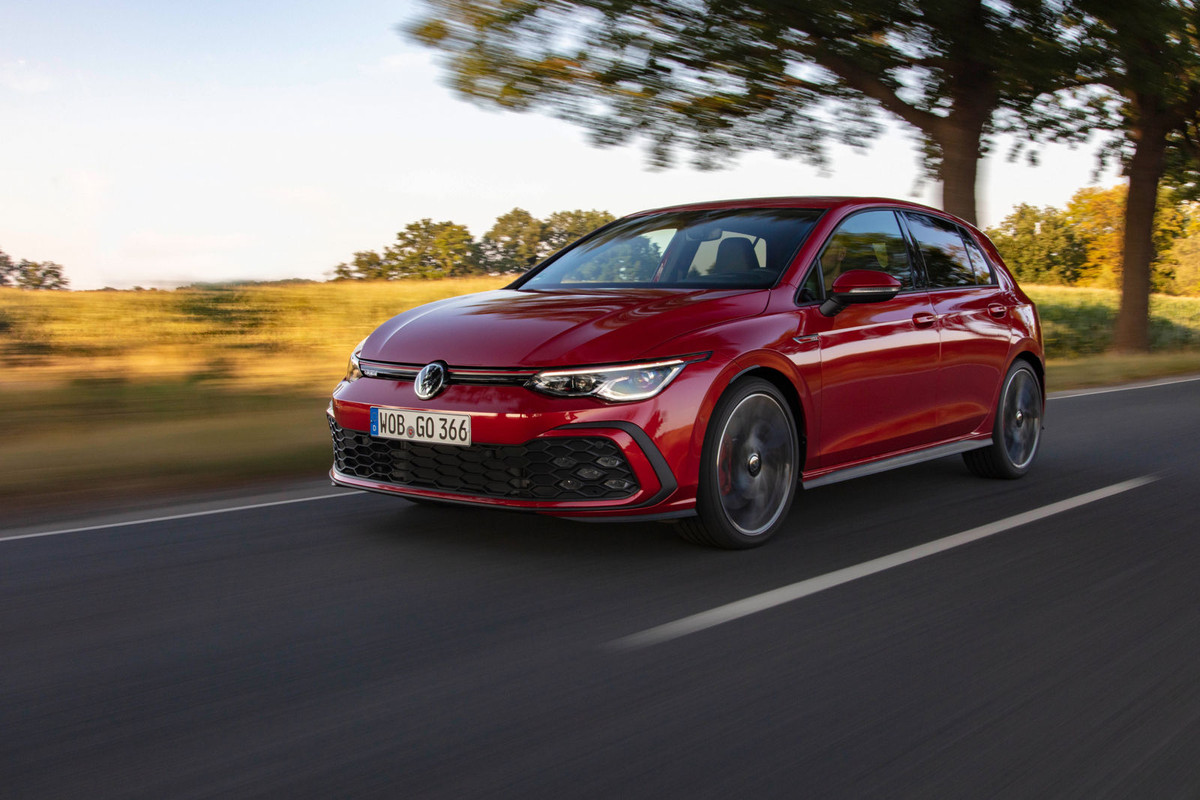
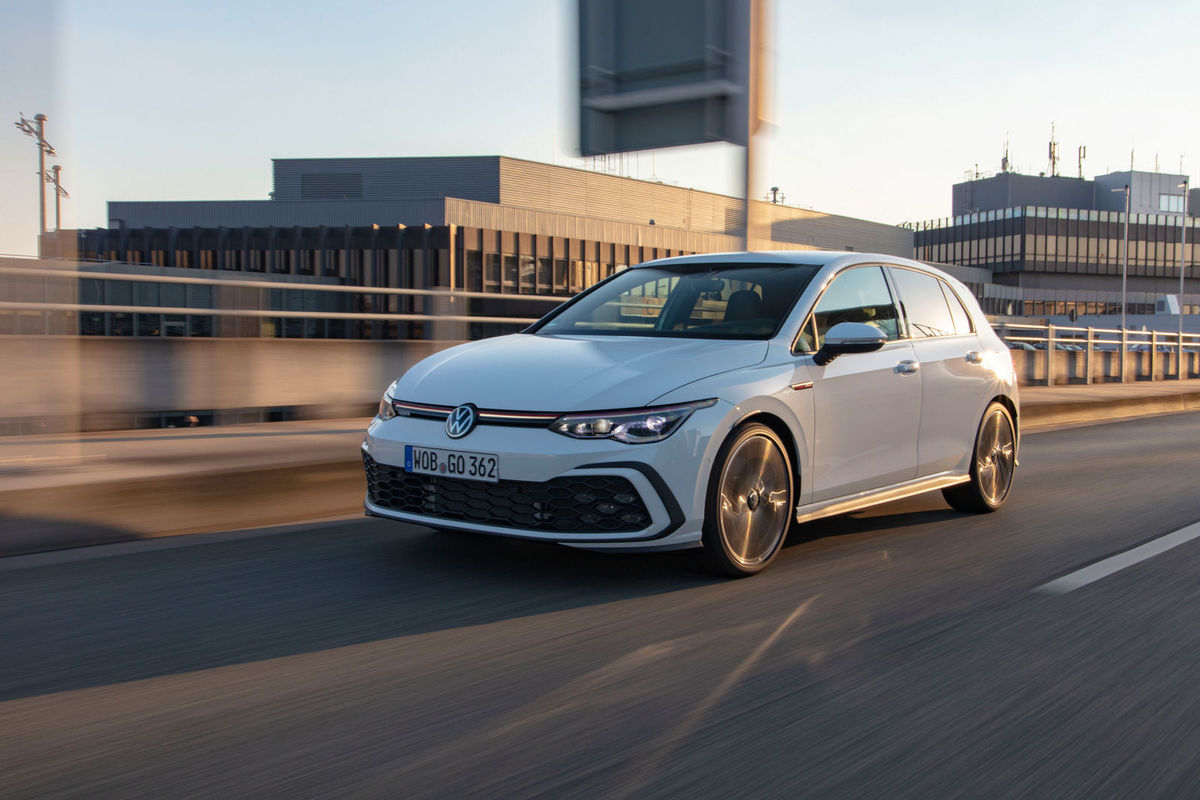
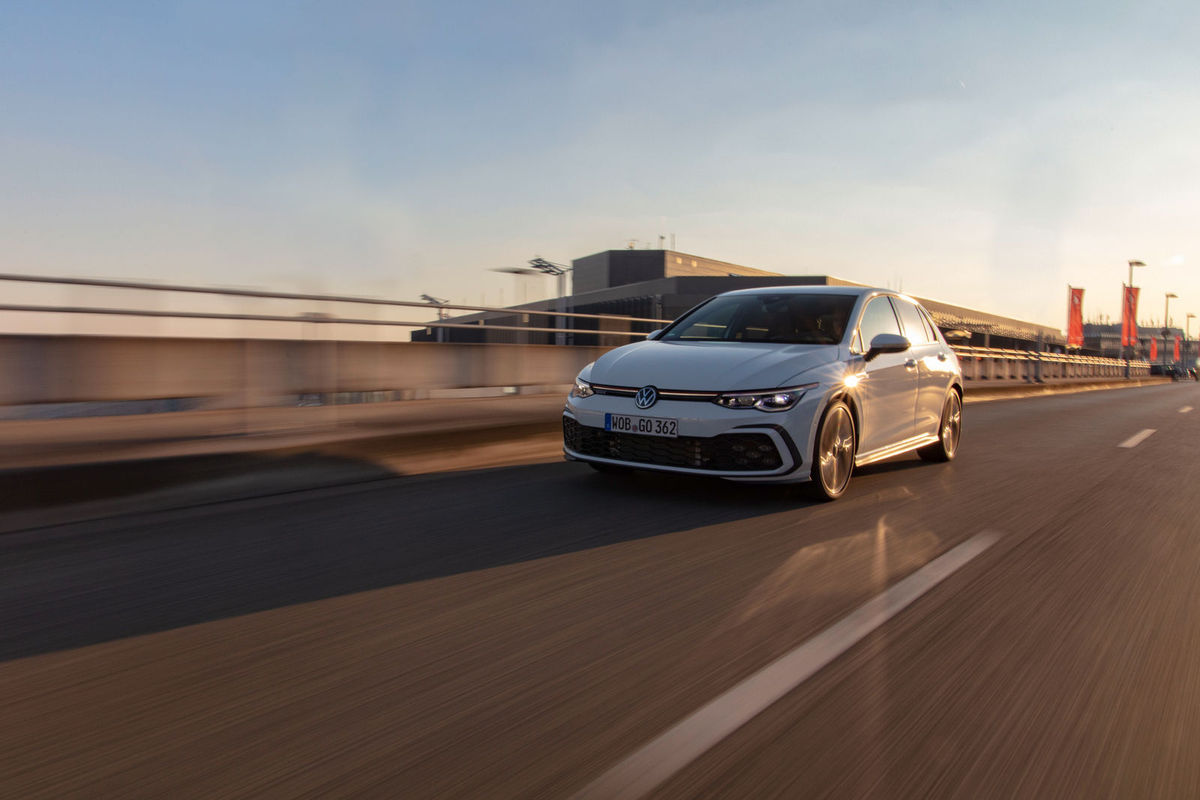
Volkswagen Golf 8 GTI (2020) International Launch Review
The 8th-generation Volkswagen Golf GTI is a case of evolution, rather than revolution. It’s outgunned by the Hyundai i30 N and Renault Megane RS, for example, but there’s more to it than that. International correspondent Dave Humphreys drove the newcomer in Germany.
The keenly anticipated GTI will spearhead the introduction of the latest generation Golf in South Africa. The GTI is the nameplate that helped to kick start the hot-hatch segment in the 1970s, but these days it has no shortage of rivals eyeing its position at the top. The latest iteration builds upon the excellent 7th (and 7.5th) GTI, with more tech.
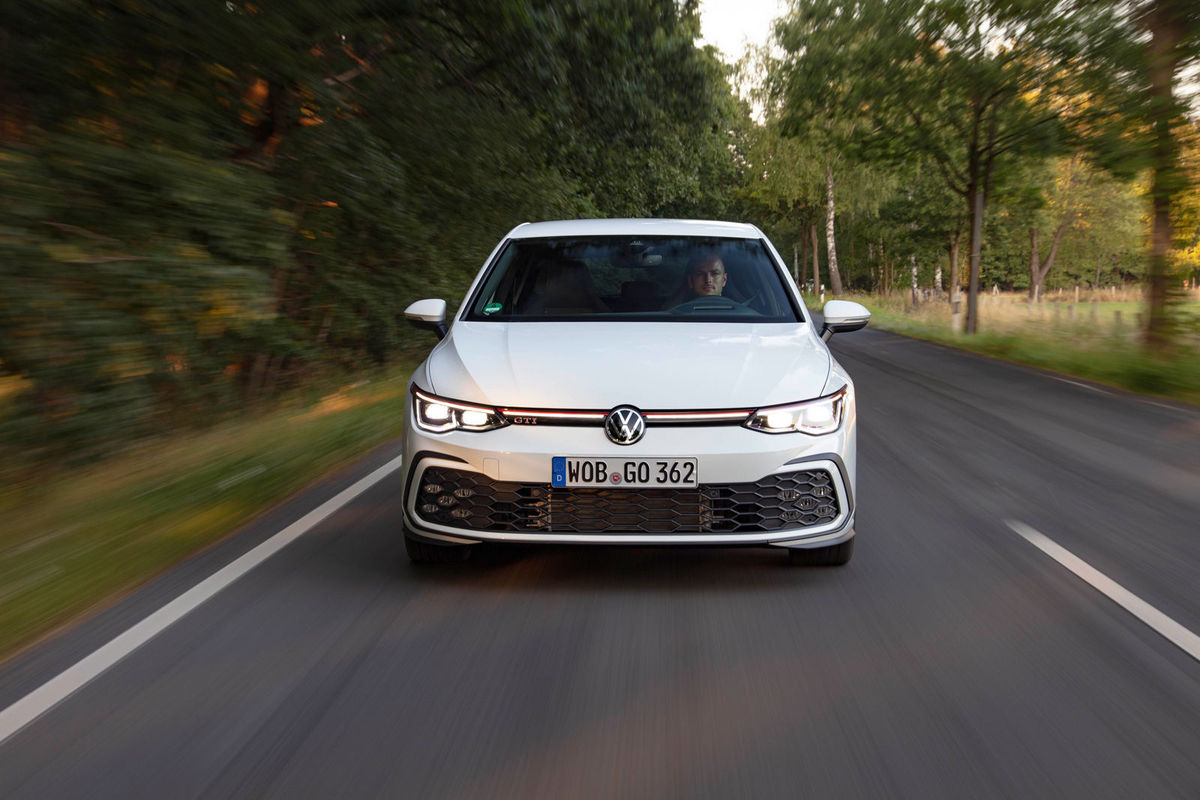
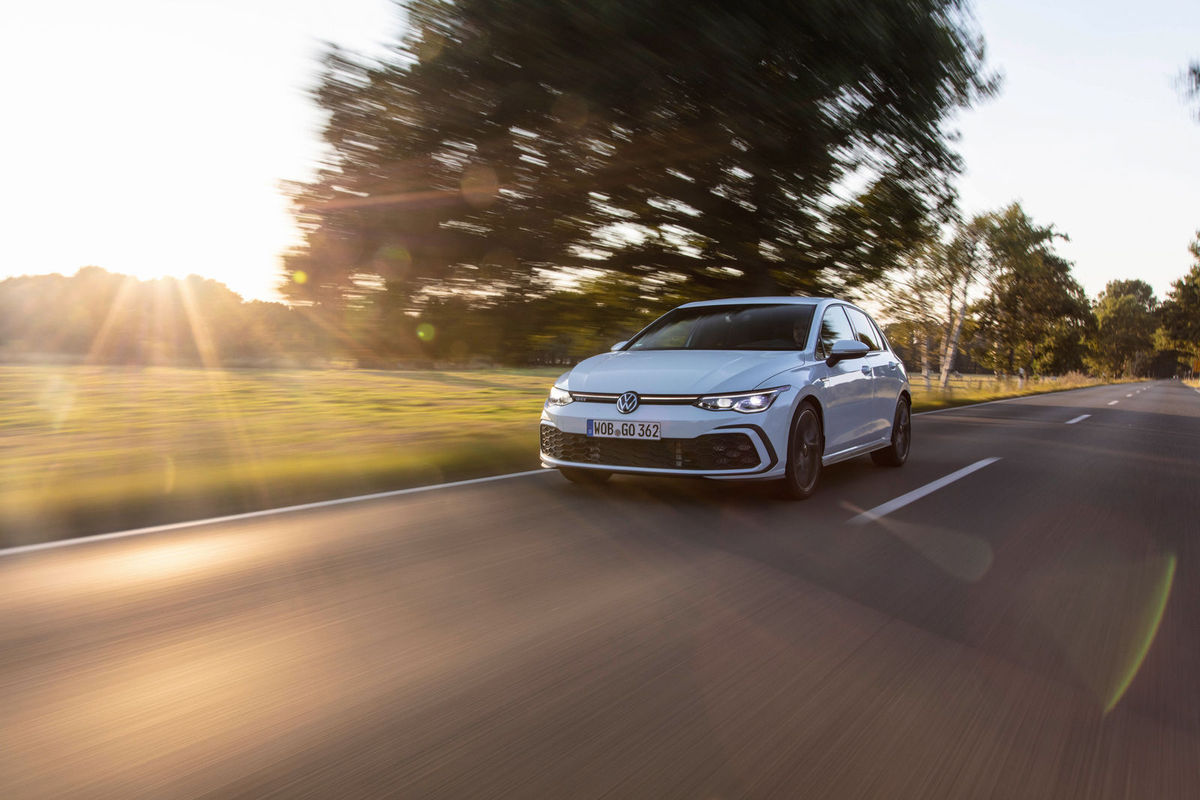
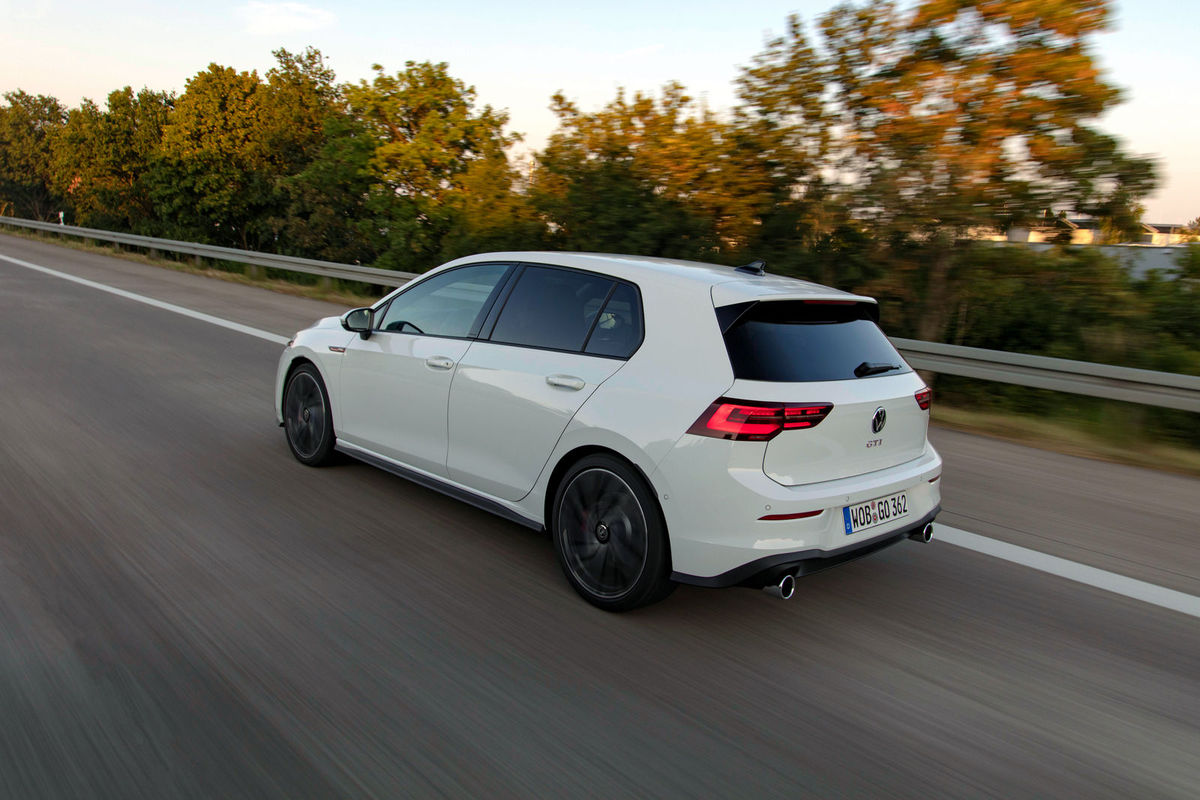
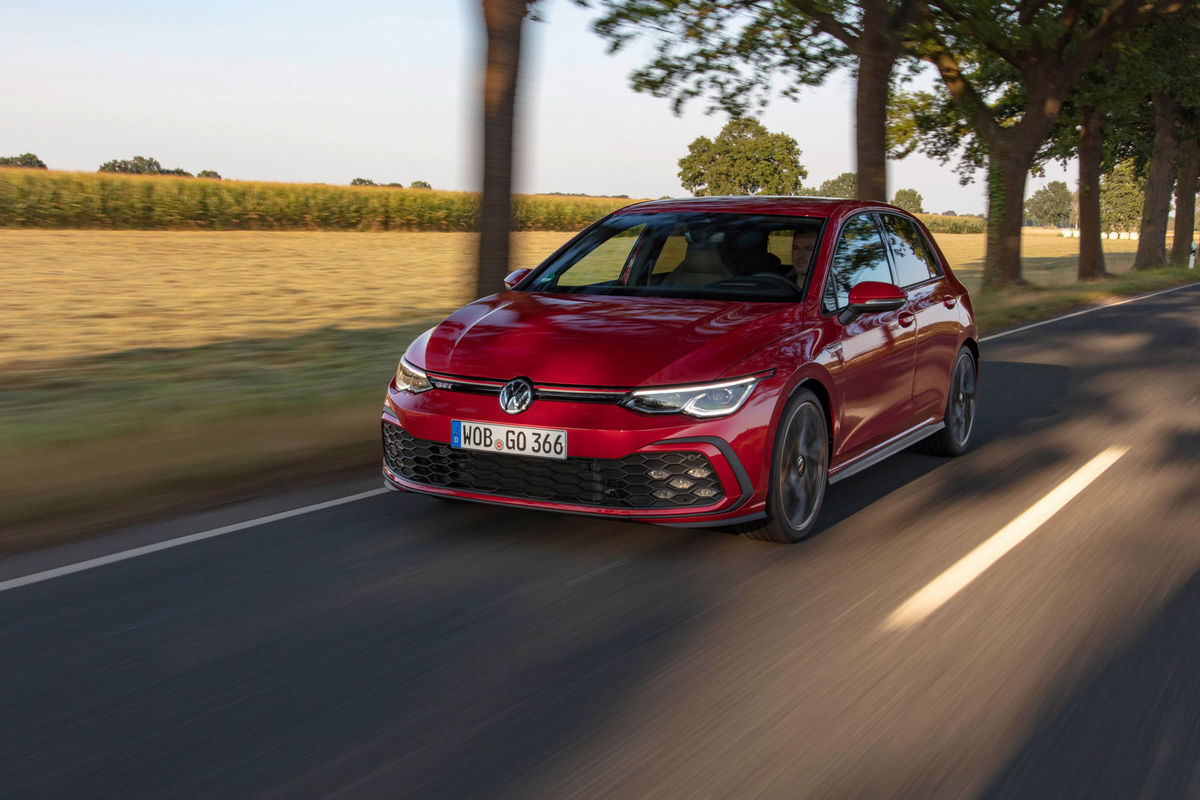
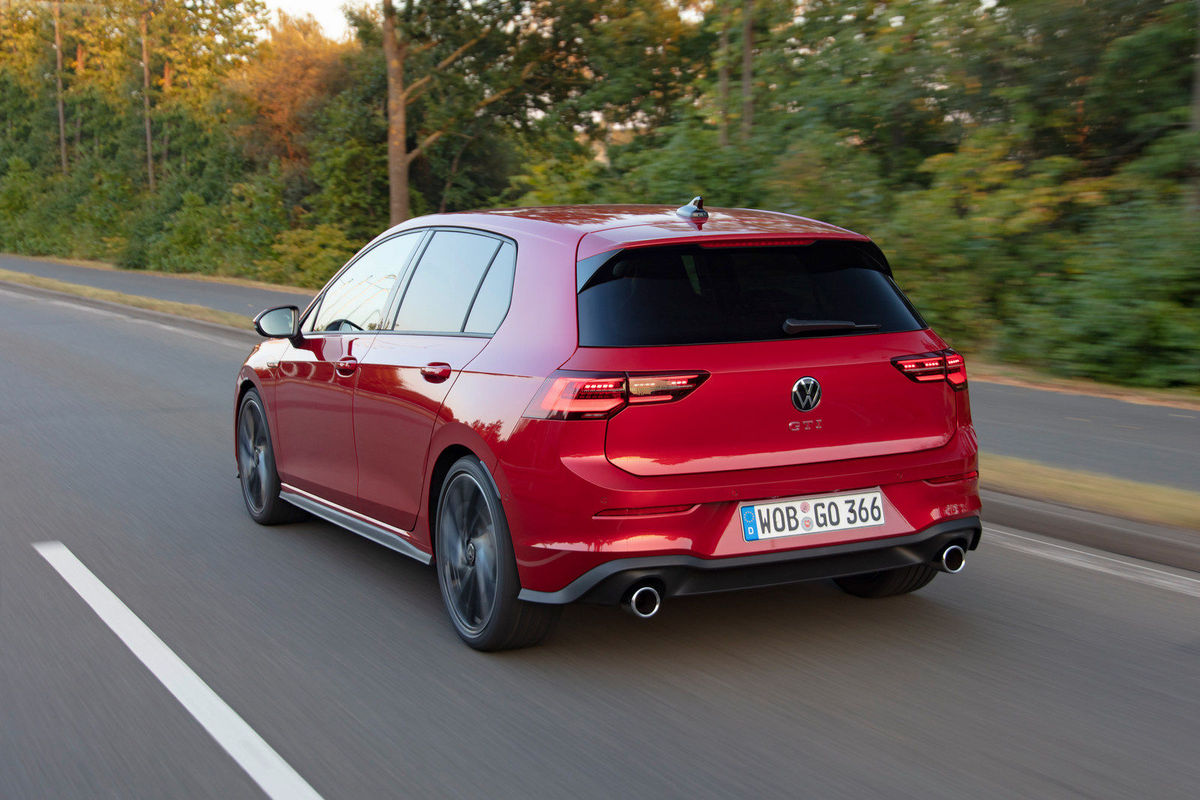
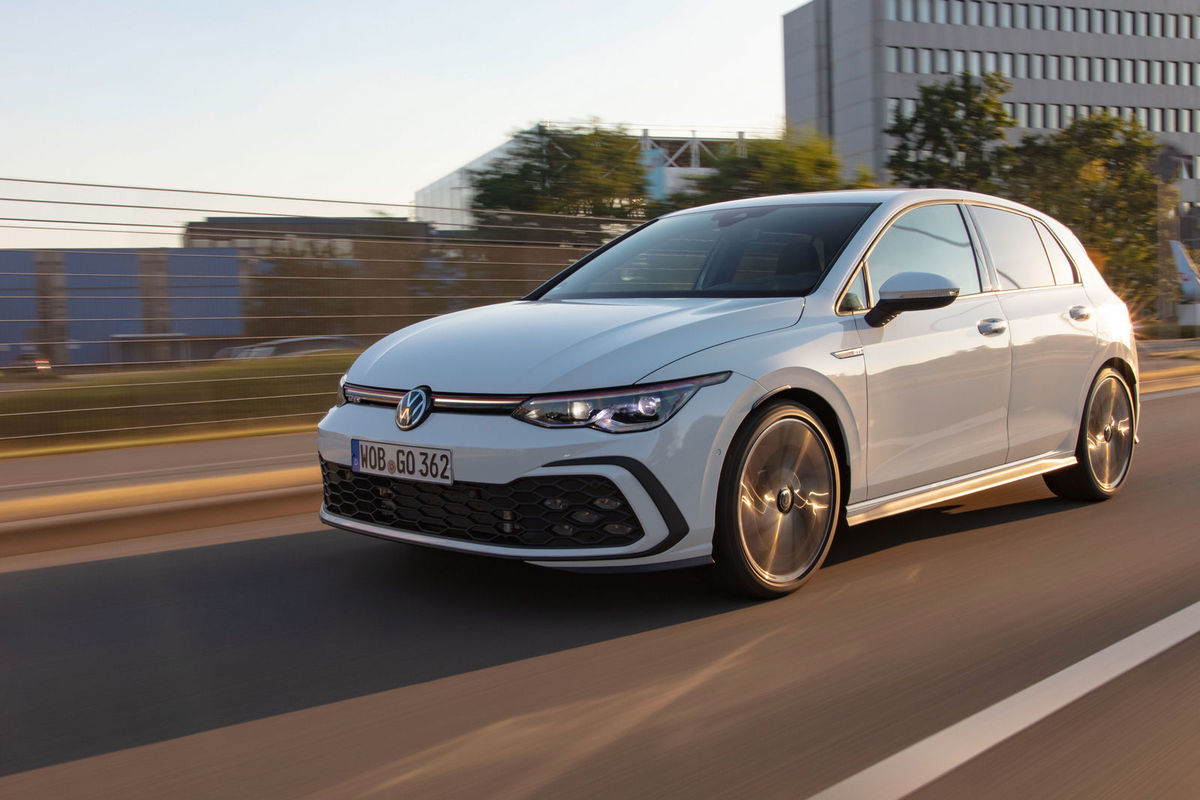
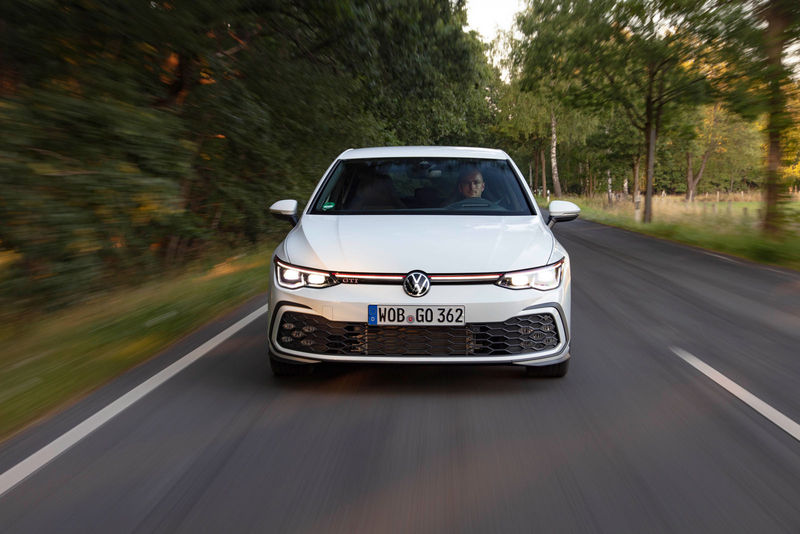
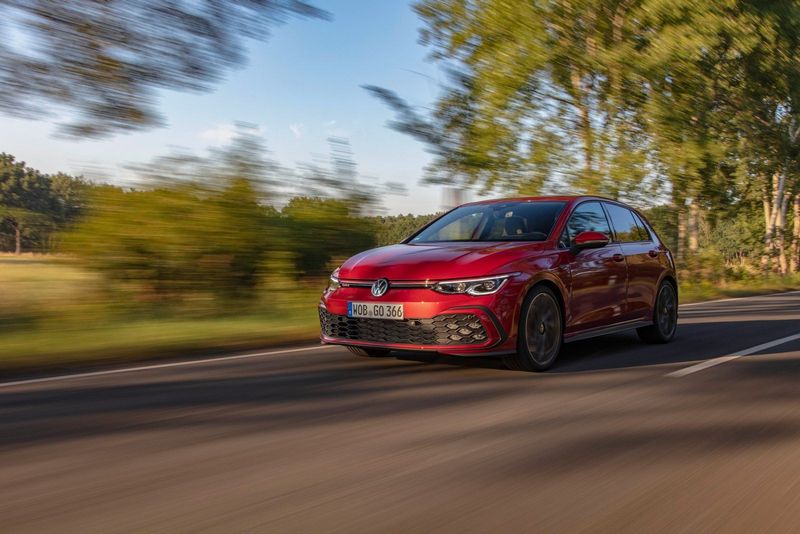
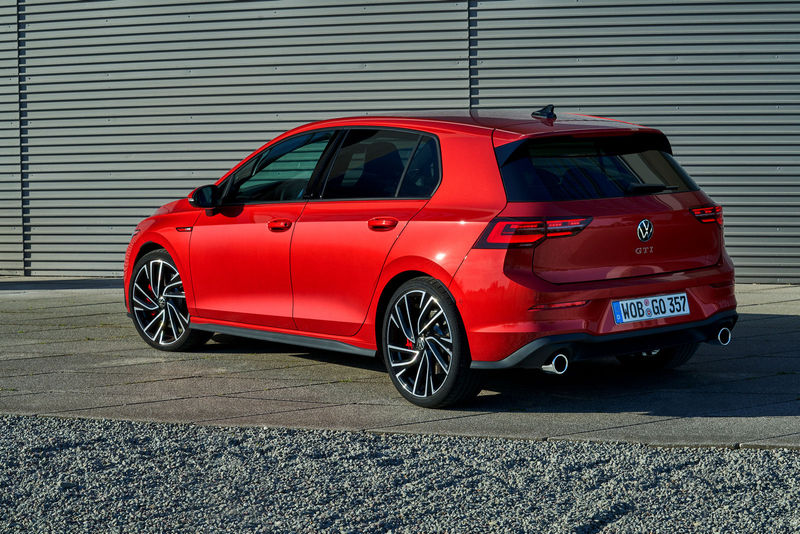
The latest-generation Golf tends to look a little underwhelming in photographs, but any uncertainty about the visual impact of the new GTI's appearance is swiftly dispelled when you see it in the metal… The slender headlights wrap around into the front wings and follow an invisible line to the GTI "flitzer" badge ahead of the front doors. The signature red band runs across the top of the grille and through the light units. Furthermore, this band is highlighted by an LED light strip that gives the GTI a distinctive lighting signature. The IQ.Light matrix headlights feature 22 LEDs in each module that can produce 10 different types of illumination as required (and that includes sweeping turn signals).
The new face of the GTI – not as immediately attractive as previous generations.
Meanwhile, a larger honeycomb mesh spans the full width of the lower front bumper and is not dissimilar to the look of the Golf 6 GTI. This design helps with cooling, though it leaves the radiator prone to stone-chip damage. The eye-catching look is further enhanced by 5 LEDs that form an X design in each corner of the front bumper as the fog lights.
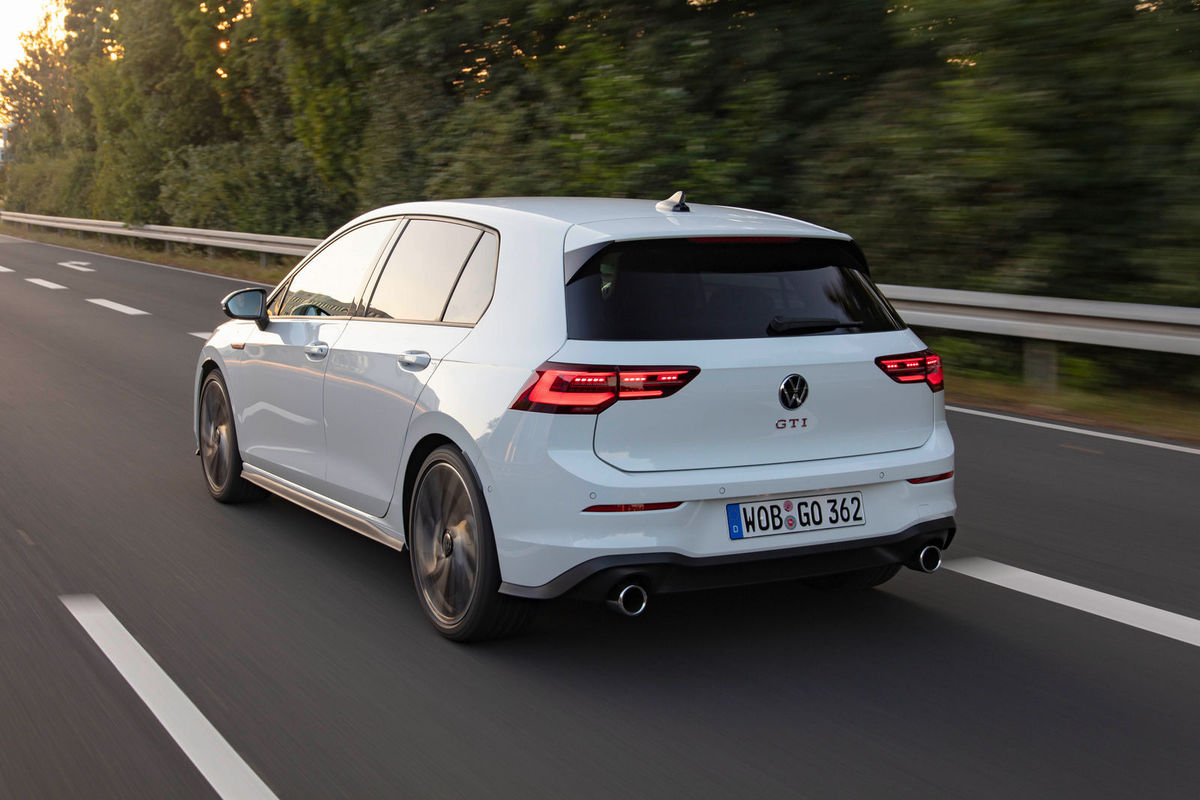
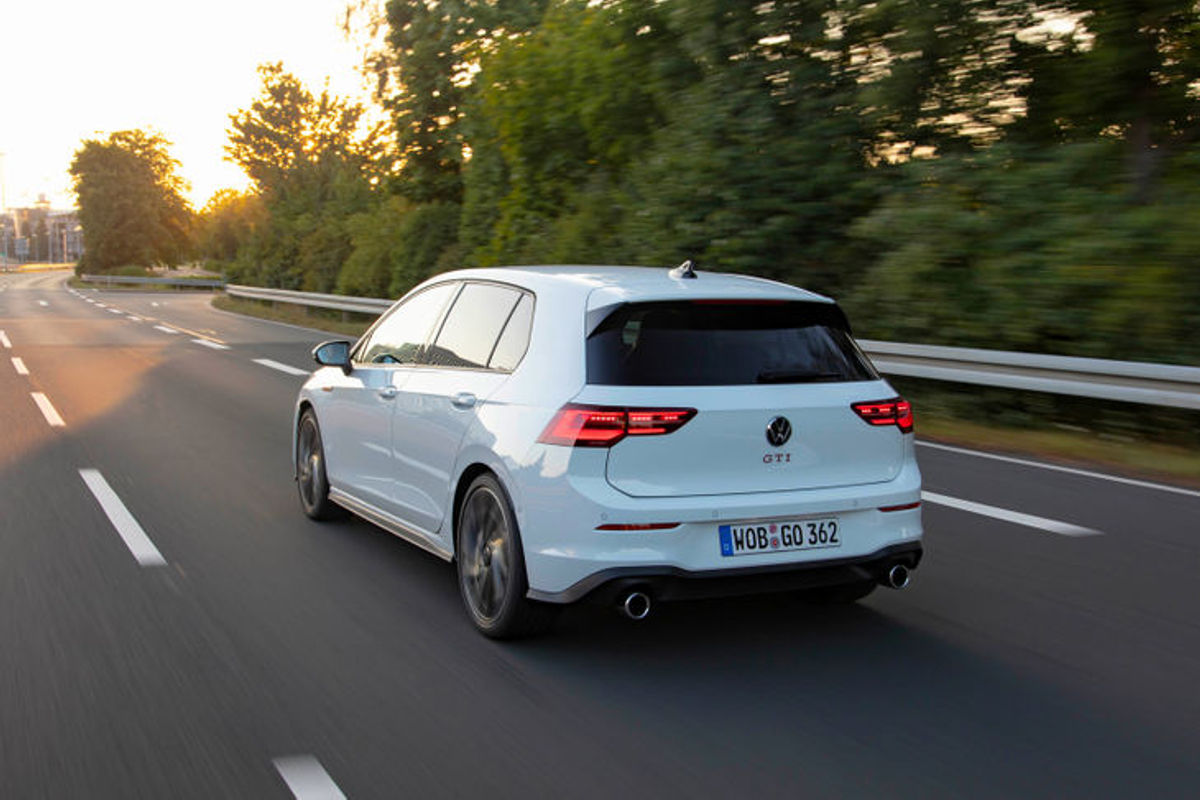
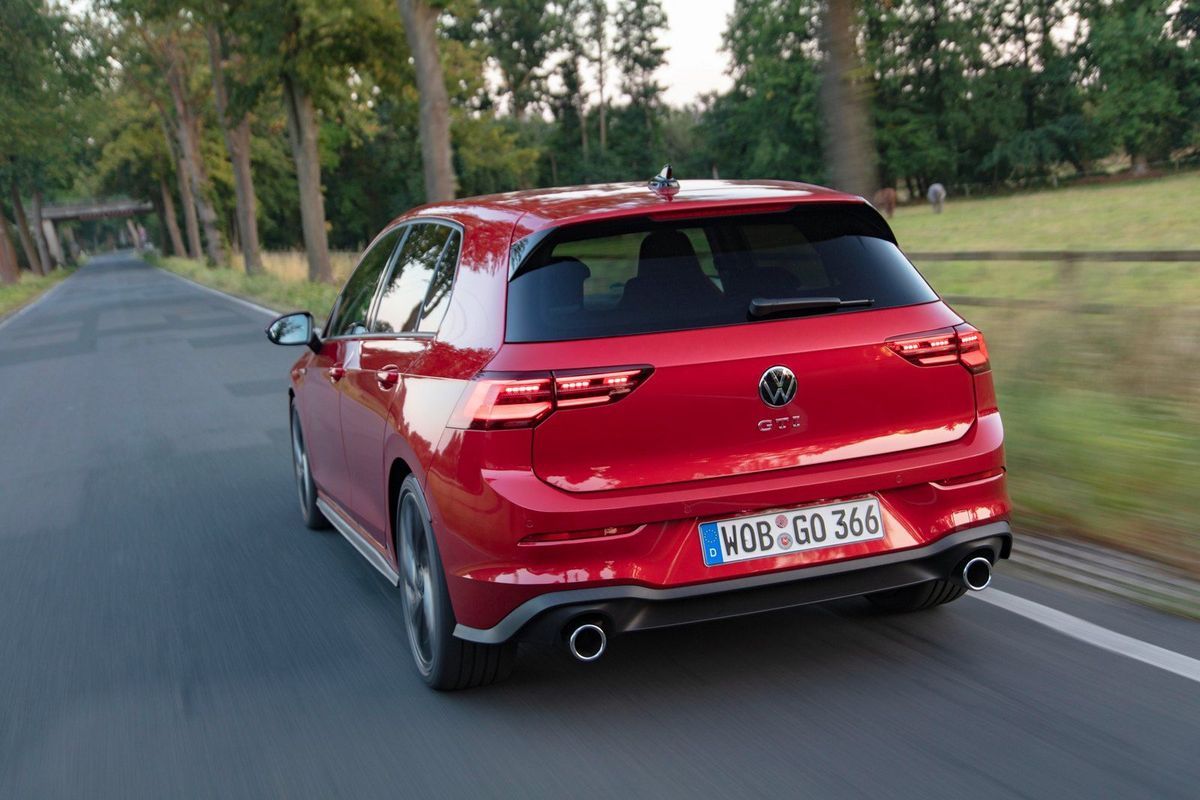
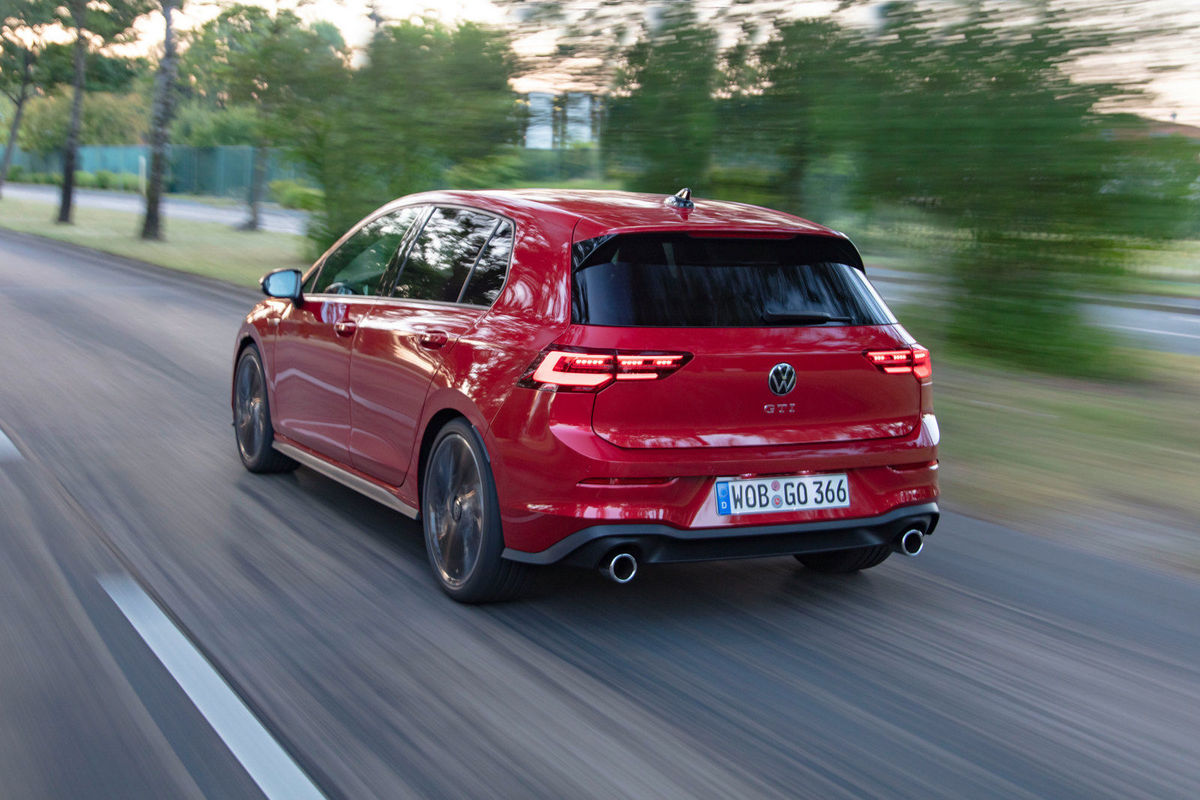
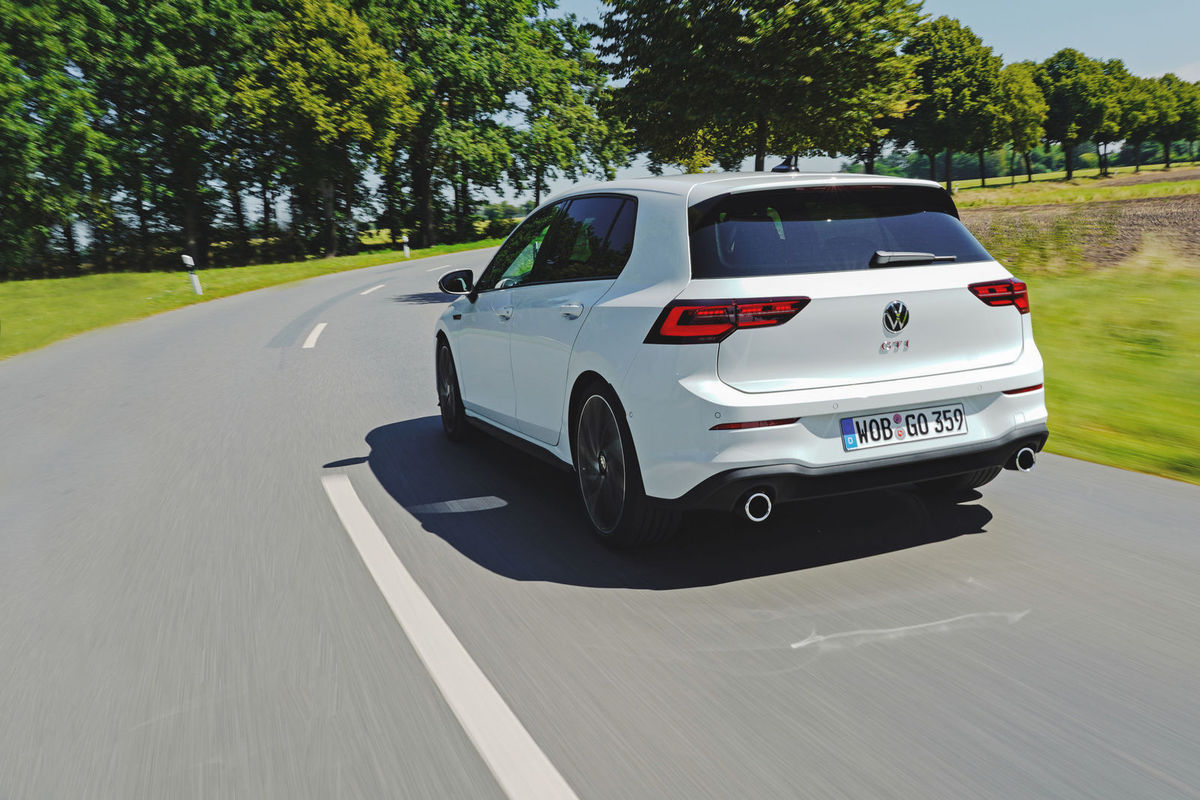
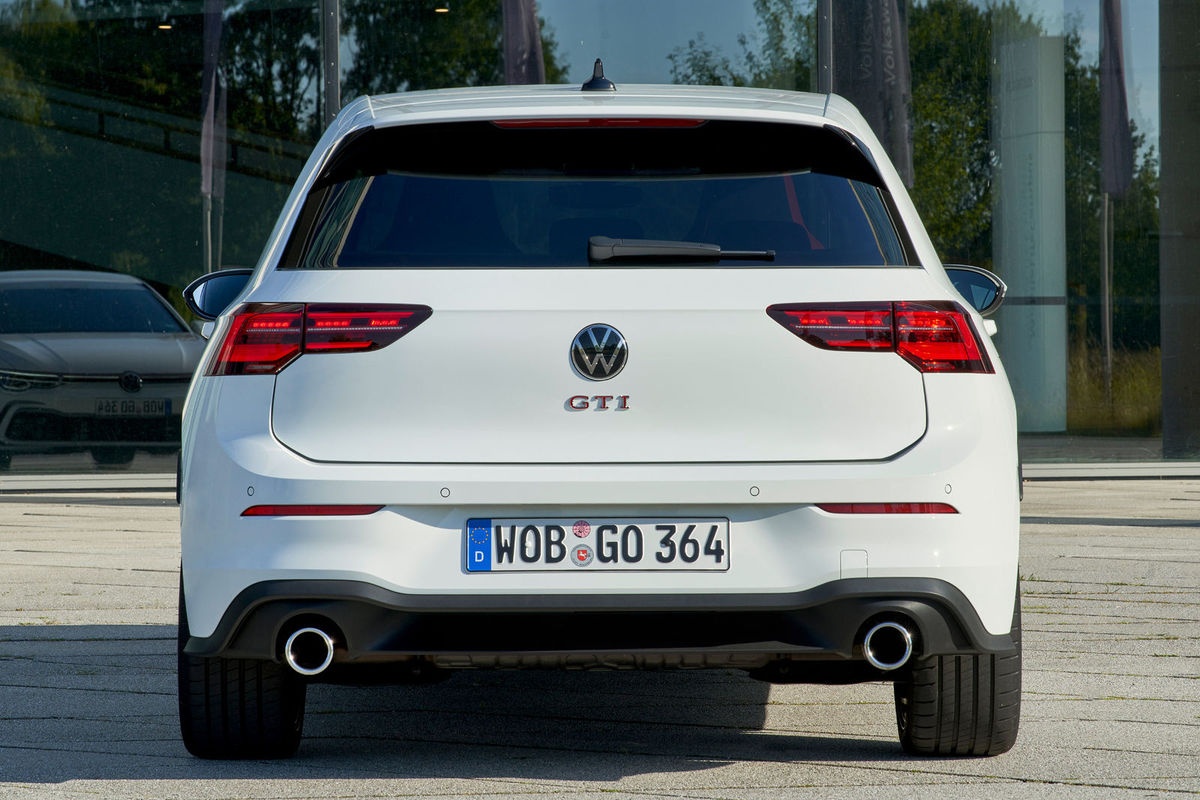
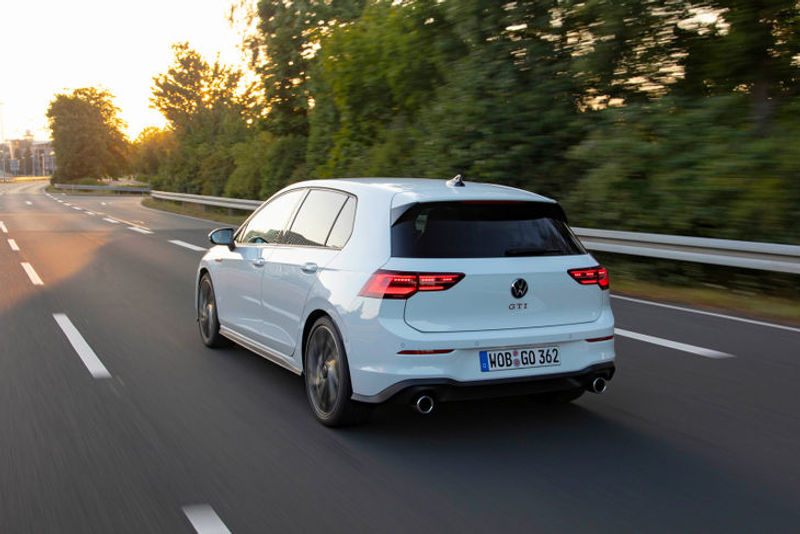
Some will rue the demise of the 3-door body style (not that we ever received the 3-door variant in South Africa), but the 5-door Golf looks good, especially as the GTI sits 15 mm lower than its conventional equivalents. The standard wheel size is a 17-inch Richmond alloy, with 18- and 19-inch designs available at extra cost; the latter option suits the look of the Volkswagen the best because it fills the wheelarches smartly. Black sill extensions visually tie into the rear diffuser that surrounds a chrome exhaust tip on either side.
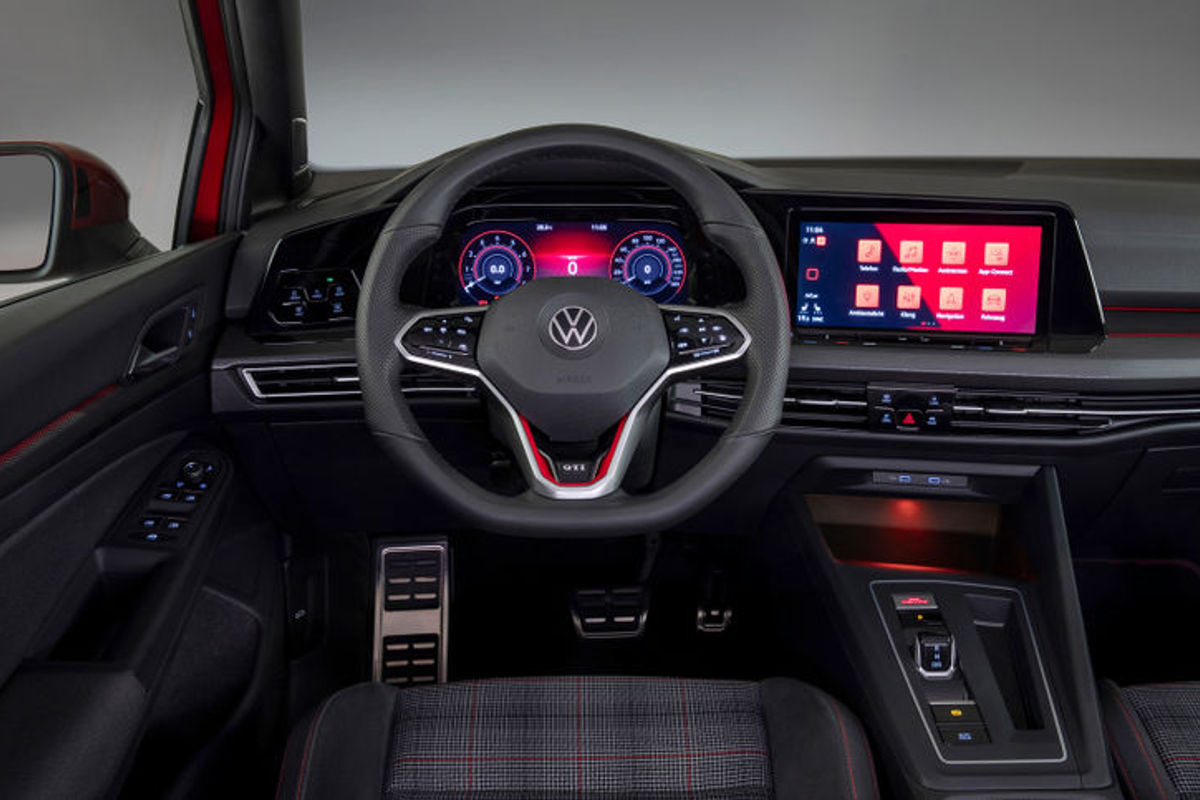
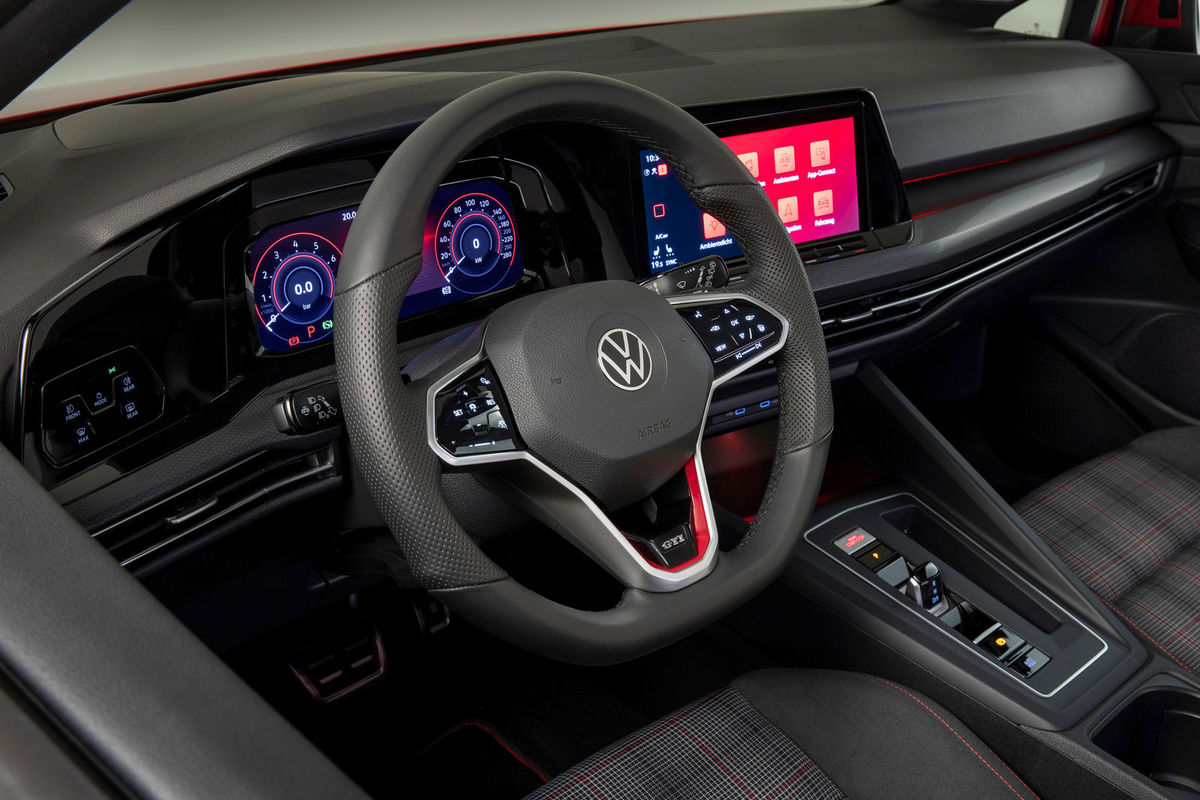
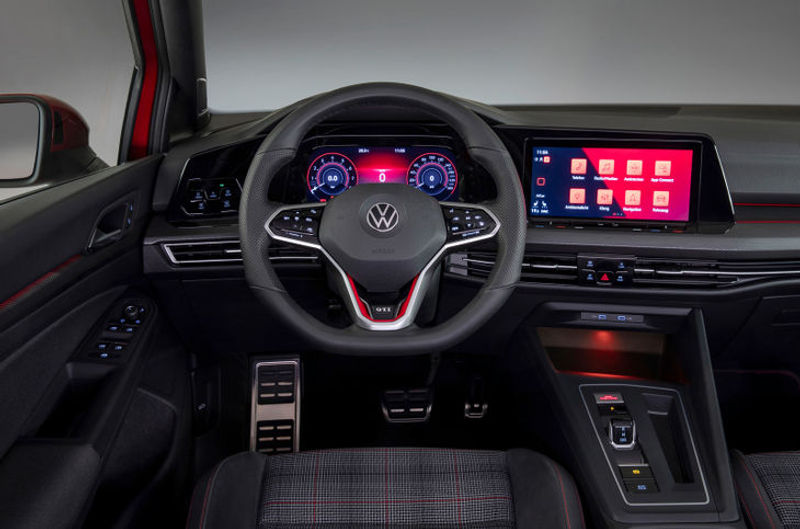
When you swing open the driver's door, the most tech-laden cabin to ever grace a GTI comes into full view, replete with an all-digital dashboard comprising of a 10.25-inch instrument cluster with bespoke graphics, which includes a large, central, red rev counter. The standard 8.25-inch "Composition" touchscreen infotainment system is upgradable to a 10-inch unit. This display, and the "Digital Cockpit", are inset in a single gloss black surround that includes a touch panel for the lighting controls on the opposite side.
Very few physical buttons any more, almost every action can be done through the touchscreen.
There are few physical buttons in the Golf GTI's cabin – almost everything is controlled through the touchscreen interface. Not everyone will be a fan of the layout, and during our drive, the infotainment software was occasionally slow to perform some tasks, suggesting the CPU isn’t powerful enough. A square panel in the dashboard, under the touchscreen, features a quartet of shortcut buttons for accessing functions such as climate control and drive modes. Meanwhile, the GTI is treated to a new sculpted steering wheel with capacitive controls. These can be finicky to use/require familiarisation, but the 'wheel itself is nicely shaped and sized, plus trimmed in tactile perforated leather.
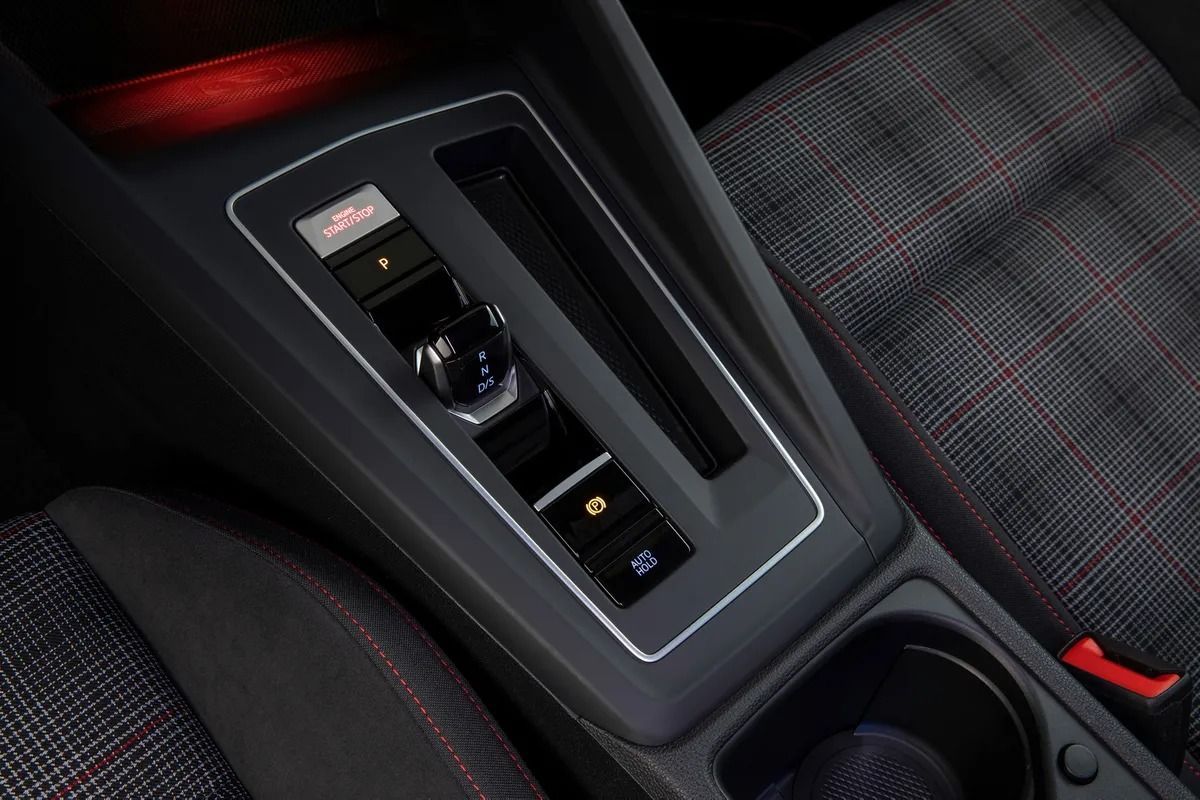
Buyers still get to choose between a 6-speed manual gearbox or the 7-speed dual-clutch automatic (local specification may differ, we anticipate that only the latter will be offered in Mzansi). For the latter, there is no longer a traditional shifter (transmission lever) as such; instead, a small stubby rocker switch is located in the centre console. The upside is that this occupies less space and there are still paddles behind the steering wheel for actuating manual gear shifts, if desired.
No Golf GTI would be complete without the famous tartan upholstery, and the new model gets a fresh take on it; the fabric is called "Scalepaper". There are new sports seats too, featuring integrated head restraints and a mix of materials. They’re quite comfortable over a longer journey and have all the right support in the bolsters to hold you in place when you're driving enthusiastically. Rear passenger space is largely unchanged from the previous generation, as is load-bay capacity, which remains at 380 litres.
What’s it like to drive?
GTI badge has moved to a central point on the boot.
Throughout its history, Golf GTI has been renowned for offering a balanced driving experience that blends handling performance with a degree of comfort, which of course made it such a usable car on a day-to-day basis – and a bona-fide sales success.
The 8th iteration of the GTI sticks with the tried-and-tested front-wheel-drive layout and Volkswagen has, once again, called the EA888 engine into service. The 2.0-litre 4-cylinder turbopetrol motor is a known quantity, and despite having to conform with tighter emissions regulations, it has outputs of 180 kW and 370 Nm. That’s an increase over the standard outgoing GTI and matches the old GTI Performance. However, it falls short in comparison with some of the competition. Top speed is limited to 250 kph, and it will get from 0-100 kph in 6.3 seconds. Many will understandably look at the GTI’s figures and think Volkswagen is leaving buyers short, but there’s more to it than mere numbers.
Developments to the MQB platform see the introduction of an aluminium front subframe, similar to that used on the limited-run GTI Clubsport S, which saves about 3 kg. Added to that are revised suspension components that increase stiffness by 5%. Furthermore, the rear suspension has been made firmer by 15% to improve the car’s stability at higher speeds and the latter is immediately noticeable by the level of composure the GTI now exhibits; the dampers allow enough compliance to be civilised without sacrificing agility.
The optional DCC (Dynamic Chassis Control) system allows for greater tuning of the adaptive dampers, while the Volkswagen Vehicle Dynamics Manager (VDM) is a new addition. It is a control system for dialling the car in to your exact preferences. For example, you can choose a more comfort-biased suspension setup while keeping the steering, engine and transmission in a sportier tune. It’s well worth exploring as the suspension gets busy over less-than-even surfaces when left in Sport mode.
The same 2.0-litre turbopetrol from the Golf 7.5 GTI serves in the 8th generation of the iconic hot hatch.
A variable ratio steering setup is standard with 2.1 turns between locks. It feels perfectly weighted at the immediate point of turn-in to a bend and provides the driver with a clear impression of what the front axle is doing. Aiding power delivery through (and out of) curves is the latest iteration of Volkswagen’s XDS electronic locking differential. If you delve through the menu layers and select ESC Sport, the front will allow a small bit of slip and wheelspin without landing you in trouble… and I believe it adds measurably to the overall driving experience. Direction changes at higher speed seem sharper than before, too, which is partly thanks to the adjustments made to the rear suspension.
Engine pick up is brisk, and the soundtrack it produces is decent – if a touch muted. You need to keep the motor spinning higher in its rev range to extract the most performance from it, and this is where it feels most alive. At times, the DSG transmission can be slow to react on kick down, so you’re arguably better off using the paddle shifters to shift gears eagerly. The GTI starts to feel alive above 7-tenths driving, with a composure that imbues confidence and lets you explore the car’s dynamic capabilities.
Verdict
It might lack in terms of outright performance numbers, but the GTI now feels more capable in the corners.
The Golf GTI remains a superbly balanced and engaging – yet practical – driver's car. It personifies "the thinking person’s hot hatch" by virtue of the steps that Volkswagen has taken to tune its standard-bearer's chassis. Those seeking a tyre-smoking, exhaust-popping hot hatch may want to look elsewhere, because the GTI takes a more considered approach. Nevertheless, it’s one that point-to-point remains a very brisk car in the right hands and, for those who appreciate setup and driving feel, it ticks myriad boxes.
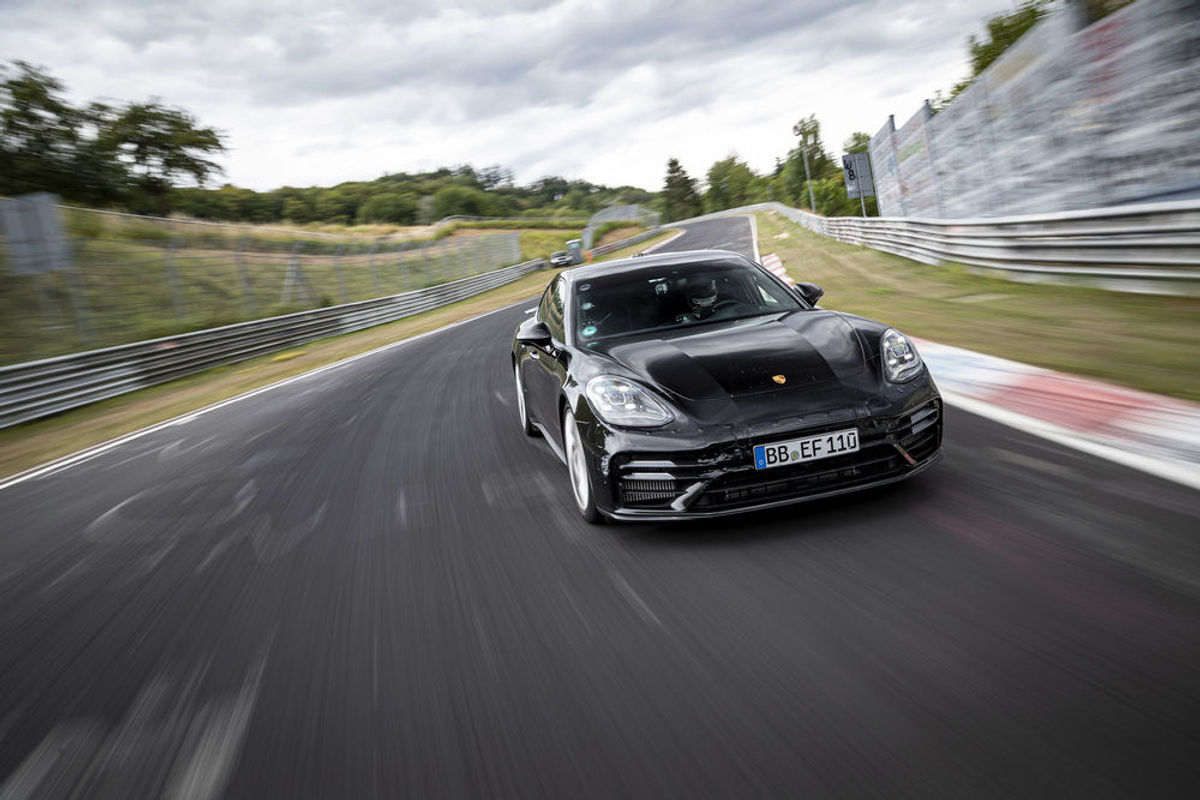
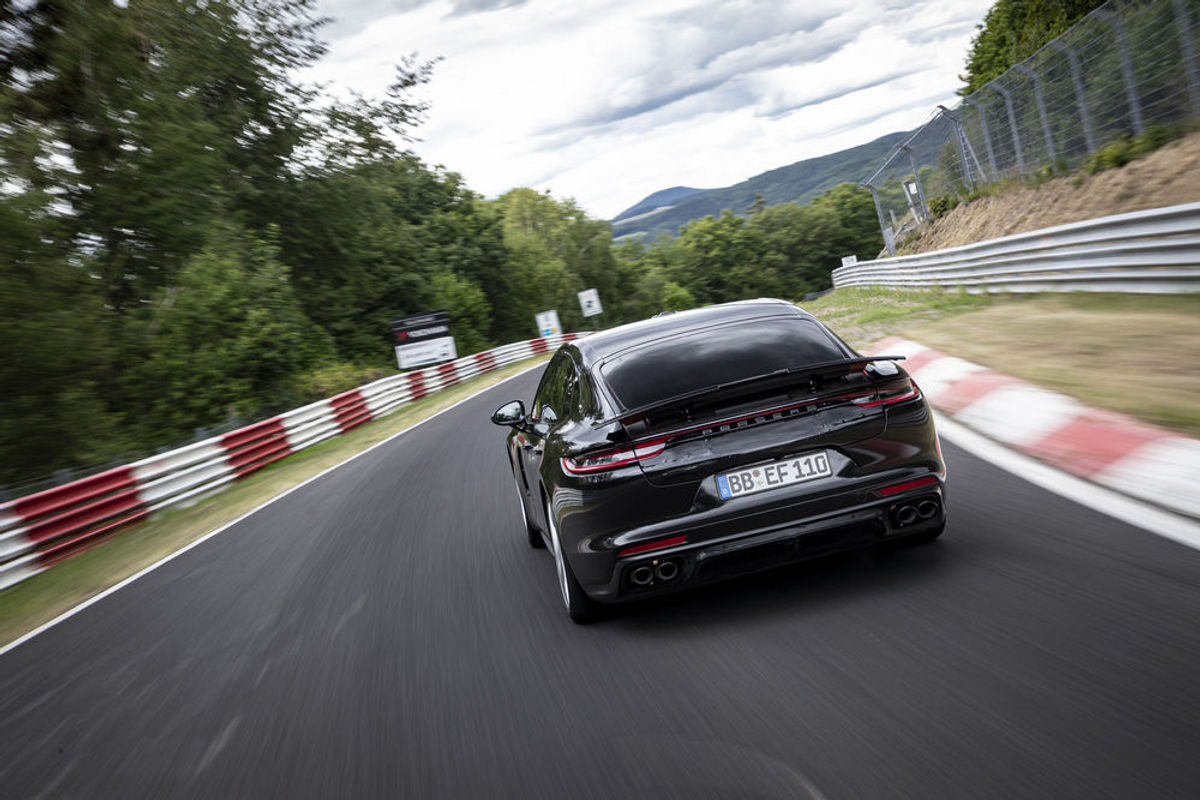
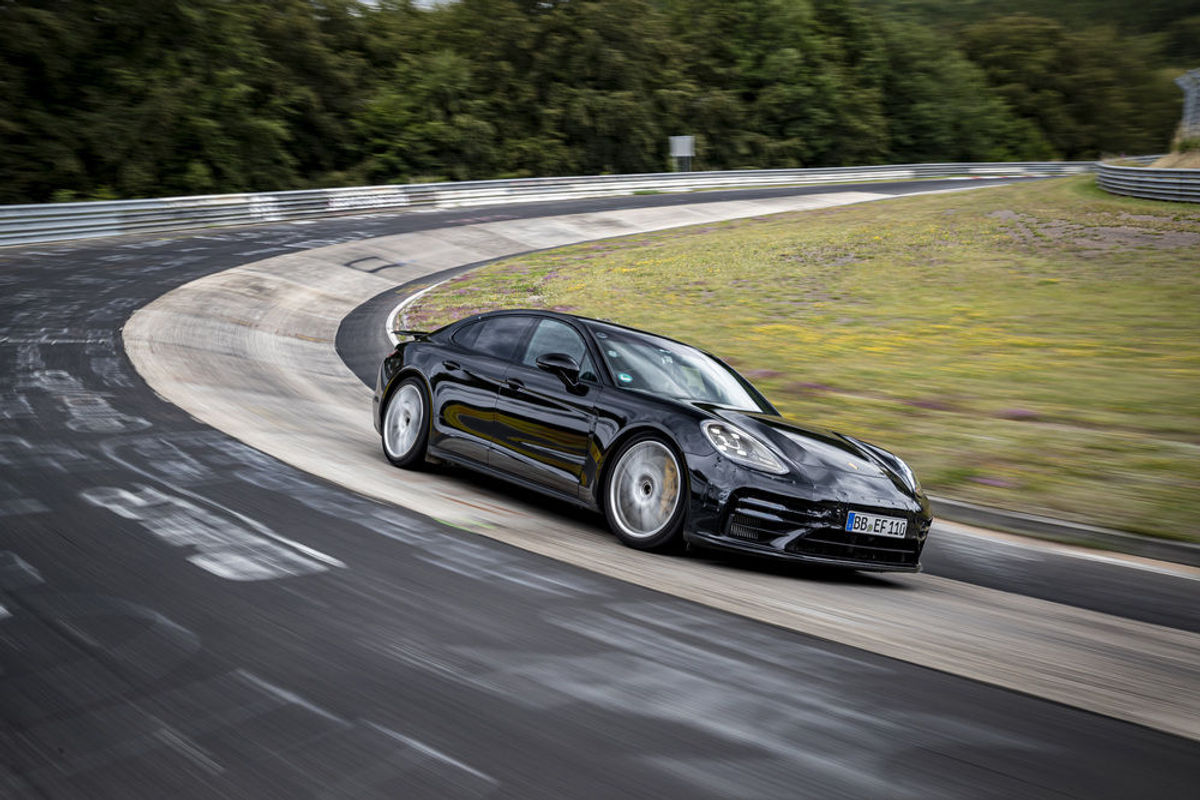
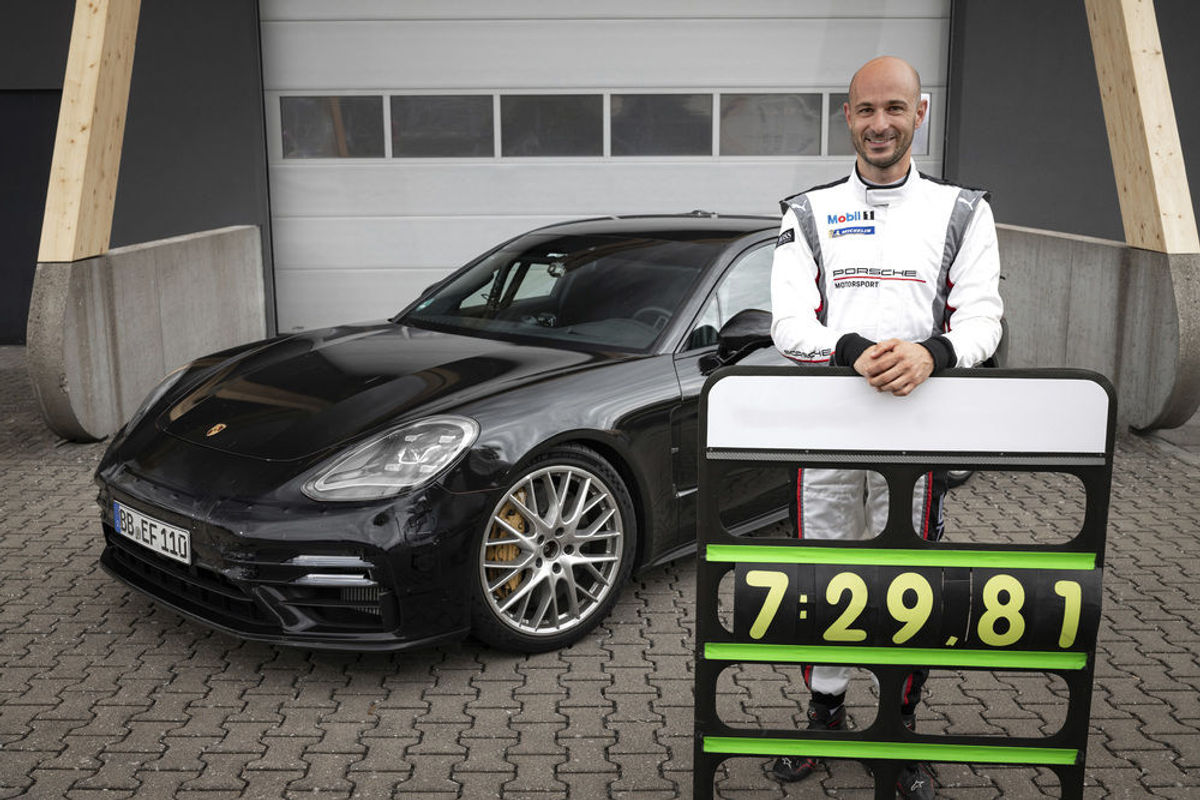
Porsche will be unveiling its facelifted Panamera luxury performance sedan later this month and the Zuffenhausen-based brand has released a video of the Panamera setting a new record at the famous Nurburgring. Check it out!
There’s an updated Panamera on the way and Porsche wants you to know that it’s amazing. All will be revealed on 26 August 2020 and it’s been reported that a more powerful Panamera Turbo S might join the range and slot in between the Turbo and Turbo S E-Hybrid and pack as much as 466 kW and 832 Nm from its turbocharged 4.0-litre V8 engine.
The Nurburgring is often used by car manufacturers to flex their muscles and show off their new products before they come to market. It’s also a good place for general performance testing and Porsche is no stranger to the Green Hell.
In fact, the Porsche 919 Hybrid currently holds the overall ‘Ring record with a time of 5:19 which was set back in 2018. Other notable Nurburgring record laps include the 911 GT2 RS in 2017 with a time of the 6:47 and the 918 Spyder back in 2013 with a time of 6:57.
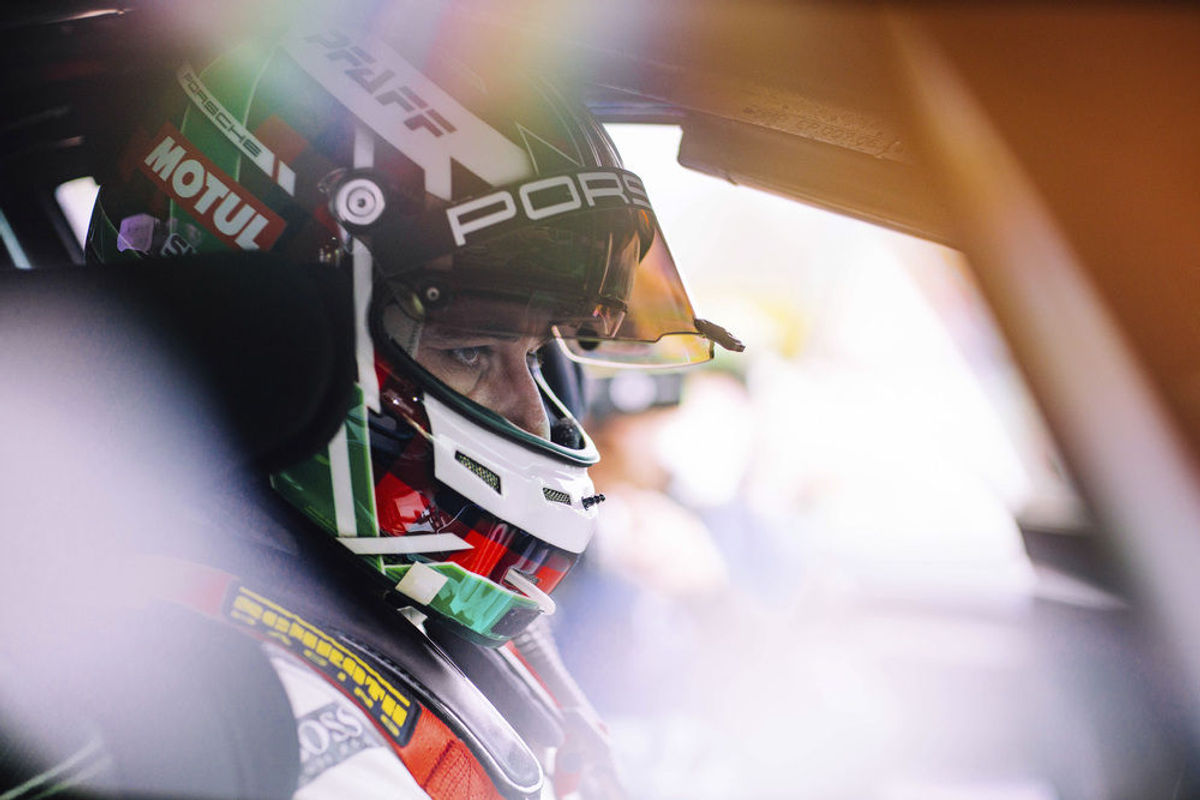
The video below shows the updated Panamera setting a 2020 record for a production car in the ‘executive cars’ category with a time of 7:29:81. The Panamera was driven by Lars Ker (32).
You may also recall the Mercedes-AMG GT 63 S 4Matic achieving a time of 7:25.41 back in 2018 on the shorter 20.6km Nurburgring layout, whereas Porsche’s record run utilised the longer 20.8km track layout.
“The Panamera has always been both an exclusive touring sedan and a true sports car at the same time. In the new model, we have enhanced these attributes even further,” says Thomas Friemuth, Vice President Product Line Panamera. “Alongside the increased engine power, improvements have been made in the areas of cornering stability, body control and steering precision. These enhancements benefit both everyday comfort and performance. The lap record is impressive proof of this.”
The Panamera used for the record run was fitted with a racing seat for the driver as well as a roll cage.
We will keep you updated as soon as official details for the facelifted Porsche Panamera are revealed. Stay tuned!