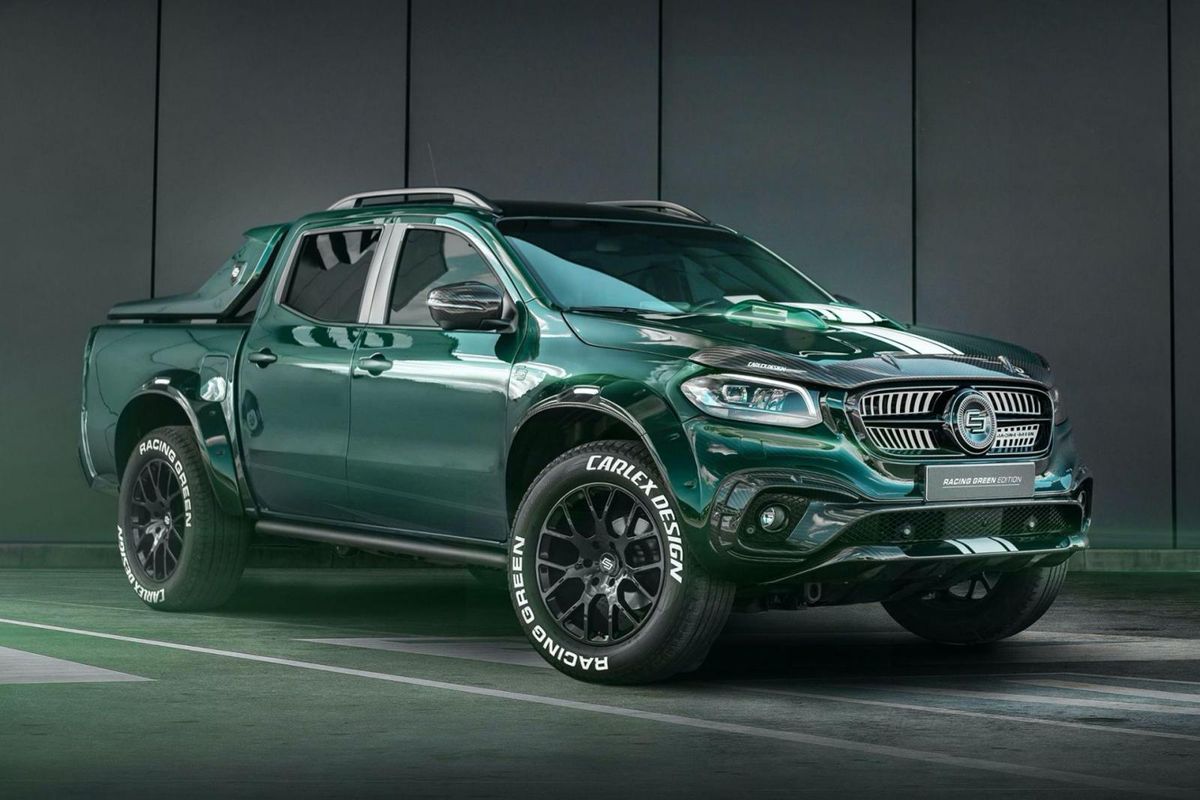
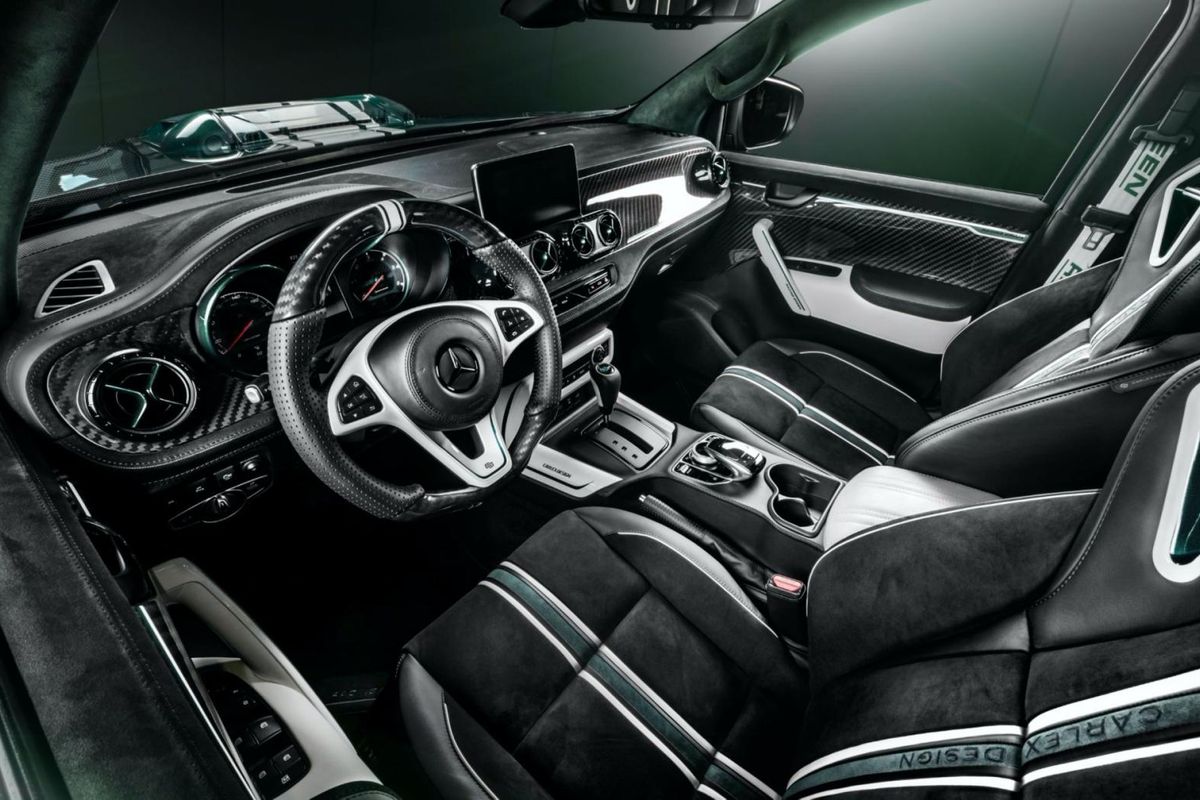
Polish automotive design firm, Carlex Design, has once again used the Mercedes-Benz X-Class as its muse, creating a Racing Green monster of note. Check it out!
We have seen Carlex Design create some spectacular designs for the Mercedes-Benz G-Class and the X-Class, but this latest creation is perhaps the most striking of all.
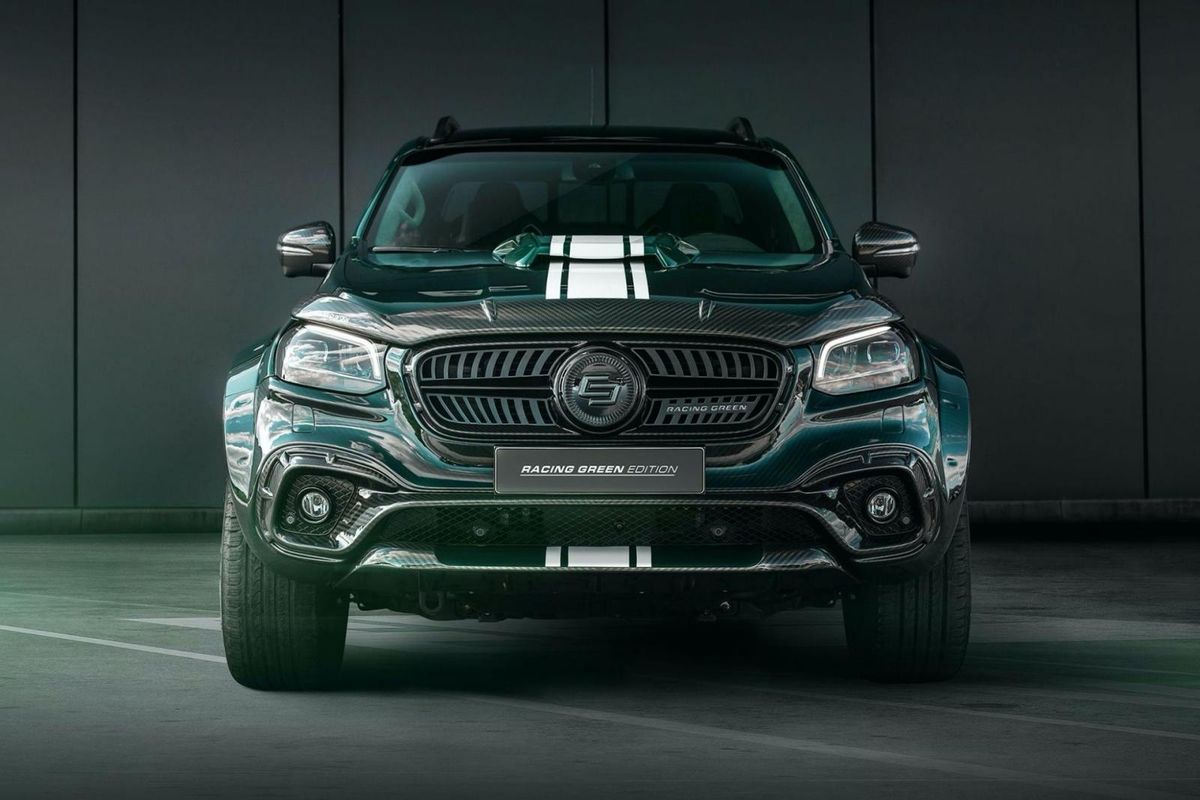
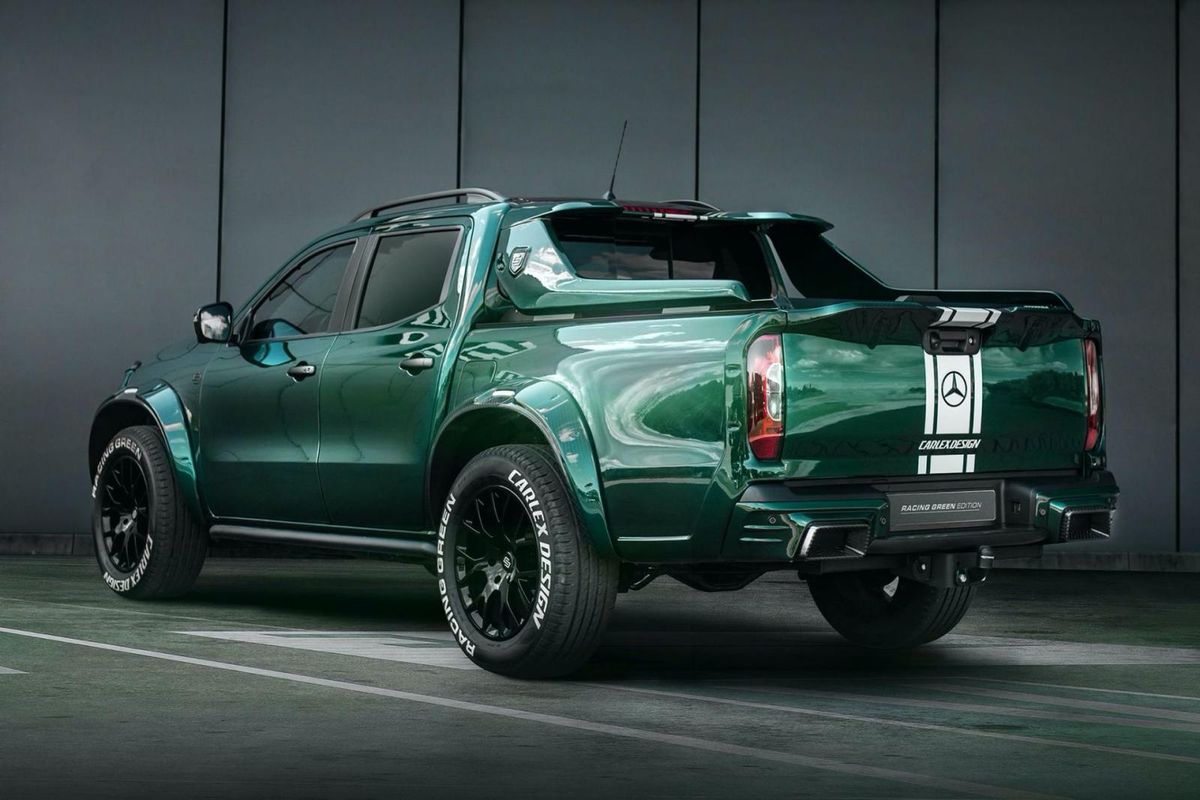
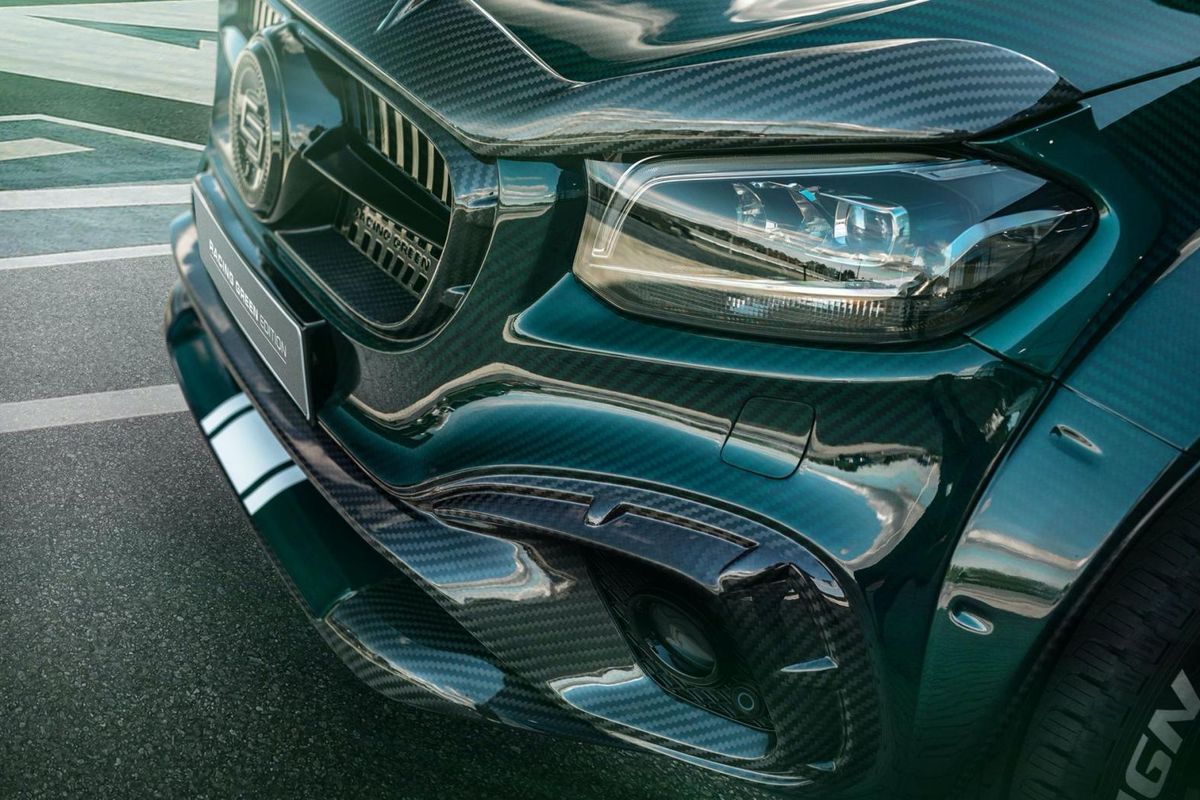
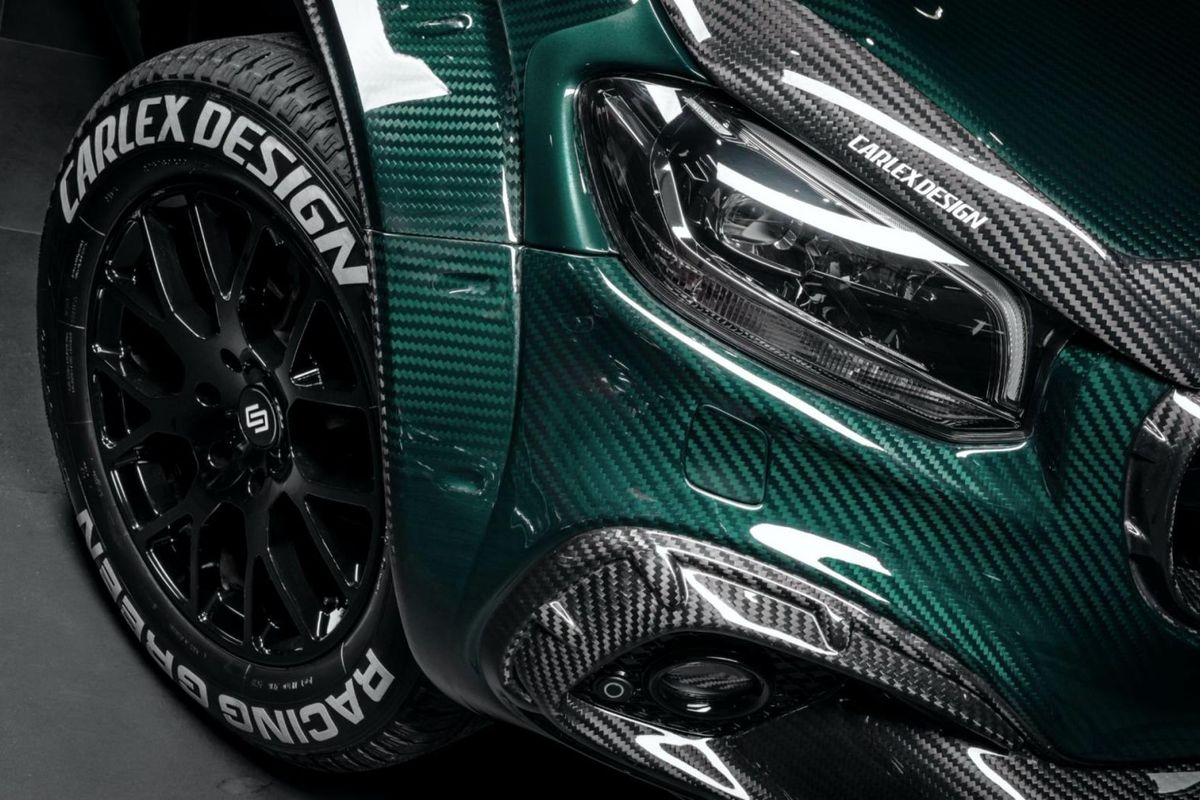
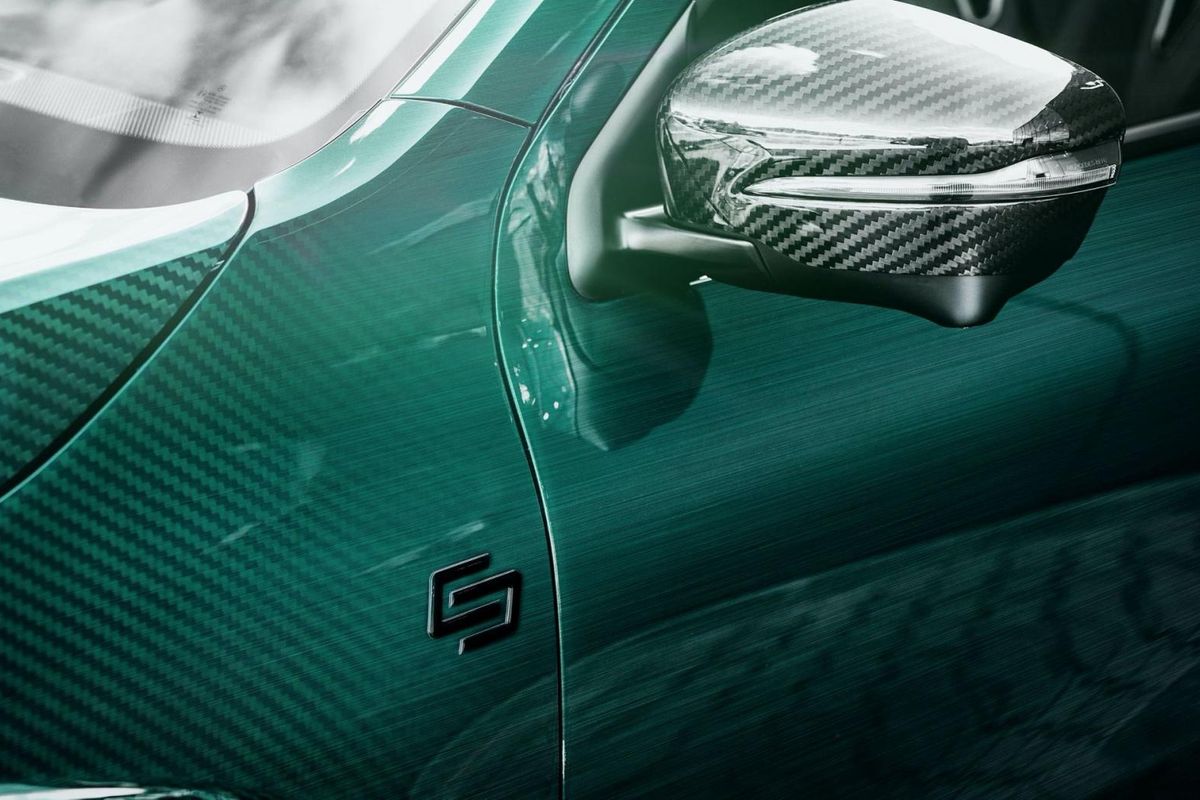
Yes, we know, the X-Class has failed spectacularly for the Stuttgart-based firm, but that hasn’t stopped Carlex from going all-out to create this green monster. The firm has officially called it the X-Class Racing Green for obvious reasons and it wears a carbon fibre body kit with flared wheel arches which give it a wide, purposeful stance.
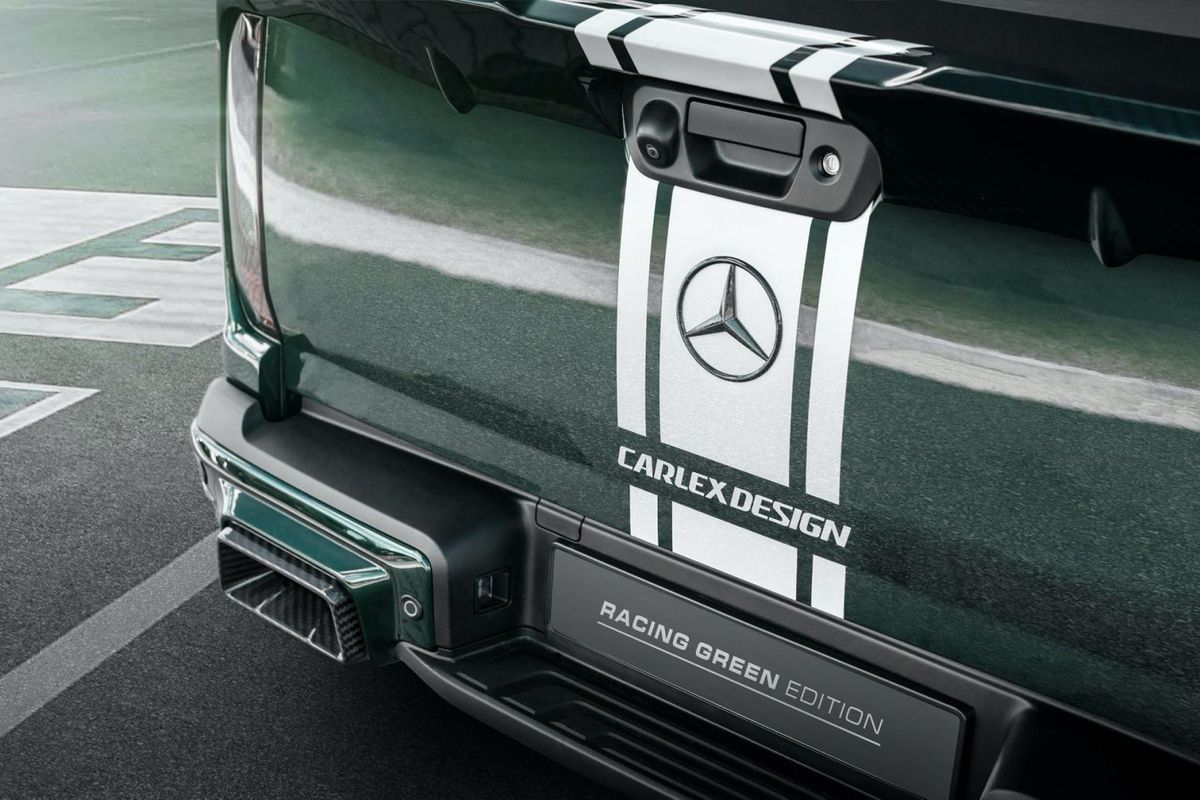
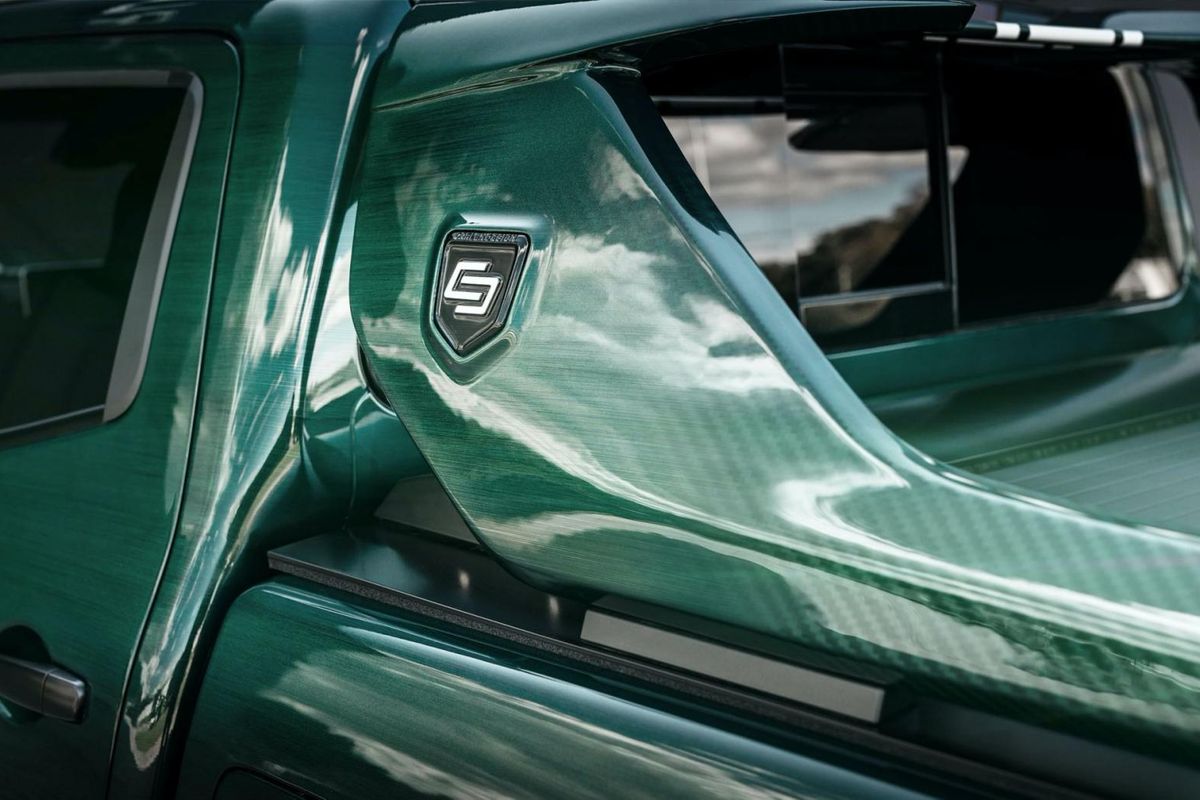
The body is painted in a Racing Green hue which was applied using a custom technique that showcases a hand-brushed pattern that blends with the carbon finish for a unique look. The vibrant green body is contrasted with white stripes running down the middle length of the vehicle. The chunky tyres also feature white lettering denoting ‘Carlex Design Racing Green’ and also add additional contrast against the green body.
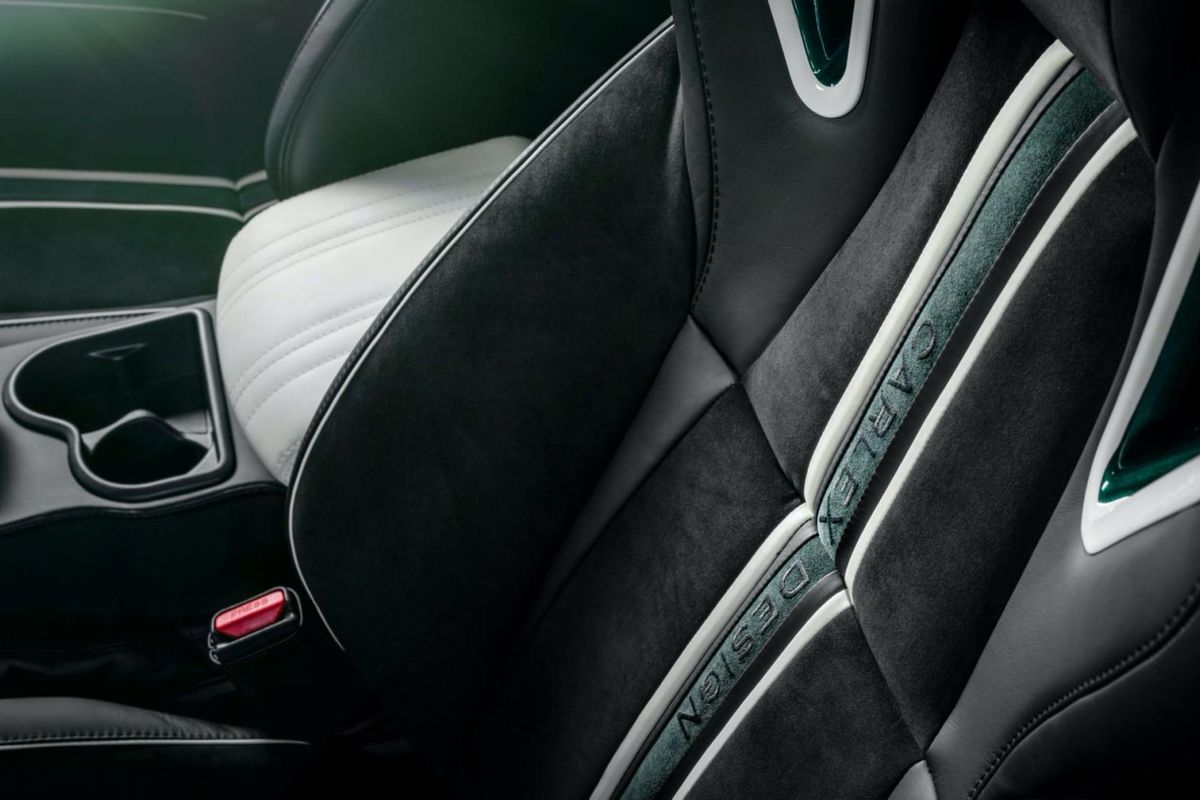
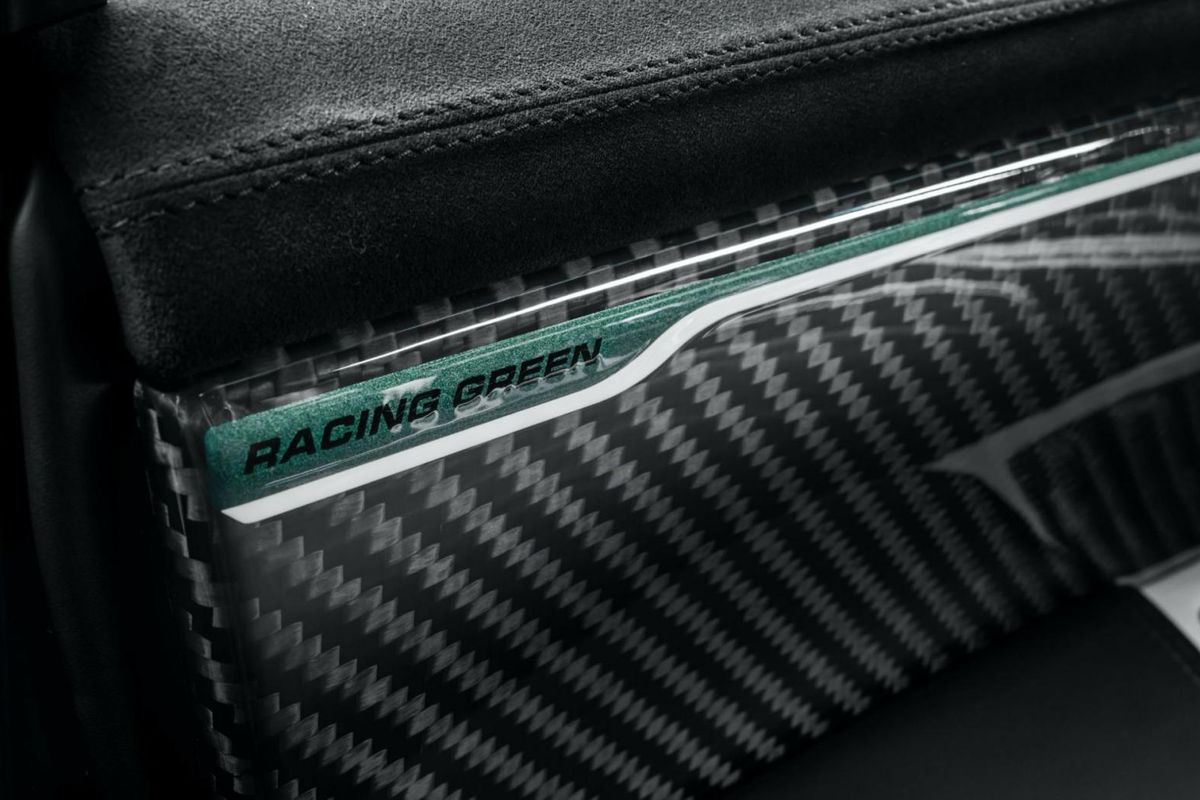
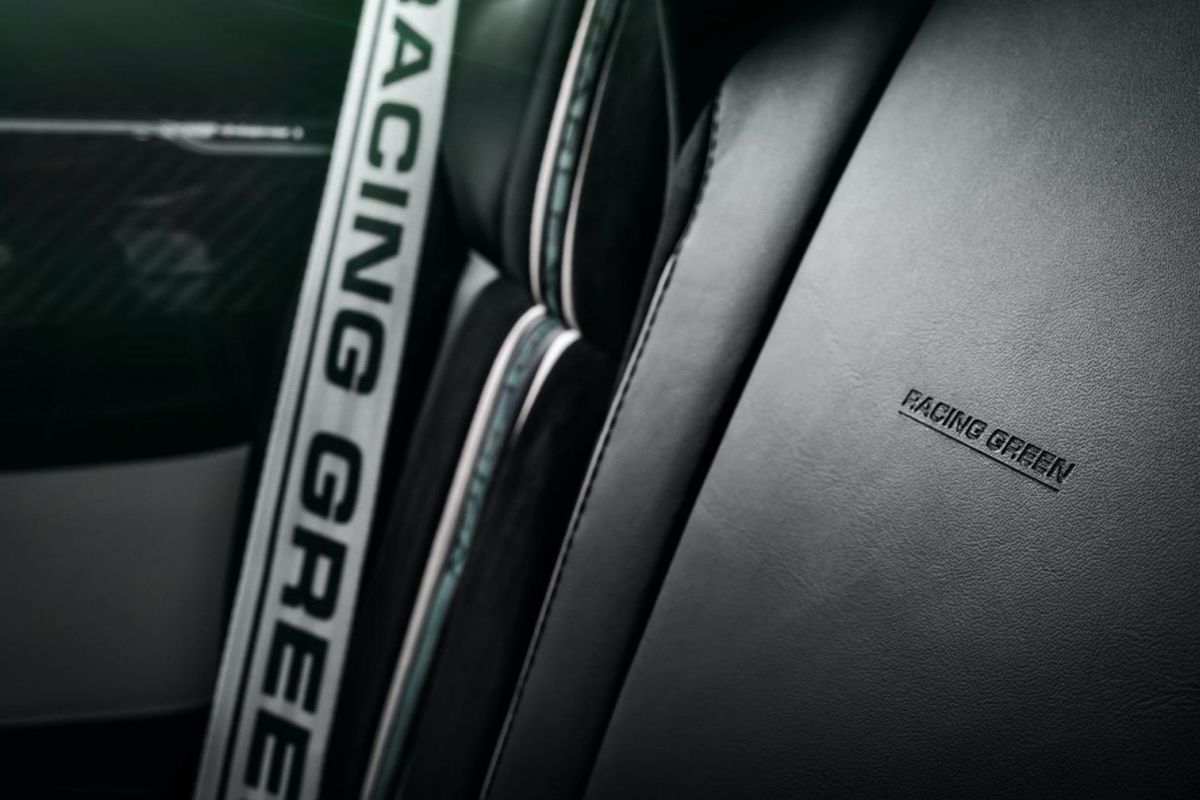
The interior is just as bold as the exterior featuring black and white combination upholstery with sport seats with green accents to match. The headliner is green too and the steering wheel features perforated leather and carbon fibre rim. Carbon fibre is also seen on the dashboard and on the door trim. The cabin is also dotted with ‘Racing Green’ lettering to remind you that this is no ordinary X-Class.
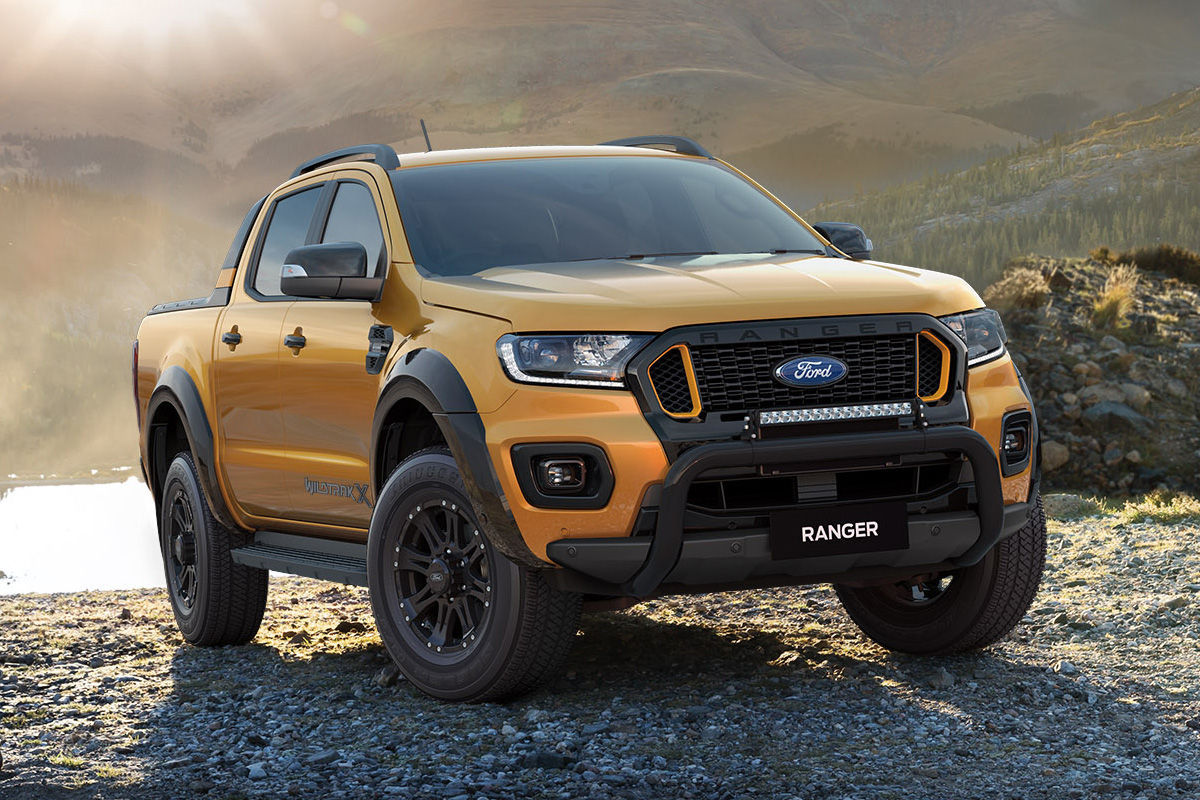
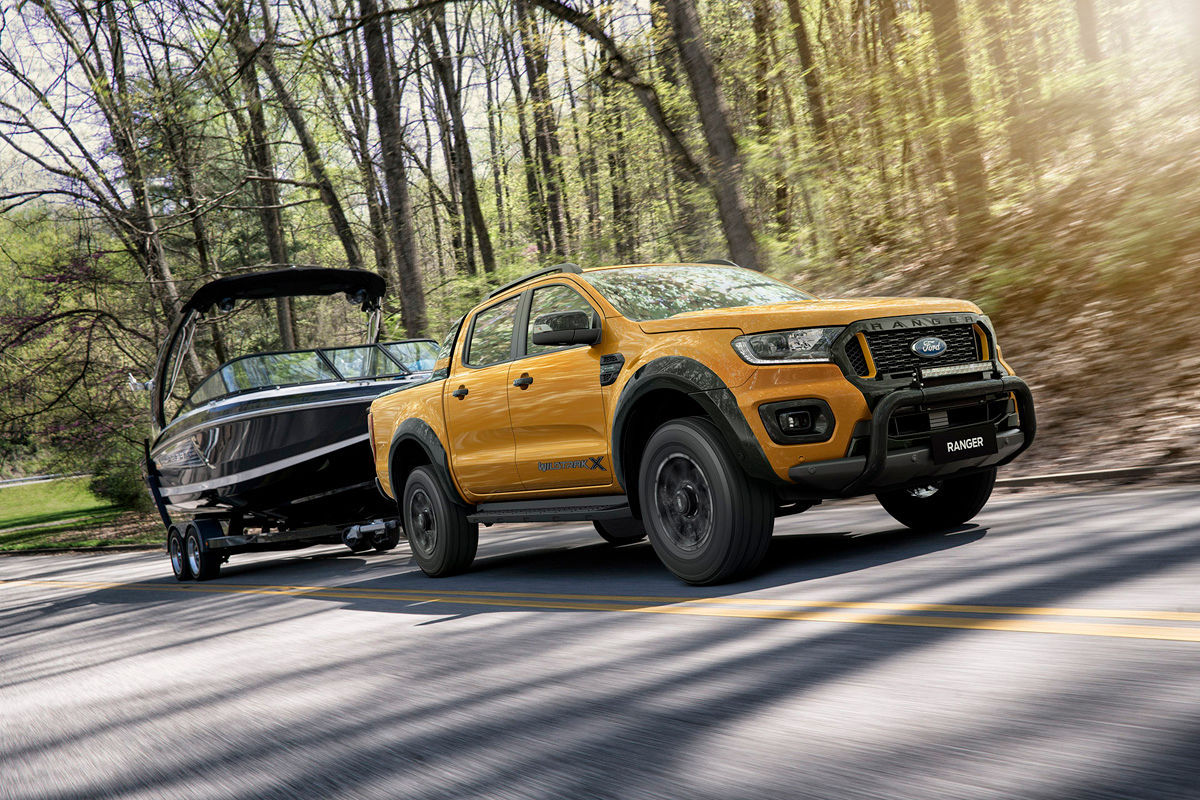
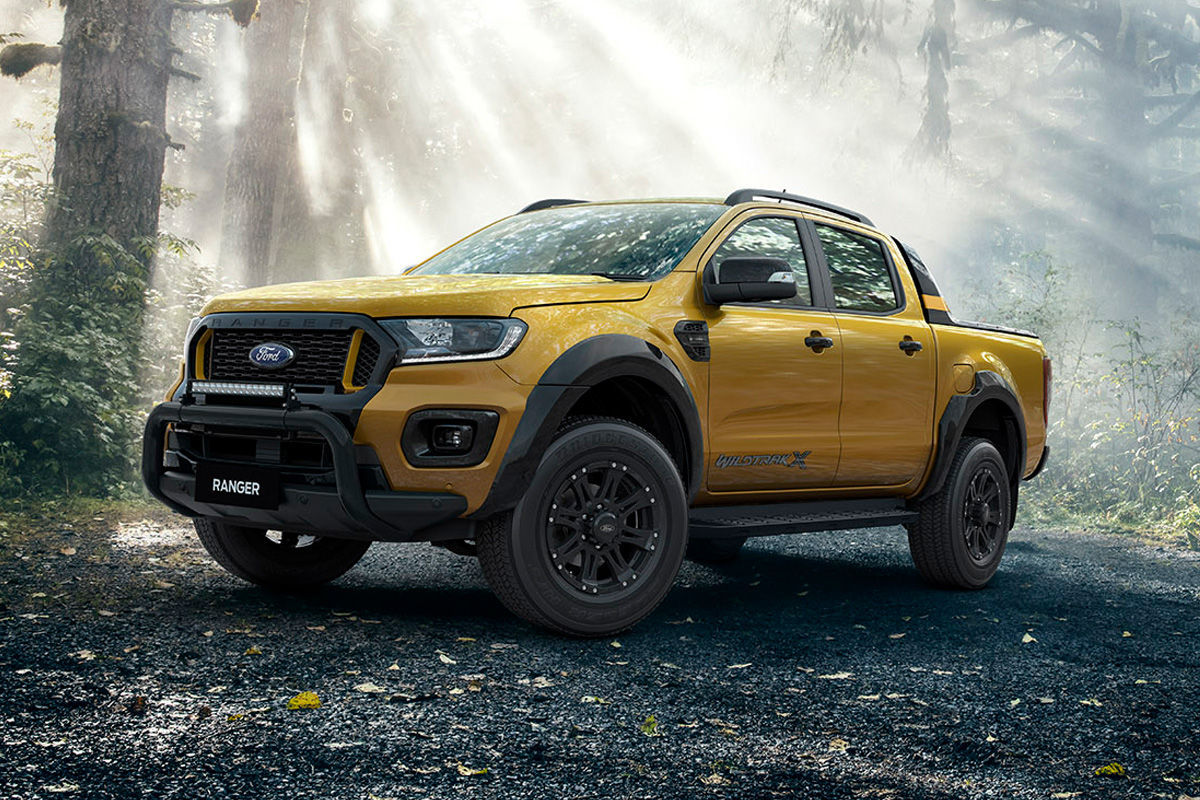
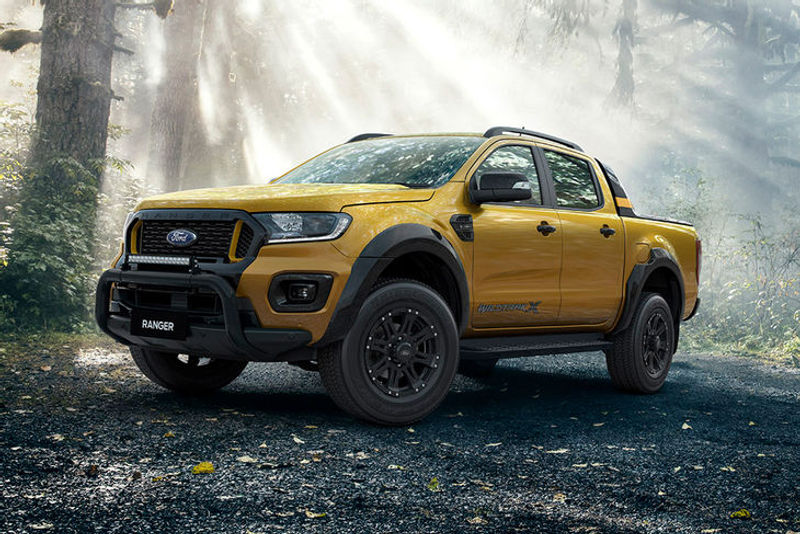
Is this what the final version of the current-gen Ford Ranger will look like? Incorporating recent updates made to the Thailand-made Ranger (which aligns the bakkie's appearance with SA-spec Thunder derivatives), this striking 2021 Wildtrak X version for the Aussie market sets up the Blue Oval's final sales push for its outgoing bakkie.
Set to be launched Down Under early in 2021, the Wildtrak X is, like local Thunder versions, available in 3.2-litre 5-cylinder turbodiesel and 2.0-litre 4-cylinder bi-turbodiesel guises, in combination with 6-speed- and 10-speed automatic transmission respectively. We recently reported that Ford Thailand had given the Ranger a quick update and, seeing as that's the country from which Australia imports its Rangers, the Wildtrak X, which sits between the standard Wildtrak and below the range-topping Raptor, incorporates those visual tweaks and, of course, is laced with extra features.
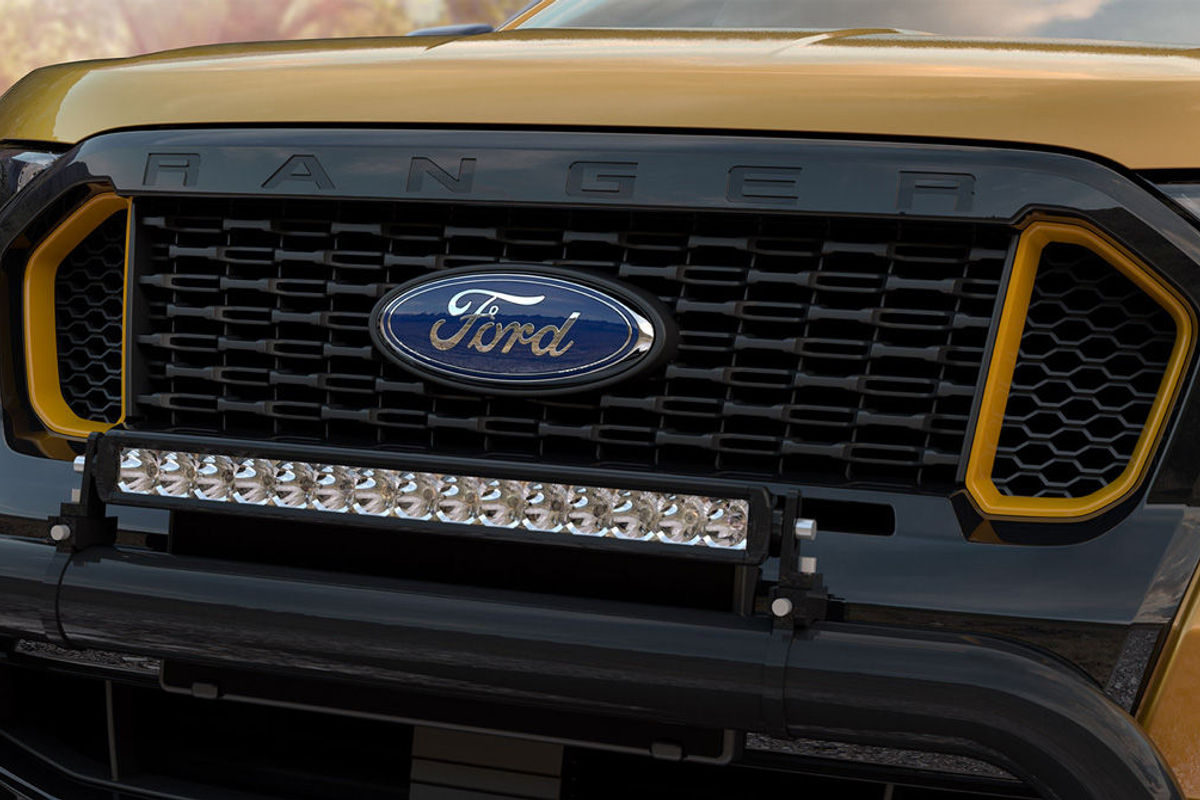
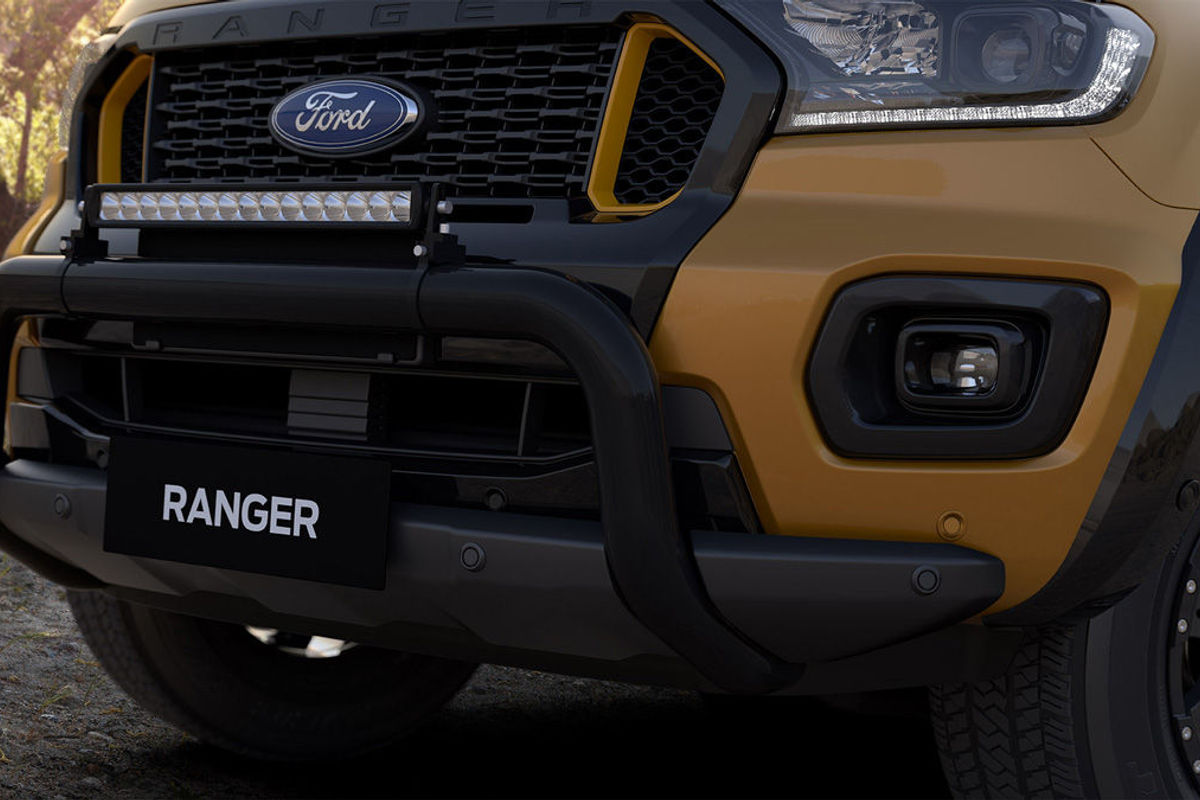
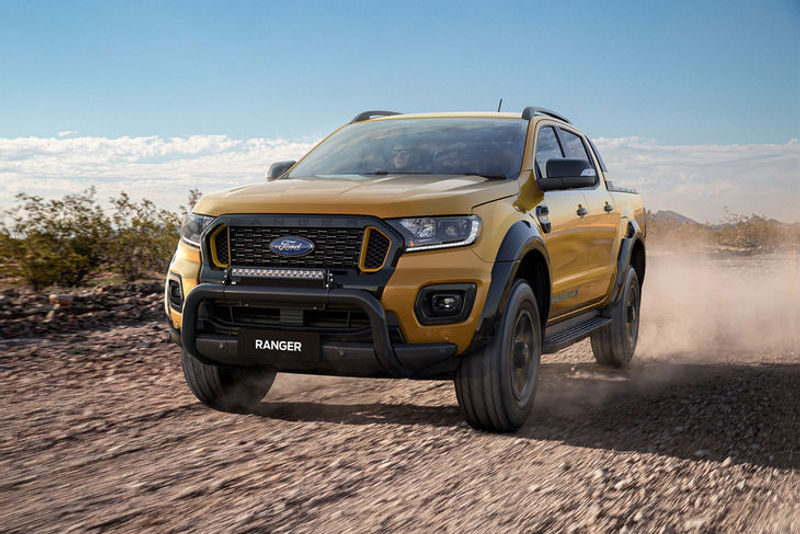
A plethora of black accents contrasts tastefully with the orange metallic exterior finish. Note the standard nudge- and light bars.
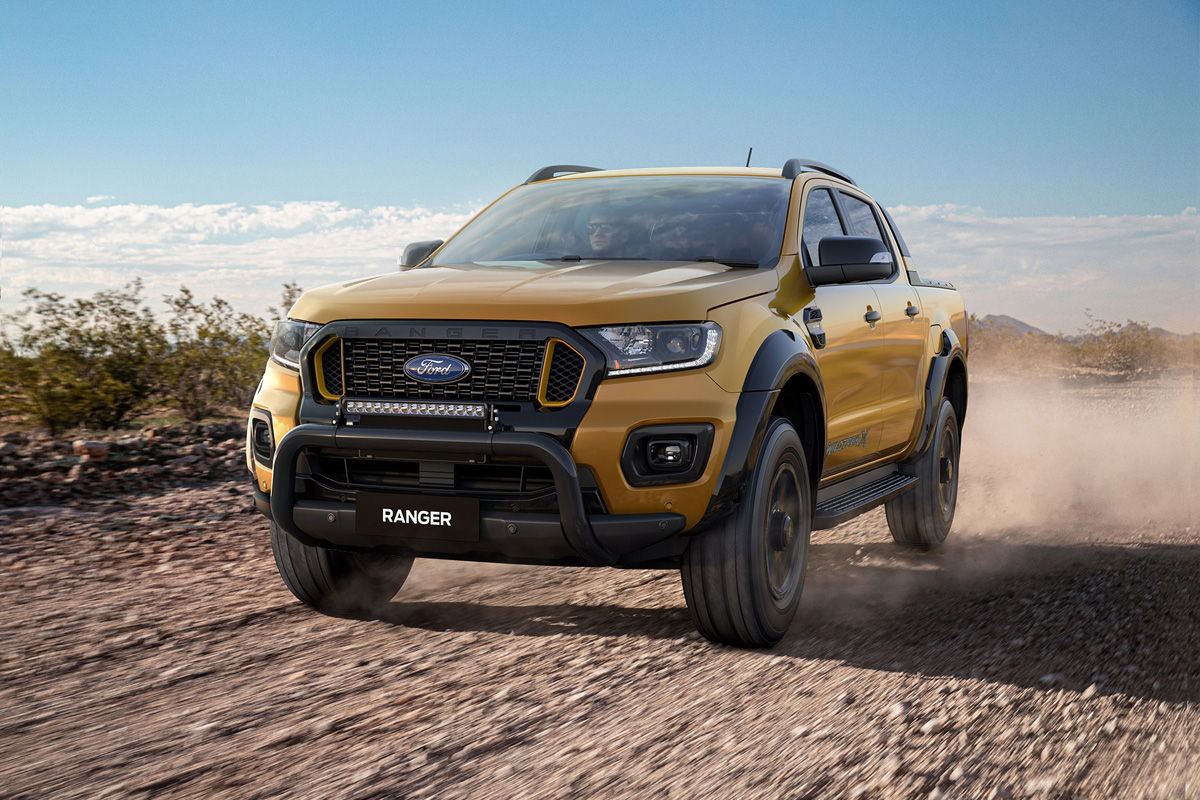
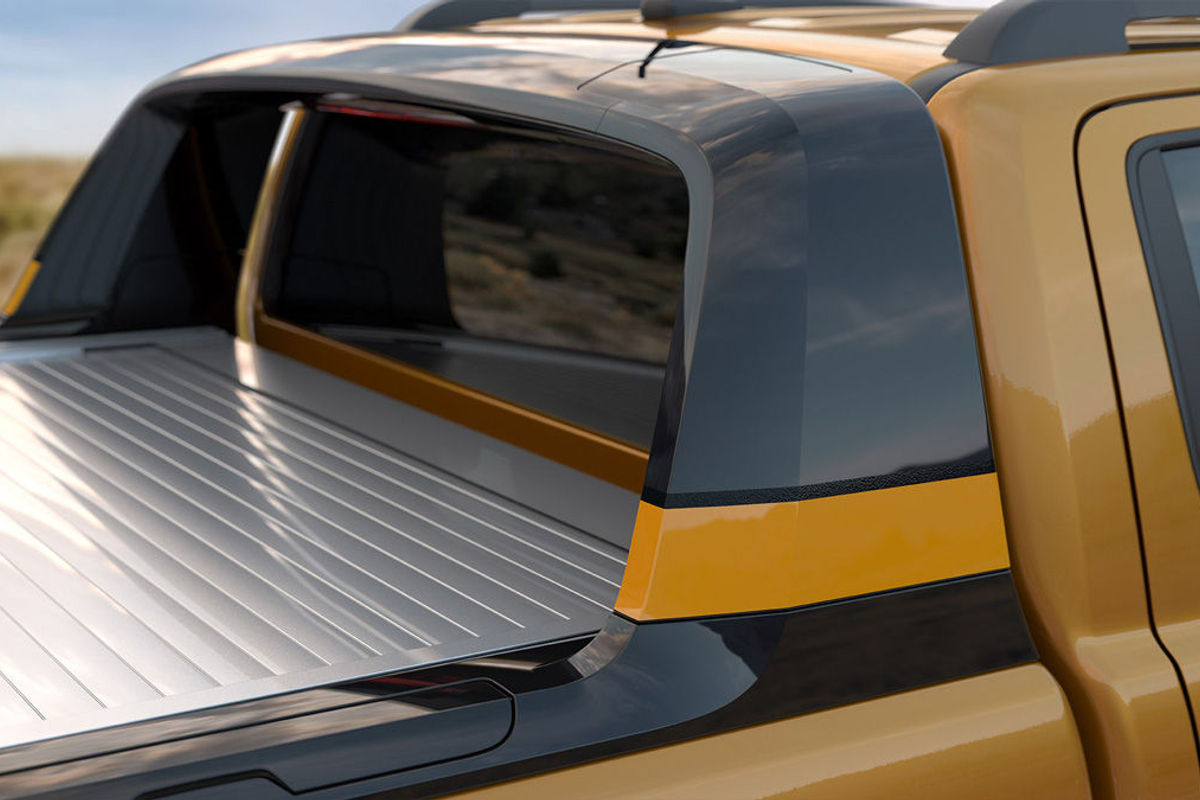
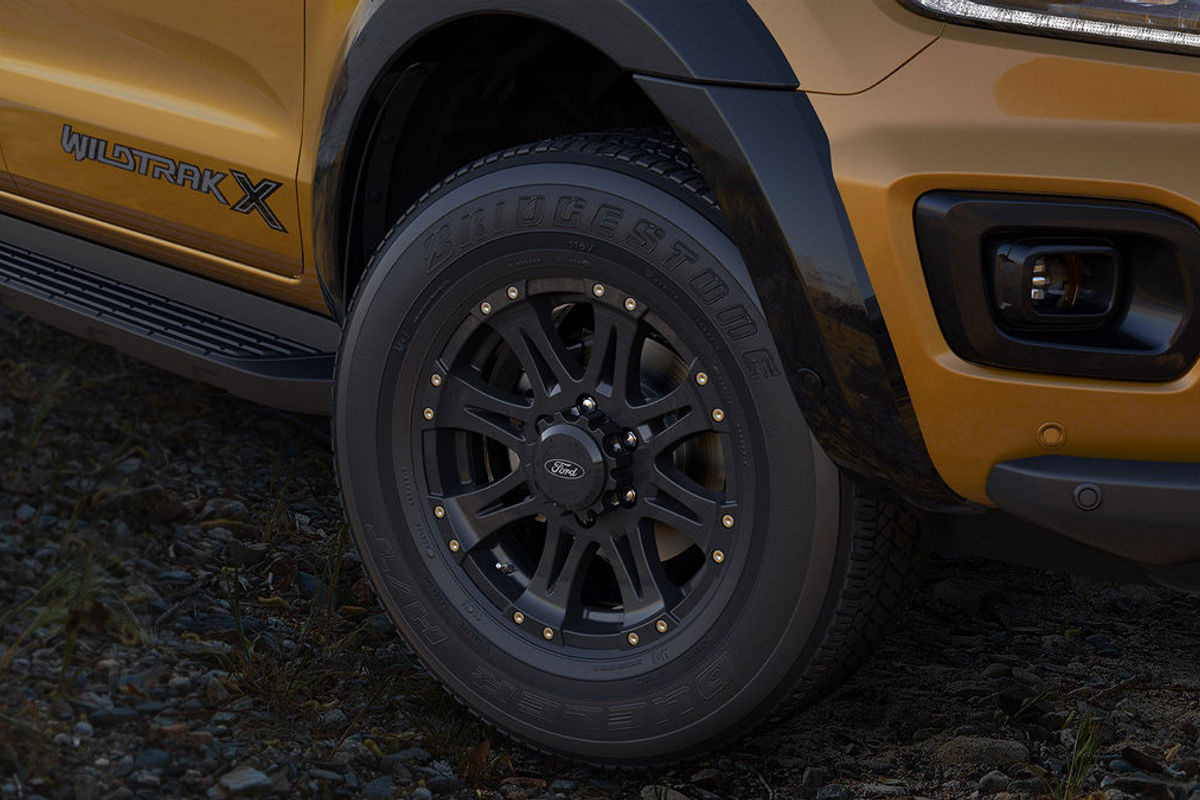
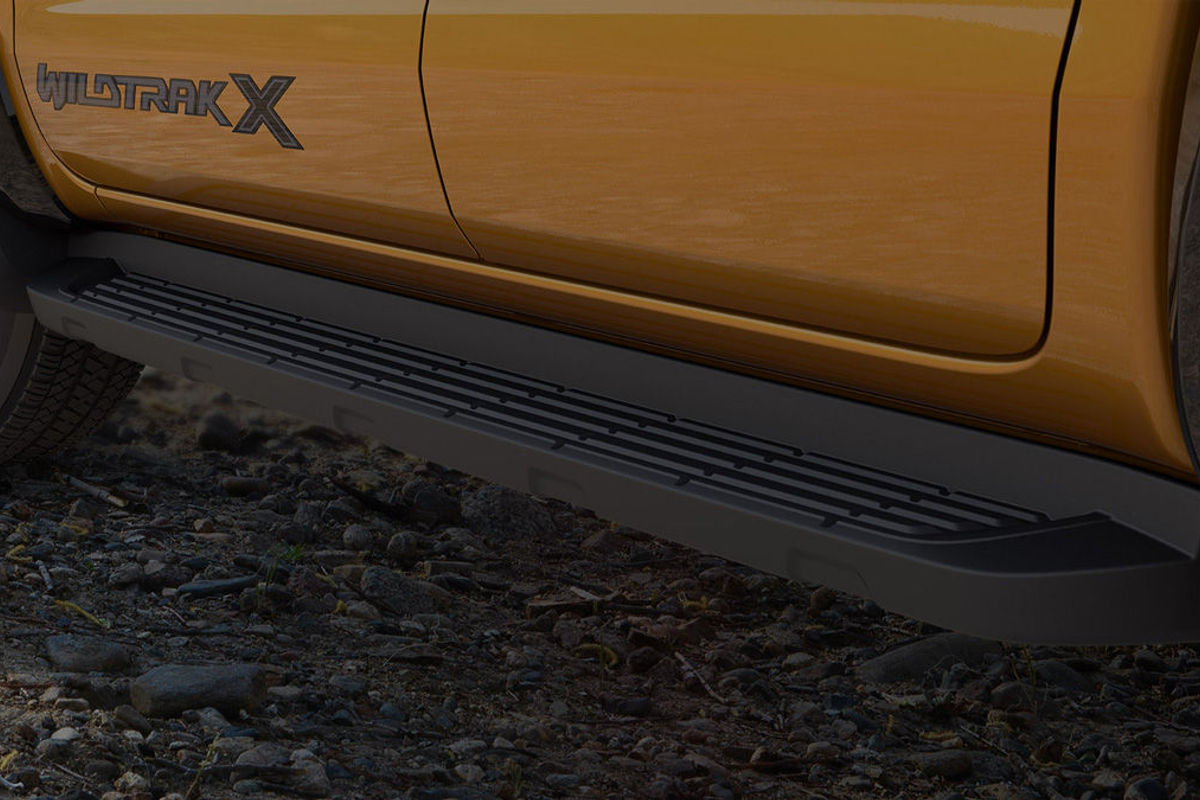
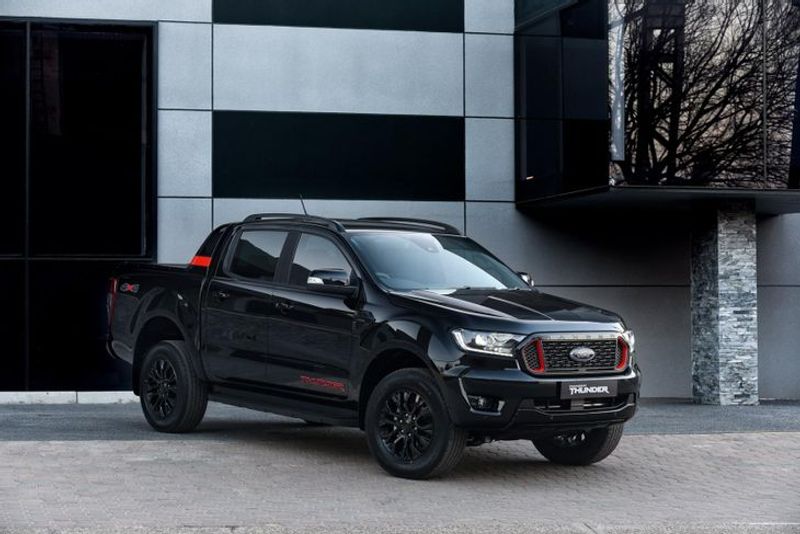
The Ranger Wildtrak X features the Thunder's black grille, replete with two "nostrils" (located at the outer edges of the surround), only in the case of the Aussie bakkie, they're accented in orange, not red. The Ford double cab's headlights are Bi-LED units, augmented with a 20.5-inch slimline LED Light Bar mounted on a black nudge bar (these don't feature on the Thunder either). However, like the South African special edition, it features 18-inch black alloy wheels (with a 35-mm offset), matched with similarly coloured wheel-arch flares, fender garnishes, mirror caps, door handles, running boards, roof rails, a sports/roll bar (with orange, not red accents). Which wore it best, though… The Wildtrak X or the Thunder?
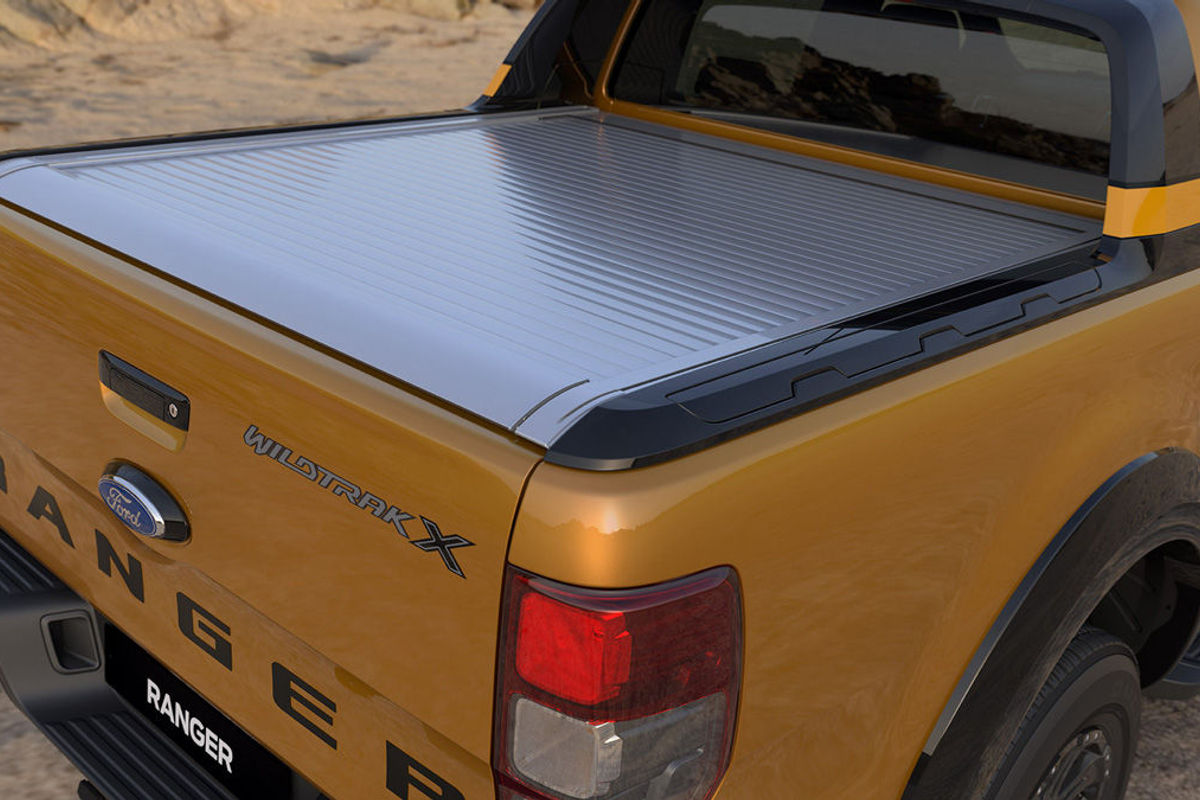
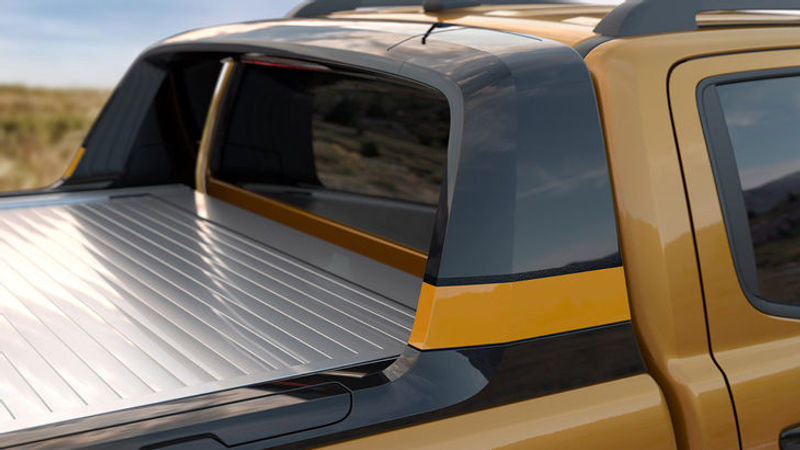
The Wildtrak X also features a roller shutter (Ford calls it the "Wildtrak cargo area management system with side rails"), but, as opposed to the South African special edition, it's electrically powered and can be controlled by either the key, a button in the load bin or a switch on the dash.
The orange band on the sports/roll bar is an acquired taste, but no worse than the red band on the Ranger Thunder…
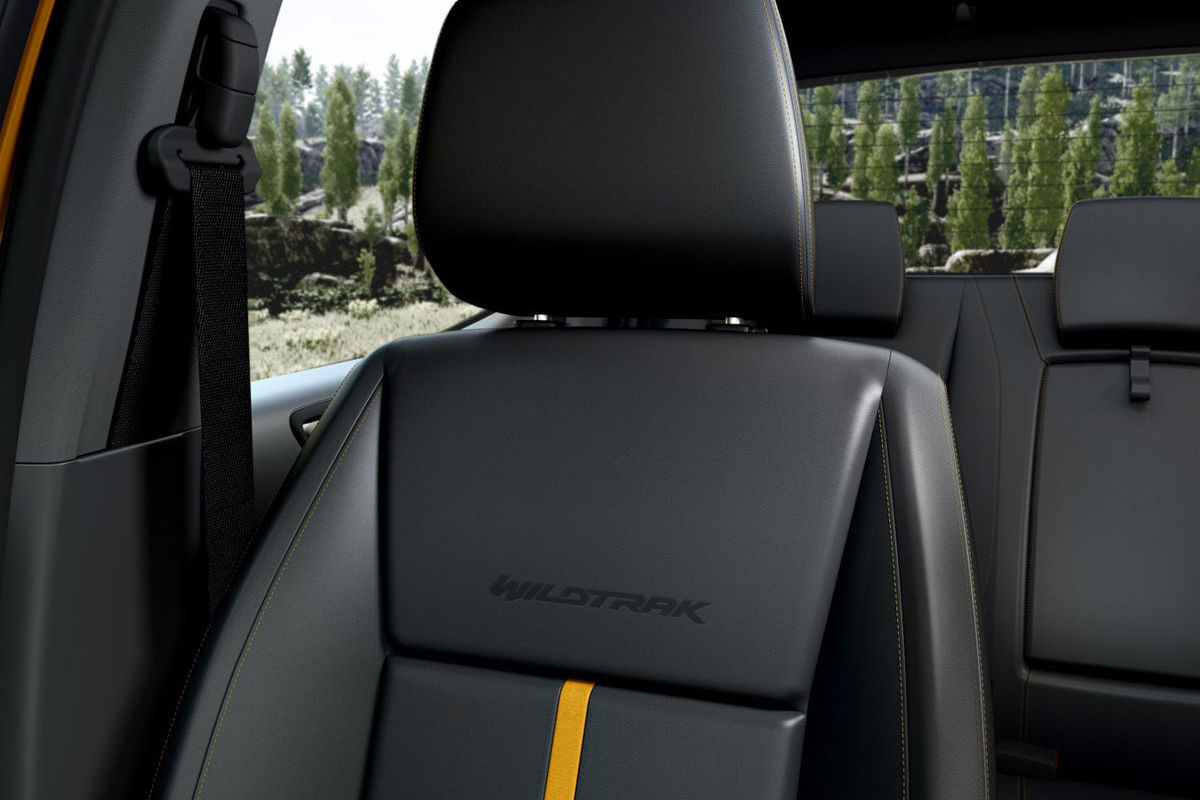
Inside, the Wildtrak X features additional (derivative-specific) orange detailing on the seats, as well as extra leather accents on the side bolsters. As in the Thunder, illuminated scuff plates on the front door sills provide additional visual impact when the front occupants step into the bakkie's cabin.
Given that Toyota recently beefed-up the line-up of its Hilux range, including a cosmetic update, a more powerful 2.8-litre turbodiesel motor, a suspension retune and an upgraded infotainment system, we'd be very surprised if Ford doesn't raise its game further in the run-up to the replacement of this, the T6 Ranger, whose successor will be produced at FMCSA's Silverton production facility in late 2021 or early 2022.
The Wildtrak X needs to strive through the desolate Outback at night, which is why the light bar is particularly handy.
Just last month, Ford's local subsidiary beefed up its XL-specification Ranger (single-, super- and double-cab versions) with attractive options to consider, including a Sport Pack and an optional 8-inch touchscreen infotainment system that offers Apple CarPlay and Android Auto functionality.
The extent of the competition that the Ford Ranger will face over the next 12 to 18 months (if not a little longer) is now much clearer; GWM will shortly introduce its P-Series bakkie in South Africa and next year, the facelifted Nissan Navara (to be produced in Rosslyn) and all-new Mazda BT-50 will debut, followed in 2022 by the Isuzu D-Max, which will be built in Port Elizabeth. Renault and Peugeot are also readying bakkies for SA.
Ford SA's most deliberate ploy to keep the Ranger top-of-mind is the Thunder special edition, but there should be more to come.
Both the Wildtrak X and the Thunder are packed with technology; the SYNC3 infotainment system boasts Apple CarPlay/Android Auto connectivity and, safety-wise, Ford’s full suite of Driver Assist Technology features is fitted. This includes autonomous emergency braking with pedestrian detection, adaptive cruise- and hill-descent control, hill-launch assist, electronic diff lock, a tyre-pressure monitoring system and active park assist.
The biggest tech difference is that the Wildtrack X additionally features FordPass Connect "connected car" technology, which pairs with the FordPass smartphone app to unlock new connected services and remote vehicle functions to simplify the Ranger ownership experience.
Will some or many of the Wildtrak X and Thunder accoutrements be rolled out to the rest of the Ranger range soon? Watch this space.
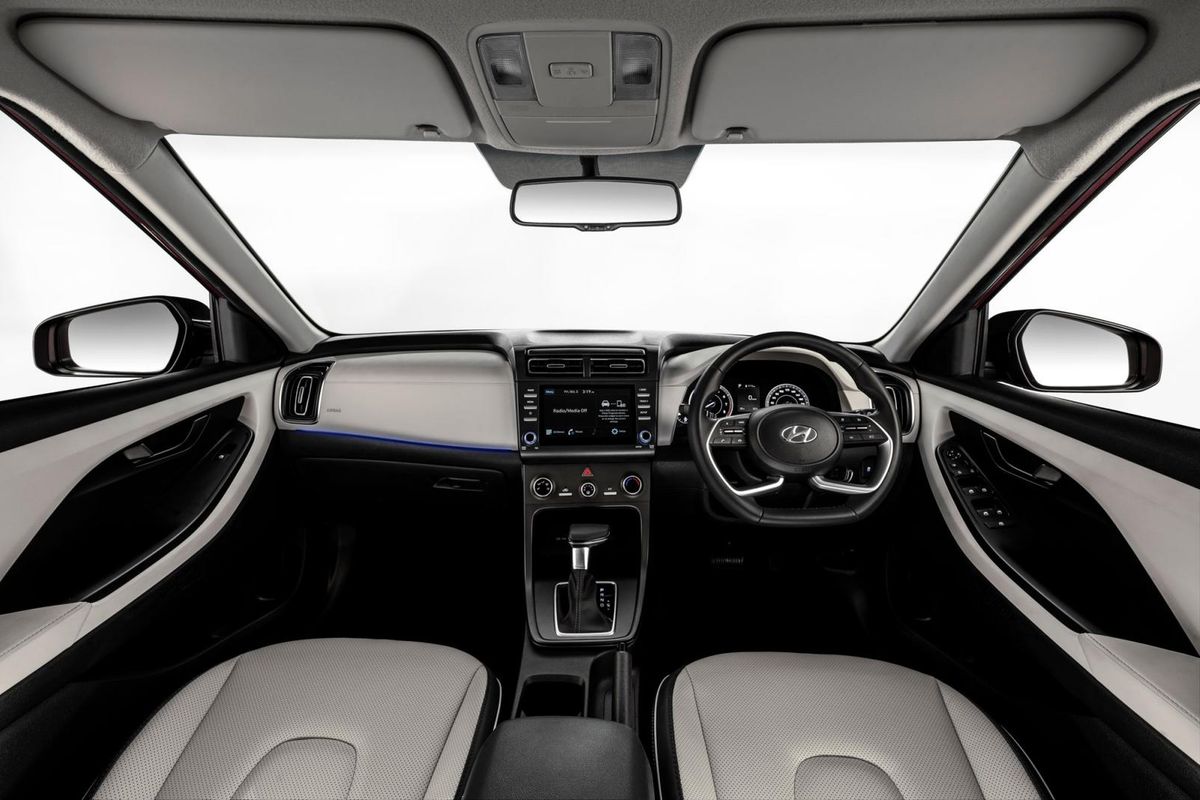
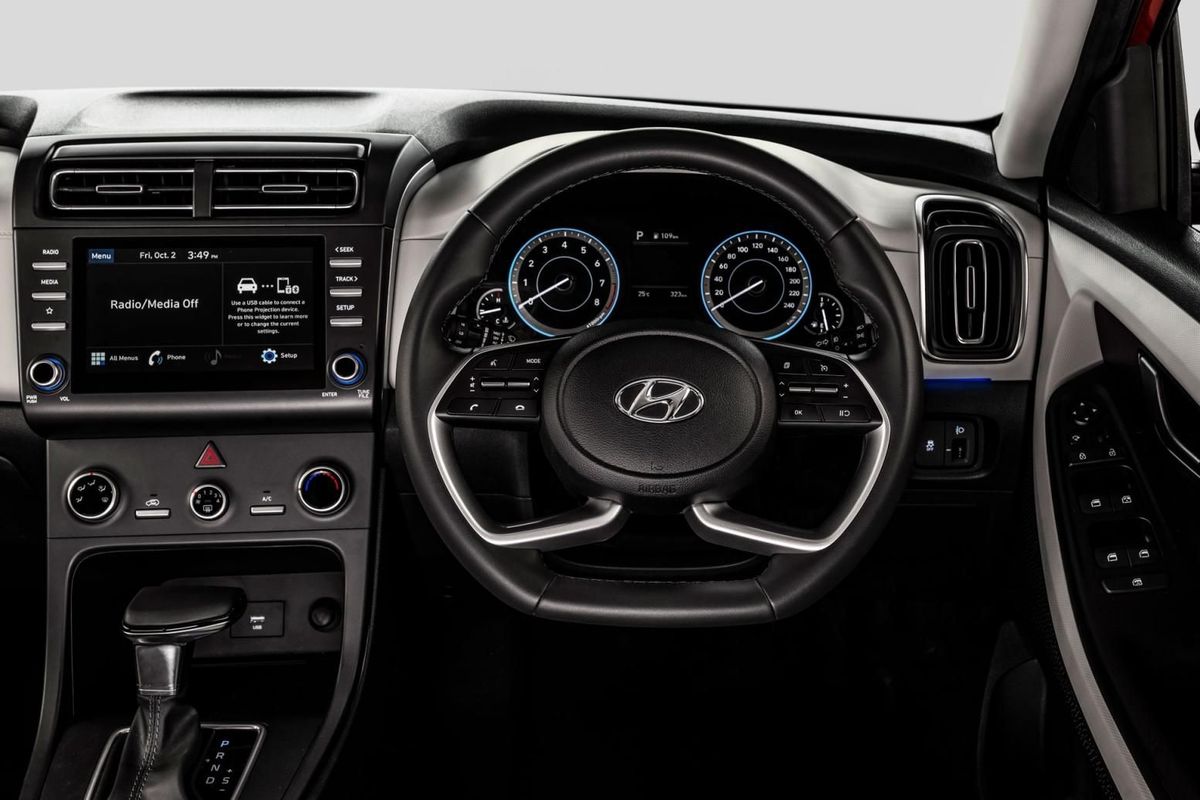
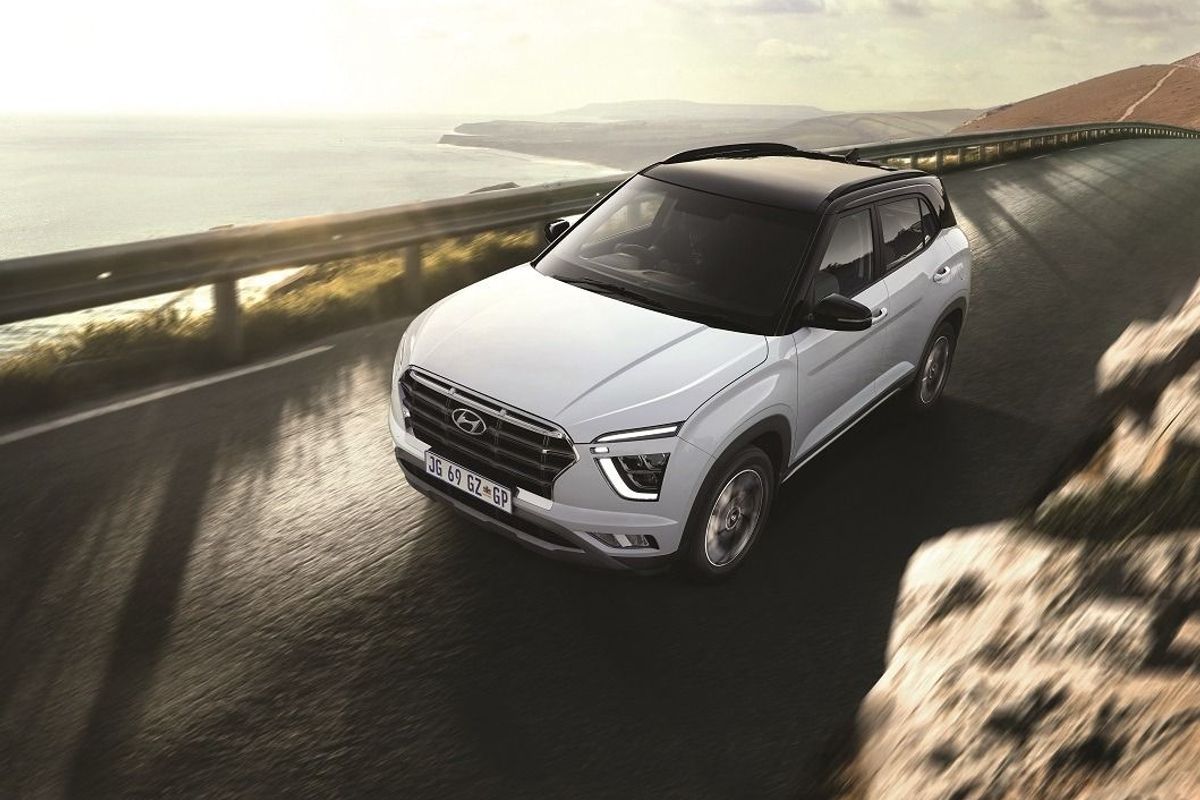
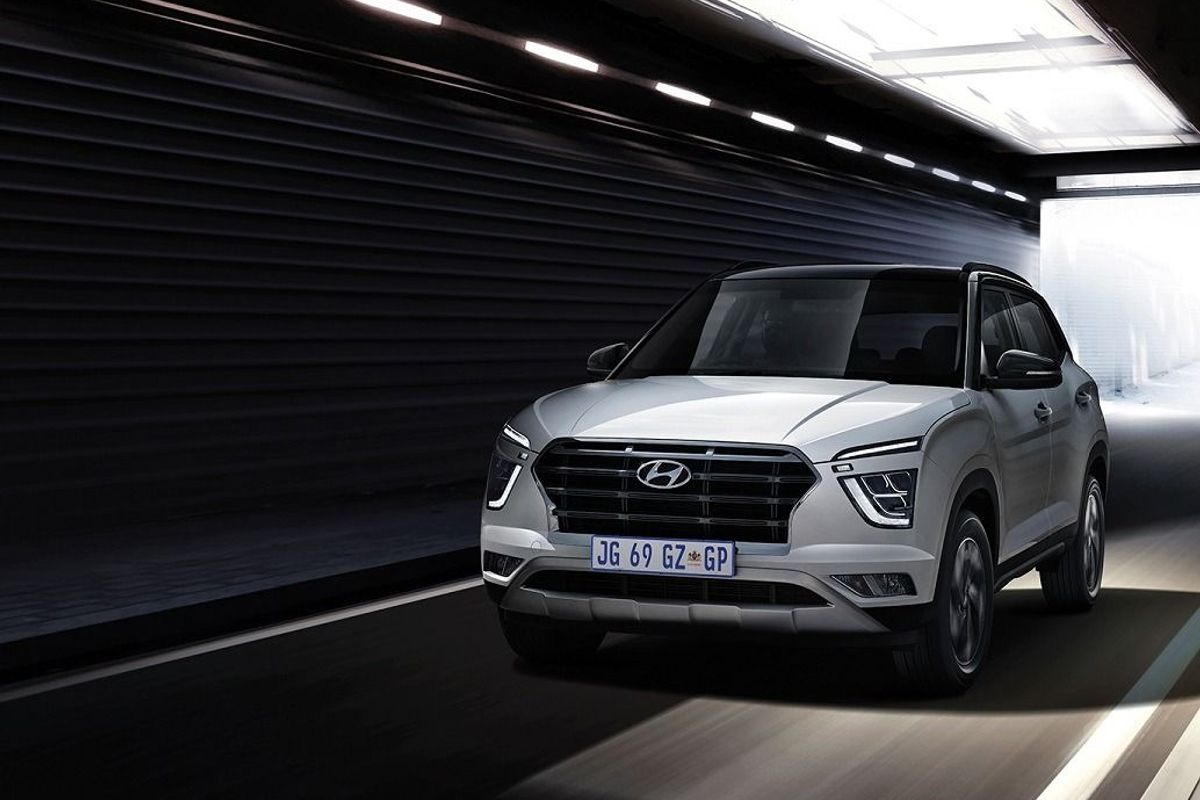
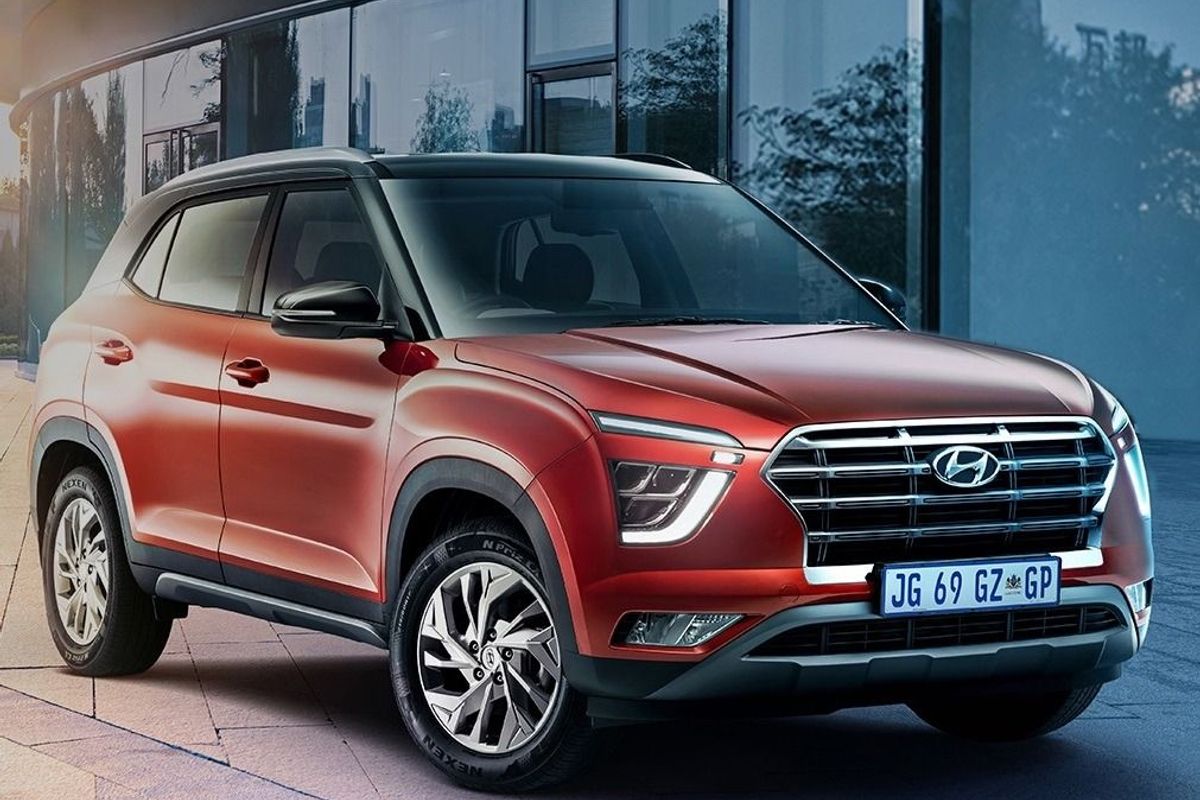
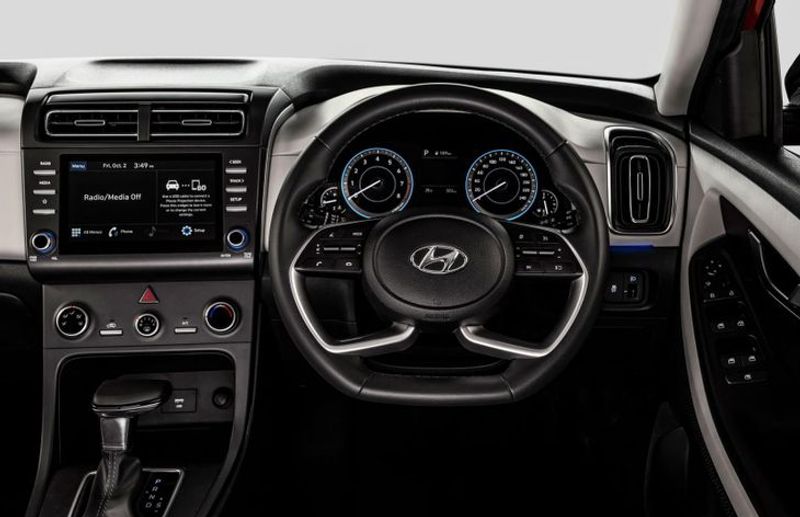
Pricing and specifications of the all-new Hyundai Creta have been announced via the Hyundai South Africa website. Here's what's new and how much you can expect to pay for the Korean compact SUV.
The 2nd-generation Hyundai Creta has touched down in South Africa and will be going on sale from the end of November 2020. The new model brings a bold new styling direction, while the range gets some newer engines. For those wanting a bit more shove, Hyundai has introduced a 1.4-litre turbocharged motor into the mix.
The Hyundai Creta charges into a congested segment, with rivals like the Volkswagen T-Cross, Kia Seltos, Renault Duster, Ford EcoSport, and Suzuki Vitara all vying for a slice of the pie.
There are three engines on offer. Kicking off the range is a 1.5-litre naturally-aspirated 4-cylinder petrol engine that produces 84 kW and 143 Nm. Diesel fans will be pleased to know there's something for them in the form of a 1.5-litre turbo with 84 kW and 250 Nm. Finally, for the first time, the Creta range gains a sporty turbocharged powertrain in the form of a 1.4-litre motor that pumps out 103 kW and 242 Nm. When it comes to transmissions, both a manual and a CVT are available, however the flagship 1.4-turbo is exclusively offered with a dual-clutch transmission.
In terms of performance and economy, Hyundai SA claims the 1.5-litre naturally-aspirated engine consumes 6.5 L/100 km and gives the Creta a top speed of 170 kph. The diesel boasts a slightly higher top speed of 173 kph, while consuming just 5.9 L/100 km. Finally, the range-topper is said to hit Vmax at 185 kph, while returning a consumption figure of 7.1 L/100 km. Acceleration figures were not given.
Features
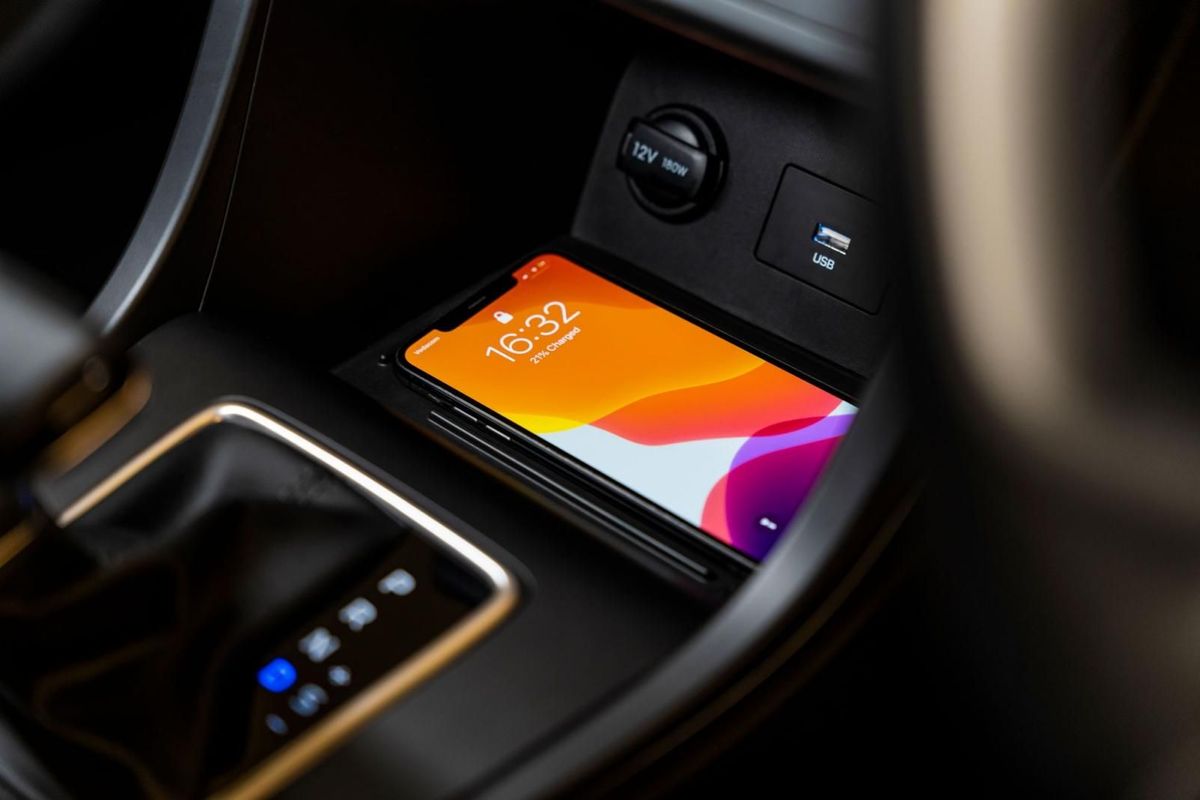
Standard specification loadout is generous across the range, with air conditioning, an infotainment system that's CarPlay compatible, electric side mirror adjustment, park assist, park camera, and cruise control. Executive grade adds larger 17-inch wheels, wireless charging pad, LED daytime running lights, fog lights, and artificial leather trim.
In terms of safety, the base model has driver & passenger airbags ABS with EBD, Electronic Stability Programme and Hill-start Assist Control. The range-topper adds curtain and side airbags for additional peace of mind.
We'll be driving the new Hyundai Creta before the end of November 2020, stay tuned for our thoughts.
Hyundai Creta Price in South Africa (November 2020)
The new Hyundai Creta is sold with a 5-year / 150 000 km Manufacturer's Warranty + Additional 2-year / 50 000 km Powertrain Warranty, 5-year / 160 000 km Perforation Warranty, 7-year / 150 000 km Roadside Assist, 4-year /60 000 km Service Plan with servicing every 15 000 km.
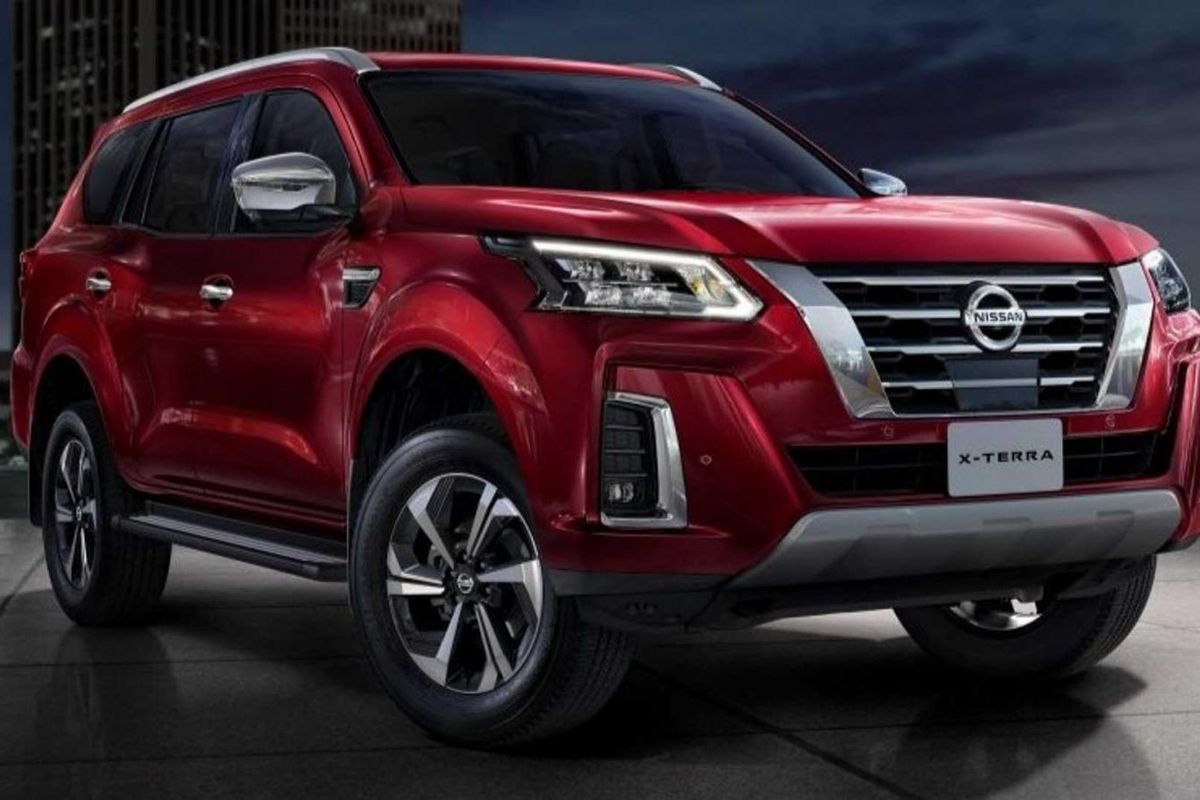
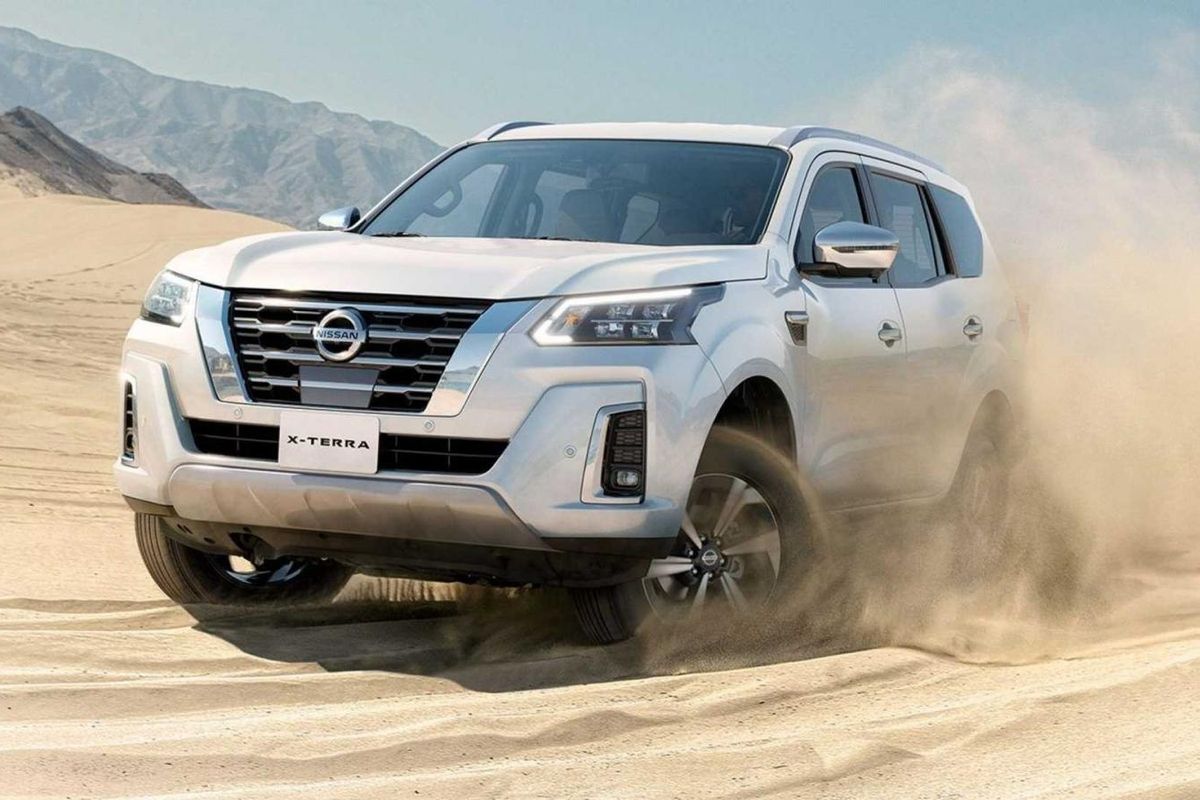
The 7-seater SUV from Nissan has been revealed in its updated form, complete with a new name. Here's a look at the changes.
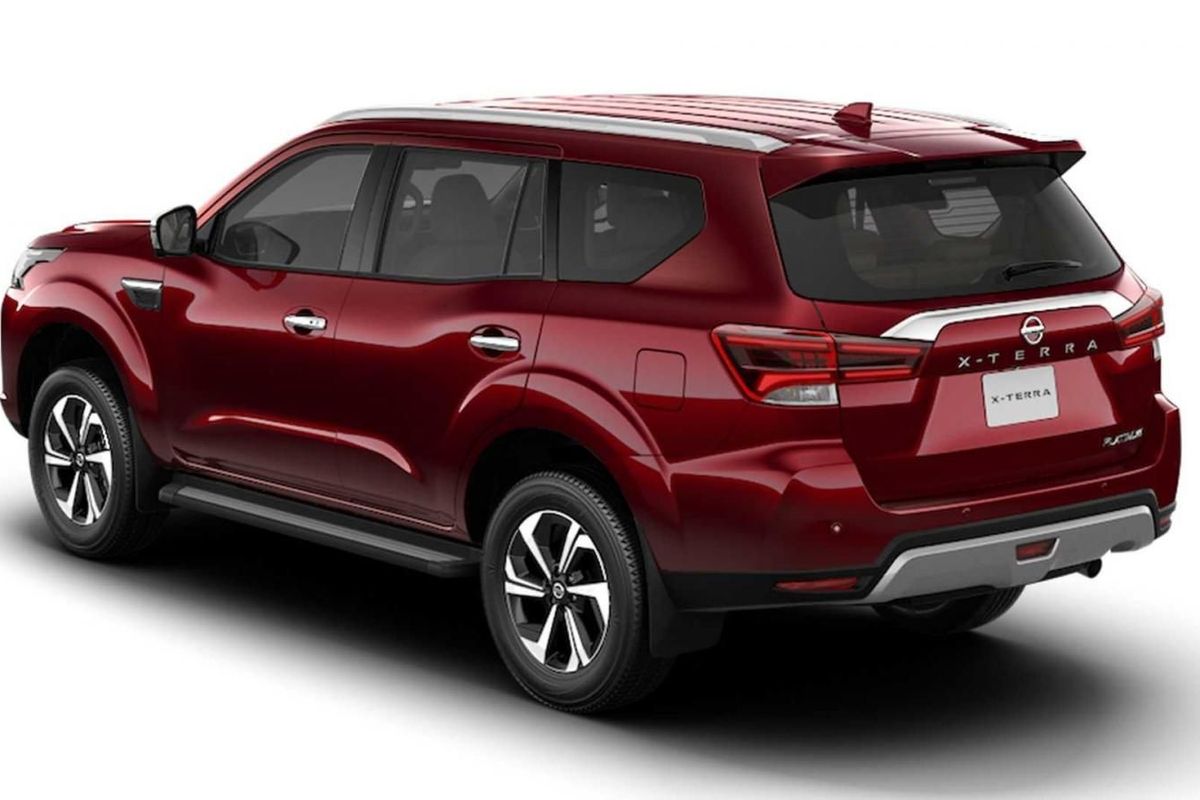
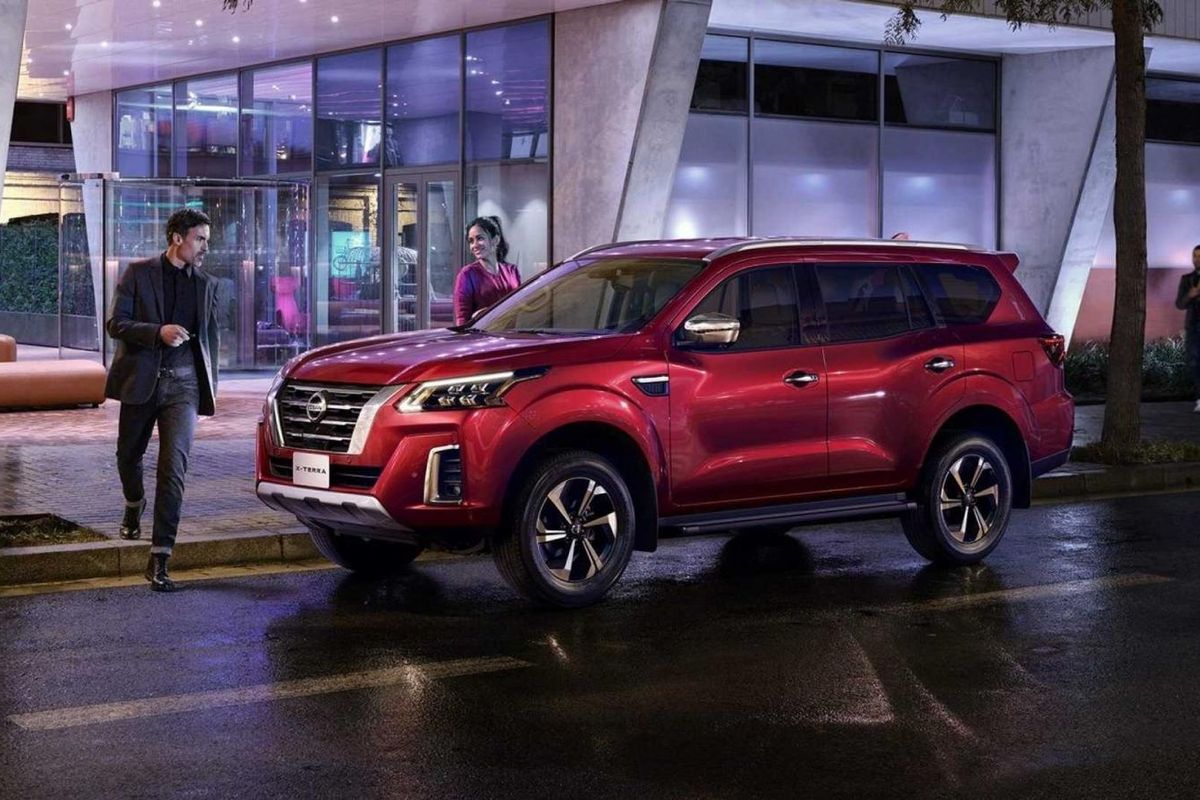
The Nissan Terra is a 7-seater family SUV based on a ladder-frame platform. Now for 2021, the Terra has seen a name change and a whole lot more. It's now called the X-Terra and it now uses the same underpinnings as the latest iteration of Nissan Navara bakkie. The Navara itself was recently revealed in updated guise and most importantly will be assembled in South Africa from 2021.
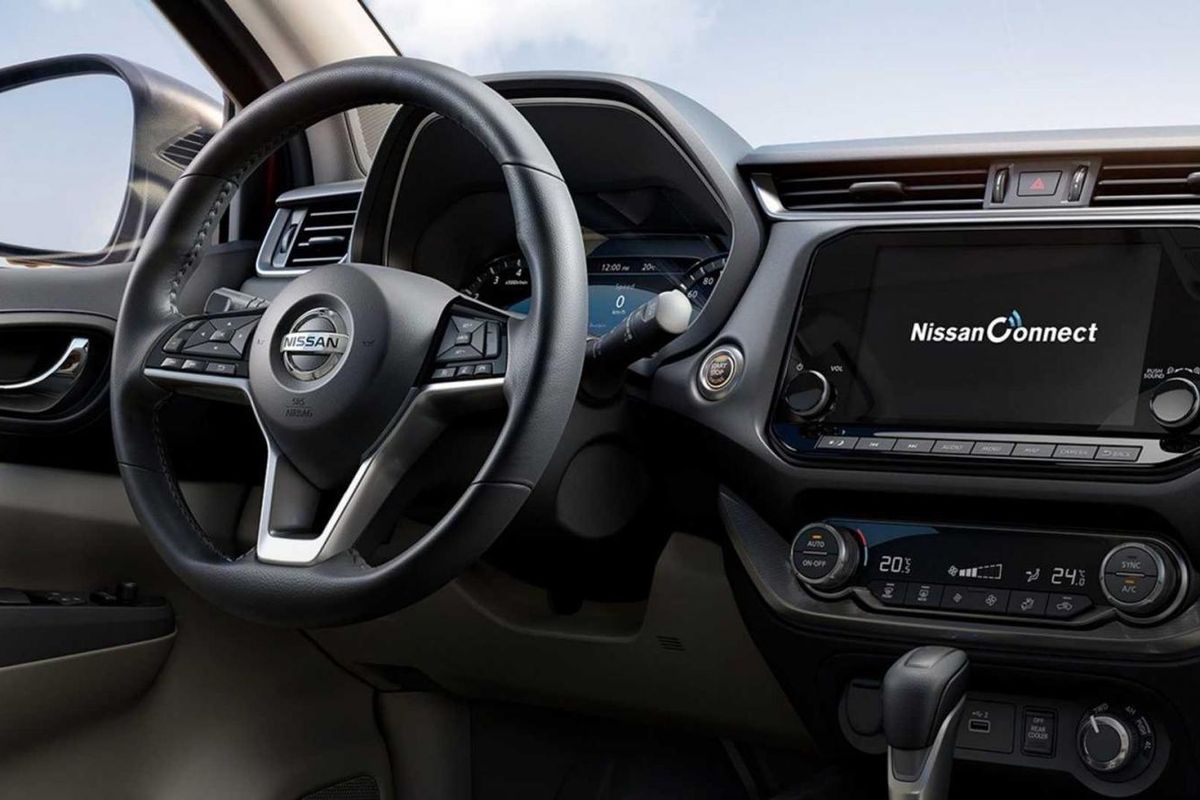
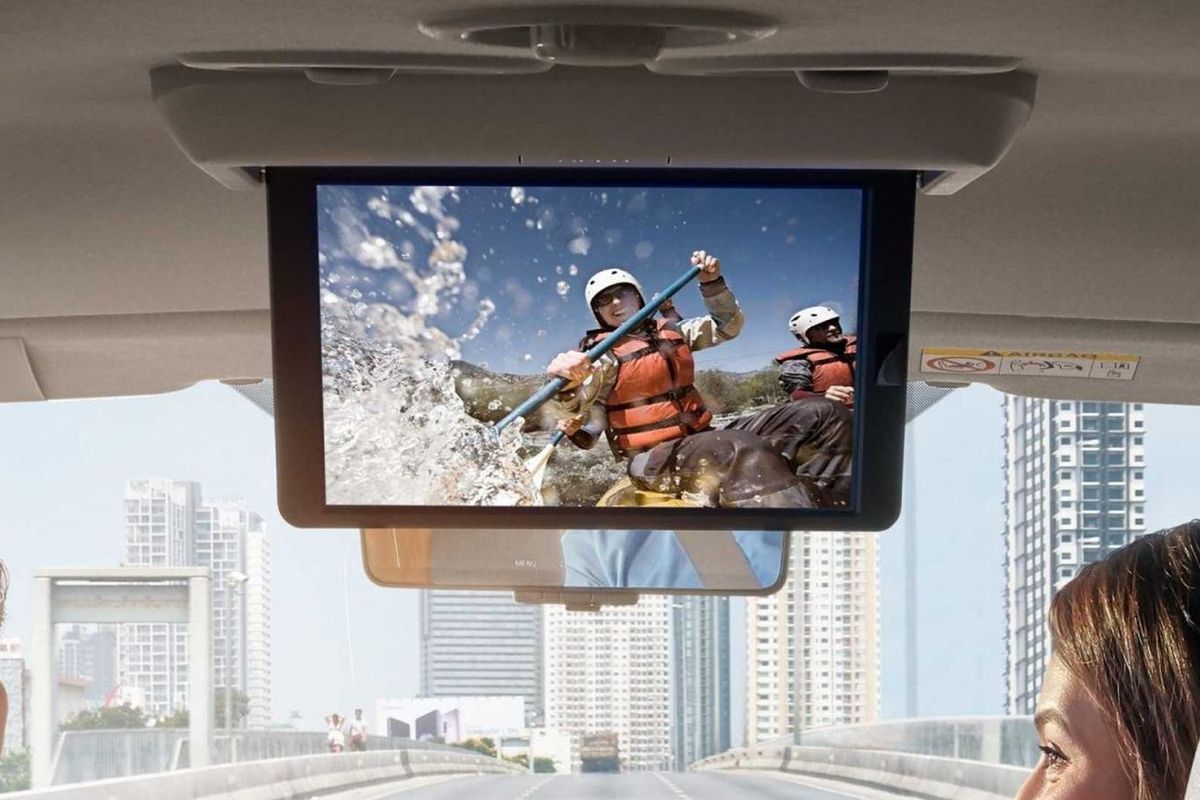
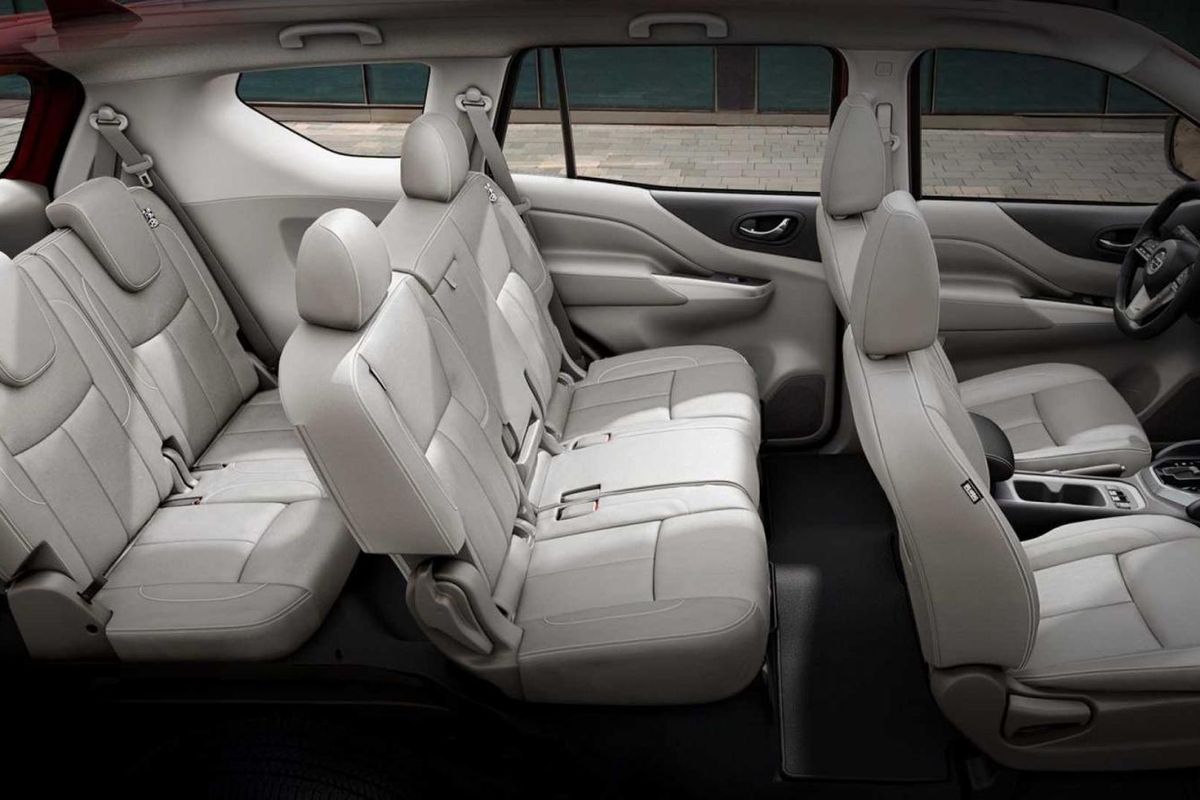
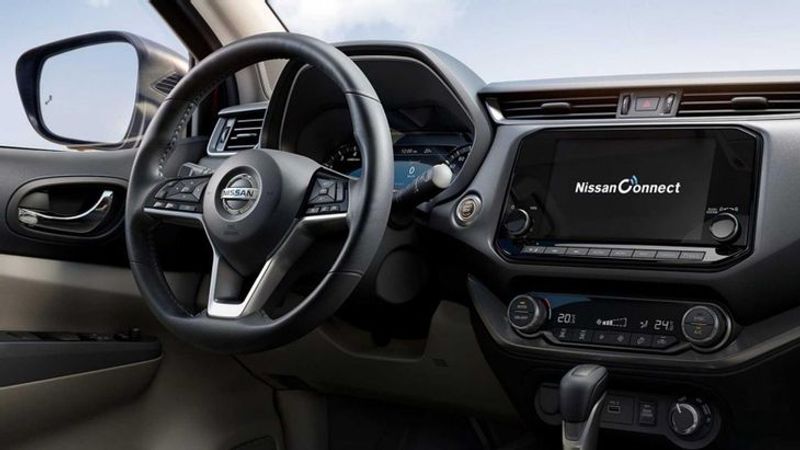
As for the Nissan X-Terra, there's a new platform and a new look, complete with LED headlights and tail lamps, as well as a new front bumper and grille. Inside, the cbain gains a new infotainment setup and some of the switchgear has been modernised. There's now an 11-inch flip-down screen with HDMI connectivity to provide entertainment to the 2nd and 3rd of passengers. There are new seats for the front and middle rows, which Nissan claims to reduce fatigue on longer journeys. There's leather trim all-round on the higher-end models.
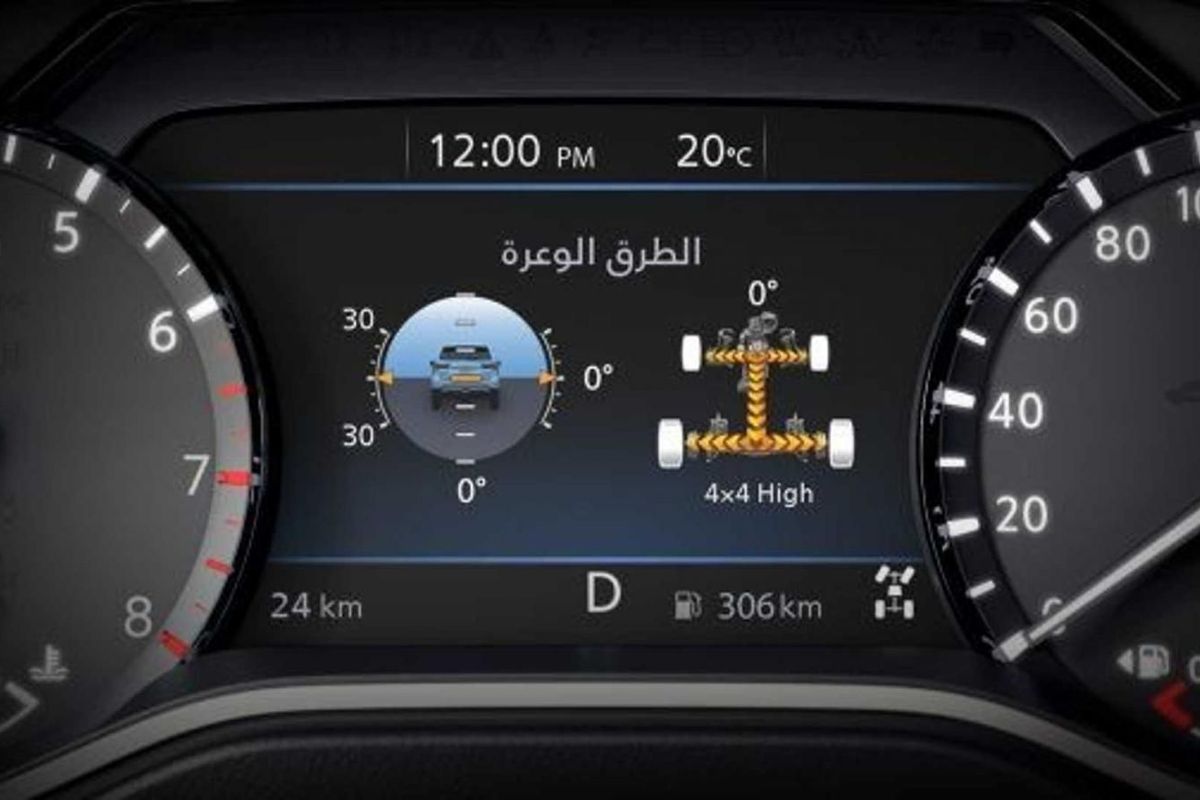
In terms of practicality, the cabin layout offers a 60/40 second row of seats, while the third row folds down in 50/50 fashion. Fold them all down for maximum cargo carrying capacity. Nissan says the updated X-Terra has now fewer than 10 cup holders. When it comes to powertrain, Nissan is offering the new X-Terra with a 2.5-litre 4-cylinder petrol engine, which produces 123 kW and 241 Nm, and there's a 7-speed auto gearbox. It may not sound like much, but the vehicle makes up for it with some trick offroad features in the form of an electronic locking rear diff, a low-range transfer case as well as Hill Descent Control and Hill Start. For those that don't need the 4×4 capability, there will also be 2-wheel drive configurations.
As it stands, the Nissan X-Terra will only be offered in the Middle East, but Nissan South Africa is keen to put up some resistance to the dominance of the Toyota Fortuner – itself recently updated. Nissan South Africa confirmed this model will be coming to SA in 2021. For it to succeed against such entrenched rivals like the Fortuner and Everest, we think there has to be a diesel-powered offering. Do you want to see the new Nissan X-Terra in South Africa?
The cabin of the Nissan X-Terra gets a mild update.
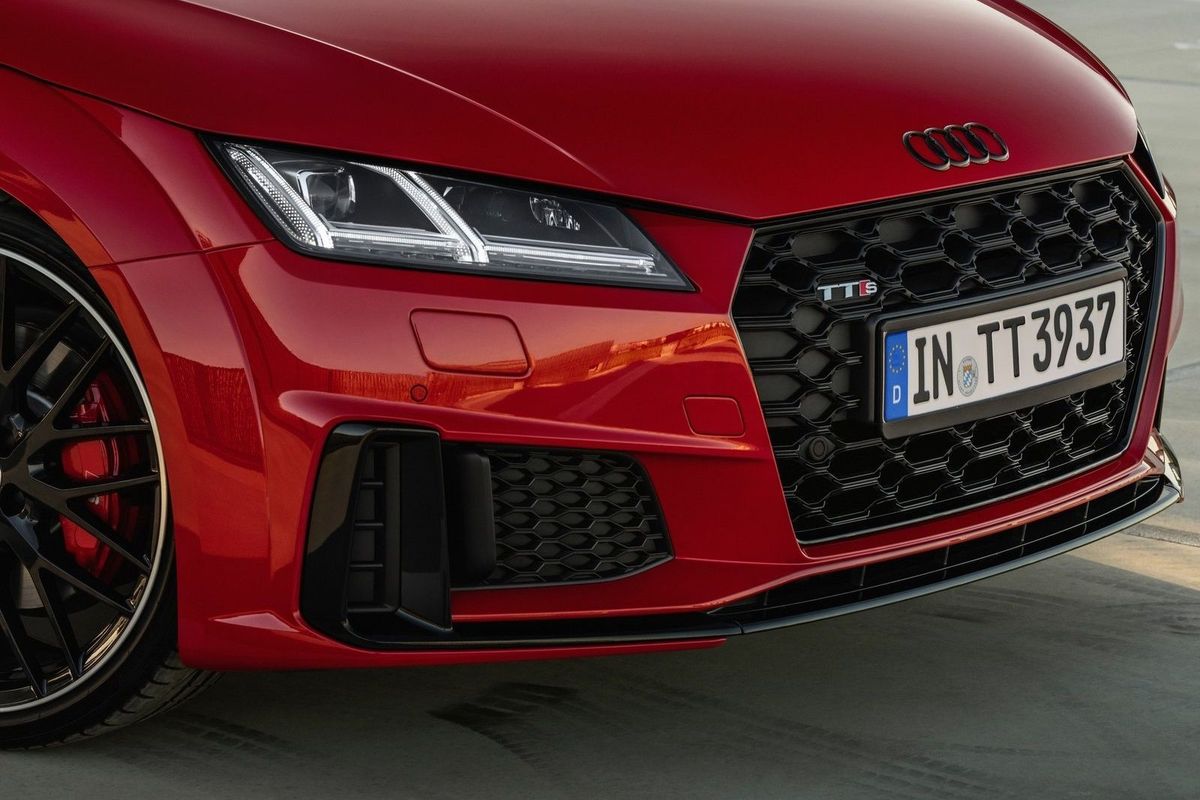
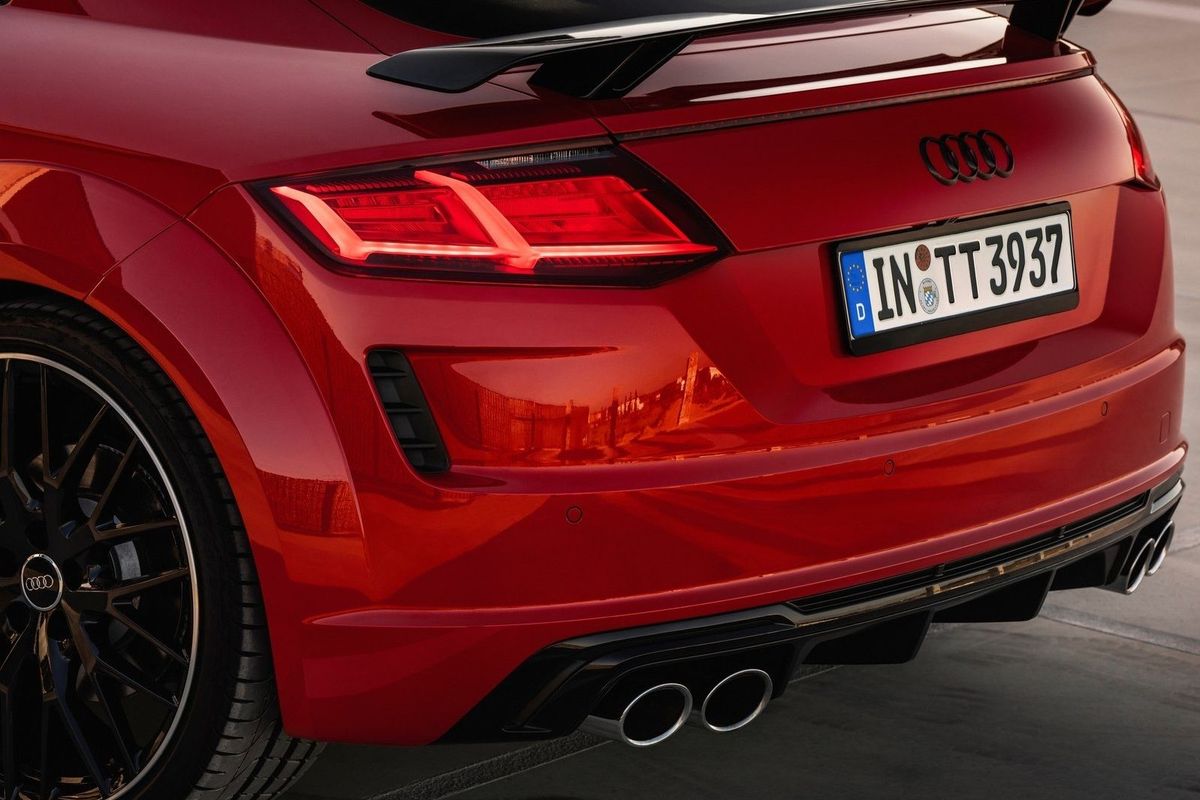
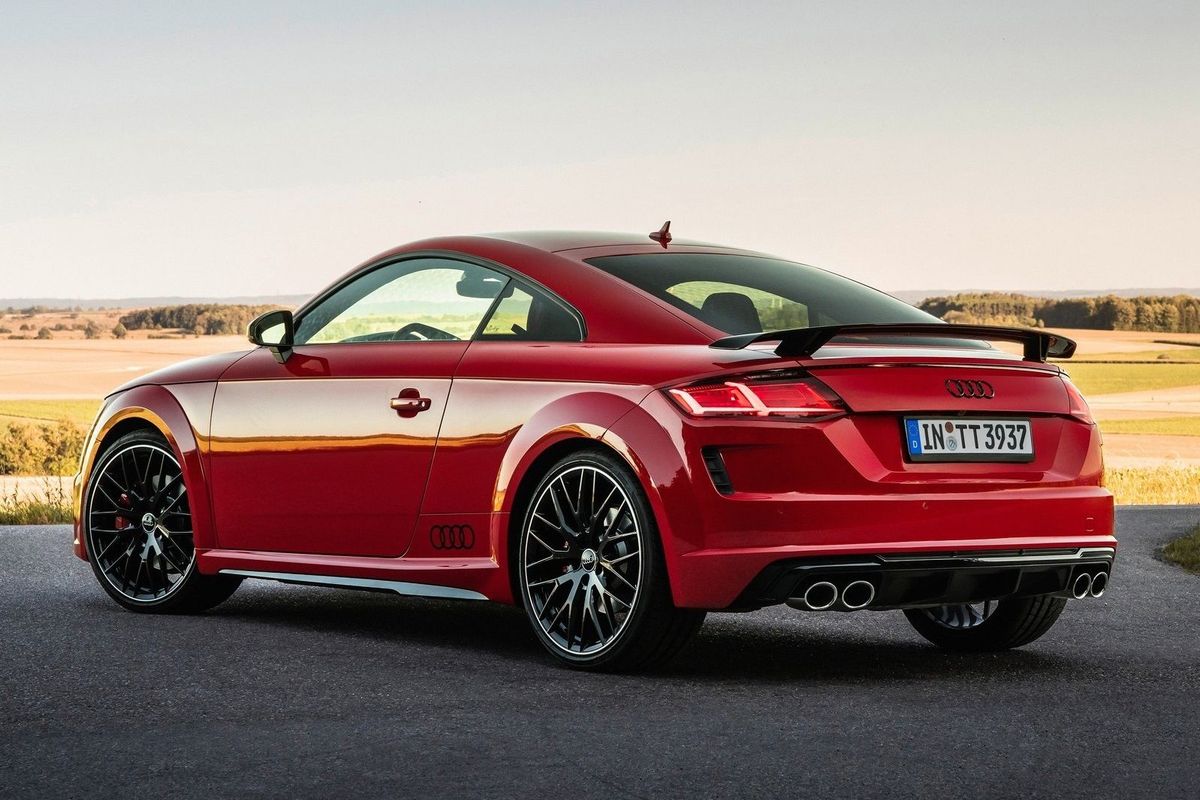
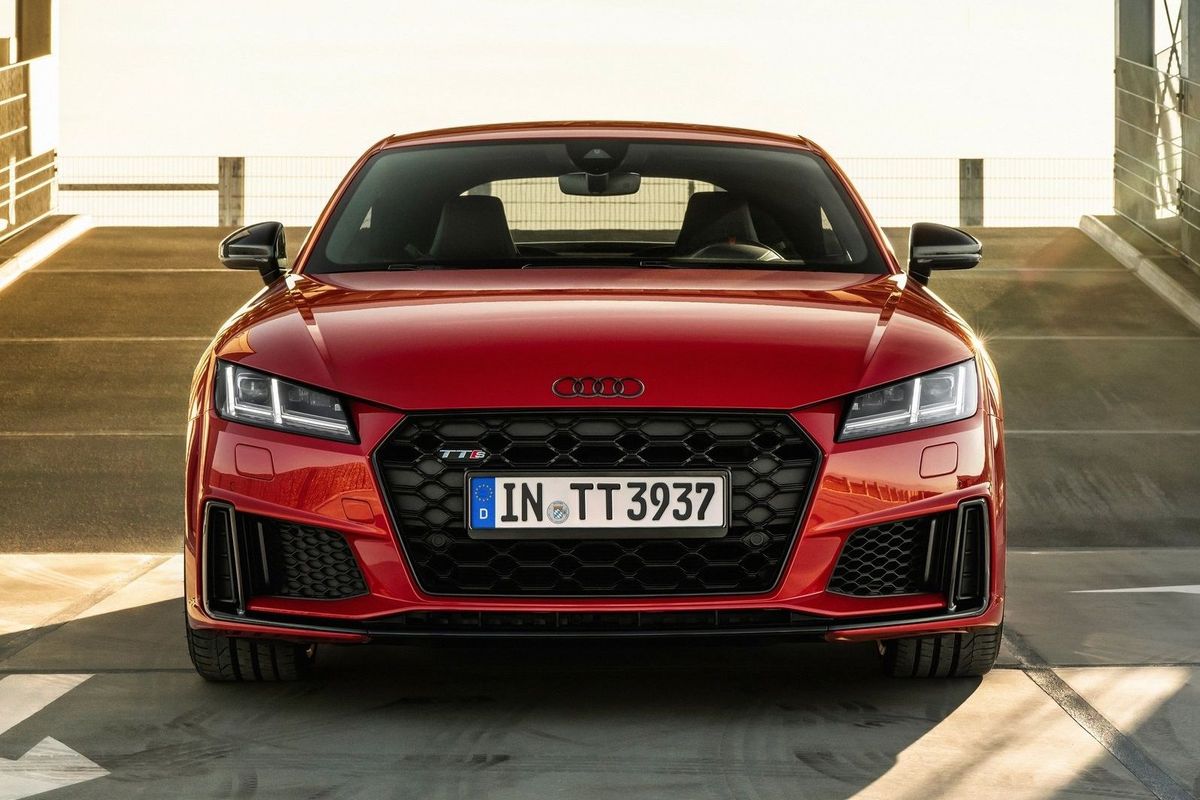
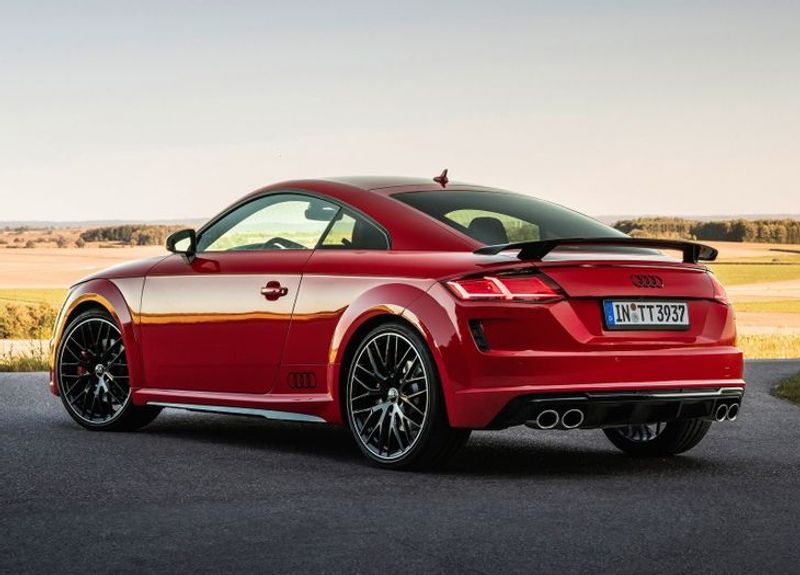
Audi has taken the wraps off this, the TTS Competition Plus and it packs a 235 kW punch.
Petrolheads will be quick to point out that Ingolstadt's latest offering matches the recently revealed Volkswagen Golf 8 R in terms of power. While the Golf has a touch more torque, there's no denying this special Audi will be quick. The EA888 motor now produces 235 kW and 400 Nm, and Audi claims a 4.5-second sprint to 100 kph is possible.
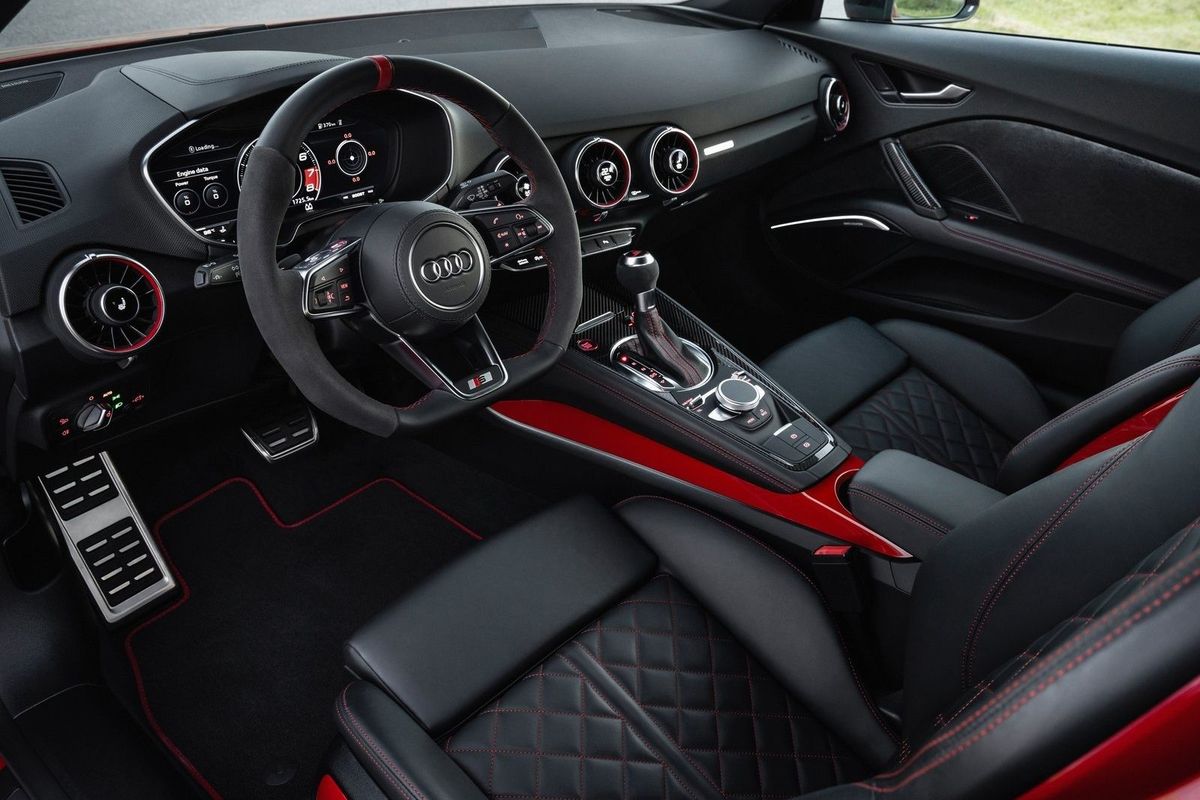
There's a 7-speed S tronic transmission, quattro permanent all-wheel drive as well as plenty of tech, such as Audi magnetic ride and that stylish minimalist interior. This special edition model is differentiated from lesser models with its LED headlights, Audi logo on the side sills, privacy glazing, red brake callipers, and 20-inch alloy wheels. There's a neat fixed rear wing and you can get the vehicle in just 4 colours, including the Tango red you see here.
The Competition Plus edition, as well as the bronze selection, give customers a chance to own an individualised Audi TT. With rumours rife the Audi TT's days are numbered, these limited editions could become quite sought after. As it stands, this Audi TT Competition Plus is earmarked for Germany only, but we suspect that Audi SA may give its TT lineup a little rejig in 2021.
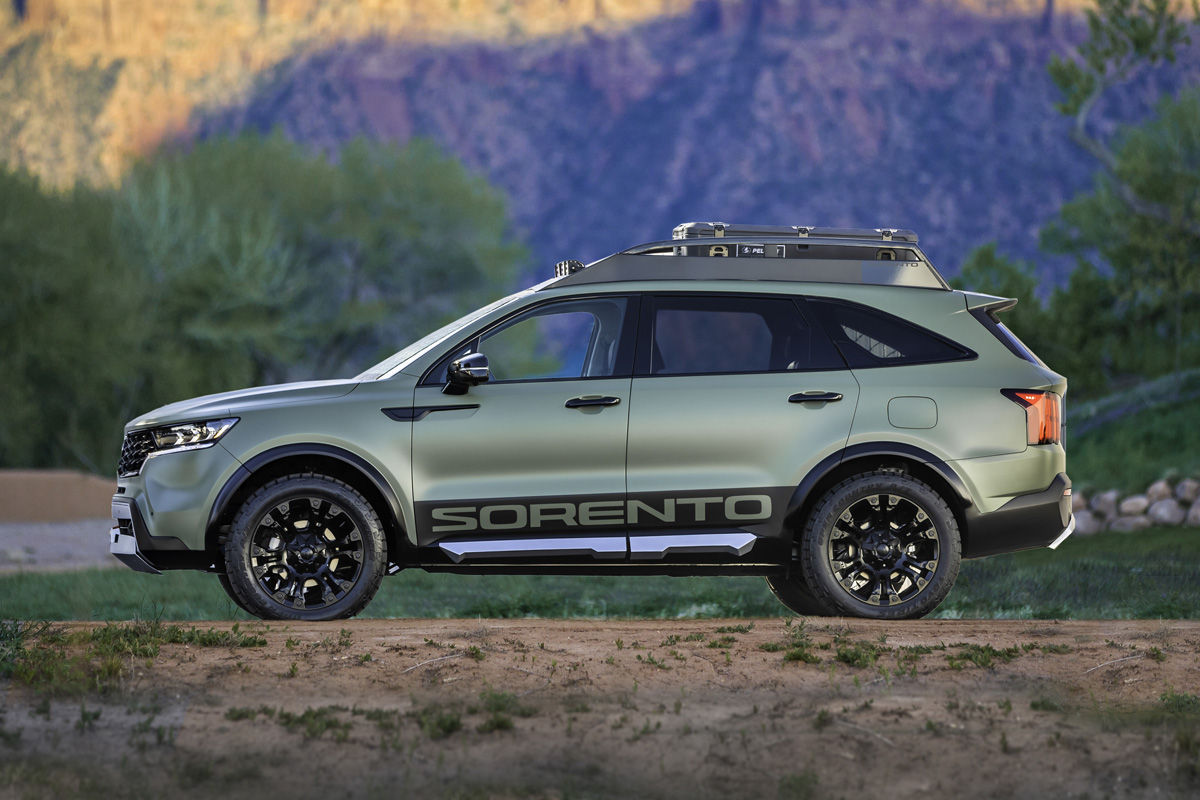
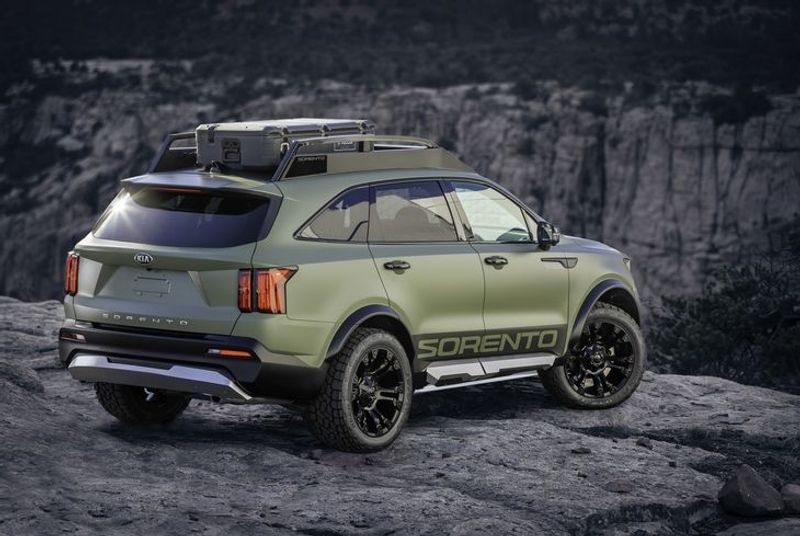
Kia’s all-new, 4th-generation Sorento will be arriving in South Africa during the first half of 2021 and while it doesn't have the off-road pretensions of its bakkie-based rivals, such as the Toyota Fortuner and Ford Everest, the Korean firm's North American subsidiary has unveiled a pair of concepts that highlight the model's adventurous side.
Having secured the 2020 World Car of the Year title with its biggest SUV, the Telluride (built in the US in left-hand-drive guise only, which is why it's not available to markets such as ours), Kia has set its sights on consolidating a robust and reimagined SUV line-up. Kia Motors SA recently expanded its Seltos line-up with turbodiesel derivatives, will launch the Sonet compact family car soon and the new Sorento 7-seater next year.
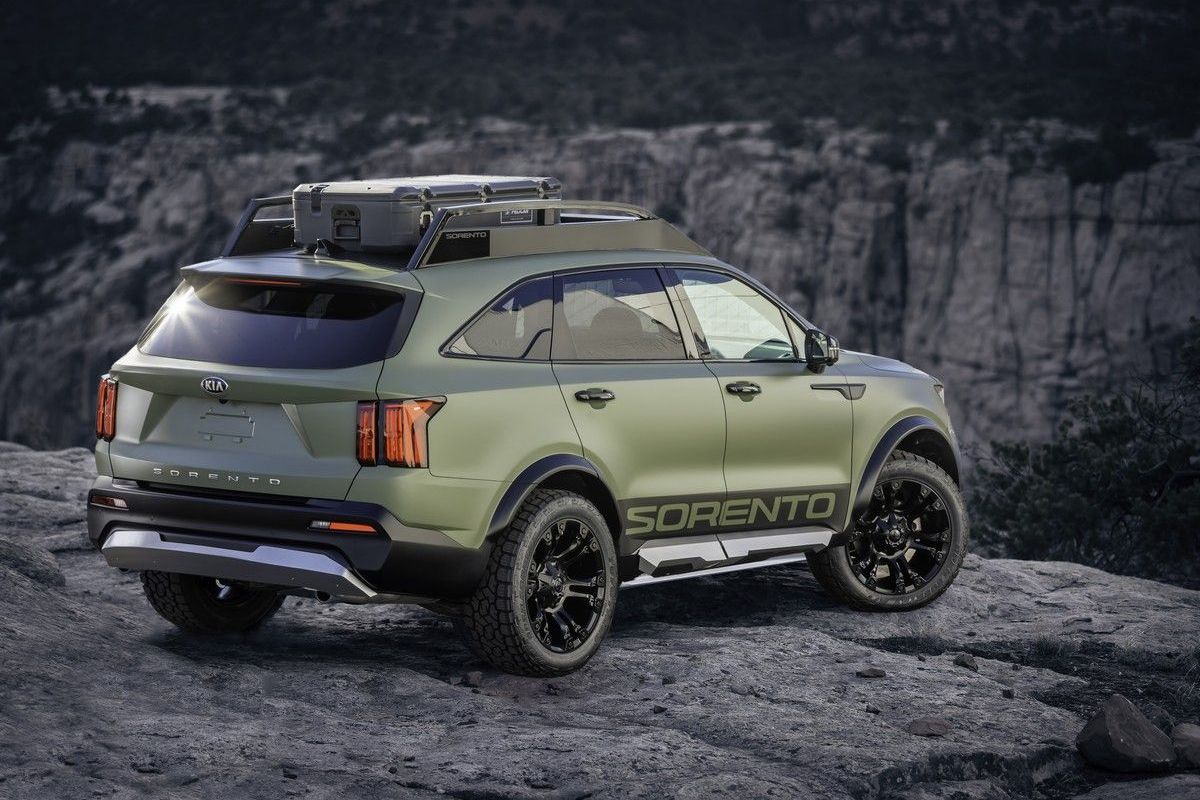
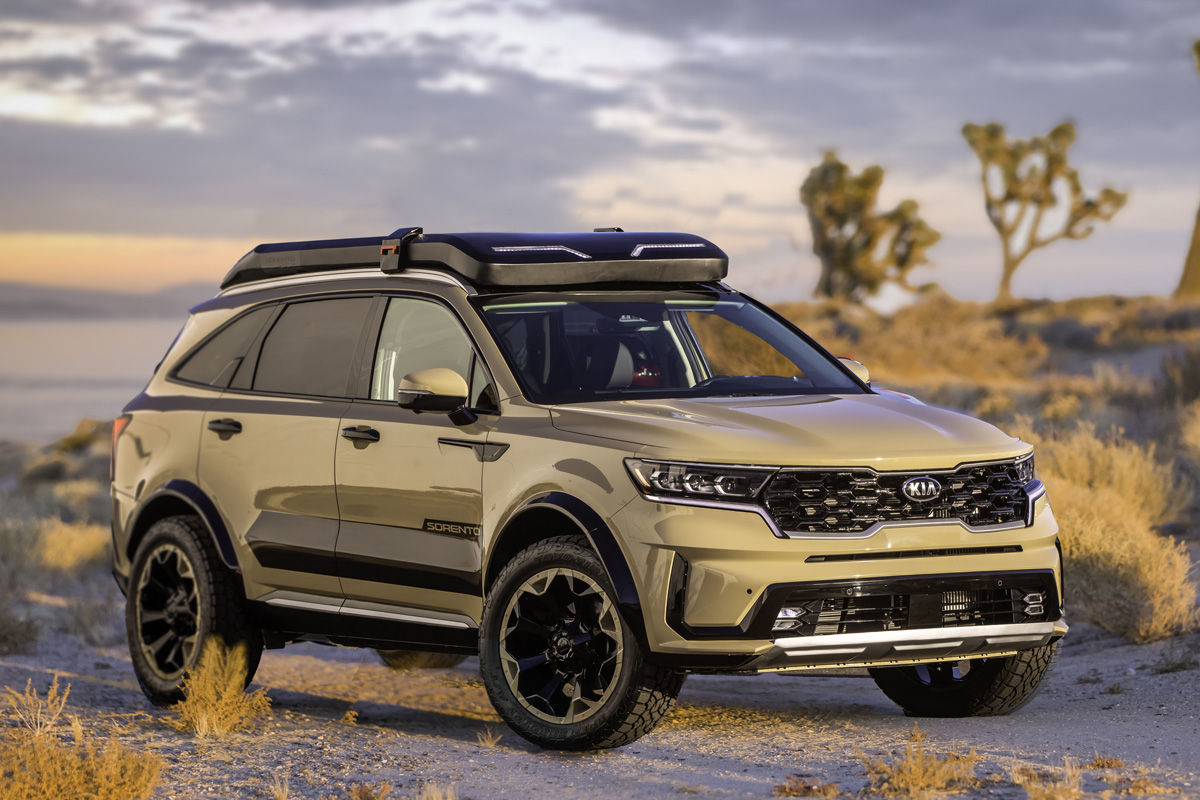
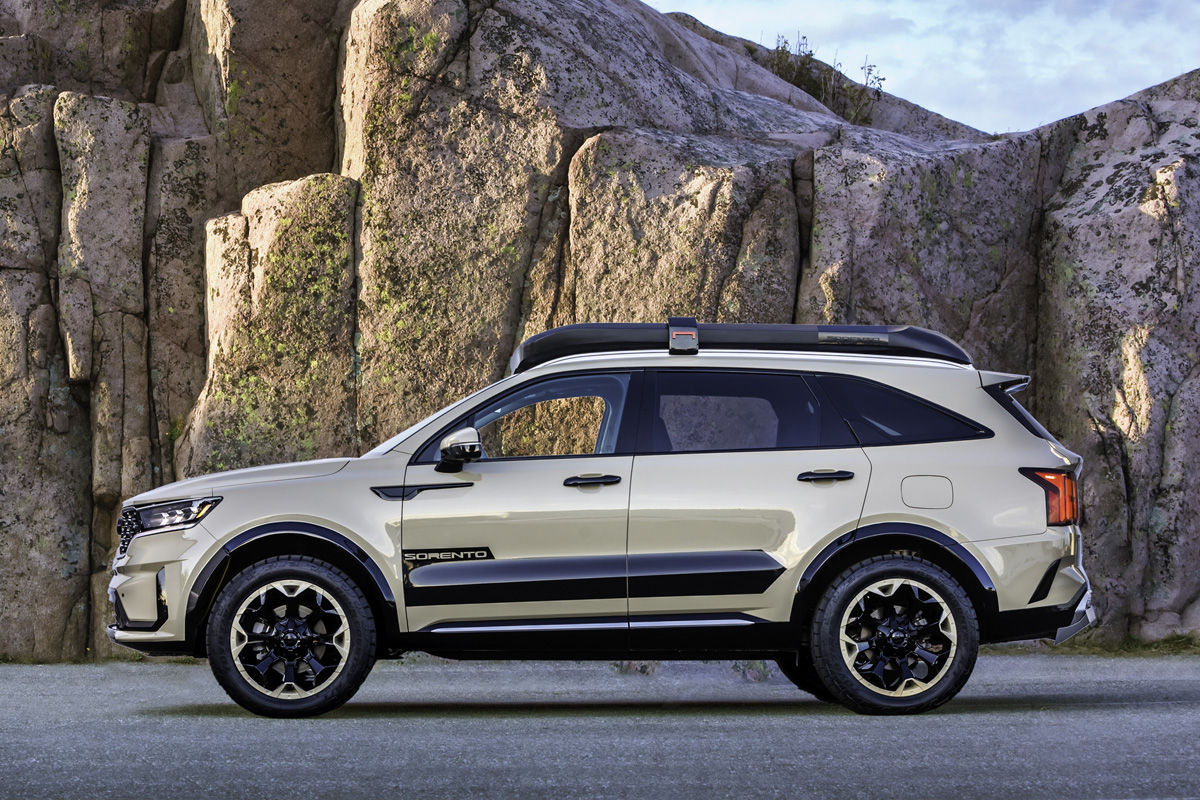
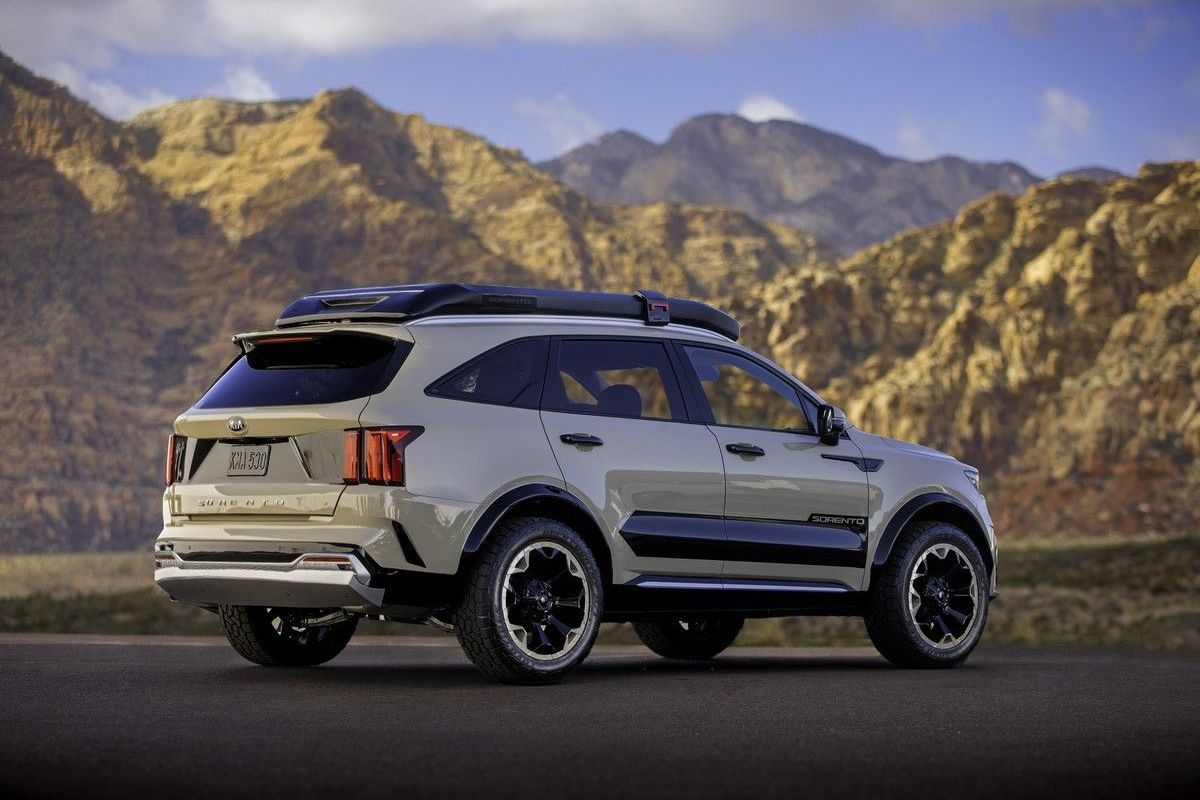
As the next step in the brand's capability-focused product strategy (more about this later), the new Sorento is "poised to bring customers a new level of trail-ready toughness not yet seen from the brand", Kia says. To this end, Kia Motors America has unveiled a pair of custom-built Sorentos – the Yosemite Edition and the Zion Edition, which are based on the Sorento X-Line package, which features 20-inch wheels, increased ride height to 210 mm, improved approach/departure angles, more advanced AWD with snow-mode, and more heavy-duty roof rails than the current model.
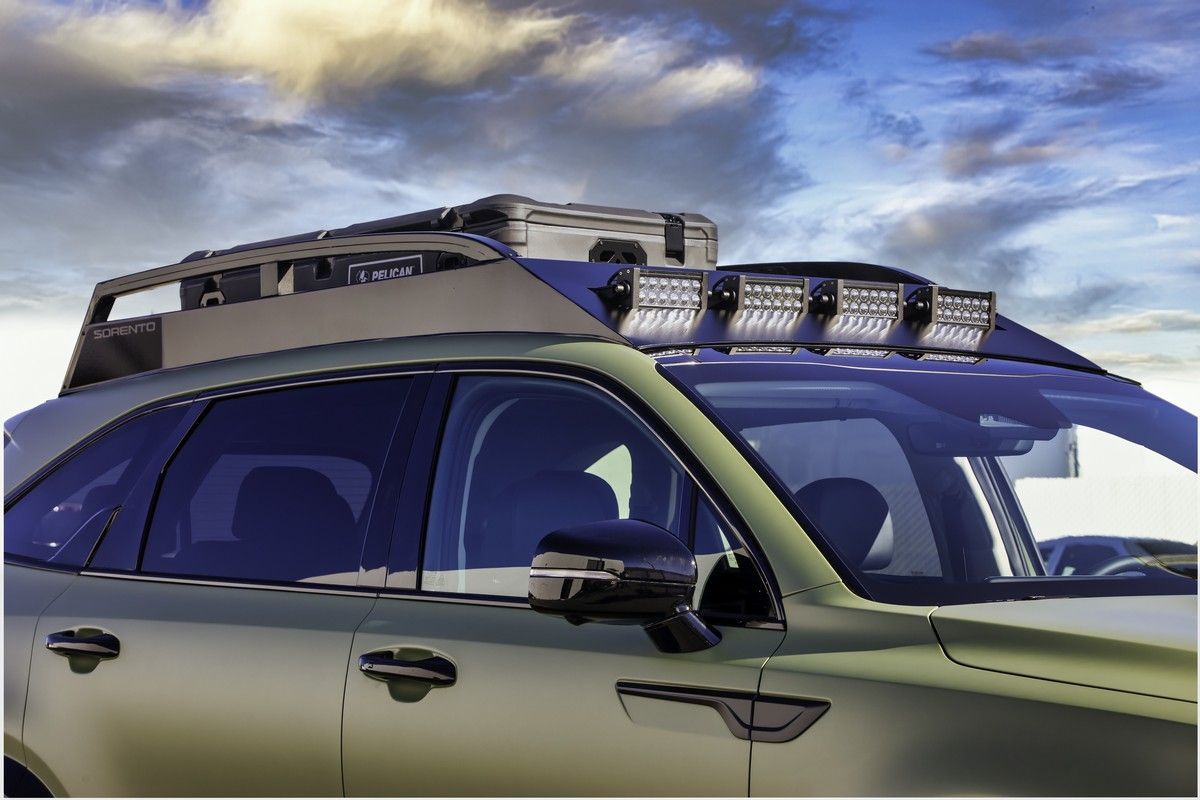
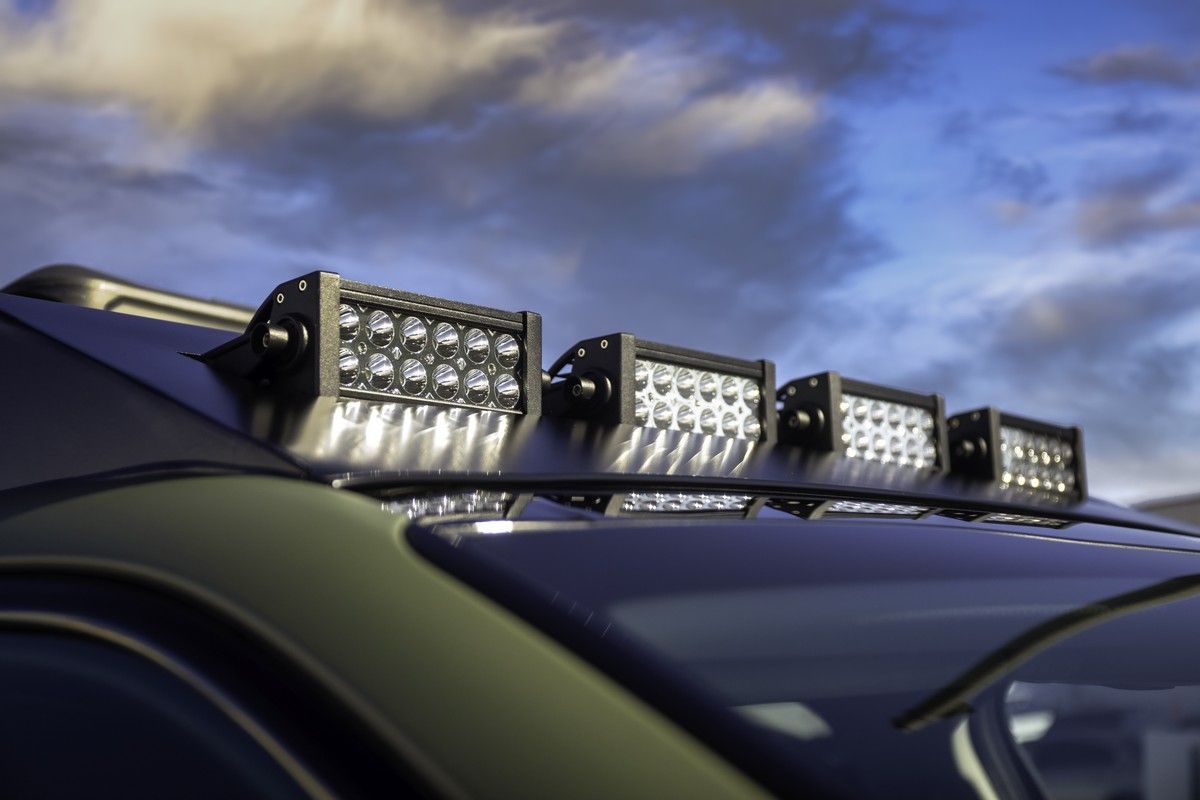
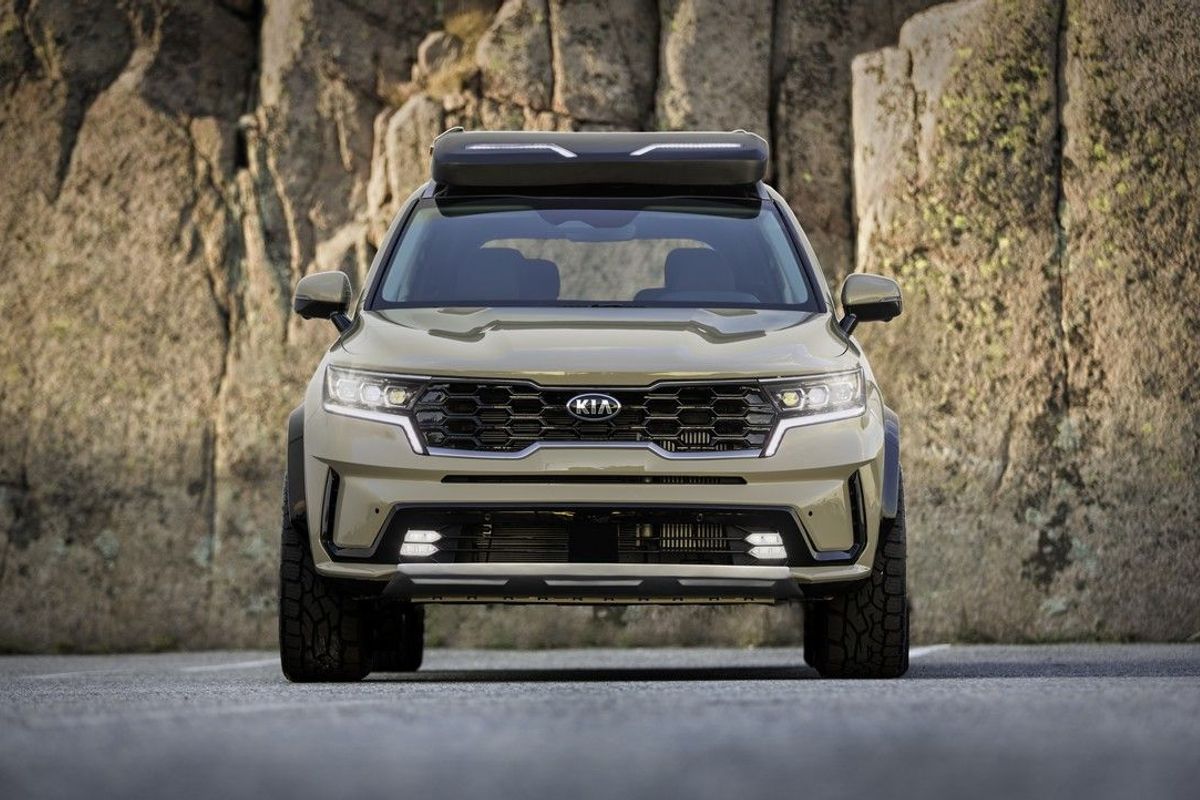
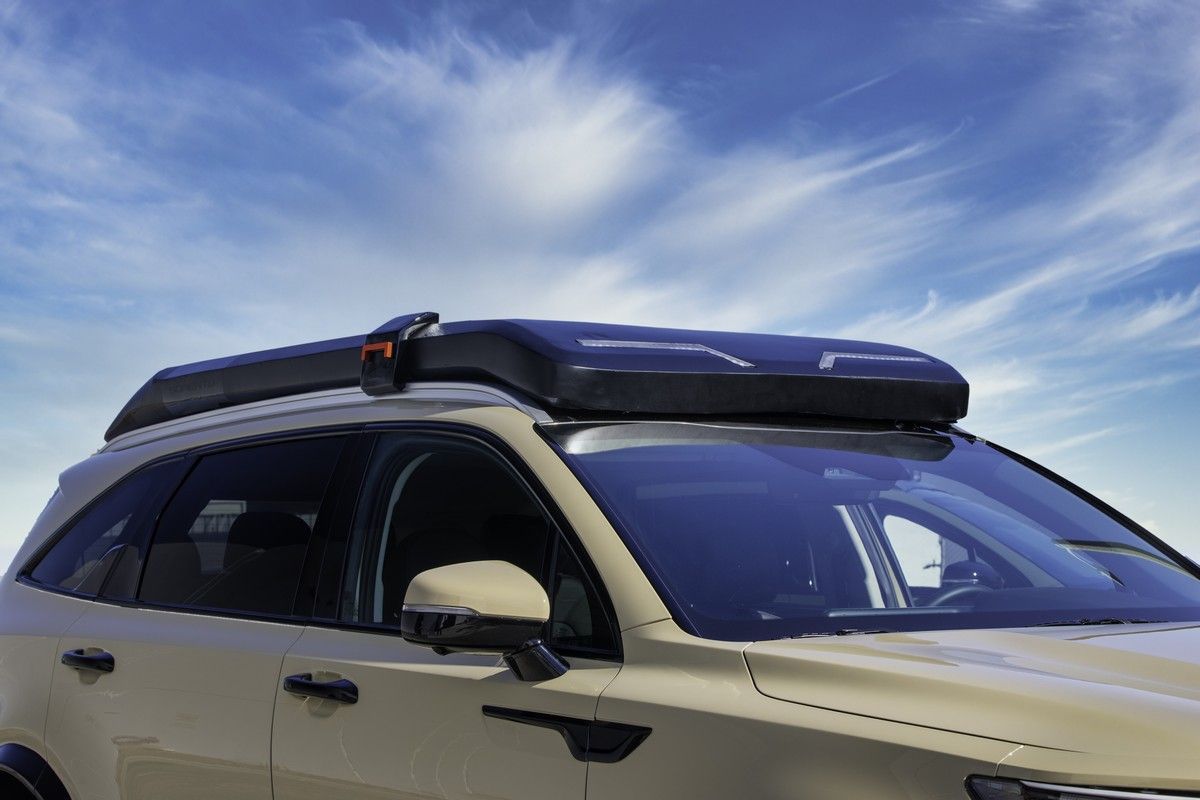
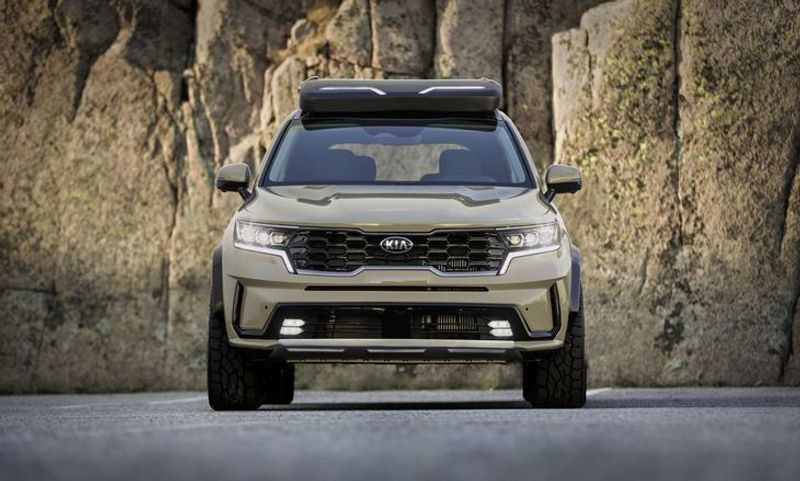
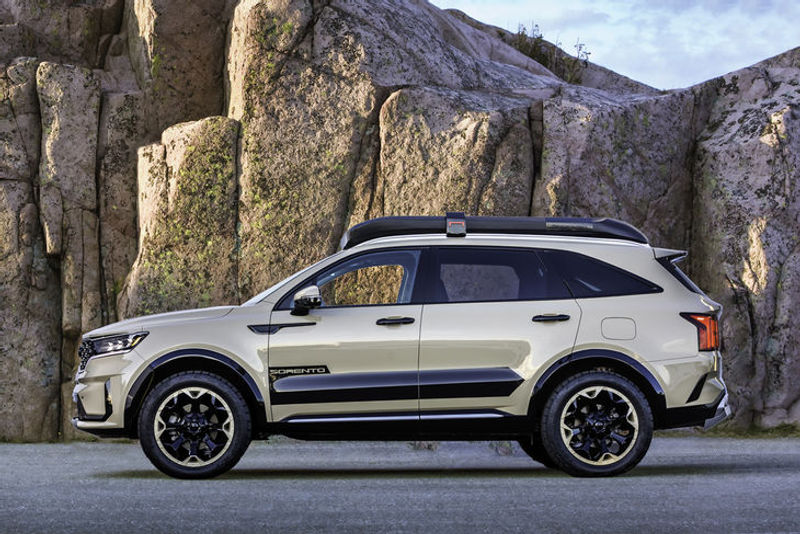
The Yosemite Edition, which has a matte “Pine Green” finish with gloss and matte black accents, is meant for "elevation adventuring and mountain living", while the Zion Edition (with a gloss “Desert Sand” finish with gloss black accents) is "a desert escape vehicle made for stomping dunes".
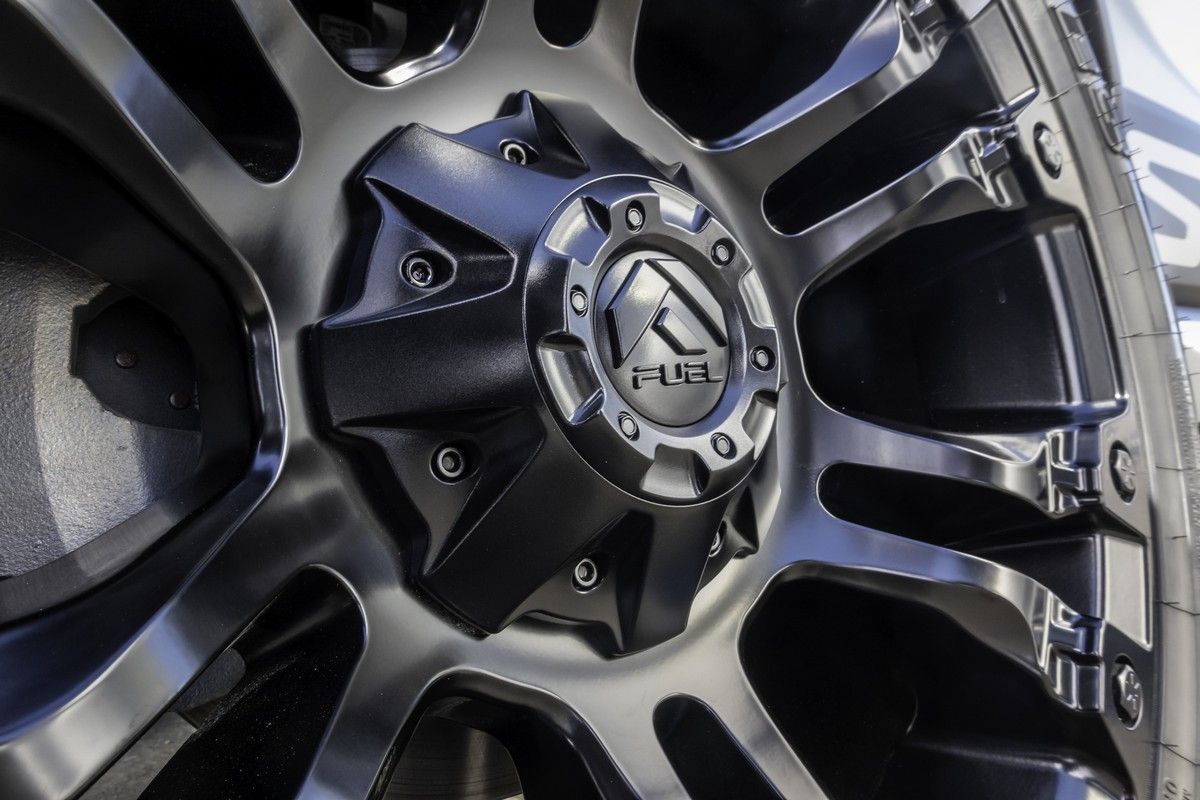
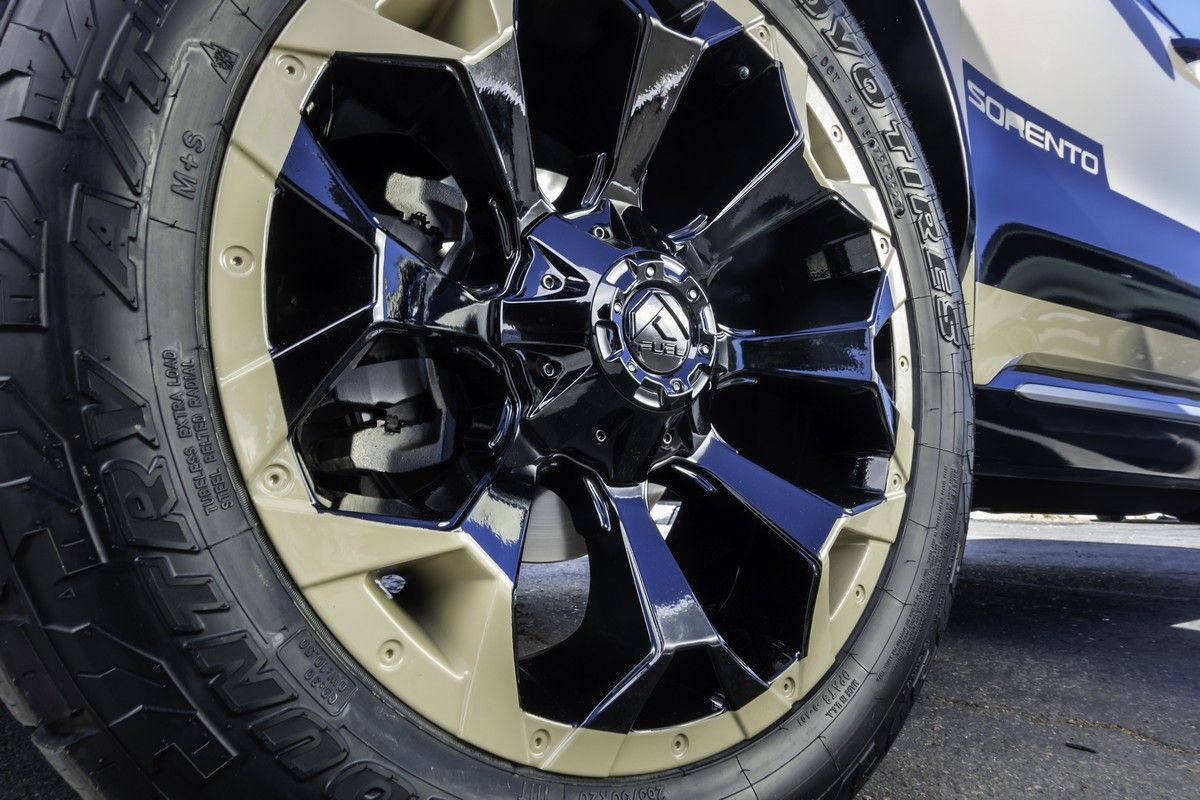
Both concepts feature custom fender flares that cup 20-inch wheels shod with 32-inch all-terrain tyres. Exterior accoutrements include custom skid plates and brush guards in a satin chrome finish. The Yosemite Edition has a beefed-up roof rack and the Zion Edition a full-length cargo top.
Suffice to say Kia Motors America (KMA) has no plans to put the Yosemite and Zion Editions into production, although they are undoubtedly ideal rolling advertisements for LGE-CTE Motorsports of San Dimas, California, which built the vehicles for KMA. Kia will, however, offer a range of dealer-installed accessories, such as roof rack crossbars, tow hitches for trailers and side steps for the new model, in North America anyway.
Why these concepts are significant
For Hyundai Kia to truly break into the rugged off-roader market, its current crop of unibody SUVs, of which the Venue and Sonet are the smallest and Hyundai Palisade and Telluride, the largest, is just the starting point. To grow its off-roader portfolio, the Korean firm would need to produce vehicles with ladder-frame architectures because chassis-based SUVs deliver excellent durability and robustness in off-road conditions. Although cornering dynamics and high-speed stability are the debits, there is no question that a great many SUV customers see this as a fair trade-off.
Cheaper to engineer and assemble than monocoque SUVs, Toyota's ladder-frame vehicles, such as the Fortuner, Land Cruiser Prado and Land Cruiser 200 are handsomely profitable. It's well known that Hyundai Kia is currently developing a body-on-frame pick-up to take on the Toyota Hilux, Ford Ranger, Isuzu D-Max and Nissan Navara (and a rumoured Cruiser-rivalling off-roader) in which its new 6-cylinder turbodiesel might work well.
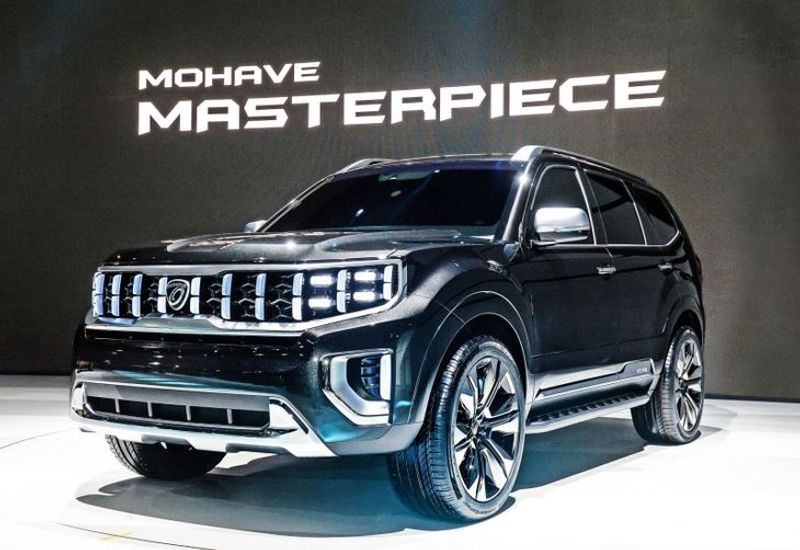
Whereas some other brands would struggle with the issue of launching "rudimentary vehicles" to rival Toyota’s Land Cruiser business, in terms of marketing legacy, Hyundai Kia has no such issue. Both Hyundai and Kia have produced and sold authentic ladder-frame SUVs in the past. Just last year, Kia unveiled the Mohave Masterpiece concept, which was based on a ladder-frame chassis, so something's undoubtedly in the pipeline!
SVI MAX 9 Review – Driving the unstoppable South African 8-tonne military vehicle
Our video man Ciro De Siena gets to drive something completely out of his comfort zone. Meet the SVI MAX 9 – a proudly South African creation and one badass military vehicle.
When you get an exclusive invite to drive something like the MAX 9, you jump on a plane. And so we dispatched our video guy, Ciro De Siena, to Pretoria and the headquarters of SVI engineering.
The MAX 9 is a completely South African developed and built warzone-ready, troops- and gun-carrying military vehicle that is sought after all over the world.
Weighing in at 8 tonnes, or the same as four Range Rovers, it is made of 8mm Swedish armour plate, capable of stopping pretty much everything except an anti-tank missile.
With a 1000 Nm Cummins turbo-diesel engine and lowered gearing, it is capable of driving up walls and possibly through them too.
Join Ciro as he attempts to pilot this marvel of engineering. And not only did he shoot the car, he got to shoot it as well…
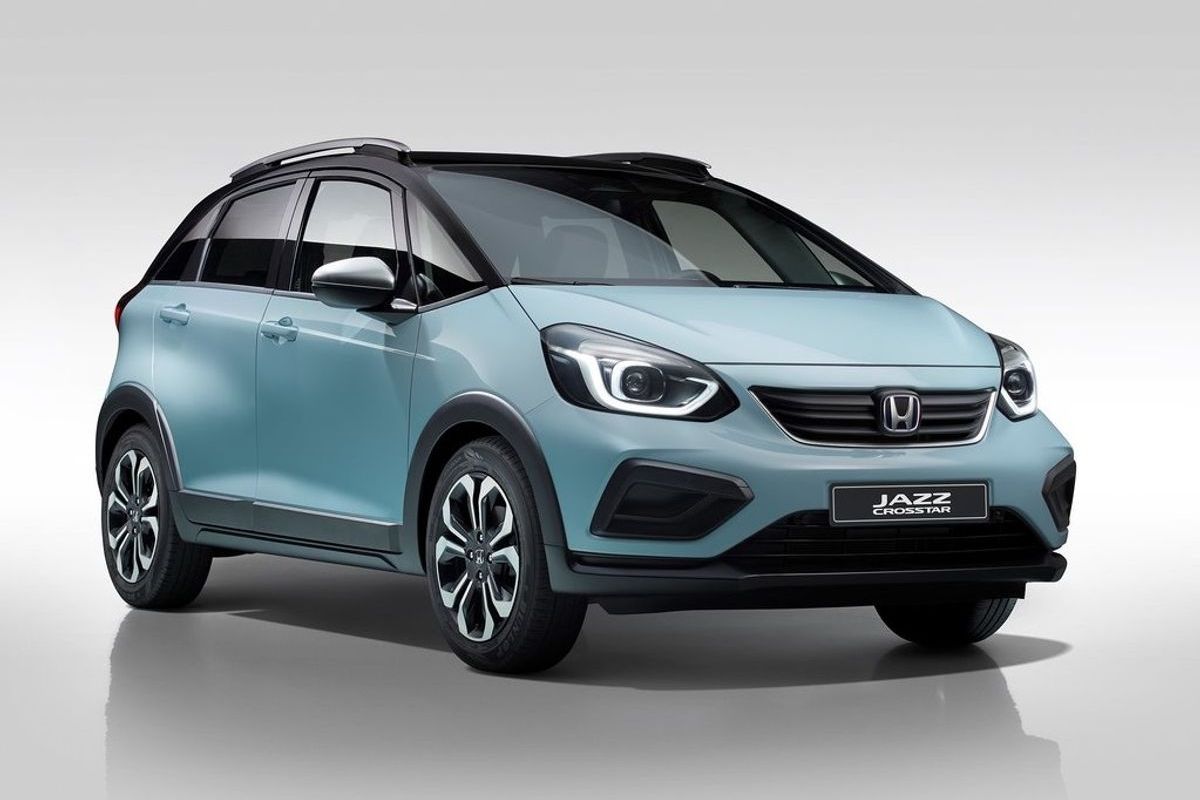
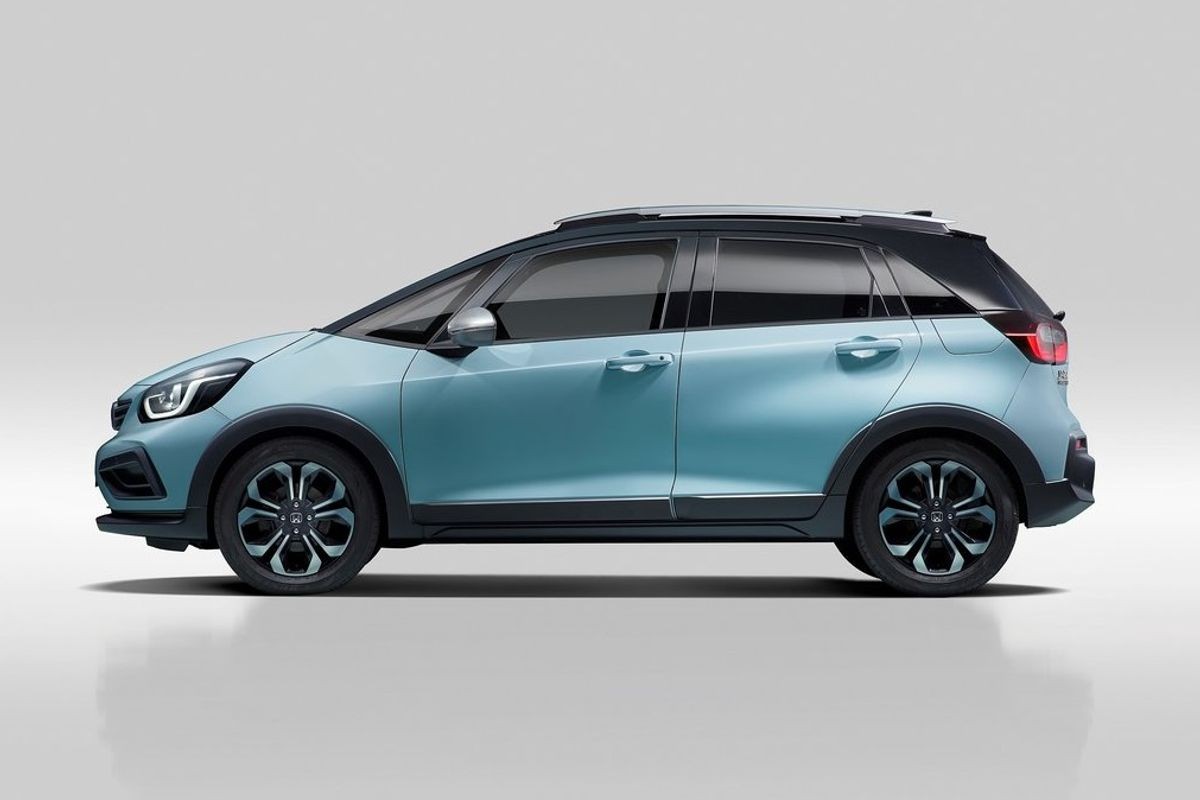
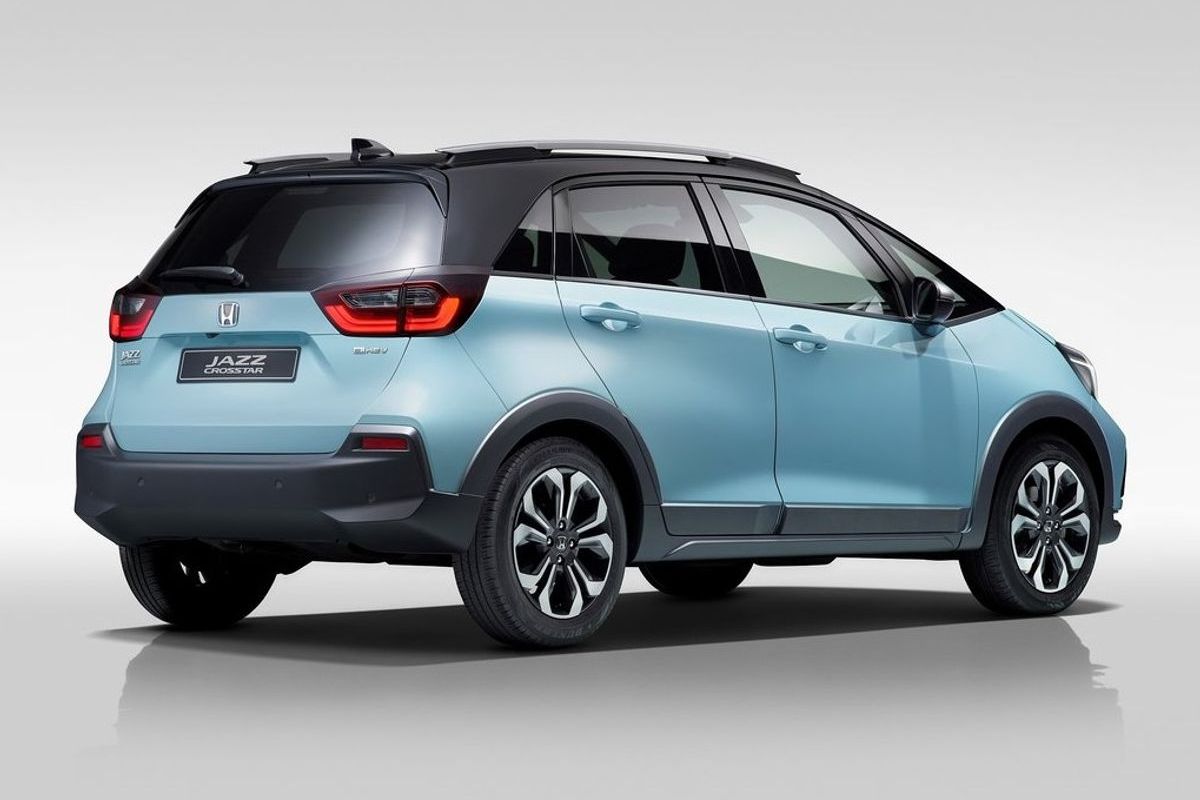
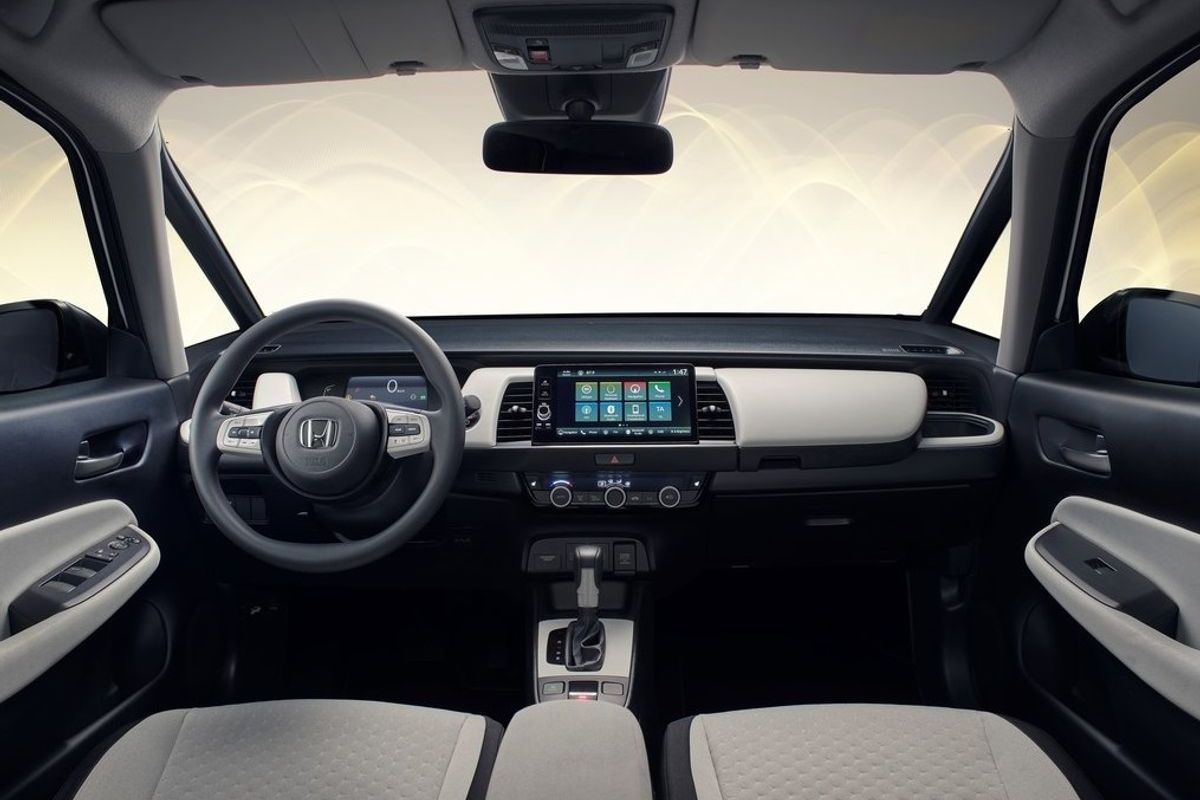
The Honda Jazz has a reputation for offering notable practicality and reliability and while the current Jazz is long-in-the-tooth, Honda is looking at introducing the new Jazz in South Africa in 2021.
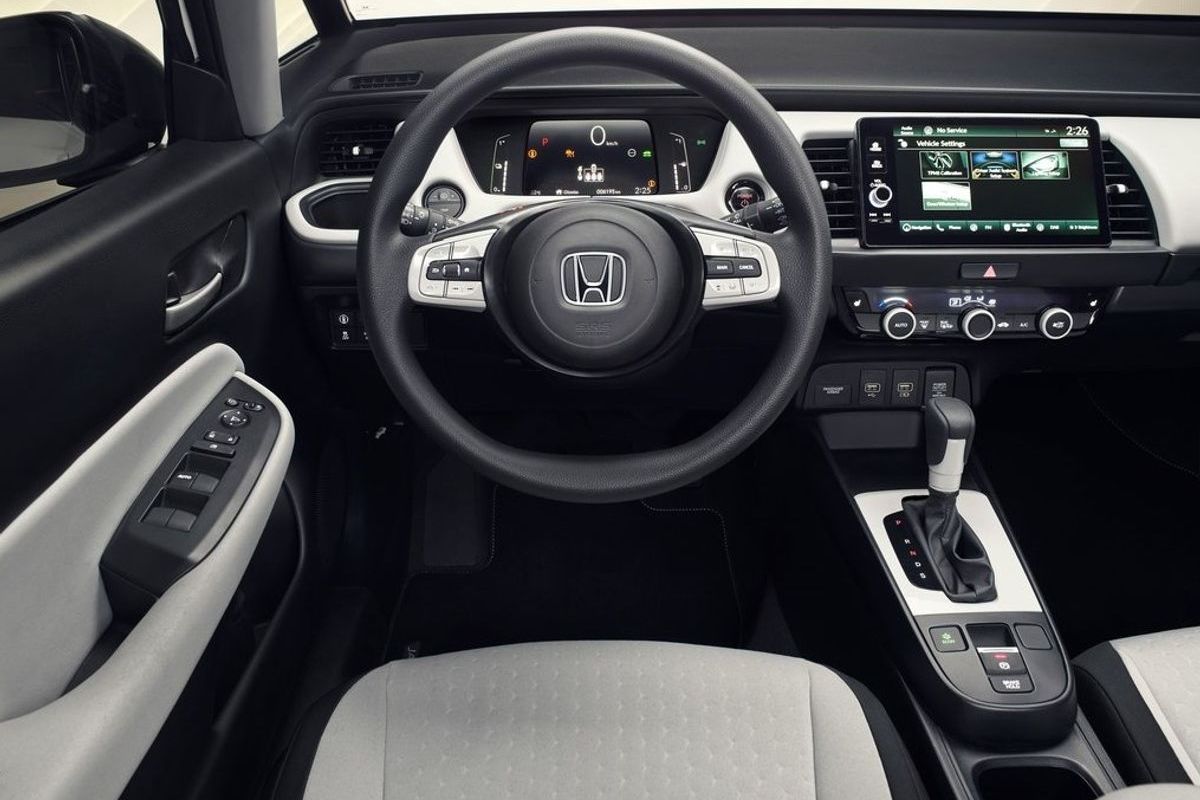
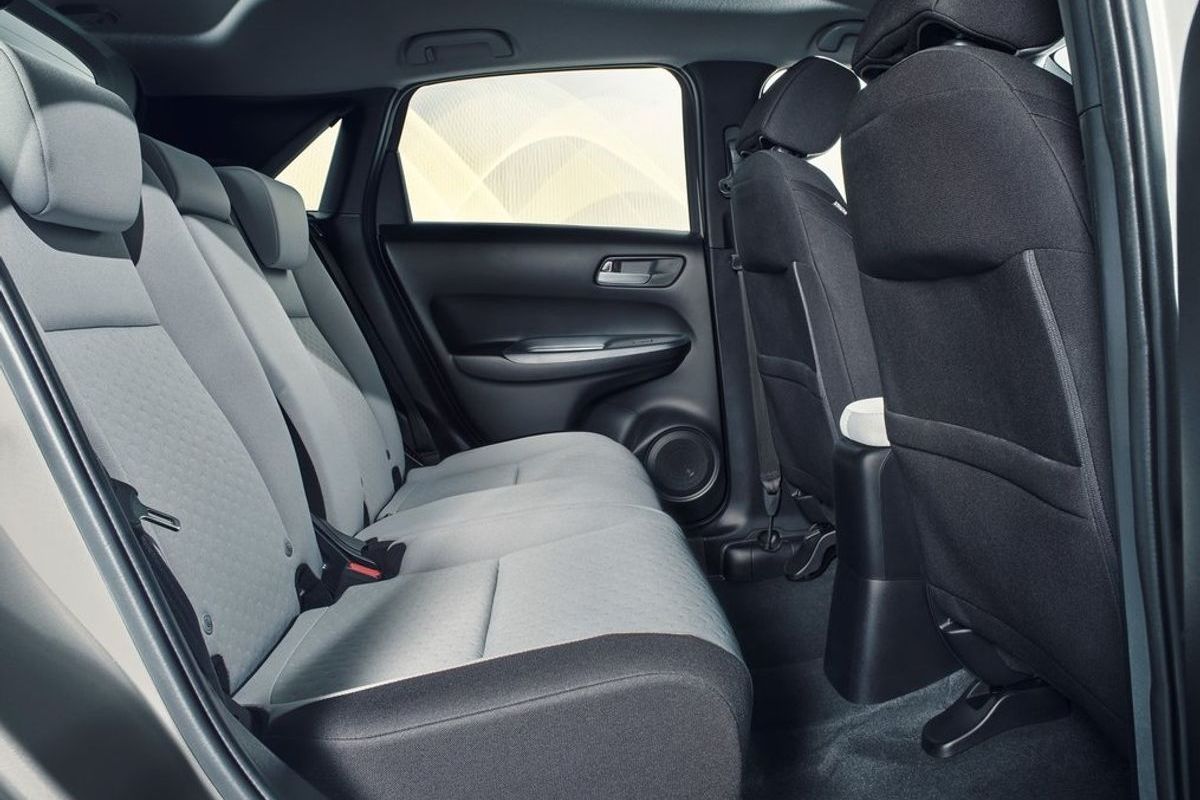
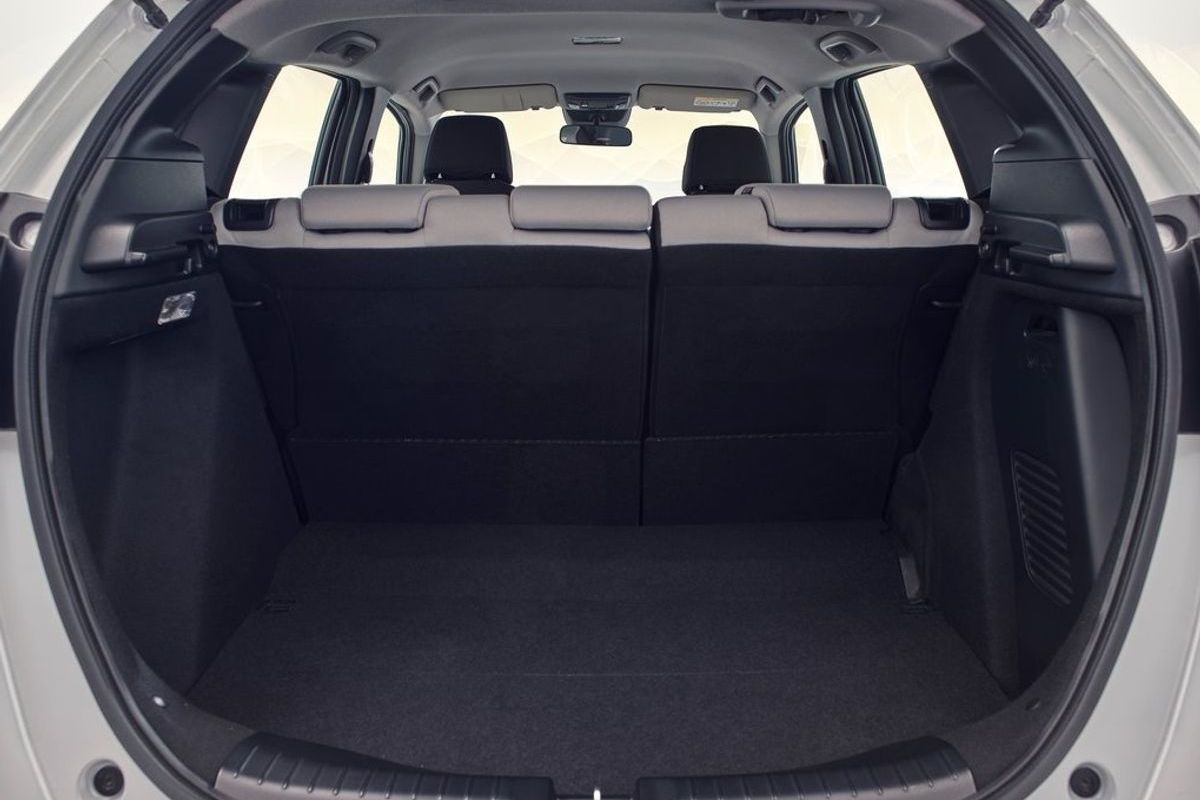
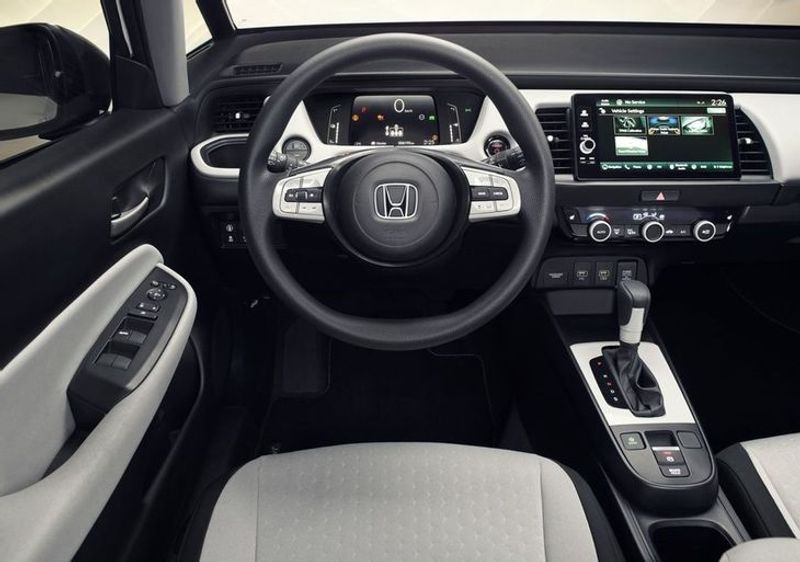
The fourth-generation Honda Jazz was revealed last year boasting improved styling and a more modern interior which now features a new touchscreen infotainment system with Apple CarPlay and Android Auto functionality. Passenger comfort has also been enhanced with new seat designs and Honda’s Magic Seat design has been carried over from the previous generation Jazz which boosts the practicality credentials of the Jazz appreciably.
The new Jazz is also equipped with Honda Sensing technology which includes a wider front camera which is able to detect pedestrians and cyclists in conjunction with improved Collision Mitigation Brake System (CMBS). Other useful features include adaptive cruise control and lane-keeping assist. However, it remains to be seen whether these features will be included in the SA-spec Jazz.
The new Honda Jazz features a modernised interior while retaining its practicality which has made it so popular.
In Japan, the Jazz is sold with a hybrid powertrain as well as a 1.3-litre i-VTEC petrol engine that produces 72 kW @ 6 000 rpm and 118 Nm of torque at 5 000 rpm. It’s likely that this 1.3-litre powerplant will be offered locally in conjunction with a Continuously Variable Transmission (CVT).
The new Jazz should be relatively well received on local soil and it will complement the recent introduction of the new WR-V compact SUV as well as the new Ballade sedan in South Africa. A new Ballade-based hatchback was also recently introduced in Thailand which is set to replace the Jazz in some markets but the City hatchback (as it’s named in Thailand) has reportedly not been earmarked for introduction in South Africa, even though it might actually be a worthy rival to the popular Volkswagen Polo Vivo.
The new Jazz is destined to reach South Africa in the second half of 2021. We will keep you updated as soon as more information becomes available.
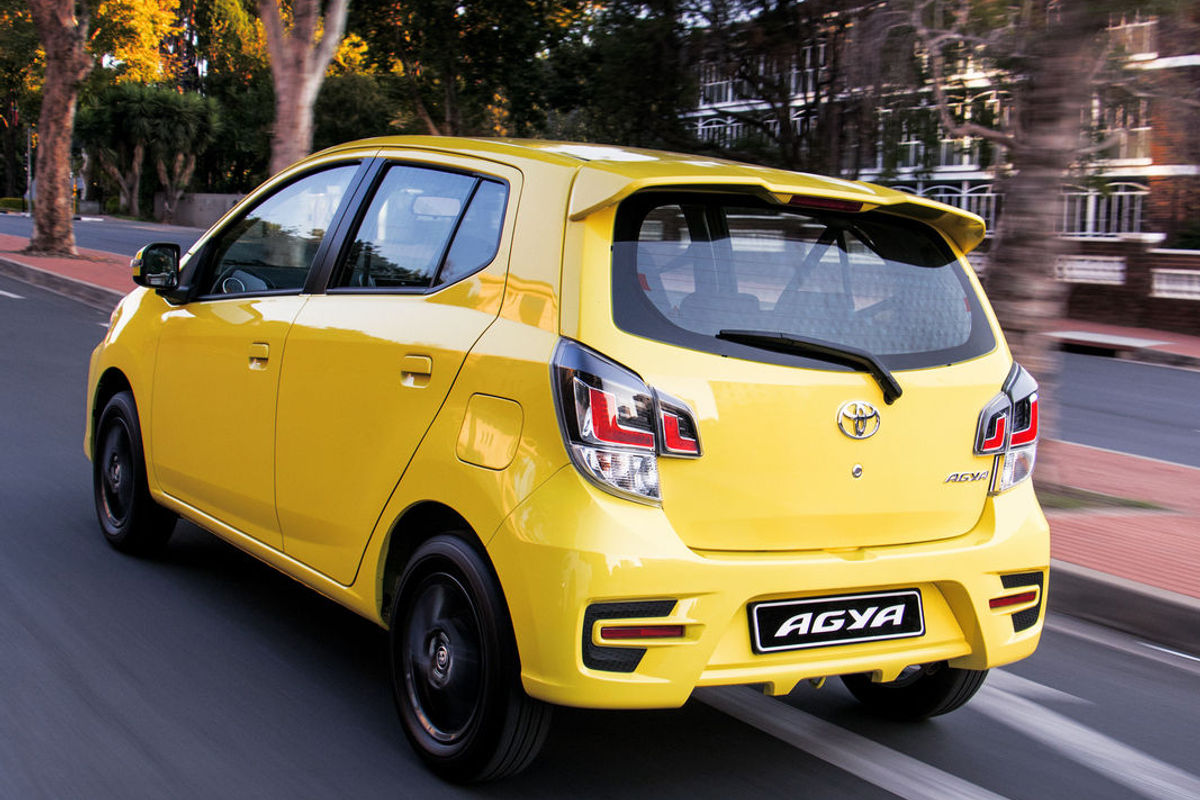
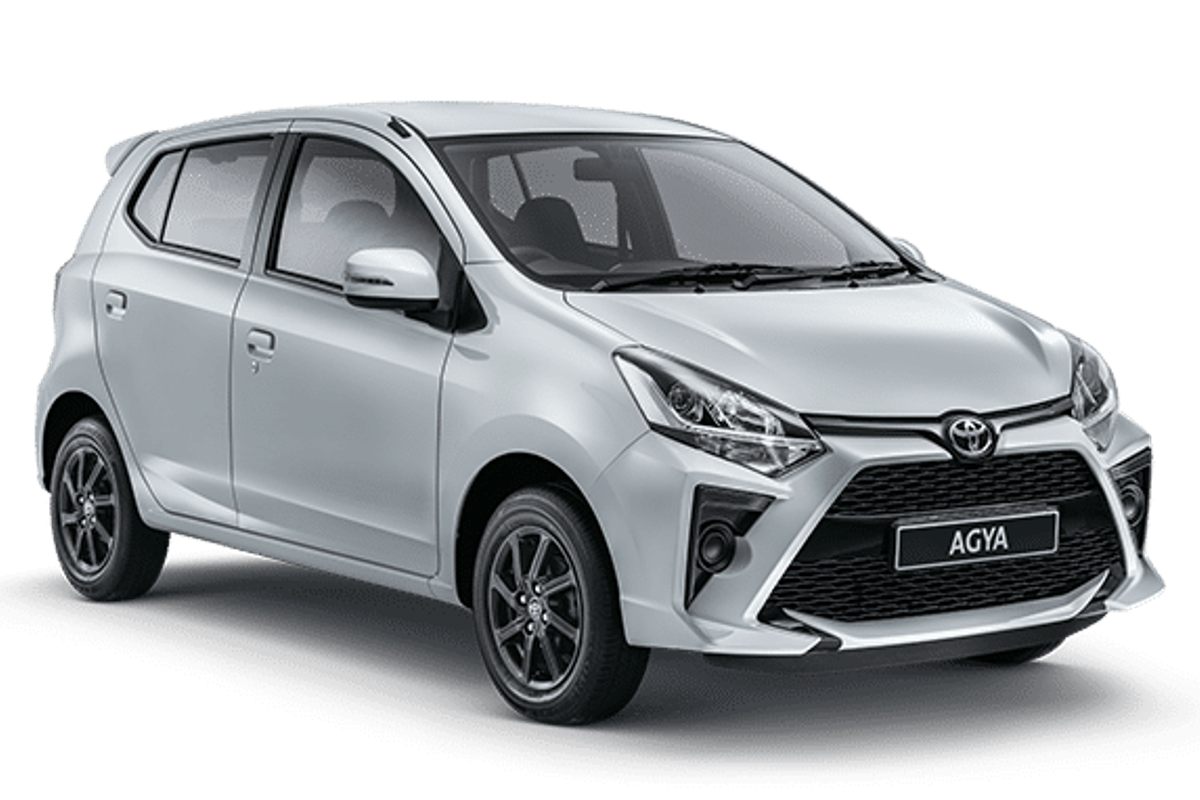
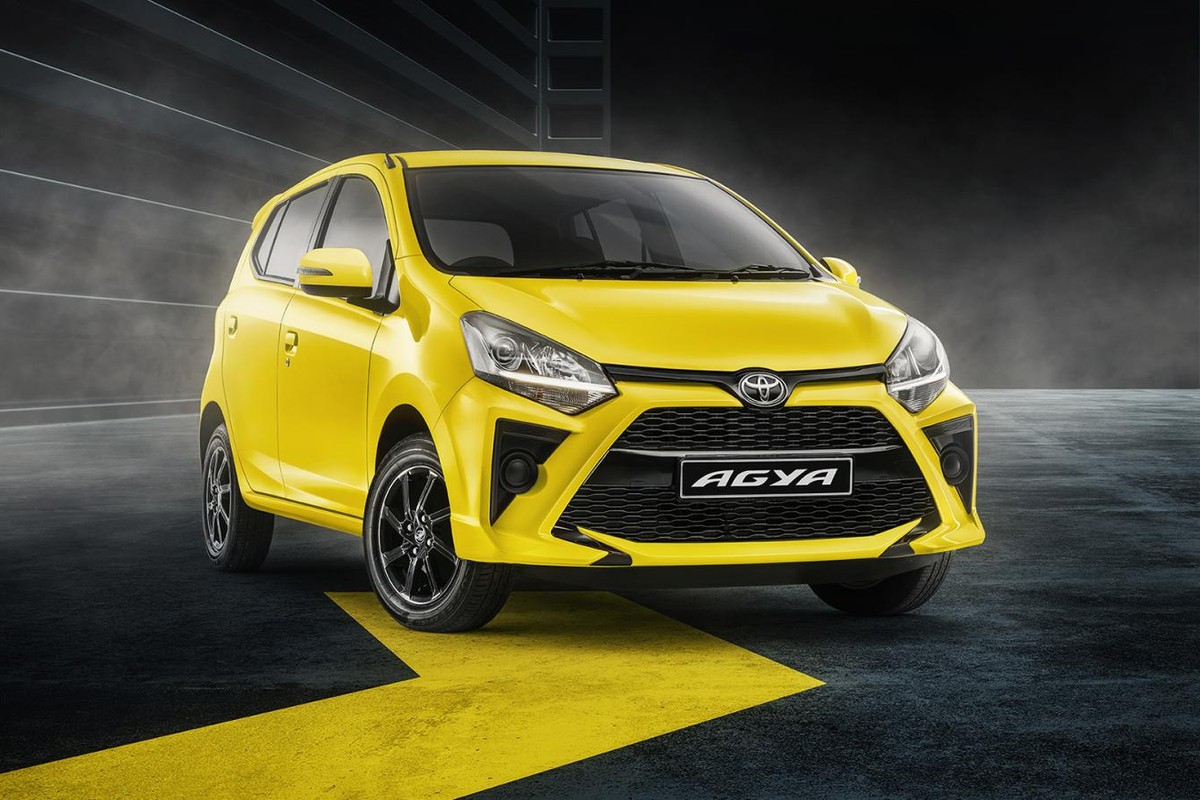
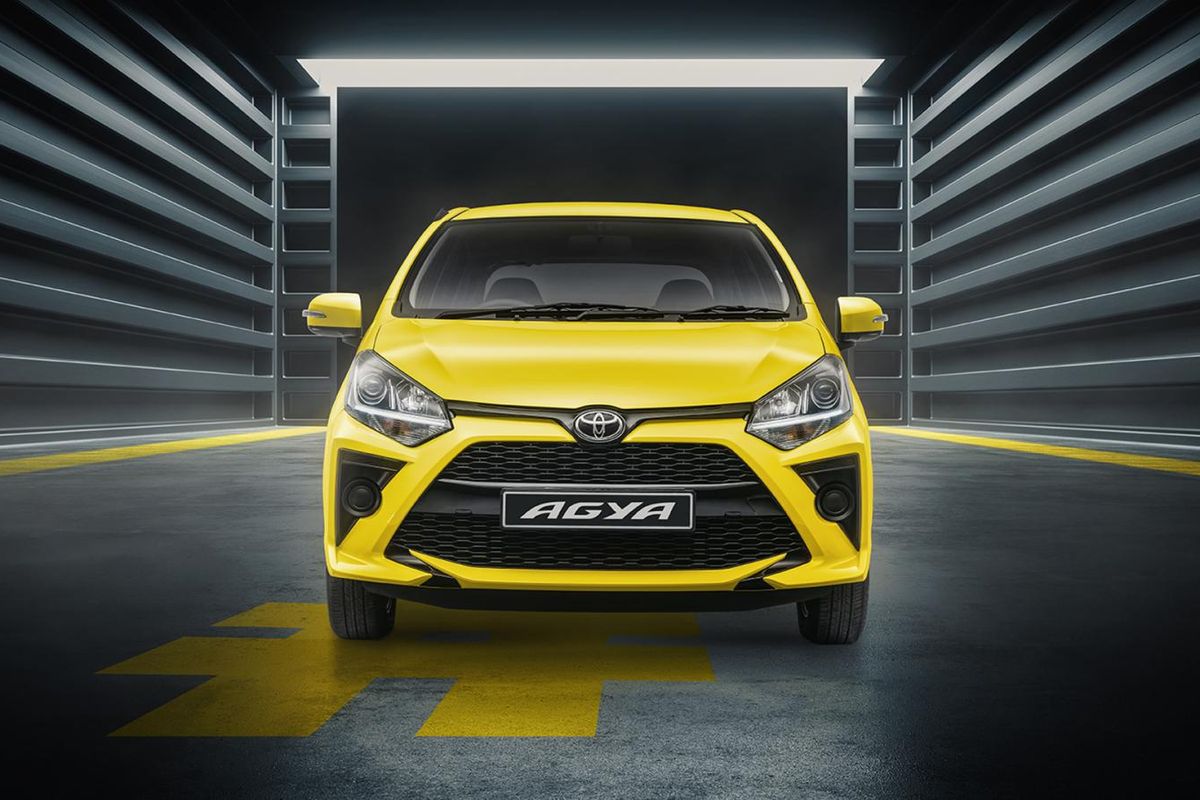
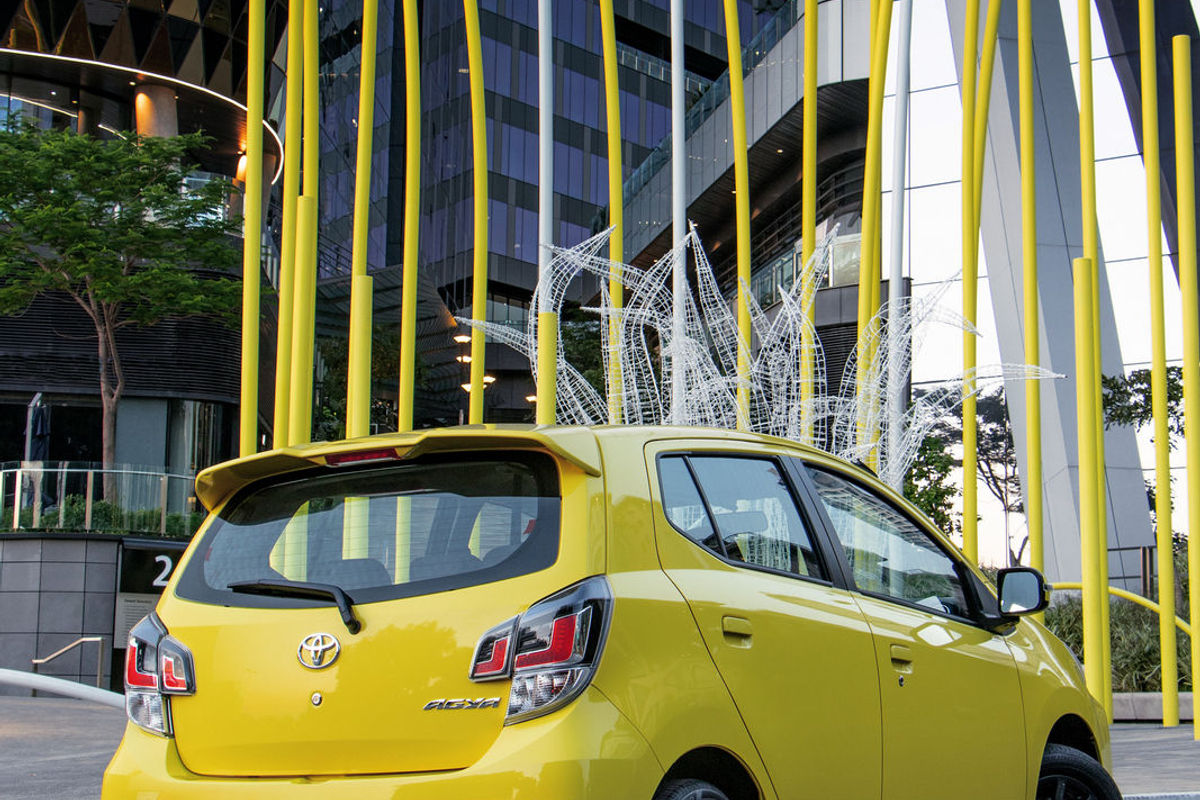
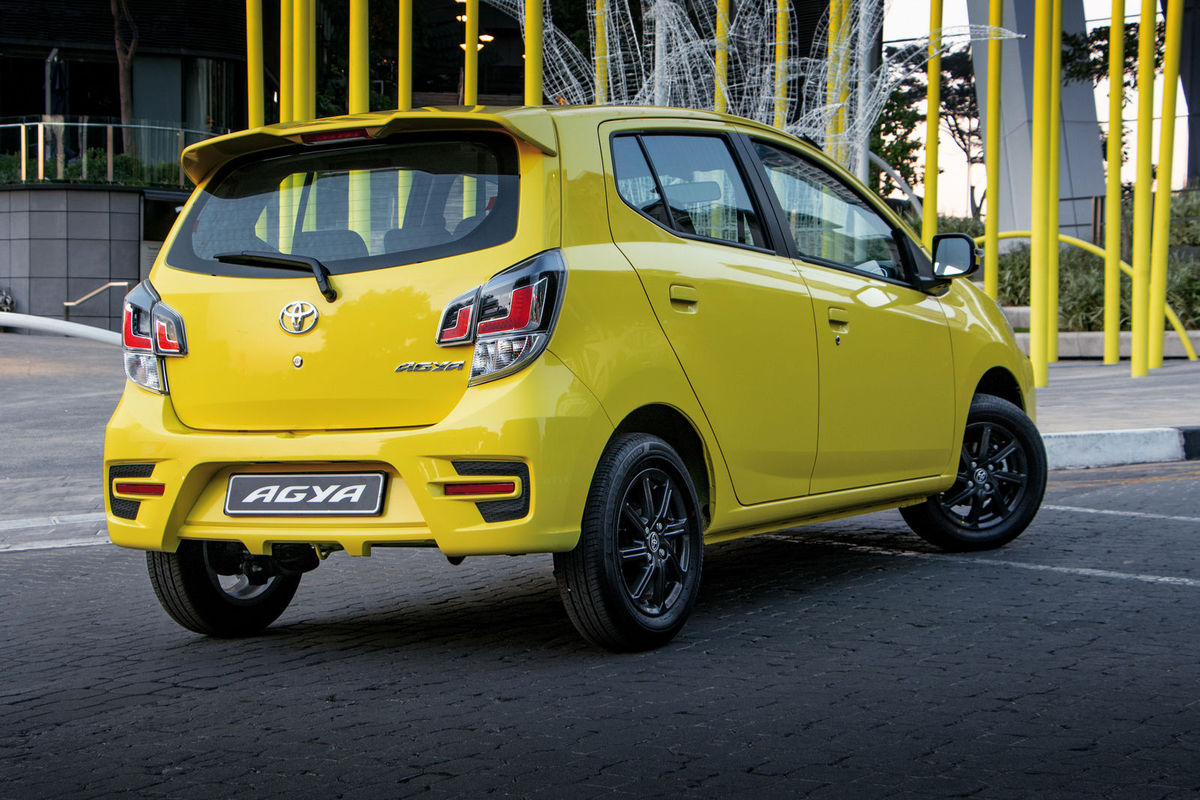
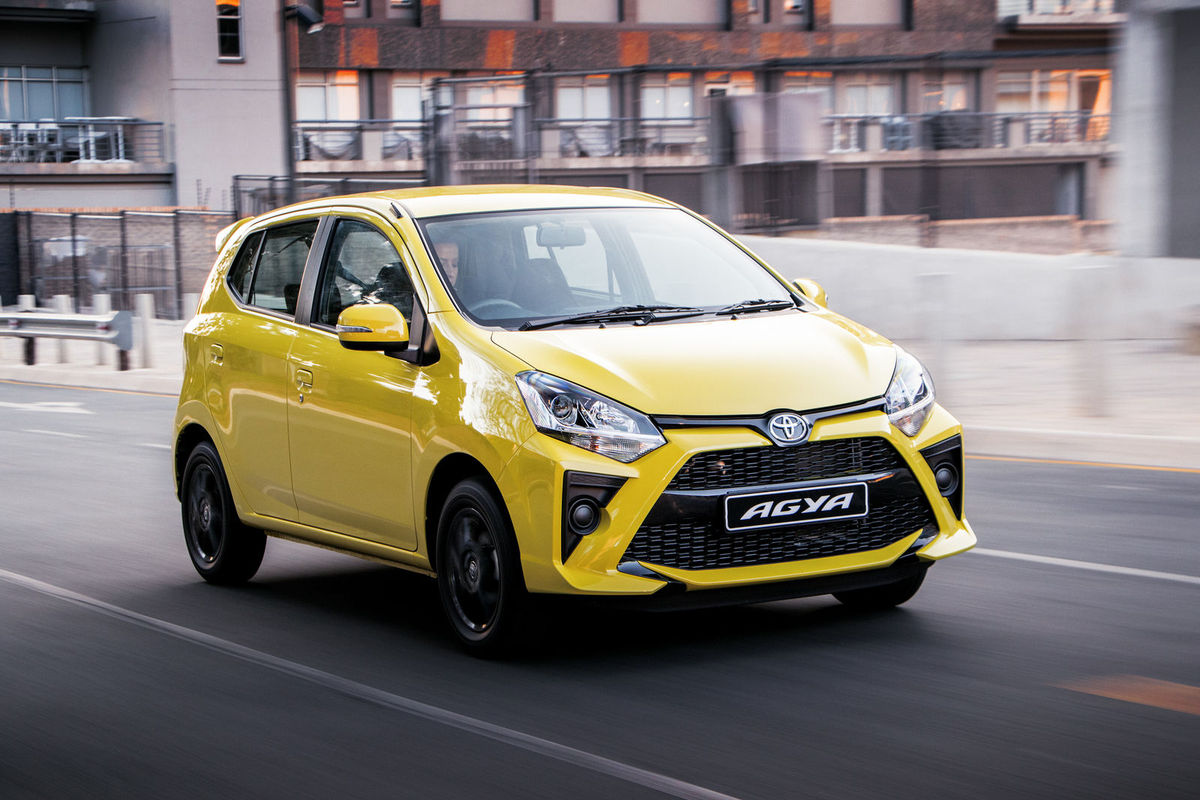
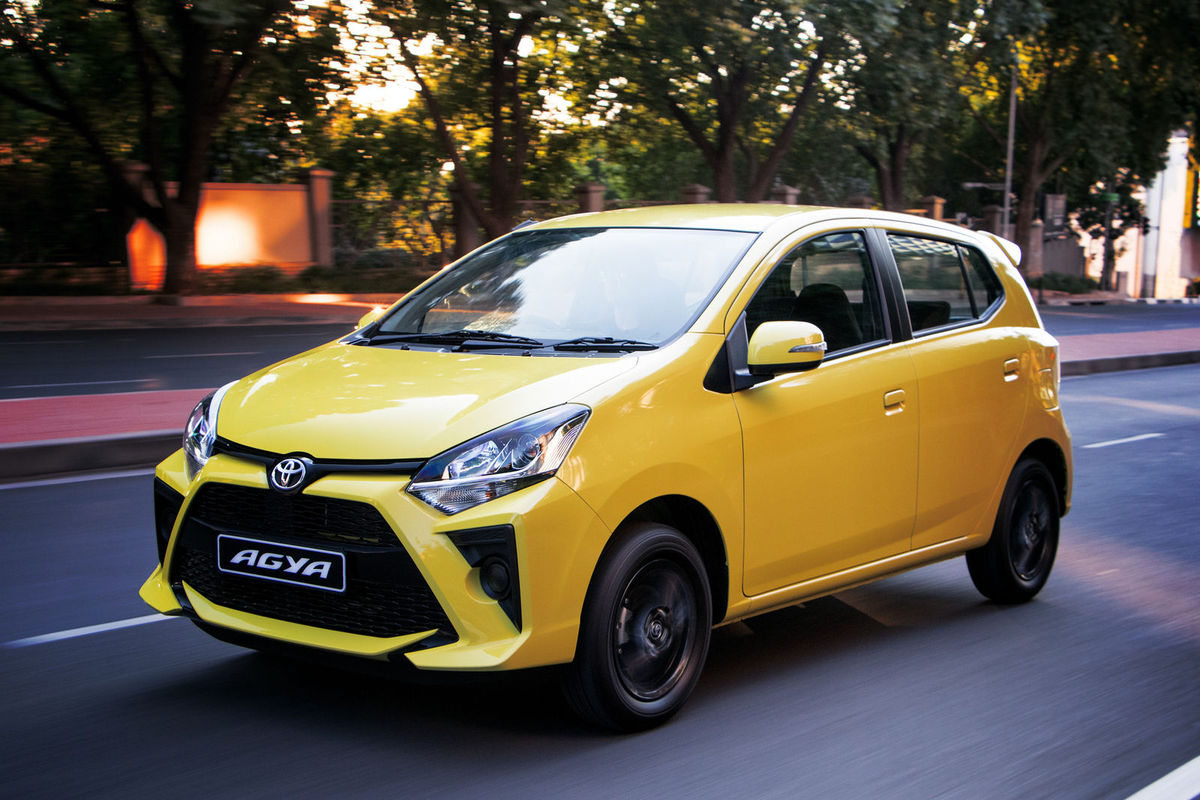
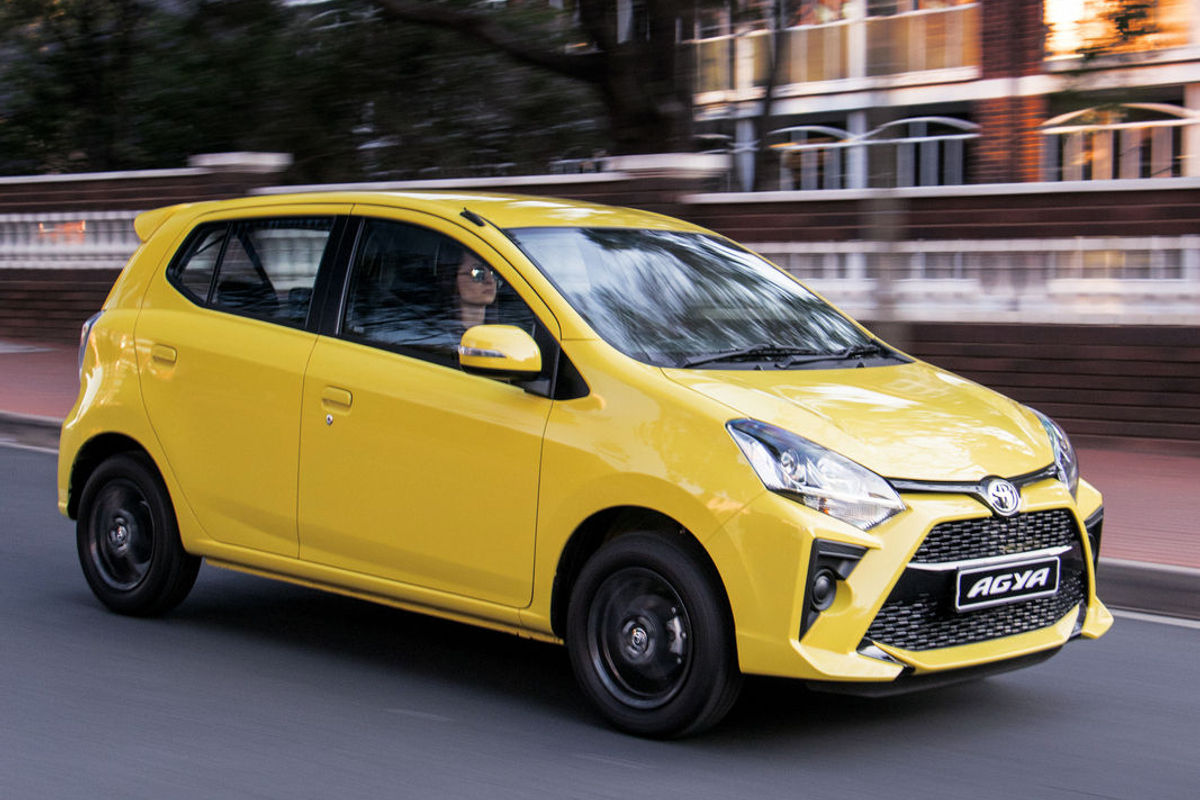
Toyota’s newest small car comes as a bit of surprise late in 2020. It will replace the Aygo eventually but here’s what you actually need to know about it.
Toyota has struggled to get a firm foothold of the entry-level market in the last decade while VW has taken the passenger car lead, its Polo and Polo Vivo generally the top 2 sellers in the car market. Since the phasing out of the beloved Tazz, Toyota has tried the likes of the Etios, which aside from the decent 1.5-litre engine, was not great to look at and not up to spec when it came to interior quality or features. The Aygo is a hit in Europe, but a bit small for our market where practicality and passenger space take somewhat of a priority in the budget sector.
In will step the new Agya, which will confuse many as the lettering seems too close to the outgoing Aygo, but it’s definitely not the same car. The Agya is actually built on a Daihatsu platform, in a similar badge swapping strategy to the Toyota Starlet and Suzuki Baleno.
How big is it?
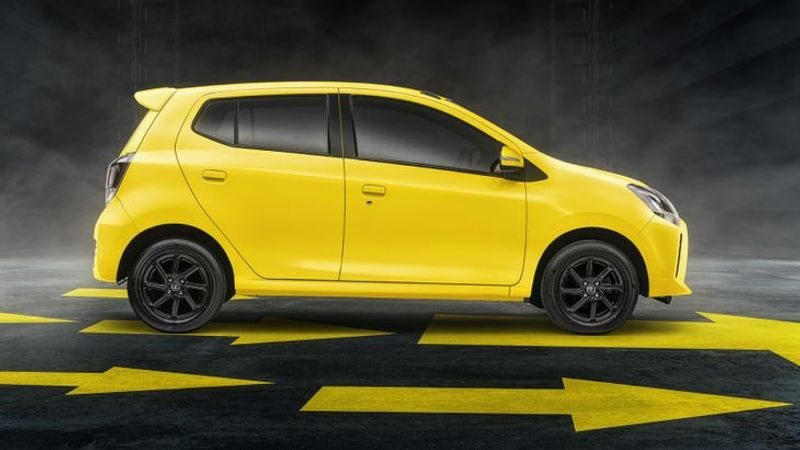
Measured bumper-to-bumper it is only 3 660 mm long, 1 600 mm across and stands 1 520 mm tall with a wheelbase of 2 455 mm. These dimensions make it 200 mm longer and 60 mm taller than Toyota's current smallest model the Aygo. It's still some way short of the Polo Vivo by 300 mm in length.
It is very lightweight, however as it tips the scales at just 835 kg meaning the 1.0-litre naturally aspirated 3-cylinder engine (50 kW and 89 Nm) should be adequate for city use. Acceleration isn’t particularly impressive as 100 kph will take 14 seconds from a standstill start. Fuel consumption is claimed at 4.8L/100 km.
Does Toyota have a real player that can take on the sales success of the VW Polo Vivo here?
In terms of transmissions, Toyota has made a 5-speed manual and 4-speed auto available with the auto commanding a R14 000 premium over the manual.
The suspension setup is pretty standard for a hatchback with McPherson struts up front and a torsion beam rear axle. All models are specced with 14-inch alloy wheels with a full-size steel wheel as a spare.
What does it have inside?
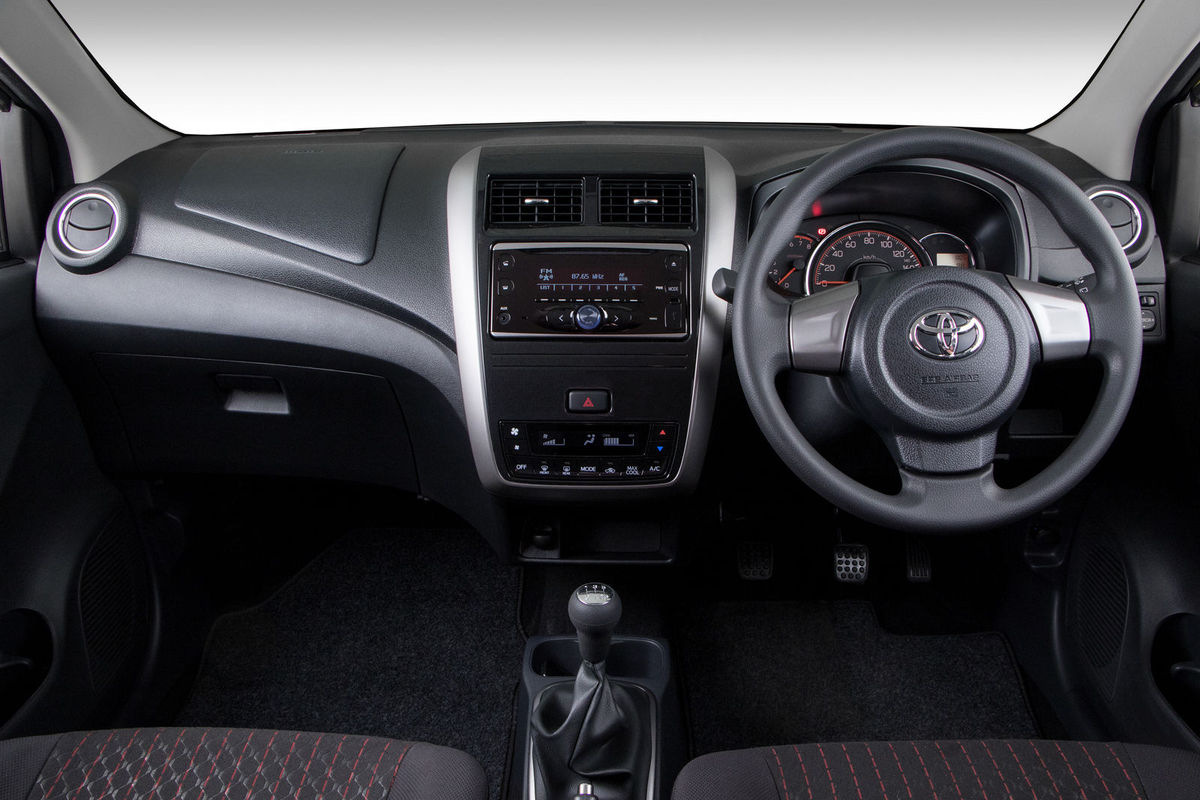
For a vehicle squeezing in under R200k, the Agya appears to have most of the essentials. Airconditioning is standard in all models as are power steering and electric windows all round. The higher-spec models (with audio) are equipped with a USB and Aux. port while all models are Toyota Connect enabled. The base-spec cars do not come with a radio but do have 2 speakers installed if you wish to fit your own audio system. The higher-spec models come with a Toyota double din system, also with 2 speakers. Bluetooth is also only available on the top-spec models. Toyota dealers are offering an audio upgrade option that includes a touchscreen system equipped with Apple Carplay and Android Auto.
Safety features equipped on the Agya include ABS brakes with EBD support while 2 airbags are standard for the whole range.
Pricing and warranty
Toyota is offering a 3-year/100 000 km warranty and 2 services/20 000 km service plan.
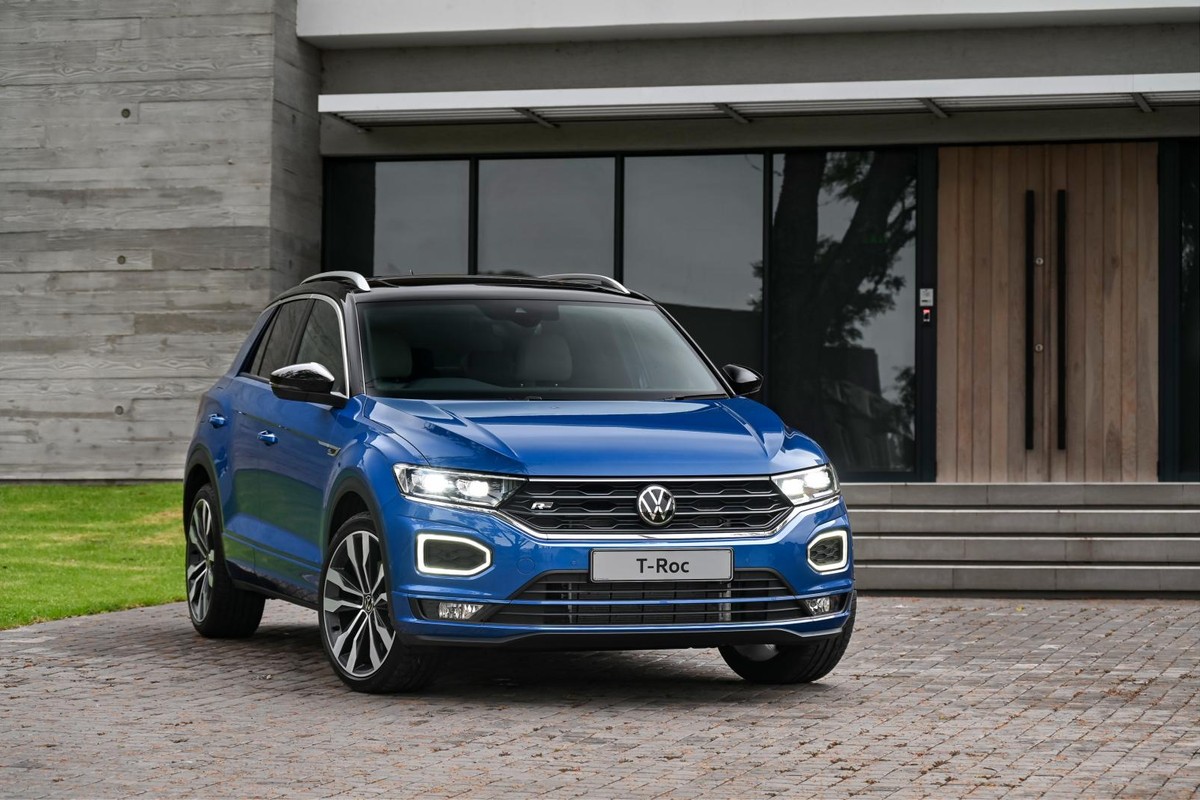
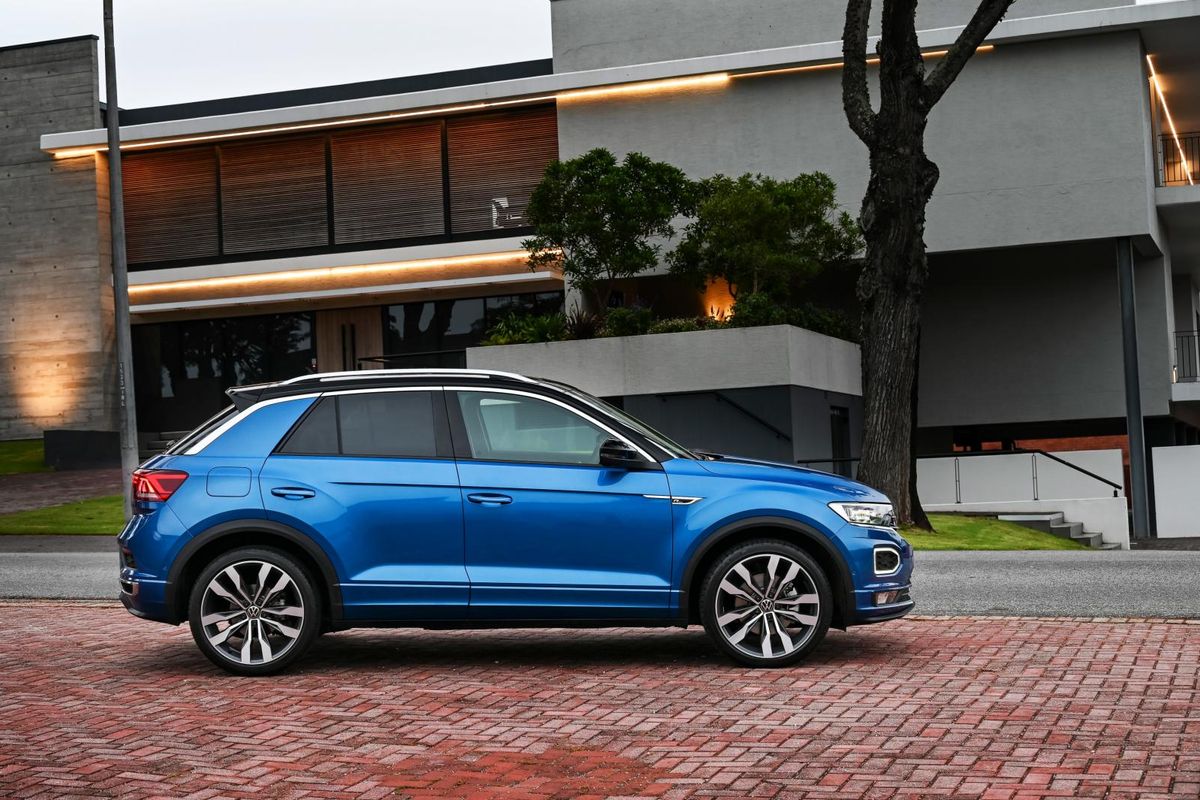
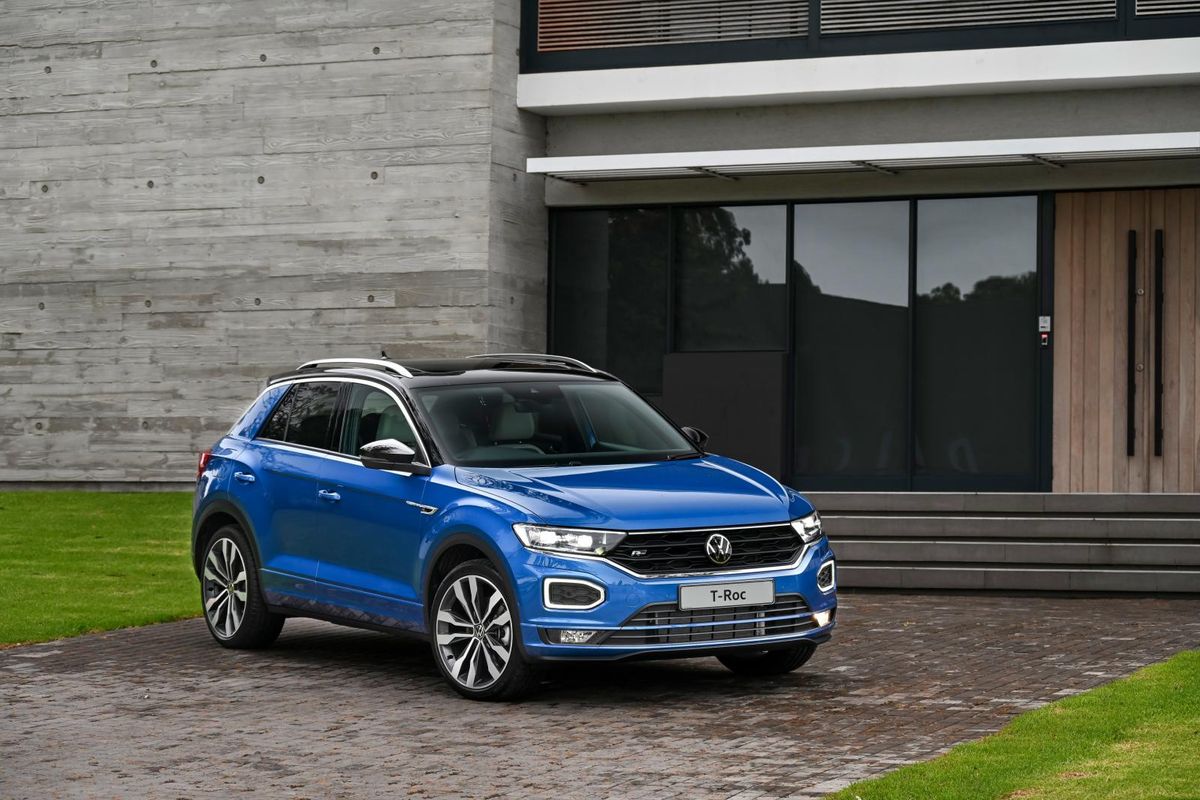
Three years after making its international debut, Volkswagen's eagerly-anticipated T-Roc has finally arrived in Mzansi. Has it been worth the wait? We got to grips with the newcomer at its media launch in the Western Cape
The Wolfsburg-based carmaker is making good on its promise to offer an SUV in virtually every segment of the passenger-car market and the arrival of the T-Roc duly completes VW's SUV line-up in South Africa. The newcomer sits between the T-Cross and Tiguan; it's a compact family car, but it prioritises style over practicality. Critics argue Volkswagen now has too many models in its SUV portfolio and perhaps they have a point…
However, Volkswagen SA is confident that the T-Roc has plugged the gap between T-Cross and Tiguan, and if you look at the pricing, it's easier to understand the justification. The T-Cross is a great entry point to the brand, with the T-Roc offering more style and features, plus a more powerful engine. If you need space and practicality, then a Tiguan is the next step up. Finally, for those who like their SUVs large and luxurious, the Touareg is certainly worth a look. We've provided a comparison between the 3 Volkswagen models so you can compare pricing, dimensions and engines.
Speaking of practicality, the T-Roc is said to offer a load capacity of 392 litres, while 1 237 litres become available if you fold the rear seats down. Interestingly, the T-Roc doesn't have the same rear sliding bench as the T-Cross and, at first glance, rear legroom isn't as generous as we hoped.
What's on offer in SA?
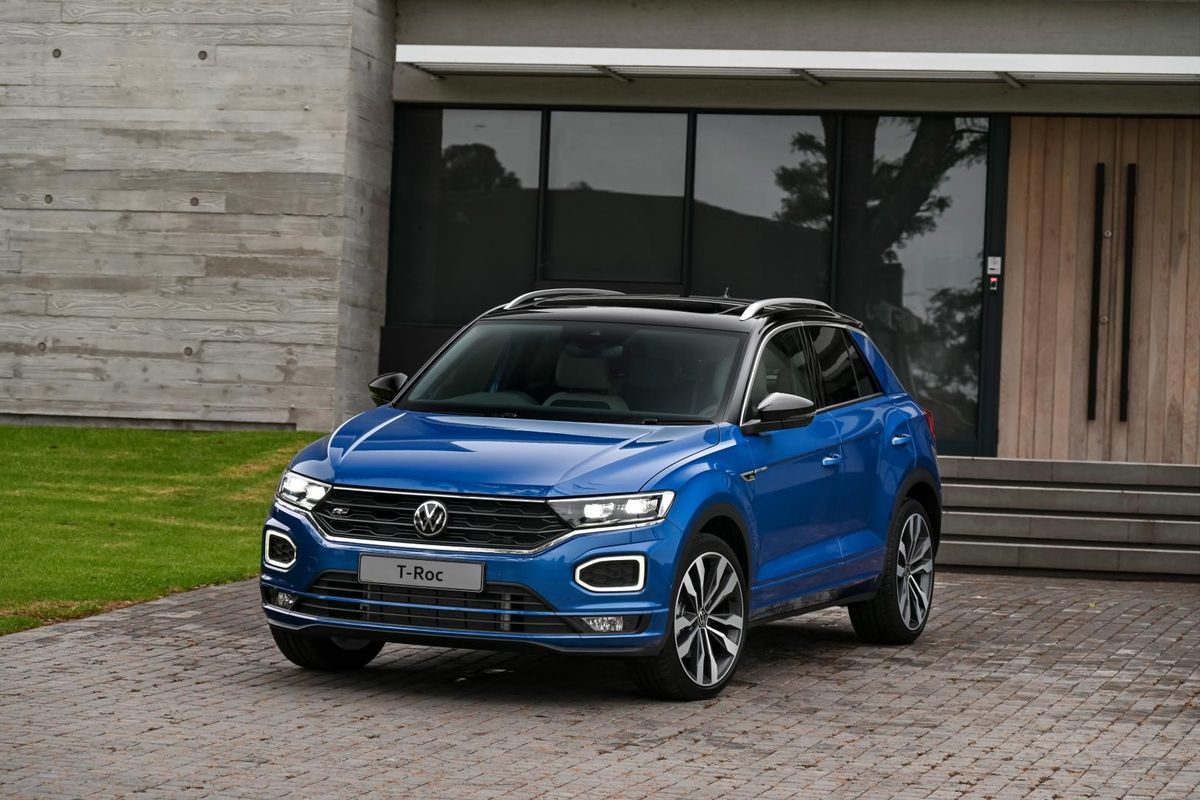
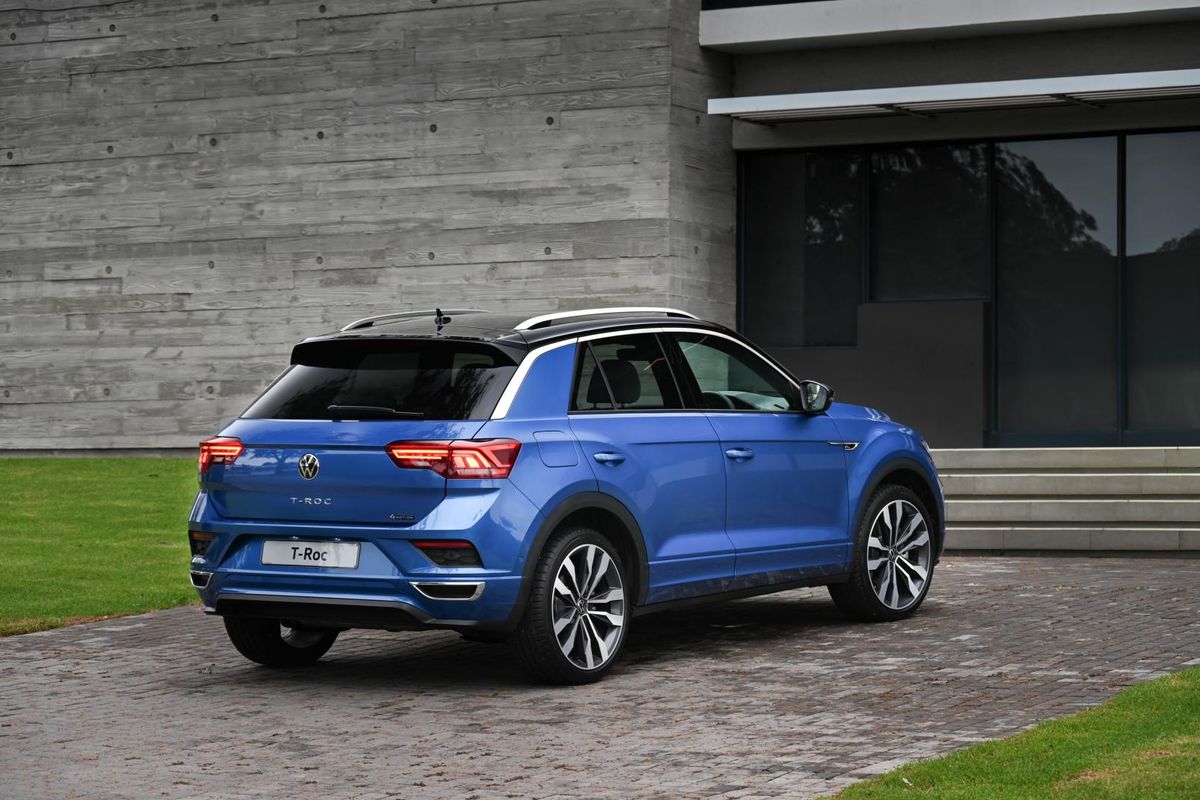
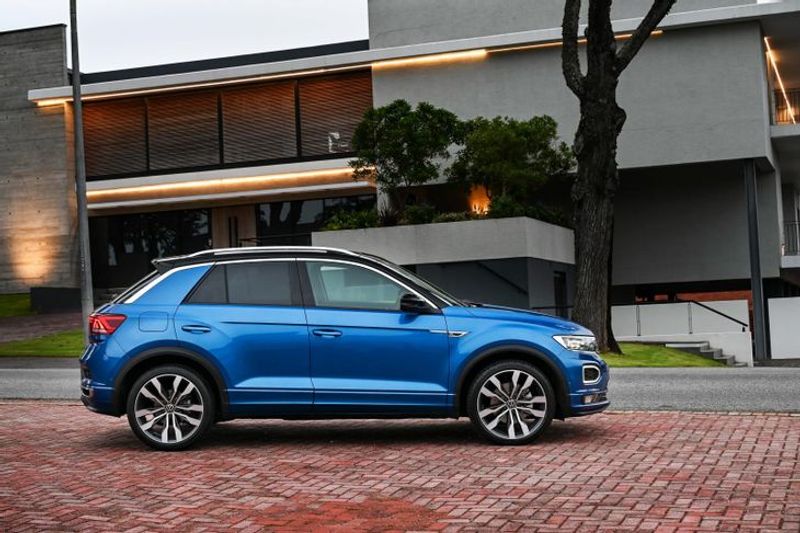
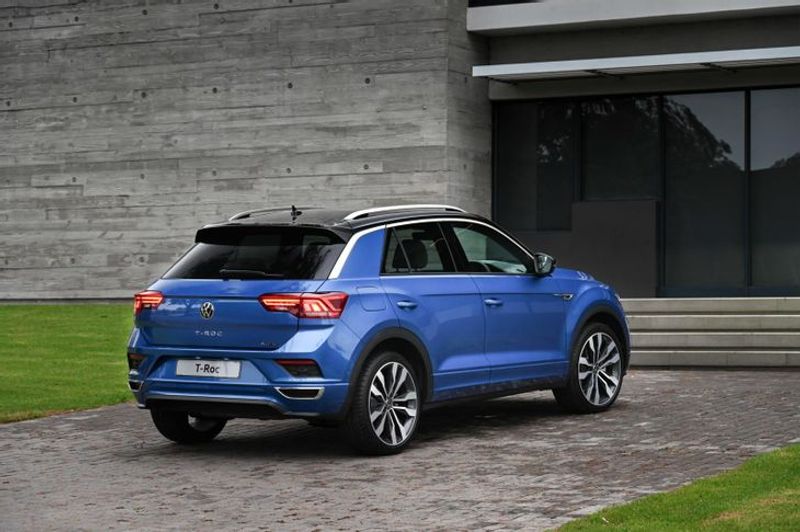
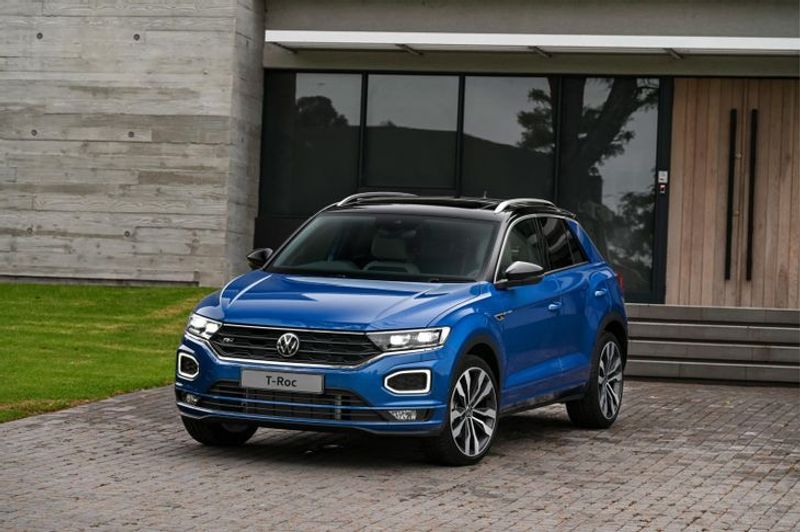
With an array of colour combinations, the Volkswagen T-Roc is one of the prettier vehicles in its segment
Volkswagen SA has introduced 3 derivatives of the T-Roc in our market. There are 2 engines on offer: a 1.4-litre 4-cylinder turbopetrol and a 2.0-litre 4-cylinder turbopetrol. The 1.4-litre version produces 110 kW and 250 Nm, and power reaches the front wheels via an 8-speed Tiptronic 'box. The 2.0-litre turbocharged petrol engine in the flagship derivative offers peak outputs of 140 kW and 320 Nm and is mated with a 7-speed DSG transmission, in conjunction with 4Motion all-wheel drive. For those of you who want some R flavour, we have bad news… Volkswagen SA has explicitly said the T-Roc R is NOT coming, but if you absolutely must have a performance Volkswagen SUV, then start saving for the Tiguan R.
When it comes to performance, Volkswagen claims the 1.4 TSI is good for a 0-100 kph time of 8.4 seconds, while its 2.0-litre (2.0 TSI) sibling is said to do the same in 7.2 sec. Their stated average fuel consumption figures are 6.1 L/100 km and 7.2 L/100 km respectively.
There are 2 levels of trim available: Design and R-Line. The Design trim is available for both the 1.4-litre and the 2.0-litre, while R-Line is exclusive to the flagship derivative. There's a huge focus on customisation, and the Design level of trim offers a choice of 8 paint finishes, as well as a quartet of roof colours! The R-Line offers a further 8 exterior hues with 4 roof colour options. There are also 4 allow wheel designs to choose from in Design trim, while the R-Line comes standard with 19-inch alloys. There's a good chance the proverbial Joneses won't have an identical T-Roc to you!
The Design package comes standard with 17-inch Mayfield rims, while the 18-inch Montego and 18-inch Grange Hill alloy wheels are optional. The R-Line spec, meanwhile, incorporates 19-inch Suzuka alloy wheels, which we've seen before – on the Tiguan.
Feature-packed
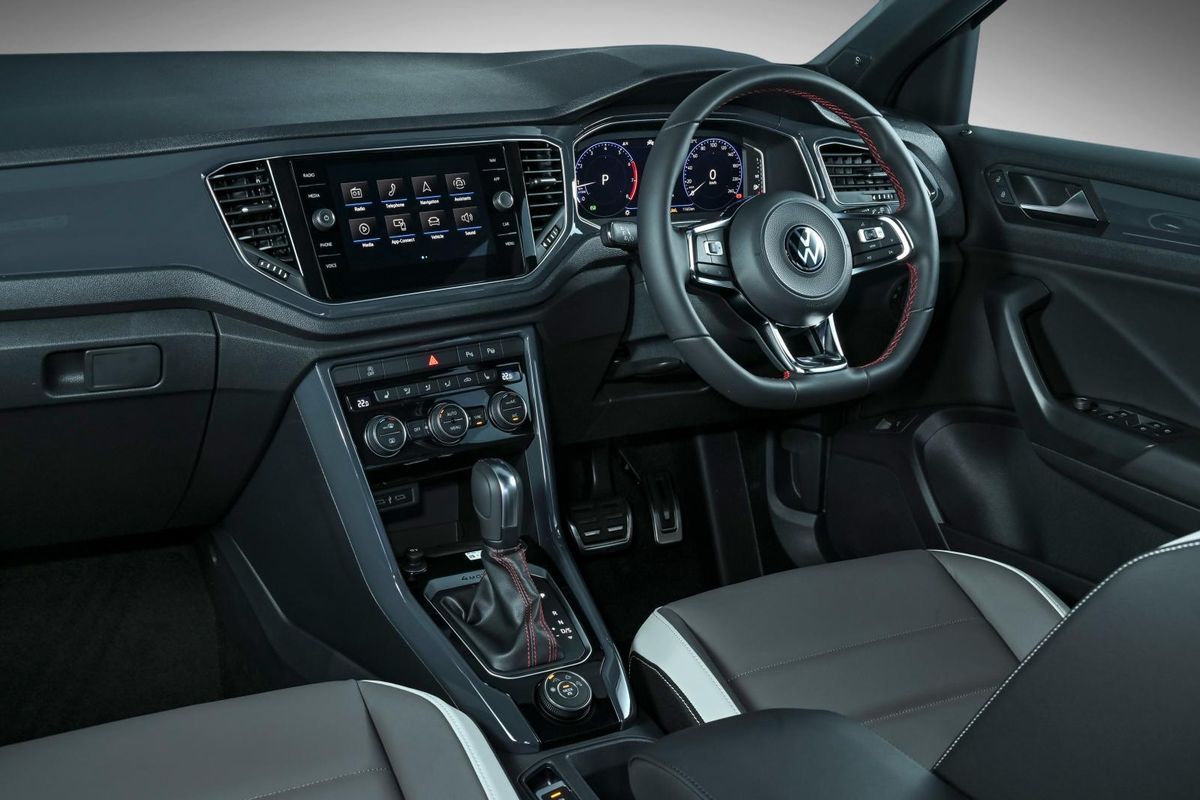
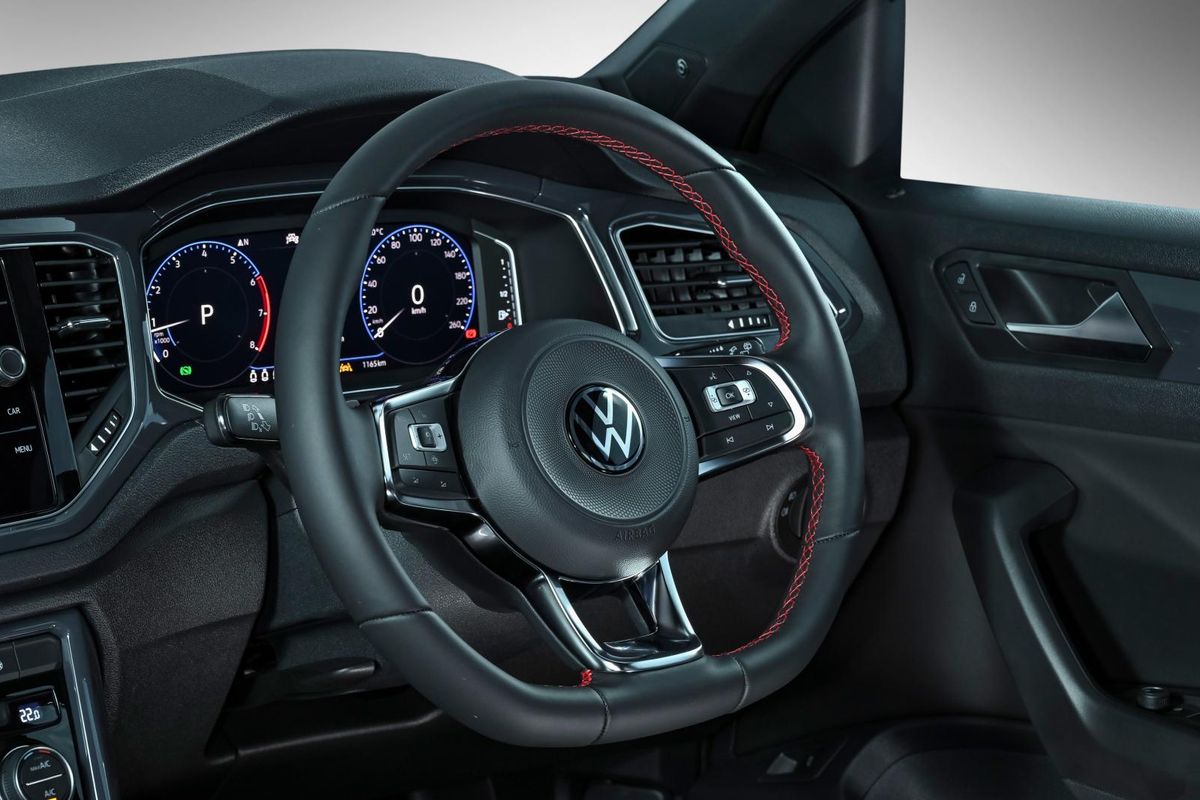
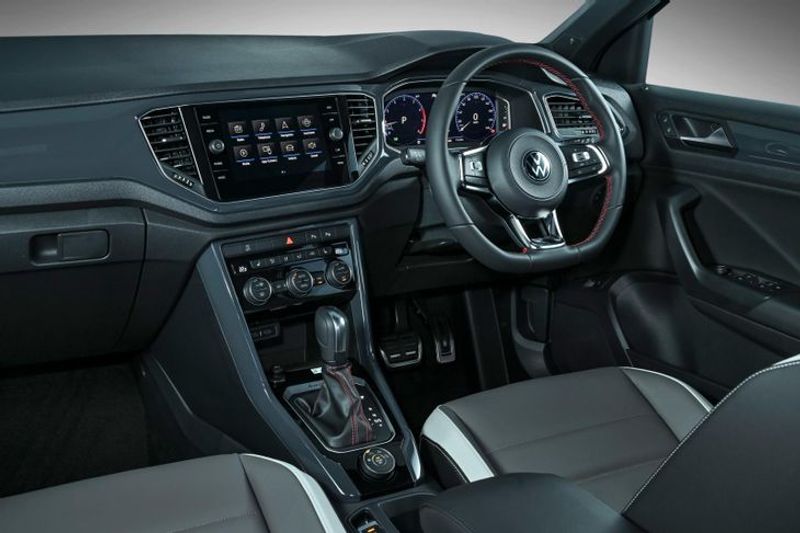
Pedals and steering from a GTI give you some indication of what it's like to drive…
The new Volkswagen T-Roc (Design) comes standard with the Composition Media radio and App-Connect, replete with an 8-inch touchscreen interface and a pair of USB ports. The Design trim level also features Climatronic (automatic aircon), connectivity via the WeConnect Go app, voice control, LED tail-light clusters, visual underbody guard (in other words, black cladding) and park distance control (front and rear).
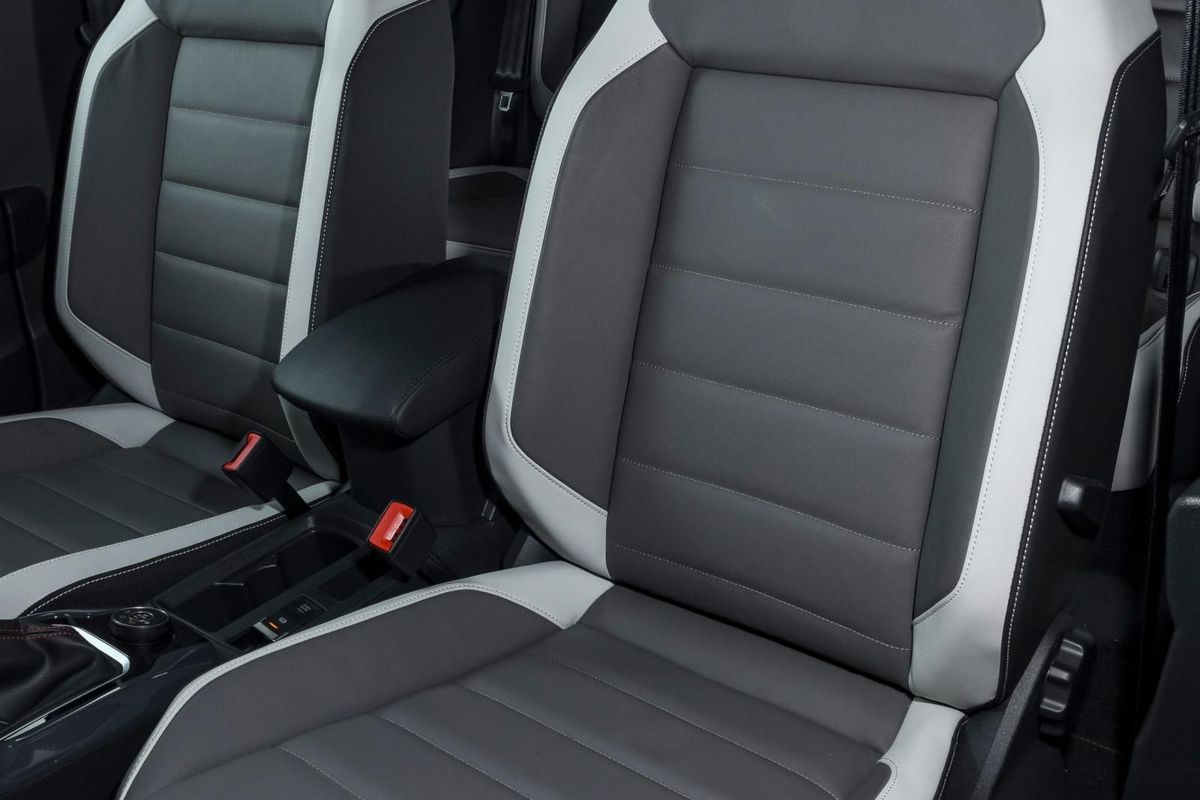
The2.0TSI 140kW 4Motion R-Line, on the other hand, comes standard with additional high-tech systems, such as front-assist area monitoring with city emergency braking and pedestrian monitoring, an automatic post-collision braking system, as well as lane assist. From a cosmetic point of view, the flagship features LED daytime running lights in the front bumper and dynamic cornering lights, 19-inch Suzuka alloy wheels, the latest generation Active info display, keyless entry, a smartphone charging pad, adaptive cruise control (with front assist) and Vienna leather seats.
Some options worth considering are the panoramic sunroof, an electronic trailer hitch, smoker's package, a Discover Pro navigation system (in conjunction with a 9.2-inch screen), the Beats audio system and the Park Package. Volkswagen has also introduced its safety tech, called IQ.Drive, which includes sophisticated features such as adaptive cruise control, front assist, lane assist, blind-spot detection, park assist, and rear-traffic alert.
What's it like to drive?
Volkswagen has offset the lack of SUV-like ground clearance by favouring good, old-fashioned driving manners.
We lined up the R-line range-topper (clad in a subtle, yet classy, White Silver metallic finish) for the on-road evaluation segment of the media presentation. There's no denying it: this is one very pretty, modern-looking vehicle. Those daytime running lights give the car such a distinctive presence, but it's interesting to note that the ground clearance is just 158 mm, which is low for a compact crossover, let alone an SUV.
While this may disappoint potential customers who were banking that substantial ground clearance and all-wheel drive would avail a modicum of off-road capability, the T-Roc's relative dynamism more than makes up for that. By virtue of sitting closer to the ground than some of its rivals, the Volkswagen has a lower centre of gravity and it's quite remarkable that when you pitch the T-Roc into tight corners at speed, there's minimal roll.
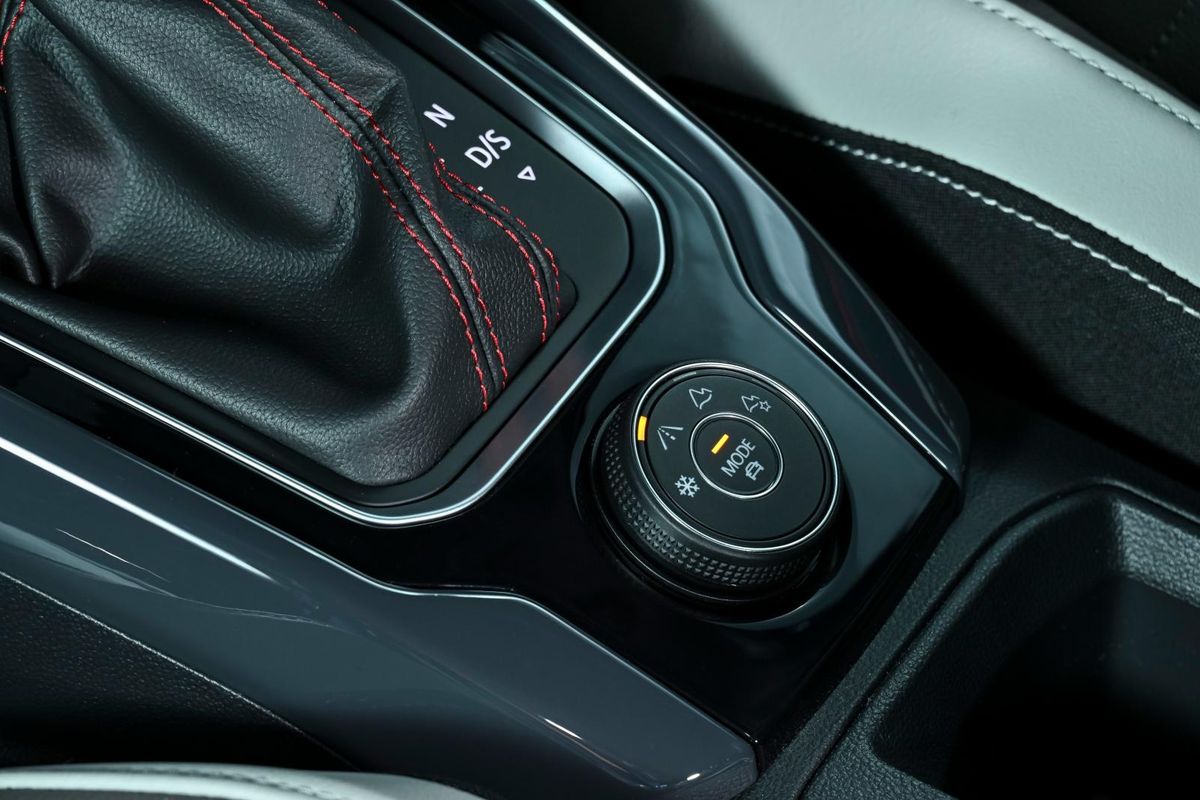
The engine has to be put into its sportiest/most responsive mode for maximum effect, of course, and you're encouraged to make extensive use of those shift paddles located on the steering wheel. Granted, 140 kW is barely comparable with the Polo GTI's peak output, but the maximum torque of 320 Nm provides a notable helping of shove-in-the-back driving thrills, particularly when it comes to overtaking. Keen-eyed enthusiasts may notice the 'wheel and pedals have been lifted from the Golf GTI; those accoutrements are a great indication of the T-Roc R-Line's driving manners.
The steering setup is surprisingly quick and the T-Roc will dart around with verve if you need it to. You can confidently pitch the T-Roc into corners, yet its suspension manages to find a sweet balance between comfort and agility. Push the limits too hard and the 4Motion all-wheel drive will keep things in check. In terms of ride quality, well, it's firm, but we suspect the 19-inch alloy wheels (shod with low-profile rubber) are partly to blame…
Now if you've read this far, you're probably wondering: Can the T-Roc be a capable compact family car? To a degree, yes. R-Line trim incorporates nearly all the latest features; for many, the optional panoramic roof and uprated Beats audio setup should be more than enough to clinch the deal.
The list of standard specifications is exhaustive. A modern infotainment system – appended with USB A and USB C ports and compatible with Android Auto and Apple CarPlay – will keep the "connected generation" happy. The leather seats are plush and the front ones are heated too.
There's also a fair amount of luggage space. My only major gripe with the T-Roc package is the cramped rear legroom. I'm taller than most adults, but it was difficult to conduct the sit-behind-yourself test. Perversely, there's adequate legroom in the smaller T-Cross, thanks to its nifty sliding rear bench.
Summary
Volkswagen SA says over 400 T-Rocs have been pre-ordered.
It's fascinating to see how Volkswagen's latest SUV offering has very un-SUV-like manners. By virtue of its low centre of gravity, the T-Roc feels more like a lukewarm hatchback than a crossover. It appears Volkswagen has sacrificed some practicality and dirt road capability in favour of a stylish cabin and engaging quality driving dynamics. We're more than okay with this arrangement… if you need more space in your Volkswagen SUV, there's the lovely Tiguan within the T-Roc's price range, or you could just splurge on a liberally-specced top-of-the-range T-Cross…
We're keen to see how the newcomer fares in a full review by Cars.co.za. Look out for the road test and YouTube video review coming soon.
Volkswagen T-Roc Price in South Africa (November 2020)
The all-new Volkswagen T-Roc will come to market with a 3 year/120 000km warranty, 5-year/90 000 km Volkswagen Service Plan and a 12-year anti-corrosion warranty.