Q by Aston Martin rolls out 007 specials
Did the delay of the release of the 25th James Bond film, No Time to Die (triggered by the Covid-19 pandemic), present Aston Martin with an unexpected opportunity to produce a pair of special editions to make the most of the upcoming movie’s razzmatazz? We’ll never know… 

No Time To Die, which is widely believed to mark Daniel Craig’s final outing as the world’s most famous fictional spy, will finally be released worldwide in November 2020 and the film will feature a quartet of Aston Martins: the iconic DB5, the classic Aston Martin V8, the DBS Superleggera and mid-engined Valhalla hypercar.
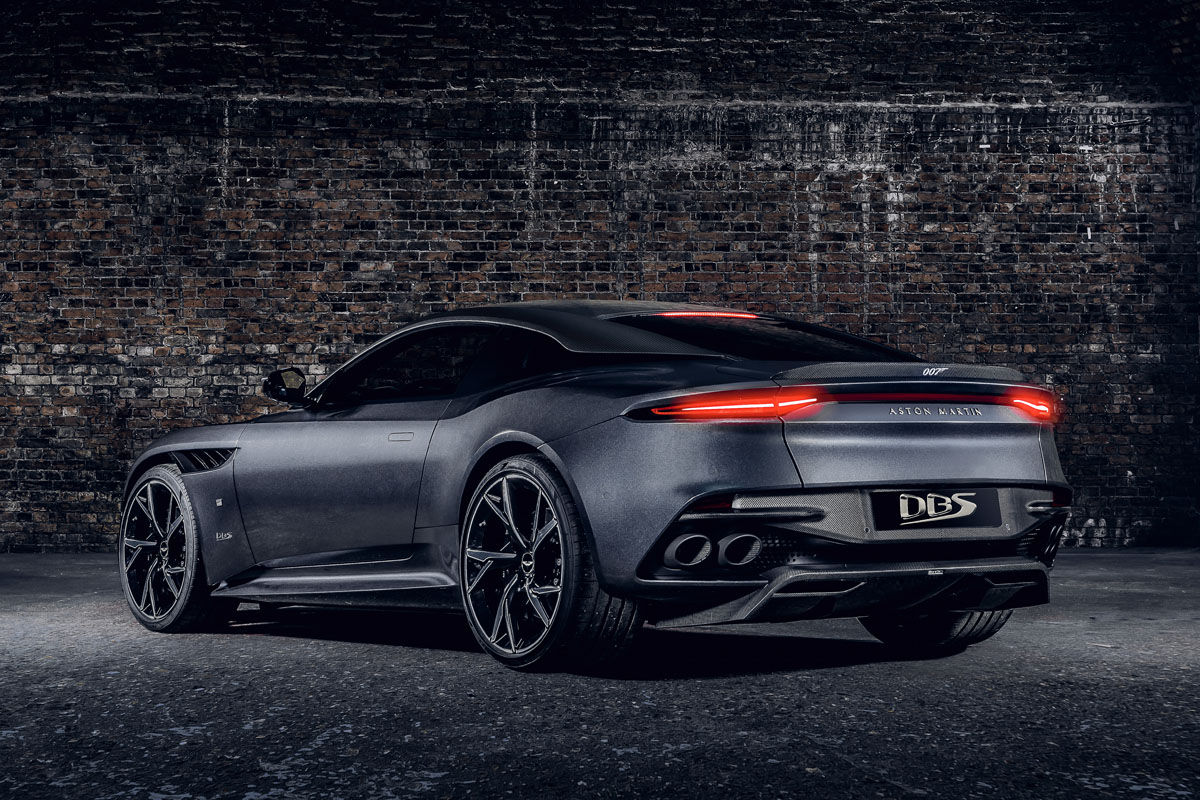

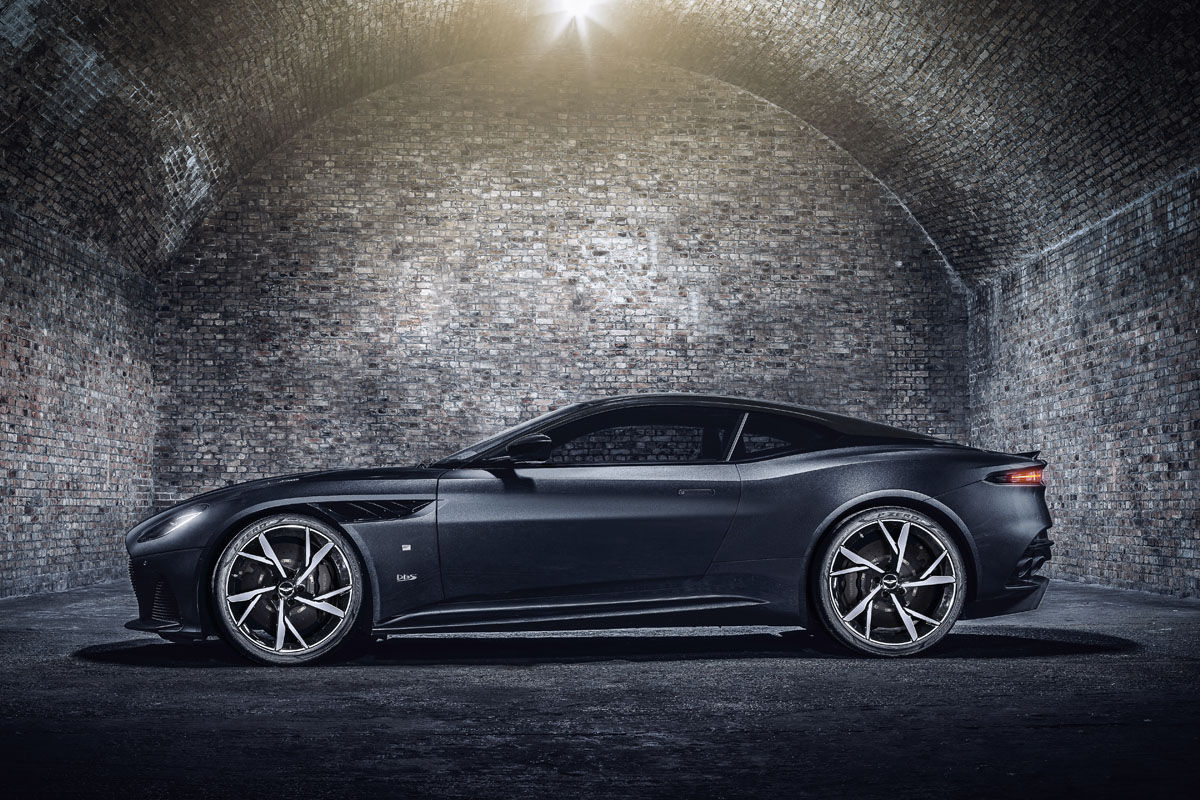
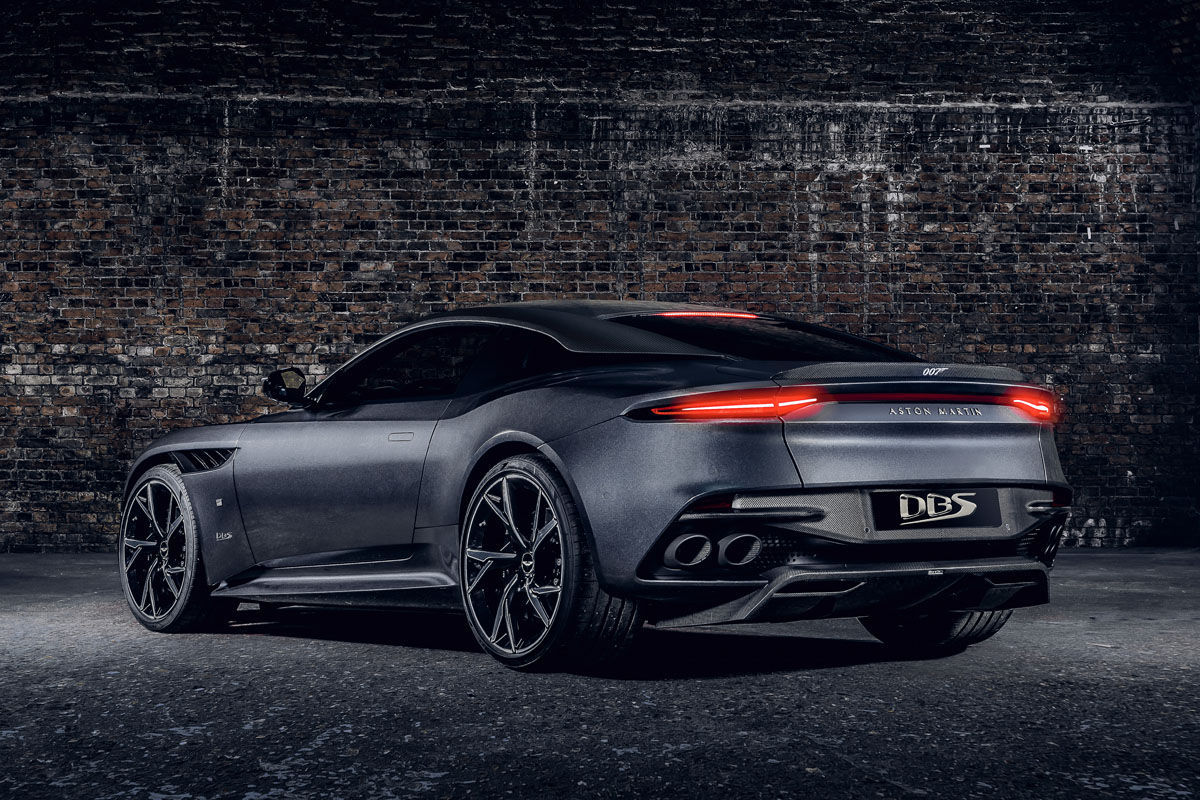
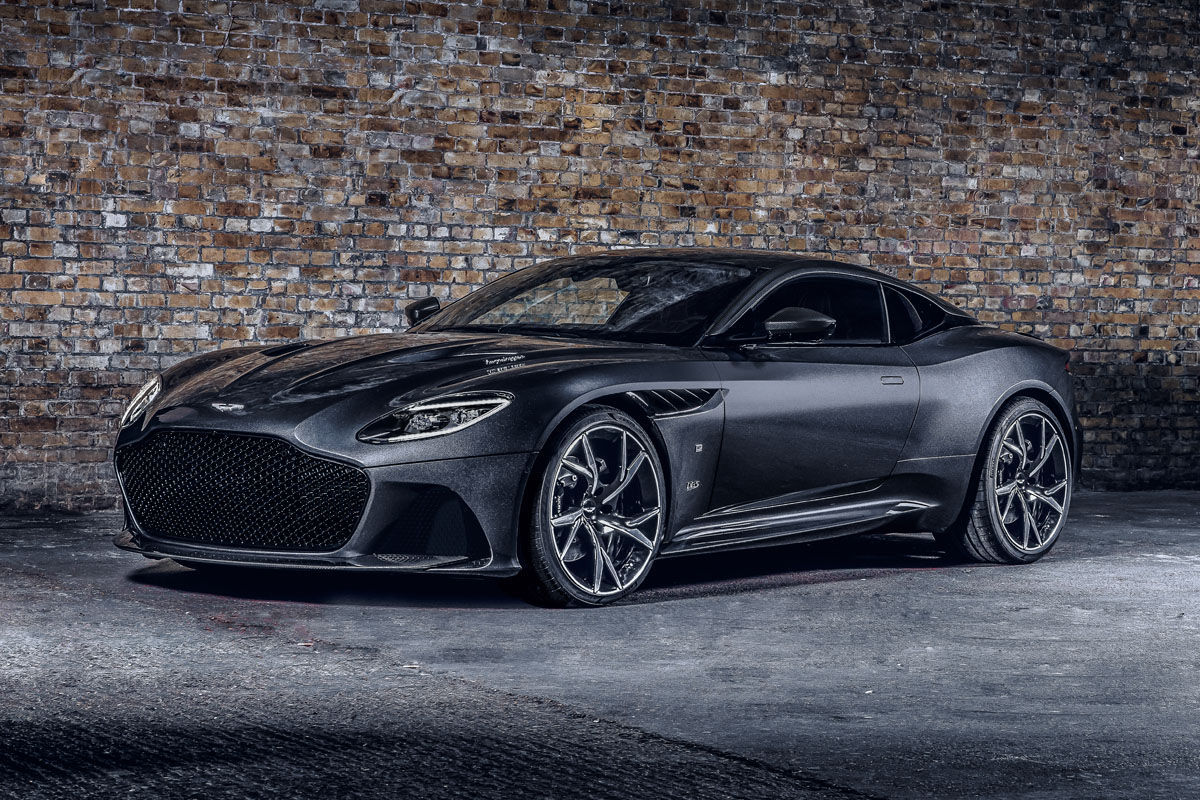
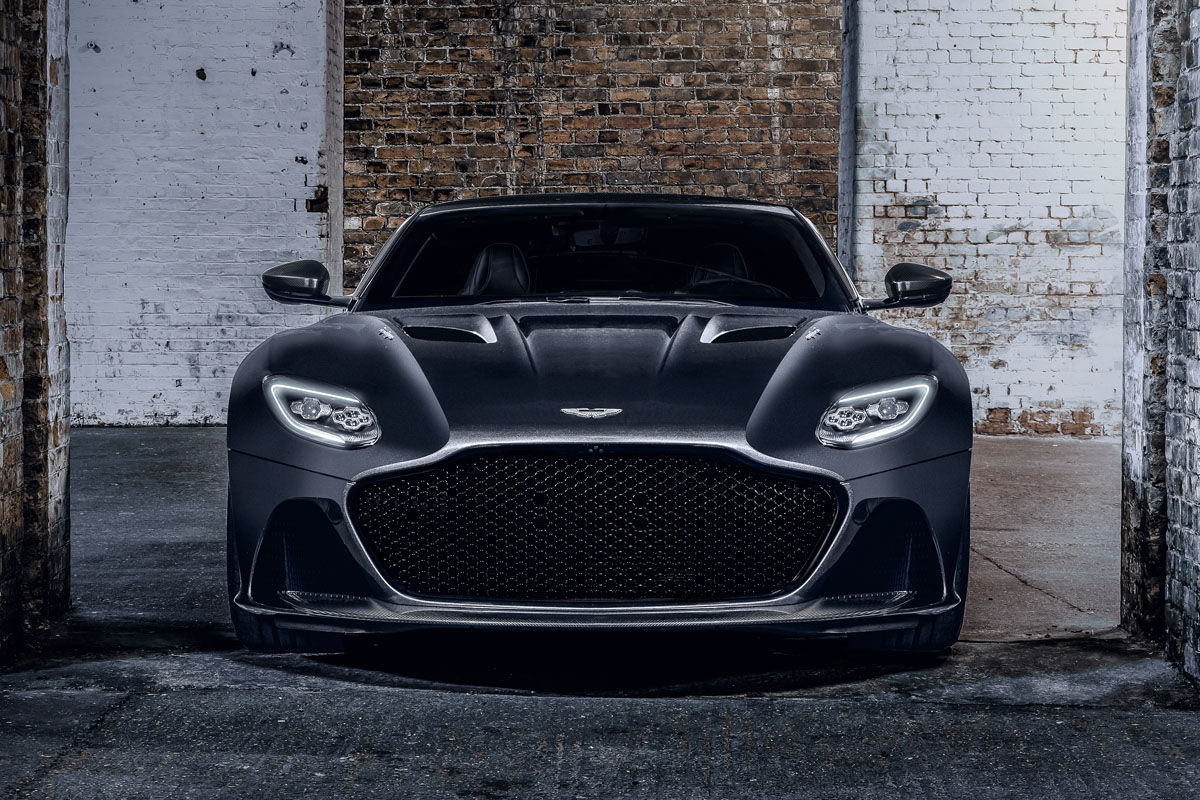
The DBS Superleggera's execution is the more conventional of the 007 Editions, but its Ceramic Grey finish is very striking.
 
Aston Martin, which recently commenced production of the DB5 Goldfinger Continuation model, has aligned its marketing activities closely with instalments of the James Bond franchise since Pierce Brosnan portrayed the titular character for a final time in Die Another Day in 2002. In fact, the Gaydon-based firm calls its bespoke division: Q by Aston Martin (with reference to the iconic Quartermaster character immortalised by the late Desmond Llewelyn – more recently portrayed by Ben Whishaw); not only has the division created these DBS Superleggera and Vantage 007 Editions, it exists so that Aston Martin buyers can individualise their cars to heart's content via the commission service.

Let’s start with the rarer model of the two. Production of the DBS Superleggera 007 Edition will be limited to just 25 units and the model features the same specification as the example featured in the upcoming film.
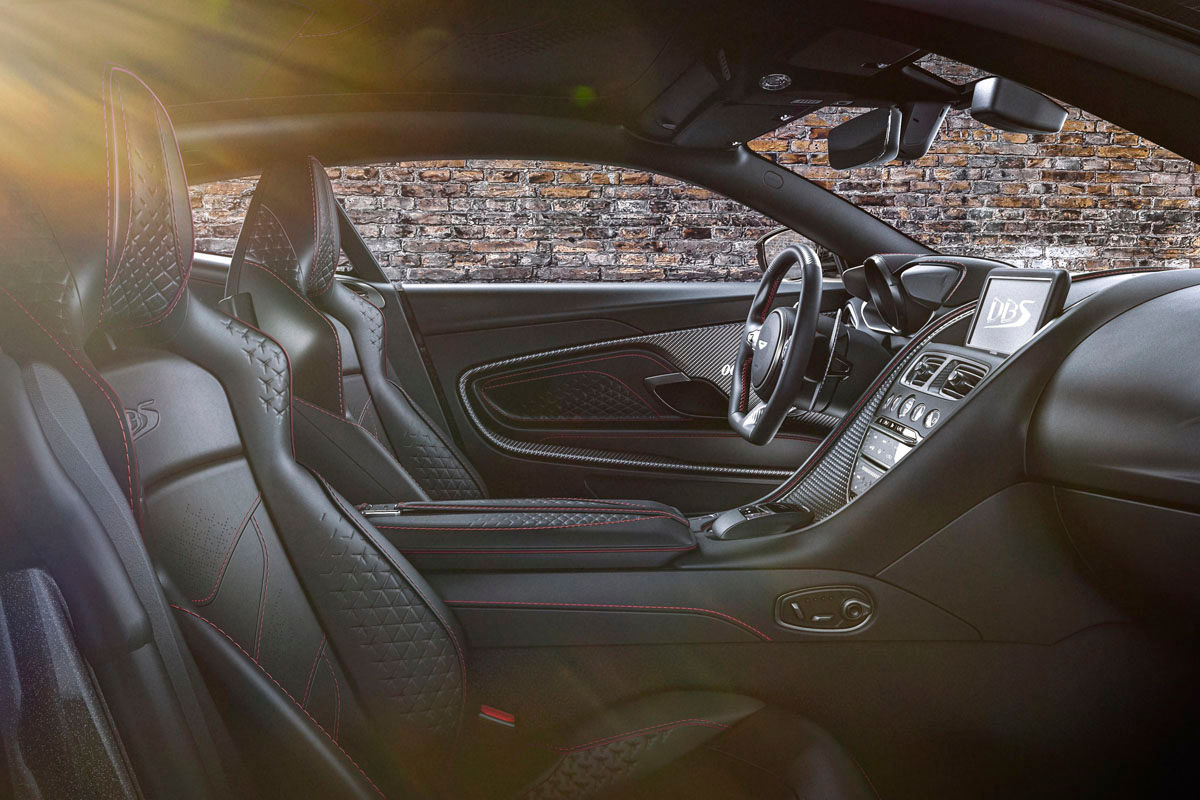

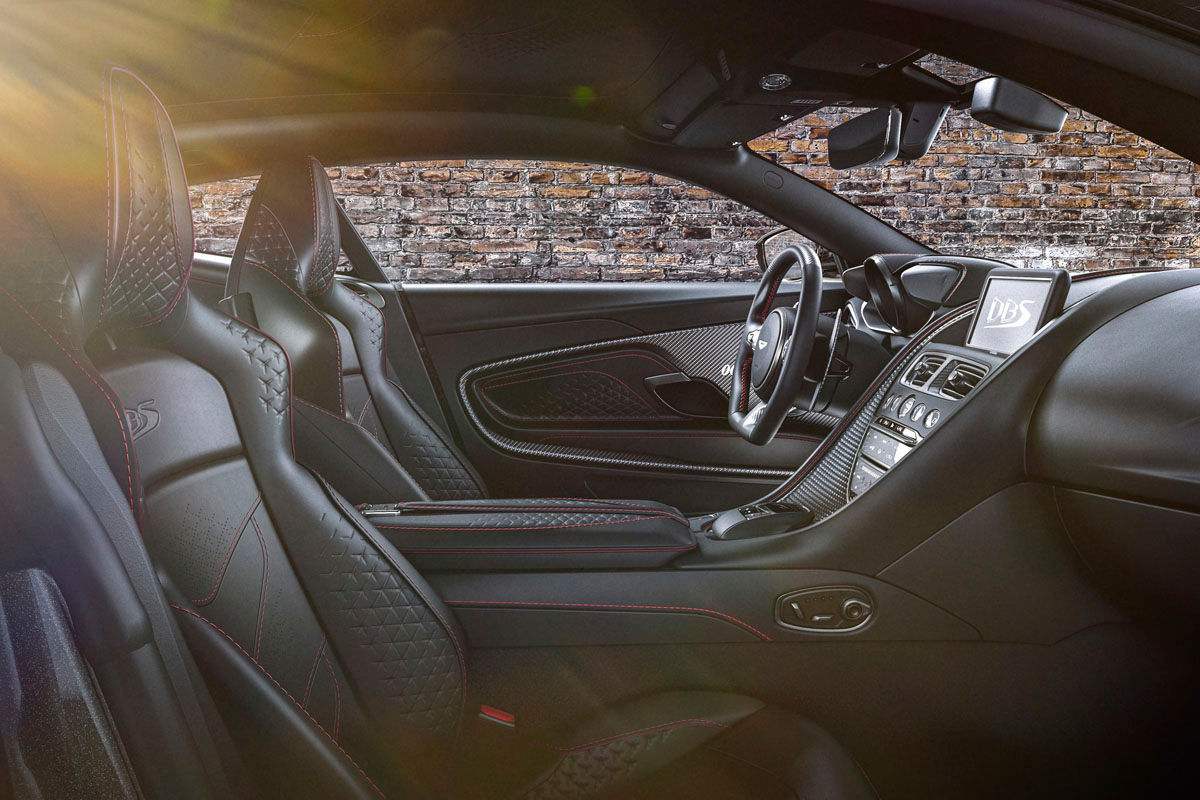
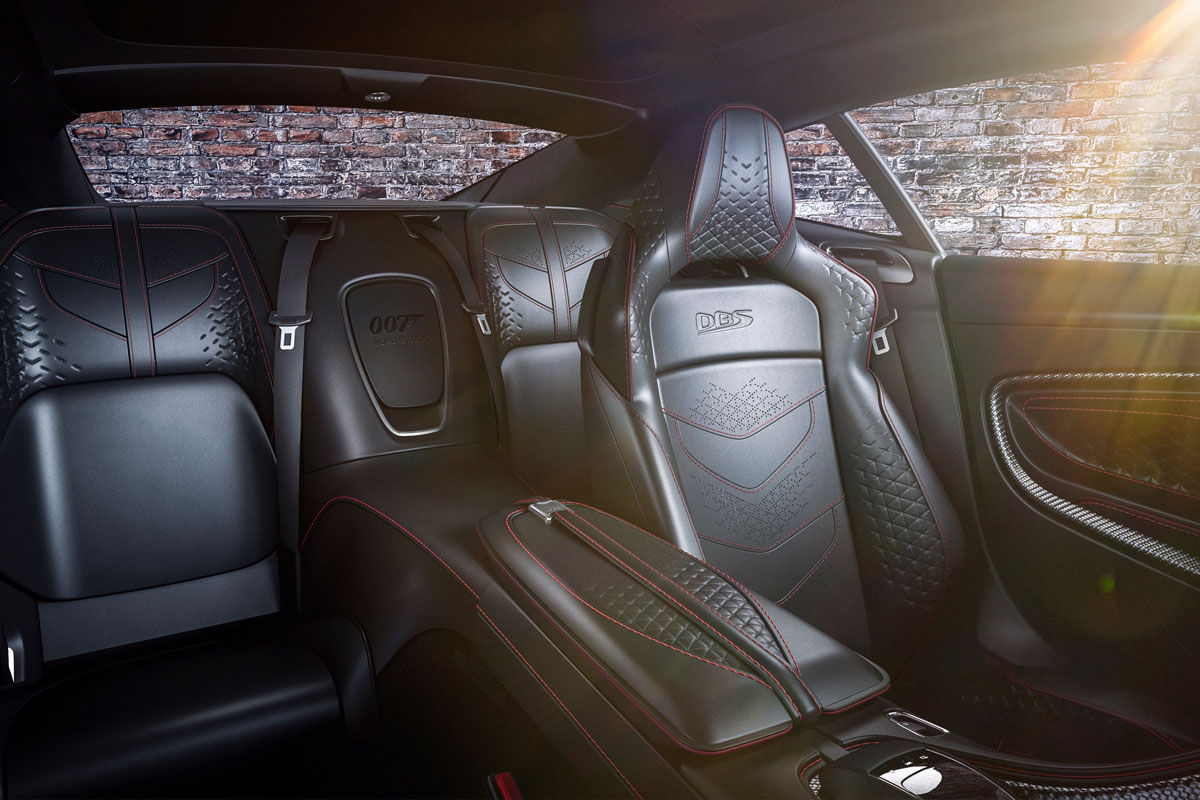
The DBS Superleggera features tasteful red contrast stitching and subtle 007 badgin in its cabin.

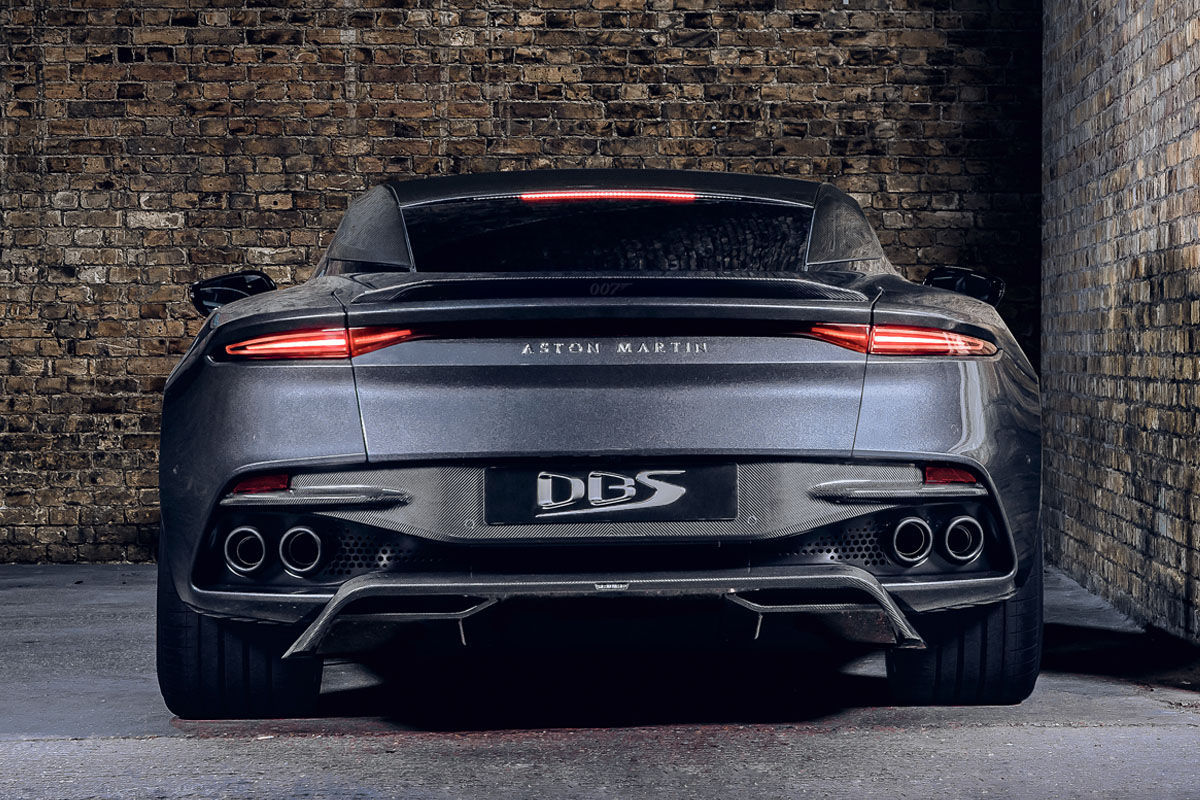
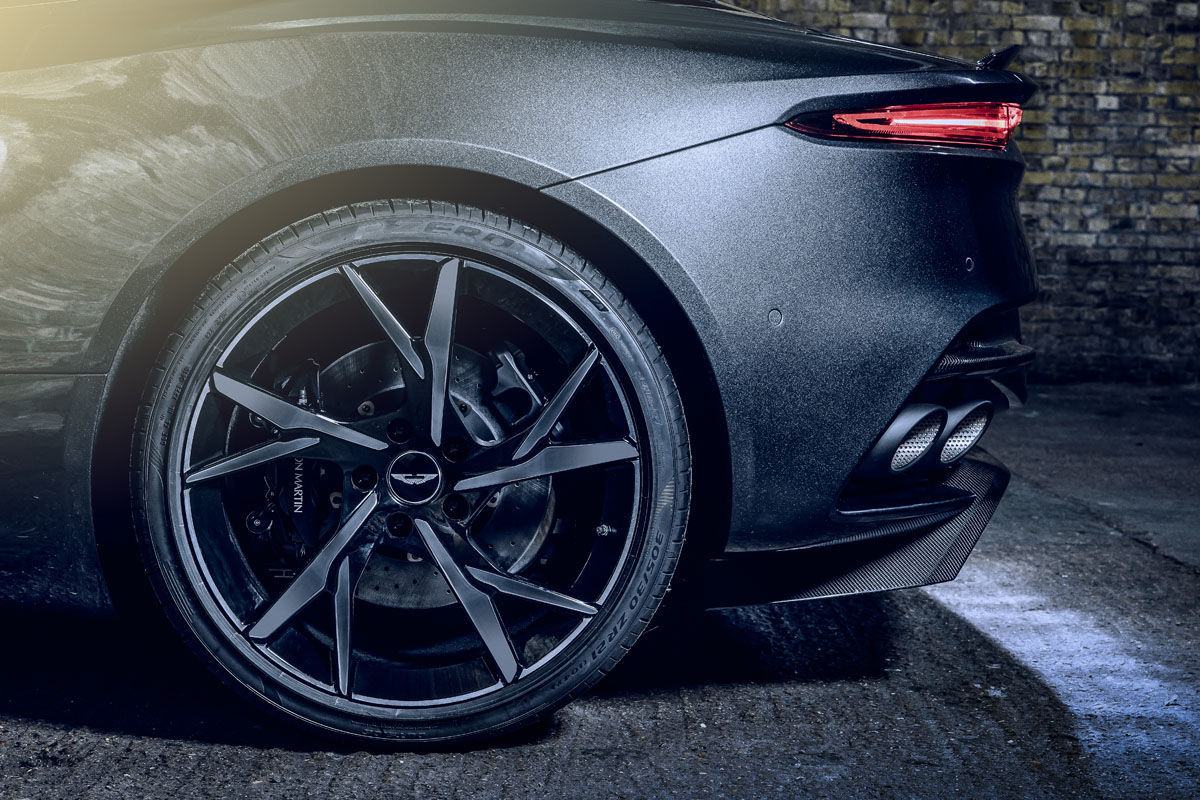
Decked out in a bespoke Ceramic Grey exterior finish and shod with gloss-black and diamond-turned Y-spoke 21-inch wheels, the DBS Superleggera 007 Edition features a black-tinted carbon-fibre roof, mirror caps, splitter, diffuser and rear spoiler blade. This special edition further features a 007 fender badge finished in chrome with a black enamel infill and stainless-steel silver 007 foil applied to the aforementioned “Aeroblade”.
 
Meanwhile, the DBS Superleggera’s black-leather-trimmed cockpit features flashes of red detailing in the form of contrast stitching. Subtle 007 branding is applied on the door cards, armrest buckle badge and on the rear sub-woofer cover. Finally, a sill-plaque denotes that the car is one of a production run of 25 units. 

Read our review of the 534 kW/900 Nm 5.2-litre twin-turbocharged V12-engined DBS Superleggera
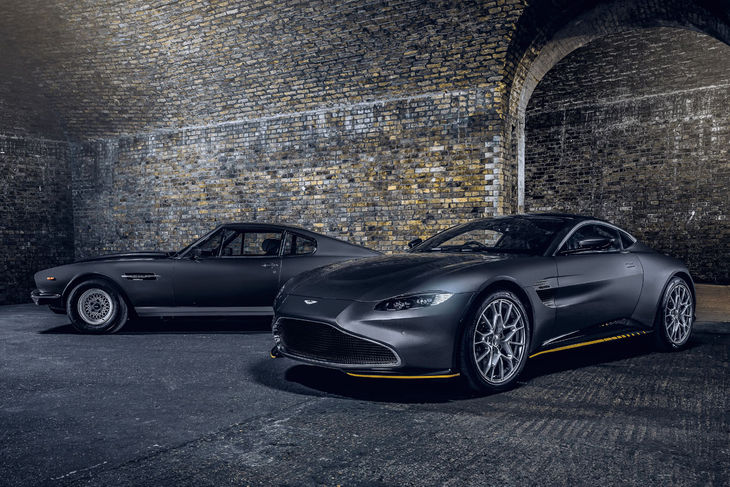

Sean Connery's Bond was a stickler for Aston Martins, but the brand disappeared from the 007 movies in the Roger Moore era.

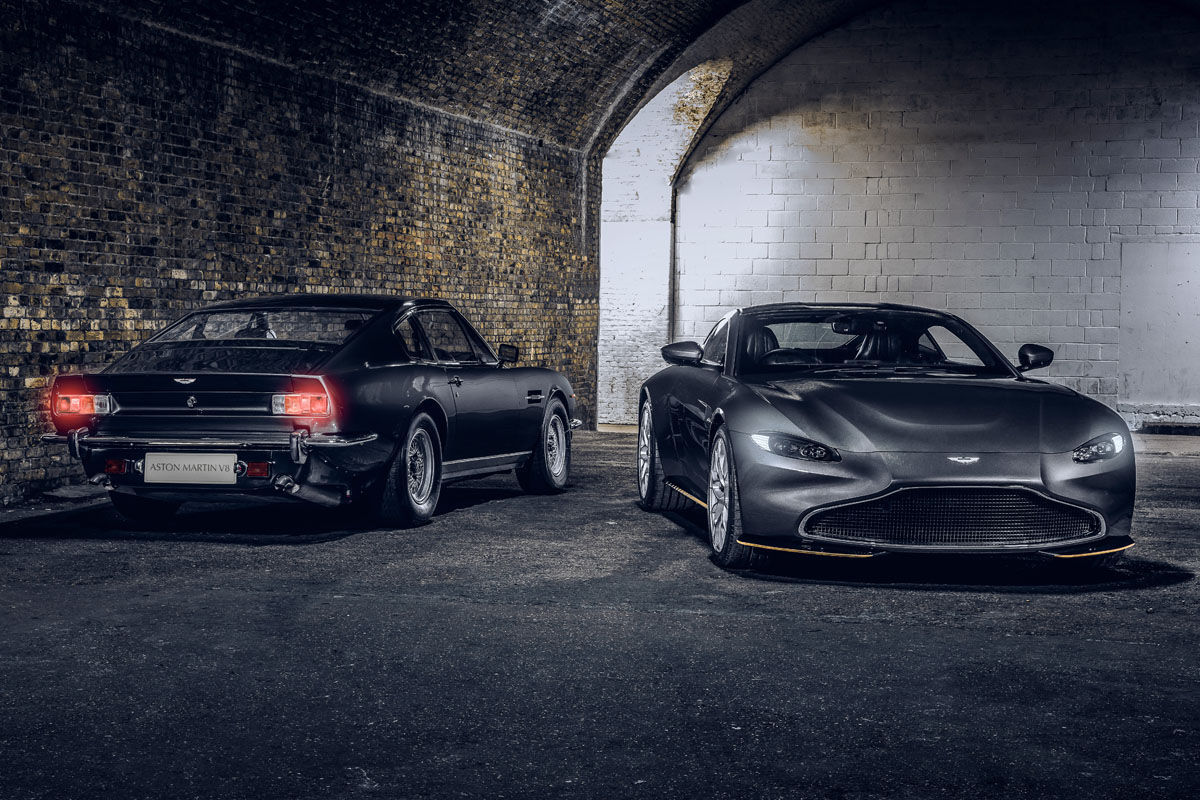
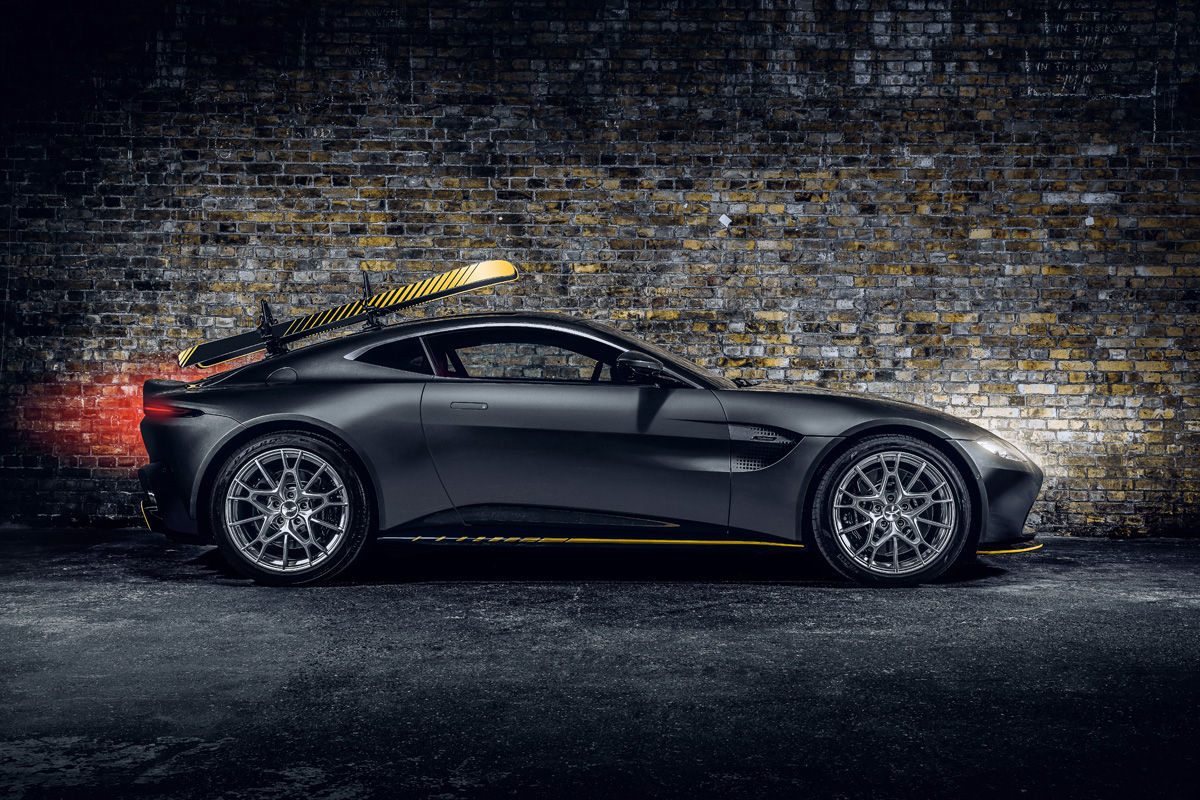
The other 007 Edition model is a Vantage inspired by the Aston Martin V8 that made its 007 debut in The Living Daylights (1987) and also features in No Time to Die (in the latter movie, James Bond uncovers the car from his personal lock-up in London). The car’s production run will be limited to 100 units globally.
 
Although Aston Martin is synonymous with the James Bond franchise today, The Living Daylights marked the first time that 007 had been behind the ‘wheel of one of the marque’s sportscars since the late Sixties. A host of other brands (most notably Lotus) featured in the Roger Moore-era 007 films of the ‘70s to mid-‘80s.
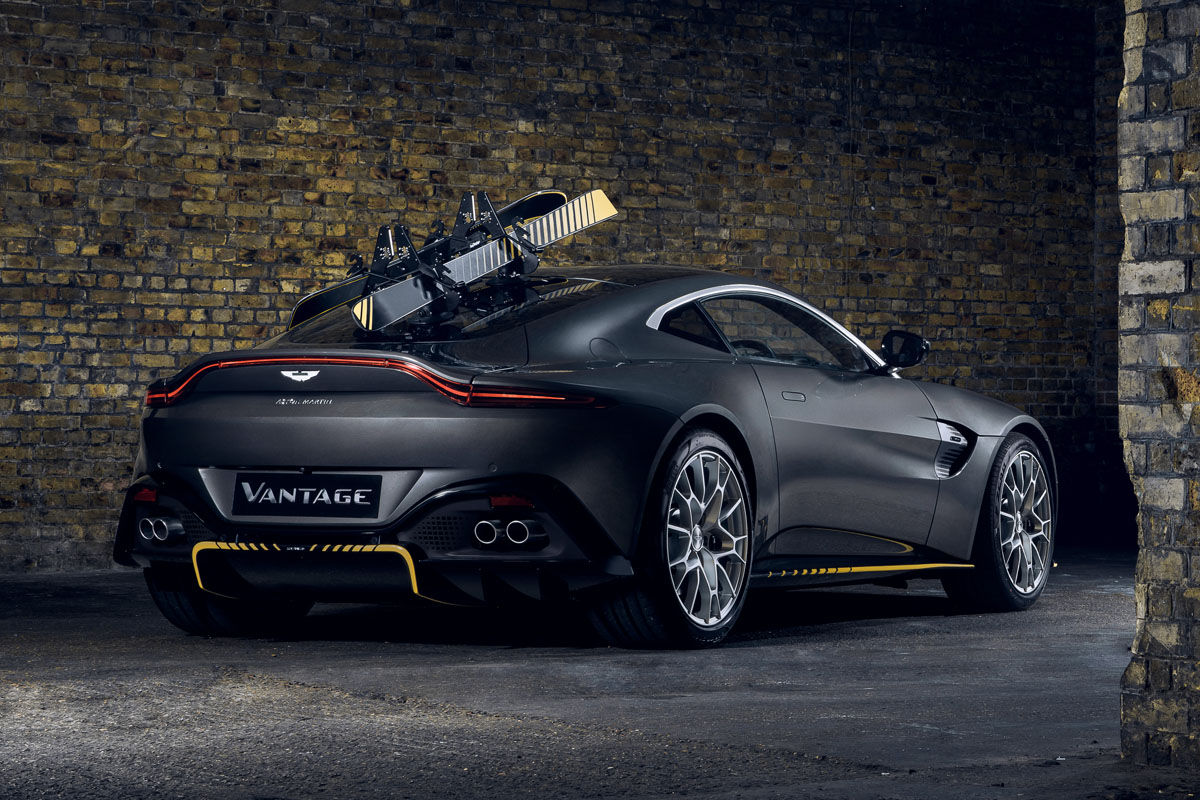

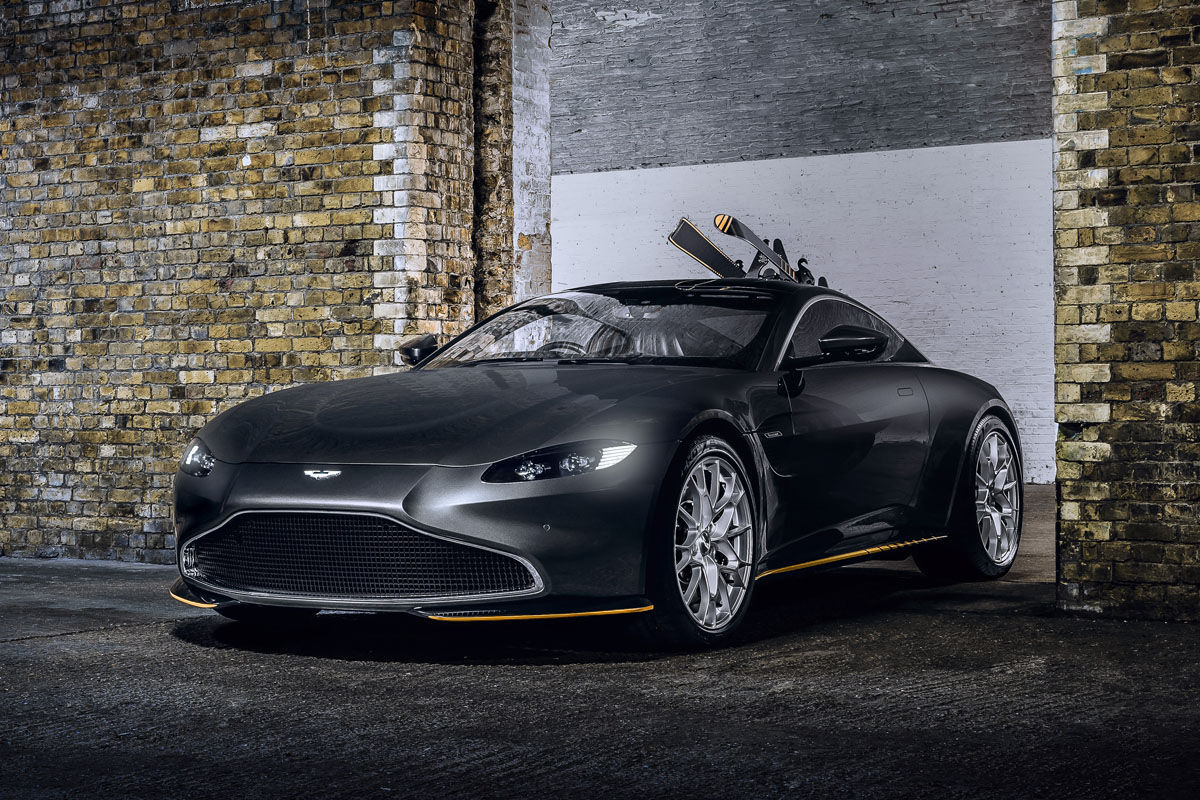
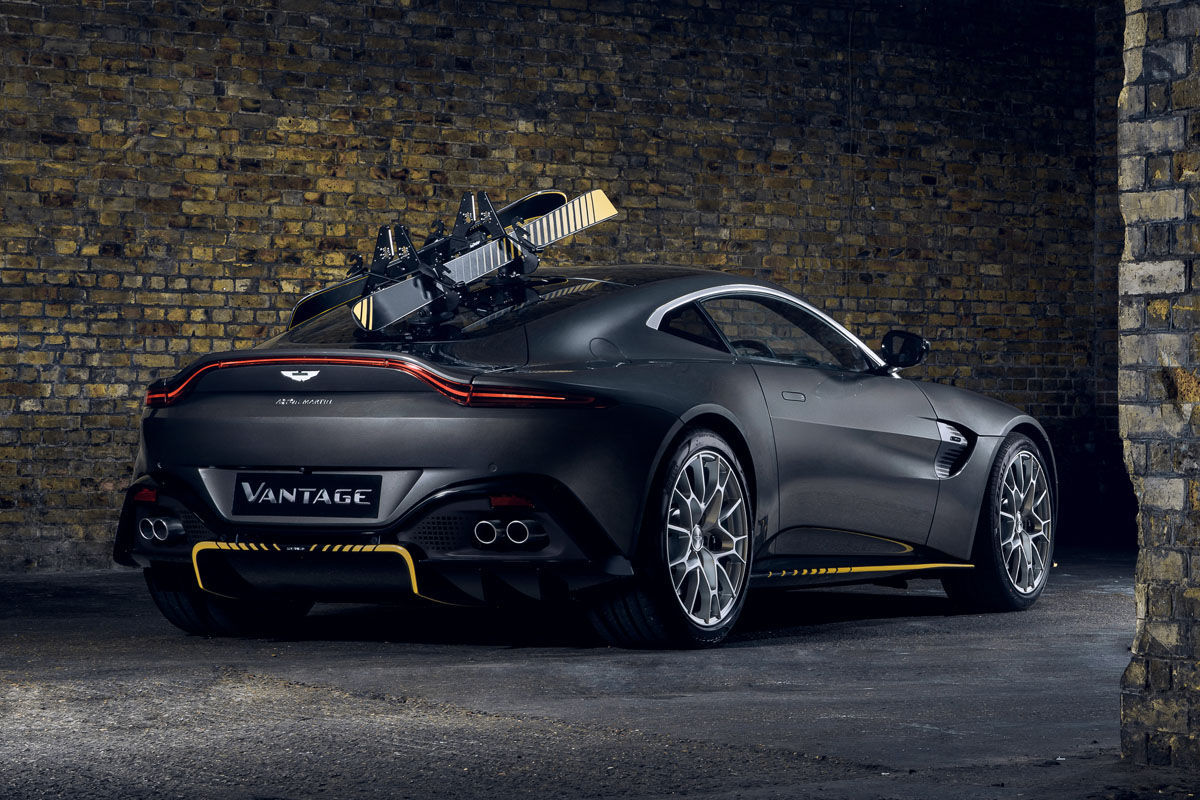
The Living Daylights featured an Aston Martin V8 in "winterised" spec, hence the skis and ski rack of the Vantage 007 Edition.

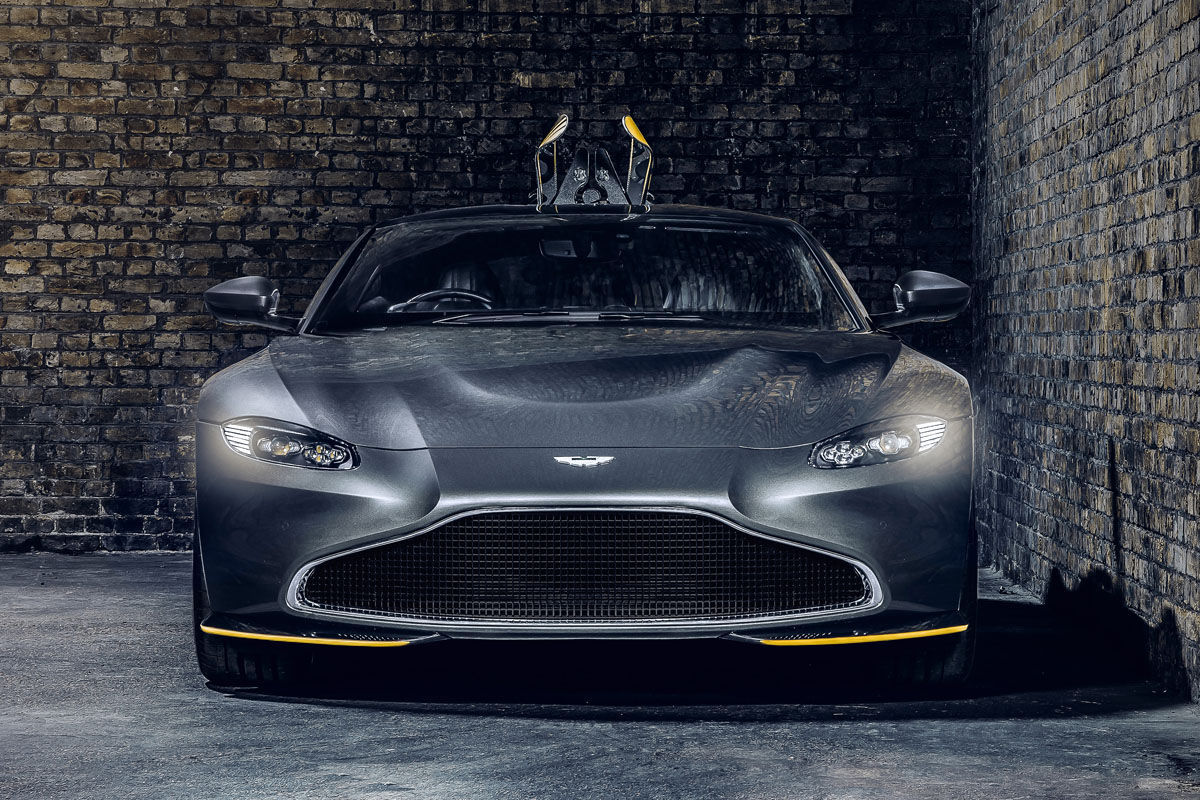
The Vantage 007 Edition features a bespoke mesh grille (with chrome surround) as an homage to the classic V8, plus side-strake Vantage badges and a yellow-accented diffuser inspired by the stripes on the film car’s rockets. The skis and ski rack – which reference the “winterised” V8 in the film – are optional.
 
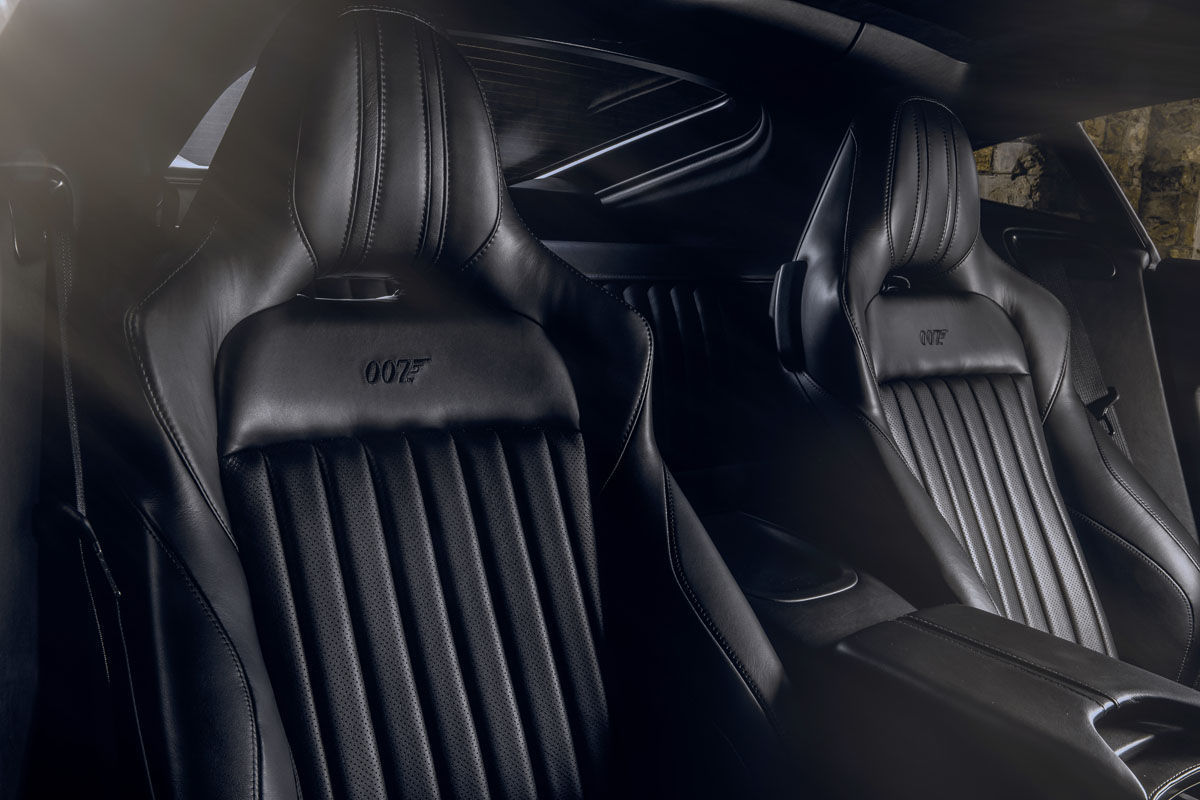
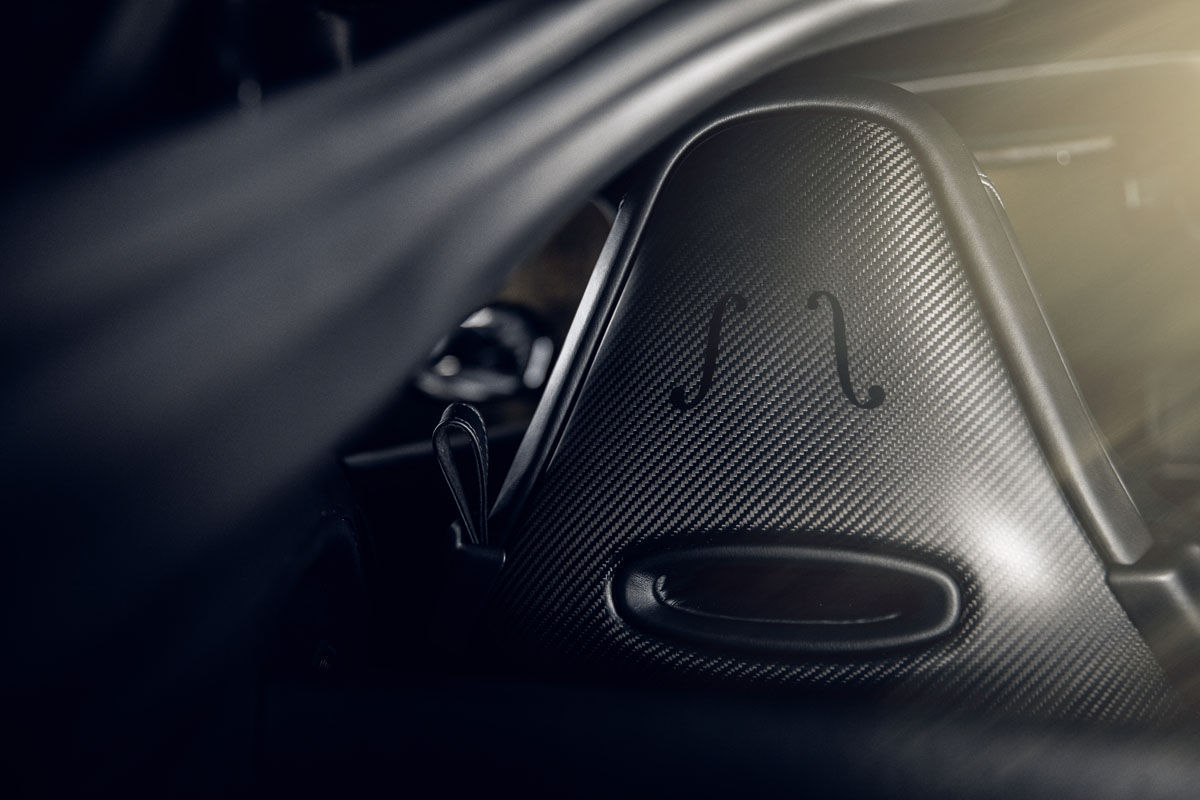
The special edition is finished in Cumberland Grey, while its cabin is trimmed in obsidian black leather with dark chrome accents. The seats feature heritage fluting reminiscent of that seen in the V8, along with carbon fibre seatbacks and, in a particularly detailed nod to the 1987 film, the outline of cello “f holes” inspired by the snow chase scene featuring Bond (Timothy Dalton) and Kara Milovy (Maryam D’Abo).
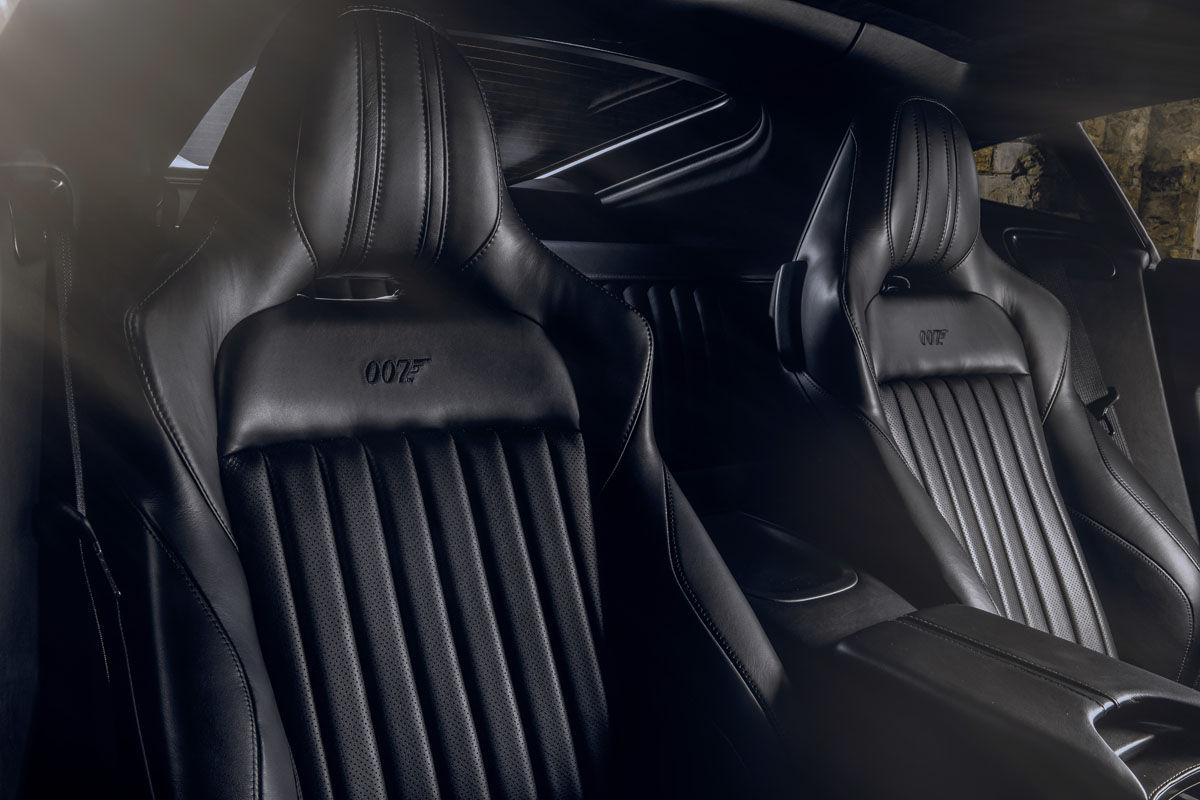

The Vantage 007 Edition's seats feature gorgeous heritage fluting, which looks period-correct for the heyday of the classic V8 model.

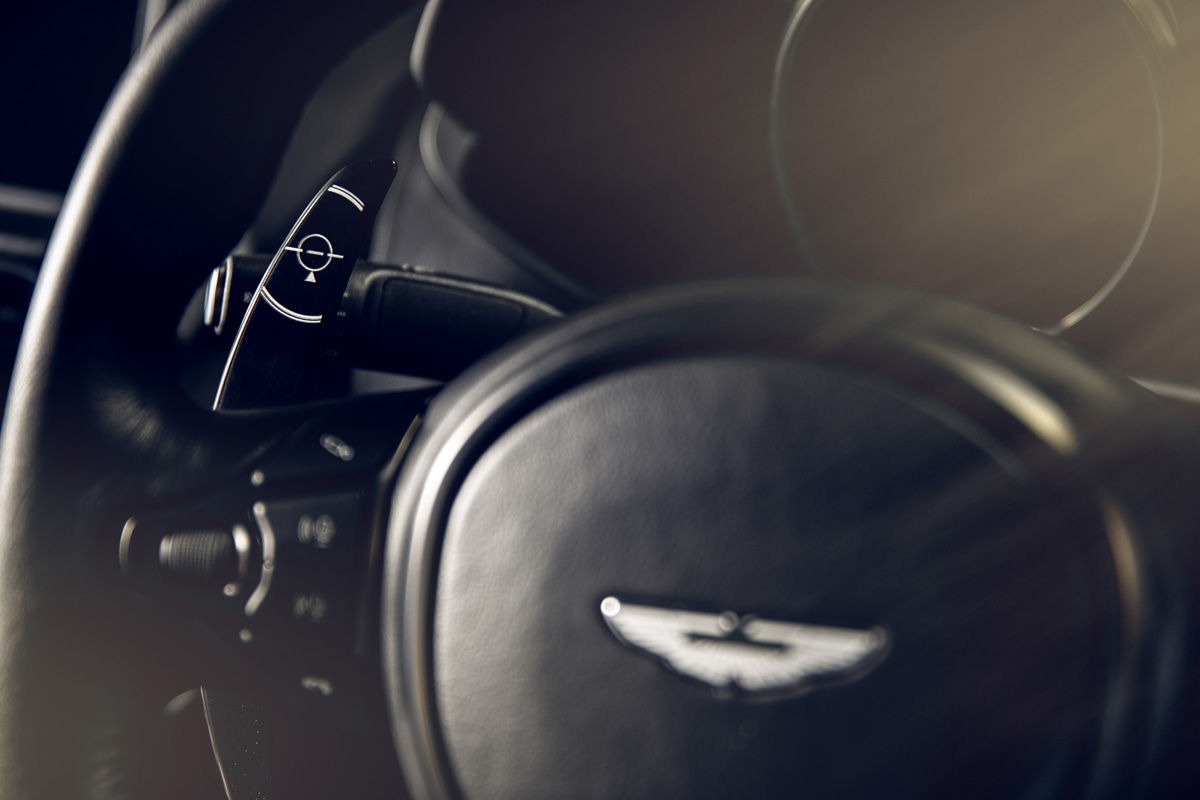
Meanwhile, 007 branding features on the centre console of cars equipped with a manual gearbox and the sun visors are embroidered with a radio station frequency – 96.60 FM – which was the Russian police frequency that Bond used to aid his escape in The Living Daylights. On automatic derivatives, crosshairs are etched onto the car’s paddle shifters to reference the missile guidance system seen in the film…
 
So far, the Vantage 007 Edition's cabin detailing is, um, quaint, but the following adornment might be a bit much for some… Buyers can also splurge on a laser-etched gadget plaque that references the various weapons and devices (including a rocket motor, missiles, lasers, a targeting display and ski outriggers) as seen on the original film car. Hmm.

The 007 Editions are officially on sale now, with the first deliveries scheduled for the 1st quarter of 2021. If you'd like to secure 1 of the 125 units, keep calm and call Q.

Buy a new or used Aston Martin on Cars.co.za

Related content:

Aston Martin DBS GT Zagato hits the 'Ring

Aston Martin DBS Superleggera (2020) Quick Review

Fancy a matching pair of Zagatos?

Aston Martin Valkyrie hits the road

Aston Martin builds own 500 kW-plus V6

Fuel Price Reduction Forecast for Sept 2020

There's some good news on the horizon as the Automobile Association of SA is forecasting a fuel price reduction for September 2020.

The Automobile Association of SA (AA) reckons there's a petrol, diesel and illuminating paraffin reduction on the cards for September 2020. Basing it's claim on the mid-month data, the AA says there's a 'tug-of-war between international oil prices and the Rand/US dollar exchange rate', which helps SA consumers. 

As it stands, it looks like petrol will decrease by around 9 cents a litre, diesel down by approximately 7 cents, while paraffin's cost will come down by 12 cents. 

"Oil prices have slipped a little, with the landed price of fuels in South Africa showing a slight reduction in the first half of August. Over the past six weeks, oil has traded in a fairly narrow band, indicating that a more reliable plateau has been reached, absent any unexpected shocks," says the AA.
However, the AA notes that the Rand had lost ground against the US dollar since the start of the month, with the average rate having climbed from just over R16.80 to the dollar to nearer R17.40.

"This spells trouble for South African fuel users if it continues, but for now, the oil price is the stronger of the two forces. If this picture retains stability in the second half of the month, we expect only modest changes to the fuel price," the AA concludes.

Related Content

SA Petrol Price 2020 – Where Does Our Money Go?
5 Ways to Beat the Fuel Price Hike

Most Fuel Efficient Budget Cars in SA

Most Fuel-Efficient Double-Cab Bakkies in SA

5 Fuel-Saving Car Features & How They Work

Most Fuel Efficient Budget Cars in SA

Most Fuel Efficient Diesel Cars in SA

Most Fuel Efficient Petrol Cars in SA

Drive along in our fully electric Volkswagen e-Golf

In preparation for the launch of fully electric models in 2021, Volkswagen SA imported 6 e-Golfs into the country to conduct some real-world testing, and we were given one of them to help out.

We can't wait for the upcoming ID3 and ID4 to arrive in the country, but in the meantime, we're really really enjoying driving the fully electric eGolf. These were never sold in South Africa but they were hugely popular in Europe, in fact at one point, in Norway, this was the best-selling car in the whole country. Volkswagen introduced the e-Golf to gauge the interest and feasibility of electric cars in SA. VW doesn't really have a choice going forward though as it is committed to an electric vehicle future. Join our video guy Ciro De Siena as he takes you along for a ride around Johannesburg in this very special car.

Related content

Last Round of Golf?

EV Apocalypse is Closer Than You Think

Jaguar I-Pace Vlog – Will Electric Cars Work in South Africa?

Ford GT Heritage Edition Shown

Ford has revealed a special-edition of its GT supercar to celebrate its Le Mans win. Meet the Ford GT Heritage Edition.

When the Ford GT won the 1966 24 of Le Mans as well as numerous other endurance events, it became a legend. Watch the 2019 Ford v Ferrari film to get an idea of what a momentous achievement this was. Drivers Ken Miles and Lloyd Ruby led a 1-2-3-5 Ford domination at Daytona, kicking off a magical season for the Ford GT40 MK II, with additional 1-2-3 wins at Sebring and Le Mans. Ferrari's dominance in racing was smashed.

To celebrate this iconic moment in motor racing history, the 2021 Ford GT Heritage Edition features a unique paint finish, with an exposed carbon fibre bonnet adding a great contrast to the white bodywork. There are red accents, 98 roundel graphics on the side as well as Heritage Gold 20-inch forged wheels to round off the look. 

Inside, there's black Alcantara suede on the instrument panel and steering wheel. There are also anodized red paddle shifters as well as red performance seats. 

As a reminder, the Ford GT is powered by a twin-turbocharged V6 petrol engine delivering 482 kW and 746 Nm. It has a top speed of 348 kph.

Further Reading

Ford GT unleashed in Detroit

Ford Mustang 5.0 GT Fastback (2019) Review

New MX 05 crossover is not a Mazda

Another Californian electric car start-up shows a new product. 

The relentless pace of new electric vehicle company product announcements shows no sign of abating.

As the world is navigating its way out of lockdown, start-up electric vehicle companies are keen to leverage a sense of future by offering customers a clean break with legacy automotive technology.

The latest of these is Mullen Technologies, operating from Brea, California. Thanks to a new round of funding, Mullen is now keen on producing its very own electric vehicle, which is configured as a compact crossover.

As a design consultancy, Mullen had already assisted Chinese car brand, Qiantu, to develop its own Dragonfly K50, but the new venture will be an independent product, scheduled for introduction by 2022.

The name might rankle Mazda’s legal department a touch, as Mullen’s new battery-powered crossover is called the MX 05. That naming convention is uncomfortably close to Mazda’s iconic MX-5 sportscar, but a court will have to decide upon the merits and semantics of such a case – if it is ever filed.

Built on a skateboard-type electric vehicle platform, the MX 05 promises much potency. Its floor section is anchored by a 100 kWh battery pack, which is greater energy density than anything on offer from both Tesla and Porsche’s current electric vehicles.

Although the electric motor system’s power output is not disclosed, Mullen does claim performance and range figures for its MX 05. The compact crossover should be good for 0-100 kph in 3 seconds and deliver a very competitive 480 km worth driving range, on a single charge.

The MX 05’s single available product image shows a vehicle which is quite mature in its design journey, indicating that Mullen is committed that 2022 delivery date. It has also confirmed that a R2bn capital funding source has been secured, toward outfitting an assembly facility for production.

Related content 

Aviar R67 is a Russian Electric Tesla Ford Mustang

Electric Merc S-Class confirms huge range

Electric Cars: Understanding the Terms

Mahindra unveils new Thar off-roader

Mahindra has revealed the new generation of its Willys-Jeep-inspired Thar compact off-roader. Compared with its predecessor, however, this rival to the Suzuki Jimny will be available in 3 configurations, in turbopetrol and –diesel guises, and come extensively equipped. 

The 1st generation of the Thar (the closest thing in our new-vehicle market to a budget off-roader… well, apart from the Jimny) has served the Indian brand dutifully for about a decade and last year, Mahindra South Africa introduced the Adventure Series spec of the Thar, which was aimed squarely at the local market's plucky off-road enthusiasts. With an Indian-market launch date of early October earmarked for this, the new-generation Thar, we’re confident the newcomer should be introduced in Mzansi in early 2021.


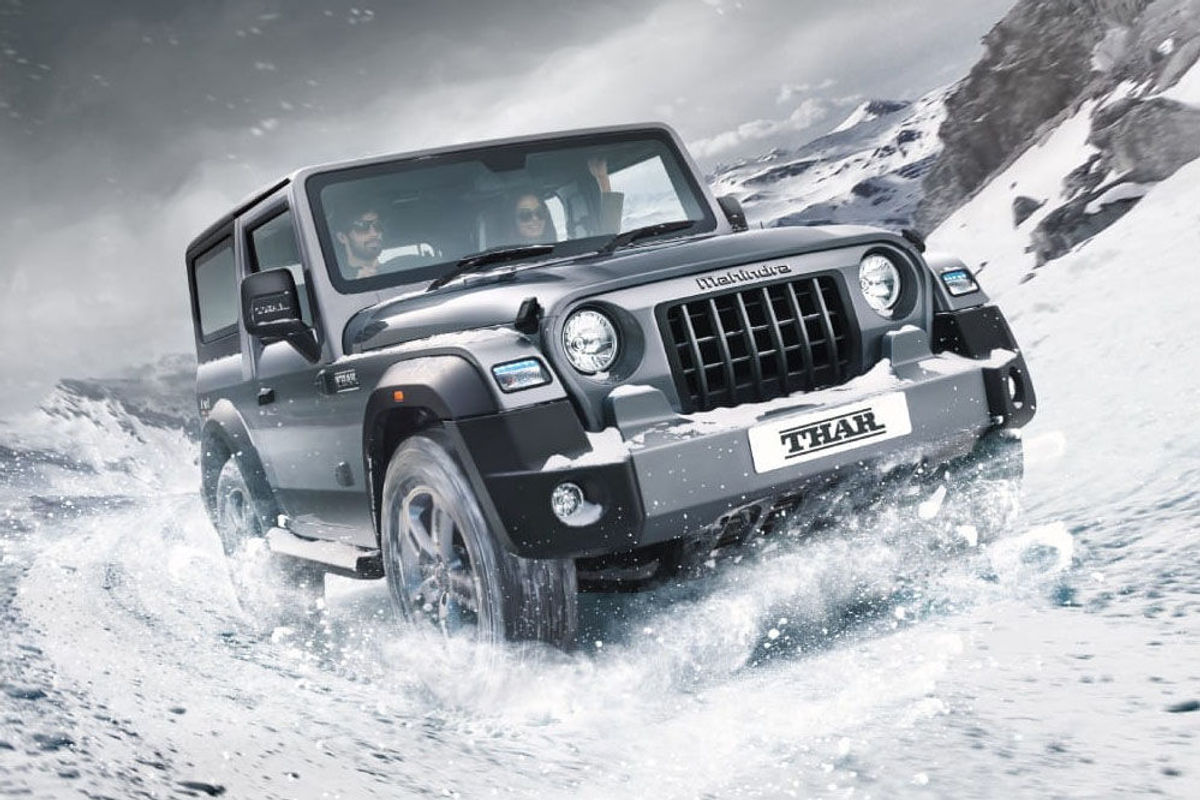
After 10 years of service, it's time for the Thar to be replaced by an all-new model; it looks similar, but is much fancier inside.

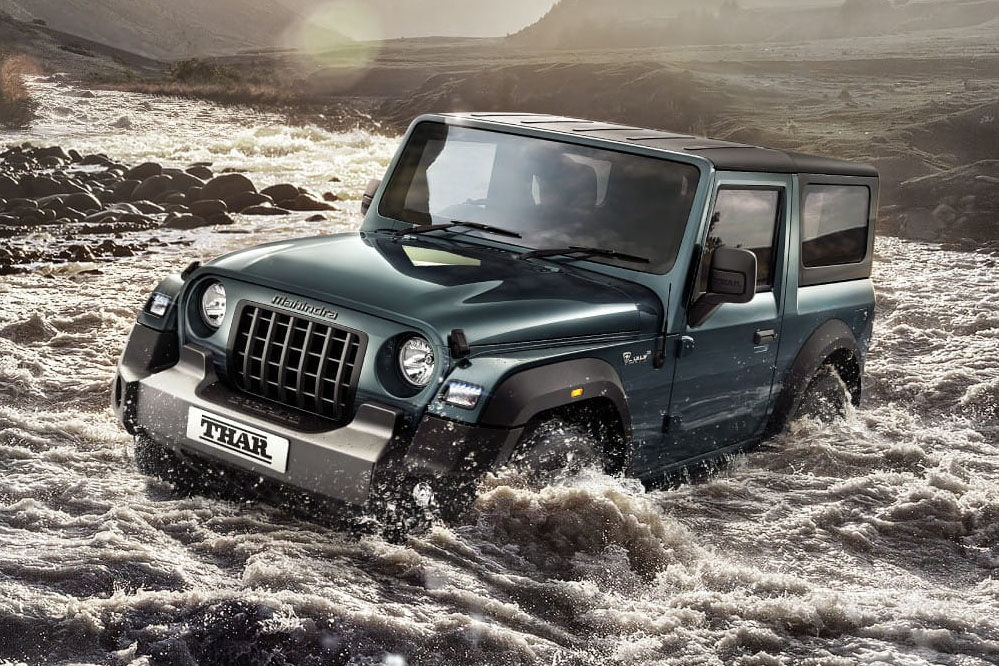
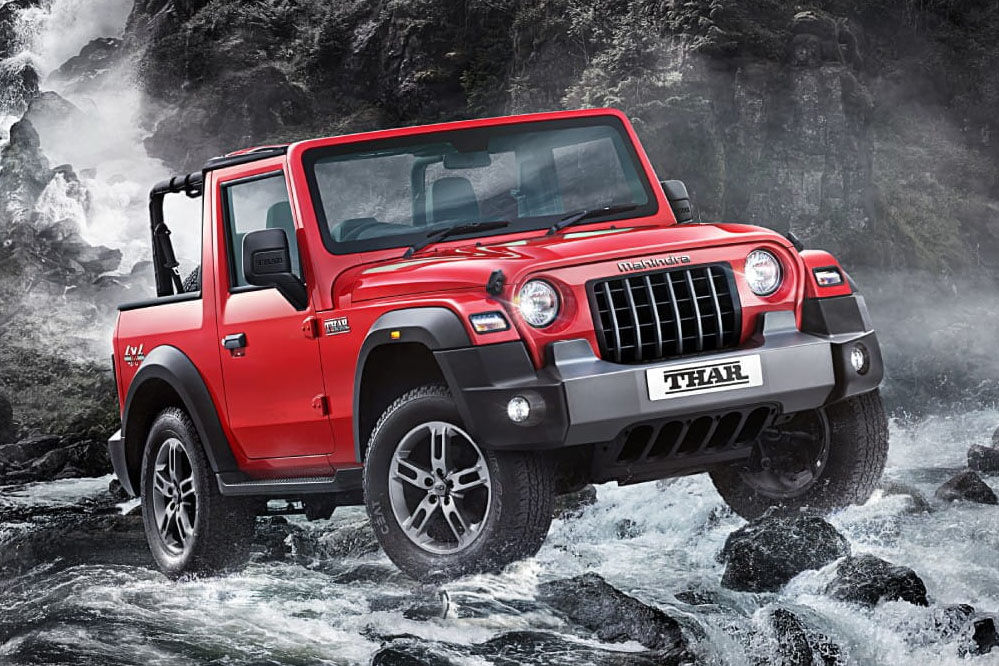
Just as was the case with its predecessor, which drew inspiration from the original Willys Jeep (which Mahindra began building – under licence – in India in the ‘50s), the new Thar retains its purposely boxy 2-door silhouette. There will be more flavours than before, though: it will be offered with a hardtop, a fixed soft-top or manual convertible roof.

Apart from a wider, better-balanced stance, the new Thar’s exterior features dual-tone bumpers, chunky black cladding, front fog lamps, LED daytime running lamps and tail-light clusters. Its 18-inch alloys are shod with 255/65 all-terrain tyres.


The background of this image might be a bit fantastic, but for enthusiasts who like al fresco off-roading, the convertible fits the bill.

As before, Mahindra’s diminutive off-roader has a body-on-ladder-frame construction and this model sports an independent front- and multi-link rear suspension configuration. It will be available with a choice of 4-cylinder turbocharged powerplants – either a 112 kW/320 Nm 2.0-litre petrol or a 97 kW/320 Nm 2.2-litre diesel.

Manual or Automatic

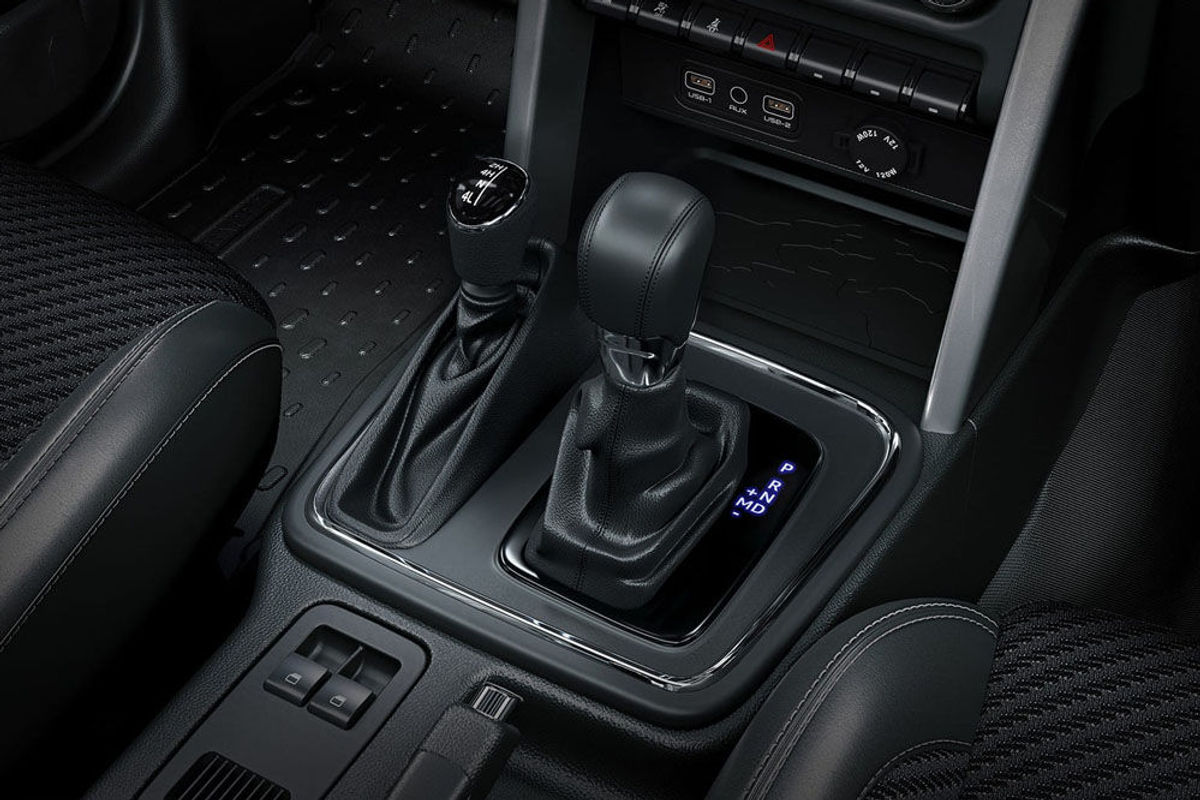
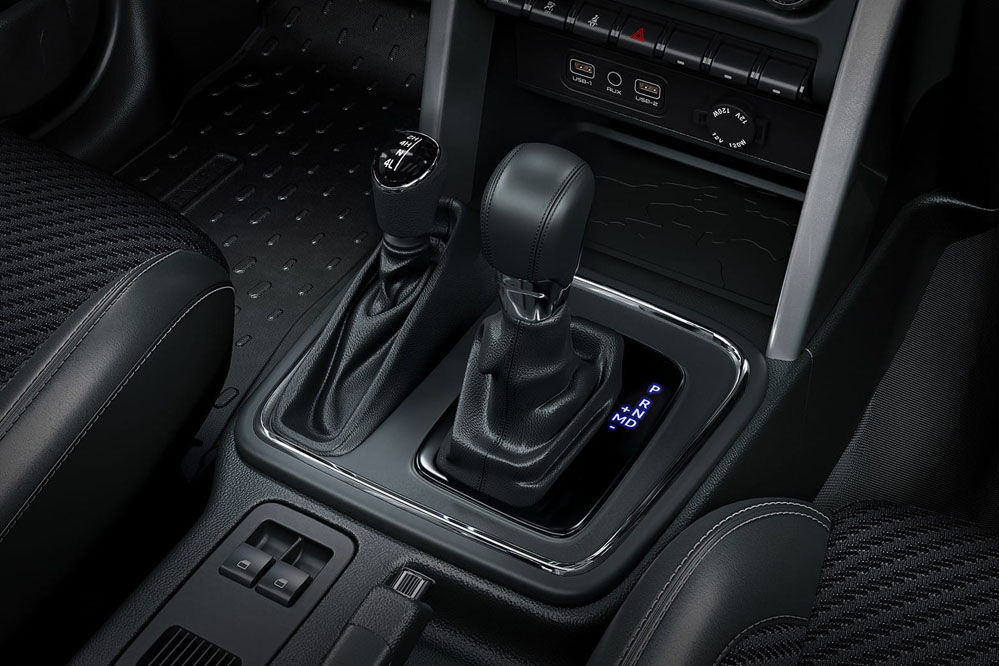
The 2 engines will be available with either a 6-speed manual ‘box or torque-convertor automatic transmission in combination with a shift-on-the-fly 4-wheel-drive system, replete with a low-range transfer case and a mechanical rear differential lock. Brake-locking differential and electromechanical driveline disconnect functions are also included.

Hardcore bundu bashers will want to know the following info urgently, so here goes… Important off-roading stats for the new Thar are 226 mm of ground clearance, a wading depth of 650 mm, while the newcomer's approach-, departure and breakover angles are 41.8-, 36.8- and 27 degrees respectively.


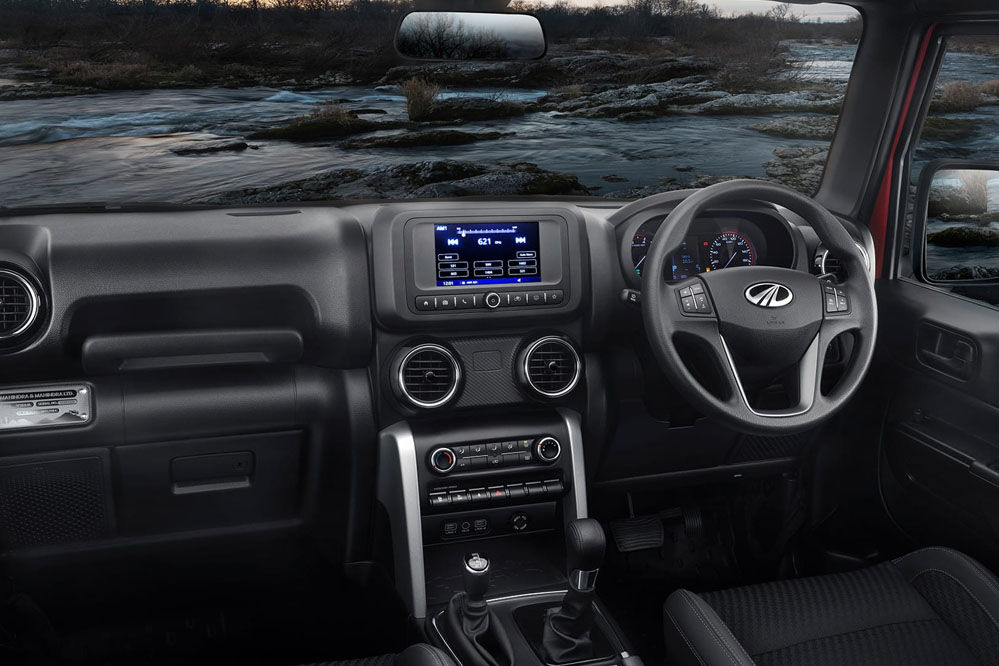
Mahindra has packed the new Thar's touchscreen infotainment system full of off-road-related functions and gizmos.

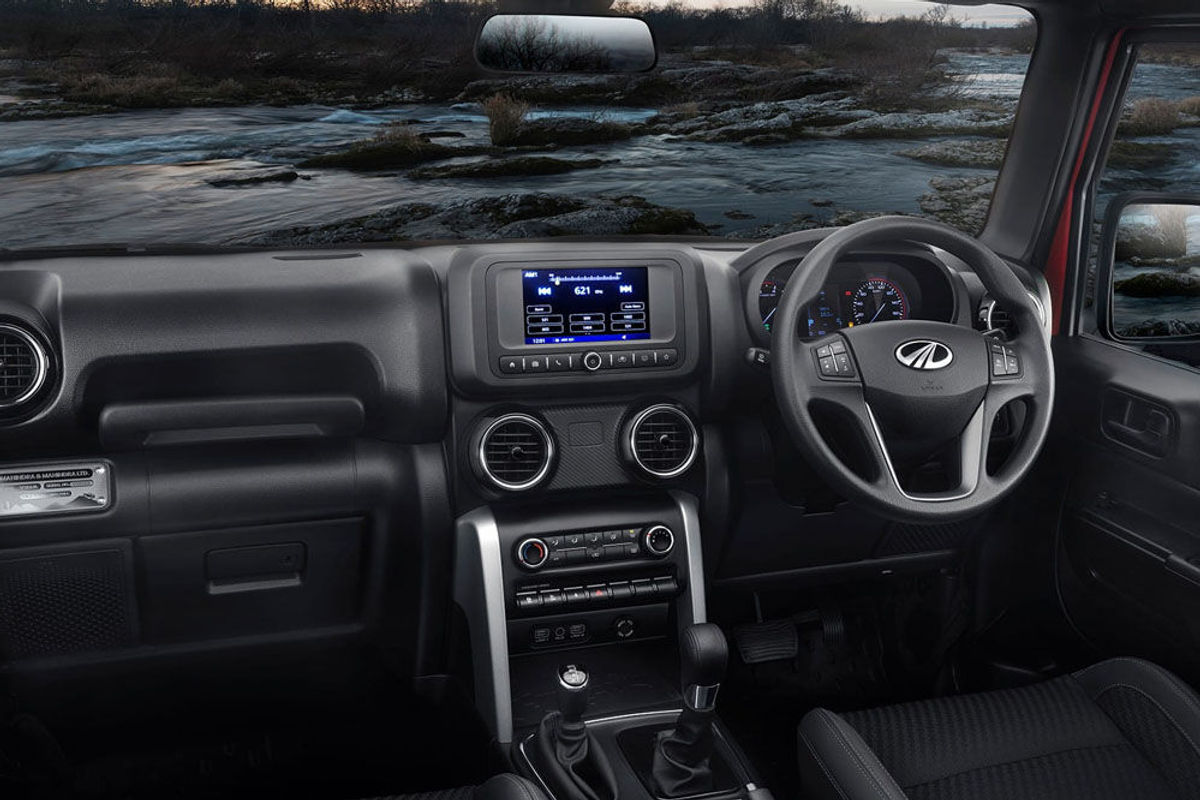
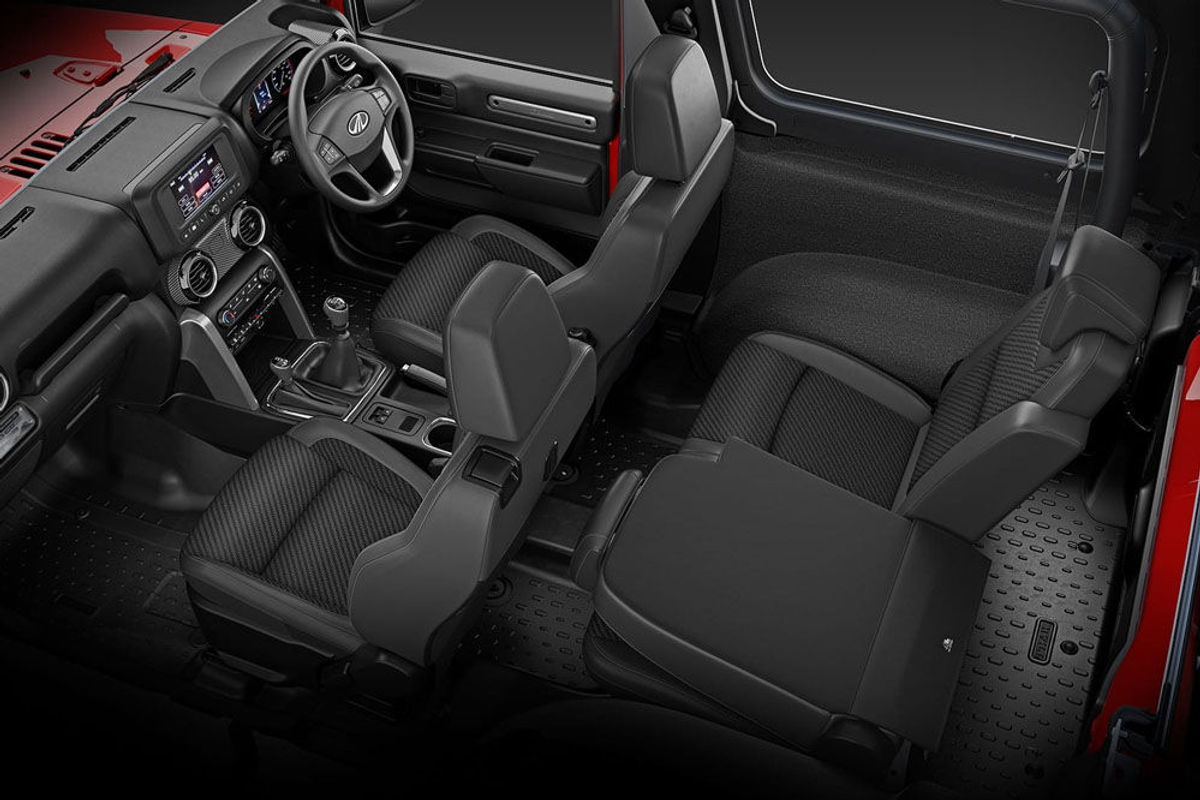
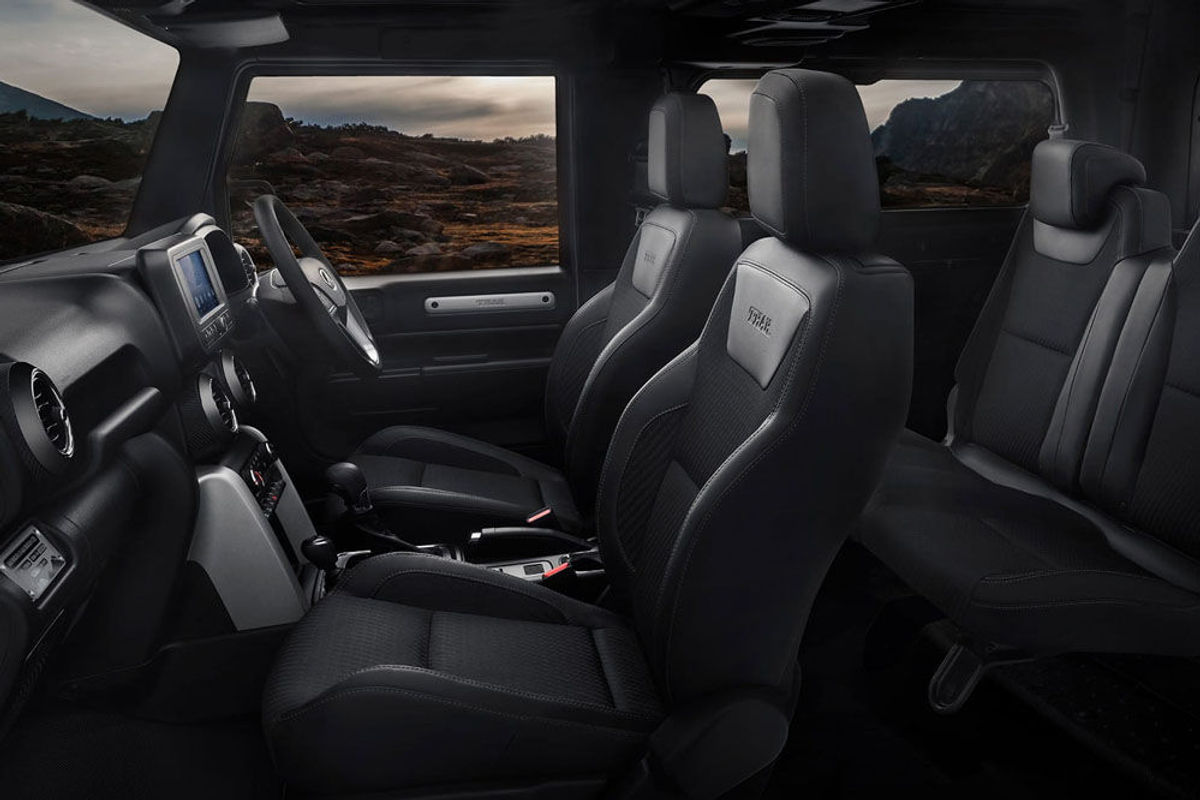
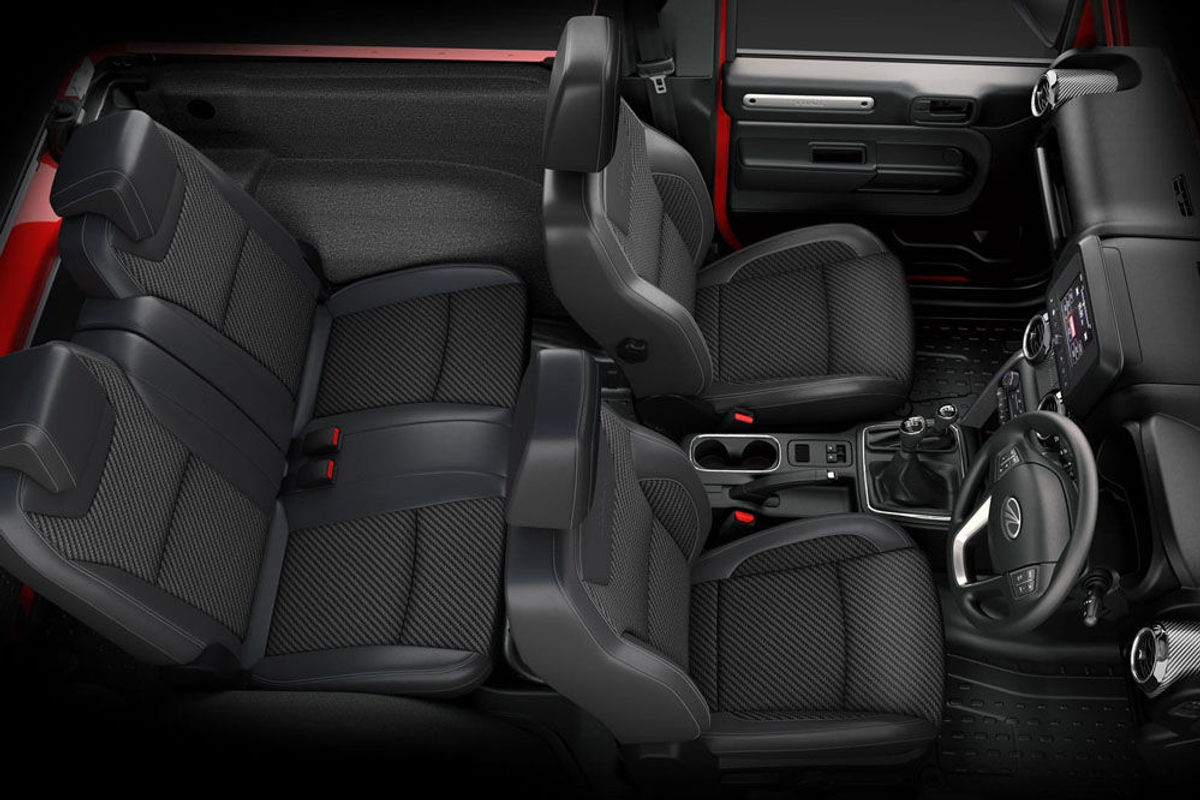
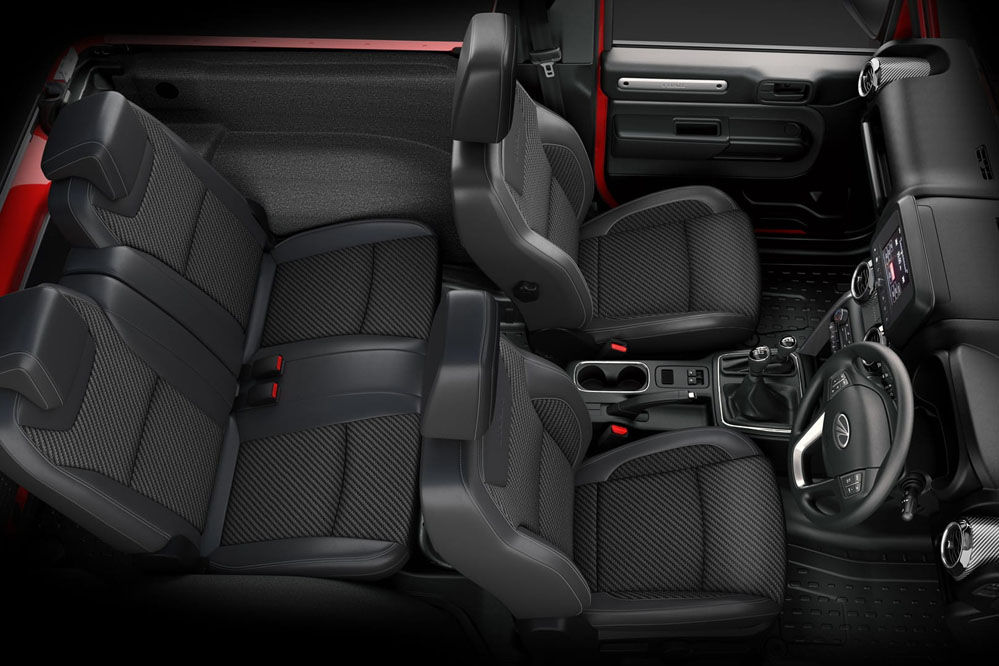
Given the new model’s (still) rather utilitarian exterior packaging, one would be forgiven for thinking the Mahindra would have a relatively no-frills interior, but although hard-wearing plastic surfaces abound and the dashboard switchgear is said to be (IP54 Standard) drizzle resistant, the cabin is appointed relatively luxuriously.

The Thar will be offered with 4 front-facing seats, of which the rear seatback splits 50:50 (we believe this will be the most popular configuration) or 2 front seats in combination with 4 side-facing seats positioned behind them in the load bay. The newcomer's instrument panel includes a TFT multi-info display, the multifunction steering wheel offers satellite controls for audio, phone and cruise-control functions (and is tilt-adjustable), while the driver’s seat is adjustable for height (with adjustable lumbar support).


The Thar is perhaps too small to be classed a compact family car, but it's cabin is certainly a lot less utilitarian than before.

Apart from the remote central locking, electric windows, power-adjustable side mirrors, electronic HVAC controls, the new Thar comes equipped with a 7.0-inch touchscreen infotainment system with built-in navigation and Apple CarPlay and Android Auto compatibility. Metal-look accents and faux carbon-fibre trim complete the upmarket look.

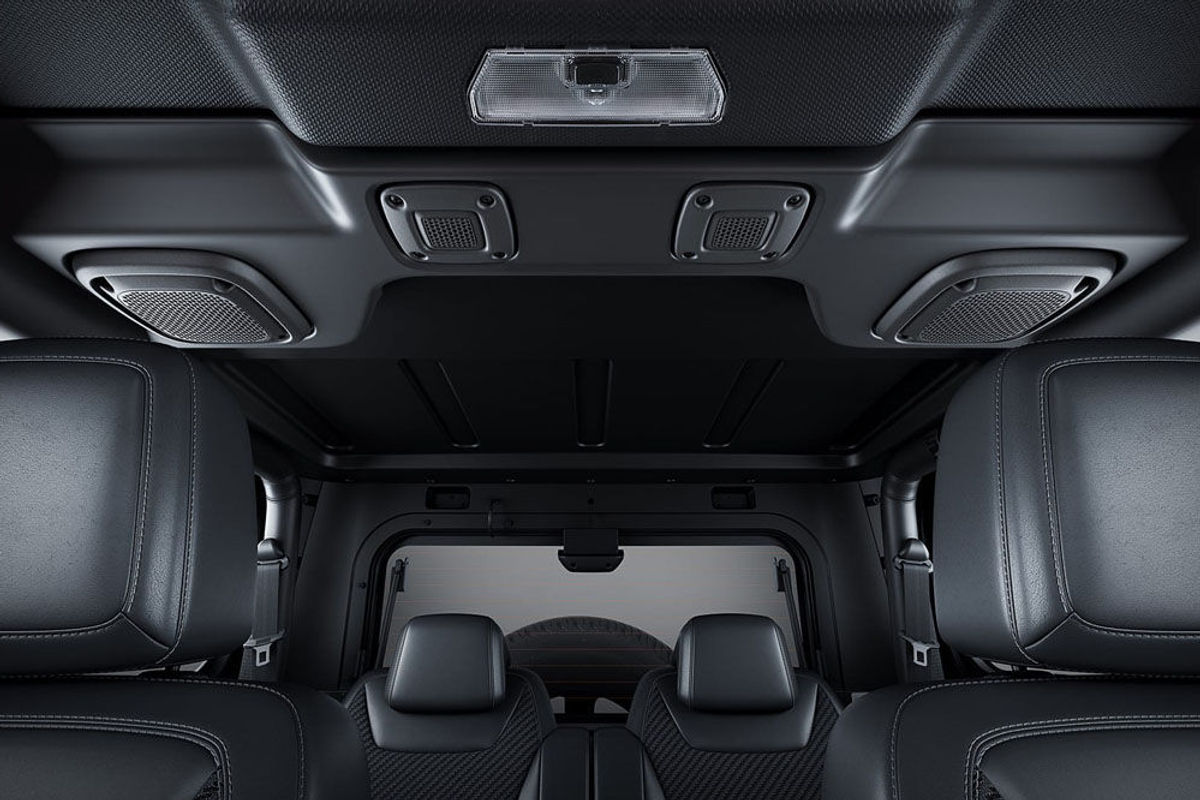
Roof-mounted speakers

Although Mahindra did not go into too much detail on the specific funtionality, the newcomer’s infotainment system is also said to incorporate an adventure-statistics display, including adventure calendar display, smart watch and -phone connectivity (through pairing with the Blue Sense app), plus tyre-pressure and direction monitoring systems.

In terms of safety features, the Indian-market-spec Thar will come equipped with a built-in roll cage with 3-point seat belts for all passengers (in 4-seater configuration), dual front airbags, ABS with EBD, an electronic stability programme (with rollover mitigation), hill-start assist and hill-descent control, as well as rear parking sensors.   


The addition of an automatic option will certainly broaden the Thar's appeal to urban-based weekend outdoorists.

Designed and engineered in India and manufactured at Mahindra’s Nashik Plant, the all-new Thar will be available in 6 colours: Red Rage, Mystic Copper, Napoli Black, Aquamarine, Galaxy Grey and Rocky Beige, the manufacturer says.

We’ll keep you updated on the new Thar's estimated time of arrival in South Africa and expected specifications as soon as more information becomes available.

Further Reading:

Mahindra Scorpio S11 Specs & Price

Mahindra Pik Up 4×4 Automatic: Is it worth it?

Mahindra TUV300 (2017) Video Review

Mahindra XUV300 1.5TD W8 (2019) Review

Toyota Stops V8 Development?

Is it the end of the road for Toyota petrol V8 engine? 

A report out of Japan has suggested that Japanese brand Toyota has put a stop to the development of its V8 engines. 

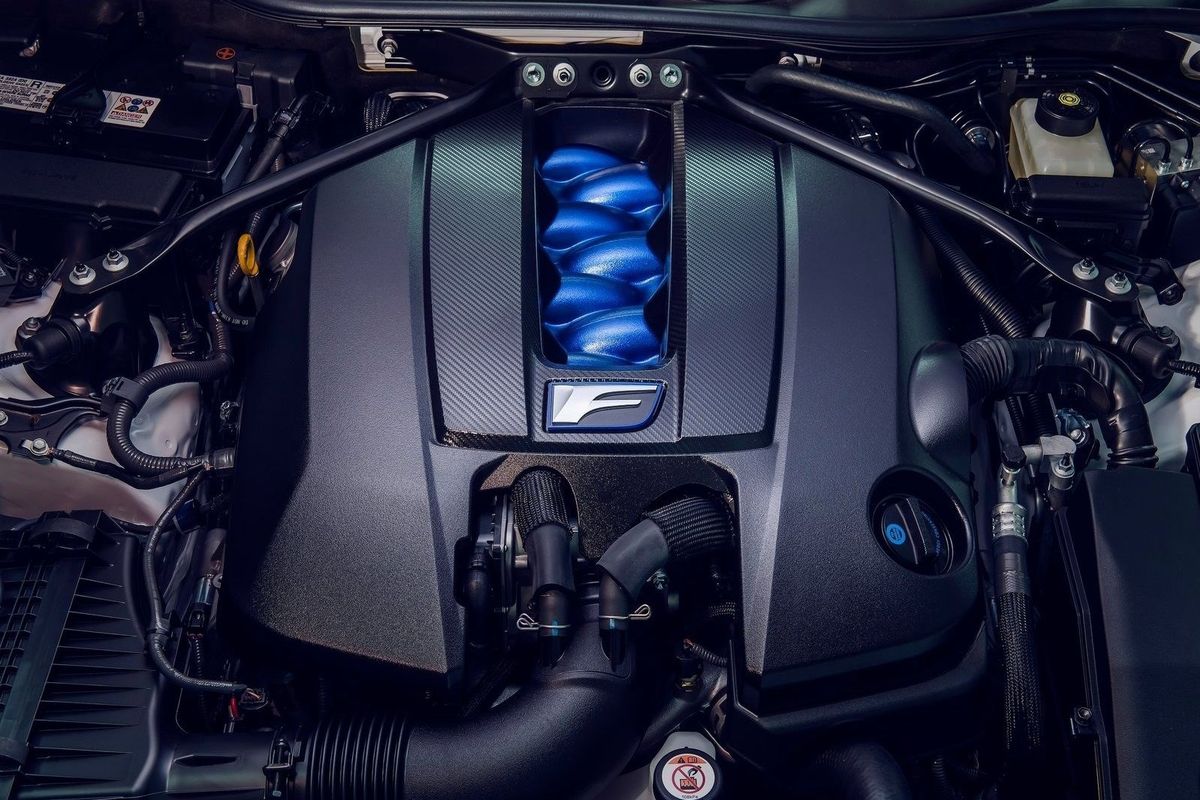
The report from Japanese magazine Mag-X has said the Japanese brand is one of many that has suffered under the coronavirus pandemic and will be focusing more on downsized V6 turbochargd motors as well as electrification. 

The bad news means that Lexus plans for the ultimate twin-turbocharged V8 in the LC has probably been shelved.  Pity, as it was rumoured to pack around 450 kW and make its debut at the now-cancelled 24 Hours of Nurburgring, before making its way into some roadcars. Toyota was also considering using this motor for some North American market trucks.  

We'll update if we hear anything.

Further Reading

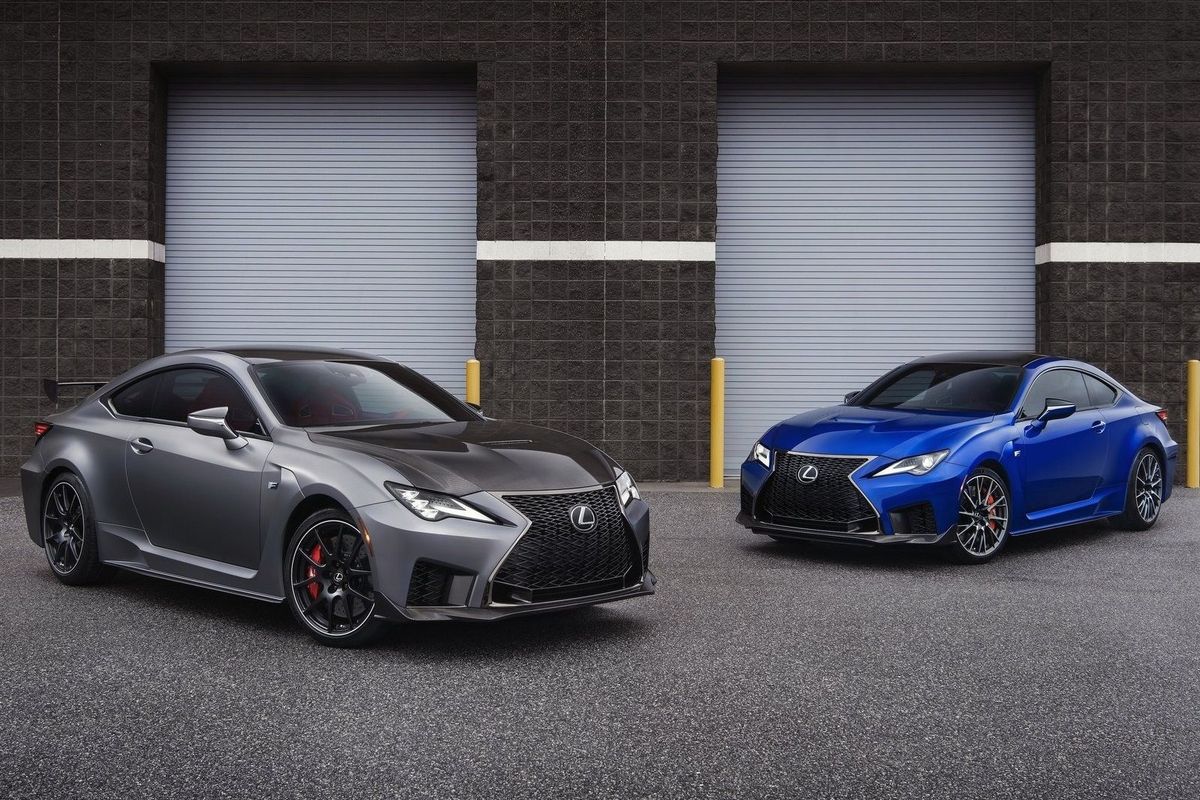
Lexus SA Updates Range

Sexy Lexus LC500 Convertible Coming to SA in 2021

Lexus RX 450h SE (2020) Review

Lexus To Turbocharge its V8s

All-New Isuzu D-Max: More Details

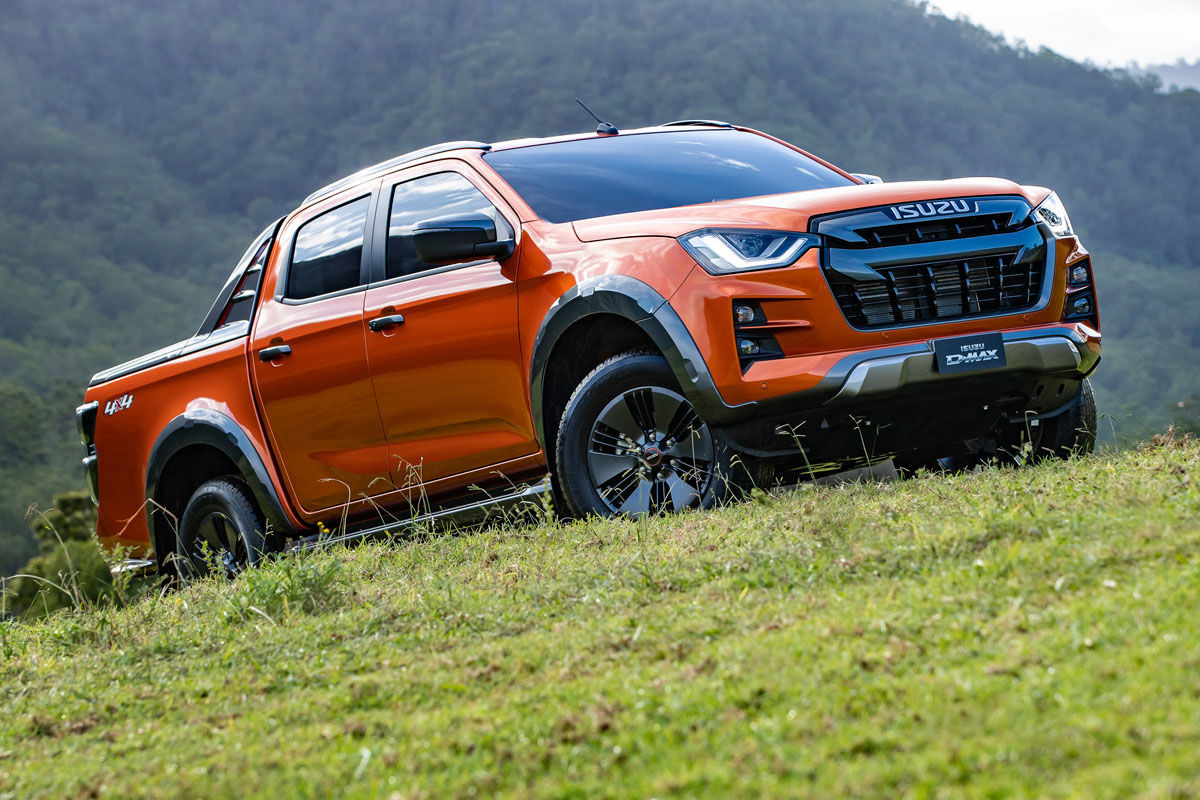
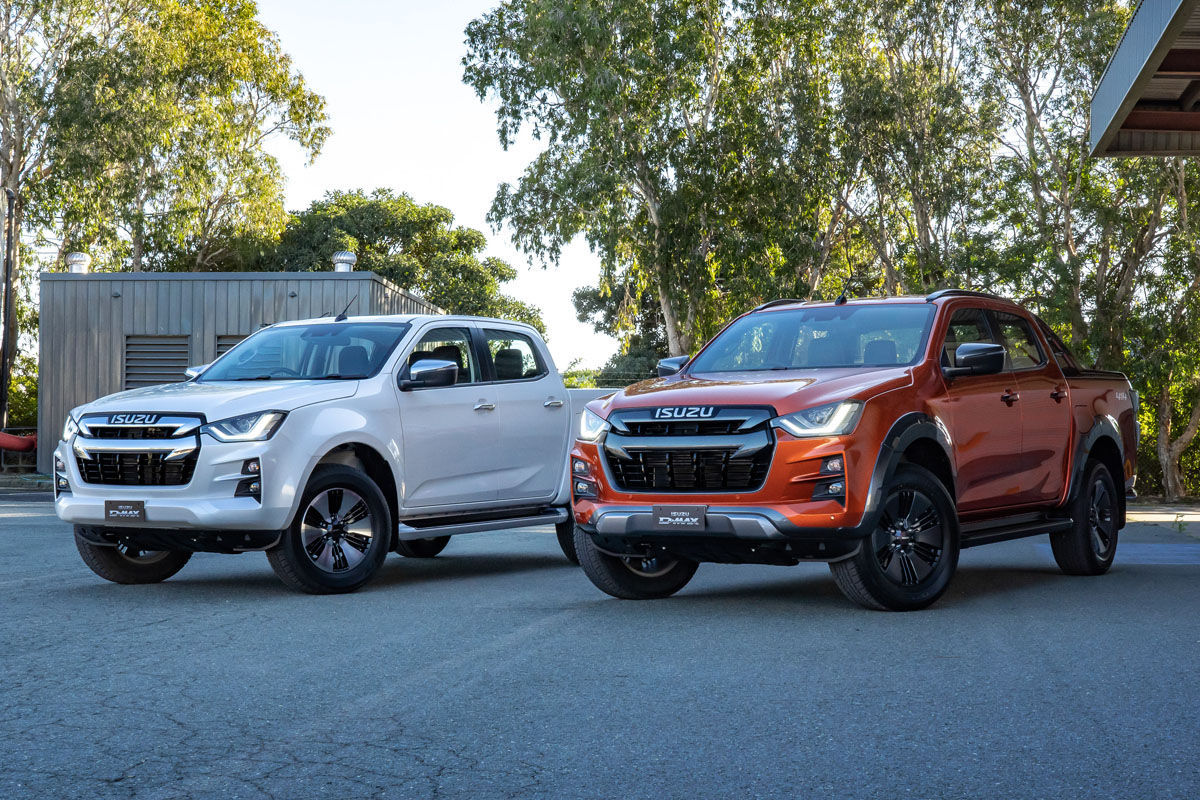
Isuzu will produce the next-generation D-Max in Port Elizabeth from next year and plans to launch the model locally during the 2nd half of 2021. However, the new D-Max, which is also produced in Thailand, has already been released in other markets, which gives us a preview of what the final product will look like. 

The Japanese brand recently introduced X-Rider derivatives of the current D-Max in the local market as part of the model’s runout phase. However, in the near future, Isuzu will tool up its Eastern Cape plant as part a R1.2-billion investment programme to produce the next-generation D-Max in Mzansi; it’s expected to generate additional total local content value of R2.8 billion throughout its lifecycle.

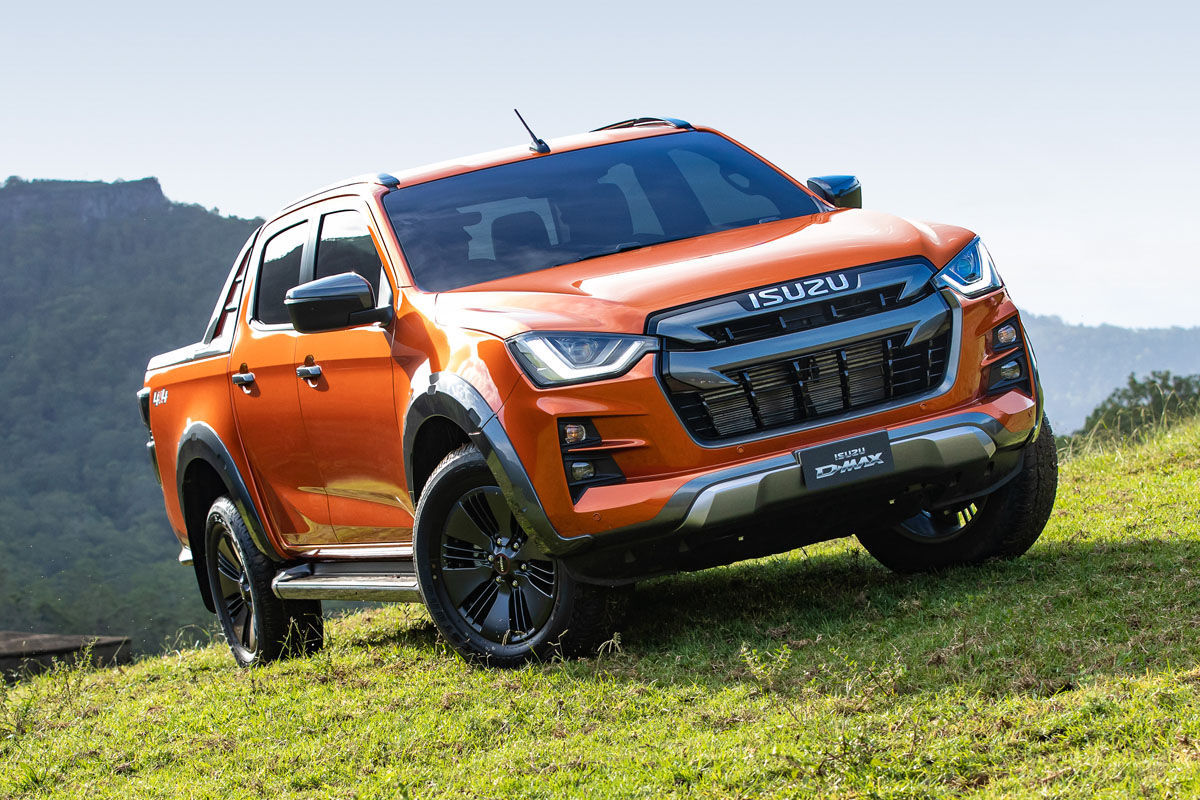
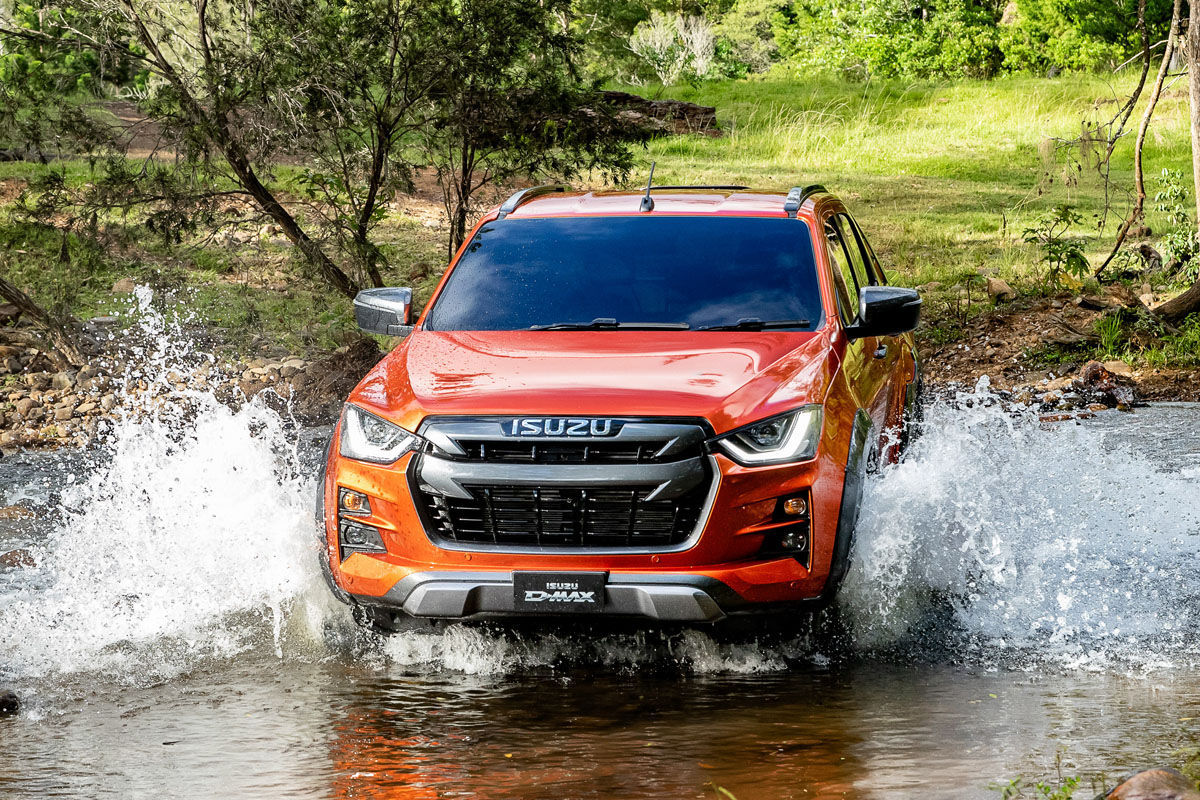
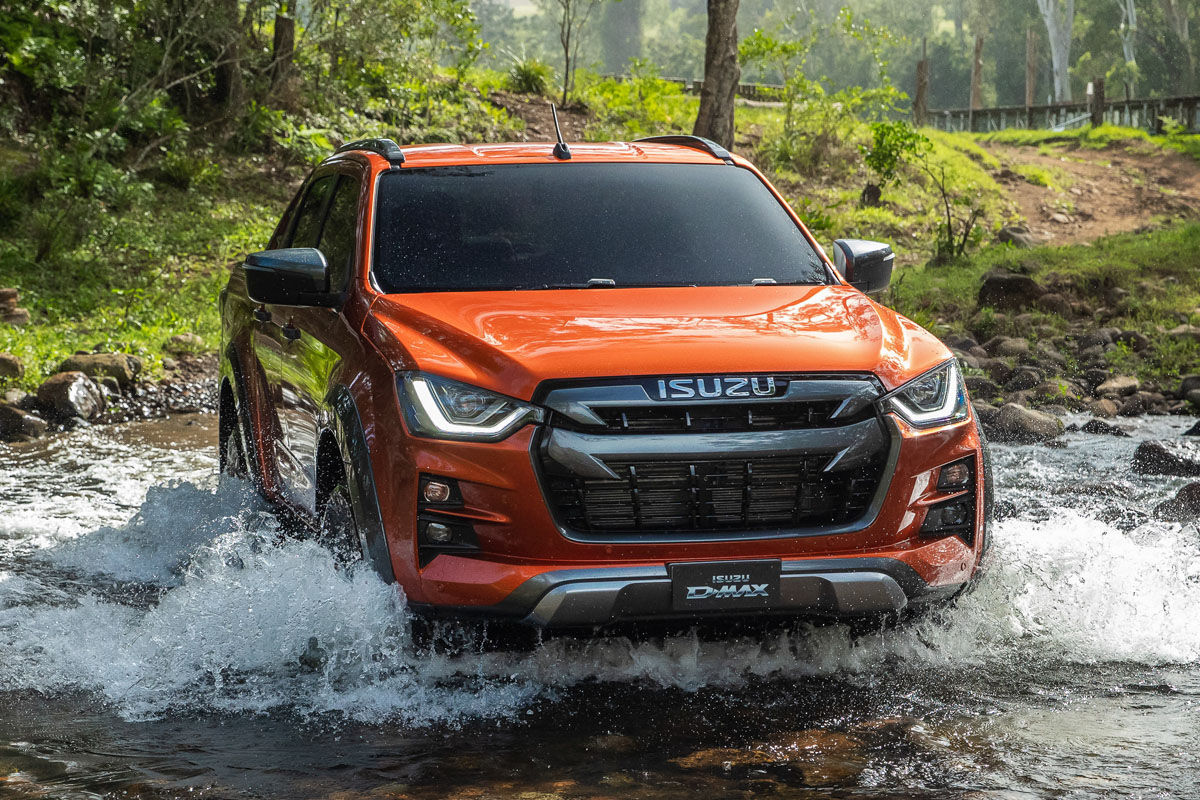
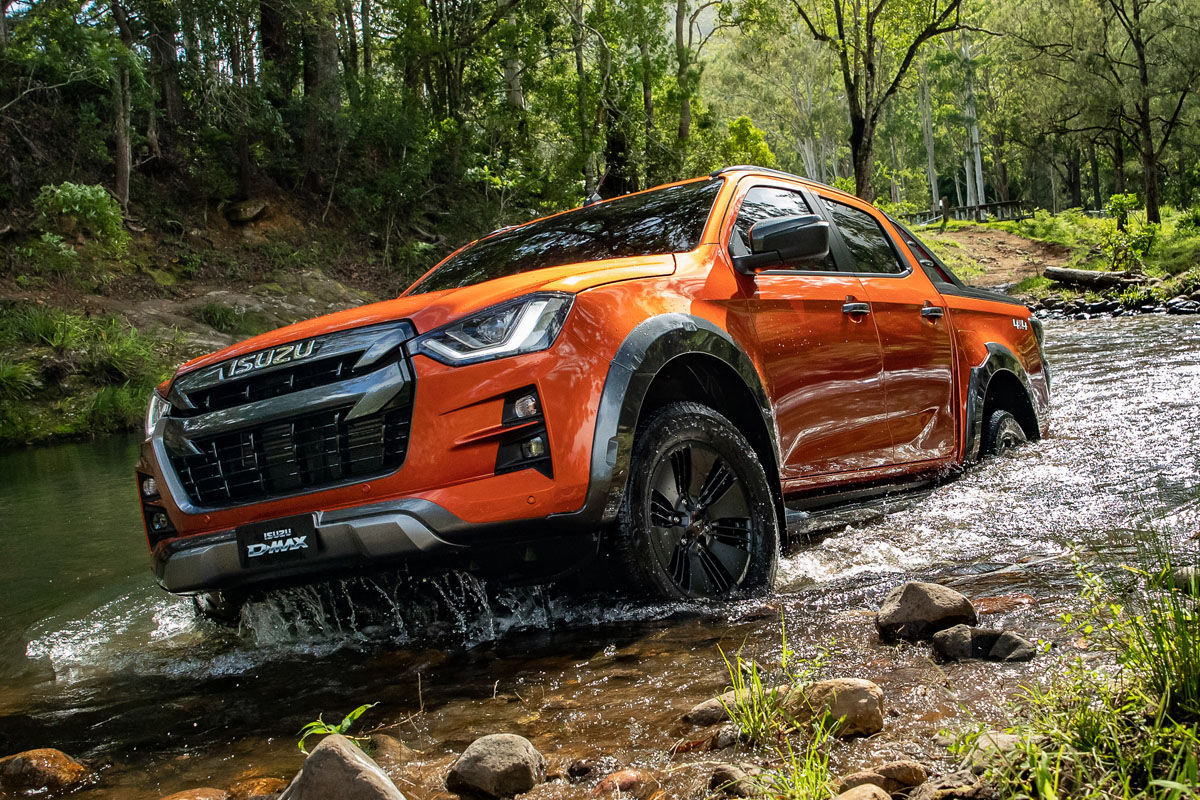
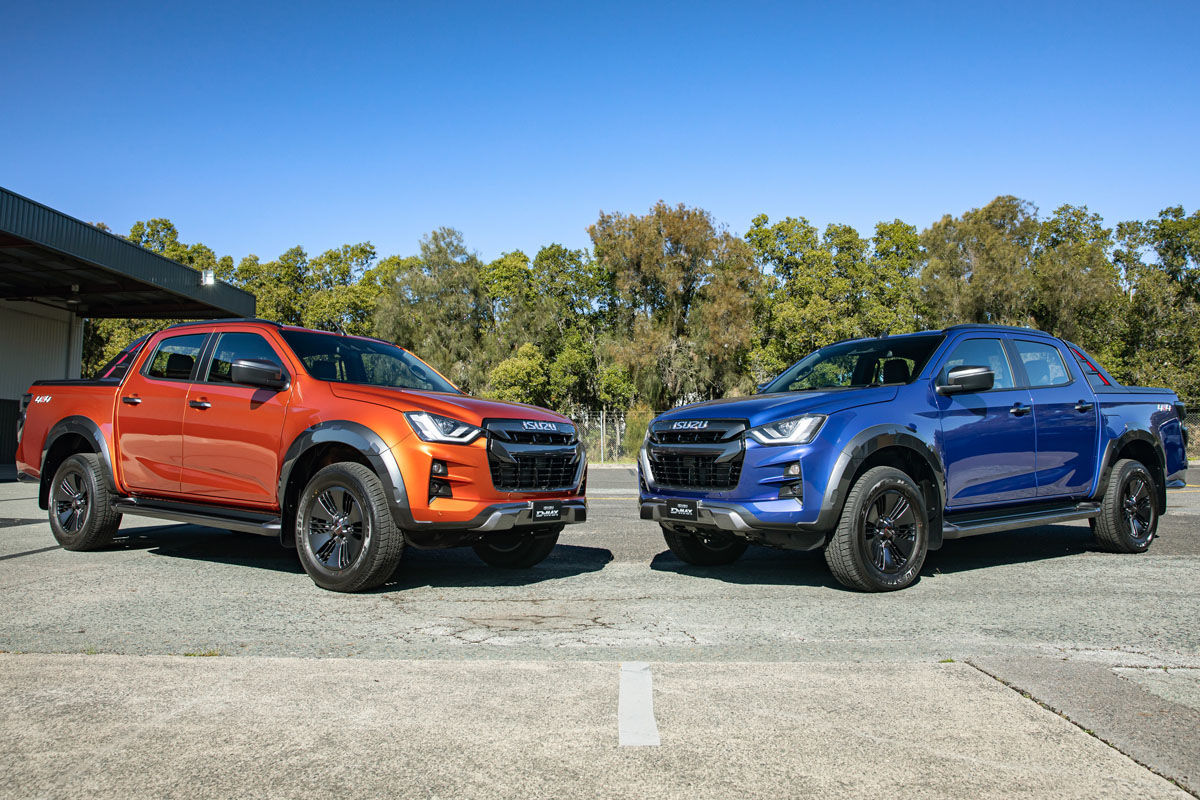
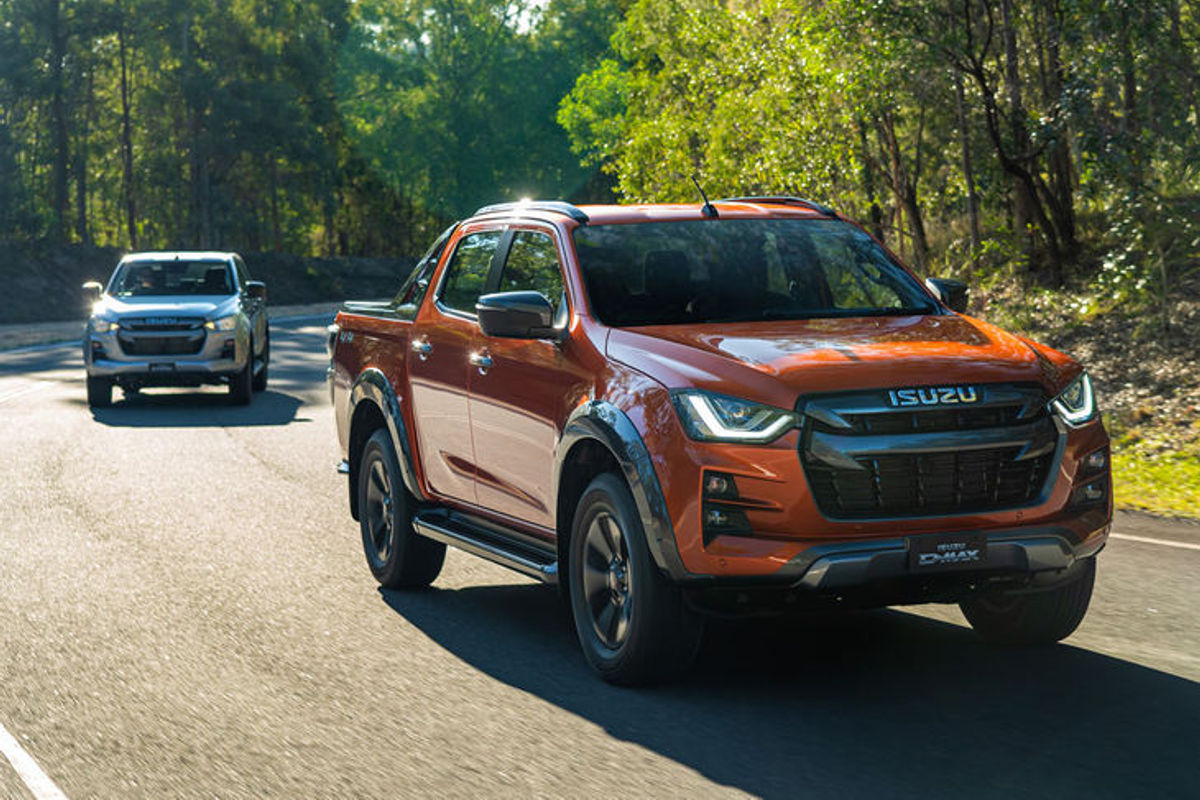
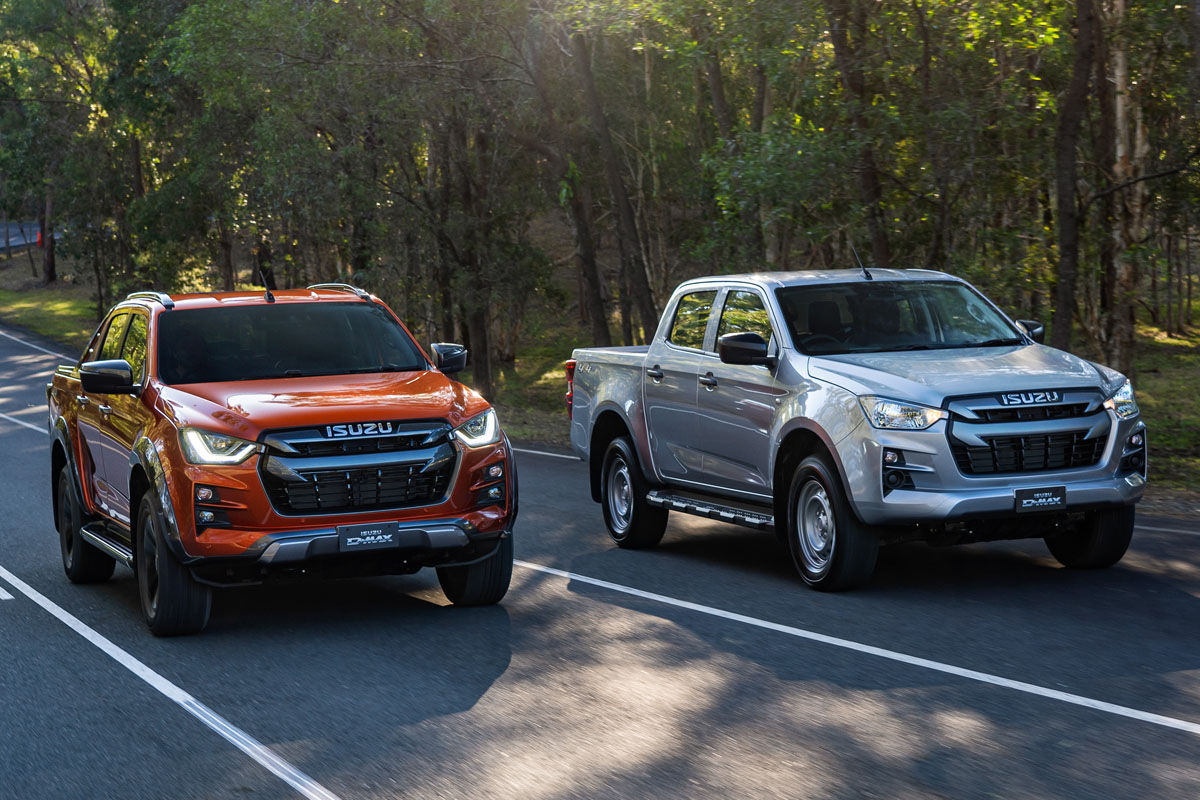
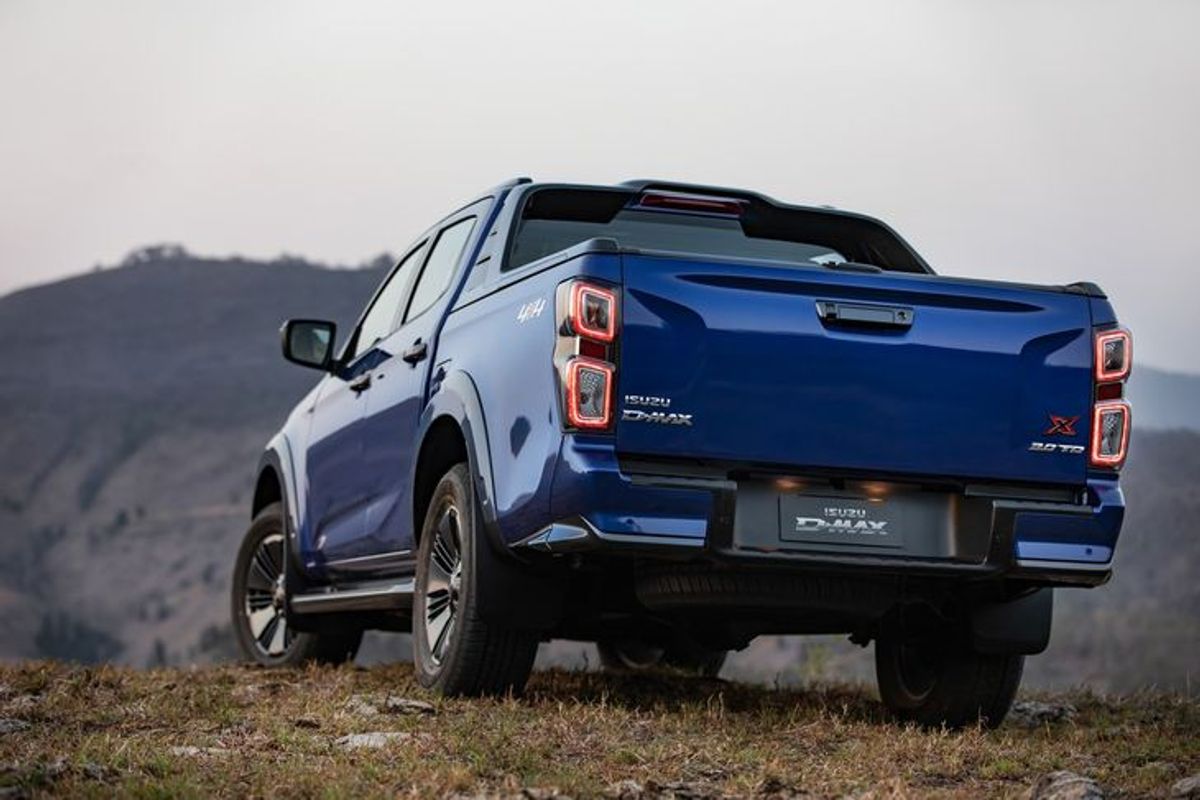
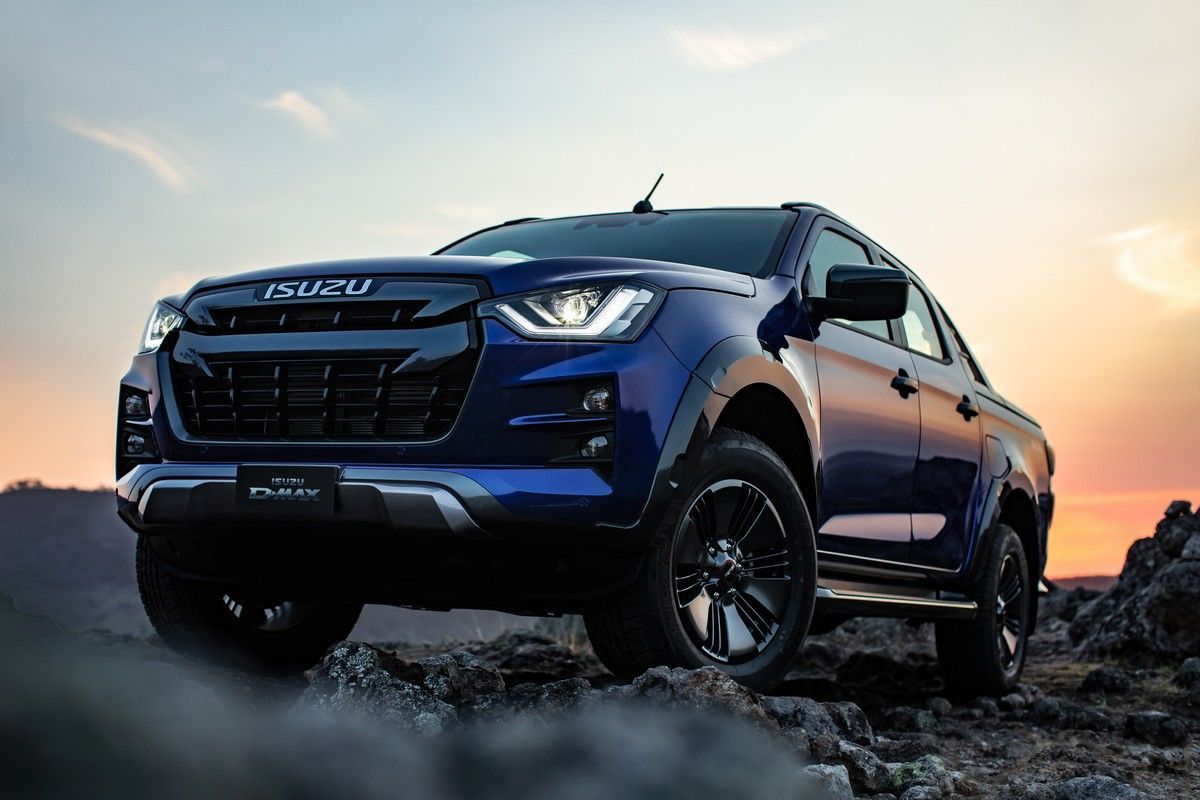
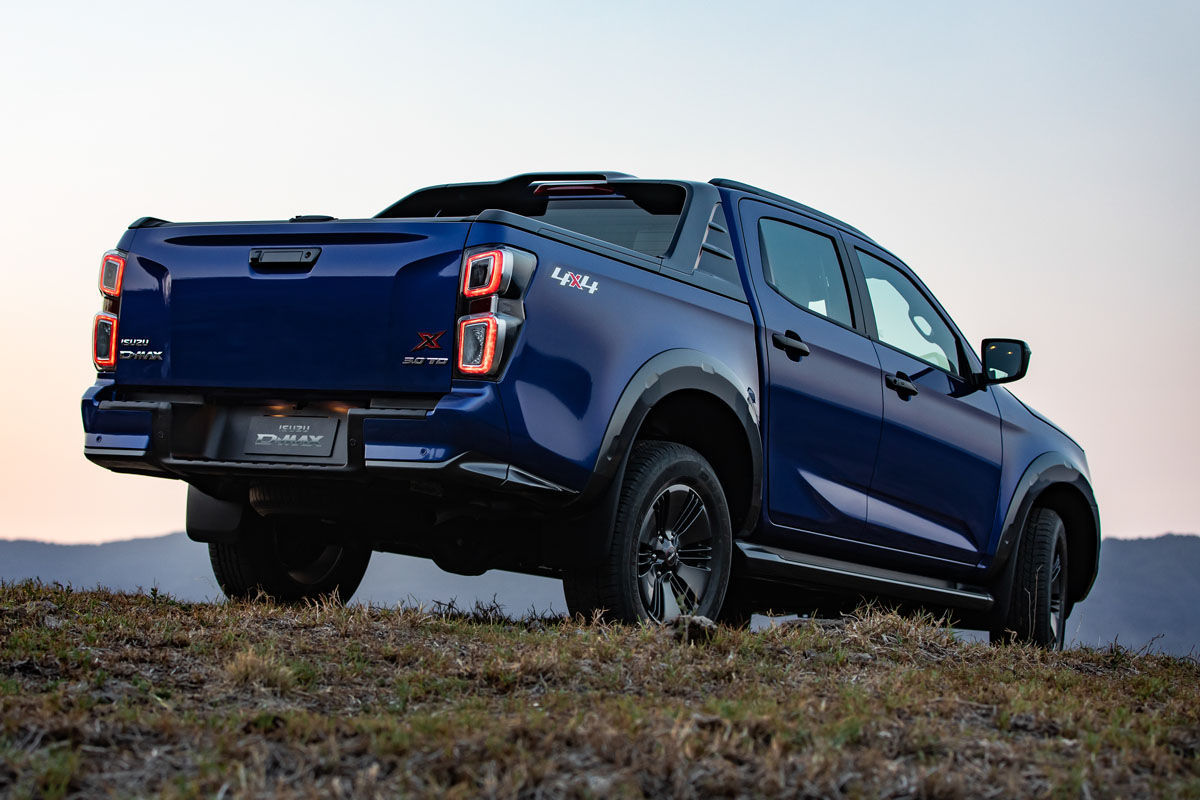
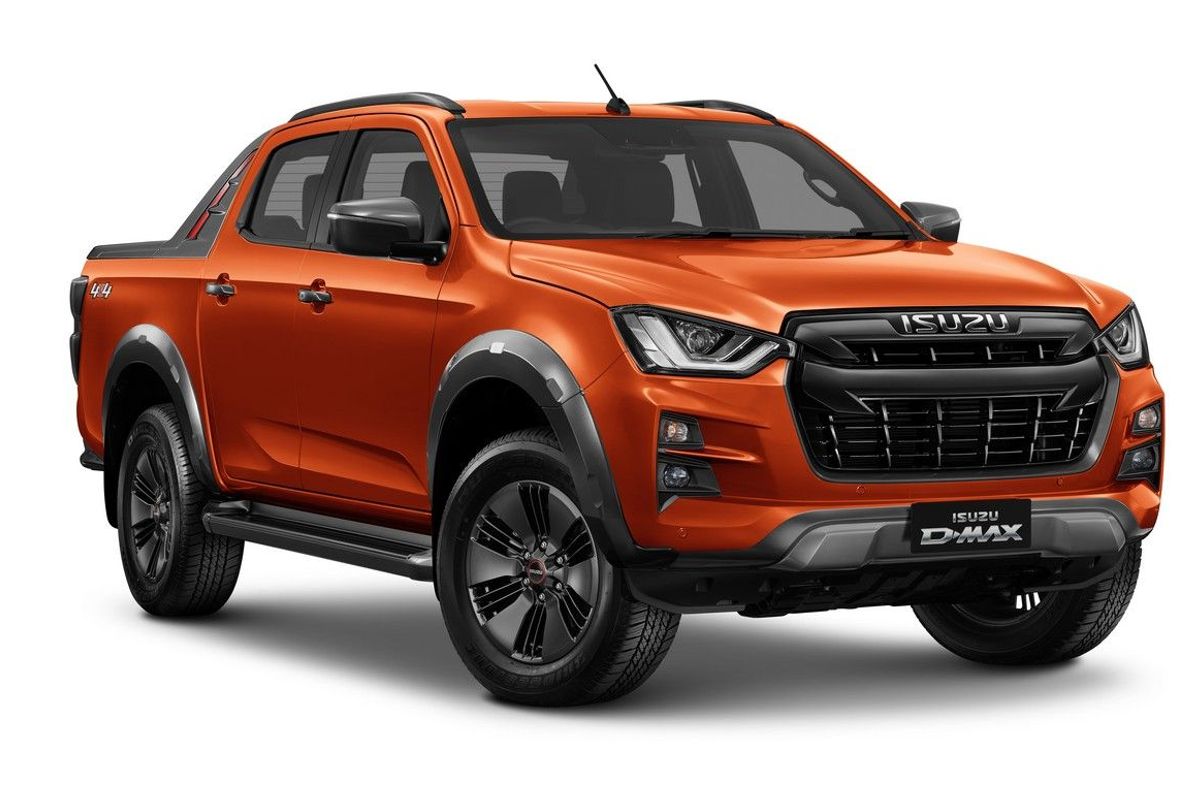
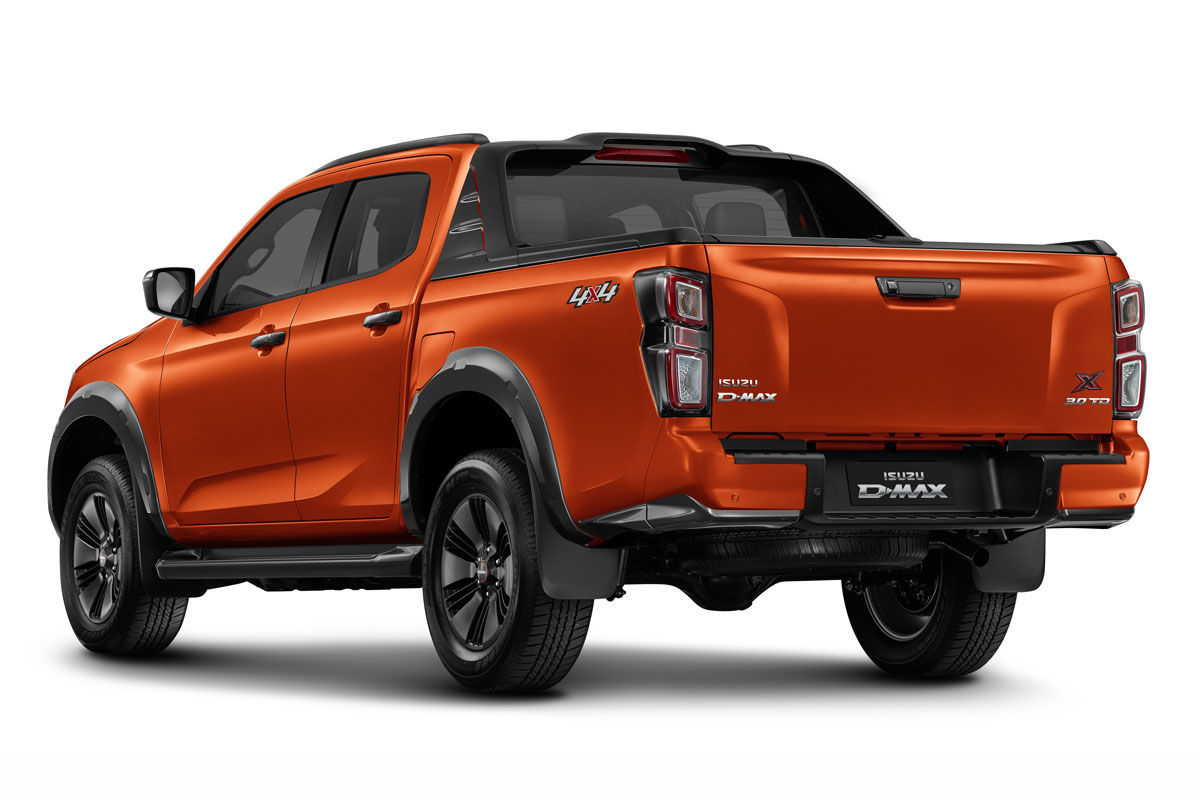
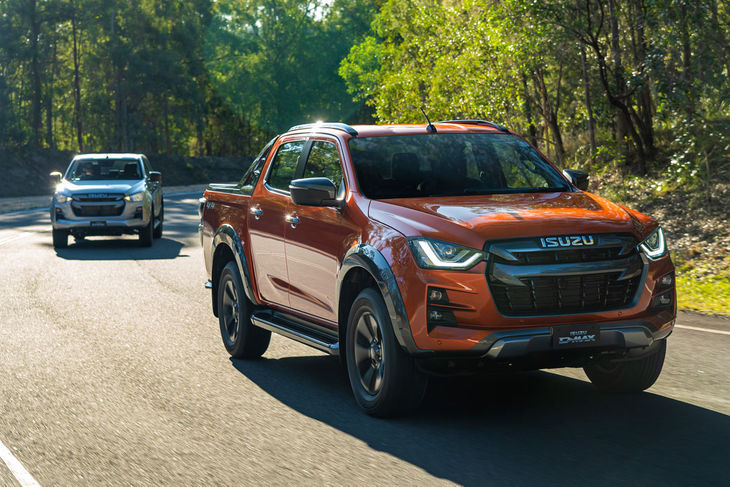
The images that appear in this article depict D-Max's specified for the Australian market, so although the models that will be produced in South Africa will look largely the same as what you see here; their specification will be different – although, to be fair, many of the new model’s improvements will be carried over to SA.

The new D-Max, which underpins the recently-unveiled Mazda BT-50, is wider than its predecessor, with a longer wheelbase and a larger, deeper load tray. Not only is it much more boldly-styled than the current bakkie, it's also sleeker and more aerodynamically efficient. In fact, Isuzu says it has invested 4 million km's of testing and 6 years of development into the model and you can rest assured that a local development programme is, if not already underway, in the offing!

What will power the new D-Max? 


With more power and torque and higher levels of refinement, the new D-Max should find favour with many local buyers. 

In terms of its 3.0-litre 4-cylinder turbodiesel engine, the updated 4JJ3-TCX powerplant is said to feature updated internals including an upgraded direct-injection system and electronically controlled variable geometry turbocharger. As a result, it produces 140 kW and 450 Nm from 1 600 to 2 600 rpm in overseas markets and is said to be notably more refined (quieter, with less NVH) than the current 3.0-litre engine.

The turbodiesel will be offered in conjunction with a faster-shifting 6-speed automatic or 6-speed manual transmission.

Other notable numbers include a ground clearance of 240 mm, wading depth of 800 mm and a towing capacity of 3 500 kg (braked-trailer, aided by Trailer Sway Control). The 4×4 derivatives benefit from a solid and lighter one-piece aluminium driveshaft, an electro-magnetic diff-lock and improved approach, departure and break-over angles.

What about the interior?


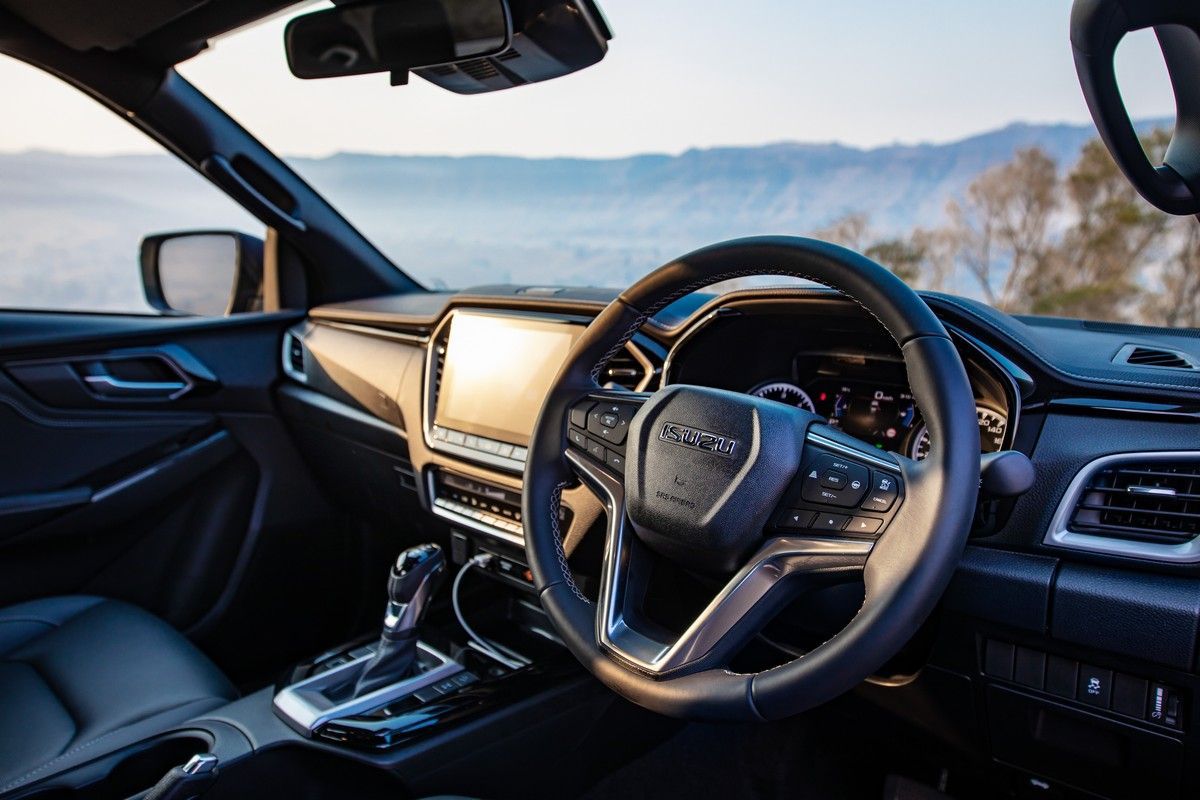
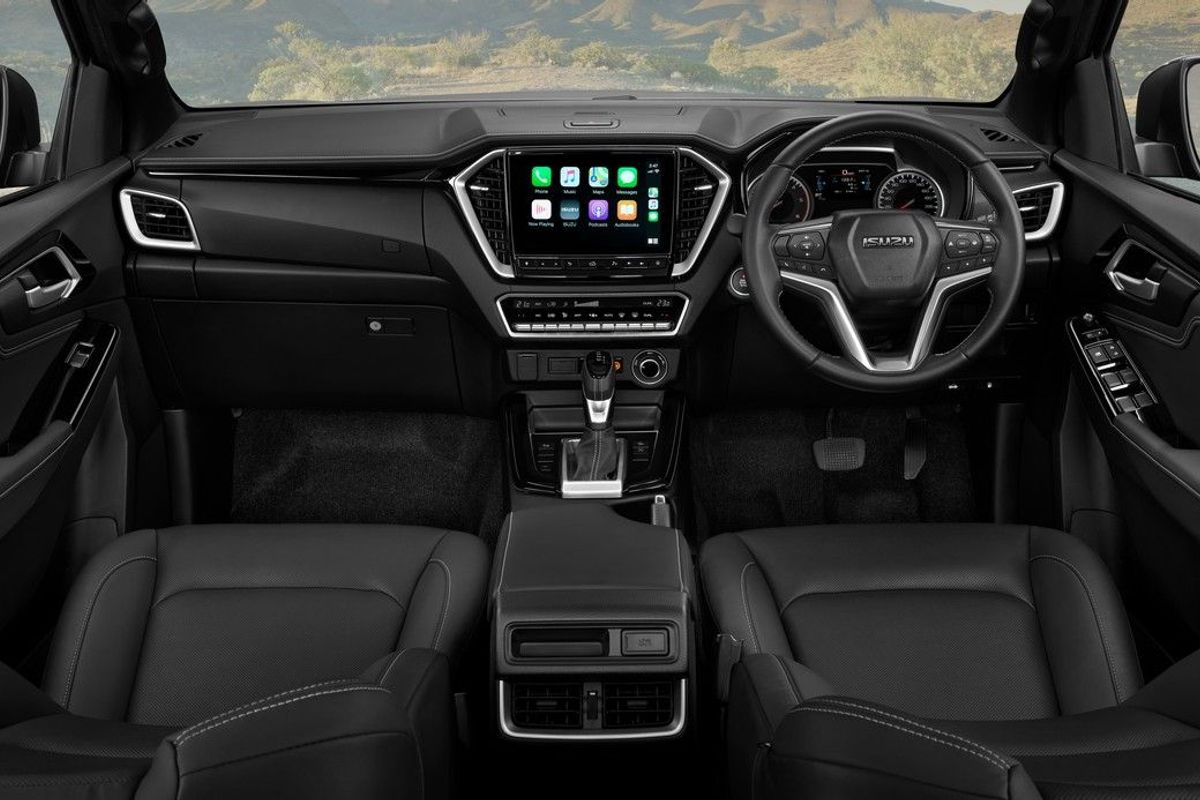
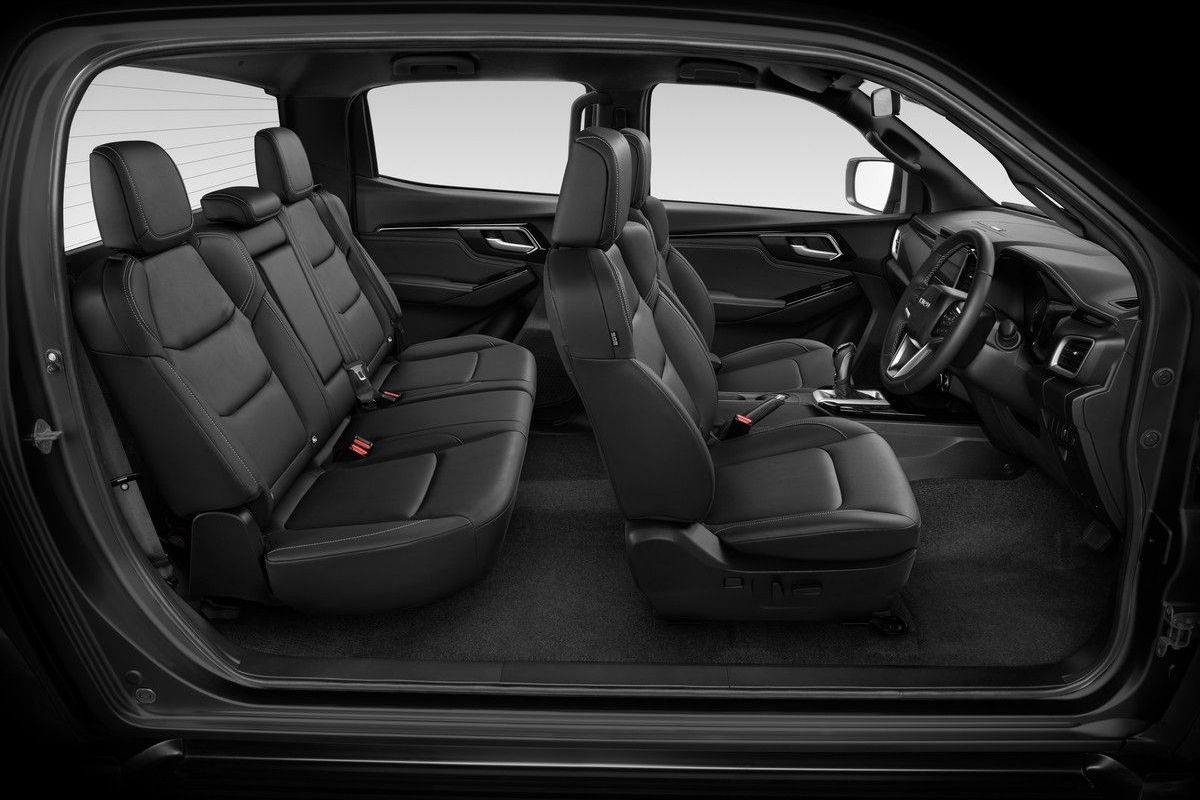
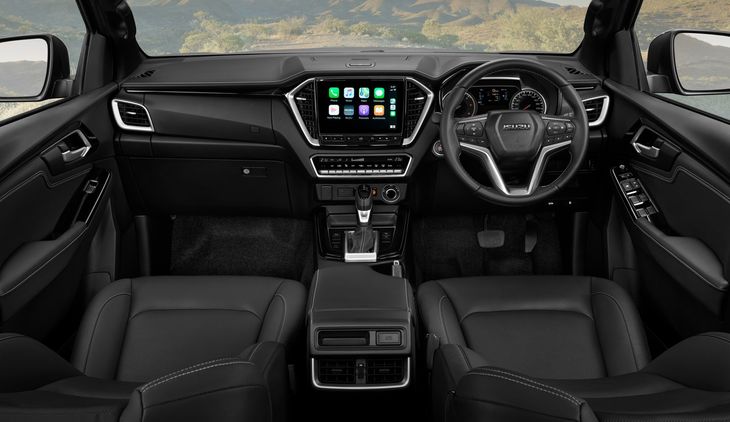
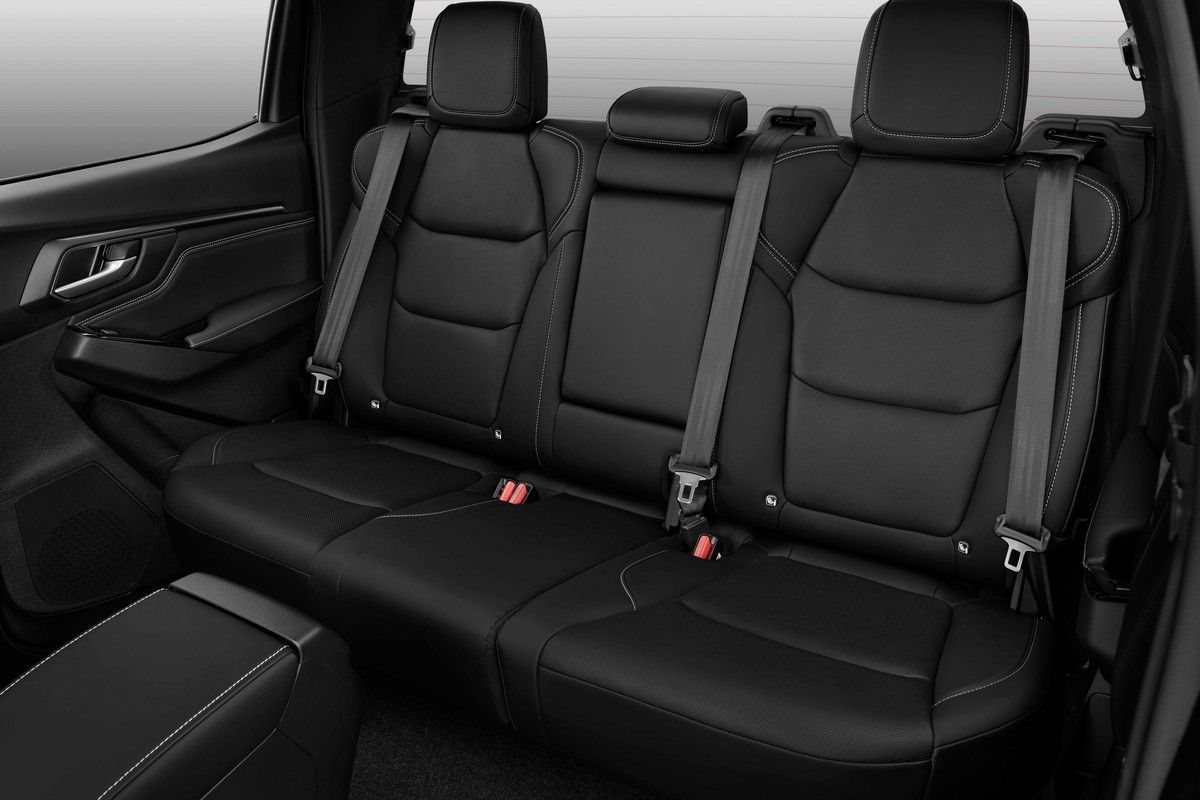
The interior of the new D-Max makes a huge leap forward in terms of design, technology and general comfort features. 

Whereas the current D-Max’s interior design well-and-truly shows its age, the new model’s smartly-finished cabin is generously equipped with comfort, convenience and connectivity features. Seeing that the specification of South African-spec D-Max derivatives are not yet finalised, take a look at the highlights…

The instrument cluster, for example, features a 4.2-inch multi-information display with a digital speedometer, which relays, inter alia, Satnav directions on high-end derivatives. A 7- and 9-inch touchscreen infotainment system are available, which are Android Auto and Apple CarPlay compatible with voice activation.

Top-of-the-range D-Max derivatives are likely to feature leather-trimmed interiors adorned with metal-look and piano black accents, an 8-way electrically adjustable driver’s seat (with lumbar support), dual-zone climate control with additional vents for rear occupants and an 8-speaker surround audio system.

Nice-to-have features include a comfort turn indicator function, automatically activated lights and -wipers, the latter with automatic high-beam control. Isuzu has also availed a new Smart Key that provides, remote engine start, keyless entry and push-button start, welcome light and walk-away door locking. Remote engine start allows the driver to remotely start the D-Max, so that the dual-zone air conditioning system can cool/warm the cabin before a journey.

In terms of the safety specification, the new D-Max offers a lot more features than its predecessor – which is to be expected, given how long the current range has been in production! Over and above ABS, EBD with brake assist, traction and stability control, hill-start assist, surround parking sensors and a reverse-view camera with integrated parking lines. The Isuzu can have up to 8-airbags including a knee- and  centre airbag.

A standout feature of the Australian-spec model is the Intelligent Driver Assistance System, which utilises a Hitachi 3D stereo camera to offer the following safety systems: autonomous emergency braking with turn assist, adaptive cruise control, traffic-sign recognition, blind-spot monitoring, rear-cross traffic alert and lane-keeping assist.

We'll bring you updates on the local specification of the next-generation D-Max as soon as we have more information. Stay tuned!

Related content:

All-New Isuzu D-Max: SA Details

2022 Volkswagen Amarok: What We Know So Far

Confirmed: Facelifted 2020 Toyota Hilux

More details: Facelifted 2020 Toyota Hilux

Next Mazda BT-50 vs New Isuzu D-Max: What's the Difference?

Jeep’s Farout Double-Cab Concept looks great

The Jeep Gladiator is without doubt the most exciting thing to come out of Chrysler’s off-road division, for years. This concept takes things further.

Built on the proven Wrangler ladder-frame platform, with all the special off-road axle type and mechanical traction aids you can imagine, Gladiator is a bakkie without compare.

The Land Cruiser 79 is simply too old to compete with Gladiator, and most global bakkie enthusiast cannot wait for a right-hand drive version of the Jeep double-cab.

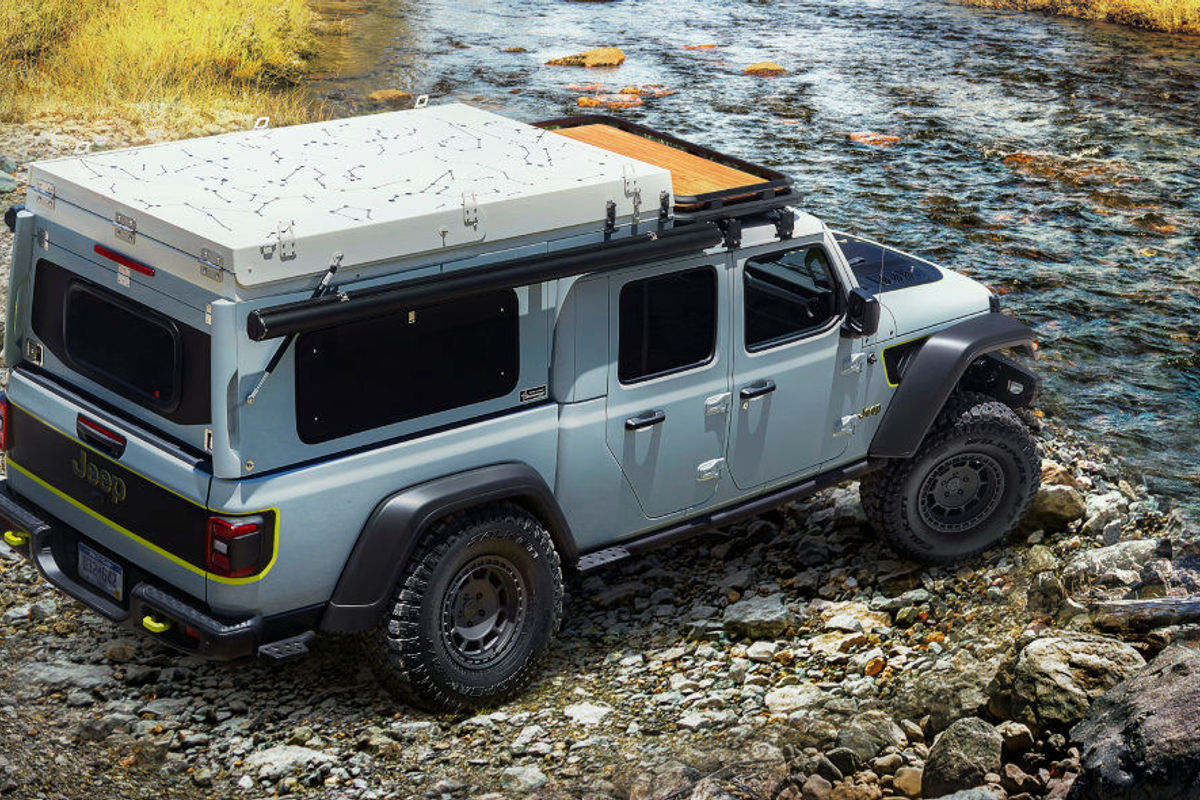
To further tease the Gladiator’s suitability for true off-road adventuring, Jeep has now produced a very convincing Farout concept vehicle. And the naming convention is meant to be interpreted quite literally.

Designed as what South Africans would class as an ‘overlander’, the Farout adds a host of kit to enable come comfort and convenience, if you are venturing into the wilderness, unsupported.

The canopy has a rooftop tent and awning, to create adequate accommodation options – wherever you might end up having to overnight.

Powering the Farout is Jeep’s latest 3-litre V6 turbodiesel, boosting 194 kW and 600 Nm.

Ensuring that you get where you intended to go, the Gladiator Farout has a 50mm lift kit and Fox performance suspension at each wheel corner, improving rough terrain ride quality.

Boosting traction are huge 37-inch mud-terrain tyres, whilst there is also a 5.4t rated winch, to haul you out of trouble – or assist others, who might need a recovery.

Jeep has also added its Rubicon specification bumpers to the Gladiator Farout, which make the bakkie more survivable if it does have a light terrain impact whilst off-roading. The front bumper also mounts two high-intensity spotlights, to illuminate unmarked trails you might to navigate – in the dead of a moonless night. And if you are wondering, that off-grey paint finish is called ‘Earl’.

Further Reading

New Jeep Gladiator Bakkie Revealed

Jeep Wrangler Rubicon 392 Concept Revealed

J6 is Jeep's Single-Cab Bakkie

Ford Ranger Thunder (2020) Specs and Price

A more exclusive Ford Ranger Wildtrak has been announced.

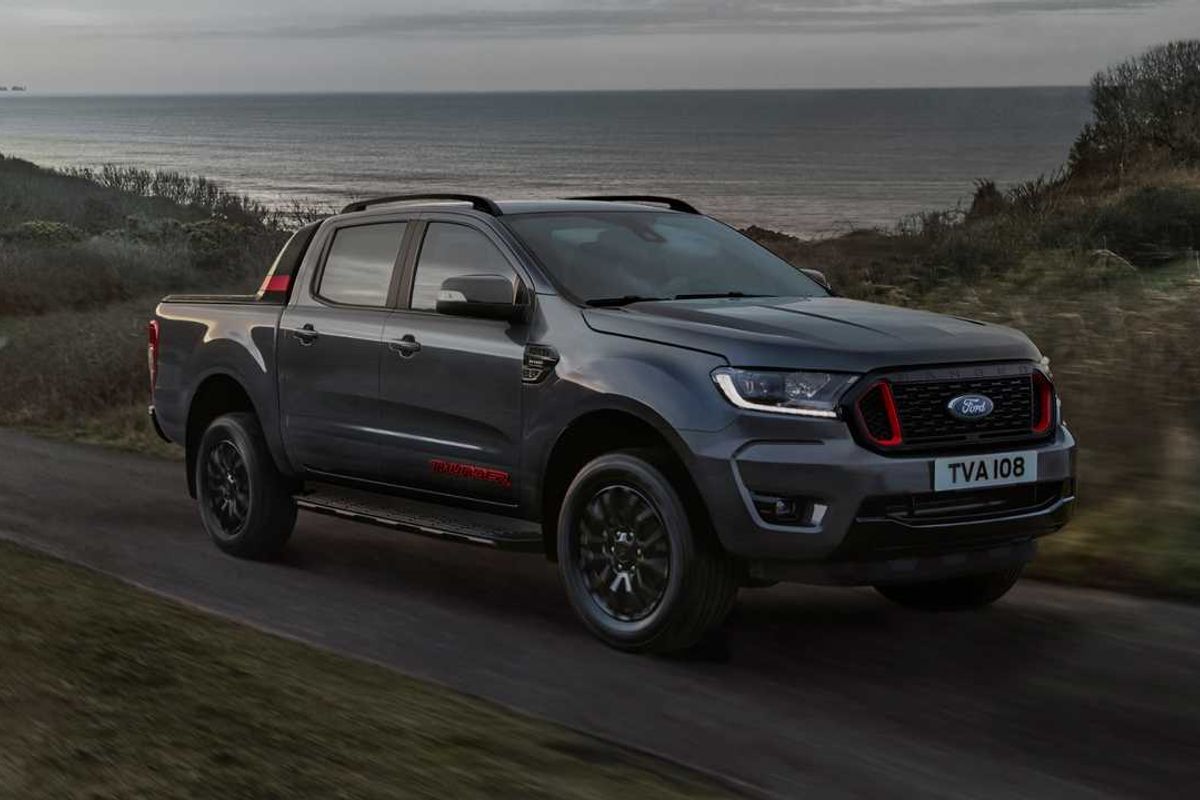
Ford has revealed yet another special edition Ranger. The "Thunder" trim debuted on the T6 bakkie in European recently and it's now available for the South African market.

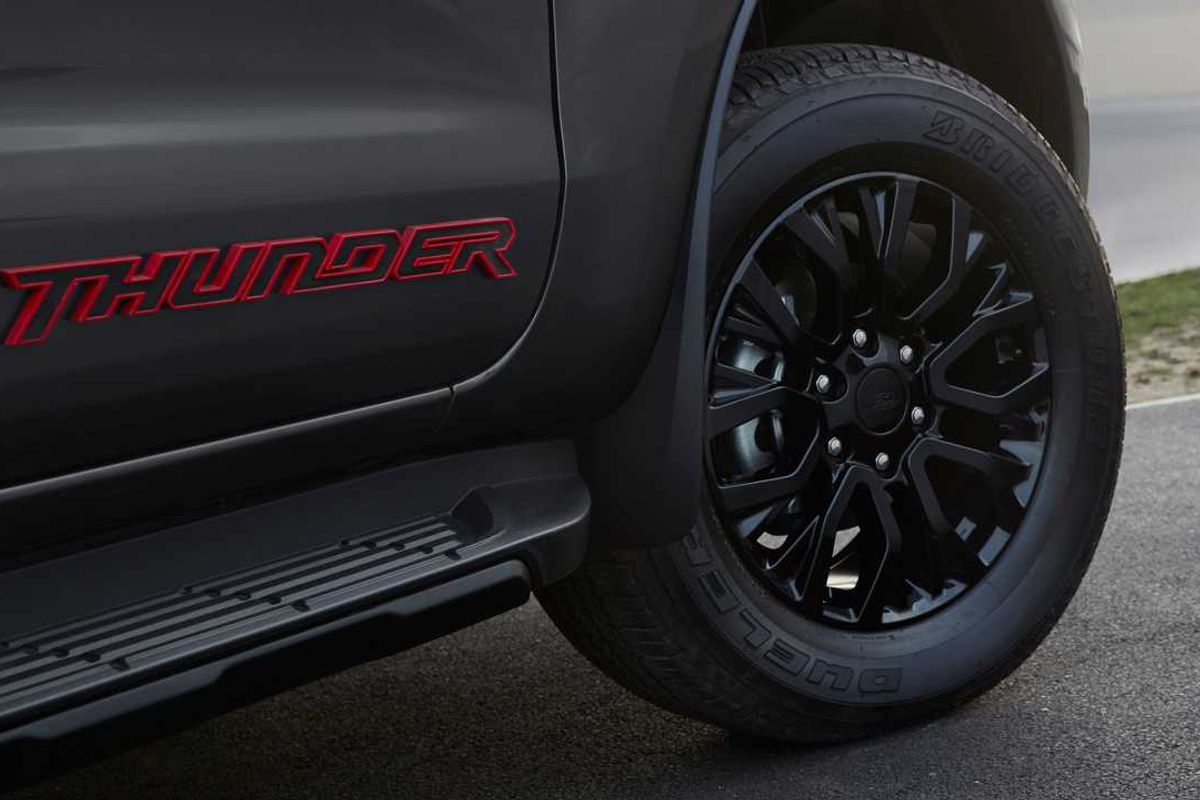
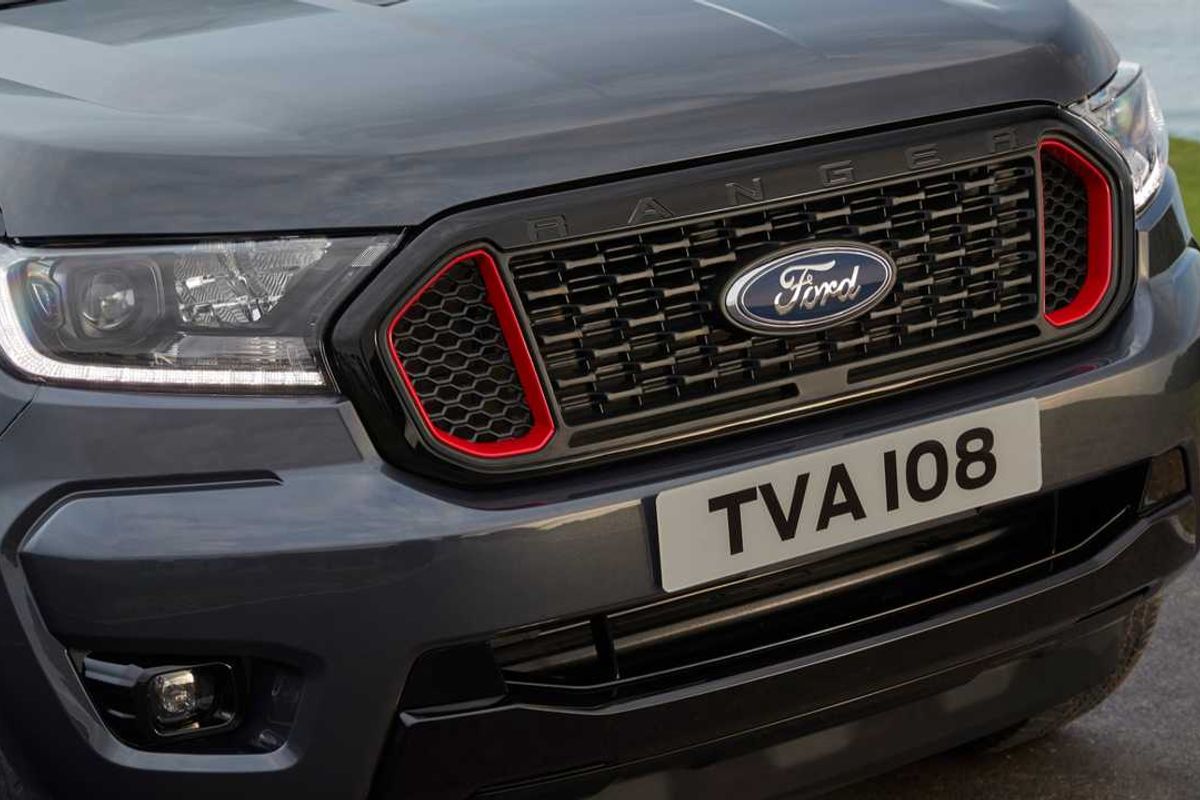
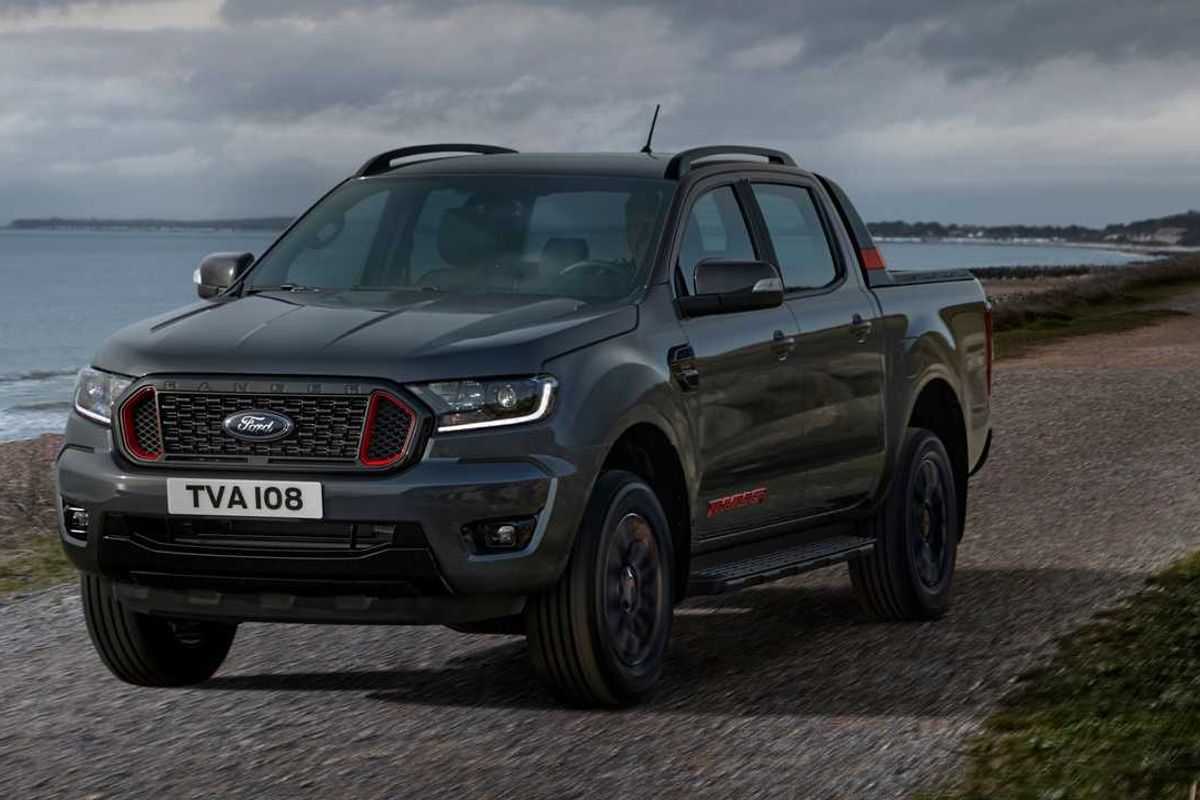
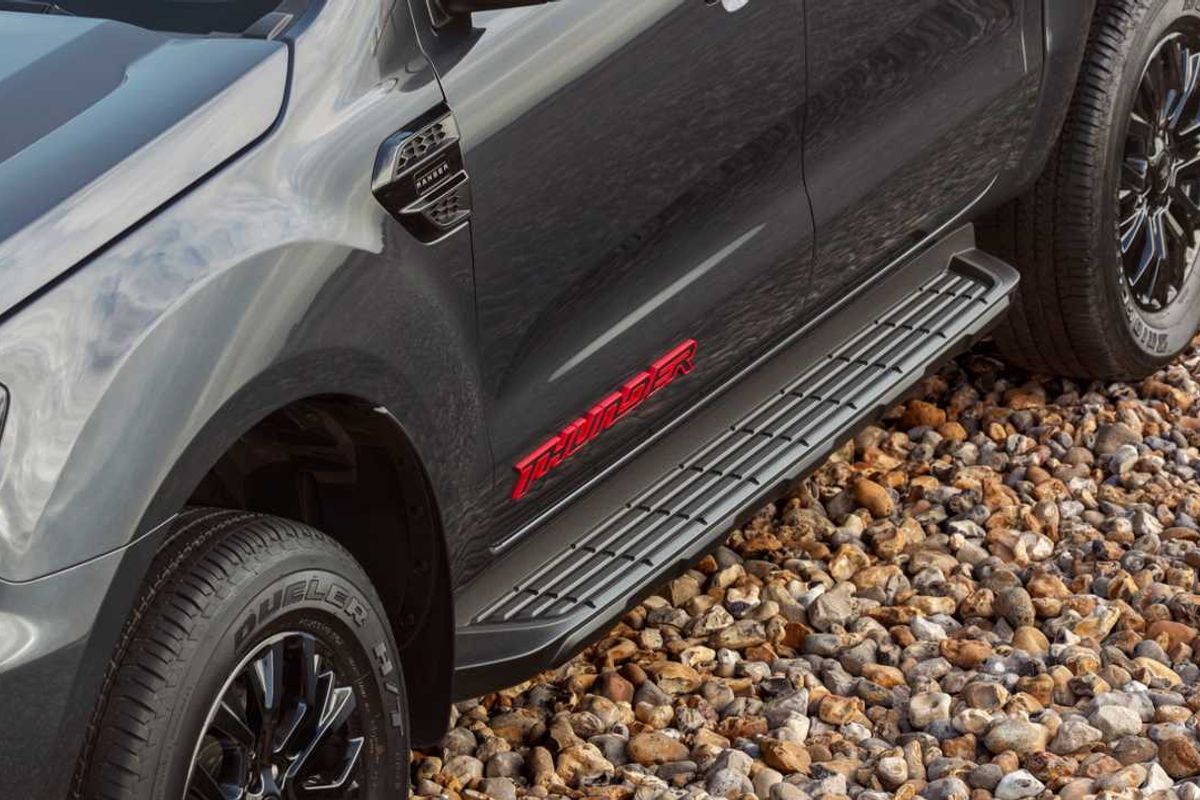
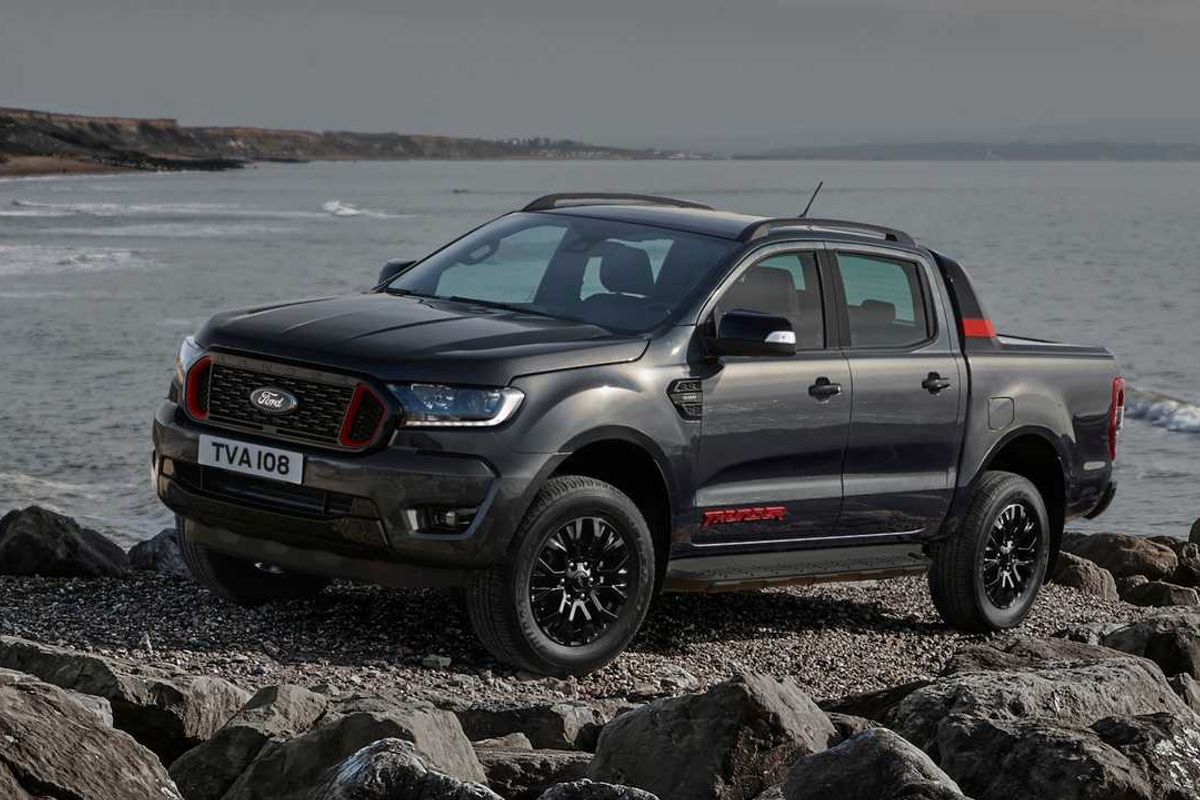
Based on the existing Wildtrak, this new Thunder package features updated styling details, but no significant mechanical changes. The Ranger Thunder is finished in a Sea Grey colour and uses red styling details to mark its individuality. There's also Frozen White, Absolute Black and Moondust Silver available.  Most notable is the three-dimensional front grille and the Thunder badging.

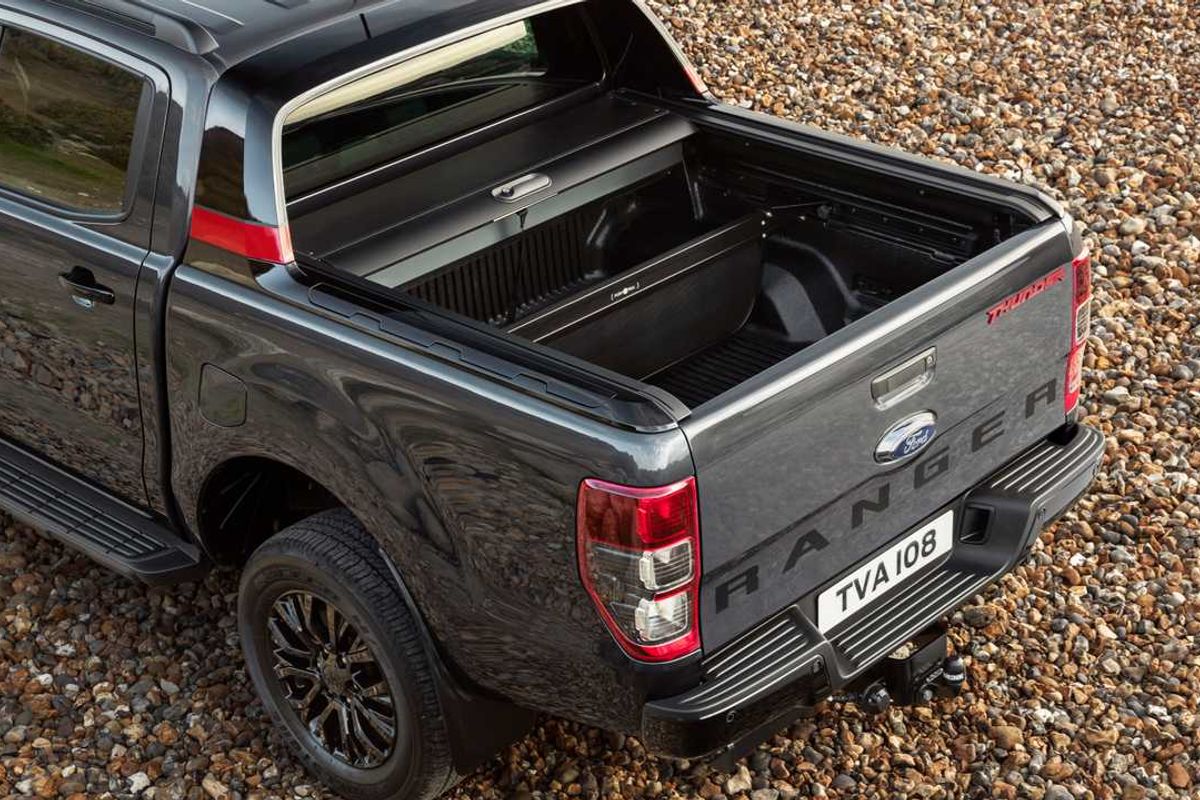
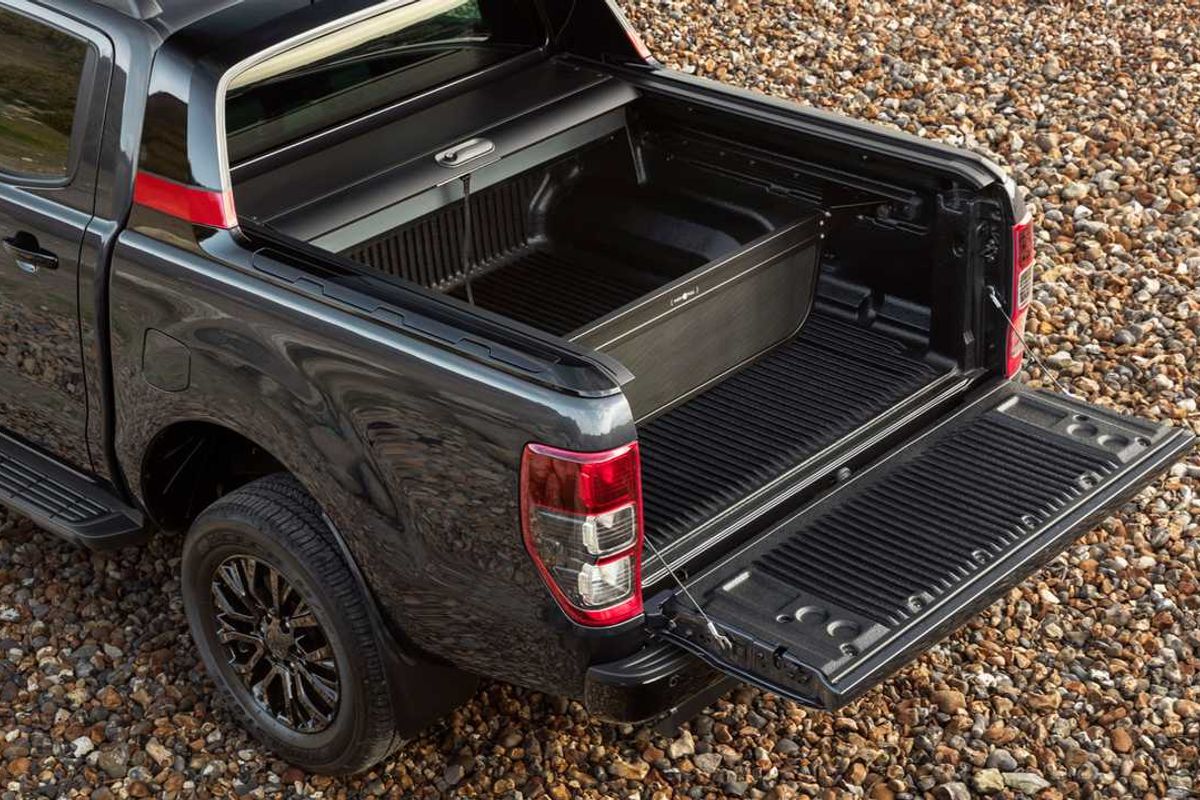
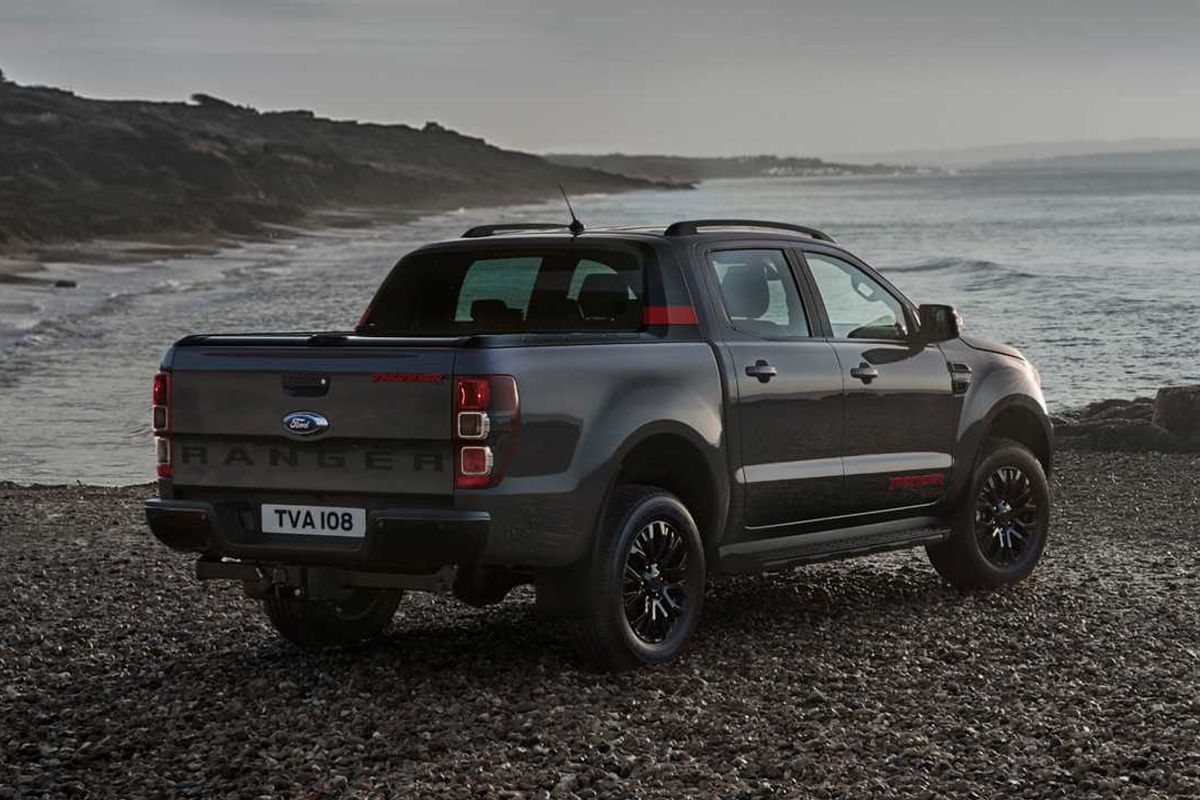
That reshaped grille and non-functional sportsbar in the back, both feature red detailing, whilst customers have a choice of loadbox accessories, including a roller cover or large utility stowage box. Front and rear lights receive darkened bezels and a ‘Thunder’ graphic, in red, takes pride of place on the lower portion of both front doors.

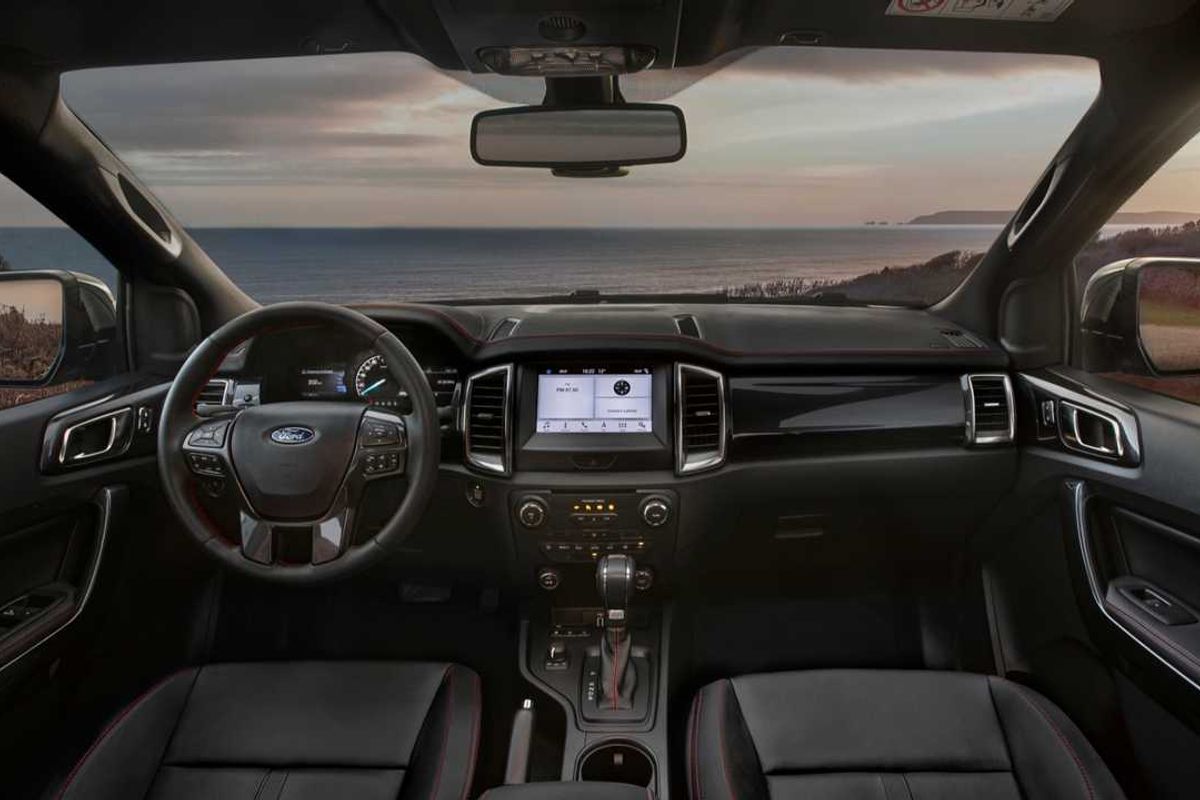
Darkened 18-inch alloy wheels roll in the Thunder’s wheel arches and there are skid plates, to protect it in technical off-road terrain. Inside the Ranger Thunder, there is branded seat embroidery and red contrast stitching. An open door also reveals sill plates with red illumination and black floor mats. The Ford Ranger Thunder also benefits from numerous practical additions in the load compartment too like a black roller shutter.

The Ranger Thunder is powered by either Ford’s 2.0-litre bi-turbo diesel engine, which delivers 157 kW and 500 Nm via a 10-speed automatic transmission, or the older 3.2 5-cylinder TDI motor. This special edition double-cab could be a sign of things to come as Ford tries to extend the T6 bakkie's life before the 2022 all-new Ranger takes its place.

Ford Ranger Thunder Price in South Africa (August 2020)

The new Ford Ranger Thunder comes with a 6-year/90 000 km service plan with intervals every 15 000 km. It is also offered with a 4-year/120 000 km warranty. 

2.0 BiT 10AT 4×2 R736 000

2.0 BiT 10AT 4×4 R787 000

3.2 TDCI 6AT 4×2 R711 600

Further Reading

A Ford Ranger for Rangers

Military-Spec Ford F-150 Revealed

R1.4m Buys a Ford Ranger Overlander

Building the Ford Ranger Raptor's Engine

Ford Ranger 2.0Bi-T DC 4×4 Wildtrak auto (2019) Review