Fuel Price Drop for September 2020

There's good news for SA motorists as the Automobile Association says that the majority of fuels will be coming down in price. Here's what you need to know. 

First, the good news. The retreat in oil prices has resulted in 95 octane petrol will be dropping by approximately 4 cents a litre, diesel will come down by 19 cents a litre and paraffin down by 24 cents. The bad news is there'll be a small increase in the price of 93 octane, which should go up by around 6 cents a litre. 

"The bad news for the month was the Rand, which pulled back from testing the R16.80 mark against the US dollar last month and headed towards R17.40 at mid-month, with a slight firming trend since. On average, exchange rate losses added around 17 cents a litre to next month's petrol price. The good news is that a steady performance from international oil prices has offset the Rand's weakness," notes the AA.

However, it's not happiness and motorists can be expected to pay more towards the end of September as the price of international product had increased in the last week of August. The AA also warns about the medium-term COVID-19 economic damage. "As the country comes to terms with the economic damage caused by the COVID-19 lockdown, there is also concern about government's ongoing policy uncertainty and levels of corruption as highlighted by the President," the Association says. "It notes that these failings affect investor confidence and, by extension, the Rand's strength, meaning the fuel price is higher than it should be, and will take longer than necessary to return to reasonable levels in the short to medium term."

Related Content

SA Petrol Price 2020 – Where Does Our Money Go?

5 Ways to Beat the Fuel Price Hike

Most Fuel Efficient Budget Cars in SA

Most Fuel-Efficient Double-Cab Bakkies in SA

5 Fuel-Saving Car Features & How They Work

Most Fuel Efficient Budget Cars in SA

Most Fuel Efficient Diesel Cars in SA

Most Fuel Efficient Petrol Cars in SA

Updated Toyota Yaris Shown

An updated Toyota Yaris has been revealed in Thailand. See what’s changed!

Toyota has given its Yaris hatchback a round of updates and while there are no mechanical changes, the exterior and interior of the Yaris has been mildly revised. 

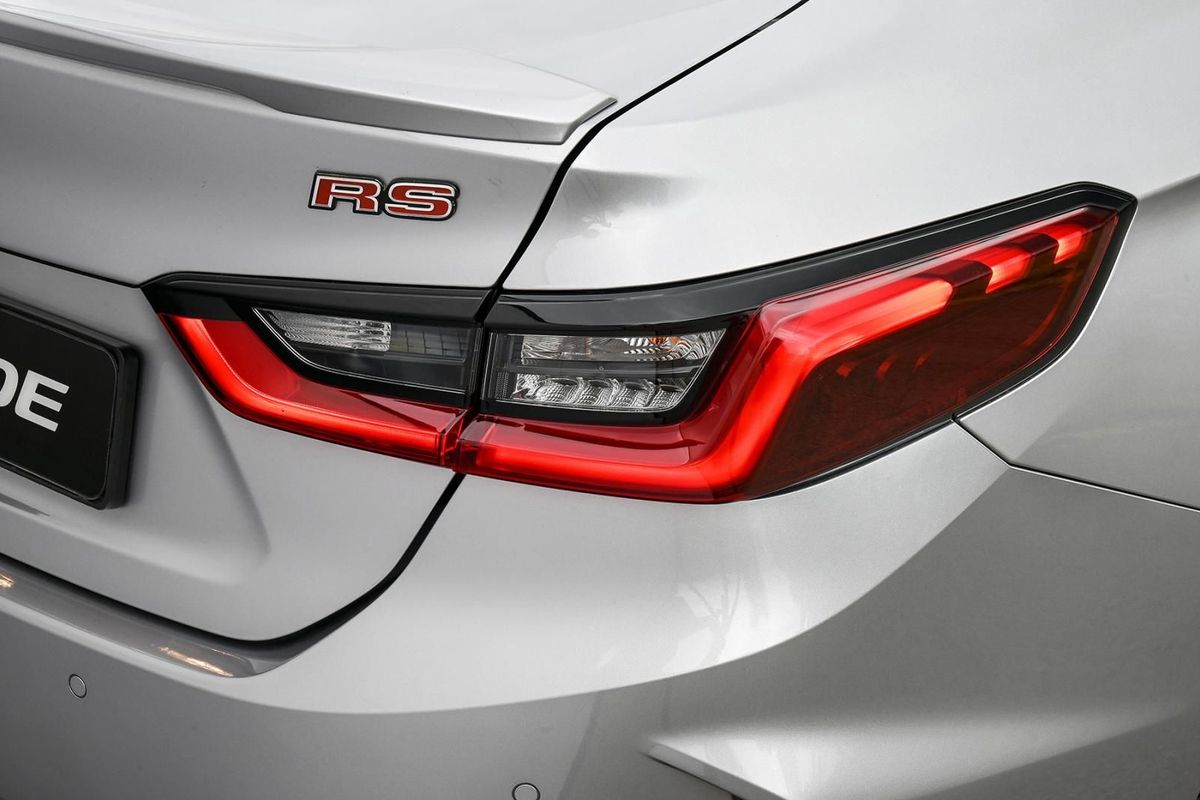
In terms of styling, the latest Yaris rides on newly-fashioned 15-inch alloy wheels while the front bumper has been revised along with the updated foglight housings. The images seen here show the Yaris in two-tone guise which is rather appealing. You might notice that the headlights are now a bit sharper-looking too. 

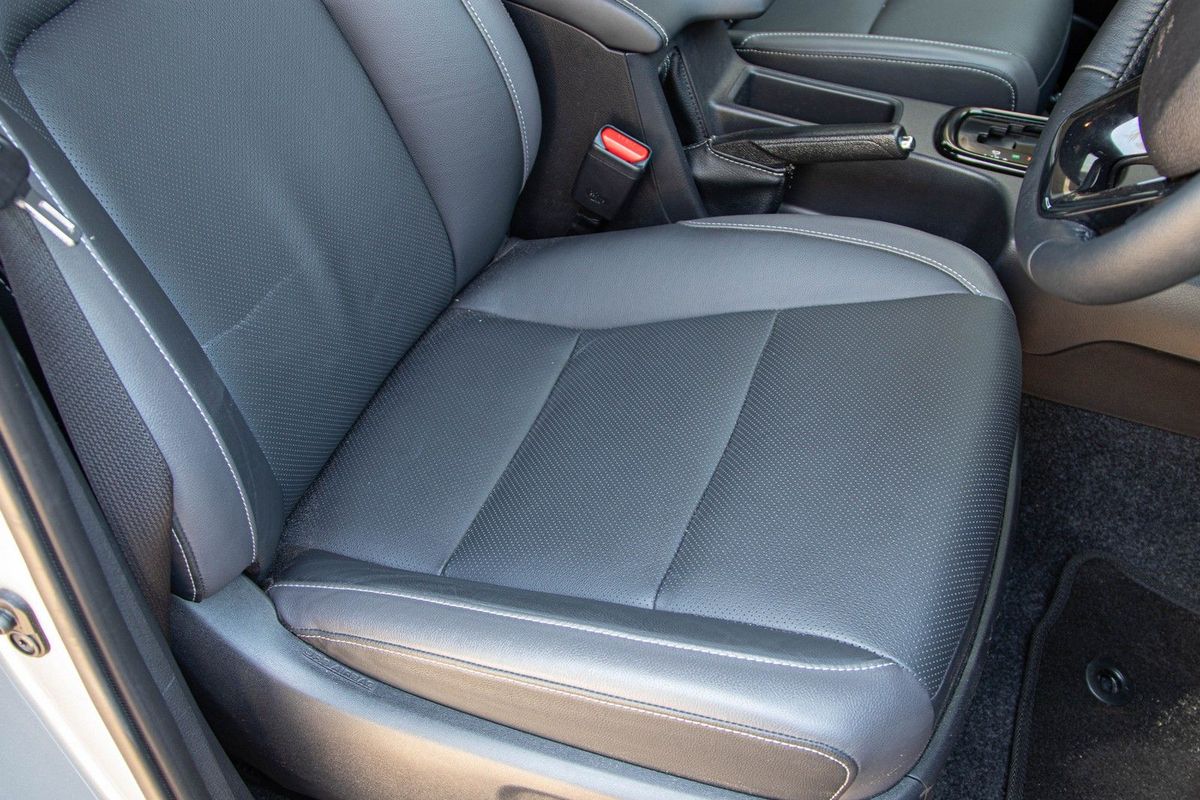
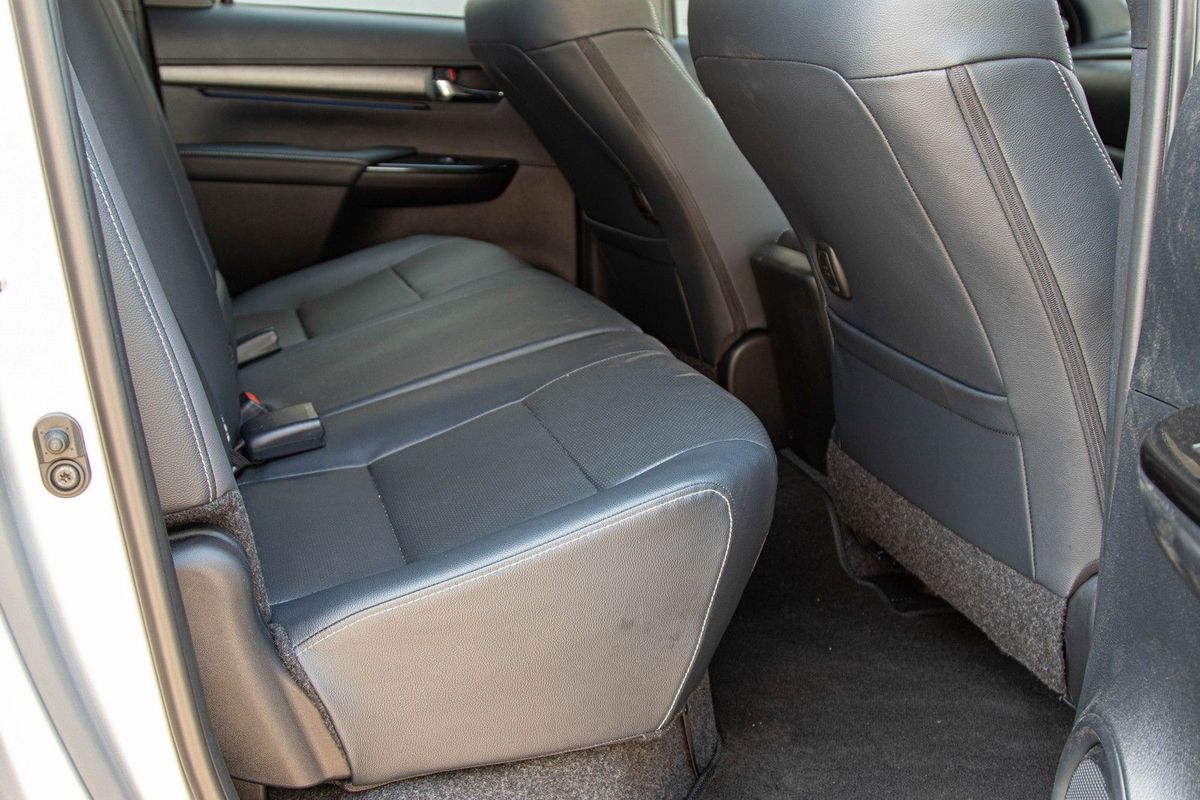
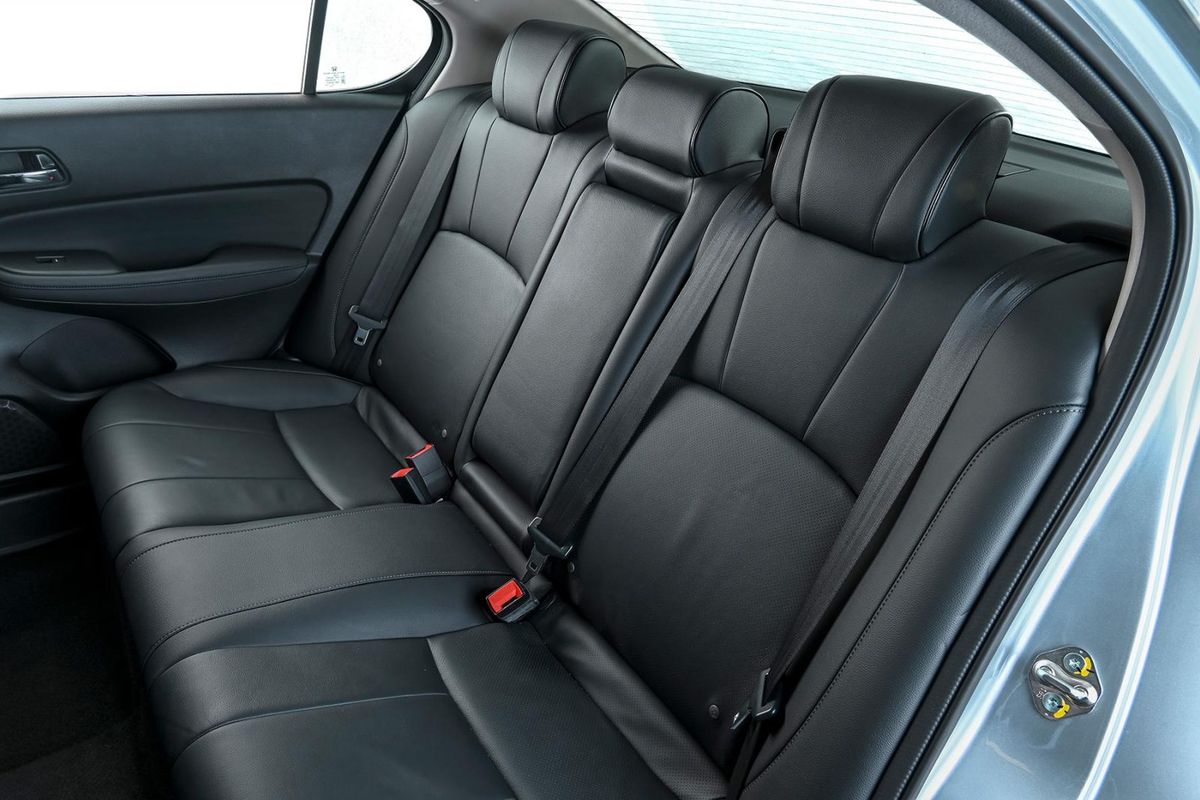
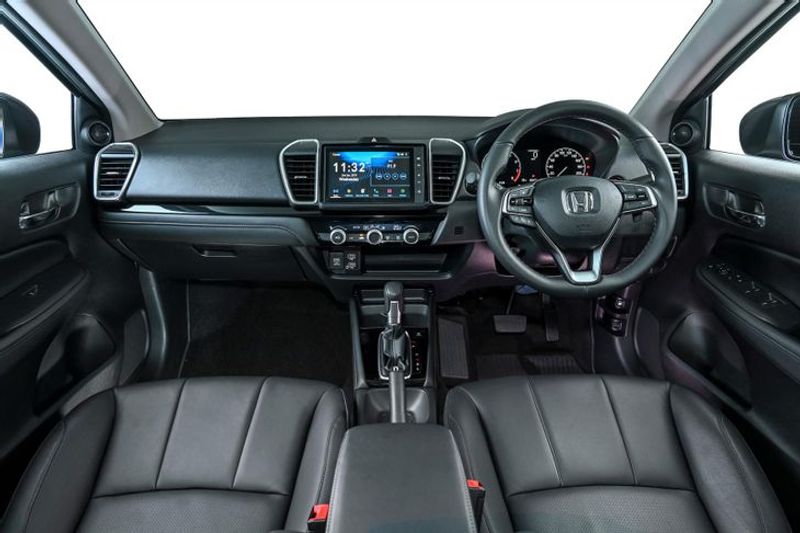
As for the interior, Toyota has installed an automatic dimming mirror as well as a revised instrument panel. Rear passenger also have access to a pair of USB ports for charging or connecting devices while leather upholstery further adds to the improvements inside the Yaris. 

The Thai-spec Yaris is equipped with Toyota Safety Sense which incorporates a pre-collision system, brake assist and hill-descent control. 

The South African- spec Yaris uses a naturally-aspirated 1.5-litre petrol engine with 79 kW and 140 Nm and can be had with a 5-speed manual or a CVT. In Thailand, the Yaris is powered by a 1.2-litre petrol engine with 68 kW and 109 Nm. 

We have reached out to Toyota South Africa to find out when the updated Yaris will reach local soil, but this has yet to be confirmed. As always, we will keep you updated. 

Buy a new or used Toyota Yaris on Cars.co.za

Related Content 

Toyota GR Yaris for SA in 2021

New Toyota Yaris Cross Revealed [w/video]


JLR to build its own V8 engines again

Ford stops building JLR V8 engines, JLR takes over.

It would be difficult to imagine Jaguar or Ranger Rover without the idea of V8 engines.

For both these storied British luxury car nameplates, the V8-powered models are where they make most of their profits. And for many years those engines have been supplied to Jaguar and Land Rover, by Ford.

This agreement has now run its course, with Ford deciding to close its Bridgend engine facility in Wales, creating a potential problem for JLR.

Although both Jaguar and Land Rover are committed to a future of hybridization and battery powertrains, for the next few years, the AJ-V8 engines will very much continue to feature. The design dates back to 1997 and has served both Jaguar and Land Rover tremendously well

Outside of Europe, with its strict emission regulations, many customers prefer their Jaguars and Range Rovers with V8 engines. This is especially true in America and the Middle-East, which are two crucial markets for JLR.

Desperate to not disrupt its V8 engine supply chain, JLR is about to embark on an industrial engineering intervention. It has agreed to purchase the machinery and tooling relevant to its V8 engine range, from Ford.

Not only will JLR now finally own the machines to make its own V8 engines again, but it will uplift these assets from Wales and rehome them in Wolverhampton, England. A buffer number of AJ-V8s have been built, to ensure that customer deliveries are not delayed during the transitioning period, which is scheduled for the end of September.

To ensure engine quality is not adversely influenced by the move, JLR is considering offering employment to some of the staff who worked on their V8 engines in Ford’s Bridgend facility.

Further Reading

Jaguar F-Pace SVR (2019) Review

Jaguar F-Type SVR (2016) First Drive [with Video]
Land Rover Working On V8-engined Defender

The New Normal, Podcast 2 – Car Dealerships of the Future

In the 2nd instalment of a 3-part series – brought to you in association with Absa – respected consumer journalist Wendy Knowler chats with NADA chairperson Mark Dommisse and Absa’s general manager of dealer relationships, Fulufhelo Mandane, about how changes to the way in which cars are being sold during the Covid-19 pandemic will shape the way vehicle dealerships do business in the future.

Wendy Knowler In the 1st part of the podcast series, Knowler discussed consumers’ appetite for car-buying during the lockdown and how the industry was responding to "The New Normal" as it applies to our relationship with cars with Naamsa CEO Mike Mabasa and Henry Botha from Absa Vehicle Finance. Click here to listen to that podcast

For the 2nd podcast, Knowler chats to Dommisse and Mandane about “The How”. A lot has had to change when it comes to buying a vehicle, especially with regards the need to be physically a part of the process, from comparing/test driving, signing documents and taking delivery of a car.   

Social commentators say Covid-19 has accelerated many trends by at least 3 to 5 years. Will most consumers be buying their cars totally online in future, or will dealerships continue to dominate the retail landscape, albeit in a modified form? How likely are the recent changes to become fairly permanent?

Dealers adapt to ‘The New Normal’

Mark Dommisse Mark Dommisse, the chairperson of the National Automobile Dealers Association (pictured left) says that due to the size and the fundamental nature of a vehicle purchase, it’s quite complicated (from regulatory point of view) to buy one totally online. However, much of the buying process is being done outside of dealerships; customers are liaising with salespeople a lot more (especially online) before they visit a dealership, and the required paperwork can be completed upon collection of the vehicle they bought.

Some dealers have presented test drives at prospective buyers’ homes, but remote demonstrations are not ideal because they don’t allow consumers to see and experience vehicles within context – models can’t be compared with other, potentially more suitable, products on the showroom floor, for example. In various ways, you can't quite get the same experience online as you would in a real showroom and besides, due to the threat of Covid-19, dealerships present a socially-distanced environment because they are relatively spacious and, because visits are generally by appointment only, there aren’t many people on the showroom floor at 1 particular time.  

Dealership floors might be quiet, which is not ideal for good business (of course), but they represent a safer space for customers. Even with minimal staff, dealers can manage the flow of people in and out of the building. They can take walk-ins, but it’s unlikely, especially during the week, that buyers will encounter a queue forming outside premises.

Dommisse told Knowler that most dealers were on about 50% work (sales staff, anyway), “so they'll come in every other day or they'll come in on shifts for half the day and then leave and then come in the next half a day, to ensure continuity”. For servicing, workshops “don’t have to stagger people in the morning, you try to stagger your appointments”. 

Convenience is king, so is safety

Fulu Mandane Doing things more online is bound to be received differently by respective age groups among new-vehicle buyers buyers. Knowler asked Absa’s general manager of dealer relationships, Fulufhelo Mandane (pictured) left, whether he’d noticed any differences in behaviour between younger buyers, “who tend to go with the flow”, and seasoned consumers “on their 10th car” who may not be adjusting easily to all the changes.

Mandane said the Covid-19 pandemic had certainly accelerated some pre-existing trends in the marketplace and that most dealers were embracing the online platforms to sales. Absa noted that more people were making maximum use of technology (where they can, at this stage), because some dealers can go through end-to-end with the sales process and only need to see the customer right at the end. In fact, it appeared people from various generations were embracing the process, because the concern right now is more around health: “they’d rather not take chance around that.”

There were a number of factors that contributed to this, including that digital natives (persons born or raised during the age of digital technology) would most likely adopt and accelerate the process of online-buying due to having much more confidence in the safety of the process. What’s more, banks have begun providing platforms through which buyers could sign online or at least eliminate the need to fill in a physical application… Customers feel much more comfortable doing that now than ever before.  

How will dealers operate in future?

Knowler further asked Dommisse whether the Covid-19 pandemic had accelerated the move towards scaling down of dealership premises in terms of numbers and size (against the backdrop of more aspects of the sales process being done online since lockdown). On the other hand, would the value of an interactive showroom experience and the manufacturer-stipulated servicing requirements of vehicles ensure that most sales would still be driven through dealerships?


In the future, car salespeople will be more like "dealmakers", who guide buyers through the entire process from start to delivery. 

Dommisse responded by saying the motor industry had learnt “we can do the same (as before) with fewer people”. Because dealerships have had to limit the number of sales and service staff that work at the same time, productivity had improved. And, as the process of selling vehicles becomes progressively more digital, buyers would want to deal with as few people online – throughout the process – as possible.

It would be ideal, he says, if a buyer could engage online with one person, who would advise them, sell them the car (including the finance) and, eventually, deliver the vehicle. That way, salespeople could evolve into empowered dealmakers: “Over time, you’ll see that process merge into a slicker process and we won't need big showrooms and fewer of them, but the workshops will remain,” he concluded.

Those who invest in tech will benefit first

During the Covid-19 lockdown we’ve seen an increase in digital identification and verification platforms where customers do not necessarily need to submit their FICA documents…­ they can just use a different technology platform to actually identify and verify who they are, Mandane says.


The technological investments that dealers make will only benefit their business the more the deal-making process goes online.

“If you factor in the technological investment that dealers have made in terms of their back-end systems, sales platforms, how they attract customers, marketing platforms, do they still need to call people or they can rely on website 'bots (and all those nice things that everyone’s been talking about)?

“We're moving closer to that environment because some dealers have already started embracing those technologies. Those who started earlier are reaping the benefit now, and the guys that haven't begun need to really accelerate the process ­– change occurs quickly in South Africa’s retail space,” he concludes.

The “cool-down period” – when does it apply?

Knowler, Dommisse and Mandane also discuss, in detail, the legal ramifications of car-buying without any visits to dealerships whatsoever, including the 5-day cooling-off period that applies to finance deals that were done online, as well as a number of other topics during the discussion.  

These questions all come up in the 15-minute discussion. Have a listen.

Related content:

The New Normal, Podcast 1 – Changes in SA's car-shopping patterns

New Car Specs & Test Drives

Search for Used Cars on Cars.co.za

Car Finance – tips to help you save

Use Cars.co.za's car-finance calculator

Lister Stealth is Britain’s Fastest SUV

Renowned Jaguar tuner reveals its enhanced F-Pace SVR. Badged as the Lister Stealth, the company claims it is “Britain’s fastest and most powerful SUV”.

Earlier this year, we brought a story of Lister teasing its new product and now it has been fully revealed. 

Based on the Jaguar F-Pace SVR, a vehicle we're familiar with and adore, the Lister Stealth takes that recipe and enhances it. Because a 5.0-litre supercharged V8 SUV with 405 kW isn't enough, obviously. 

The Lister Stealth boasts upgrader supercharger componentry, performance air intake, customer intercooler and an enhanced engine software package. It now pushes out 497 kW and 720 Nm, and Lister reckons the additional power shaves the 0-100 kph down to 3.6 seconds. Top speed is rated at 314 kph, which is faster than the standard SVR's 283 kph. 

As for that 'fastest and most powerful SUV in Britain' claim, Lister said it beat the Lamborghini Urus, Aston Martin DBX and Bentley Bentayga at a testing ground. 

Visually, it's quite an aggressive-looking thing with custom carbon fibre front and rear bumpers, properly flared wheel arches and a large rear diffuser. Rounding off the exterior are 23-inch Vossen alloy wheels. Inside, you can get some tasty sports seats, steering wheel and seatbelts, with Lister badging on them. There'll be just 100 of these mental super SUVs made and Lister claims there are 36 colour choices and 90 different stitching options, so you can personalise your Stealth to your heart's content.

Lister Stealth Video


Further Reading

Angry Lister Stealth Teased [w/video]

Jaguar F-Pace SVR (2019) Review

Jaguar F-Pace SVR Unleashed in SA

Spy Shots: 2021 Porsche 911 GT3 RS

Porsche is putting the finishing touches on the latest version of the iconic 911 GT3 RS. Our spy photographers snapped the new one on the roads around the Nurburgring.

Picture credit: S. Baldauf/SB-Medien. We have paid for these photos and at the photographer's request, have watermarked them.?

The Porsche 911 GT3 RS is Stuttgart's offering to those who want a road-legal racecar. Just when you think the outgoing 991-generation GT3 RS couldn't get any more hardcore, these spy photos show the new model means business.

Look at the size of the rear wing, the massive air intakes in the front bonnet and front wheel case. Lurking over the rear axle is expected to be an upgraded version of the 4.0-litre naturally-aspirated flat-6 engine. In its current 991-gen form, it delivers 383 kW and 465 Nm, but this new model is expected to pack over 400 kW. 

This new 992-generation GT3 RS is expected to be revealed by the end of 2020. 


Look at the size of this wing!

Further Reading

Porsche 911 Turbo (2021) Specs & Price

Porsche 911 Targa (2020) Specs & Price

Porsche 911 Range Explained

Porsche 911 GT3 RS Revealed [w/Video]


2021 Porsche Panamera Revealed

Porsche has revealed the updated Panamera range. Here’s a look at the changes.

Despite the onslaught of the SUV and subsequent success of both Macan and Cayenne, Porsche reckons there’s still a market for the sedan. For the 2021 model year, Porsche has overhauled its Panamera range.

This is a facelift so the design has been given the subtlest of updates. There are new larger side air intakes as well as changes to the head and tail lights. There are new colours and 3 new 20- and 21-inch alloy wheel designs to choose from.

Inside and in terms of digital connectivity, the Porsche Communication Management (PCM) now features additional functions. The online voice control has been improved, Risk Radar for up-to-date road sign info and wireless Apple CarPlay has been introduced.

In terms of safety tech, Lane Keeping Assist with road sign recognition is standard, as well as Porsche InnoDrive including adaptive cruise control, Night Vision Assist, Lane Change Assist, LED matrix headlights including PDLS Plus, Park Assist including Surround View and a heads-up display.

For the performance fanatics, the flagship model is the new Porsche Panamera Turbo S, which comes to market with a 463 kW and 820 Nm from an updated 4.0-litre biturbo V8. An 8-speed PDK is offered. 0-100 kph is dispatched in just 3.1 seconds and it will hit a top speed of 315 kph. It was this model that blitzed the 20.832 km Nurburgring lap in 7:29.81 minutes.

Other models on offer are the Panamera 4S E-Hybrid with 412 kW and 750 Nm, with the pure electric range boosted by 30% to a range of 54 km. Despite being a hybrid, there’s no compromise when it comes performance and it’ll hit 100 kph in 3.7 seconds. Power comes from a twin-turbocharged 2.9-litre V6 mated to a 17.9 kWh battery.

The Porsche Panamera GTS has also been updated and features a V8 biturbo motor with 353 kW and 620 Nm, which is 15 kW more than the predecessor. Also available is the Panamera and Panamera 4, both of which feature the 2.9-litre V6 petrol engine with 243 kW and 450 Nm.

Porsche says its new Panamera will be hitting German showrooms by October 2020. South African availability is yet to be confirmed.

2020 Porsche Panamera Highlights Video

Further Reading

Facelifted Porsche Panamera Claims ‘Ring Record

Porsche Panamera 4S (2017) Video Review

Porsche Panamera Sport Turismo (2017) International Launch Review

Porsche Taycan Turbo S (2020) Launch Review

The Cars.co.za Podcast, Ep 3 – Renault Megane RS300 Trophy, Subaru Forester buyers guide, Ekranoplan

Welcome to an all-new type of content from Cars.co.za, our first ever podcast! This however is a podcast with a difference, as you get to watch us in-studio as well as listen to our pearls of wisdom.

In this episode, Ciro de Siena is joined by Cars.co.za content creator Dave Taylor and they chat about driving the SentiMETAL fleet’s 325 iS, the bonkers Renault Megane RS300 Trophy, buying a Subaru Forester as well as a crazy piece of Cold War era military hardware called an Ekranoplan.

Read the Renault Megane Trophy review here:

https://www.cars.co.za/motoring_news/renault-megane-rs-300-trophy-2020-review/49648/

Search for a new or used Subaru Forester here: 

https://www.cars.co.za/usedcars/Subaru/Forester/

Incredible photos of the Russian Ekranoplan parked on a beach, awaiting transportation to its museum destination: https://www.instagram.com/p/CDlqdzpgnpp/

Sneaking aboard the Russian Ekranoplan and taking photos. This article is in Russian, but the Google Chrome browser can automatically translate it: https://zen.yandex.ru/media/lanasator/ekranoplan-lun-proekta-903-v-derbente-udalos-oboiti-ohranu-i-popast-vnutr-5f30e9b9bbe8572b801cebe9

Watch episode 1 here:

https://youtu.be/AFpbr4jgs_c

Watch episode 2 here:

https://youtu.be/KOQHIiCLbRc

Ford Everest Range Updated in SA

Ford South Africa has updated its 7-seater Everest adventure SUV range with the addition of a new 4×4 XLT derivative and a specification upgrade. See details below…

The formidable Ford Everest does battle against rivals such as the Toyota Fortuner, Isuzu MU-X, Haval H9 and the soon-to-be-discontinued Mitsubishi Pajero Sport. Now, Ford has bolstered the local range with a new Everest XLT 4×4 derivative featuring the proven 2.0-litre single-turbocharged diesel engine which offers 132 kW and 420 Nm.

“This new derivative slots in perfectly between the existing XLT 4×2 with the same 2.0 Single Turbo engine and the powerful 157kW 2.0 Bi-Turbo derivatives, thereby offering the ideal combination of sure-footed all-terrain capability along with exceptional fuel consumption and superb value for money,” says Doreen Mashinini, General Manager Marketing at Ford Motor Company of Southern Africa (FMCSA).

This engine is mated with Ford’s 10-speed automatic transmission which features Progressive Range Select (PRS) which affords the driver better control in slippery condition or when traversing steep gradients or when towing. 

In conjunction with Ford’s Terrain Management System, the driver can switch between various 4×4 modes including Normal, Rock Crawl, Mud and Sand. A rear differential lock is standard. 

The Everest XLT 4×4 is equipped with LED headlights (which is now also offered on all XLT derivatives and the range-topping Everest Limited) and an 8.0-inch SYNC3 infotainment system with integrated navigation and Apple CarPlay and Android Auto functionality.

Safety features include front and rear parking sensors with a rearview camera, Electronic Stability Control (ESC) system with Traction Control (TC), Trailer Sway Control (TSC), Hill Start Assist (HSA), Hill Descent Control (HDC) and a Category 1 Thatcham alarm. 

Ford Everest (2020) Price in SA

2.2 TDCi XLS 6AT 4×2 – R552 500

2.0 SiT XLT 10AT 4×2  – R637 800

2.0 SiT XLT 10AT 4×4 – R679 400

2.0 BiT XLT 10AT 4×2  – R693 300

3.2 TDCi XLT 6AT 4×4 – R715 300

2.0 BiT XLT 10AT 4×4 – R744 500

2.0 BiT Limited 10AT 4×4 – R819 400

The Ford Everest is sold with a 4-year/120 000 km warranty, 6-year/90 000 km service plan, 3-year/unlimited roadside assistance and 5-year/unlimited km corrosion warranty. 

Buy a new or used Ford Everest on Cars.co.za

Related Content


Volkswagen Transporter T6.1 (2021) Specs & Price

Volkswagen Commercial has revealed specifications and pricing for its facelifted Transporter range. Here's all you need to know about the latest version of the iconic Kombi. 

With the range comprising a single and double-cab pickup, panel van, crew bus, Kombi, Caravelle and California, the T6.1 update brings news styling, cabin updates, connectivity enhancements and a selection of powertrain choices.

The Transporter series of vehicles has been on sale for 6 decades and with 12 million sales under its belt, it's quite an achievement. 

What's new for T6.1?

At first glance, you can clearly see the changes to the T6.1 with the new-look grille and bumper, as well as extensive chrome detailing. There are also new LED daytime running lights. Volkswagen is offering a choice of 6 new wheel designs, 6 new colours and 7 2-tone paint finishes. 

Inside, the cabin's practicality has been rejigged to include an additional shelf in front of the driver as well as a larger tray for a smartphone. A wireless charging pad is now available, albeit as an option. Volkswagen has also introduced a new steering wheel. 

The whole infotainment system has been reconfigured and all models come with a Composition Colour radio system, with the Caravelle and California featuring the high-spec Discover Pro Media system with standard navigation. Volkswagen has fitted its 10.25 inch digital display to the T6.1 and it's fitted as standard equipment in the Caravelle Highline and California 

In terms of safety, the T6.1 is available with Electronic Stability Control (ESC), Automatic Post-Collision Braking (also standard), Hill Start Assist, Hill Descent Assist (for 4MOTION all-wheel drive), Tyre Pressure Loss Indicator, Lane Assist, the standard cruise control system inclusive of speed limiter and parking assistant Park Assist. Optional safety systems include Trailer Assist and the advanced main-beam control system Light Assist.

Under the skin, Volkswagen says it has introduced electro-mechanical power steering to the T6.1 range. 

Engines and Transmission options

The Volkswagen T6.1 range will come to market with 3 2.0-litre turbo diesel motors. Kicking off the range is the 2.0-litre TDI with 81 kW and 250 Nm. It has a 5-speed manual gearbox and in terms of consumption, it'll return 7.9 L/100 km in the Pick Up, 7.5 L./100 km in the Panel Van and 7.3 L/100km in the Crew bus and Kombi. 

The next engine up is the 2.0-litre TDI which delivers 110 kW and 340 Nm and is available with a 7-speed gearbox. It consumes between 8.0 L/100 km and 8.3 L/100km. 

At the top, the 2.0-litre BiTDI punches out 146 kW and 450 Nm, and is available with a 7-speed DSG. 

T6.1 Detailed Specifications

T6.1 Pick Up

The Pick Up, which can be ordered as a single or double cab variant, is the workhorse of the Commercial Vehicles range. The Pick Up is only available with a long wheelbase which offers a sizeable cargo loading bed of 5.7 square metres for a single cab. The height of the aluminium side panels, which can be dropped down on every side, is 39 centimetres. The double cab provides a cargo bed of 4.2 square metres. In the double cab there is storage space under the rear bench seat.

T6.1 Panel Van

Such is the strength and rigidity of the Transporter’s body that it can be fitted with two sliding doors. A left-hand door is standard, with a right-hand door available as an option. With a low load bed, maximum opening width of 1 700mm and maximum load height of 1 410mm, the Panel Van is designed to make work easier. All Panel Van derivatives provide a spacious load compartment with a volume of 6.7m³.

T6.1 Crew Bus

The biggest difference between the Crew Bus and the Panel Van is that the Crew Bus has a single front passenger seat as well as removable rear seating for a further three passengers, whereas the Panel Van only has seats for the driver and front passenger.

The Transporter Crew Bus offers three options of engines in addition to the choice of wheelbases. Access to the rear passenger area is through a double near-side glazed sliding door, while at the rear there’s a glazed tailgate with heated window and wash-wiper. Featuring a robust rubber floor covering throughout the cab and cargo area, as well as four load-lashing rings in the cargo area, the Crew Bus’ flexible interior can be transformed in seconds from a comfortable five, six, eight or ten-seater, into a spacious delivery van.

T6.1 Kombi

The T6.1 Kombi, the best-seller in the range, is being offered in two model lines: the Trendline and the top-of-the-range Trendline Plus. The Kombi’s interior trim is in Titanium Black in all model lines, as are the seat covers in the standard version. The door handles are in chrome. In addition, the Kombi is embellished inside in all models by chrome-look trim and black instrument visors. Even on the base Trendline version, the Kombi’s bumpers are painted in the vehicle body colour. In the Kombi, the Circuit fabric is used as standard. The backs of the seats are also equipped with two new pockets to create space for gadgets such as smart phones.

T6.1 Caravelle

Volkswagen Commercial Vehicles covers a huge variety of possible uses with the Caravelle – from a large taxi to an elegant shuttle bus. The Caravelle is only being offered as a Highline model.

The T6.1 Caravelle Highline leaves the factory in the German city of Hannover with a chrome-look trim (in the air vents, the spokes of the multi-function steering wheel and as edging around the gear lever), black sun visors, decorative strips in the Pewter Wave Grey pattern (instrument panel and door panels) and leather seats in Nappa leather. Standard features of the Highline include; 17-inch Woodstock black diamond-turned alloy wheels, electrically adjustable, heated and folding exterior mirrors, digital cockpit, ‘Discover Pro’ with 10.25-inch touch screen, Wireless App-Connect and USB, Crosswind Assist, Side Assist (blind spot monitoring), centre table and Trailer Assist with Park Distance Control in front and rear and a rear view camera. Optional features include the cooler box with an additional battery and Adaptive Chassis Control.

T6.1 California Coast

More than 18 000 California’s are sold internationally each year, thus making the California the number 1 camper van. Both a camper and a van, it is ideal for big trips and daily journeys. Volkswagen Commercial Vehicles has further refined the top seller; the living and sleeping areas of the camper van have been carefully enhanced and optimised.

Volkswagen Transport Price in South Africa (September 2020)

The updated T6.1 range will be hitting showroom floors from January 2021. The Volkswagen Commercial Vehicles Pick Up, Panel Van and Crew Bus range comes standard with a 3-year/60 000 km Easy Drive Service Plan, 2-year/unlimited km manufacturer warranty. The Kombi, Caravelle and California range comes standard with a 5-year/ 60 000km maintenance plan and a 3-year/ 120 000km manufacturer warranty.  The entire T6.1 range comes standard with a 12-year anti-corrosion warranty. The service interval is 15 000km.
T6.1 Pick Up

Single Cab 2.0 TDI 81kW LWB                                     R412 800

Single Cab 2.0 TDI 110kW 4MOTION® DSG® LWB      R466 100

Double Cab 2.0 TDI 81kW LWB                                               R485 300

Double Cab 2.0 BiTDI 146kW 4MOTION® DSG® LWB             R590 800

T6.1 Panel Van

2.0 TDI 81kW LWB                                                                  R530 600

2.0 TDI 110kW DSG® LWB                                                      R568 700

T6.1 Crew Bus

2.0 TDI 81kW LWB (10-seater)                                               R612 000

2.0 TDI 110kW 4MOTION® DSG® LWB (5-seater)                   R639 000

2.0 BiTDI 146kW 4MOTION® DSG® (5-seater)                        R710 500

2.0 BiTDI 146kW 4MOTION® DSG® LWB (8-seater)   R752 700

T6.1 Kombi

2.0 TDI 81kW Trendline                                            R697 700

2.0 TDI 110kW DSG® Trendline                                R726 000

2.0 BiTDI 146kW 4MOTION® DSG® Trendline Plus     R871 800

T6.1 Caravelle

Highline 2.0 BiTDI 146kW 4MOTION® DSG®             R1 149 400

T6.1 California

California Coast 2.0 BiTDI 146kW 4MOTION® DSG® R1 196 500

Further Reading

Volkswagen Caravelle 2.0BiTDI Highline 4Motion (2019) Review

VW California Ocean Better Than Airbnb

5 Reasons Why We Love the Volkswagen Kombi
Volkswagen Previews New California 6.1