Turbocharged 1JZ E30 – One of the best engine swaps we’ve seen
In another episode of the Launch Control series, we see what happens when you toss a turbocharged Toyota 1JZ engine into a BMW E30 chassis.
Marck Williams didn't build this car to go racing, he built it to enjoy it. Starting off with a BMW E30 316 coupe body, over the course of 2 years, Marck rebuilt the car and executed a superb engine swop, fitting and turbocharging a 1JZ motor.
The result is one of the best local builds we've come across. With a 5-speed manual, it's hugely engaging to drive, and with around 300 kW on the wheels, it is properly, properly quick.
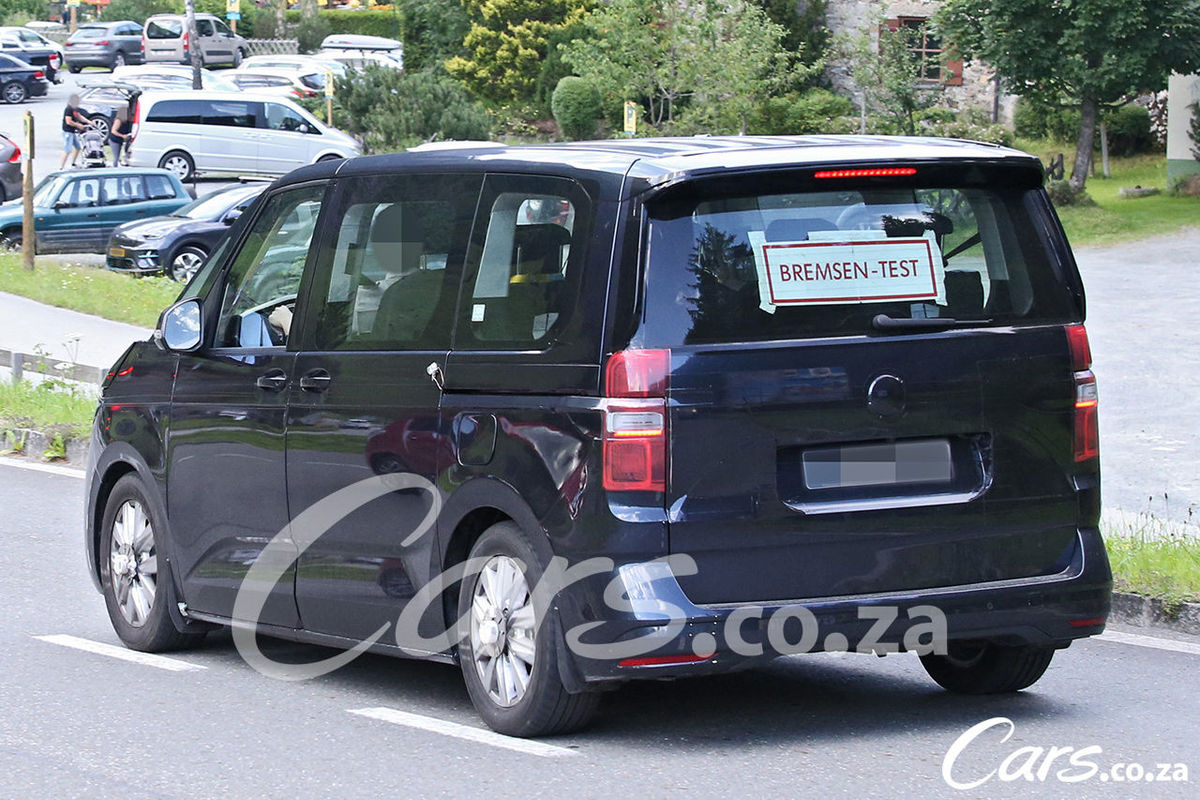
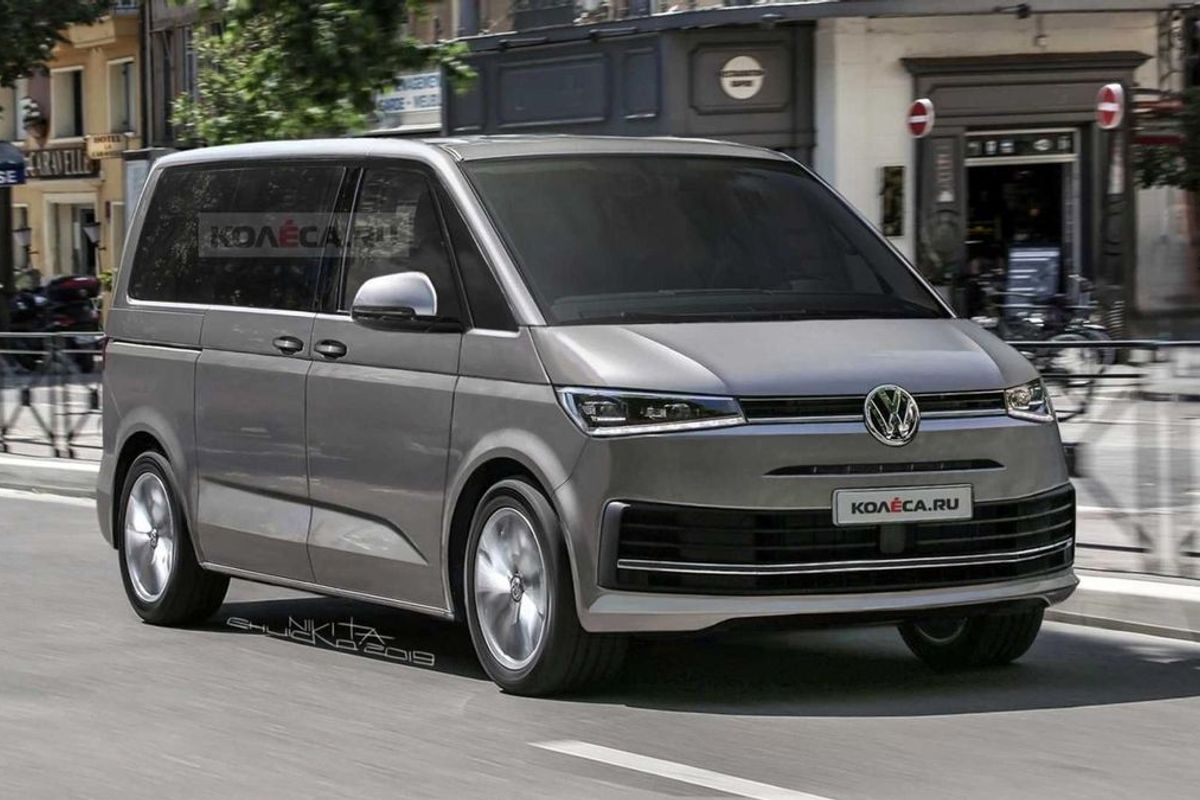
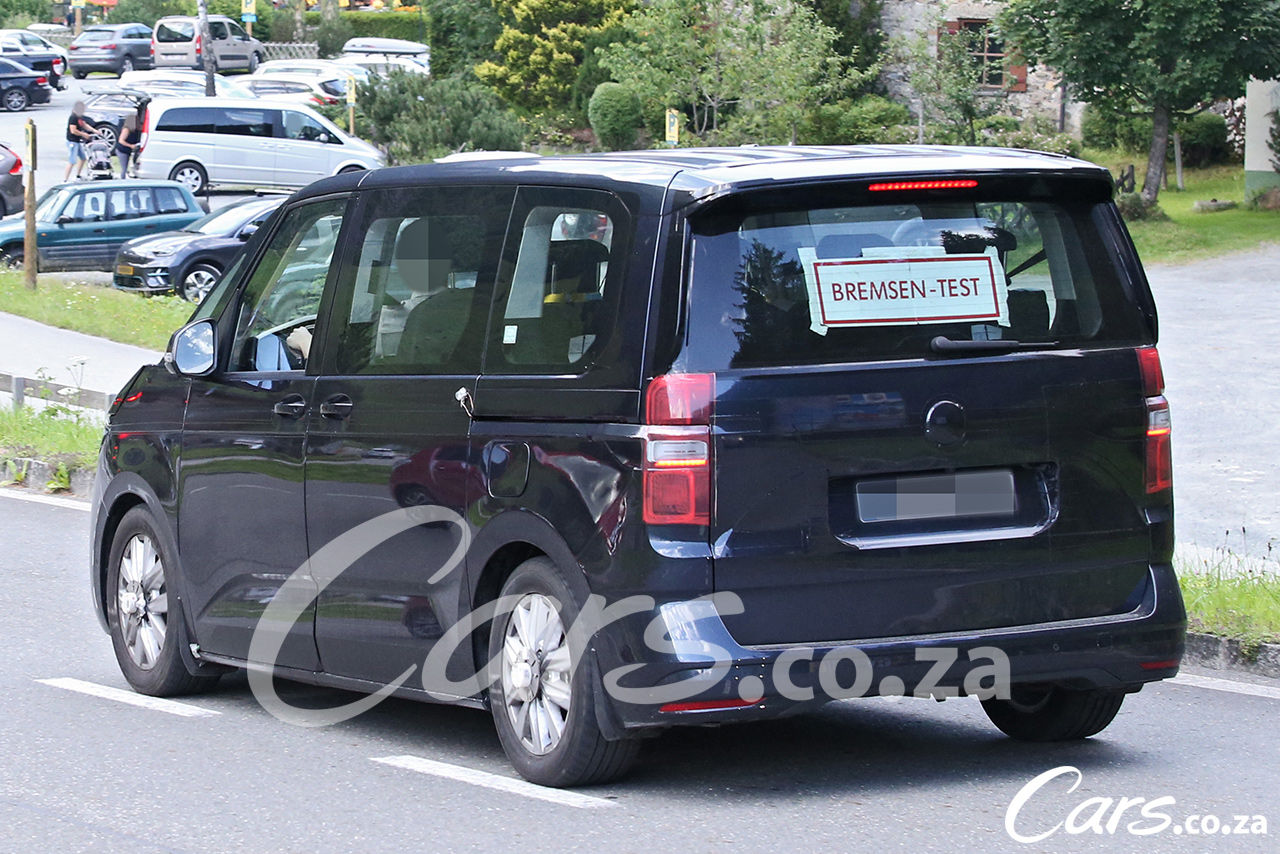
New spy photographs of Volkswagen's all-new T7 van have surfaced. Here's what we know so far about the next-gen VW bus.
Picture credit: S. Baldauf/SB-Medien. We have paid for these photos and at the photographer's request, have watermarked them.
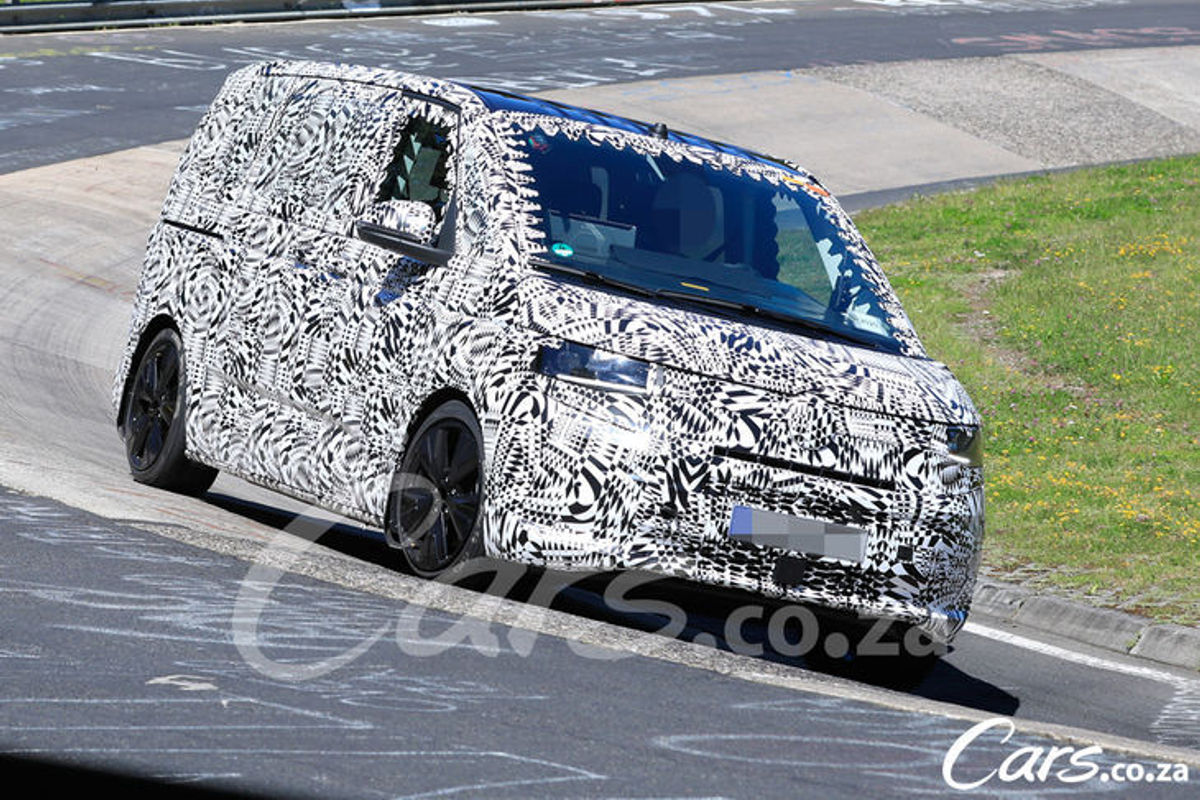
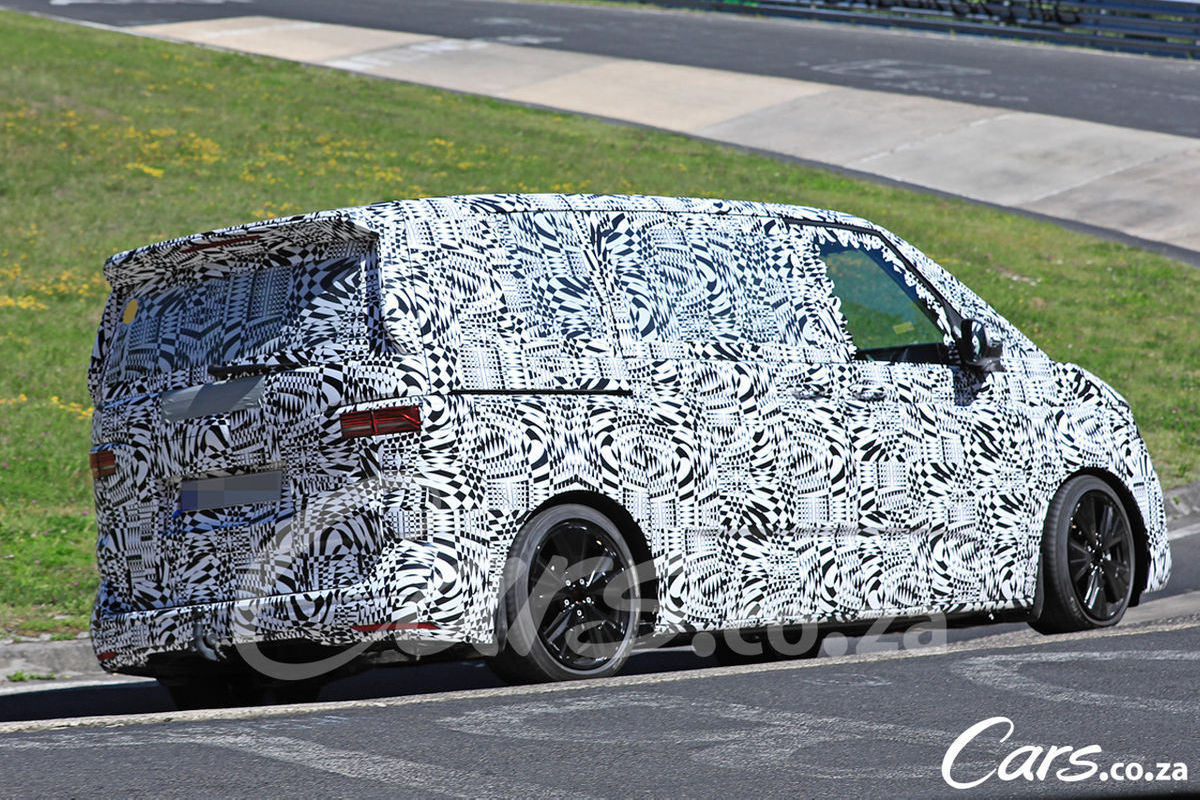
Back in June 2020, spy shots of an all-new T7 bus (dressed in heavy camouflage) tackling the infamous Nurburgring track emerged, which was an odd sight but its a great test of not just engine and performance, but brakes, suspension, ride quality and much more.
At the time, the side rear windows were covered up which implied that VW was putting the panel van derivative through its paces. What's more, is that a well-disguised charging port on the front right fender indicates that a plug-in hybrid is on the cards.
Now, however, these latest spy shots show the passenger version of the new T7 almost undisguised, giving us a good idea of what to expect in terms of styling. It's expected that the panel van version will be revealed and launched alongside the passenger-focused Caravelle.
A plug-in hybrid would give the Volkswagen T7 an advantage as it would be able to travel in a pure-electric mode for a few kilometres. With many European cities banning internal combustion engine cars, having some form of emissions-free capability helps immensely. As far as engines go, the Volkswagen Group has plenty of electrified powertrains to fall back on. We suspect something like the turbocharged petrol 4-cylinder mated to an electric system would be a winner. If you're wanting petrol and diesel, we're pretty confident Volkswagen will be offering such along with the electrified options.
It's worth noting we're unlikely to see an all-electric Caravelle as Volkswagen has promised it will make a production version of the ID Buzz all-electric minivan. We expect the new Volkswagen T7 to be revealed before the end of 2020.
No brand is more closely associated with the #Vanlife movement, than VW.
The German company’s T-Series vans have launched a million adventurous journeys, but not everyone has the budget to embrace its latest T6 California.
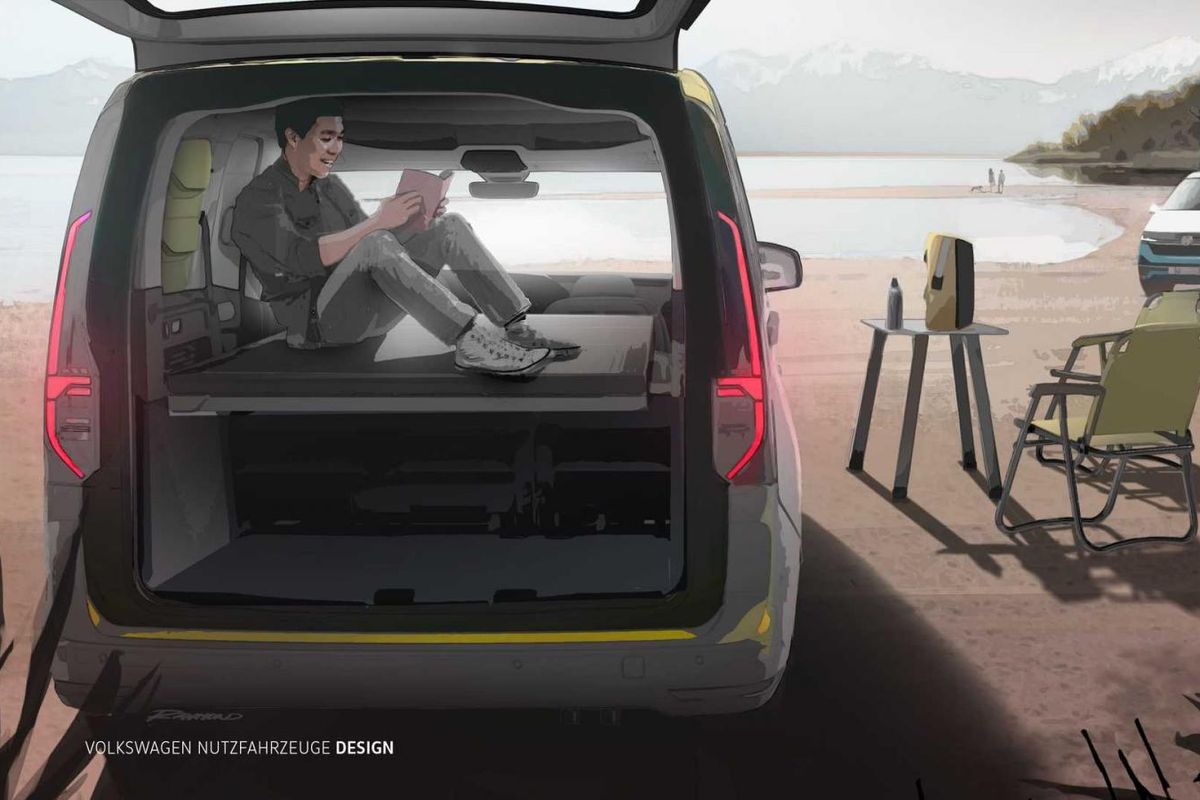
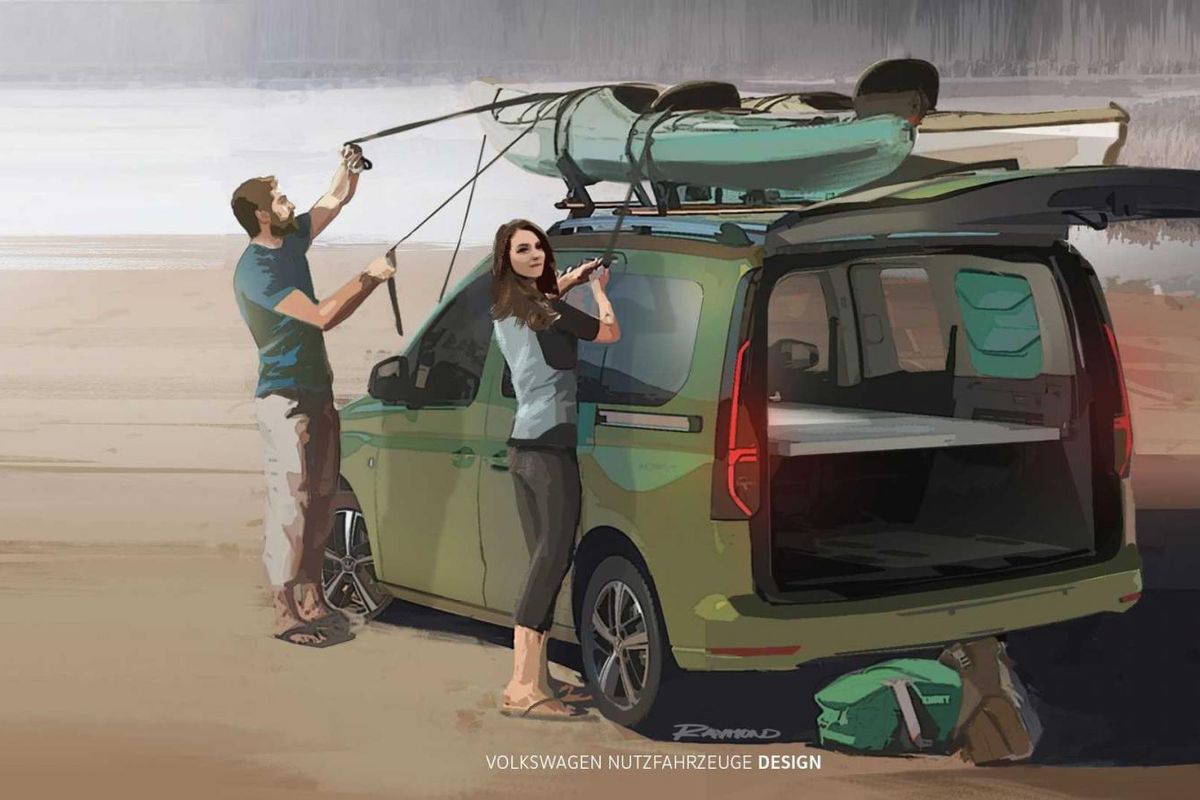
For those VanLife acolytes who desire a more affordable sleeper van, VW will soon have a solution. Using the fifth-generation Caddy as a platform, VW’s designers and engineers are attempting to repackage some of the live-in convenience encountered in their larger vans, within a more compact vehicle.
The design goal is to deliver a Caddy to market which is as comfortable to overnight in, as the California.
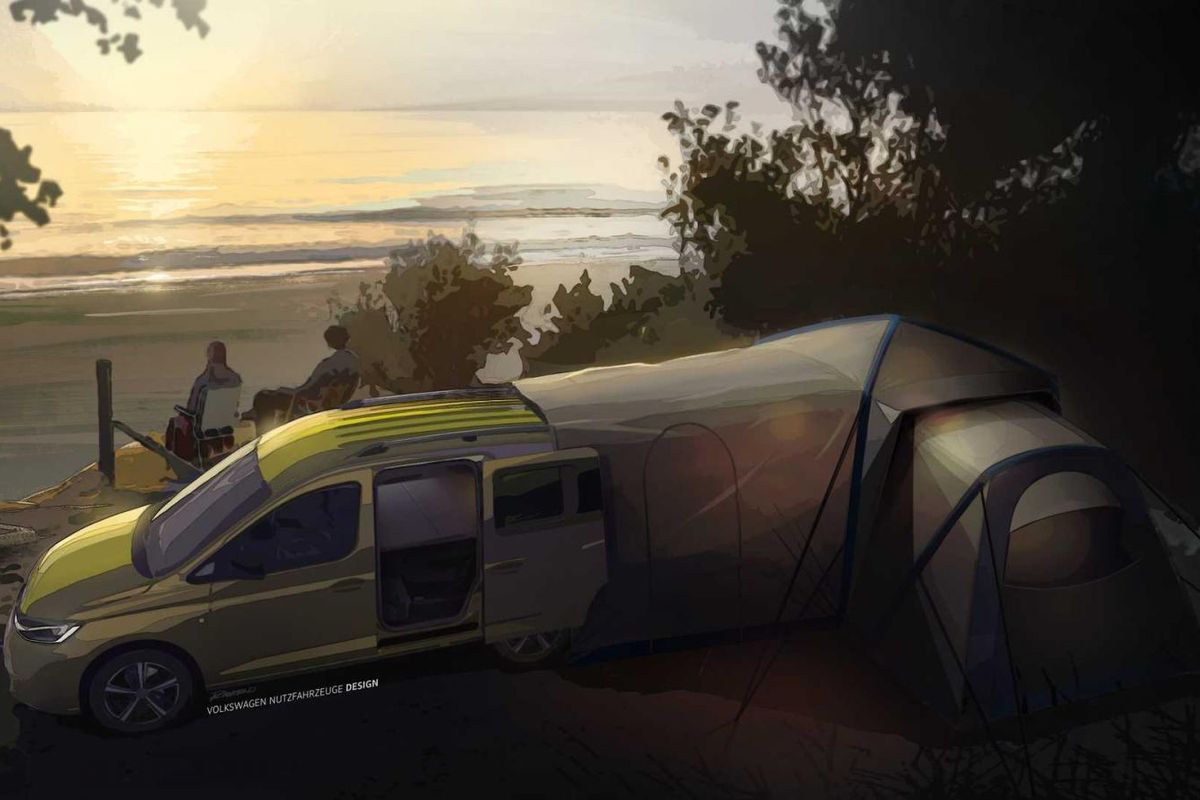
If you are expecting a clever roof tent with an integrated mattress section, you will be disappointed. VW’s Caddy Camper will feature an attachable tent section, which effectively attaches to the van’s open tailgate, creating a walkable living space. There is a deployable bed option, which measures an adequate 2m in length.
There are not many details about the cabin architecture changes, but VW is expected to source stowable camping chairs and tables, which will not take up too much space when not in use.
VW’s conventional Caddy roof structure is replaced with a panoramic glass surface, which should make for quality star gazing, on a Karoo night. For those who fear the radiation or heat stroke that a panoramic roof can deliver in South African summer conditions, there are dimmable panels.
The promise is that no less than 19 drive assistance and safety features will be standard on the new Caddy Camper. Engine options are 2 turbodiesels, boosting 55- or 90 kW, or a single 84 kW turbopetrol.
VW is expected to reveal the production version of its new Caddy Camper in September 2020.
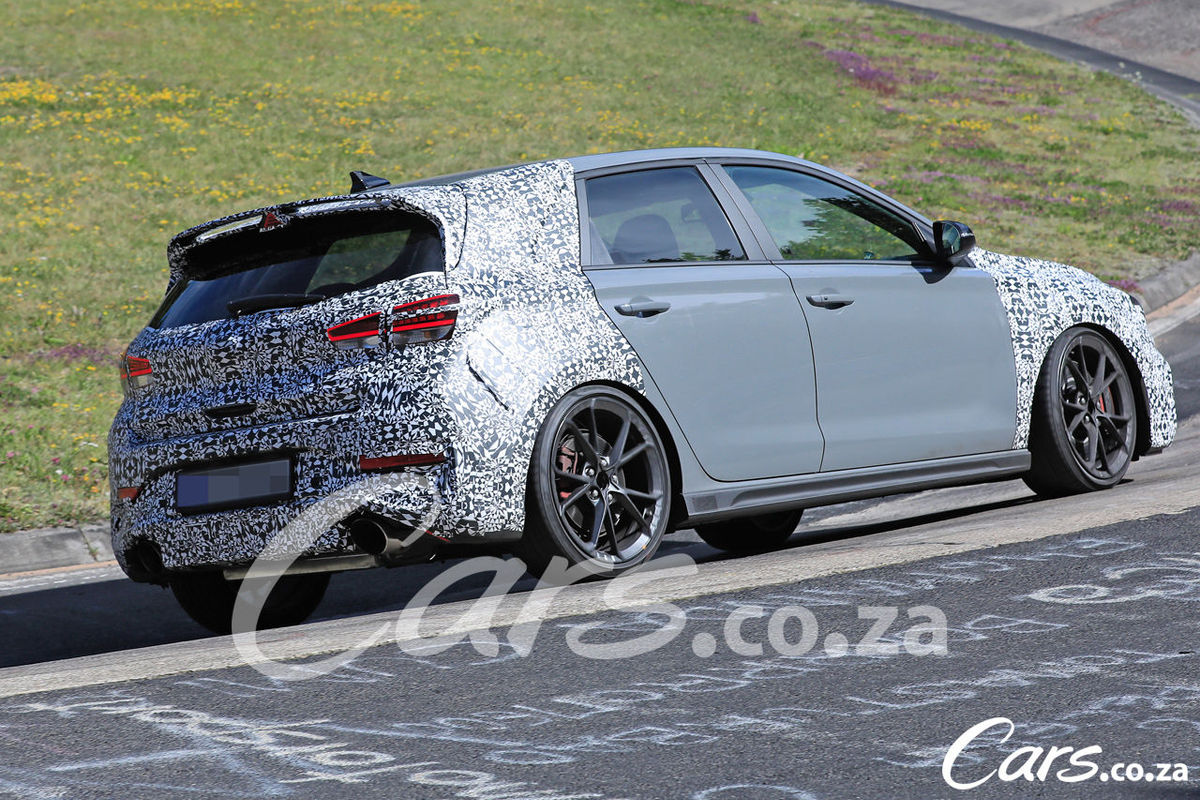
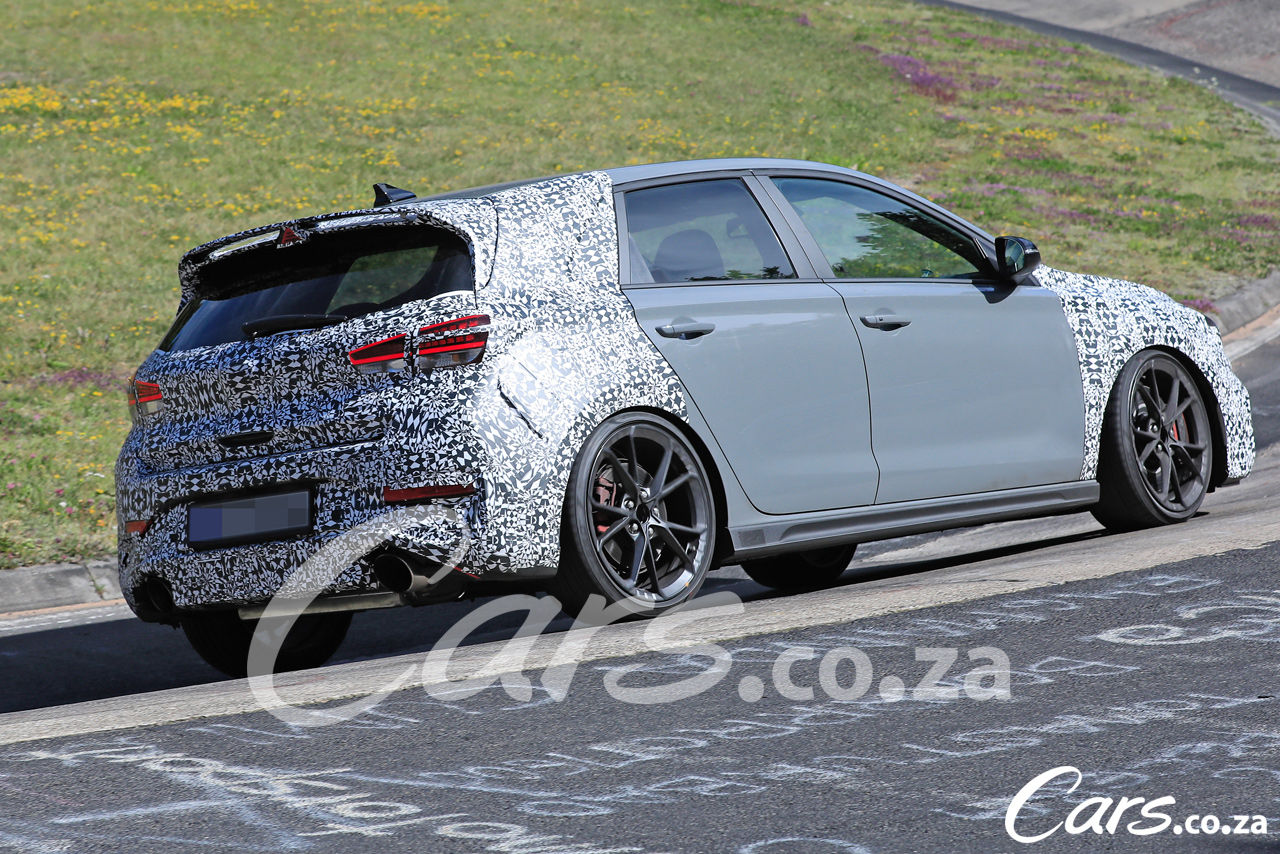
Hyundai is working on a faster, more nimble iteration of its i30 N hatchback and a prototype has been spied flexing its muscles on the famous Nurburgring. Here's what we know so far.
Picture credit: S. Baldauf/SB-Medien. We have paid for these photos and at the photographer's request, have watermarked them.?
Hyundai's i30 N has been well-received globally and the brand is working on a facelifted model. Given the advancements in the segment with the imminent arrival of the all-new Volkswagen Golf 8 GTI, new versions of the Ford Focus ST and Honda Civic Type R, as well as the launch of the Renault Megane RS300 Trophy, Hyundai's N division will be hellbent on creating as much a storm as they did when the first i30 N launched.
While the influence of the i30 N in South Africa might be regarded as negligible in our GTI-obsessed market, other regions, such as Australia have reported strong demand for the fiery Korean hatchback. Hyundai Australia previously reported that sales are almost double than what they expected, showing there's demand for an involving and engaging hot hatch.
A mild-styling revision is likely but Hyundai will look to build on the strengths of the current i30 N. Expect a sharper and more dynamic driving experience.
So, what can we expect from the new model? Seen in these latest spy shots, the i30 N has lost some of its camouflage which is an indication that Hyundai is getting closer to completion. We expect a mild front-end revision with a more aggressively-styled air intakes and grille. The rear taillights have also been redesigned and appear to be smaller in size and it also looks like a larger tailpipe is fitted to this prototype too. Perhaps, Hyundai will look to enhance the sound of the exhaust note this time around? Let's hope so…
Mechanically, the key change here will be the introduction of an 8-speed dual-clutch transmission that will be offered alongside the 6-speed manual. Granted, while manual gearboxes are great for engagement, the majority of sales have always leaned towards the 2-pedal setup as it's just easier to drive in traffic. Earlier this year, CarAdvice reported that the updated Hyundai i30 N will also receive some updates to the steering and suspension setup and for those that play the numbers game, there should be an increase in power too.
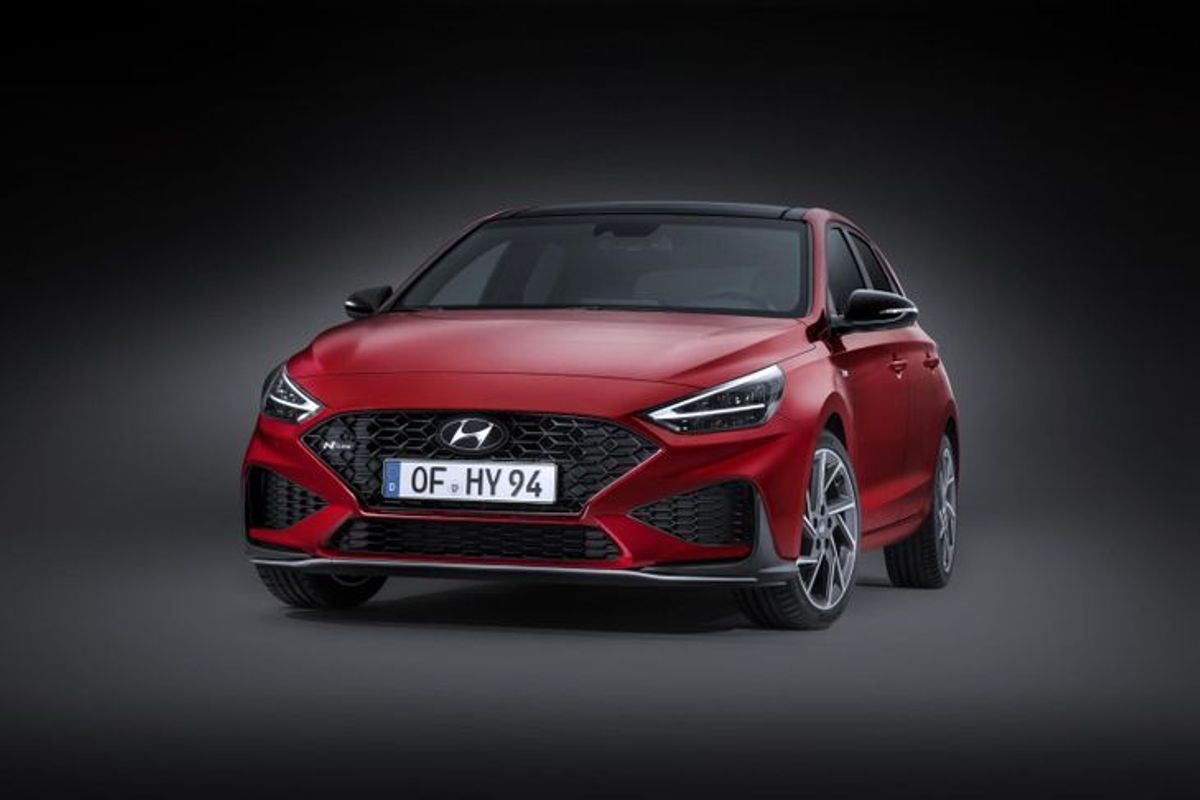
In 2019, Albert Biermann who leads the performance projects, said Hyundai would "crank a little bit more power out of it when the eight-speed auto arrives." Along with the mechanical performance updates, expect a new-look front end, not too dissimilar to the 2021 Hyundai i30 N-Line you see in the gallery above.
As a reminder, the Hyundai i30 N currently produces 202 kW and 353 Nm from a turbocharged 2.0-litre 4-cylinder petrol engine. Our guess is that Hyundai will look to bump power and torque up to 220 kW and 380 Nm.
As a side note, Hyundai is also updating the i30 N Fastback, which adds the practicality of a boot while retaining the performance and handling dynamics of the i30 N hatchabck. The i30 N Fastback isn't available in South Africa.
The updated i30 N is expected to come to market in 2021 and we should see it fully revealed before 2020 draws to a close.
The world’s only quad-turbo diesel engine will cease to exist after September 2020.
BMW’s quad-turbodiesel engine production will come to an end later this year. It seems the engine has become too expensive and too complicated to be viable any longer. Its use was also limited to 5 models, making it difficult to scale.
The B57S quad-turbodiesel first went into production in the 2016 750d but most will know it from its application in the X5 and X6 50d models, and the X7 50d.
Delivering huge torque (760 Nm) it was perfectly suited to large SUVs, accelerating the X5 variant to 100 kph in just 5.2 seconds with a top speed limited to 250 kph. Efficiency was what the engine was designed for, claiming 7.2L/100 km and with the 80-litre tank fitted to the X5 it was theoretically possible to clock up 1 111 km on a single tank of diesel.
We had the chance to sample the super rare M550d Touring (the same quad-turbodiesel engine) during a trip to Spain where we tested the M2 Competition models on the Ascari circuit. Over the tight and twisty corners outside of the circuit, the punch from down low was a notable highlight as the huge station wagon barrel-rolled its way from one tight bend to the next. Not as quick as the lighter M2 Competition, but certainly mind-bogglingly quick for a diesel.
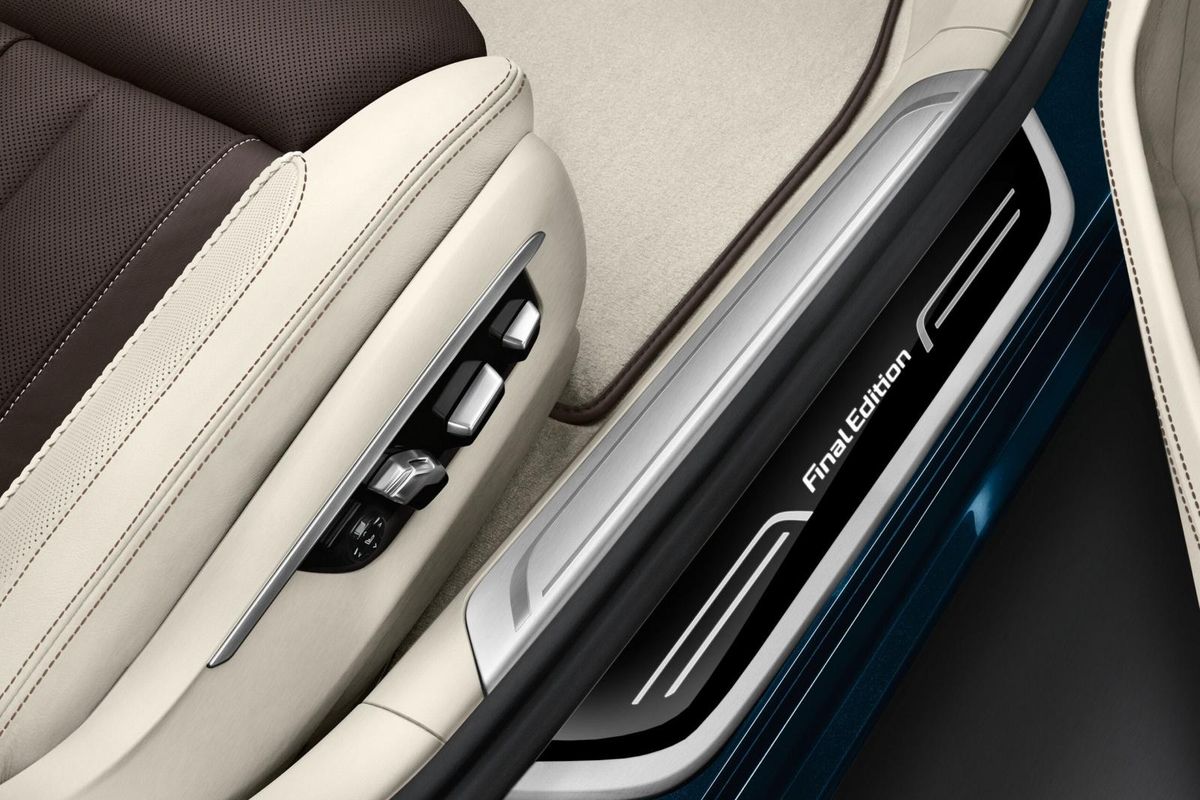
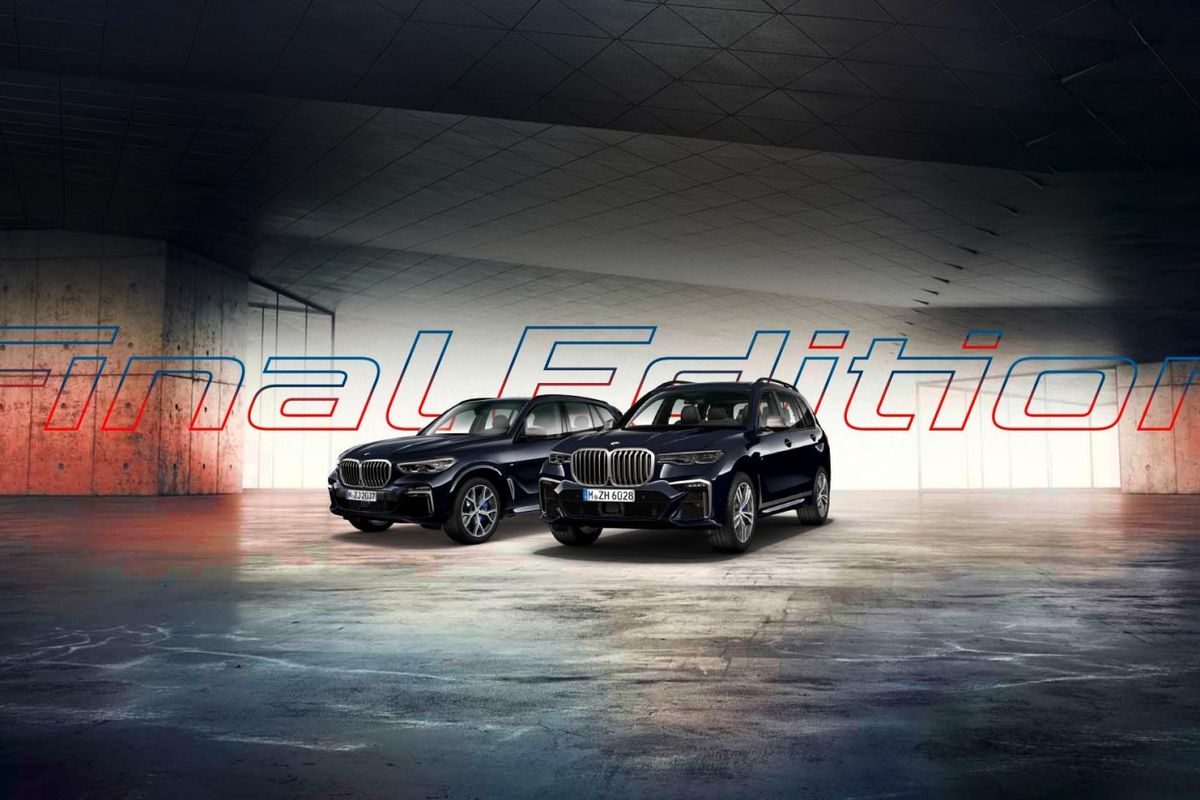
BMW Romania has sought to give the quad-turbodiesel unit a send-off by producing a limited number of Final Edition models which aside from an array of options fitted come with 'Final Edition' inscribed on the door sills.
This is a Romania only model, but it is expected there may be further swansong variants as the B57S departs on its final tour.
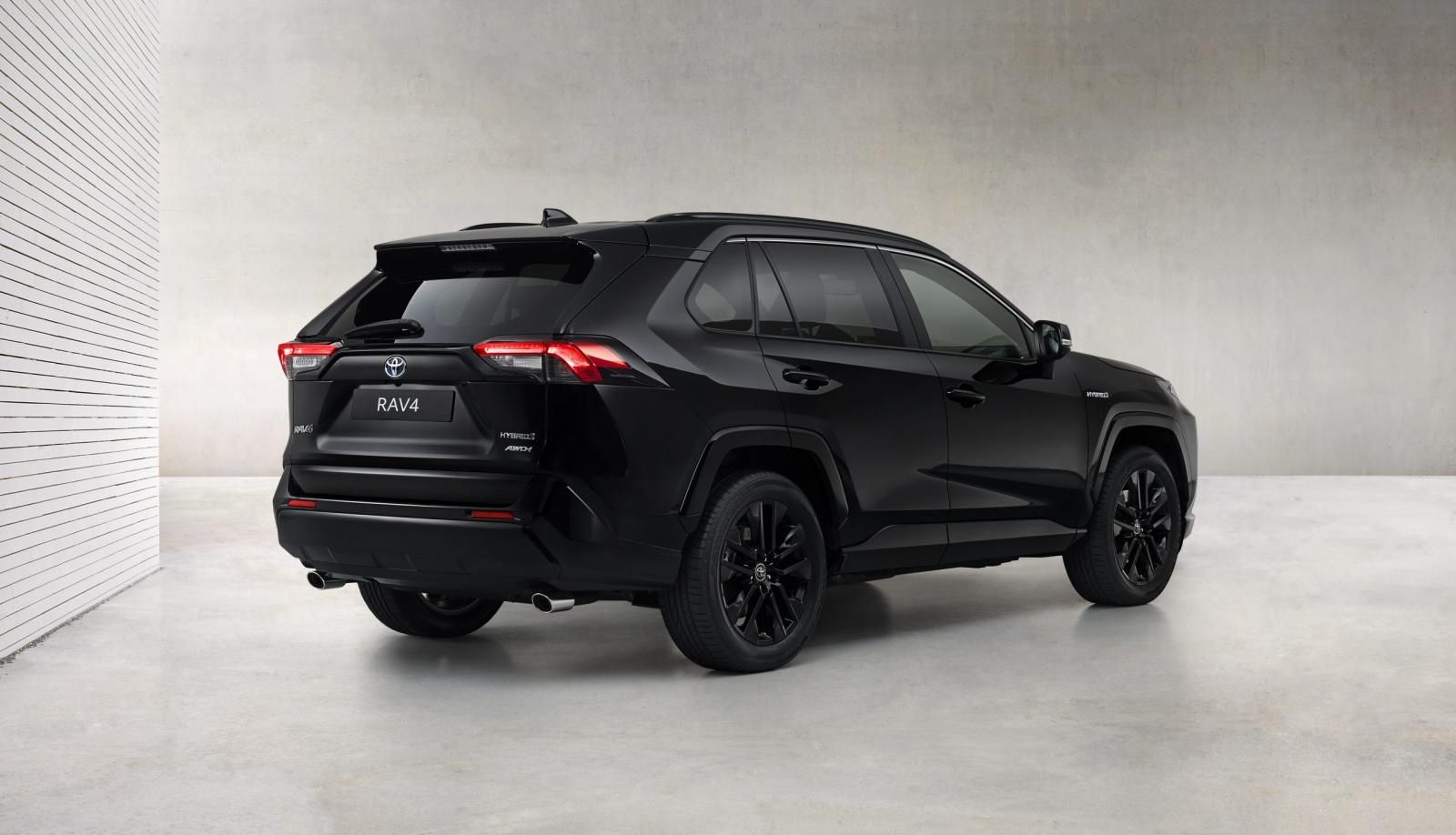
Toyota UK has revealed a special edition RAV4 and it looks fantastic.
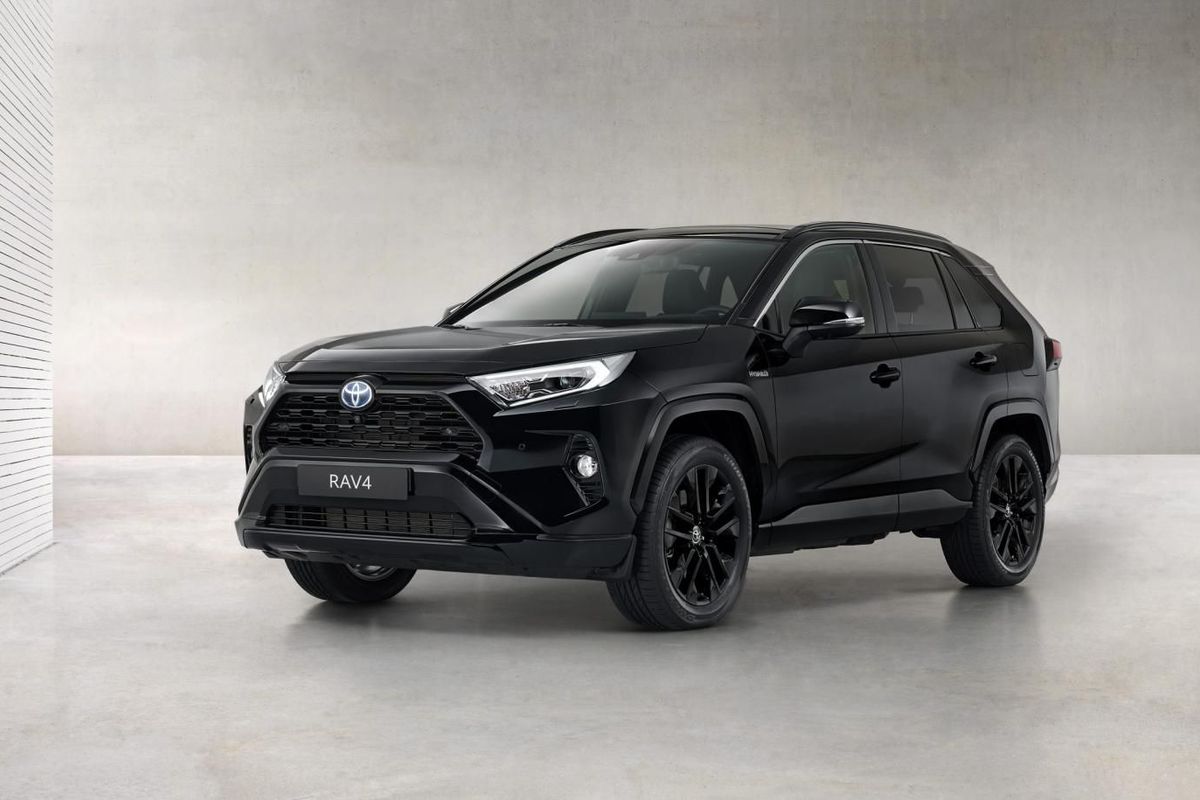
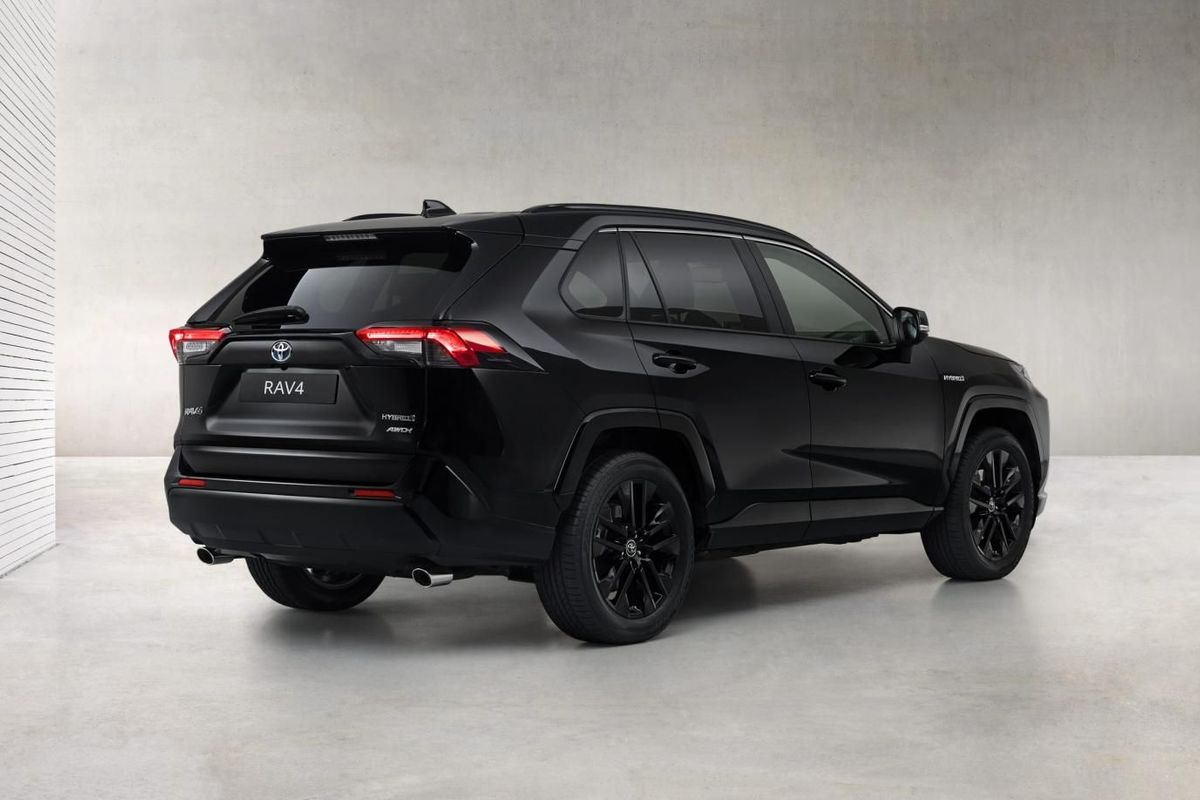
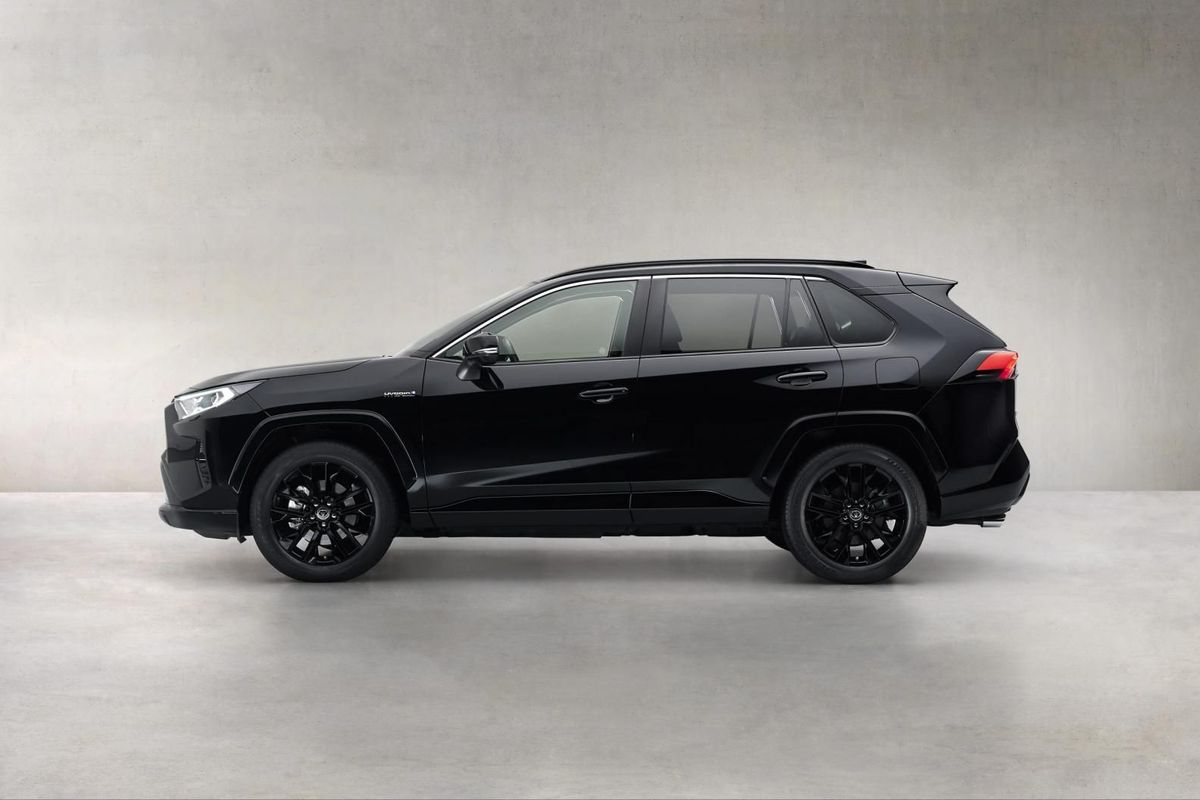
When the latest generation Toyota RAV4 was revealed, many (including us) were impressed with its rugged new looks. Now, Toyota UK has revealed the RAV4 Black Edition, which makes the most of those looks and takes it up a level.
The new Toyota RAV4 Black Edition features striking black finishes, both inside and out. The body work is in a Galaxy Black hue and that colour has been applied to the front grille, lower grille, bumpers, skid plates, rear bumper and spoiler. There are some tasteful 19-inch gloss black alloy wheels rounding off the exterior package.
Toyota has even painted the park distance control sensors black, so the only thing that's not black is the Toyota emblem, which is in the traditional chrome finish. Inside, the seats are upholstered in black synthetic leather with grey stitching.
Even if you're not a fan of the murdered look, there's no denying that the appeal of the Toyota RAV4 has been enhanced. Here's hoping Toyota South Africa offers something similar in the near future.
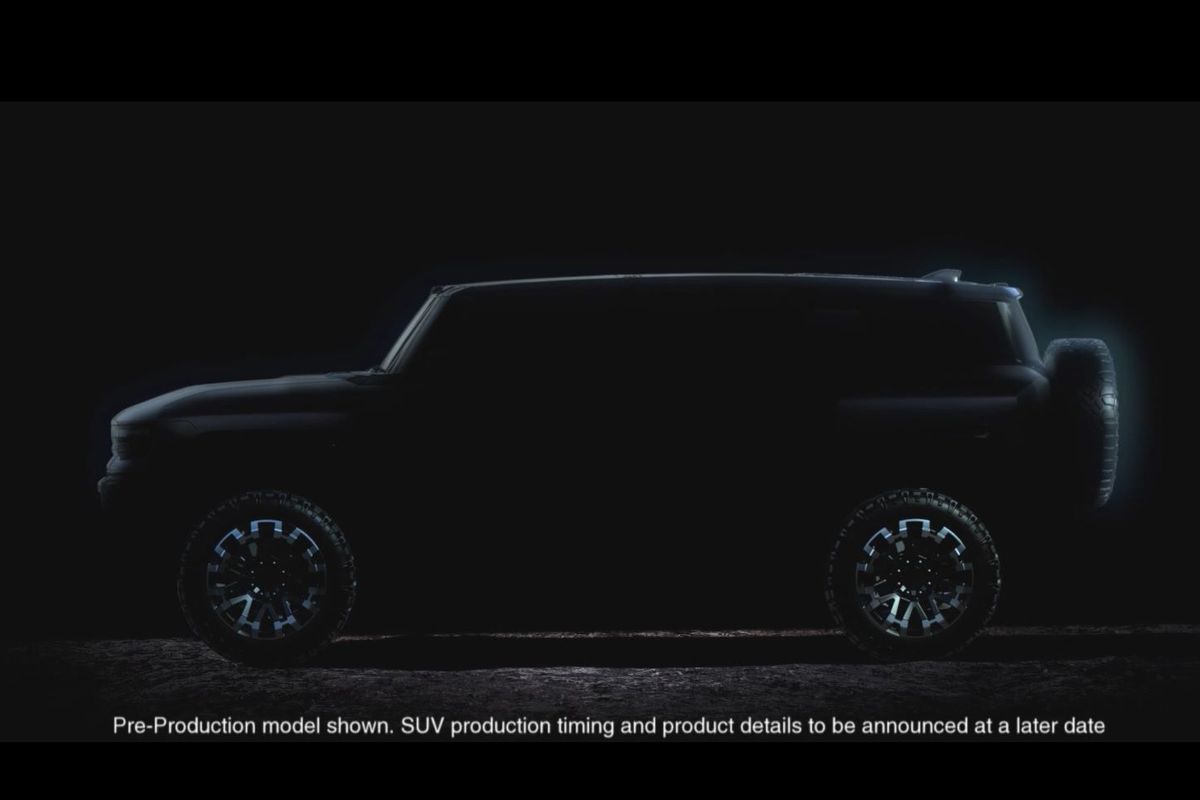
GMC Hummer could be the ultimate double-cab bakkie…
*Update: GMC has confirmed that the new Hummer will be an all-electric super truck that will be revealed later this year and go into production in 2021. The newcomer will feature the magical 1000hp power figure and 0-100 kph is claimed to be completed in 3 seconds.*
In an unlikely execution of the electric vehicle strategy, GM has revealed a teaser of its new Hummer. Of all the associated vehicle brands which could transition to a battery-powered future, Hummer is the least likely.
Recognising that its Hummer brand could not be revived as an internal-combustion powered vehicle range, GM’s technical tactic is to electrify. Although comprehensive technical details of the new GMC Hummer have not been confirmed, the power output numbers are deeply impressive.
GM is claiming that its new electric Hummer will be powered by a 745 kW electric motor, which places it way beyond anything on offer from the world’s leading battery-vehicle brand: Tesla. Quite where GM is going to source battery packs with the required energy density to produce 745 kW and acceptable range, remains a mystery.
The power GM is claiming, with viable range, would appear to be well beyond the capability of all rival battery pack and electric motor systems. There is no doubt that the GMC Hummer will be a larger vehicle and despite this, there is a 0-100 kph sprint time of a shade over 3 seconds, being tabled.
In terms of configuration, there have been rumours that it could be a double-cab bakkie instead of a more conventional SUV wagon, but with only a front-on teaser image, those details will only be confirmed later. One clue supporting the notion that this new Hummer could be a bakkie is its GMC brand prefix, which is GM’s bakkie division. With Ford having confirmed that its Lincoln brand is working on an all-electric luxury SUV, it is no surprise that GM is also posturing towards a battery-powered product.
There are a few exceptions, but as a general rule, where American tech start-ups lead, we follow.
The social media you use. The operating system of your smartphone. It is all, nearly to a fault, American in origin. The world’s most powerful economy dictates most trends that we observe and absorb in the Western world, and it is no different from driving and private vehicle ownership.
As is the case in South Africa, pick-up trucks are at the heart of American motoring life. The best-selling vehicles in both countries are bakkies, instead of passenger cars.
With US engineers and innovators leading the battery-vehicle disruption, bakkies are becoming a lot more influential to a low-emissions future than anyone could've predicted.
Tesla and other electric pickup manufacturers are changing the LCV market drastically.
You would expect a futureproofed start-up vehicle company to invest in small and efficient passenger hatchbacks, sedans or crossovers. But instead, they are all designing huge double-cab bakkies. The favourite meme of environmentalists to illustrate automotive excess, is also the product investment of choice for electric-car companies.
But there's a solid reason for that… the automotive industry, as a whole, might be struggling, but, if you're in the business of building bakkies – profitability is not a problem.
To illustrate just how profitable bakkies are, consider Ford’s business structure. The Blue Oval has effectively divested from monocoque-construction passenger car production, to focus its efforts on making more ladder-frame utility vehicles. This transformation, driven by the Ranger and the new Bronco, will yield a R15-billion increase in profits.
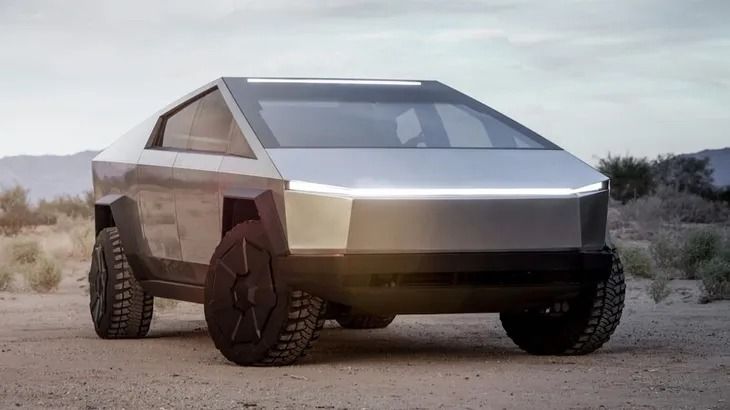
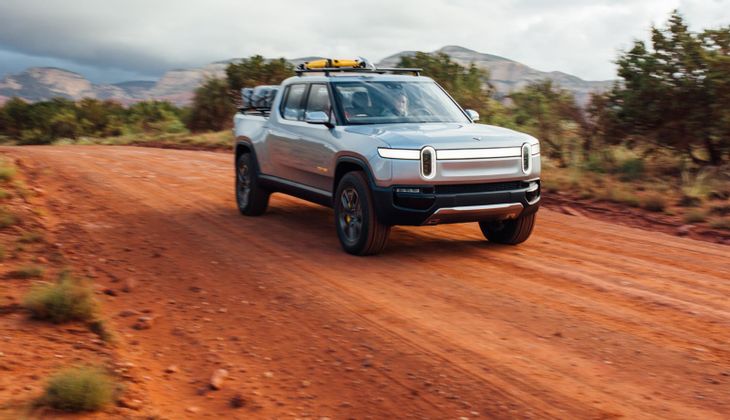
Tesla’s Cybertruck. Rivian R1T. Bollinger’s B1/2. They're enormous and will meaningfully influence how product planners at major car companies strategise for the next decade. You might not have the opportunity to drive a Cybertruck or Rivian in the near future, but they will most certainly shape the next-generation of bakkies in South Africa (by 2025).
Can batteries and bakkies work?
Rivian is pushing the boundaries on electric bakkies, a production model is due for 2021 with 562 kW.
There is great excitement about the performance of these new battery bakkies. Cybertruck and Rivian’s R1T have supercar-crushing peak power outputs of nearly 600 kW. Power of that magnitude should result in incredible towing ability, effortless high-speed cruising and unrivalled terrain-conquering capabilities.
The potency of those huge battery packs does have some disadvantages. Unlike fuel, an empty battery weighs exactly the same as a fully charged one. Energy-dense batteries are heavy and although they are becoming cheaper to produce, the chemistry breakthrough to significantly reduce mass has not happened – at least not yet.
Rivian’s R1T uses a 180-kWh battery pack, which is nearly double the industry’s uppermost standard. A Porsche Taycan, by comparison, runs on a 79-kWh or 93-kWh battery and the one in the Jaguar’s i-Pace has a 90-kWh capacity. A heavy battery bakkie, carrying peak loads, could make effective braking performance a possible engineering challenge. Gross vehicle mass (GVM) is also a set constraint and the heavier your battery bakkie is, the less payload it can carry, before exceeding the GVM ceiling.
As a South African bakkie buyer, you might be wondering how the Cybertruck or Rivian might influence your 2025 model-year Hilux or Ranger. And the answer is hybridisation.
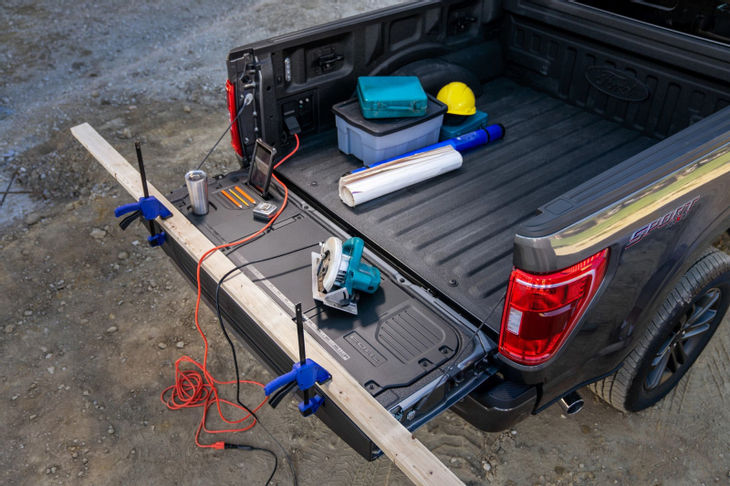
For a bakkie owners who actually use their vehicles for the purposes they were intended, the requirement to generate additional electric power (to operate tools and appliances) has never been adequately addressed by the dominant bakkie brands. Having to load a heavy generator onto your bakkie is a schlep. To have a (so-called portable) generator running noisily at a work site or outdoor venue is even worse – especially if that area has sound restrictions or unkindly neighbours.
A bakkie with a built-in generator (such as this new-generation Ford F-150) will be a game-changer for many small businesses.
Where battery bakkies such as the Cybertruck and Rivian could prove very valuable, is the manner in which they are going to force many of the traditional bakkie producers to hybridise their models. The plug-in power source reserves of a Rivian or Cybertruck, for example, are massive.
Imagine the convenience of having a potent onboard energy source for electrically powered tools? This would allow you to work without the weight, loading inconvenience or noise of a liquid-fuel generator.
You could finish that worksite project in one day, on overtime, if your bakkie was equipped with an onboard electricity outlet that's sufficiently powerful to keep your various tools or appliances running. For mobile food stall or outdoor coffee retailers, it would be even more advantageous.
The next-generation Ranger or Hilux might not become fully electric vehicles. But a petrol-hybrid bakkie at idle could power your tools or catering equipment for a long time, while producing a much lower noise annoyance index than a conventional generator.
Coding it all
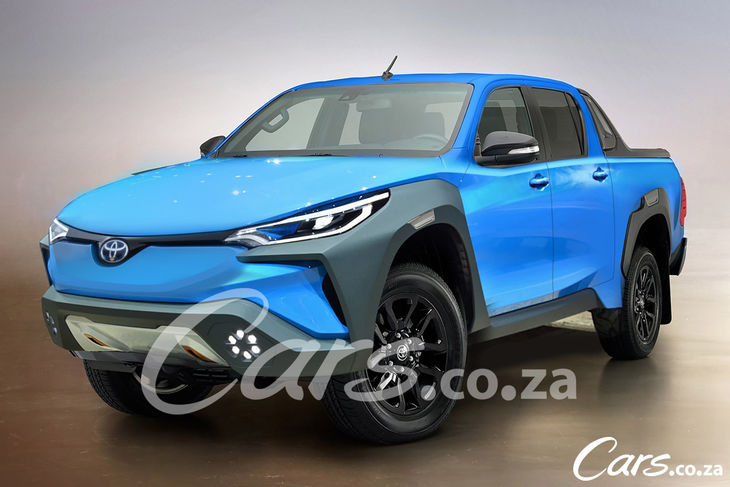
What will an all-electric Hilux look like in the future?
Early adopter demand for the Cybertruck and Rivian battery bakkies will undoubtedly trigger a response from legacy bakkie brands. This will be a predictable repeat of what Tesla has managed to achieve in the traditional passenger-car market.
Audi, BMW and Mercedes-Benz never considered a move to meaningful hybridisation across their product portfolios until Tesla started gaining sales momentum. Now nearly every mid- to large-sized Audi, BMW and Mercedes-Benz has a 48V mild-hybrid option.
Who will produce the best hybridised bakkies? It will very much be a rivalry between Ford and Toyota – as it always appears to be in the bakkie market. Through Prius and Lexus, engineers at Toyota have learned a great deal about hybridisation and they could certainly deploy some mild-hybrid petrol-electric knowledge to a future Hilux.
Ford has already shown its technical skill at hybridising the F-150 and integrating an onboard power source for work tools. But the American brand could possibly have a significant advantage, in terms of coding.
As owners demand greater synchronising between their digital devices and vehicles, the demand on traditional automotive engineering teams to become masterful software developers has been overwhelming. Volkswagen is struggling to solve software integration issues on its new Golf 8 and ID3 – and that's quite illuminating, given that the German company does not lack for engineering resources or R&D budget.
Coding is best left to specialists and Ford might have cleverly bought itself a meaningful advantage in this regard. When Blackberry went bankrupt, Ford hired 600 software experts and electronic engineers from the Canadian Smartphone company; so far, they are definitely proving their worth.
Recruiting talented software engineers from Silicon Valley is nearly impossible, which makes Ford’s ex-Blackberry coding hub in Canada that much more valuable.
The single- and double-cab bakkie issue
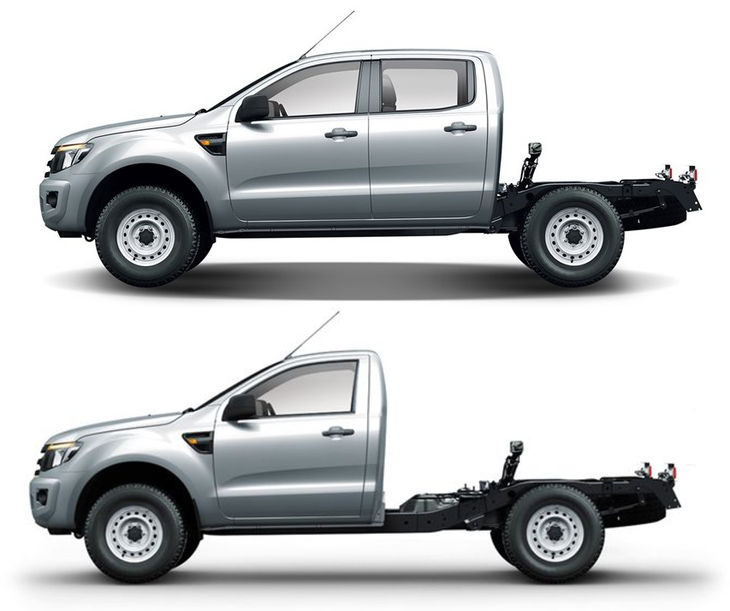
Ladder frames make it easy to transplant different bodies onto chassis, skateboard-style modern platforms aren't so easy.
You’ll notice something about Tesla’s Cybertruck and Rivian’s T1: they are only available in the double-cab configuration. No single- or extended-cab versions exist. There aren’t any wheelbase options either. And that could become problematic.
The double-cab bakkie might be popular as a lifestyle all-terrain family vehicle, but many buyers still require the longer loadbox of a single-cab. Or even the compromise of an extended-cab. Why aren’t the battery-bakkie companies, such as Tesla and Rivian, making these? Well, because they can’t.
How to scale… that's the challenge
If you think of a hugely successful platform, such as Toyota’s Hilux, it is built on a very simple ladder-frame chassis. That allows for incredibly easy scaling: you can lengthen it to create different wheelbases and loadbox sizes. Toyota can also easily mount single-, extended- or double-cab bodywork, onto a single platform ladder frame design.
With the skateboard architecture that most battery bakkie models use, this is impossible. For Tesla to build a single-cab Cybertruck, with its exoskeleton construction, would require an immense investment in tooling and increase production complexity. The same applies to Rivian with its R1T.
The single- and extended-cab segments will remain beyond the influence of luxury battery bakkies from Tesla and Rivian. That means legacy models such as Hilux and Ranger, have negligible risk to the workhorse bakkie businesses for the next few years.
Ford has the advantage
The Ford/VW tie-up allows Ford access to the most advanced electric architecture in the form of MEB.
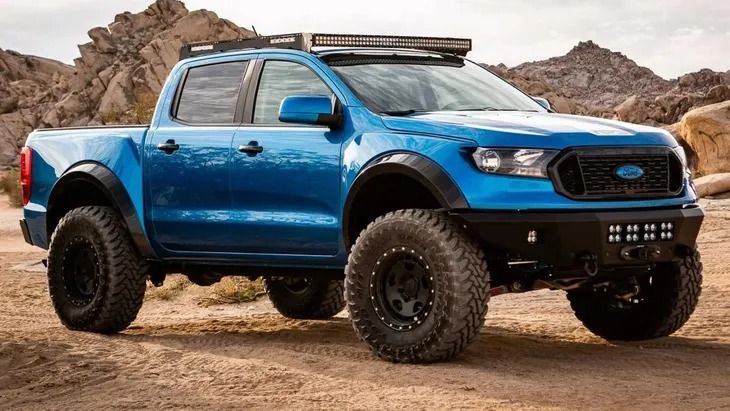
Ford could potentially have a trump card (ahem): its agreement with VW. Although Ford will take leadership on joint-development of the next Ranger/Amarok, the VW has its MEB battery vehicle platform to share, which allows for easy wheelbase adjustment. It can also carry a fair payload, as it will underpin a fleet of future battery-powered vans.
Imagine the potential of future Ford compact and mid-sized bakkies based on the Wolfsburg-based firm's MEB platform technology. We might not see those models in 2025, but 2030 could be a possibility. For now, the potential is for mild-hybrid turbopetrol bakkies that deliver excellent inner-city fuel consumption and great bursts of overtaking acceleration… not to mention the ability to run your coffee machine, all day, when camping in a wonderfully isolated corner of the great South African wilderness.
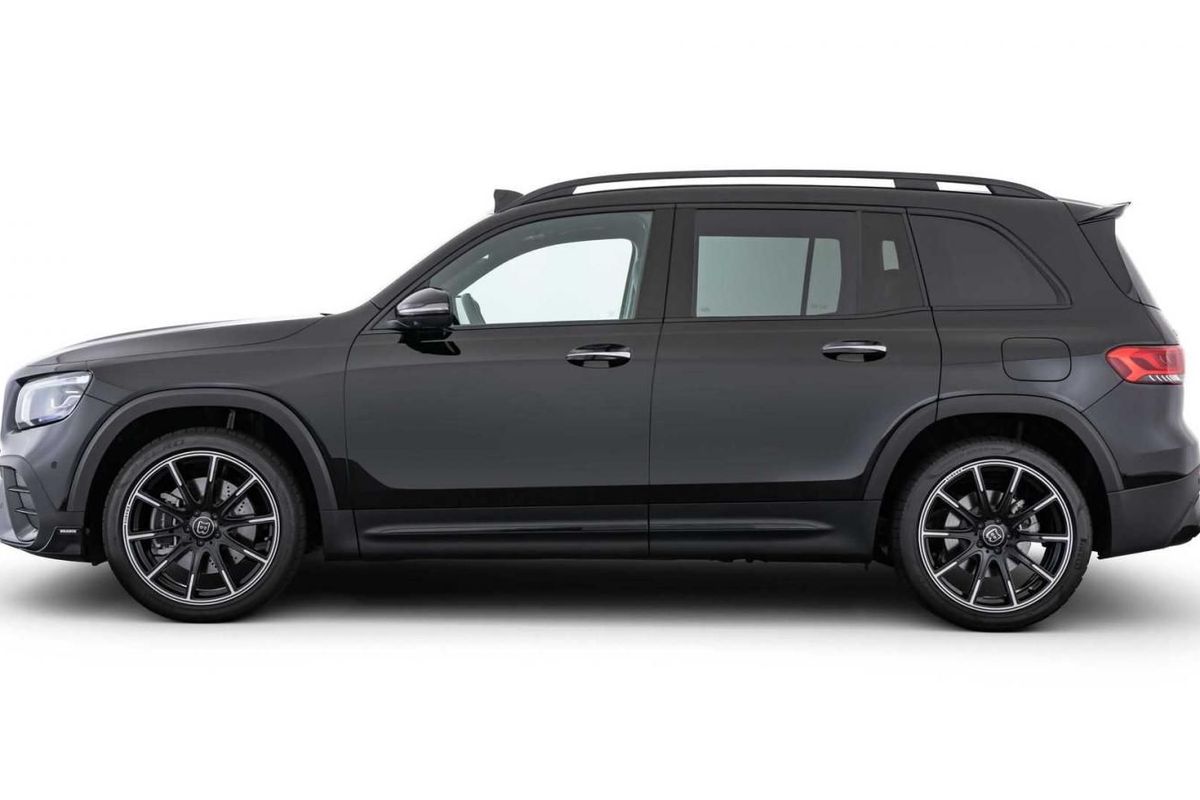
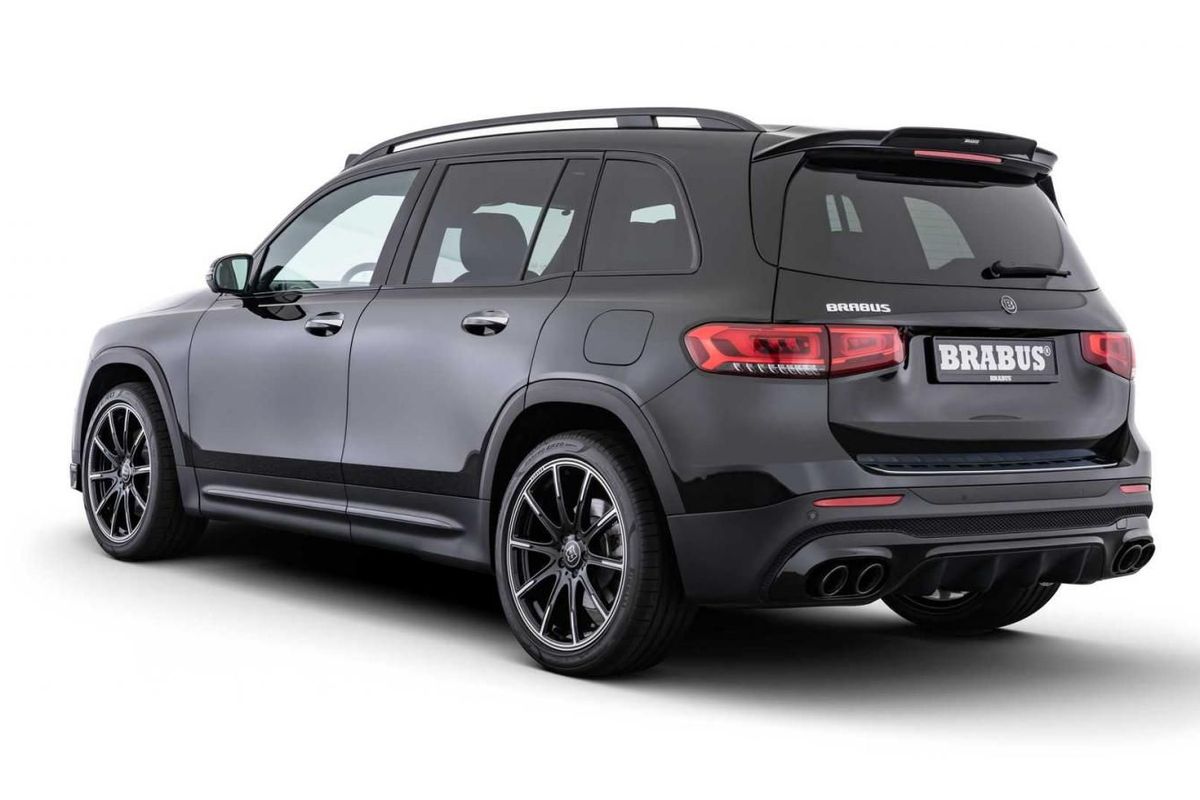
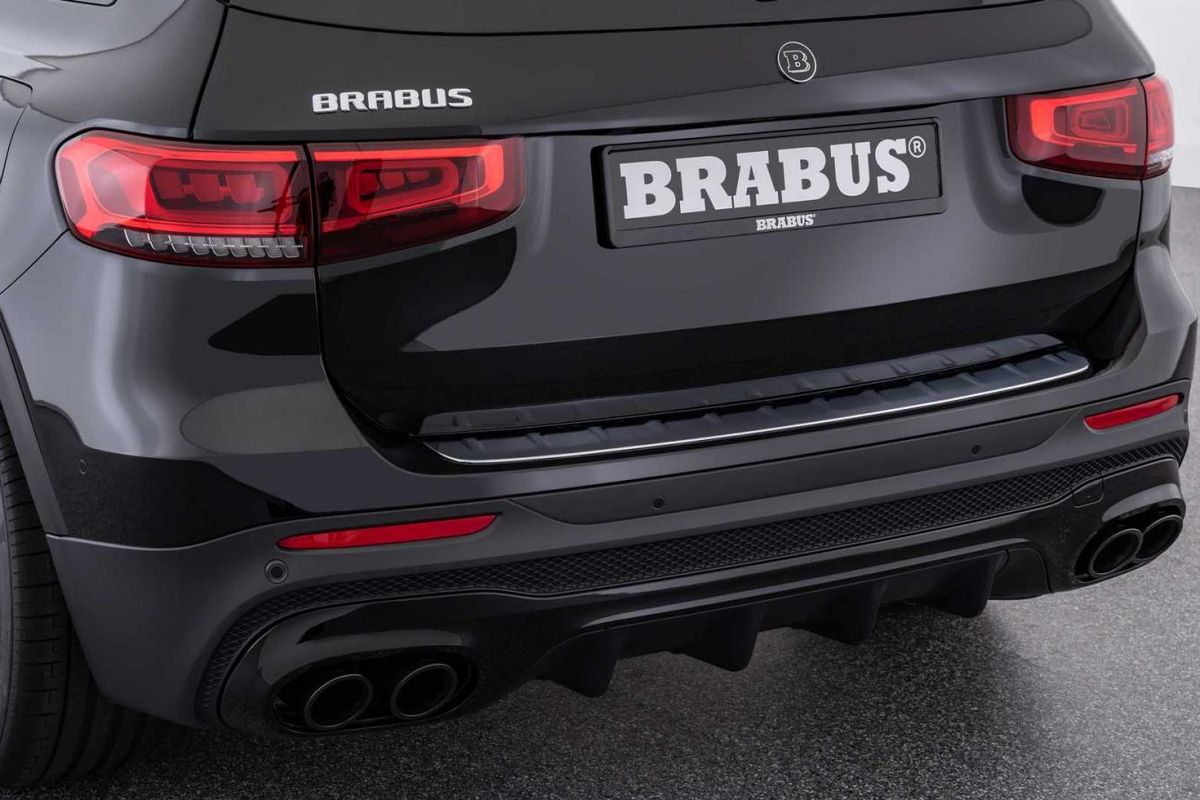
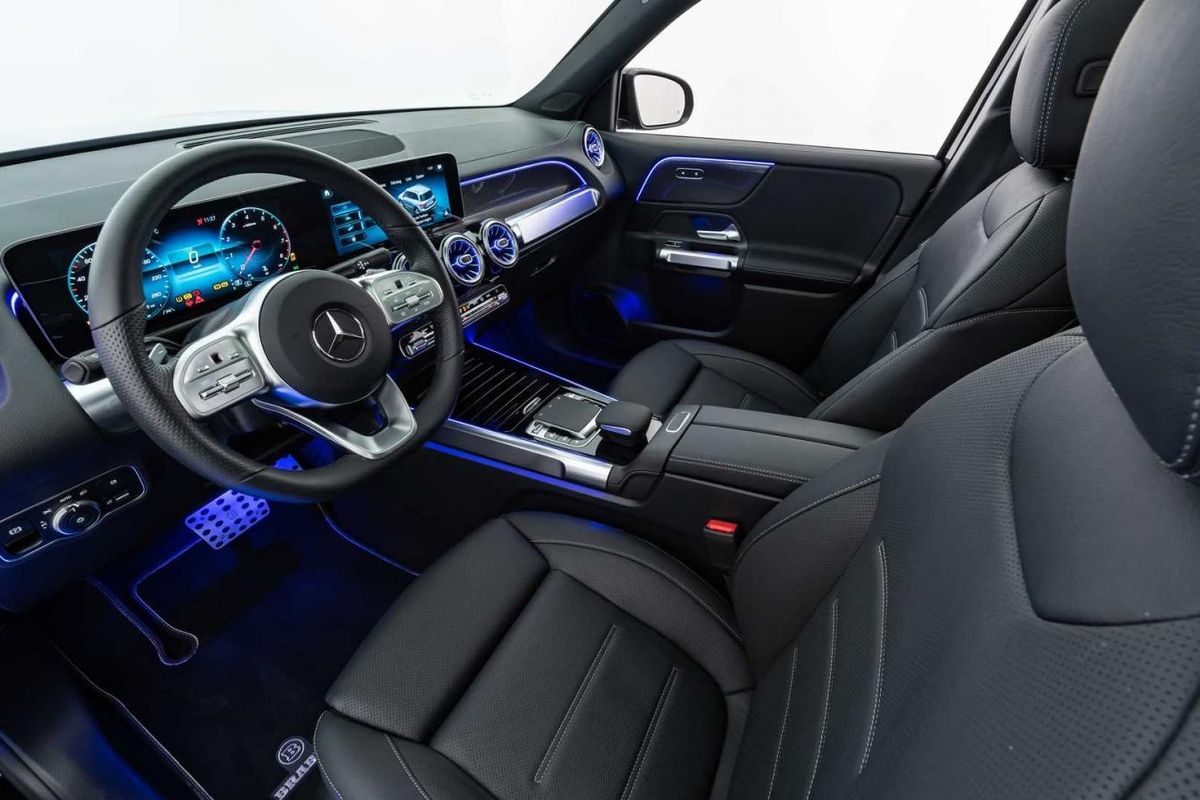
German tuner, Brabus, has gone to work on the Mercedes-Benz GLB and this is the result.
The stocky and blocky GLB 7-seater SUV arrived locally earlier this year and Brabus has decided to turn up the heat and give it some added road presence. The treatment, however, is fairly subtle compared to the creations we have seen from Brabus in the past.
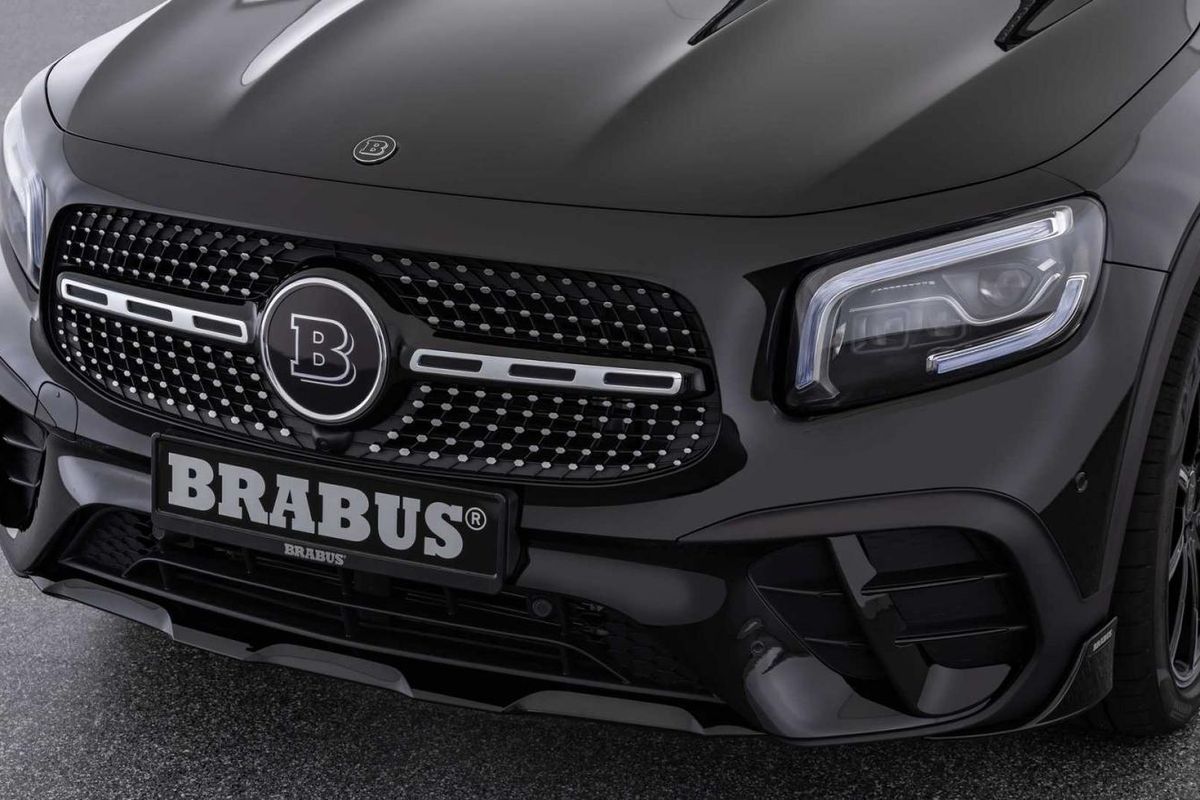
This GLB wears an AMG-Line bumper that features a 2-piece spoiler and lower air vents and the large Brabus badge set in the grille lets other road users know that this is no ordinary GLB.
Brabus has also mounted 2 LED lights bars on the roof in case you find yourself doing a self-drive game drive in the Kruger National Park, those lights will help you spot game at night.
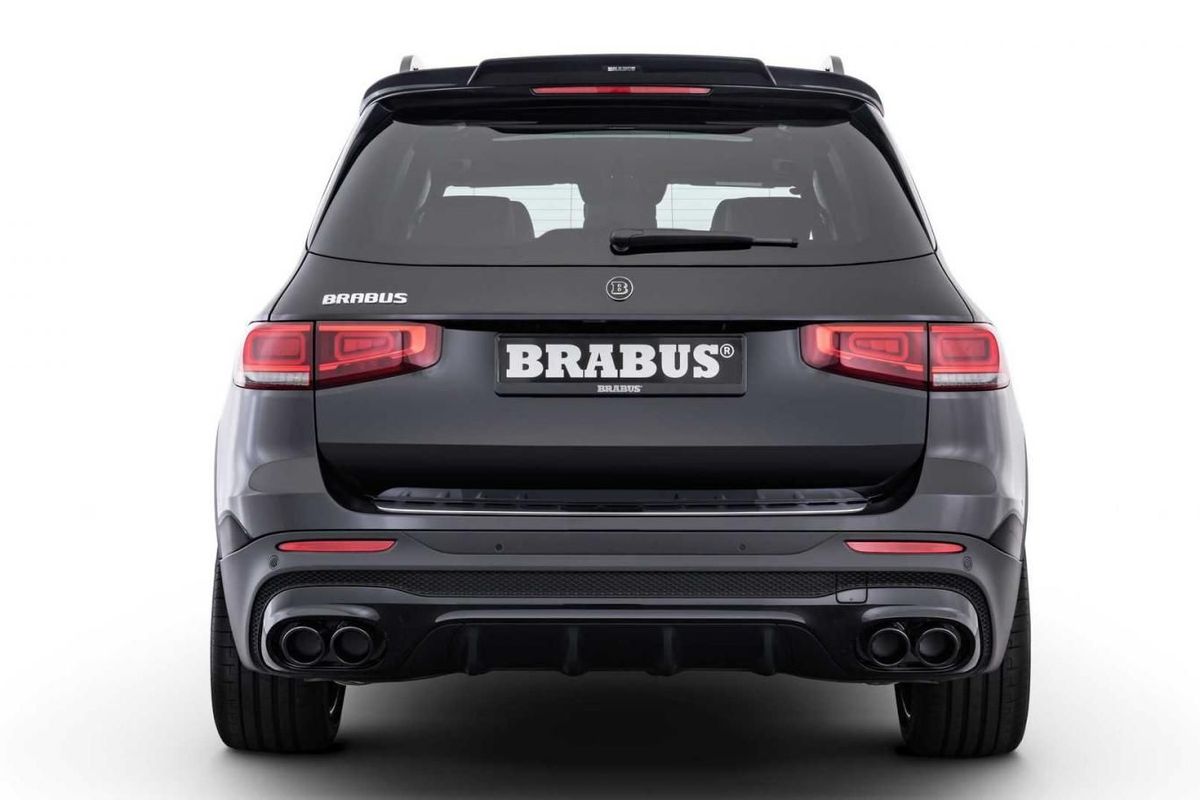
Moving towards the rear, an obligatory spoiler has been fitted for a sportier look and Brabus has also fitted black 3.5-inch diameter tailpipes which beefs up the rear styling. This GLB rides on custom 10-spoke Brabus wheels and can be had in various sizes including 18-, 19, and 20-inch.
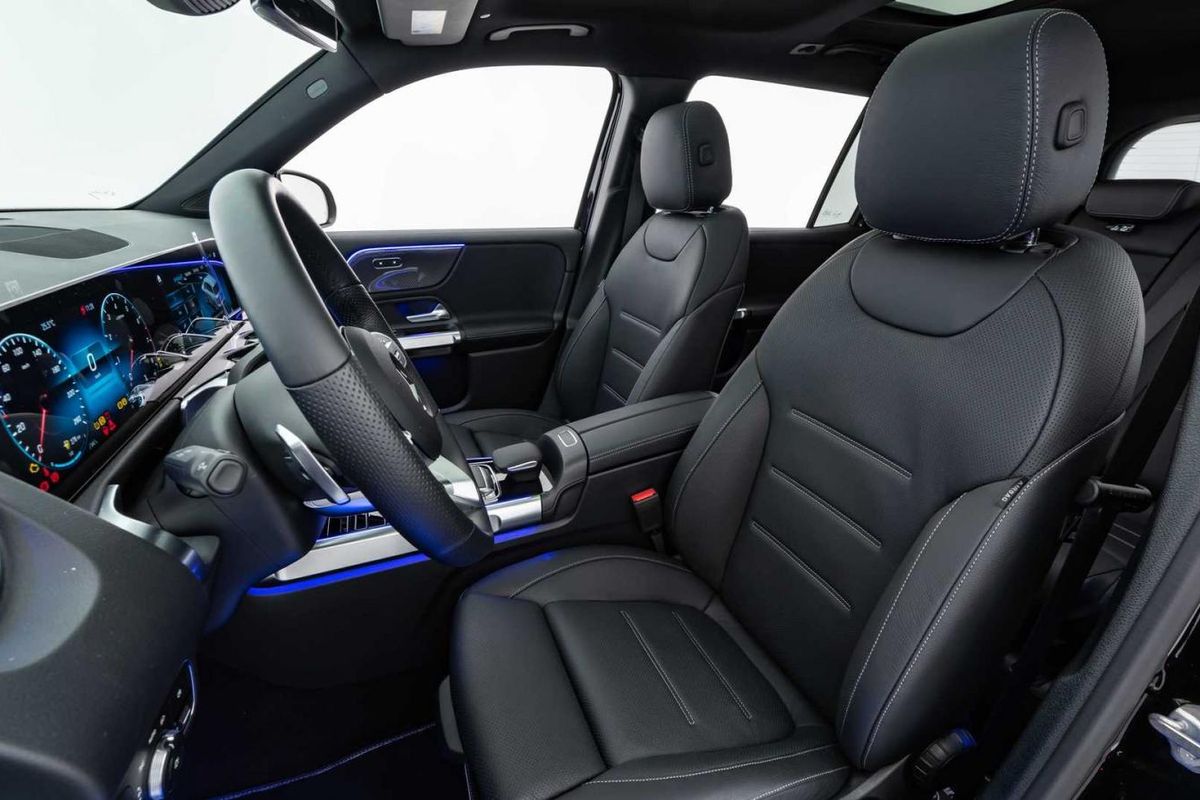
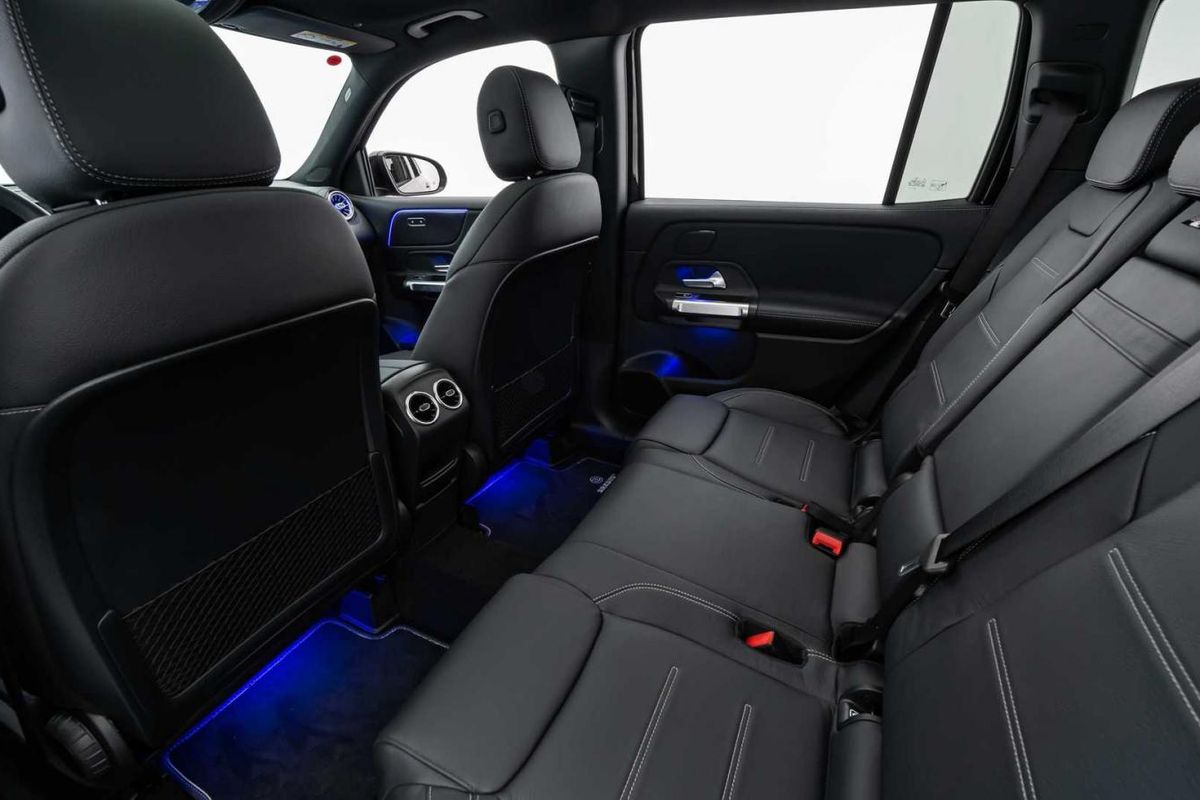
On the inside, the Brabus GLB gains sporty Brabus aluminium pedals and door sills that light up on entry as well as Brabus-branded floor mats and a Brabus liner for the load bay.
Under the bonnet though, Brabus has squeezed out more power and torque from the 2.0-litre, 4-cylinder turbopetrol engine which in standard form, produces 165 kW and 350 Nm of torque. With an ECU tune, outputs have been increased to 200 kW and 430 Nm. Buyers can also choose to have the suspension dropped by 1.2-inches or opt for the offroad suspension which will increase ride height by some 1.4-inches.
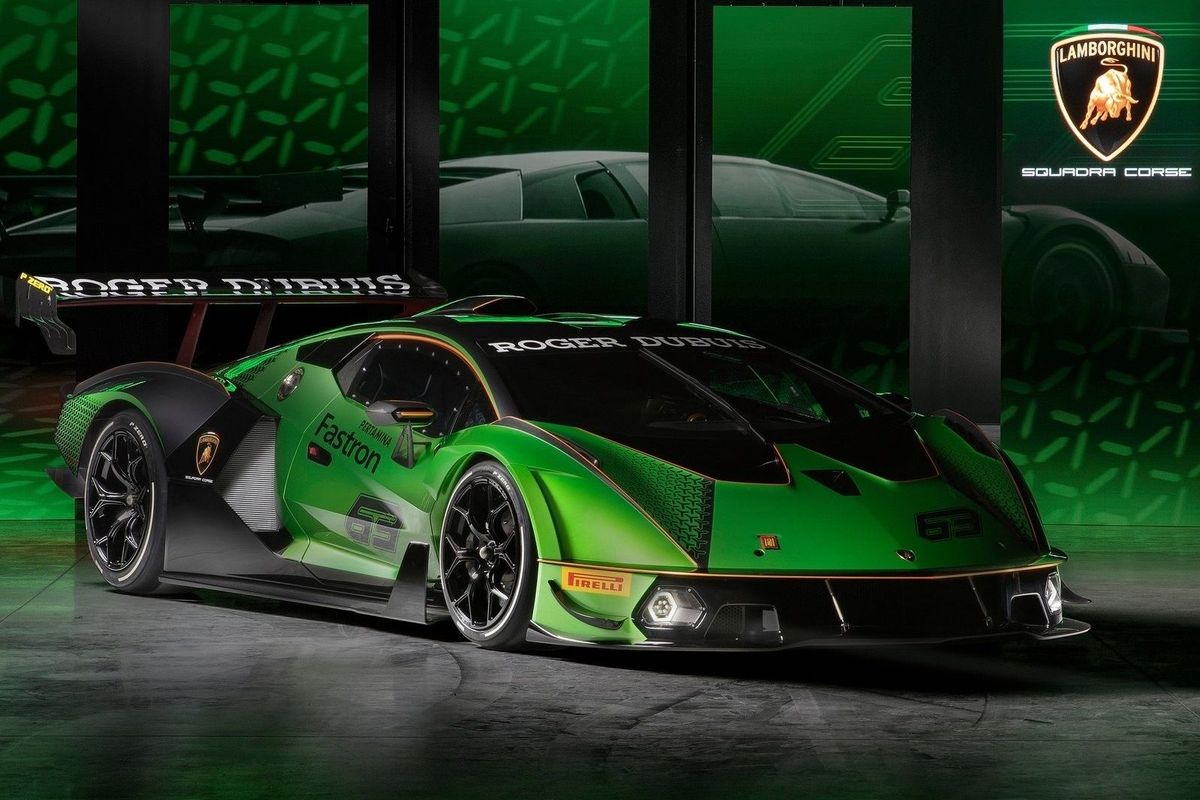
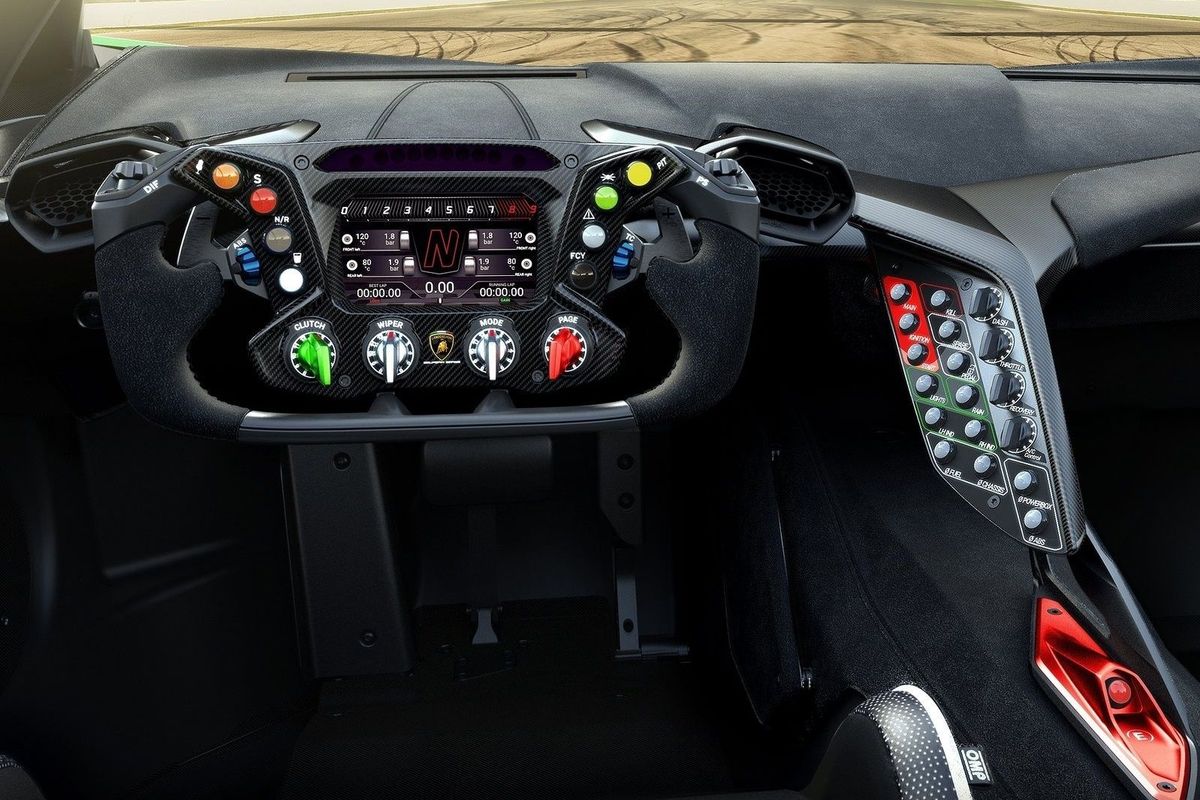
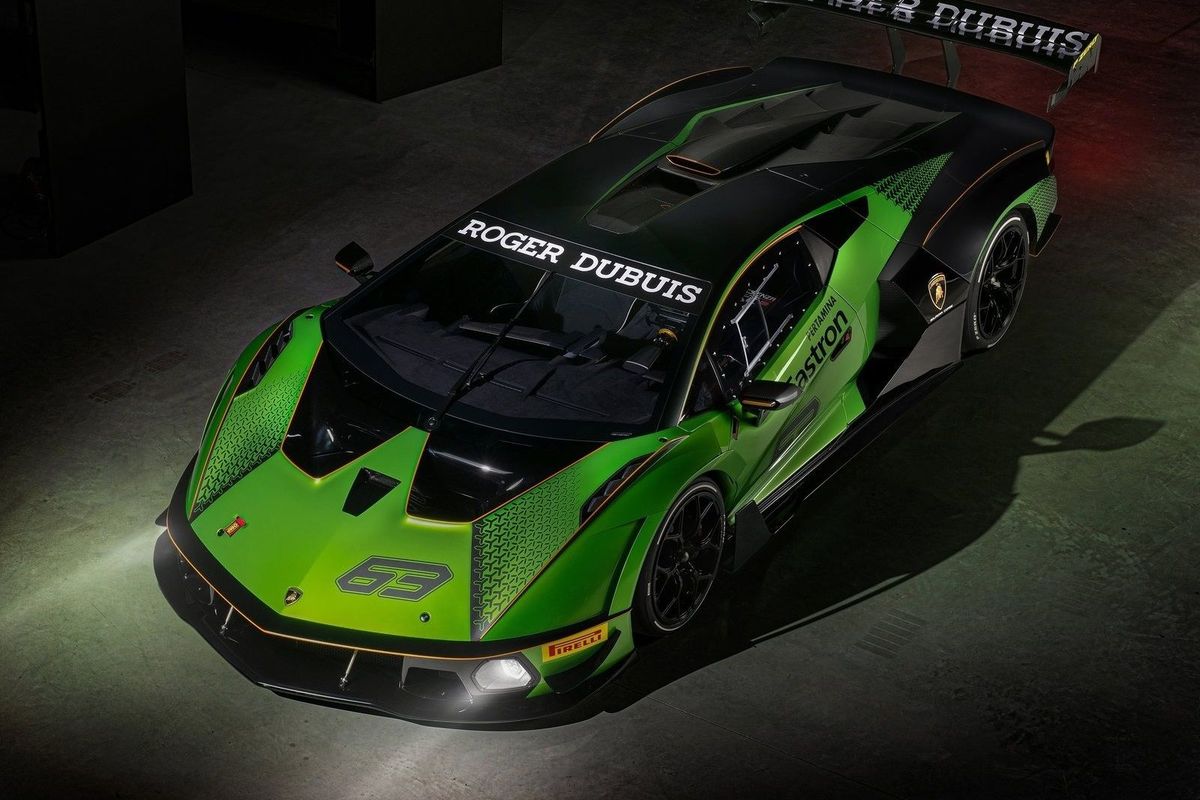
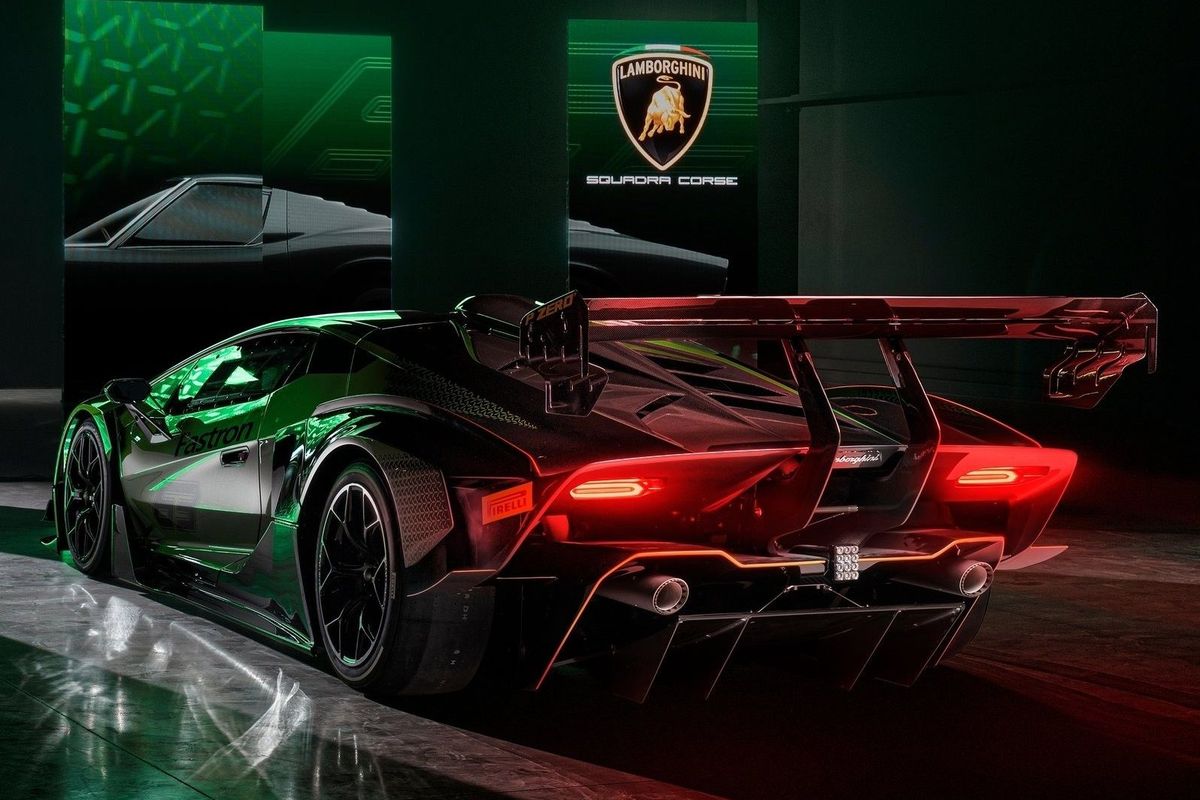
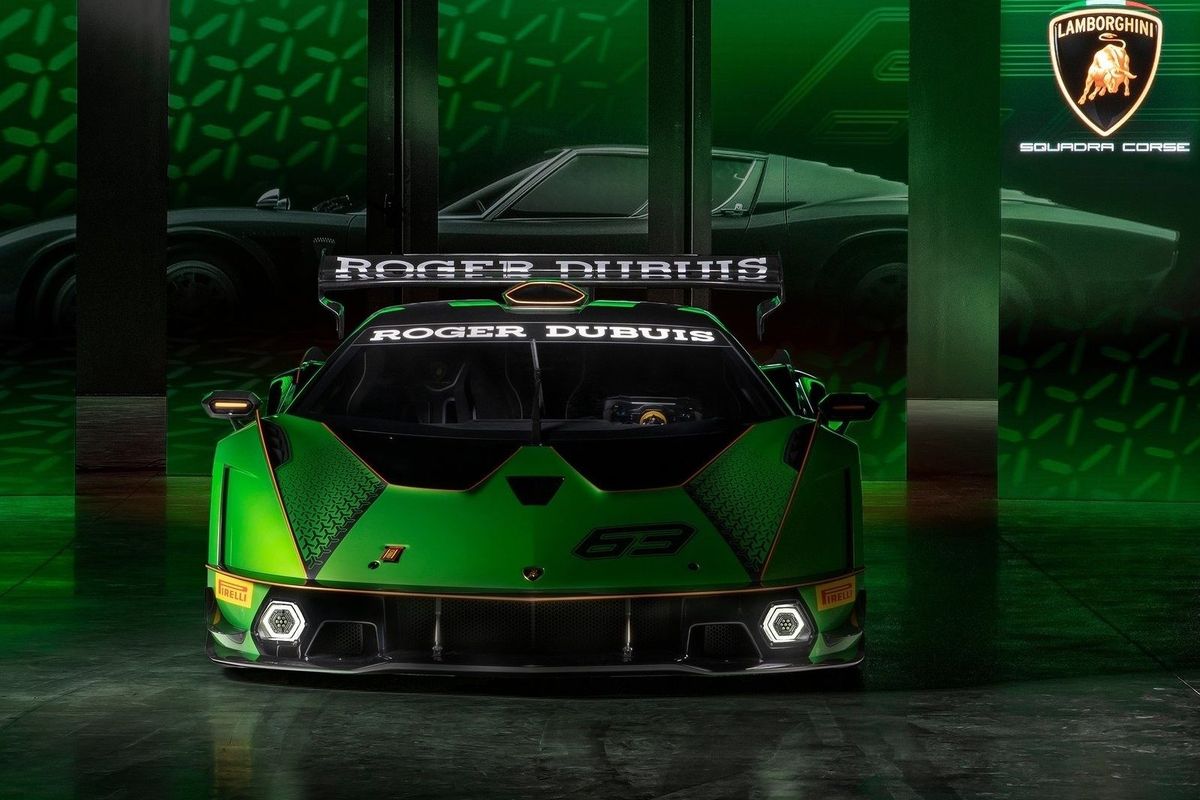
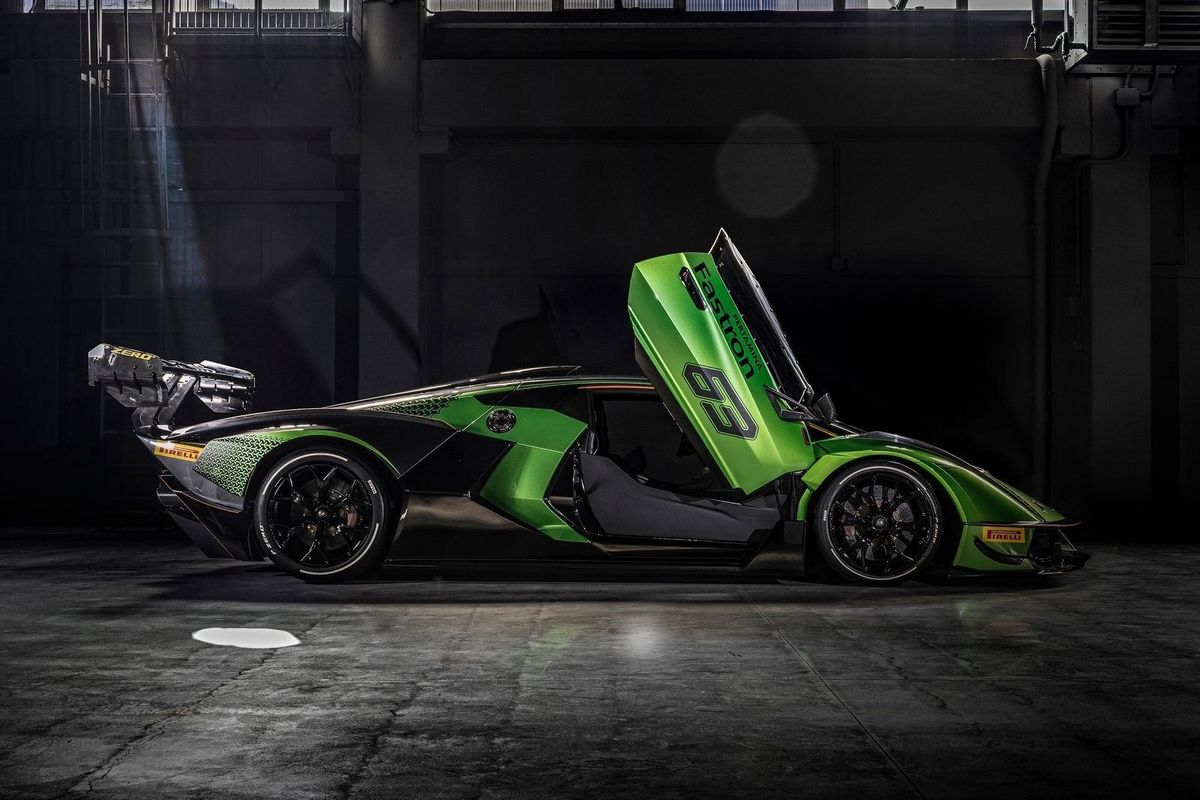
Italian hypercar brand Lamborghini has revealed its extreme-performance Essenza SCV-12 – a limited-edition track car.
Like most of these outrageous hypercars, it's extremely limited and Lambo is making just 40. Claimed to be the direct descendant of the Miura Jota and Diablo GTR, the Essenza SCV12 features the most powerful naturally-aspirated V12 ever made by the Italian brand.
With 610 kW driving the rear wheels and a new X-trac sequential 6-speed gearbox available, this should surely be one of the purest forms of Lamborghini out there. It features an incredible power-to-weight ratio of 1.66 hp/kg, thanks to its lightweight carbon fiber monocoque chassis. The aerodynamics are noteworthy as Lambo claims the Essenza SCV-12 has more downforce than a GT3 race car.
Lamborghini is promising an insane ownership experience for the lucky 40. "Essenza SCV12 customers will become part of an exclusive club that will give them access to special programs to drive their hypercar on the most prestigious circuits in the world. The program includes storage service in a new hangar built in Sant'Agata Bolognese for the Lamborghini Essenza SCV12 club. Each car will have a personalized garage and dedicated services, including webcams to allow customers to monitor their cars 24 hours a day using an app."
Stefano Domenicali, CEO and Chairman of Automobili Lamborghini, commented: "Essenza SCV12 represents the purest track driving experience that our brand can offer, an engineering feat that highlights the inextricable link between our cars and the asphalt of the track. Lamborghini is a brand constantly looking to the future and searching for new challenges, but we never forget our roots and who we are: Essenza SCV12 is the perfect combination of our unconventional spirit as a super sports car manufacturer and our true passion for motorsport."