As the British premium sportscar and gravel travel brand struggles with production disruptions and the transition from diesel to electric power, it will now have the added complexity of new leadership.
JLR has confirmed that its charismatic and successful CEO of the last decade, Ralph Speth, will be replaced by Frenchman, Thierry Bollore.
Although Speth had guided JLR to unprecedented product acclaim and profitability, he was unable to stem enormous losses over the last year, which amounted to R8bn. Customer rejection of Land Rover’s traditional turbodiesel engines, the spectre of Brexit and then a global health pandemic – these all proved too much for even Speth’s skilled leadership.
The German’s replacements at JLR is a former Renault CEO, who was disposed of late last year, as part of the toxic corporate politics between Nissan and Renault. Bollore spent the first decade and a half of his career at Michelin but was not employed as a design engineer. He specialised in processing and tyre production, eventually heading Michelin’s significantly technical aviation business.
For Bollore the greatest challenge will be to contain costs, whilst not debasing the luxury feel and features of JLR’s products. Jaguar is an enormous issue for the company, with its legacy sportscars and limousines facing dwindling demand in all global markets. Bollore will have to formulate a plan for the Jaguar brand, without endangering Land Rover’s stability – which provides nearly all the company’s current revenue.
The risk for JLR is how much of a product visionary Bollore will prove to be. At Renault, he would never have calculated competing with larger format Audi, BMW and Mercedes-Benz products. For JLR, its rivals are exactly those luxury German brands and their products are used for benchmarking.
During his time at Renault, Bollore was an expert at supply chain management and if JLR needs to negotiate its supplier base, he will prove adept at this. Whether someone who has no experience of managing daring design and advanced vehicle technology teams is the correct CEO for JLR, will have to be seen.
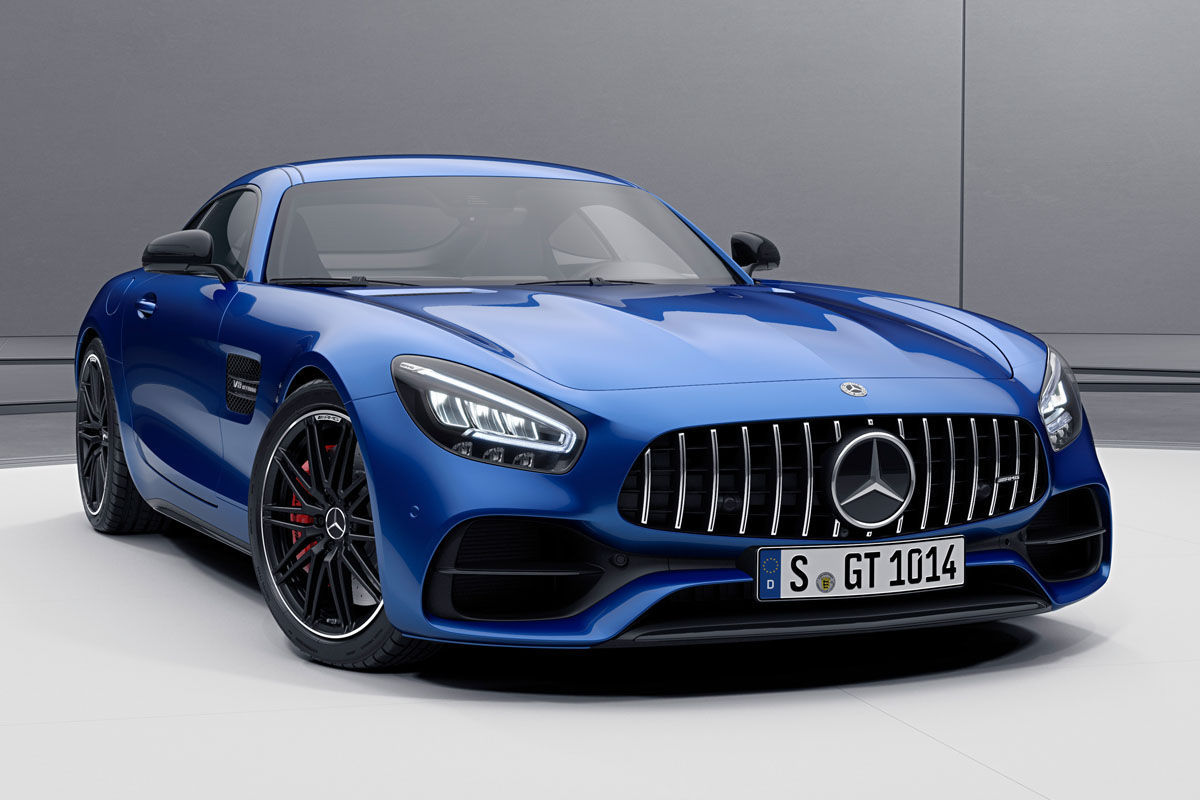
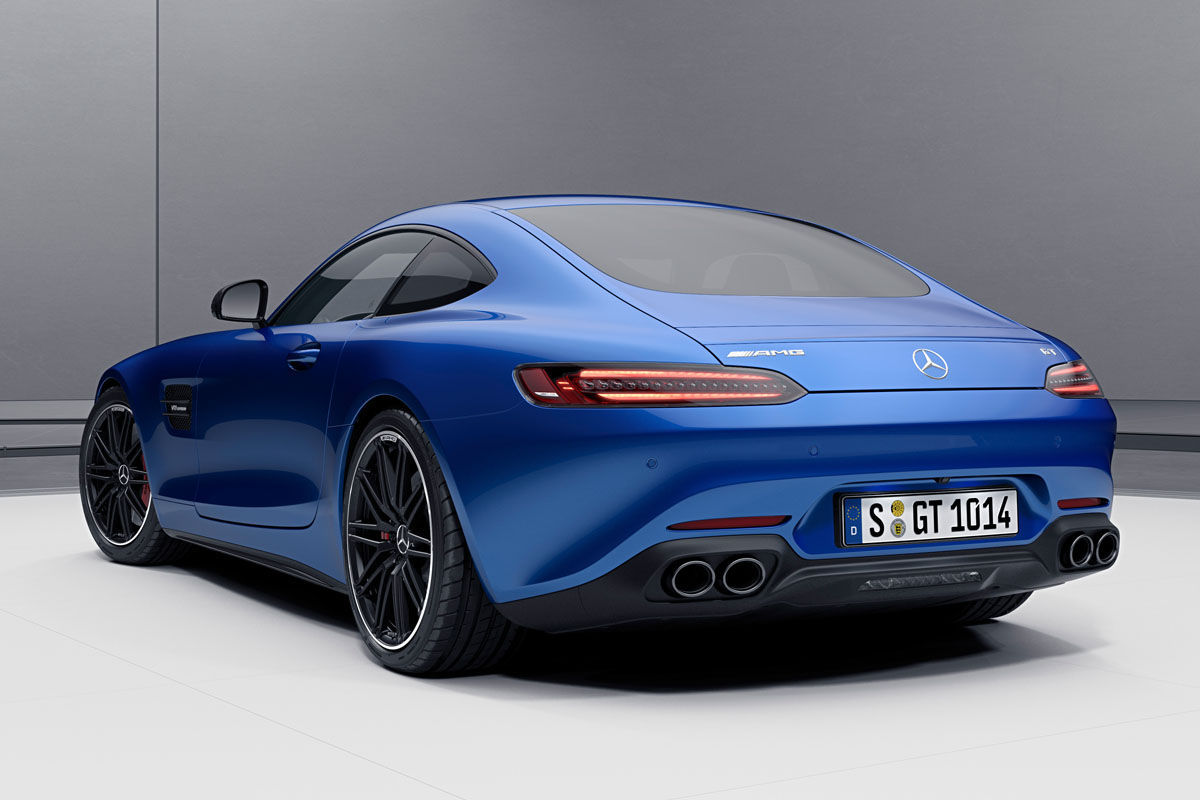
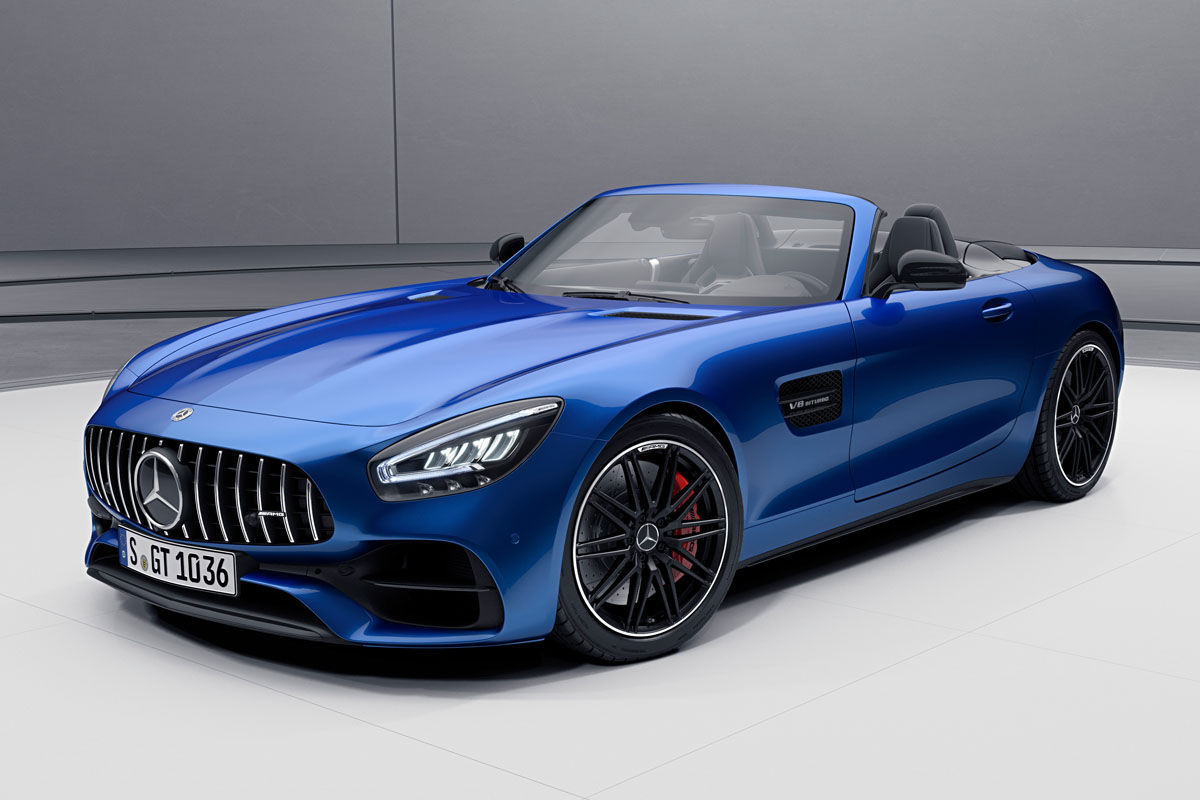
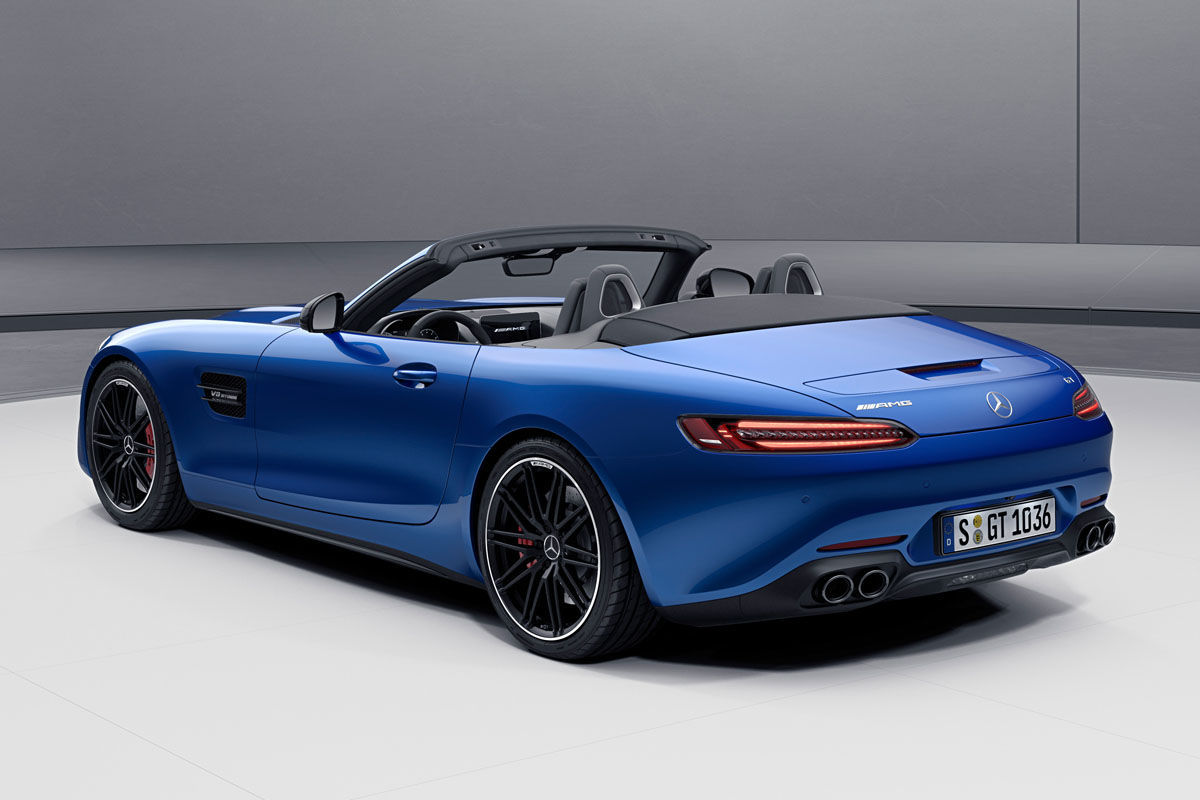
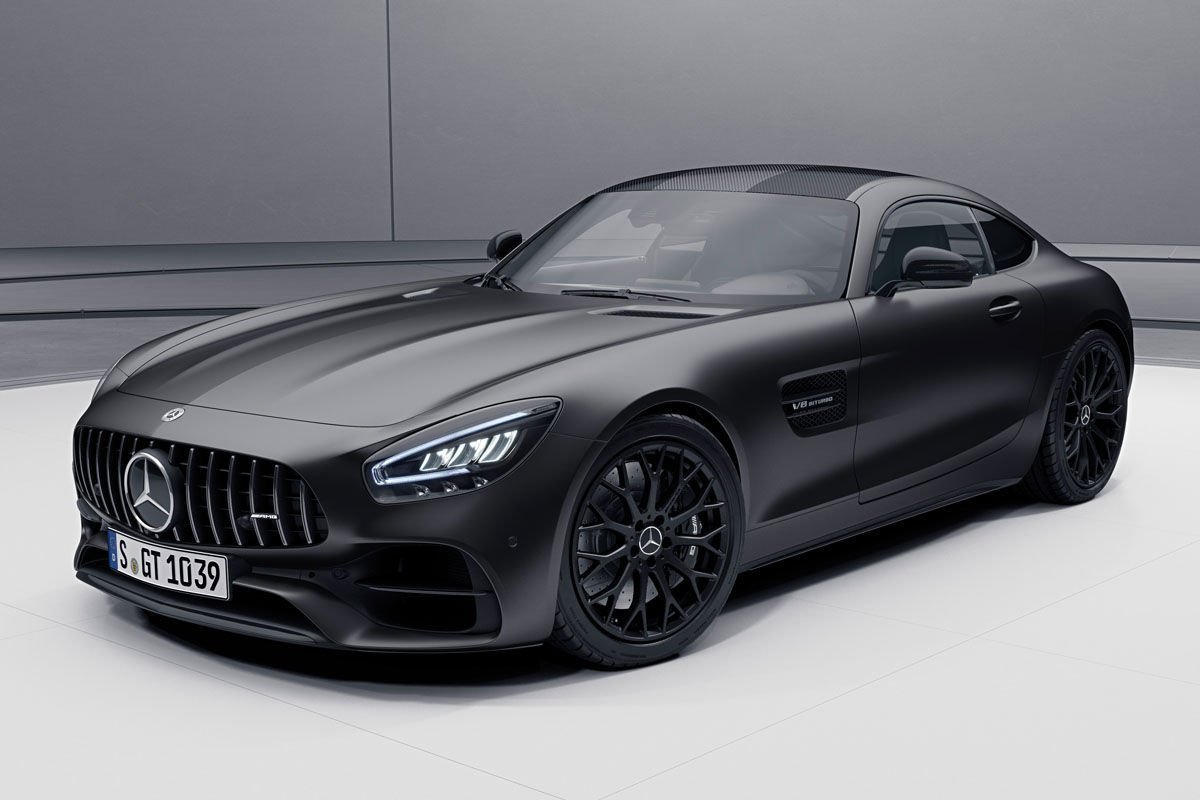
Mercedes-AMG has completed a top-and-tail exercise with its iconic GT range by following up the recent launch of the headlining GT Black Series with the introduction of upgraded entry-level coupe and roadster variants.
With production of the GT – the first standalone model in the history of the Three-pointed Star’s performance division – nearing its end, Mercedes-AMG rolled out the 537-kW GT Black Series, powered by the most potent V8 engine ever installed in a standard road-going Benz and laced with motorsport-derived components, earlier this month.
However, the Affalterbach-based division is also ringing the changes at the entry point to its GT range – ostensibly to ramp up sales as the countdown begins to the introduction of the next-generation sportscar (which will share its platform with the upcoming SL range) in 2021.
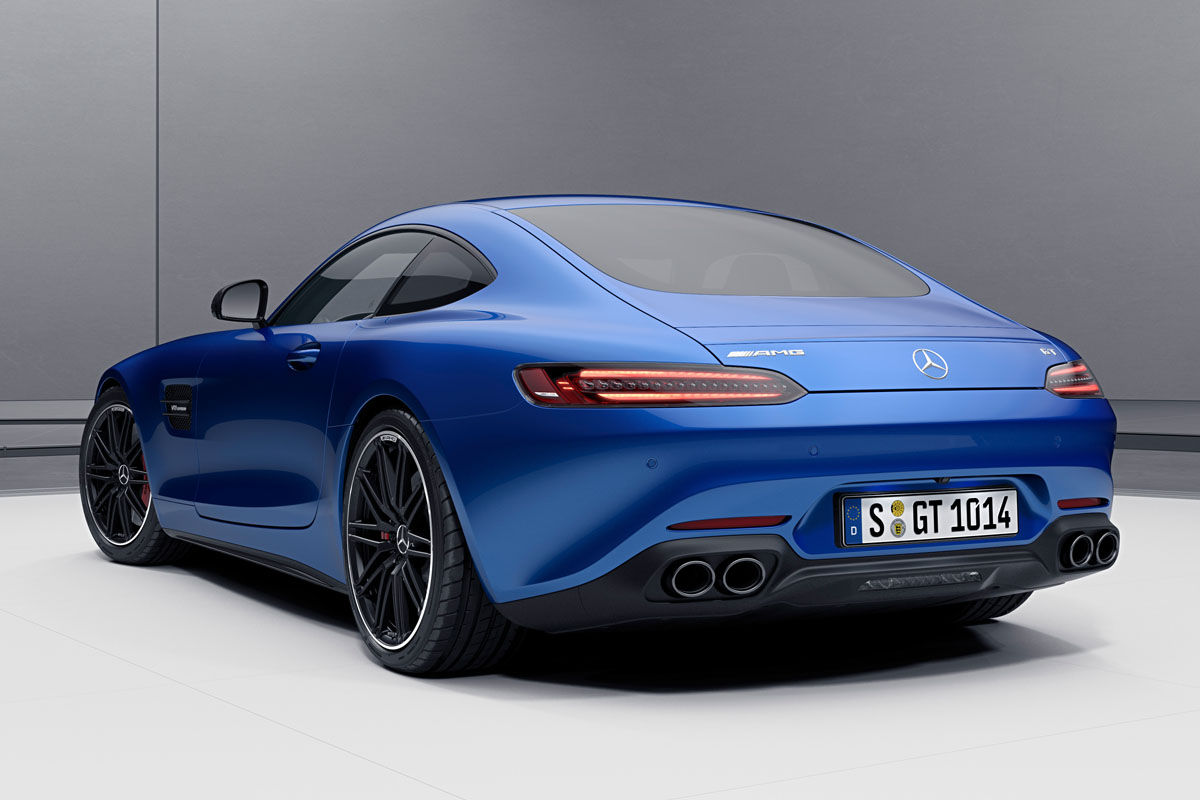
The quickest way to spot the updated GT from its predecessor is by the red front brake calipers.
Although Mercedes-AMG initially offered the GT hardtop in 340-kW Coupe and 384-kW S Coupe guises when the range was introduced to the local market in 2015, the base version was subsequently discontinued (around 2018). However, Benz’s performance division has now discontinued the S version and upgraded the GT instead.
The revised GT Coupe and Roadster, which will arrive in dealerships around November (Mercedes-AMG says), produces a claimed peak output of 390 kW, which is slightly higher than the outgoing S derivative’s output, but significantly more powerful than the previous GT.
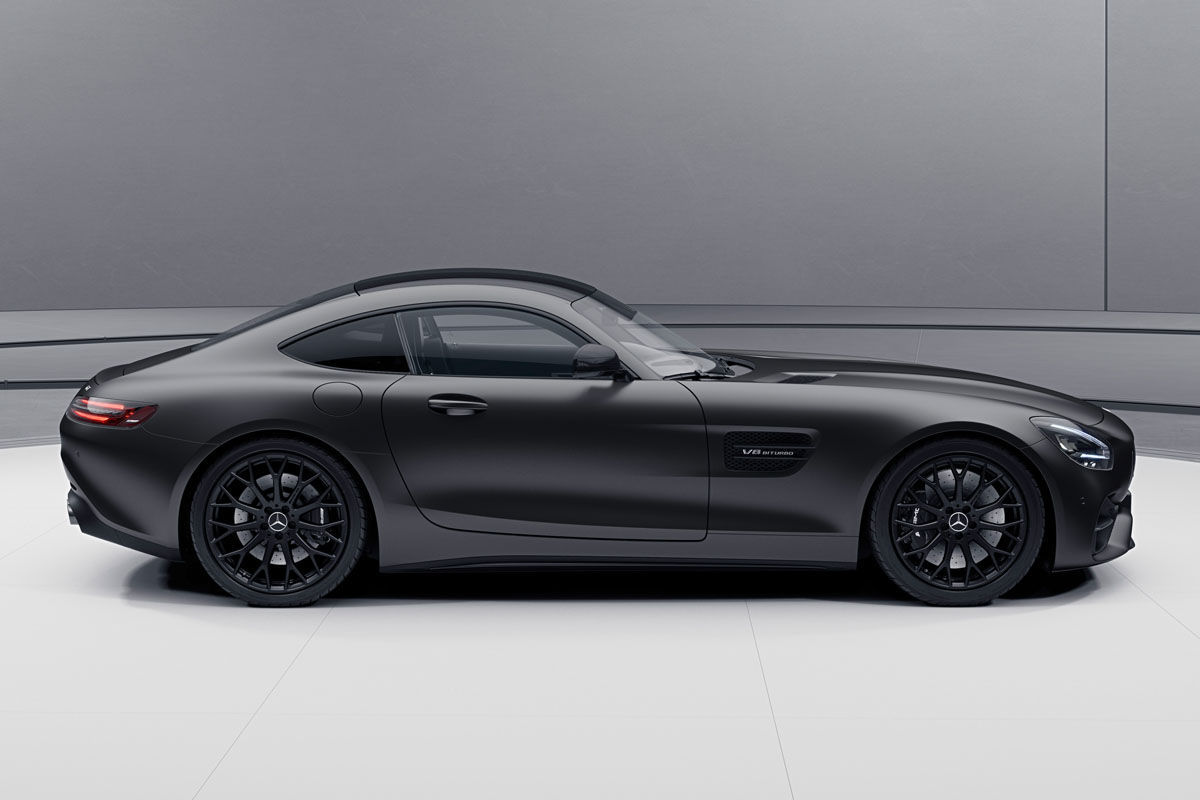
The Night Edition looks suitably sinister with its black grille and headlamp elements, as well as the carbon-fibre roof.
They come equipped with AMG Ride Control adaptive suspension, an electronic-locking diff, AMG composite braking system (replete with red calipers), as well as a lithium-ion starter battery and an additional "Race" drive mode. Buyers have the option of specifying active rear axle steering in conjunction with the AMG Dynamic Plus package.
Both variants will also be available with optional blacked-out “Night Edition” execution, which comprises the AMG Exterior Night Package, as well as black brake callipers, AMG radiator grille in dark chrome, main headlamps with black elements, and mixed-size tyres with 19-inch matt black Y-spoke alloys at the front with 20-inch wheels at the rear.
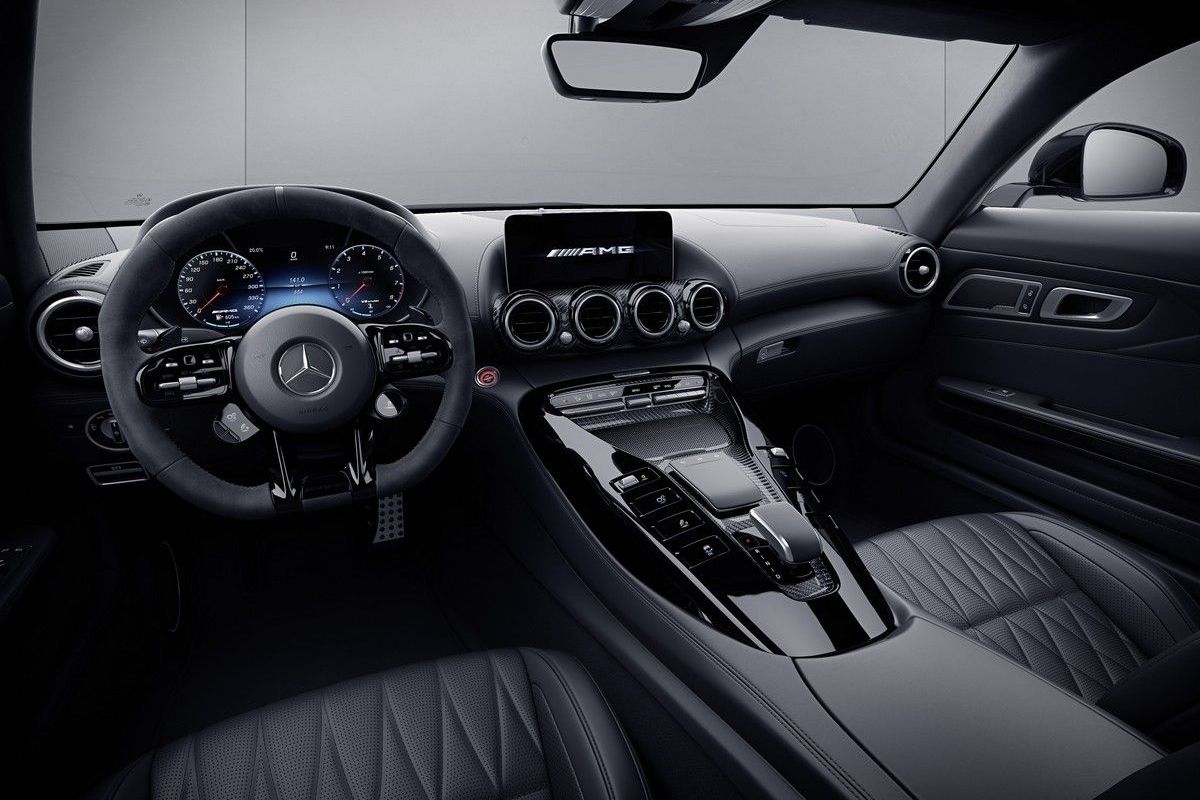
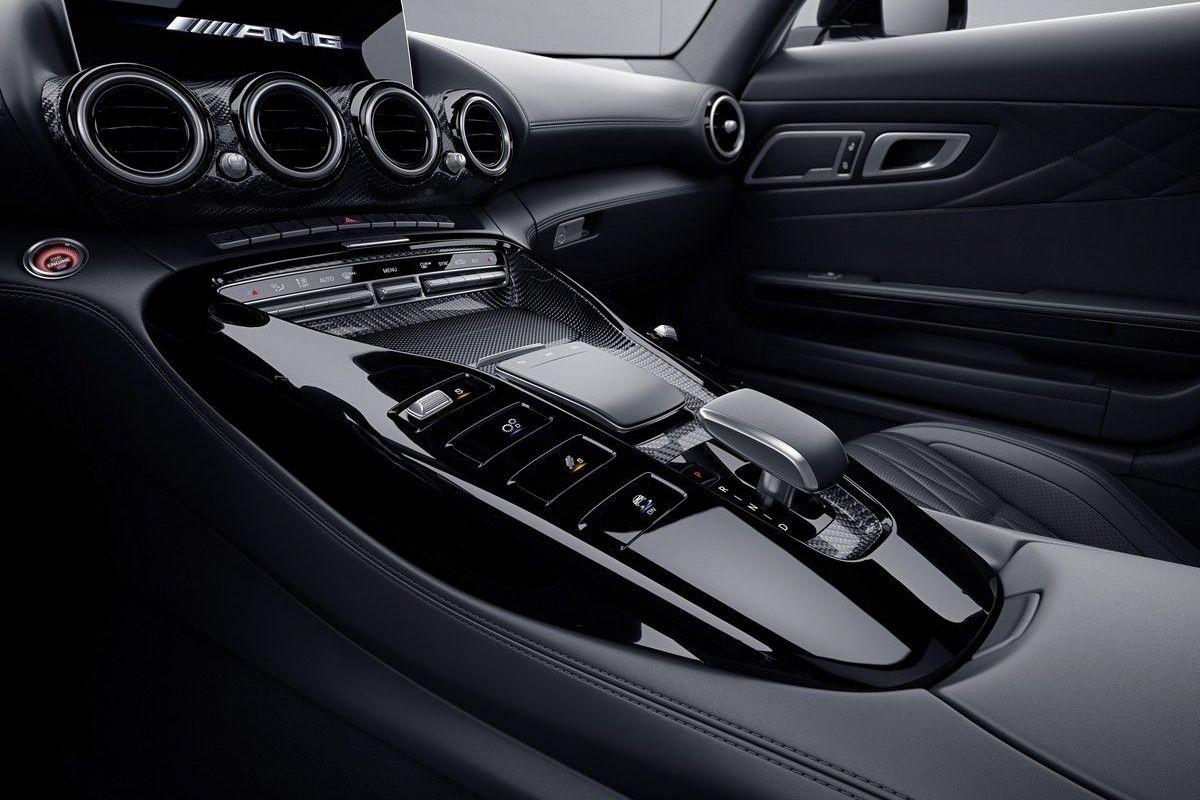
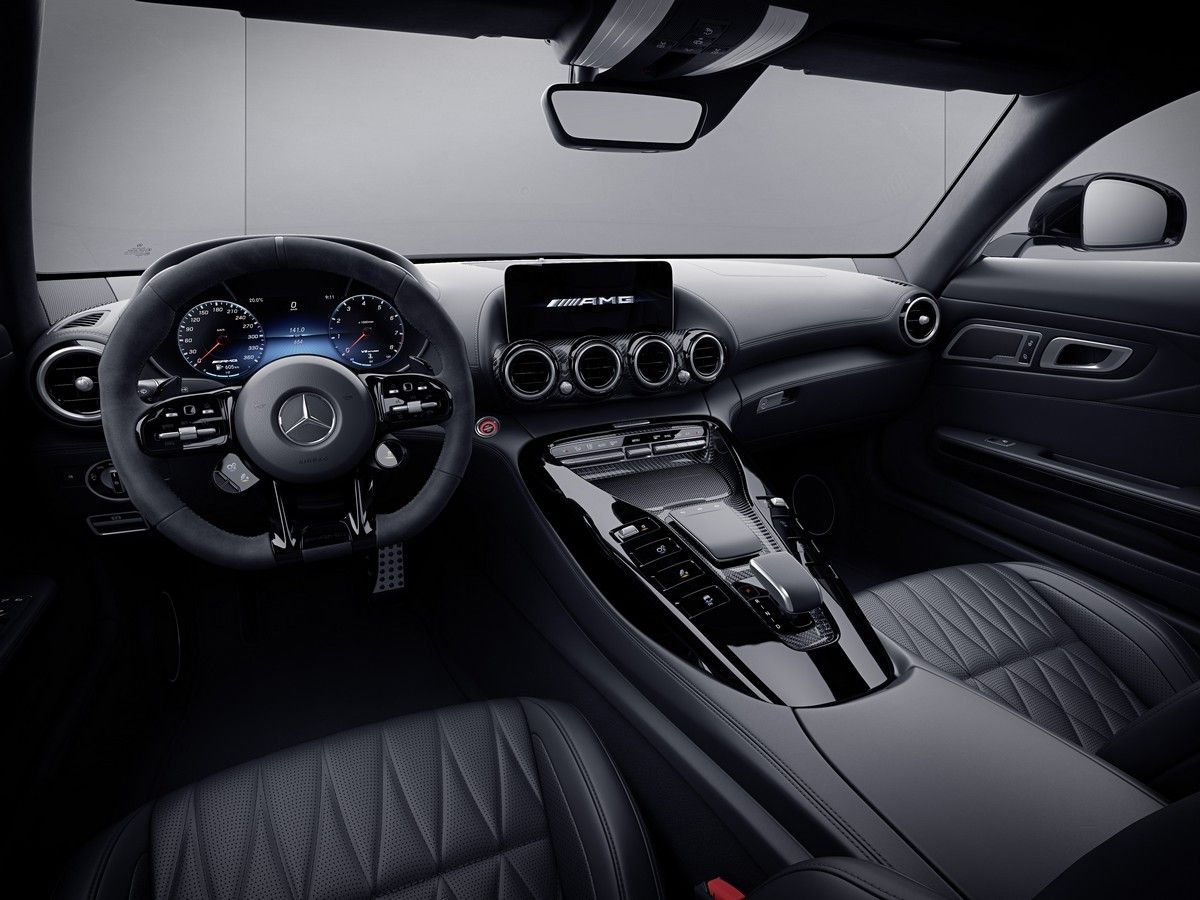
There is an abundance of piano black details in the "Night Edition" cockpit, including on the spokes of the AMG steering wheel.
Other features of the "Night Edition" include the carbon-fibre roof with dark-tinted areas on the coupe. The choice of paint finishes that buyers can choose from (black is standard) include obsidian black metallic, selenite grey metallic or designo graphite grey magno.
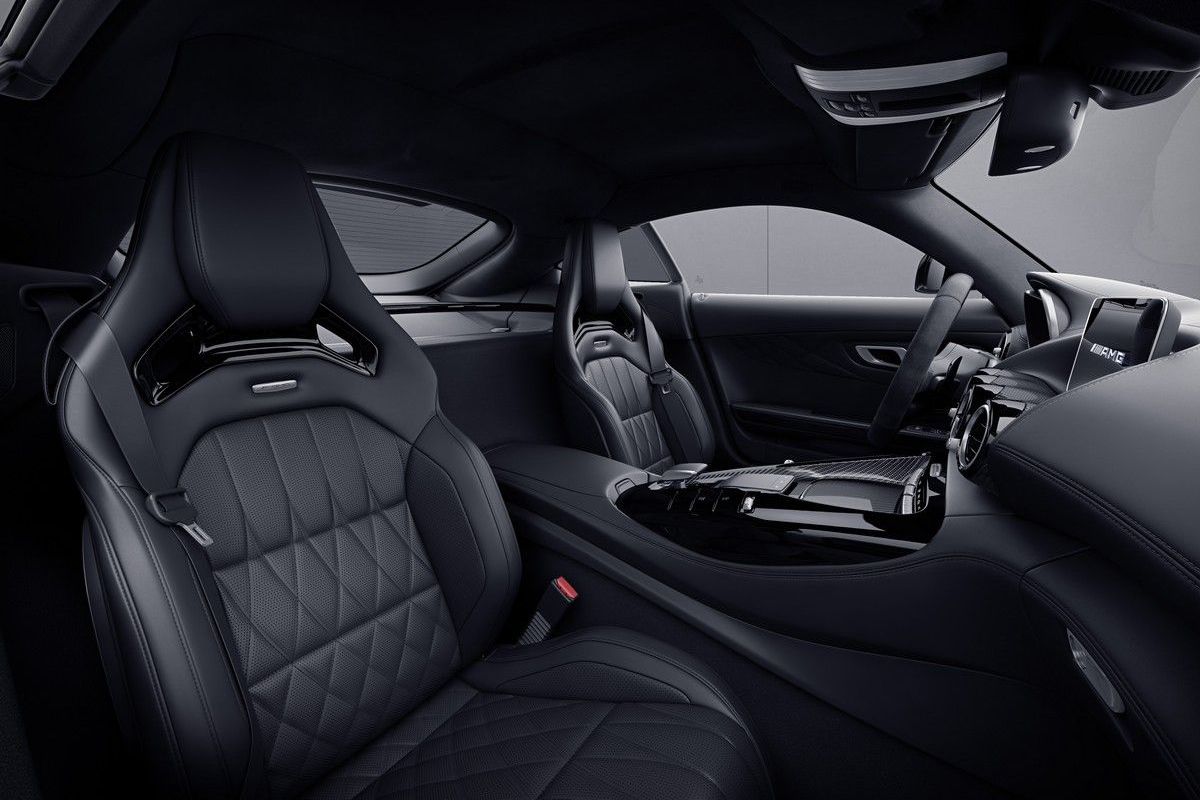
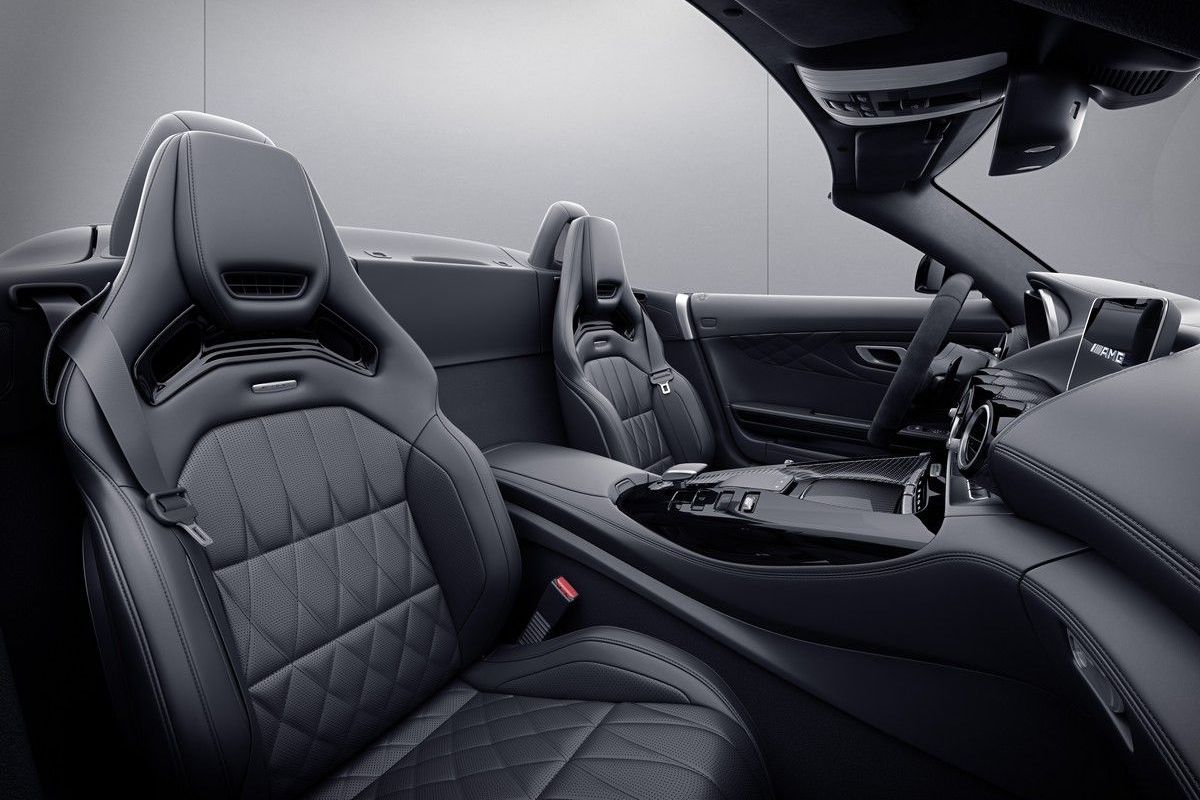
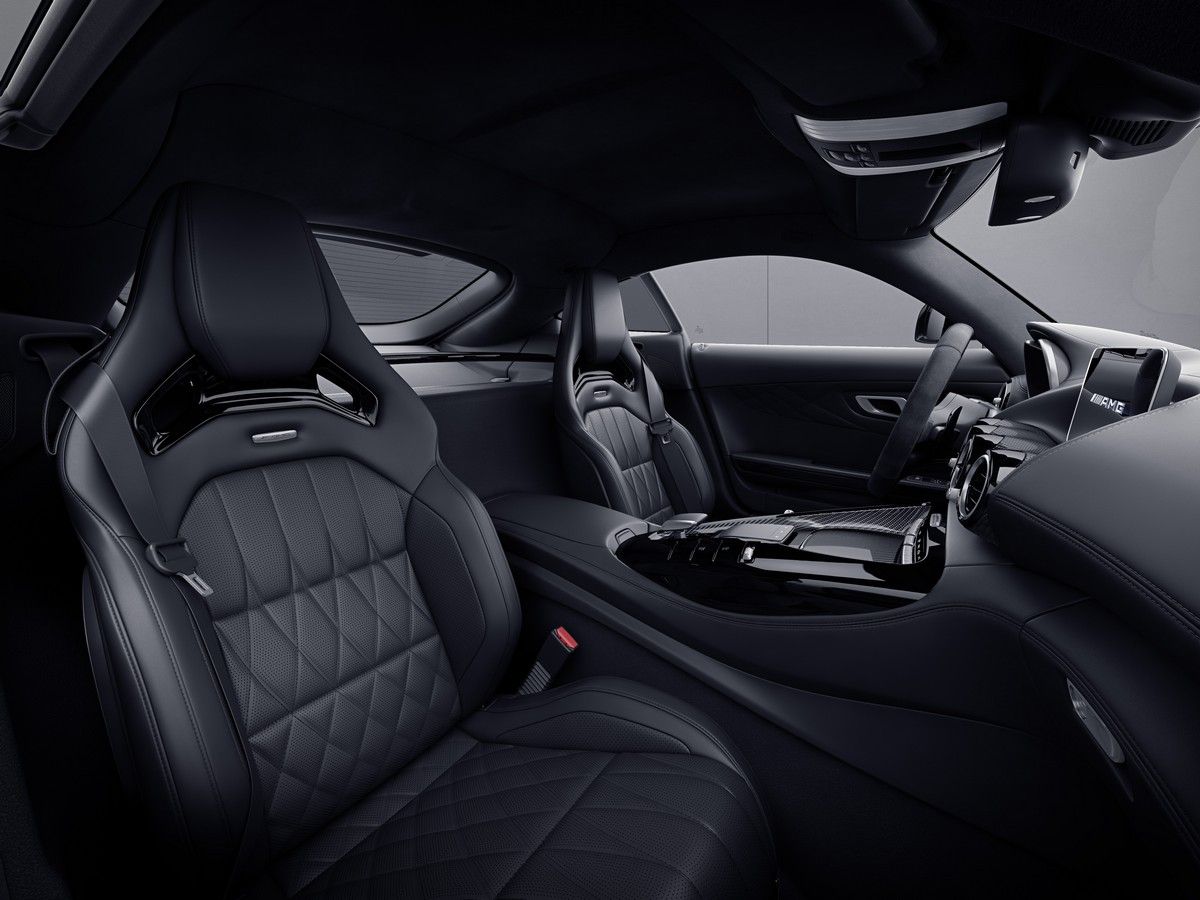
Meanwhile, the interiors of the "Night Edition" versions feature the AMG Interior Night Package, including AMG Performance seats (trimmed in black Nappa leather with diamond quilting and black topstitching), while the AMG sports steering wheel has black spokes and shift paddles and the rim is finished in Dinamica fabric. The exclusive appearance is finished off with a plethora of piano-black accents, which are optionally available with additional carbon-fibre elements.
The AMG Performance seats are trimmed in black Nappa leather and feature diamond quilting as well as black topstitching.
Mercedes-AMG has yet to confirm if and when the updated GT will replace the S Coupe derivative in the local market (it might be late this year, or only in 2021); the Roadster, by contrast, is currently only offered in the 410-kW “C” guise in Mzansi, so the GT Roadster is perhaps less likely to reach our shores…
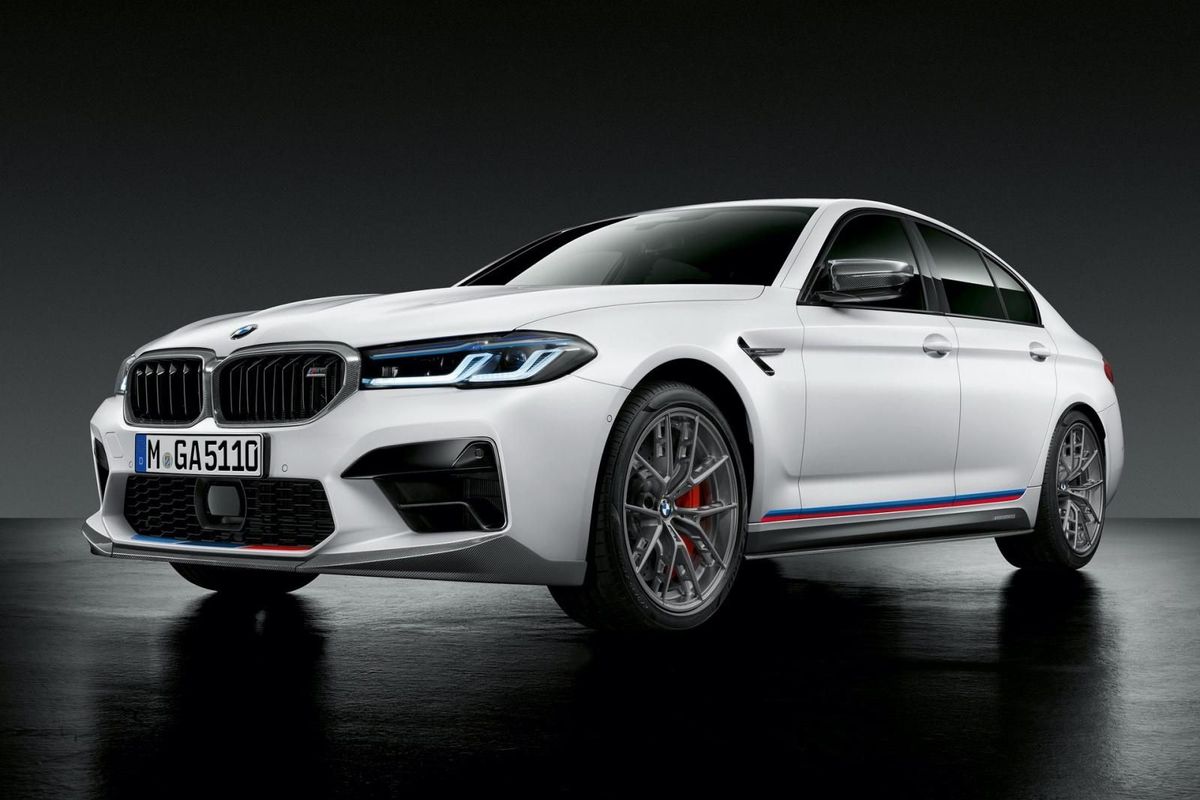
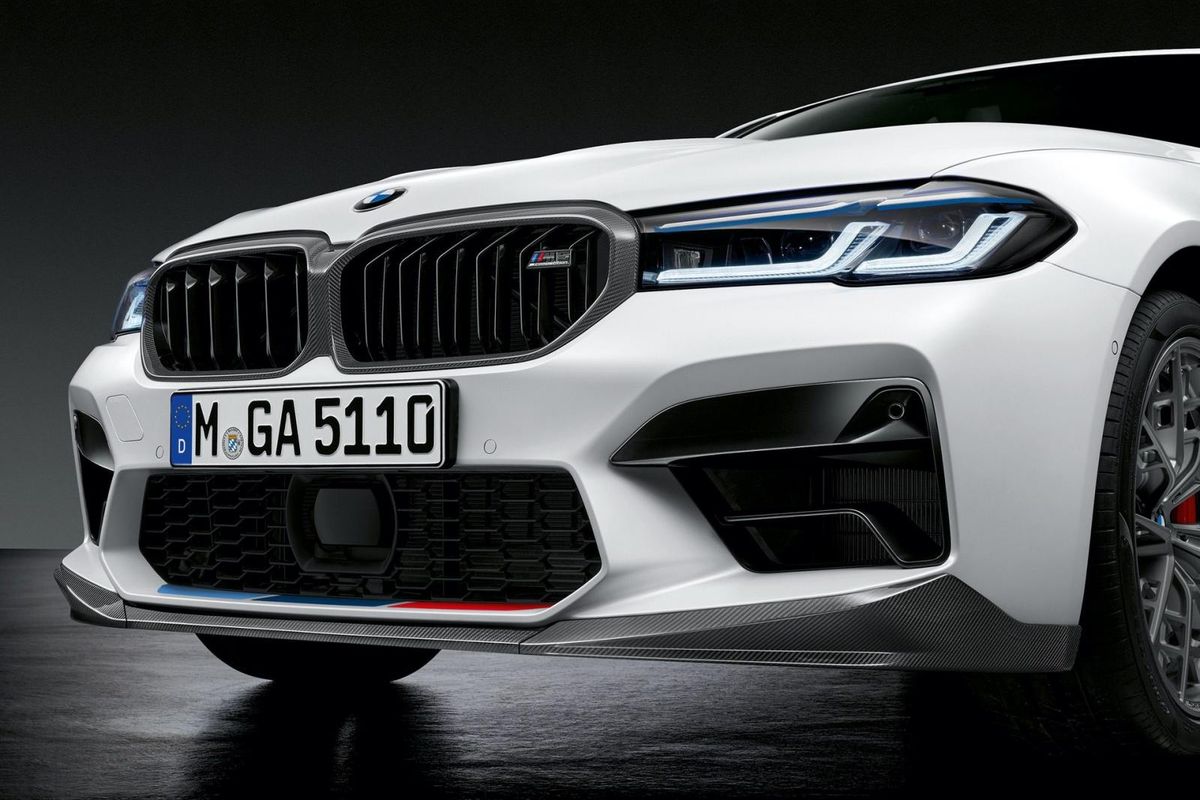
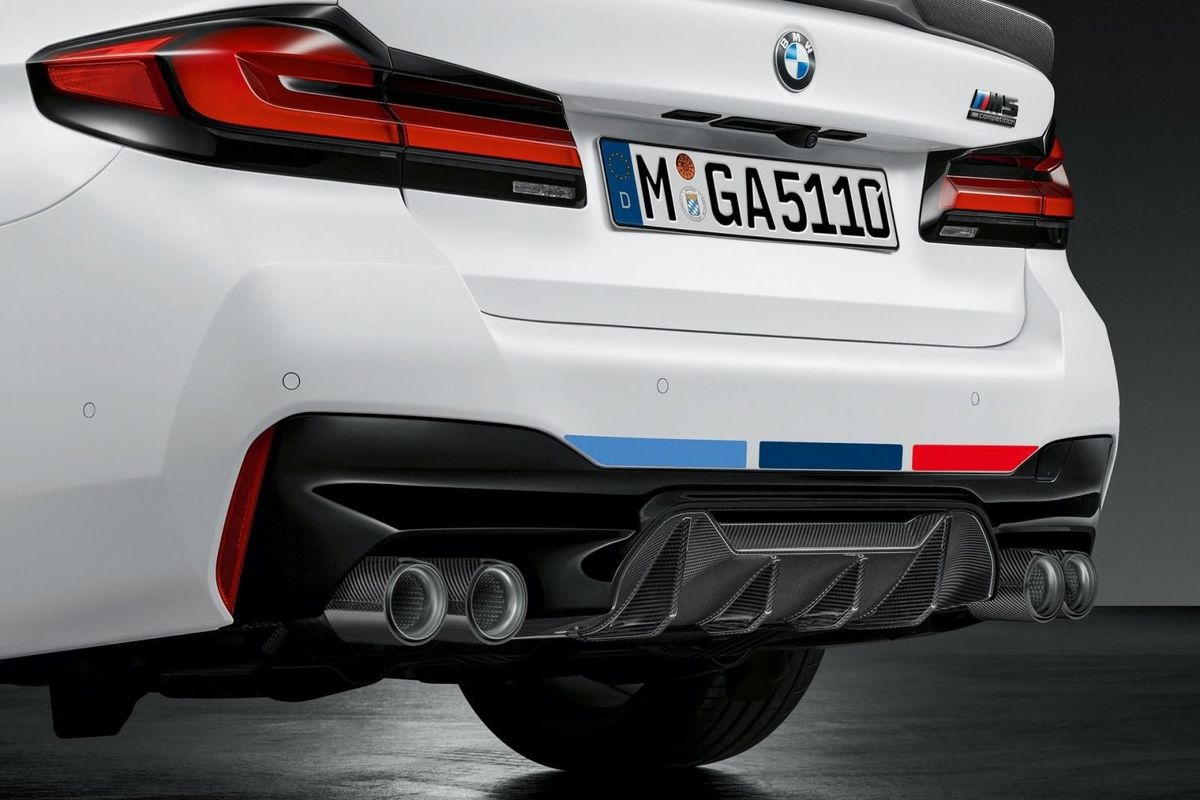
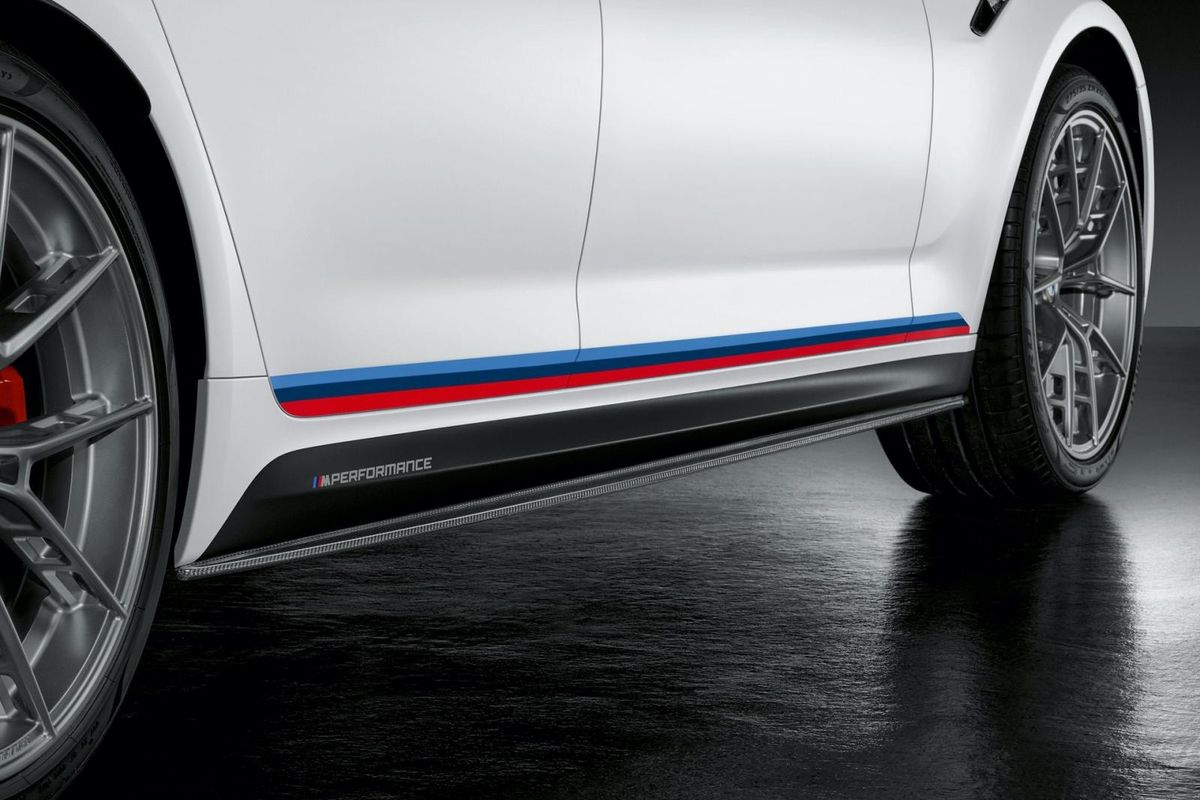
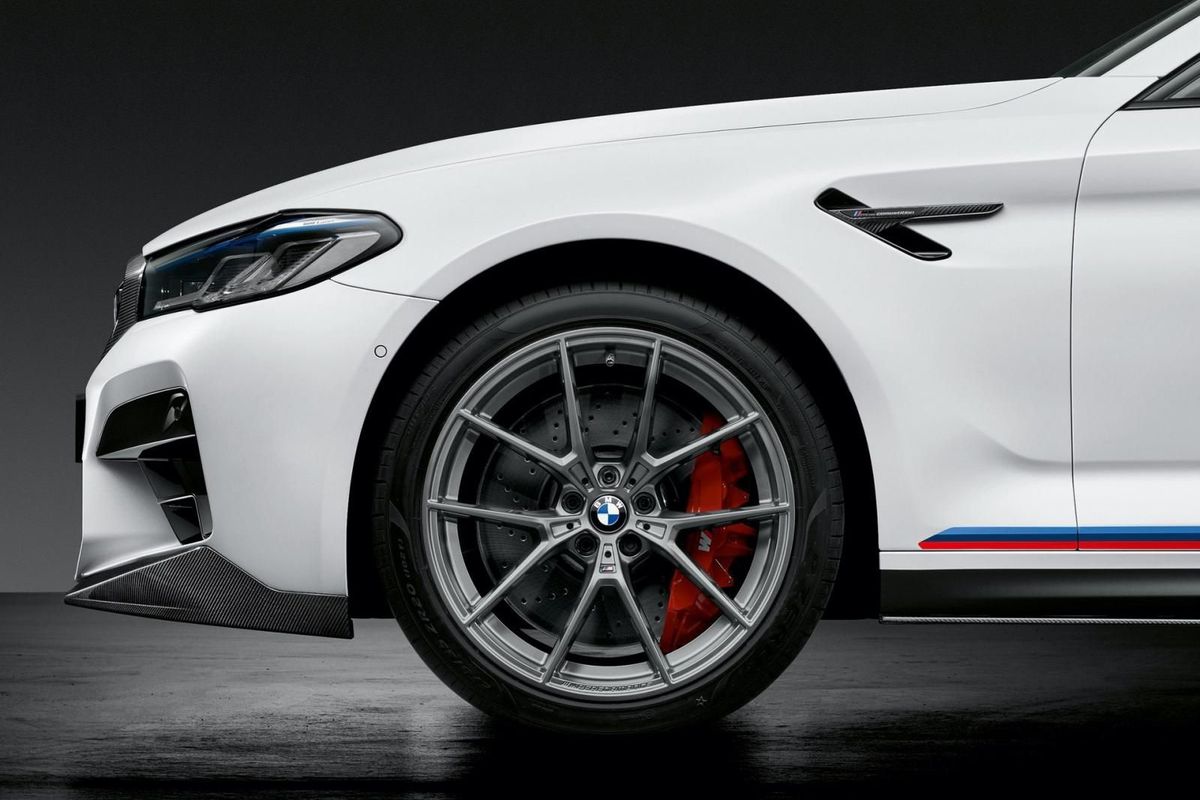
As is customary with most BMW product reveals these days, the German carmaker also reveals the catalogue for its M Performance parts. Now we get a comprehensive look at the updated BMW M5 fitted with M Performance Parts.
The BMW M5 is one of the brand's strongest performance offerings and you'd think there'd hardly be a need for M Performance Parts. However, BMW M claims these accessories aim to deliver sporty accents in terms of design, driving dynamics and performance.
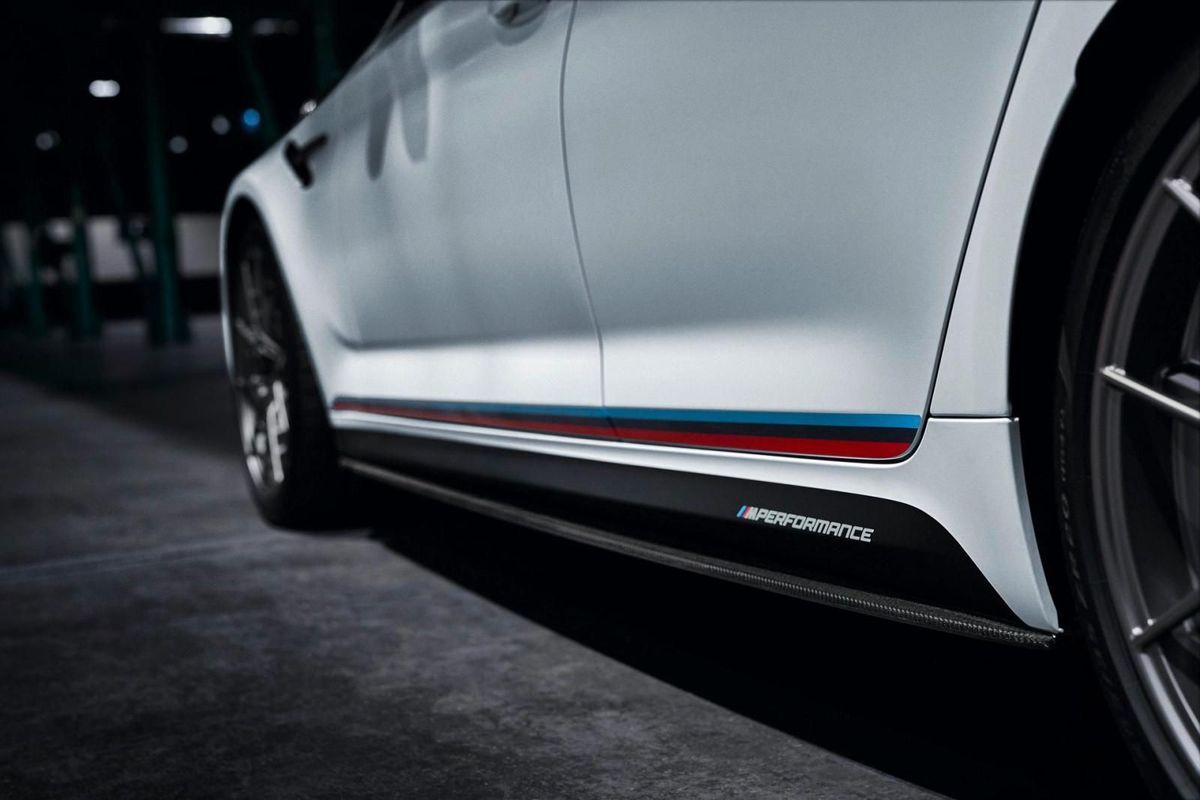
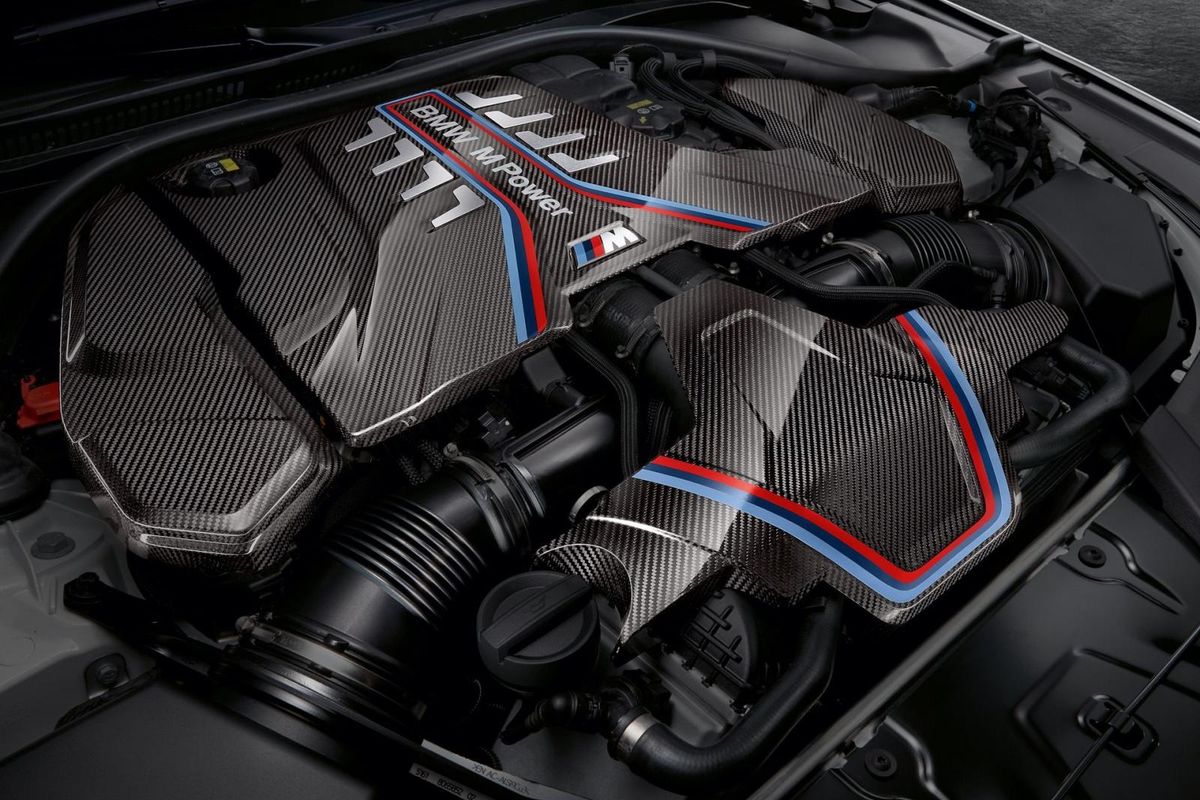
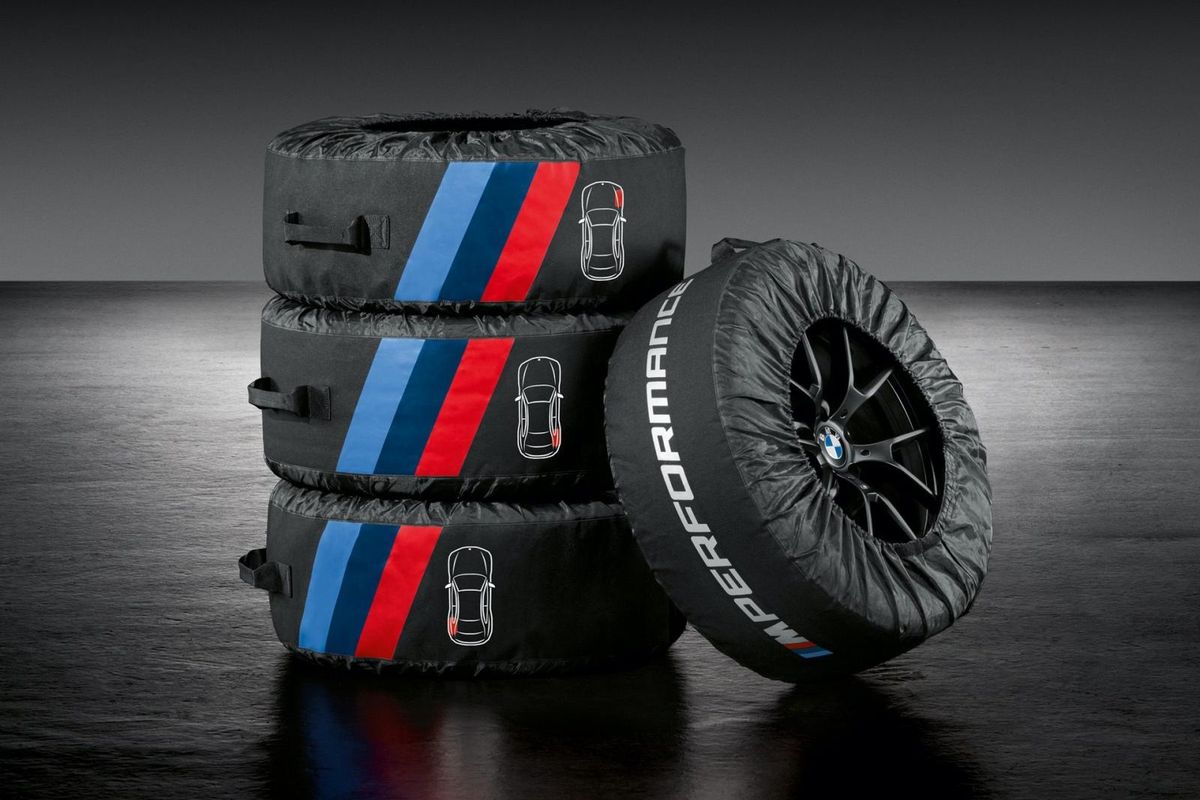
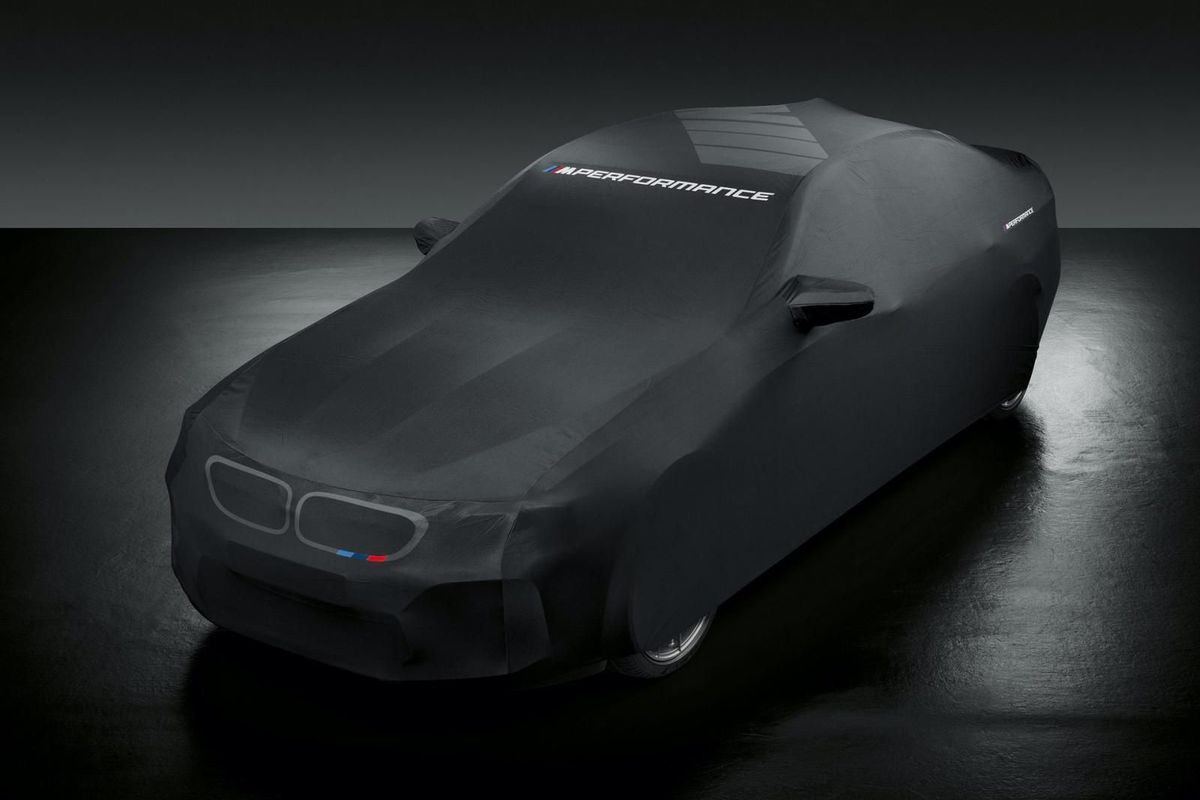
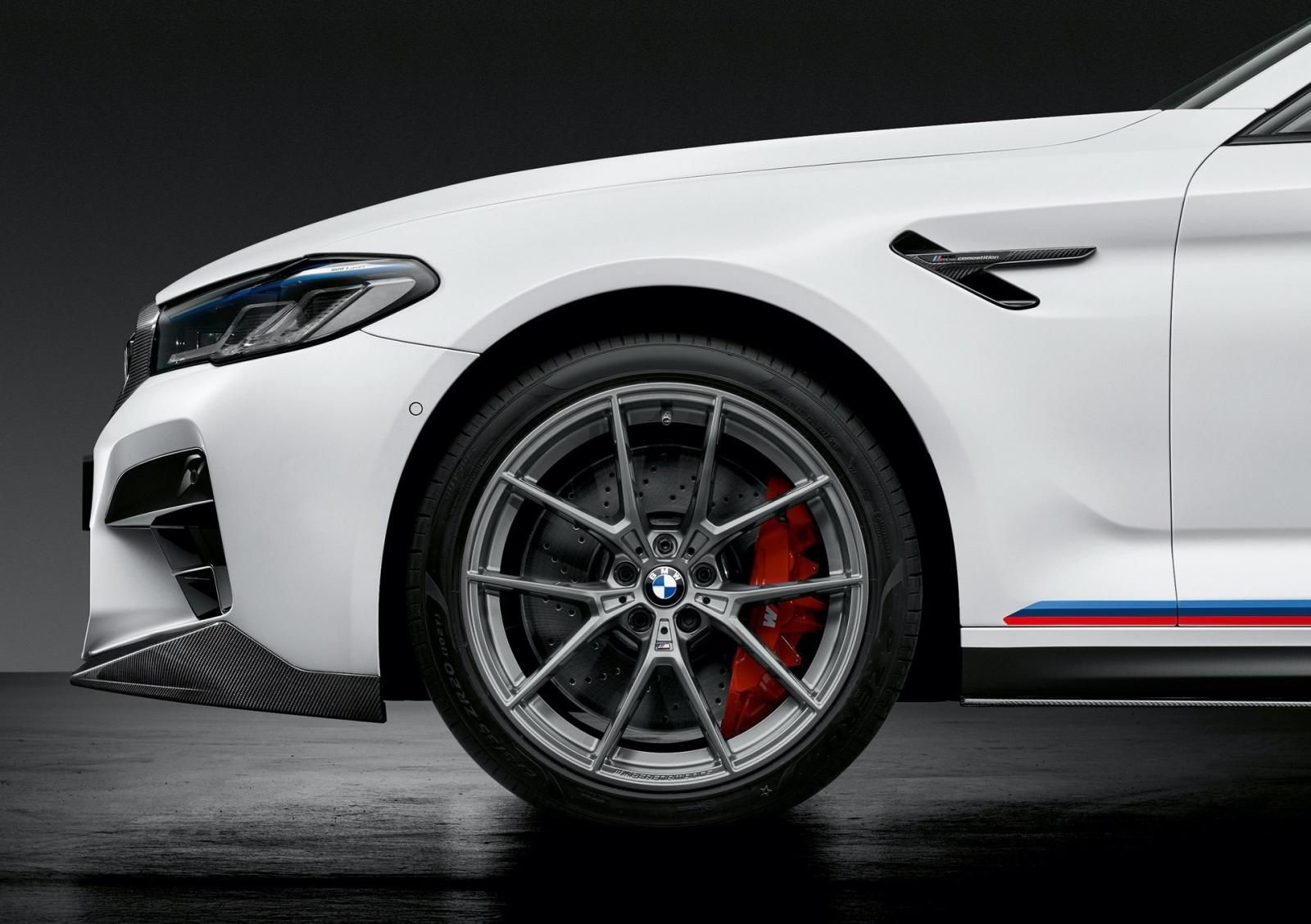
Visually, there's an expansive list of go-faster goodies in carbon fibre on offer. You can get carbon fibre detailing on the grilles, a rear diffuser, side sills, mirror caps, fuel cap, rear boot spoiler and carbon fibre exhaust tips, to name but a few. Other cool accessories on offer include tyre warmers and a cool BMW M car cover, to keep your M5 clean. For those wanting to really show off, there's a carbon fibre engine cover.
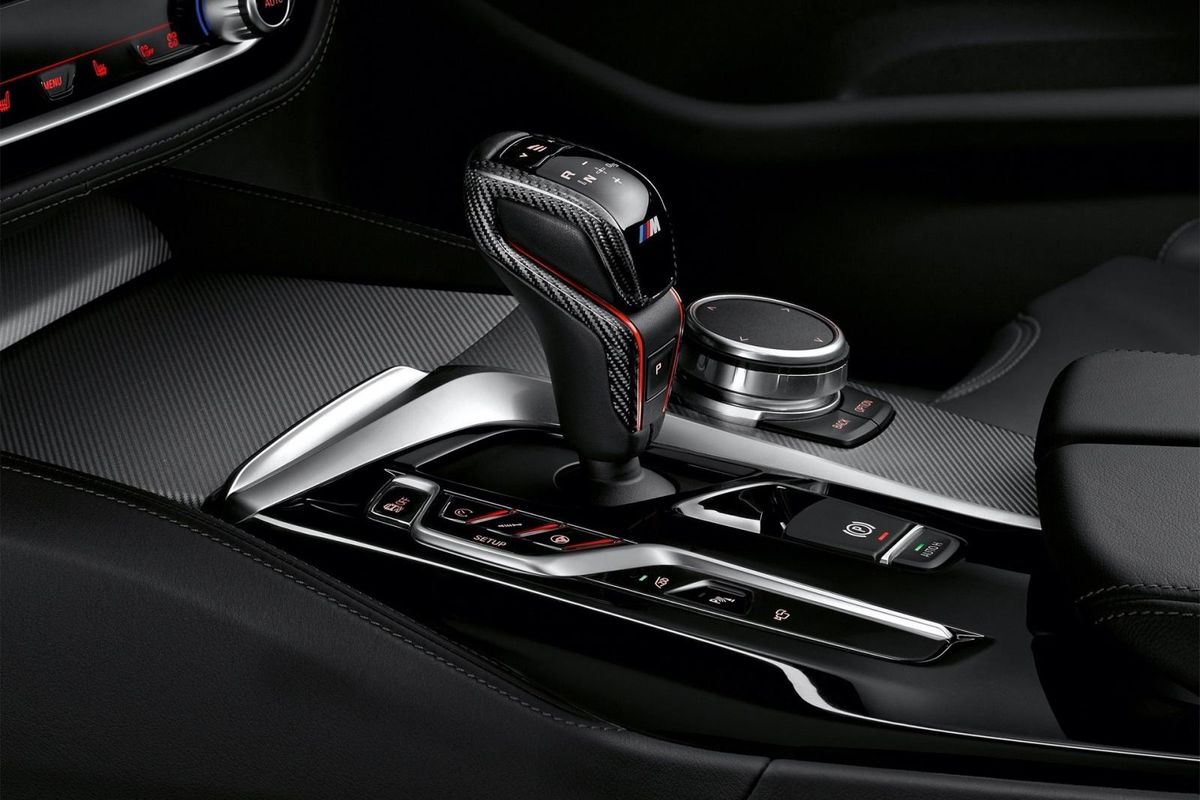
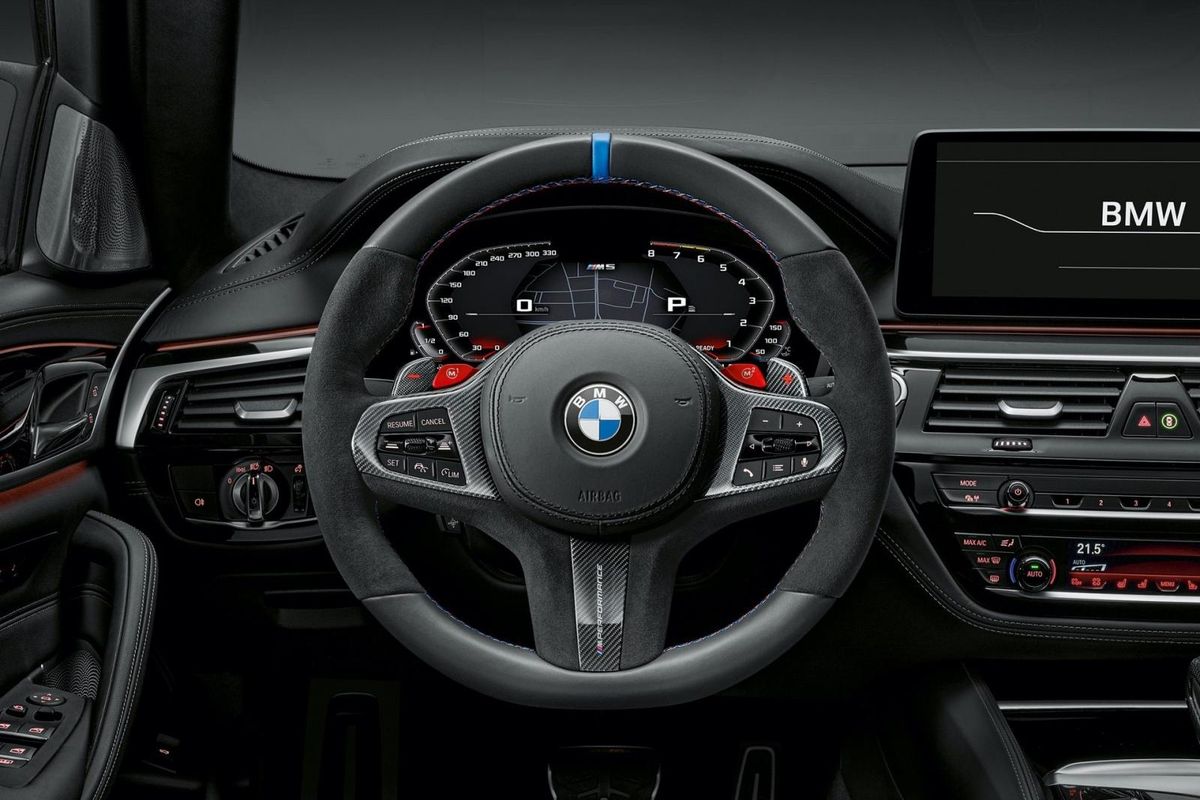
Inside, the M Performance steering wheel Pro is on offer and it features polished carbon fibre and Alcantara trim. There's also the 12 o'clock marker in BMW Motorsport blue and the wheel also features BMW M colour stitching. For those wanting a sporty touch, carbon shift paddles are also on offer. Speaking of gears, there's a carbon fibre gearbox shifter trim kit too.
BMW M Performance is offering an M Performance sports suspension, which lowers the car by 5 and 20 mm. With a lower centre of gravity and less roll, BMW claims cornering speeds will be higher. BMW is also offering new-look 20-inch M Performance forged alloy wheels.
We're torn, surely a car as prestigious as the BMW M5 doesn't need M Performance parts? But, on the other hand, we think this example looks exceptional! The updated BMW M5 will be arriving alongside the 5-Series in South Africa before the end of 2020.
BMW has announced details of its new strategic plan that will place sustainability and efficient resource management at the core of its business in an effort to drastically reduce CO2 emissions by 2030.
BMW has set itself science-based CO2 goals that will drastically reduce the firm’s carbon footprint by the year 2030.
Chairman of the Board of Management Oliver Zipse said, “I firmly believe the fight against climate change and how we use resources will decide the future of our society – and of the BMW Group. As a premium car company, it is our ambition to lead the way in sustainability. That is why we are taking responsibility here and now and making these issues central to our future strategic direction. This new strategic direction will be anchored in all divisions – from administration and purchasing to development and production, all the way to sales. We are taking sustainability to the next level.”
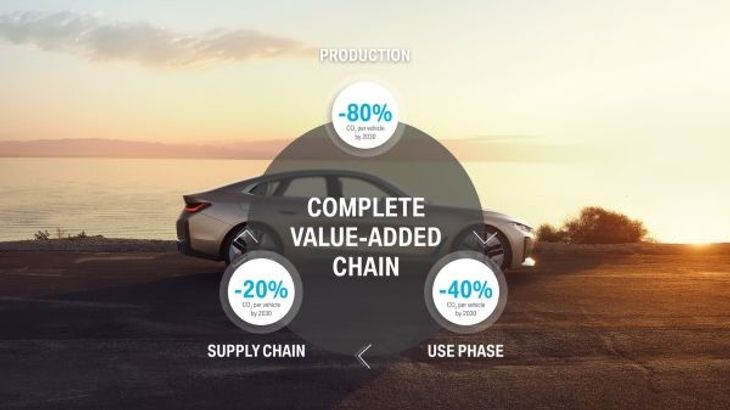
The main aim is to reduce CO2 emissions per vehicle by at least one third across the lifecycle including the supply chain, production and end of use phase. On a production level, BMW aims to reduce CO2 emissions at its facilities by 80% come 2030. To meet this goal BMW will look to source 100% green power while also optimising its energy efficiency through increasing digitalisation of processes at its sites across the world.
More electric cars, less CO2
In terms of vehicles, BMW aims to reduce vehicle CO2 emissions by 40% per kilometre driven and this will be primarily achieved by the expansion of e-mobility which ultimately means putting more electrified/electric cars on the road.
The aim is to have more than 7-million electrified cars on the road with two thirds of them being all-electric.
“The best vehicles in the world are sustainable. That is why premium and sustainability will be even more inextricably linked in the future,” said Zipse. “We are using our exceptional technological expertise in both hardware and software not only to make these vehicles desirable, but also to help reduce CO2 through them.”
At the end of 2021, BMW will have 5 full-electric vehicles in its stable including the i3, Mini Cooper SE, iX3, iNext and the i4.
The next-generation 7 Series will also feature an all-electric Battery Electric Vehicle (BEV) model in addition to a plug-in hybrid derivative and petrol and diesel derivatives with 48-volt technology. By 2023, 25 electrified models will be on the roads with half of them being fully electric.
More than this, BMW will also be ‘electrifying’ other high-volume models in its range including the X1 and the 5 Series which will be offered with 4 powertrain options (fully-electric, plug-in hybrid, and diesel and petrol engines with 48-volt technology).
In terms of the supply chain, BMW will look to reduce CO2 emissions per vehicle by 20% by 2030. The focus here will be to implement corrective measures to avoid rising CO2 emissions per vehicle as a result of growth in e-mobility. Merc says that attention will have to paid to upstream added value in order to reduce CO2 emissions and sites energy-intensive production of high-voltage batteries as an example. More so, the firm will establish CO2 targets for its supply chain, comprising roughly 12 000 tier 1 partners worldwide and will factor-in a decision criterion in its contract award process.
“Our aim is to ensure the most sustainable supply chain in the entire industry,” said Zipse.
An agreement is already in place for BMW’s battery cell manufacturers to only use green power to produce fifth-generation battery cells which will save about 10 million tons of CO2 over the next 10 years. In addition, BMW too will increase its use of green power and will continue to encourage its supply chain partners to do the same.
Lastly, BMW will also enhance its resource management in an effort to reduce the reliance on primary material over the long term and introducing more high-quality secondary material.
“Our goal is clear: We want to further close the material cycles to protect nature’s finite resources and use them even more efficiently,” said Zipse.
BMW, in partnership with specialist recycling company, Duesenfeld, is developing a method to achieve a high-voltage battery recycling rate of 96% where the current EU recycling rate requirement is 50%.
The recycling of batteries will become more critical over time as demand for high-voltage batteries increases in conjunction with the rise of e-mobility.
Mercedes-Benz is working on a new small van, called the T-Class.
Mercedes-Benz has announced it will be building a new entrant for the small van segment. Called the Mercedes-Benz T-Class, the newcomer will be developed in cooperation with the Renault-Nissan-Mitsubishi Alliance.
"With the new Mercedes-Benz T-Class, we will offer a vehicle which makes it possible for families and those with active pastimes to step into the Mercedes-Benz world. These customers seek attractive and practical compact vehicles – and it is precisely these demands which the new T-Class fulfils", says Marcus Breitschwerdt, Head of Mercedes-Benz Vans.
The teaser image attached to this release shows a typical van shape and it's expected the newcomer will feature wide-opening sliding doors. There will be both internal combustion engines on offer as well as a fully-electric version.
As for an arrival date, Mercedes-Benz has said customers will be taking delivery from the first half of 2022.
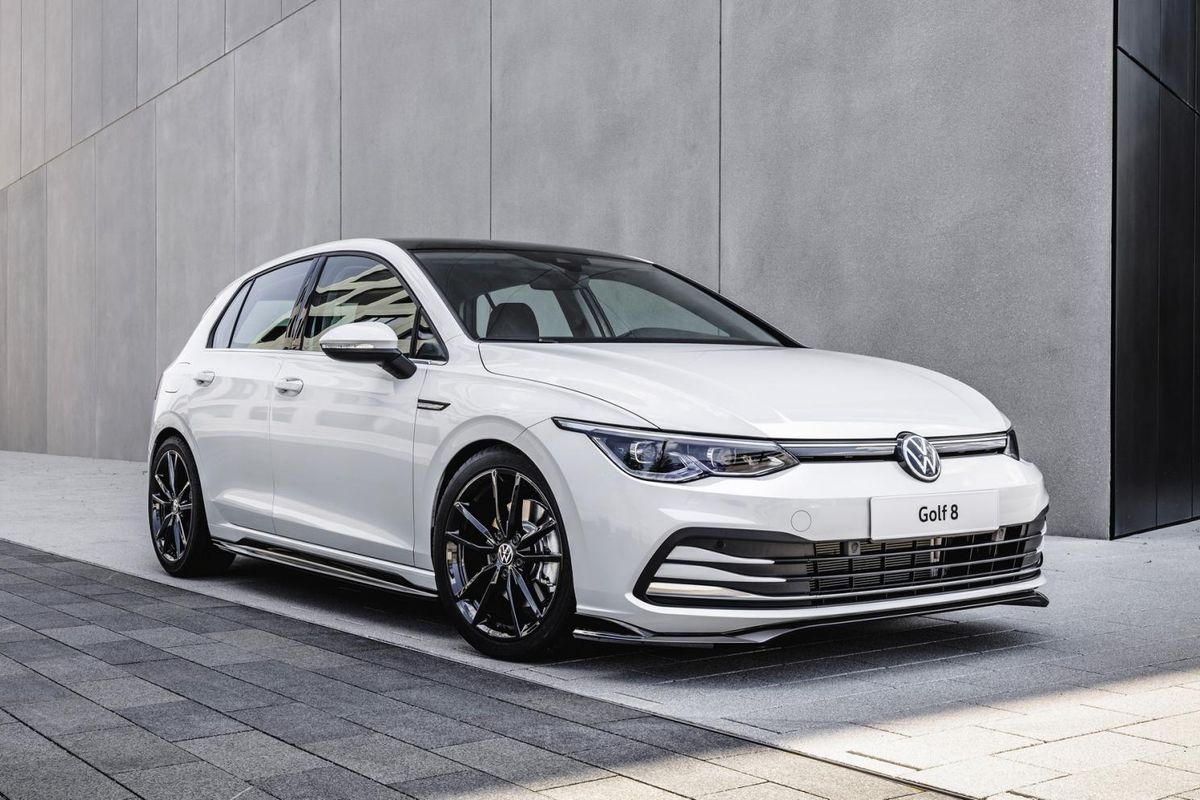
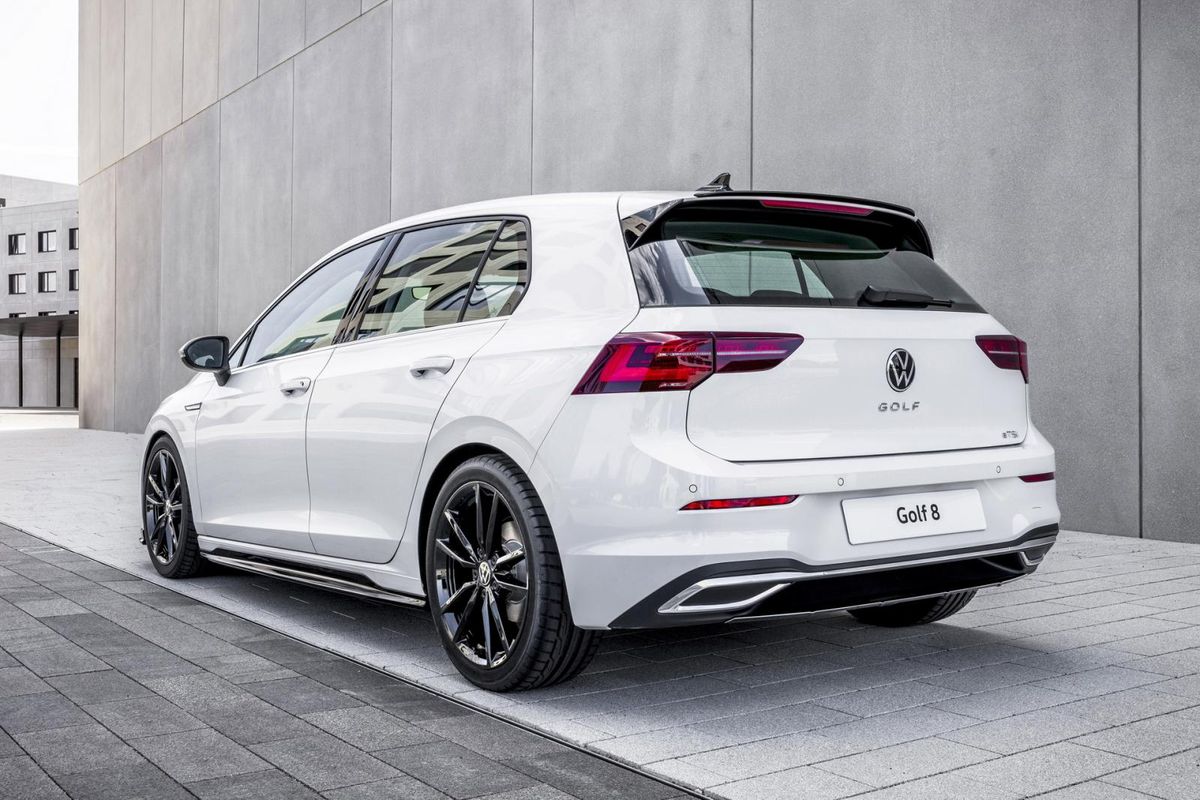
German tuner, Oettinger, has shown what’s possible with the new Volkswagen Golf 8…
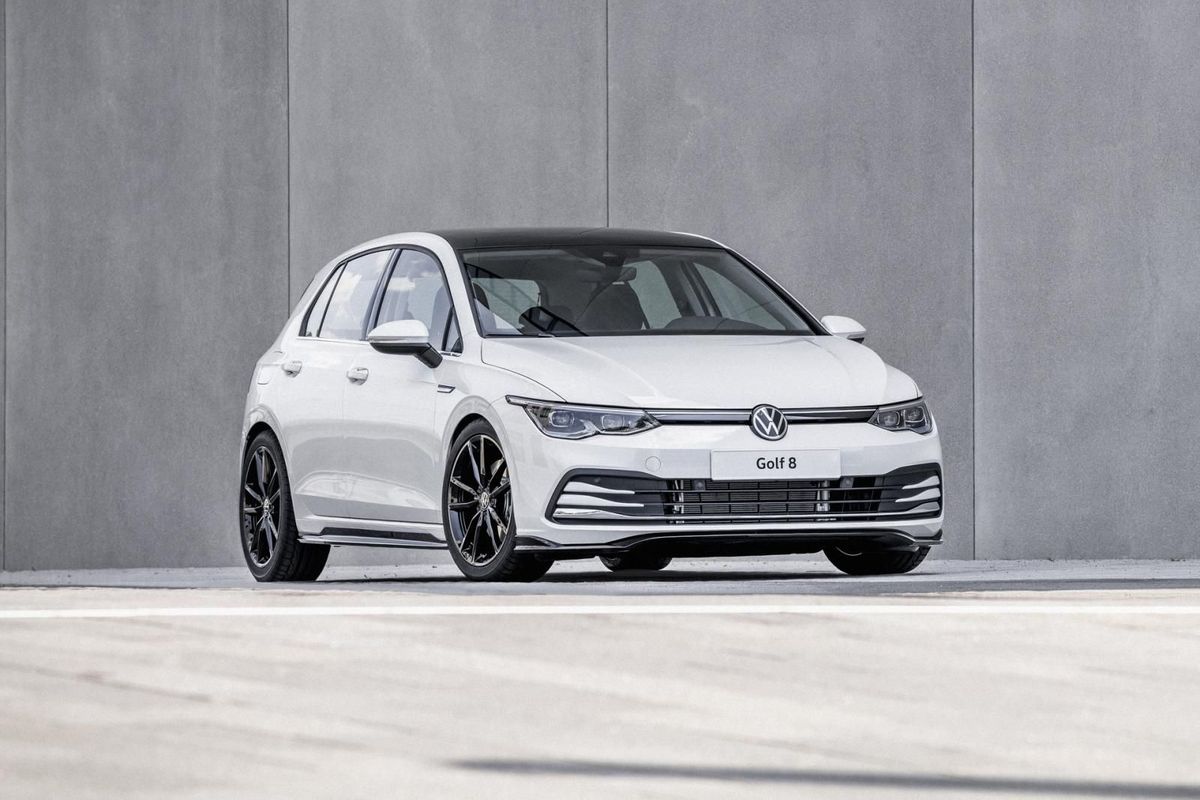
The new Golf 8 is due to arrive in South Africa in the first quarter of 2021 and if you are in need of a few ideas to modify your Golf then perhaps Oettinger’s treatment will be to your liking.
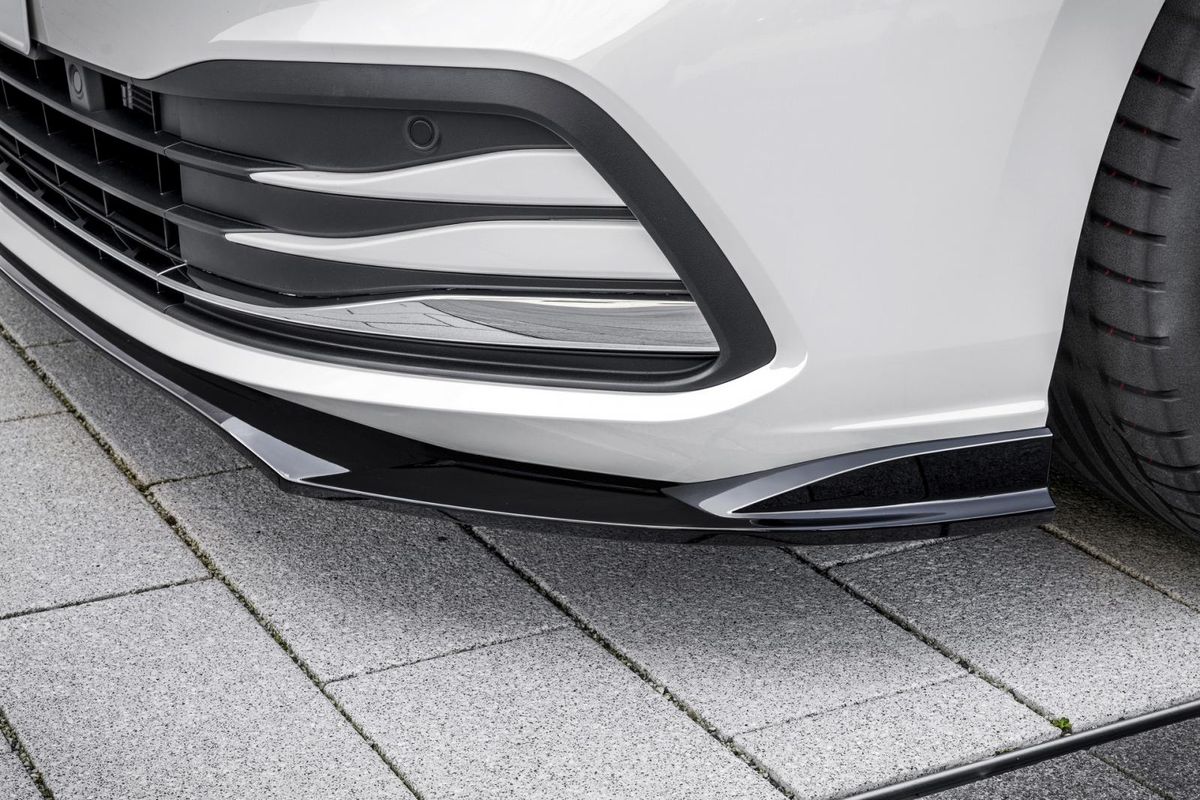
Perhaps not as flashy as some of the other Golf 8 modifications we have seen thus far, the Oettinger Golf 8 wears a sportier front apron with 3-piece design, spoiler lip as well as flared side skirts that provide continuity to the visual presence of the Golf 8. A spoiler is also mounted to the tailgate and the Oettinger Golf 8 rides on 18-inch gloss-black alloy wheels which are available directly from Volkswagen.
Oettinger will also offer similar subtle treatments for the Golf GTI and eventually for the Golf 8 R when it arrives at a later stage.
Do you like the look of this Oettinger Volkswagen Golf 8?
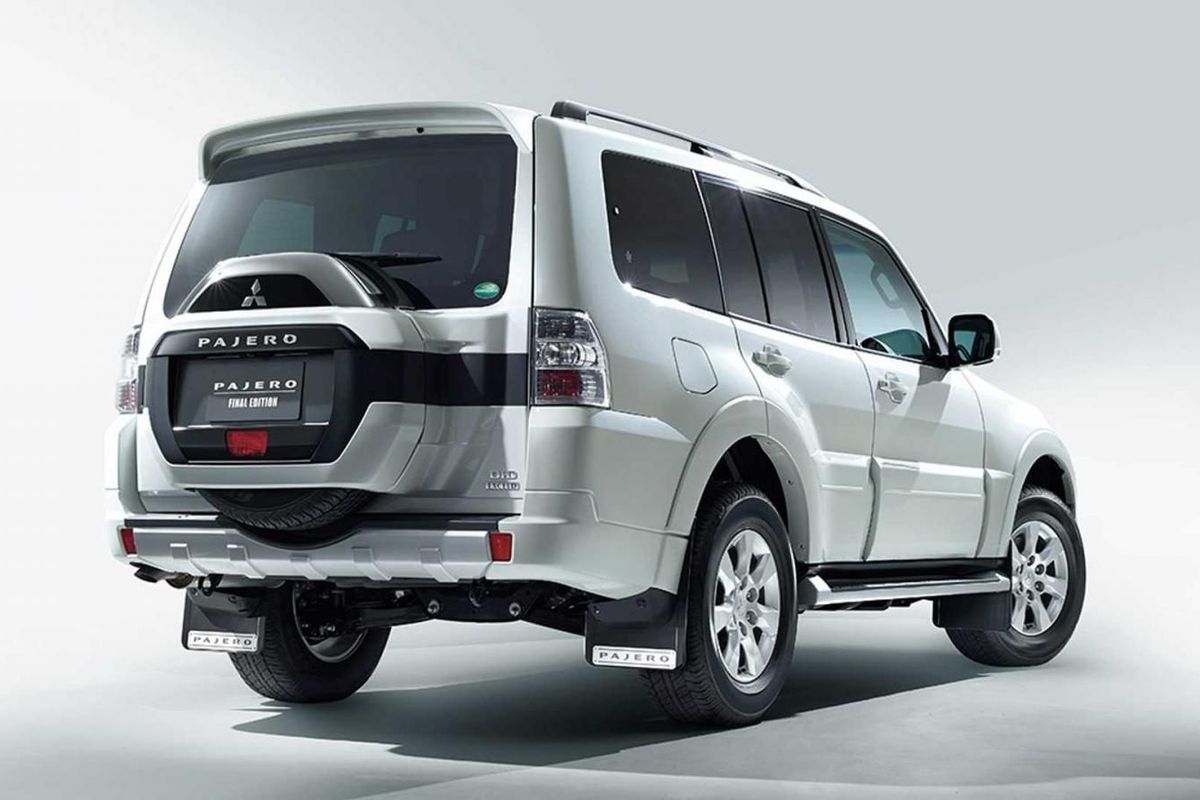
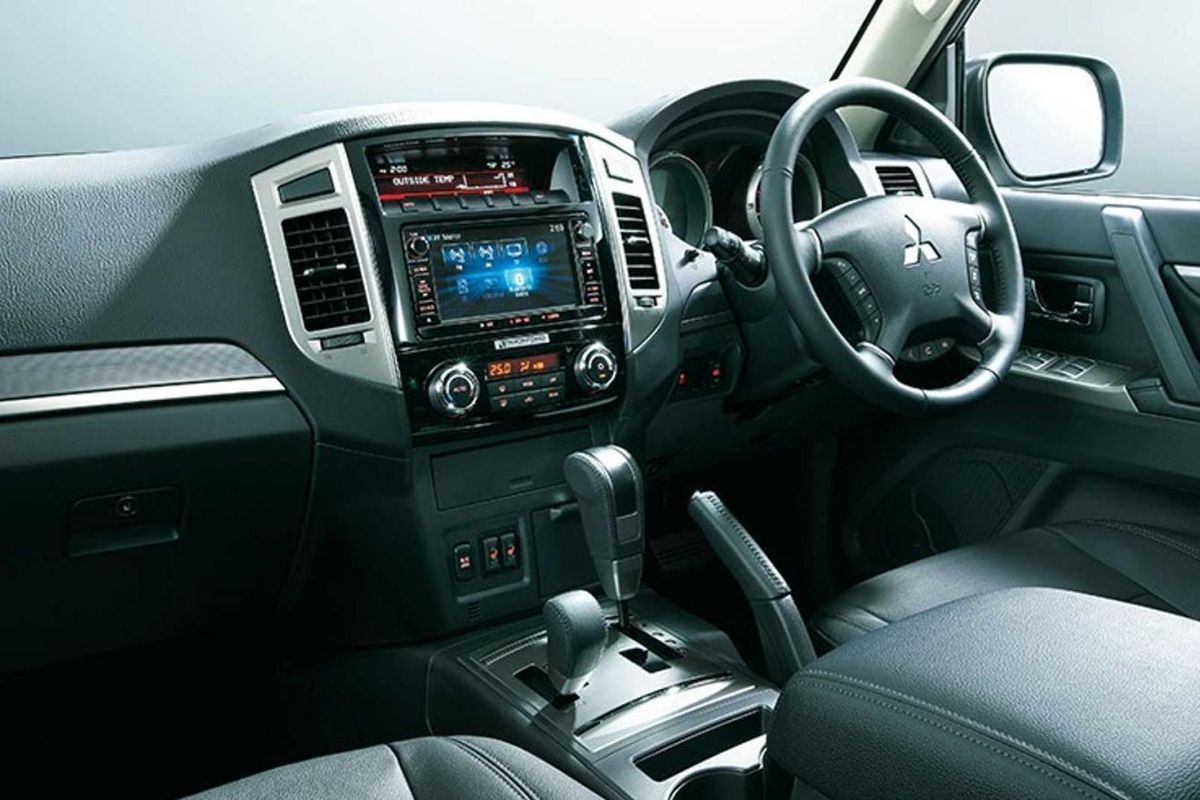
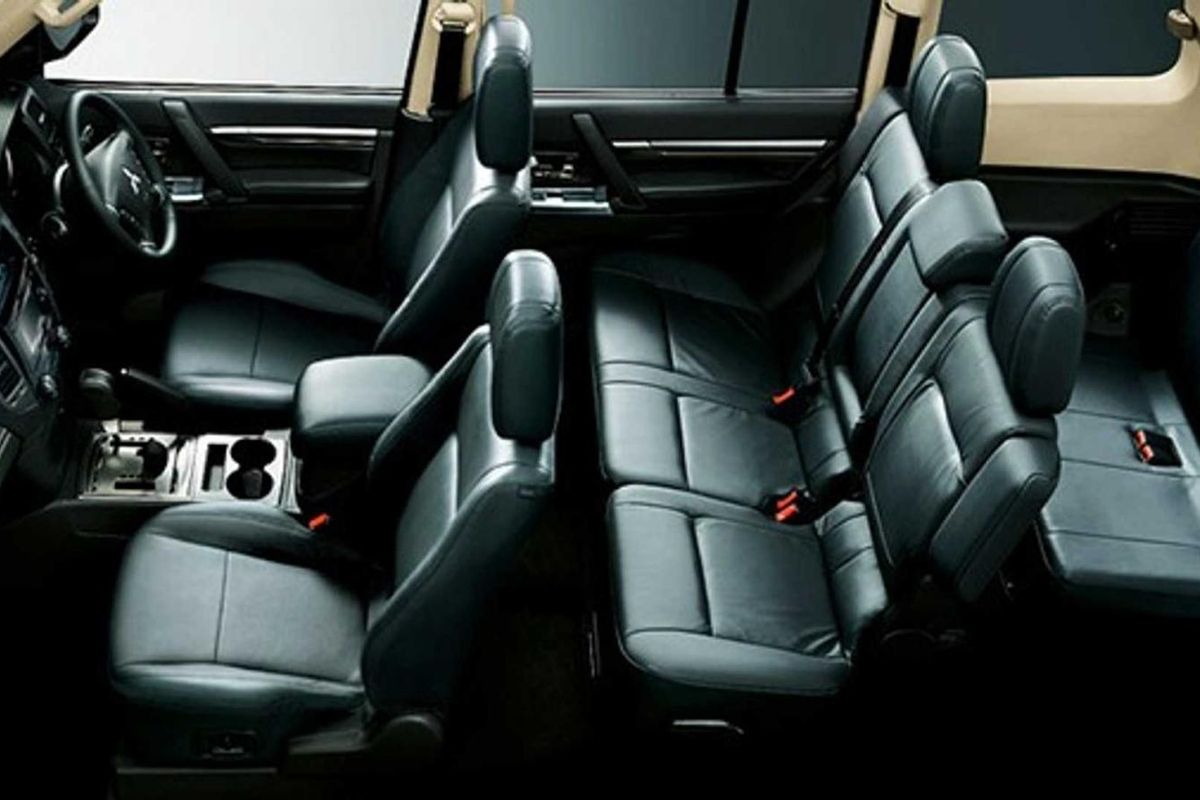
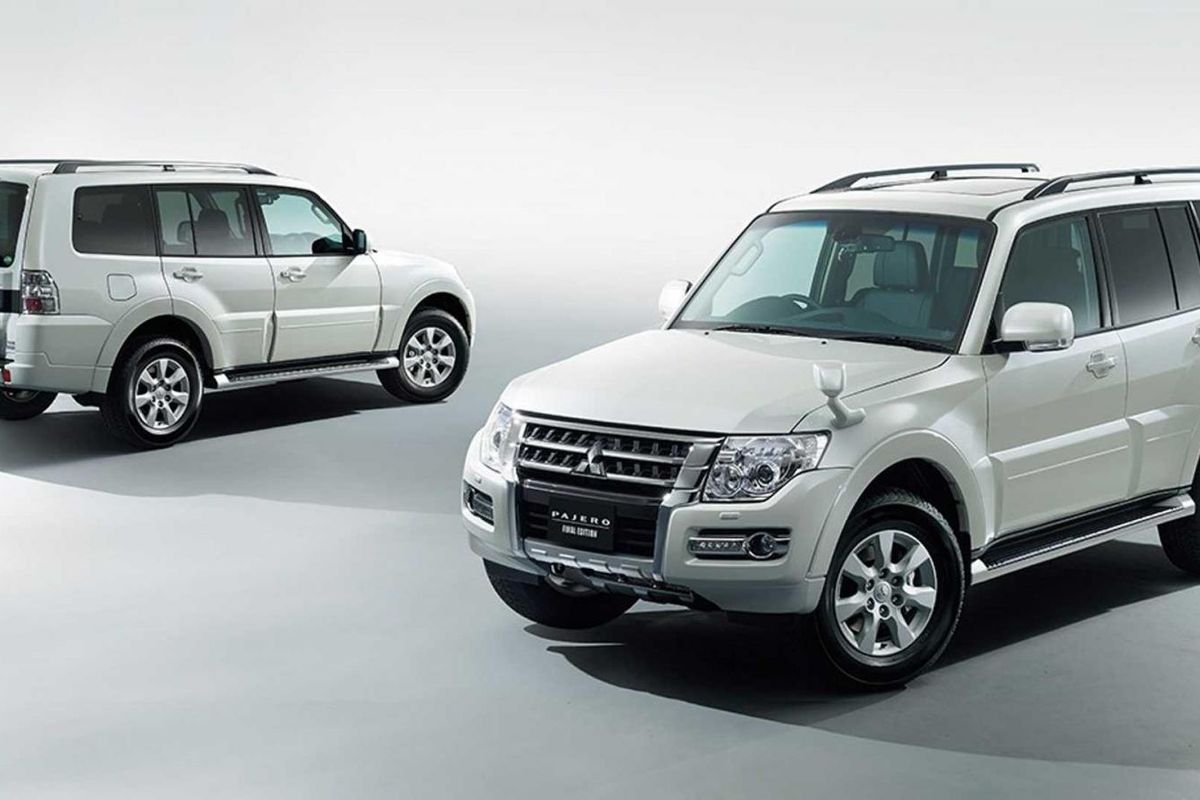
The great Mitsubishi SUV survival story is close to its end.
Although many Mitsubishi fans gravitated to the brand through the gaming console performance of its Lancer Evos, the reality for South Africans has always been Pajero. For three decades the Pajero has been a proven adventure SUV, capable of touring all across southern Africa, without bother.
Mitsubishi’s future product development can no longer afford to carry the outdated ladder-frame SUV. In production since 2006, time is finally being called on the Pajero.
With its ageing platform and cabin architecture, not to mention relatively underpowered and inefficient engines, the Pajero is unable to compete with a surge of newer seven-seat SUVs.
It was only a few months ago, in March 2020, where Mitsubishi proposed an all-new Pajero would be coming in late 2021 or 2022. It seems, however, that idea has been canned as the brand focusses on small to medium-sized SUVs going forward.
News from the Japanese industrial media is that Mitsubishi is keen to close the Pajero production facility, which has fallen below its profit threshold. At one stage the Pajero was a profit anchor for Mitsubishi, but with sales trickling to half, especially in crucial markets such as Australia, the costing logic for its production has disappeared.
Respected by Toyota and Land Rover owners for its blend of on-road comfort and off-road touring ability, the Pajero simply finds itself without a feature of excellence in 2020. It does not have the ground clearance or traction to be a true grade 5 off-roader, nor is it comfortable or agile enough to compete with Ford’s Everest.
A small number of committed Pajero followers will still be in the market for one, appreciating the mechanical cleverness of its Super-Select transfers case and the proven durability of Mitsubishi’s 3.2-litre turbodiesel engine. But with global demand vanishing, the end is near, for Pajero.
Both the short- and long-wheelbase Pajeros are still listed for sale on Mitsubishi’s South African website, retailing for R729 995 and R819 995.
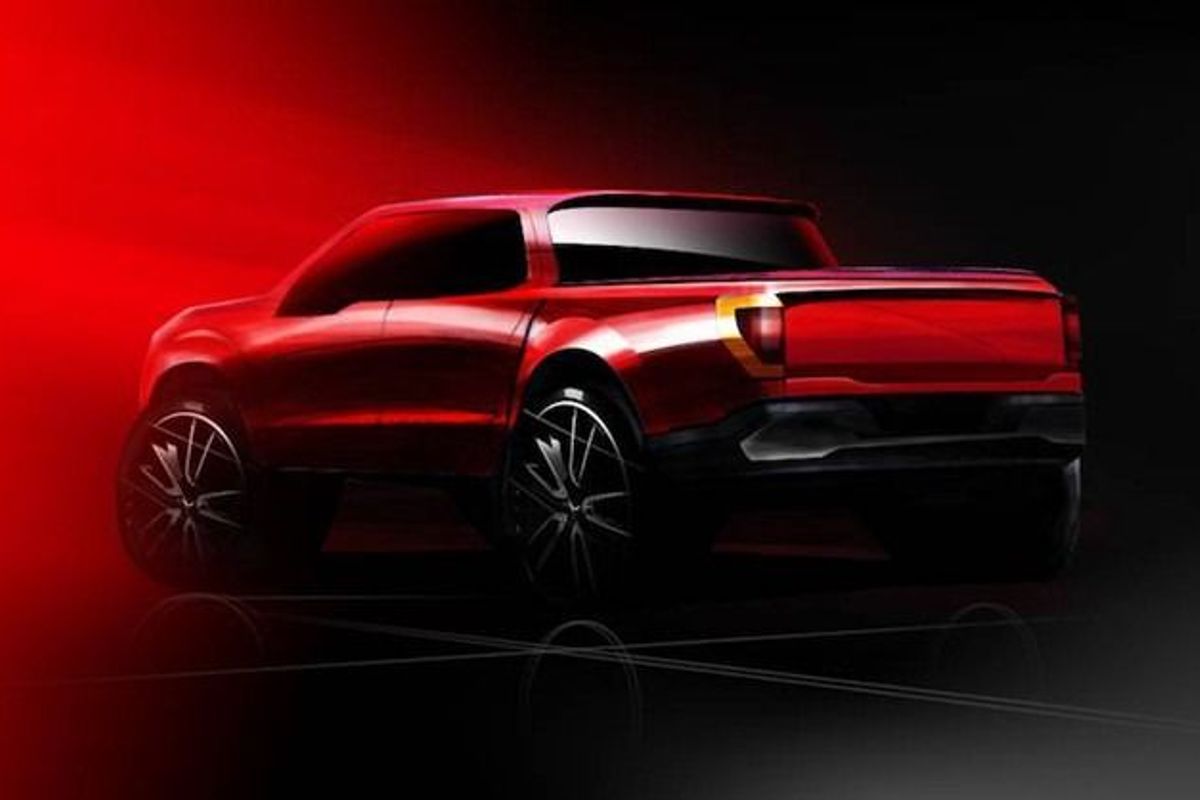
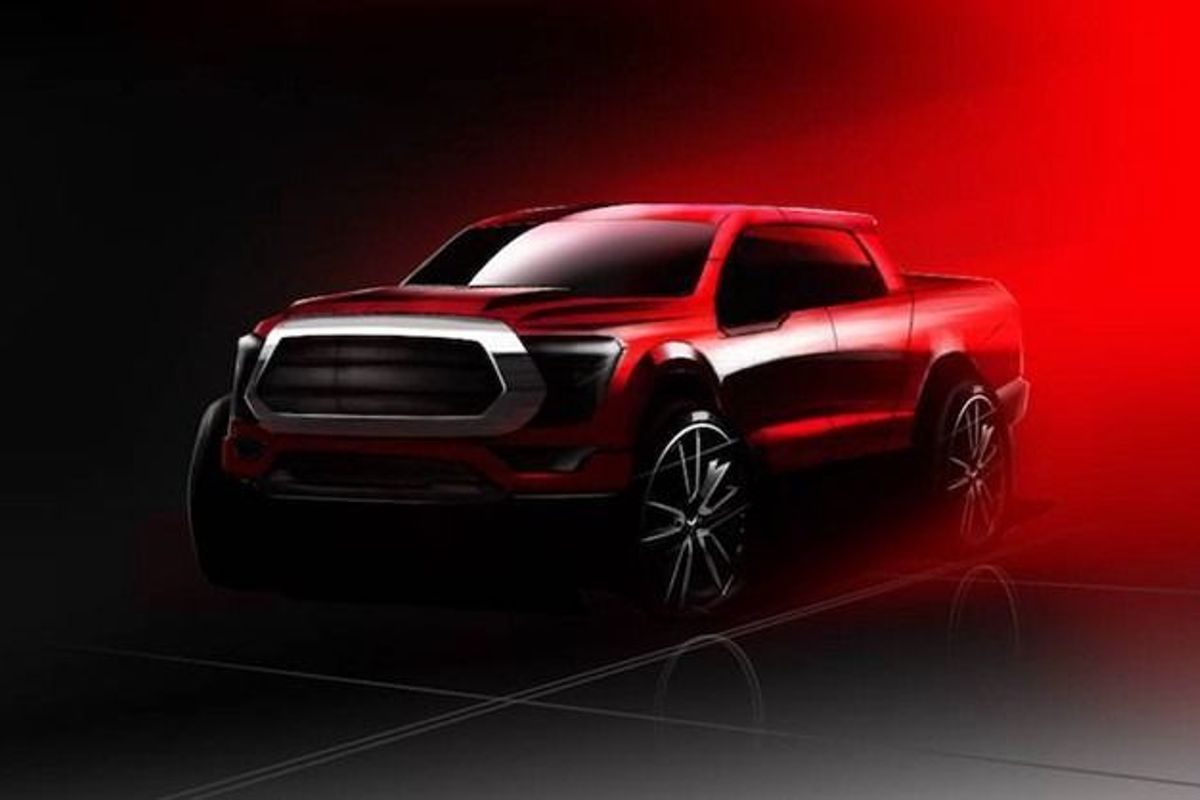
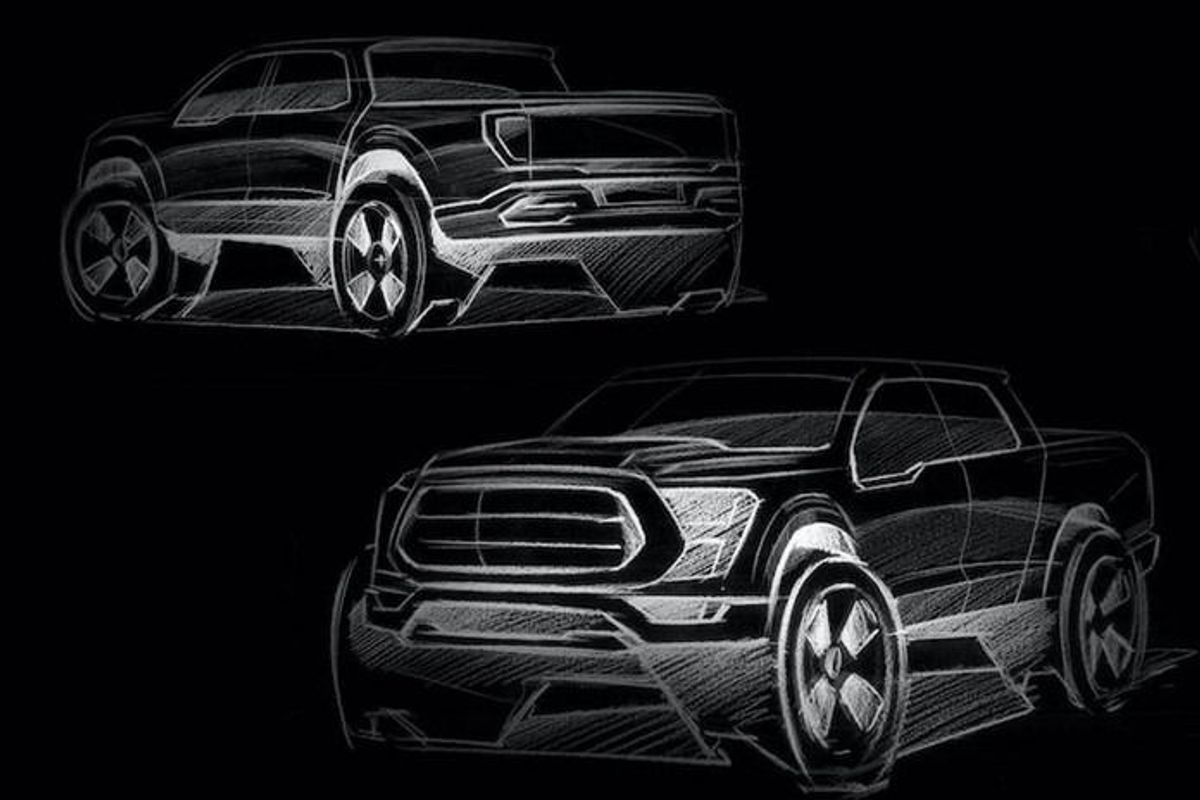
GWM is working on a new bakkie that will be larger than anything its ever offered. Here's what we know so far.
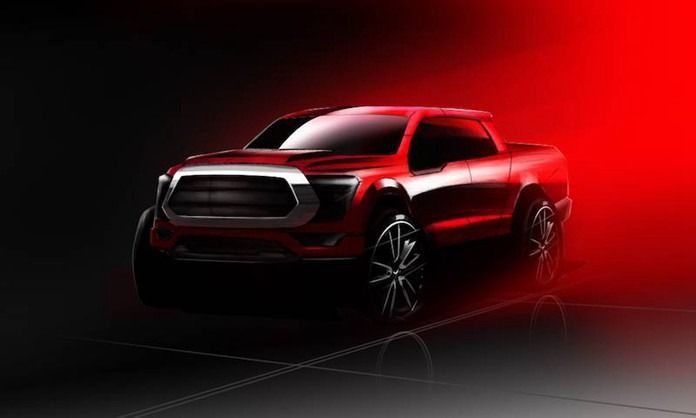
First spotted by ChinaCarNews, the renderings you see here come from GWM and the new product will be underpinned by the Tank platform. Currently, the Haval H9 is assembled on this platform, which gives you some indication of potential size.
ChinaCarNews goes on to say the new bakkie will be almost 6 metres long and will be 2.1 metres wide. Hopefully we won't have a scenario where customers will need a Code 10 licence to drive one, an issue that plagued Ford F-250 sales.
The Tank platform is what GWM calls its 'globalized intelligent professional off-road platform' and products using this architecture feature ultimate offroad ability. The new GWM bakkie will have an active lifting suspension that raises the ground clearance and there's a wading depth claim of 965 mm.
When it comes to powertrain, it's expected the new GWM bakkie will feature a 3.0-litre turbocharged 6-cylinder motor with a 48V mild hybrid setup. Outputs are claimed at 260 kW and 500 Nm, and the vehicle will feature a 9-speed automatic transmissions as well as a 4-wheel-drive setup with a central differential lock.
Given our market's love for bakkies and just how eager we are to receive the overdue GWM P-Series, we'll be watching the gestation of this newcomer closely.
BMW, Mercedes-Benz or Audi? Who’s winning the design war?
The premium market is a battlefield – one in which car brands wontly counter each other's products in whichever segments and niches they choose to compete. Cape Town contributor Calvin Fisher picks a winner out of the Teutonic Big Three – but it wasn't easy.
There once was a time when picking a German premium saloon ahead of its competitor products (also from the land of autobahnen) came down to personal preference –it was a simple matter of which badge held the most gravitas in the buyer's mind. Each of the mighty Teutons produced empirically comparable metal, with direct rivals in virtually every category: for the Benz C-Class, BMW had the 3 Series and Audi the A4; the Audi A6 had to contend with the Mercedes E-Class and BMW 5 Series and so on.
Even when each esteemed marque branched their wares out into the hatchback segments, the results were on par. Well, one of them – the A-Class – had a shaky debut as a rollerskate-shaped shopping trolley until its reinvention (around 2013) came along at precisely the moment Audi refined its A3 Sportback offering and BMW blessed the motoring realm with the 2nd generation of its rear-wheel-drive hot hatchback. Fast forward to 2020, however, and the vision has become frustratingly muddied.
What went wrong? It's hard to say but I reckon the introduction of a wild array of SUVs were the first to dilute the design philosophies. Then came the niche segments, the in-between badges like the A5, CLS and Gran Coupe – essentially the coupe-fication of everything, including SUVs, which explains the even-numbered Q and X models (Audi and BMW) and Benz adding the Coupe suffix to its kerb-hoppers. You can't please everyone all the time – that was the brief given to the stylists, much to the dismay of purists.
The BMW perspective
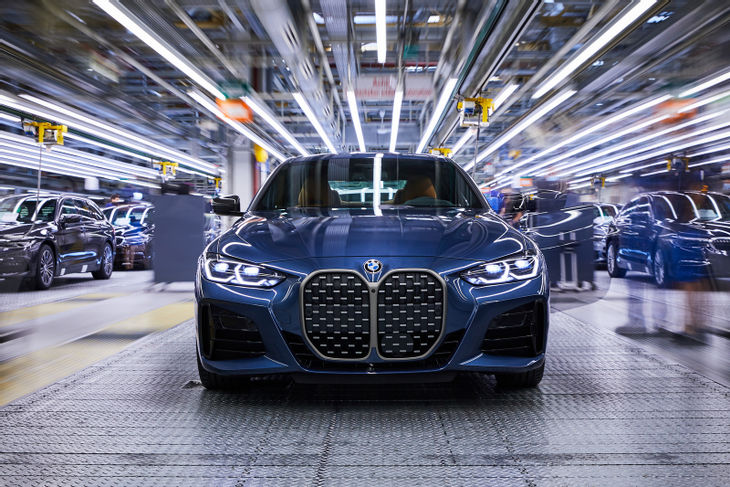
BMW 4 Series face has stirred much opinion about BMW design and its direction.
It used to be that BMWs were like their Mercedes-Benz counterparts, but for young(er) people. And indeed, there was a time that this youthful appeal seemed to work in the Bavarian brand's favour, making it the sexier, sportier brand of the two. With it came dynamic handling and compelling performance; it took about a decade for the Stuttgart firm to catch up in terms of those carnal aspects. Still, BMW powered forth all the same producing attractive sedans, with handsome visages, wide stances and rorty exhaust notes.
The Munich-based brand's metal was like a fine pressed business suit that concealed bulging muscles and an enviable tautness. Then came the (former designer) Chris Bangle era in the Noughties and for all the criticism levelled at the man, his cars were adventurous and bold and deserve to be more than a weird footnote in the firm's design lore. A knee-jerk reaction later and BMW reverted to a cookie-cutter format with 3, 5 and 7 (and later even 1 sedan) Series models all looking strikingly similar, just varying in size.
But there was no bigger "Ctrl+C Ctrl+V" offender than Audi. But first, we need to talk about the new BMW 4 Series. You've seen the coupe with that divisive grille that's so gaping that it swallows the number-plate whole. Will we get used to it? Eventually, but it's handsome in a Bugs Bunny kind of way (take that whichever way you like). This docks so many style points for BMW because now that the tall grille's been minted, I can guarantee it's here to stay and will, alas, be propagated to everything in Bimmer's portfolio.
The Mercedes-Benz perspective
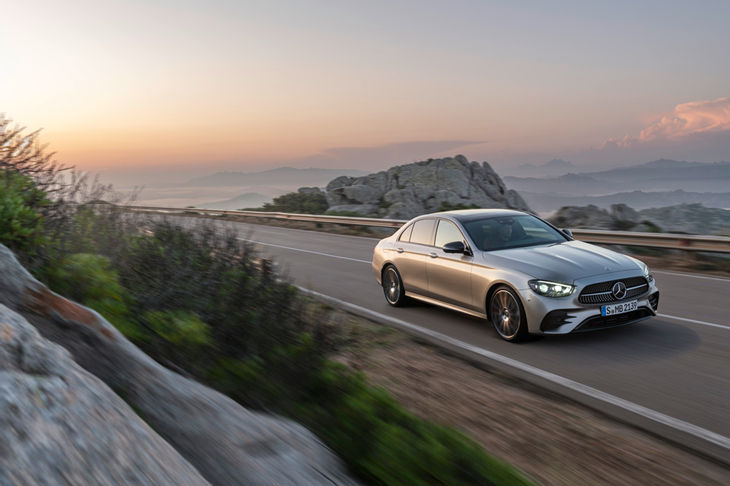
Mercedes-Benz continues to evolve its 4-door coupe design wherever it can.
The Sindelfingen-based firm has done all in its power to ditch the stuffy, stoic image of its 20th-century models by adopting a more youthful and exciting posture in the past 20 years. And, it's worked well – Benz has produced styled, muscled contenders in every category. As an aside, you can't deny that fast Benzes' throaty soundtracks have netted them many fans too. To counter BMW's M Division, Benz has deployed AMG and with it, a barrage of aero and addenda, wings and things to spice up its hottest models.
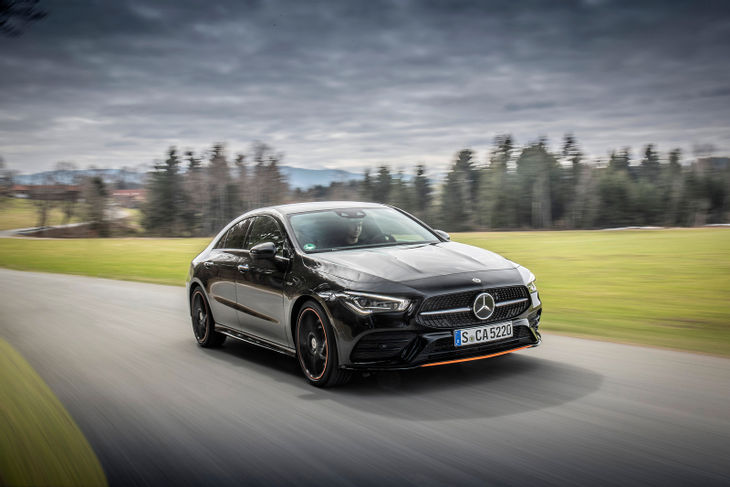
For everything else, Mercedes-Benz still knows how to build a 4-wheeled whip that looks like it was hewn from granite. But there's a newfound delicateness to the Three-pointed Star's design language thanks to soft accents, finely-pressed curves and creases, as well as an overall-more-organic flow to their exterior executions. I recently spent a week with the smallest "4-door coupe" the company makes. It was a turbodiesel-powered CLA (ultimately a swooshy A-Class, but with the addition of a boot) and yours for R660k. When quizzed, most onlookers assumed the car was worth at least twice that, when judged only by its notable on-road presence and premium appearance. Good job, Benz.
The Audi perspective
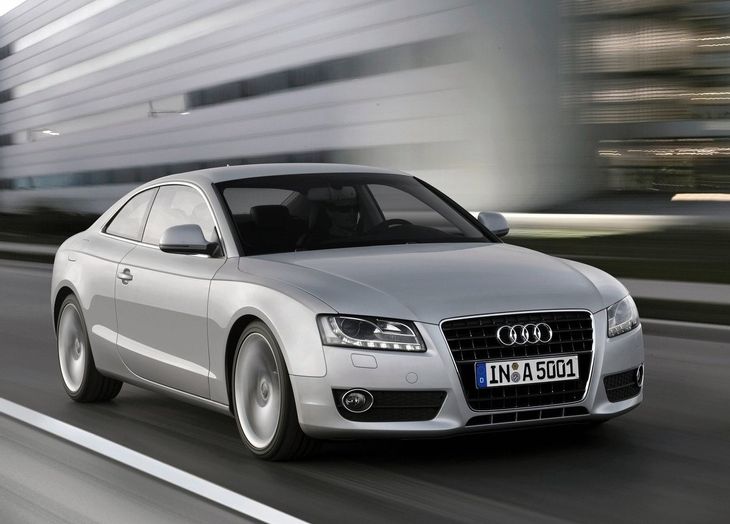
The 2008 Audi A5, a car so beautiful it moved its designer to tears.
I chose to look at the Ingolstadt-based company last because, in truth, 3 decades ago the Four-ringed Brand was barely a blip on the radar when it came to classy German whips. Now, there are several stories about designers and their creations, but few so famous as how Walter Da Silva cried the first time he gazed upon his slippery creation.
The car in question was the 1st-generation Audi A5. I mean, this was the man who designed the original TT (in conjunction with Peter Schreyer, who later became Kia's design chief) for heaven's sake, who was overcome with emotion for creating – in his own words, "the most beautiful car I ever designed". But I get it, the stoic 3-box sedan had died at his hand that day, and the rest of the world saw that it was good.
Dominated by a massive grille, that perfectly proportioned and graceful A5 cemented Audi's position as a style leader, especially among (let's be honest, longer-revered) premium brands in its home country. Since then, Audi has copied those magnificent design cues onto virtually everything it produces, but that monolithic A5 was a decade ago and, while Audis are still beautiful machines, from the feisty A1 to the monolithic Q7, the brand's cookie-cutting has run rampant. Not that boring mind you, just a bit samey.
My perspective
Mercedes-Benz has taken a huge step from unbreakable boxes to swooping sedans.
Here are a couple of things I can tell you about styling. Firstly, it's all subjective, so you don't have to agree with me – in fact, you shouldn't. Secondly, it costs about the same to produce a beautiful car as it does to hatch an ugly one. Thankfully there are no ugly cars listed here – not even the gawping Bangle BMWs – even if some of them are, shall we say, challenging to look at. And, I can think of few cars that arrest my attention like an Audi RS6 Avant tearing past at full chat, swollen and blistered with purpose and intent.
But if there's a marque with a near-perfect range of cars (from a design point of view) in 2020, it must surely be Mercedes-Benz. The Stuttgart-based firm seems to have found their rhythm and identity. The Three-pointed Star's style department (headed by the charismatic Gorden Wagener) is churning out hit after hit, a successful blend of macho lines and sensual curves – balanced, well-proportioned instruments of speed and comfort. Which is precisely what you want from your premium German sedan, don't you?
New Rolls-Royce Ghost Teased
Rolls-Royce has teased the next-generation Ghost, which will be revealed towards the end of 2020. Here's what we know so far.
When the Ghost launched back in 2009, few could predict just how well it would do. With the banking crisis of 2008 still fresh, you'd think that an extremely high-end luxury vehicle would garner precious few sales and yet, the Rolls-Royce Ghost became the most successful vehicle in the brand's history.
The next-generation Rolls-Royce Ghost is due for a reveal towards the end of the year and the brand's CEO Torsten Müller-Ötvös shared a few nuggets of info via an open letter to the media, a very different way of doing things. The brand claims it has listened to its current clientele and the common theme is, "we’d like the new Ghost to be opulent but minimalistic in terms of design, and to remain a car that can be driven or to be driven in."
The all-new Rolls-Royce Ghost has been 'designed, engineered, and crafted from the ground up.' In terms of design, we're expecting something with design elements from the recent concepts such as the Vision Next 100. Rolls-Royce said it would be releasing teasers in the run up to the vehicle's reveal and given the prestige and allure of the Rolls-Royce brand, we're expecting something on another level.