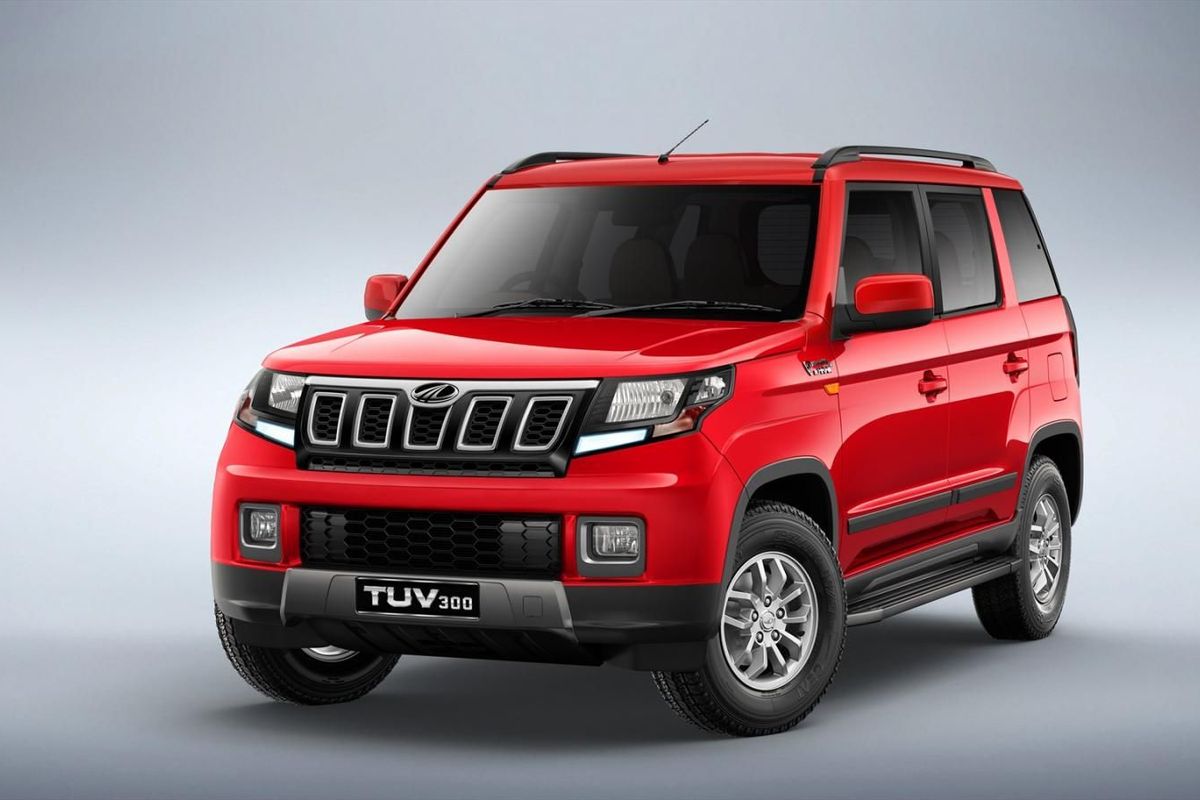
Mahindra has revealed its updated TUV300 and it's now on sale in South Africa. Here's detailed specification and pricing.
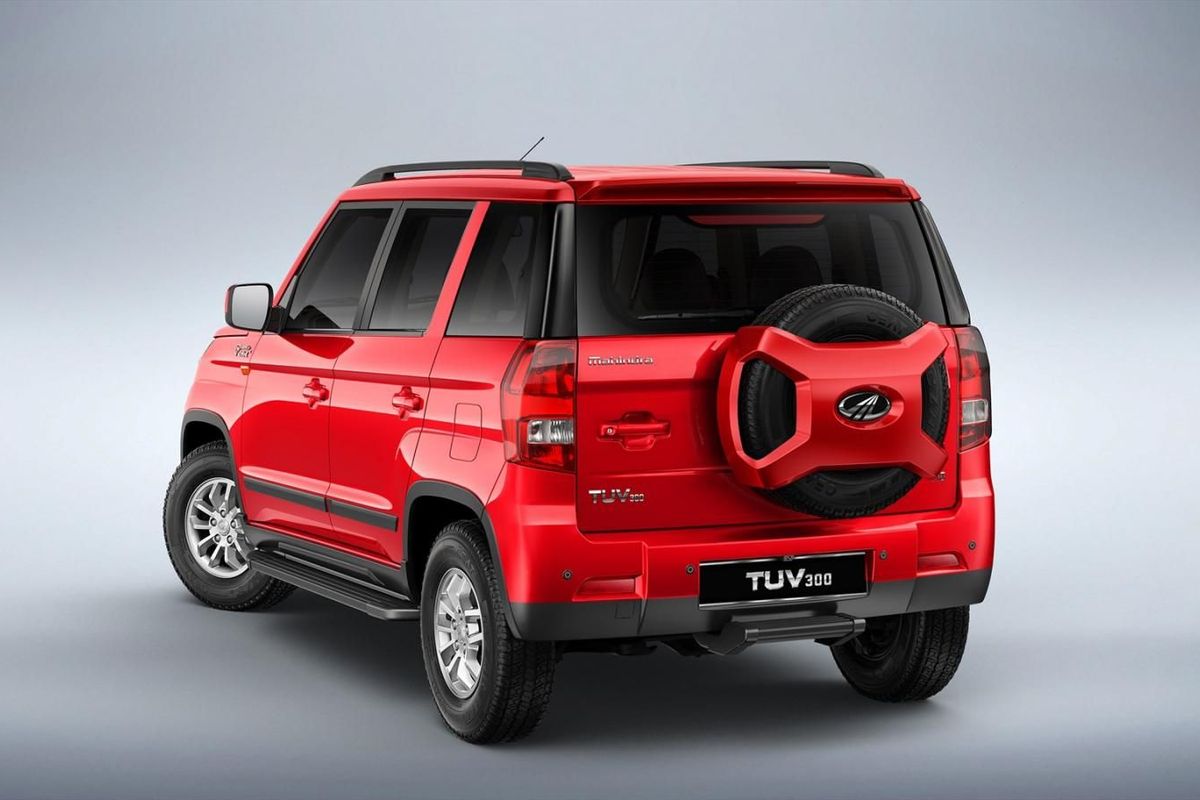
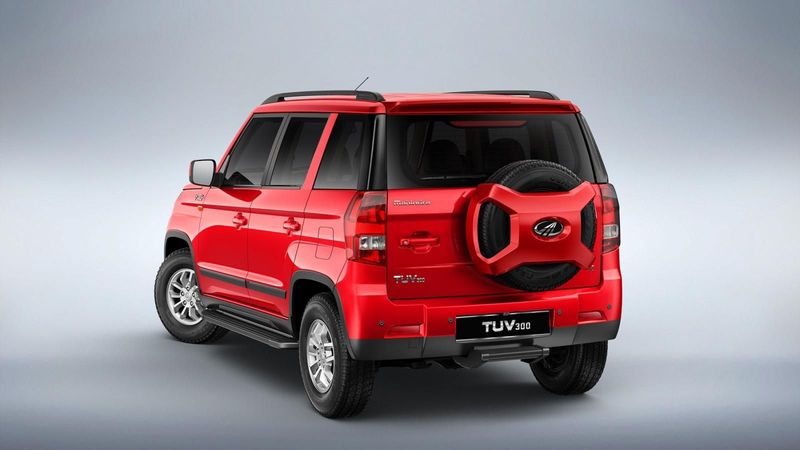
The Mahindra TUV is an SUV, built on the Mahindra Scorpio platform. For 2020, Mahindra has introduced an updated version. What's new? There's an updated front end design, with a redesigned rear light cluster. The spare wheel holder on the rear has also been redesigned.
There are also changes in the side cladding and Mahindra has also introduced a new front scuff plate as well as a rear spoiler.
The cabin gets some updated, with new silver detailing around the air vents and main controls. The cabin is said to be a product of Mahindra's own designers and Pininfarina's, which is part of the Mahindra Group. In terms of features, you get power steering with steering mounted controls, an infotainment system with Bluetooth phone connectivity and an in-built Voice Messaging system, electric windows, air conditioning, height adjustment for the front driver seat, rear-mounted Intellipark parking assistance and electric windows. For those conscious about safety, there are dual front airbags and ABS brakes.
This 7-seater ladder-frame chassis vehicle is powered by the 1.5-litre 4-cylinder turbodiesel motor, delivering 73.5 kW and 240 Nm to the rear wheels via a 5-speed manual gearbox.
Mahindra TUV Price in South Africa (July 2020)
The updated Mahindra TUV300 comes with a 5-year / 90 000 km service plan and 3-year / 100 000 km comprehensive mechanical warranty and Roadside Assistance Service. Services, after the initial 10 000 km lubrication service, is done every 20 000 km.
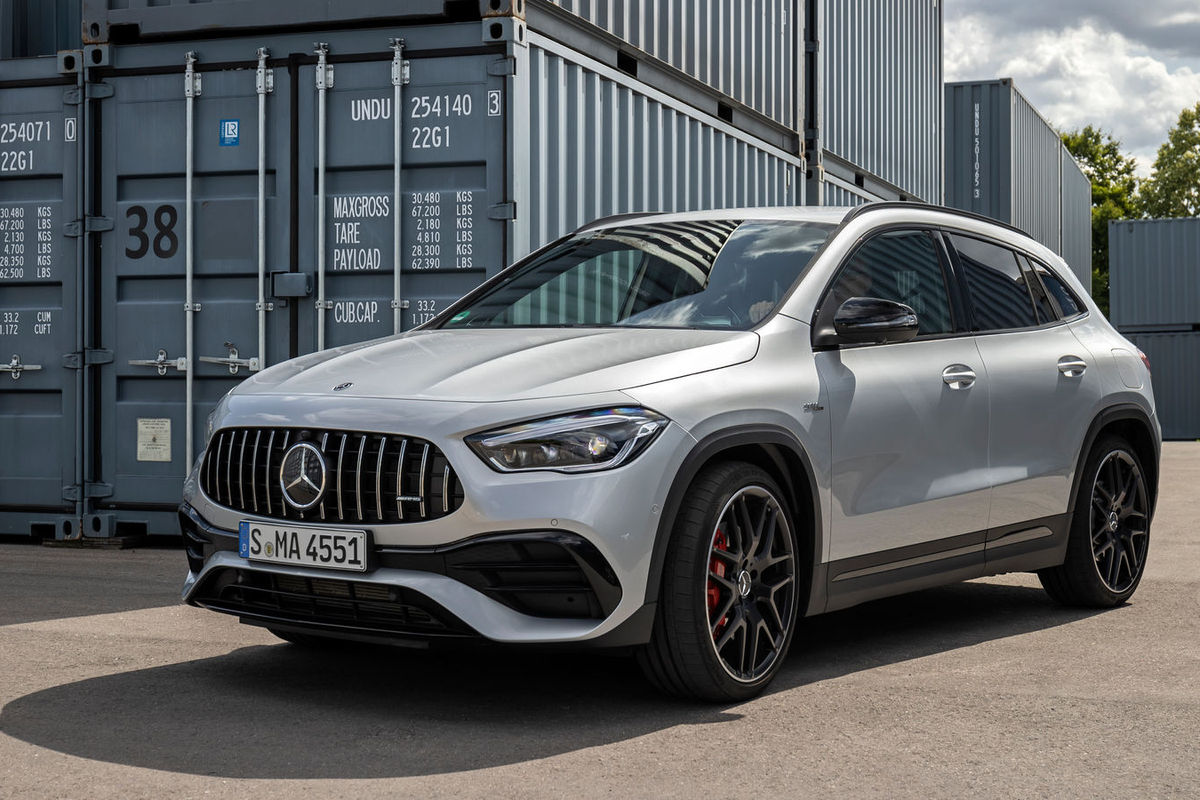
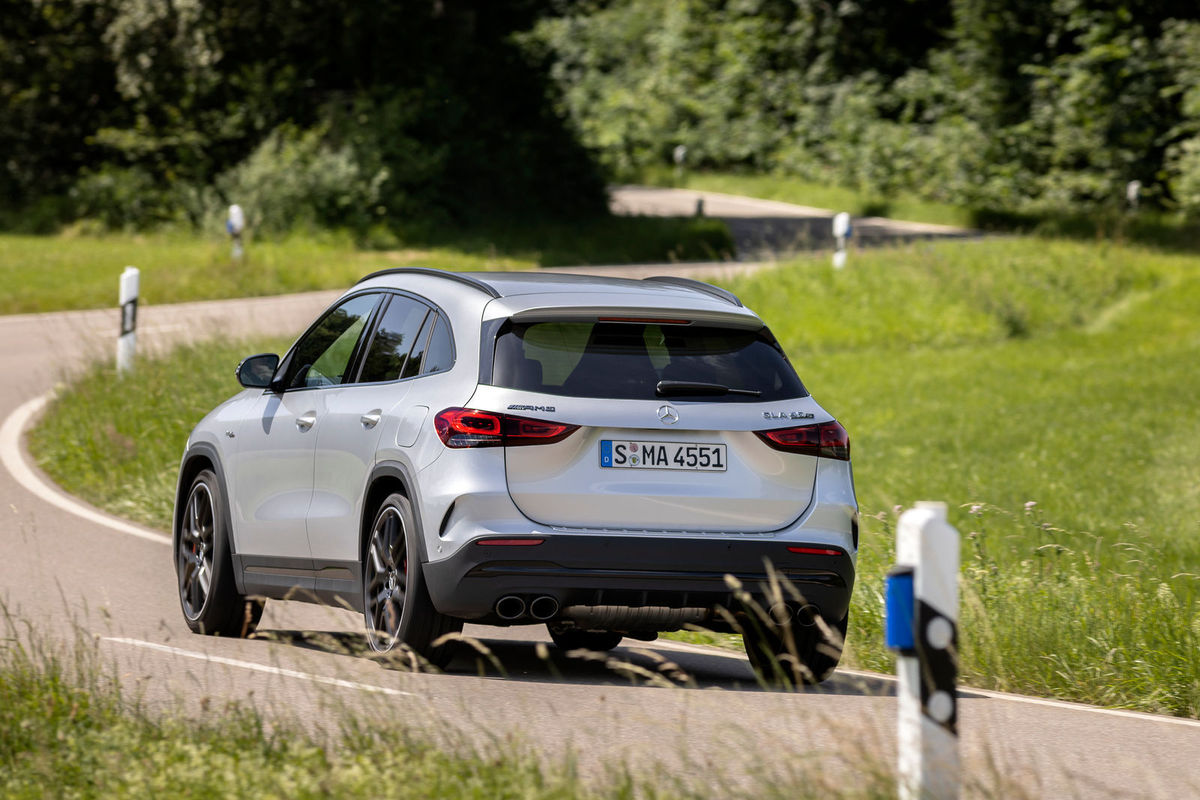
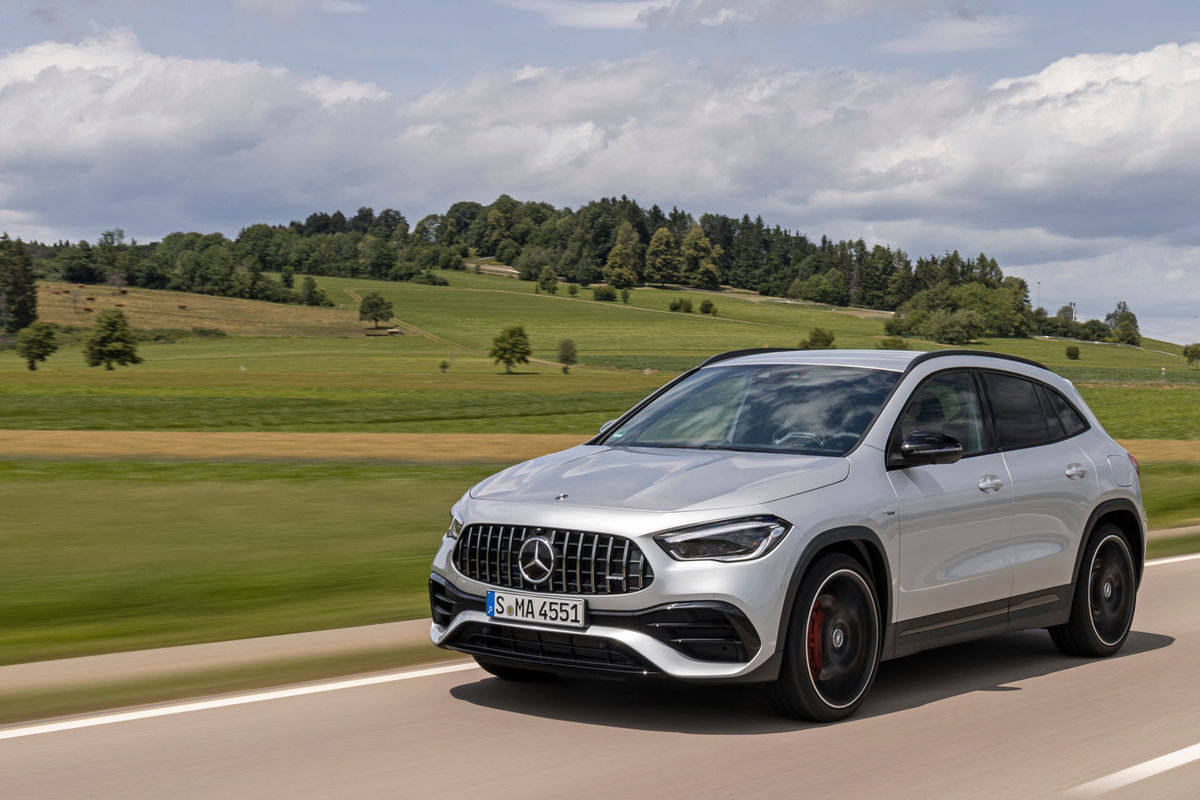
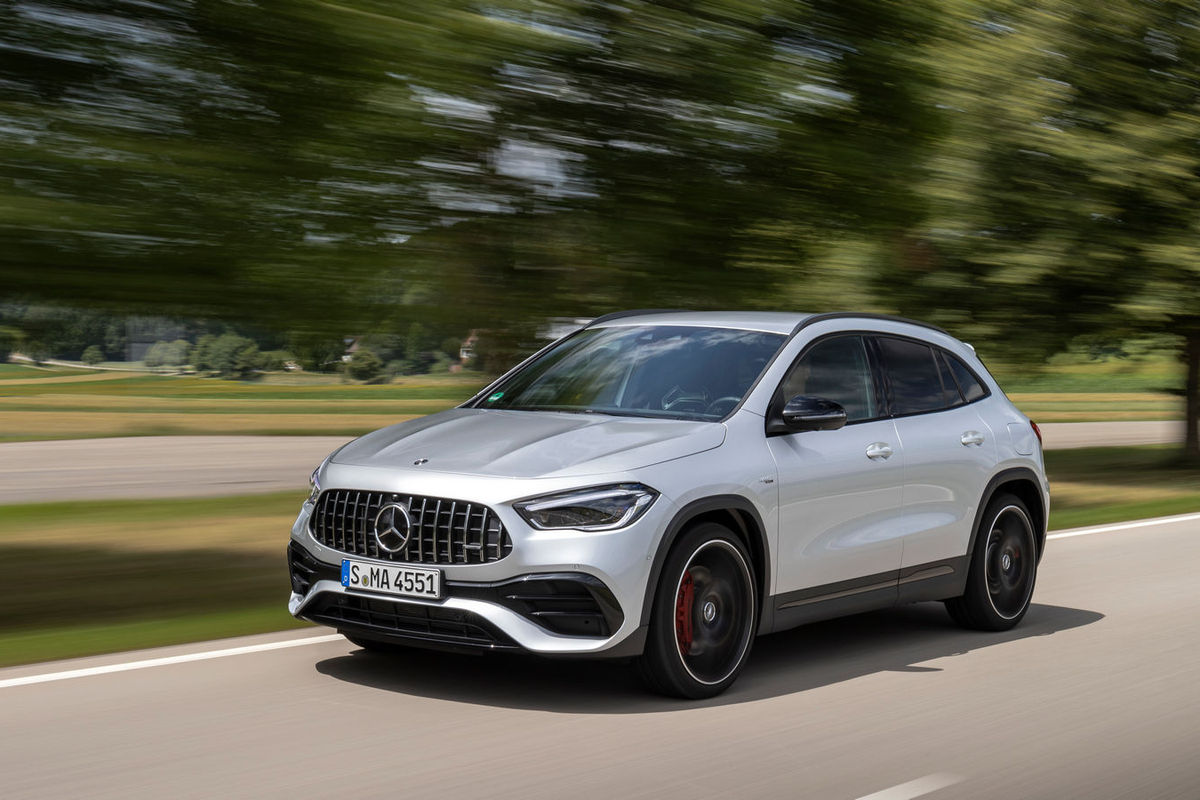
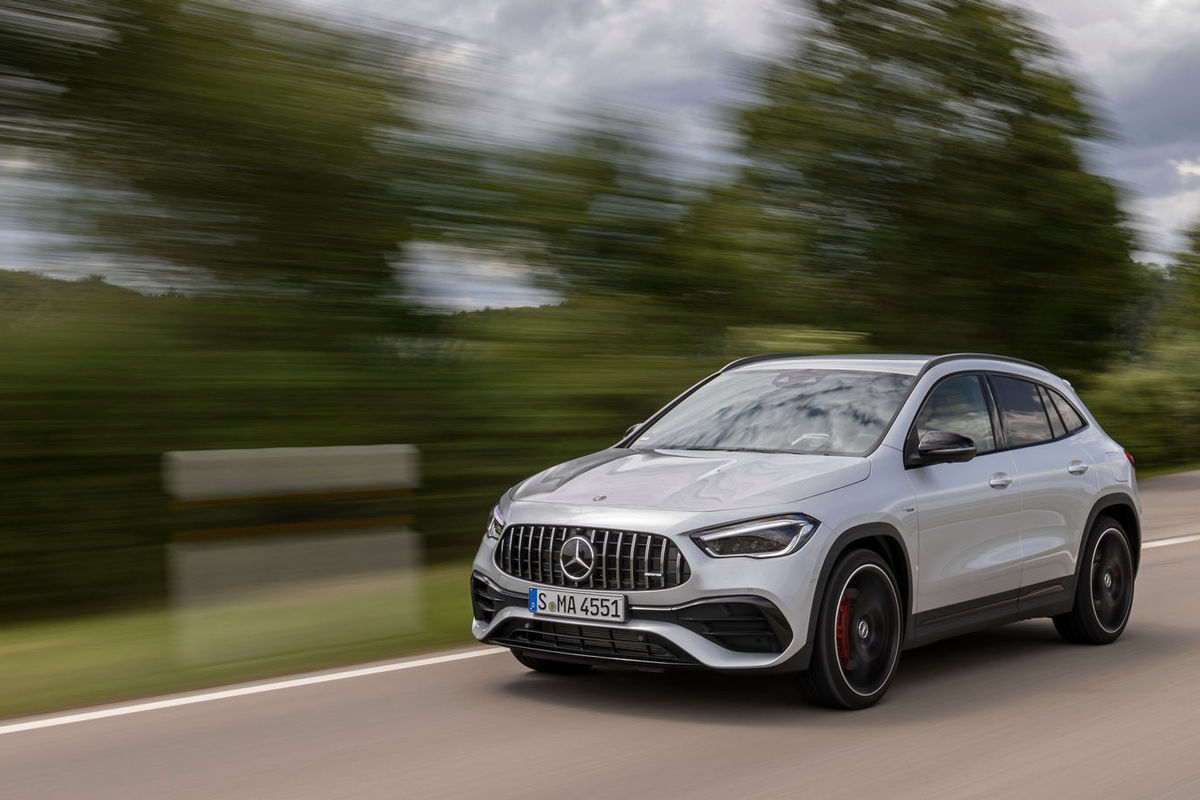
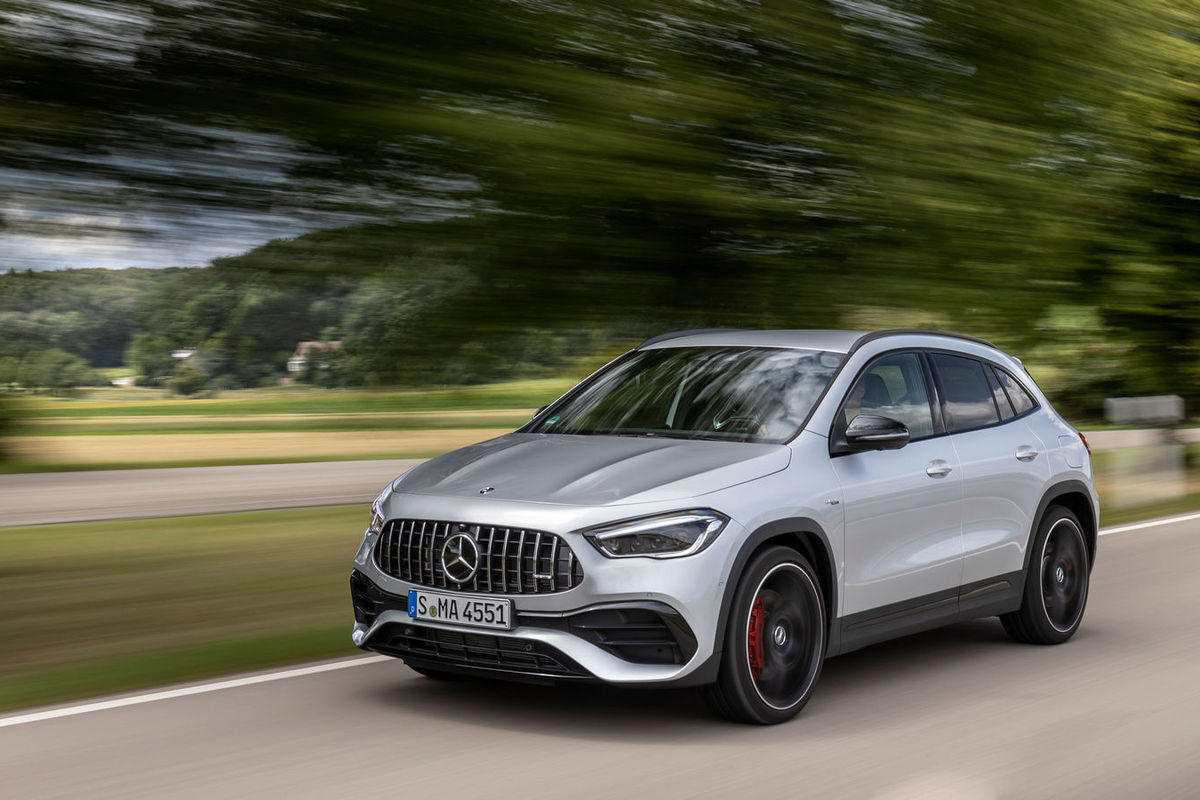
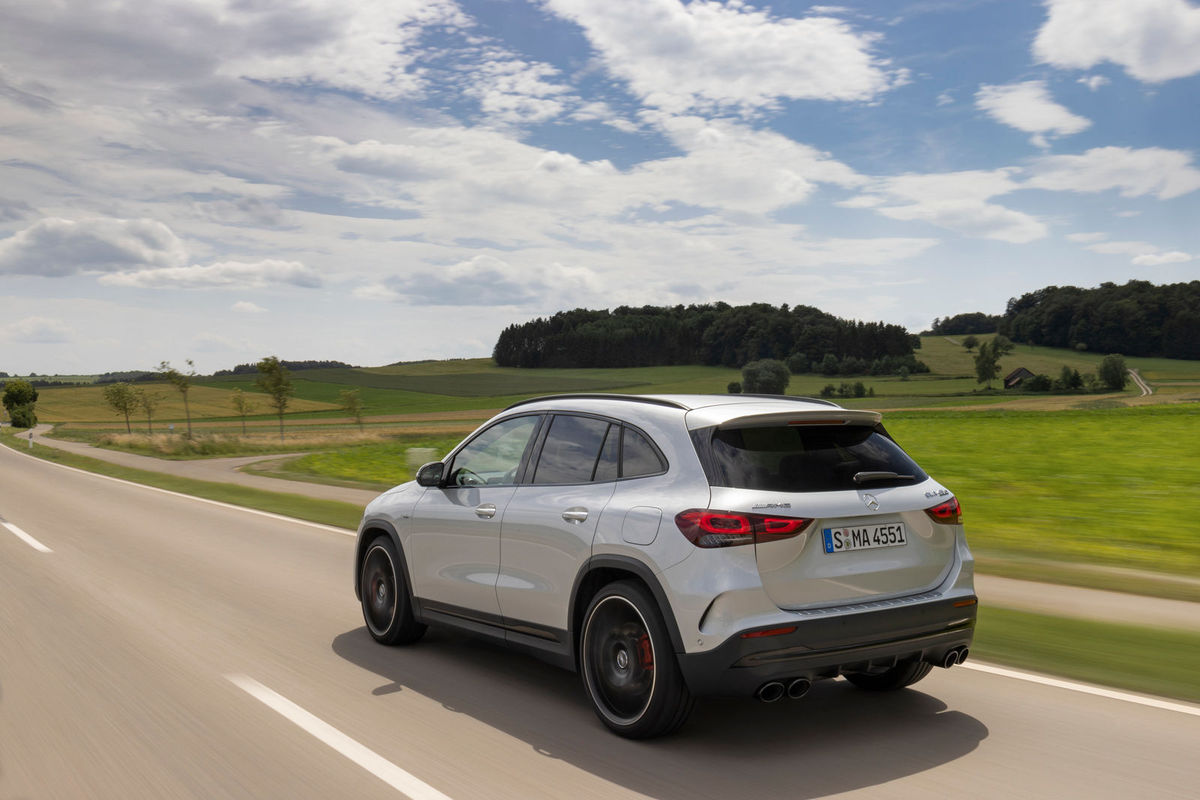
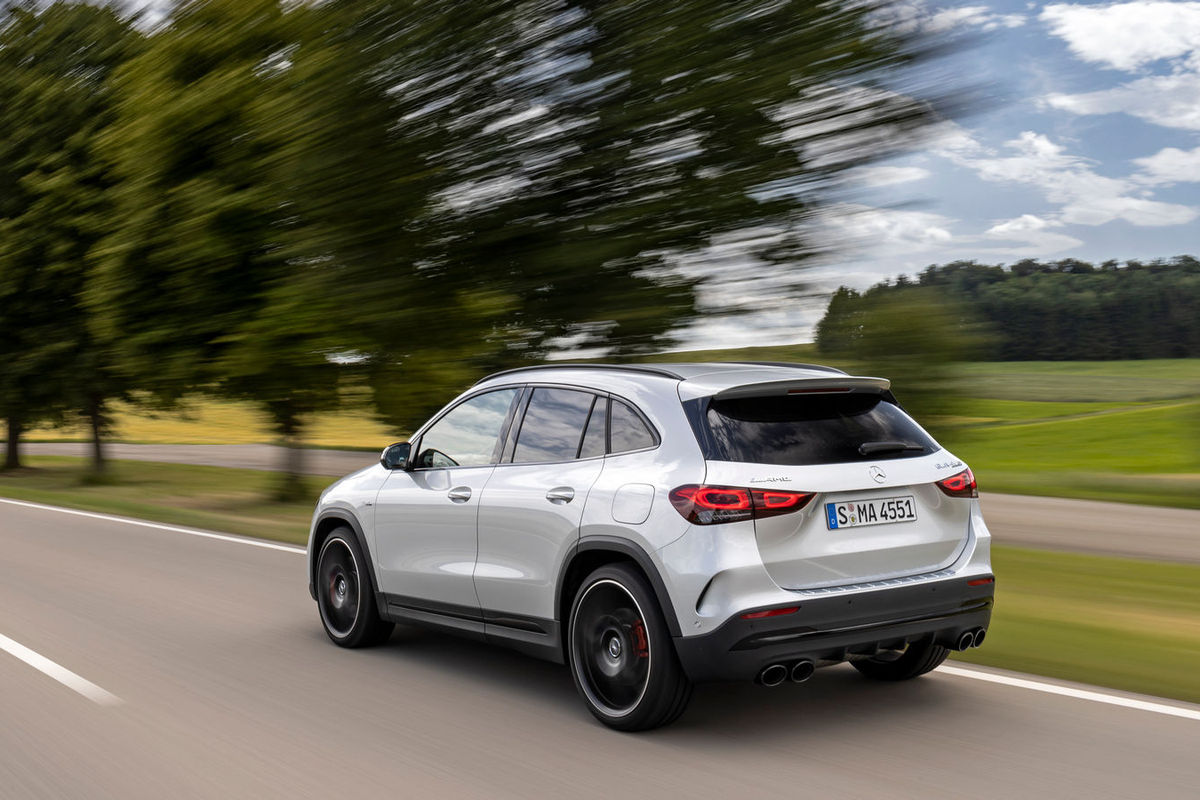
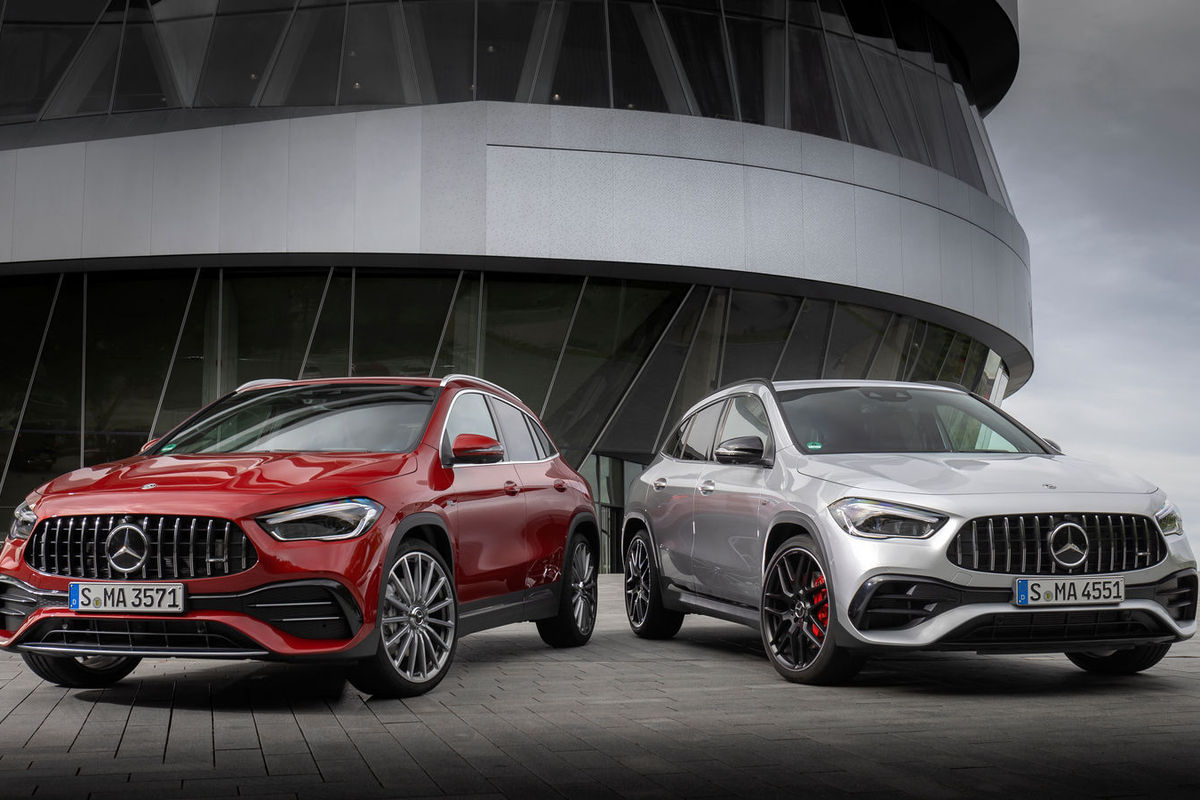
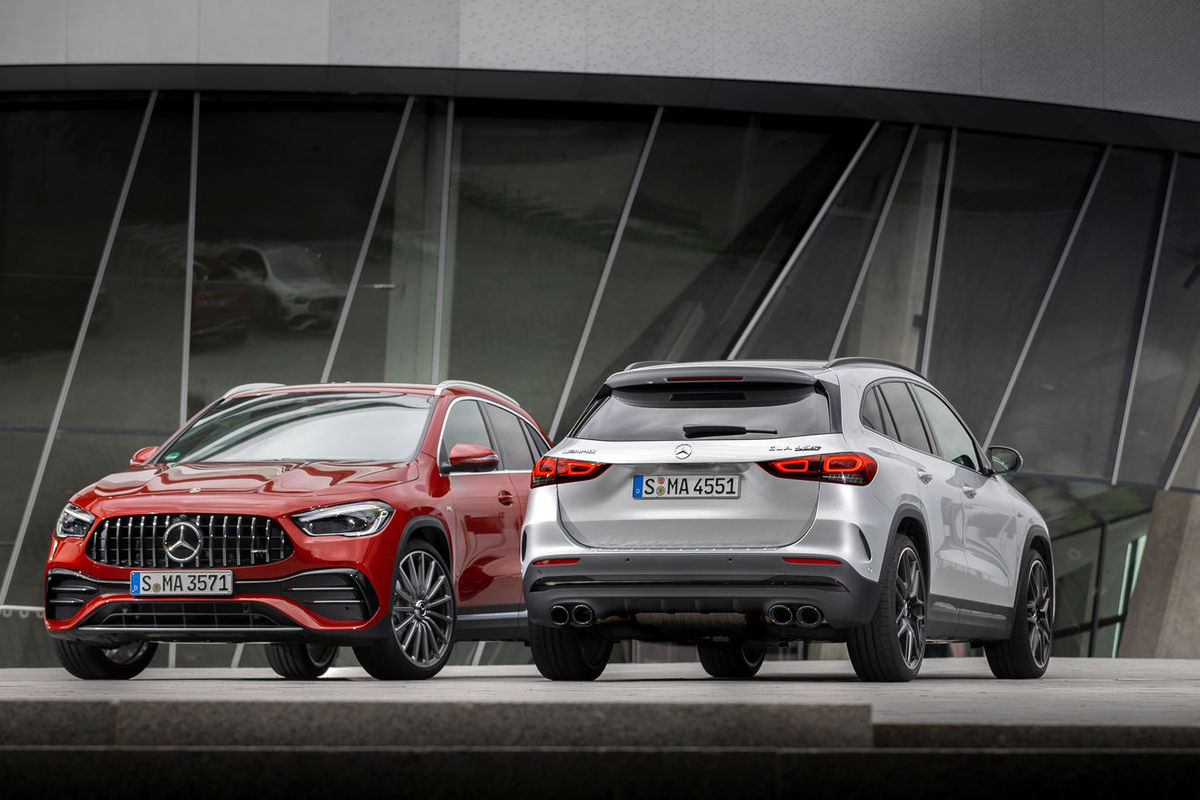
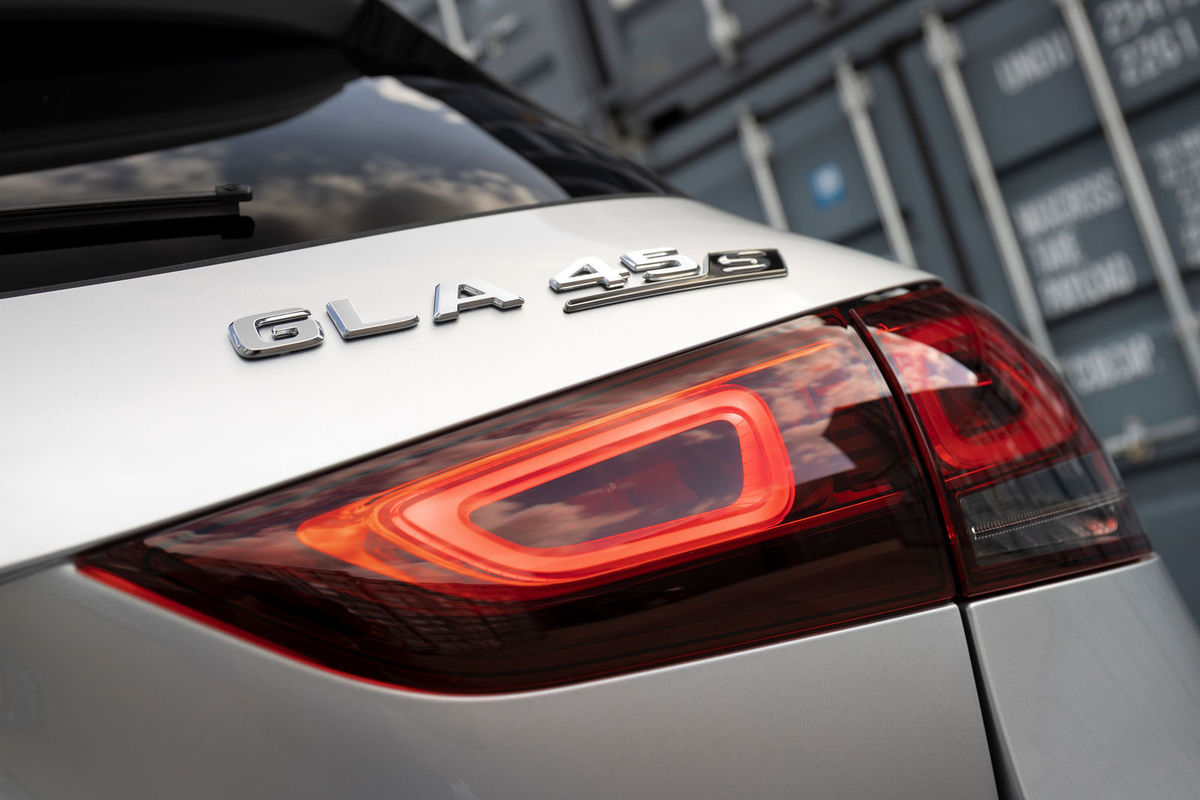
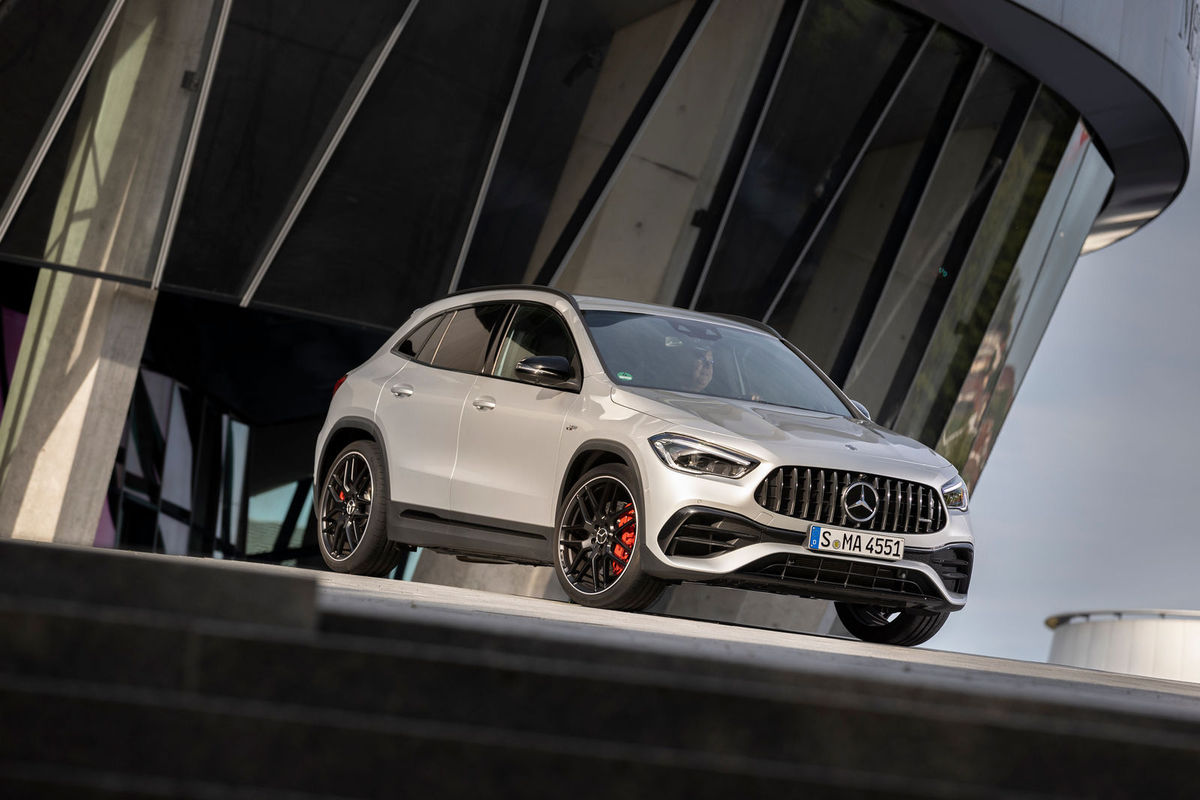
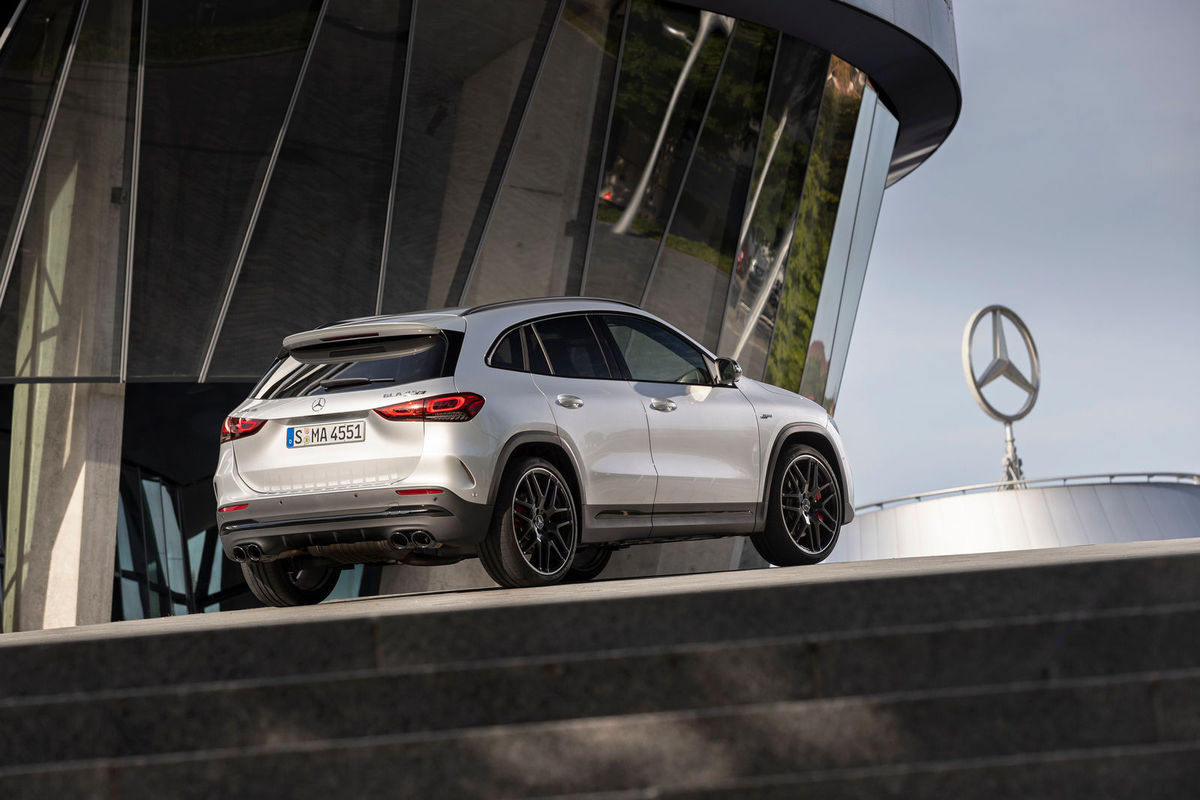
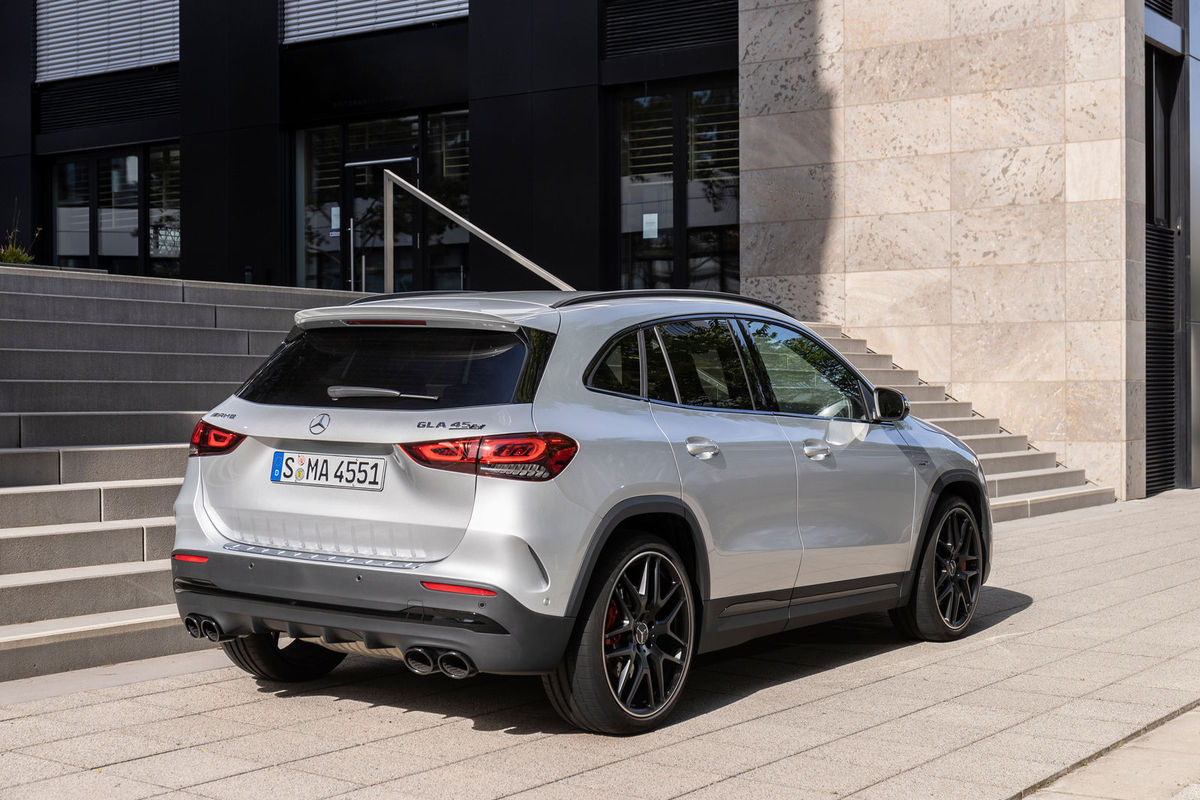
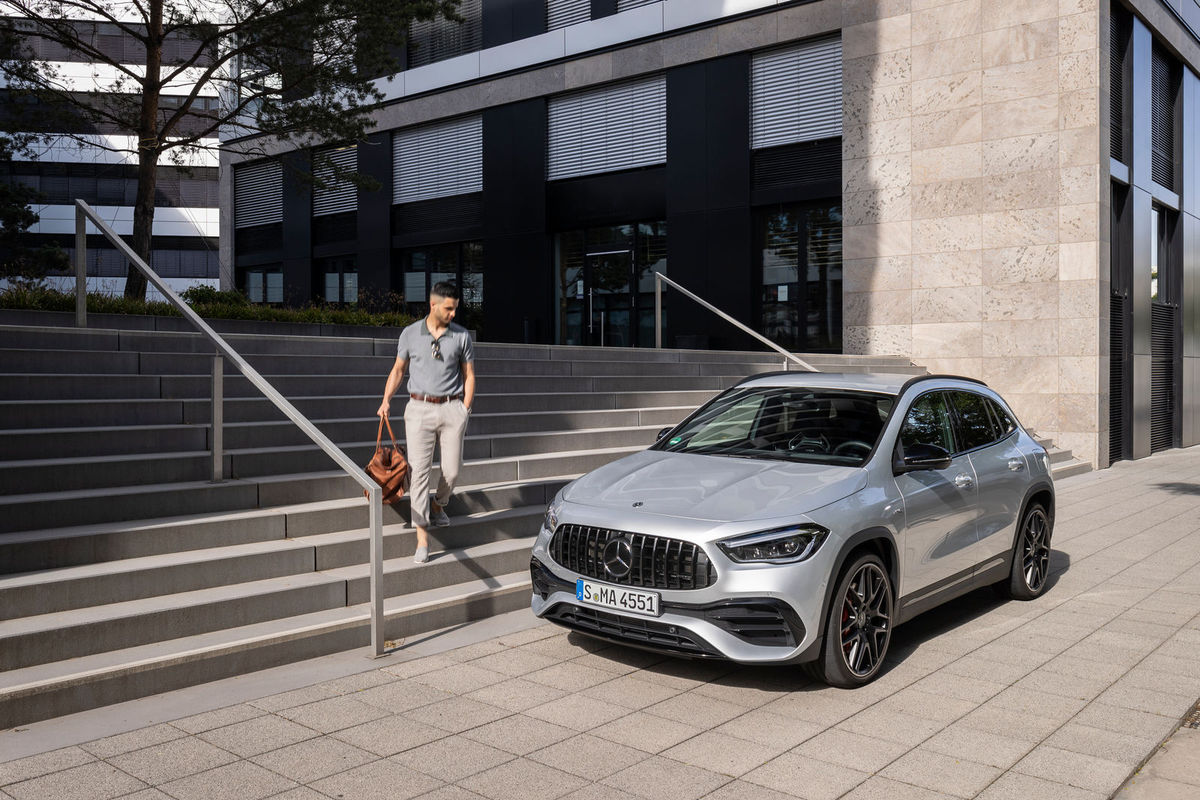
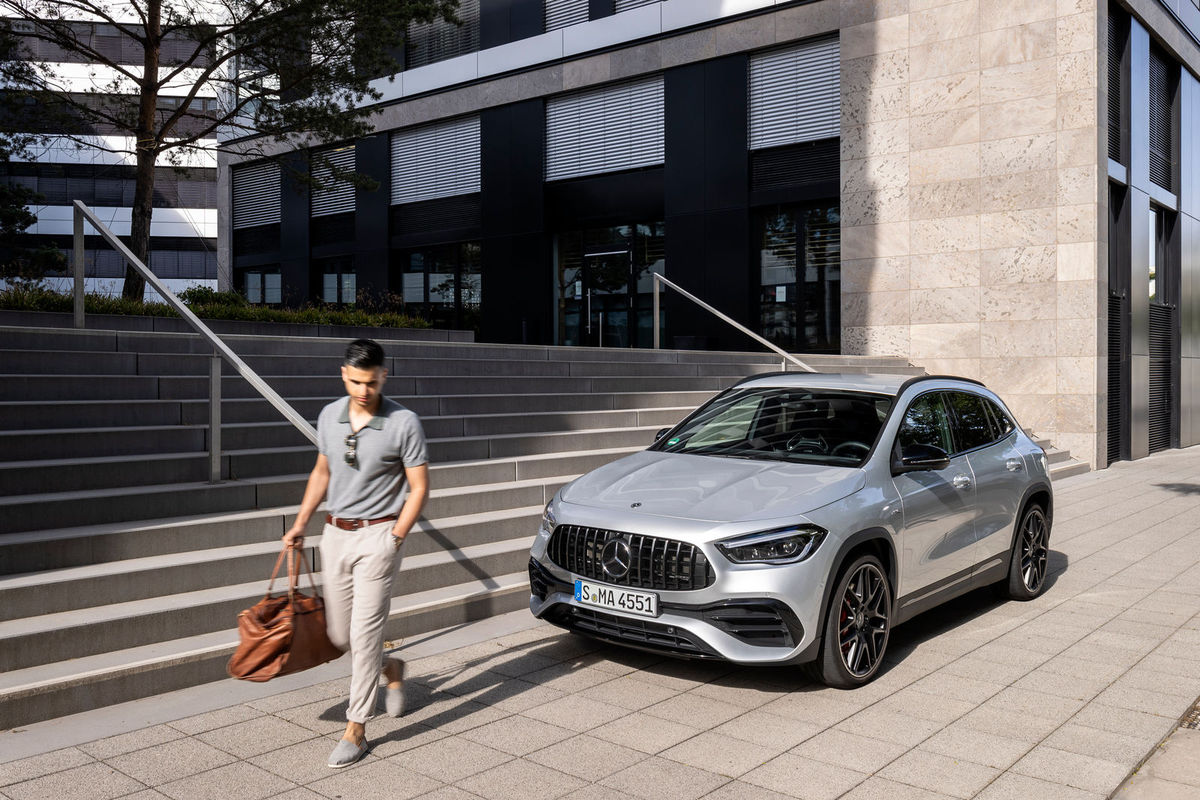
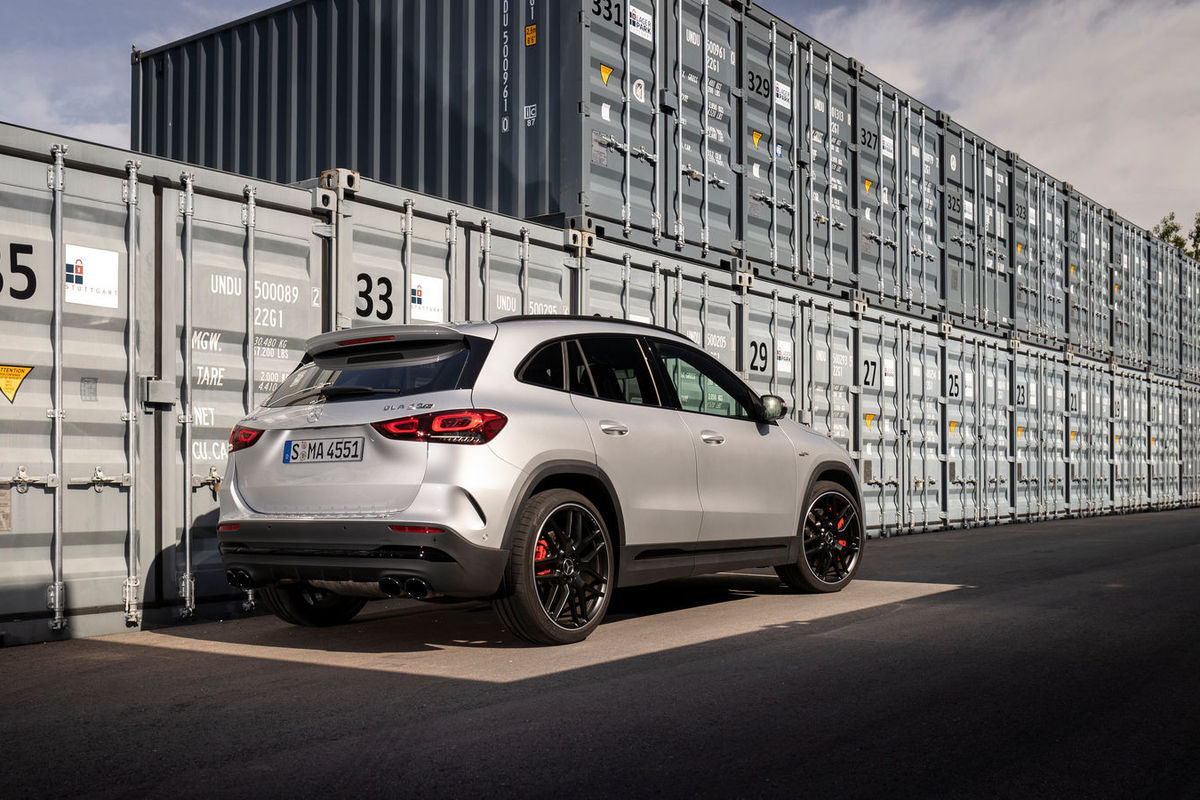
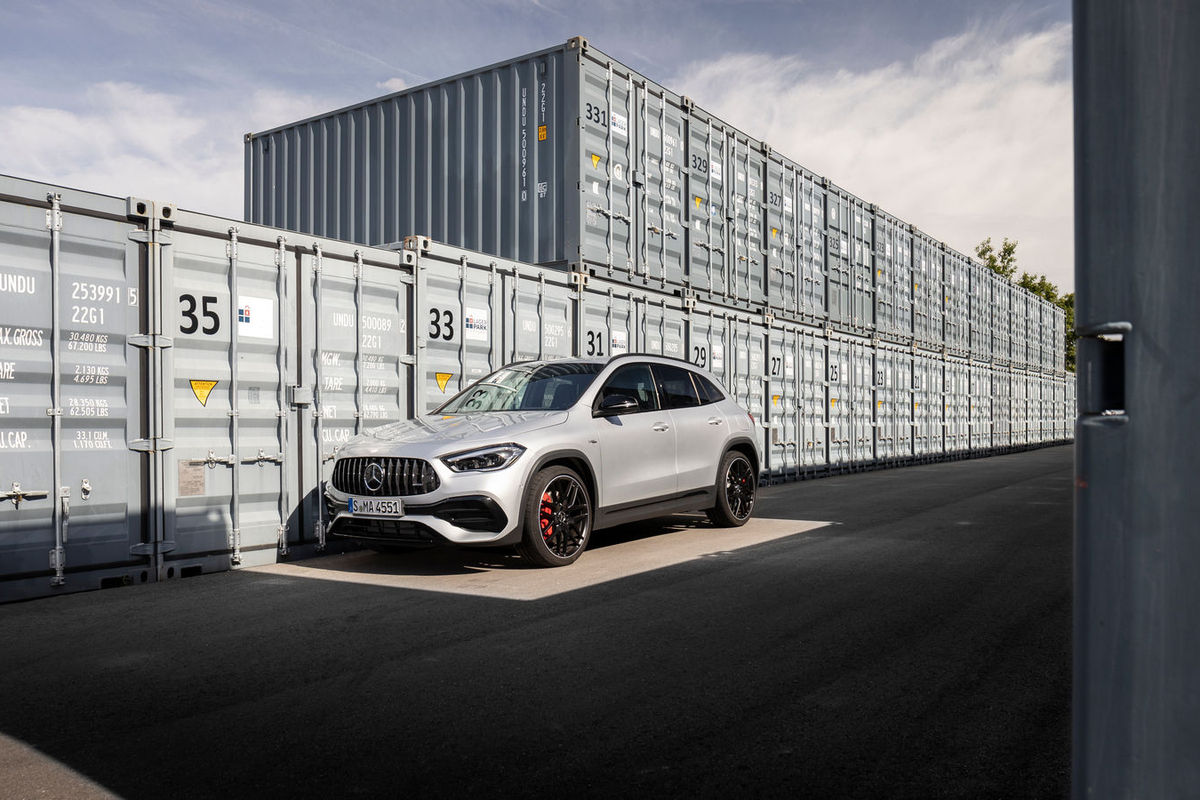
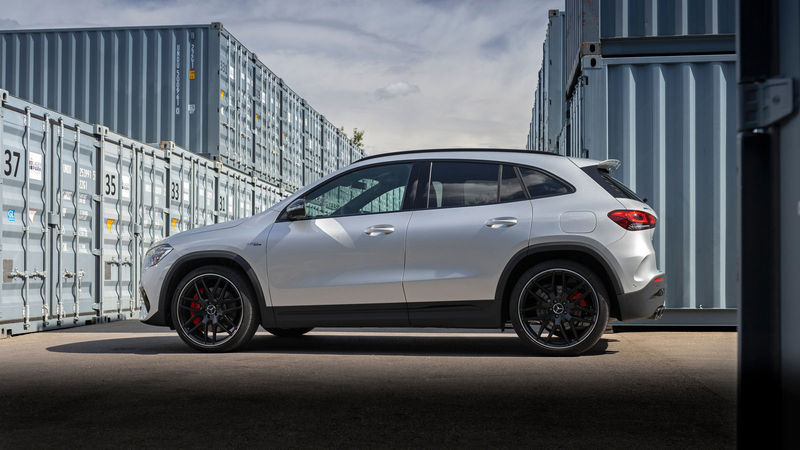
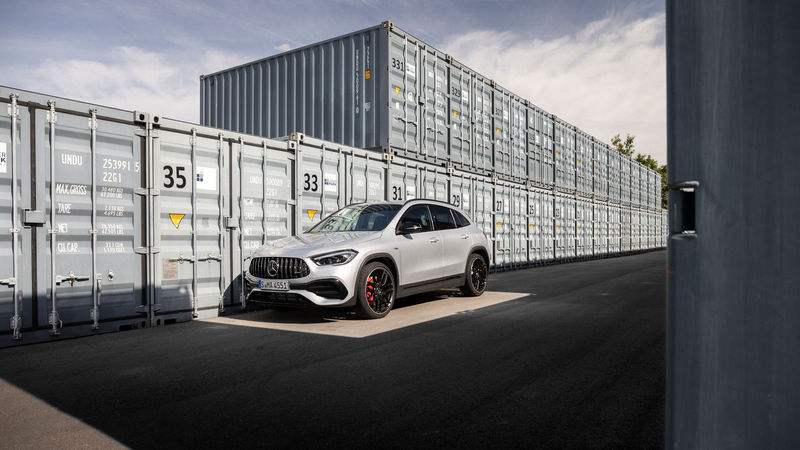
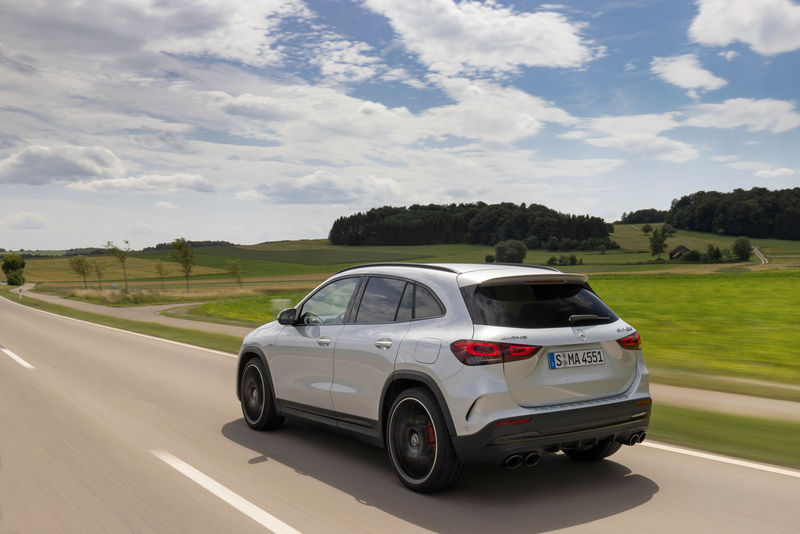
Mercedes-AMG GLA 45 S (2020) International First Drive
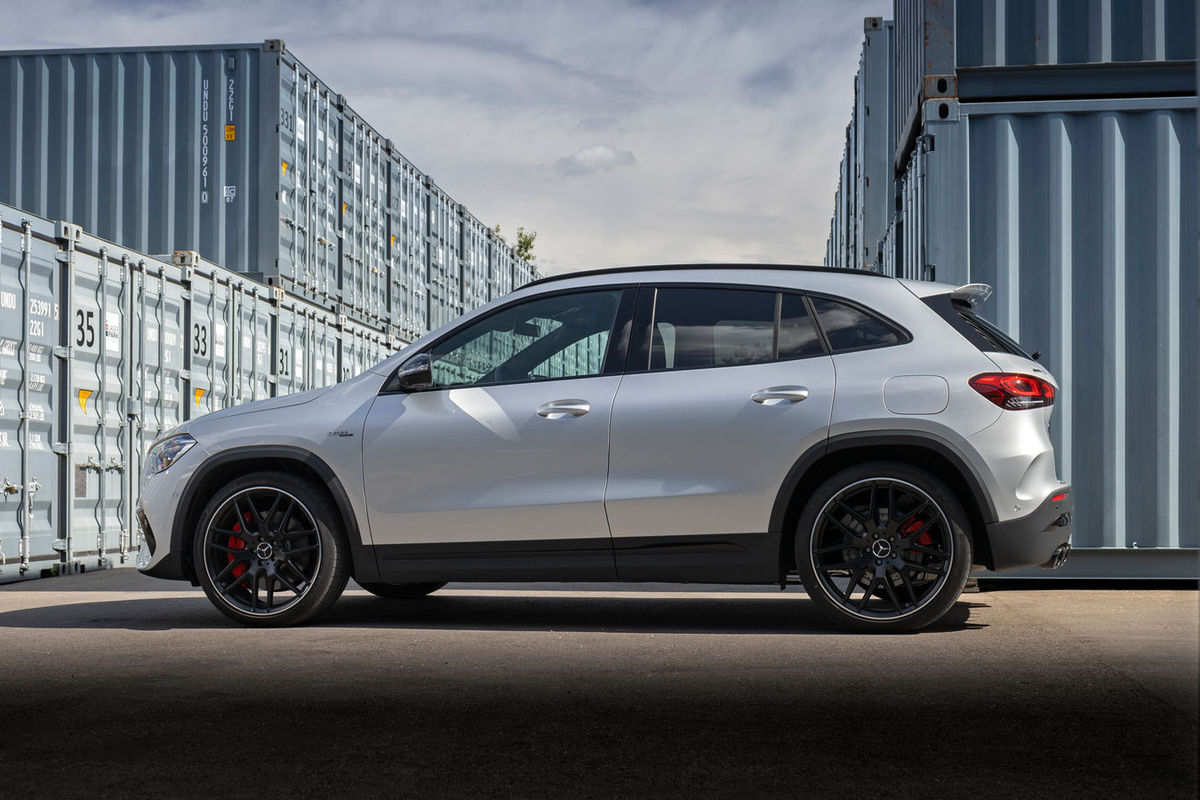
The world's most powerful production 4-cylinder motor has found its way into the 2nd-generation GLA. How good is it – good enough to justify an estimated R1.1-million asking price? International correspondent Lawrence Allan clambers aboard to give the high-rider a blast.
Where once it was a bit of a niche-busting oddity, the Mercedes-AMG GLA 45 is now an entirely legitimate proposition within the context of the wider premium compact SUV/crossover market. Back in 2014, when the outgoing car was launched, the European SUV boom was – although firmly on the radar – in its relative infancy. Performance SUVs, particularly smaller ones, were a novelty. The GLA 45 went up against the characterful Audi RS Q3 and bar the larger, slightly-pricier Porsche Macan, not much else.
Now virtually everybody is churning out a performance version of a small luxury sports utility vehicle… BMW's sporting division has given the M-lite treatment to the X2, Volkswagen has launched the T-Roc R and there are countless others. There's a clear appetite for a category that many enthusiasts continue to sneer at today.
Back in 2014, the GLA had few rivals, now almost every premium brand has a competitor.
Back to the car at hand. As we saw with our first drive of the standard,2nd-gen GLA, this is now a fully-fledged compact SUV rather than an A-Class that has frequented a gym too often. It can now match the RS Q3 on practicality terms, as well as performance. But does that size increase dampen its appeal relative to the smaller, lighter A45?
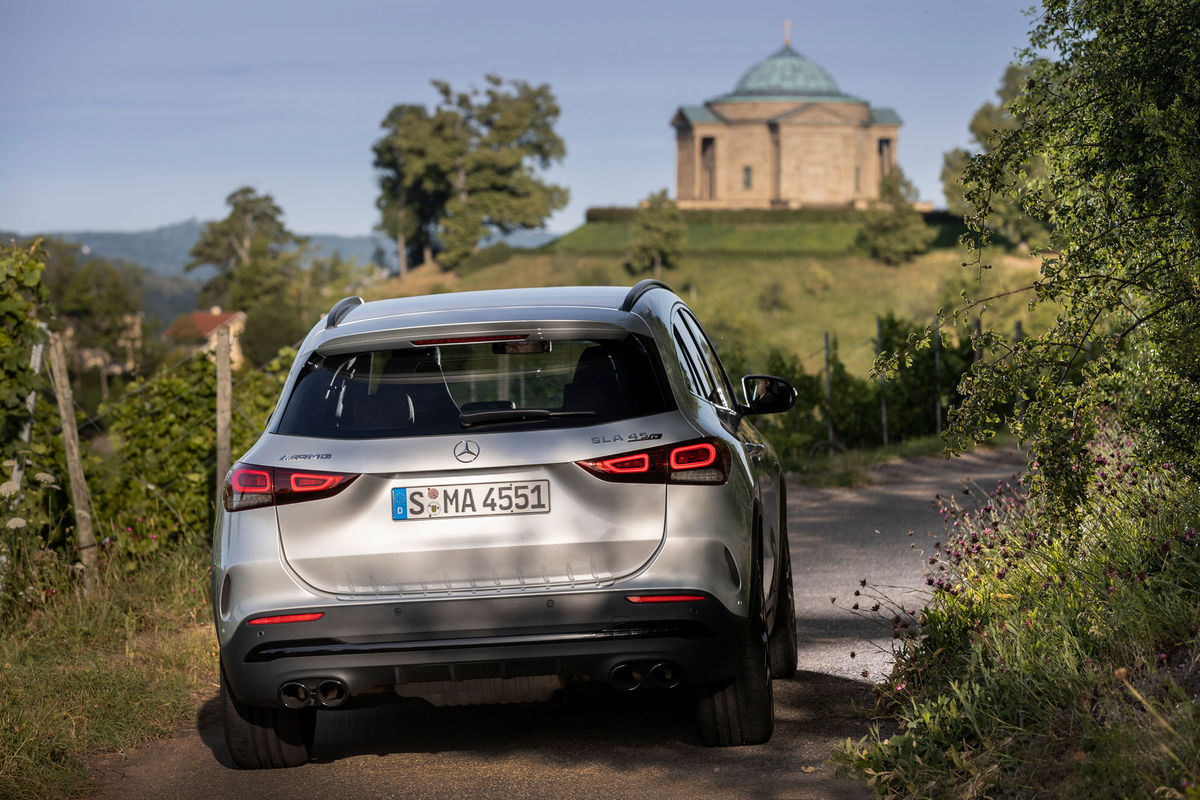
Let's discuss the proverbial elephant in the room right away: the GLA 45 is a long way from a value-for-money proposition. When it hits local shores, the newcomer's base price will likely be about R1.1 million (a small premium on the A45S), which is enough to raise eyebrows, but our European-spec left-hand-drive test car (driven in the UK, with international launches still on hold for the time being) featured the German equivalent of the Plus pack, which adds options such as an extra inch of wheel diameter (now 21s), the aero-boosting bodykit, multibeam LED headlights, an upgraded audio system, electrically adjustable front sports seats and additional driver-assist features.
What's it like to drive?
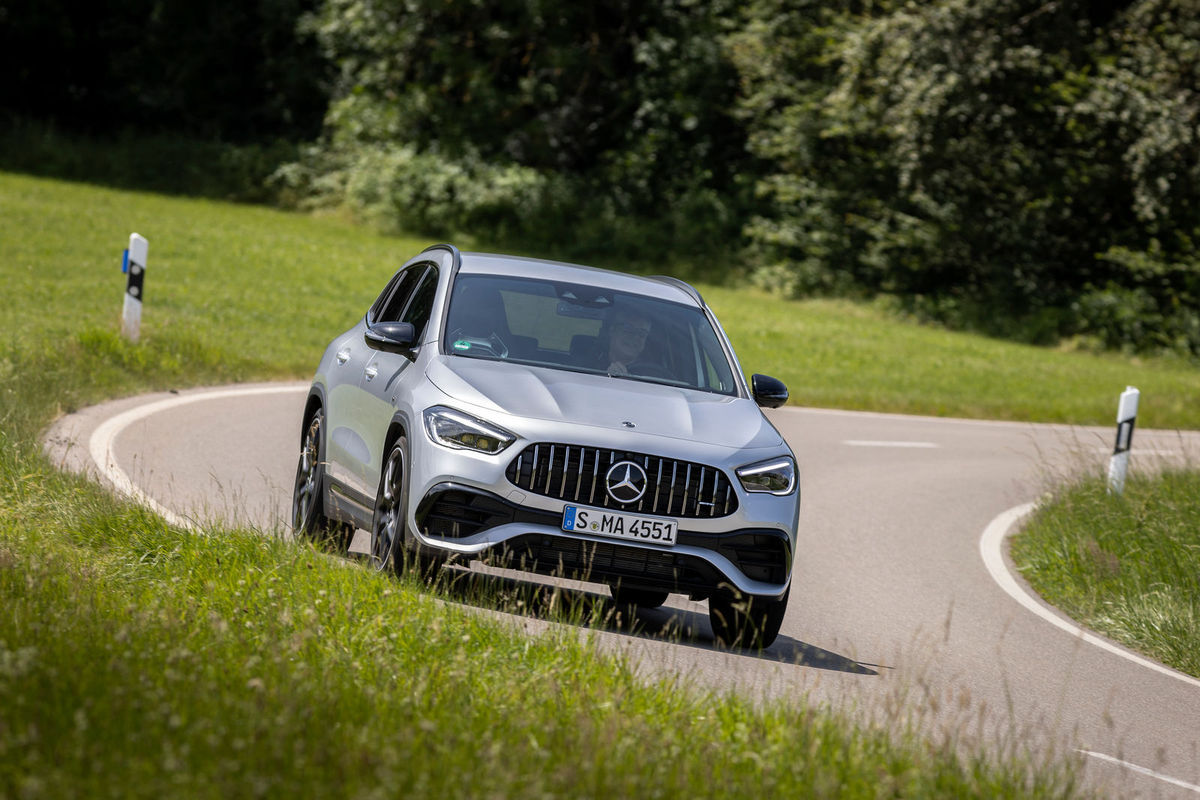
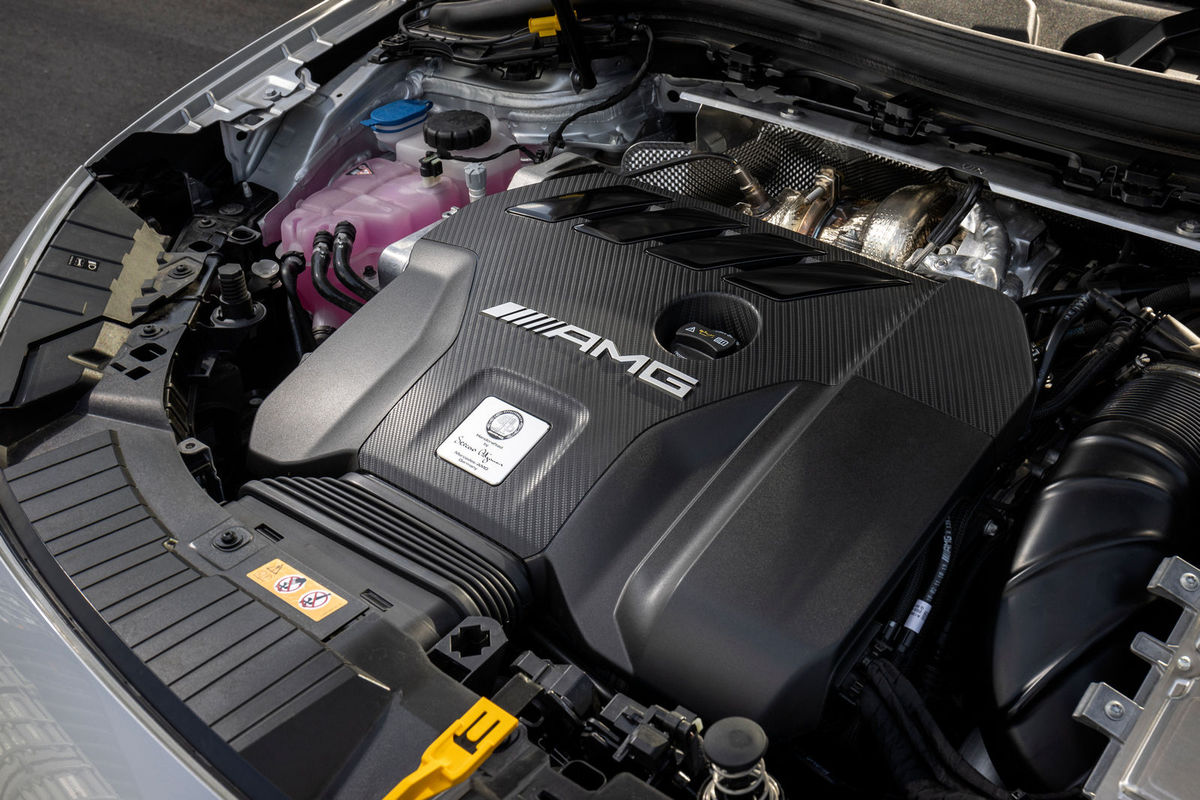
With the most-powerful production 2-litre engine under the bonnet, the GLA45 is on rapid crossover.
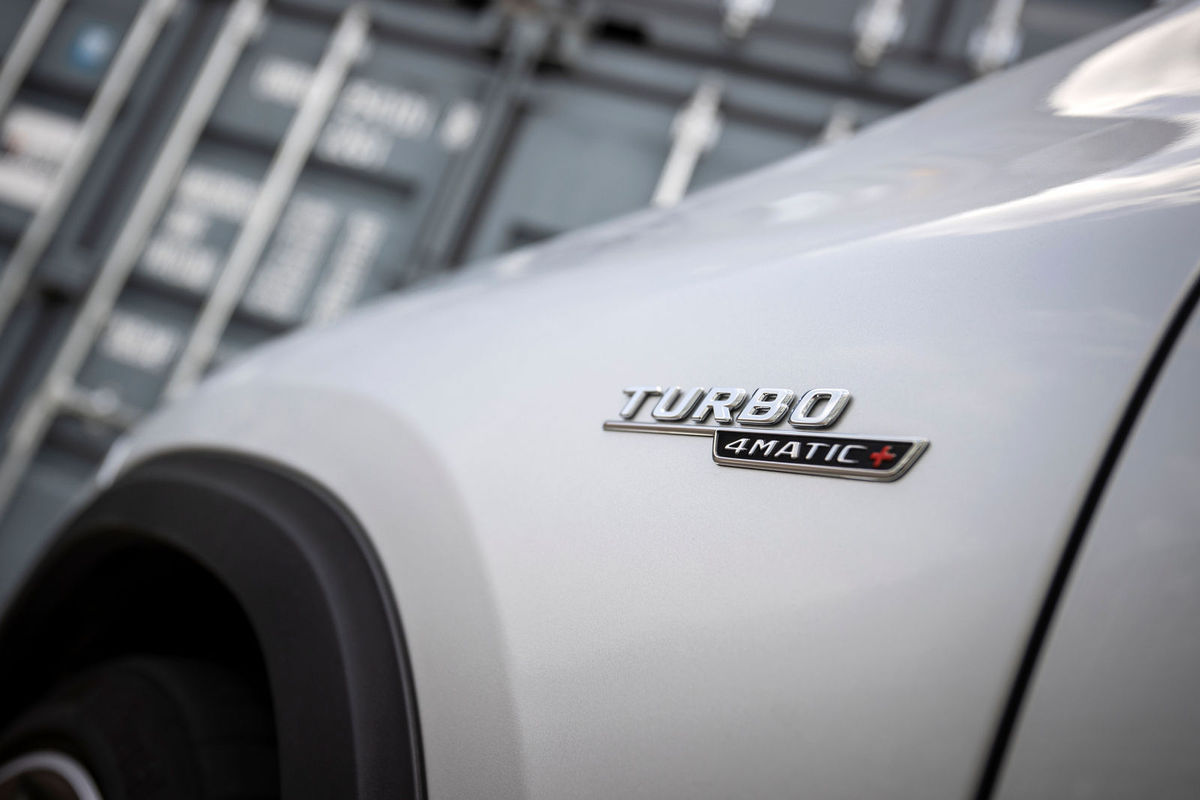
As with the old car, the GLA 45's mechanical setup largely echoes that of its hatchback cousin. With Mzansi not receiving the 285 kW "base" variant, there’s only the GLA 45 S, which develops no less than 310 kW from its 2.0-litre 4-cylinder turbopetrol motor. It’s the most powerful 4-pot in series production, with an specific output of 155 kW/litre.
Crucially, Mercedes-AMG has calibrated the Benz's powertrain to deliver its full complement of torque (500 Nm) at a surprisingly high 5 000 rpm. In an apparent sop to better drivability, the Affalterbach-based from has removed the abrupt power delivery common with many turbocharged cars to facilitate a more peaky, naturally aspirated-like top end.
What this translates to is a car that perhaps feels less muscular than you might expect in the low- to mid-range. There’s still ample pick-up once the rev needle hits 3 000 rpm, but there’s none of the thump-in-the-back drama of Audi’s 5-cylinder unit. It doesn’t sound as characterful either, despite the theatrical pops and bangs in the sportiest drive modes, but it’s more engaging than the old GLA 45’s as the reward is a crescendo of power as the rev needle swings across the dial, catapulting you forward at a rapid rate.
While our road driving didn’t allow for properly-timed launches, if the A45’s performance is anything to go by we’d confidently say that the GLA 45 S' quoted 0-100 kph time of 4.3 seconds is conservative – this should be a 4-second car (perhaps even quicker than that) in the right conditions.
But this Benz doesn't dish up the kind of one-dimensional driving experience that some all-wheel-driven performance models deliver. Sure, it can be neutral, approachable and unflappable if you want it to be, replete with limpet-like grip levels even in damp weather. Only a touch of torque steer is occasionally evident if you flatten the accelerator pedal in a low-speed corner exit, but otherwise the rack itself is accurate, naturally weighted and more feelsome than those of most performance hatchbacks or crossovers.
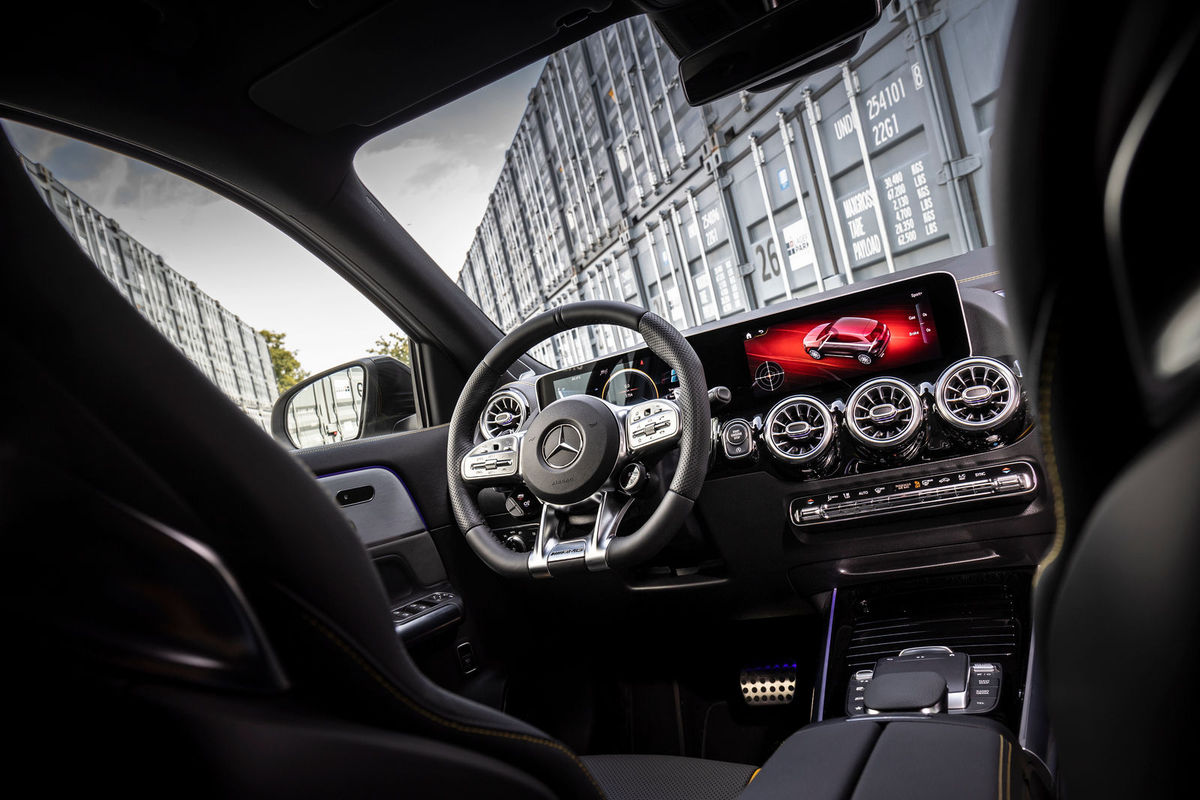
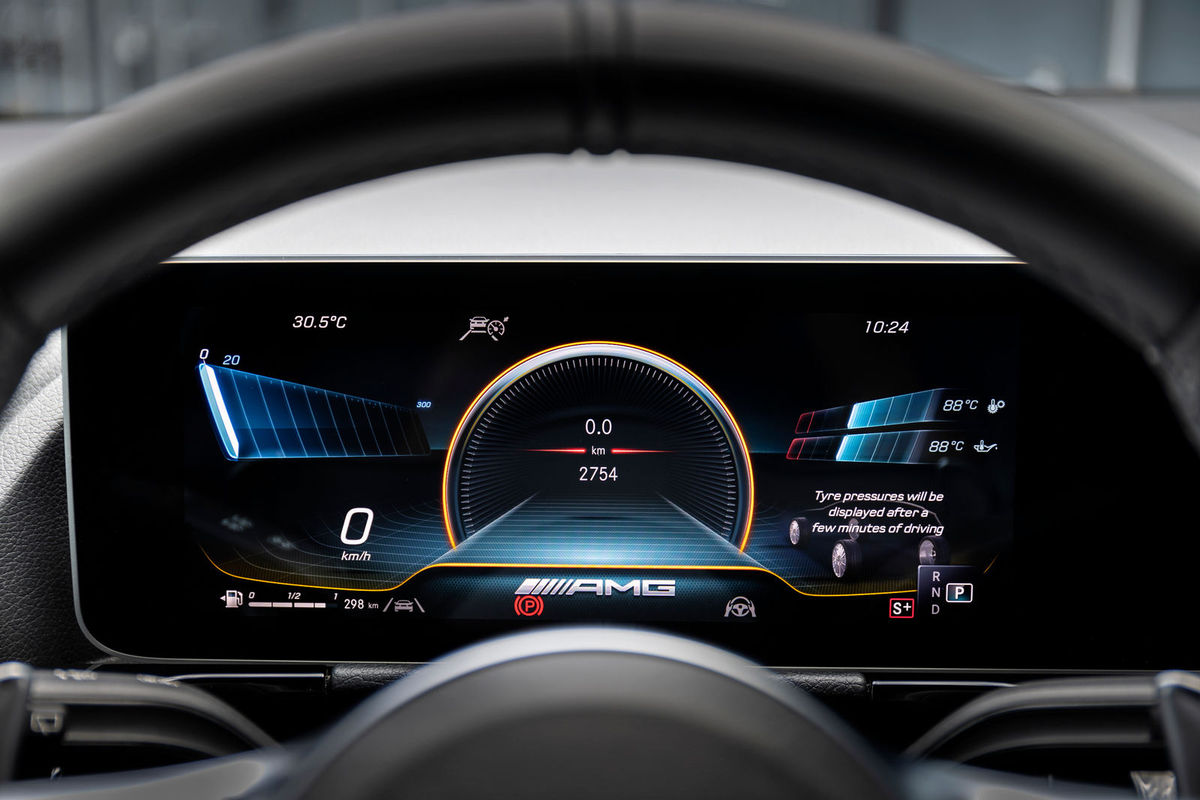
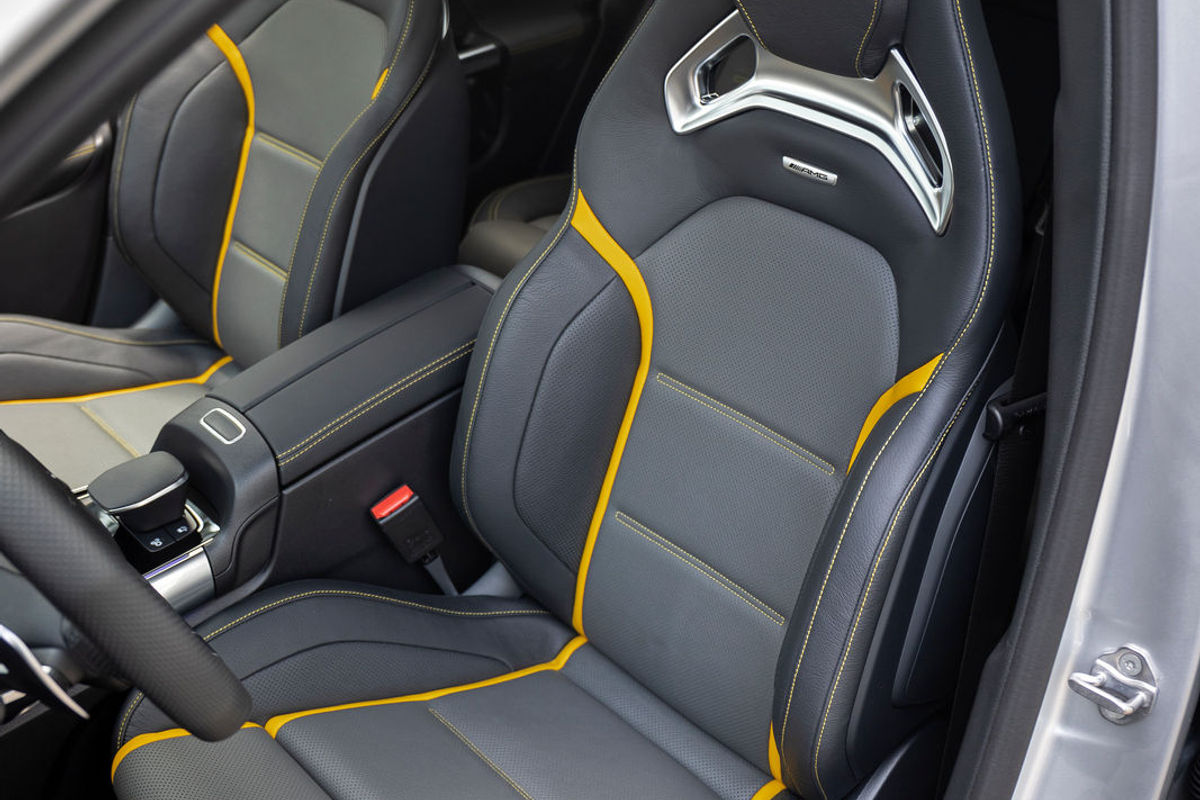
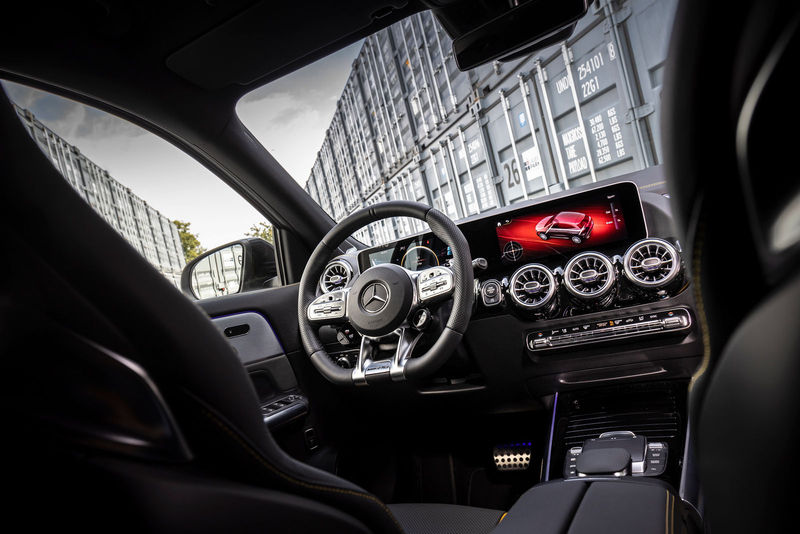
While the interior is attractive, you can't help but feel it's just a standard GLA with some yellow stitching.
No, the GLA 45’s most impressive feature is the electrohydraulic 4-wheel-drive system’s ability to chuck up to 100% of torque not only to the rear axle, but individually to each rear wheel. This means a more neutral, balanced cornering stance aided by strong stability – and impressively, virtually no understeer. Of course, you can also drift the Benz, which is novel in a small SUV, but in a more natural and progressive way than some similar systems. Once you trust that the back end will swing round (and it will), you’ll find that even moderately talented drivers can have fun moments of rear axle rotation that are, of course, effectively managed by the electronics.
It’s so entertaining that it’s easy to forget that the newcomer is 100 kg heavier (the body is 190 mm taller, by comparison) than the A45. Really, the only noticeable difference is a smidgen more lean on initial turn-in, and a more SUV-like driving position detracting slightly from the overall experience.
Familiar low-speed compromises remain, too. Like the A45, there's a not-insignificant amount of driveline shunt from that otherwise quick-changing dual-clutch automatic transmission when crawling around town or parking, making smooth manoeuvres tricky to execute. The ride is stiff, though not uncomfortably so in the softest setting of our car's (you guessed it, optional) adaptive dampers. And the turning circle isn't great, either.
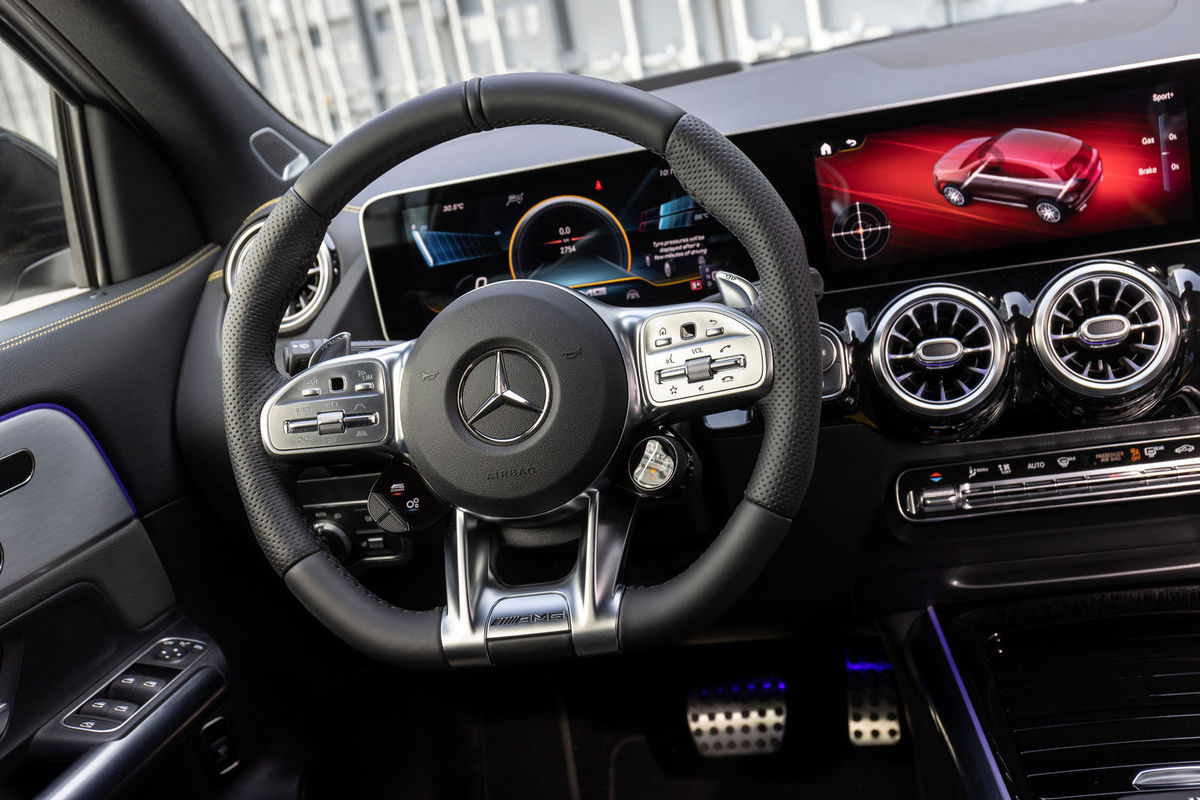
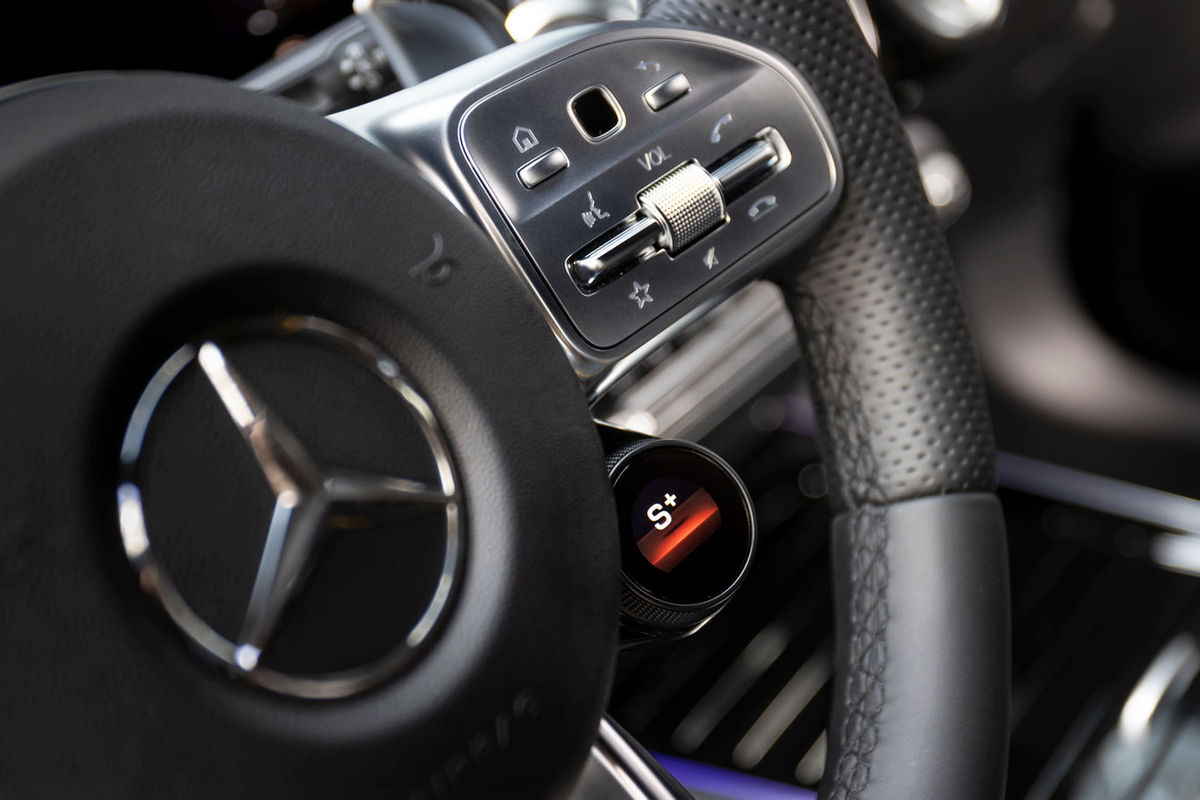
However, the cabin is a nice place to sit once you're over the fact that, beyond the sporty trim and yellow detailing, it's essentially a standard R600k GLA interior in a R1-million-plus car. One really nice touch is the wheel-mounted controls for the drive modes, including a wheel for each preset and then individual stalks for the drivetrain and suspension behaviour. It's also substantially roomier than the old GLA 45; up front, in the back seats and in the load bay, making it a genuinely versatile family holdall.
Should I buy one?
At over R1.1 million, the GLA 45 S pushes perilously close to bigger and more powerful performance SUVs.
That depends if you're prepared to sacrifice exterior styling (and cash) for the GLA's extra space over the A-Class. To our eyes, it's a less attractive car (even than its forebear) while the A45 remains dynamically superior, even though the margins aren't as great as you may expect.
It's serious money, for an admittedly serious car, too. In fact, its pricing puts it perilously close to some larger and more powerful performance SUVs such as the BMW X3 M and Alfa Romeo Stelvio Quadrifoglio. Though with Benz developing a reputation for keenly priced leasing deals, it may not be the financial kick in the teeth it appears at 1st glance.
Regardless of all this, there is currently no small SUV that can hold a candle to the GLA 45's dynamic repertoire, outright pace and (crucially) fun factor. It is proof that not all SUVs must have a compromised driving experience. And for many, that'll will make its premium well worthwhile.
Motorists can breathe a sigh of relief as licences which expired between 26 March and 31 August will be valid until January 2021.
“As the champion of South African motorists we are elated at this move. It’s great news for motorists who have been worried about being legal on the road in the face of mounting backlogs with renewals. We applaud the government and the RTMC for making this decision which, ultimately, is the right way forward. We also want to thank the Minister for being responsive to motorists’ needs during this difficult time and for taking this pragmatic step,” says Mr Willem Groenewald, CEO of the AA.
The AA had launched a petition at the beginning of July 2020 to try persuade government to extend the validity of licences. With Covid-19 compounding the general ineffeciency and ruining the Driving Licence Testing Centres, many motorists were at risk of driving with expired documentation.
A tweet from the official Road Traffic Management Corporation account said, "All learner’s licences, driving licence cards, temporary driving licences and professional driving permits that expire during the period that commenced from 26 March 2020 up to an including 31 August 2020 are deemed to be valid and their validity period is extended for a further grace period ending 31 January 2021”
“We believe much can be done between now and the end of January to clear backlogs but if there are still issues with renewals at that time, government will need to consider a further extension beyond the end of January to ensure everyone is accommodated fairly,” Mr Groenewald says.
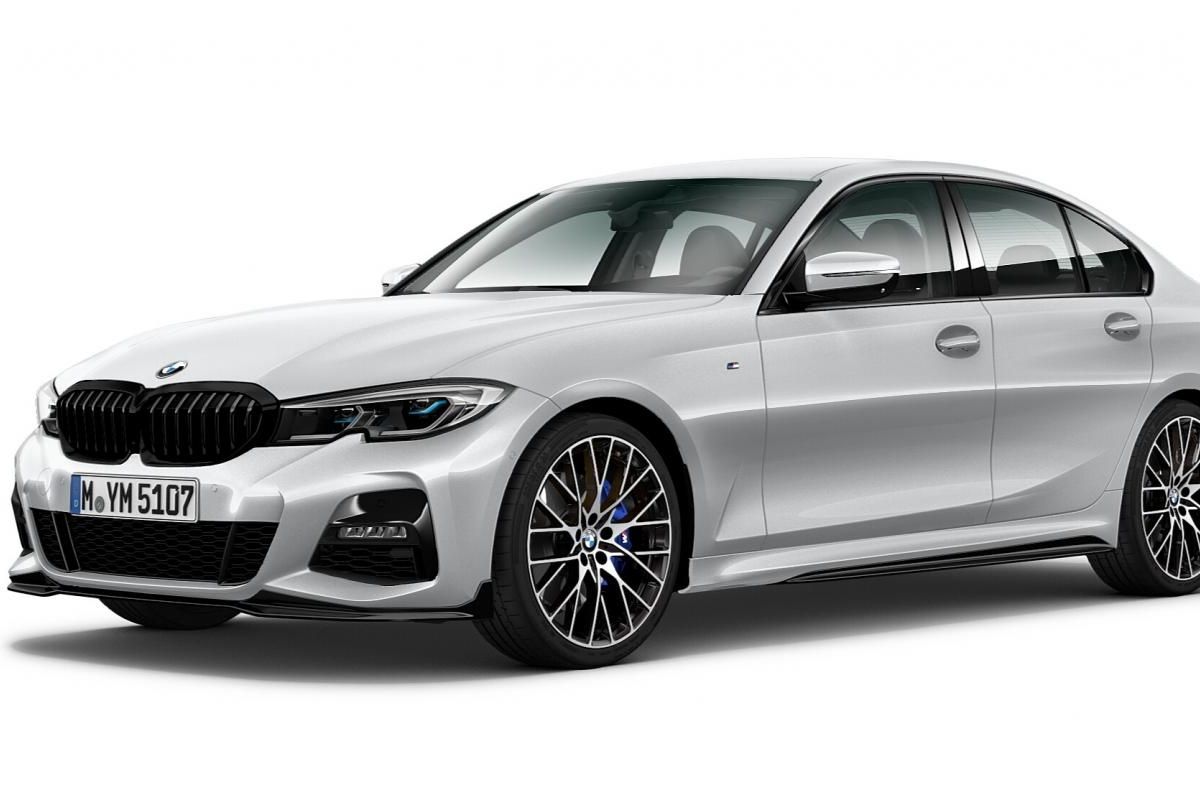
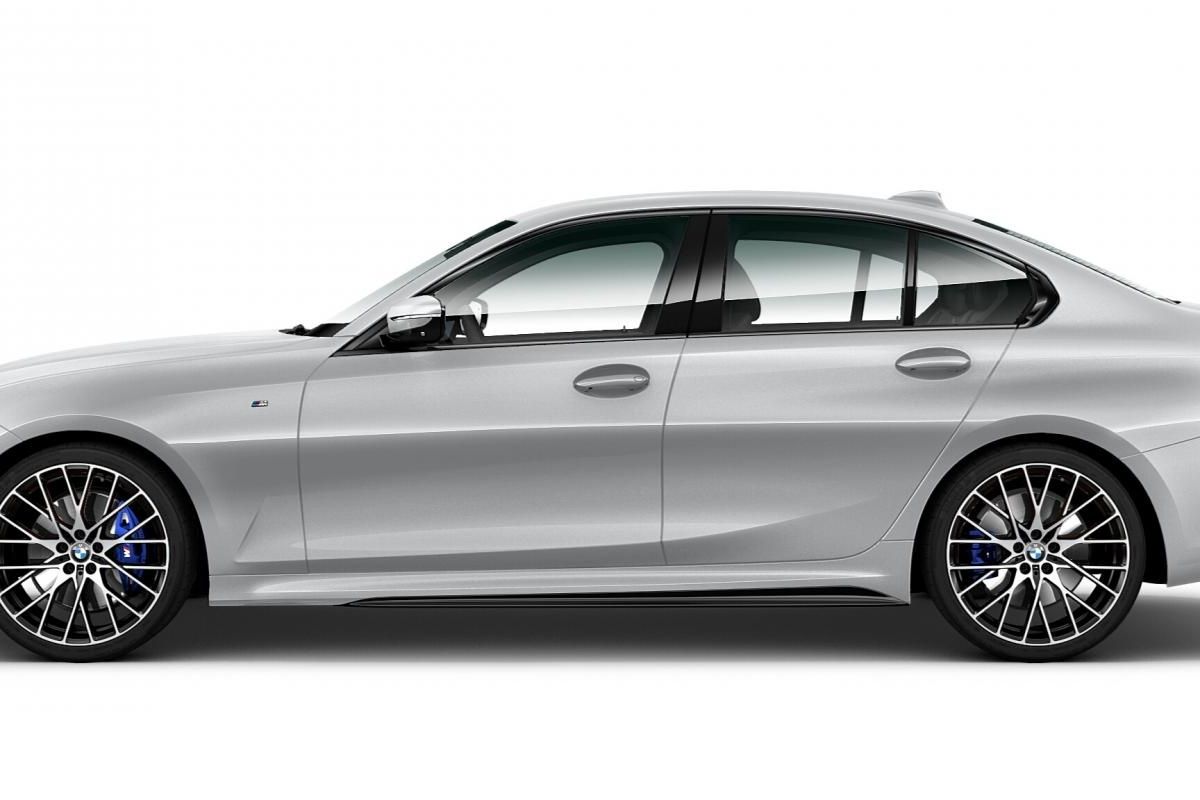
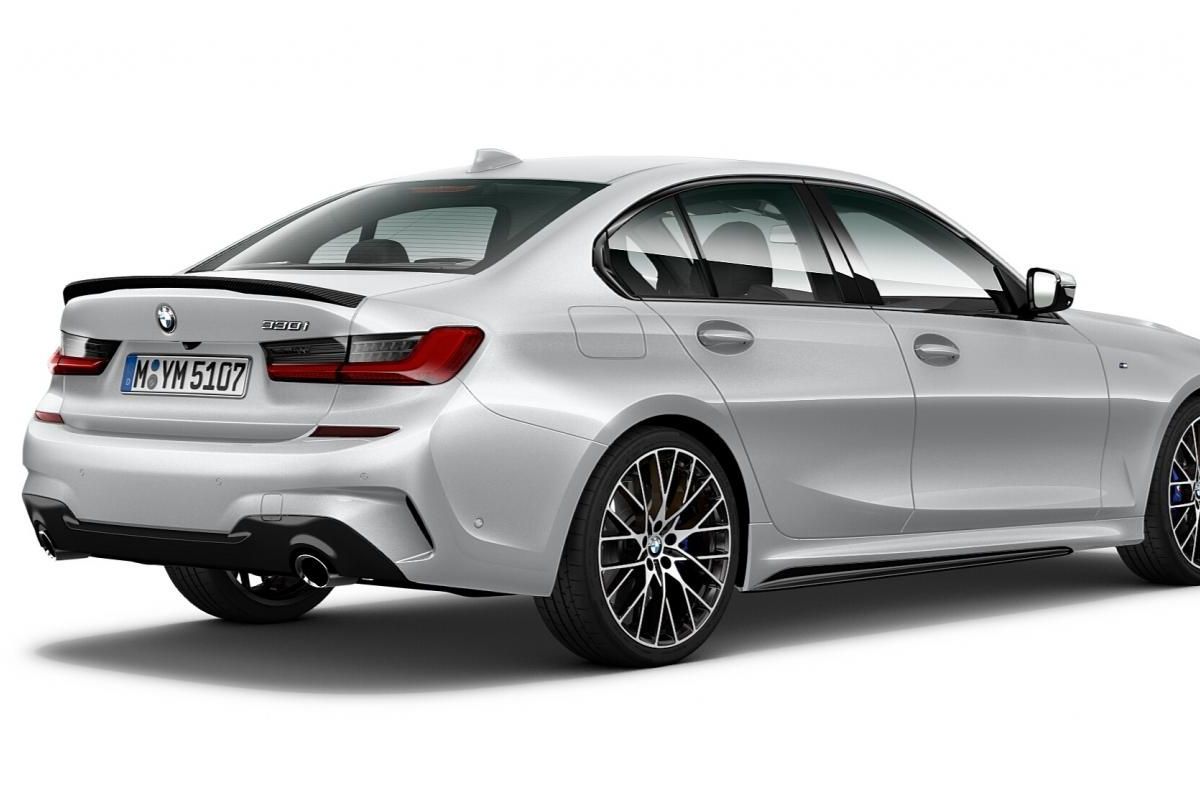
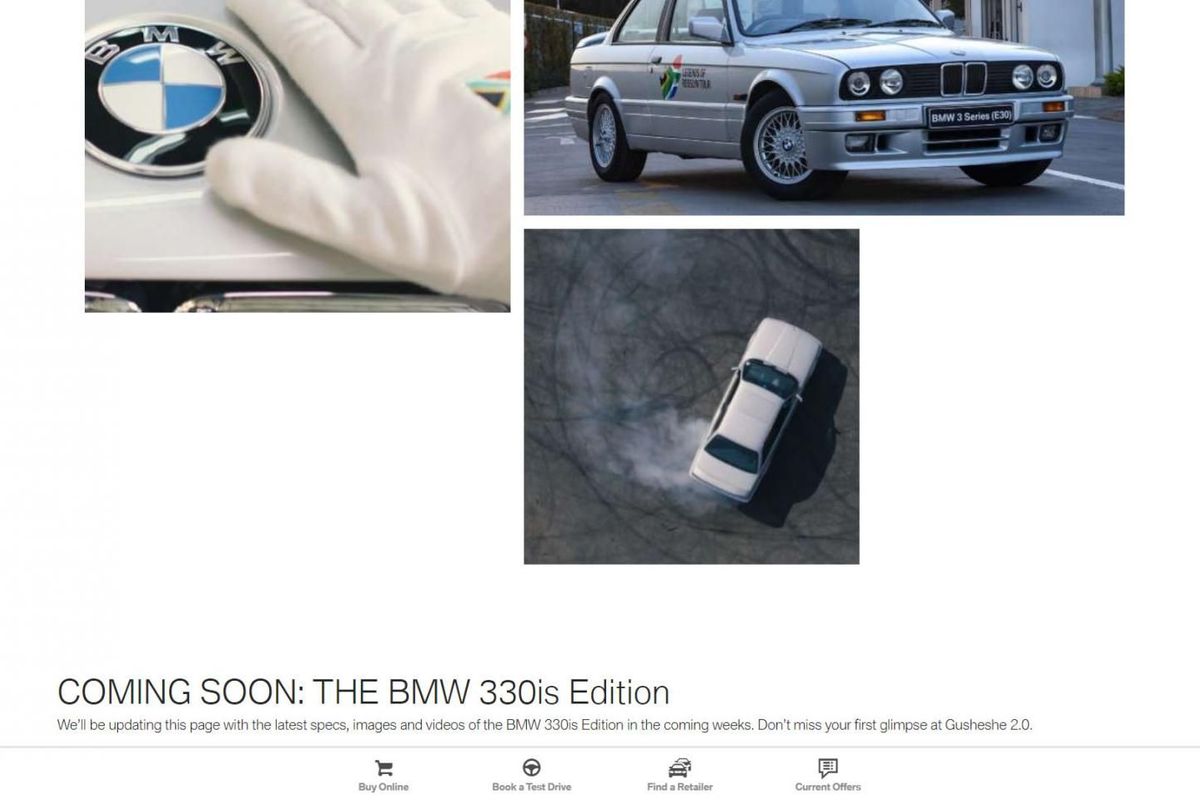
BMW SA has an illustrious history of producing special and unique models for the local market. Now it plans a limited-edition 3 Series derivative to pay tribute to one of its most iconic models, the 325iS.
BMW and South Africa have a unique relationship. Our market has been privy to some special-edition vehicles over the years, with the most iconic arguably being the 325iS. The 325iS was built specifically to homologate a model for production-car circuit racing in the 80s and 90s.
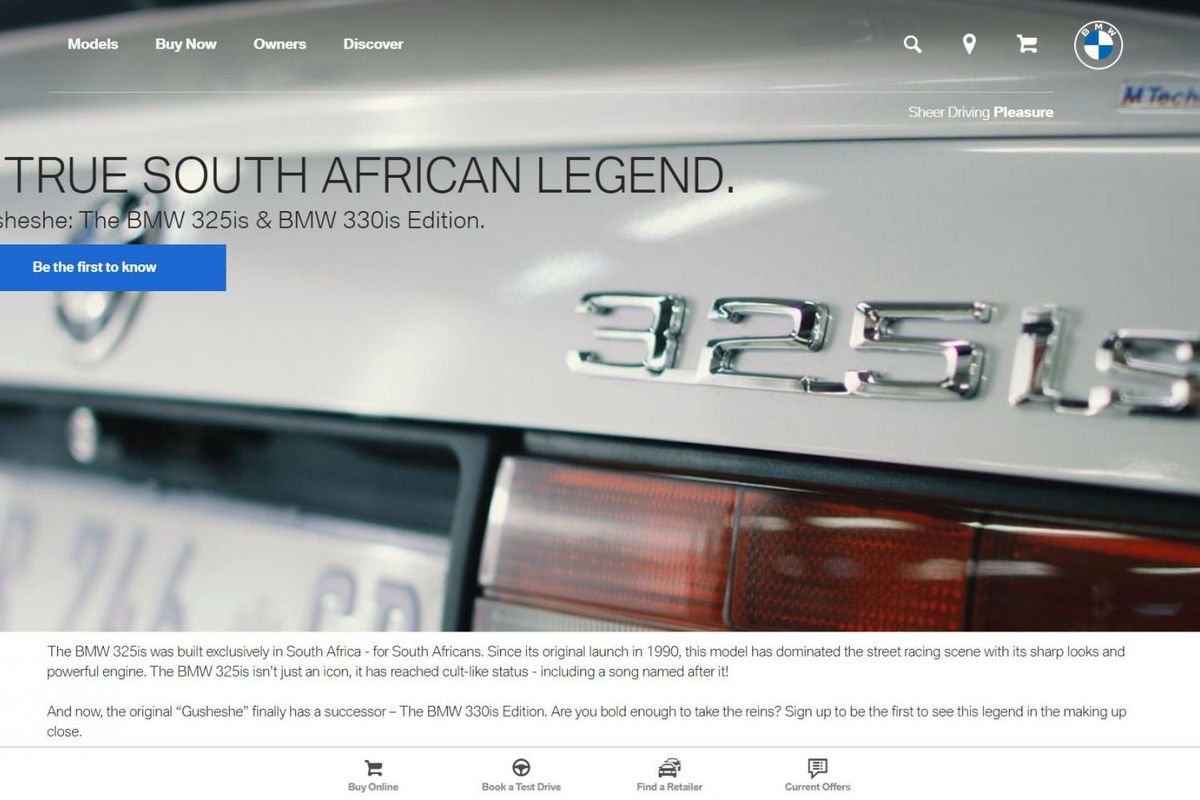
The 325iS and 333i (which came before it) are held in high esteem and highly collectible; so much so that it's near impossible to find a one (at least in original condition) these days. The Gusheshe (as the 325iS is locally known) is an integral part of SA motoring history and word has it, Gusheshe 2.0 is on the way.
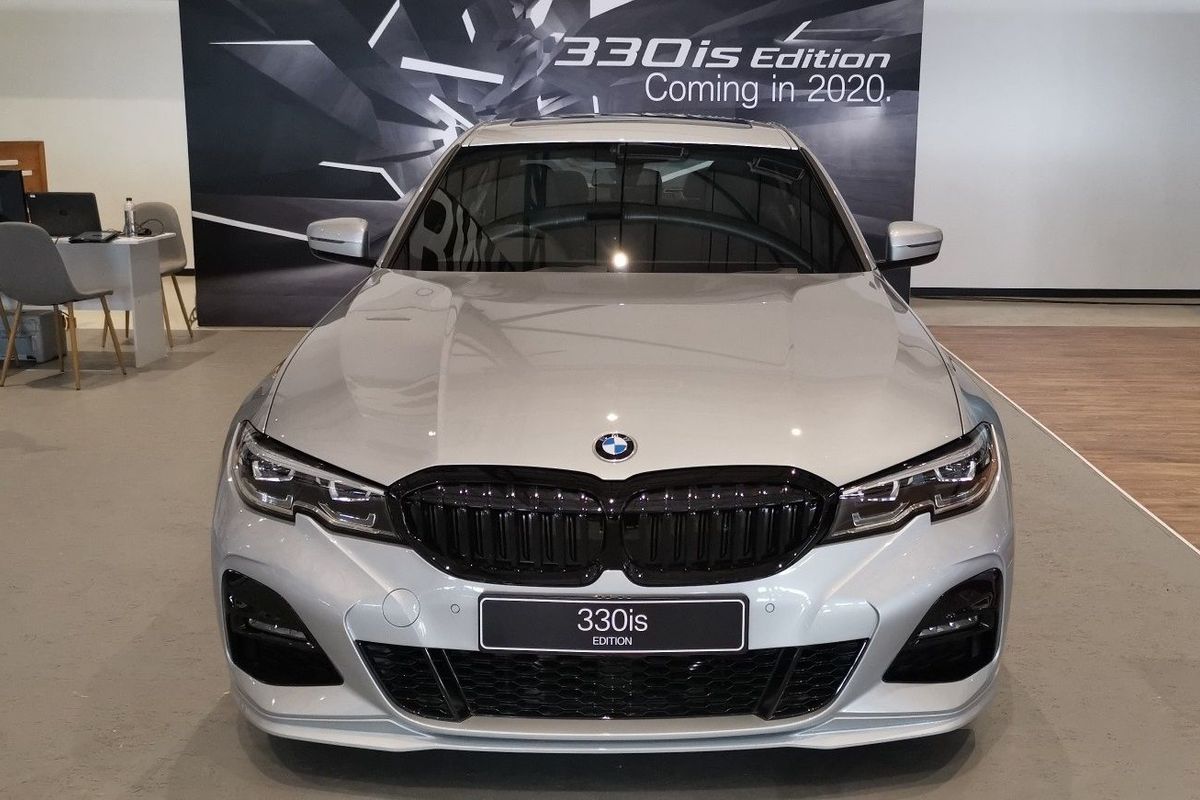
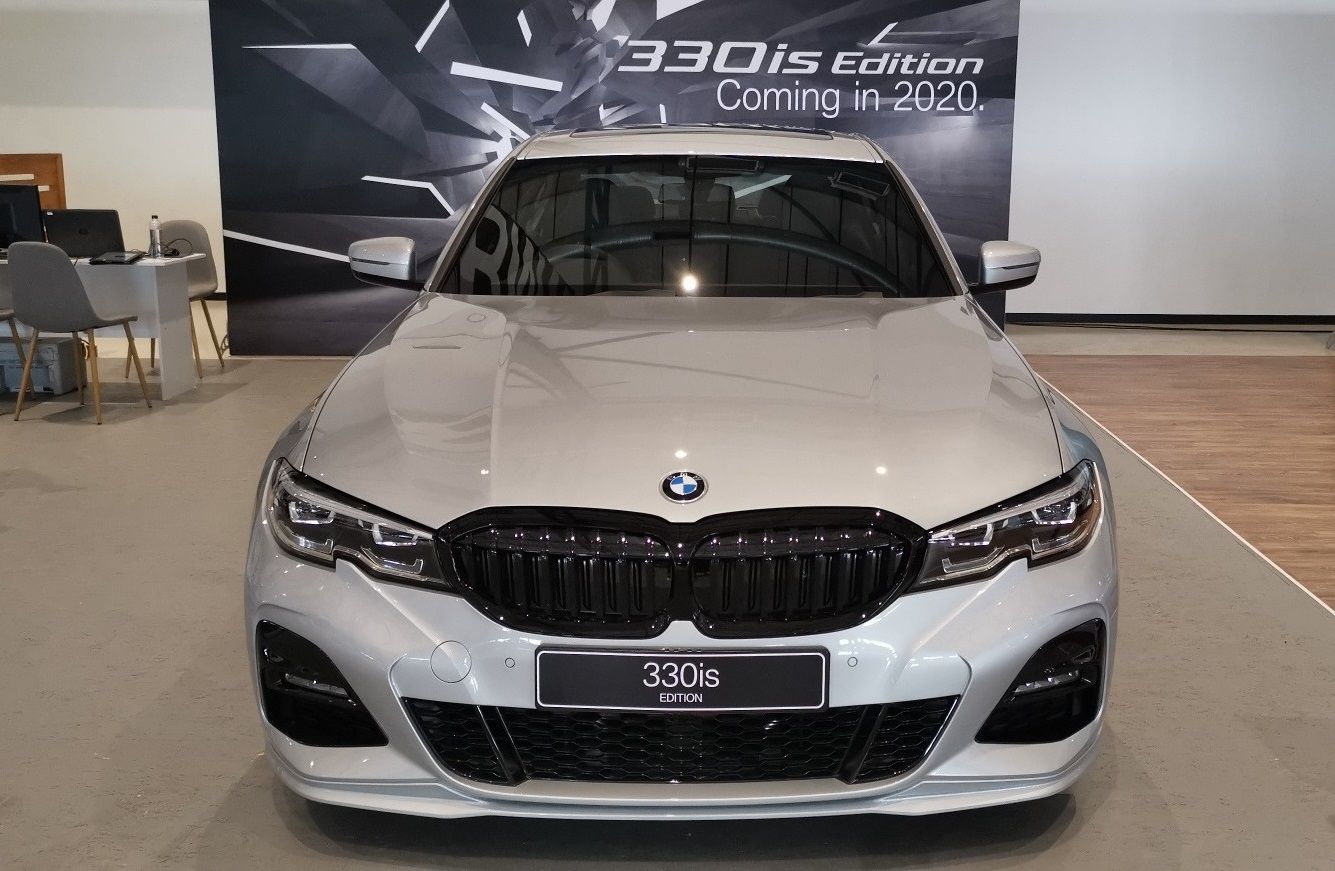
BMW South Africa is well aware of the prestige and reputation of the 325iS and will be launching a limited-run 3-Series to celebrate this motoring icon. The new BMW 330is Edition made a surprise appearance at the 2019 BMW M Fest and since then there's been very little word as to its planned arrival or what would make it special.
What do we know so far? Well, we know this special edition is based on a new-generation G20 BMW 330i and it will feature the M Sport cosmetic package and potentially a few hand-picked M Performance Parts too. The BMW 330is Edition rides on 20-inch 794M M Performance wheels, which we think are gorgeous. We suspect there'll be no changes to the 2.0-litre 4-cylinder motor, which produces a 190 kW and 400 Nm. Acceleration is rated at 5.8 seconds to 100 kph. Whether a standard 330i with some nice body parts and wheels will be enough to conjure up the same emotions as a 325iS remain to be seen – let's hope BMW SA has got the sentiment right or this could be a bit of a flop.
When is it hitting the showroom floors? A source close to BMW SA suggested there would be news regarding the BMW 330is Edition in the next few weeks and the local arm's website now features a page where potential customers can stay updated. From what we understand, there will be a production run of just 300 units of this derivative.
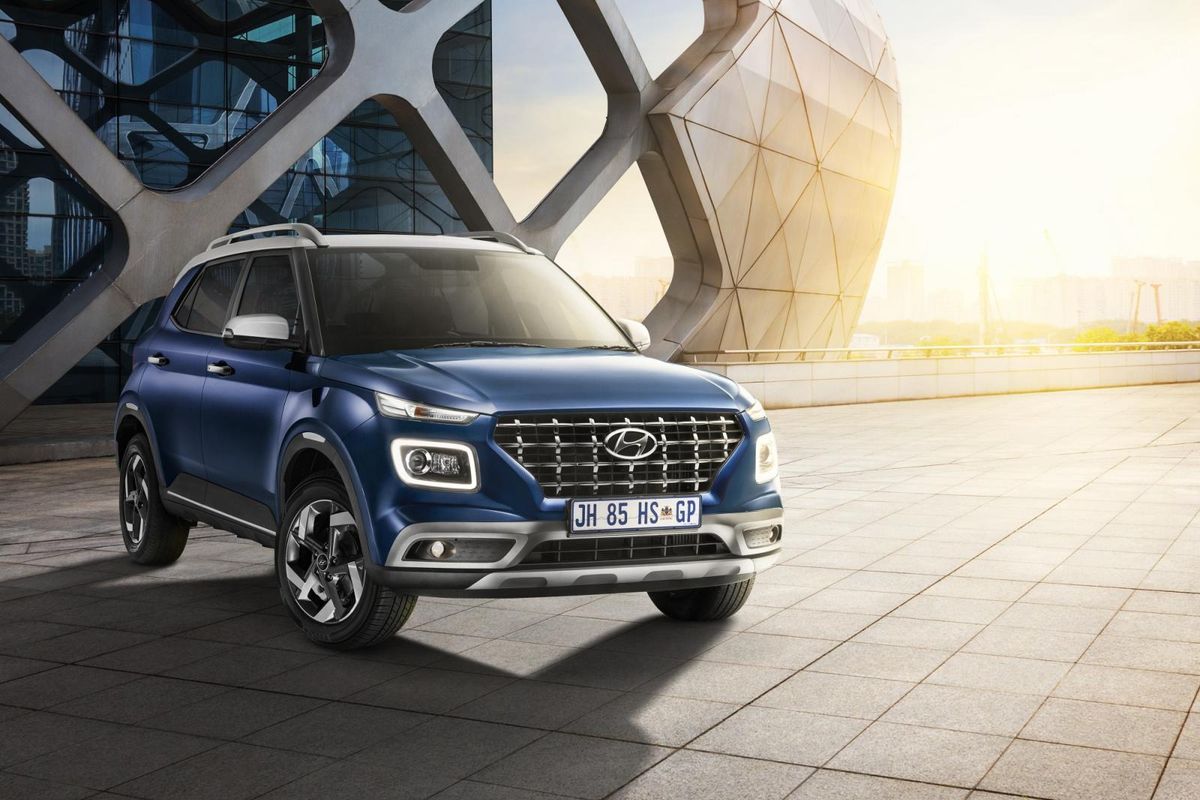
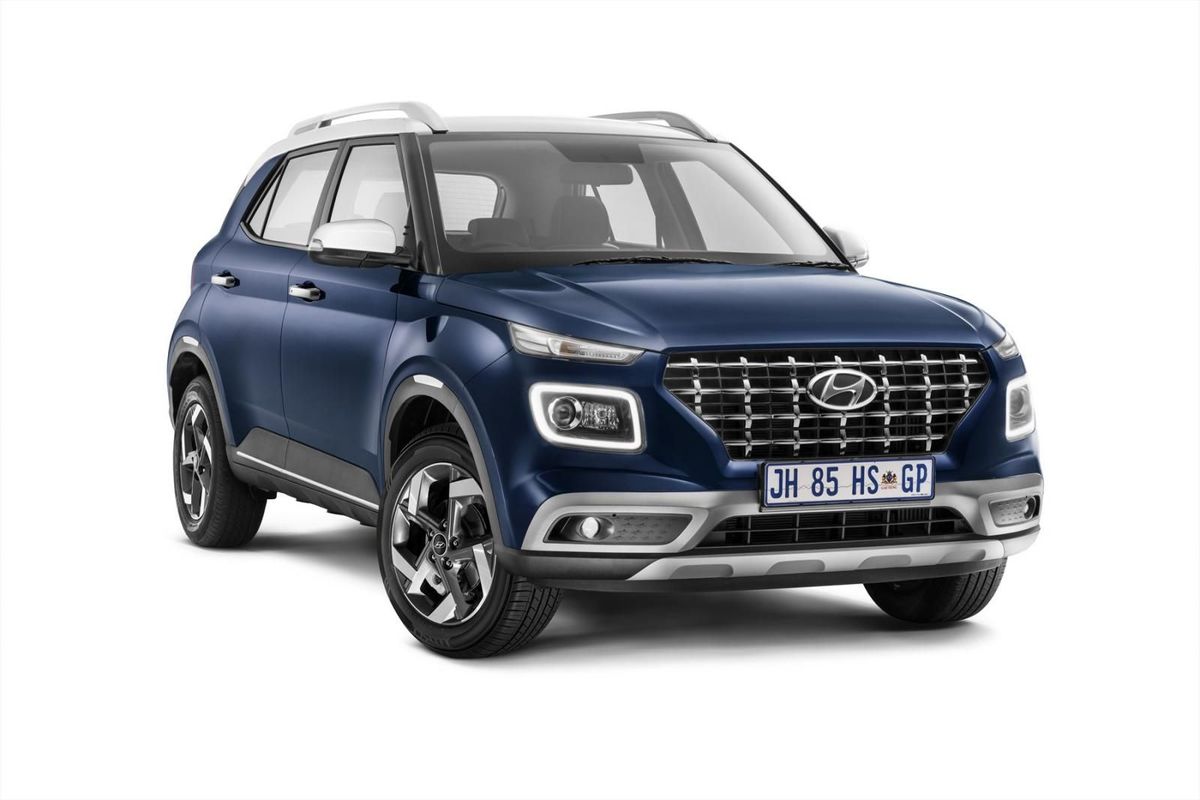
Hyundai South Africa has expanded the Venue portfolio with the Limited Edition model. Here's how much it costs, plus specifications.
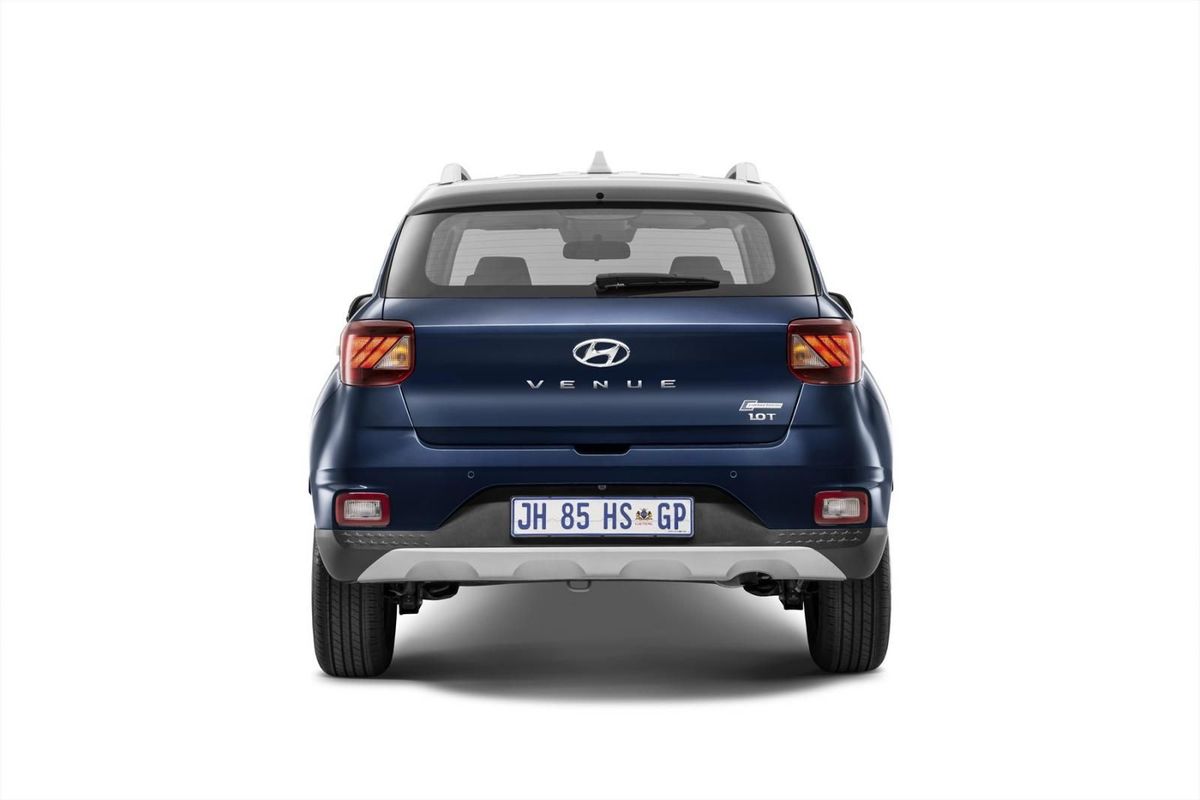
The Hyundai Venue Limited Edition is available 3 versions and there'll be just 500 units for the SA market.
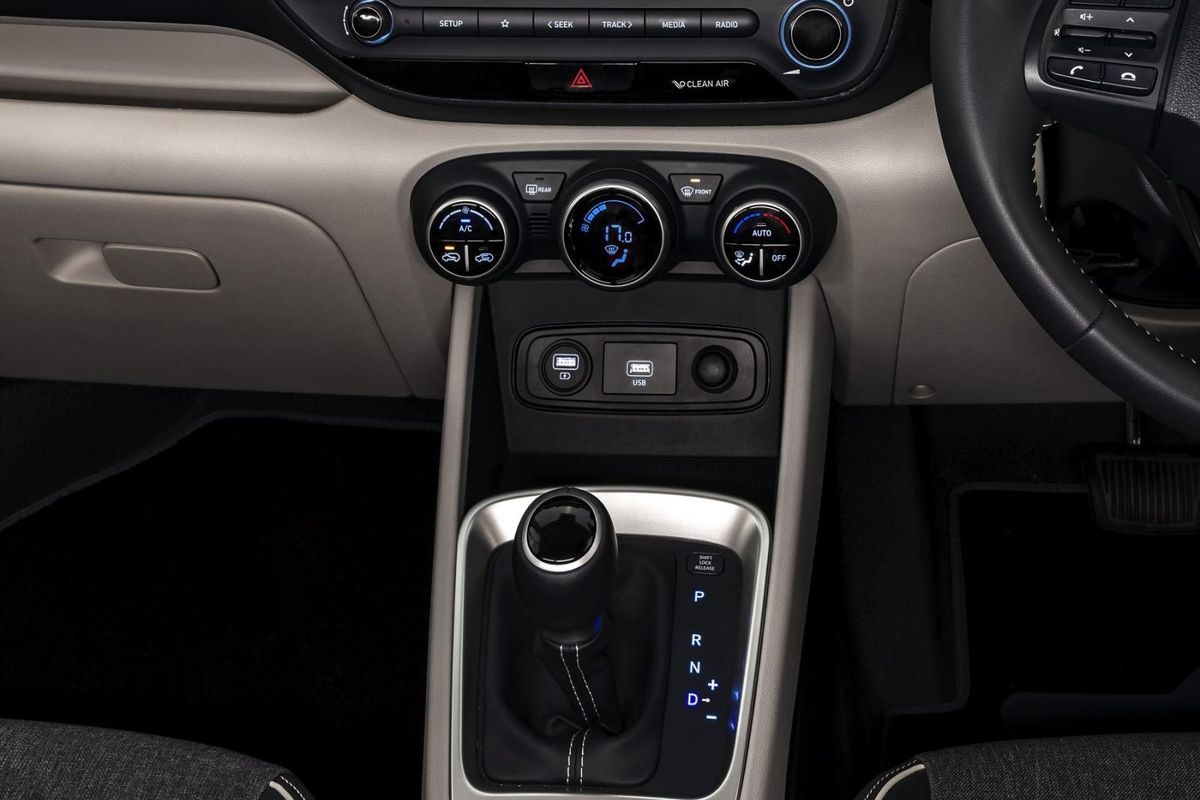
All models are powered by the 1.0-litre turbocharged 3-cylinder motor and it has a tidy 88 kW and 172 Nm on tap. It's available with a 6-speed manual gearbox or 7-speed automatic dual-clutch transmission in the Fluid trim level, while flagship Glide is DCT only. In terms of economy, Hyundai SA claims 6.5 L/100 km for the manual and 6.9 L/100 km for the DCT.
“The Venue was very well received in South Africa since its launch, and the Limited Edition adds a little more pizazz to the range for customers who are shopping for a small SUV with a stylish exterior, outstanding comfort and convenience levels and a powerful and very efficient turbocharged engine,” says Stanley Anderson, sales and operations director of Hyundai Automotive South Africa.
Limited Edition
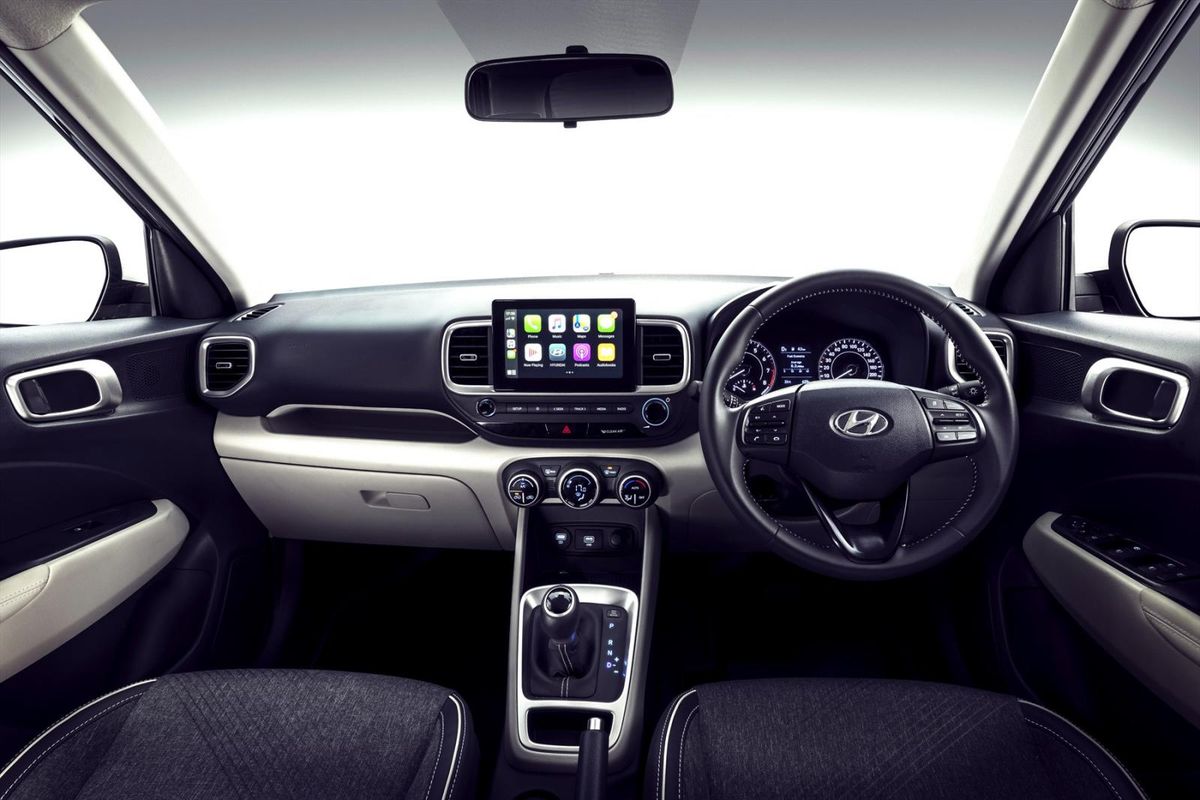
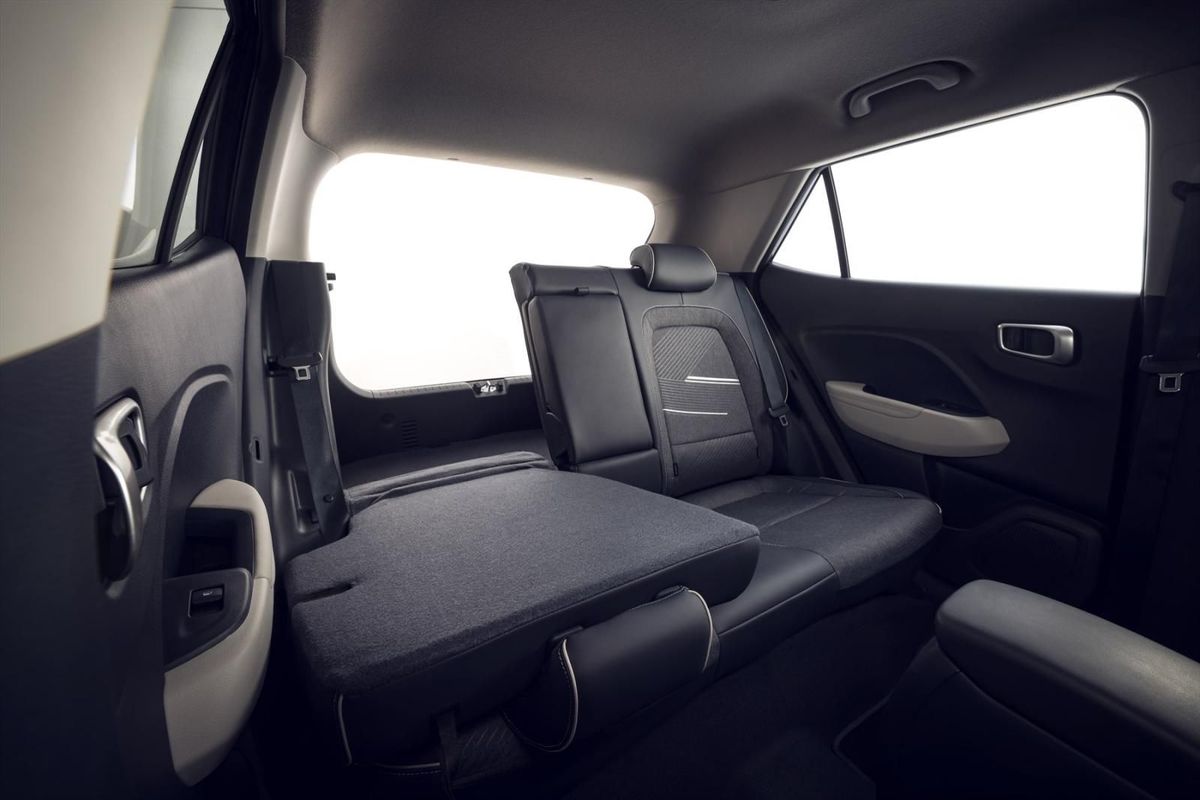
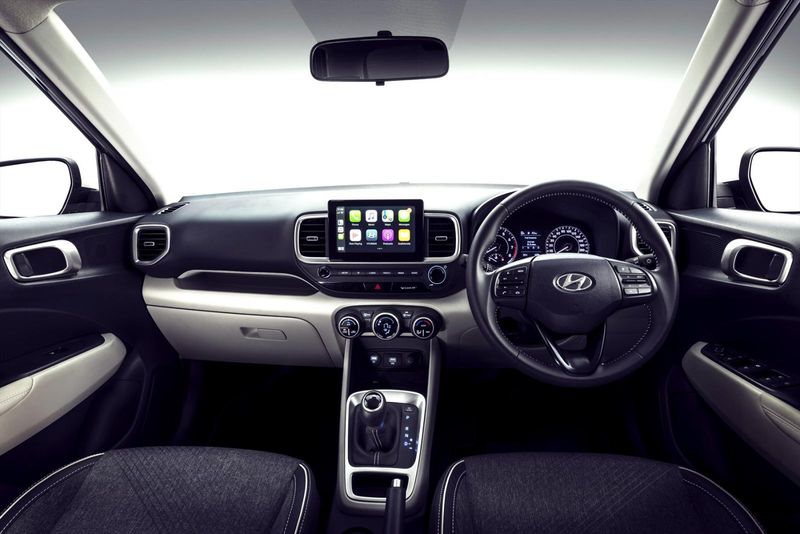
The Hyundai Venue Limited Edition adds a 2-tone exterior, a light beige colour interior theme, with denim and leather cloth seats. Standard features are good, with an 8-inch display audio touchscreen system, which also serves as a rearview monitor for the camera, dual USB ports, Apple CarPlay/Android Auto, a leather-wrapped steering wheel, with audio controls and cruise control buttons, while the Glide adds a 60/40 split, flat-folding rear seat.
Standard safety spec is good, with 6 airbags, Advanced Braking System (ABS) and Electronic Stability Control (ESC).
Hyundai Venue Limited Edition Price in South Africa (July 2020)
The Hyundai Venue is sold with a 7-year/200 000 km warranty, a 3-year/45 000 km service plan, and roadside assistance for 7 years or 150 000 km.
Mini has updated its Countryman John Cooper Works for the 2021 model year. See what has changed below…
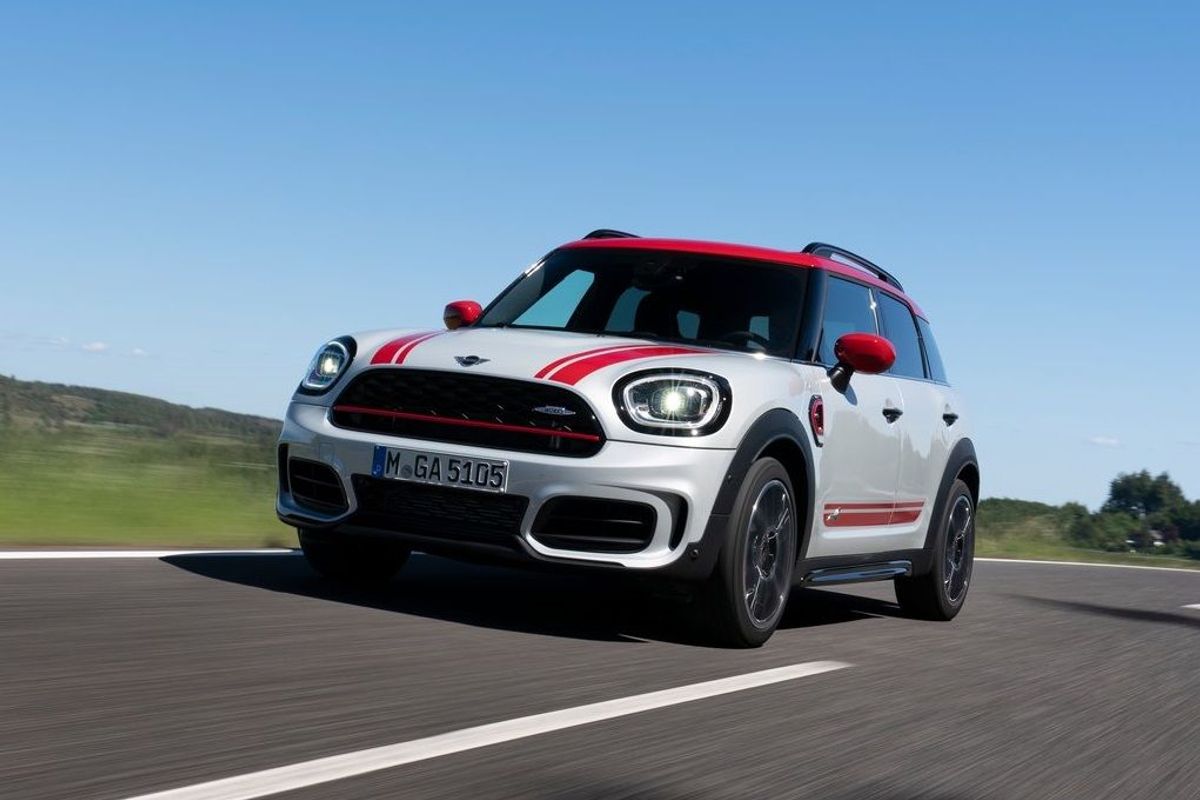
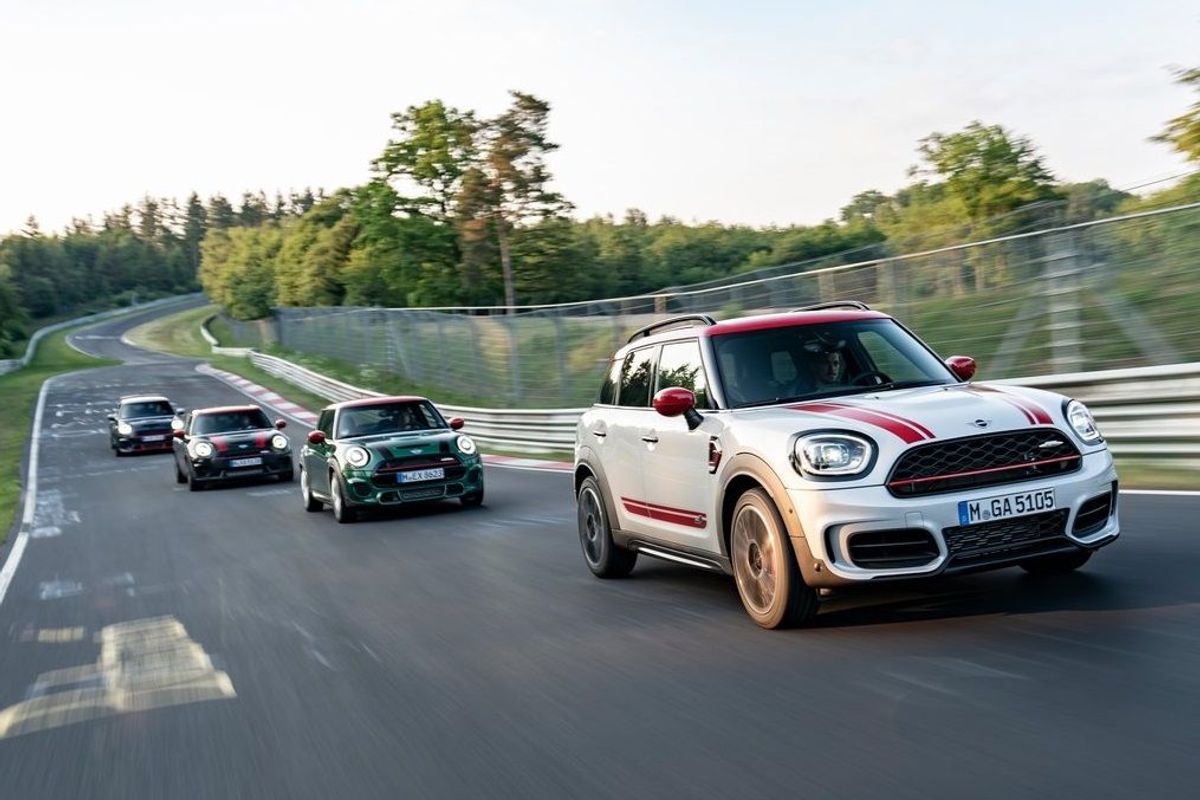
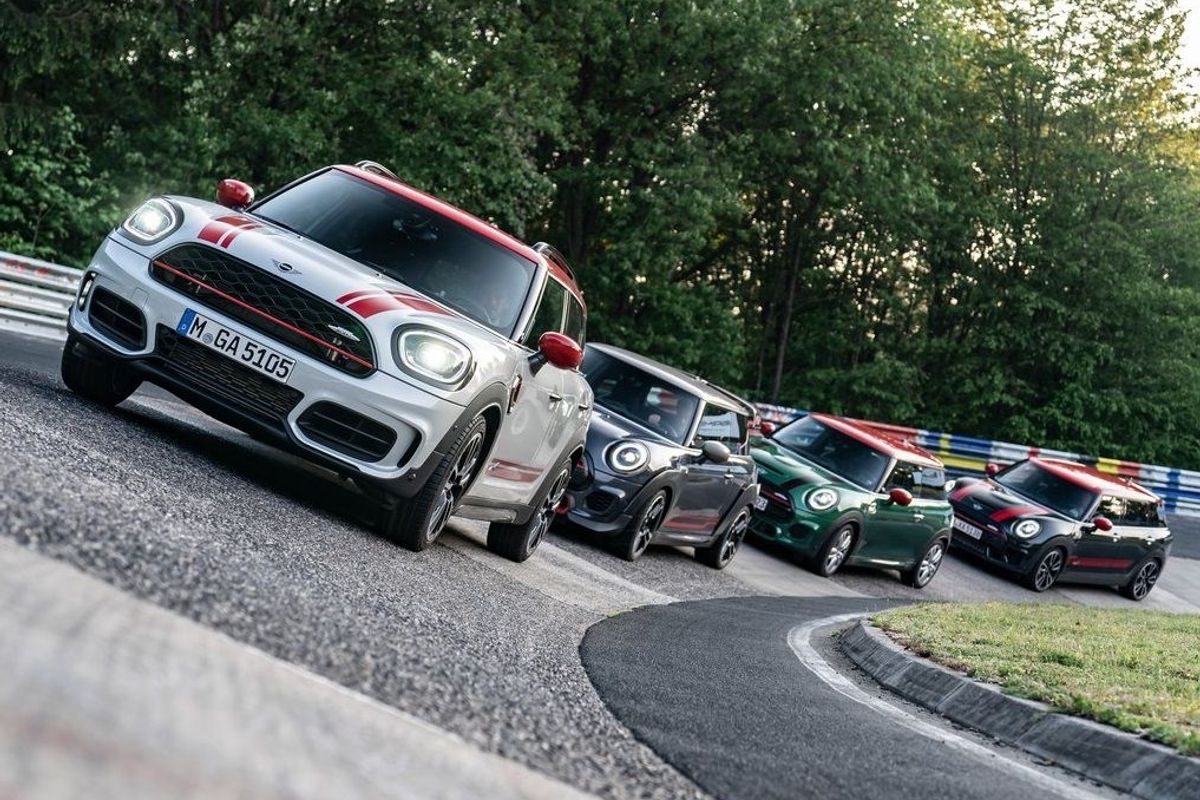
The Mini Countryman JCW compact family crossover came to market in 2017 and it proved to be an alluring proposition for buyers looking for a combination of strong performance, style and practicality. Now, Mini has updated the Countryman JCW as part of its midlife refresh. Note that the Countryman range will also benefit from an update this year.
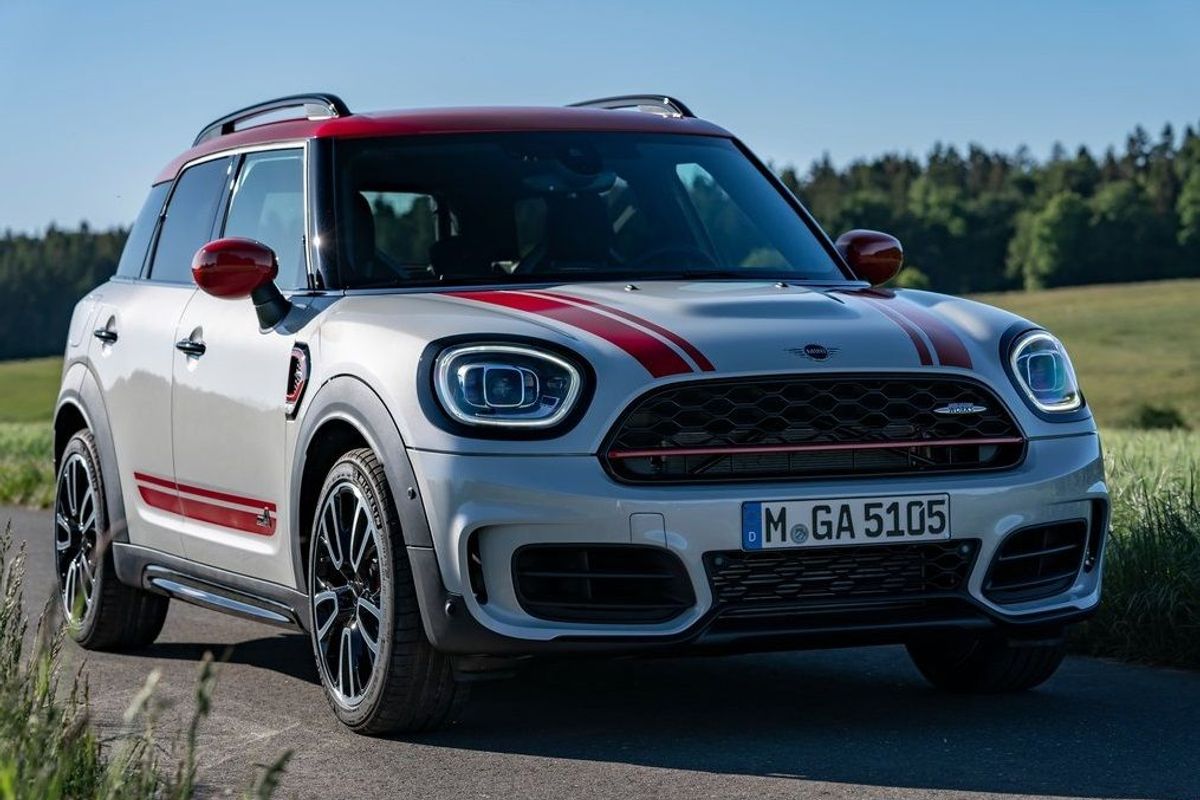
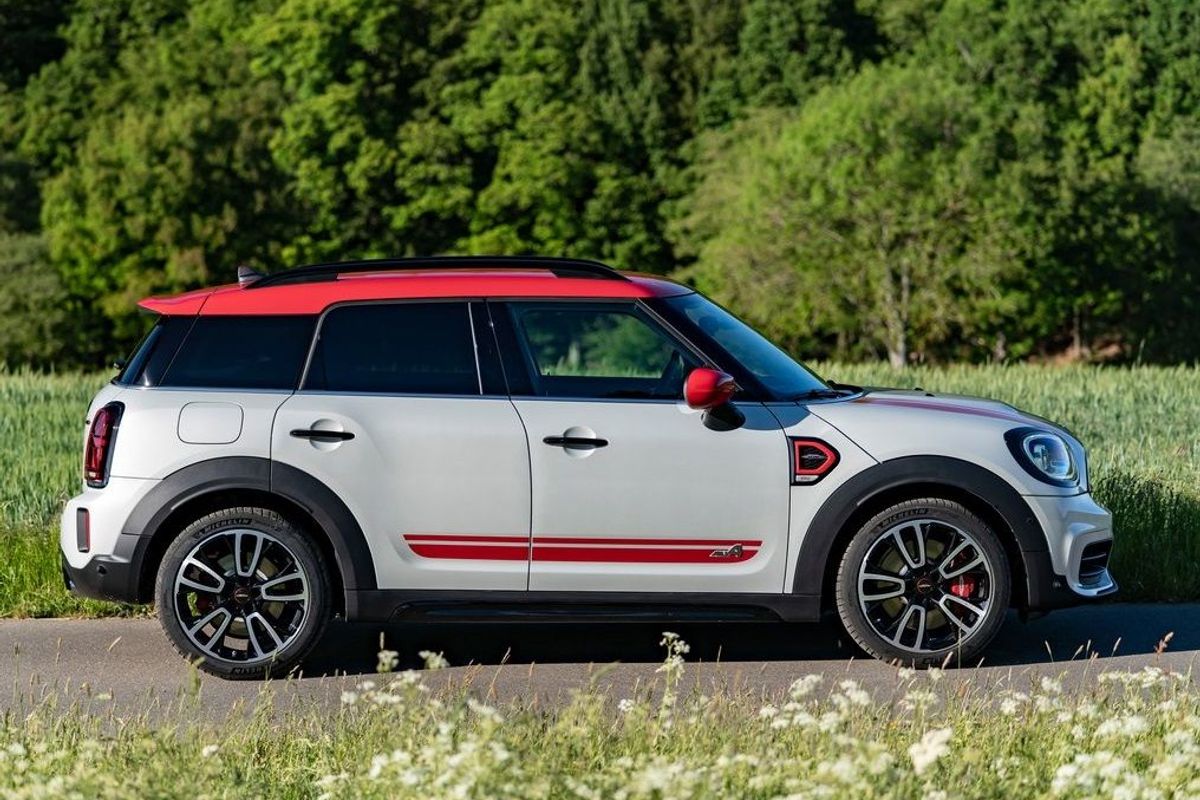
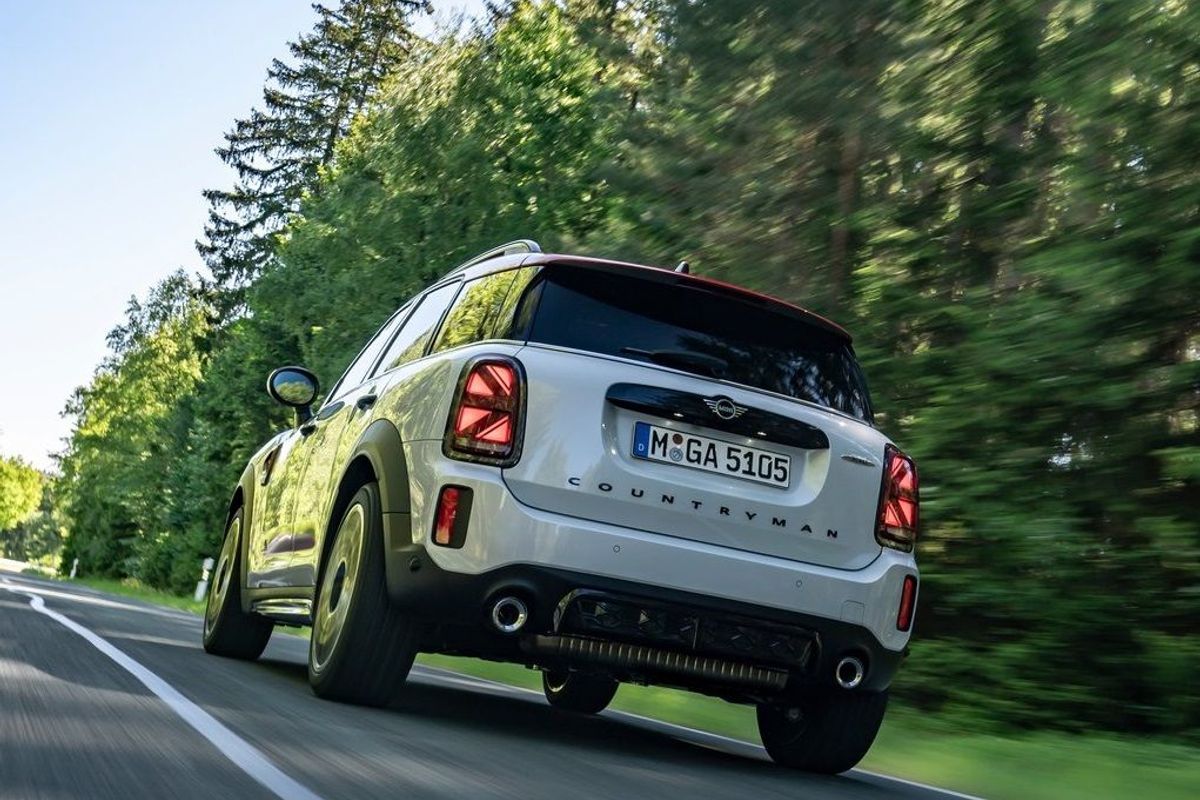
From a stylistic point of view, the Countryman JCW gains a redesigned grille while the headlights and taillights have also been reworked, the latter of which features the now-familiar Union Jack light signature. Mini has also exterior colours such as White Silver metallic, Sage Green metallic and Piano Black Exterior which incorporates a high-gloss black finish for the grille, headlight and taillight surround, door handles, boot lid and model lettering. Mini has also enlarged the diameter of the tailpipes to 95 mm.
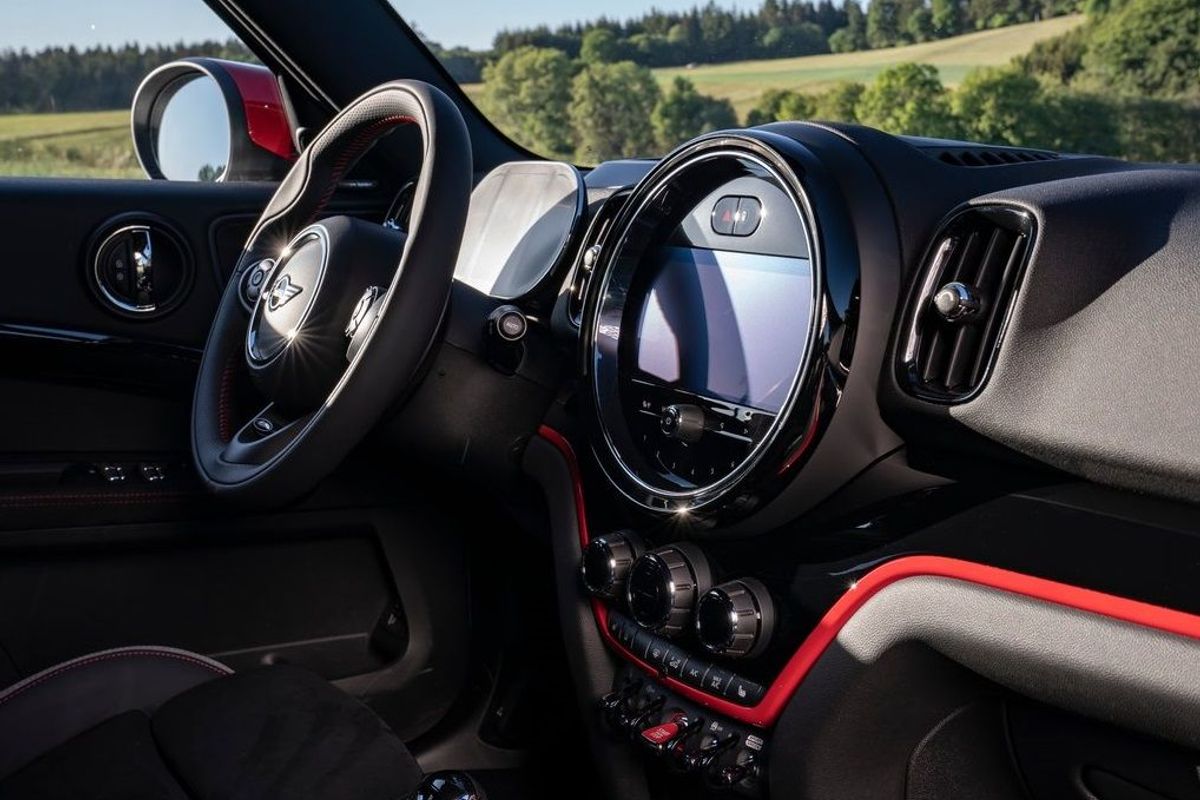
As for the interior, not too much has changed but buyers can now choose an optional 5.0-inch digital instrument display as well as a new optional 8.8-inch colour infotainment system with a touch-sensitive control panel with a gloss black finish. As always, Mini will offer a host of optional equipment so that Mini buyers can customise their Countryman JCW to their heart’s content.
The same 2.0-litre turbopetrol engine does service under the bonnet with 225 kW and 450 Nm of torque. Mini claims a zero to 100 kph sprint time of 5.1 seconds and a top speed of 250 kph. An 8-speed automatic sport transmission is standard.
The Countryman JCW rides on 18-inch JCW light-alloy wheels and is equipped with a sports brake system with 4-piston fixed calliper disc brakes with the callipers painted in Chili Red.
Mini will launch the updated Countryman JCW later this year and it can be expected locally in fourth quarter of 2020. We will keep you updated as soon as local details are confirmed.
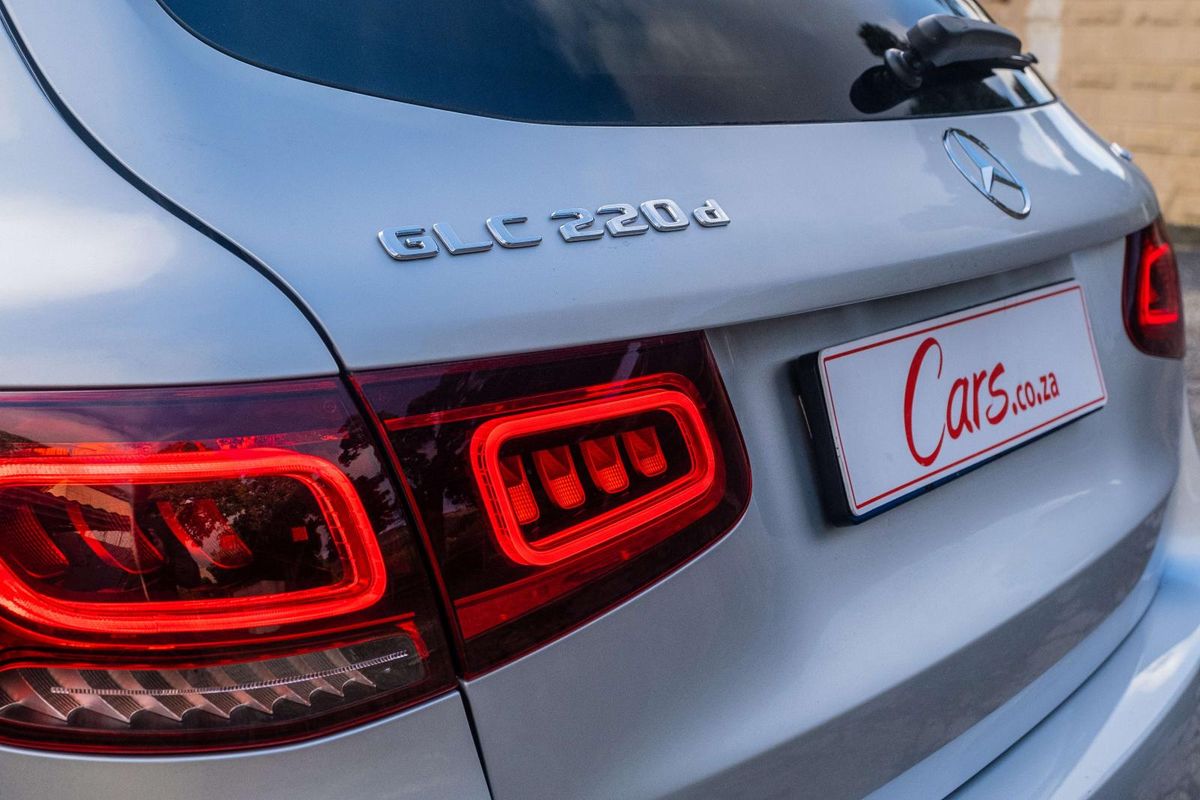
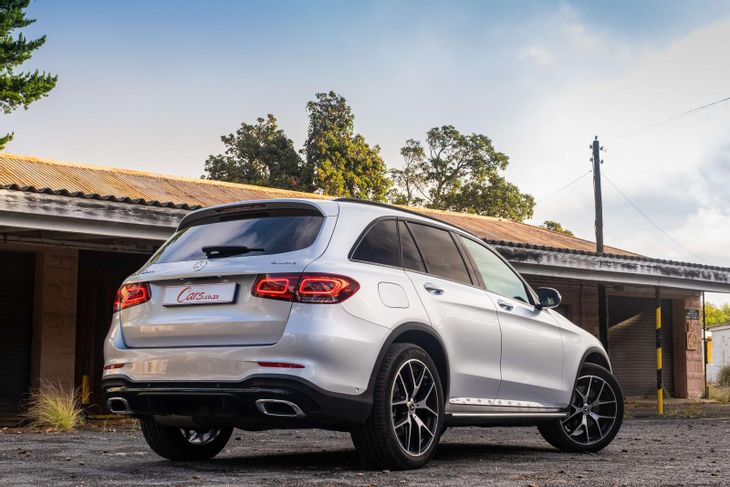
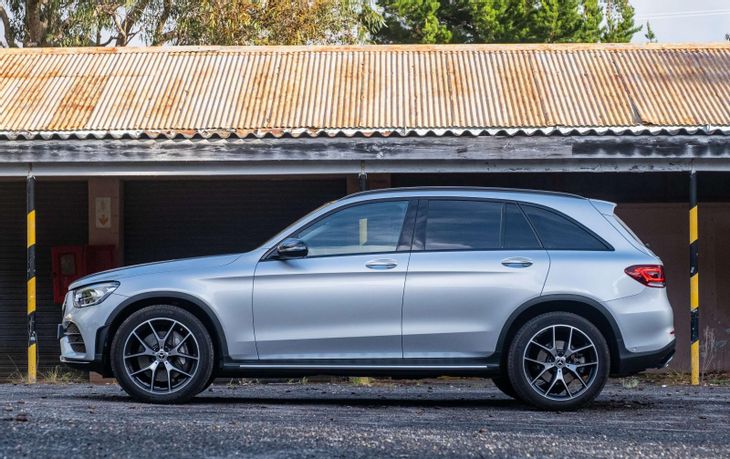
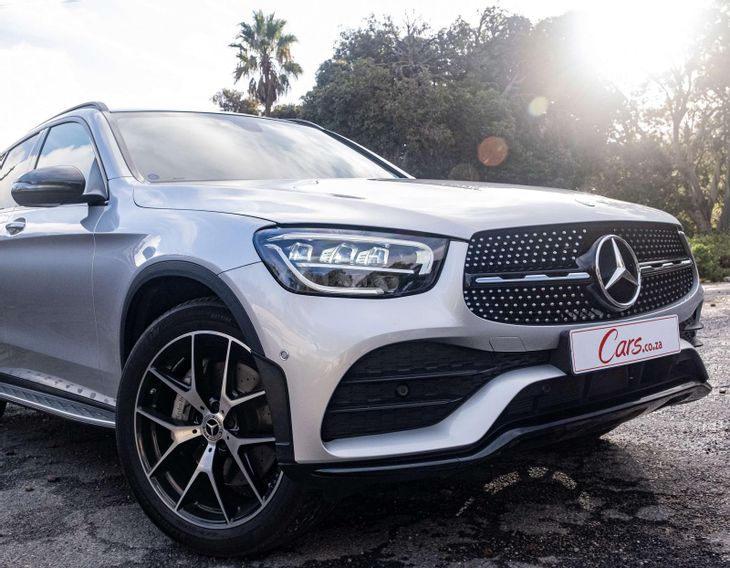
Mercedes-Benz GLC 220d 4Matic AMG Line (2020) Review
The Mercedes-Benz GLC received an update in 2019 and while this 220d 4Matic AMG Line boasts generous kerb appeal, we were keen to find out if the "entry-level" turbodiesel engine suited the package. Could this derivative be the pick of the range? Let’s take a closer look.
We Like: Styling, performance/economy balance, spacious cabin, practicality
We Don’t Like: Pricey (choose options carefully)
Fast Facts
Price: R931 980 (July 2020)
Engine: 2.0-litre turbodiesel
Power/Torque: 143 kW / 400 Nm
Transmission: 9-speed automatic
Fuel Economy: 5.4 L/100km
Load Capacity: 550–1 600 litres
What is it?
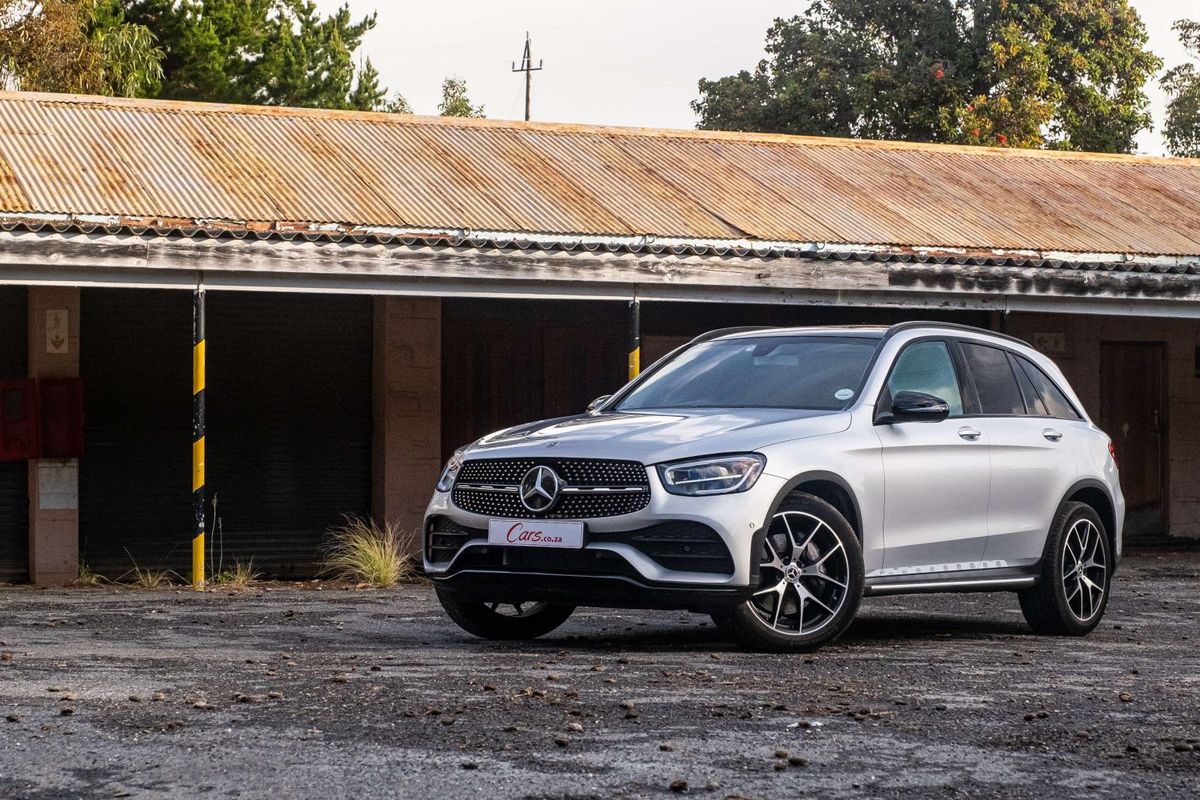
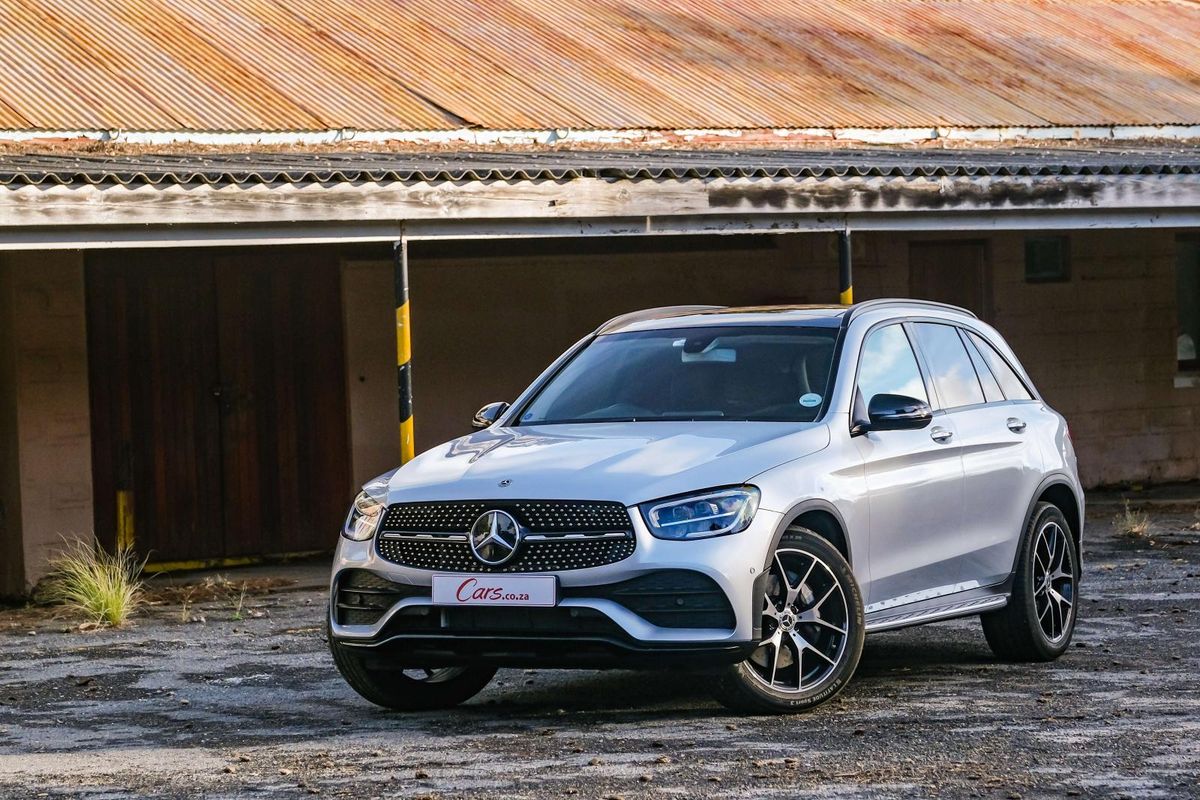
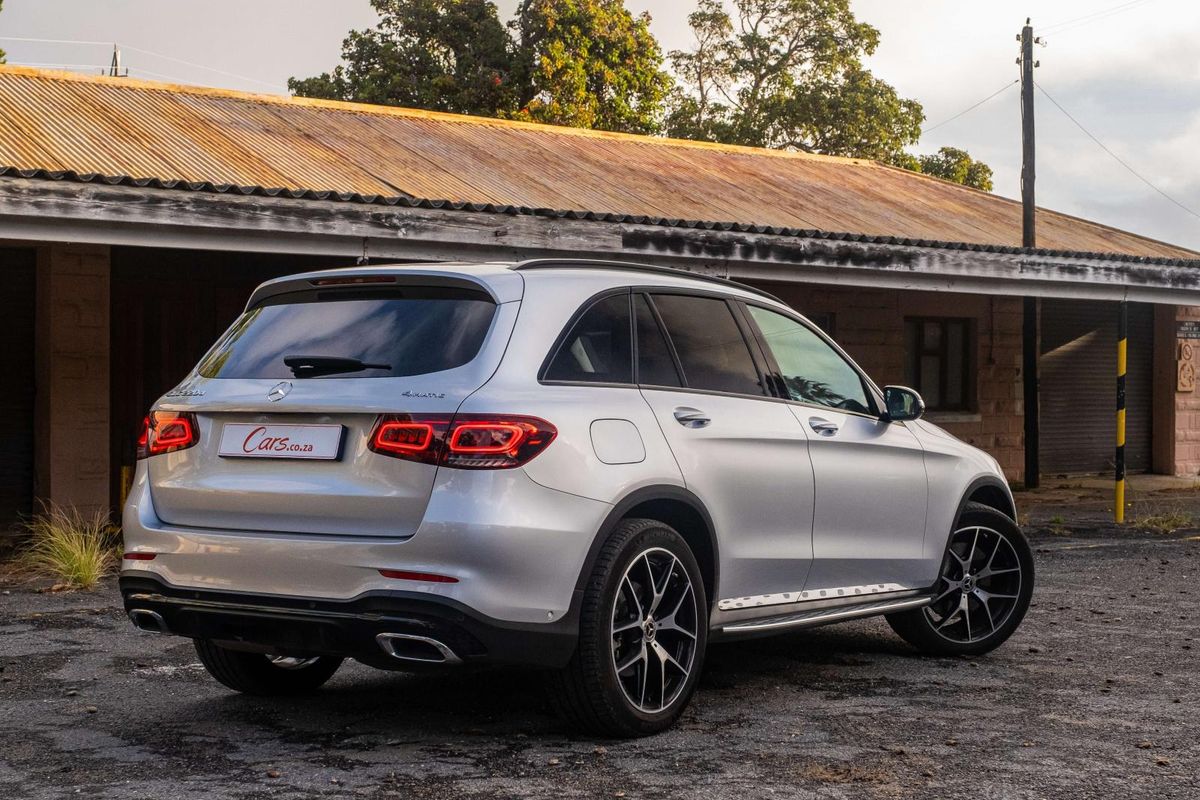
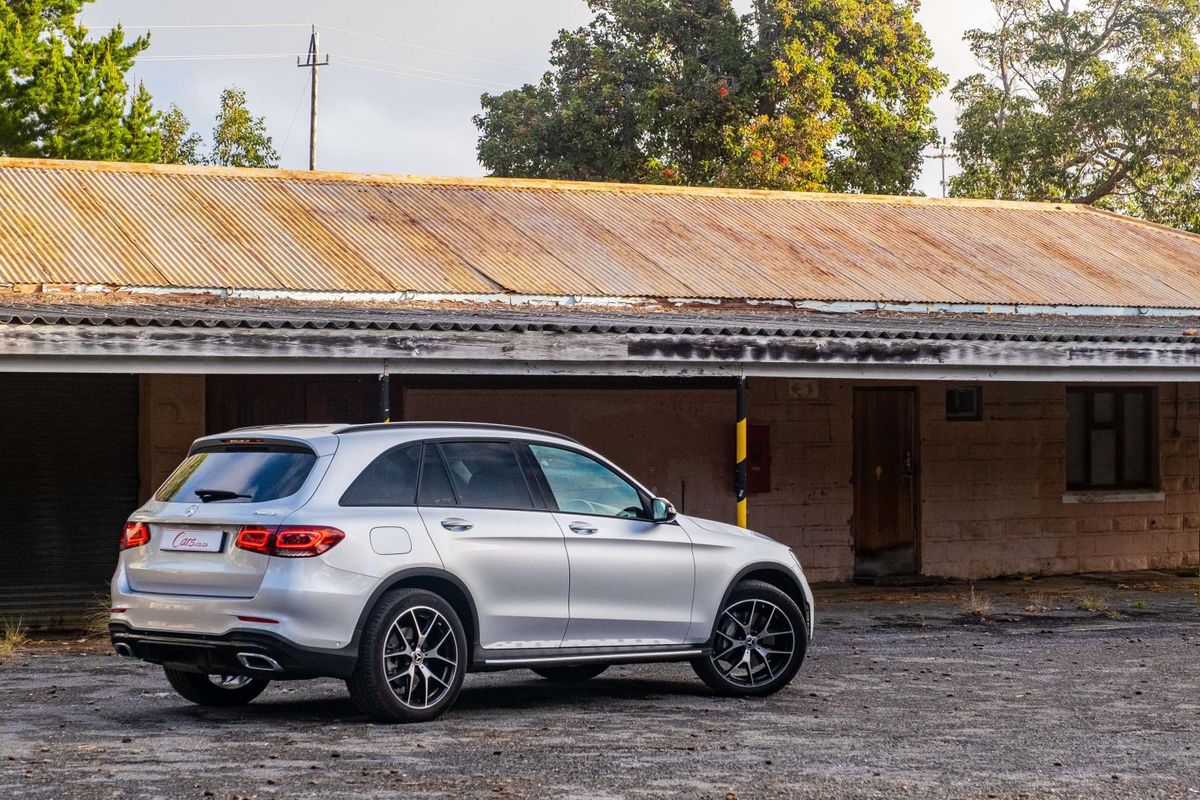
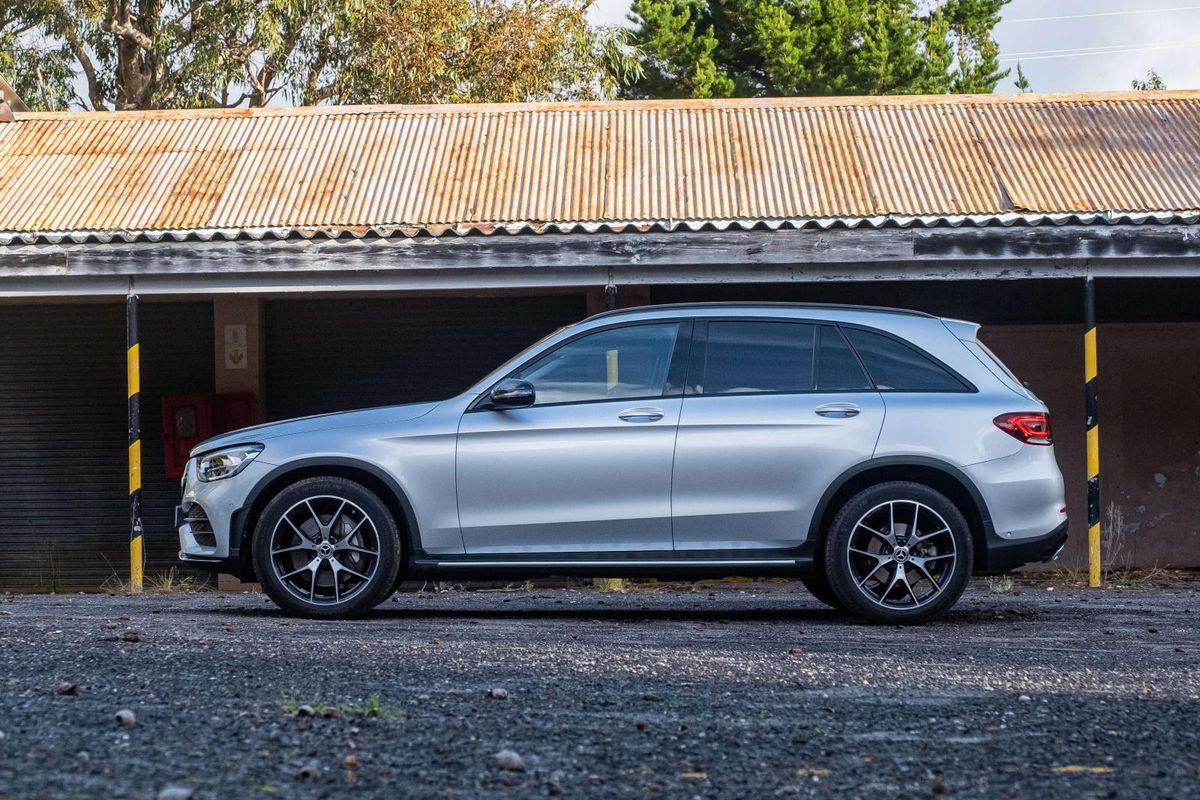
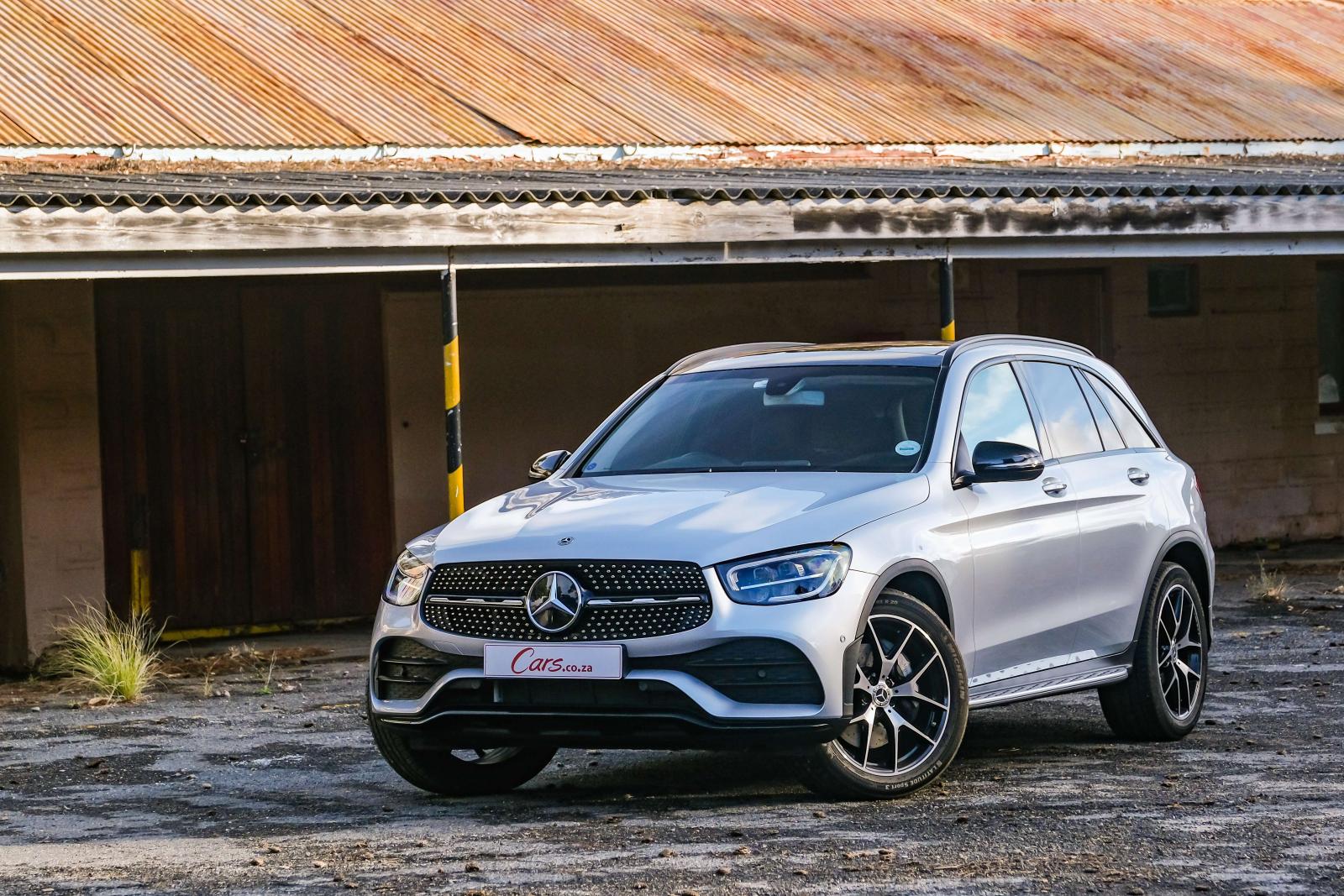
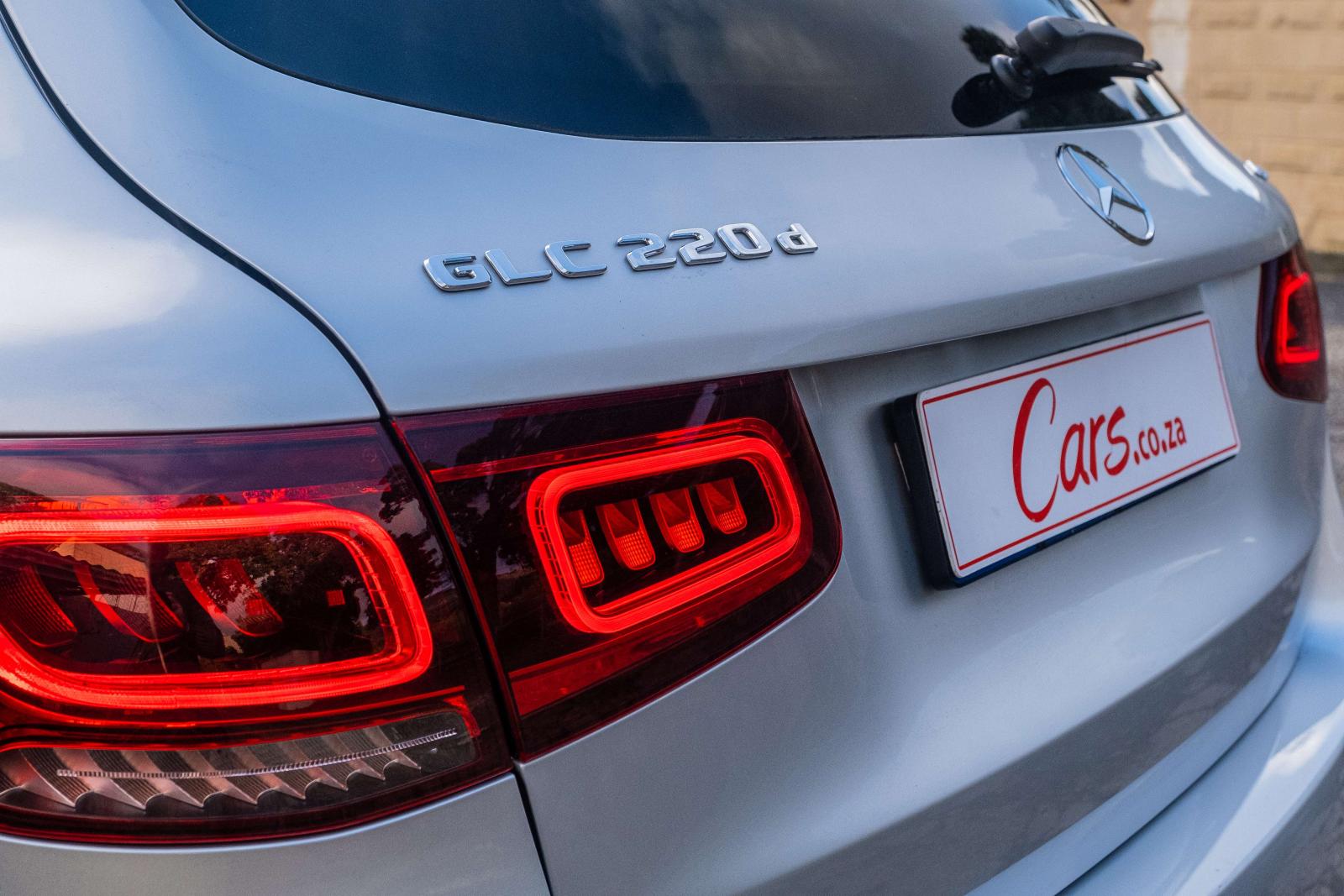
In AMG Line guise, the GLC is quite the looker with optional 20-inch, 5-spoke AMG wheels and aluminium-look running boards.
The 2nd-generation GLC Executive SUV was first introduced in South Africa in 2015 and it has proven to be a popular choice in this segment, in which it competes with the Alfa Romeo Stelvio, Audi Q5 (the facelifted Q5 is due in SA in 2021), BMW X3, Range Rover Evoque and Volvo XC60, to name a few.
Perhaps a notable part of the GLC’s success – including being named the Executive SUV category winner in the 2017/18 Cars.co.za Consumer Awards, powered by WesBank – has something to do with the variety of derivatives on offer. In addition to the standard GLC, it's also available in Coupe form and comes with a choice of turbopetrol and turbodiesel engines. Moreover, those looking for more performance from their GLC can consider the AMG GLC 43 and the range-topping AMG GLC 63 S derivatives.
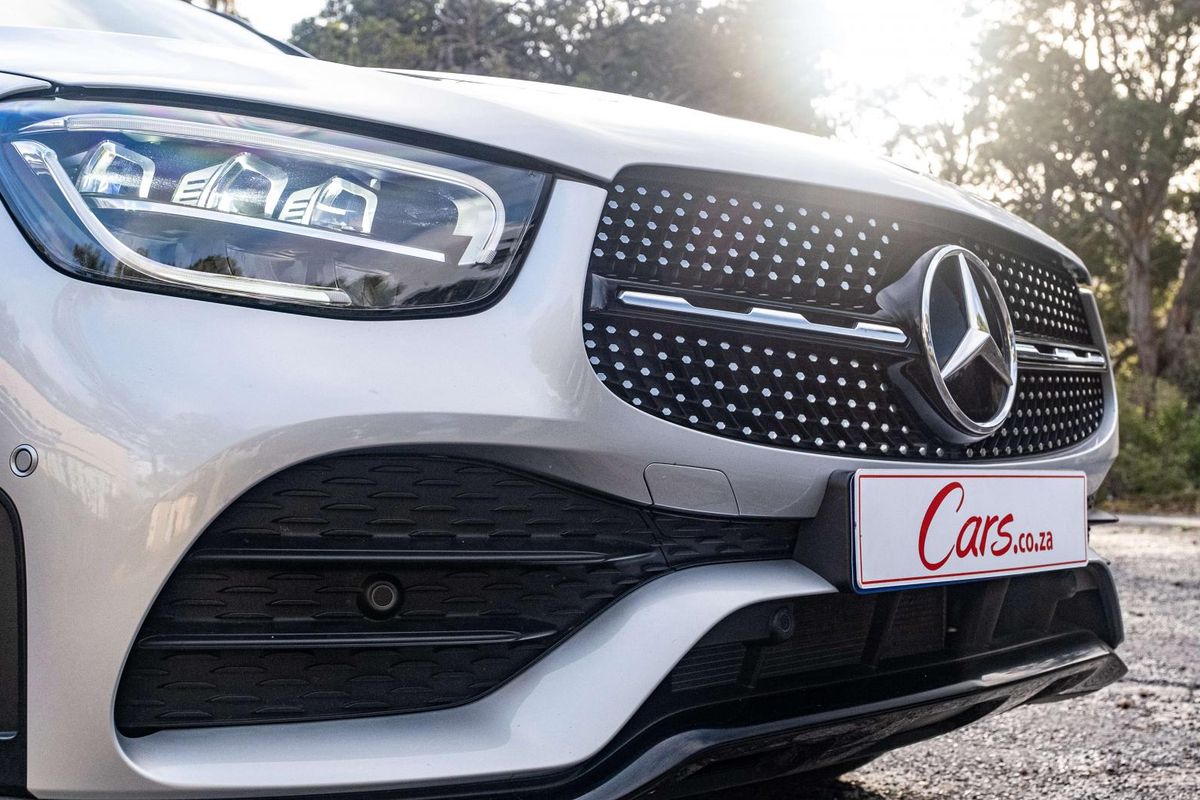
When the facelifted GLC was introduced in the local market during the second half of 2019, it came equipped with additional features as well as more refined exterior styling and a smarter interior. In AMG Line guise, the GLC has substantial kerb appeal, courtesy of the large 20-inch AMG 5-twin-spoke light-alloy wheels, aluminium-look running boards and the elegant star-studded, single-louvred grille. It certainly looks the part, but how does the GLC 220d 4Matic AMG Line perform overall? Let’s take a closer look…
How it performs in terms of…
Performance and efficiency
The GLC 220d strikes an good balance between performance and efficiency.
Turbodiesel engines may not be as ubiquitous in hatchbacks and sedans as they once were, but they remain popular in the expansive SUV segment because they tend to offer superior torque delivery (to better propel their bulky bodies) and return reasonable fuel economy, especially on long trips. These attributes certainly apply to the GLC 220d.
The Benz's engine bay accommodates a 2.0-litre turbodiesel engine that produces peak outputs of 143 kW/400 Nm and the latter figure, in particular, proves more than enough oomph to haul the GLC along at a fair pace. Should you want something more potent, there’s also a 180 kW/500 Nm version of this engine…
It’s a refined motor, which is to say that it’s not as noisy or gruff as older-generation diesels, plus the cabin is well insulated from mechanical noise. There is noticeable turbo lag under harder acceleration, but the GLC 220d gathers pace fairly quickly if you're in a hurry and there’s ample shove to execute quick overtaking manoeuvres on the highway.
There's enough grunt here for most and the GLC 220d proved to be competent out on the highway too.
The 9-speed automatic transmission shifts unobtrusively (for the most part) and the GLC 220d's steering-mounted paddles can be utilised to manually actuate shifts if you want to explore the full capability of the engine. There are 3 main drive modes at your disposal: Eco, Comfort and Sport, as well as Individual, which allows you to adjust the Benz's settings to your preference. We didn’t find that this GLC delivered a particularly sporty driving experience, but if you need to "press on", Sport mode livens up the drivetrain to an extent; the 0-to-100 kph sprint should take you a smidge under 8 seconds. Don’t expect any fireworks, however – this engine is far more suited to a relaxed driving approach.
The GLC is certainly a pleasant car to drive and live with and we are happy to tell you that it doesn’t fare too badly in terms of fuel consumption either… Mercedes-Benz claims a combined figure of 5.4 L/100 km and we saw returns of 7.4 L/100 km, without even trying to consistently feather the throttle for protracted periods. However, as you would expect, consumption does go up in conjunction with your enthusiasm and on our more energetic drives, the indicated fuel consumption edged closer to 10 L/100 km.
Ride and handling
Even with its stiffer sports suspension, the GLC 220d AMG Line rode quite comfortably on its 20-inch wheels.
As part of the AMG Line exterior package, this GLC is equipped with a sports suspension and while we were anticipating a stiff and jarring ride quality, we were pleasantly surprised by the suspension's pliancy. Sure, harsher road imperfections were felt to a degree, but the ride was never uncomfortable or unpleasant. There’s a fair degree of inherent firmness, which is appealing if you are taking the GLC for a spirited drive, but it’s still absorbent enough for the average commute. In that sense, this GLC is balanced.
As for the steering, it’s light and easy to wield in the city, but perhaps not weighty enough on more energetic runs, when we would have liked a bit more feedback/engagement from the 'wheel. Nonetheless, body roll is kept to a minimum and thanks to Mercedes-Benz’s 4Matic all-wheel drive, the GLC offers sure-footed handling that instil confidence.
Interior execution and features
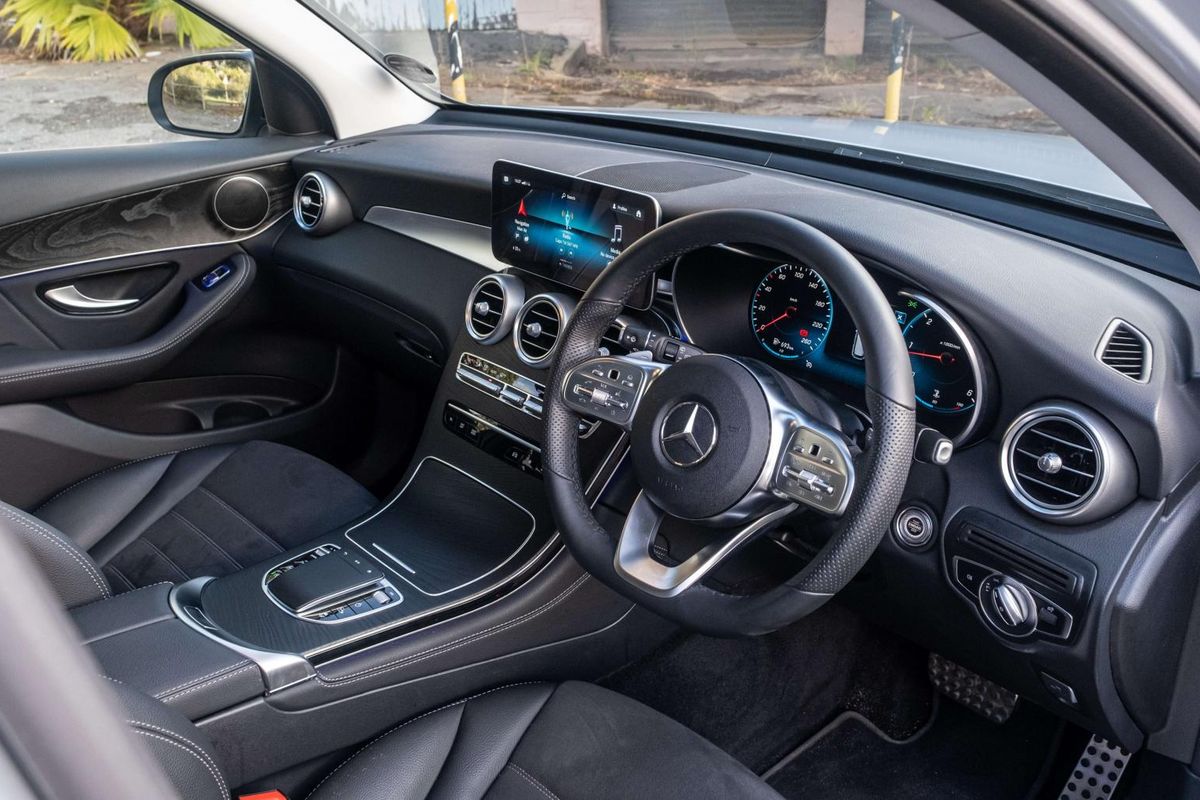
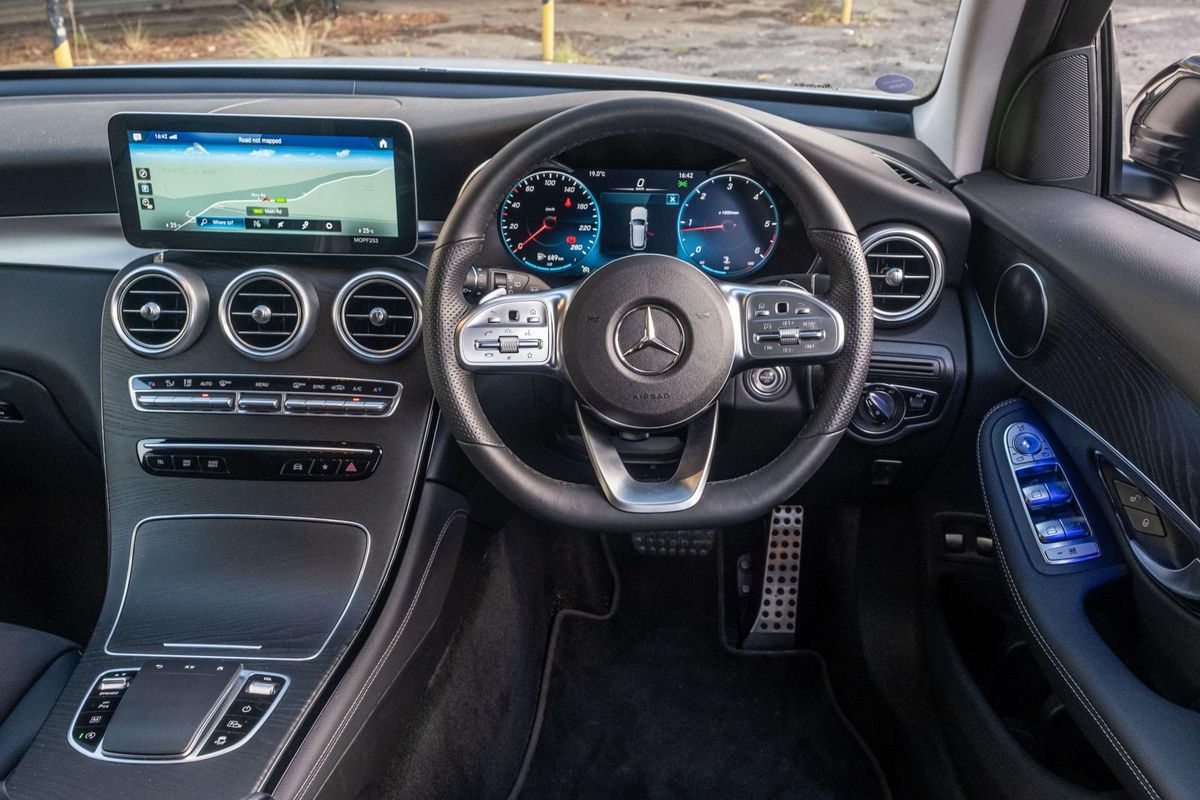
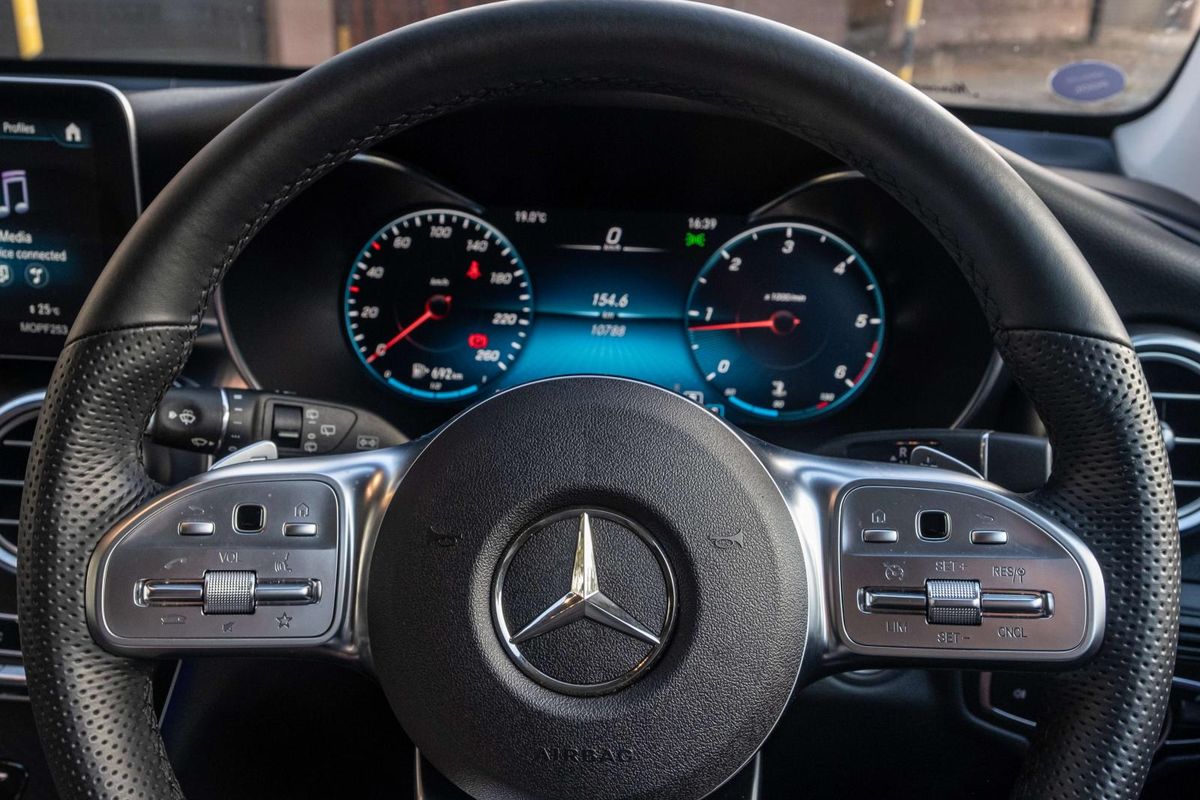
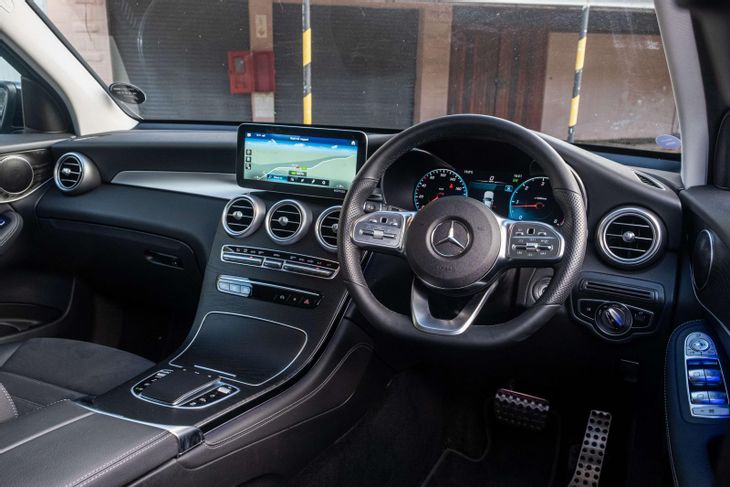
This is a nice place to be, especially with a larger infotainment screen and optional digital instrument cluster.
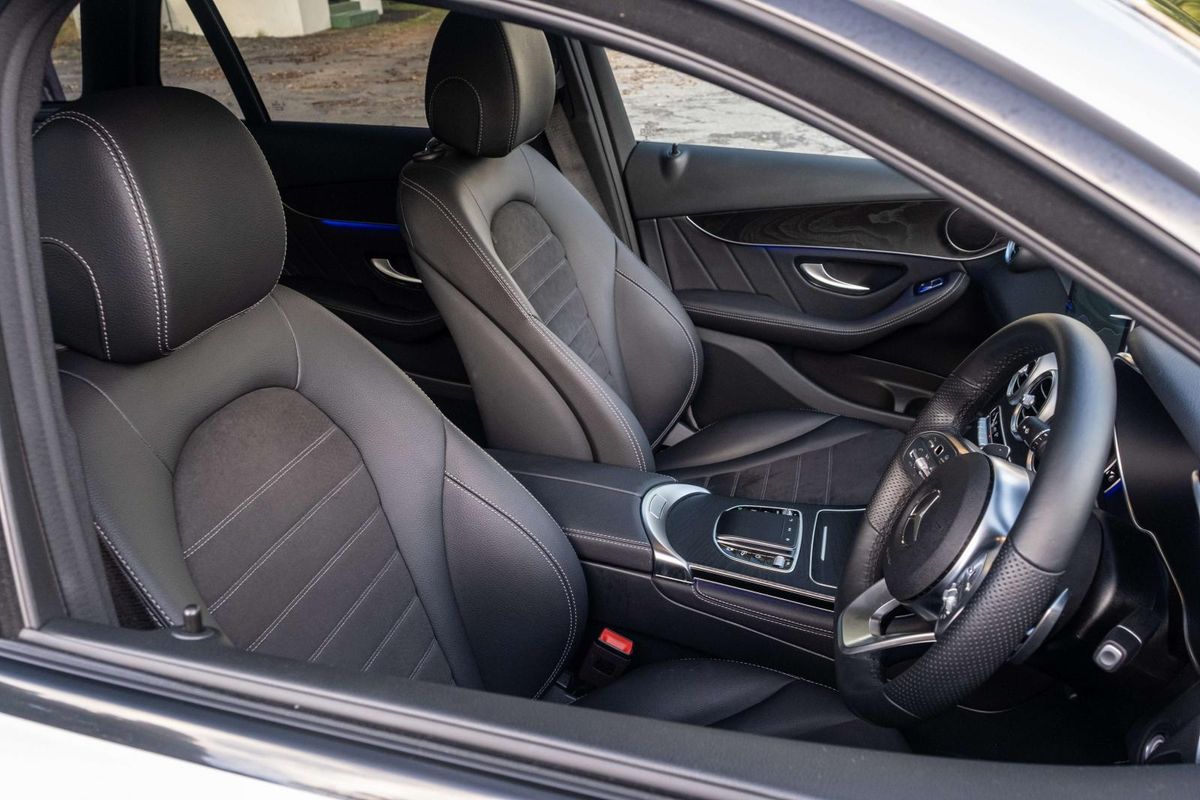
Much like the exterior, there’s lots to like inside the GLC. Admittedly, this test unit came kitted out with a host of optional features. Therefore, it's a good example of the lofty level you could specify your GLC if you have some money to throw at the extensive (and mostly expensive) options list.
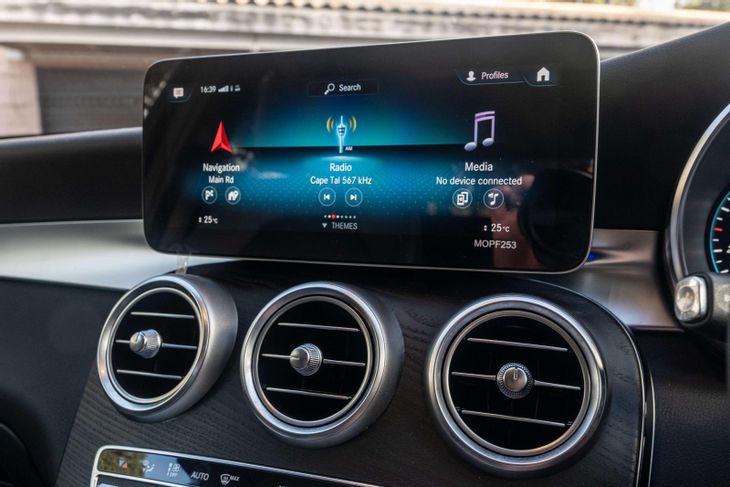
The GLC’s perceived interior build quality is good and we really like the black open-pore ash wood trim as an alternative to the gloss-black (or piano black, as it's more commonly known) finish. Meanwhile, the optional 10.25-inch infotainment touchscreen, which is equipped with integrated navigation as well as Benz’s impressive MBUX electronic interface is a pleasure to use. It's Android Auto and Apple Carplay compatible and the menu layout is large and easy to read/navigate.
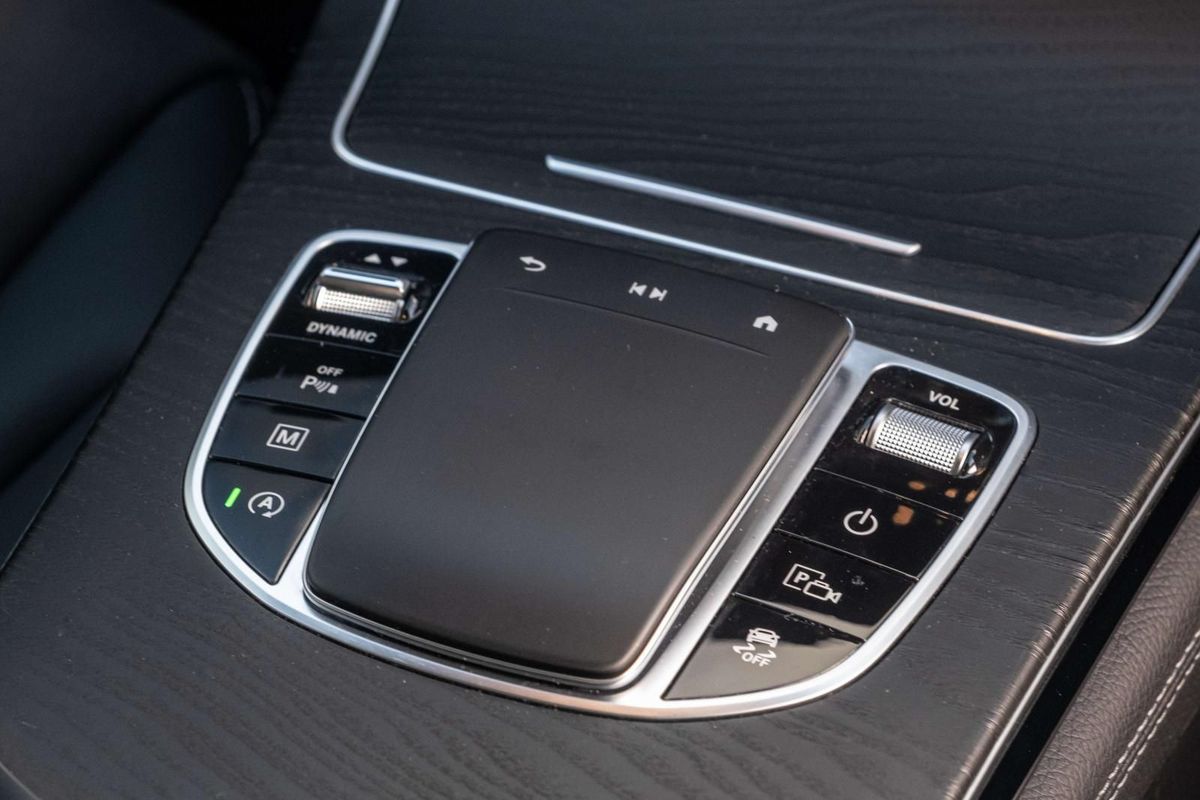
Using voice activation with the "Hey Mercedes" command is a good way to access functions such as navigation or dialling a person in your contact list, for example, without having to fiddle on the touchscreen or touchpad while you are driving. The touchpad in the centre console can be finicky to use at first, but with a bit of practice, it gets easier.
In terms of connecting and/or charging devices, a total of 3 USB-C ports and 2 at the rear (optional) were fitted to this GLC and it also came equipped with an optional wireless charging pad, which is a convenient way of charging your smartphone without a cable.
The larger infotainment system with MBUX is an option worth ticking.
Another interior highlight is the all-digital instrument cluster, which not only lifts the premium appeal of the cabin appreciably, but displays key information directly in front of the driver, plus the screen's layout and apperance can be configured to your preference using the mounted controls on the multi-function sports steering wheel. Overall, the digital instrument cluster and the larger infotainment screen combine to imbue this GLC's dashboard a premium look and feel.
The 220d test unit was also equipped with the Parking Package, which includes Park Assist. This feature takes the headache out of parallel parking by detecting a suitable parking spot and once activated, steer the vehicle into the parking bay safely while you manage the brake/throttle. A reverse-view camera makes it easier to manoeuvre the GLC in a tight space and the safety suite includes 7 airbags, ABS with EBD, brake assist, electronic stability control with traction control and ISOfix child-seat mounts.
Practicality
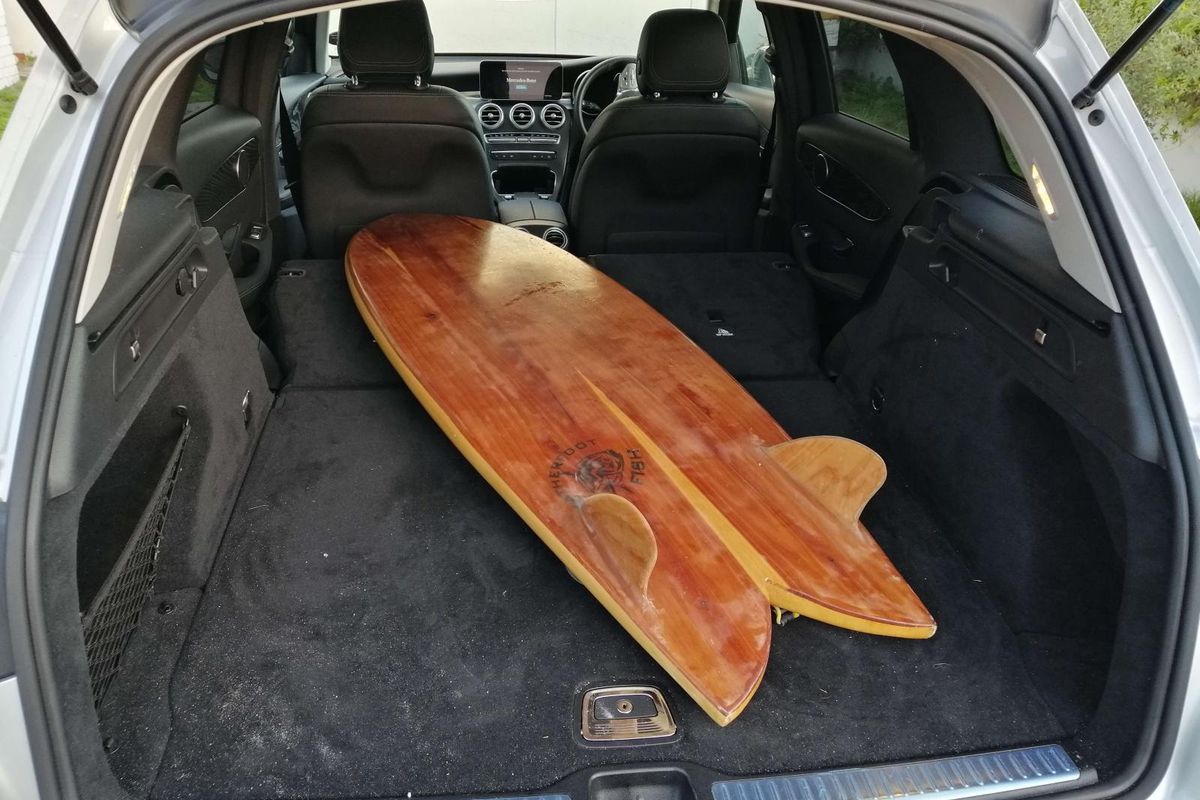
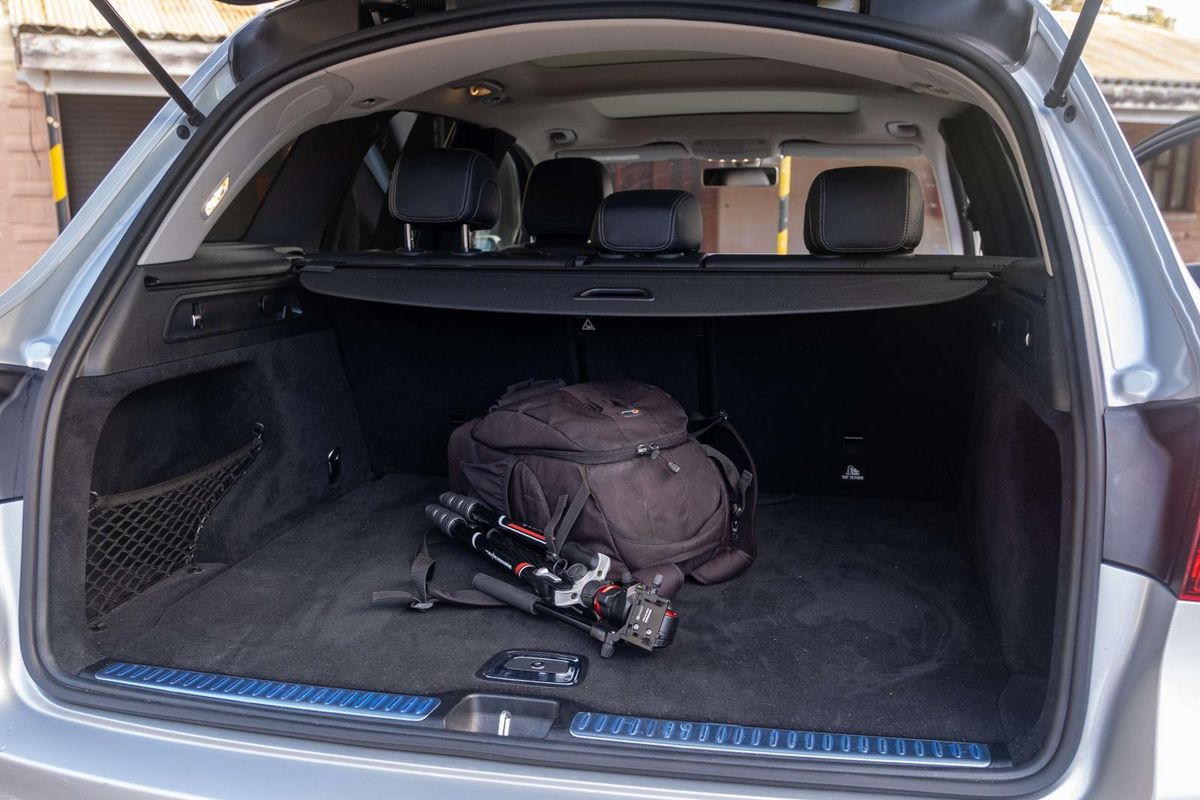
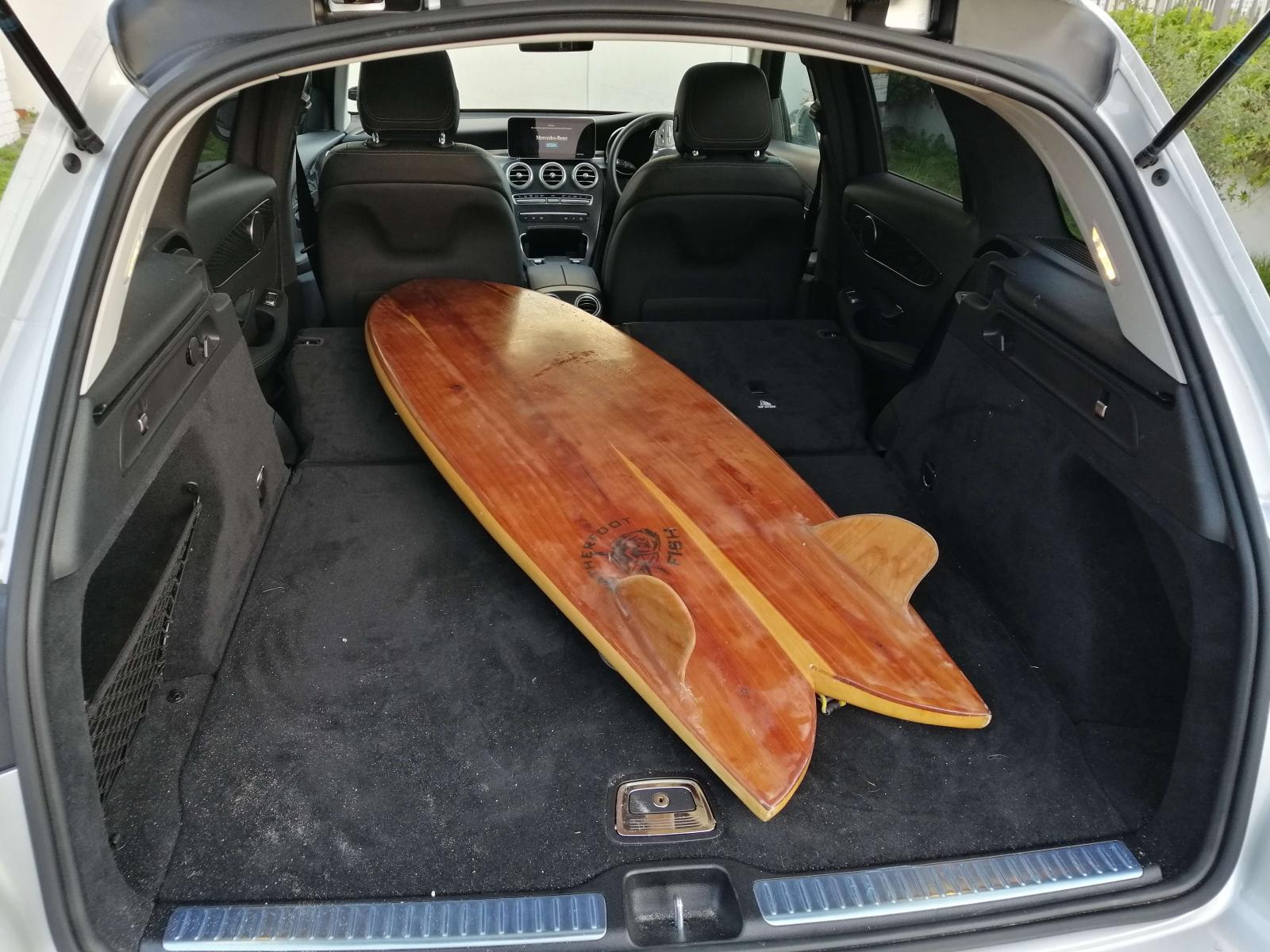
The GLC passes the 6-foot-2 surfboard test with ease. There's space for much more in there.
The GLC is a practical choice in the Exective SUV segment; it offers a spacious cabin, particularly in terms of rear passenger space and enough room to load a variety of items.
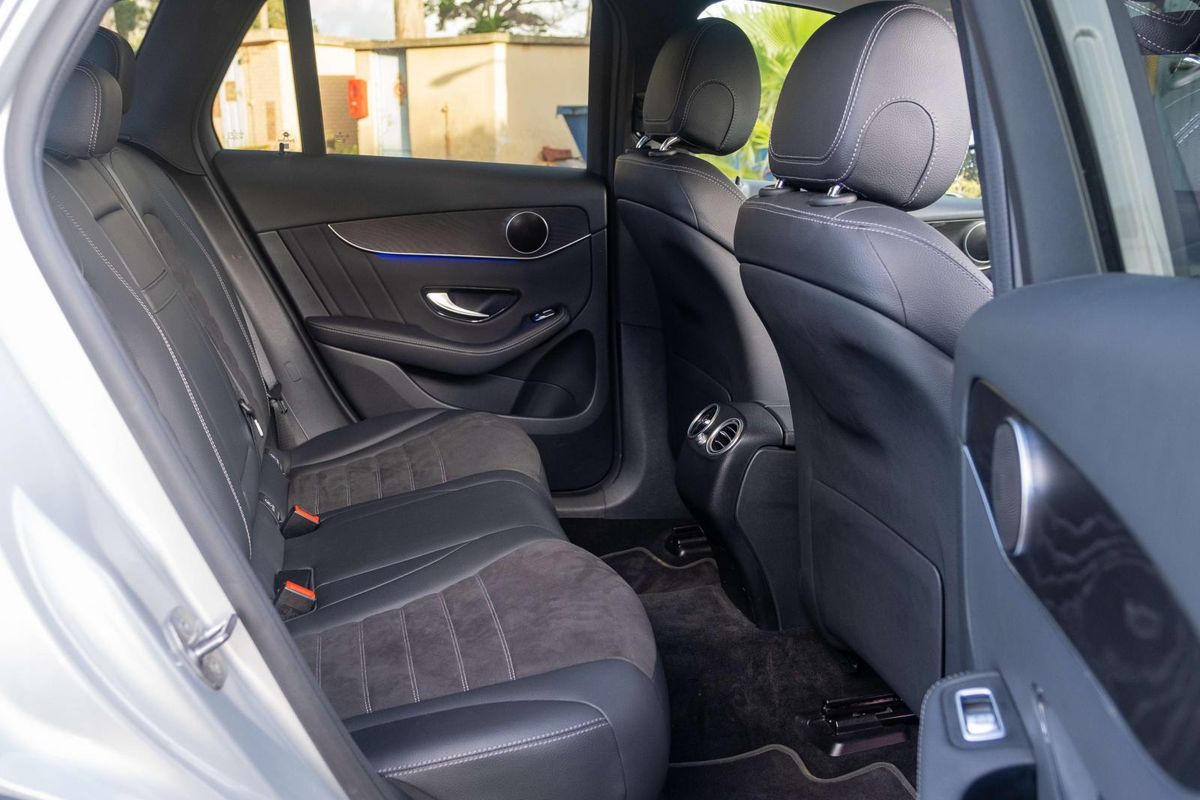
Rear passengers are afforded excellent legroom and enerous head- and shoulder room. Rear USB-C ports (optional) are a good option to tick if you have kids that will need to entertain themselves on tablets or smartphones on longer journeys, plus a storage compartment in the central armrest, which of course folds out between the rear seats.
This 220d was equipped with an electronic tailgate as well as electrically-folding seats, which makes it effortless to flatten the rear seatbacks. Once down, there’s a large, flat area that you can use to load bulky or longer items. I personally use my surfboard to gauge the length of the load bay and my 6-foot surfboard was accommodated with ease. The load bay has a claimed capacity of 550 litres, which is impressive and with the rear seats down, space increases to 1 600 litres. The GLC's admirably practical.
Pricing and warranty
The Mercedes-Benz GLC 220d 4Matic AMG Line is priced from R931 980 and is sold with a 2-year/unlimited km warranty and a 5-year/100 000 km maintenance plan.
With that in mind, it’s worth knowing that this test unit is fitted with just under R200 000 worth of optional extras, which pushes the total price up to in excess of R1.1 million, which is very pricey indeed. Best you tick those options wisely, then.
Verdict
Even though it can get pricey when loaded with options, the GLC ticks most (if not all) of the boxes for buyers in this segment.
There really is a lot to like about this GLC 220d 4Matic and in AMG Line guise it not only offers appealing packaging, but strikes a desirable balance between performance and efficiency. Yes, you can opt for the more powerful 300d derivative if you seek more performance, but as it stands, the GLC 220d is a well-rounded executive SUV that will satisfy the average buyer’s needs. If you want more, be prepared to pay for the privilege!
Performance aside, the GLC has a stylish interior and when equipped with all the digital gadgetry Benz has to offer in its Executive SUV, it really does look and feel like a premium, technologically advanced product. We were also impressed by the test unit's comfortable cabin, which doesn't skimp on rear-passenger space and offers a practical load bay that will readily swallow various items of differing sizes, all at once. You will be surprised by how much detritus you can fit inside the GLC…
The GLC 220d AMG Line, therefore, ticks most, if not all the boxes that buyers in this segment could want. The only chink in this particular GLC’s armour is its asking price and while its equivalent offerings such as the Audi Q5 and BMW X5 are similarly priced, the Volvo XC60 D4 AWD R-Design appears to be very competitively-priced at R781 700 and the Swedish offering is well worth considerating. We advise that you arrange to test drive all these Executive SUV models before signing on the proverbial dotted line.
Should you buy this GLC? We are inclined to answer that question in the affirmative, but the answer to that question will ultimately depend on you, your tastes and your budget. This Benz gave us very little reason to doubt its merits (other than its price) and we think buyers shopping in this segment should add the GLC to their shortlist.
Despite its quirky styling and the controversy, the Lamborghini Urus SUV has hit the 10 000 milestone just 2 years after launch.
When Italian supercar maker Lamborghini announced it would be making an SUV, many were shocked by the decision. Once revealed, the Lamborghini Urus' design polarised many and some predicted it wouldn't sell.
Yet, here we are, 2 years later and the 10 000th vehicle has rolled off the production line. The sales figures have been impressive and in 2019, the Lamborghini Urus accounted for 61% of Lamborghini's total sales that year.
To celebrate this milestone, chassis number 10 000 is finished in a new paint called Nero Noctis Matt and features a carbon fiber package. Inside, there's a 2-tone Ad Personam interior finished black and orange with carbon fiber detailing.
The world is not quite done with Mercedes-Benz’s double-cab bakkie.
Although X-Class production ended earlier this year, in a rare instance of the German luxury vehicle brand getting it completely wrong, some of its technologies will continue to be available in the market. A new report from Spain, where X-Class was built, suggests that customers seeking some of the German double-cab bakkie’s ride quality might have a revival opportunity next year.
The cooperation between Nissan and Mercedes-Benz, with their Navara and X-Class bakkies, has created an opening for the Japanese brand to borrow some German engineering legacy, to its own advantage.
With X-Class no longer a rival, Nissan can deploy some of the platform and suspension upgrades that Mercedes-Benz developed for its double-cab bakkie.
As part of the expensive differentiation project that Mercedes-Benz assumed would justify the original X-Class price position, engineers modified the Navara platform – and Nissan sees no sense in having those upgrades go to waste.
Mercedes-Benz made its X-Class wheel tracking widths 7 mm wider (for greater high-speed stability) and strengthened the front chassis area, to support a heavier 3-litre V6 engine. This creates the possibility that Navara could meaningfully increase the engine size and performance of its Navara, having a platform capable of using V6 power, something only offered by Amarok in many markets.
But which V6 engine would Nissan use? For the American market, the 3.8-litre petrol V6 is an obvious candidate. But for Navara to become a V6 turbodiesel powered bakkie again, as it once was, would be difficult. Renault supplied the last 3-litre V6 diesel engine to power a Navara and the French company’s own Alaskan double-cab, which is a technical twin of the Nissan bakkie, does not feature anything beyond a four-cylinder engine option.
Nissan’s plan is to deploy an ‘X-Class’ evolution of the Navara, due as part of a significant product upgrade next year. This should enable the D23 Navara to remain relevant in a competitive and profitable global bakkie market, until its replacement arrives, in 2022. Although Nissan plans to dispose of its Barcelona production hub, where current Navara/X-Class production sourced from, the updated bakkie should keep that line open for another year or two.
Partnerships are crucial to Nissan’s sustainability and it will be moving away from Mercedes-Benz engineering assistance to a Navara joint-venture with Mitsubishi, for the next-generation Navara.
We Visit The Wheels Club! Best Showrooms of SA Ep 1
In this new series, we travel the country to find and visit the most exceptional car showrooms in South Africa.
The Wheels Club is a relative newcomer to the supercar and vintage car motor trade, but in a short time they've built up a reputation for holding exceptional stock and offering excellent service. We visited the showroom in Sandton, Gauteng in June and our video guy, Ciro De Siena was given the keys to some lovely machinery. Of course, the two stand-out vehicles were a pair of bonkers Lamborghinis, the Diablo SV and the 25 year anniversary Countach. Ciro also got to poke around in a Ferrari 458 Spider and a Porsche GT3 RS 3.8. The Wheels Club is an appointment-only dealership, visit them at www.wheels.club and drop them a line.