Which are the fastest SUVs in the world – and what's to come in 2021? This list will give you the answers.
The rise in popularity of SUVs in the last 5 years is nothing short of staggering and while these high-riding lumps of steel offer appealing levels of practicality (and luxury), many SUV manufacturers are also producing high-performance SUVs that deliver astounding acceleration off the line.
Right now, in 2020, there’s a large number of fast SUVs available and by our standards a fast SUV is anything that can accelerate from zero to 100 kph in under 4 seconds, considering that many of these vehicles weigh well over 2 tons.
Nonetheless, this list places the spotlight on the fastest SUVs in the world that are capable of accelerating from zero to 100 kph in under 4 sec. Electric and hybrid SUVs are also included.
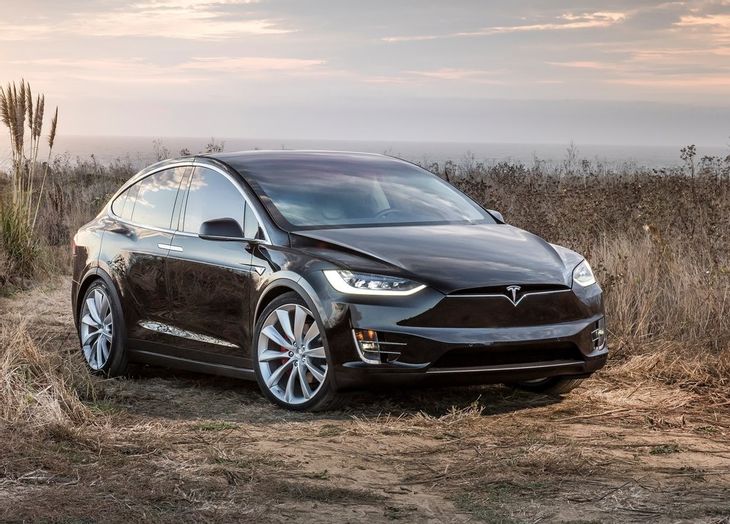
Tesla Model X – 3.1 sec
It shouldn’t come as a surprise that an electric car sits atop this list. Tesla’s Model X is blisteringly fast off-the-line, especially in Ludicrous mode and it’s the only SUV on this list with a claimed 0 to 100 kph sprint time of 3.1 sec in Performance guise. The Model X is powered by 2 electric motors (one at each axle) delivering 580 kW and 1 140 Nm of instantaneous torque. By virtue of a 100-kWh battery, the X has a claimed range of 491 km.
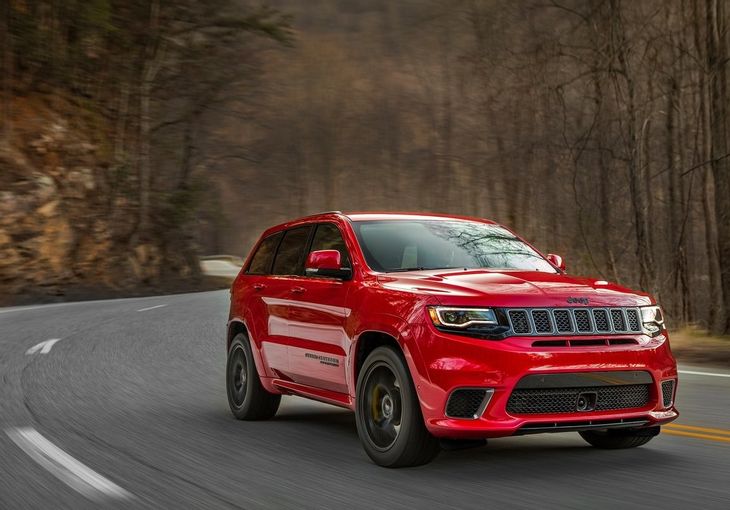
See how the Grand Cherokee Trackhawk competes in a drag race against a BMW X4 M Competition in the video below.
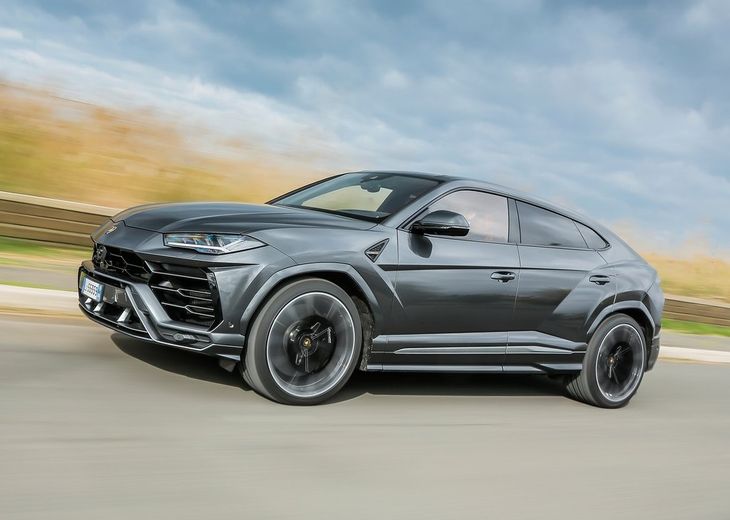
Lamborghini Urus – 3.6 sec
The Urus ranks highly in the performance stakes and with a 0 to 100 kph sprint time of 3.6 sec, it’s one of the fastest SUVs on the planet. It’s motivated by a twin-turbocharged 4.0-litre V8 engine with 478 kW and 850 Nm of torque.
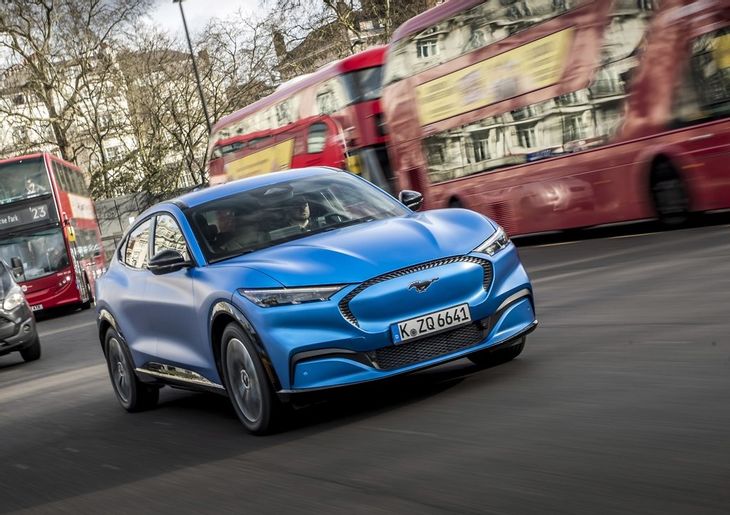
Ford unveiled its new electric Mustang Mach-E earlier this year and the all-wheel-drive high-performance GT version is due in 2021 and it’s expected to offer no less than 347 kW and 830 Nm of torque, which will see it well in the sub-4-second range with a touted 3.7-sec sprint time.
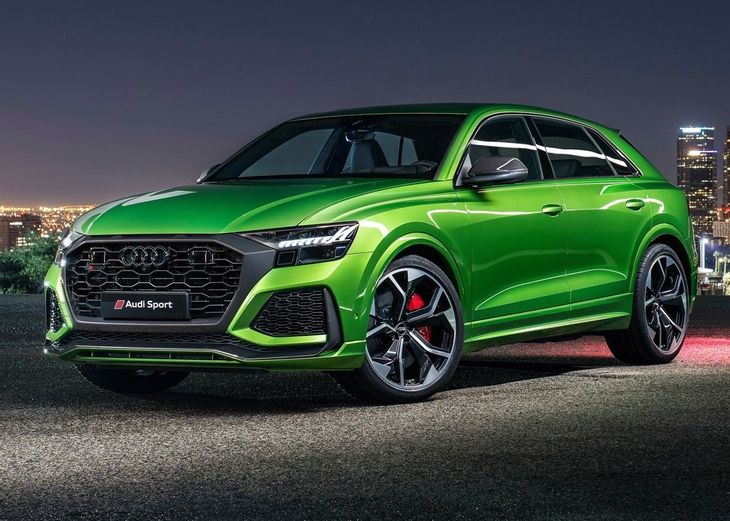
Audi RS Q8 – 3.8 seconds
Powering Audi’s most potent SUV is a 441 kW version of the brand’s 4.0-litre bi-turbocharged V8 engine. With 800 Nm of torque and sophisticated mild-hybrid energy harvesting, the RS Q8 can be both brutally quick and impressively efficient; Audi claims that its RS Q8 will run a true 0-100 kph time of 3.8 sec.
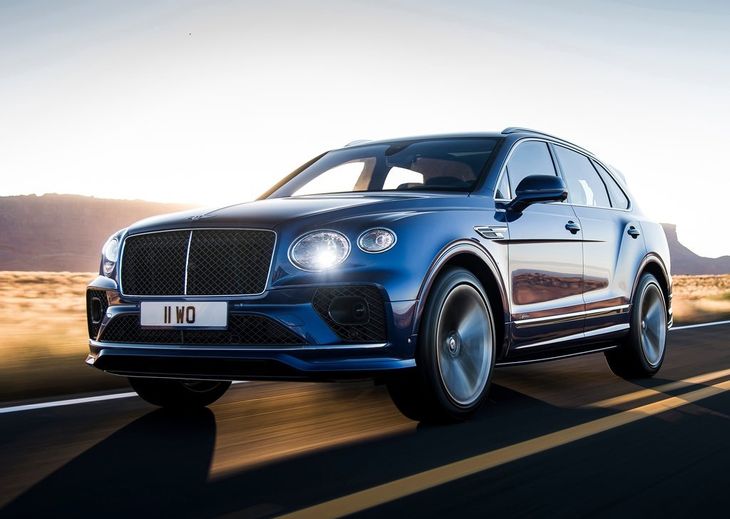
Going fast in style is achieved in the Bentley Bentayga Speed which boasts an uprated 6.0-litre twin-turbo W12 engine that develops 467 kW and 900 Nm of torque. Apart from its impressive sprinting performance, it also boasts a top speed of 306 kph.
The Maserati Levante Trofeo is in the same league as the Bentley and comes equipped with a Ferrari-built 3.8-litre V8 with 433 kW and 729 Nm.
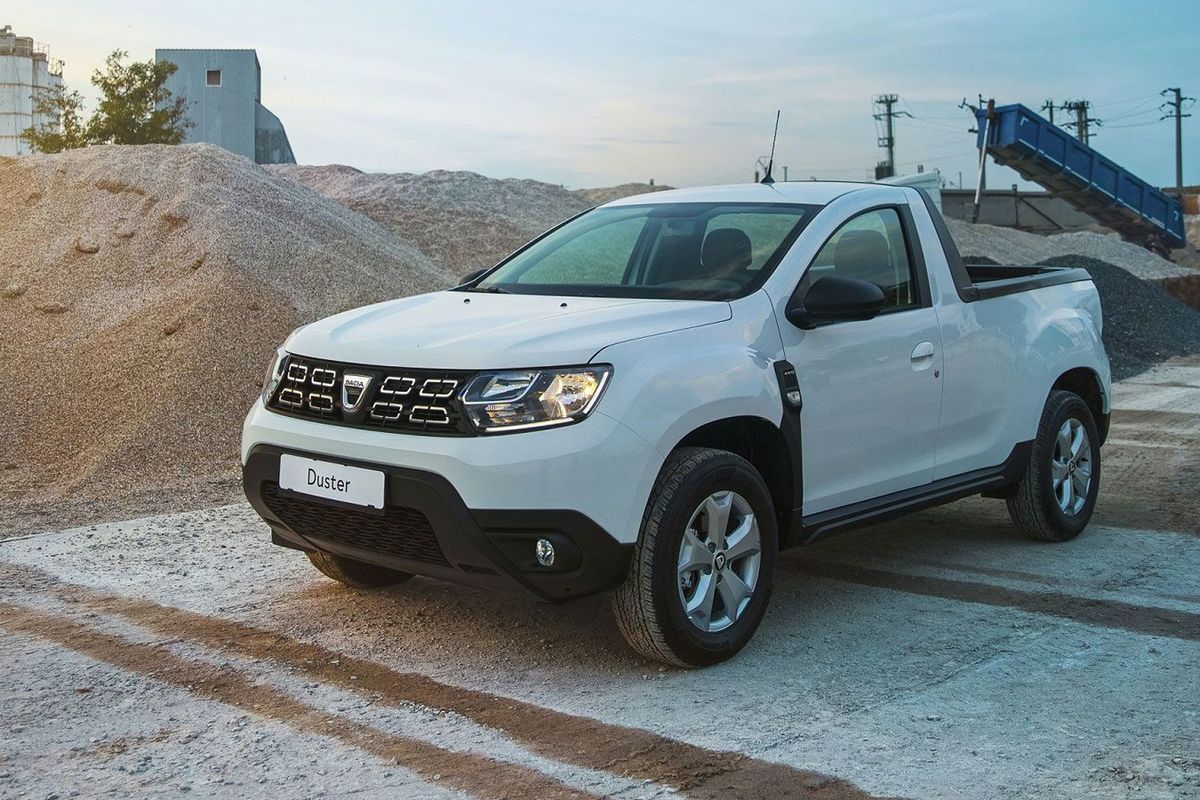
New Renault Duster 4×4 Bakkie Launched
Is this the best new bakkie of 2020?
Renault’s Duster has a built great reputation. It can rightfully claim to have transformed the French brand’s image and standing amongst South African buyers, especially those who do a lot of gravel travel.
Imagine if Renault could leverage that positive brand association with the strong local demand for bakkies? The latest Duster product development is a move exactly in that direction.
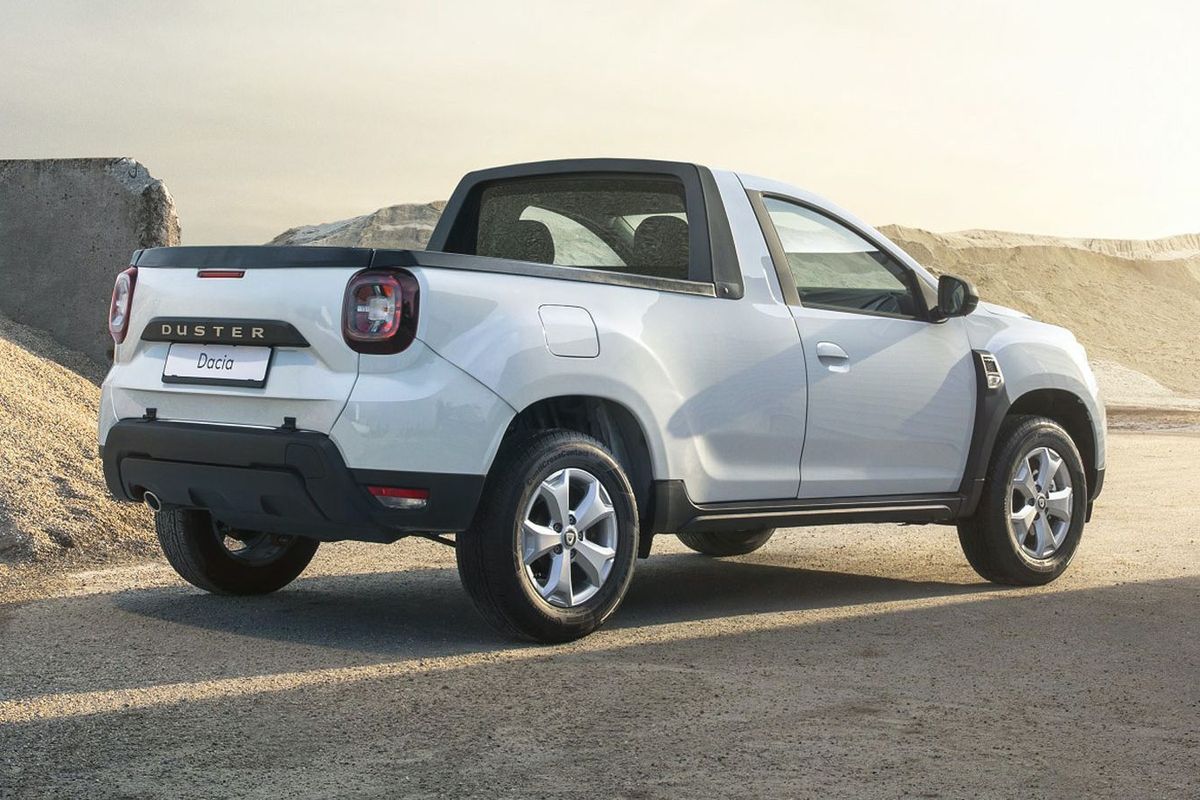
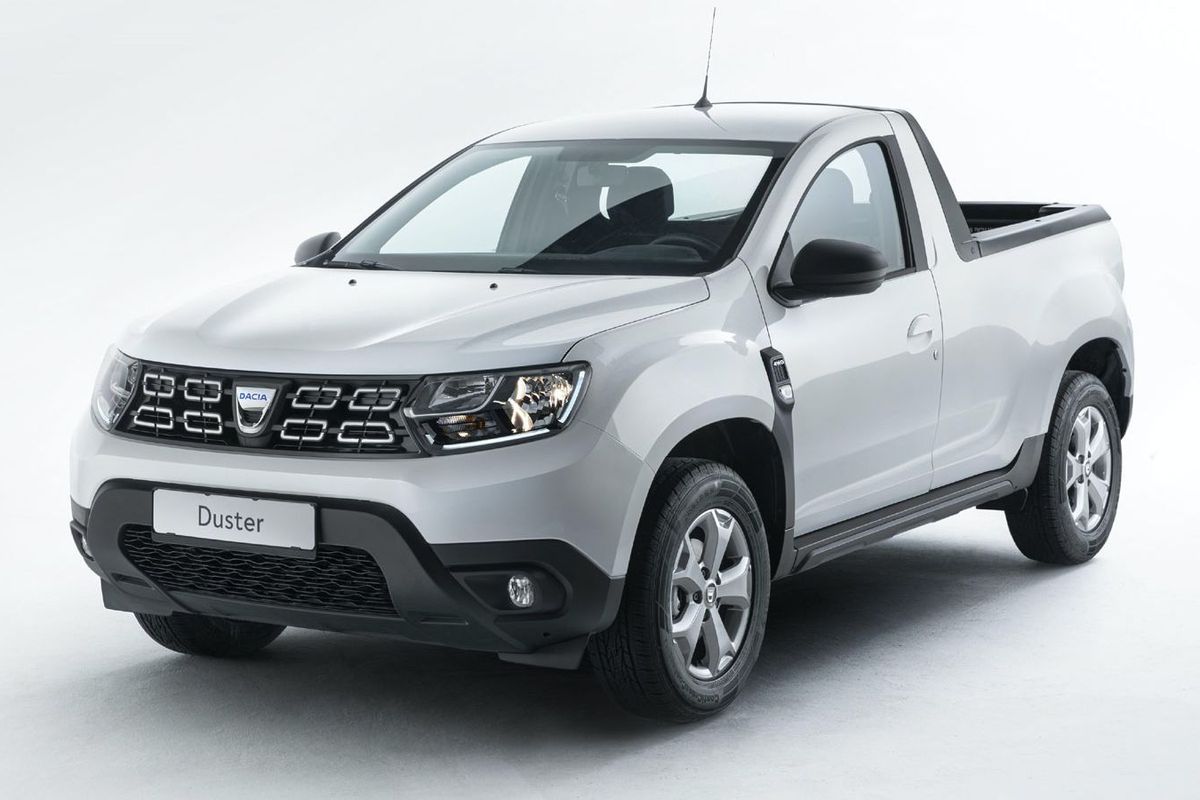
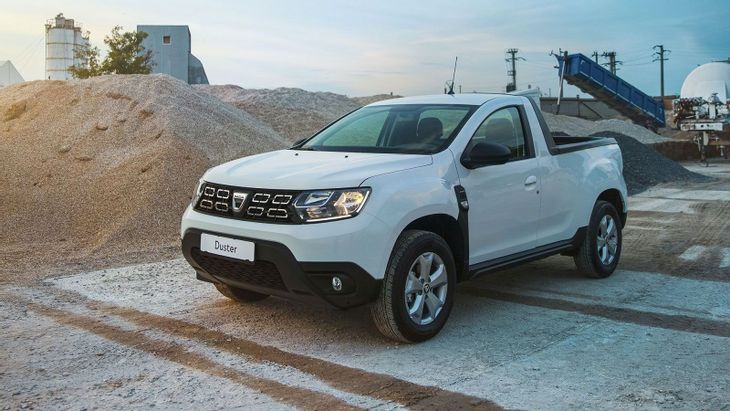
Renault’s Romanian subsidiary, Dacia, has now revealed a bakkie version of its Duster, which not only looks great, but has some real off-road ability too.
How does this Duster single-cab compare to the SUV in terms of size? Measured bumper-to-bumper it is 19mm shorter, which should make parking even easier.
The new Duster bakkie’s load box is 1.65m long and has a loading capacity of 1000-litres, with a payload rating of 500kg. In the market for traditional half-ton bakkies, which is now virtually serviced by a single model, Nissan’s NP200, the Duster’s utility specification is absolutely on point.
The Duster bakkie would provide strong competition for Nissan's NP200 (if it was offered in SA).
All-terrain ability promises to be excellent, with the single-cab using Duster’s clutch-pack actuated all-wheel drive system and six-speed manual gearbox.
Ground clearance also increased, by 14mm, to give the Duster bakkie an impressive 224mm of underbody obstacle clearance, which is hugely impressive for a vehicle that has a comparatively short wheelbase.
Completing the simply outstanding compact single-cab 4×4 bakkie specification is a 1.5-litre turbodiesel engine. The DCi powertrain will be familiar to South African Duster customers, boosting 85kW and 260Nm. Diesel consumption is excellent too, at only 4.7l/100km.
Those outputs should not only give it very responsive overtaking acceleration, but could make the lightweight Duster single-cab a very capable sand driving bakkie, with some high-volume tyres running at appropriately low pressures.
Priced at a premium of 20% above the equivalent Duster five-door SUV, the single-cab 1.5 DCi 4×4 qualifies as something of a compact lifestyle bakkie.
Despite its hefty price increase over other Dusters, there is no arguing against the bakkie version’s specification and neatly executed design. These Dusters were developed by a joint venture between the Renault-Nissan Alliance and Romanian engineering consultancy, Romturingia.
Would you like to see the Duster bakkie in South Africa?
Tesla Launches Beta Full Self-Driving Tech [w/videos]
Tesla has launched Full Self-Driving Beta technology.
Here's something South Africans cant really relate to. In America, Tesla is huge. In South Africa, Tesla is that electric car company that's run by a South African-born guy called Elon Musk. We just talk about it and while full self-driving cars are something out of science fiction down here on the southern tip of the African continent, elsewhere, self-driving tech is advancing in leaps and bounds.
Tesla has launched its latest Full Self-Driving Beta technology as an over the-air-update, on a very limited scale. As this is a Beta version, Tesla has erred on the side of caution as it will take the selected owners some time to generate feedback on the technology.
Tesla had this to say to the select few testing the technology, “Full Self-Driving is in early limited access Beta and must be used with additional caution. It may do the wrong thing at the worst time, so you must always keep your hands on the wheel and pay extra attention to the road. Do not become complacent.
“When Full Self-Driving is enabled your vehicle will make lane changes, select forks to follow your navigation route, navigate around other vehicles and objects, and make left and right turns. Use Full Self Driving in limited Beta only if you will pay constant attention to the road, and be prepared to act immediately, especially around blind corners, crossing intersections, and in narrow driving situations.”
The video below was posted by Tesla Owners Silicon Valley and Tesla Driver, who have access to the FSD technology and it shows how a Tesla is able to navigate on urban streets (without markings), recognise cars, trucks, people, obeying traffic lights and even take turns.
Without giving away too much away, watch the video and tell us what you think.
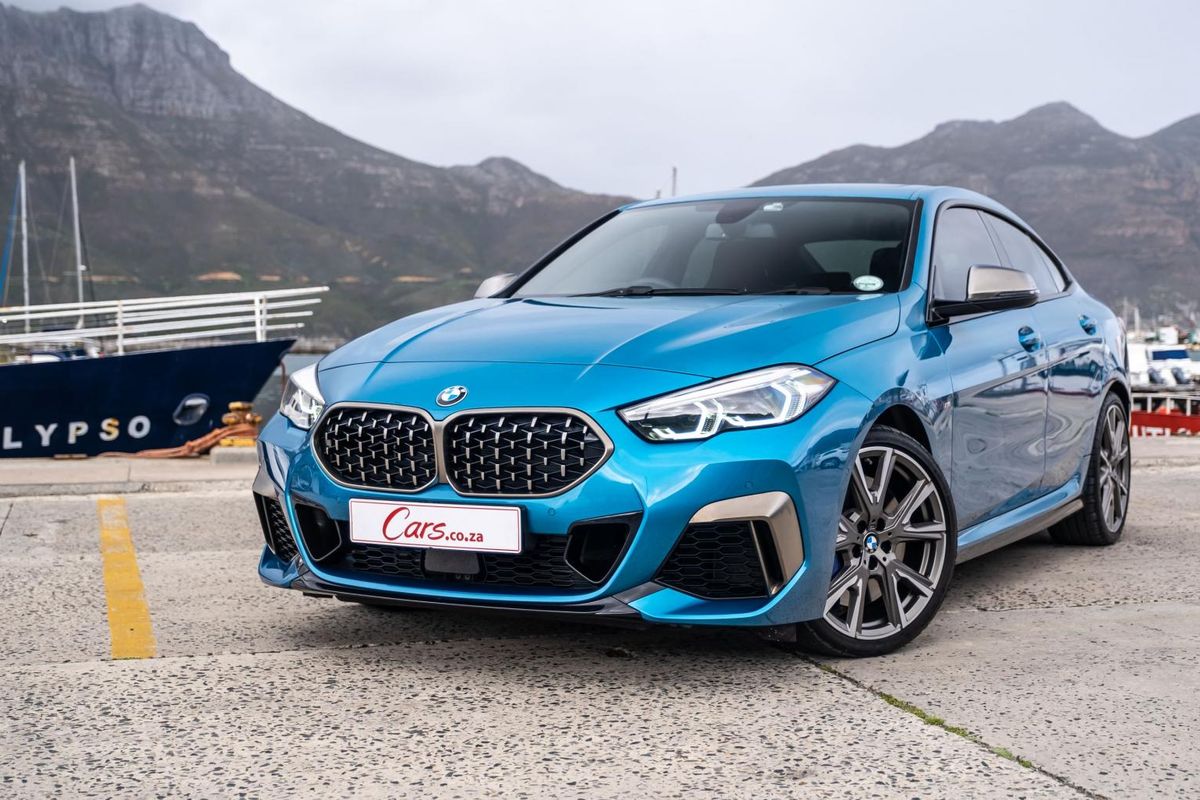
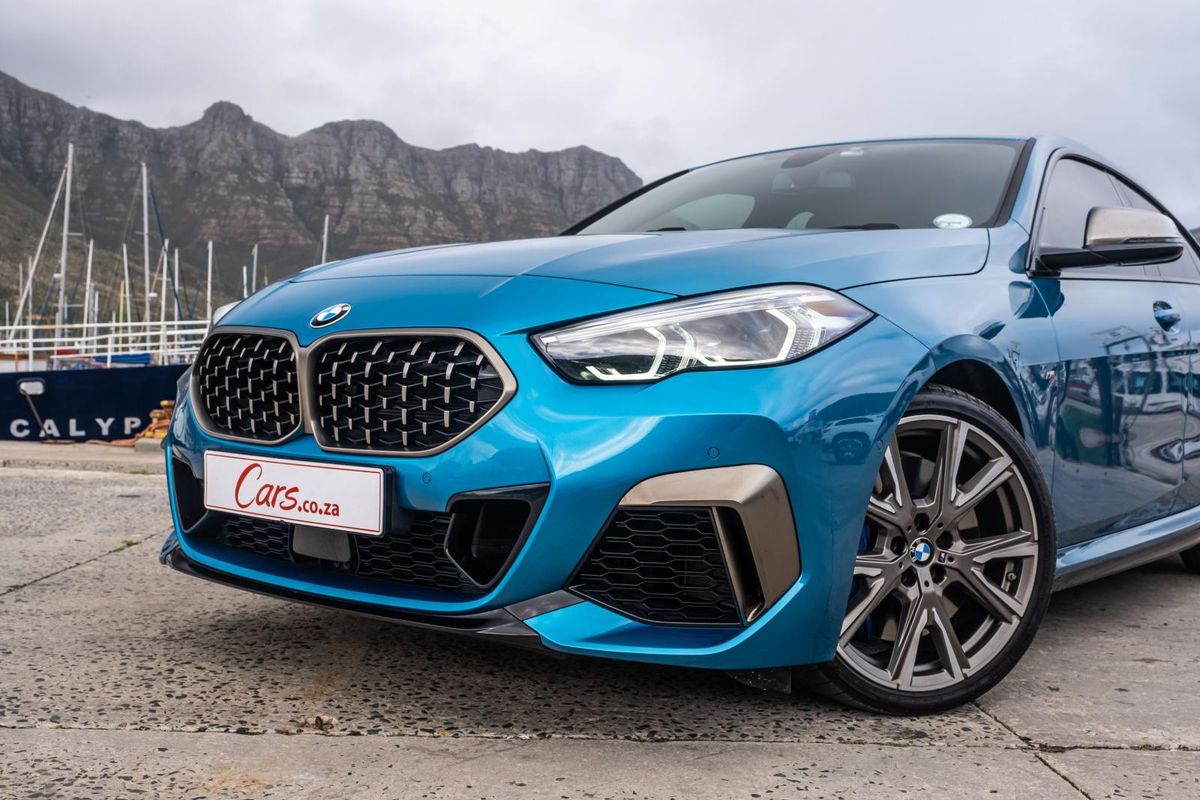
In our first review of BMW's controversially styled 2 Series Gran Coupe (GC), the 220d derivative didn't quite win over the test team. Does the flagship M235i xDrive deserve a more favourable write-up than its turbodiesel sibling?
We like: Excellent performance, transmission, looks better with sportier trim, traction
We don’t like: Lacks driver engagement – especially at the price, rear headroom
Fast Facts:
Price: R795 864 before options (October 2020)
Engine: 2.0-litre turbocharged 4-cylinder
Power/Torque: 225kW/450Nm
Transmission: 8-speed automatic
Fuel consumption: 7.6 L/100 km (claimed)
Top speed: 250 kph
Performance: 0-100 kph in 4.9 sec.
What is it?
? M235i badge doesn't quite mean what it did in the past – this Gran Coupe has a 4-cylinder engine and all-wheel drive.
With the traditional sports executives (BMW 3 Series, Audi A4 and Mercedes-Benz C-Class, to name just three) having grown significantly in size, sophistication and price, premium marques have identified a gap in the market for something smaller, stylishly booted and with 4 doors, to bridge the gap between their entry-level hatchback offerings and those traditional C-segment sedans that are now priced beyond the means of most South African households, even fairly affluent ones. It's worth noting that you'll now have to fork out in excess of R1 million to drive a 6-cylinder 3 Series…
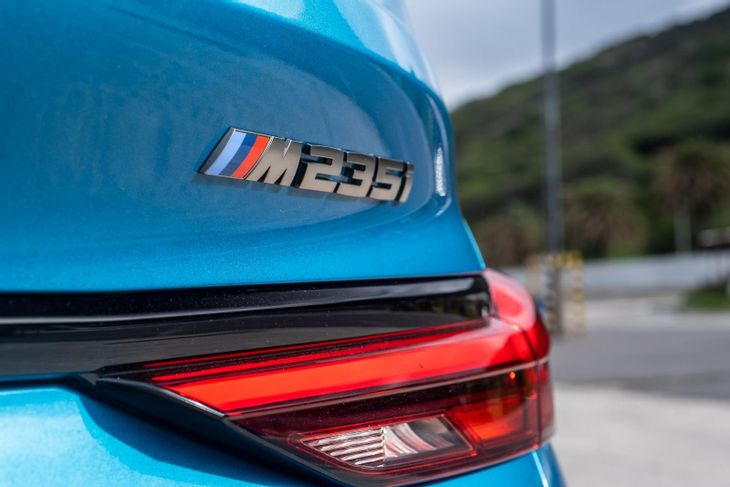
The premium manufacturers' niche-filling exercise sounds all good and well in theory, doesn't it? But wait… the M235i you see here is the flagship of the 2 Series Gran Coupe line-up and it offers more power than the bigger 330i (225 kW vs 190 kW), plus it's about R50 000 more expensive than its aforementioned 3 Series brother, which is, well, awkward. Given its price tag, the M235i Gran Coupe xDrive is therefore positioned as something of an enthusiast's 2 Series derivative, but can it live up to the lofty expectations created by the dark-grey M235i badge on its shapely boot lid?
How it performs in terms of…
Performance and ride/handling
Shifting through BMW's smooth and responsive 8-speed automatic transmission, the M235i is no slouch.
As most of you will know, the M235i xDrive shares its powertrain with the M135i xDrive hatchback, which received a rather lukewarm response from this editorial team. Power comes from a transversely-mounted turbocharged 4-pot that pumps out an impressive 225 kW from 4 770 to 6 000 rpm and 450 Nm of torque across a broad rev range (1 750 rpm to 4 770 rpm). So, it's certainly not lacking in grunt; peak power is only 15 kW short of the output produced by the turbocharged 6-cylinder used in the previous-generation M135i, while developing the maximum torque is unchanged.
BMW claims a 0-100 kph time of 4.9 sec, which is identical to the previous M135i. Of course, the top speed is still limited to 250 kph. Somehow, however, the M235i Gran Coupe doesn't "feel" as fast as its numbers suggest (although it's obviously no slouch). This is probably a consequence of a combination of excellent drivetrain refinement and an engine that's lacking in aural character. The 6-cylinder is definitely missed in that regard.
The 2.0-litre motor is more fuel-efficient, however. BMW claims an average consumption of 7.6 L/100 km, which you'll struggle to achieve, but a real-world return of around 8.8 L/100 km is possible… and significantly better than what you'd be able to get from the inline-6 (with which we achieved an average of 10.5 L/100 km). Is fuel consumption all that important in a performance car such as this, however? We're unconvinced.
Nice-to-hold steering wheel has pleasant weighting and, generally speaking, the M235i Gran Coupe feels dynamically superior to the M135i.
Out on some challenging roads, the M235i GC makes good use of its firm M Sport suspension, all-wheel drive, Torsen mechanical limited-slip diff and overall mechanical refinement to put all that power down effectively. In "normal" driving it runs mostly in front-wheel-drive mode, but when traction is lost at the front, it can shuffle up to 50% of torque to the rear. It certainly doesn't struggle for grip often, and the weighty, accurate steering is a highlight. But somehow it never feels as fast (and therefore thrilling) to drive quickly; we get a sense there is an awful amount of electronic "thinking" that happens behind the scenes, making the keen driver (and particularly BMW aficionados) feel somewhat removed from the action.
How does that "electronic assistance" work? The M235i features the near-actuator wheel slip limitation (ARB) tech from the i3, which, according to BMW, allows slip to be controlled much more "sensitively and swiftly" than before. ARB is further assisted by BMW Performance Control, a yaw-moment distribution system that is claimed to increase agility by applying the brakes of the car's inside wheels when it's cornering quickly. All of this means that the M235i is a very fast car, and covers ground at a dizzying rate of knots, but it's not as engaging as fast, small BMWs of the past.
One could forgive the M235i Gran Coupe for its ultimate lack of driver involvement if it balanced that with touring comfort, but on South Africa's inconsistent road surfaces this BMW's ride quality was temperamental (the test unit had passive dampers). That said, it feels marginally more impressive to pilot than the M135i, though we're unsure why. Perhaps we're growing accustomed to four-cylinder, high-performance BMWs…
Exterior design & Packaging
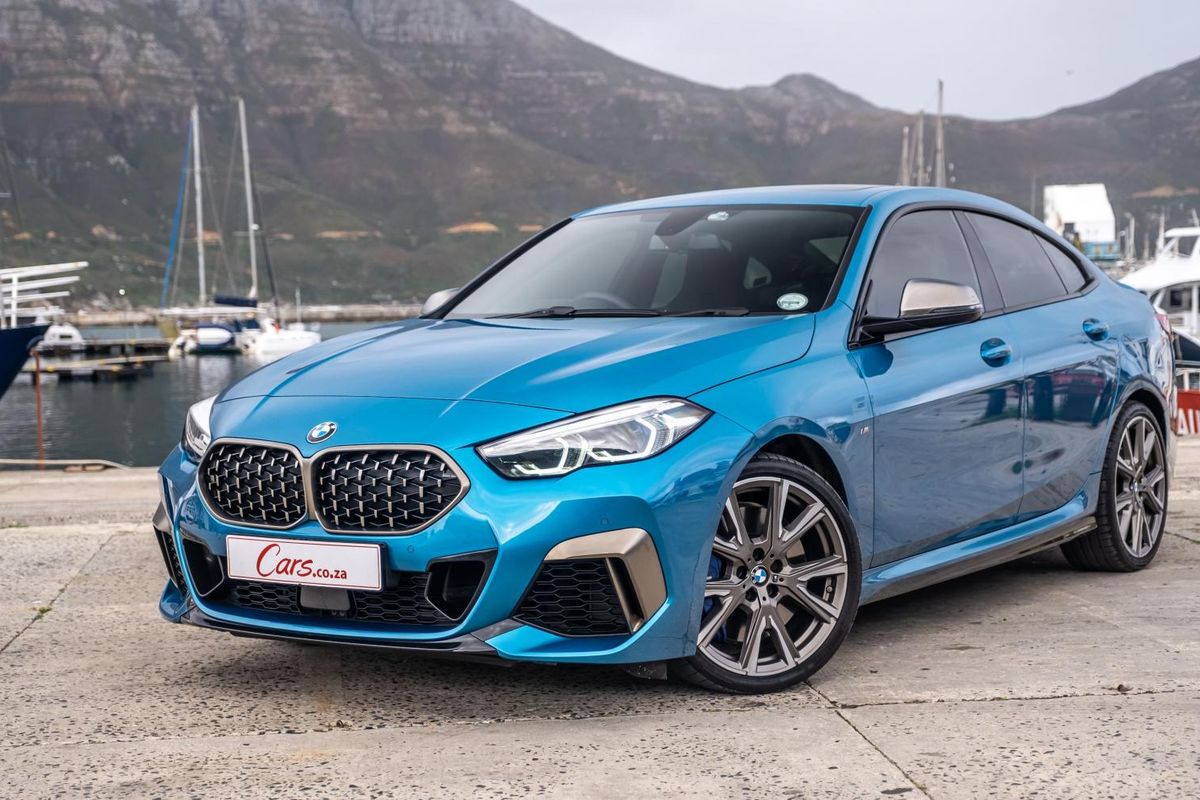
Make up your own mind about the 2 Series GC's design, but in M235i xDrive guise it certainly looks more purposeful.
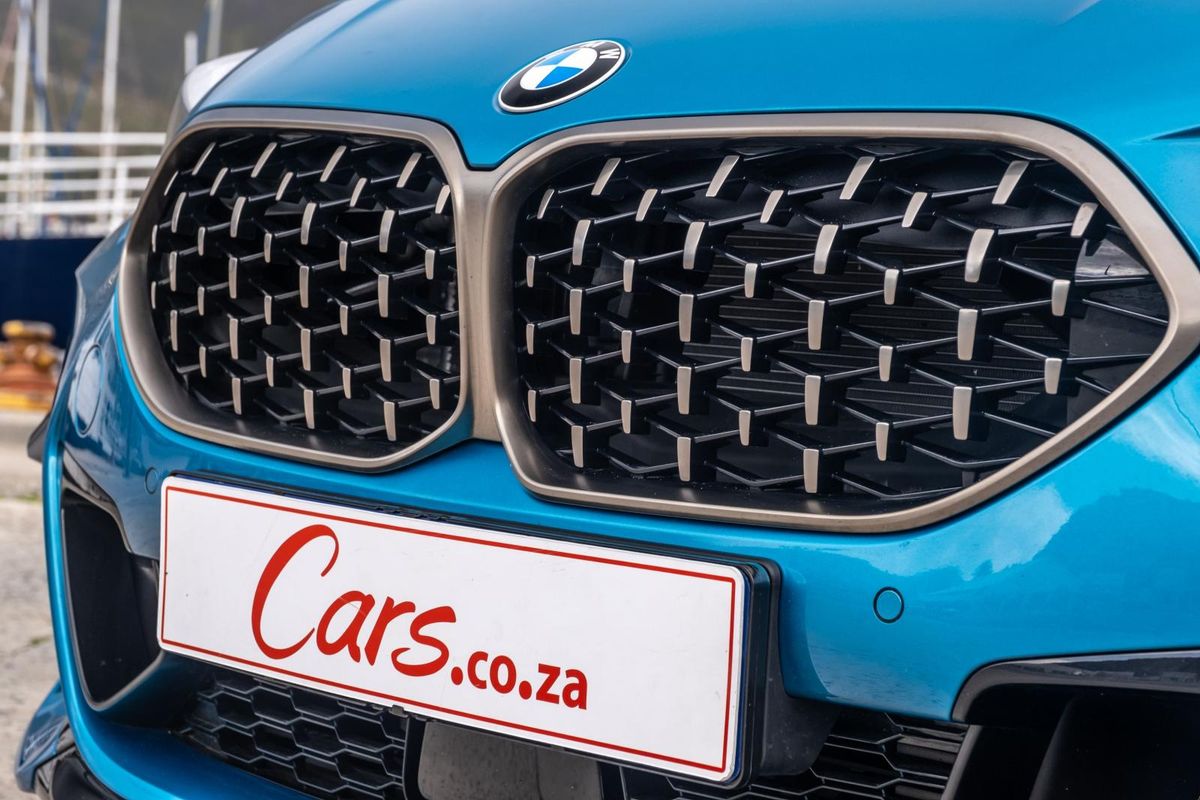
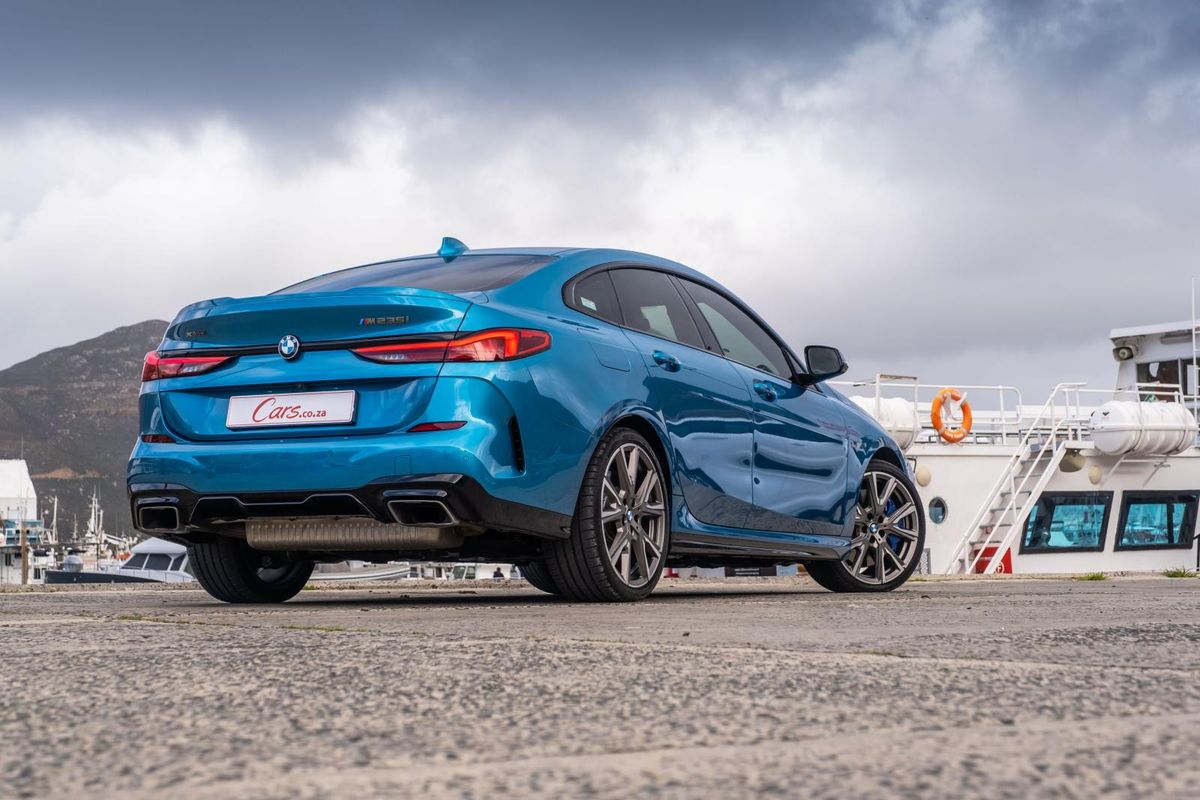
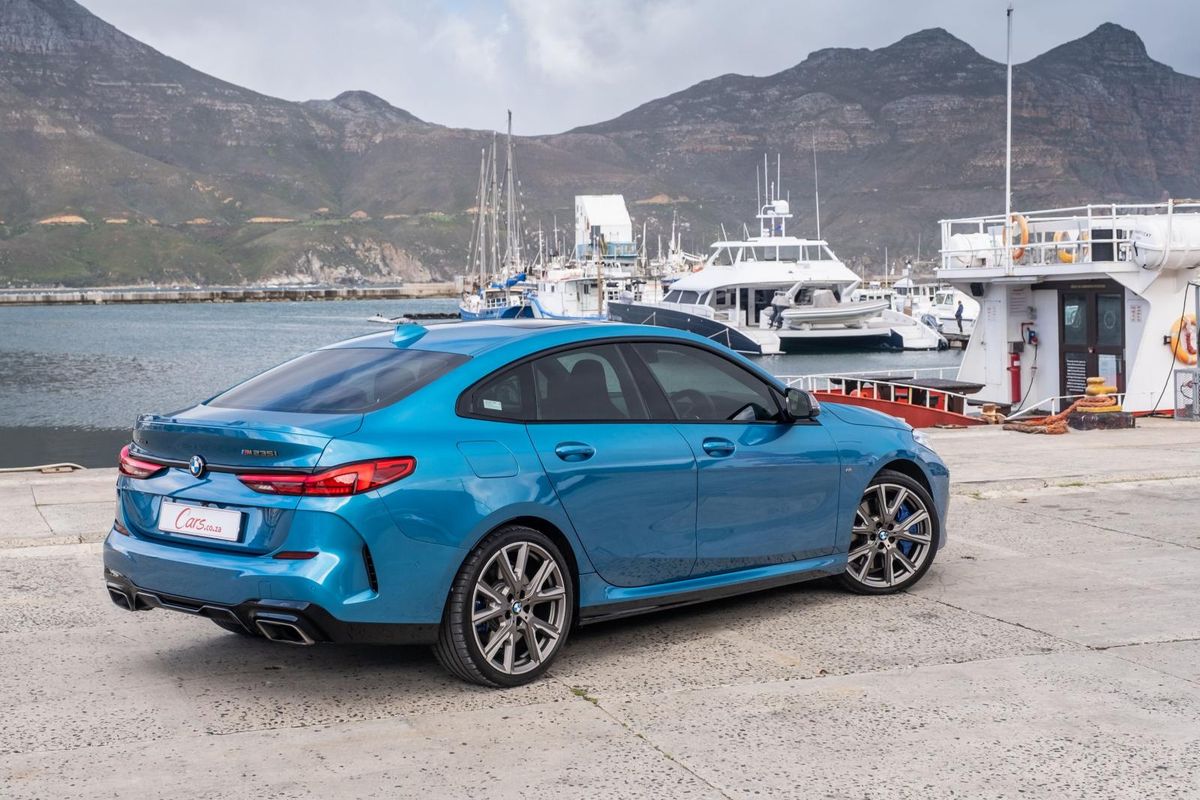
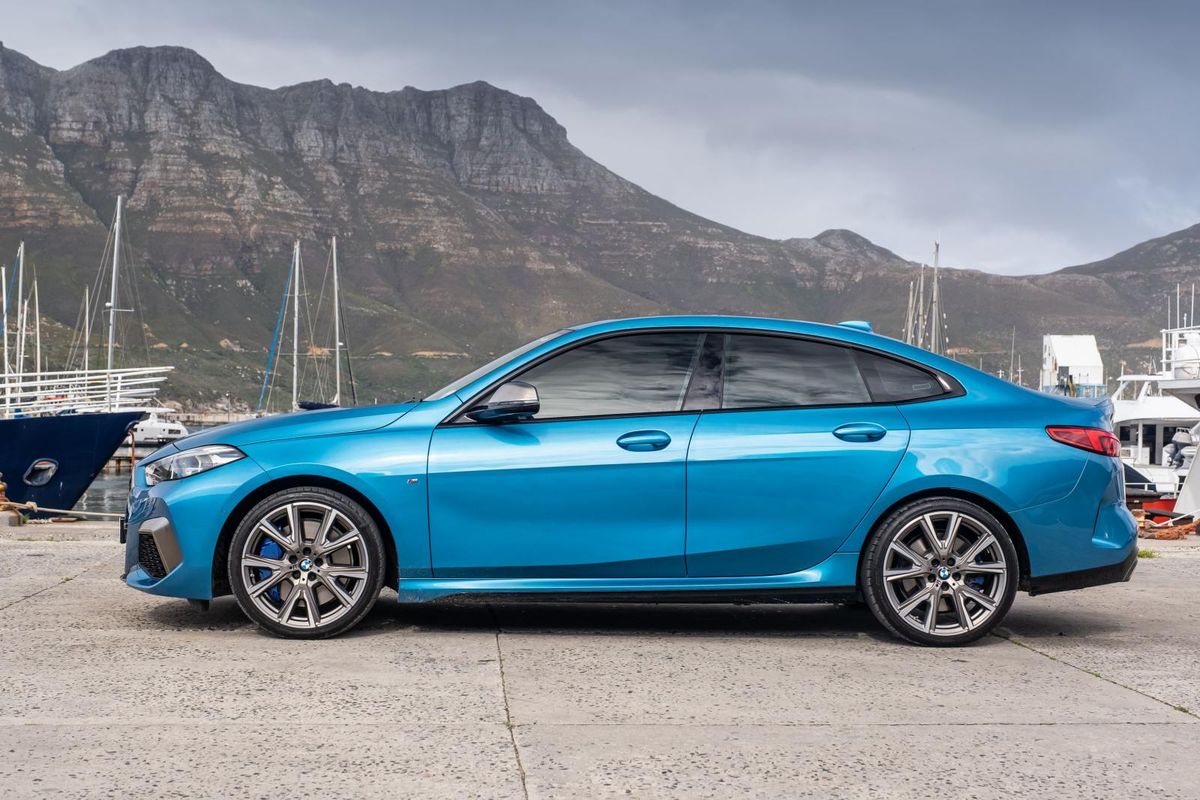
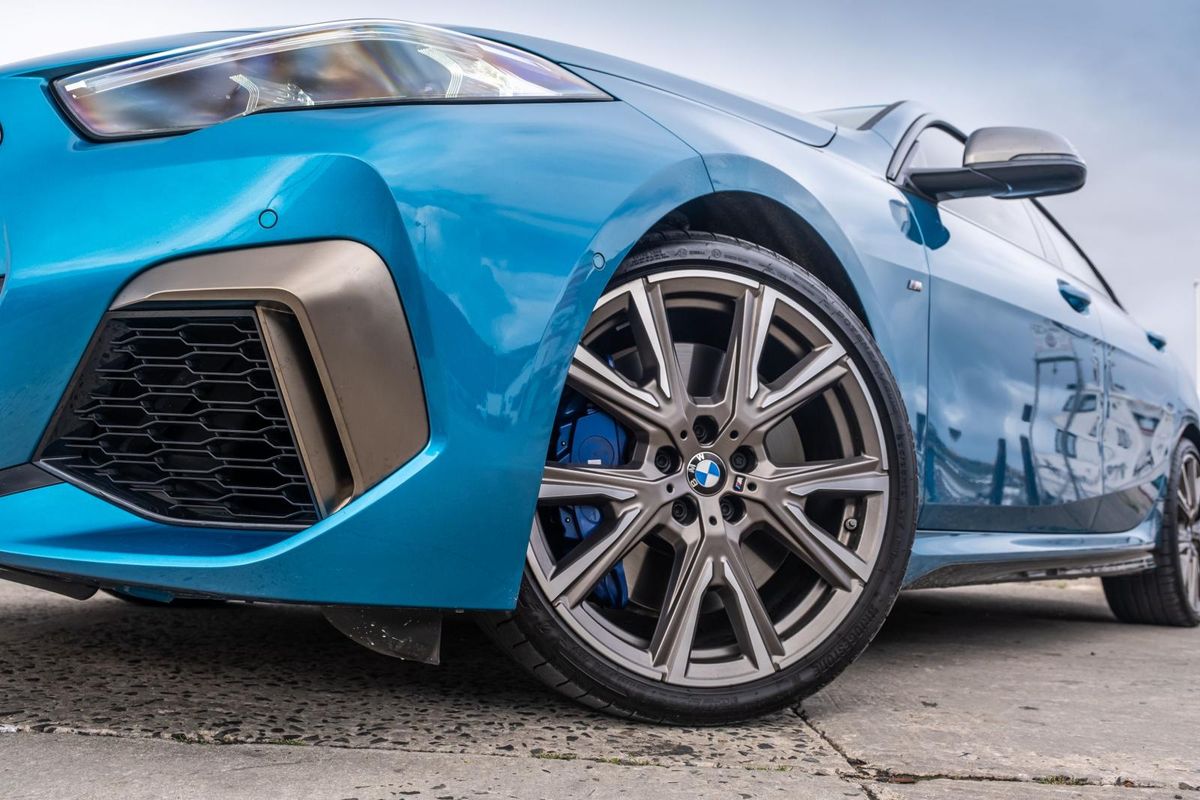
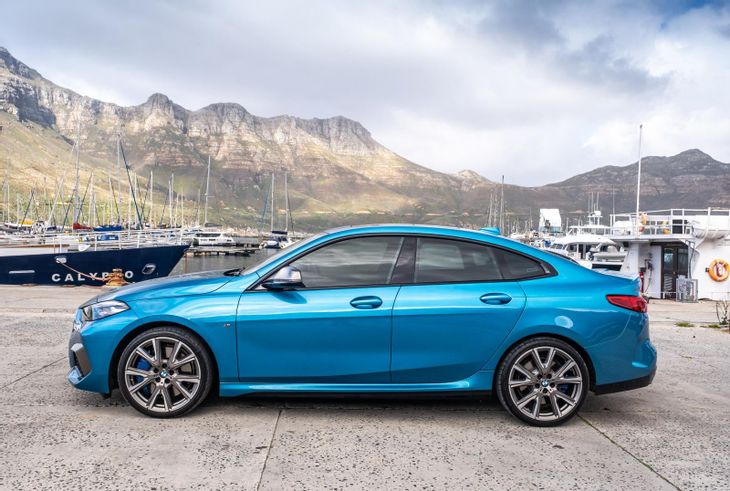
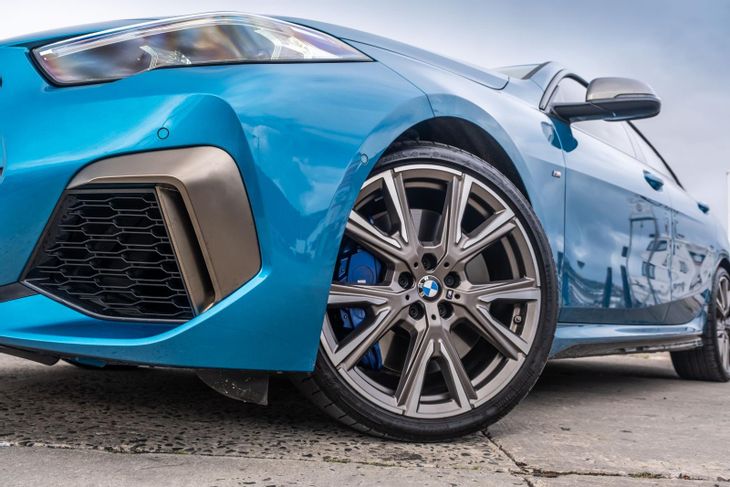
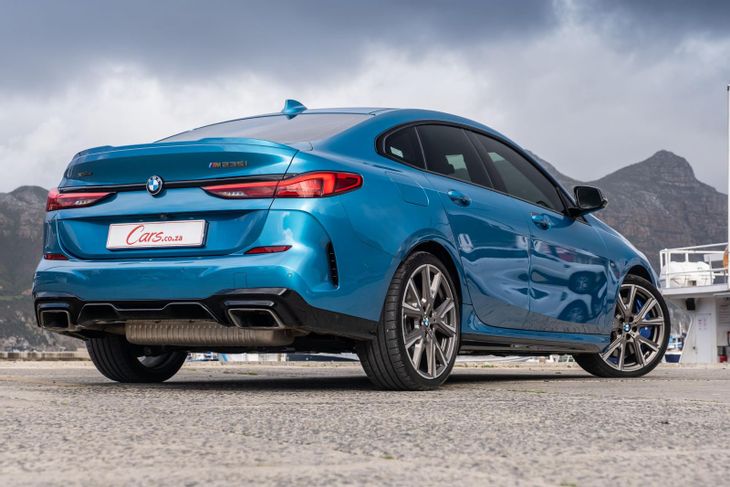
Finished in its bright Snapper Rocks Blue metallic paint job (a no-cost option, surprisingly), and riding on striking 19-inch bi-colour alloys (R10 000 option), the M235i Gran Coupe test unit looked considerably more appealing than the 220d we tested before it. Of course, the standard fitment of various M styling pieces further "sportifies" the overall look, but without going entirely overboard. Compared with the 1 Series, the M235i's grille treatment is also more attractive, with a broader, flatter design compared with that of its sibling.
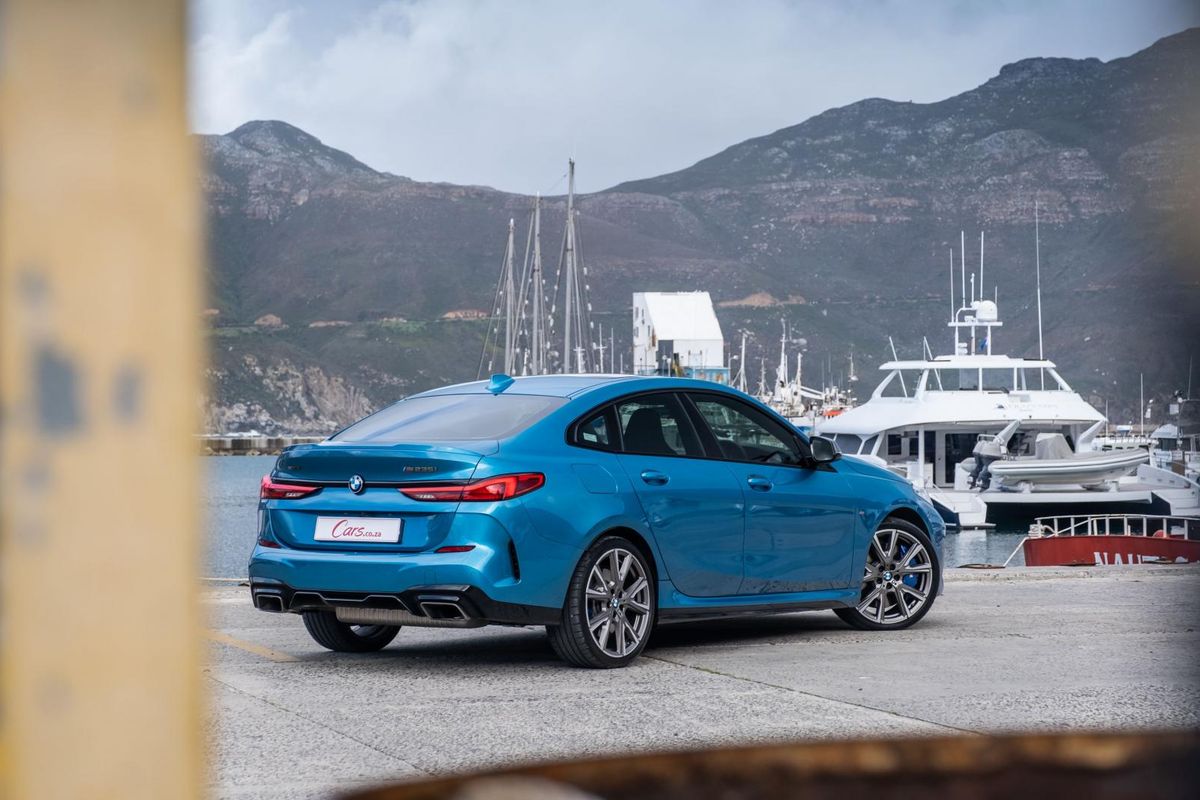
Ultimately, however, design is subjective – and, like so many modern BMWs, the 2 Series GC's appearance is polarising. Whereas Mercedes-Benz has been more successful with grafting a boot section onto a hatchback (A-Class sedan and CLA), the 2 Series GC's derriere arguably looks a little tacked on. That said, with its massive, rectangular exhaust outlets and the subtle boot spoiler, the M235i's high-performance pretentions are clear.
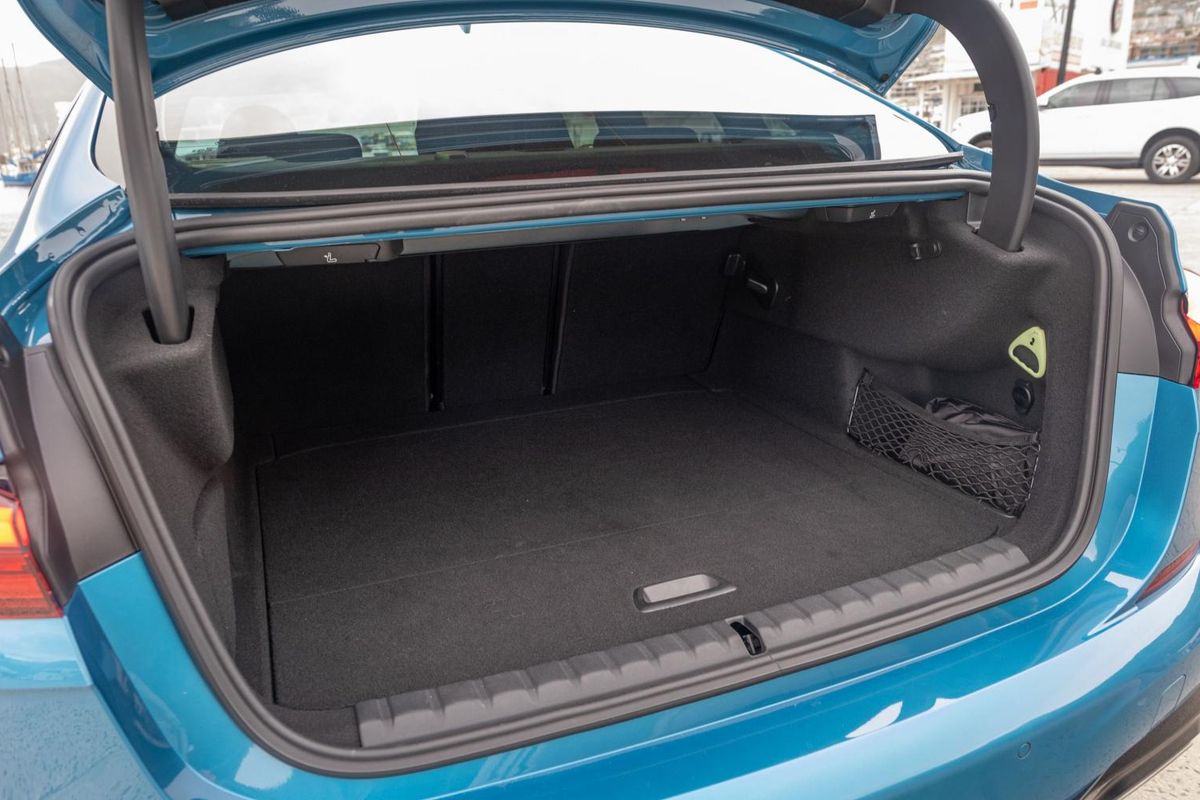
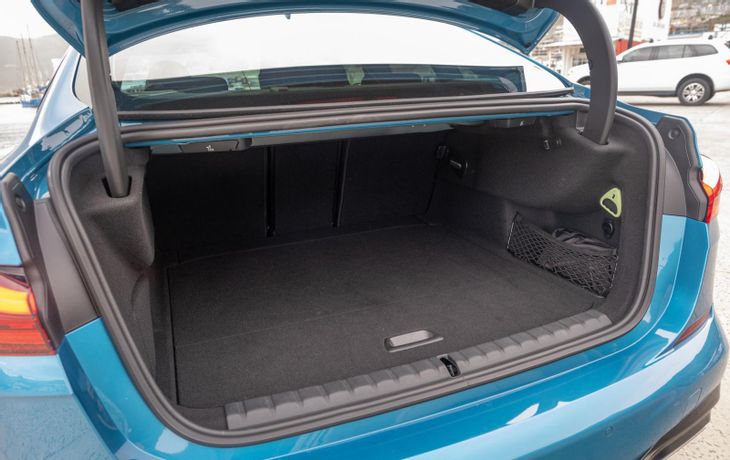
The M235i's boot is of a decent size (430 litres) and the rear seats can be folded down in a 40/20/40 split.
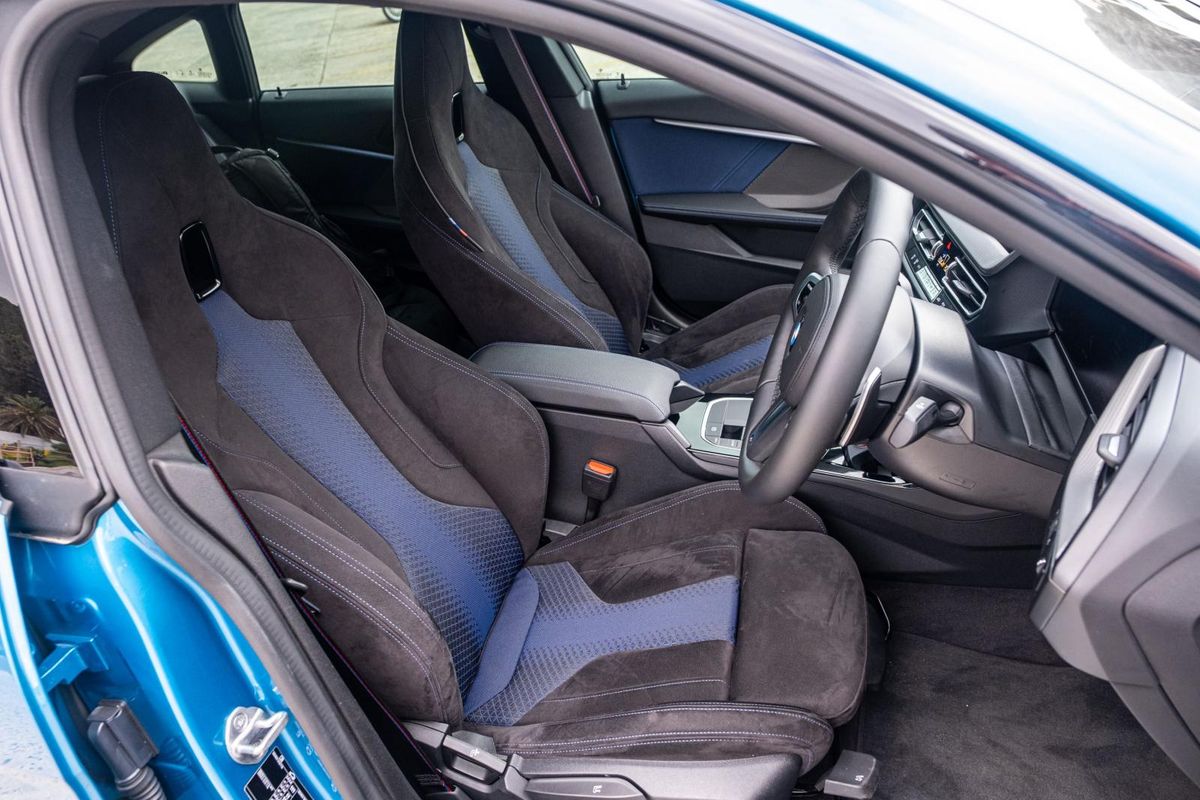
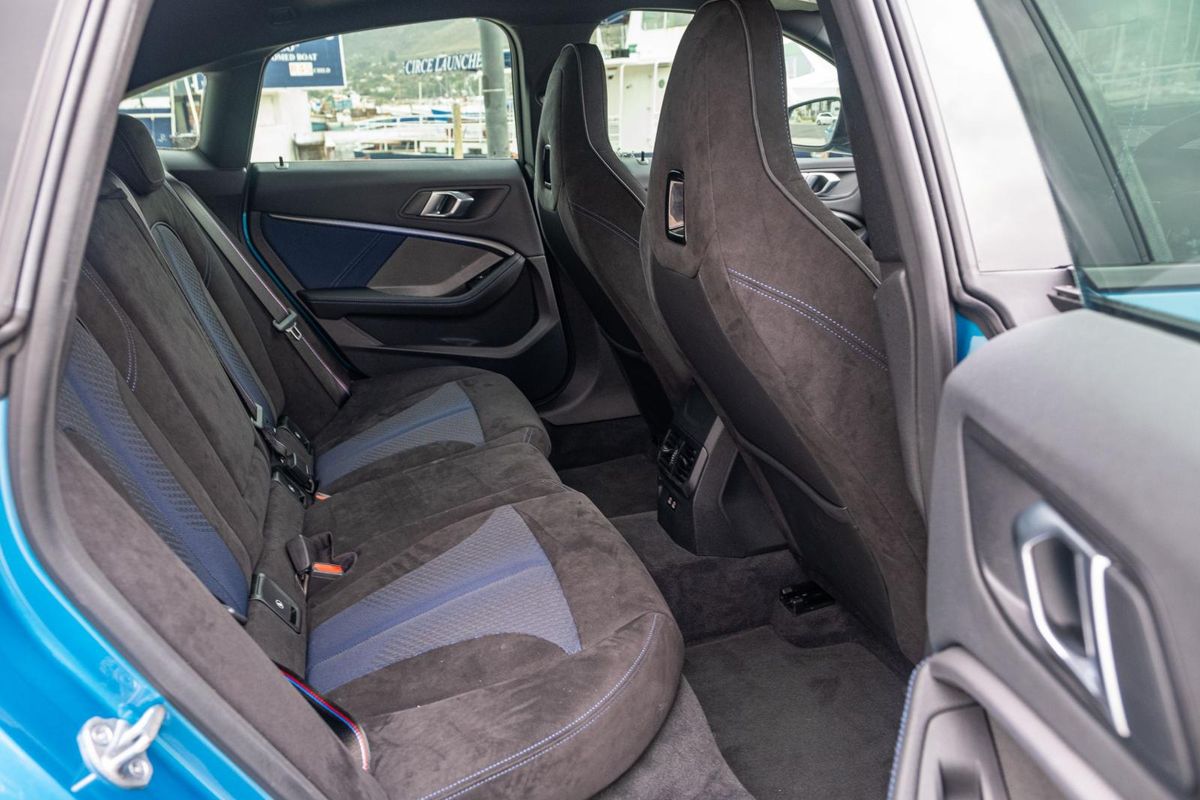
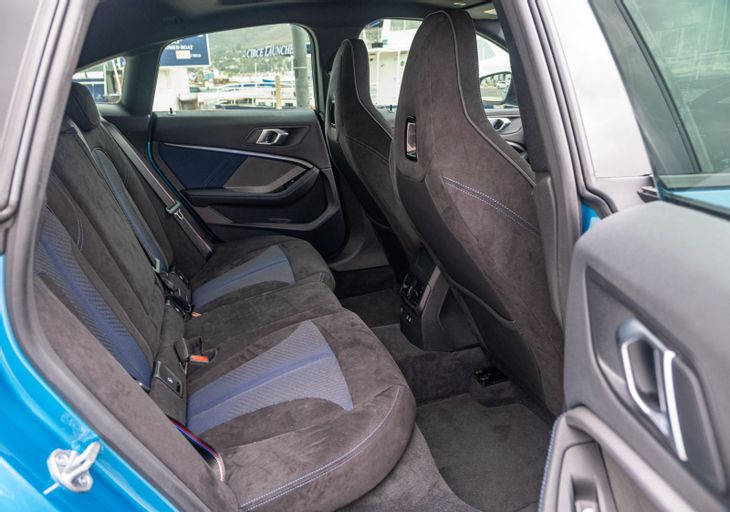
BMW has possibly been more successful with the practicality of the boot area. With a claimed luggage capacity of 430 litres, the M235i compares favourably with its rivals. It also boasts more space underneath the boot floor, and the rear seats can be folded down in a 40/20/40 arrangement. Rear accommodation, by contrast, is less impressive. While aft legroom is acceptable given the car's market positioning (it's not a family car) and the fitment of (optional) bulky M Sport seats, headroom is tight for occupants who are taller than 1.8m. There are no such concerns in the front, however, with the M235i boasting typically excellent seating comfort and support, as well as a wide range of adjustability from the steering column.
Interior execution and features
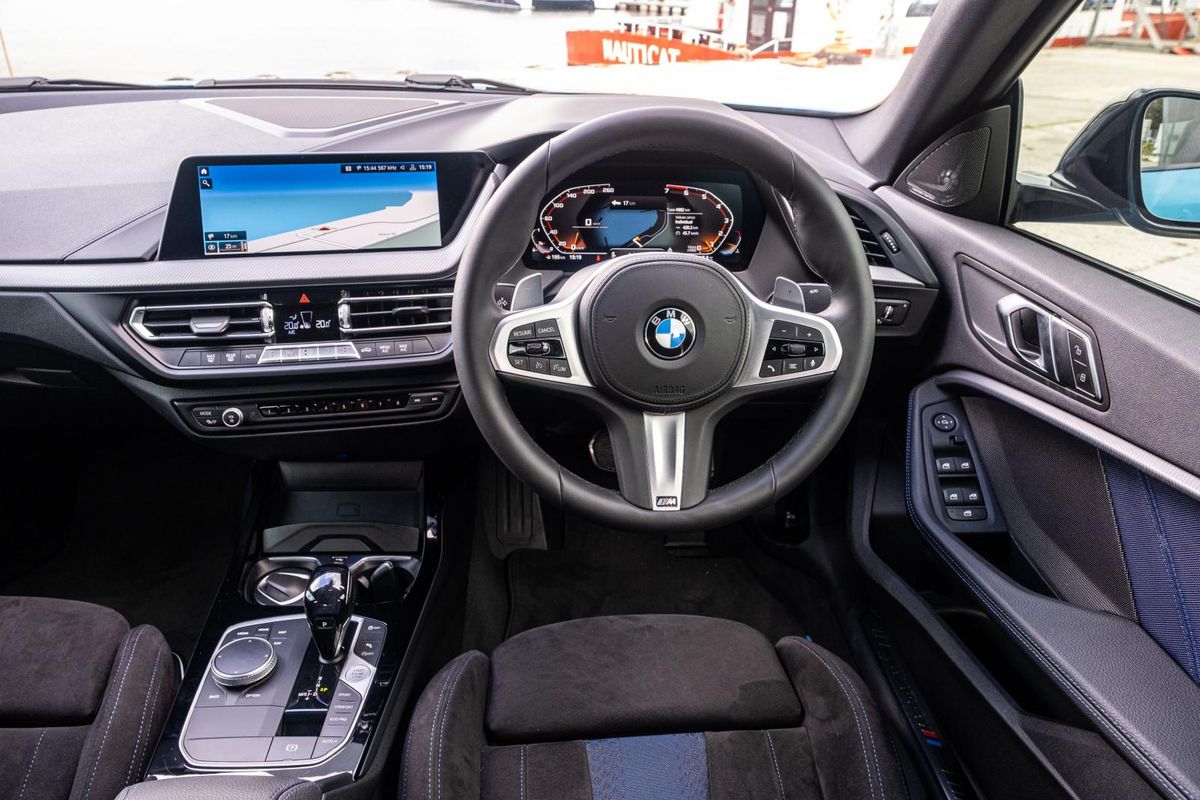
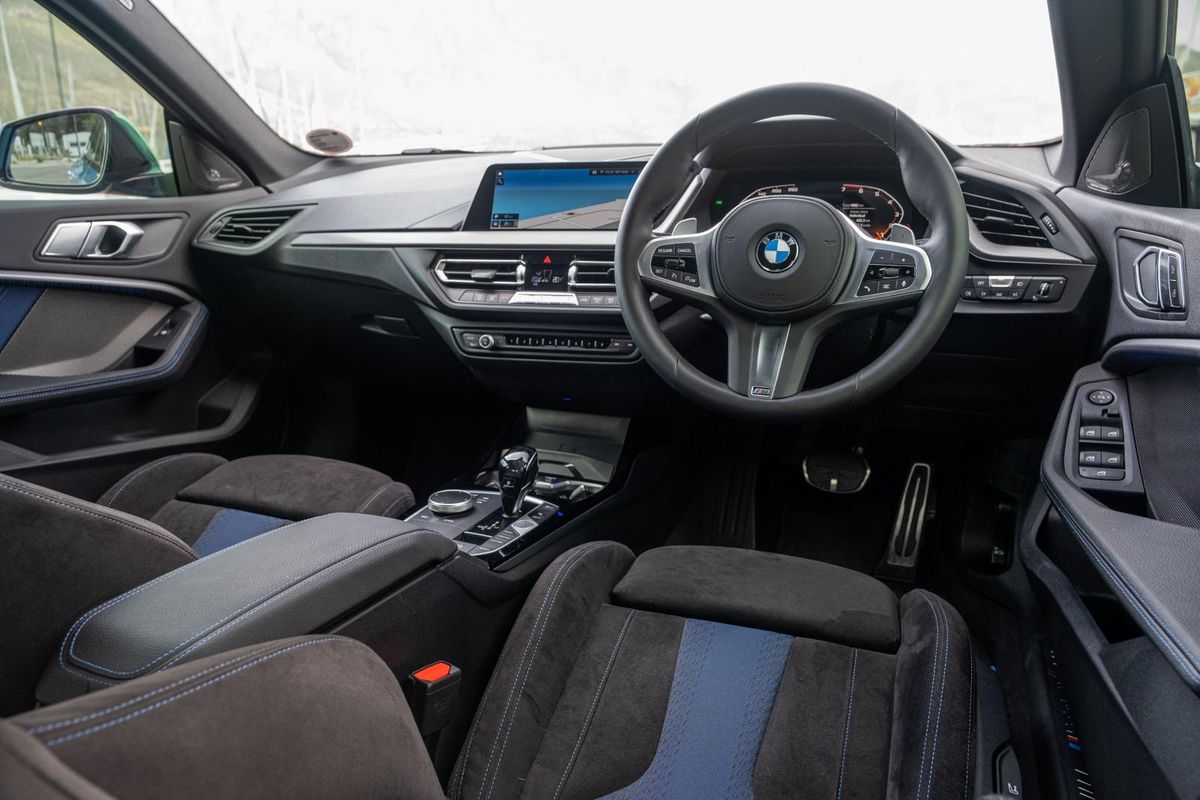
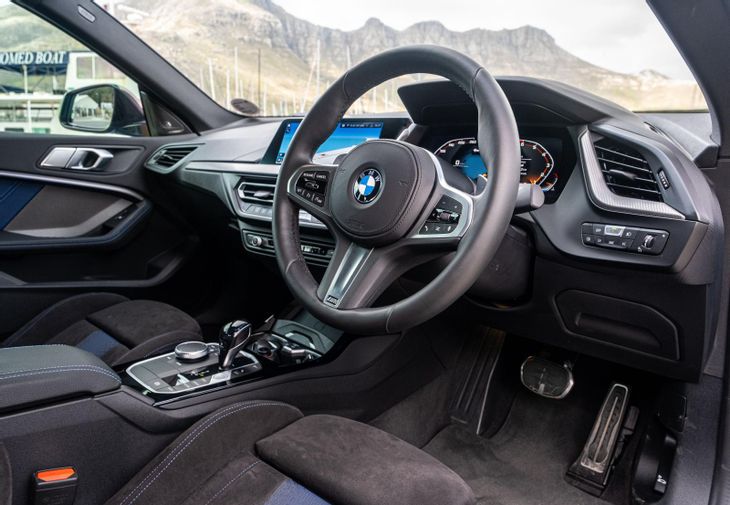
The cabin is identical to the 1 Series, which is no impediment – build quality and ergonomics are excellent.
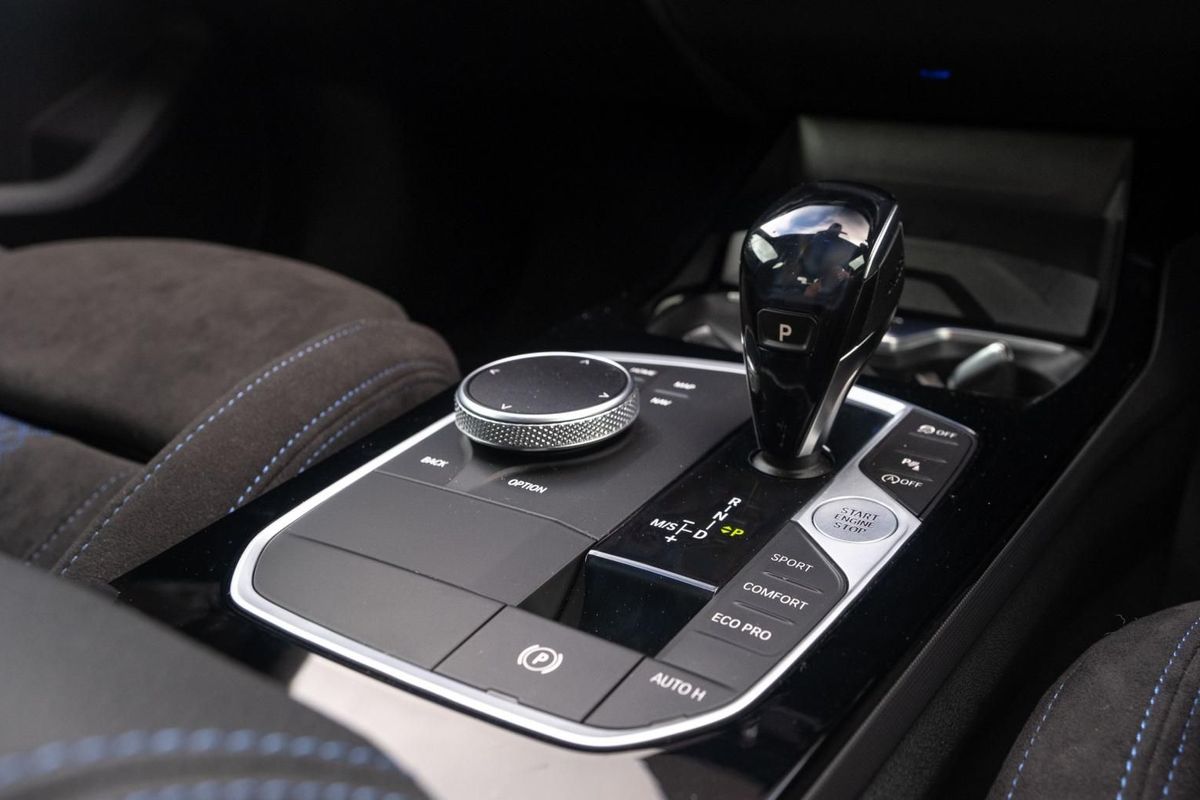
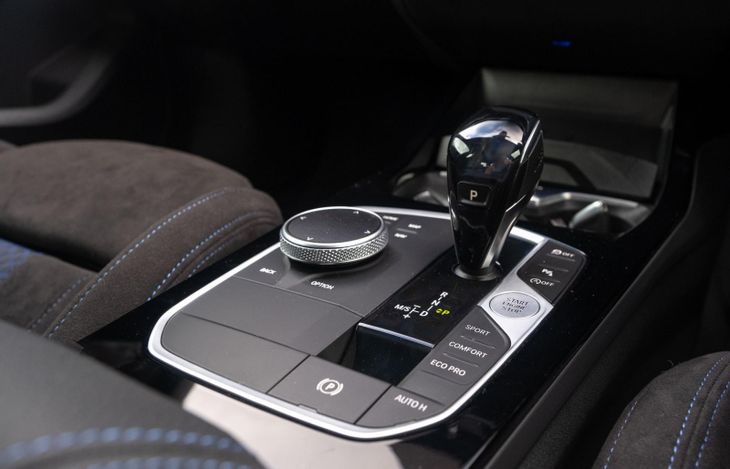
The 2 Series GC shares much of its interior execution with its 1 Series hatchback sibling, which is a positive. The fascia is well made, using quality materials, and the ergonomics are superb. The only real negative is the "feel" of the stubby transmission lever in your hand – as is the case in many current BMWs, the lever just feels a bit too insubstantial and plasticky.
Our test unit featured smart "Trigon" dual-tone upholstery (a combination of cloth and Alcantara) – an option that also requires a buyer to tick the M Sport front seats option box (R8 100). The contrasting blue cloth also appears on the door trims, bringing welcome visual relief to a cabin that otherwise appears rather sombre. Also helping in this regard are the cabin's strategically positioned embedded LED lighting elements.
The test car featured Alcantara leather. Rear legroom is good, but headroom is tight for taller adults.
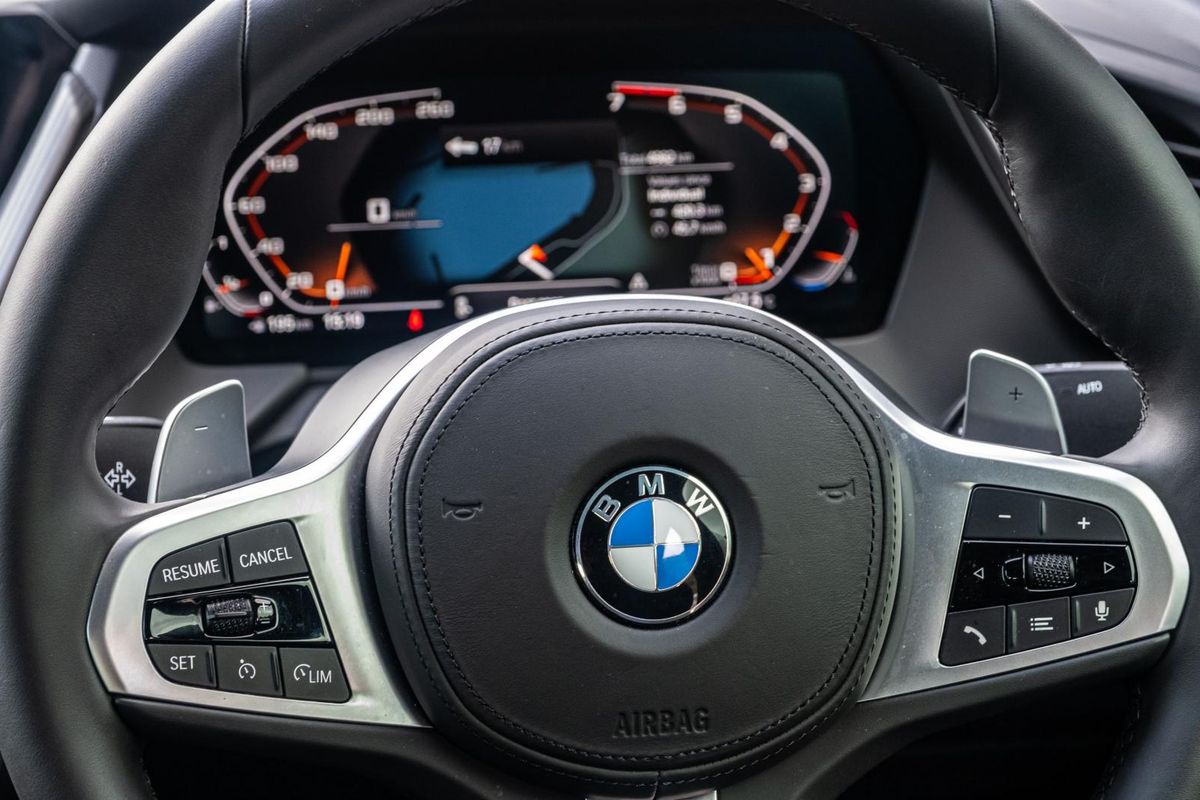
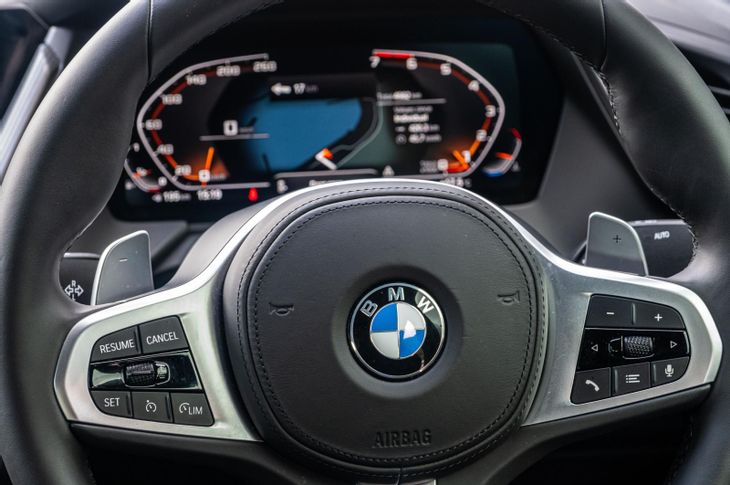
The M235i Gran Coupe is by no means poorly equipped (a relief, given its price). Standard features include digital instrumentation, a nice-to-hold multifunction M Sport steering wheel, dual-zone climate control, cruise control (with braking function, as an option) and BMW's Live Cockpit Plus with ConnectedDrive services and navigation. Options that you may want to consider adding: an electrically adjustable driver's seat with memory (R12 500), High Beam Assist (R2 150), heated front seats (R5 000), Comfort Access (R8 500) and a Harman/Kardon audio system (R4 400).
Price and after-sales service
19-inch alloy wheels fill the wheel arches nicely but are optional. Brakes are 360mm ventilated discs at the front.
Listed at R795 864 before options, the M235i xDrive appears very pricey at first glance, especially compared with the cheaper 330i. Our test unit featured at least another R70k-odd of options, too. The price includes a 2-year/unlimited km warranty and 5-year/100 000 km maintenance plan.
More convincing in M235i xDrive guise, the flagship 2 Series Gran Coupe is, however, a polarizing product.
The M235i Gran Coupe xDrive is a somewhat flawed machine that won't appeal to everyone… it's not even guaranteed to pique the interest of all BMW enthusiasts. Having said that, the flagship GC is nonetheless a vehicle that will hit the bulls-eye should its talents be in line with a buyer's particular requirements, provided that particular purchaser a) finds the design appealing and b) doesn't care too much about whether the propulsion comes from a 4- or 6-pot engine. And while the pricing looks odd initially, the optional extras are not outlandishly expensive, and so you can drive away with a fully loaded M235i Gran Coupe xDrive for a lot less than, say, the similarly powerful/swoopy Mercedes-AMG CLA35 4Matic.
So, to answer the initial question… yes, the M235i xDrive is a more resolved BMW 2 Series GC, and also, somehow, more convincing than the M135i xDrive on which it is based. Given its price advantage over similarly powerful rival offerings from Mercedes-AMG, the M235i Gran Coupe xDrive makes more sense than initial impressions suggest.
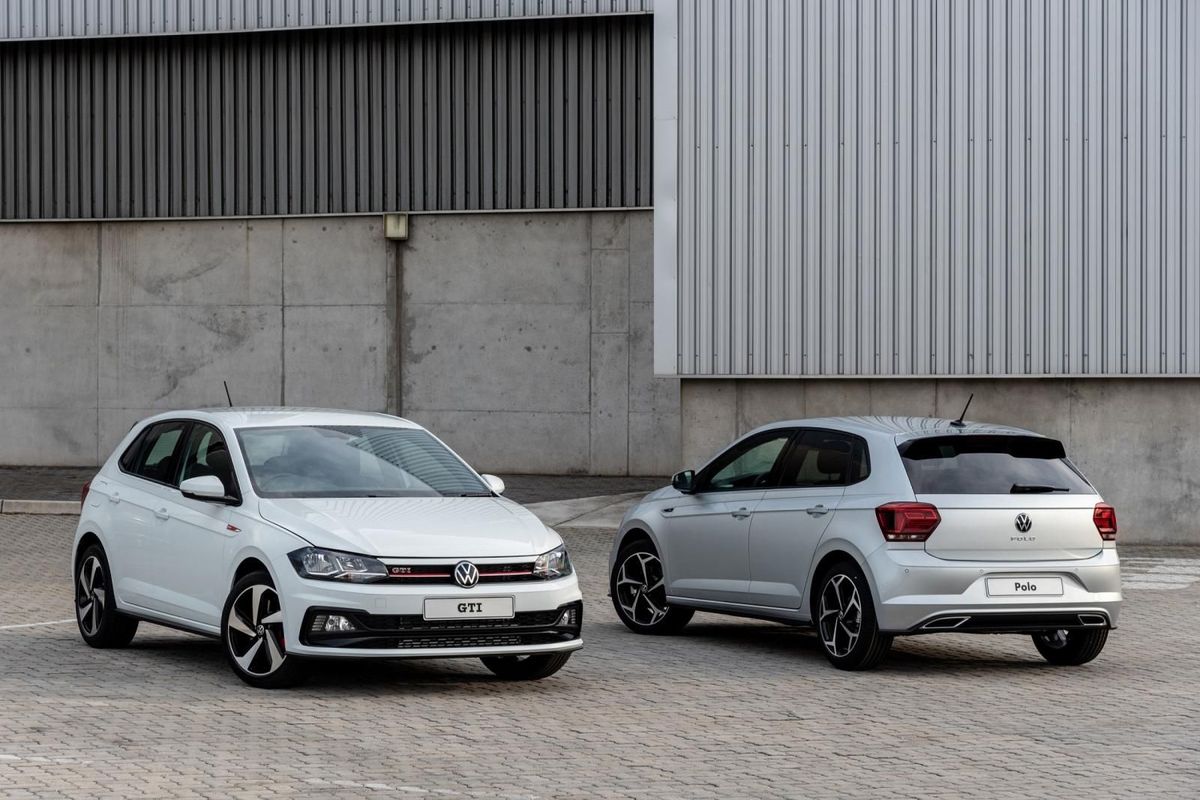
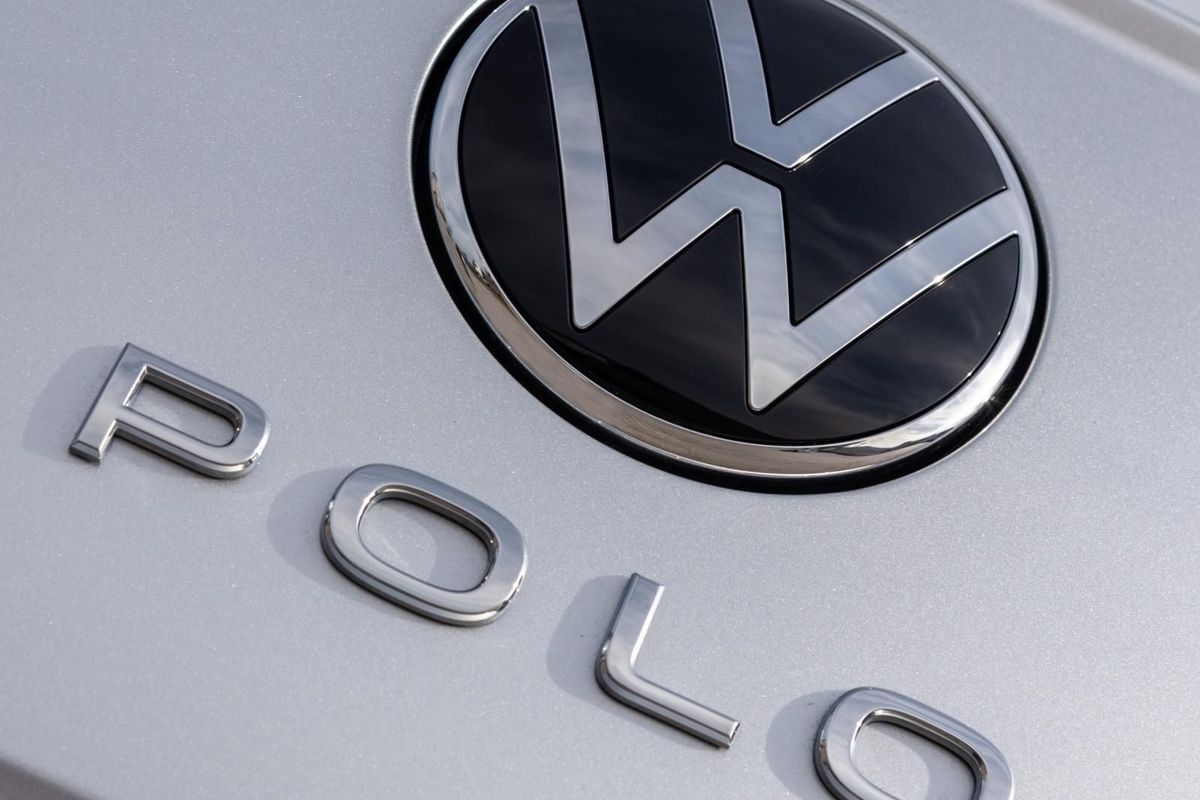
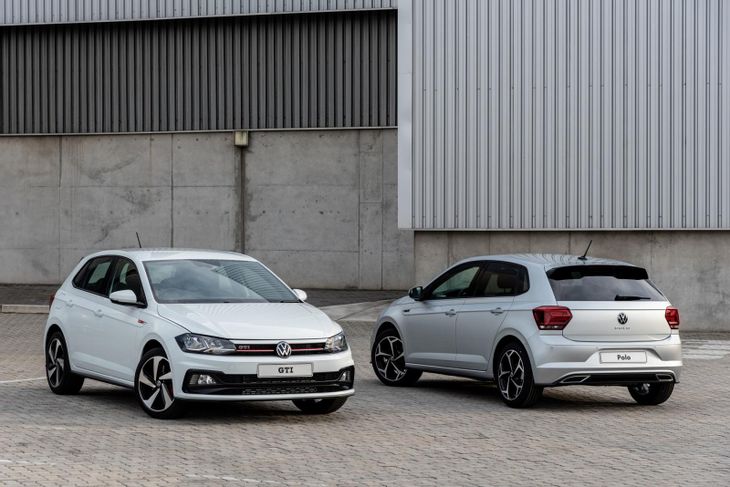
The new Volkswagen logo is slowly being rolled out across the entire VW portfolio. Locally, the first model range to get the new badge is the Polo.
At the 2019 Frankfurt Motor Show. the German brand unveiled what it called a 'brand-new look for the future.' The new logo was a simpler and clearer design, and will be rolled out across the world. Changing a corporate identity is not an easy task, with about 70 000 logos needing to be replaced across 171 markets. More than 10 000 facilities of dealers and service partners globally will also need to receive the new design.
South African dealerships have mostly been upgraded, but now its time for the actual products to get the design. Mike Glendinning, Sales and Marketing Director for Volkswagen Group South Africa said: “The new brand design comes in light of the development of vehicles that are more connected to market needs than ever before. It is for this reason that Volkswagen invested in a comprehensive revamp of every part of the brand to reflect and connect with its people better – from internal stakeholders, customers and the industry at large; in this way, the brand remains true to always putting people first.”
The first vehicle to get the new Volkswagen logo is the SA-built Polo and Polo GTI. The vehicle is assembled in Uitenhage, Eastern Cape and not only are these sold in SA, but they're also exported. Expect to see the new logo on the front, the rear as well as inside, on the steering wheel, wheels caps, radio and the car key.
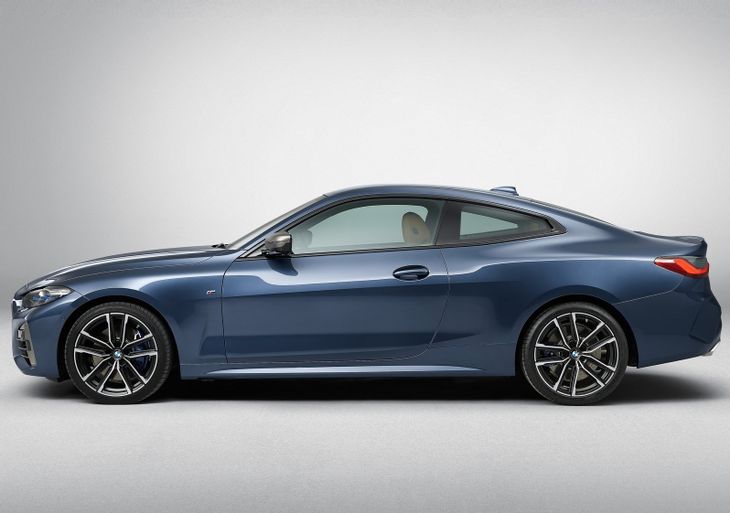
Not since the Z1 or Bangle era limousines, has BMW had to answer so many questions about vehicle design, as has been the case with the new 4 Series.
For decades, the BMW 3 Series coupe was an example of exemplary taste and considered design. Although the brand's M3s were always purposeful and intimidating in their stance, the 3 Series coupe was graceful and elegant by comparison.
Not so, the new 4 Series. Or at least, that is public perception.
We spent an afternoon with BMW’s German design and production team responsible for the new 4 Series to try and learn what guided the project to its eventual conclusion: a shape and front-end which has triggered even ardent fans to project strong opinions.
To understand the existence of new BMW's 4 Series grille, you need to look into BMW's history.
Being different, whilst reviving heritage
A theme that was constant in our discussion with BMW’s designers, was the issue of tradition. Few brands have a history of product excellence similar to BMW. In a global marketplace where high-margin SUVs and disruptive electric vehicles are gaining market share, without any provenance of their own, BMW risks losing a crucial part of its identity.
By way of example, imagine the case of Hyundai. Excellent Korean cars, ironically now influenced by a staff of former BMW engineers. But for all its current technical achievement, Hyundai has no historical product legacy or iconic design details to revive.
With BMW, that is not the case. The 4 Series vertical grille is controversial, but only to those who aren’t students of the brand’s true history.
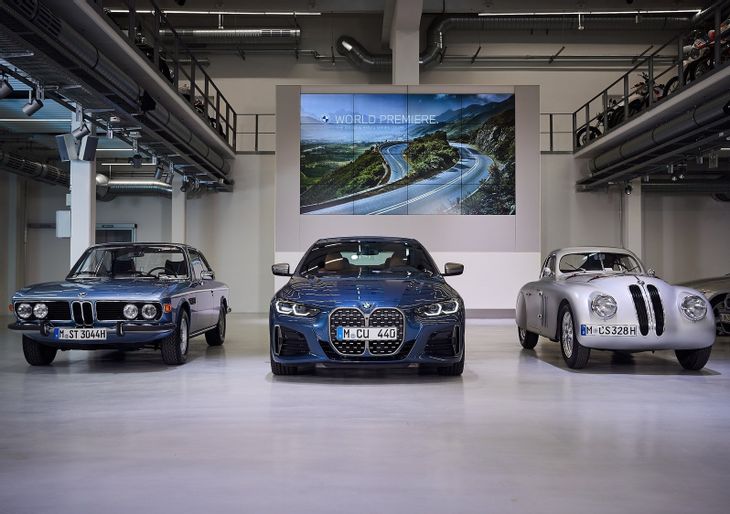
Any committed follower of BMW will immediately have recognised the strong 328 roadster and 3.0 CSi connection, regarding that huge vertical grille. BMW’s design team is not creating anything new, merely for shock value. They are applying the brand’s historical design values, with modern materials and proportions.
In a world where car design is enormously constrained by safety regulations, the challenge of creating an original and organic front-end is tremendous. One can hardly blame the BMW design team for having reached into the company’s history and attempting to create something that does the brand's legacy justice.
Dramatic – at a distance
Some love it, some hate it, but from BMW's perspective, there's a method in the madness…
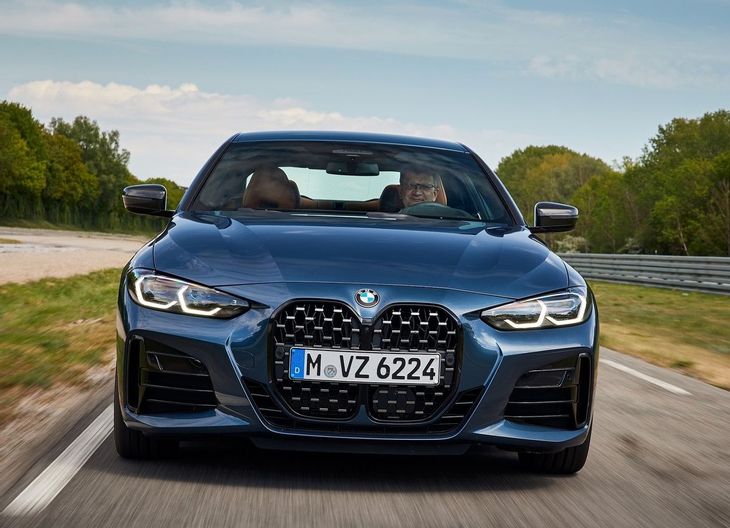
One of the most valid reasons for BMW’s designers to opt for the 4 Series having such a distinctive grille, was vehicle differentiated vehicle recognition. Any coupe must, by implication, make a statement when parked or on the move.
BMW’s 4 Series design team want it to be recognisable at 100m, which is a distance that has traditionally been held the uppermost standard for product differentiation. The two most recognisable vehicles, which have been in continuous production since their launch, are Porsche’s 911 and Volkswagen's Golf. Both of which, are deemed easily recognisable by most people, at a distance of 100m.
Any discussion around 4 Series, as a piece of industrial design, must include its licence plate mount. BMW admitted that there were various options, all trialled during the car’s concept phase. One of these included an asymmetric mount option, similar to what is used by Alfa Romeo on its Giulia.
In the end, homologation issues in BMW’s most important 4 Series market, guided the design team to settle on a centre mount, for the licence plate. There were simply too many American States where crash safety and licence plate display regulations required a more traditional licence plate mount.
How is 4 faster than 3?
The 4 Series is more dynamic than its 3 Series sibling, even if the differences are marginal.
Although BMW’s 3 and 4 Series share a similar platform, the coupe car’s engineering team applied a lot of skill and resources to make it drive with more verve.
BMW technical staff we spoke to, admitted that any 4 Series equipped with a similar powertrain, would be faster than the equivalent 3 Series. Making this comparative advantage possible is a 23mm wider track 21mm lower core centre of gravity, thanks to the 57mm lower roofline.
Compounding those dimensional advantages over 3 Series, are individual component upgrades regarding the dampers and auxiliary springs at all 4 wheels on the new 4 Series. BMW’s engineers wished to leverage the car’s wider and lower mass distribution. A marginally reconfigured suspension was deemed the best way of achieving this, delivering the promise of a slightly more dynamic driving experience.
How much of a difference is there really between a 3 and 4 Series? In terms of linear acceleration, virtually nothing. But if you add any route with some testing braking zones and direction changes, BMW is confident that a 4 Series will deliver meaningfully more cornering speed.
In BMW’s slalom tests, using the same engines, 4 Series is 2kph quicker than 3 Series through the cones.
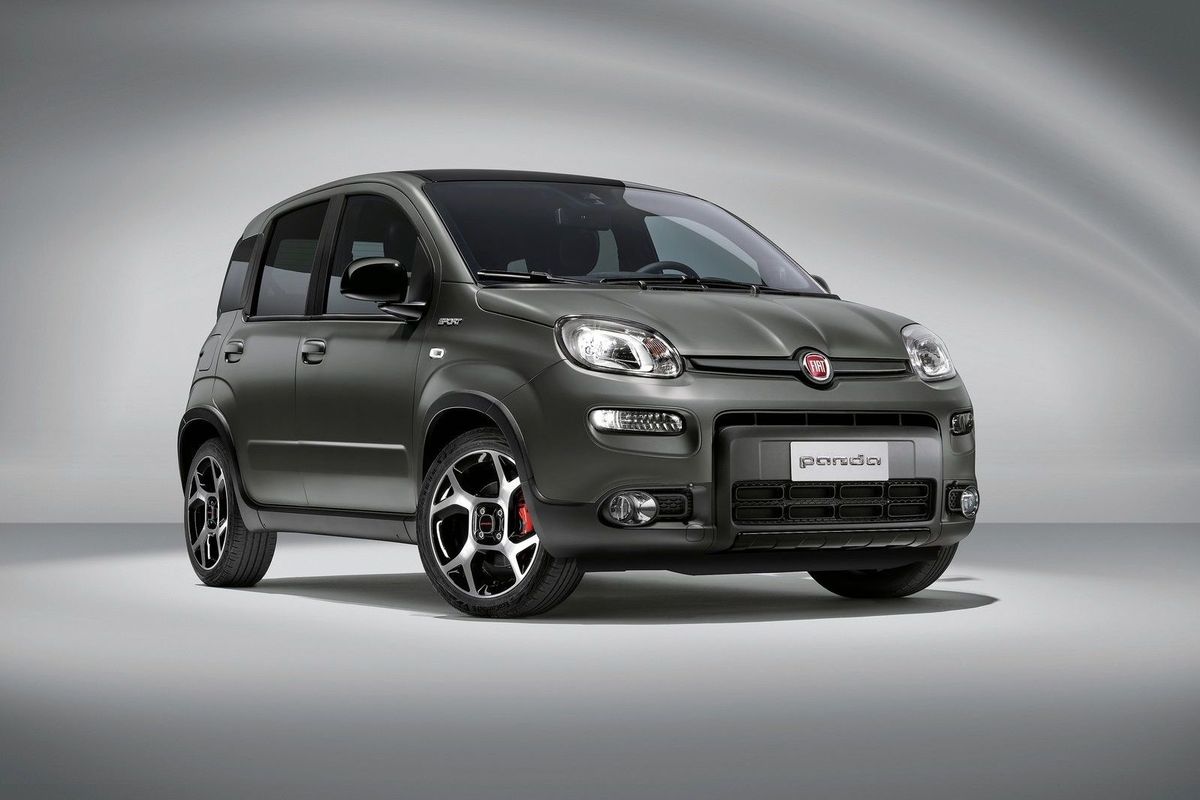
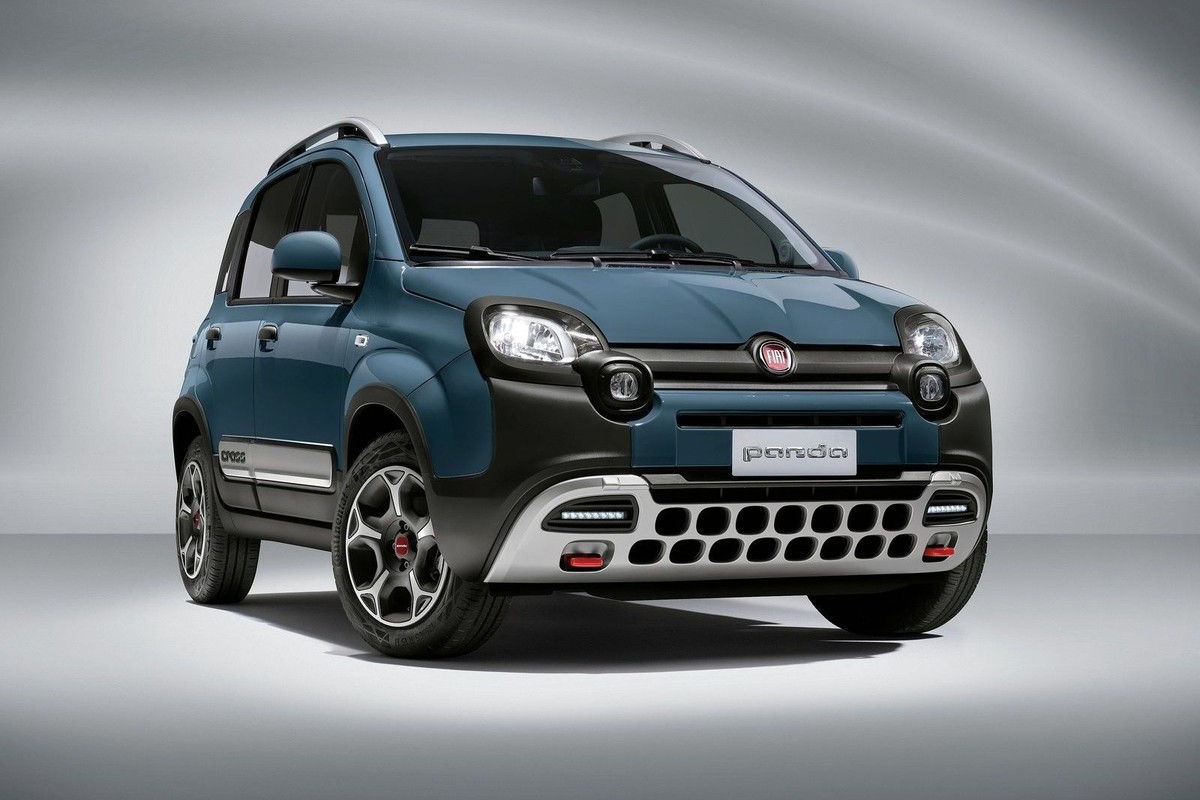
Happy 40th birthday to the Fiat Panda. To celebrate, the Italian carmaker has renewed its iconic city car. Here's what's been updated, plus the potential to see it in SA.
The Fiat Panda has been quite a success story for the Italian brand in continental Europe. Its compact size means it can navigate the confines of the old cities and it's cheap to own. Plus, for those adventuring types, there's a 4×4 version. No surprise its the best-selling city car in Europe.
Now for the 2021 model year, Fiat has introduced a Panda Sport and the range comprises 5 trim levels: Sport, City Cross, Cross, Life and City Life. In terms of engines, there's a hybrid, petrol, plus the options of compressed natural gas and liquified petroleum gas.
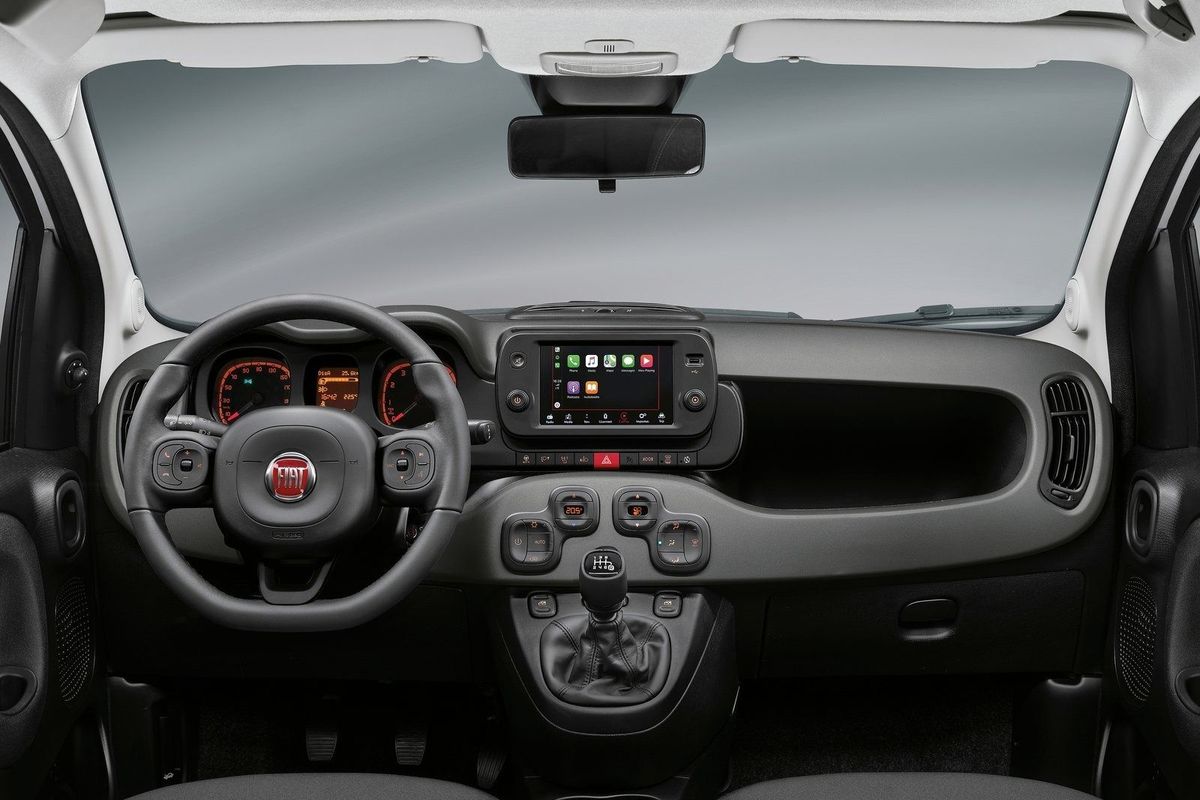
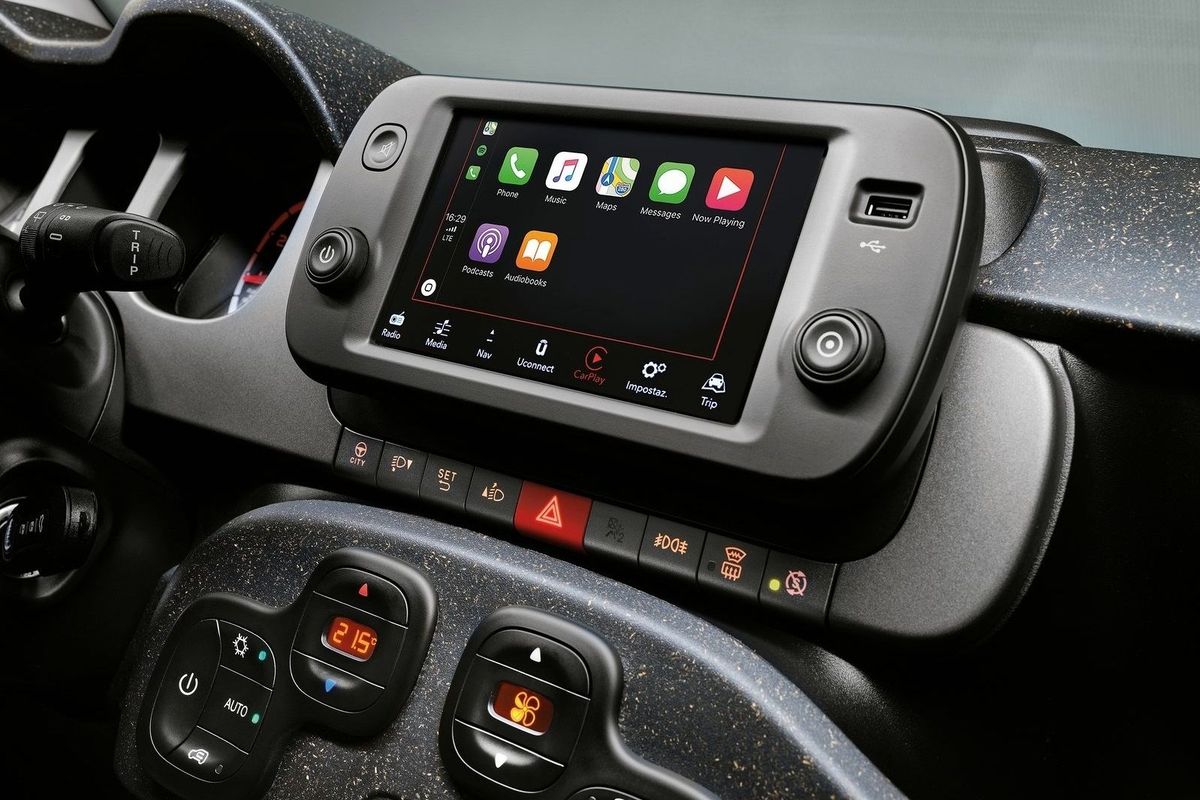
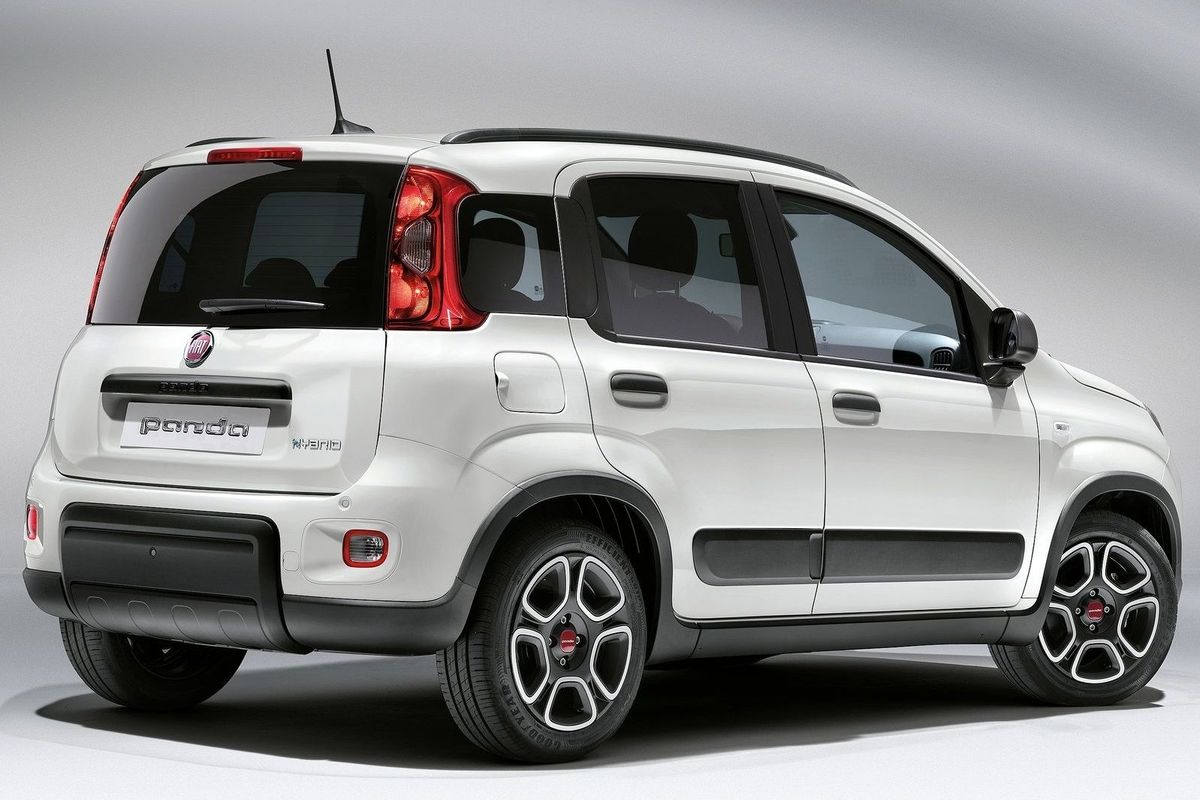
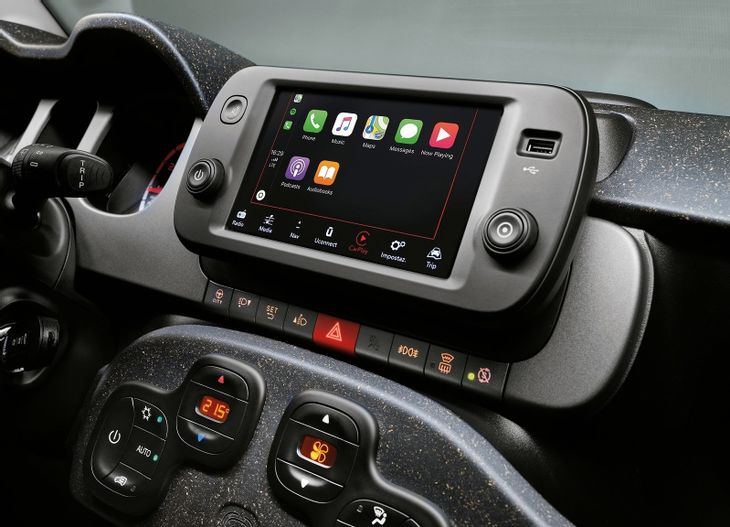
Visually, you'll be able to spot the updated Panda with its new front bumpers, rejigged side skirts as well as new-look alloy wheels. Inside, a new 7-inch touchscreen infotainment system with DAB digital radio, Apple CarPlay and Android Auto has been fitted. For those wanting something sporty, the Fiat Panda Sport gains special 2-tone 16-inch alloy wheels, sport logos and the option of Matte Grey paint. Inside, there's a new titanium-colored dashboard, specific door panels in eco-leather, black ceiling and new seats with dark gray upholstery, techno-leather details, fabric side panels and red stitching.
For those wanting more, tick the Pandemonio Pack – a clear tribute to the kit launched in 2006 on the on the Panda 100 HP – which includes red brake calipers, blacked-out windows, and the new techno-leather steering wheel with red stitching.
In terms of South African availability, Fiat SA is currently considering the updated Panda for introduction in SA but the exact timing has yet to be confirmed.
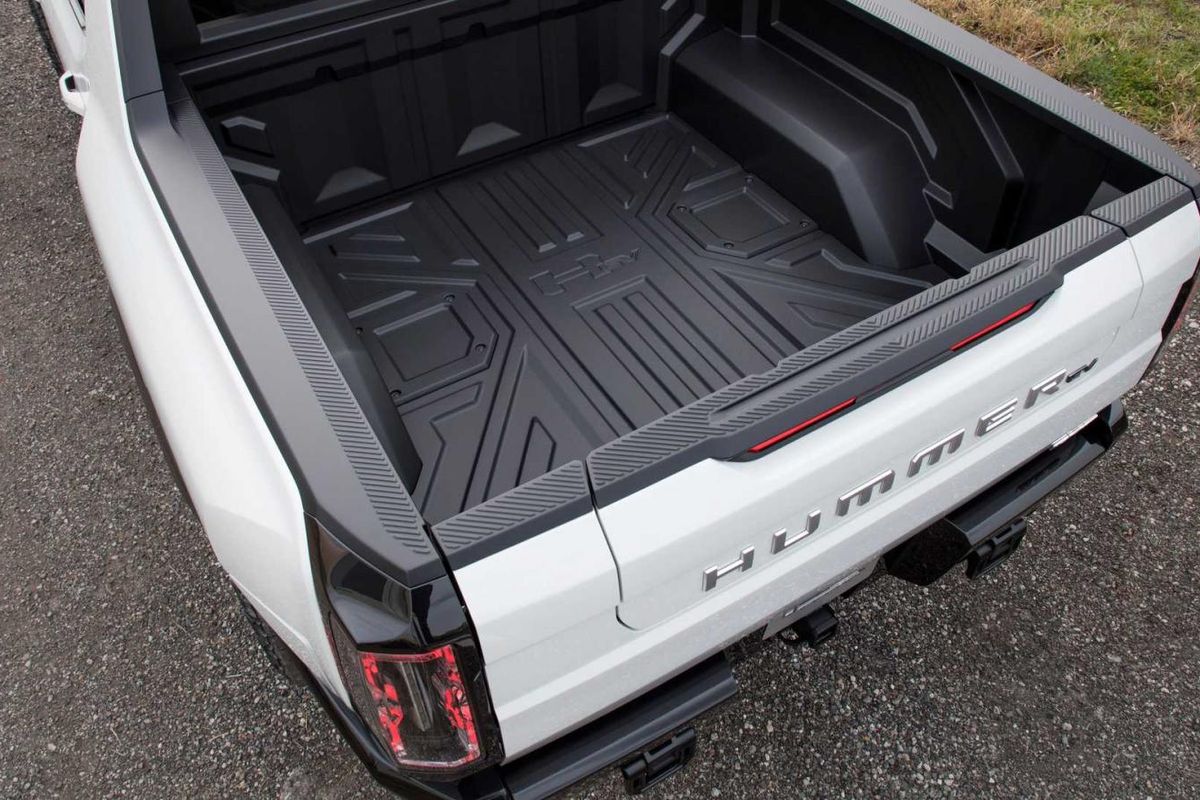
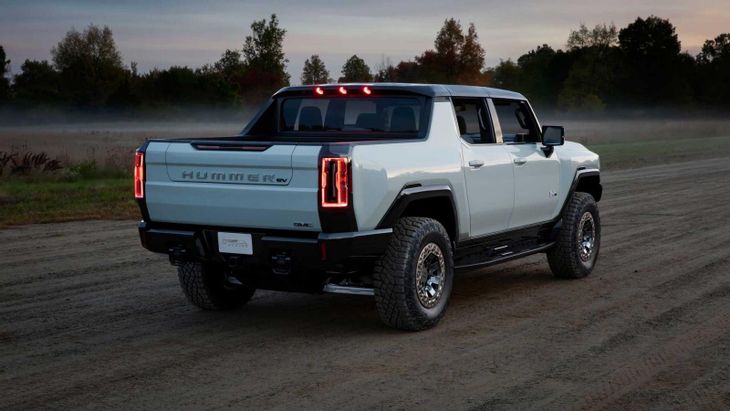
Removable roof and full electrification for new Hummer bakkie
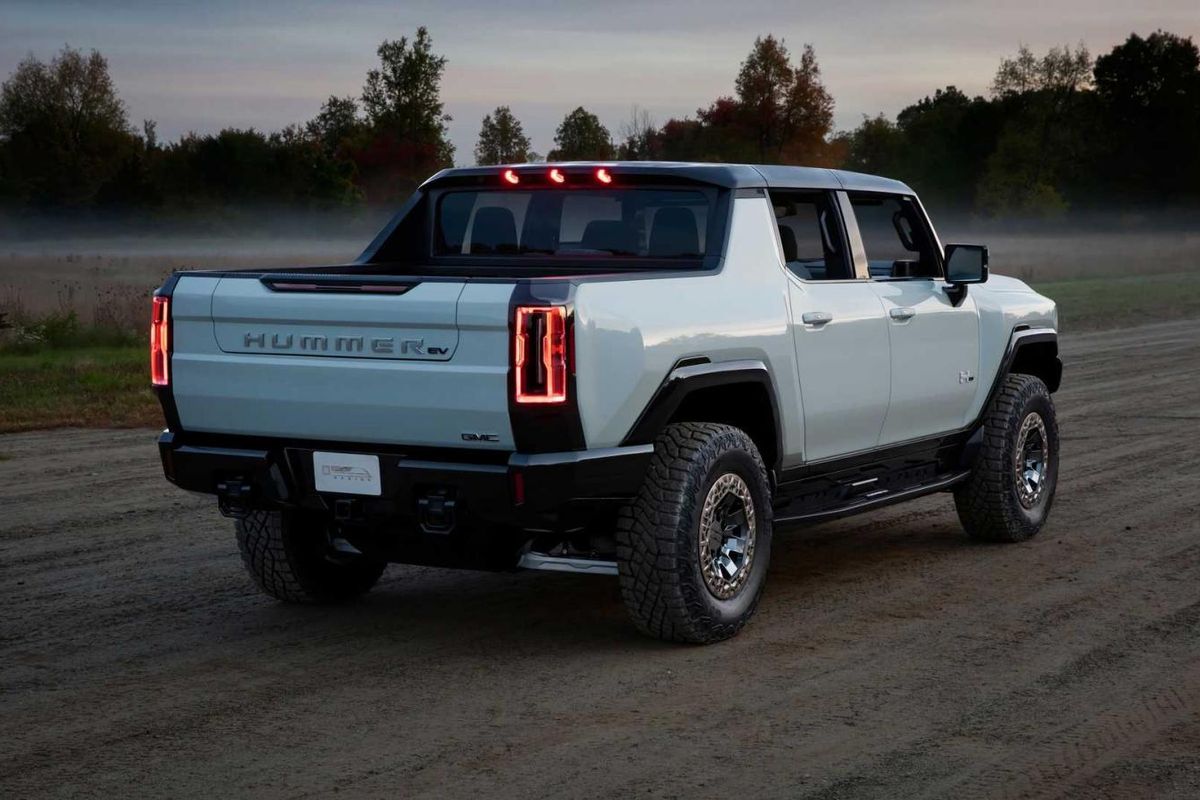
America’s most capable off-road vehicle has been revived as a double-cab bakkie, with the promise of enormous capability.
Keen to leverage the current surge in demand for battery vehicles, especially bakkies, GM has relaunched its Hummer badge as part of the company’s GMC commercial vehicle sub-brand.
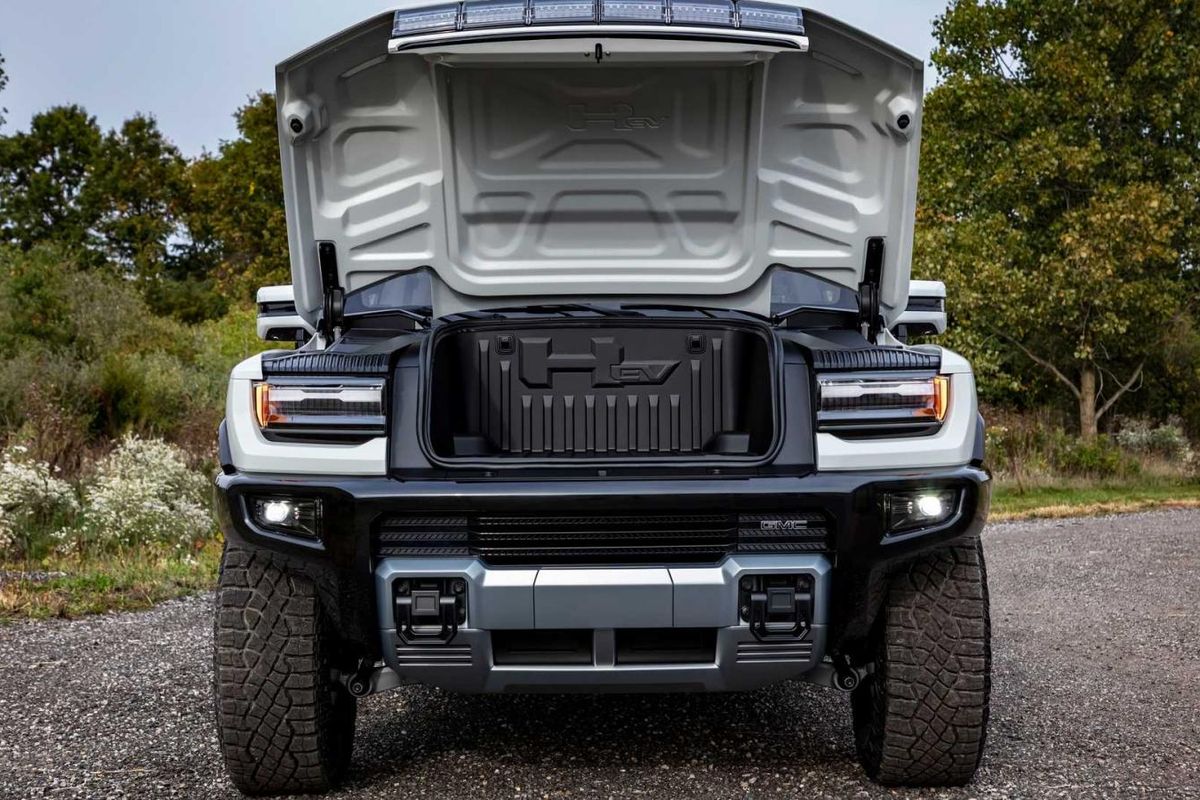
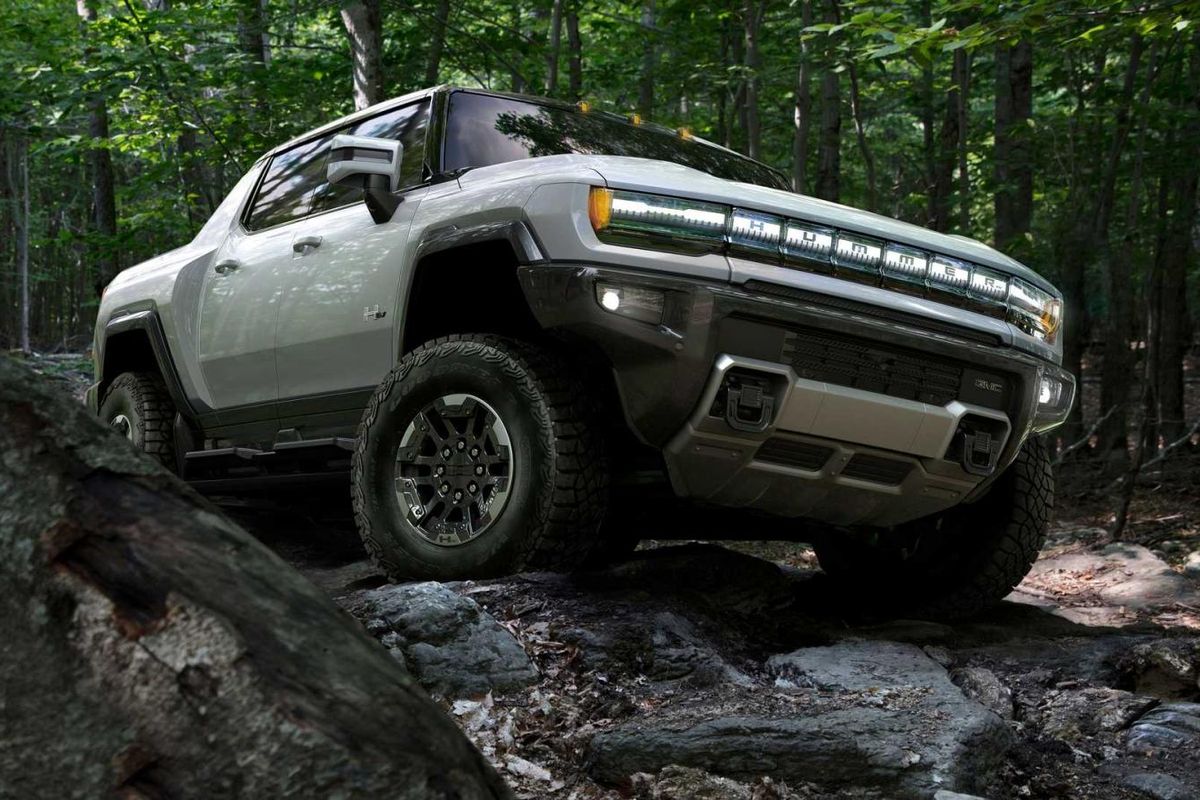
The new Hummer is styled to retain many of the traditional design elements of its predecessors. There is a narrow full-length ‘grille’, which is non-functional and mostly houses an abundance of LEDs, with some chrome slats separating them. Behind it, is a frunk, providing secure and weatherproof storage space.
Although is platform and drivetrain are futuristic, the new Hummer is deeply traditional in terms of design. Its boxy proportions ignore overall aerodynamic efficiency in the interest of paying homage to the original H1 Hummer, whilst also providing the convertibility of removable roof panels.
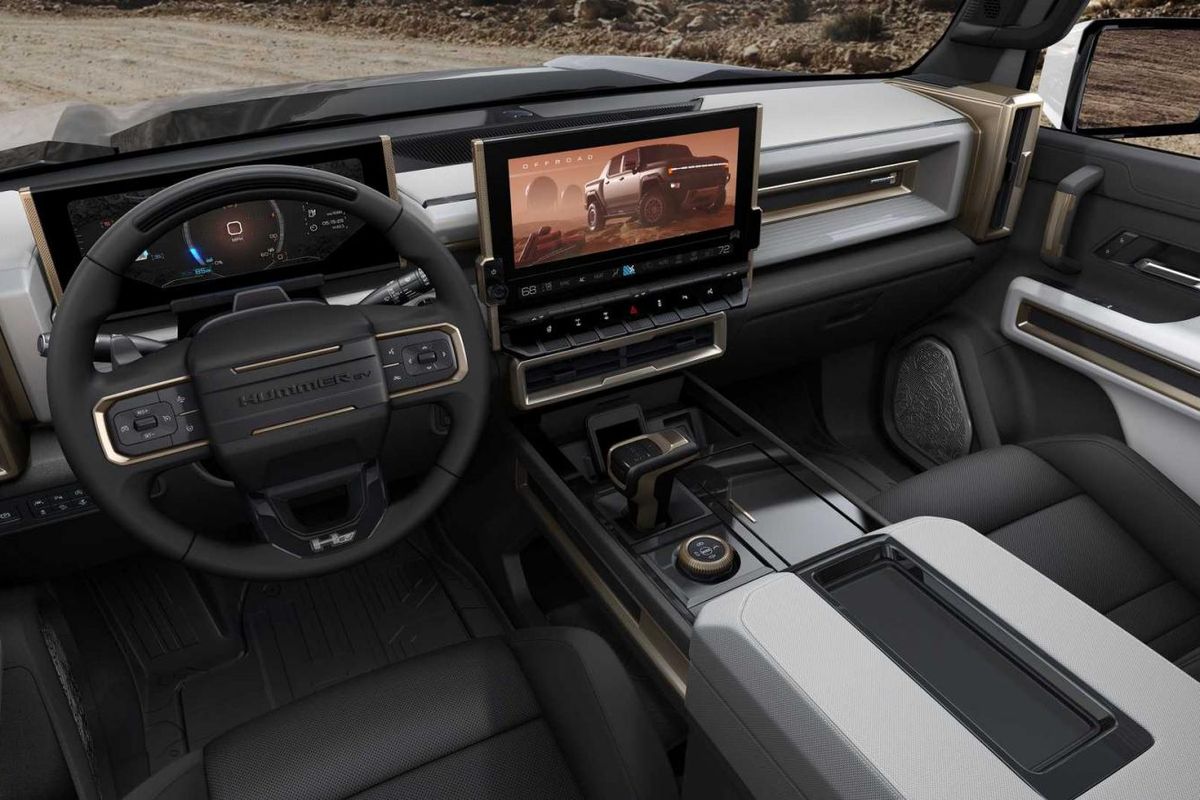
The cabin is dominated by a huge 13.4-inch central touchscreen infotainment system. There are traditional selector tabs for the all-wheel drive functions, but most of what a Hummer driver would need in terms of menus, is done via the screen.
Although it lacks a conventional multispeed transmission, the electrically powered Hummer retains a traditional transmission shifter, despite not having a driveshaft tunnel. The result of that latter detail is proper seating comfort for the centre-bench rear seat passenger.
GM has not released exact off-road capabilities or specifications for its new Hummer, but the expectation is for outrageous all-terrain ability. The standard tyre speciation is 35-inches, with sufficient wheel arch clearance for 37-inch tyres, which should deliver enormous traction and ride comfort, in technical off-road terrain.
In terms of power output, GM is claiming that its advanced Hummer battery pack is good for 745 kW and 530km of range. Those are extraordinary numbers, especially for a vehicle of the Hummer’s size. Tellingly, GM has not divulged any details of its battery chemistry or energy density.
GM is scheduled to deliver its first all-electric Hummers to customers by the second half of 2021.
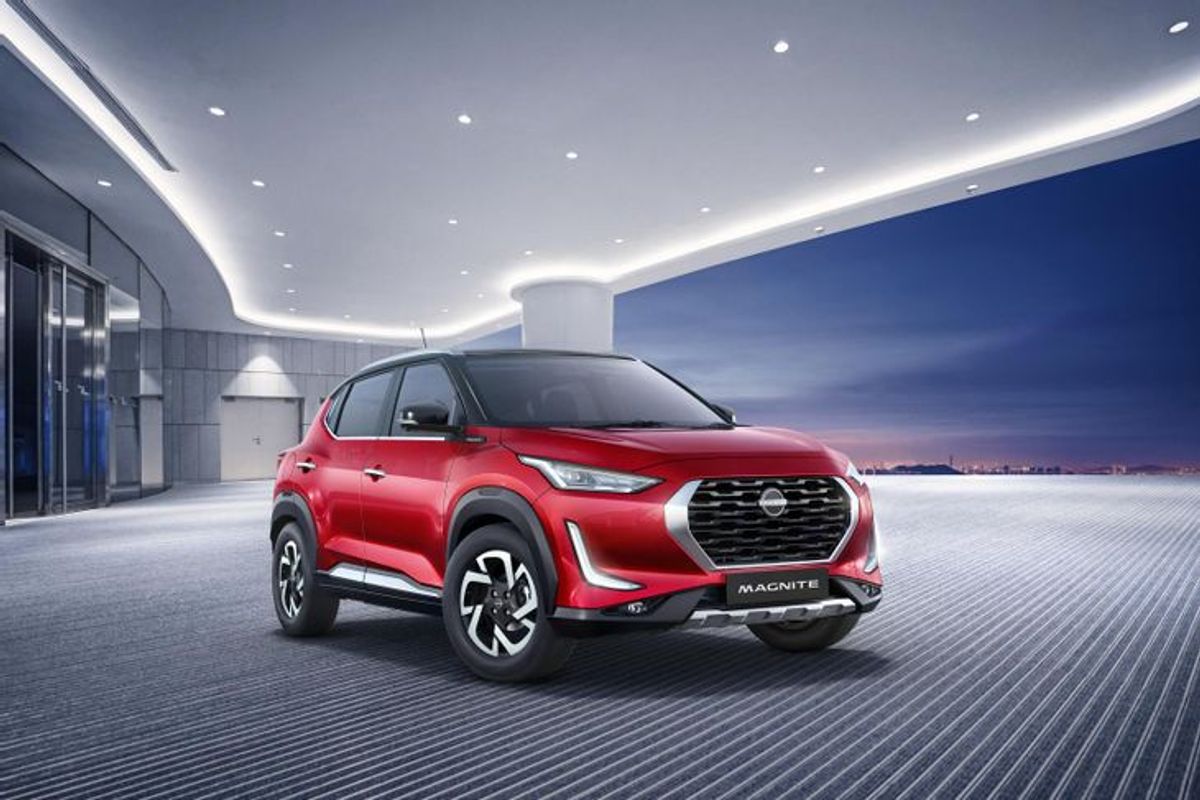
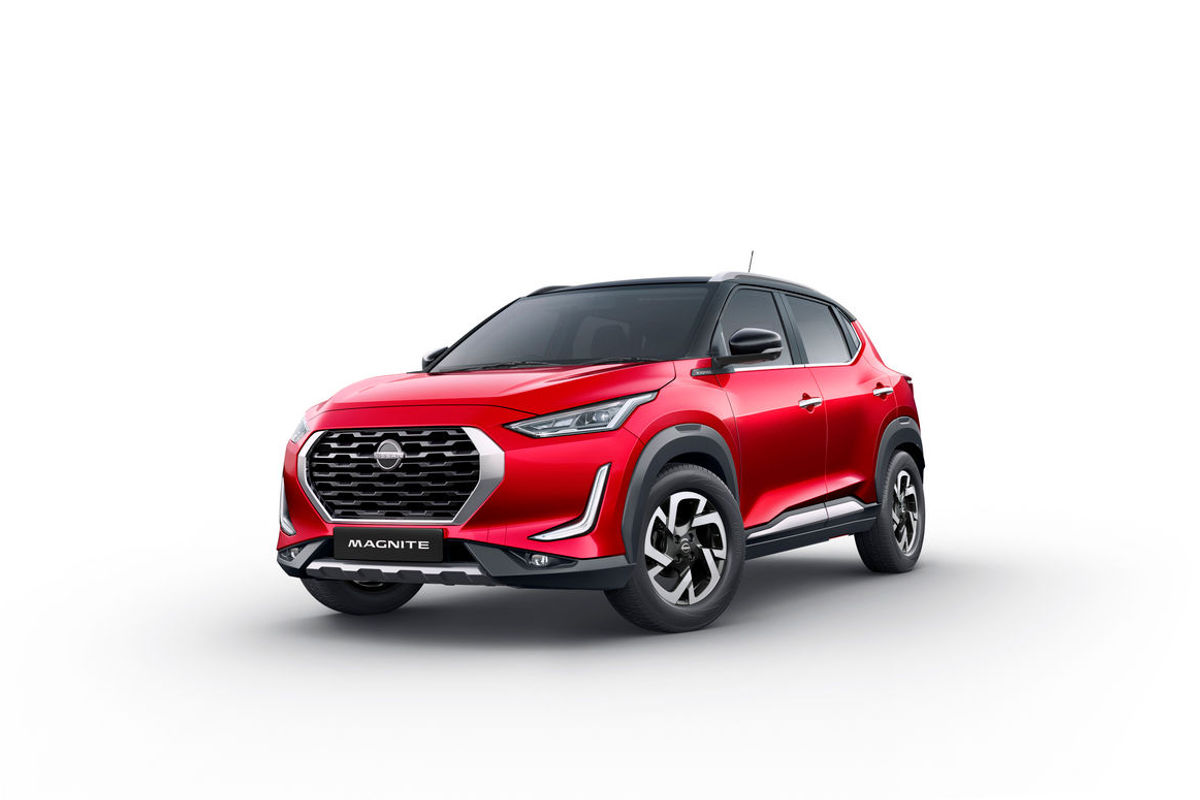
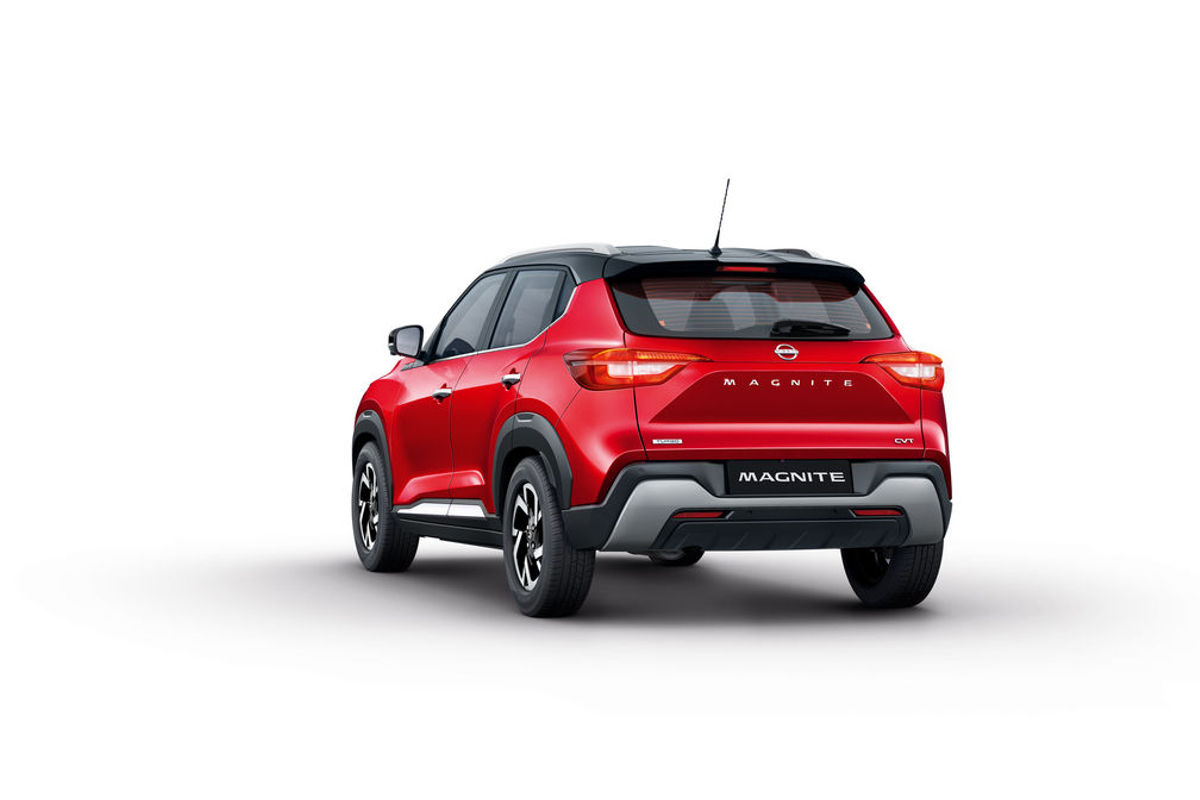
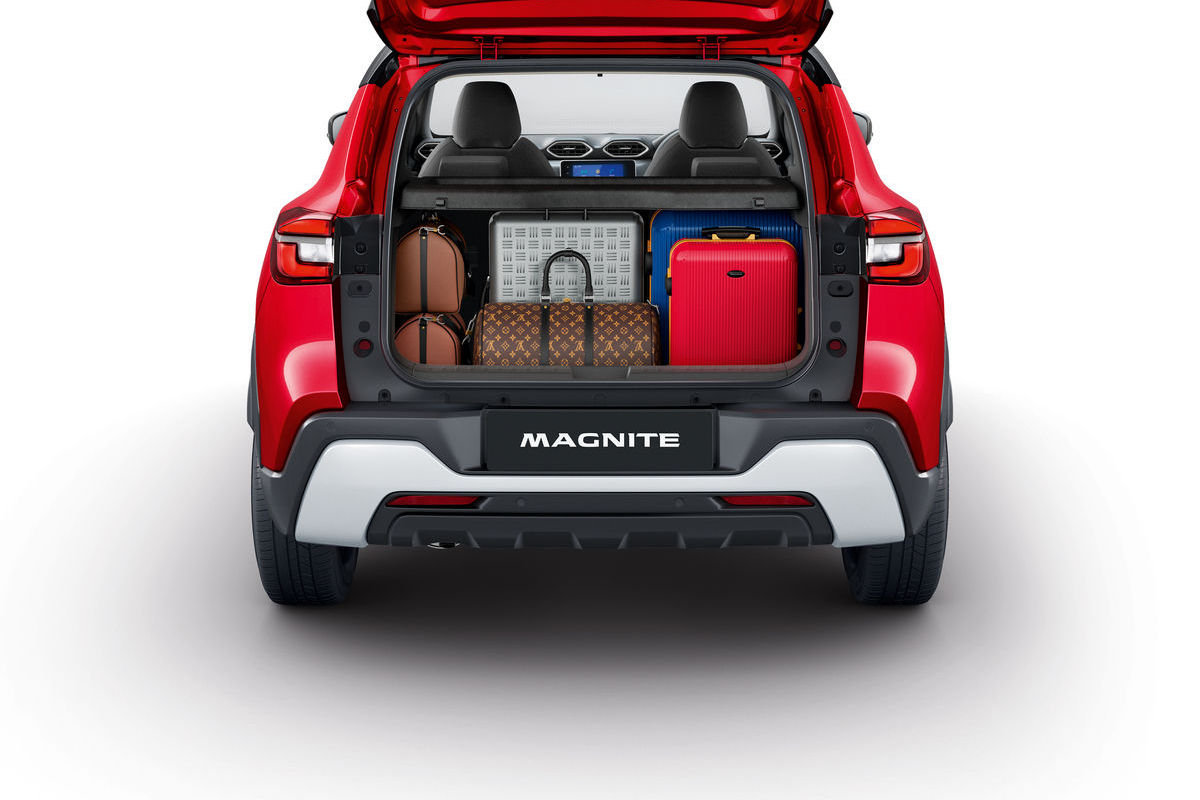
Earlier this year, Nissan revealed the Magnite Concept, but now the Japanese brand has officially revealed the production Magnite SUV.
Nissan is on the road to transformation with its Nissan Next strategy and the brand is focussing on its core competencies which include crossovers, SUVs and Light Commercial Vehicles (LCVs). Apart from unveiling the new Ariya electric crossoverearlier this year, Nissan also revealed an all-new logo that marks the start of the brand’s new journey into the future.
Nissan also revealed its new small SUV concept called the Magnite which previewed the production Magnite which you see here and is expected to go on sale in India in early 2021 and will take on rivals in the B-segment such as the Ford EcoSport and Hyundai Venue.
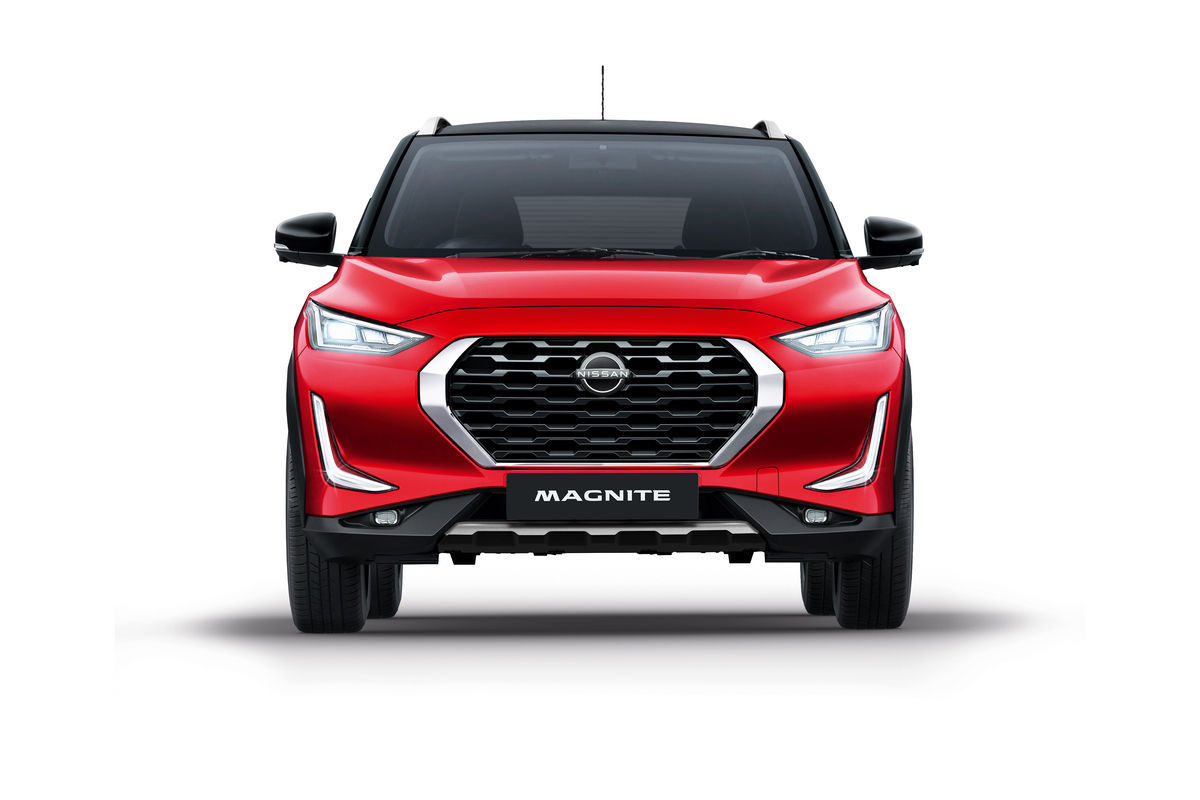
It’s no surprise that the grille has a Datsun look to it, as this SUV was actually meant to wear the Datsun badge but it now instead wears a Nissan badge. You might be wondering why this is the case and it makes sense if you consider that Datsun is being scaled-down globally and instead of scrapping the project entirely, it has now been allocated to Nissan.
“The Nissan Magnite is an evolutionary leap in Nissan’s global SUV DNA. With cutting-edge technology onboard, it will be a game-changer in its segment. A bold offering in the sub-four-meter category, we are confident that Nissan Magnite will redefine the B-SUV segment for the industry,” said Rakesh Srivastava, Managing Director, Nissan Motor India.
The Magnite features sleek, full LED headlights as well as L-shaped daytime running lights. The Magnite also wears the new Nissan logo. Also note the rugged plastic cladding around the wheel arches and side skirts which implies that this new model will be able to cope with some gravel travel which is common in India and indeed South Africa too (more on local availability below).
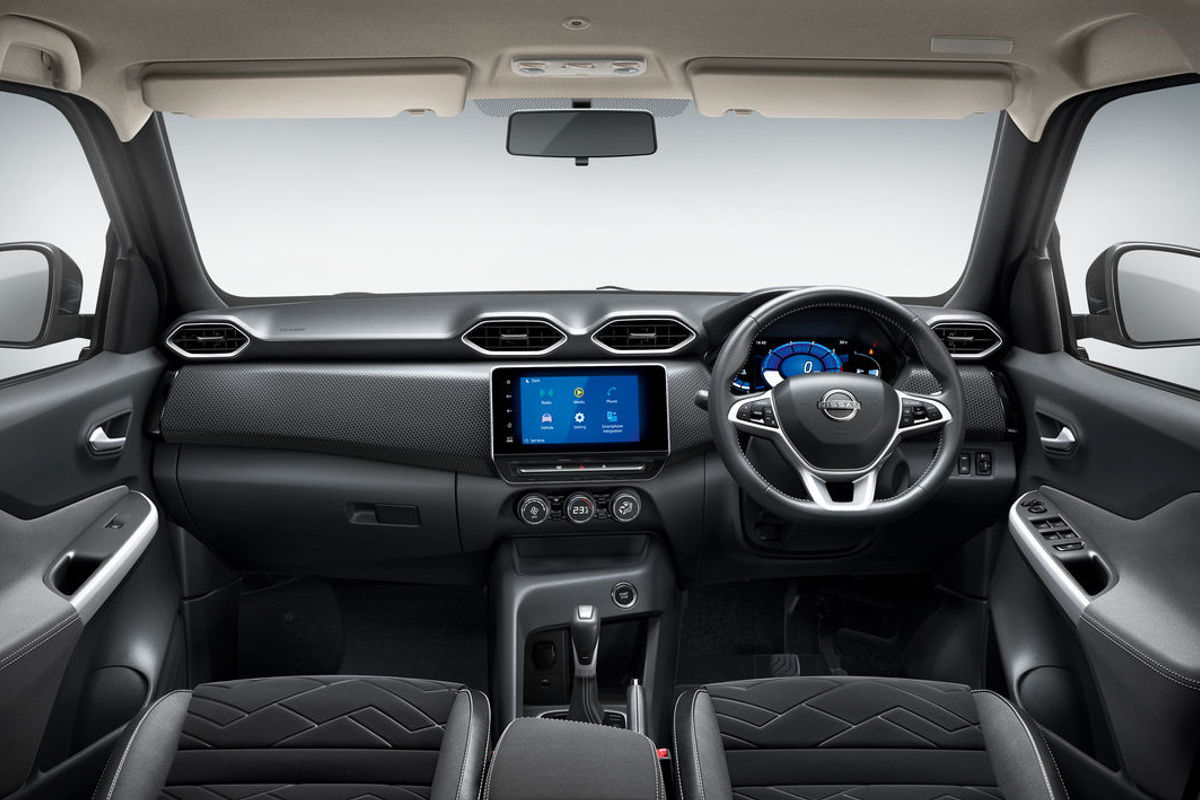
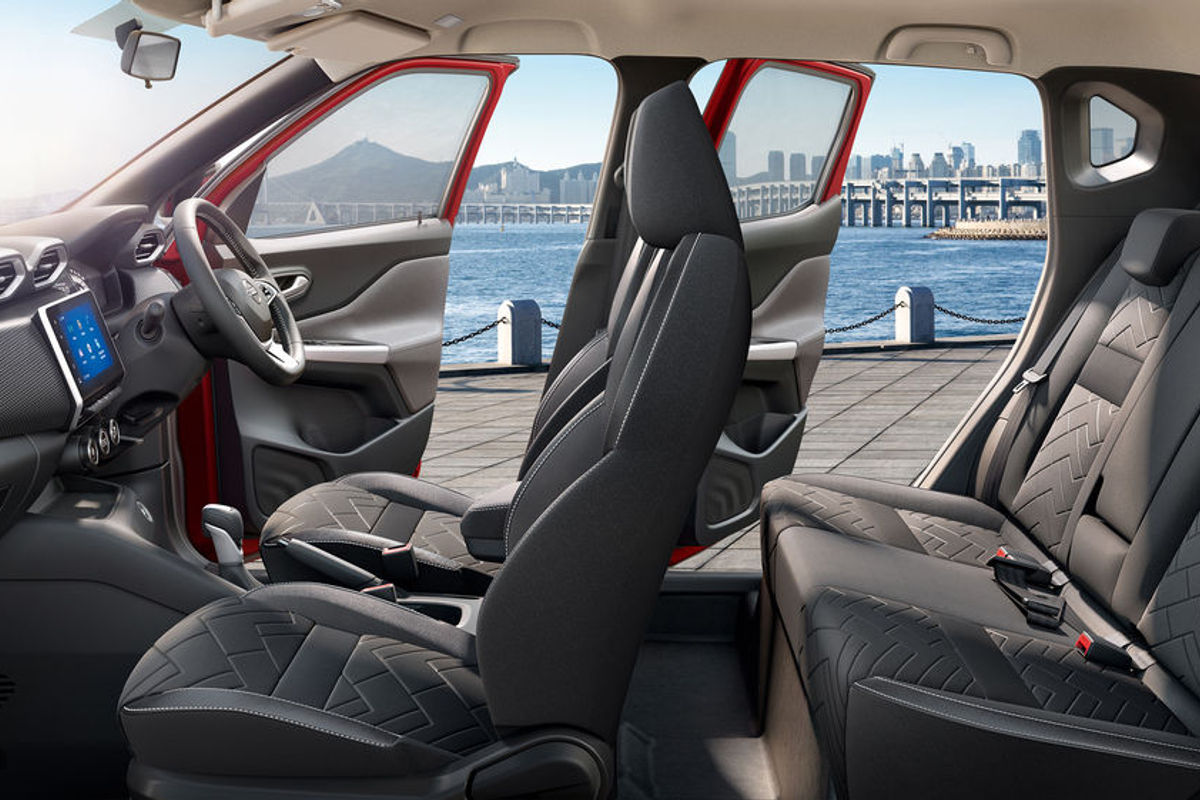
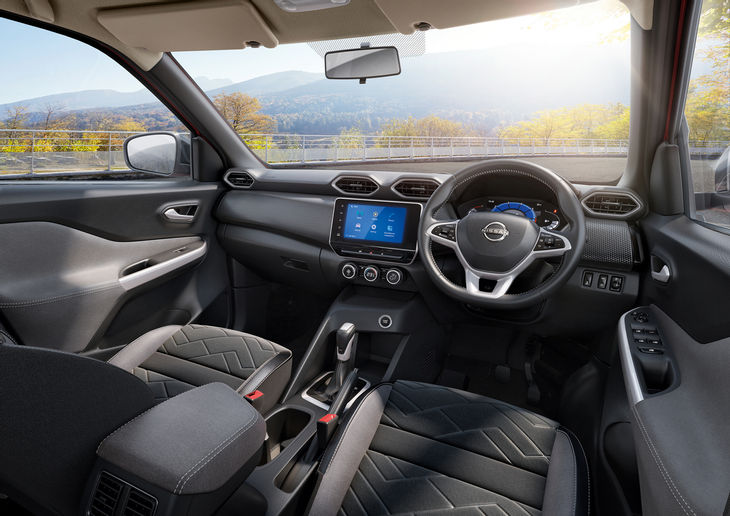
A large 8.0-inch touchscreen has reduced the need for physical buttons. Do you like the look of this?
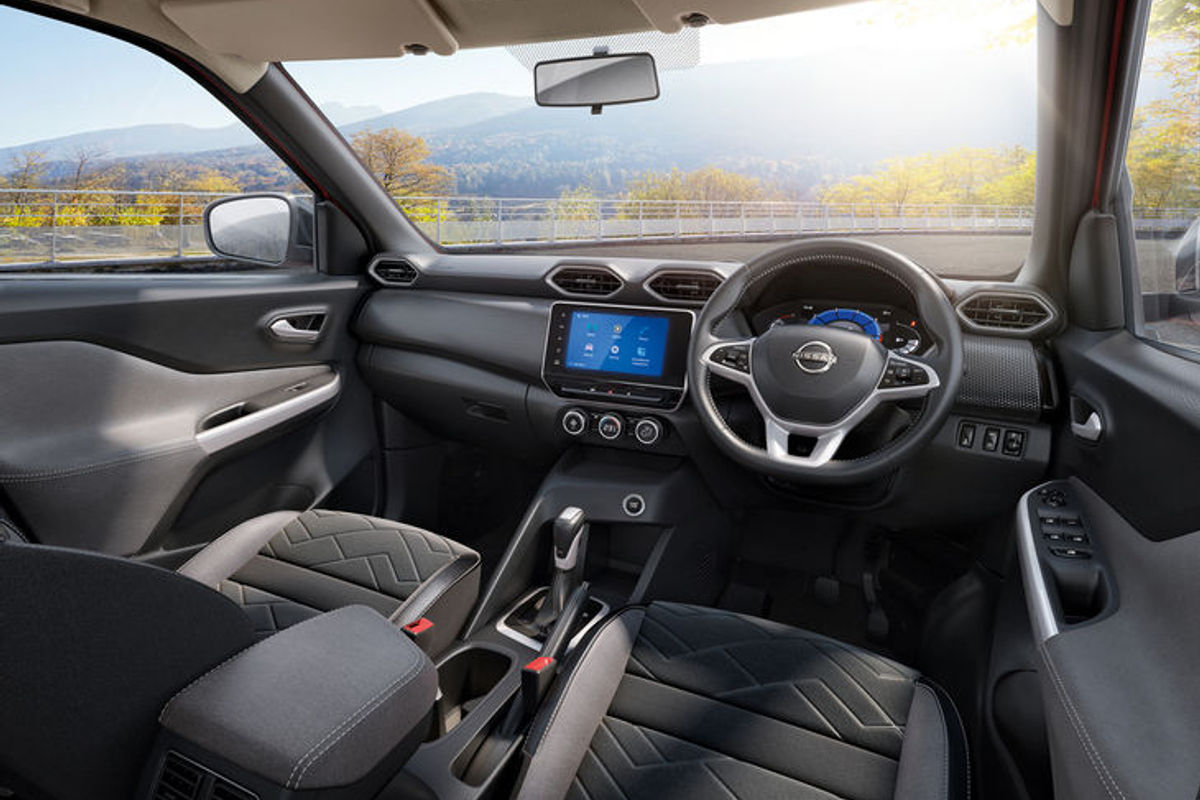
As for the interior, the overall design is very minimalist with very few buttons present as a result of an 8-inch horizontal infotainment system with Apple CarPlay and Android Auto is fitted and also provides access to other key vehicle information. A first-in-class 7-inch thin-film-transistor instrument cluster is also fitted. Other key features include a wireless phone charger, JBL sound system and a 360-degree camera.
As for what powers the Magnite, Nissan has confirmed that its new SUV will be fitted with an all-new 1.0-litre turbopetrol engine that's claimed to be "one of the most powerful in its class", but Nissan, however, has not yet divulged official outputs but we suspect outputs of either 74 kW and 160 Nm or 86 kW and 170 Nm. This new engine will be mated with a 5-speed manual or a Continuously Variable Transmission (CVT).
Is the Nissan Magnite coming to SA?
Yes! Nissan has confirmed that the new Magnite will be launched in South Africa in early 2021!
In a recent virtual roundtable conference, Nissan South Africa's marketing director, Kabelo Rabotho, confirmed that the brand is looking at introducing 2 new compact crossover/SUV products as well as potentially introducing the Navara-based Terra SUV on local soil.
Crossovers and SUVs have become very popular in recent years and if Nissan can price the Magnite competitively, it could very well become one of the brand’s most popular models in South Africa.
We will keep you updated as soon as local pricing and spcification becomes available.
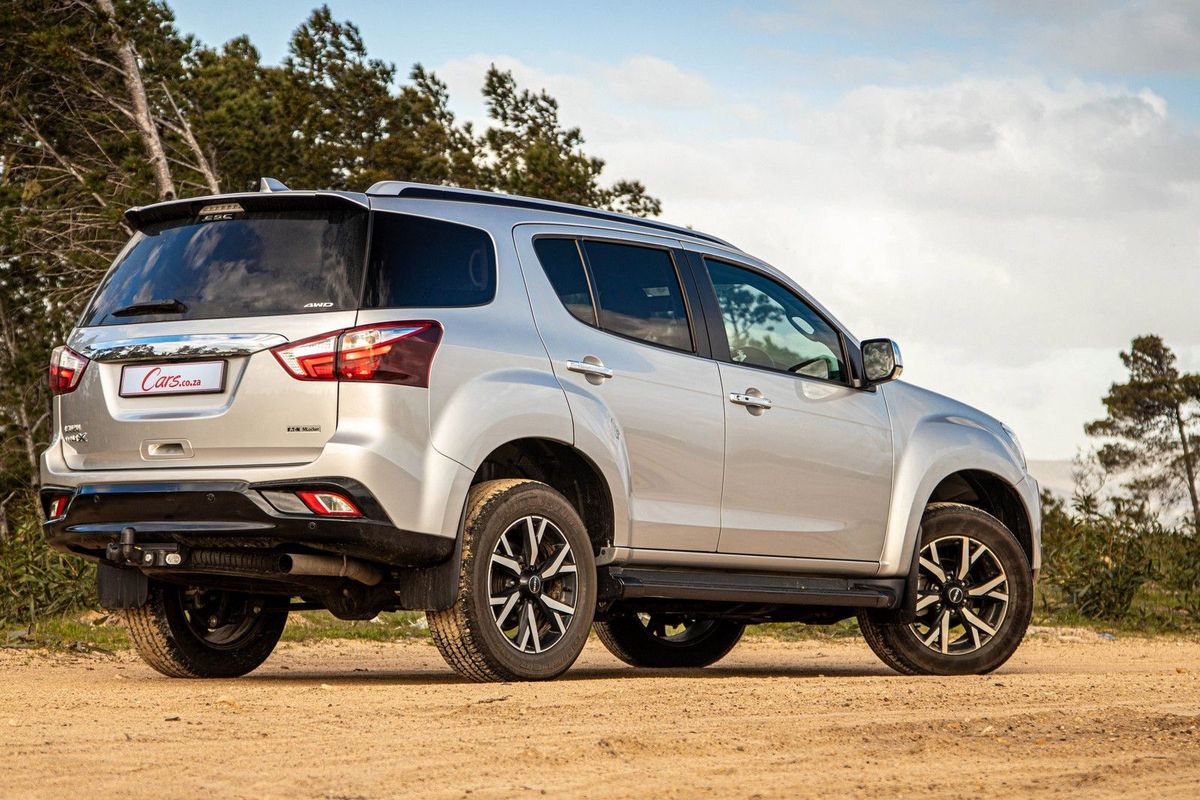
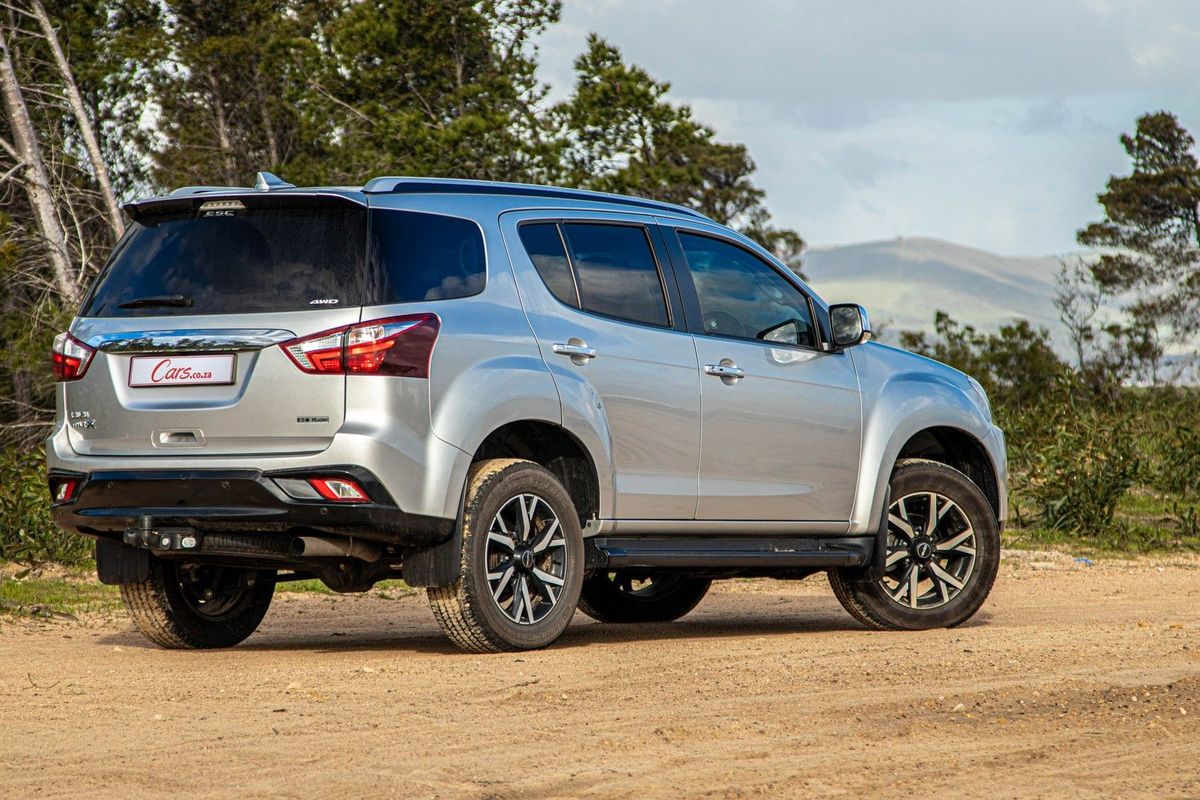
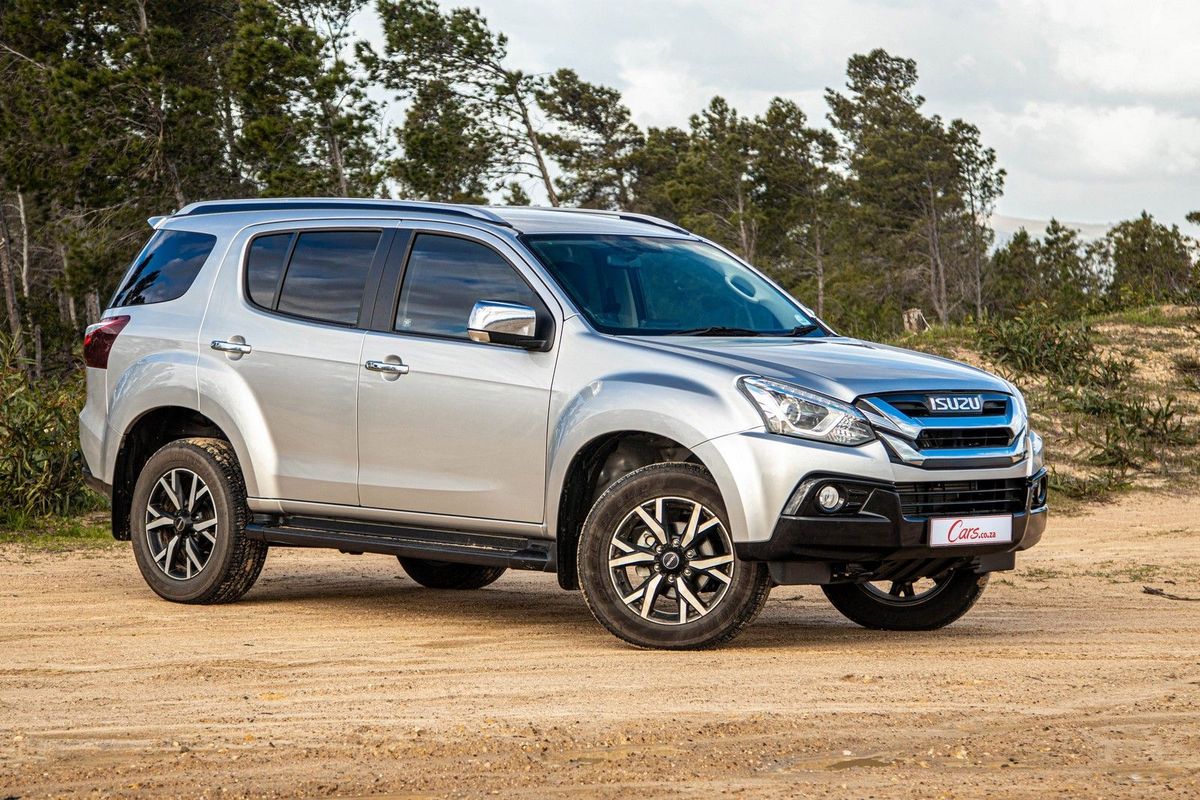
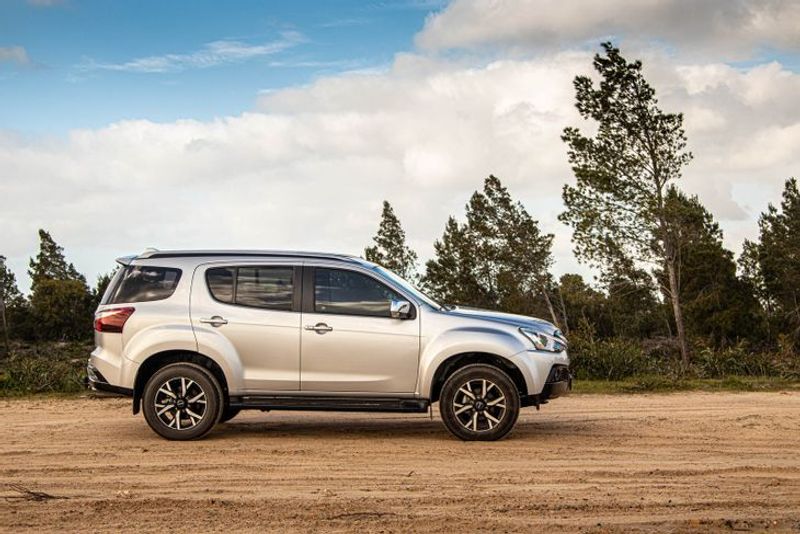
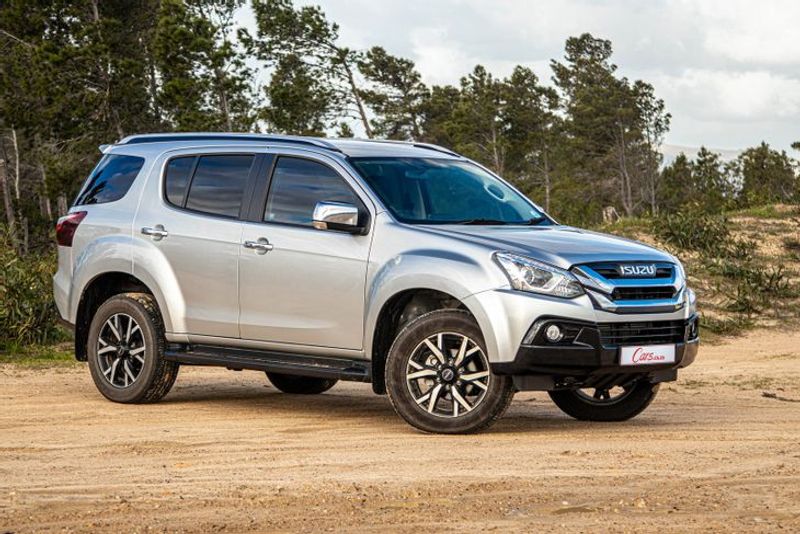
The MU-X 7-seater adventure SUV was recently updated for probably the last time before an all-new model, based on the new D-Max, is revealed. We put some long miles on the Isuzu’s odo’ to see how well it still stacks up in a market dominated by the Toyota Fortuner, which itself is due for a facelift.
We like: Quiet cabin, ride comfort on all surfaces, quick-thinking transmission.
We don’t like: Engine on the slow side, interior finishes less than class-leading.
Some Isuzu dealers regularly offer specials: Have look here.
What is it?
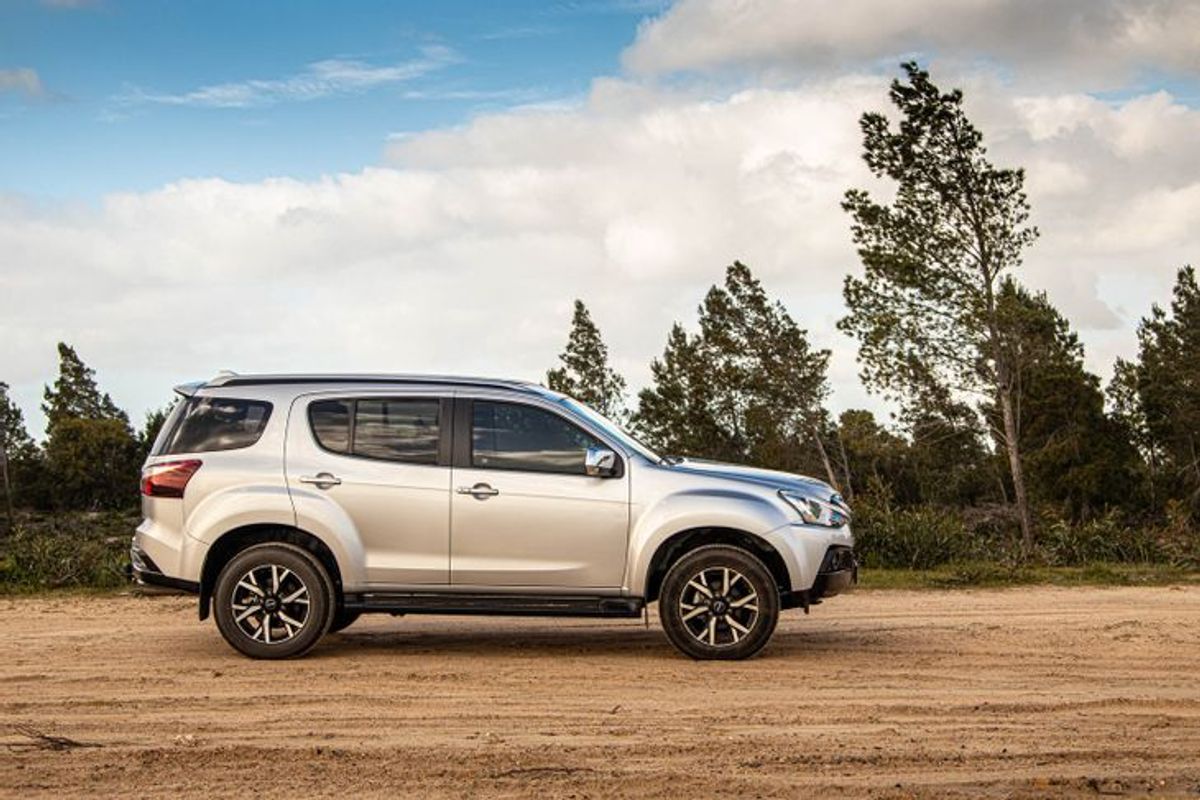
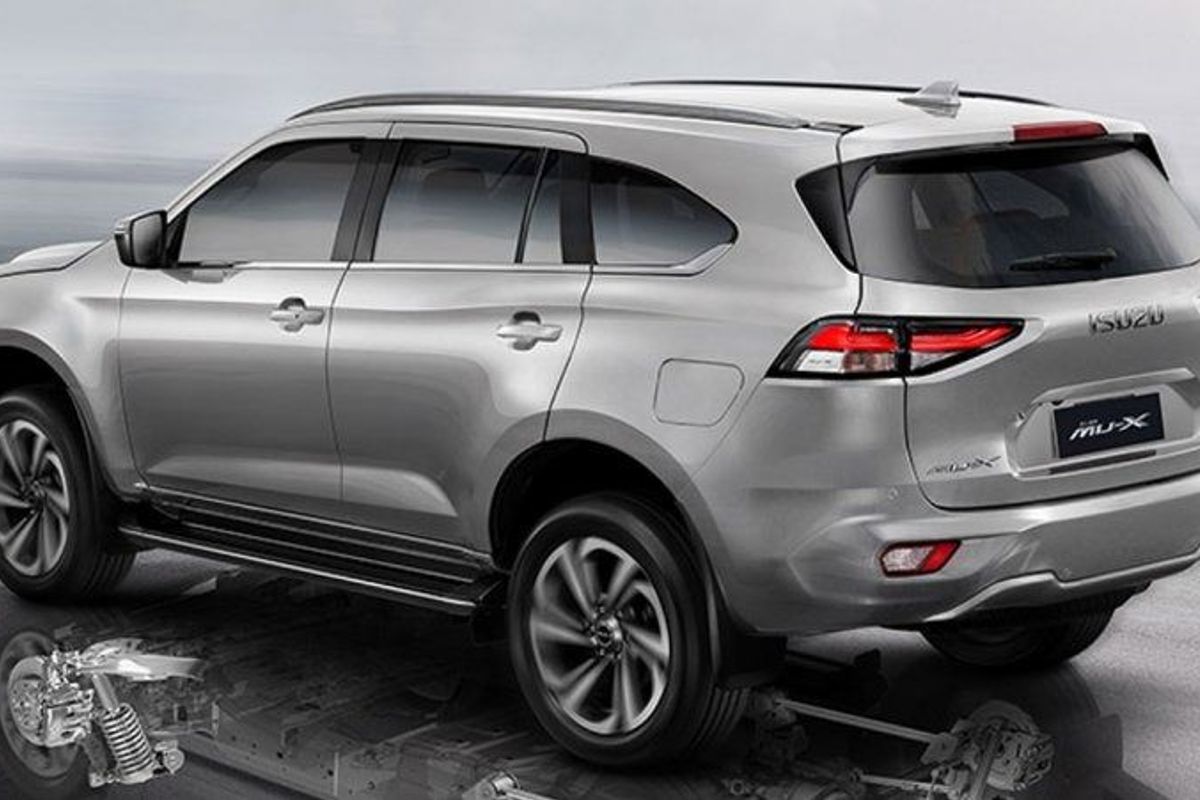
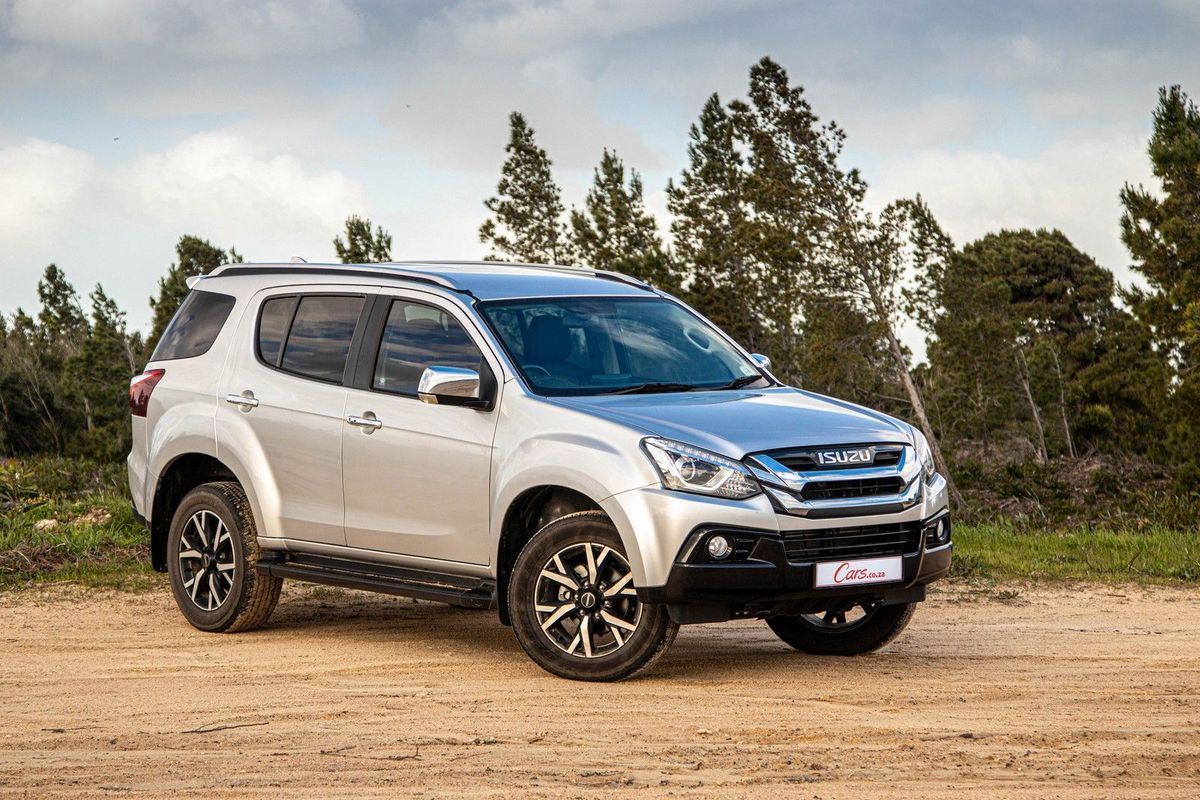
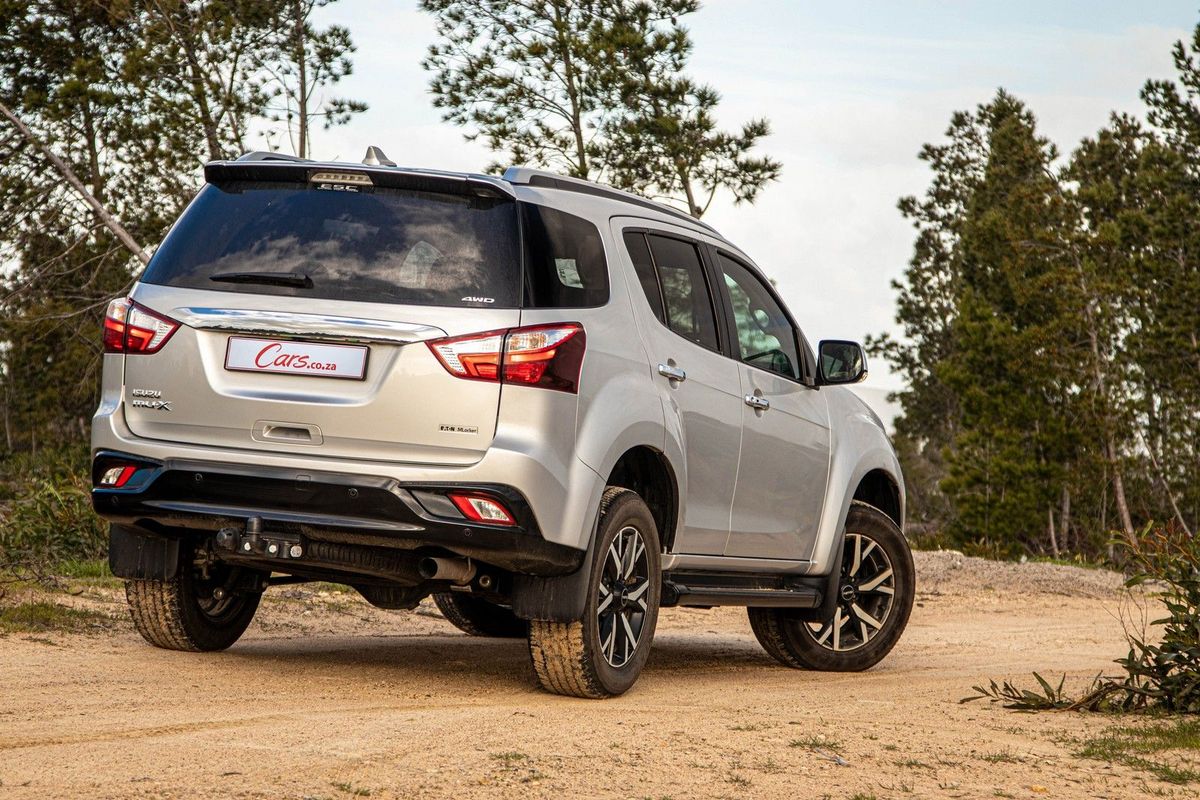
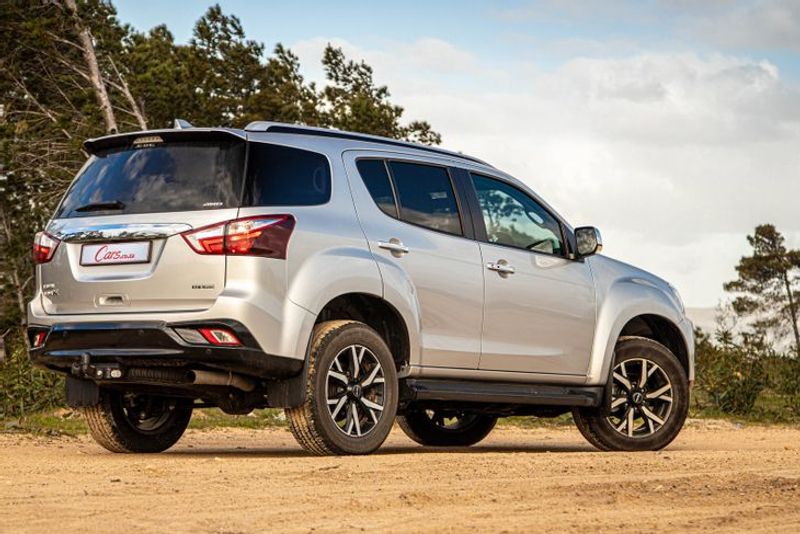
Bigger wheels and LED light treatment front and rear are the focus of the exterior update.
Many seem to have forgotten that Isuzu was returned to its Japanese parent company as recently as 2018 when General Motors exited the local market. Why? Probably because the brand has been quite successful since. The D-Max (formerly KB) remains a top-seller in its segment and often sneaks into the top 5 vehicles sold in the country (according to the monthly stats). While the D-Max bakkie has been a roaring success, its MU-X sibling hasn’t gained significant traction in the market, which is strange, considering the MU-X is basically a D-Max with an SUV body on its chassis.
The lightly-revised model that’s been introduced in 2020 incorporates a few improvements that are aimed at improving the adventure SUV’s kerb presence, safety specification and interior packaging (including a few new interior design pieces and an updated infotainment system).
How it fares in terms of…
Performance
With recent updates to the Fortuner and Everest engines, the MU-X lags behind in performance.
There is no change to the power unit under the MU-X’s bonnet, which means the tried and tested 3.0-litre turbodiesel soldiers on. Power and torque figures sit at 130 kW and 380 Nm, which are a little short of the major rivals (Toyota and Ford) that now produce around 150 kW and 500 Nm. While the MU-X doesn’t feel ponderous, its powerplant does labour when it needs to muster overtaking acceleration at freeway speeds. It cruises at the national speed limit with ease, with the rev needle hovering nice and low around the 2 000 mark, which is good for fuel-efficiency. Our 1 000 km-plus tour of the Southern Cape yielded an 8.9-L/100 km return, which is decent for a vehicle of this size (and fitted with a bike rack on the towbar).
The Isuzu’s quick-thinking 6-speed automatic transmission seems much more advanced than the engine it’s paired with. It’s quick to shift down when you need to accelerate and its upshifts are very smooth. We found it to be consistently in the right gear more often than many modern autos, which tend to prioritise quick-shifting to higher gears (or needlessly hanging on to them) for the sake of efficiency, often at the cost of drivability.
Comfort and ride
NVH and ride comfort are the strongest assets of the MU-X.
Despite being underpinned by what’s arguably the most workhorse-like chassis in the segment, the MU-X rides comfortably. It’s soft at the rear and deals with bumps and thuds in a lazy – but cushioned – way. There’s a fair amount of body roll under cornering, but that’s to be expected from a vehicle with a ladder-frame chassis – especially one that offers a lot of suspension travel in order to cope with traversing difficult off-road terrain when required. The steering is well-weighted in both road and off-road conditions; it instils confidence in “what’s happening beneath you”.
At speed, the cabin is quiet and peaceful, the grumpy diesel under the Isuzu’s bonnet can’t be heard (okay, perhaps just a light murmur) and the level of wind noise intrusion is low. In fact, we’d go so far to say that the well-suppressed NVH of the MU-X is one of its strongest assets.
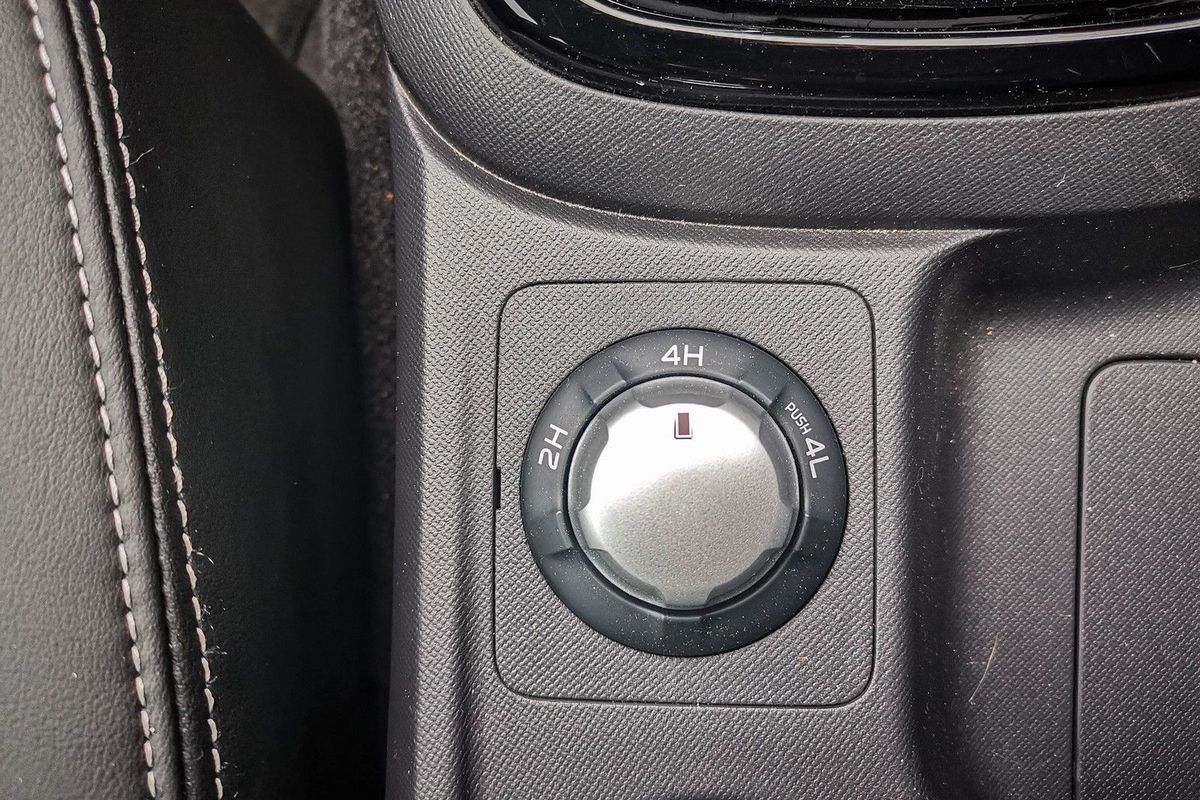
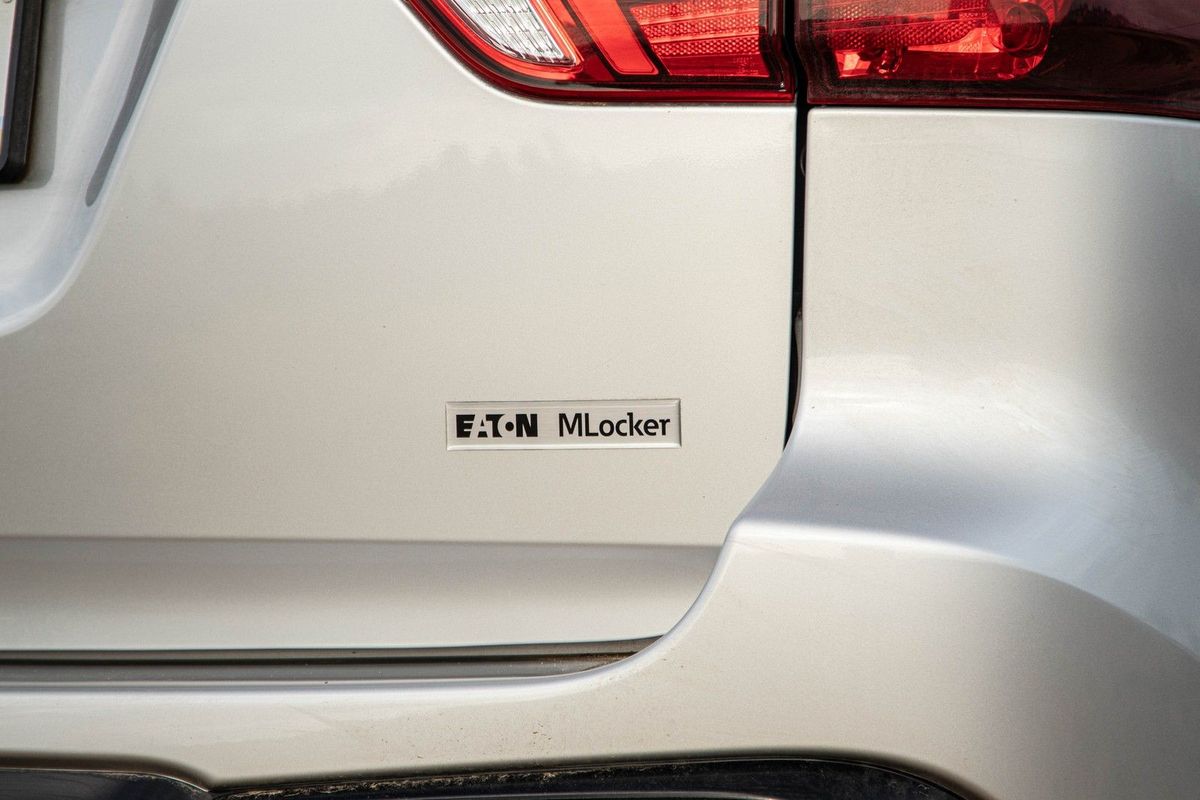
Late in 2019, Isuzu added a locking differential to the MU-X in order to meet South African consumers’ demand for the most capable off-road vehicle possible. The locking diff is available as an option on the MU-X, but most buyers will likely specify it just for peace of mind. The MU-X’s off-road abilities have been put to the test many times (including by us) and it has proved as capable as its rivals when the going gets really tricky.
Practicality
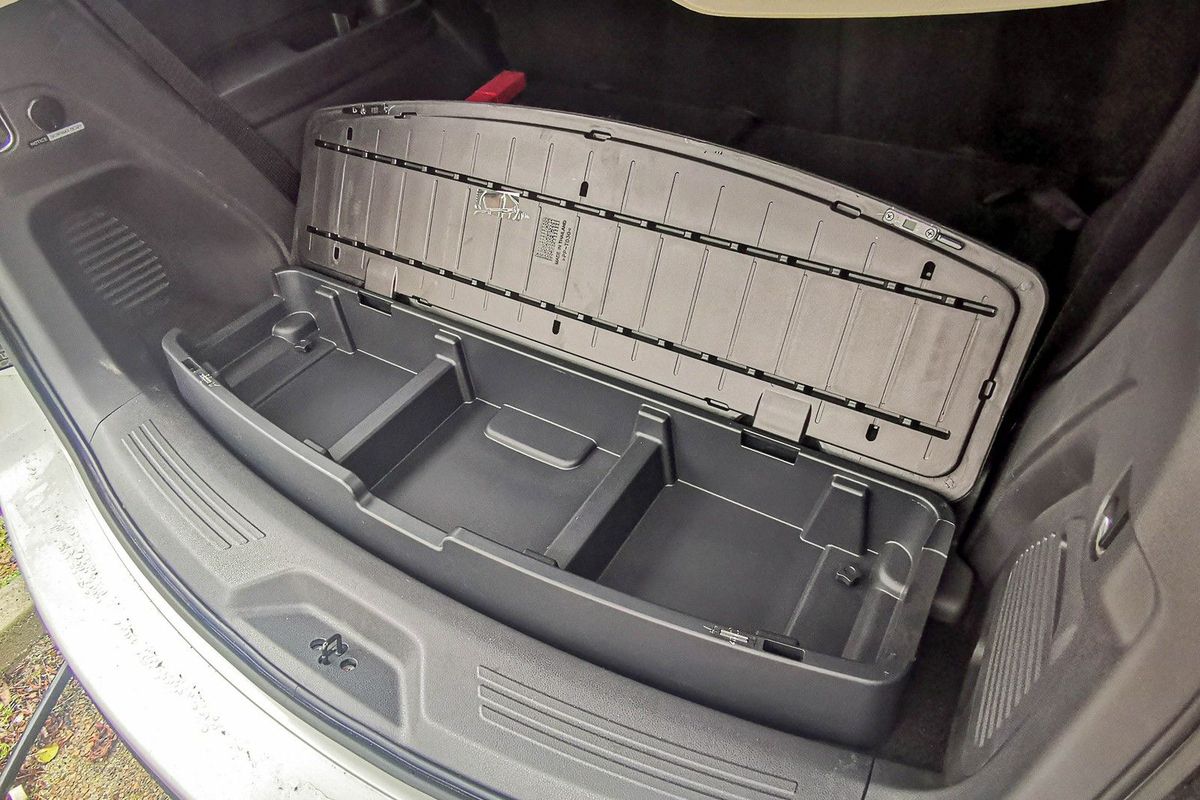
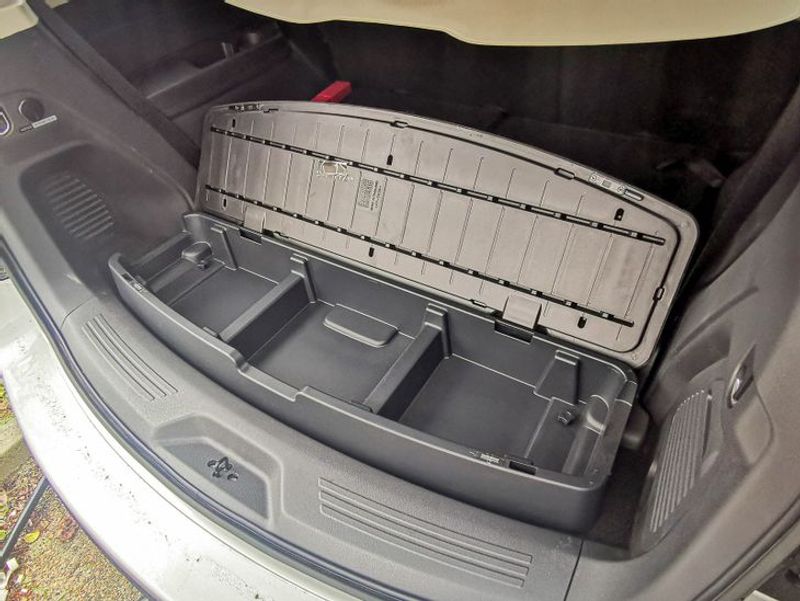
A concealed compartment within the load-bay floor is a nice-to-have optional extra.
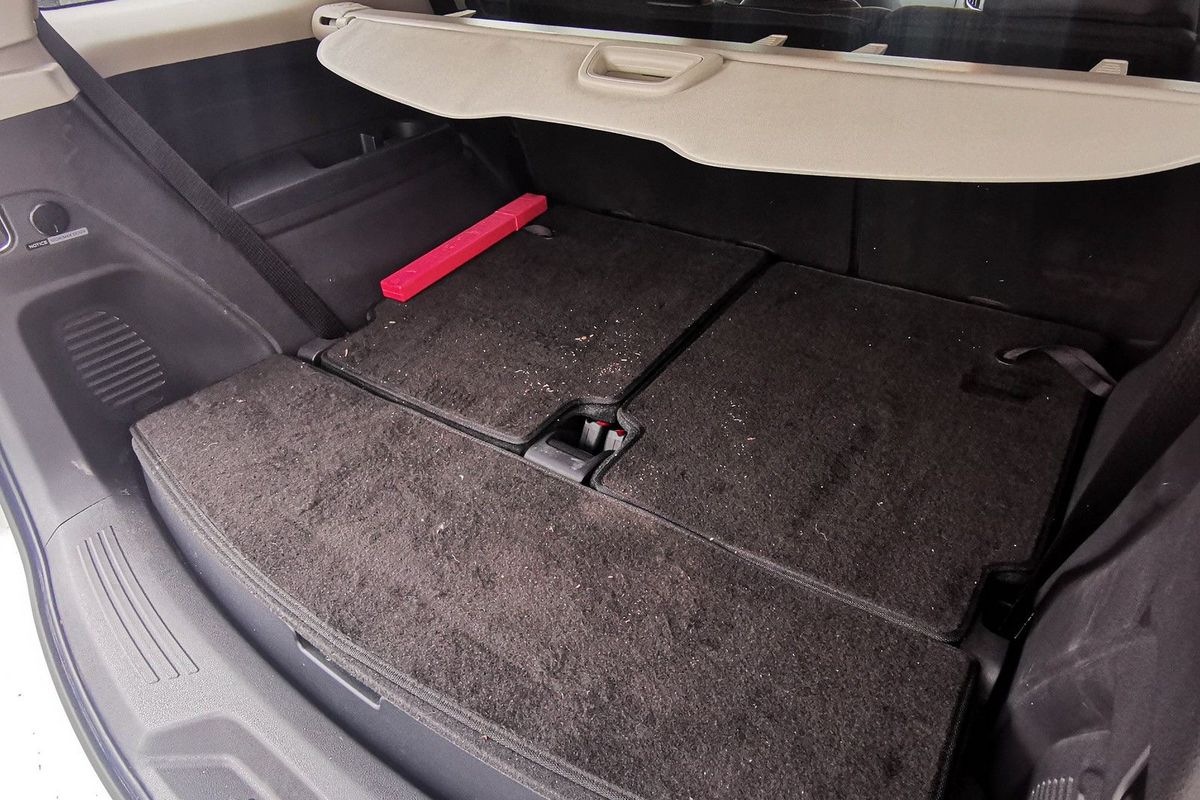
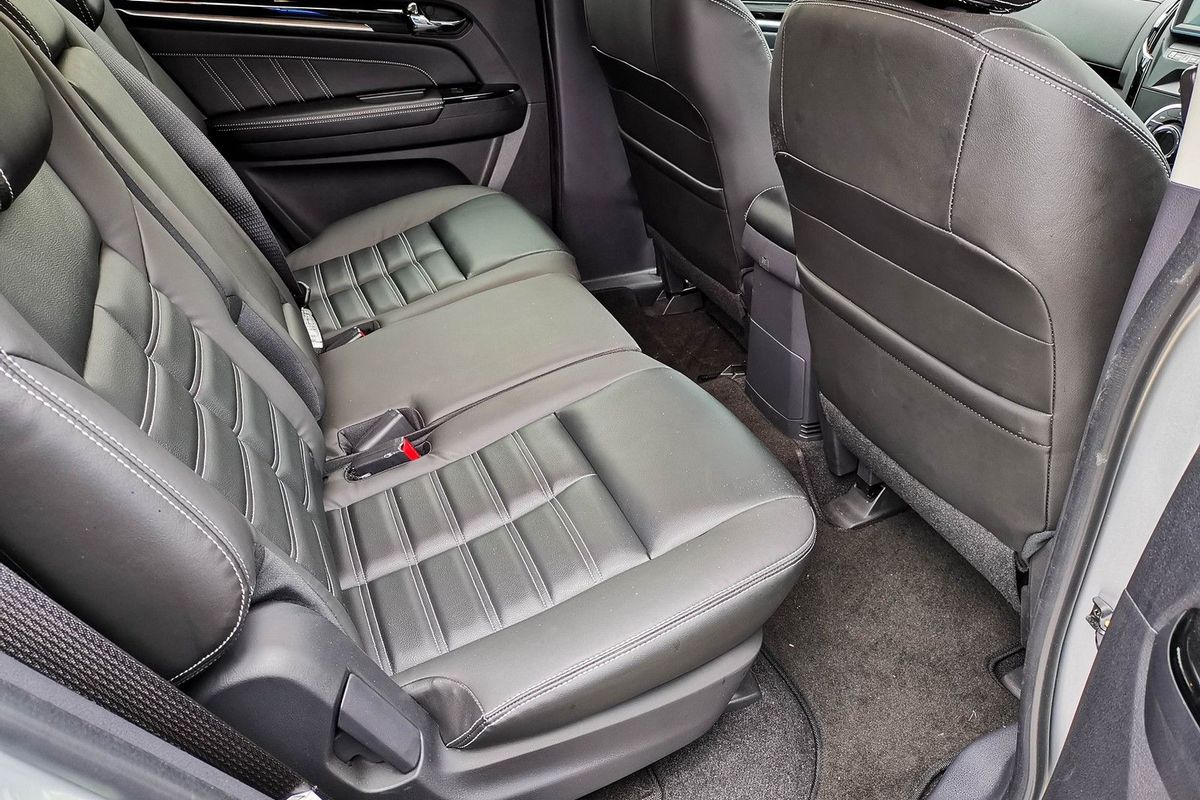
Like its rivals, the MU-X is a 7-seater with 7 usable seats (adults can fit in the 3rd row). All of the rear seats can be folded flat to free up a vast load floor that can accommodate 1 830 litres of detritus. It’s not quite as big as the class-leading Everest, but when it comes to outright practicality, the MU-X seems easier to live with than the Fortuner, which has rear seats that fold upwards and to the sides. The MU-X’s load sill is quite high, but that’s due to a hidden storage bin (optionally available) that’s nice to have if you want to keep things from rolling around/remove items from sight.
The front door pockets are large (ideal to hold 1-litre water bottles) and although the centre console is a little on the small side compared with those of the Isuzu’s rivals, it’s big enough to hold house keys, a phone and a wallet. The storage space in front of the transmission lever is just about big enough to accommodate a new smartphone, but as phones continue to rival cement blocks in size, manufacturers are going to have to make those spaces bigger. Two glove boxes are specified for further space requirements and all 3 rows get cupholders, which, well should reduce spillages.
Interior specification
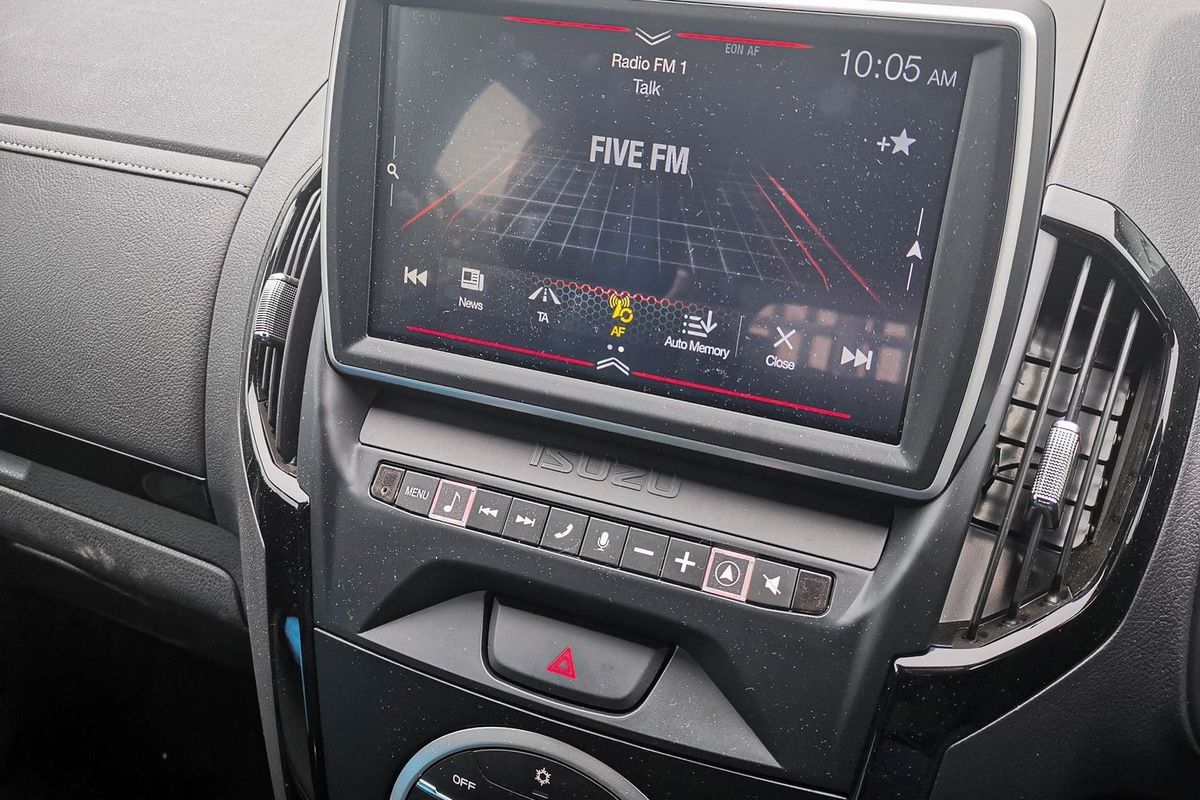
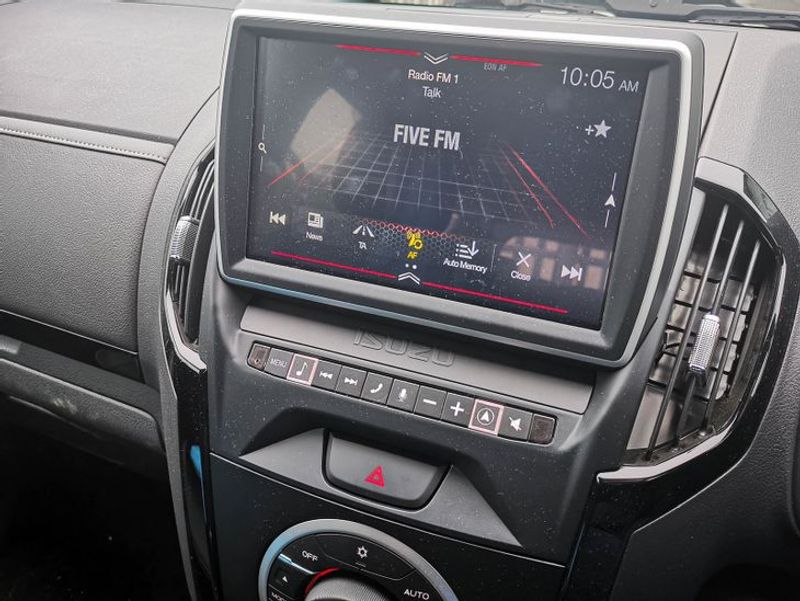
The infotainment system is Apple Carplay and Android Auto compatible but not as slick as the Everest’s software.
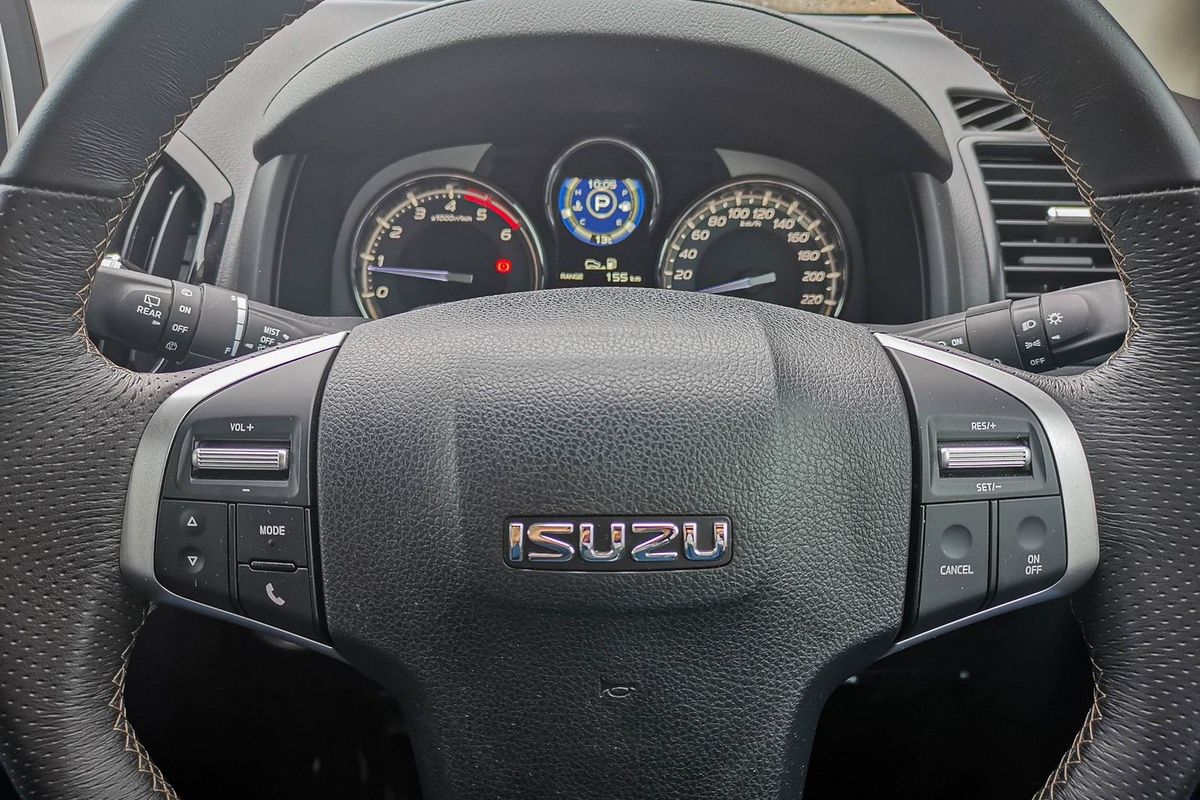
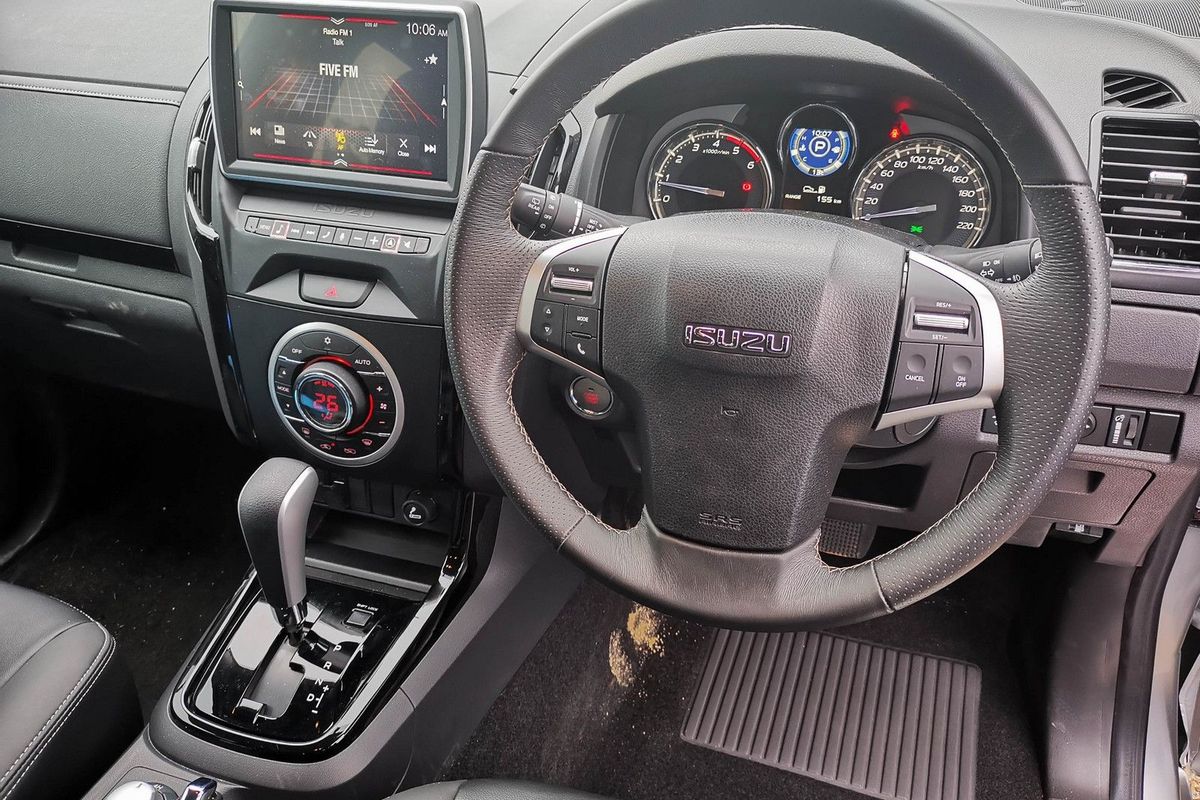
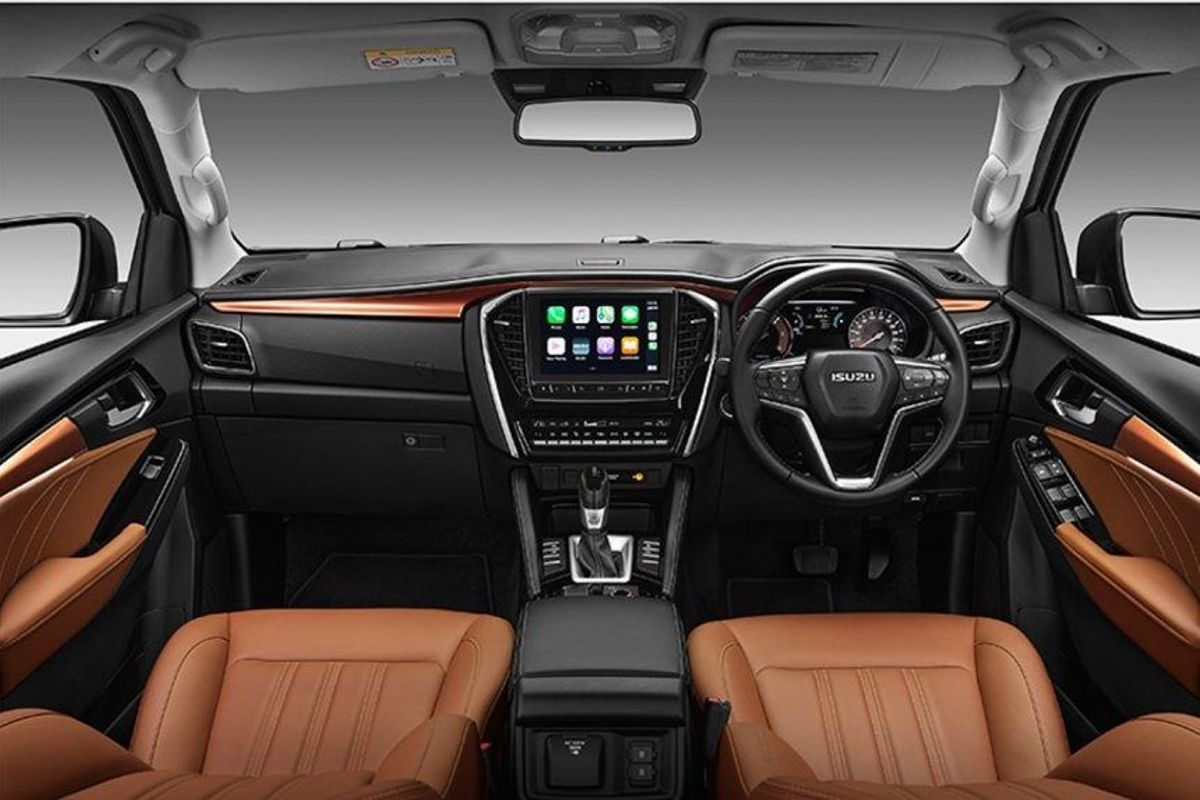
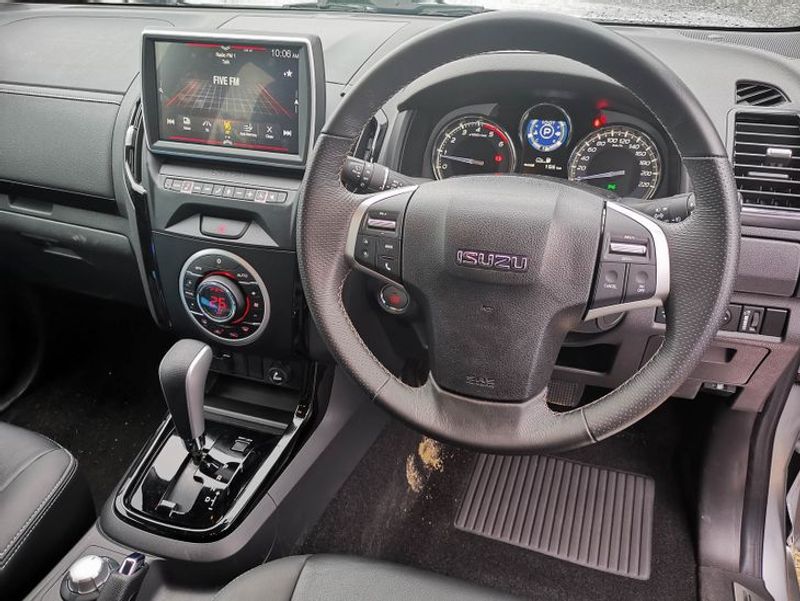
Aside from the new exterior LED lights and 18-inch wheels, most of the MU-X’s updates are inside. The door switches are now surrounded by a glossy Piano Black finish and the steering wheel buttons have a fresh silver-metallic finish. Interior door lighting has also been fitted to add a bit of ambience when the cabin goes dark.
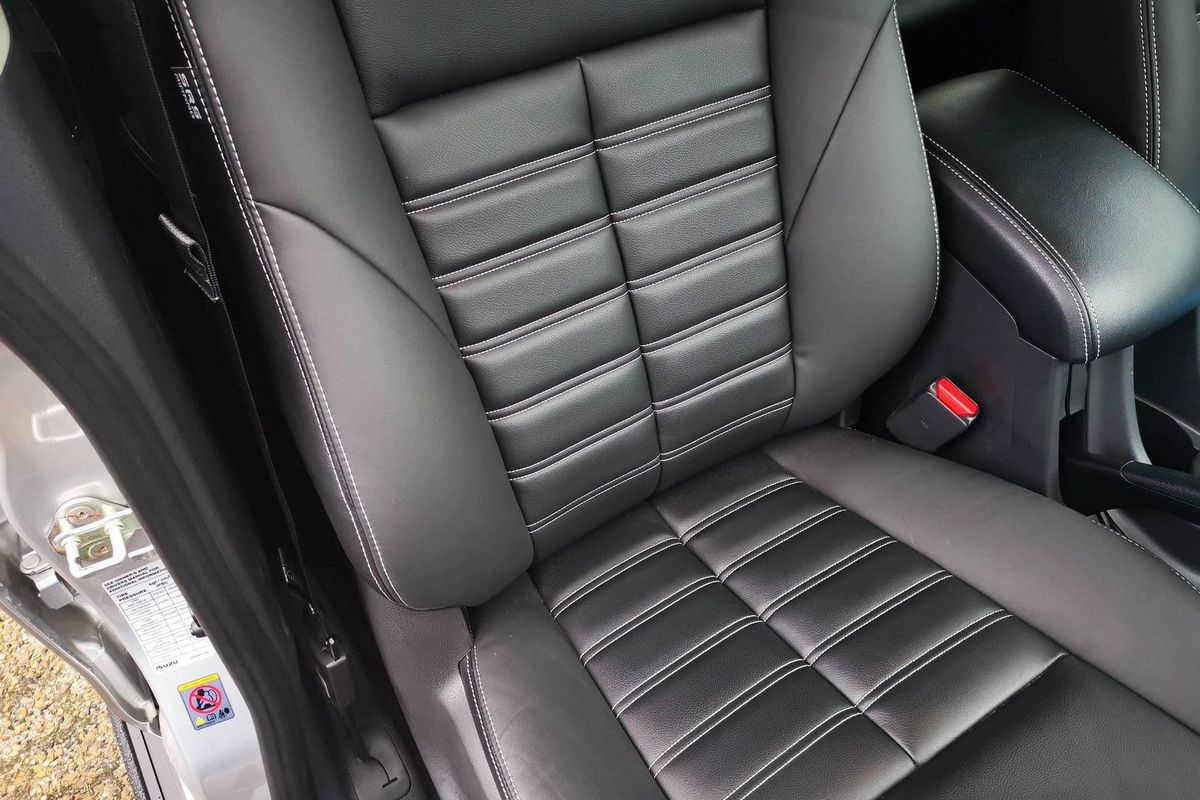
Even though the seats, steering wheel and transmission lever are trimmed in leather, the MU-X’s dash and centre console arrangement let it down. It has a hard-plastic feel and our test unit had developed a bit of a rattle somewhere behind the infotainment system, which was quite annoying.
The infotainment system is large and simple to understand. It’s also Apple Carplay and Android Auto compatible via a front USB port, while another port is availed at the rear. The infotainment screen doubles as the display for the reverse-view camera, which has become an essential item in modern cars. While the infotainment system has all the functionality you’d want, it doesn’t feel as slick or as modern as Ford’s Sync3 system.
With the facelifted MU-X, Isuzu has added a brake override system to the model’s safety suite. The system cuts the accelerator input if the brakes are applied at the same time, which both reduces the stopping distance and is likely to save panicked drivers who get their feet mixed up in emergencies (this is a real thing – even with advanced drivers).
After-sales service
In the 2019/20 Cars.co.za Consumer Awards, powered by WesBank, Isuzu finished runner up in the Brand of the Year category, which should provide peace of mind to prospective buyers. The MU-X is sold with a 5-year/120 000 km warranty and a 5-year/90 000 km service plan.
Verdict
Prospective buyers may be holding out for the next-generation MU-X.
The facelifted MU-X is a small step in the right direction for Isuzu in its strategy to gain a bigger foothold in the bakkie-based SUV segment, which remains dominated by Toyota. The exterior enhancements, such as the bigger wheels and LED lights, give it a more noticeable appearance. The interior updates are subtle and to most potential buyers not a big enough step to really change their minds when comparing the Isuzu to its rivals. What’s more, on-road comfort and refinement (especially noise suppression) are standout features; they make the MU-X so comfortable to drive.
There is, however, no getting past the ageing power unit that is underpowered compared to its competitors; the new engine that is being installed in the 2021 D-Max cannot come soon enough for the MU-X if it wants to consider itself as a true rival to the Fortuner and Everest. Even though the MU-X is around R30k cheaper than the rivals mentioned above, most buyers will see that saving as negligible over the course of a repayment plan.