BMW is preparing a convertible version of its M4. Take a look.
Picture credit: S. Baldauf/SB-Medien. We have paid for these photos and at the photographer's request, have watermarked them.?
BMW's M division is not holding back when it comes to the new M. Not only will there be a sedan (M3) and coupe (M4), but the news that a Touring station wagon model has really underlined the Munich-based brand's aspirations to offer an M for all occasions. Now we're told there'll be a convertible version, complete with a fabric folding roof.
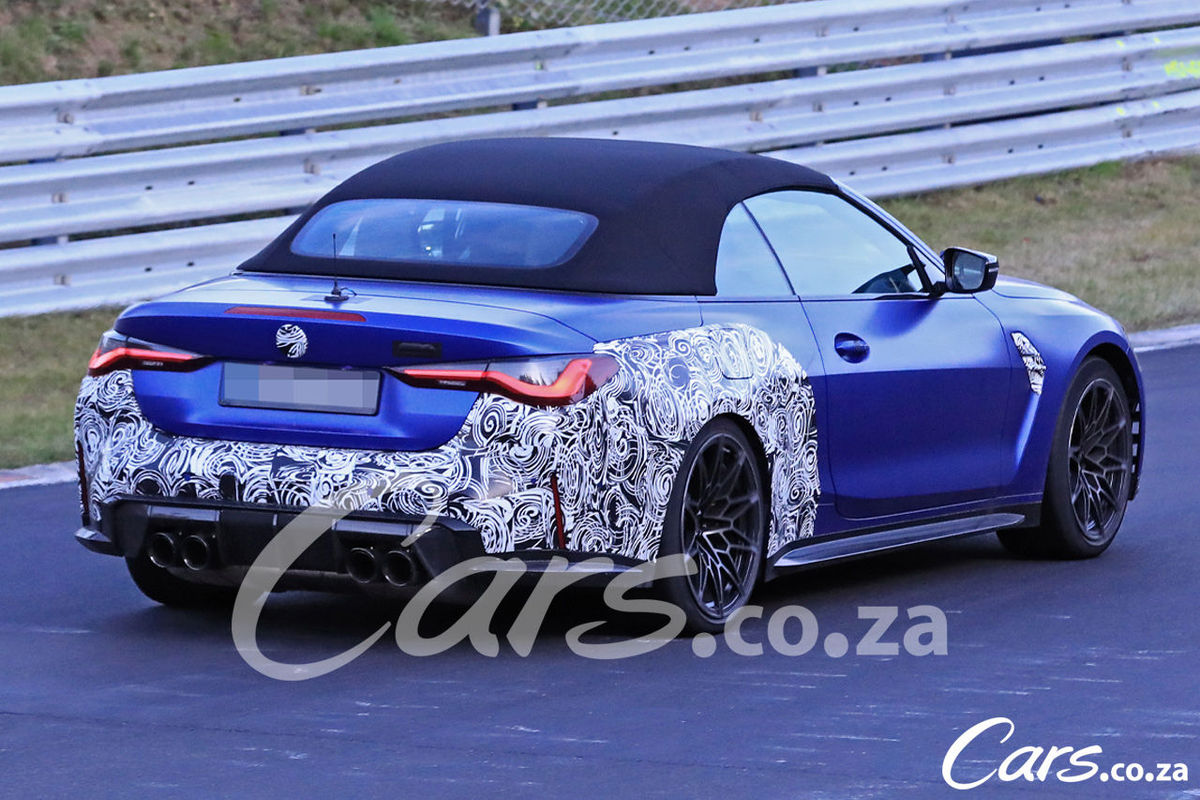
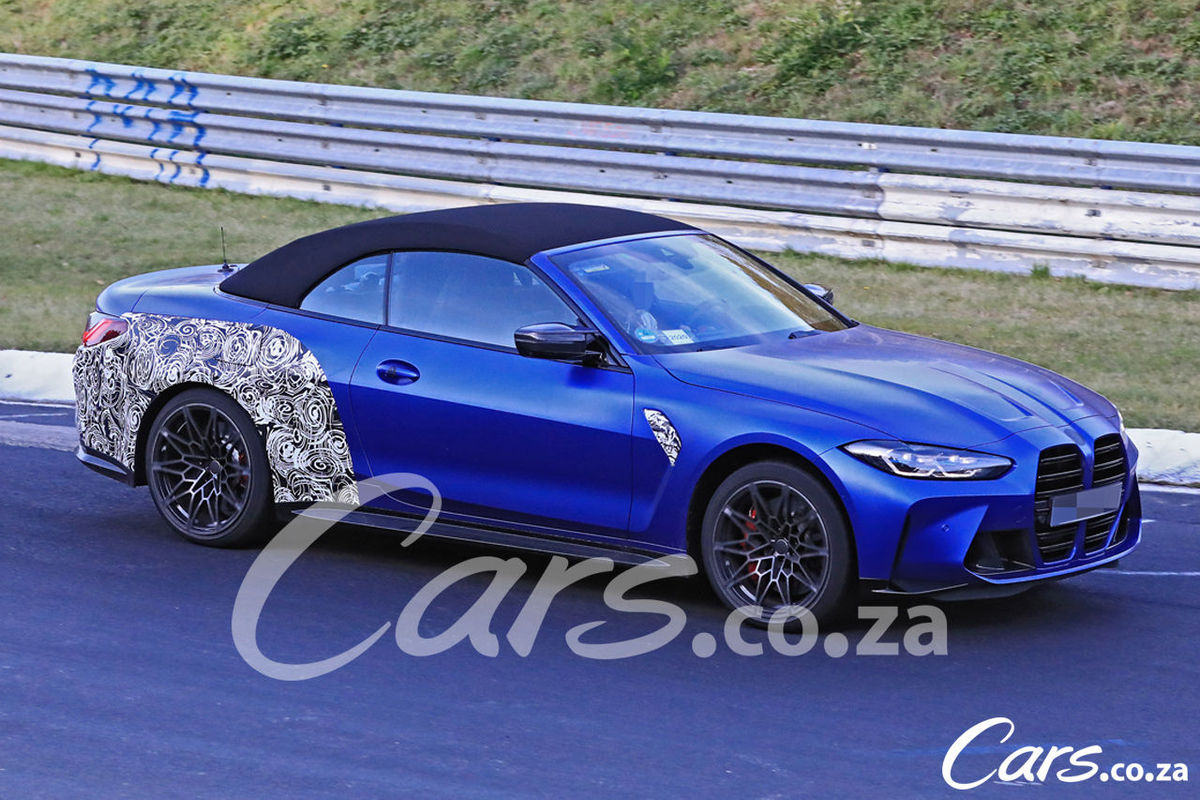
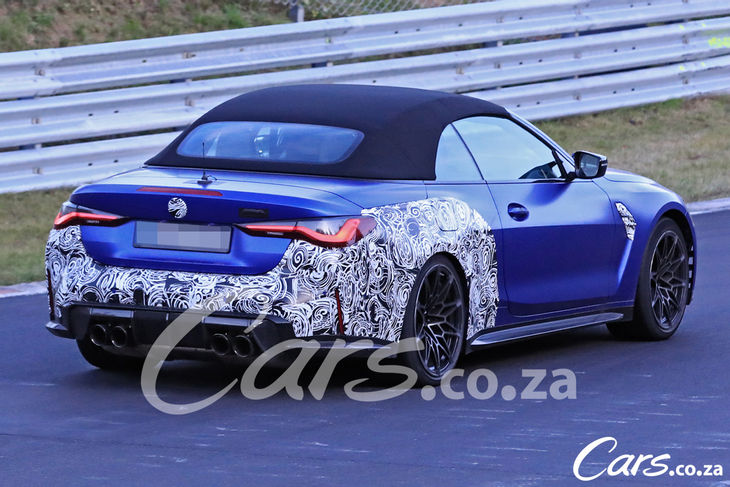
Our spy photographers spotted the new convertible undergoing dynamic testing on the Nurburgring recently. Clad in matte-blue paint, with some strategic camouflage hiding the topless elements, there's no mistaking this for anything other than the M4 convertible. In terms of engines, expect a similar lineup to that of the hard-topped versions. A 3.0-litre twin-turbo inline-6 engines is in 2 states of tune, 353 kW / 550 Nm and 375 kW / 650 Nm in the standard and Competition versions respectively. When it comes to performance, we suspect the new convertible versions will be fractionally slower, but still capable of blitzing to 100 kph in under 4.5 seconds.
Expect a production reveal before the end of 2020. Despite the shrinking of the convertible market, BMW hopes its new M4 will be able to tempt people away from the Mercedes-AMG C63 and the Audi S5 convertibles. If your budget can't quite stretch to the BMW M range, there's an M440i convertible which should offer fractionally slower performance.
Indian automotive giant, Mahindra, has launched a new practical panel van in South Africa. Meet the KUV #XPrez!
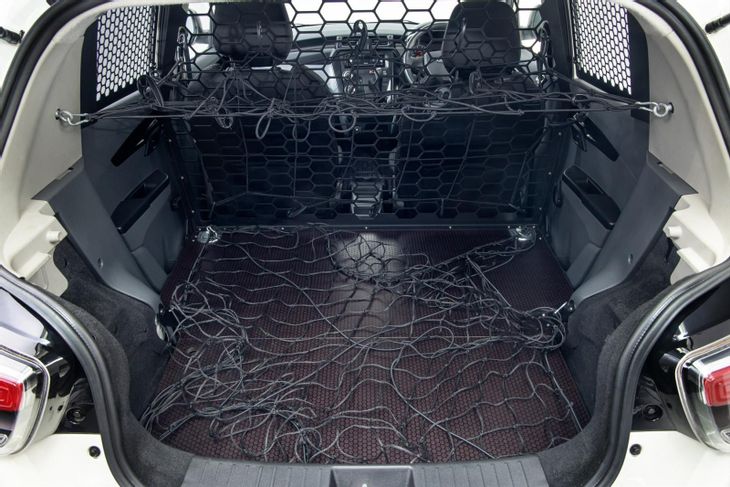
This KUV panel van is based on the KUV100 NXT K2+, which performed relatively well in our most recent Budget Car Comparison and will appeal to buyers looking for an affordable and practical goods-mover. The KUV #XPrez, as it’s called, is converted to panel van spec at Mahindra’s fitment centre in Gauteng, where a flat load bay is fitted to replace the rear seats and comes with 2 cargo nets. Mahindra has also fitted a steel mesh barrier that divides the driver’s cabin from the load bay. The KUV #XPrez joins the recently-launched Kia Picanto Runner in the budget delivery vehicle market.
“In recent years, we have seen a rapid growth in online retailing and general delivery services. This has only accelerated during the lockdown, as we have become more comfortable with our new online lives and the option of ordering in. We have also seen many people start small businesses and side-hustles to replace or supplement their pre-COVID careers, with many of these entrepreneurs looking for a reliable, affordable and spacious delivery vehicle,” says Rajesh Gupta, CEO of Mahindra South Africa.
The rear seats have been removed to create a usable load bay. Ideal for small businesses!
The KUV #XPrez panel van offers 1 350 litres of cargo space with a payload of 350 kg. Mahindra has blocked out the rear windows and added additional metal barries in an effort to improve security.
Standard features include power steering, air conditioning, radio and central locking. In terms of safety, a fire extinguisher is included as well as dual front airbags and ABS with EBD.
The KUV #XPrez is powered by the familiar 1.2-litre petrol engine with 61 kW and 115 Nm of torque and makes use of a 5-speed manual transmission. Fuel consumption is claimed at 5.9 L/100km. Ground clearance is at 170 mm.
Mahindra KUV100 NXT #XPrez – Price in SA
KUV100 NXT #XPrez – R174 999
A 3-year/100 000km vehicle warranty and a 5-year/150 000km powertrain warranty. A service plan is optional.
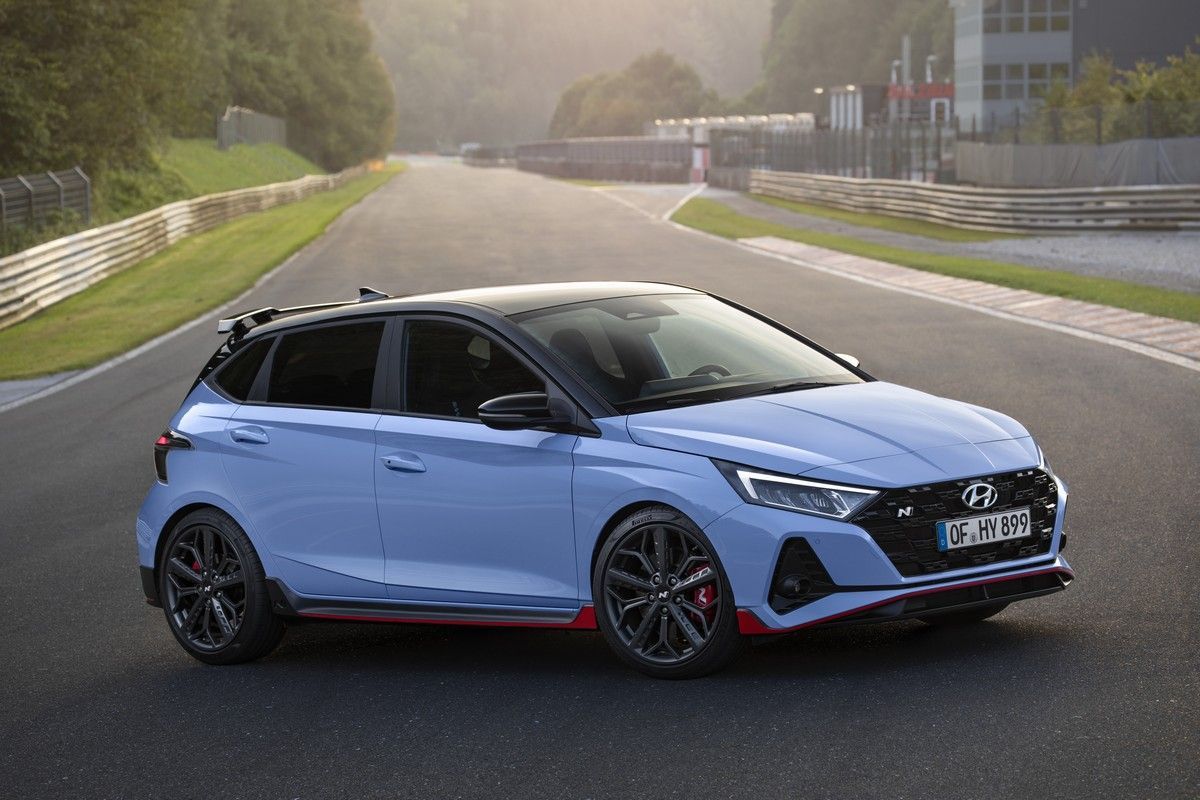
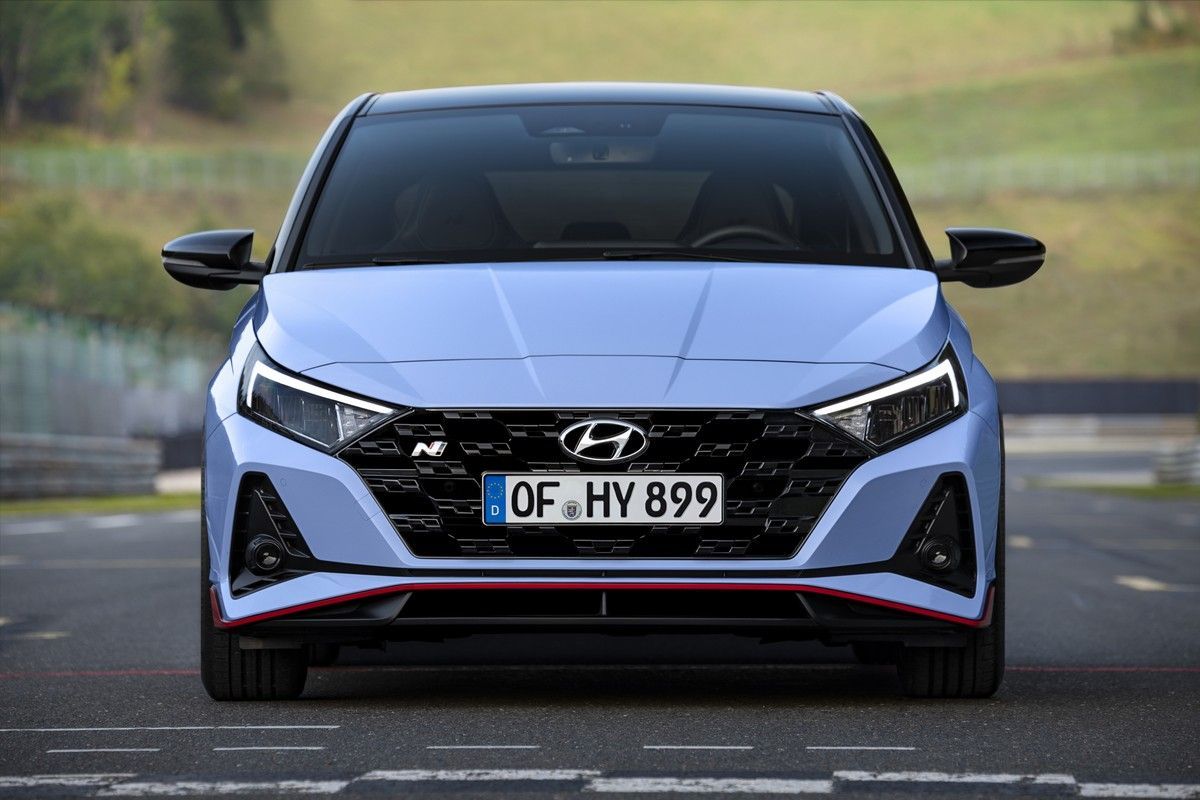
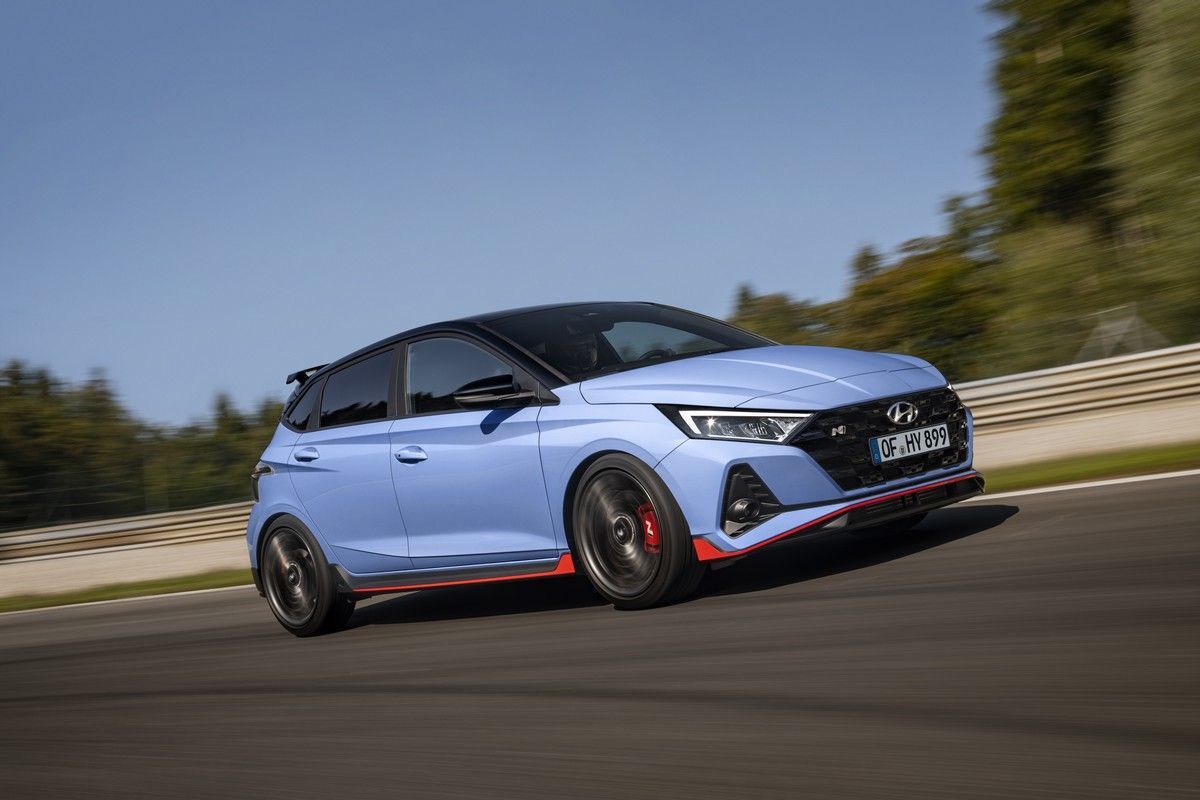
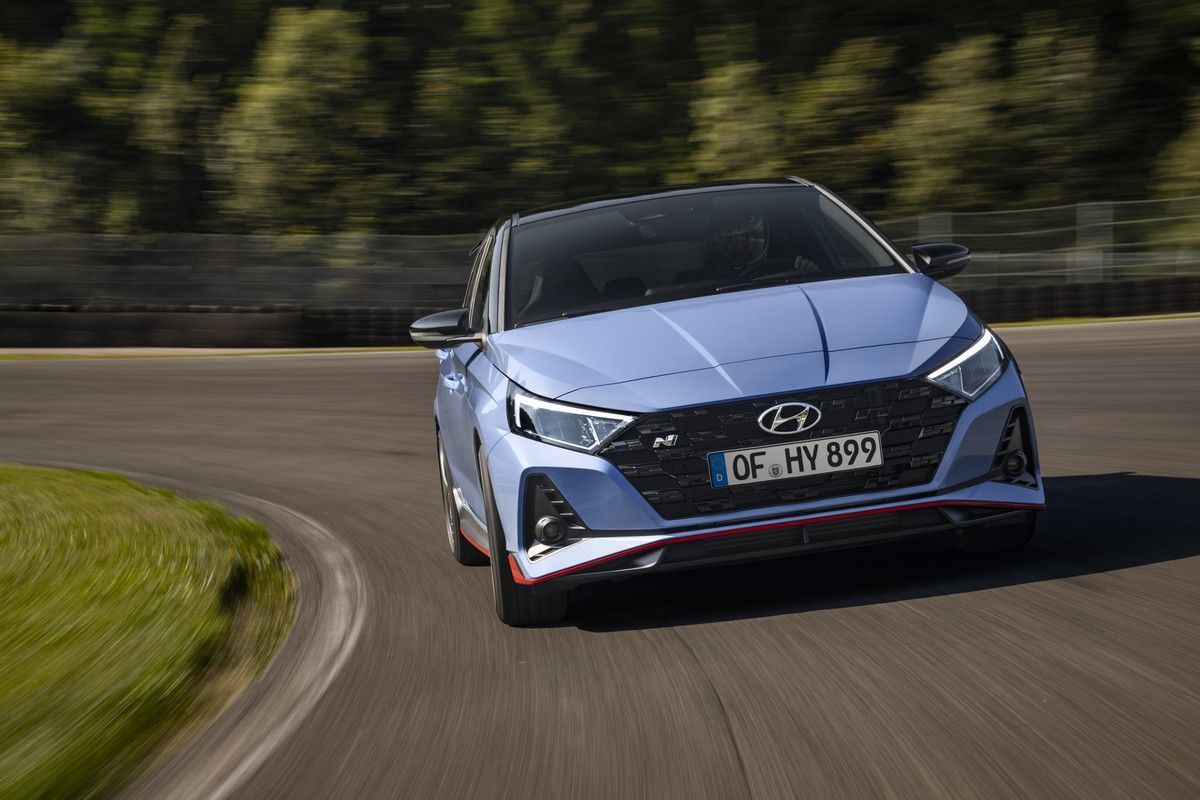
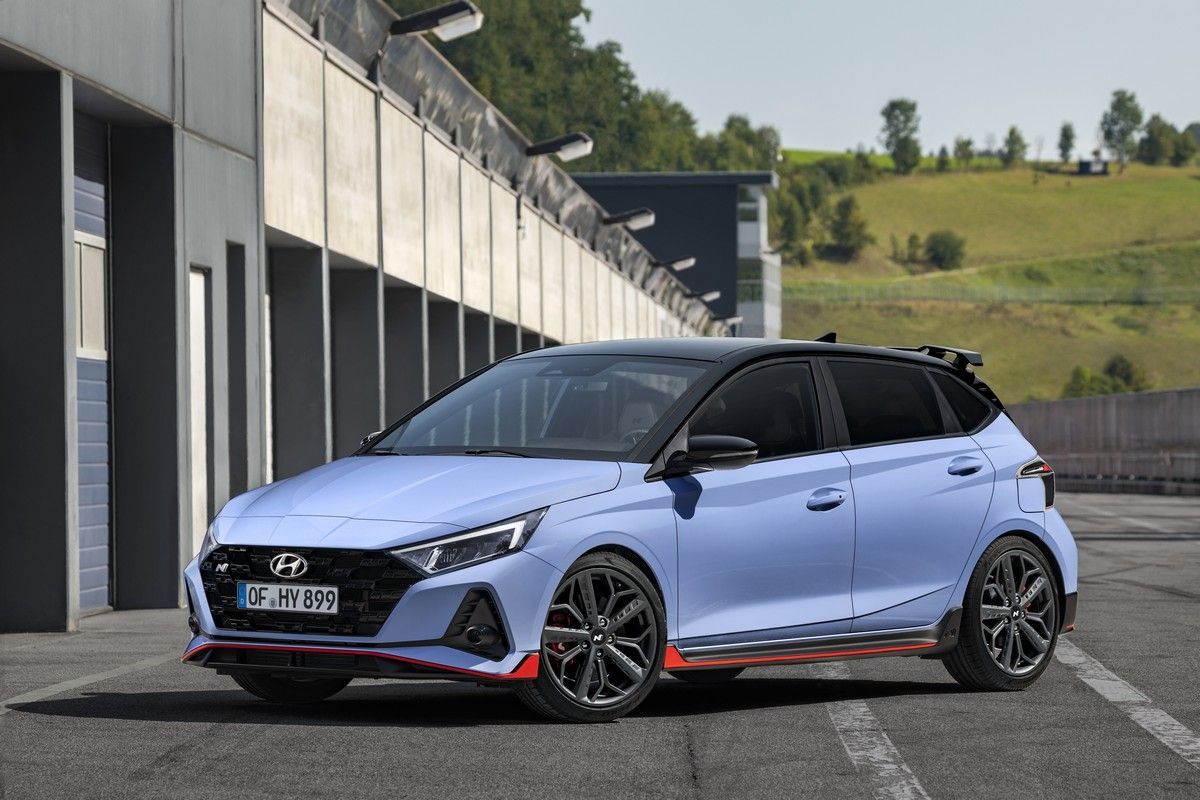
Hyundai has expanded its line-up of N models with the introduction of the i20 N, which produces 150 kW/275 Nm, tips the scales at 1 190 kg (it's said to weigh as much as the i20 WRC car) and can zip from 0 to 100 kph in 6.7 sec. This new rival to the Polo GTI and GR Yaris is available exclusively with a 6-speed manual 'box.
Because the ST version of the Ford Fiesta is not destined for our shores, the Peugeot 208 GTI has been retired and Renault has yet to reveal an RS variant of its 5th-generation Clio, the Volkswagen Polo GTI is the only baby hot hatch in our market, although the Toyota GR Yaris is set to arrive here at some point during 2021… Will the newcomer breathe new life into the shrinking performance-oriented supermini melee?
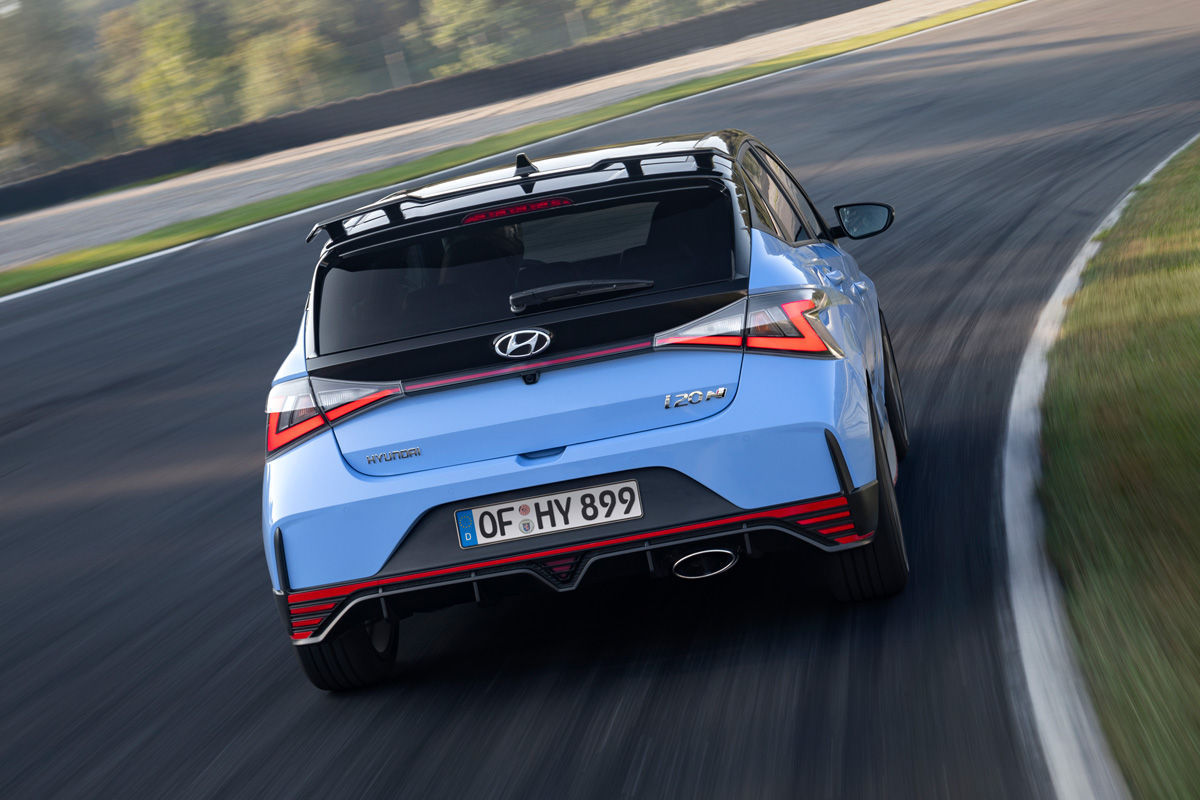
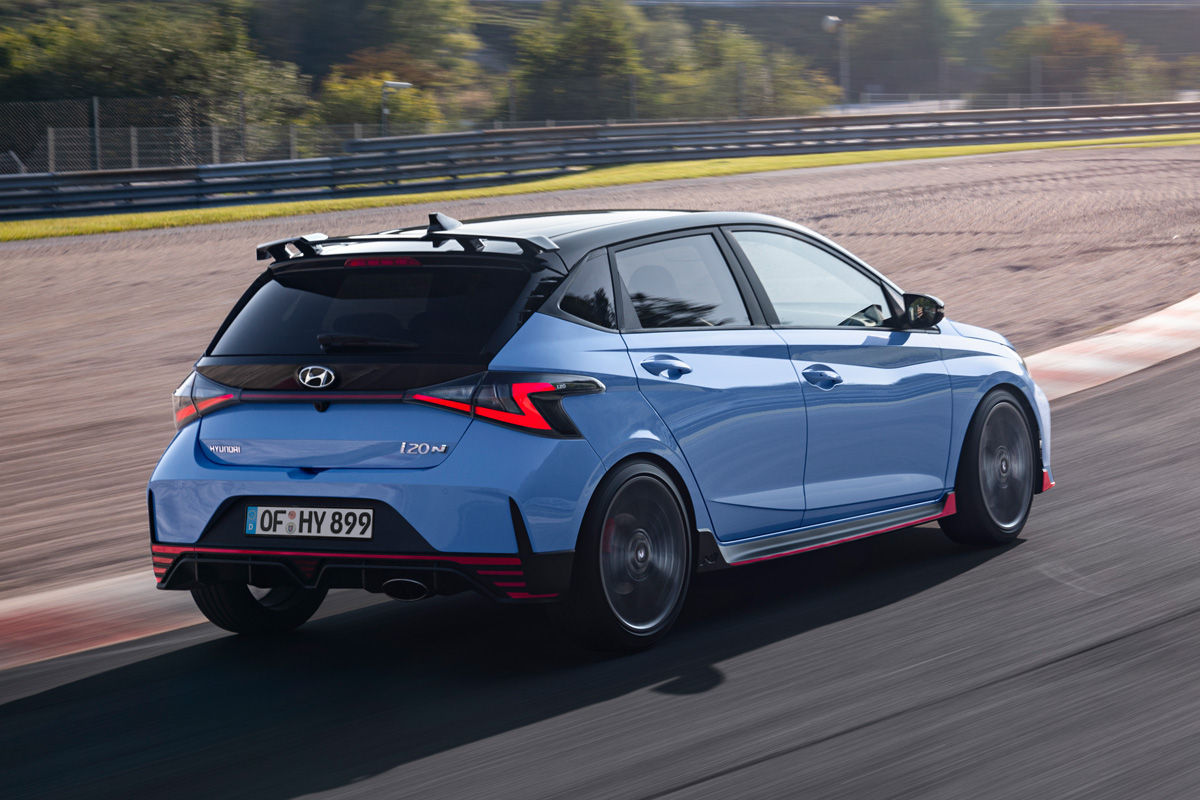
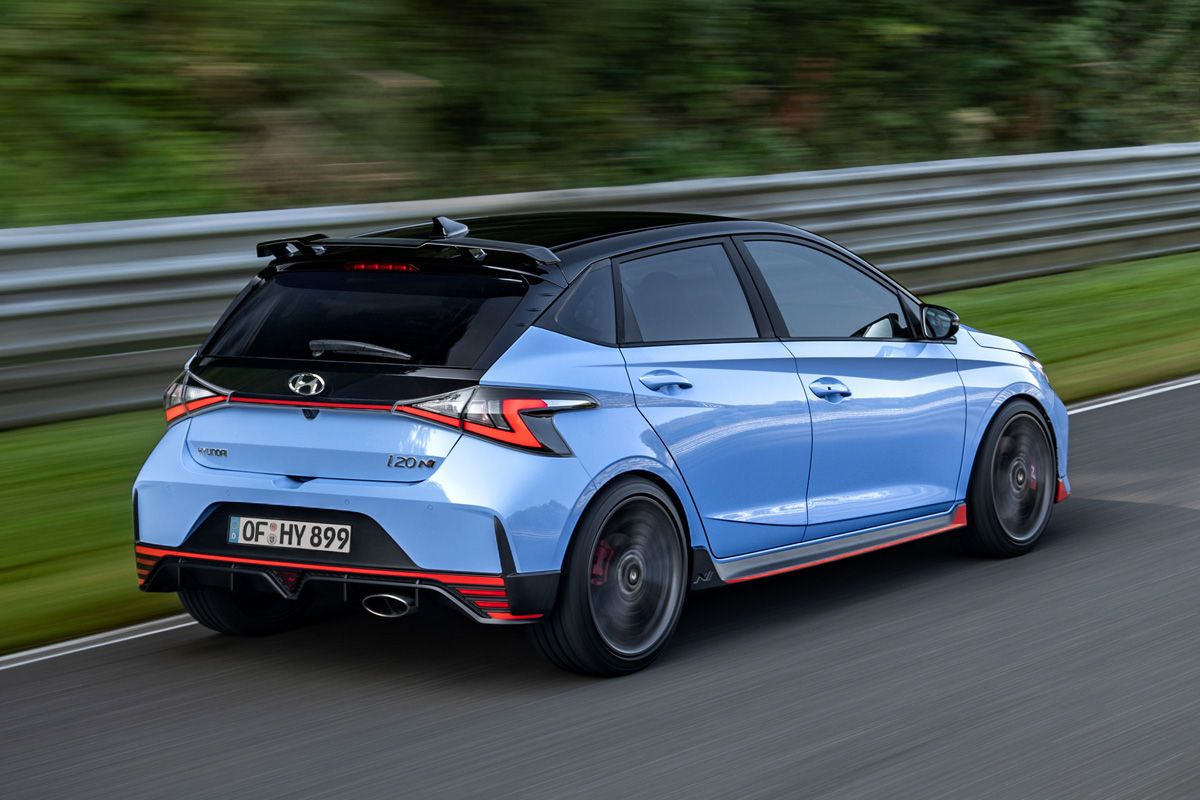
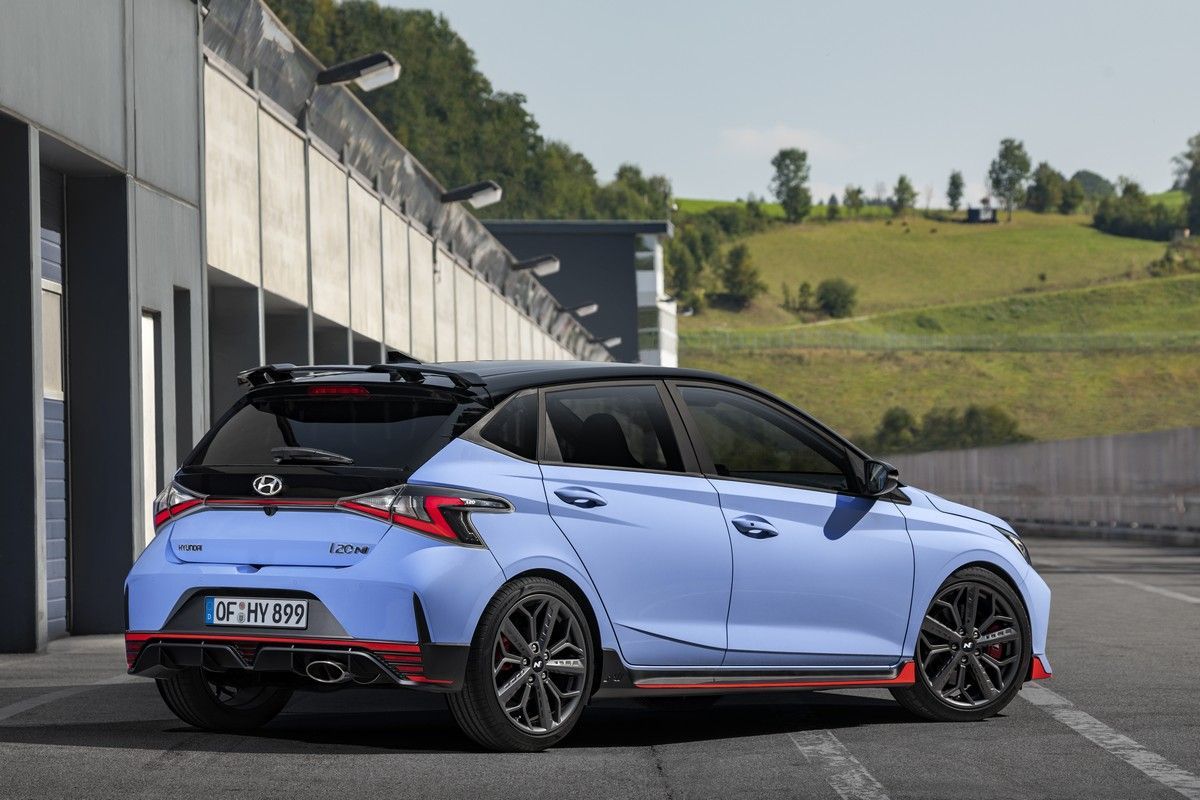
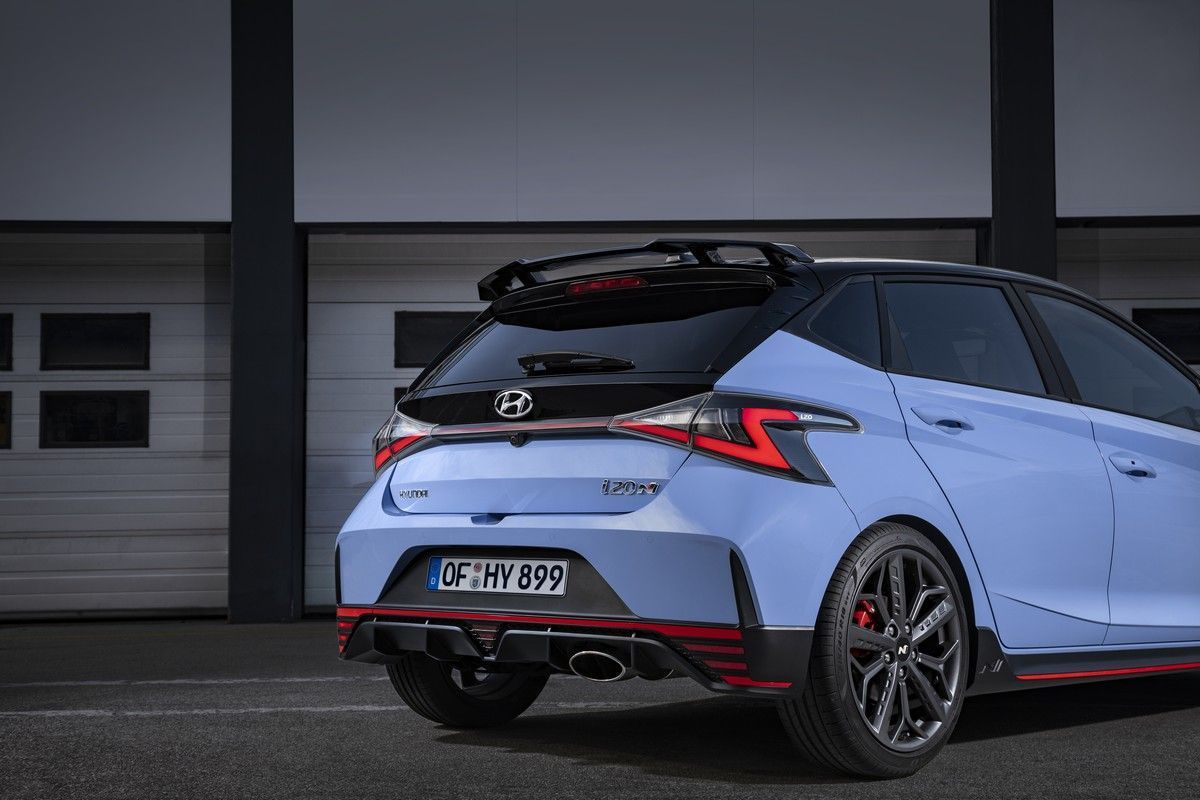
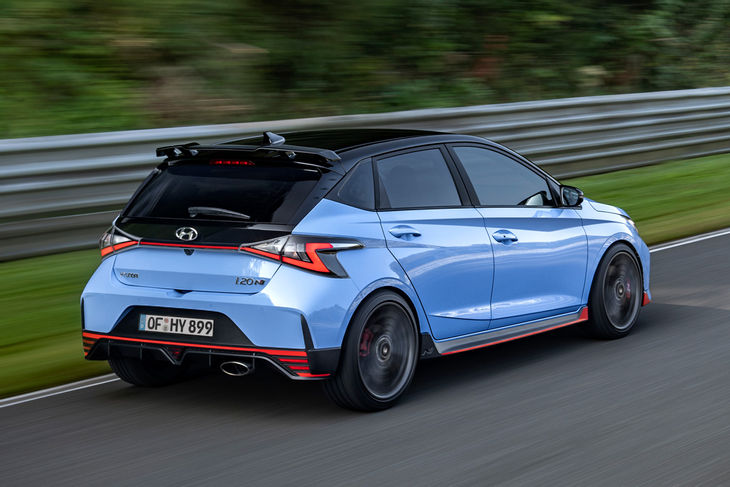
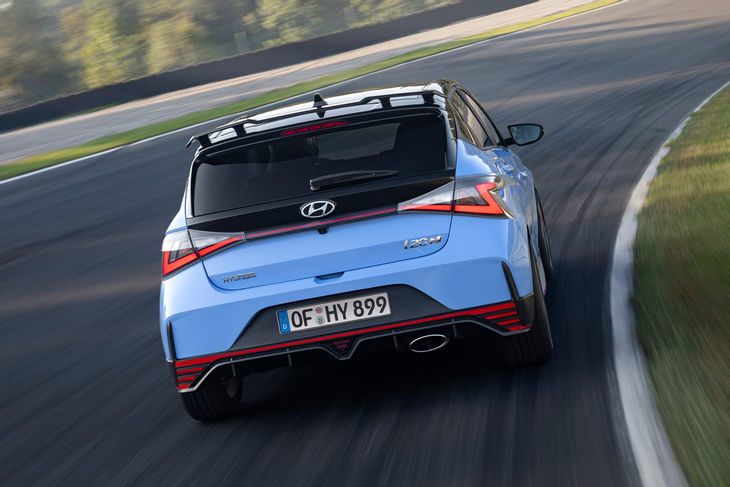
There is no shortage of Tomato Red accents on the i20 N, especially on the lower edge of the rear bumper.
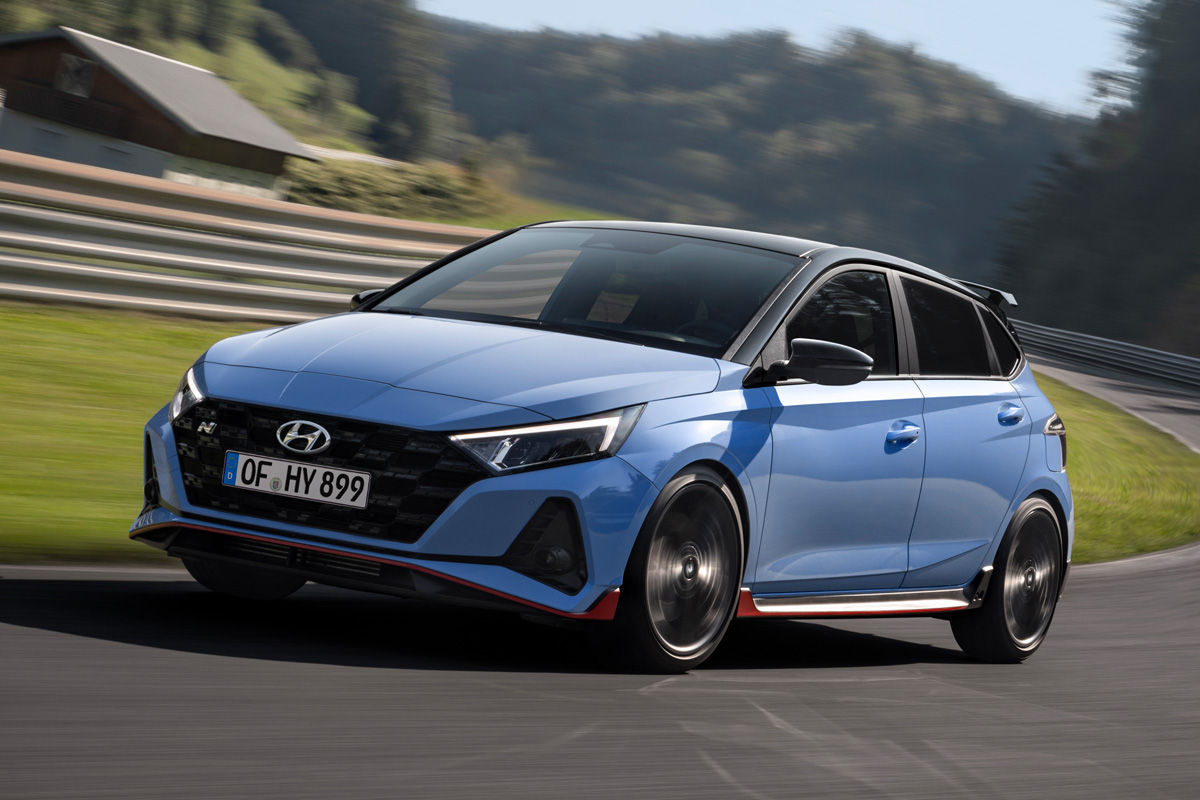
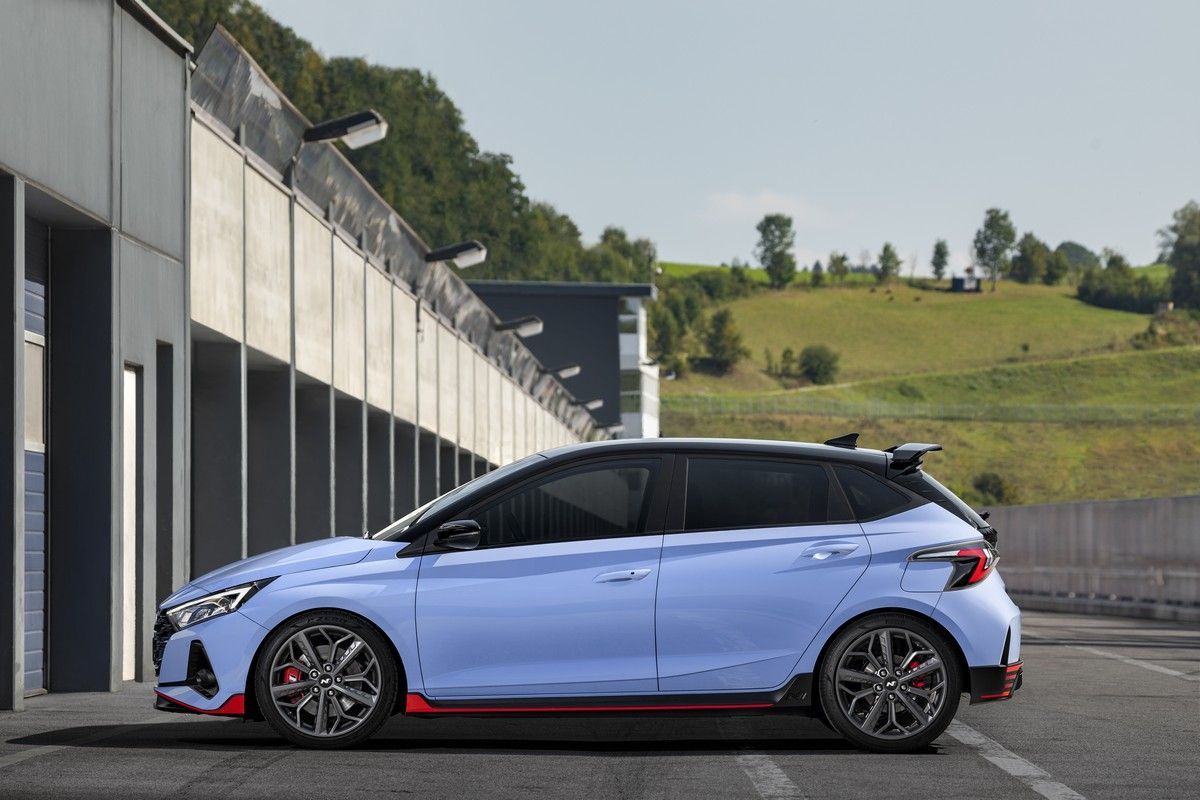
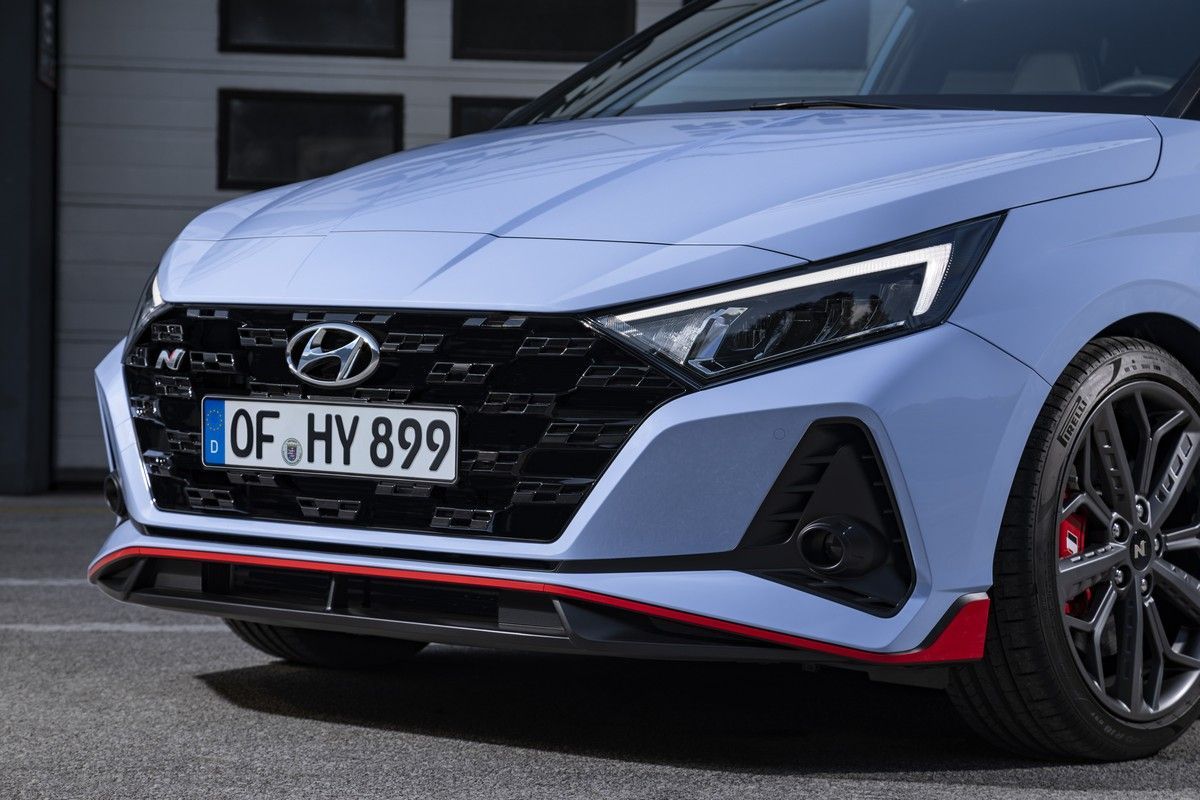
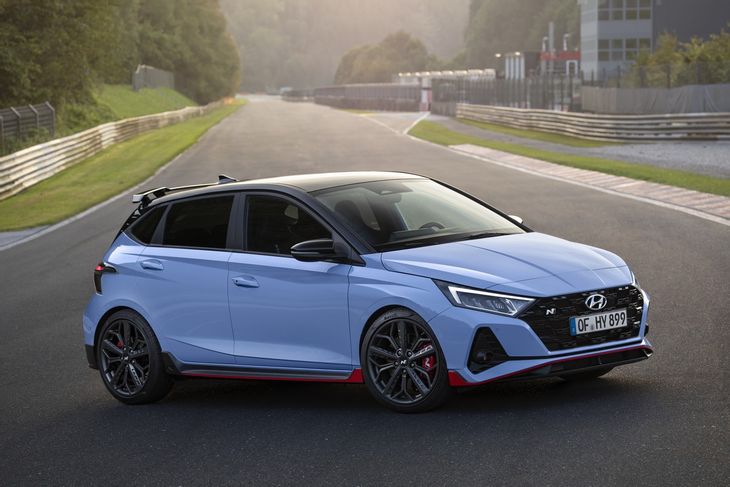
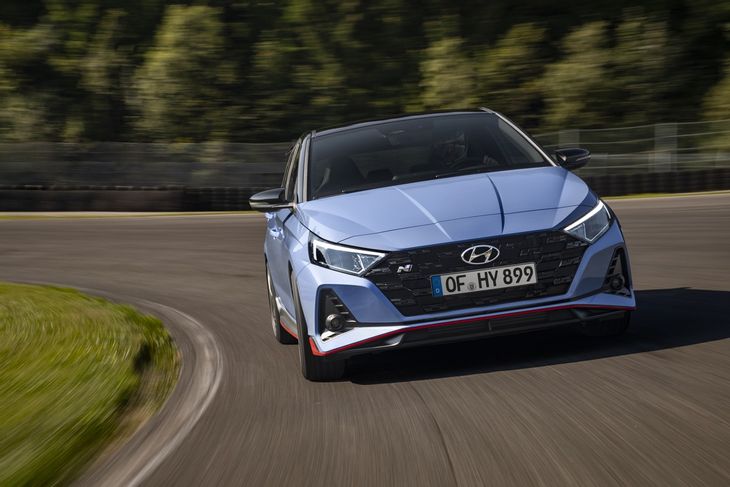
The newcomer is the first N model to incorporate the Korean brand’s Sensuous Sportiness design language and, as a result, its exterior execution is a lot more expressive than the i30 N's, with almost cartoonish features such as the slanted LED headlamps, triangular black foglamp surrounds, oversized air intake and grille (replete with chequered flag-patterned mesh), as well as a black lip spoiler with red striping.
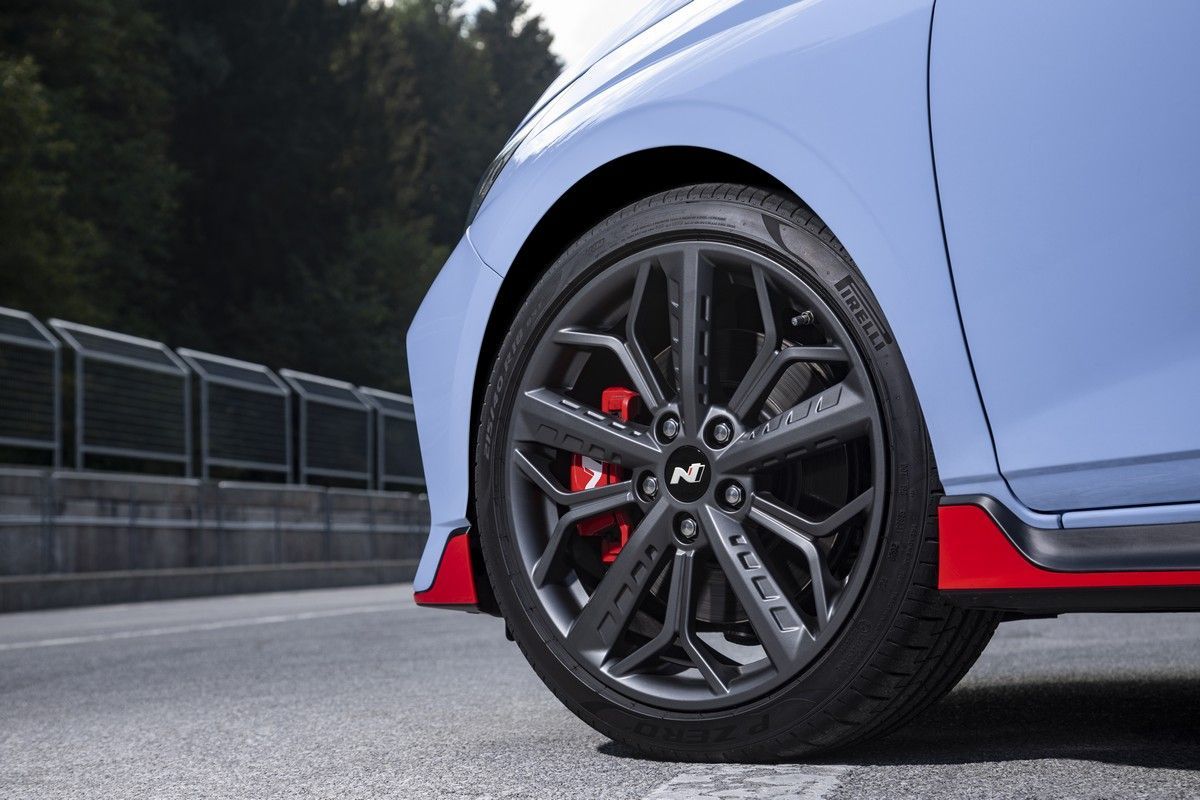
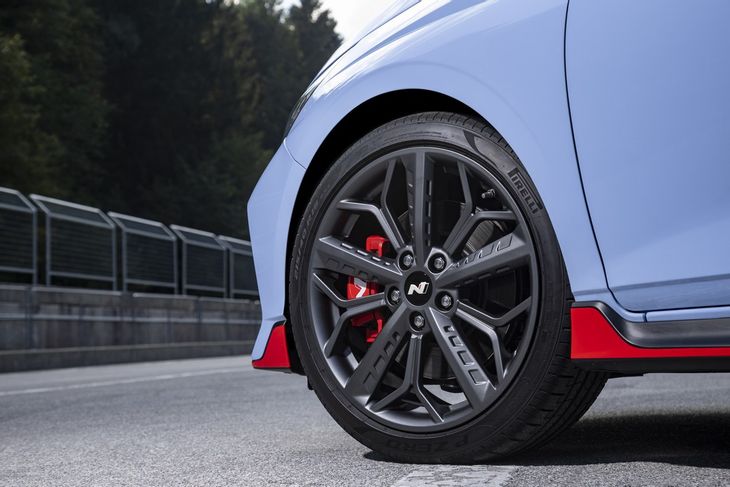
That eye-catching (perhaps a bit too shouty?) red detailing extends to the i20 N’s broadened side skirts, while the wheel arches are filled ably by 18-inch grey matte alloy wheels, which are nicely contrasted with (again, red) N-branded brake callipers.
The i20 N rides 10 mm lower than its standard siblings and has a beefed-up suspension, it certainly has a purposeful stance.
The Hyundai’s rear aspect is characterised by a WRC-inspired roof spoiler, a beefy rear bumper (with built-in diffuser-like elements and triangular rear fog lights, as seen on the facelifted i30 N with 8-speed N DCT), as well as a large-bore exhaust end.
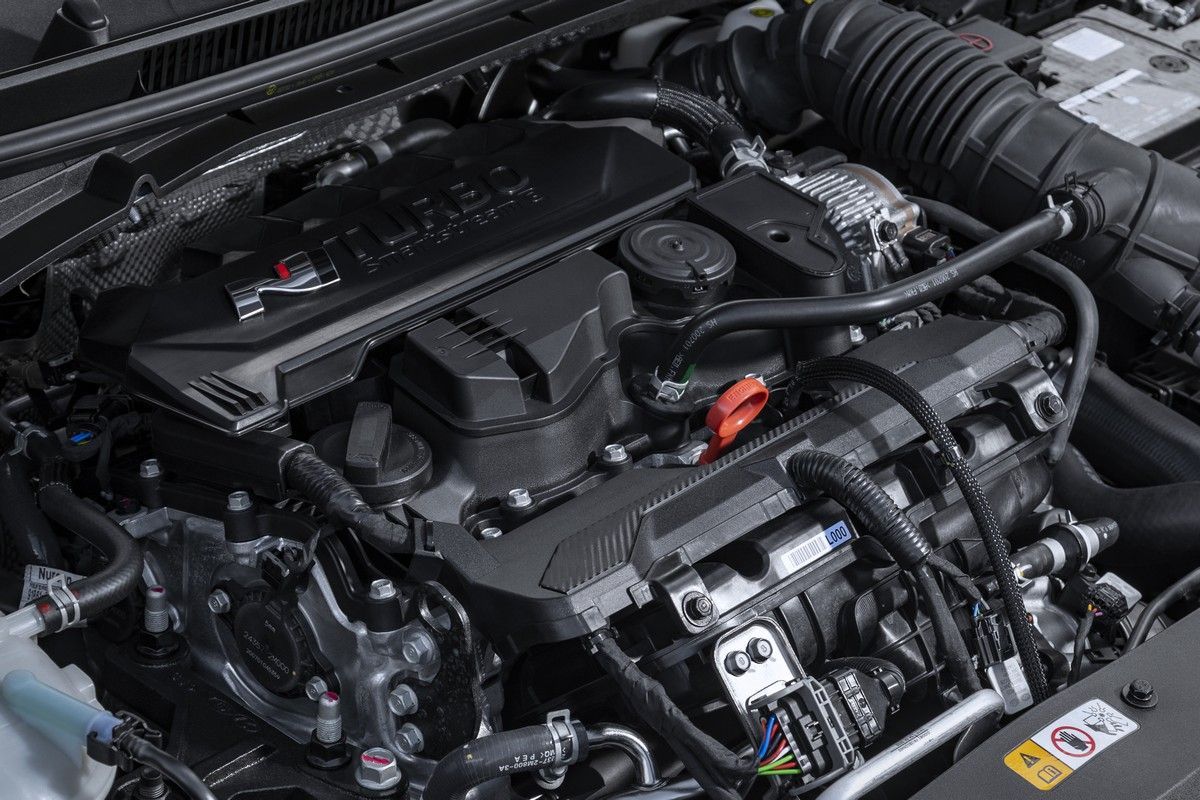
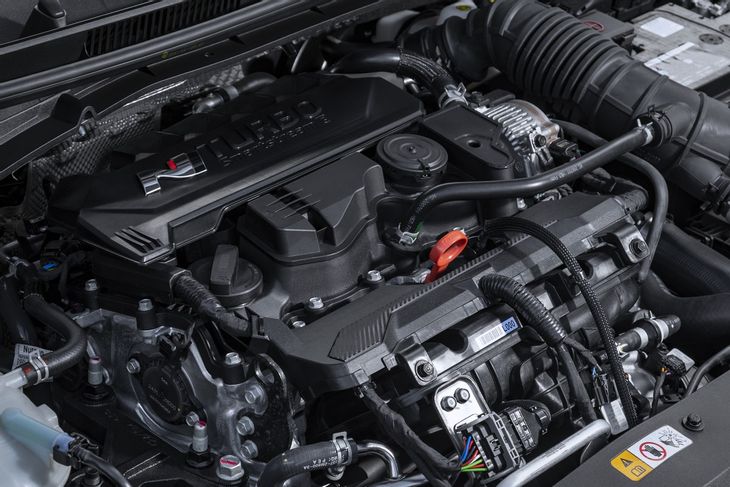
Under the double-creased bonnet of the i20 N lies a 1.6-litre 4-cylinder turbocharged and intercooled petrol engine with a 350-bar high-pressure injection rail- and continuously variable valve duration (CVVD) systems. The motor delivers its peak power (150 kW) at a relatively heady 5 500 rpm, but produces peak torque (275 Nm) between 1 750 and 4 500 rpm, which bodes very well for mid-range flexibility.
The installation of the turbocharger is different in the i20 N than, say, turbopetrol derivatives of the Hyundai Tucson.
Hyundai says that by virtue of its WRC-car matching kerb weight of 1 190 kg, the i20 N has one of the best power-to-weight ratios in its class. The newcomer is said to be capable of achieving a maximum speed of 230 kph, but moreover, its 0-100-kph time of 6.7 sec is bound to raise eyebrows, because it is identical to that claimed for the Polo GTI, which produces 45 Nm more, but is heavier than its Korean rival (kerb weight: 1 355 kg).
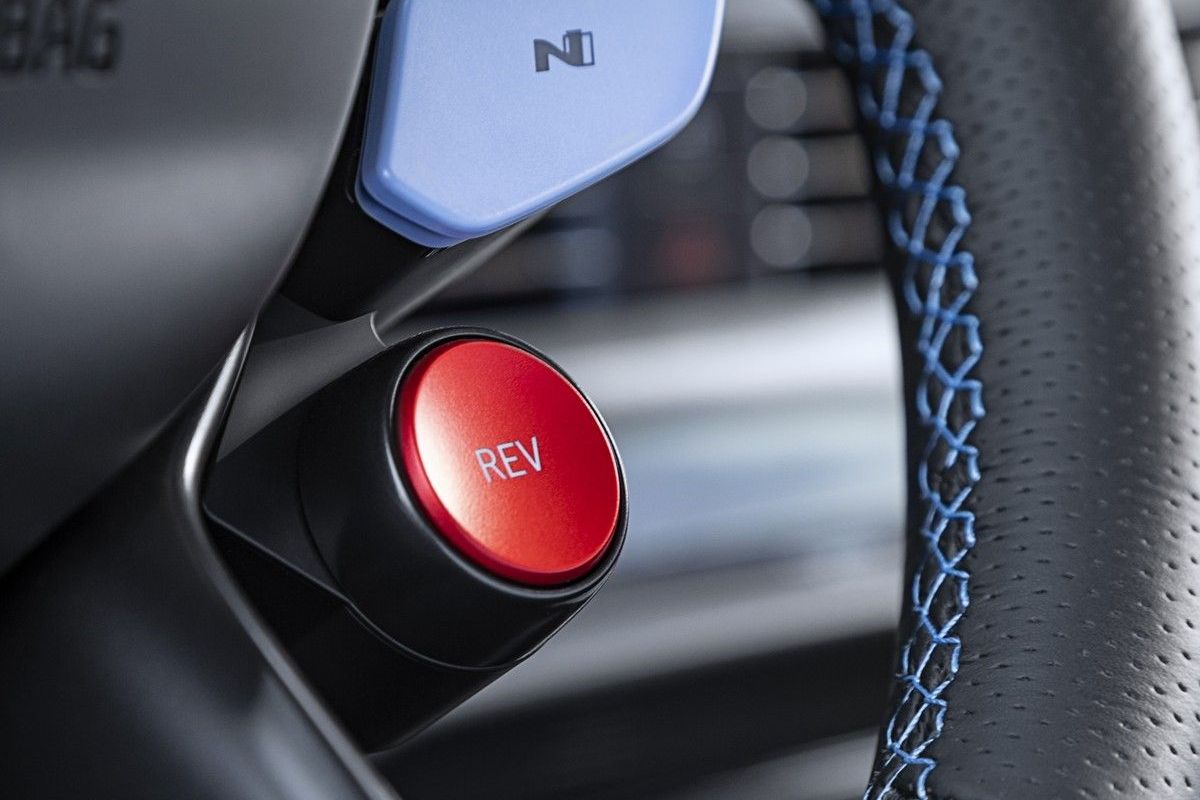
Meanwhile, the 6-speed manual transmission has been reinforced especially for its installation in the i20 N. Powertrain software offers assistance via a launch-control mode, as well as rev-matching technology, which synchronises the engine to the output shaft and has its own dedicated activation button on the steering wheel. A mechanical limited-slip differential (or N Corner Carving Differential, as Hyundai calls it) is optional.
The handsome 18-inch alloys are shod with 215/40 R18 Pirelli P-Zero with “HN” (Hyundai N) markings.
Other motorsport-inspired features include an electric sound generator and variable muffler control, as well as left-foot braking calibration, a brake pad wear indicator (PWI) and dedicated 215/40 R18 Pirelli P-Zero ultra-high-performance tyres with “HN” (Hyundai N) markings, Hyundai says.
Meanwhile, the newcomer’s chassis has been reinforced in a dozen places, while the suspension features reinforced front domes and knuckles with adjusted geometry, as well as a new anti-roll bar, springs and shock absorbers. The all-new front N Power Sense axle and rear dual-coupled torsion beam axle (CTBA) provide higher stiffness for improved ride and handling performance.
The i20 N's front brake discs are also 40 mm larger than the regular i20's, for better fade-resistance and a more consistent brake pedal feel.
Hyundai has quickened the i20 N's steering ratio and tuned the column-mounted motor-driven power steering system.
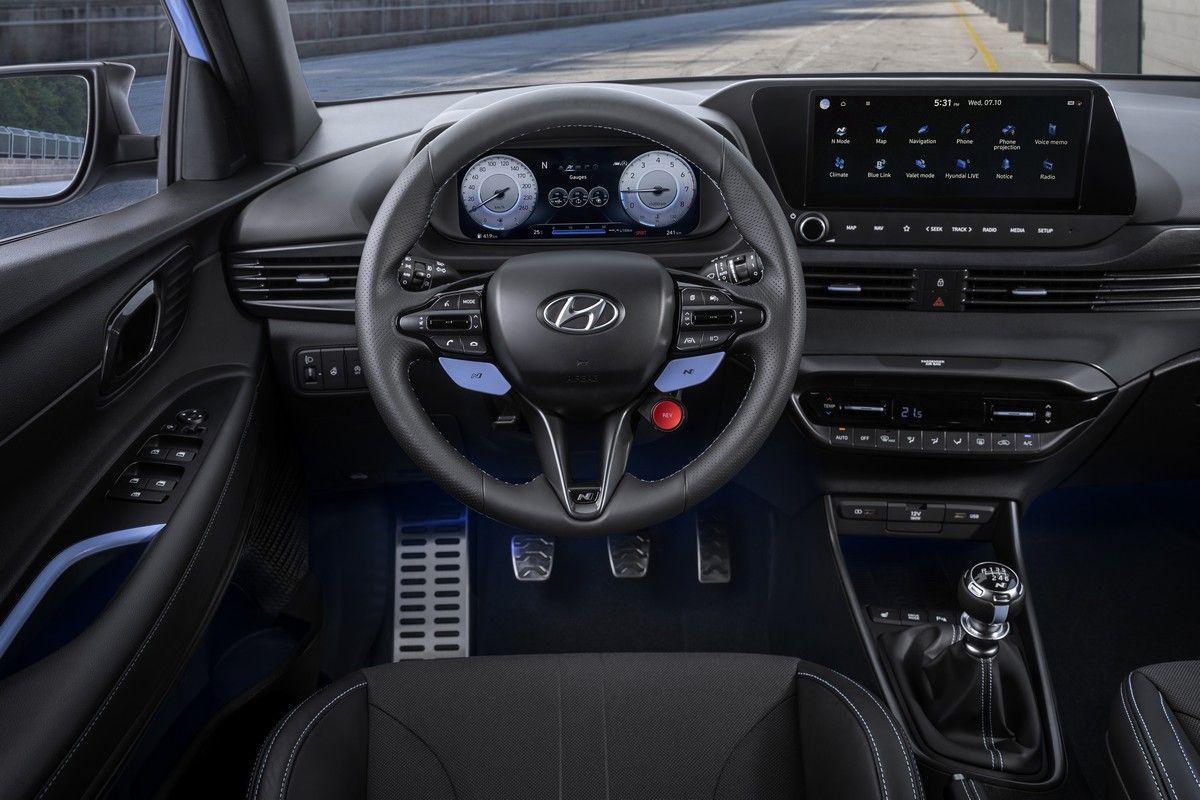
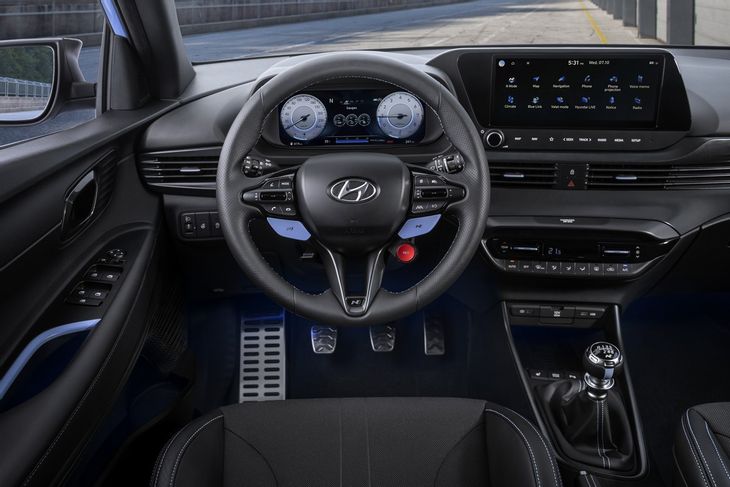
As for the i20 N’s interior, it features accoutrements such as front sports seats with integrated headrests, as well as an N steering wheel, -gear knob and metallic-finish pedals. Although the black interior trim (including headliner) is a bit sombre, there is a handful of Performance Blue accents.
The digital instrument cluster features a variable LED red zone, which varies according to engine oil temperature, and the shift-timing indicator, which shows the driver the best time to switch gears.
What's more, the car pictured in this set of press images features the optional 10.25-inch LCD touchscreen navigation system with dedicated N content, as well as Apple CarPlay and Android Auto connectivity.
The red button on the Hyundai's steering wheel is not for starting/stopping the engine, but toggling the rev-matching function.
As is the case with the i30 N, its sibling comes equipped with an N Grin Control System with 5 drive modes (Normal, Eco, Sport, N and N Custom) that allow a driver to adjust the parameters of the engine, electronic stability control, exhaust sound and steering to suit a variety of conditions.
In the N Custom mode, a driver can select from Normal, Eco, Sport and Sport+ settings for each of the mentioned components via a “Spider diagram” on one of the infotainment touchscreen's menus; the onboard system incorporates Performance Driving Data System that saves and displays driving data, including information on power, torque, turbo boost. It also comes with a lap and acceleration timer.
Moreover, dedicated N keys on the steering wheel allow pre-sets to be mapped according to individual needs and, for the bravest (or most skilled) drivers, the electronic stability control (ESC) can be operated in three stages: on, sport and fully off.
Could the i20 N come to SA?
What are the chances of the i20 N being offered in Mzansi? We had to wait a while after the i30 N’s global introduction for the Korean firm’s first hot hatch to arrive here… It will depend on a number of factors, primarily the exchange rate, but what counts against the newcomer is that its target market is comparatively tiny – certainly smaller than the i30 N’s. Having said that, if Toyota could make a case to introduce the fire-breathing GR Yaris in the local market, perhaps Hyundai could do the same for i20 N. As soon as we get more information, we'll be sure to let you know.
BMW X5 M / X6 M Competition First Edition For SA in 2021
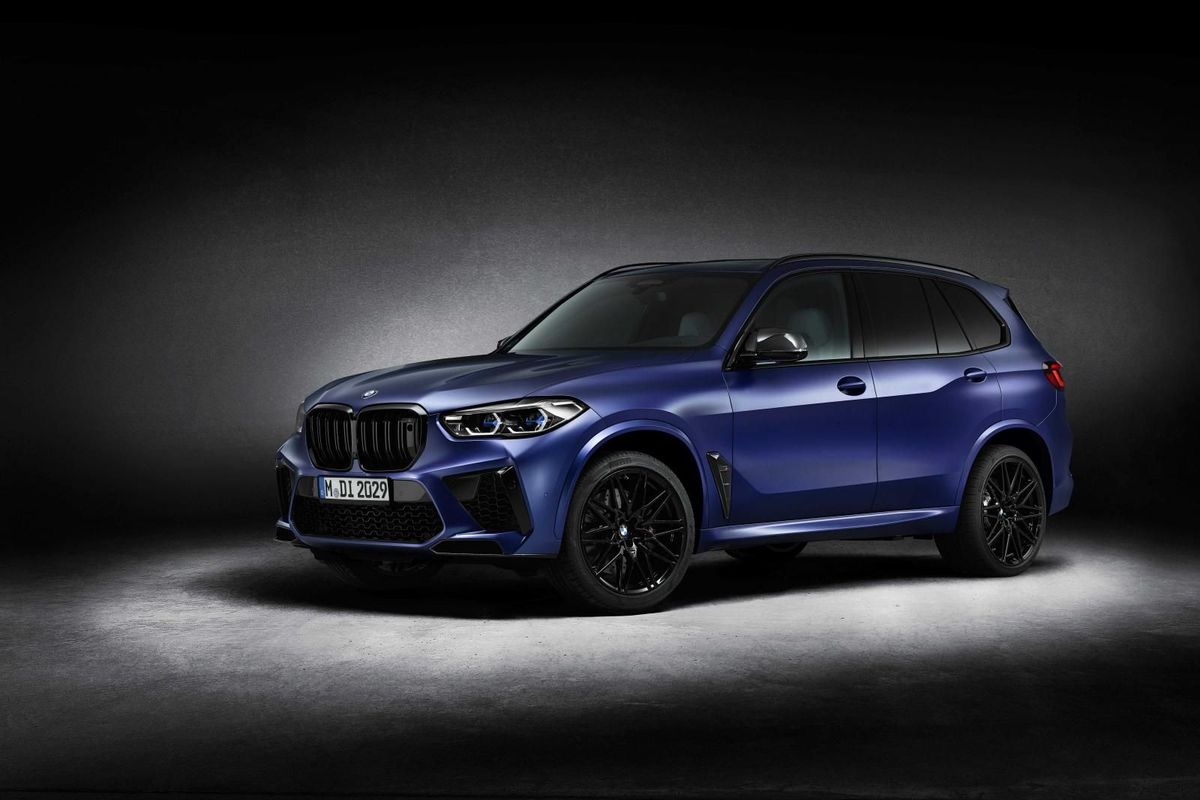
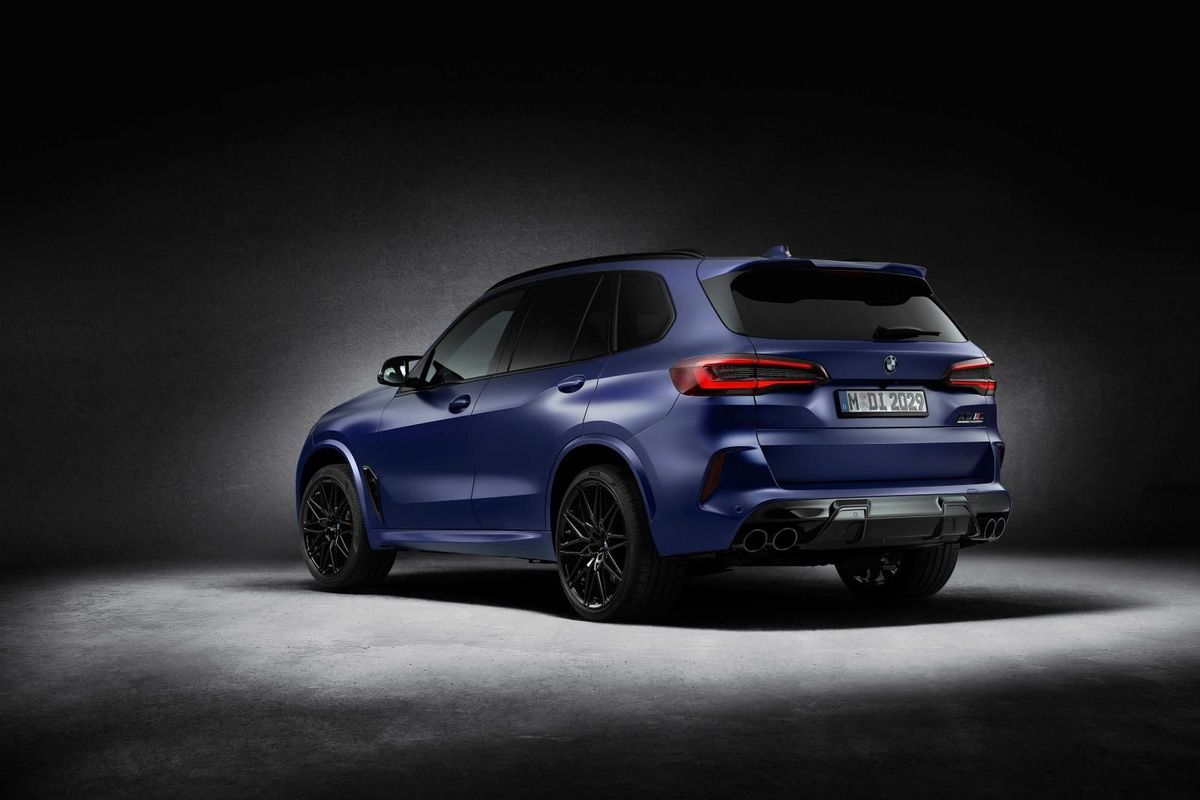
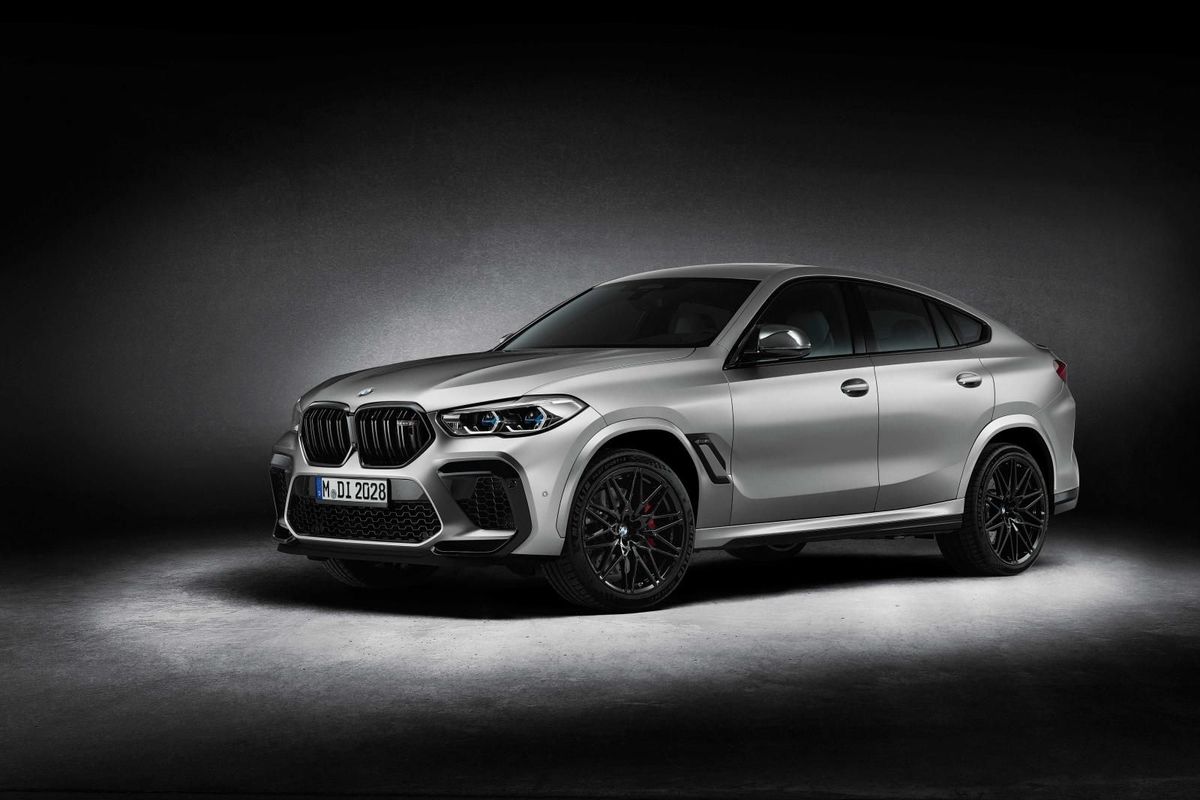
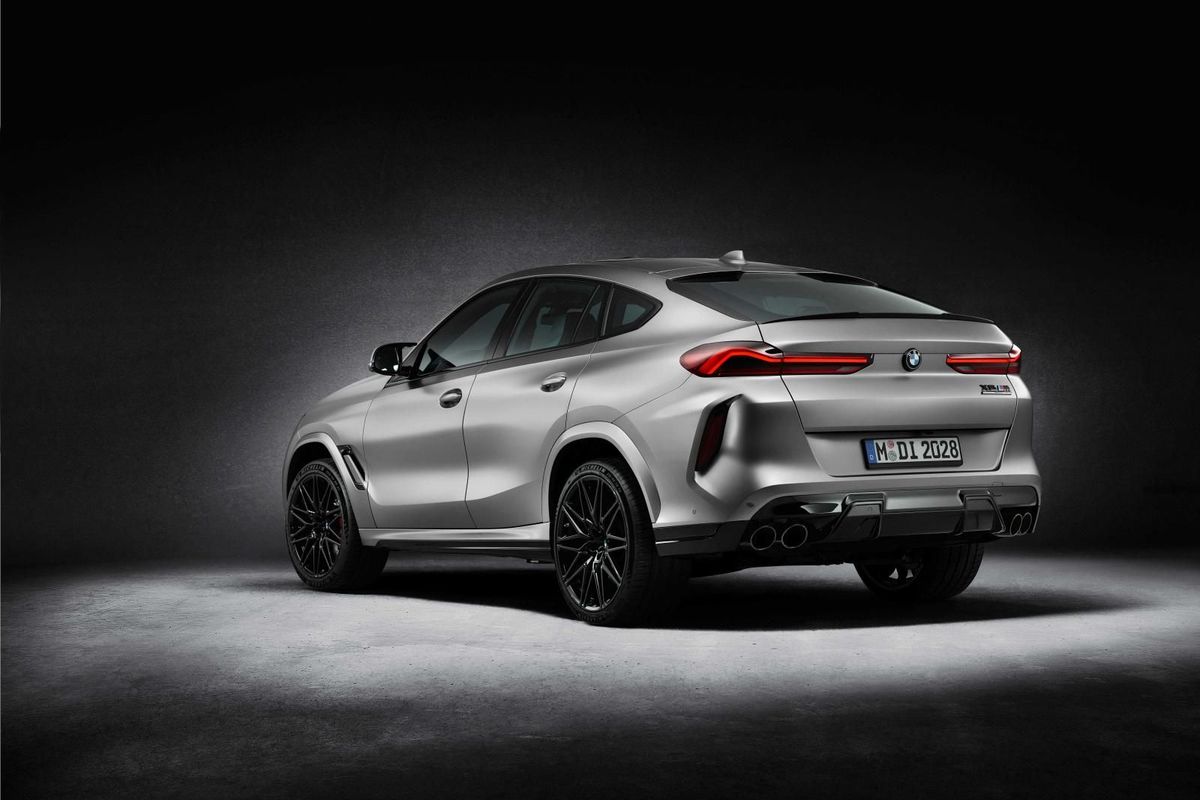
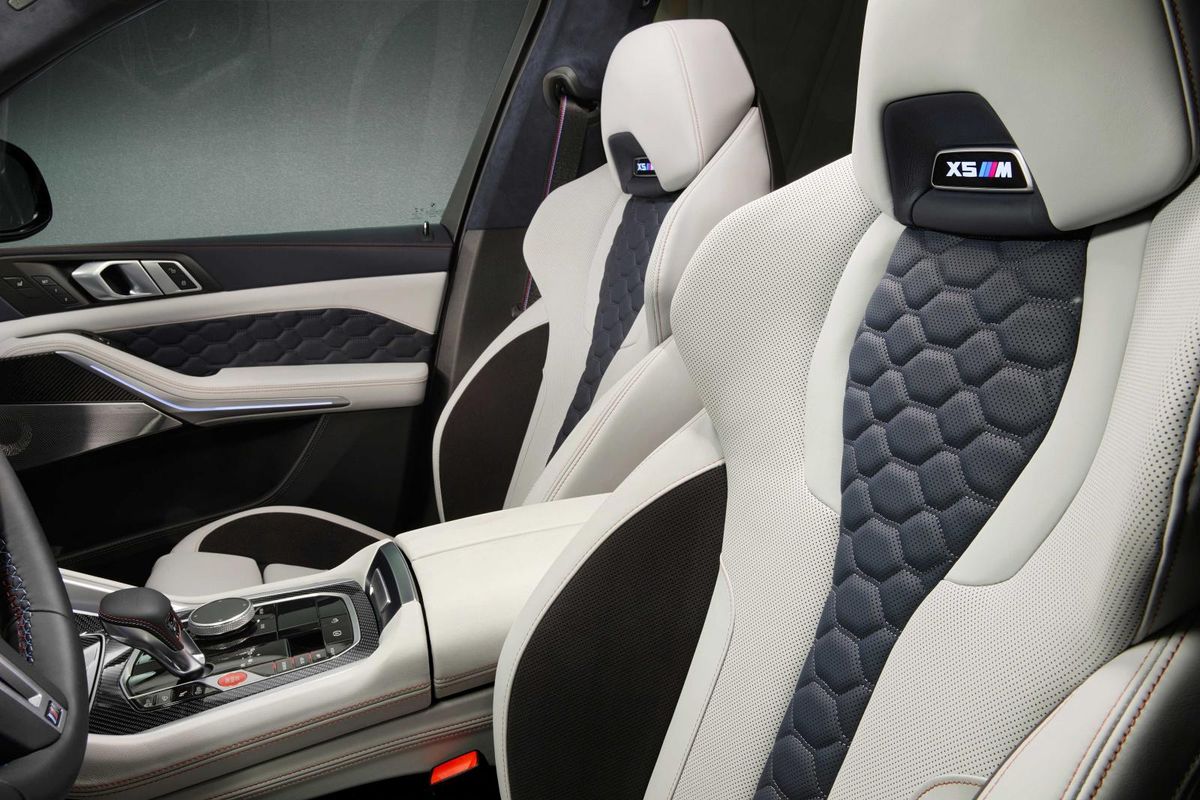
BMW has revealed its X5 M Competition and X6 M Competition First Edition models, of which only 250 examples of each will be offered worldwide. Yes, a few will make it to South Africa too…
If the high-performance X5 M Competition and its coupesque (I just made that word up) X6 M Competition sibling are not quite special enough for you then perhaps a limited edition First Edition model will rouse your interest.
Both of these machines are powered by the familiar 460 kW / 750 Nm 4.4-litre twin-turbocharged V8 engine but the key differentiators from the standard models are cosmetic.
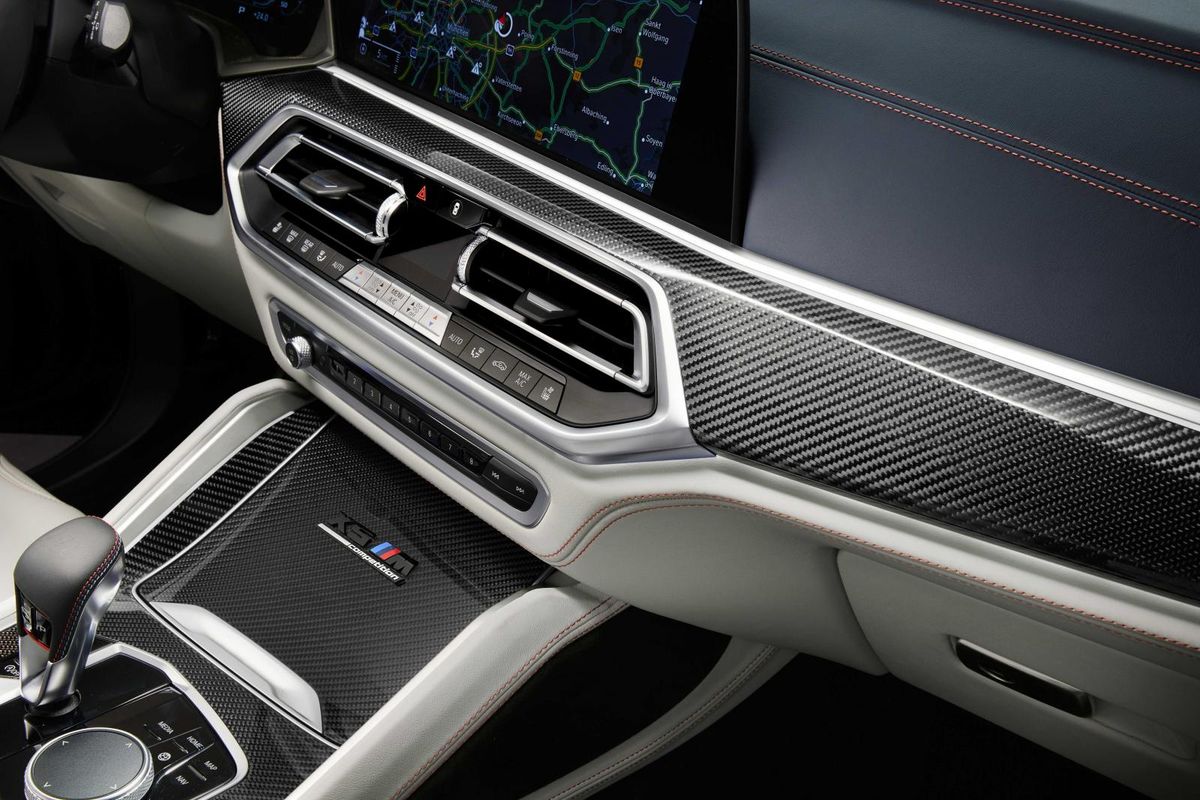
BMW is offering these models in a new and exclusive Individual Frozen Dark Silver body colour or in the familiar Individual Frozen Marina Bay Blue. The First Edition models ride on M light-alloy wheels (21-inch front, 22-inch rear) and are finished in a Jet Black high-gloss finish. Added features include carbon-fibre-reinforced plastic (CFRP) elements such as the M Carbon exterior mirror caps, M Carbon rear spoiler (X6 M Competition) and an M Carbon engine compartment cover.
As for the interior, it’s lavishly equipped with full Merino leather trim exclusively offered in bi-colour Silverstone/Midnight Blue to match the exterior finish of choice. Sporty finishes include Alcantara inserts on the seat bolsters and contrasting stitching in Sakhir Orange, which also seen on the door panels and instrument panel. The headliner is finished in Midnight Blue.
Carbon trim strips in a market-specific design also feature along with silver-coloured “First Edition 1/250” lettering, which if ordered, also feature on the cover for the cupholders.
As for local availability, X5 M Competition and X6 M Competition First Edition are expected in South Africa in the first half of 2021 but will be offered in very limited numbers to local buyers.
Oh, and if you missed it, watch the BMW X6 M Competition take on the Jaguar F-Type R AWD in a drag race below…
Best Drifting from 2020 Goodwood SpeedWeek [w/videos]
If you think you’re a brilliant driver, you probably aren't and you're likely to reconsider your skills when you watch these epic drifts that took place at the recent Goodwood SpeedWeek. Watch the videos!
Covid-19 has led to the cancellation of most major events and the Goodwood Festival of Speed was no exception. But not all was lost as organisers still hosted the Goodwood SpeedWeek this past weekend which was packed full of action, including an exciting ‘Driftkhana’ event that pushed driver skills to the limit on a difficult course.
The videos below showcase some of the best runs in the Driftkhana event including a stellar performance by champion drifter James Deane in his BMW M3 (E92) and Vaughn Gitten Jr in the electric Ford Mustang Mach-E 1400.
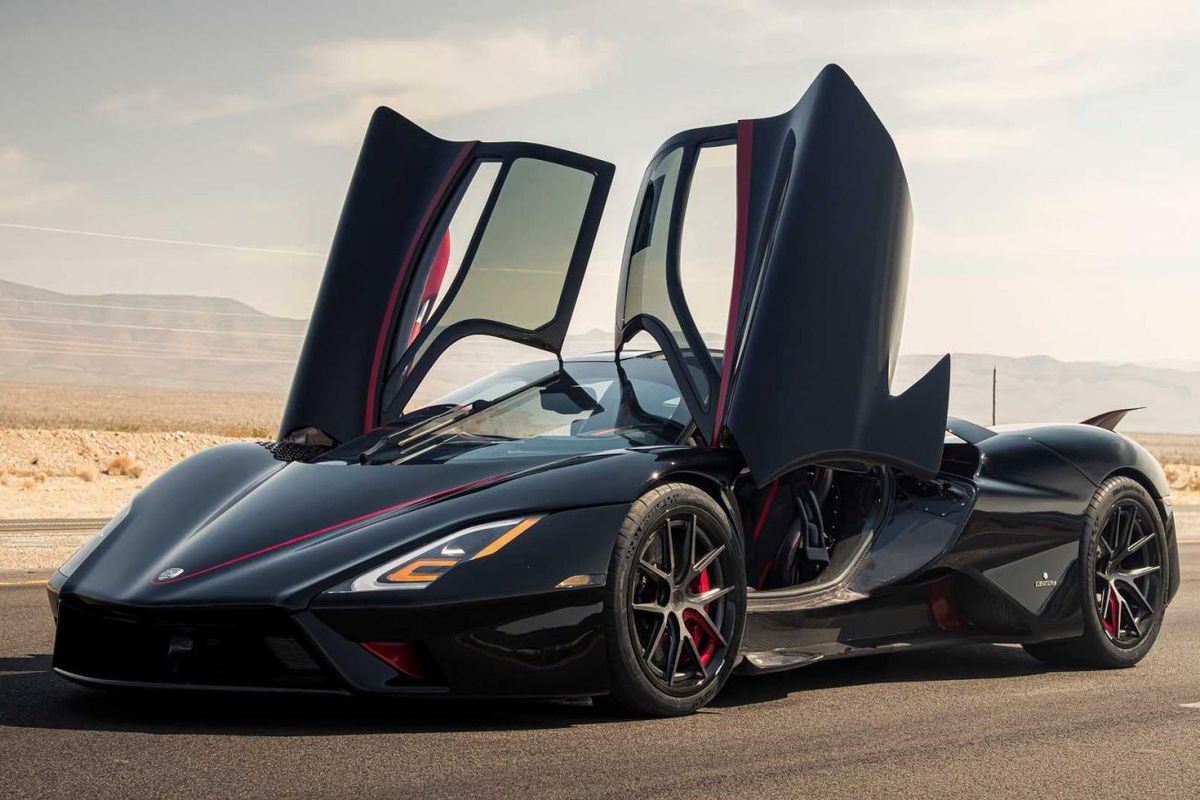
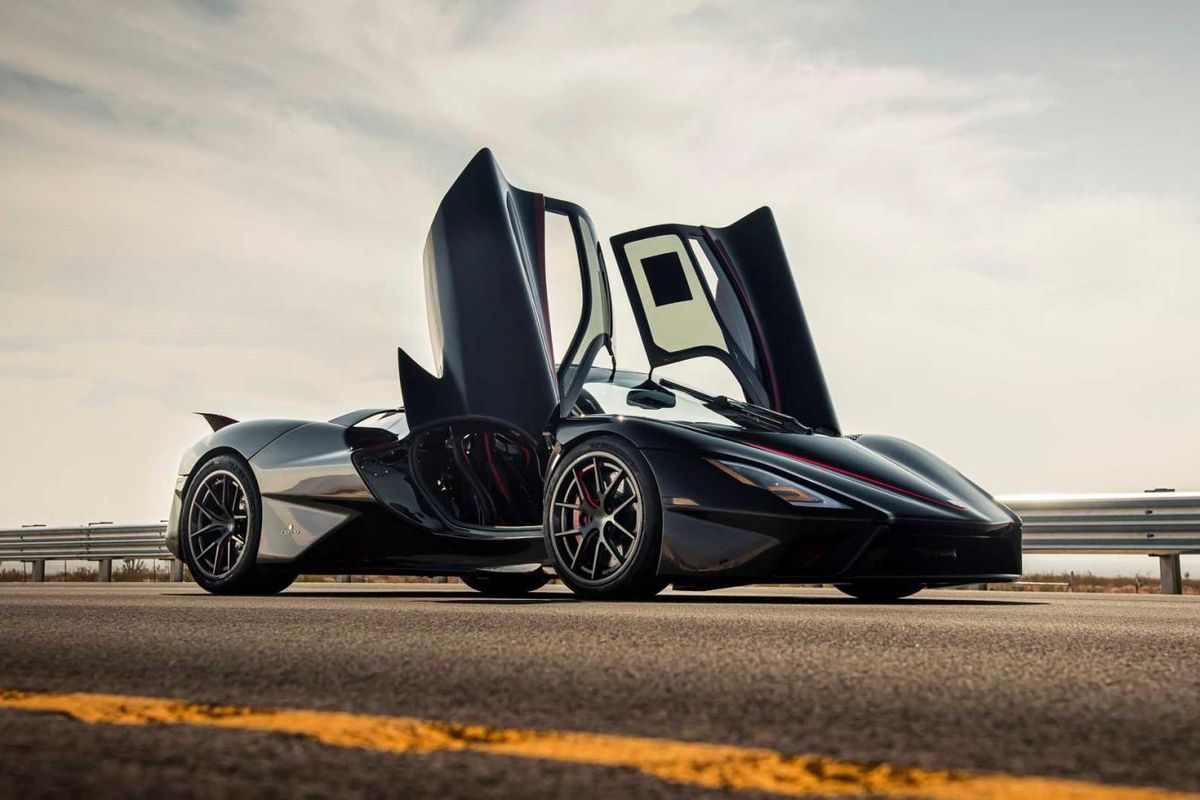
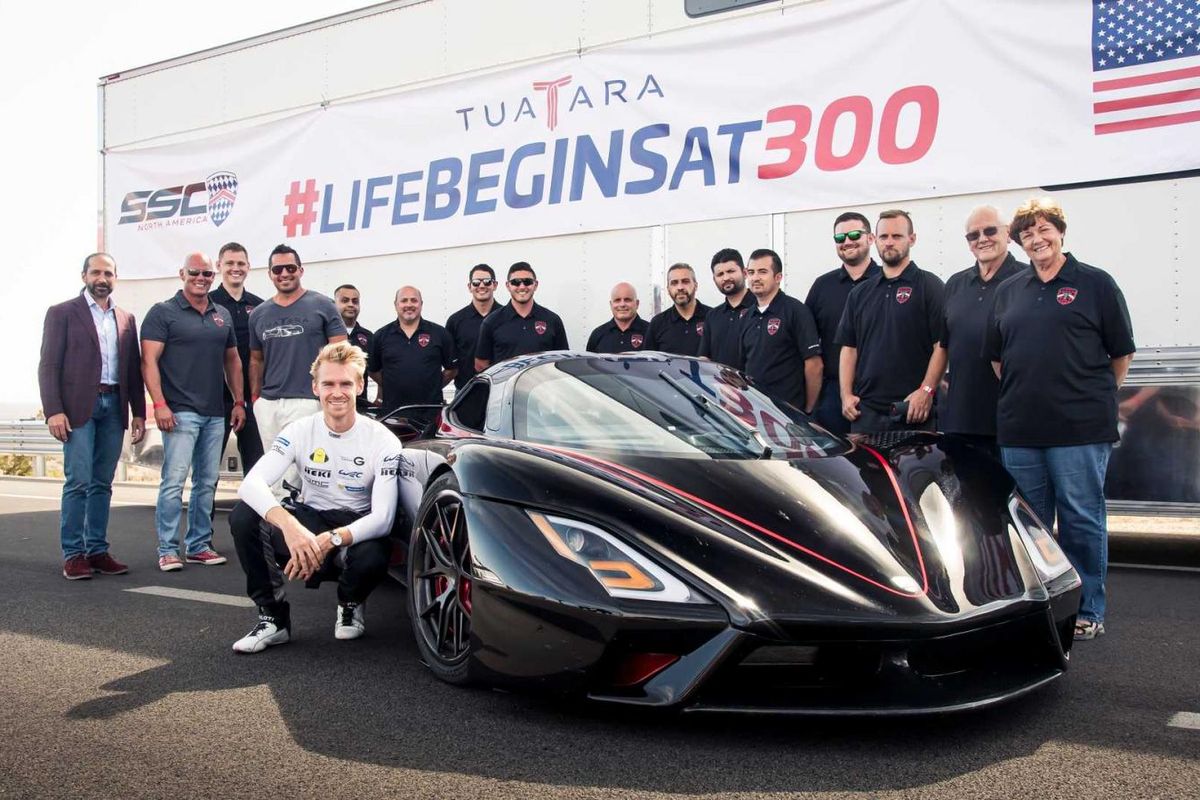
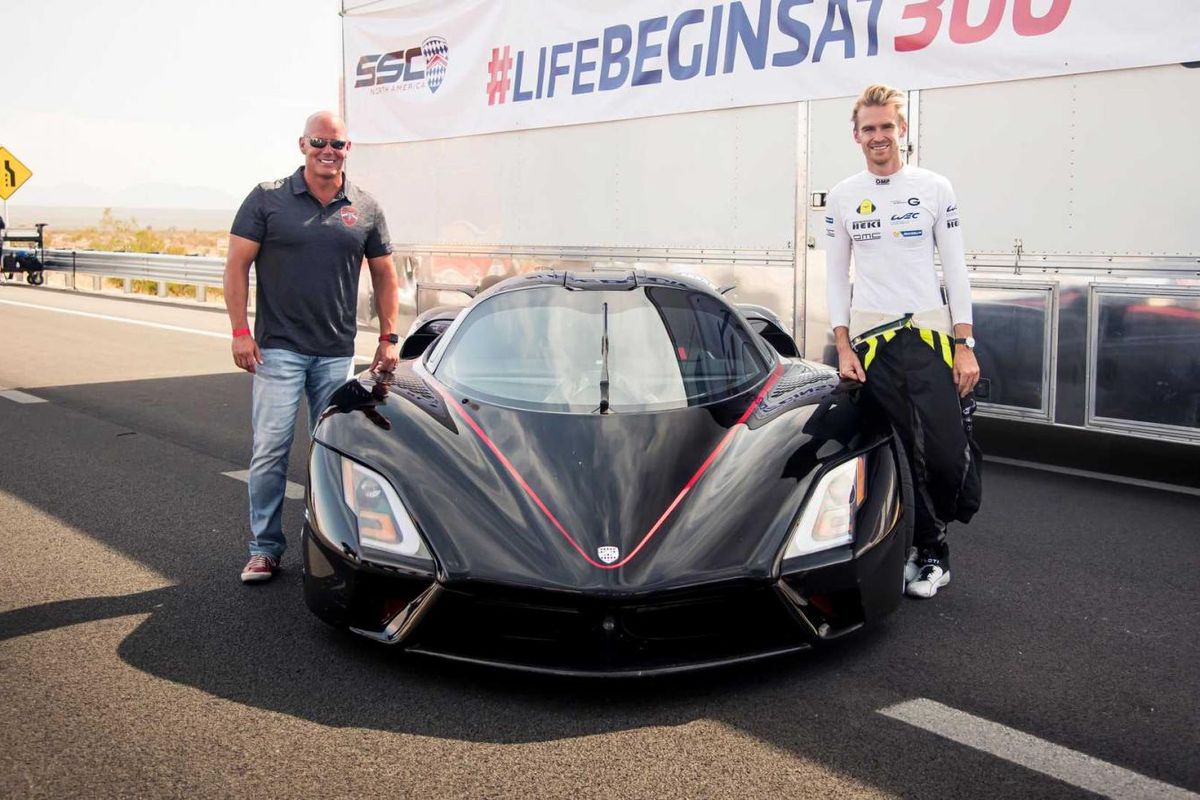
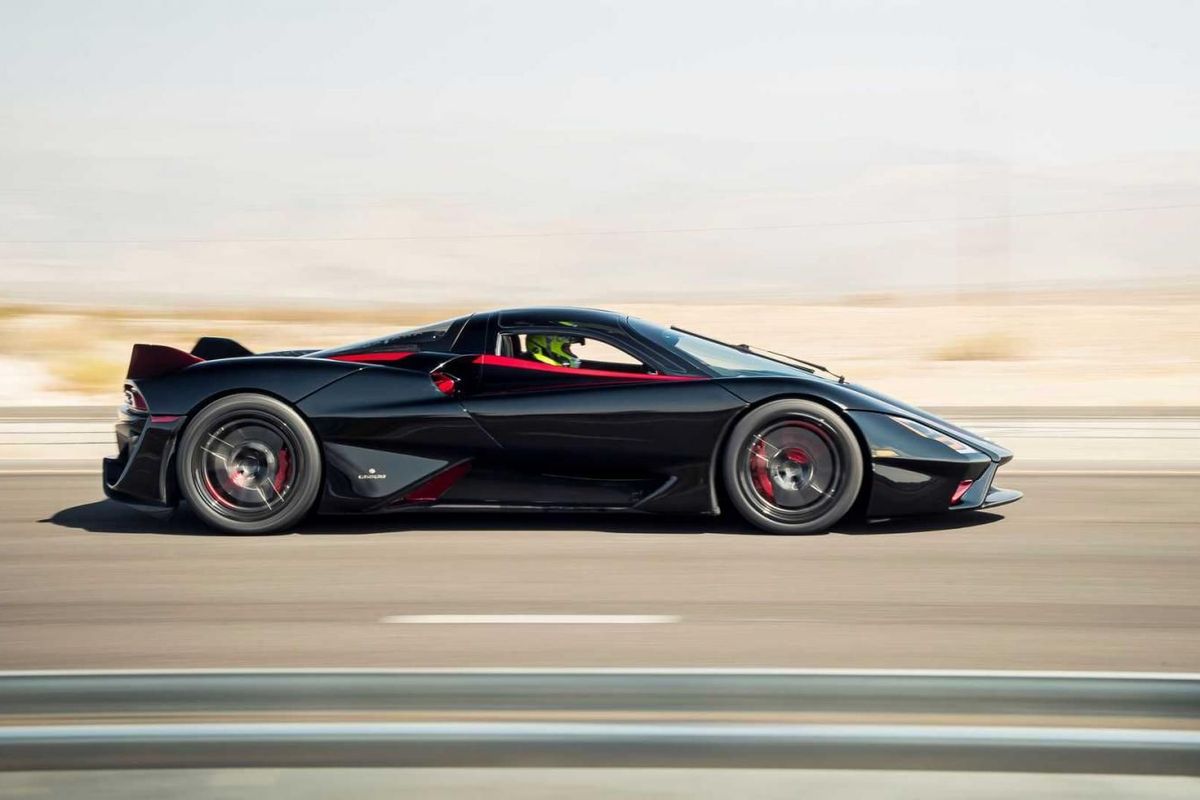
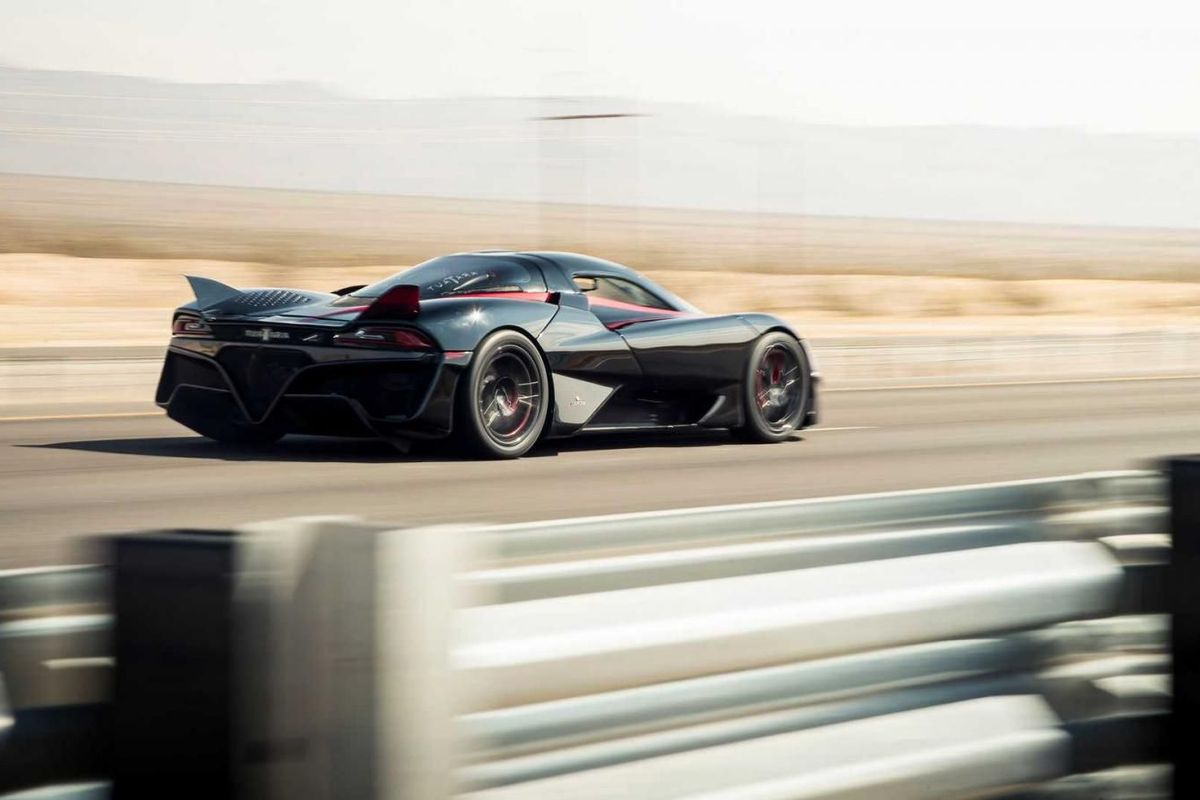
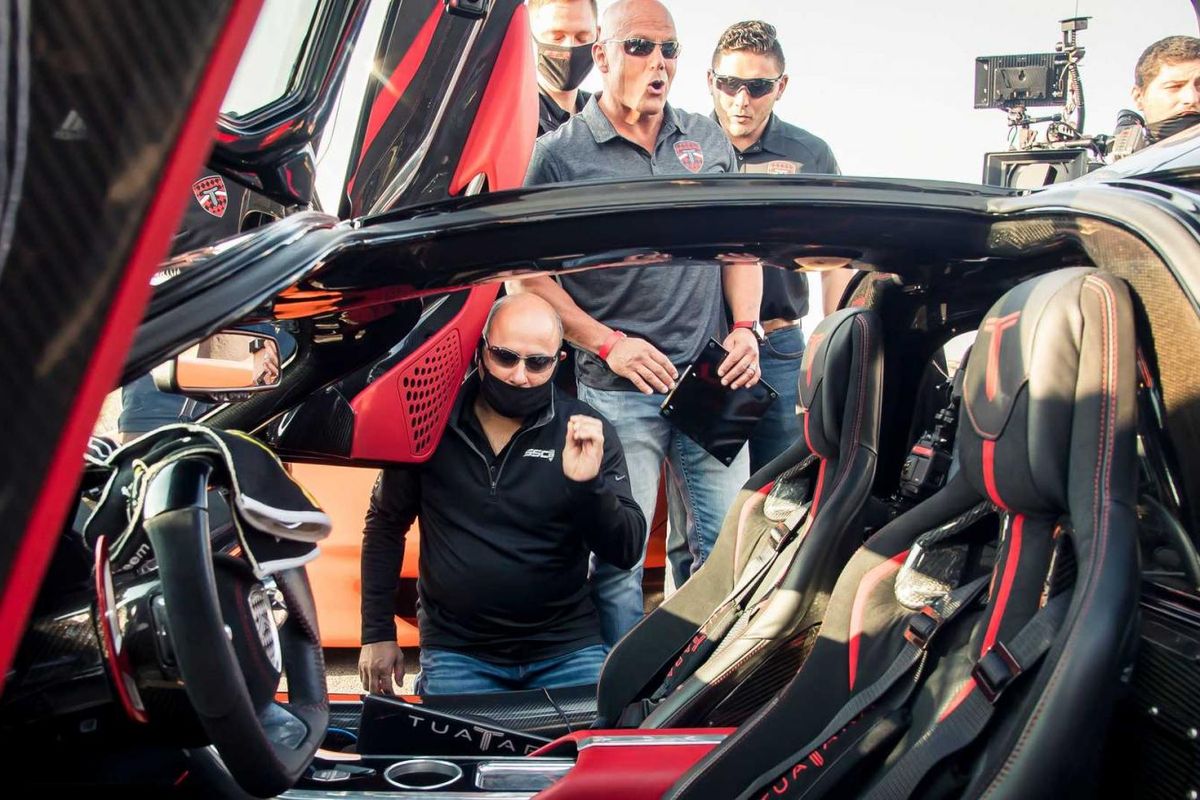
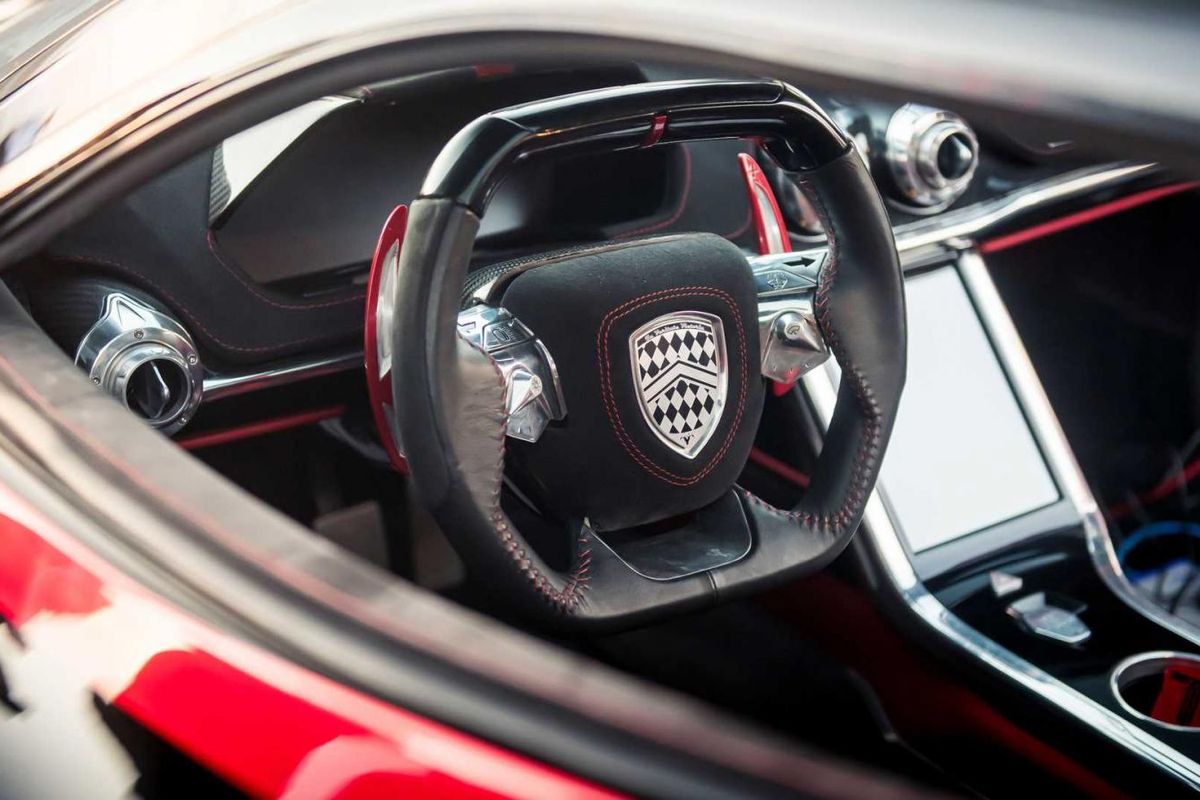
It’s official, the SSC Tuatara has claimed the title as the fastest production car in the world.
The world production car speed record has been snatched away from the Koenigsegg Agera RS, which has held the production car speed record since 2017 with a speed of 447.19 km.
Back in 2007, the SSC Ultimate Aero became the fastest production car in the world with an average top speed of 412.22. Now, 13 years later, SSC is once again writing itself into the history books.
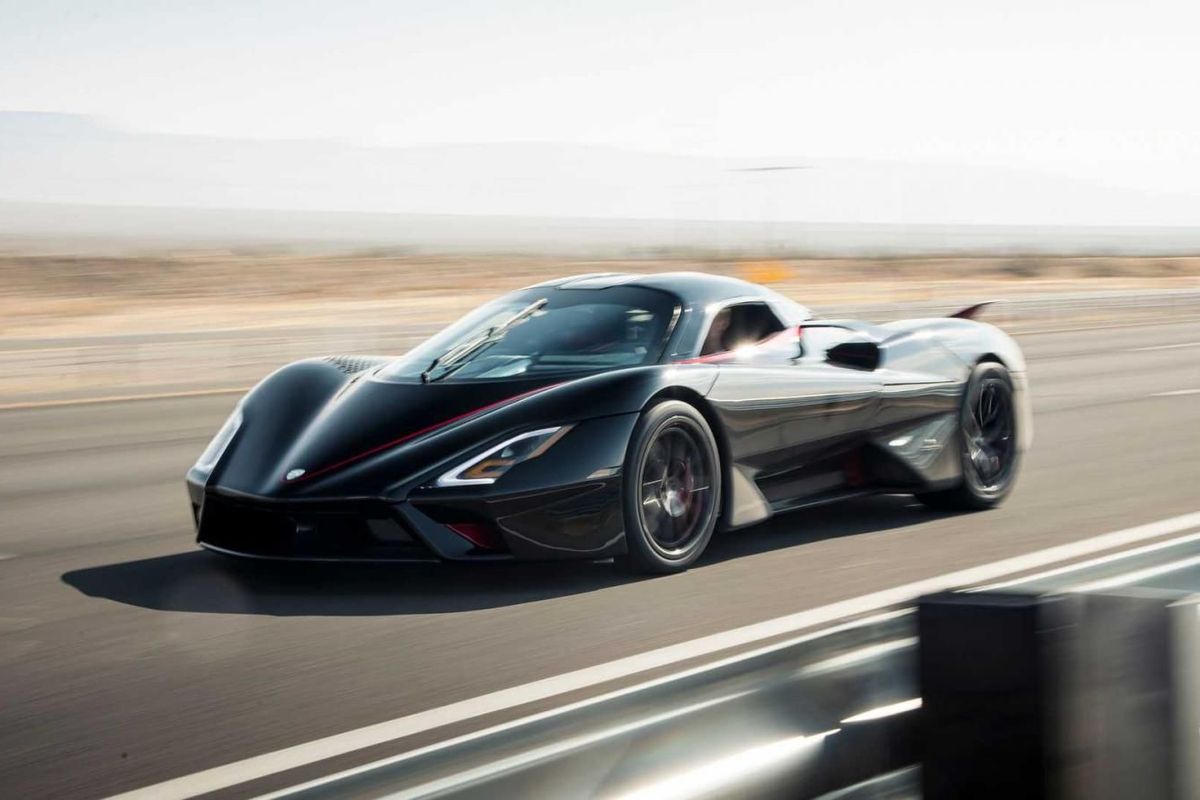
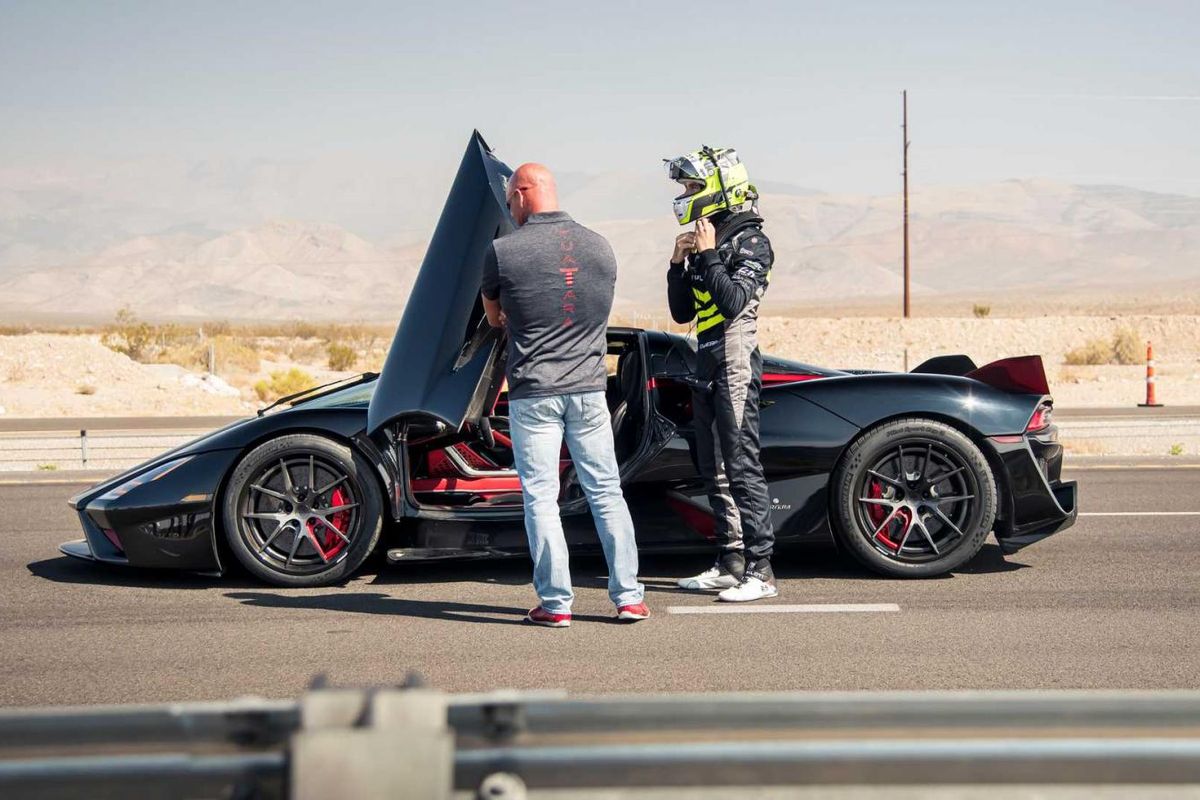
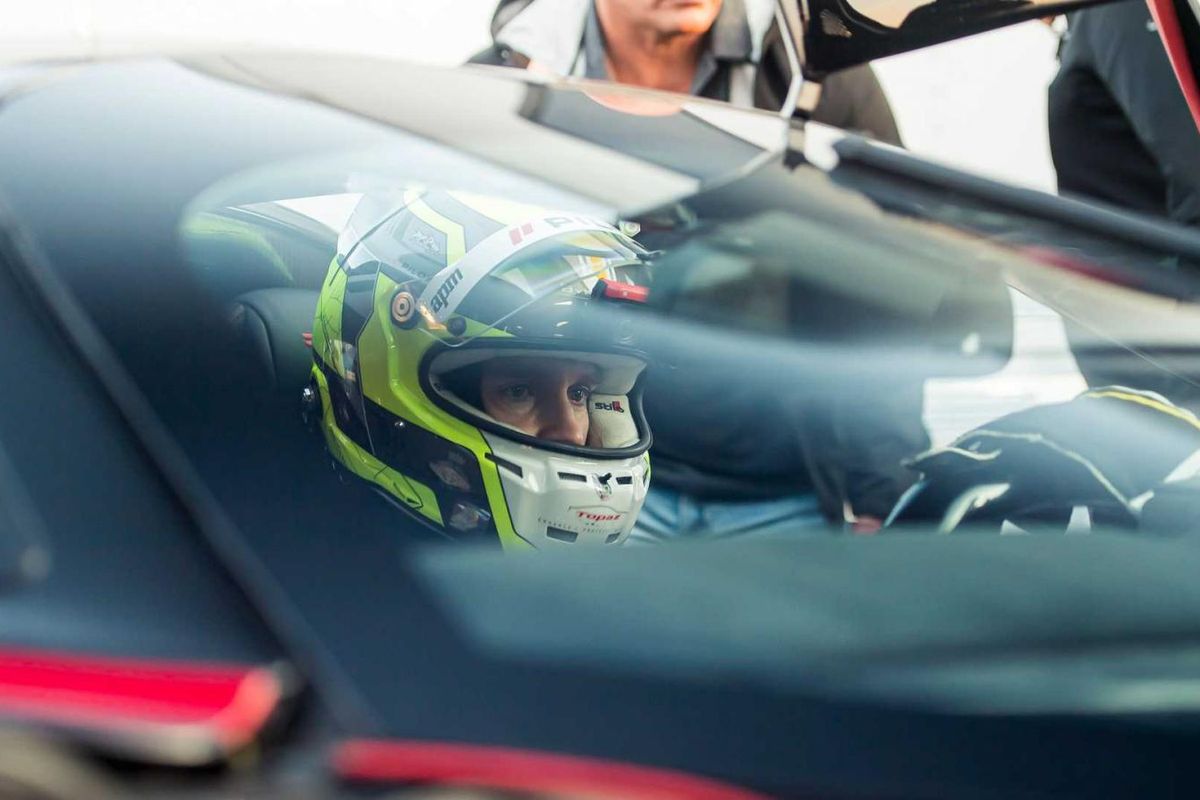
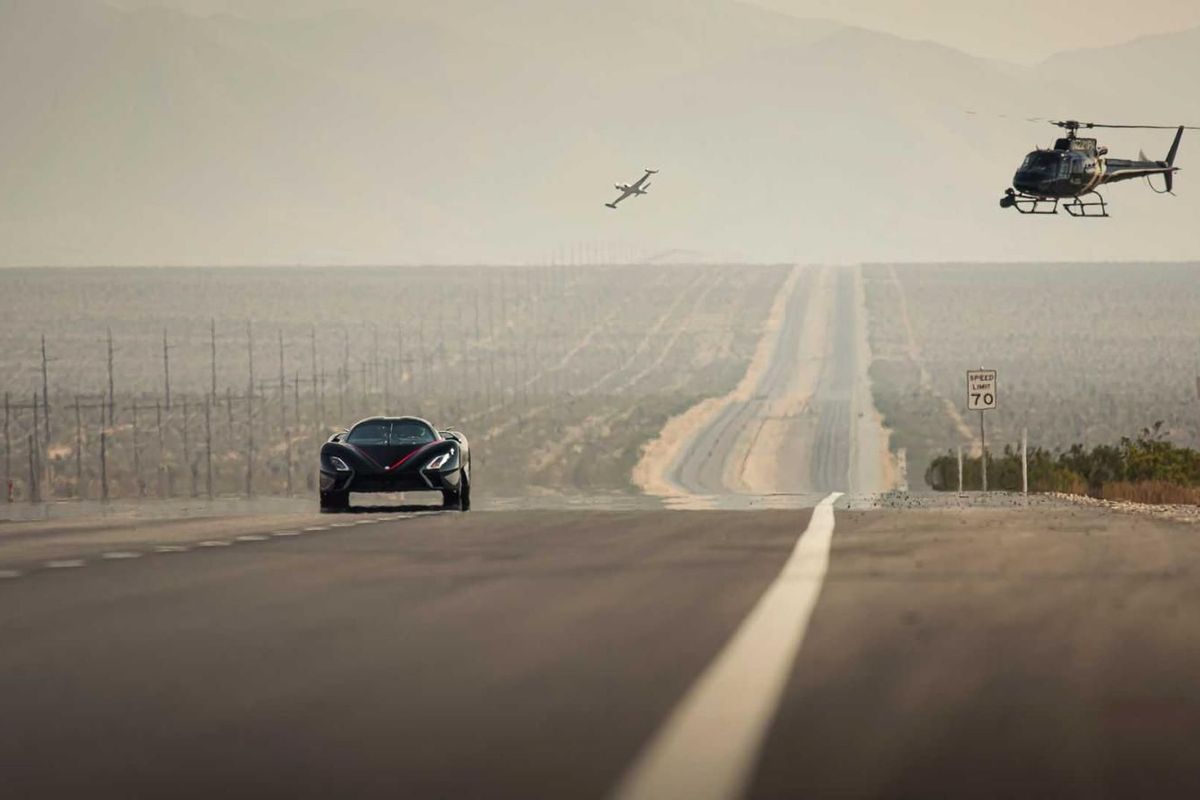
On a very long stretch of road outside Las Vegas, State Route 160 to be exact, the American-built SSC Tuatara, with racing driver Oliver Webb at the helm, smashed an average speed of 508.73 kph after completing 2 runs in opposite directions to become the world’s fastest street-legal production car. On the first run, Webb achieved a speed of 484.53 kph while the second run was faster at 532.93 kph.
Impressively, Webb commented that the SCC Tuatara was “still pulling well” and “wasn’t running out of steam yet” implying that it could have gone even faster! The run was completed using road tyres and normal fuel. More than this, the Tuatara also smashed records for the flying mile and flying kilometre on a public road with speeds of 503.92 kph and 517.16 kph respectively.
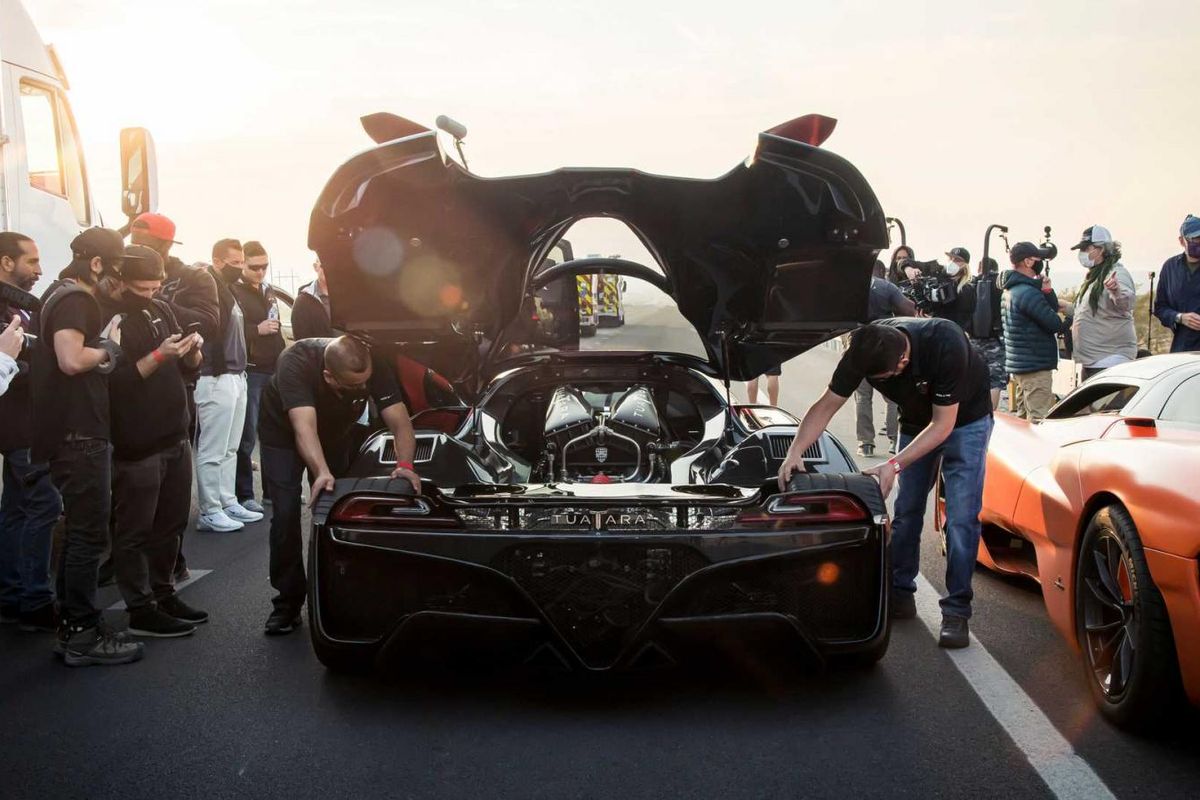
The Tuatara is powered by a twin-turbocharged 5.9-litre flat-plane crank V8 that produces 1 007 kW on standard 91 octane petrol but can produce 1 305 kW when guzzling E85 race fuel with 1 735 Nm of torque. Those numbers are directed to the rear wheels using a 7-speed dual-clutch transmission.
Few cars are capable of achieving such high velocities but the only potential challengers to vie for the title are the Koenigsegg Jesko and Hennessy’s Venom F5. Note that Bugatti is no longer interested in achieving world speed records.
Only 100 units of the SSC Tuatara will be produced with a starting price of $1 625 000 or roughly R26 891 377 at current exchange rates and customers are already taking delivery of this super-fast hypercar.
'Normal' grille could become hugely popular refit for polarising BMW M model.
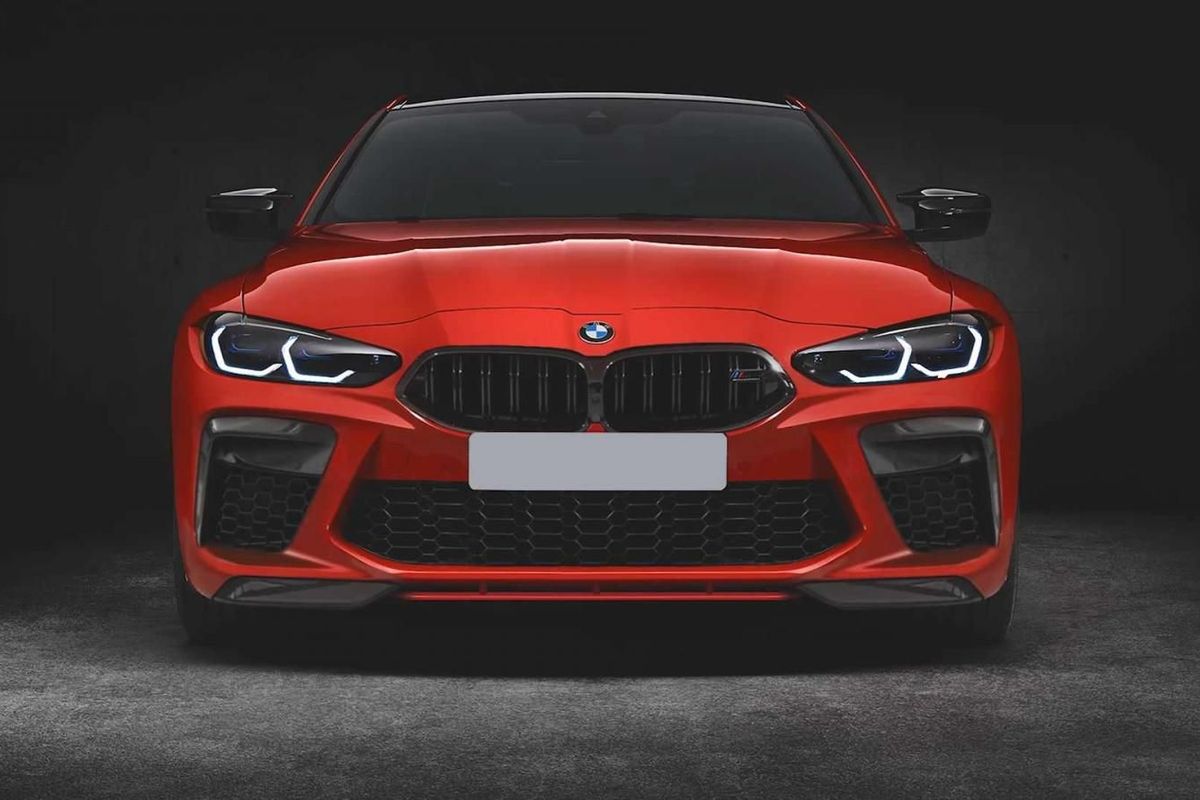
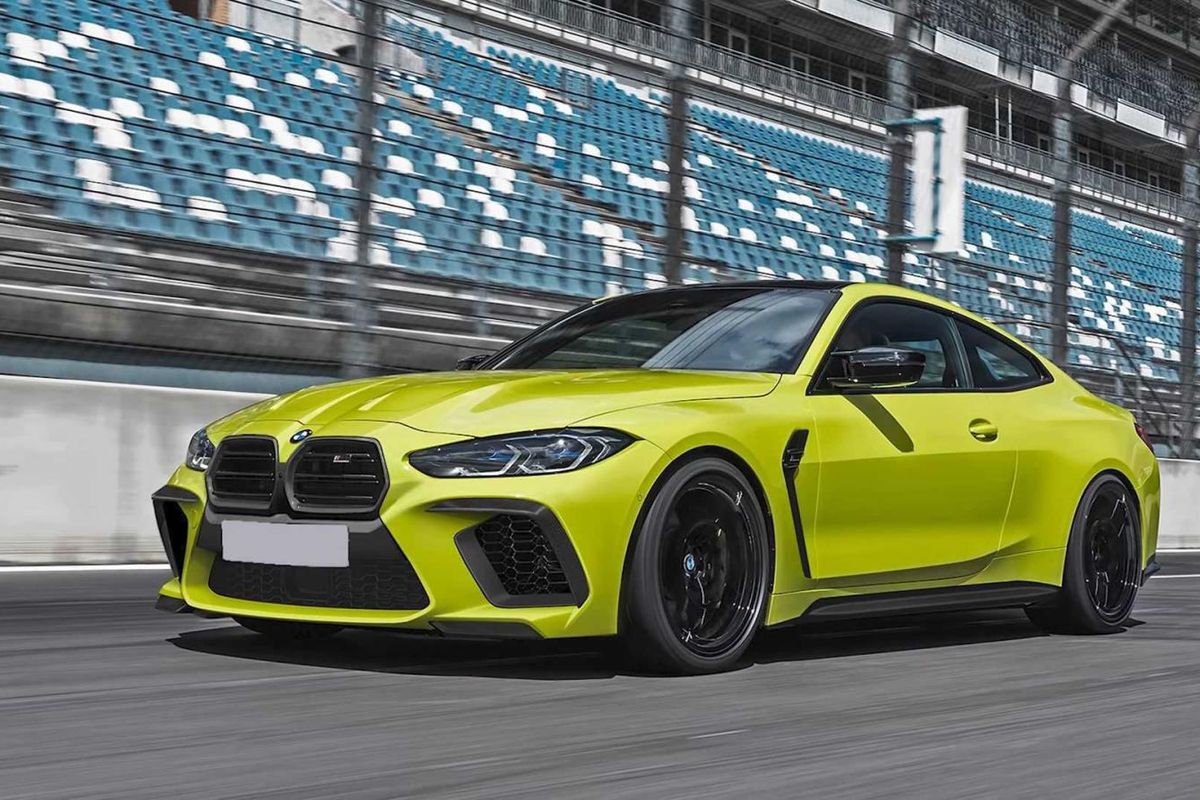
BMW has garnered a lot of the wrong kind of attention, with the controversial grille design on its new M4.
For those followers of all things M-car, the latest version of BMW’s most iconic driver’s car looks a bit too daring. Although the car’s overall proportions are fine, it is the grille design in isolation which is considered completely undesirable.
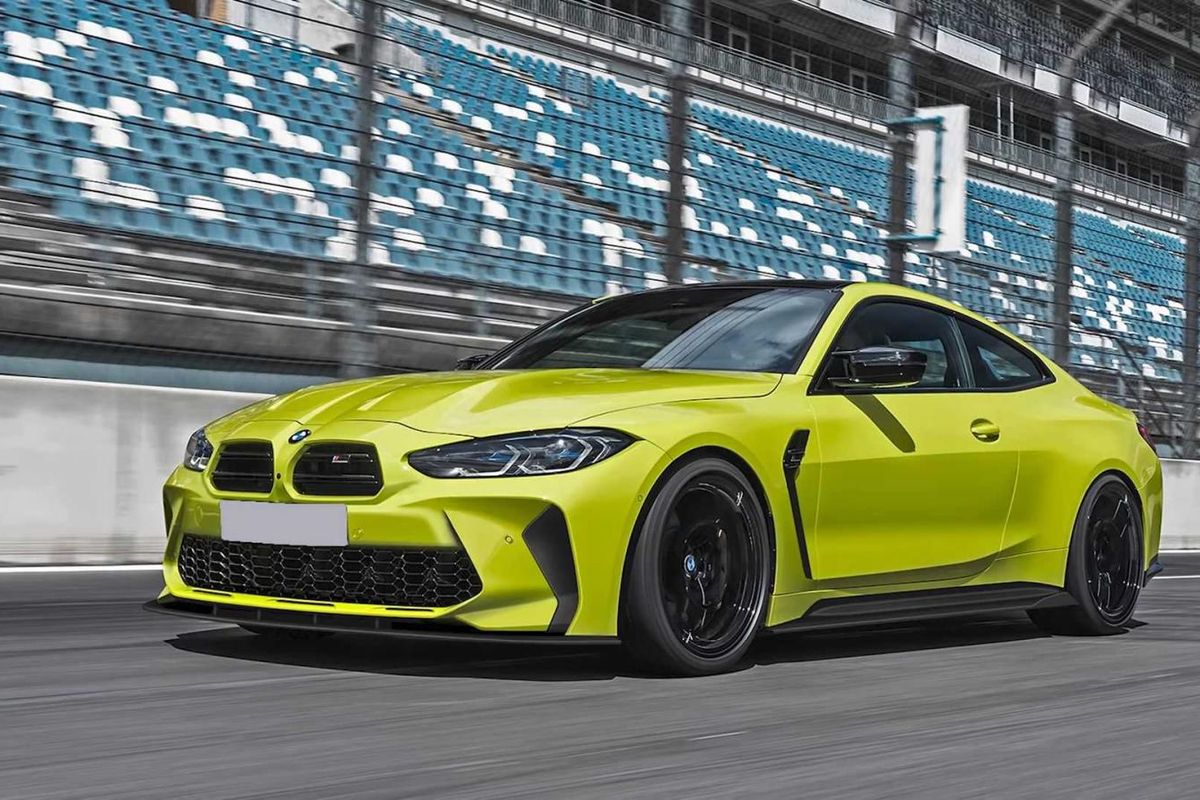
Controversy begets opportunity and triggers innovation, which is definitely proving the case with BMW’s new M4. Those ever industrious German aftermarket auto fabricators have already responded with a possible solution to the new M4’s ungainly centre-front styling issue.
Prior Design has now released some rendering of what it suggests the latest M4 should ideally look like. The German company produces an array of widebody and aero kits, for most leading automotive brands.
With the G82 series M4, Prior has not focused on making the car appear wider but solving its elongated kidney grille problem. The solution is a new front-section, encompassing the bumper and grille surrounds.
The Prior Design concept shrinks those huge M4 kidneys by more than half, neatly grouping them above the licence plate. If you recognise some aspects of this design, that is not accidental, as Prior’s designers have basically copied the current M8 front-end.
A range of grille surrounds are suggested too, including colour coding and a grey border option. Beyond the notably more subdued grille size, this Prior design study also reshaped the entire bumper and its air intakes.
Whereas the new M4 has very slim air intakes at each corner of its front bumper, the Prior design upgrade features huge ducts. These are essentially a copy of the current M8’s front-end.
There is no pricing or production schedule available for Prior’s M4 replacement front-end, but we imagine that demand could definitely trigger a production run. Especially judging from the panic amongst loyal M-car enthusiasts, which has followed BMW’s second-generation M4, since its reveal.
Many of you have asked how much has Toyota changed with this facelifted Hilux. Here we highlight some of the key updates.
Despite many pundits often and incorrectly assuming a facelift is just a visual update where a new front bumper is fitted, the changes to the Toyota Hilux are way more than skin deep. This current Hilux platform was launched in SA back in 2016, but the raft of changes brought in with the facelift brings new levels of performance, convenience, and technology.
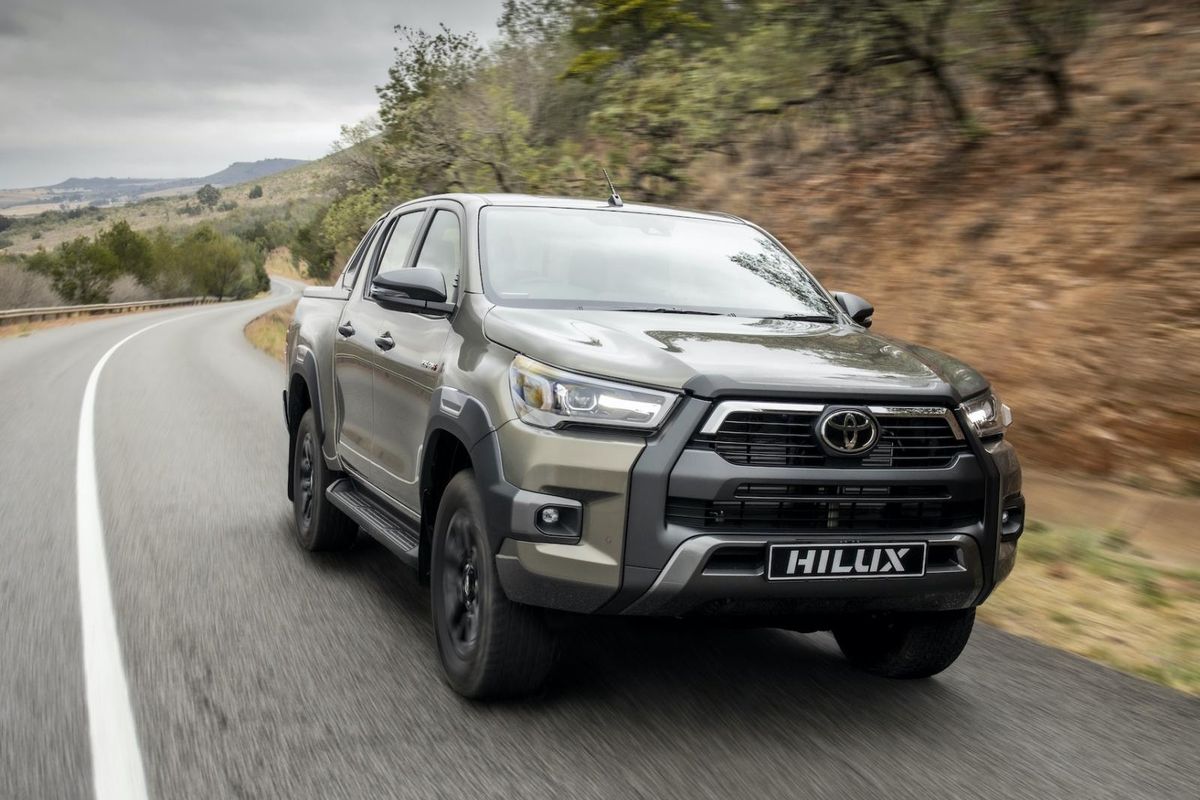
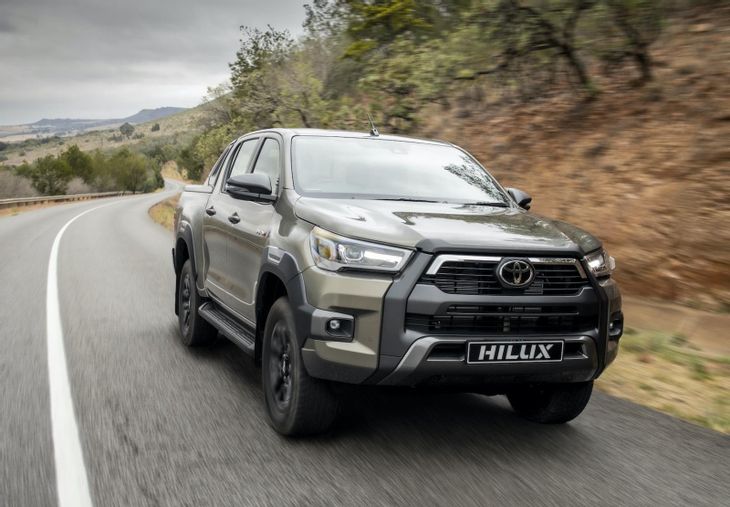
The updated Toyota Hilux in Oxide Bronze with the new front end and daytime running lights on display.
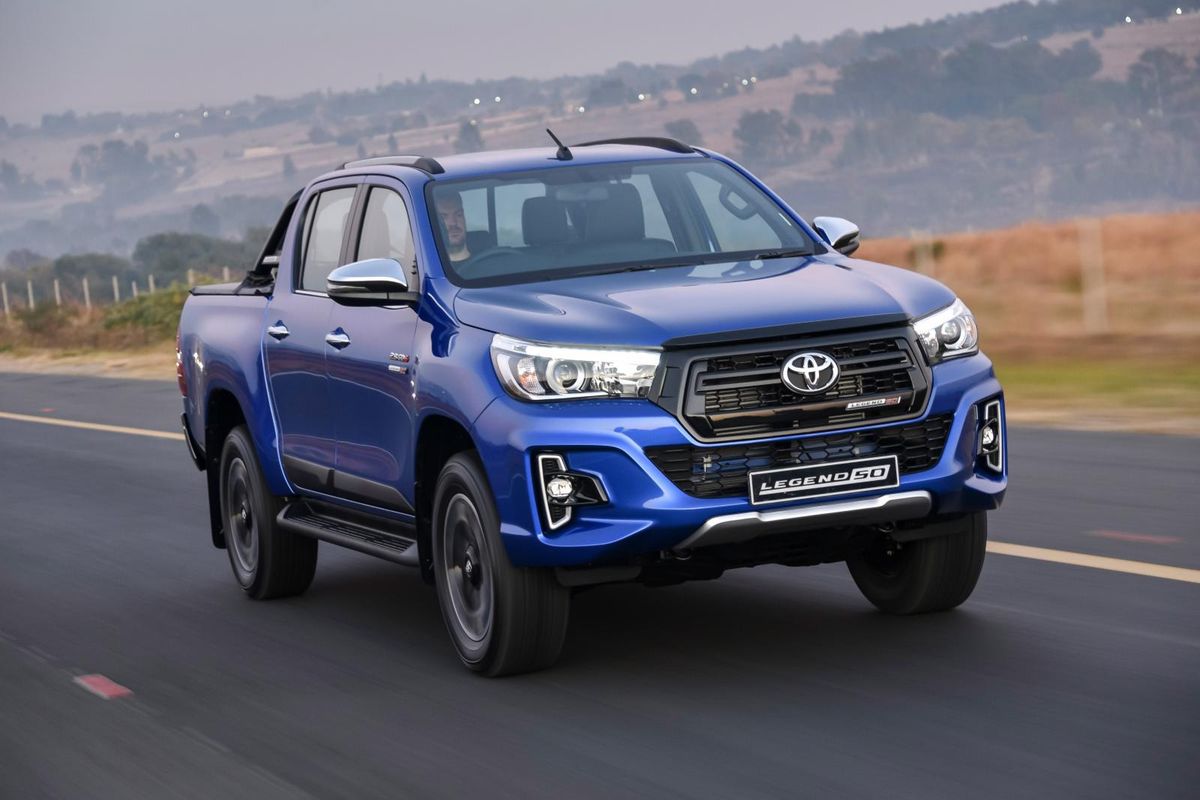
Visually, yes there are changes in the form of two new colours, one of which (Oxide Bronze) you can see here. There are new-look slim-line headlamps, an all-new front grille as well as a new-look bumper. Depending on trim, some higher-spec models gain Bi-LED headlamps and LED turn-signals. The Legend models (top-spec) are equipped with new 2-tone 18-inch alloy wheels wrapped in 265-60-R18 tyres.
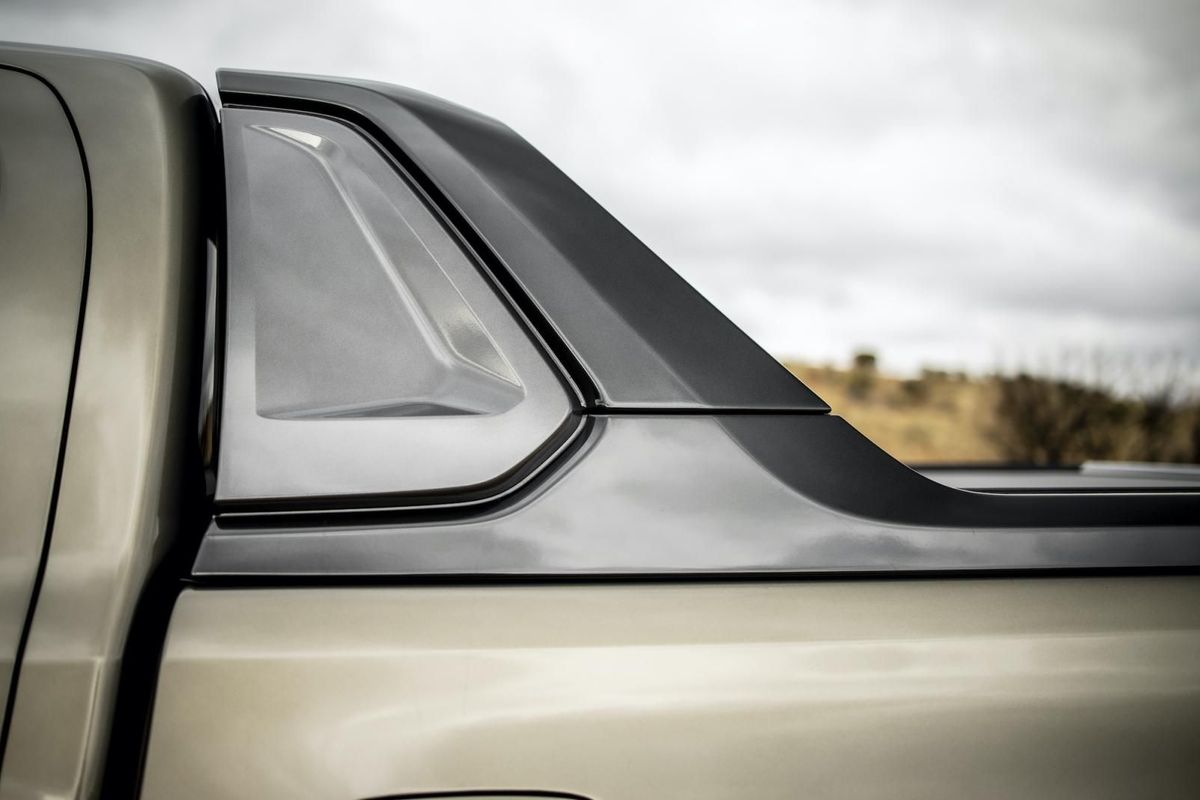
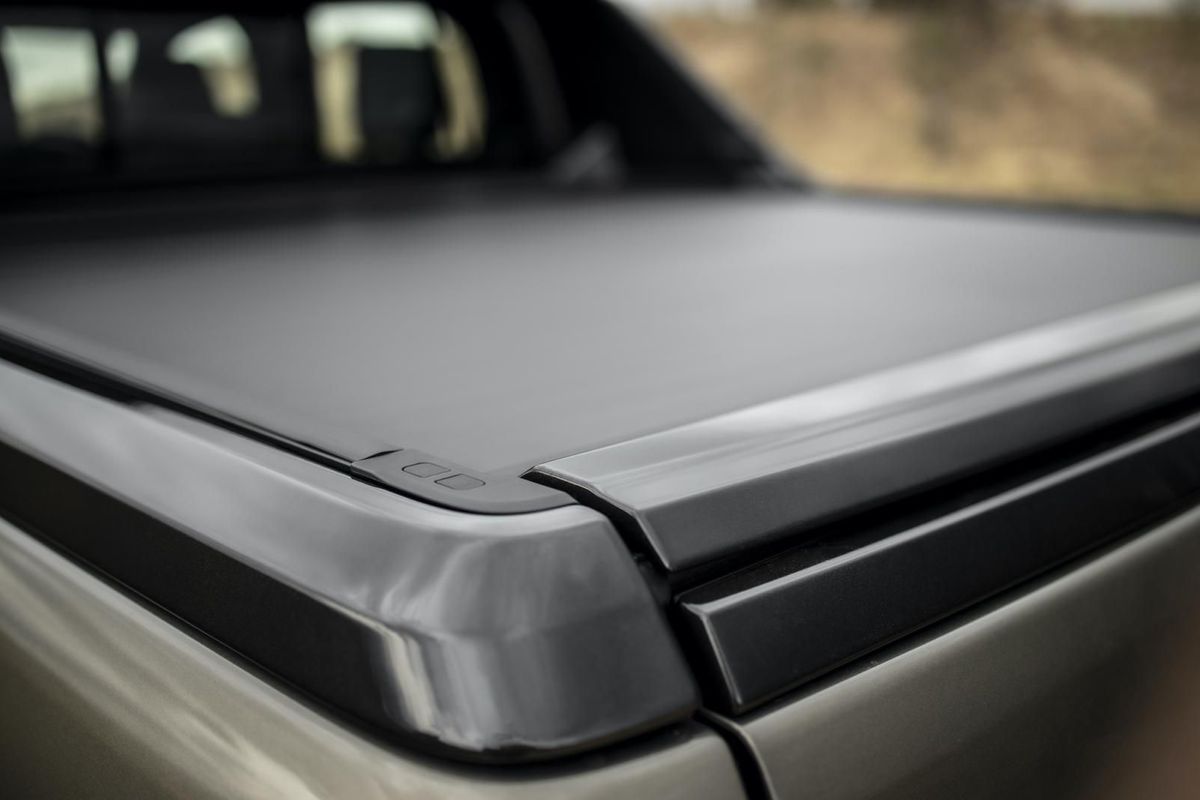
There's also a new RS level of trim, but before you all get excited, RS stands for Roller Shutter. This optional accessory package is for the Legend and features a sports bar, rubberised bin as well as the motorised roller shutter for the loadbay.
Engine and performance
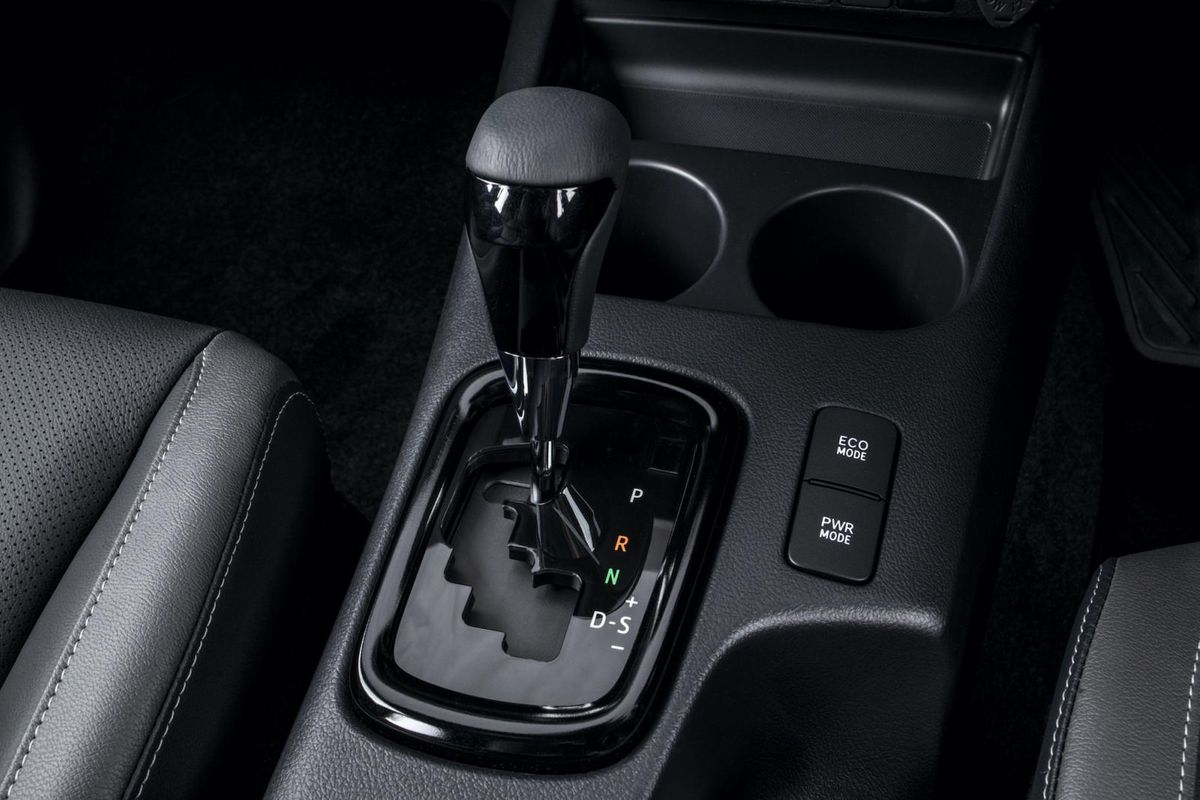
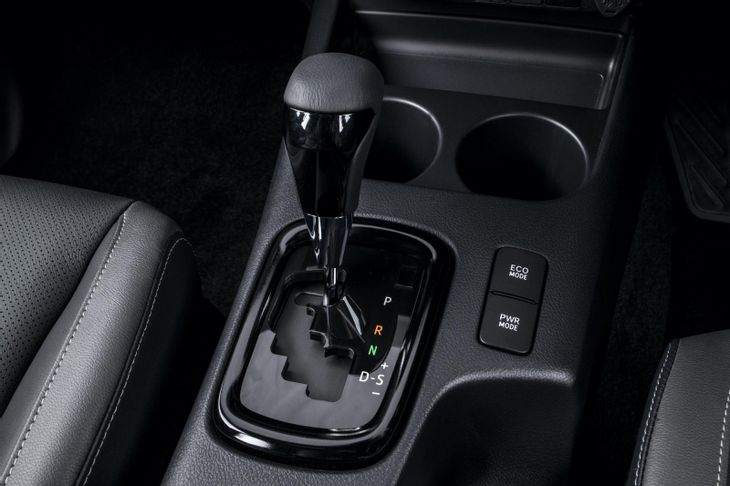
When paired with the 6-speed automatic transmission, the updated Hilux boasts outputs of 150 kW and 500 Nm.
The headline change is with regard to the powertrain. Toyota has imbued its GD-6 with more power and torque. The 2.8-litre 4-cylinder turbodiesel motor produces 150 kW and 500 Nm, which is 20 kW and 50 Nm more than the previous version. Toyota says the additional power comes courtesy of a larger turbocharger and a new common-rail injection system. It's important to note the 500 Nm is only available on the automatic derivative, than manual models remain at 450 Nm. Speaking of transmission, Toyota says the 6-speed automatic gearbox offers "improved acceleration, especially while towing." What's impressive is the motor's efficiency is claimed to have been improved "by up to 11%"
The updates are not just limited to the 2.8 GD-6 motors, with the 2.4 GD-6 now also boasting the same tow rating of 3.5 tons. There's also been some substantial work to the suspension, with Toyota adding new spring rates, new shock absorbers, and new suspension bushes which will help address comfort issues that afflict most unladen double-cab bakkies. We drove the newcomer in off-road conditions back in early October, you can read our initial impressions here.
Connectivity
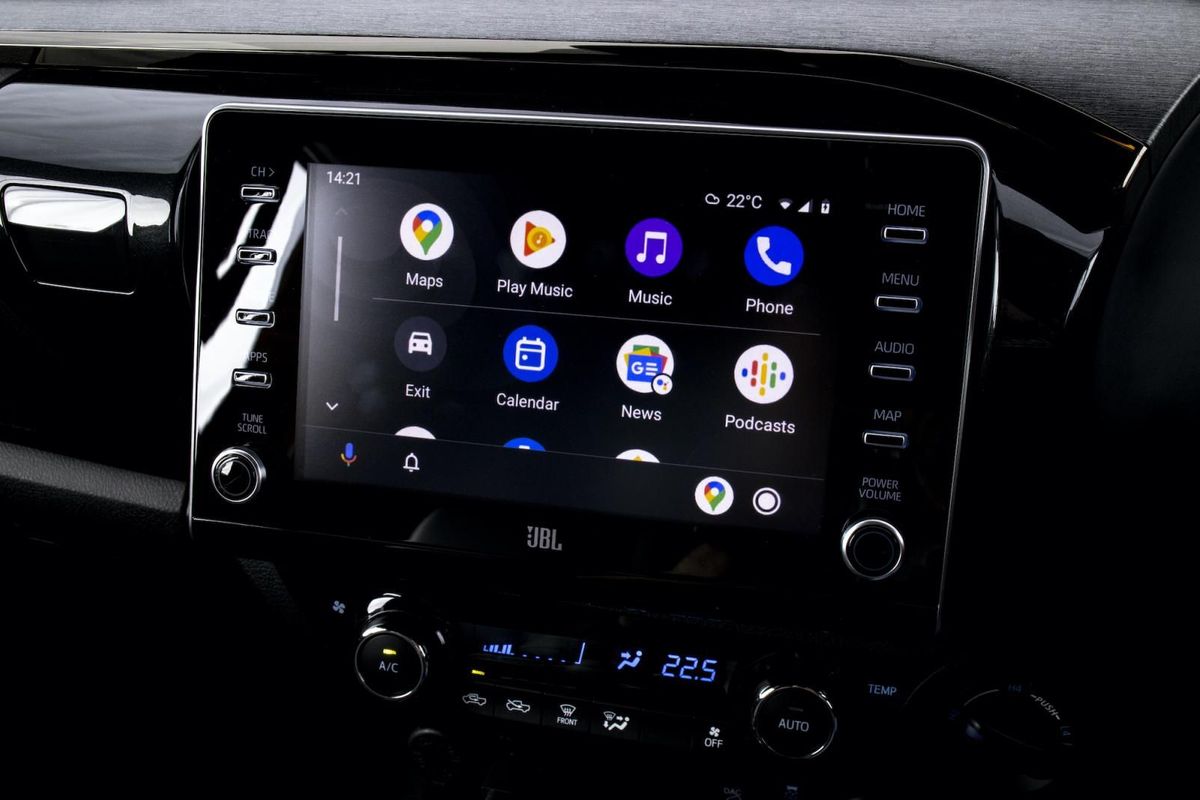
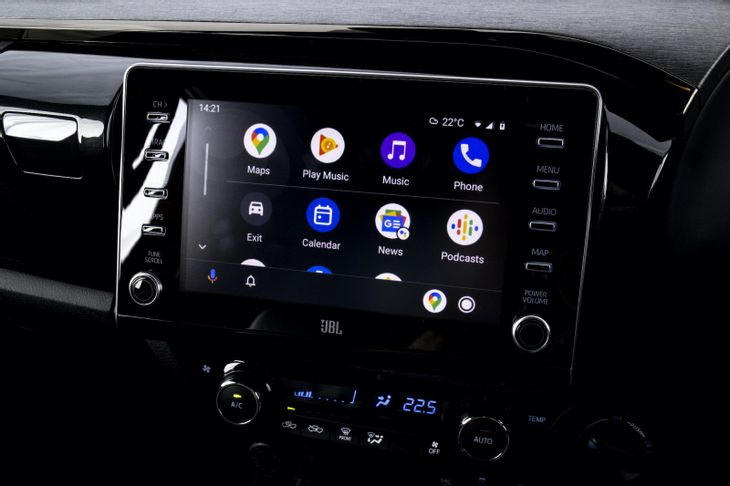
Android Auto in the Toyota Hilux
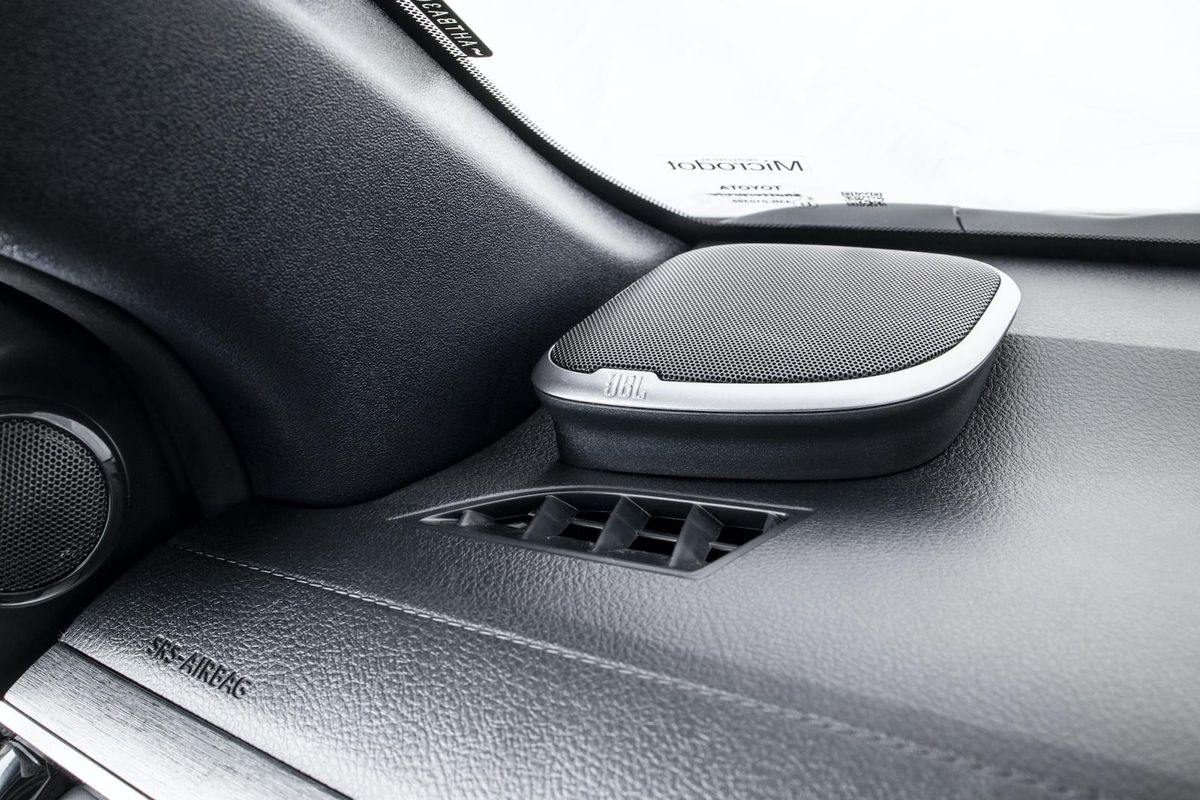
If there was one area where Toyota was lagging, it would be the in-car communication stakes. Ford's Ranger had it licked when it came to 21st-century smartphone connectivity, but finally, the Hilux has caught up. The updated Toyota Hilux now features an all-new 8-inch infotainment system with Apple CarPlay and Android Auto functionality. This allows for music streaming services as well as access to real-time navigation and traffic info via Google Maps. As a bonus, there's now an in-car Wi-Fi hotspot and complimentary 15Gb data. For the audiophiles, Toyota has introduced a 9-speaker JBL sound system into the Legend models.
Safety
The new safety systems in the updated Toyota Hilux
Toyota has bolstered the Hilux's safety offering with the addition of the Toyota Safety Sense package. This comprises a pre-collision system, road sign detection, lane departure alert, and adaptive cruise control. The Safety Sense package is standard fare on the Legend 4×4 models.
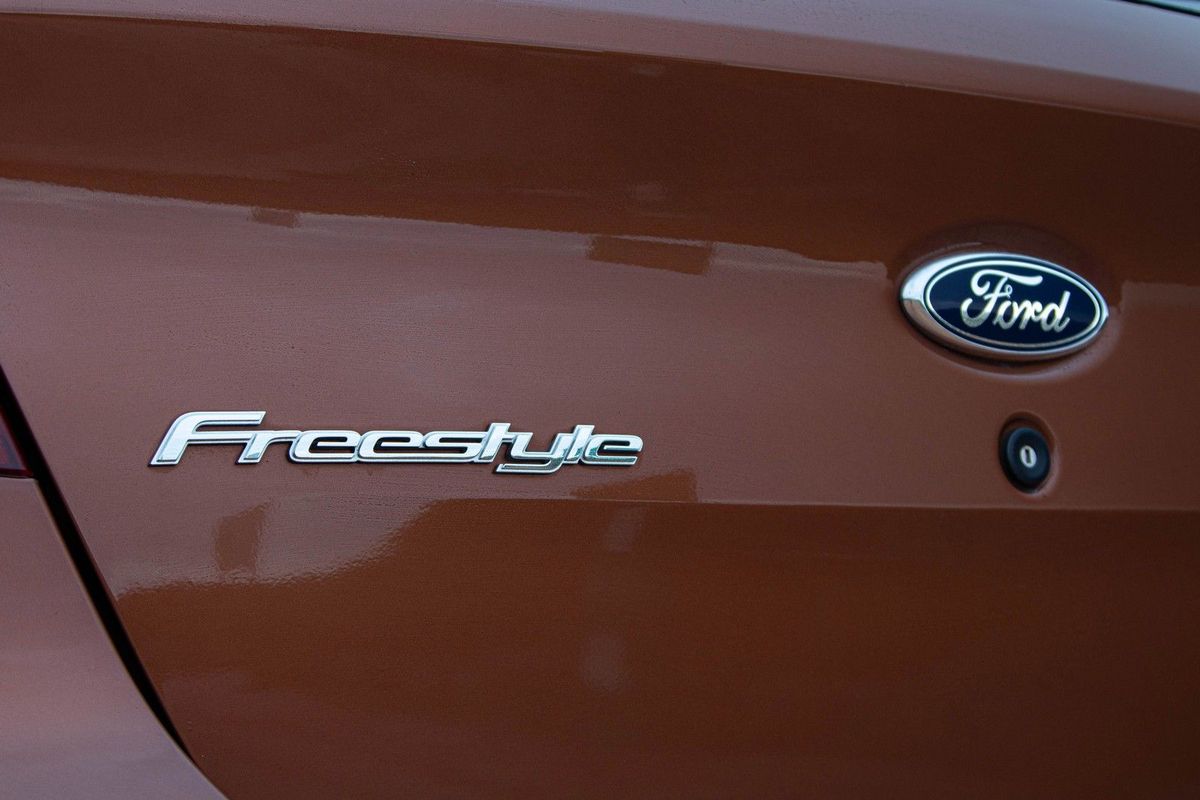
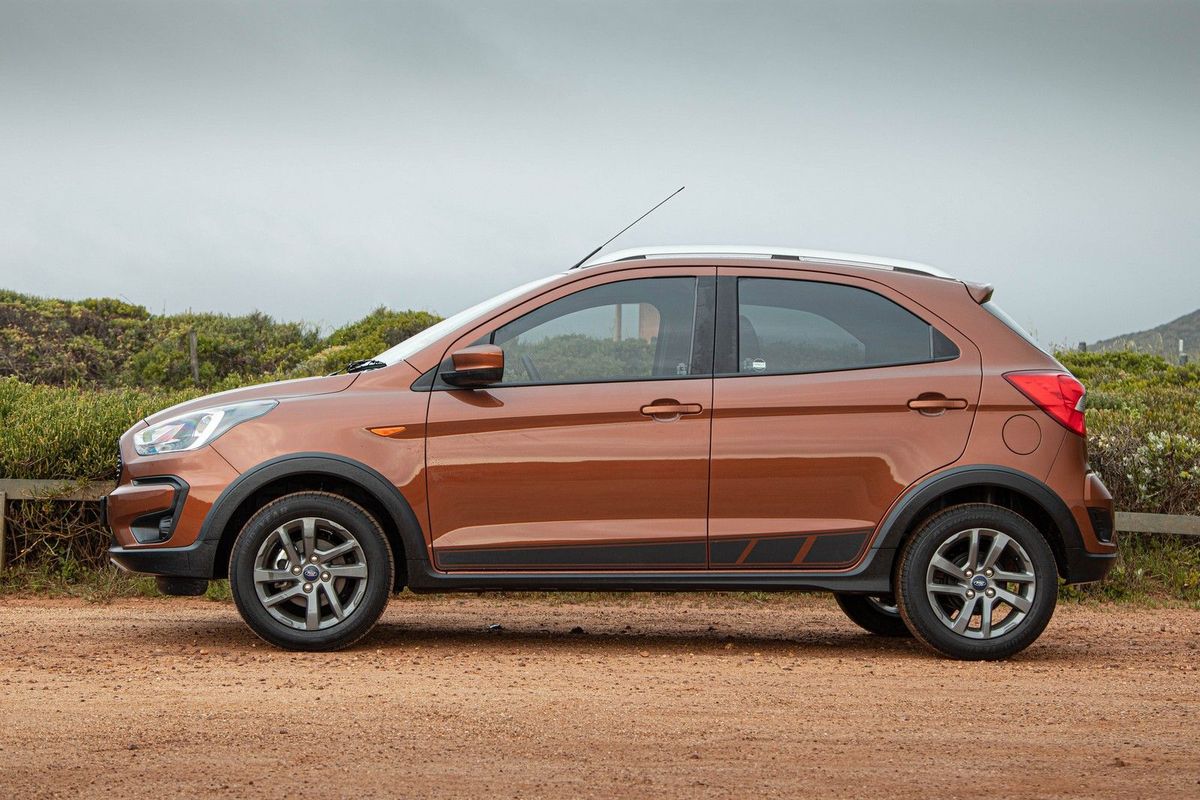
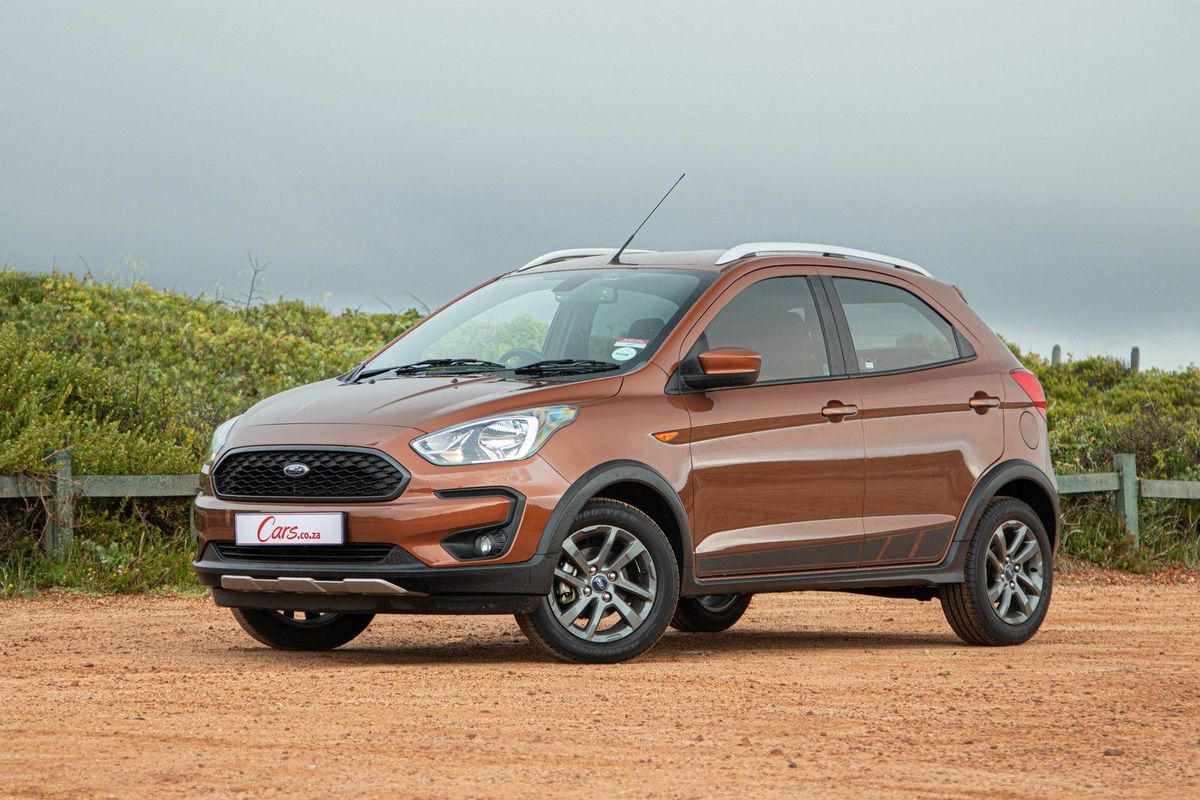
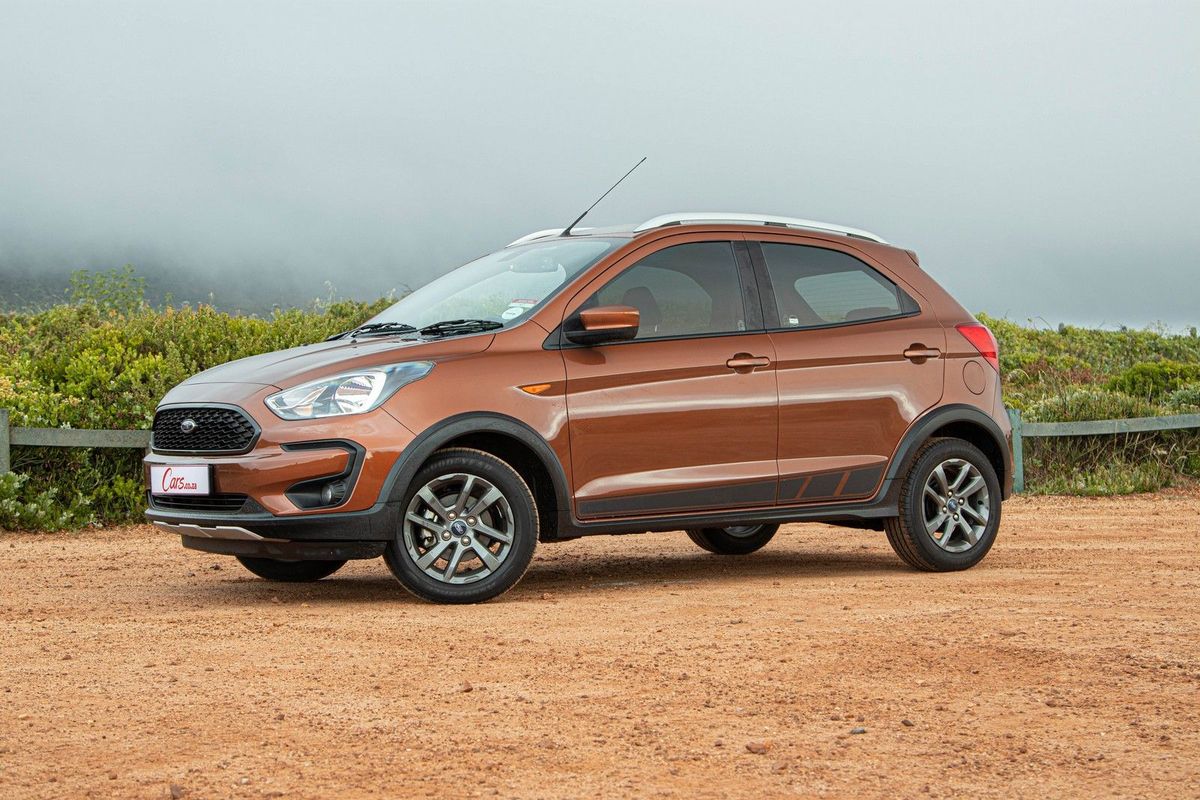
The Ford Figo has grown throughout its evolution, so much so that it's now bigger (and pricier) than most budget cars. It still offers great value-for-money, however, plus its added practicality makes it a good candidate for the "crossover treatment". That's how the Figo Freestyle came to be; we put the flagship derivative through its paces.
We Like: Energetic engine, generous standard spec, impressive cabin space, great value.
We Don’t Like: No automatic option, an EcoSport is oh-so-close price-wise
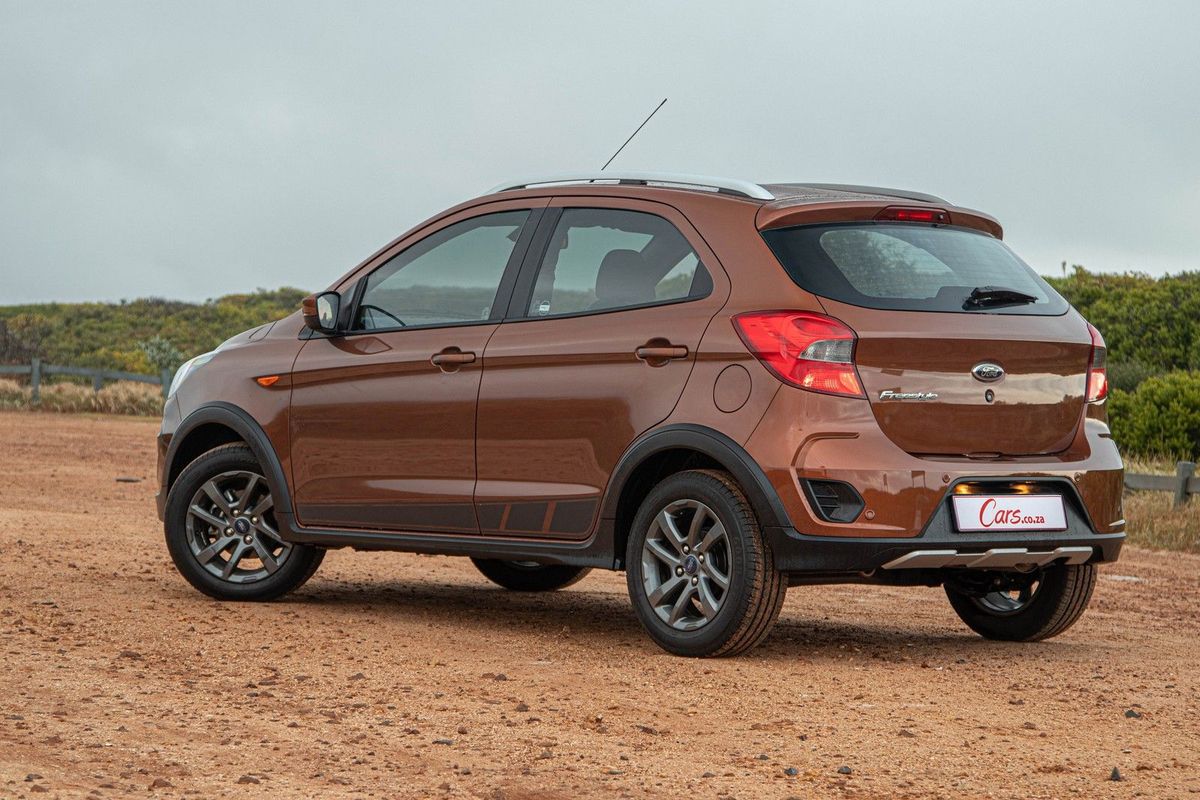
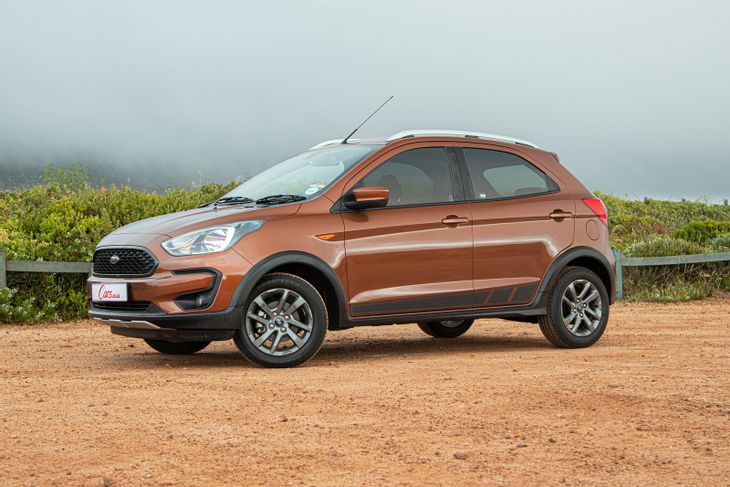
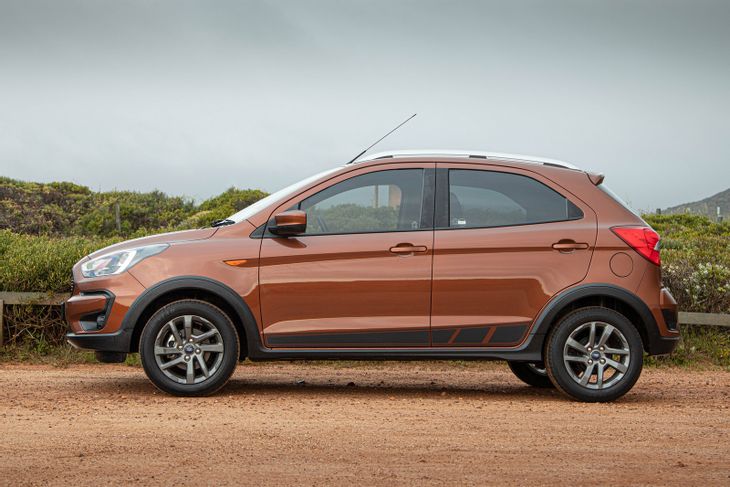
It's easy to spot the Figo Freestyle with its chunky looks, unique bronze exterior finish, as well as roof rails.
Ford has clearly been paying attention to the lower end of the market. With local buyers' appetite for small crossovers seemingly as ferocious as ever, the Blue Oval has introduced a model to rival the Renault Sandero Stepway, Suzuki Ignis and others. It's a well-timed introduction too, with the Honda WRV set to be launched on the local market before the end of the year. Interestingly, Volkswagen offered a comparable Polo Vivo Maxx until recently, but the derivative has disappeared off the brand's website and our pricelists (an updated version will probably appear eventually).
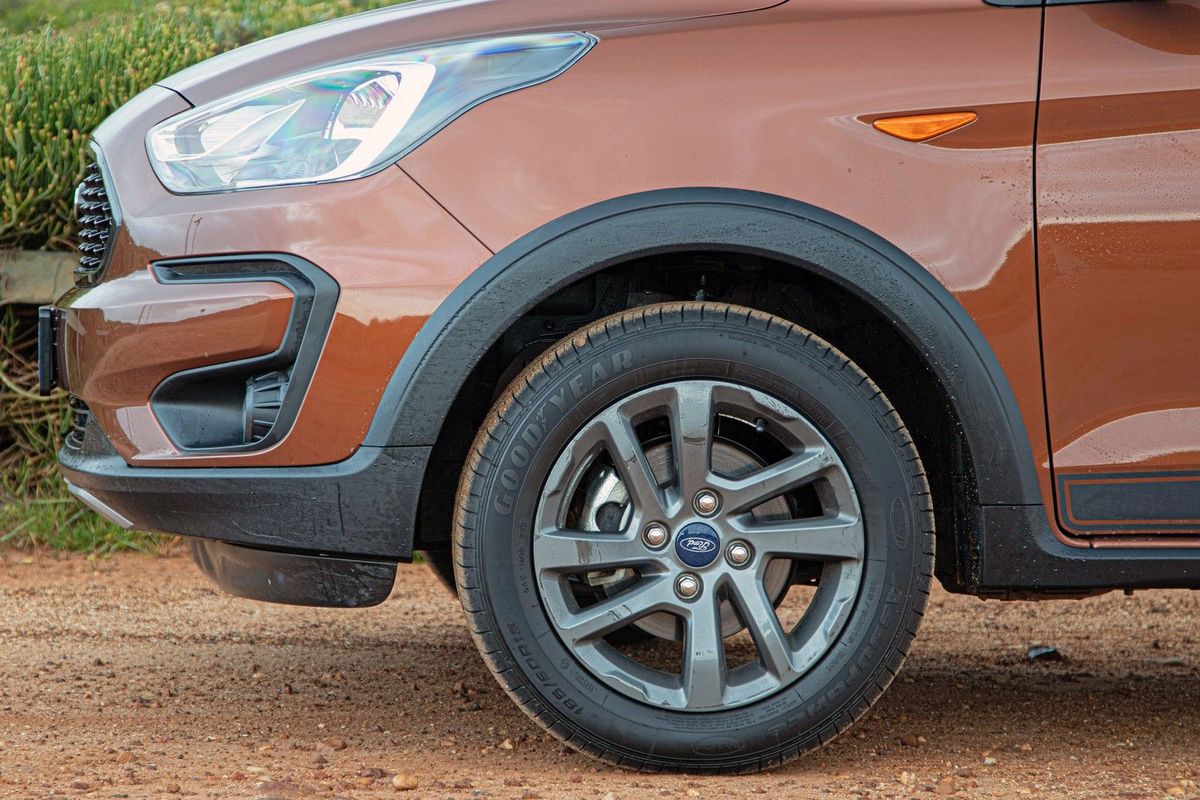
A small crossover is a essentially a pocket-friendly hatchback with a hiked-up ride height. The additional ground clearance (usually just enough to be noticeable) contributes to an SUV-like appearance, but also facilitates kerb-mounting- and dirt-road ability. Compared with its hatchback and sedan siblings, the Figo Freestyle rides 16 mm higher, which is impressive. There are bigger wheels (wrapped in chunkier rubber), wheel-arch mouldings, skid plates to protect the vehicle's underside, plus roof rails (for added practicality). The range comprises 2 derivatives; they have the same powertrain, just different specifications. Is the Figo Freestyle worthy of your attention, or should you rather spend more on an EcoSport?
How it performs in terms of…
Performance and Economy
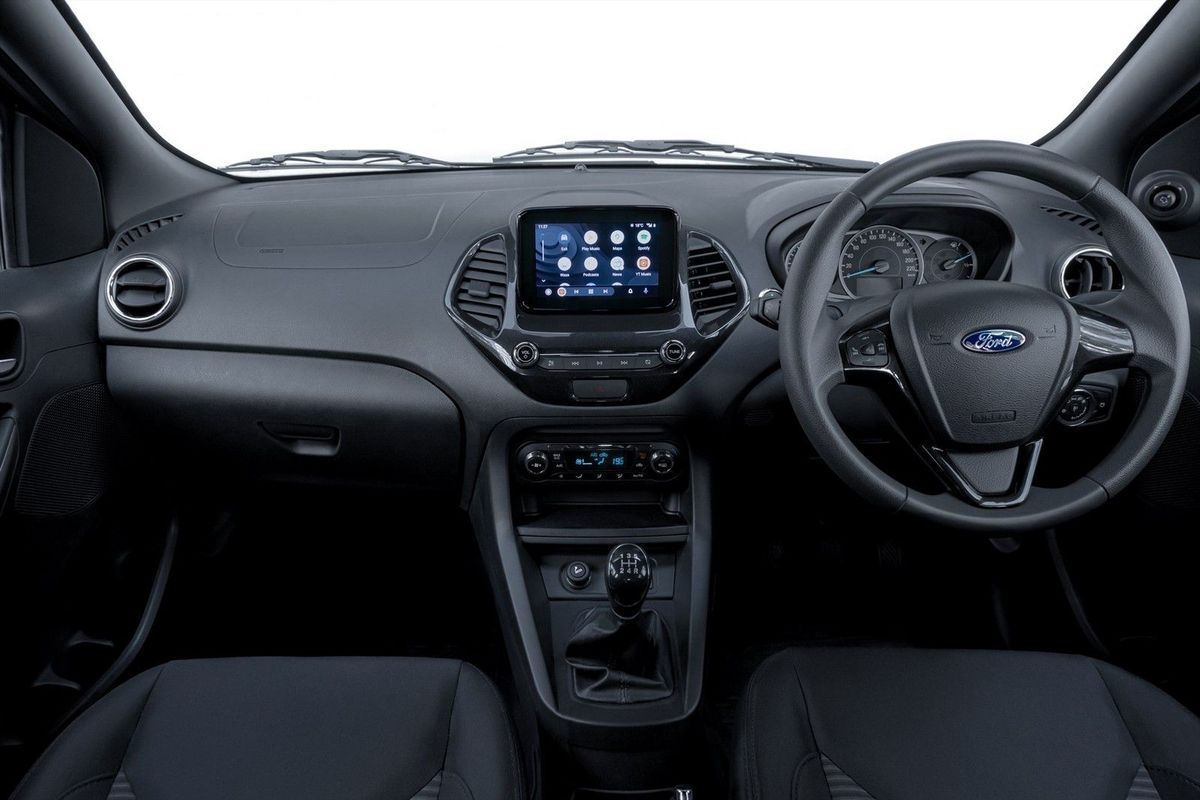
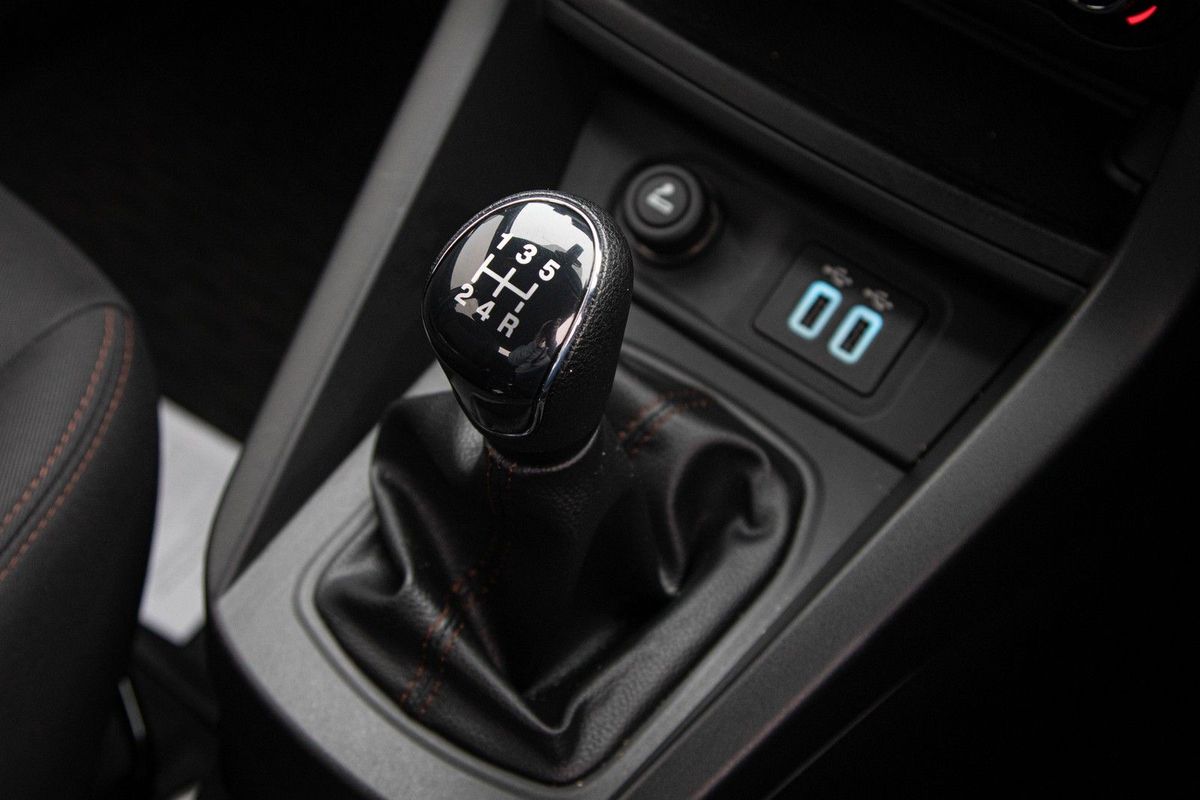
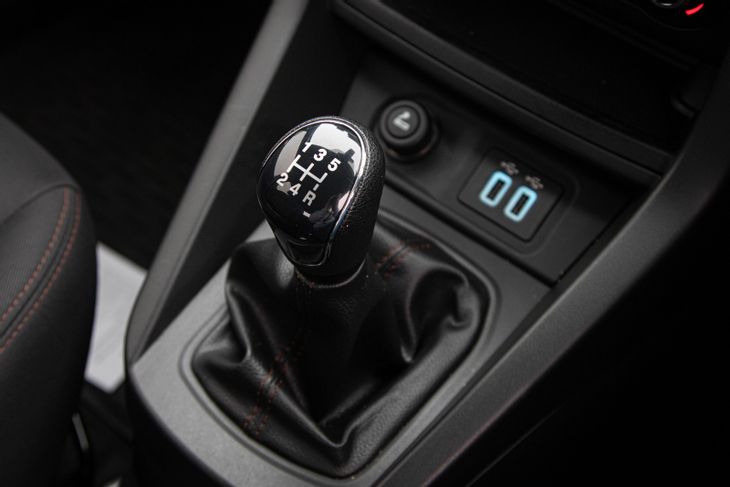
A slick and easy to use 5-speed manual is a joy. Note the 2 illuminated USB ports located aft.
The Ford Figo Freestyle is powered by a 1.5-litre naturally-aspirated motor that produces 91 kW/150 Nm and drives the front wheels via a 5-speed manual gearbox. Incidentally, the standard Figo's motor produces 88 kW, but can you can feel the Freestyle's extra 3 kW? Nope. This non-turbo motor offers the same power output as the Fiesta's 1.0-litre 3-cylinder turbopetrol, although its maximum torque is 20 Nm lower. While most of the models in this segment are turbocharged, there's still something refreshing about the linear performance of a naturally-aspirated engine…
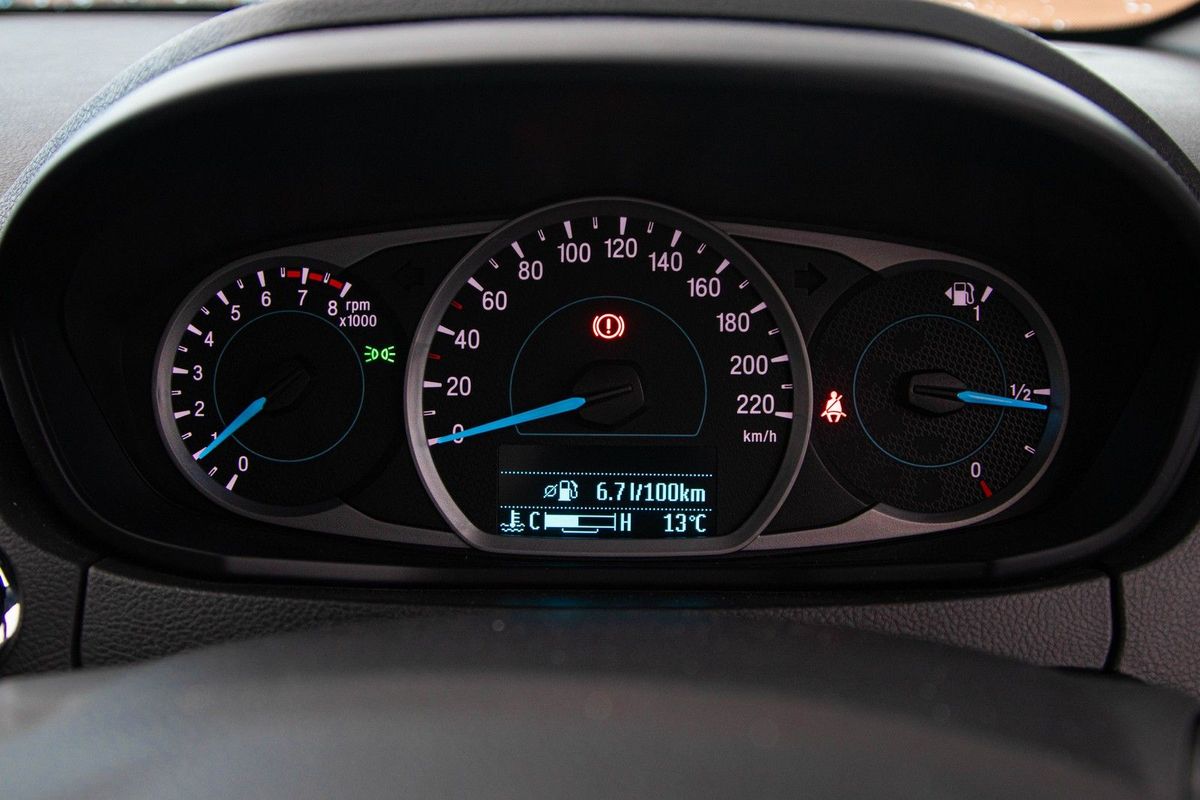
In terms of fuel efficiency, Ford claims an average consumption figure of 5.5 L/100 km for the 1.5 Titanium and, during this evaluation, the test unit's trip computer indicated 6.7 L/100 km, which is quite reasonable. There's a 42-litre fuel tank and Ford claims a theoretical range of 764 km.
Performance, ride & handling
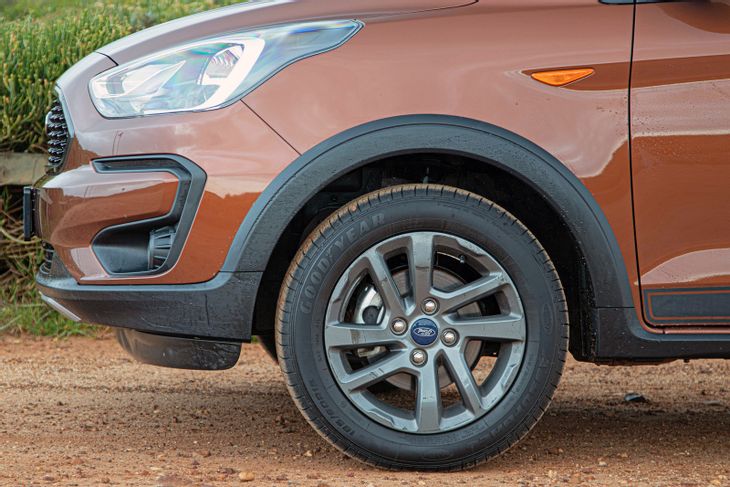
The 1.5 Titanium is shod with 15-inch alloys. Notice how much higher the Freestyle sits comparied with the standard Figo.
The Figo Freestyle produces a surprisingly impressive turn of speed; the motor's happy to be revved and emits a pleasingly rorty 3-cylinder thrum. The Ford's 5-speed manual gearbox and clutch work well together – shifts are light and direct, and the car's happy to grind it out in gridlock traffic thanks to an effortless clutch-action. The steering setup is a tad vague, but there's sufficient sharp- and directness to instil driver confidence.
By virtue of its elevated body (with a ground clearance of 190 mm), the 1.5 Titanium has a slightly higher-than-usual centre of gravity. This, in combination with a softly-sprung suspension, makes the Ford's handling less than razor-sharp. The test unit does lean in tighter corners, but it's only really noticeable when pressing on. The upshot is a pliant ride quality; the suspension and chunky tyres soak up the worst of the bumps.
The added ground clearance is not just for the sake of a purposeful appearance either – the Figo Freestyle can climb kerbs and traverse gravel roads with ease. We also liked the driving position; you sit a bit higher than in the conventional Figo, with the benefit of a tad more visibility.
Interior execution and features
A vehicle sold in 2020 without some form of connectivity is not going to win the hearts and minds of the younger generation.
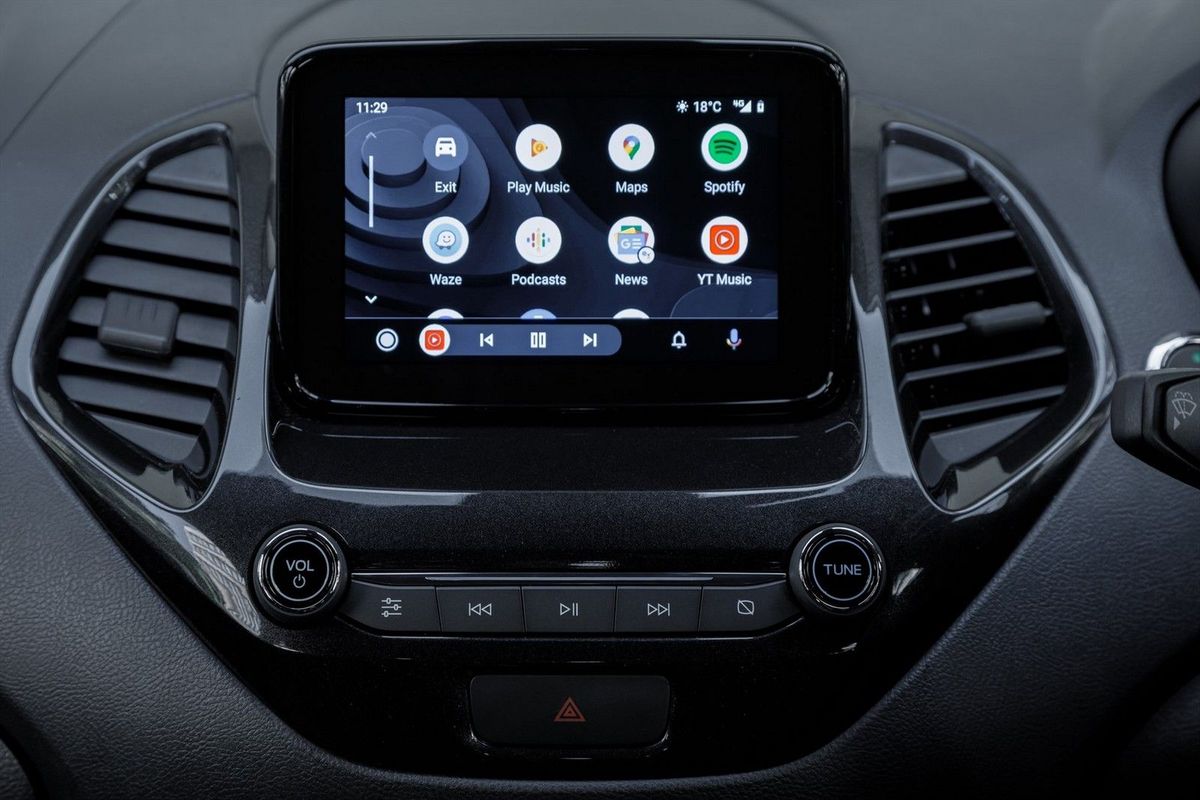
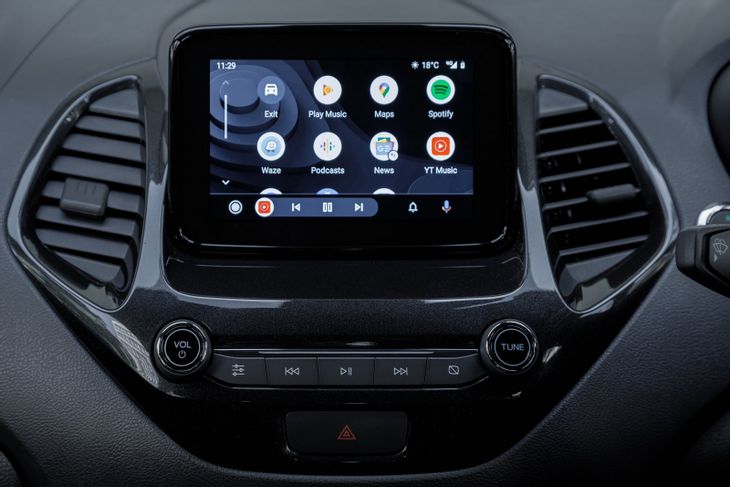
Ford's SYNC infotainment and connectivity package is a must-have in car that's tailor-made for the tech-obsessed generation and, in Titanium trim, the Figo Freestyle does not disappoint. It offers Android Auto and Apple Carplay compatibility, Bluetooth handsfree telephony and audio streaming, as well as a pair of USB ports, which are conveniently illuminated. The SYNC touchscreen offers crisp graphics and its menu system is very intuitive. With your smartphone plugged in, you gain access to music streaming- as well as navigation services, such as Google Maps.
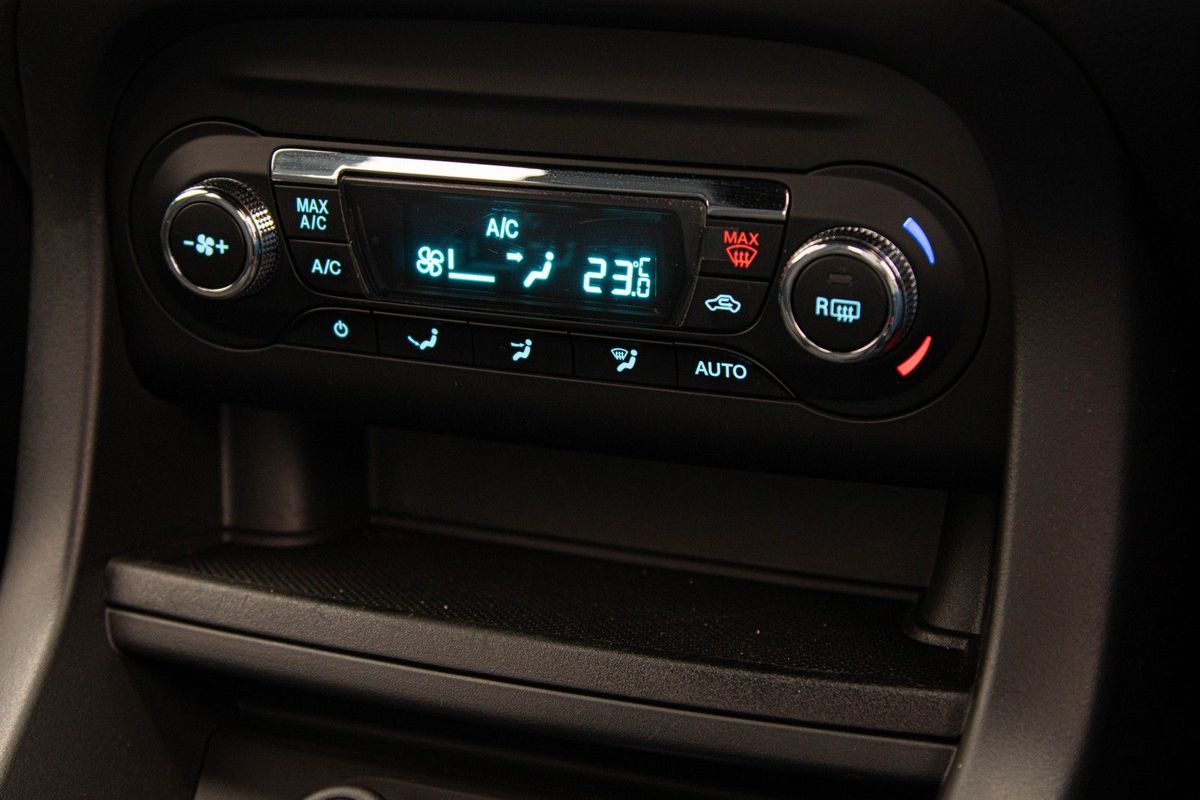
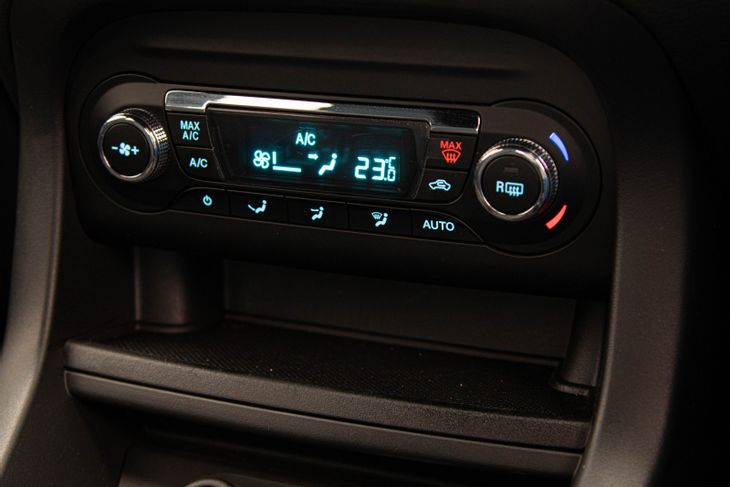
As the flagship in the Ford Figo range, the 1.5 Titanium comes fully loaded with interior features. There are automatic headlights and -wipers, climate control, as well as keyless start. A minor inconvenience is there's no way to open the tailgate other than pressing a keyfob button.
One "overt crossover" touch we appreciated was the provision of rubber-, rather than carpet, mats. Not only are these easier to clean, but they trap dirt. There's one in the load bay too, which is handy when you need to transport garden refuse or indulge in outdoor activities that involve mud. Given how dirty our shoes' soles get and how quickly cars' footwell carpets become soiled, why can't more OEMs offer rubber mats as standard?
In terms of safety, the Figo Freestyle 1.5 Titanium comes with 6 airbags and ABS, but no electronic stability control. The cabin's build quality is fair, or at least acceptable for this price point. We dare not nitpick; by current standards, R263k isn't an exorbitant price for a new, top-spec budget car.
Climate control is a nice-to-have feature. Note the storage area below it, useful place for your phone.
Practicality
Compared with the Renault Sandero Stepway, the Figo Freestyle's 256-litre load bay capacity is a mite smaller than that of its French rival. If you need more luggage/utility space, you can, of course, fold the Ford's 60/40-split rear seatback down, which is useful if you want to lug around long items such as curtain rails and mountain bikes. If you need more space, those roof rails aren't just for show – you could always mount a roof box.
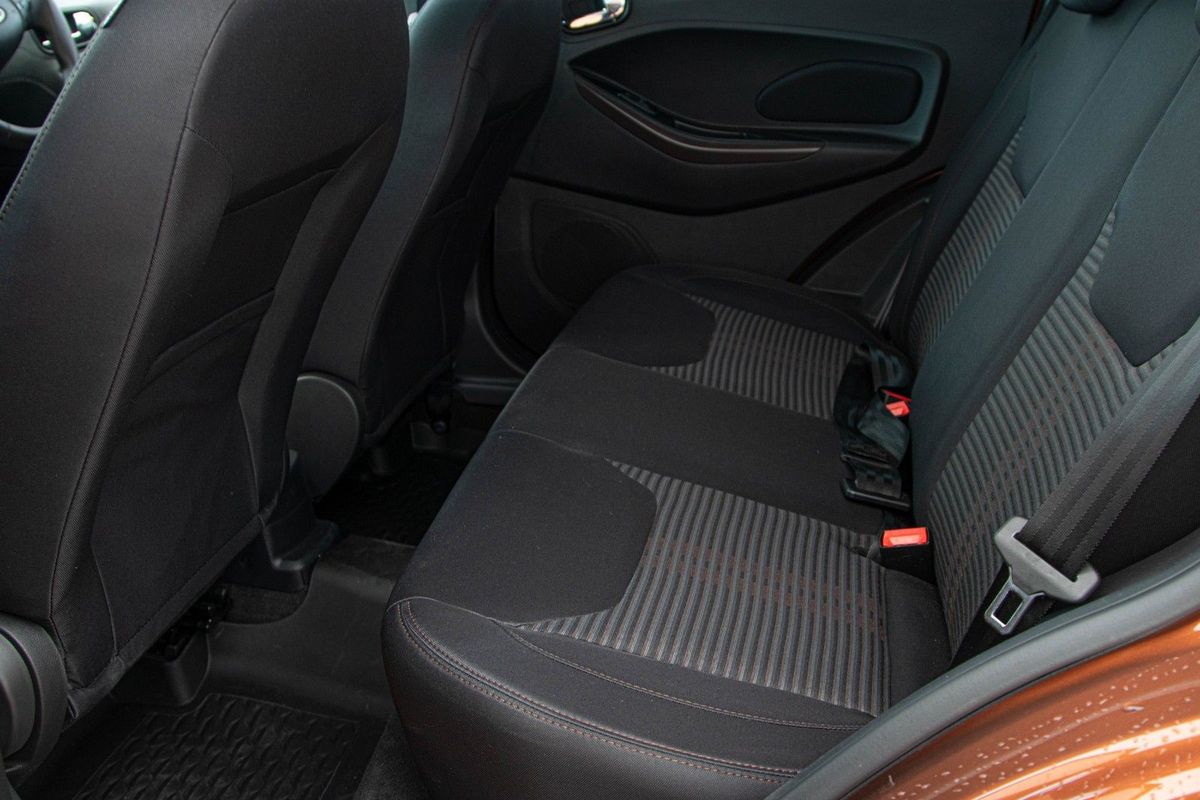
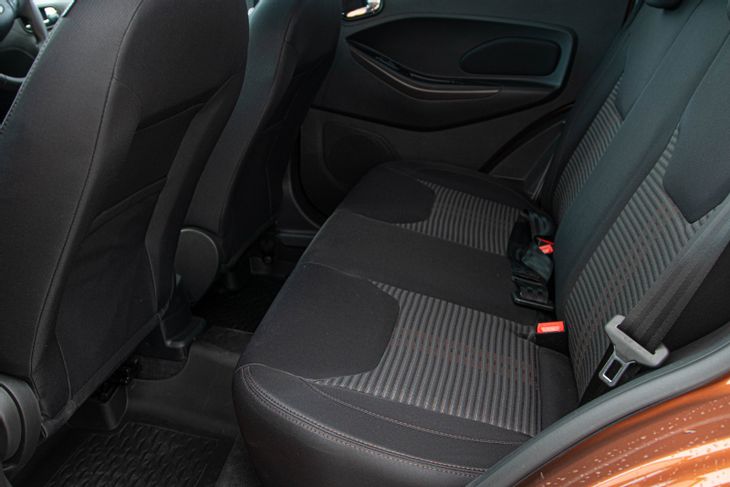
What's more, the Ford's rear passenger area is surprisingly large (bigger than in the Stepway). In fact, we suspect aft occupants are afforded more room in the Figo Freestyle than its more premium sibling, the Fiesta. The cabin is well thought-out, with sufficient storage areas for oddments.
The Figo Freestyle's load bay may not be as big as that of its Sandero Stepway rival, but we'd favour Ford's better legroom.
Price and warranty
The Figo Freestyle range starts from R241 100 and this 1.5 Titanium costs R263 200, which includes a 4-year/60 000 km service plan and 4-year/120 000 km warranty.
Verdict
With its ready-to-go-anywhere looks, potent engine and great spec, the 1.5 Titanium's positives outweigh the negatives easily.
The charming Ford Figo Freestyle has a lot going for it: generous spec, a great engine, impressive occupant space and a pretty reasonable price tag. However, it's not a compact family car, more of a smartly-packaged (and looking) budget car, because it is exclusively available with a 5-speed manual gearbox – an automatic transmission would have greatly enhanced its appeal to those who commute in congested traffic conditions.
Call it a triumph of style over substance if you like, but vehicles that offer elevated ground clearance and rugged looks at a fraction of what SUVs cost certainly have their merits, especially if your budget can't quite stretch to the R300k mark for a new Ford EcoSport or one of a myriad compact family cars in the new vehicle market. If that applies to you, then the Figo Freestyle certainly deserves a second look before you dip into the pre-owned/demo market. It will be interesting to see how this sub-segment evolves in the next 18 months… Toyota could introduce a budget quasi-SUV in the form of the Raize or the Yaris Cross and an all-new Dacia (Renault) Sandero Stepway was revealed in September 2020. Watch this space!
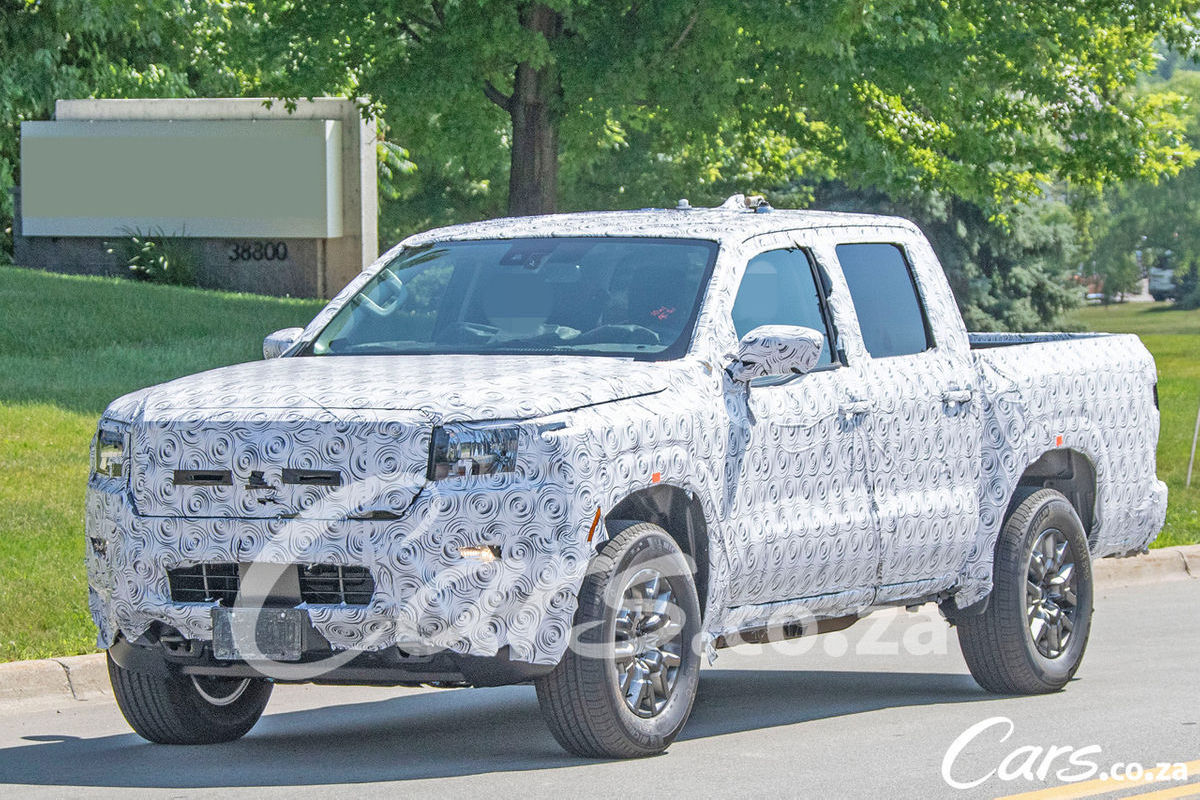
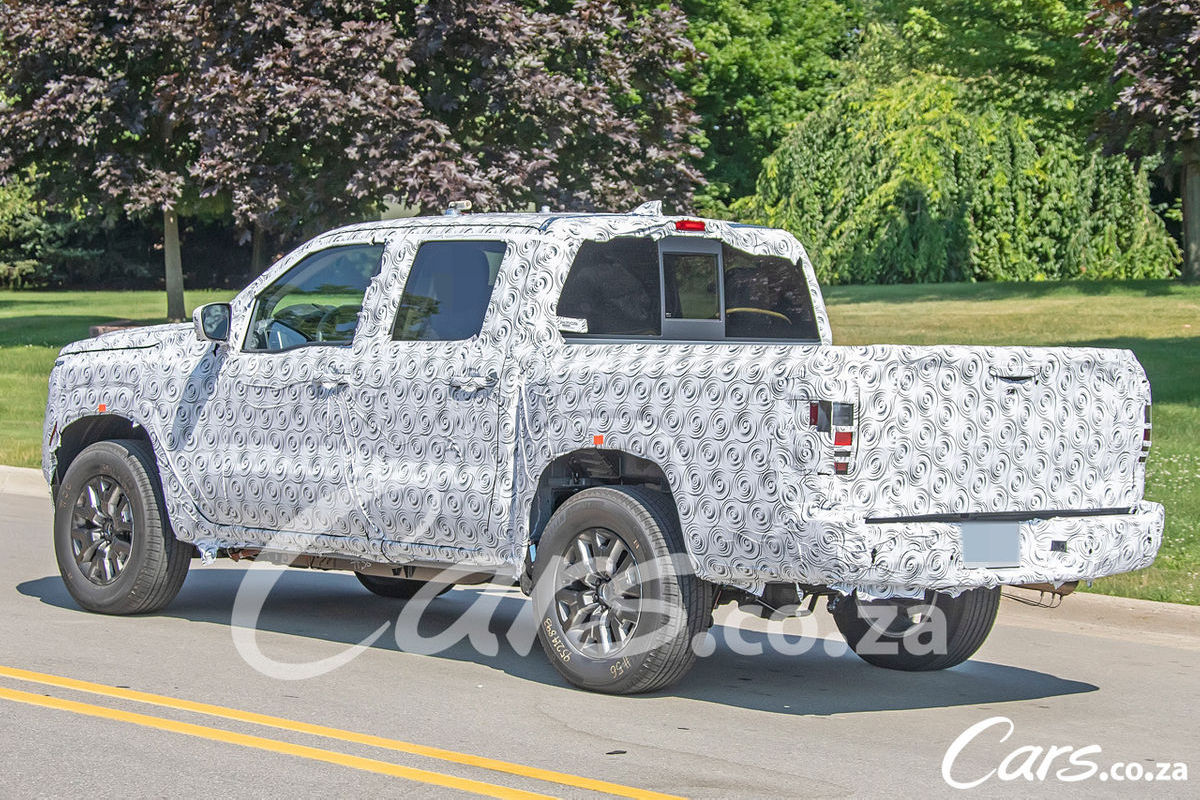
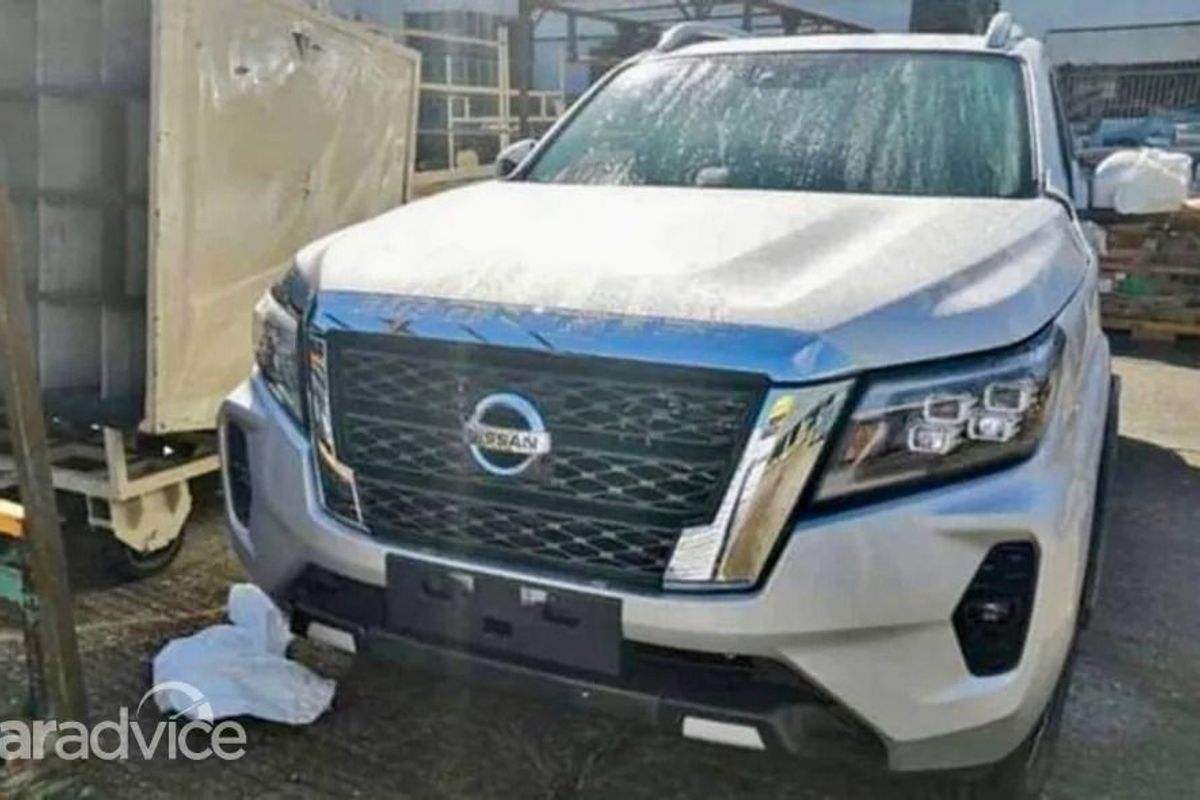
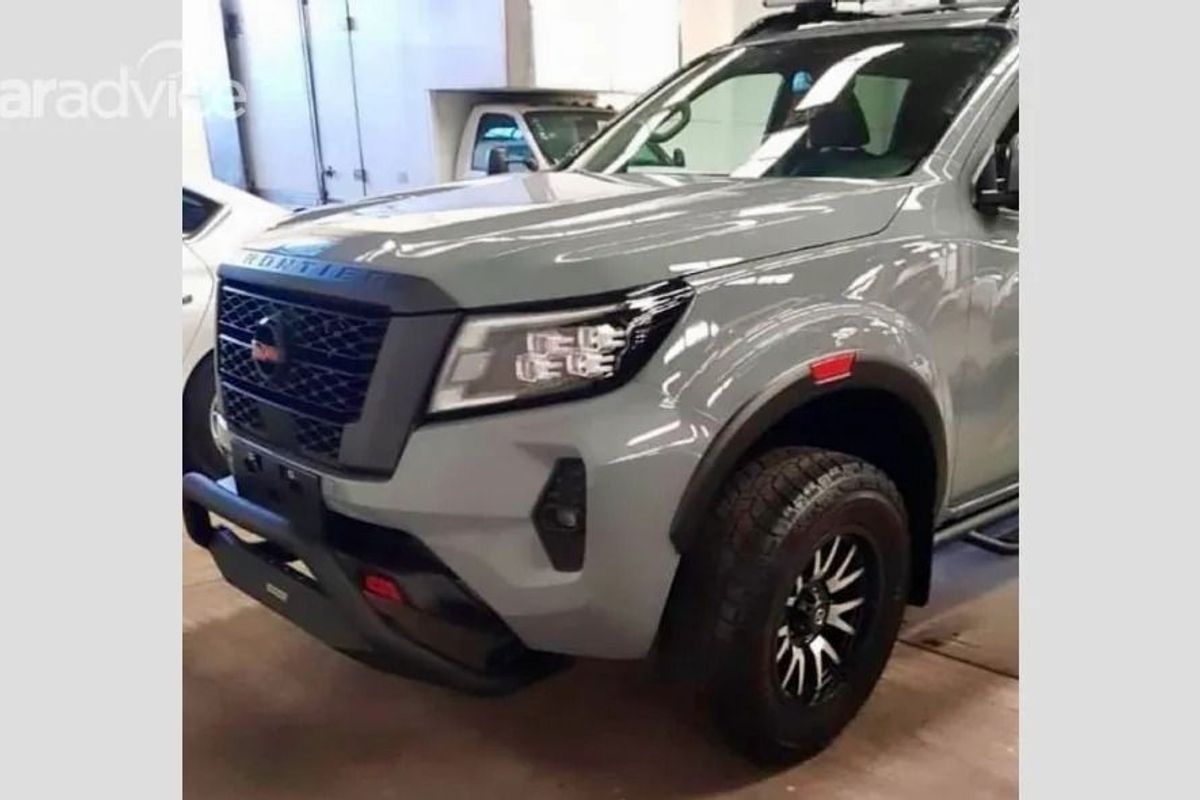
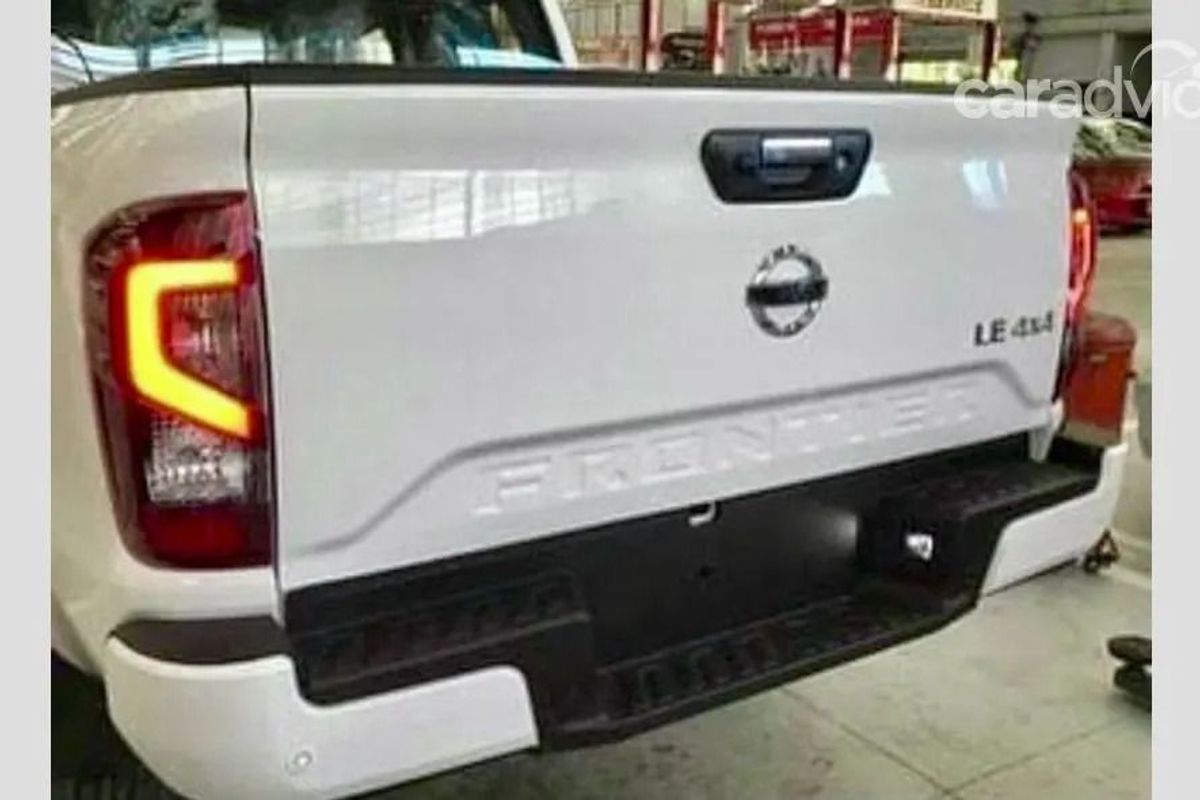
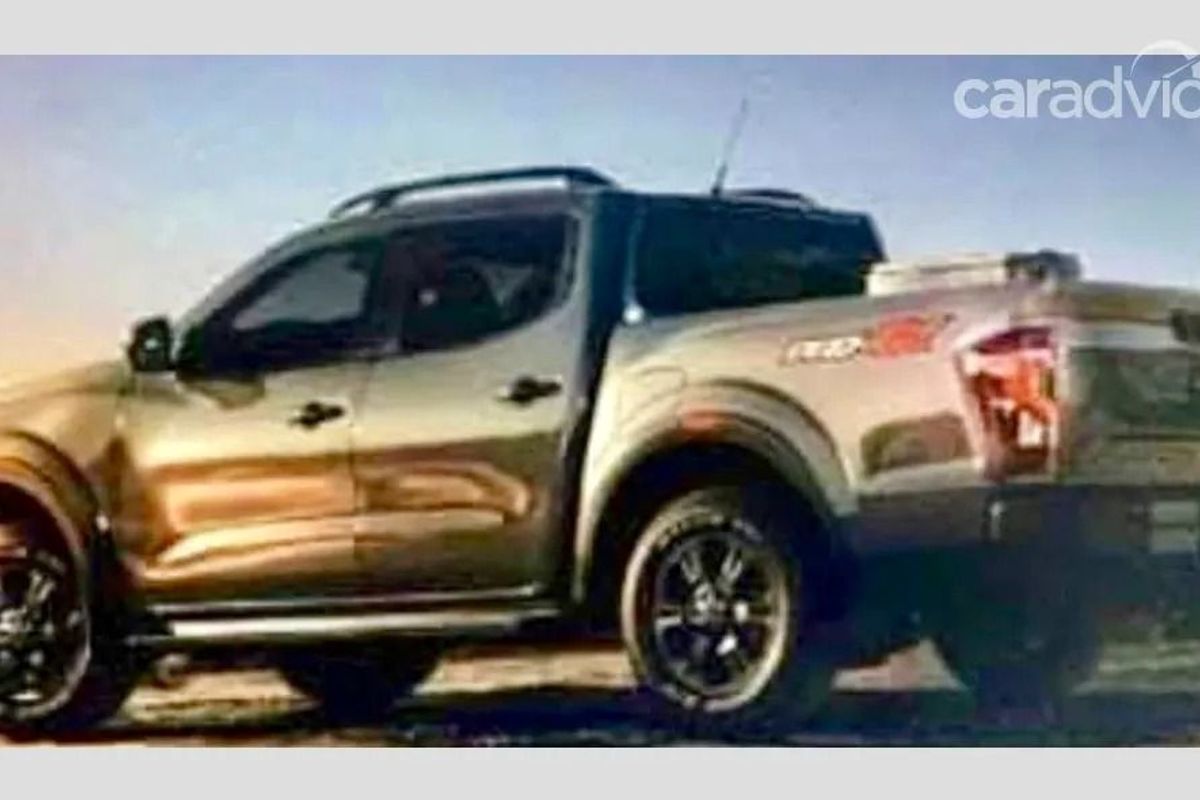
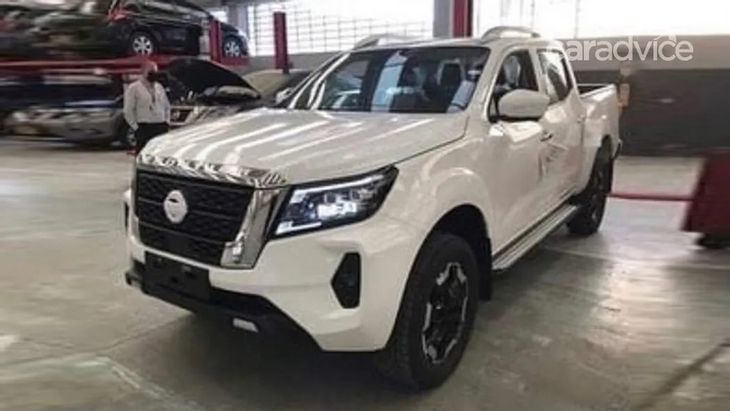
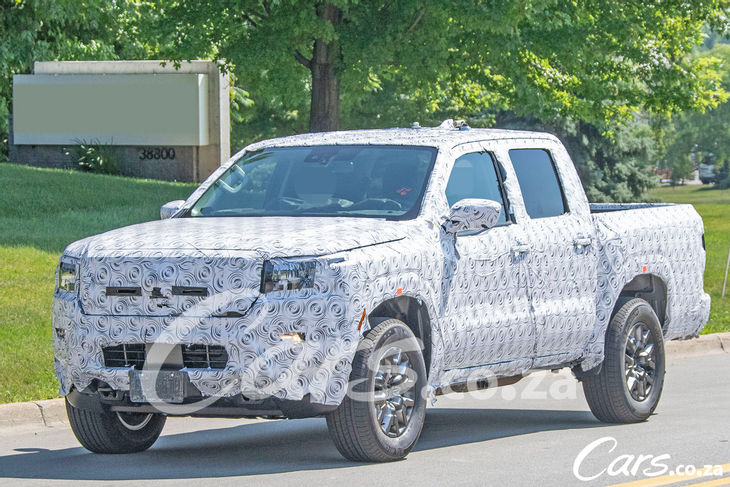
Just last week leaked images of the facelifted Navara surfaced, which will soon go into production at Nissan's Rosslyn assembly plant. Now, a few more images have emerged showing some new features.
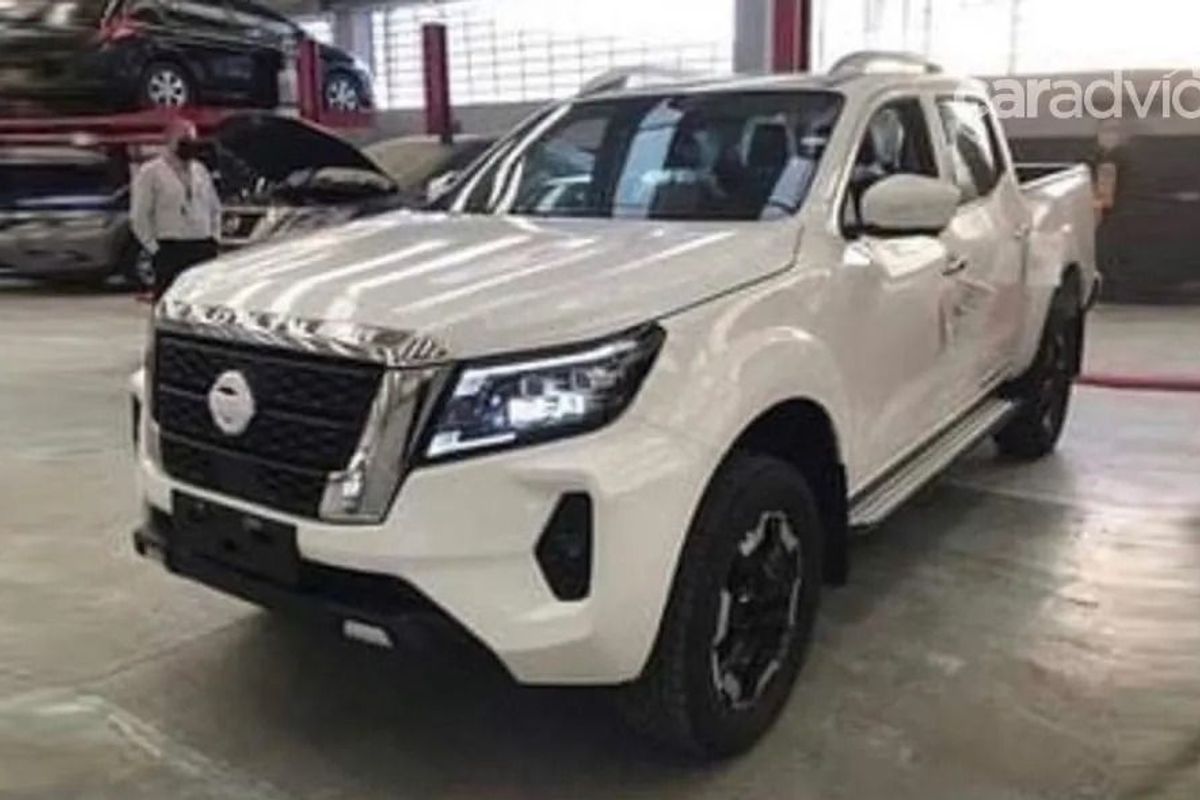
The first leaked image came from a Thai motoring 'site, showing Nissan's double cab with a bold (almost square) chrome-trimmed grille inspired by that of the Japanese brand's North American pick-up, the Titan.
Now that the Nissan Navara/Mercededes-Benz X-Class joint-venture has come to a premature end (Benz decided to cut its losses/terminate its bakkie programme after failing to gain a substantial foothold in the top-end pick-up market), the Japanese brand will close the bakkies' Spanish production facility in December. The unfortunate closure has strengthened South Africa's position in Nissan's global value chain, however. The firm has invested around R3 billion to upgrade its Rosslyn plant to build the Navara, which was launched globally in 2014. The upgrade is likely to come online in late 2020 or early 2021 and the plant will produce up to 30 000 Navaras a year. Four hundred new jobs will be created as a result of the investment, as well as 800 jobs in the larger value chain.
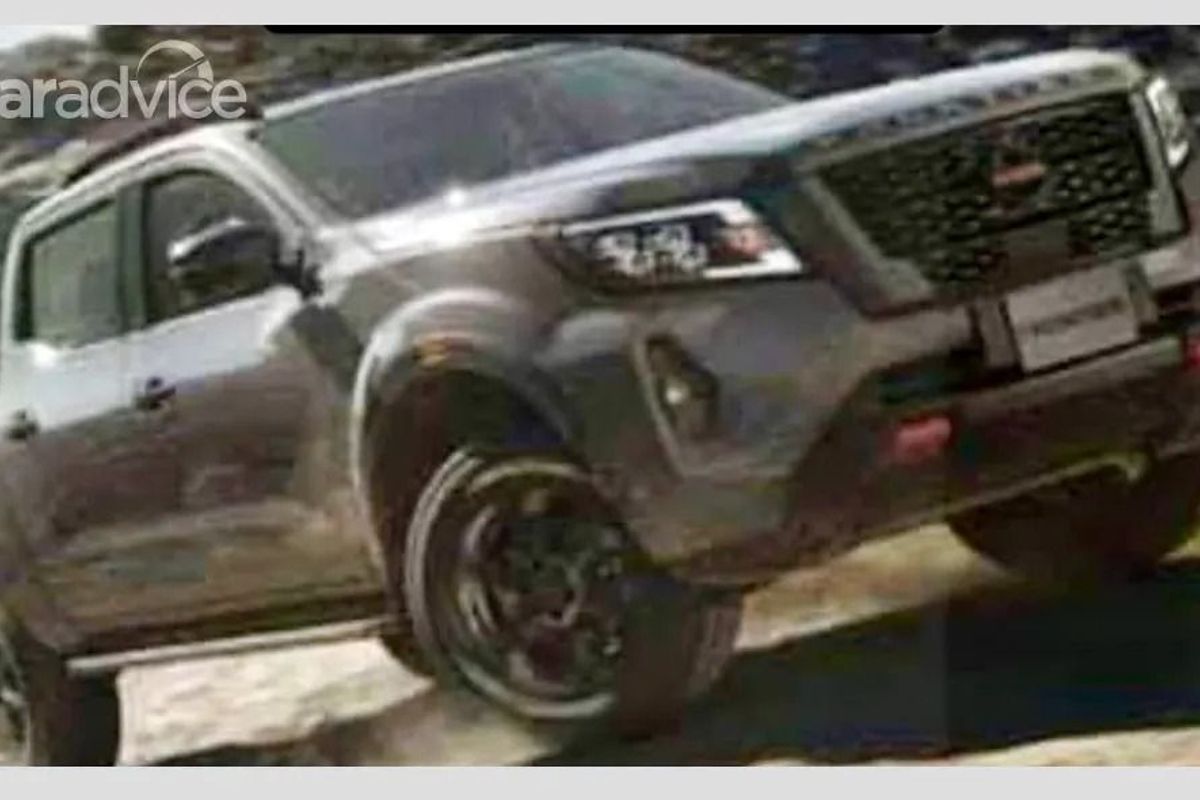
The latest images, which you can view in the gallery above, show the Navara (also called the Frontier in some markets) with new quad-LED headlights as well as a boomerang daytime running lights. The new images appear to portray a top-sep Warrior derivative. A few other images, which appear to be from marketing material, have also surfaced on the Cars Secrets Instagram page.
Whereas the Navara was launched overseas 6 years ago, it only reached the South African market in 2017, so to many South African eyes it still looks relatively new. However, a facelift is most definitely around the corner – last month our spy photographer shot these images of a heavily cladded Navara, which certainly foreshadowed the robust frontal styling cues revealed in the image posted by Headlight Magazine, especially the chunky chrome-look grille surround that extends into the leading edge of the bonnet. Also note the upright arrow-point side air intakes and protruding chin spoiler.
Nissan will need to pull out all the stops to keep its D23-series Navara competitive, because 2021 and 2022 are going to be busy for the bakkie market. The facelifted Toyota Hilux has been released and 2021 will welcome the new Mazda BT-50 and GWM P Series (among others). The new Isuzu D-Max will arrive in 2022 and possibly the next-gen Ford Ranger and Volkswagen Amarok as well.
Picture credit: S. Baldauf/SB-Medien.
In 2019, Nissan launched liberally-equipped Stealth derivatives (imported-, not locally produced, units) in South Africa and the firm has been making detail improvements to its bakkie, but mostly under the skin. According to a recent report, the next update will incorporate updates from the now-defunct X-Class, which has led to rumours than the newcomer might accommodate a bigger motor too…
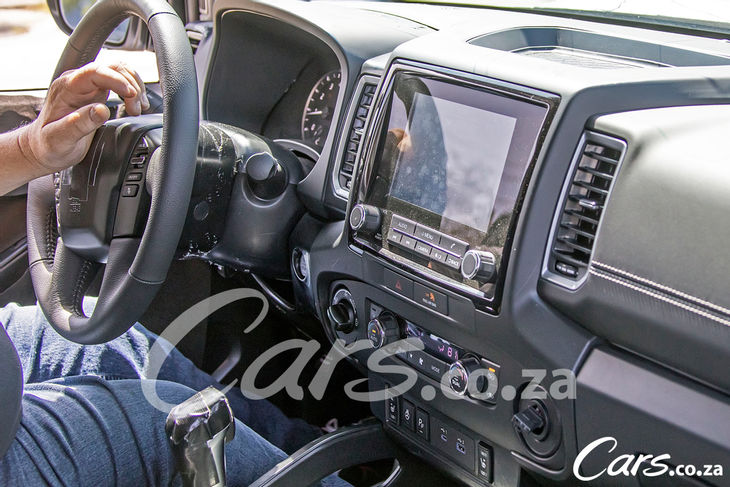
The updated Navara is also said to offer higher-quality finishes, improved occupant comfort and connectivity options such as a more premium infotainment system that's compatible with Apple Carplay and Android Auto. Our photographers also managed to get a snap of the cabin, showing that new infotainment setup. We can see a large infotainment screen, as well as controls for climate control and heated seats. As it stands, the current Navara features a smallish infotainment screen and doesn't look as premium as the spy shot cabin below, so the upgrades will be welcome.