Japanese customers have always been the first amongst equals, for Subaru.
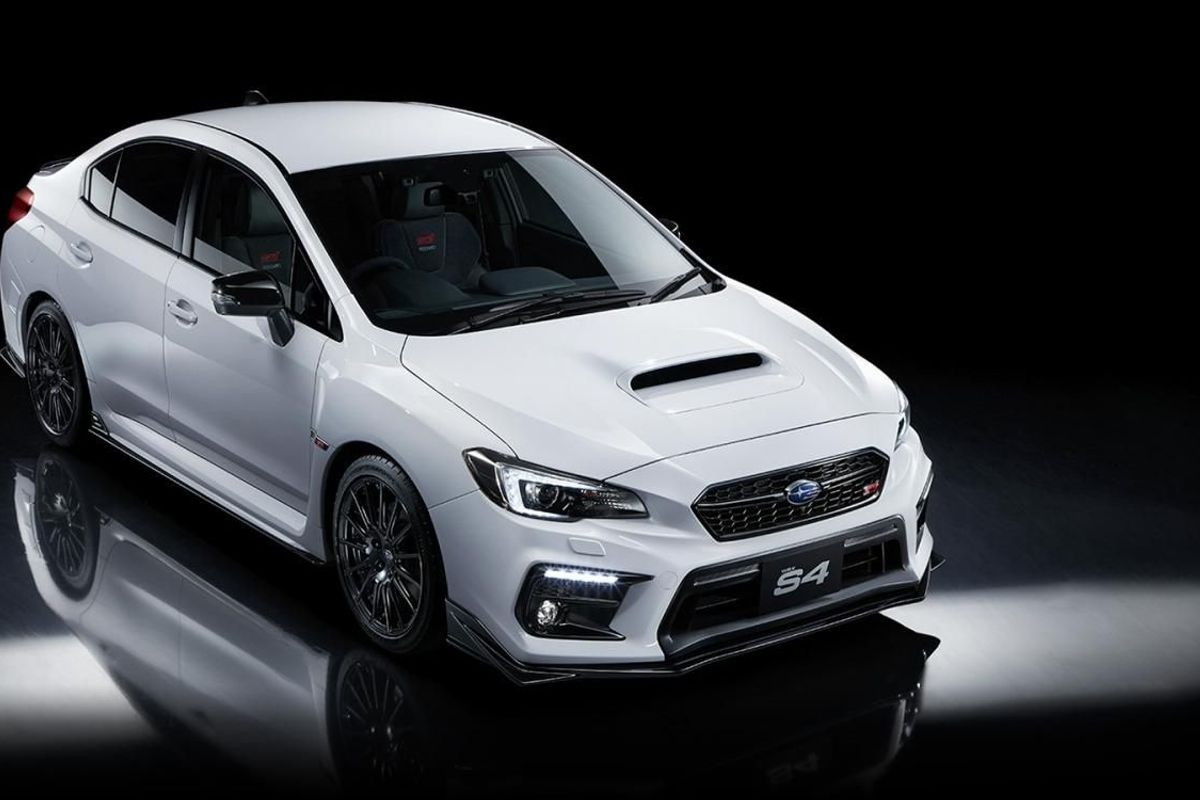
Subaru has proven this, yet again, with its new WRX S4 STI Sport#. And yes, the naming convention does include a social media hashtag.
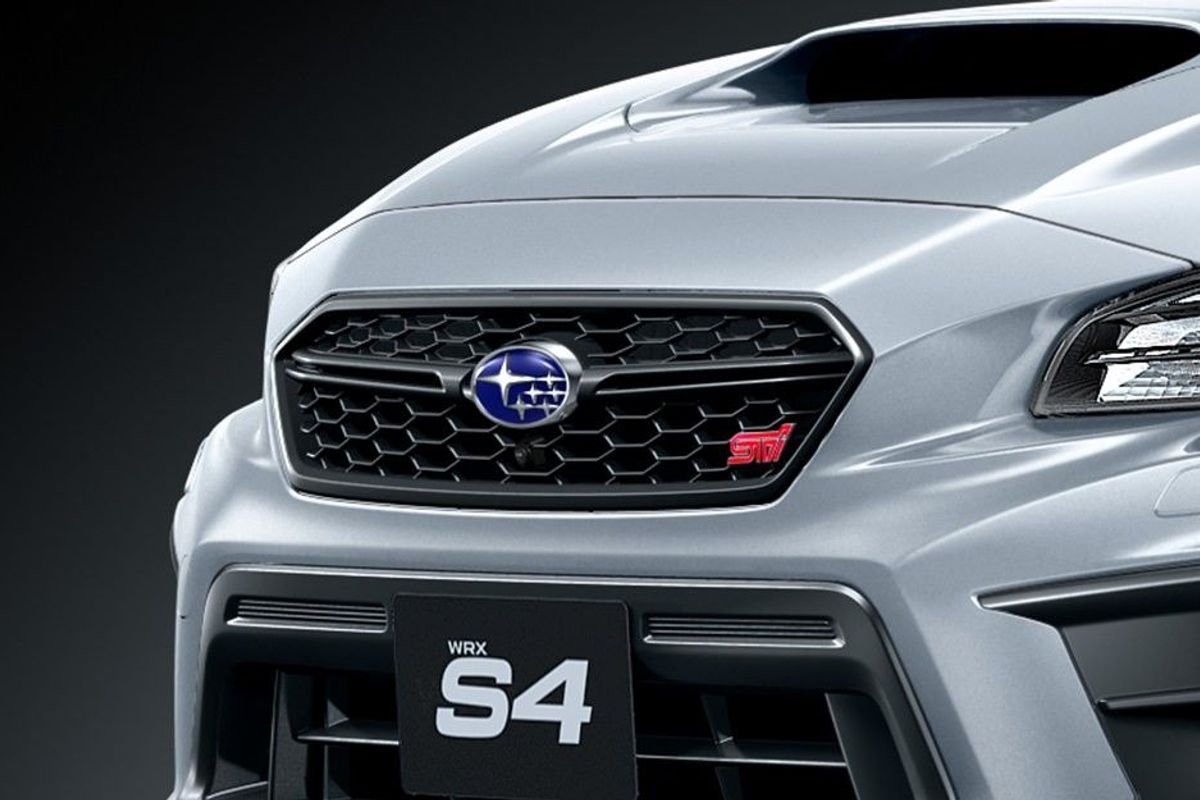
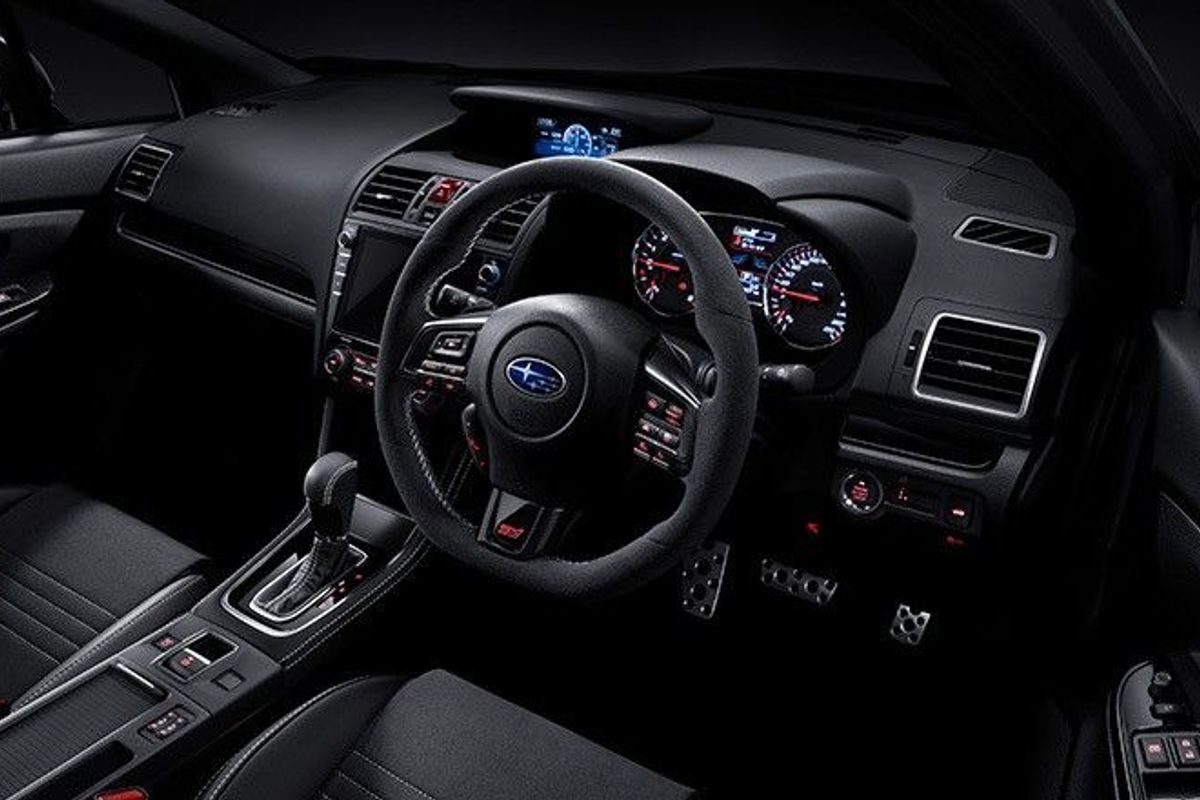
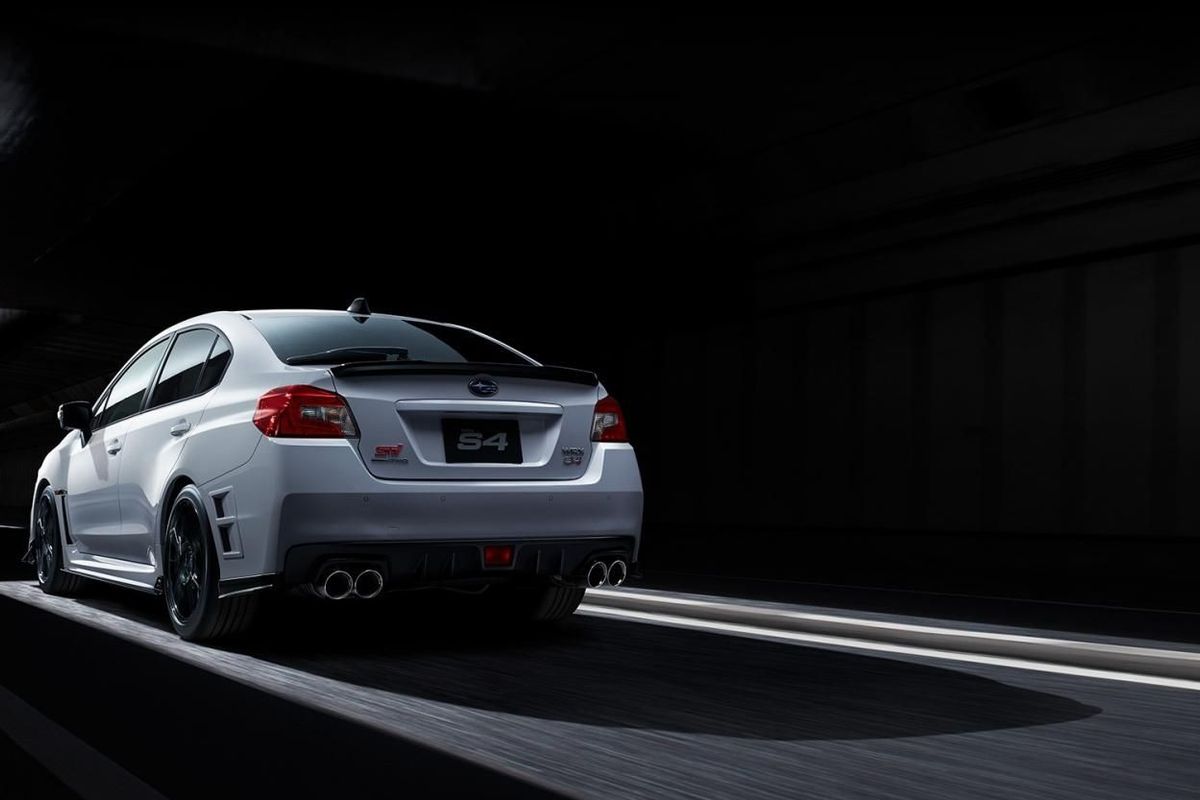
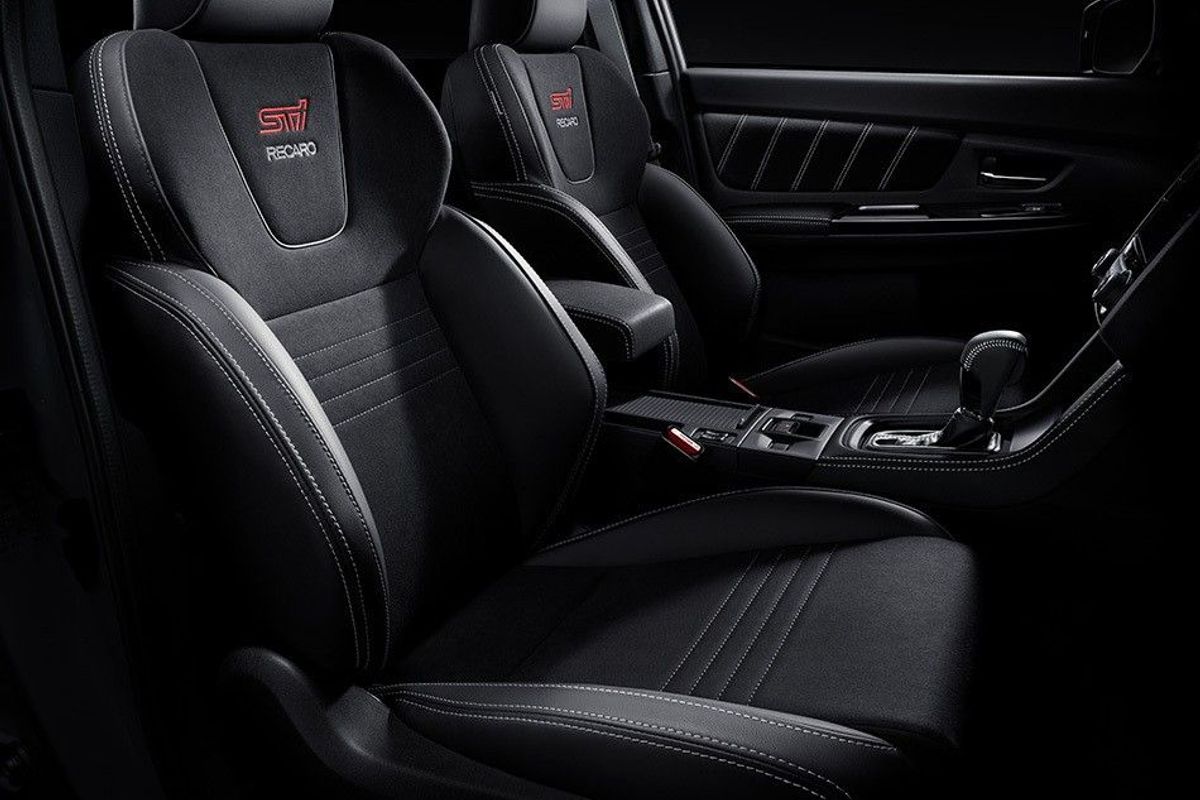
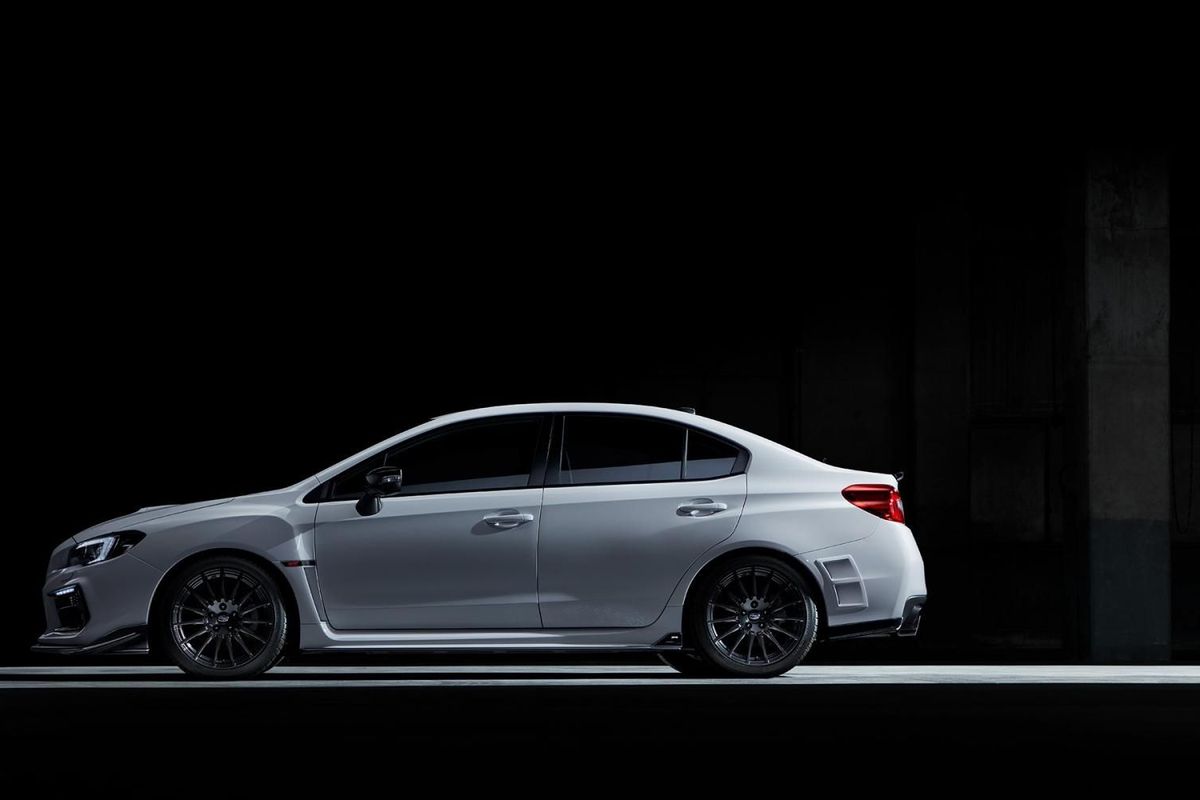
Differentiating this new limited edition WRX is a grey grille, blackened front spoiler and darkened 18-inch alloy wheels. Inside Subaru has been a touch more inspired, adding Recaro semi-bucket front seats with STI embroidery. The automatic transmission’s shifter also gains gloss black surface detailing and drivers take hold of a suede-trimmed steering wheel.
One of the updates on this WRX S4 STI Sport# which you can’t see is the added sound deadening material. Subaru’s engineers opted to make its latest performance car quieter at cruising speeds, to increase passenger comfort. The claim is that road noise has been reduced by 0.6 decibels, which is marginal.
Powering the WRX S4 STI Sport# is Subaru’s familiar 2-litre horizontally-opposed turbocharged engine, which manages to boost 221 kW and 400 Nm, from four-cylinders. Those outputs are distributed to all four wheels, via a CVT transmission.
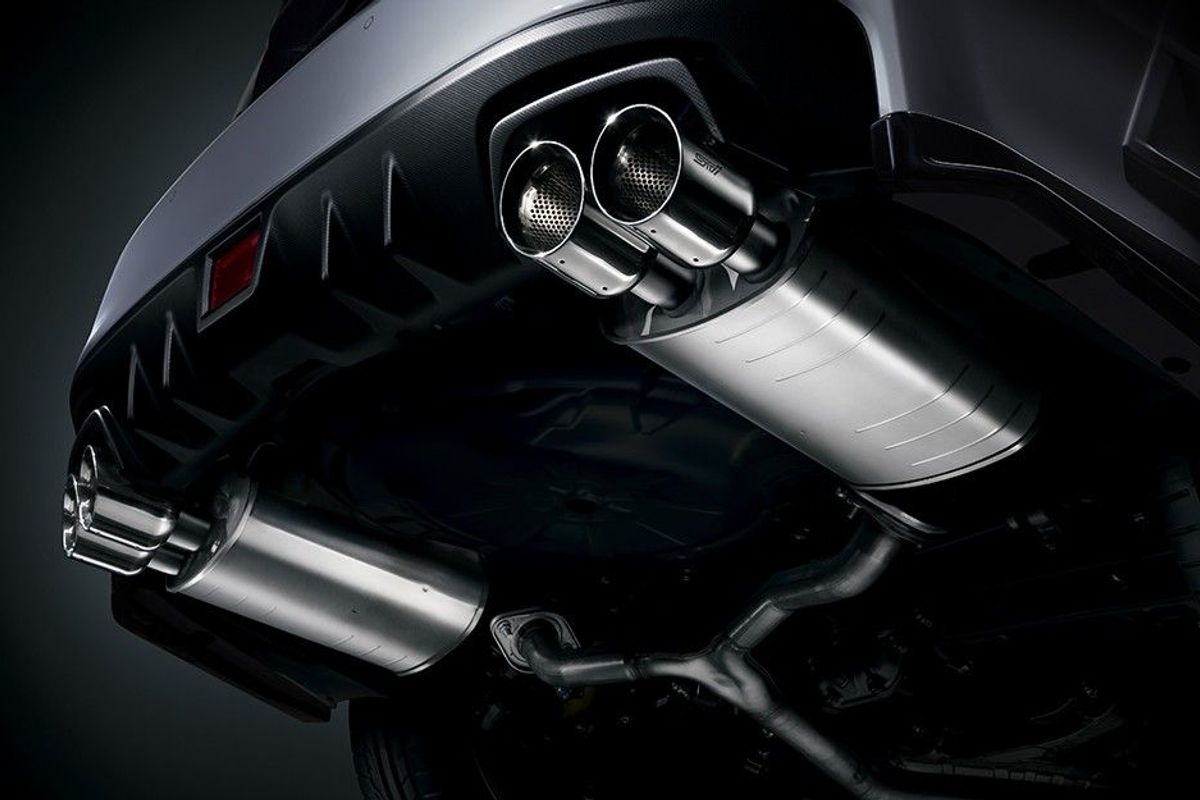
Although the choice of transmission might rankle Subaru traditionalists, the WRX S4 STI Sport# does have some neat component upgrades. There is a strut tower brace which spans the engine bay, which should slightly improve dynamic turn-in behaviour and a sports exhaust system, to amplify that characteristic flat-four warble, seemingly contrary to the extra sound deadening that has been added.
All 500 of these WRX S4 STI Sport# units have been pre-sold in Japan, at an estimated price of R750 000.
Audi South Africa has announced a service plan aimed at vehicles which are 6-13 years old. Typically servicing vehicles out of warranty can be a costly affair, but AudiSmart hopes to remove some of that burden.
Audi SA has unveiled its AudiSmart Service plan which aims to look after Audi cars that are 6 to 13 years old (or within a maximum mileage threshold of 270 000 km). AudiSmart includes 2 years worth of cover/30 000 and 2 minor oil change services at a reduced cost. That means you could get 2 minor oil changes done inside that period. The service includes oil drain plug, vehicle oil, oil filter, seal ring and seal bolt and labour associated with the oil change.
The plan can also be topped up at any Audi Dealership. Plus, Audi has thrown in comprehensive roadside assistance.
“The AudiSmart Service offering allows older Audi models to continue being serviced or return their servicing history at a franchised Audi Dealership which prides itself in offering the best and most comprehensive care for an Audi, said Hassan Salie, Head of Aftersales and Dealer Development at Audi South Africa. “There are many, older Audi vehicles in the market which are not covered by the Audi Freeway Plan or Freeway Plan Extension. The AudiSmart Service plan thereby gives those drivers an affordable Audi servicing option based on experienced labour and brand assurance,” he added.
In terms of price, the AudiSmart Service plans retail from R4 800 and are available at any Audi Dealership around South Africa.
For S and RS models, the pricing starts from R6 000.
For the A8 and S8 models, pricing starts from R7 850.
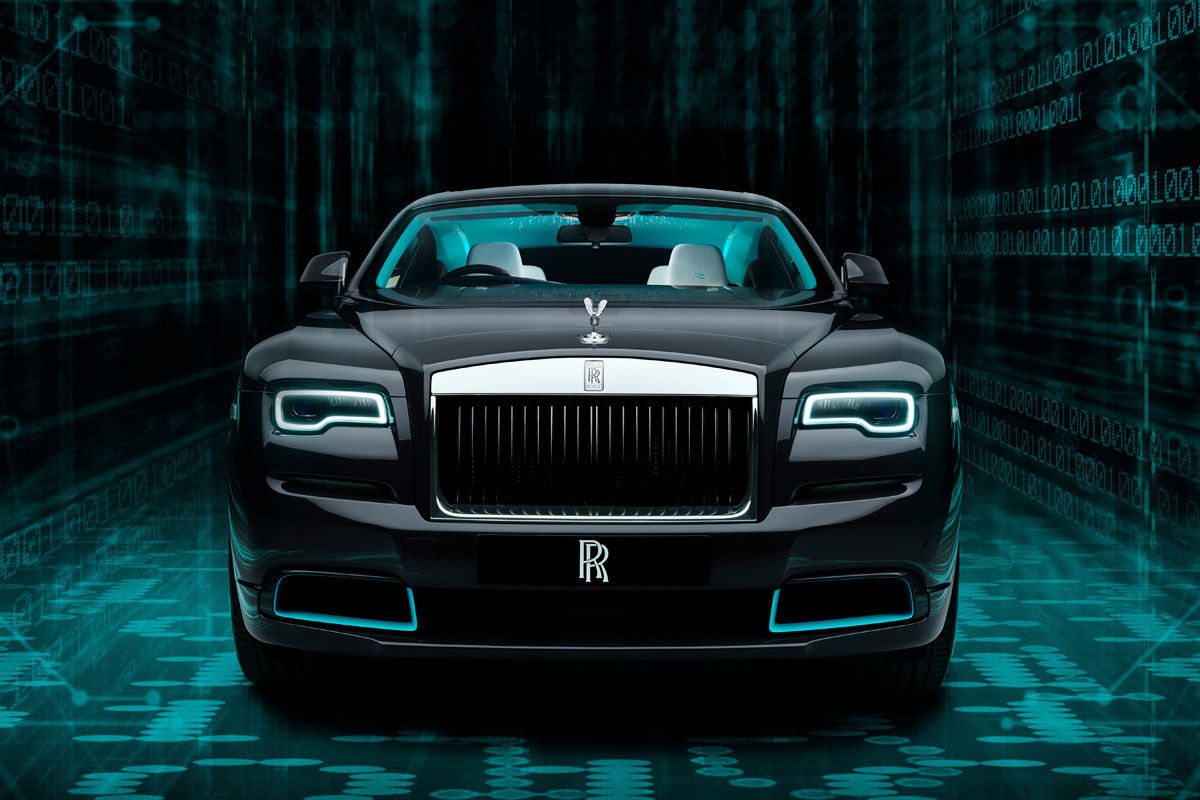
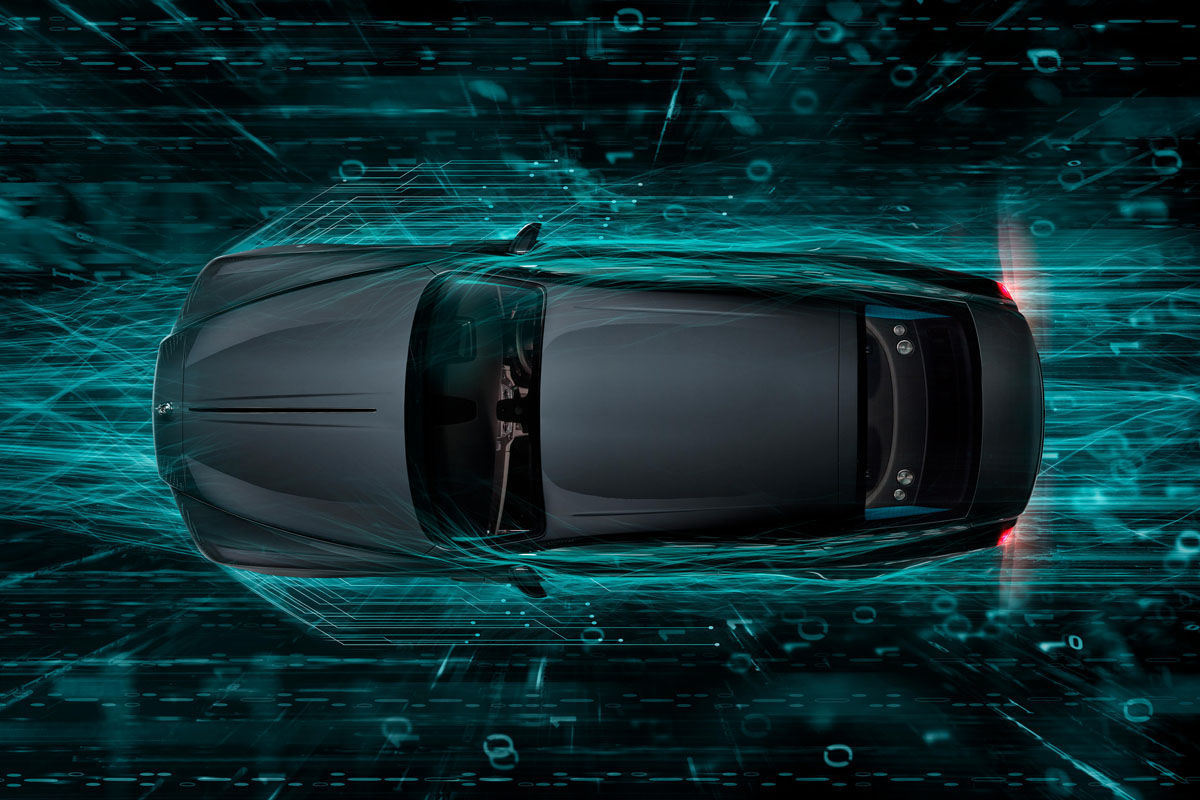
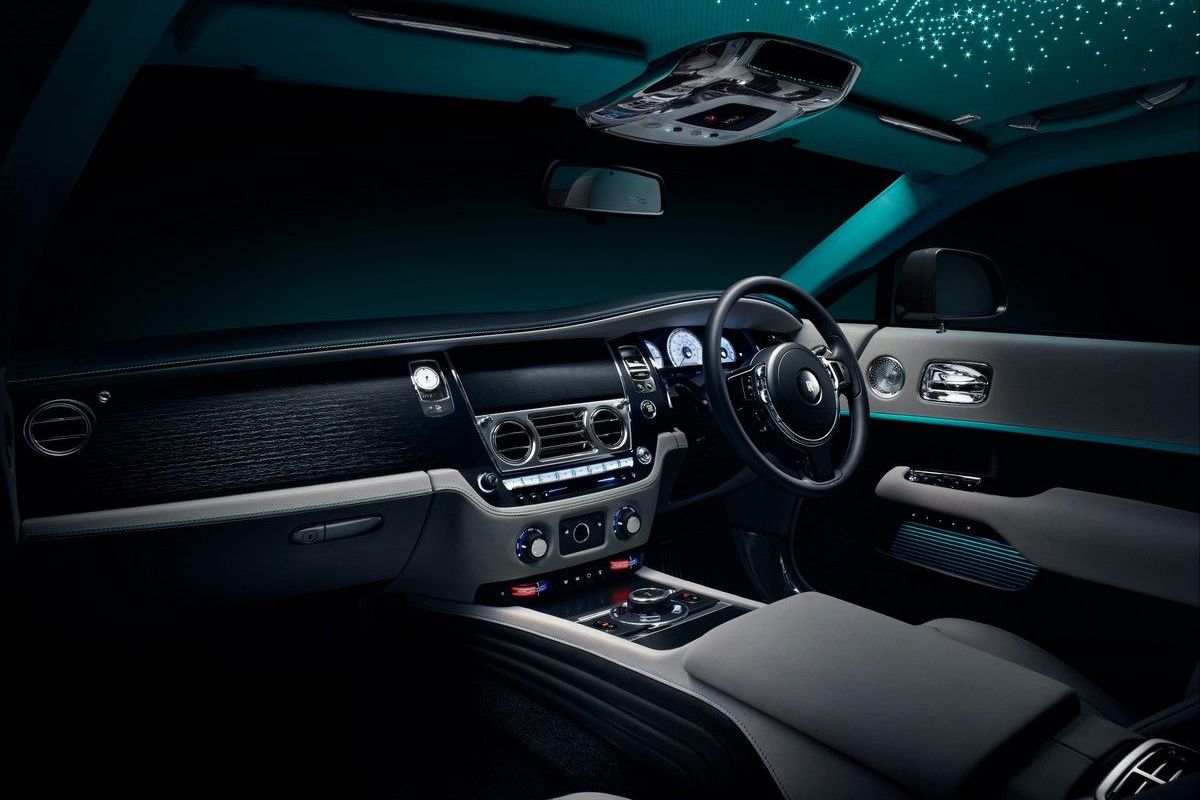
Are you a super-wealthy car nut with a penchant for solving puzzles? If so, Rolls-Royce has released the Wraith Kryptos Collection – 50 special-edition units of the British marque’s coupe that feature a cryptic message encoded in each of the cars’ detailing.
A character in Ellen Raskin’s book, The Westing Game, famously said: “The poor are crazy, the rich just eccentric.”
The quote has several interpretations, but suffice to say very few budget-minded car buyers would ever consider buying a car for the opportunity to decode a mysterious code hidden in that vehicle’s bodywork or interior panels because, well, most people would consider that… crazy.
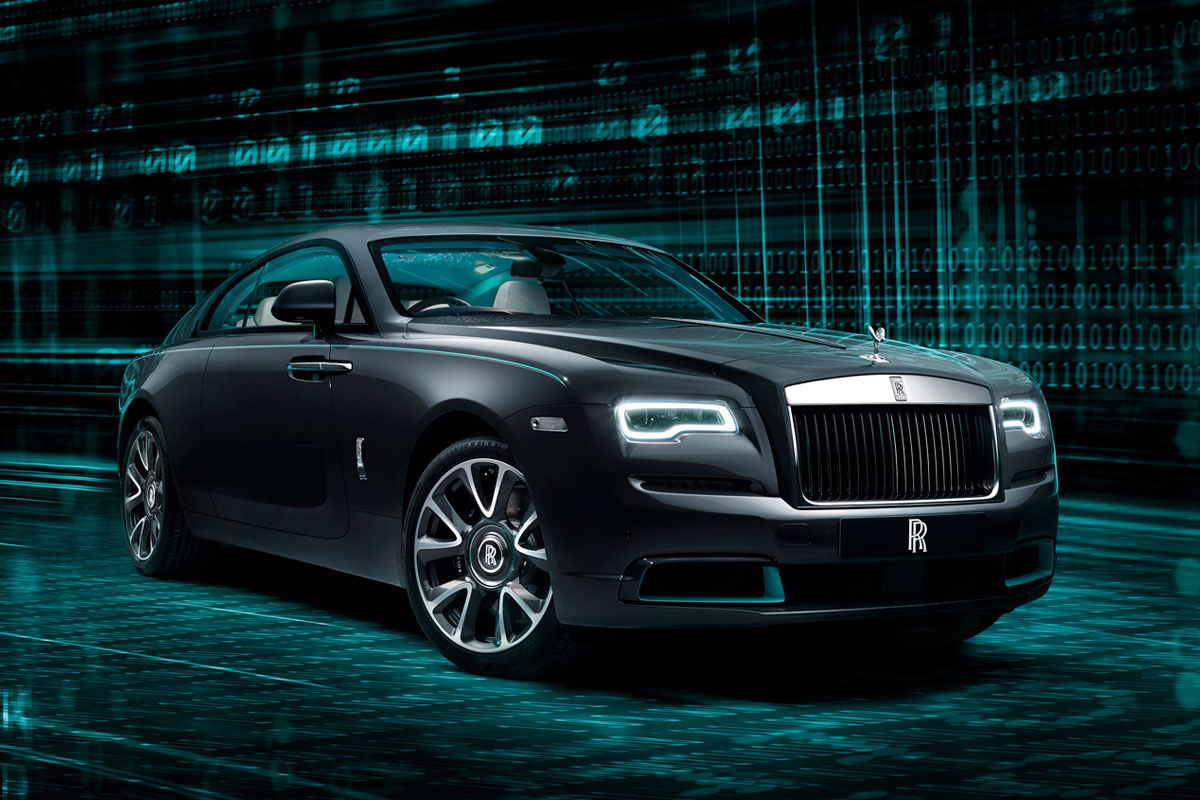
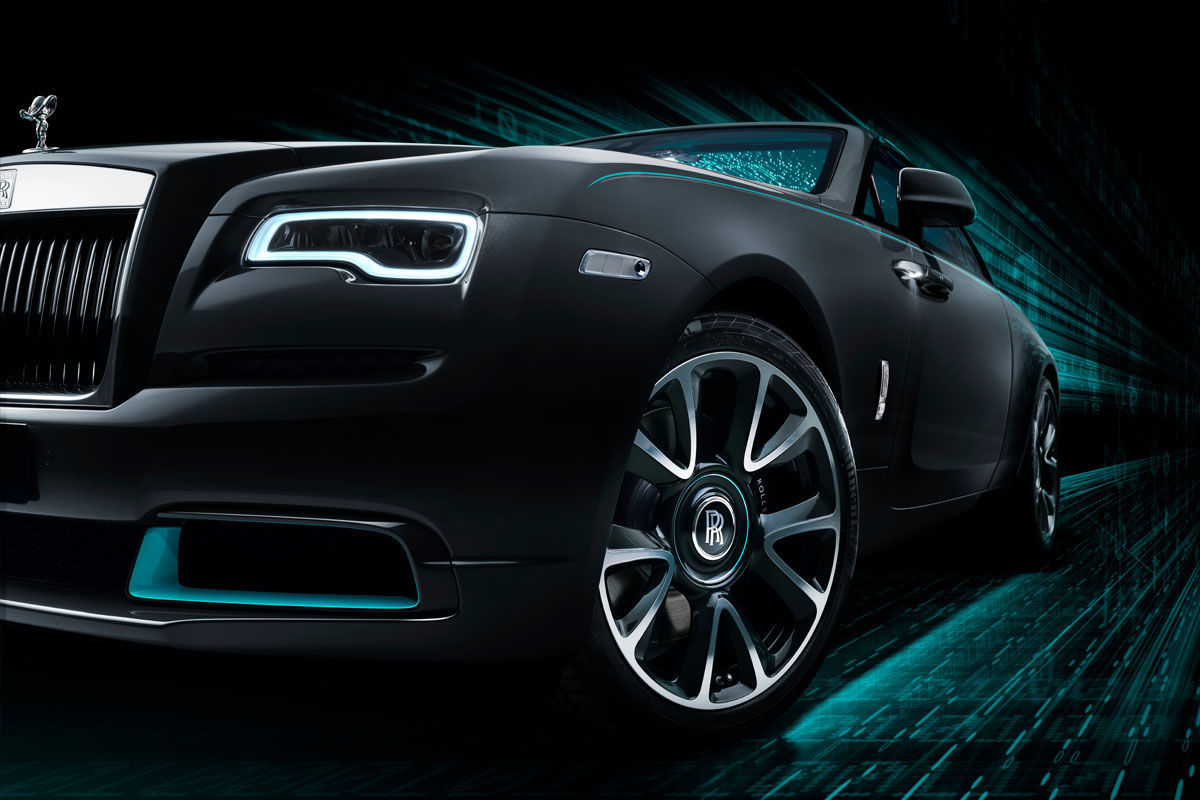
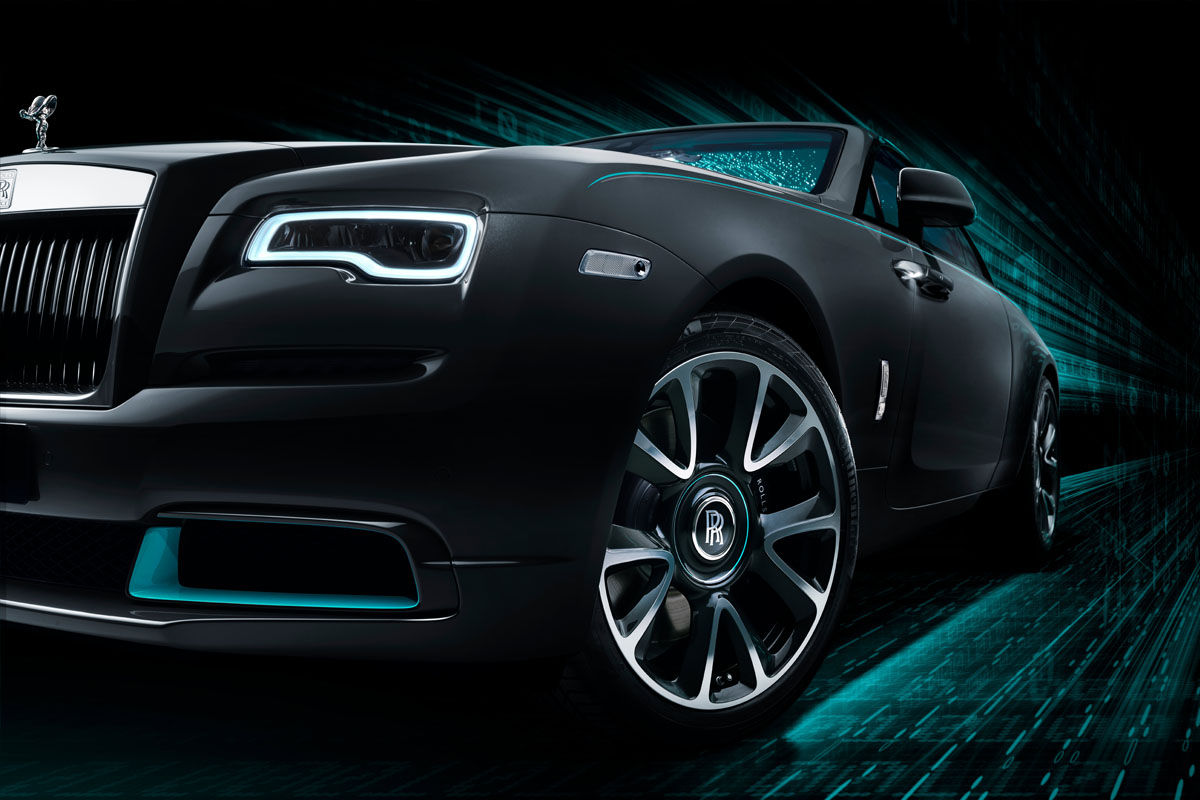
The special-edition Wraith features eye-catching Kryptos Green exterior detailing on the bumper, sides and alloy wheels.
But for well-heeled car buyers, who would enjoy owning a Rolls-Royce just as much as trying to make head or tail of “a labyrinth of complex ciphers in (the car’s) beguiling façade” (that's how Rolls-Royce describes it), the Wraith Kryptos offers an opportunity to express their, well… eccentricity.
“The Wraith Kryptos… carries within it an encrypted cipher. (It) appears, on the surface at least, to be an alluring design purely for aesthetic purposes. However, those who look closer, those few who hold the key, will embark on an experience that leads to an enlightening conclusion,” the firm says.
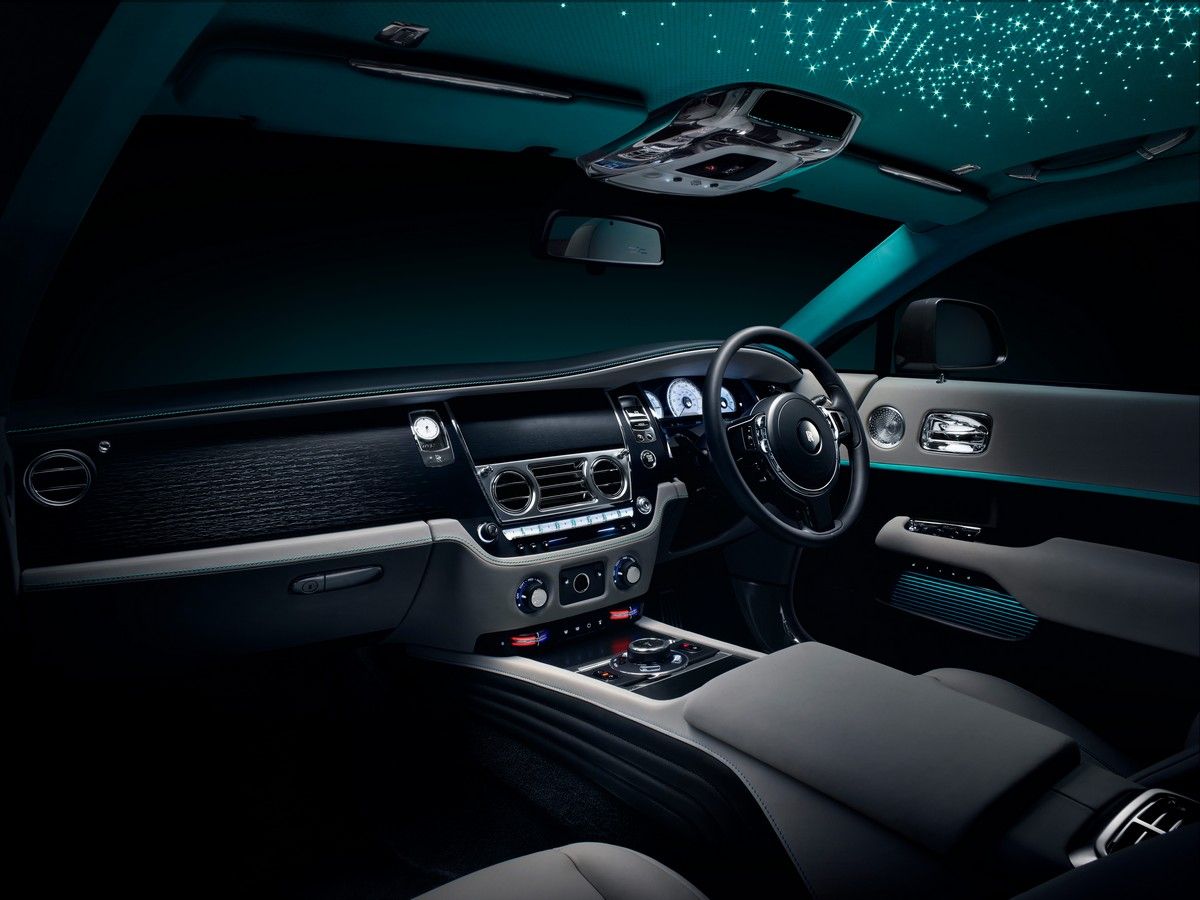
The "cipher" Rolls-Royce refers to are mysterious patterns, such as the detail on the black fascia next to the infotainment screen.
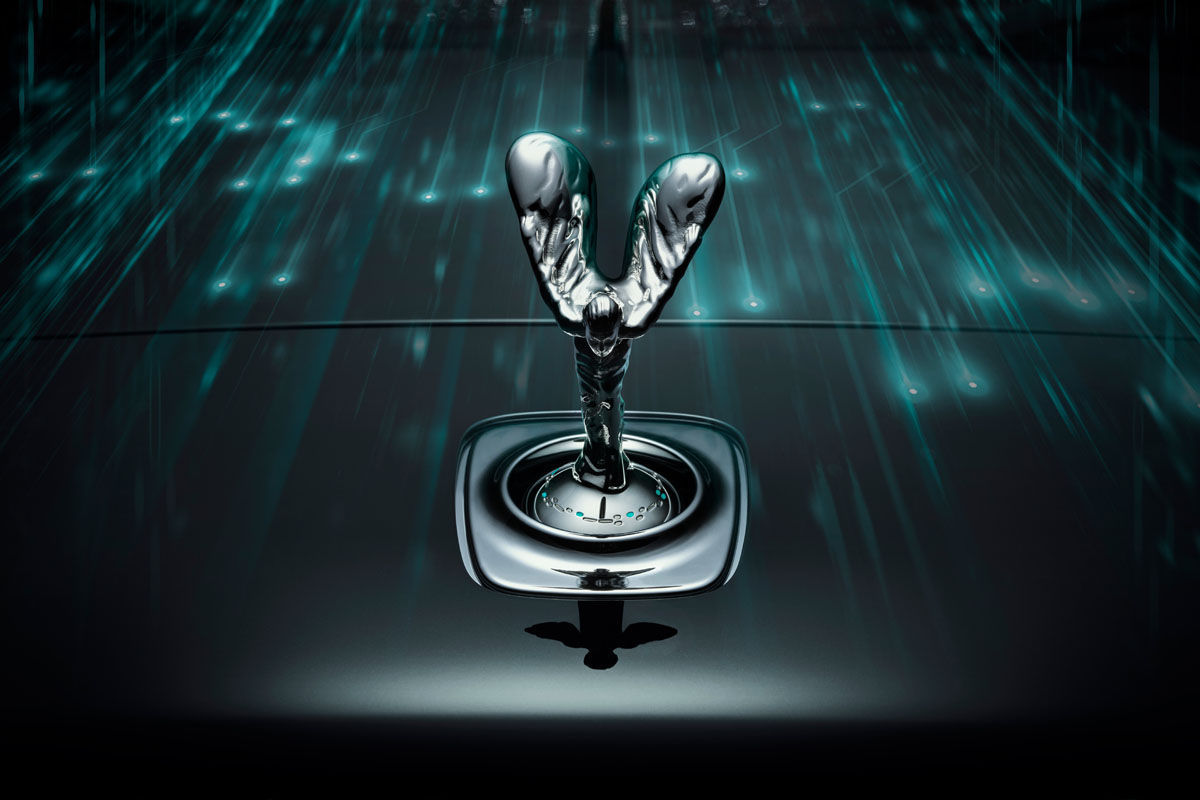
The mysterious Rolls’ “cryptographic journey” begins with an engraving (with green enamel detailing) on the base of the Spirit of Ecstasy figurine. The bespoke exterior finish is Delphic Grey, which consists of a solid Anthracite base colour with blue and green mica flakes. The front bumper features bespoke Kryptos Green inserts, a hand-painted double coach line (in Kryptos Green and Dark Grey) appears on the flanks and the part-polished alloys have Orbit Grey coloured centres and matching green pin-striping.
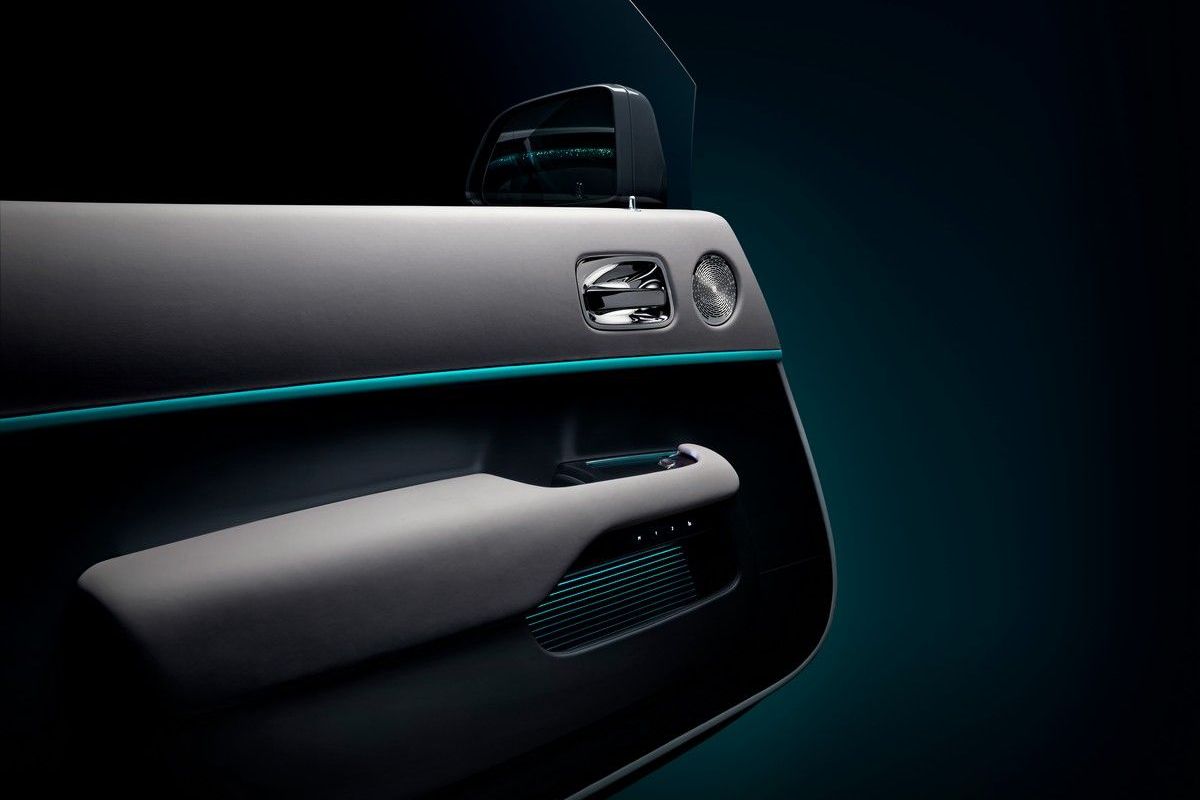
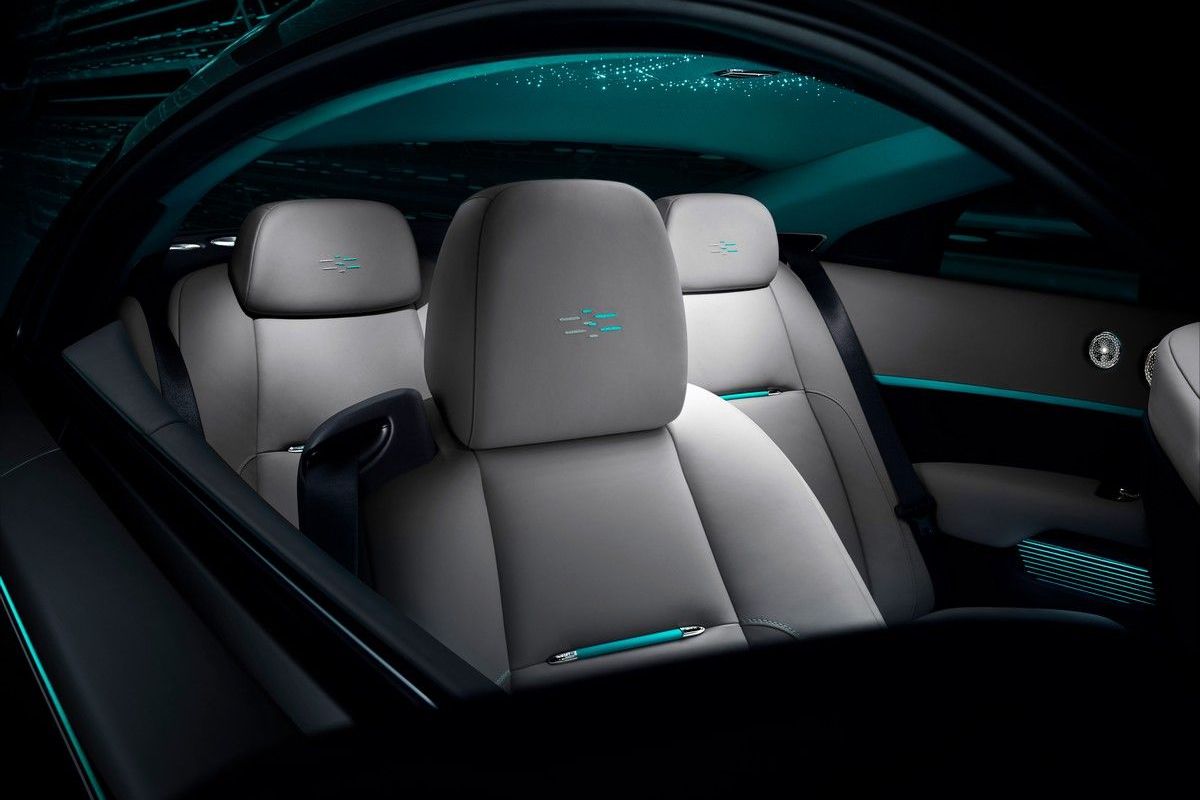
Once they’ve stepped over the illuminated treadplates, occupants are greeted by a sumptuous dual-tone interior in either Selby Grey or Anthracite, contrasted by accented bespoke Kryptos Green leather trim. Elements of the cipher are embroidered into the headrests, while an intricately-patterned screenprint flows across the black metal fascia.
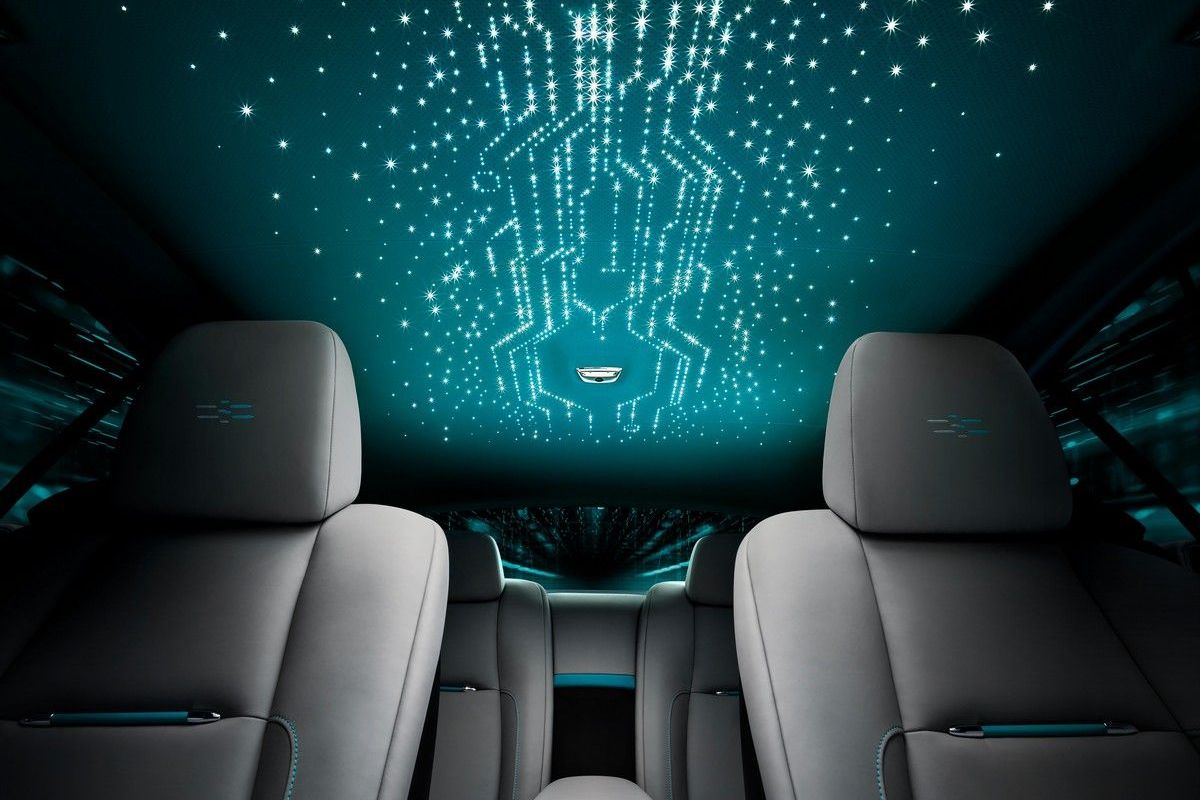
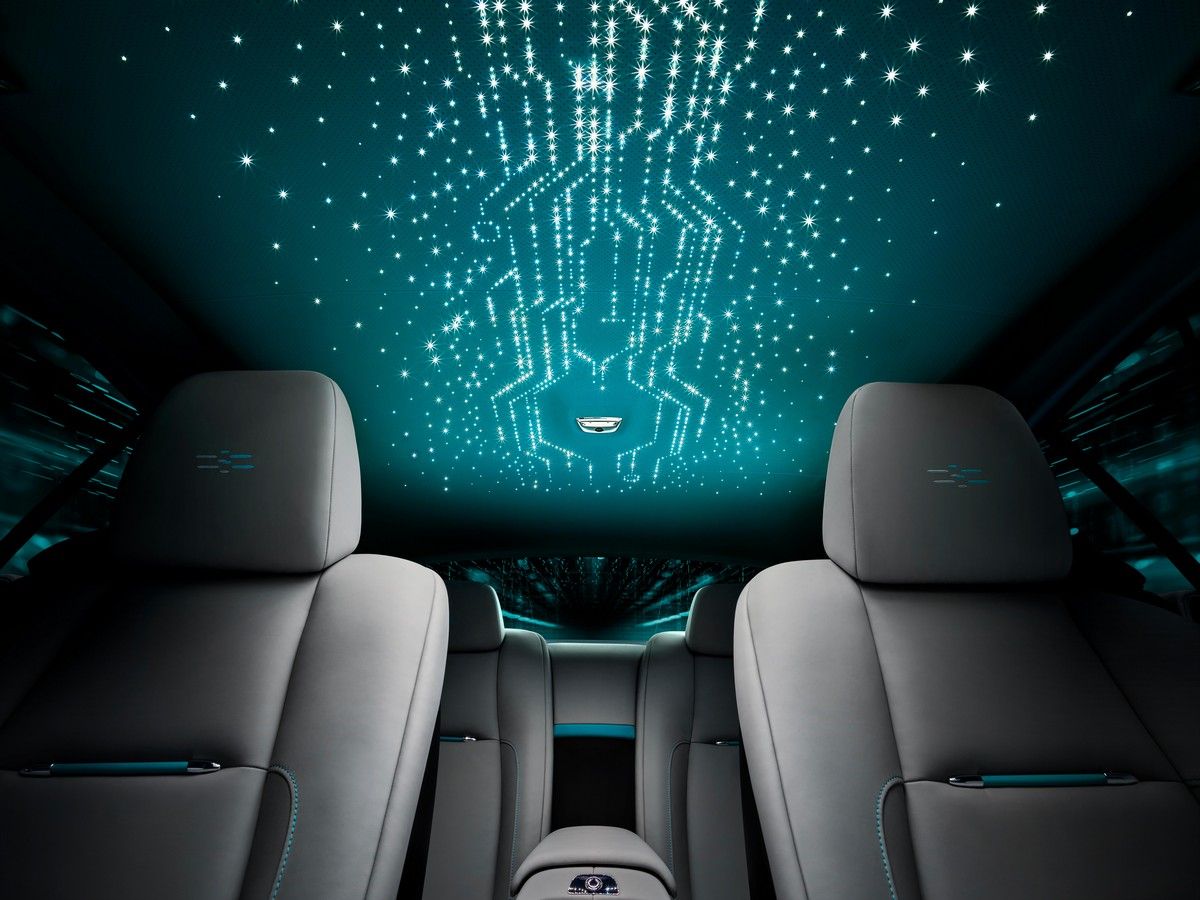
The overhead data-stream-inspired light show is a purposely spellbinding interpretation of the British marque's Starlight headliner.
The highlight of the Wraith Kryptos's bespoke detailing is arguably the elaborate, bi-coloured illuminated headliner which depicts an in-motion data-stream inspired motif. The door pockets continue this theme with woven leather and Kryptos Green threads to reveal a subtle illumination that fades towards the base of the pocket. The centre tunnel is also exquisitely stitched, which repeats the horizontal lines of the door pockets.
Answers on the app, please…
Only 2 people know the answer to the car’s code – Rolls-Royce Bespoke designer Katrin Lehmann and the firm’s chief executive Torsten Müller-Ötvös. Besides the distinction of having no fewer than 3 umlauts in his surname, the CEO keeps the solution to the puzzle in a sealed envelope in a safe in his office at the firm’s Goodwood headquarters.
Rolls-Royce Wraith Kryptos buyers will be invited to submit their efforts at cracking the code via the tantalisingly-named and members-only (of course) Rolls-Royce smartphone app named Whispers. And, no, we’ve haven't made that up…
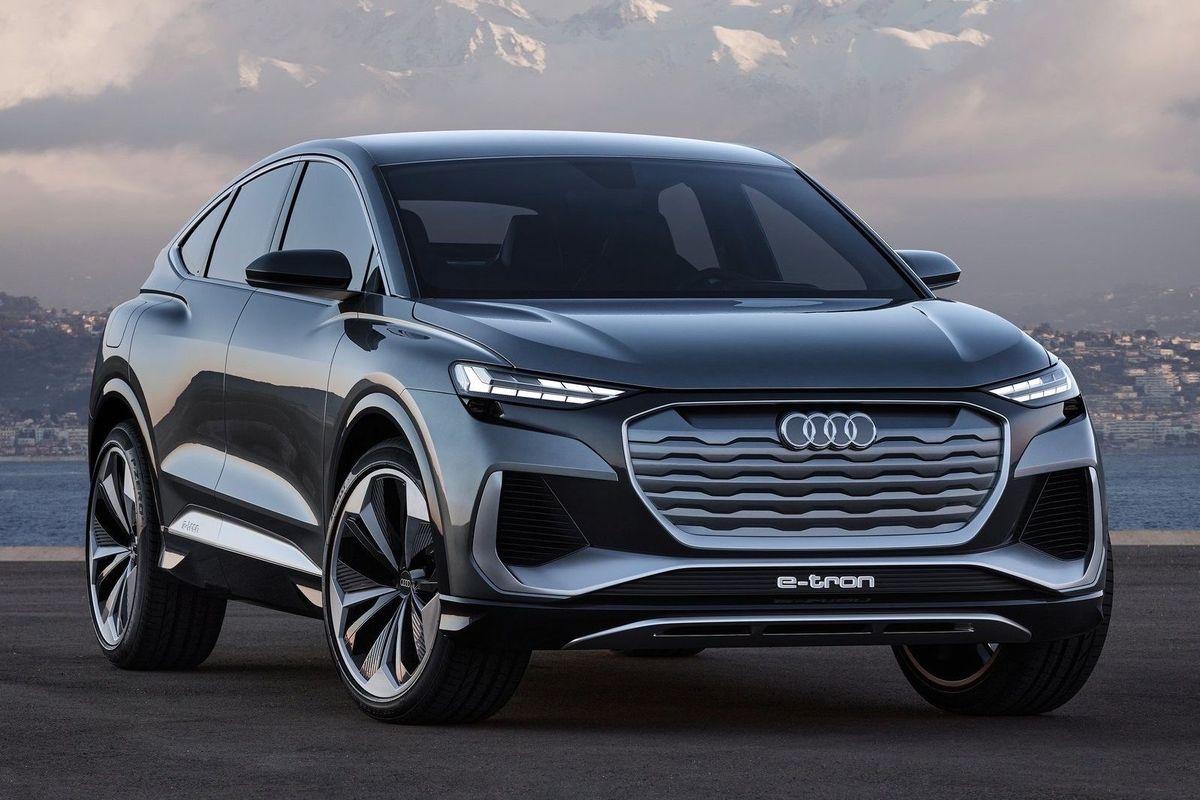
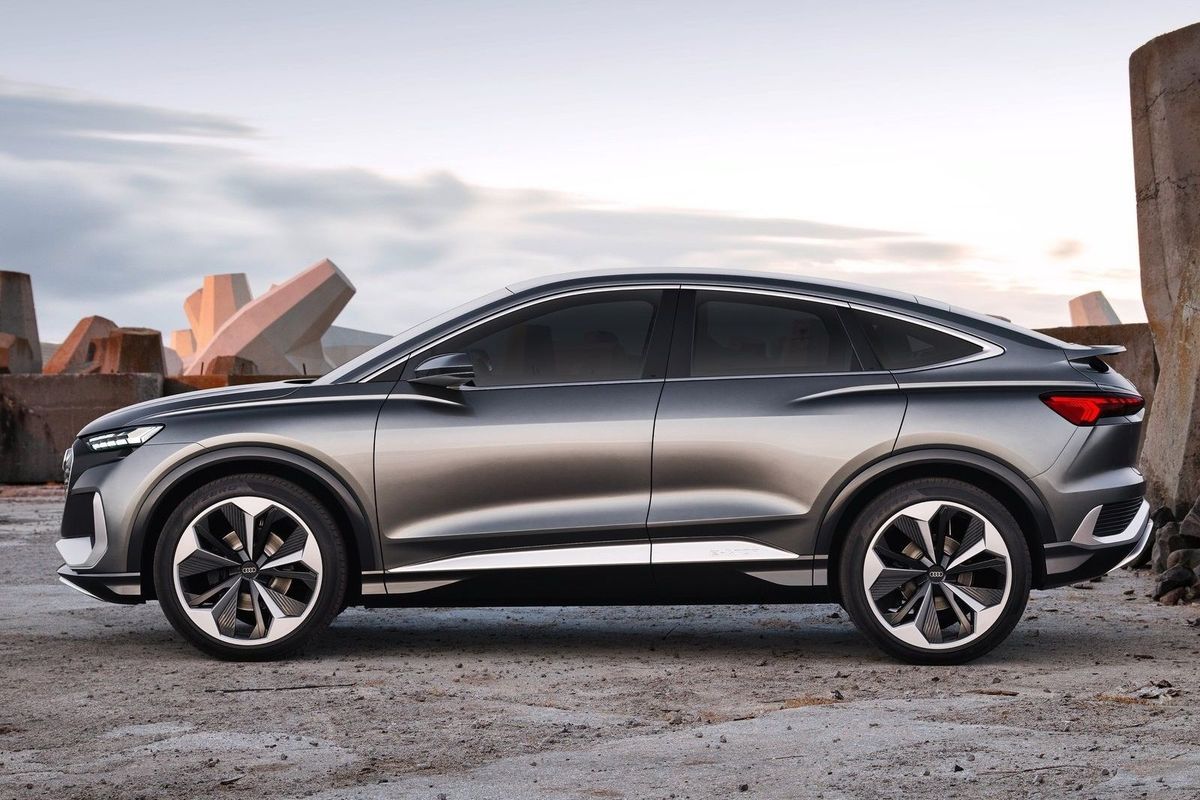
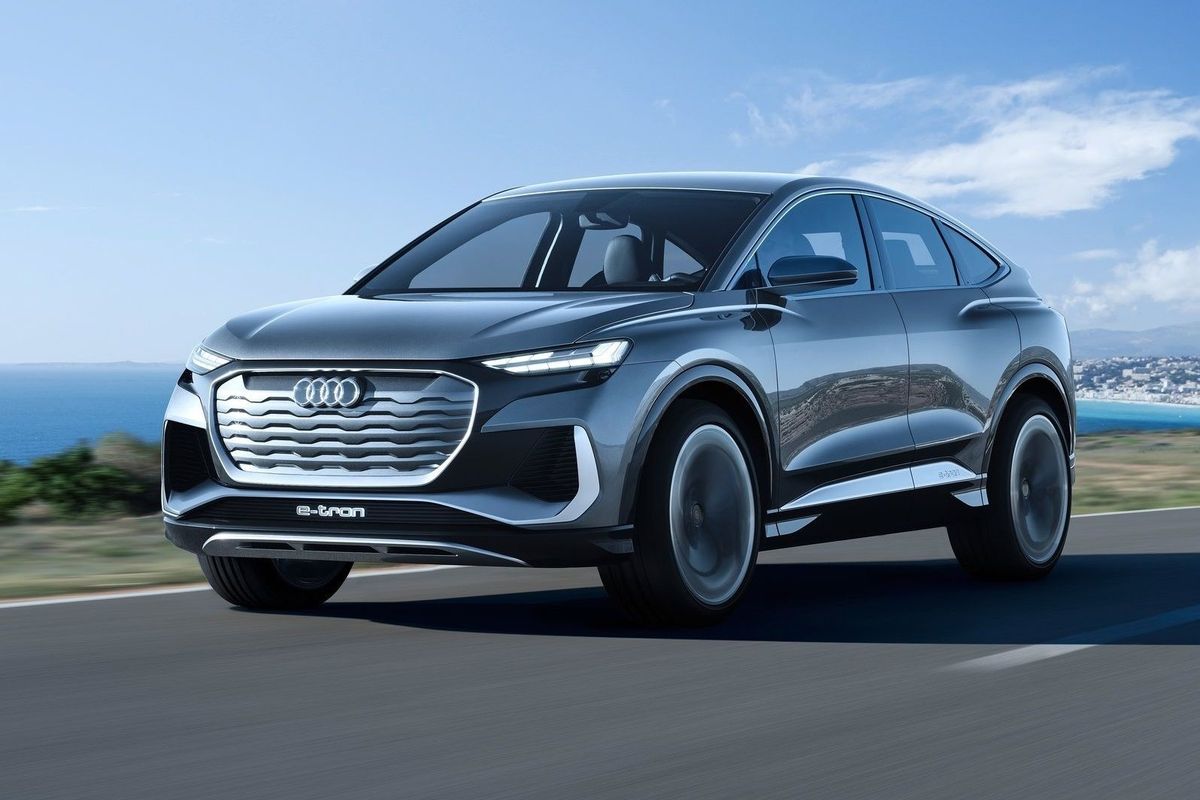
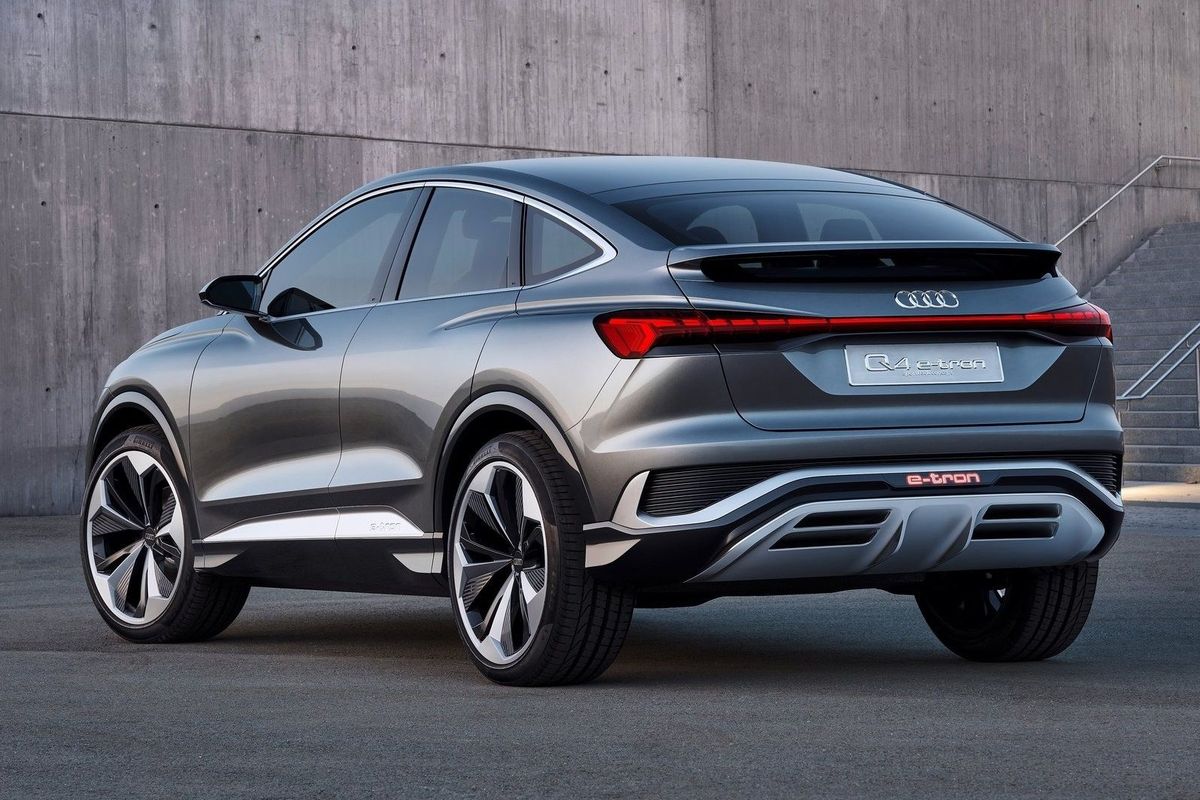
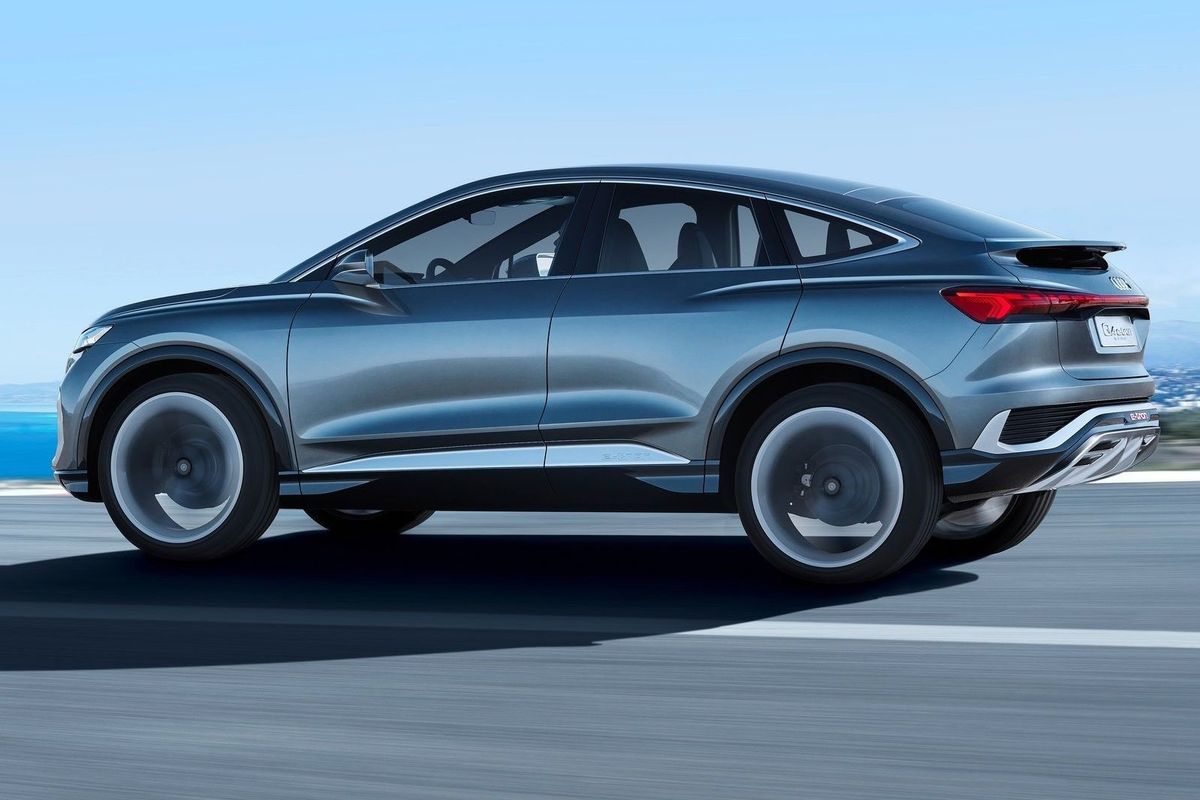
The Audi Q4 Sportback e-tron Concept has just been revealed and previews a vehicle that will be going into production in 2021.
When the first Audi Q4 concept was revealed back at the 2019 Geneva Motor Show, we were impressed by its futuristic looks and electric powertrain. Now that concept has been joined by the Q4 Sportback e-tron concept and Audi claims these concepts "gives potential Q4 customers the opportunity to start thinking about which version they prefer roughly a year before the first vehicles will be delivered". This means that what you're looking at here will turn into a production car in 2021.
Under that visually striking body are 2 electric motors with 225 kW driving all 4 wheels. Each axle boasts an electric motor, which should mean excellent traction. In terms of acceleration performance, Audi is claiming a figure of 6.3 seconds and a top speed of 180 kph, which is pretty brisk. The battery boasts a capacity of 82 kW/h which means it will have a theoretical range of over 450 km based on a WLTP claim. There will be rear-wheel drive versions that will be capable of 500 km on a single charge. The battery can be charged with a maximum of 125 kW, meaning it'll take around 30 minutes to get to 80%.
The Audi Q4 Sportback e-tron concept is assembled on the VW Group Modular Electrification Platform (MEB) which underpins things like the ID.3 and soon to be revealed ID.4.
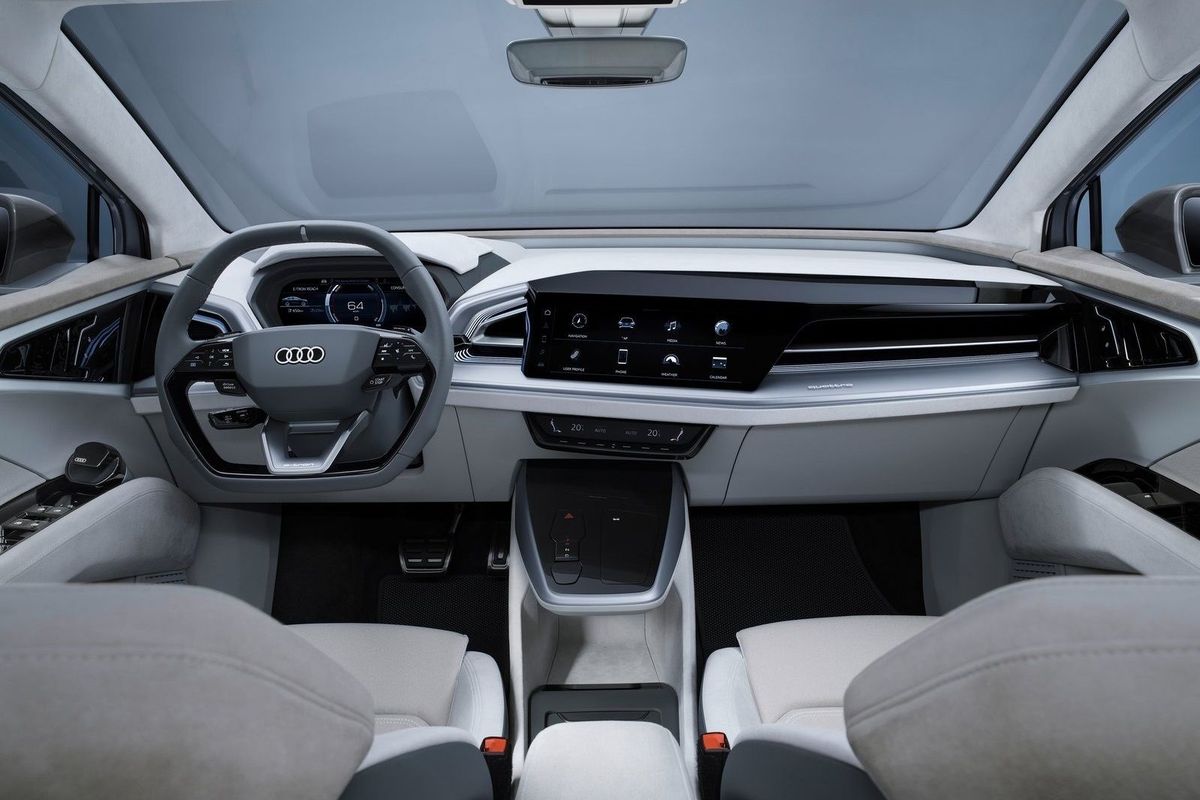
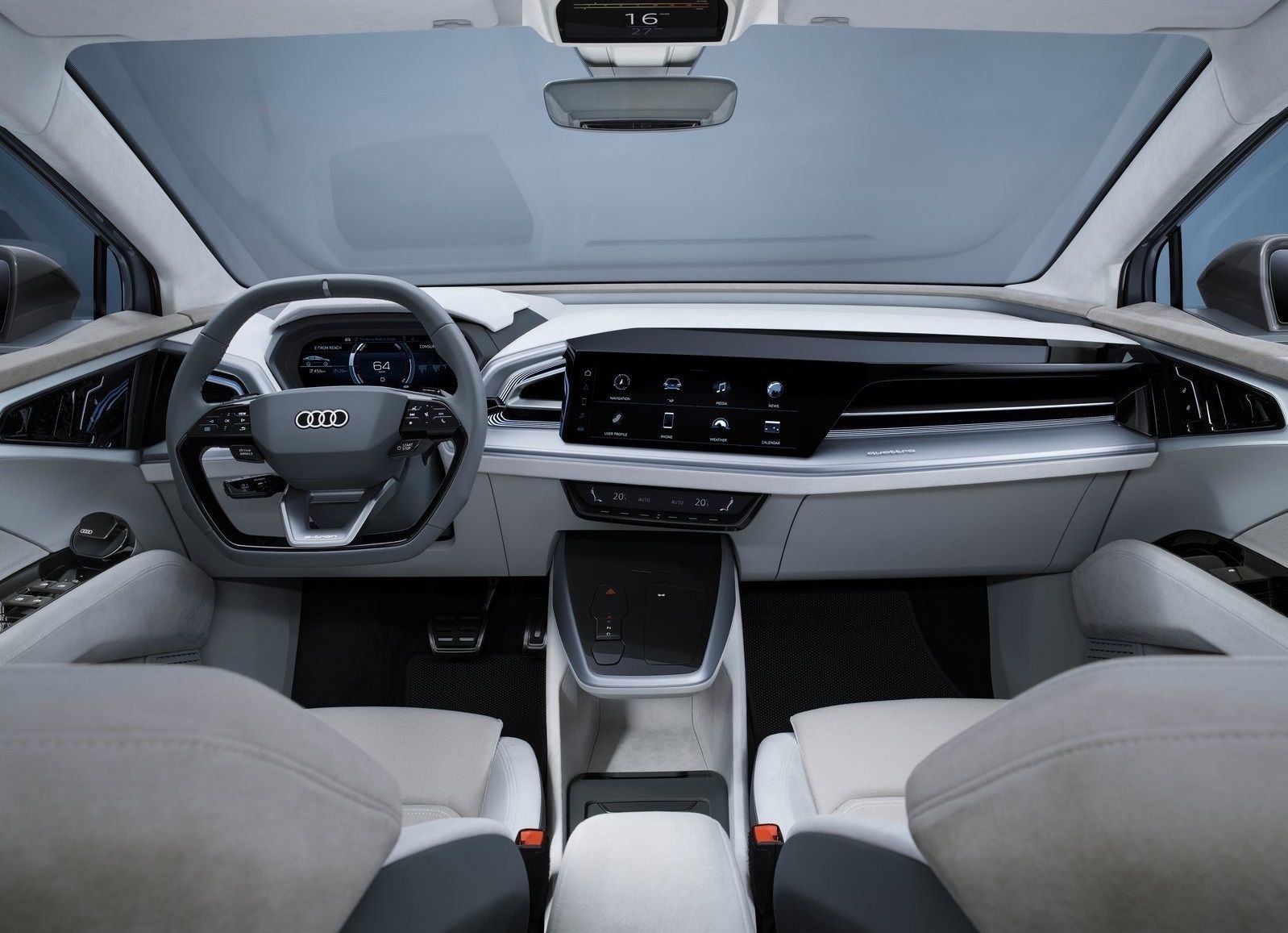
Inside, the Audi Q4 Sportback's cabin is spacious due to the lack of a transmission tunnel. Audi says the cabin is made of sustainable and recycled materials. The next-generation of Audi Virtual Cockpit is on display and the new heads-up display features augmented reality functionality.
Audi is forging ahead with its electric plans and by 2025, the German brand will have more than 20 vehicles with all-electric drive on sale.
The cabin of the Audi Q4 Sportback e-tronc concept.
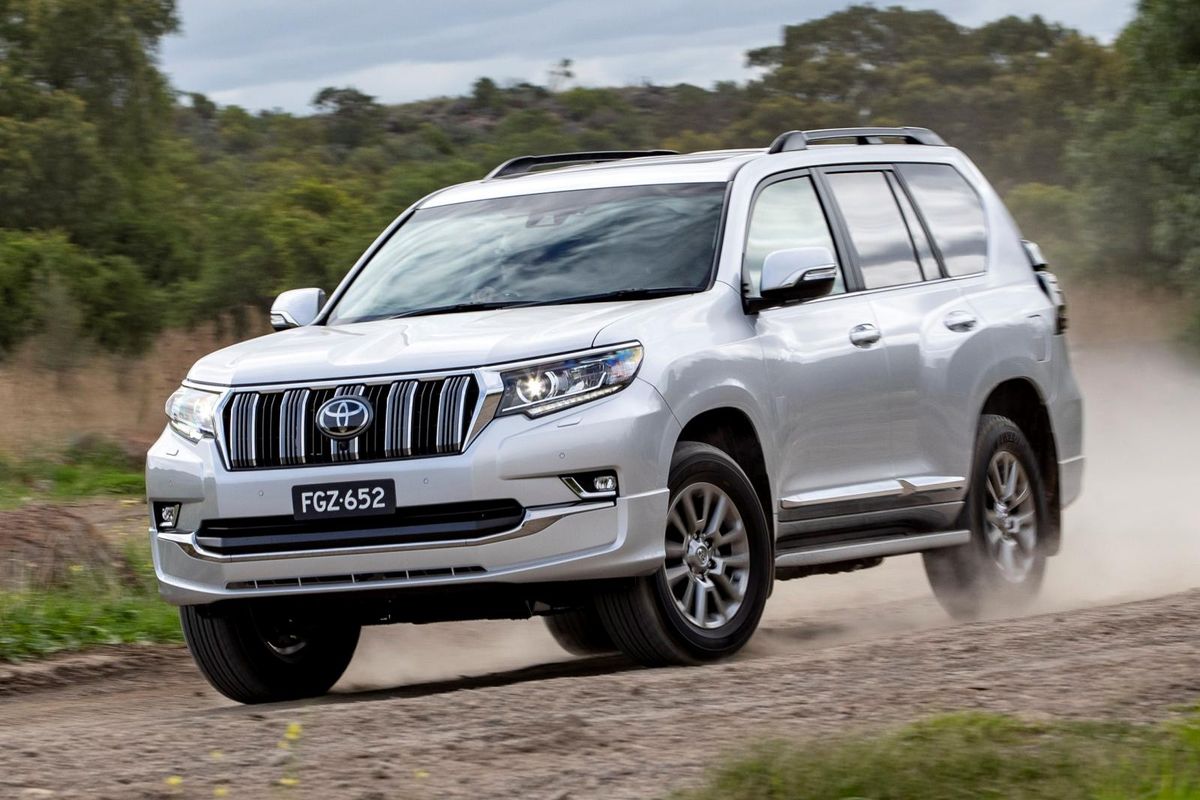
Reports from Australia indicate that Toyota is set to soon do the obvious and boost engine performance relating to its Prado turbodiesels.
With both Hilux and Fortuner having shown updated designs and an evolved version of the 2.8 GD engine, it would be unusual for Toyota not to apply those powertrain changes to Prado.
The baby Land Cruiser is certainly due for another specification upgrade, which will give the J150 Prado a little bit more time in the market. It is amazing that Toyota’s fourth-generation Prado was launched in 2009 and continues to sell strongly in markets where customers demand a rugged luxury SUV with proven durability.
Engine performance has been a Prado weakness over the last few years as most rivals have introduced more sophisticated and powerful engine options.
Although the 120 kW version of Toyota’s 2.8-litre turbodiesel is wonderfully usable at crawling speeds, when navigating technical off-road terrain it is simply underpowered to roll the Prado along at reasonable inter-provincial cruising speeds.
By upgrading the engine to 150 kW and 500 Nm, Toyota will deliver that missing element of dynamic driving ability to its customers.
It is unclear what the global deployment schedule for this Prado engine upgrade will be, but giving the compact Land Cruiser more power and torque should ensure a surge in demand.
South African customers, who use their Prados both as urban family vehicles and as off-road touring 4x4s, will be mighty keen on a more potent Prado.
Toyota South Africa has confirmed that the 2.8 will be added to the Prado range, however, due to the impact of COVID19 the timing of its arrival is unconfirmed.
A new, affordable small SUV could be coming to SA. Is it a cross between a Kwid and a Triber (Kiger)?
*Kiger Image not of final product.
Renault is considering another small or compact SUV to add to its current SA lineup. The current lineup includes the Triber, Captur and Duster. The Kiger is being built on the same platform as the Triber (CMF-A+) which is also shared with the upcoming Nissan Magnite. The Kiger will only be offered as a 5-seater as opposed to the Triber which can seat 7.
The engines for the new Kiger will be carried over from the Kwid meaning a naturally aspirated 1.0 petrol engine with 52 kW and 96 Nm and a 1.0 turbopetrol variant. Understanding is that the 1.0-litre turbopetrol will be updated with more power and torque for the Kiger and will eventually be introduced into Triber. Currently, the turbopetrol (which isn’t yet offered in SA) makes 74 kW and 160 Nm of torque. Figures for the version that will go under the bonnet of the Kiger are assumed to be 86 kW and 180 Nm, which makes it more in line with what competitors from Hyundai and VW are currently offering.
In India, the Kiger will be offered with a 5-speed manual transmission, 5-speed AMT ‘box and possibly a 6-step CVT.
Not much is known about the interior yet as the car is only set to be launched in India during October 2020. In order to reduce cost, the interior parts from the Triber are likely to be transplanted into the Kiger. That includes a decent infotainment system complete with Apple Carplay and Android auto. Safety spec hasn’t been determined yet and has been somewhat of an Achilles heel for the platform. It hasn’t hindered local sales by any count though.
The Kiger is said to compete with the likes of the Hyundai Venue and Volkswagen T-Cross in the Indian market, however, based on these specifications we expect it to be priced below both of those offerings by some margin.
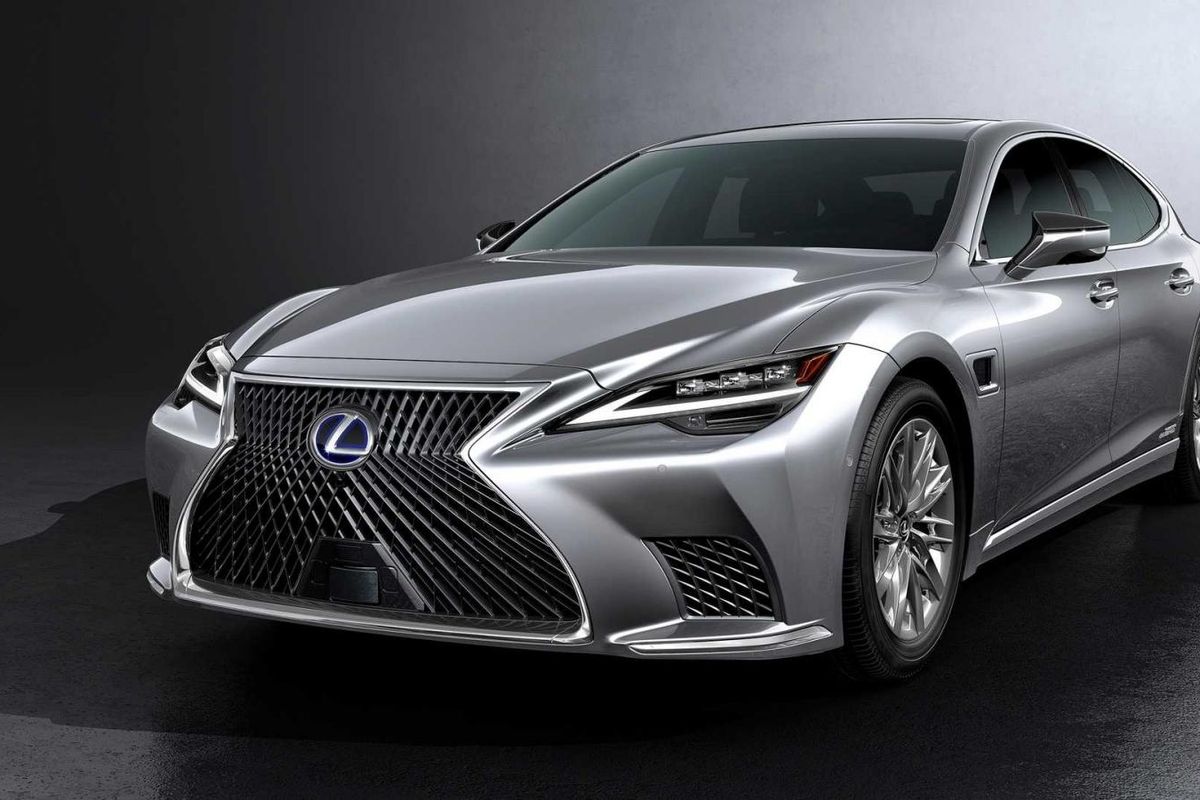
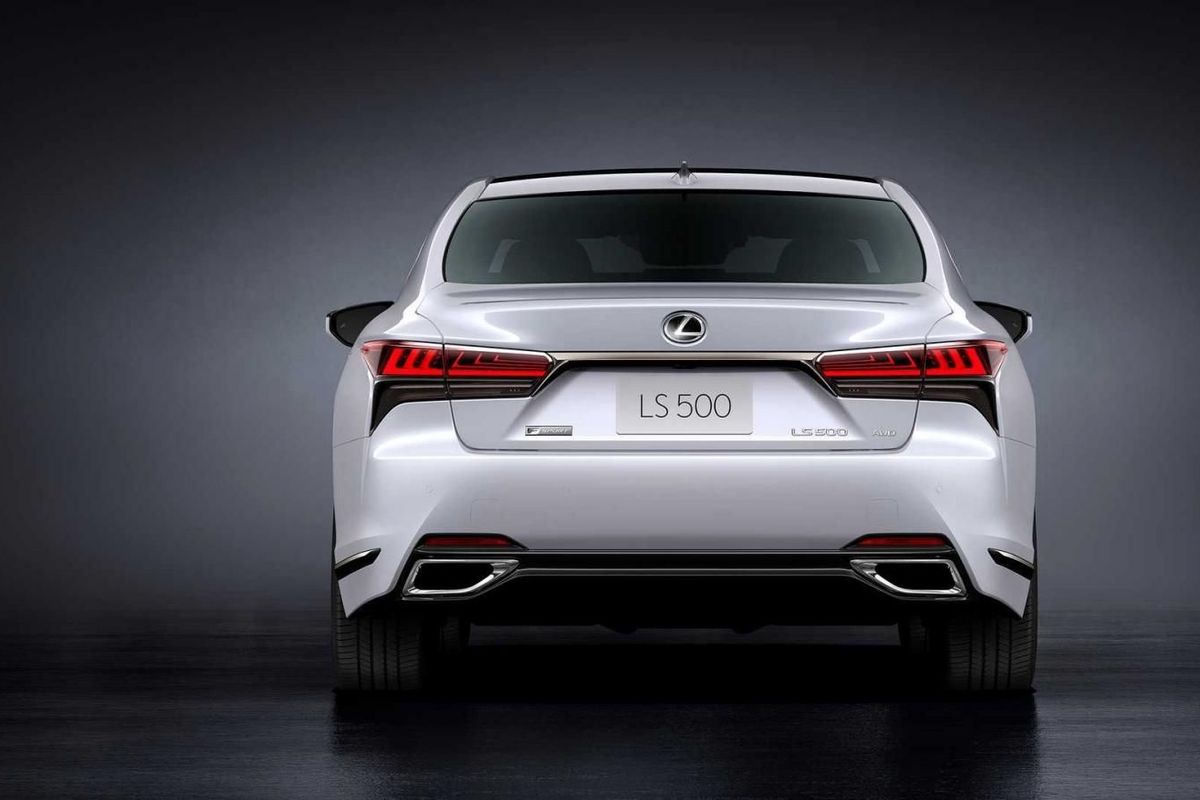
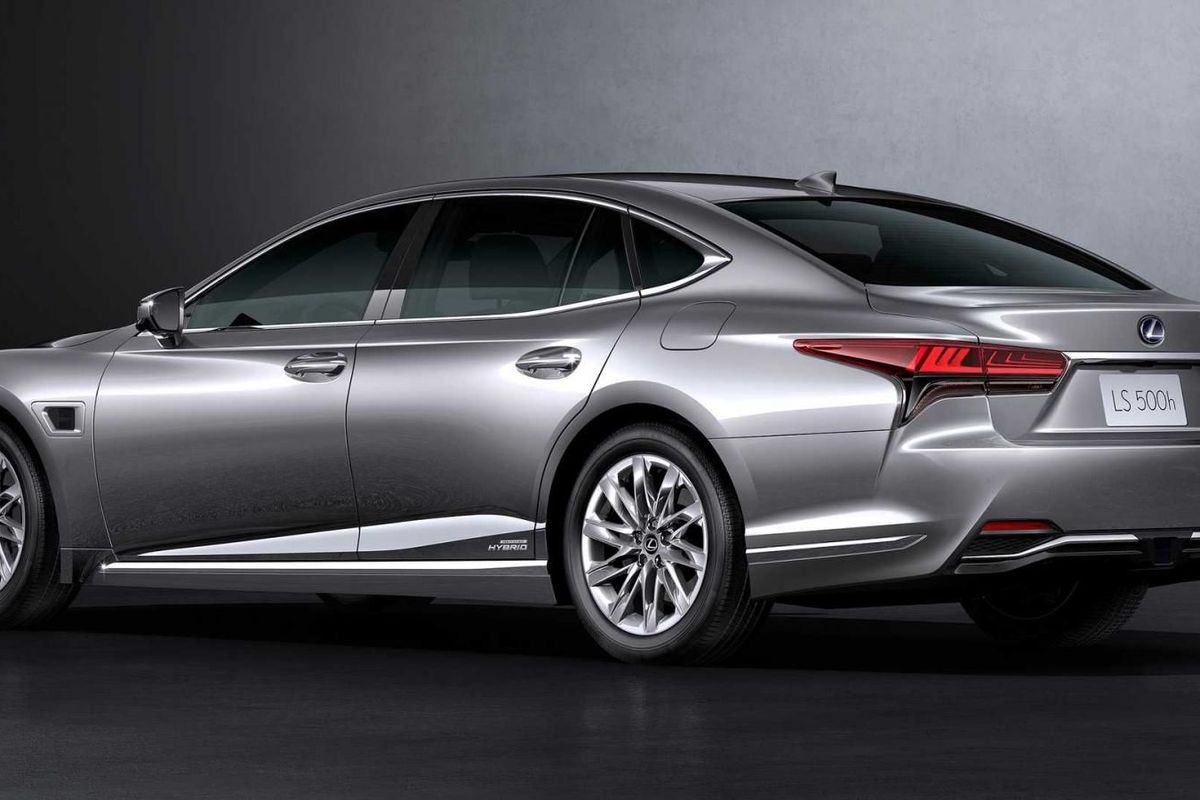
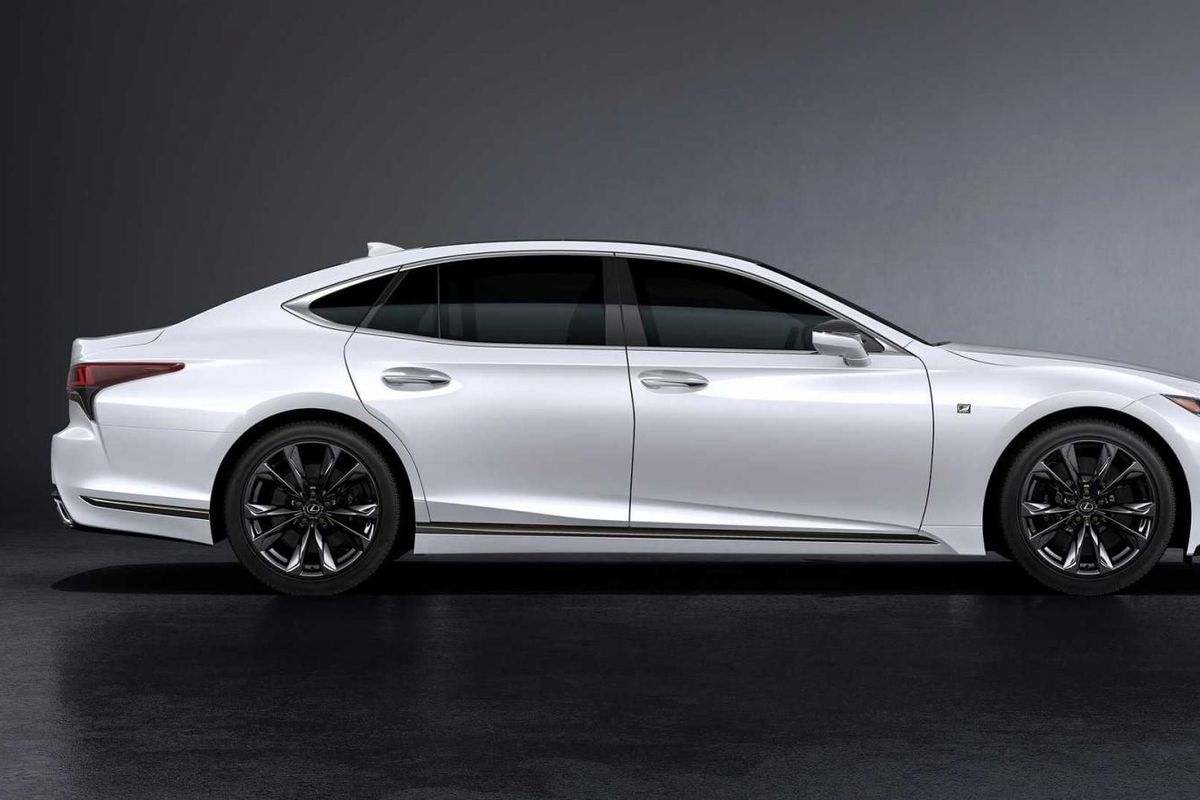
Lexus has taken the covers off of its flagship luxury sedan. Here's all you need to know about the updated Lexus LS.
The updated Lexus LS will be hitting Japanese showrooms late in 2020 and we expect the new model to make landfall in SA in 2021. The LS has quite a track record, selling over 870 000 units in more than 90 countries. It's a rival to the Mercedes-Benz S-Class and BMW 7-Series. So what's new?
Visually, not much, but we can spot a slightly altered front bumper, new headlights and taillights. Lexus says there are some new wheel designs too. The Japanese brand claims its engineers have focused on the comfort levels and refinement, as well as some dynamic improvements. There's also a new adaptive variable suspension tweak that Lexus claims will improve ride quality even further. Lexus has also introduced something called Teammate which offers the latest in driving assist tech. On the exterior, Lexus has thrown in a new colour called Gin-ei Luster.
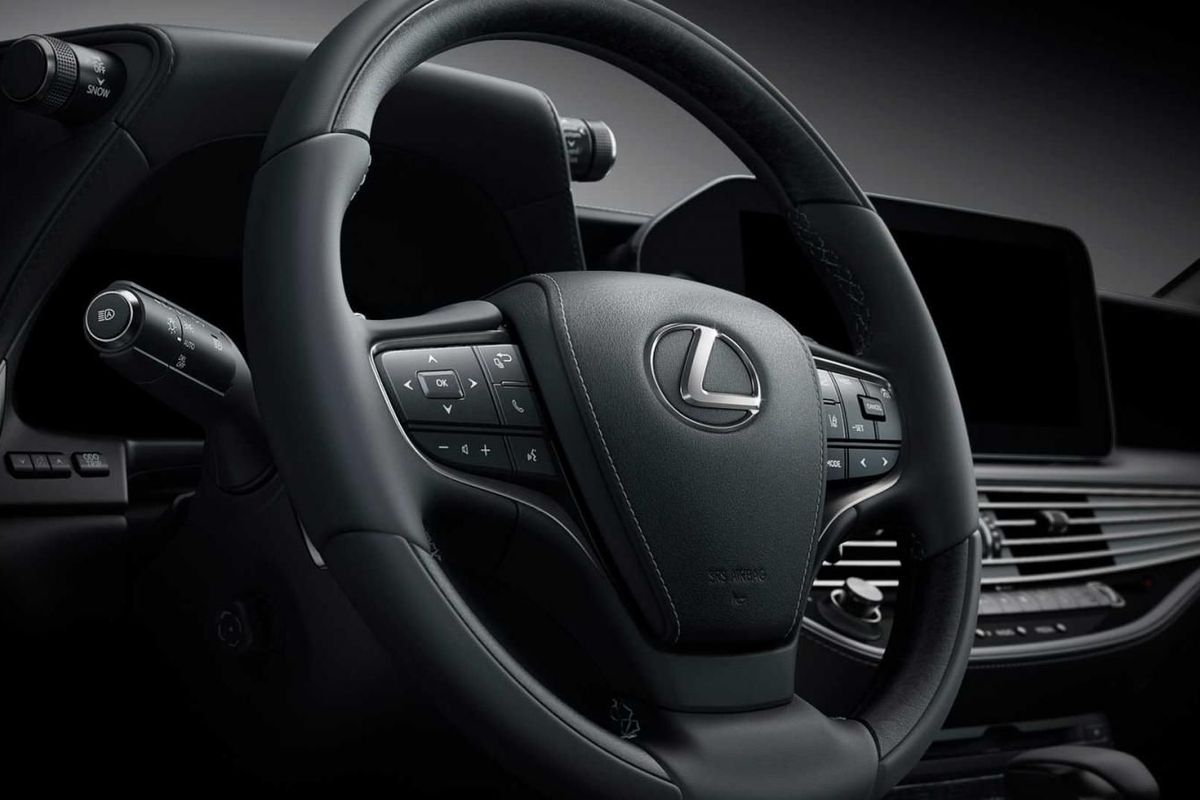
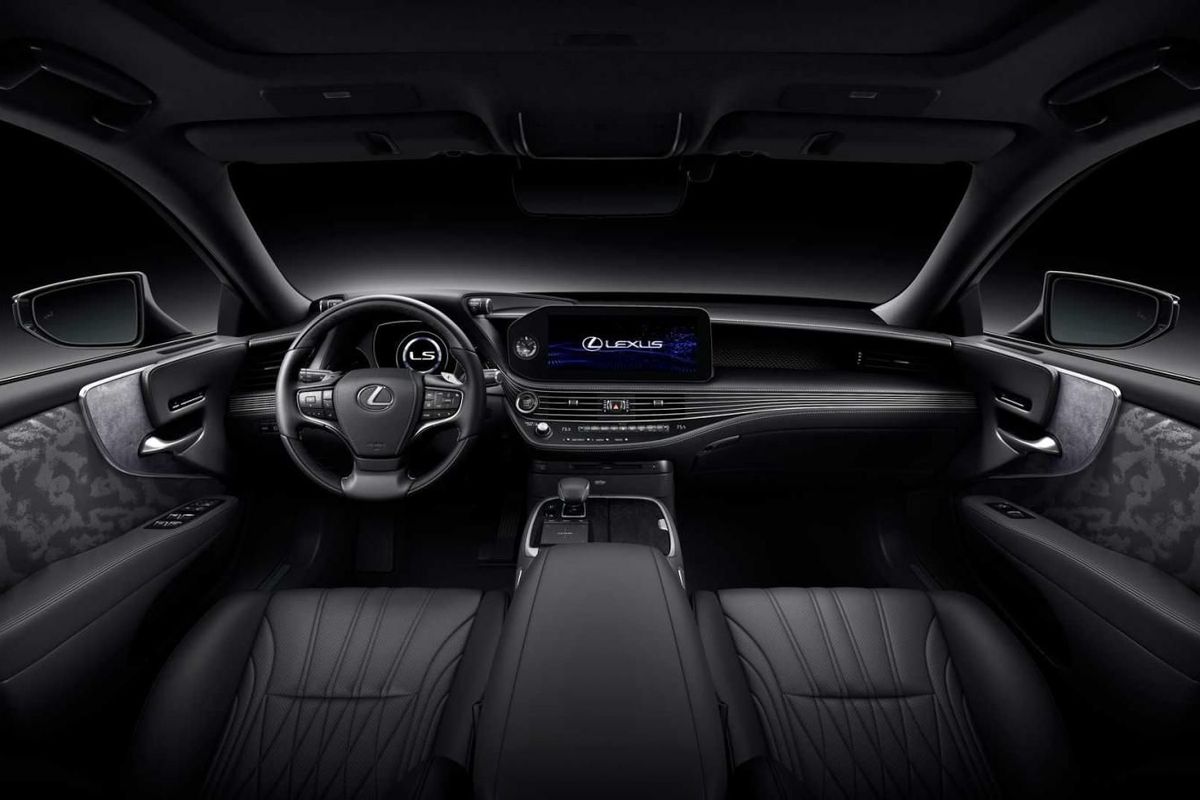
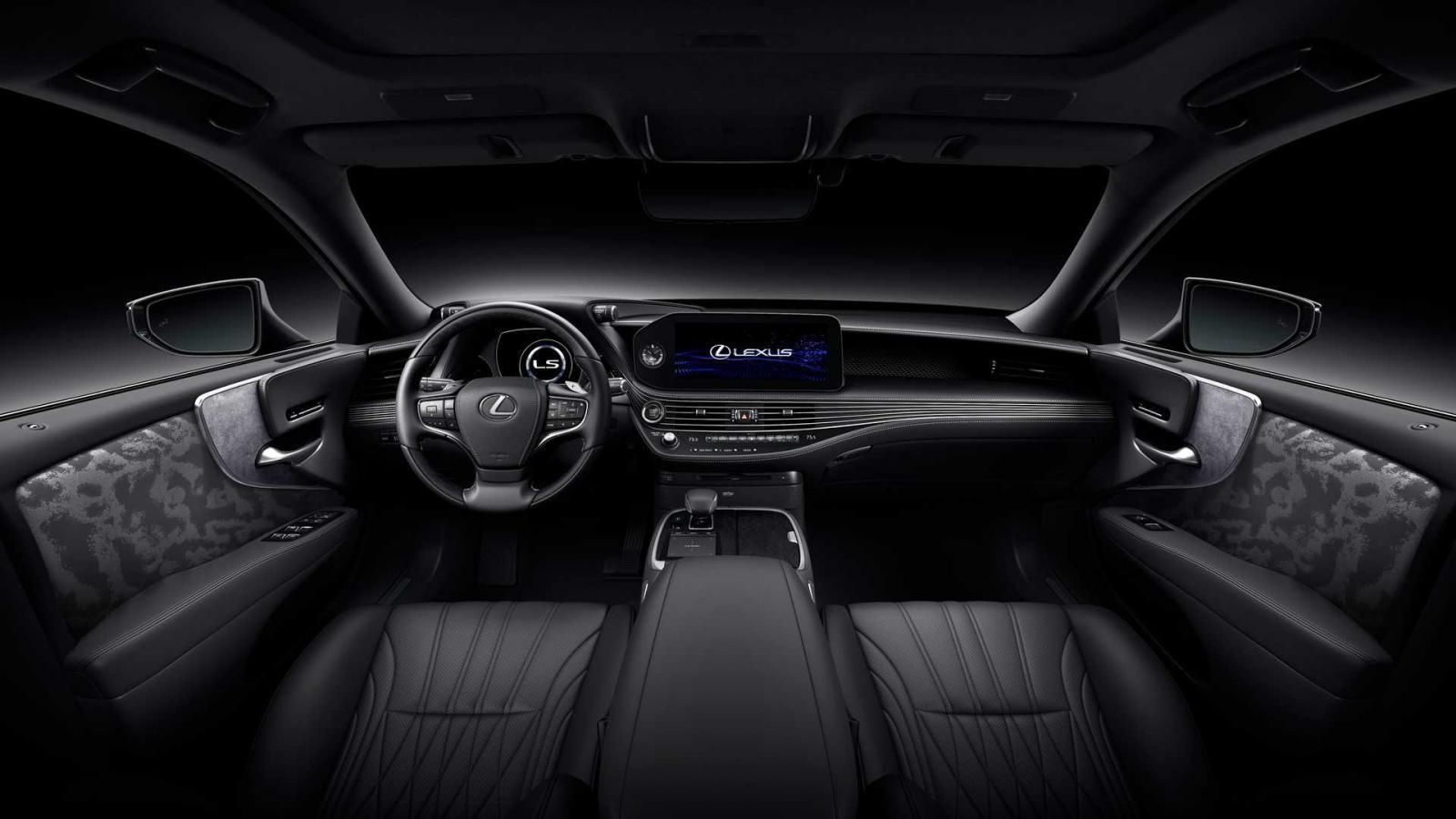
The cabin gains a new 12-inch touchscreen infotainment system and it features Apple CarPlay and Android Auto connectivity. There's also a new digital rearview mirror and some trim adjustments to the seats.
In terms of powertrain, there's a hybrid version and a biturbo 3.5-litre V6 which are carried over, but Lexus says the motor now has improved initial engine torque and greater acceleration response, while the 10-speed auto gearbox now features improved shift timing and a wider acceleration range for each gear. For the record, this motor produces 310 kW and 600 Nm.
If the standard Honda Civic Type R is not quite hardcore enough for you then perhaps you should consider this bonkers upgrade from Japanese tuner, Mugen.
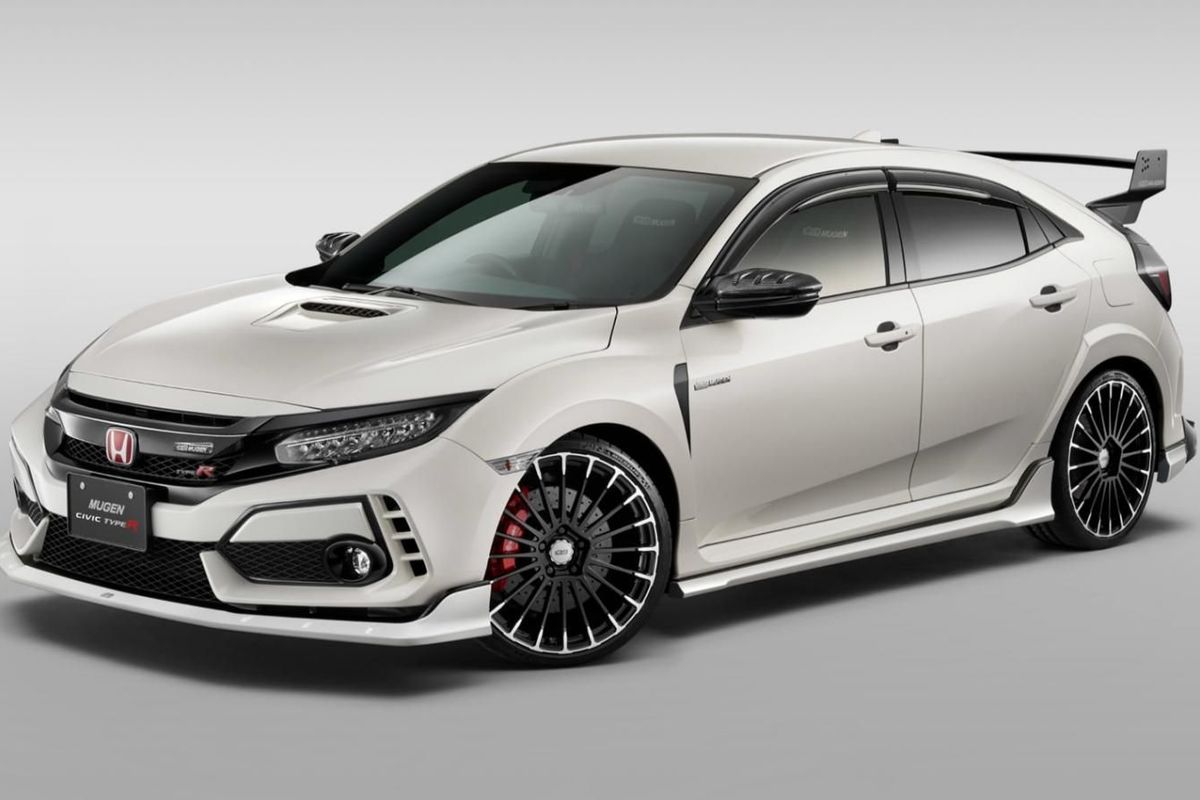
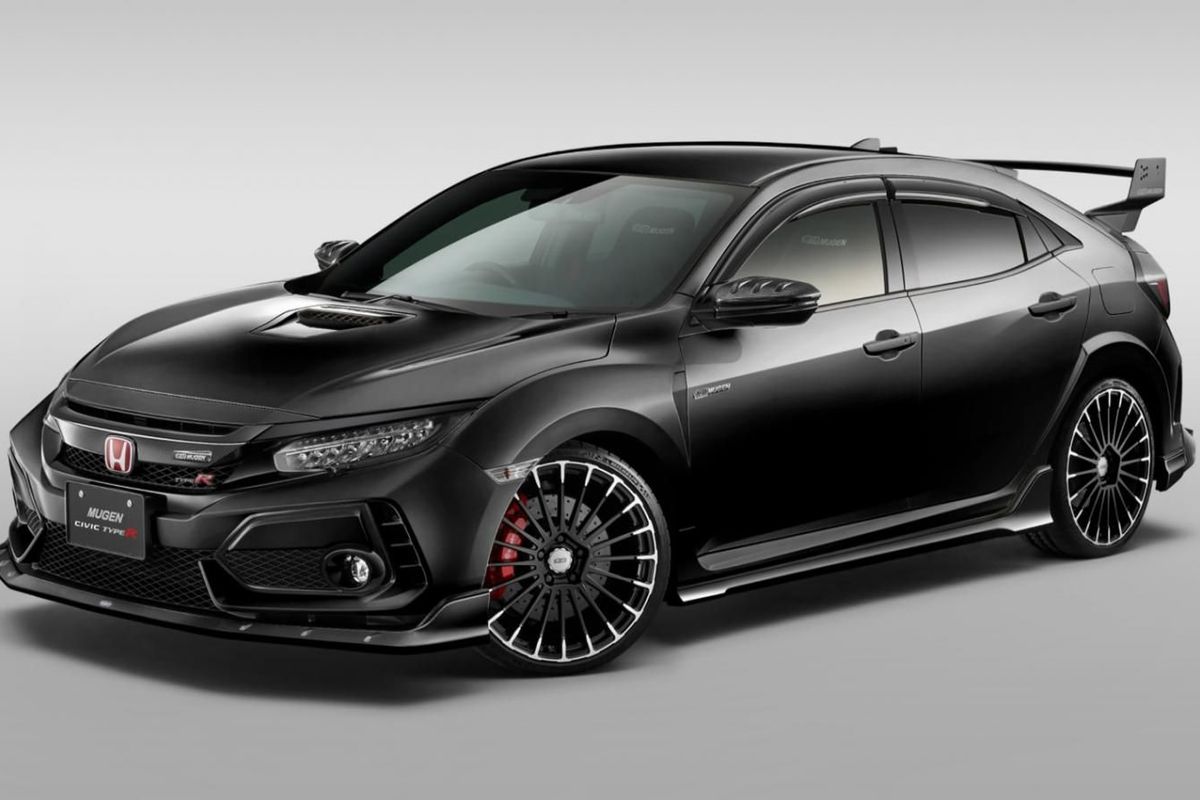
In standard guise, the Honda Civic Type R’s styling is far from subtle and the chaps at Japanese tuning firm, Mugen, have gone to work to create a radical upgrade for the Civic Type R.
First shown in 2019 as the RC20GT concept at the Tokyo Auto Salon, Mugen has revealed the production version of its upgrade for the Honda Civic Type R.
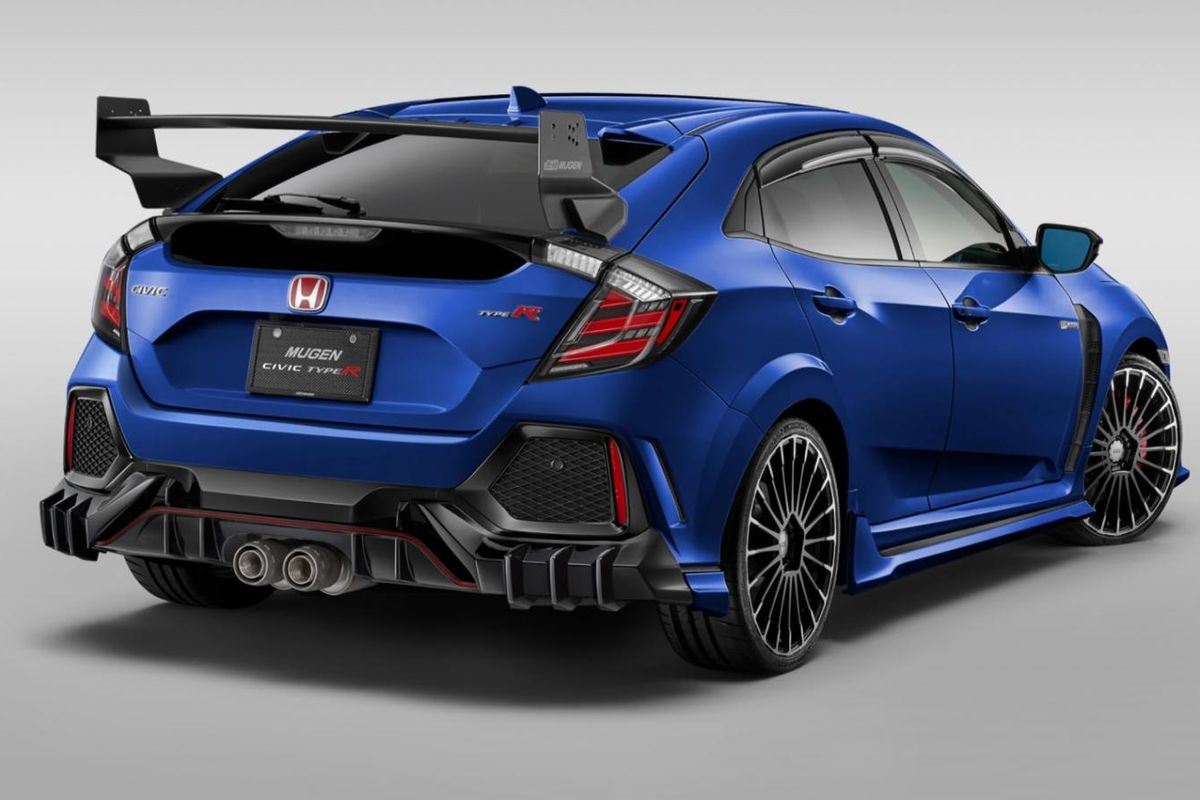
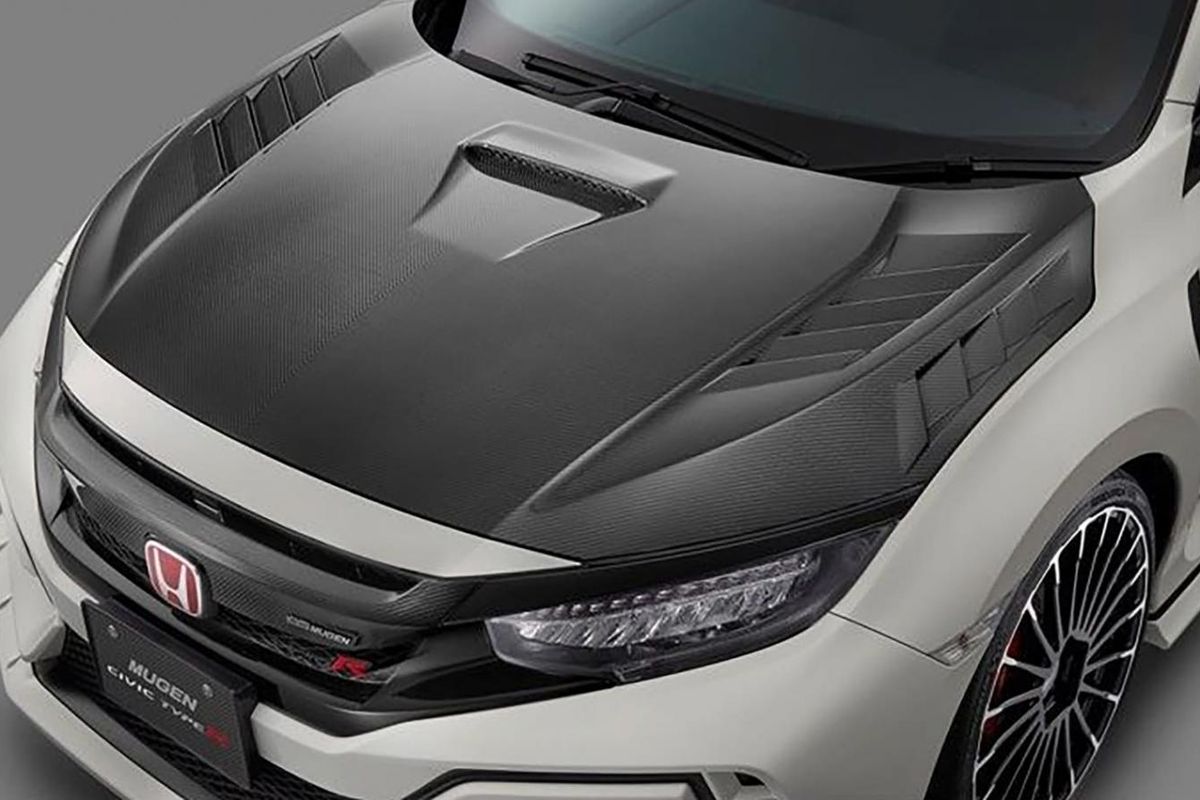
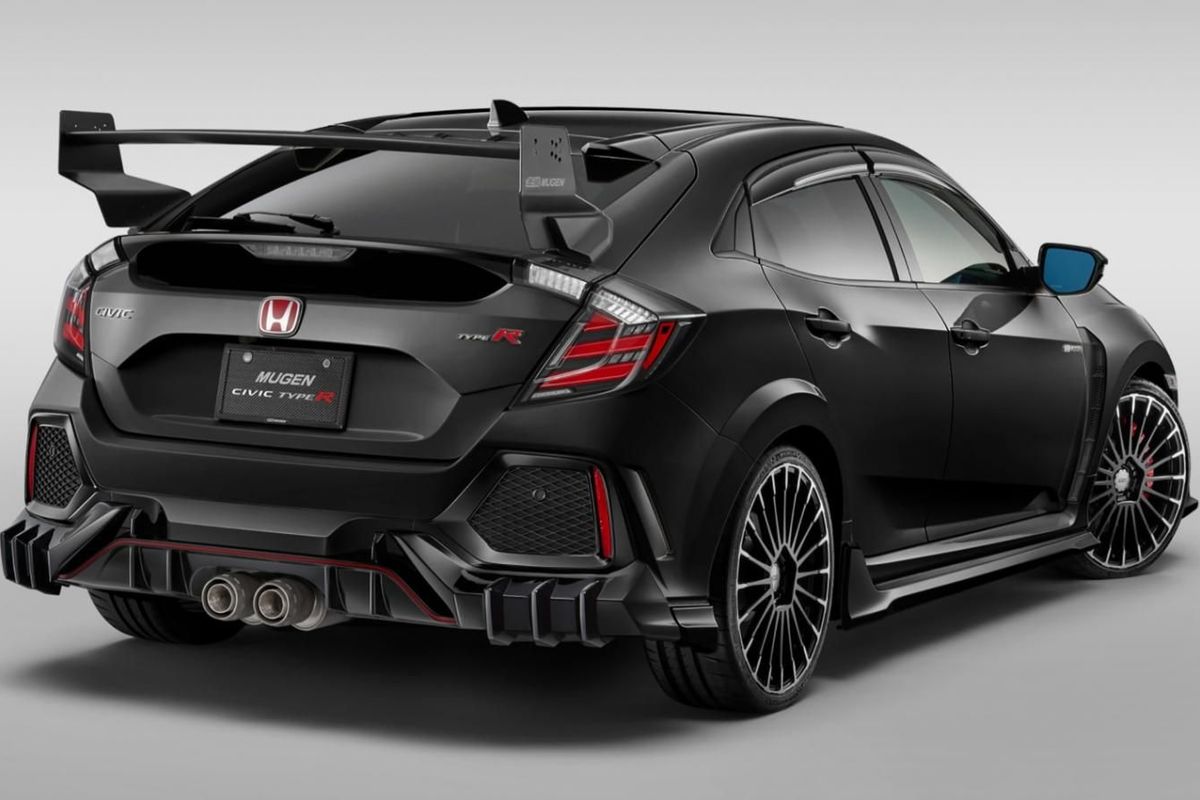
The styling modifications are extensive and include a new front splitter, reworked air intakes and notably a carbon fibre bonnet with vents and uniquely-styled side mirrors. The Mugen Civic Type R rides on specially-developed 20-inch black and silver wheels and the look of the car is enhanced with extended side skirts which add visual width.
The taillights feature a unique light graphic and the Mugen has opted for a dual tailpipe setup (as opposed to the 3 tailpipes seen on a standard Civic Type R) set in a new rear diffuser. A custom rear wing is also fitted, adding to the excessively aggressive styling of this modified Civic Type R.
The interior gains a striped Recaro bucket seats with an Alcantara finish as well as a leather and carbon fibre combination steering wheel and an aluminium gear shift lever.
The engine has remained unchanged with the 2.0-litre turbopetrol engine churning out 228 kW and 400 Nm of torque. A 6-speed manual transmission directs power to the front wheels.
Do you like the look of the Mugen Civic Type R or do you think it’s way over the top?
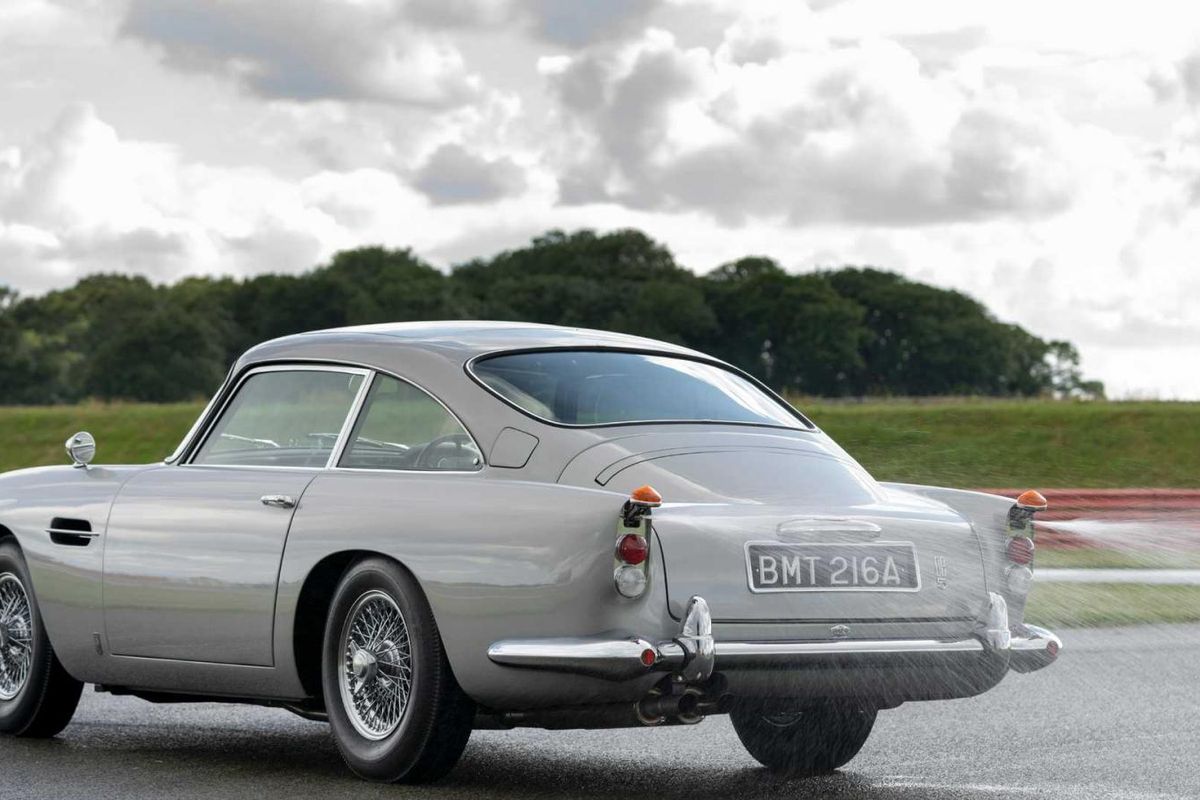
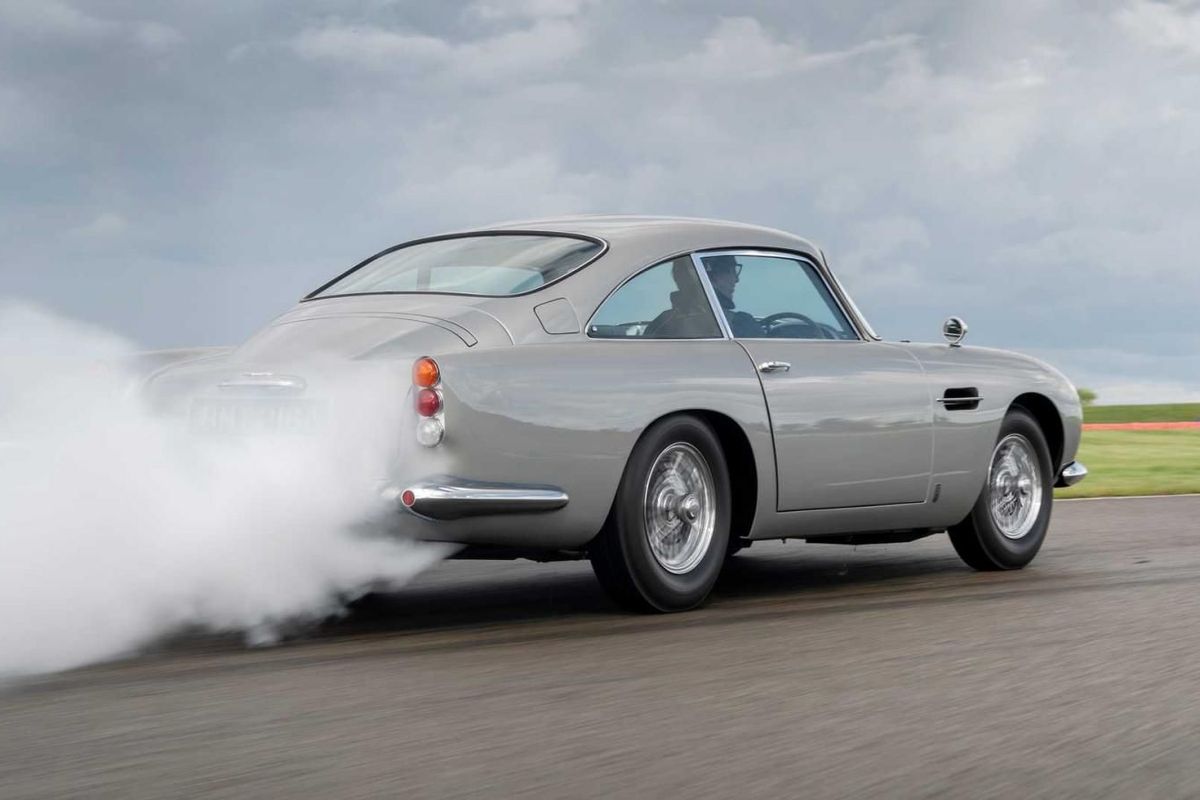
Aston Martin DB5 Goldfinger Continuation [w/video]
The Aston Martin DB5 from Goldfinger has come back to life, with gadgets and all…
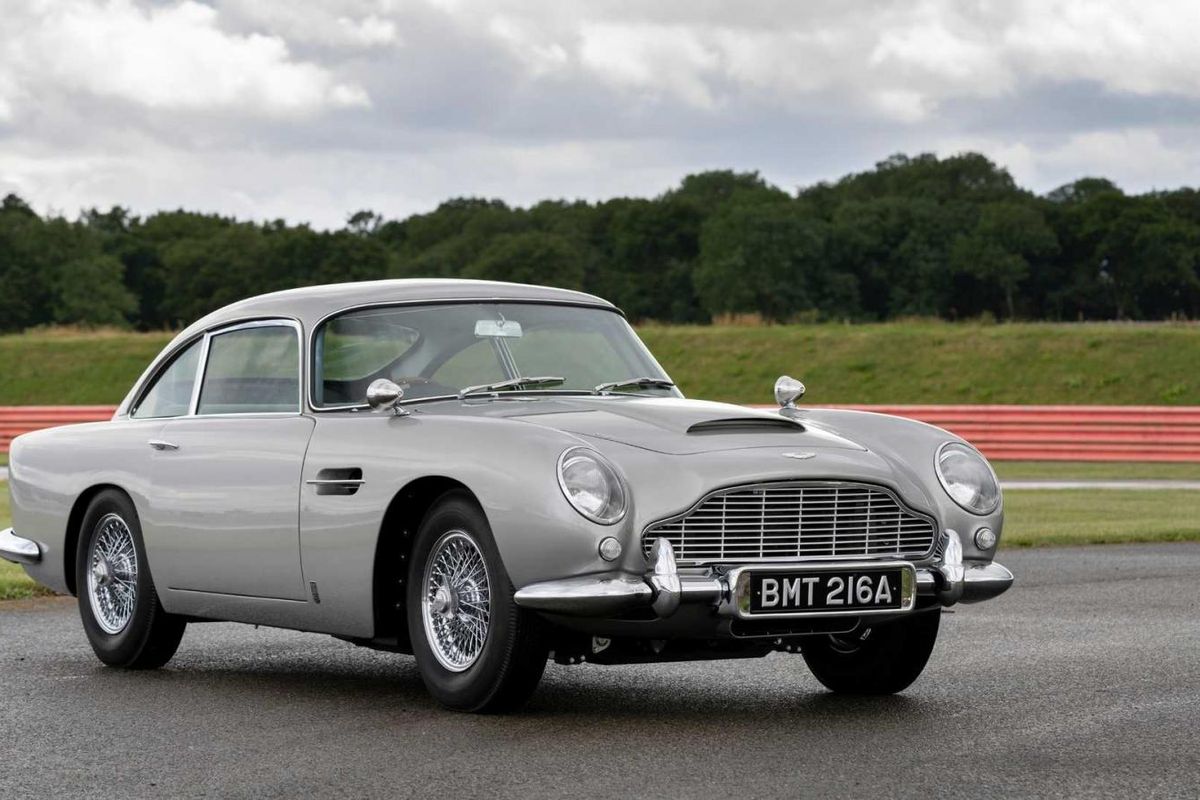
James Bond fans eat your heart out, Aston Martin has brought the DB5 back to life! The DB5 featured in the 1964 film, Goldfinger, with James Bond played by none other than Sean Connery.
This is the first DB5 Goldfinger Continuation car, the first car to roll off the assembly line, some 55 years since production ended in 1965. Only 25 will be built in association with EON Productions (makers of the James Bond films) and they will be equipped with gadgets that feature in Goldfinger.
Creating the same vehicle that features in the movie is no easy feat and it takes approximately 4 500 hours to produce just one example.
A true James Bond car has all the gadgets…
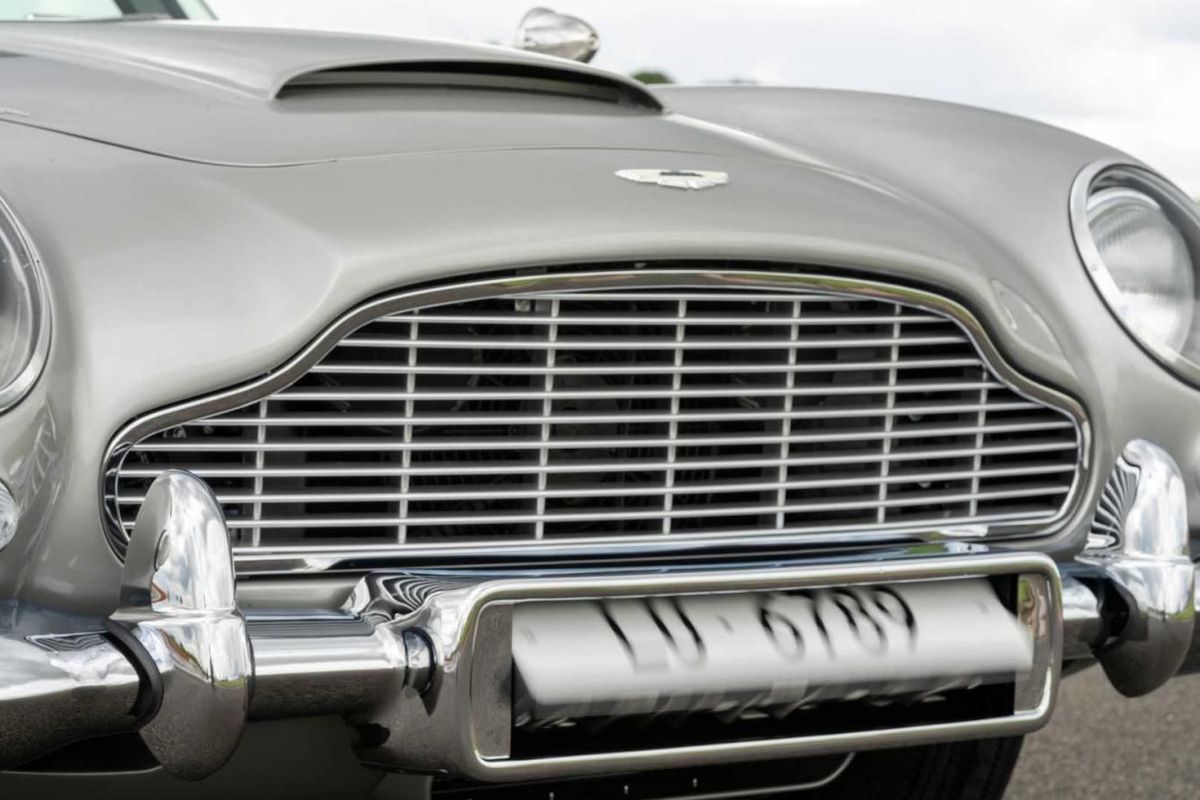
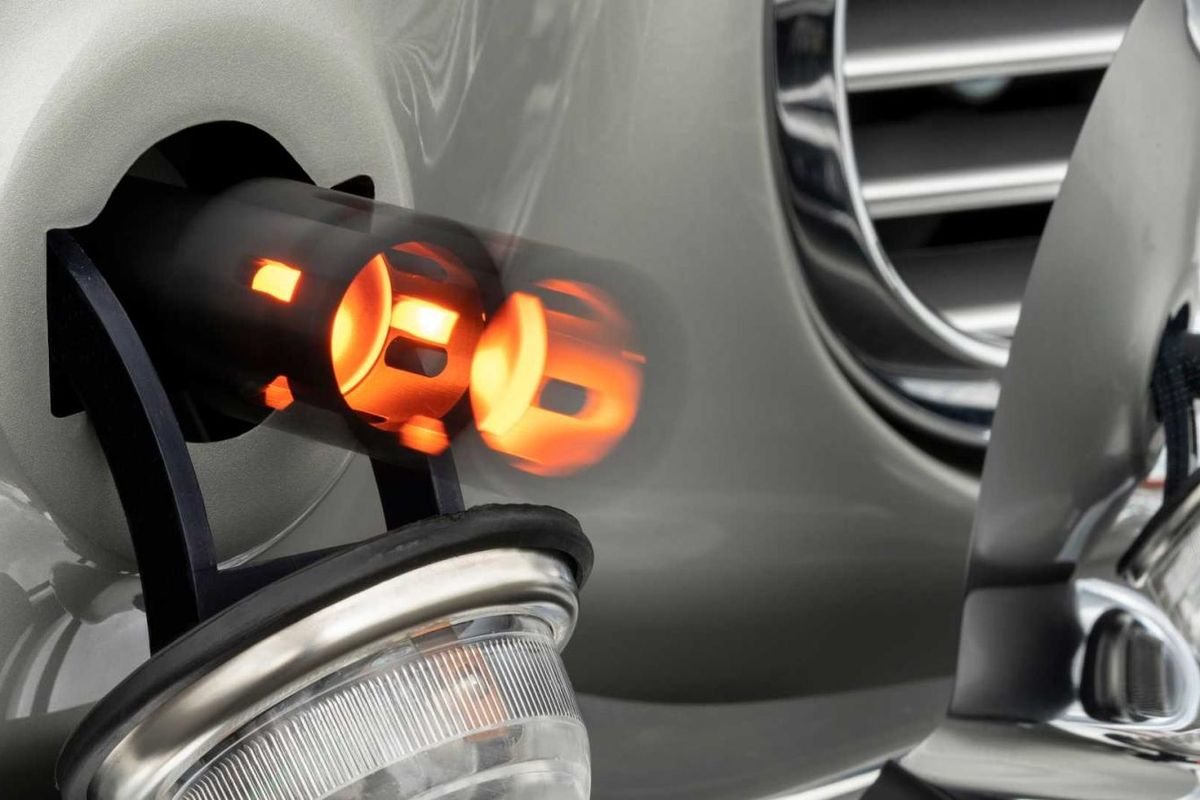
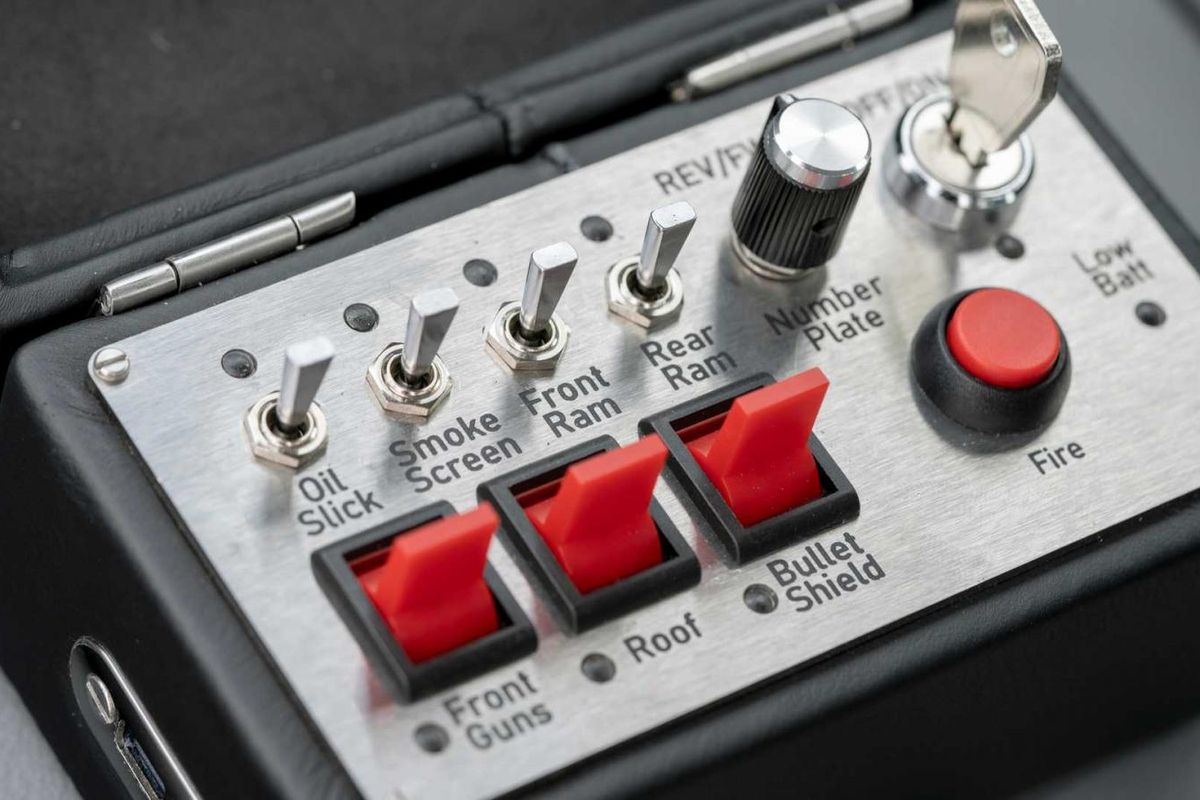
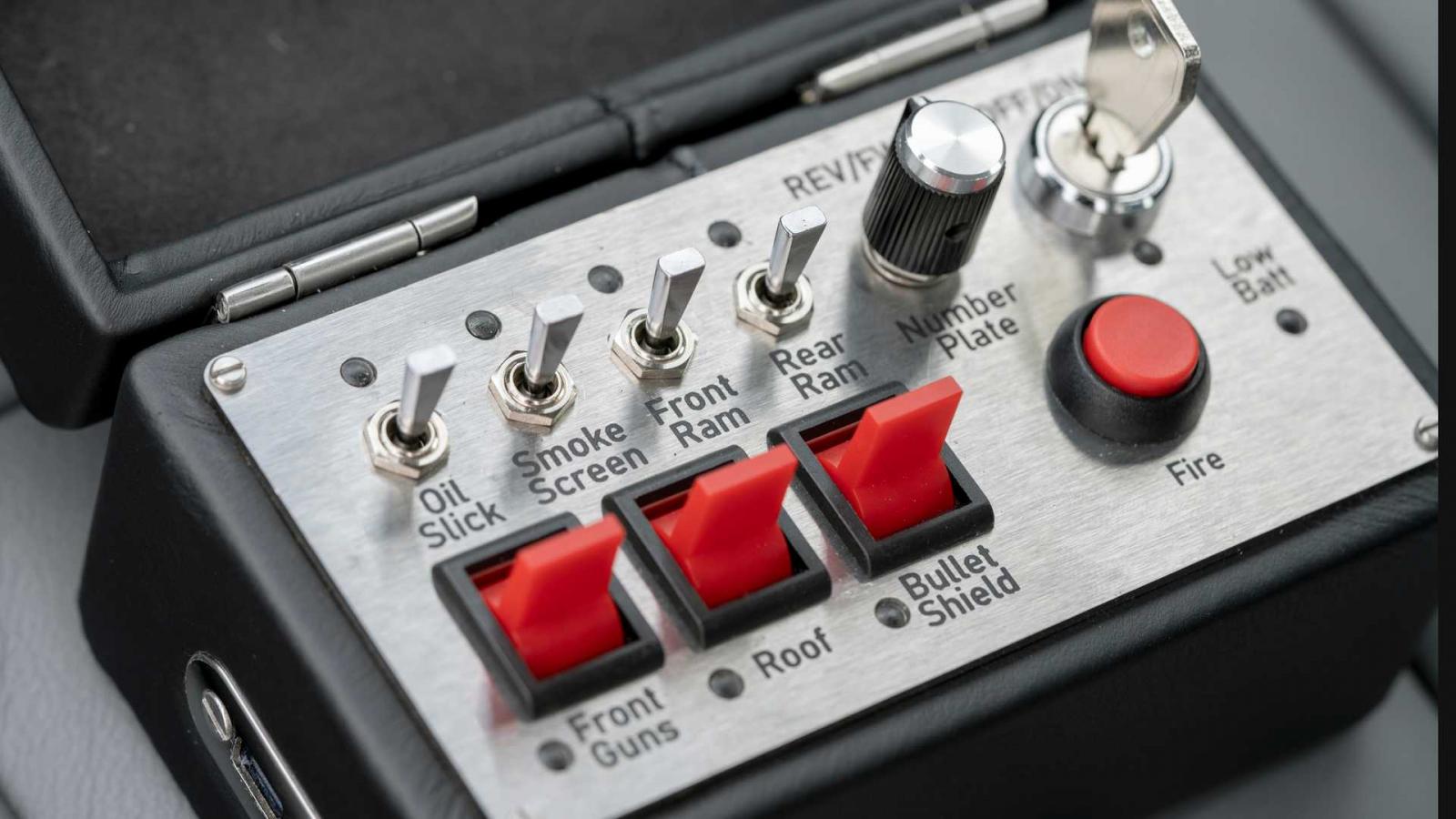
The DB5 is finished in Birch Silver and as a tribute to the car that featured in Goldfinger, comes fitted with nifty features such as 2 faux machine guns, a smokescreen, a revolving license plate and battering rams, just in case…There's even a faux tyre slasher, oil spilling device and a bullet shield to protect you from gunfire. This DB5 is the real deal… A removable roof panel for the passenger seat is optional.
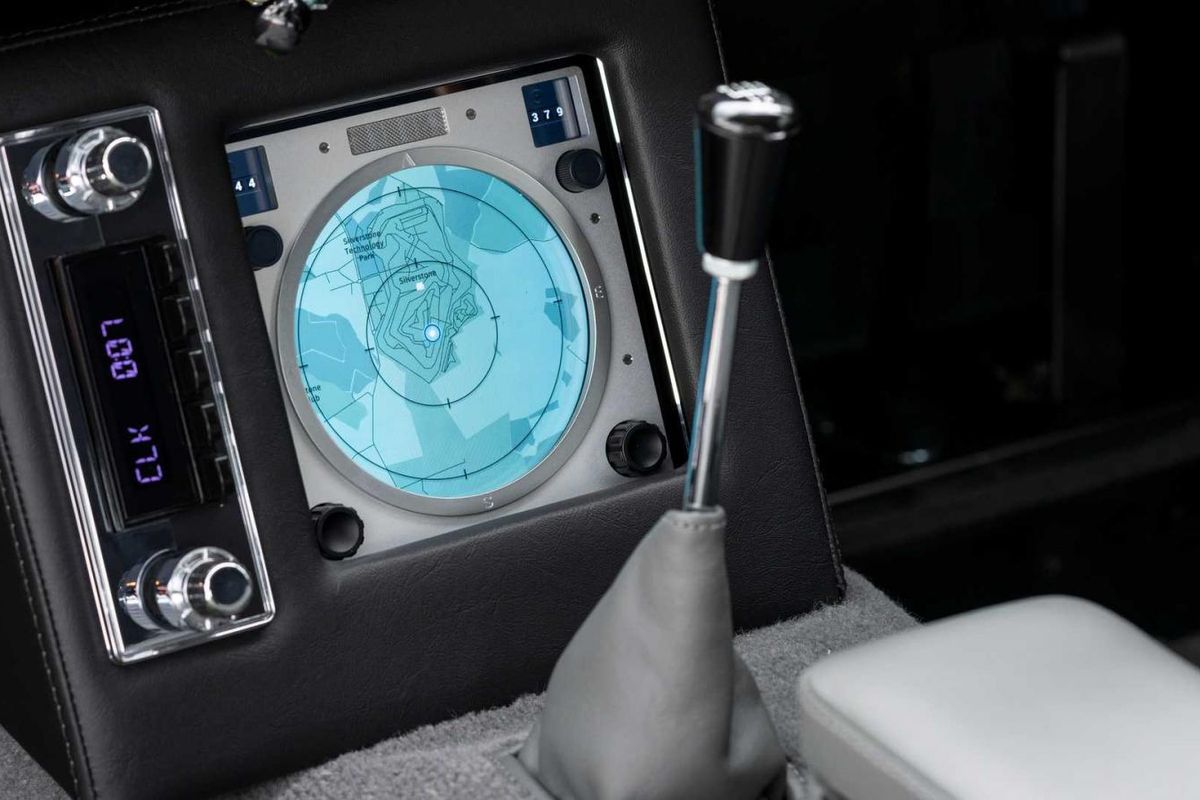
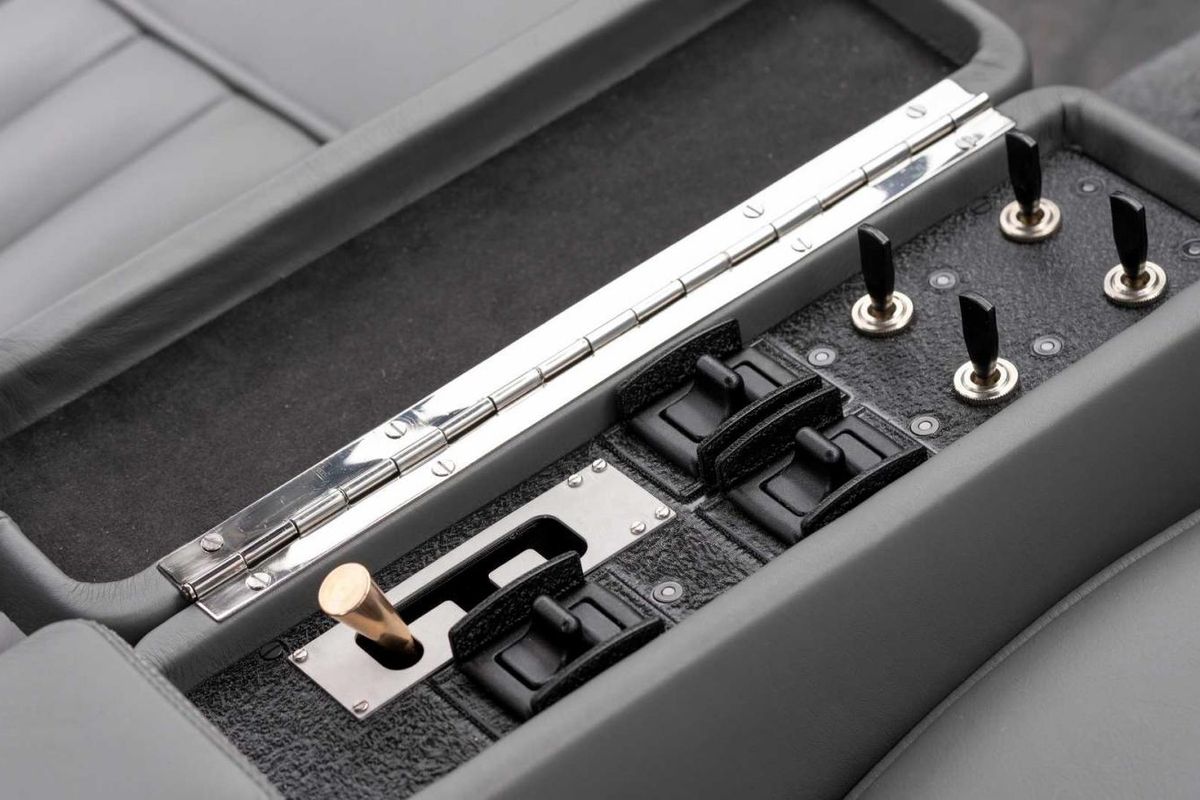
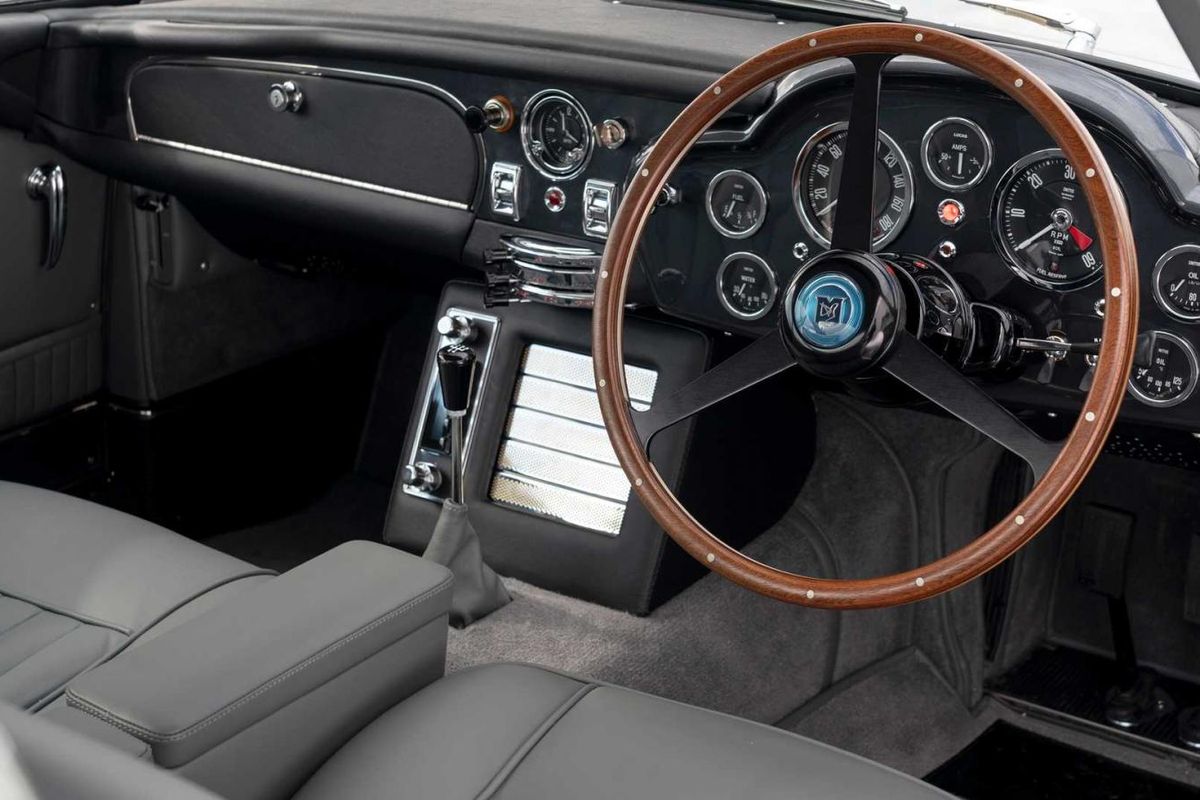
The trickery doesn’t end there though. The interior has also been overhauled to reflect the show car and as such, it comes fitted with a remote control panel for all the gadgets as well as an actuator button on the gear lever and additional switchgear inside the central armrest. Fans will also love the faux radar screen tracker map and there’s even a telephone mounted in the door. Need to store your weapons out of sight? There are under-seat storage trays for that purpose.
As for engine performance, the DB5 is fitted with a 216 kW, naturally-aspirated 4.0-litre, six-cylinder engine that’s mated with a 5-speed ZF manual transmission and a limited-slip differential
Paul Spires, President of Aston Martin Works said: “To see the first customer car finished and realise that this is the first new DB5 we have built in more than half a century, really is quite a moment. “It is a rare and genuine privilege to be involved in this latest Aston Martin continuation project, and to be helping to support the creation of new versions of what is perhaps the world’s most famous motor car. I’m absolutely certain that the 25 lucky owners who will take delivery of these cars will be thrilled with them.”
You might be wondering what the Aston Martin DB5 Goldfinger Continuation costs? Well, if you are one of the 25 buyers of this car, you will have to part with approximately R60-million to acquire ultimate bragging rights. Best you visit your bank manager for a chat…
The world’s biggest bakkie company is going all-in with its Raptor.
Ford is keen to keep reaping the potential profits of a global bakkie market which shows no signs of ebbing, and that is good news for South African fans of the brand.
It has already been confirmed that South Africa will remain a crucial production hub for the next-generation Ford Ranger – and now there is some greater clarity on potential powerplants.
As demand for Ranger increases in America, the bakkie has been allocated greater technology and engineering resources in terms of specification. The result is that Ford will be investing handsomely to ensure a global Raptor is part of the derivative mix, for next-generation Ranger.
Perhaps the only point of criticism with the current Ranger Raptor is its lack of overtaking performance. The 157 kW turbodiesel engine struggles to move all the heavy-duty Raptor hardware with aplomb and American bakkie customers will demand greater performance.
Ford will use its sophisticated 2.7-litre V6 turbopetrol engine for the North American market Ranger Raptors. Whether that engine will be applicable for the South African market, is debatable, as local bakkie drivers have an aversion to large-capacity petrol powerplants.
Whereas the current T6 Ranger Raptor is only available with the single 2-litre bi-turbodiesel engine, the 2022 model year version is expected to also have a 3-litre version. This will be a repurposed F-150 turbodiesel, producing 186 kW and 600 Nm from its V6 configuration. The 2-litre will also continue to be offered for the Raptor in the next generation. There is no indication yet if the V6 turbodiesel will be made available to SA-built Raptors but with the 2022 Amarok set to be built by Ford South Africa as well, it could make a case for it in terms of scale.
Ford is cleverly leveraging its various engine resources across all bakkie platforms and Ranger owners will benefit most, as larger F-150 engines find their way into the ‘smaller’ double-cab bakkies.
The 3-litre V6 engine is adequately powerful to not require any modification for its Ranger Raptor application. It will also offer drivers an 18% increase in power over the 2-litre bi-turbodiesel, which should solve the throttle response issues suffered by current owners, due to the less than ideal power-to-weight ratio of their Raptors.