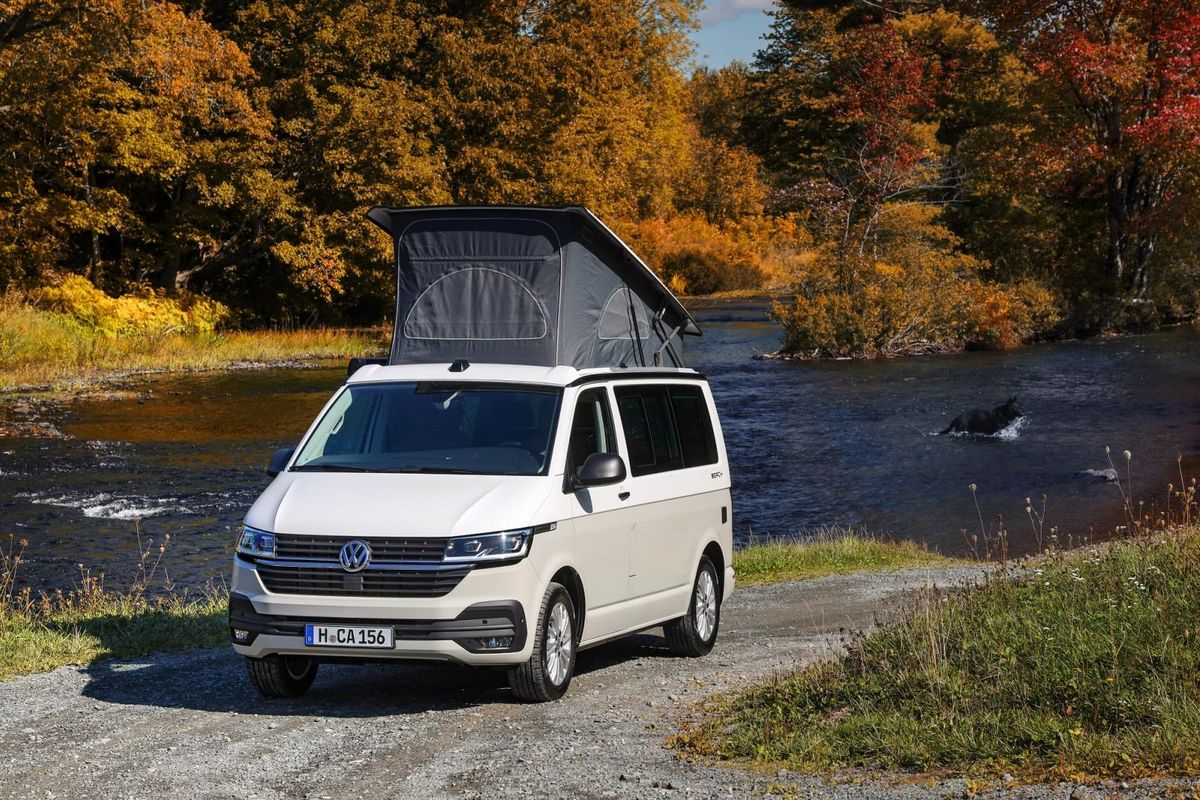
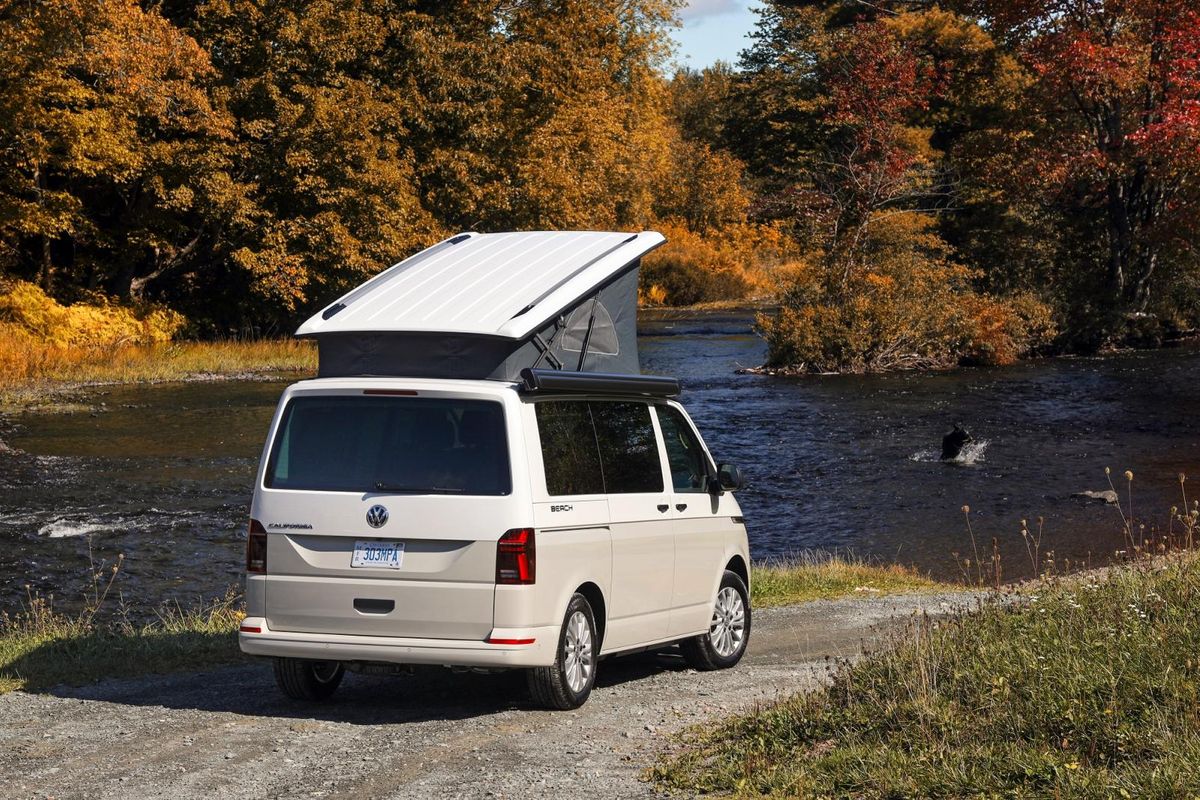
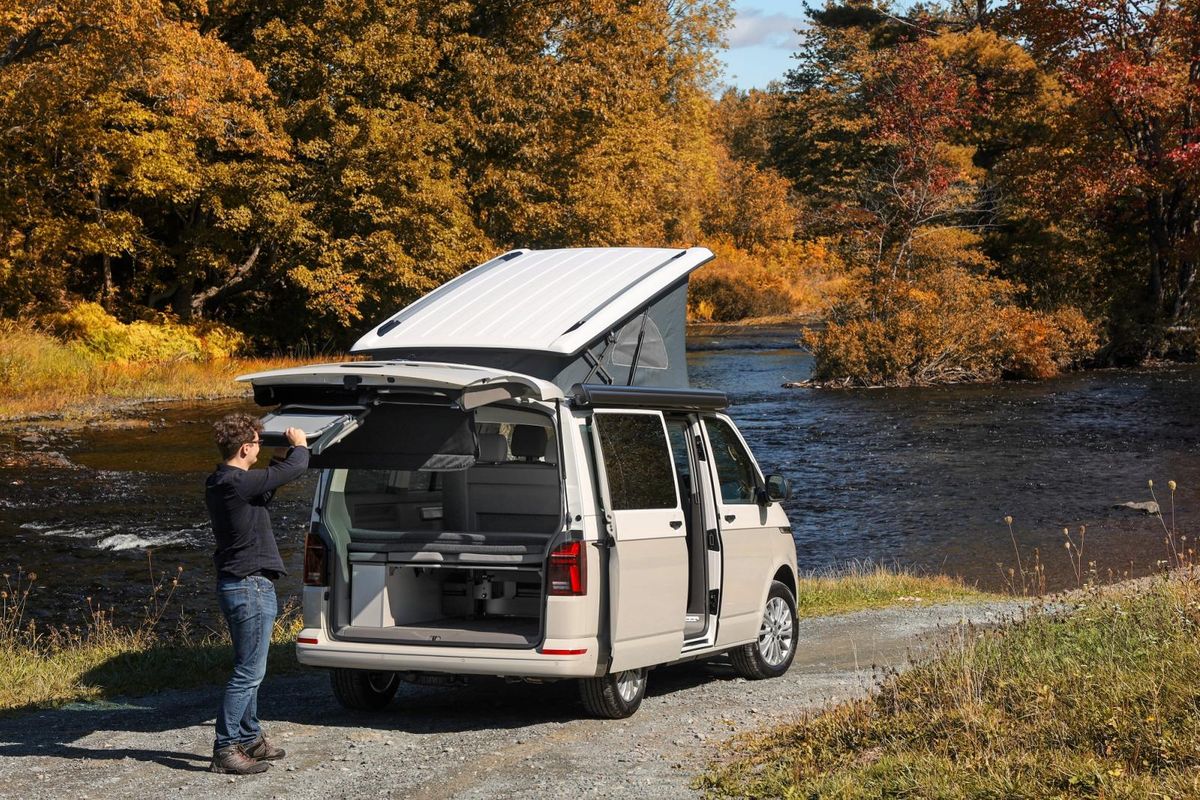
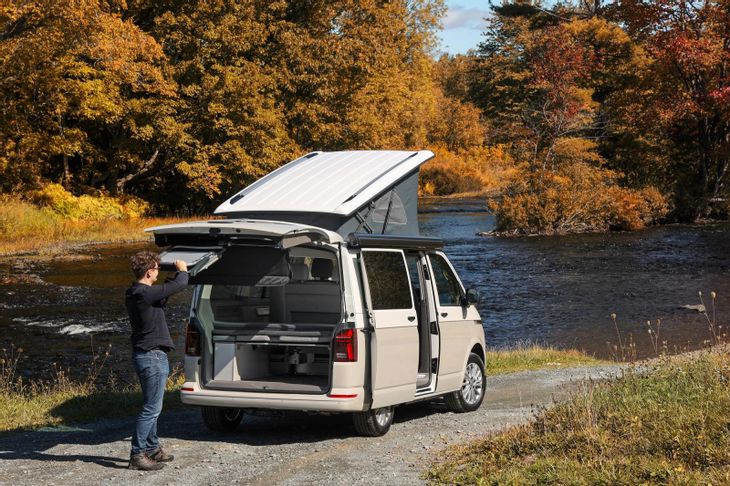
Volkswagen's Commercial Vehicles division has confirmed the California 6.1 Beach. Here's what we know so far about the cool campervan.
Volkswagen Commercial Vehicles says demand for its California models has increased in 2020. Understandable, given how the world has changed in light of the pandemic. What a perfect way to escape and social distance than taking your partner to a remote location and setting up camp in a fully-equipped campervan?
The UK division of Volkswagen Commercial Vehicles says its California 6.1 Beach will be offered in 2 levels of trim: Camper and Tour, and will be going on sale at the end of October 2020. South African van fans can be happy that VWSA told us at the launch of the new 6.1 Transporter range that the new California 6.1 Beach is likely to arrive in 2021.
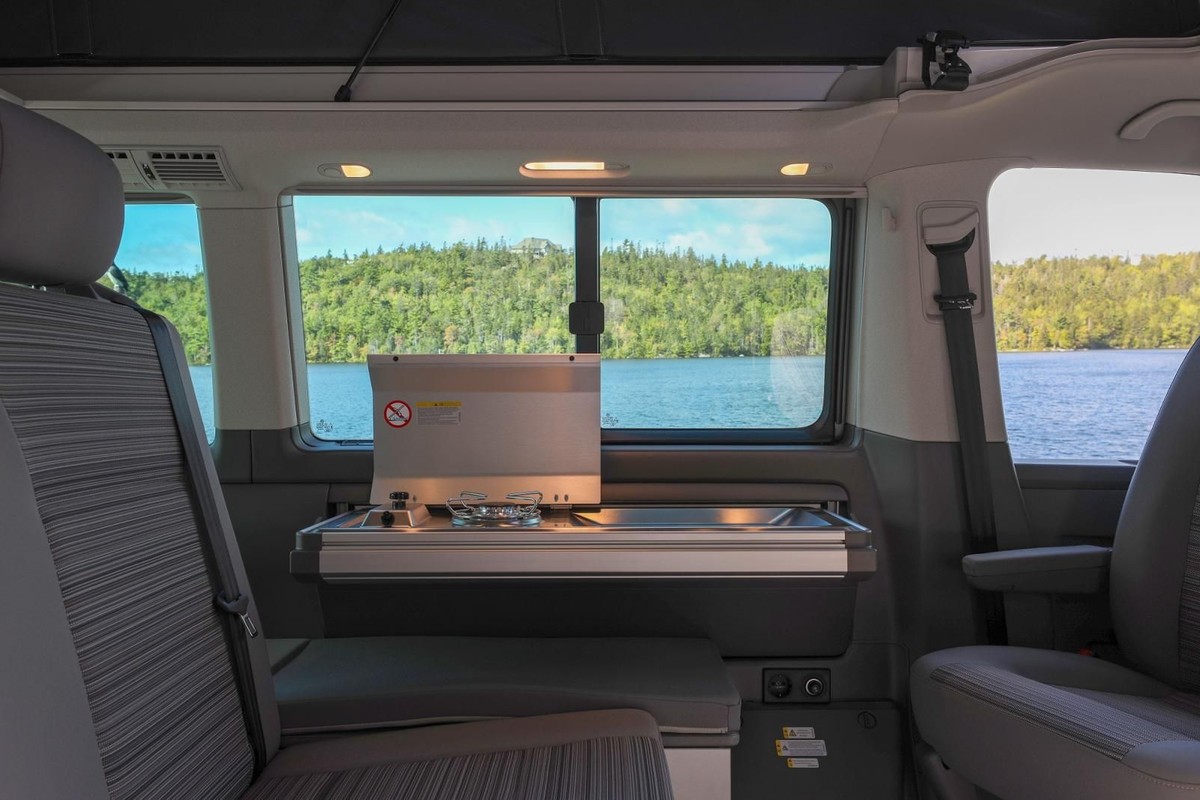
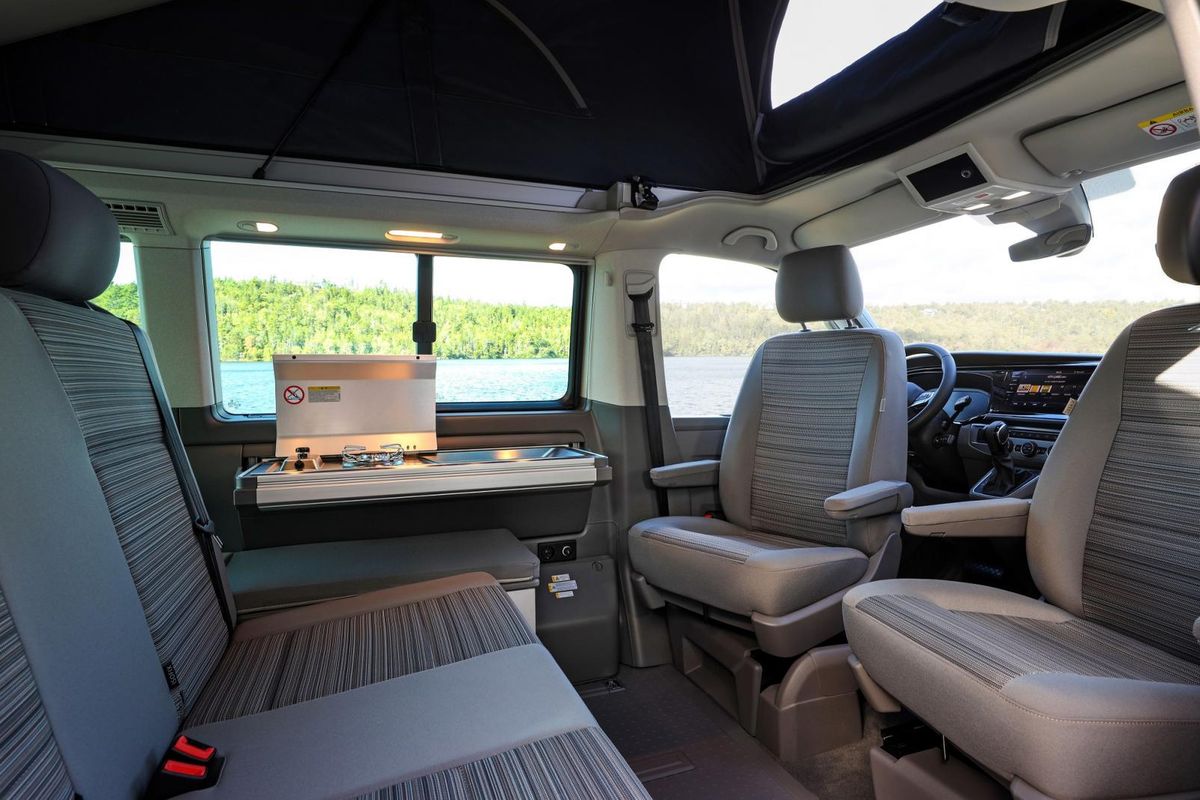
UK spec suggests both the Camper and Tour will feature a manual pop-up hydraulic roof, 17-inch alloy wheels, DAB radio with App Connect and a camping table with two folding chairs. The Tour model has 5 seats as standard, but there is the option of increasing this to 6 or 7. This model also features sliding doors on both the passenger and driver's sides. The Camper model boasts 4 seats as standard, as well as the mini kitchen that features a single gas hob as well as a pull-out awning. SA spec is yet to be confirmed and as soon as we hear more, we'll update.
In terms of engines, we're expecting the same motor found in the recently locally-launched Caravelle 6.1. As we said in our launch review, the new 2.0-litre bi-turbocharged diesel engine is a real peach! The outgoing Caravelle offered 132 kW and 400 Nm, but this new powerplant offers heady figures of 146 kW and 450 Nm and comes mated with Volkswagen's proven 7-speed dual-clutch automatic transmission.
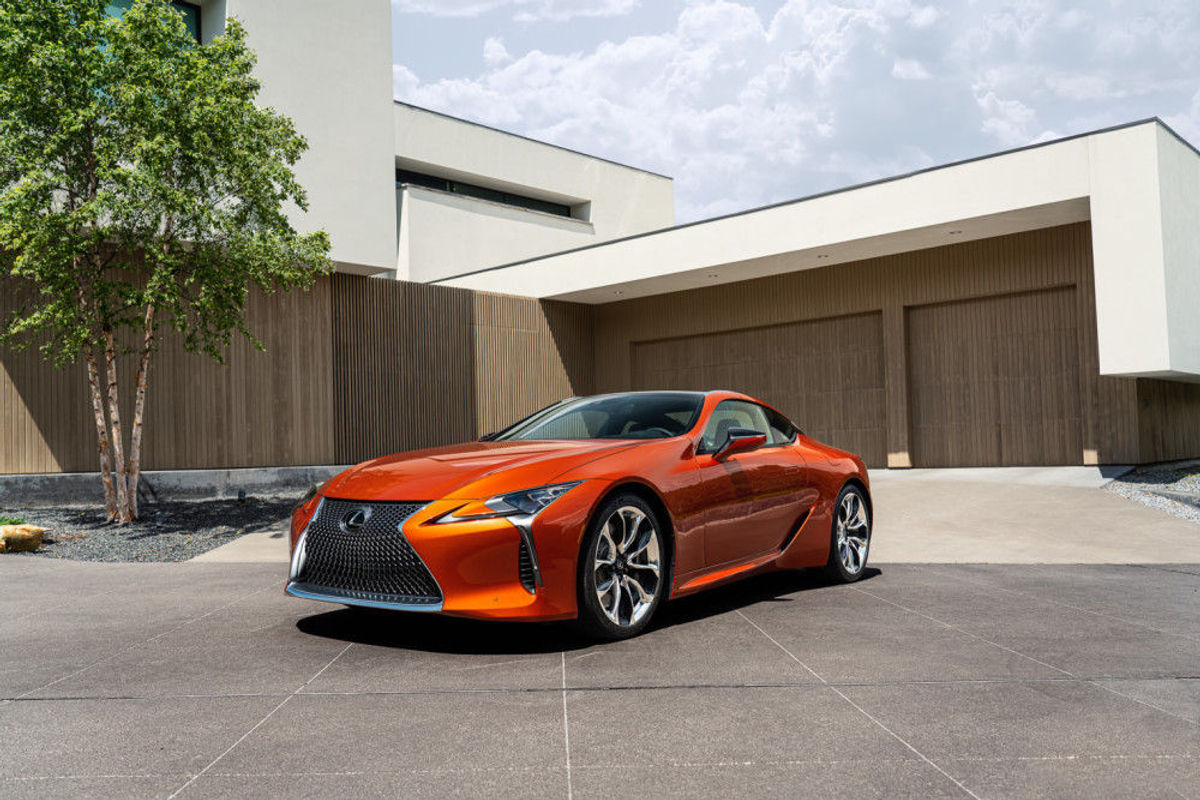
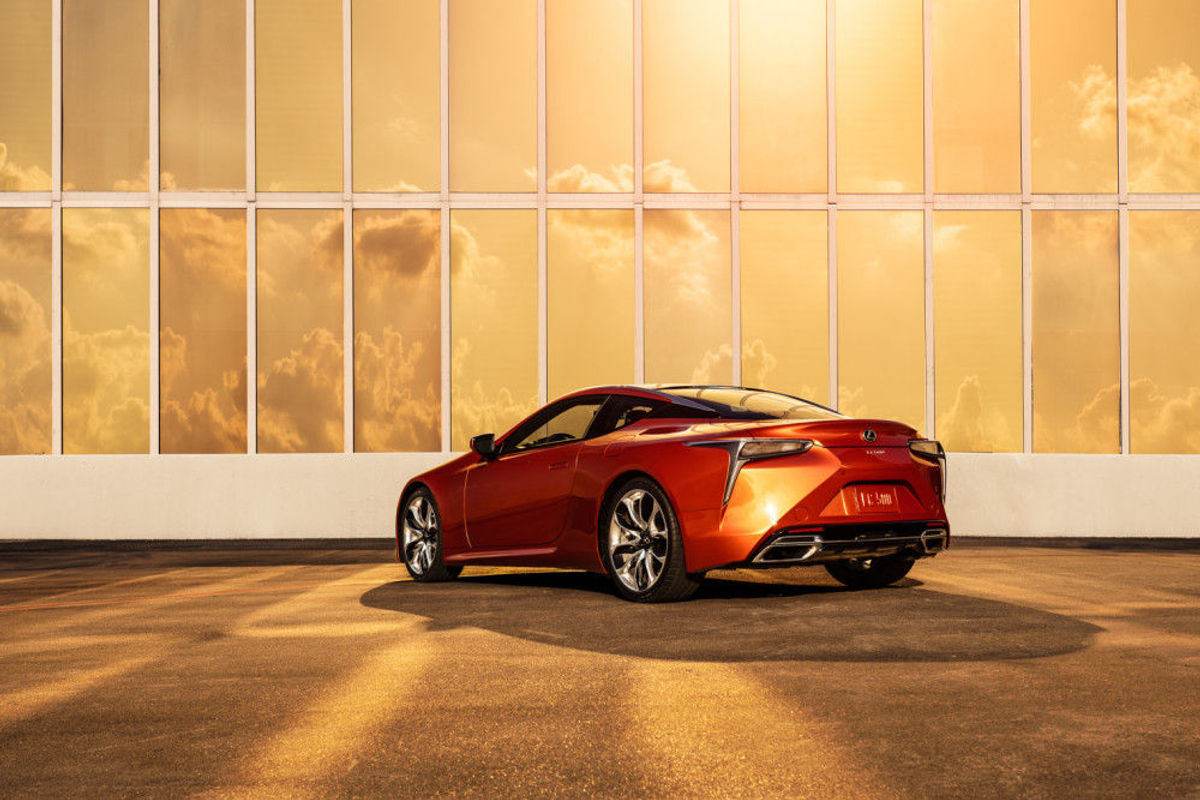
The luxury LC 500 coupe was introduced in South Africa back in 2017 and the V8-powered halo car from Lexus has now been updated. See what’s changed below!
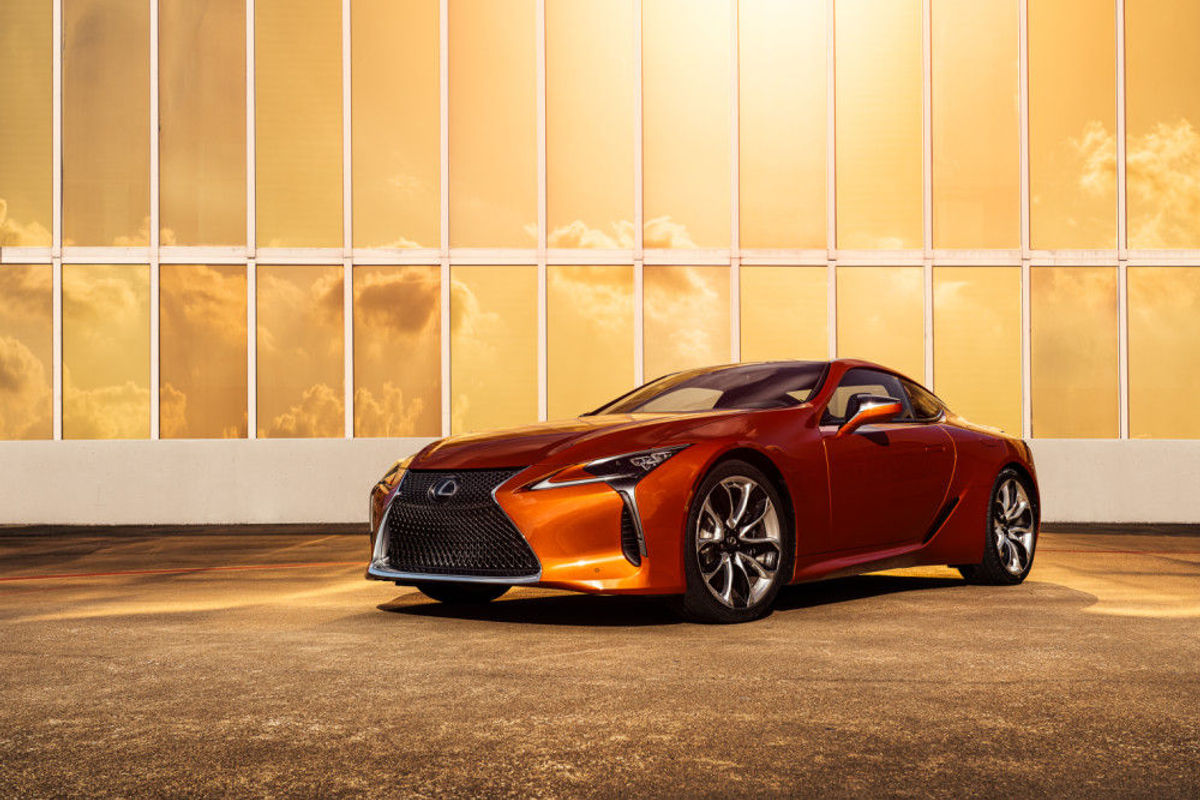
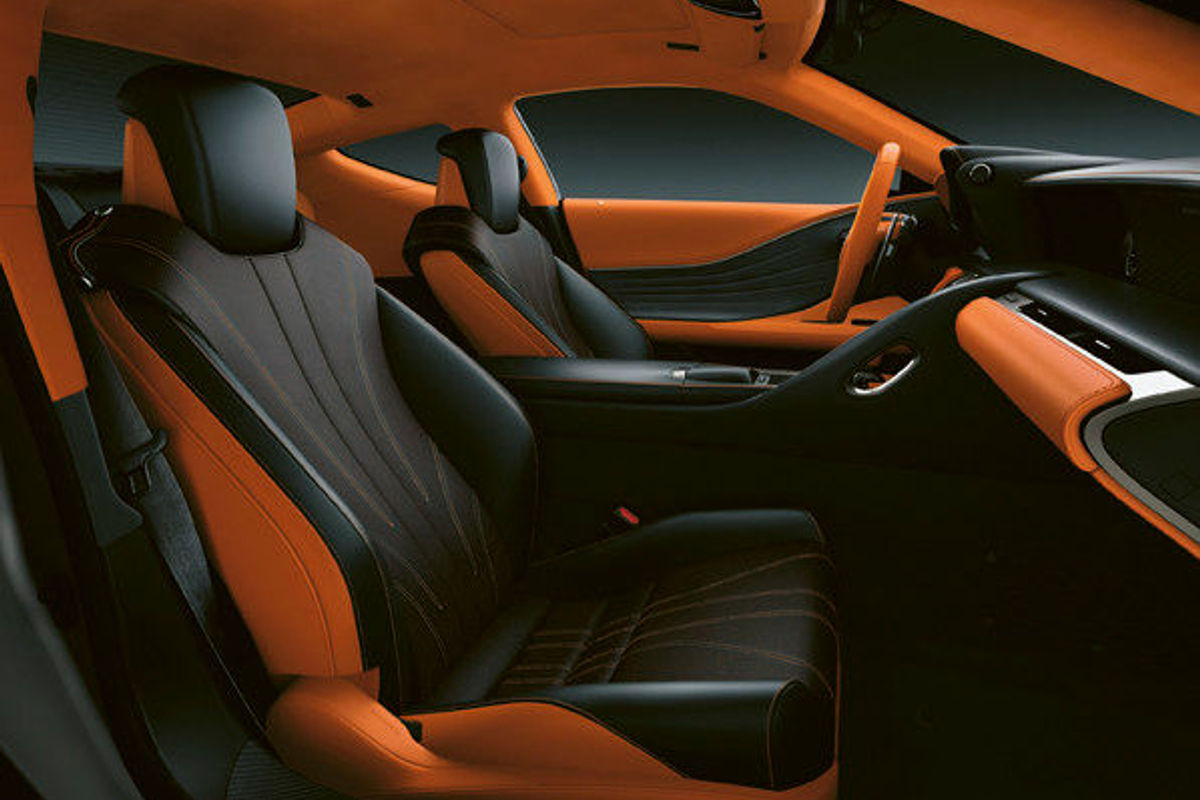
Anyway, Lexus has now updated the LC 500 and for starters, customers will have a choice of new colours including Blazing Carnelian which can be had with a Manhattan Orange interior. Terrane Khaki is also a new hue in addition to the familiar Flare Yellow, Sonic Silver and Sonic Titanium.
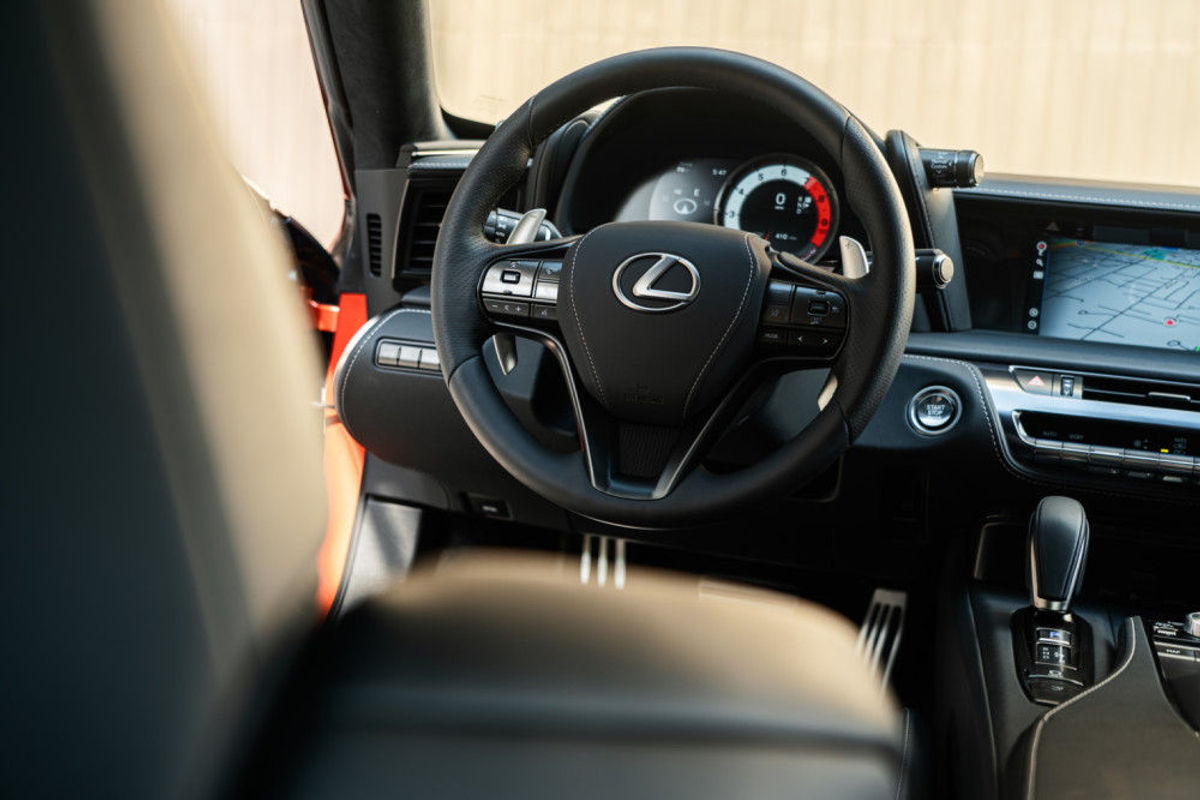
As for the interior, the LC 500 gains a new 17MM+ high-resolution audio system which includes USB audio, Bluetooth, Miracast and Apple Carplay and Android Auto capability.
As for the 5.0-litre V8, it remains unchanged with outputs 351 kW and 540 Nm of torque and comes mated with a 10-speed automatic transmission driving the rear wheels. Acceleration from zero to 100 kph is done and dusted in just 4.7 seconds.
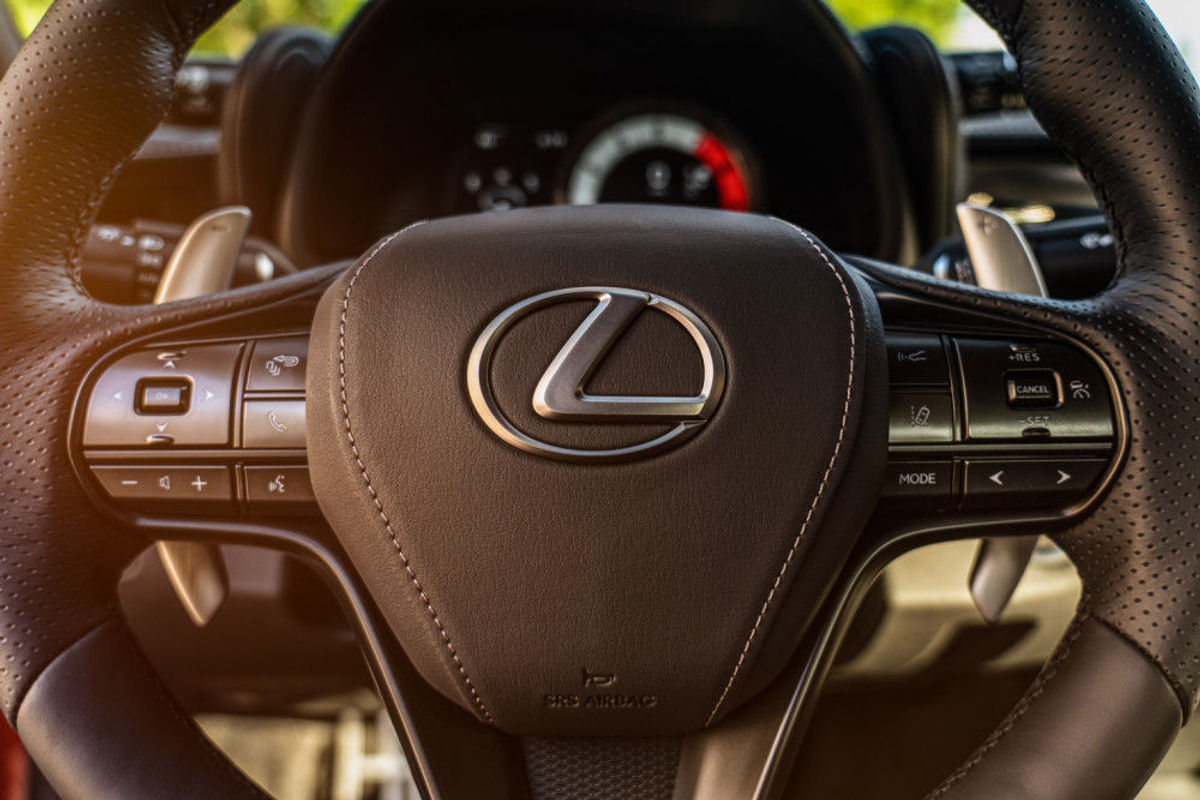
However, in an effort to improve the LC 500’s handling and dynamic ability, Lexus engineers have enhanced the Adaptive Variable Suspension (AVS) to provide a smoother response while also adding Active Cornering Assist (ACA) which improves cornering ability. Handling stability has also been enhanced with an improved Variable Gear Ratio Steering (VGRS) as well as enhancing the Dynamic Rear Steering (DRS). The electric power steering has also been enhanced to provide better steering feel for the driver. Lastly, Lexus has revised the shape of the brake pedal for better feel while braking.
Lexus LC 500 – Price in South Africa
Lexus LC 500 – R2 031 000
The Lexus LC 500 is sold with a 7-year/105 000 km warranty and 4-year/100 000 km maintenance plan.
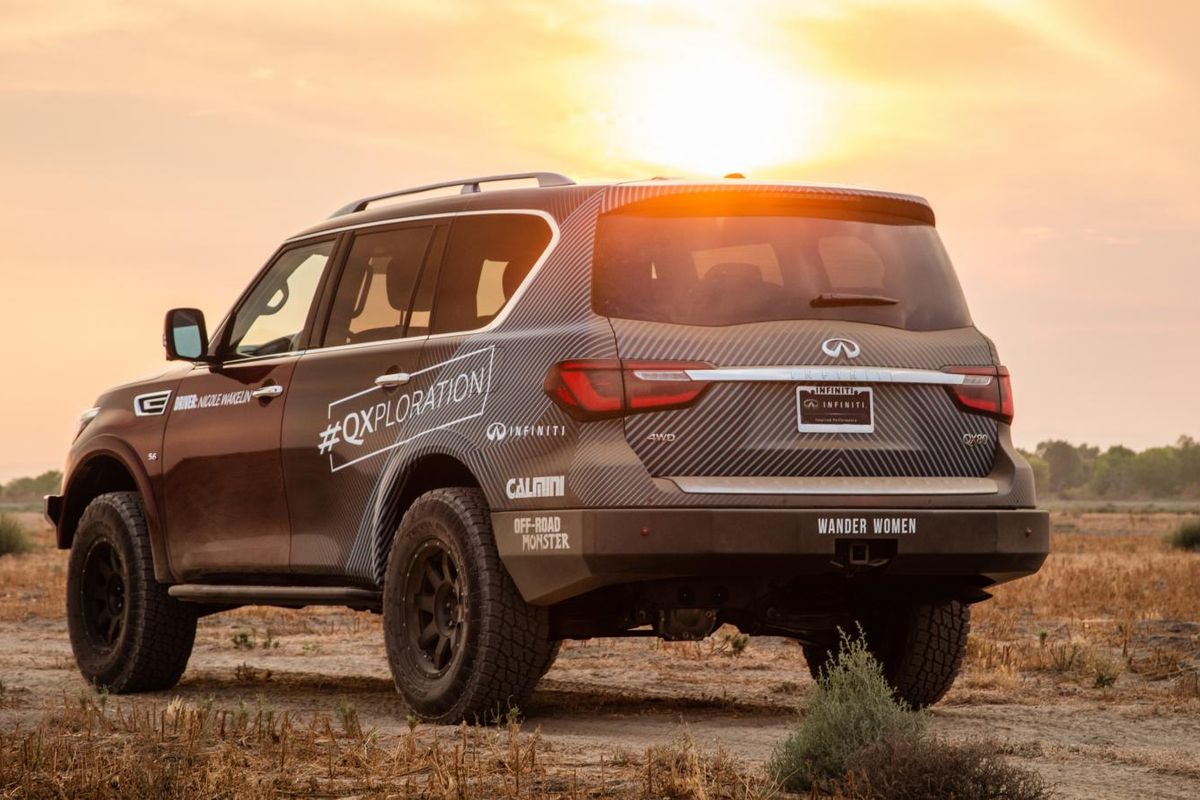
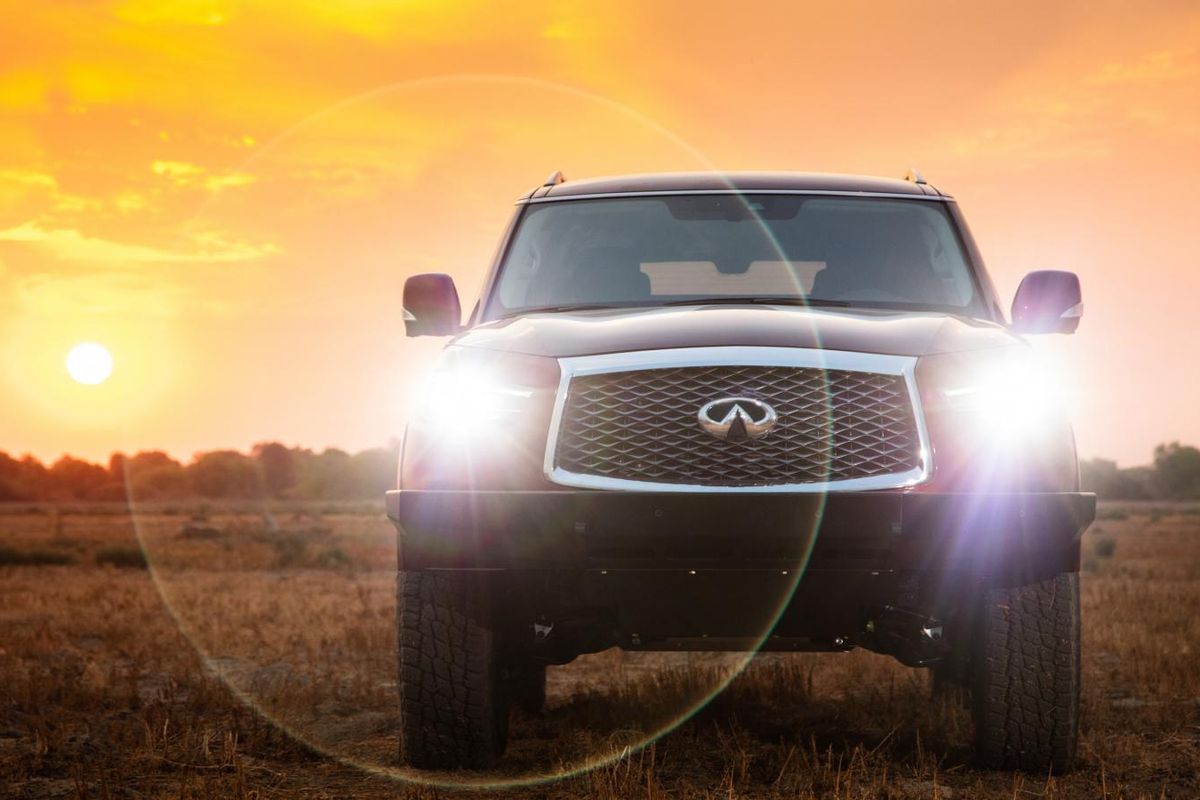
Infiniti’s QX80 is a massive luxury SUV. And when we say massive, we mean 5.29m in length and wide enough to trigger anxiety in even the most confident underground parking garage drivers.
True off-road enthusiasts know that beneath the QX80’s bold styling and luxury cabin, there is a very robust ladder-frame platform, with a lineage to the legendary Nissan Patrol. The QX80 has always been a luxury SUV that could truly navigate as far into the wilderness as your imagination – and its fuel range – would allow.
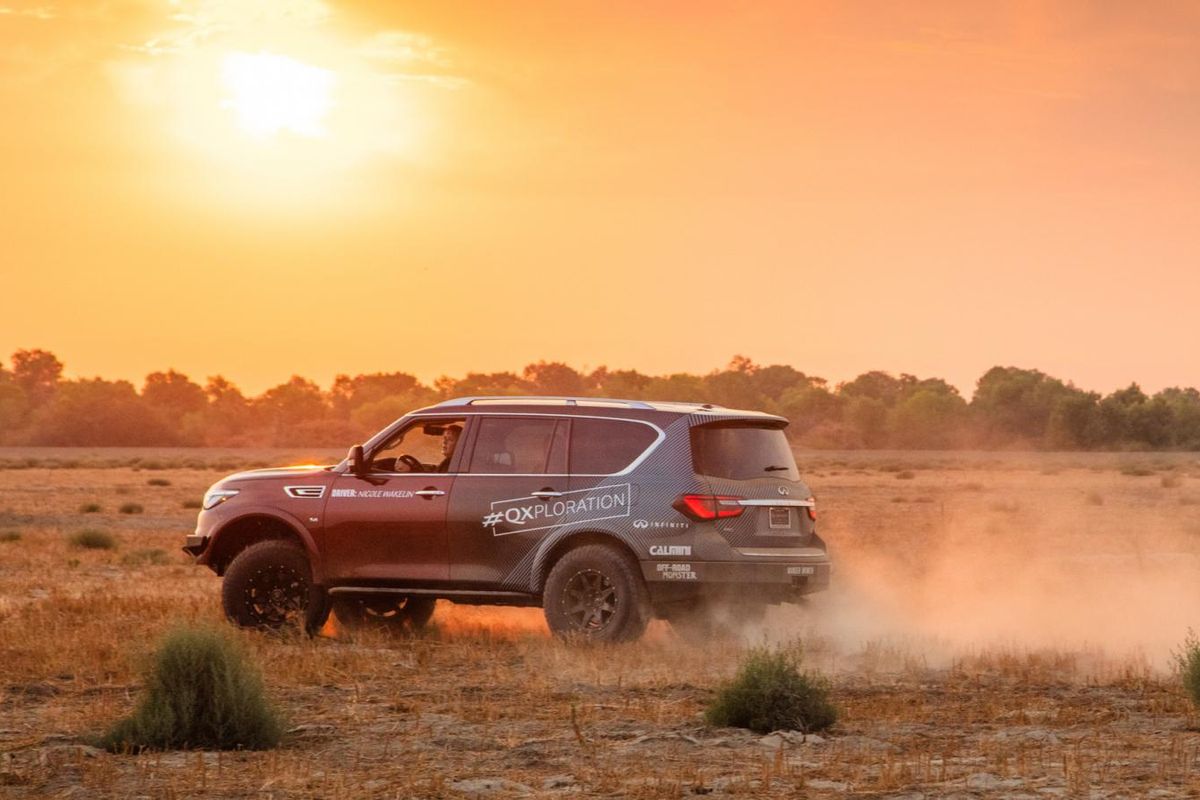
Infiniti has now teased what is truly possible with the QX80 in terms of a true high-speed off-road touring vehicle. To illustrate the true potential of its QX80 platform, some budget was poured into a project vehicle with stunning results.
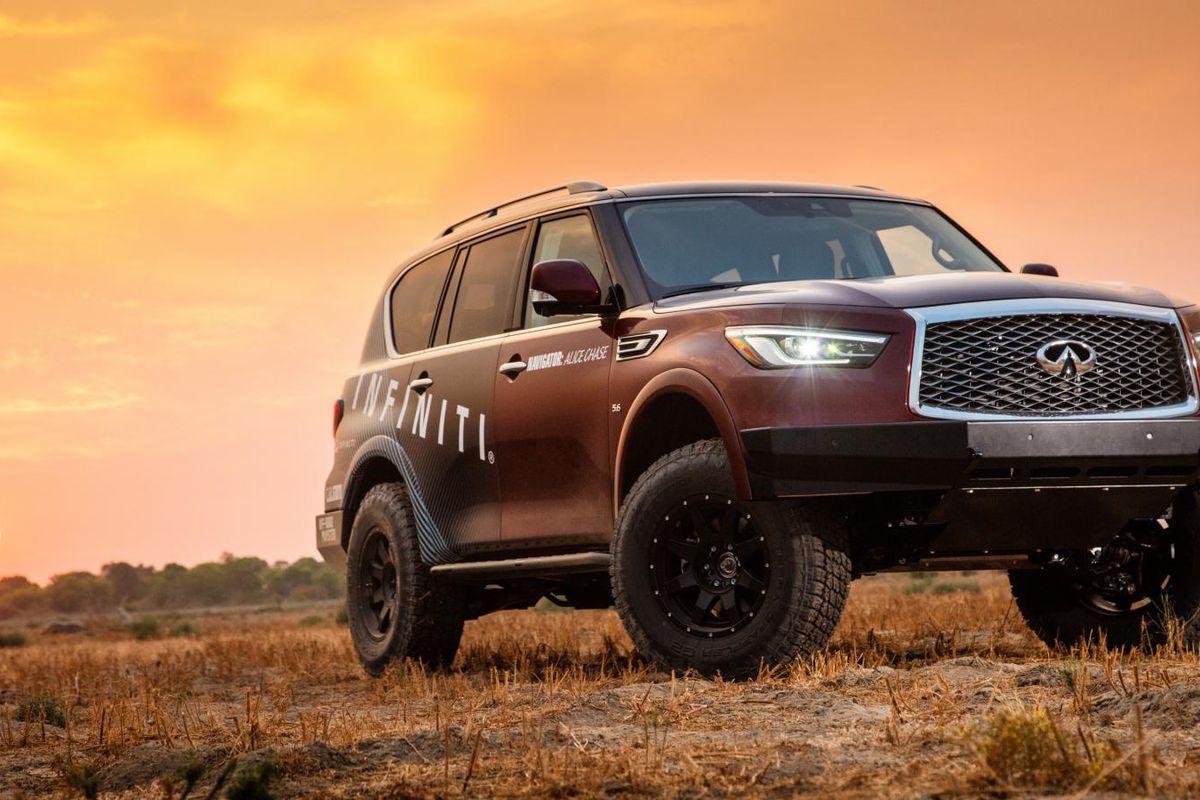
The overlanding Infiniti QX80 has terrific presence, thanks to a lift kit and steel bumpers at both ends. Infiniti replaced the factory plastic bumpers with more robust and impact resistant steel components, increasing both approach and departure angles too.
Vulnerable underbody areas were reinforced with skid plates and the suspension adapted with high volume shocks, forged control arms and 76 mm lift kit, which is primarily responsible for this modified QX80’s imposing stance.
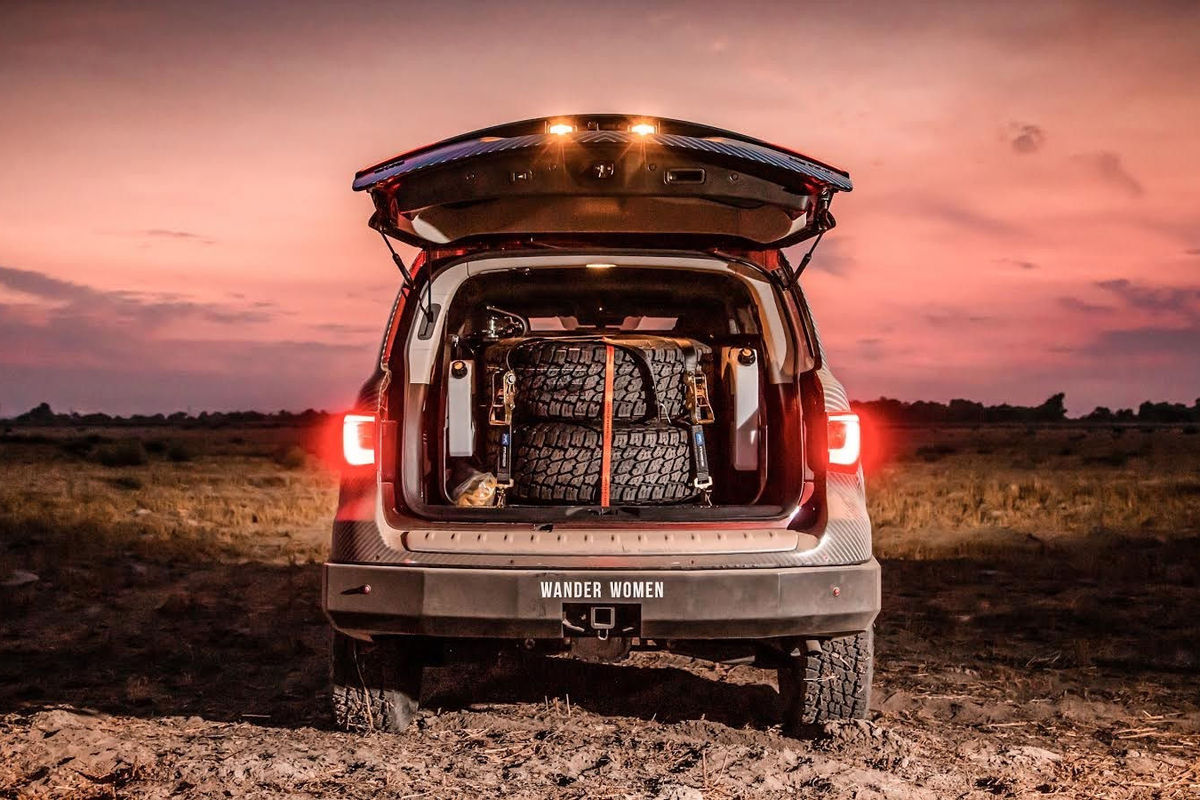
Beyond the improved wheel articulation in technical off-road conditions, this QX80 also rolls Nitto Terra Grappler tyres. Realising that the most adventurous Infinity QX80 owners might risk more than one puncture on a particularly testing route, there are two full-size spare wheels in the rear cargo area, between the folded-up third-row seating.
Keeping these huge spare wheels, from bouncing around off-road, they are housed in a custom-built cargo cage.
No changes have been made to the QX80’s power- or drivetrain. That means an enormous 5.6-litre naturally-aspirated V8, which continues to convert huge amounts of unleaded petrol to 298 kW and 560 Nm. Range might be limited but the new suspension bits, high-clearance bumpers and larger tyres make this Infiniti an unrivalled luxury dune driving vehicle.
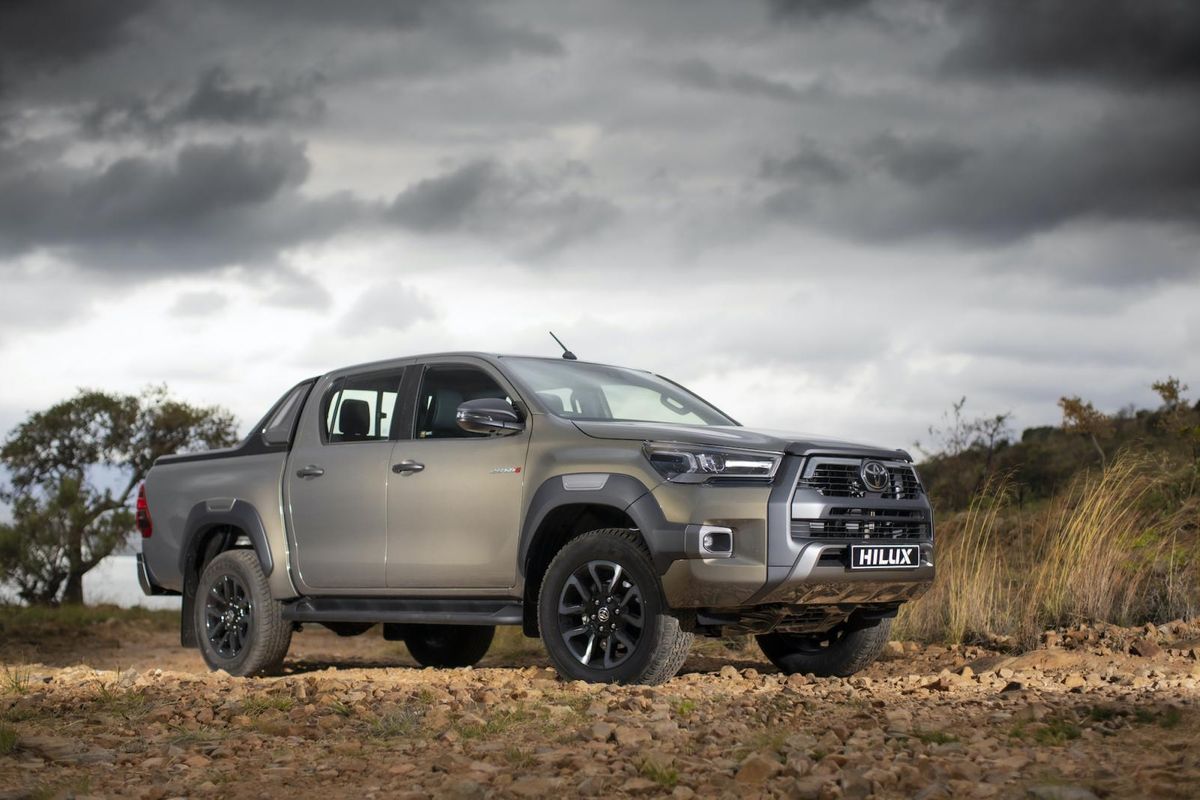
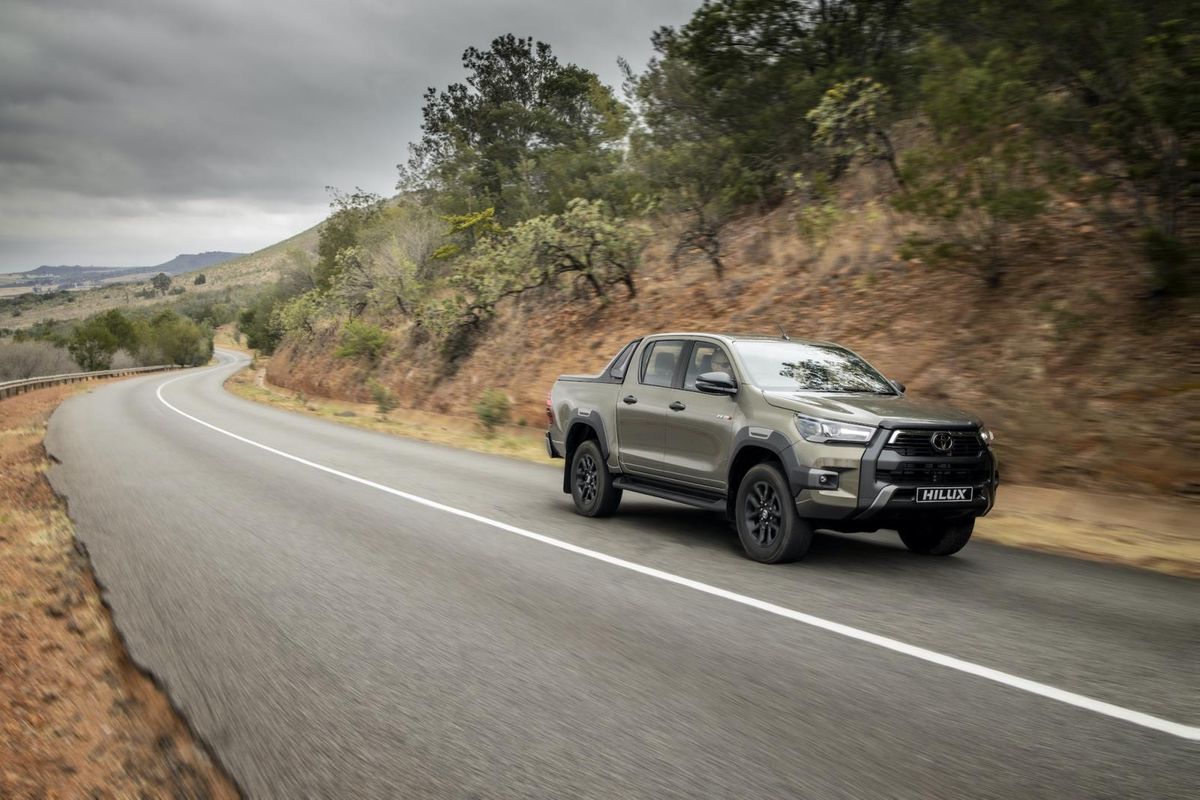
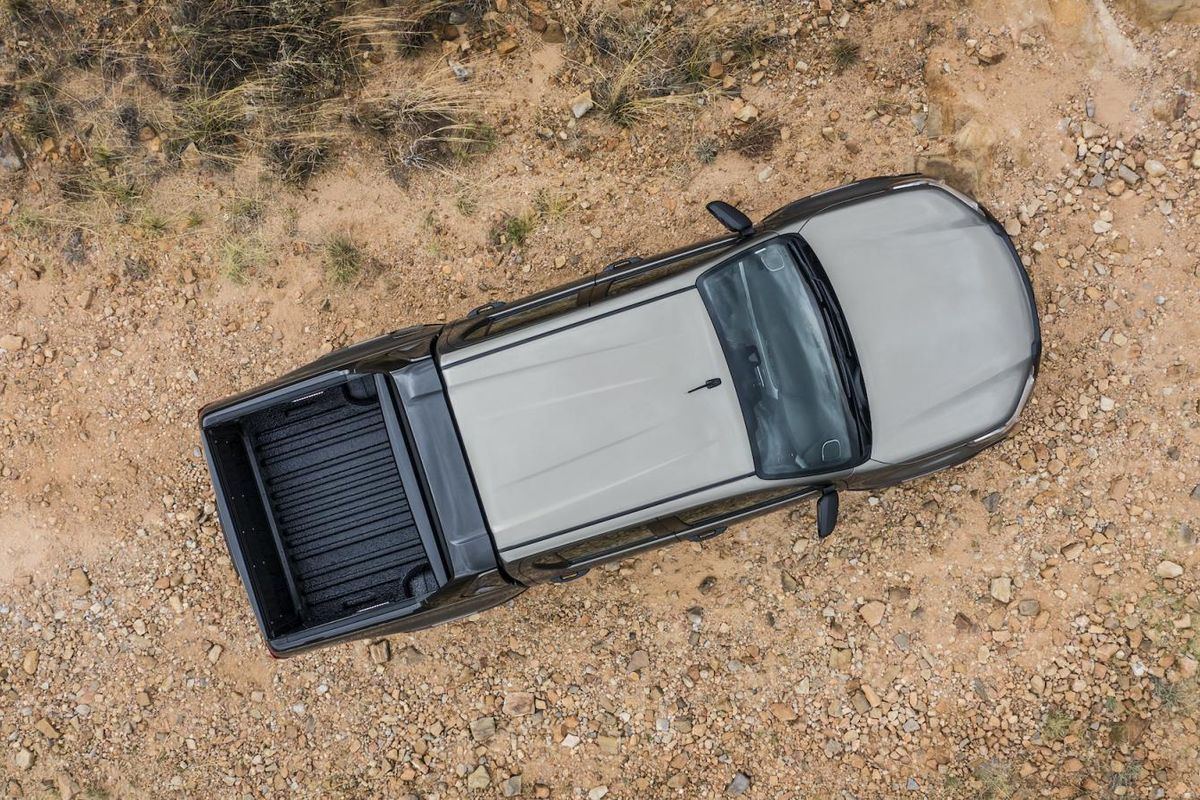
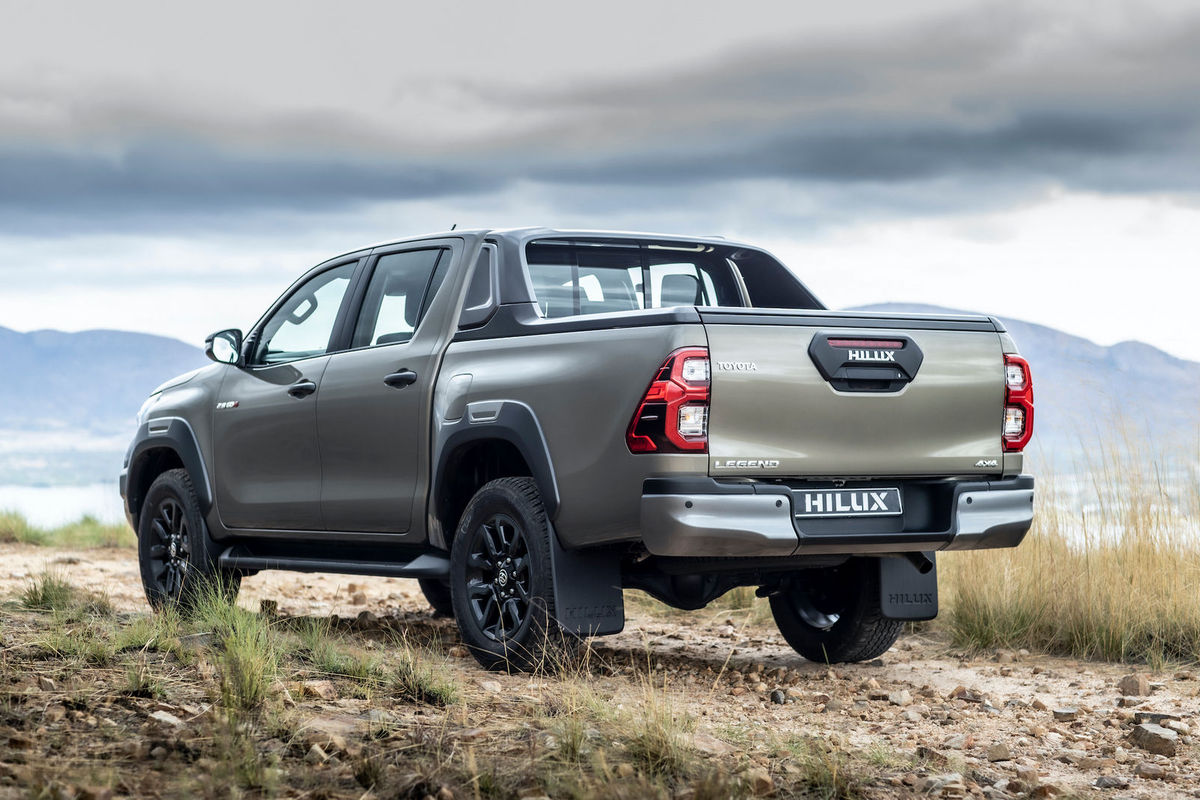
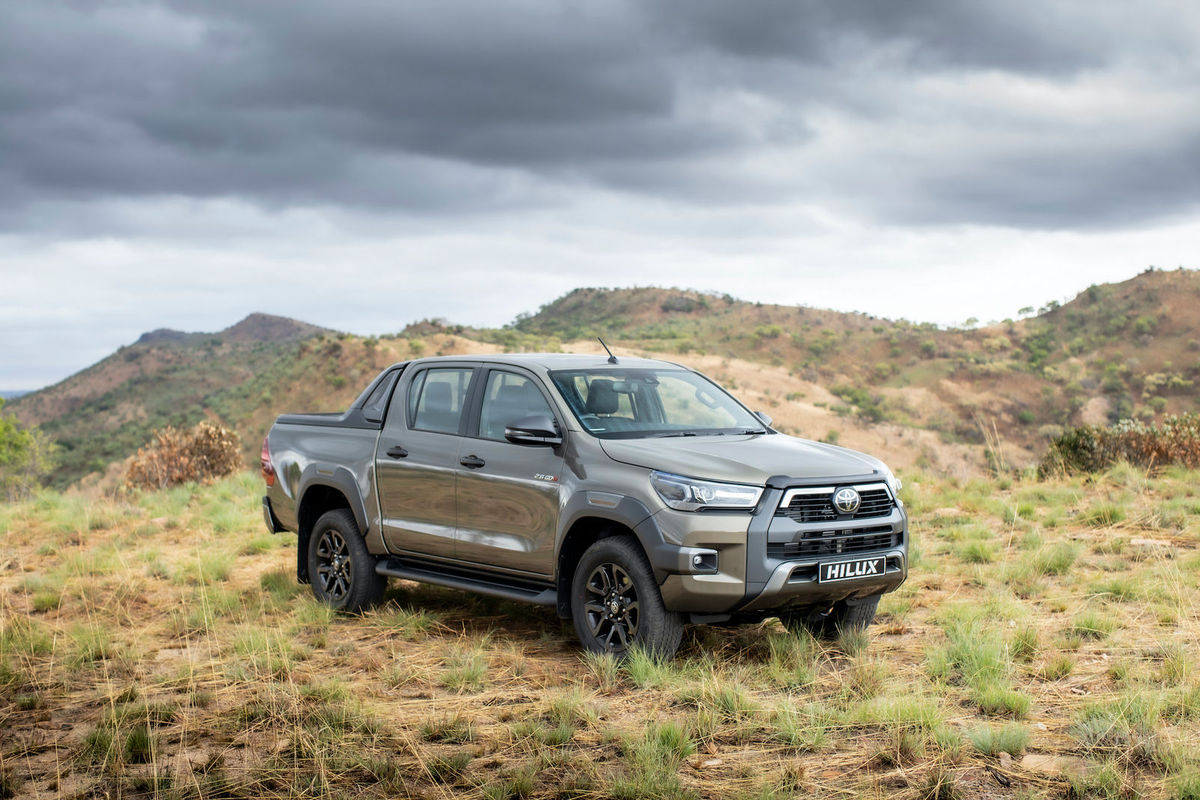
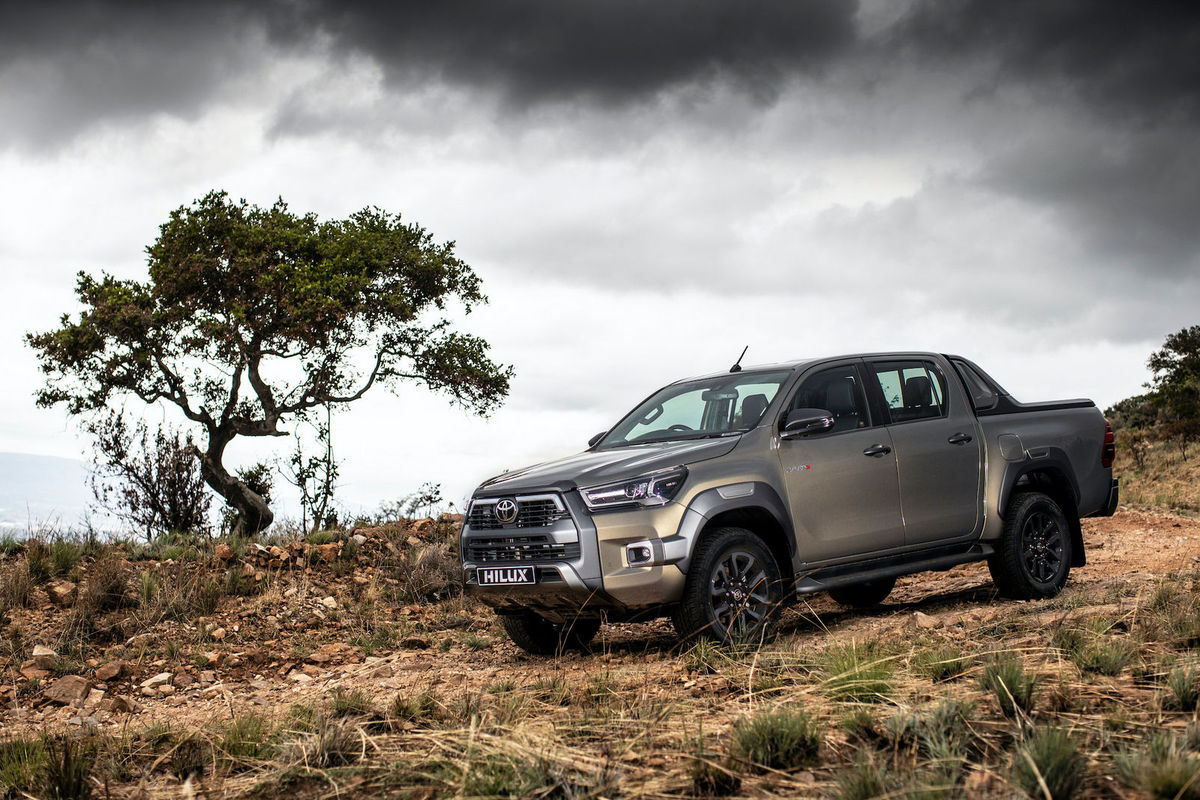
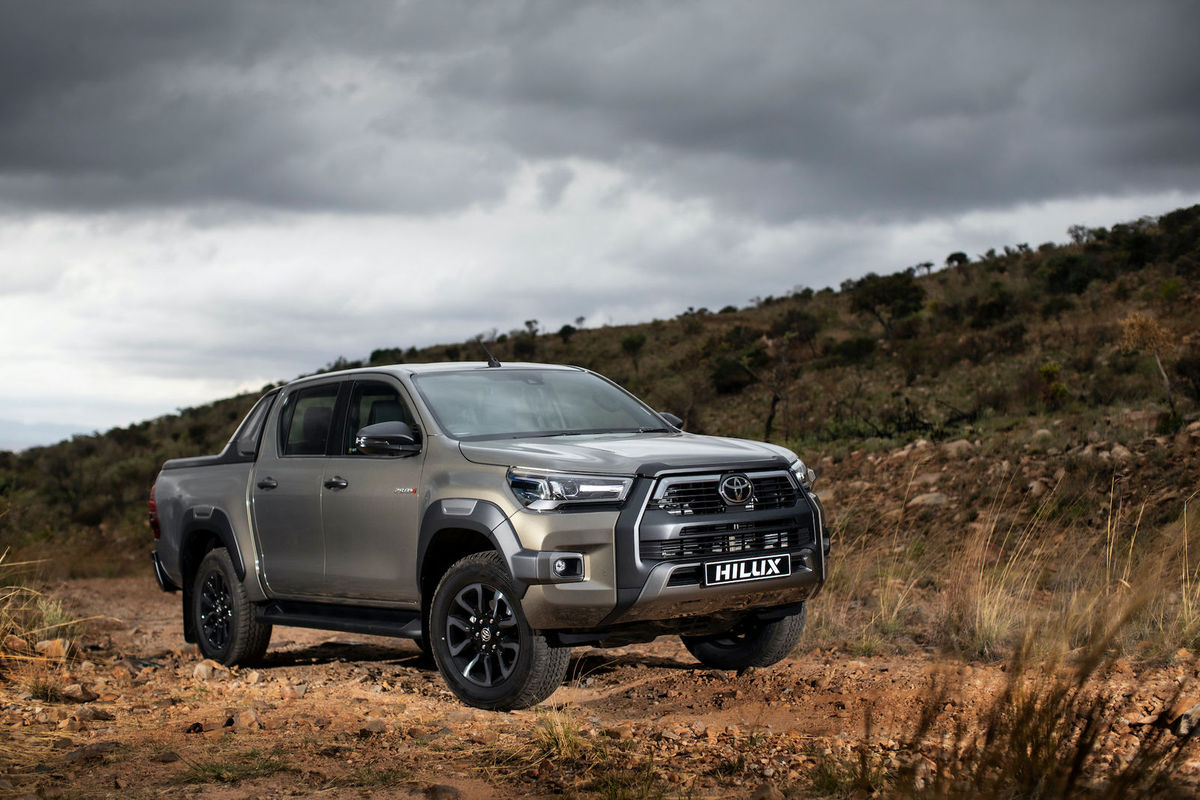
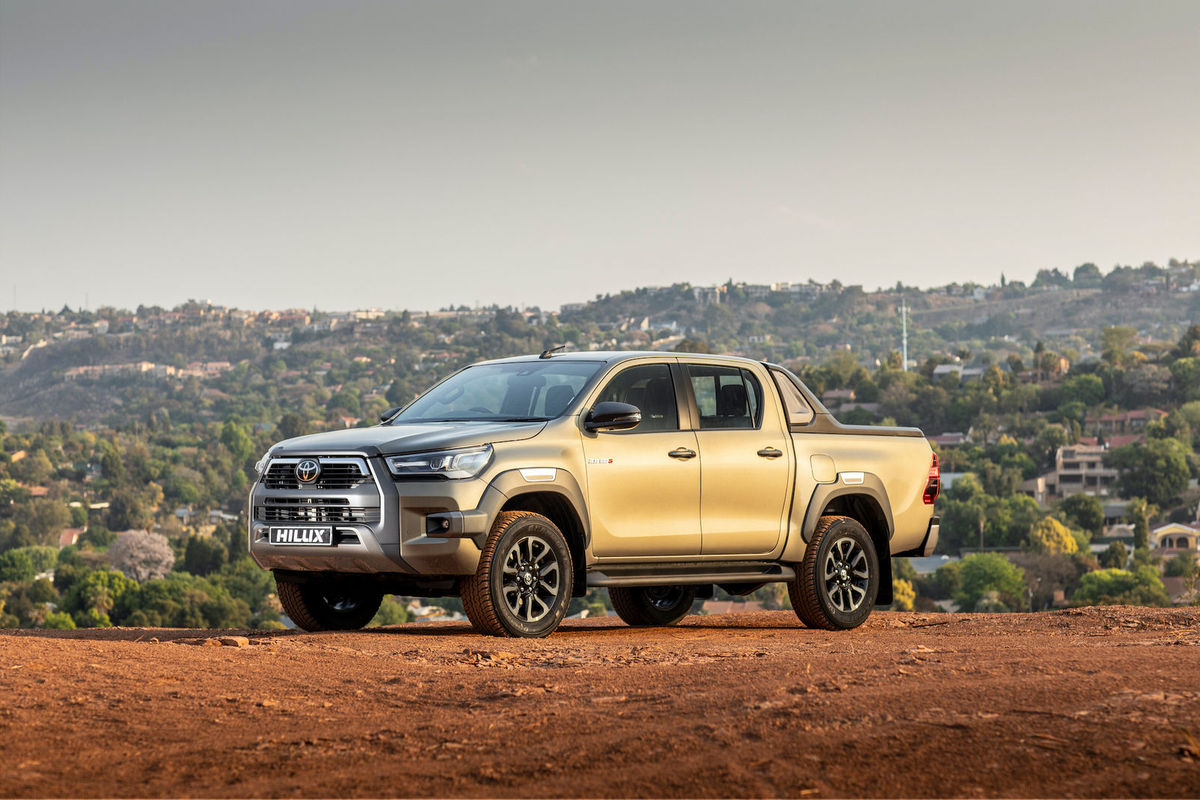
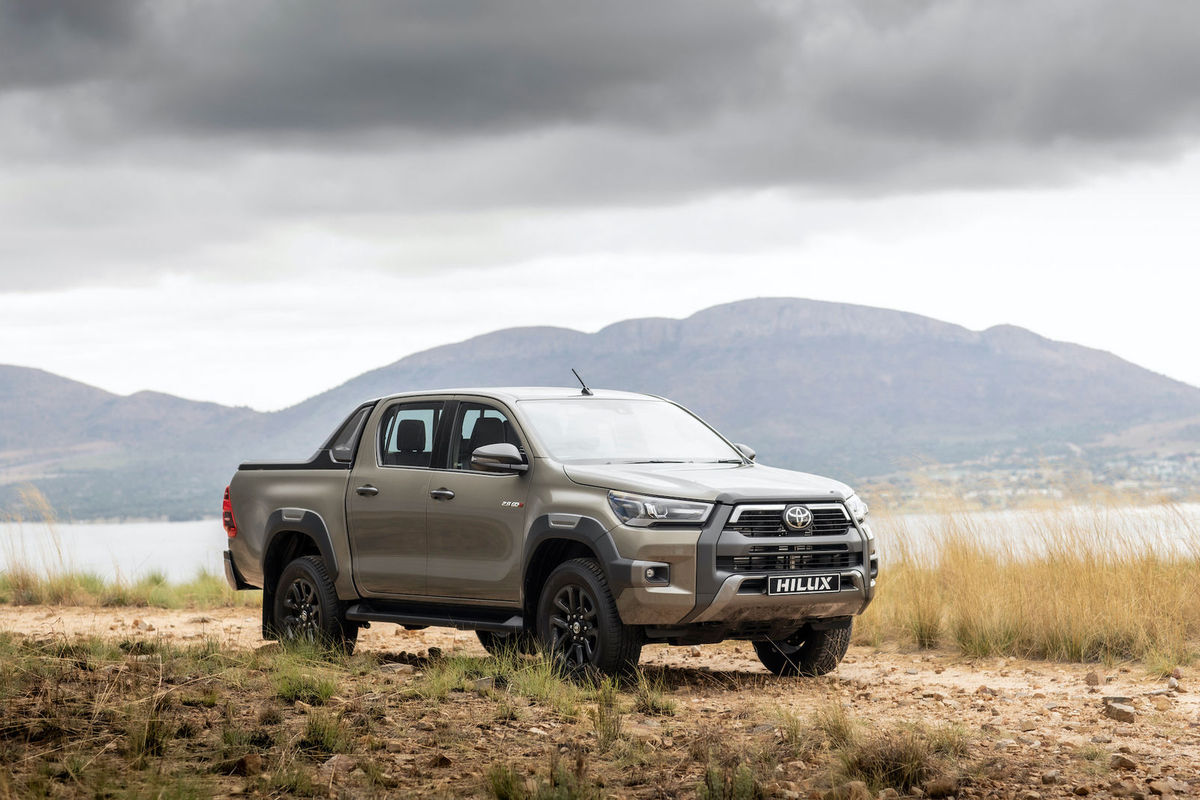
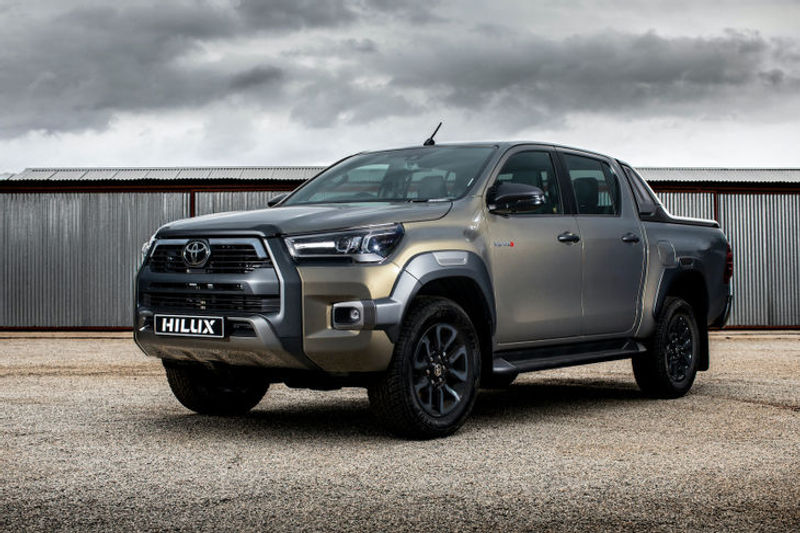
Toyota has made extensive changes to the market-leading Hilux to raise the standards in the ever-improving leisure bakkie segment. We spent a bit of time testing the facelifted model off-road in the Western Cape.
The Hilux recently regained the title of South Africa’s best-selling bakkie, but Toyota is seemingly not satisfied with that. In fact, the Prospecton-based company wants to ensure that its champion won't be seriously challenged again for some time to come.
Bakkie facelifts usually entail little more than changes to the bumpers, some new light clusters and perhaps an infotainment-system upgrade, but not for the late-2020 Hilux. Substantial upgrades have been made to the Japanese bakkie's powertrain, suspension and design, all of which make the Hilux feel like an all-new model, at least as far as its driving experience is concerned…
What’s new?
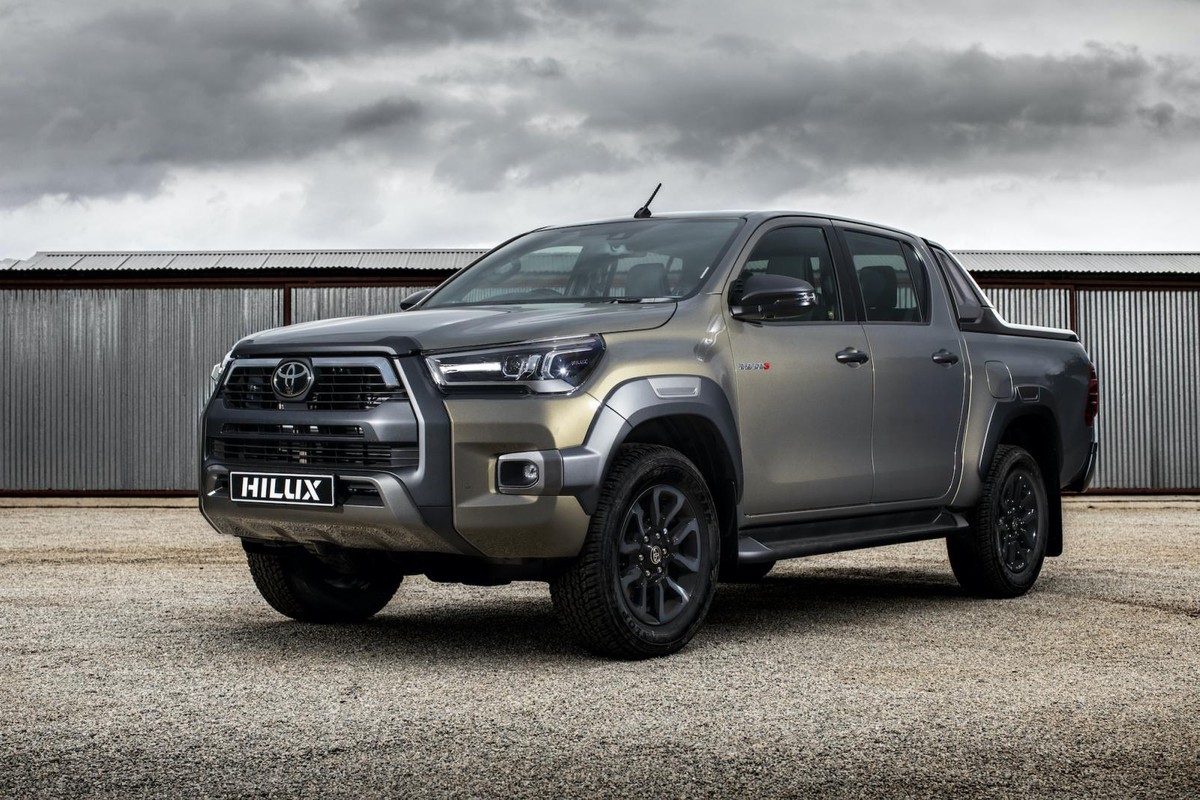
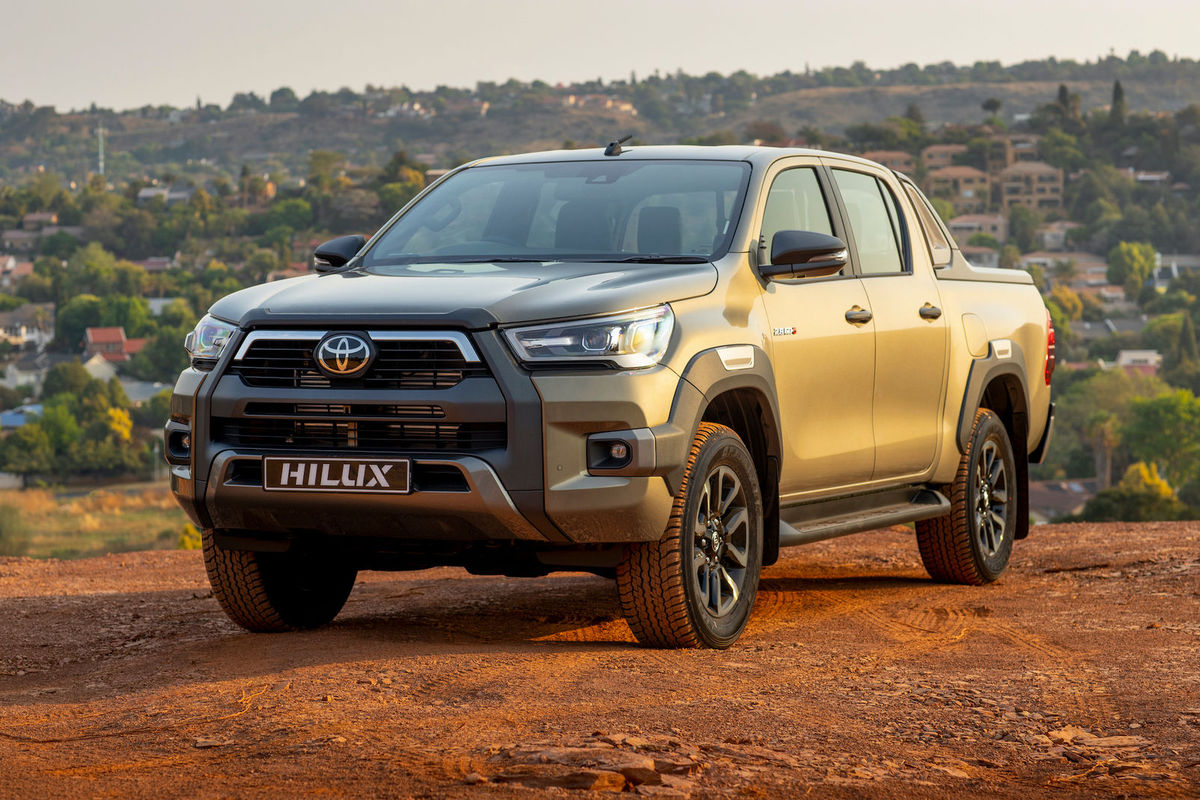
Toyota has admitted that this generation of Hilux had a bit of weird-looking face at the start of its product cycle and that’s why the Japanese firm has worked quickly to introduce visual updates with models like the Dakar and the Legend 50. That certainly helped sales, but all the while, behind the scenes the Japanese firm was working on a much bigger upgrade for the bakkie.
The engine upgrade was an easy target to hit; the Hilux was underperforming in this area compared to the top-of-the-range Ford Ranger, Volkswagen Amarok and other competitors despite having one of the largest-capacity turbodiesel engines in the game. An extra 20 kW and 50 Nm has sorted that right out. A bigger, heavy-duty turbo is mostly responsible for the gains in peak outputs, but there are also upgrades to the cooling, combustion chamber and intake manifold, all which serve to improve performance and economy while maintaining renowned Toyota reliability. A balance shaft has been installed on the Legend Auto to reduce noise and vibrations, which means the 2.8-litre motor is quieter, even at startup.
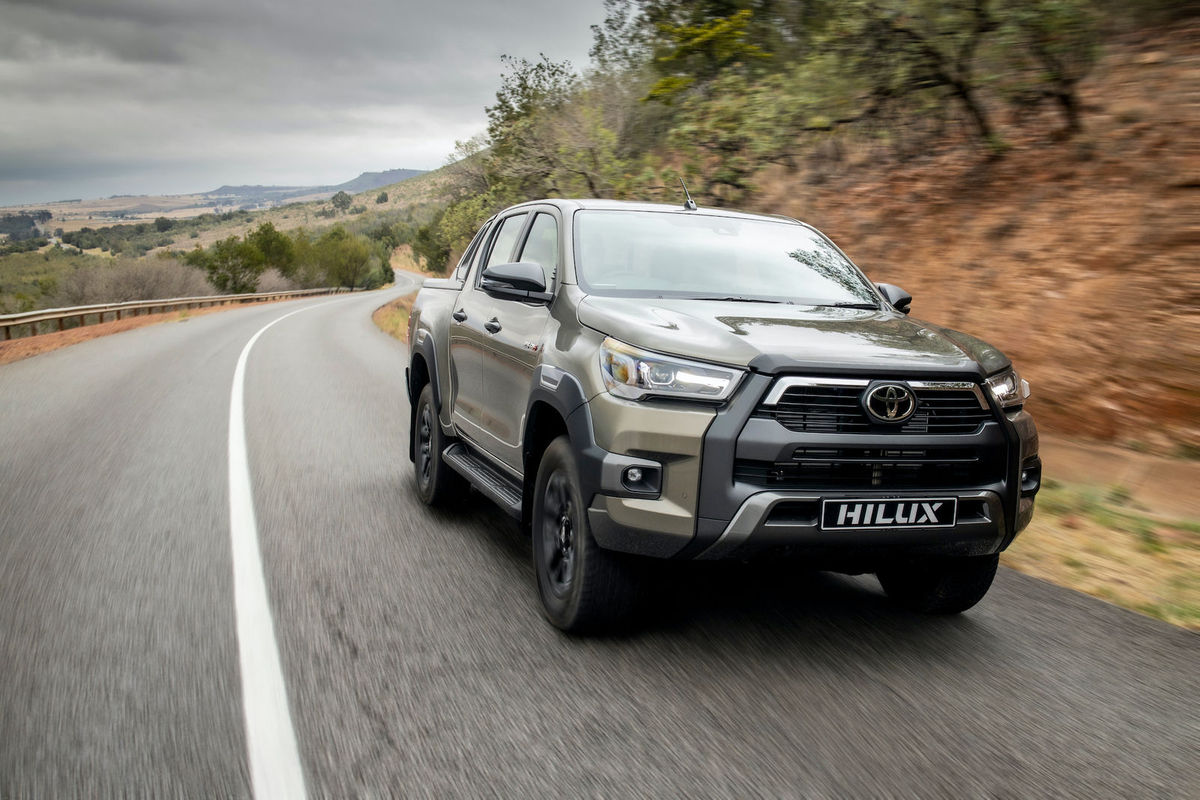
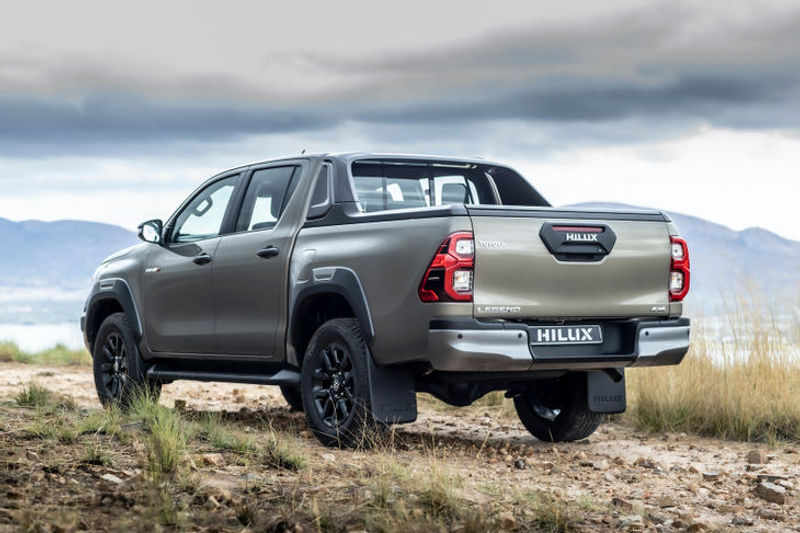
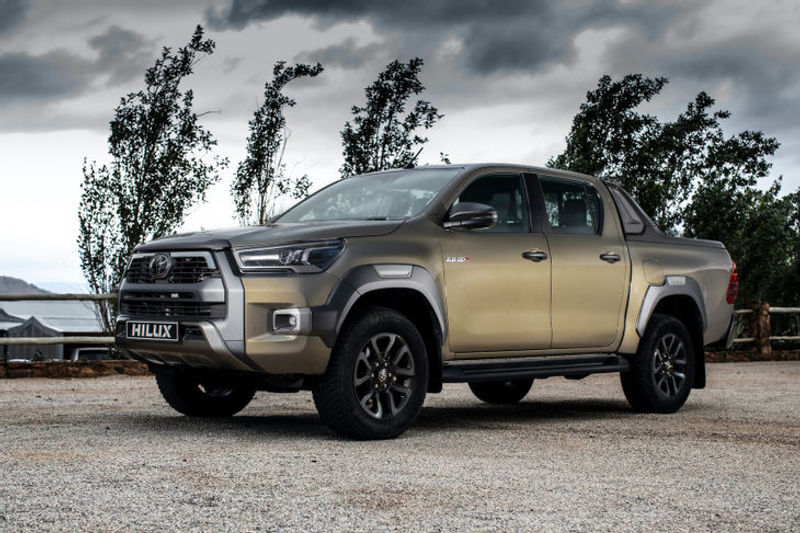
The front end features new LED lights and an all-together more aggressive facial arrangement.
Meanwhile, the Hilux's suspension has been totally redesigned with revised leaf springs, retuned spring rates and shock absorbers. Changes to suspension bushings and cabin mounts serve to reduce vibration and harsh feedback (choppiness) when driving on corrugated roads at speed.
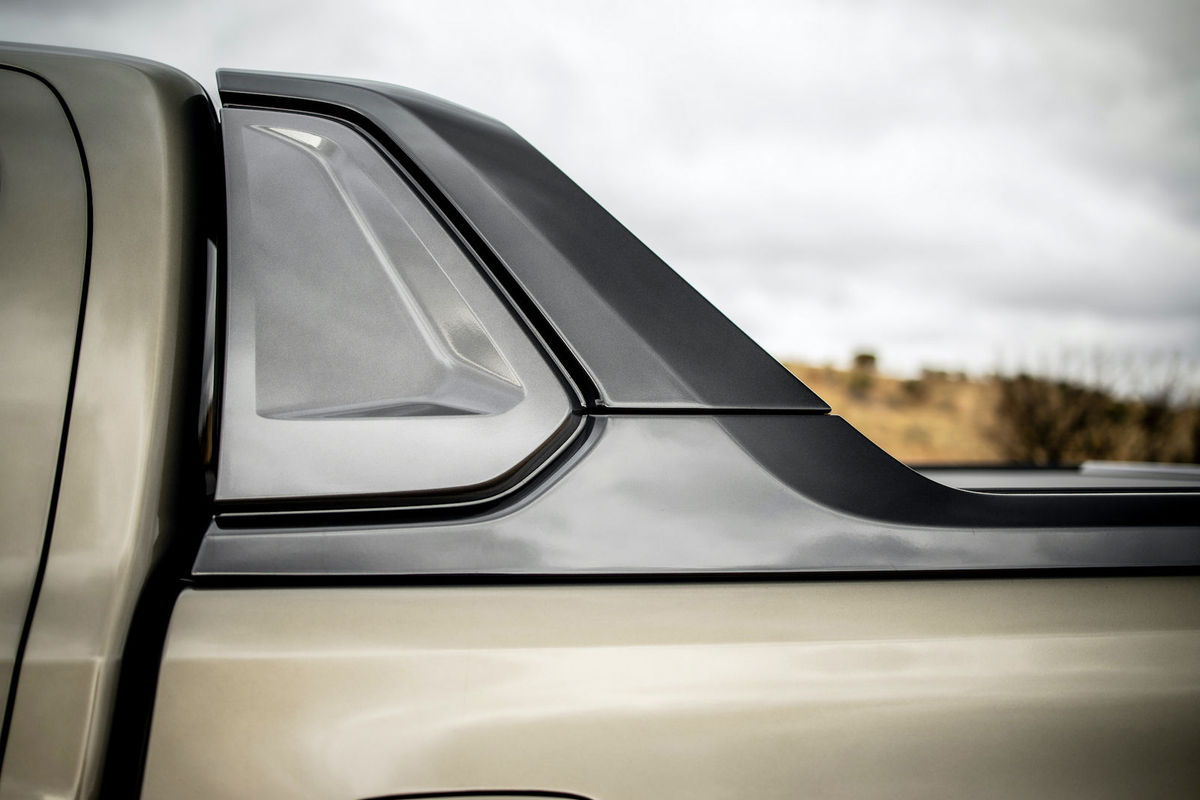
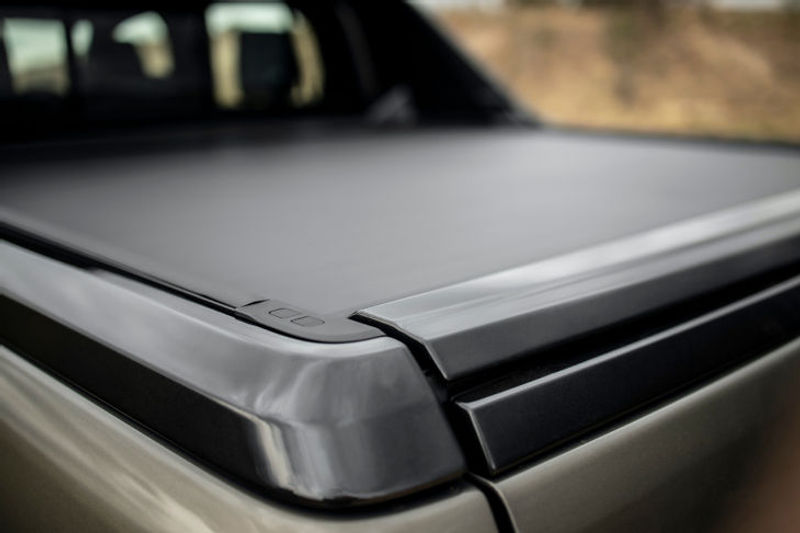
The infotainment system has also been upgraded to incorporate modern screen technology and software, plus it’s finally Android Auto and Apple Carplay compatible. Toyota has also made an RS package package available for purchase for those who want an electric roller shutter cover for their bakkie's load tray. The kit also includes a rubberised tray lining, as well as a rear sportsbar.
What's it like to drive?
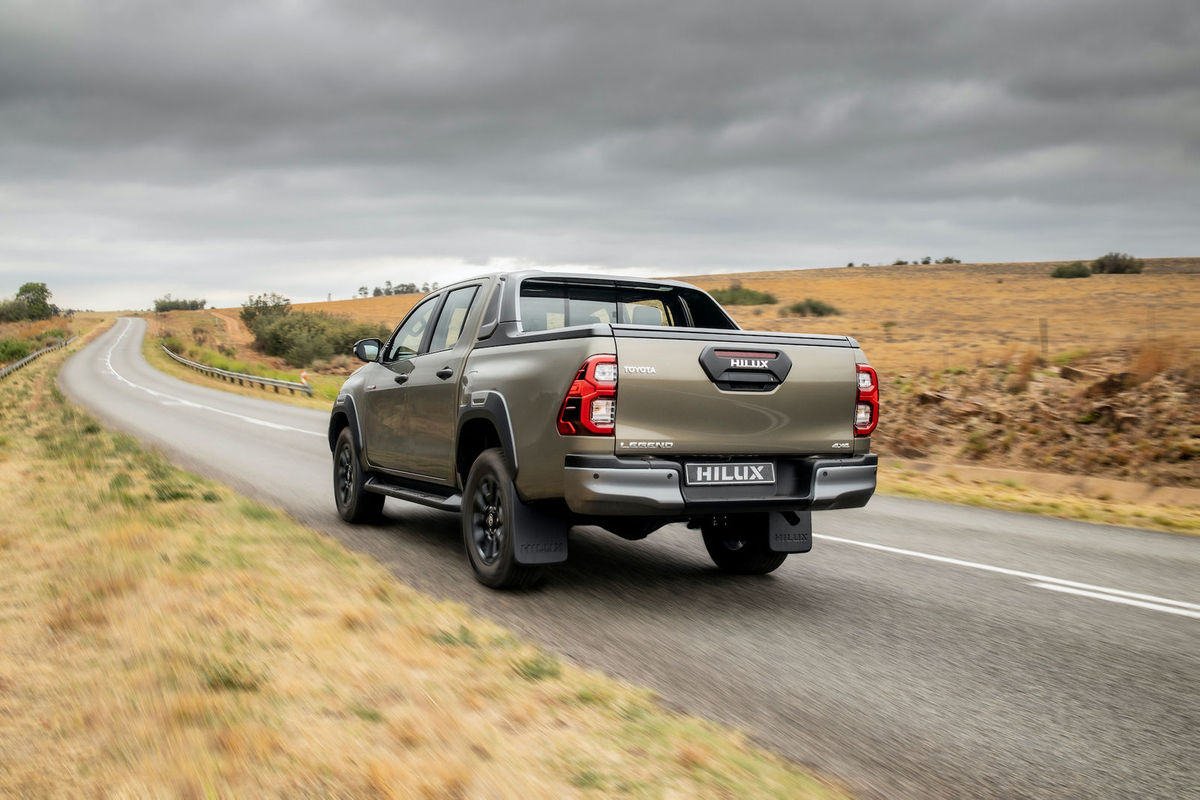
The rear suspension changes have improved the comfort levels on rough surfaces.
The mechanical changes really add up to a markedly different ride quality in the Hilux Legend. While we didn’t get to test newcomer's ride comfort in general road conditions we can attest to its gavel and off-road poise.
Simply put, the Toyota's rear-end is much more agreeably sprung and, for lack of a better word, comfortable. It doesn’t jolt or bounce nearly as much as it used to. In fact, the Hilux is much more SUV-like in terms of suspension feel than an agricultural bakkie. That’s certainly a sop to leisure buyers (more so than farmers or businesses) although it’s hard to think of a reason why this new, softer setup would benefit all buyers, actually.
The change has not affected the bakkie's off-roading capability either. We drove the new model and the outgoing Legend 50 over some reasonably technical gradients and the new version seemed to deal with them even better than the old one. Some of the driving instructors at the event even suggested the new model has a better traction and diff system than the outgoing model (although Toyota hasn’t listed those among the changes).
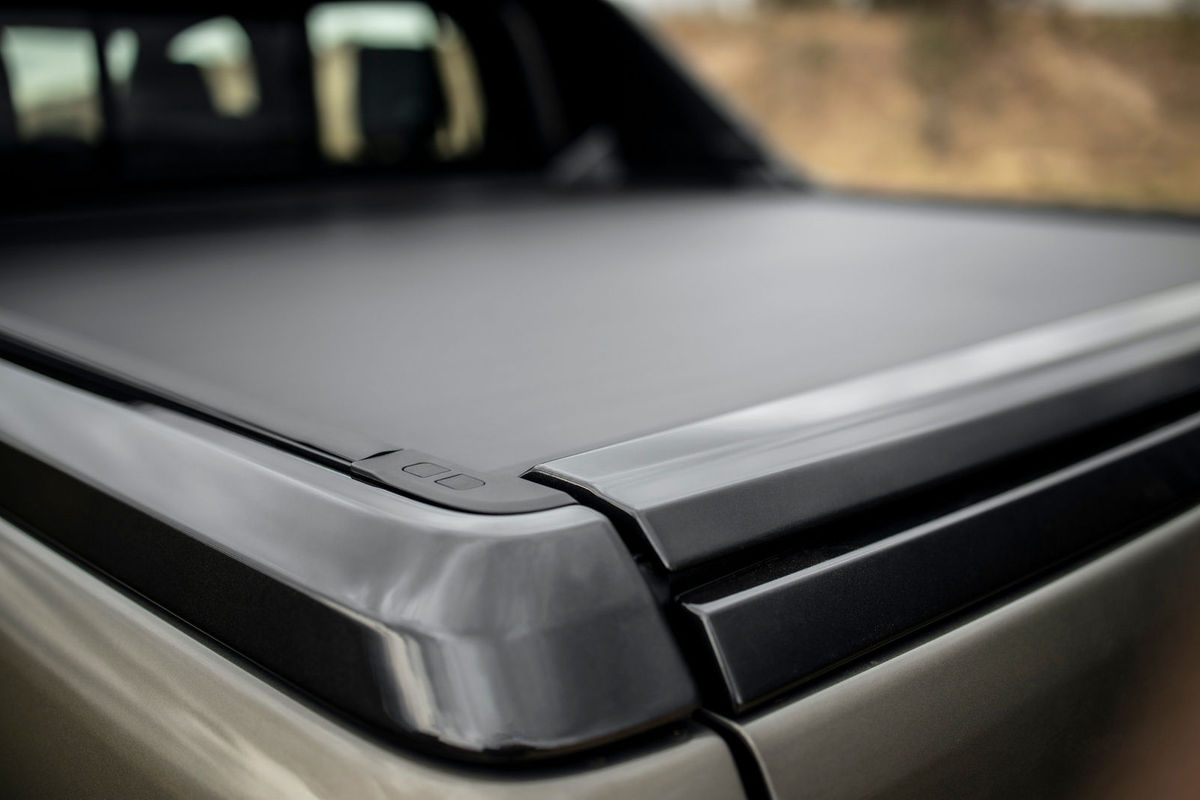
Buttons on the loadbay lip electrically slide the rear cover back and forth.
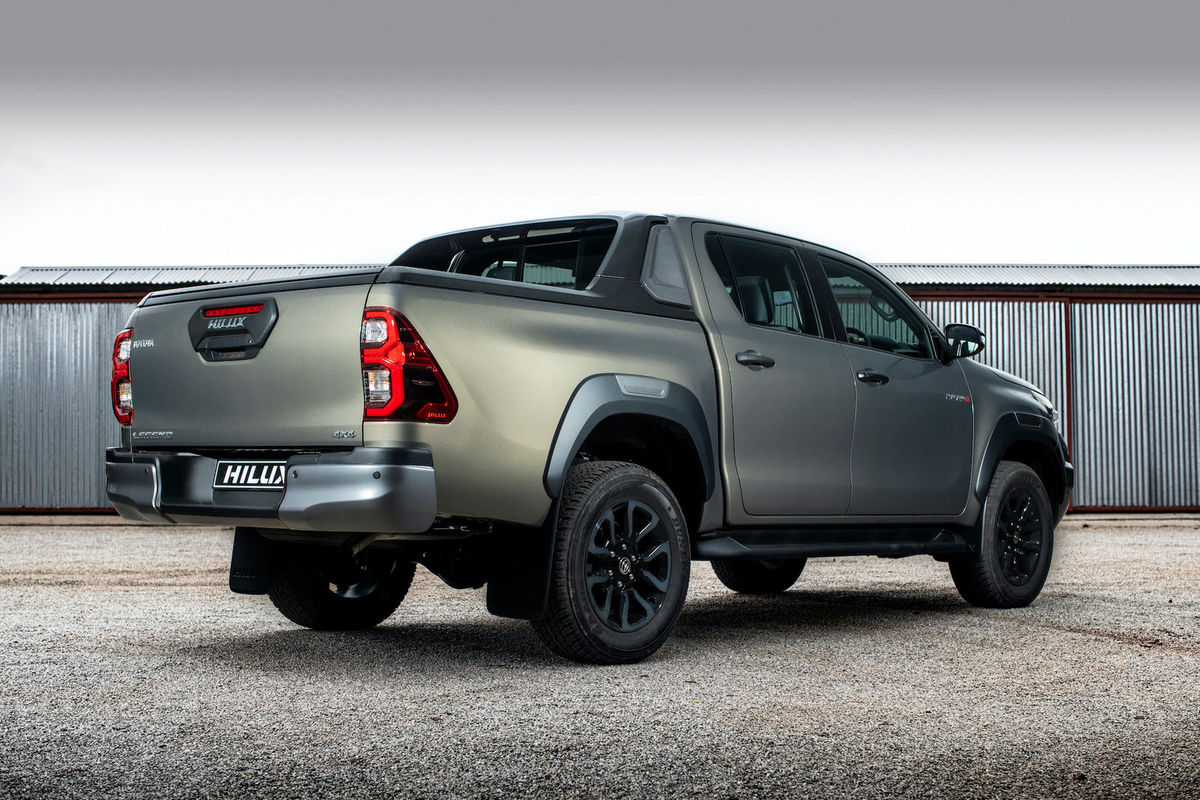
Our Legend models were equipped with the optional RS package, replete with electric roller shutter loadbay covers. It’s a neat addition that is operated by a button on the lip of the loadbay (don't worry, it only becomes operational once the vehicle is unlocked). It takes all the hassle out of pulling the tray cover manually by reaching into the depths of the load bay to pull it closed. The kit futher incorporates running boards, which unfortunately catch quite nastily at break-overs and a rollover sports bar, which is partly useful, but mostly just enhances the new, muscular look.
We will have to wait until we do a full review of the new Hilux Legend before we can truly comment on the updated power unit’s performance. Suffice to say, the manufacturer numbers suggest it’s certainly an improvement and will no doubt also help those who tow heavy loads, especially now that Hilux is rated with a Ranger equalling 3.5-tonne tow capacity (with a braked trailer).
What’s it like inside?
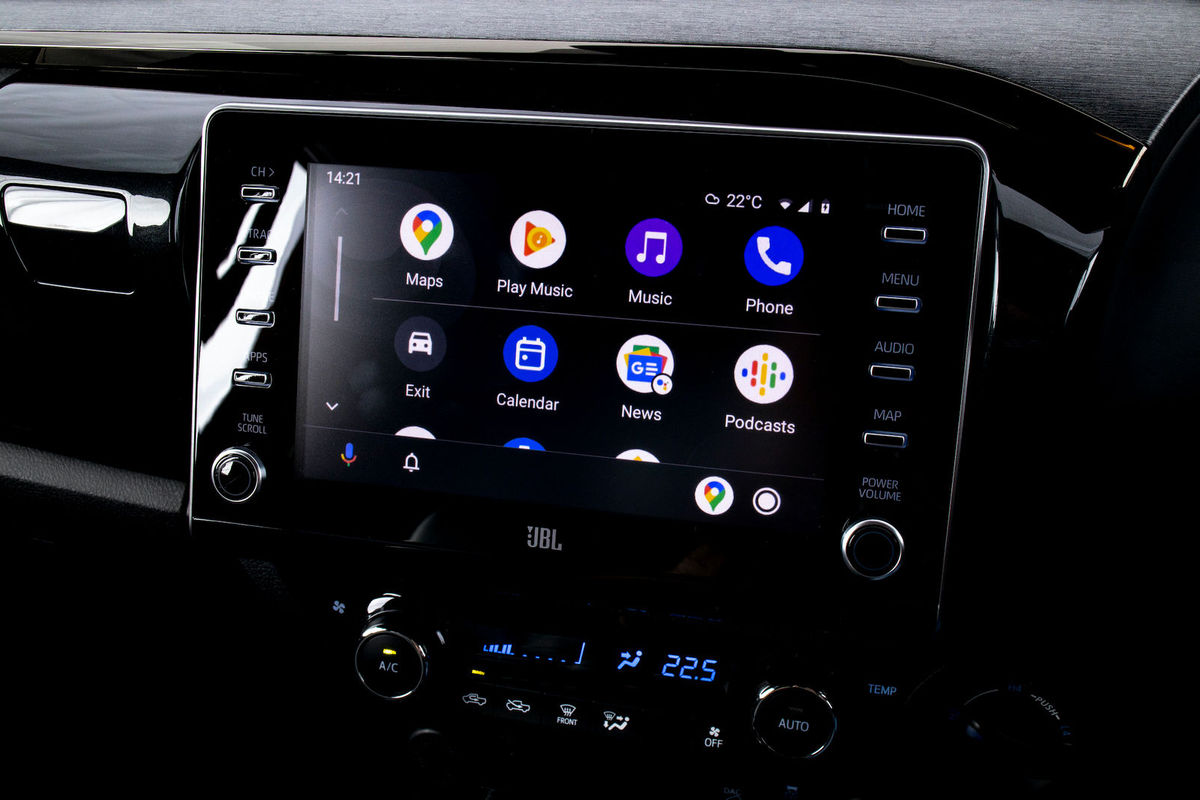
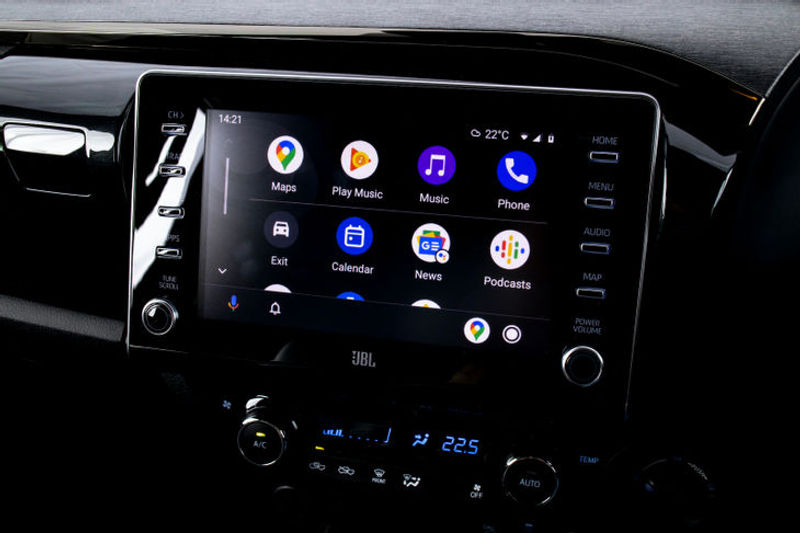
That's right, Android Auto in action in a Toyota Hilux – it's finally happened.
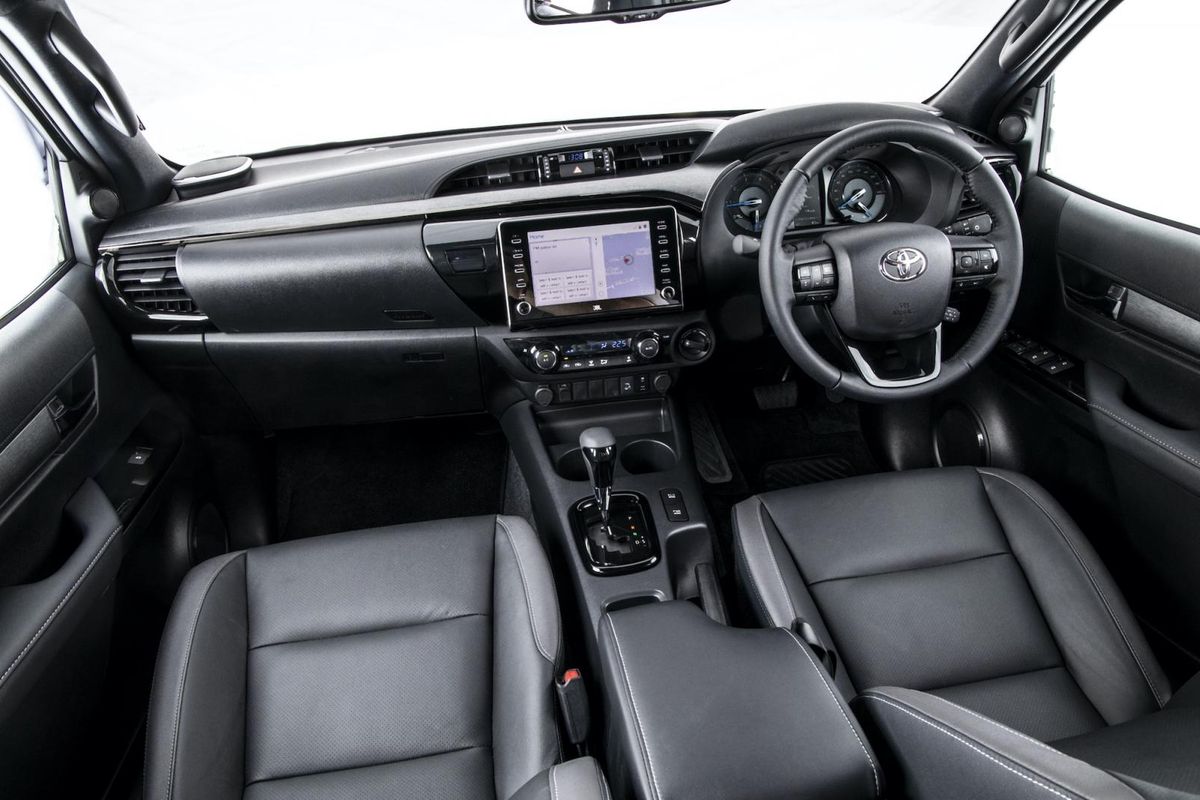
Inside, the effect of the facelift is only noticeable when you utilise the higher function of the new touchscreen infotainment system. The screen juts out a little further from the centre of the dashboard compared with the previous version, displays crisp hi-res graphics and is much quicker to flip through the menus. The buttons to the right side of the display area certainly quicken access to regularly-used menus options.
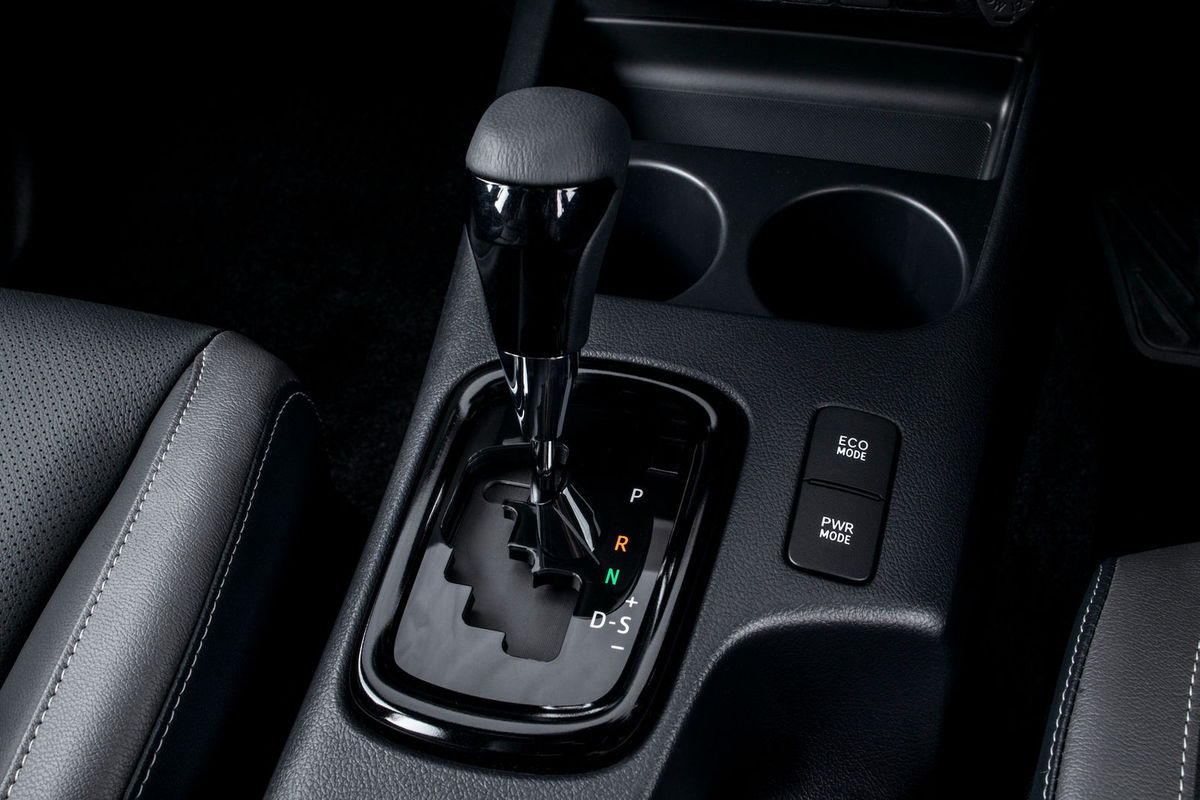
The Android Auto compatibility worked seamlessly when I plugged my smartphone into the sole USB port ahead of the transmission lever (I assume the same will apply for Apple Carplay). There is a pair of 12V ports (1 on either side of the USB port), but perhaps it would be more useful to have an additional USB port instead of an extra 12V outlet. There is a two-pin plug connection in the centre console for further charging.
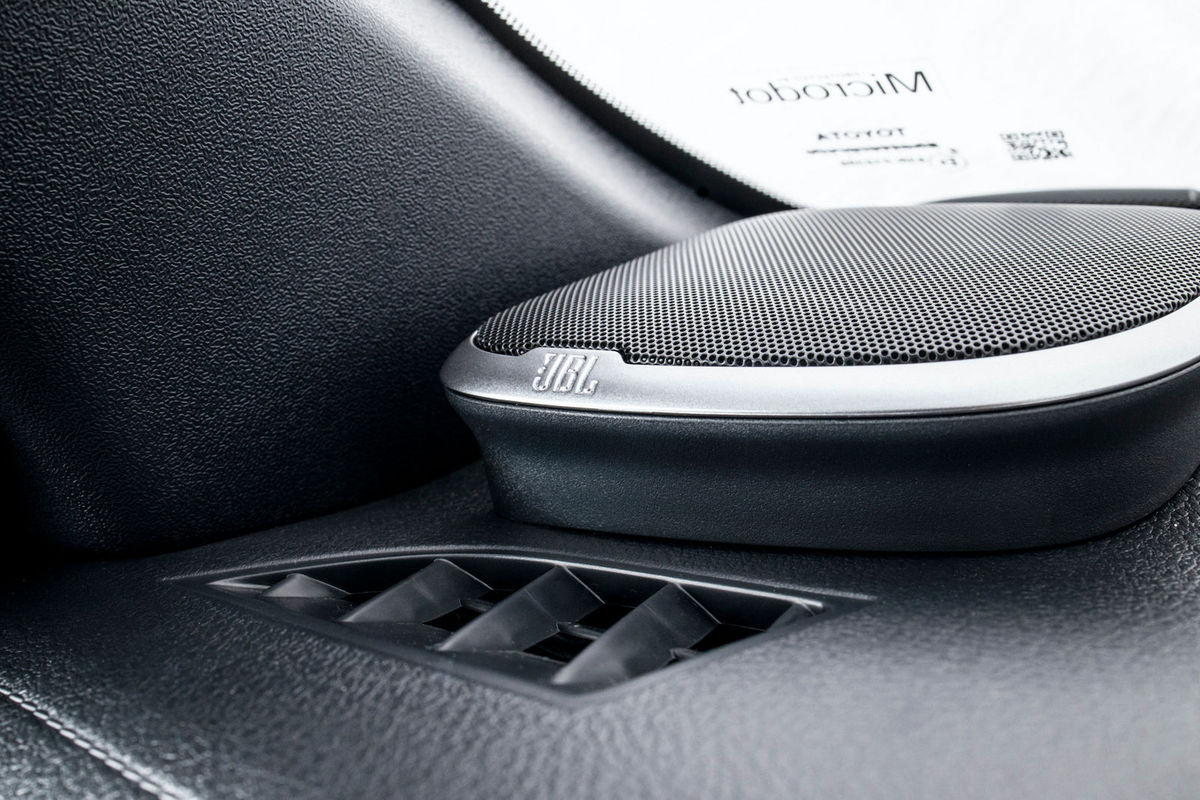
The 9-speaker JBL audio system certainly deserves a mention too, because it packs quite a punch. It’s not quite up there with the premium systems like Bang & Olufsen or Harman Kardon, but it’s virtually a hundred times better than the old standard setup.
New safety kit
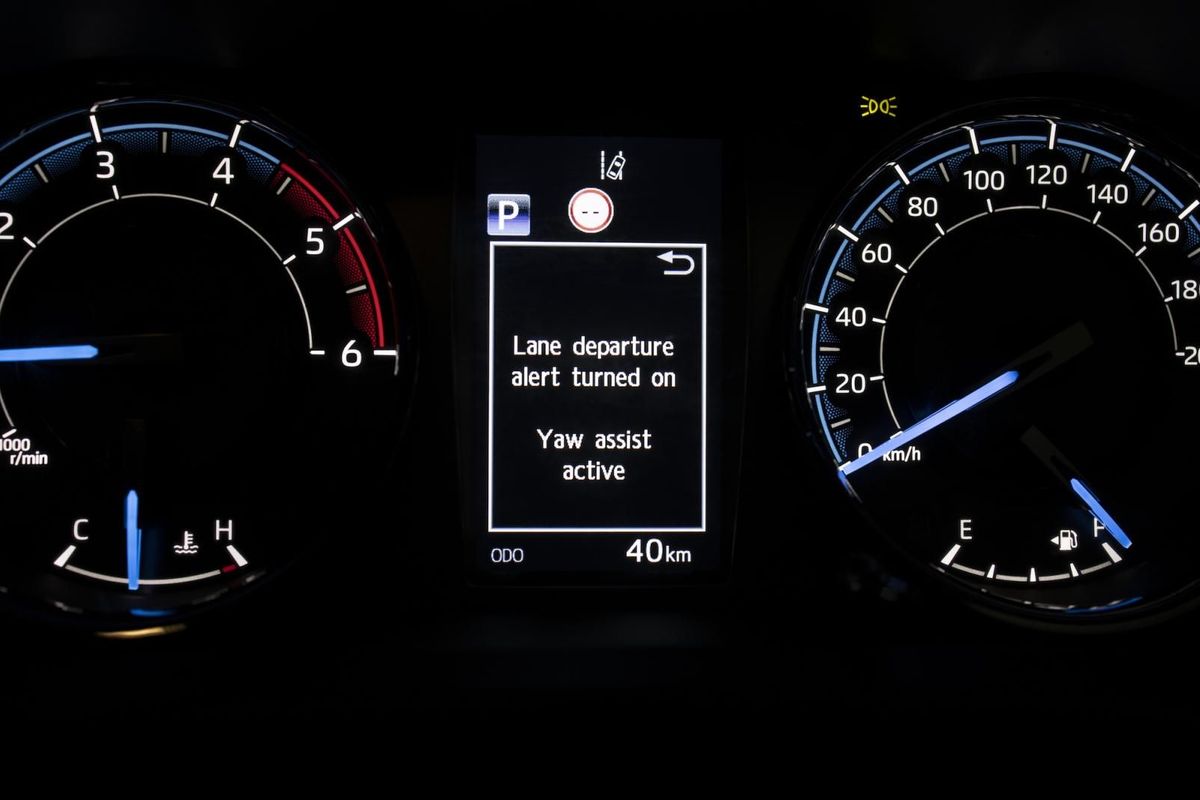
Ford always held the edge over Toyota in terms of advanced safety systems, especially on lifestyle-oriented derivatives such as the Wildtrak. Whereas Toyota stuck with basic minimum safety equipment, Ford has been offering modern active and safety features for years. However, all Legend 4x4s now get Toyota Safety Sense, which is a suite of safety systems starting with pre-collision detection. Further to that, adaptive cruise control, lane departure warning and road-sign detection are included. It’s certainly a positive step and puts Hilux on level footing with the Wildtrak.
Summary
Hilux is a thoroughly reworked product ready to take on the top-tier leisure bakkies now.
The facelifted Hilux is a concerted effort to lift Toyota's flag-bearer to the top tier of leisure bakkies. Based on our brief initial impression, the bakkie is comfortable and settled on gravel roads, but also more capable on trickier off-road courses. We still have to put the more powerful engine through its paces (and we will get the chance soon), but it felt like there was plenty of grunt and available torque over the 4×4 course we traversed.
Furthermore, the upgrades to the Hilux's infotainment and safety systems have clearly been introduced to meet the contemporary market’s demand for a more connected and safe bakkie, one that is now, more than ever, a lifestyle tool as much as a business one.
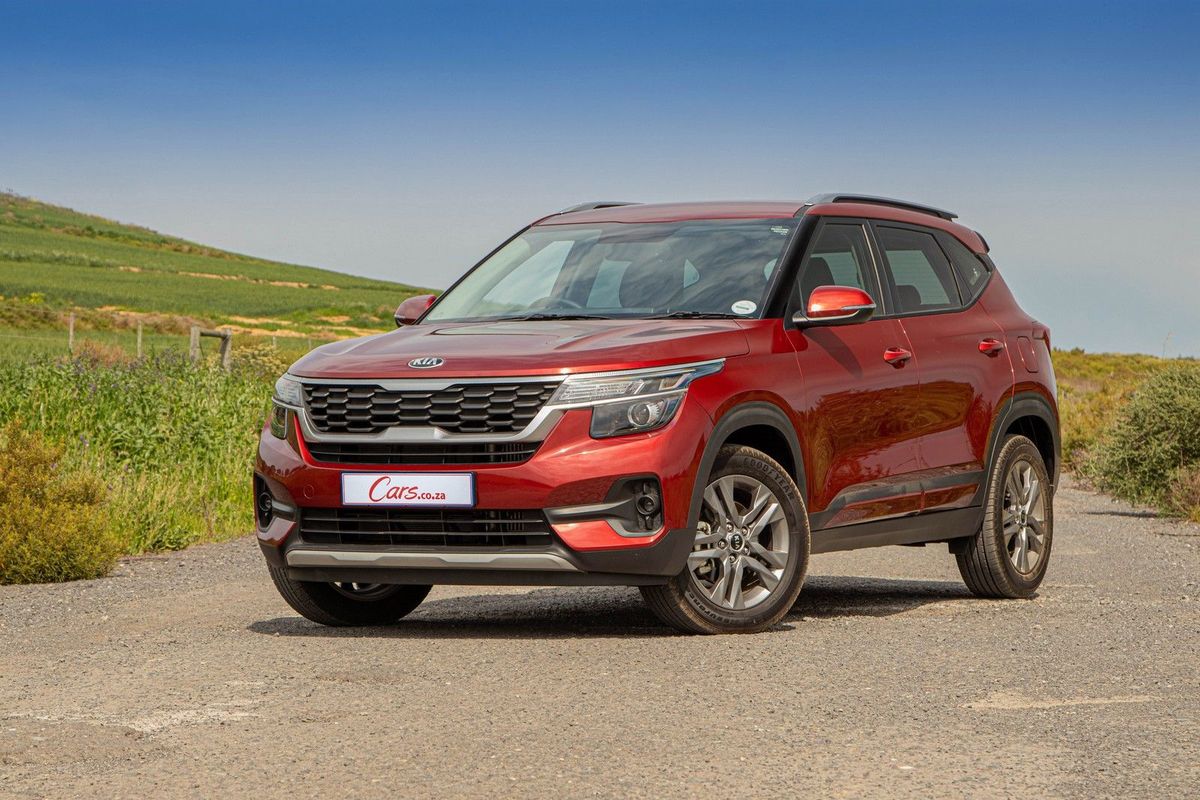
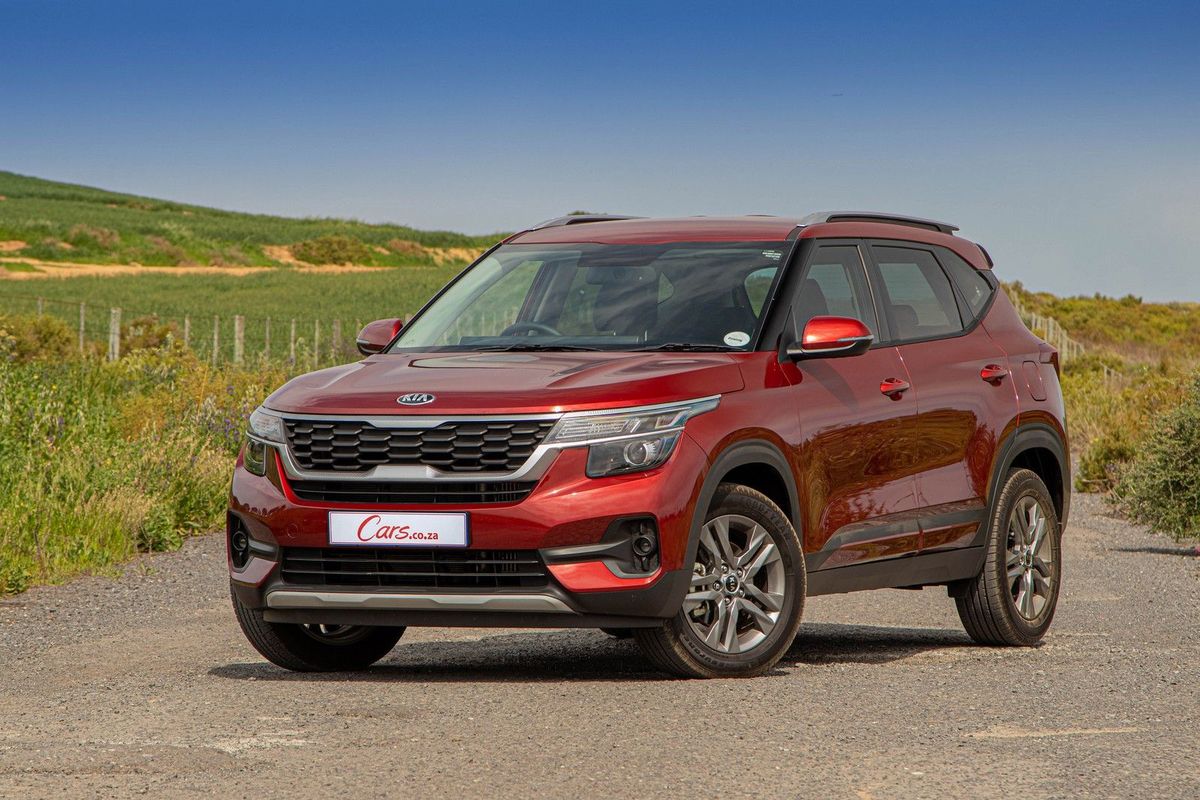
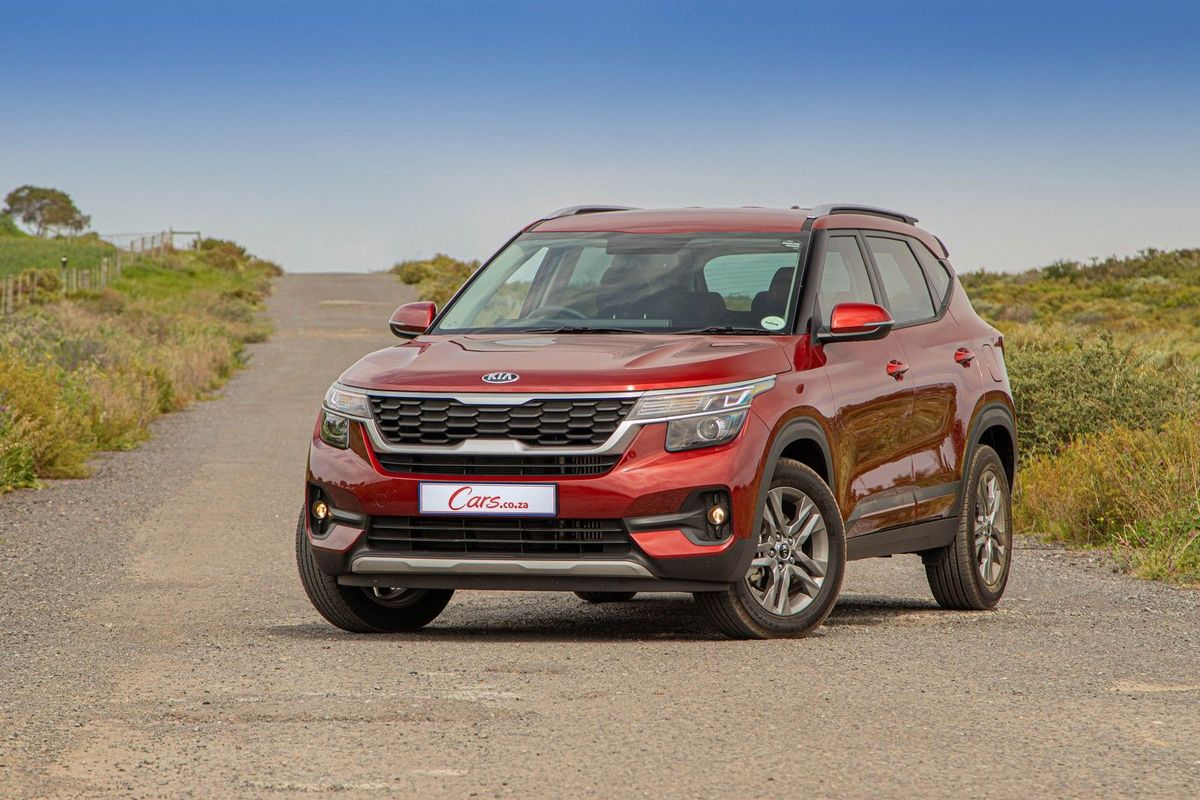
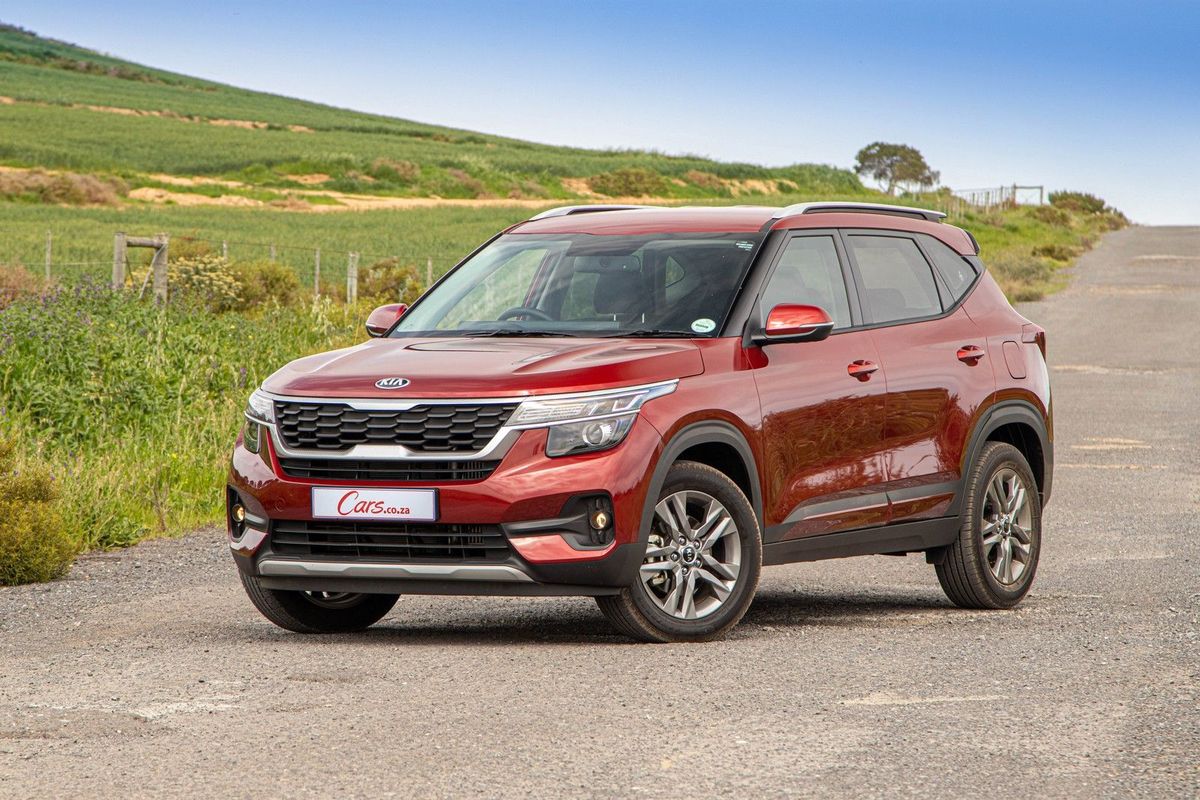
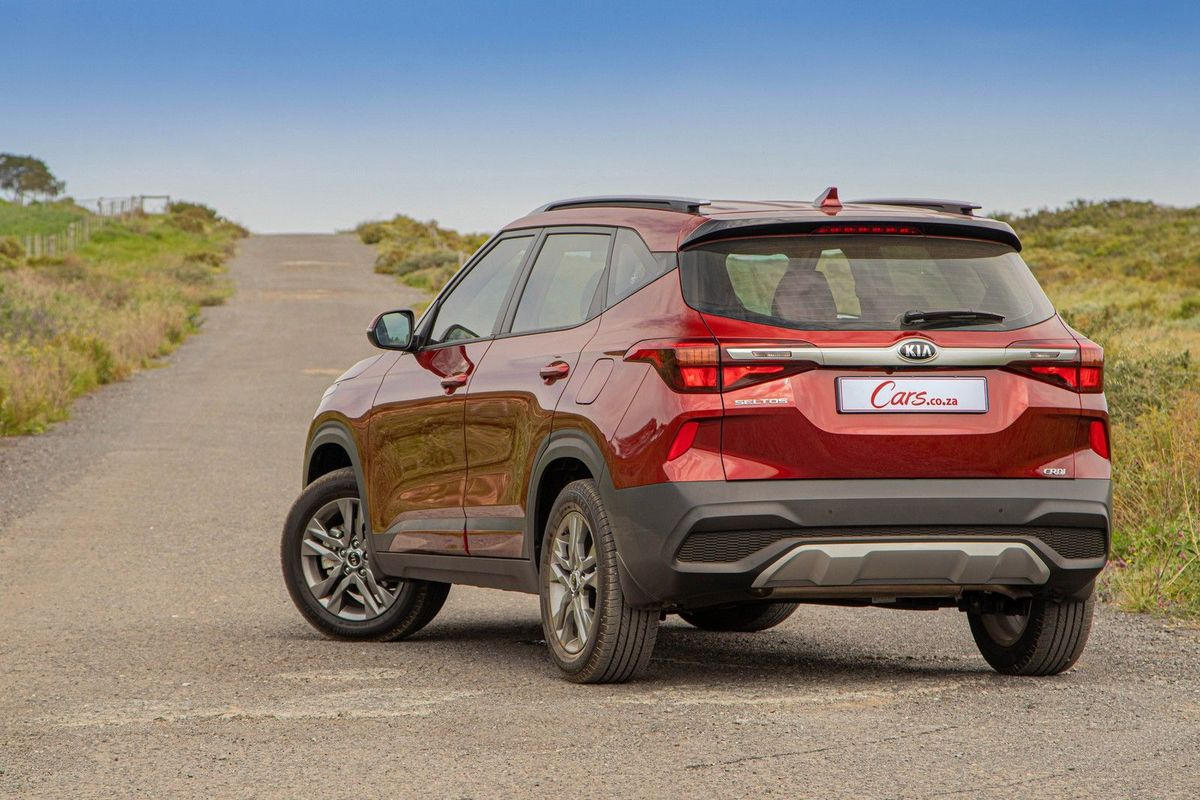
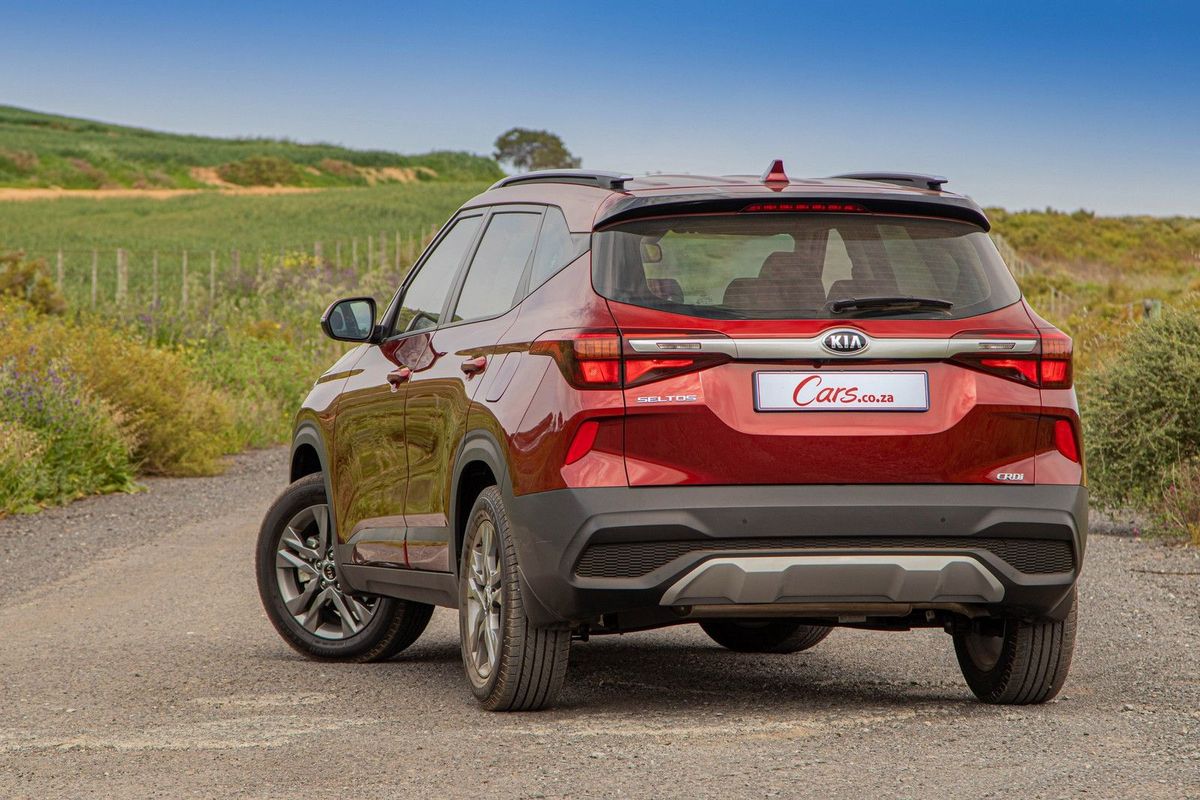
The Seltos has proven a popular addition to the new-vehicle market; does a 1.5-litre turbodiesel engine markedly improve the package of Kia's compact family car? We spent a few days putting the 1.5 CRDi EX+ through its paces.
We like: Diesel engine offers punch and fuel efficiency, good road manners, well-equipped.
We don’t like: Typical unruly diesel clutter upon startup, piano-black trim attracts fingerprints.
The compact SUV market is booming right now and the Kia Seltos is right in the thick of it.
Kia is rolling out a slew of crossovers/SUVs. Its current products are either being updated or replaced by new-generation models, while brand-new offerings are being introduced into previously uncontested segments. The Kia Seltos and Kia Sonet are targeting the lower end of the market – the former arrived in Mzansi in February and the latter is due to get here before the end of 2020. The Seltos has been quite a hit for Kia, thanks to a combination of fresh, modern styling, a wide choice of engines and an extensive list of standard features. What's more, it's competitively priced.
A multitude of manufacturers offer products in the compact family-car segment and, as a result, competition in this sub-R500k segment is at an all-time high. There are at least 12 rivals to the Kia Seltos, including the Renault Duster, Opel Mokka X, Ford EcoSport, Volkswagen T-Cross, Suzuki Vitara, Toyota C-HR, Mazda CX-3, as well as the Venue and Creta from Kia's sibling brand, Hyundai and the H2 from Chinese upstarts Haval.
In an effort to snatch as much market share as possible, Kia has offered its Seltos with an array of trims, engines and transmissions. When the model was launched, its engine line-up comprised only petrol derivatives powered by naturally-aspirated 1.6- and a turbocharged 1.4-litre motors. But now the Korean brand has launched a turbodiesel version, with the choice of either a manual or automatic transmission, plus 2 trim grades.
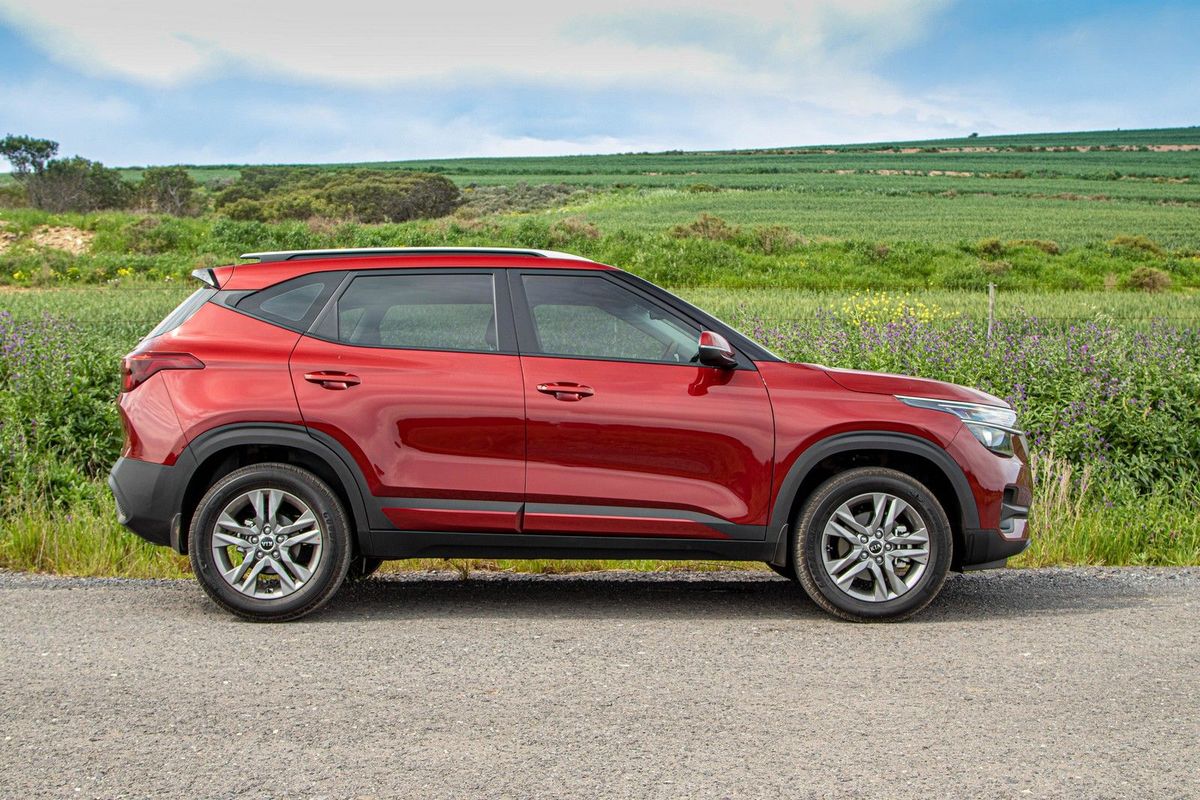
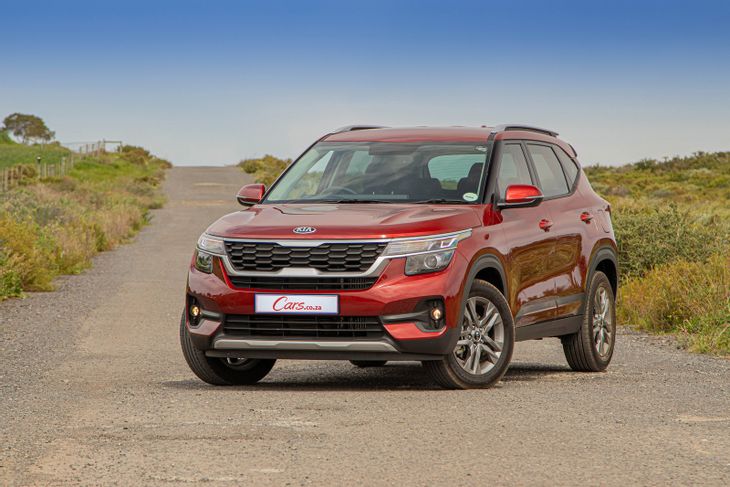
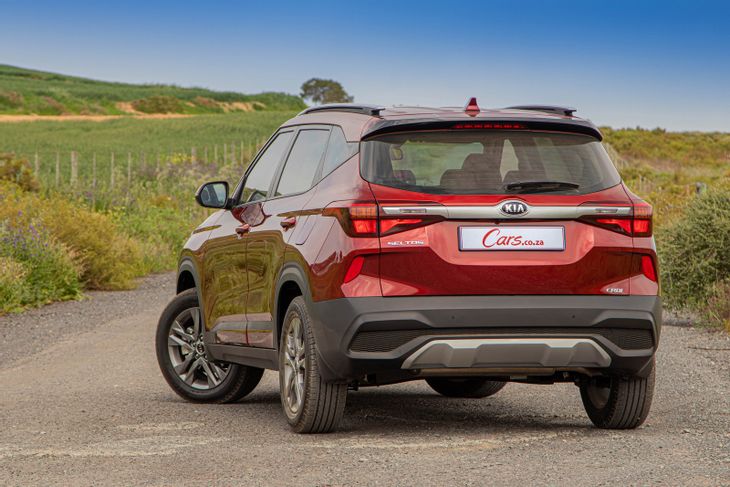
Adopting the latest Kia design language, the Seltos is one of the best-looking models in the segment.
How it performs in terms of…
Performance and economy
The new 1.5-litre turbodiesel engine in the Kia Seltos produces peak outputs of 86 kW and 250 Nm and this derivative, the EX+, is exclusively available with a 6-speed automatic transmission. When you start the engine first thing in the morning, you're greeted with considerable diesel clatter (which is typical/expected of these engines), but although it's initially offputting, the rough idle settles once the motor's up to operating temperature.
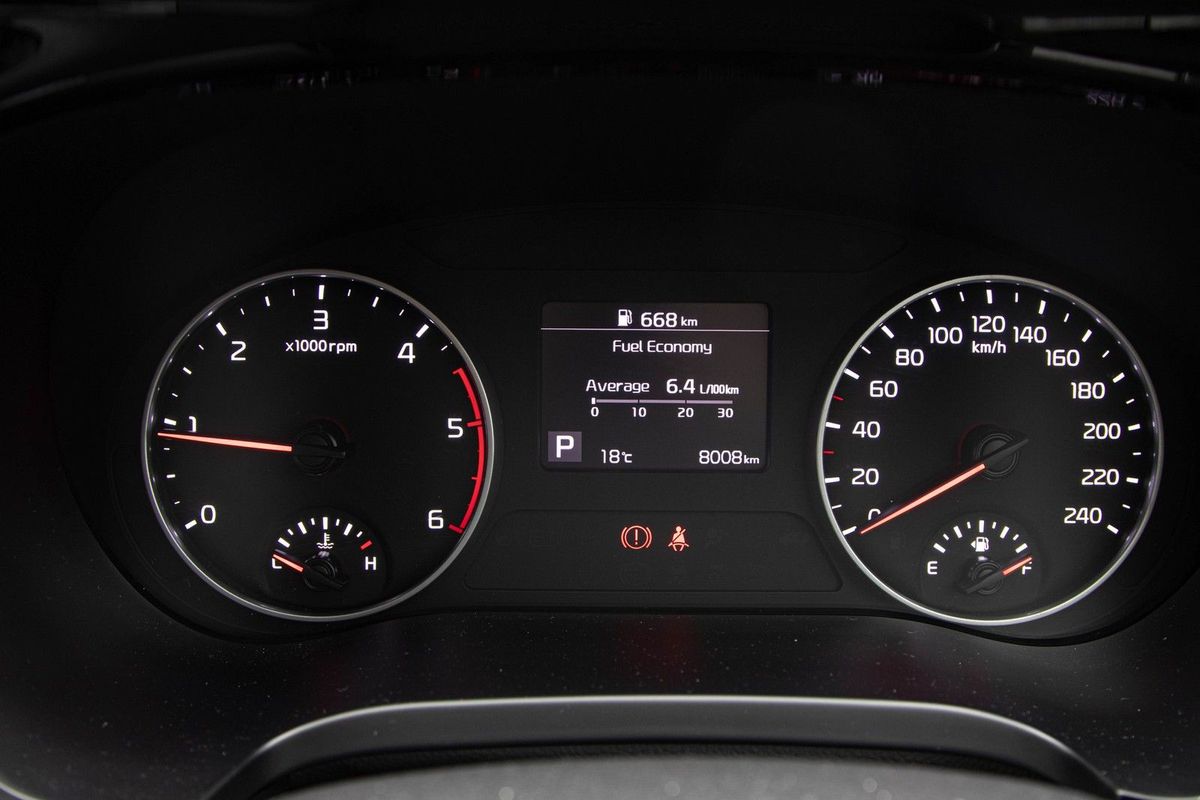
The primary benefits of a diesel powerplant is economy and an abundance of torque (which is great for long-distance cruising and towing, to name 2 examples). In the Seltos' case, Kia claims an average fuel consumption figure 5.7 L/100 km and thanks to a 50-litre fuel tank, the EX+ has a theoretical range of 877 km. How accurate is that economy claim, though? After a few days of mixed driving, our trip computer registered a not-too-unreasonable 6.4 L/100 km. We suspect the higher number was due to the constant stop-start traffic, which is detrimental to fuel efficiency.
Ride and handling
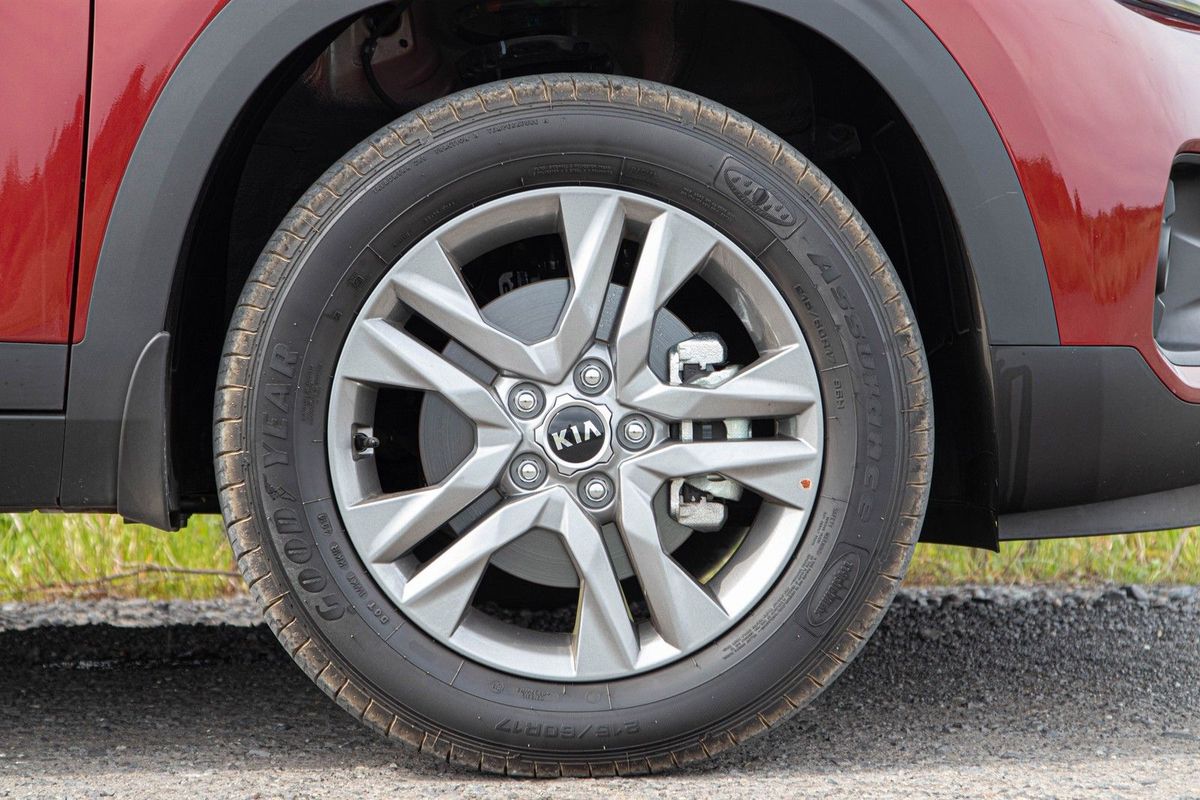
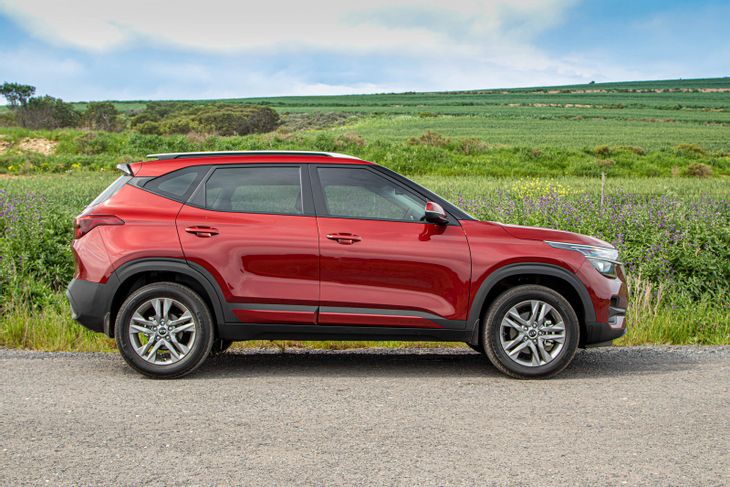
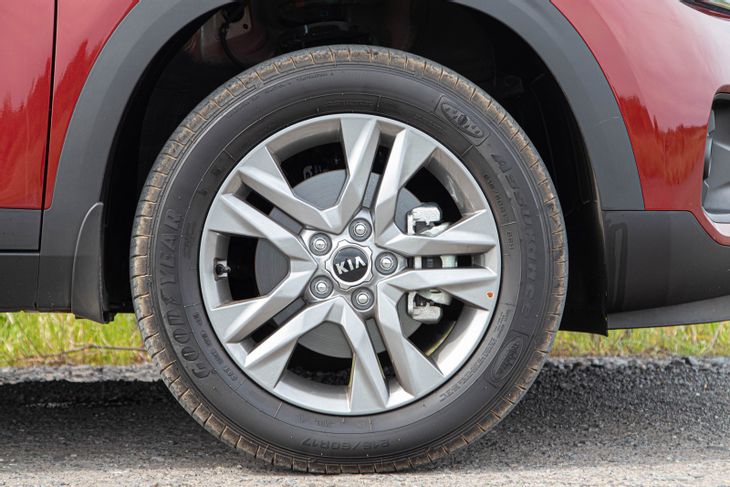
These 17-inch alloys look good and there's enough profile on the tyre to soak up the bad roads
This is our 3rd test of a Seltos and to reiterate, the Indian-built crossover strikes a good balance between ride quality and handling. The EX+'s 17-inch alloy wheels (wrapped in low-profile rubber) fill those wheel arches nicely but don't seem to impinge on ride quality. The suspension setup is on the firm side, yes, but the vehicle is still capable of soaking up road imperfections with ease. Something we appreciated greatly was the steering: not only does it impart a "big-car feel", but it offers a modicum of feedback too, which makes the Kia a bit more engaging to drive than its rivals.
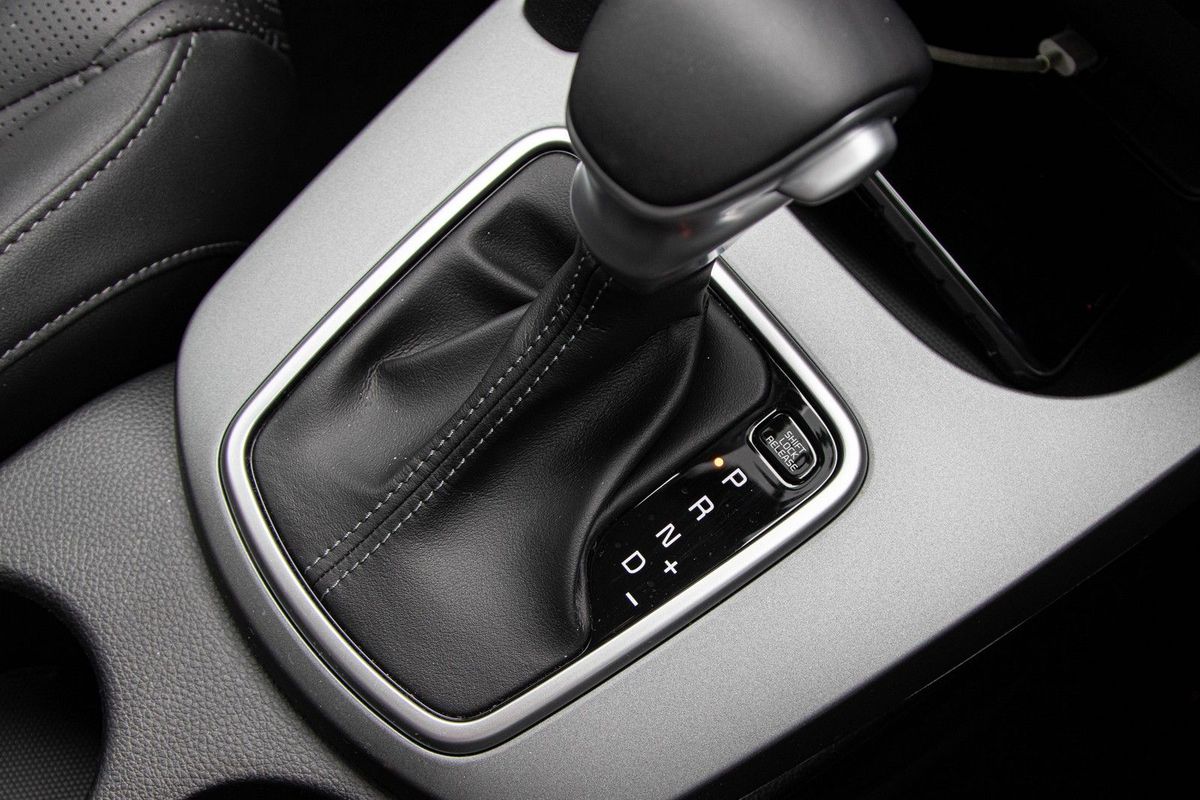
The turbodiesel engine ties it all together nicely. By virtue of a well-calibrated and smooth-shifting 6-speed automatic transmission, the powertrain offers virtually lag-free performance. Granted it the 86 kW output doesn't seem ample, but with 250 Nm on tap, there's never a shortage of urge. The engine is fairly responsive and the 'box will quickly drop a gear if you require immediate performance. Kia claims a 0-100 kph of 11.5 seconds, for what that's worth. The engine's mid-range grunt is great, but it tapers off after 4000 rpm so there's no need to rev the engine hard. The key to smooth progress is to trust the transmission's shift points – it will change early (low in the rev range) to make the most of the available torque.
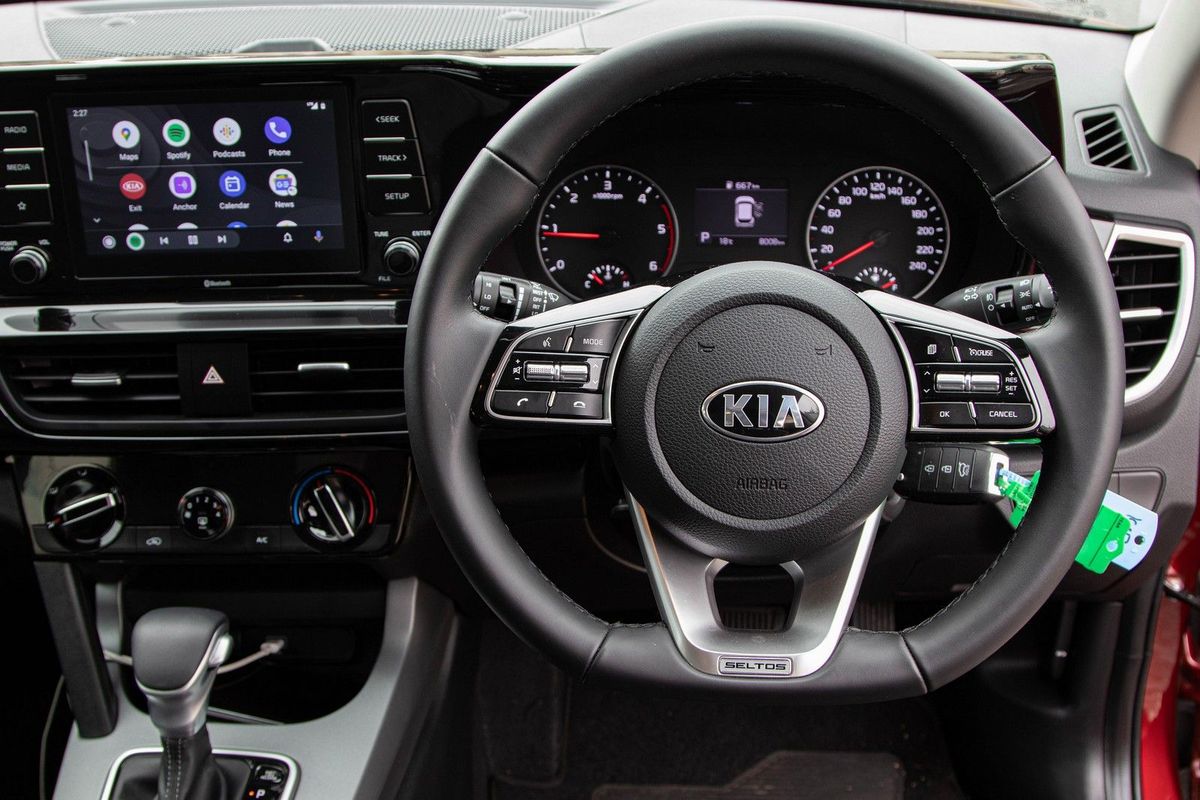
EX+ trim means you get all the bells and whistles the connected generation demands.
Features and cabin execution
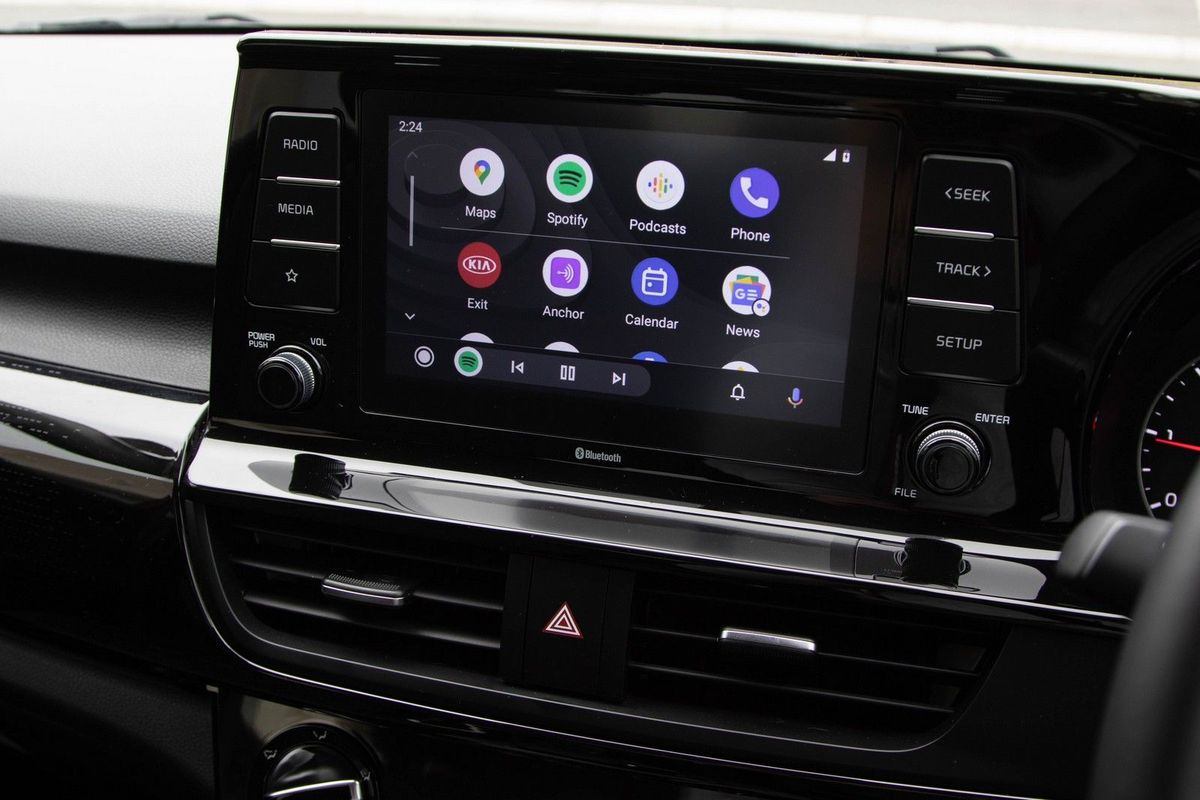
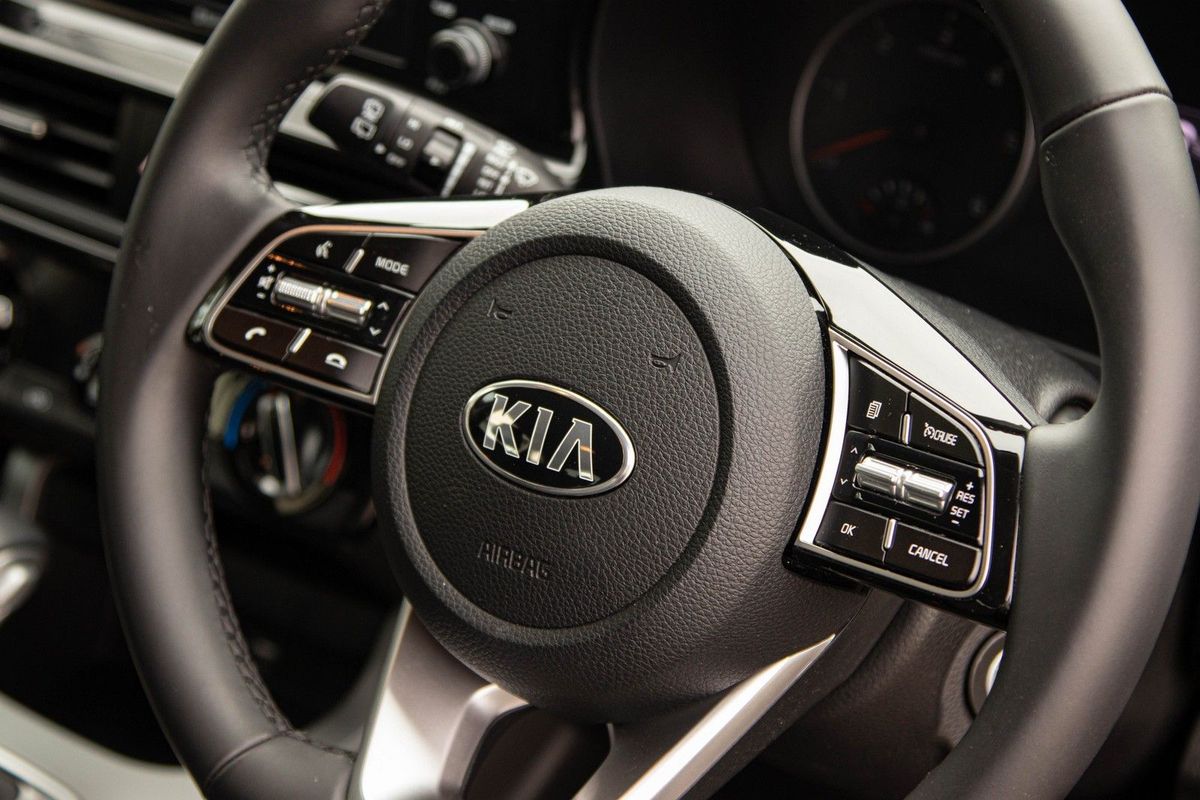
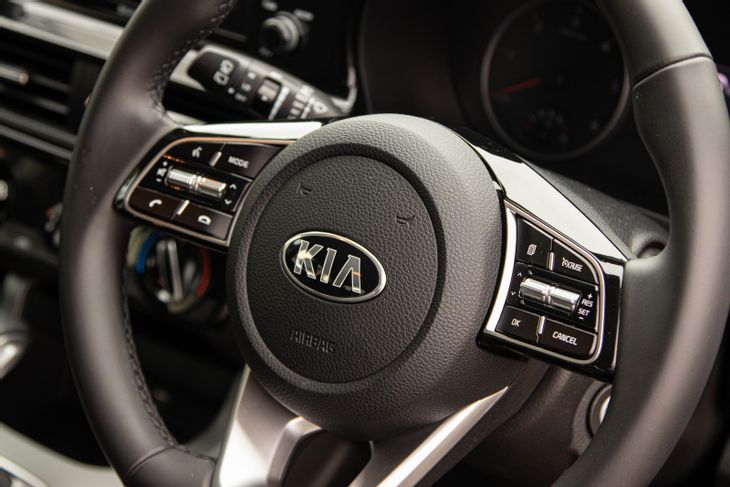
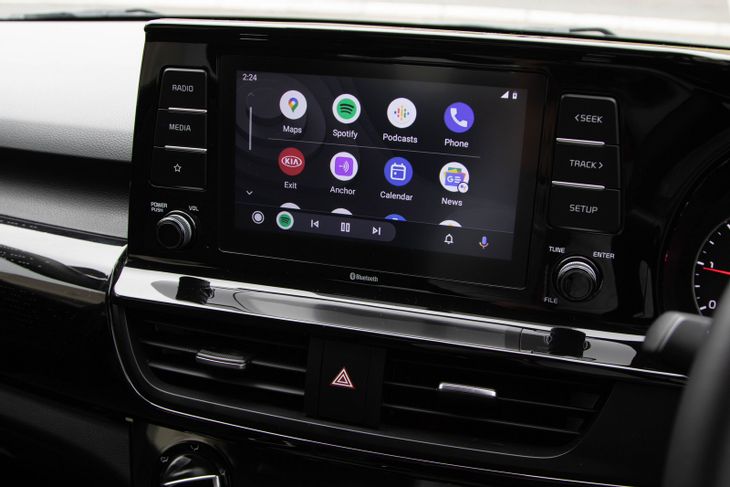
Kia South Africa is offering the 1.5 CRDi in 2 levels of trim: EX and EX+. The price difference between them is just under R20k, but irrespective of your choice, the specification is either ample… or generous. The EX trim level incorporates air-conditioning, automatic headlight control, electrically adjustable side mirrors with integrated indicators, cloth upholstery, a multifunction steering wheel, electric windows and cruise control. An 8-inch colour touchscreen infotainment system is fitted and incorporates a radio with RDS, linked to 6 speakers. Apple CarPlay and Android Auto for smartphone mirroring is part of the package, as well as Bluetooth connectivity with voice recognition and USB ports for front and rear occupants.
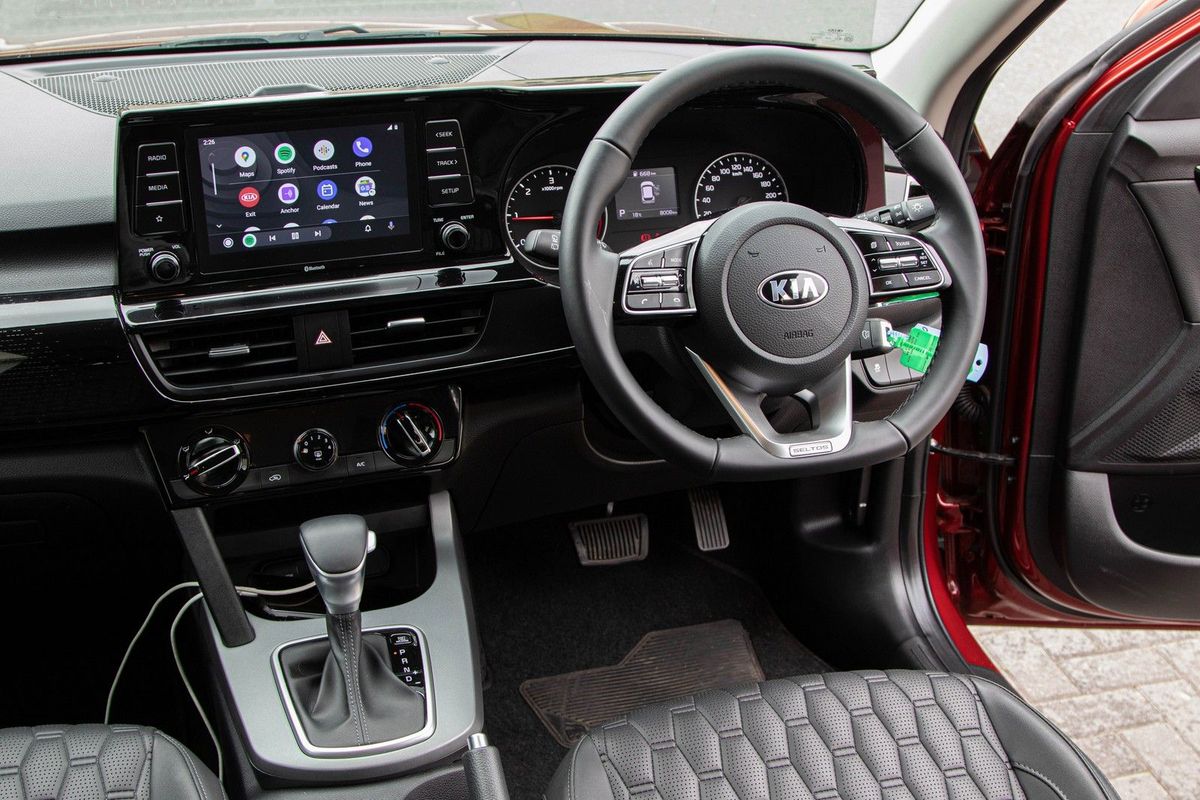
Android Auto/Apple Carplay connectivity is almost a prerequisite in a vehicle these days.
The EX+ grade, as featured on this test unit, adds in leather trim, electrically-folding side mirrors, as well as a central armrest with storage bin to the EX trim (as far as the interior's concerned). The key difference between the grades (for us) is that EX+ adds electronic stability control, as well as hill-start assist. All derivatives have 6 airbags and ABS with EBD and brake assist, as well as rear parking sensors and a reverse-view camera.
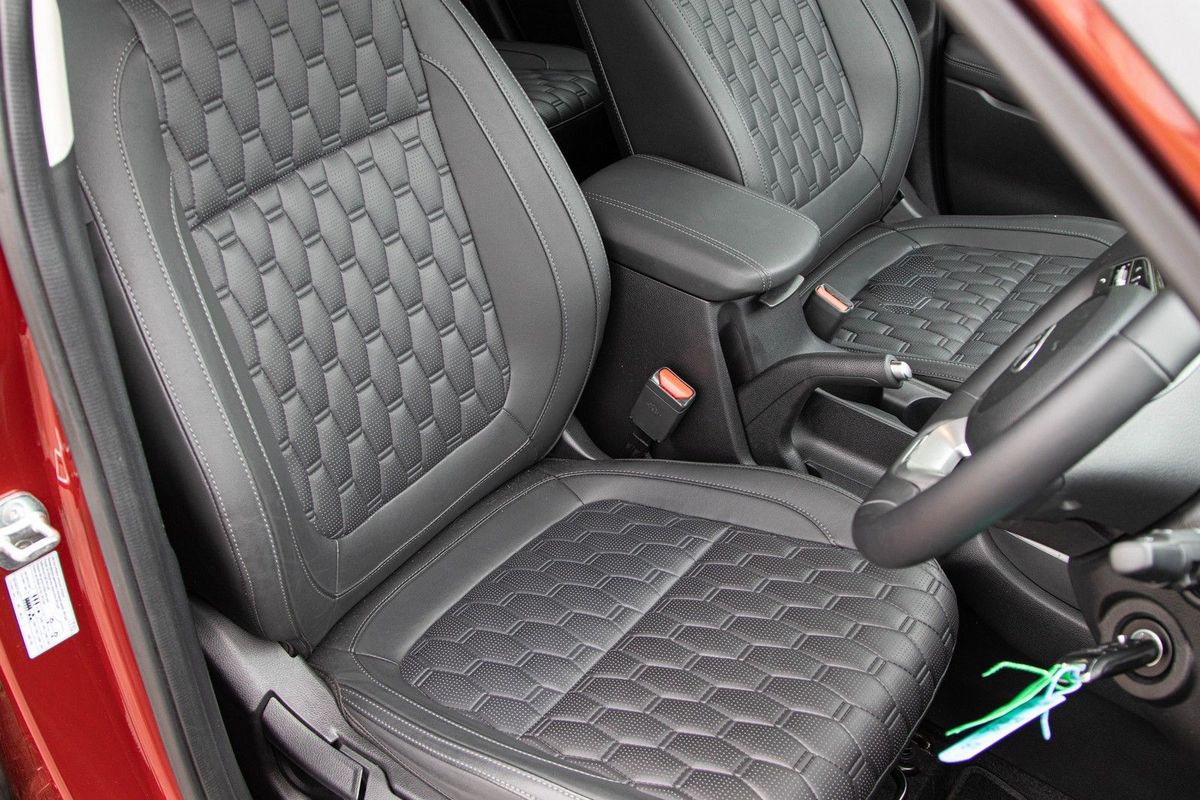
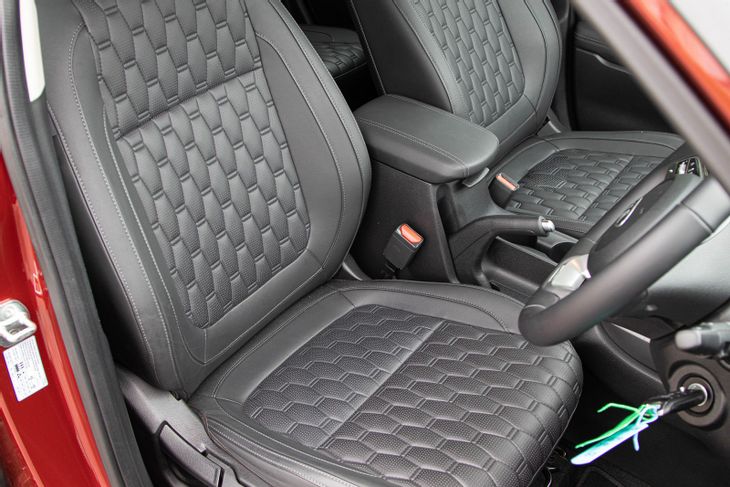
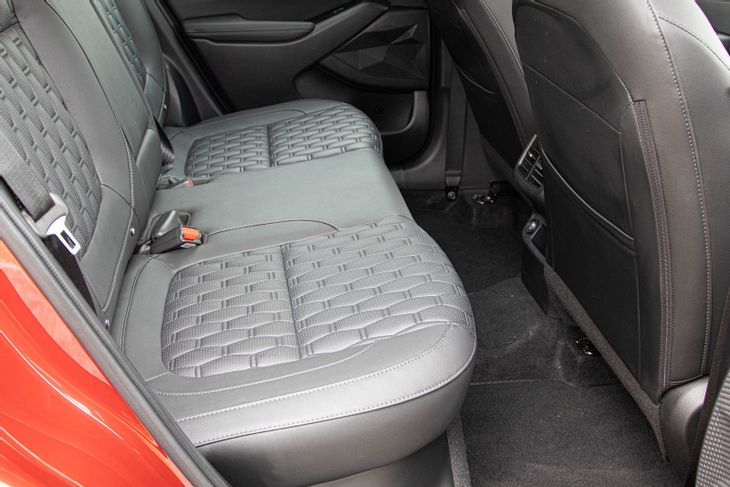
Suffice to say the Kia Seltos 1.5 CRDi EX+ has one great-looking cockpit. The leather-trimmed seats look smart with a quilted effect and the dashboard layout with its big screen is very contemporary. Build quality is good and fit and so is "fit and finish", but there's one big niggle. The shiny piano-black finish around the infotainment system and dashboard is a "fingerprint-magnet" and will need to be constantly wiped to look its best.
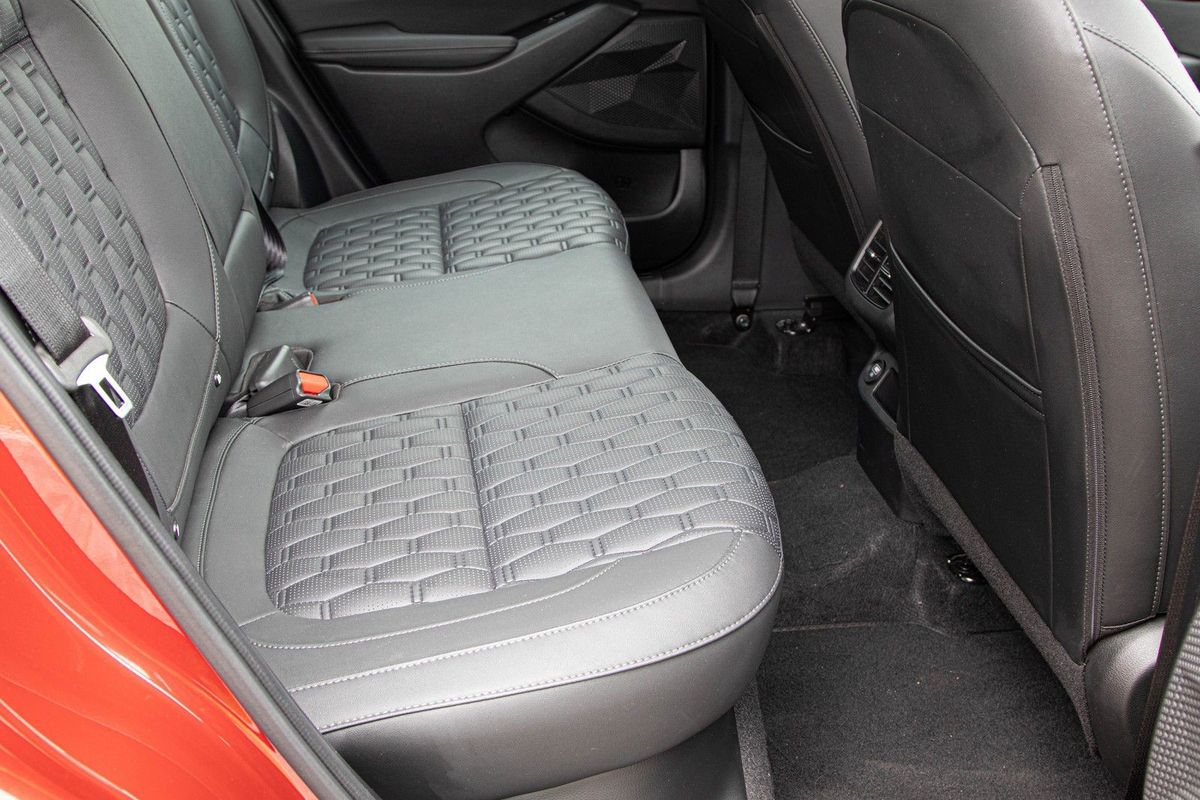
EX+ trim means you get these lovely-looking quilted pattern seats. Not only do they look great, they're also comfy.
Practicality
The Kia Seltos has already won us over when it comes to luggage space and overall practicality. When compared with its direct rivals, the Korean contender appears larger in most (if not all) dimensions and, as a result, there's a bit more interior space on offer. With a load capacity of 433 litres, the Seltos outguns its rivals in terms of load-bay capacity. You can also fold the rear seats down in a 60:40 split to free up ample utility space.
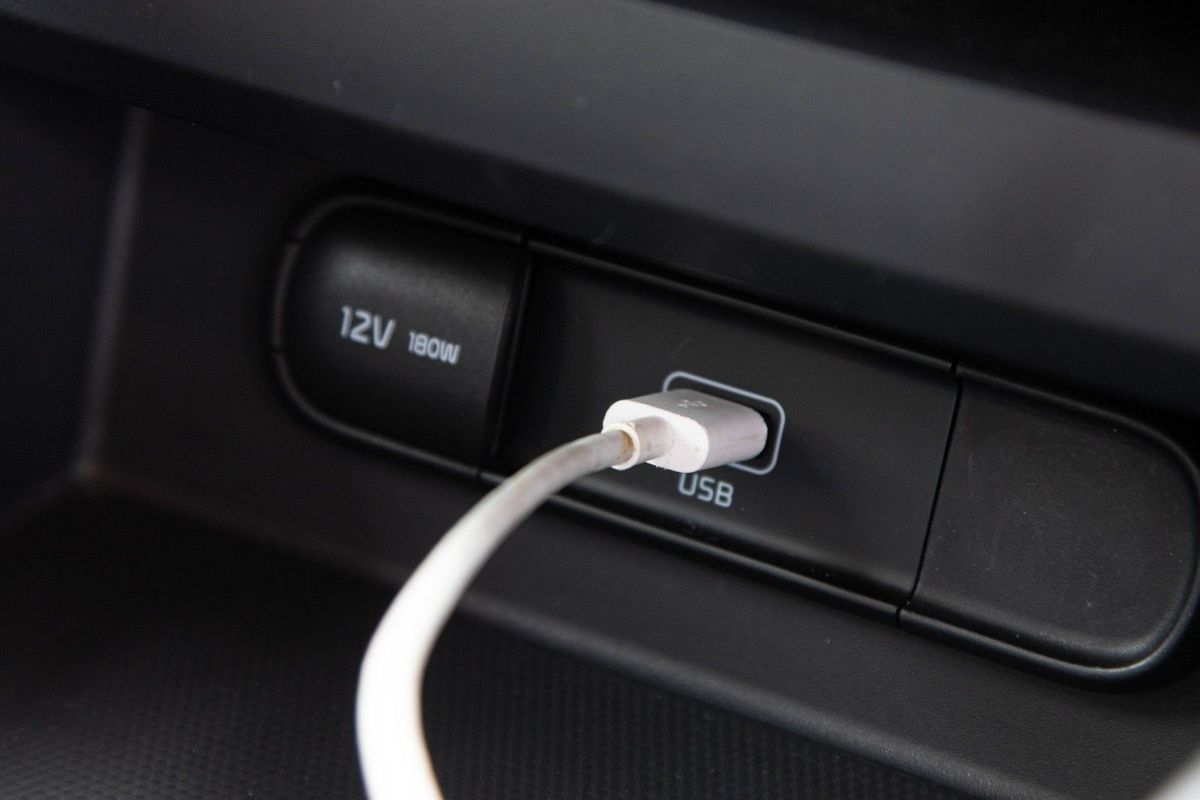
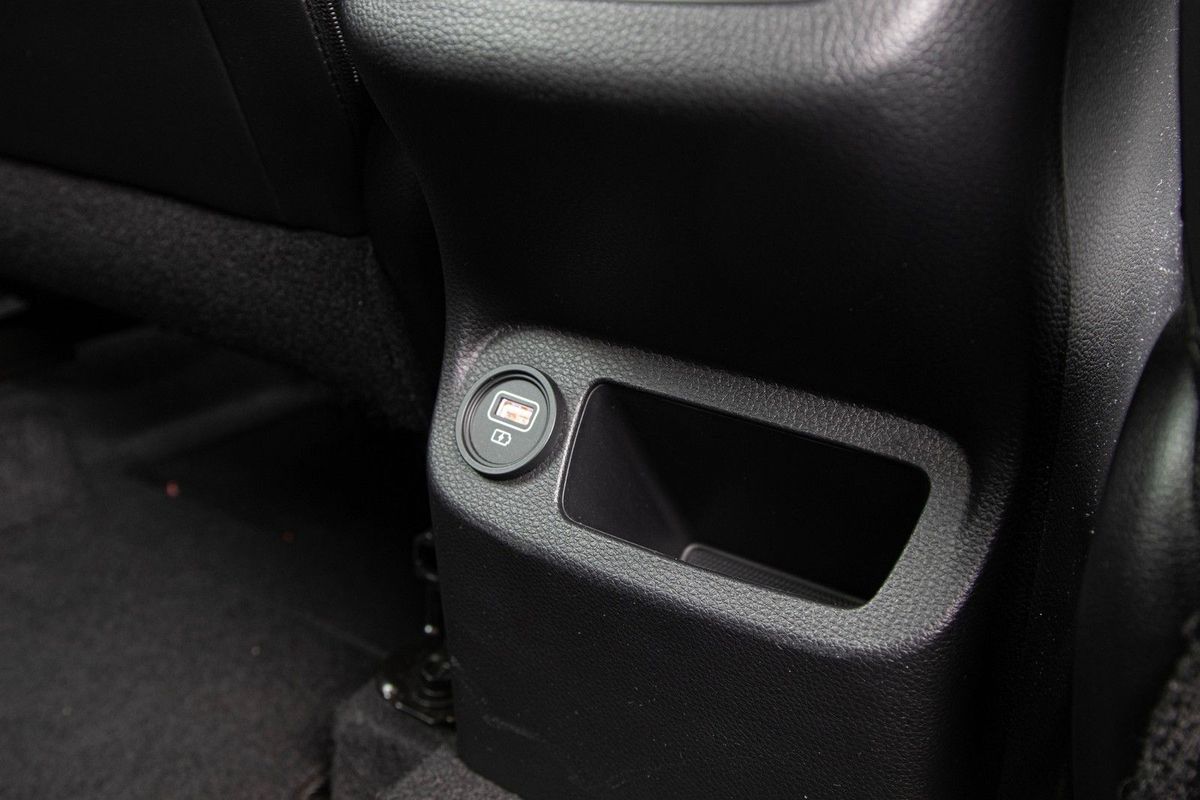
Rear legroom is great and you can just see the centrally-located USB charging port.
Plus, by compact family-car standards, the rear bench is very comfortable. The Seltos avails sufficient head- and legroom for even the tallest of rear passengers, plus they are availed a pair of separate ventilation outlets and a USB charging port located behind the central front armrest.
Price and warranty
The Kia Seltos 1.5 CRDi EX+ costs R446 995, which includes a 5-year/unlimited km warranty and roadside assistance, plus a 5-year/90 000 km service plan.
With an assortment of engines, transmissions and trim levels, Kia has the segment covered. A deserving #CarsAwards semi-finalist.
The addition of turbodiesel derivatives to the Kia Seltos range has enhanced what was already a commendable offering, of that there is no question. Potential customers who may have been concerned about the marginal performance of the naturally-aspirated derivatives at Gauteng altitudes now have the option to get some "forced-induction punch and frugality" without having to fork out R471 995 for the range-topping 1.4T-GDI GT Line. If you can stretch your budget, aim for the EX+, as the additional benefits and features justify the price difference over the EX. Speaking of price, yes, this derivative is more expensive than its rivals in this segment, but the reality is you are getting a bigger and more spacious vehicle.
Just how good is the Kia Seltos? Well, we've nominated this derivative as a semi-finalist in the 2020/2021 #CarsAwards – powered by WesBank, where it goes up against its Korean sibling, the Hyundai Venue, the rugged Renault Duster, Suzuki's Vitara and the stylish Volkswagen T-Cross.
Ciro de Siena gets behind the wheel of the all-new Land Rover Defender. With such an illustrious history behind it, the Defender is an iconic vehicle. Replacing it was never going to be easy. This video review also covers an offroad test too.
Hello! Ciro here. This has to have been one of the toughest assignments in modern motoring: design and build a car to replace one of the most iconic cars ever made. The car which pretty much invented the idea of the SUV. The choice of hardcore adventurists the world over…the Land Rover Defender. That is a weighty nameplate to carry. But the world has certainly changed a lot since 1948, when the Defender was first launched. So, how would Land Rover of today marry the best of times gone by, with the requirements of modern motorists? This was also an incredibly tough assignment as a journalist, saying anything about the old Defender is fraught with danger, it's like reviewing a sacred cow. But we set out to provide the point of view of myself, someone who is happy to admit that 4x4ing is not one of my finest skills. I hope you enjoy the video.
Looking for a used Land Rover in South Africa? We have over 1100 to choose from – browse now
That rad T-shirt you'll see in this video is on sale in our online store. Get yourself one today on the SentiMetal store here.
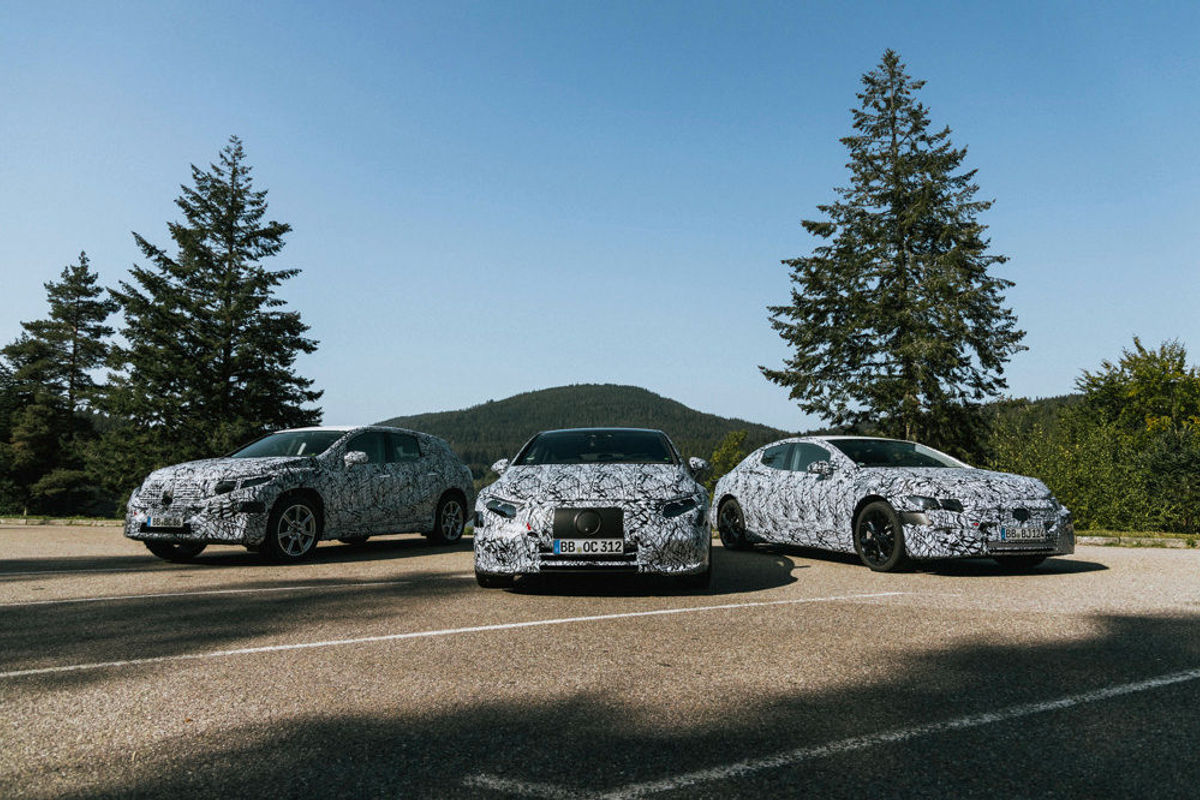
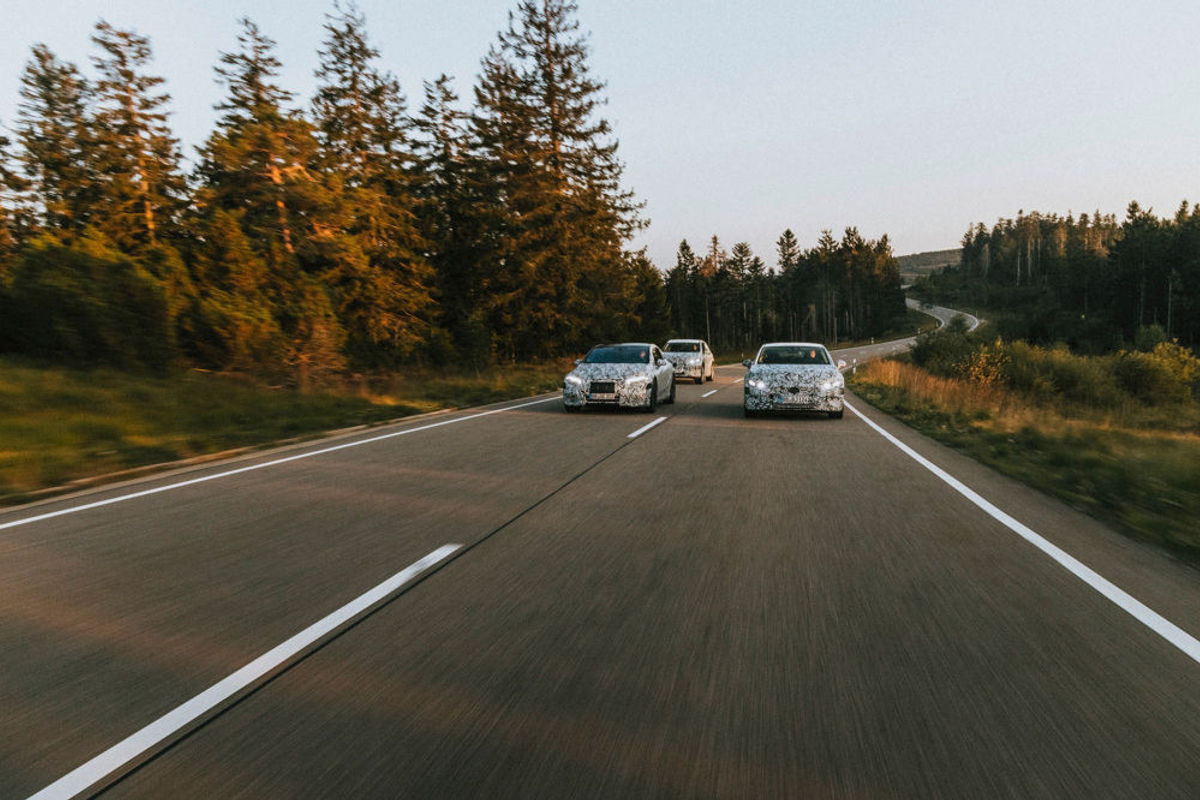
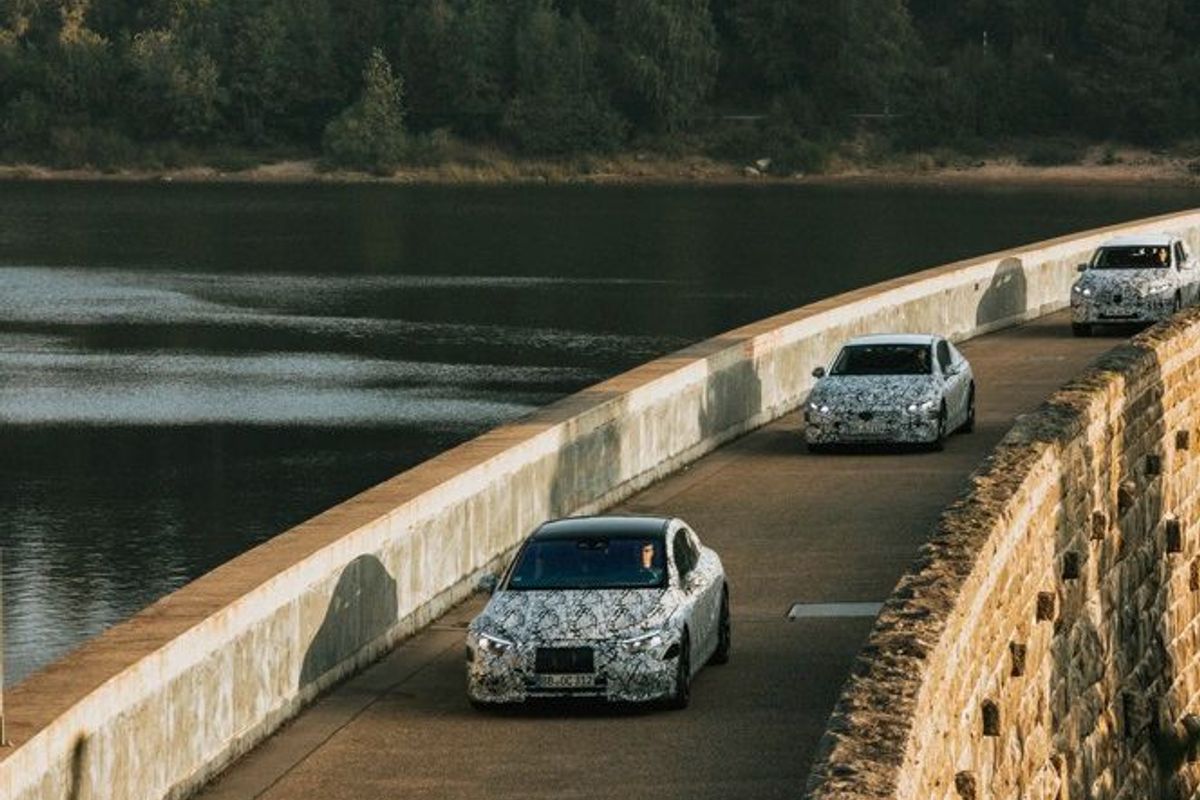
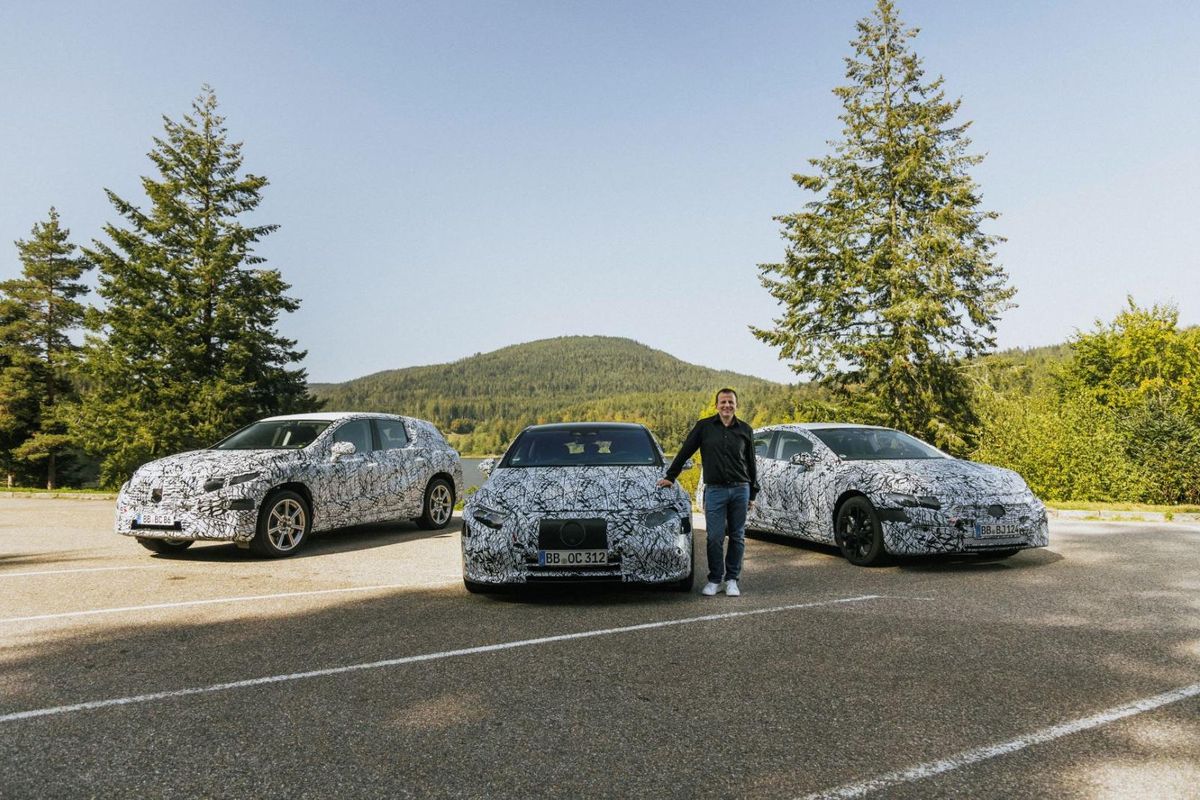
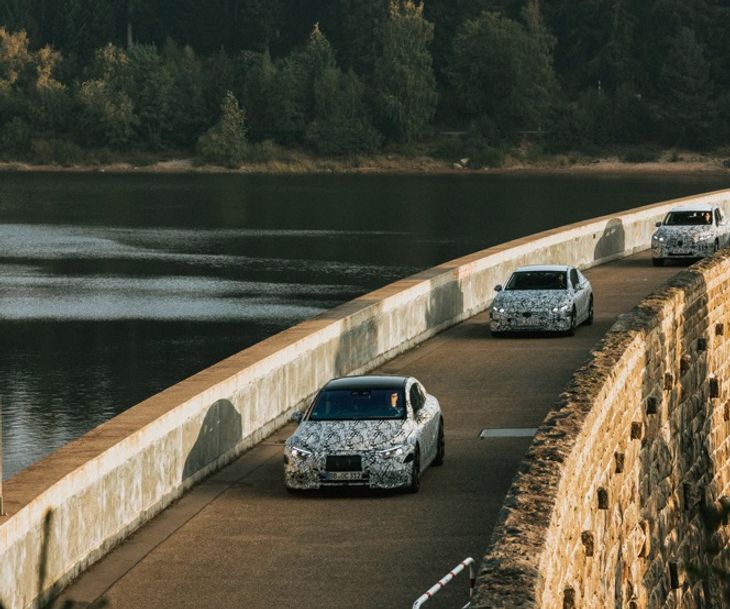
German brand Mercedes-Benz is expanding its electric car plans and there'll be 6 new EVs joining its portfolio in the next few years.
The shift towards full electrification in an OEM's portfolio took another big leap as German giants Mercedes-Benz announced plans of 6 new electric cars hitting showroom floors in the next few years.
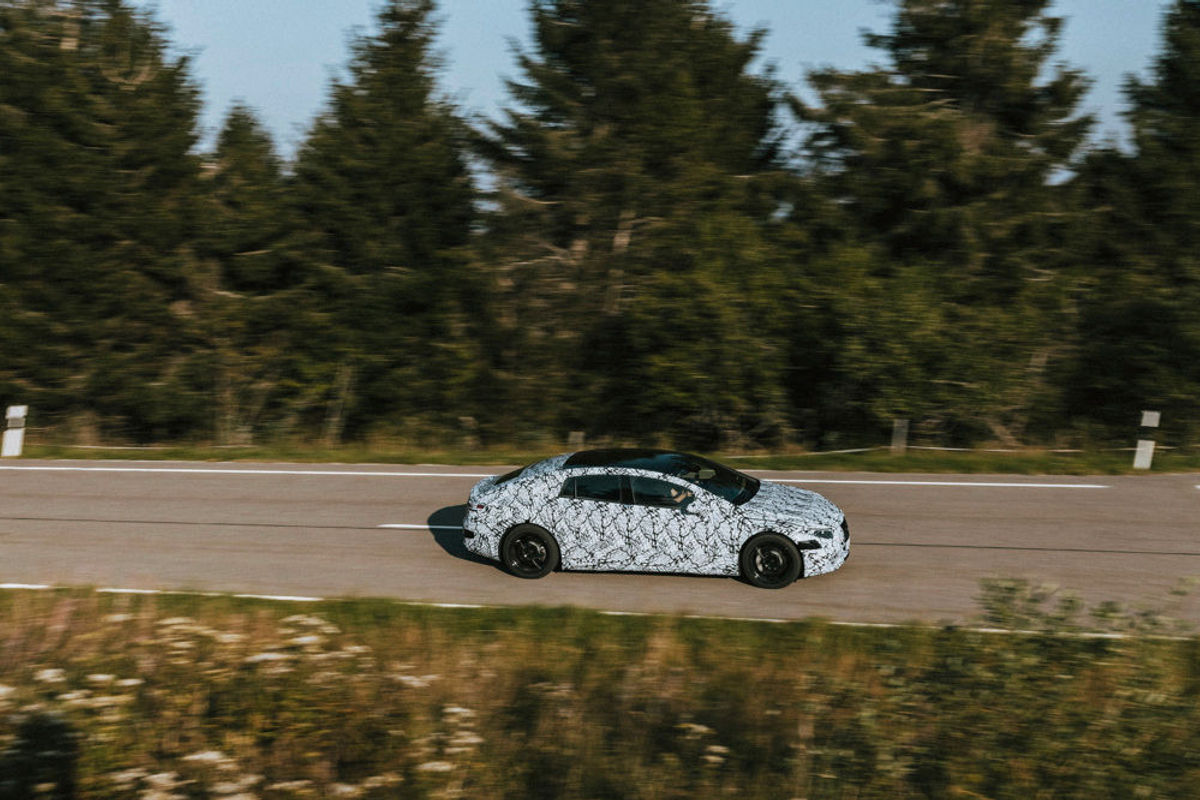
The electrified S-Class, called the EQS will be arriving in 2021 and will be the first of the new vehicles assembled using Merc's new electric platform. That's just the beginning with the EQE business sedan as well as SUV versions of the EQS and EQE following on afterwards. According to Mercedes-Benz, the development is running on schedule – impressive considering how Covid-19 disrupted life. It won't only be big electric cars coming to market as Mercedes-Benz has plans for the compact market with the fully-electrified GLA called the EQA going into production before the end of 2020, with a slightly bigger EQB in 2021.
The key thing here of Mercedes-Benz is keeping the costs down and critical is its custom-developed scalable electric architecture. The wheelbase and track as well as all other system components, especially the batteries, are variable thanks to the modular design and this allows the production of compact vehicles to large SUVs.
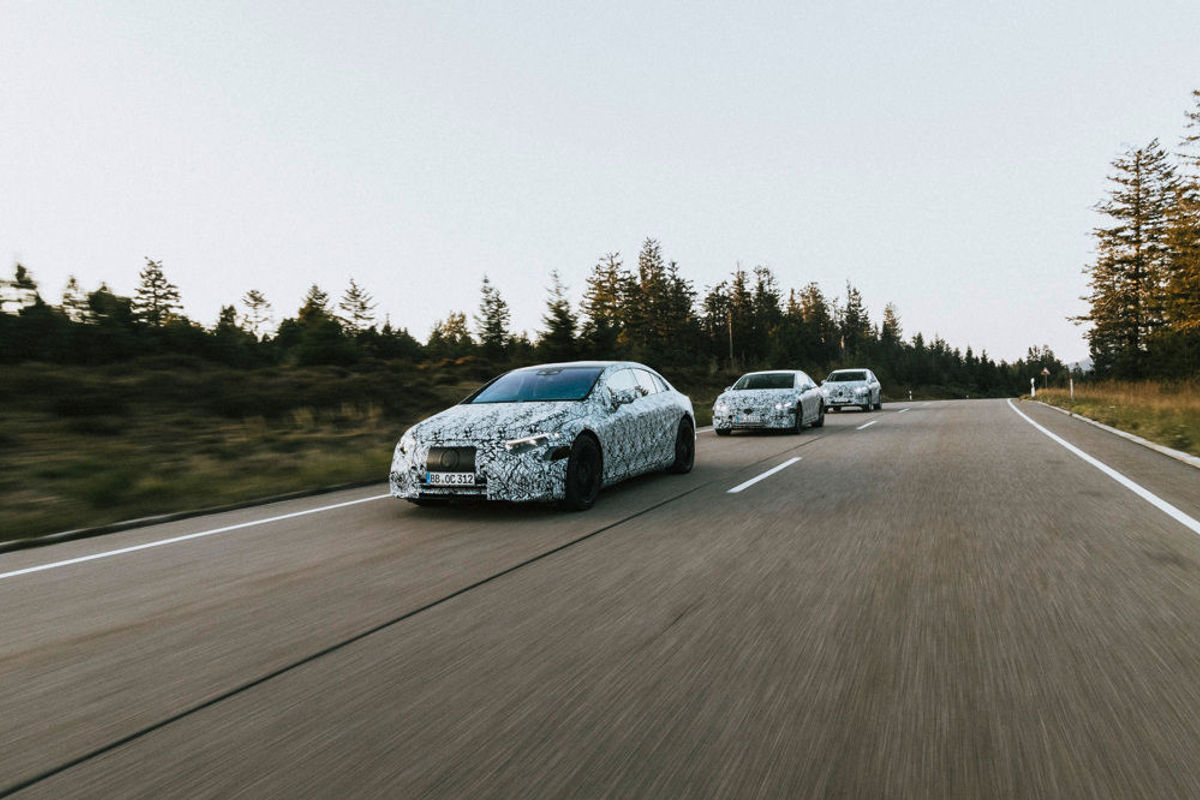
Range is always a concern, but Mercedes-Benz claims up to 700 km is possible for the EQS, but tests are still being done. "The EQS has already piled up far more than two million test kilometres from the heat of South Africa to the cold of Northern Sweden", says Christoph Starzynski, Vice-President Electric Vehicle Architecture at Mercedes-Benz and responsible for the EQ vehicles. "The EQS will be the S-Class of electric vehicles. That is why it is undergoing the same demanding development program as any other vehicle that has the privilege of proudly bearing the three-pointed star. In addition, there were quite a few tests specifically for electric cars that cover important development priorities such as range, charging and efficiency".
The electric car offensive is part of Mercedes=Benz's Ambition 2039 initiative which aims to see the brand offer a C02-neutral car fleet. As it stands, the German brand is aiming for more than half its sales to be all-electric and plug-in hybrid by 2030.
Opel has revealed photos and details of the updated 2021 Crossland X crossover. Take a look and see what's on offer.
Since the PSA takeover was announced back in 2017, both Opel and Peugeot/Citroen have been hard to work on developing the next generation of small cars for the market. We've already seen fruits of their labour in the new Corsa and 208, and there'll be many more products in the pipeline. Let's not forget PSA snapped up Fiat/Chrysler either, and it wouldn't surprise us if the next-generation of compact Jeeps will have French underpinnings.
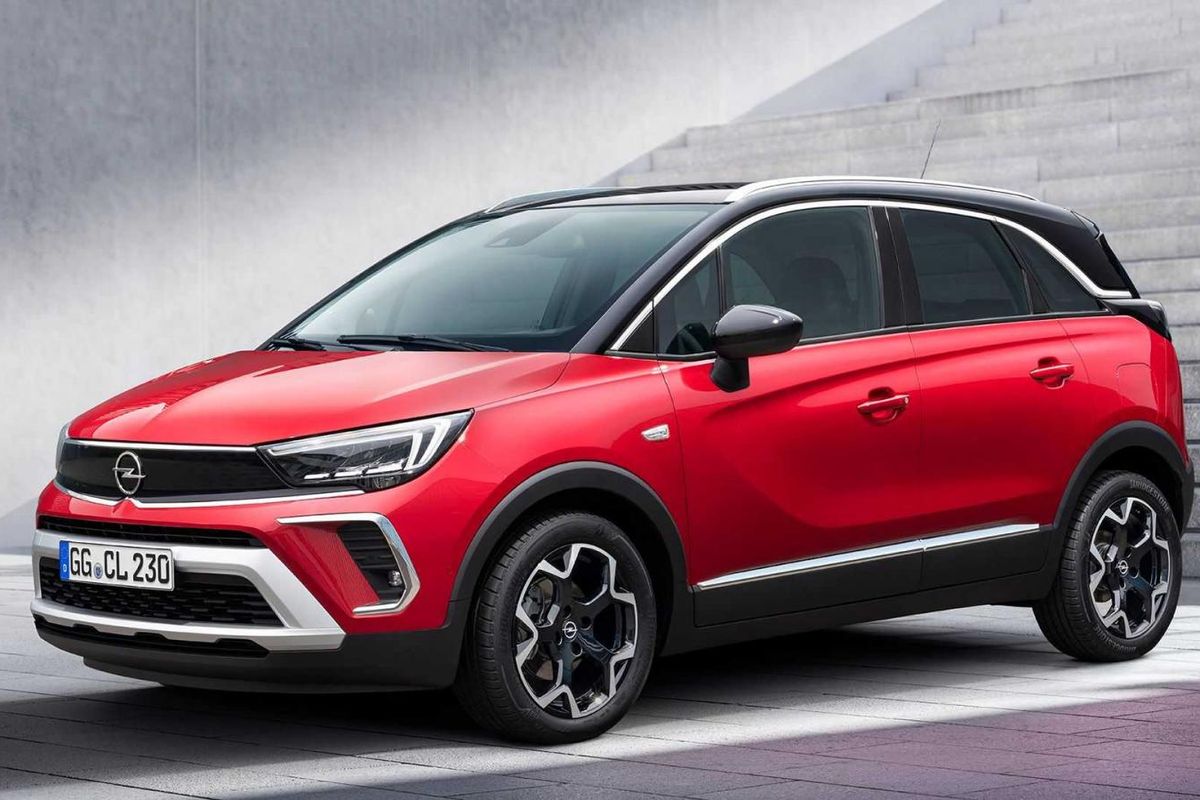
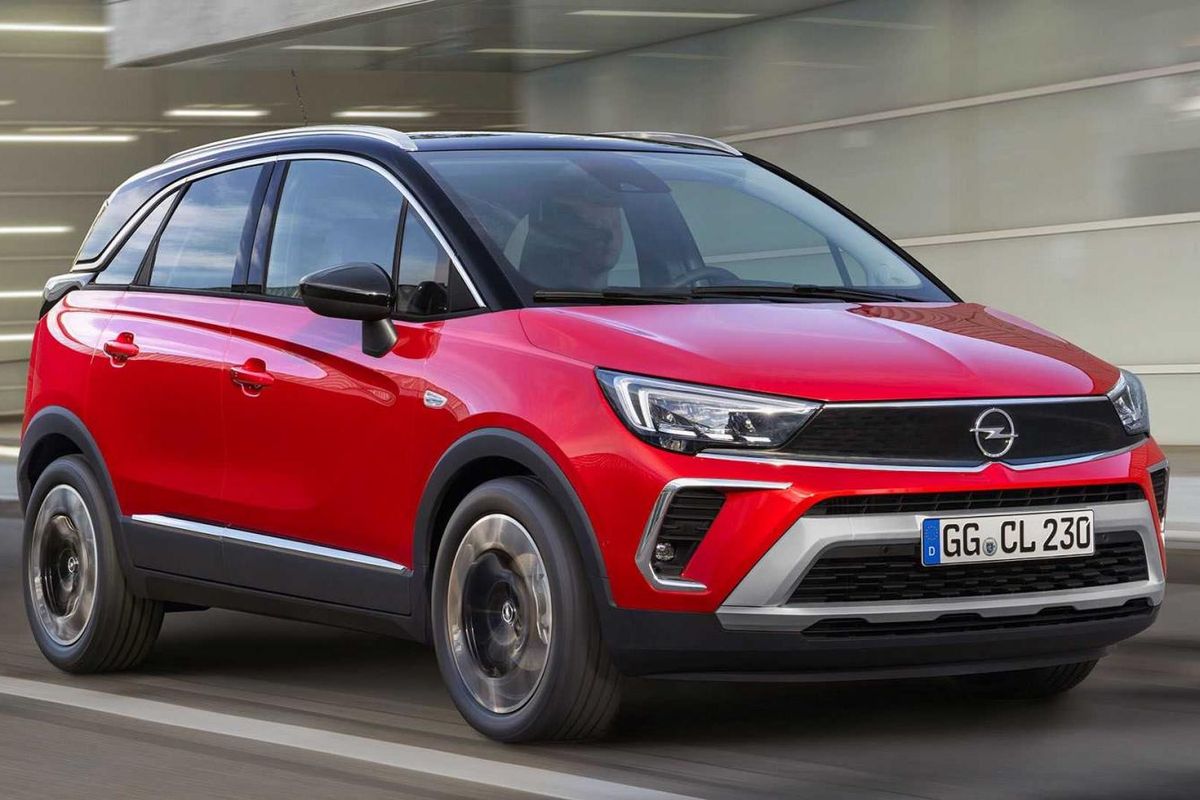
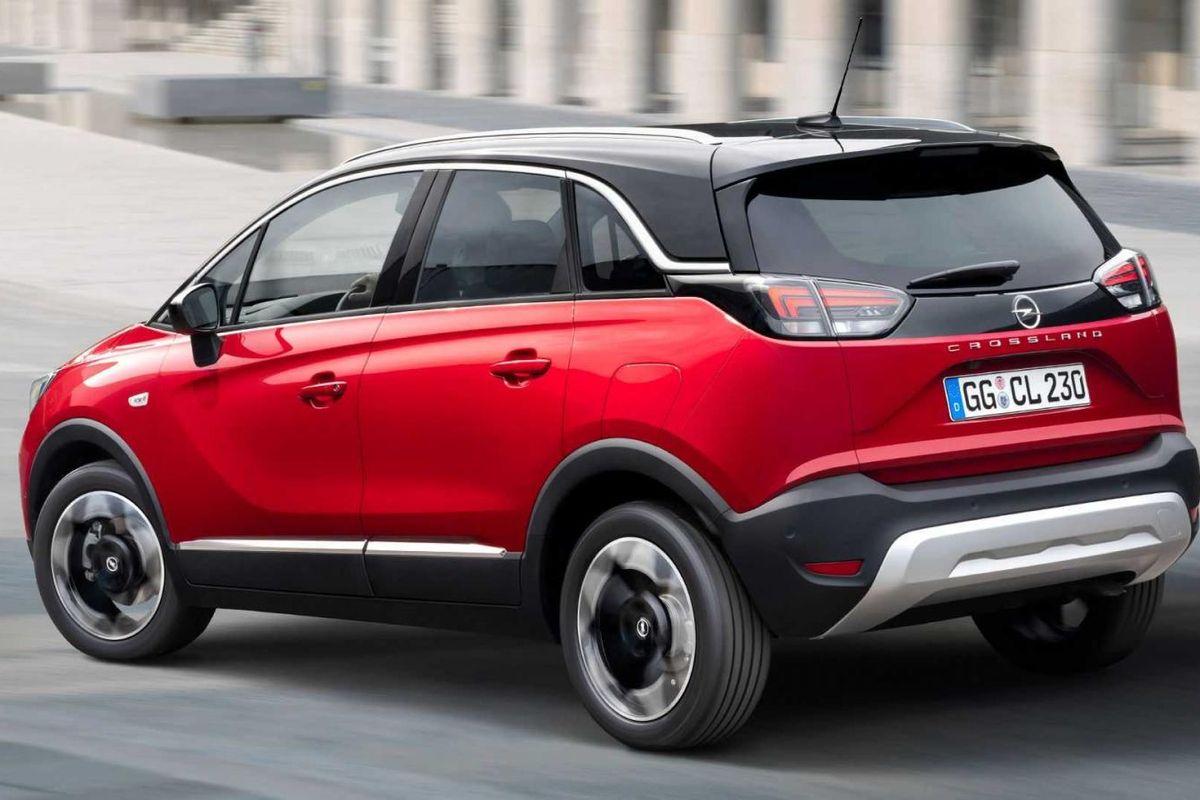
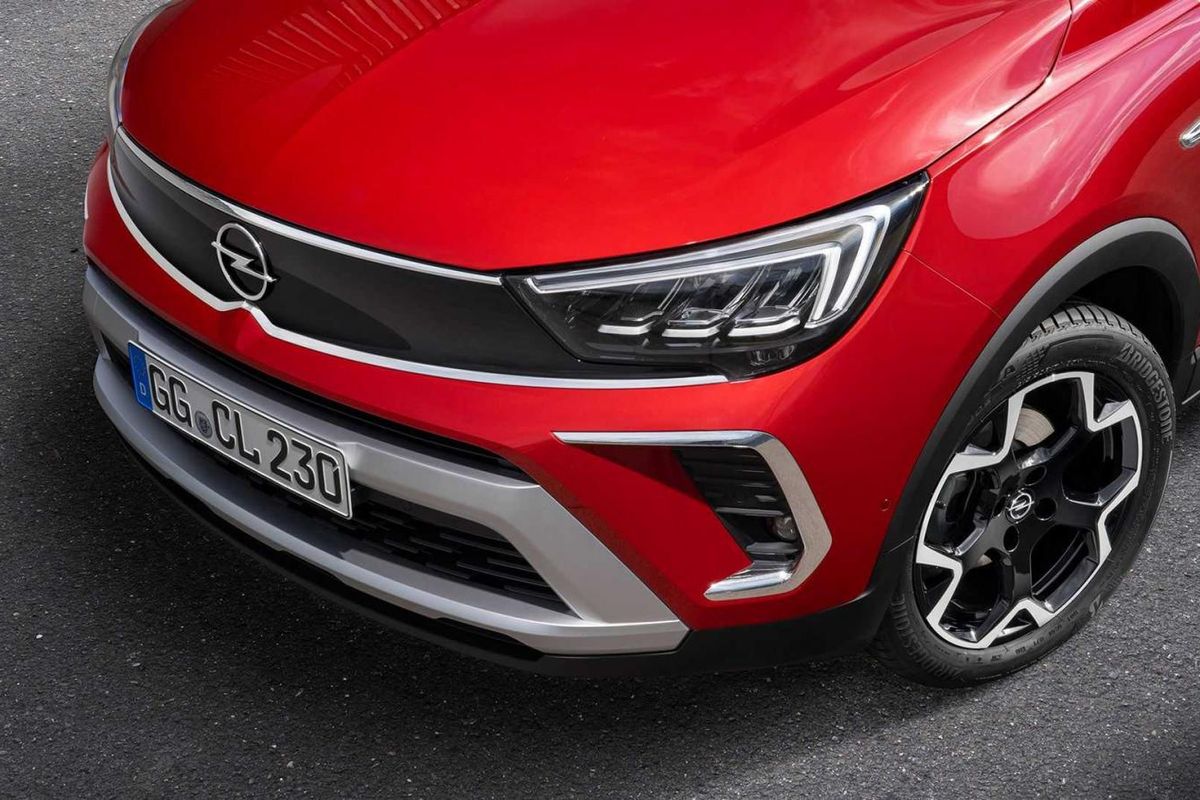
Opel's Crossland X is another product with French underpinnings. It sells in fair numbers in South Africa, but now Opel has revealed the updated model. At first glance, you can see elements from the striking Mokka have been applied here. There are new LED headlights as well as a new-look bumper. At the rear, there's a redesigned bumper and smoked LED taillights. There are new 17-inch alloy wheels too. It's not just a visual updated either, with Opel claiming there are new springs, dampers and revised steering setup which is said to improve handling characteristics.
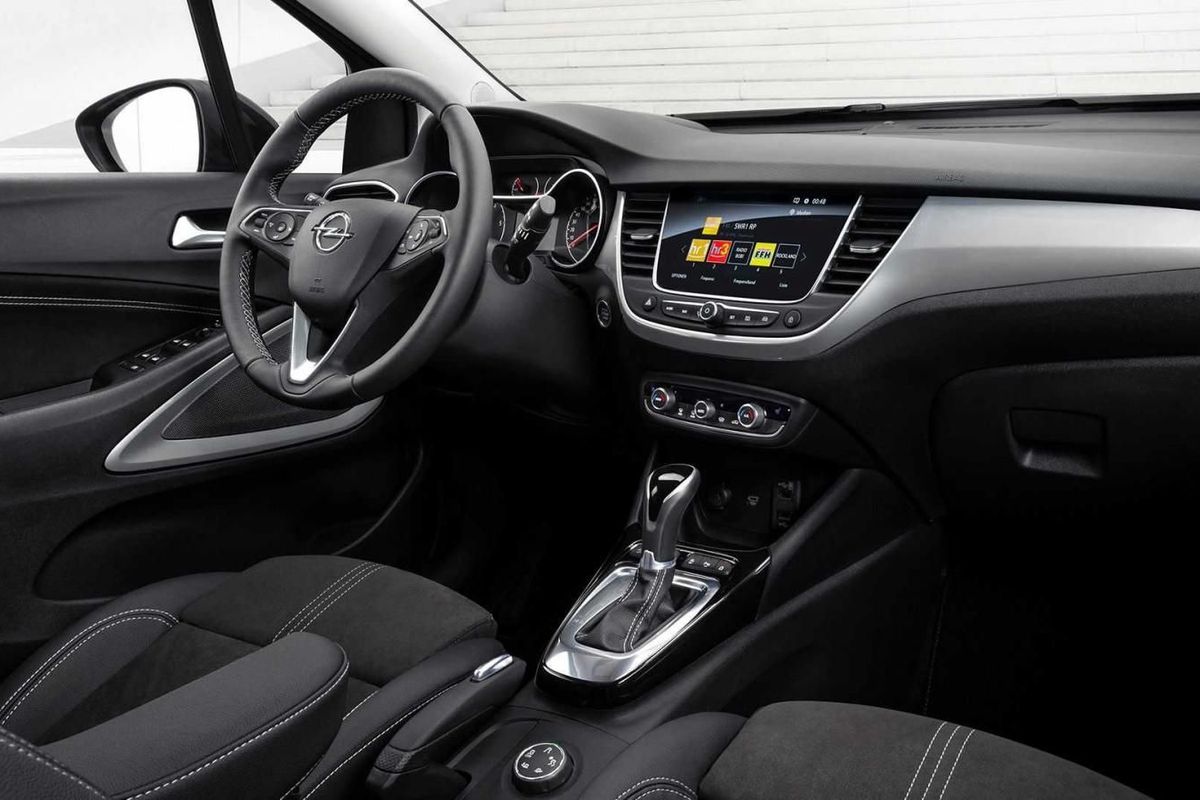
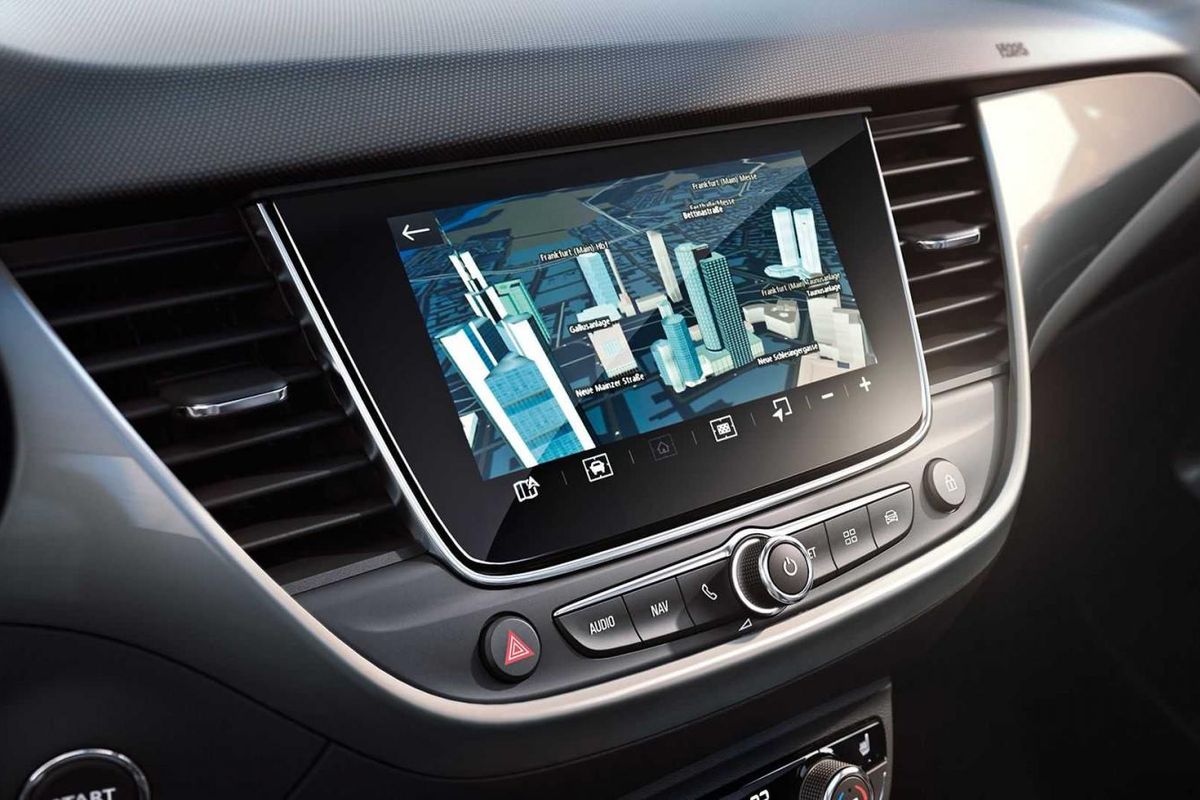
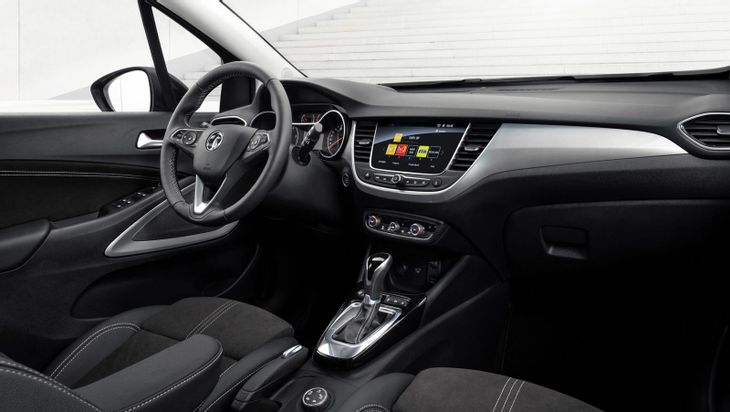
Inside the cabin looks mostly unchanged, but the release suggests the updates include the addition of a 180-degree parking camera and safety systems like pedestrian recognition system and forward collision alert.
As for as engines and powertrains go, the European-spec Crossland will be offered with 2 diesel and 2 petrol motors. At the bottom of the range sits a 1.2-litre turbocharged 3-cylinder with 61 kW, but customers can opt for a more powerful version of this motor with 95 kW. Diesel fans will have to make do with the current generation of the Group's 1.5-litre turbocharged 4-pot.
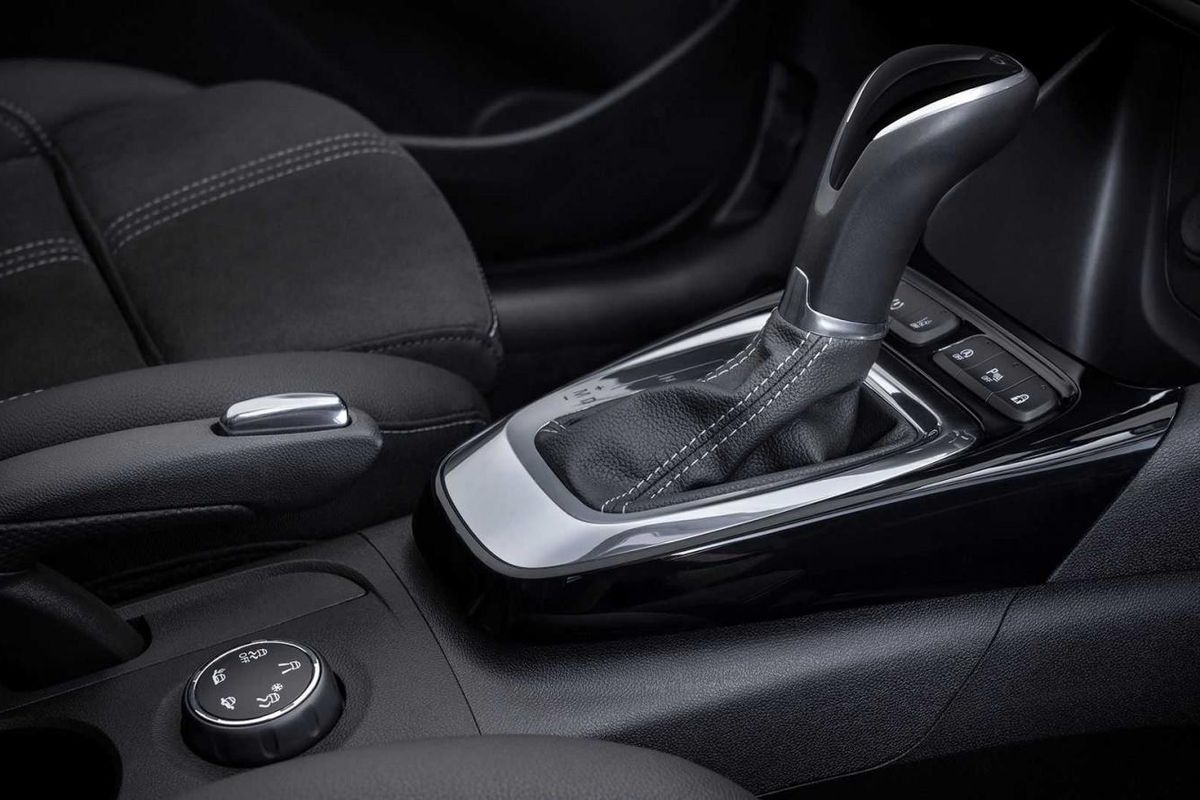
The Crossland X also gains Opel's IntelliGrip system offering 5 modes including Normal, Snow, Mud, Sand, and ESP Off which will allow drivers to better traverse different terrains.
The Crossland X will reach European customers early next year and Opel South Africa has confirmed that the updated Crossland X will arrive in South Africa late in 2021 or early 2022.
Match! An easy, convenient way to sell your vehicle
If you want to replace or dispose of your vehicle, you need to relinquish it to someone, sell it on, or trade it in. Selling privately, however, is not suitable or convenient for everyone… and perhaps you don't want to blindly accept a trade-in offer from a particular dealer. Match! by Cars.co.za makes it easy (and free) to offer our vehicle to hundreds of dealerships countrywide so that you can get the optimal dealer-offer for your car.
The national lockdown has affected the South African automotive market in a multitude of ways, but not only negatively. As buyers and dealers adapt to doing business amid “The New Normal” within the broader freedoms allowed under Level 1 (October 2020), it’s convenient – and socially responsible, given the impact of Covid-19 – to utilise the internet to facilitate business transactions, including when you sell on your vehicle.
It’s for that very purpose that Cars.co.za has created Match! It’s a service that empowers consumers by offering them a simple alternative to selling their vehicles privately, as well as a way to get the best possible trade values for their cars (If you still want to sell privately, these are our options).
Match! represents a quick, simple and safe way to offer a vehicle to hundreds of dealers (who are looking to increase their inventory) and, best of all, it costs the seller absolutely nothing. Plus, dealers contact owners directly, which saves time and effort.
Consumers can upload their cars’ details to Match! via any Cars.co.za platform (desktop or mobile site, the latter also via the app). What’s more, by filling in the particulars of the vehicles they hope to sell, in addition to stipulating details of the cars they’d like to buy next, consumers can be matched with the dealers that could best facilitate the replacement of their vehicles.
Since Match! went live nationwide, more than 10 000 vehicles have been uploaded by consumers and literally hundreds of dealers have activated the service. Sellers on Match! can receive multiple offers on their car from trusted dealers in 48 hours, whereafter they are provided with a choice with regards to which offers (and dealers) they’d wish to connect.
Importantly, only once a seller and dealer have established direct contact are the former's personal details revealed to the latter, thereby protecting the seller from any spam-related communications. If both parties reach an agreement on the sale price of the vehicle and subsequently strike a deal, Cars.co.za charges the buying dealer a nominal commission fee.
How it works
Once a seller has successfully uploaded details and images of their vehicle on Match! it will appear on participating dealers’ systems for a period of 48 hours, during which retailers can make offers on the vehicle. Those dealers will receive stock alerts that notify them when a prospective model that meets their stock requirements has been loaded on the system.
Should the seller receive one or more offer(s), an email and SMS will be sent to them with a link to a dashboard that contains a consolidated, ordered list of offers. The seller then has 48 hours to "connect" with an offer once the car is no longer active on the system (or offers expire). Upon connection, the seller’s details are shared with the dealer and vice versa.
Sellers can contact dealers directly from the dashboard once a connection is established. However, sellers are under no obligation to sell their vehicles. They can reject offers and provide feedback as to why they rejected them, which provides dealers with feedback on their offers.
Furthermore, a seller has an opportunity to re-activate their vehicle if they wish should they have not received offers or did not like the offers they received (and those offers expired).
The facelifted Hilux is ready to take the South African sales charts by storm. The major news for this latest model is that it will have a specific Wildtrak competitor.
It’s no secret that the Toyota has been readying an updated version of SA’s most-popular vehicle – the Hilux. Our Aussie contributor drove the model last month, writing this review for us. Have all the upgrades made on the Aussie models made it onto our local ones? Yes, and more.
First, we have to deal with a few name changes in the new range. The SRX model will now be called a Raider while the flagship model will be called the Legend.
The engine upgrade is certainly going to attract more eyes to the Hilux now that it’s very nearly the equal of the Ford Ranger. Power outputs on the 2.8-litre turbodiesel have been increased to 150 kW and 500 Nm (manual models remain at 420 Nm) and it’s not increased via a software update either, Toyota has replaced and upgraded some key hardware in order to hike the power. The towing capability of the Hilux has been increased by 300 kg taking up to 3 500 kg, the same as the Ranger. The increase is due to a rejigged suspension that includes longer leaf springs. These changes are also said to improve the general handling and comfort levels when unladen. Finally, the Legend 4×4 Auto model is installed with a new balance shaft that improves NVH levels.
The RS optional pack includes this electric roller shutter cover for the loadbay.
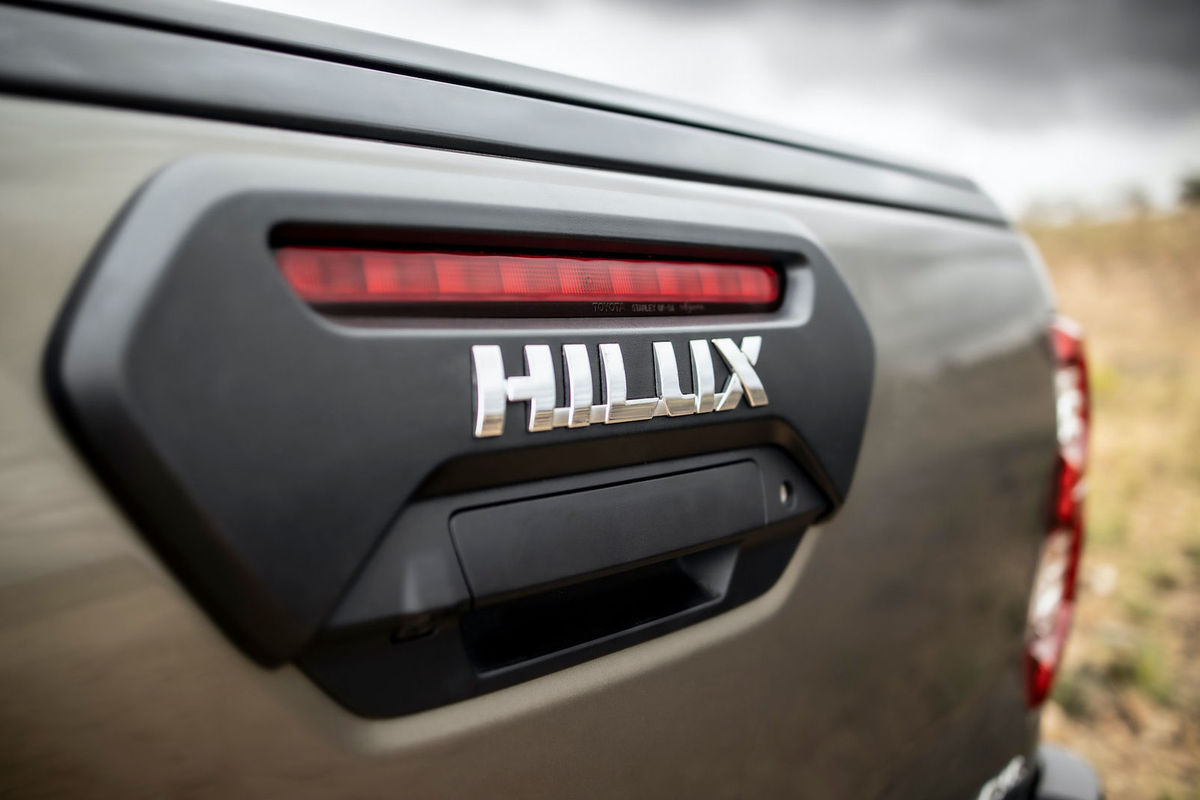
A new add-on package is available for those who want to give their Hilux the full Wildtrak look. It ups the ante on the Hilux’s appearance by including an aggressive bodykit as well as some nice to have options. This accessory package includes the rear sports bar, an electric roller shutter cover for the loadbay, graphite coloured sports bar and assisted tailgate with central locking function. The pack has been given the title of RS, which before you get too excited just stands for Roller Shutter and not anything particularly sporty.
The Legend also packs the Toyota Safety Sense system which includes adaptive cruise control, lane departure warning and pre-collision detection. Those items lift the Hilux into alignment with Ford’s best offering and with these vehicles being used more for leisure activities and by families, it makes sense that the safety levels have been improved.
Adding a touch of luxury to the interior are power electric seats for the driver. A much better 9-speaker JBL sound system has been installed that’s controlled via a new 8-inch touchscreen and software setup. The infotainment system also has physical buttons to access key areas of the system as well as a volume knob. Android Auto and Apple Carplay are now available on this system too.
We will have a local drive report up as soon as we’ve spent some time in the newcomer.