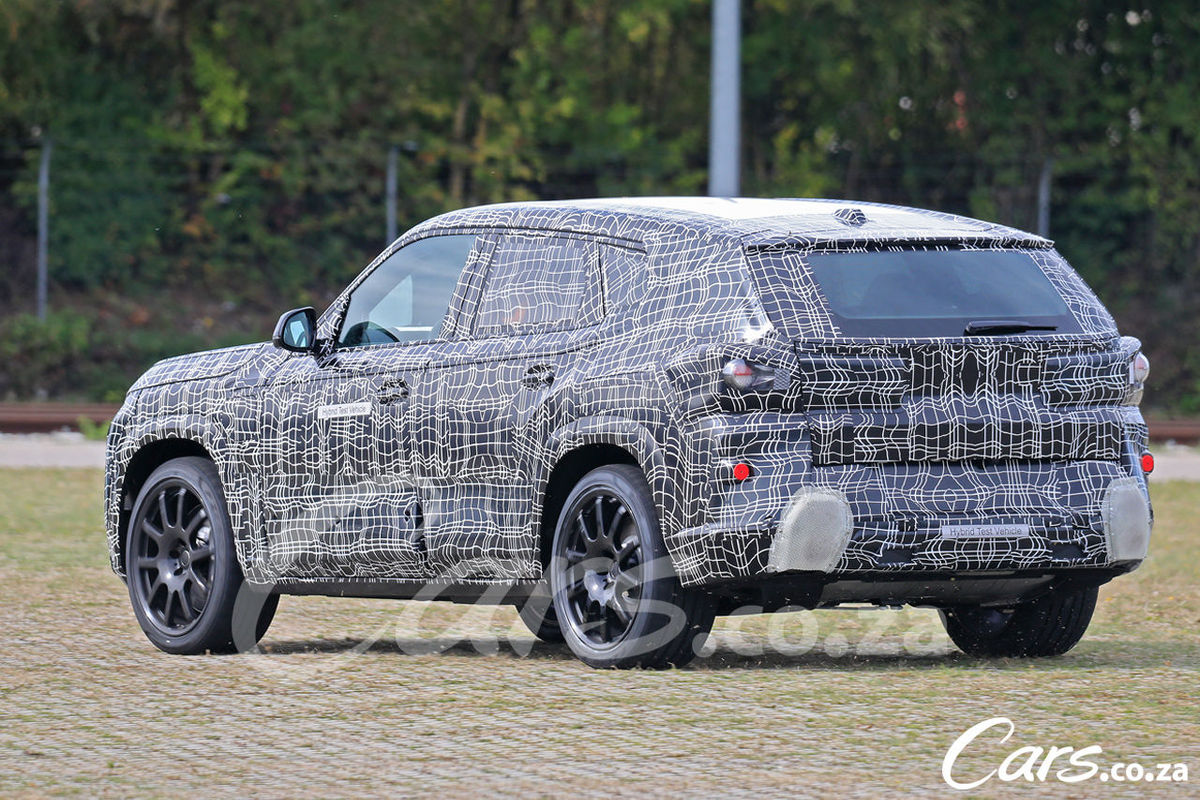
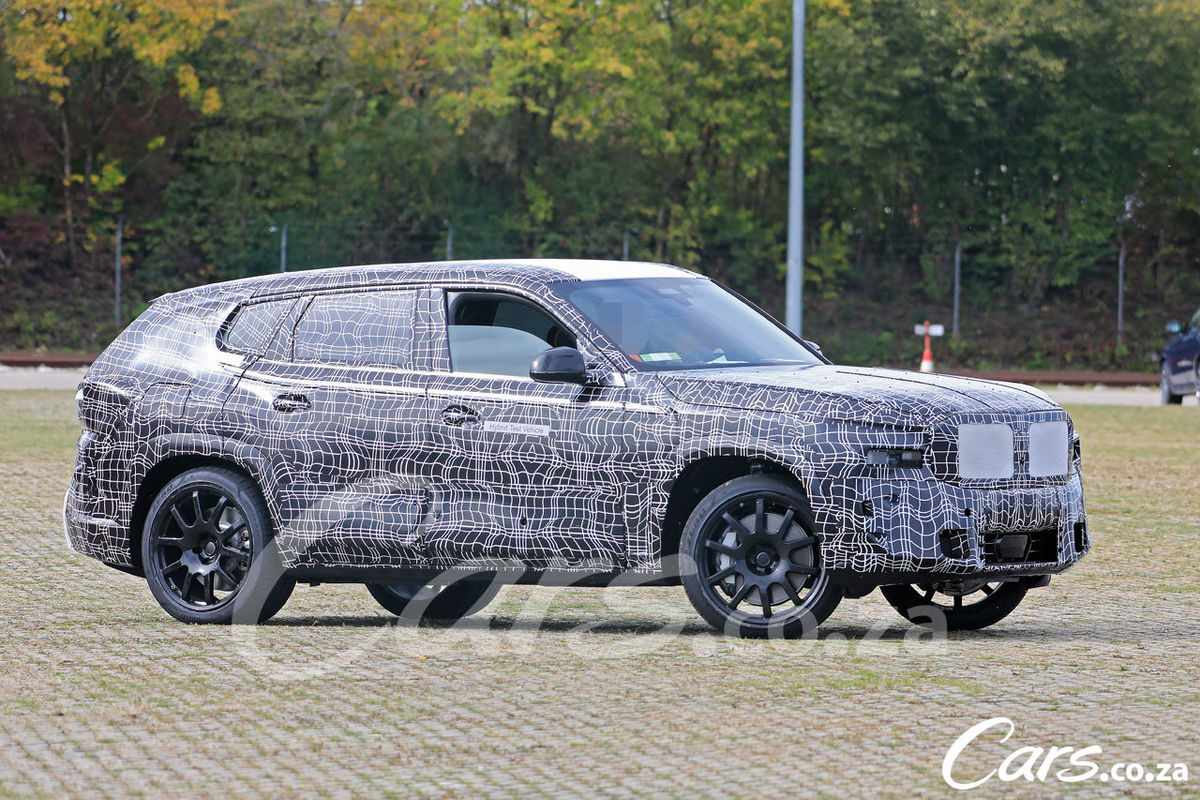
BMW's plans for a range-topping flagship SUV are well and truly in motion as the first X8 prototypes have been spotted.
Picture credit: S. Baldauf/SB-Medien. We have paid for these photos and at the photographer's request, have watermarked them.?
It would be fair to assume that brands have enough SUVs in their portfolios to satisfy everyone's needs. Take BMW, with its massive SUV portfolio. From smallest to largest; X1, X2, X3, X4, X5, X6, X7 and in development is the X8.
As far as timing goes, you can bet the all-new BMW X8 revealed towards the end of 2021 and sold as a 2022 model year vehicle. So, what can we expect? If you look closely, there's a Hybrid Test Vehicle sticker on the door, an indication the model you see here is offering a turbocharged petrol engine mated to an electrical assist. There'll probably be an eventual M version too, based on patents that have been registered.
There's also talk of the 745e's engine making its way into the X8. This engine is a turbocharged 3.0-litre 6-cylinder with electric motors and it produces a credible 293 kW and 600 Nm – good figures for a big flagship SUV.
Visually, the camouflage here has done a great job of hiding the BMW X8's shape. This is not going to be a plusher and bigger X7, but some have suggested it'll have a lower roofline. There's probably going to be a bold and in-your-face grille. Inside, expect the highest levels of luxury, tech and comfort.
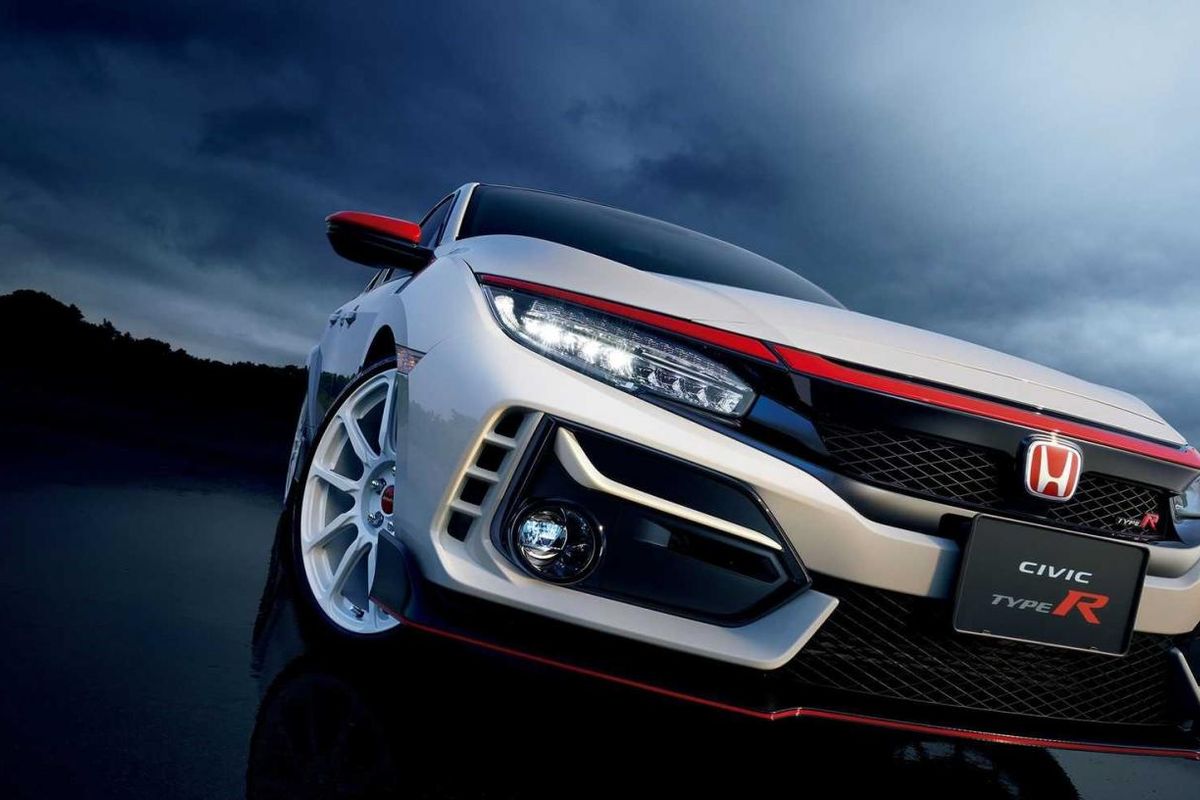
For those who doubt the ability of Honda to remain true to its performance car roots, the Civic Type R has always been a beacon of hope.
The Japanese company has now revealed some new upgrades for the 2021 model year Civic Type R, delivered by its Honda Access sub-brand, which is something of the new Mugen.
Most of the new bits available for Honda’s Civic Type R are carbon-fibre in nature, as one would expect. Buyers can opt for a bonnet scoop and rear wing, crafted from carbon-fibre. But it isn’t just any carbon-fire.
Honda has sourced a red-weave composite for its bonnet scoop and wing upgrades, which delivers a scarlet shimmer in direct sunlight. This is made possible by the presence of red polyester threaded into the composite’s top layer.
Red is very much the styling theme upgrade with these Honda Access parts. The colour has always been synonymous with Honda’s Type R vehicles and owners of the latest generation can now add red garnish to the front grille and top half of their vehicle’s wing mirrors.
Inside the red theme continues with Honda Access applying the colour as inserts to the steering wheel. The six-speed manual shifter is also topped-off with red.
Technically the most notable update is one that concerns convenience, instead of performance, with the Civic Type R now finally gaining a front camera and rear parking sensors.
Astute followers of all things Type R will notice the Honda Access 10-spoke wheel option. These white wheels not only look great, but they are lighter than the standard Type R alloys too.
Honda sourced the new white wheels from a supplier that forged them from aviation-grade aluminium. Using advanced construction techniques have made these wheels strong enough to deliver all the cornering thrills one would wish for in a Type R, but also reduce their weight.
With the new wheels, Honda has managed to reduce unsprung weight by 2.1kg per wheel corner, marginally improving the car’s agility.
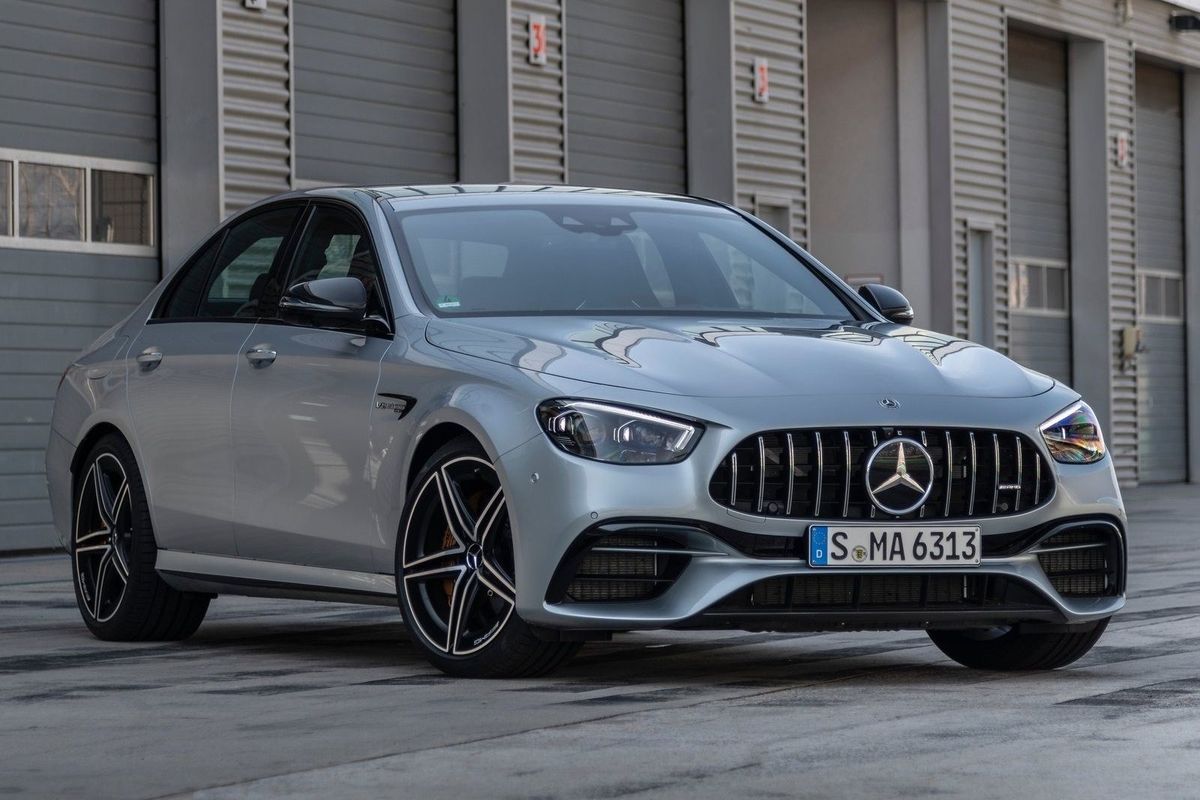
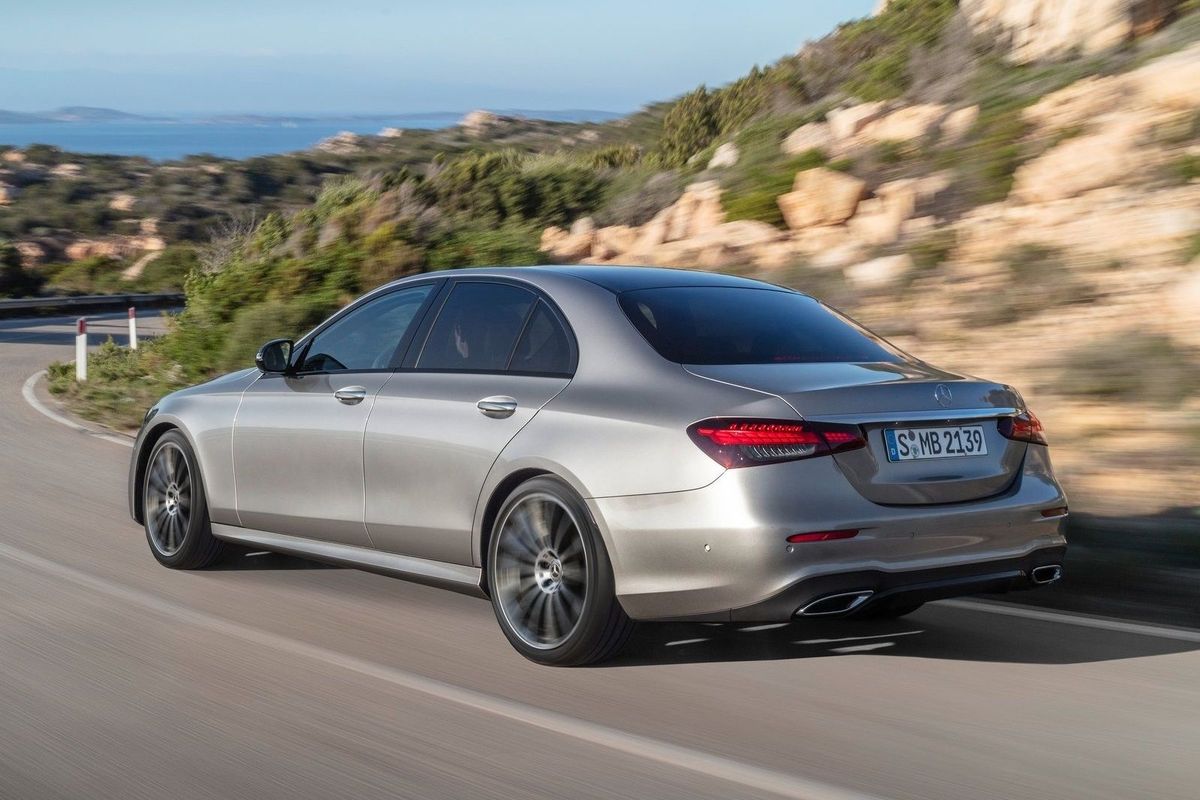
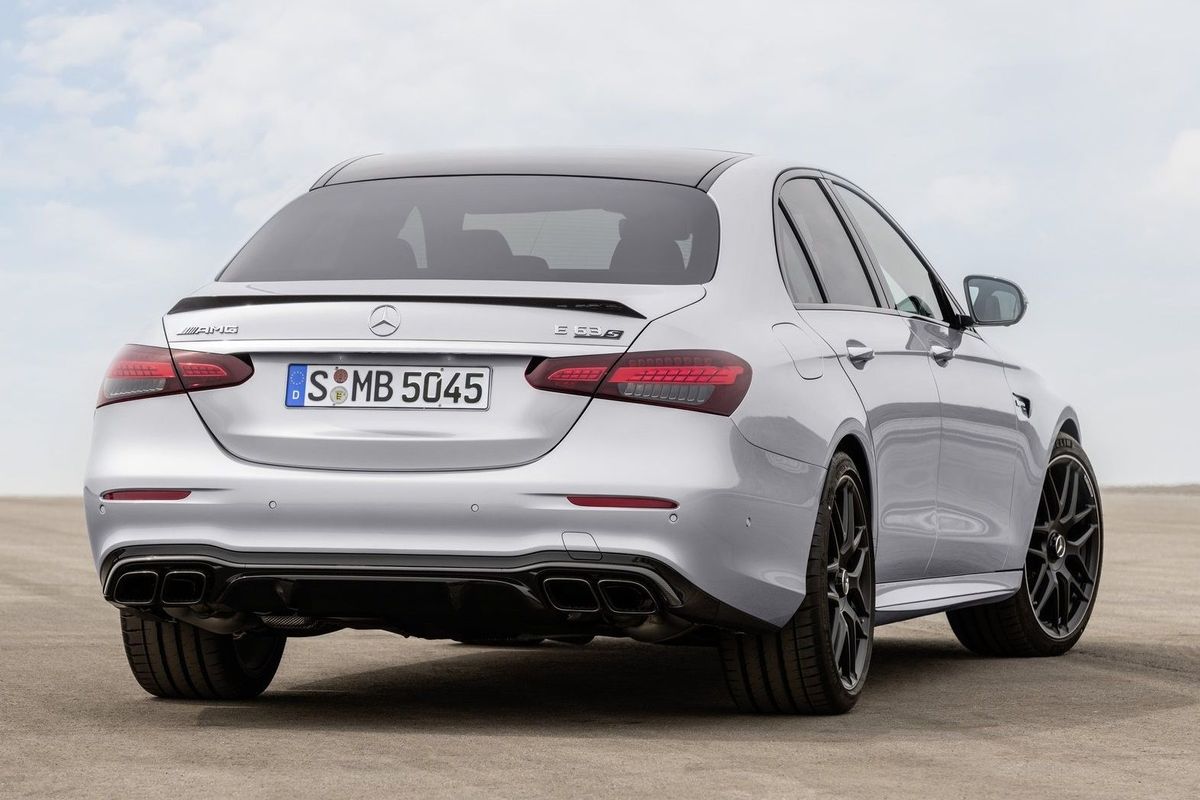
Mercedes-Benz's South African arm recently published the price list of its entire portfolio. While most we knew already, there were also details for some soon-to-be-launched models, such as the facelifted E-Class. Here's pricing for the entire Mercedes-Benz E-Class range, including sedan, coupe and cabriolet models as well as the AMG derivatives.
Despite the onslaught of the SUV, the legacy German manufacturers still heartily believe in the allure of a big comfortable sedan and the updated E-Class will be hitting SA showrooms soon. Set to rival the likes of the Audi A6, itself just launched as well as the BMW 5-Series (facelift due before the end of 2020), the updated E-Class boasts a few changes.
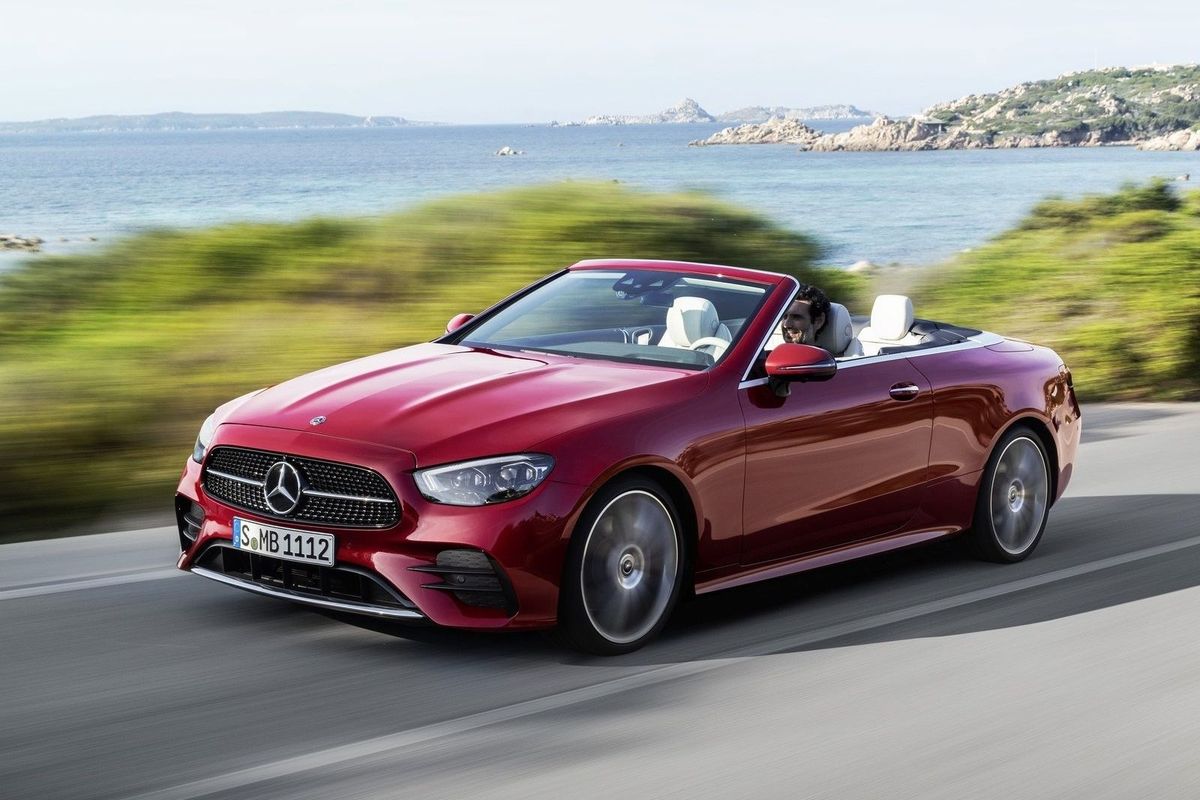
Visually, the E-Class has been refined with a wider grille design, updated bumpers, and a newly shaped boot lid. The standard LED headlights have been redesigned (LED Multibeam headlights are optional) while tail lights also take on a fresh design. There are 3 new body colors are on offer as well as aero wheels which aim to save fuel and improve efficiency.
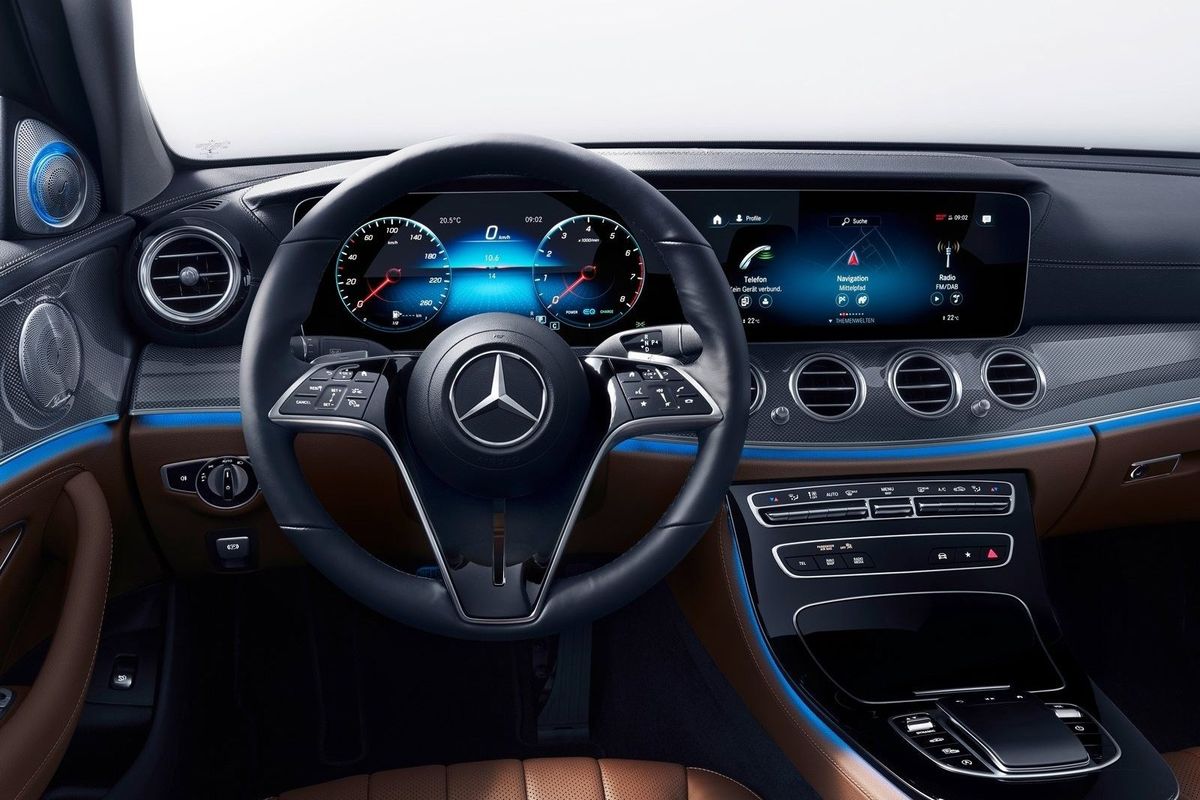
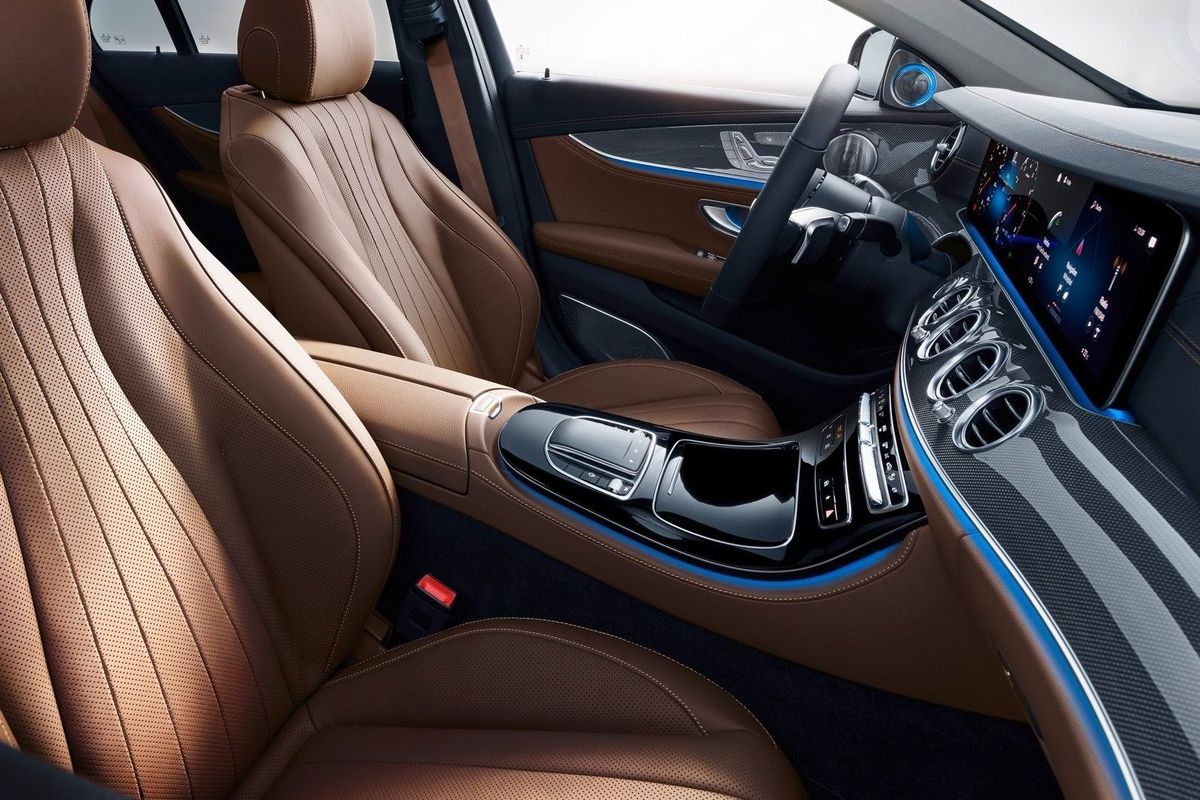
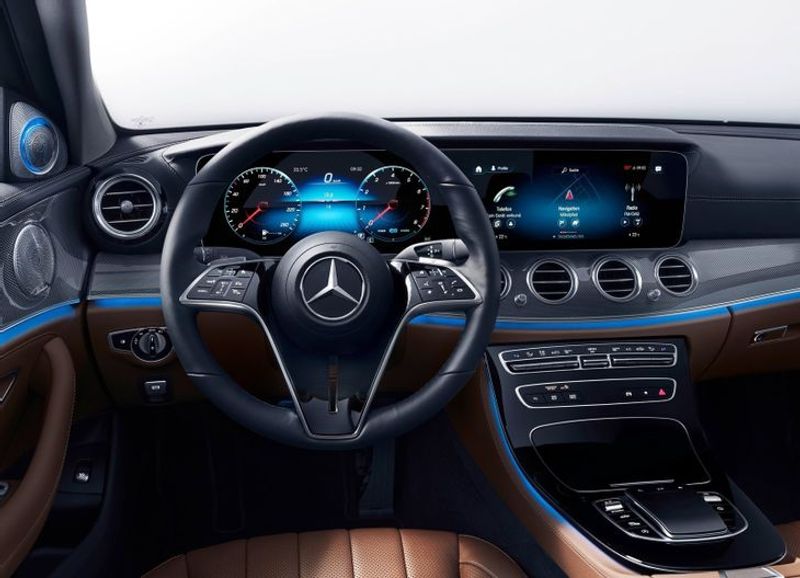
Most of the changes can be found on the inside. The E-Class’ cabin now features updated trim finishes as well as a new multi-function steering wheel with capacitive hands-off detection. Another change is the presence of a touchpad to control the infotainment system which replaces the previous rotary controller. A widescreen cockpit featuring two 10.3 inch screens can be had or buyers can upgrade to the larger 12.3-inch widescreen cockpit layout. The latest Mercedes-Benz User Experience (MBUX) operating system will also be fitted with voice control and augmented reality.
In terms of engines, Mercedes-Benz will be offering the sedan in 2.0-litre turbocharged petrol with 145 kW and 320 N, as well as a 2.0-litre turbocharged diesel motor packing 143 kW and 400 Nm. Sitting at the top of the sedan range is the E63 S with its biturbo 4.0-litre V8 producing 450 kW and 850 Nm.
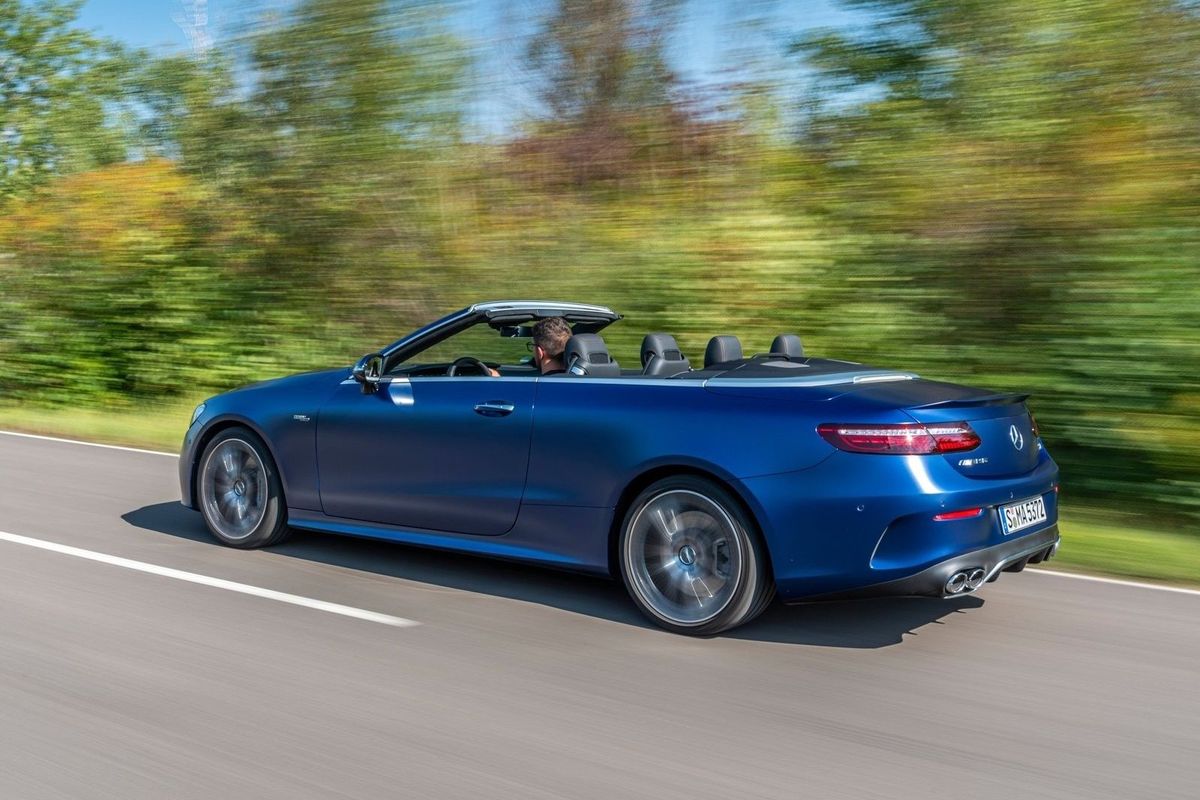
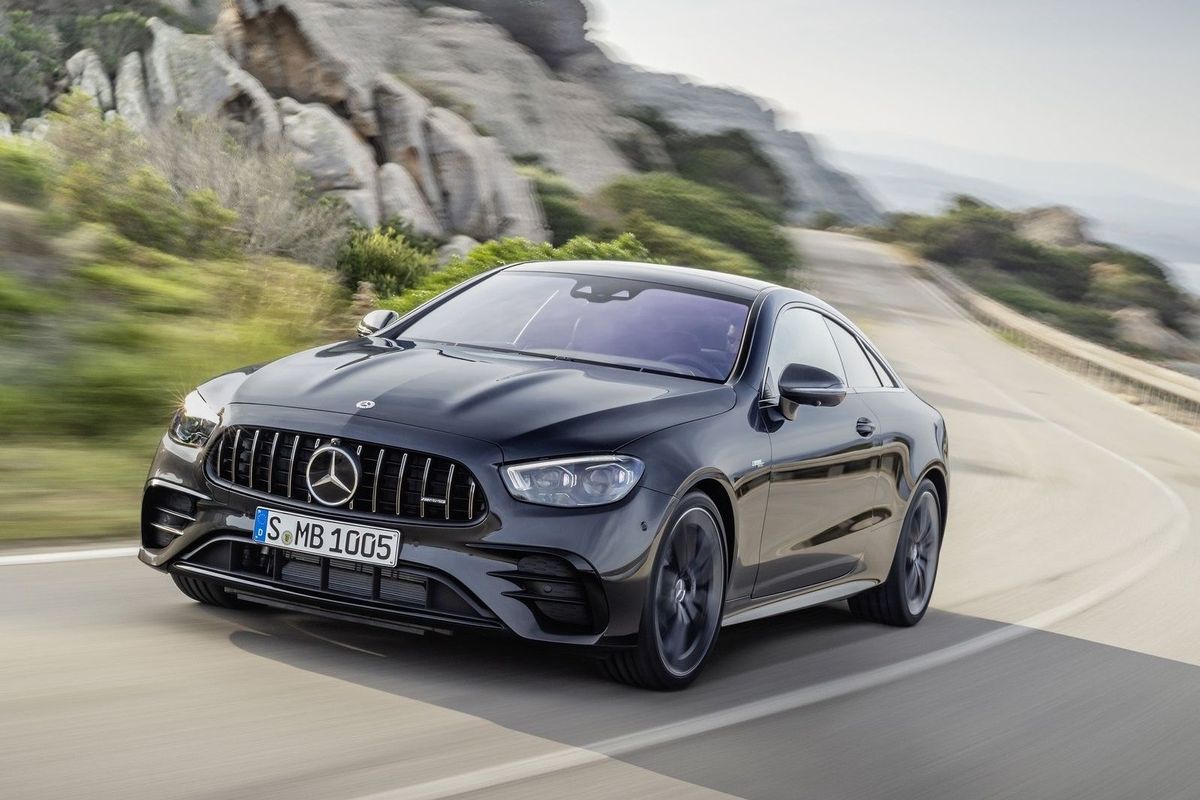
There will also be coupe and cabriolet versions of the updated E-Class. There'll be one engine, available in 2 outputs. The 2.0-litre turbocharged petrol produces 145 kW and 320 Nm for the E200. The same engine delivers 190 kW and 370 Nm in the E300. There'll be no 63 motor for the coupe or cabriolet, with Mercedes-AMG using its petrol/electric 53 setup. The 3.0-litre turbocharged and electrically boosted V6 produces 320 kW and 520 Nm, and we've sampled this motor before in the outgoing version. Simply, it's a peach!
Mercedes-Benz E-Class Facelift Price in South Africa (October 2020)
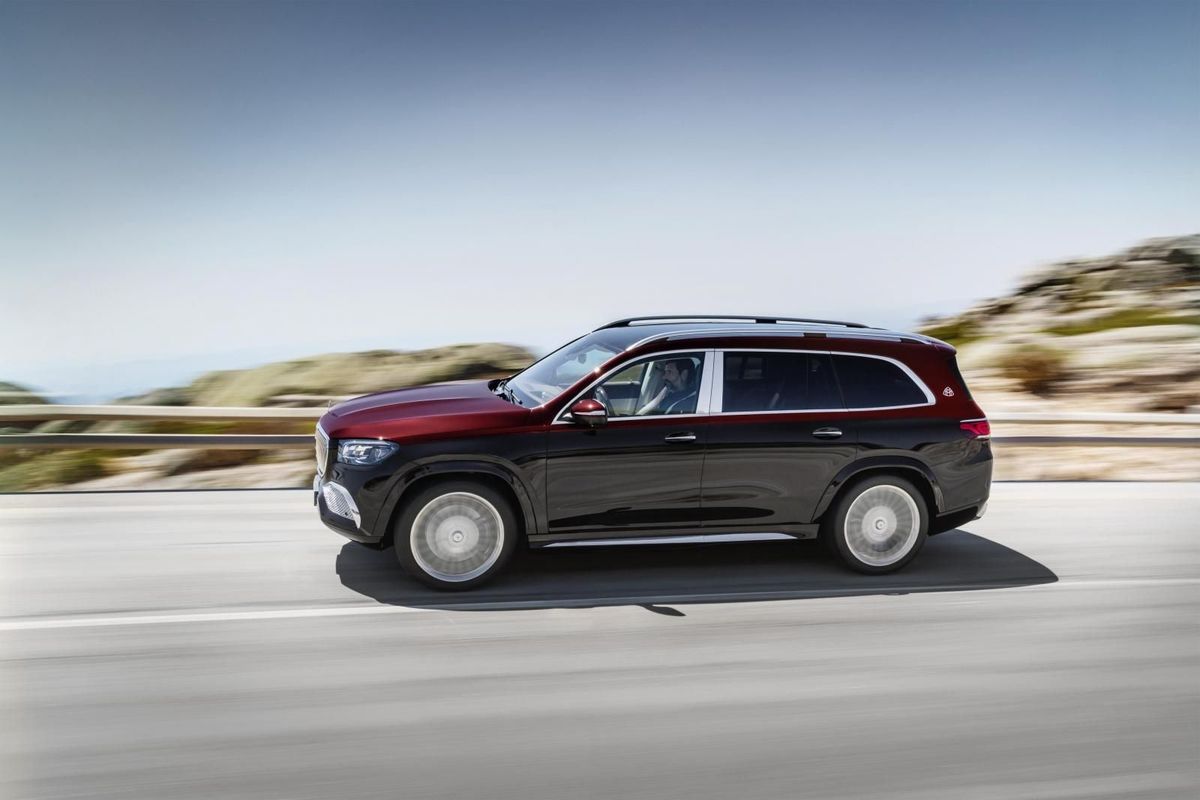
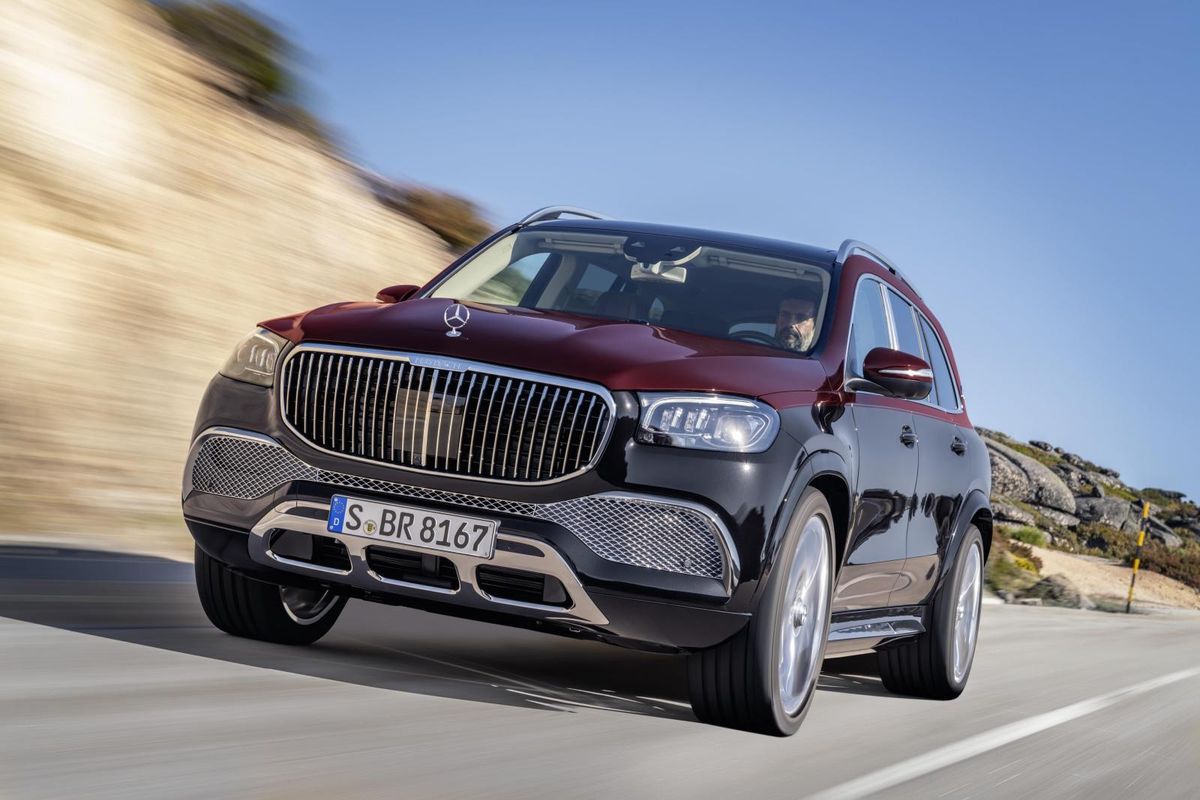
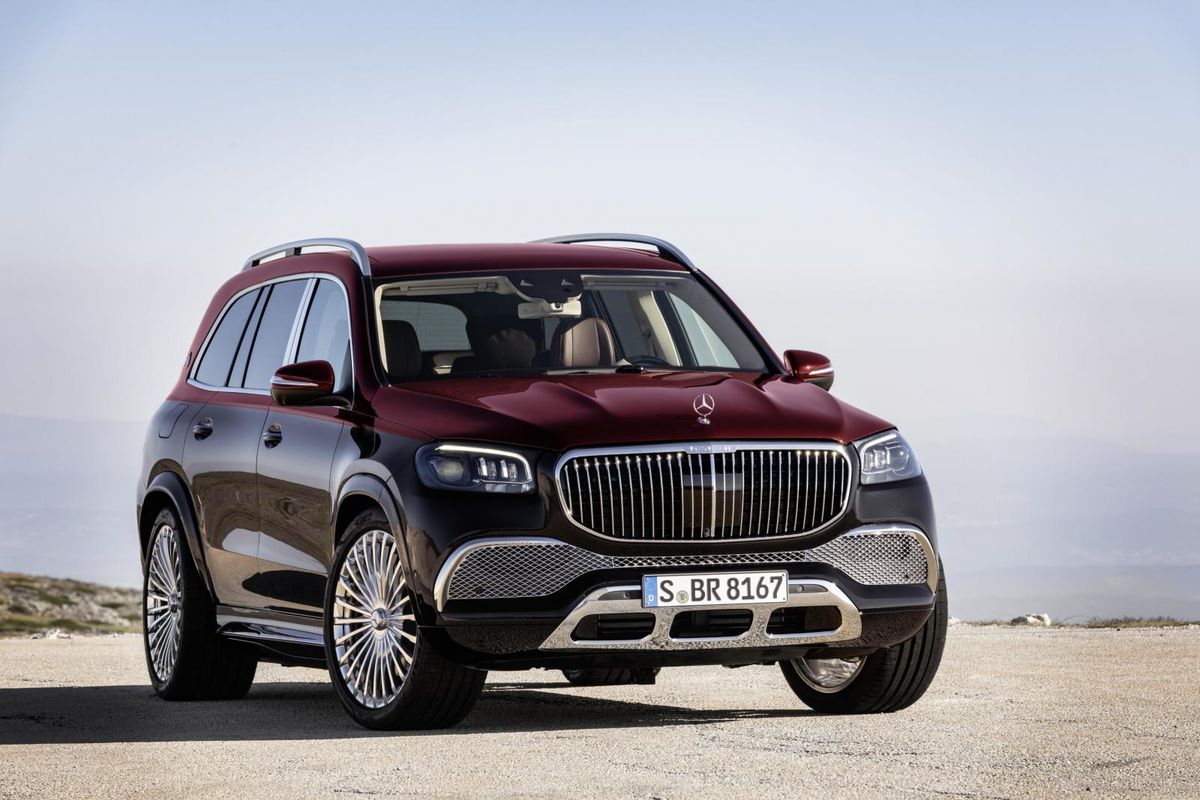
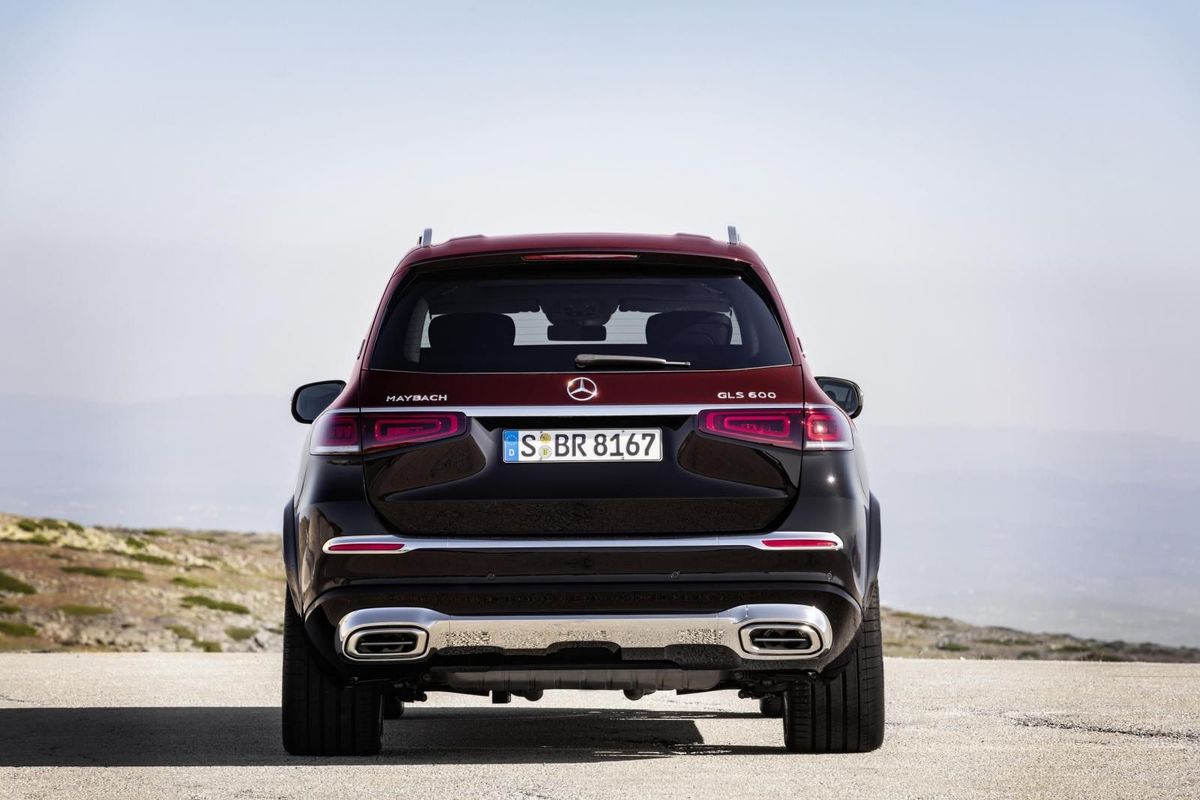
The Mercedes-Maybach GLS is on sale in South Africa and serves an ultra-luxury alternative to the Rolls-Royce Cullinan and Bentley Bentayga.
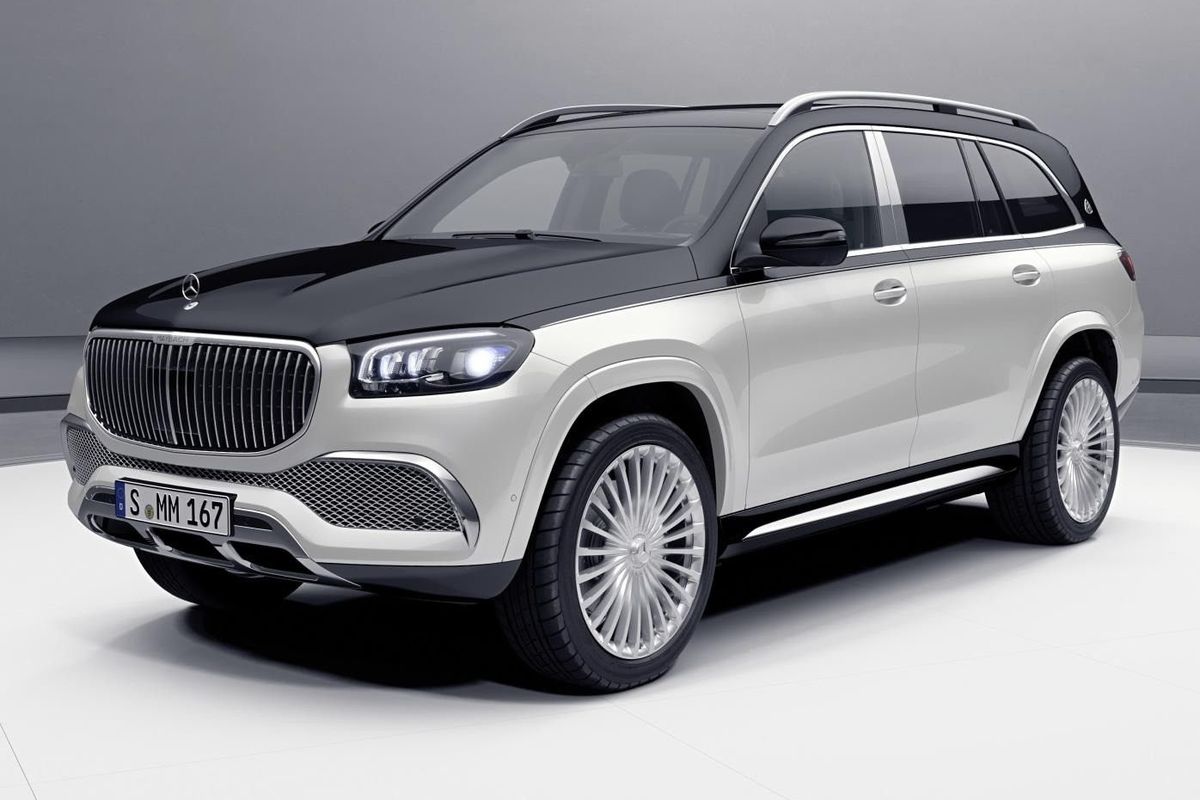
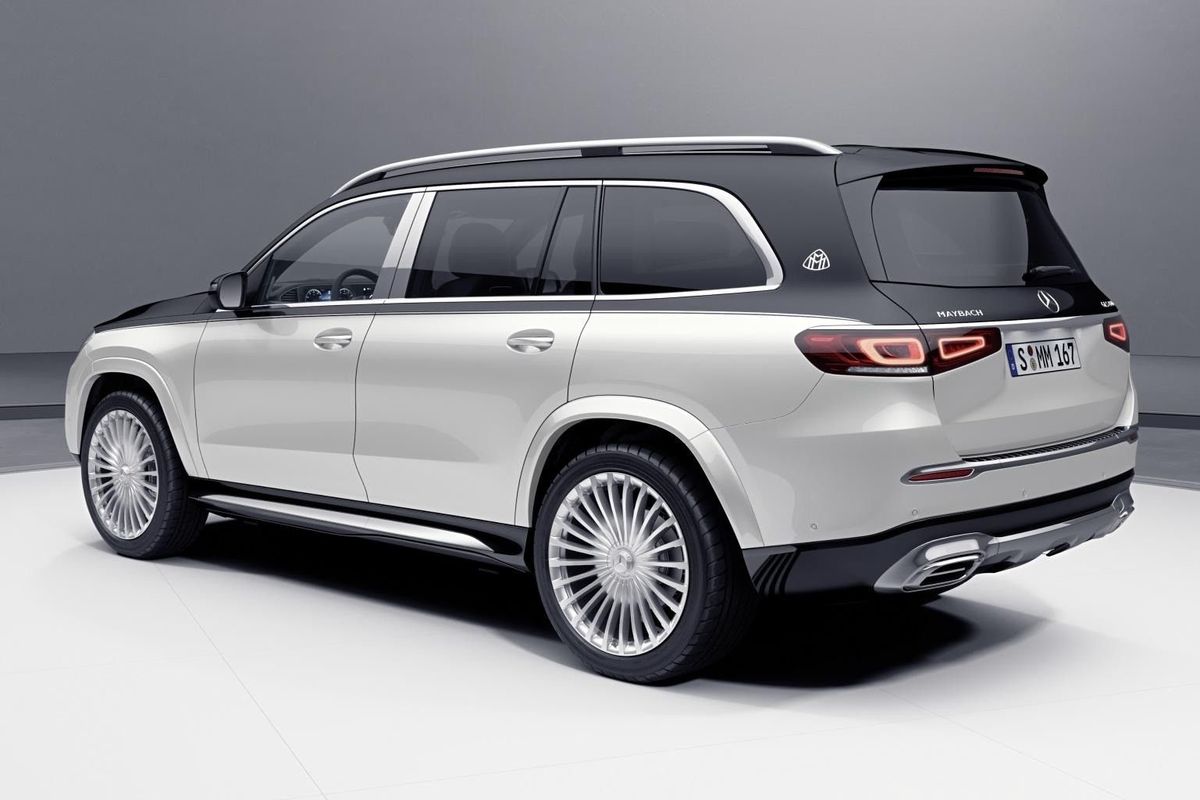
For some, the level of luxury in the current Mercedes-Benz GLS may not be enough to satisfy. Enter the Mercedes-Maybach GLS 600 4Matic, which the German brand claims 'represents a new form of luxury in the SUV segment'. The Mercedes-Maybach GLS 600 4Matic boasts considerable upgrades both to the car's mechanicals and the cabin, with the focus on luxury and comfort.
Under the bonnet is a 4.0-litre turbocharged V8 engine with an electric EQ Boost. Total output is rated at 410 kW and 730 Nm. Performance for such a hefty vehicle is impressive with a claimed 0-100 kph time of 4.9 seconds. As you can see, the Mercedes-Maybach GLS 600 4Matic rides on large 22-inch wheels, but there are 23-inch units available as an option. Air suspension is standard, but we think customers will go for the fully-active suspension E-Active Body Control.
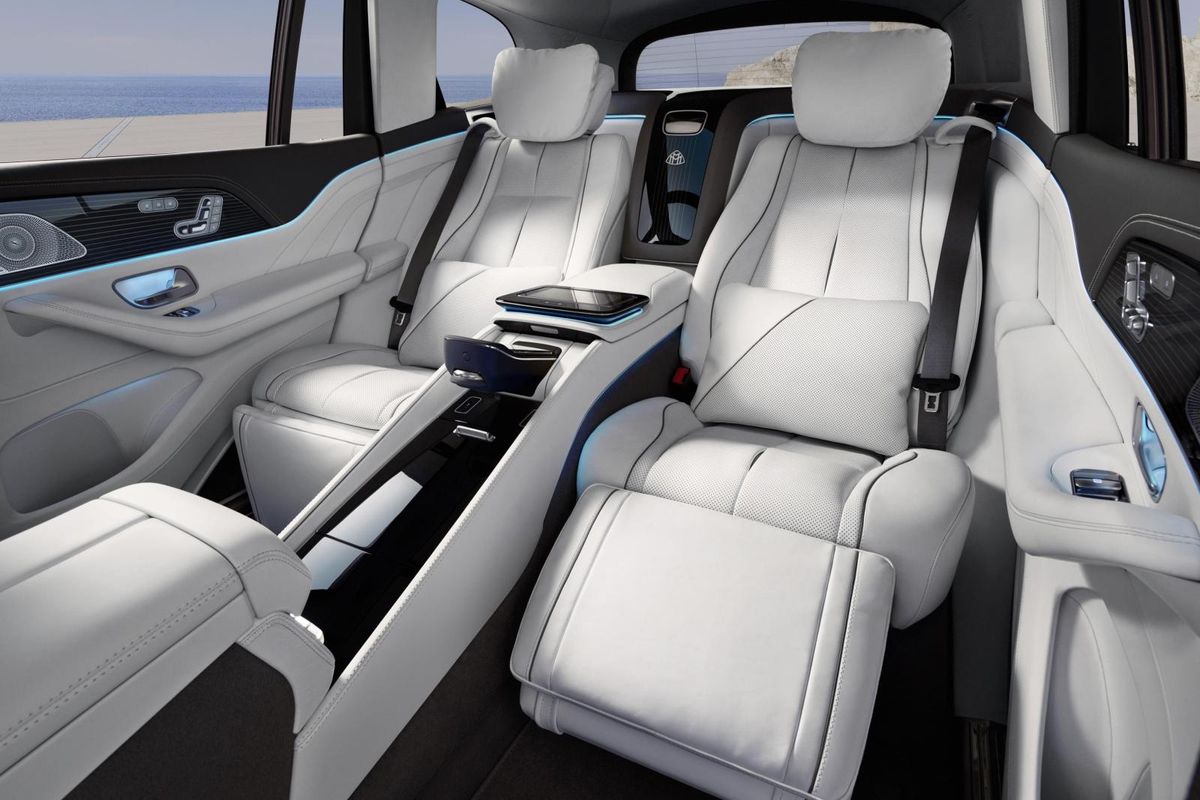
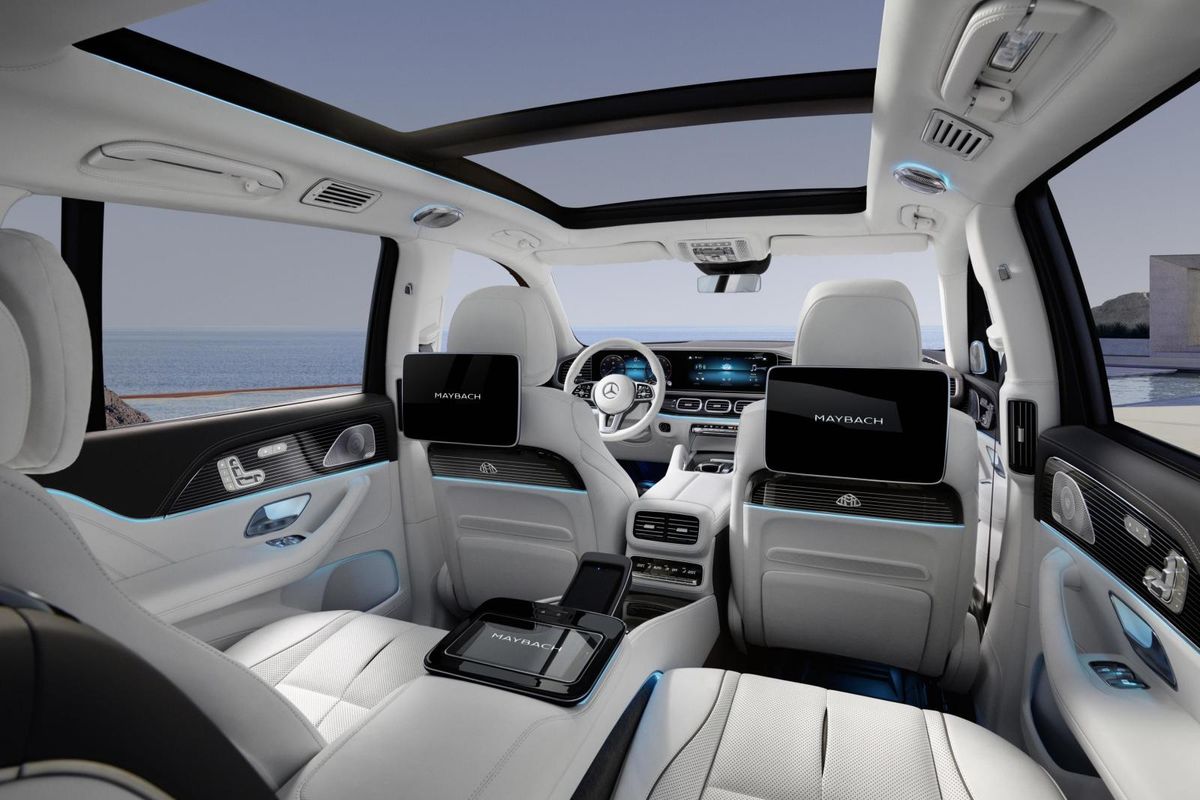
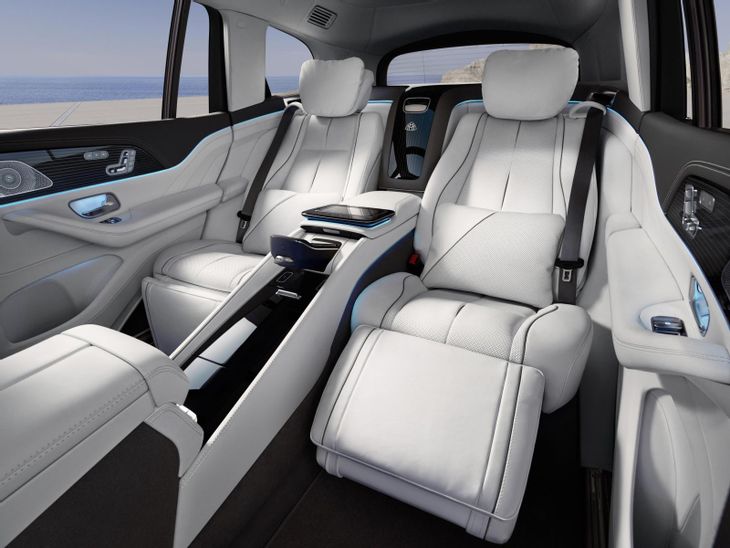
The passengers benefit from some incredible features such as when the doors open, the vehicle lowers slightly and an illuminated running board deploys to allow for easy access. The rear benefits from two individual seats which can recline. These seats boast ventilation and massage functionality. The padded areas and dash are finished in Nappa leather and there's an extensive feeling of luxury throughout, with MBUX tablets offering in-car entertainment. There's also a dedicated fragrance dispenser for the Maybach GLS.
Keen? Check out the pricing below…
Mercedes-Maybach GLS 600 4Matic – Price in South Africa
Mercedes-Maybach GLS 600 4Matic – R2 917 000
The interior of the Maybach GLS 600 is a comfortable place to be…
Mahindra has refreshed its S6 and S10 Pik Up double cab with enhanced styling and specification upgrades.
Indian automotive giant, Mahindra, has updated its locally-assembled S6 and S10 double-cab bakkies which are now available from Mahindra dealerships countrywide.
“The Pik Up range is making new fans every month, and our South African assembly facility can barely keep up with the demand. With the upgrades now added, we believe that we have the perfect bakkie for customers looking for reliable and capable, but always affordable, double cab to fit their lifestyle,” says Rajesh Gupta, CEO of Mahindra South Africa.
Both S6 and S10 Pik Up derivatives now feature Mahindra’s latest 7-slat grille as well as a redesigned bumper. New clear headlights and round fog lights are also fitted. A bolt-on cab protector is also offered on all derivatives (except the Pik Up Karoo) and features additional tie-down points.
All S6 specification (and above) single- and double-cabs are now offered with cruise control and electrically adjustable side mirrors as standard while the S10 and S11 derivatives feature integrated turn signals in the side mirrors.
The S10 Pik Up double cab also benefits from a 7-inch touchscreen infotainment system as well as an integrated reverse camera.
The Pik Up range is powered by a 2.2-litre turbodiesel engine with 103 kW and 320 Nm and is paired with either a 6-speed manual or 6-speed automatic transmission.
See pricing details below…
Mahindra Pik Up – Price in South Africa
Single Cab Pik Up
Mahindra Pik Up S4 4×2 SC: R212 499
Mahindra Pik Up S4 4×2 SC (AC): R219 499
Mahindra Pik Up S4 4×2 SC Dropside: R224 499
Mahindra Pik Up S4 4×2 SC Dropside (AC): R231 499
Mahindra Pik Up S4 4×4 SC: R251 499
Mahindra Pik Up S6 4×2 SC: R266 499
Mahindra Pik Up S6 4×4 SC: R311 499
Double Cab Pik Up
Mahindra Pik Up S6 4×2 DC: R322 499
Mahindra Pik Up S6 4×2 DC Karoo: R336 499
Mahindra Pik Up S6 4×4 DC: R354 499
Mahindra Pik Up S10 4×2 DC: R356 499
Mahindra Pik Up S6 4×4 DC Karoo: R366 499
Mahindra Pik Up S10 4×2 DC Karoo: R364 499
Mahindra Pik Up S10 4×4 DC: R388 499
Mahindra Pik Up S10 4×4 DC Karoo: R394 499
Mahindra Pik Up S11 4×2 DC: R384 999
Mahindra Pik Up S11 4×2 DC Karoo: R399 999
Mahindra Pik Up S11 4×4 DC: R414 999
Mahindra Pik Up S11 4×4 DC Karoo: R429 999
The Mahindra Pik-Up is sold with a 4-year/120 000 km warranty and an optional service plan.
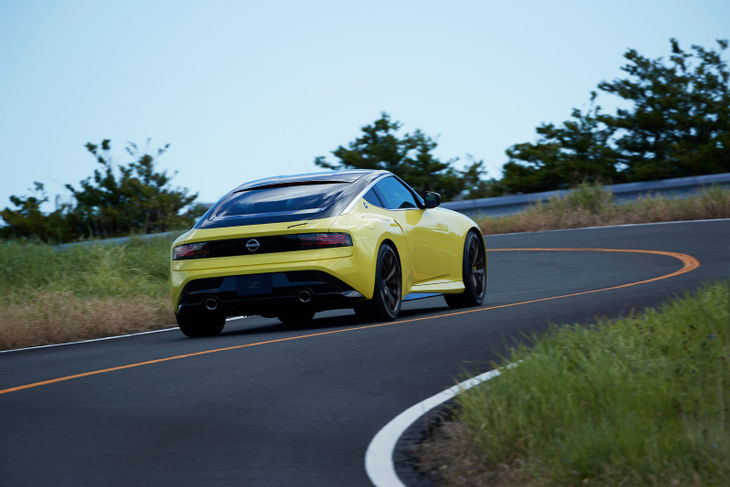
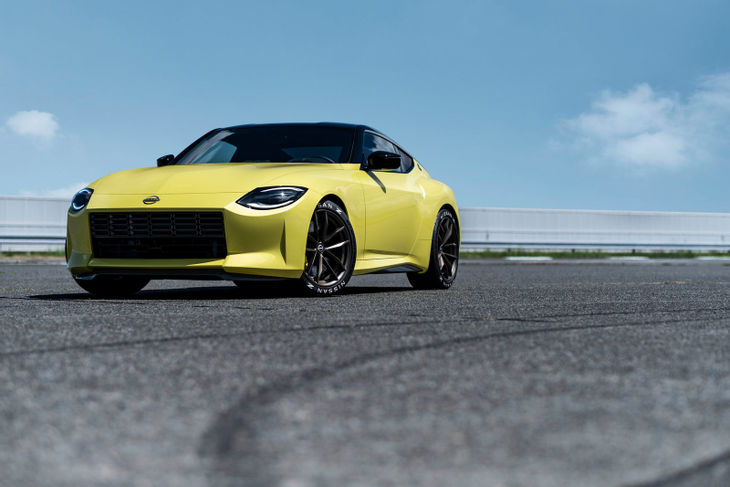
We asked the owner of a vintage Toyota Supra (of all people) to weigh in on the virtues of the new Nissan Z Proto, which previews the production version of the "400Z" – the long-awaited successor to the Japanese firm's 370Z sportscar. His conclusions might surprise you…
A sportscar is a funny old thing. You might never own one yourself (mind you, we hope you will), but there's no denying the halo appeal of such a single-minded machine. It entices you into a brand, as in "you aspire to buy a GT-R, but end up getting a Maxima" or, more recently, "love a Supra, but own a Corolla". And that leads me nicely to the point of this column. To appreciate what Nissan has nailed with the Z Proto we must first get something out of the way… We need to revisit what Toyota "did wrong" because, ultimately, petrolheads across the globe will compare the Supra with the 400Z.
1. Nissan built it themselves
Designed in-house, not outsourced or developed in partnership with another company.
Toyota has recently adopted a trend of co-opting other manufacturers to develop some of its models. Subaru built the Toyota GT86 (or just 86, as the model was known on the local market before its facelift – now the solitary derivative is called the GT86), BMW famously (infamously?) crafted the Aichi-based firm's hallowed Mk-5 Supra and I've just driven the new Toyota Starlet (otherwise known as a rebranded Suzuki Baleno). And while collaboration and badge-engineering appeal to the pragmatist in me, there's something to be said about that age-old ethos: "If you want something done right, do it yourself." Nissan has done just that, and not by some half-measure either – just about 100 Nissan employees have been involved in the Z Proto's creation. That includes a robust design team, a program team to ensure that the project made business sense and, of course, the R&D squad that did all the initial legwork. So then, a big push from the company. This is important to Nissan.
2. It's in the name
Having prototype in the name appears to mean it's much closer to production than a concept.
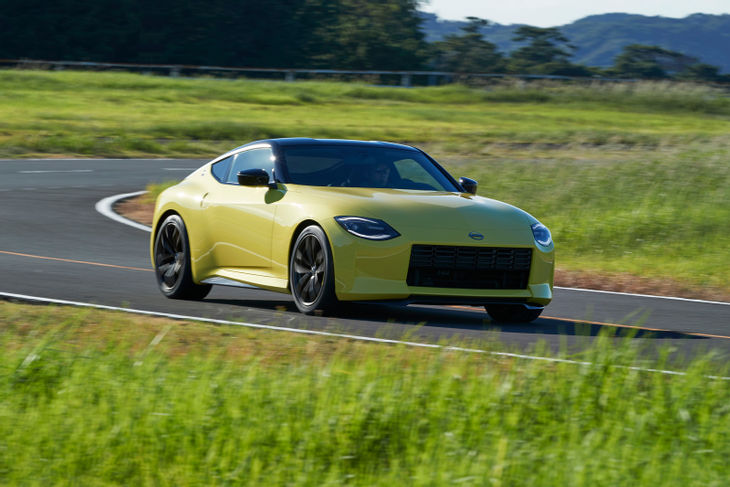
Z Proto(type). Not concept, the latter being a taste tester, part of the rigamarole that essentially means teasing the public for 5 or 6 years (and sometimes, infuriatingly longer), replete with drip-feeding the media "sanctioned spy photos" and engaging in various forms of guerilla marketing. By showing us a prototype of its sportscar, Nissan has given us a pretty accurate view of a vehicle that is surely around the corner. This thing drives! But be warned, Japanese manufacturers like to take their time to deliver sportscars and gestation times are notably longer than those of German manufacturers.
3. Nissan nailed the design
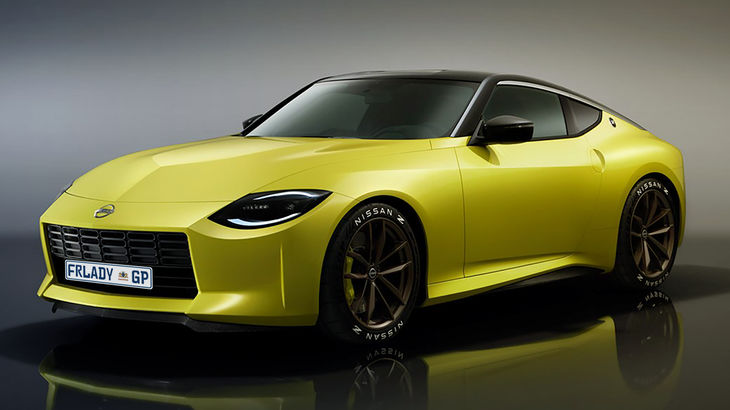
The gaping grille appears less noticeable when a number plate is positioned in place.
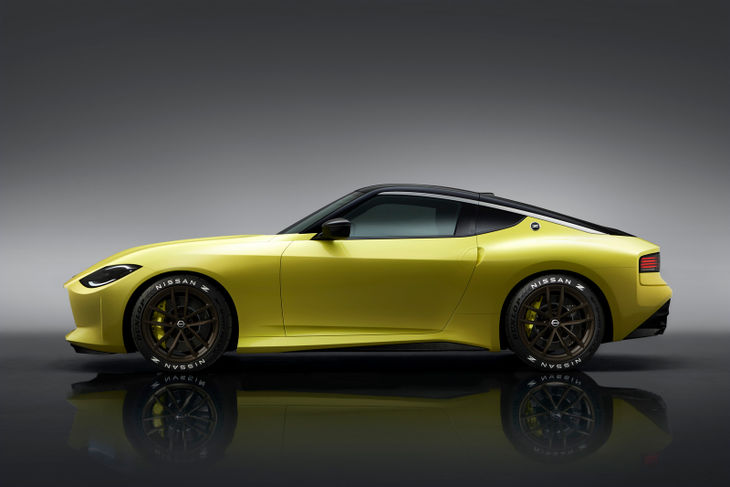
Well, 90% of the design anyway, depending on who you ask. A few have complained the gaping grille is too large, comical even – but a few renders of what the Nissan would look like with a number plate on its face has, by-and-large, silenced critics of the "massive maw". The overall styling is a retro pastiche with echoes of the initial 240Z (aping even its original paint finish), while at the coupe's rear, the Z Proto pays homage to the digital look and feel of the Z32-generation 300ZX. That's proper 90s stuff, here skillfully inserted into a thoroughly contemporary design. The profile remains akin to a muscled-up teardrop, which is reminiscent of the 350Z and 370Z, but there's a delicateness to it now. The result is a shape that feels authentic and coherent, not a throwback for throwback's sake.
4. The 400Z has a powertrain that respects its lineage
A V6 at the heart of a Z car just makes sense, doesn't it?
And look, this one is admittedly a bit ironic, seeing as the current model's V6 was essentially derived from a Renault motor (a by-product of the alliance between the Japanese and French firms, which now incorporates Mitsubishi). The fact is that Nissan had barrel-chested 6-cylinder powerplants in its lineup before the arrival of Carlos Ghosn and, as for turbo power, well, the 300ZX was propelled by a twin-turbocharged 3.0-litre V6. Truth be told, forced-induction motors are now de rigueur – wonderfully linear throttle response is of little use when your opposition is blowing you into the weeds with their smaller turbo motors. Then there's the fact that "400Z" is a clue to its outputs, 400 hp or 300 kW means this will be the most powerful Z yet – and a force to be reckoned with in its segment.
5. This Nissan is the next model, not a remake
It's not been so long since the 370Z came to market that everybody has forgotten of the lineage the 400Z will be part of.
I'm sorry to keep bringing up the Supra (a sportscar we just happen to love), but the rear-wheel-drive Toyota coupe is also the direct rival to the 400Z and a perfect example of our point. While the Mk 5 is a direct successor to the 2JZ-powered Mk 4, it emerged after a 2-decade-long hiatus for the model, which is long enough for the J29/DB to be considered a remake. As for the upcoming 400Z, well, its predecessor was never mothballed; the newcomer will directly succeed the 370Z. As such, it doesn't feel like Nissan is reviving anything, rather continuing its successful lineage. We rather like that!
Now, I realize that I've come across like a Nissan loyalist, but the fact is, I'm a proud owner of a Mk 2 Toyota Supra, as well as an obsessive fan of Japanese sportscars. Hence my excitement at the prospect of a new Z. What do you think, do you reckon I've got it wrong?
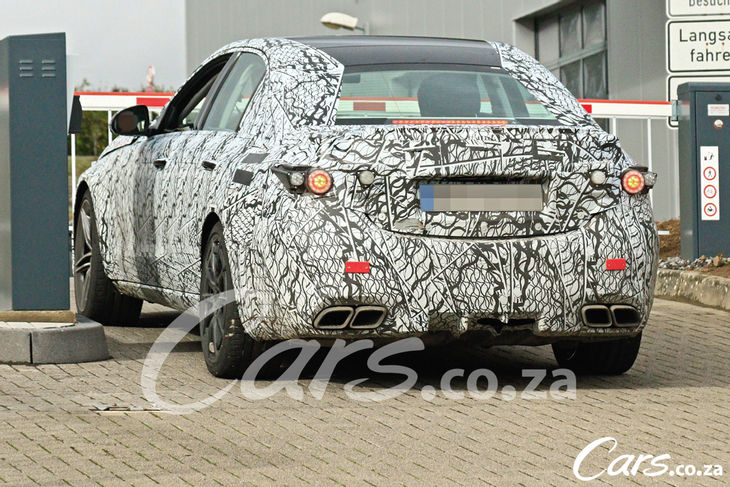
Mercedes-Benz is currently developing its next-generation C-Class and the new forthcoming AMG C63 has been spied undergoing testing.
Picture credit: S. Baldauf/SB-Medien. We have paid for these photos and at the photographer's request, have watermarked them.?
The C-Class is a hugely important model for the Stuttgart-based firm and the current generation is also produced on local soil in East London. With BMW introducing it’s hugely impressive G20 3 Series and Audi launching its revised A4, Mercedes-Benz has its work cut out to make the new C-Class better in every way.
We saw spy shots of the new C-Class undergoing testing earlier this year but this is the first time that range-topping AMG C63 has been captured in the wild. It’s clear that this is a full-fat AMG C63 thanks to the presence of a quad-exhaust system, performance brakes and a more aggressively-distinguished front-end. It also looks like the AMG C63 will wear the Panamericana grille design to differentiate it from its lesser C-Class siblings. Also, note the new round rear taillight design.
A hybrid AMG C63 is a possibility which might spell the end for the much-loved V8-powered C63.
As for the interior, the C63 will gain all the sporty bits from AMG while technology which was introduced on the new S-Class earlier this year is likely to feature in the new C-Class too. Expect the augmented reality head-up display to feature along with a vertically-orientated infotainment touchscreen and digital instrument cluster.
However, the big question regarding the new AMG C63 is what will power it? Previous reports have suggested that the familiar V6 and V8 engines will be discontinued in the C63 application and it’s now likely that the V8 sledgehammer will be replaced with a hybrid powertrain comprising the 2.0-litre turbocharged engine from the AMG A45 S (with 310 kW and 500 Nm) and coupled with an electric motor which is expected to take outputs well above the 375 kW / 700 Nm currently on offer from the V8-powered AMG C63.
Isuzu’s current MU-X is not new. The dependable D-Max platform off-road station wagon has been available globally since 2013 and that means it competes against a Toyota Fortuner, which is a generation younger in terms of technology and vehicle architecture.
Fans of the Japanese brand are keenly waiting to see how the next MU-X will benefit from its D-Max platform upgrades. Until that time, Isuzu is attempting to keep possible buyers interested in the current MU-X, with a predictable new special edition.
It is called the Onyx Edition and has the typical assortment of equipment and slight styling upgrades, to be expected from a vehicle nearing the end of its lifecycle.
Visually the MU-X ONYX Edition features standard LED headlights, smoke chrome and black gloss exterior design details. The front bumper is also framed by a subtle chin spoiler, which is probably not of crucial function to any aerodynamic advantage but does make the MU-X slightly more vulnerable to damage, in extreme off-road terrain.
Inside this latest upgrade of the MU-X, there is a smaller infotainment screen, with superior functionality. Although the Onyx Edition downsizes from 8- to 6.8-inches of infotainment display, it does gain wireless Apple CarPlay.
Comfort levels are enhanced with quilted leather seat patterning and a six-way adjustable driver’s pew. Cognizant that all passengers now demand their device to remain charged on a long road trip, Isuzu has equipped the MU-X Onyx Edition cabin with three high-output USB charging points, complimenting the three 12V chargers that are also available for use.
If you still own DVDs, this Isuzu seven-seater has a roof-mounted DVD player and eight-speaker audio system.
The Onyx Edition upgrade is debuting in Australia and could be an indication of what could be expected in terms of a local enhancement for MU-X, before its replacement arrives.
Maruti Suzuki will soon begin producing the Jimny in India (up until now, the popular pint-sized 4×4 has been produced exclusively in Japan) and a new report suggests the highly-anticipated 5-door version could see the light as early as next year, if not soon thereafter…
Because of the limited capacity of Suzuki’s Kosia plant in Japan’s Shizuoka prefecture, demand for the Jimny has always exceeded supply, but that has done nothing to curb prospective buyers' enthusiasm… Such is the "cult of Jimny" that low volume/specialist versions of the plucky off-roader, such as a pick-up in New Zealand and an LCV in the UK have come to market in 2020!
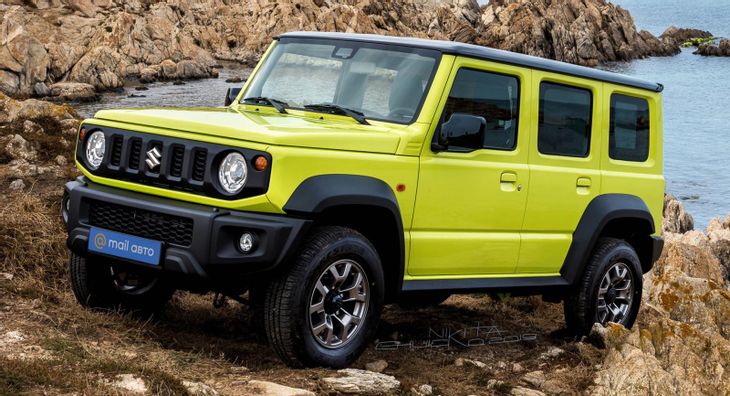
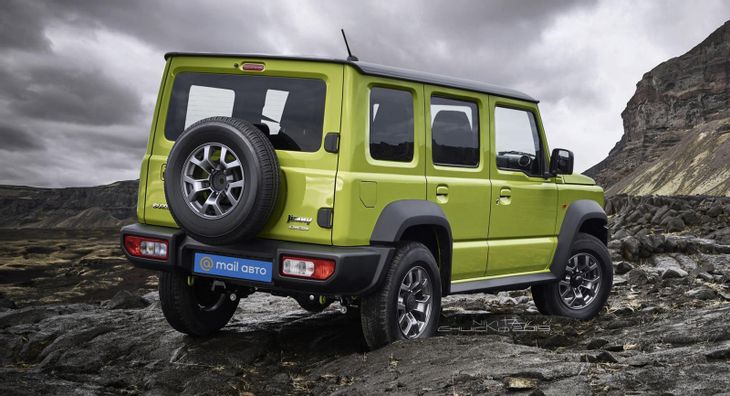
Picture credit: Nikita Chuyko; this image was initially published by Auto Mail last year.
Earlier this year,Autocar India quoted to an “official privy to information of the project” as saying production of the 3-door Jimny (from completely knocked-down kits imported from Japan) would begin at Maruti Suzuki’s Hansalpur plant in Gujarat during 2020 and that, 6 months thereafter, the plant would begin building 5-door Jimnys with the units designated for the Indian and export markets.
According to a recent report by GaadiWaadi.com, the 5-door version of the India-specific Maruti Suzuki Jimny is expected to be launched in India at some point during next year "with high local content" as a rival to the new-generation Mahindra Thar, which itself is a far more practical, compact-SUV-like proposition than the current (outgoing) model.
Picture credit: Nikita Chuyko, this image was initially published by Auto Mail last year.
This development suggests that, at the very least, the supply of Jimnys to Suzuki South Africa, which already sources most of the models that it sells on the local market from India, may improve in the near future. But what about the bigger picture? Well, the 5-door version of the Jimny, which is expected to be mechanically similar to the 3-door, but with a longer wheelbase (ostensibly based on an adapted version of the current model’s ladder-frame chassis) could ostensibly be introduced in Mzansi too. Given the intensity of the current compact family car/small crossover craze, the target market for a tiny SUV with genuine off-road ability might seem small (within the context of the overall new-vehicle market), but then again, an extra pair of doors would certainly broaden the Suzuki's appeal.
We imagine that a 5-door Jimny, with a modicum of rear legroom and greater practicality (hopefully with a slightly bigger load bay, if that's at all possible, please Suzuki) could find its niche with genuine off-road enthusiasts who'd like to cart the kids to school during the week… and take them along on their weekend bundu-bashing adventures.
What could it look like? Well, the best renders that we found during our internet trawl (shown here) were created by Nikita Chuyko for Russian publication Auto Mail.
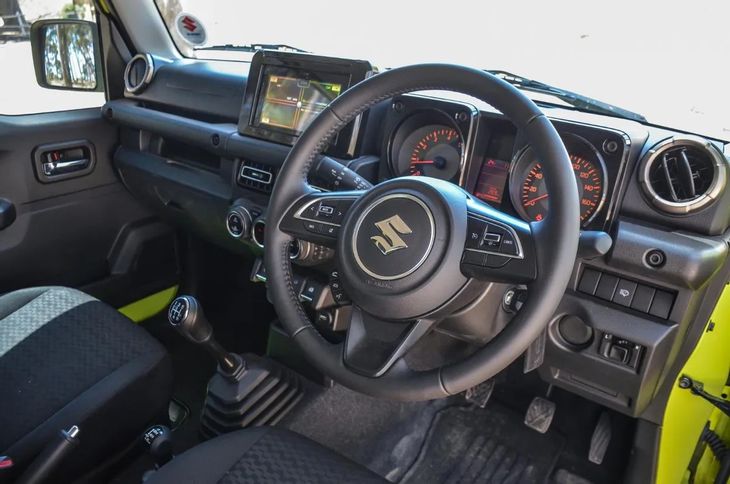
Another Indian publication suggests the Jimny's infotainment system will be updated to be compatible with Apple CarPlay/Android Auto.
Although it’s unlikely that the upcoming 5-door Jimny will be quite as dextrous as its 3-door sibling off the beaten track – it will have to have a longer wheelbase to accommodate an extra pair of doors – the newcomer will share its sibling’s proven off-road underpinnings (such as low-range transfer case and live axles) as well as safety systems. We believe it will also be powered by a 1.5-litre petrol motor mated with a 5-speed ‘box or 4-speed automatic.
Working with Toyota on another model
Another interesting tidbit in the GaadiWaadi.com report is that Maruti Suzuki further plans to expand its line-up of small crossovers (which includes the Vitara Brezza) with a new model developed in conjunction with Toyota and based on the latter company's Raize, which sits in a class below the C-HR. The Raize measures 3 995 mm in length, 1 695 mm in width and 1 620 mm in height.
In this episode of our hot-hatch drag race shootout, Volkswagen's Golf TCR is pitted against the Hyundai i30 N. Can the TCR claim its first win after losing to the Honda Civic Type R? Let's find out!
In our first episode of this hot-hatch showdown, Volkswagen's 213 kW/380 Nm Golf GTI TCR lost to the potent 228 kW / 400 Nm Honda Civic Type R with excessive wheel-spin evident off the line.
Now, the Golf GTI TCR will look to claim its first win as it goes up against Hyundai's i30 N. The Korean hot-hatch is not as powerful as the Golf GTI TCR and comes to the start line with 202 kW and 353 Nm and equipped with a 6-speed manual transmission while the TCR makes use of a snappy 6-speed dual-clutch automatic transmission.