Next Hyundai Tucson ‘will spawn 254-kW N model’
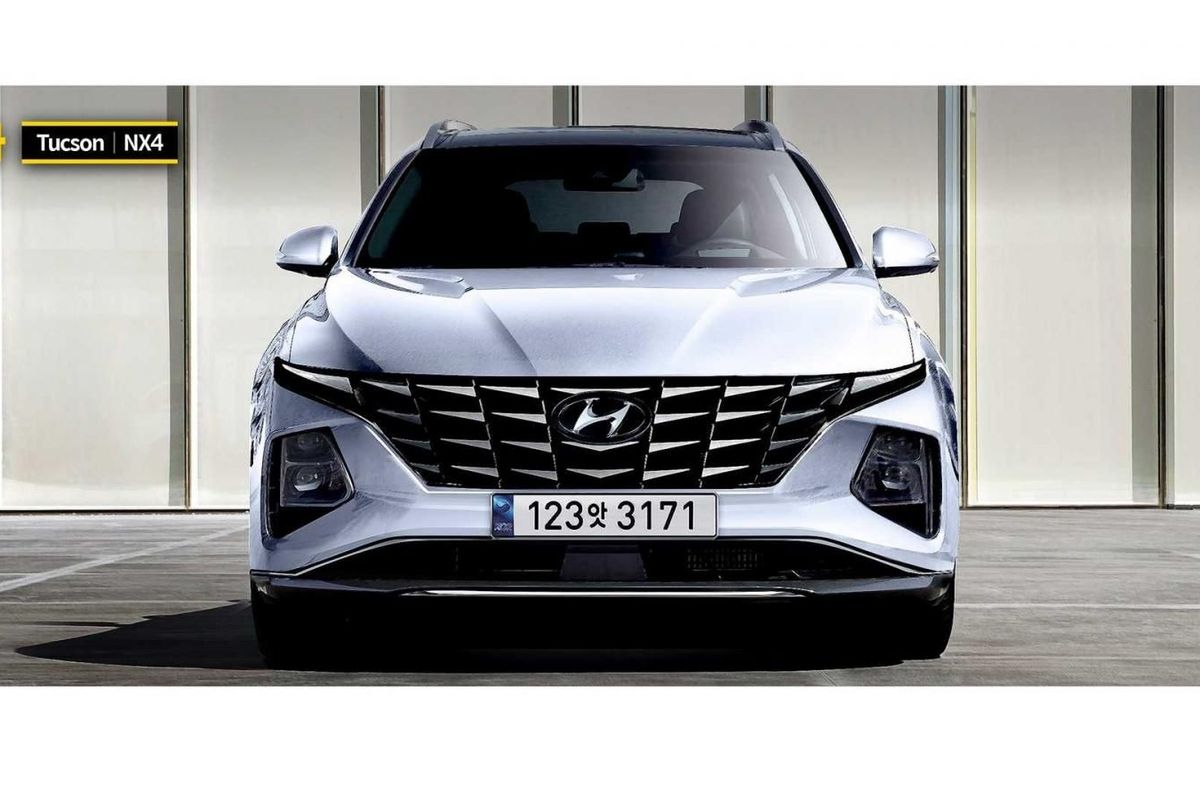
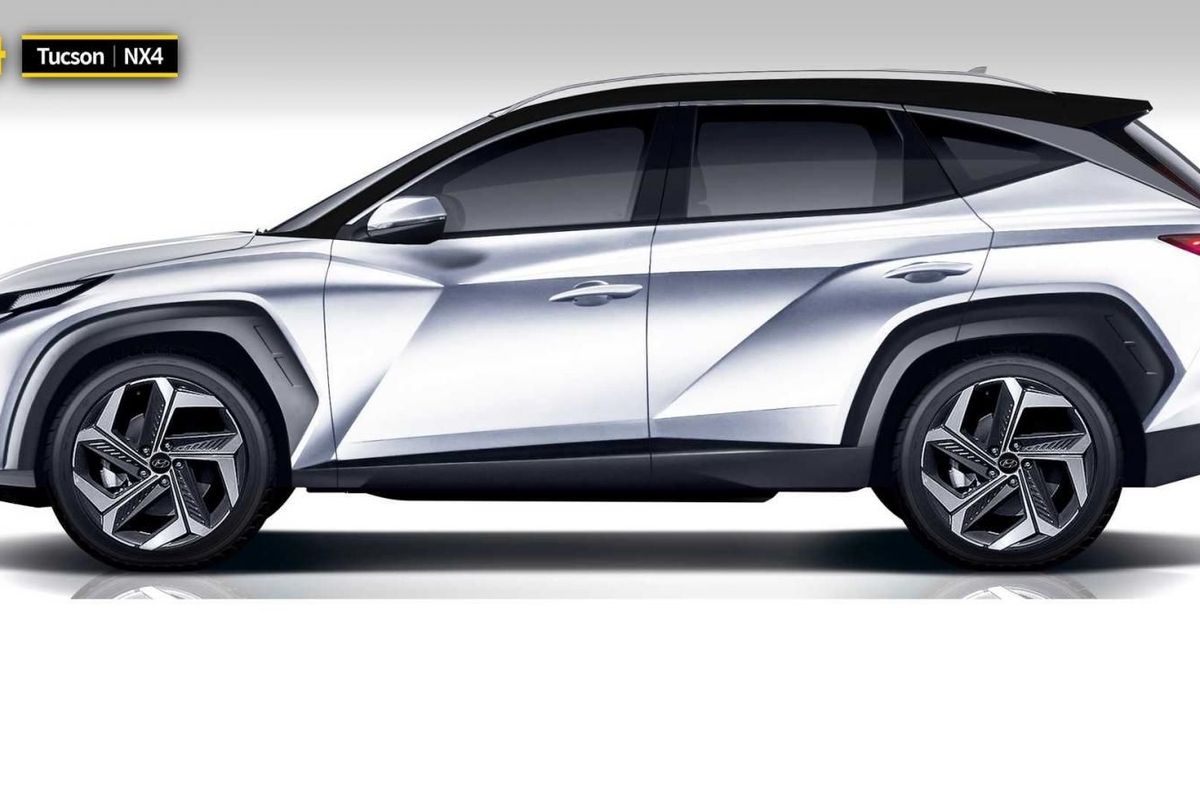
There's an all-new Hyundai Tucson in the works and recent renders suggest the Korean brand has no intention of watering down its new-found Sensuous Sportiness design language for the upcoming family car. What's more, a new report suggests the range's line-up will be headed by a 2.5-litre turbopetrol N model, which will reportedly produce a VW Tiguan R-trouncing peak power output "of at least 254 kW". 

Hyundai’s has rolled out a slew of new products in 2020 so far… Apart from the new Sonata business class sedan and Elantra compact sedan, both of which aren’t destined for South Africa, the Korean firm has most recently shown its new Santa Fe executive SUV and the i20 compact hatchback, which could arrive in South Africa before the end of 2020, as well as the all-new Creta, which has already made its debut in its home market (India) and should arrive in Mzansi by the end of the 3rd quarter, which is soon!
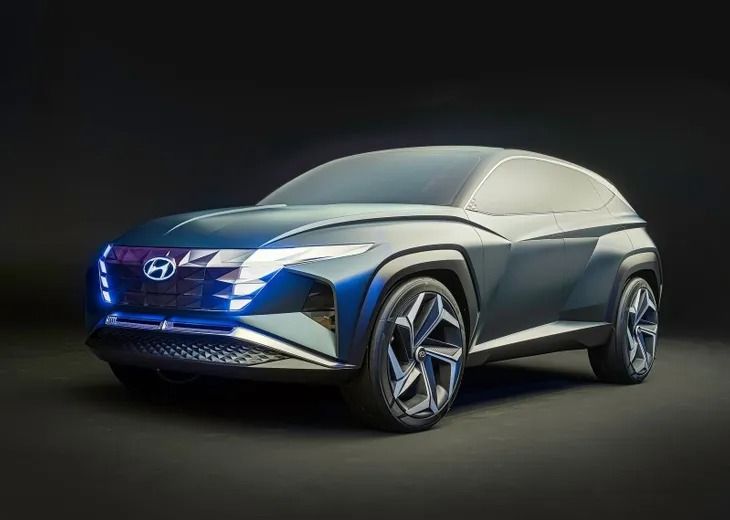

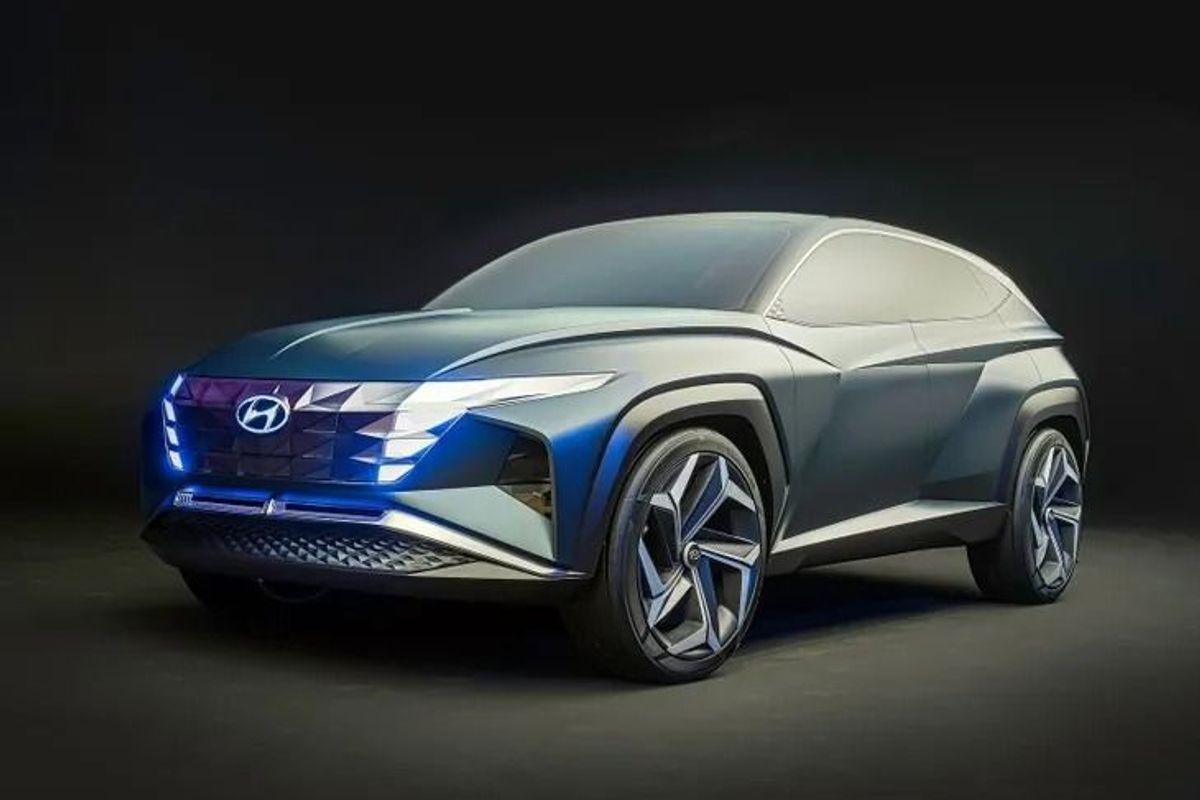
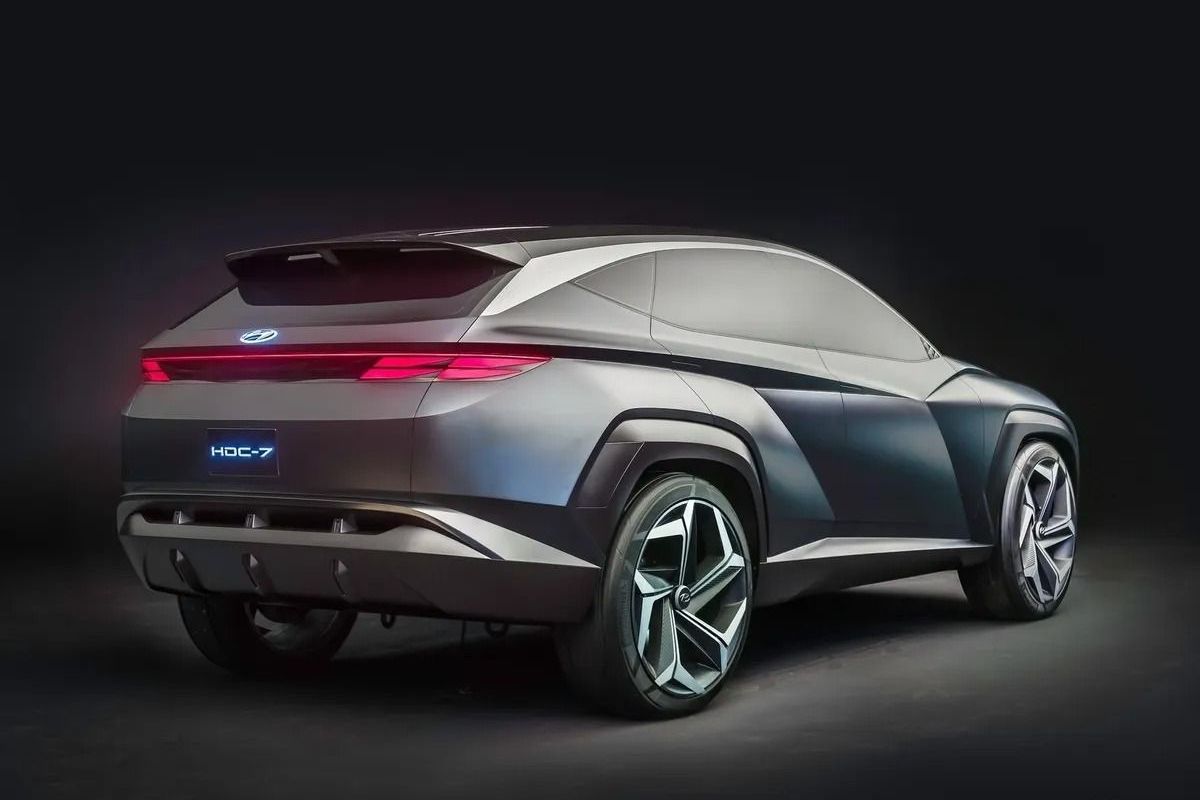
The Vision T Concept featured a sculpted grille, arching bonnet line and bold swage lines, but it's more than just a fanciful design study.

And what do those new models (even the humble Creta) have in common? They all incorporate the company’s new Sensuous Sportiness design language, which is characterised by “parametric dynamics”, such as swage lines that run at different angles but “meet at one point”. The models also sport expansive, cascading grilles with a distinctive pattern, with narrow headlamp clusters/indicator elements that merge into a single design element (especially apparent in the new Elantra).
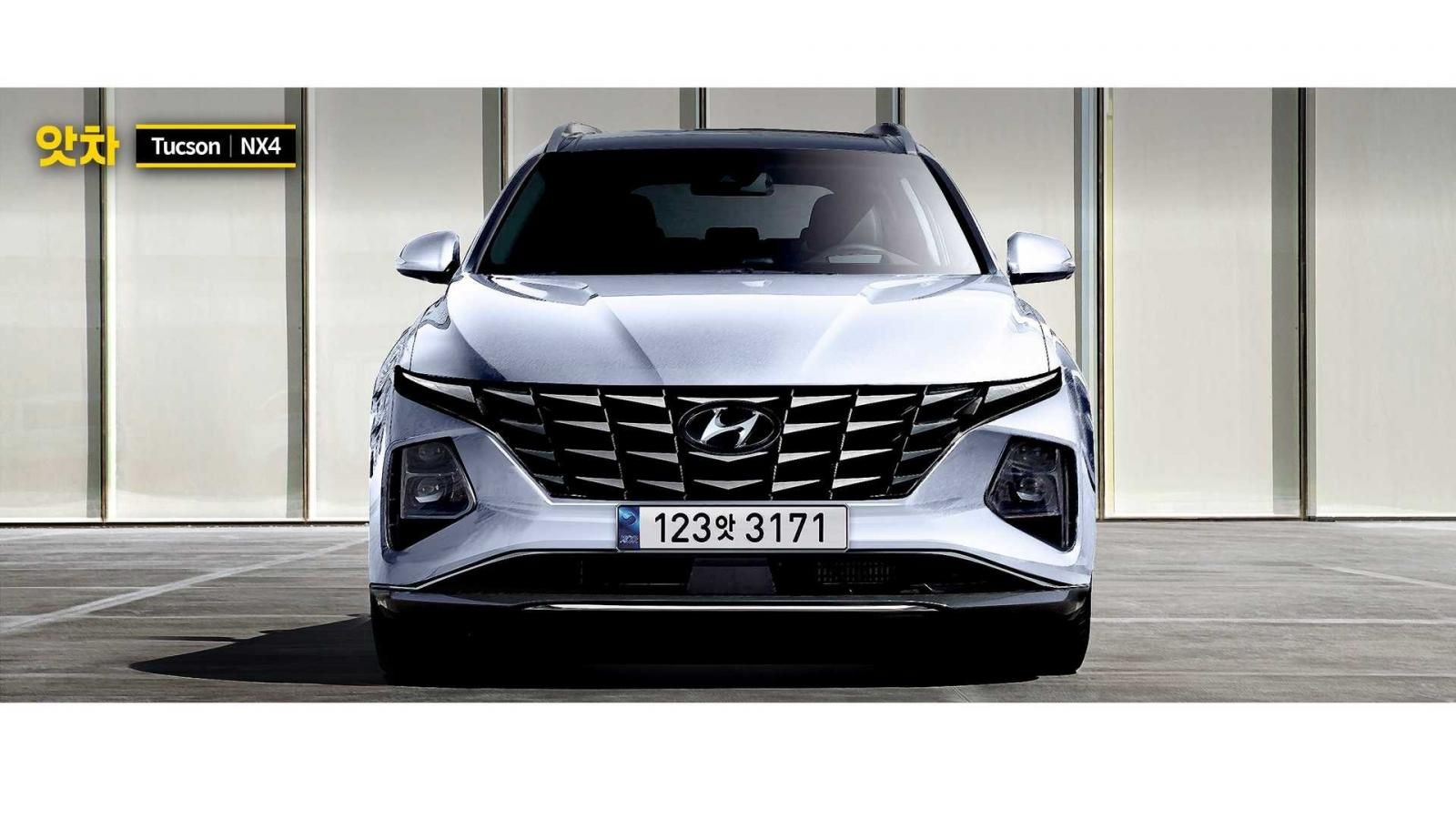

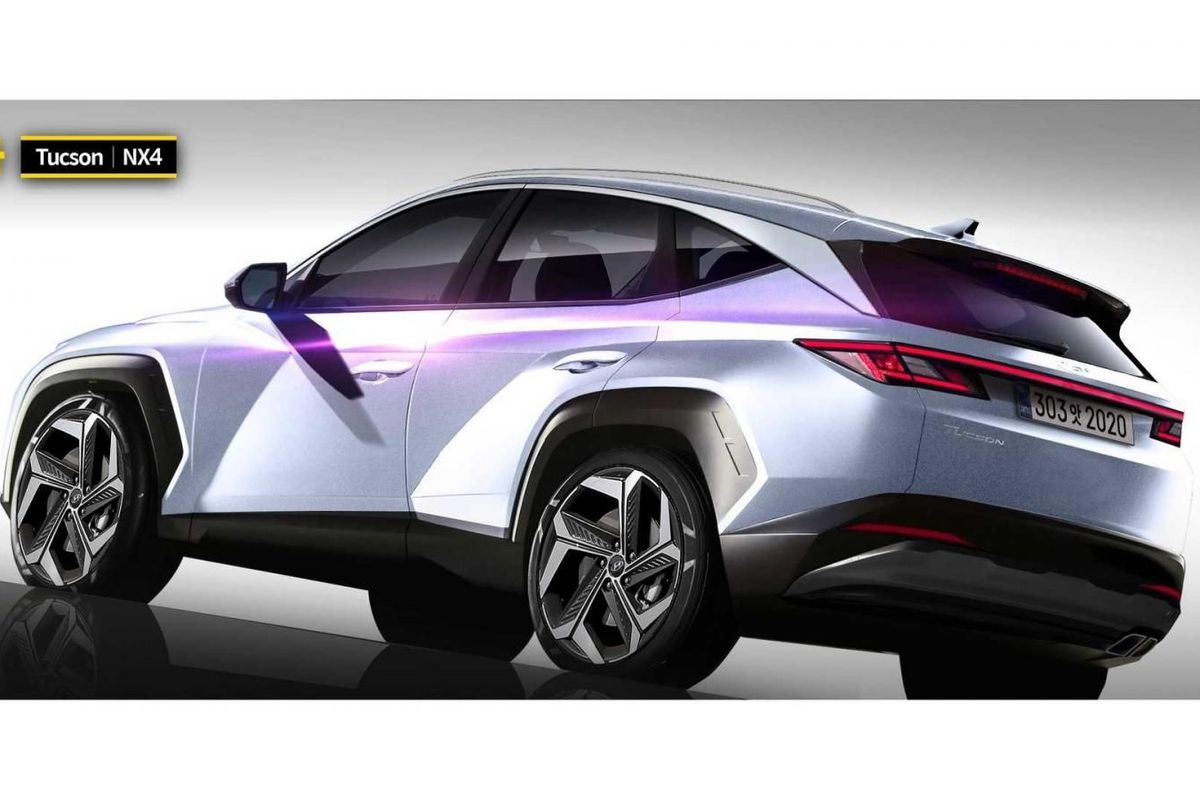
Atchacars anticipates that, like the new Elantra, the upcoming Tucson will sport a supersized-grille-and-slim-headlights combo.

A couple of months agoKorean Car Blog published a production timetable for Hyundai’s Ulsan factory, which indicates that the next-generation Tucson will enter production at some point in the 3rd quarter (although it’s not destined for the South African market in 2020, perhaps only early in the following year), so we should see the final version soon.

What will it look like, though? Although the first generation Tucson marked the arrival of the Korean brand’s family car range in South Africa, its 2nd-generation model (dubbed the ix35 in our market) was quite revolutionary because it showcased the “Fluidic Sculpture” design language, which dominated the exterior designs of Hyundai models at the time. When the ix35's successor arrived locally in 2016 – the current Tucson – it was a handsome design, but comparatively safe and inoffensive by comparison…
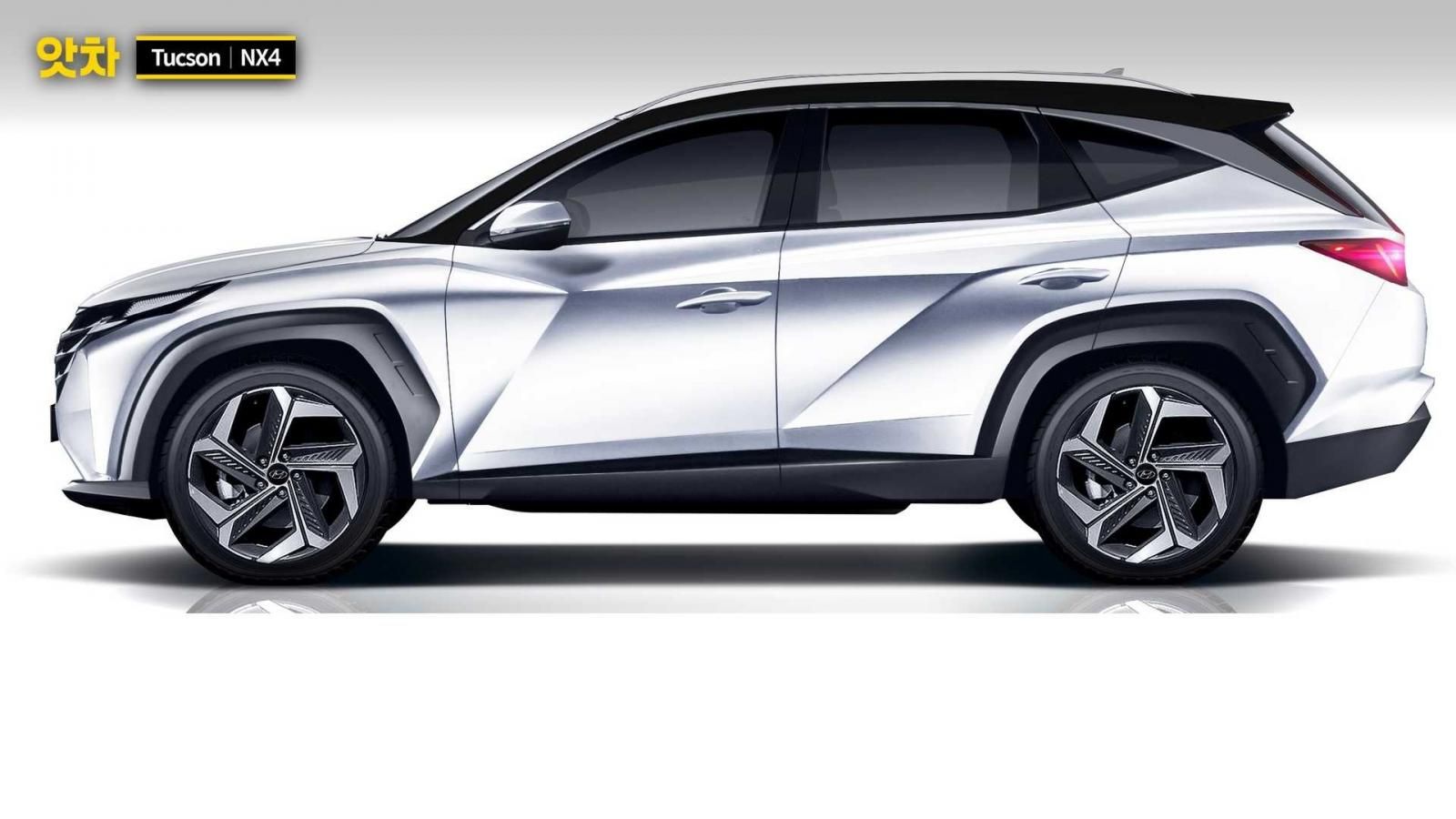

The next Tucson is likely to have stylised wheel-arch trims and dramatic side sheet metal detailing. Picture credit: Atchacars

If the pattern of safe- followed by daring designs is set to continue with each passing iteration of the Tucson, it certainly bodes well for a bold upcoming family car from the Seoul-based firm. But just how… challenging will its styling be? Well, the Vision T concept that was shown at the Los Angeles Show late last year seemed a very "out there" or “pie-in-the-sky” design at the time. However, now that we’ve seen the new Elantra, we know the expansive cascading grille and those “parametric dynamics” in the side sheet metal aren’t just for show.  

About a year ago, Sangyup Lee, the vice president of styling at the Hyundai Design Centre, was quoted as saying the appearance of the (production-ready) 4th-gen Tucson would make people “freak out.” And then, late last year, Andrew Tuatahi, Hyundai’s product planning manager, referred to the 2021 Tucson as being “very interesting visually.”
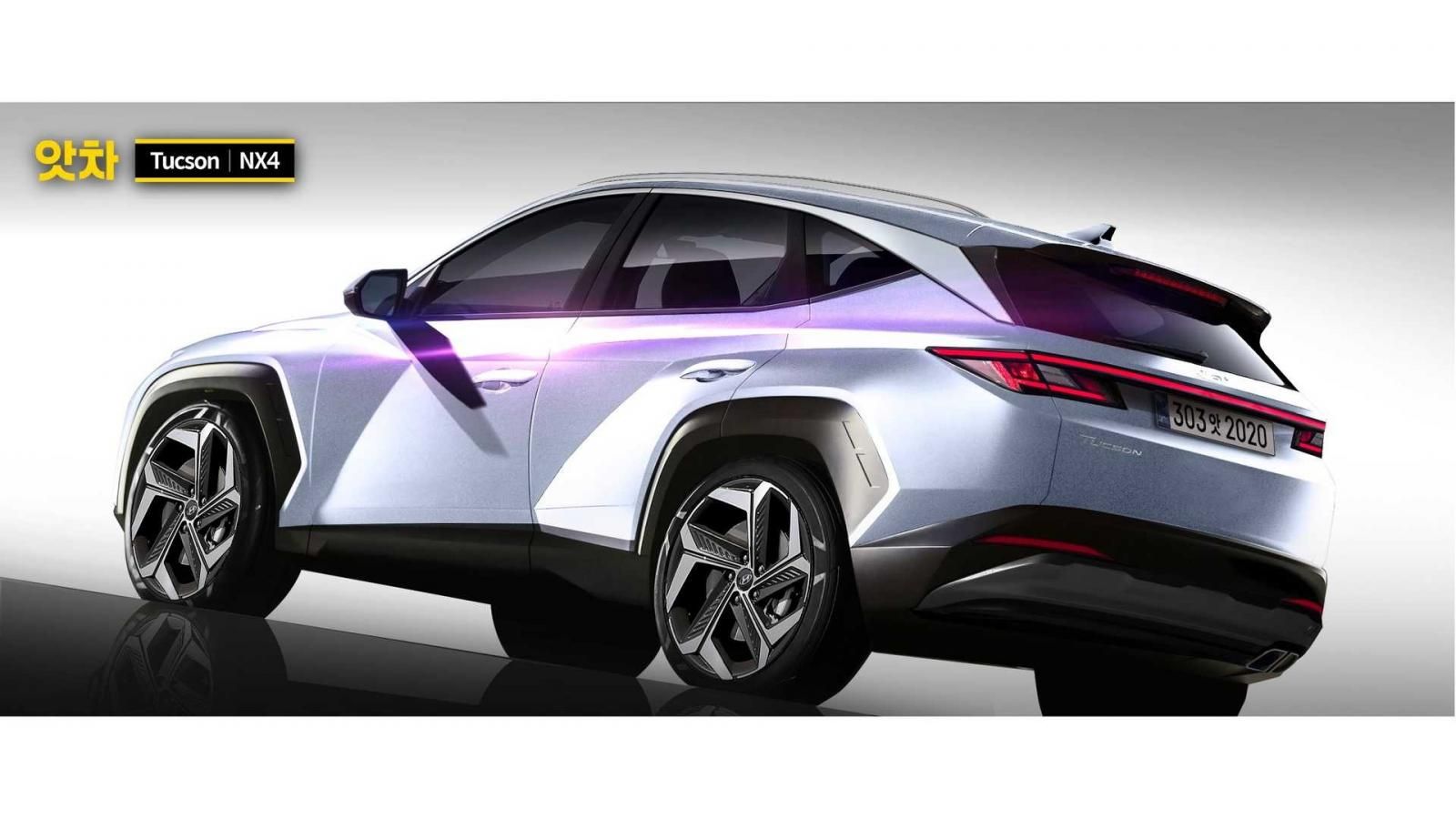

Note the pinched rear-end design, replete with a tail-lamp-bridging LED emergency stop lamp. Picture credit: Atchacars

Just how “interesting” (to quote Tuatahi) will the next Tucson look, then? Well, if the family car goes into production as planned, we should know in a handful of months’ time. To whet our appetites, YouTube channel AtchaCars has uploaded a new video with its take on the styling direction of the upcoming model. The renders are based not only on previously published spy shots of camouflaged prototypes, but also effectively “standardise” the stylised contours and design elements of the aforementioned Vision T concept.  

We know that the next generation range is likely to be more of a crossover than a compact SUV (it will favour front-wheel-drive configuration, especially in our market). It will feature 4-cylinder turbopetrol engines (perhaps the 2.0-litre non-turbo engine and its torque converter auto box might be retained) and the line-up will feature hybrid and plug-in hybrid (PHEV) variants too. What’s most intriguing is that Hyundai is likely to push out the performance envelope further than the current N-Line versions overseas (and the locally-developed Tucson Elite Sport in South Africa)…
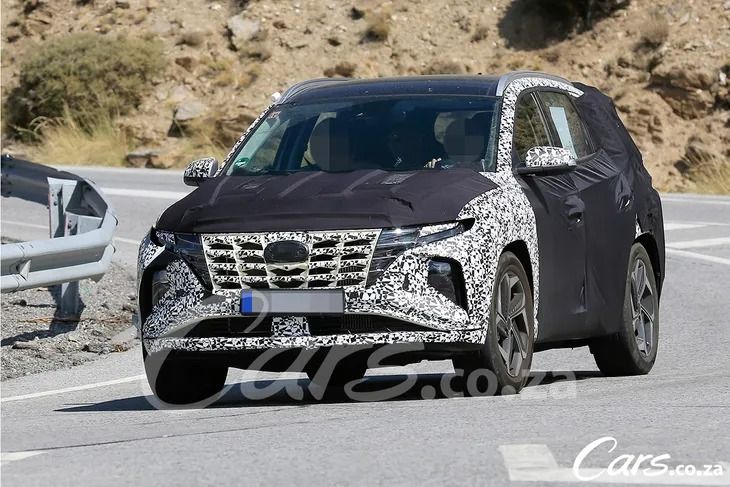

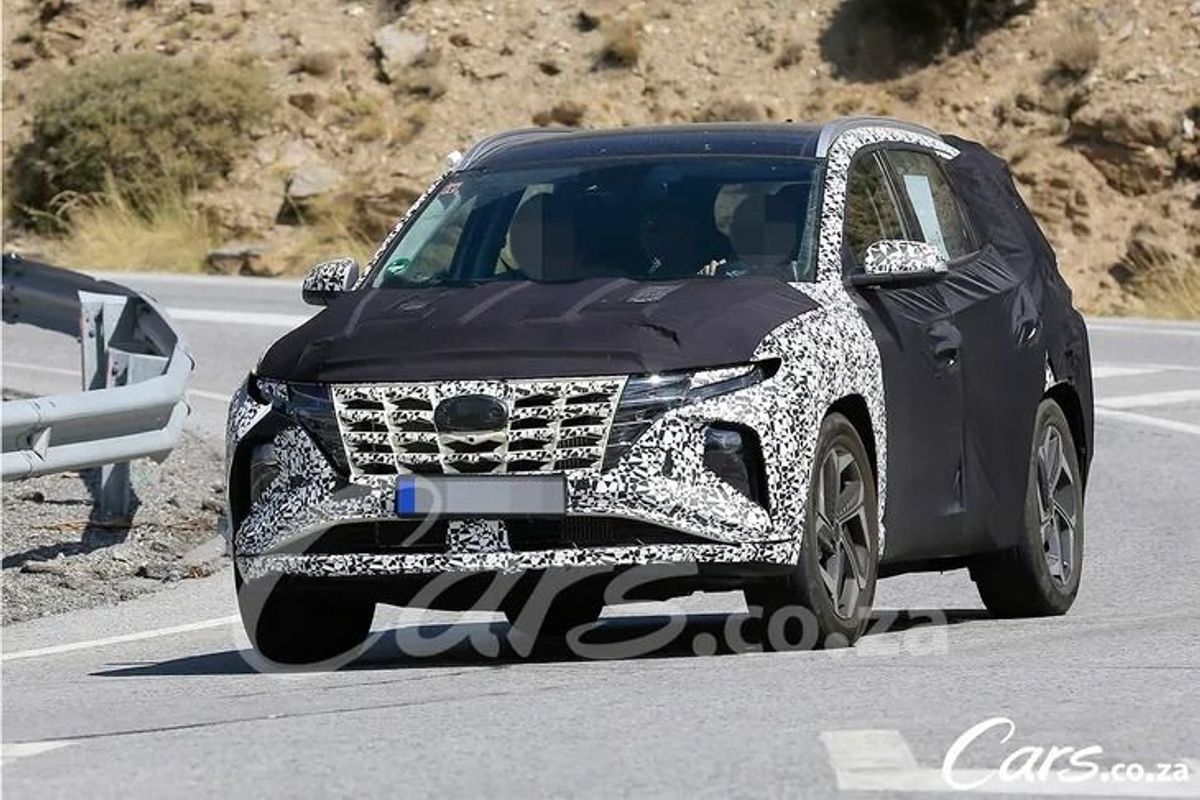
Now that we've seen the Vision T concept and the latest renderings, this spy shot does show elements of Sensuous Sportiness…

‘250 kW-plus’ Tucson N

According to a new Korean Car Blog report, Hyundai’s N Division hopes to introduce an N model based on the next generation Tucson in about 2 years' time. Last year, Albert Biermann – Hyundai's head of Research and Development said: “The substance of (the Tucson) is so strong technically speaking, to make a Tucson N… I would love to do it.” 

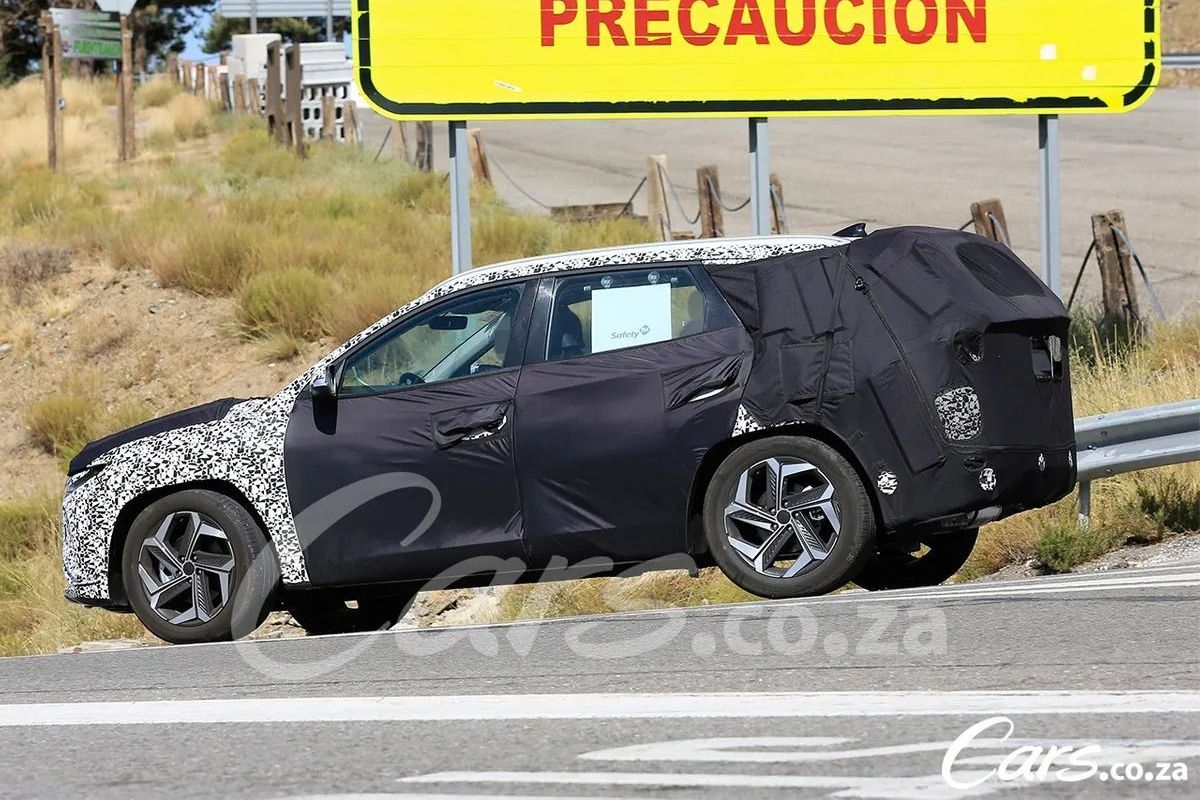
We've already seen spy shots of beefed-up next-gen Tucson "Sports" undergoing testing and few would be surprised if Hyundai decided to transplant the i30 N's 202 kW/353 Nm 2.0-litre turbopetrol (mated with an 8-speed dual-clutch transmission, as in the facelifted version of the hot hatch) in the next generation Tucson. But, no, not necessarily… 
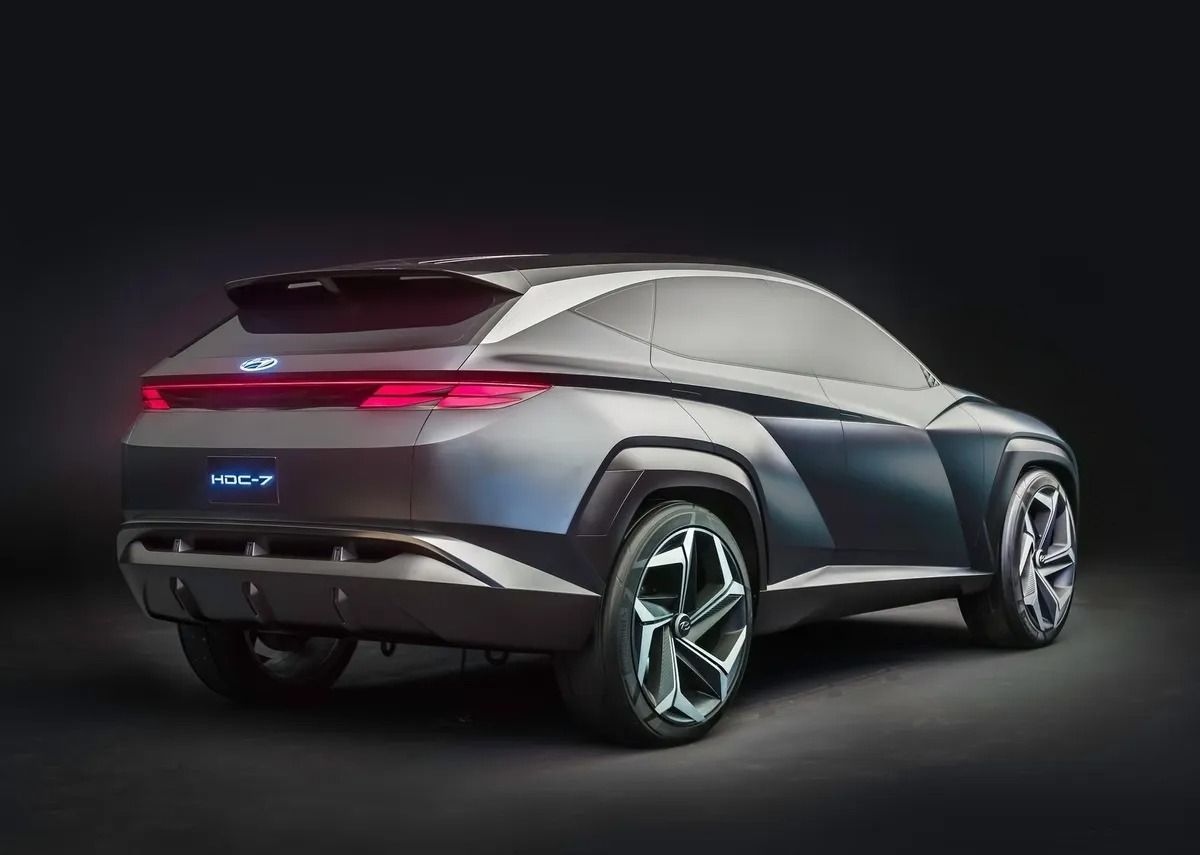

It stands to reason that "Sensuous Sportiness" would be best embodied by an upcoming Tucson N derivative…

The new report suggests the Tucson N will be powered by a 2.5-litre turbopetrol unit that produces "at least 340 bhp (254 kW)", in combination with an 8-speed dual-clutch automatic 'box and an all-wheel-drive setup. The powerplant will ostensibly be a beefed-up version of the 213 kW/422 Nm motor that debuted in the recent Kia Optima GT. 

Korean Car Blog anticipates the upcoming Tucson N will have a 0-100 kph time of "under 6 seconds". Its expected peak power output compares favourably with that of the recently-unveiled, Mzansi-bound 235 kW Volkswagen Tiguan R, although the Wolfsburg-based brand has not released claimed performance figures for its newcomer.

Hyundai is reportedly keen to bring such a halo derivative to fruition to change the market’s perception of the (until now) safe and predictable Tucson nameplate. Unnamed "Hyundai insiders" told the Korean site the firm was “not interested in making also-ran cars with N badges on them in whatever class they compete”. Let the battle begin!

Related content:

Potent new Volkswagen Tiguan R Revealed

Facelifted Volkswagen Tiguan Revealed

Toyota RAV4 Gains More Tech

Spy Shots: 2021 Hyundai Tucson
Hyundai Tucson 1.6T Elite Sport (2019) Review
Peugeot 5008 (2019) Launch Review

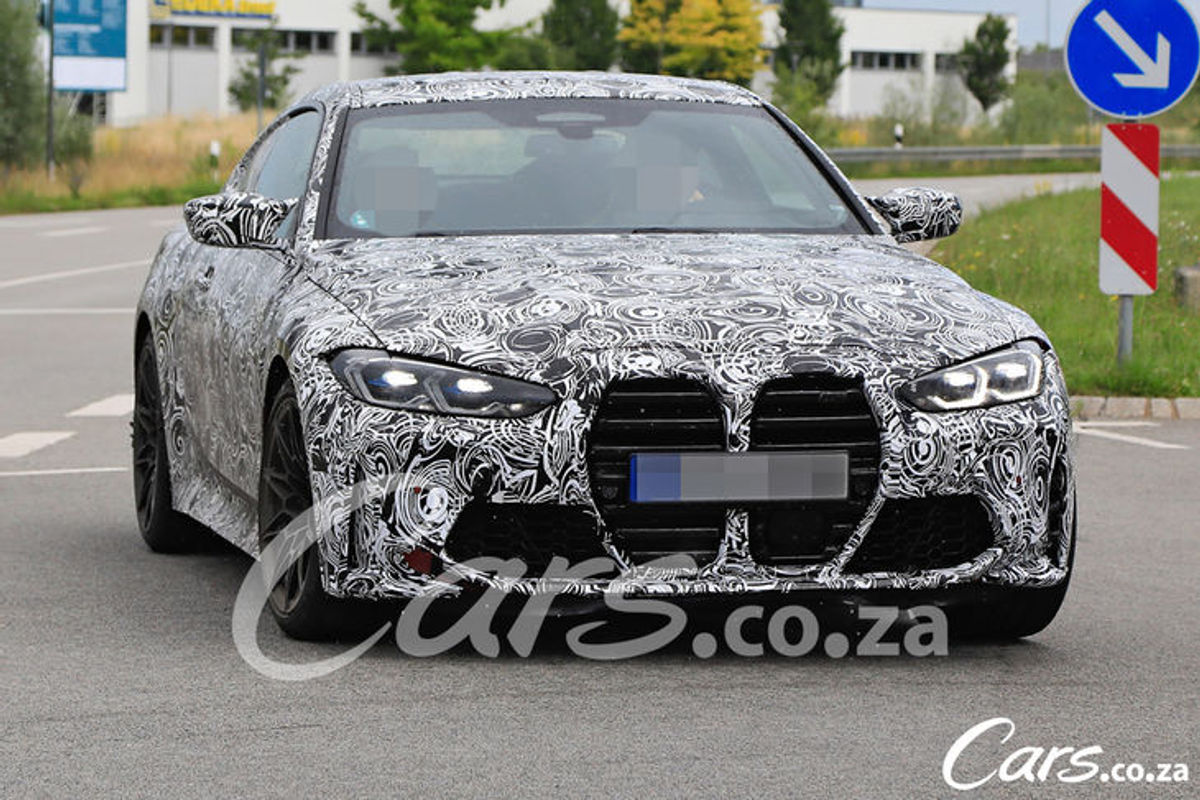
Spy Shots: 2021 BMW M4 Grille

You knew it was coming! The next-gen BMW M4 will have the GRILLE as these latest spy shots show. Also, who knew BMW M had a sense of humour? 

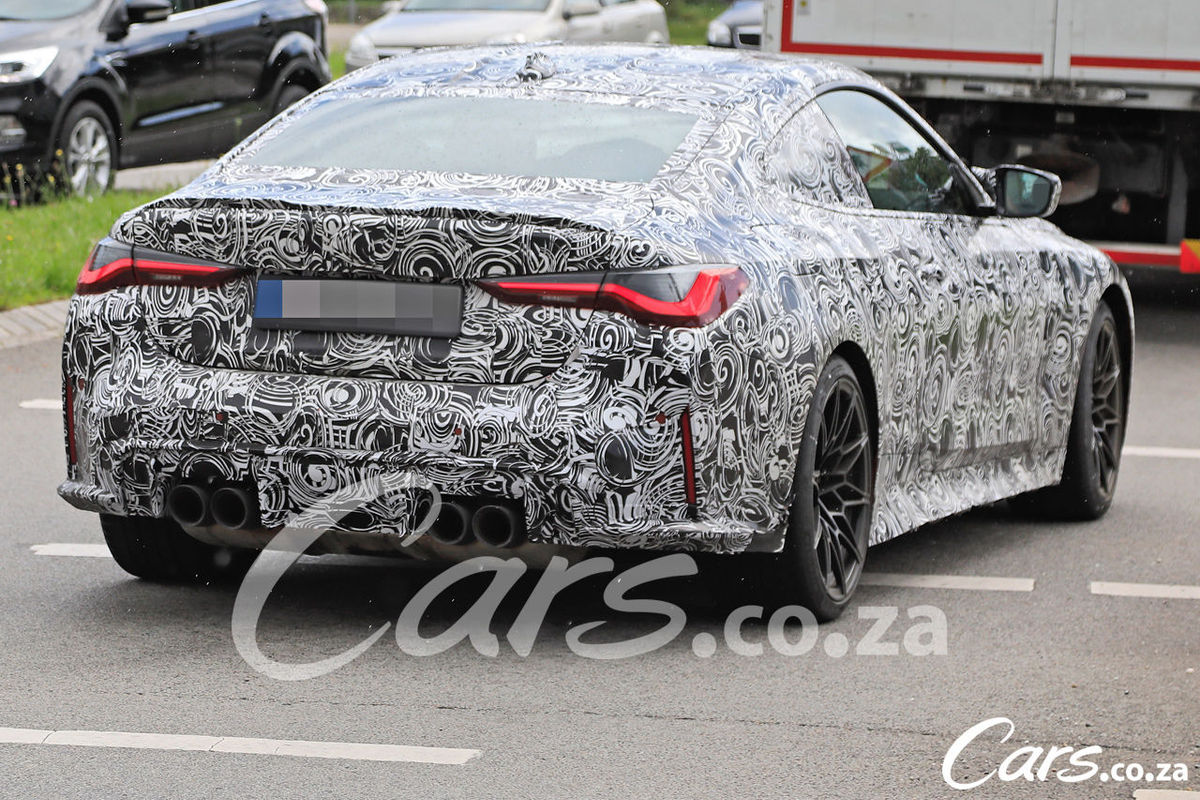
Picture credit: S. Baldauf/SB-Medien. We have paid for these photos and at the photographer's request, have watermarked them.

This is the first time we're seeing the next-gen BMW M4 with the controversial grille. Previous spy photos have all featured prototypes with heavy camouflage on the front end, but these latest images show the dominant kidney grille as well as more streamlined vents and ducts.

The rear gains a more prominent rear bumper, quad exhausts and versions of the lights we've seen on the BMW 4-Series. 

As for power. we know the base spec BMW M4 will have the S58 engine (from the X3M/X4M) and it will send around 353 kW and 600 to the rear wheels through a 6-speed manual gearbox. A Competition model is on the cards, but with 375 kW, M xDrive and an 8-speed automatic transmission.

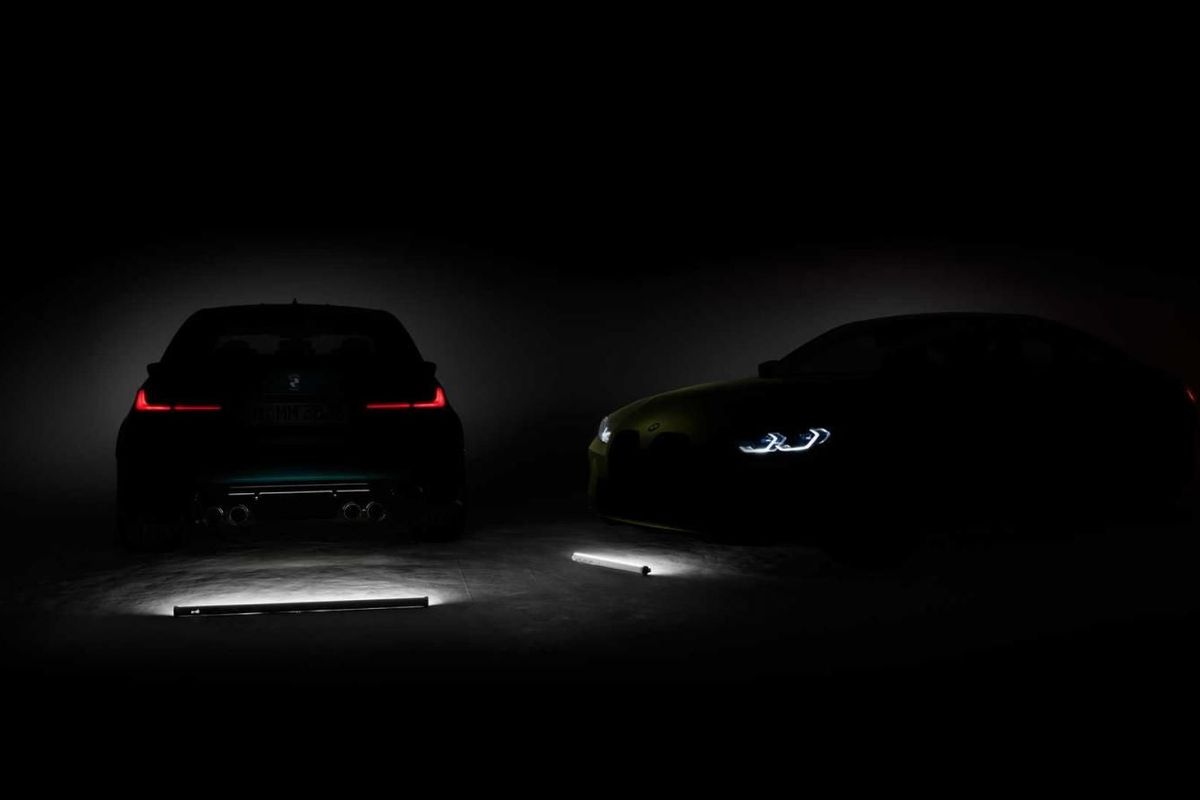
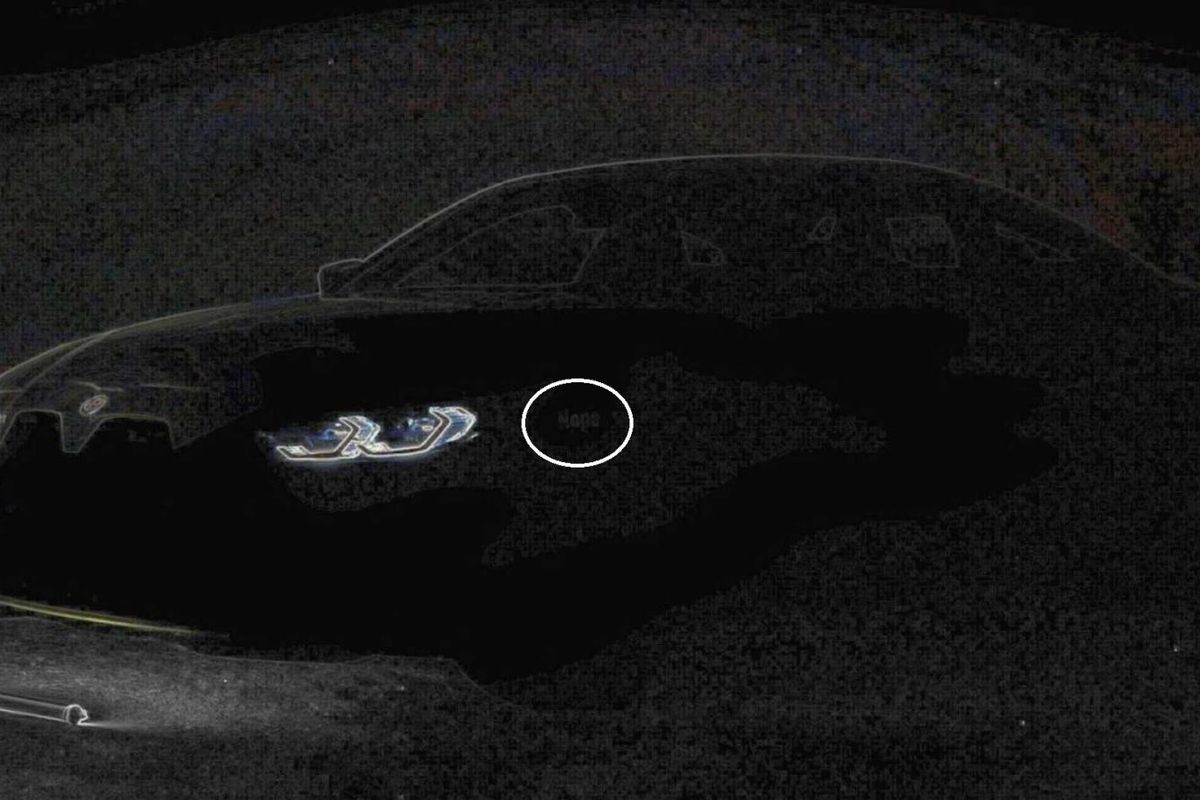
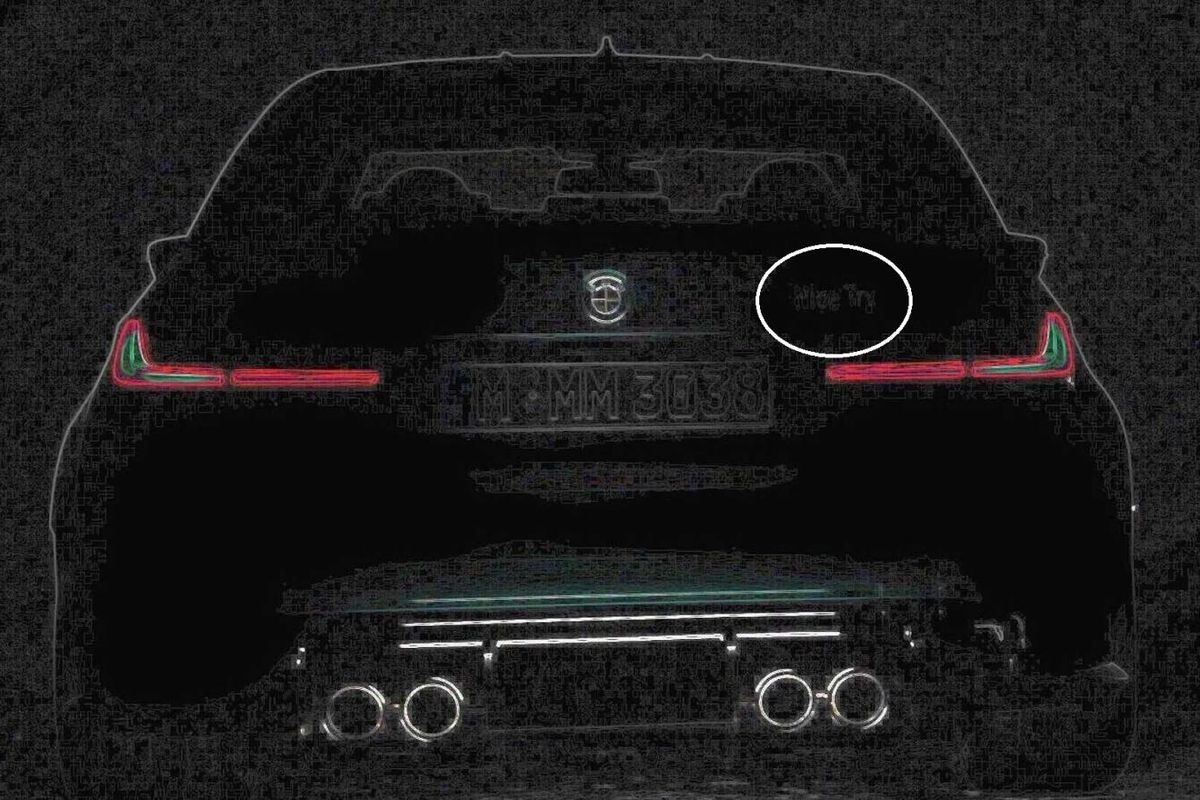
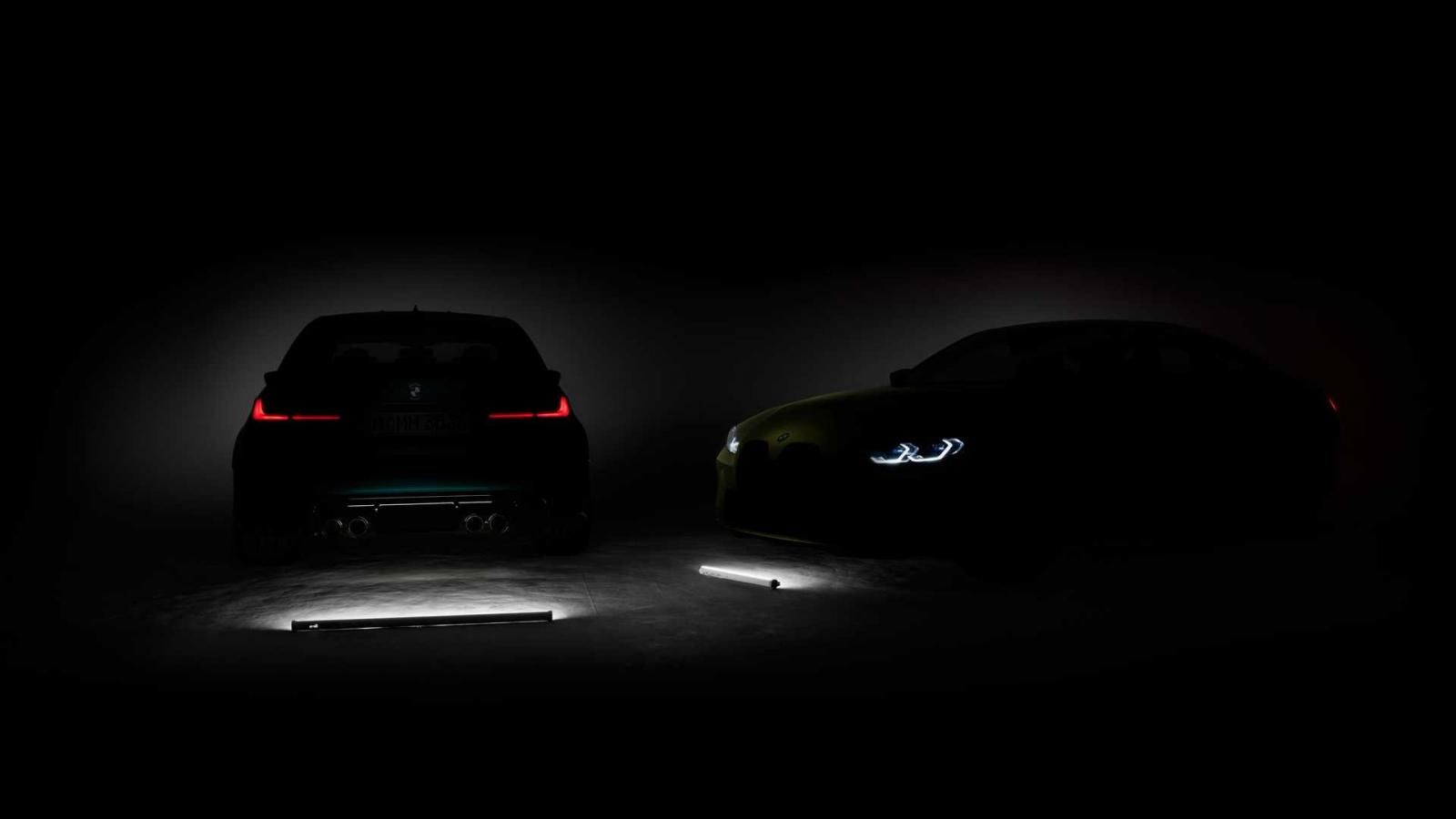
We won't have to wait long as BMW has already teased its new M3 and M4 with the below image, with an official reveal in September 2020. However, as pointed out by Motor1, if you zoomed in and played around the lighting, the messages Nice Try and Nope came up.  

Further Reading

Disguised 2021 BMW M3 at the Nurburgring [Video]

2021 BMW M4: Is this it?

10 Cool Things: BMW 4 Series & upcoming M4

BMW M3 (2020) International Prototype Drive

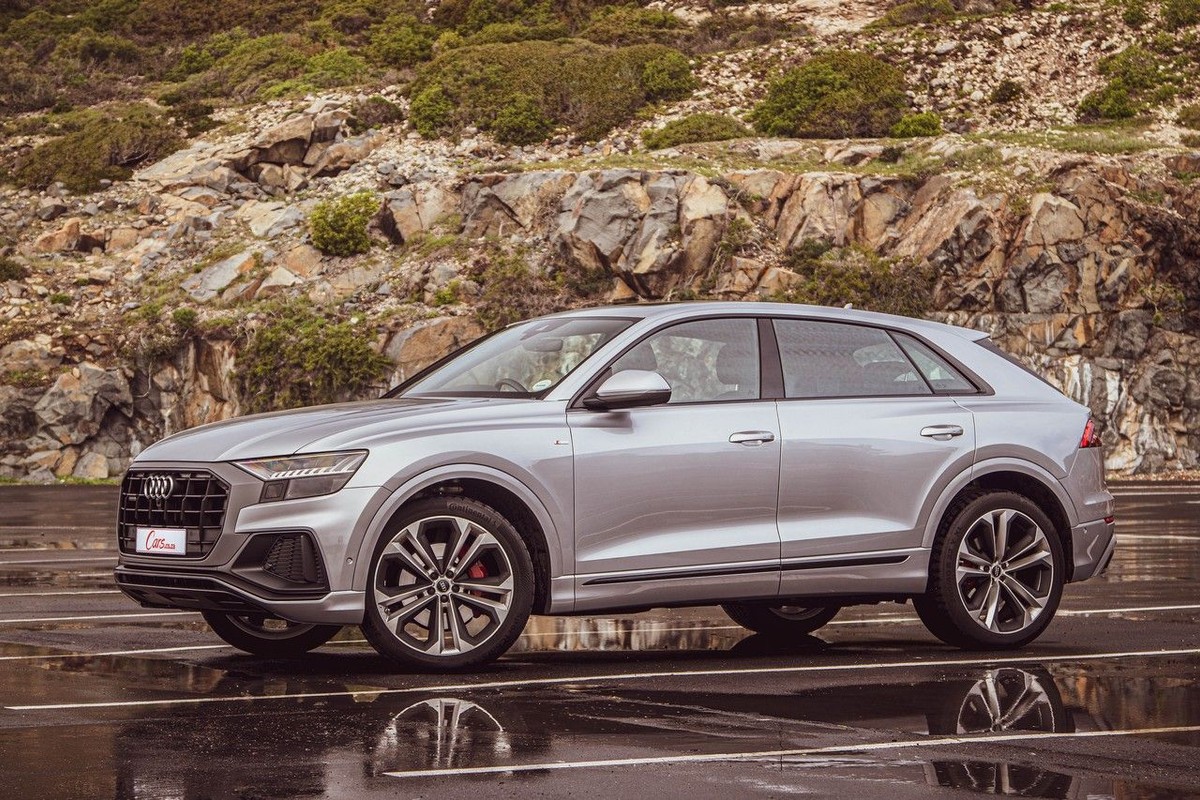
Audi Q8 45 TDI quattro (2020) Review

The Audi Q8 range has been expanded through the introduction of a turbodiesel-powered offering. While we were quite enamoured with the V6 turbopetrol derivative, a diesel version may be a smarter proposition. We spent a few days getting to know the Audi Q8 45 TDI better…

We like: Potent engine, fuel consumption, fit and finish, futuristic cabin, refinement galore. 

We don’t like: Expensive, no 7-seat option.

Fast Facts: 

  • Price: R1 573 500 before options (July 2020)
  • Engine: 3.0-litre V6 turbodiesel
  • Power/Torque: 183 kW/600 Nm 
  • Transmission: 8-speed Tiptronic
  • Fuel consumption: 7.8 L/100 km (claimed) 
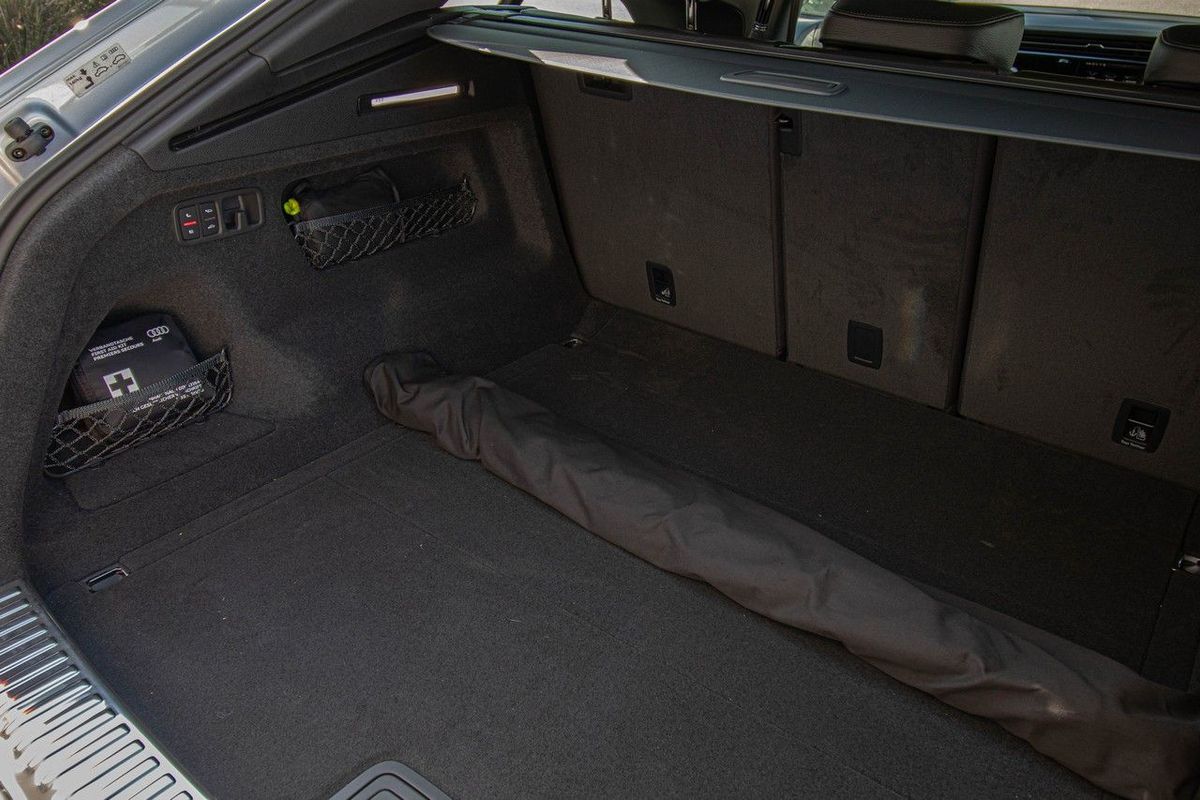
  • Boot capacity: 605-1 755 litres
  • Performance: 0-100 kph in 7 sec.

What is it? 


We first sampled the Audi Q8 in the middle of June 2019 and a year later, we're behind the wheel of the 45 TDI.

When the Audi Q8 first burst onto the scene, it wowed us with its jaw-dropping, coupe-inspired styling, exceptional finishes and tech-laden interior. The sharply-styled Premium SUV Coupe was an emphatic statement by Audi that it refused to be overshadowed by its fellow German brands BMW and Mercedes-Benz's X6 and GLE Coupe models.

But the luxury off-roader market is a cutthroat segment, to say the least. During the past 18 months, we've seen all-new versions of the BMW X5 and X6, Mercedes-Benz GLE and GLE Coupe, as well as the Porsche Cayenne and Cayenne Coupe. Truth be told, Audi hampered the Q8's prospects by offering just one powertrain when it launched the model in South Africa. However, a turbodiesel-powered Q8 derivative is now available locally (and, for those craving V8-powered Audi SUVs, well, they're on their way).

A glance at the sales figures highlights just how popular turbodiesel derivatives are in this segment. It's easy to see why: as a general rule, larger-capacity turbodiesel SUVs offer a more relaxed driving experience; their lofty torque outputs make them useful for towing caravans/horseboxes and, let's not forget the fuel-consumption benefit: diesel-powered SUVs tend to be thriftier than their petrol-powered counterparts. Mind you, in this segment, if you can afford to buy the beast, you should be able to afford to feed it. 

This review focuses purely on the 45 TDI quattro's new turbodiesel powertrain, as we've had considerable experience with the Audi Q8 already, albeit powered by a 3.0-litre turbopetrol engine. How does this new turbodiesel-powered derivative fare – is it markedly better than its unleaded-consuming sibling?

How it performs in terms of…

Performance, fuel economy and handling


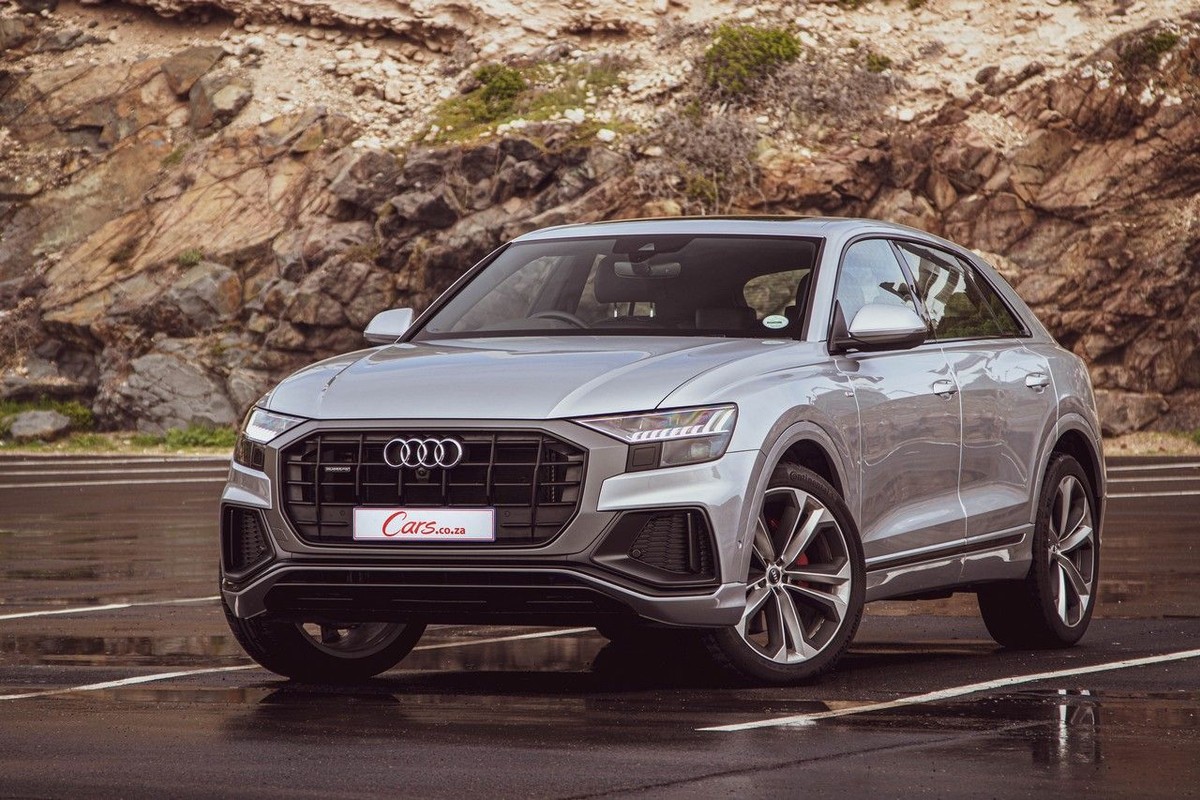
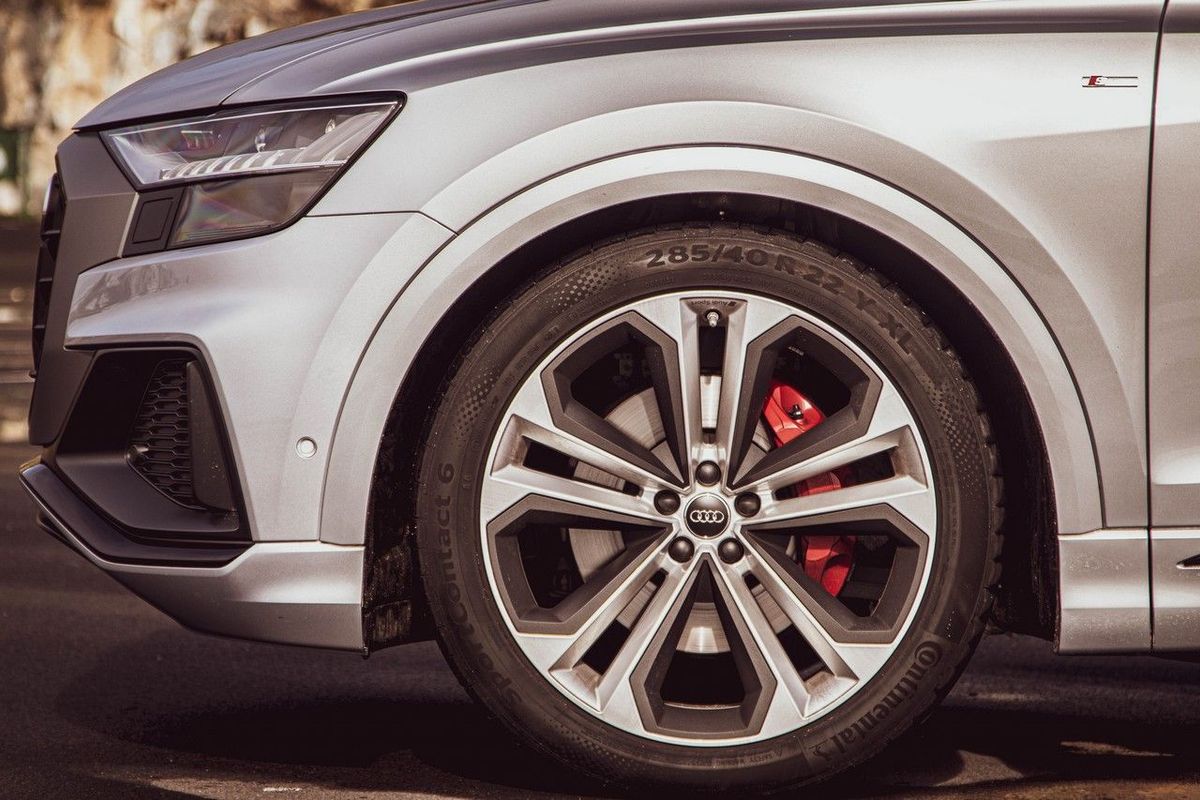
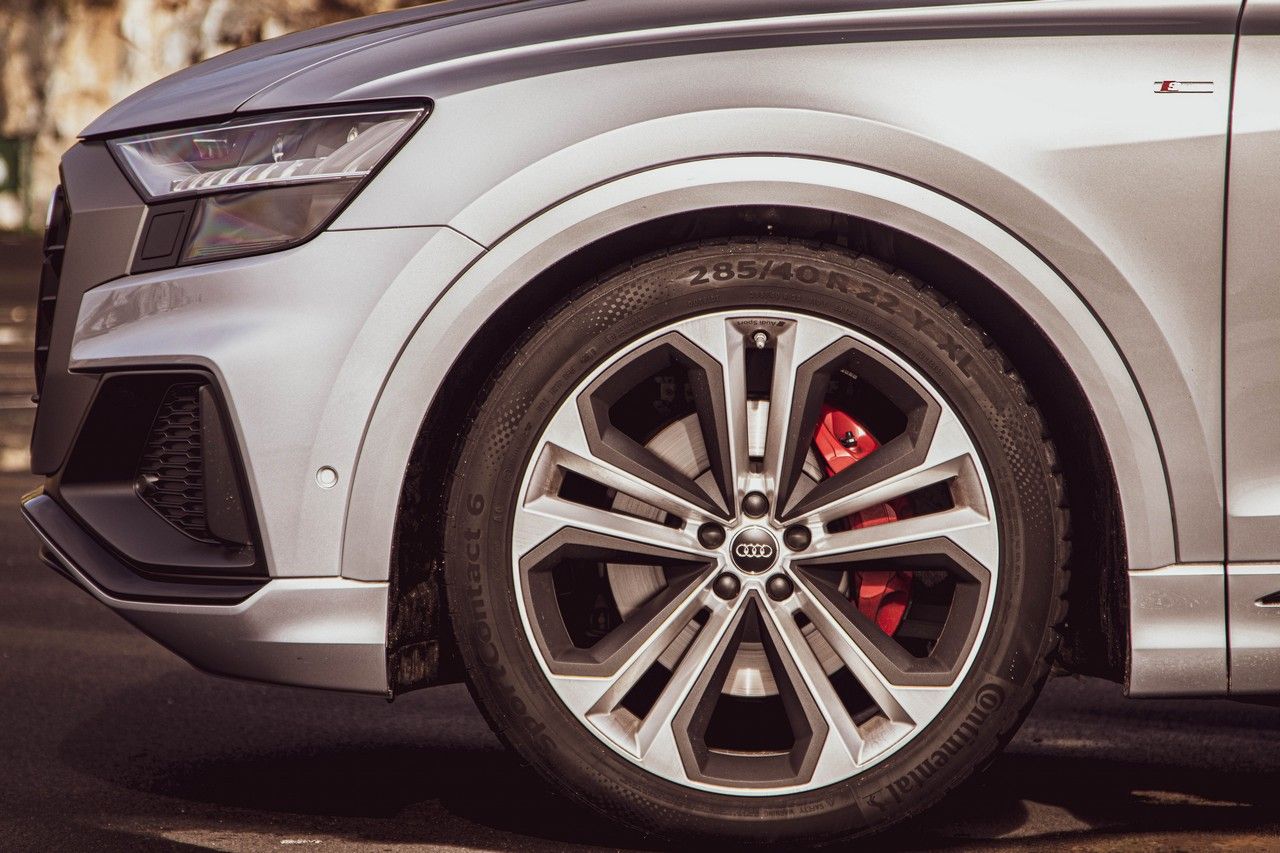
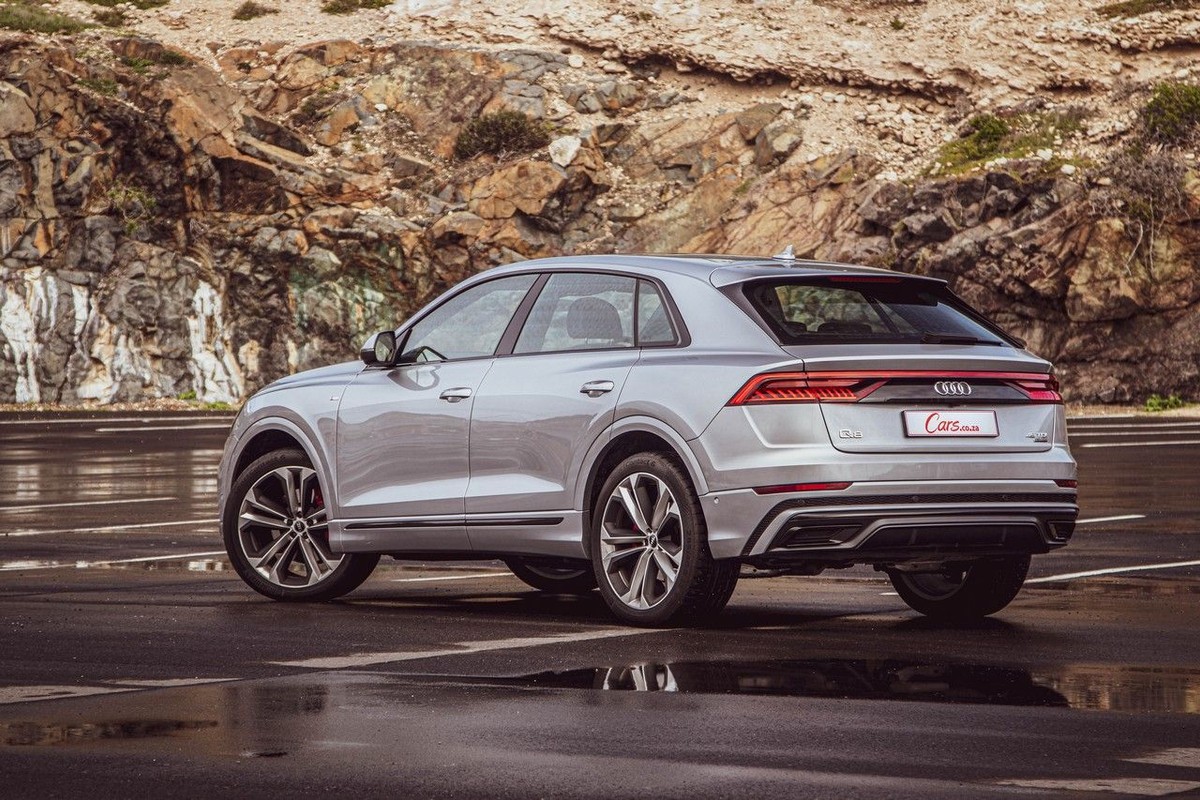
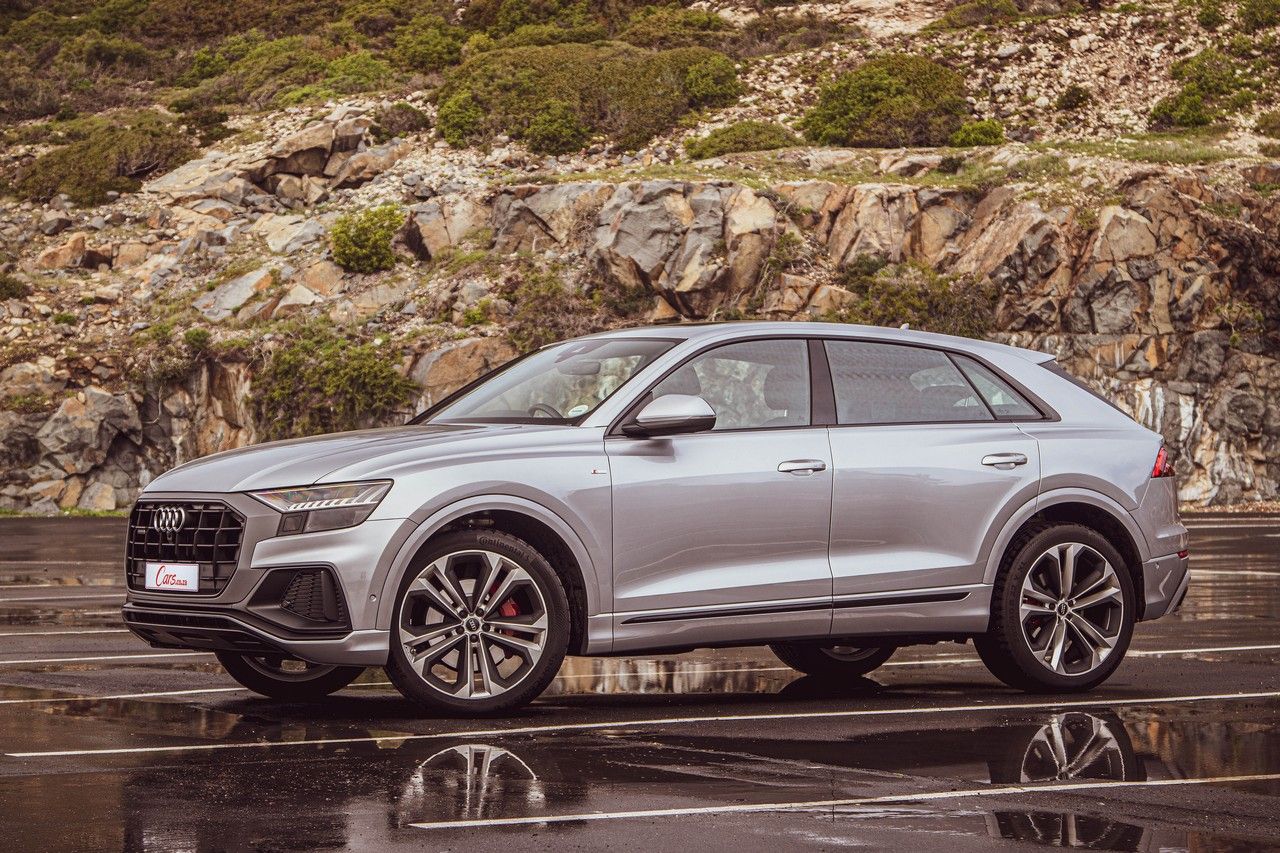
Despite being shod with massive 22-inch alloy wheels, the Audi Q8 offered a smooth and supple ride.

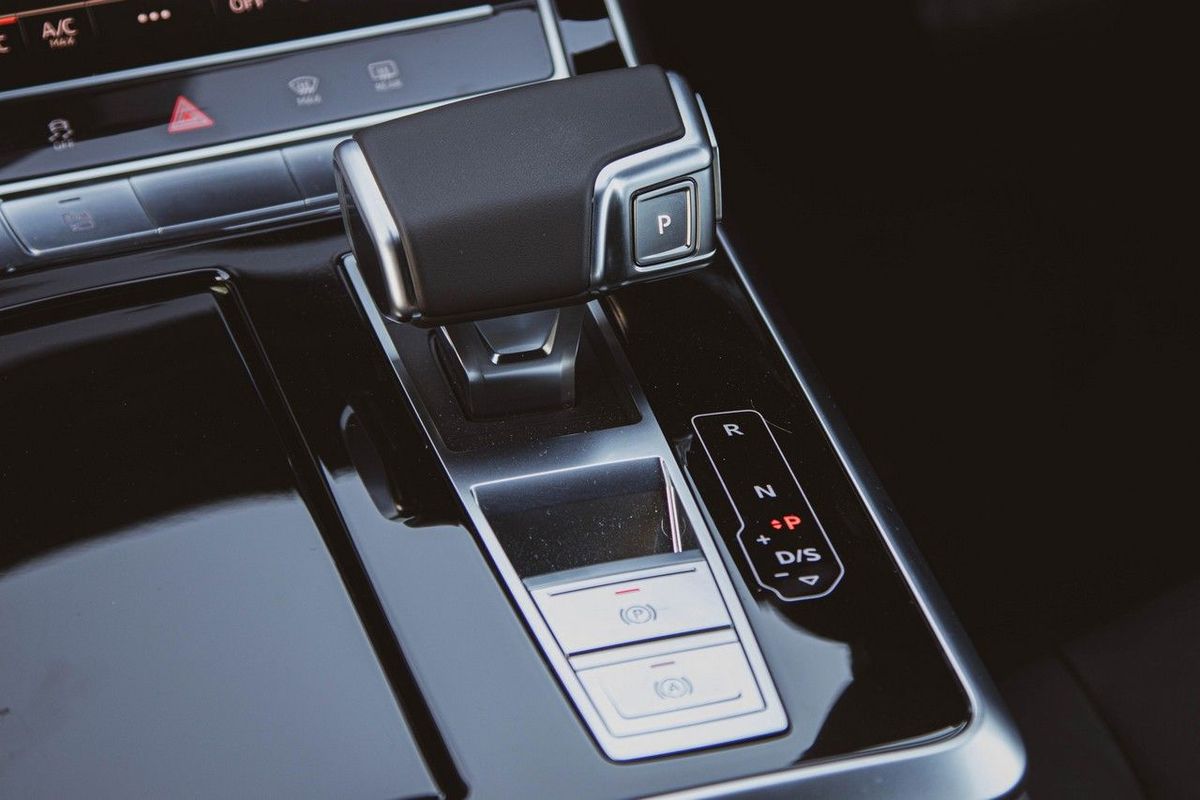
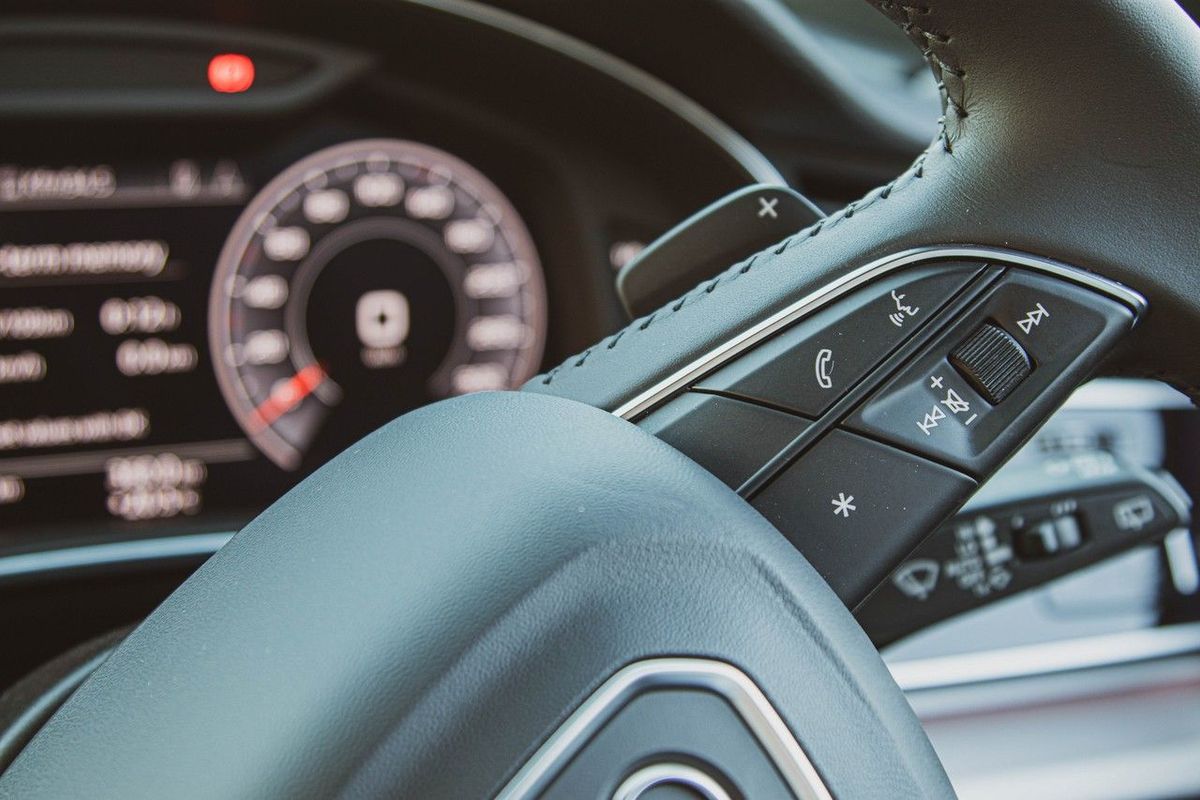
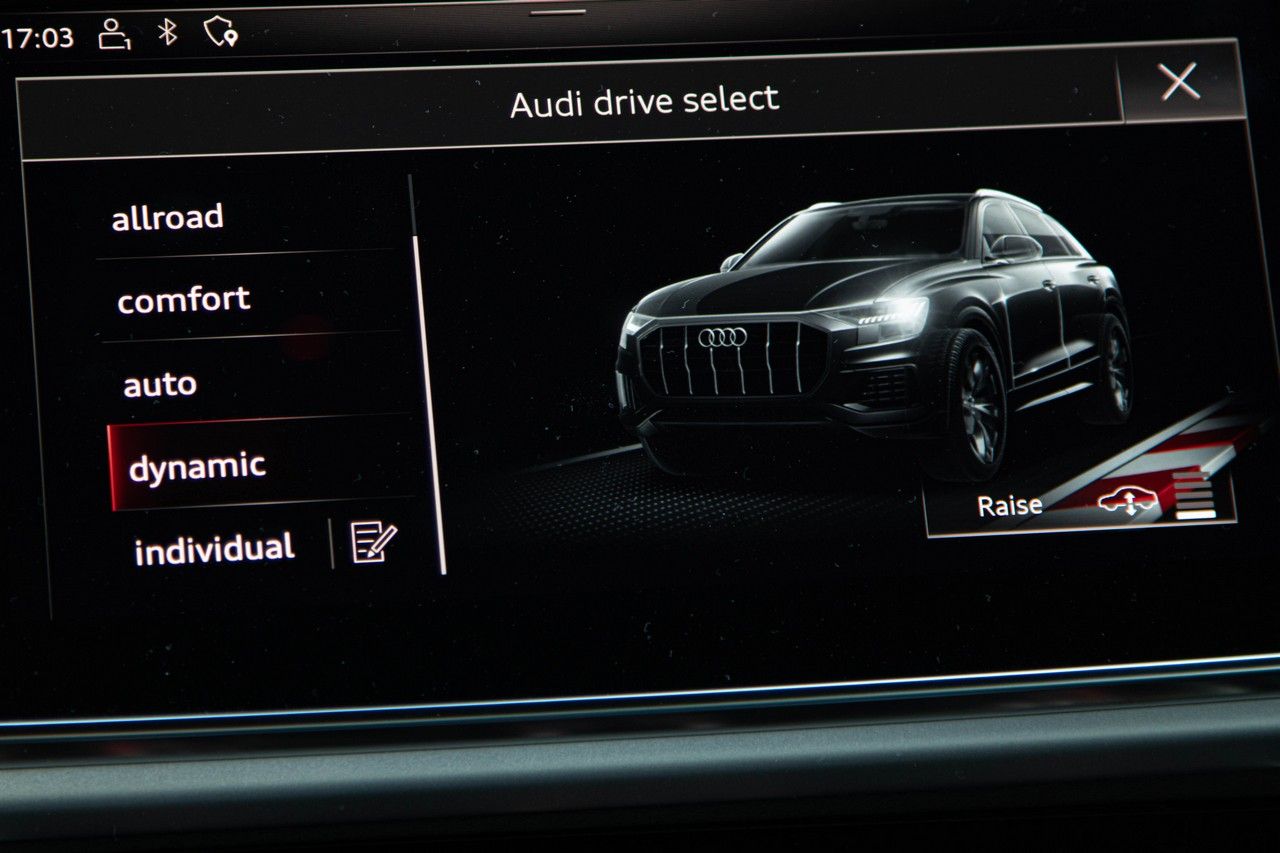
A 3.0-litre turbodiesel V6 lurks under the 45 TDI quattro's bonnet. It's not our first experience of this motor: we've previously evaluated it in the Volkswagen Touareg, but, as a matter of interest, the latter delivers a touch more power at 190 kW (as opposed to this Audi's 183 kW), but we doubt you'd be able to feel the difference. The 8-speed automatic transmission offers supremely smooth 'shifts, but isn't the most responsive 'box to change up/down when you're pressing on in the default modes. If you take command by using the steering-wheel paddles and switch to Dynamic mode, the Q8 becomes far more engaging to drive, but, it's still essentially a large luxury SUV, so don't expect fireworks.

For a vehicle with such large dimensions and bulky proportions, nimble handling is not a priority, but the all-wheel-drive Q8 – shod with its optional 22-inch rubber – proved reassuring to pilot around some twisty bits of tarmac. It's not an interactive driving experience, nor did we expected it to be, but the Audi managed to make us believe we're behind the 'wheel of a smaller vehicle. The steering is good too, with reassuring solidity and directness. We were ever-aware of the Q8's width, however – it's not a narrow vehicle, so parallel parking required some forethought. Thankfully, the parking cameras are excellent and we were able to slot into normal-sized bays without much effort.


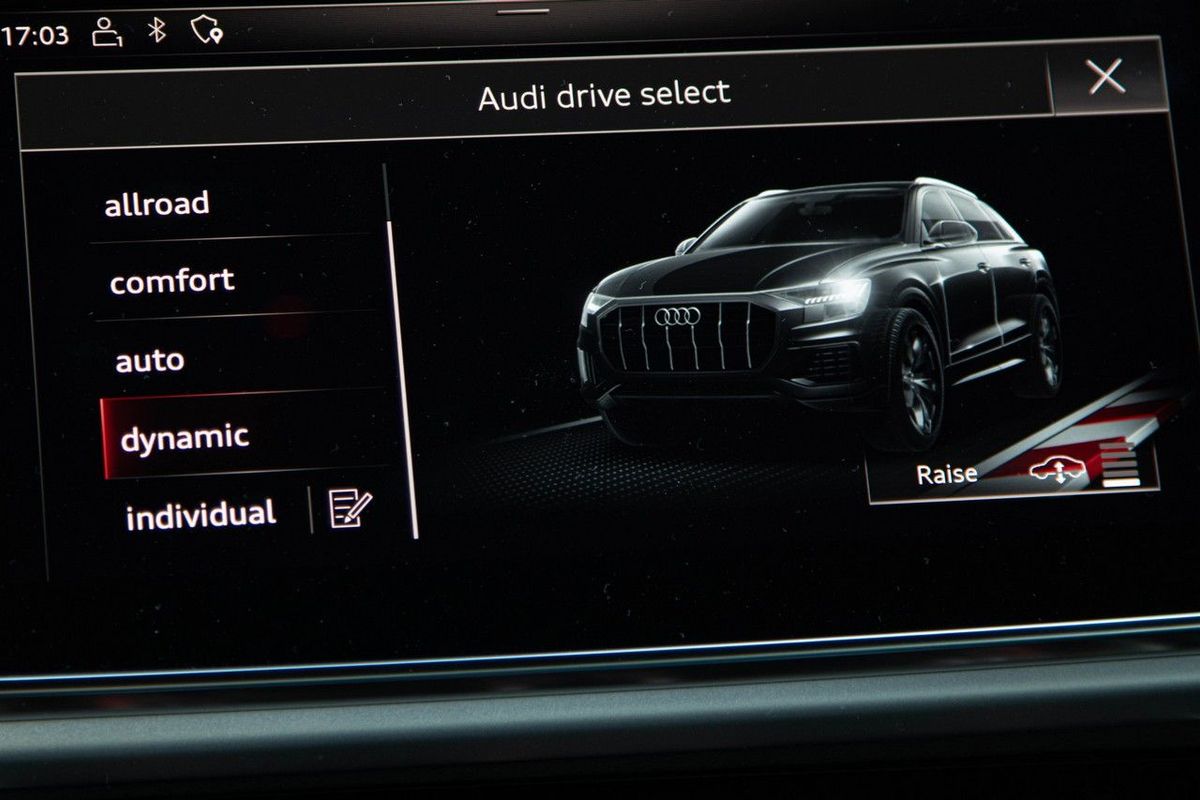
The various modes of the Audi Q8. It's interesting to see how the air suspension raises and lowers depending on the mode.

The 45 TDI quattro's real strength is its open-road prowess and, despite riding on large wheels, the Audi offers an impressive level of refinement and comfort, plus road-noise- and diesel-clatter suppression. With our shoot location entered into Google Maps (conveniently available via the Q8's touchscreen's Android Auto interface), we headed north along the West Coast. Mindful of the area's average-speed cameras, we engaged cruise control and were impressed by how crushingly competent the diesel-powered Q8 was.

With 600 Nm of torque on tap, overtaking manoeuvres were effortless; the Q8 will readily cover large swathes of tarmac with ease. It is immensely satisfying to lean on the accelerator pedal and feel the diesel motor stir. Don't be too heavy-footed – it will cause the transmission to hesitate before changing down gears, but still, the feeling of all 600 Newtons calmly hitting the tarmac is worth savouring. Audi has even managed to give its V6 TDI a bit of a sporty note – gone are the days of motors with harsh diesel clatter.

The Q8 has an 85-litre fuel tank and it's expected range from a to-the-brim fill-up is 962 km. During the 45 TDI quattro's tenure in our test fleet, we saw an indicated average fuel consumption figure of around the 8 L/100 km mark. If you use Eco mode, we're confident the figure could dip into the 7s. Our vehicle featured air suspension, which we noticed would raise and lower the vehicle automatically depending on mode. If you engage Allroad mode, the Q8 rises up majestically to offer enough clearance to clear most obstacles.

Could the 45 TDI quattro venture offroad with confidence, though? With Audi's integral all-wheel-drive system (with self-locking centre diff), which apportions torque between the axles, we'd say yes, it could easily tackle some gravel and muddy roads. Whether owners would be brave enough to risk scraping those gorgeous 22-inch alloys is a moot point.

Exterior styling


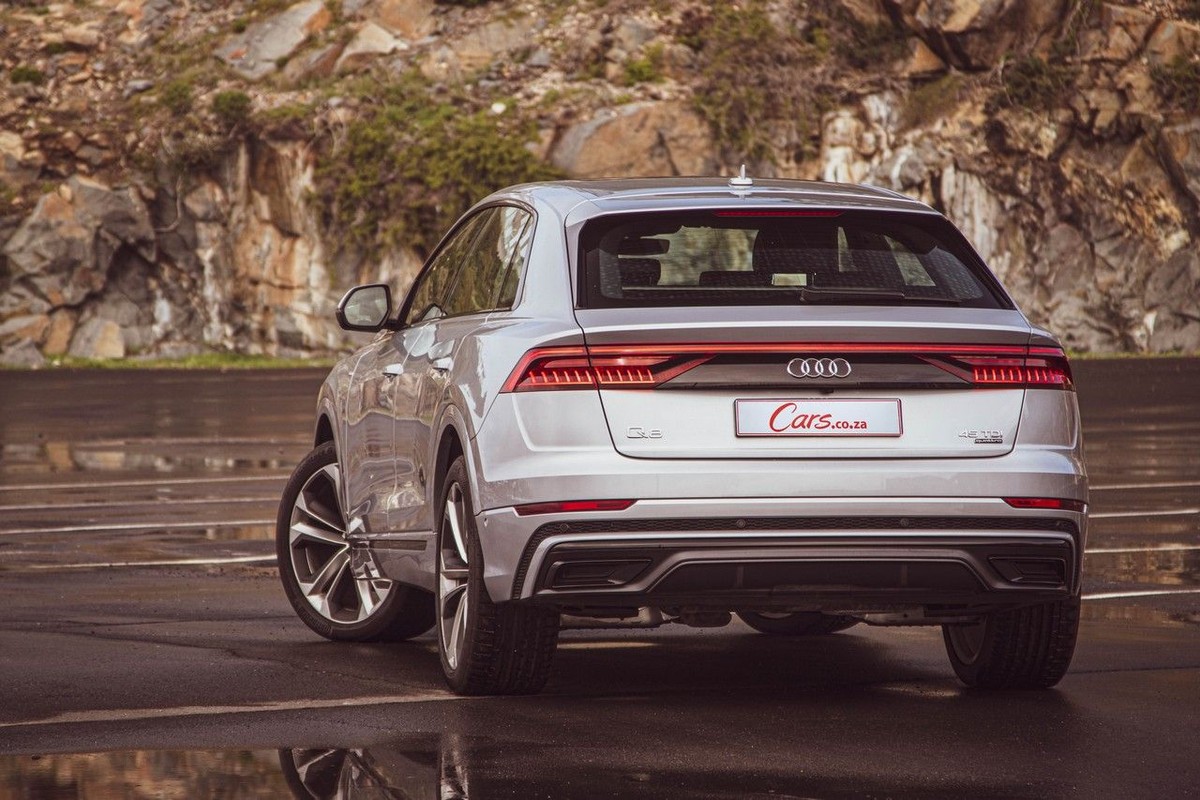
The rear lights of the Audi Q8 put on a show at night when you unlock the car and will wow onlookers

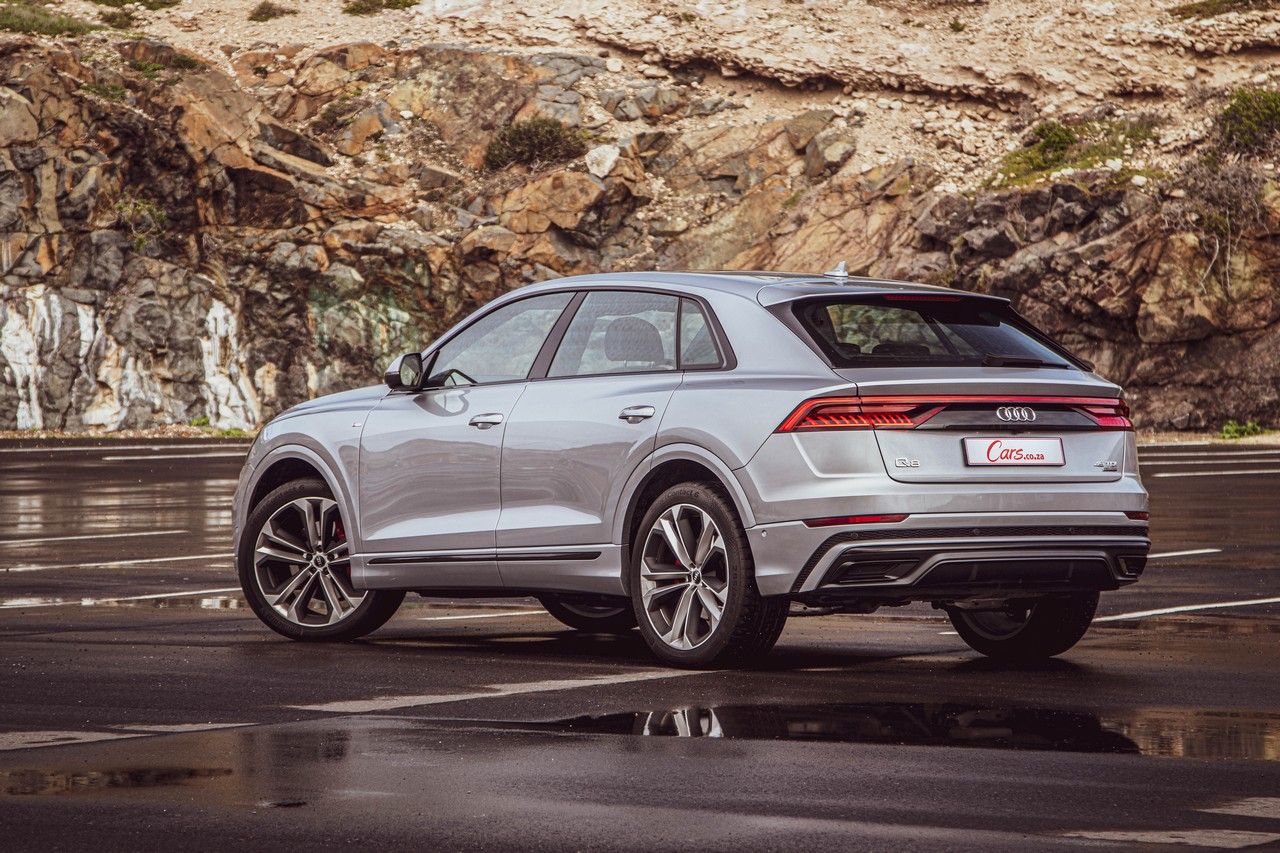
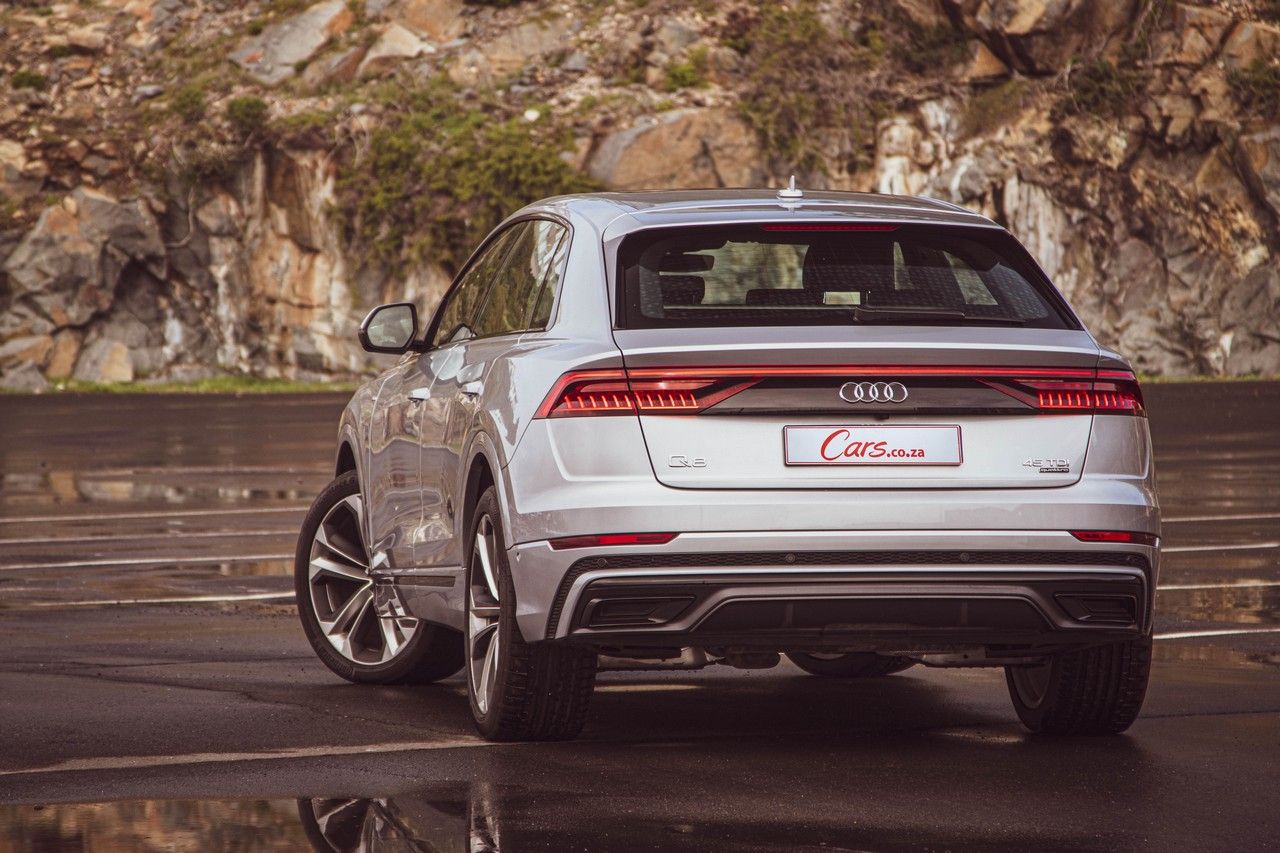
Make no mistake, this is easily one of the most visually-striking vehicles on the road. The Audi Q8 is classed as a coupe-SUV or Premium SUV Coupe (in #CarsAwards – powered by WesBank parlance). Whichever way a vehicle such as this ends up being described is a mish-mash because it's essentially a luxury, road-biased passenger car (as opposed to an off-roader) and it has 4 doors (2 more than it needs to be considered a coupe). Here's the kicker: no-one actually cares if the Q8 represents a contradiction in genres; vehicles such as the BMW X6, Mercedes-Benz GLE Coupe, Range Rover Sport and, recently, Porsche Cayenne Coupe, have achieved considerable sales success. 

Granted, our silver test unit isn't as striking as the Dragon Orange-finished one featured in nearly all the launch material, but with its distinctive lines and 22-inch alloy wheels, it drew its fair share of admiring glances. Our test unit also came with the optional S-Line Platinum Package, which adds the aforementioned alloy wheels, red brake callipers and other addenda. The Q8 is chapter 1 of Audi's new design language and we're going to see many products with similar design cues. 

Interior execution and features


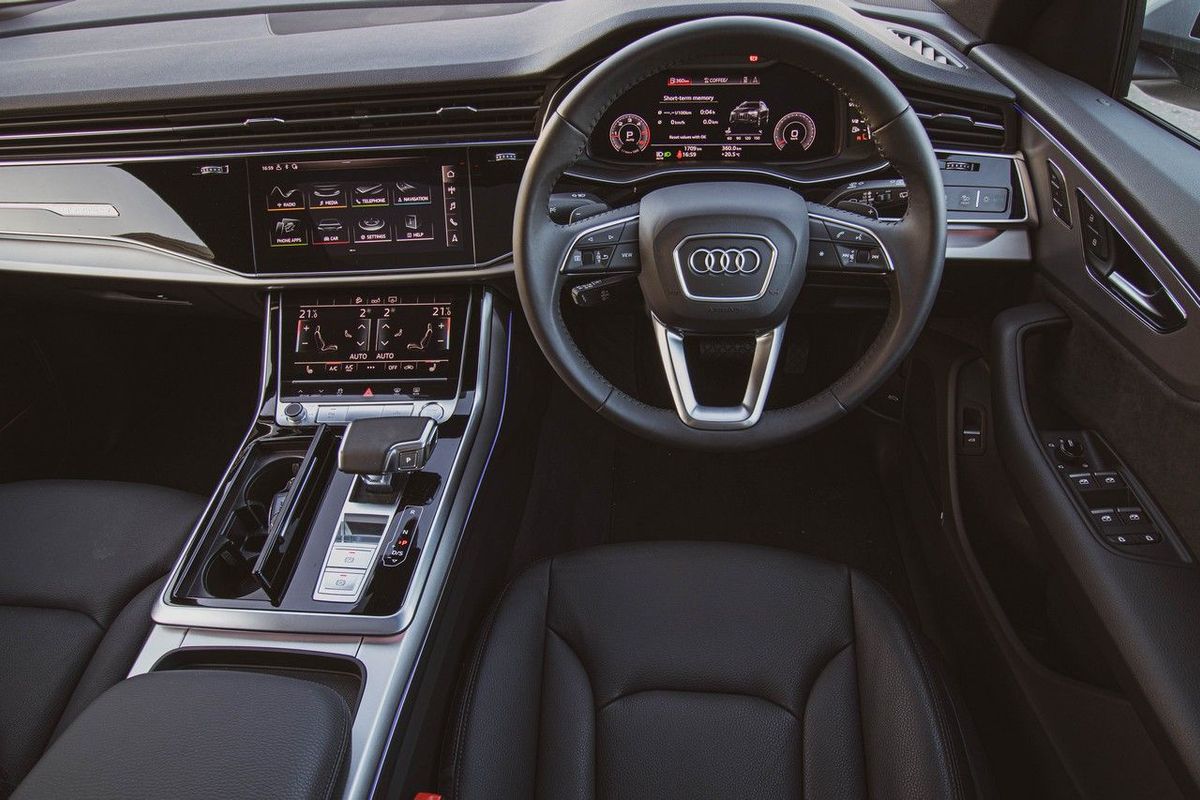
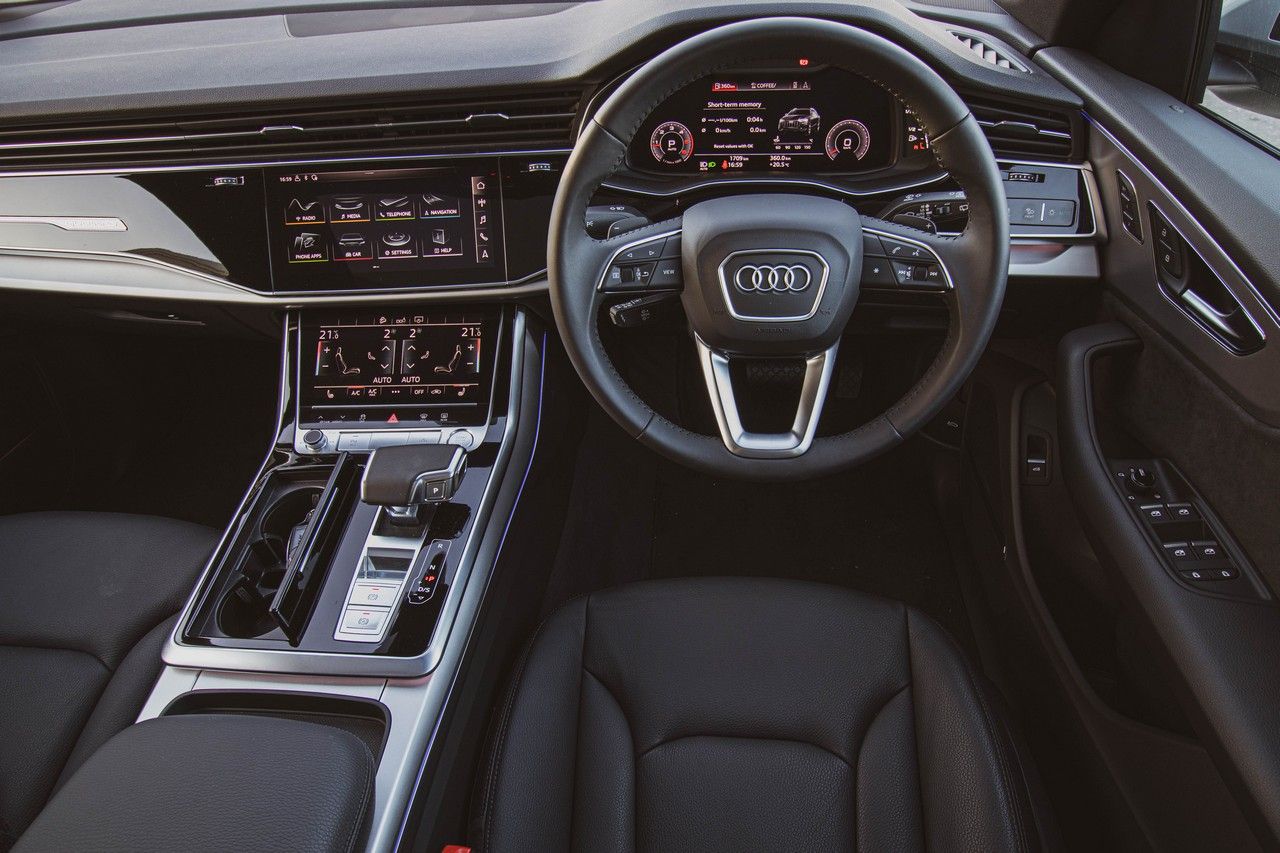
A technological masterpiece. Not only does the cabin exude quality and style, but it also incorporates impressive technology.

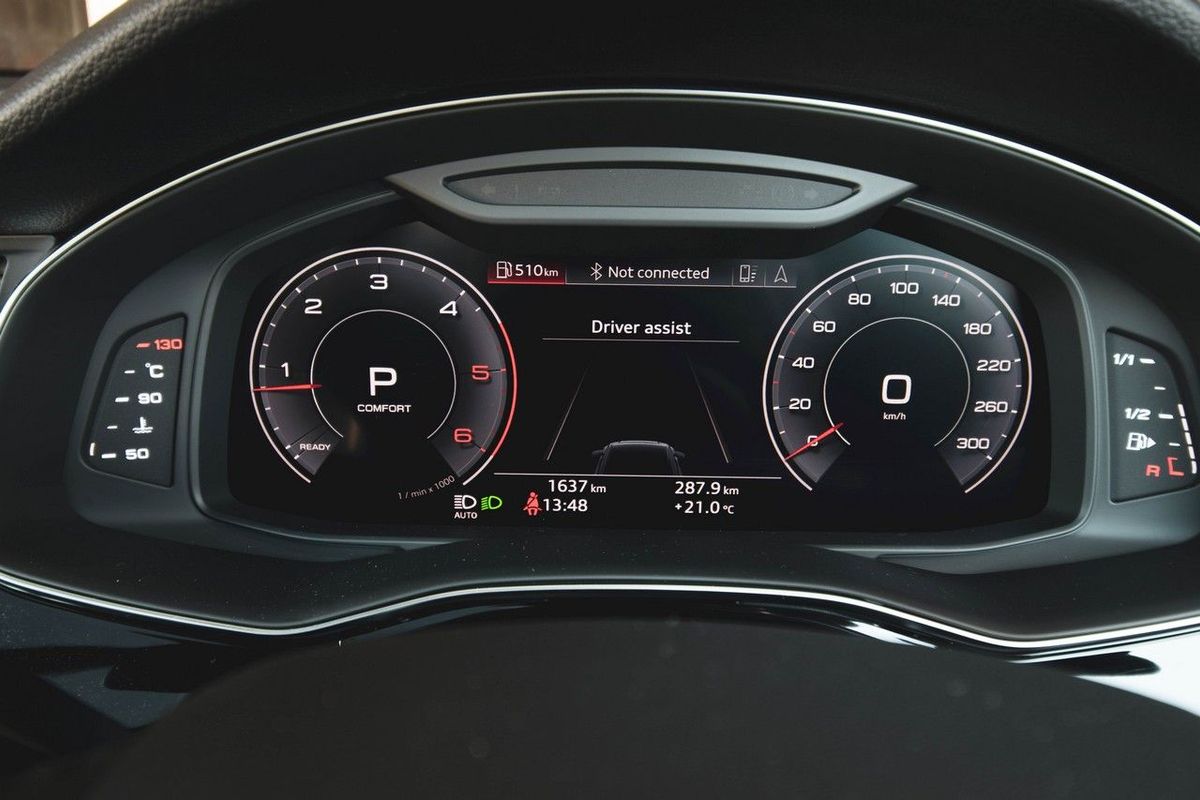
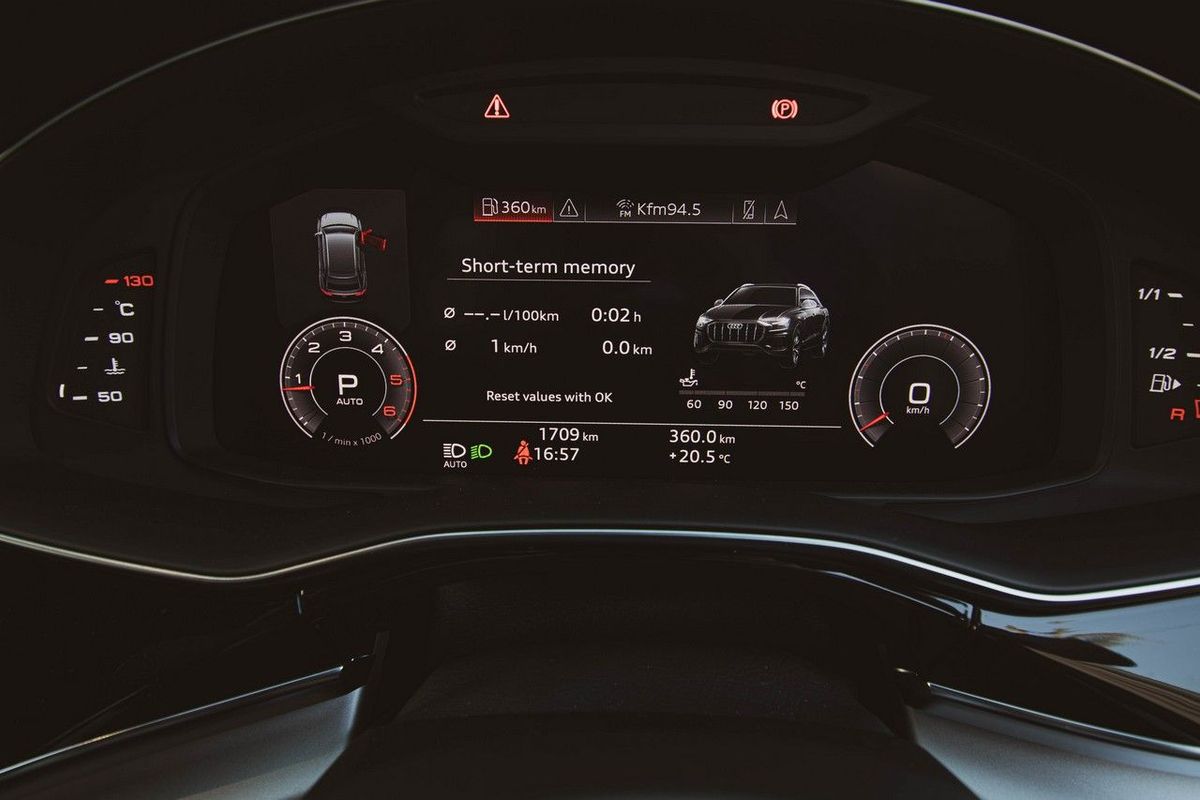
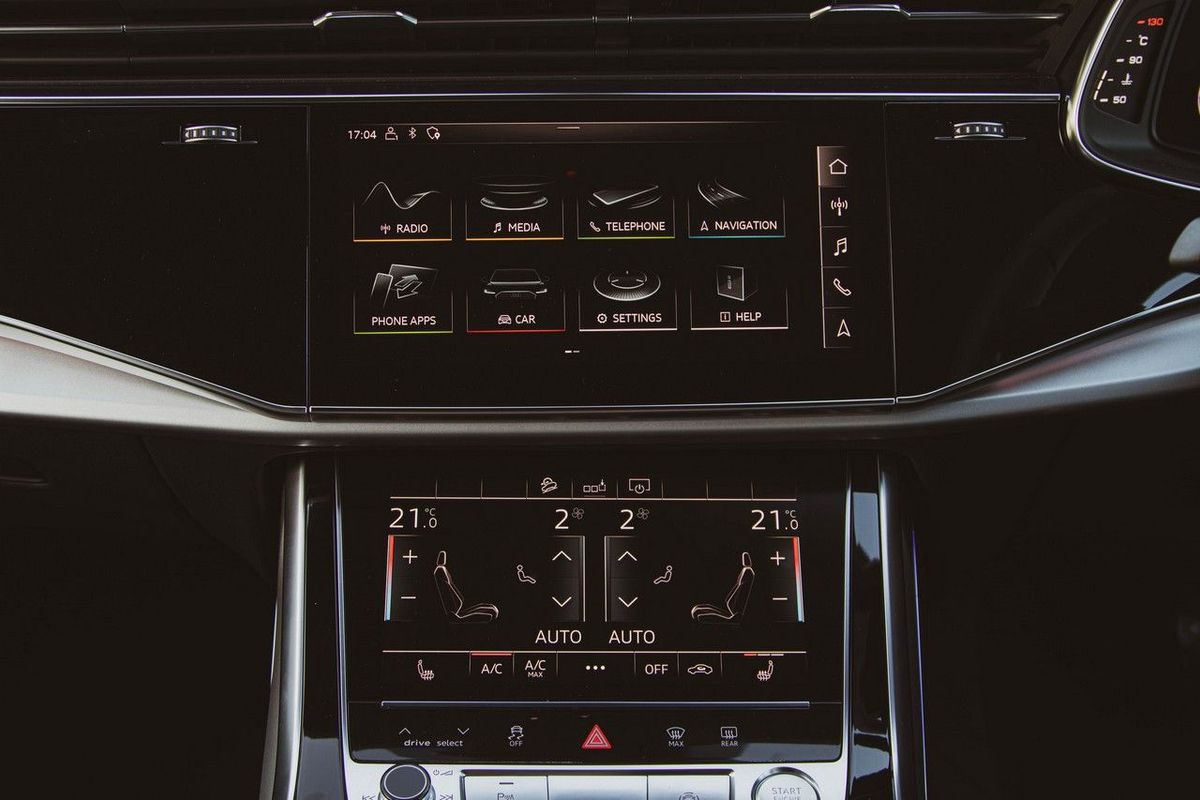
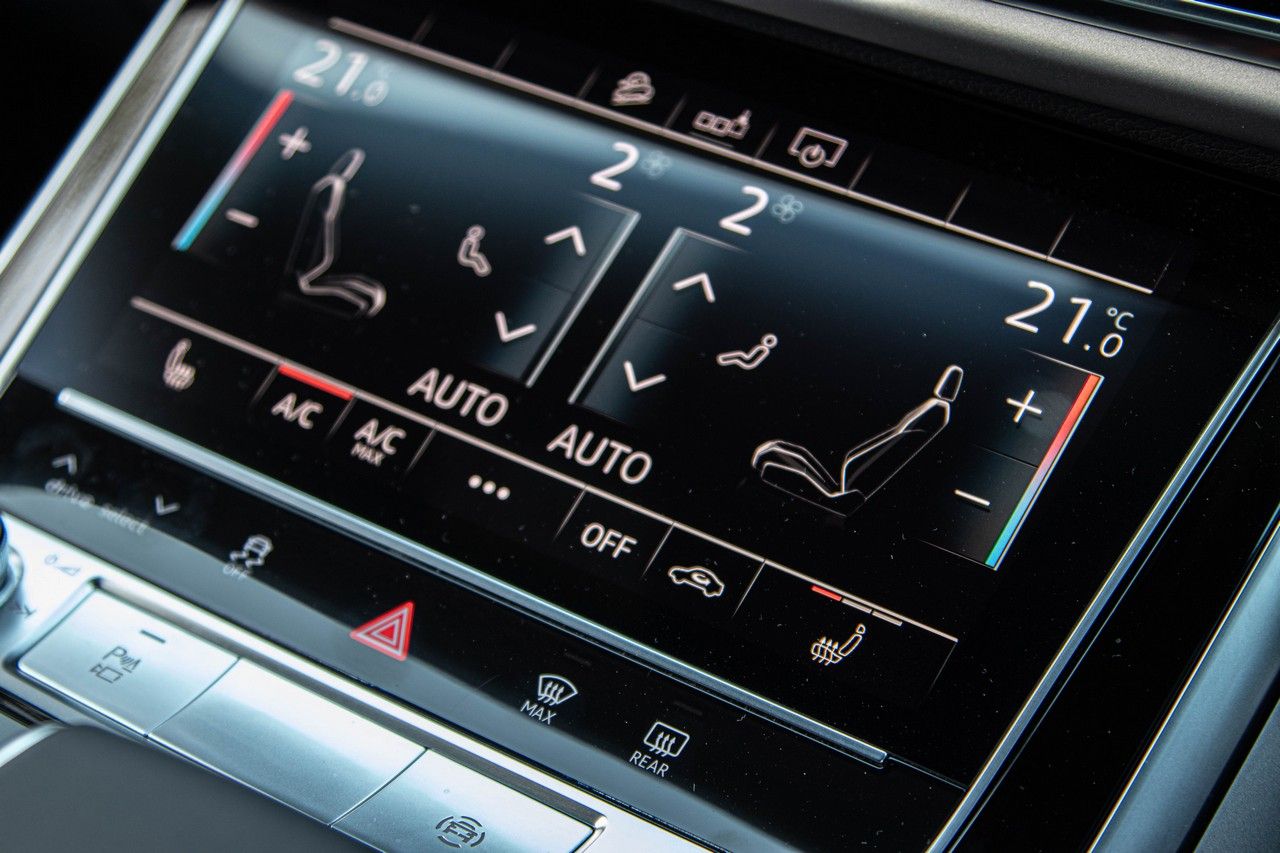
If the Q8's exterior styling piques your interest, the cabin will positively enchant you. The fascia is slick, minimalist, advanced… and unmistakably Audi at its most forward-thinking. Initially, you may find the fascia layout a trifle daunting and the interface of the touchscreen panels tricky to figure out, but after a few minutes, you're likely to get the hang of it all. Audi's digital dashboard (aka Virtual Cockpit) is on duty, but what's really interesting is the central setup, which comprises 2 screens. They're touchscreen units, but Audi has endowed them with haptic feedback, so when you select an option, there's a "click sensation" to make it feel like you've pressed a "button". The graphics and interface are sensational; they'd look more appropriate in a sci-fi movie than a 2020 SUV. Our only gripe? Keep a cloth handy – the screens are easily marked by fingerprints.

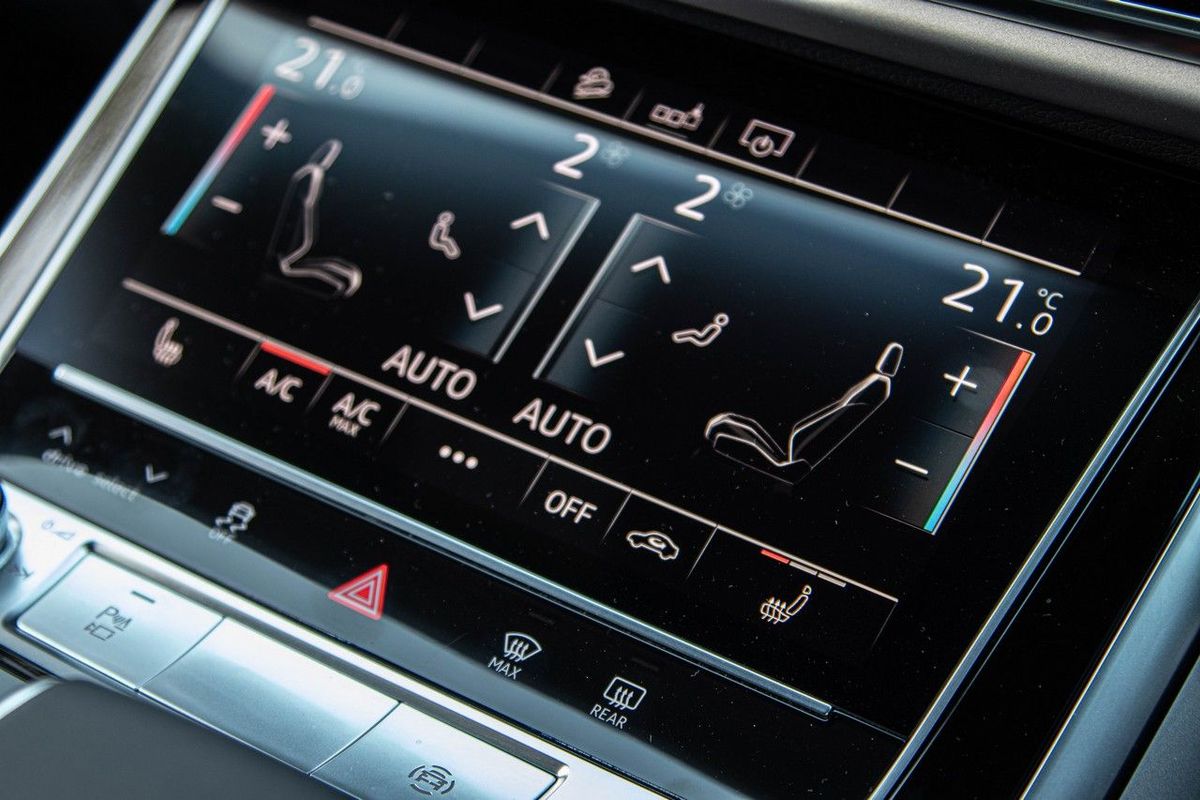
The first screen incorporates most of the functions, apart from climate control and ventilation, which is controlled by the second screen (below it). It looks quite advanced, but we discovered some neat tricks like swiping up and down on the temperature scale to make quick adjustments… No more manual adjustments of increments in half degrees! In terms of connectivity, Android Auto and Apple CarPlay are supported, which allows you to mirror your smartphone's screen on the main screen. Google Maps look great!

In terms of practicality, while the Q8 is appreciably large and spacious, it does lose out in favour of its Q7 sibling. Subjectively, there's a touch more room for rear passengers' legs, as well as fractionally more aft headroom, in the Q7. We could live with those compromises, but whereas the Q7 can be specced to offer seating for 7; the Q8 can't. It's not like the drawback is exclusive to the Audi: the X6 and GLE coupe suffer a similar issue in relation to their X5 and GLE siblings. If you absolutely need 7 seats, look elsewhere.

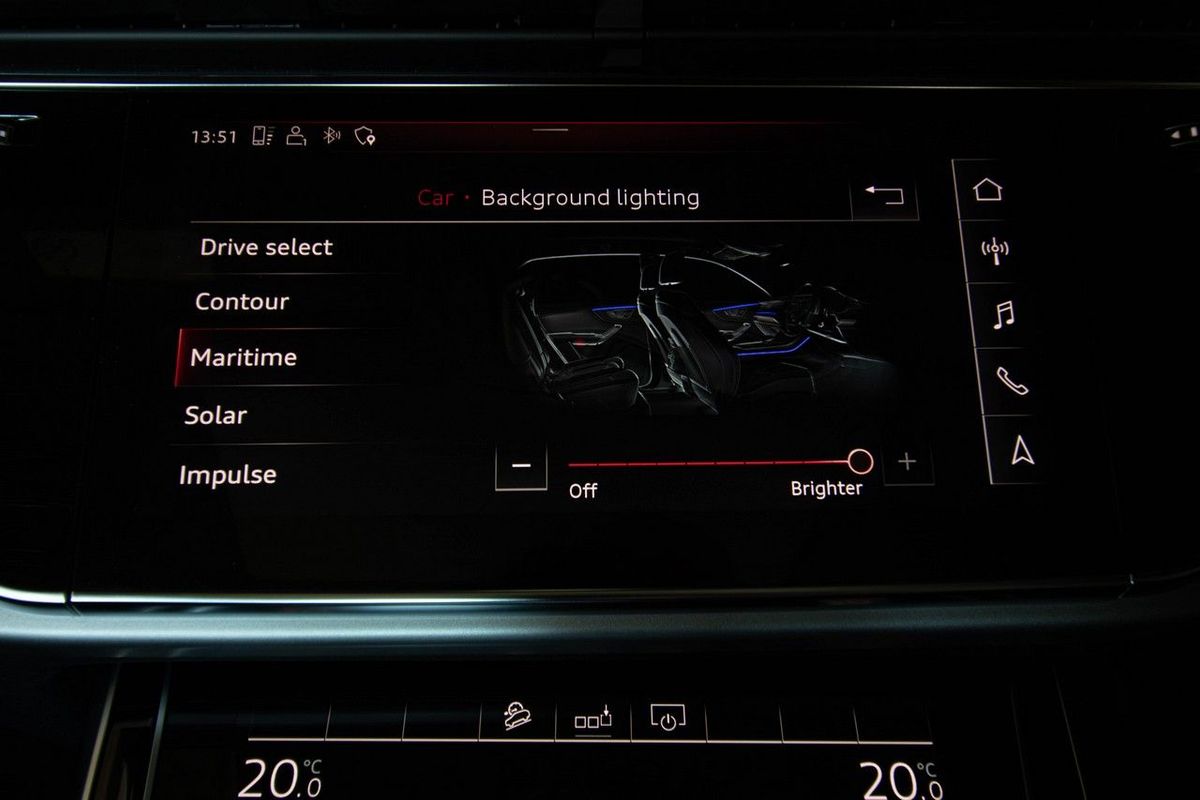
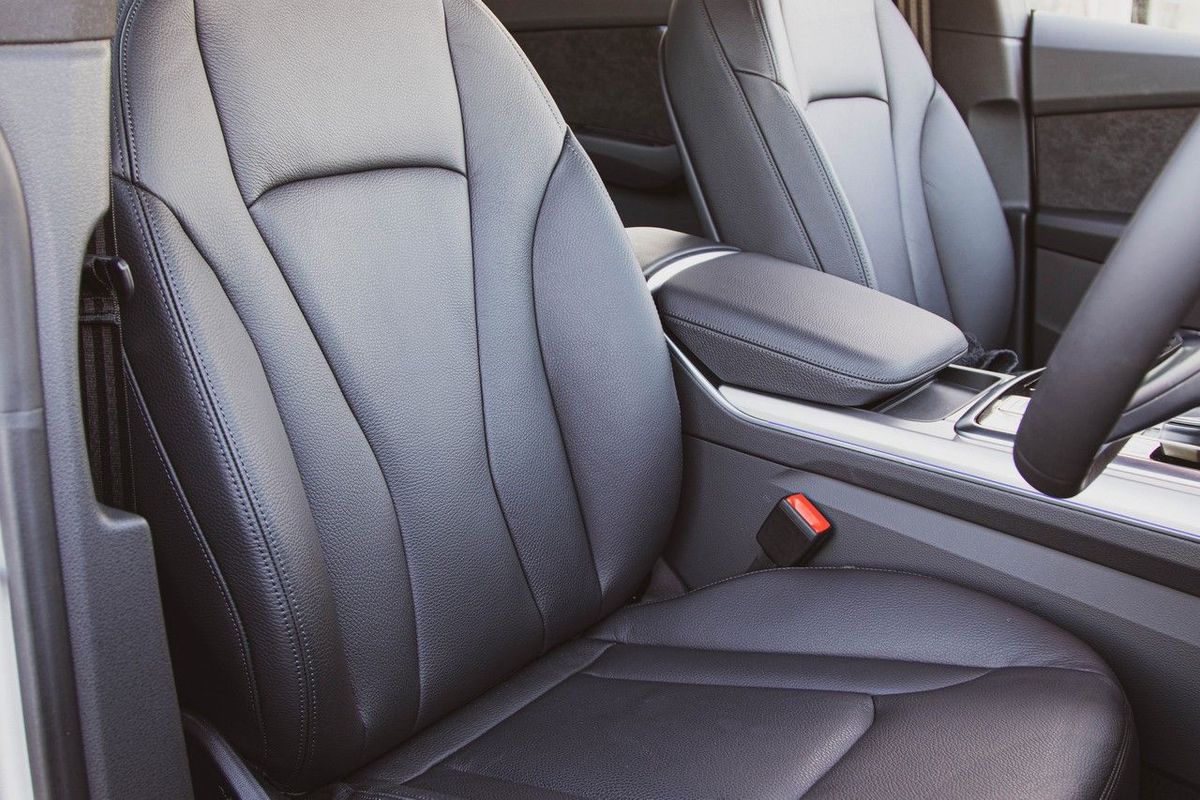
Standard features are comprehensive, which is what you expect at this price point. Audi's Matrix LED headlights are potent and the way they avoid dazzling other road users is remarkable. Heated seats, lighting themes, a Bang & Olufsen sound system with 3D sound, and a steering wheel festooned with myriad controls are just some of the highlights.


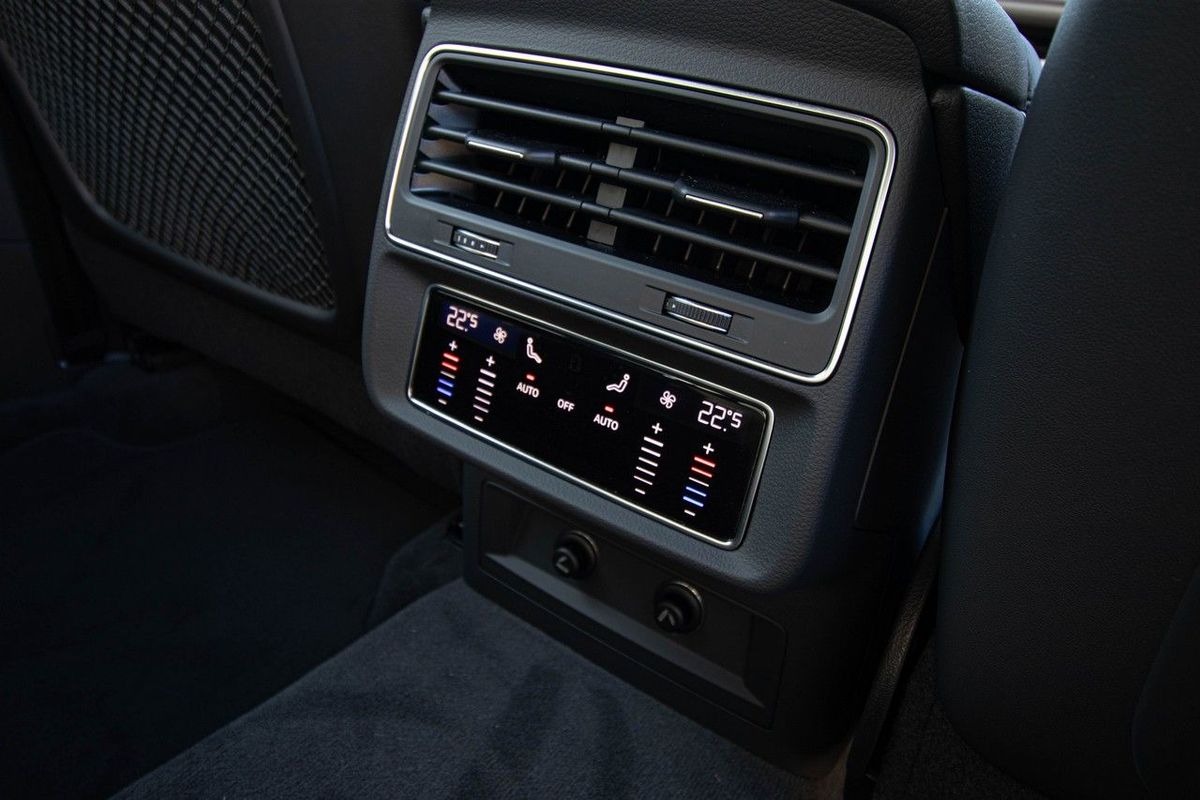
The second screen focuses on climate and ventilation control. Those heated seats were a lovely way to stave off winter.

Pricing and warranty

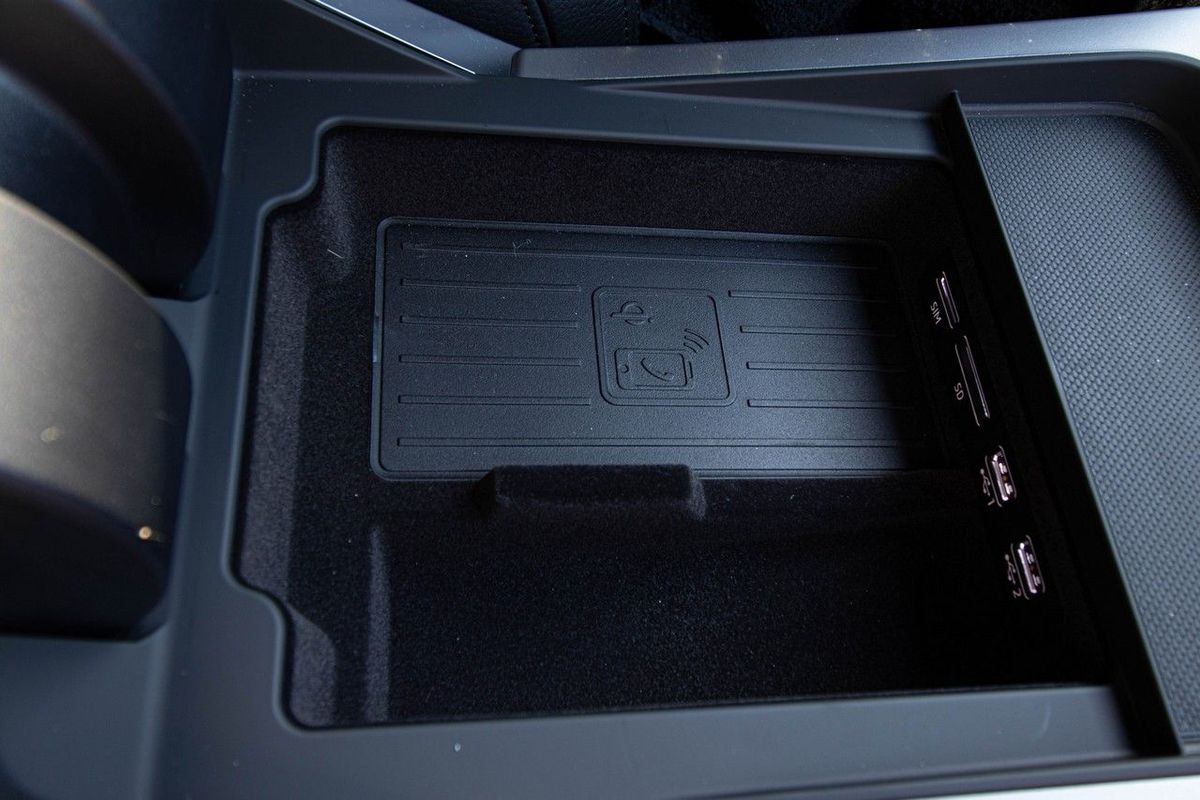
Our test unit came with numerous extras, adding R153 570 to the value of the vehicle. Headlining the options list was the S line Platinum Package (R80 840), which included things like adaptive air suspension, S line exterior package, 22-inch wheels and red brake callipers. A trailer hitch (R17 070) was fitted, as were power-latching doors (R10 020), the latter function closes the doors softly if you didn't push them hard enough. Our Audi Q8 also came with the phone box, which includes wireless charging for mobile devices.

The Audi Q8 45TDI quattro's base price is R1 573 500?, which includes a 5-year/100 000 km maintenance plan. Lane departure warning (R5 380), lane change assist (R9 210) and advanced tyre pressure monitoring system (R4 690) were 3 noteworthy additions to the safety package, which we'd also recommend for your consideration. 

Take a look at specification details

Browse for a used Audi Q8 on Cars.co.za

Verdict

Does the addition of a turbodiesel powertrain broaden the appeal of the Audi Q8 and, importantly, can the oil-burning 45 TDI quattro outshine its petrol-powered 55 TFSI quattro sibling? We can confidently answer: "Yes, on both counts." Granted, there's something magical about a lusty petrol V6 that likes to clear its throat, but logically, the turbodiesel motor offers significantly more talents. The benefits are numerous – the Q8 45TDI is a more refined open-road cruiser, the engine doesn't need to be worked hard to produce the eye-widening acceleration and, best of all, if you drive with a measured driving style, you'll be rewarded with impressive economy. It's just a more accomplished offering.

Drawbacks? Well, there aren't many, but some are worth mentioning. We're puzzled by 45 TDI quattro's price premium over its similarly-engined Q7 sibling. Granted, the Q7 is due for a facelift before the end of 2020 (which will no doubt result in a price increase), but it's hard to justify the R400 000 difference between the derivatives. That being said, when you compare the 2 vehicles, the Q8 offers way more kerb- and road presence; many wouldn't look twice at the Q7, but the Q8 is a limelight-stealer of note.

And, if you demand more performance from the Q8 package, Audi South Africa has confirmed it will be introducing the potent SQ8 and RS Q8 before the end of 2020…

Related content:

Audi Q8 (2019) Launch Review

RS Q8 is Audi's Urus

Audi Q8 (2018) International Launch Review

Audi Q8 55TFSI quattro (2019) Review [w/Video]

All-New Audi Q8 Review – Big, Bold, Worth it?

Mercedes-Benz X-Class Goes Extreme

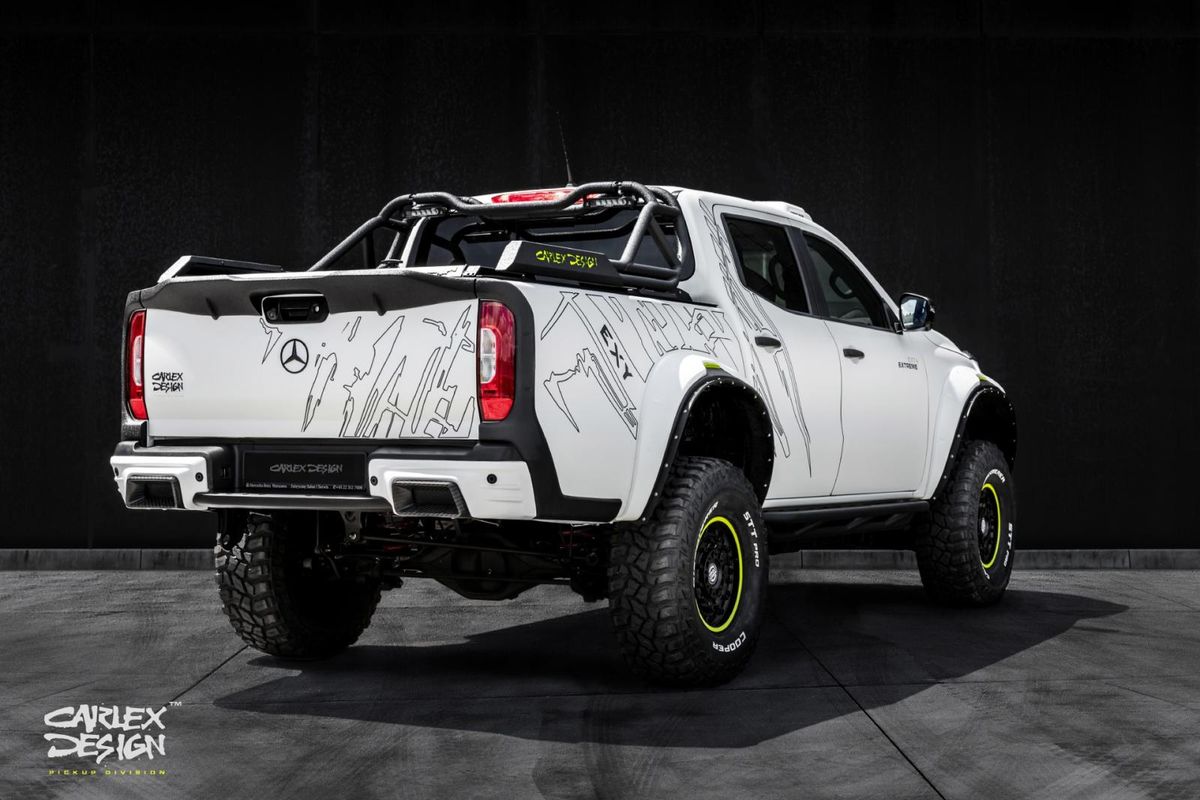
The X-Class never quite hit the mark but Carlex Design has breathed some life into the failed double-cab bakkie from Stuttgart and it looks quite convincing, don’t you think?

The Mercedes-Benz X-Class had a short life. It was revealed in 2017 and in May 2020 it was announced that the production of the Navara-based X-Class would come to an end at Nissan’s plant in Barcelona, Spain, which has since shut down completely.  

Nonetheless, these developments haven’t stopped tuning specialist, Carlex Design, from getting to work on the X-Class to create a beefed-up bakkie that might get a few enthusiasts riled up. 

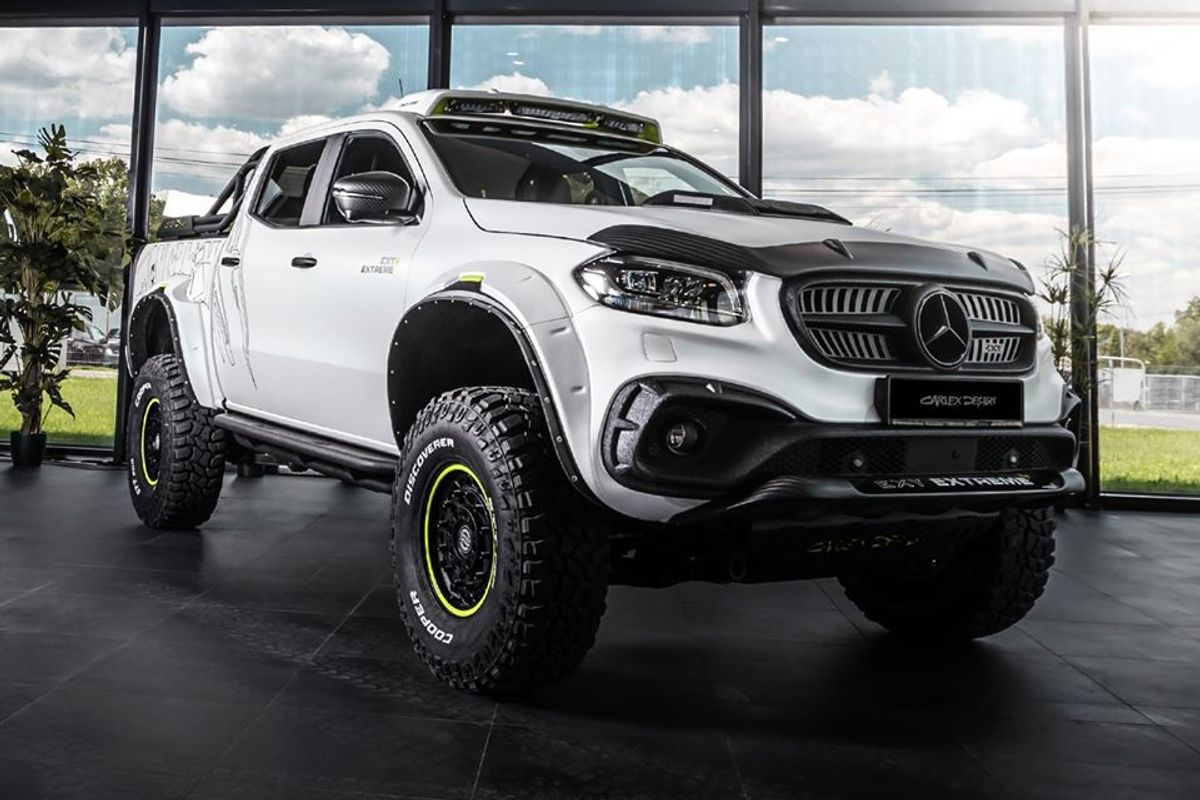
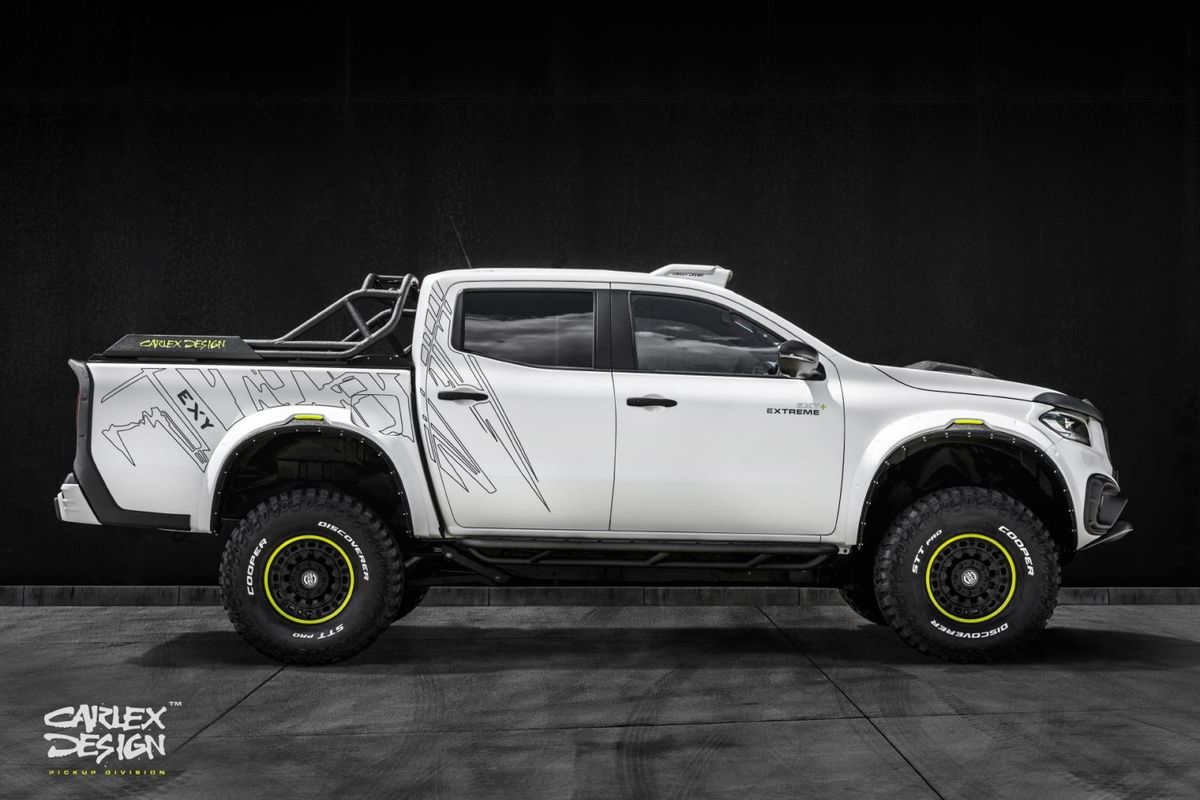
The upgrade is called the Exy Extreme+ and as for the styling upgrades, the X-Class wears a striking body kit that incorporates a new bumper, grille design, headlights design, bonnet lip, unique taillight frame design, wheel arch extensions, a rear spoiler as well as a redesigned rear bumper. This X-Class rides on 18-inch alloy wheels and is also equipped with a front skid plate, custom side steps, sports bar and an  LED light bar which completes the look. 

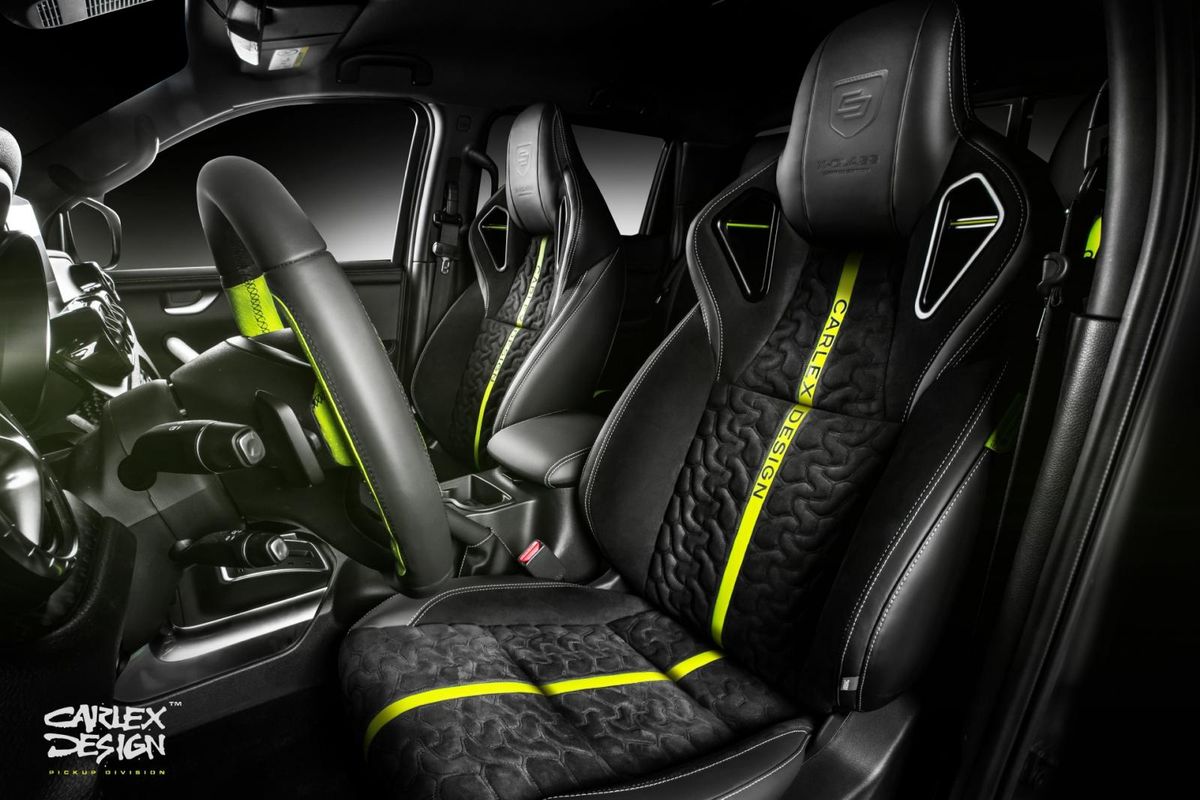
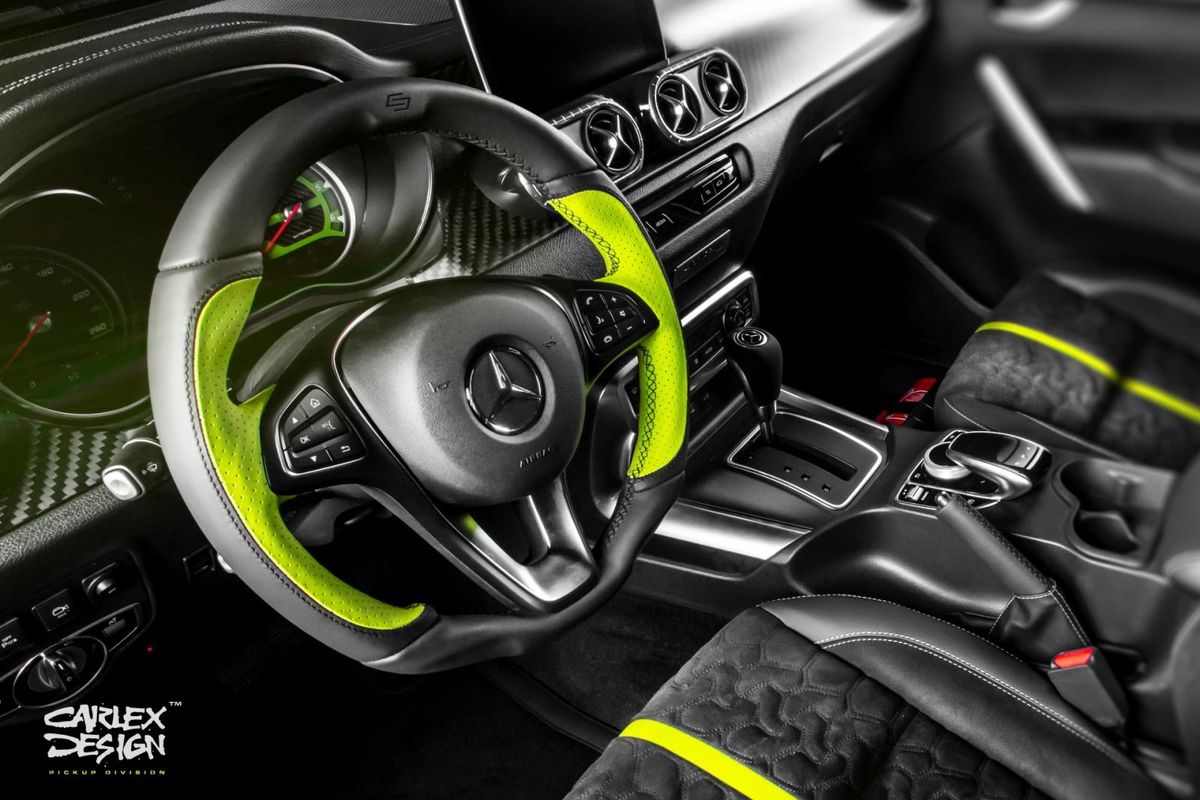
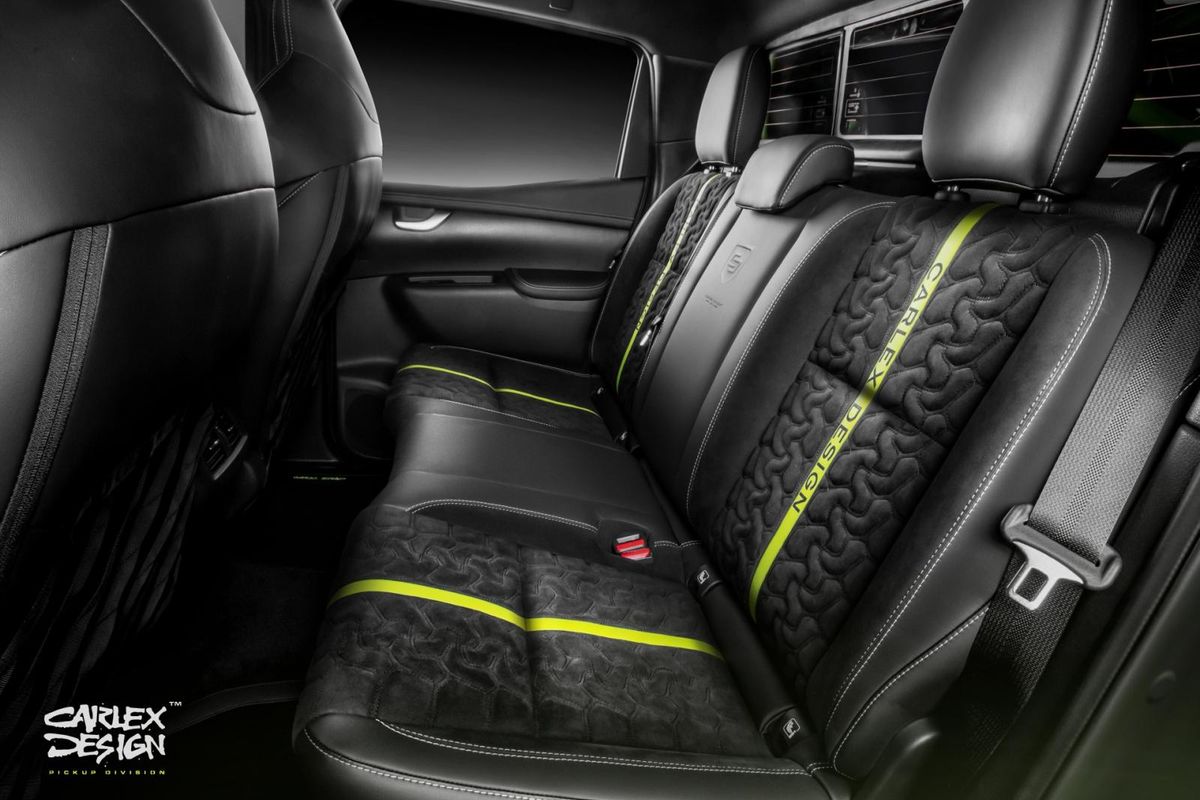
The interior comes with black leather and Alcantara trimmings for the seats, dashboard and doors panels while yellow accents add a splash of colour to the interior. A custom steering wheel is also fitted which adds a sportier touch. This X-Class by Carlex Design also boasts a 100 mm suspension lift as well as a new exhaust system. 

Tell us what you think of this upgrade for the X-Class! 

Buy a Mercedes-Benz on Cars.co.za

Related Content  

Mercedes Benz X-Class (2018) Video Review

Why the X-Class is Failing


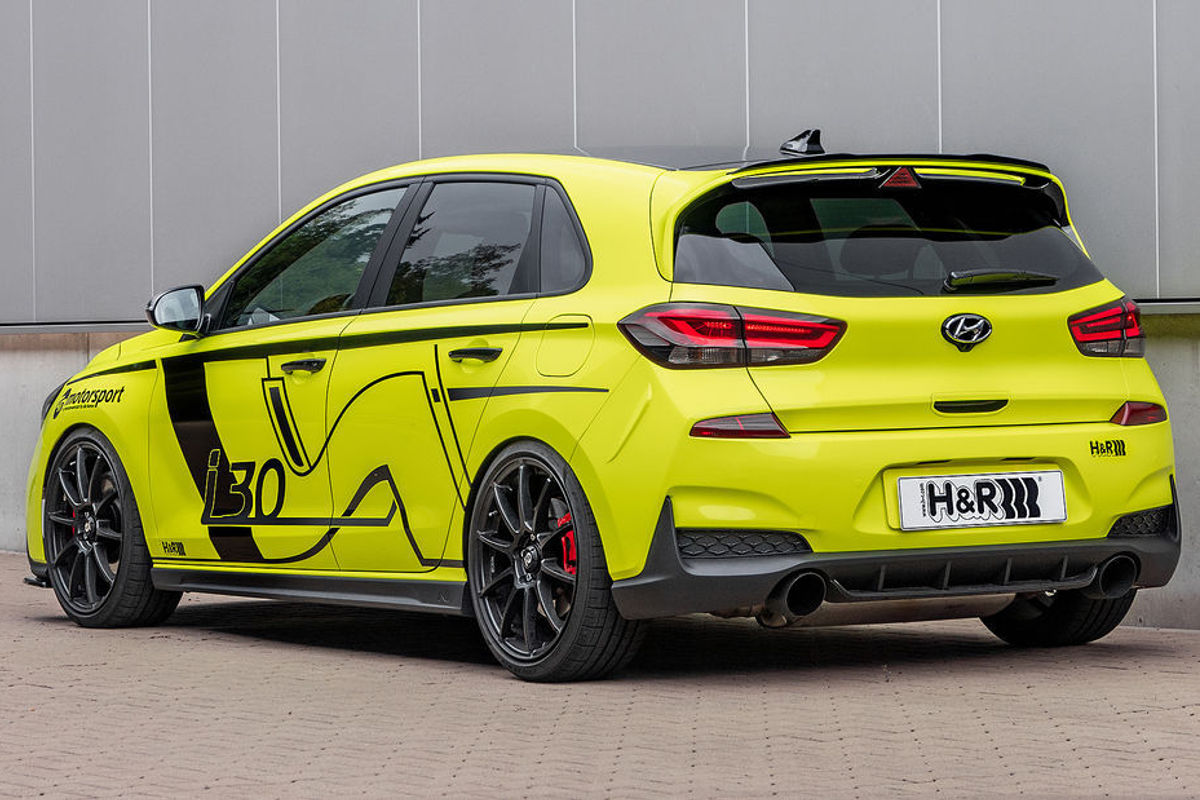
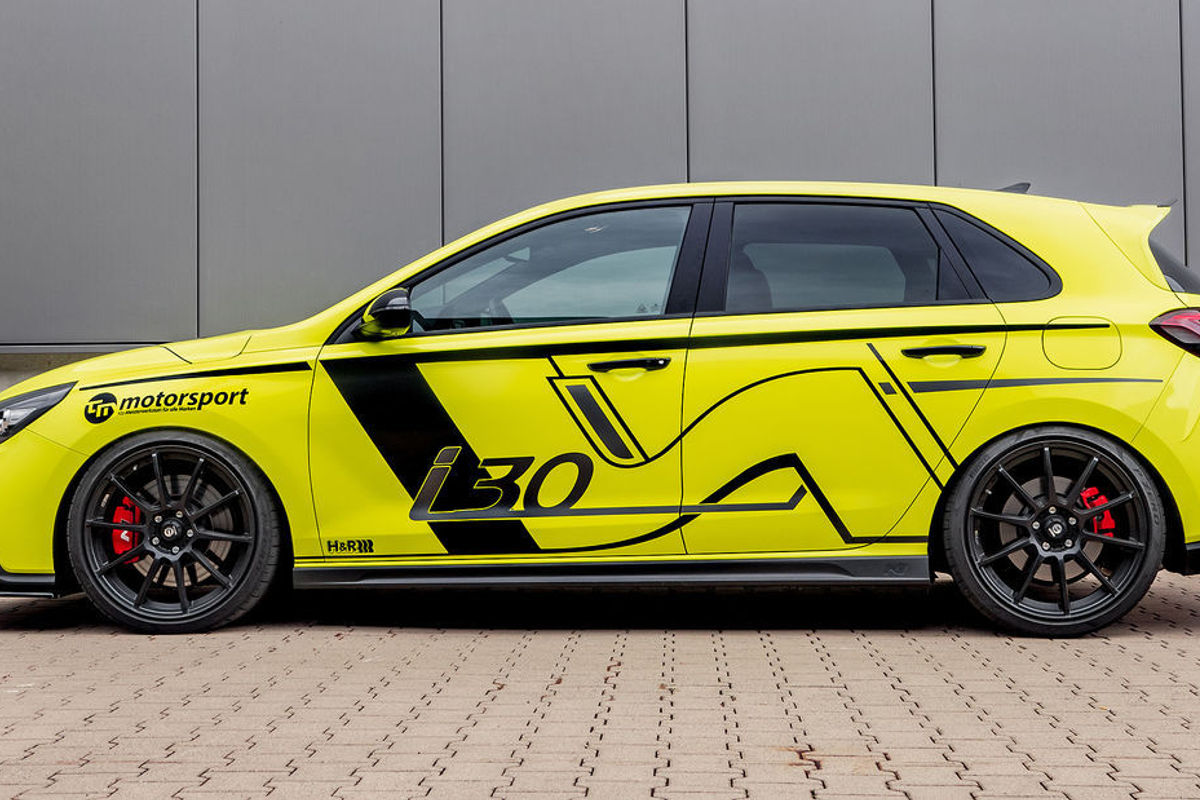
H&R lowering kit for i30 N

Making a good hot hatch – even better. 

If you own a Hyundai i30 N and find yourself desiring even better cornering poise, some clever German engineers have a solution.

H&R is an engineering specialist based in Lennestadt, and their product development resources apply to coilover upgrade kits for performance vehicles. In short: better springs to prevent body roll.

With Hyundai finally having entered the performance motoring realm, with its i30 N, H&R technical staff analysed where the impressive Korean hot hatch could possibly gain some additional dynamic driving polish.

The result is a coilover and stabilizer kit, specifically engineered for Hyundai’s potent i30 N. Best of all, these mechanical suspension upgrades don’t interfere with the i30 N’s stability electronics, preventing an annoying slew of error messages once installed.

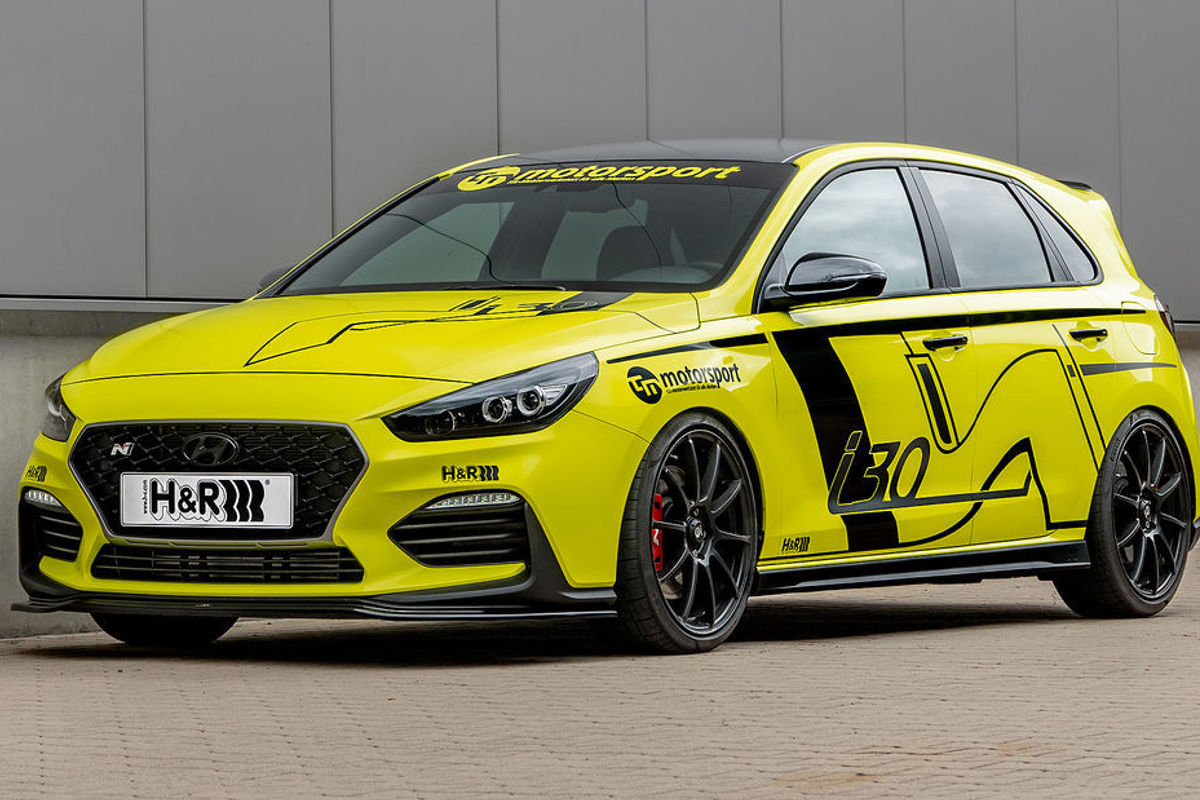
H&R’s two-way adjustable stabilizers are supported by more compression resistant springs and lower the i30 by between 20-40 mm, depending on owner preference. Reducing the i30 N’s ride height should ensure even better agility and high-speed tracking stability.

Aside from the stability benefits of this H&R lowering kit, the company is also offering its own wheel spacers, machined from high tensile aluminium, to prevent corrosion.

The H&R i30 N wheel spacers add 30 mm of track width to each axle, which should further sharpen cornering turn-in behaviour for the Korean hot hatch.

Related content

Hyundai i30 N (2020) Review

Updated Hyundai i30 N On The Way

Hyundai i30 N: 4 Rivals It Has To Beat

Ford Introduces Bronco as a Family

We know Ford is on the cusp of launching the all-new Bronco SUV, but now it appears that its not just a single model, but rather an entire range. Here's what we know

The return of the Ford Bronco has not been a well-kept secret and the new model is due for a reveal in the middle of July 2020. Or should we rather say 'models' ? That's right, the Ford Bronco won't just be the one model as Ford confirmed Bronco is now a brand and a family. 

“Bronco gave rise to the fun and versatile off-road SUV in 1966, becoming the first enjoyable sport utility vehicle for those who wanted to live, work and play outdoors,” said Jim Farley, Ford chief operating officer. “Like the original, the all-new Bronco family is engineered to take you to epic places, with capability to deliver confidence on any type of terrain.”

The teaser image you see here showcases 3 Bronco models. There's going to be a 2-door, 4-door and a Sport model which Ford claims will deliver on the brand's Built Wild principles of Extreme Durability Testing, Capability and Innovative Design. There's a huge focus on outdoor lifestyle and offroad ability. “Rugged vehicles are in our heritage and we see strong growth opportunities with this ever-more popular segment,” said Kumar Galhotra, Ford president, Americas and International Markets Group. “The Bronco brand meets that need by creating a family of truly capable off-roaders to take our customers further into the wild.  We’ve leveraged extensive off-road experience from vehicles like our F-150 Raptor to ensure that every Bronco delivers the ‘Built Wild’ toughness and durability our customers expect.”

Ford will also be building offroad schools and Bronco communities to connect like-minded enthusiasts.

At this stage, the Ford Bronco is unlikely to come to South Africa. Stay tuned for more Ford Bronco news.

Further Reading

Ford F-150 Coming to SA?

Ford F-150 cabin features that could be in next Ranger

Ford Gives Ranger Performance Packages

2022 Ford Ranger: More details emerge

Ford F-150 Raptor Confirmed

New Nissan SUV in the Works? 

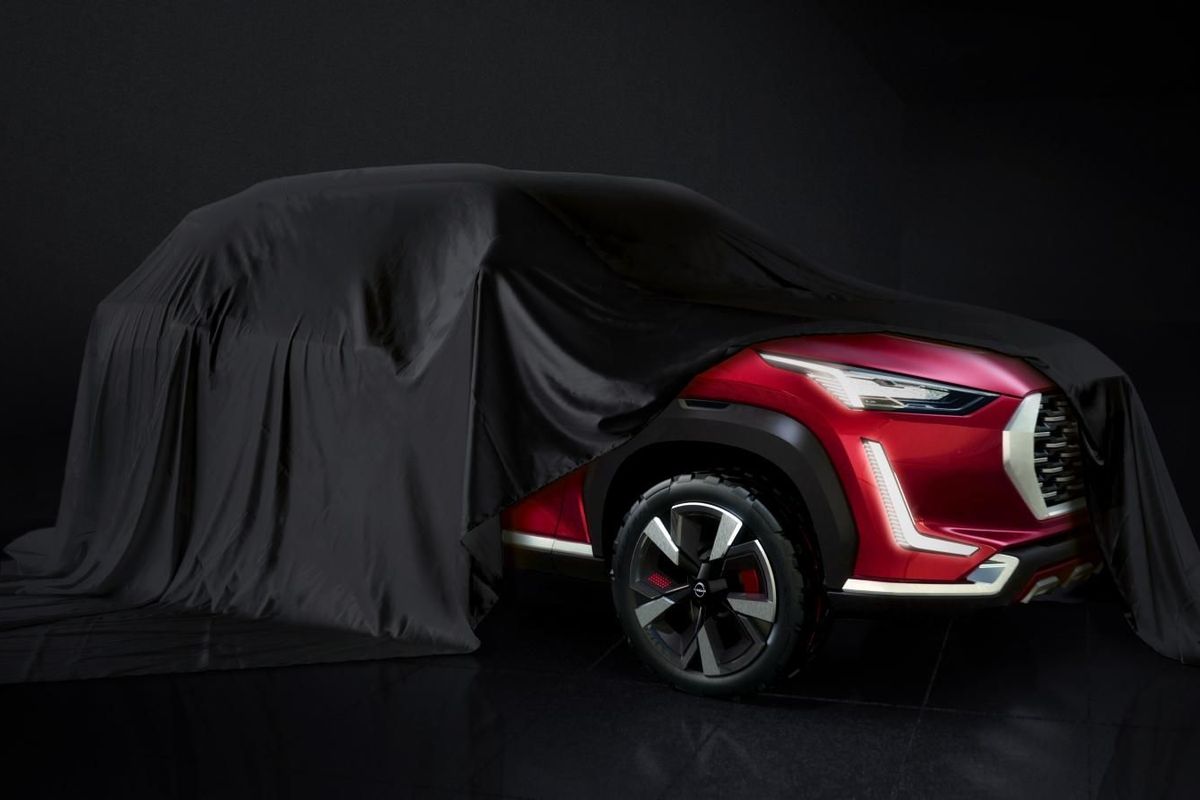
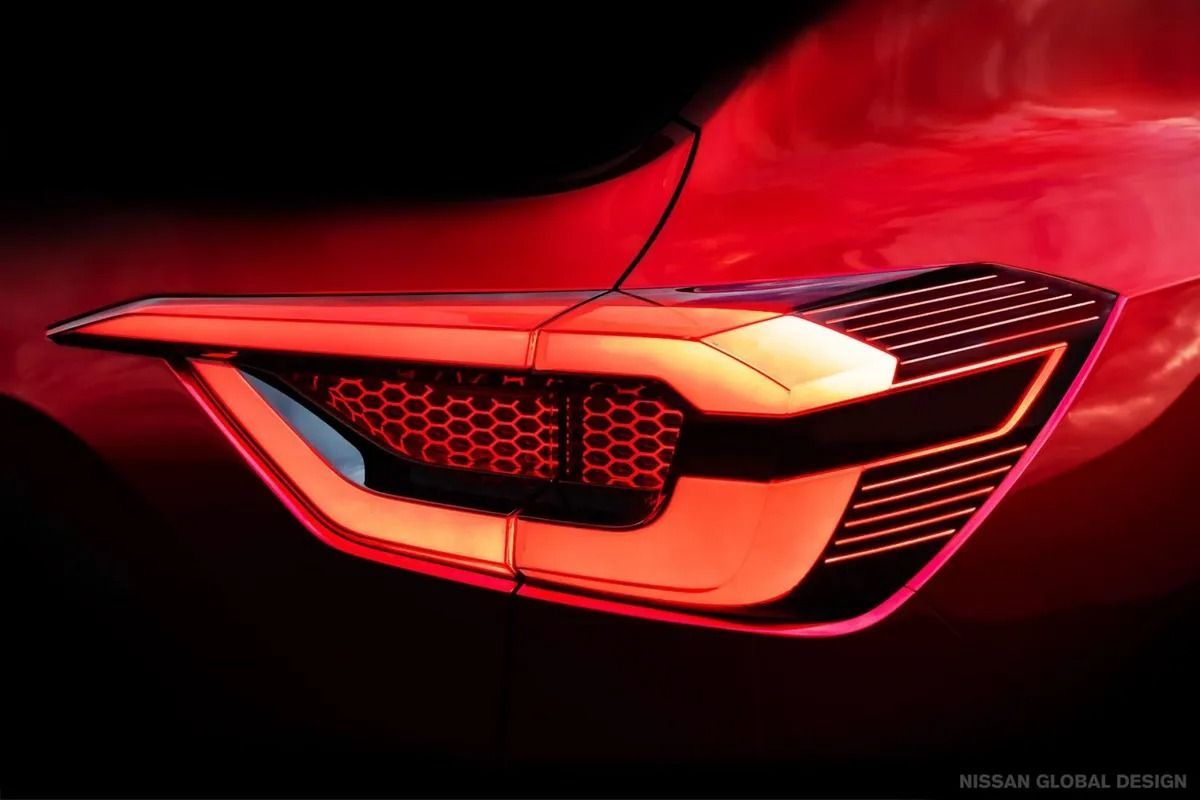
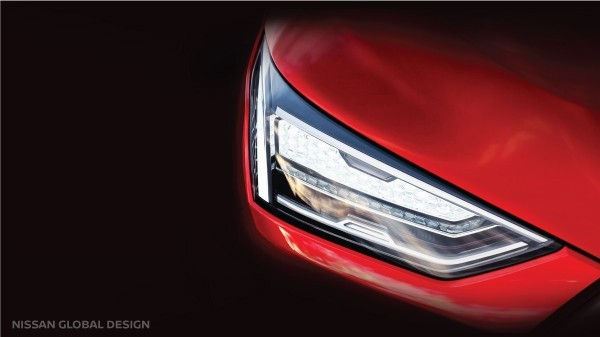
Nissan is looking at introducing a new compact family SUV and it may carry the Magnite nameplate. 

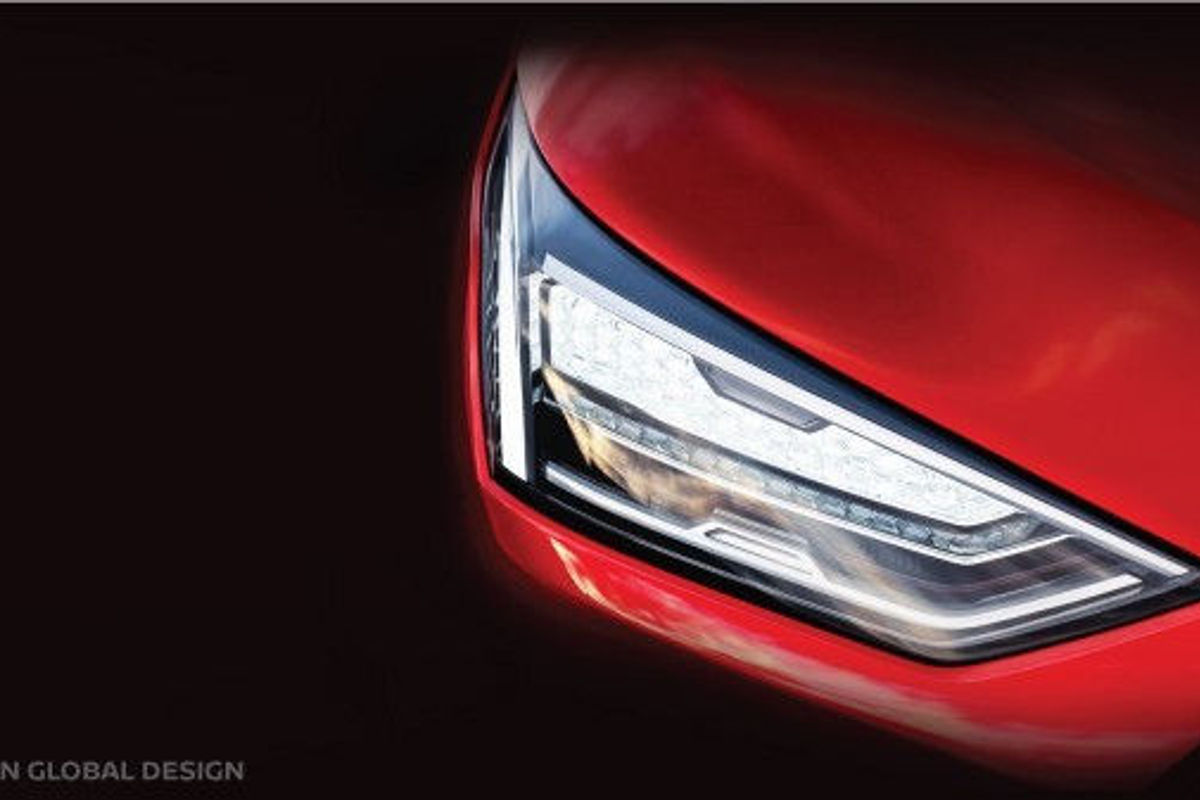
Reports out of India are pointing to the arrival of a new 4-metre compact family SUV coming to market in the near future to take on rivals such as the Ford EcoSport and Hyundai Venue. The new model, which may be called Magnite, has been slated for release in India for January 2021. More images have surfaced showing the front quarter including headlamp design. The front grille has something of a Datsun design to it as well, something that suggests it may have originally been designed to badged as a Datsun. The Renault/Nissan Alliance has since decided to reduce Datsun offering globally. 

The Nissan Magnite is also said to share a platform with the upcoming Renault Kiger, another small SUV coming from the brand. With these being right-hand drive versions, there is a possibility they could find their way onto the South African market. We have contacted the brands for comment and will update as soon as we hear anything.

Size-wise, the new Magnite compact SUV will slot in below the Nissan Kicks and will be built in India. Nissan has been promising the Kicks to arrive in South Africa for years now and the wait has been painful, so much so, that we have given up on waiting. We aren't getting our hopes up with the Magnite either…

It’s understood that the Nissan Magnite will make use of a 3-cylinder, 1.0-litre turbopetrol engine with outputs of either 74 kW and 160 Nm or 86 kW and 170 Nm and will be equipped with a 5-speed manual or a Continously Variable Transmission (CVT). 

We will keep you updated as soon as further details of the Nissan Magnite are revealed.

Buy a Nissan on Cars.co.za

Related Content 

Nissan Kicks [2018] First Drive

Mazda3 Turbo’s peak outputs revealed

With the official unveiling of the turbocharged Mazda3 derivative only days away, the peak outputs of the new flagship of the premium hatch range have already been revealed by Mazda Mexico. The newcomer's motor may not be that powerful, but it certainly is torquey! Here's how its headline figures stack up with those of its rivals…

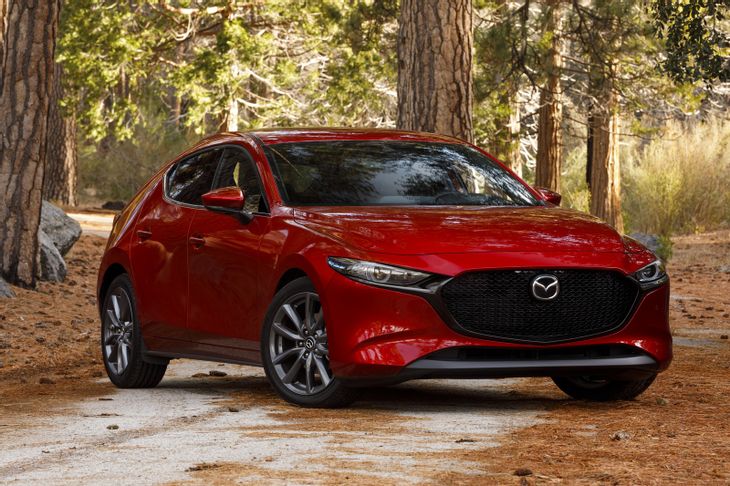
Since the retirement of its Mazda3 MPS in 2013, the Hiroshima-based firm has not marketed a family-car-based performance derivative, although driver engagement remains an important part of the brand's DNA, as embodied in the previous World Car of the Year winner, the Mazda MX-5. The introduction of turbocharging in the 4th-generation Mazda3 – a finalist in the premium hatch category of the 2019/20 #CarsAwards, powered by WesBank – has raised hopes that the brand will soon rejoin the hot-hatch melee.  

After all, the prospect of a 2.5-litre turbopetrol engine being bolted into the stylish Mazda3 evokes memories of the 2nd-generation forced-induction 2.3-litre Mazda3 MPS that the Japanese firm briefly produced at the beginning of the previous decade (it was briefly offered in South Africa, back when Mazda was still under the custodianship of Ford).


The new Mazda3 flagship won't look much different, apart from more gloss black exterior details, including 18-inch alloys.

What's more, Mazda will combine the 2.5-litre turbopetrol engine with an all-wheel drivetrain (as it did with the 2.3-litre turbo motor in the 1st-generation Mazda3 MPS), although this is not a new development for the Japanese brand – it already offers the CX-5 family car, Mazda6 sedan and CX-9 crossover with that configuration in some markets.

For the South African market, however, in which the 2.0-litre naturally aspirated motor in the top-of-the-range 2.0 Astina develops middling outputs of 121 kW and 213 Nm (and 2.5-litre naturally aspirated Mazda3 derivatives aren't offered), the prospect of a new 2.5-litre turbocharged derivative, which some sites believed would be good for 186 kW and 420 Nm (as we previously reported) is certainly a tantalising one, even if few believe that there is a realistic chance of Mazda resurrecting its MPS nameplate…


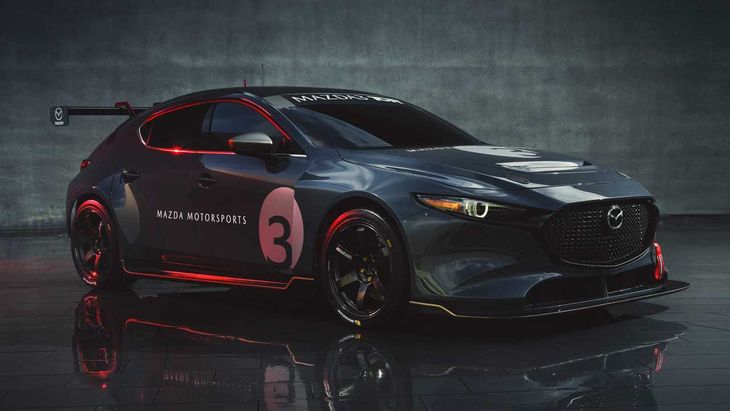
Hot hatch aficionados were hoping the newcomer would resemble a TCR race car, but Mazda has other plans.

By some inexplicable oversight, Mazda Mexico has now pre-empted the official media announcement of the turbocharged 2.5-litre all-wheel-drive Mazda3 by announcing the outputs of the newcomer as well as its (market-specific) specifications in a video presentation. While the new flagship derivative looks virtually identical to its 2.0 Astina sibling and its maximum output is less than expected (170 kW), the peak torque figure is right on the money: 420 Nm… and that should certainly bother its hot hatch rivals.

To put those numbers in context, here's what the market's headlining hot hatches produce:

  Peak Power Maximum Torque
Mazda3 "2.5T AWD" 170 kW 420 Nm
Volkswagen Golf 7.5 GTI  169 kW 350 Nm
Volkswagen Golf 8 GTI 180 kW 370 Nm
Volkswagen Golf GTI TCR 213 kW 380 Nm
Hyundai i30 N 202 kW 353 Nm
Renault Megane RS 280 Lux/Cup 205 kW 390 Nm
Renault Megane RS 300 Trophy 221 kW 420/400 Nm (manual)
Honda Civic Type R 228 kW 400 Nm

According to Mazda Mexico, the turbocharged 2.5-litre all-wheel-drive Mazda3 will be equipped with a 6-speed automatic transmission with manual mode, supplemented by steering-wheel-mounted shift paddles. It will be available in that market in S Grand Touring and Signature derivatives; feature automatically activated LED headlamps, as well as gloss-black grille, -side-mirror housings and -18-inch alloys on the outside. Standard interior features will include, inter alia: full leather trim, a sunroof, an Apple CarPlay and Android Auto-compatible infotainment system, including a 12-speaker Bose audio setup, self-dipping rear and side-view mirrors, a reverse-view camera and rear PDC.


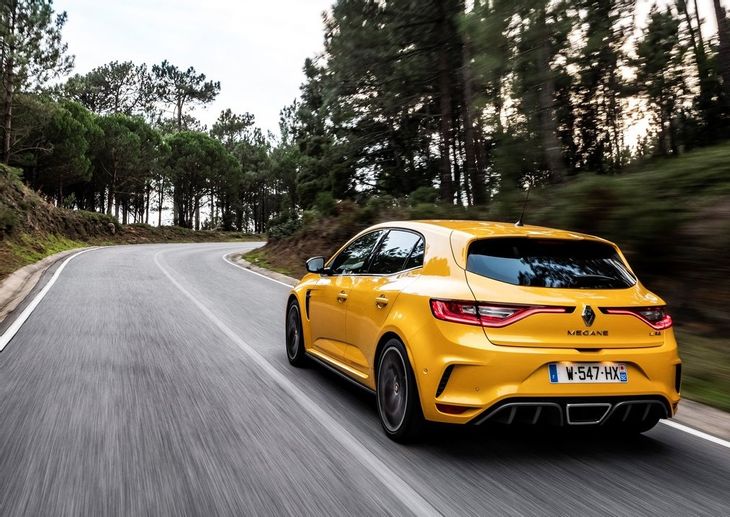
The Mazda3 2.5T AWD might not have a track-tuned suspension, but it produces as much torque as the Renault Megane RS 300 Trophy.

So, given the local market's predilection for hot hatchbacks, which explains why the Volkswagen Golf GTI has outsold its lesser 7.5-generation siblings by a ratio of about 4 to 1 and Hyundai and Honda offer the i30 N and Civic Type R in South Africa – but no other derivatives of those cars' respective ranges – it stands to reason that Mazda would be well served by introducing a hot hatch version of the Mazda3 in the local market. The newcomer just about matches the outgoing Golf GTI for peak power, but its peak torque figure eclipses those of all the current (admittedly front-wheel-drive) hot hatch contenders, apart from the extremely low-volume Renault Megane RS 300 Trophy Automatic.
However, Mazda3 is purposely not positioning its new Mazda3 as a hot hatch; there are no elaborately flared wheel arches or bulging side skirts; no motorsport-inspired bumpers with gaping air intakes and faux diffusers, no tailgate spoiler and additional large-bore exhaust tips. Instead, it's a luxuriously-equipped flagship derivative with a decidedly sporty bent. Remember that in other markets, the Mazda's all-wheel-drive configuration could improve its selling proposition (such as in the harsh winter climate of North America) and its torque gain (by virtue of turbocharging the larger-capacity 4-cylinder engine), should improve drivability, in-gear acceleration and touring ability.


The new flagship Mazda3 produces 10 kW less than the upcoming Golf 8 GTI, but its product positioning is very similar.

What is undeniable, however, is that Mazda now has a solid platform from which it could develop a more hardcore performance derivative, should it ever want to bring back the MPS nameplate, for example. Who knows, the Hiroshima-based brand might even produce a version that will go head to head with the 245-kW, all-wheel-drive Golf 8 R.

As soon as we receive info about the newcomer's likelihood of being introduced in South Africa (it does not look all that promising, seeing as the current line-up ends with the 2.0-litre version), we'll be sure to let you know. 

Related content:

Mazda Plans Straight-6 Engines

Mazda3 (2019) Video Review

Hyundai i30 N (2020) Review

Volkswagen Golf 8 GTI officially revealed

Renault Megane RS 300 Trophy (2020) Specs & Price

Chrysler smashes AMG with most powerful SUV

Germans losing the power race.

Chrysler has once again proven that when it comes to radically overpowered V8s, not even AMG can compete.

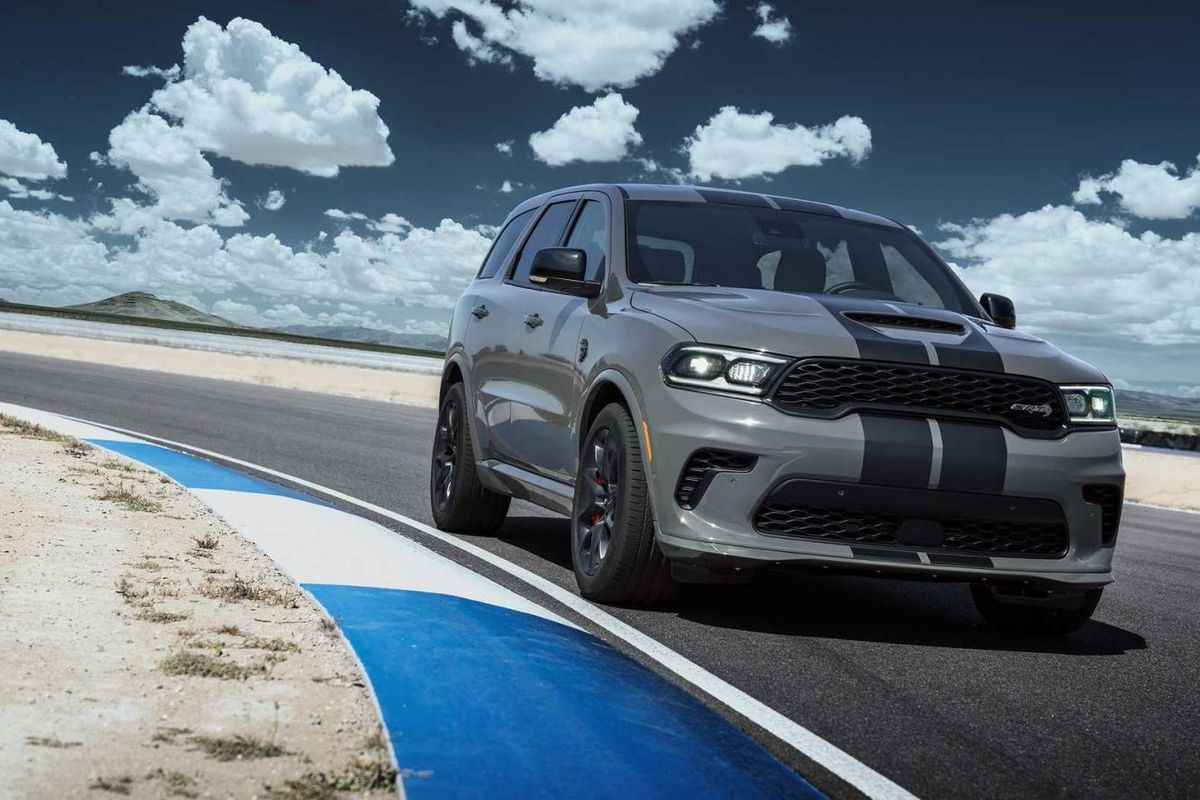
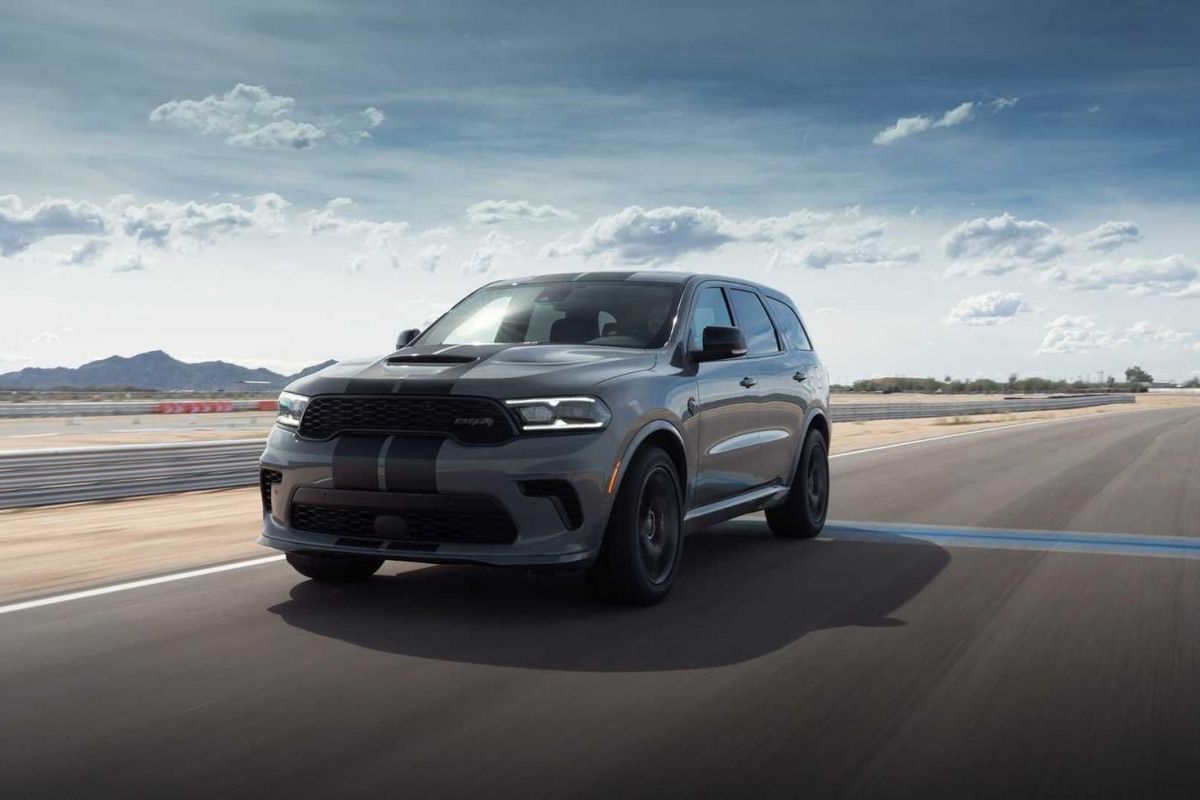
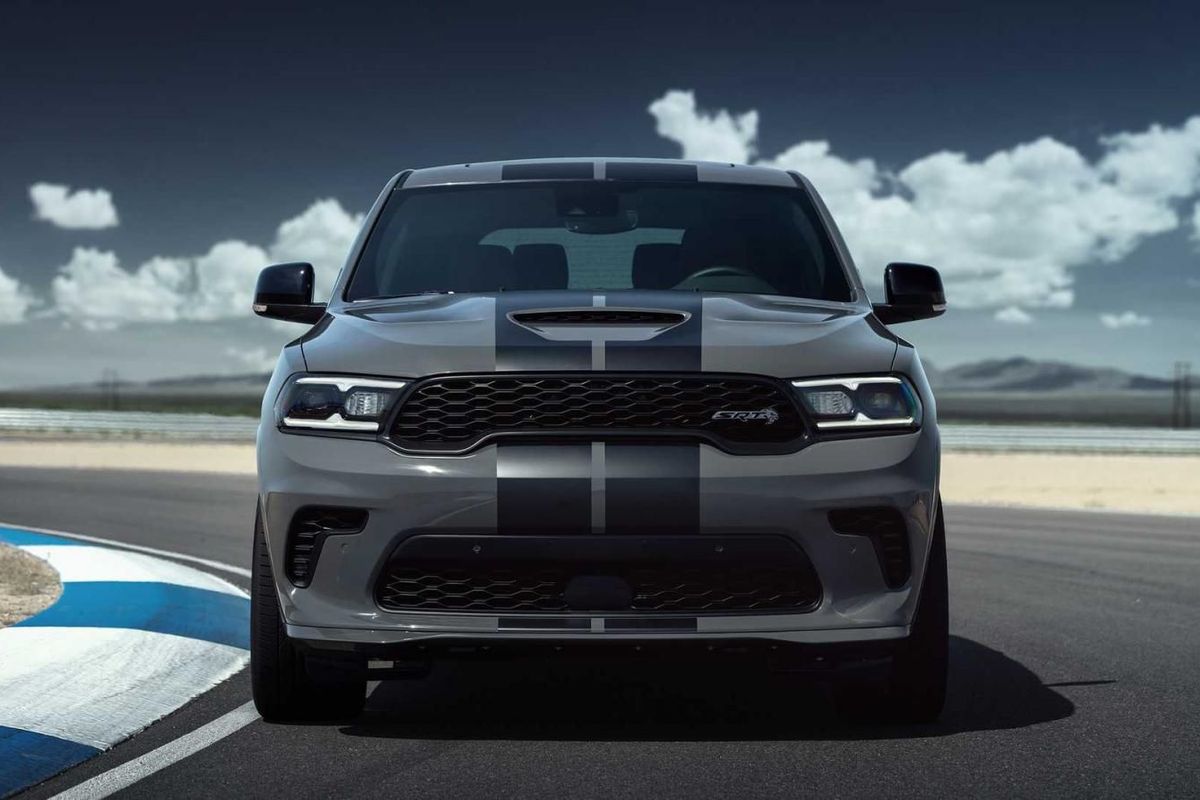
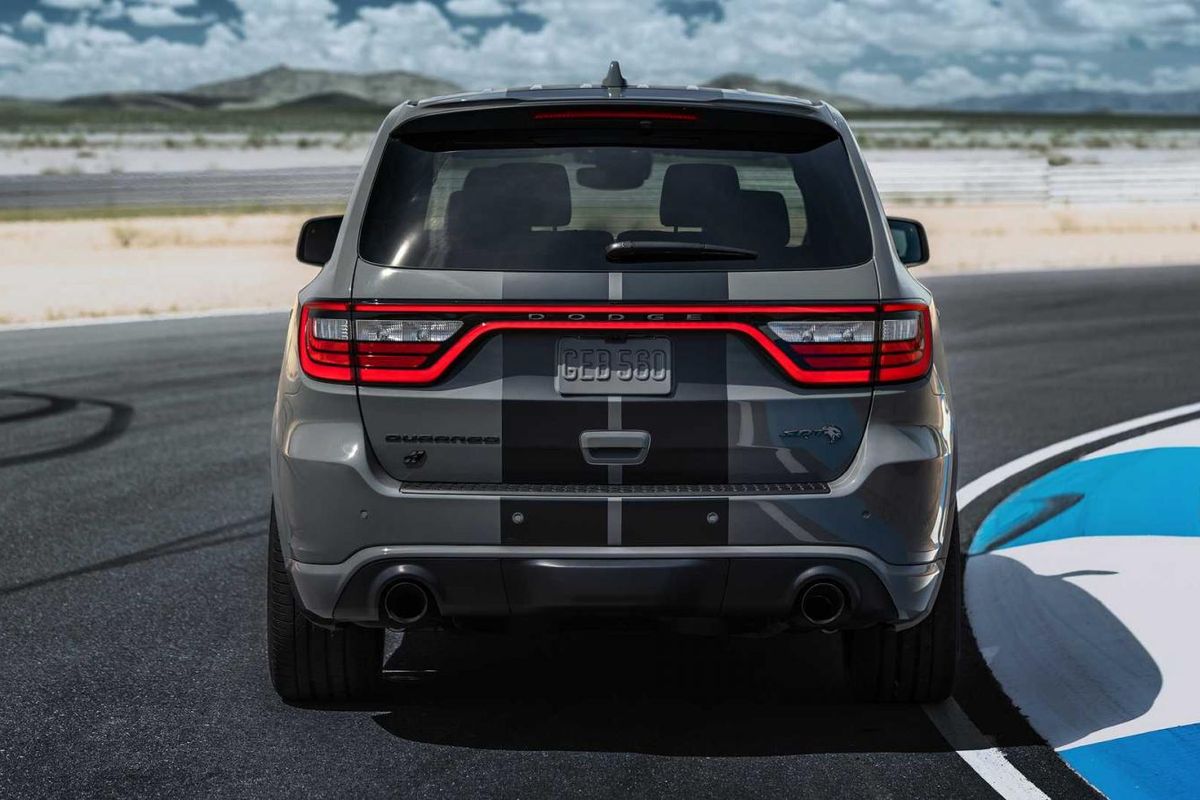
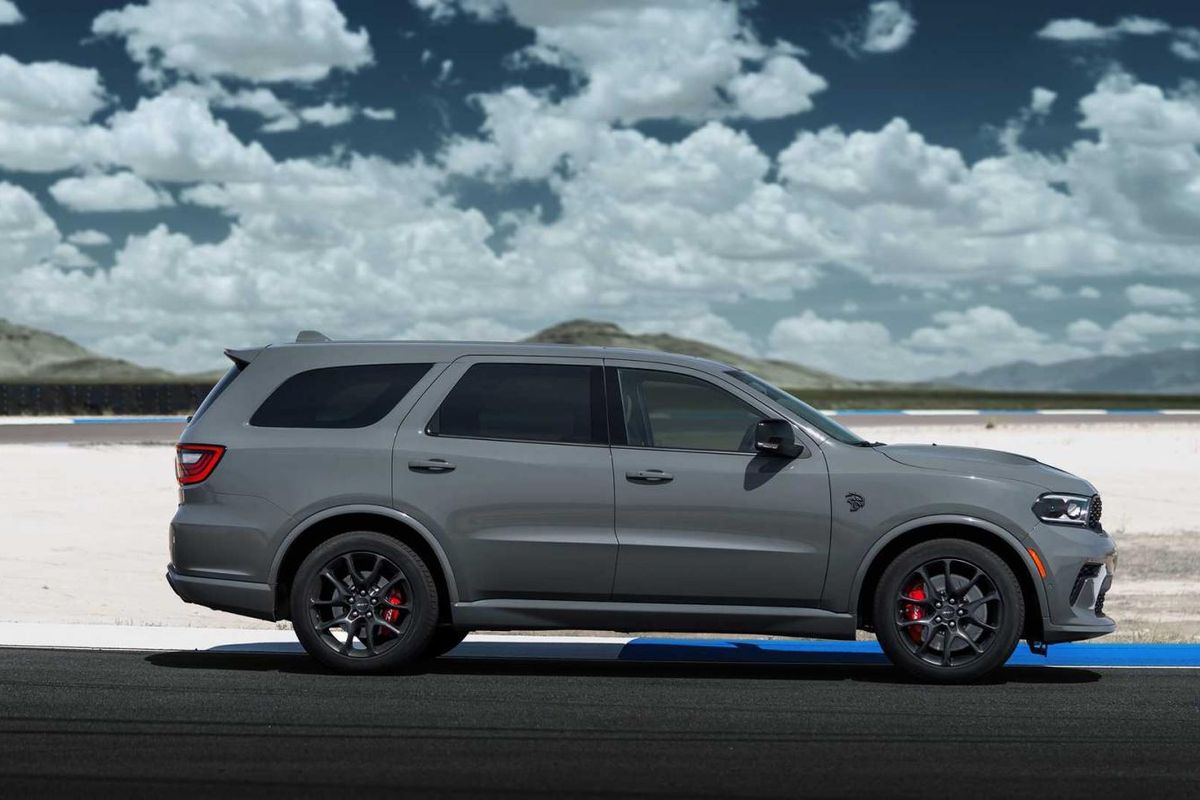
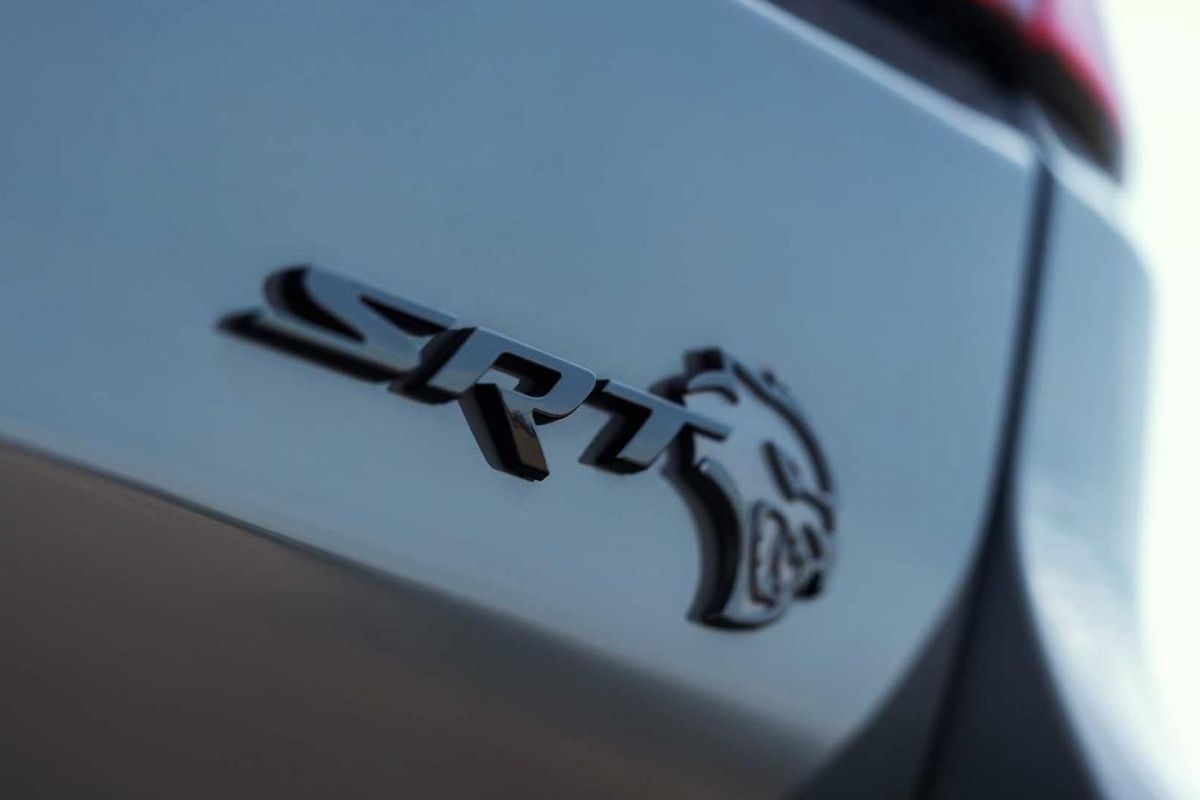
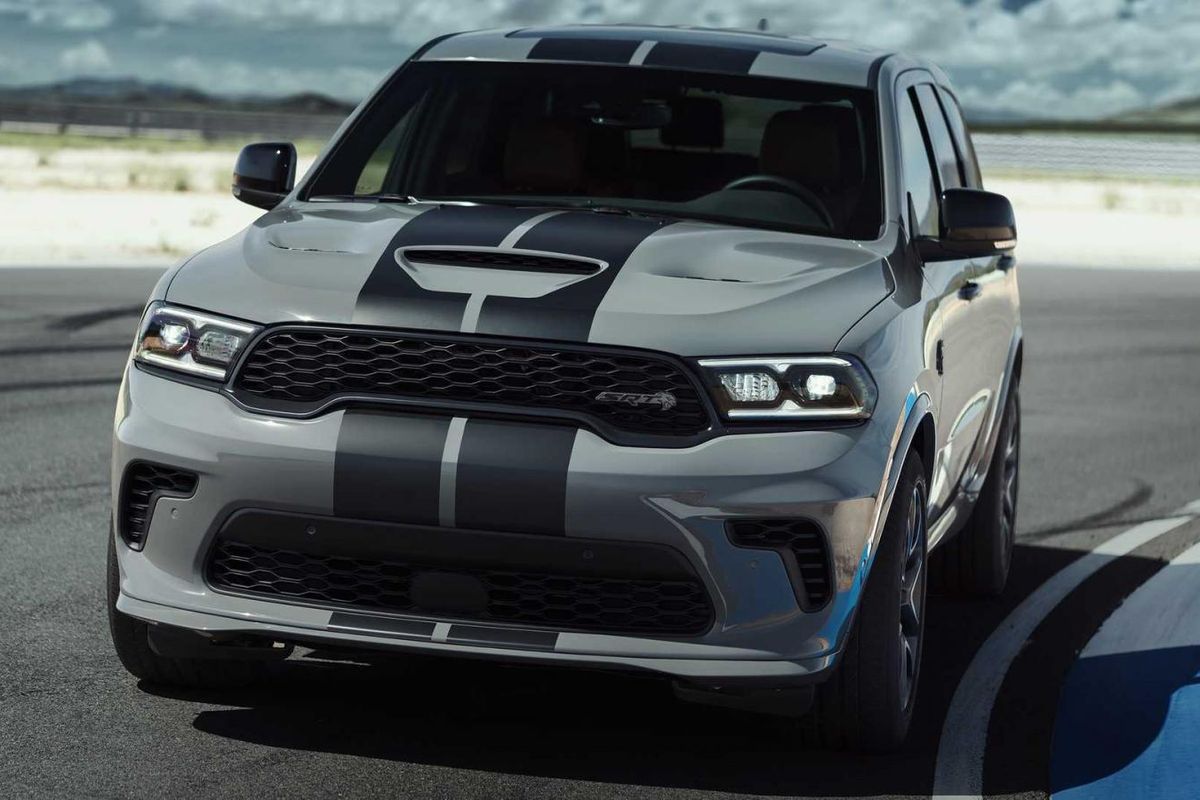
Since the introduction of its Jeep Grand Cherokee Trackhawk, Chrysler has owned the title of ‘world’s most powerful SUV’. But now it has usurped the Trackhawk with a phenomenal new Dodge Durango SRT Hellcat.

The naming convention isn’t subtle, nor is there anything conservative about the Durango SRT Hellcat’s styling. It features a deep two-piece front splitter to stabilise the front axle at speed, whilst the standard fog lights are binned and repurposed as additional cooling ports for the huge V8 engine.

At the rear of this performance SUV, there is an aerodynamically validated spoiler which can generate 180 kg of downforce at 290 kph.

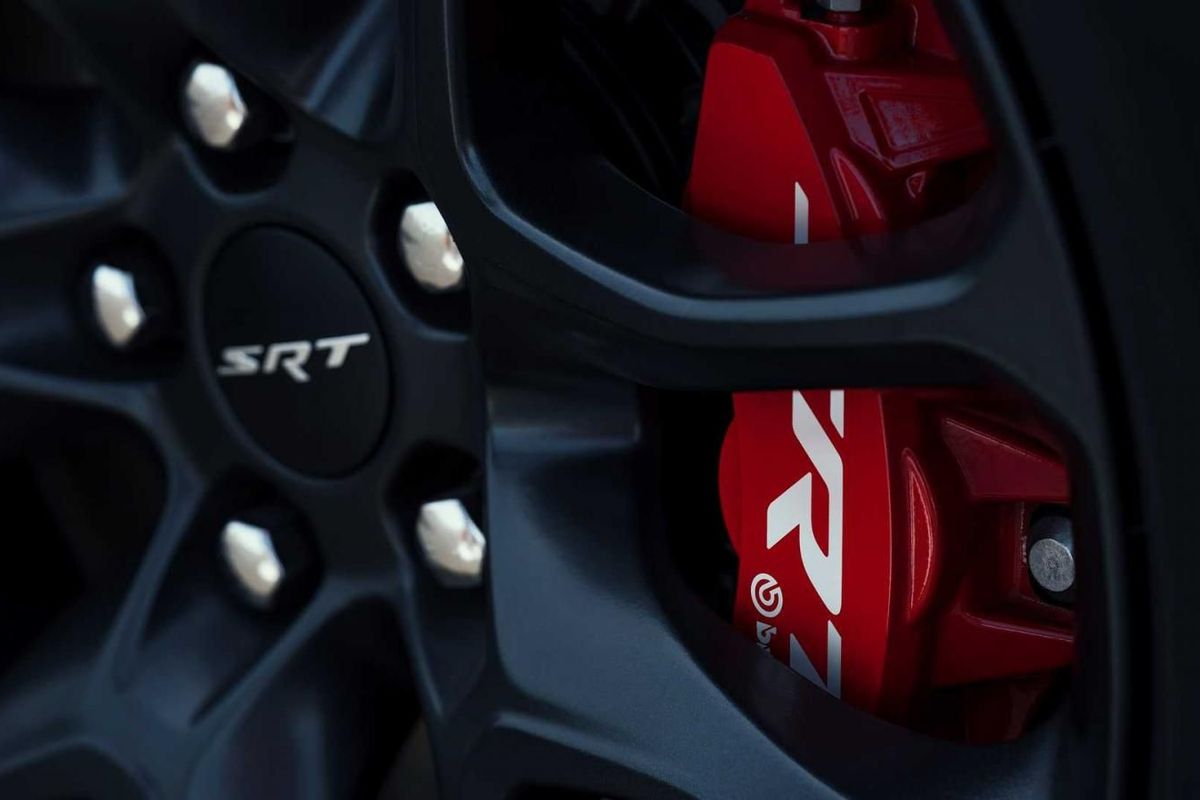
The Durango SRT Hellcat rolls 20-inch wheels, with huge Brembo brakes turning in unison. To confidently decelerate a vehicle of this size and performance, Dodge sourced 400 mm brake discs up front and 350 mm items for the rear axle.

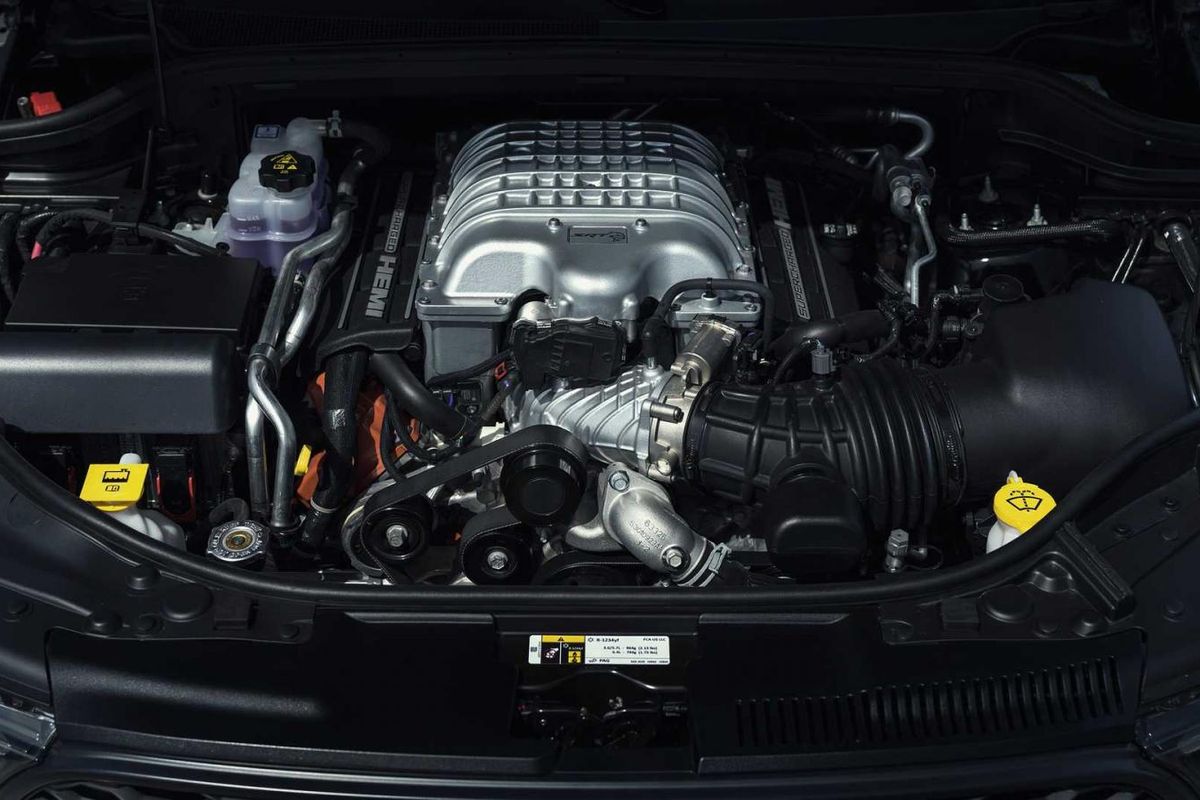
Powering the Durango SRT Hellcat is a 6.2-litre V8, boosted by a 2.4-litre capacity supercharger, capable of spinning up to 14 600 rpm. The overall boost pressure is relatively low, at only 0.8-bar, but the supercharger is a large capacity unit and helps the Durango to 530 kW of peak power, which is a smidge more than the Jeep Trackhawk.

AMG does not have a rival SUV which can touch the Durango SRT Hellcat’s engine performance. Chrysler engineers have attempted to make the best of attempting to control 530 kW in an SUV application. Compression damping is increased by 20% to better resists bodyroll, which should compensate for the higher corner entry speeds of this Durango SRT Hellcat

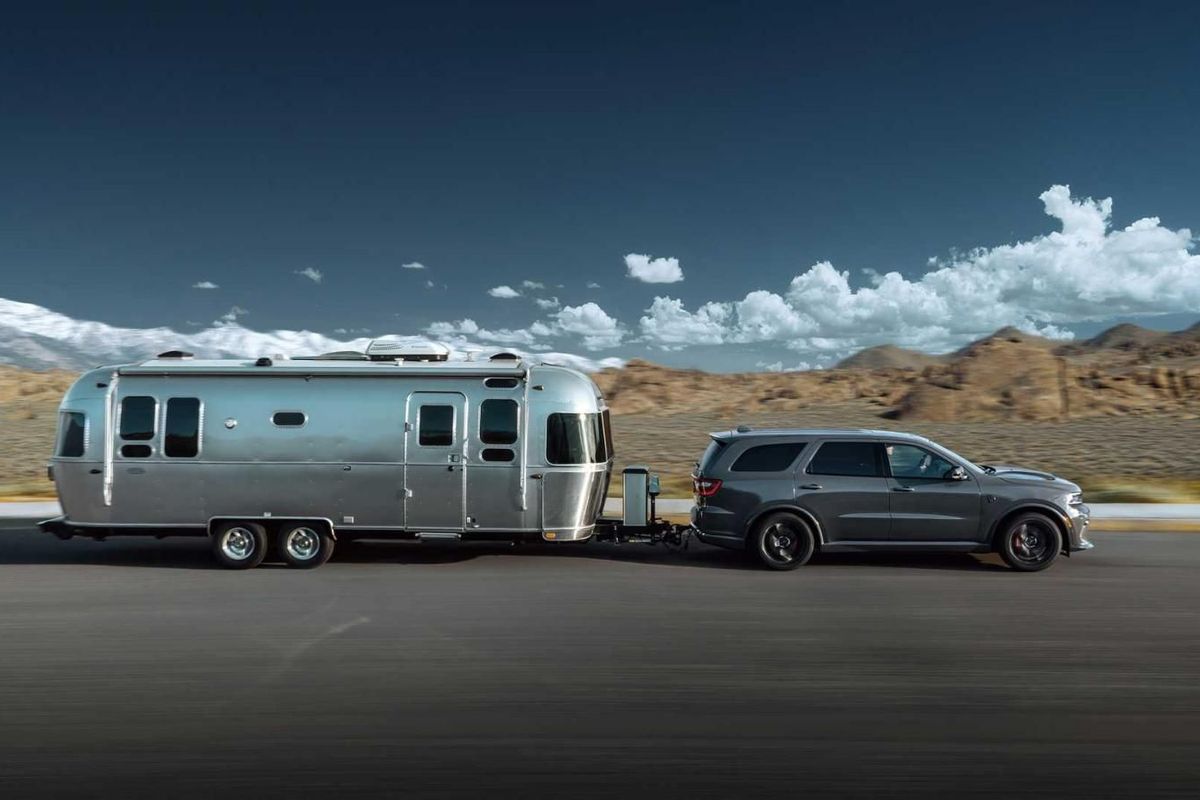
For a vehicle of such outlandish statistics, one of the Durango SRT Hellcat’s most astonishing numbers regards its utility.

Chrysler has not altered the towing capacity of its latest high-performance SUV, which means you can now have a 530 kW all-terrain vehicle, capable of towing 3 950 kg. Should make recovering other 4×4 owners an absolute breeze when things go awry in a dune field.

Related content

Drag Race: BMW X4 M Competition vs Alfa Romeo Stelvio Quadrifoglio

Drag Race: Jeep Grand Cherokee Trackhawk vs BMW X4 M Competition

5 Small Crossovers for Under R200k

More and more buyers are looking for a little bit extra from their small hatchbacks, such as a modicum of added ground clearance and eye-catching off-roader inspired kerb appeal. If you're in the market for a new car, here’s how you can get "a lift" while sticking to a budget of under R200k.

If you’re looking for a car that's slightly raised because you travel on dirt or badly maintained roads or just like the "ready-for-action-looks" of a faux-4×4 crossover then we’ve compiled a list of interesting models for you to consider. R200k doesn’t go very far, but thankfully a few manufacturers have got creative with their standard models and given them a "raise". 

Prices are accurate as of July 2020. 

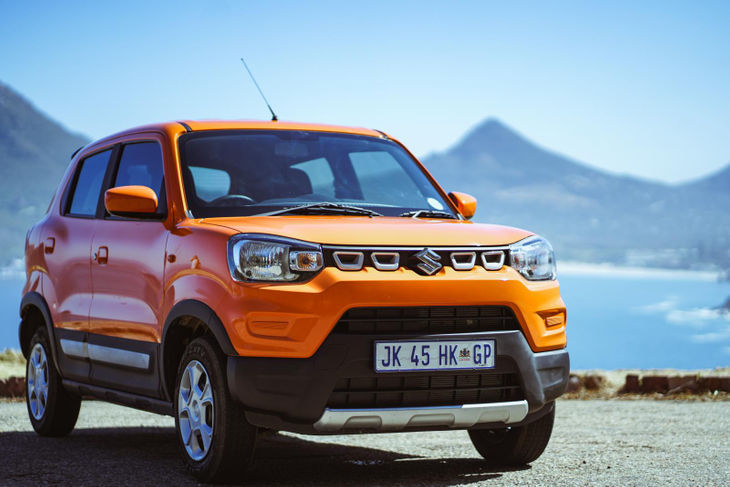
Suzuki S-Presso – From R139 900

The new S-Presso came to market earlier this year its local sales tally has yet to kick off in earnest. Now, with its first full month on sale during Level 3 lockdown, the pint-sized Suzuki was a raging success with the sales tally reaching 555 units in June 2020. Suzuki has won numerous Budget Car titles at #CarsAwards) and the Indian-built S-Spresso should continue to find favour with many more buyers in these cash-strapped times. It's powered by a 1.0-litre petrol engine that develops 50 kW and 90 Nm of torque and can be had with either a 5-speed manual or 5-speed automated-manual transmission. 

Read our review of the Suzuki S-Presso 1.0 S-Edition

There are 3 derivatives on offer for the S-Presso including GL, GL+ and a range-topping S-Edition. 

The S-Presso GL (manual only) is equipped with front electric windows, remote central locking, rear parking sensors, 14-inch steel wheels and manual airconditioning. 

The mid-spec GL+ derivative (manual and AMT) gains a 7-inch touchscreen infotainment system with Apple CarPlay and Android Auto capability, integrated reverse camera, Bluetooth and a USB and auxiliary port. 

Moving on to the range-topping S-Presso S-Edition (from R152 900), this derivative gains styling elements such as wheel arch cladding, side body cladding, silver upper grille garnish, front skid plate and silver trim finishes seen on the centre console and doors. Safety specification includes 2 airbags and ABS with EBD. Ground clearance is claimed at 180 mm. 

See specification details for the Suzuki S-Presso

Buy a used Suzuki on Cars.co.za

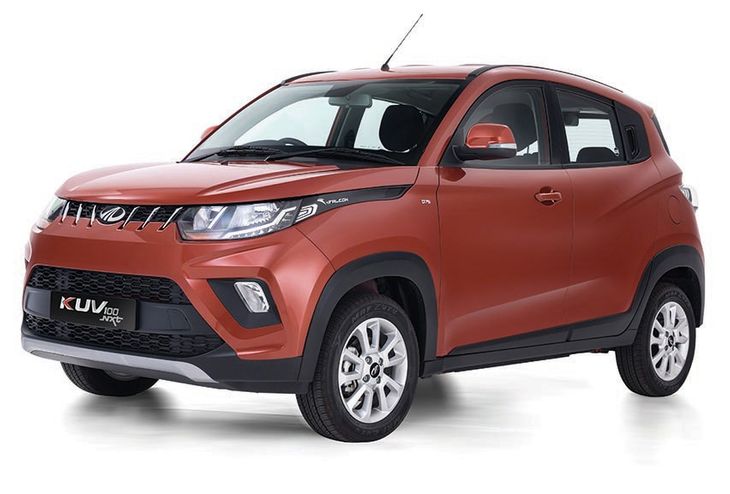
2. Mahindra KUV100 Nxt 1.2 G80 – From R148 999

The updated Mahindra KUV100 Nxt came to market in 2018 with the range comprising petrol and diesel-engined models. It's surprisingly spacious inside with plenty of areas to store odds and ends. The ground clearance stands at 170 mm and its high-profile 185/65 14-inch tyres should render it quite competent at negotiating small obstacles, certainly gravel roads. The KUV100 Nxt G80 K2+ is powered by a 1.2-litre, naturally aspirated petrol engine with 61 kW and 115 Nm and mated with a 5-speed manual transmission. The KUV100 comes equipped with 2 airbags and ABS with EBD. If you wish to increase the level of specification in your KUV100 Nxt, then K6+ or K6+ #DARE derivatives are a good bet at just under R200k. 

Look at specification details for the Mahindra KUV100 Nxt 

Browse for a used Mahindra KUV here


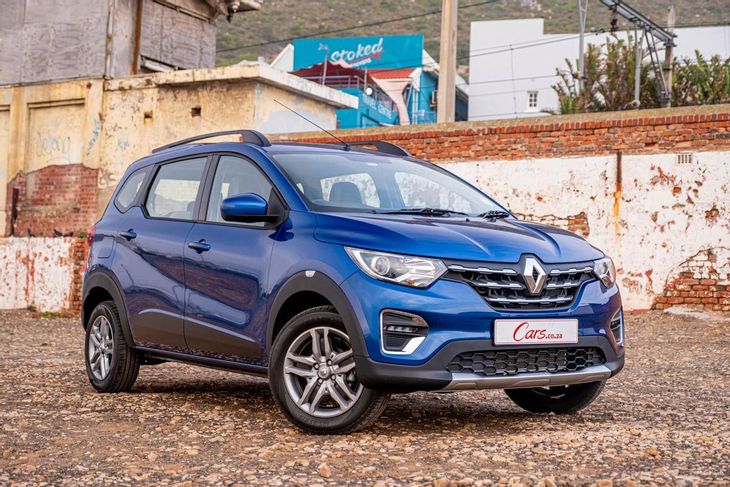
3. Renault Triber – From R177 900

Renault recently welcomed its new Triber budget 7-seater people-mover to market earlier this year and with a ground clearance of 182 mm and some rugged plastic cladding, the Triber boasts some crossover appeal. The Triber makes use of a naturally-aspirated 1.0-litre petrol engine and is equipped with a 5-speed manual transmission. Outputs are pegged at 52 kW and 96 Nm of torque. 

Key features include a removable third row of seats which increases load capacity yo 625 litres, an 8.0-inch touchscreen infotainment system with Android Auto and Apple CarPlay functionality and air conditioning ventilation for the second row. 2 airbags are standard with 4 airbags offered on the top-spec Prestige derivative. Rear parking sensors are a useful feature when parking. 

The range-topping Triber Prestige breaches the R200k barrier with a price of R202 900, but even so, it's still worth considering. 

Read our Review of the Renault Triber 1.0 Prestige

Buy a Renault Triber on Cars.co.za 


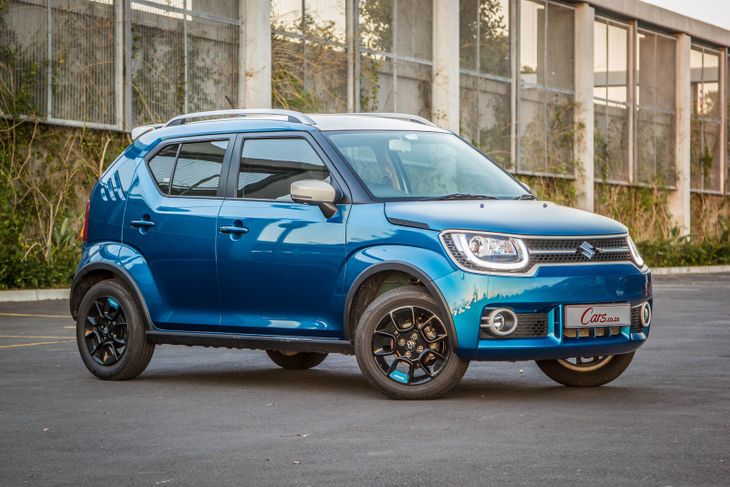
4. Suzuki Ignis GL – From R188 900

The Suzuki Ignis offers buyers something a little different in this segment of the market. The Ignis is powered by a naturally-aspirated 1.2-litre petrol engine that develops 61 kW and 113 Nm of torque with the front wheels driven via a 5-speed manual transmission. As we discovered during its test period with us, the Ignis offers perky performance in the city and its interior is relatively spacious for its size.

The Ignis GLX is equipped with the features such as a Radio/CD player (can upgrade to a touchscreen with Apple CarPlay and Android Auto), rear park distance control, climate control air conditioning, LED headlights and daytime running lights, 2 airbags, ABS with EBD and brake assist. The Suzuki Ignis GLX was also a semi-finalist in the Budget Car category of the 2018/19 Cars.co.za Consumer Awards – powered by WesBank.

The entry-level Ignis GL is the previous #CarsAwards champion and is priced from R188 900. Ground clearance on the Ignis is 180 mm. Watch our video review below for more details…

See specification details for the Suzuki Ignis

Suzuki Ignis 1.2 GLX (2017) Review [Video]

Browse for a second-hand Suzuki Ignis 


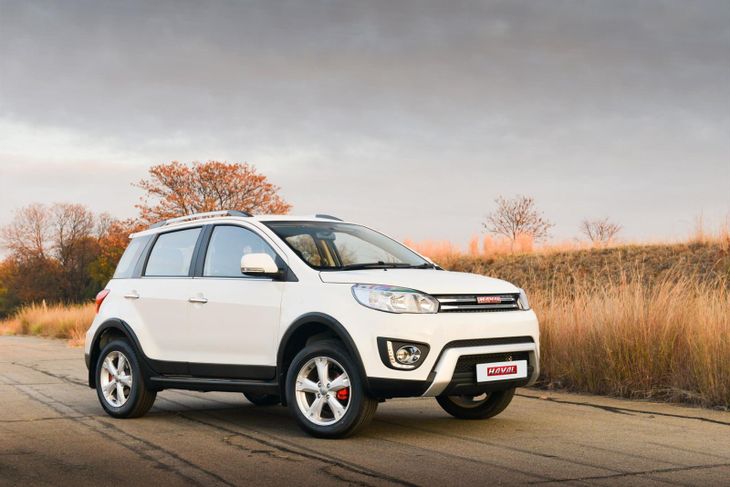
5. Haval H1 – R202 900

Recent price increases mean that the Haval H1 now exceeds the price limit for this list but we are leaving it here for now because it's still a vehicle you should have on your shortlist if your budget is hovering around R200k. Also, with a bit of haggling with a Haval dealer, you might still be able to secure a deal for under R200k. With the local arrival of Chinese SUV brand, Haval, in South Africa in 2017, its parent company GWM rebadged its M4 as the Haval H1. The H1/M4 is a reasonable rendition of a crossover-hatch. It’s made more to look the part than act it, but it's reasonably equipped and, yes, good looking.

Those daytime running lights are standard, as are the roof rails and 16-inch wheels, plus a 5-year/100 000 km warranty and 2-year roadside assistance that sweetens the deal. There’s good ground clearance (185 mm) and the H1's 1.5-litre petrol engine produces 69 kW and 130 Nm and uses a 5-speed manual transmission to drive the front wheels. 

Look at specification details for the Haval H1

Browse for a used Haval H1 here