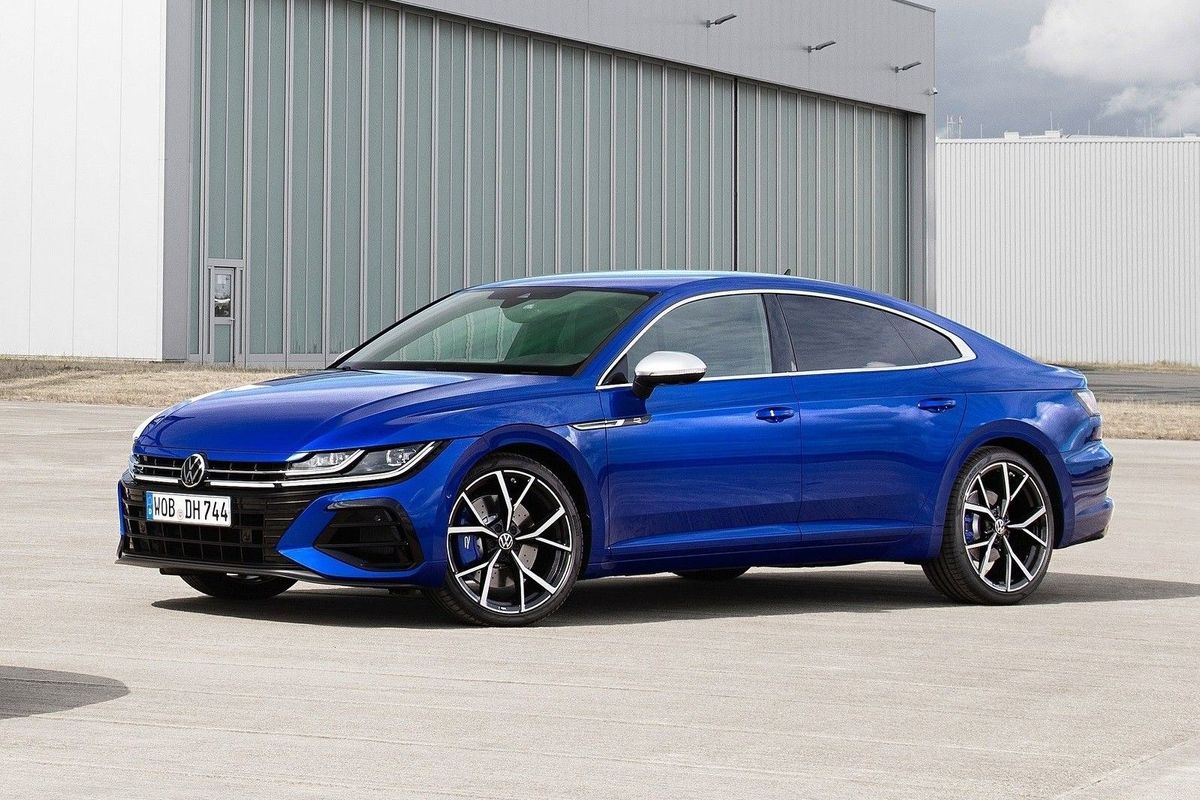
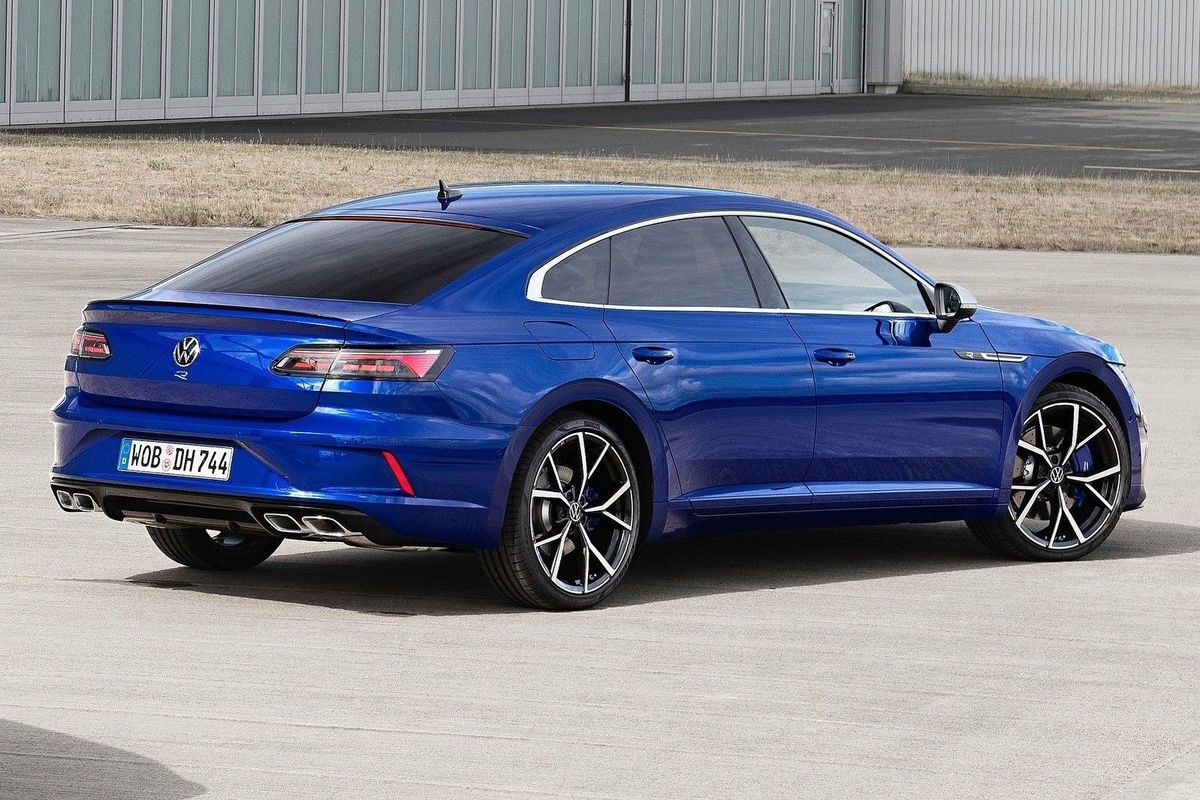
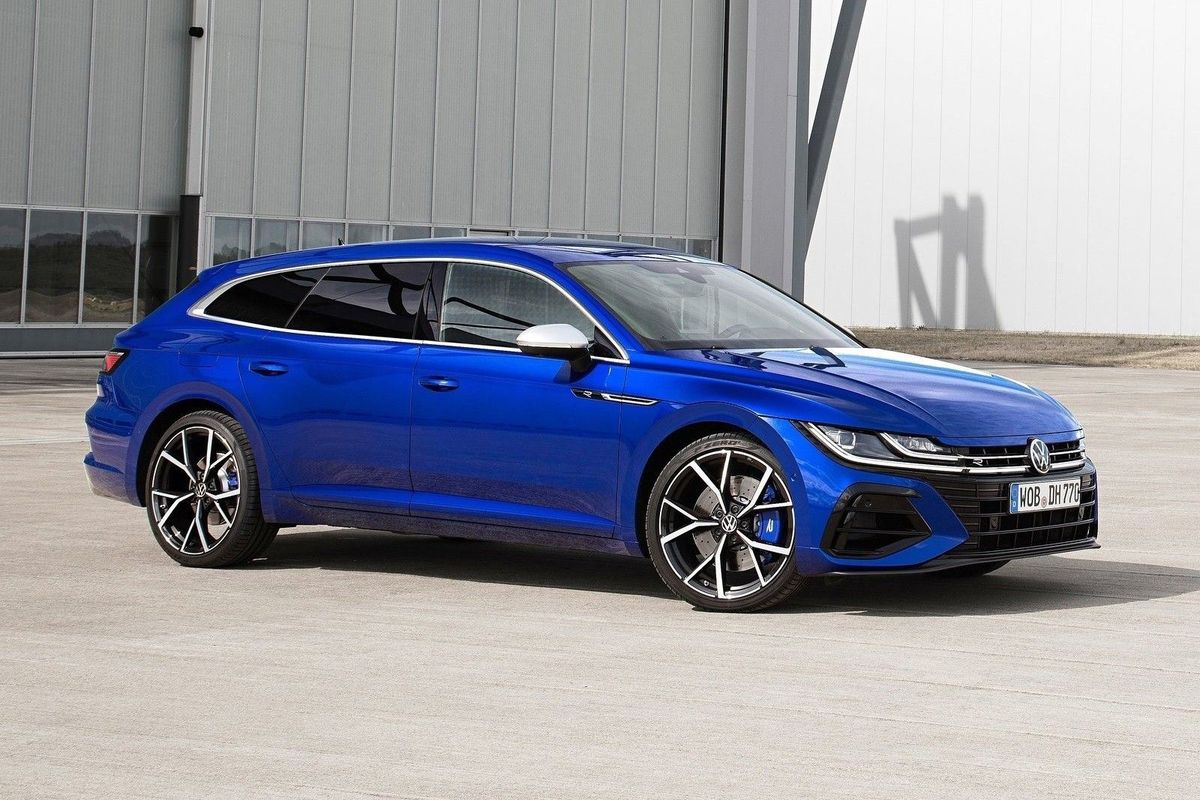
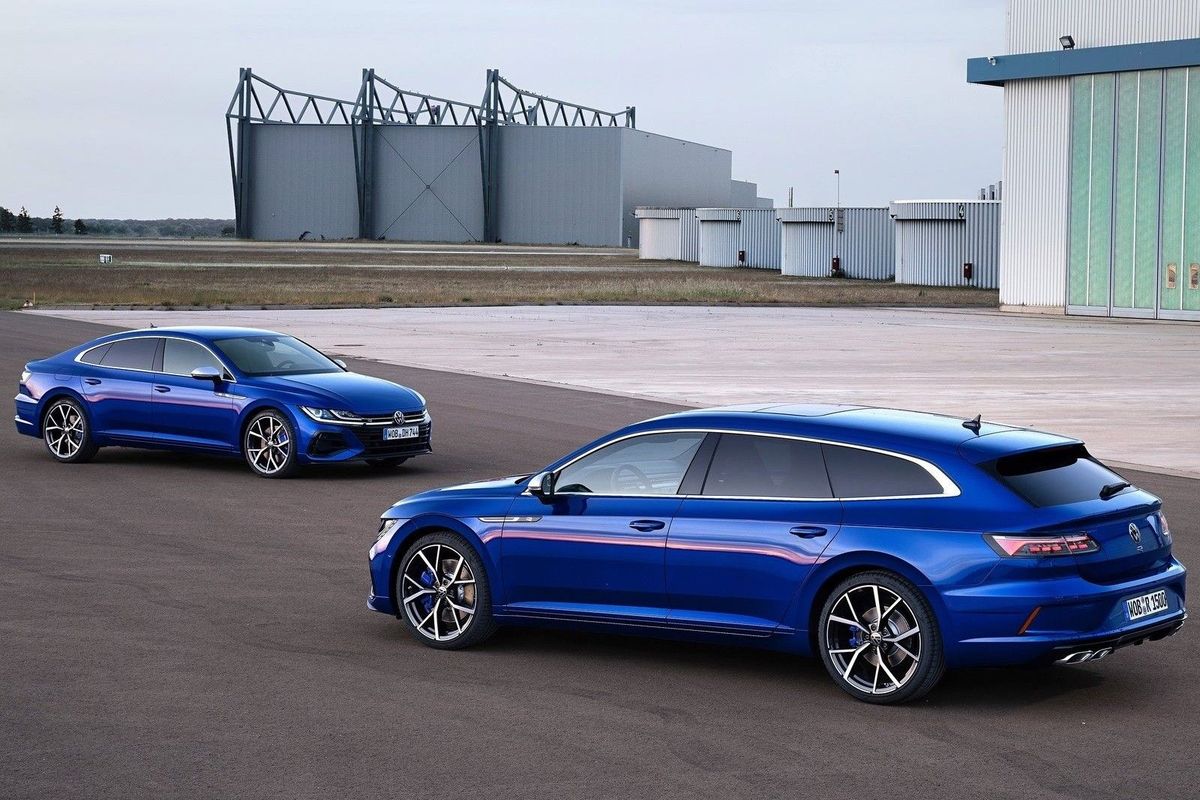
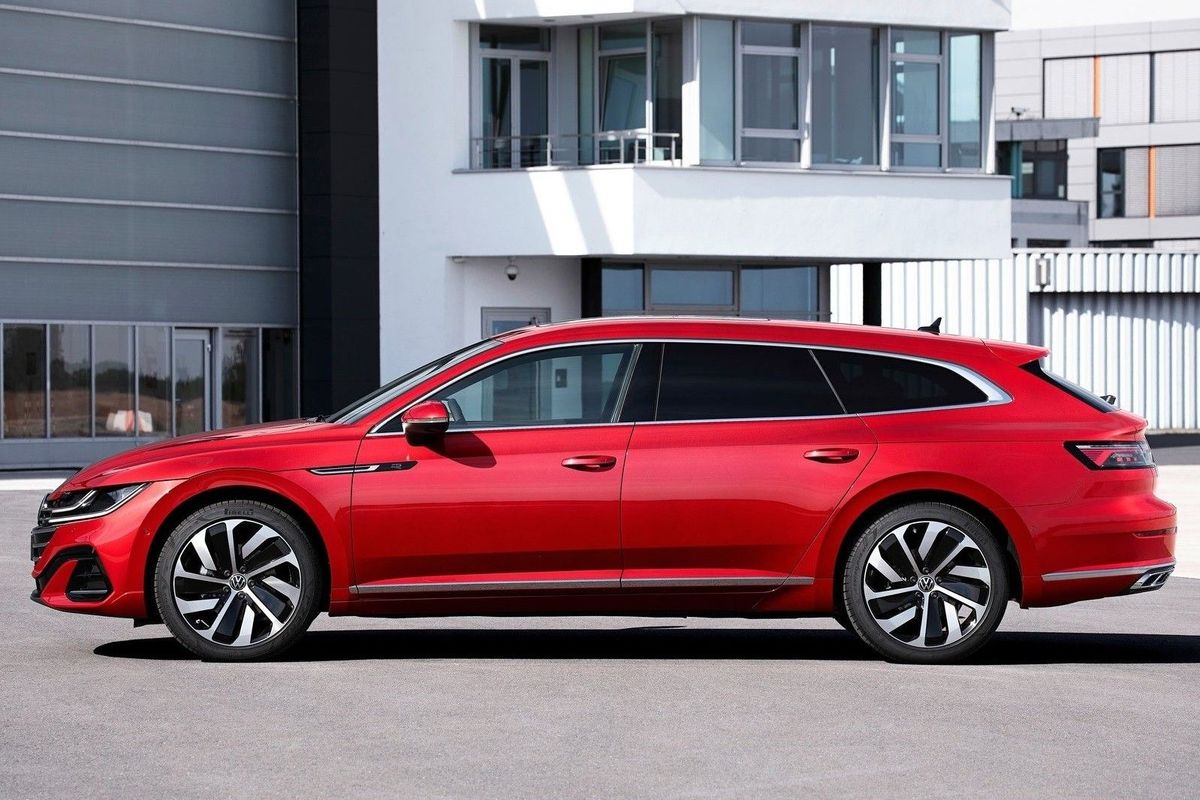
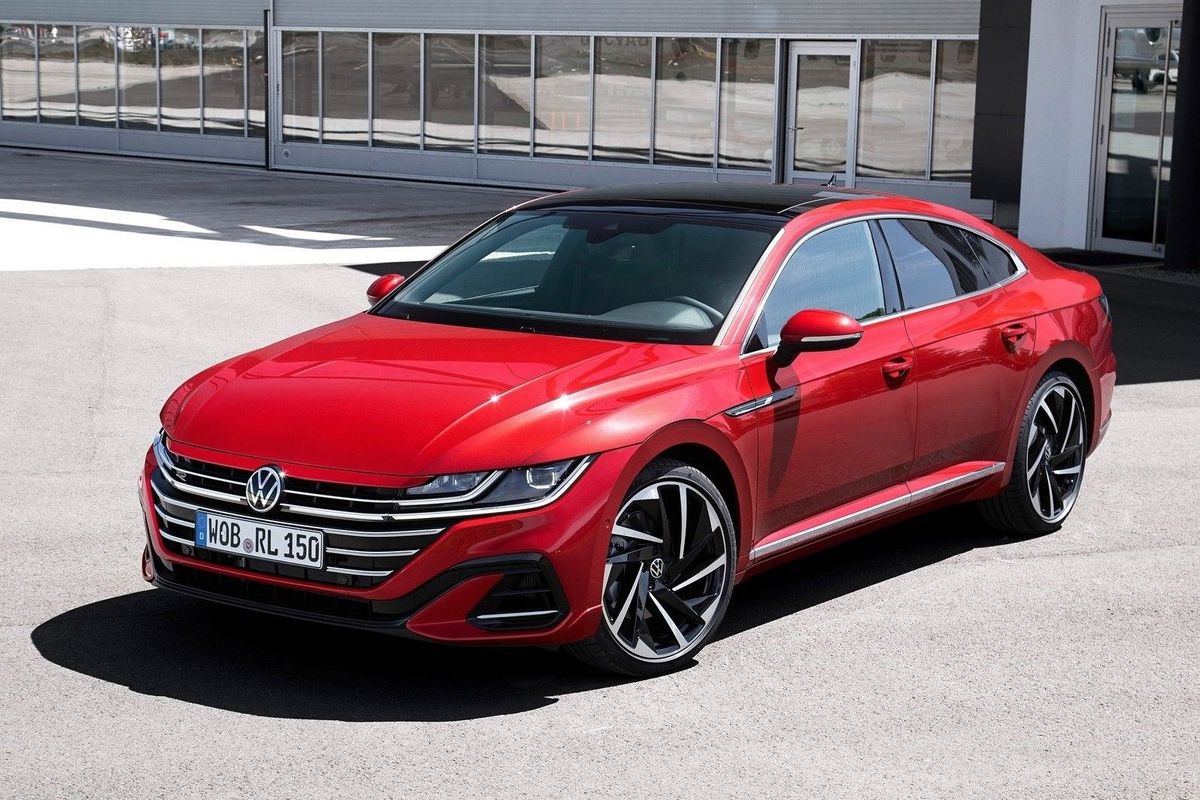
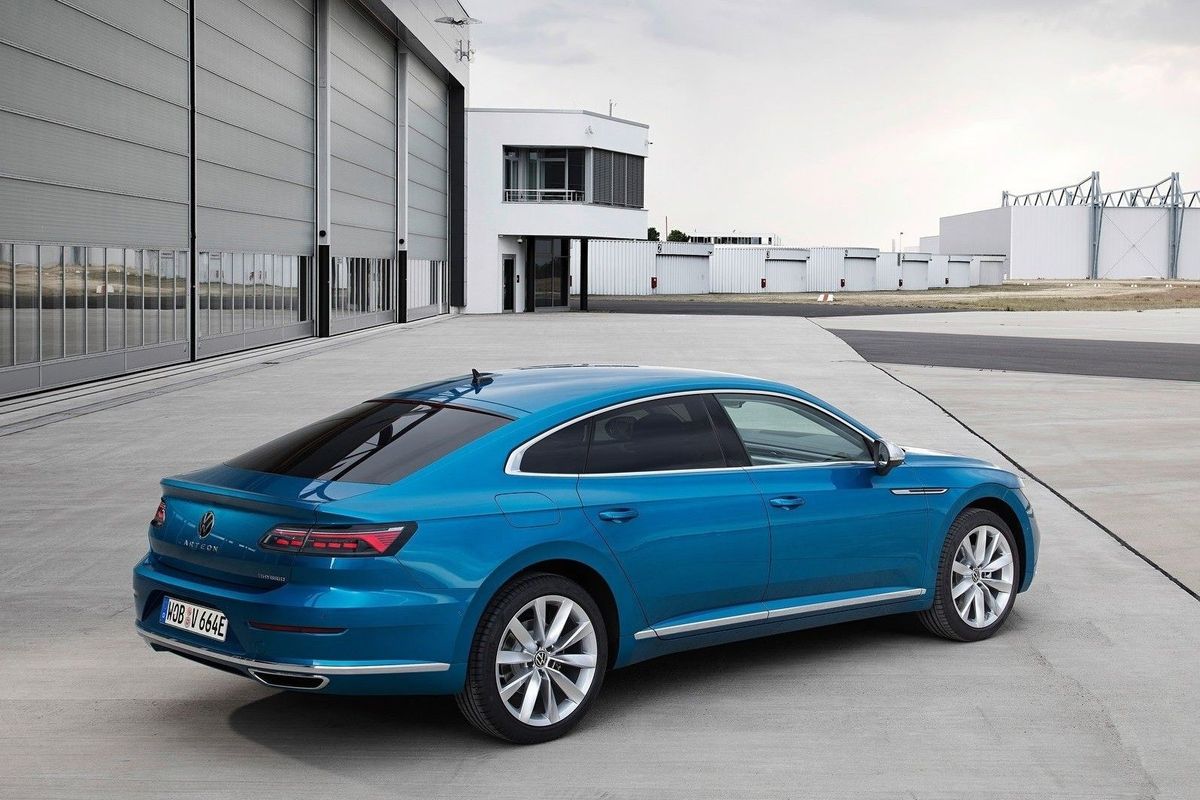
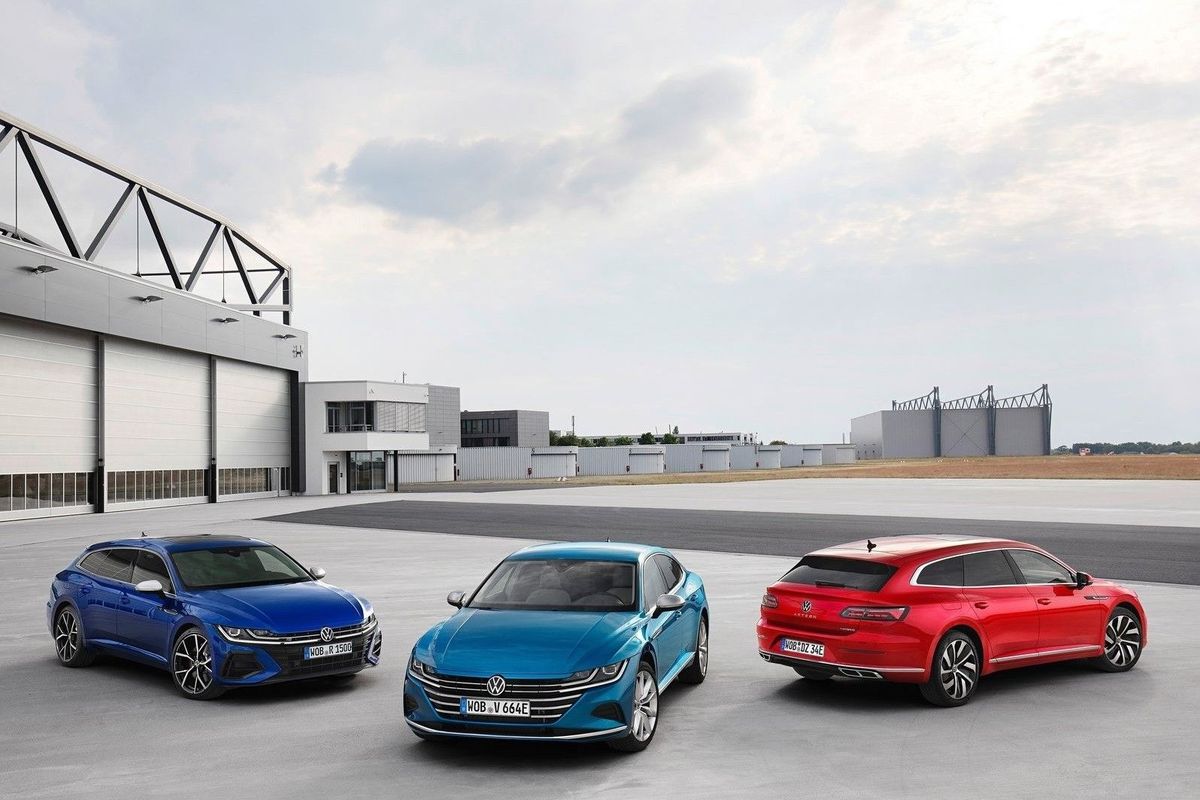
Volkswagen has revealed its updated Arteon range. The new model portfolio has increased with Arteon R and an Arteon Shooting Brake making their debut.
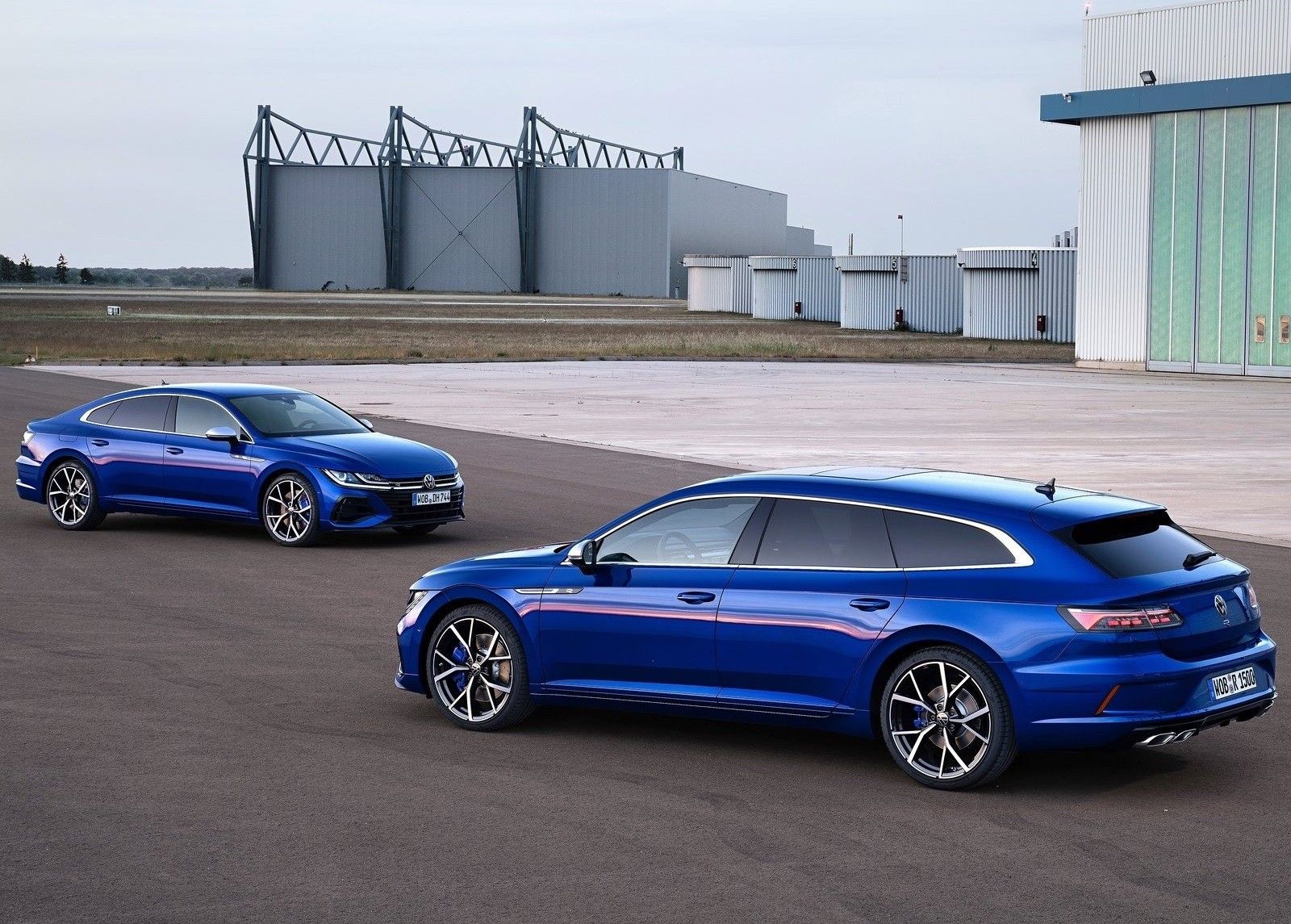
The updated Volkswagen Arteon has been revealed and it's joined by not 1, but 3 new family members. There's now a Shooting Brake for those wanting additional space and those seeking some performance can look forward to the Volkswagen Arteon R and Arteon R Shooting Brake.
Despite COVID-19, Volkswagen is pushing hard in 2020. "Volkswagen will launch 34 new models this year. There has never been such an extensive model initiative in the history of the brand," says Ralf Brandstätter, Chief Operating Officer und designated CEO of the Volkswagen Pkw brand. "The Arteon Shooting Brake extends our model range in the important midsize-segment. It will set standards in its class with its dynamic design, high functionality and modern technologies."
What's New?
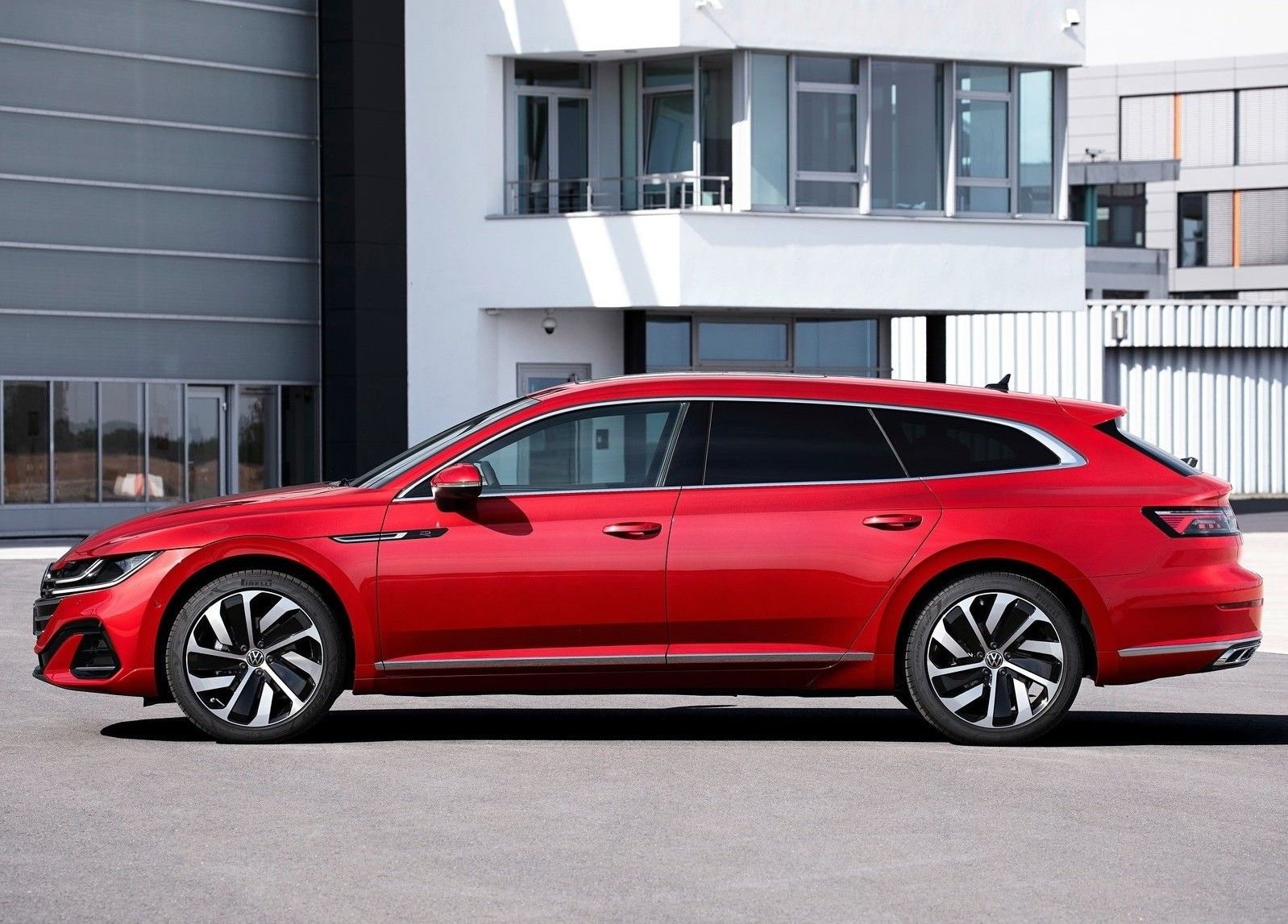
The MQB-based Volkswagen Arteon's design has changed slightly and there's a revised front end with a new continuous light strip, striking chrome bars and new air intakes. There's new LED lighting at the front and the rear too. The Volkswagen Arteon Shooting Brake is the Wolfsburg-based brand's take on the station wagon. However, if these pictures are anything to go by, this is one of the most striking interpretations of the estate concept.
The Volkswagen Arteon Shooting Brake offers more headroom in the rear and front in comparison to the standard model. There's 565 litres of bootspace, which is a touch more than the standard car's 563 litres, but when you fold all the seats down, 1 632 litres is available, which is more than the 1 557 litres than the standard car.
Volkswagen is also introducing an eHybrid powertrain for the Arteon. The plug-in hybrid Arteon eHybrid and Arteon Shooting eHybrid will be able to travel some distance on pure electric power. Petrolheads must surely be excited by the news of the Volkswagen Arteon R. While actual power and performance figures were not supplied with the release, online pundits have been throwing 235 kW about, which sounds about right if Volkswagen has opted for the 2.0-litre turbocharged 4-cylinder petrol motor. Volkswagen has confirmed the introduction of something called R-Performance Torque Vectoring, which should make handling more entertaining.
Naturally, safety and tech systems have improved in the new model and Volkswagen claims the new Arteon range benefits from a system that allows partly automated driving. Other notable safety features include the adaptive cruise control, lane assist, emergency autonomous braking, plus the rearview reverse camera has been enhanced.
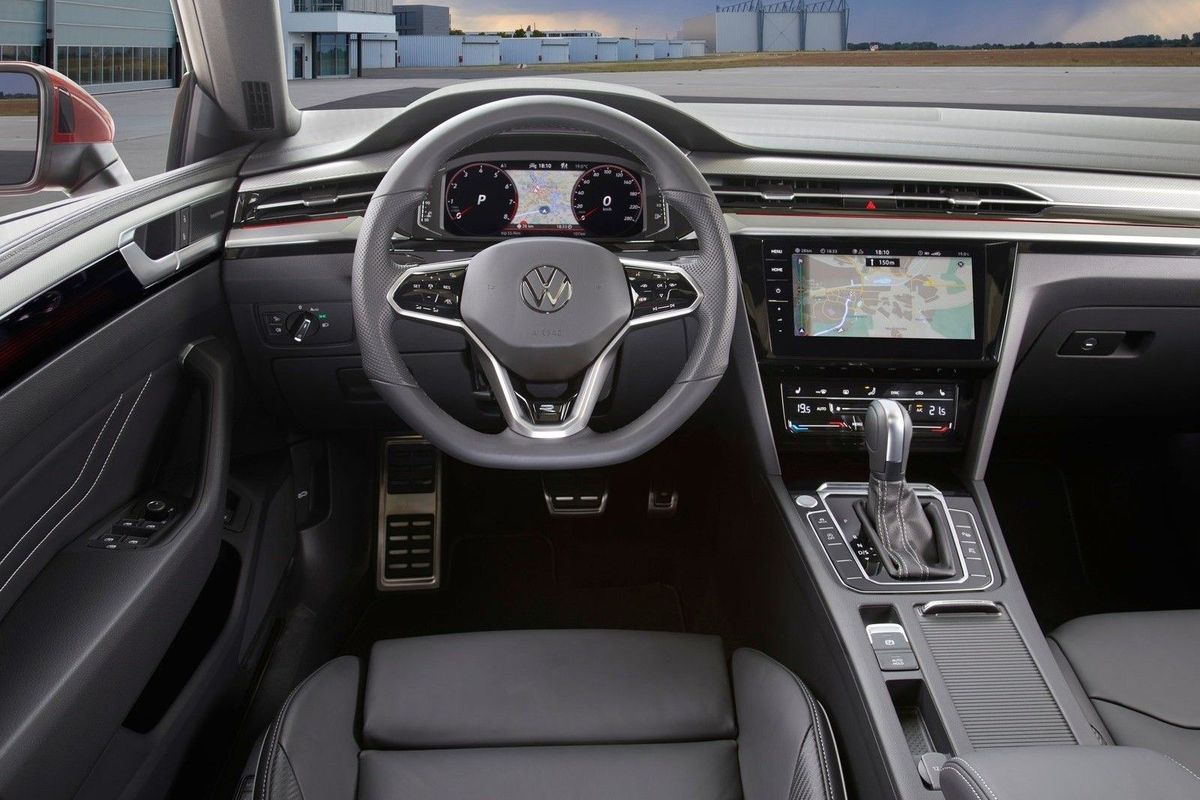
Inside, the Volkswagen Arteon range gets a redesigned cockpit environment and there's now wireless integration of apps like Apple CarPlay and Android Auto. A 700 watt high-end sound system from harman/kardon made specifically for the Arteon range is available.
We'll have more information on the new Volkswagen Arteon range as more information comes to light. In the meantime, feast your eyes upon the extraordinary design!
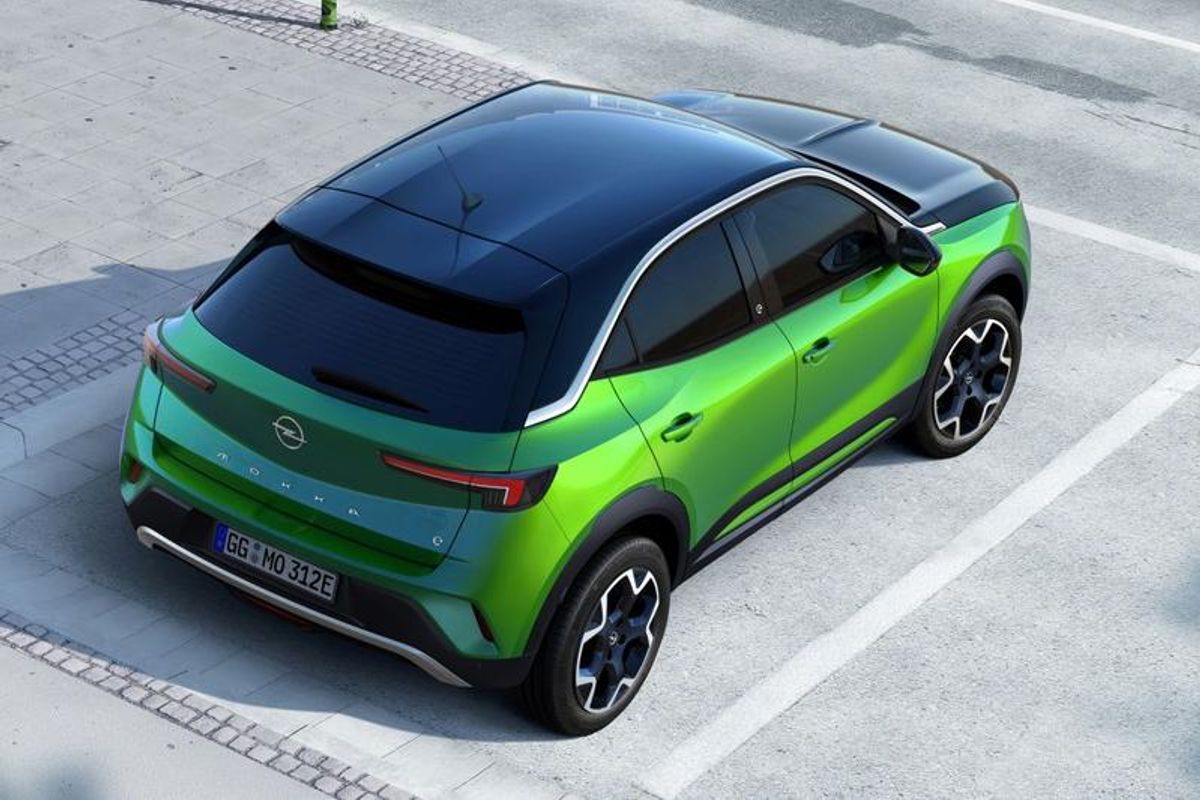
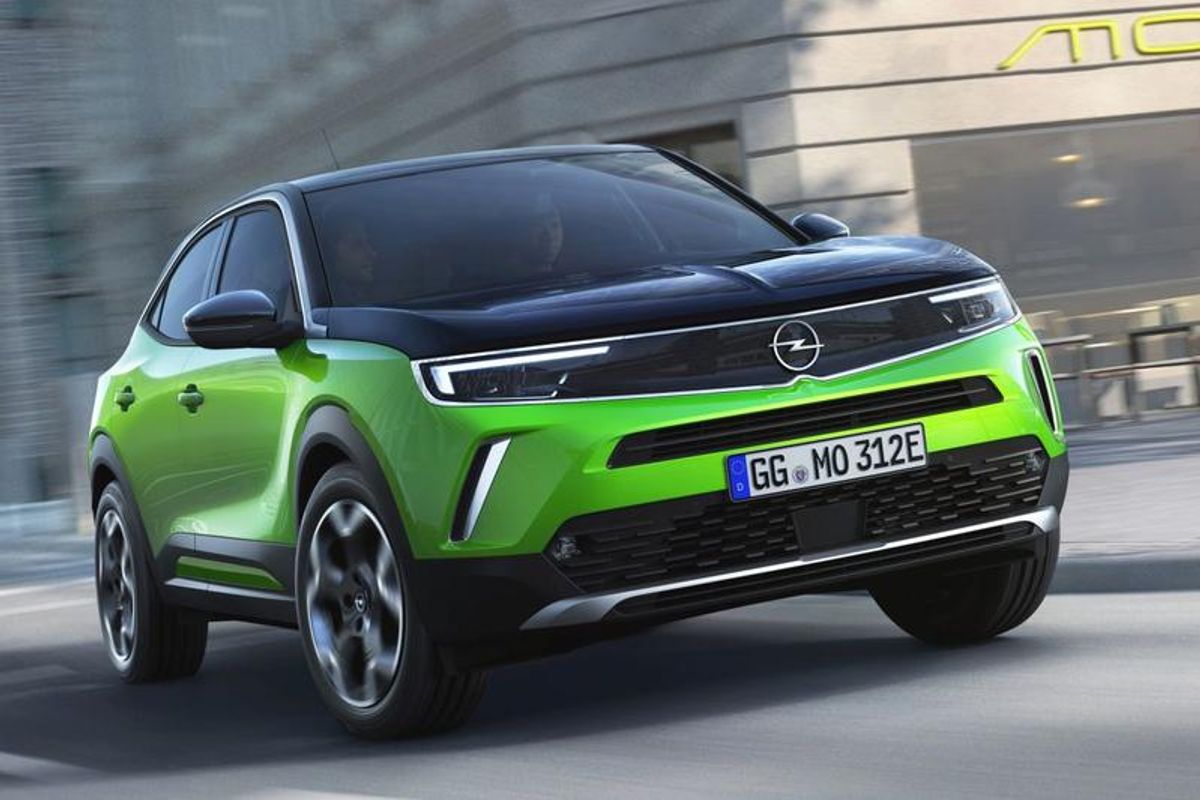
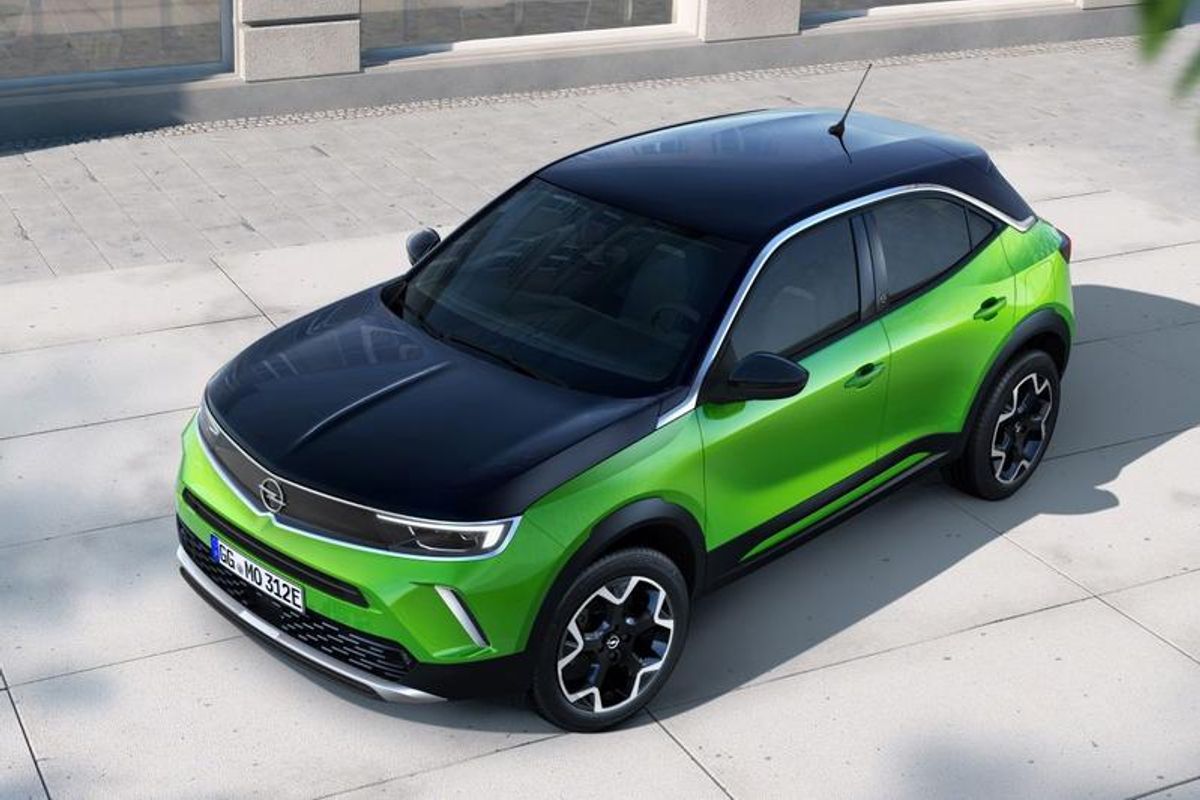
Opel has revealed its breakthrough Mokka, powered by electricity and aimed at an audience ready for the future.
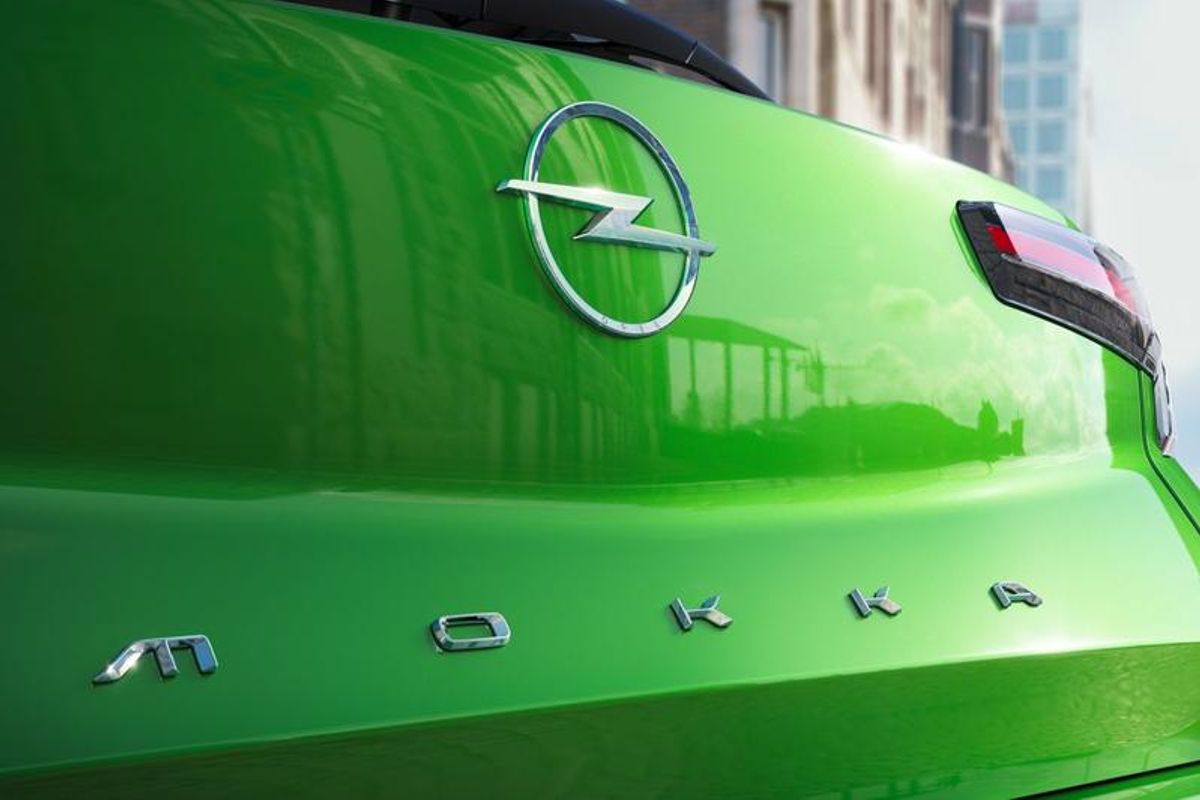
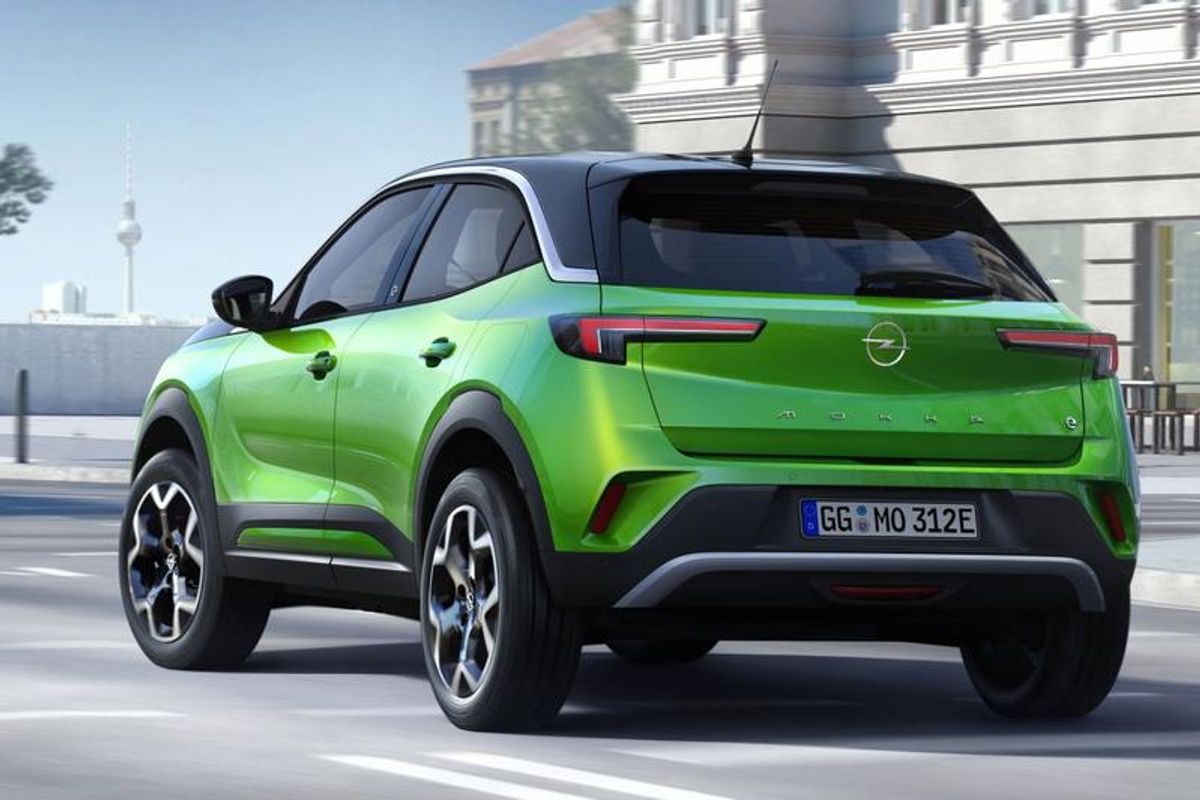
The second-generation of this crossover features a battery-powered drivetrain and design which is unrelated to any other Opel product. A minimalist lower-grille section is retained, but the Mokka’s front styling is dominated by its solid panel between the LED headlights, which also feature Matrix anti-dazzling functionality, shielding other road users when high beams are used.
Around the rear, there are narrow LED taillights and the crossover is available with an interesting contrasting roof and bonnet colour scheme, painted in one hue, whilst the remaining body panels are finished in another.
In terms of size, the new Mokka is notably more compact than its predecessor, measuring 4.15m bumper-to-bumper – making it 120 mm shorter in length. The cabin architecture should remain unaffected in terms of roominess, with new Mokka having a similar 2.56m wheelbase to the first-generation car. Luggage capacity is a competitive 350 litres, which is only 6 litres less than the current Mokka.
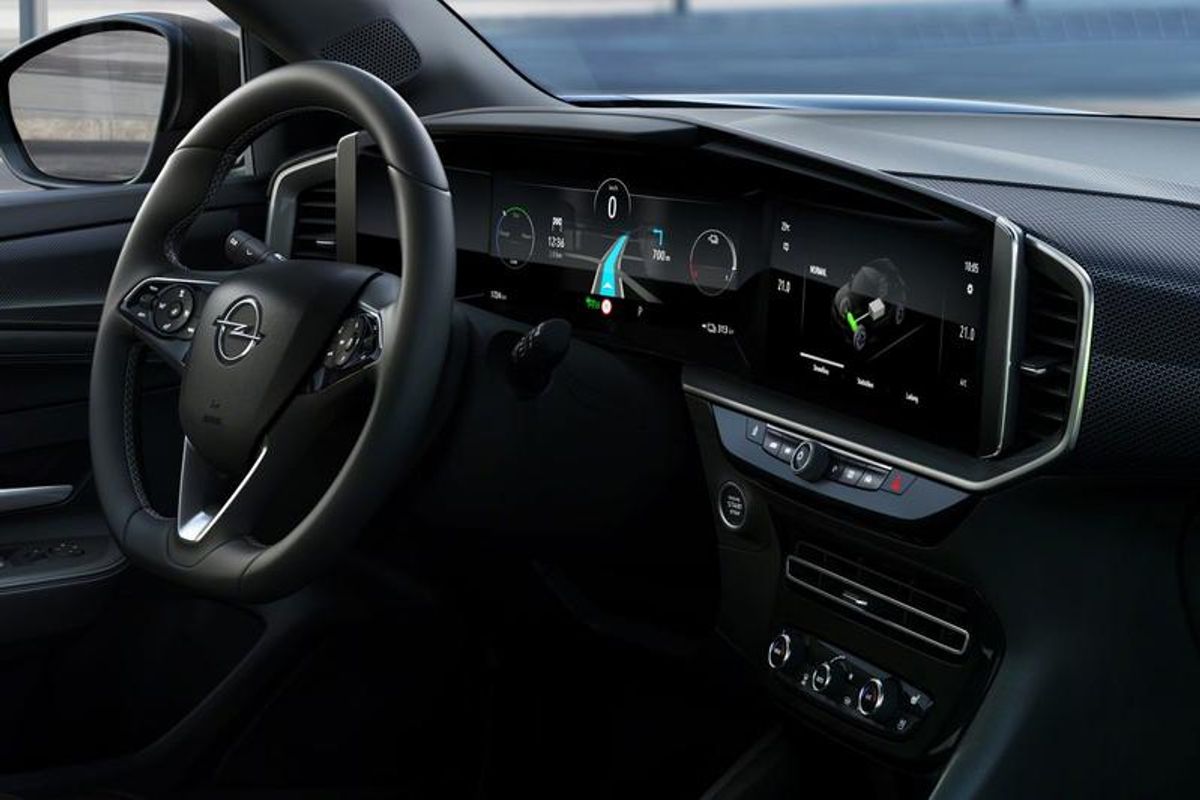
Vehicle information is served by a 12-inch instrument binnacle, while a broader digital infotainment system sweeps across the top of new Mokka’s centre console. Opel has retained some physical dials for HVAC (heating and aircon) and sound system volume functions.
Built on a French sourced PSA platform, the most significant change with new Mokka is its powertrain. Underfloor lithium-ion batteries total an energy density of 50 kWh, giving the Mokka a 100 kW power peak, supported by 260 Nm of torque.
Opel claims that its new Mokka will be good for a top speed for 150 kph and driving endurance of 322 km, on a single charge.
Is it coming to SA?
Regarding the local introduction of the Mokka, an Opel spokesperson had this to say "Bringing the new Opel Mokka to South Africa is on our planning radar – launch timing into the South African market is anticipated to be in the first quarter of 2022." Model derivatives will only be buttoned down closer to the local launch date. Expect petrol engines to be added to the Mokka lineup soon, similar to those powering the new-generation Corsa.
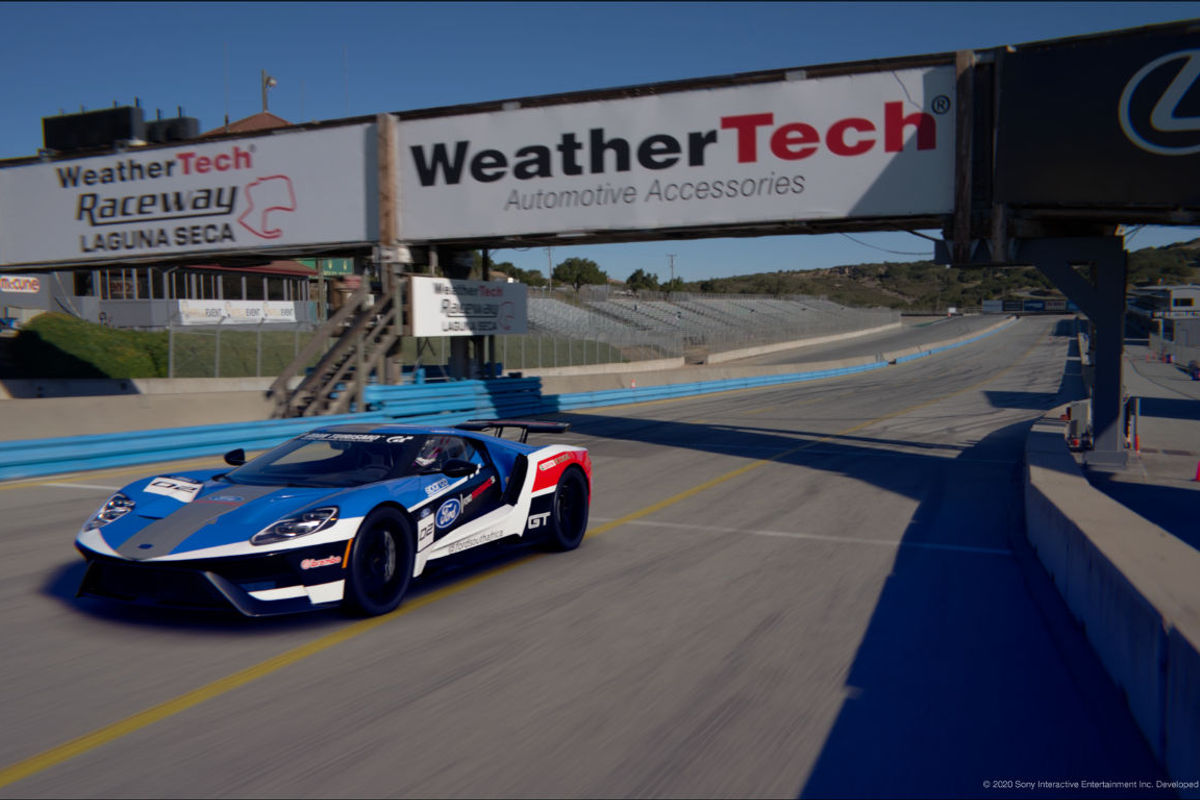
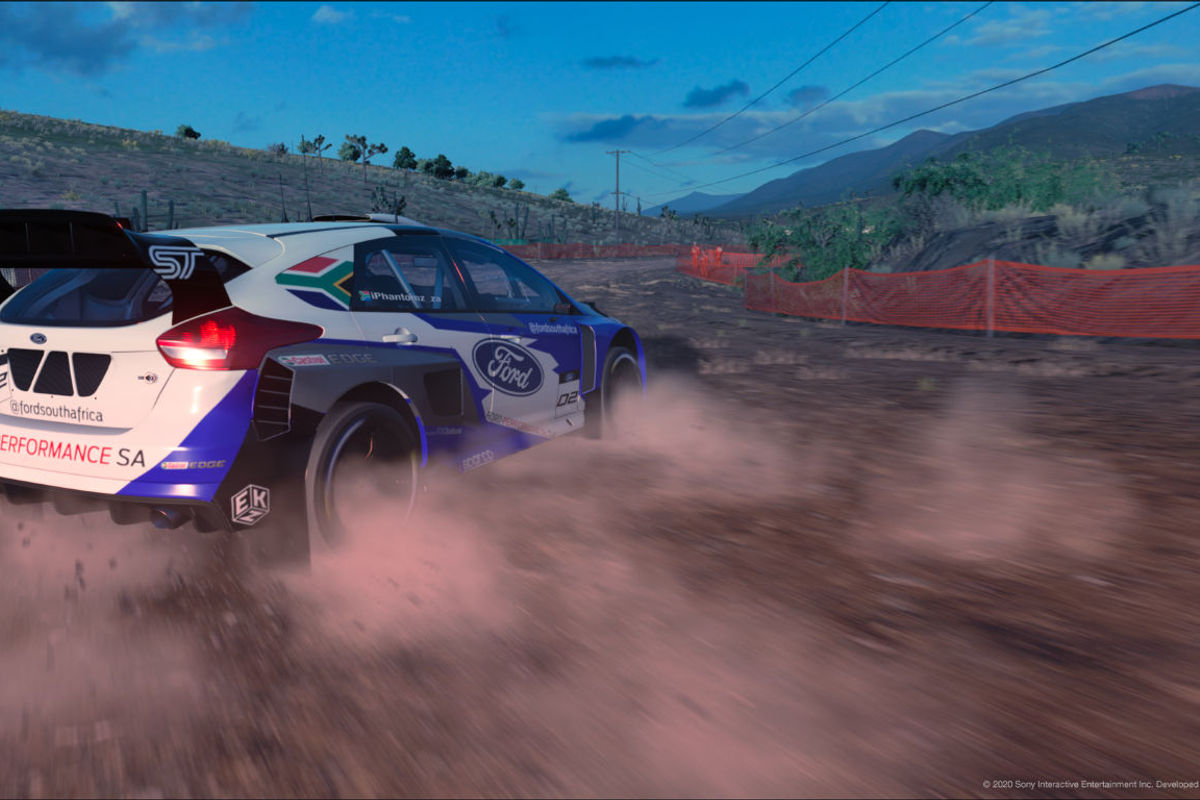
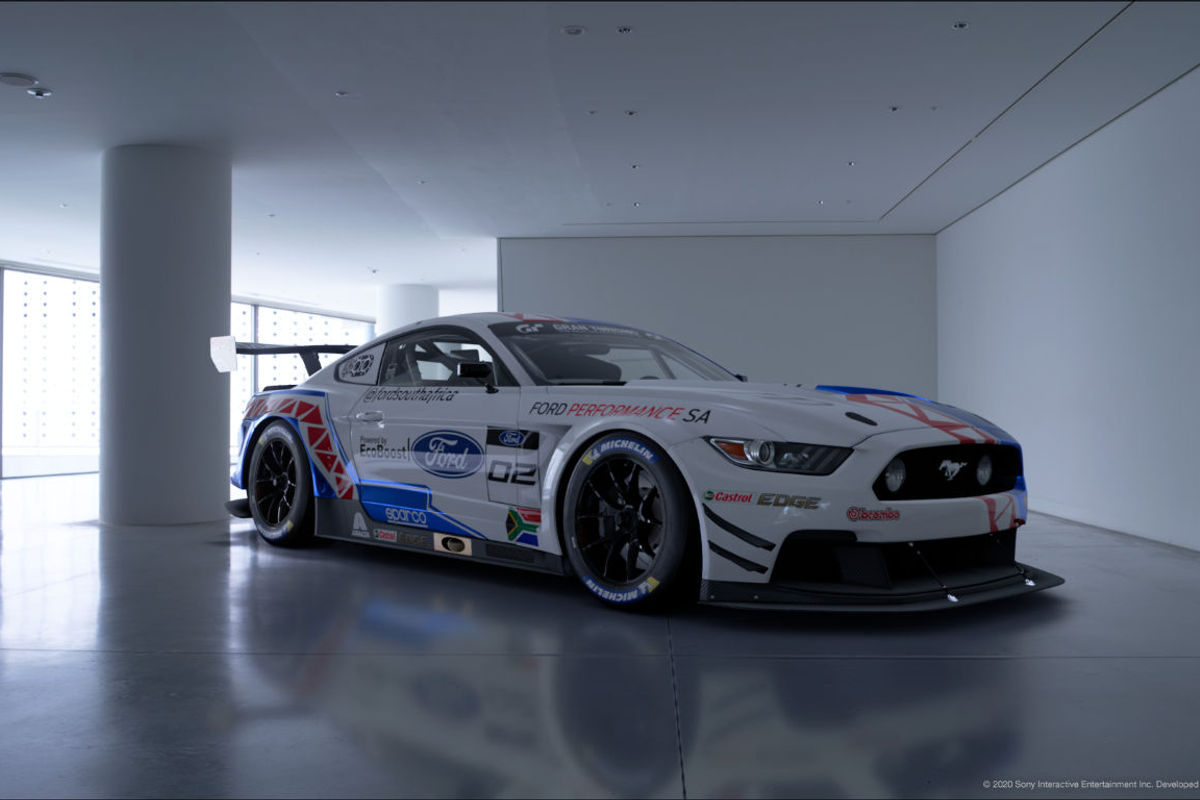
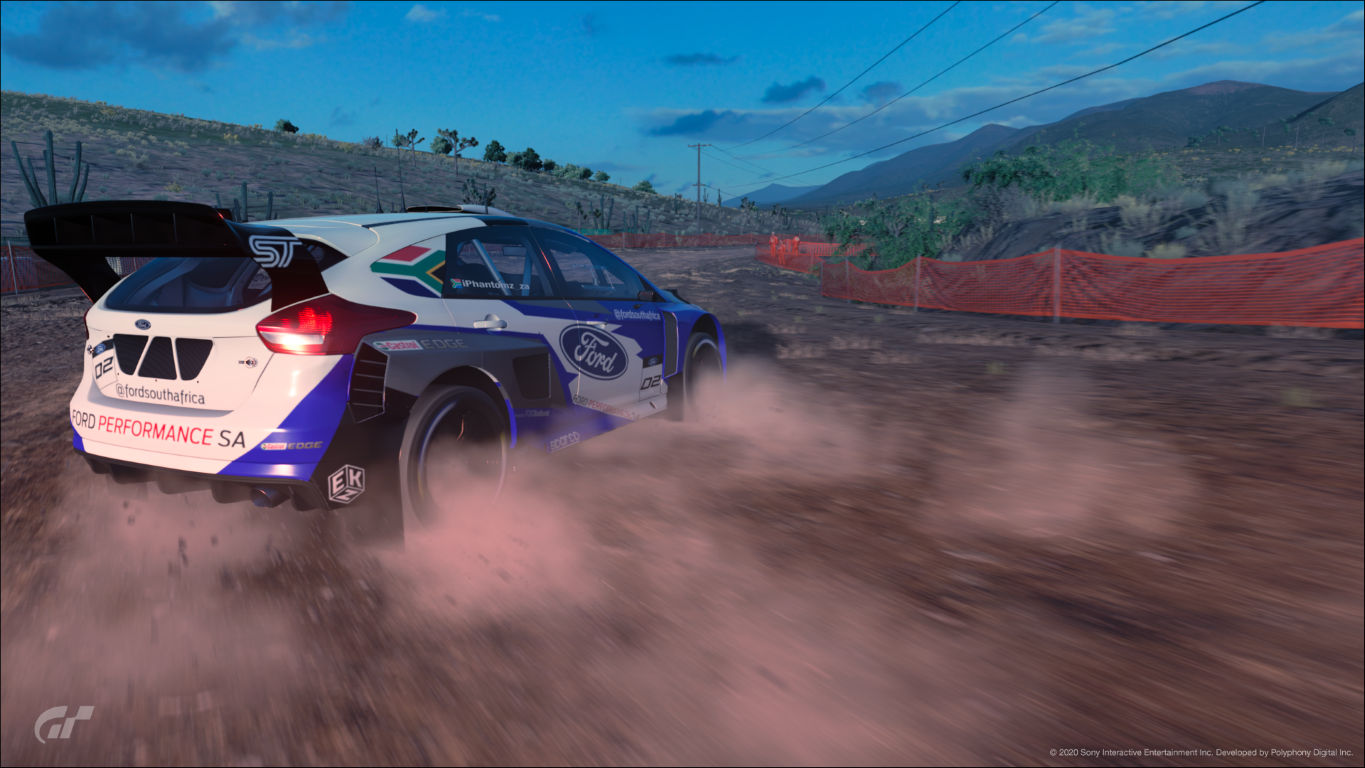
Ford South Africa has joined the local e-sports fray with a South African specific competition set in Gran Turismo Sport.
The Lockdown has seen a surge in the legitimacy of e-sports across the globe and specifically sim racing. Some of the world's best real-life racers have been seen churning out laps on Gran Turismo, Asetto Corsa and iRacing to name just a few of the available sims. South Africa has not been left behind with more and more races taking place, with commentators, driving coaches and even engineers getting involved to help setup cars for race day. It's a serious gig.
Ford South Africa is challenging local racers, gaming enthusiast or even just anyone with a PS4 and GranTurismo to take part in the inaugural #LockdownLaps. The competition takes place soon, being held from 29th June to 1st August 2020. There are prizes available including a state-of-the-art wheel and pedal system and Ford Performance gear. Details on how the format will work will be announced soon, but make sure you register at https://discord.gg/MAMsbmm (you'll need to install the Discord app if you don't have it yet) and then check out the guidelines and FAQ for all the details.
The event is being overseen and run by an experienced esports sim-team with over a decade of competition and league hosting. They are also there to provide answers while ensuring fair and good sportsmanship is maintained throughout the competition.
Lambo teases its 610-kW SCV12
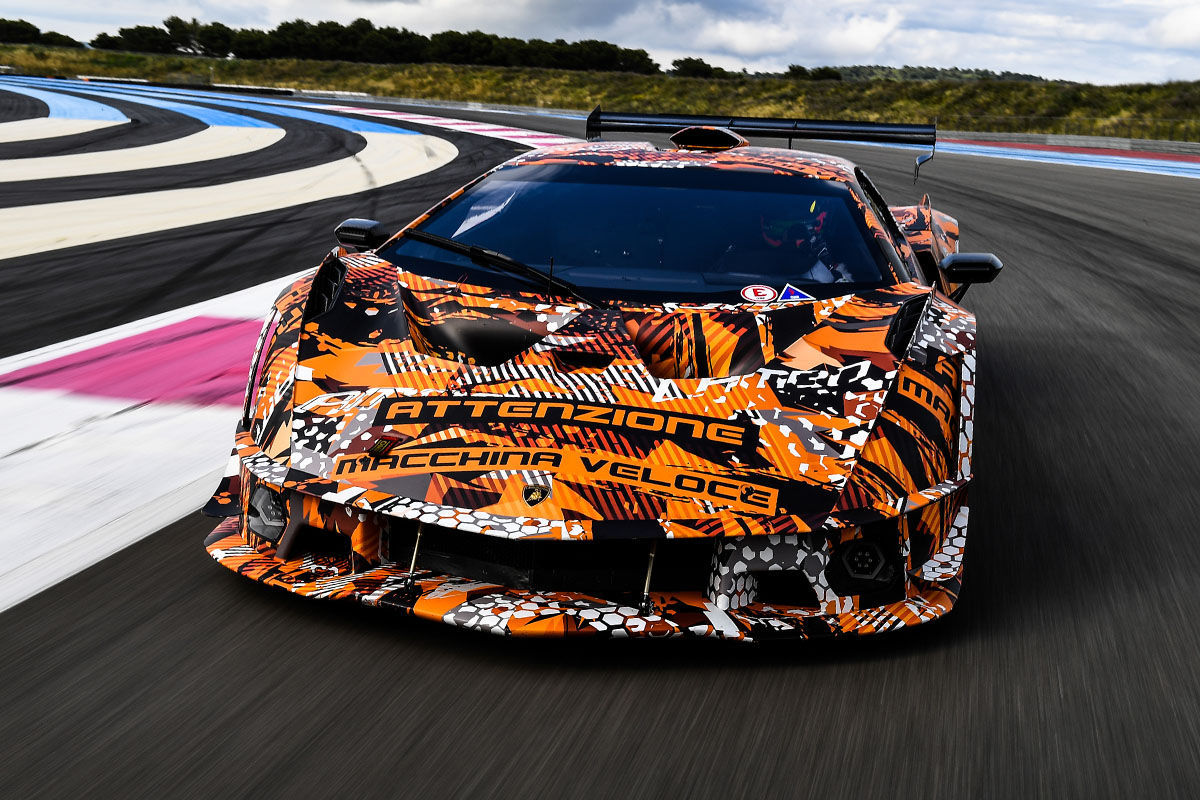
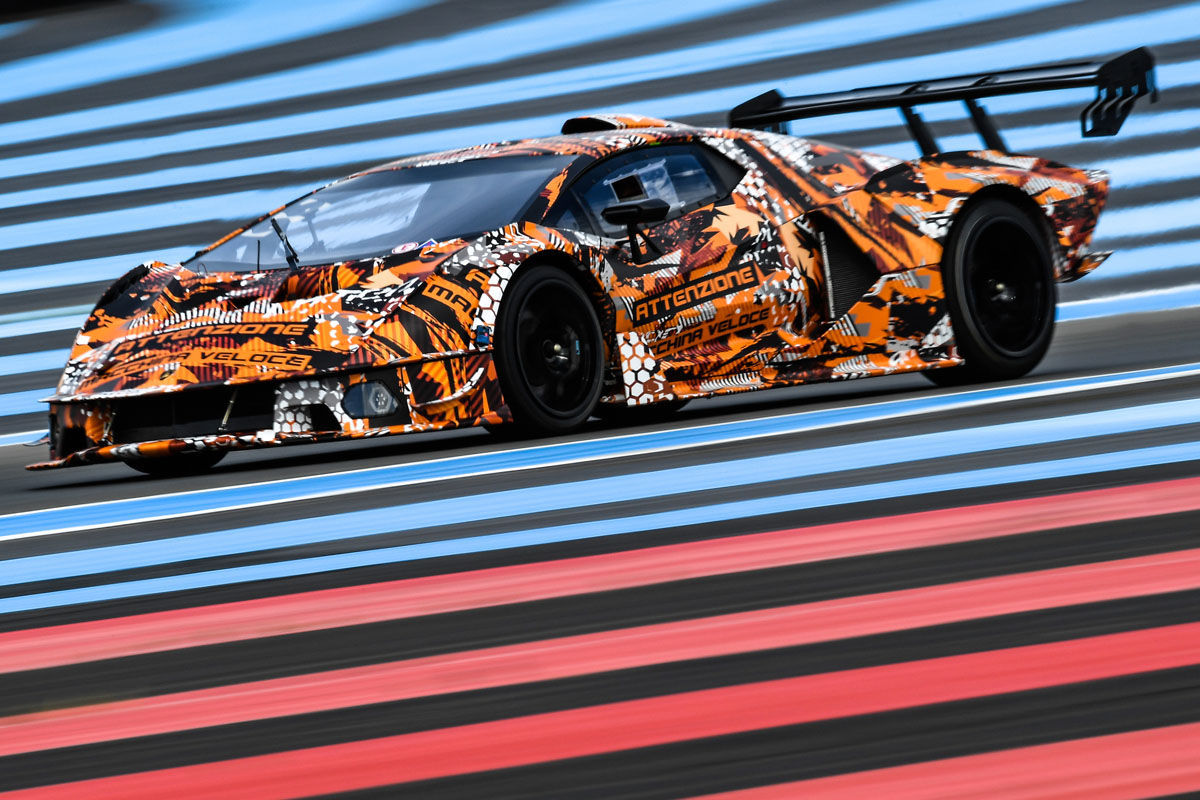
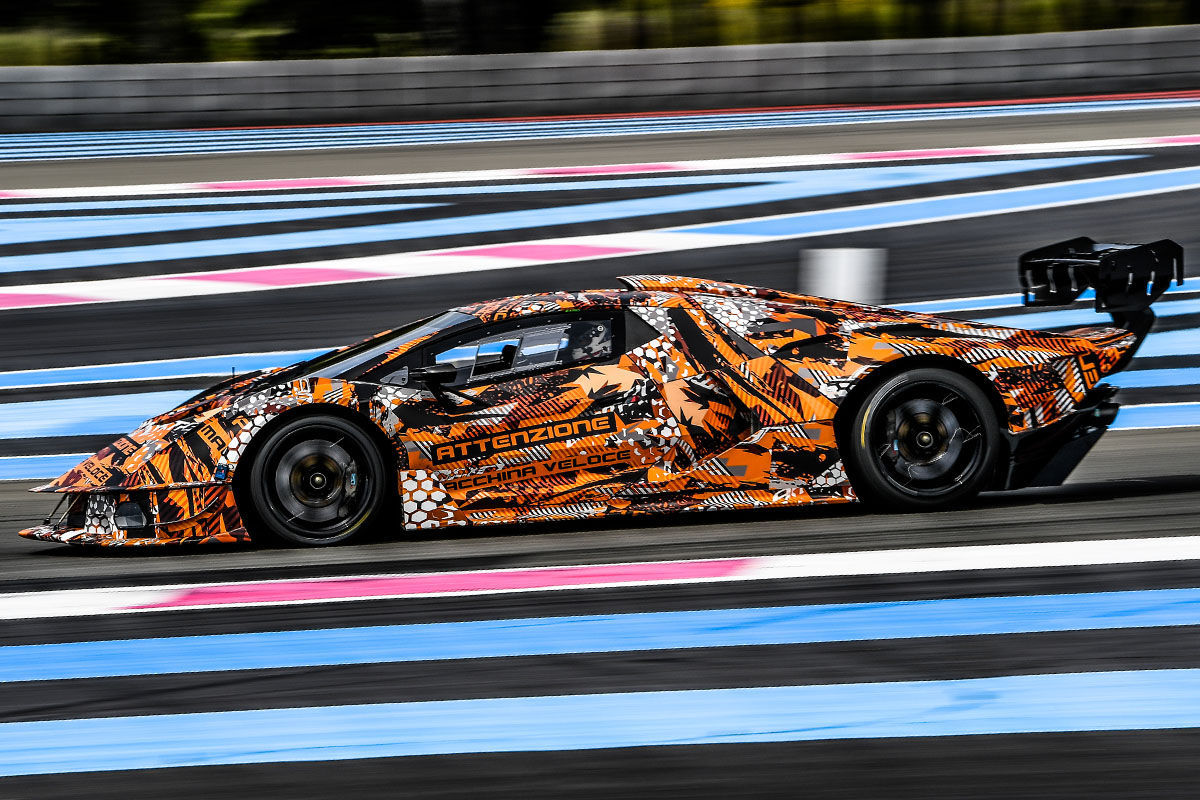
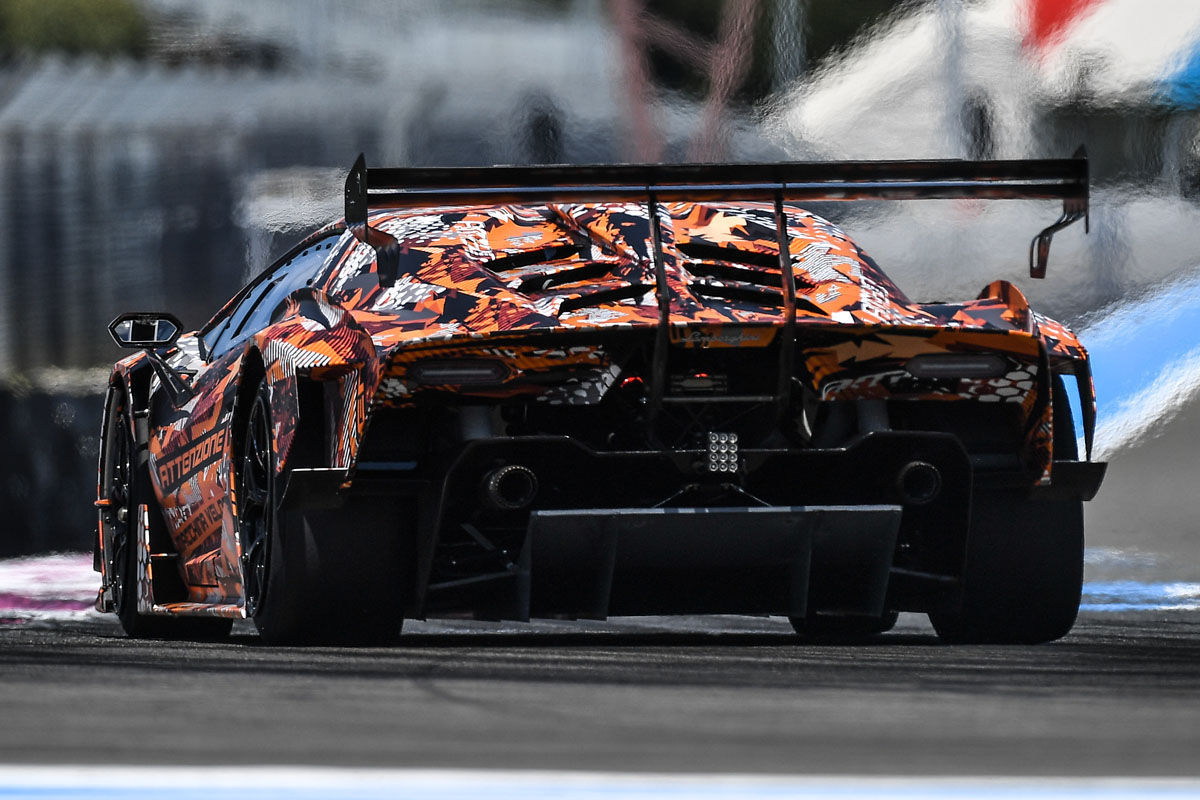
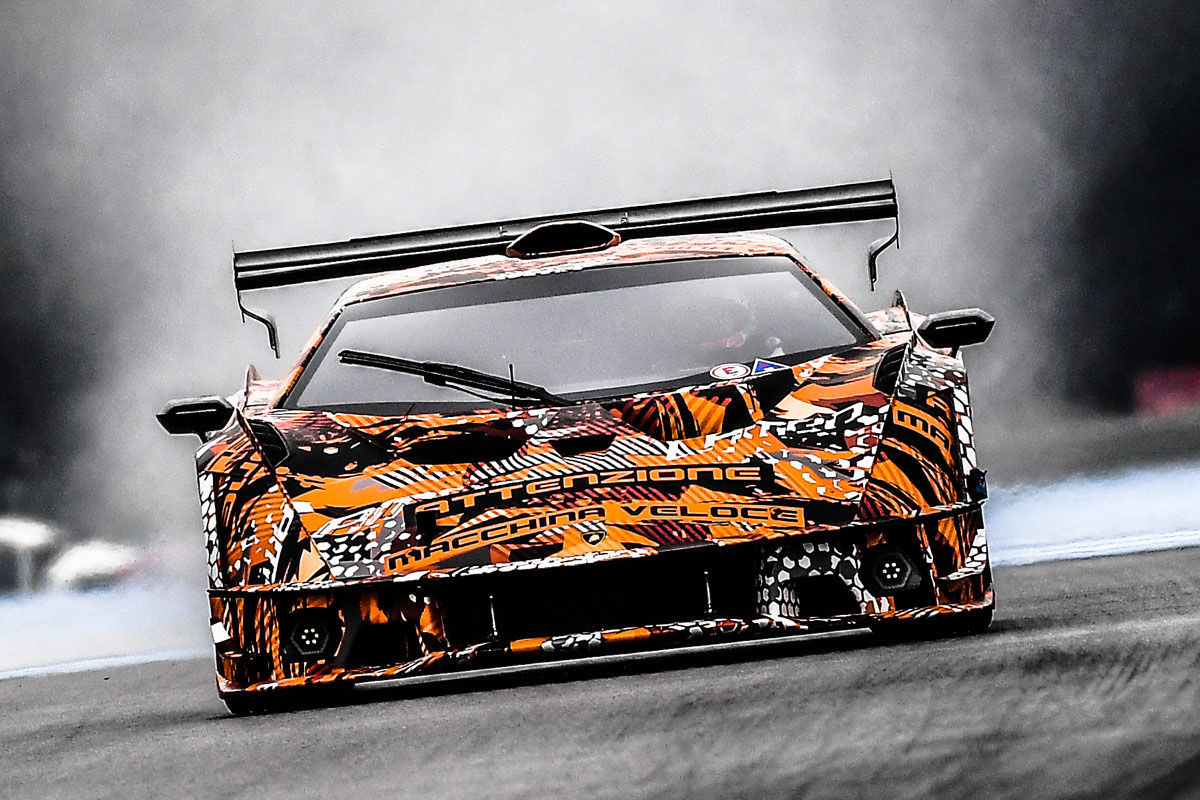
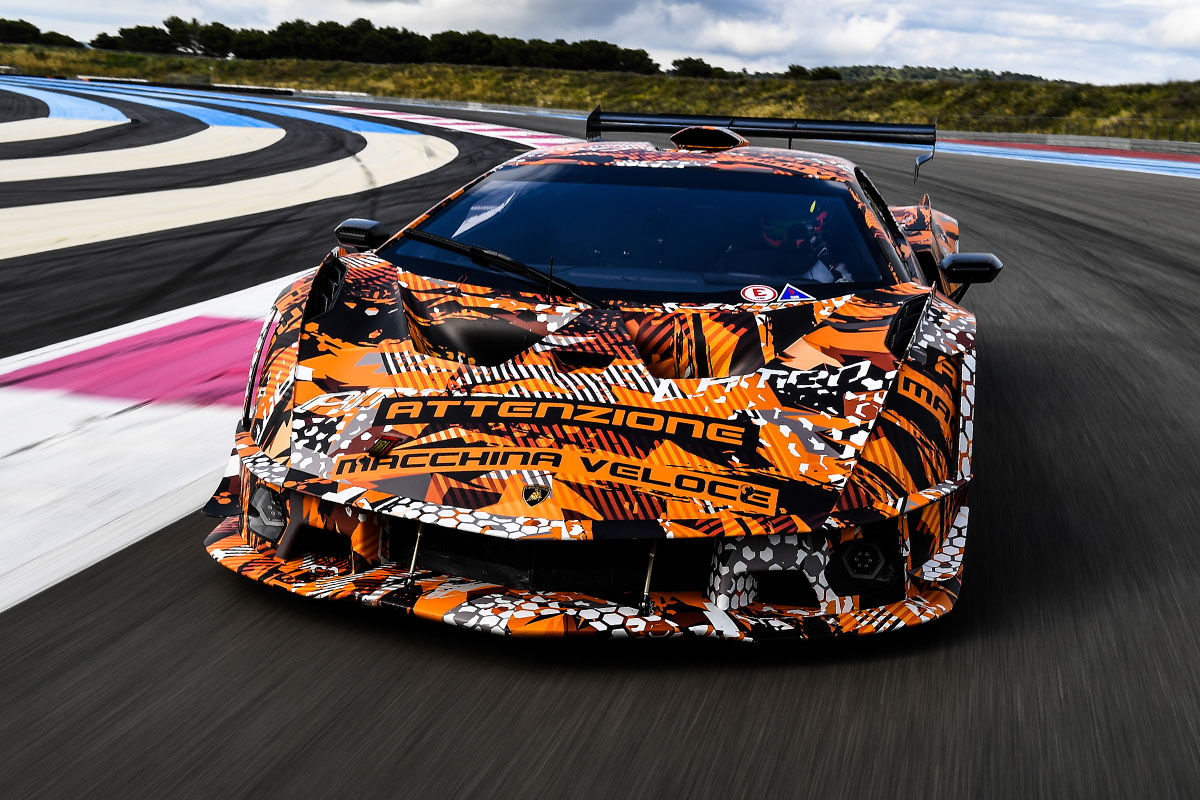
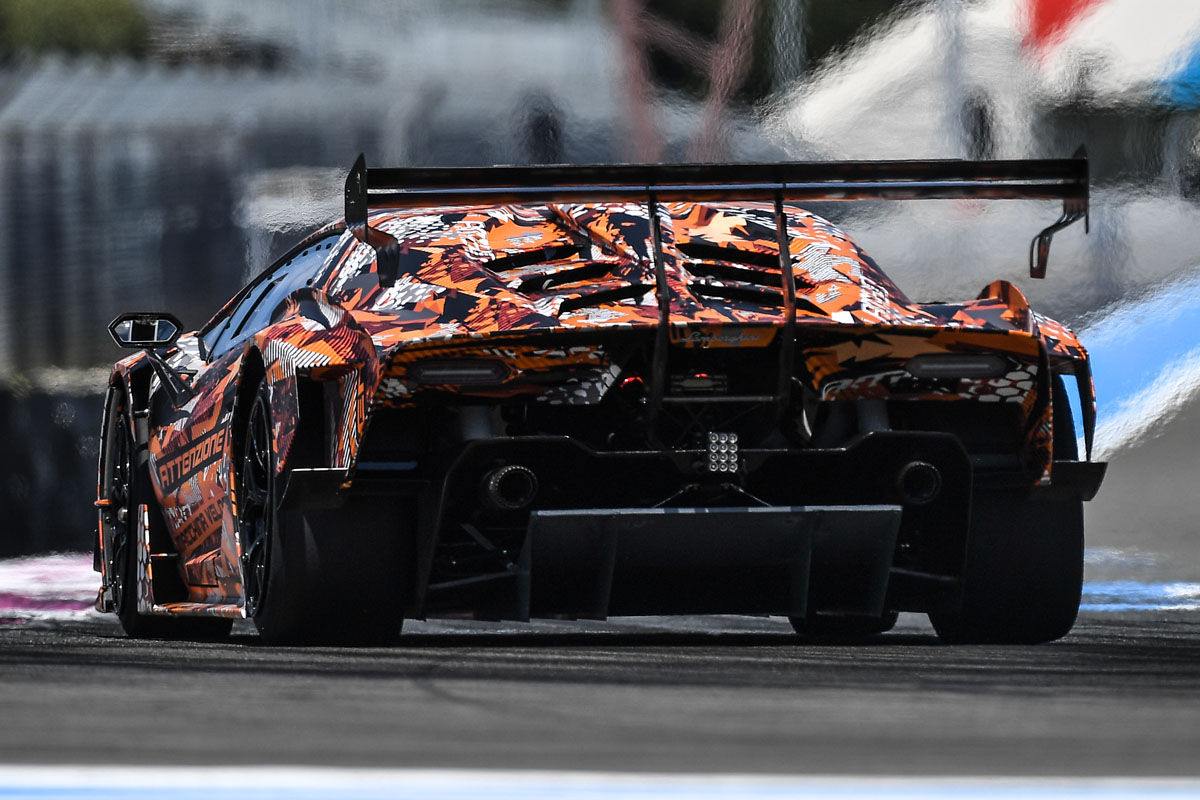
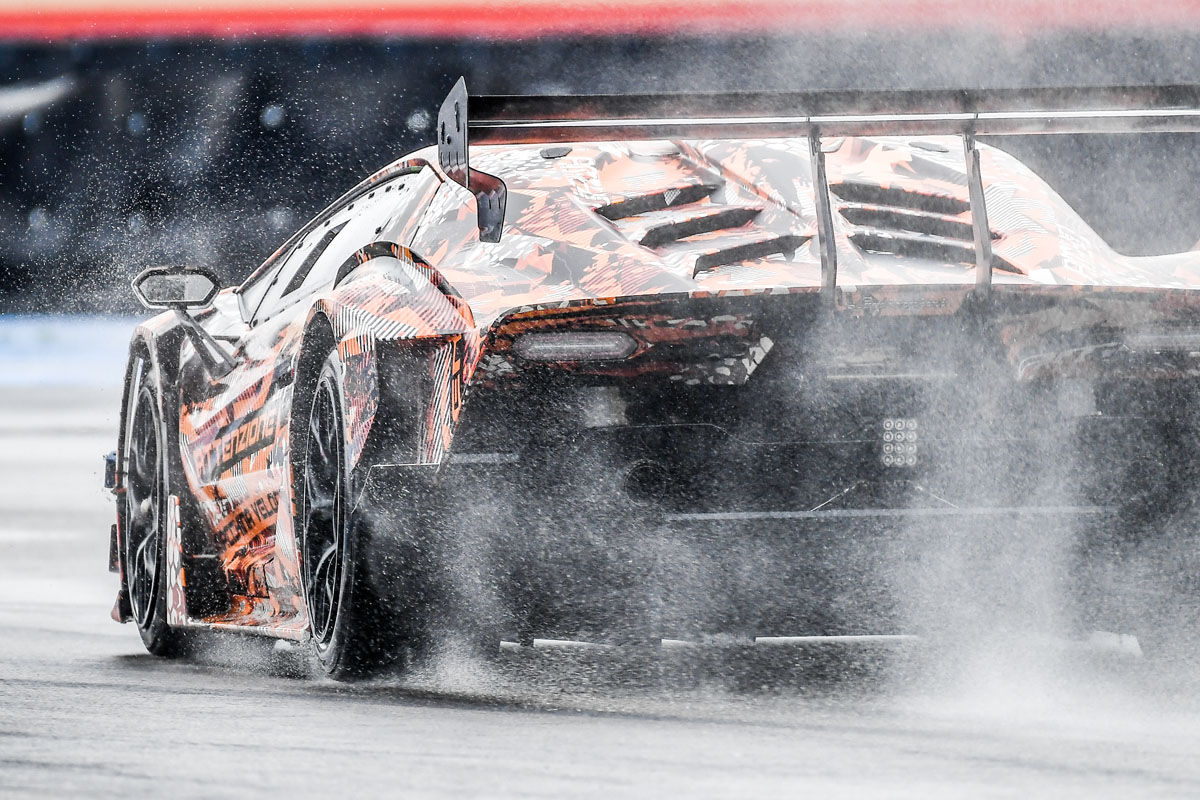
Lamborghini is readying a hardcore, track-focused hypercar powered by the most potent naturally-aspirated V12 the St'Agata-based firm has ever produced. Unsurprisingly, the pre-production Squadra Corse V12 sounds utterly demented!
Scheduled to make its official debut at the end of June 2020, the lightweight track-day hypercar was developed by Lamborghini Squadra Corse, the Italian supercar maker’s motorsport division. It’s aimed at well-heeled track-day enthusiasts (Lamborghini will produce only a handful of SCV12 units and they are likely to be made available for purchase by invitation only). What’s more, the arrival of the SCV12 suggests that the Italian marque is preparing to enter GT endurance rating with its newcomer.
The elaborate scoops on the bonnet form part of the SCV12'sa ram-air pressure boosting configuration.
Lamborghini Squadra Corse recently completed its development programme of the SCV12, which is powered by a 6.5-litre naturally-aspirated (non-turbocharged) V12 engine. The motor is claimed to produce at least 610 kW courtesy of, inter alia, a double air intake on the hypercar’s bonnet that directs airflow to the roof-mounted ram-air scoop.
Therefore, at high speeds, this configuration “directs dynamic air pressure (created by the SCV12’s movement) to increase static air pressure in the engine’s intake manifold, creating greater airflow through the engine and increasing power output” at high speeds, Lamborghini explains.
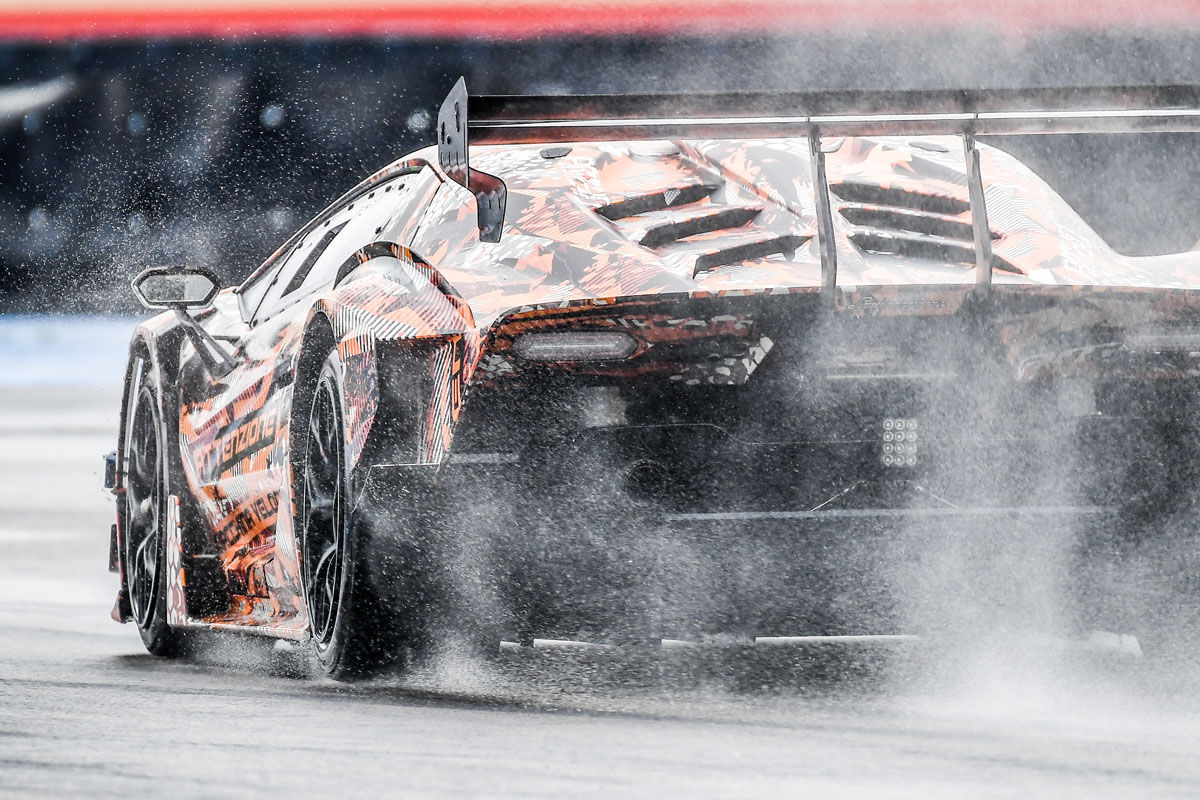
Although this is not the final version, the SCV12 features more of an elaborate back-end diffuser than a rear bumper.
Meanwhile, the SCV12 is also claimed to generate "higher downforce levels than a GT3 car"; the Lamborghini features a prominent front splitter, lateral flicks and vertical fins on the side sills, magnesium rims (19-inch fore, 20-inch aft) shod with Pirelli slick tyres, an elaborate rear diffuser, as well as a distinctive custom-built carbon-fibre rear wing.
To achieve a greater power-to-weight ratio, the track-focused hypercar features a full carbon-fibre chassis and eschews the Aventador’s standard all-wheel-drive- for a rear-wheel-drive configuration. Plus, its sequential 6-speed gearbox is installed as a structural element within the chassis, which not only reduces the SCV12’s overall mass, but enhances its weight distribution. The newcomer's pushrod rear suspension is system installed directly on the gearbox.
Lamborghini has conducted extended track-testing of its hardcore hypercar; it may pre-empt a full race entry in GT competition.
Lamborghini concludes by saying SCV12 buyers will be invited to participate in advanced driving programmes at some of the world’s most prestigious circuits, where they will be availed with the technical assistance from Squadra Corse engineers and receive tutoring from 5-time Le Mans 24 Hours winner and Lamborghini Squadra Corse special projects consultant, Emanuele Pirro.
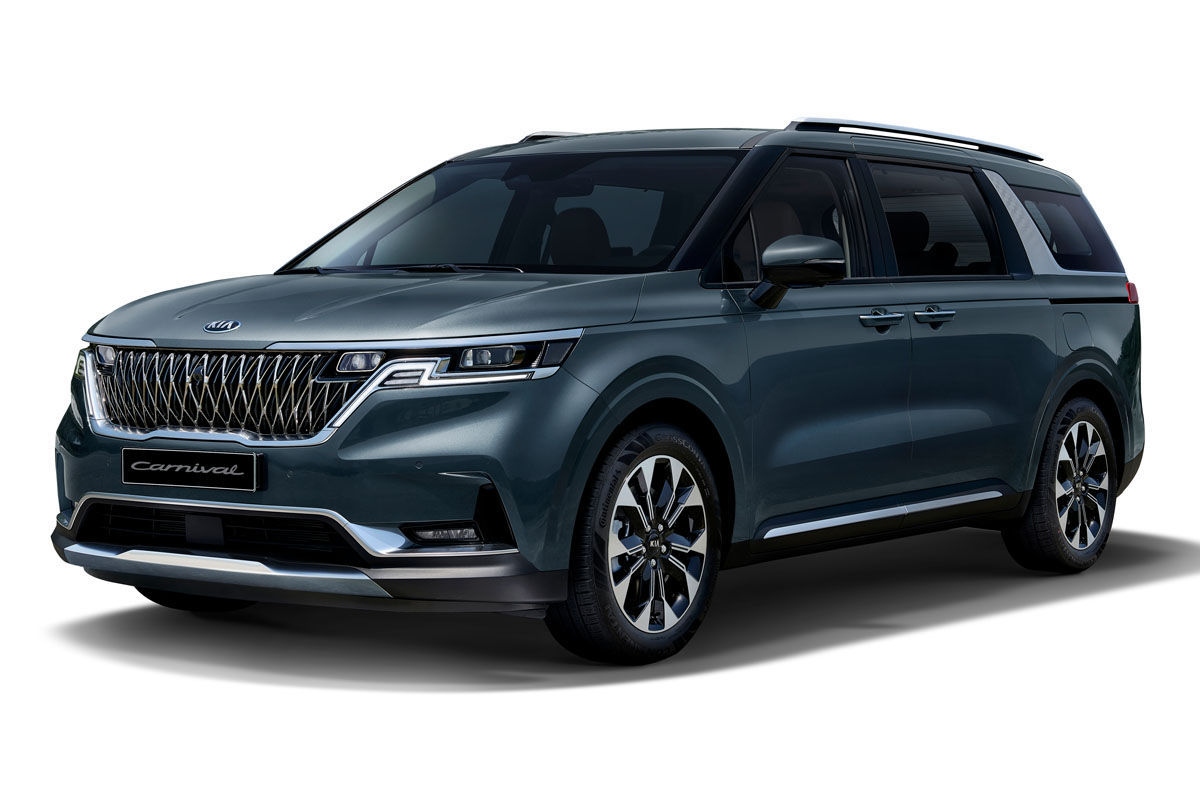
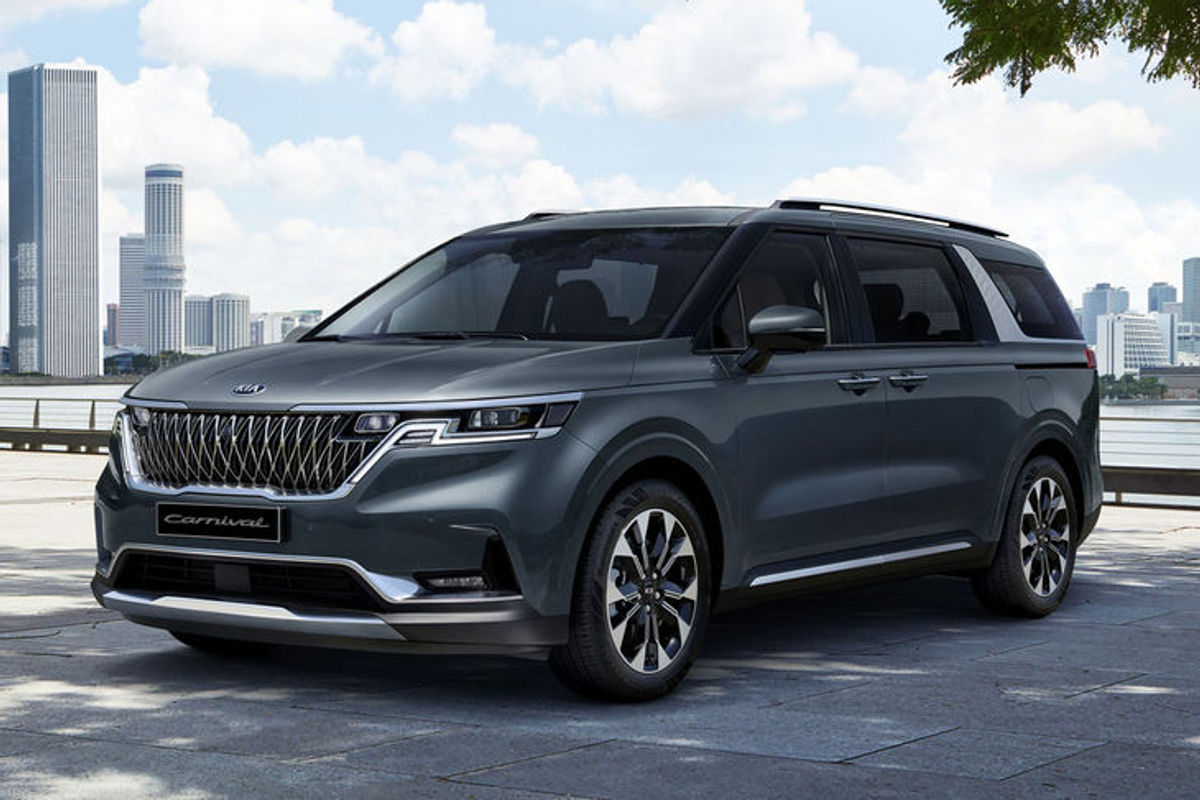
Kia has released exterior images of its new, 4th-generation Carnival – or Grand Sedona, as it’s known in South Africa. The people-mover follows hot on the heels of its new Sportage sibling and the models are likely to share several fascia design elements.
Kia updated and revised its current Grand Sedona line-up in South Africa at the end of 2018 and we reviewed the 2.2 CRDi SXL derivative in April 2019. Although the Grand Sedona is a less fashionable conventional MPV – or Grand Utility Vehicle, as the company calls it – compared with the bakkie-based 7-seater Adventure SUVs that dominate the family vehicle market, it’s markedly more refined and luxurious than those products, but also more accomplished and family-friendly than most commercial vehicle-based buses… Given its extended wheelbase, we believe that the new Grand Sedona is probably based on Hyundai Kia's new N3 platform.
Kia has applied lashings of machined- and chrome-look trim to the new Grand Sedona. Its bumper is very SUV-like.
As is the case with the new Sorento, the next-gen Grand Sedona features a new “tiger face” characterised by what Kia’s designers call “symphonic architecture” – in which the chrome-look diamond-patterned grille and lighting elements create a single, expansive design cue. In the case of the newcomer, it’s topped by a pair of trim strips that flow into the shoulder lines that extend along the flanks to the tail-lamp clusters. What's more, a pair of distinct bonnet creases sprouts from the castellated top edge of the “tiger nose”.
So, which lights do what? The newcomer’s headlamps are integrated into the corners of the tiger-nose grille, with the low-beam lamps sitting separately at the outer edges of the “tiger face”. Between them, the “bent lightning bolt” LED daytime running lights wrap around the indicator lamps, then merge with the grille’s lower chrome border. Meanwhile, the Grand Sedona’s SUV-inspired lower bumper and air intake are adorned with generous helpings of chrome-look trim and finished with a black apron.
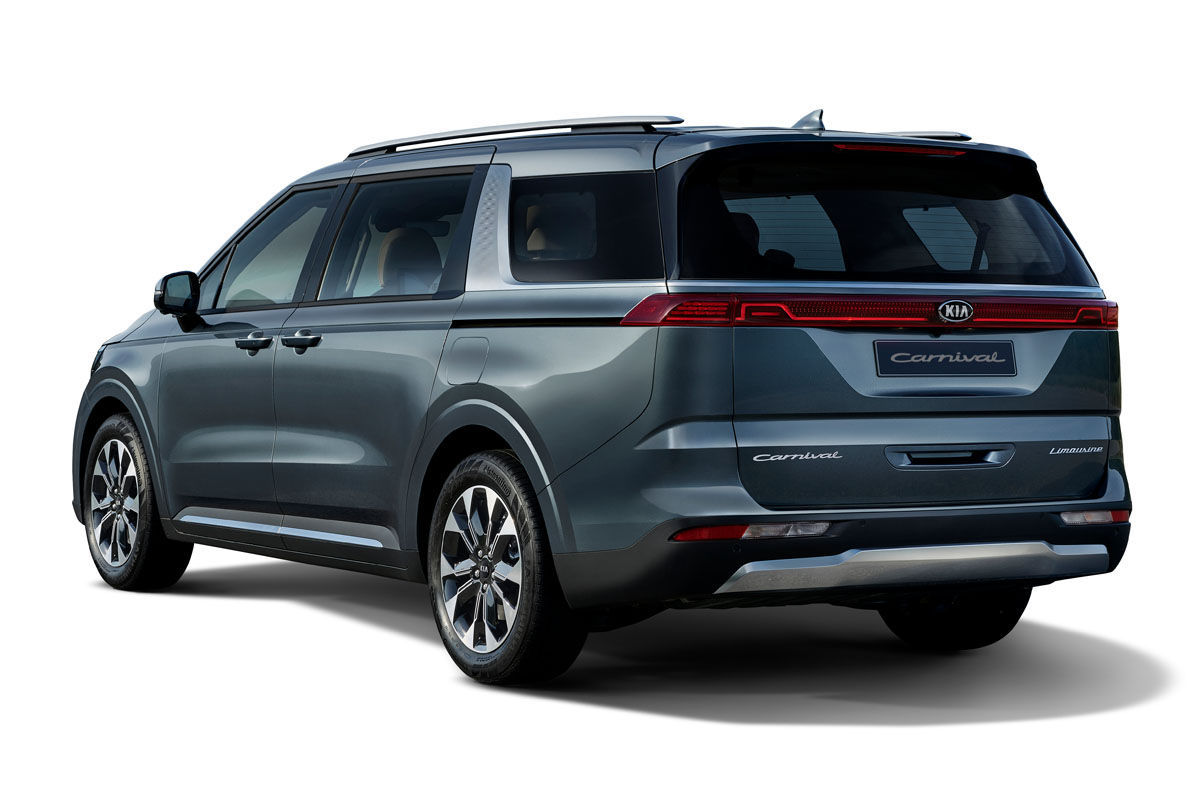
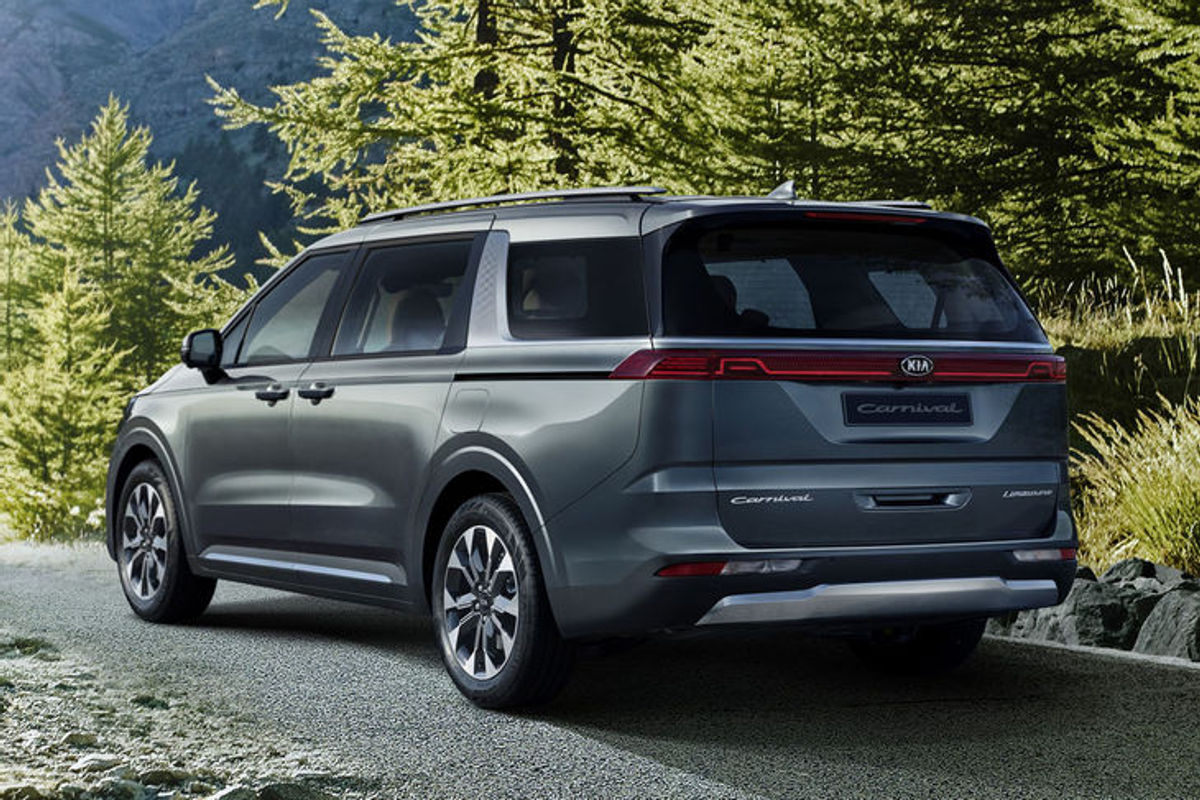
The C-pillars feature reverse L-shaped chrome fins, the lower ends of which effectively wrap the Kia's tailgate.
Compared with its predecessor, the newcomer has a longer wheelbase (as previously mentioned), bolder wheel arches and a shorter front overhang, with the bases of the A-pillars moved backwards to create a more elongated bonnet. Note how the A- and B-pillars are blacked-out while each of the new C-pillars features an eye-catching chrome fin, which wraps beneath the tapered rear windows and extends towards the tailgate. It’s finished with a subtle diamond pattern which is said to be reflected on the model's interior.
Kia hasn’t released images of the new Grand Sedona's interior yet, but if the cabin of the new Sorento is anything to go by, the newcomer is bound to feature a melange of leather trim, metallic accents and embossed wood-effect surfaces, as well as “contemporary geometric details” such as ornate rectangular door handles and vertically-stacked air-vent pods. On top-spec versions, a 10.25-inch touchscreen infotainment system is most likely to be flanked (and complemented) by a 12.3-inch high-resolution digital instrument cluster and we assume those units will be customisable and feature extended features/Apple CarPlay/Android Auto capability respectively.
The luxurious interior of the recently-revealed Sorento offers an insight into what the Grand Sedona's cockpit will look like.
Finally, at the rear, the Grand Sedona features a full-width light bar, which includes slim combination tail lamps that echo the DRL signature at the front of the vehicle, Kia says. Above the light bar is a chrome line, which starts from the base of the new signature C-pillar and wraps around the base of the rear screen. Highlight lines extend across the tailgate to raise the visual centre of the rear of the car and, to echo the SUV-inspired front bumper, the newcomer’s rear apron features a metallic skid plate.
These images show the newcomer in Korean spec; it will go on sale in its domestic market “later in the 3rd quarter of 2020, with global sales in many of Kia’s markets to follow thereafter”. Kia Motors SA says that it plans to introduce the new Grand Sedona in South Africa in 2021; we'll bring you more local info as soon as it becomes available.
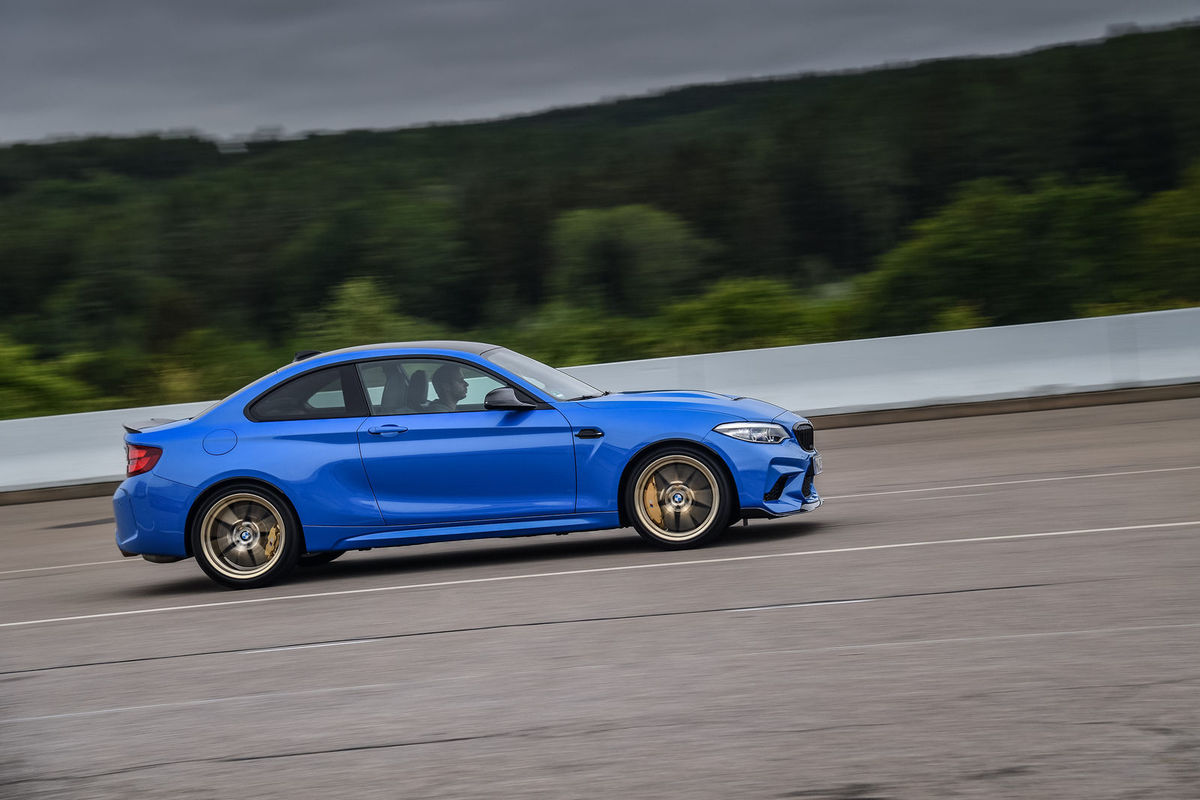
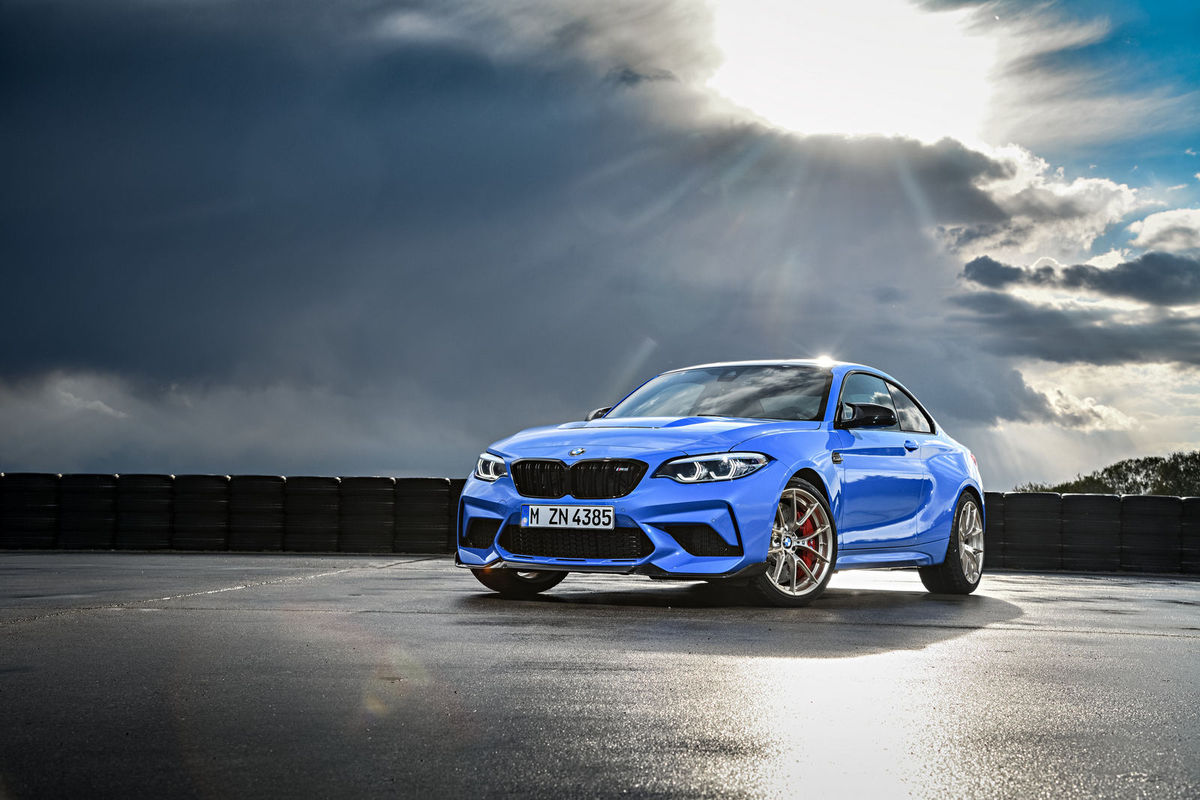
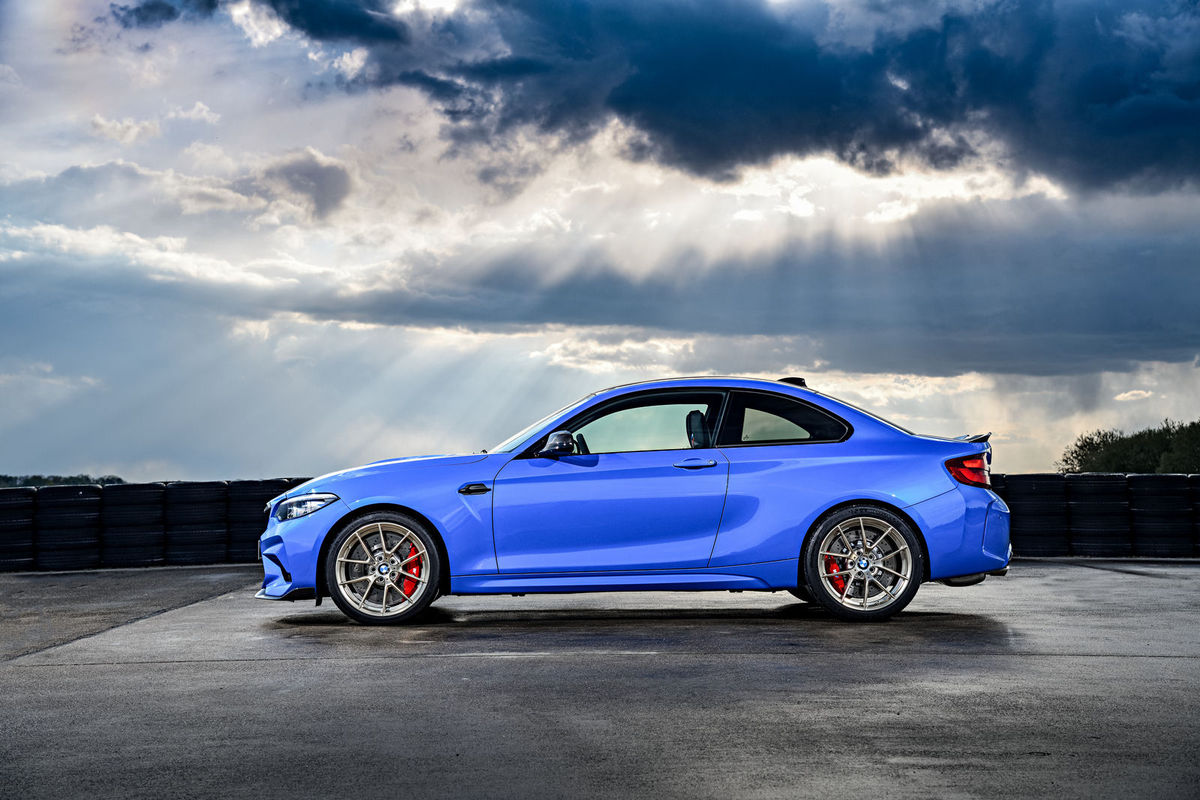
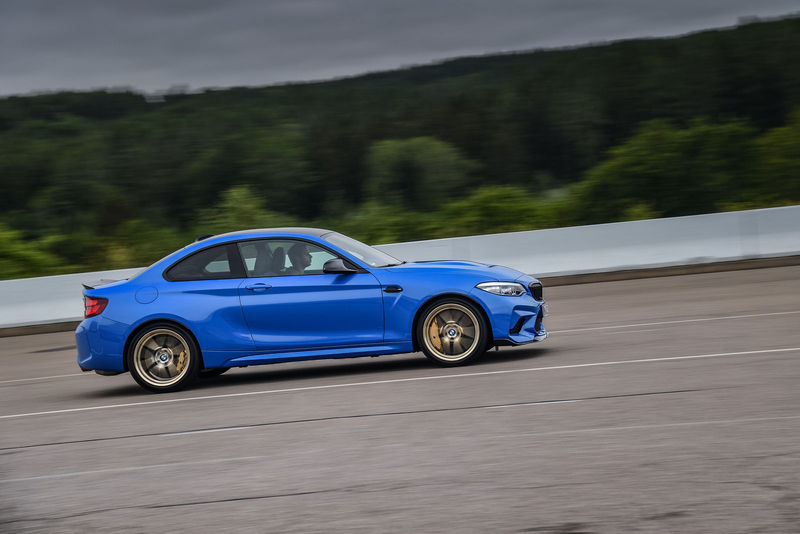
It's widely believed the M2 Competition is the best M car BMW makes, but when we got word the Munich-based brand was readying a CS (ClubSport) version, our eyes lit up in anticipation. Only 30 units of the visceral compact sportscar will be coming to South Africa (later this year) and our international correspondent Greg Kable got to sample it before its official debut.
What is an M2 CS?
We’ll say it now to curtail any suspense: you’re looking at the best driver’s car that BMW produces, which is lofty praise, we’ll admit. But, after a day spent lapping the new M2 CS around a circuit in Germany, we can’t think of any other contemporary BMW model that delivers quite the same combination of performance, balance – and sheer attitude – as this newcomer.
First, a bit of context… You may remember the M4 CS – this car follows the same philosophy. The M2 CS is the last hurrah for the company’s junior M car prior to the introduction of a new 2nd-generation model in 2021. Its production isn't officially limited, but with the production of the M2 scheduled to end in September 2020, you’ll need to be quick with your order. BMW is set to auction off 28 of the 30 local units, meaning that they will swop hands for well in excess of R1-million apiece. Expensive? Yes, but likely no more so than its prime competitor – the Porsche 718 Cayman GT4, which is listed at R1.55 million.
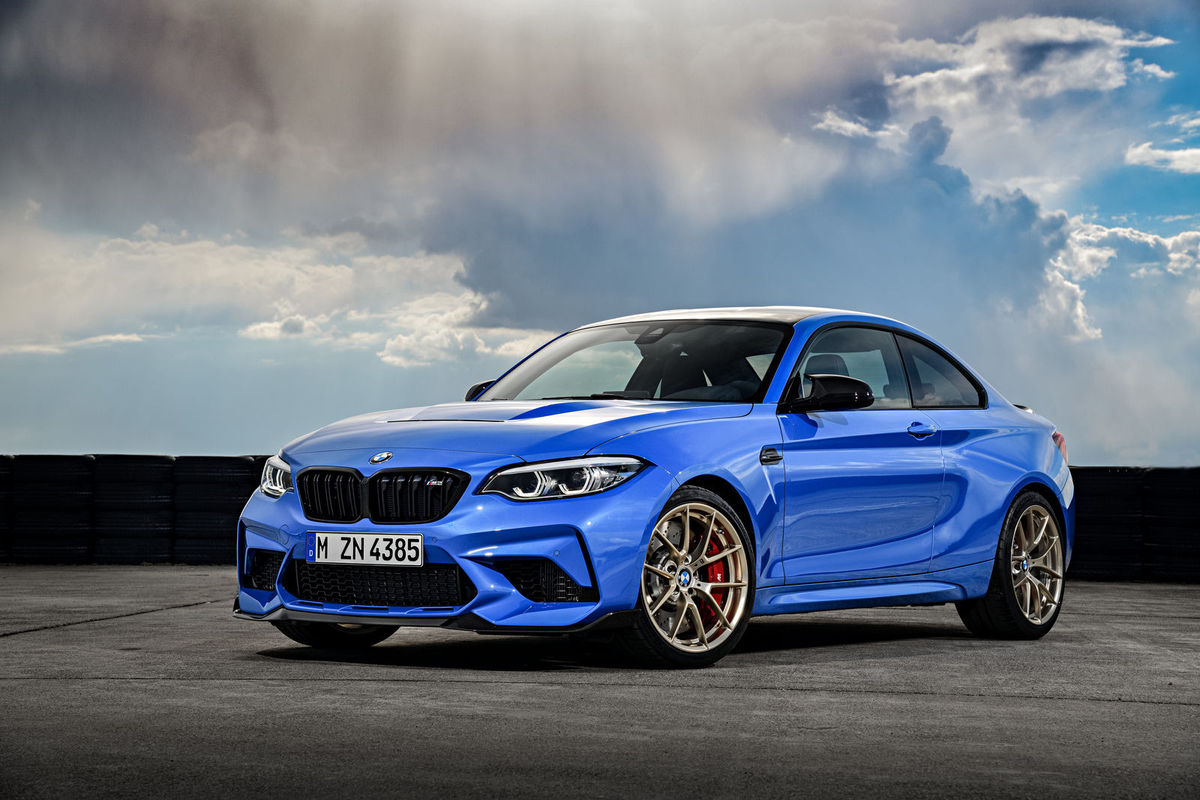
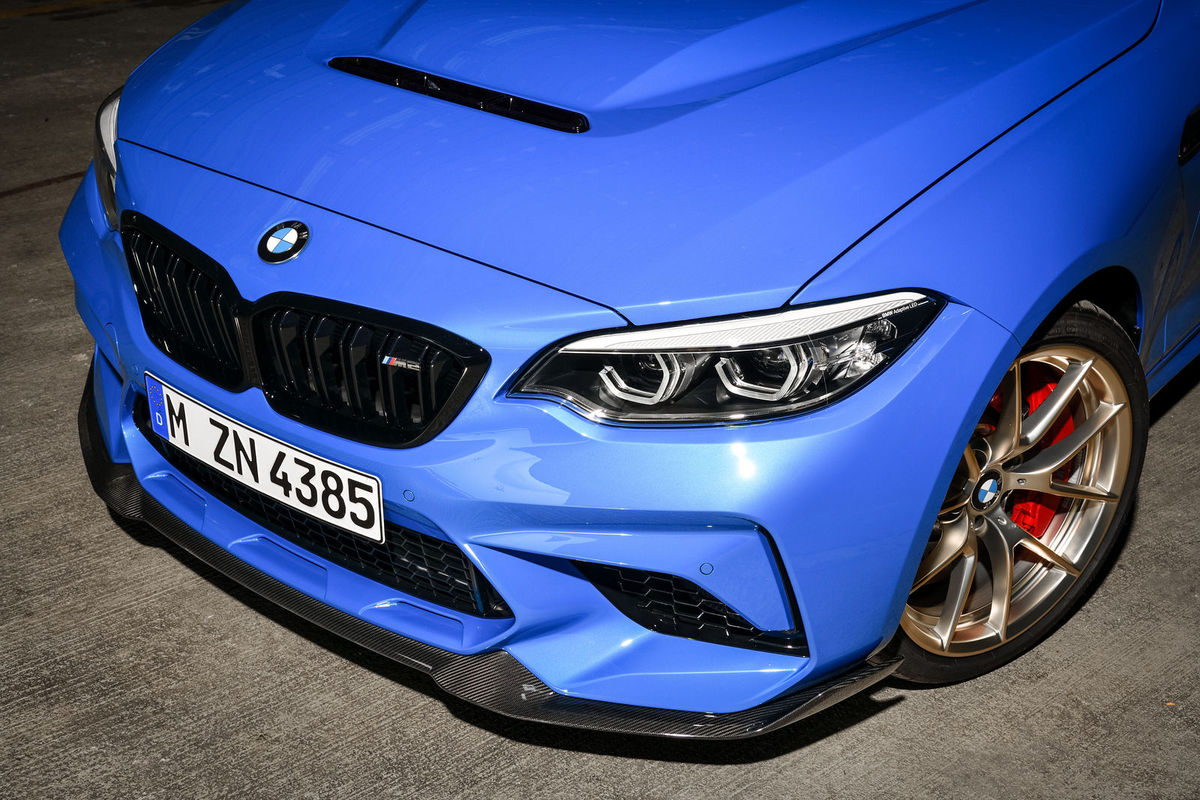
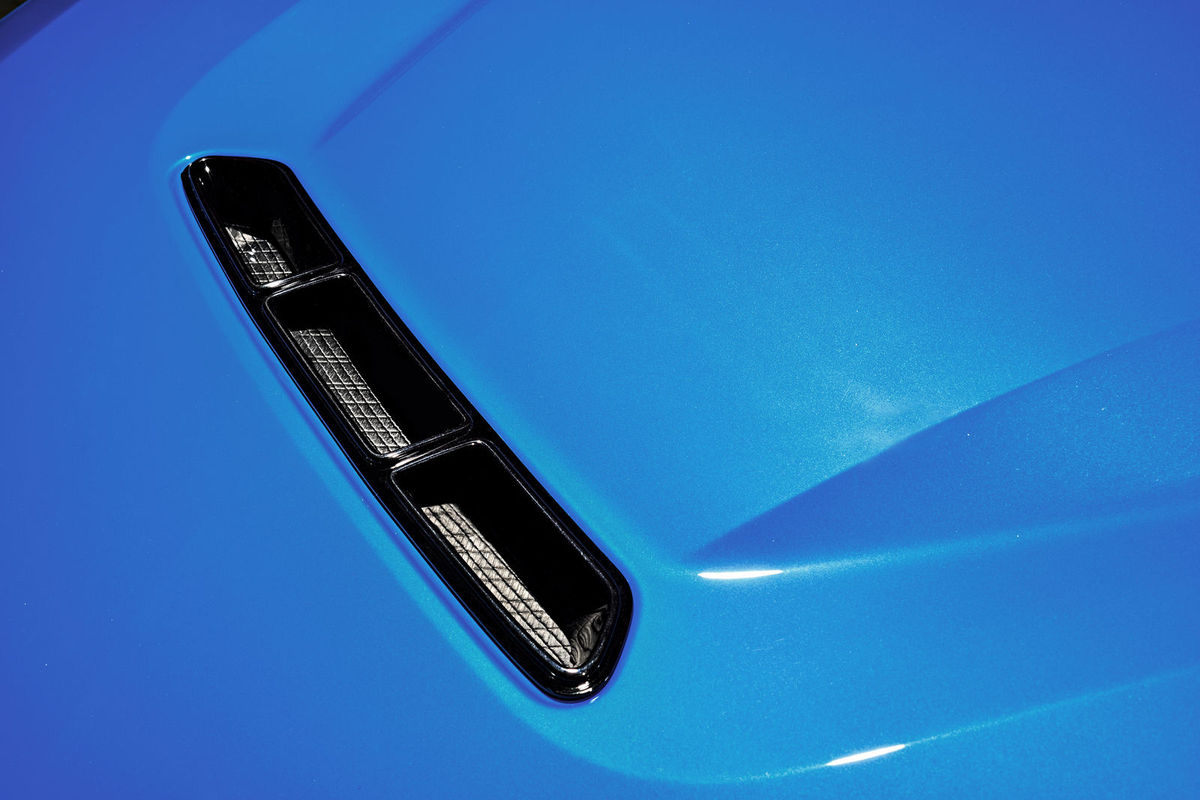
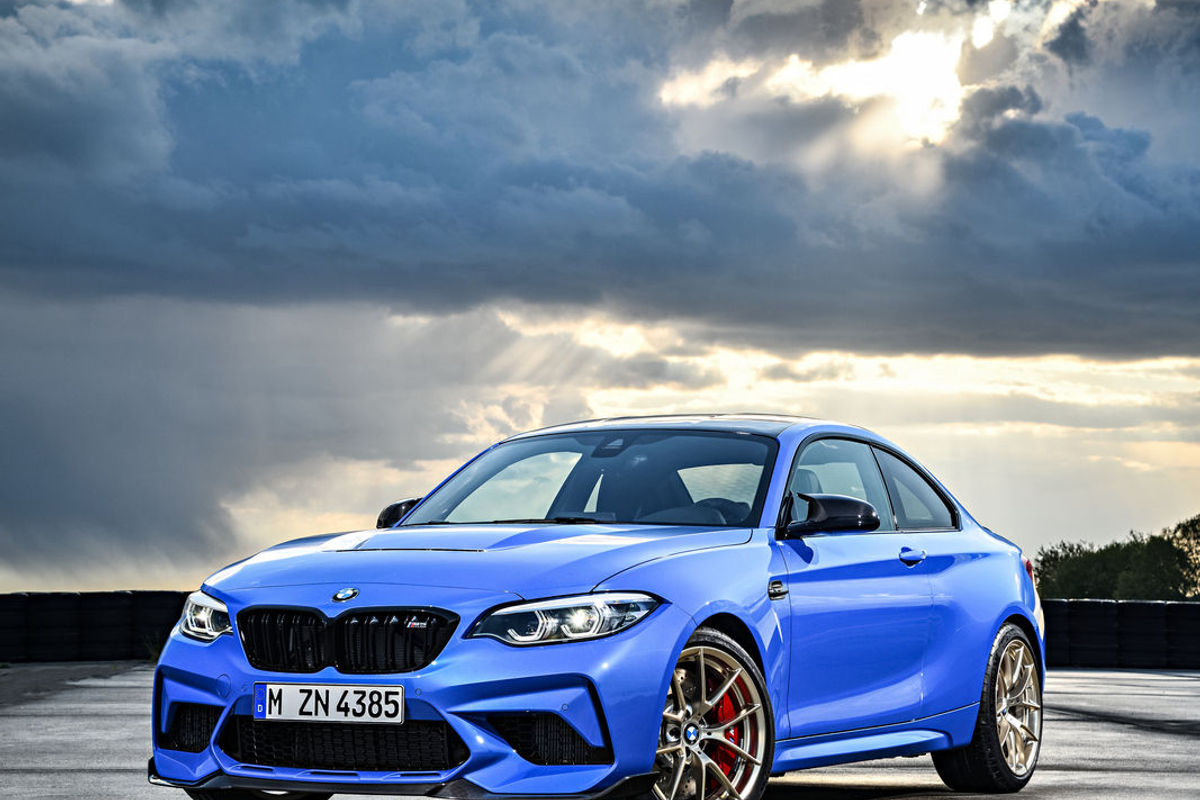
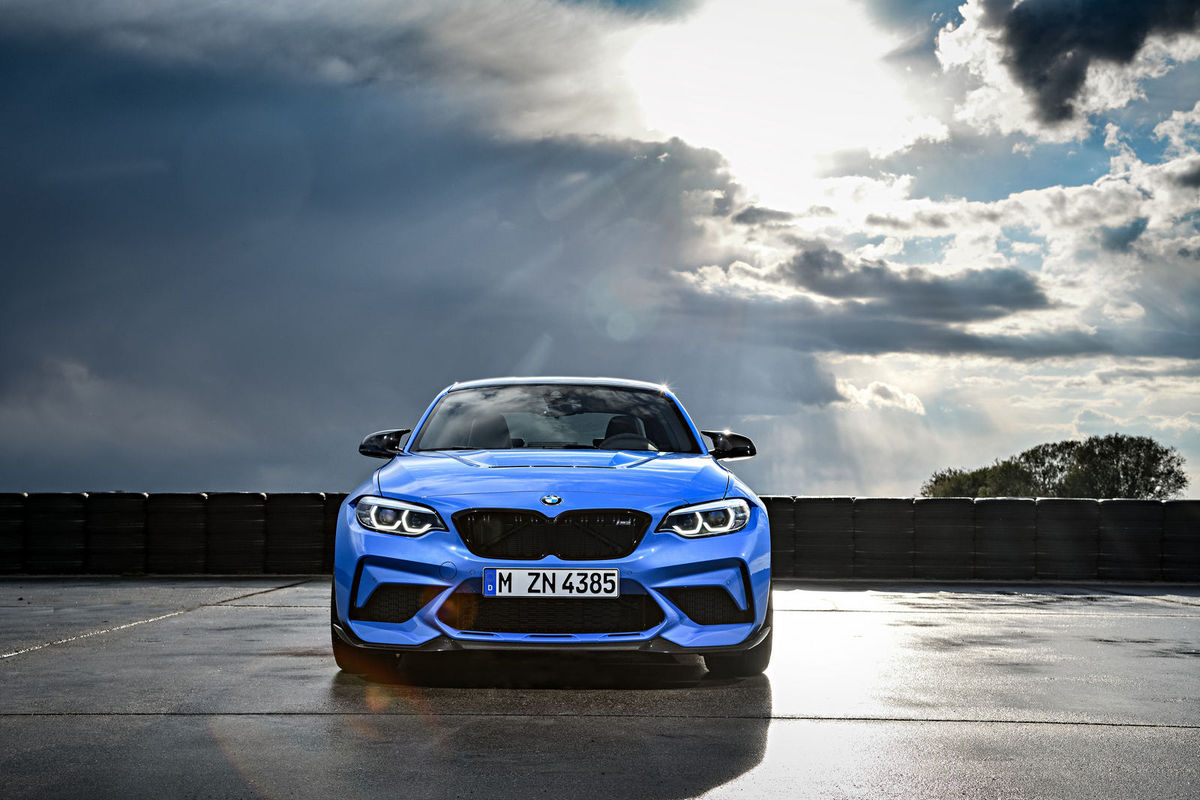
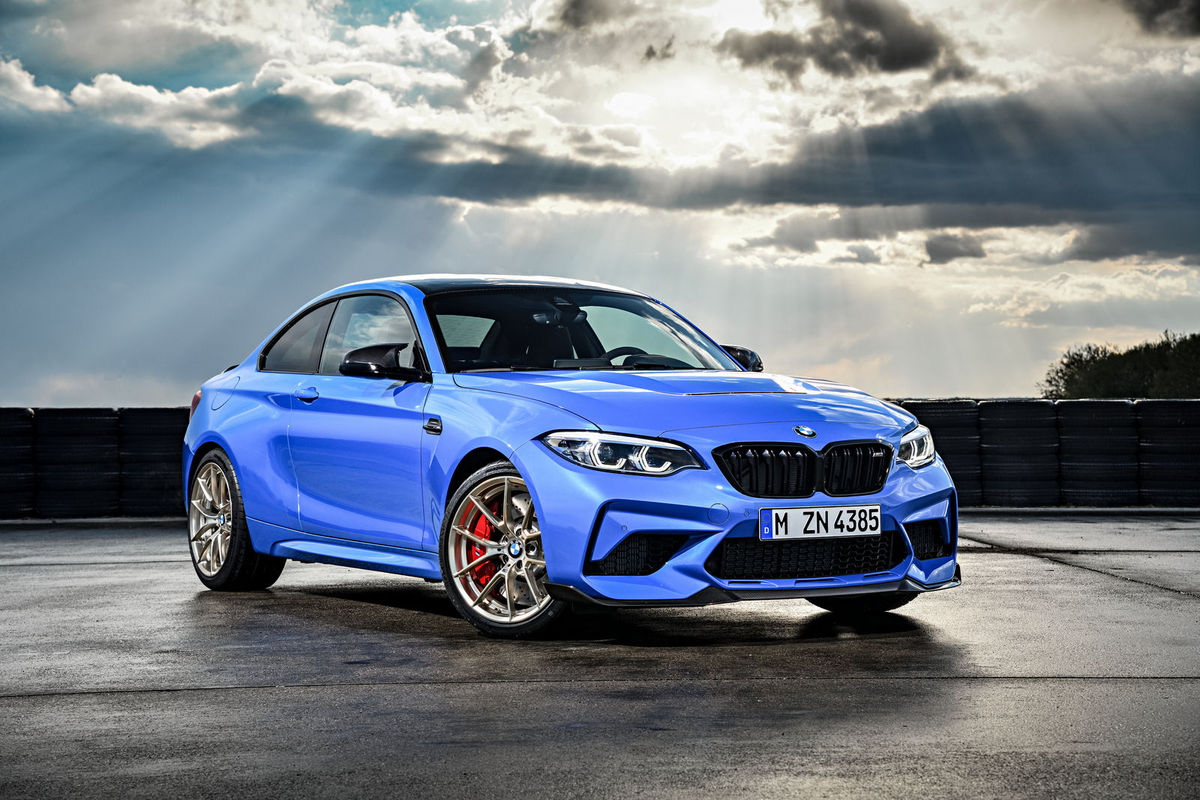
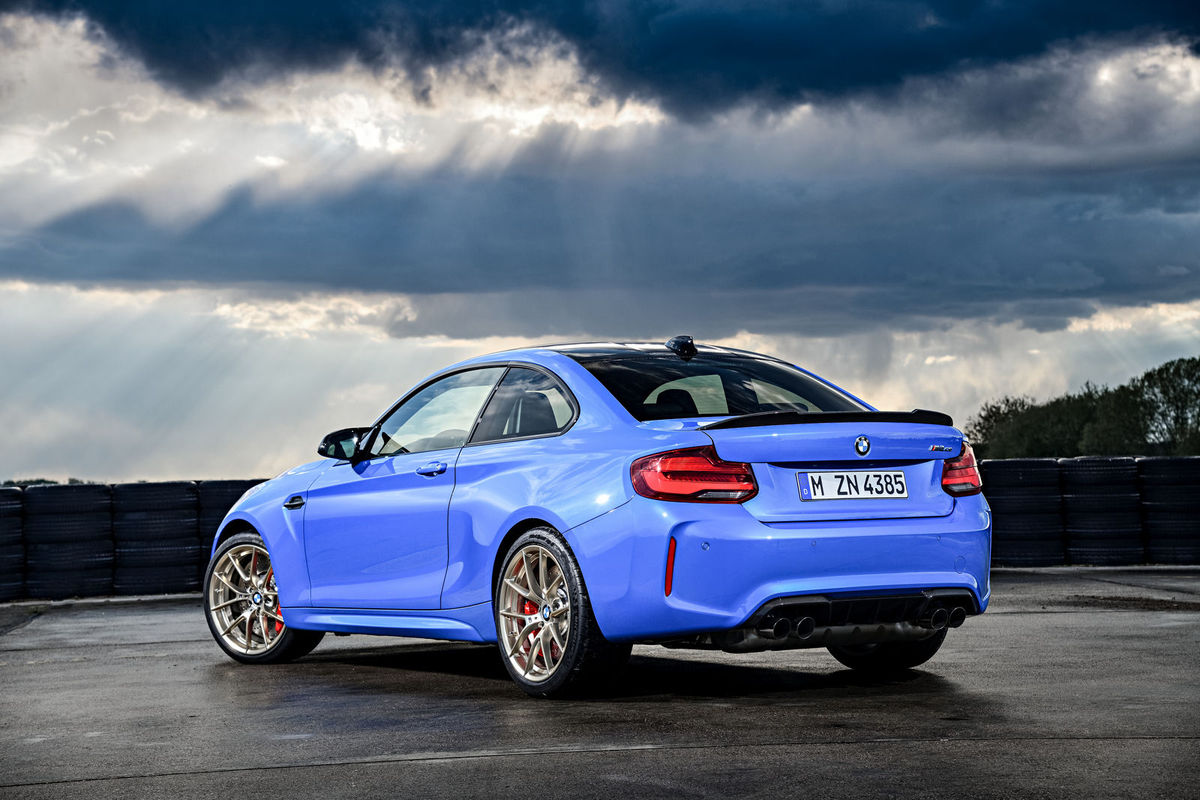
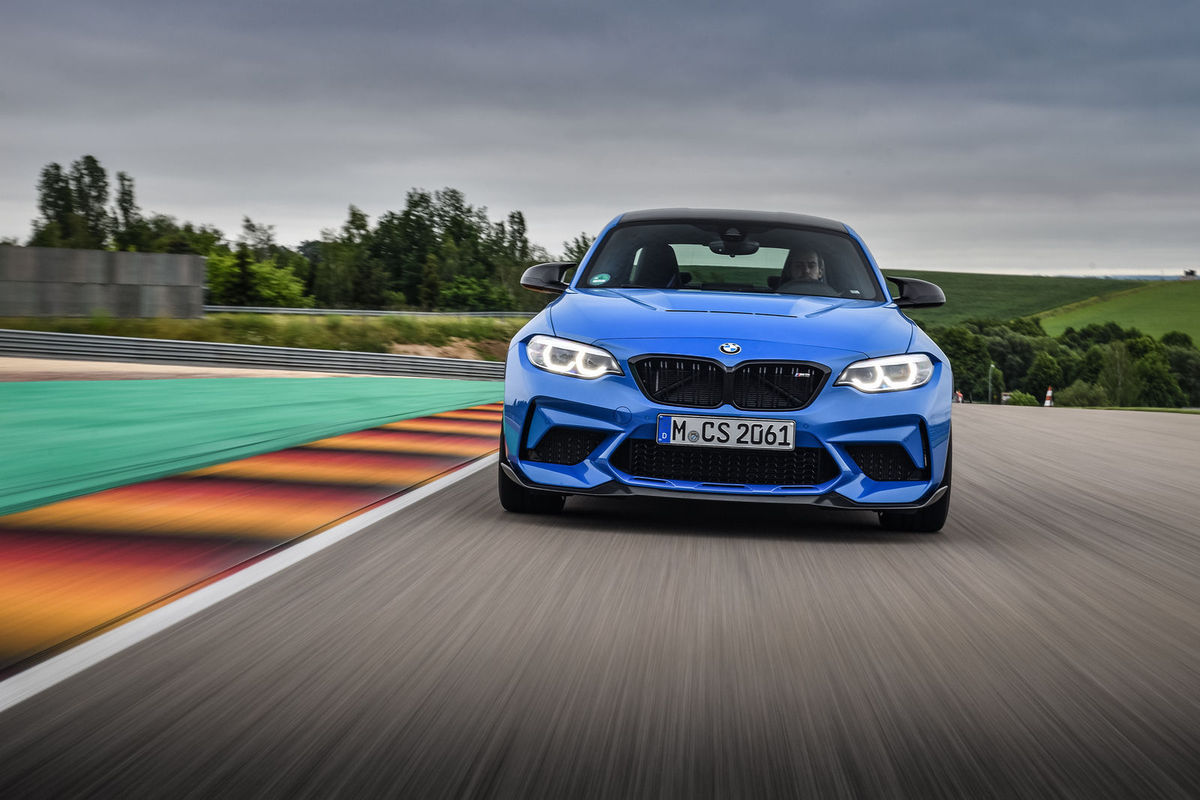
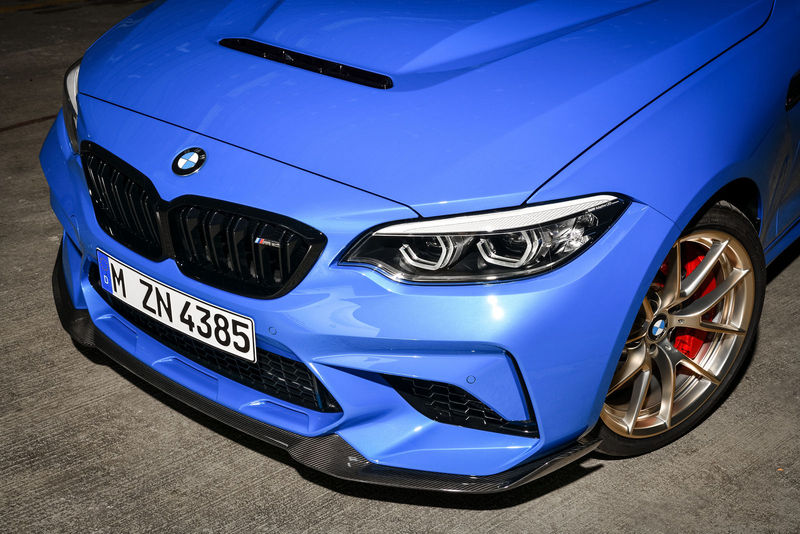
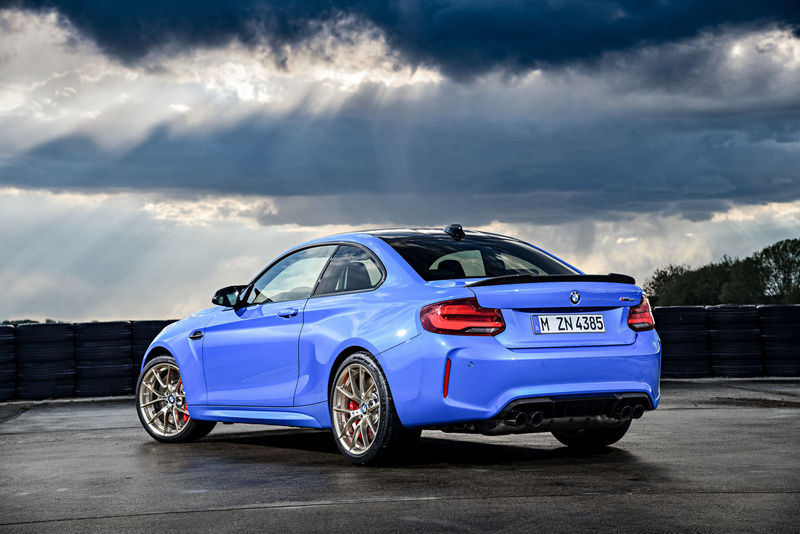
It takes one look at the M2 CS to realise that justification for the high price tag isn't reserved exclusively for the elevated dynamics; there are quite a few expensive-looking addenda that serve to differentiate it from the M2 Competition. Such details include a new-look front bumper with a carbon-fibre splitter element, a carbon fibre-reinforced-plastic bonnet with a large central air scoop and a carbon-fibre roof – all of which are shared with BMW’s new M2 GT4 race car.
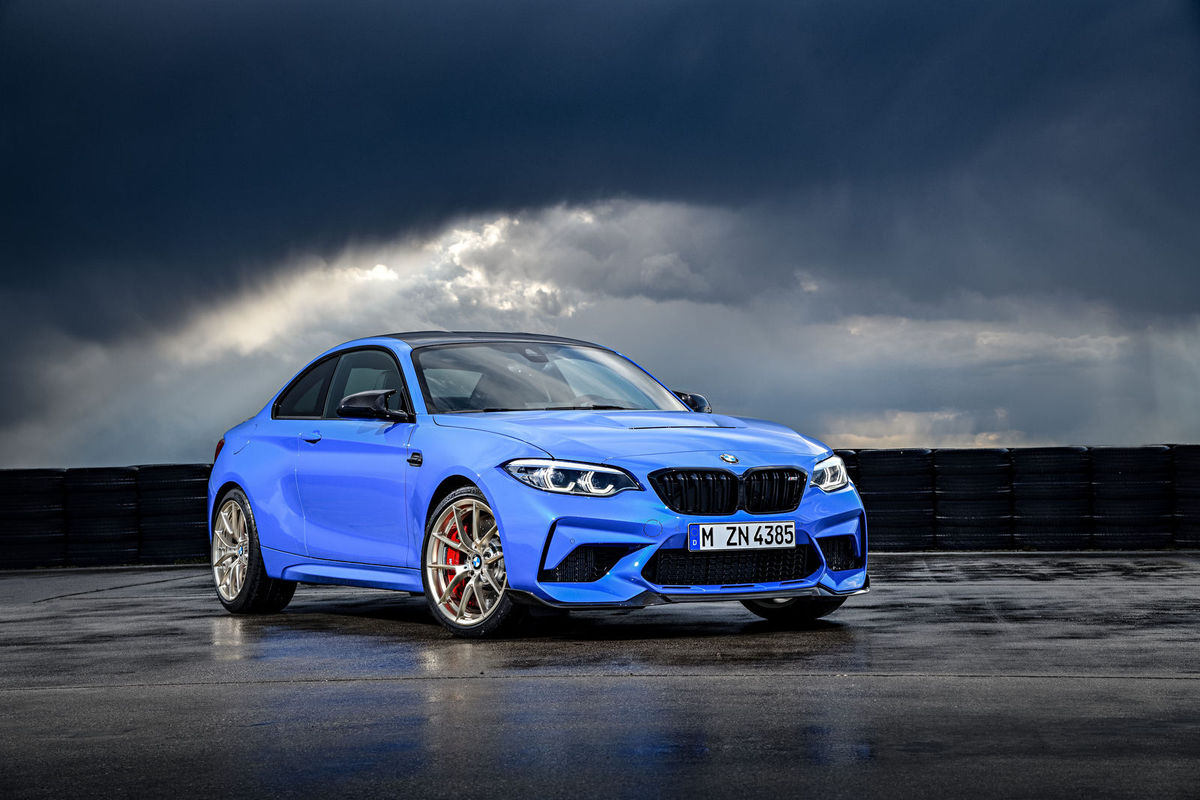
The bonnet scoop is a clear giveaway that you're looking at an M2 CS. Those are 19-inch forged aluminium wheels too.
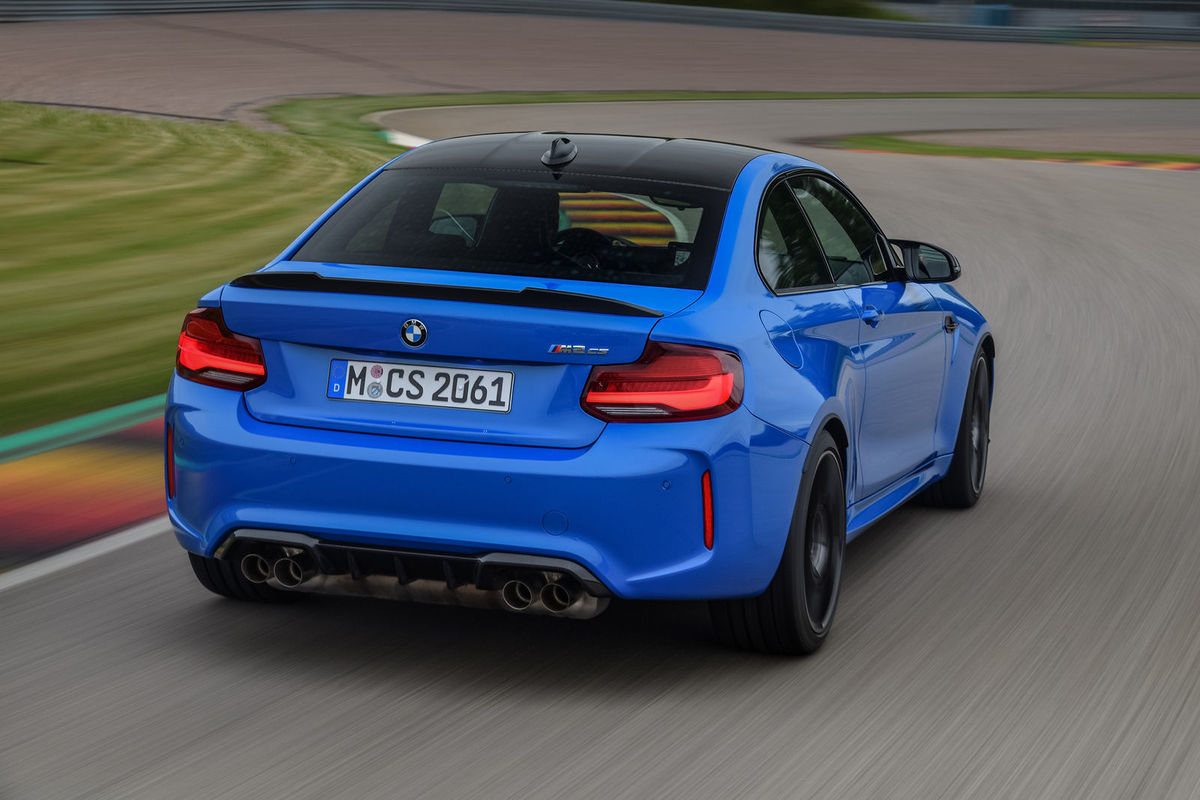
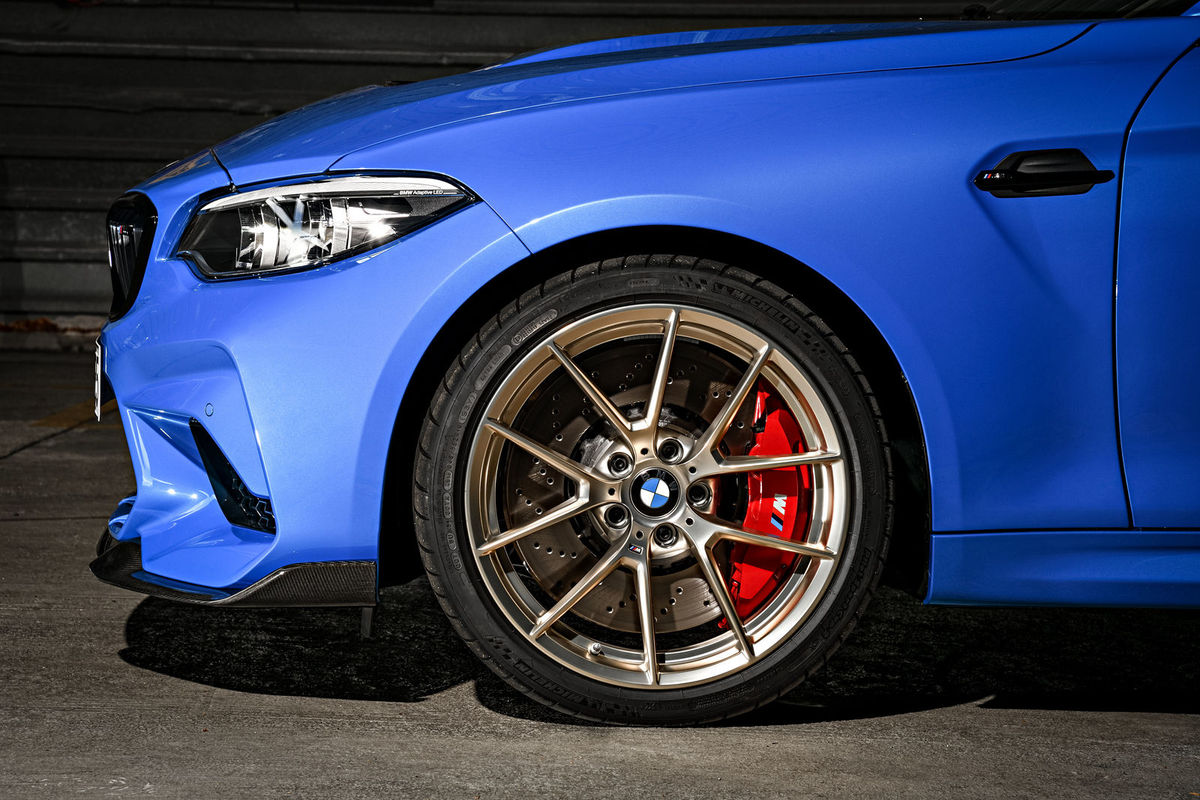
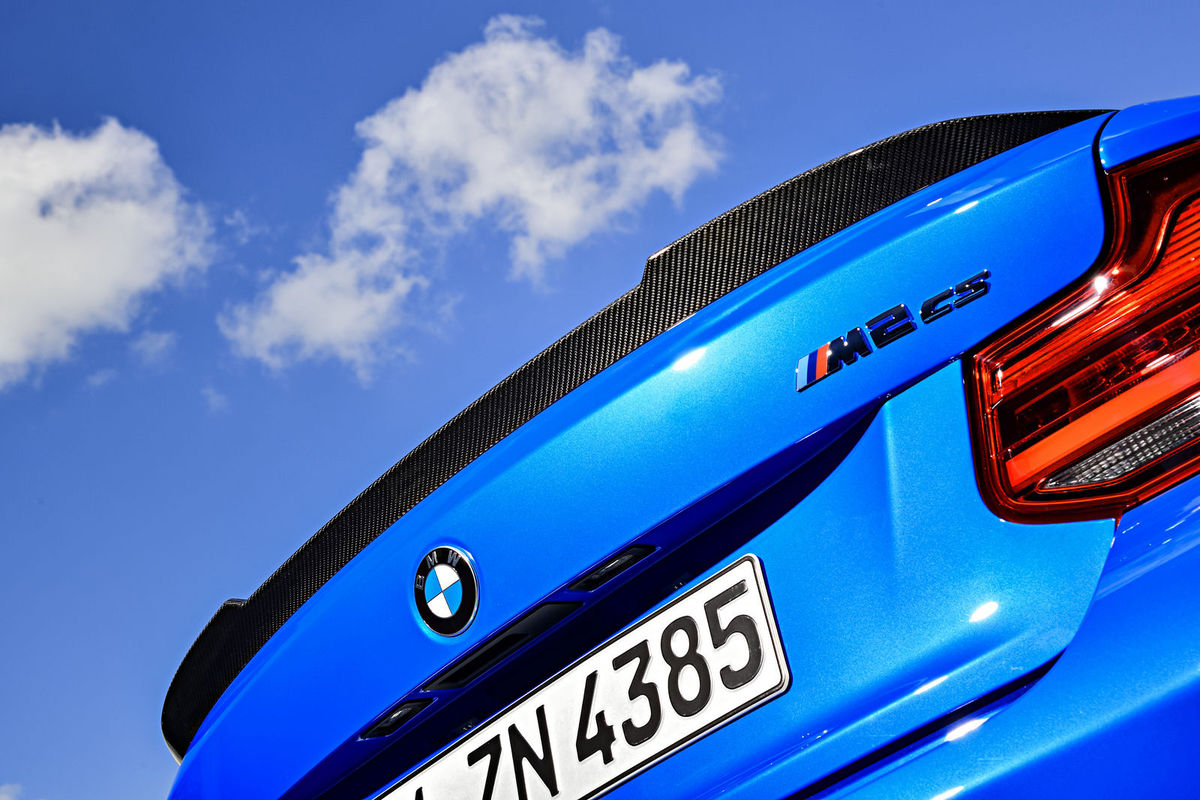
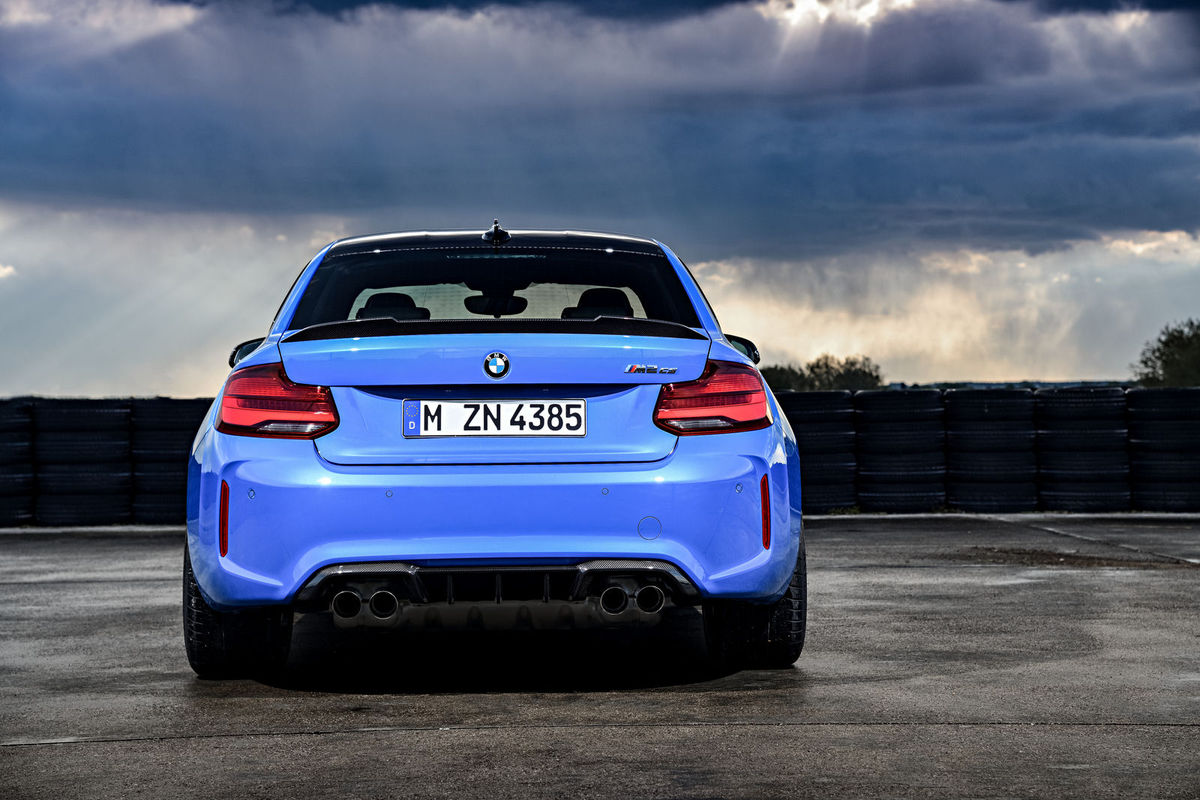
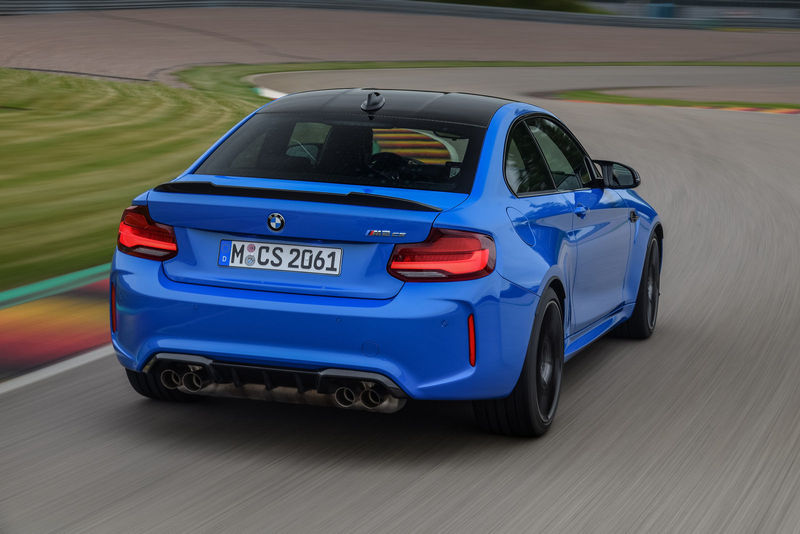
There’s also a larger carbon-fibre rear spoiler, along with a reworked carbon-fibre rear diffuser and lightweight 19-inch forged aluminium wheels, which offer the choice of Michelin Pilot Super Sport or, as worn by our test car, more track-focused Pilot Sport Cup tyres. Both gumboot options are 245/35 front and 265/35 in profile.
The changes not only give the M2 CS a more aggressive look, but also bring greater downforce. The head of BMW M development, Dirk Haecker, says lift is virtually eliminated at 200 kph, providing the car with what he describes as “more settled qualities at high speed”. Don't expect any reduction in weight, however… at 1 575 kg, the M2 CS weighs exactly the same as the M2 Competition.
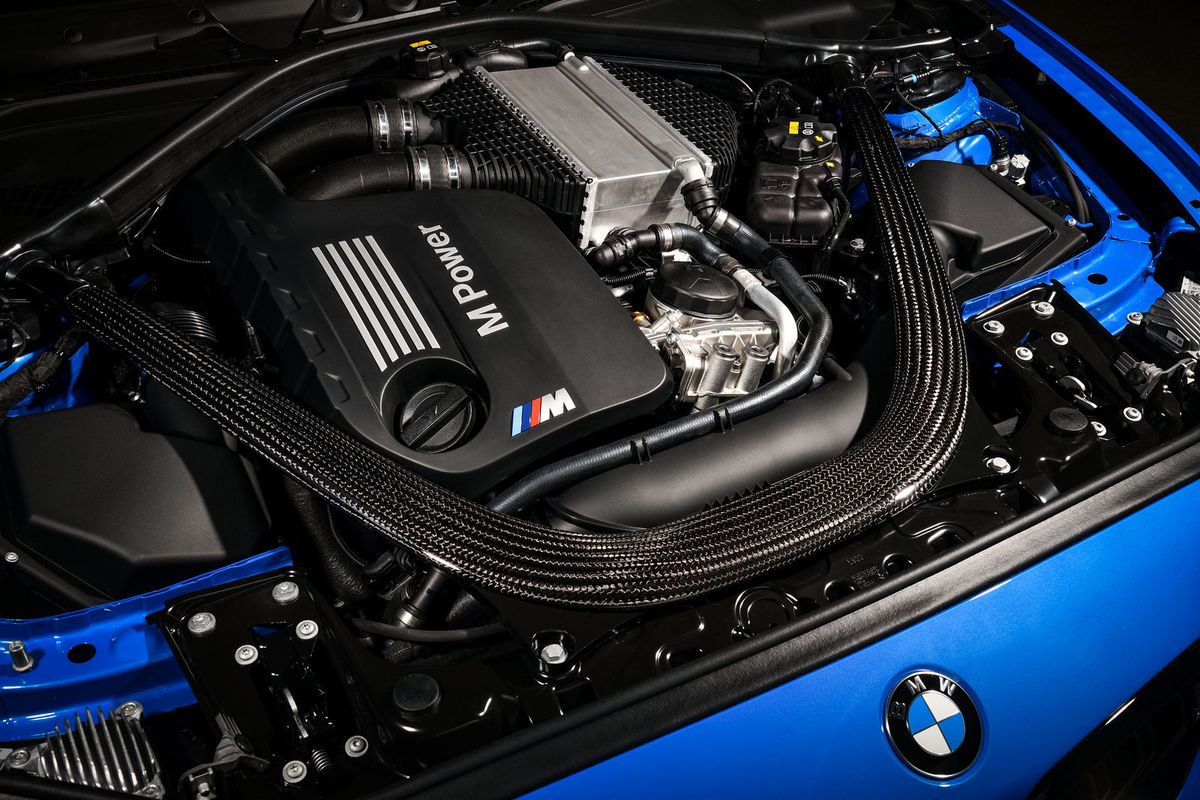
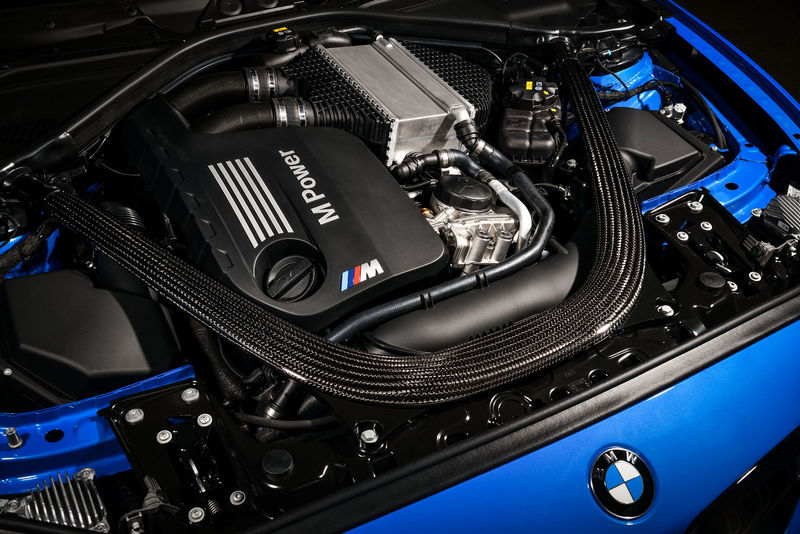
The engine represents new performance ground for the smallest M car. It’s the same version of the long-serving S55 unit used by standard versions of the old M3 and the M4, but with a newly designed exhaust system. The twin-turbo 3.0-litre inline-6 delivers 331 kW at 6 250 rpm and 550 Nm of torque between 2 350 rpm and 5 500 rpm – an improvement of 29 kW on the less heavily tuned version of the S55 used by the M2 Competition, although torque is the same.
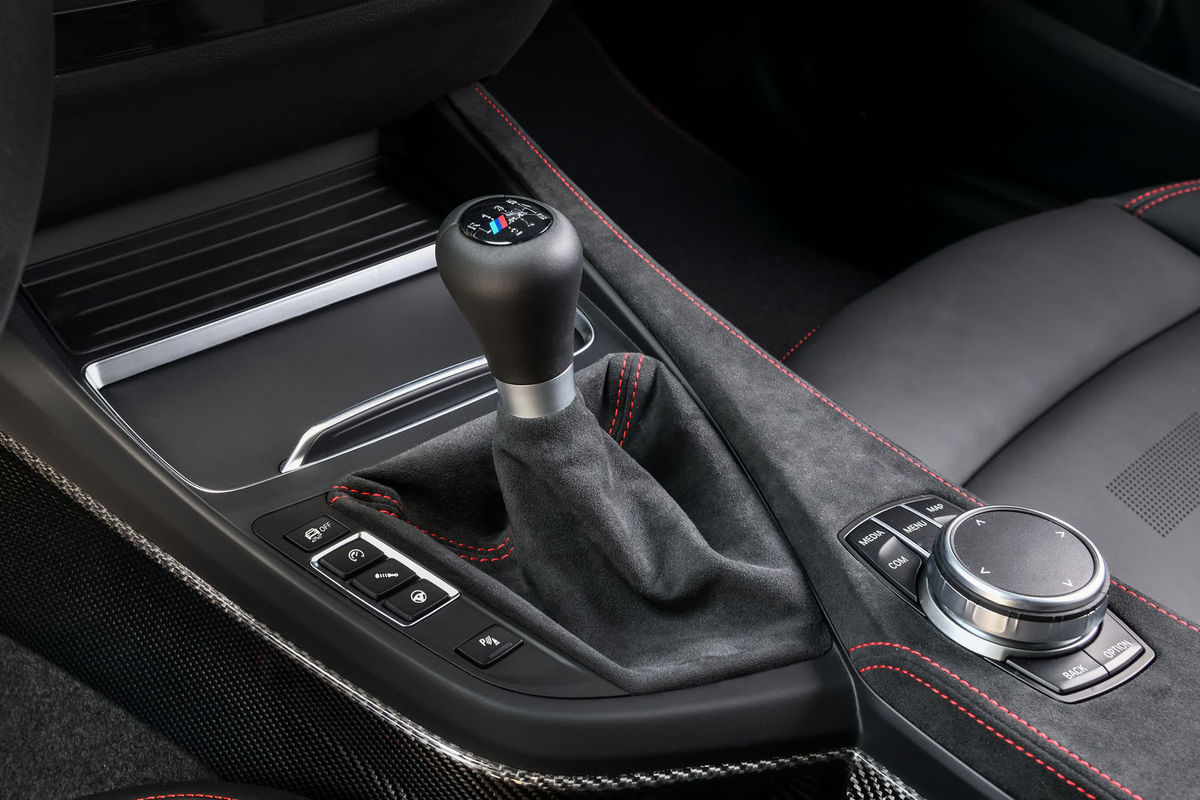
Drive is sent to the rear wheels through a standard 6-speed manual 'box or the 7-speed dual-clutch automatic, the latter of which featured on our test car. There’s also a reworked electronically-controlled Active M Differential that has been tuned specifically for the M2 CS. When equipped with the dual-clutch transmission, the M2 CS's power-to-weight ratio is 210 kW per tonne. This is 18 kW more than the M2 Competition, but fails to top the 218 kW per tonne of the Cayman GT4, whose naturally aspirated 4.0-litre flat-6 churns out peak outputs of 309 kW and 420 Nm.
What's it like to drive?
The test took place on the tight and twisty Sachsenring circuit in Germany.
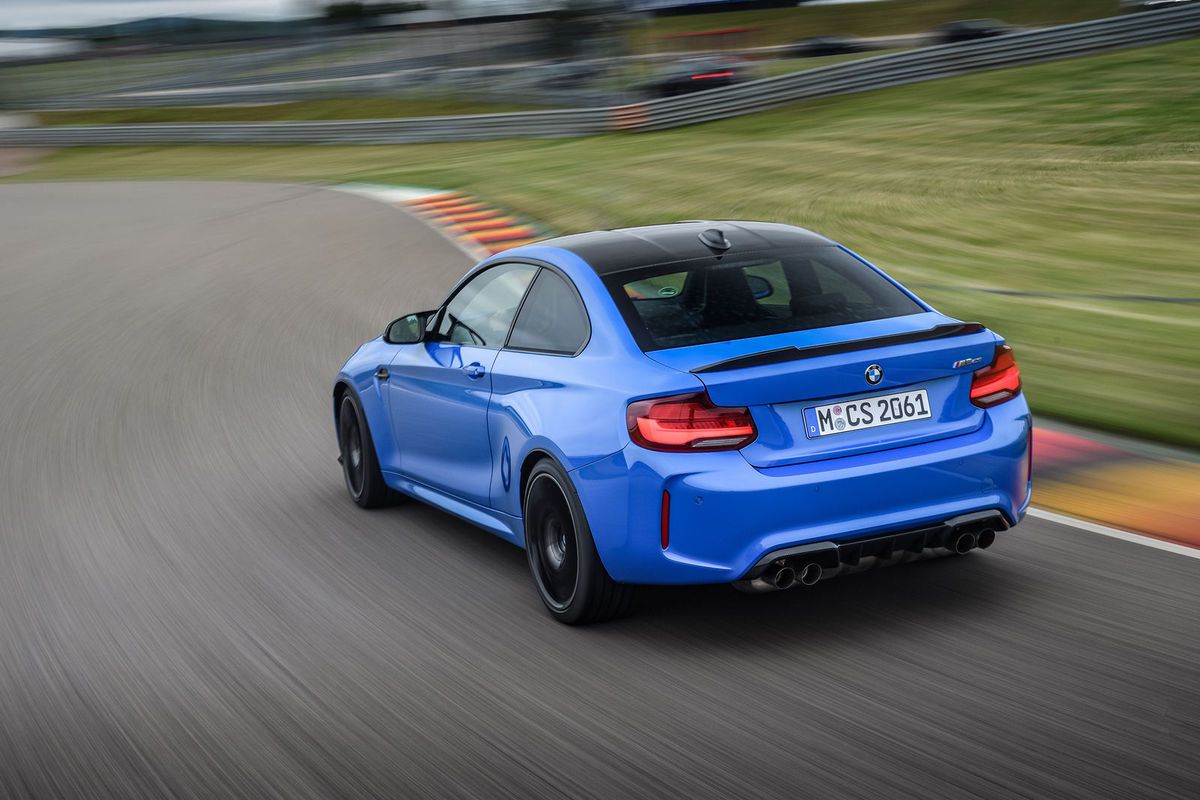
Today’s drive of the M2 CS is limited to a spirited circuit excursion. But if ever there was a circuit on which you could unlock the secrets to this car's dynamics, the Sachsenring is it. Best known for hosting the German round of MotoGP, it’s a challenging course at the best of times – and more so now, after it's been doused in heavy morning rain. Among the more unforgiving sections is a wildly undulating infield section that loops back on itself before sending you flat-out downhill into a sequence of fast, open corners. Given that BMW expects a large number of owners will use their cars for track days, it’s an appropriate setting.
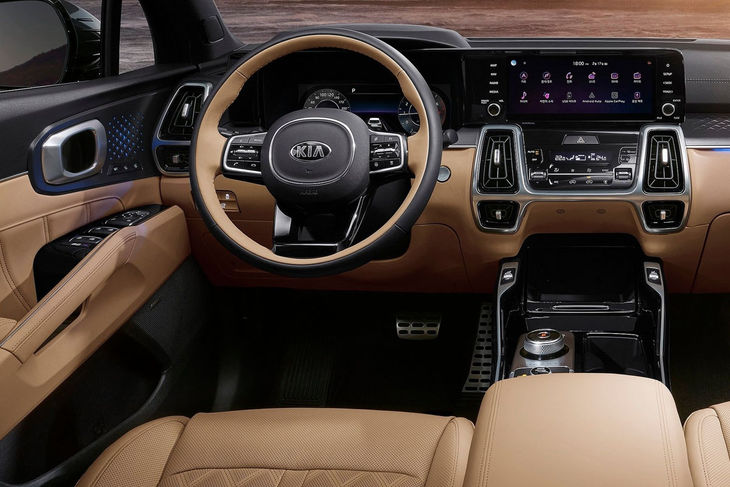
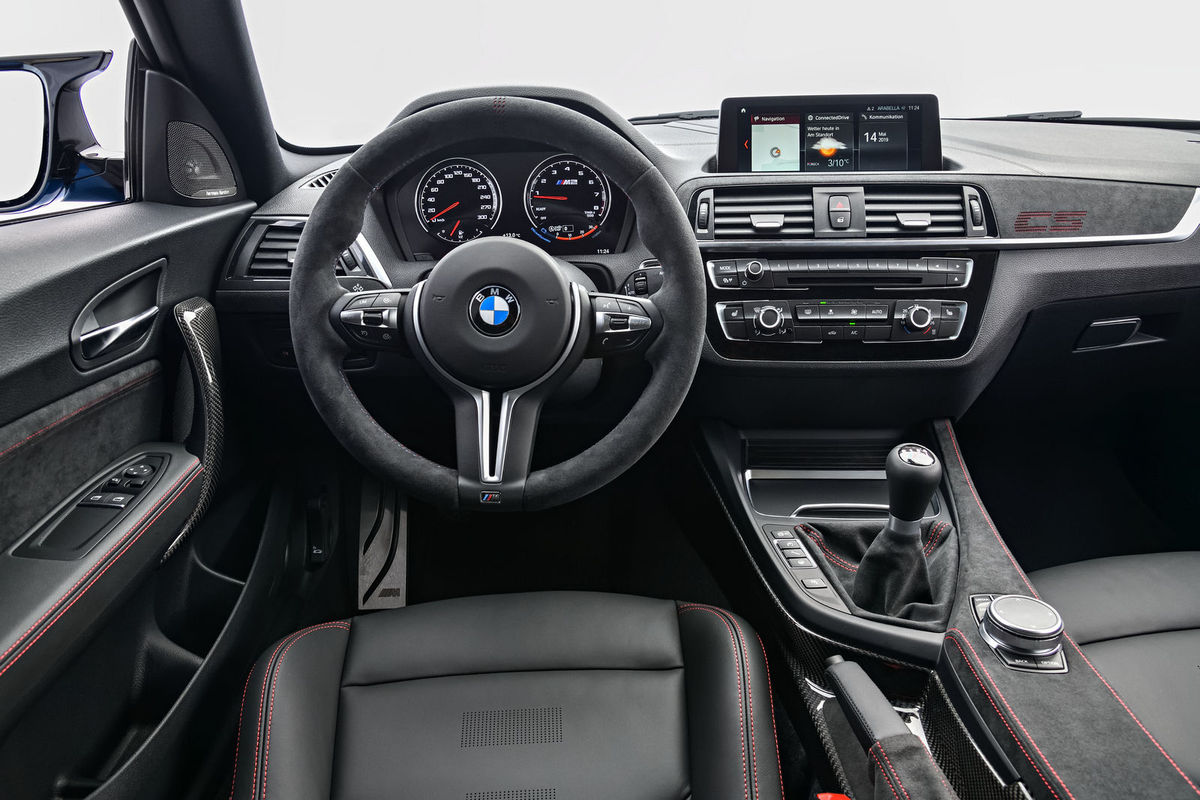
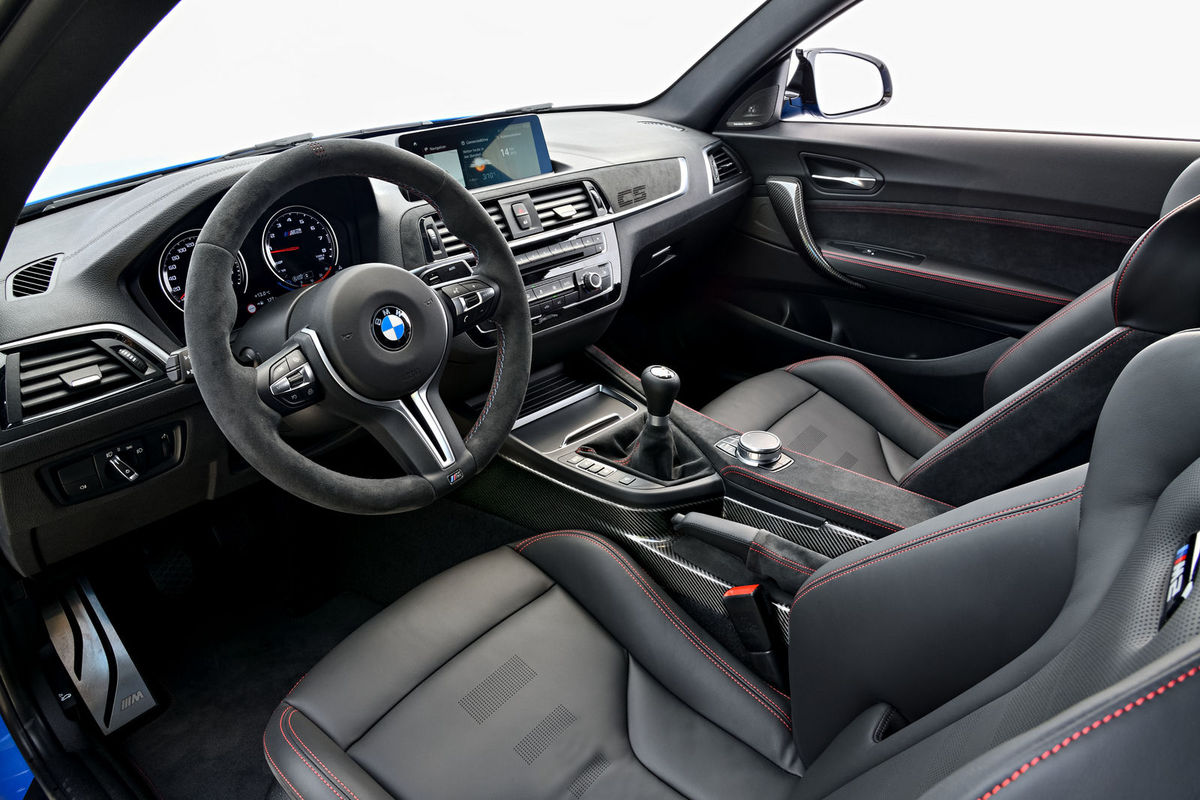
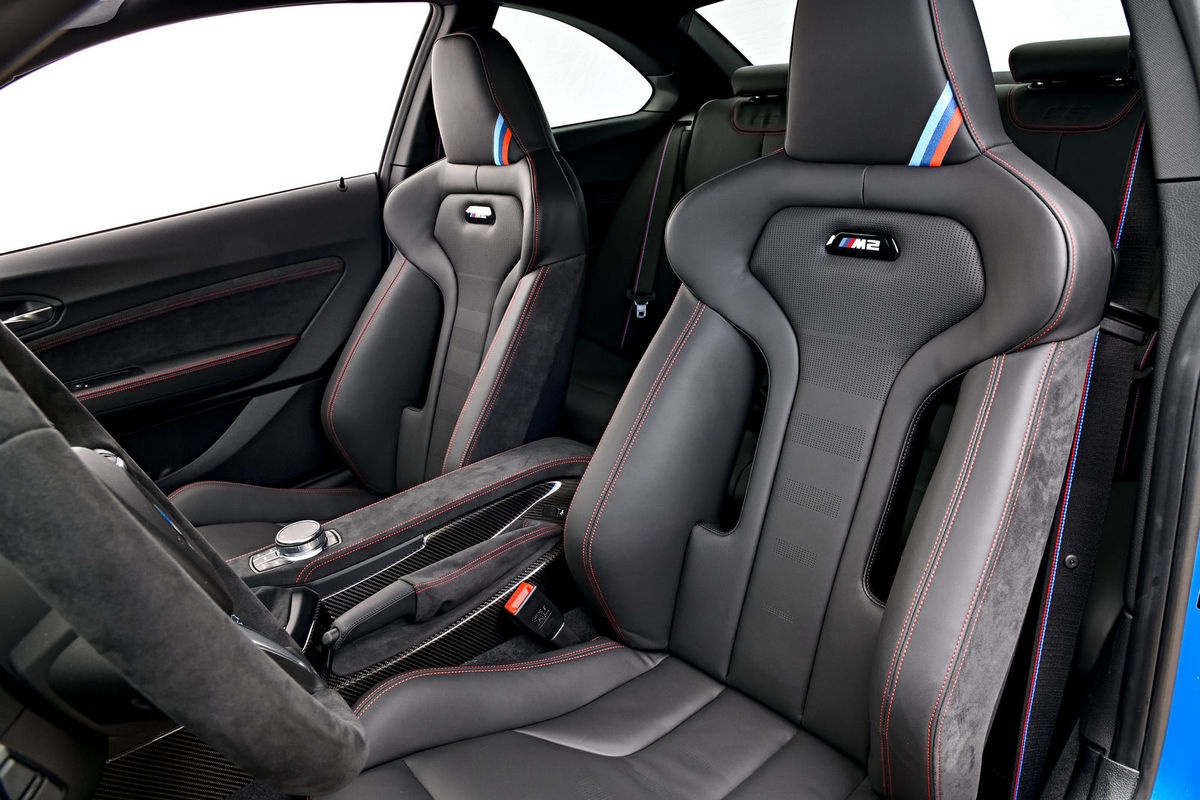
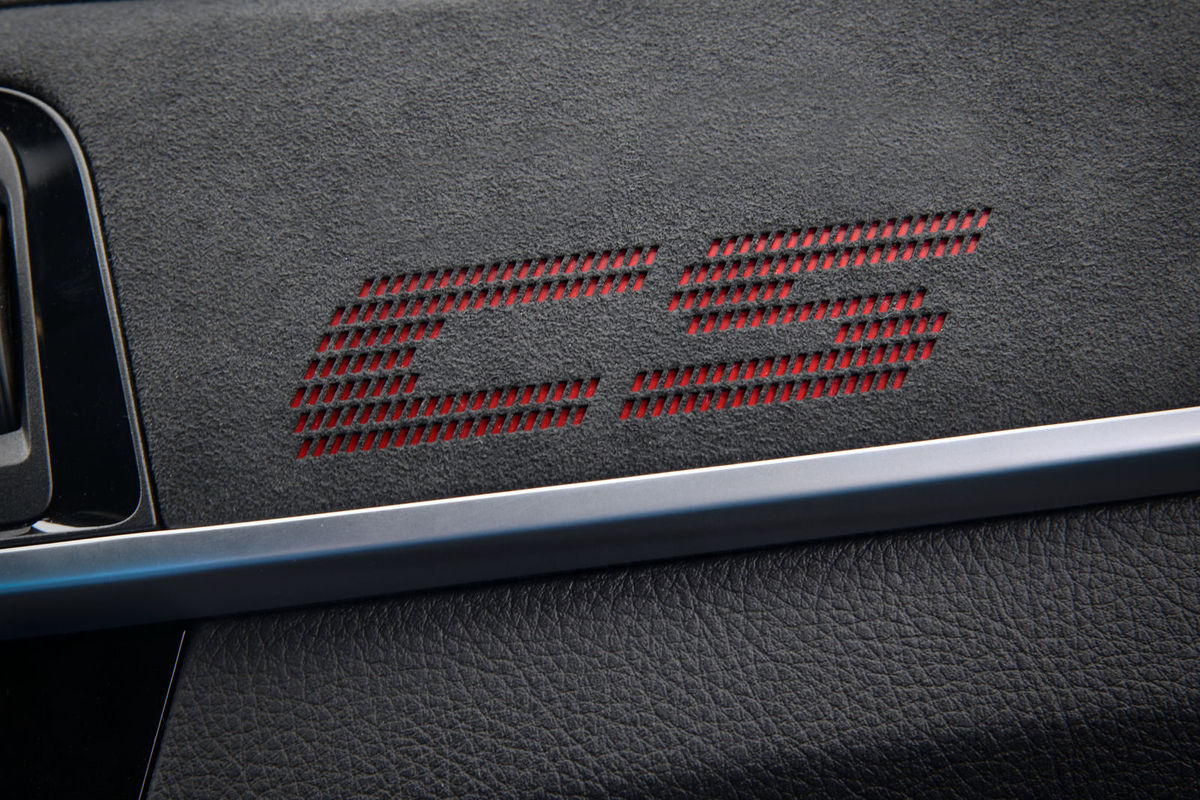
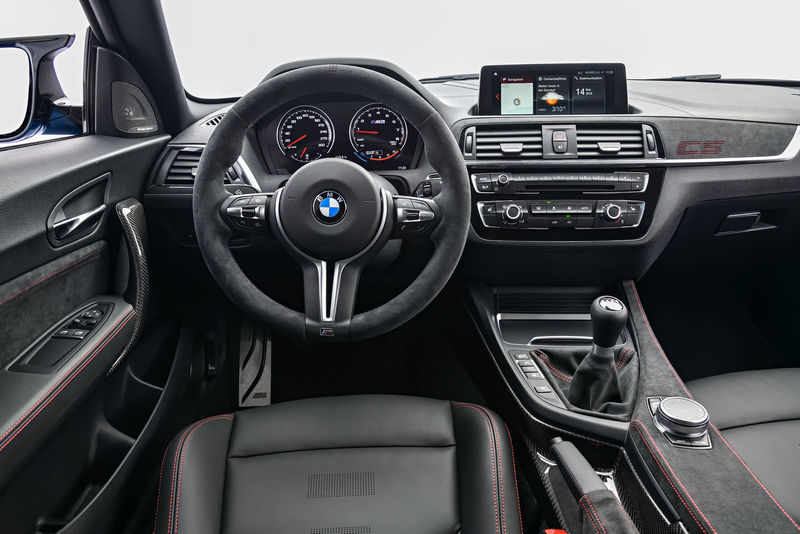
Before we get underway, though, the reworked cockpit. As you would expect, it’s largely the same as that of the M2 Competition, but there's a new carbon-fibre centre console that goes without the usual centre armrest, M Competition Sport front seats (as fitted to the M4 CS) and some added Alcantara for good measure. It’s not exactly overflowing with luxurious confirm, but nor is it the pared-back road-racer that some might expect. It even has rear seats…
You can set the manually-adjustable driver’s seat quite low to strike a wonderful straightforward driving position. The manually adjustable, Alcantara-trimmed M Sport steering wheel boasts a fairly thick rim, but there are cut-outs that make it quite nice to hold.
The characteristic turbine whirl at start-up leaves you in no doubt: there's only one make of car that produces such a provocative inline-6 sound. Subjectively, there’s not a lot that separates the engine from the M2 Competition's motor. Smooth and muscular in character (at low to middling revs), but crisp and tremendously responsive at the top end, it provides the M2 CS with the sort of brawny performance and urgent in-gear qualities its track-bred positioning suggests.
Do you feel the added 29 kW over an M2 Competition? Not immediately, because peak power is delivered 1 000 rpm further up the dial, so the M2 CS needs to be worked harder to unlock it. But such is the smoothness of the engine and the aural rewards it delivers when you’ve really got it zinging that this is no hardship. Rather, it’s part and parcel of the new M car’s hardened and more authoritative character.
The M2 CS has an F30 M3 Competition equalling 331 kW of power now.
BMW claims 0-100 kph in 4.0 seconds, which is 0.2 sec quicker than the M2 Competition and 0.4 sec quicker than the Cayman GT4. With the M Driver’s package fitted as standard, the M2 CS' top speed is limited to 280 kph.
You don’t need to wring its neck to extract serious speed, however; with maximum torque arriving at 2 350 rpm and remaining on tap until 5 500 rpm, the beefed-up Bimmer engine is tremendously flexible and very amenable. You can short-shift and still have a handy amount of shove already building out of slower corners.
The dual-clutch gearbox, with its steering wheel-mounted paddles, is the perfect accompaniment: fast-acting on upshifts and, with a function to match revs, plus agreeably smooth on downshifts. However, it lacks the intrinsic involvement of a manual, and as the very reason for this car is to create a more intimate connection between driver and machine, it’s probably well worth considering the stick-shift version, even if it costs you a second or two in lap time potential.
The 1st-generation M2 may be nearing the end of its production life, but the chassis remains a marvel. BMW M’s efforts to provide a perfect 50:50 front-to-rear weight distribution and increase stiffness (by adding bracing) provide the basis for truly engaging and playful handling. To this, the M2 CS adds a heightened degree of directness and urgency of movement via a heavily retuned suspension that sees the adoption of standard adaptive dampers – the first time they’ve been fitted to M2.
While the test unit was specced with a dual-clutch 'box, there is the option of a 6-speed manual.
The balance is quite finely struck. While it doesn’t quite match the magnificent neutrality of the mid-engined Cayman GT4, there are few front-engine cars that come close to matching the ultimate precision offered by the M2 CS. A small degree of understeer remains, most notably in high-speed corners. This is intentional, Haecker says, to provide a marker for the driver. Still, the front-end push is quickly quelled by lifting off the throttle or by trailing in on the brakes.
It's through the Sachsenring’s challenging in-field that the decision to provide the M2 CS with adaptive dampers feels fully justified. Body movements are even more immediate than with the passively damped M2 Competition, but the roll angles are better controlled, too. It settles quickly and with added authority, giving the M2 CS a flatter and more determined cornering nature.
Helping in this respect is the carbon-fibre roof, which Haecker says is more than just cosmetic: “The roof contributes to a lowering of the centre of gravity. It uses a new sandwich construction, which not only adds structural rigidity, but is also lighter than the previous method we used."
The steering is sharper as well – or at least gives the impression of being so. The electromechanical rack and its ratio are the same as you get in the M2 Competition, but a slight camber increase and added sensitivity brought by the adaptive damping brings greater precision together with the well-weighted and inherently linear feel that we’ve become used to from the junior M model. We’ll need more time on the road to determine if critical feedback has been improved, but there's certainly an added keenness to the 'wheel's self-centring motion that serves to further heighten the driving experience.
For the first time, an M2 model comes with adaptive suspension dampers.
After a couple of laps of fairly controlled running, it’s dry enough to begin pushing with real intent. On smooth surfaces, the soft compound Cup tyres deliver outstanding grip. You can load up the M2 CS on the entry to constant-radius corners and confidently continue to push past the apex, all the while relying on the sheer adhesion to allow you to hold your line. It’s here, with greater grip equating to faster cornering speeds, where BMW says the M2 CS has a distinct advantage over the M2 Competition. “It’s a combination of a lot of detailed chassis changes,” says Haecker of the greater agility offered by the M2 CS, adding: “It laps the Nürburgring 8 seconds faster than the M2 Competition.
In a development taken from the M2 Competition, the M2 CS gets preset M buttons on the steering wheel, with which you can choose your preferred chassis set-up. In fittingly titled M2 mode, with the dynamic stability control (DSC) switched off, there’s a lovely progressive transition into oversteer when you do exceed the limits of adhesion in slower corners, and it takes just a small degree of steering lock to correct it.
This controlled feel instils the driver with great confidence – as does the operation of the electronically operated M differential, which apportions drive individually to each rear wheels, allowing you to light up the rear tyres when the conditions allow.
No less effective are the brakes, which are larger than those of the M2 Competition with 400 mm front- and 380 mm rear steel discs grabbed by 6-pot calipers and 4-piston calipers respectively, are strong and offer quite a bit of feel through the pedal. Alternatively, buyers can opt for pricey carbon-fibre discs.
With all of our time spent on track, we’re not going to pretend we know much about the M2 CS’s ride quality. However, experience with other M models on adaptive dampers suggests it should offer greater compliance than the passively damped M2 Competition. At low speed in the Sachsenring pit lane, the firmness of the MacPherson strut (front) and multilink (rear) suspension was detectable over expansion joints, although any binding conclusions will have to wait until we get it out on the road.
Should I buy one?
The last hurrah of the current M2 does not disappoint.
The M2 CS is everything we expected – and more. It's a noticeably keener, more incisive and ultimately more entertaining car to drive than the M2 Competition, at least on the track. The key to its attraction lies with its reworked chassis, which, with the adoption of adaptive damping, is really quite exceptional. That’s taking nothing away from its engine, which although a well-known quantity, delivers the performance to give the junior M car outstanding pace.
When BMW launched the M2 Competition last year, we wondered how it could be topped. The answer is: with the M2 CS. Question marks about its ride quality aside, it's one of the best driver’s cars you’ll see this year. Yes, it will be expensive and extremely exclusive, but the rewards run deep. We're already counting the days until we get to drive it on the road.
Apple has announced a new digital car key function at its WorldWide Developers Conference (WWDC) this week.
The WWDC is a major event for the technology giant, Apple, and it’s where the firm announced the iOS 14 software update for iPhone. Interestingly, the update will include a new digital car key function, called CarKey.
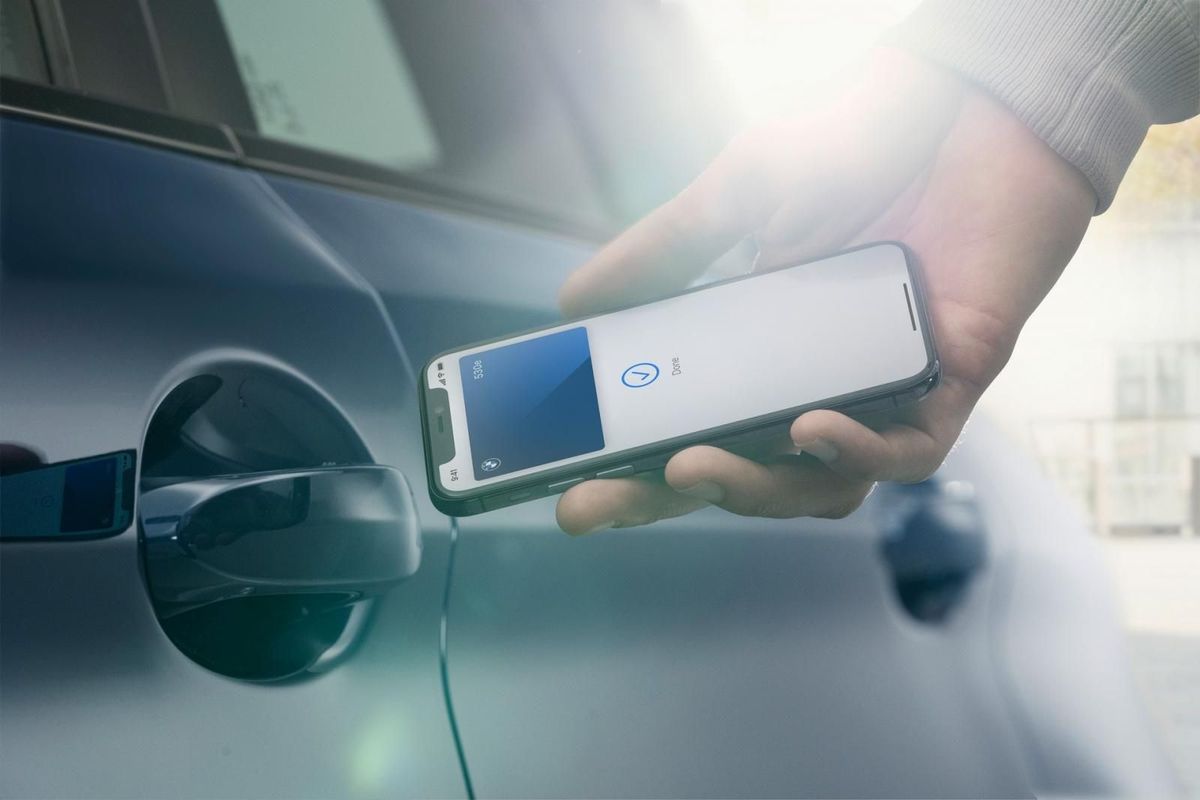
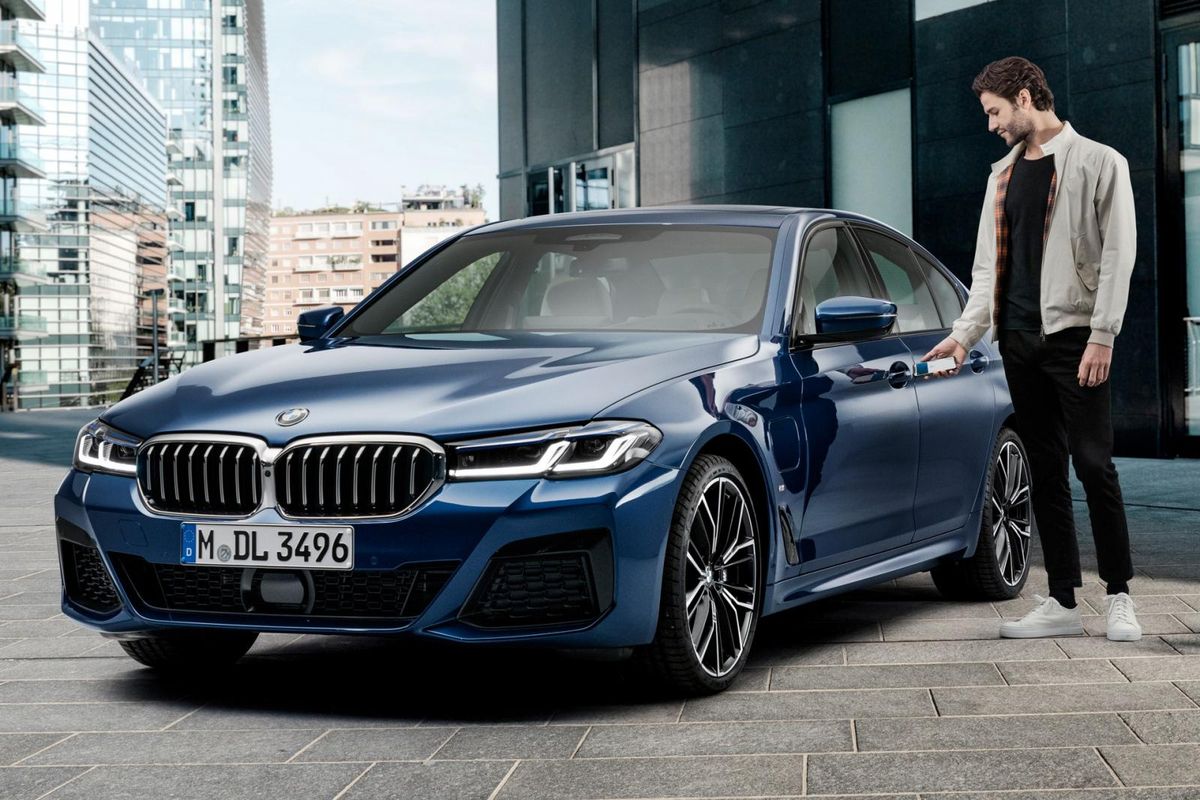
The CarKey allows iPhone and Apple Watch users a new way of accessing and starting their compatible vehicle using Near-Field Communication (NFC). The feature will be first used on the updated BMW 5 Series which is due in South Africa towards the end of 2020.
With the digital key, users no longer need to carry the physical key and the vehicle can be accessed by tapping their iPhone/watch near the door handle to unlock the car and the car can be started by simply placing the iPhone in the smartphone tray.
The digital key can also be shared with family members or friends. More so, the owner can set various parameters of access including engine start, top speed, engine output, sound volume and so forth.
Interestingly, even if your iPhone runs out of battery power, you will still be able to use the digital key for up to 5 hours after the phone has shut down. Most BMW models produced after 1 July 2020 will support the digital key and the feature will be offered in at least 45 countries.
Compatible smartphones include iPhone XR, XS or new while the digital key will work on the Apple Watch Series 5 or newer.
An enhanced digital key is also expected to launch next year and will allow users to unlock their vehicle without the need to tap your iPhone or Watch on the door handles. In other words, it will simply unlock as soon as you approach the car.
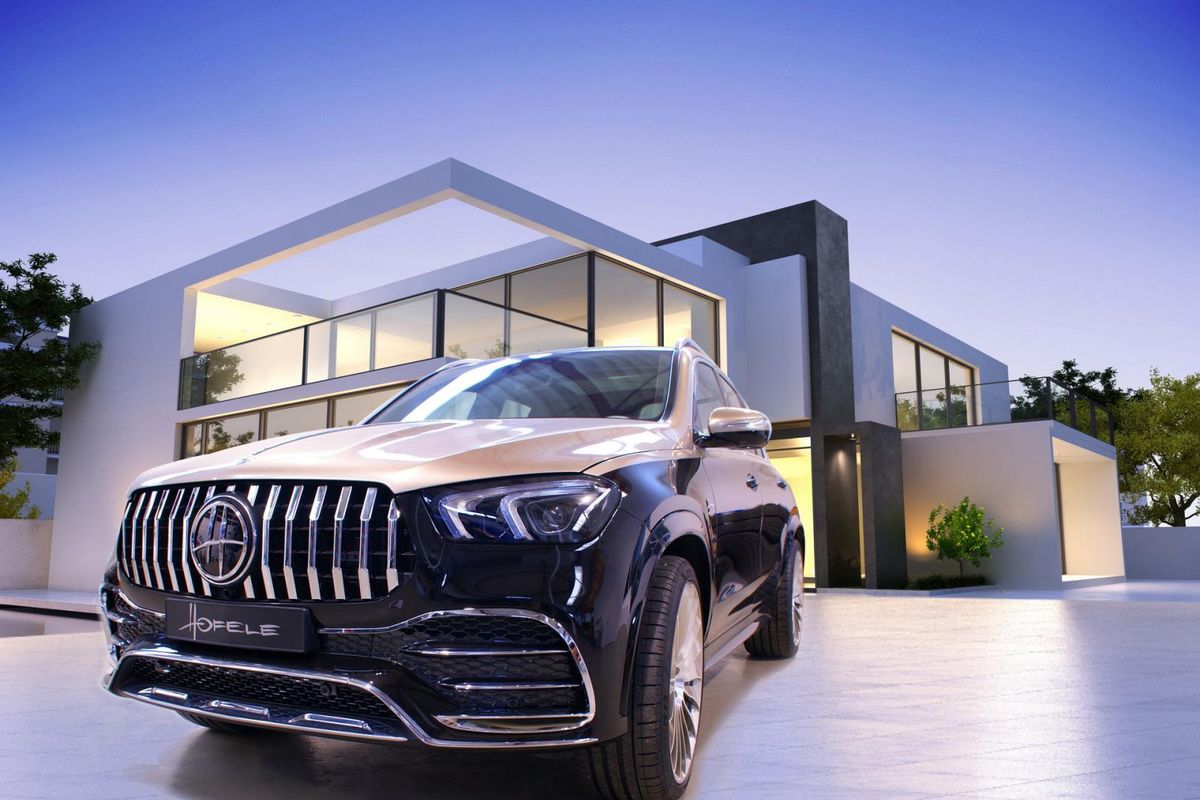
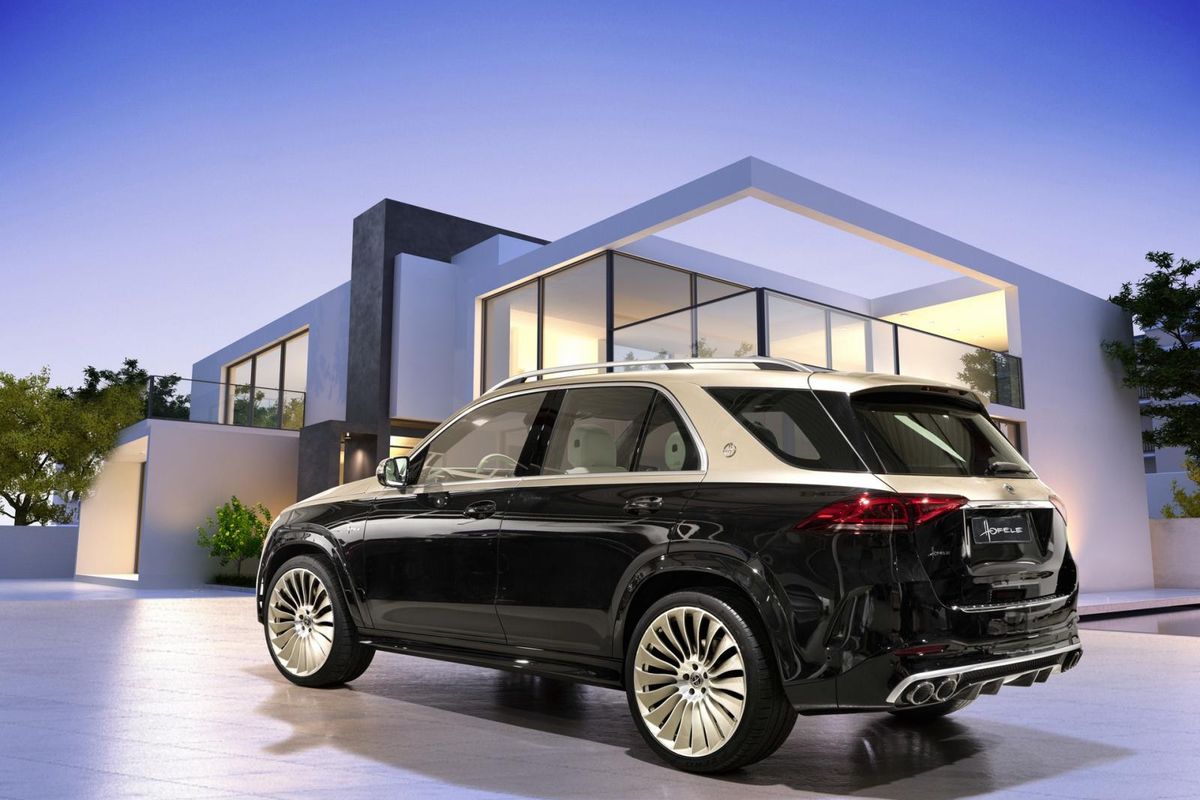
If you are into blingy cars, German tuning firm, Hofele, is offering a striking tuning kit for the Mercedes-Benz GLE range of SUVs.
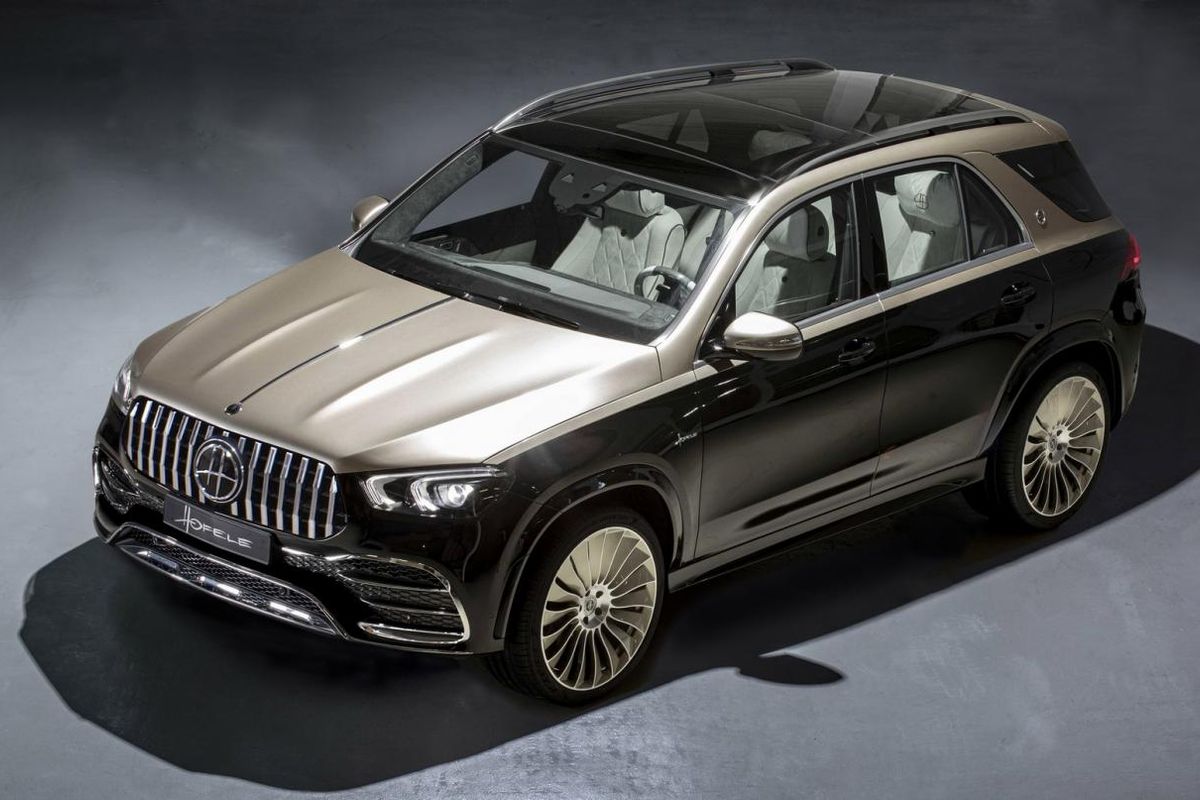
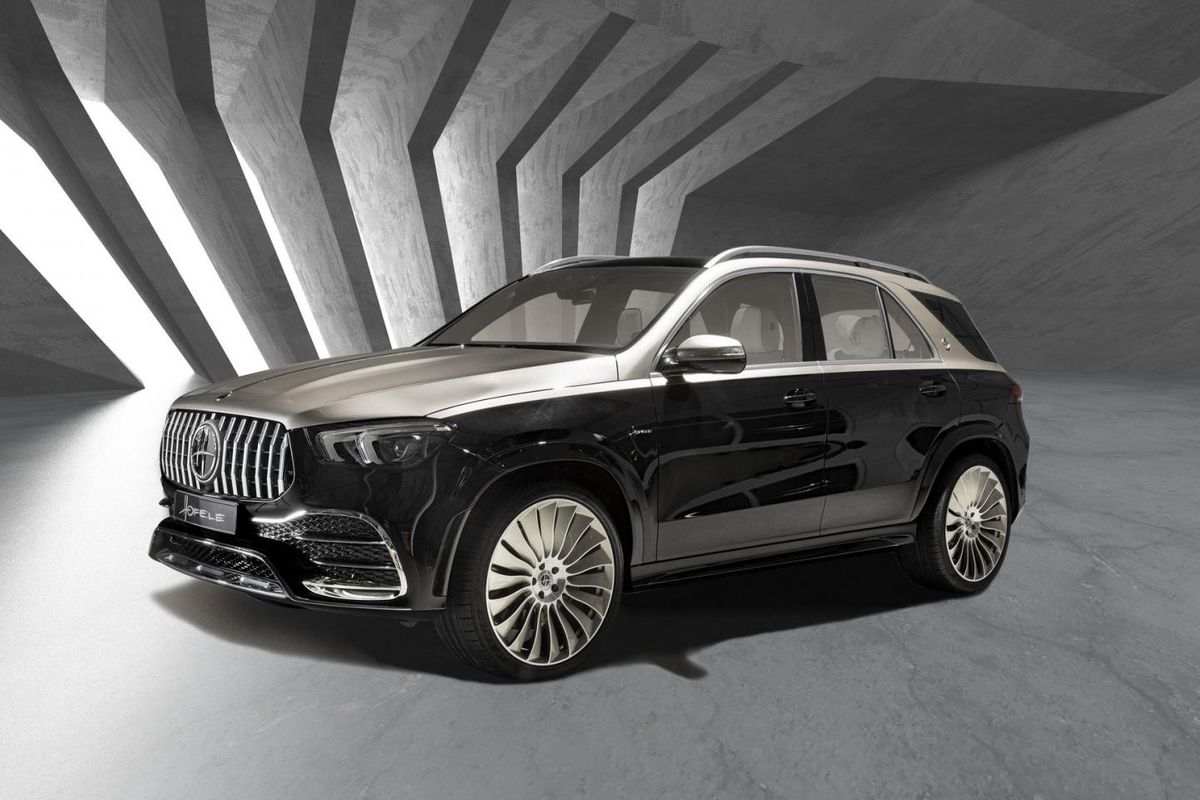
At first glance, you would be forgiven for thinking that this is a Maybach GLE, but it’s not. Tuning firm, Hofele, has worked its magic on the GLE to create this rather flamboyant luxury SUV which comes to life thanks to its two-tone paint job featuring a Tiffany Gold finish combined with Obsidian Black. Also, notice the prominent vertical chrome slats in the grille as well as the chrome surrounding the gaping air intakes and lower air dam which adds further contrast to the bodywork. The chrome garnishes are also found at the rear where the quad exhaust system communicate performance intent.
The Hofele GLE rides on massive 23-inch forged alloy wheels featuring a turbine-inspired design with a polished gold finish to match.
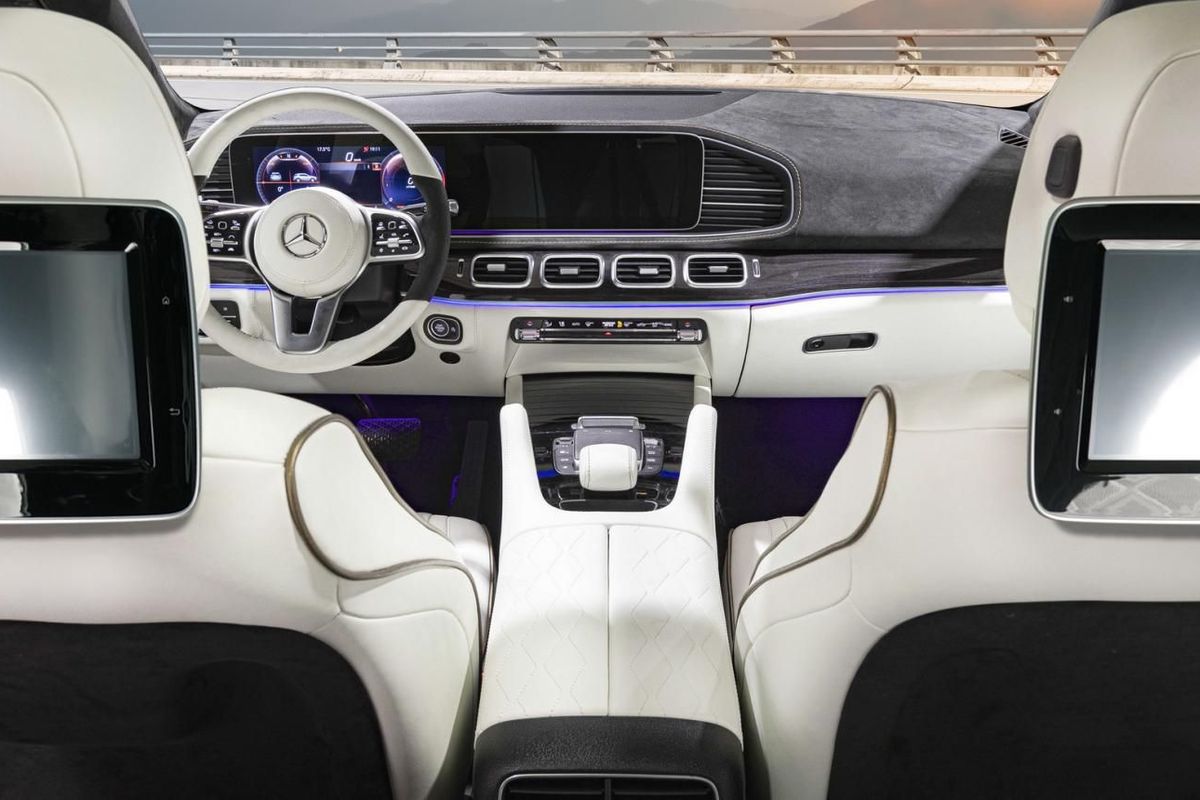
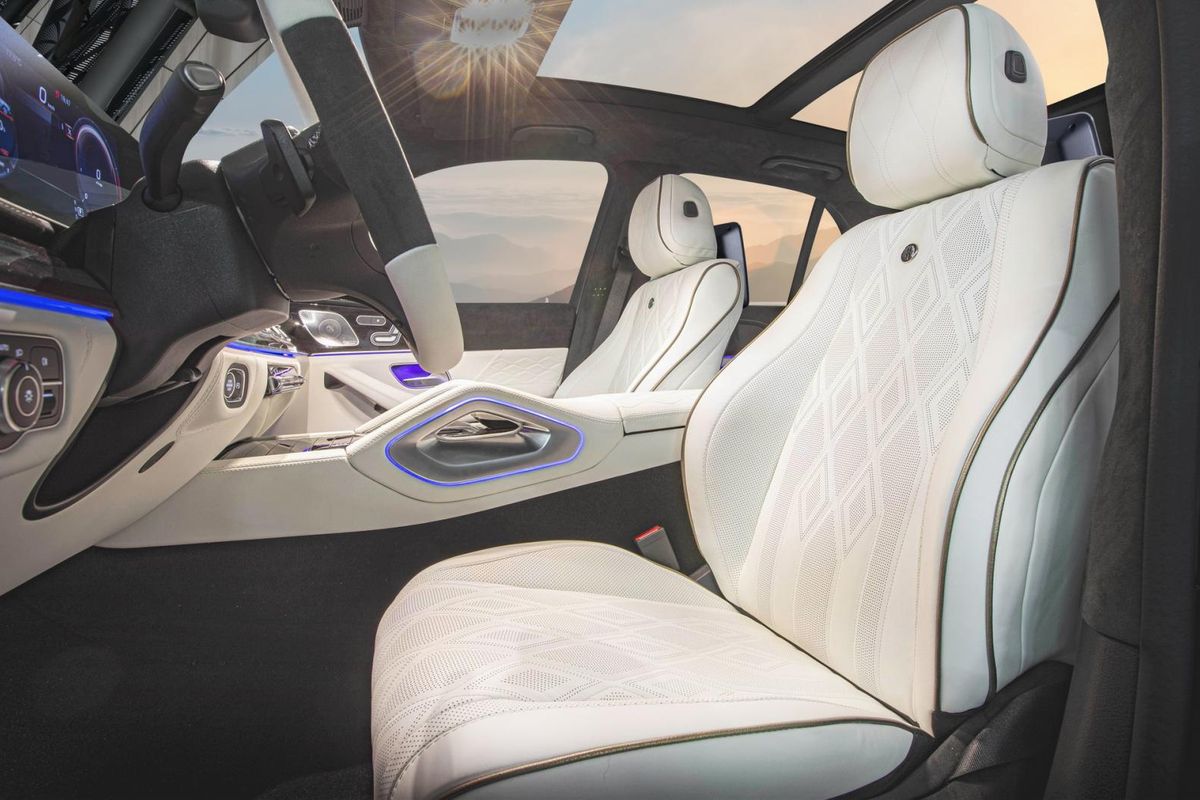
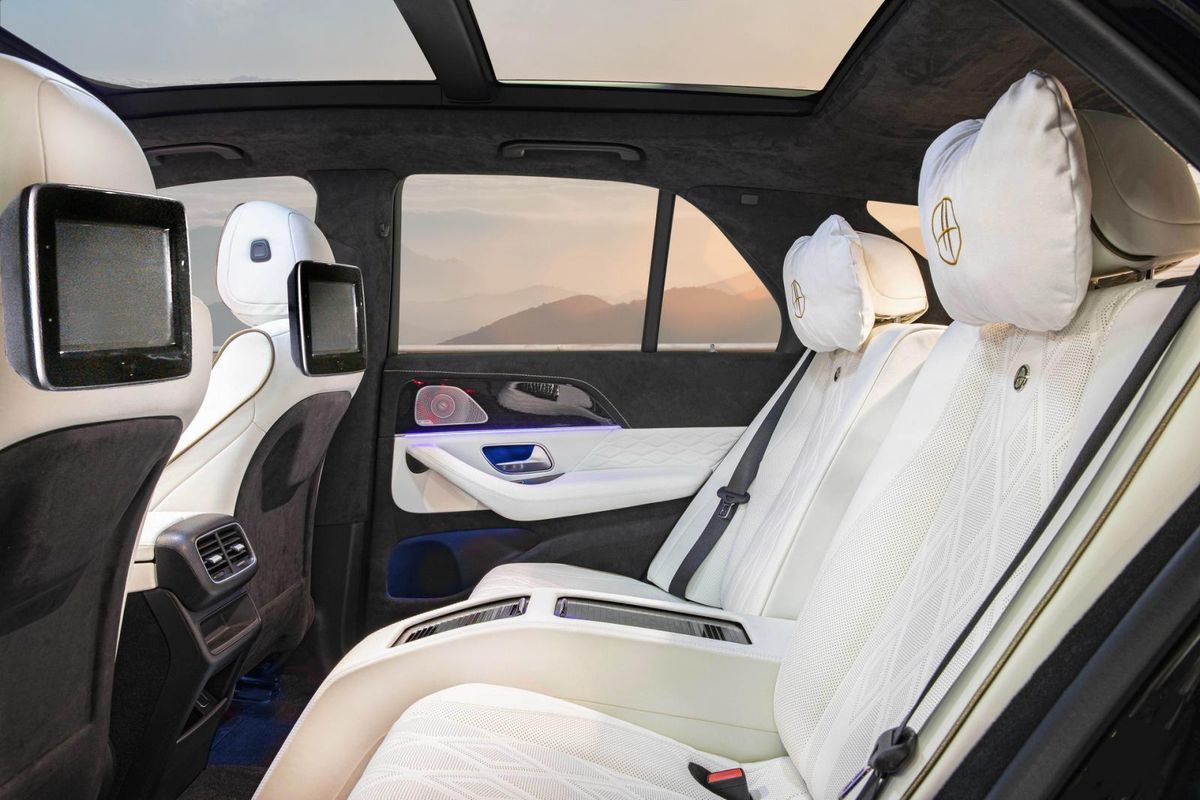
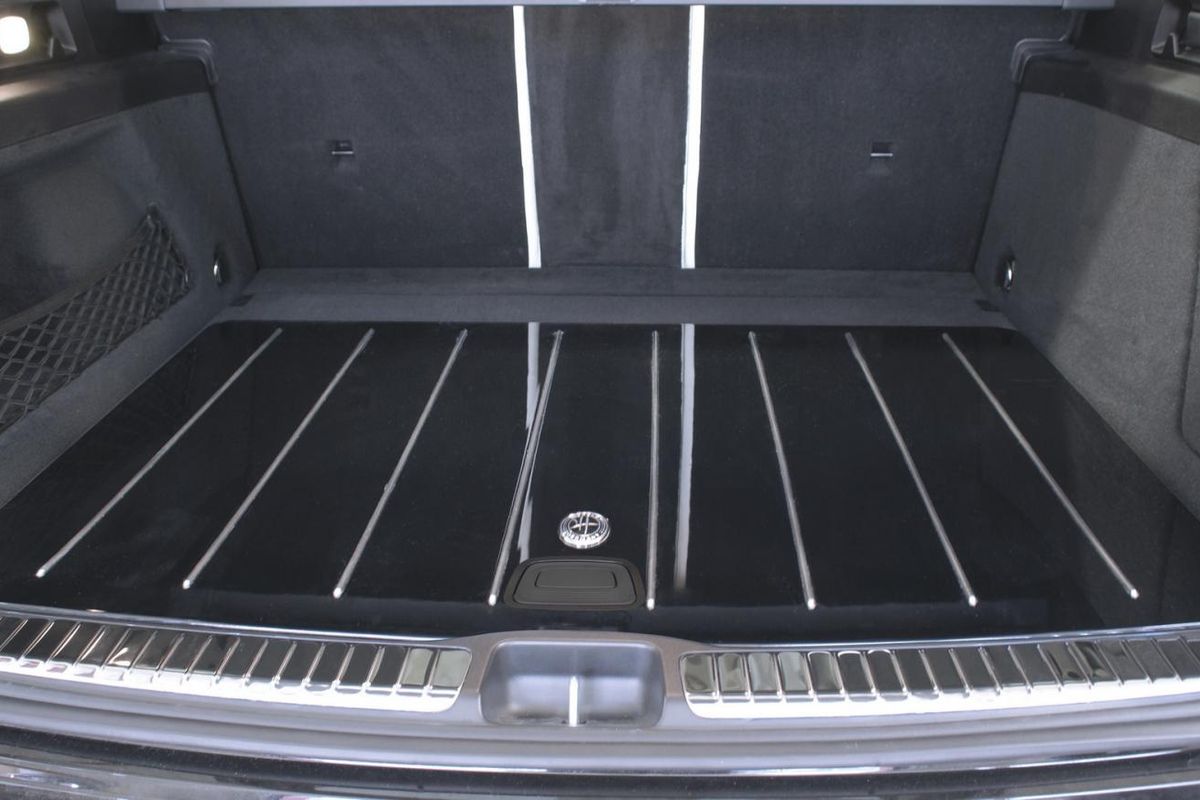
The bling continues inside where Hofele has kitted out the interior in Nappa Leather and Alcantara. The driver has access to a widescreen cockpit featuring the latest MBUX infotainment system and there are 2 individual seats at the rear divided by a central console and rear passengers also have access to mounted infotainment screens. The load bay has been reworked to feature a high-gloss wooden floor finished in aluminium.
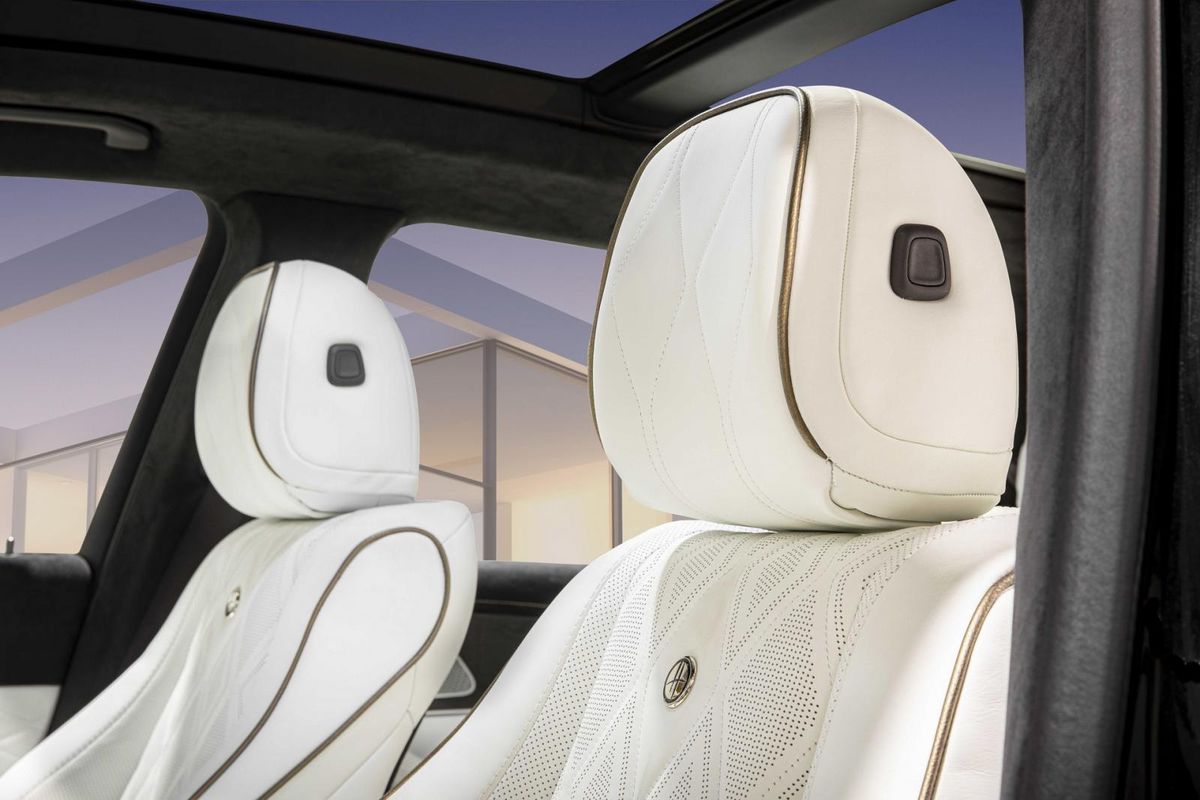
Hofele badging is seen on the seatbacks and headrest pillows while interior mood lighting creates a sense of comfort and luxury inside this opulent GLE.
Is this upgrade by Hofele something you would consider if you owned a GLE? Share your thoughts with us!
BMW has been operating in the alternative fuel development space for decades. A hydrogen-fuelled V12 engine was available on the e65 7 Series and BMW has often attempted to push its hydrogen technology, despite an absence of infrastructure support.
With regulators forcing traditional automotive companies into reducing their CO2, BMW is outsourcing some of its alternative fuel technology. The German company has announced a new investment in Prometheus Fuels.
BMW is allocating R215 million in funding for Prometheus, a Californian chemical technology company founded by Rob McGinnis. By using an advanced chemistry process, Prometheus Fuels claims to use recaptured CO2 (presumably from the atmosphere), for conversion into synthetic petrol, diesel and aviation fuel using solar power.
Although the process is very energy-intensive, with a theoretical efficiency of only 50%, Prometheus uses solar power, to reduce the carbon footprint of its production methods.
How does Prometheus make fuel for your car, from recaptured CO2? It uses catalysation, by exposing a solution of water CO2, interacting with an electrified copper plate. Incredibly dense filters block the water, only allowing through ethanol.
From this 95% grade ethanol, Prometheus can use zeolite catalysation to deliver more complex and popular fuel hydrocarbons such as petrol or diesel.
Using electricity to power the catalysation of fuel is not a revolutionary idea but doing it from a clean source is. BWW is desperate to have most of its global production assets on sustainable power during the next decade.
The company’s Rosslyn production facility already runs on 30% sustainable energy, supplied from a bio-gas project in Gauteng.
What makes the BMW investment in Prometheus Fuels interesting, is that how it does not seek to revolutionise engine technology or fuel supply and distribution. By putting money into Prometheus Fuels, BMW appears to be indicating that it would prefer for fuel and current internal combustion engine technology to remain unchanged – but powered from a sustainable solar source, in terms of production.
2021 BMW M5 vs 2021 Mercedes-AMG E63: What can we expect?
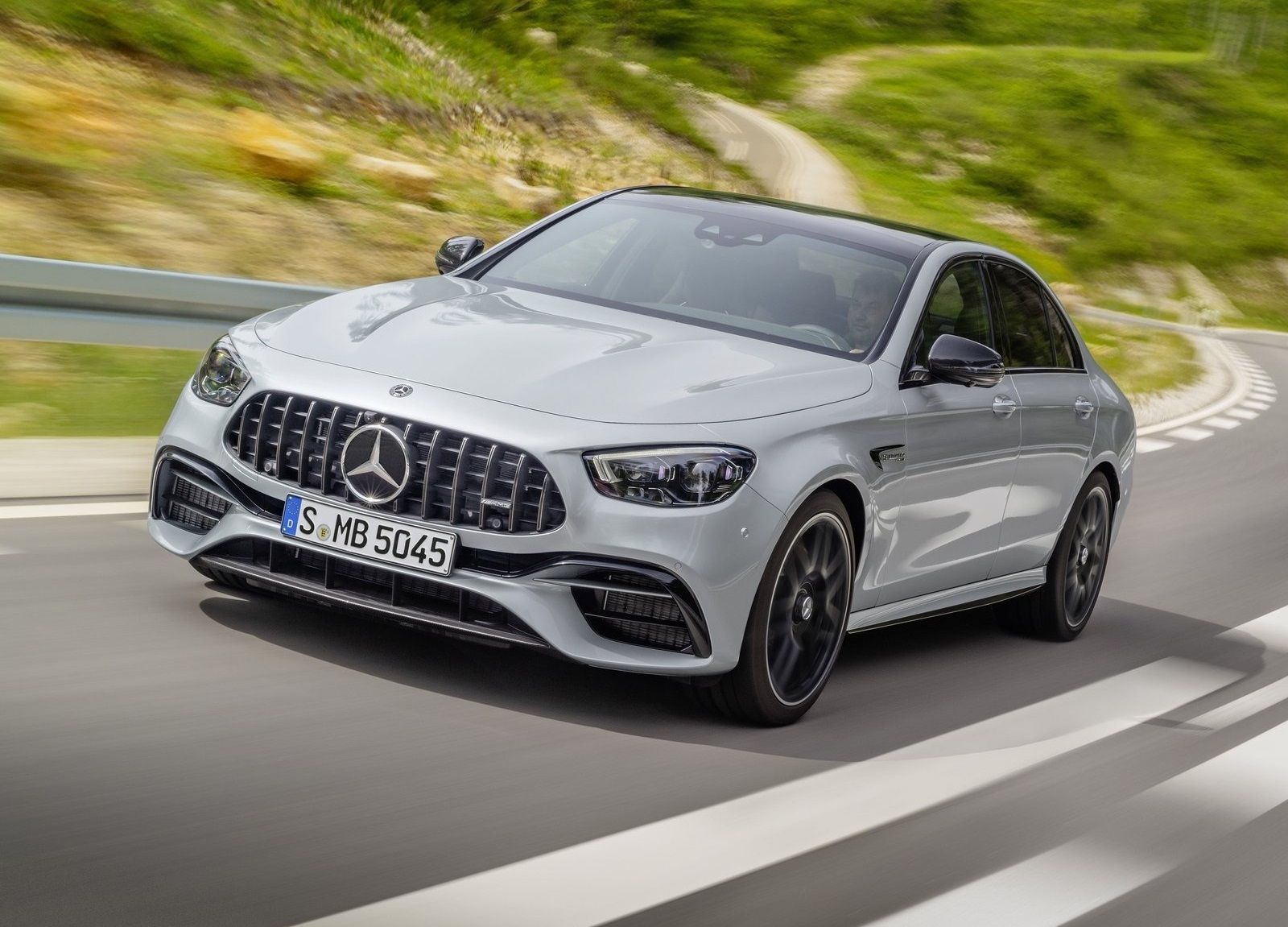
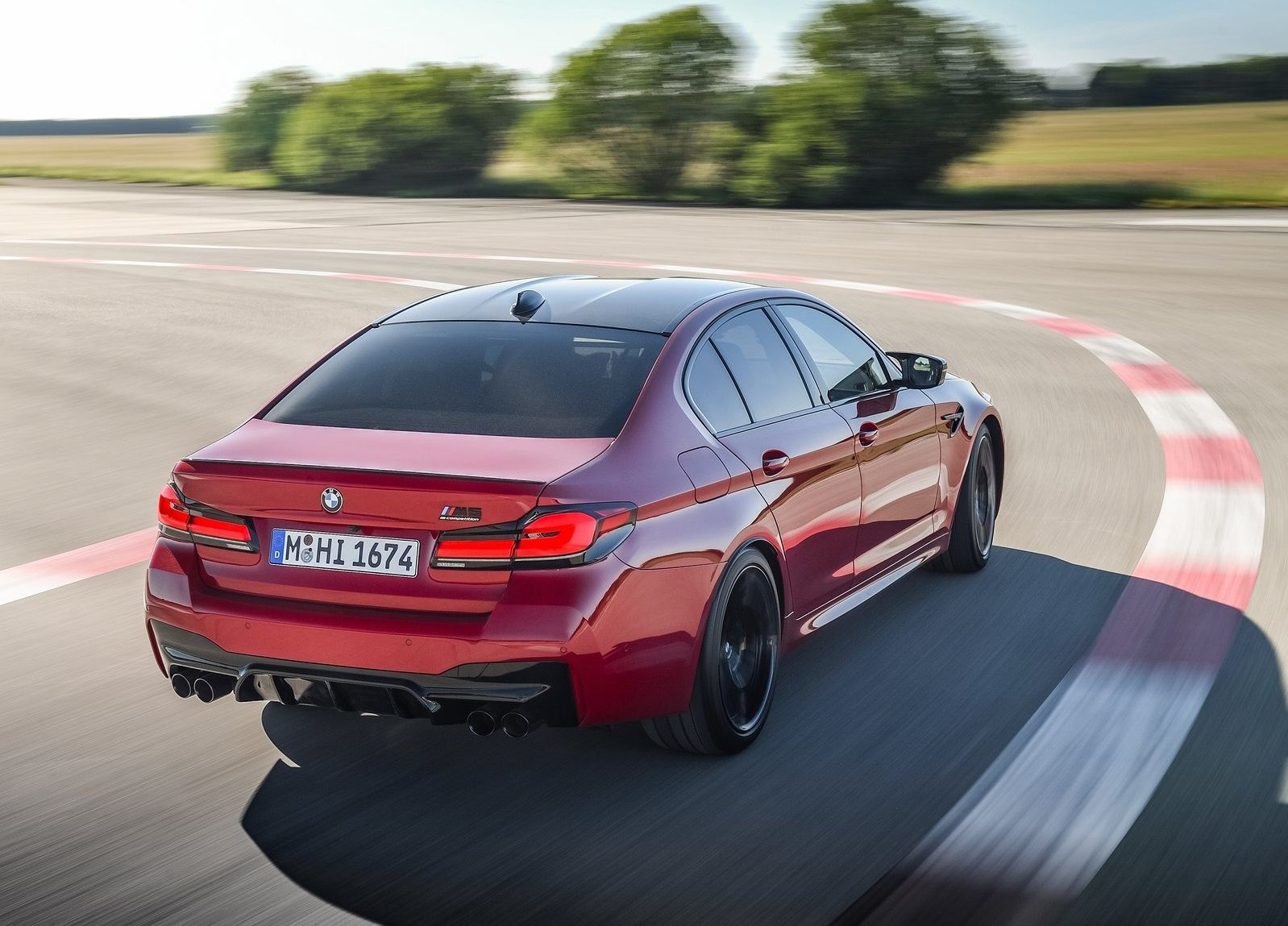
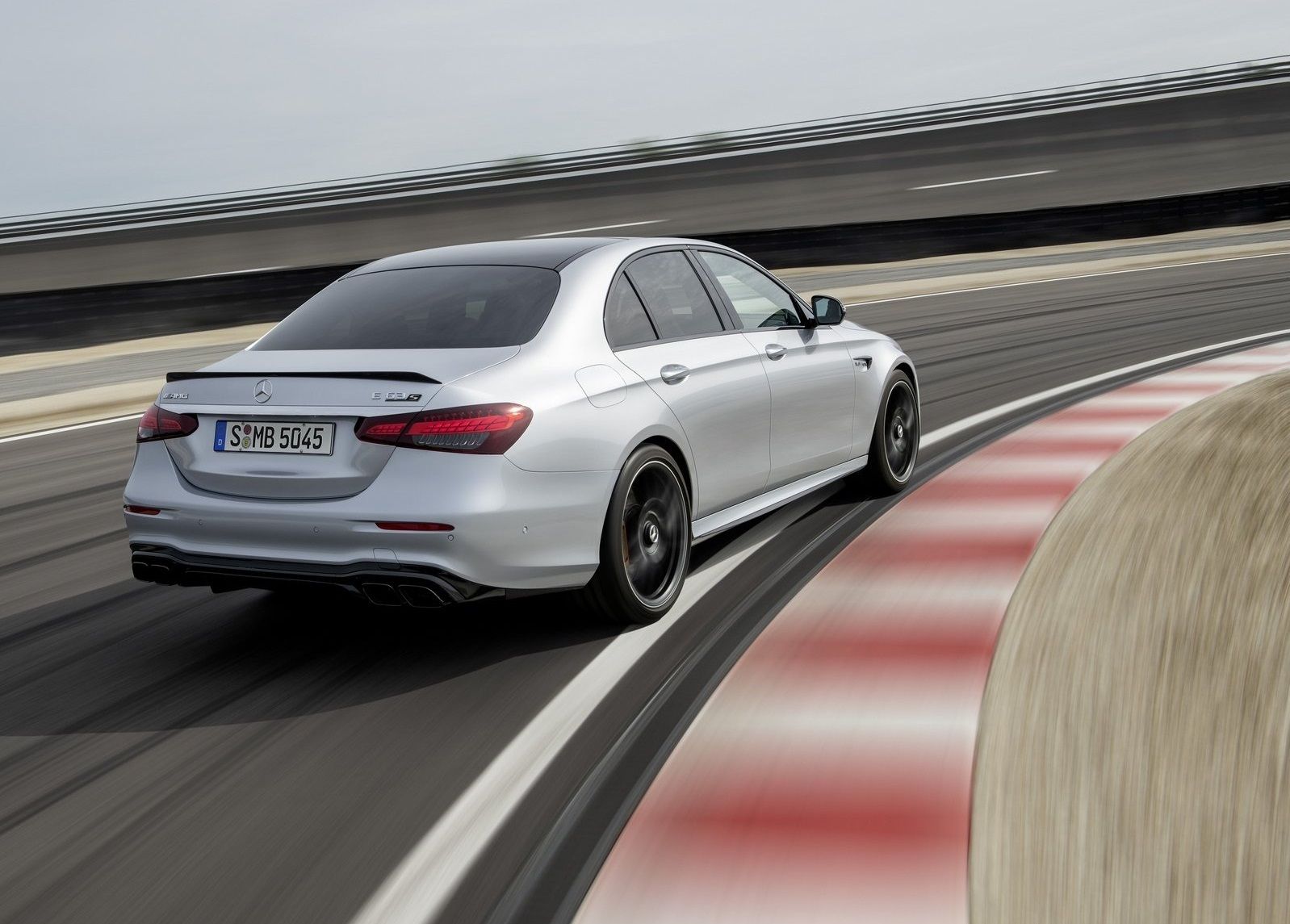
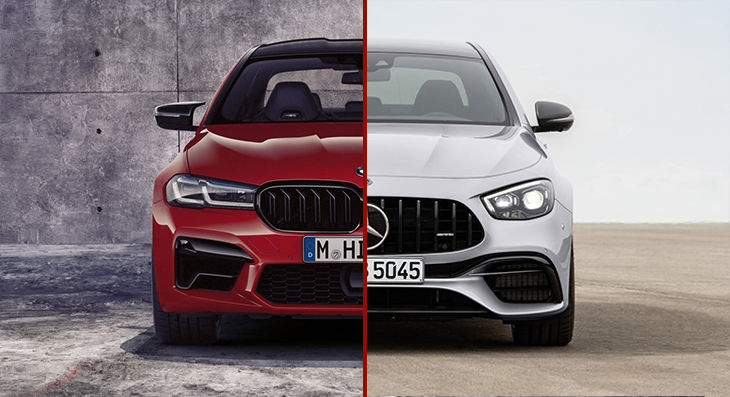
The timing was perfect as 2 German powerhouses revealed updated versions of their supercar-hunting sedans within 24 hours of each other. The updated BMW M5 Competition takes on the new-look Mercedes-AMG E63 S. With both cars due in South Africa before the end of the year, we look at just how close this rivalry will be.
The current generation of BMW M5 Competition and Mercedes-AMG E63 S blends insane performance with high-end luxury. Many will argue a supercar purchase is pointless when you consider that either of these Teutonic road-legal weapons offer 99% of the performance with the massive bonuses of comfort, refinement and practicality. These 4-door monsters are at home doing the traffic jam crawl on a grey Monday morning and capable of setting eye-widening lap times on a race circuit.
For the 2021 model year, both BMW and Mercedes-AMG have revealed updated versions of their respective super sedans and ahead of their arrival in South Africa, we put them head to head to see just how evenly matched they are.
Styling
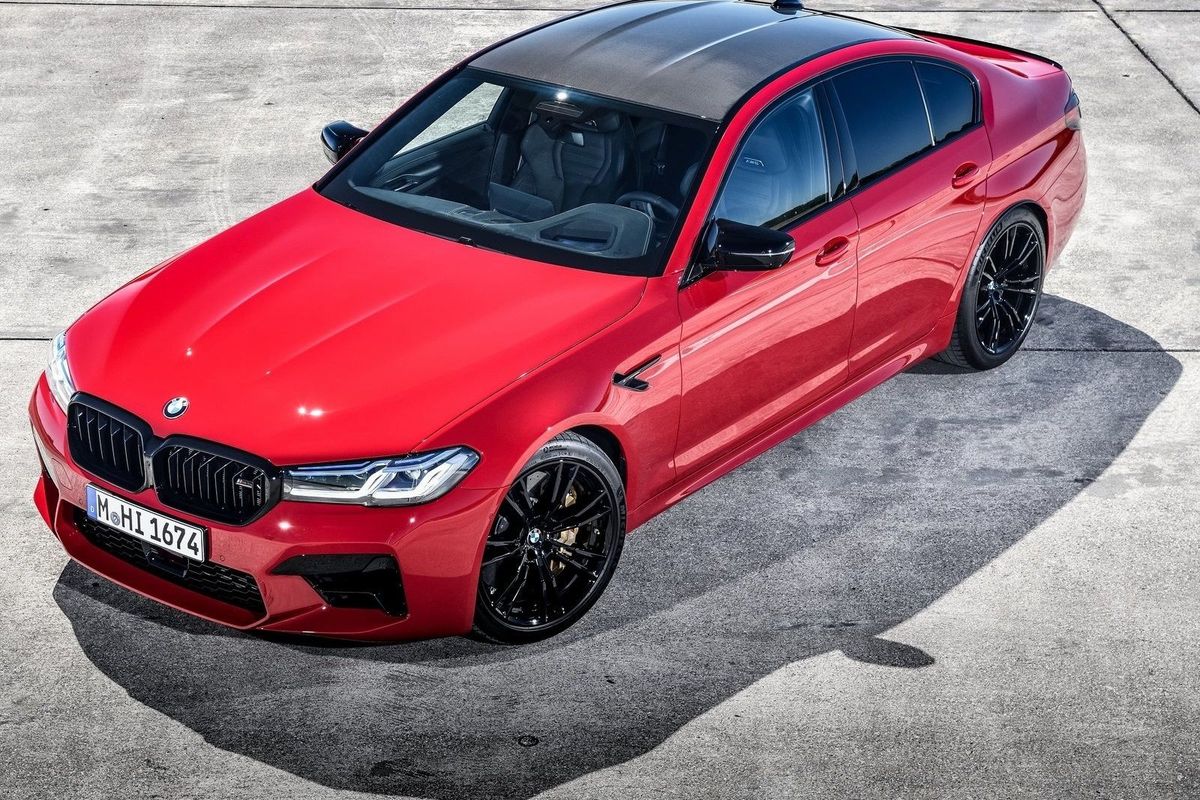
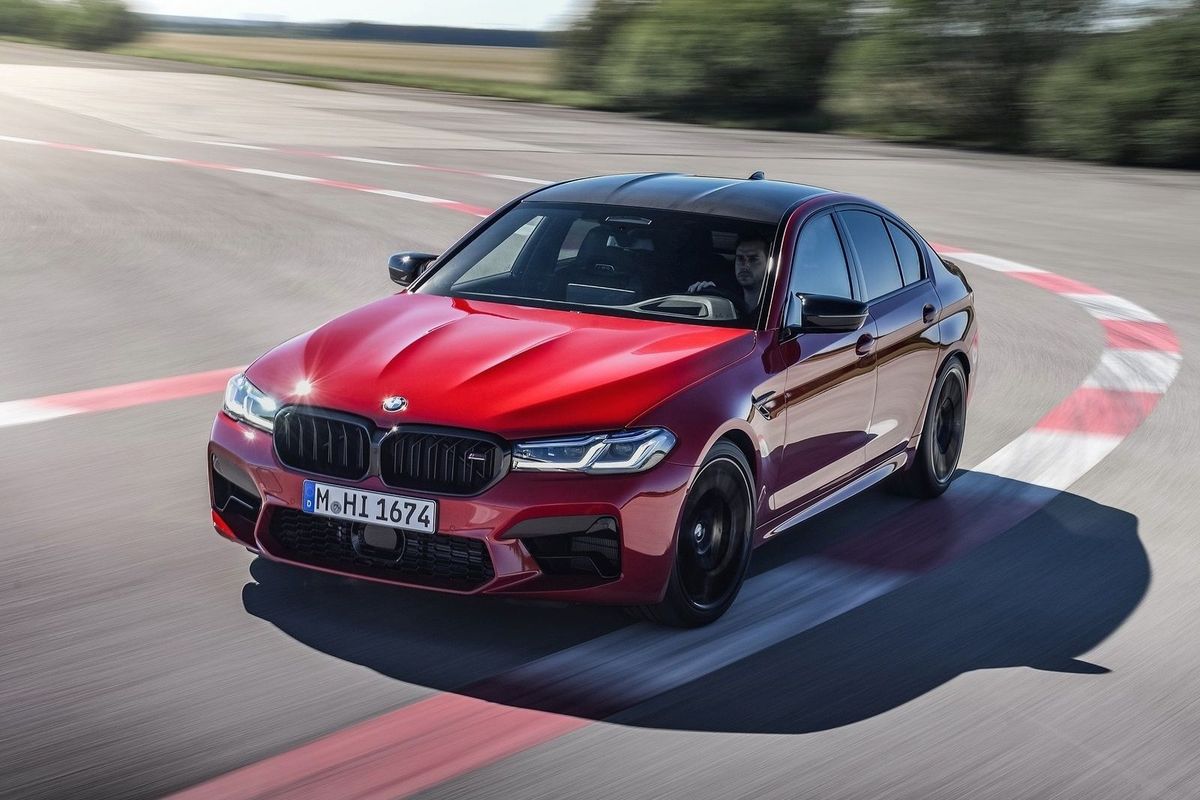
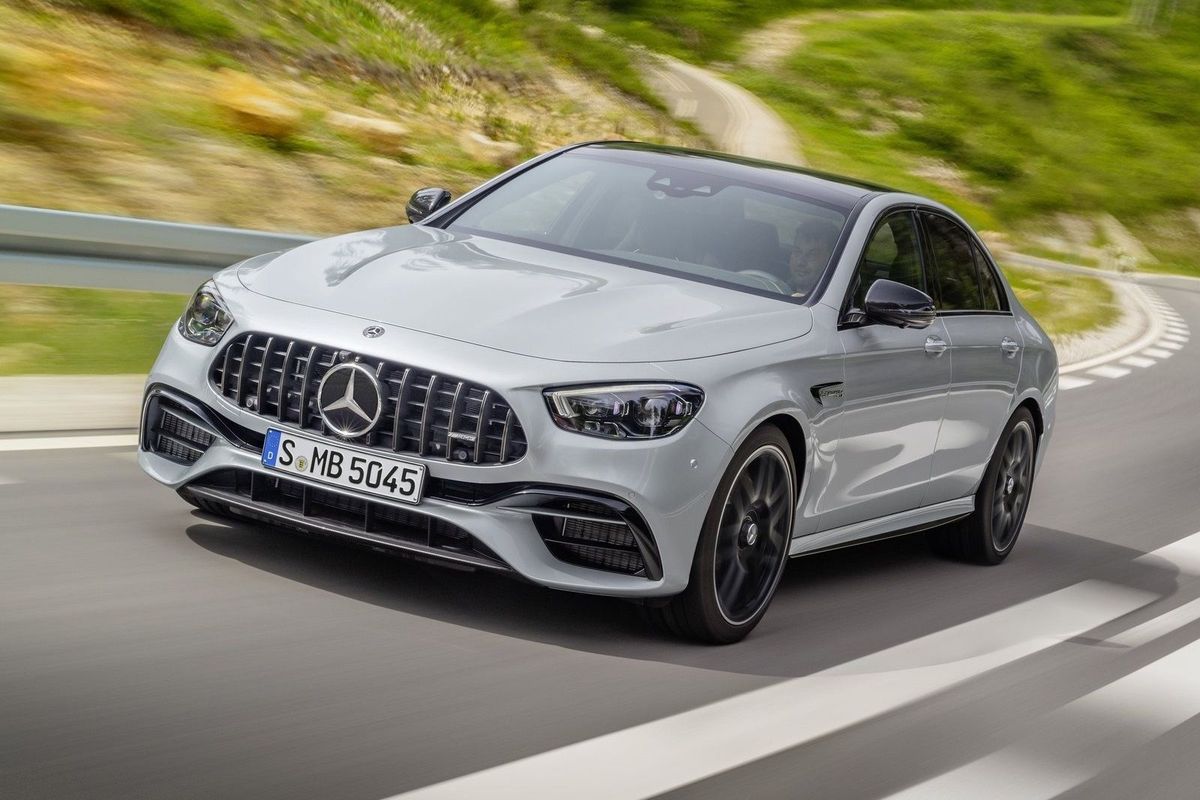
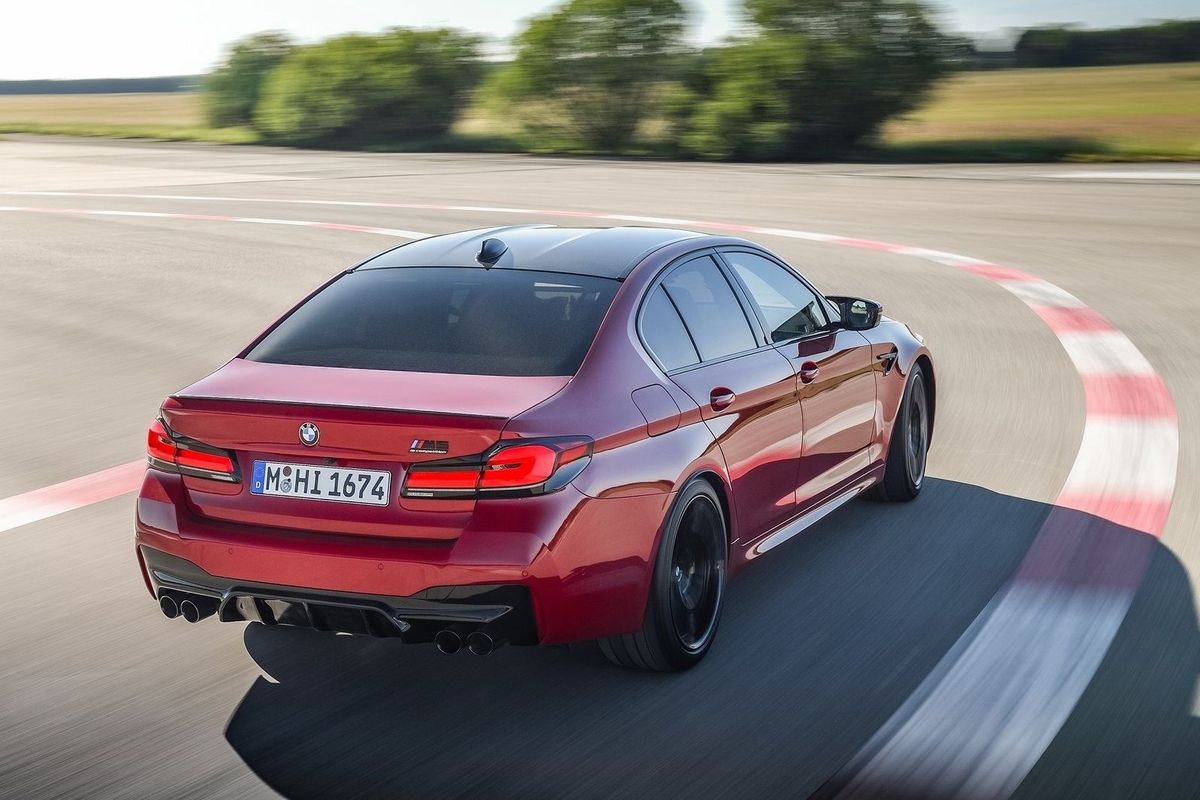
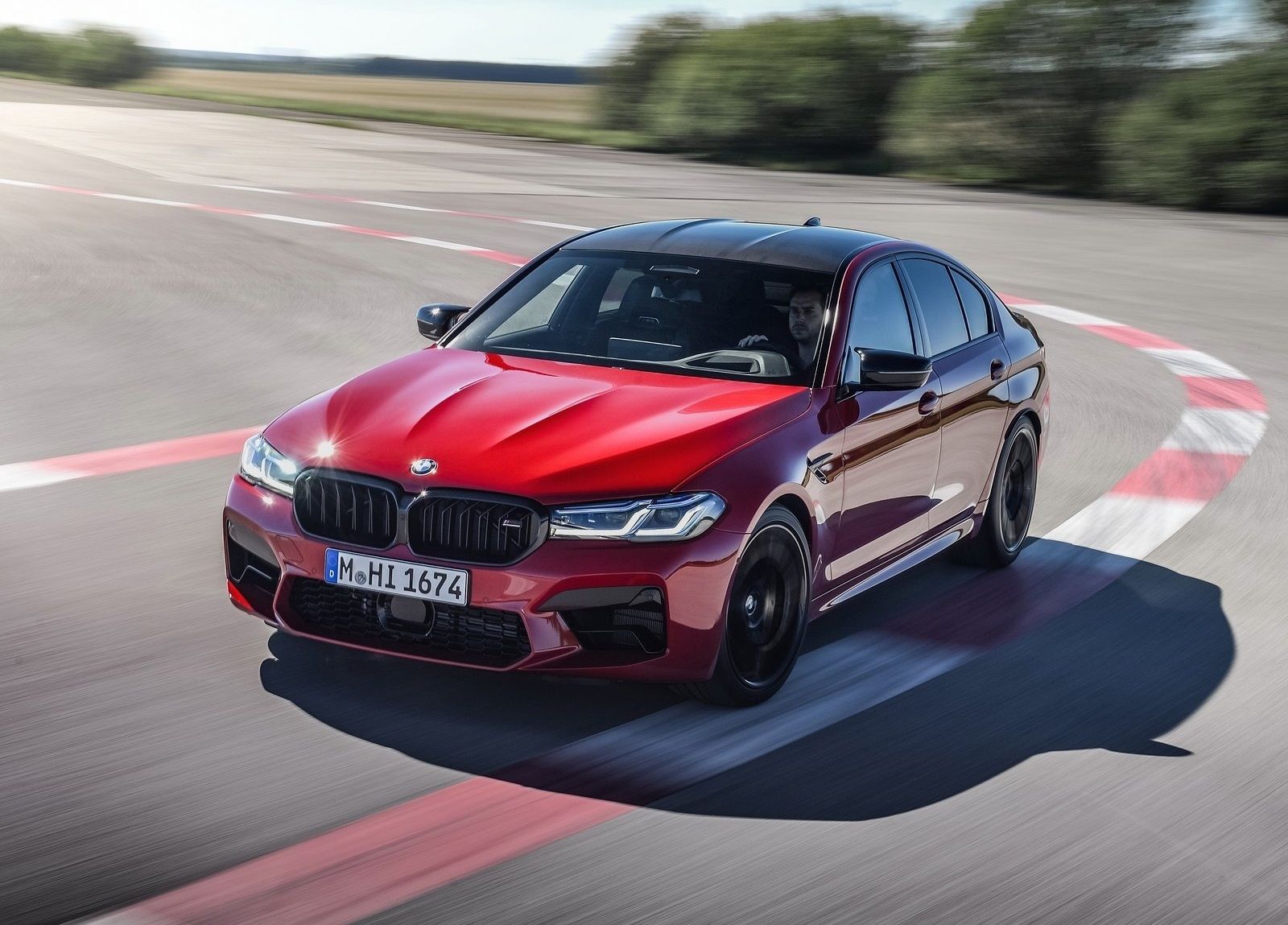
Both vehicles have received styling updates and first glances would suggest none of the aggression has been lost. We do think the new red paint job on the BMW M5 Competitions gives it a bit of an advantage here, but the jury is out on whether the typically older customers will opt for such a vibrant hue. Colours aside, the visual updates are significant enough to differentiate both cars from their respective predecessors.
The BMW M5 Competition gains a new-look front end and headlights. The new bumper looks aggressive, while at the rear, there's a diffuser and new tail lamps. Look closely and you'll see these wheels are straight from the BMW M8.
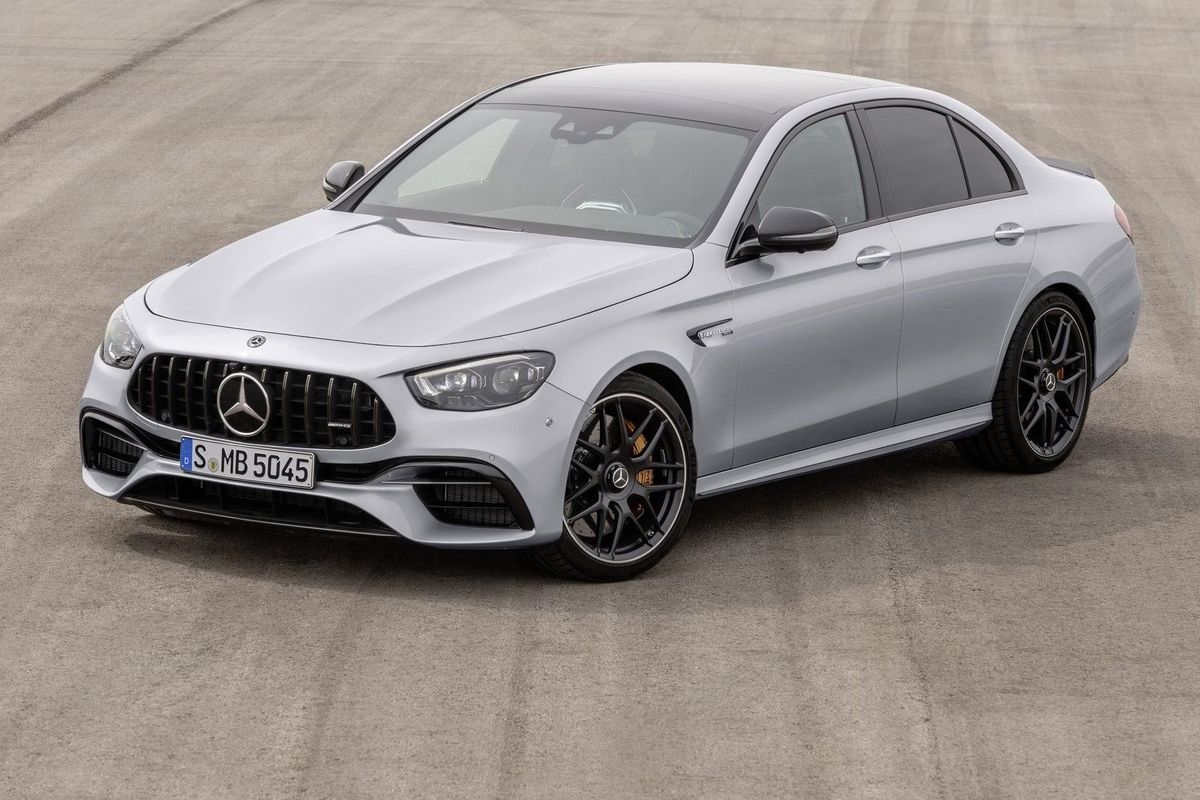
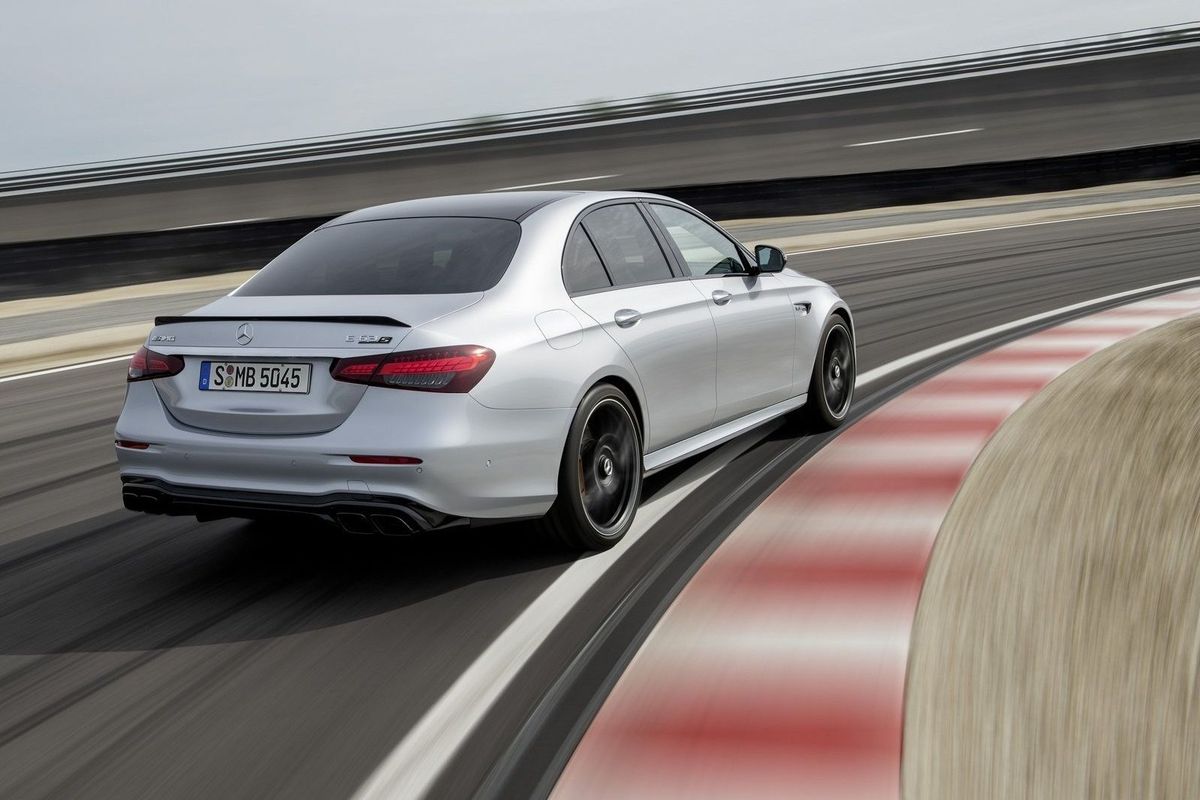
The Mercedes-AMG E63 S benefits from a more subtle approach. Look, it still has the bold Panamericana grille which is guaranteed to fill up your rearview mirror, but we think it has lost some of its hard aggression. Fortunately, this is not a beauty contest… There are new slim-look LED headlamps, more prominent wheel arches, while the rear gains newly-designed tail-light clusters extend into the boot lid.
Engines and Performance
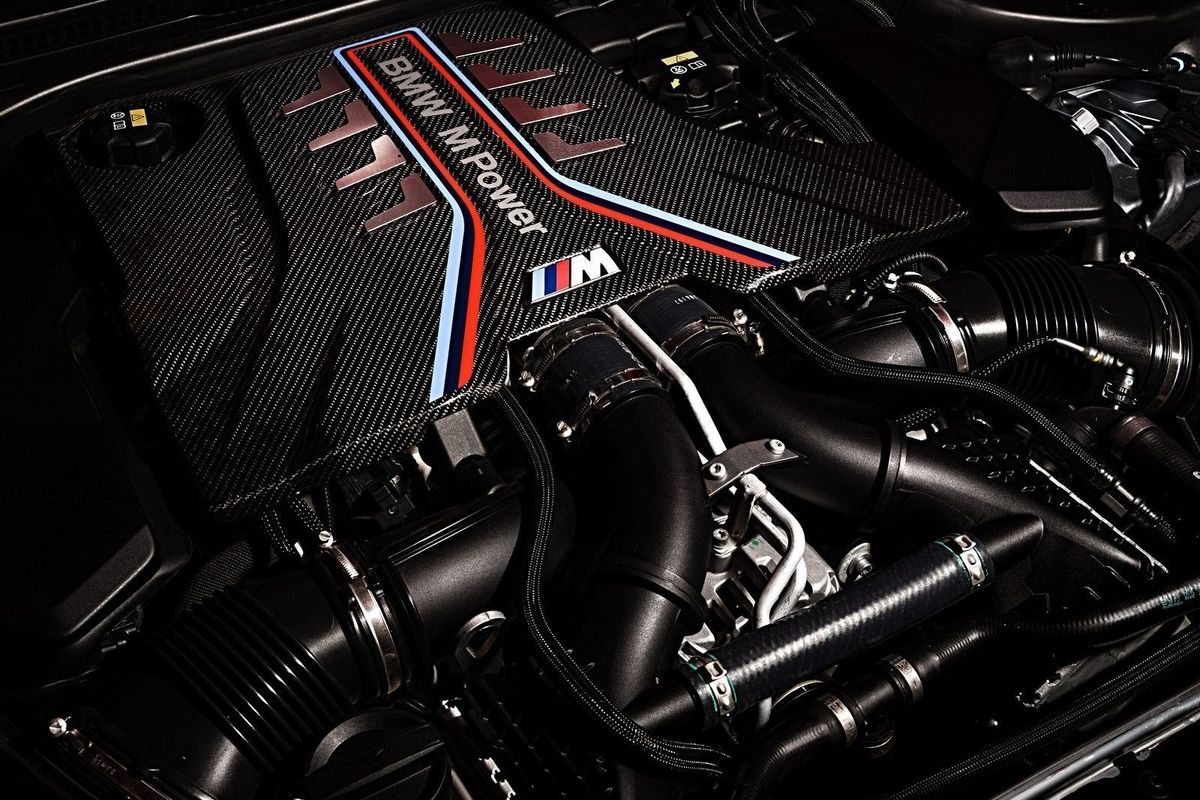
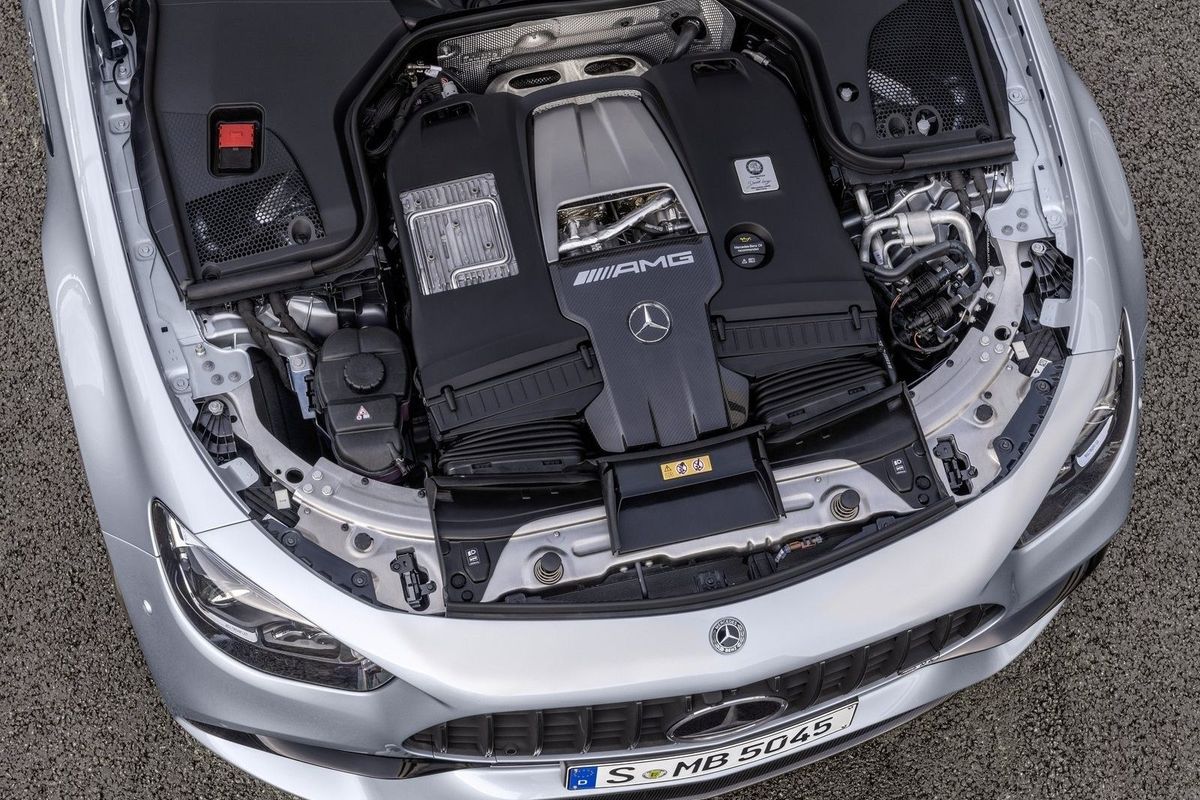
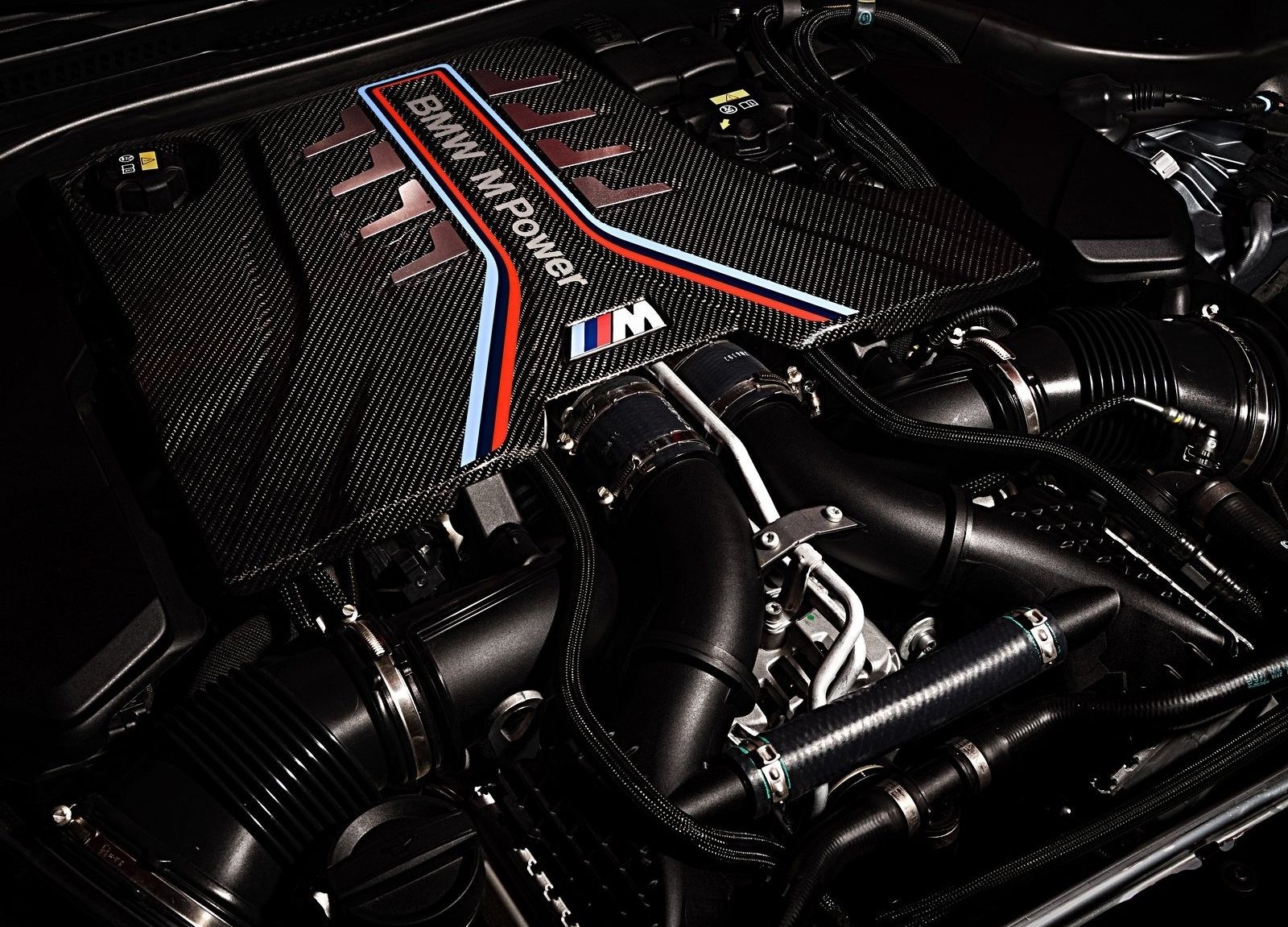
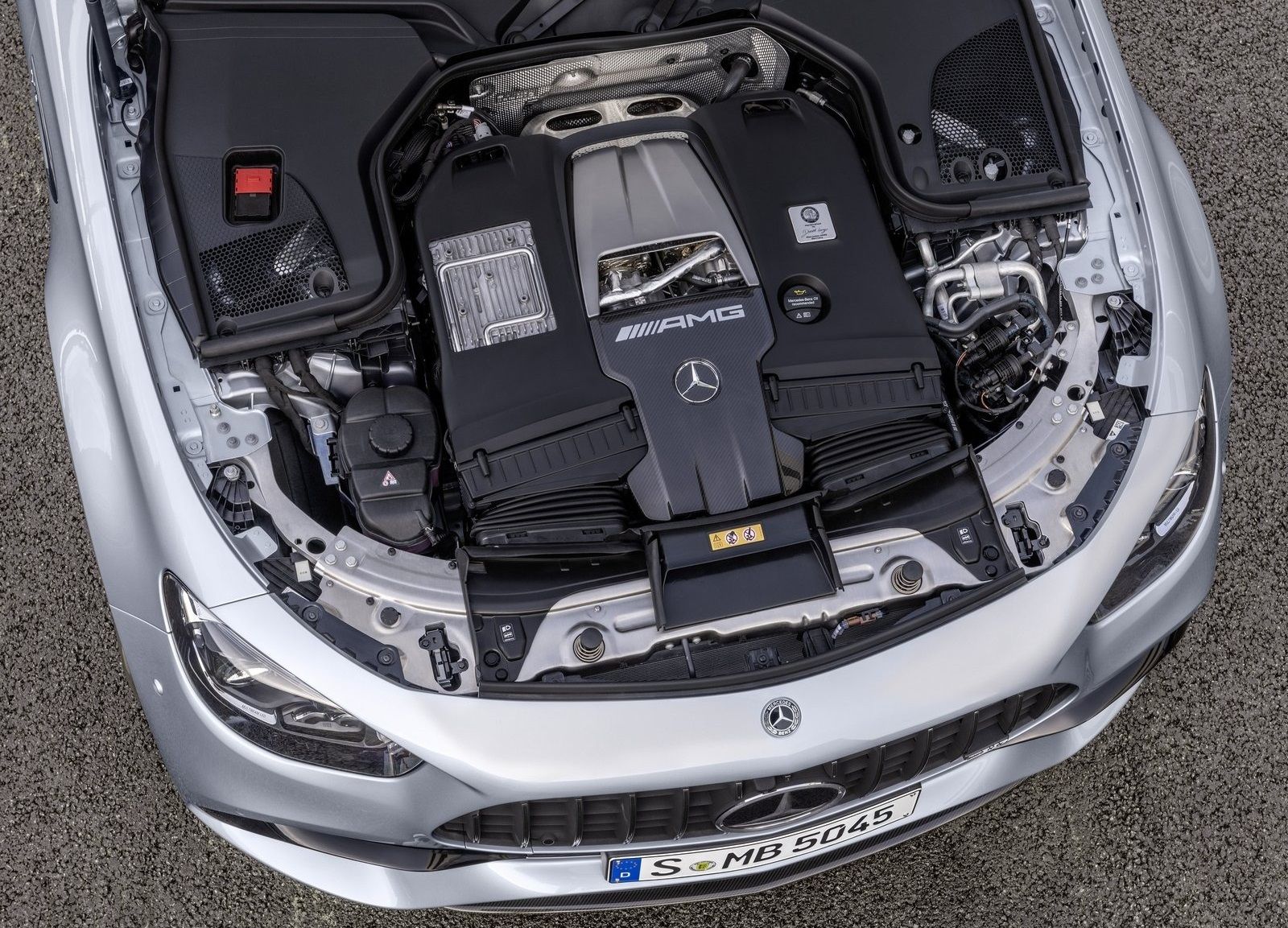
Perhaps the most important things about these vehicles are what's under the bonnet and how fast can they go? Both cars have a lot in common, with the Mercedes-AMG E63 S and BMW M5 Competition both adopting turbocharged V8 petrol engines. Kicking off with Stuttgart's finest is the 4.0-litre twin-turbocharged V8 petrol engine with 450 kW and 850 Nm. Munich's monster counters with a 4.4-litre turbocharged petrol engine with 460 kW and 750 Nm. So while the BMW M5 Competition has more power, the Mercedes-AMG E63 S has more torque.
In both cars, power goes to all 4 wheels via automatic transmissions. The E63 S features the AMG Speedshift MCT 9-speed transmission sending all that grunt to the AMG Performance 4Matic+ all-wheel-drive system, while the M5 makes do with an Eight-speed M Steptronic transmission which powers the BMW M xDrive all-wheel-drive system. Now for the performance figures. The 2021 BMW M5 Competition will hit 100 kph in a claimed 3.3 seconds and run to a top speed of 250 kph. If you want to hit 305 kph, then tick the option called M Driver's Package. The 2021 Mercedes-AMG E63 S will hit 100 kph in just 3.4 seconds and it too will hit a maximum of 250 kph. Want to breach the 300 kph mark? The AMG Drivers Package will allow that.
Under the skin, the BMW M engineers have been hard at work refining the suspension of the M5 Competition. There are revisions to the damper control system that BMW claims 'will enhance ride comfort during high-speed highway driving as well as over bumps' as well as new shock absorbers which are lifted from the BMW M8 Gran Coupe. There are also revisions to the BMW M Servotronic steering setup.
Meanwhile, the E63 S still features the AMG Ride Control+ suspension with a multi-chamber air suspension and adaptive adjustable damping ADS+ (Adaptive Damping System), but Mercedes-AMG claims the comfort characteristics of the suspension have been tangibly increased thanks to some retuning, which has, in effect, made the difference between the super sedan’s comfortable and sporty suspension settings “more clearly perceptible”.
Infotainment
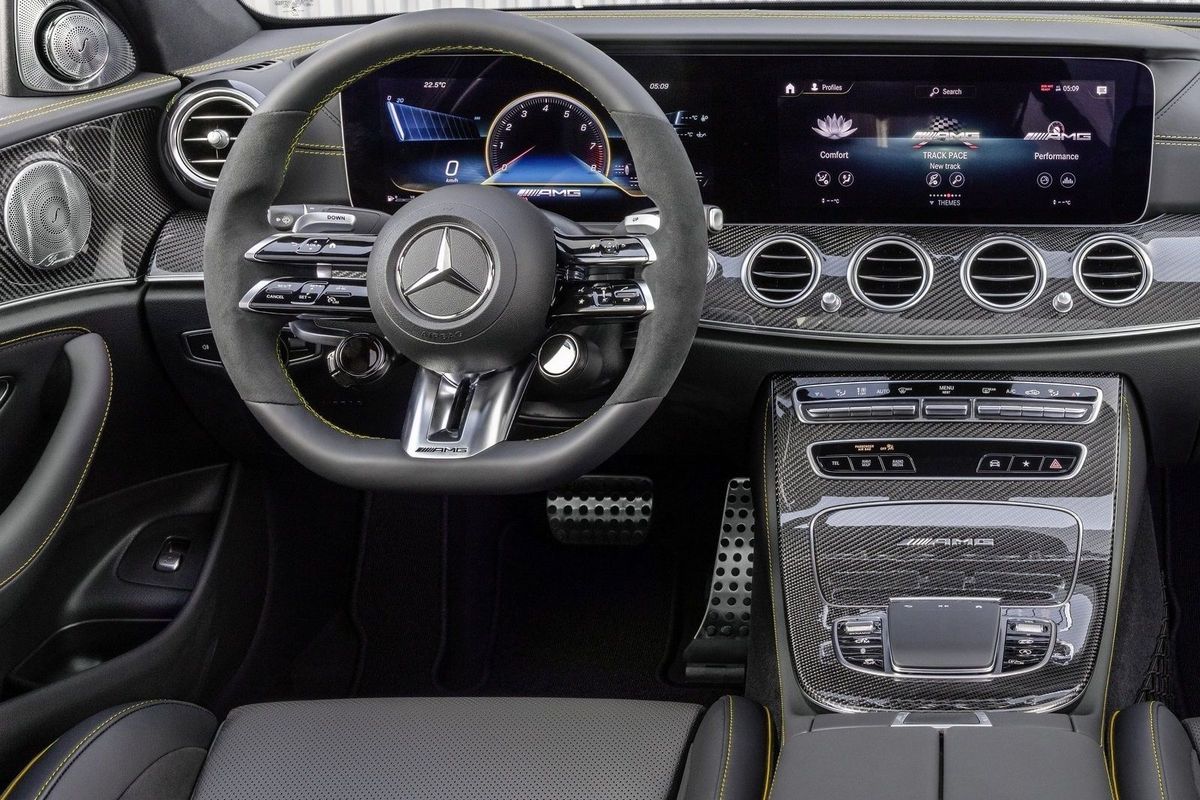
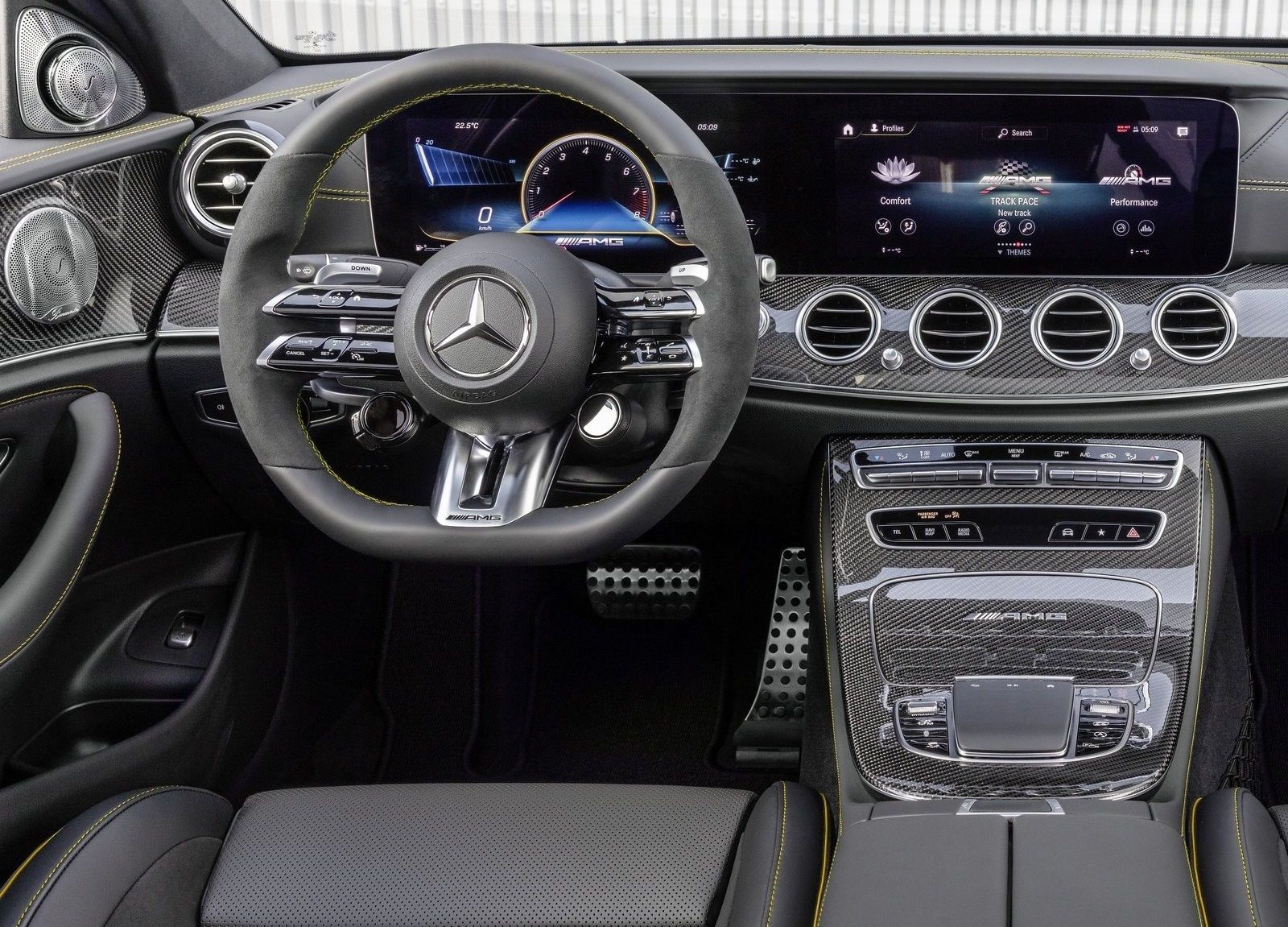
These cars can't just be fast, they also need to demonstrate the latest in-car technology. The Mercedes-AMG E63 S receives MBUX with AMG-specific displays and settings, and there are 12.25-inch screens onboard standard. The artificial intelligence Hey Mercedes is also part of the package.
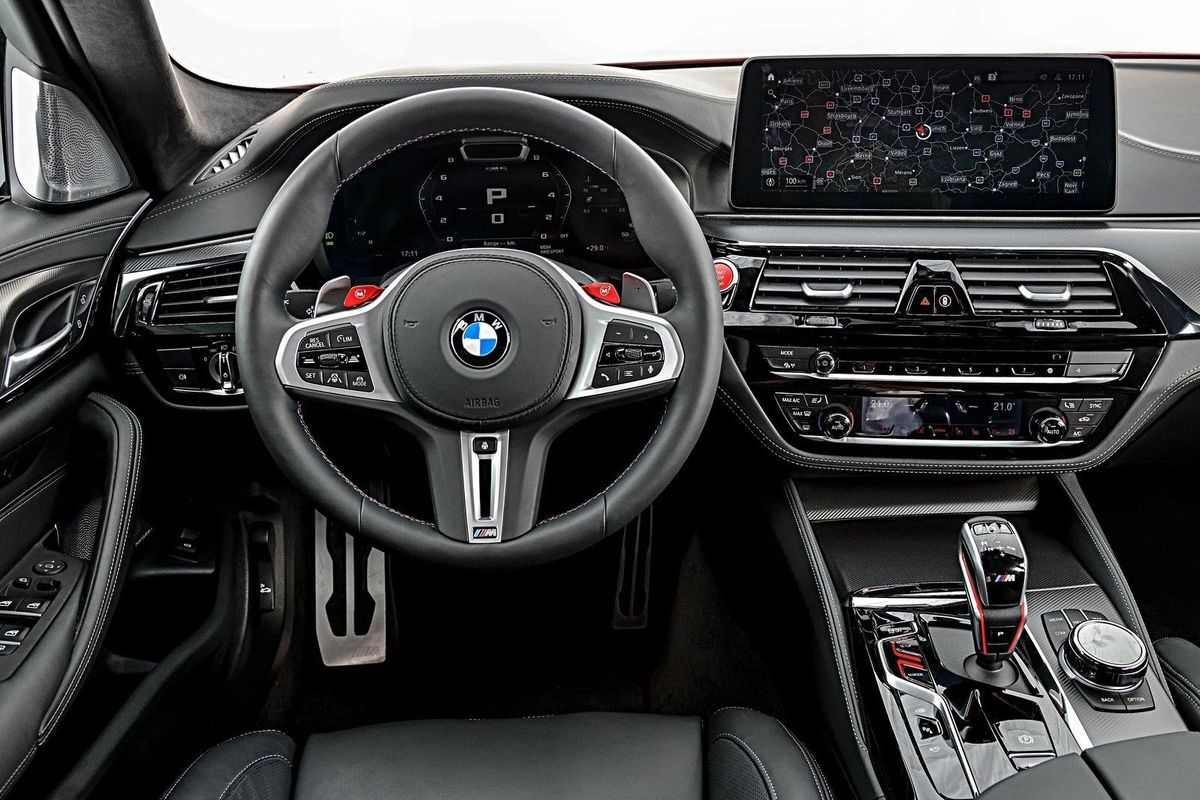
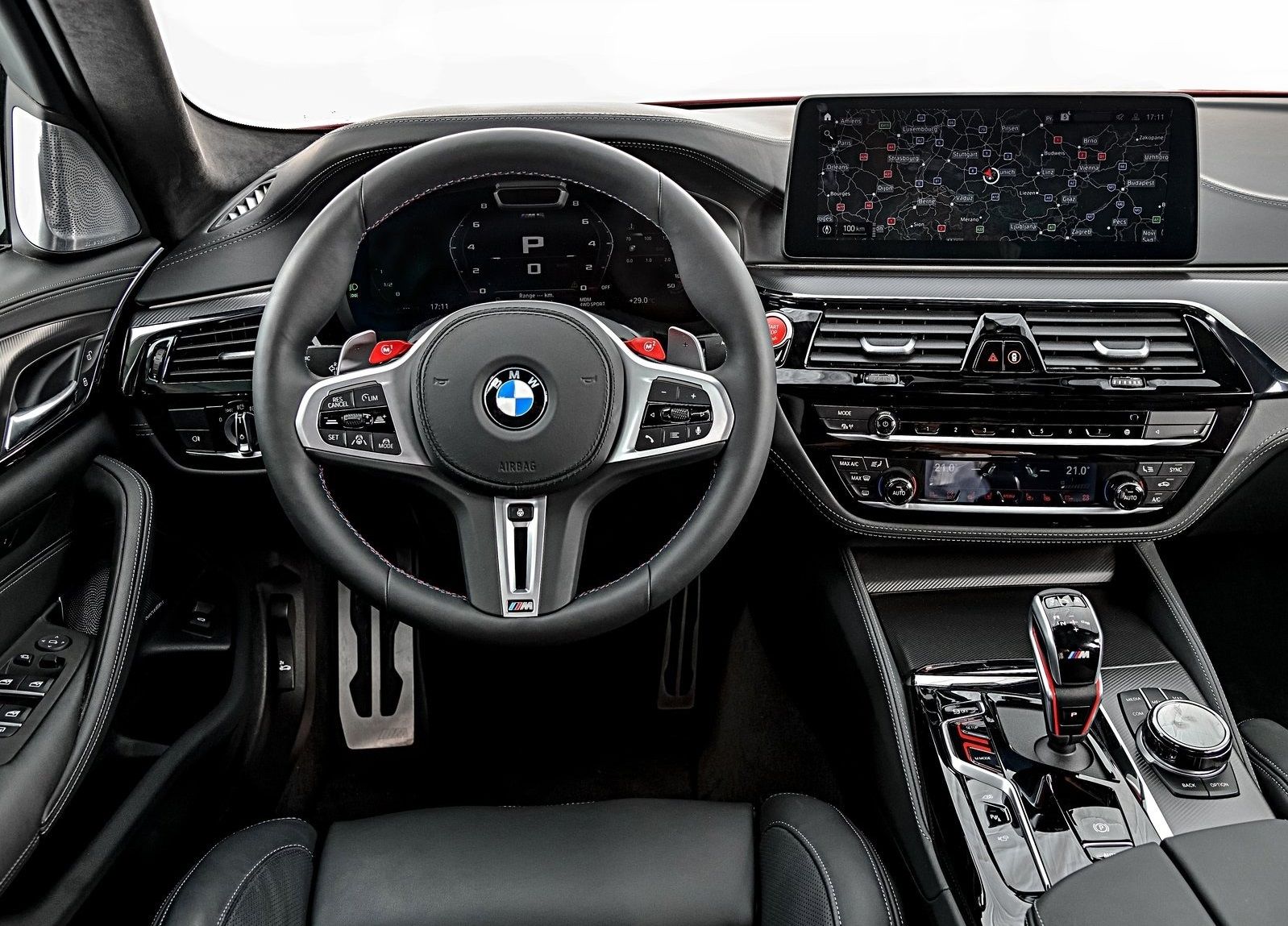
On the other hand, BMW has given the M5 Competition the new infotainment system seen in the X5, but with a focus on M. There's a large 12.3-inch display as well as a digital dashboard. There's a reworked centre console with 2 new buttons to provide direct access to systems and sport settings.
Summary
As ever, these 2 German super sedans are as closely-matched as ever and we're itching to get behind the wheel of both. The new BMW M5 Competition forms part of the updated 5-Series range and is expected to make landfall in SA in the 4th quarter of 2020. The Mercedes-AMG E63 S will be joining the updated E-Class range and it's expected to land in South Africa before the end of the year.
As far as pricing goes, the current iterations of the BMW M5 Competition and Mercedes-AMG E63 S are priced at R 2 119 286 and R2 224 440 respectively, so expect an increase when the updated versions arrive. Conversely, seeing as there's not that much of a mechanical change, perhaps now is a good time to grab one of these mega machines.