AMG might be famous for its V8s, but no automotive company is quite as committed to the bent-eight engine configuration, as Chrysler.
A mere week after revealing the world’s most powerful SUV, Chrysler’s Jeep division has leaked an image which confirms that Wrangler will soon be available with a V8 engine option.
The image in question was posted on Jeep’s official Twitter account and shows a new Wrangler bonnet stamping, with a distinctive power scoop and ‘392’ badging.
Any follower of Chrysler will know that ‘392’ is the imperial capacity code for the brand’s most potent Mopar V8 engines. In our more metric South African frame of reference, it calculates to 6.4-litres – and that means a naturally-aspirated version of the Grand Cherokee Trackhawk engine, will power a V8 Wrangler.
The current Wrangler 3.6-litre V6 is hardly unpowered, compared to other low-range enabled off-road vehicles of similar ability. It produces 209 kW and 347 Nm in the South African application, yet Jeep is aware that for extreme dune driving, one can never have too much power. Hence the validation of this new project, to bring V8 power to the Wrangler range.
Chrysler’s 6.4-liter Mopar branded Hemi V8 is good for 361 kW and 644 Nm, which should give the 13-year old Wrangler platform a significant boost in acceleration and overtaking performance.
Perhaps the most considerable influence on Jeep’s product planning, with regard to this V8 Wrangler, is Ford’s new Bronco. The two American brands will soon be in direct rivalry with competing hardcore 4×4 SUVs, for the first time in decades. And Jeep does not wish to be out-powered by Ford's Bronco.
The Wrangler is a wonderfully competent rock crawling 4×4, but it lacks the on-road refinement and general polish of a new platform and design – such as Bronco. Jeep’s solution to keep it relevant is very simple – add a lot more power. For bakkie fans, the notion of a V8-powered Gladiator double-cab will be a very appealing potential consequence, of the Wrangler range's powertrain expansion.
Earlier in 2020 Jeep teased this Mopar Wrangler rear three/quarter shot.
First, the bad news: a Toyota Supra GRMN is indeed coming, but it won’t see the light of day until 2023 and will be produced in very limited numbers. But here’s the good news: it will be powered by a beefed-up version of the upcoming BMW M3/M4’s twin-turbo 3.0-litre inline-6 engine, mated with a dual-clutch automatic ‘box!
The car displayed here is the GR Supra Heritage Edition that Toyota displayed at the 2019 SEMA Show
While local fans of the 2019/20 Cars.co.za Consumer Awards – powered by WesBank category winner Toyota GR Supra hold thumbs that the South African market will be availed the updated 285 kW version of the Japanese rear-wheel coupe later this year, which would see its peak output upped to match that of its cousin, the BMW Z4 M40i (as previewed by the JDM’s RZ derivative), the Japanese website Best Car Web has revealed tantalising details about the eagerly anticipated GRMN derivative.
Best Car Web anticipates that the production version of the Supra GRMN might look like this…
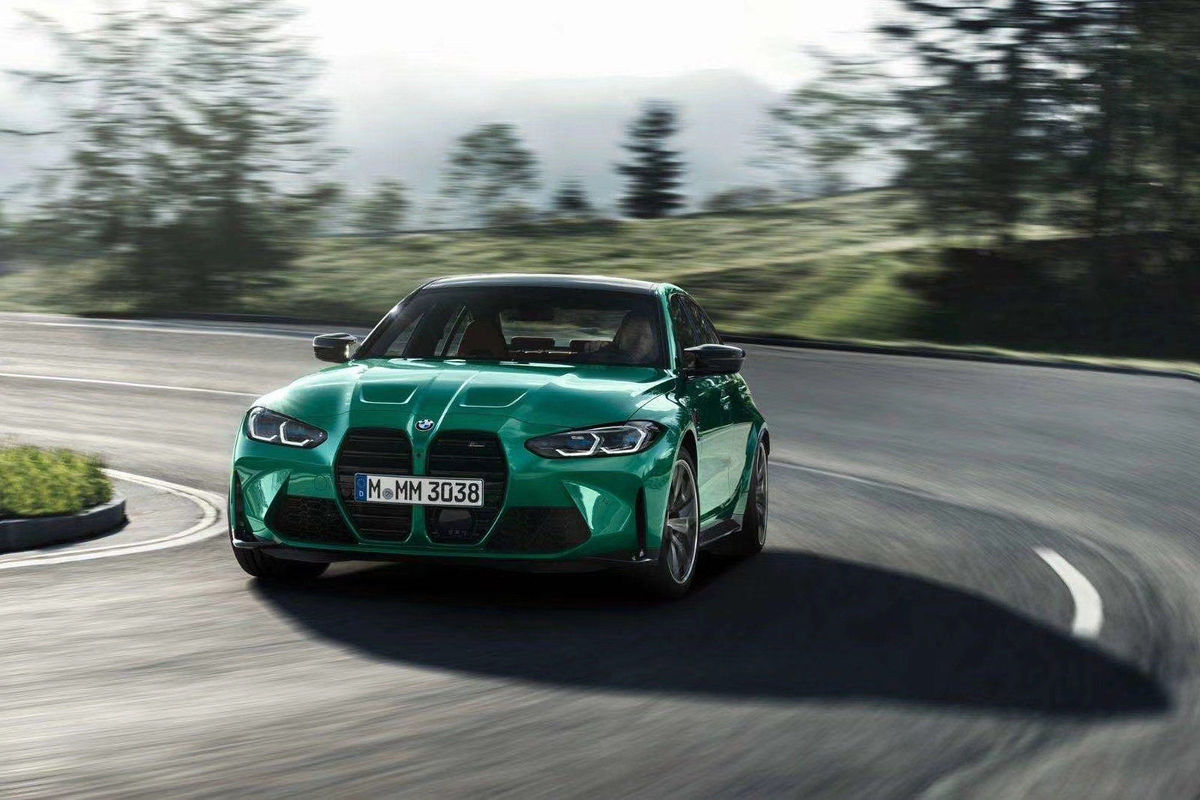
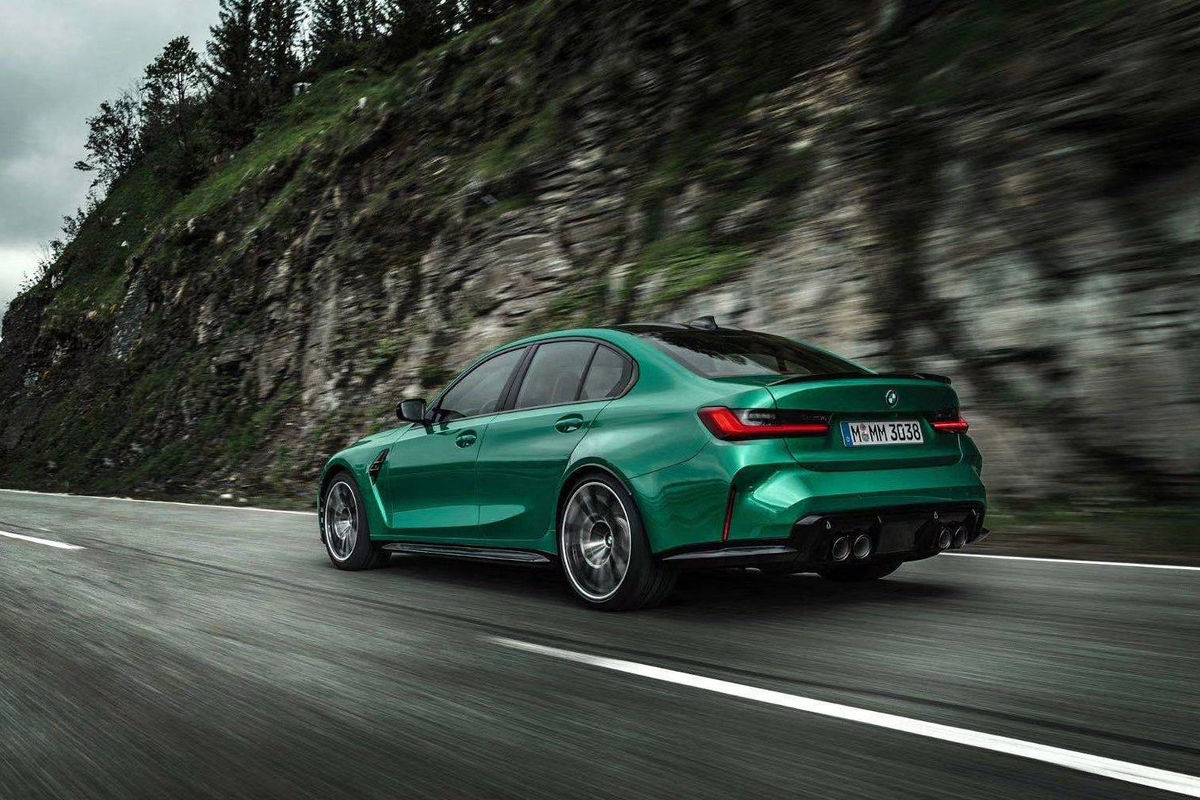
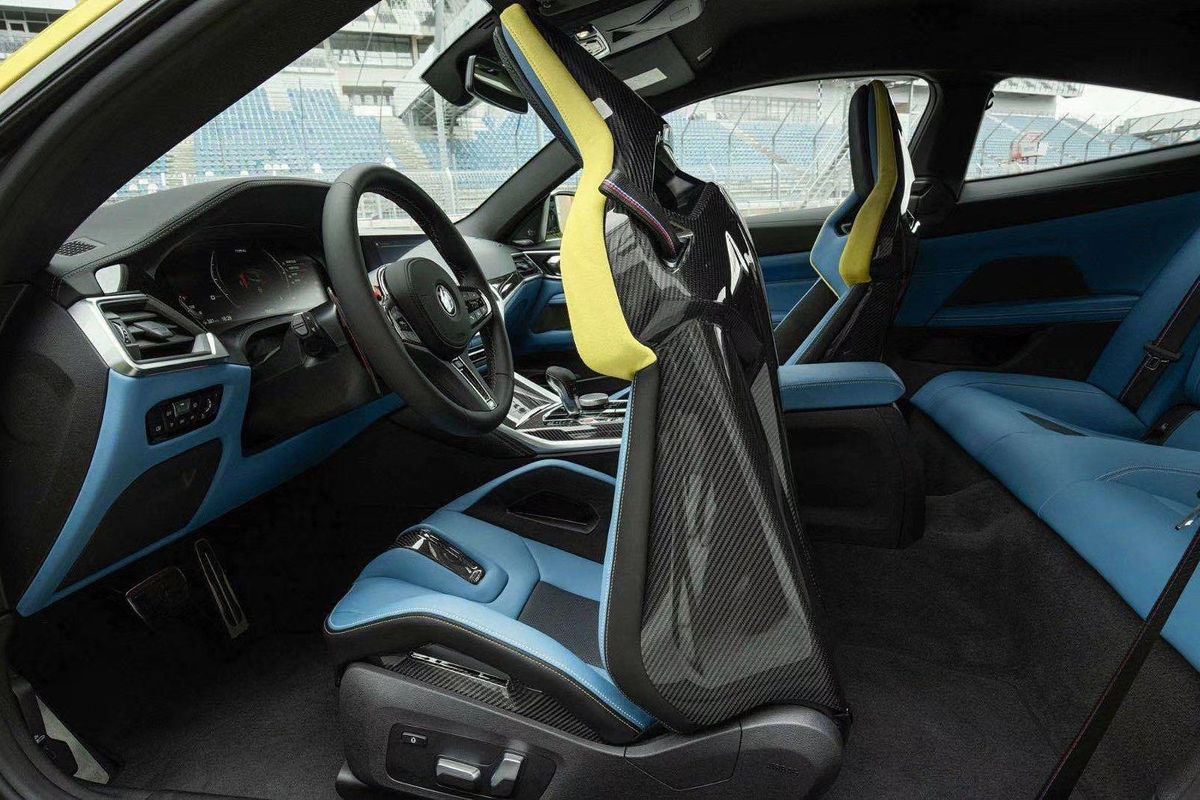
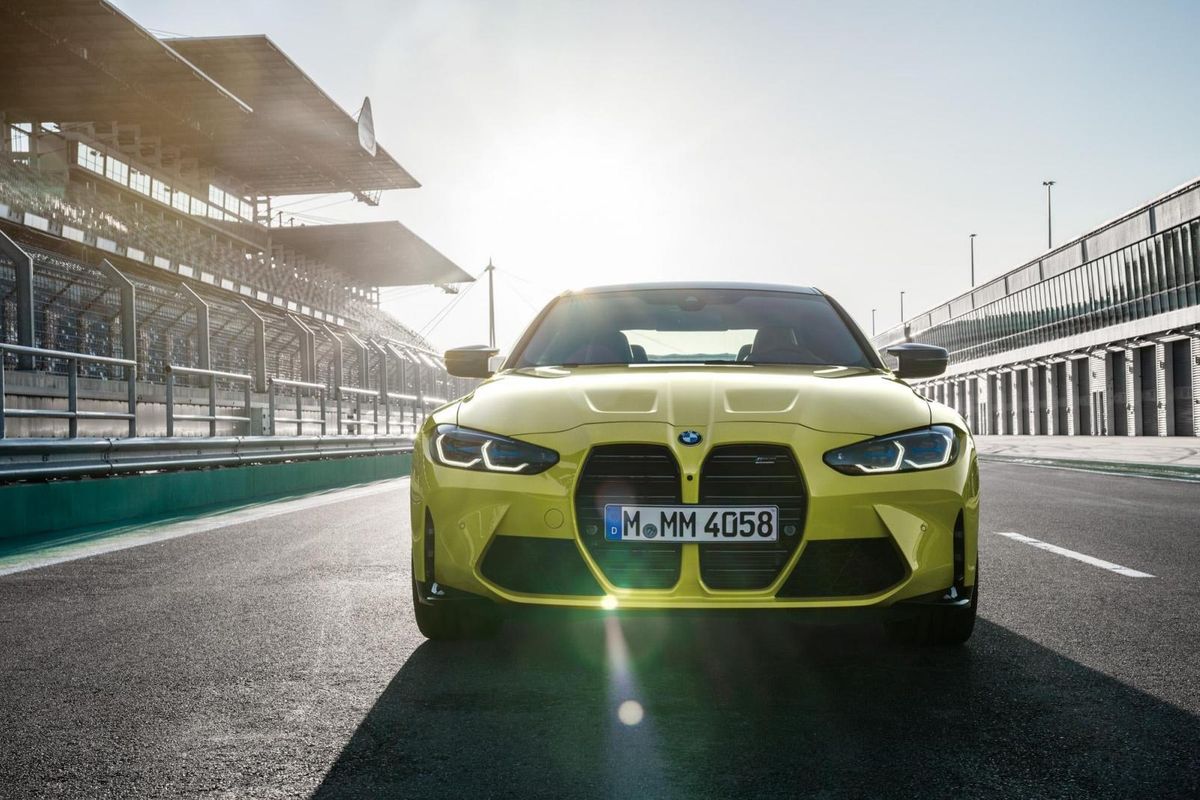
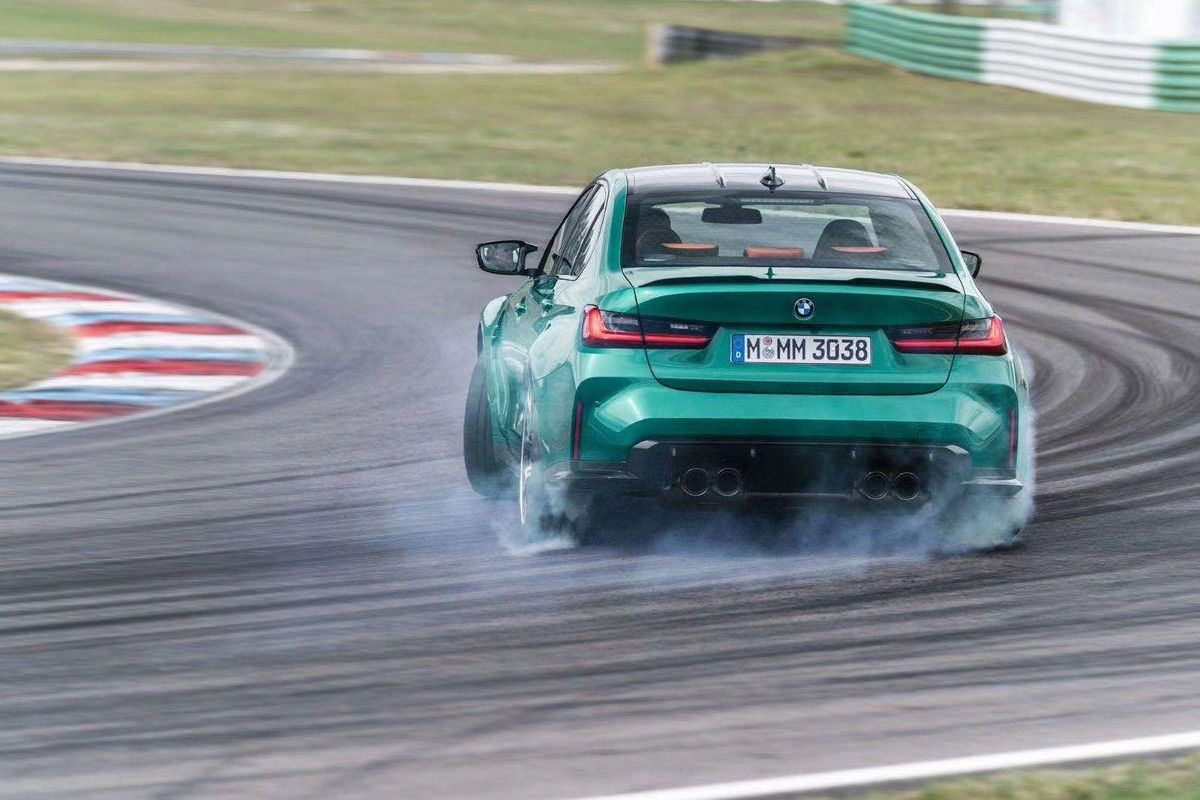
Sensationally, the report states that the Supra GRMN won’t be powered by a reworked version of the current GR Supra and Z4 M40i’s 3.0-litre inline-6 turbopetrol, which has a single, twin-scroll turbocharger – it won't even have the same gearbox. Instead, the ultimate Toyota Supra derivative will feature the Munich-based firm’s 3.0-litre twin-turbo inline-6 motor (S58), which produces 353 kW in standard- and 375 kW in Competition versions of the upcoming BMW M3 and M4.
In fact, the article quotes none other than Supra chief engineer Tetsuya Tada as saying BMW needed some convincing to avail Toyota with the outgoing M3/M4’s 7-speed M-DCT dual-clutch automatic gearbox, because the S58 motor will be mated with an 8-speed torque-converter automatic transmission in the various new M3s and M4s.
Best Car Web reports Toyota has decided that the Supra GRMN will be introduced in 2023 and that only 200 units of the car will be produced. But wait, there's more: the mighty coupe will have slightly beefier maximum engine outputs than the Competition versions of the S58-powered BMW M3 and M4: 382 kW and 608 Nm of torque.
The Toyota GRMN is likely to look even more purposeful than the SEMA show's 2019 Heritage Edition!
Naturally, “the GR development team is fully committed to tuning (the Supra’s) chassis to suit the heightened outputs of the new engine”, and (will apply) the knowledge gained by the Aiki-based firm’s participation in the Nurburgring 24 Hours “to the maximum”, the report said.
BMW, by contrast, has no plans to utilise the S58 motor in the Z4, while the Supra’s product lifecycle is scheduled to end 2025. Toyota does not plan to replace the Supra, of which the GRMN will be the ultimate edition. Judging by current market trends, the Z4 may not continue beyond that point either.
Kia will launch its 4th-generation Grand Sedona in South Africa in 2021, but whereas the Korean firm recently showcased only the exterior design of its roomier people-mover, we can now show you what the newcomer's stylish, more upmarket cockpit looks like… ?
Kia updated and revised its current Grand Sedona line-up in South Africa at the end of 2018 and we reviewed the 2.2 CRDi SXL derivative in April 2019. Although the Grand Sedona is a less fashionable conventional MPV – or Grand Utility Vehicle, as the company calls it – compared with the bakkie-based 7-seater Adventure SUVs that dominate the family vehicle market, it’s markedly more refined and luxurious than those products, but also more accomplished and family-friendly than most commercial vehicle-based buses… Given its extended (by 30 mm) wheelbase, we believe that the new Grand Sedona is probably based on Hyundai Kia's new N3 platform.
As is the case with the new Sorento, the next-gen Grand Sedona features a new “tiger face” characterised by what Kia’s designers call “symphonic architecture” – in which the chrome-look diamond-patterned grille and lighting elements create a single, expansive design cue. In the case of the newcomer, it’s topped by a pair of trim strips that flow into the shoulder lines that extend along the flanks to the tail-lamp clusters. What's more, a pair of distinct bonnet creases sprouts from the castellated top edge of the “tiger nose”.
Kia has applied lashings of machined- and chrome-look trim to the new Grand Sedona. Its bumper is very SUV-like.
So, which lights do what? The newcomer’s headlamps are integrated into the corners of the tiger-nose grille, with the low-beam lamps sitting separately at the outer edges of the “tiger face”. Between them, the “bent lightning bolt” LED daytime running lights wrap around the indicator lamps, then merge with the grille’s lower chrome border. Meanwhile, the Grand Sedona’s SUV-inspired lower bumper and air intake are adorned with generous helpings of chrome-look trim and finished with a black apron.
Compared with its predecessor, the newcomer has bolder wheel arches, with the bases of the A-pillars moved backwards to create a more elongated bonnet. Note how the A- and B-pillars are blacked-out while each of the new C-pillars features an eye-catching chrome fin, which wraps beneath the tapered rear windows and extends to the tailgate.
At the rear, the Grand Sedona features a full-width light bar, which includes slim combination tail lamps that echo the DRL signature at the front of the vehicle, Kia says. Above the light bar is a chrome line, which starts from the base of the new signature C-pillar and wraps around the base of the rear screen. Highlight lines extend across the tailgate to raise the visual centre of the rear of the car and, to echo the SUV-inspired front bumper, the newcomer’s rear apron features a metallic skid plate.
The C-pillars feature reverse L-shaped chrome fins, the lower ends of which effectively wrap the Kia's tailgate.
In terms of dimensions, the new Grand Sedona is 40 mm longer and 10 mm wider (for an overall length of 5 155 mm and width of 1 995 mm) and, while its front overhang is shorter, its rear overhang is 30 mm longer (that section is 1 130-mm long) to create "more space for 3rd-row passengers and best-in-class luggage space", Kia says.
To match the bolder, SUV-inspired exterior execution, the newcomer's interior adopts Kia’s “Spatial Talents” design concept, which emphasises a greater sense of roominess, stylishness and more upmarket build quality. The cockpit is characterised by a wide, wraparound dashboard featuring a pair of digital displays (comprising a 12.3-inch electronic instrument cluster and 12.3-inch touchscreen infotainment system with haptic feedback) housed under one piece of glass. Furthermore; the transmission lever has been replaced by a knurled metallic-finished dial, which is complemented by the switchgear of the digital climate control console on the smart piano black centre console.
The Grand Sedona's upmarket leather-trimmed cockpit features an expansive dashboard and dual-digital-display layout.
Like its predecessor, the 4th-generation Grand Sedona will also be offered in 3- or 4-row seating configurations; in 7-seater guise, the newcomer again features reclining “captain’s chairs” for 2nd-row occupants, replete with adjustable backrests, arm- and leg rests. What’s more, Kia says it has introduced a range of new features for stowing, supporting and even charging electronic devices and smaller items throughout the cabin. Second-row occupants, for example, have access to back-of-seat USB chargers, storage nets for mobile devices, as well as a storage drawer in the base of the rear console, with a tray for storing tablets or phones above a larger storage area.
These images show the newcomer in Korean spec; it will go on sale in its domestic market “later in the 3rd quarter of 2020, with global sales in many of Kia’s markets to follow thereafter”. To reiterate, Kia Motors SA plans to introduce the new Grand Sedona in South Africa in 2021; we'll bring you more local info as soon as it becomes available.
With the lockdown restrictions easing, Ciro De Siena headed up to Johannesburg to drive the SentiMETAL Opel Superboss at a place where he could really put it to the test – the racetrack.
The Cars.co.za Superboss is known internally as “Project 1”. When we embarked on the SentiMetal heritage project, the aim was to purchase, restore and maintain a fleet of South African specials – cars that were developed and only ever sold in South Africa. The vision was to help preserve South Africa’s rich motoring heritage.
This Kadett Superboss is the first car we ever took on. We purchased it in 2017 and over the years I have watched with much delight as the restoration progressed.
When we found our Superboss, it was in terrible shape. But it had all the right credentials, and matching numbers, to make restoring it worthwhile. And so, over the next few years, the car was stripped down to the metal.
Our Superboss specialist painstakingly brought the car back to life, down to recreating the warning stickers printed in Afrikaans in the engine bay. If it sounds good just reading this, it looks and feels even better in the metal.
And so when the lockdown eased and I could travel again, I put a plan in motion to film our Superboss in its natural habitat: a racetrack. Off I went to JHB, met up with the crew and braved the dark cold winter mornings in JHB to make use of the best light at the track.
The result is this film. I don’t want to spoil it for you, but in summary, I can’t think of any other car I’ve driven, before or since, that brought me this much joy. My colleagues have driven it, and driven it hard, and regaled me with tales of how it comes alive on a track. But nothing could have prepared me for how fun this car would be to drive.
A new generation Range Rover is expected within the next 2 years but a leaked video has surfaced online showing what could potentially be it. Is it the real deal?
Australian online car publication, CarAdvice, has reported on a supposed leaked promotional video of the next Range Rover. However, there is speculation as to whether the video is indeed from an official source or if it’s a spoof. Either way, it’s interesting…
The video shows what looks like a Range Rover concept boasting futuristic styling with a bold face with unique lighting signatures front and rear. Suicide doors then swing open and the viewer is invited to peek inside the interior where all the key interior features are highlighted. Based on what we see here, if this is indeed the next Range Rover, it’s set to be a mightily impressive vehicle.
Range Rover has a rich history of making luxury SUVs and whether the above video is real or not, it’s worth acknowledging Range Rover's past in order to understand its future.
To do that, watch SentiMETAL Episode 15 featuring a beautifully restored Range Rover Series 1 below.
Skoda has announced that its CEO, Bernhard Maier, will be leaving the company by the end of July.
The German has been in charge at Skoda since 2015 and guided the Czech brand through its most successful period in history.
Using the ability to leverage VW Group technology and engineering, while producing vehicles at cheaper Czech labour rates, Maier has turned Skoda into a strong profit anchor for VW. The German executive is now 60 and there has been no guidance about where he will be redeployed.
Maier is not a classically trained engineer, like many other German automotive industry executives. His background is as a motor mechanic, before studying sales and marketing. This gives Maier a unique blend of skills in the automotive realm: an understanding of both fundamental mechanics and theoretical marketing.
From 1988 to 2001 he was a strategic analyst and project leader at BMW, before moving to Porsche, where he remained until 2015.
With a deep understanding of Porsche’s strengths and weaknesses, industry speculation is that Maier could be groomed for a new position at the sportscar brand, probably as its boss.
During his previous tenure at Porsche, Maier was an executive board member for sales and marketing – which is a very powerful position at the low-volume brand.
Porsche is renowned for its limited-edition derivatives and ability to offer owners excellent residual values over time, both functions which Maier would have perfected as head of marketing. At a time of great disruption, the VW Group board could need him back at Porsche, to guide the brand into its electrified future.
Torsus is not a well-known name in SA, but the company is working on a heavy-duty offroad bus based on a Volkswagen Crafter. Check this thing out!
Own a Volkswagen Crafter/Caravelle and not happy with the 4Motion offroad system? Introducing heavy-duty offroad bus maker who is working on a vehicle that is claims will 'cause a stir in the commercial vehicle sector.' These teaser images show its latest project called the Terrastorm and it will be revealed in its entirety in July 2020.
The Torsus Terrastorm is built on a Volkswagen Crafter 4Motion platform, but has been given some hardcore offroad suspension and tyres to go where no bus has ever gone before. It will feature Euro-6 engines and given these teaser images splashing through mud, it's going to be one very capable people mover. Torsus says the Terrastorm is offered in a variety of configurations for companies that need a rugged and capable vehicle. The vehicle is targeting the mining and emergency aid sectors, and when you think about how remote some locations can be, this should tick the box. We could also see safari companies jumping on board as the high clearance means better viewing opportunities.
Vakhtang Dzhukashvili, founder and CEO of Torsus said: “At Torsus, we are breaking new ground by designing, developing and manufacturing the world’s toughest off-road buses. In the all-new Terrastorm we signal our ambition to set new standards in the heavy-duty 4×4 minibus market across some of the toughest industries known to man. We built Torsus to be a trailblazer and redefine the way people think about commercial vehicles, and the Torsus Terrastorm is the next step on our journey to make this reality.” The Torsus Terrastorm will be revealed later in July 2020, and sales will begin before the end of the year.
It's not Torsus' first rodeo making capable people-movers as its Praetorian bus features a 900 Nm MAN engine and chassis and capacity for 35 passengers and gear. Check it in action!
Cupra, the performance arm of the Spanish brand Seat, famous for having sold cars in SA for a particularly short time, has revealed the first hot hatch based on its EV architecture. The Cupra el-Born, which after a quick Google appears to be a historical place in Spain famous for jousting, is built on the MEB platform, the same platform used by the VW ID 3 that was revealed last year.
Cupra has been making some fantastically styled cars of late (just look at the Formentor in this article) and the el-Born appears to be another jaw-dropping design. If electric cars are going to look like this in the future, sign us up!
Performance figures aren’t available yet, but the el-Born is powered by 77 kWh battery, similar to the top-spec ID 3 Pro S (the one with 550 km of theoretical range) which produces 150 kW and 310 Nm from its electric motor. Obviously, the battery would be tuned to deliver more power for the el-Born hot hatch at the expense of some range. For it to be deemed a hot hatch, we would expect a 0-100 kph time of around the 7.0-second mark or under. Remember electric cars are a lot heavier than combustion engines so struggle to push through the midrange like a petrol engine does.
The Cupra el-Born will also offer convenience features such as an Augmented Reality Head-Up Display and full connectivity. The interior comes with sports bucket seats, the new Cupra steering wheel with mode buttons and sustainably-sourced material choices throughout.
This does ask the question as to what VW will do with the ID 3? There are reports of an ID 3 R on the cards, but will there also be a GTI or will that nameplate be reserved for petrol-powered cars?
Uncluttered interior with what looks like suede seats, although certainly something more sustainable.
Up until that point, the Chiron Super Sport 300+ was not for sale to the public but shortly after the record run, Bugatti announced that it would build 30 production examples of the Chiron Super Sport 300+ and the spy shots you see here show the road-going production version undergoing some testing.
The Chiron Super Sport 300+ is powered by a thunderous W16 8.0-litre quad-turbocharged engine, dubbed Thor, that produces a mighty 1 176 kW and no less than 1 600 Nm and makes use of a 7-speed dual-clutch transmission. Unlike the record-breaking car, the production version has a higher ride height for normal road driving and its interior has a passenger seat and the roll cage has been removed.
All 30 units are expected to be finished in black with orange stripes just like the record-setting car.
How much will it cost you ask? How does R90 million grab you?
More photos and details of the Mercedes-AMG GT Black Series have emerged. This is going to be one of AMG's most hardcore models!
Update: Leaked images showing the all-new Mercedes-AMG GT Black Series have hit the internet. The looks are very racecar-like!
This is not the first time we've spotted the Mercedes-AMG GT Black Series. We first saw a prototype cruising on the Nurburgring back in August 2019 and it was essentially a standard GT R with a big wing. Now as we move further along the development process, the refining is underway and we're much closer to a production model. What's changed? Now we can see in detail the aerodynamics and a bit more of the body shape. There's a new bonnet, with massive intakes over the front wheels, a huge 2-stage wing at the back, as well as four exhausts built into a rear diffuser.
As we've mentioned before, the engine choice for the Mercedes-AMG GT Black Series is likely to be the 4.0-litre twin-turbocharged V8 motor. However, to be worthy of the Black Series name, the outputs need to be substantial. We do know this motor is available in various states of tune, ranging from the non-S C63 with 350 kW to the GT63 S, which punches out 470 kW and 900 Nm. For the record, the standard AMG GT R produces 430 kW and 700 Nm, with power going to the rear wheels via a 7-speed dual-clutch gearbox.
We should see the production reveal of the Mercedes-AMG GT Black Series before the end of 2020 and given how much testing has taken place at the Nurburgring, it would not surprise us if there was an attempt at a record.