The Hilux is an important product for the local bakkie market and as such, the updated engines announced earlier this year, are a very big deal.
When Toyota confirmed that its 2.8-litre turbodiesel engine would eventually get closer to rivalling the Ford’s Ranger bi-turbo 2-litre in performance, Hilux fans were thrilled. With a peak power output of 150KW and 500Nm of torque, the revised Hilux 2.8-litre engine is everything followers of the most popular Japanese bakkie model desired.
How did Toyota achieve those engine output gains? Was it only a question some clever engine control unit recalibration?
New details about the 2.8-litre engine upgrade indicate that engineers at Toyota have taken quite a dedicated approach to boosting performance, by virtue of some rather meticulous mechanical engineering.
Instead of merely relying on clever software coding, Toyota’s engineers realised that the severe loads Hilux owners operate their bakkie under, would require improved hardware.
The improvement in power is credited to a larger variable nozzle turbocharger, capable of rushing more air into the system. This new turbocharger is also part of a redesigned exhaust manifold, which feeds it a more efficient pathway of gas to power the impeller.
More boost and power mean greater pressures and to balance those, the engine block is reshaped to be a stronger overall structure. Toyota has also sourced new pistons and rings, to cope with the increased internal loads of its 150 kW 2.8 GD engine.
In bakkies engine cooling can become an issue when towing heavy loads, or churning through thick sand, in sweltering temperatures. To ensure the new Hilux 2.8 never runs too warm, Toyota’s engineers redesigned the cylinder head for a superior water jacket shape, facilitating better cooling.
Hilux bakkies are popular overlanding and off-road exploration vehicles. Toyota has also worked on improving the diesel particulate filter system (DPF) of its new 2.8-litre turbodiesel engine. This is something that will be of particular interest to South African customers, who regularly venture deep into rural areas and bordering countries, where fuel quality can be poor.
Ford tuner Roush Performance has released details of its upgrades for the 2020 Ford Ranger. Check it out!
Roush is a tuner known for its stellar work on the iconic Mustang, but it also dabbles in bakkies. The 2020 Roush Ranger is available with a Roush Fox performance suspension system as well as 32-inch Grabber rubber wrapped around satin black Roush alloy wheels. Roush is offering a high-performance cat-back performance exhaust system.
Roush has given the 2020 Ranger massive wheel arches, a bold grille with LED lighting, red tow hooks, custom badging, puddle lamps as well as a neat decal set on the exterior.
Inside, the Roush Ranger receives upgrades in the form of premium leather with quilted stitching and embroidered headrests, as well as durable floor mats. Customers can opt for an aluminum retractable bed cover, a bed cargo manager, an off-road utility kit as well as additional lighting.
“The Ranger is a great platform out of the factory, but we’ve taken it to the next level, giving it the performance and capabilities to make it an exceptional all-around vehicle on any terrain,” said Jack Roush Jr.
After a long delay, the Mercedes-AMG 45 range has finally touched down in South Africa. We headed to the Mercedes-Benz Advanced Driving Academy in Pretoria to put the newcomers through the ultimate test: a high-performance track-driving session. Was the new Mercedes-AMG A45 S 4Matic+ worth the wait?
South Africa is an important country for Mercedes-AMG; did you know that Mzansi is the Affalterbach-based brand's 3rd biggest market… in the world? Evidently, we're obsessed with Mercedes-AMG's wares and, these days, there is something for everyone's needs and tastes. The Mercedes-AMG A45 S and its CLA 45 S sibling were due to be launched locally in March 2020, but Covid-19 came along and ruined all the plans, but finally, the dynamic duo is here.
What is it?
With that grille and the optional AMG Aerodynamics package fitted, the new A45 S 4Matic+ looks menacing.
The Mercedes-AMG A45 S is the fastest compact offering from the Three-pointed Star's performance division. Powered by the most powerful 2.0-litre turbocharged 4-cylinder petrol motor in series production (yes, that's still the case), the flagship is available as a 5-door hatchback, with the CLA 45 S batting for the sedan side. Mercedes-AMG is not trying to hide its ambitions of offering the hottest hot hatch – you'll be able to spot the flagship A-Class offering by virtue of its Panamericana vertically-slatted grille, quad exhausts and specific wheels. We reckon many customers will opt for the AMG Aerodynamics pack, which gives the car additional wings, spoilers and splitters for a hardcore visual look.
For detailed specifications on this vehicle, click here.
Is it fast?
310 kW and 500 Nm from a 2.0-litre 4-cylinder are insane outputs for such a small car.
Underneath the bonnet of both the A45 S and CLA 45 S is a substantially revised 2.0-litre turbocharged motor. It delivers a staggering 310 kW and 500 Nm, and Mercedes-AMG claims a 3.9-sec run from 0 to 100 kph for the hatchback, with the CLA 45 S a fraction slower at 4.0 sec. We had the chance to sample the new Race Start function and, with the car primed and crouching like a hungry predator, we stepped off the brake… then all hell broke loose. First gear at full throttle is over in a blink of an eye and the Mercedes-AMG Speedshift 8-speed dual-clutch 'box slams the next gear home without any hesitation whatsoever. Rinse and repeat. You can shift gears yourself, but you're likely to be slower than the car's computer. The 4Matic+ all-wheel drive provides excellent levels of grip and there's precious little wheelspin when conducting a Race Start. As for top speed, the AMG Driver‘s Package will let you hit a top speed of 270 kph.
What's it like to drive?
Thanks to the clever 4Matic+ all-wheel drive, trick differentials and dual-clutch transmission, the A45 S is a riot on a racetrack.
The media launch took place at the Mercedes-Benz Advanced Driving Academy located at Zwartkops Raceway. Having warmed up and refamiliarised ourselves with the track's layout behind the wheel of a Mercedes-AMG A35 4Matic, it was time to unleash the hardcore A45 S. Prior flings with the previous-generation A45 S at its international launch event at the DTM circuit of Lausitzring proved that, yes, it was quick in a straight line, but it was prone to understeer and it didn't quite have that cornering finesse that dyed-in-the-wool track addicts crave. The good news, however, is that Mercedes-AMG has worked some magic on the car's handling prowess and the results represent quite a leap forward.
The Affalterbach-tuned hatchback's steering is light and doesn't offer much in the way of feel, but it's more than adequate for hustling the A45 S around the twisties. Ultimately, it's the 4Matic+ all-wheel-drive system, trick mechanical differential at the front and electronic rear differential that work wonders and impress the most. Typically, most all-wheel-drive vehicles tend to understeer when barrelling into bends at heady speeds, but the magic of the A45 S' setup means that it cleverly dials that out and, as you power out of corners, the 4Matic+ directs most of the torque to the rear axle to induce a touch of oversteer. There's precision cornering… and then the A45 S takes it up another notch!
The levels of grip at the driver's disposal are deeply impressive and it's going to take some ham-fisted careless or excessive aggro on the part of the driver to upset the balance of the car. Believe us – we tried! With each successive lap, we tried to brake later and accelerate earlier out of a particular corner and every time the A45 S just gripped prodigiously and clawed its way out. We think that most A45 S drivers will run out of bravery before they find the vehicle's limit.
And what about that engine? Wow, what an incredible feat of engineering. Few would have believed an output in excess of 300 kW from a 2.0-litre 4-cylinder motor (covered by a full manufacturer warranty) would be possible, yet here we are. Some clever turbo wizardry has resulted in minimal lag from the get-go (there's plenty of torque at low revs), yet the motor is quite happy to be spun up all the way to the redline too.
Then there's that soundtrack; something that's so important in AMG products. Most turbocharged direct-injection 4-cylinder motors emit a tuneless mechanical drone, unlike the characterful 5-pots and V-configuration engines. The A45 S doesn't disappoint, however. It's loud and purposeful in Race mode, but the active exhaust muffles the cacophony in Comfort mode (so you won't upset your neighbours) and yes, of course, there are lovely pops, bangs and crackles.
With Drift Mode, you can really hang the tail out and slide to your heart's content. Where you'd do such a thing remains to be seen.
Drift mode is now offered in the Mercedes-AMG A45 S and CLA 45 S for the first time. Essentially, it disables the front axle and directs all the motor's available torque to the rear wheels. When the system is enabled (and the A45 S is traversing a sufficiently slippery surface), oodles of tail-sliding happiness is indeed at your disposal. We had a chance to drive both the A45 S and CLA 45 S on a wet skidpan, and nothing can quite prepare you for how quickly the cars' rear-ends can break away – we found ourselves using the side windows to see where we're going! Given the CLA 45 S's longer shape, it felt even more capable of big-angle slides. It's hilariously good fun as you hook 2nd gear, plant the accelerator pedal to the floor and turn the 'wheel. After a few practice runs, we soon got the knack of "hanging the tail out". As fun as it was, we do wonder where 45 owners would get a chance to try it out (other than a wet skidpan)?
We'd love to discuss the ride quality, but seeing as this launch event was conducted on a race track, we're unable to pass judgement on that. We'll have the vehicle on test soon and will put it through a thorough on-road assessment then.
Summary
The king is dead, long live the king. Meet your new hyper hatch champion…
We knew the new Mercedes-AMG A45 S was going to be an absolute scorcher in a straight line, but we are impressed by how AMG has righted many of the predecessor's wrongs. It's an incredibly precise and entertaining driving tool, but if corners aren't your thing, that Race Start will ensure that it's going to take something special to pull away quicker than a A45 S. The cabin layout and design is great – it really looks the part and imparts the racing motif well.
The MBUX infotainment system, meanwhile, has been given an AMG look and feel, but there's information overload. With 6 driving modes and custom graphics, different themes as well as something called TrackPace, which has the world's race tracks loaded onto it, the digital razzmatazz does get a bit much. If you buy one of these, you're going to have to spend hours exploring the depths of the infotainment system before you've even switched the engine on.
All of this magic comes at a price, of course. At R1.1 million for the Mercedes-AMG A45 S and R1.2 million for the CLA 45 S, both of these offerings have been priced out of reach of most enthusiasts. However, we suspect we may see a few C63 S owners downsizing to a CLA 45 S and we'd completely understand if they did. If you had your heart set on an A45 S and are put off by the price, Benz has introduced the A35, which offers "2/3rds the fun" for "2/3rds the price".
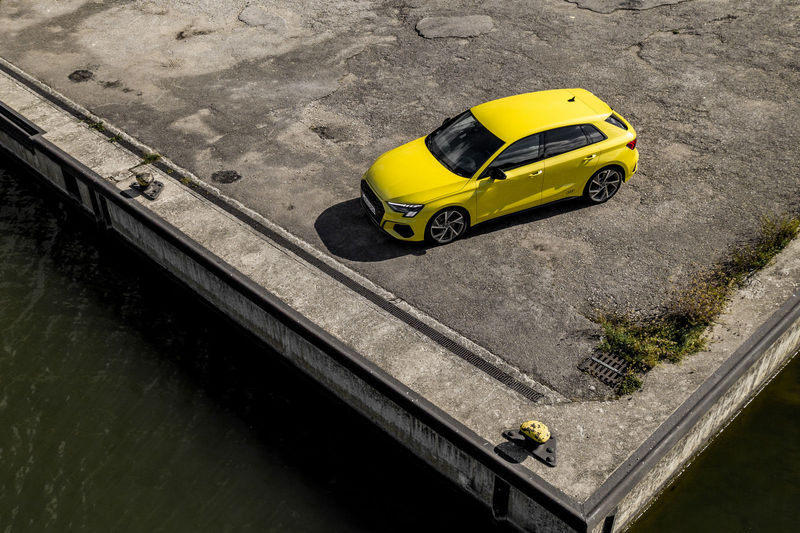
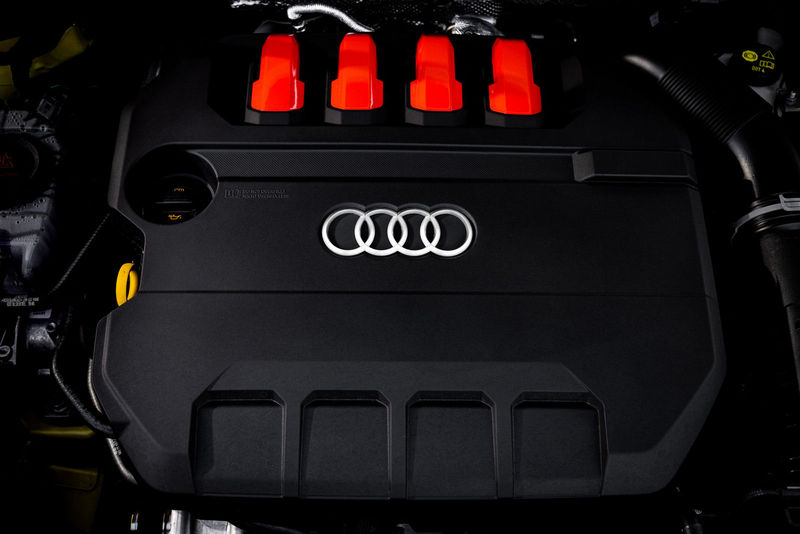
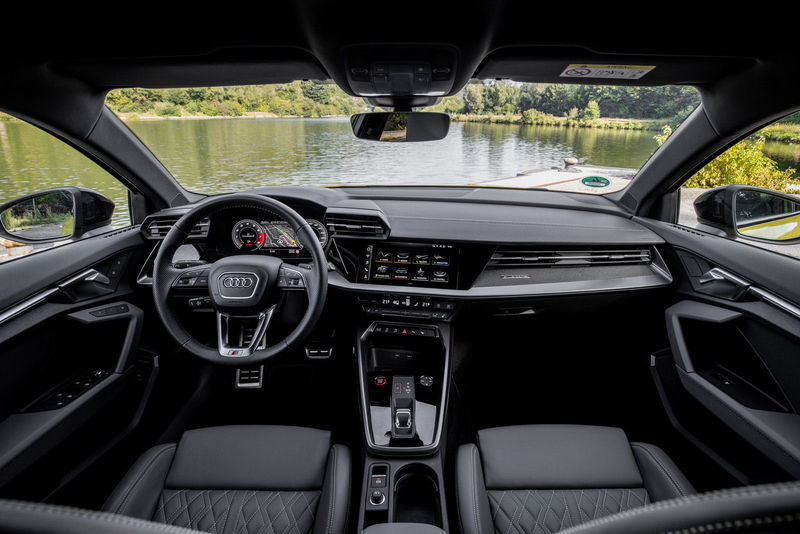
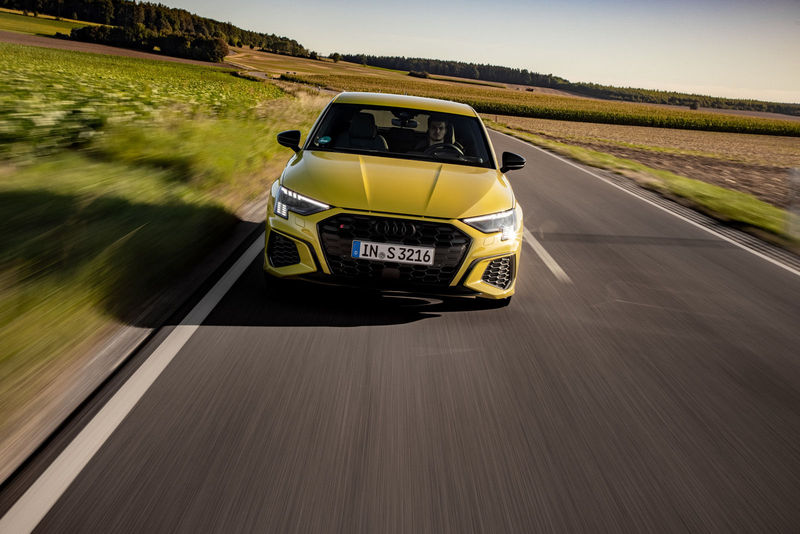
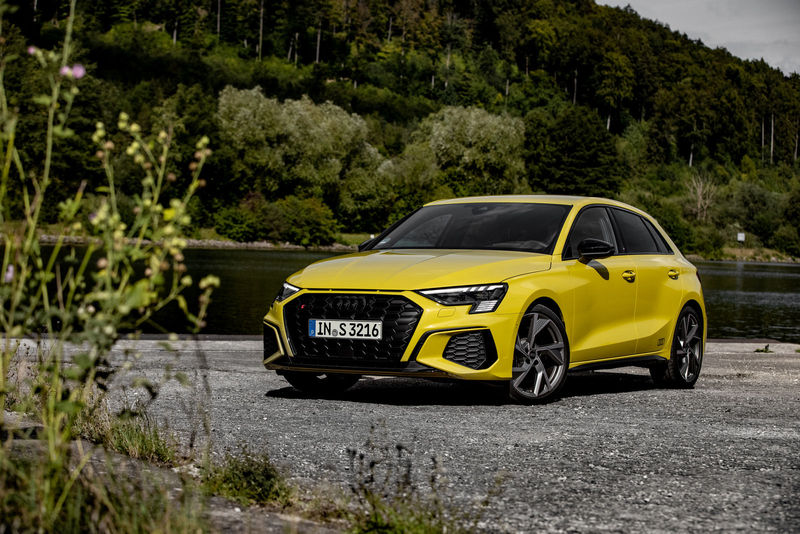
Now we wait in anticipation for Audi Sport to reveal its new RS3 Sportback and then we'll have one of the biggest showdowns on the cards. Your move, Ingolstadt!
Mercedes-AMG 45 Price in South Africa (September 2020)
All 45 models are sold with a 2-year/unlimited km warranty and a 5-year/100 000 km maintenance plan.
Mercedes-AMG has introduced its most affordable new model in South Africa – in hatchback, sedan and “4-door coupe” guises. The newcomers are rivals to the upcoming Audi S3 variants, BMW M135i & M235i Gran Coupe and the Volkswagen Golf R.
The 5-door and 4-door variants A35- and CLA 35 4Matic were always intended to be part of the W177, V177 and C118 Mercedes-Benz compart car line-up; they were developed in conjunction with their A45 S and CLA 45S 4Matic+ siblings.
Mercedes-AMG had to walk a tightrope with the A35's styling; it has to be purposeful, but without stealing the A45's thunder.
They effectively fill the gaps in the A-Class and CLA line-ups between the 250 and A45 S derivatives. Whereas the 250 AMG Line derivatives are front-wheel-driven and powered by a 2.0-litre 4-cylinder turbopetrol engine that produces 165 kW and 350 Nm, the newcomers’ motors are tuned to produce 225 kW and 400 Nm.
What’s more, they direct torque to all 4 wheels courtesy of an AMG Speedshift DCT 7G dual-clutch transmission mated with a 4Matic all-wheel drivetrain. Mercedes-AMG claims a 0-to-100 kph sprint time of just 4.7 seconds for the hatch, 4.8 seconds for the sedan, and 4.9 seconds for the CLA 35 4Matic.
The A35 4Matic has an identical power output to the BMW M135i xDrive (225 kW), but produces 50 nm less torque (400 Nm).
The newcomers are distinguished by a markedly sportier radiator grille, an AMG Line front bumper with a large central air intake and splitter, while the twin louvres in the outer air intakes complement those in the grille. AMG has more or less kept the flanks the same (with wide wheel arches and a slim waistline), while the rear bumper features a black apron and a pair of large-bore exhaust ends.
Inside, the most notable AMG-themed differences are contrast stitching and the flat-bottom steering wheel, replete with metal shift paddles and touch-control buttons, which can be used to toggle between instrument cluster display themes and access the class-leading MBUX multimedia system (which includes the “Hey Mercedes” function) by swiping the little black pads horizontally and vertically.
The shapely optional AMG sports seats certainly add a sense of theatre to the otherwise understated cabin execution.
If the Widescreen Cockpit is specified, the driver can choose between three AMG display styles. The Supersport mode, for example, incorporates a central, round rev counter and additional information presented in the form of bars on either sides of the rev counter. The 3-dimensional perspective is particularly striking.
But it is on the road where the A35- and CLA 35 really set themselves apart from lesser A-Class and CLA derivatives. The driver can choose between AMG Dynamic Select driving programs: Slippery, Comfort, Sport, Sport + and Individual; the modes alter vehicle characteristics from comfortable to dynamic by changing relevant parameters, such as the responses of the engine and transmission.
The A35 4Matic sedan is, unlike its hatchback and CLA siblings, the flagship of the 4-door range.
The AMG suspension is optionally available with an Adaptive Damping System, which enables the driver to choose between 3 modes, ranging from comfort-focused to sporty. The system operates automatically, adapting the damping forces for each wheel according to the driving situation/road conditions.
For extra stopping power, the A35- and CLA 35 4Matic are fitted with 350-mm brake discs with 4-piston Monoblock fixed calipers (silver-painted with AMG lettering) at the front and single-piston sliding calipers at the rear. The discs are internally ventilated and perforated to better dissipate heat and prevent fading.
Mercedes-AMG 35 derivatives are shod with 18-inch AMG alloys as standard, while 19-inch items are optional.
To ensure that the baby AMGs sound the part, their exhaust system features an automatically controlled exhaust flap as standard. Depending on the drive program selected, the exhaust note is modulated from balanced to powerful.
For those who’re keen to develop their driving skills at the wheel of their Mercedes-AMG, the AMG Track Pace function is optionally available. The “virtual race engineer” is part of the MBUX multimedia system and records more than 80 vehicle-specific data points while driving on a race track – lap and sector times are displayed, as well as the respective difference for a reference time. That way, the driver can use the recorded data to analyse and improve their driving skills.
If buyers specify the Widescreen Cockpit, the CLA35 4Matic's fascia positively pops with the AMG-specific displays.
The MBUX Augmented Reality function also allows the ideal line of a stored race track to be displayed on the multimedia display or optional head-up display, allowing the driver to improve lap times with a virtual instructor on board.
The A35 4Matic hatchback and sedan, as well as the CLA 35 4Matic, are sold with a 2-year/unlimited km warranty and a 5-year/100 000 km maintenance plan.
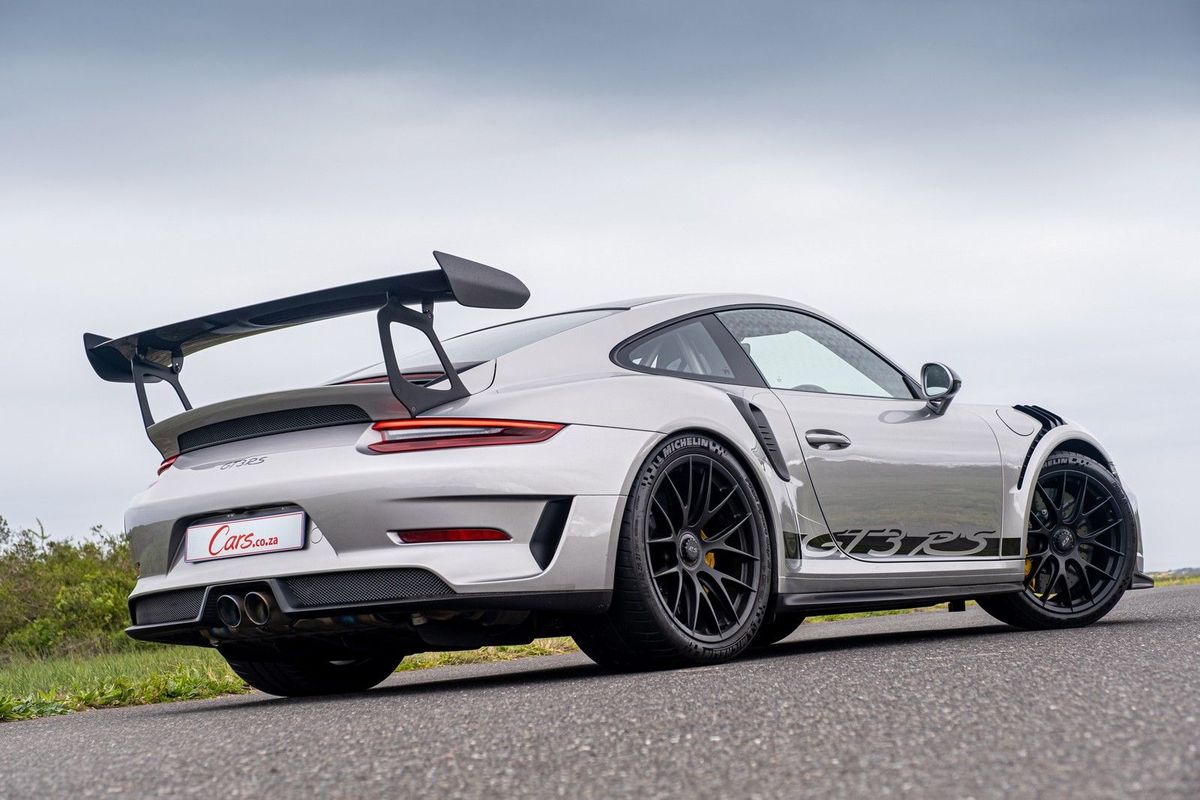
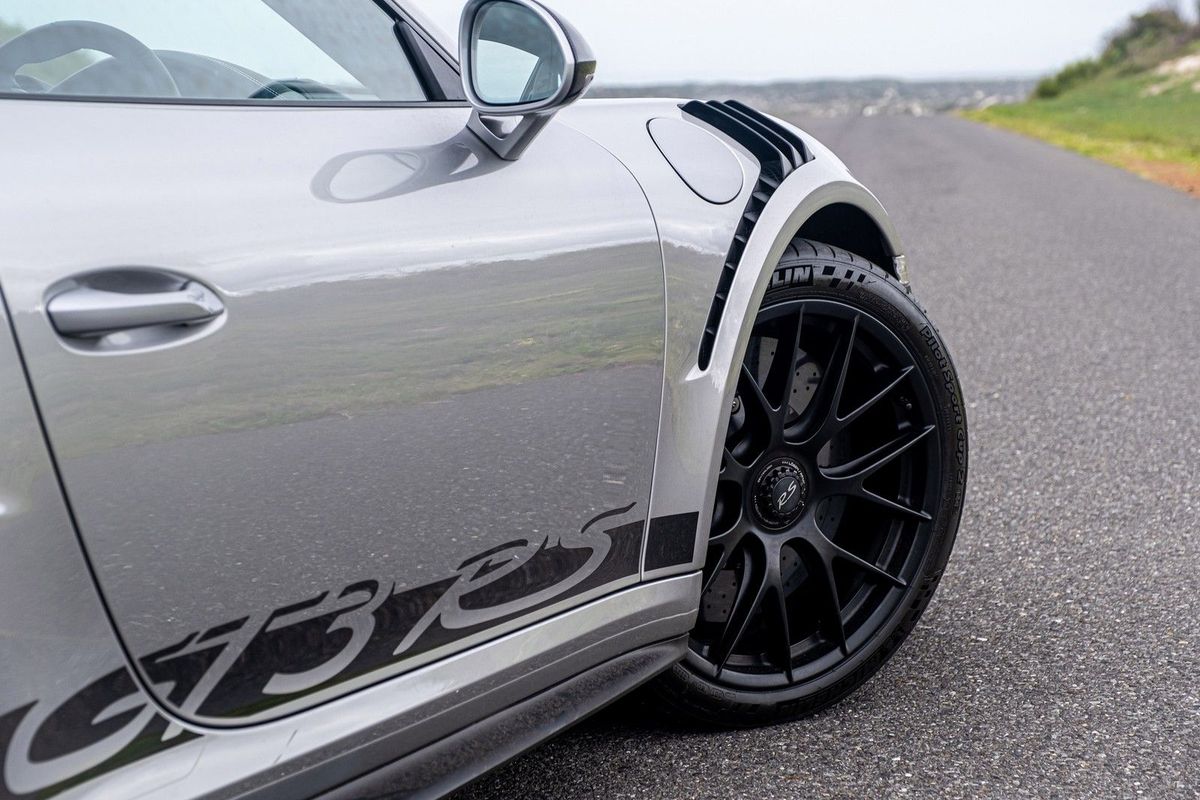
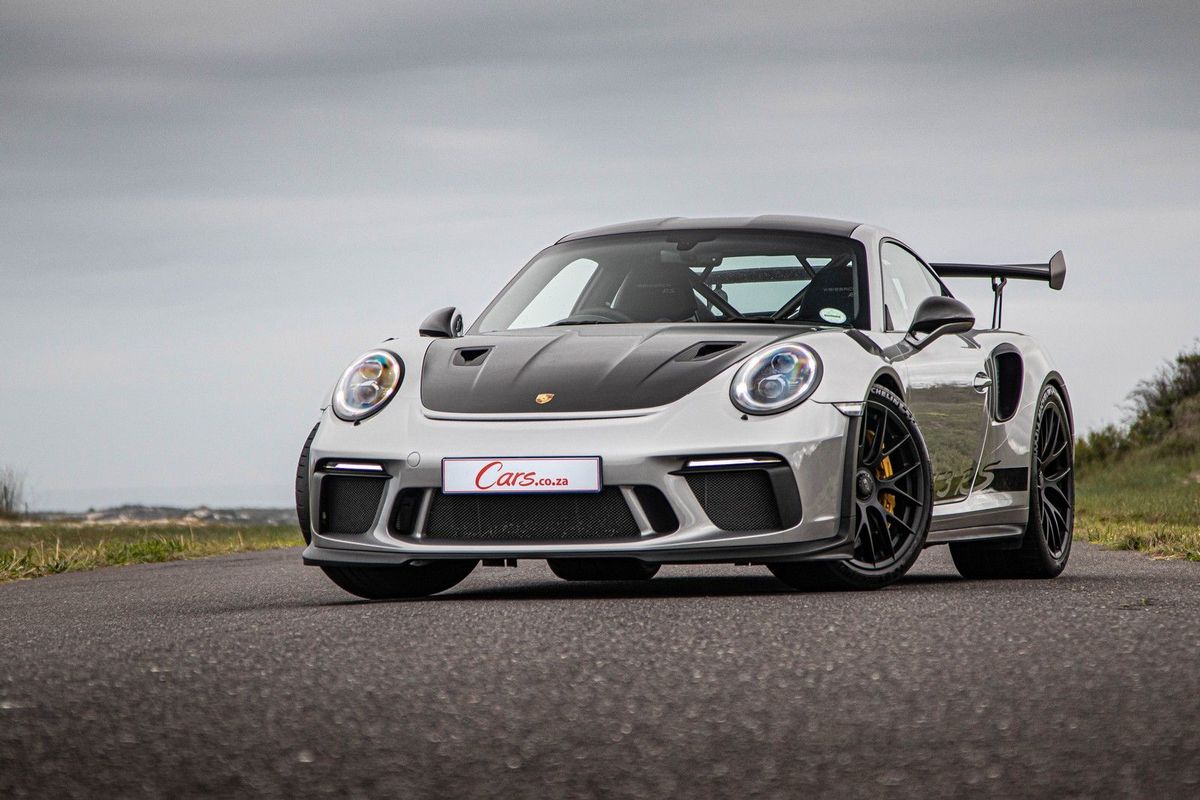
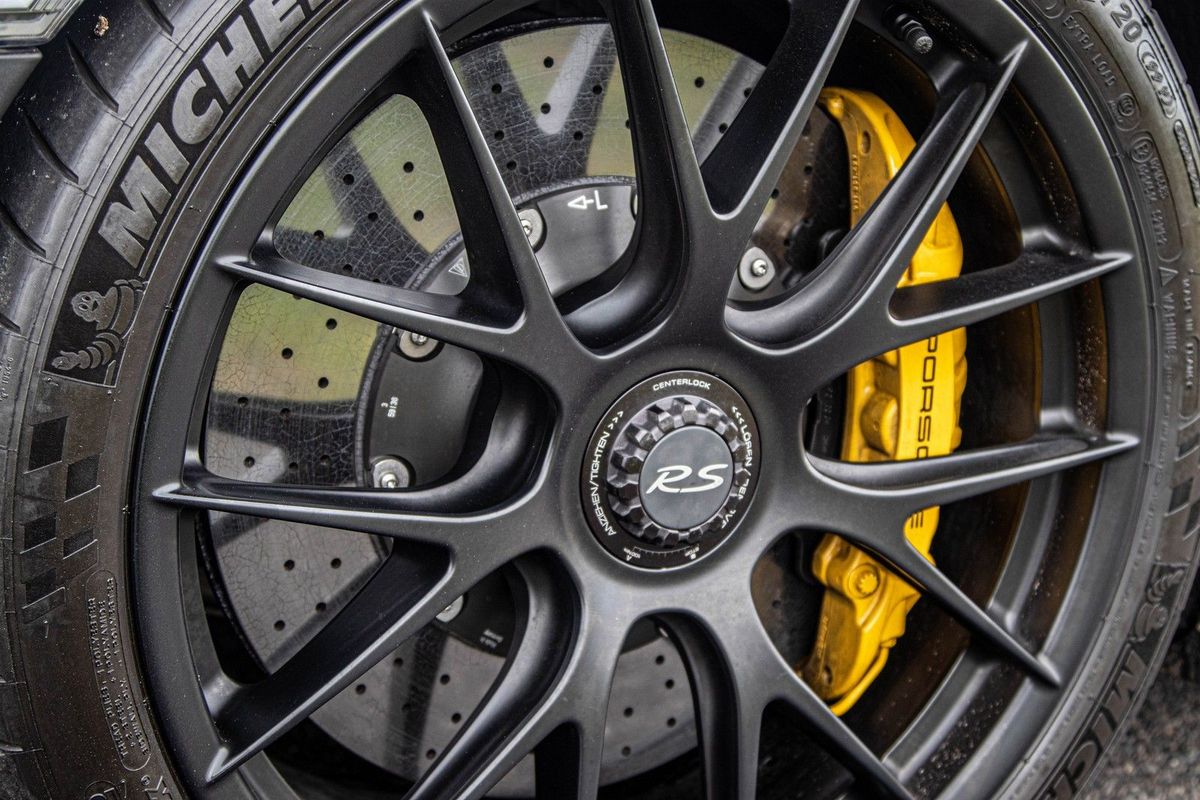
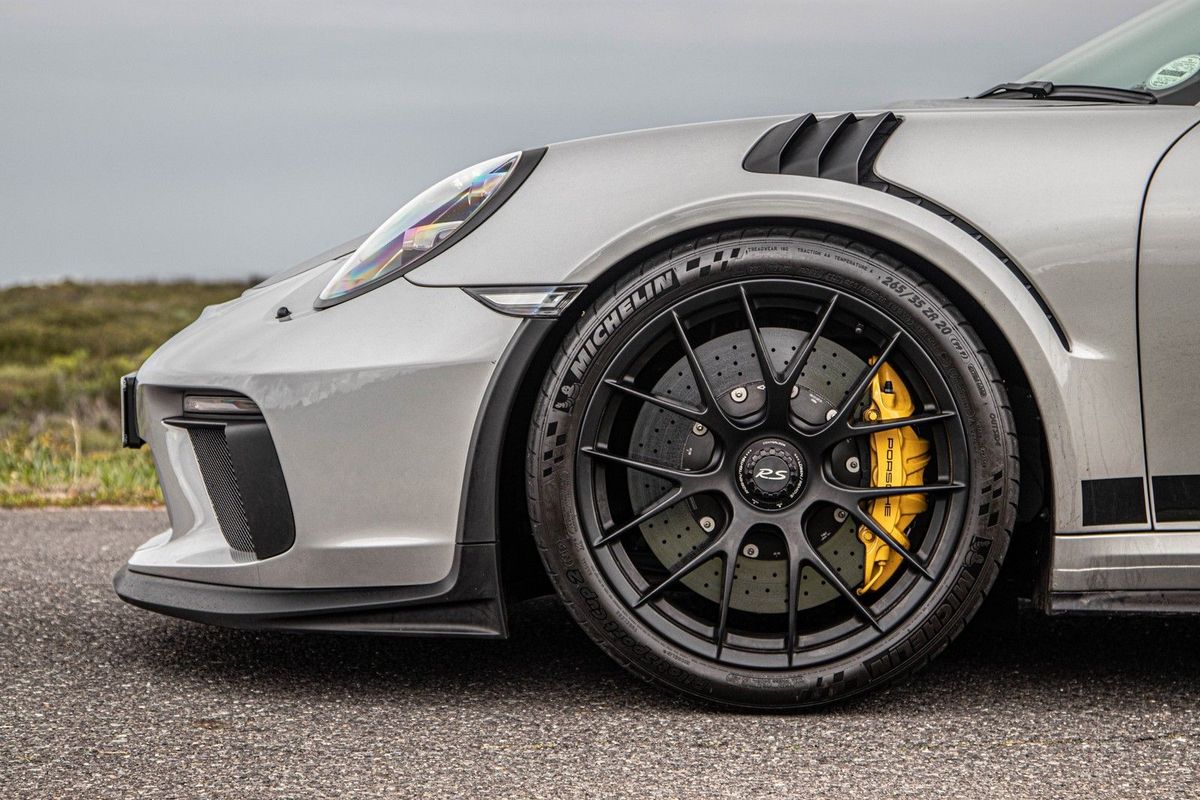
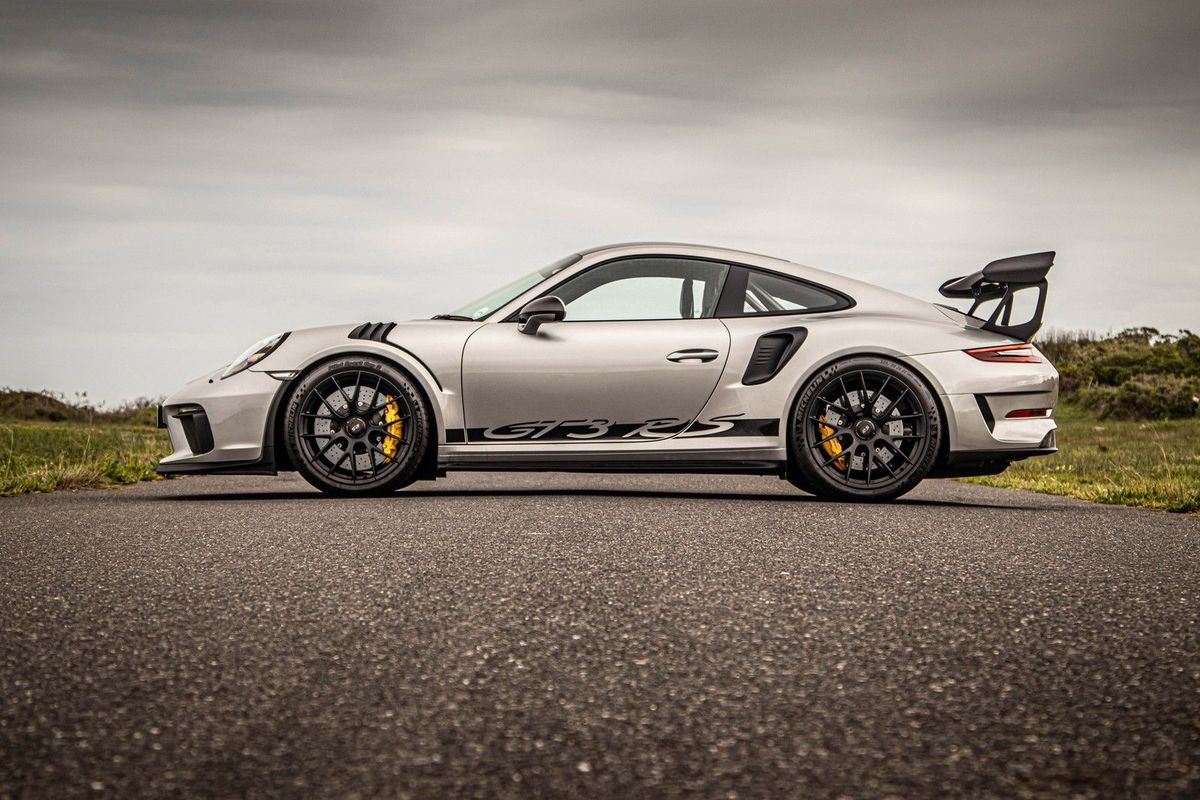
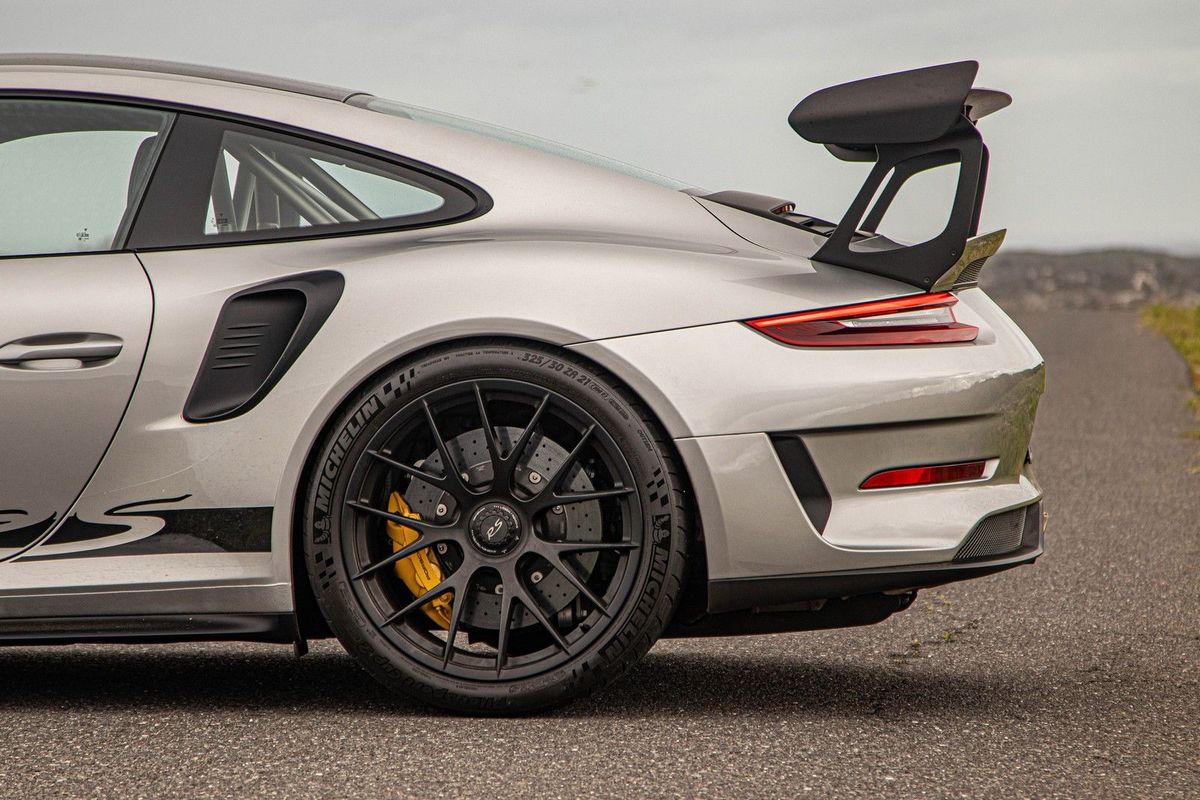
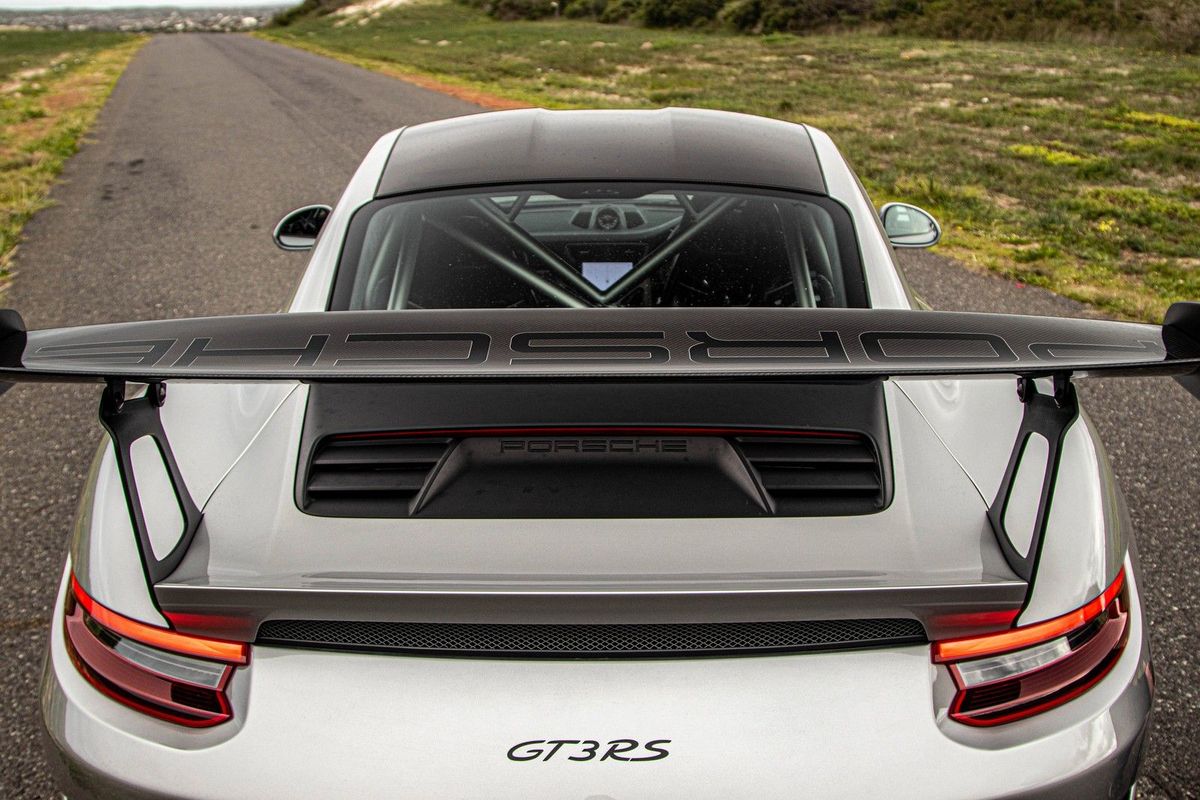
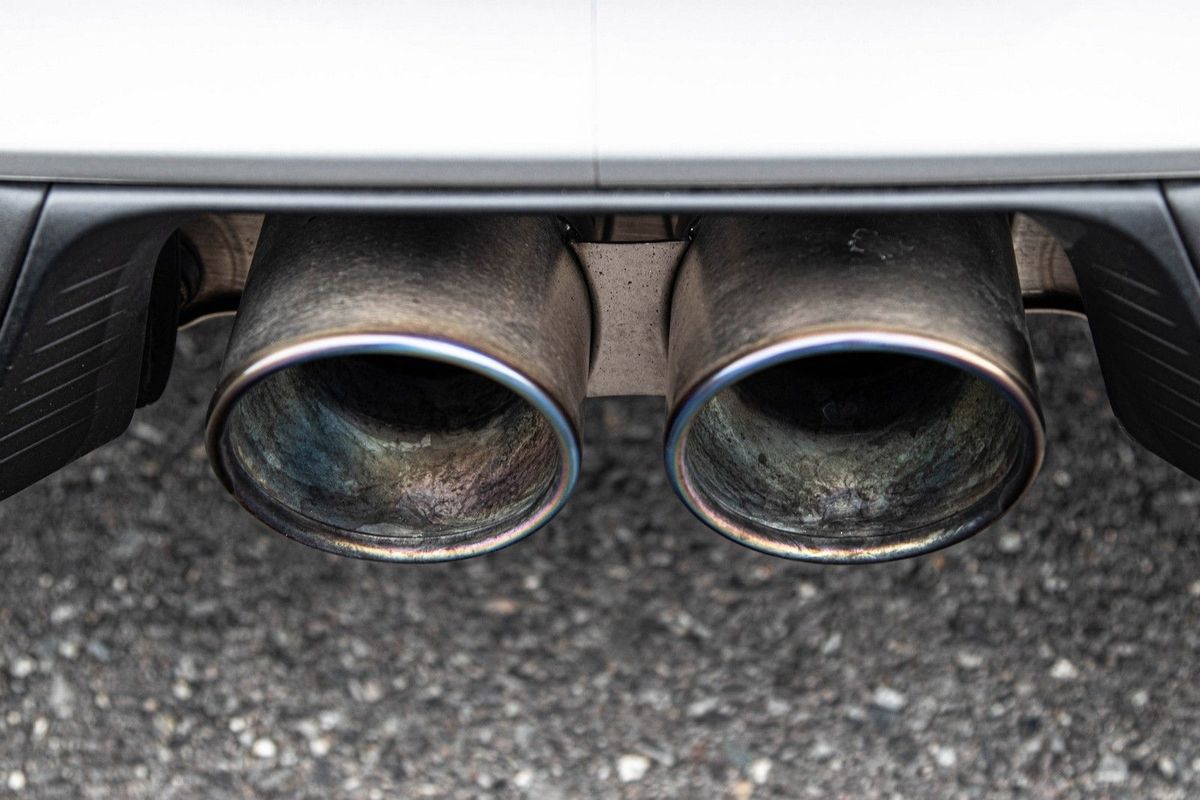
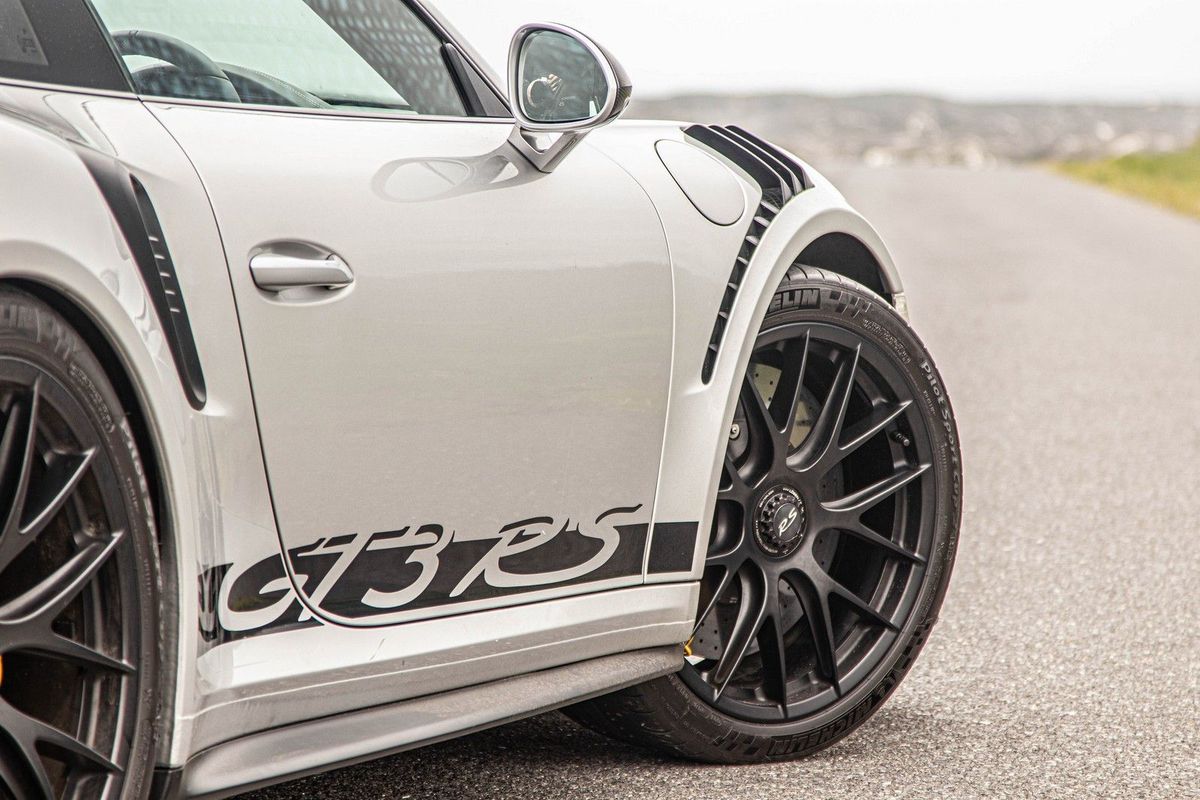
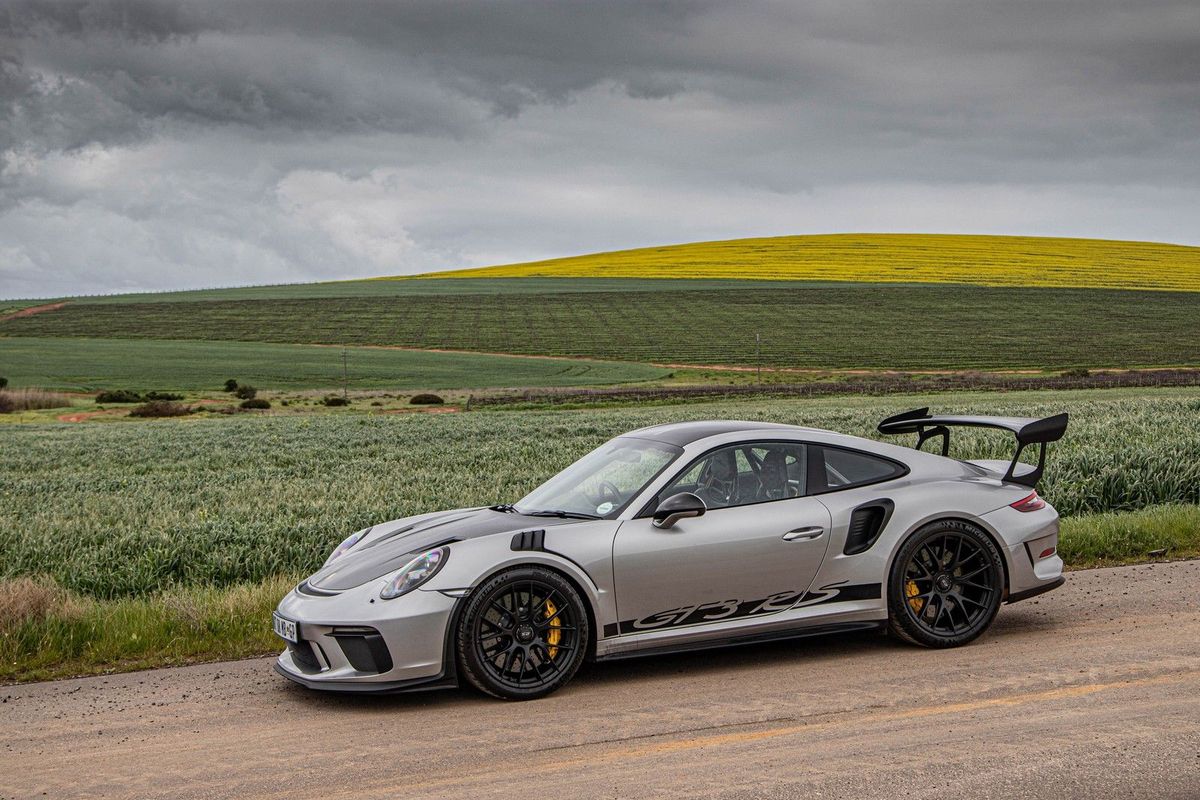
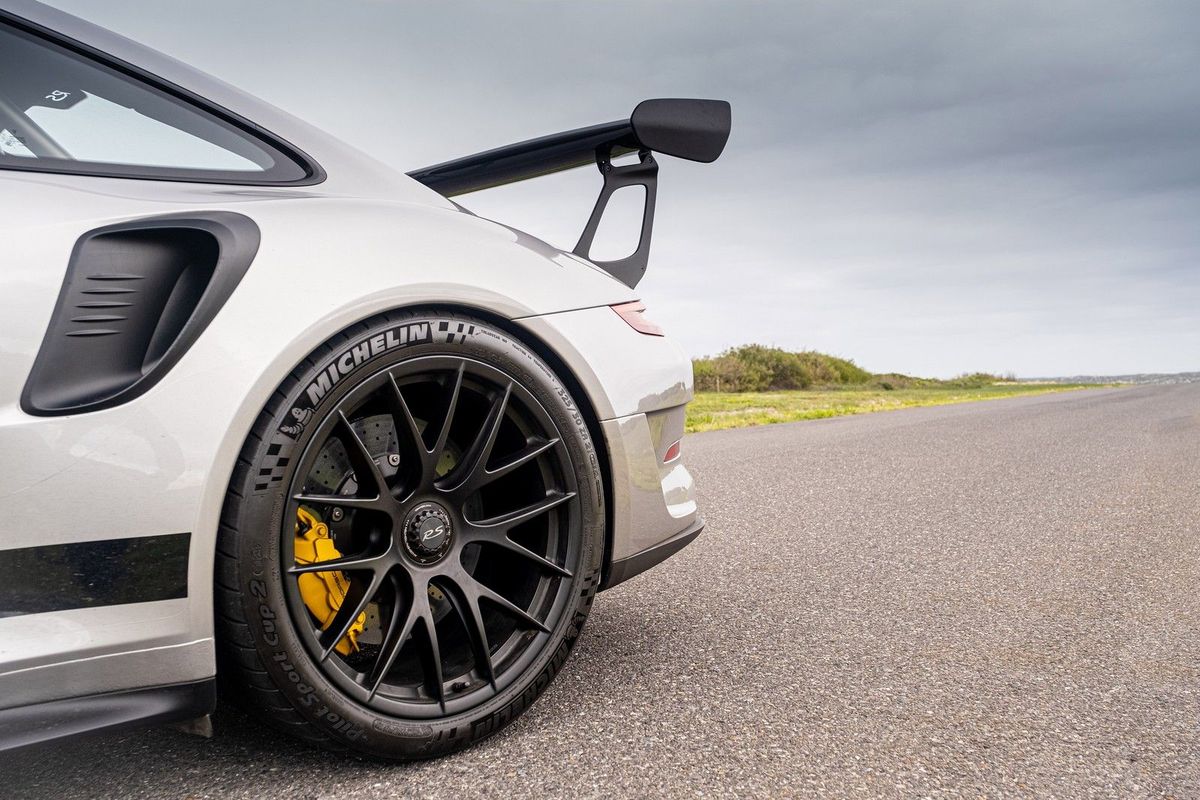
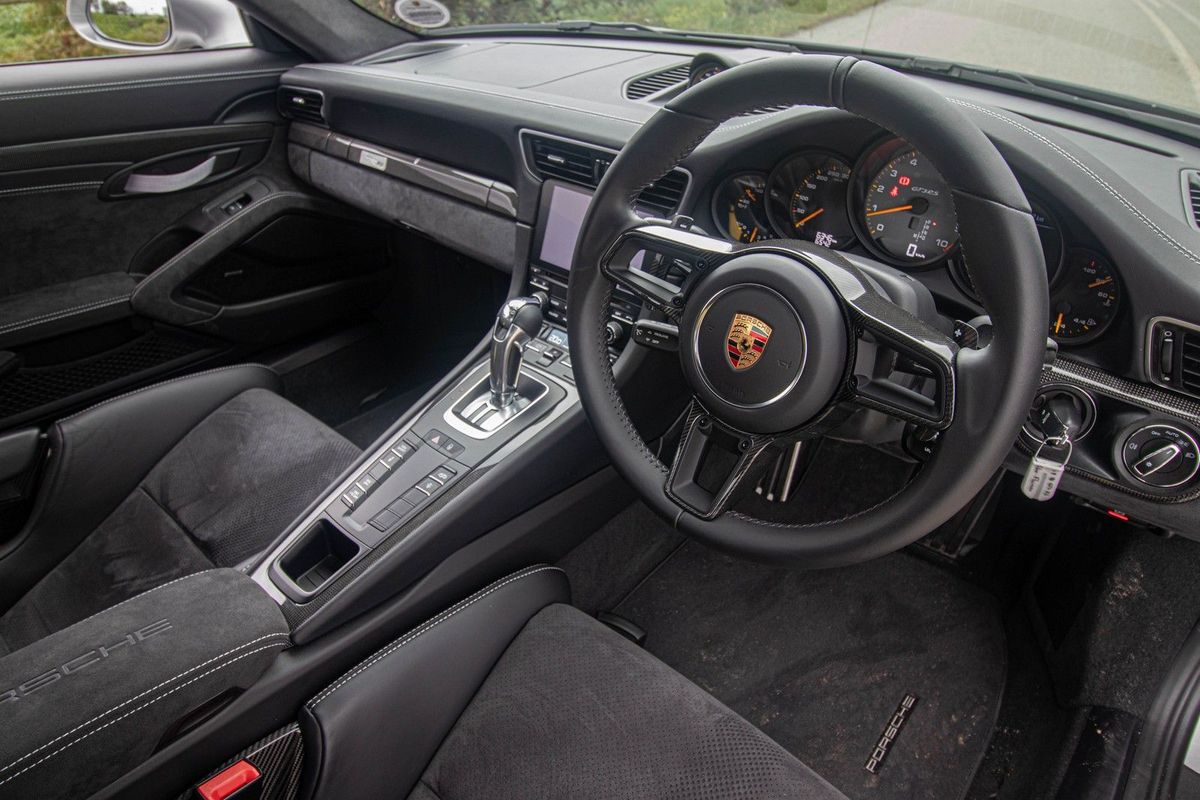
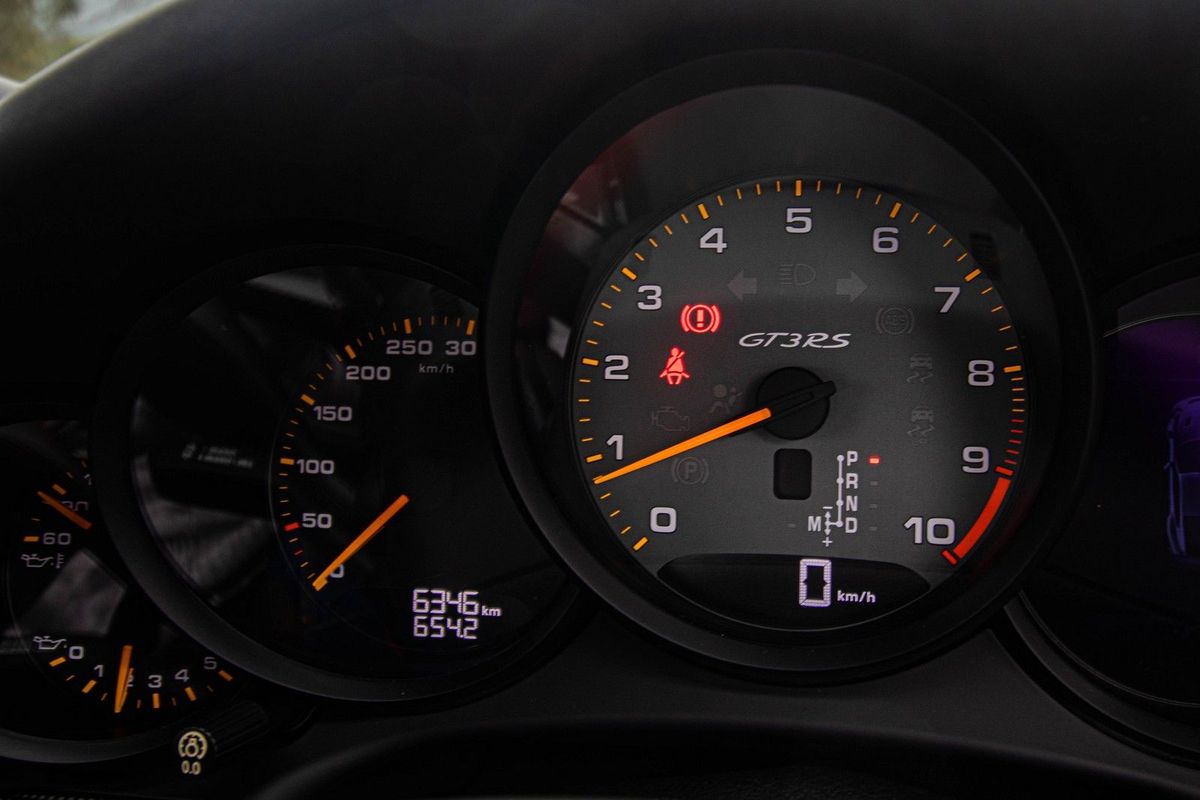
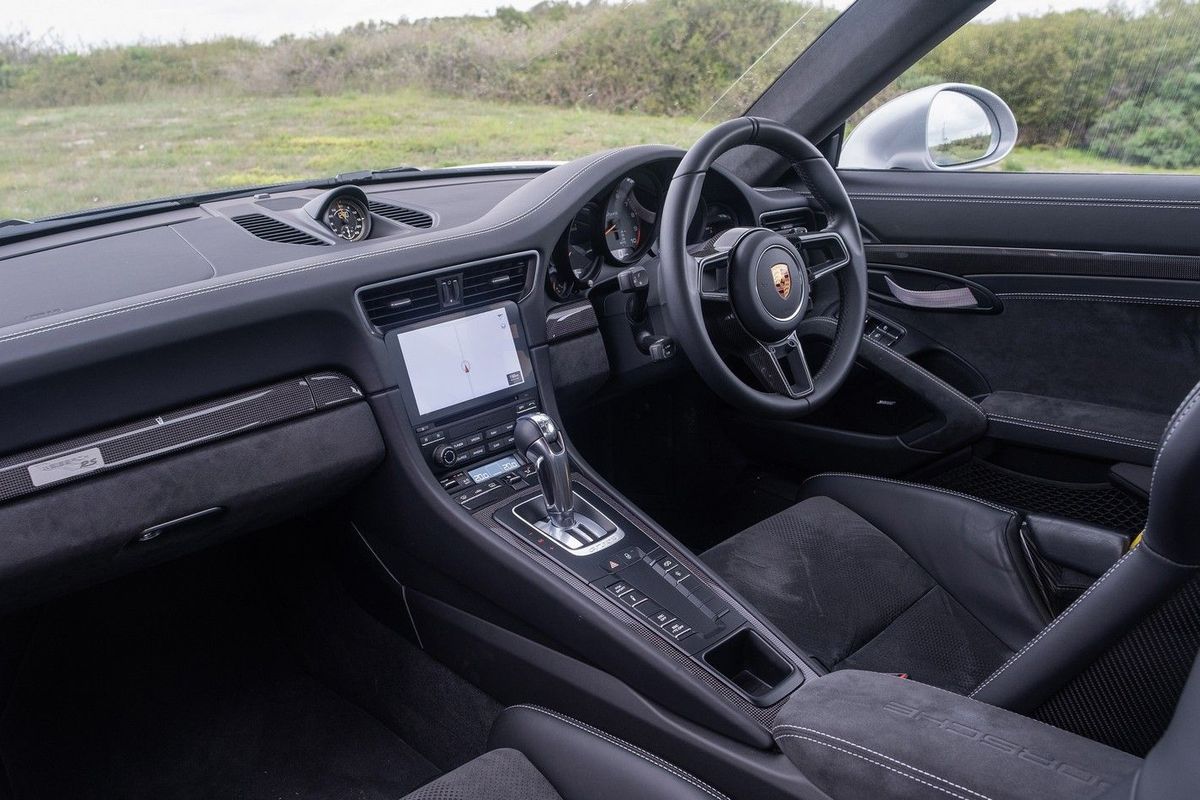
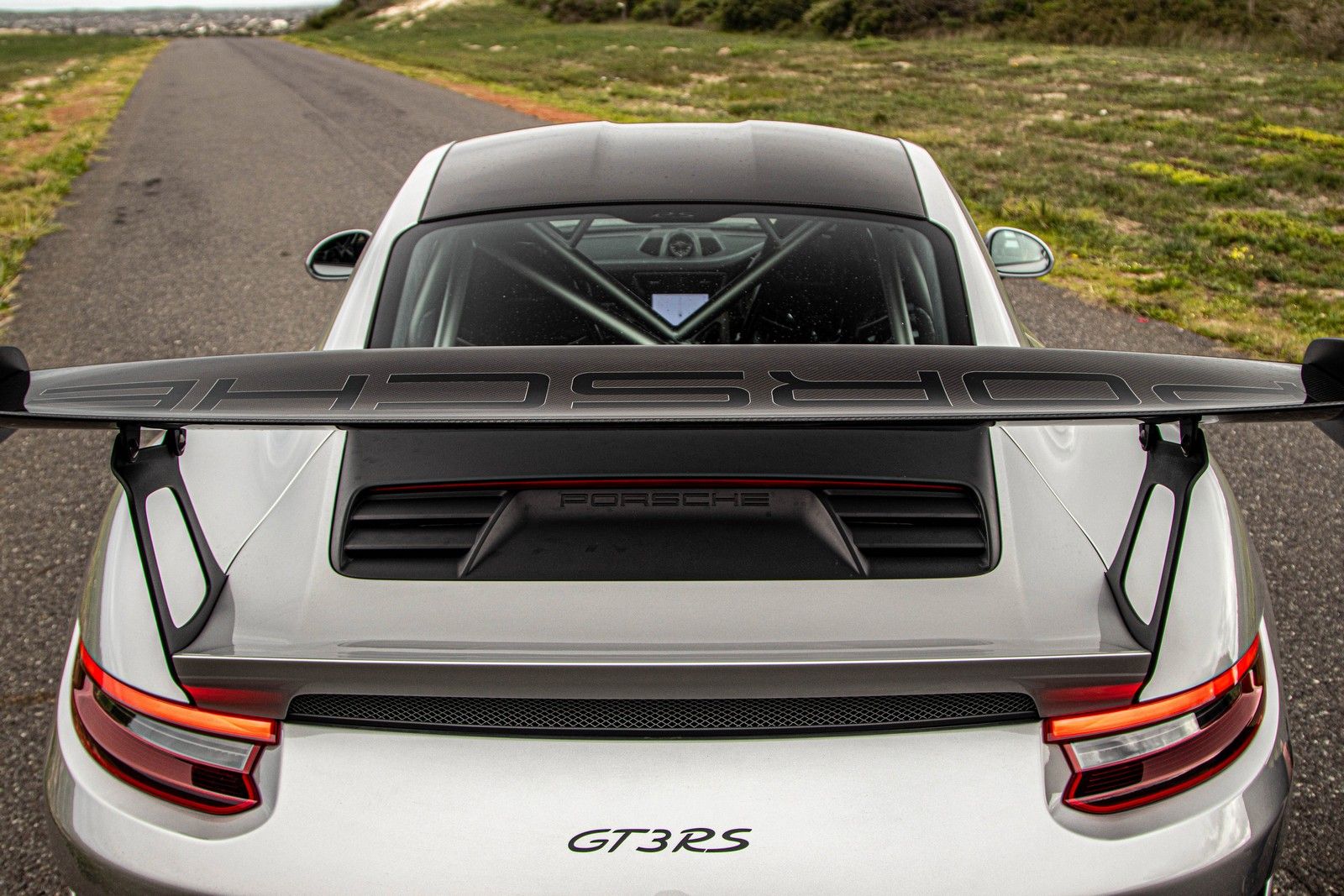
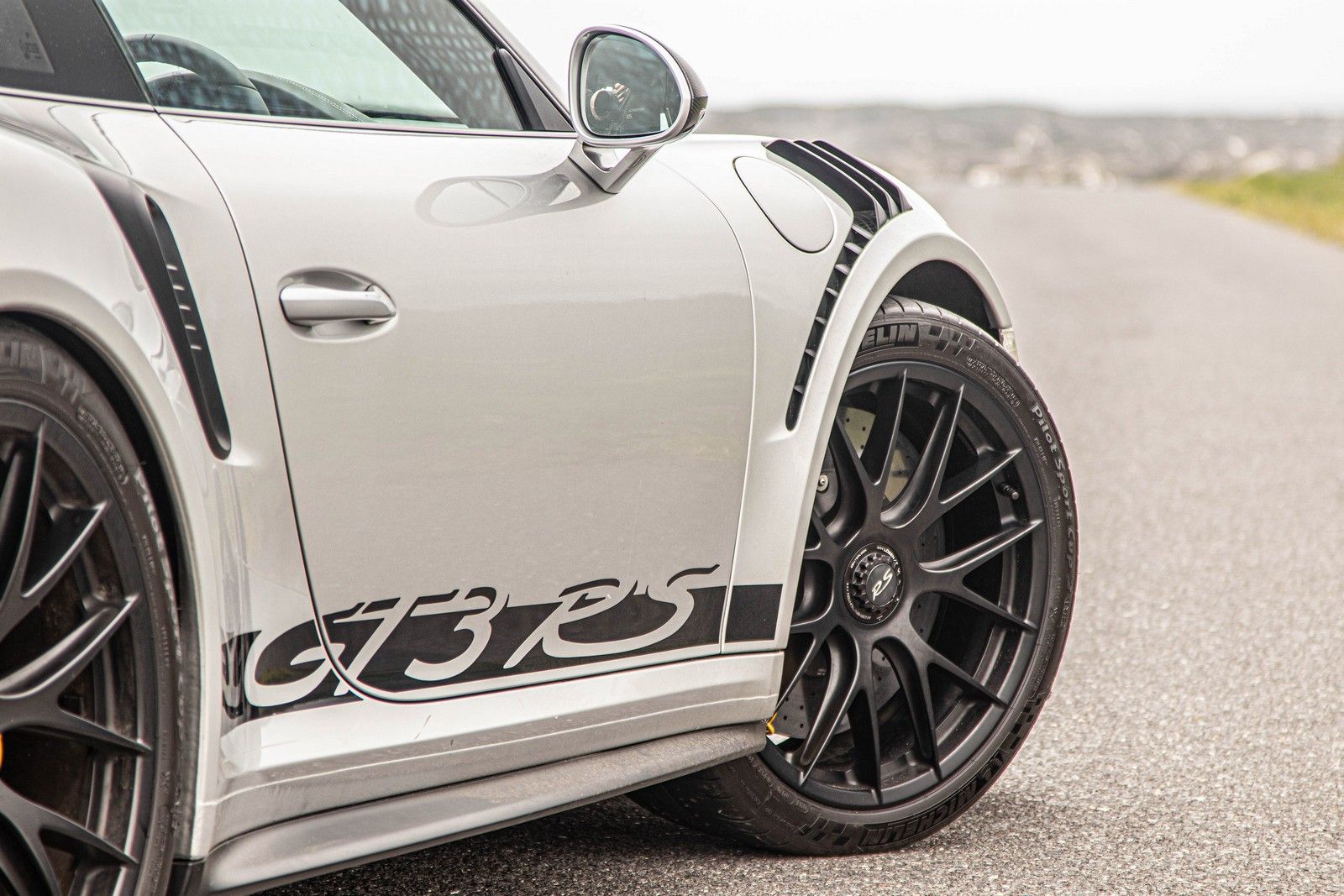
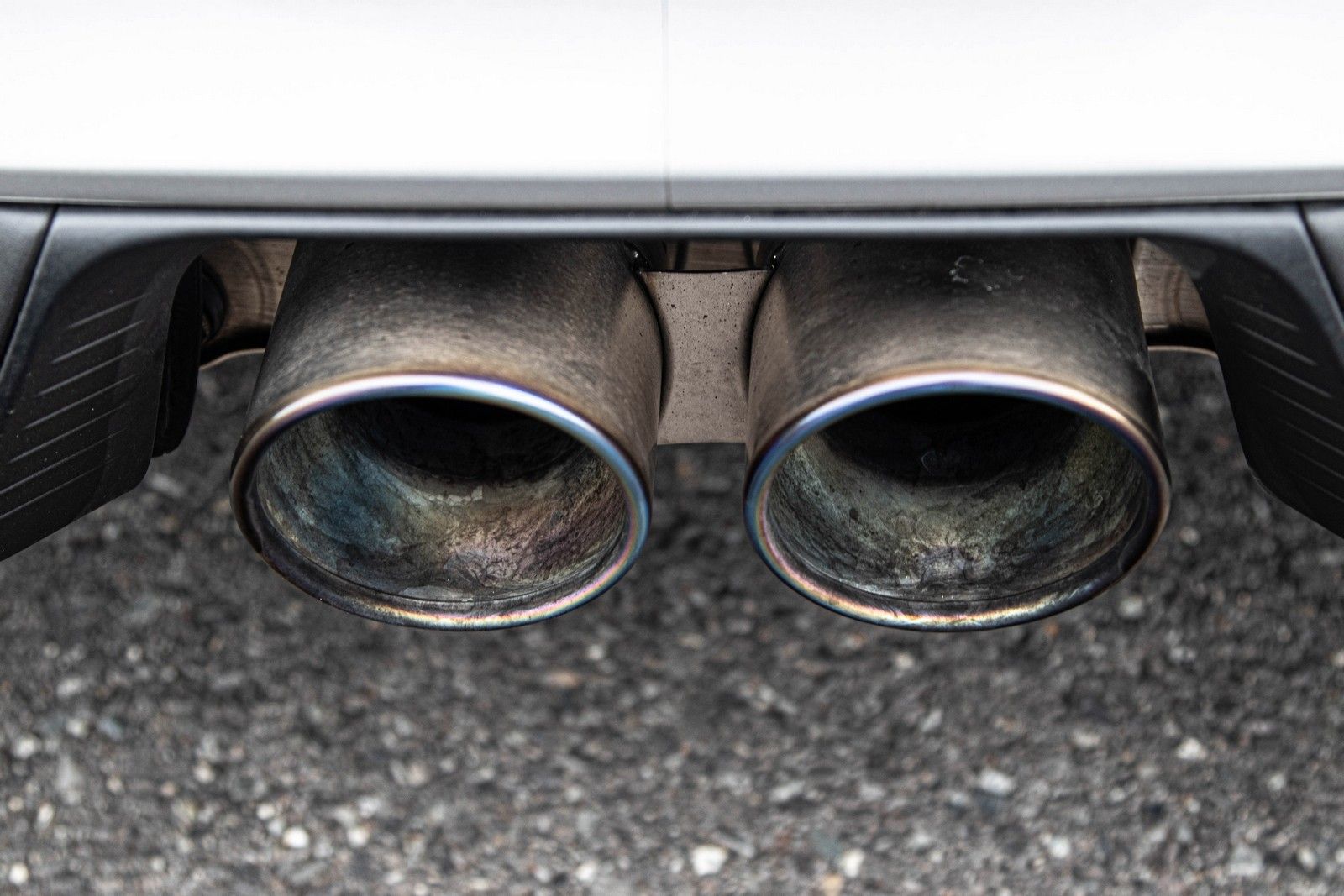
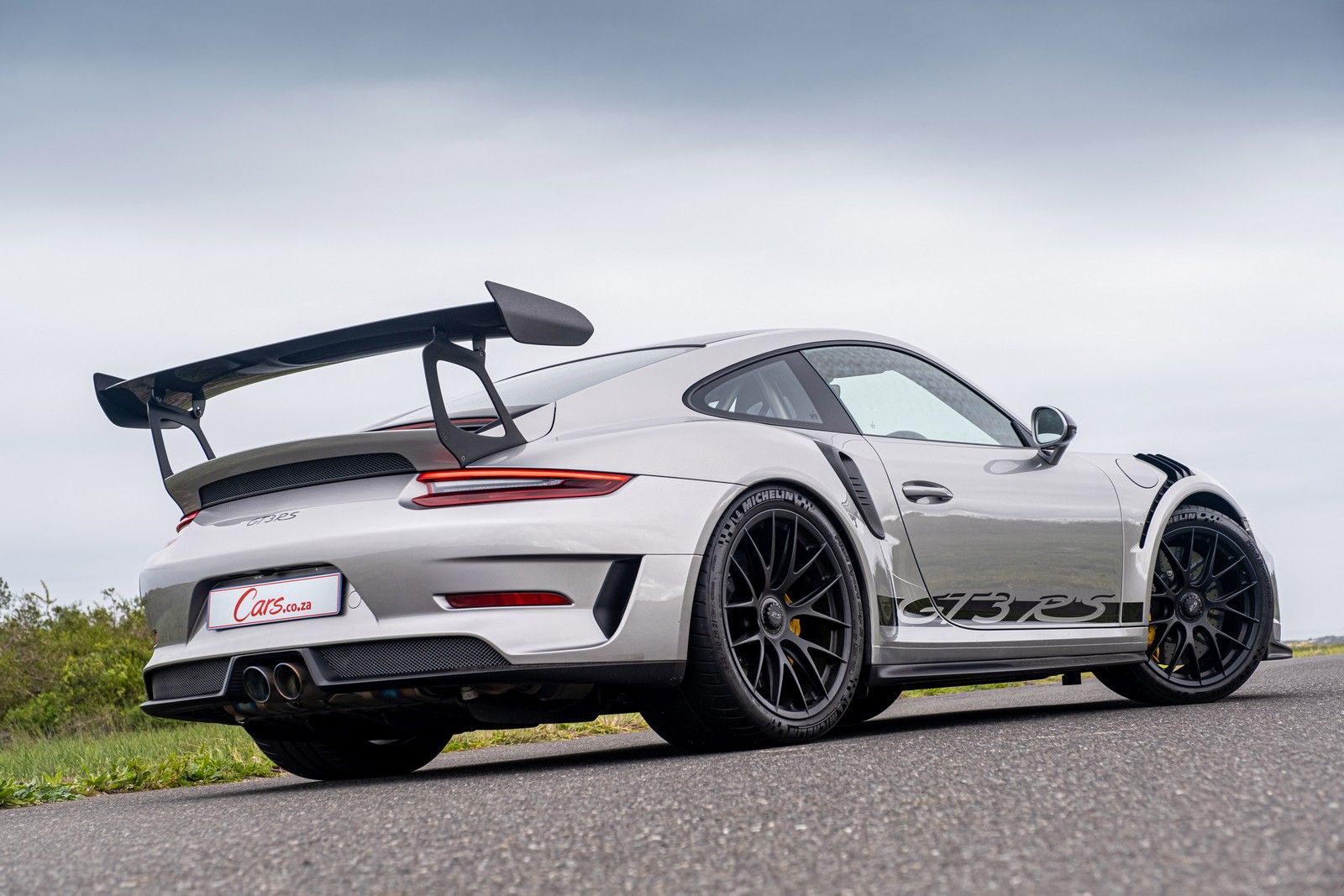
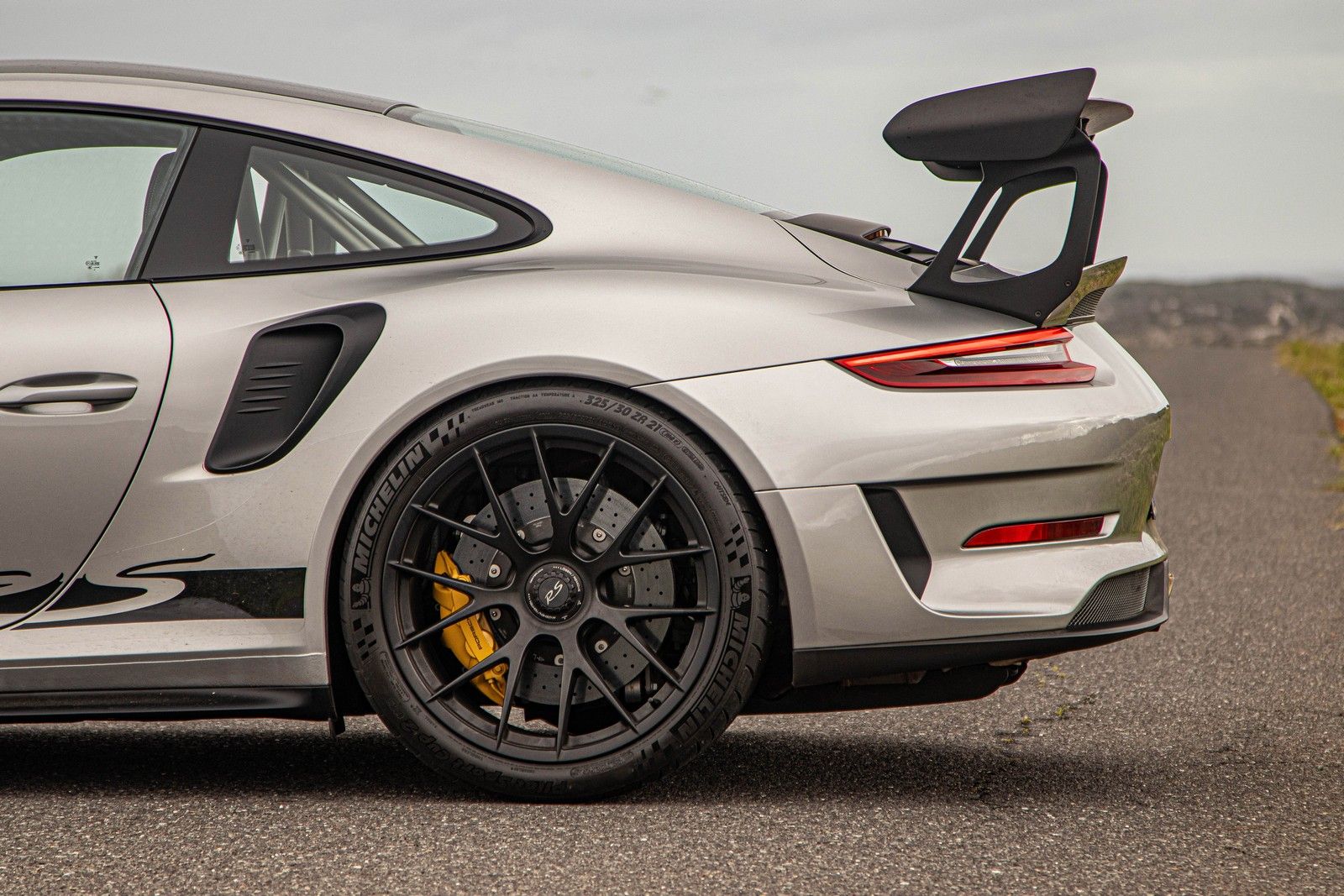
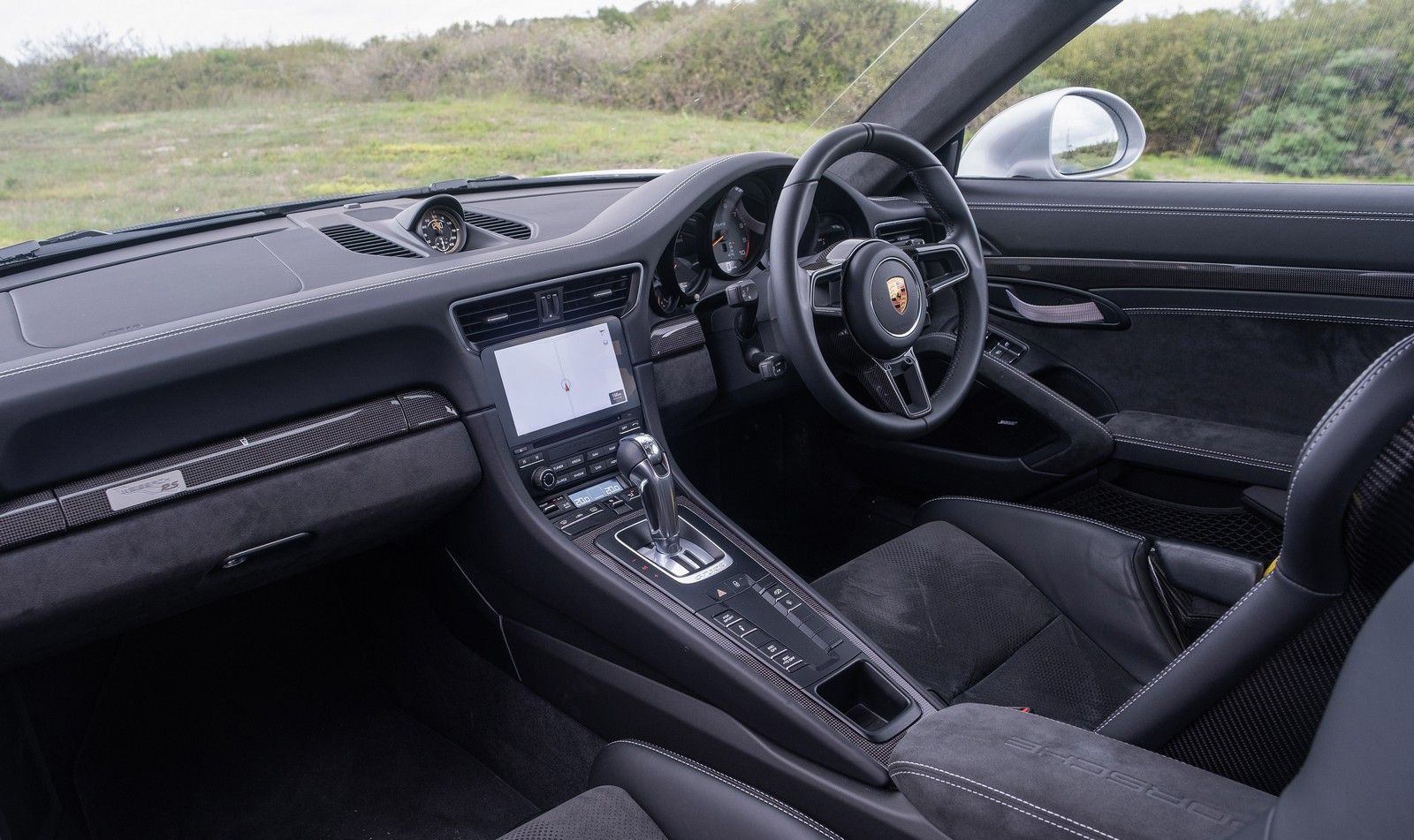
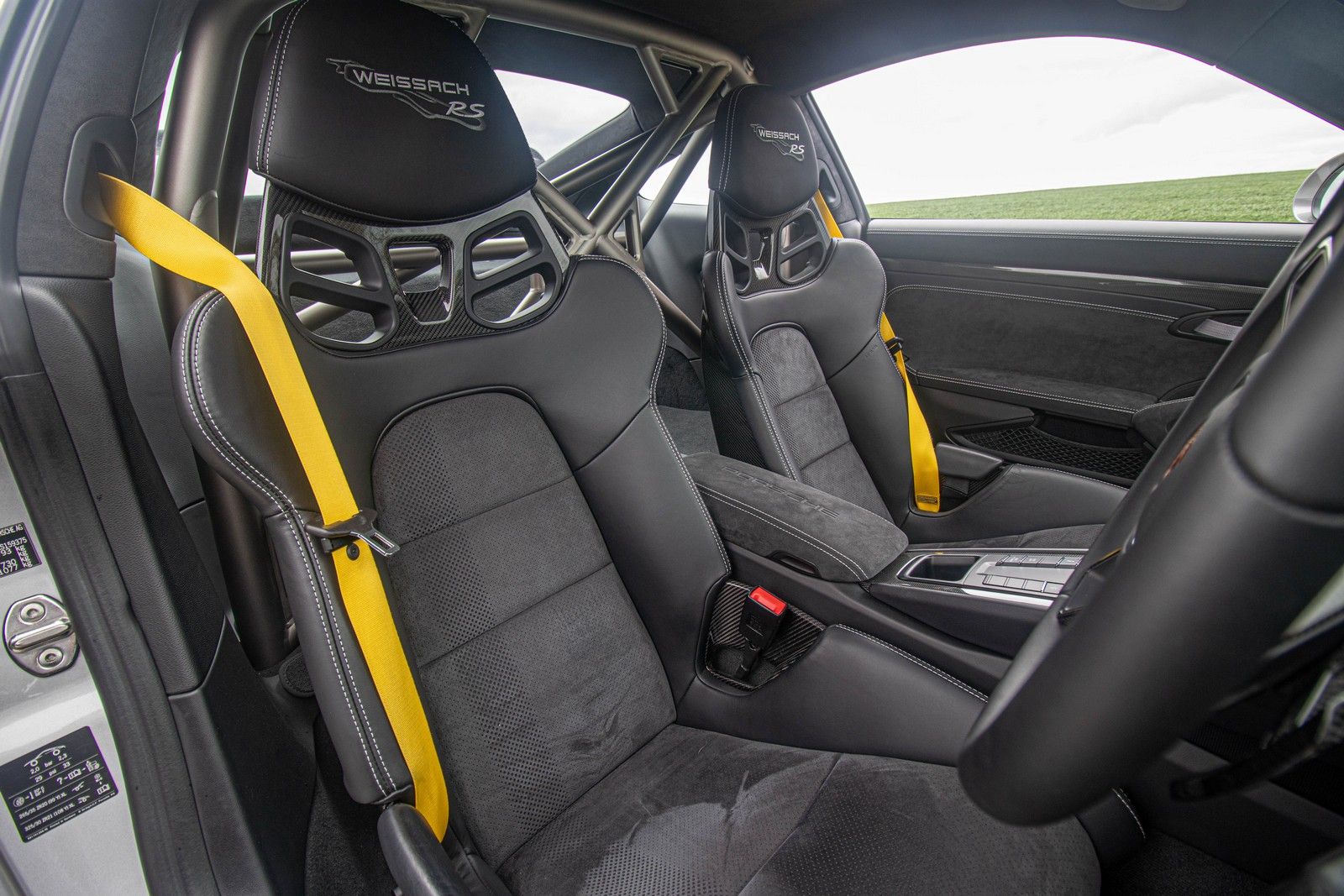
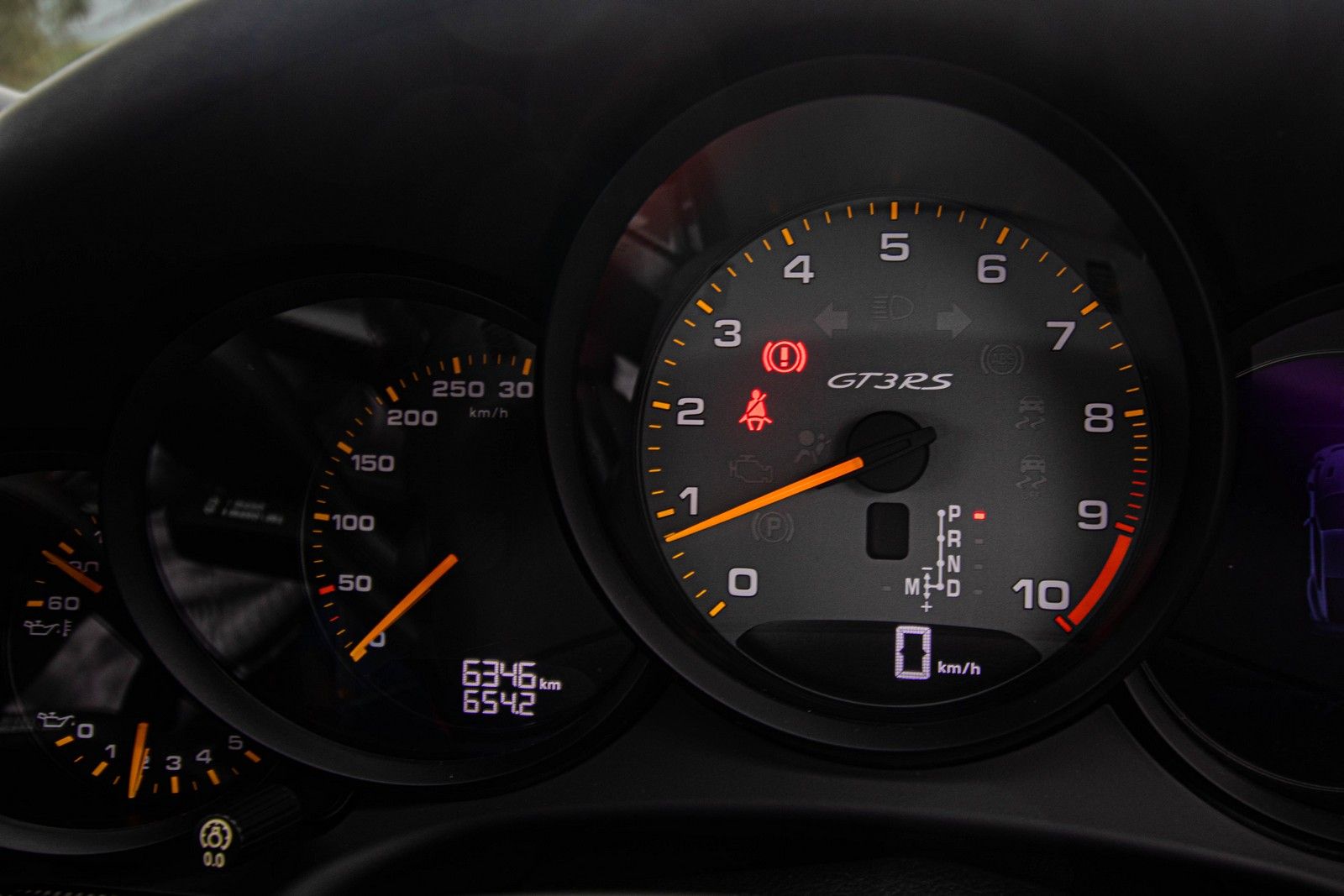
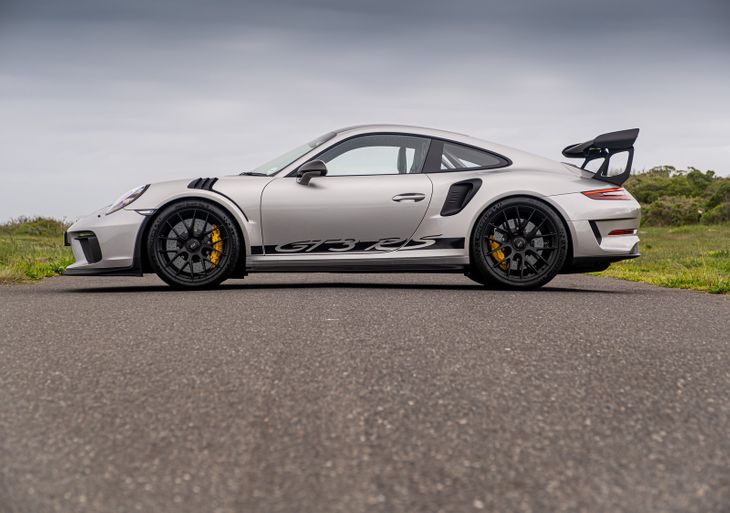
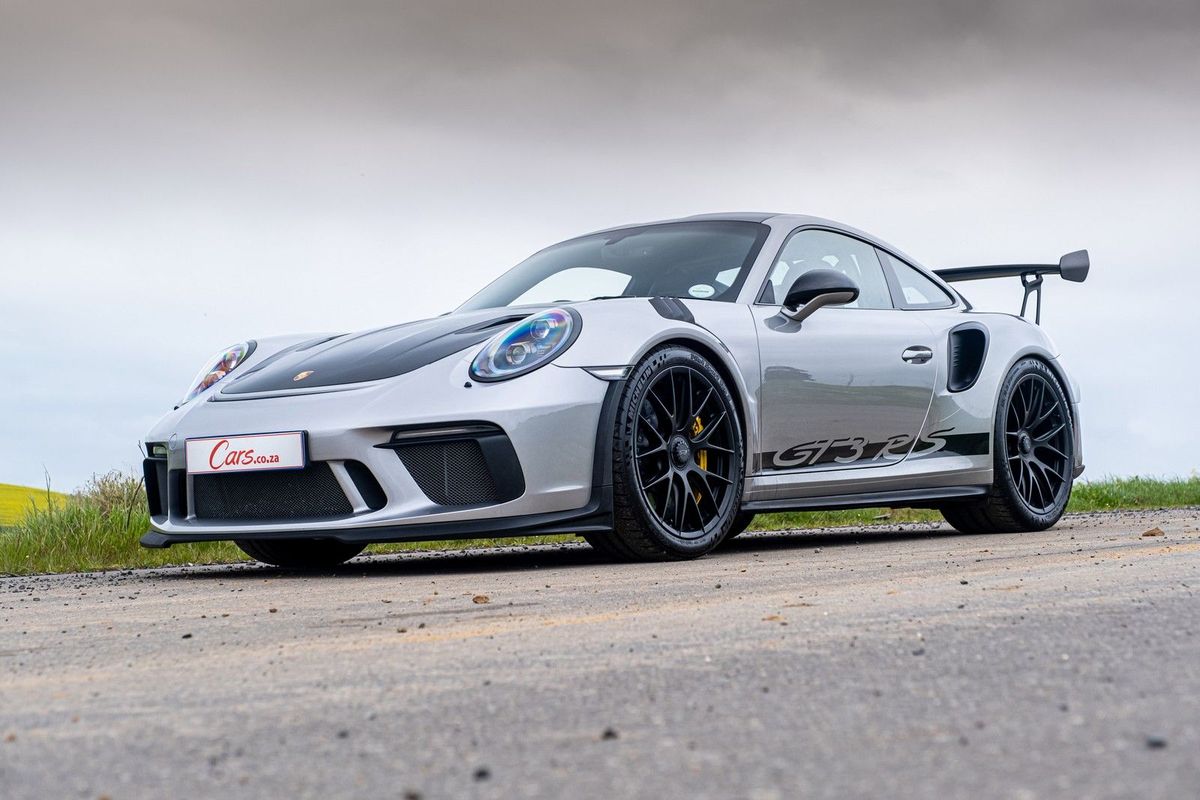
Porsche GT3 RS Weissach Review – Is this the best road-going racecar ever?
The Porsche GT3 RS has always had a special place in petrolheads' hearts. In a world of softcore GTs masquerading as sportscars, the Porsche has garnered respect and admiration for sticking to its guns, providing an uncompromising racecar-for-the-road experience.
This particular car is also very special as for our video guy, Ciro De Siena, it was to be the first Porsche 911 he had ever driven. Somehow in his 15-year motoring career, the 911 had alluded him.
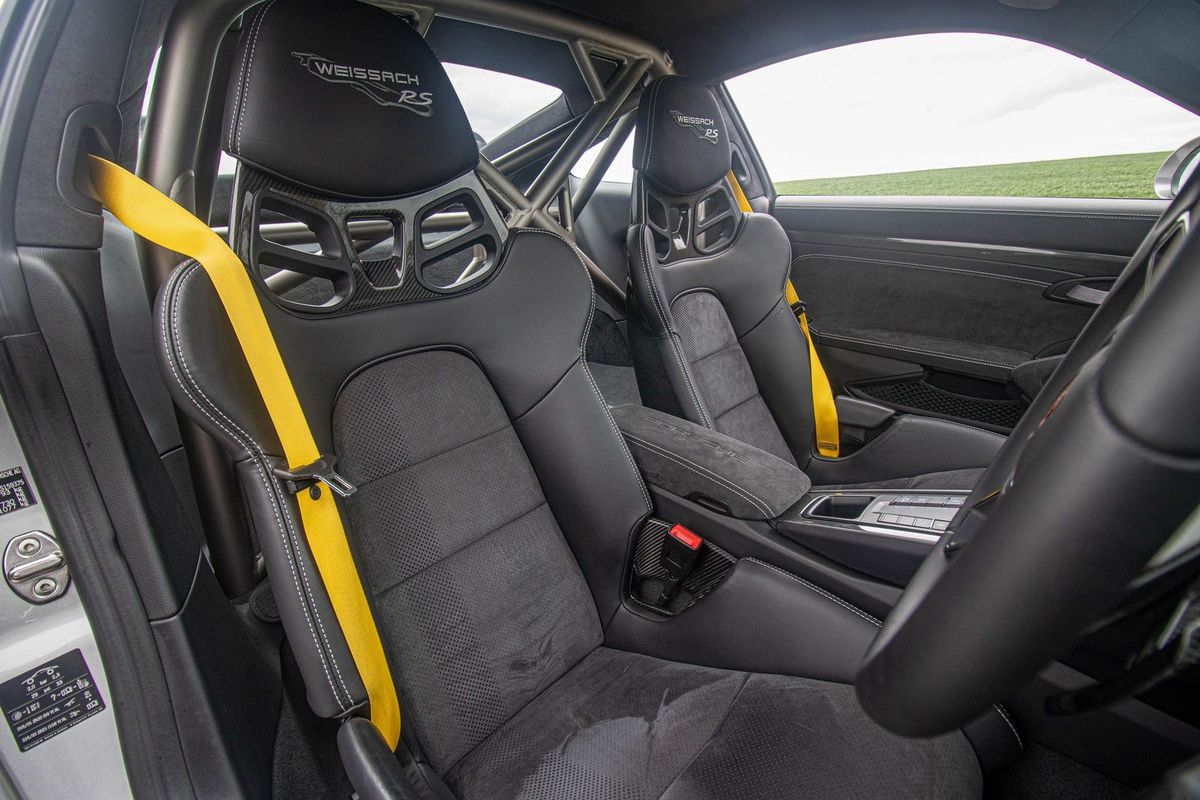
And this particular test unit is about as good as it gets right now in terms of the GT3 RS offering, before the entirely new generation arrives next year. This is the Weissach edition, an even more lightweight, laser-focused version of the GT3.
And so, without further ado, may we present to you our video review. Fair warning, Ciro gets very excited…
Volkswagen has revealed its online configurator for the Golf 8 GTI. You can now start building your own model in anticipation of the 2021 introduction.
The Golf GTI has been SA’s most popular hot hatch for a very long time, the GTI is even the most popular Golf in SA with VW claiming that more than 50% of all Golfs being sold in SA baring the GTI moniker on the rear.
The latest generation is set to land in SA during 2021 at the same time as the standard model is launched. You can, however, already begin speccing your proposed GTI on VW’s German website. Google will translate it to English or if you’re a real VW fan, you’ll probably leave it in German for authenticity.
It appears that there are 9 exterior colours to choose from, including the existing favourites such as Pure White. Only 2 wheel designs are available in a range of 17-, 18- or 19-inches. Once you start digging into the optional extras there are certainly going to be a few options that won’t make it into our local models. Interestingly, VW has also changed its premium audio provider from Dynaudio to harman/kardon in a system that includes 8 speakers plus 1 subwoofer.
Before we eventually see the introduction of the Golf GTI in 2021, Volkswagen will finally be launching the long-awaited TCR version of the Golf 7.5. That should be arriving in September 2020.
Despite the disruption wrought by 2020’s severe restrictions on travel and trade, Tesla has achieved an amazing 376% surge in share price value over the last eight months.
The Californian electric vehicle brand, which is by some margin the world’s most influential automotive technology company, is priming shareholders and followers for some exciting news. Elon Musk has tweeted that Tesla has something big to reveal on 22 September, which is the company’s annual ‘battery day’.
Energy density is the most crucial performance aspect of any battery pack. With greater energy densities, you can achieve superior performance with lower mass. A weakness of current electric car design is the question of weight: batteries are heavy and don’t become lighter when discharging energy to propel a vehicle, unlike liquid fuels.
Musk’s tweet alluded to the fact that 400 Wh/kg battery capacity is closer than the market had anticipated. In his 25 August tweet, Musk said that 400 Wh/kg battery density is ‘not far, probably in 3 to 4 years.”
In simple terms: a new generation fo 400 Wh/kg batteries would effectively double energy density, meaning huge increases in power for electric vehicles. Of course, the most important aspect is not outright performance, but range. Vehicles powered by 400 Wh/kg batteries would have double the range potential of the current best electric vehicle designs, theoretically configuring them for a 1 000 km driving cycle, before needing to be recharged, without increasing the weight of the vehicle.
Musk’s promise of a battery breakthrough at September’s Tesla event comes at a time when the automotive industry is struggling with ethical issues around its supply chain.
Although battery vehicles can deliver zero-emission motoring when in operation, provided they are recharged with sustainable power, battery composition is proving a challenge.
The exotic metals required to blend trick chemistries for most high-energy batteries contain materials which are often sourced in conflict zones, using child labour. Many battery experts are working at removing cobalt (one of the ‘conflict’ metals) from their production chemistry.
What is going to replace cobalt, whilst increasing energy density remains the industry’s most challenging engineering question. Nanotechnology appears to offer alternatives and that is what experts suspect Tesla will reveal at its battery day.
A cheaper compact crossover from Toyota is on the way…
*Update: Toyota India announced bookings for the new Urban Cruiser open on the 22nd August and confirmed some features of the vehicle. Visually, customers will have the choice of 6 monotone colours and 3 dual-tone colour options and the new Toyota Urban Cruiser sits on 16-inch diamond-cut alloy wheels. In terms of engine, we've already mentioned the 1.5-litre petrol engine, but it's mentioned the automatic derivatives will feature Integrated Starter Generator tech which will offer some fuel-saving benefits. More than this, a leaked brochure has now revealed that the Urban Cruiser will wear a unique two-slat grille with projector headlights with LED daytime running lights also fitted. At the rear, the Urban Cruiser will feature a distinctive split tail light cluster with a unique LED light signature. As for the interior, a PlayCast infotainment system will offer Apple CarPaly and Android Auto capability and other nice-to-haves include automatic air conditioning, a push start/stop button and an electrochromic rearview mirror.
Toyota is set to revive a crossover nameplate which is unfamiliar to South Africans but could become a big deal.
The Japanese car giant has teased its new Urban Cruiser on social media and although the name will have little resonance with South Africans, it could be perfect for local conditions.
Toyota’s original Urban Cruiser debuted back in 2008, before compact crossovers were a popular vehicle segment. It was based on the Yaris hatchback and it proved to be rather unsuccessful.
This new Urban Cruiser has been specifically developed for the Indian market and that means it would be graded for South African road conditions and fuel quality too.
Whereas the first-generation Urban Cruiser was very much a Toyota, this new one is not. As the global automotive industry consolidates, partnerships are a new reality. And with the Urban Cruiser, Toyota has teamed up with Suzuki, a brand which has a massive presence in India.
The Suzuki Vitara Brezza is what this new Urban Cruiser is based upon. That means it should be slightly under 4m in length and offer a 1.5-litre petrol engine option. This four-cylinder engine is good for 77kW and 138Nm, driving the front wheels via either a five-speed manual or four-speed automatic gearbox.
What is particularly handy about the Urban Cruiser using Suzuki’s Vitara Brezza platform, is the 198 mm ground clearance value. That should give it more than adequate gravel travel ability and also good pothole strike survivability, both ride and handling features which are of potentially great benefit to South African drivers.
Although Toyota has not yet revealed the official images or confirmed exact technical speciation for the Urban Cruiser, the social media tease means that all of this, should happen soon.
As always, we will keep you updated as soon as the Toyota Urban Cruiser is fully revealed.
We've spent a little while building a custom podcast studio in our office and we'll be bringing you weekly episodes featuring journalists from Cars.co.za, motoring industry personalities, racing drivers, car builders, and just about anyone we think you'd be interested in hearing from. Here's how you can listen.
Welcome to an all-new type of content from Cars.co.za, our first ever podcast! This however is a podcast with a difference, as you get to watch us in-studio as well as listen to our pearls of wisdom.
We understand that not everyone will want or be able to watch our podcast on our YouTube channel, so we have uploaded it to the most popular podcast platforms (with more being added all the time). If we're not on your favourite podcast platform, please let us know.
There's good news for SA motorists as the Automobile Association says that the majority of fuels will be coming down in price. Here's what you need to know.
First, the good news. The retreat in oil prices has resulted in 95 octane petrol will be dropping by approximately 4 cents a litre, diesel will come down by 19 cents a litre and paraffin down by 24 cents. The bad news is there'll be a small increase in the price of 93 octane, which should go up by around 6 cents a litre.
"The bad news for the month was the Rand, which pulled back from testing the R16.80 mark against the US dollar last month and headed towards R17.40 at mid-month, with a slight firming trend since. On average, exchange rate losses added around 17 cents a litre to next month's petrol price. The good news is that a steady performance from international oil prices has offset the Rand's weakness," notes the AA.
However, it's not happiness and motorists can be expected to pay more towards the end of September as the price of international product had increased in the last week of August. The AA also warns about the medium-term COVID-19 economic damage. "As the country comes to terms with the economic damage caused by the COVID-19 lockdown, there is also concern about government's ongoing policy uncertainty and levels of corruption as highlighted by the President," the Association says. "It notes that these failings affect investor confidence and, by extension, the Rand's strength, meaning the fuel price is higher than it should be, and will take longer than necessary to return to reasonable levels in the short to medium term."