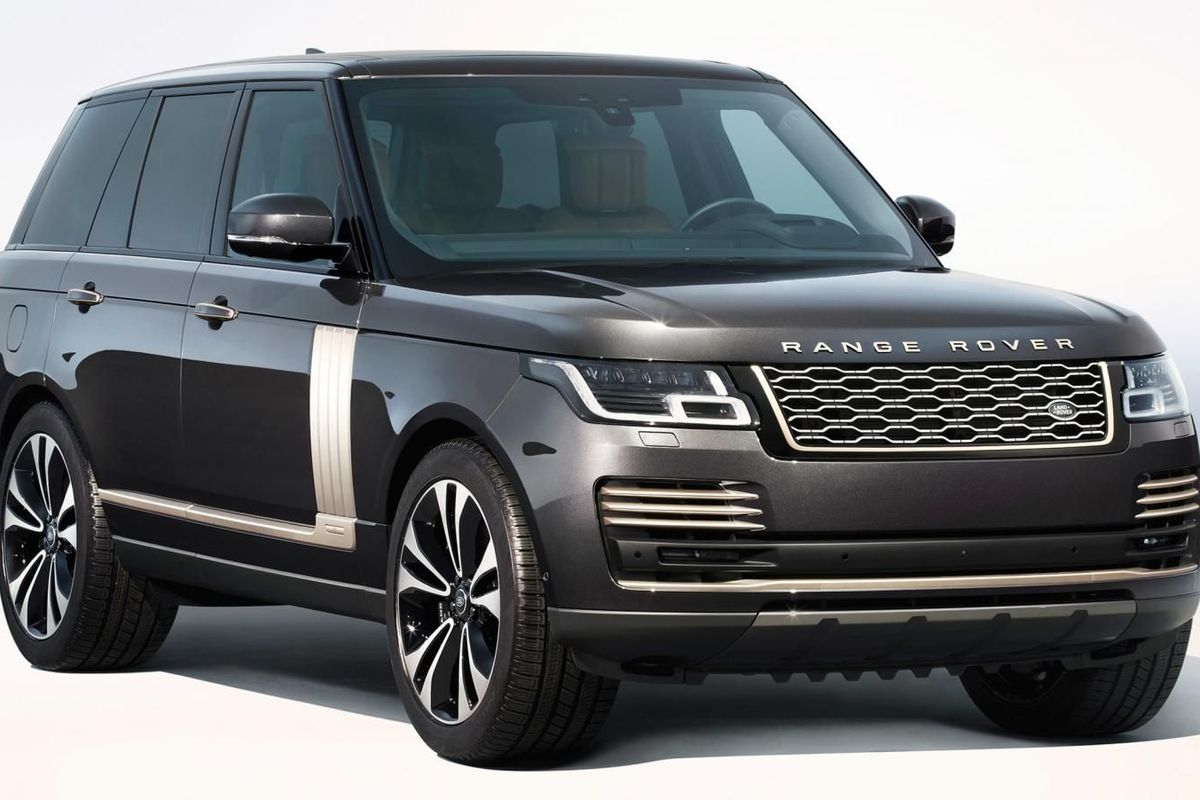
Land Rover has announced a new limited edition series, of its most premium product.
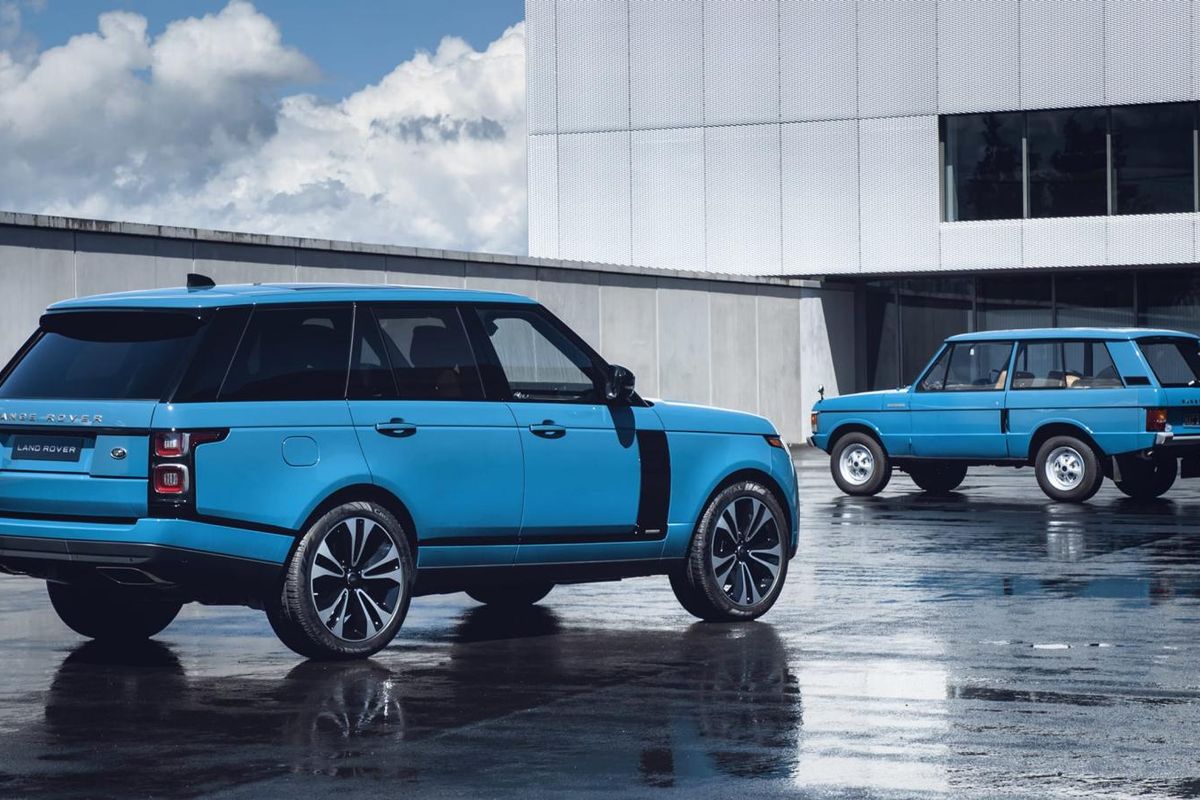
To celebrate the 1970 heritage date of Range Rover’s introduction, customers will now have option on the Range Rover ‘Fifty’. This new edition is supposed to commemorate the start date of Land Rover’s luxury SUV model, which was 1970 – as such, only 1970 units will be built.
What distinguishes a Range Rover Fifty? It moves through the assembly process to achieve an Autobiography specification build, before technicians adds some trim and finishing bits, to evolve it into a Fifty.
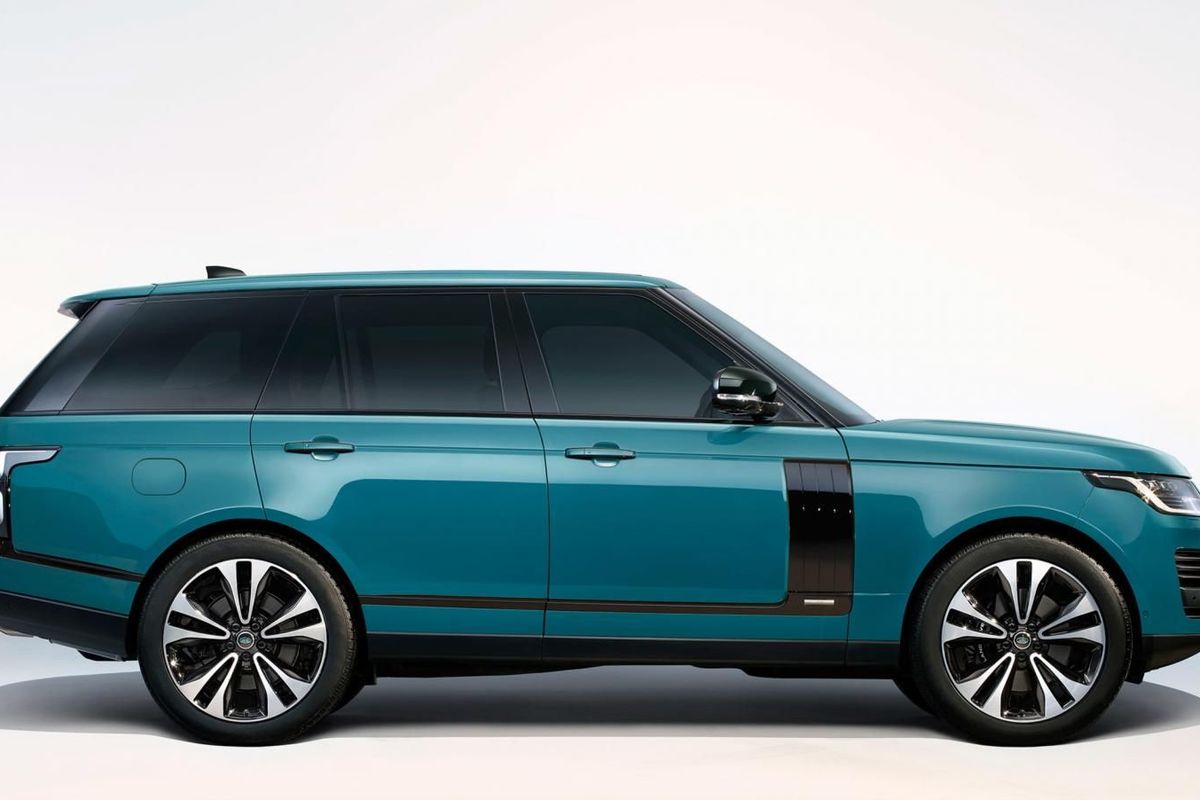
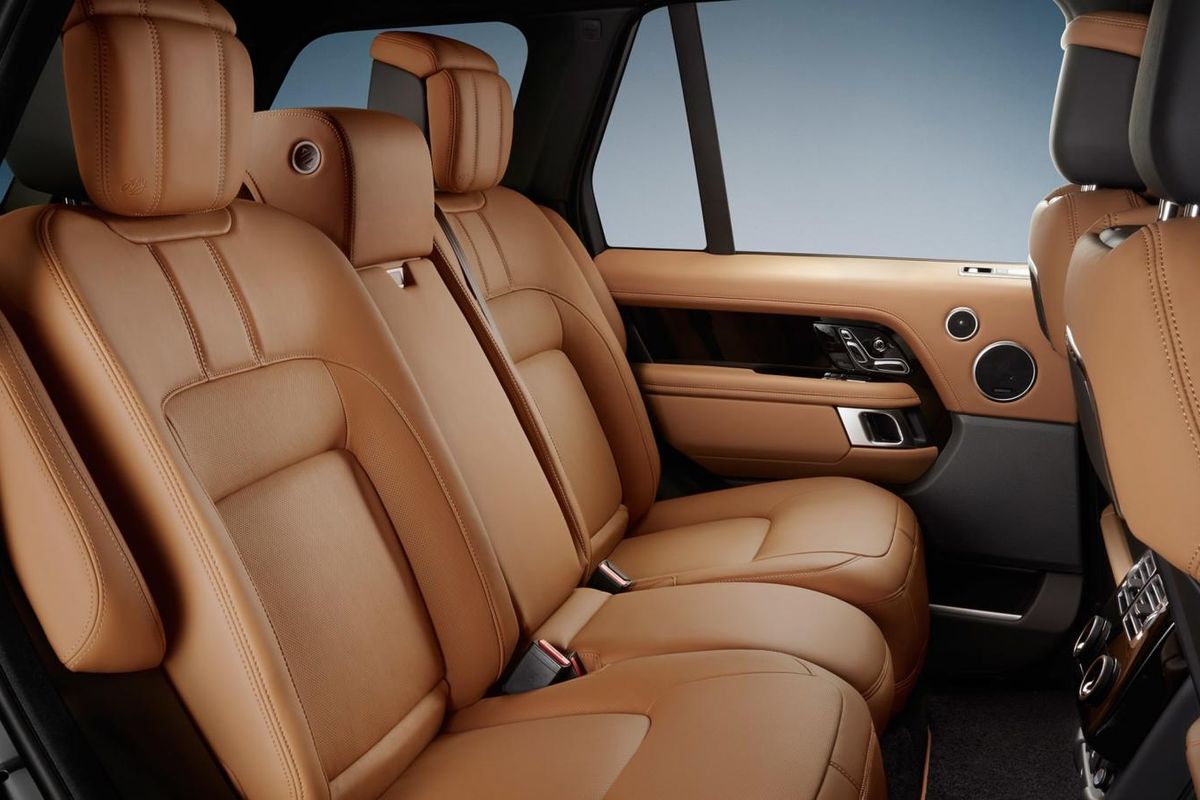
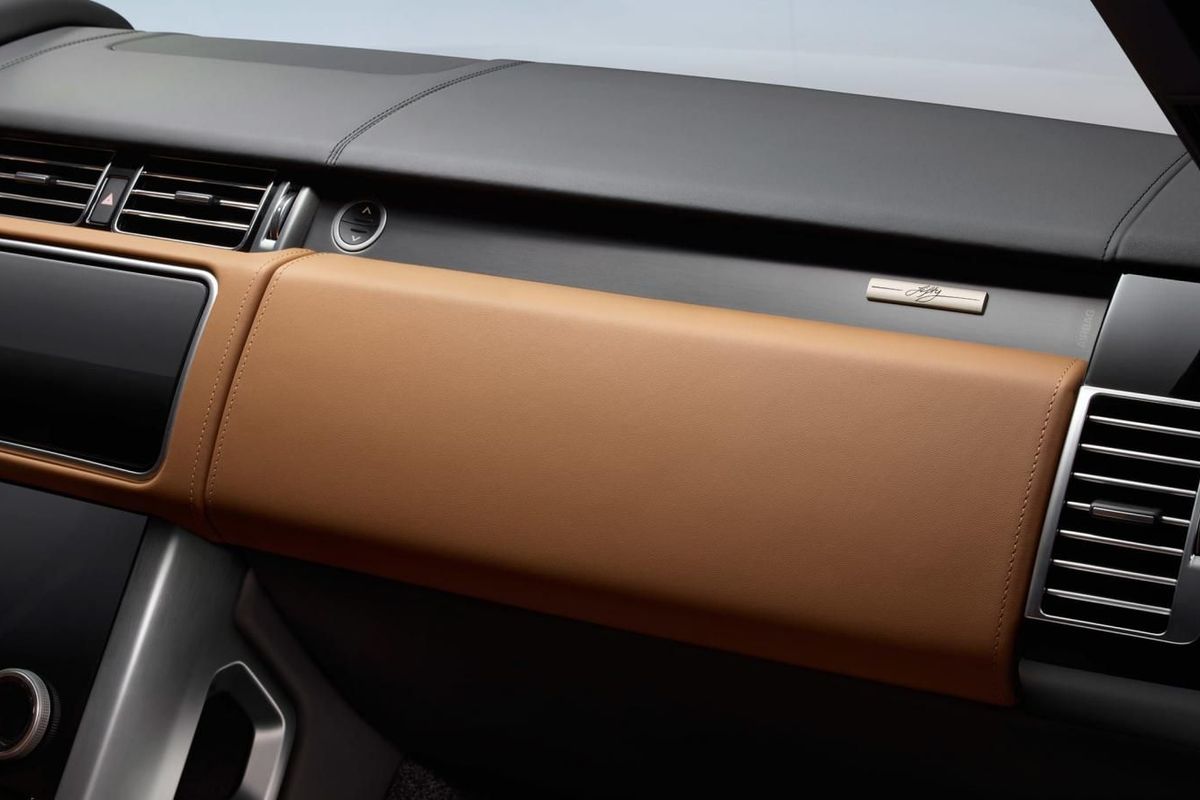
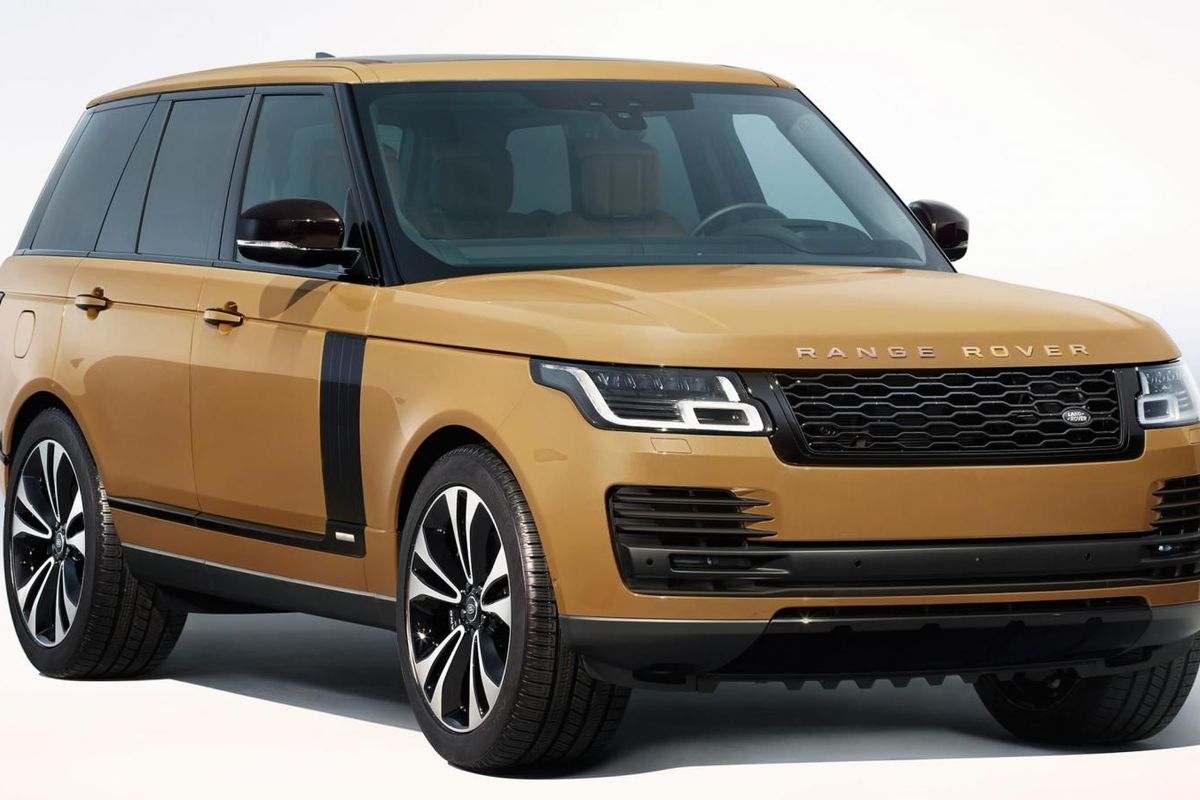
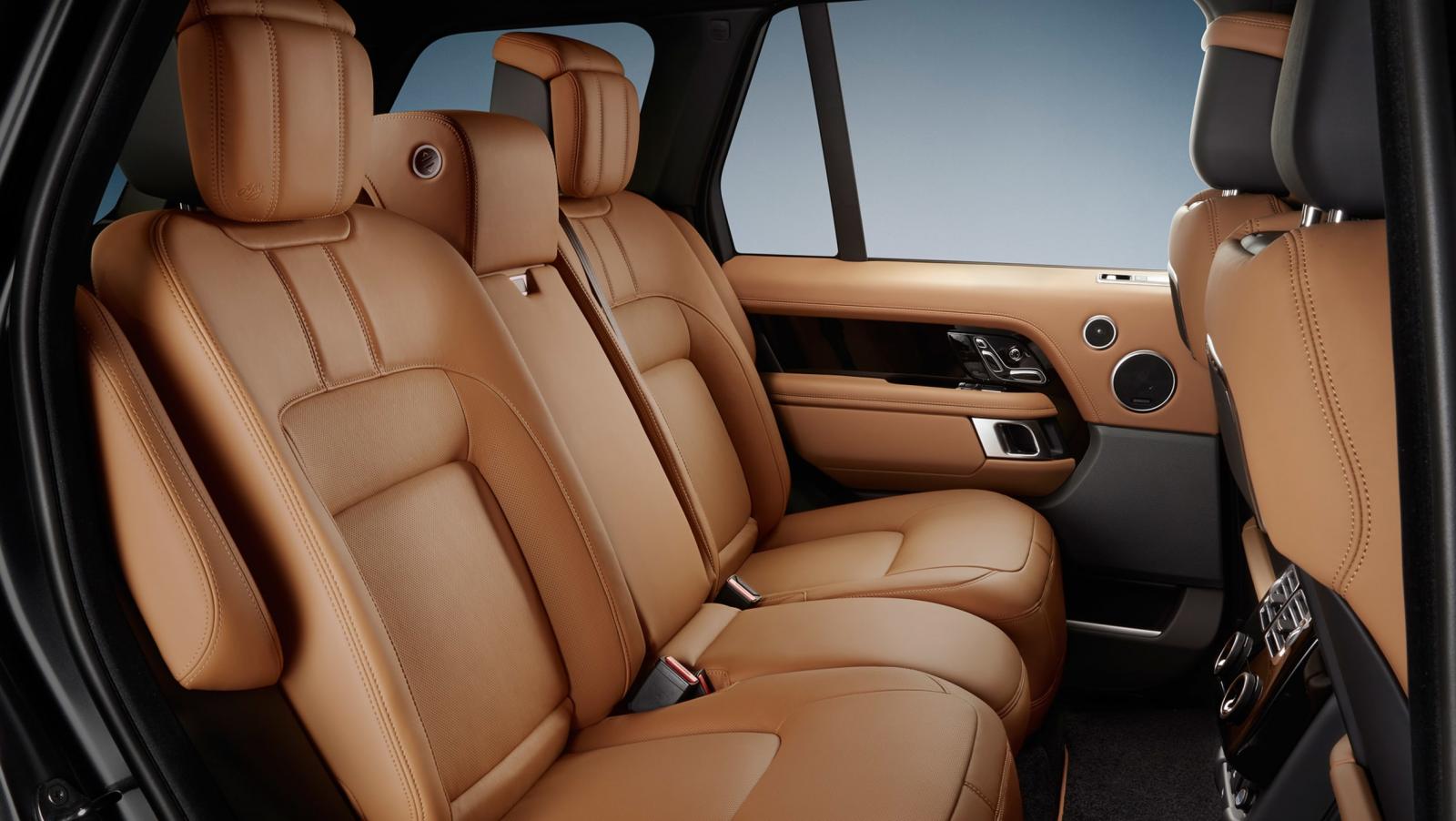
Two distinct 22-inch wheel designs will help Land Rover fans recognise a Fifty in traffic and upon closer inspection, there will be an adequate number of ‘Fifty’ badged on the SUV’s exterior. The cabin will feature distinctive Fifty plaques and illuminated treadplates.
Colours are the easiest way for a brand to achieve limited-edition model differentiation and the Range Rover Fifty is no different. Customers will have option on four primary hues: Santorini Black, Aruba Silver, Carpathian Grey, and Rosello Red.
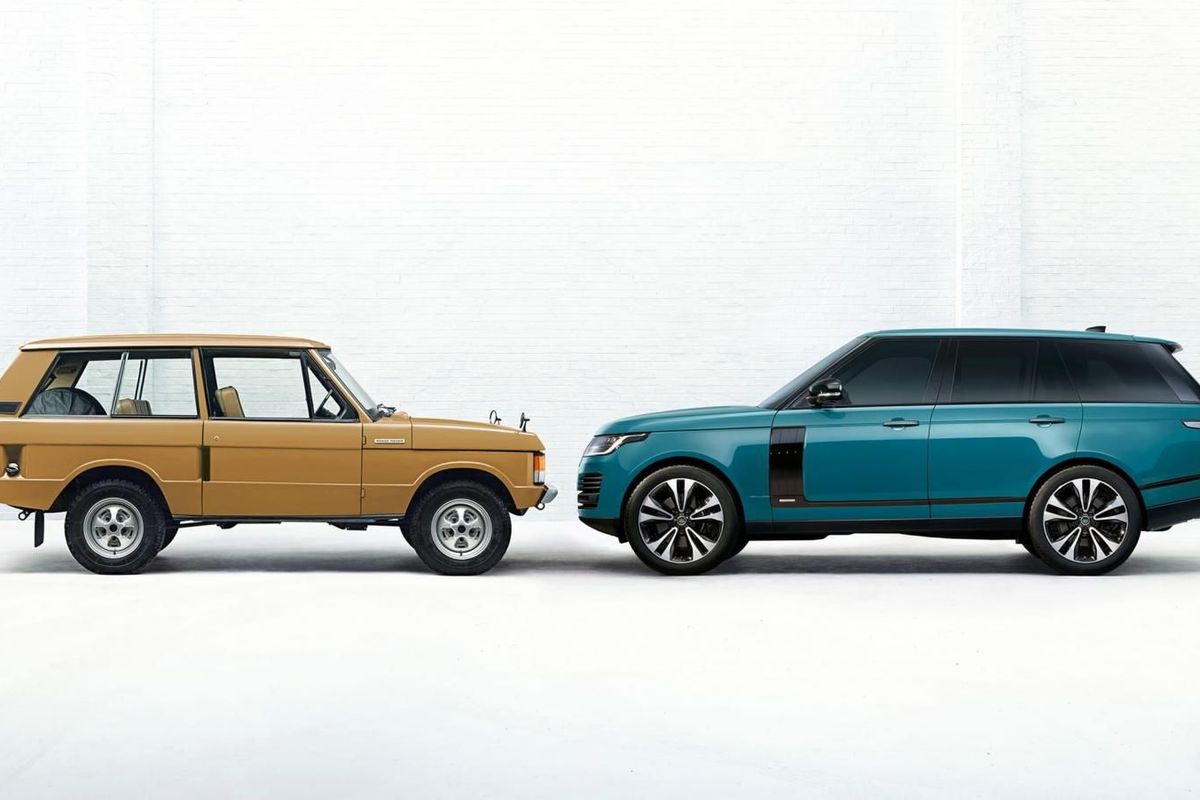
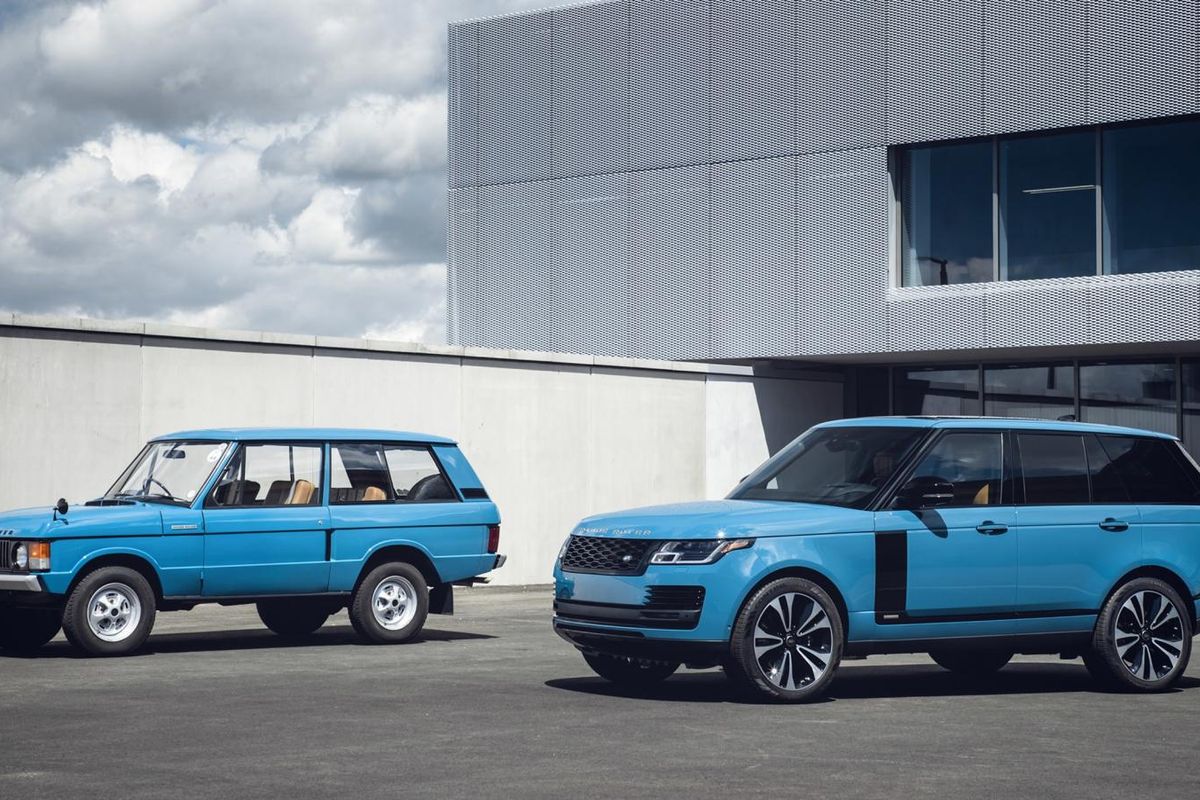
By far the most desirable and collectible Range Rover Fiftys will be a smaller batch of the total production, painted in Bahama Gold, Davos White and Tuscan Blue. These three finishes pay homage to the original Range Rover launch colours.
Using the Autobiography platform, Fifty customers will have option on the full spectrum of Range Rover engines. What is particularly ironic about the Fifty, in its celebration of the original three-door Range Rover which features next to it in some of the marketing material, is the sadness relating to Land Rover cancelled SV Coupe project from last year…
South Africa will be receiving an allocation of the 1970 units produced, although it is unclear if local customers will have a choice of the more exclusive colours.
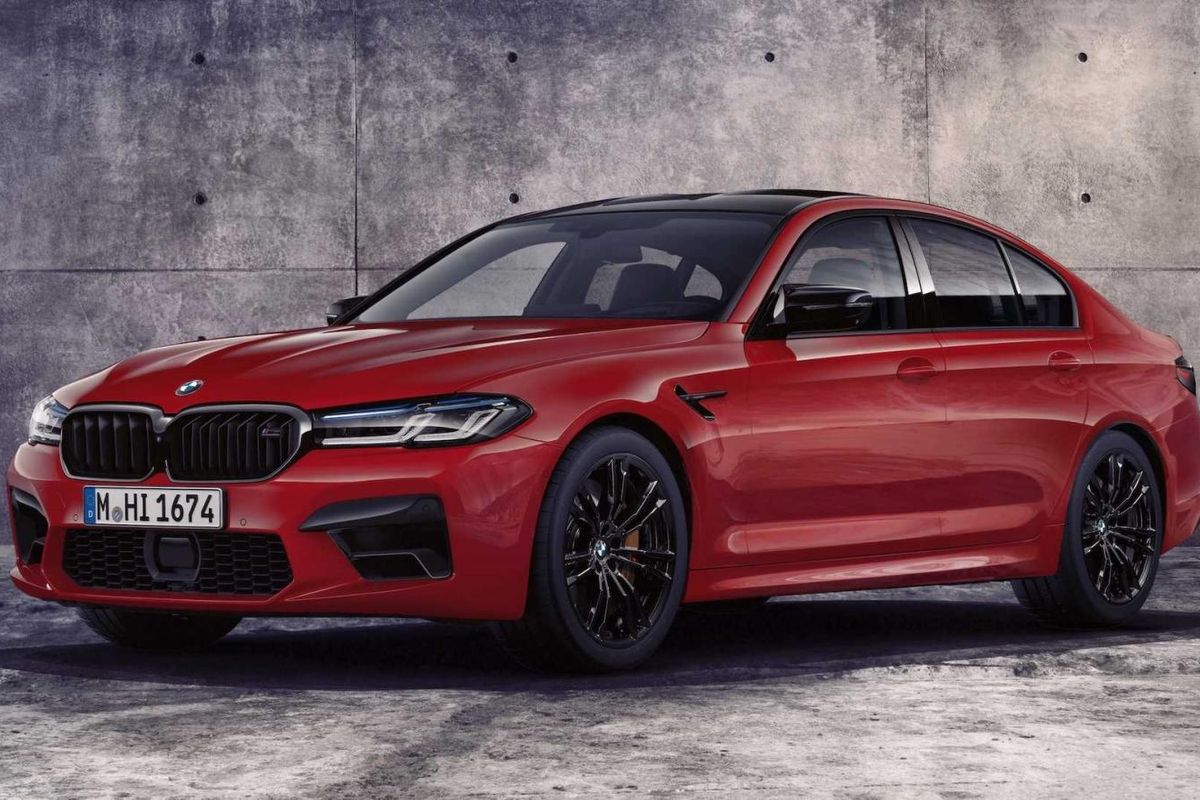
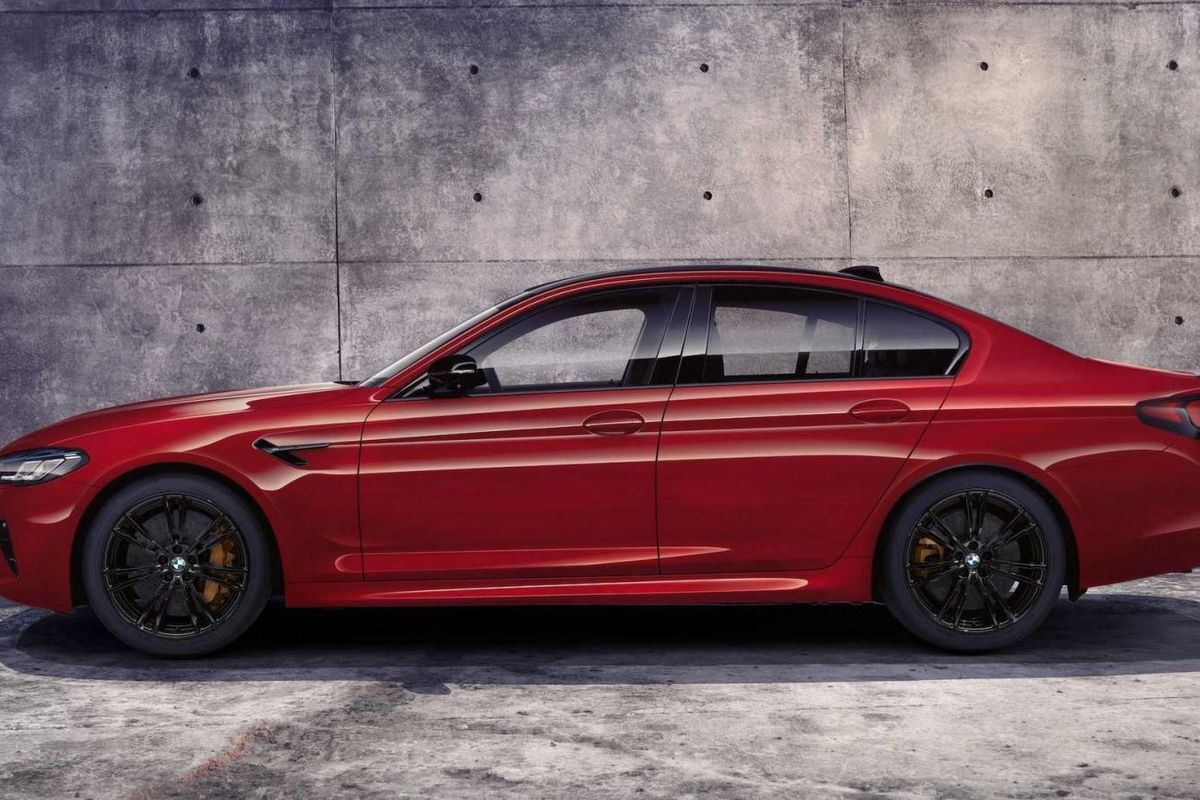
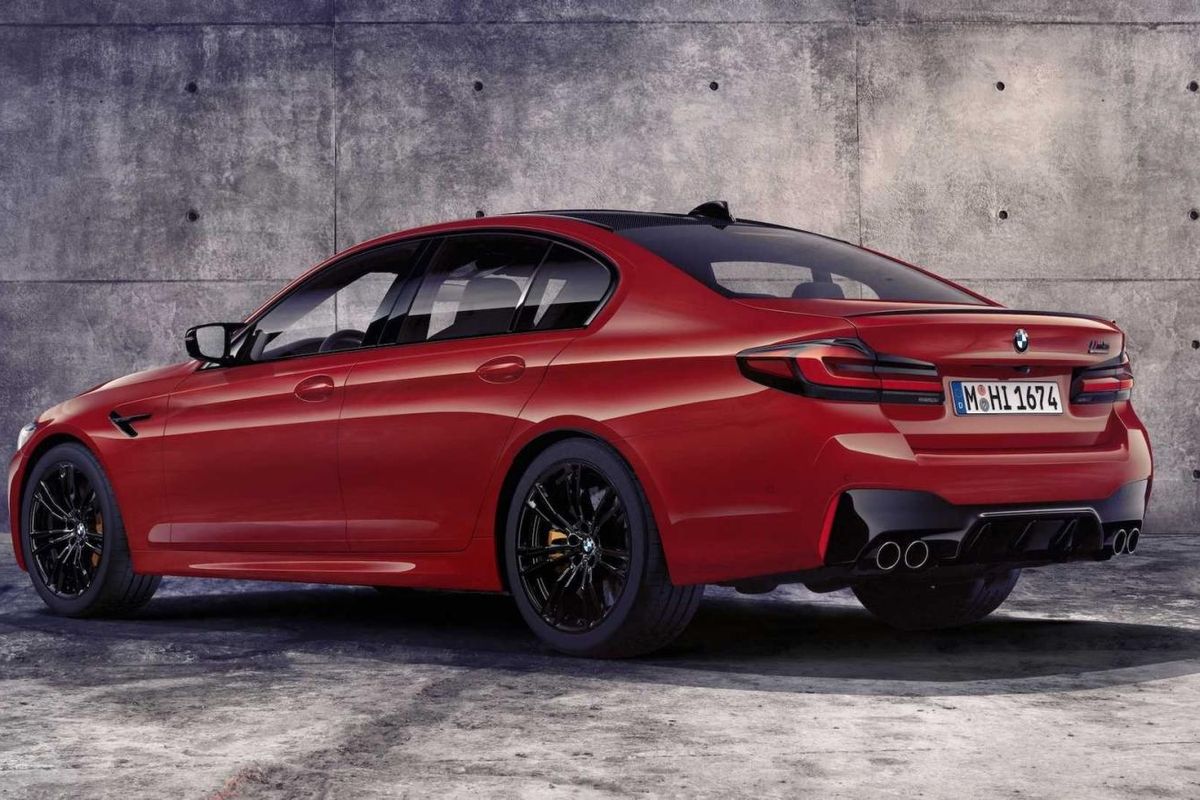
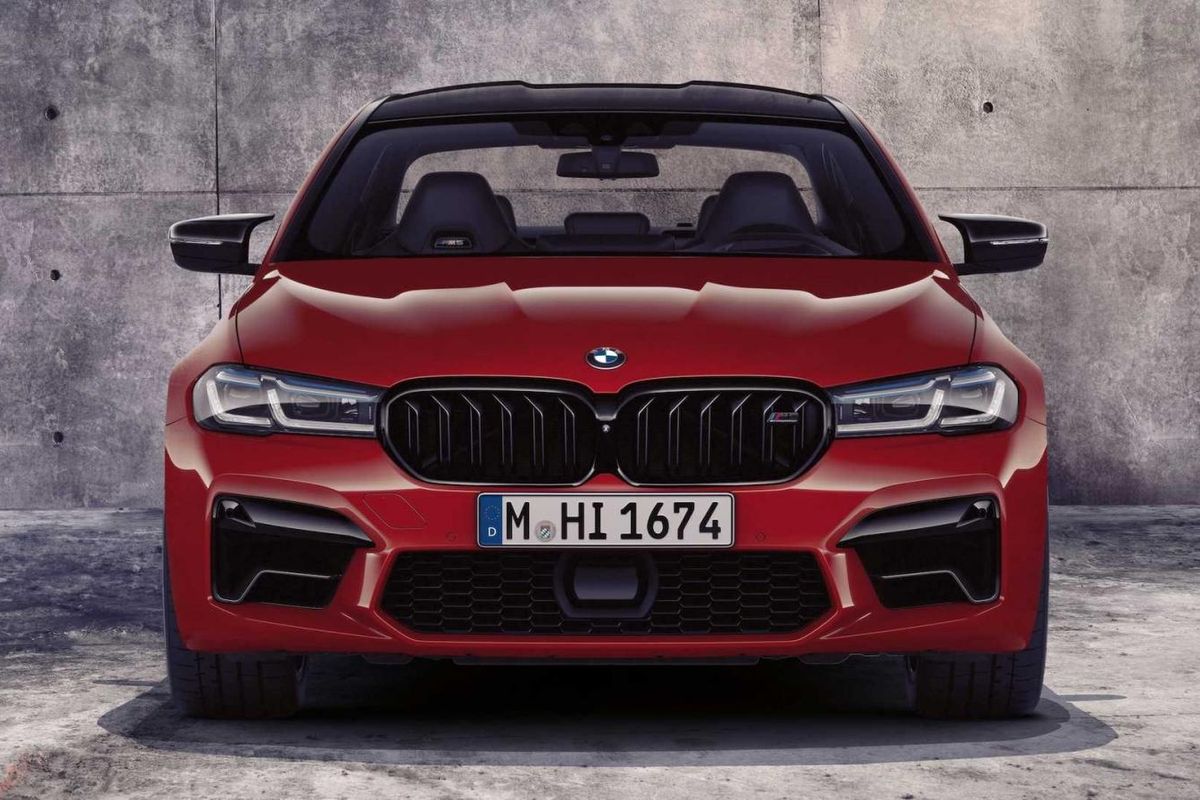
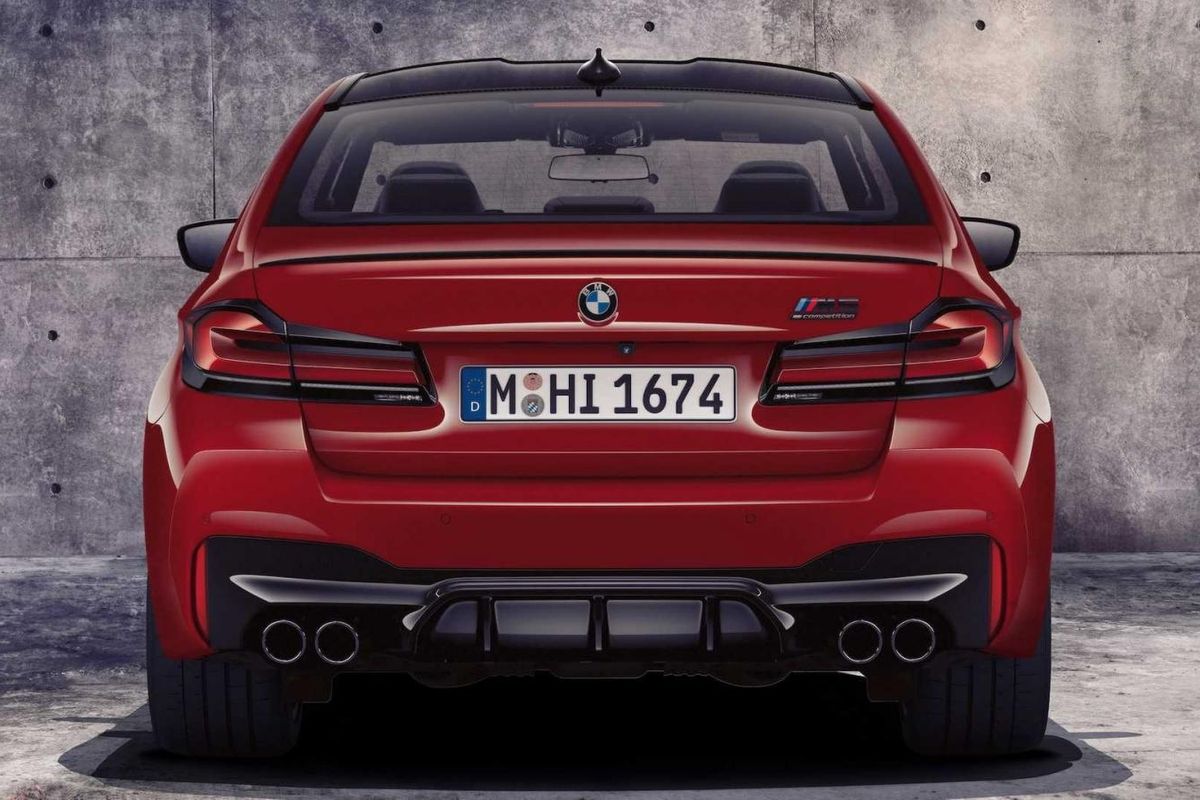
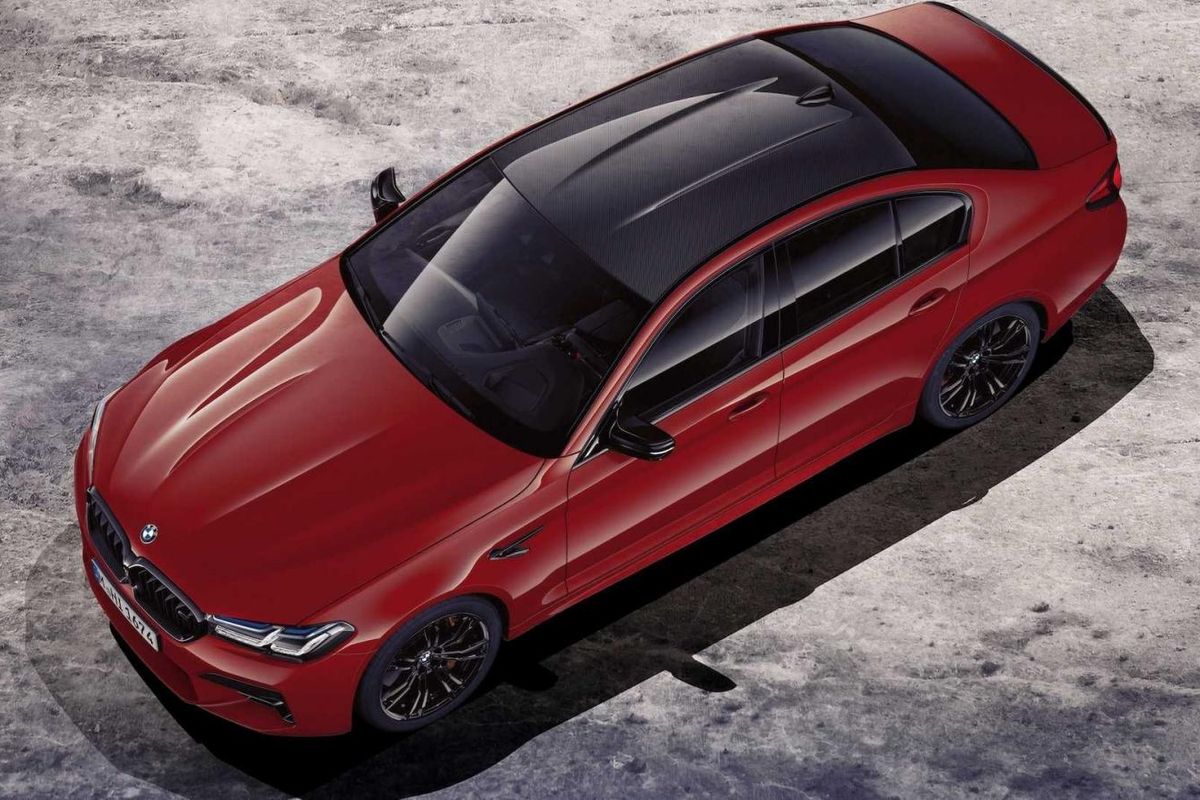
BMW has taken the wraps off the 2021 M5 Competition. What's new? Let's take a look.
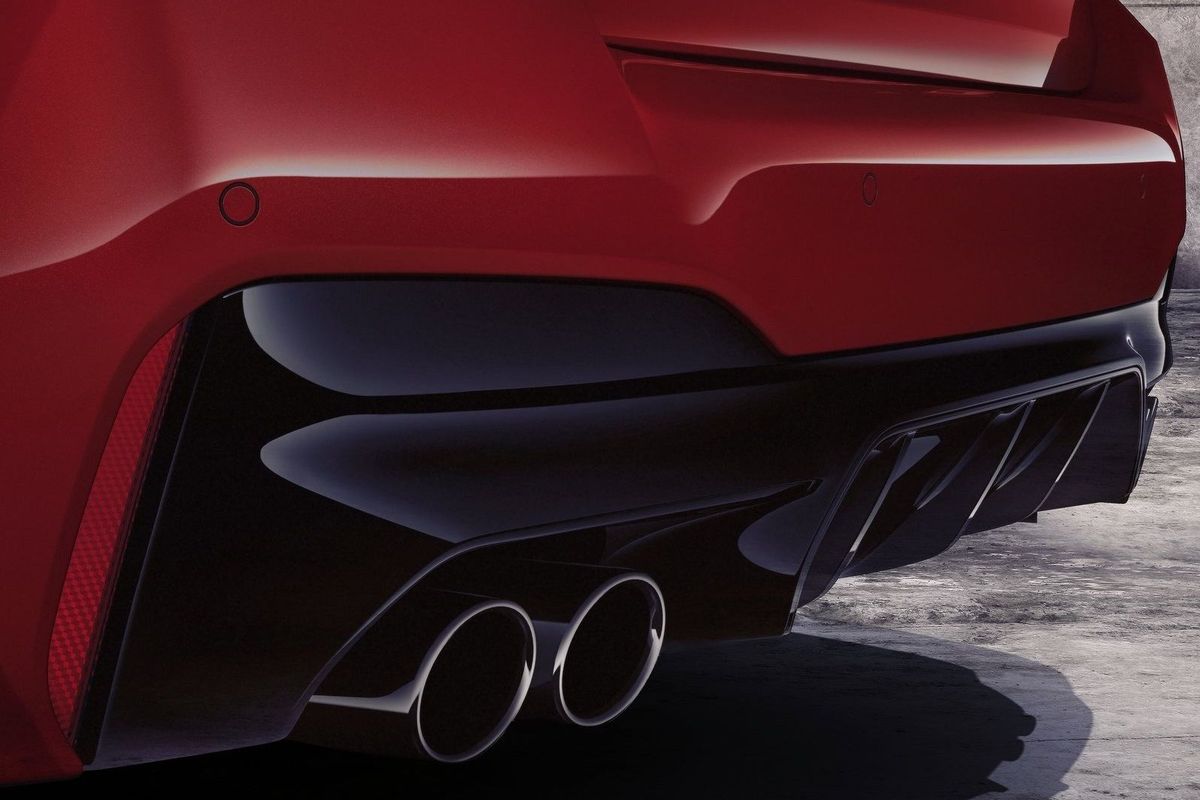
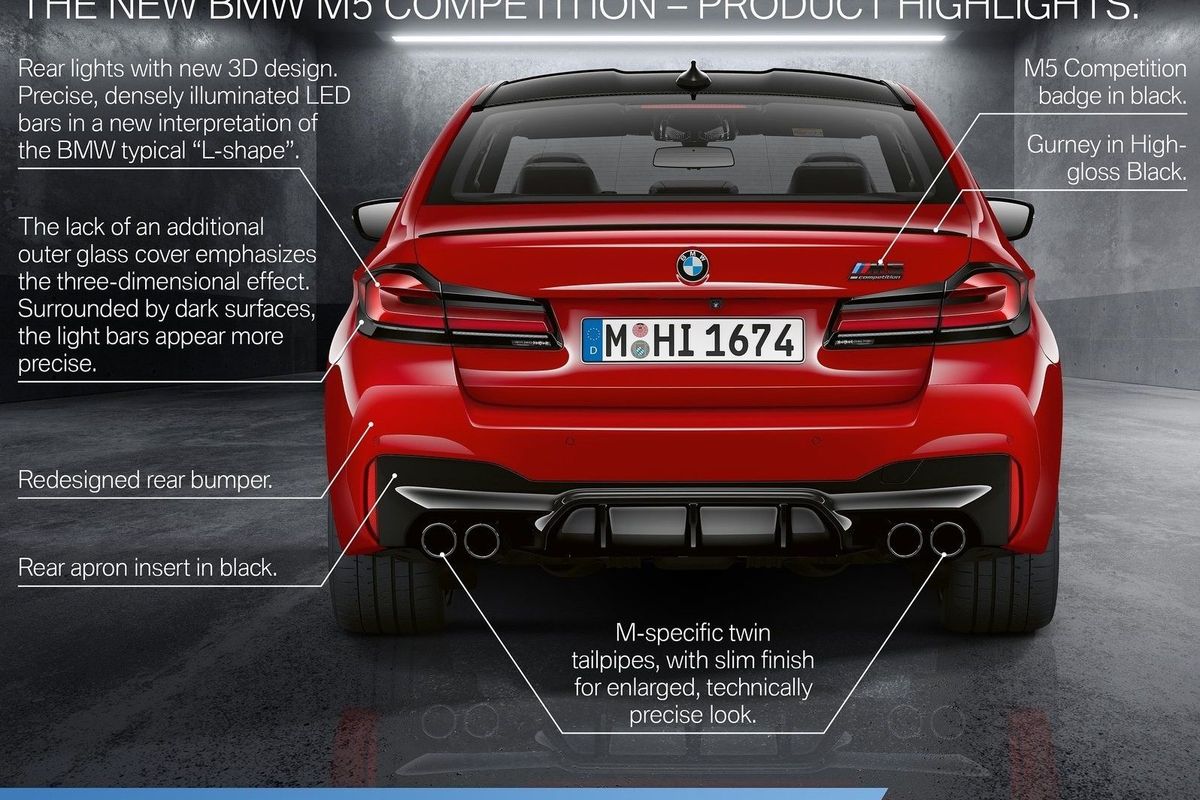
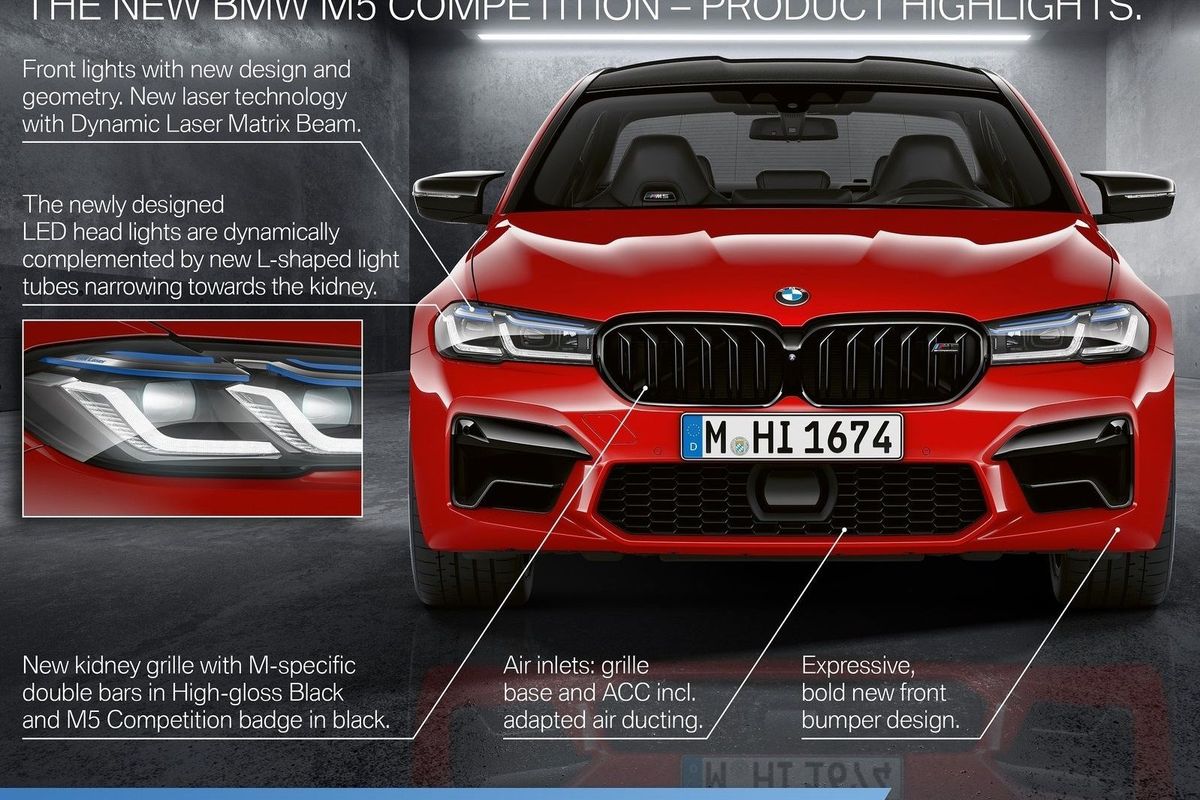
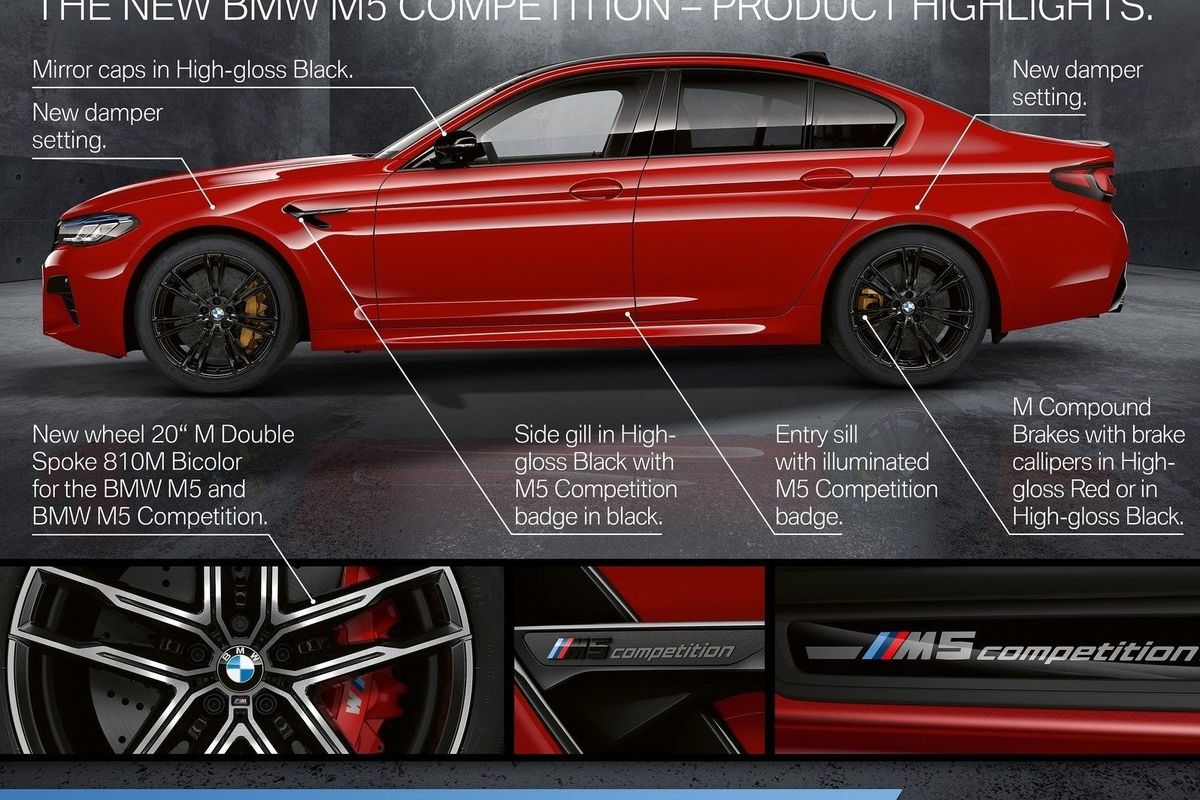
Much like the recently-facelifted BMW 5-Series, the updated BMW M5 boasts a new-look front end and headlights. The new bumper looks aggressive, while at the rear, there's a diffuser and new tail lamps.
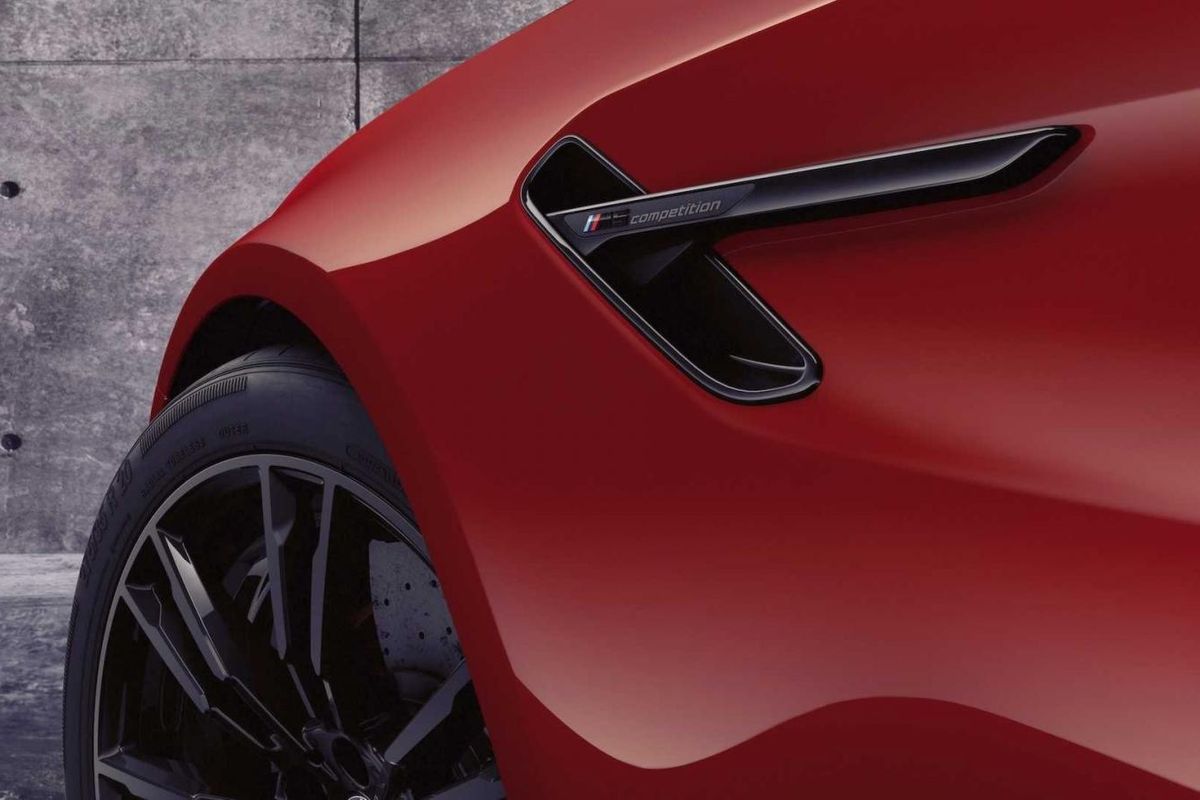
The most striking thing you'll notice is this red finish. BMW M has given the updated M5 a new colour palette and this includes what you see here: Motegi Red Metallic. There are an additional 4 new colours to choose from. Keen-eyed spotters will notice these 20-inch alloy wheels come straight from the BMW M8.
What else is new? The engine has been carried over from before and the 4.4-litre twin-turbocharged V8 petrol engine continues to churn out 460 kW and 750 Nm. Power goes to all 4 wheels via an 8-speed automatic transmission and in terms of performance, you're looking at a claimed 0-100 kph of just 3.3 seconds. In terms of top speed, it will crack 250 kph, but if you have the optional M Drivers Package ticked, 305 kph is possible.
Under the skin, the BMW M engineers have been hard at work refining the suspension of the M5 Competition. There are revisions to the damper control system that BMW claims 'will enhance ride comfort during high-speed highway driving as well as over bumps' as well as new shock absorbers which are lifted from the BMW M8 Gran Coupe. There are also revisions to the BMW M Servotronic steering setup.
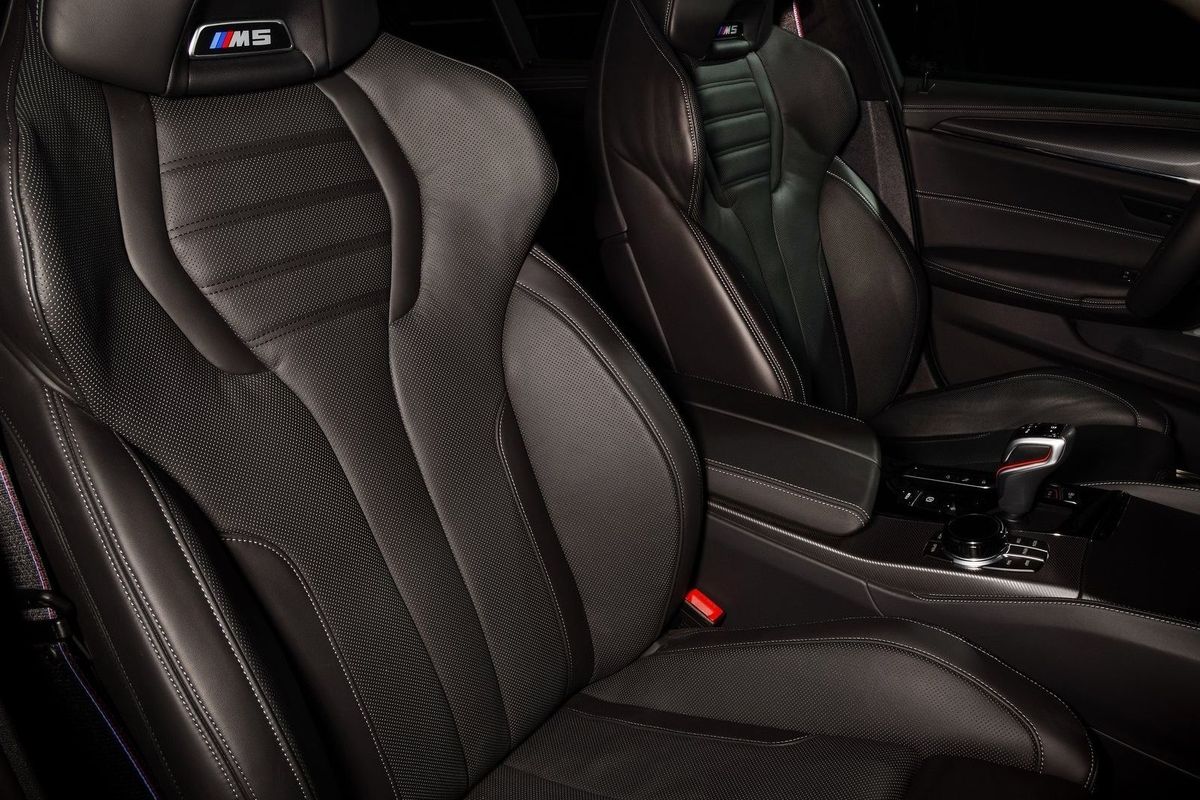
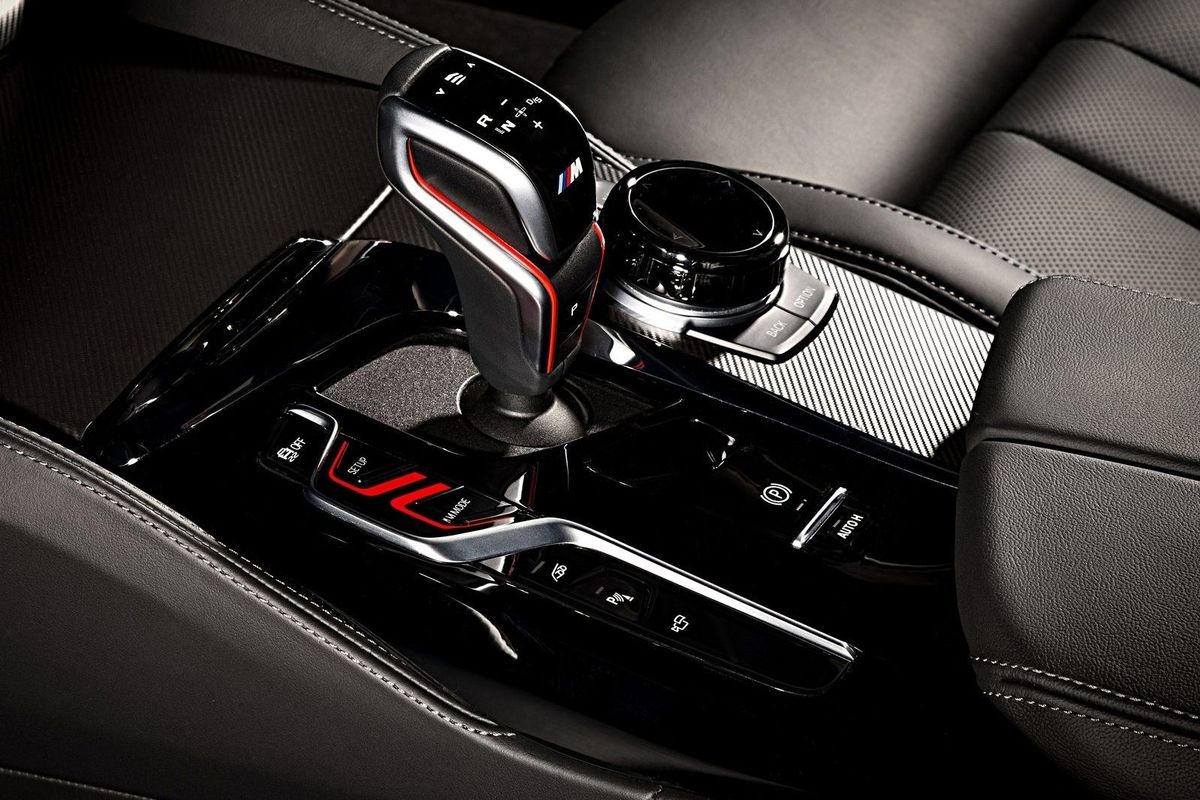
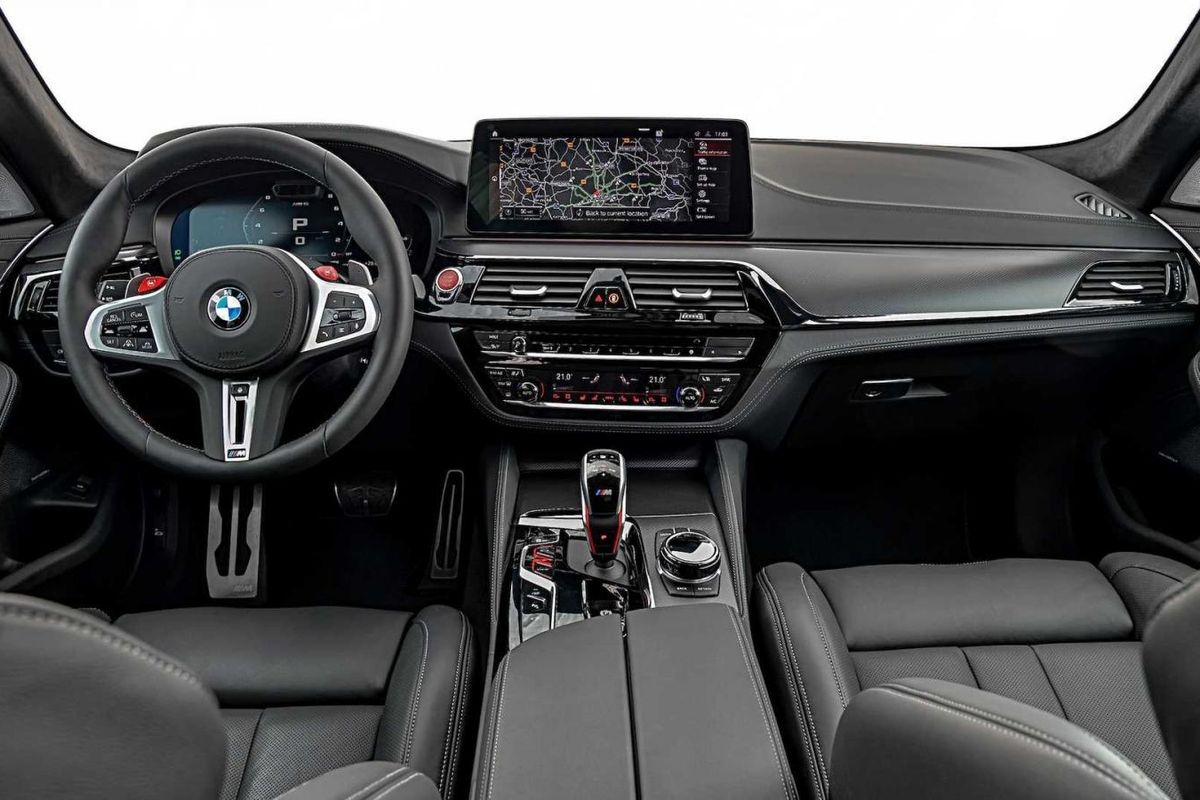
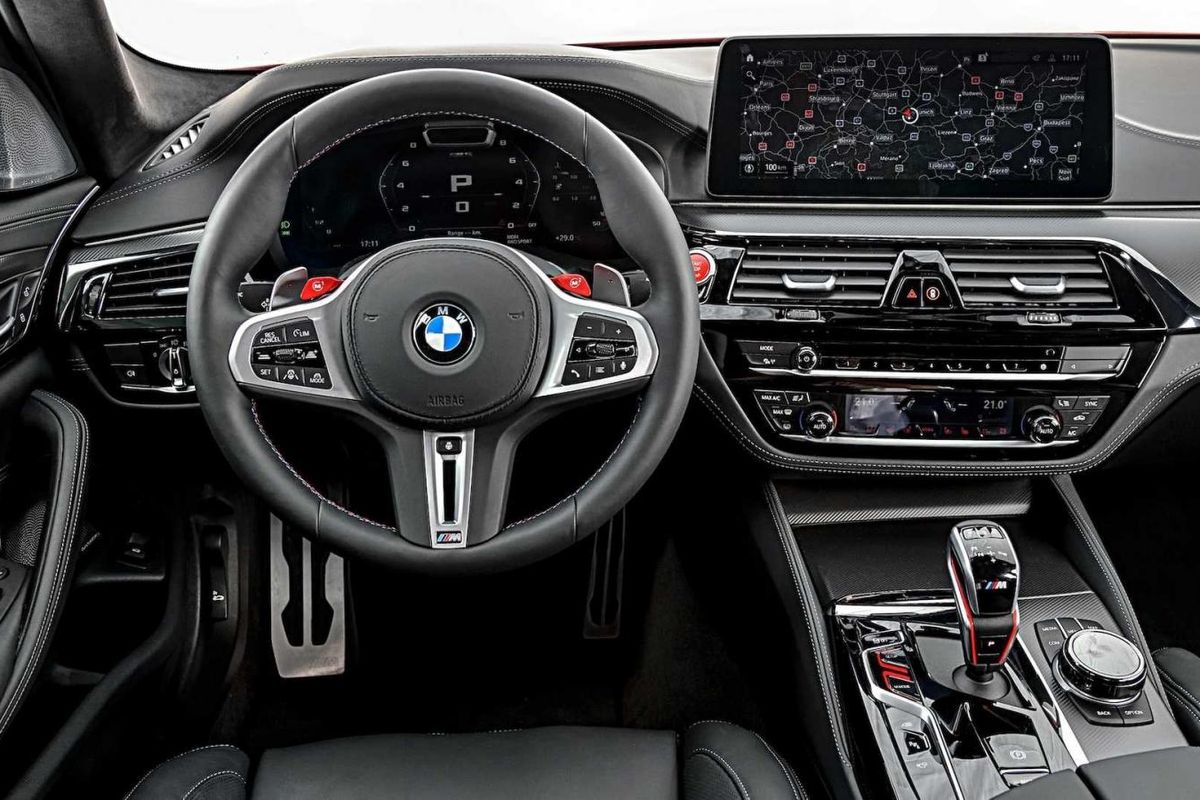
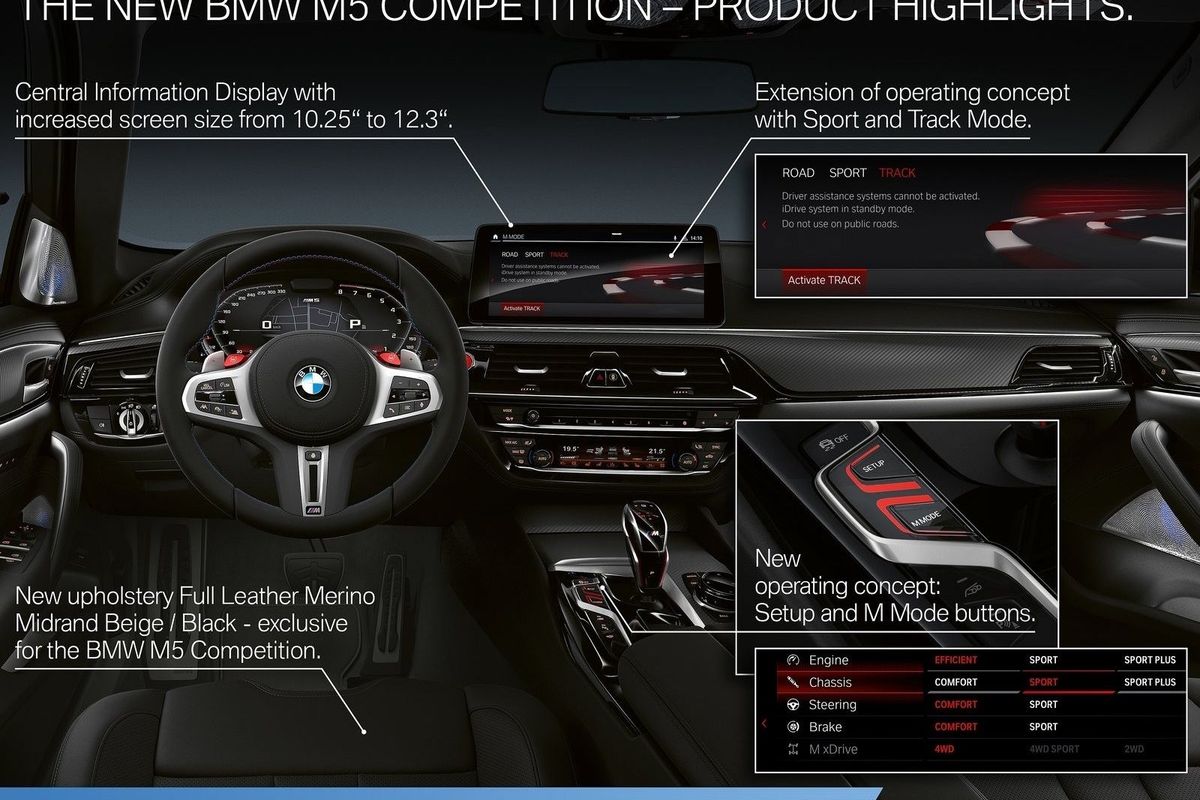
Inside, the cabin of the updated BMW M5 gets a larger 12.3-inch infotainment screen. Android Auto and cloud-based navigation makes its debut into this model. There are also revisions to the upholstery and an updated central console with 2 new buttons to access the vehicle's settings.
BMW M5 Arrival in South Africa
The updated BMW M5 Competition will arrive in South Africa alongside the rest of the updated BMW 5-Series range towards the end of 2020. Stay tuned for pricing and SA-specific features.
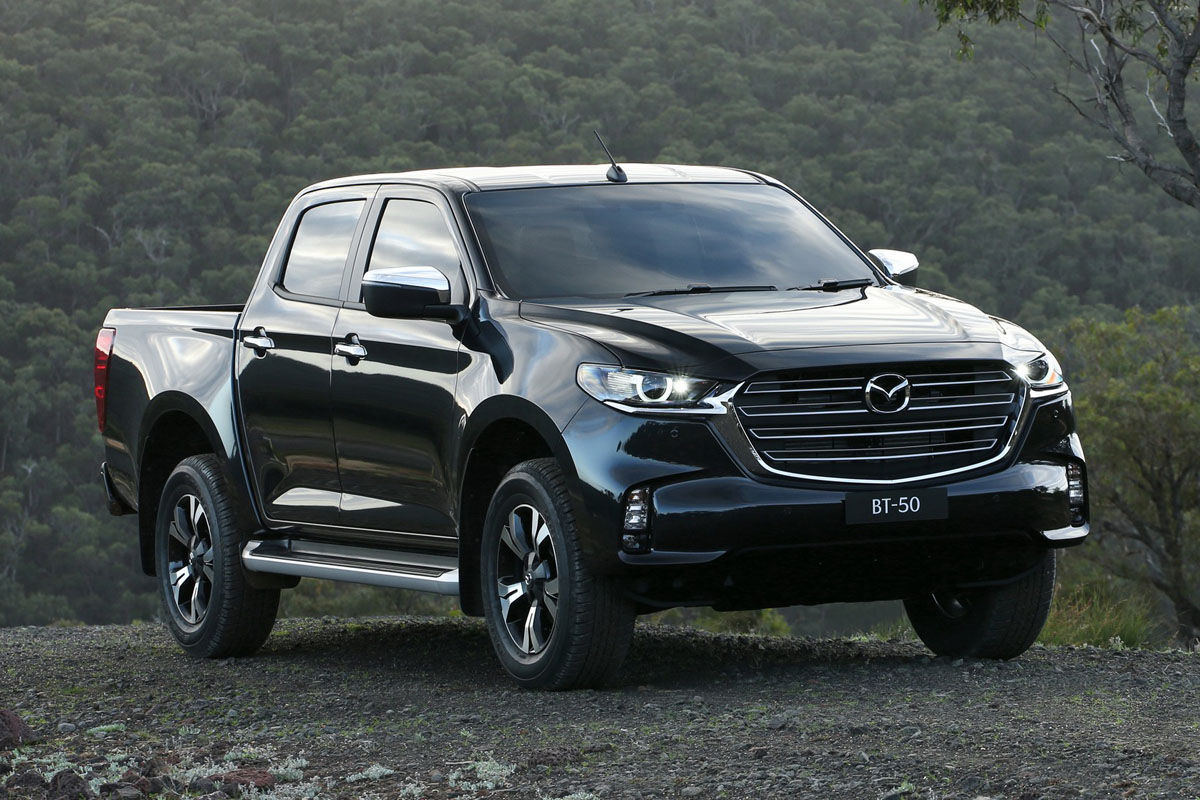
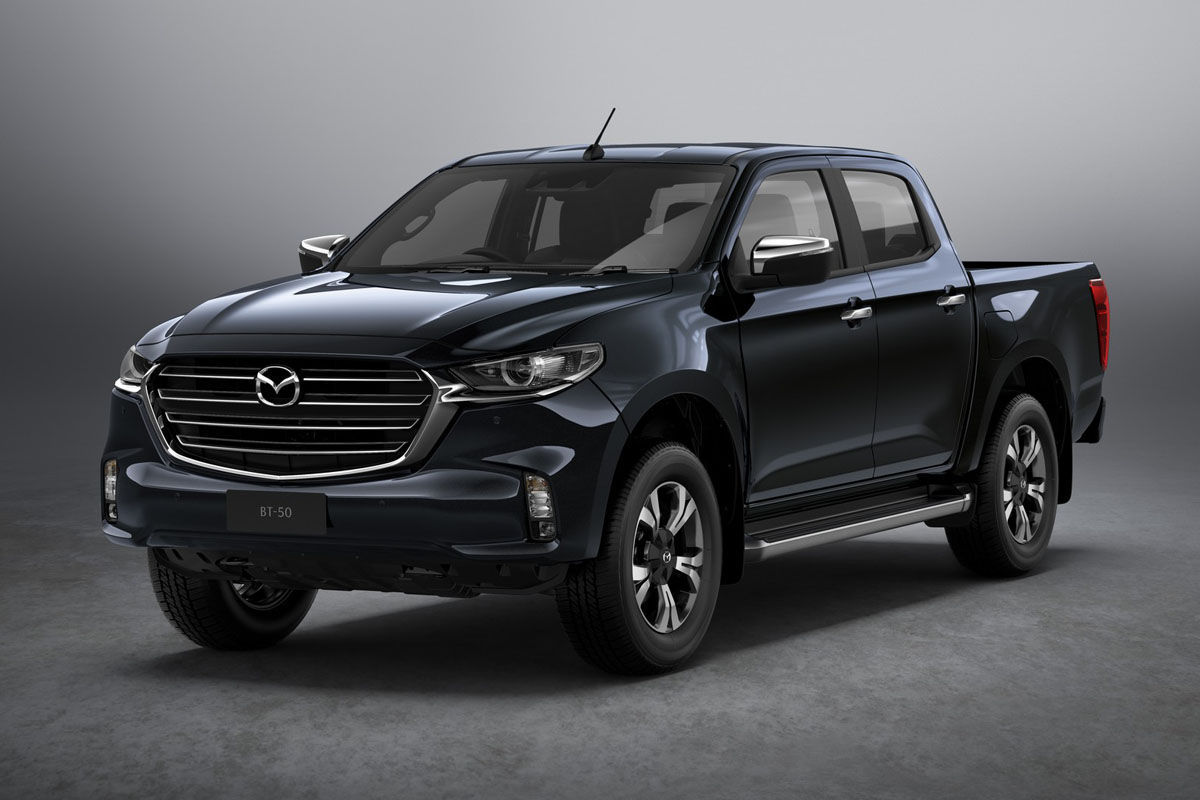
Is this handsome Japanese newcomer set to become the best-looking bakkie in South Africa? The new-generation Mazda BT-50, which shares its underpinnings with the upcoming Isuzu D-Max, blends bold styling cues with a smarter cabin and advanced safety features.
This BT-50 marks the end of the 48-year relationship between Ford and the Japanese brand, as previous iterations of the BT-50 were based on the Ford Ranger platform. It now remains to be seen whether the Thailand-produced Mazda, which will arrive in Australian showrooms around the end of the year, will debut in South Africa before production of the bakkie on which it is based, the new D-Max, begins in Port Elizabeth in the second half of 2021.
But, fear not, the new BT-50 is coming to South Africa. "We can only confirm actual timing of the new BT-50 closer to our launch time," Mazda Southern Africa brand manager Melané Bezuidenhout said.
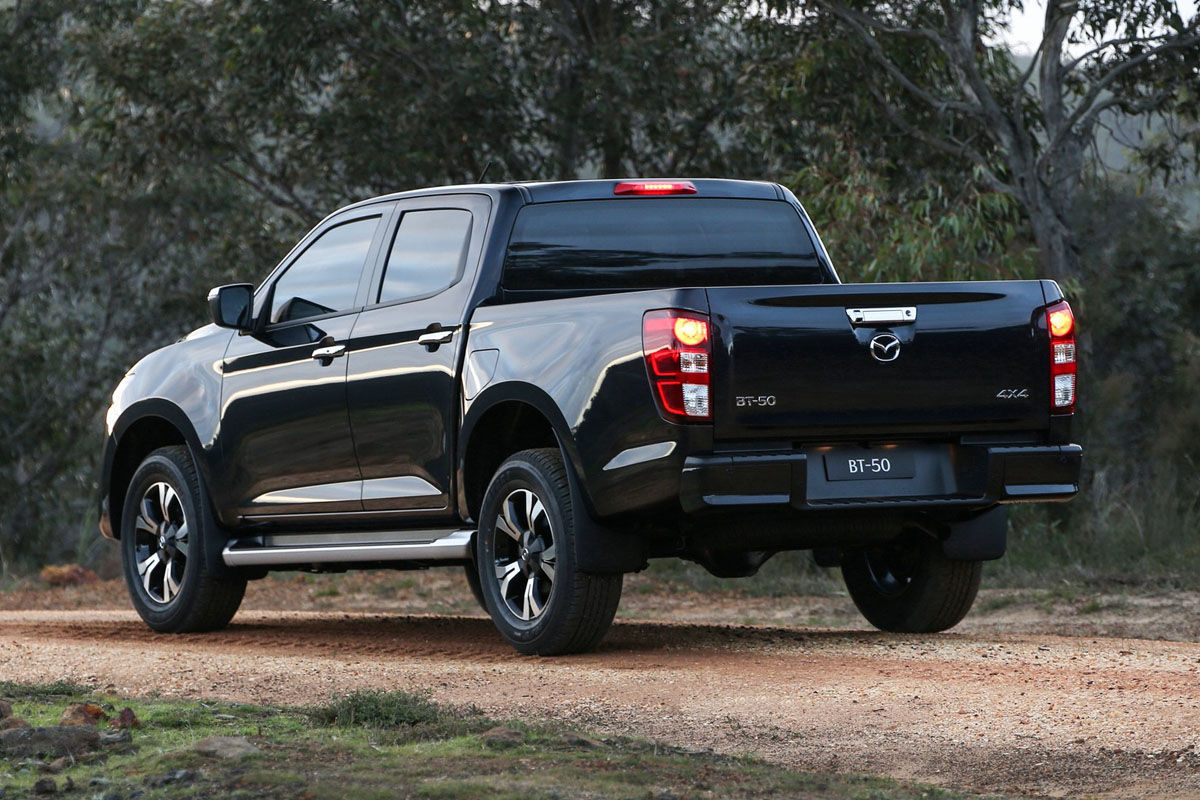
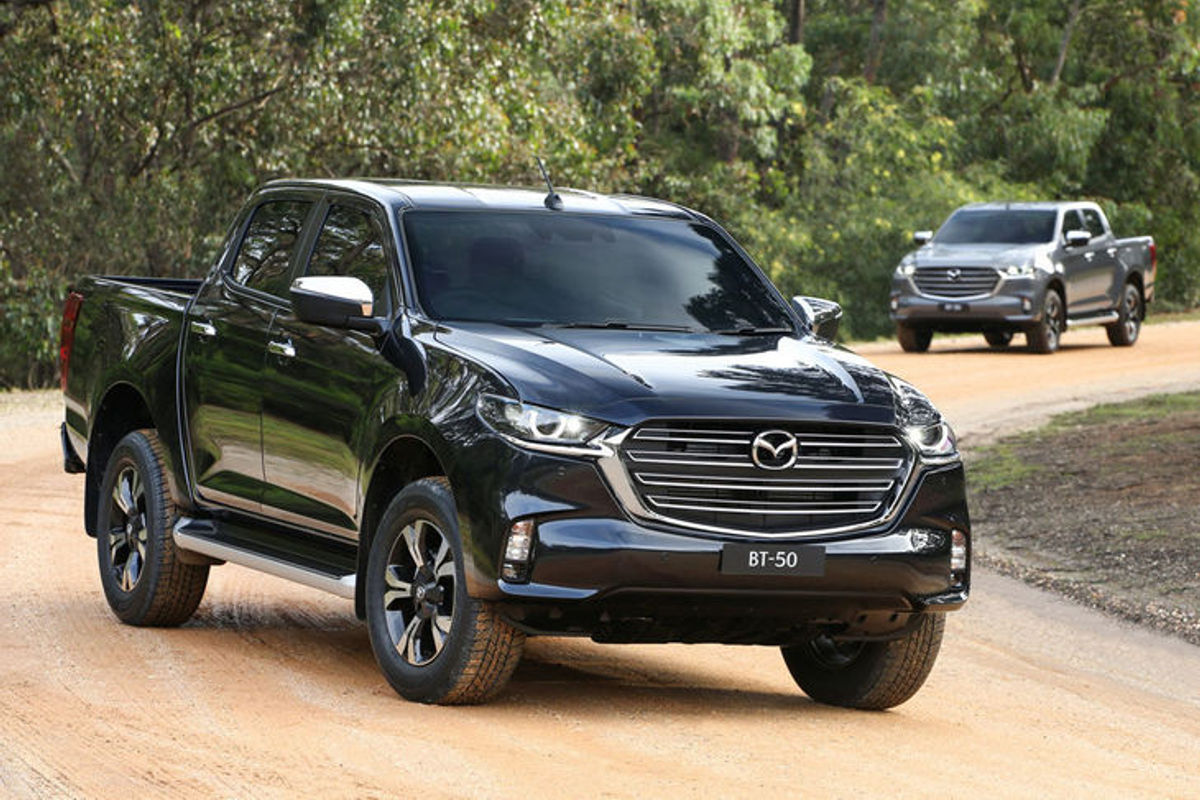
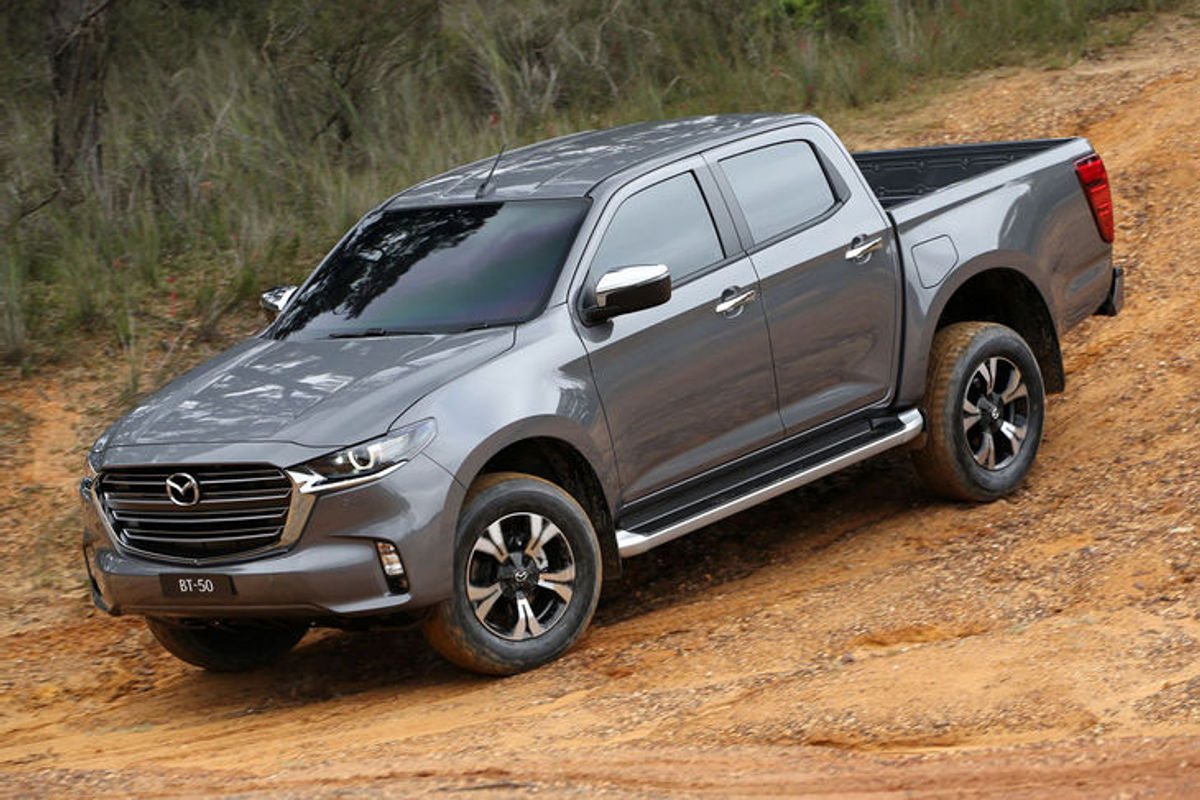
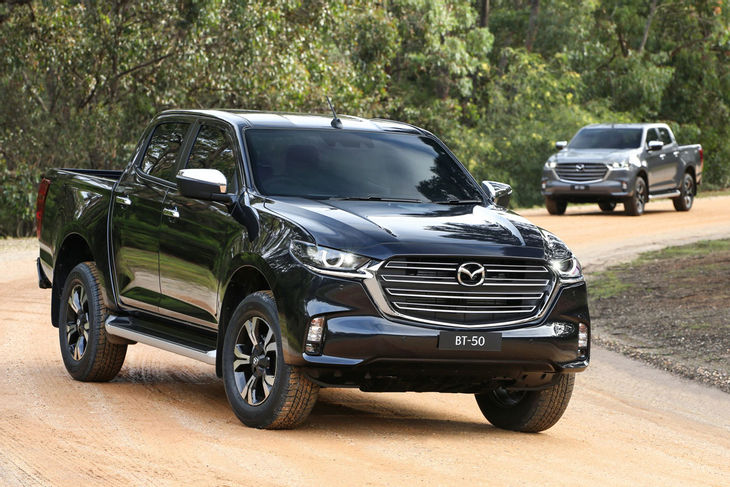
Compared with its predecessor's love-it-or-hate-it looks, the new BT-50 is more classically handsome (for a bakkie, anyway).
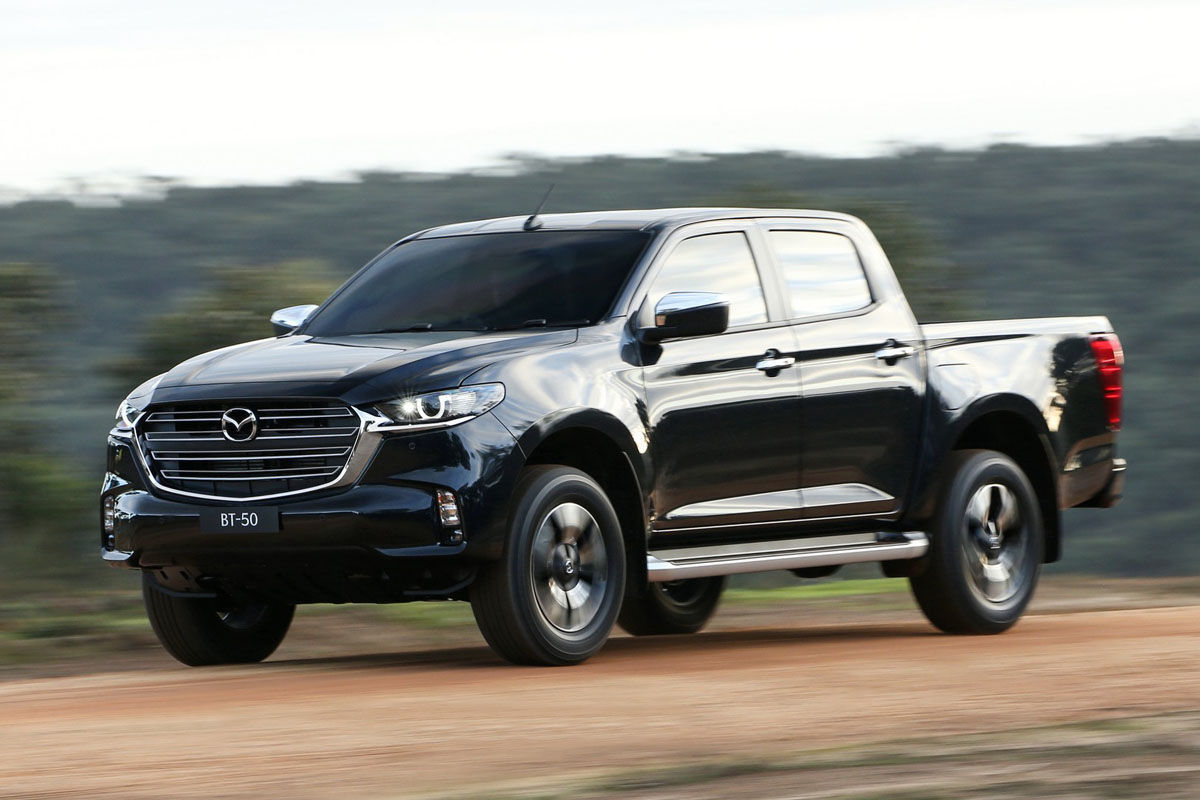
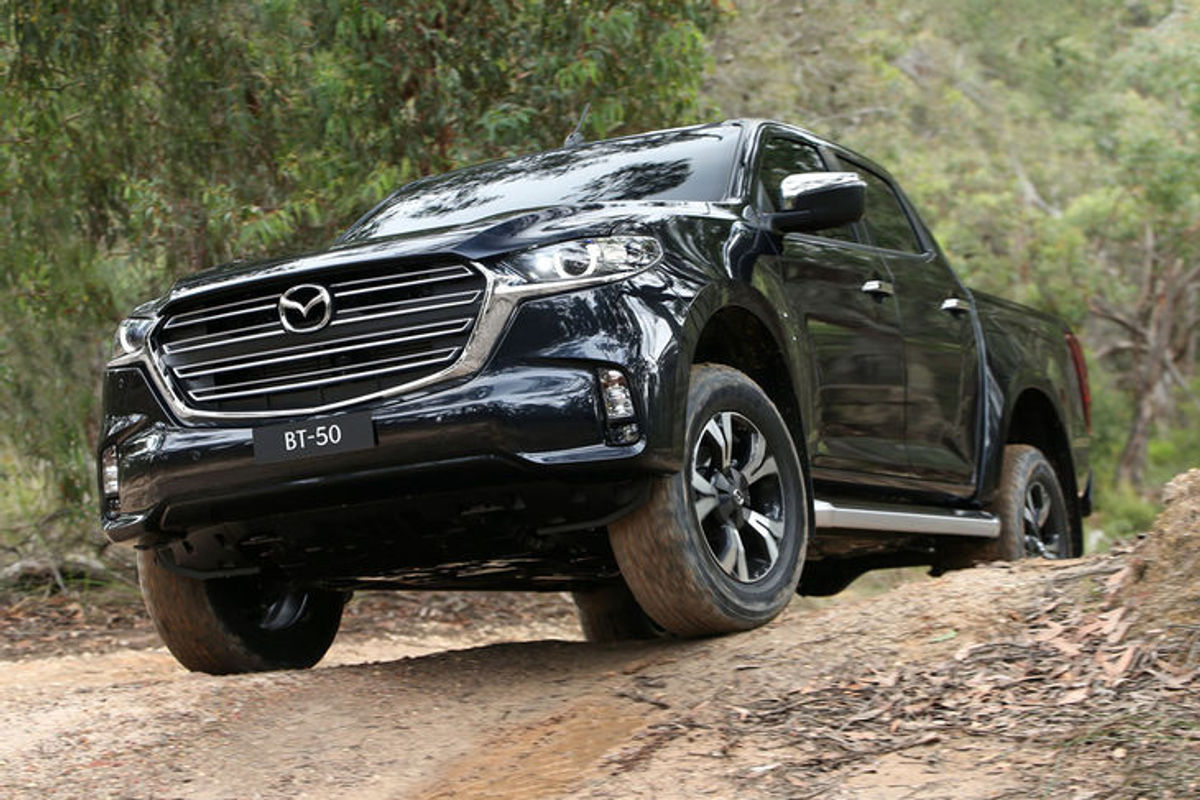
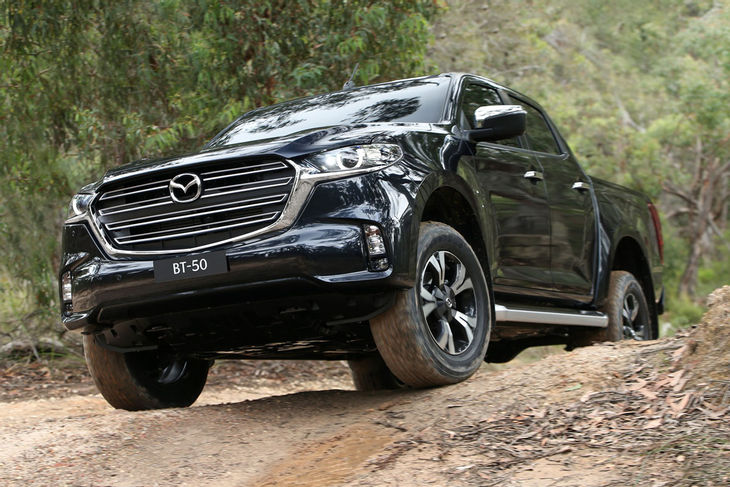
It's a handsome bakkie in anyone's book. The distinctive frontal aspect is characterised by a bulging bonnet (with a pair of broad ridges) and an expansive chromed grille that underscores the sculpted slim LED headlamps and is flanked by 3-dimensional wraparound fenders. The low- and wide-positioned foglamp clusters further broaden the look.
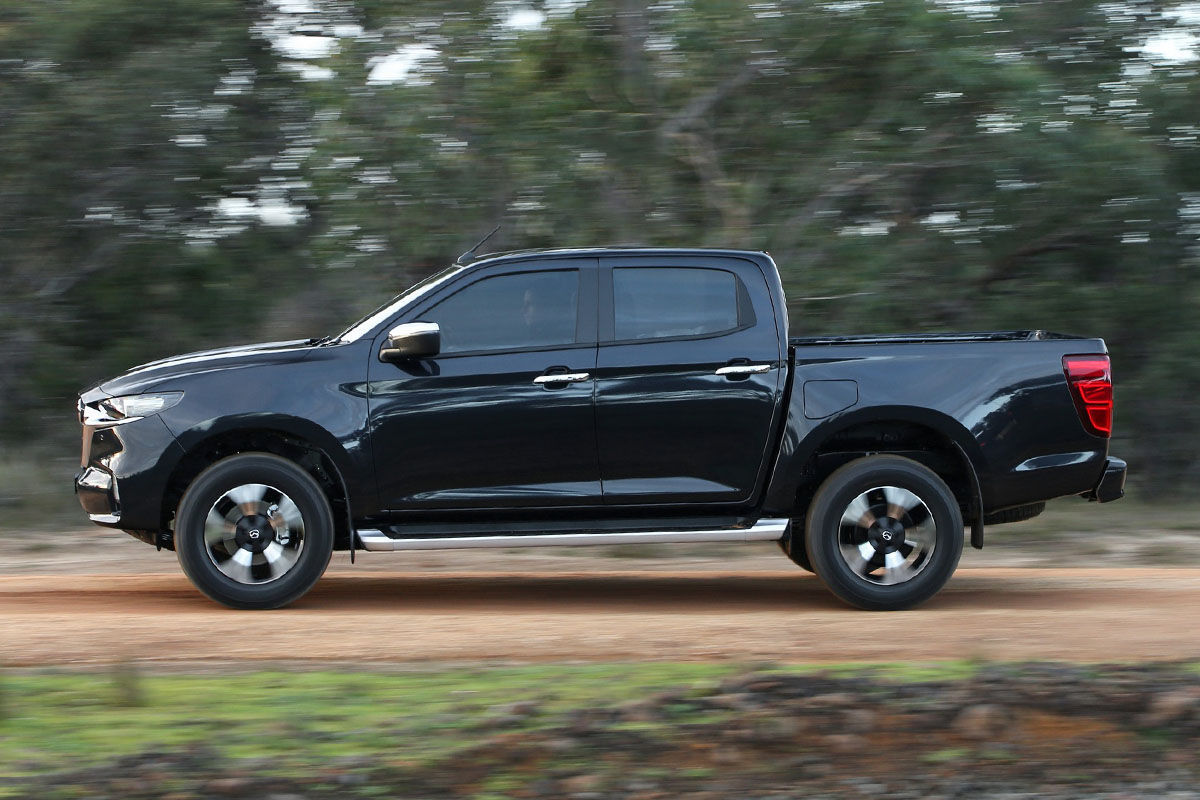
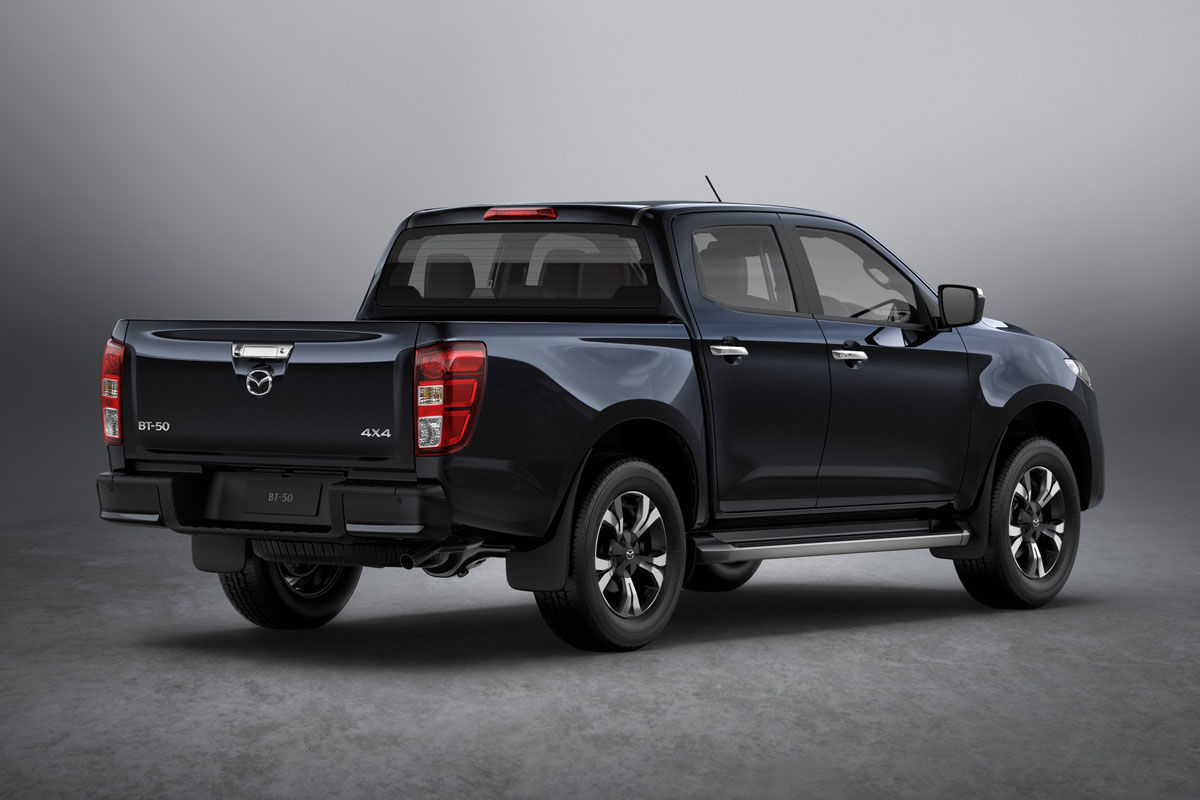
There are elements of the brand's Kodo design language in the sweeping crease lines that flow from the grille to the side mirrors, as well as the pinched waistline (just above the running boards), while the defined shoulder line aligns with the load bed and the tops of the BT-50-specific tail-light clusters that feature the brand’s signature circular motif.
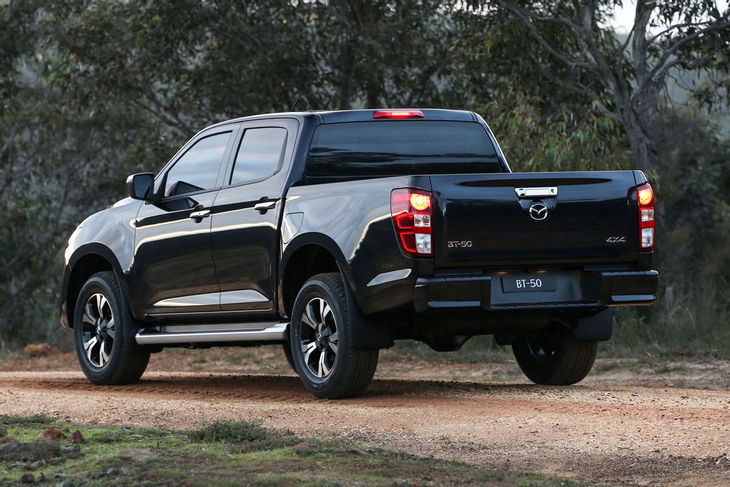
The BT-50's tail-light clusters (with Mazda's circular lighting signature) and tailgate are unique to the Japanese bakkie.
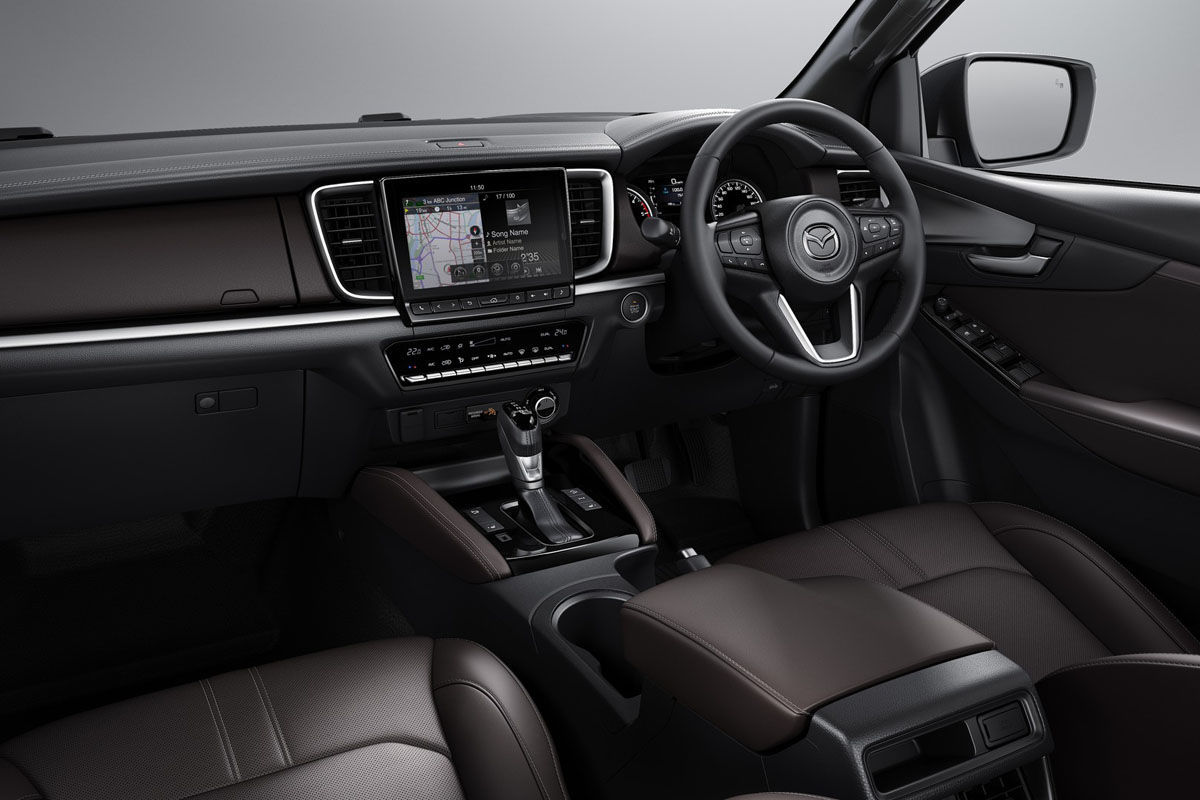
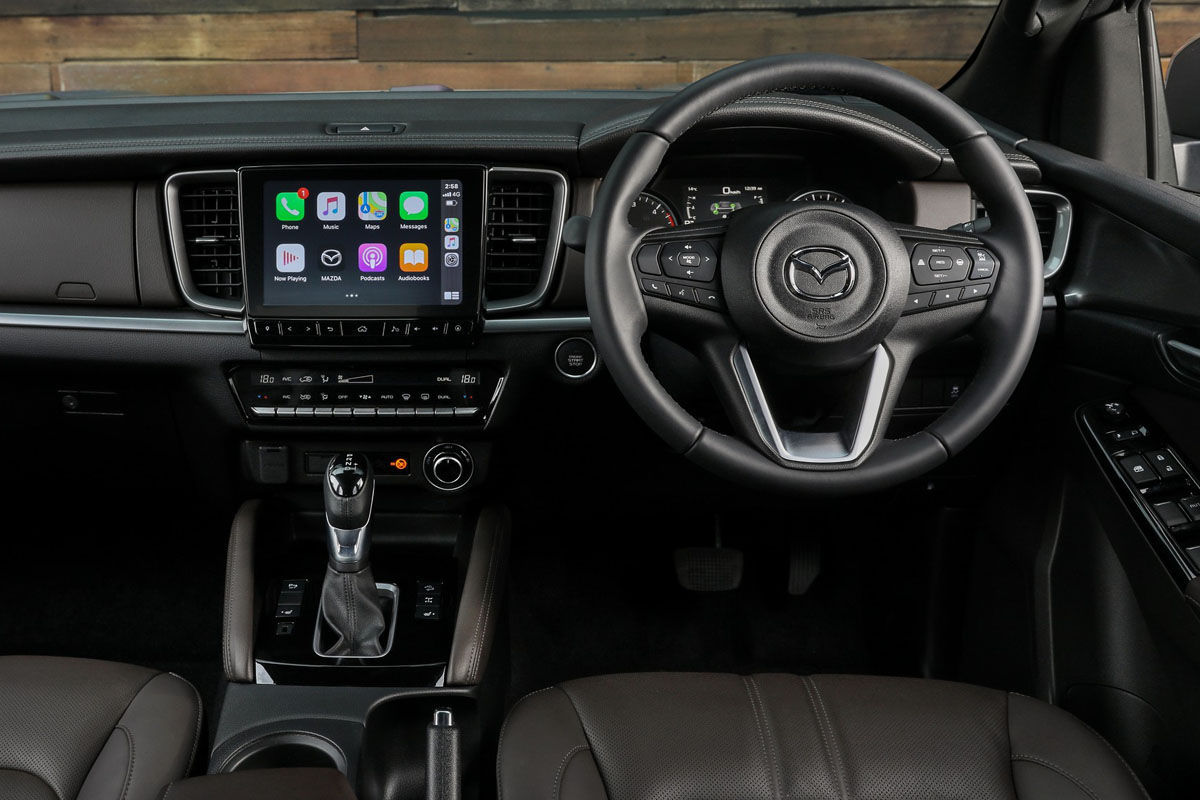
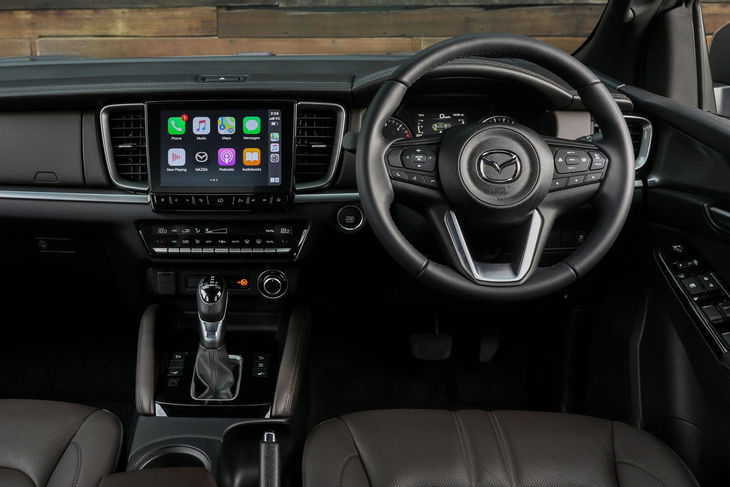
There are more similarities with the D-Max on the inside, however. Like the Isuzu, the new BT-50 features a 9-inch touchscreen infotainment system that features, inter alia, satnav and wireless(!) Apple CarPlay and Android Auto compatibility and its steering wheel design, heating and ventilation controls are the same as those of the D-Max.
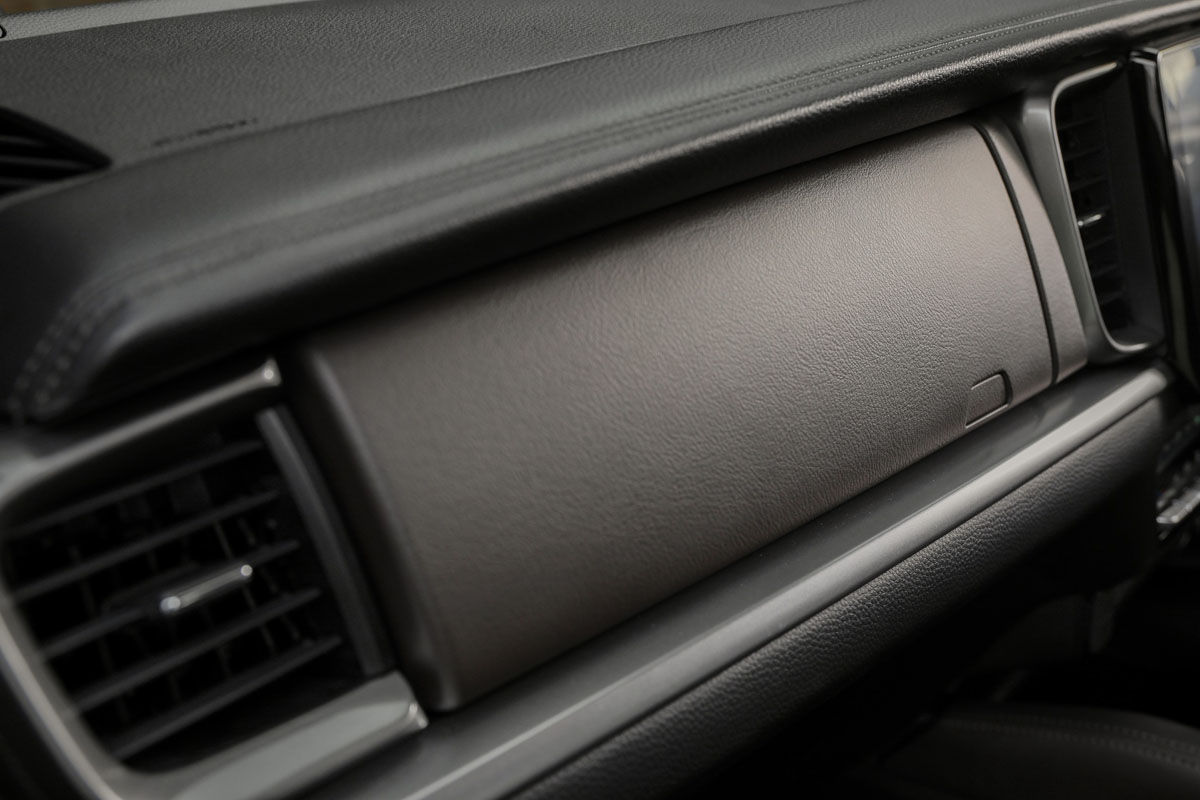
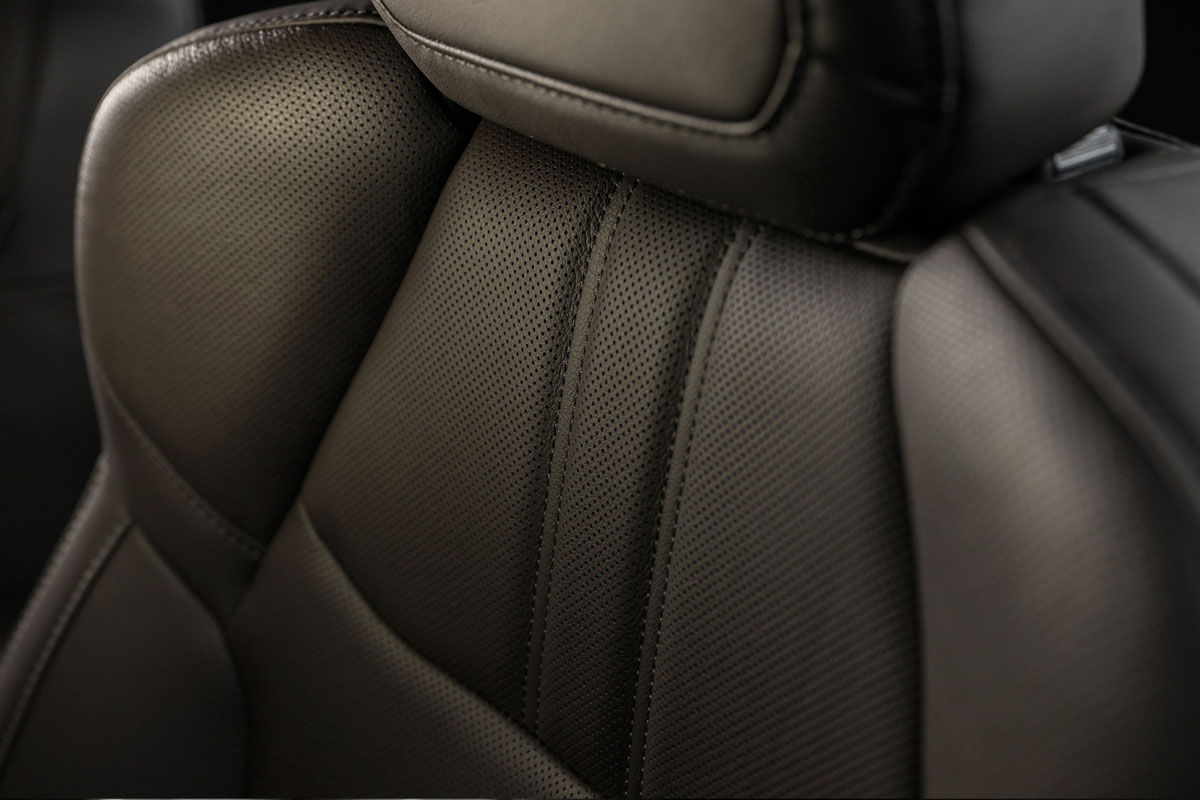
However, the sweeping soft-touch dash, instrument cluster (with digital speedo) and air-vent designs are unique to the Mazda. In some markets, top-spec BT-50 derivatives feature electrically-adjustable (including lumbar) and heated front seats, leather trim, dual-zone climate control, keyless entry/start, auto headlights and -wipers, and parking sensors both front and rear. The rear seats are said to offer decent legroom and are fitted with ISOfix child seat anchors, and aft passengers are availed separate air vents.
Mazda was determined to make the BT-50's cabin as plush and passenger-car like as possible. The switchgear is shared, however.
Meanwhile, Mazda says the BT-50 "offer(s) the renowned capability and reliability the Isuzu brand enjoys in the light commercial segment, with the striking design and leading safety credentials available on the rest of the Mazda range".
The Ford-sourced 3.2-litre 5-cylinder turbodiesel (147 kW and 470 Nm) has been replaced by a slightly-less potent Isuzu 3.0-litre 4-cylinder turbodiesel motor that produces peak outputs of 140kW and 450 Nm, in combination with either a 6-speed manual or 6-speed automatic transmission, in 2- and 4-wheel-drive guises, the latter with a locking rear diff. Thanks to the new-generation bakkie's "reduced body weight and more frugal engine", the BT-50 "will offer a significant improvement in fuel economy", the firm says.
Mazda South Africa has not confirmed when the new BT-50 will be made available in South Africa.
In keeping with the BT-50's leisure activity orientation, the newcomer is claimed to have a 3 500 kg towing capacity (braked) and a payload in excess of 1 000 kg.
Mazda has further incorporated new features such as Adaptive Cruise Control, Auto Emergency Braking, Lane Keep Assist, Blind Spot Monitoring and Rear Cross-Traffic Alert in its double cab in some markets.
We'll bring you updates on the BT-50's local arrival date, as well as the range's line-up and specifications, as soon as more information becomes available.
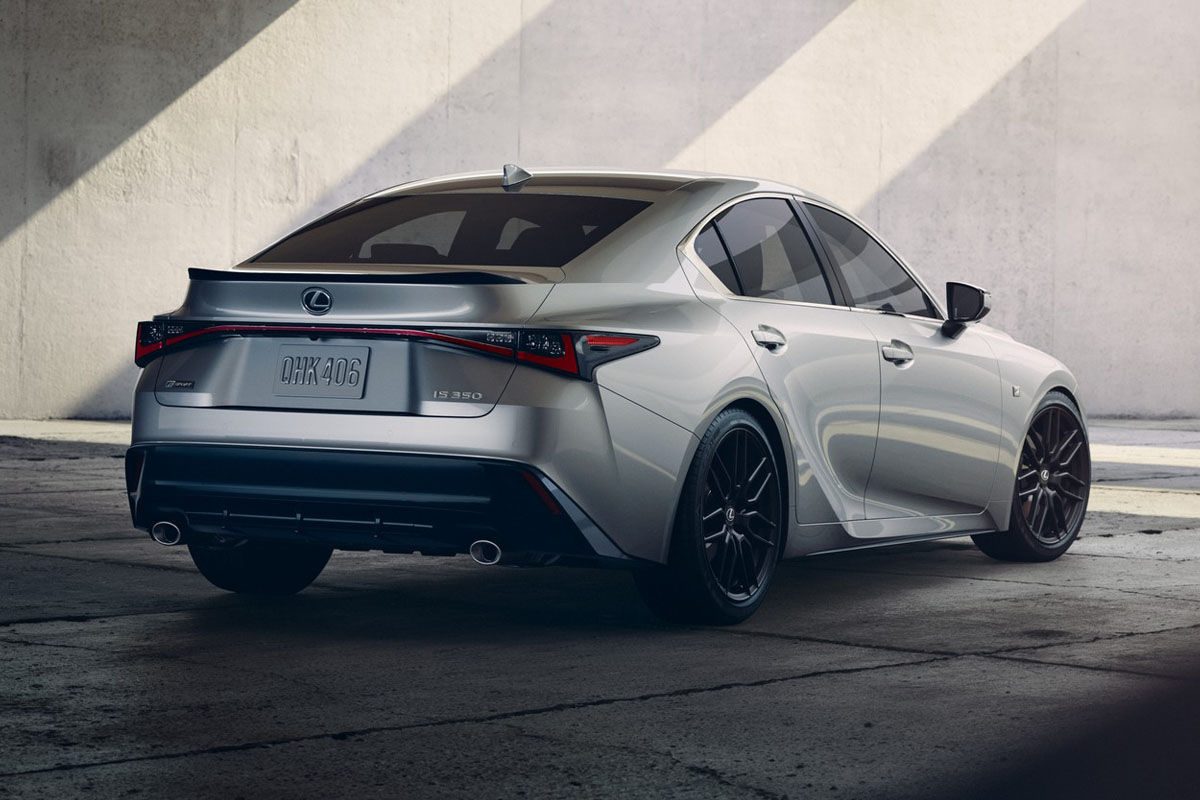
Lexus has unveiled a reworked version of its IS, which will arrive in South Africa early next year. Its rivals may have become inoffensively-styled and comfort-oriented, but the bold new Japanese business-class sedan still prioritises distinctiveness… and driving dynamics.
The new iteration of the IS is claimed to “continue in the finest handling-led traditions” of its predecessors and is apparently the first Lexus model to incorporate the Japanese premium marque’s Driving Signature, which is set to become the development standard for all of the brand’s future products.
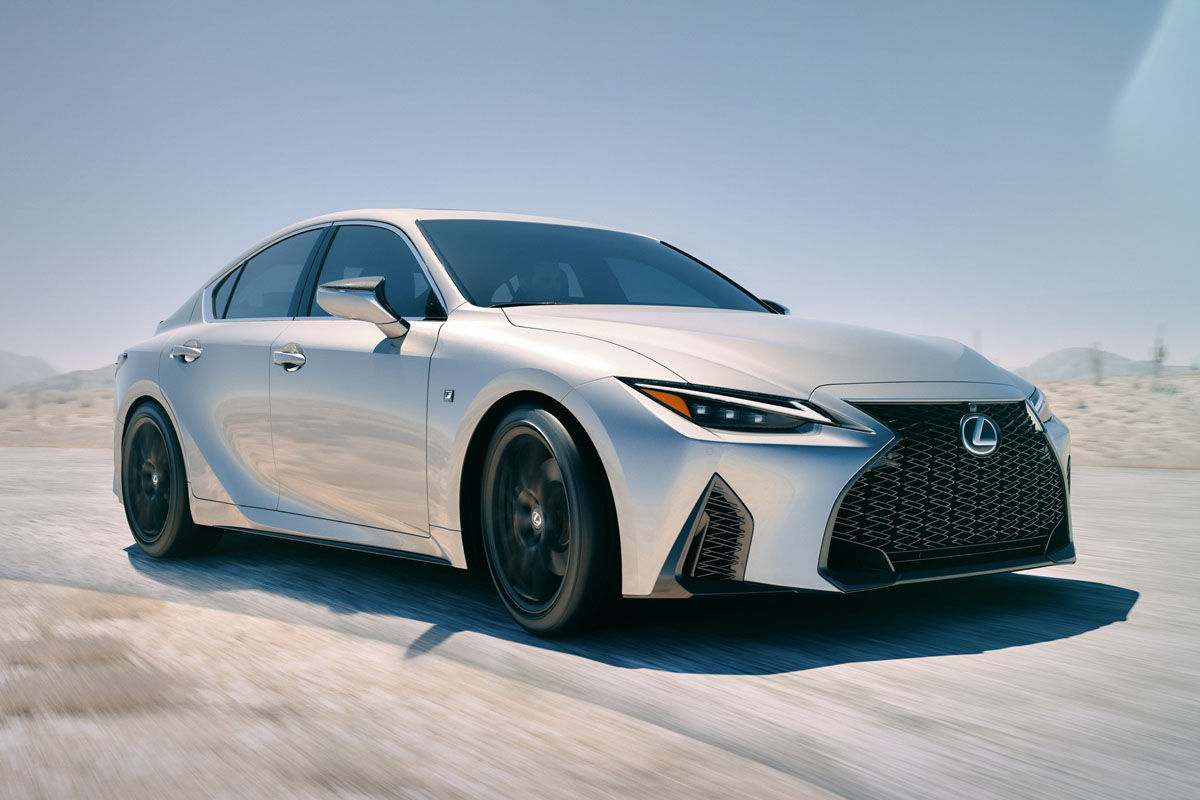
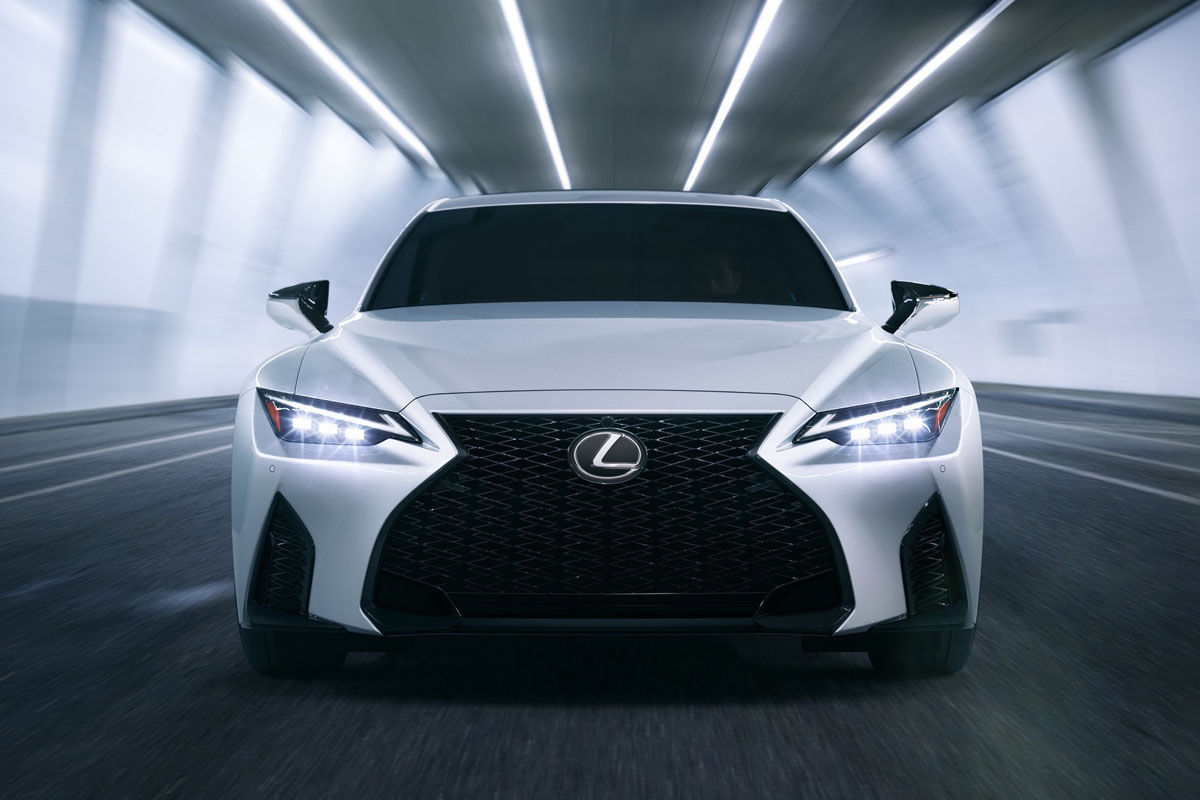
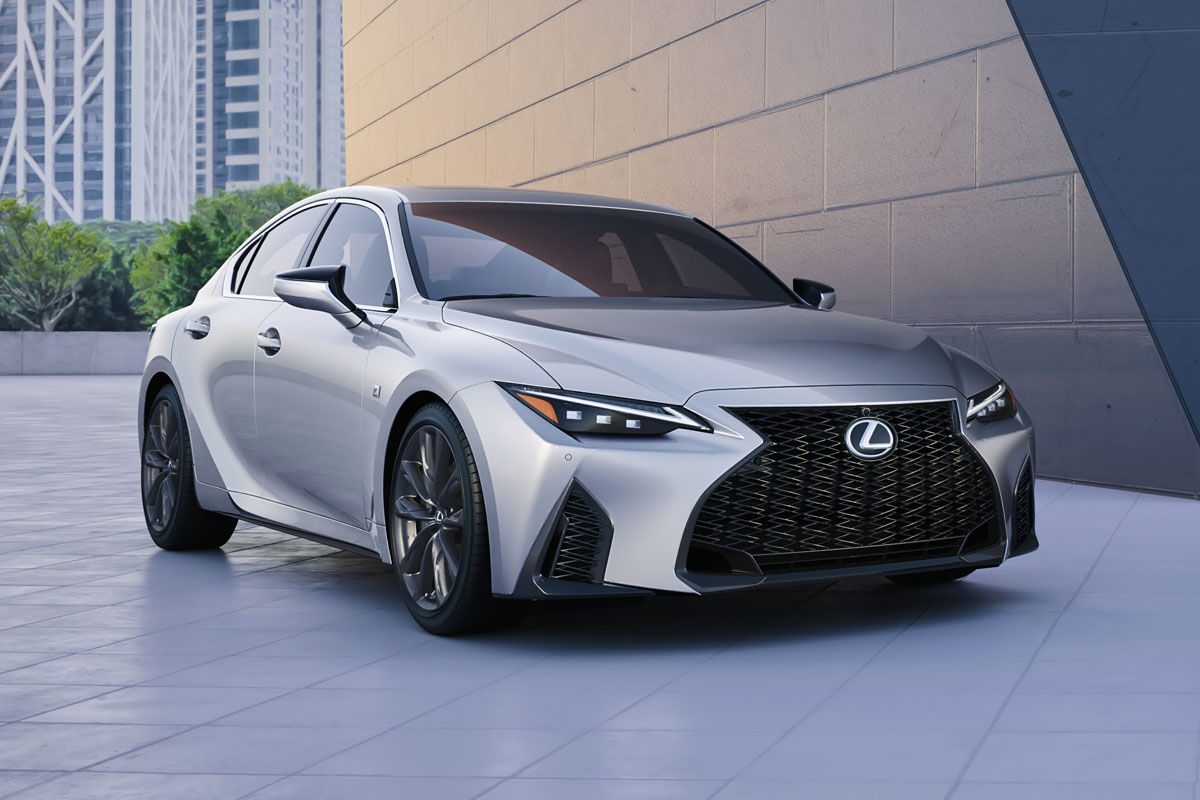
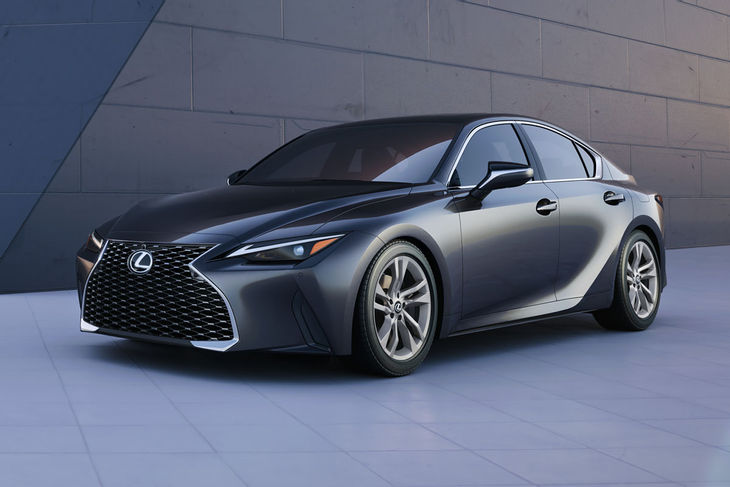
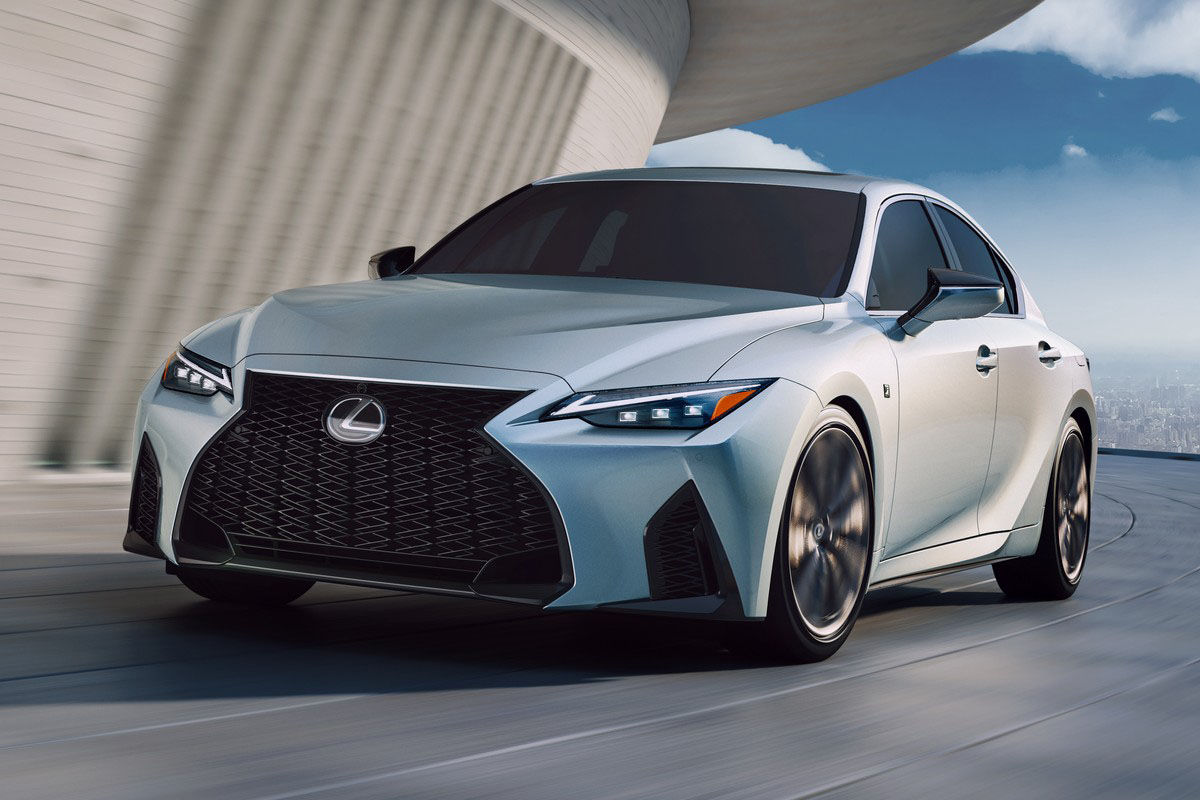
Although the F-Sport derivative is the obvious poster child of the new IS range, the standard derivative looks fetching on its own.
That "Lexus Driving Signature" is defined by the brand as “linear vehicle operation that is faithful to a driver's intentions, providing a seamless transition from braking to steering and acceleration through a corner”; the direct translation is admittedly a little wordier than “the way a balanced, sweet-handling driver’s car is supposed to be”.
To that end, this iteration of the (still rear-wheel-drive) IS sedan was honed at various facilities throughout the world, including Toyota’s new Technical Centre in Shimoyama. Its eminently distinctive exterior design is characterised by a sharp detailing, sleek proportions and wide, low stance, while the model features a host of advanced safety technologies, such as an evolved version of Lexus Safety System+.
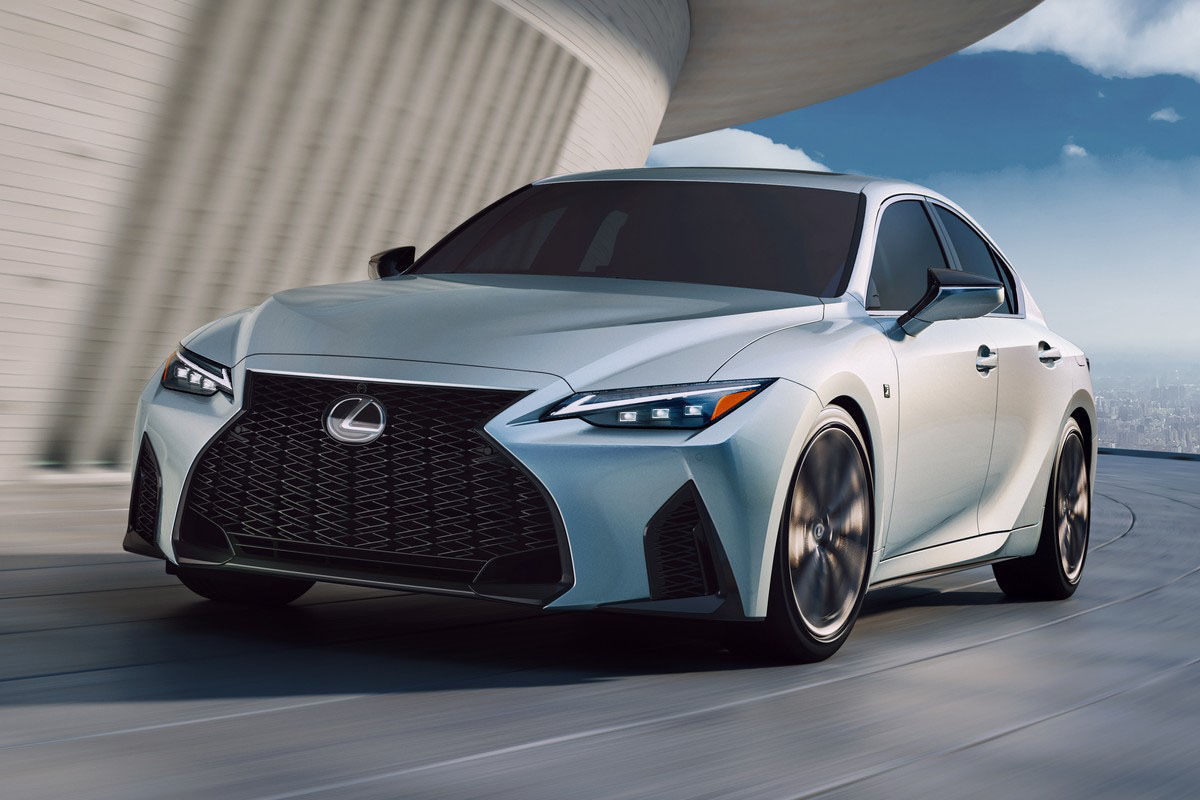
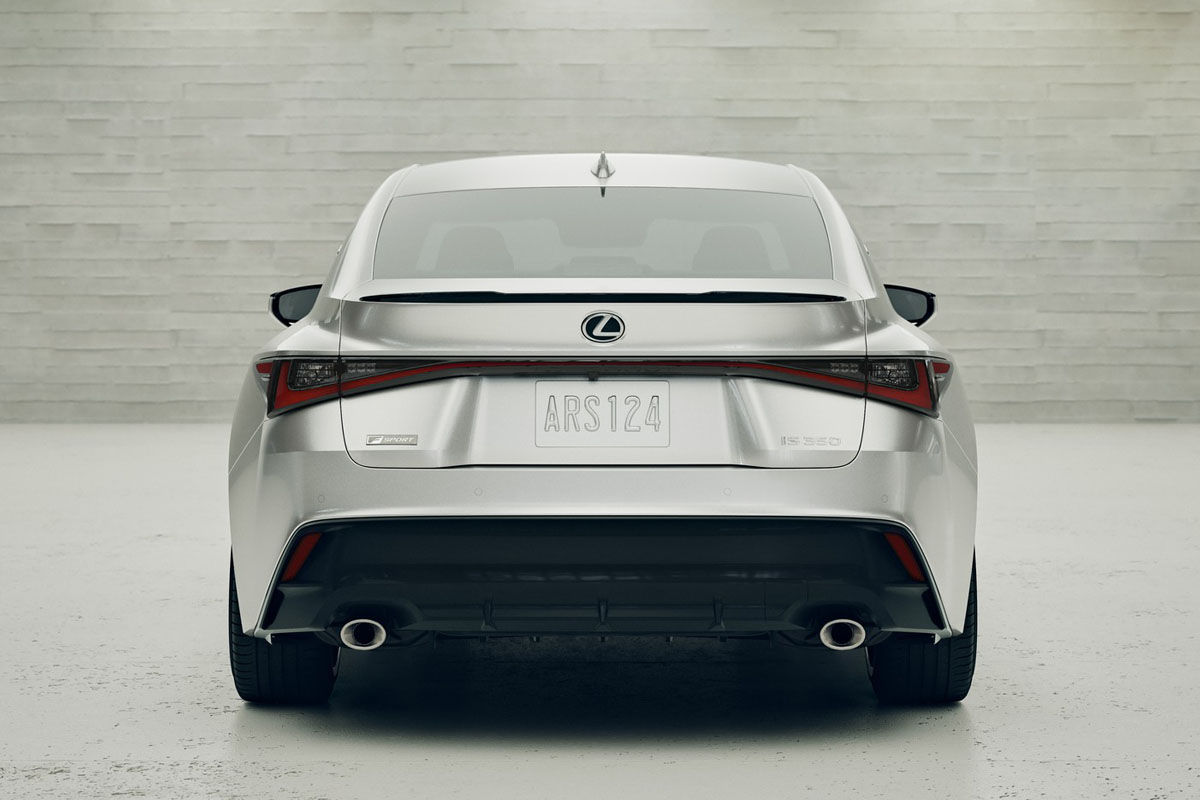
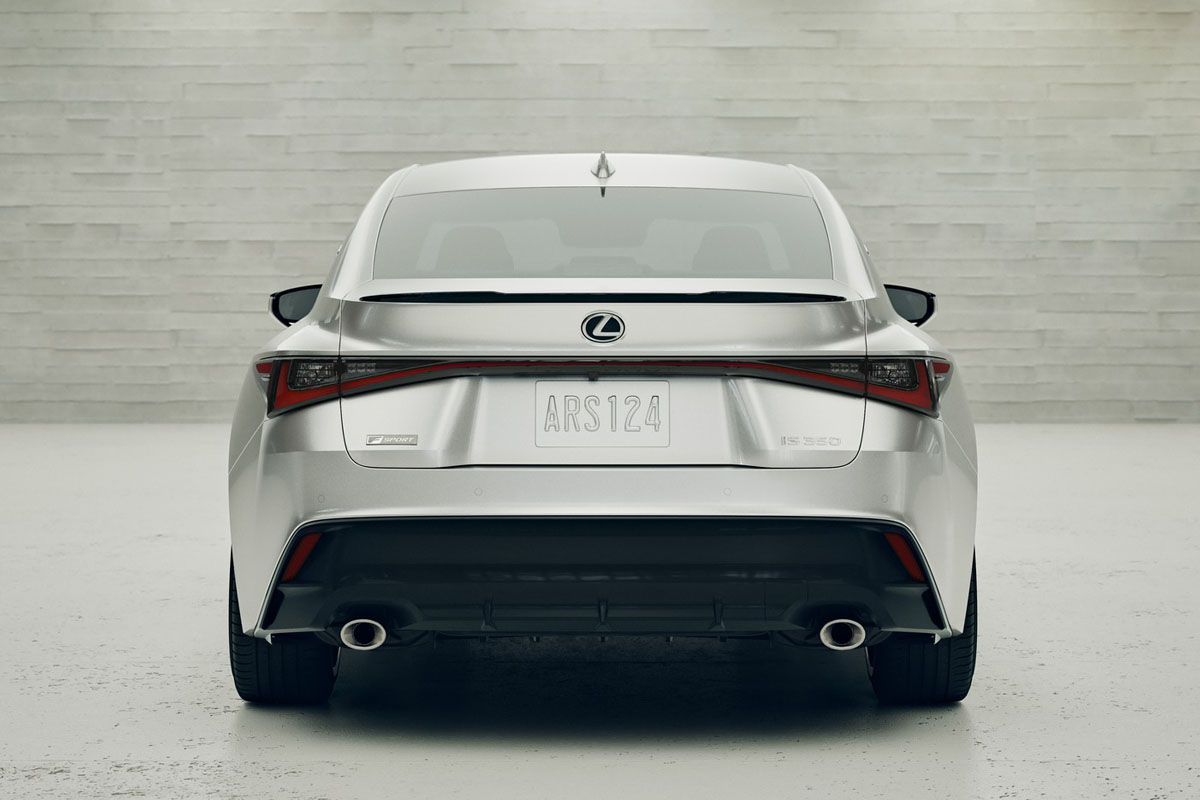
Designers paid close attention to the new range's stance; the tiered boot lid and 1-piece rear lighting element "lower" the car.
In addition to slimmer headlamps, low-positioned air intakes – matched by lowered side character lines – and upswept contours that rise from about 2-thirds of the length of the side skirts towards the edges of the tail-lights emphasise the sedan’s low centre of gravity. The revised Lexus Spindle Grille features a 3-dimensional structure with a mesh pattern that consists of rectangular block forms based on a spindle motif, while the F Sport derivative has an “F” mesh pattern, 2 grille-bottom air intakes and a rear spoiler.
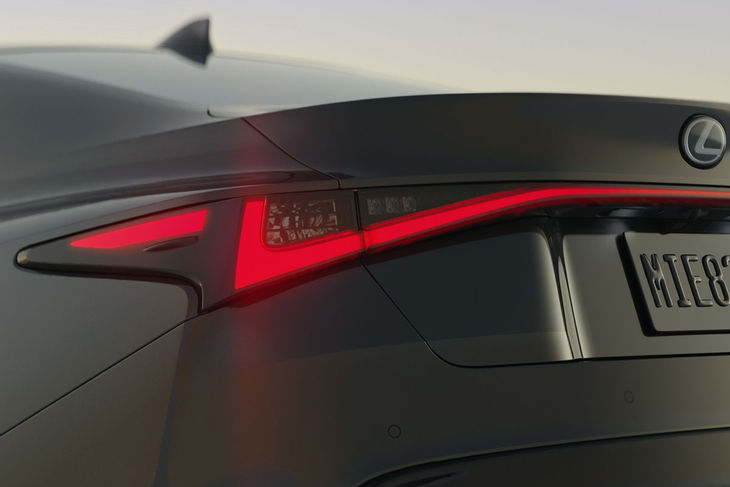
Muscular fenders, slim triangular rear combination lamps (sporting an “L” motif) and 3-dimensional bumper garnishes add to the aggressive look, which is rounded off by newly-designed 19-inch rims and wide proportions (incidentally, the sedan's front and rear tracks have been widened by 45 mm and 50 mm, respectively).
Lexus has fitted its newcomer with new swing-valve shock absorbers equipped with ultra-low-velocity valves.
In terms of the IS’ dynamic qualities, Lexus’ aforementioned extensive tuning programme for the updated model was conducted for multiple road conditions and driving situations, the brand says, to improve elements such as the car’s responsiveness to driver inputs and the suppression of unnecessary movement in sprung mass.
To aid refinement, Lexus has enhanced its business-class sedan’s rigidity by reinforcing radiator side supports, increasing the number of front-side-member weld points and optimising structures from the rear-quarter pillars to the sides of the roof. It has also fitted its newcomer with new swing-valve shock absorbers equipped with ultra-low-velocity valves that respond to even minor road irregularities to generate the most appropriate damping force and deliver a ride quality that is consistently even.
The extended L-shaped lighting signature adds to the new IS' characteristic, almost cartoonish, futuristic look…
The new 19-inch rims are attached via hub bolts, resulting in improved handling and braking due to increased fastening strength and reduced mass, Lexus says. The steering setup has also been tuned for better responsiveness, as well as controllability and smoothness when the 'wheel returns itself to centre.
In terms of powertrains, the 2021 range continues with the current range’s engine line-up of a 2.0-litre 4-cylinder turbopetrol, a 2.5-litre 4-cylinder petrol-electric hybrid and the sonorous 3.5-litre naturally aspirated V6 petrol. However, the IS 300 (2.0 litre) features enhanced adaptive control for the 8-speed auto ‘box (the transmission more actively selects the most appropriate gear for each driving situation), while the IS 300h (the hybrid derivative) has been mapped for improved throttle response.
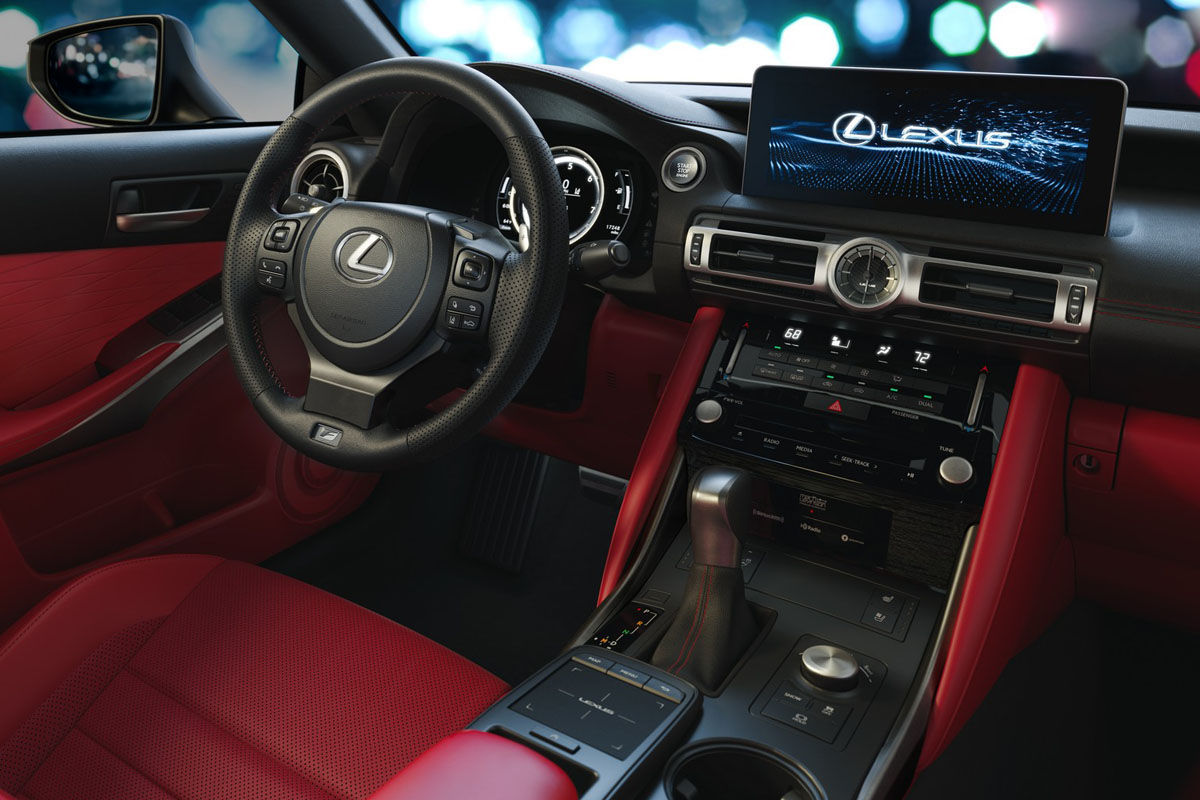
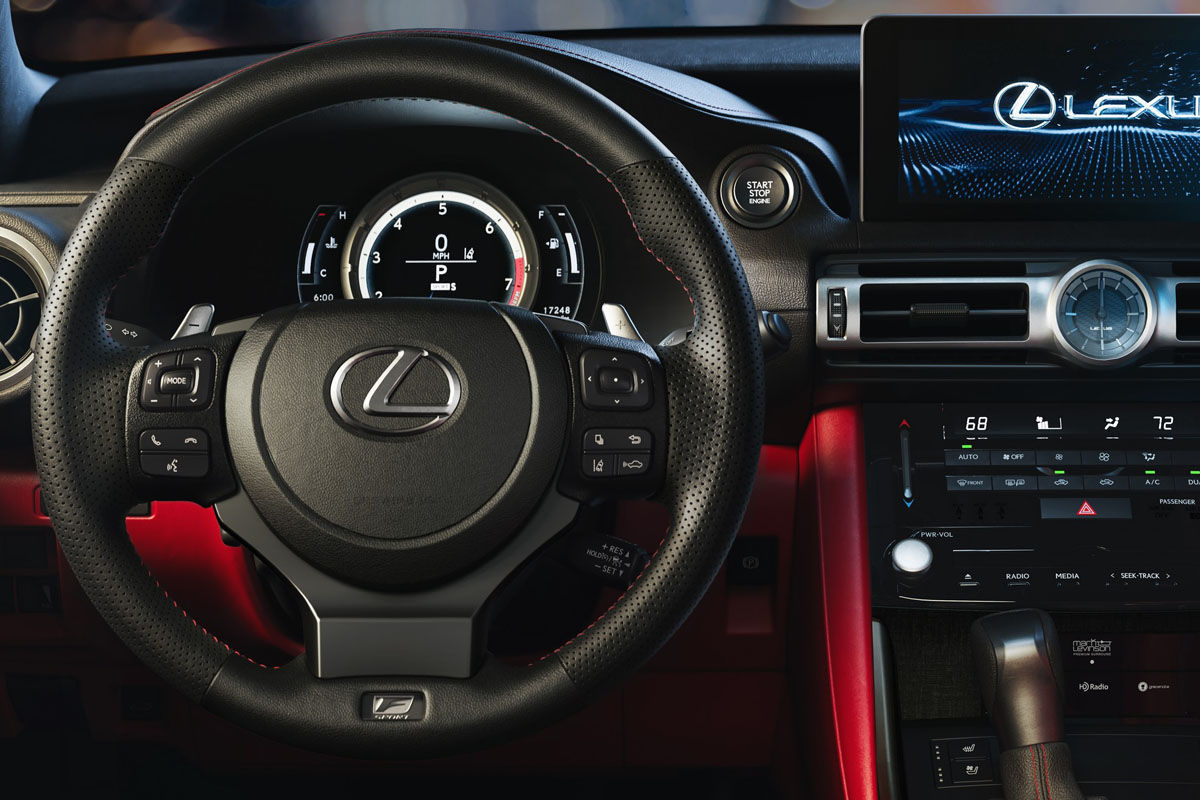
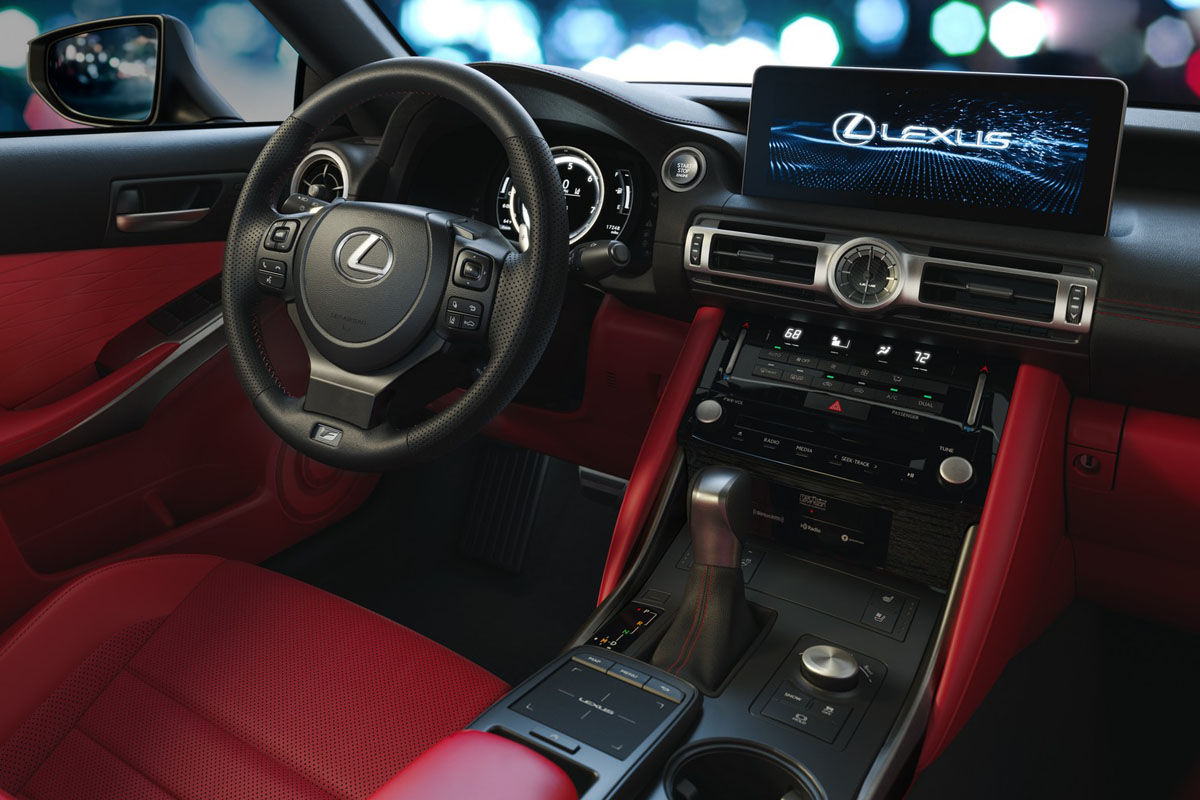
Lexus has retained its track-pad controller, but the enlarged, forward-mounted infotainment screen is indeed touch-sensitive.
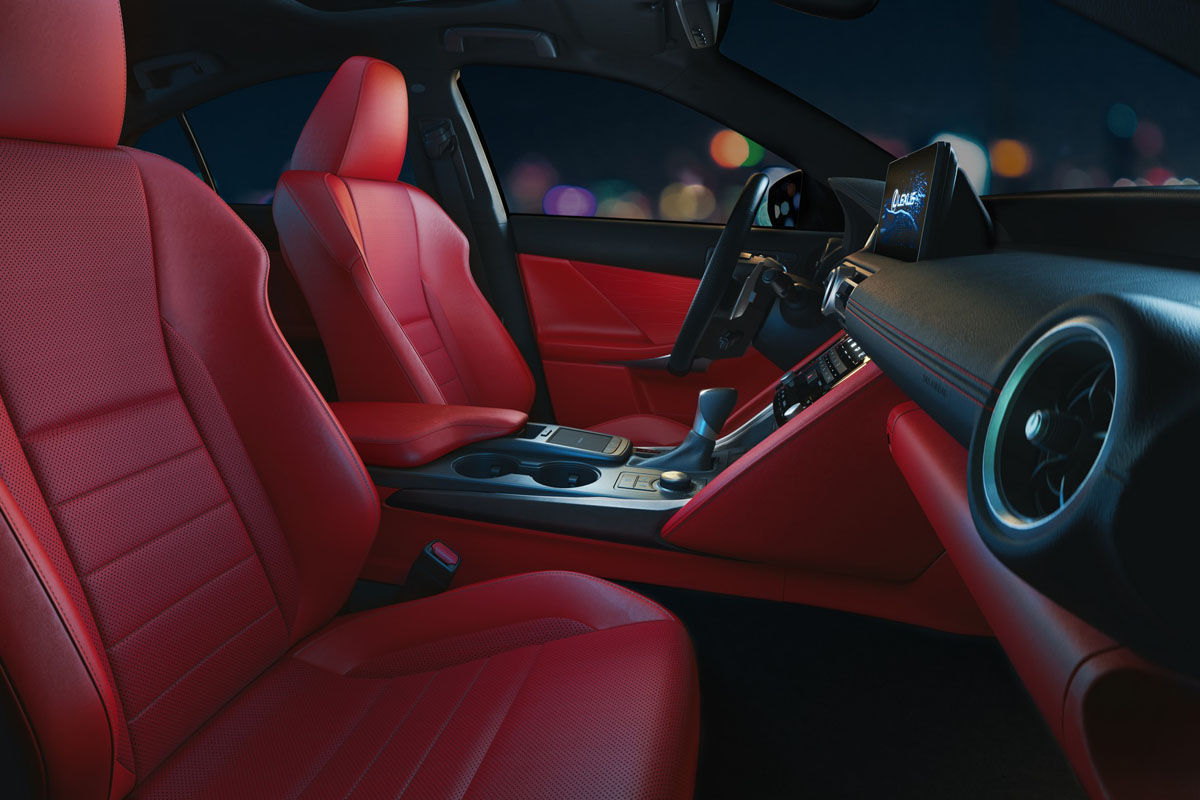
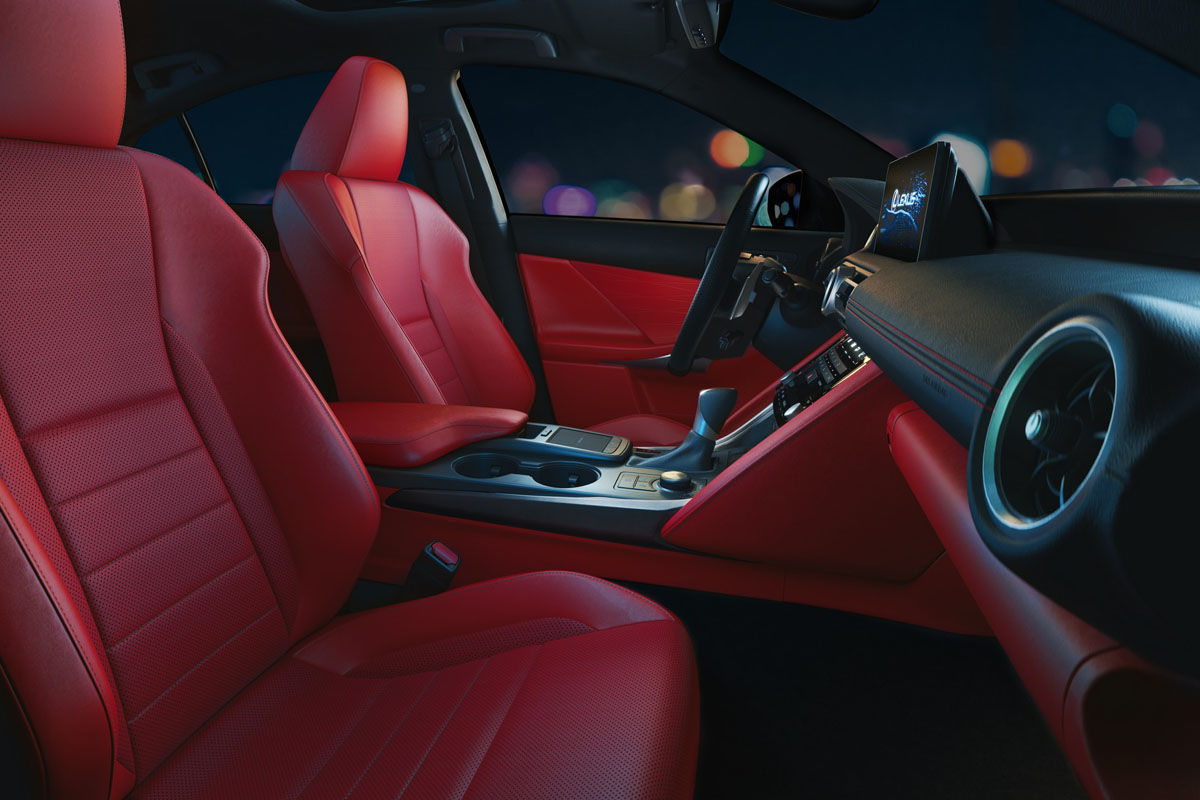
As for the interior, the most obvious upgrade over the previous model is the provision of a 10.3-inch touchscreen(!) infotainment system, which is positioned closer to the driver/front passenger and is fully compatible with Apple CarPlay and Android Auto. Minor updates include a graphic pattern of embossed intersecting lines on the door trims, new accents in surface treatments and decorative ornamentation finished in Ash (open-pore black), Black Geometric Film, or F Sport-exclusive Satin Chrome. A pair of 2-tone colour schemes – Ochre and F Sport-exclusive Flare Red (pictured) – are also available.
Meanwhile, the updated IS range boasts a new version of Lexus Safety System+, which includes functions such as Emergency Steering Assist, a Pre-Collision System, Dynamic Radar Cruise Control, Automatic High Beam and an improved Lane Tracing Assist (LTA) system. Various other forms of advanced safety equipment are featured too, such as parking support brakes, as well as the camera-operated Panoramic View Monitor.
The new Lexus' cockpit still features that engaging driving position and looks striking in the red leather trim.
When the range arrives on local soil early in 2021, it will comprise a trio of derivatives, which Lexus SA will announce at launch. A pair of new colours will be available: Sonic Iridium and Sonic Chrome, and Lexus’ industry-leading 7-year warranty and maintenance plan will be standard on all derivatives.
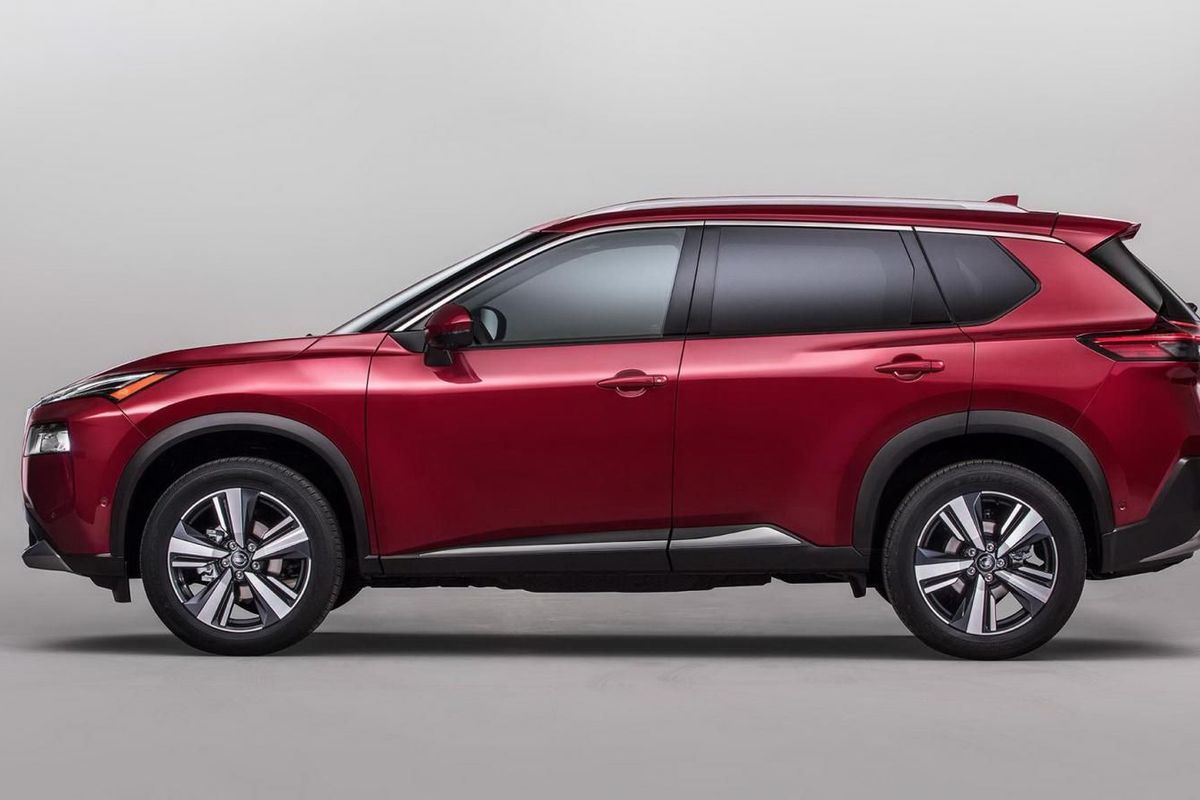
Nissan has revealed an updated X-Trail family car!
Nissan’s rugged X-Trail has been fairly popular in South Africa and it has even been a finalist in the Cars.co.za Consumer Awards powered by WesBank on numerous occasions.
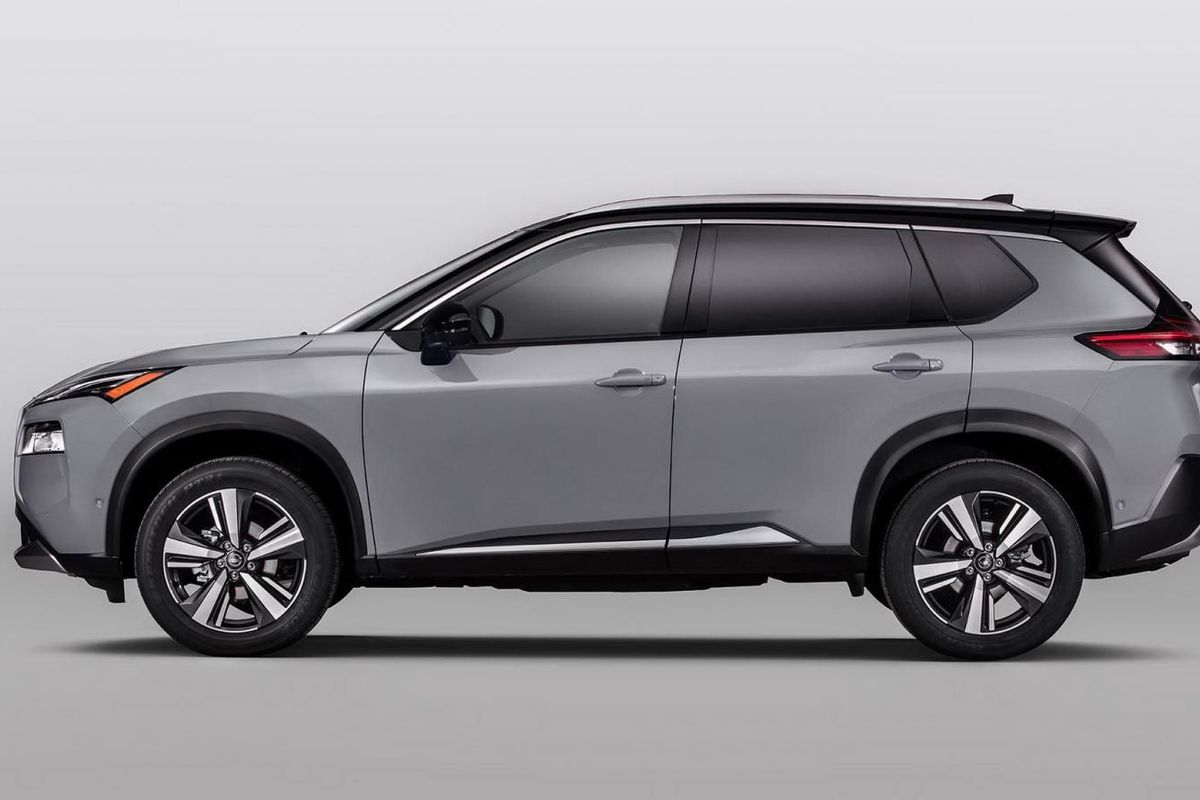
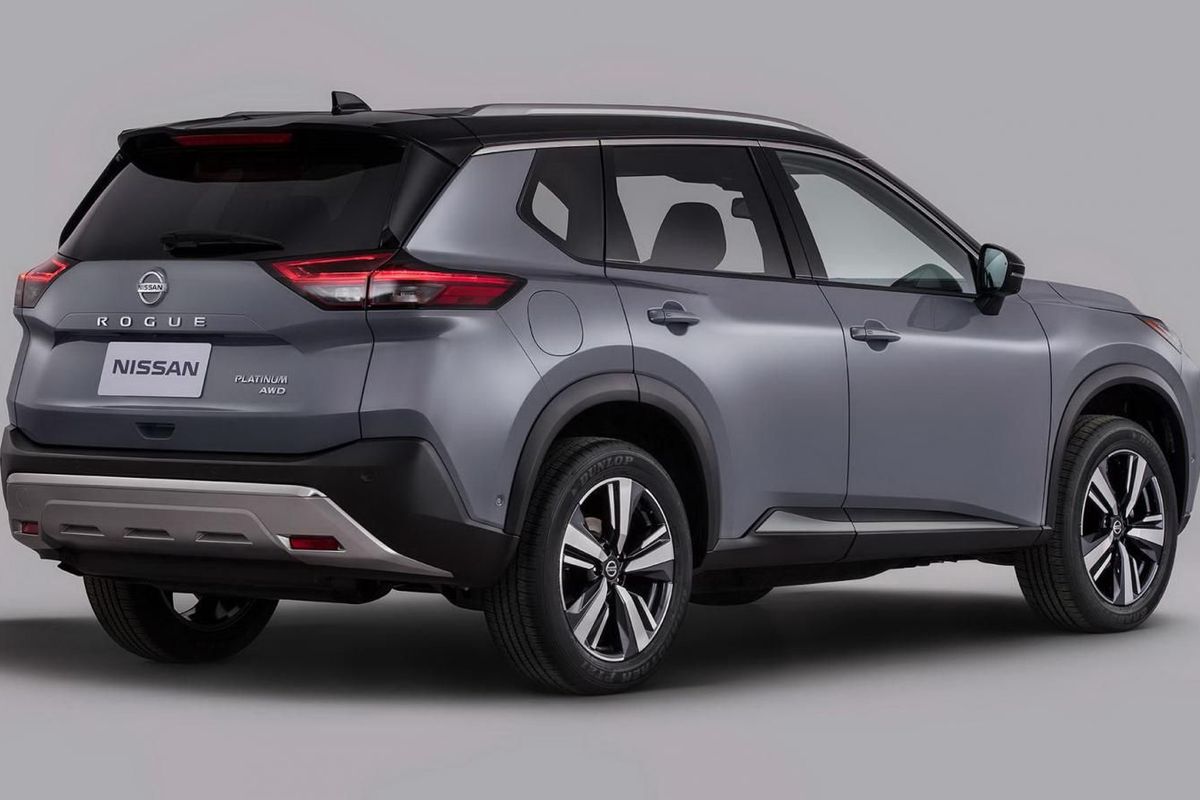
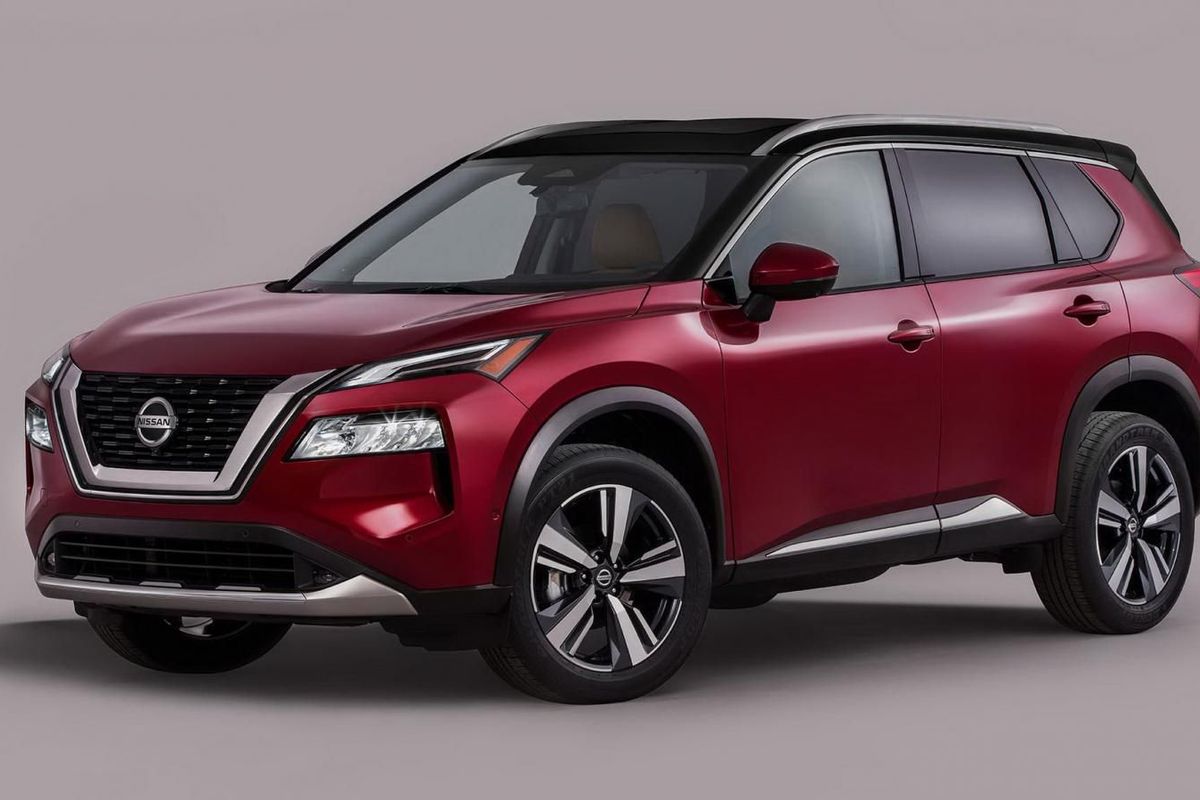
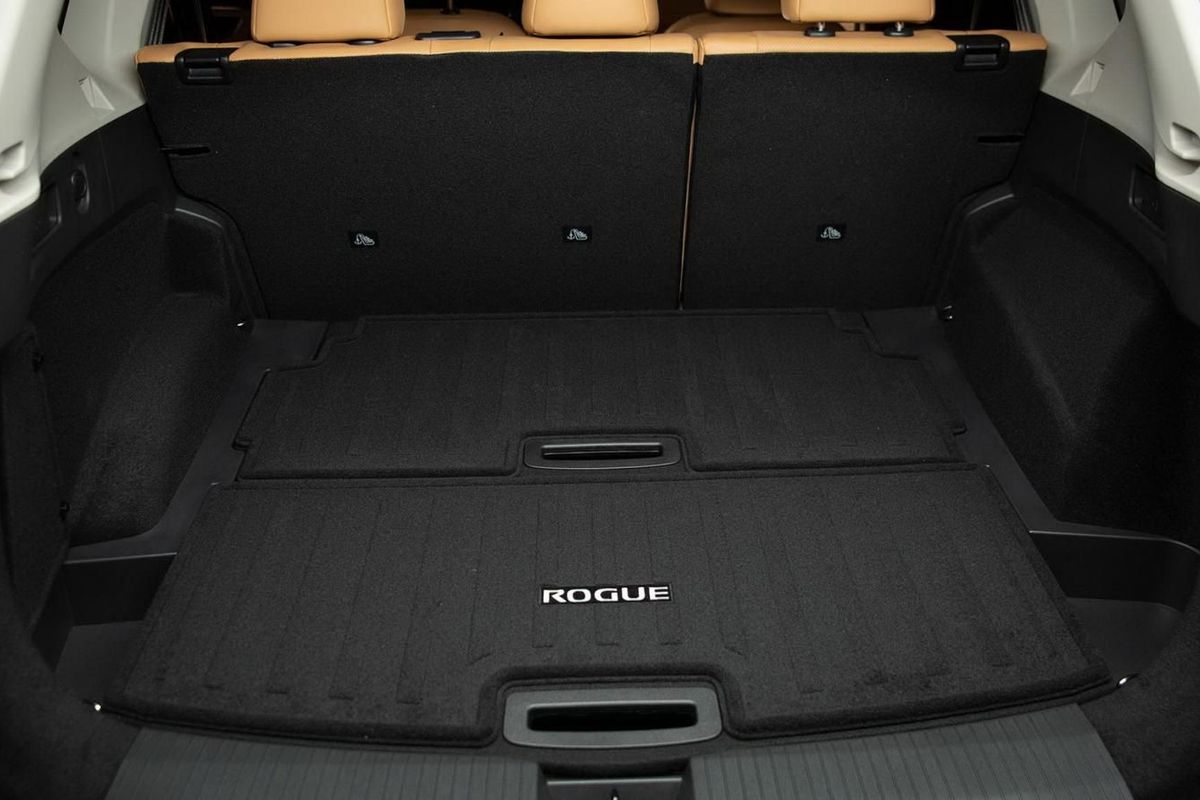
The X-Trail is known as the Rogue in the North American market and the latest version has now been revealed. It's built on a modified version of Nissan's CMF platform and perhaps the most striking feature of the updated X-Trail is the bold interpretation of Nissan’s V-Motion grille in thick-rimmed chrome. The smart-looking grille is further complemented with the slimmer split LED headlights. It's definately more grown up and sophisticated in appearance. Where most new models grow in size over time, this revised X-Trail is actually more compact than before with its wheelbase reduced by 2.54 mm and length reduced by some 43.2 mm. What's more, this latest X-Trail will no longer be offered in 7-seat guise.
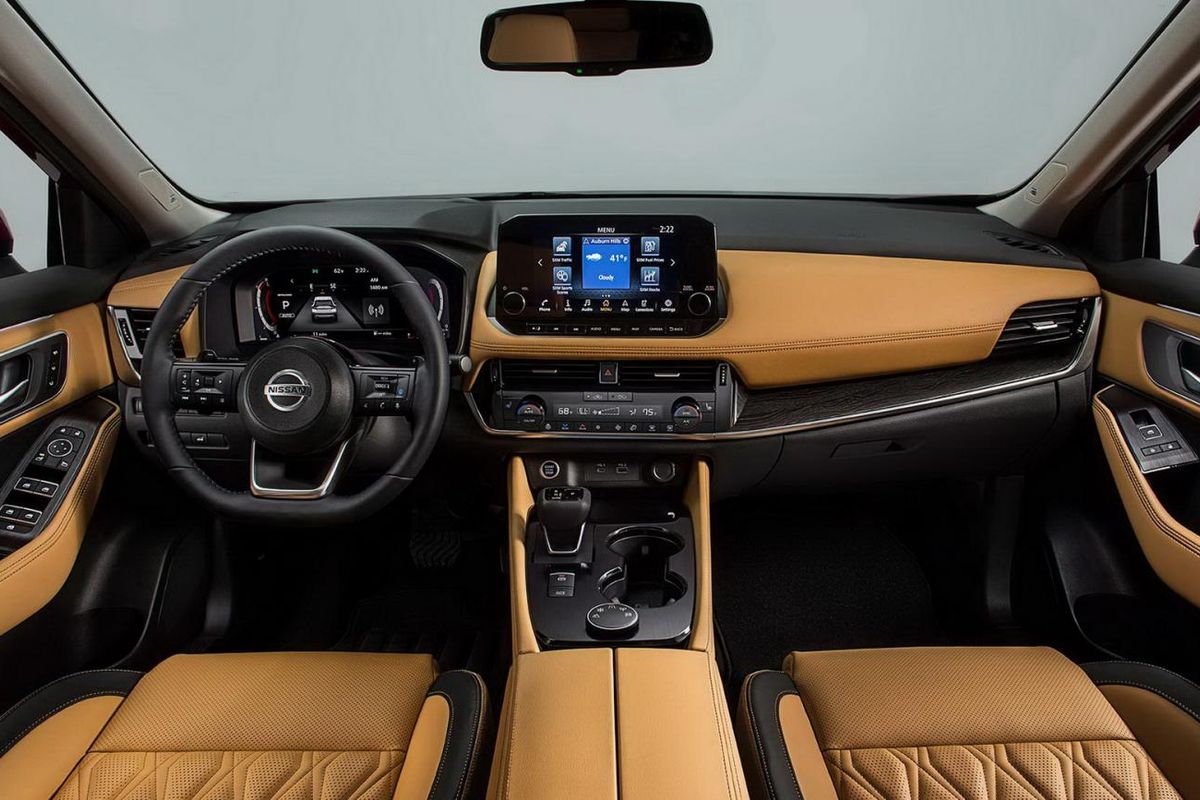
Perceived interior quality has been improved and the X-Trail features comprehensive safety specification.
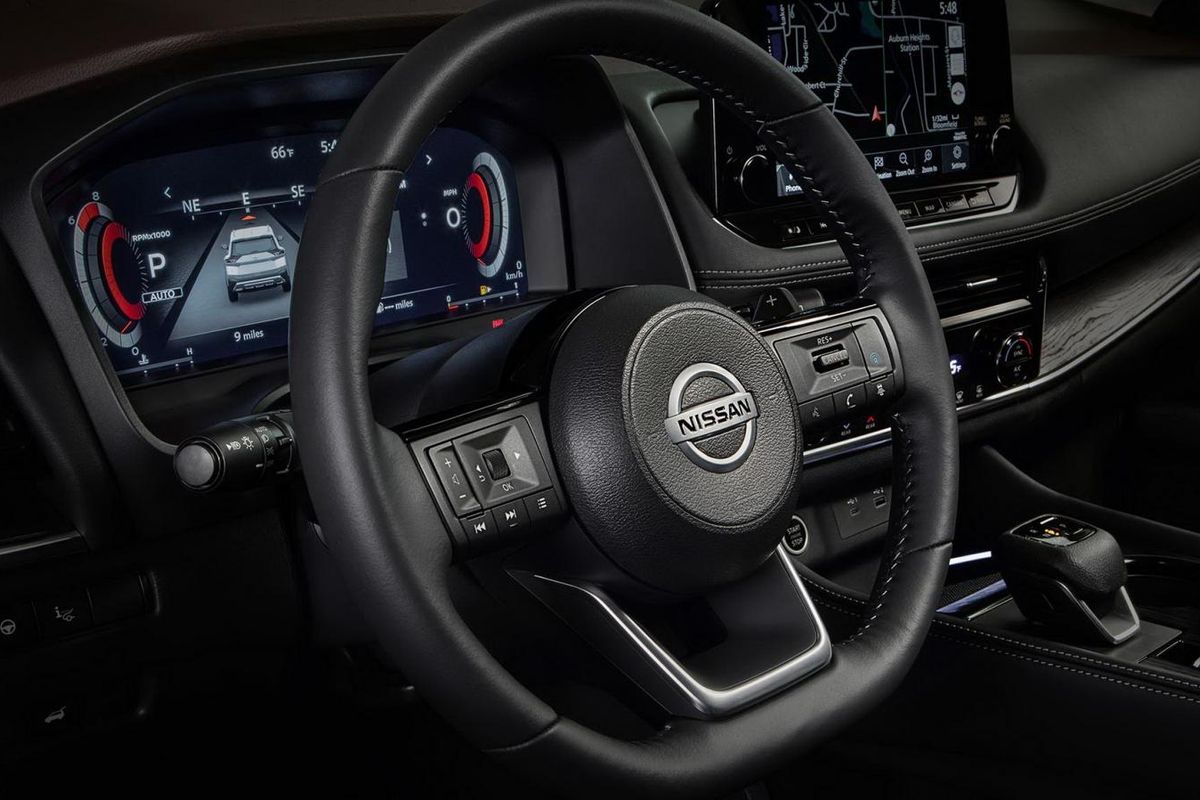
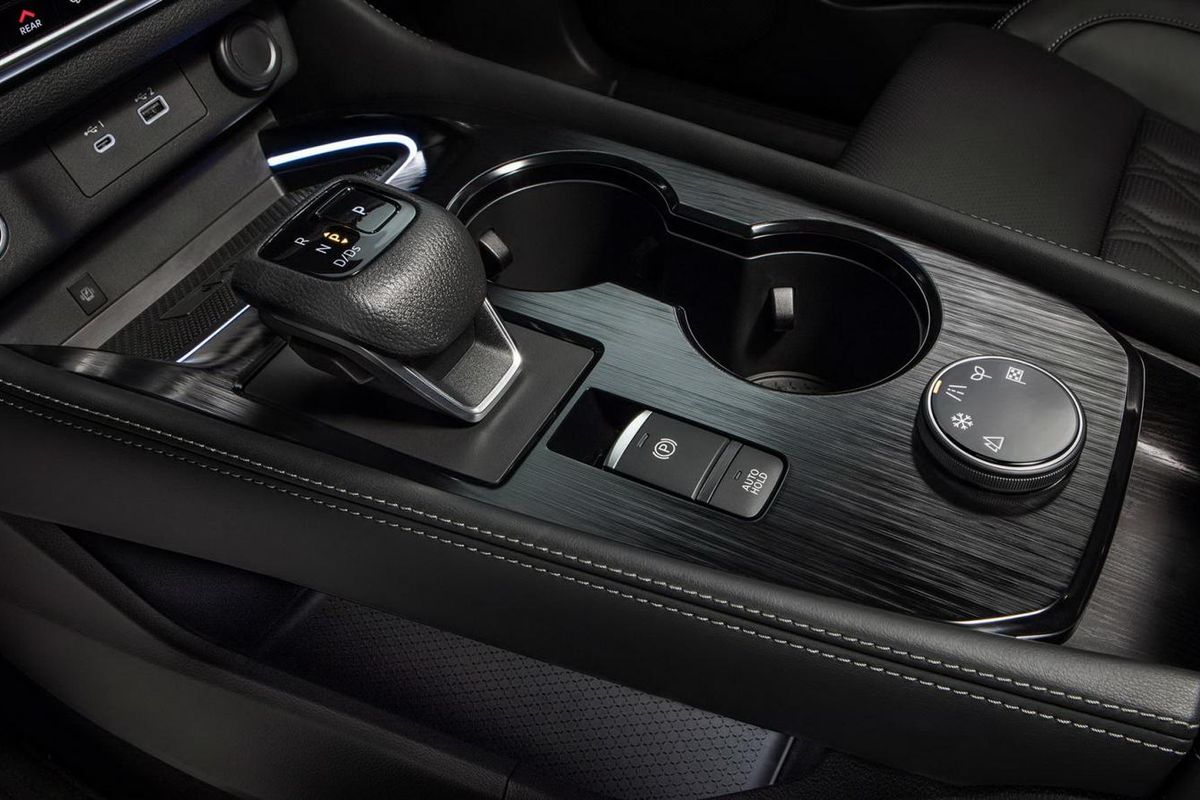
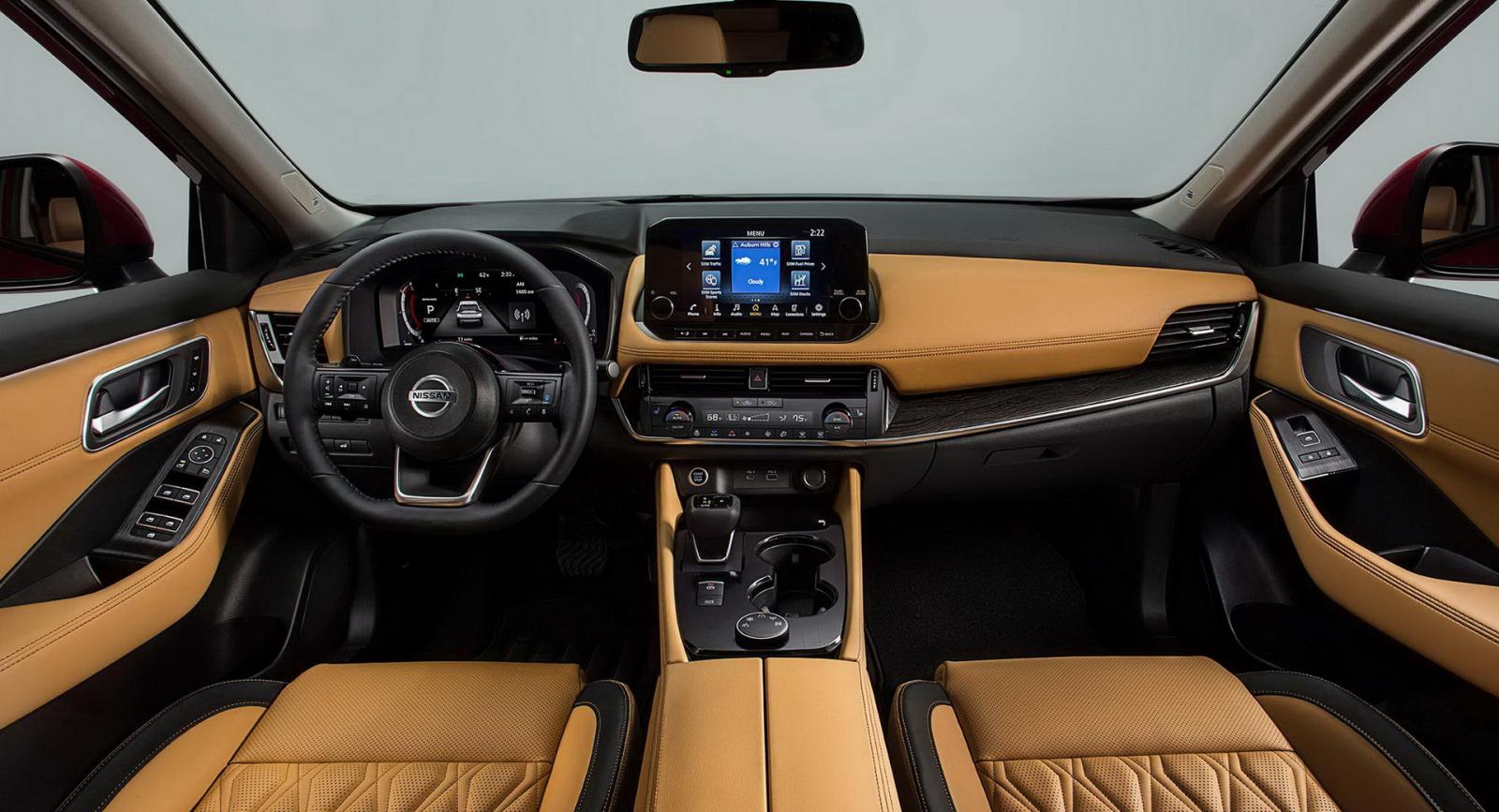
As for the interior, the reduced exterior dimensions, however, translate into slight more leg and headroom than before. As for the driver's cabin, material quality and fit and finish appears to have been improved upon and a new 8-inch infotainment touchscreen is standard with Apple CarPlay and Android Auto functionality while a larger 9-inch unit is optional. The instrument cluster is larger at 7-inches and high-spec derivatives will be offered with a 12.3-inch digital cockpit and a 10.8-inch head-up display. The top-spec X-Trail can also be had with tan, diamond-quilted aniline leather upholstery as well as nice-to-haves such as Nissan's ProPilot Assist (with long-range radar and wide camera), wireless Apple CarPlay, a wireless charging pad and a 10-speaker Bose sound system.
As for the engine, a new 2.5-litre naturally-aspirated petrol engine with 135 kW and 245 Nm of torque is found under the bonnet and is mated with a Continuously Variable Transmission (CVT).
It's still unclear when exactly the X-Trail will reach South Africa, especially considering the continued supply disruptions caused by the ongoing COVID-19 pandemic. We have reached out to Nissan South Africa for clarity and we will update you as soon as more details become available.
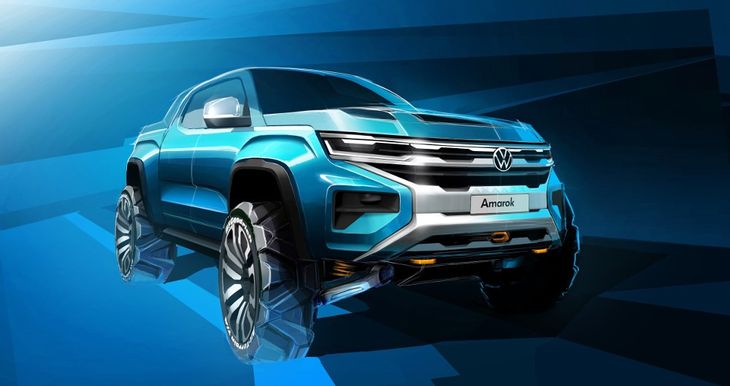
Ford is going to build the next-generation Amarok, but that could spell the end of the Volkswagen bakkie's brawny 3.0-litre turbodiesel V6.
Ford is the world’s most successful bakkie brand and Volkswagen (VW) is South Africa’s most popular passenger-car company. The announcement of an agreement between the pair of automotive powerhouses (to produce the next generations of their bakkies in South Africa) is great news, but also rather complicated…
Although Ford adding Amarok to its Silverton production portfolio in 2022 will certainly be a fillip for the South African economy, it also gives us insight into the huge complexity awaiting automotive companies between now and 2025. For Amarok fans, the outcome could be a trifle disappointing.
The simple truth is that absolute brand independence is over. Volume models and their makers are going to be sharing and working together a lot more in future.
The Amarok may have garnered all the awards, but it's the Ranger that actually sells worldwide.
Ford is no longer a broad portfolio automotive company. It has effectively exited traditional passenger-car markets in many regions; in other words, it no longer builds the kind of products VW excels at. The American company is leveraging its future on bakkies and SUVs. VW’s business is different, with bakkies being a tiny part of its overall strategy.
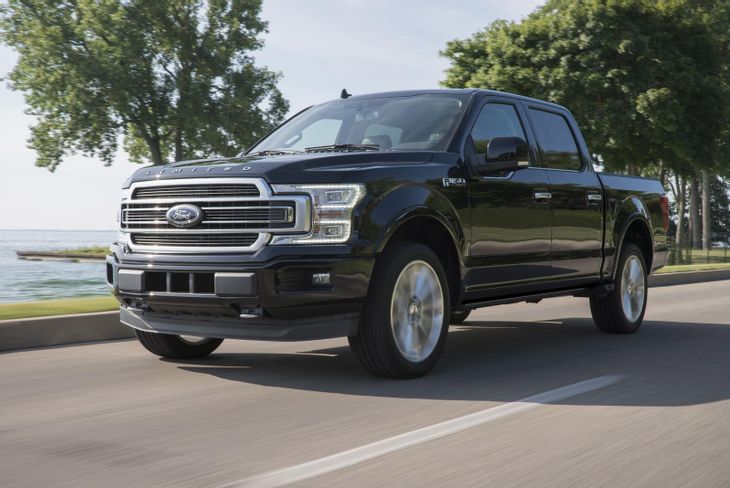
Last year, VW sold 72 513 Amaroks. In the same period, Ford produced and delivered 354 321 Rangers, in addition to 1 070 302 F-Series bakkies. The numbers illustrate an obvious reality: Ford’s bakkie business is huge – VW’s isn't.
Volkswagen AG has spent an enormous amount of money on electric vehicle- and battery development in the last 5 years, leaving little money for peripheral products, of which Amarok is most certainly one. Without spreading its cost risk and sharing resources, there isn’t a business case for the Amarok in future – which is why VW is now partnering with Ford to produce its bakkies, which will be built right here in South Africa.
Is an AmaRanger good for Ford?
Partnerships are never a choice, they are born of necessity. Ford and VW’s commercial vehicle agreement appears simple enough, but it has significant consequences.
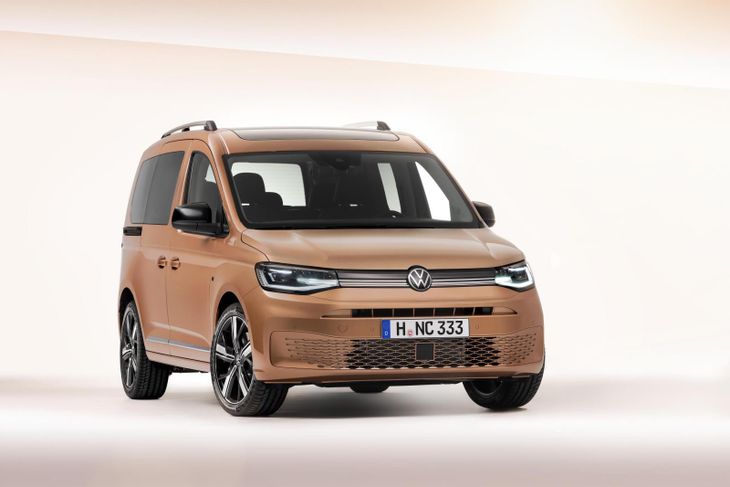
The arrangement has allocated small-van development to VW, which means you’ll see a next-generation Ford van based on the future Caddy platform. Courier and fulfilment services (Amazon, DHL) are seeking more efficient short-distance delivery vehicles and a hybridised Ford/VW delivery van could be very beneficial to Ford’s American commercial-vehicle customers. If it was primarily battery-powered, using VW’s latest technology, that would be even better.
Combining Caddy and Transit Connect on the same platform will help scale a cost-effective electric van.
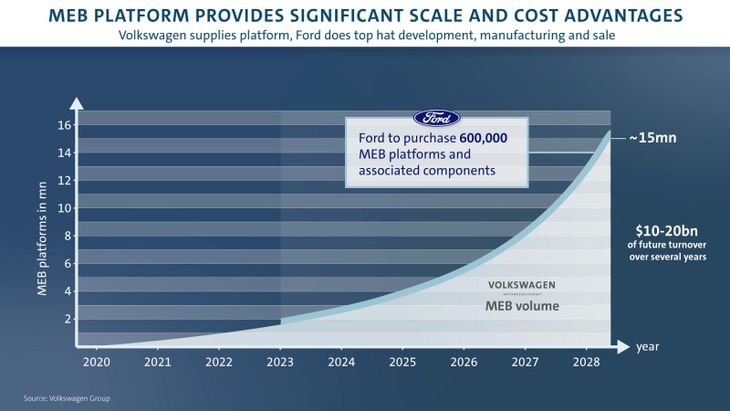
Ford is going to lead the development responsibility of the next Ranger and Amarok, which share a platform, in exchange for VW’s MEB electric vehicle architecture and battery technology. With its share price and credit rating at troublingly low levels, Ford will struggle to extend its R&D capability to produce more scalable electric car platforms and battery systems. Access to VW’s MEB platform (technically Ford is paying for access to MEB) is a big win, in exchange for twinning the new Amarok with the Ranger.
In the bakkie market, customers aren’t demanding electrified drivetrains. Development costs are modest in comparison to electric cars, crossovers and SUVs. Ford knows it can deliver on its part of the agreement with VW by sharing the future Ranger platform, and get a great deal more in return: the German company’s MEB electric-vehicle platform.
Although Ford currently has little interest in the sectors where MEB would be useful, it cannot ignore the possibility of electrically-powered A-, B- and C-segment hatchbacks and crossovers forever. Especially in Europe, where Ford’s traditional Fiesta and Focus business has stalled and could be revived by a fleet for future electrified vehicles.
And what about VW?
Having Ford purchase MEB will certainly help pay off some of the expensive R&D VW paid to develop it.
With its titanic role in the German and global automotive industry, VW is not accustomed to being a junior partner in anything, but with the next-generation Amarok, it will be.
Ford’s bakkie engineering resources are greater than VW's. It has deep technical reserves in ladder-frame vehicle engineering – a natural byproduct of building more than a million bakkies per year.
It is a pity that German engineering influence and technical expertise will be dramatically reduced for the 2nd-generation Amarok. The company has done an excellent job with the Amarok – arguably the "bakkie of the decade". When launched in 2010, it set new standards for drivetrain efficiency and cabin comfort, without sacrificing off-road ability.
Any platform that remains superior for a decade (a period during which most of its rivals benefitted from a complete redesign) is exceptional. VW got it very right with the Amarok, but its engineers won’t have much control over the technical destiny of its successor…
The only local advantage for VW, as part of its bakkie building agreement with Ford, will be continuing the Amarok model range. It should keep averaging sales of between 200 and 300 units a month in South Africa, which is viable.
What are the issues?
Could the V6 turbodiesel from the F150 be a big-displacement solution?
The risk for VW South Africa’s bakkie business is substantial: how does one effectively differentiate a future Amarok, which will be a technical twin of the next Ranger?
V6 derivatives constitute the bulk of South African Amarok sales; the 3.0-litre double-cab occupies a unique place in our domestic market. It offers unrivalled high-speed cruising and overtaking performance, with outstanding sand-driving ability. The continuation of the Audi-sourced 3.0-litre V6 turbodiesel engine in the next Amarok is doubtful, however.
All Ranger engines are locally built and, as the subordinate partner in its joint-venture bakkie project, VW’s 2nd-generation Amarok might have to follow whatever powertrain directive is decided upon by the Ranger team.
Ford’s Struandale factory in Port Elizabeth has an assembly line dedicated to inline configuration engines. To produce a V6 on this line, as it currently stands, would be both complicated and costly. As the junior partner in this new Amarok-Ranger project, VW will not be setting the specification agenda, however. A possible 6-cylinder solution is the production of Ford’s 3.0-litre Power Stroke V6 turbodiesel, for installation in both firms' next-generation bakkies.
The Power Stroke turbodiesel is rated at 186 kW and 600 Nm, making it adequately potent to replace the Amarok’s 3.0-litre V6. However, if Ford decides to utilise the Power Stroke motor in the next-generation Ranger and Amarok it will produce in Silverton, it wouldn't feature exclusively in the German firm's bakkie. No, If the Ford V6 gets the go-ahead for local production, it will be present in both the Ford and VW, which means the latter will lose its unique marketing leverage as the only V6 diesel bakkie in Mzansi.
Will Amarok thrive – or merely survive?
Without a V6 as its calling card, will people be enticed by a VW-badged Ford bakkie?
If the Amarok loses its powertrain ascendancy in the local market, something which ostensibly accounts for most of its sales traction, why would bakkie buyers favour a badge-engineered VW AmaRanger?
VW has spoken of differentiation by virtue of design and cabin technologies. Be that as it may, could the Germans' ergonomics and infotainment system in new Amarok be that superior to the American brand's? By virtue of its Sync system, Ford has demonstrated fine capability with regards to bakkie infotainment and cabin digitisation.
The Amarok sells in South Africa, for 2 simple reasons: its V6 turbodiesel engine and impressive chassis. Exterior design and infotainment capability do not differentiate it.
Did you know (most don't) that the current Amarok has more cross-members strengthening its ladder frame than (many of) its rivals? A total of 7; the current Ranger has 6.
If you remove the Amarok’s technical features of excellence – that V6 engine and overengineered frame – where does that leave VW’s bakkie? Could local production ultimately cause the demise of the German premium double-cab? Without exclusive use of the V6 engine configuration, which has made it successful, that might be the case.
VW is going to score hugely in Europe, by building a massive number of Ford passenger vehicles with its MEB electric vehicle architecture. But for the local Amarok product management team, the 2022 AmaRanger will have far fewer USPs than its predecessor.
The Automobile Association has been monitoring the data and it looks like we're in for some substantial fuel price hikes in July 2020.
The oil price is slowly regaining its value after a massive dip early in 2020 and this unfortunately means we're heading for some fuel price increases. Based on the current data, the Automobile Association of SA says, "petrol is set to climb by up to R1.59 a litre, diesel by R1.48, and illuminating paraffin by a massive R1.94."
Since the oil price plummeted after the past 4 months resulting in great price reductions for SA consumers, it was only a matter of time before it would bounce back. Unfortunately this rebound is happening and will undo many of the savings. It's not all doom and gloom however, as the AA says it will take some time for the oil price to fully recover, which gives SA motorists some breathing space.
"South Africans are also benefiting from increasing Rand strength, with the local currency having made up 60c against the US dollar since the start of June, and briefly breaching the psychological R17 to the dollar mark. In fact, the Rand's firmer performance in June has offset the fuel price increases by around 36 cents a litre to date," the AA notes.
We'll have the final changes as we draw closer to the end of June 2020 and will update our SA petrol price.
When it comes to bakkies, Thailand is very much like South Africa. People love bakkies and bakkie customisation is big business in the land of smiles.
While the love for bakkies is certainly strong in South Africa, it might just be a little stronger over in Thailand. What the 2 countries have in common though, is that the Ford F-150 Raptor is not sold in either market.
But the Thai people are a resourceful bunch and they have found a solution. If you can’t buy a Ford F-150 Raptor, build a fake one…
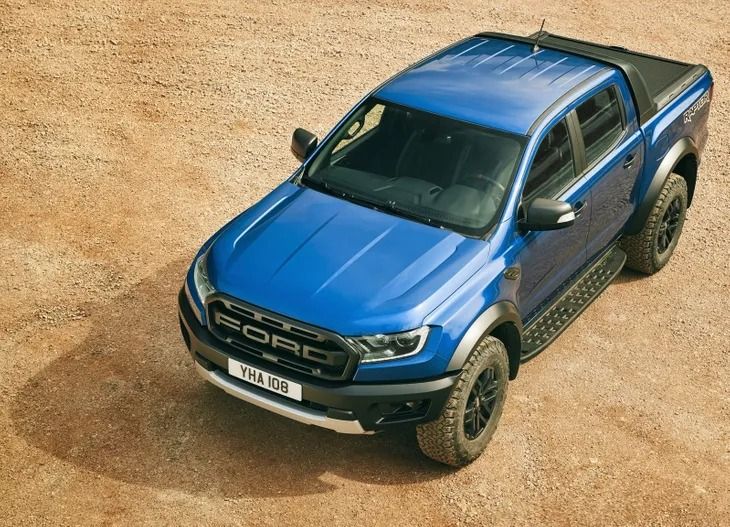
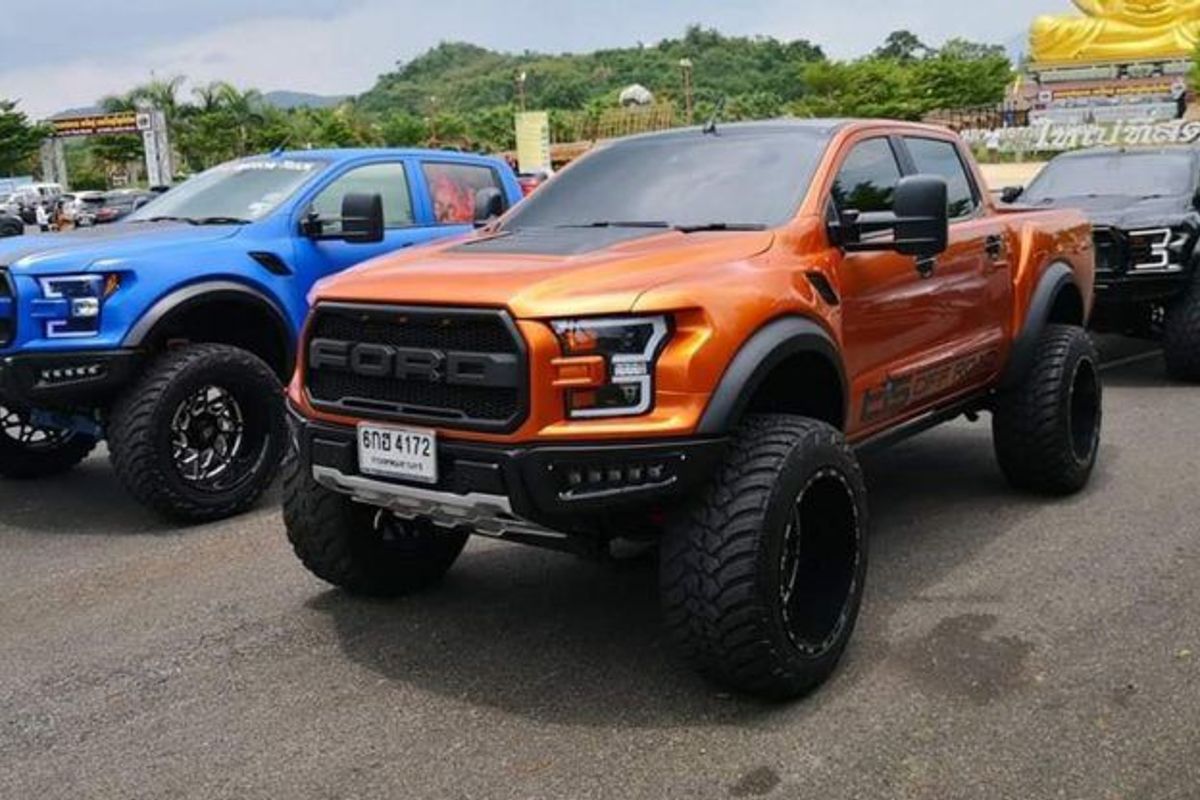
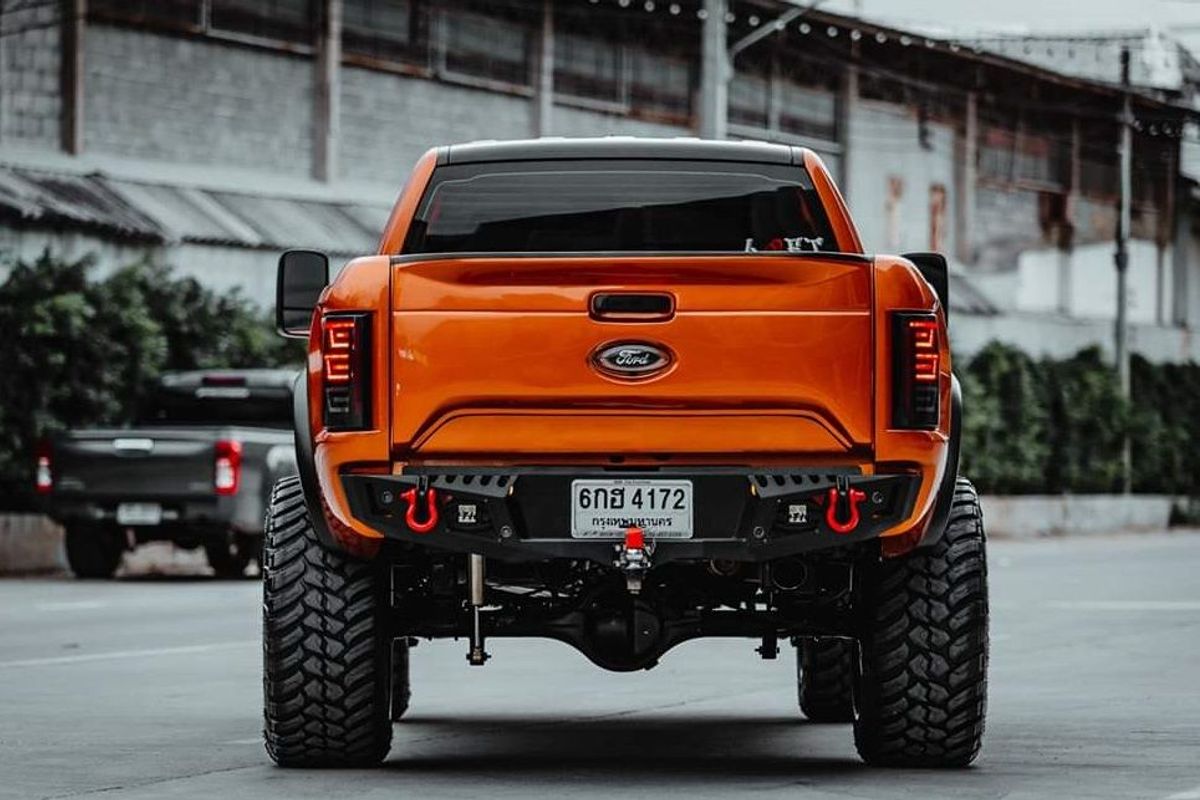
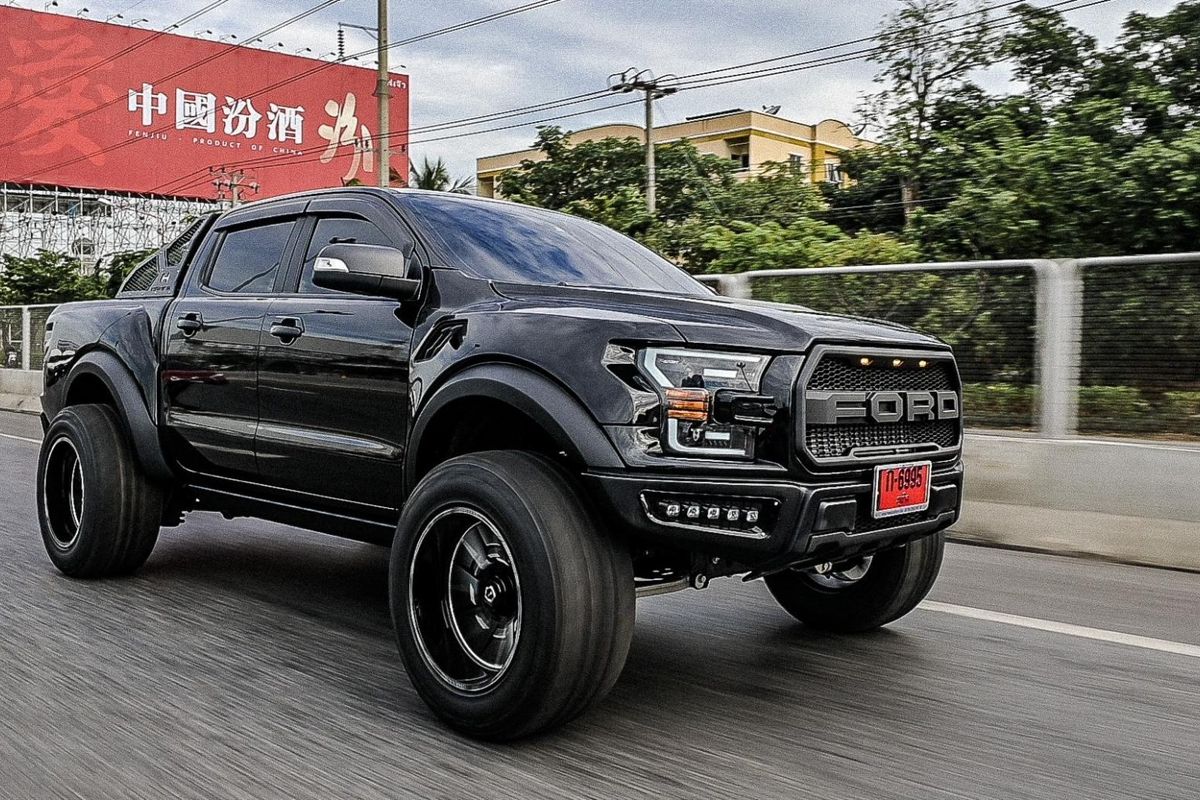
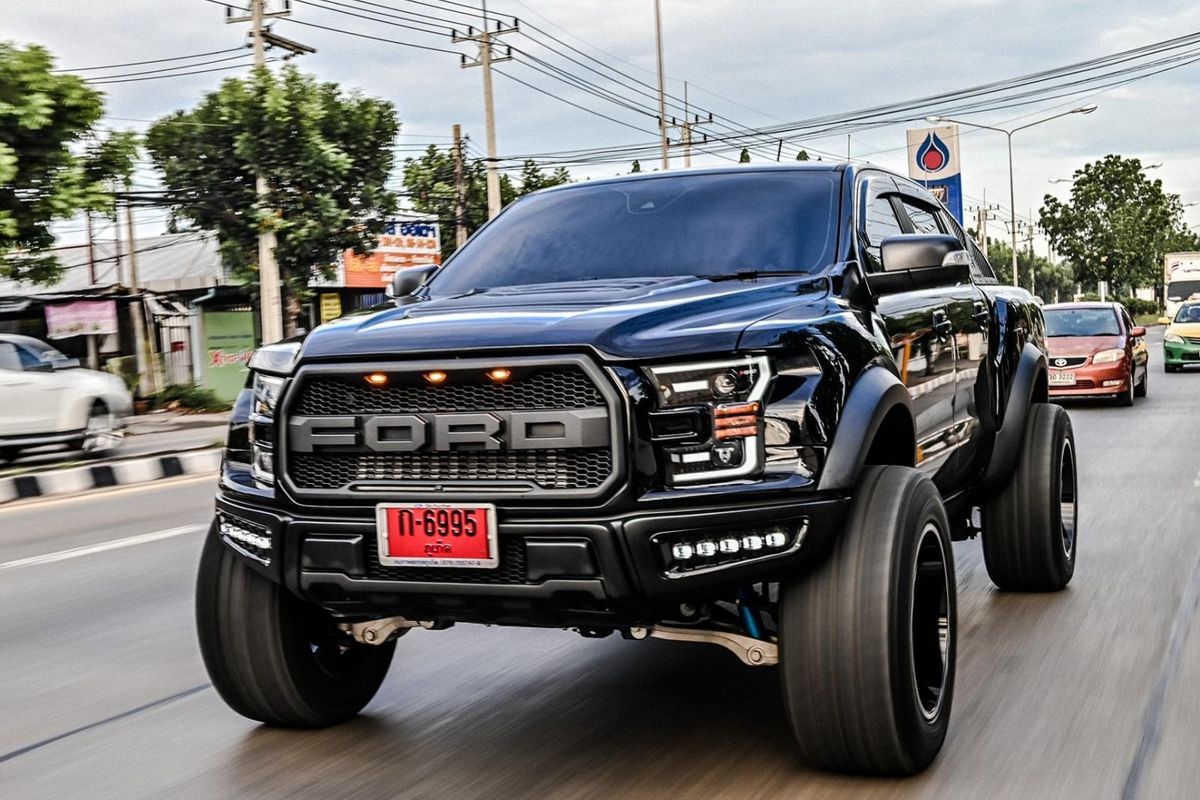
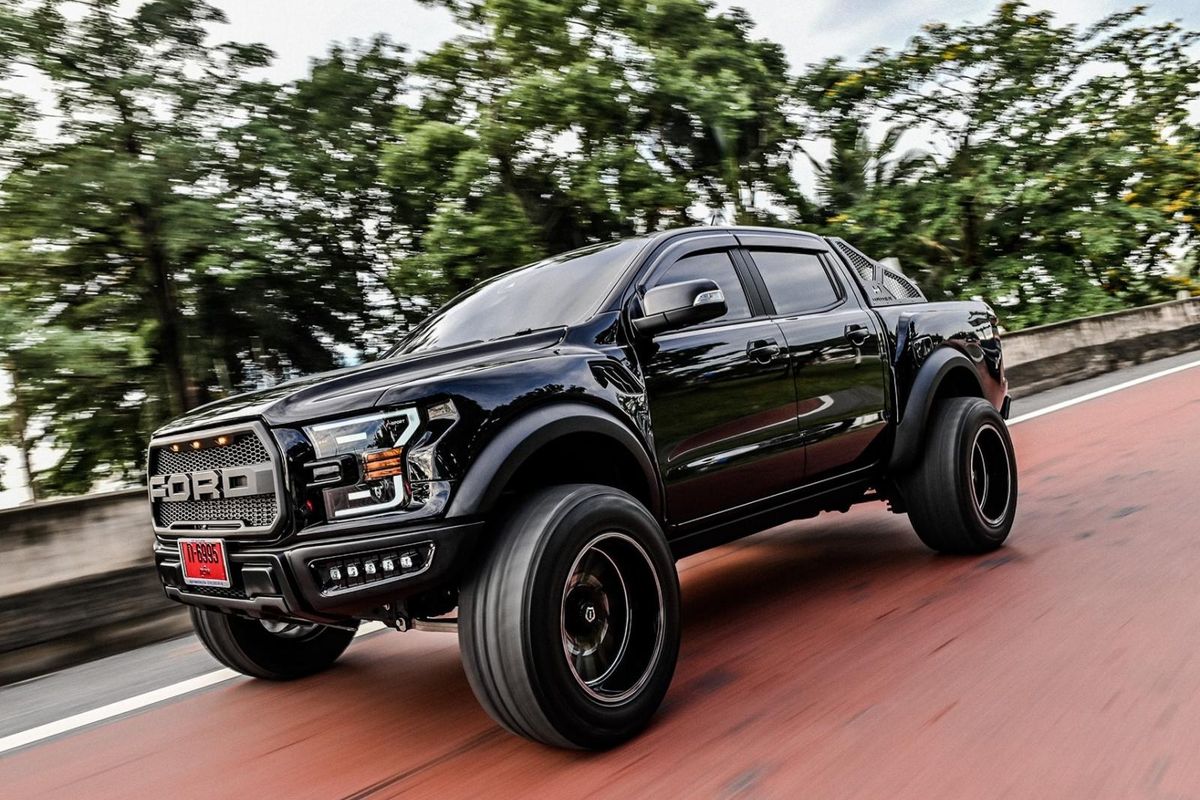
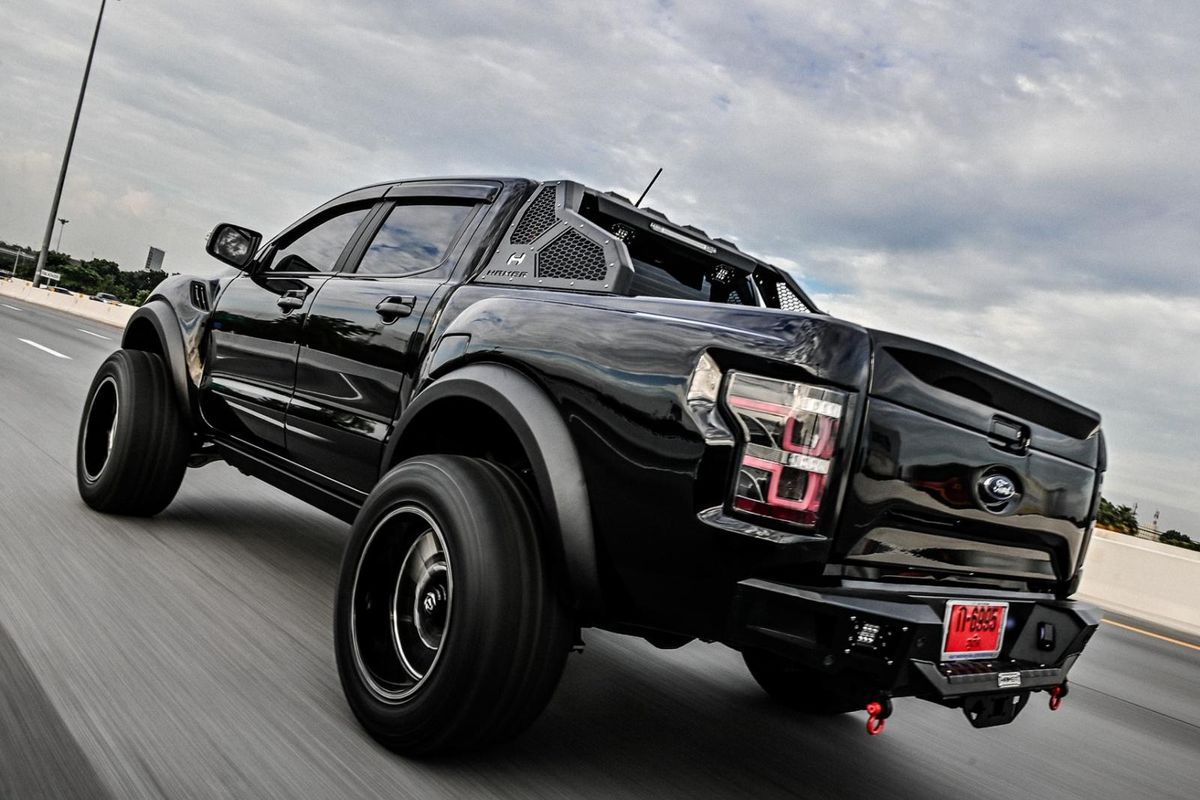
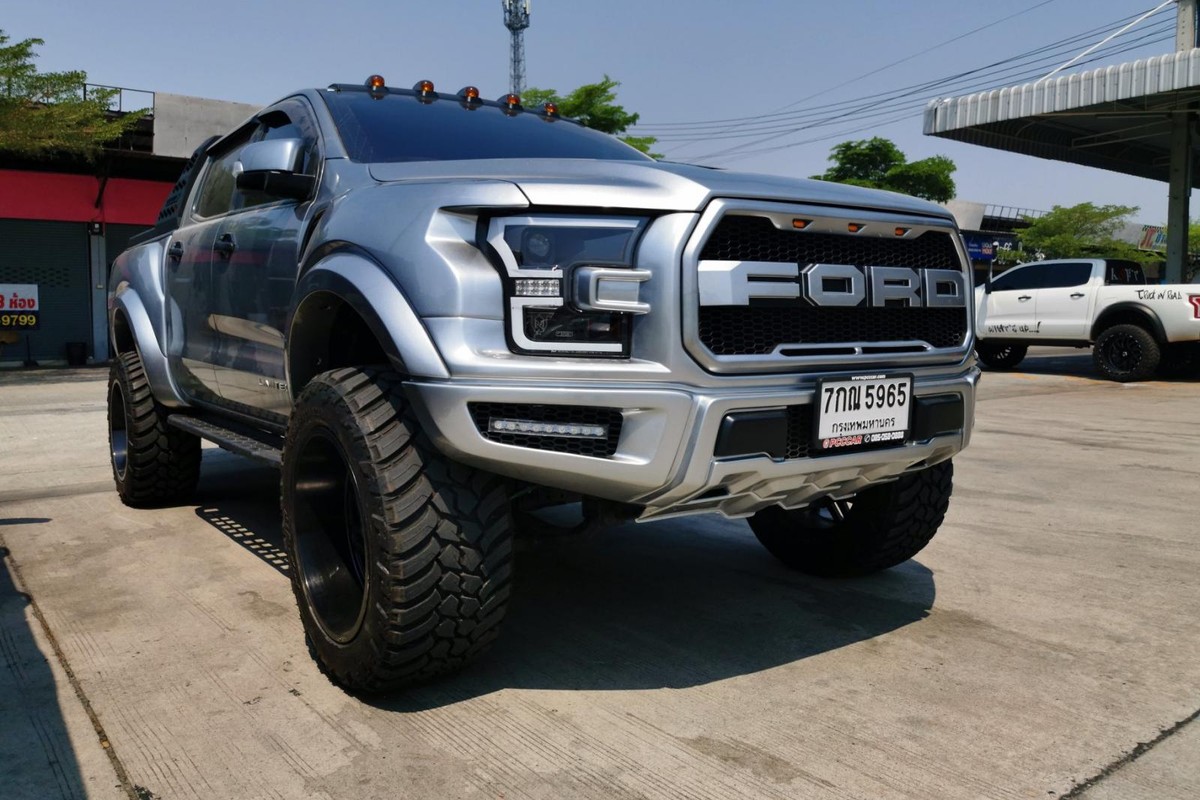
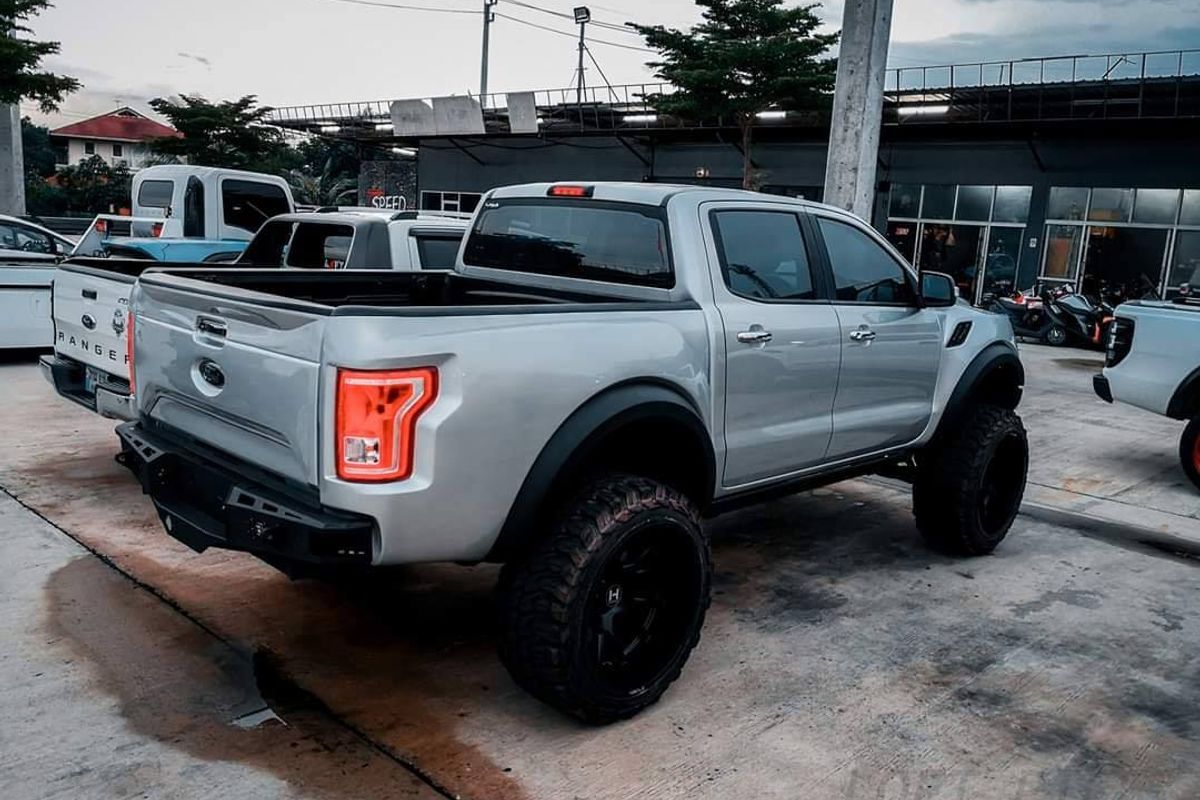
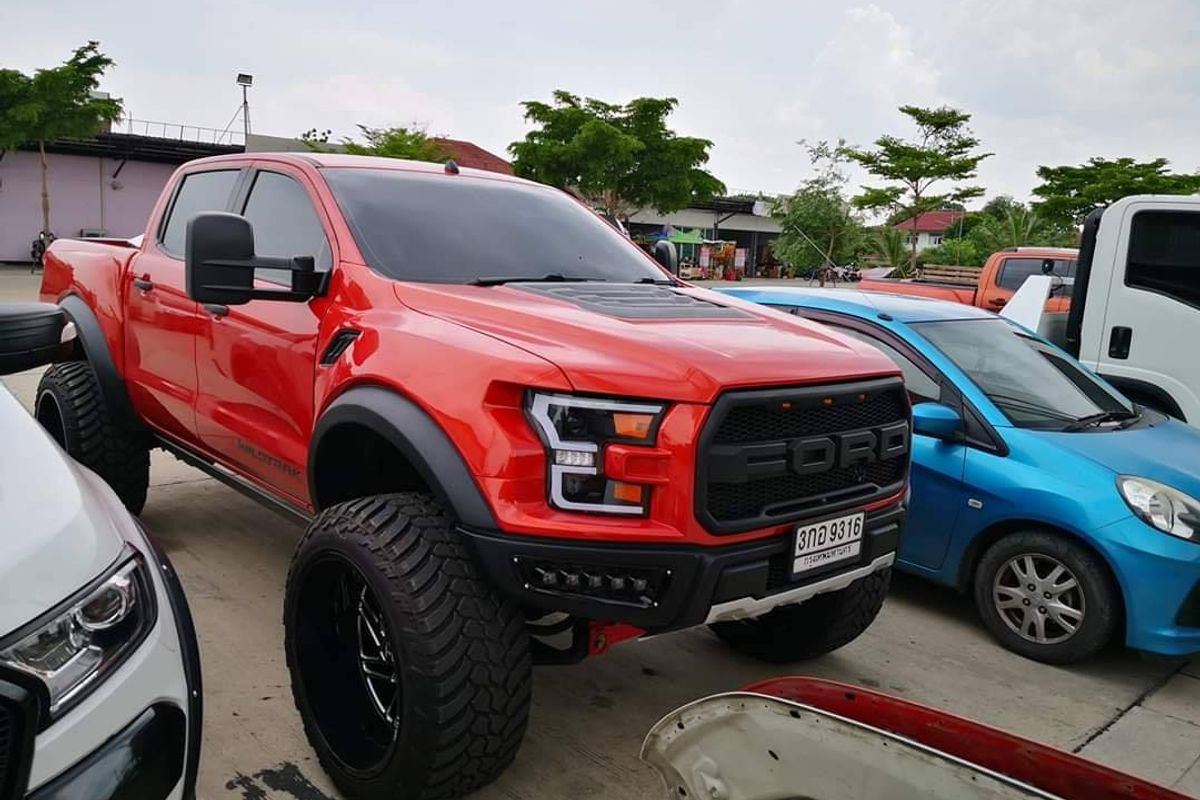
Using a Ford Ranger Raptor as a starting point, a company called TTN Hypersport, is creating F-150 Raptors of its own.
A beefed-up body kit is bolted to a standard Ranger Raptor which brings it closer to the look of an F-150 Raptor. These customised Ranger Raptors are fitted with F-150 headlights and a huge grille that does a pretty good job of convincing onlookers. More so, the modification includes bespoke front and rear wheel arches as well as quarter panels that convey the sense of width that the F-150 Raptor commands. A wide range of wheel options are also offered along with suspension adjustments to make your fake F-150 Raptor stand out from the rest.
Do you like the look of these Ford F-150 Raptor lookalikes?
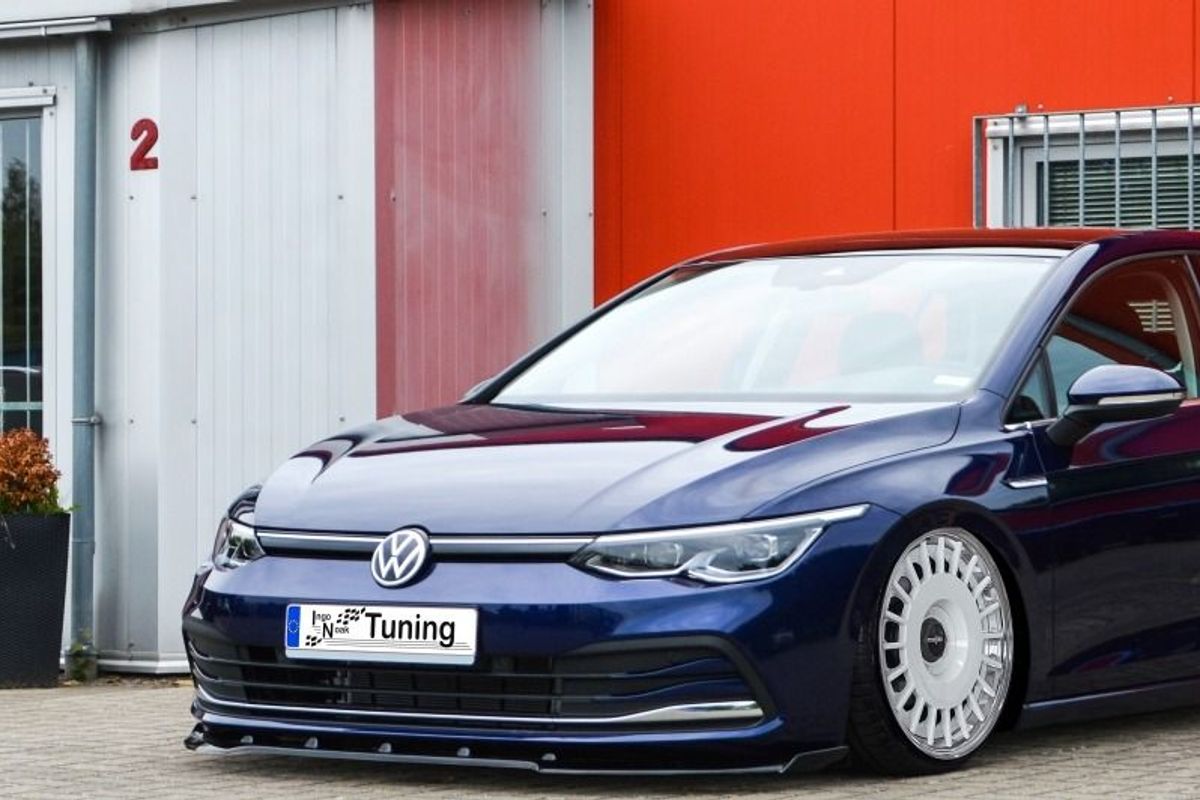
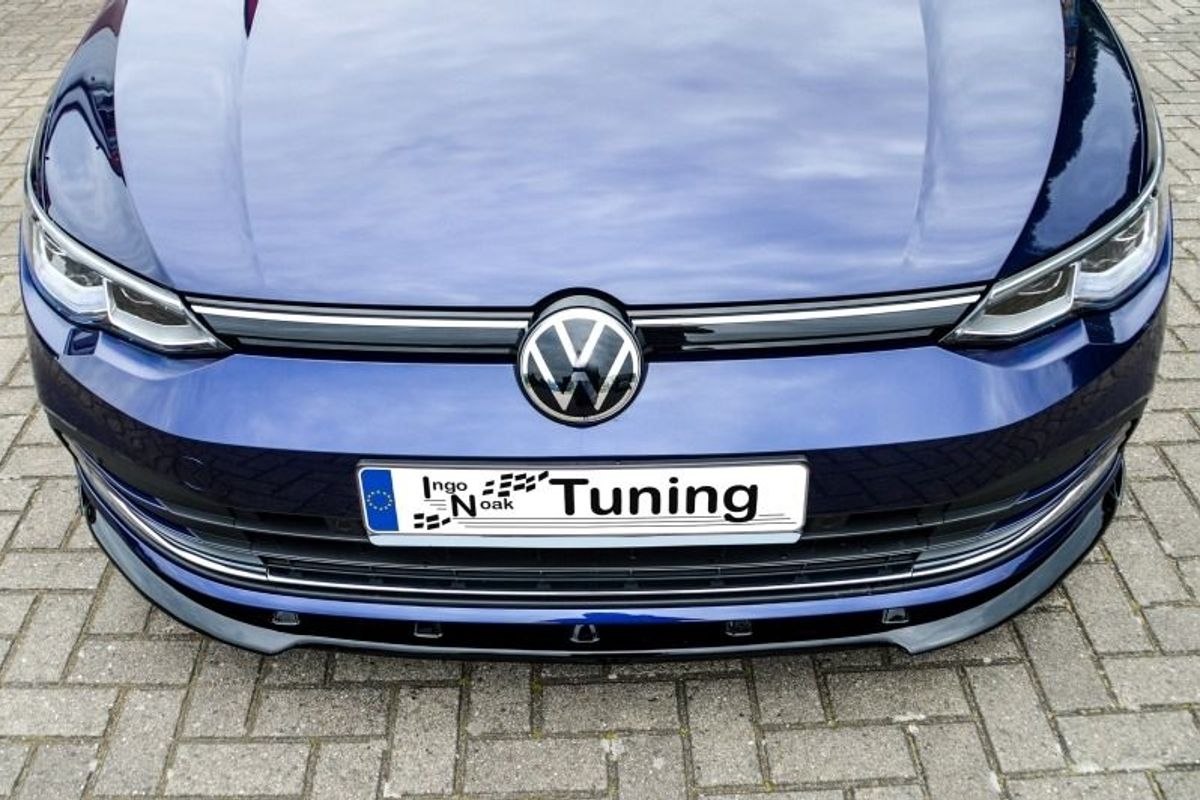
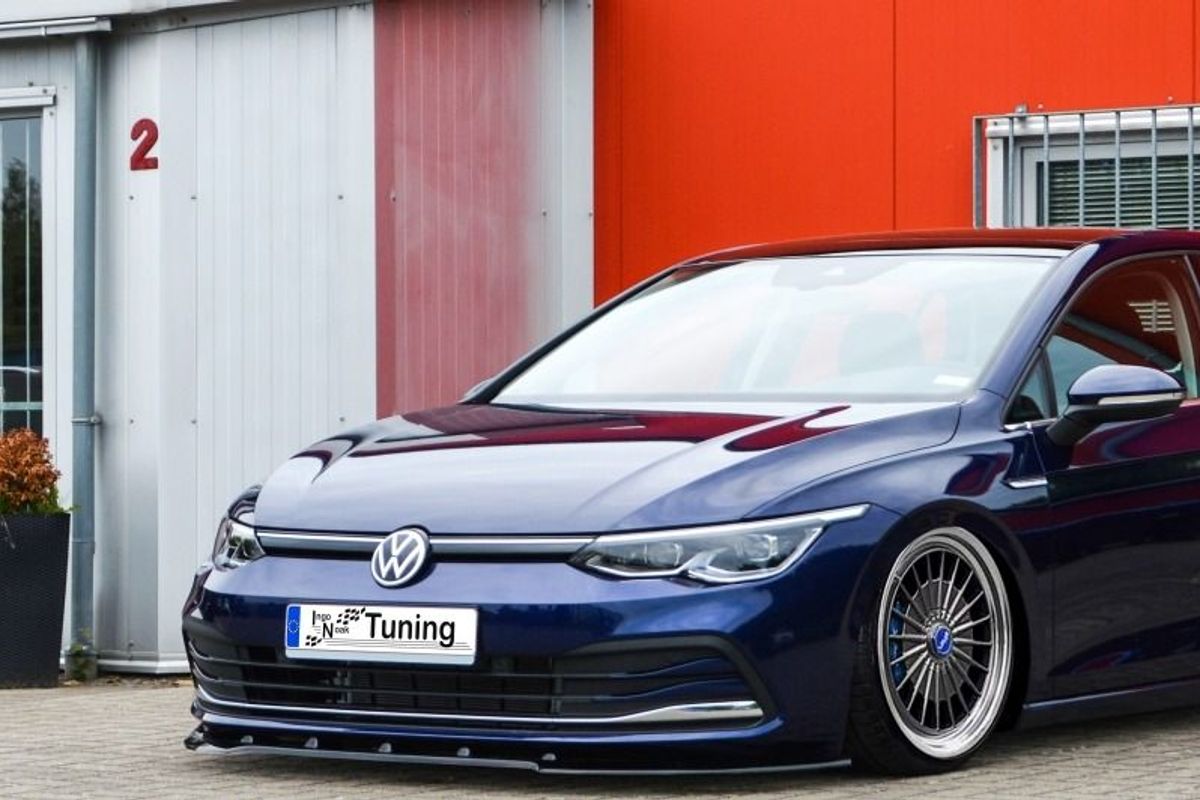
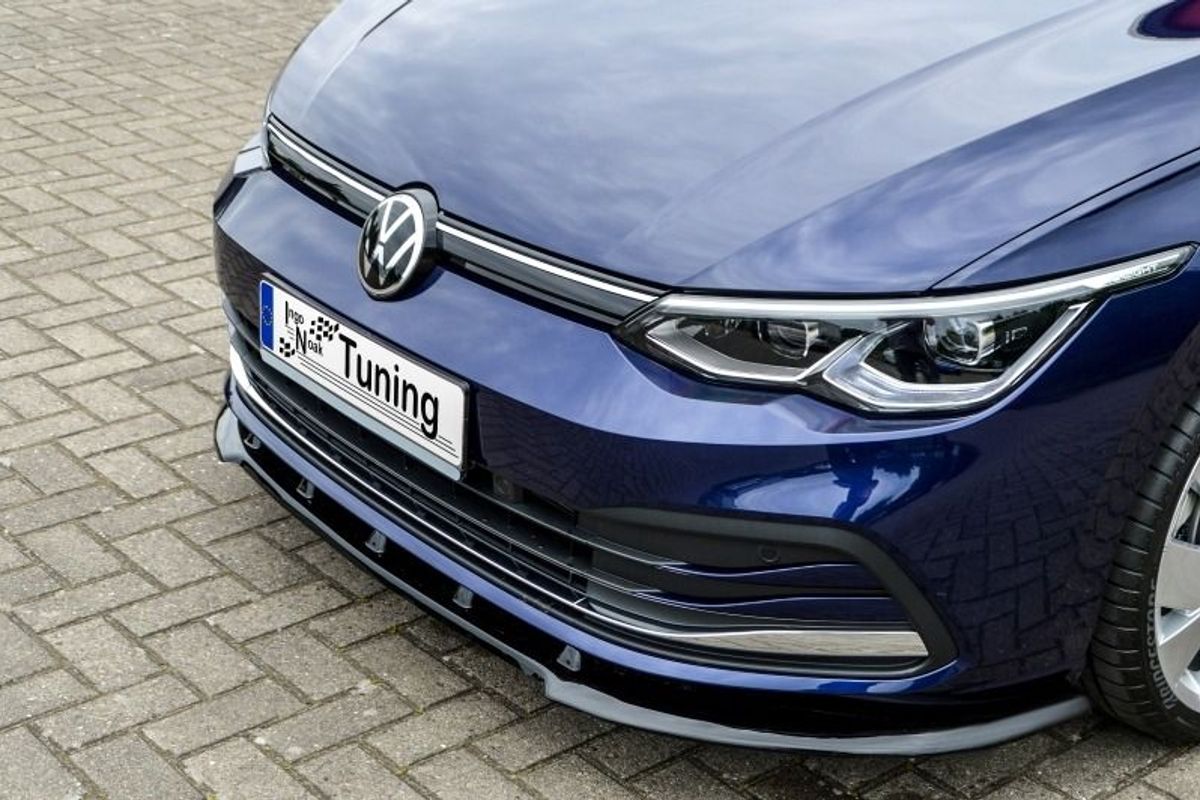
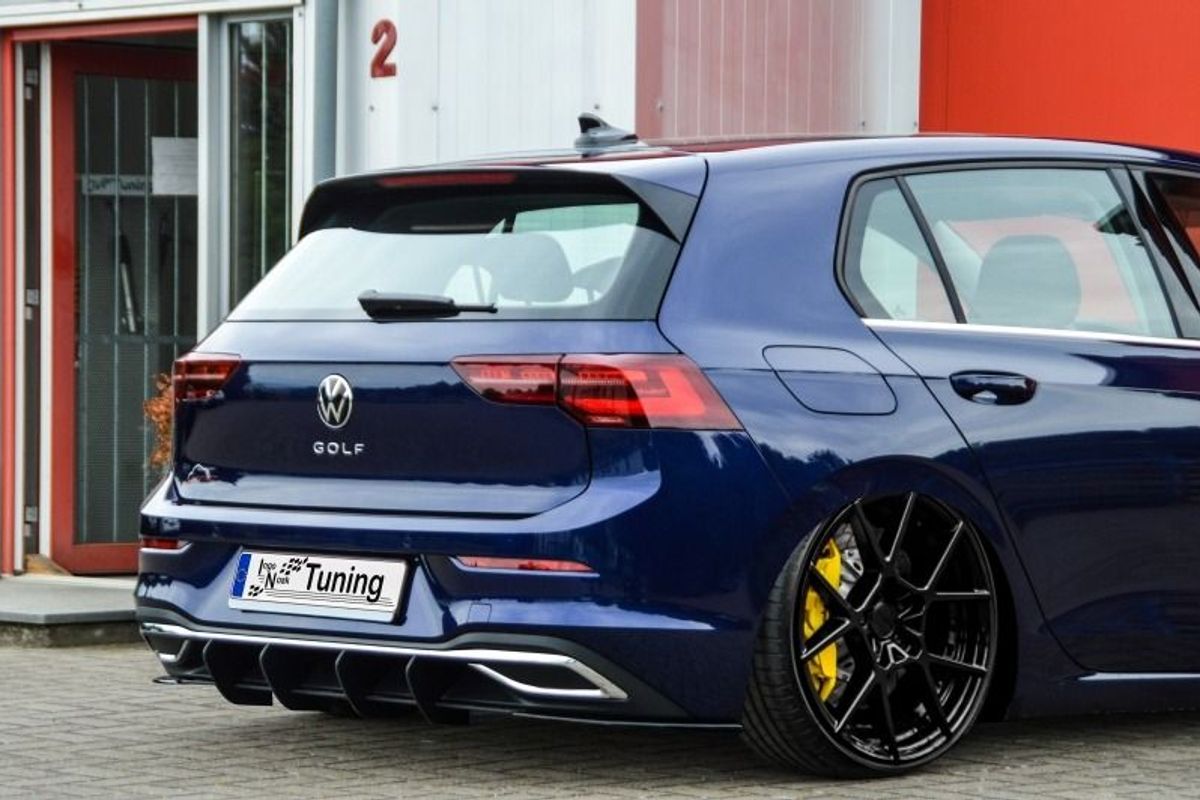
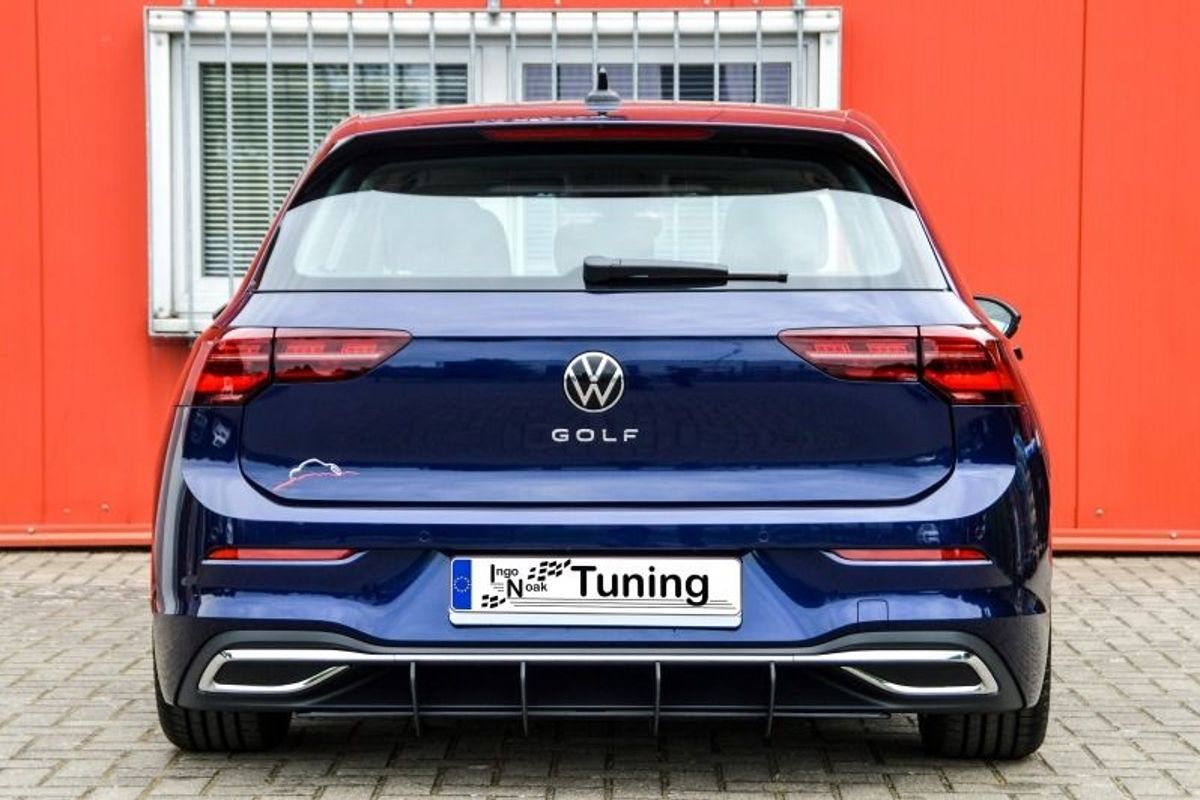
A German tuning company has gone to town on the new Golf 8 to make it look wilder.
Only a few months into the new Golf 8’s life and German tuning company Ingo Noak Tuning Factory has begun sales of an aftermarket body kit. The body kit turns the standard Golf 8 into a proper street thug with front spoiler lip, side skirts rear diffuser and extra rear fins if you wish to add them.
The kit is purely a cosmetic upgrade so power outputs are identical to the standard Golf 8. The kit is also only available for the standard Golf. There is no mention of it, but the Ingo Noak Golf does look like its been significantly dropped and specced with a selection of aftermarket rims.
It’s not a subtle look, but gives an indication of how aggressive the new Golf could look when we see further iterations down the road – think Clubsport and R. For those looking for something a little understated, VW has just launched a Life spec model in Europe which is considered the most entry-level Golf you can buy.
The Golf 8 is officially due in SA at the end of this year, but that date may be moved further back considering the logistical effect of Covid19. The local Golf 8 launch will also see the introduction of the GTI model as VW South Africa has chosen to launch the 2 variants together for maximum impact.
Apart from the odd splashes of colour-stitching and -inserts in its models, Hyundai doesn’t usually dabble in funky detailing (it tends to leave that to sister brand Kia). With the Venue Flux edition, however, Hyundai has added youthful appeal to its compact family car.
Launched late in the South African late in 2019, the Hyundai Venue has proved instantly popular in the local market. Although based on a compact hatchback platform, the small crossover’s “baby SUV” – replete with its blocky, retro design cues – appeals to young buyers by virtue of being fashionable and affordable, but the model has also proved popular with older buyers who are looking to buy down and drive a compact car that's both easy to manoeuvre and offers the benefit of a slightly-raised driving position.
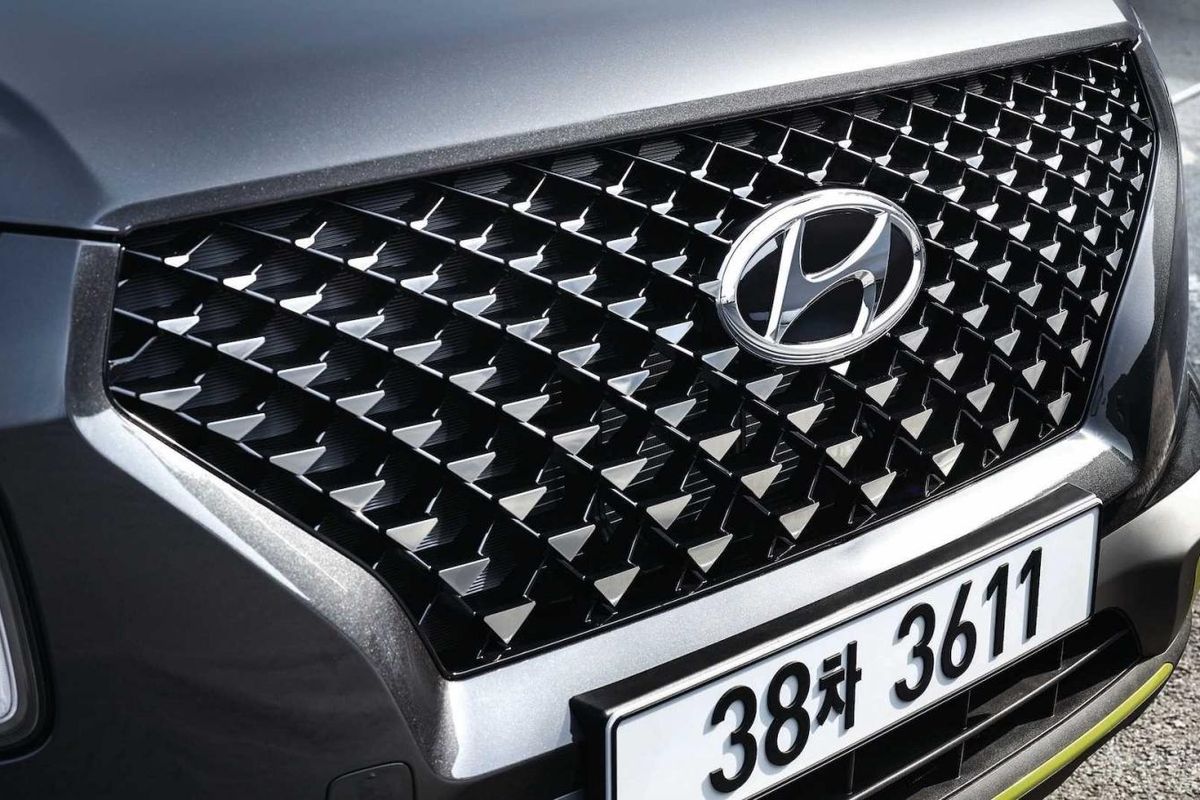
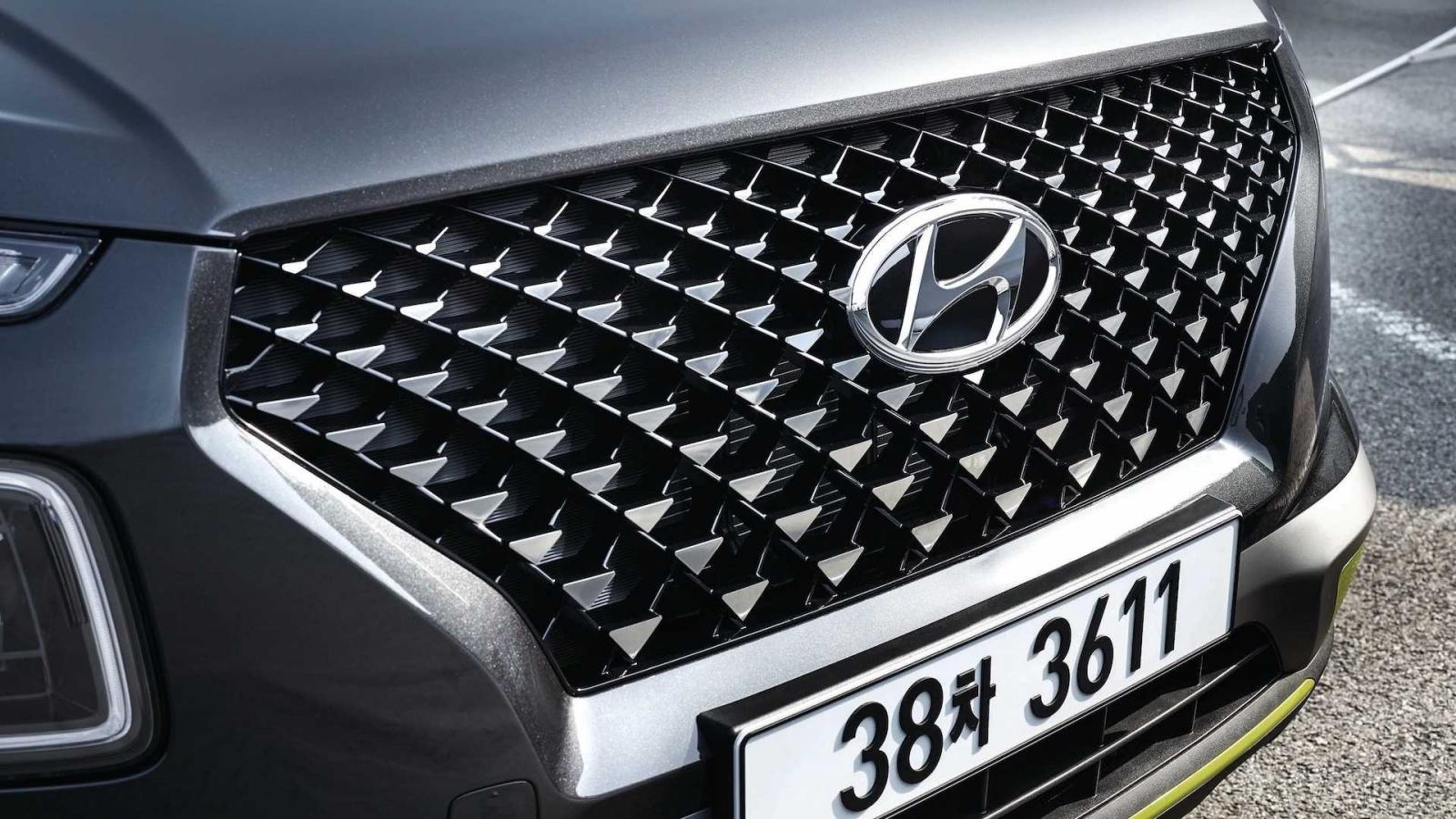
A fresh "hot-stamped" grille makes the Venue Flux look instantly upmarket.
One of the Venue’s most distinguishing features is its upright egg-crate-patterned grille, but following the introduction of the new Elantra and new-look Santa Fe, for example, both of which feature shapely grilles with geometric-patterned mesh – integral to Hyundai’s new "Sensuous Sportiness" design language – it suddenly looks a little dated.
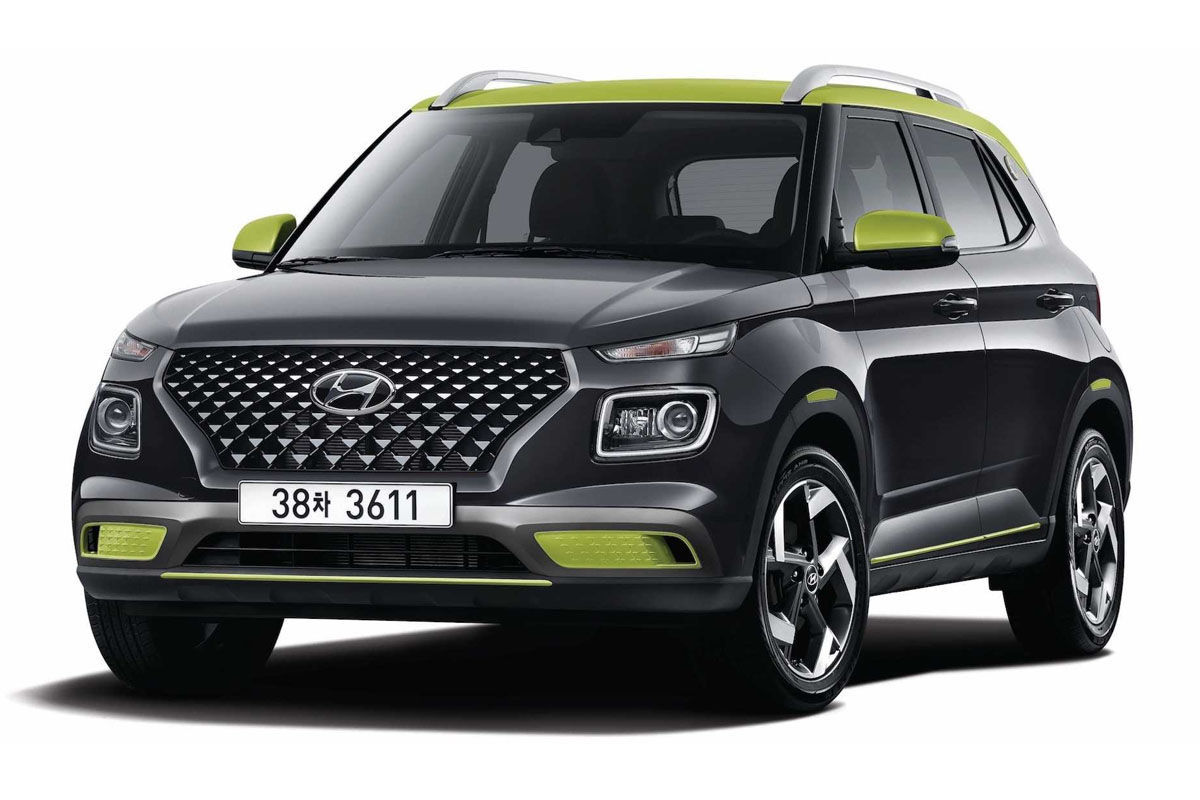
However, Hyundai has now introduced a new Flex derivative in its home market of South Korea. The newcomer features a “hot-stamped” grille that brings the frontal aspect of the firm’s compact family car in line with the those of newer models… it is a cue that could preview a mild facelift or just a bold model-year update in the near future.
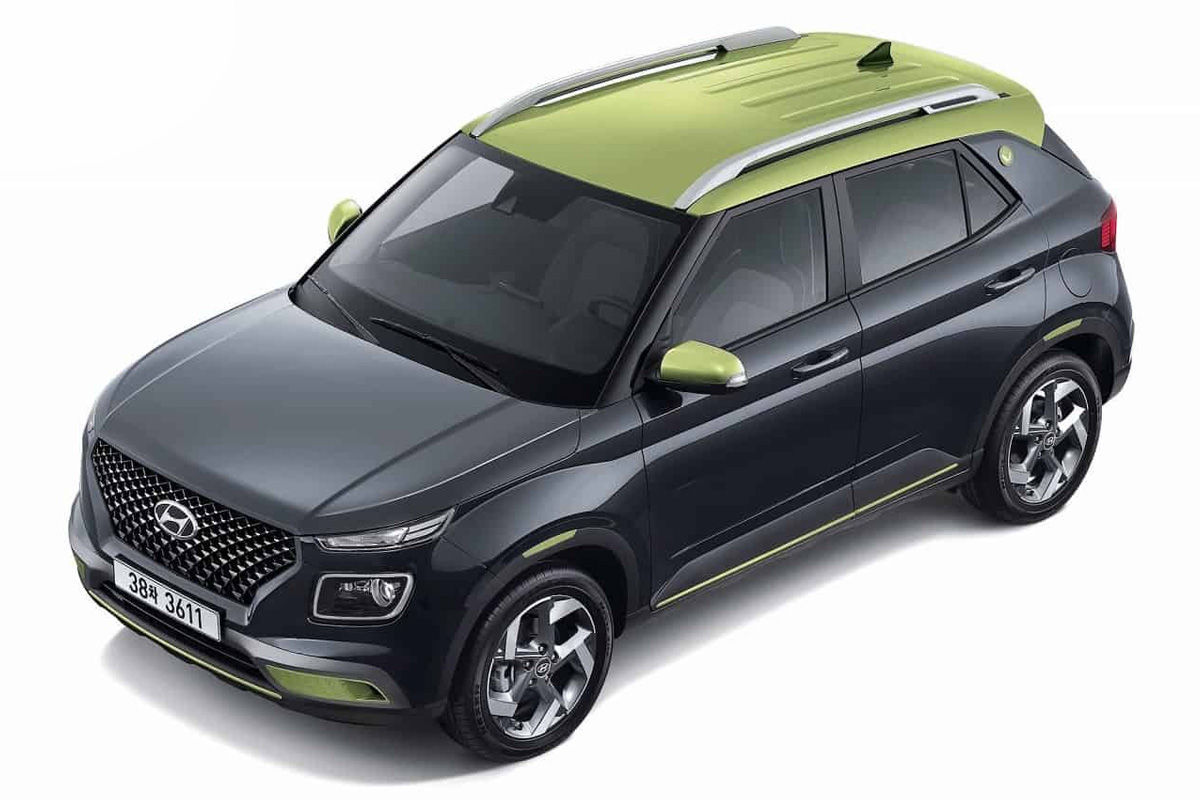
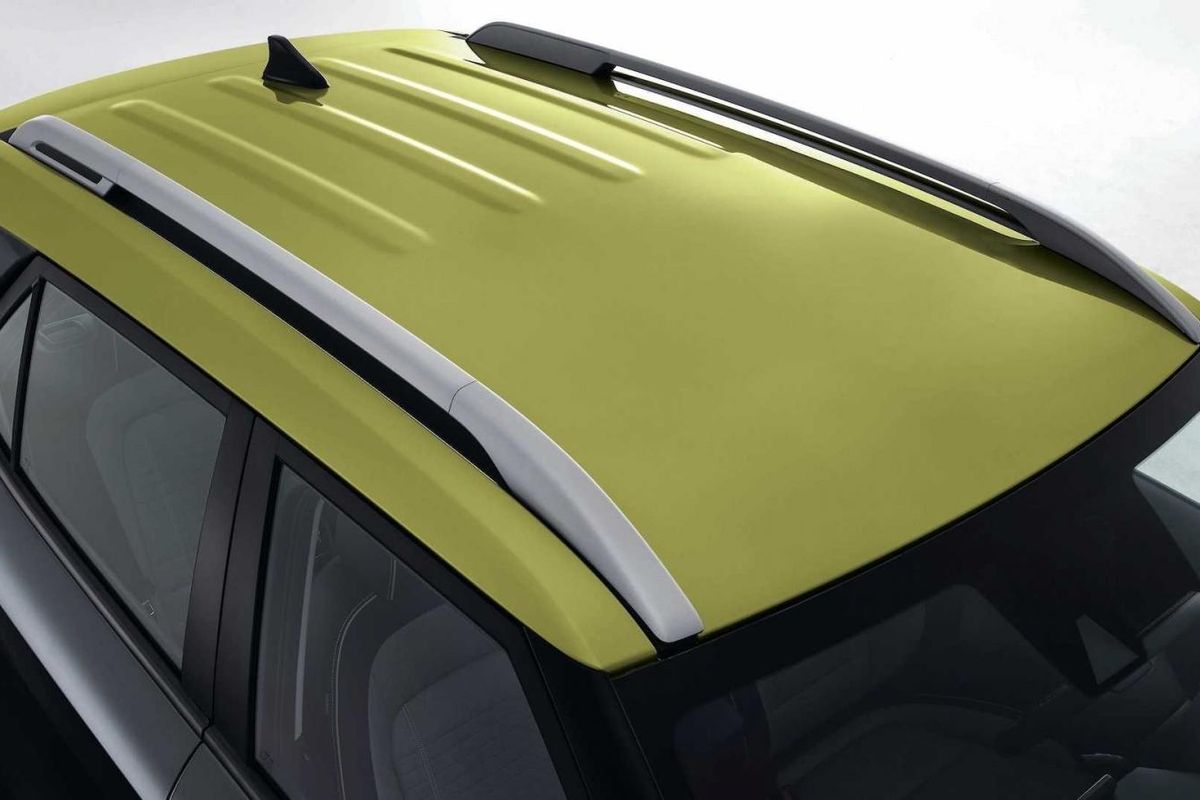
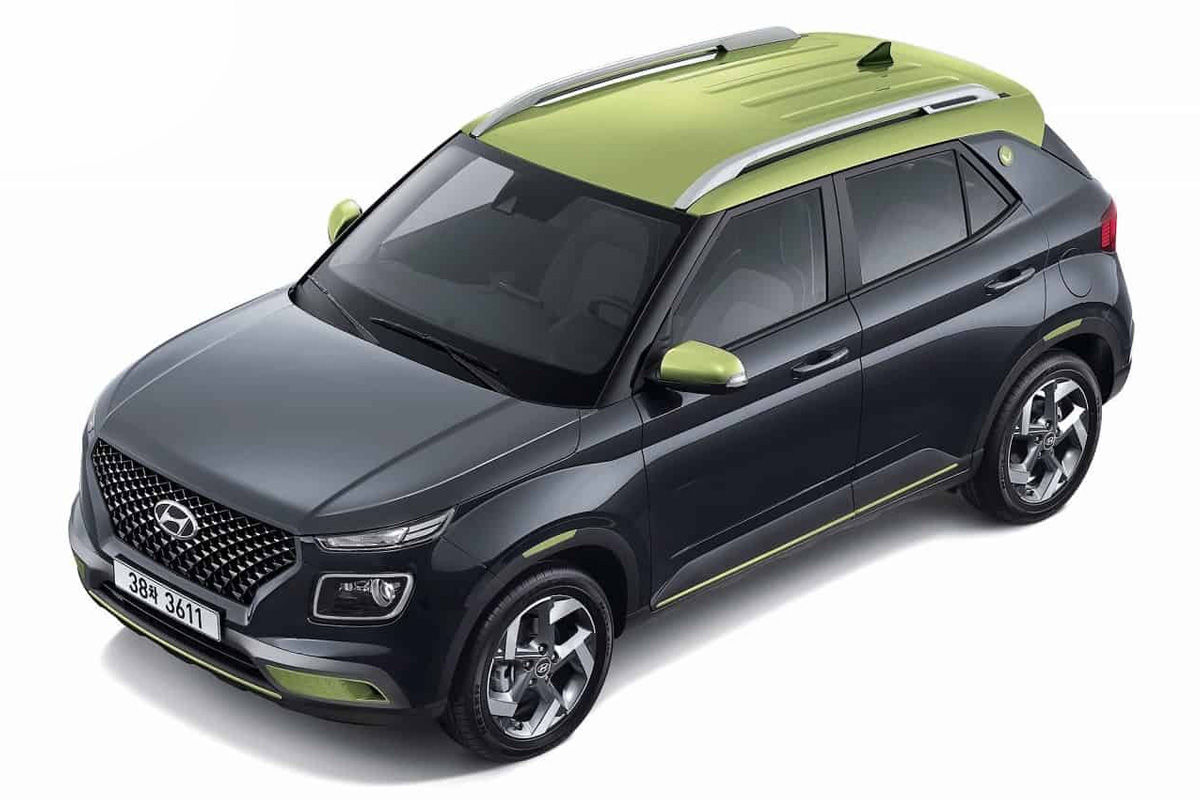
Is that contrast colour yellow or green… or yellow-green? Whichever it is, it complements the dark-grey body colour smartly.
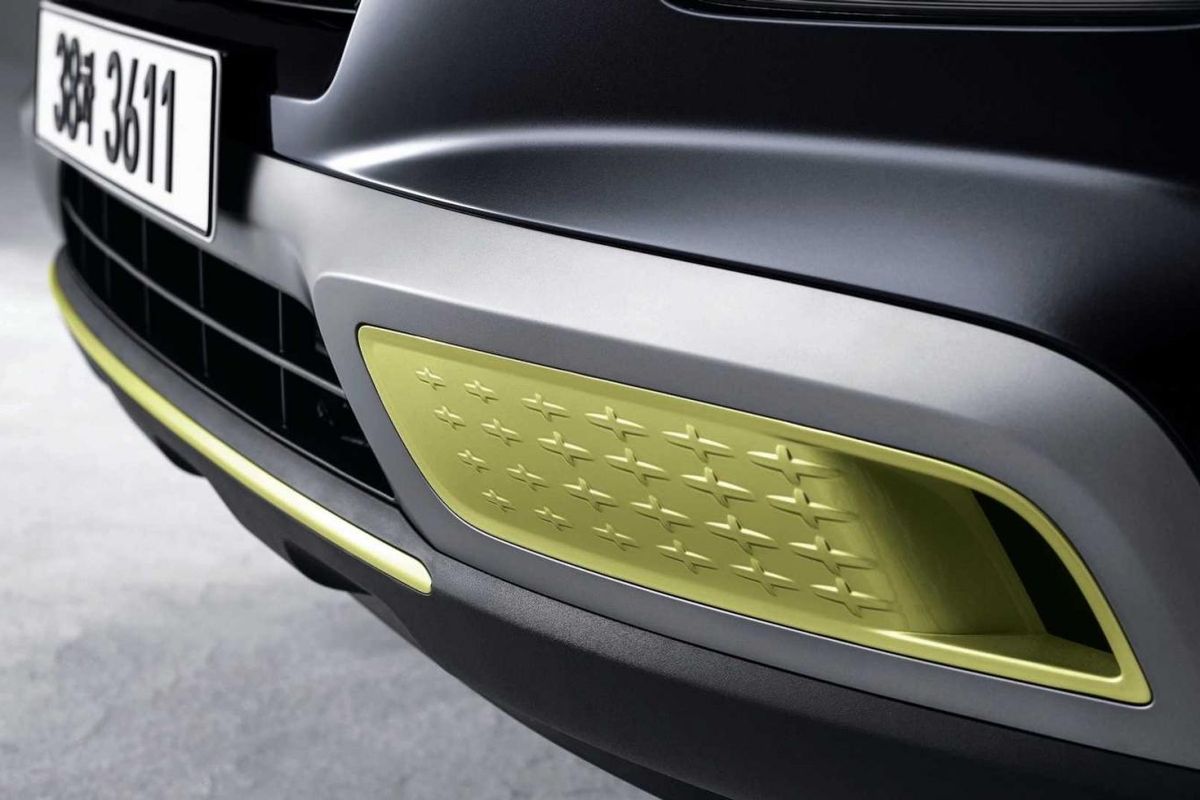
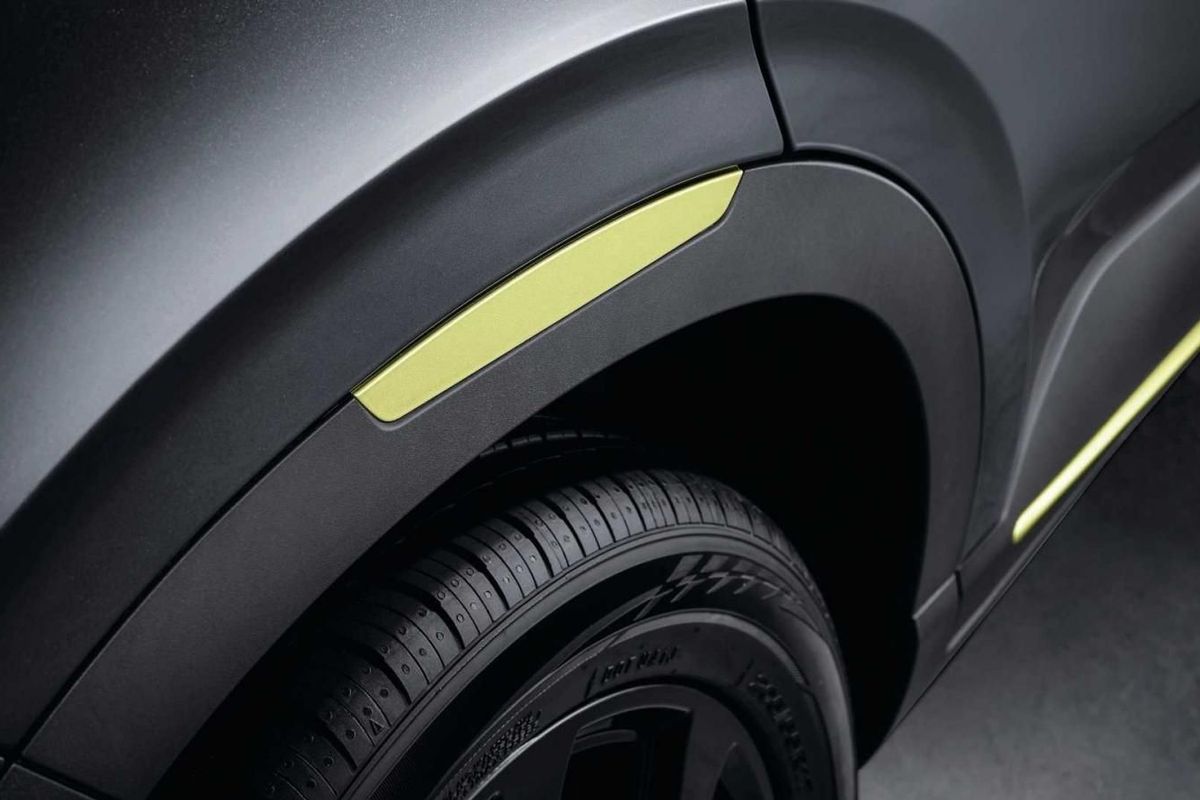
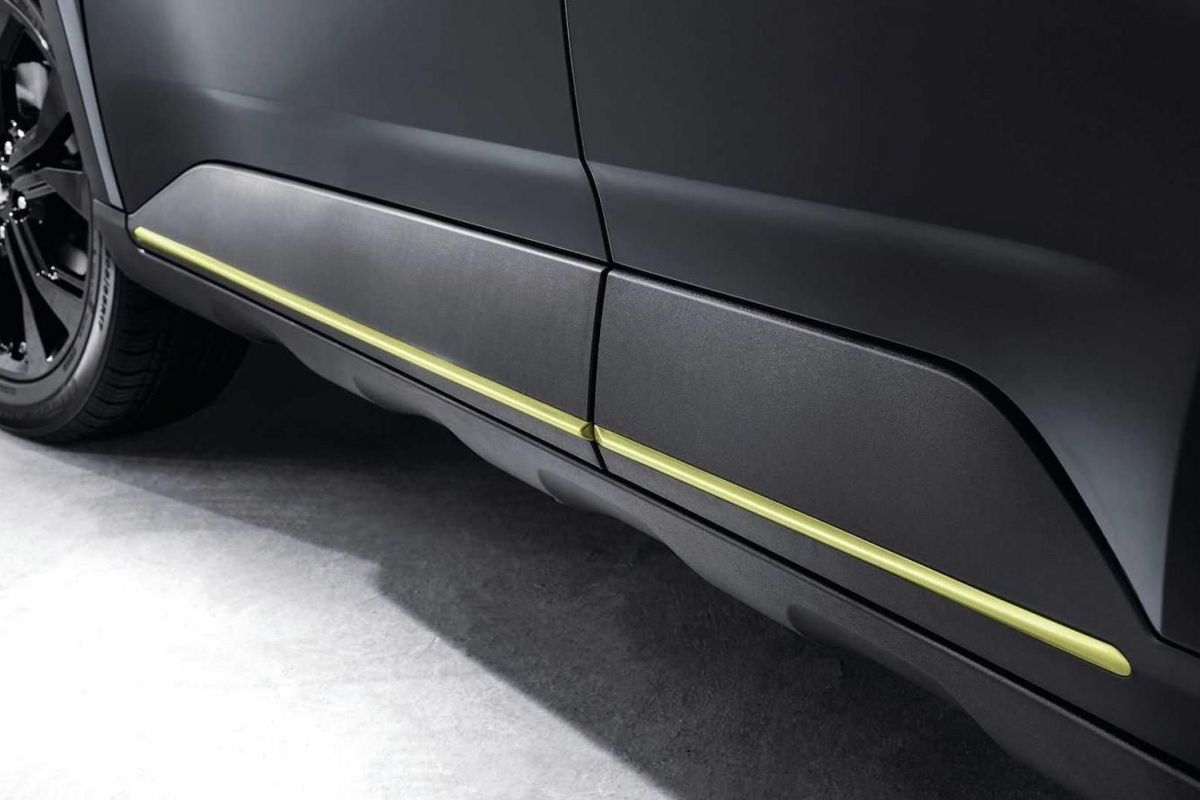
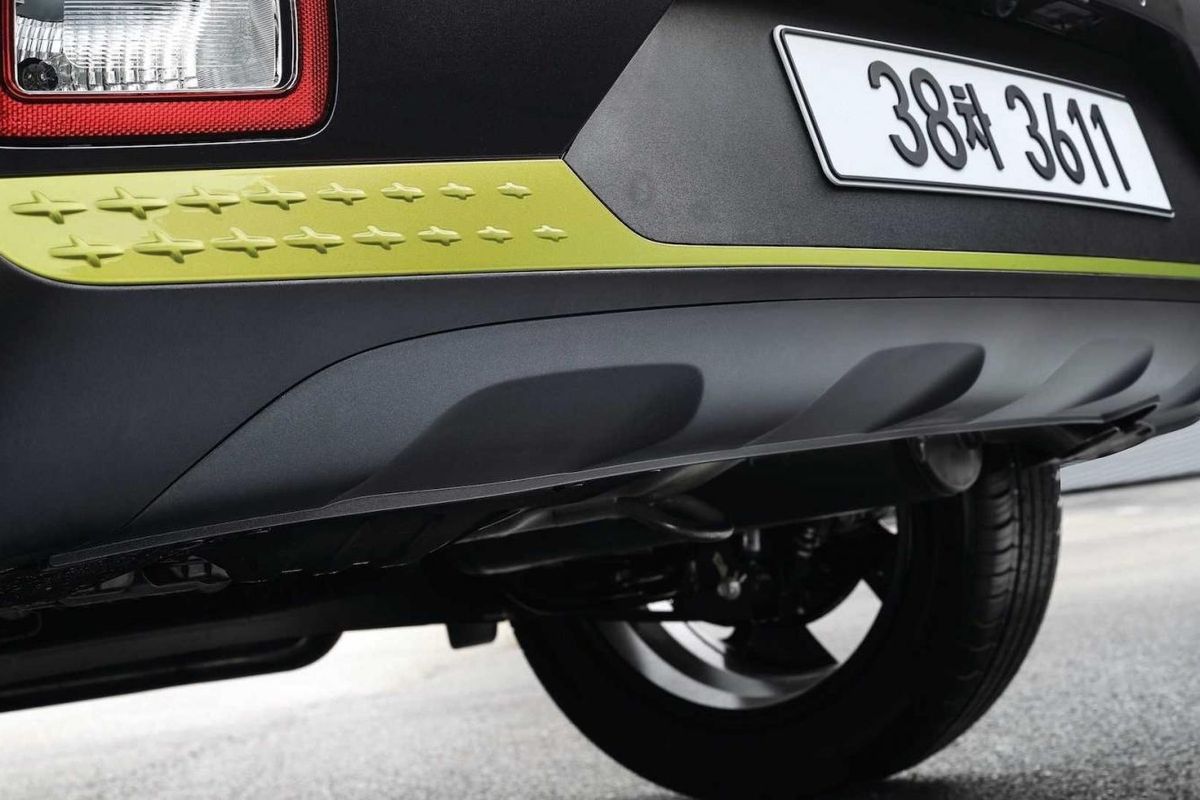
But the makeover doesn’t end with a fresh grille design, however. Hyundai has given the Flex edition's roof and side-mirror housings an acid yellow (or dayglow/neon yellow, as that hue is also commonly called) finish and fitted similarly-hued accents to the lower bumper inserts and wheel-arch cladding. To complete the look, the firm has applied matching acid yellow pin-striping on the side skirts, as well as circular badges (bearing a V) to the C-pillars.
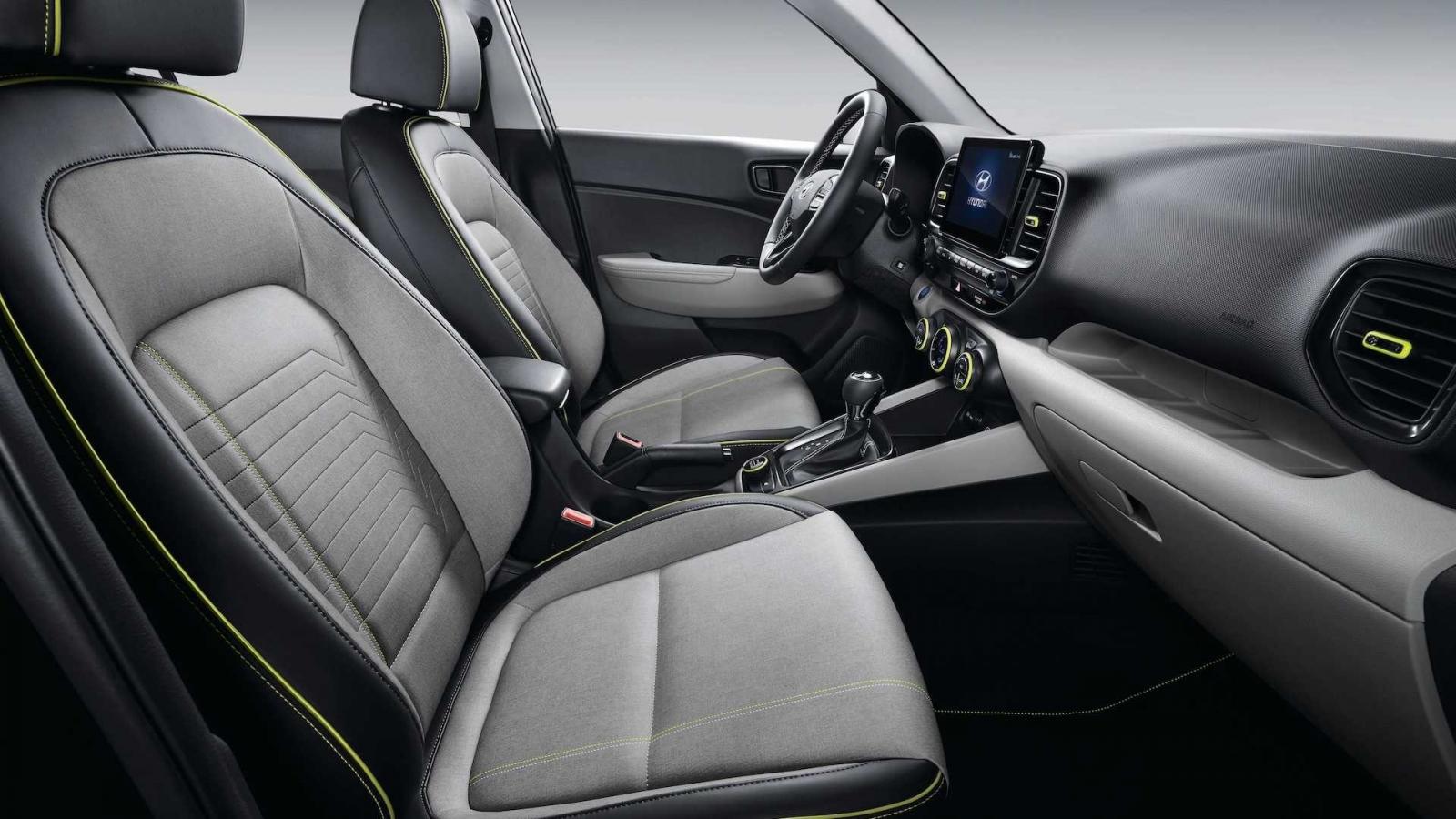
During our recent review of the Hyundai i30 N, the brand’s maiden hot hatch and the first N model to be made available in South Africa, our testers lamented the lack of distinctive detailing inside the vehicle to set it apart as special derivative in the marque's line-up. By contrast, the Venue Flux’s cabin features a multitude of sporty touches…
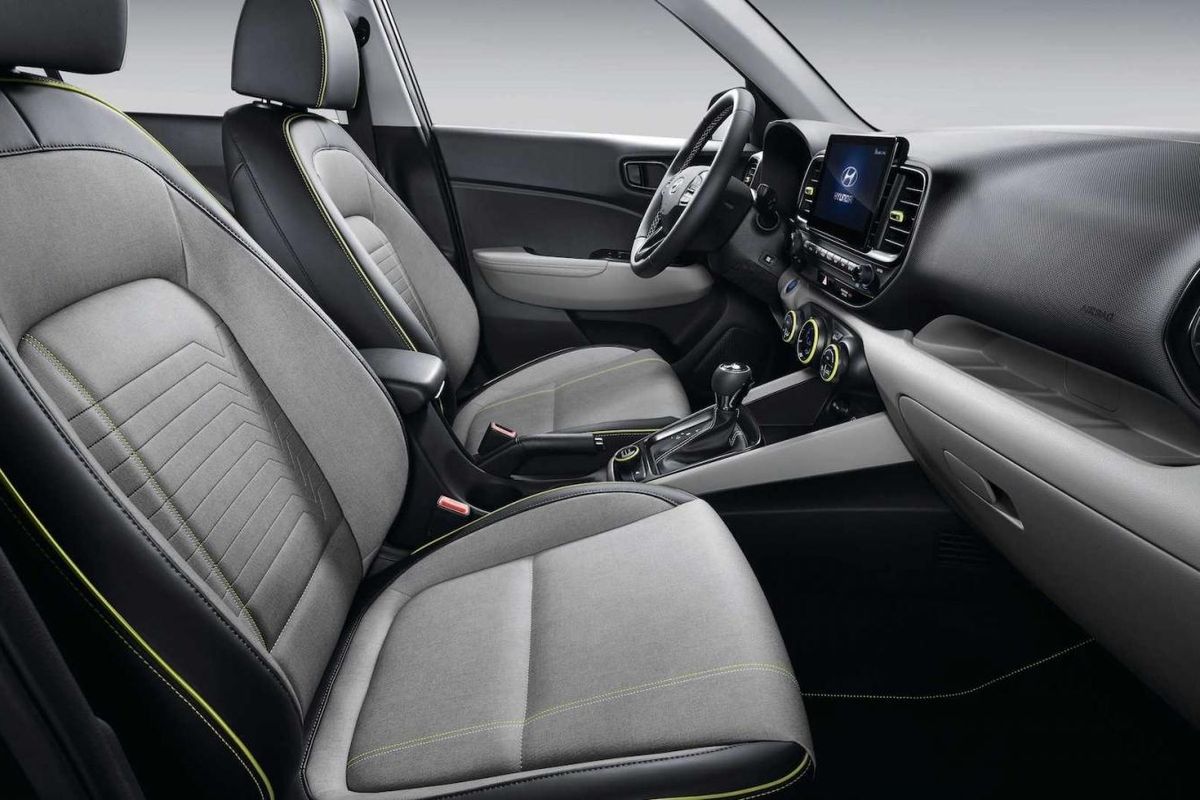
The sporty black/grey combination seat upholstery is highlighted by yellow piping and stitching.
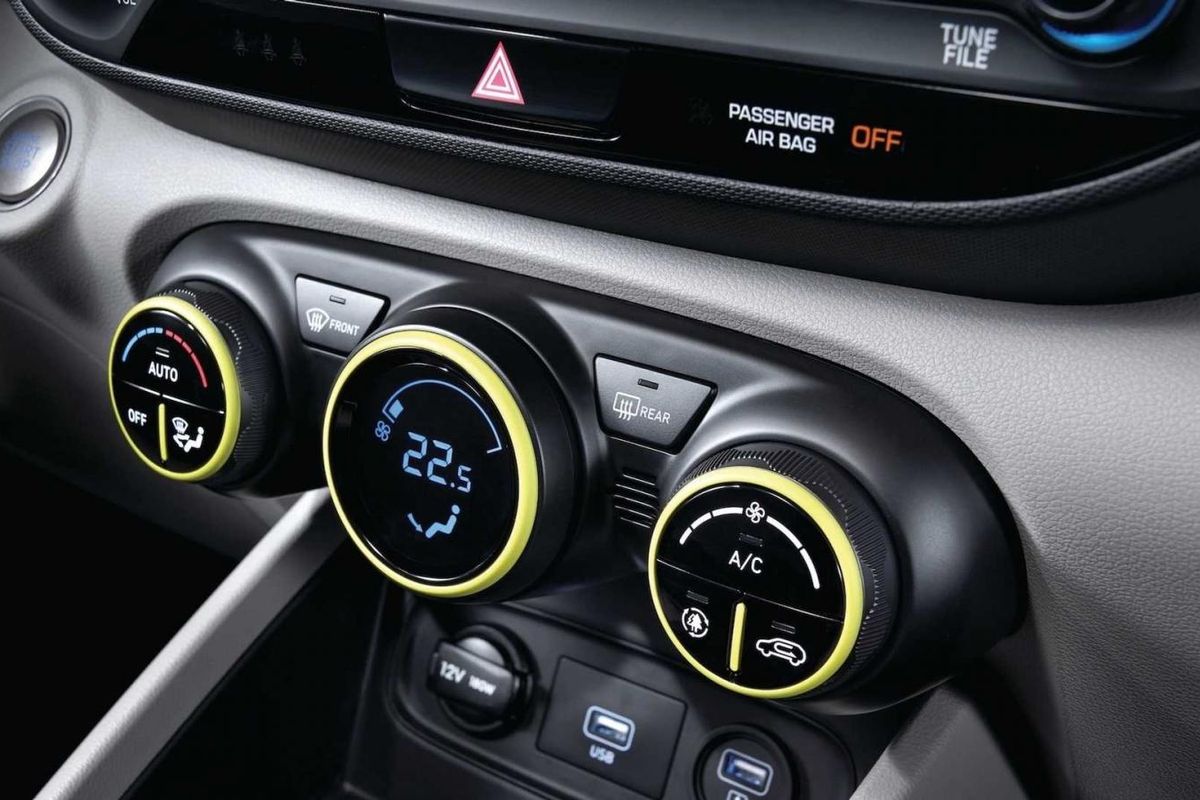
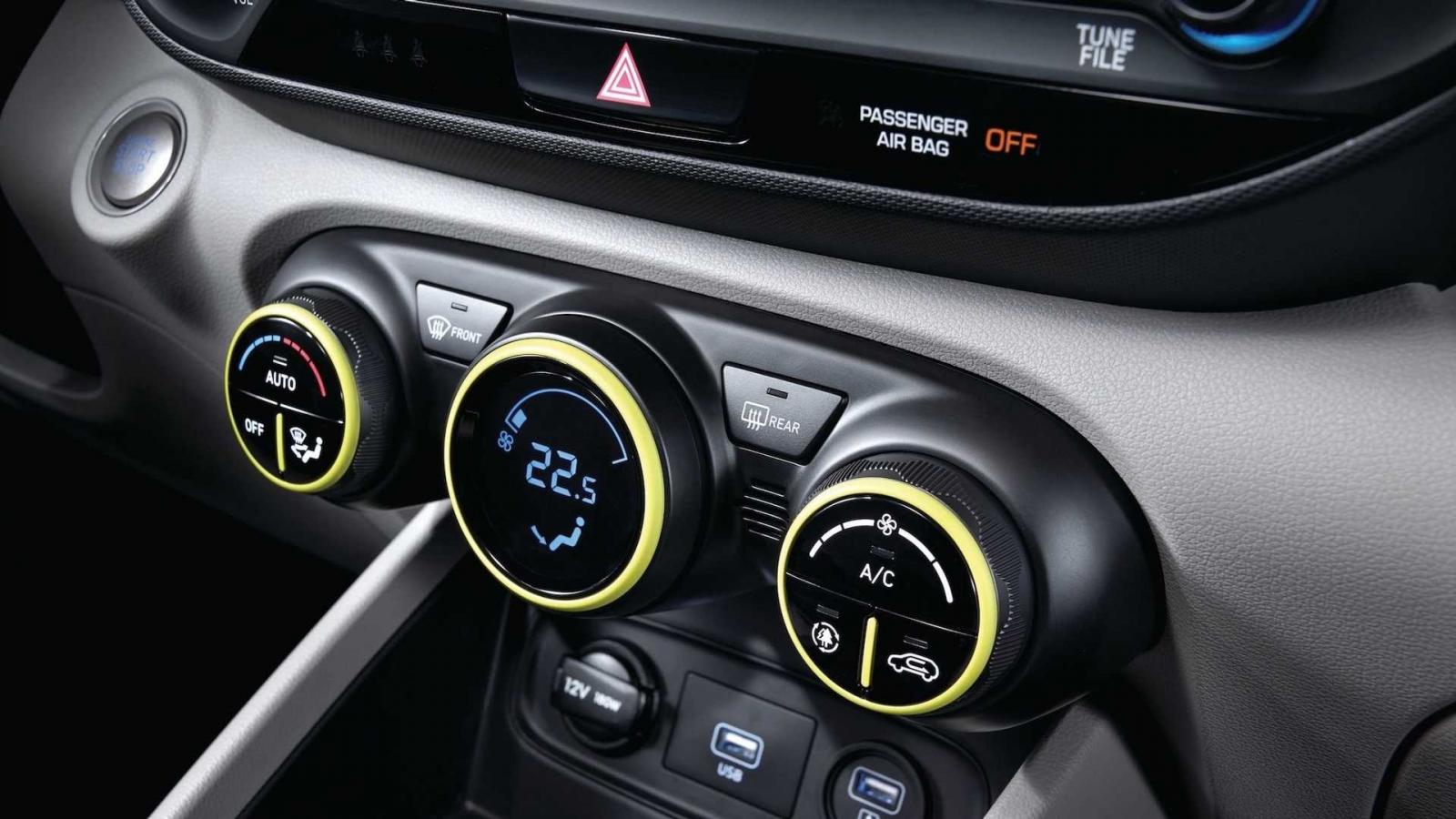
The interior features yellow highlights on the temperature and ventilation control dials, drive-mode dial and air-vent adjusters. White and yellow contrast stitching (complemented by piping on the black/grey seat upholstery) feature on the door cards, outer armrests, gear-shift boot and the inner rim of the steering wheel.
Otherwise, the Venue is unchanged mechanically from its sibling derivatives. The Flux edition is liberally equipped in Korea; it comes with, inter alia, forward collision avoidance- and lane-keeping assist, rear cross-traffic alert, blind-spot collision- and driver-attention warning, high-beam assist and tyre a pressure monitoring system.
The yellow interior highlighting is most prominent on the Hyundai's climate control dials.
For now, the Flex edition is reserved for the Korean market. In South Africa, Hyundai’s compact family car comes standard with a 5-year/150 000 km vehicle warranty, 7-year/200 000 km drivetrain warranty and a 3-year/45 000 km service plan. Pricing for the range begins R279 900 and tops out at R378 500 for the 1.0T Glide.