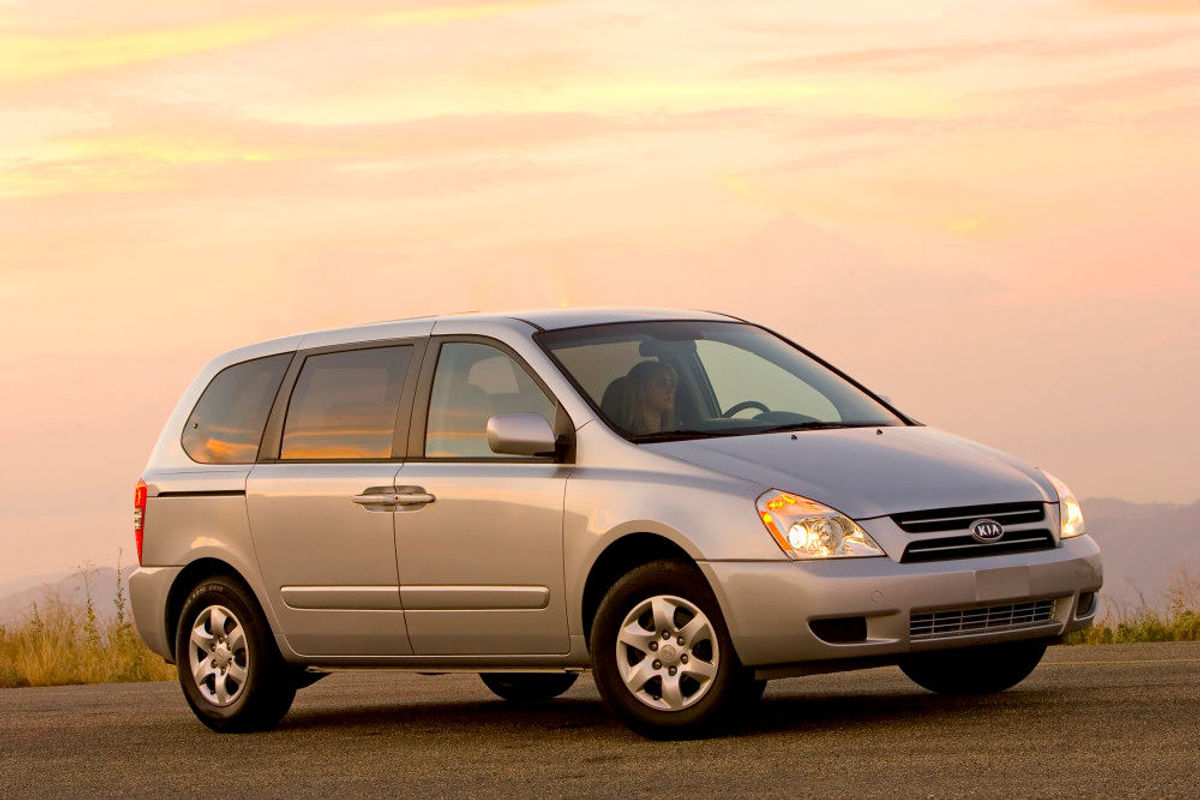
Kia South Africa has issued a safety recall for Sorento and Sedona vehicles manufactured in Korea between 2005 and 2009.
This latest recall is said to affect Kia Sorento and Sedona vehicles fitted with ABS and Electronic Stability Control (ESC) and pertains specifically to the ABS PCB relay block kit which may be exposed to water or oil which could result in an electrical short in the ABS/ESC module which may affect braking performance. The ABS PCB Relay Block will be replaced if it’s found to be compromised in the safety inspection. The recall will be implemented at no charge to the vehicle owner.
Kia advises that should the ABS warning light come on prior to inspection, customers are urged to immediately park the vehicle and contact their nearest Kia dealership for further assistance.
“Most of the reports about this problem have occurred in the U.S.A and Canada, and no instances of brake failure or engine fire in either of these vehicles are recorded in South Africa, says Suraiya Naidoo, Aftersales Director, KIA Motors South Africa. “However, the safety credentials of our vehicles and the safety of its owners is a priority for us, and KIA Motors South Africa is therefore taking every precaution necessary to ensure all potentially affected vehicles are inspected and repaired urgently.”
The safety recall applies to some 1 288 Kia Sorento models produced in Korea between 14 December 2005 and 17 December 2009 as well as 887 Sedona models produced in Korea between 10 June 2005 and 14 December 2009.
Kia South Africa will be making contact with owners via SMS, email and telephone but if you are unsure about whether this recall affects you, you can also do a VIN check on www.kia.co.za to see whether your Kia is affected by this recall campaign. Alternatively, customers can contact the KIA Motors South Africa Customer Care Call Centre on 011 776 8800.
There's some good news as we look at the petrol and diesel price forecast for October 2020. Here's a list of the potential reductions.
It's that time of the month again where the Automobile Association of SA (AA) releases its comments on the unaudited mid-month fuel price data from the Central Energy Fund.
There's some positivity as the exchange rate and the price of oil have been in our favour, resulting in some reductions forecast for October 2020.
"The Rand has put on a remarkable rally against the US dollar in recent weeks, with the daily exchange rate strengthening from R17.30 on August 21 to R16.70 on August 31 and since the start of September, the Rand has traded in a commendably tight range by recent standards," says the AA.
As it stands, the data shows a potential reduction in petrol price by 26 and 36 cents a litre. Owners of diesel vehicles will be pleased to hear that the price of diesel could come down by as much as 88 cents a litre. Paraffin is on course for an 83 cent per litre reduction.
The AA does warn that things can change at any moment, particularly at this time of year, as the Northern Hemisphere regions start preparing for a cold winter and 'drive demand for heating fuels.'
"However, the seismic shock that COVID-19 has dealt to the world's economy, along with high stock levels, might mean the increased winter demand for heating fuels may not be enough to translate into substantial diesel price increases. A period of further oil price and Rand stability would give a much-needed breather to South African fuel users," the Association concludes.
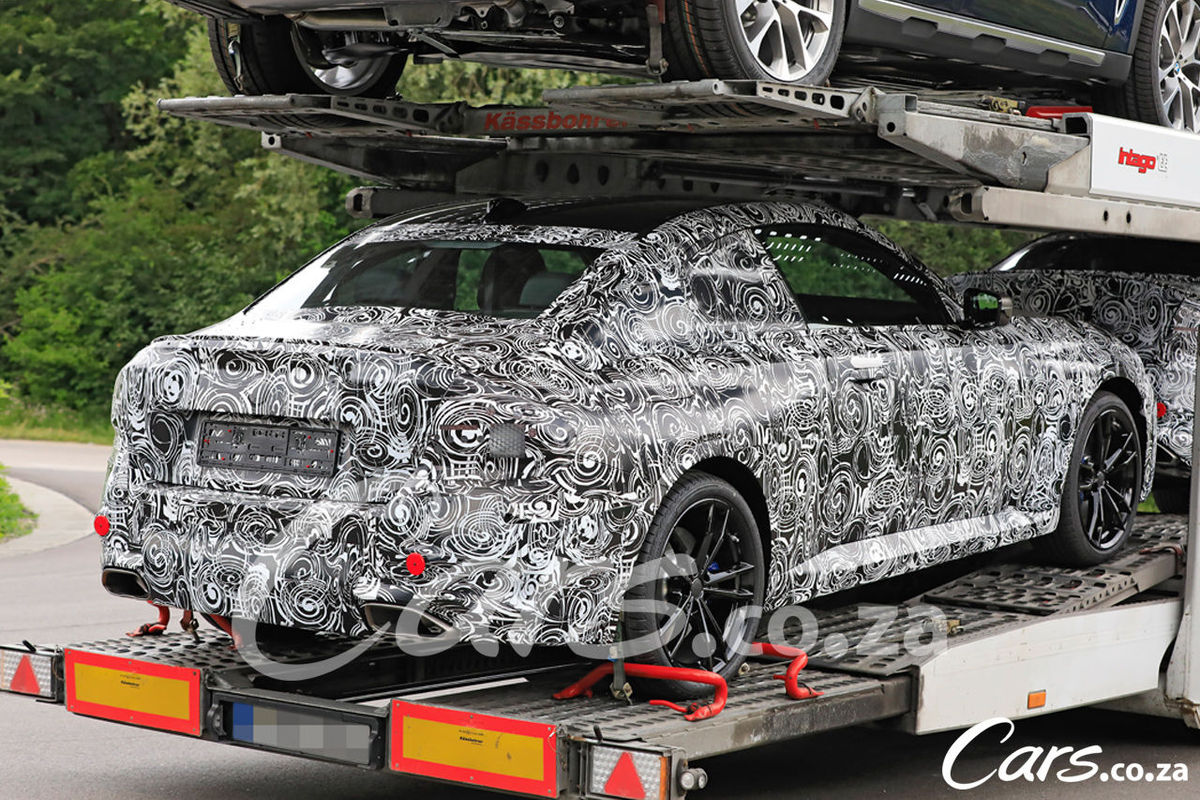
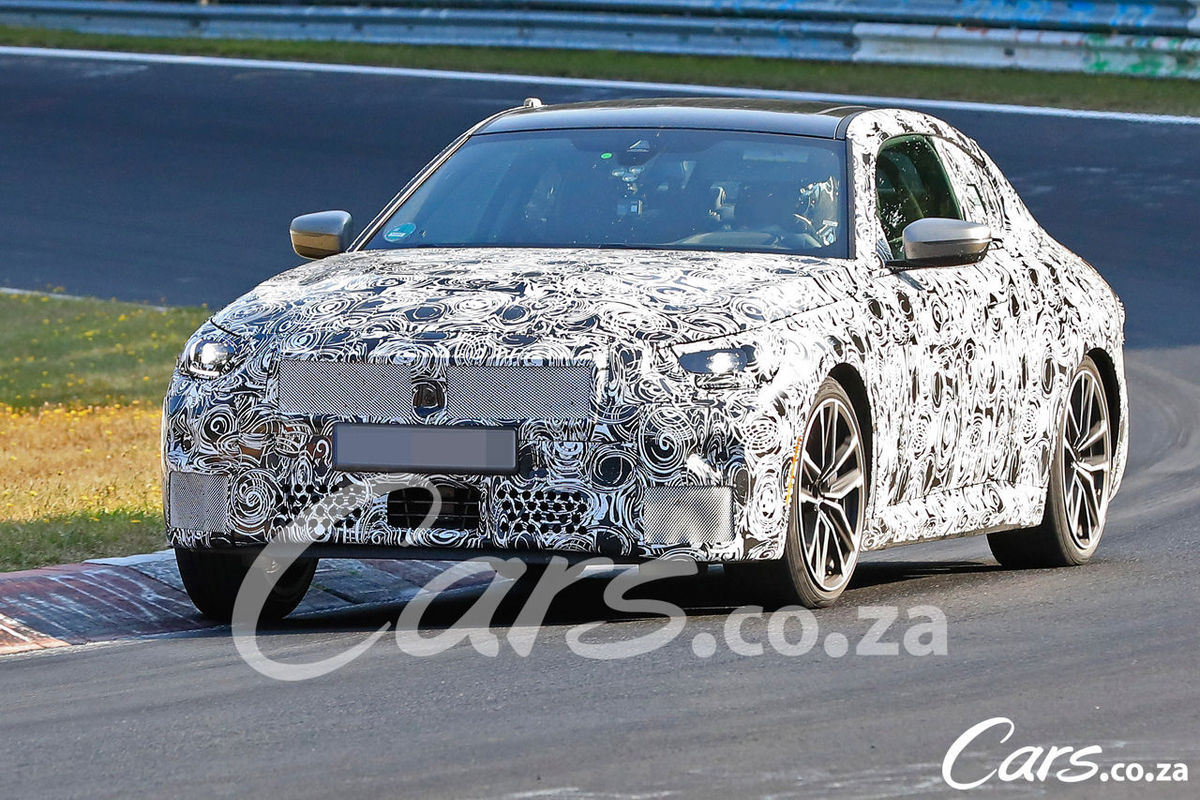
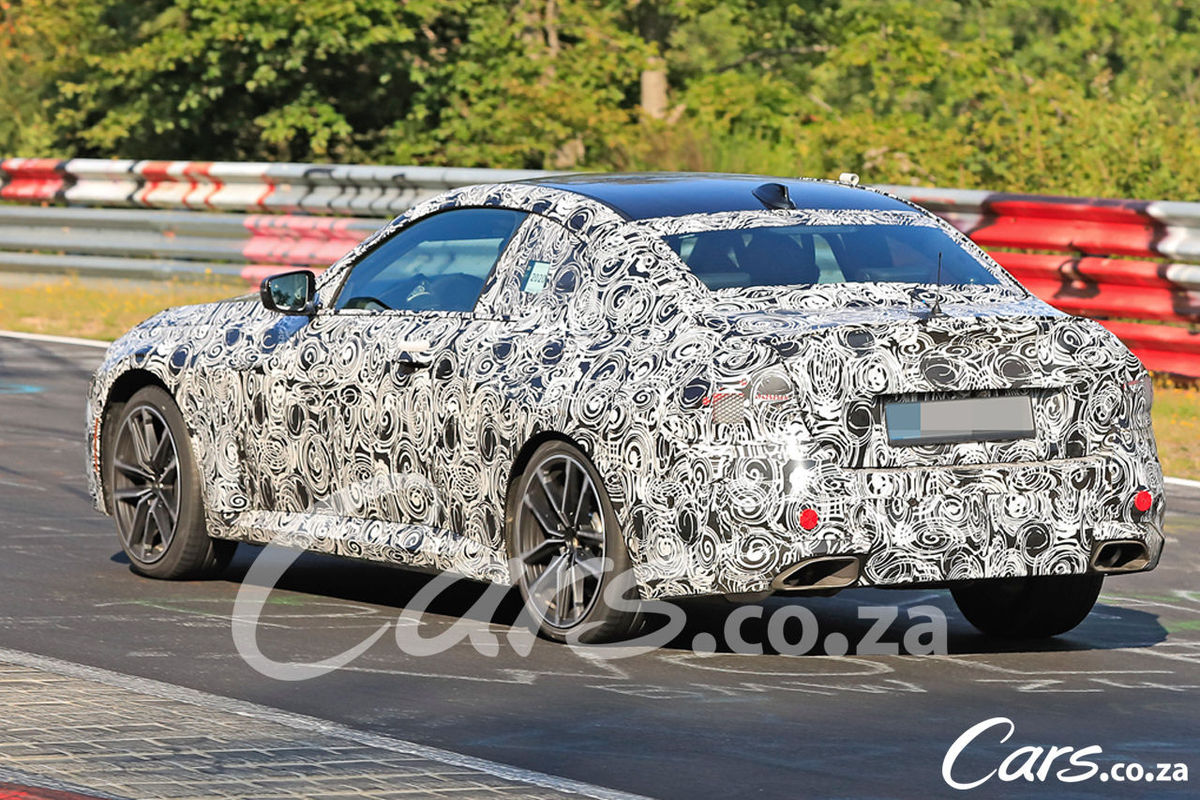
Spy shots of the next-generation BMW 2-Series have emerged. Here's what we know so far.
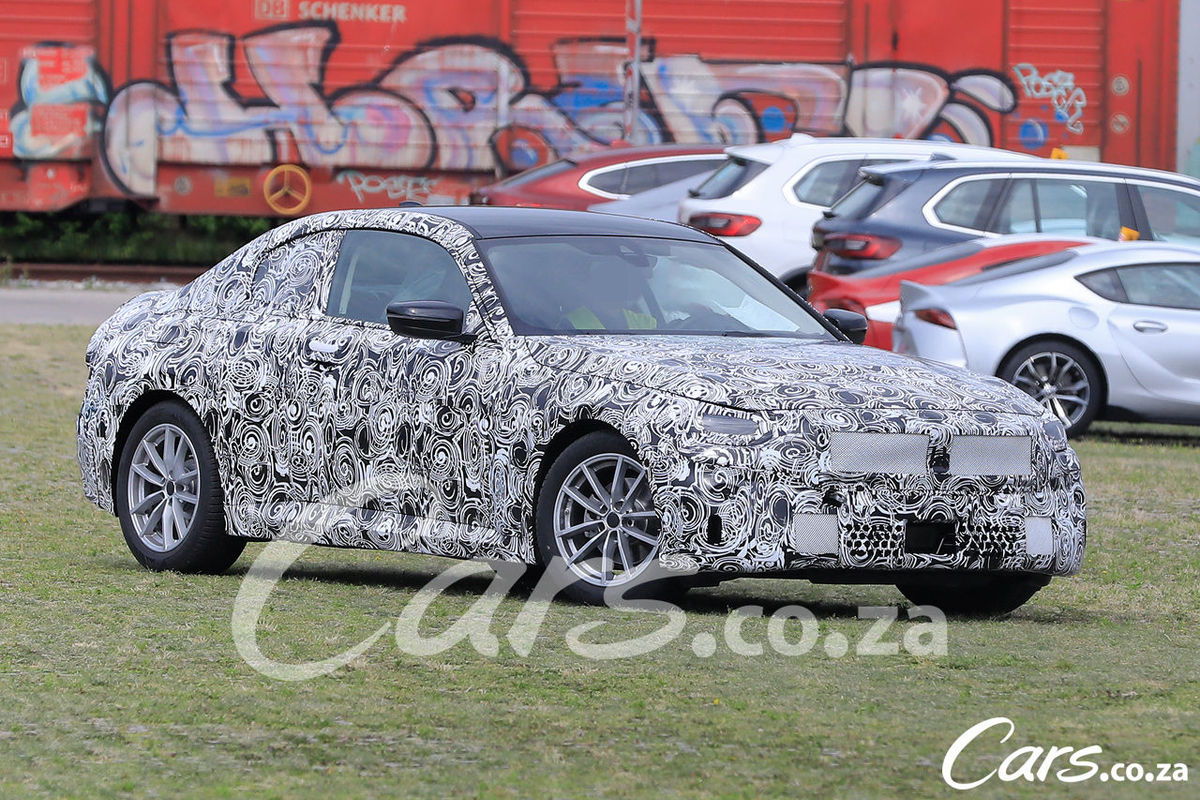
Picture credit: S. Baldauf/SB-Medien. We have paid for these photos and at the photographer's request, have watermarked them.?
With the imminent arrival of the BMW M2 CS scheduled, that's pretty much this generation of BMW 2-Series wrapped up. Work has already begun on the next-gen version and these photos show it out testing. Camouflage is very heavy and there's not much to go on as it's still quite early in the development phase. What we can see however are two large exhausts, evidence of either an M-Sport or a fully-fledged M model.
The 2nd-generation Series Coupé (codenamed the G42) is scheduled to go on sale in 2021 and, unlike the current 1 Series and 2 Series Gran Coupe (GC), which have transverse engine layouts and are based on BMW’s Front Architecture platform, the newcomer will adopt an evolution of the brand’s Cluster Architecture (CLAR) platform and be closely based on the Z4 Roadster. This means the compact 2-door coupe will be rear-wheel drive, which will keep the purists happy.
In terms of engines, BMW has quite the arsenal of powertrains to call upon. There's an array of modular 2.0-litre 4-cylinder motors in both petrol and diesel versions, with a huge variety of power options. There's also the 3.0-litre 6-cylinder motor available. It is expected the 4-pot to make around 190 kW while the M240i could pack 285 kW. There should be an M2 model as well, and that should punch out at least 310 kW. Some sources have suggested it will be a detuned version of the current X3 M motor, which sounds like a sensational idea.
As far as a production reveal goes, we expect it to arrive in SA in 2022, with the flagship BMW M2 potentially in 2023.
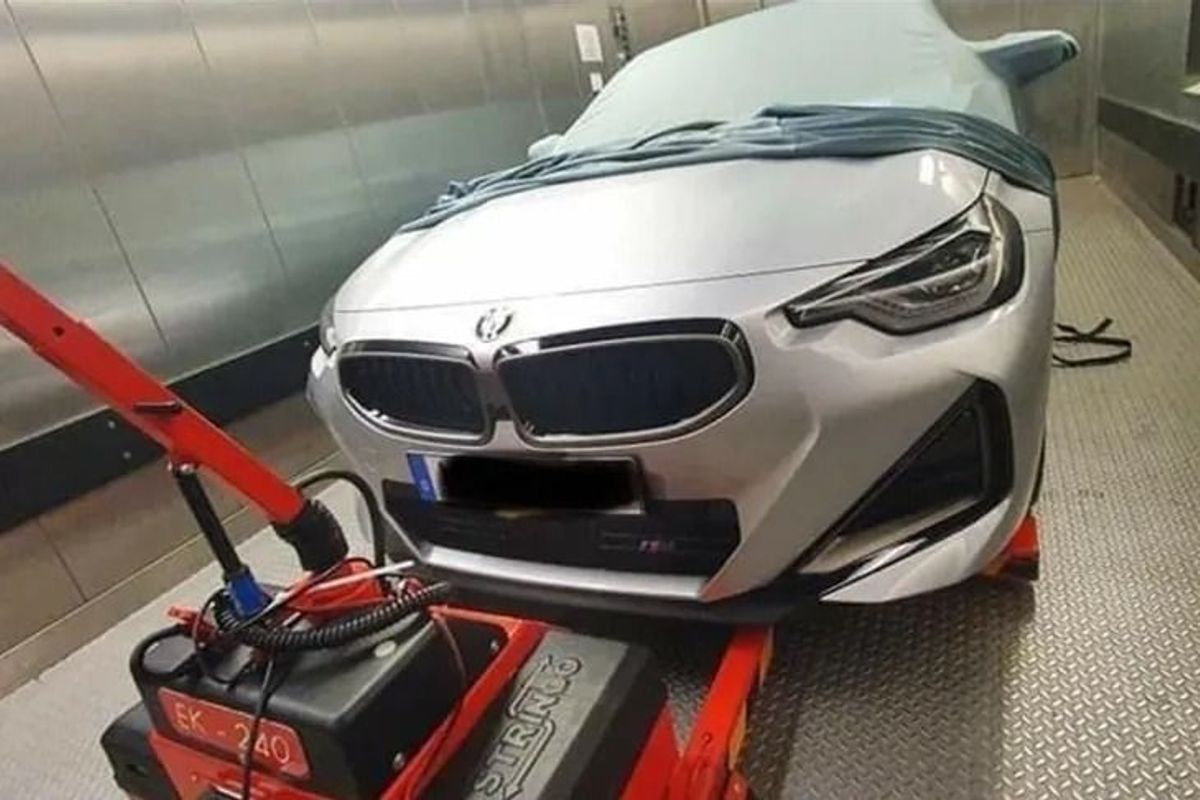
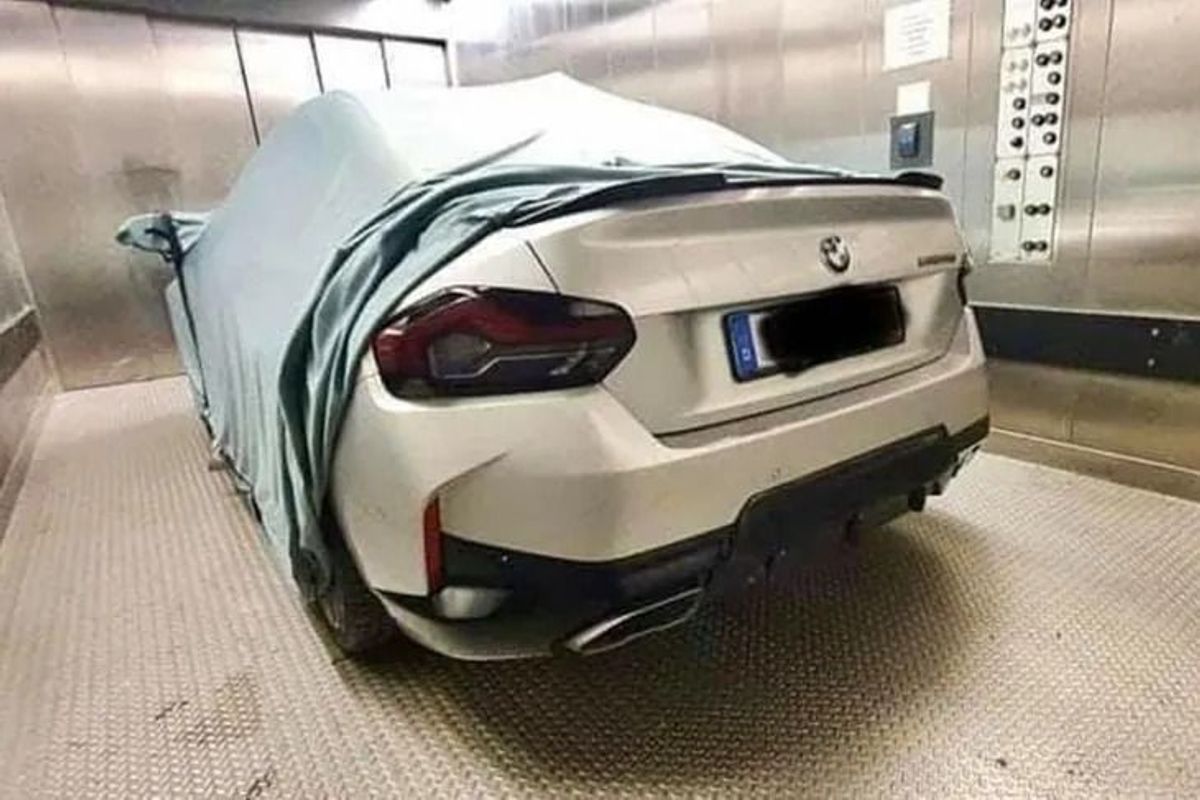
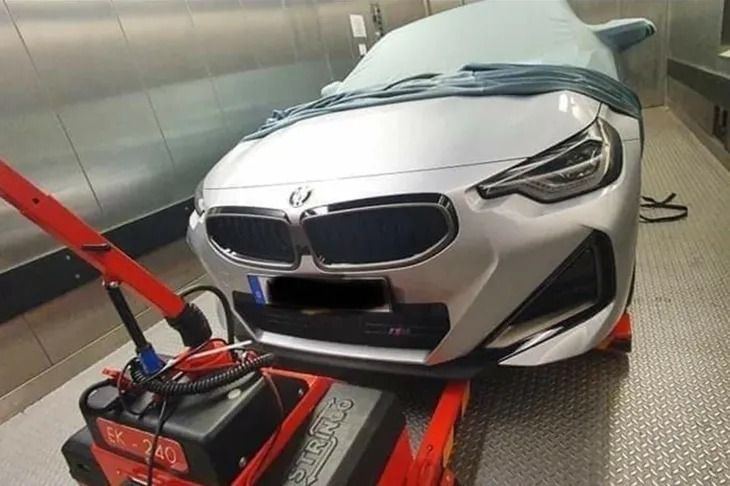
The BMW 2-Series was leaked earlier in 2020, giving us a glimpse of the new face.
BMW's announcement that it would be building an M3 Touring raised both hopes and fears. Hopes of a renewed love for station wagons and fears that the entire project would be a flop.
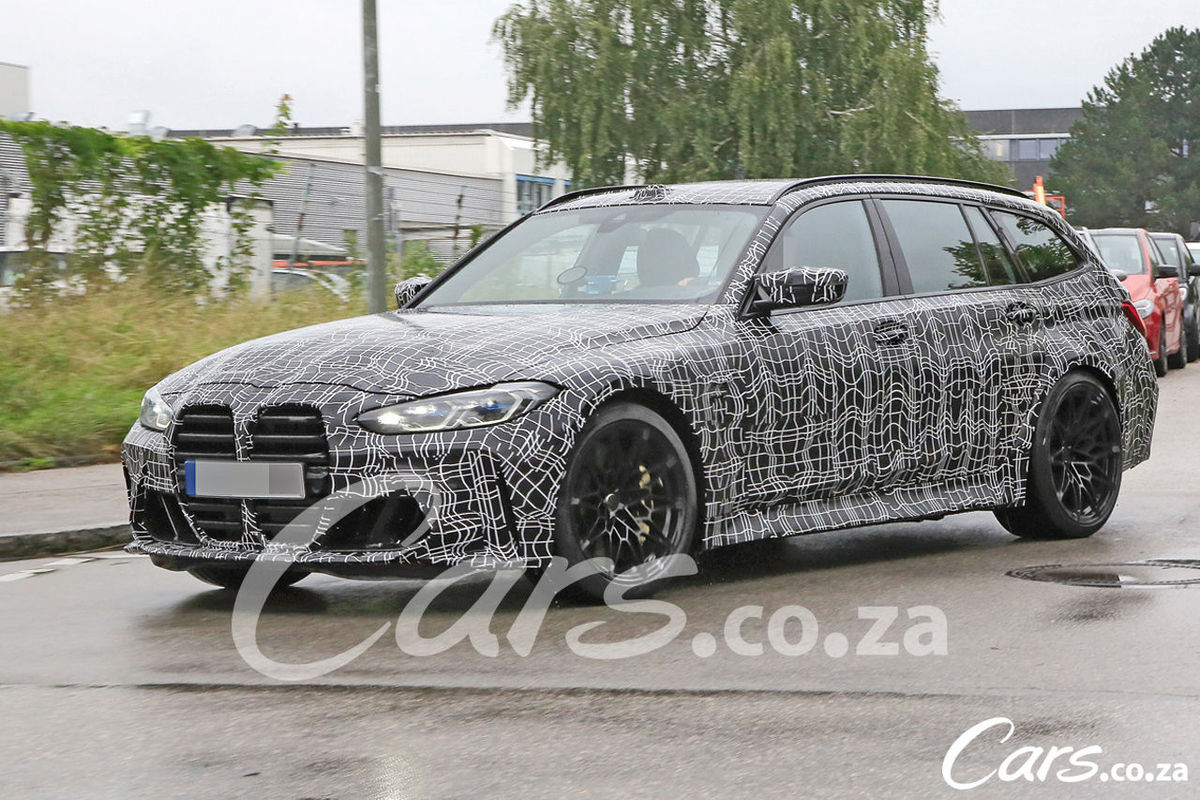
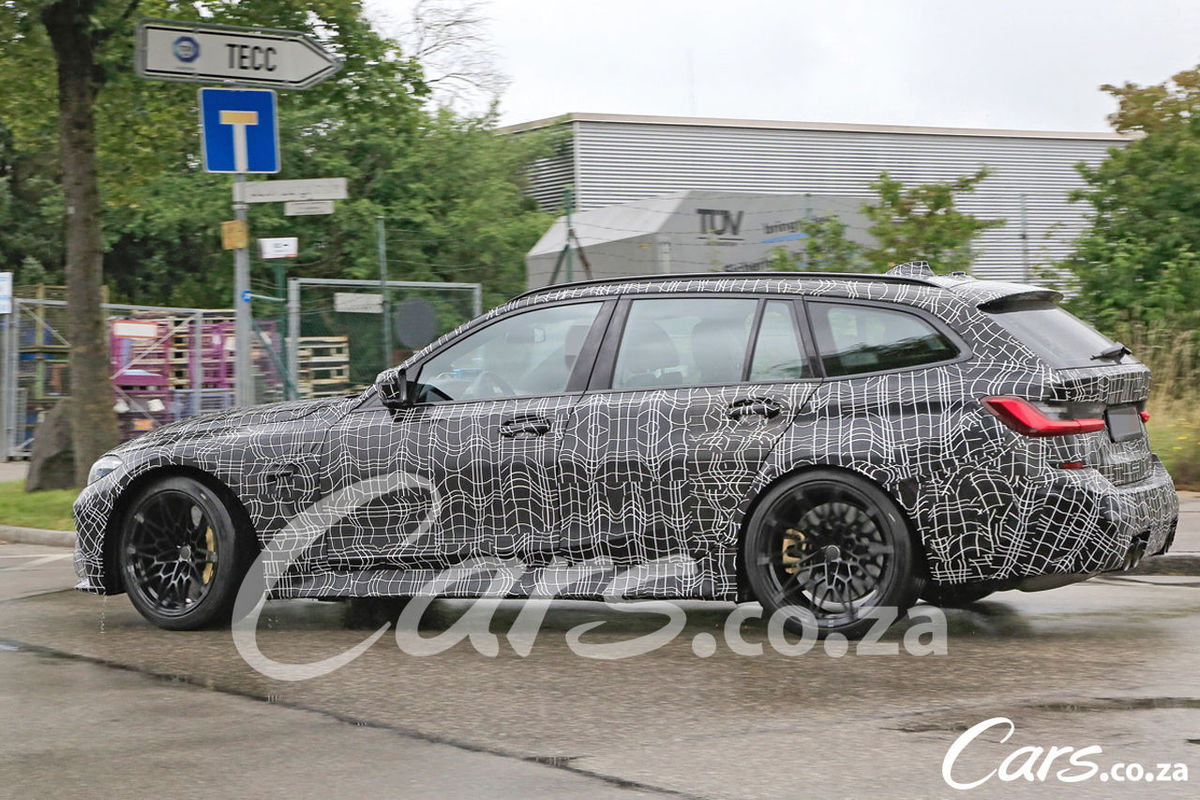
Picture credit: S. Baldauf/SB-Medien. We have paid for these photos and at the photographer's request, have watermarked them.?
What you see here are the first spy shots of the all-new BMW M3 Touring hitting European roads for the first time. The all-new BMW 4-door M3 and 2-door M4 are due for an official reveal in September 2020 and we're expecting some fireworks. Using a version of the BMW X3 M Competition's 3.0-litre turbocharged 6-cylinder petrol engine, outputs should be around the 375 kW and 600 Nm for the top-spec Competition. For the first time, all-wheel drive is going to make its debut, but for purists, there will be a manually-equipped rear-wheel-drive model. Cue the clutch-dumping sideways theatrics.
While we're chomping at the bit to see what the all-new BMW M3 and M4 can offer, especially in light that the next-generation Mercedes-AMG C63 will apparently lose its V8 in favour of a 2.0-litre electrified 4-cylinder, it was the news that BMW would be making a Touring version of the M3 that really got us frothing. This is not BMW's first attempt at an M station wagon either.
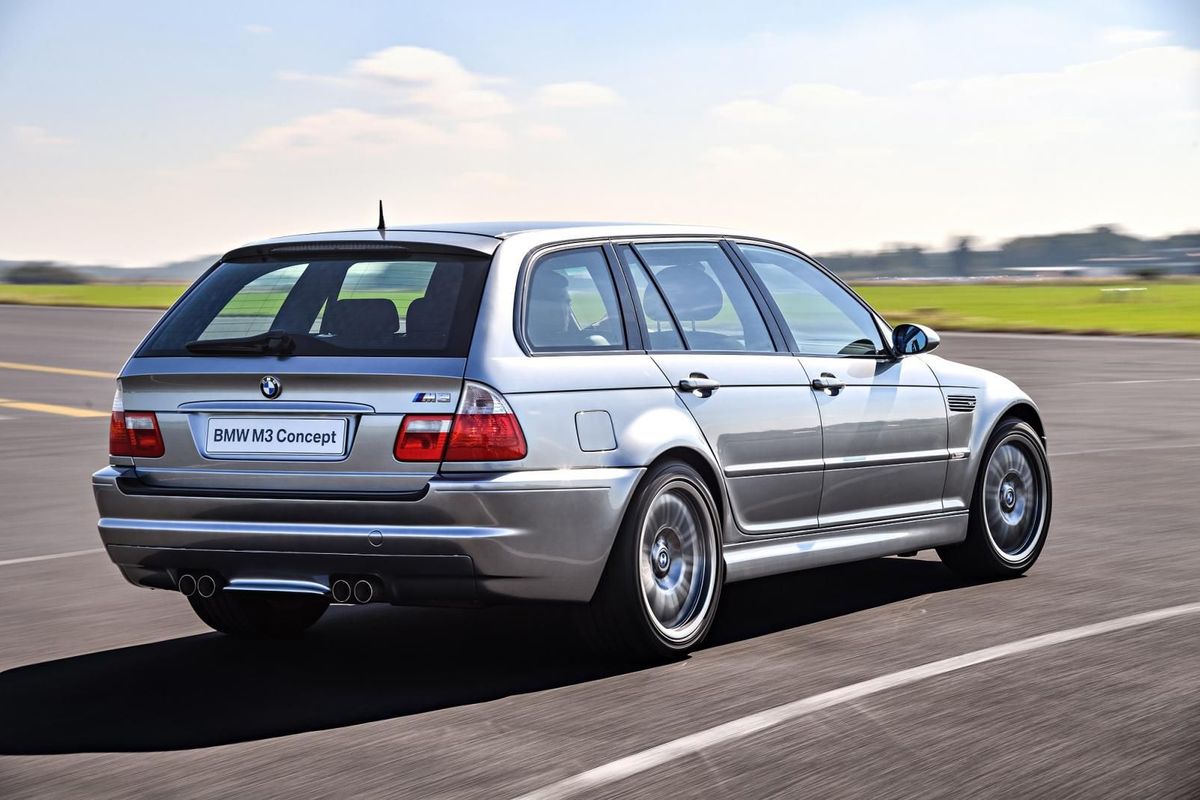
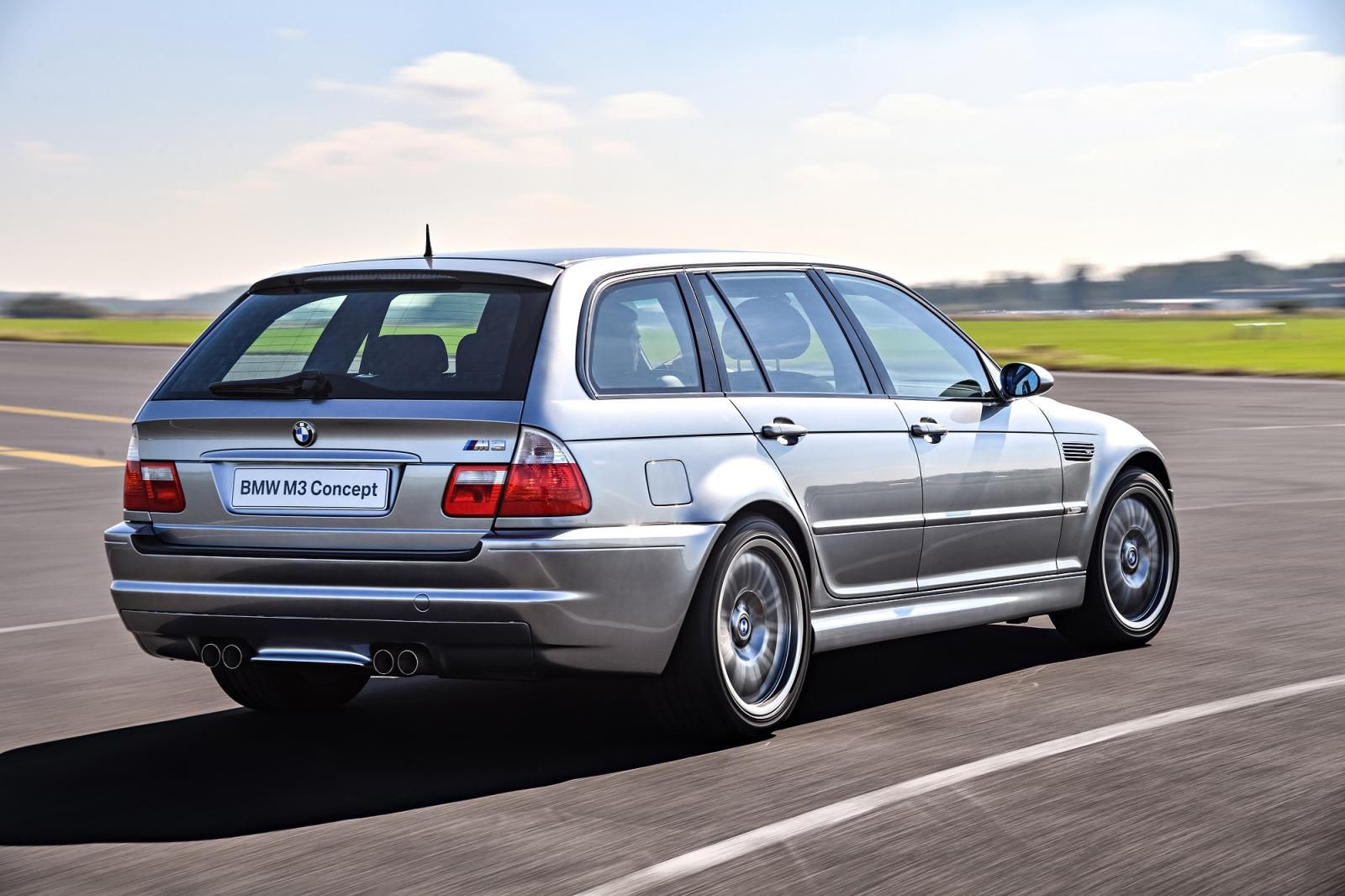
BMW M built a production version of the V10 M5 in Touring spec, plus there was the striking E46 M3 Touring concept from 2000 that really had pundits excited. It was never given the green light for production, but the spark was lit and it proved something important: a Touring model could be built alongside the standard E46 M3 coupe without extensively altering the tooling and production line.
While it never made production, the creation of the BMW M3 Touring Concept looked special.
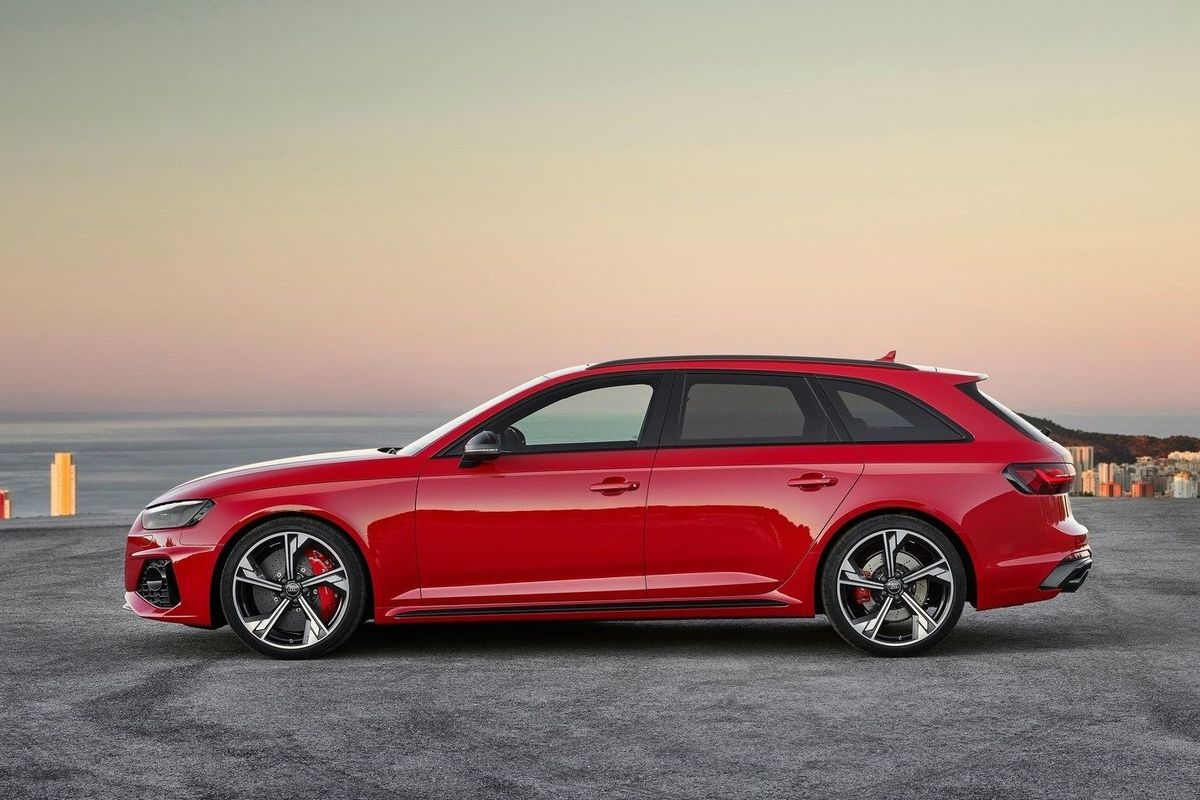
While station wagons are not a firm favourite among mainstream petrolheads (in SA especially), Audi's RS division will tell you that enough RS4 and RS6 Avants are sold to justify their existence. Interestingly, both the RS4 and RS6 are sold in only Avant station wagon body styles, and this has been the case for the past few generations.
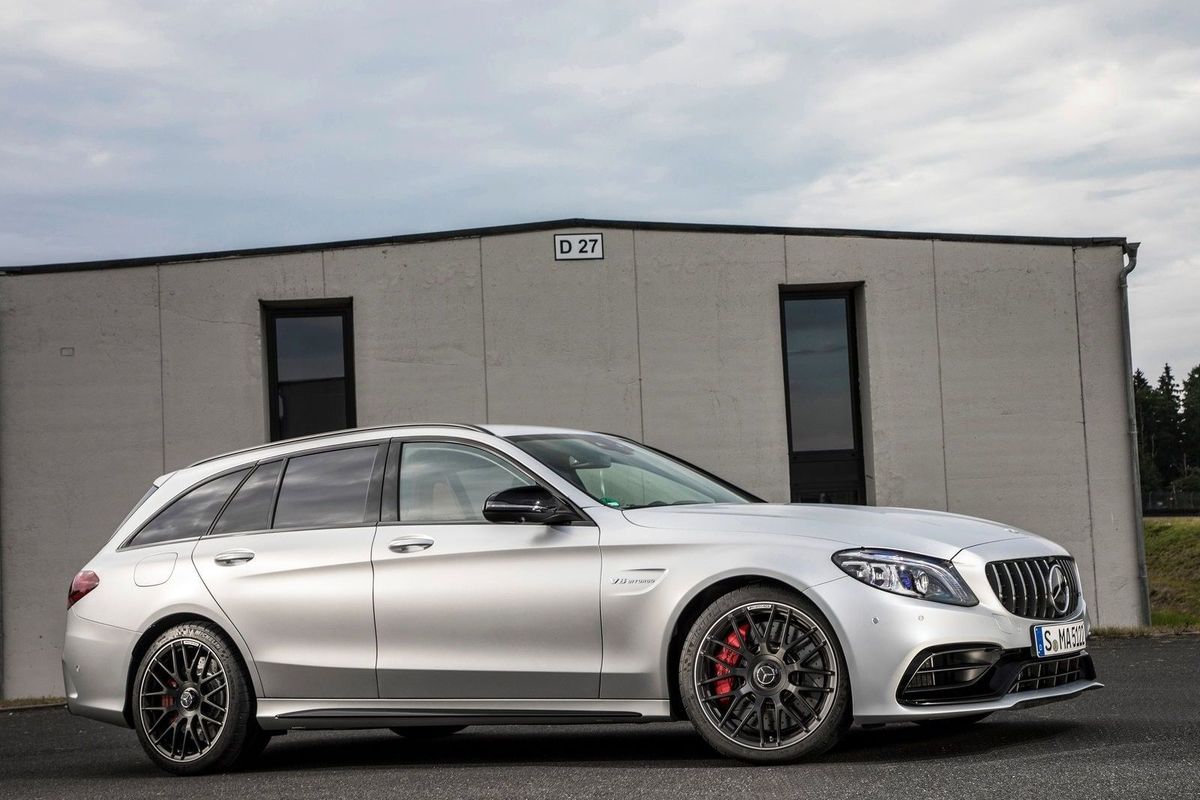
Mercedes-AMG will happily sell you a C63 S Estate as well as an E63 S Estate. Granted, Affalterbach's wagon offering is not sold in SA, with AMG opting for the sedan and coupe body style of its V8-powered rocketship instead. Merc will bring in a standard C-Class Estate however, if you ask nicely. There's also the cult status of performance wagons like the Volvo 850R.
We know already the BMW M3/M4 family will be offered in 2 states of tune: M and Competition, but will the BMW M3 Touring succeed? Given its production timeline with a reveal and release scheduled around 2023, we're left wondering if the decision to release the BMW M3 Touring so long after its coupe and sedan siblings is a good idea or not.
There's a huge appetite for BMW M's offerings in South Africa and we predict that BMW SA will bring in the Competition models of the M3 and M4, but we suspect the only way you'll get an M3 Touring in is by a special request made to BMW. Something BMW will likely oblige for a slight premium on the price.
We'll update you as the BMW M3 Touring development progresses.
Jaguar has given its F-Pace SUV a major facelift. See what’s changed!
As far as facelifts go, the updates to Jaguar’s F-Pace are more progressive than most which should make it more attractive and competitive for buyers in this hotly-contested segment.
What’s changed?
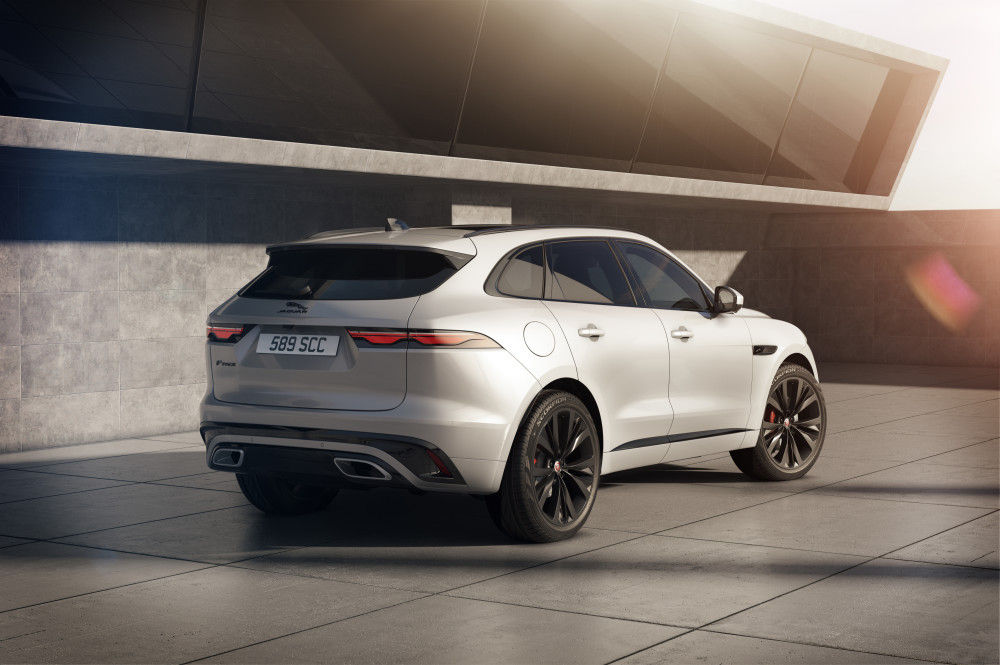
Jaguar has refined the look of the F-Pace.
On the outside, the F-Pace gains a new, larger grille design as well as a redesigned front bumper with revised air intakes. But that’s not all, the bonnet also features a wider power bulge and the look is further enhanced with new slim quad LED headlights with ‘Double J’ Daytime Running Lights. Pixel LED headlights are optional with Adaptive Beam capability while automatic high beam assist is standard on SE and HSE derivatives. The F-Pace also gains new rear taillights with a double chicane graphic which was first seen on the all-electric I-Pace and the rear bumper and tailgate have also been revised.
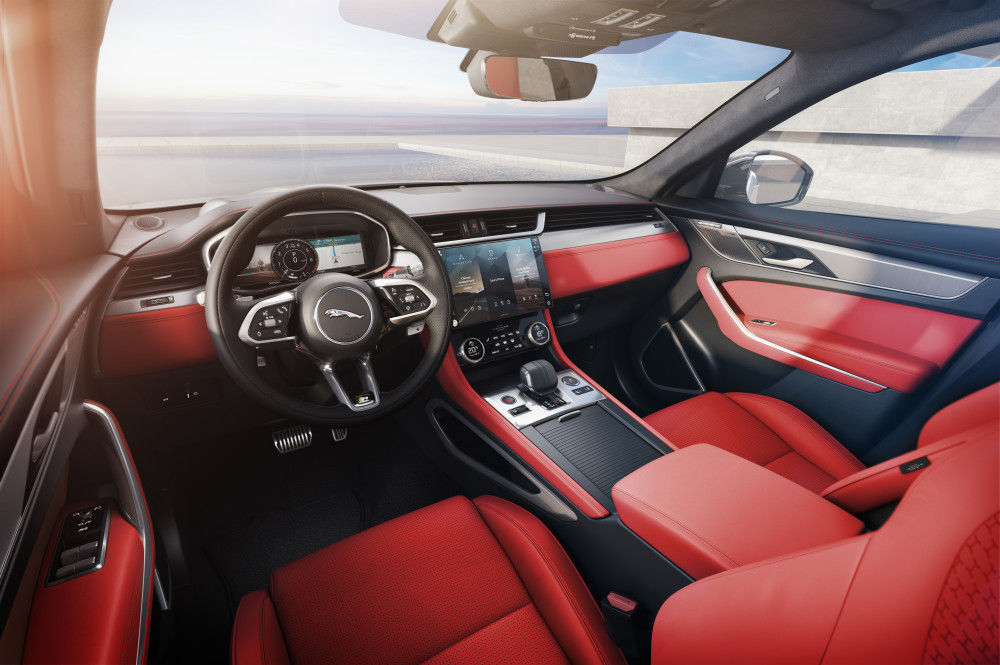
As for the interior, Jaguar has fitted an all-new interior into the F-Pace with its design now more focused on the driver while also offering the necessary comfort, luxury and connectivity expected from buyers in this segment.
A major interior overhaul for the F-Pace brings Jaguar's latest technology to the fore.
Perhaps the biggest interior change is the addition of Jaguar’s new Pivi Pro infotainment system with a curved 11.4-inch high-definition touchscreen which offers Android Auto and Apple CarPlay functionality and up to 2 smartphones can be connected via Bluetooth at the same time. The system is also easily updated over-the-air. More so, a new configurable 12.3-inch digital instrument cluster places all the information in front of the driver. The centre console takes on a sporty design and is equipped with a wireless charging pad as well as additional stowage space. The F-Pace is also fitted with new seats with wider cushioning, new massage functions and enhanced heating and cooling functions. The F-Pace can be had with a variety of finishes including open-pore wood veneers and aluminium detailing.
Other useful technology for the updated F-Pace includes Jaguar’s latest 3D surround camera technology and a second-generation Activity Key. A Clear Exit Monitor will also alert the driver or passenger of a vehicle or cyclist approaching when exiting the vehicle.
Engine choice
The F-Pace PHEV will be offered alongside a range of petrol and diesel engine choices.
Jaguar will be streamlining its engine range and when it arrives in 2021, the updated F-Pace will be offered with a choice of 2 turbodiesel engines, 2 petrol engines and a Plug-in Hybrid Electric Vehicle (PHEV) derivative.
The diesel engine offering includes a 147 kW, 4-cylinder 2.0-litre turbodiesel engine as well as a more powerful 6-cylinder, 3.0-litre turbodiesel engine with 221 kW.
Petrol engines will include a 2.0-litre turbo petrol engine with 184 kW and a 297 kW 3.0-litre, 6-cylinder turbo petrol engine. All derivatives are mated with an 8-speed automatic transmission in conjunction with all-wheel-drive. However, Intelligent Driveline Dynamics can vary torque between the axles to provide rear-wheel bias performance if required.
As for the F-Pace PHEV derivative, it combines a 297 kW / 640 Nm 2.0-litre engine with a 76 kW electric motor and 13.6 kWh lithium-ion battery.
The F-Pace will be offered in various trim guises including S, SE R-Dynamic and HSE R-Dynamic. A Black Exterior Pack will be offered as an option.
The updated Jaguar F-Pace is expected to reach South Africa in early 2021 and further details such as pricing will be communicated closer to launch.
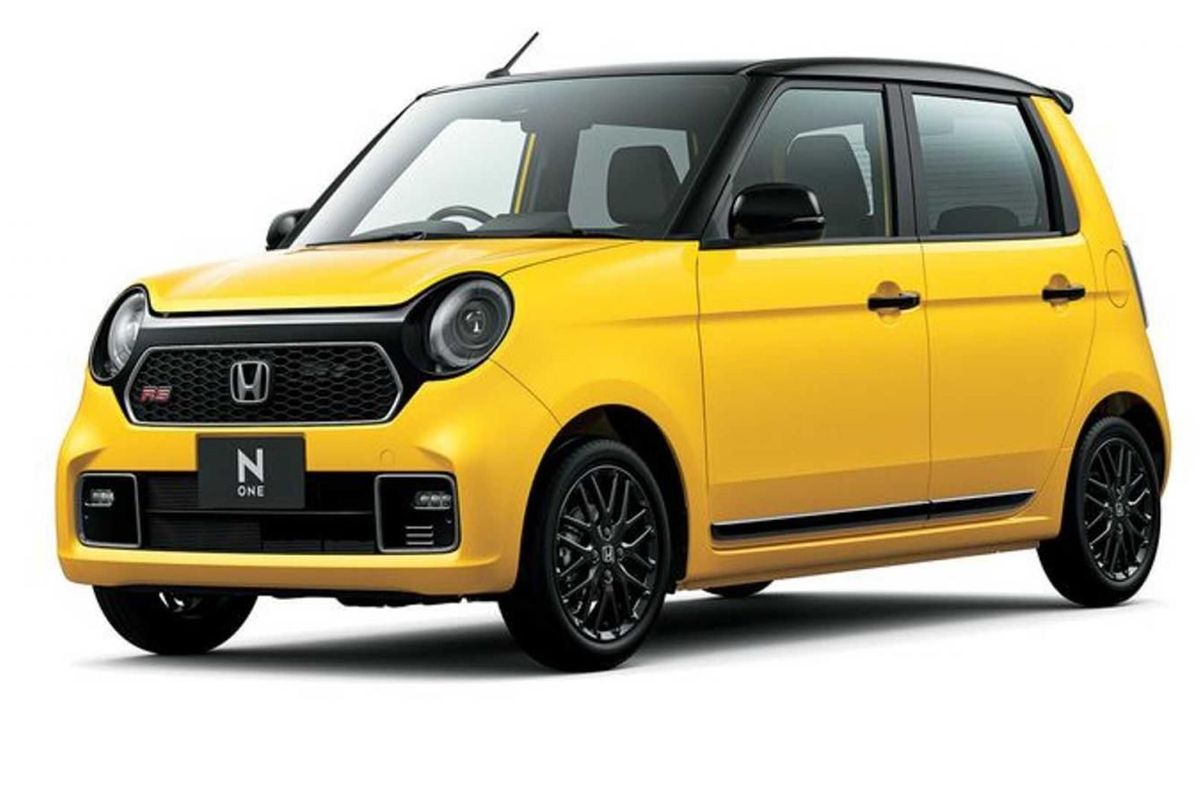
Fans of really compact hot hatches will rejoice at the latest upgrade of Honda’s smallest vehicle platform.
The Japanese automaker has revealed a significant upgrade of its N-One. Originally launched back in 2012 the N-One platform might not be new, but its design has aged remarkably well.
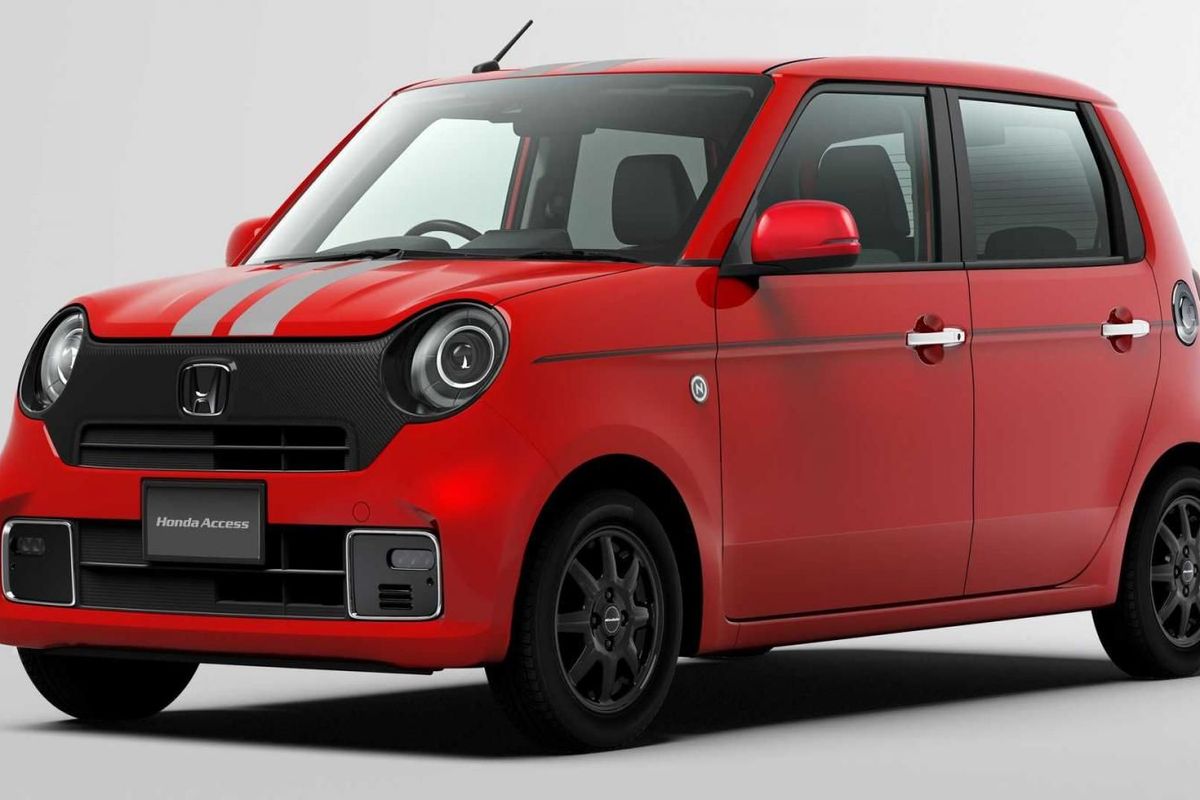
As is typical of any Japanese domestic market Kei-car, the N-One is tiny. It measures only 3.39m bumper-to-bumper and weighs a slight 890 kg. Despite the diminutive dimensions, it has a lot of presence, thanks to a typically outrageous Japanese Kei-car design theme.
The N-One’s overall vehicle proportions are tall and with oversized round headlights, it has a disarmingly cute presence. Honda has now updated the N-One’s styling with an RS-kit and although that might sound like a very disingenuous idea, the results are quite pleasing.
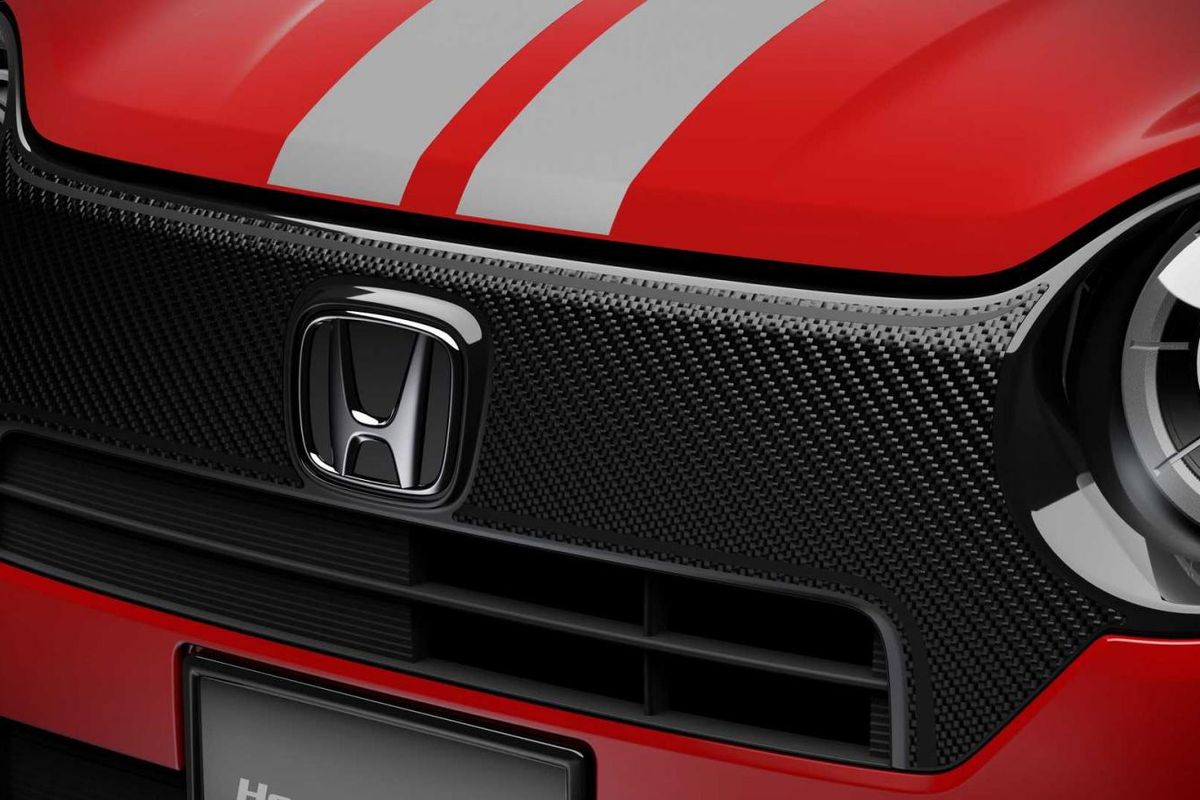
Although the N-One retains its bug-eye headlights, they now feature LED illumination technology. Between those new front lights, there are no less than three grille choices, including a solid section carbon-fibre insert or honeycomb mesh.
The RS trim version channels some of Honda’s extreme Type-R heritage with matte grey competition stripes running lengthwise, over the bonnet and roof section. It also rolls black 15-inch alloy wheels and has a chrome fuel filler cap.
Framing the lower bumper edge is a chrome-plated splitter, which might not have much aerodynamic relevance considering the N-One’s humble performance, but it does add some visual drama.
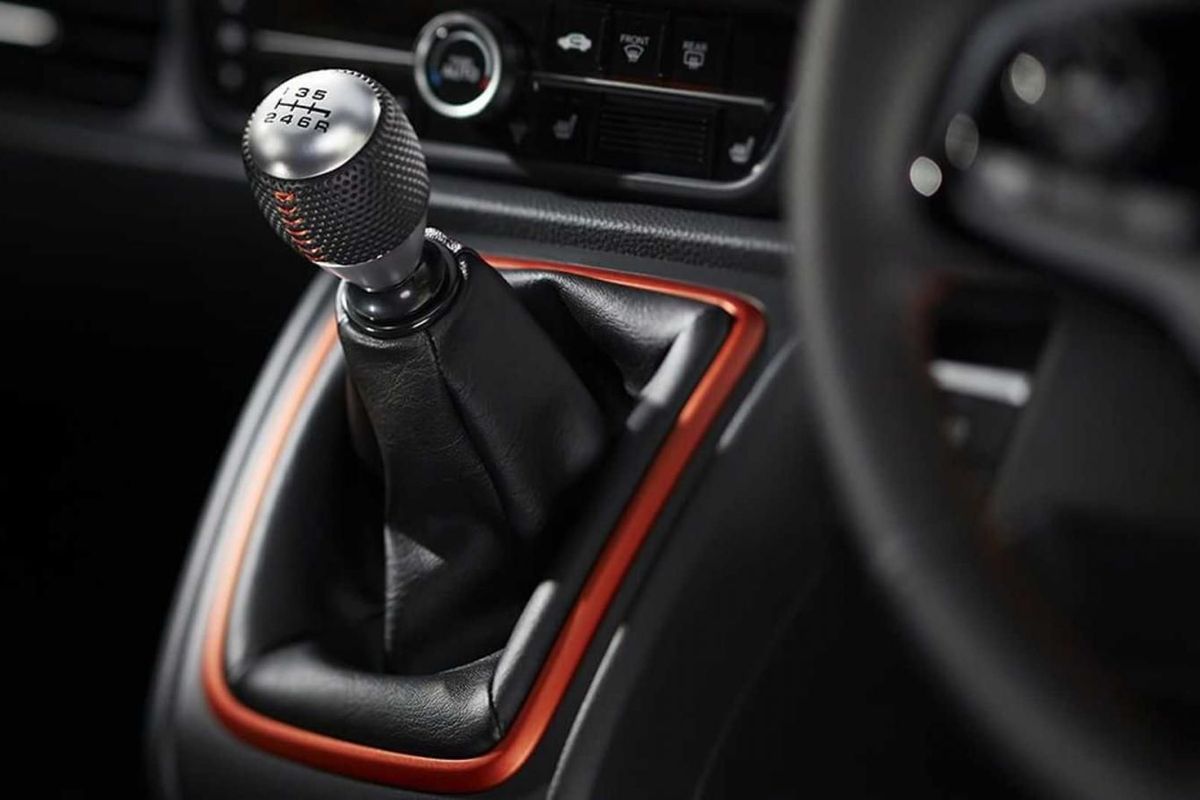
Inside the N-One RS, you’ll find leather-trimmed steering wheel and manual shifter, which rows through a gearbox with six ratios. Whereas all other N-Ones use a CVT transmission, Honda has made the six-speed manual available on its RS variants, which should appeal to driving enthusiasts who like really small cars.
Powering the new N-One RS is a turbocharged 658cc three-cylinder petrol engine, boosting 47 kW. Despite its modest performance, the latest N-One product update has added adaptive cruise control and autonomous braking to the car’s suite of active safety features. It might not be a Civic Type-R, but there is no question that Honda’s N-One RS is a bold micro hot hatch.
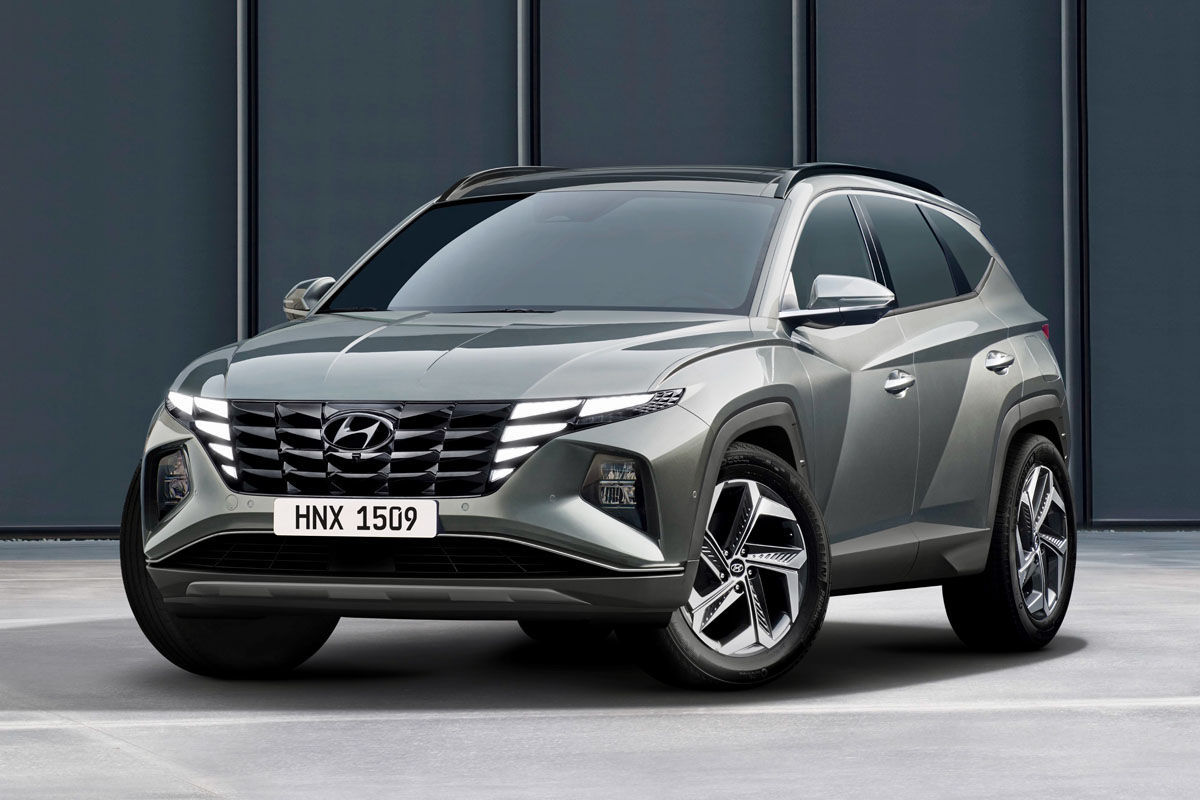
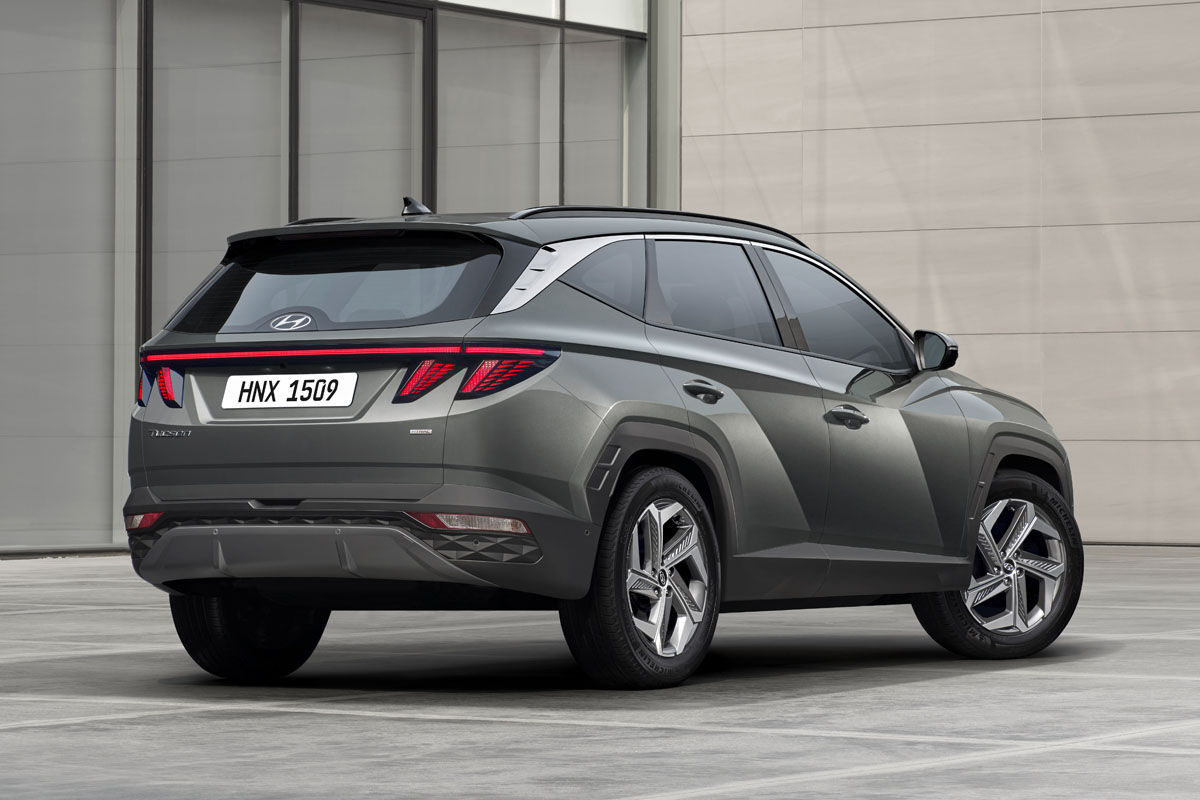
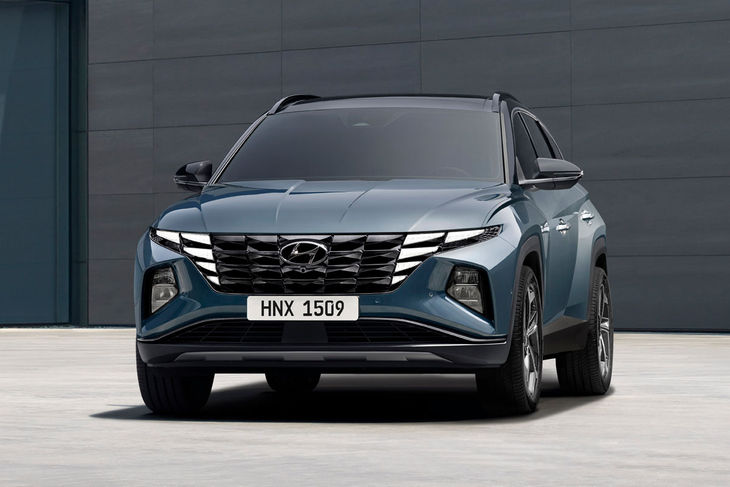
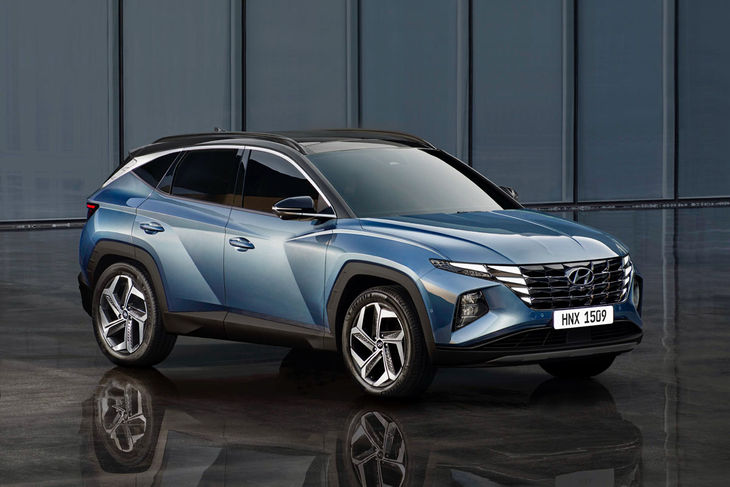
Hyundai has taken the wraps off its all-new Tucson. Not only is it arguably the most eye-catching model in the family-car segment – the newcomer's cabin design is smart and fashion-forward. It will be produced in short- and long-wheelbase guises and, suffice to say, it will arrive in South Africa in 2021, possibly during the 1st half of the year.
We had a good idea of what the production version would look like following the release of teaser images earlier this month, but now that the newcomer’s been fully revealed, we can bring you more details of the eagerly awaited new Tucson. Thomas Schemera, executive vice-president and head of product at the Hyundai Motor Group, says the new model “sets a new benchmark for innovation in its segment, delivering an impressive blend of design, technology, packaging and performance.”
The new Tucson is easily the most progressively-styled family car that Hyundai has ever produced; it's sharply detailed.
The Tucson’s dramatic exterior styling expresses Hyundai’s evolving Sensuous Sportiness design identity. The new SUV embodies what Hyundai designers call ‘parametric dynamics’ with kinetic jewel surface details that emphasises Tucson’s distinctly different identity in a crowded segment.
As is the case with virtually all the Korean brand’s latest models, the Tucson sports an expansive, cascading grille with a distinctive pattern, with narrow headlamp clusters and indicator elements that merge into a single design element. Hyundai’s new family car is no exception – its LED daytime running lights are cleverly integrated into the jewel-like grille, and only revealed when activated.
We expected elements of "parametric dynamics" in the new model's sheetmetal; but these radiating lines are very pronounced!
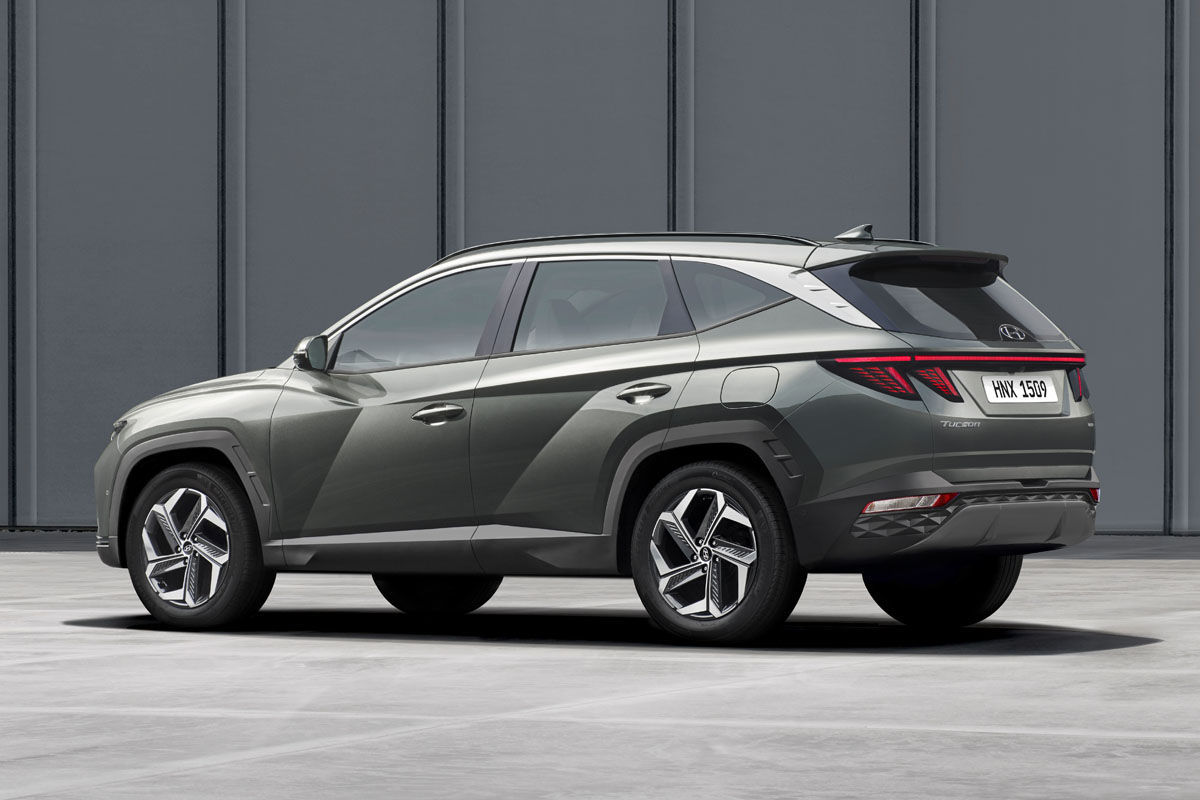
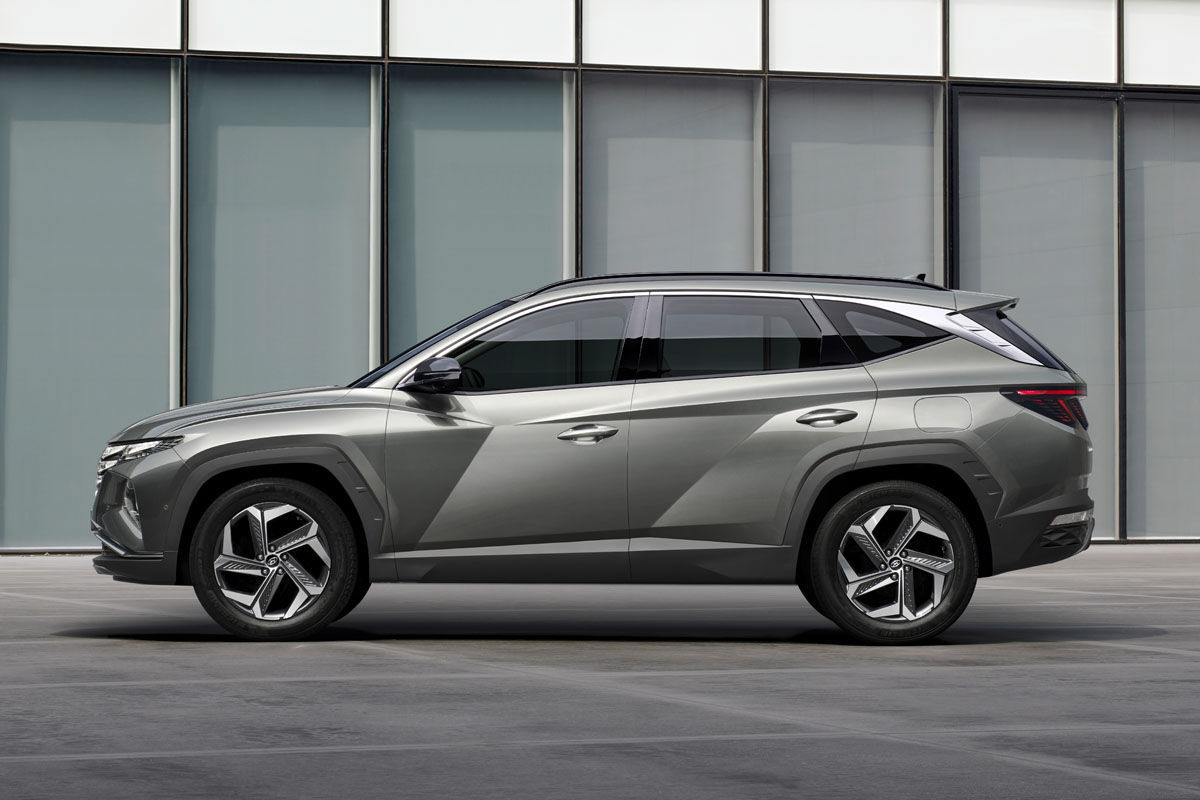
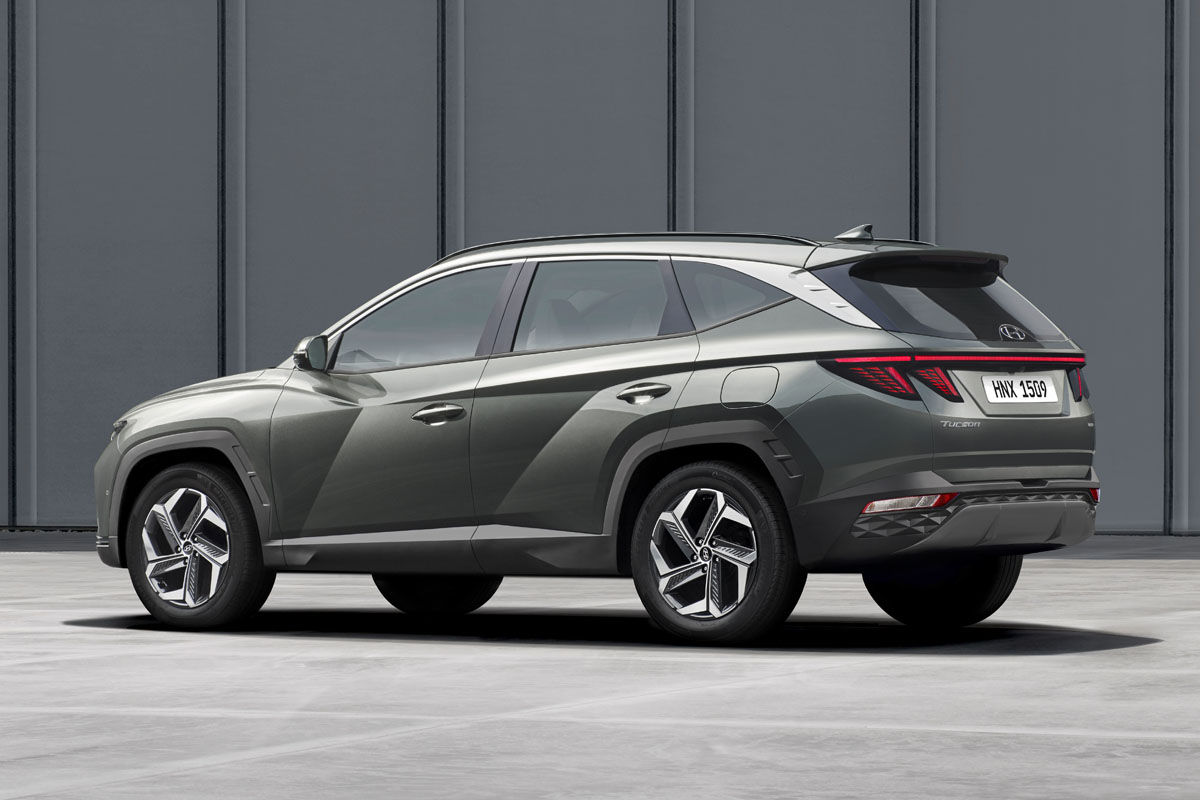
The newcomer is notably wider than its predecessor and based on a stretched wheelbase; the extra length, combined with the longer bonnet and short overhangs contribute to a coupé-like profile. From the side, angular body panels feature “Parametric Dynamics” (such as swage lines that run at different angles but “meet at one point”), the wheel arches are squared off and the C-pillars feature metallic-look accents that blend with the window trims. It's certainly a design that emphasises athleticism, so we can imagine the upcoming N-Line derivatives will look really purposeful!
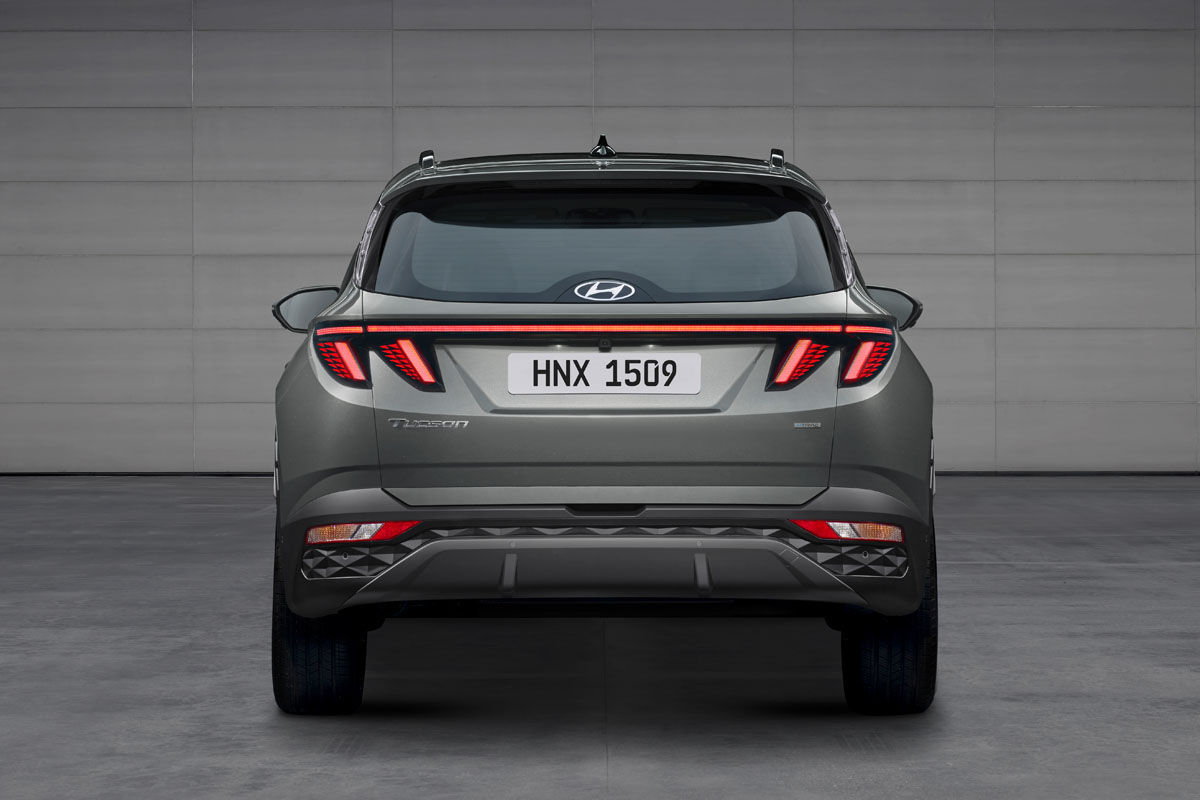
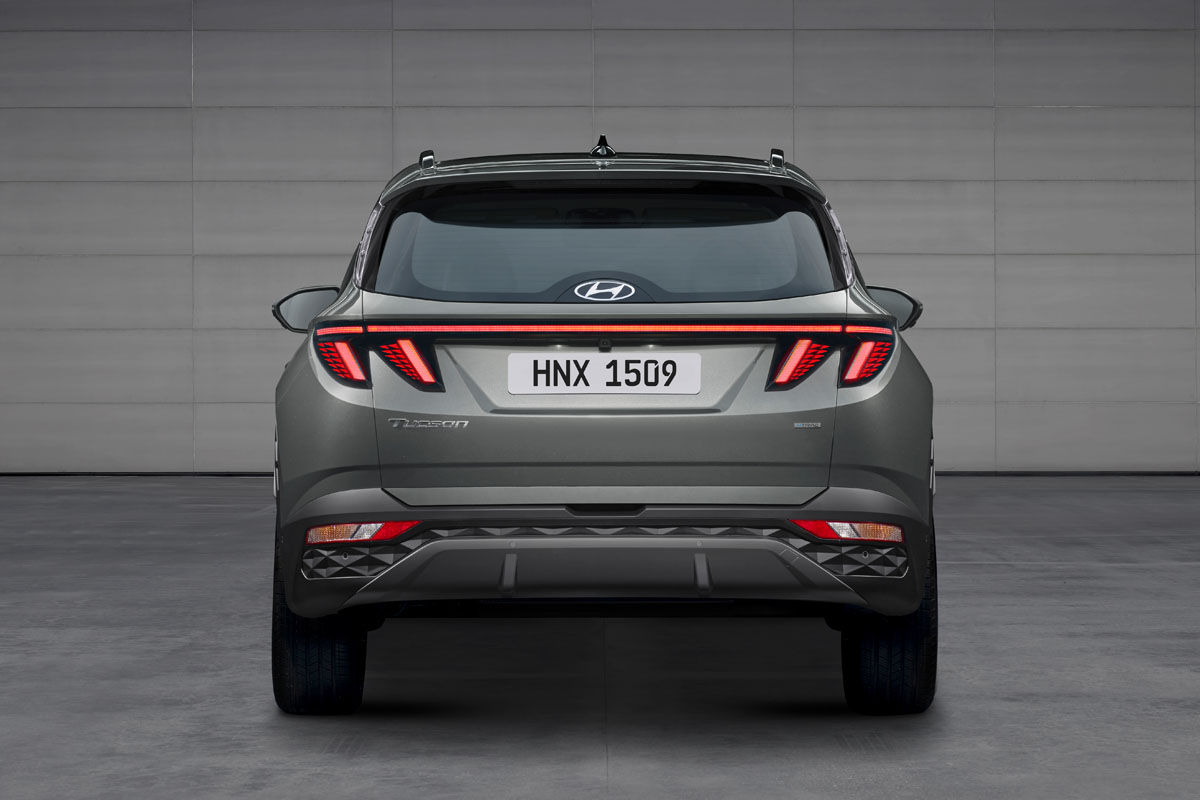
The Tucson’s rear-end, meanwhile, incorporates a strike plate-adorned bumper, triangular LED tail-light clusters, a light bar that spans the width of the tailgate and a subtle roof spoiler. The Hyundai logo is integrated into the glass, while the wiper also moves up and hides under the rear spoiler.
The Tucson is longer that its predecessor, which flatters its expressive styling… and benefits occupant comfort/load capacity.
Hyundai will produce the Tucson in 2 configurations: a short-wheelbase (with an overall length of 4 500 mm) and a long-wheelbase, which is 4 630 mm long, 1 865 mm wide, stands 1 665 mm tall and has a 2 755-mm wheelbase. It’s too early to confirm which version will be offered in Mzansi, but it stands to reason that, in a market where the Santa Fe is the only larger model in Hyundai’s line-up (and the 7-seater is not a prolific seller anyway), the local importer of the Korean brand's products may prefer the longer version of the Tucson for its competitive edge in practicality compared with other family-car offerings. The Euro-spec SWB variant has a claimed luggage capacity of 620 litres with 1 799 litres of utility space.
Futuristic interior
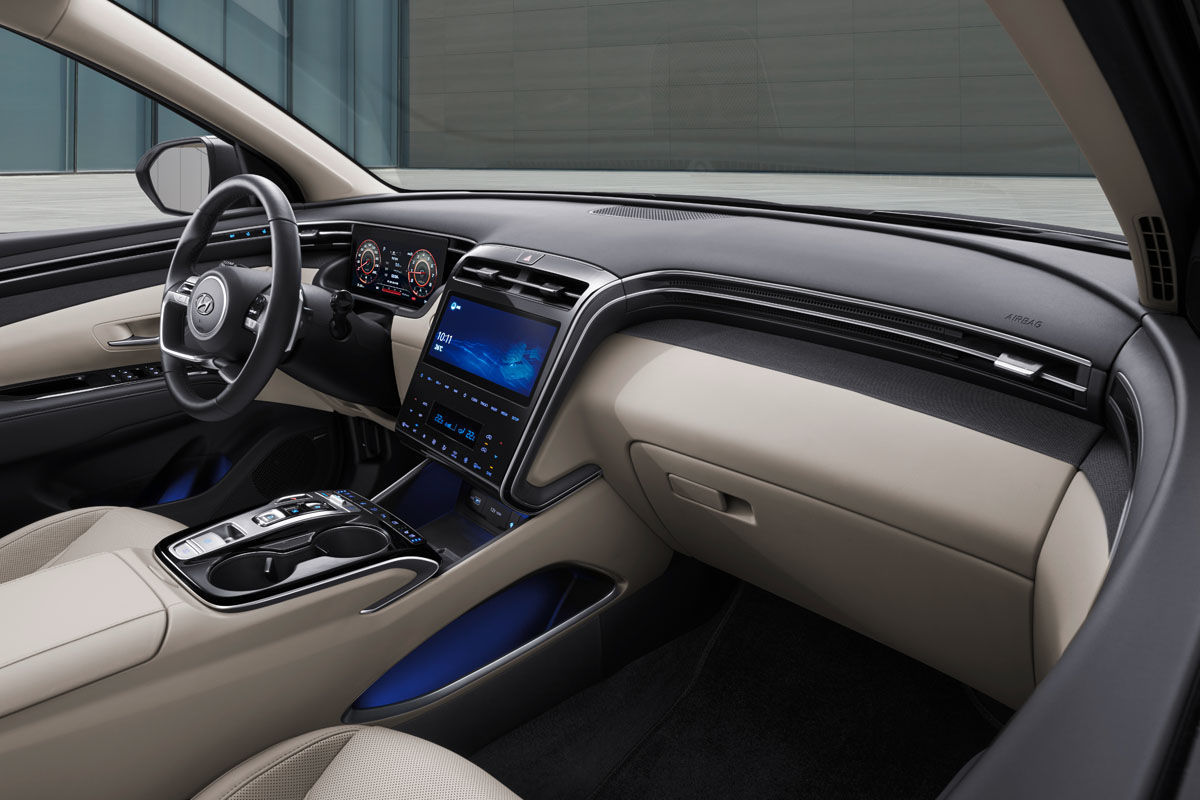
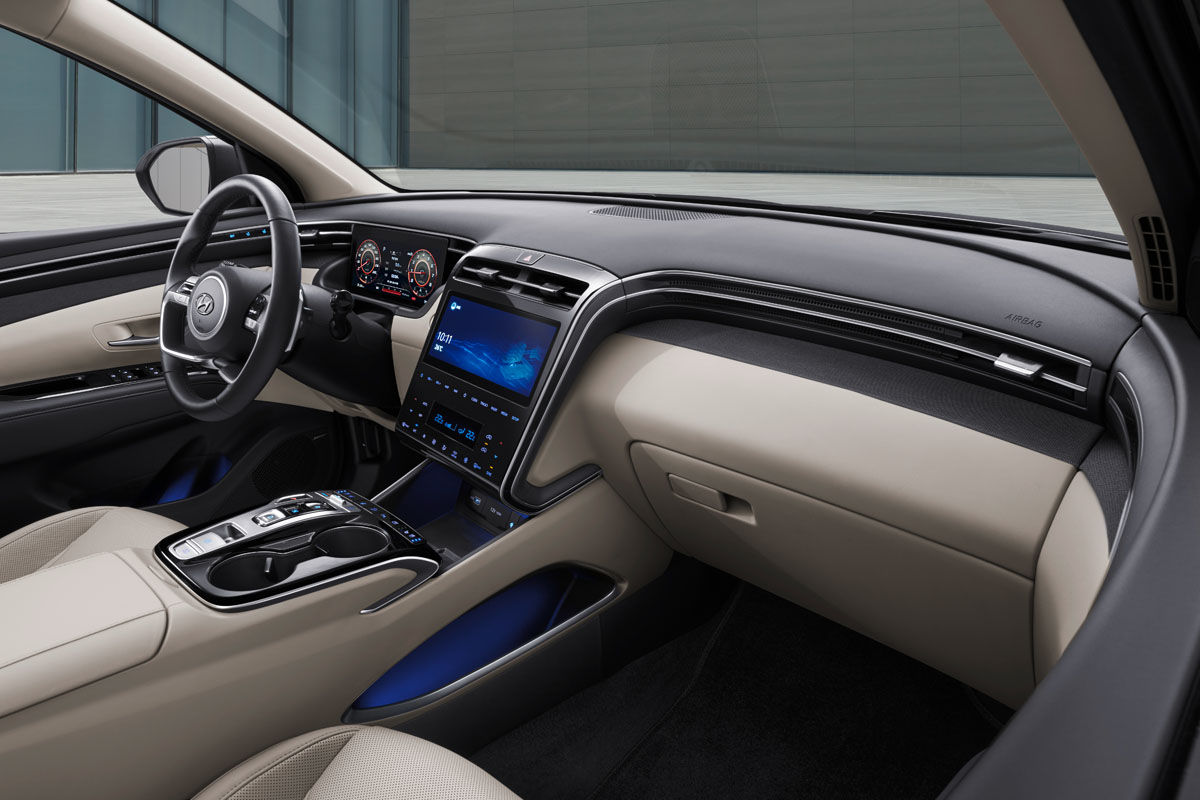
Meanwhile, the new Tucson’s smartly-finished dual-cockpit layout is characterised by a pronounced dashboard ridge that features a pair of metallic trim lines that extend through the upper door trims (so creating a wraparound effect for each of the front occupants – they also house the hidden side ventilation outlets), while the “floating” fascia, which sprouts from the elevated centre console and merges with the slim central vents, is dominated by a large, tablet-like touchscreen. What’s more, Hyundai has not just replaced an analogue instrument cluster with a digital one – it’s discarded the binnacle entirely and replaced it with a rectangular display panel that's embedded in the dashboard.
The dual-cockpit effect is created by the metallic trim strips that flow from the fascia, across the dashboard and into the door trims.
Other details worth noting are: selector buttons for Park, Reverse, Neutral and Drive have replaced the traditional transmission lever on the centre console, cushioned materials have been applied on high-touch areas, the ambient mood lighting is adjustable to 64 colours in 10 levels of brightness, the standard 8-inch colour touchscreen offers wireless Apple CarPlay and Android Auto connectivity and can be paired with 2 smartphones simultaneously (in other words, a driver and passenger can alternate between their playlists without disconnecting/reconnecting).
Top-of-the-range versions will come equipped with a 10.25-inch touchscreen infotainment system with integral navigation and split-screen functionality, as well as enhanced voice recognition software, in conjunction with a Bose premium audio setup. The ventilation system, meanwhile, monitors/purifies the cabin’s air quality; it indicates air-pollution levels in real time (via a fine-dust detection sensor) and reduces moisture from the evaporator to keeps the aircon system clean and odour-free, Hyundai claims.
With the high-mounted light bar on the Tucson's tailgate, the company's logo has been moved higher, into the rear screen.
Overseas, the new range will include derivatives powered by a 2.5-litre 4-cylinder petrol motor with 141 kW/246 Nm (mated with an 8-speed automatic transmission) and a 1.6-litre turbopetrol engine – the latter also in conjunction with hybrid or plug-in hybrid configurations. As for the SA market, the 2021 line-up should again include 2.0-litre non-turbo petrol and 2.0-litre turbodiesel motors and the 1.6-litre turbopetrol in conjunction with a dual-clutch auto transmission. Seeing as Hyundai SA phased out AWD derivatives in the current range, the new model should be FWD only.
Available safety features include: Highway Driving Assist (HDA), Forward Collision-Avoidance Assist (FCA) with pedestrian detection, Lane Keeping Assist (LKA), Lane Following Assist (LFA), Blind-Spot View Monitor, Blind-Spot Collision Warning (BCW), Surround View Monitor, Reverse Parking Collision-Avoidance Assist (RPCA), Remote Smart Parking Assist (RSPA), High Beam Assist (HBA), and Driver Attention Warning (DAW). Advanced technology features, including Blind-Spot Collision-Avoidance Assist (BCA) with Rear Cross-Traffic Collision-Avoidance Assist (RCCA), Advanced Smart Cruise Control (SCC) with Stop and Go, as well as Safe Exit Warning (SEW) will be optionally available.
Again, the safety equipment for the local market will be finalised closer to the new model’s launch. We’ll bring you more info about the new Tucon's South African introduction date and the range's line-up and specification as soon as more (official) info becomes available.
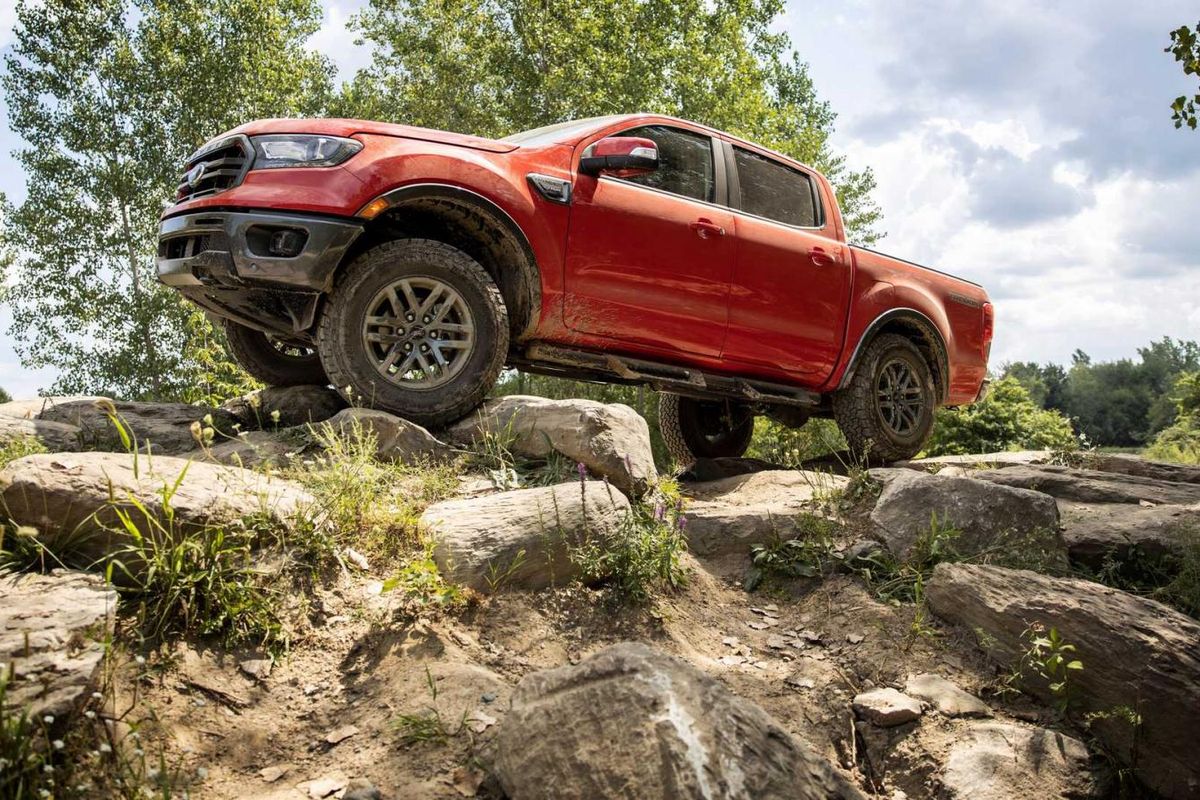
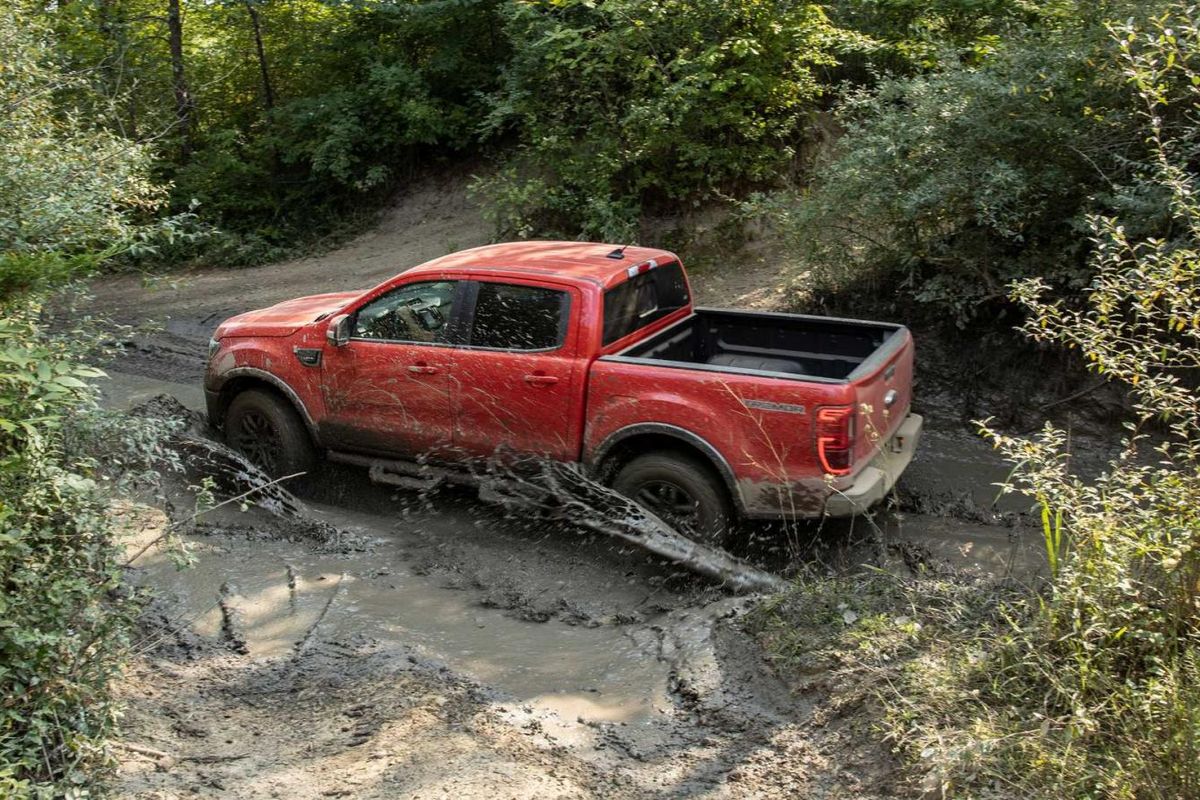
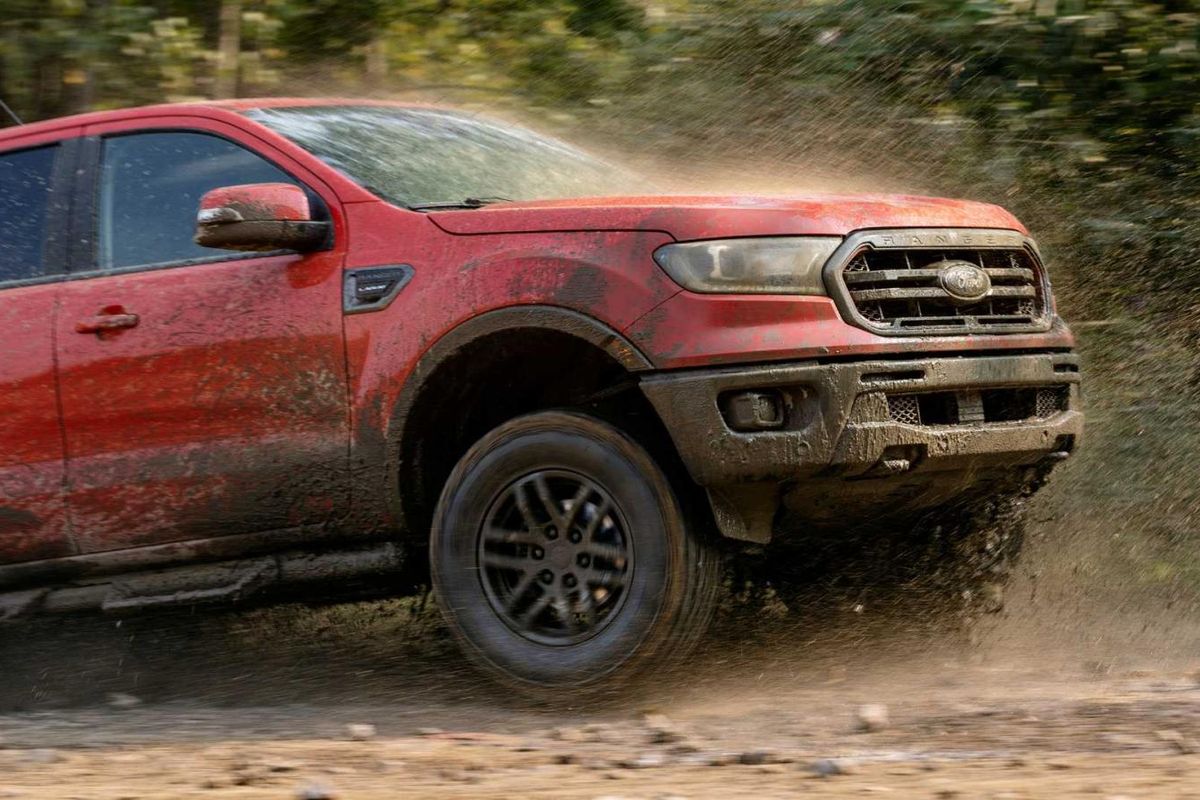
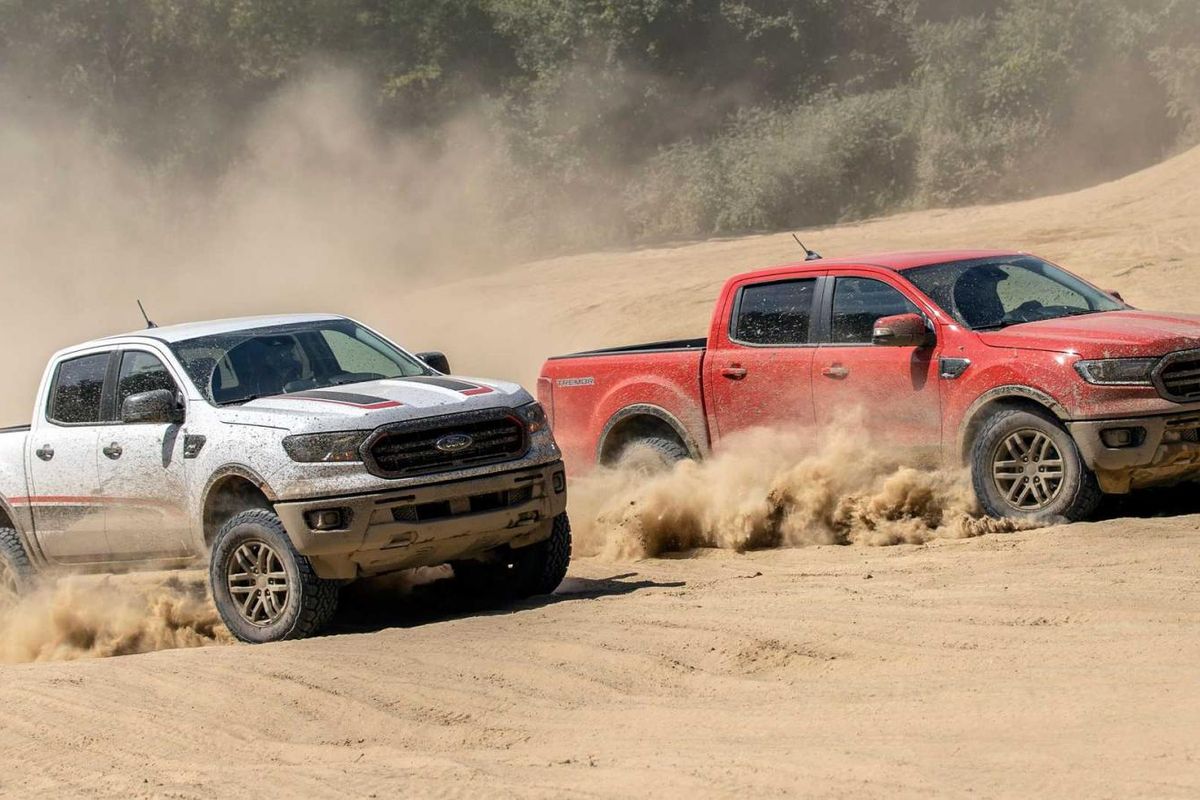
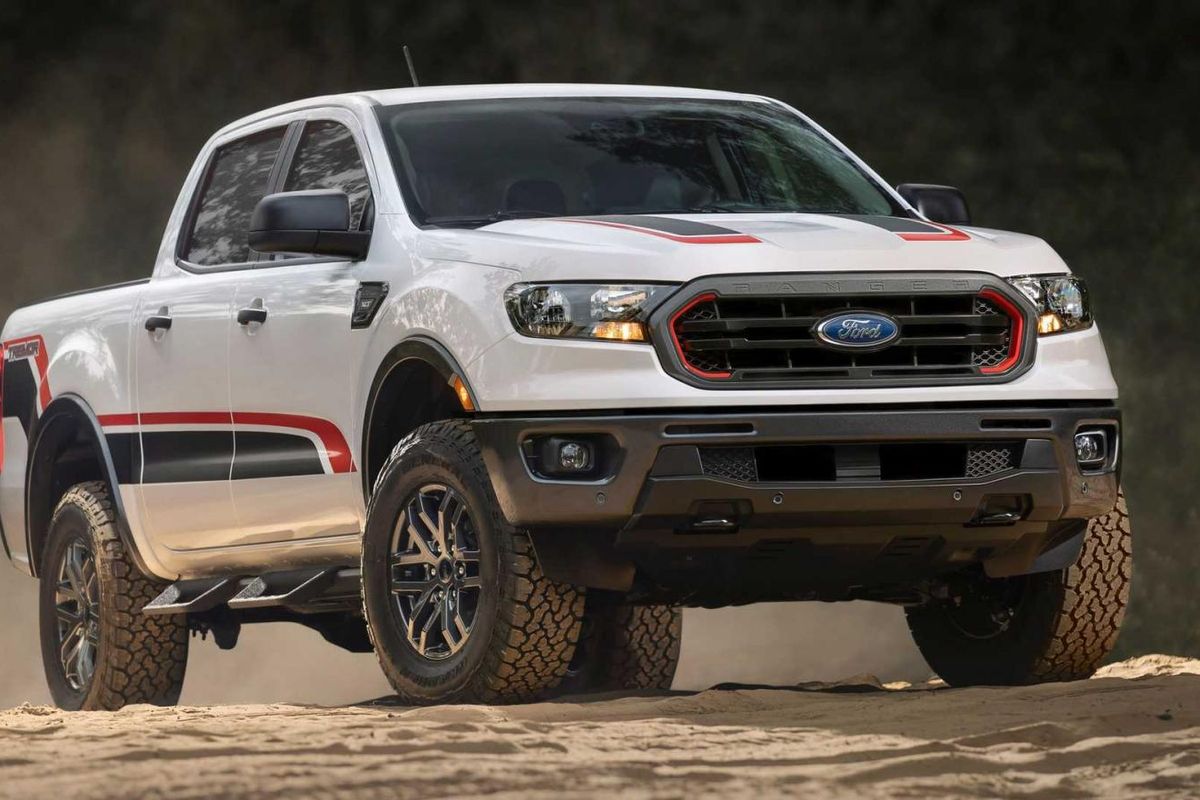
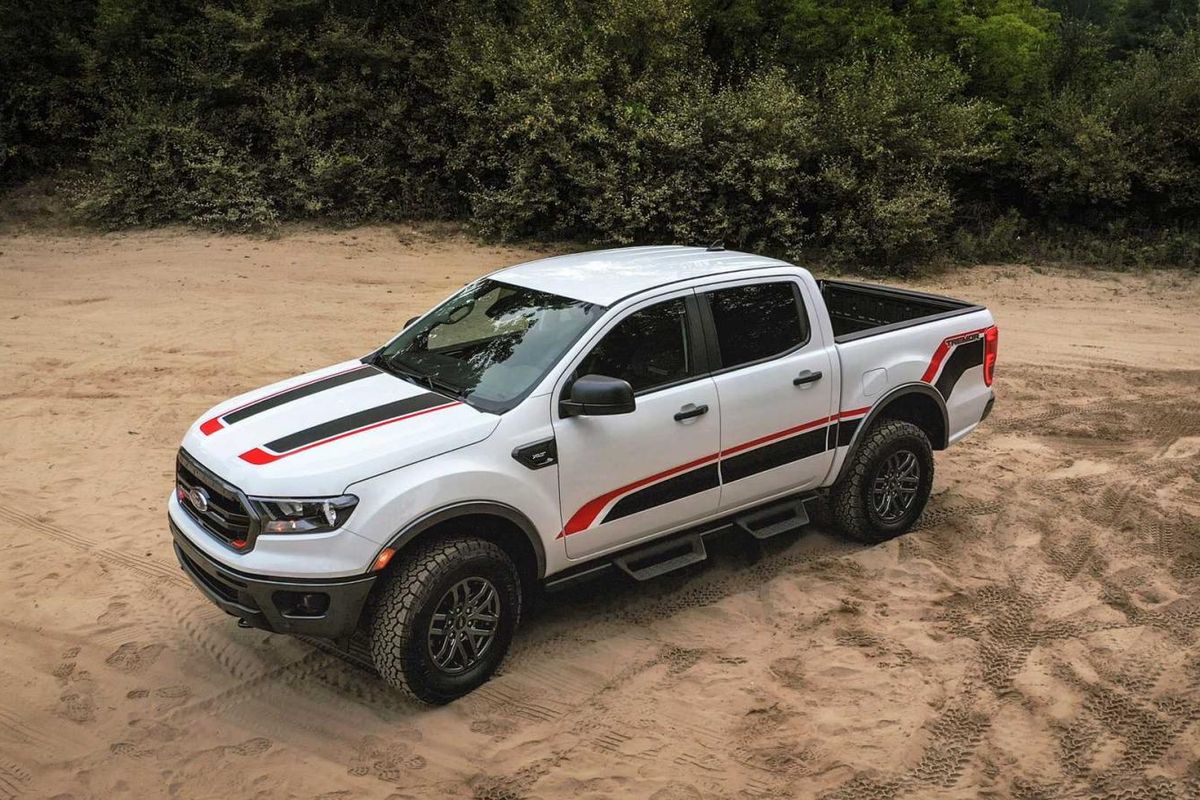
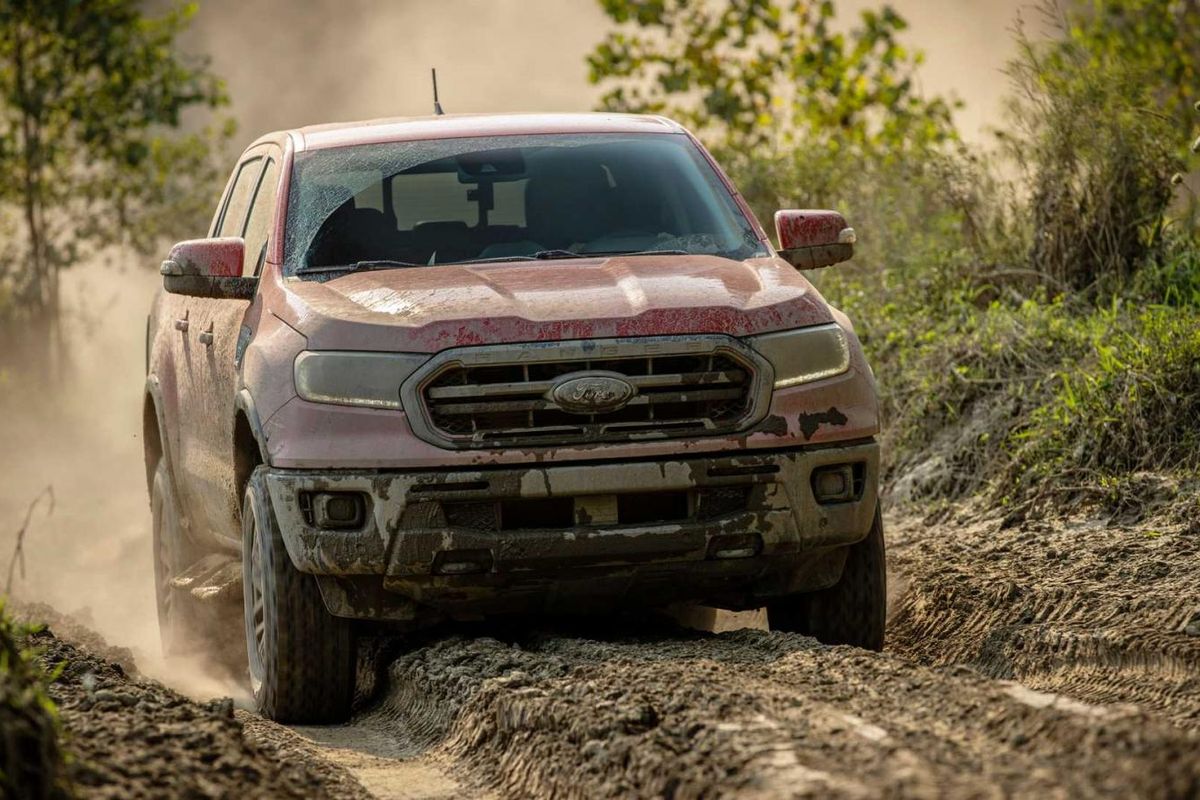
This is the Ford Ranger Tremor, a beefed-up version of the Ranger, but not quite a fully-fledged Ranger Raptor.
While South Africa isn’t privy to Ford’s F-150, we are spoilt to have the hugely capable Ranger Raptor which is built and sold on local soil. The Ranger Raptor, however, isn’t offered across the pond, but this new Ranger Tremor is the next best thing if you live in the U.S.
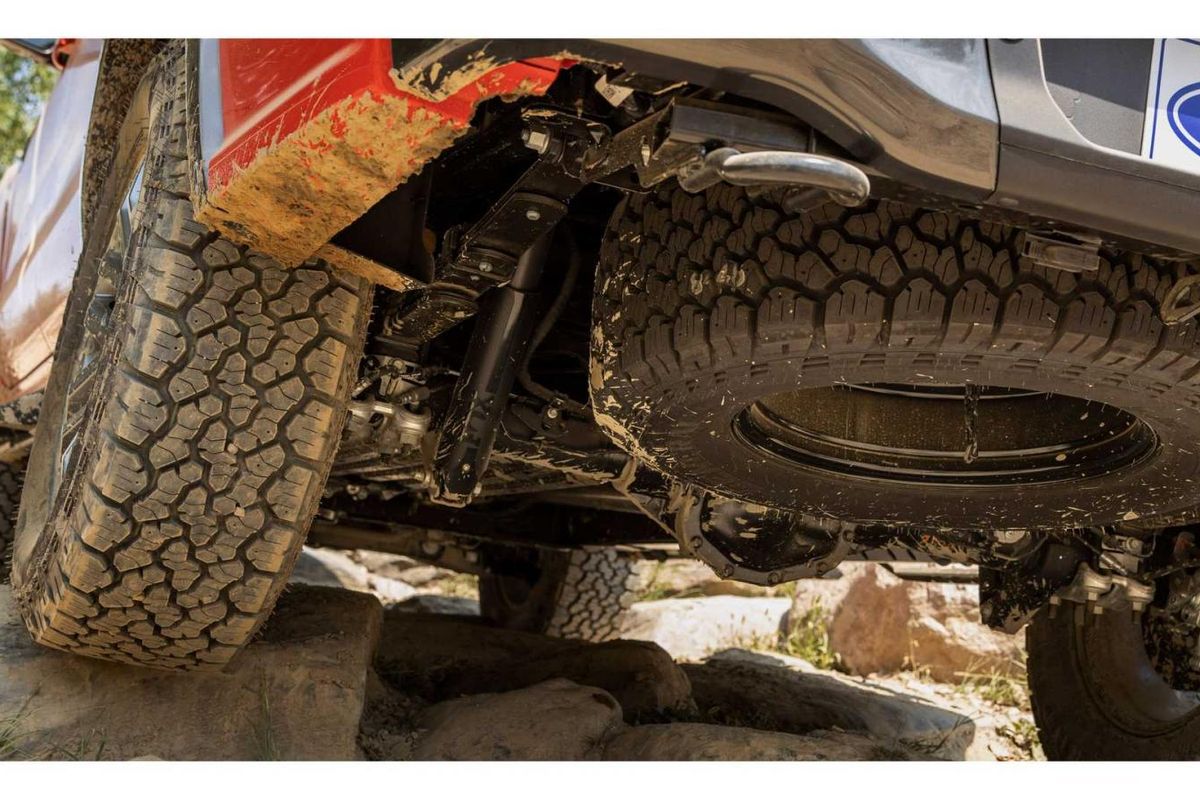
The Ranger Tremor claims to be the most “off-road-capable factory-built Ranger ever offered in the U.S.” featuring notable suspension upgrades and riding on 17-inch alloy wheels shod with chunky Continental General Grabber tyres with a ground clearance of 246 mm.
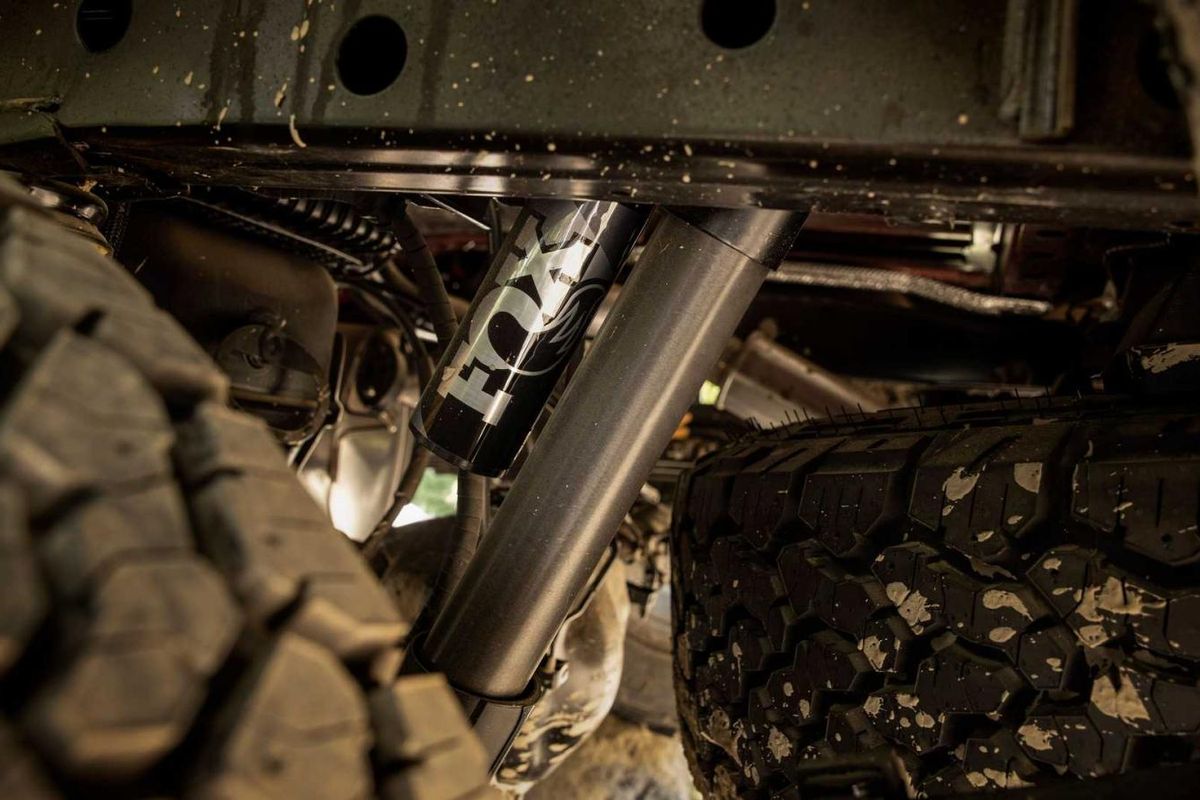
The Ranger Tremor is fitted with Fox 2.0 monotube dampers and tuned shock absorbers with front and rear suspension travel increased to 165 mm and 206 mm respectively. A frame-mounted bash plate is fitted up front for underbody protection as well as underbody skid plates. Furthermore, 2 recovery hooks (rear) and a rear-locking differential are also fitted.
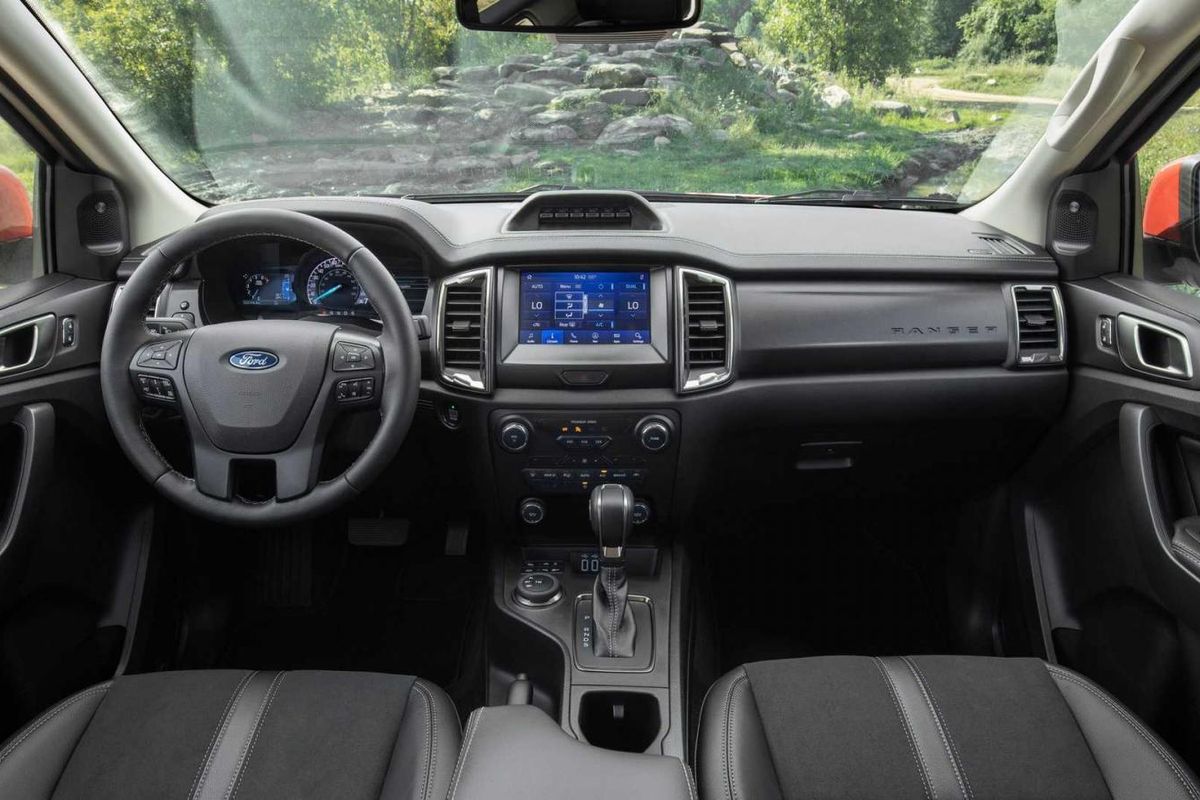
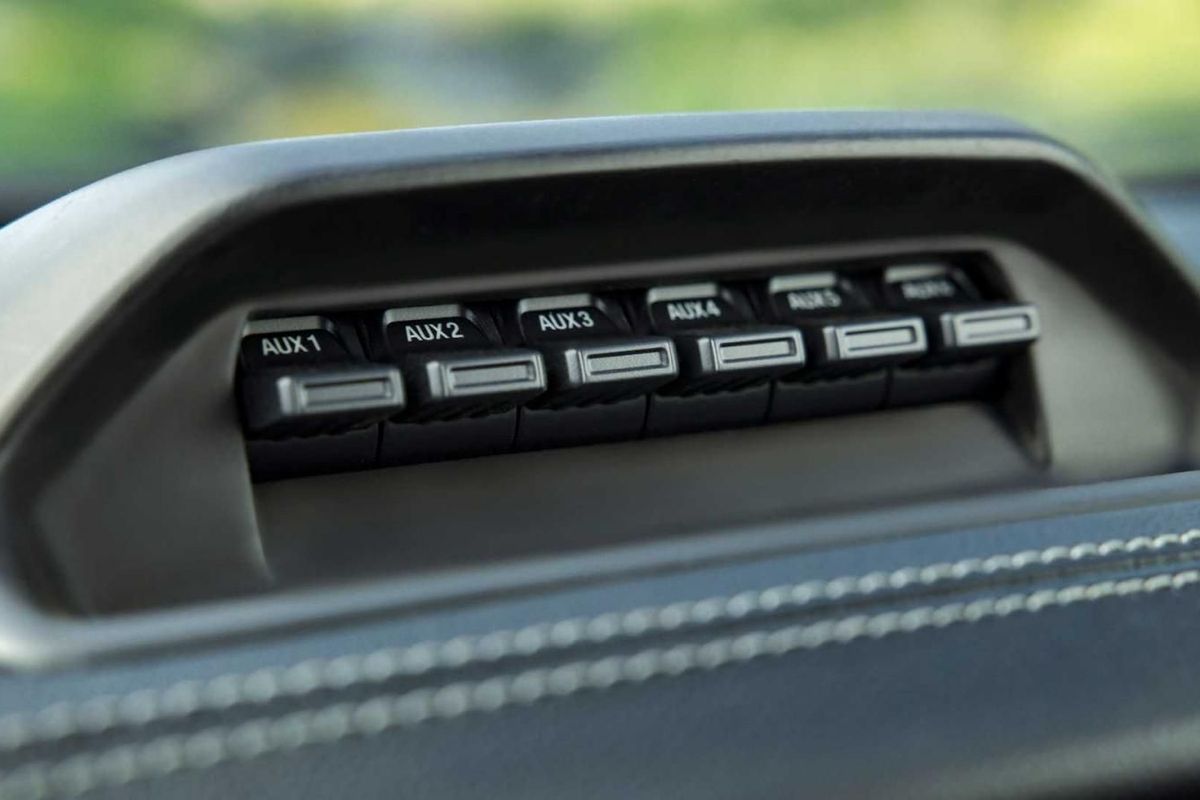
Moving inside, the Ranger Tremor is fitted with an auxiliary power bank to control features such as winches, lights and so forth and suede inserts, black details and bespoke stitching have been added to differentiate the Tremor from the standard Ranger. Other differentiating clues include the obvious Tremor decals and a magnetic finish for the grille.
The Ranger Tremor is powered by Ford’s 2.3-litre EcoBoost engine with 201 kW and 420 Nm of torque and is mated with a 10-speed automatic transmission.
The Ranger Tremor is for the U.S. market only and will not be offered in South Africa.
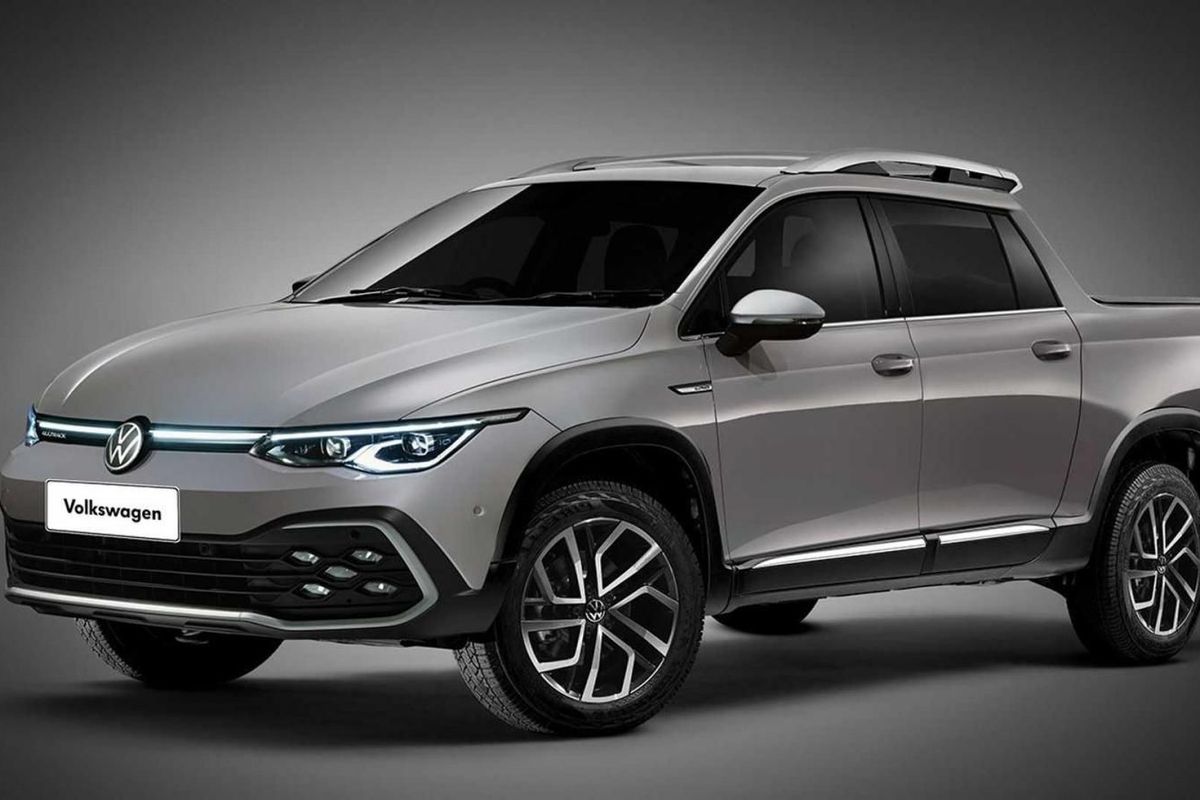
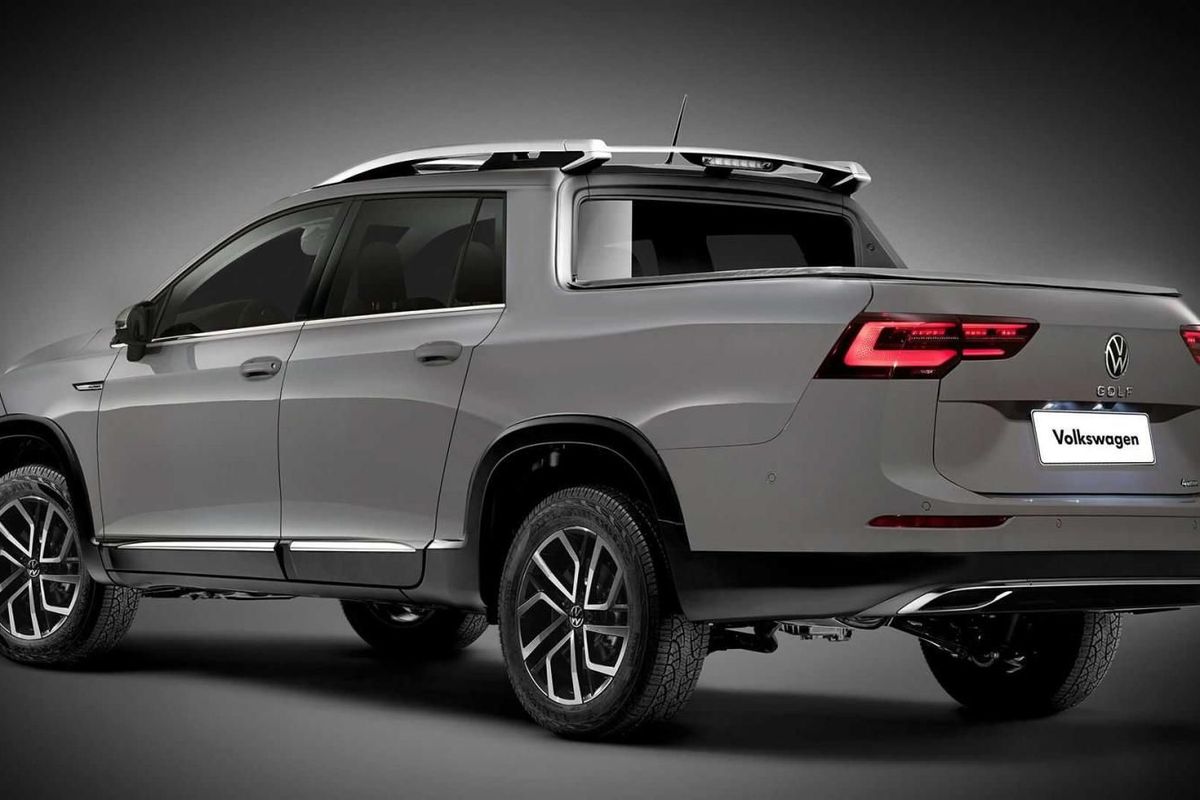
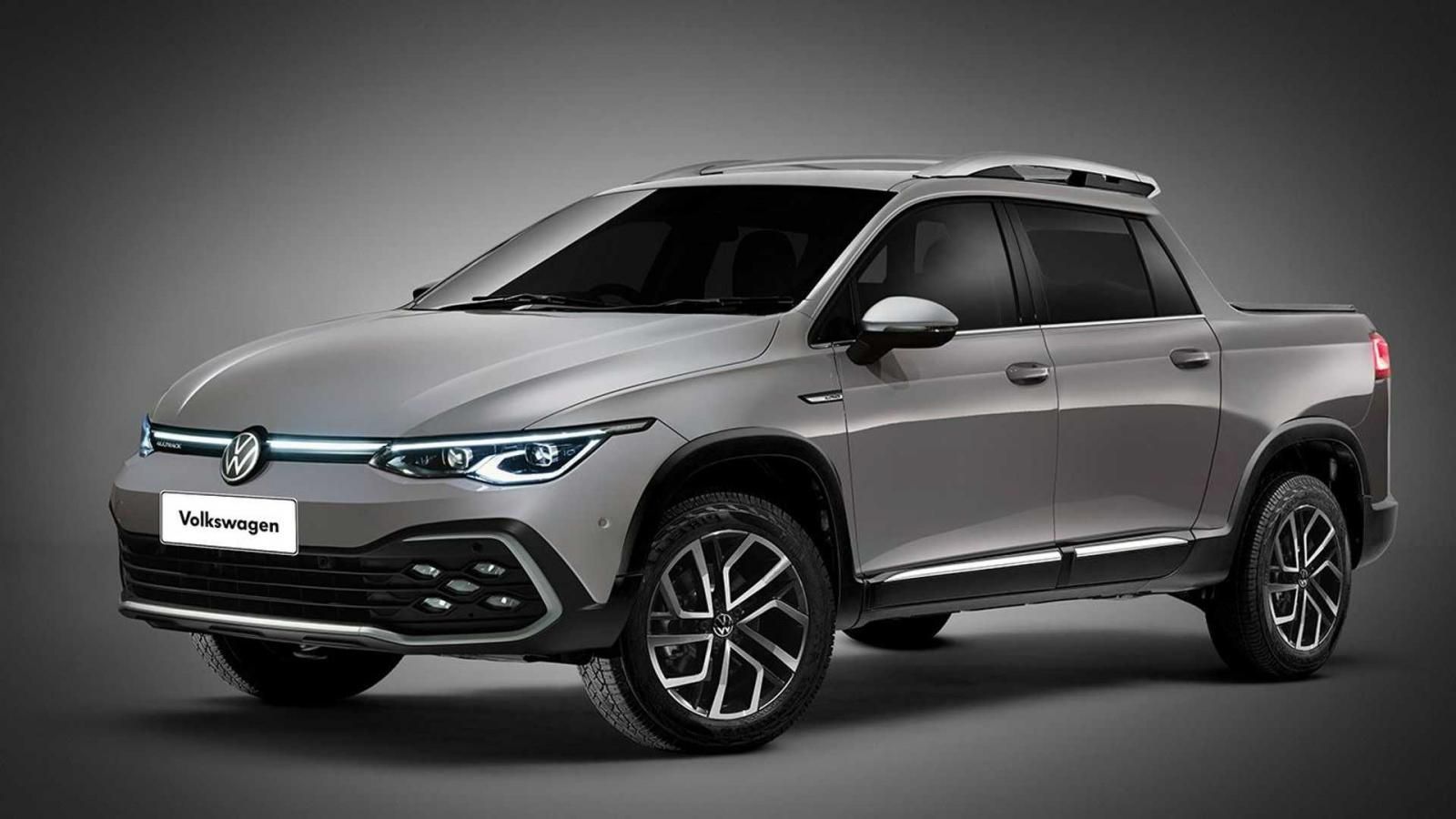
Using the recently-revealed Volkswagen Golf 8 Variant as a base, a talented artist has created a Volkswagen Golf 8 double-cab pickup. It's not real, but what if?
The great thing about renders is it pushes the boundaries and makes you think of the potential possibilities. KDesign AG has come up with this rather good-looking rendering. It may be a digital creation, but given the versatility of the MQB platform to underpin everything from a Polo to a Tiguan, theoretically, this is not impossible.
Based on the Volkswagen Golf 8, this potential bakkie would be an interesting rival to the upcoming Ford Maverick – a vehicle whose development we're watching closely. Expected to sit under the Ranger, the Maverick is a unibody bakkie that is said to be built on the Focus platform.
As a reminder, the South African market is not going to get the Saveiro because it's quite long in the tooth and the cost of converting it to right-hand drive makes it a non-starter. Given the SA market for bakkies, we're surprised we have not seen a single-cab bakkie built on the Polo Vivo platform to rival the Nissan NP200.
If you're wanting a Volkswagen bakkie, then you have to go the full hog and go for the Amarok, which is offered in a number of trims and engines. In September 2020, Volkswagen SA released pricing and details for its flagship 190 kW Amarok. In 2022, Ford and Volkswagen will be working together to develop and build the next-generation Ranger and Amarok respectively. The best part? The fruits of this collaboration will be built right here in South Africa.
It may be a digital creation that will never come to life, but there's no denying this is rather good looking!
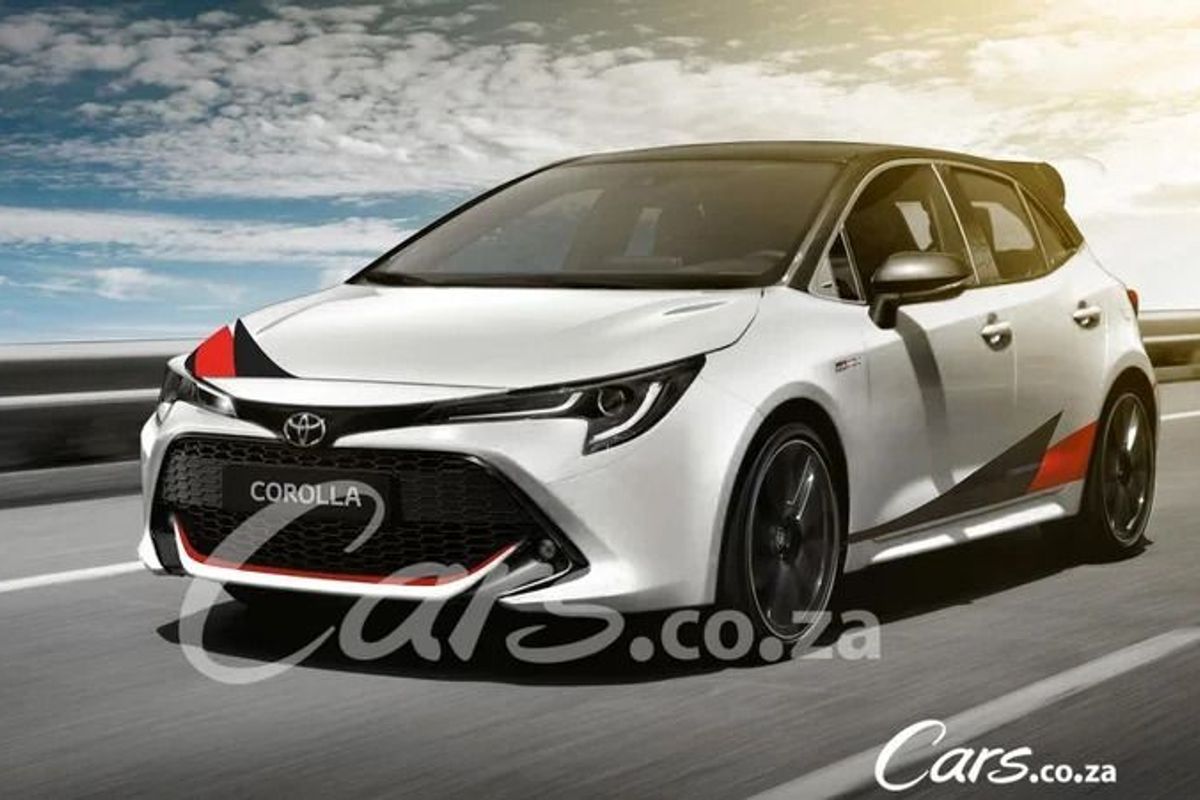
Toyota has filed a GR patent for its Corolla, fuelling rumours that the high-performance hatchback will be put into production.
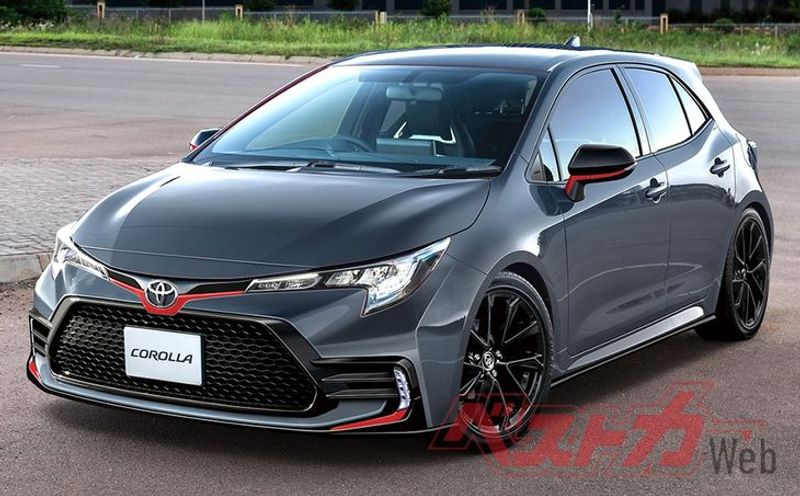
*Update: According to Best Car Web Japan, the all-new Toyota Corolla GRMN will be featuring the 1.6-litre turbocharged 3-cylinder motor as well as the all-wheel drivetrain. The source notes it will be revealed in September 2021 along with a Corolla GRMN Touring version.*
Best Car Web reckons this is what the Corolla GRMN will look like.
The patent was filed in Australia as GR Corolla and it's likely that the rival for the Volkswagen Golf GTI, Hyundai i30N and Renault Megane RS280 will be produced. Many online pundits say it's some way away from the light of day, with an estimated reveal and launch in 2022.
The big question which everyone is asking, is what engine will it have? Given Toyota's efficiency and thriftiness, we're expecting to see a shared engine. Toyota's new TNGA platform is already shared by many products like the Corolla, RAV4 and Yaris, and we've praised it for its refinement and handling characteristics. Even in base-spec, the manual gearbox and 1.2-litre turbo Corolla hatch is generally good to pilot, so there's certainly potential.
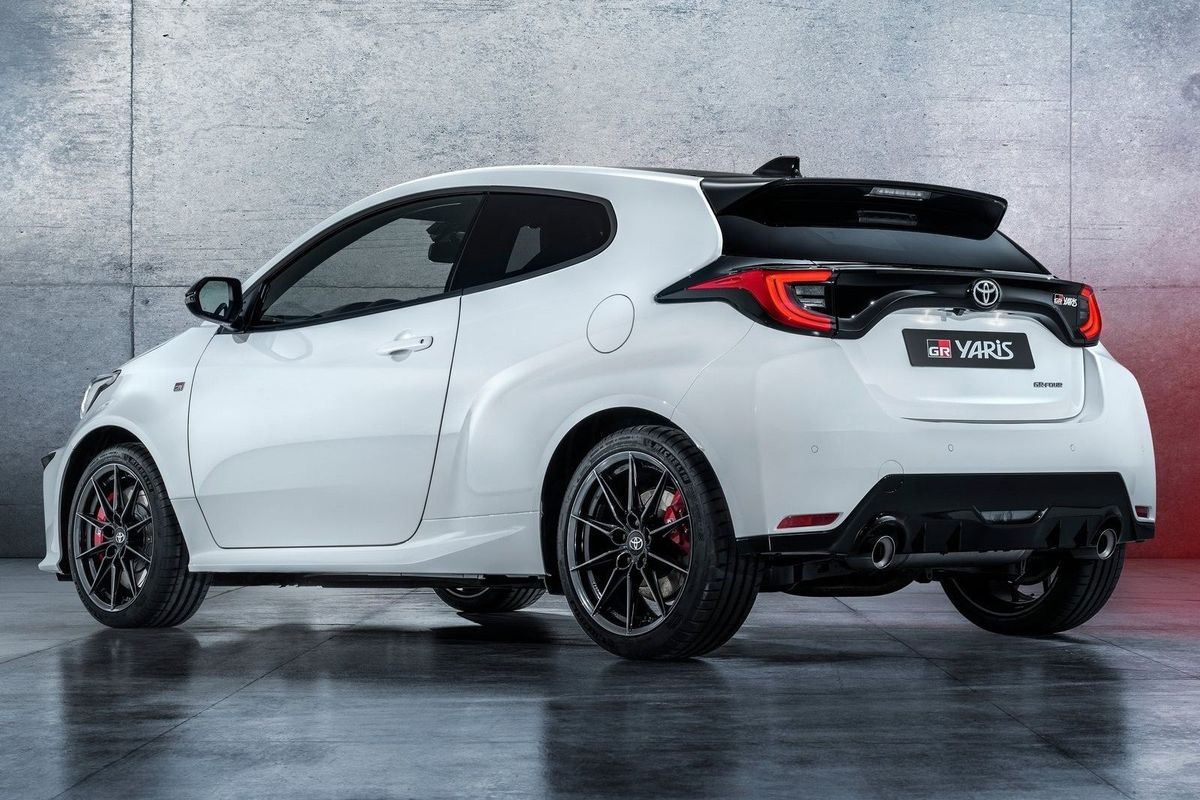
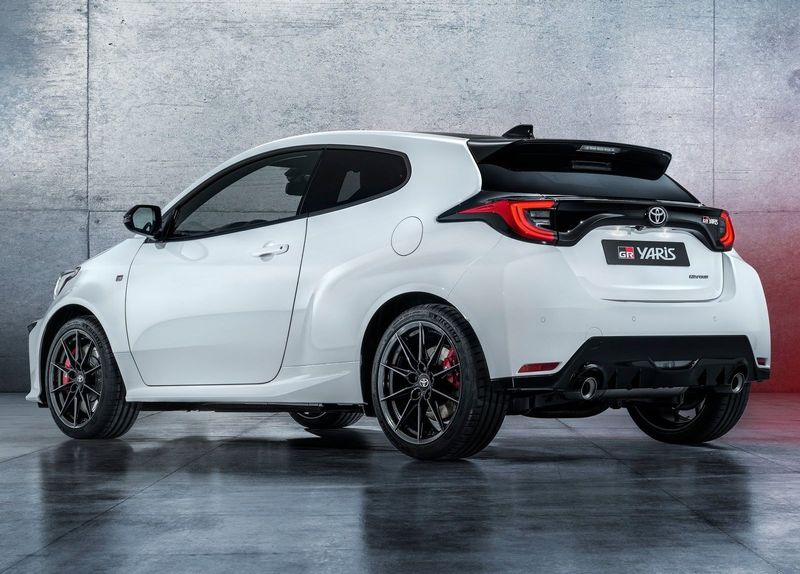
The Toyota GR Yaris is basically a road-legal rally car with its all-wheel drive, manual gearbox and 200 kW 1.6-litre turbo engine
Auto Express is reporting the engine earmarked for the hot GR Corolla is none other than the turbocharged 1.6-litre 3-cylinder petrol engine found in the GR Yaris. It packs 200 kW and 370 Nm, with power going to all 4 wheels via a 6-speed manual gearbox. Whether the GR Corolla adopts the same all-wheel-drive strategy or switch to a front-wheel-drive strategy is yet to be seen, but it's going to take some cleverness to channel all that shove through the front wheels. Torque steer, anyone?
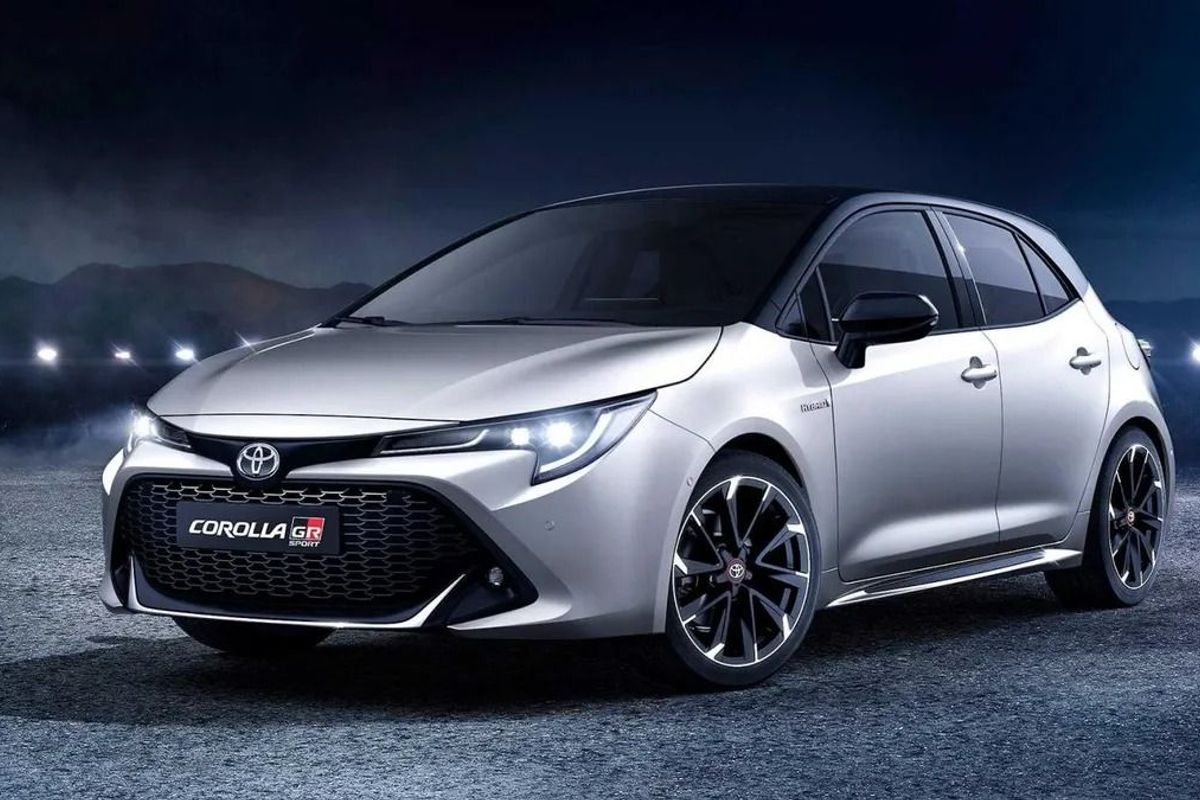
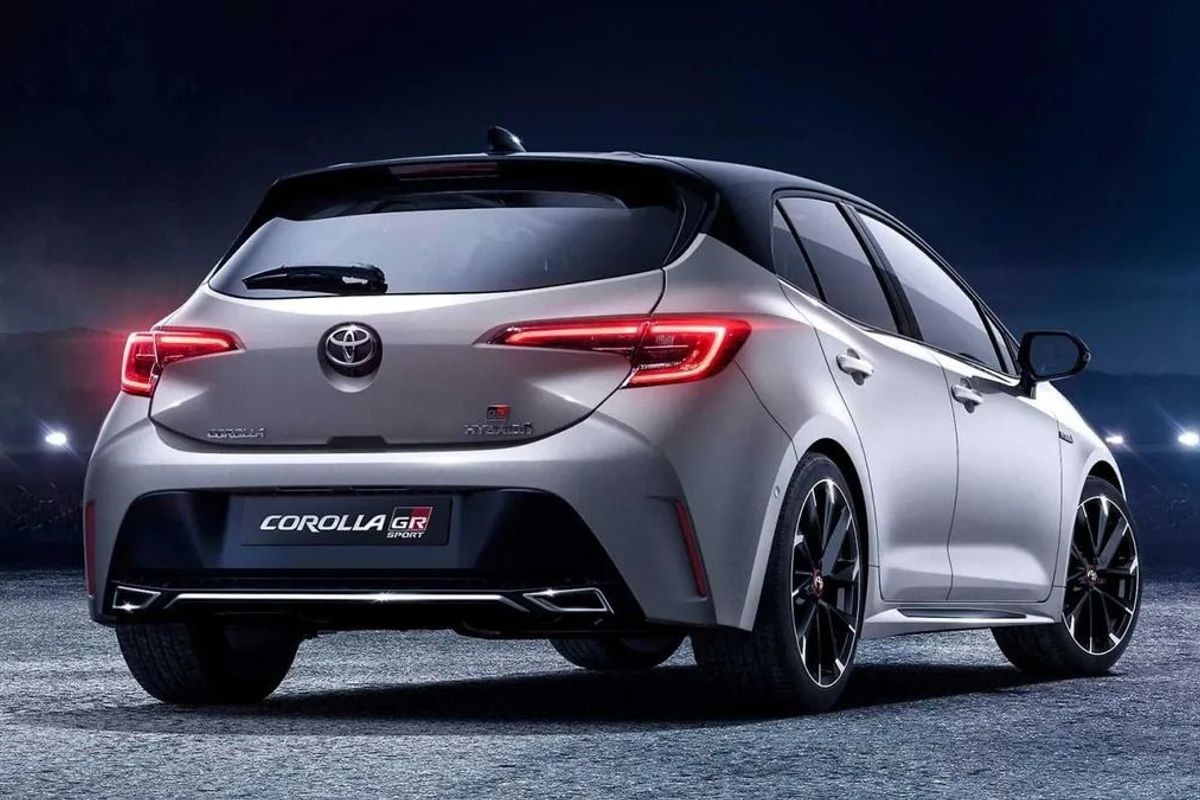
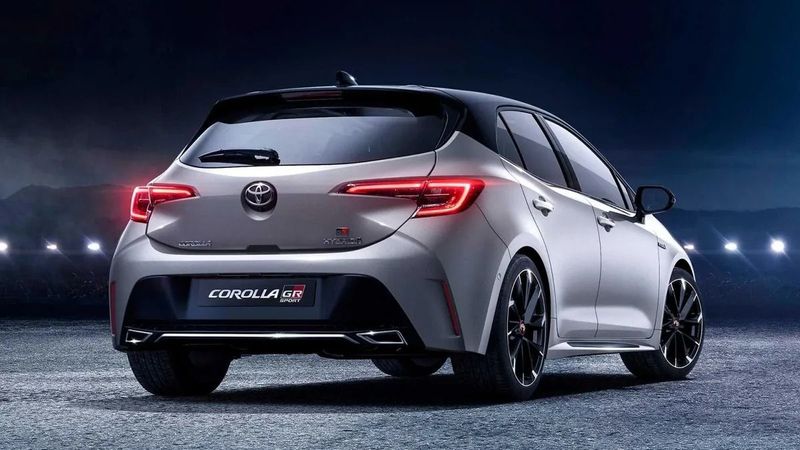
Toyota has committed to launching a GR performance version of nearly all of its products and we're expecting to see the GR Corolla joined by a GR Hilux, which we think will be powered by a new diesel V6 motor. We already have had some experience of what Toyota can do when it comes to the performance stuff when we drove the 1.8 supercharged Yaris GRMN a while back and were blown away. There's already a Toyota Corolla GR Sport on sale in European markets, but with a CVT and hybrid powertrain, it's hardly what you call a hot hatch. It does look the part, however.
Toyota Corolla GR Sport with a hybrid and CVT powertrain looks the part, but its not hot enough.