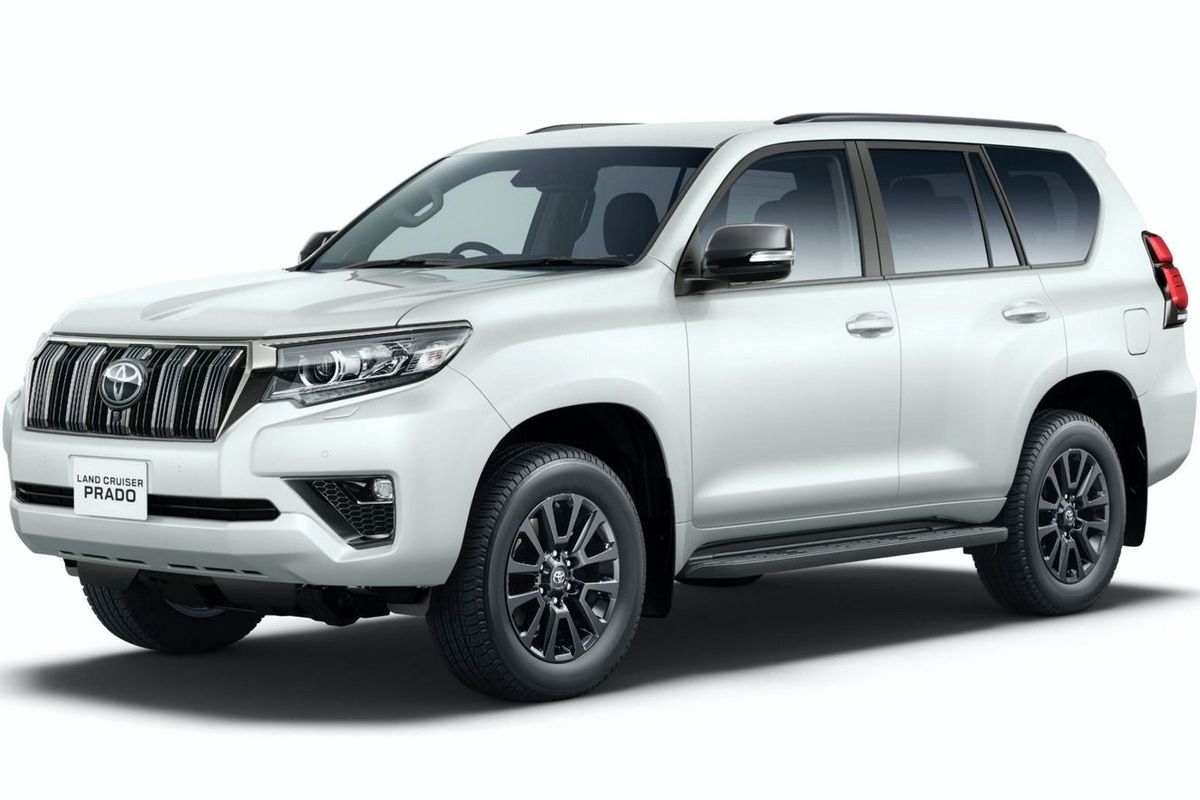
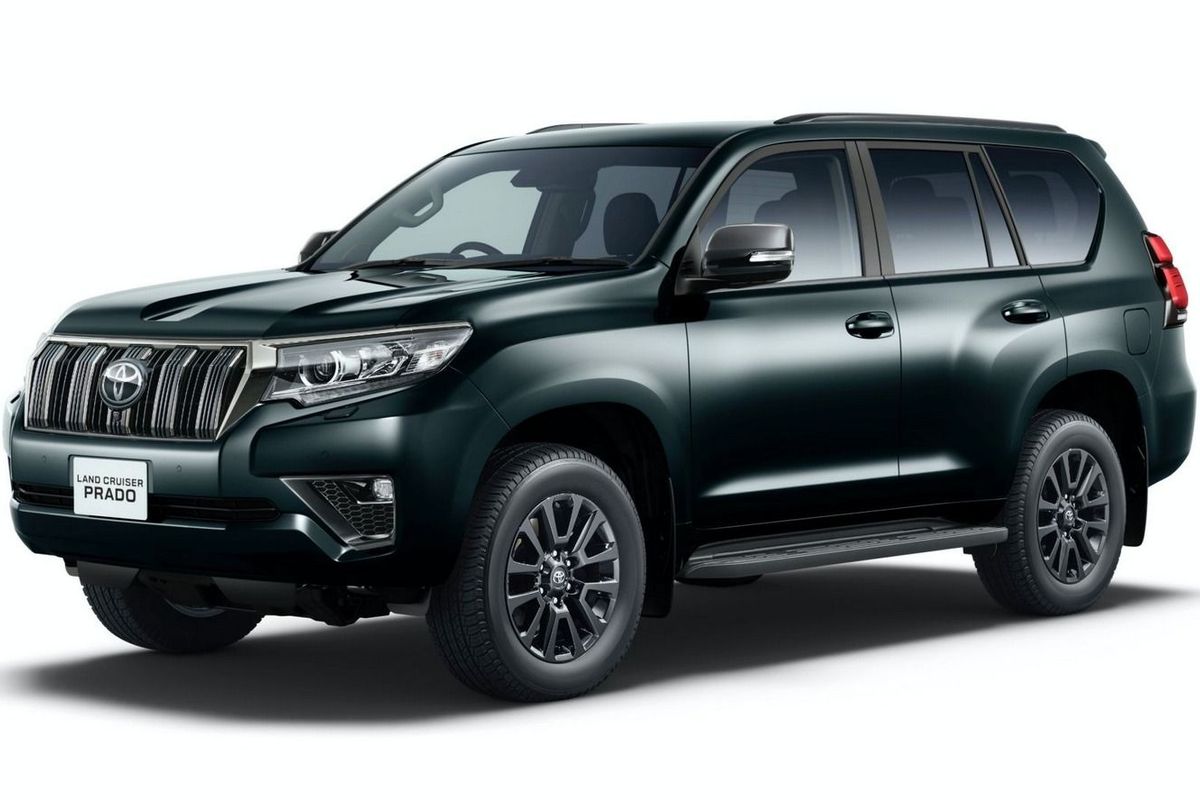
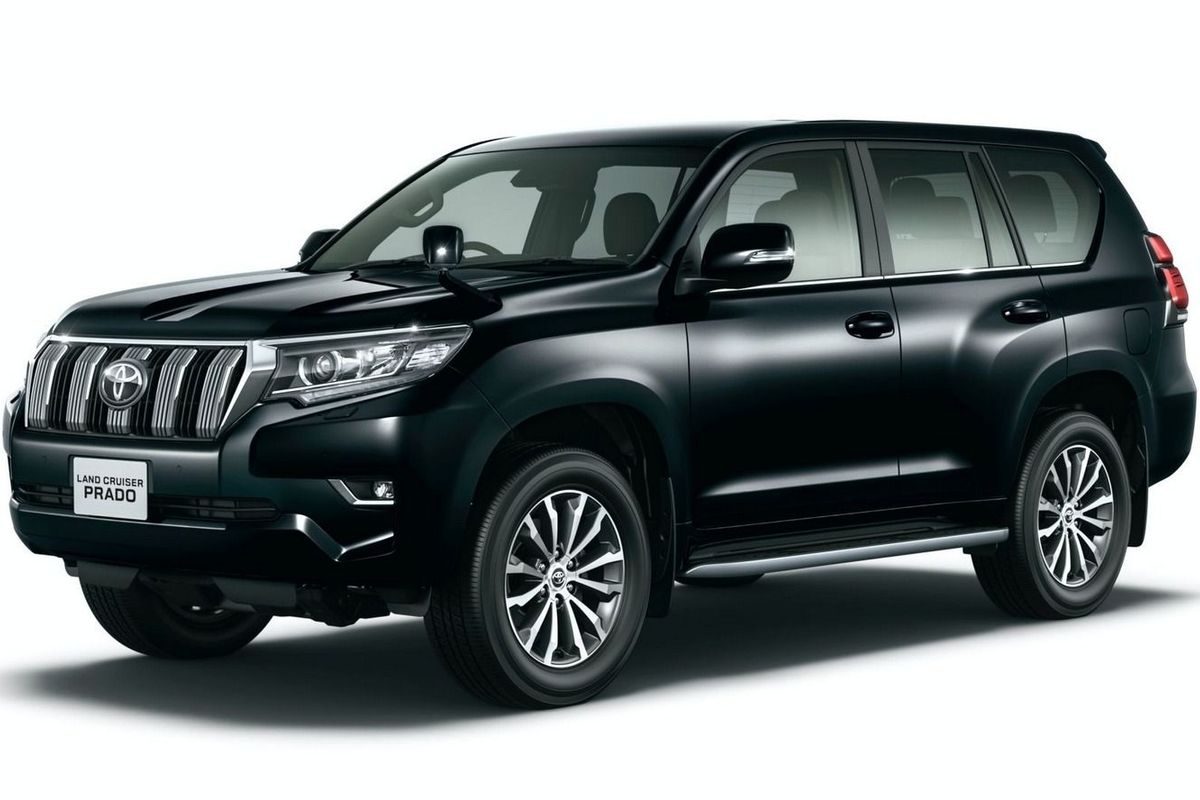
Upgraded engine includes a Black Edition visual package.
The current-generation Toyota Land Cruiser Prado is long in the tooth, even by Toyota’s standards. The Prado and its Land Cruiser base have gone relatively unchanged since 2008. Yes, there have been improvements made along the way to the design, specification and handling but it’s probably time for a new model to be ushered in, after all, it now has to compete with Land Rover’s Defender and Discovery for customers.
Japan has seen fit to upgrade the engine in the Prado for starters, the 2.8-litre turbodiesel unit acquires the same power hike as the facelifted Hilux will get when it arrives. That means an increase to 150 kW from the 130 kW it currently has and a slight boost in torque to 500 Nm.
The Japanese special, called the Black Edition also includes updated safety specification with features like lane departure warning, pedestrian and cyclist detection, rear cross-traffic alert and road sign assist.
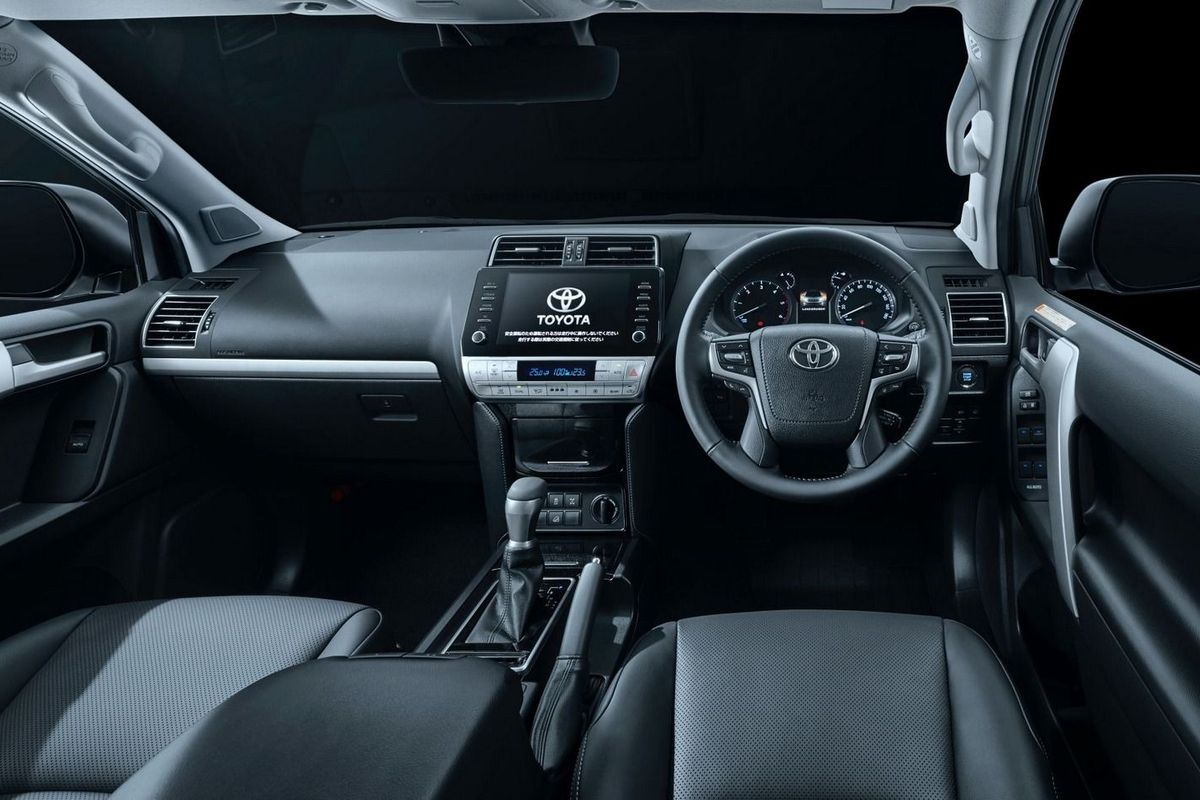
The exterior treatment matches the black interior with the help of black 18-inch alloys, black fog lamp surrounds and black mirror caps. Helping it stand out further is the black grille and black finishings around the headlights and tailgate. The only change to the interior are the silver buttons below the infotainment system.
While this is a Japanese only model, Toyota SA has noted that the engine updates will likely filter through to its product range in time. An all-new Land Cruiser is slated for 2022, meaning the current generation will have lived a solid 14 years.
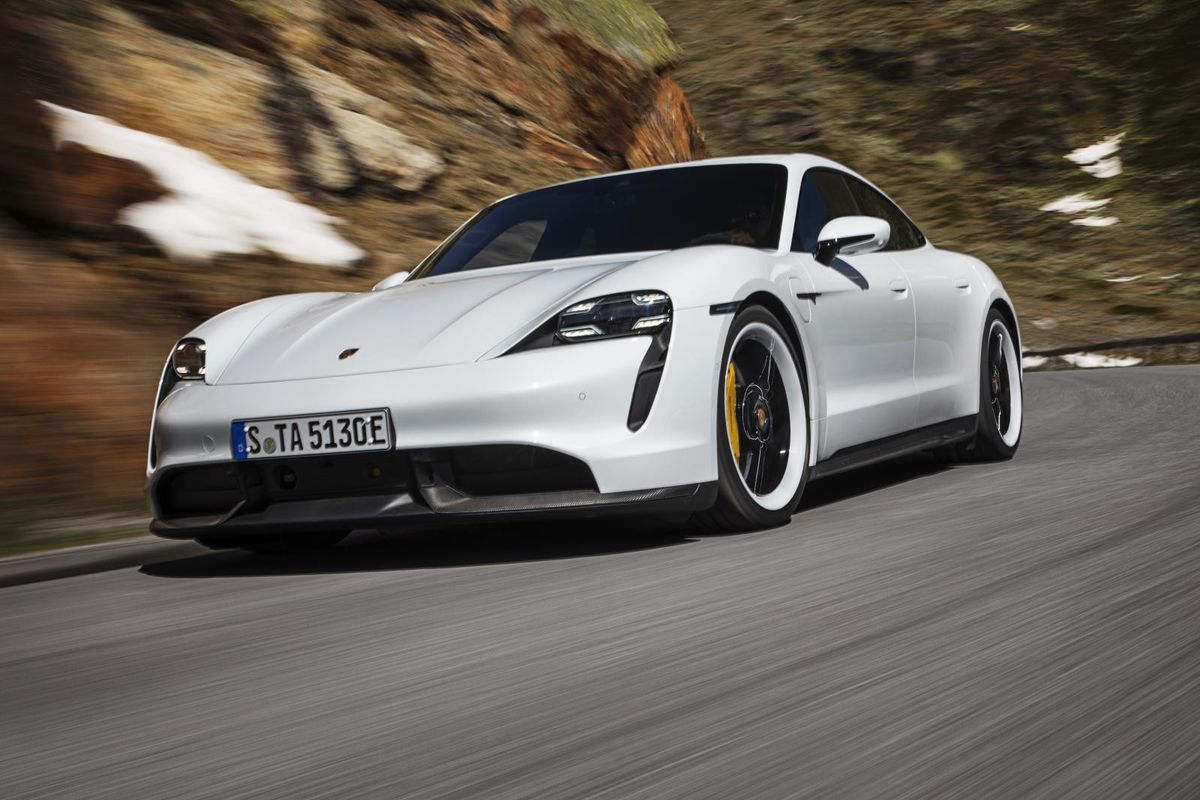
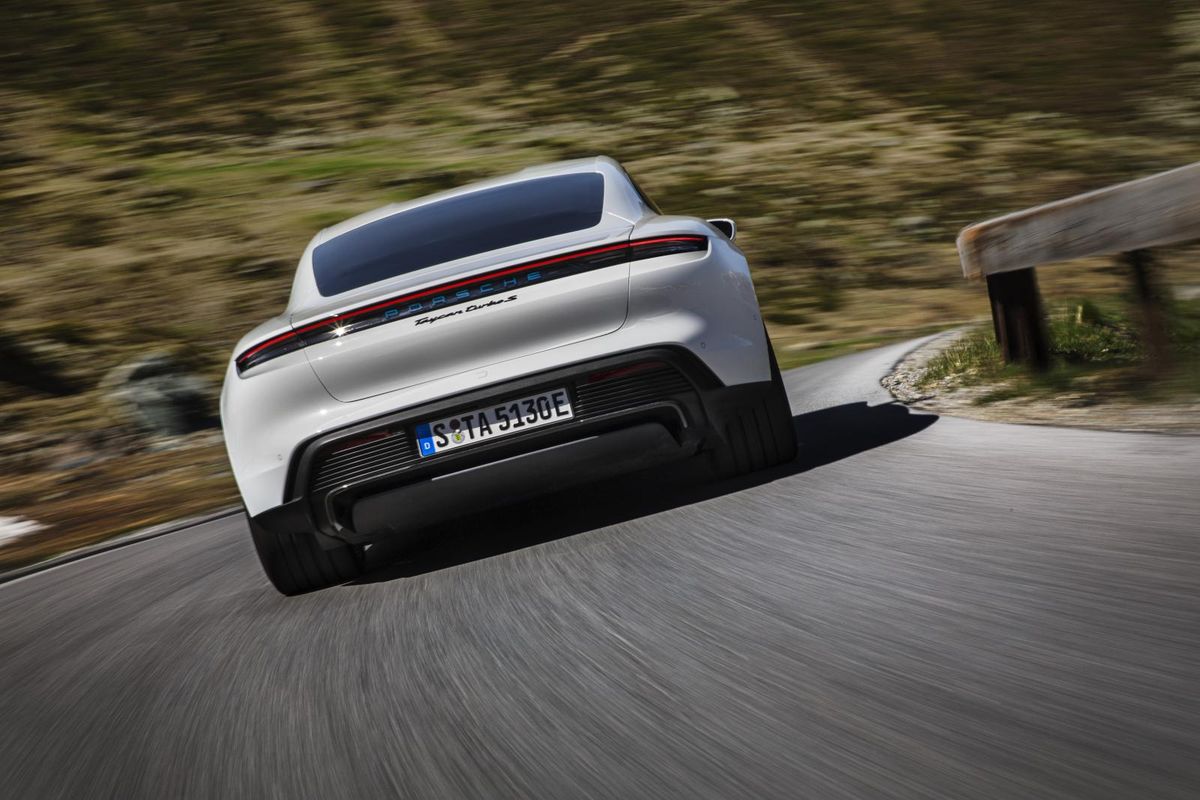
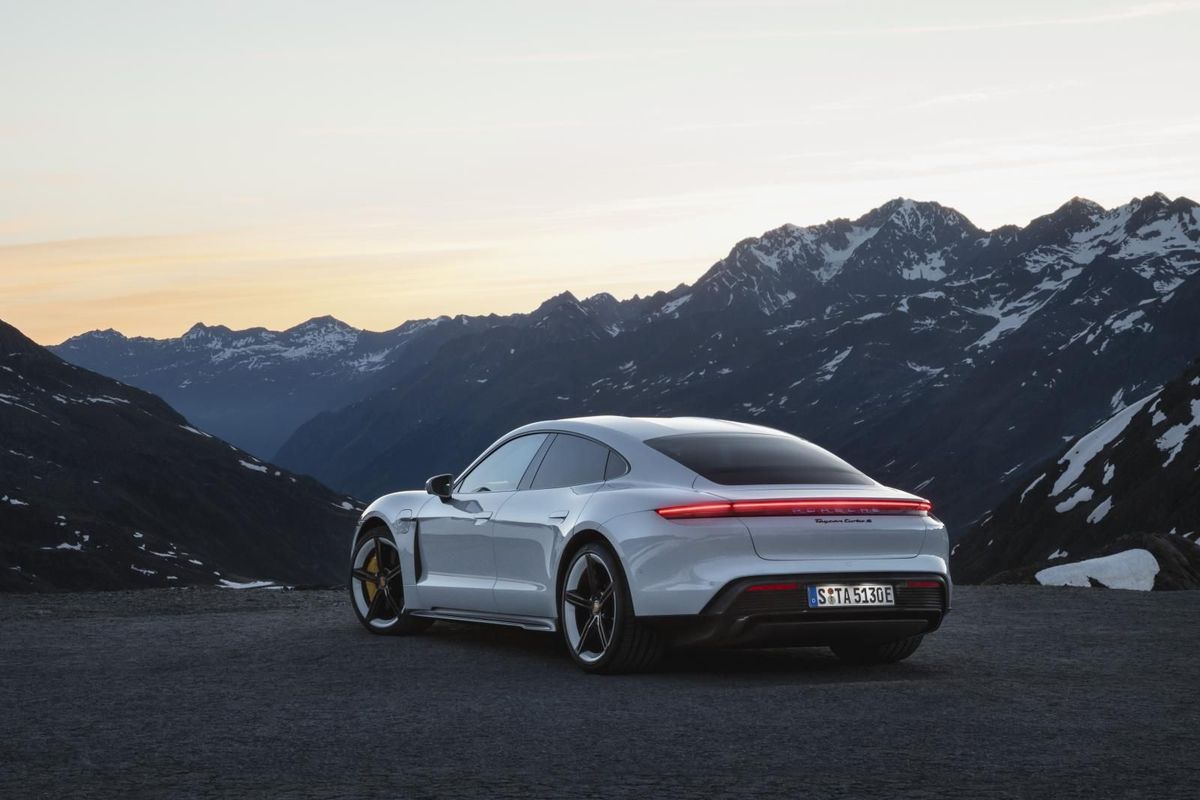
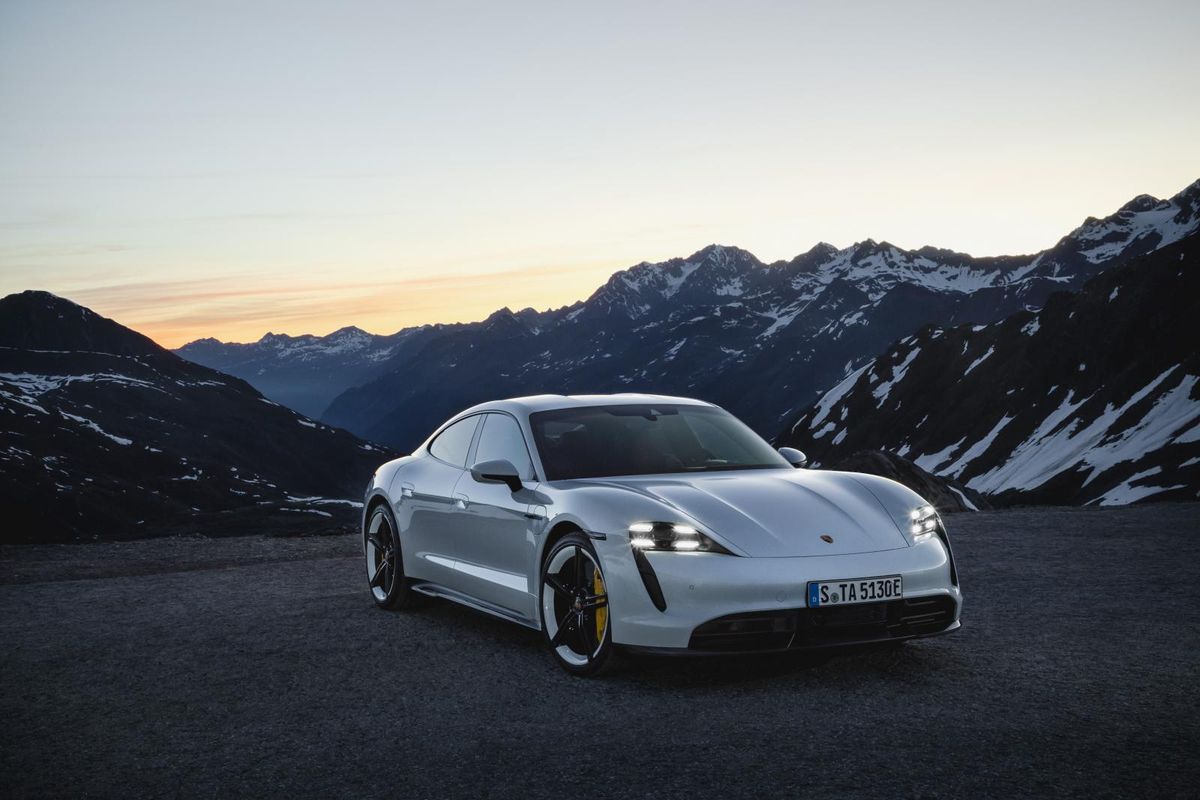
With concept-car looks, mindblowing performance figures and a whopping pricetag, the Porsche Taycan Turbo S is a headline grabber of note. But does Zuffenhausen's BEV still feel like a Porsche? We spent a day on some of the Western Cape's best driving roads to find out.
The Porsche Taycan has myriad party tricks – so many, in fact, that it's quite tricky to figure out where to start a dissection of this amazing machine. I've driven a number of battery electric vehicles (BEVs) before, and consider myself a convert, particularly due to the immediacy of these cars' power delivery (in addition to all the obvious "green" reasons), but I'm also a fan because when it comes to their EVs, car firms tend to embrace the future in several aspects of the products' engineering, as well as design.
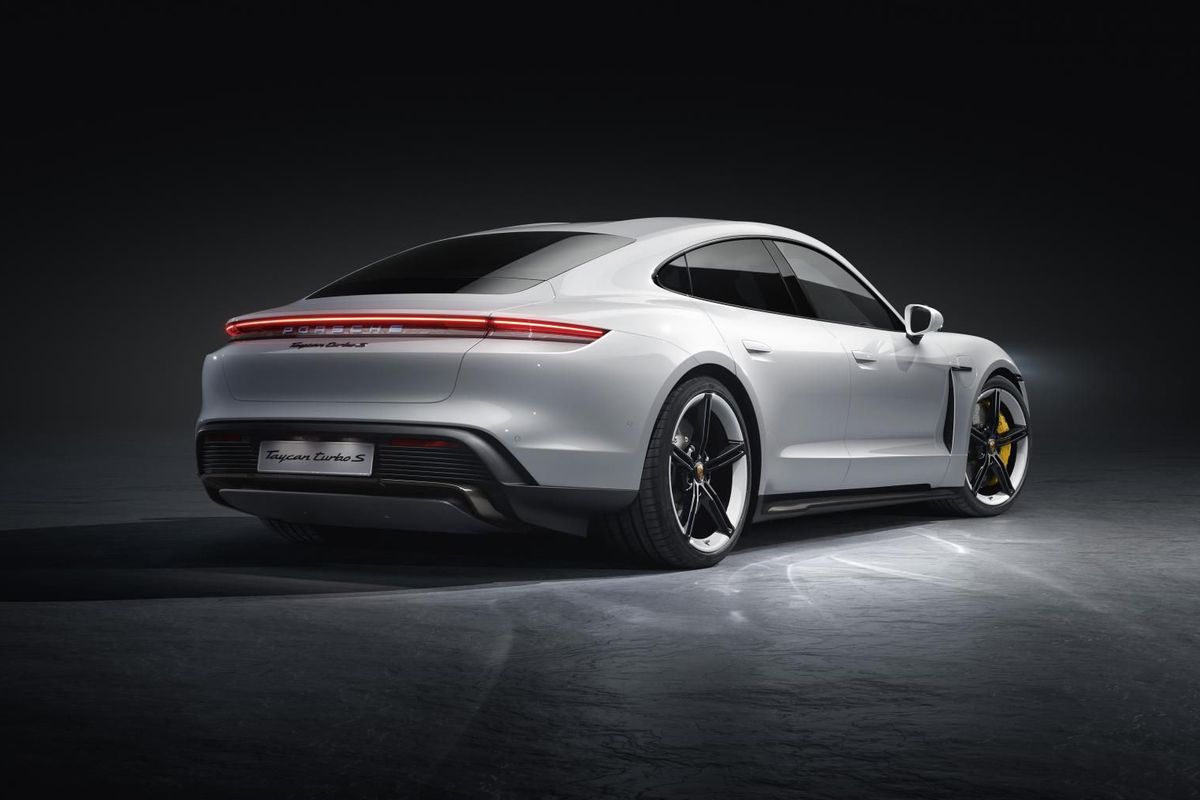
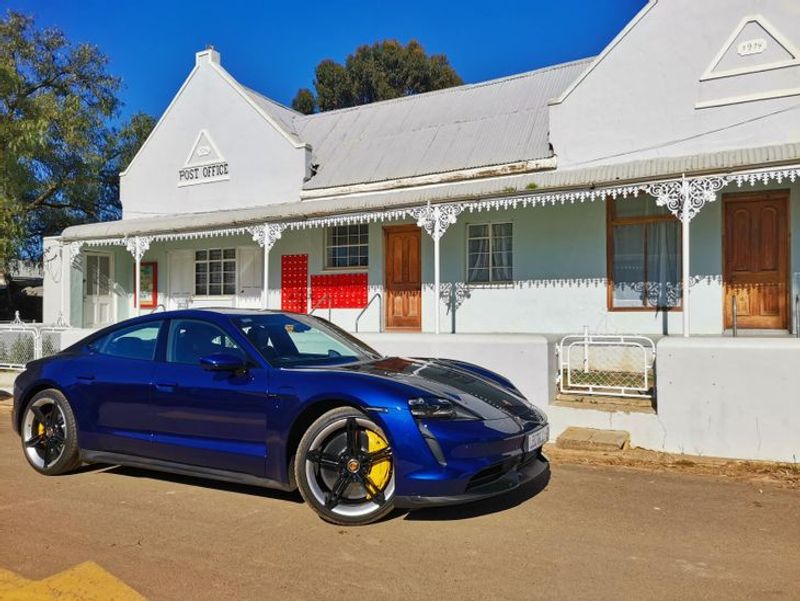
Consider the Taycan's exterior styling, for example. For most onlookers, the Taycan looks like nothing other than a car from the future. And so, as we parked at a little roadside coffee shop to take a break during the Porsche media presentation, it was fascinating to see people of all ages and backgrounds being drawn to this "car from the future".
Instantly recognisable
It was also interesting to note that the general public's awareness of what the Taycan is – and what it represents – appears to be quite high. "If this is what electric cars will look like," one burly, bearded biker said as he dismounted his Harley, "then I'll take one."
"A car from the future", was a regular comment wherever we parked the Taycan.
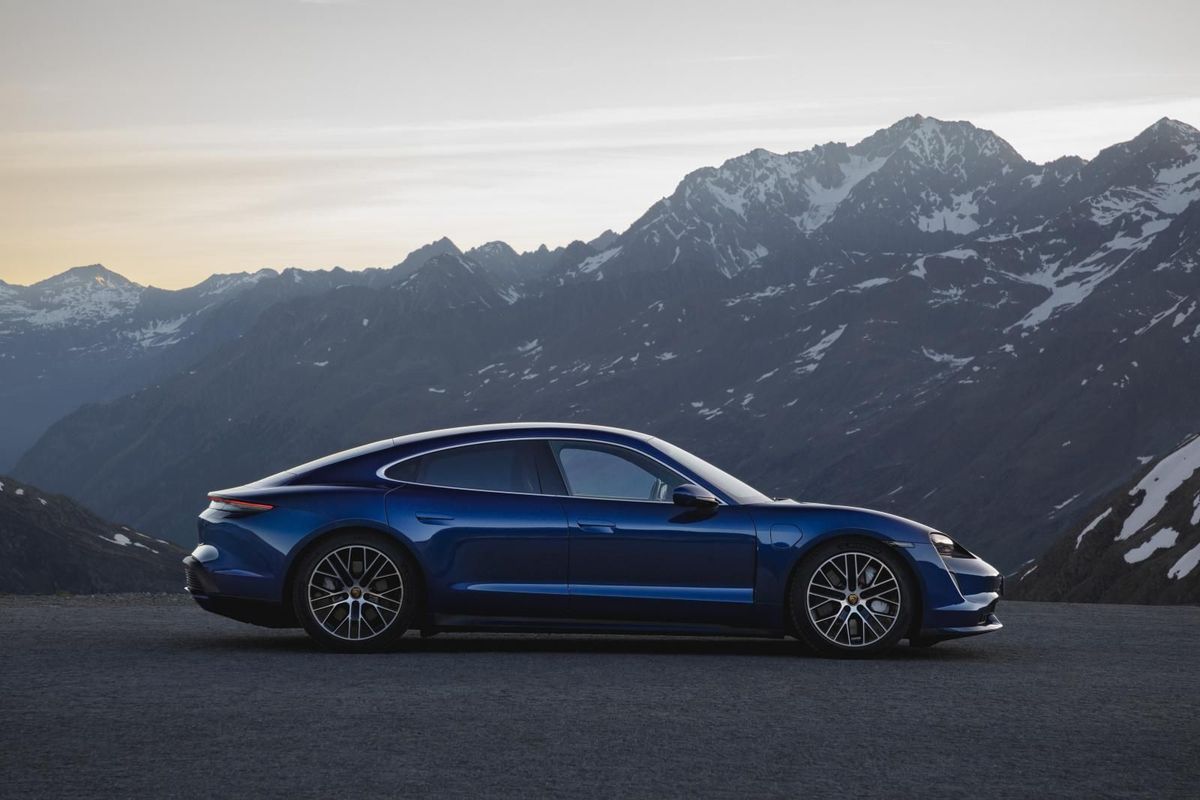
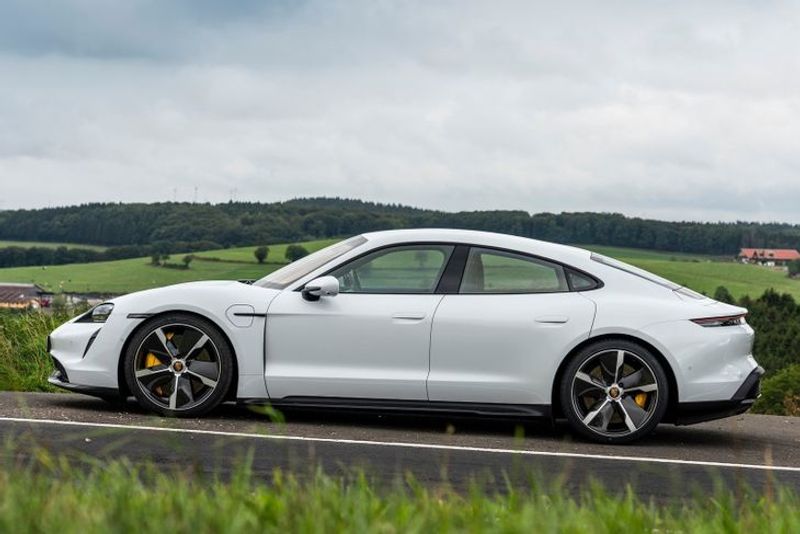
The Taycan rides on an all-new platform and is slightly shorter than its (also 4-doored) Panamera sibling, but the newcomer's obviously somewhat longer than a 911. In the metal, it looks squat and purposeful; Porsche's designers were evidently extended the freedom to create an exagerrated low-slung, powerful look, because, compared with conventional cars' packaging, the Taycan's batteries and motors are more compact and mounted lower down than internal combustion engine (ICE) drivetrains.
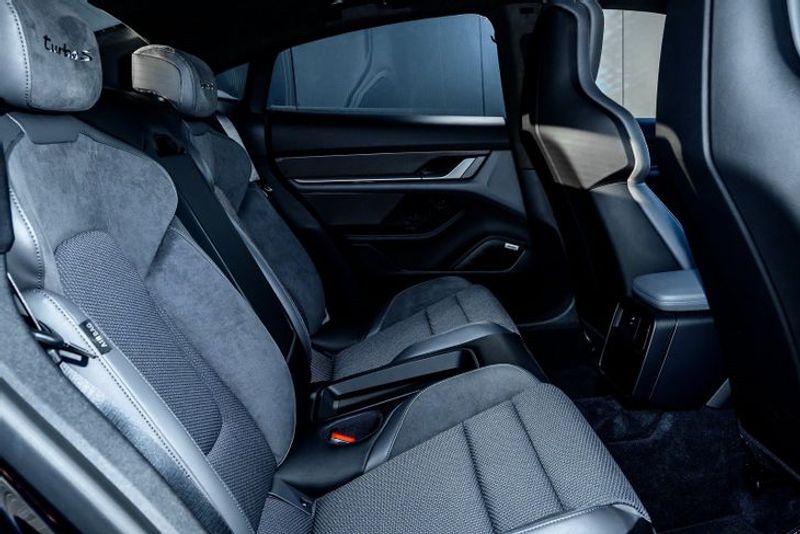
You get two "boots" of reasonable size – one in the front and one in the rear. Through clever battery packaging, there are foot "garages" for rear passengers, which create the sensation of greater rear legroom. I'm just over 1.8m tall and I fitted in comfortably in the back, but anyone taller than me will find headroom a bit tight.
Rear leg- and footroom is impressive, but headroom will be tight for those taller than 1.8m.
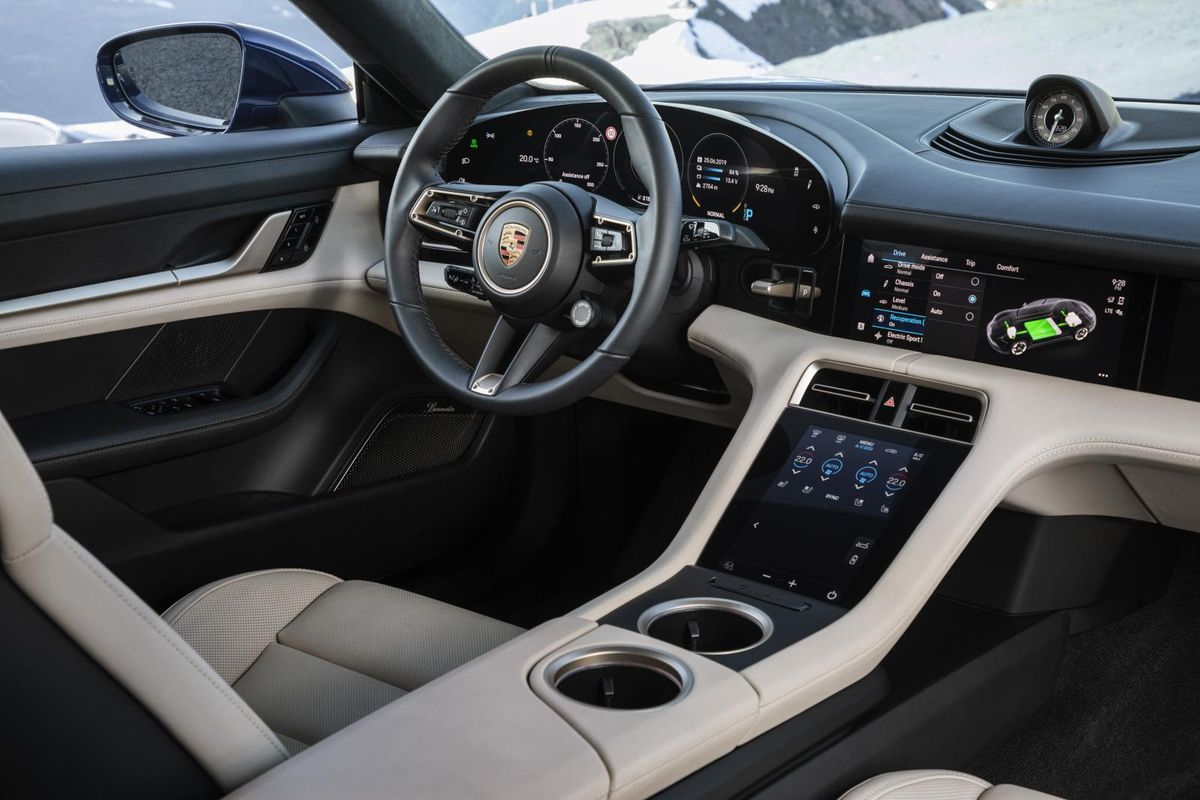
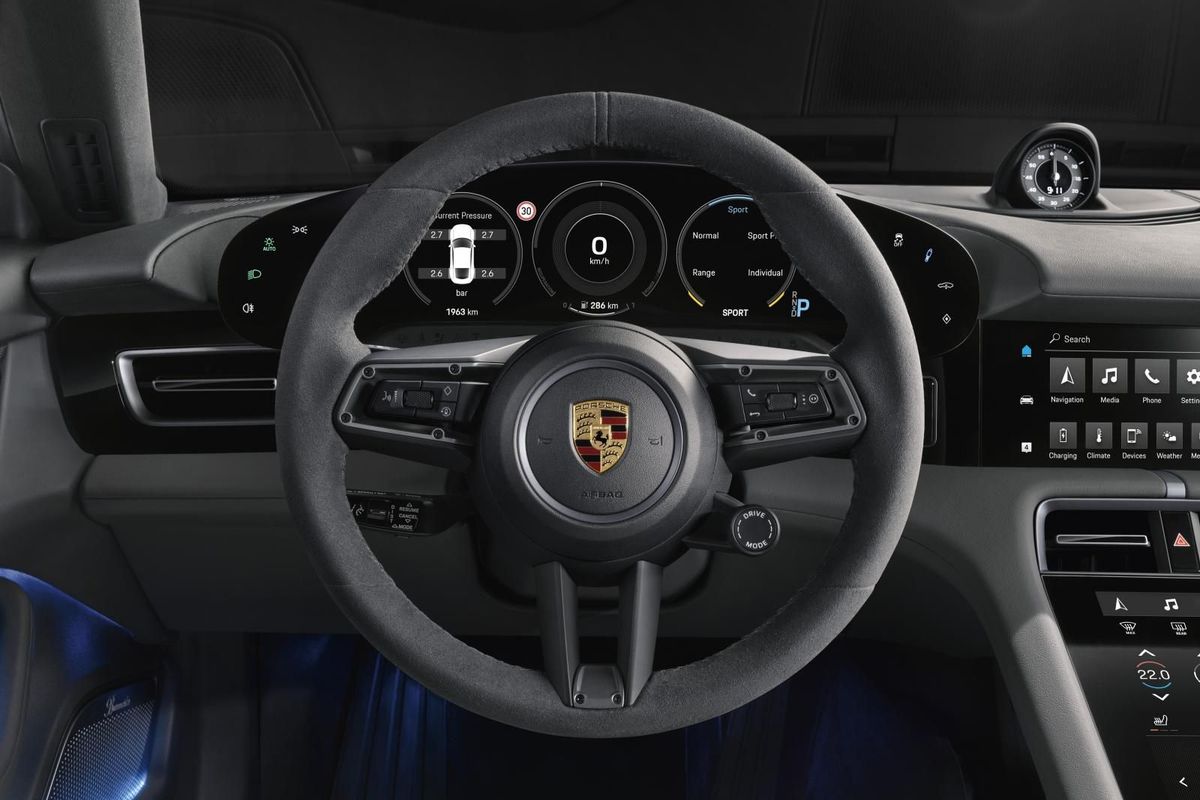
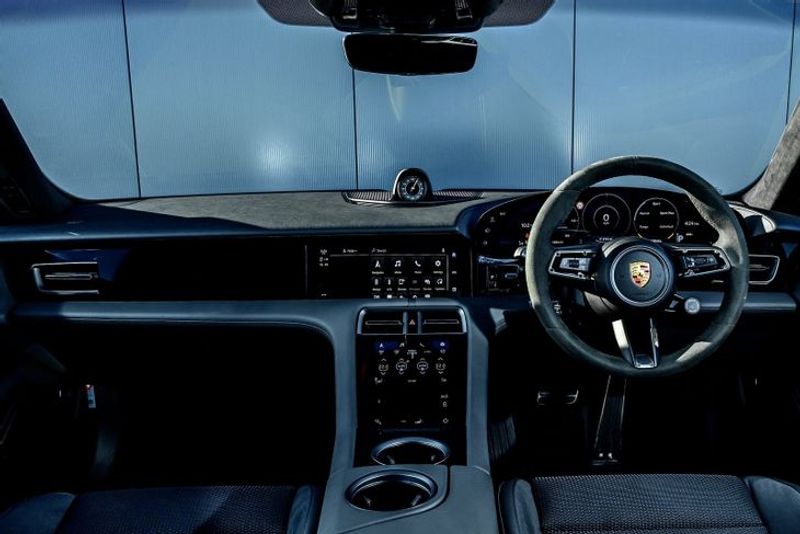
In front, there's a lot that will remind you of other (contemporary) Porsche models. The finishes feel familiar, the seat-to-steering-wheel ratio and the amount of adjustability is similar to what you'll find in a "conventional" Porsche sportscar. And although the instrumentation and most of the switchgear have been "digitised", the look is pure Porsche.
It will take some time to get familiar with all the settings, however, simply because there are a staggering number of menus and sub-menus, display options (and so forth) to choose from. A more familiar dial is the one on the steering wheel that allows you to choose from "Range", "Normal", "Sport" and "Sport+". When you select "Range", the Taycan goes into range-optimising mode.
Our fully-charged Taycan Turbo S test unit showed a range of around 330 km when we left our base. From there we drove (enthusiastically, we should add) for around 200 km and, when we returned, the range meter still showed a healthy 110 km "in the tank". A nice touch is that when you punch in your destination on the navigation, the car will tell you what your remaining charge will be upon arrival.
The numbers
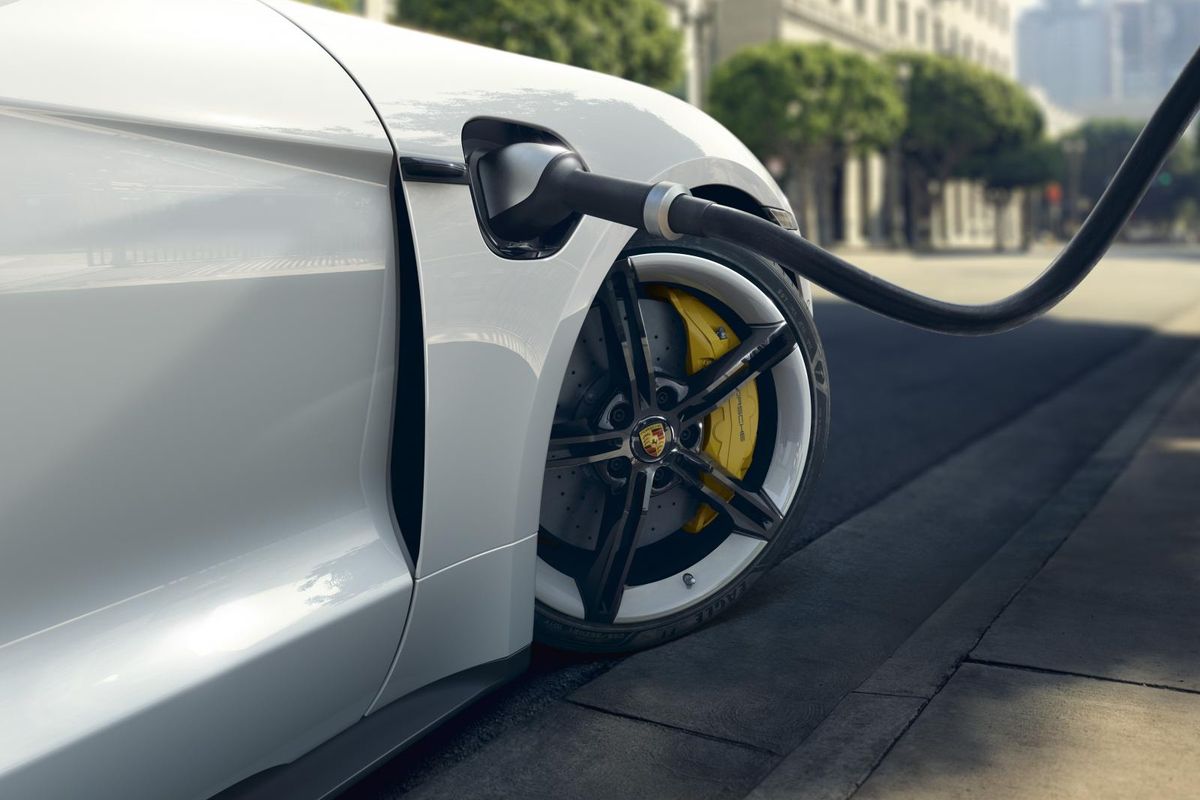
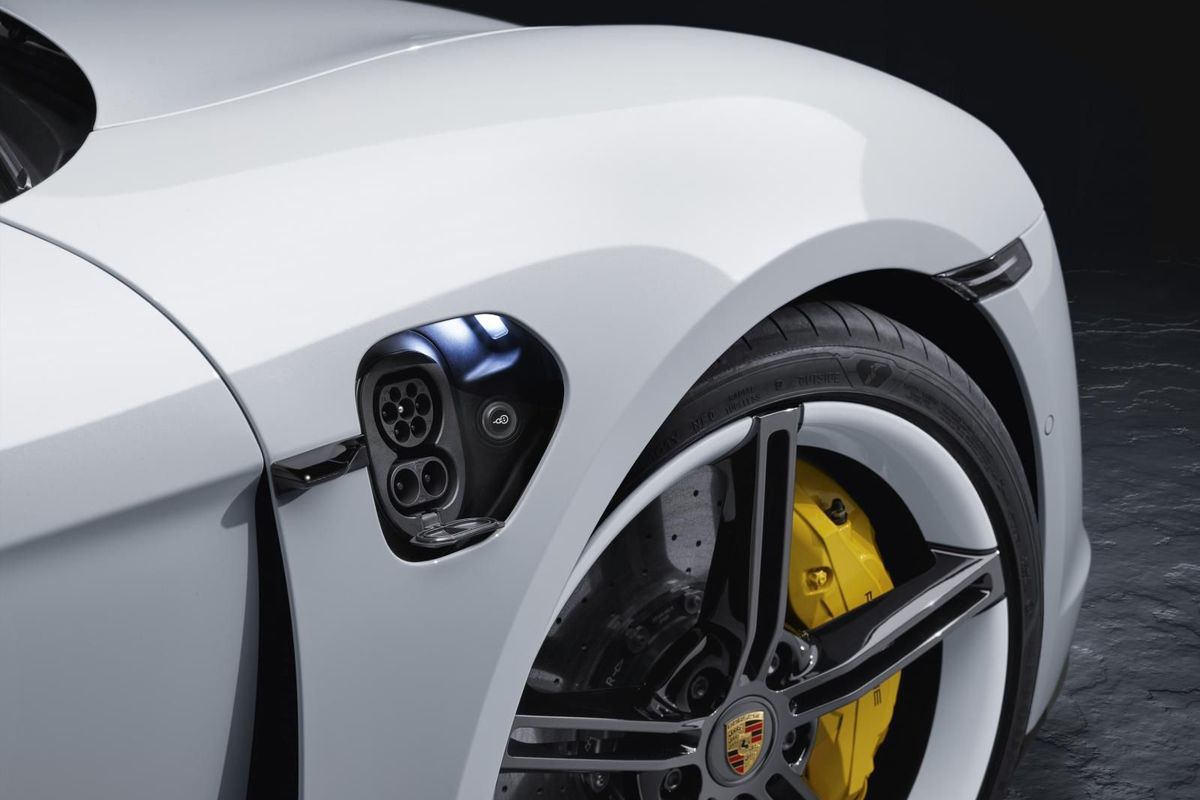
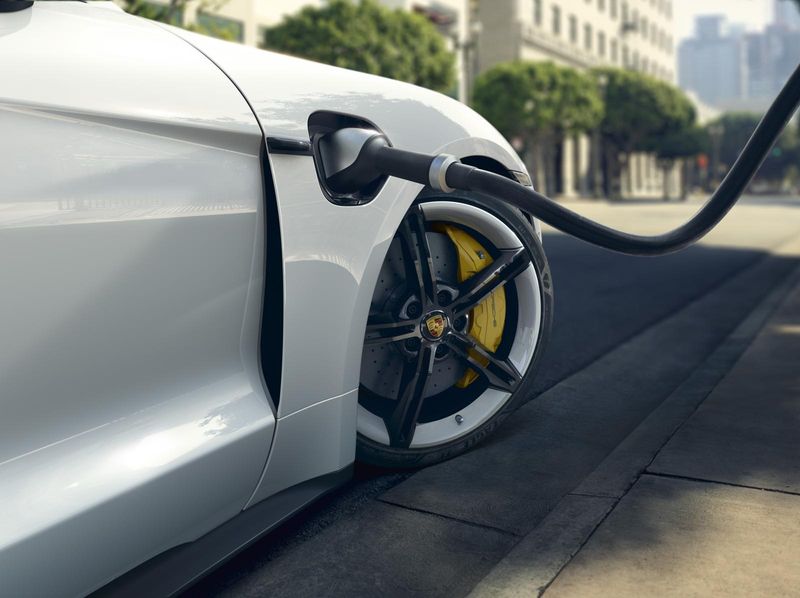
The Taycan features charging ports on both sides of the vehicle (AC on the one side, and AC+DC on the other).
The top-dog Taycan Turbo S features a pair of electric motors (driving all four wheels), and a raft of lithium-ion batteries (gross battery capacity of 93.4 kWh) located under the cabin floor. It is also the first EV to feature a 2-speed transmission, and the first to boast an 800V architecture. The Taycan runs in "second" gear most of the time, but the first ratio is called into action upon hard acceleration runs.
That brings me to one of the Taycan Turbo S' party tricks. Porsche claims a power output of 560 kW, but for short period of time, a further 136 kW is made available for launch-control starts, the nett result of which is a 0-100 kph sprint in an astonishing 2.8 seconds. Top speed is 260 kph. The car's long-distance cruising range is a claimed 340 km.
Now, those are the numbers, and they're pretty impressive. But they can't quite prepare you for the sheer hilarity of what happens when you floor the throttle and immediately get catapulted to the horizon with zero lag. In fact, you have to be so vigilant when executing overtaking manoeuvres to ensure that you don't apply the throttle too early and risk slamming into the vehicle in front of you – it's that instantaneous. And very, very addictive.
The Taycan Turbo S sets a very high bar for performance EVs to follow, but also impresses with its touring comfort.
Also impressive is the way in which the brand has engineered-in that familiar Porsche weighting to the major controls. Yes, the throttle response is beyond anything that a traditionally engined Porsche can muster, but the pressure that needs to be applied to the pedal, the weighting of the steering etc. all feel familiar… very Porsche-like. You'll also quickly realise that the tremendous slow downeffect that is present in other electric cars when backing off the throttle is less pronounced on the Taycan, which feels more free-wheeling. You can, however, at the press of a button (and when range-anxiety sets in), select the option to have the brake recuperation at a more aggressive setting.
Is it exciting to drive? Tremendously. Here's a statistic that you have to get your head around. Over the first few metres of a Launch Control start, the Taycan Turbo S puts in a 1.2g performance… which means its faster, according to Porsche, from rest than a skydiver in free fall.
With its low centre of gravity, rear wheel steering and four-wheel grip, it also feels unflappabble in the twisties. Our test units didn't even have the optional Porsche Active Suspension Management (PASM) system and, to be honest, I doubt most drivers will ever need it. If driven more sedately, the Taycan Turbo S will not only reward you with improved range, but excellent ride comfort (air suspension) and a quiet cabin that only lets through tyre noise on the coarser sections of South Africa's road surfaces.
Porsche Taycan pricing in South Africa
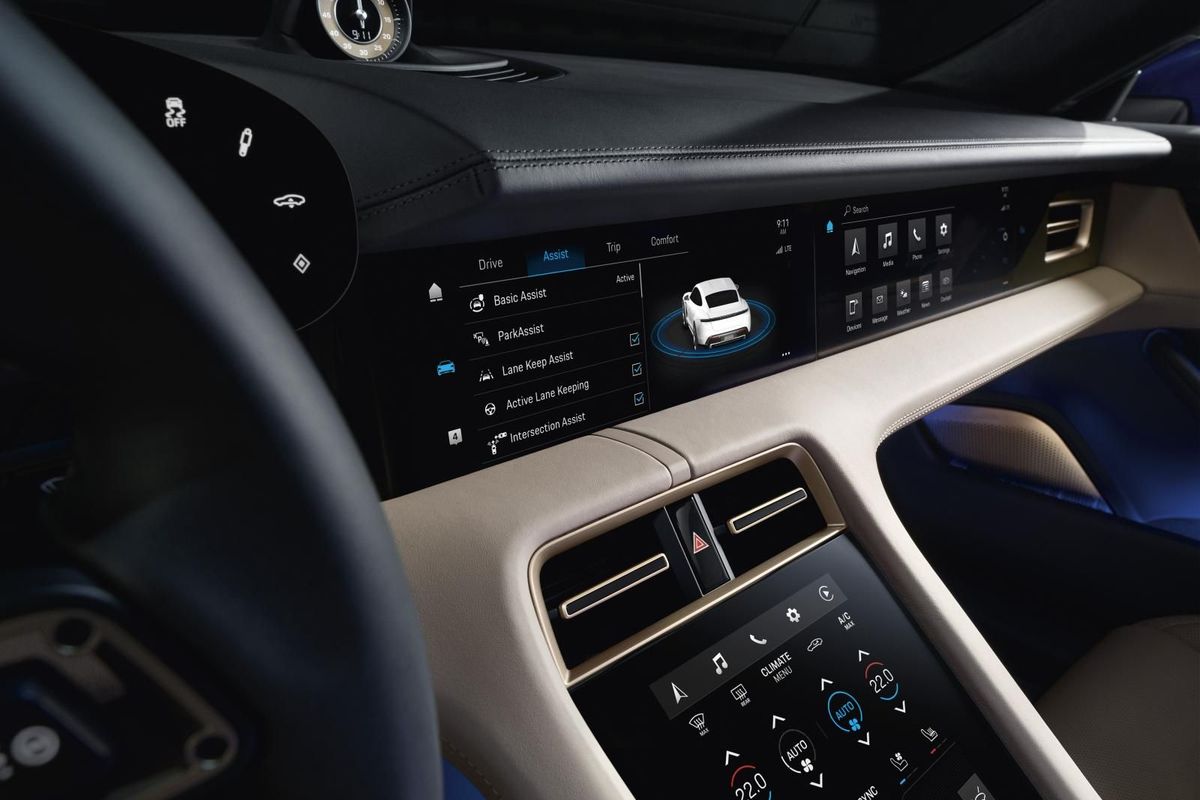
The high-tech cabin features a number of configurable digital screens, as well as the option of voice control. You can also spec a completely leather-free interior.
The Turbo (R3 426 000) and Turbo S (R4 027 000) have already arrived in Mzansi, and the more affordable 4S (R2 586 000) is coming later. The pricing is steep, due in part to silly punitive government taxes, but, according to a Porsche SA representative, the pricing has not deterred more local buyers putting down deposits than the brand anticipated.
It helps, of course, that there are already cars in the Porsche portfolio that can cross the R4-million mark when generously specced with extras. It's worth noting that the purchase price includes a home 22-kW AC charging system, but that installation of the system is for the buyer's own account. Your home will also need 3-phase electricity supply. Once installed, you will be able to fully charge your Taycan in 4.5 hours.
Summary
Given its heady asking price, a lot of people may describe the Taycan Turbo S as a largely pointless vehicle (within the South African context). Nevertheless, I find myself marvelling at what Porsche has achieved with its newcomer, even within the context of the price. Here is a car with comfortable, luxurious accommodation for 4 occupants that rides well enough to make it an easy "daily driver". It offers similar range to traditionally-engined performance vehicles. It's off-the-mark acceleration compares favourably with a Formula 1 car. It looks like a concept that's just rolled off a motorshow stand. And… and this is a big AND… it is truly special, even memorable, to drive. Worth 4 bar? Every cent.
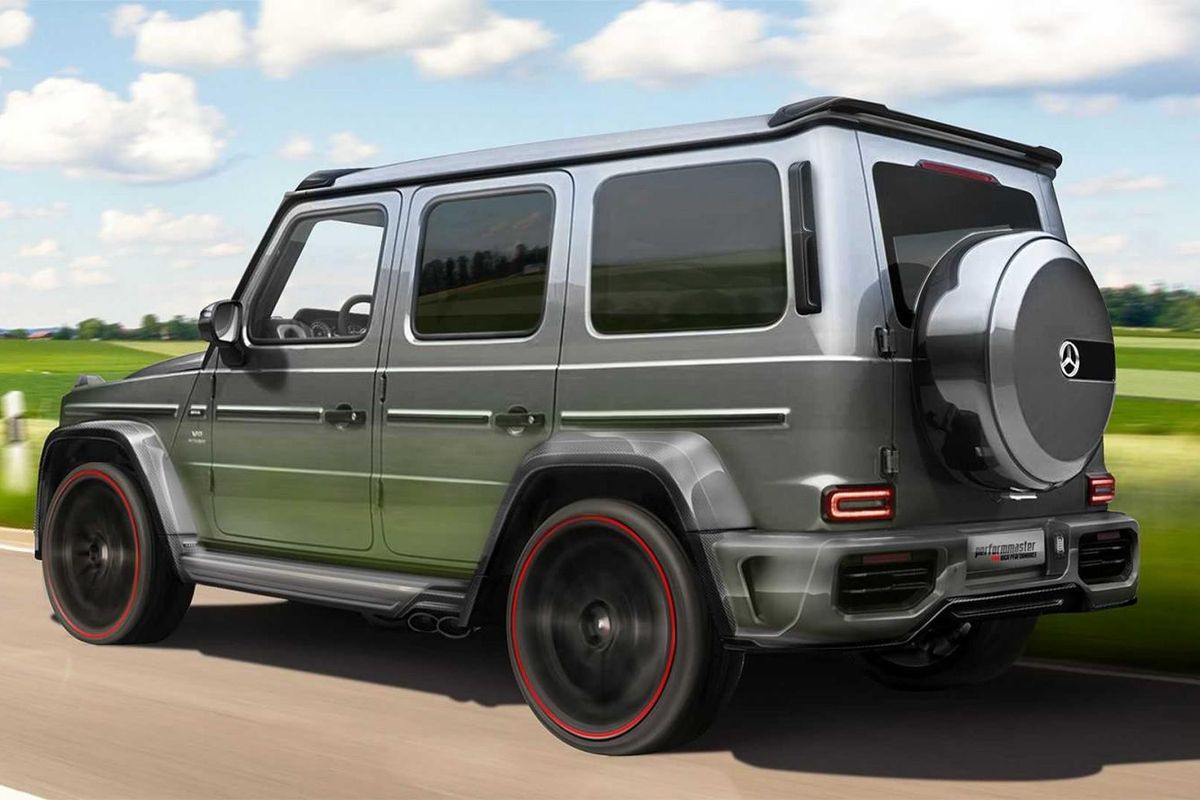
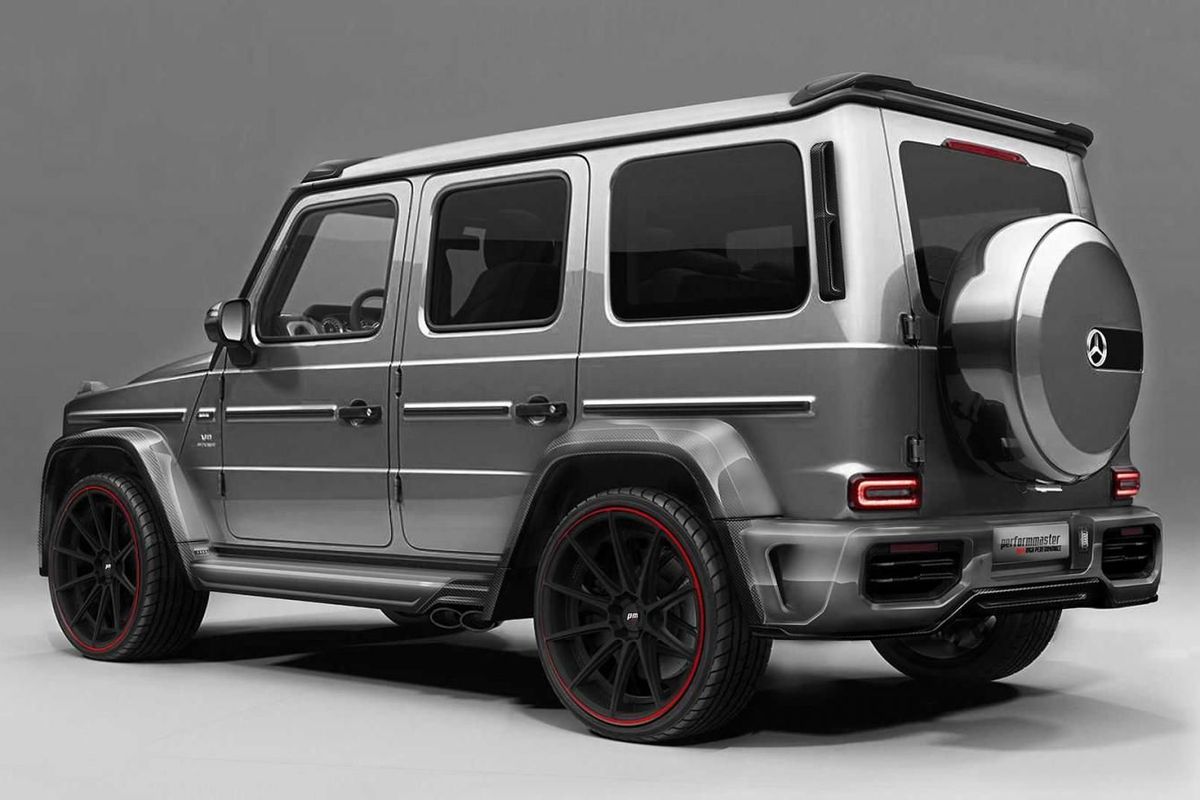
PerformMaster is a German tuner that specialises in Mercedes-AMG products and this G63 looks the part.
The G-Class is not only a formidable offroad vehicle but it’s also a status symbol for many people, a symbol of success and an indicator of financial standing. If you are not quite happy with the standard Mercedes-AMG G3 and need a little more, then you can approach a tuning firm such as PerformMaster to further enhance the styling and engine performance.
This special G63 wears a carbon fibre body kit that extends over the wheel arches through the front splitter, front bumper, fog light housings as well as over the rear bumper and rear diffuser. Customers can further opt for a carbon fibre bonnet attachment as well as a rear carbon fibre spoiler.
PerformMaster has also managed to squeeze more power and torque from the bi-turbocharged 4.0-litre V8 engine. In standard form, this engine develops 430 kW and 850 Nm of torque, but with a new PEC tuning module, outputs now peak at 592 kW and 1 020 Nm. This upgrade allows for impressive acceleration, reducing the standard claimed zero to 100 kph sprint time from 4.5 seconds to 3.9 seconds which is mightily impressive for a vehicle of this size.
Do you like the look of this Mercedes-AMG G63 by PerformMaster?
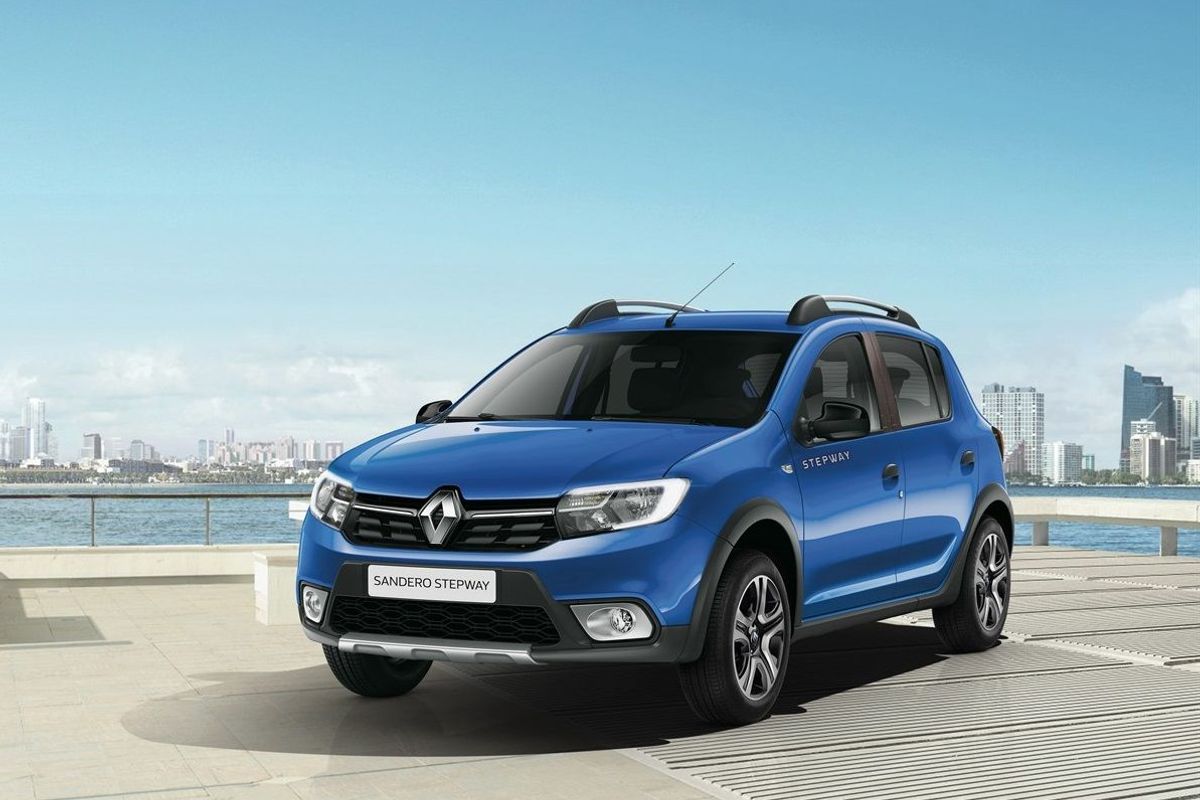
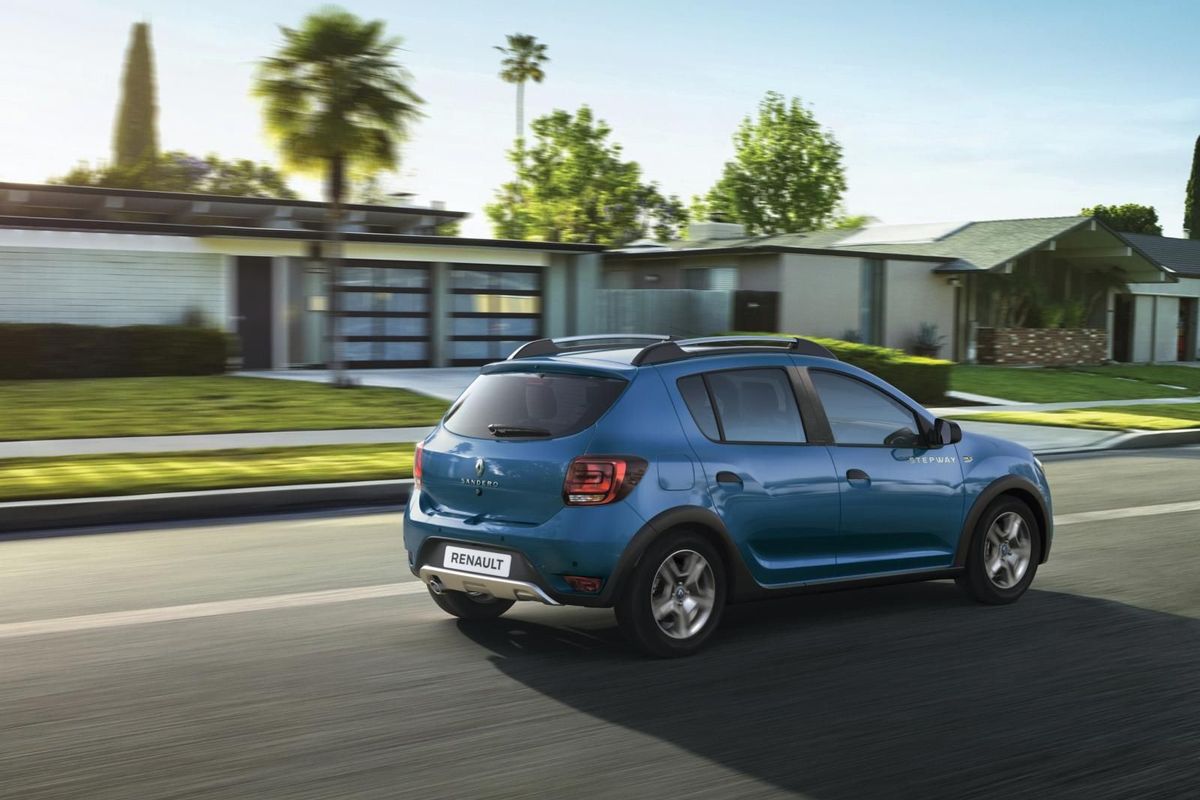
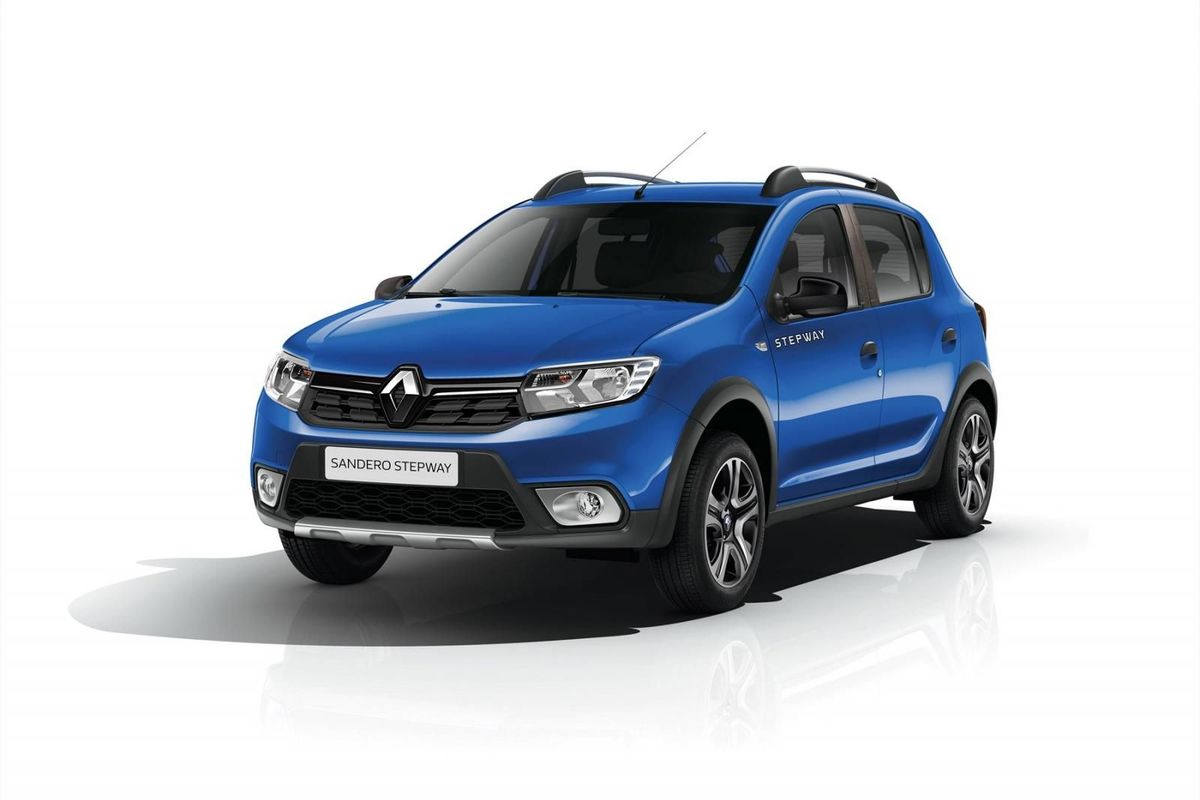
Renault has launched a new range-topping Sandero Stepway Techroad derivative in South Africa! See specs and pricing details below.
A new Renault Sandero Stepway Techroad now heads up the Sandero range which still comprises the entry-level Sandero Expression and mid-spec Sandero Stepway Expression. The Sandero Stepway Plus, while is still on offer, is now replaced with the Stepway Techroad.
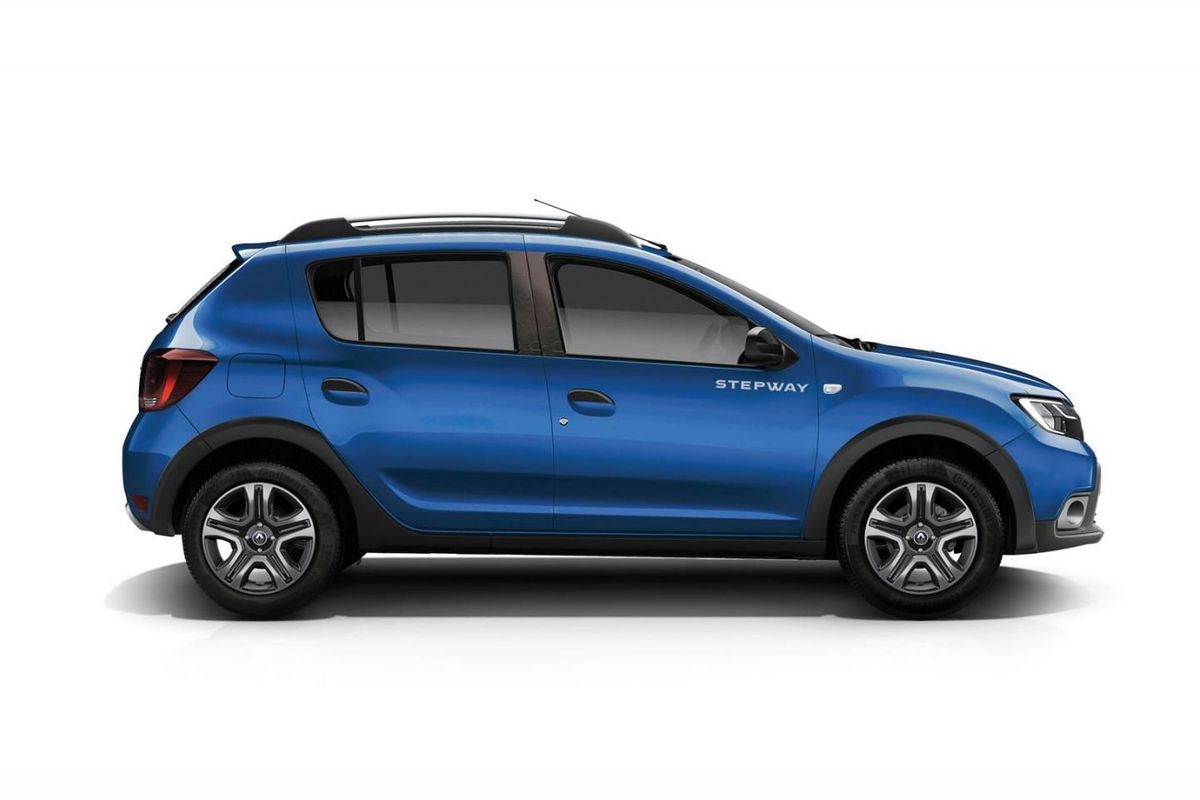
In terms of styling, the Sandero Stepway Techroad rides on 16-inch two-tone wheels and features gloss black mirror housings, roof rails, rugged plastic cladding around the wheel arches and Techroad decals seen on the B-pillars and lower door sections.
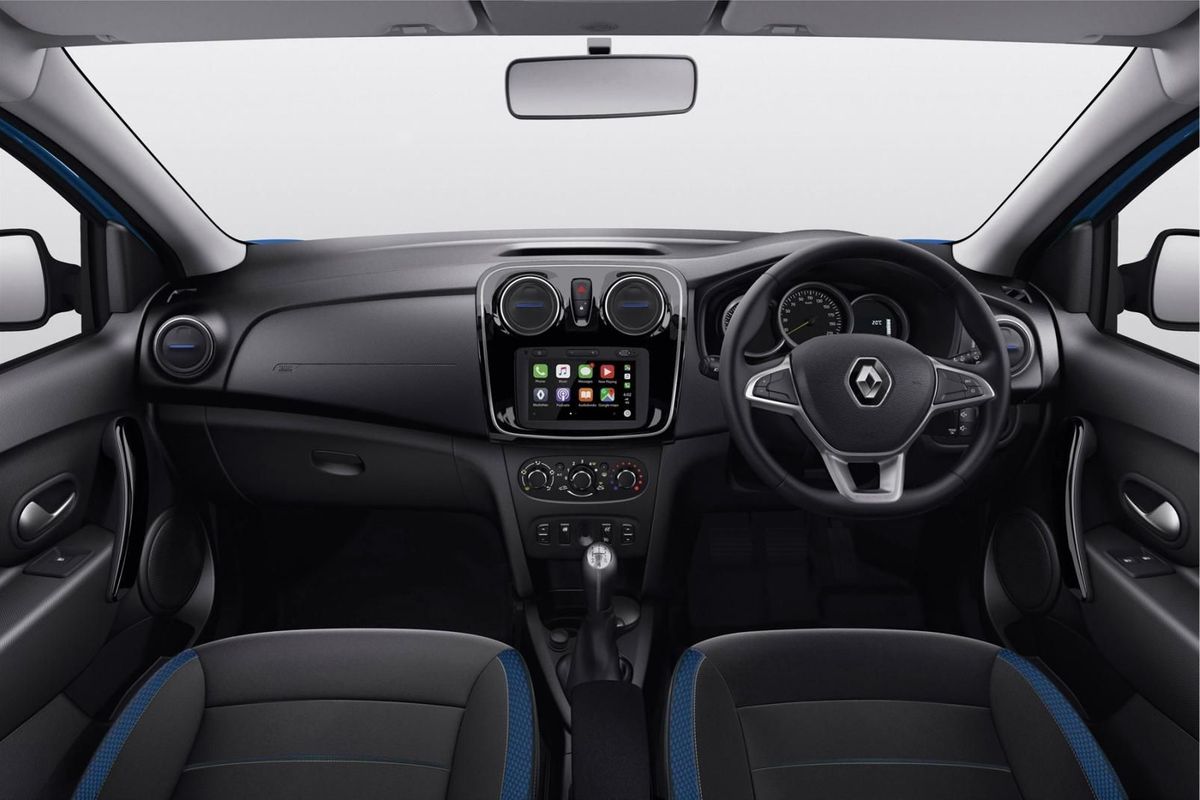
Inside, the Stepway Techroad gains a special upholstery design with blue detailing. A 7-inch infotainment system is fitted with integrated navigation, Android Auto and Apple CarPlay as well as a smartphone mirroring function. Other features include side airbags (in addition to front airbags), front and rear electric windows, electric side mirrors, multifunction leather steering wheel and cruise control. A rear parking camera and rear park assist is also standard on the Sandero Stepway Techroad.
In terms of engine power, Renault’s proven 0.9-litre turbopetrol engine is found under the bonnet and it offers 66 kW and 135 Nm of torque and comes mated with a 5-speed manual transmission.
Renault Sandero Stepway – Price in South Africa
Sandero Expression – R209 900
Renault Stepway Expression – R223 900
New Renault Stepway Plus – R243 900
New Renault Stepway Techroad – R243 900
The Renault Sandero is sold with a 5-year/150 000 km warranty and 2-year/30 000 km service plan.
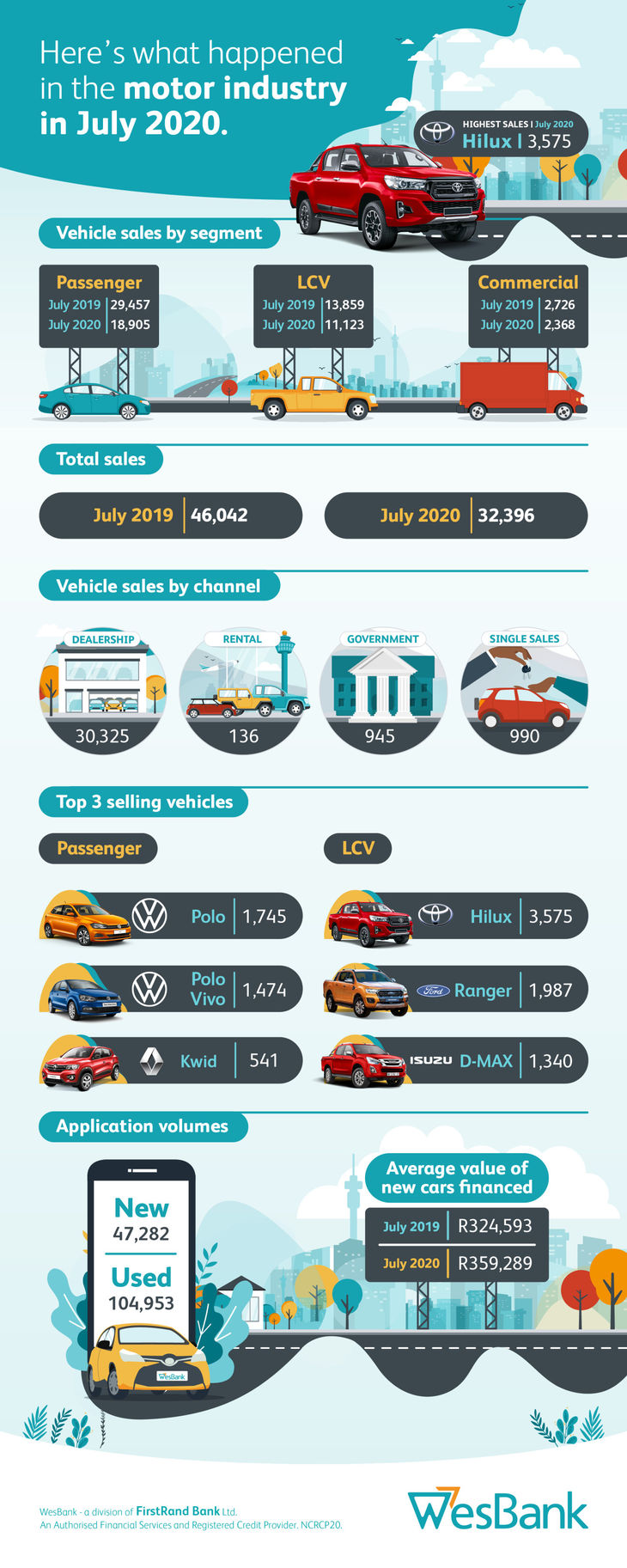
The National Association of Automobile Manufacturers of South Africa (NAAMSA) has released new vehicle sales figures for July 2020. Sales remain under pressure.
July 2020 was the second full month of vehicle sales since the mandated local lockdown. While sales are still under pressure from budgetary constraints, there was slight growth over the previous month.
Compared to June 2020, 754 more vehicles were sold in July 2020. A total of 32 396 vehicles were sold in stark contrast to July 2019 where 46 042 vehicles were sold. Aside from a slight decrease in passenger vehicle sales, most sectors were up on June 2020 results, showing there is some (albeit small) positive growth in the market. Exports seem to also be improving, which bodes well for local manufacturers although the numbers are some way off the same point last year.
New Car Sales Summary: June 2020
Aggregate new vehicle sales at 32 396 units down by 29.6% (-13 646 units) compared with July 2019
+2.4% (754 units) up on June 2020
New passenger car sales of 18 905 units down by 35.8% (-10 552 units) compared with July 2019
-1.2% (-225 units) down on June 2020
Light Commercial Vehicle (LCV) sales of 11 123 units down by 19.7% (-2 736 units) compared with July 2019
+8.8% (901 units) up on June 2020
Exports of 24 706 units down by 29.6% (-11 871 units) compared with July 2019
+23.8% (5 910 units) up on June 2020
Top-Selling Car Brands in South Africa for July 2020
Toyota – 7 464 units
Volkswagen – 5 075 units
Ford – 3 194 units
Hyundai – 2 520 units
Nissan – 2 132 units
Market outlook
July 2020 new vehicle sales figures provide a picture of what could be expected for the remainder of the year with some notable changes to market behaviour by the vehicle rental companies, in particular, which could be the beginning of new trends. Although the Absa Purchasing Managers’ Index (PMI) tracking business conditions in six months’ time turned slightly more optimistic in July 2020, it still remains fairly subdued. Considering the most recent projected negative annualised GDP growth in the country of 7,3% by the SA Reserve Bank, it does not bode well for the outlook on domestic demand for new vehicles over the short term. Positive dynamics such as the further 25 basis point interest rate cut to a near 50-year low during the month and the already 300 basis points interest rate cut for the year, low inflation as well as dealer incentives would be expected to support consumers and businesses into new vehicle purchases. However, a recovery in the new vehicle market will most likely depend on how quickly the economy can break out of its low growth trap and how soon society will recover from the present COVID-19 lockdown.
The domestic automotive industry’s vehicle export performance for the second half of the year hinges on the successful implementation of the lockdown exit strategies in the domestic industry’s major export destinations. The marked improvement in the July 2020 export performance compared to June 2020 export performance provides reason for optimism that exports will gain upward momentum during the second half of the year as international markets ease their lockdown restrictions while many are also stimulating their new vehicle markets with financial incentives.
Thomas Schaefer, the current boss of Volkswagen for the Sub-Saharan area will be heading for greener pastures. The greener pasture is Skoda (its logo is green) and he will take up the position as the brand’s global CEO.
Schaefer has headed up VWSA since the beginning of 2015 and has been able to improve the popular brand’s production and local market share to record levels in 2019. On his exiting VWSA, Schaefer said “My tenure as the MD of VWSA has been the highlight of my career so far. I am immensely proud to have worked for and led such an impactful and good company. Together with my team, we have moved VWSA forward with outstanding production and sales results which have earned our company recognition locally and abroad.”
Thomas Schaefer heads for Skoda, where he takes over as the CEO.
The German will be replaced by a man from Munich, home of BMW. Dr Robert Cisek (44) headed up Industrial Engineering at BMW Group (where he worked for 8 years) before moving to Volkswagen in 2018. He holds a doctorate degree in Industrial Management from the Technical University of Munich. He also holds a degree in Mechanical Engineering from the Technical University of Munich. His current position at VW is Head of Strategy, Processes, and Structures – Production & Logistics at Volkswagen, something that stands him in good stead as he’ll look to improve production and get to grips with the VW Uitenhage plant in the Eastern Cape.
Toyota SA will soon be producing an all-new model out of the Prospecton plant in Durban.
Toyota SA currently builds the Toyota Hilux, Fortuner and the Corolla locally. The Hilux continues to dominate the local sales charts and it’s popular on the export market too. The Corolla, on the other hand, is the world’s best-selling car and is the only car produced on 5 continents. Sales are huge in the major markets like USA and China, making up a large portion of its global sales numbers.
South Africa has seen a decrease is sedan sales over the last 5-10 years, with crossovers and SUVs scooping up more sales every year. The local-produced Corolla may just have had its day. According to an interview conducted by engineeringnews.co.za with Andrew Kirby, Toyota SA CEO, “Our new Toyota model, including a hybrid version, will replace the Corolla sedan production line at our Durban factory.” This is the first we have heard that the new model planned for the Prospecton plant in Durban will replace the current Corolla. Kirby went one step further saying “I cannot mention the name of the new Toyota model that will go into production in South Africa next year, but what I can tell you is that it is not going to be a sedan."
The new vehicle project is said to cost around R2.2 billion and create 1 399 jobs. The new model will also spawn SA’s first locally built hybrid. Without going too much into speculation, it would make sense for Toyota to locally produce the recently released Corolla Cross. A junior Rav4 of sorts that is built on the Corolla platform. This would mean that a lot of the tooling and production of the current Corolla could be reused to produce the Corolla Cross. It just makes more economic sense to go this route than producing an all-new model.
We reached out to Toyota to try and get some sort of confirmation, but a spokesperson assured us that an announcement will likely be made in early 2021 during Toyota’s ‘state of SA motoring’ address that usually takes place at Kyalami. This year (2020) Toyota used the event to introduce the new Corolla as well as an updated Corolla Quest for the local market.
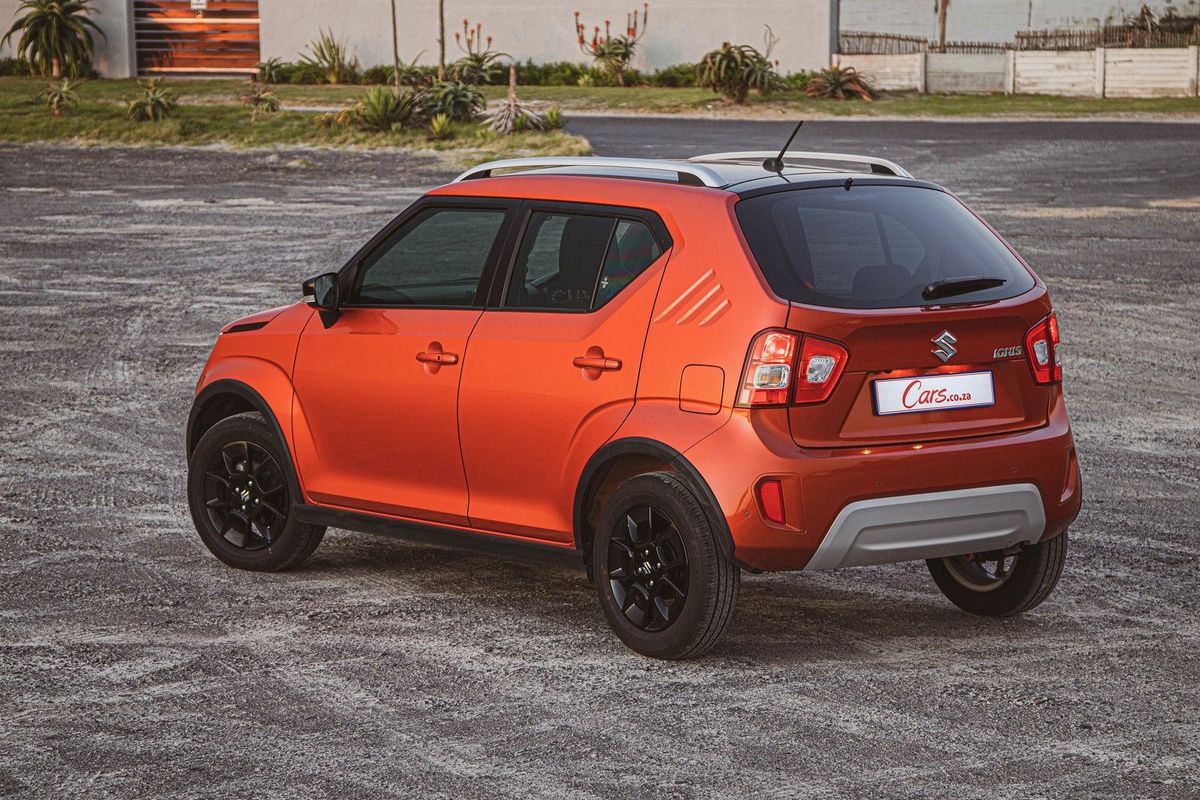
Suzuki SA recently introduced an updated Ignis to the local market. While the model does incorporate revisions, they're relatively minor – and the 1.2 GLX's asking price is now well above the R200k-mark. Does the Ignis still represent good value as a "budget hatchback"?
We like: Excellent fuel consumption, exceptionally well specced, easy to drive, competent on gravel, still good value.
We don’t like: Lack of stability control, small fuel tank, top-heavy handling
Fast Facts:
Price: R216 900
Engine: 1.2-litre 4-cylinder petrol
Power/Torque: 61 kW/113 Nm
Transmission: 5-speed manual
Fuel consumption: 5.1 L/100km
Boot capacity: 260-947 litres
?Performance: 0-100 kph in 11.6 sec
What’s new?
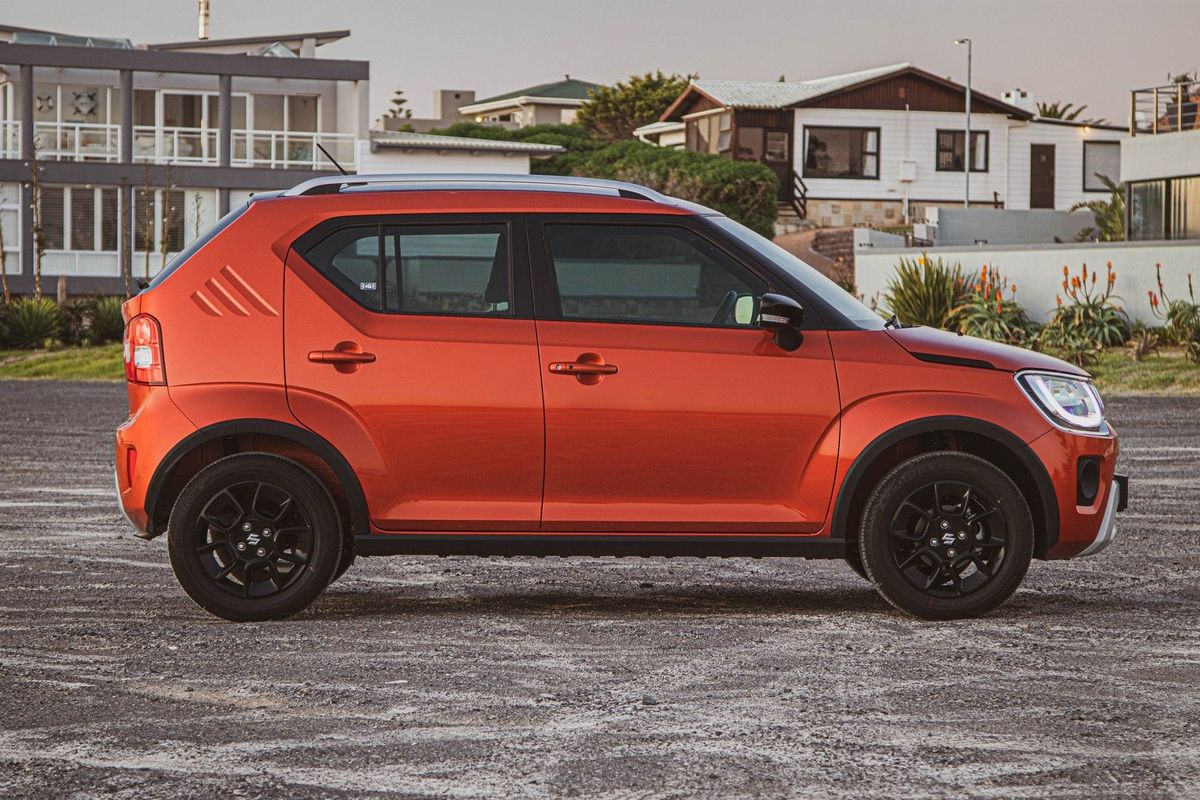
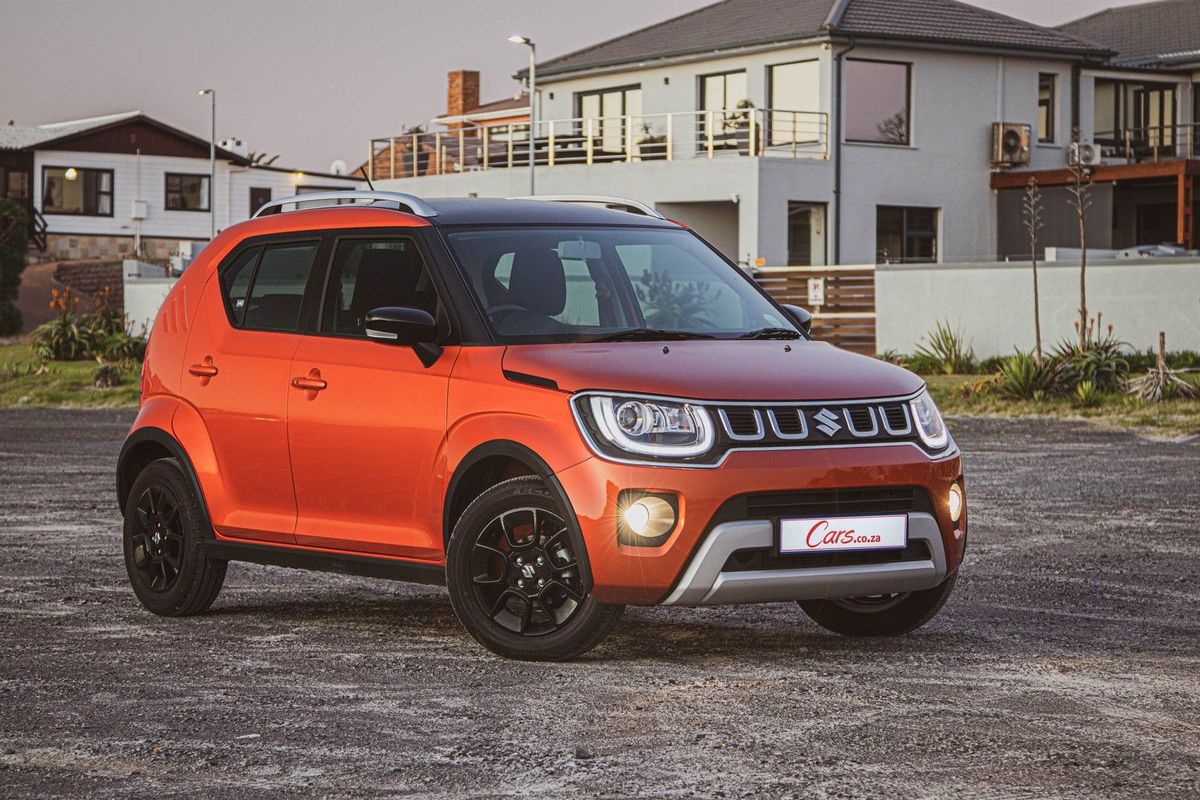
The Suzuki Ignis has been updated for 2020. The good news is that it has retained it's adorably cute looks!
The Suzuki Ignis burst onto the local scene back in 2017 and thanks to a combination of charming looks, great spec, and excellent economy, it garnered many fans. Plus, in the 2017/18 Cars.co.za Consumer Awards – powered by WesBank, the dimunitive Japanese hatchback was named the champion in the budget-car category.
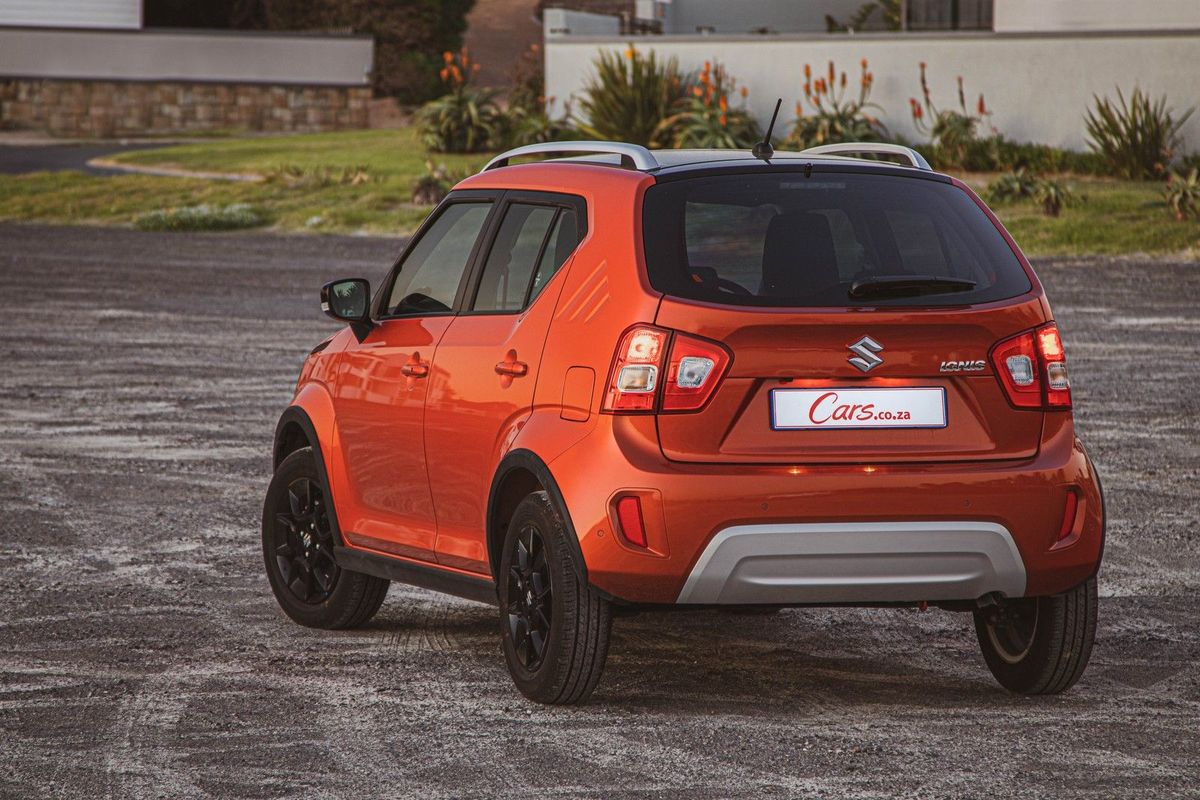
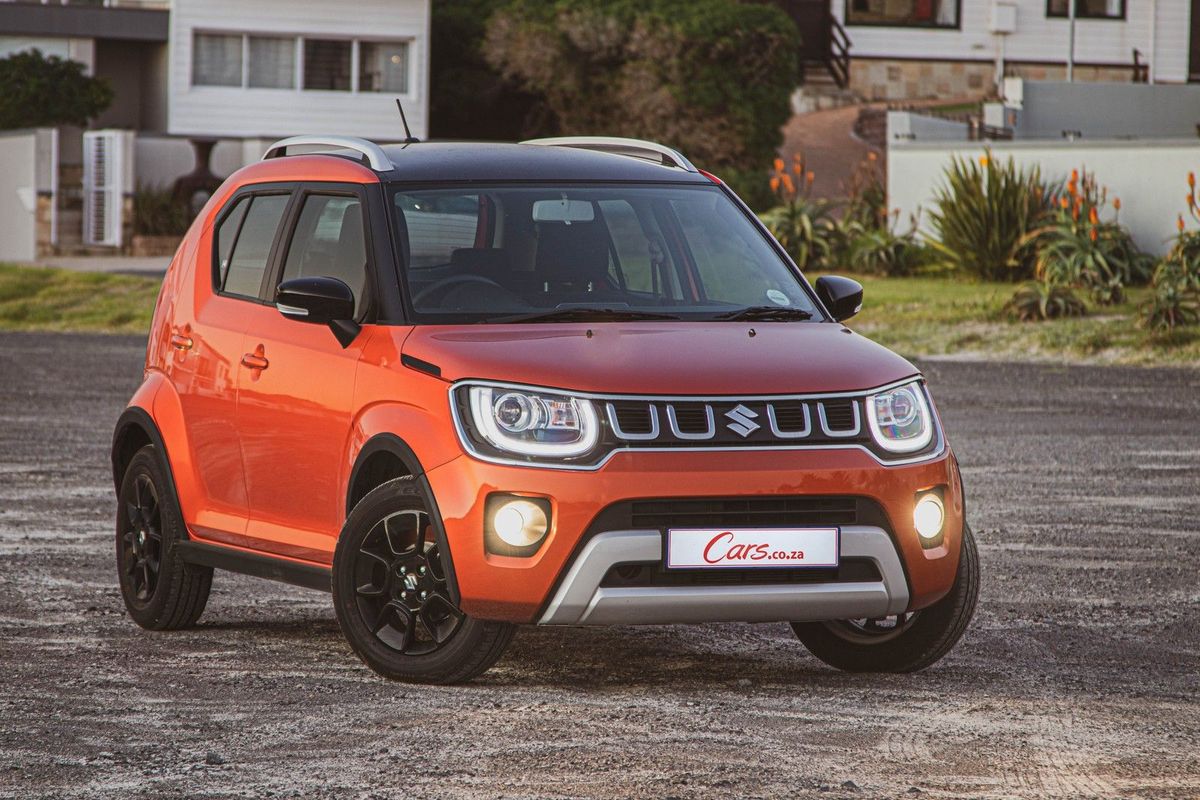
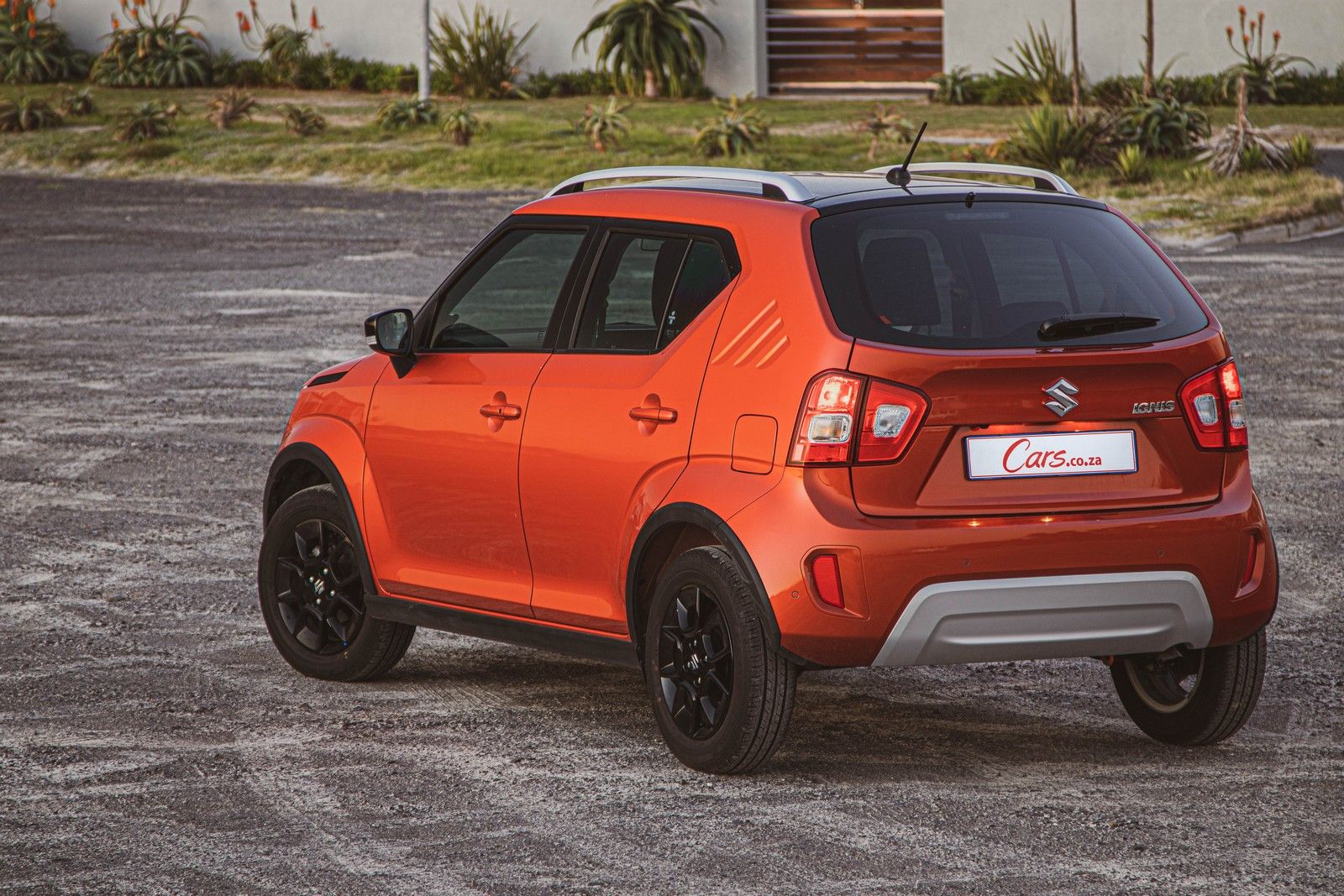
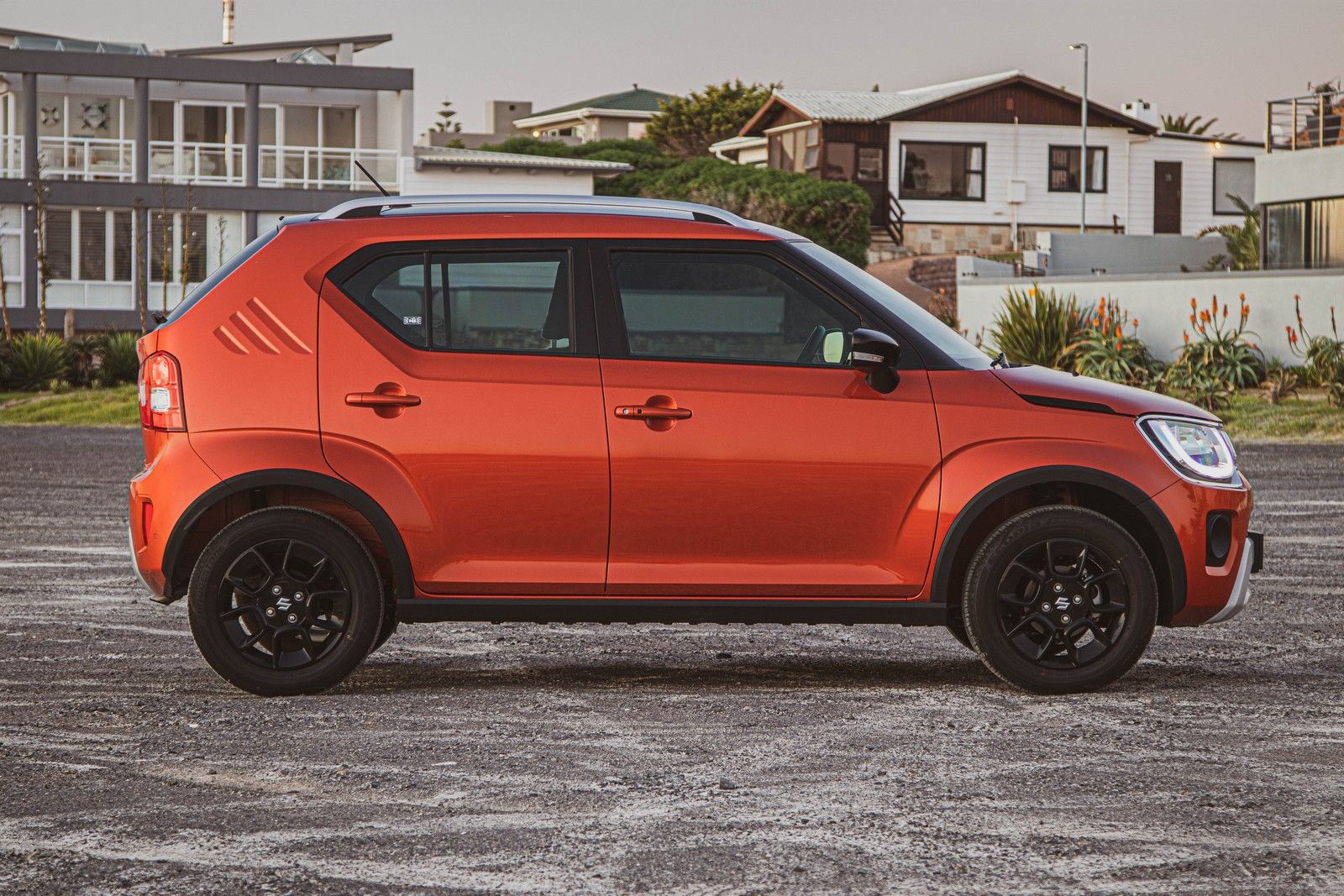
Recently, the popular model was updated for the 2020 model year. The changes are minimal, but Suzuki says its refreshed look brings the Ignis more in line with the rest of the Japanese brand's portfolio. The GLX-spec Ignis gains roof rails and a chrome-look grille. When it was first introduced in the Republic back in 2017, the 1.2 GLX derivative retailed for R189 900. This updated equivalent now costs R216 900, which raises the question of whether it can still be justified as a value-for-money purchase?
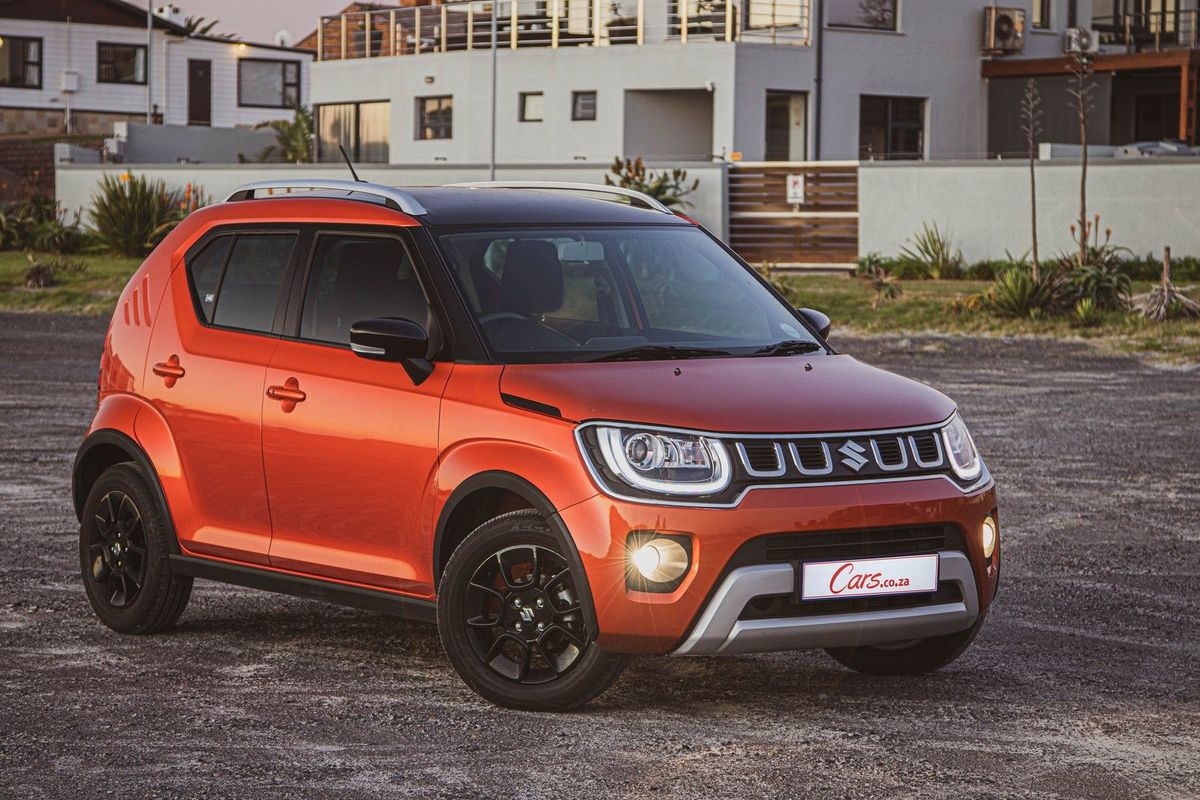
Two years on from its famous Budget Car category win, it's time to take a look at the 2020 iteration of the Ignis, tested here finished in Lucent Orange.
How it fares in terms of…
Performance
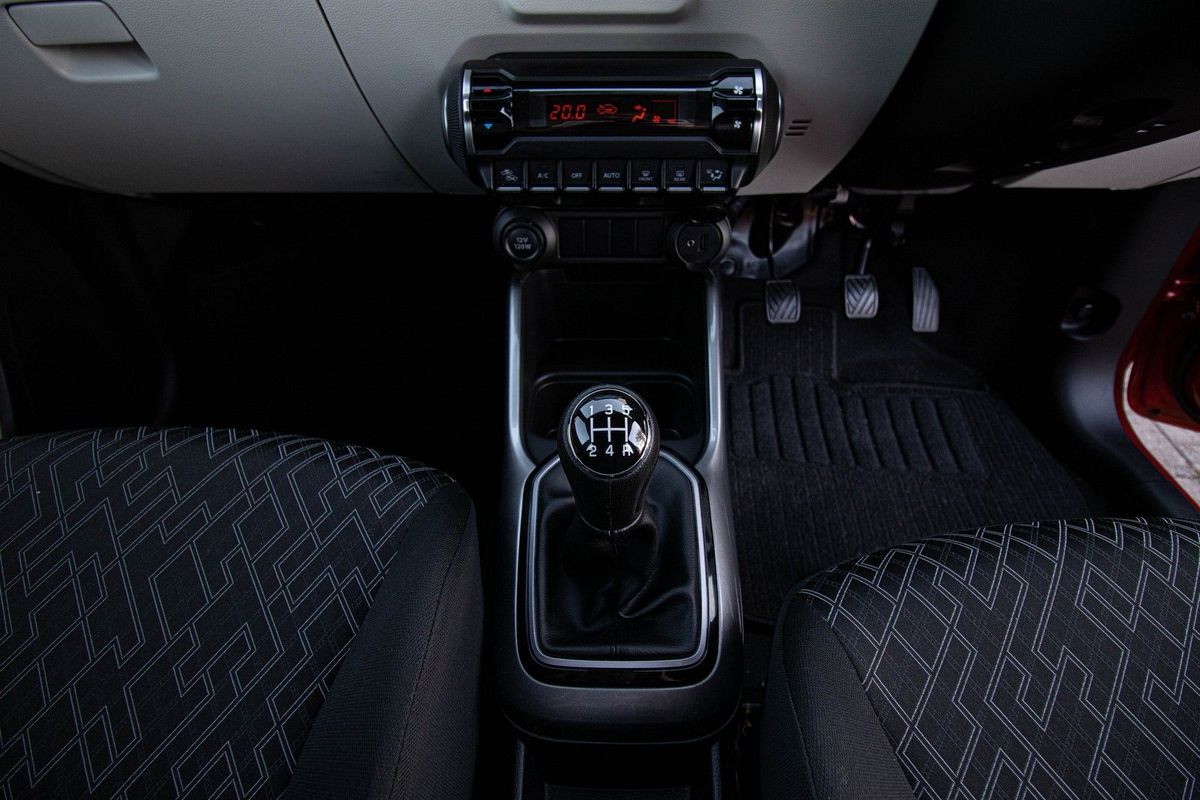
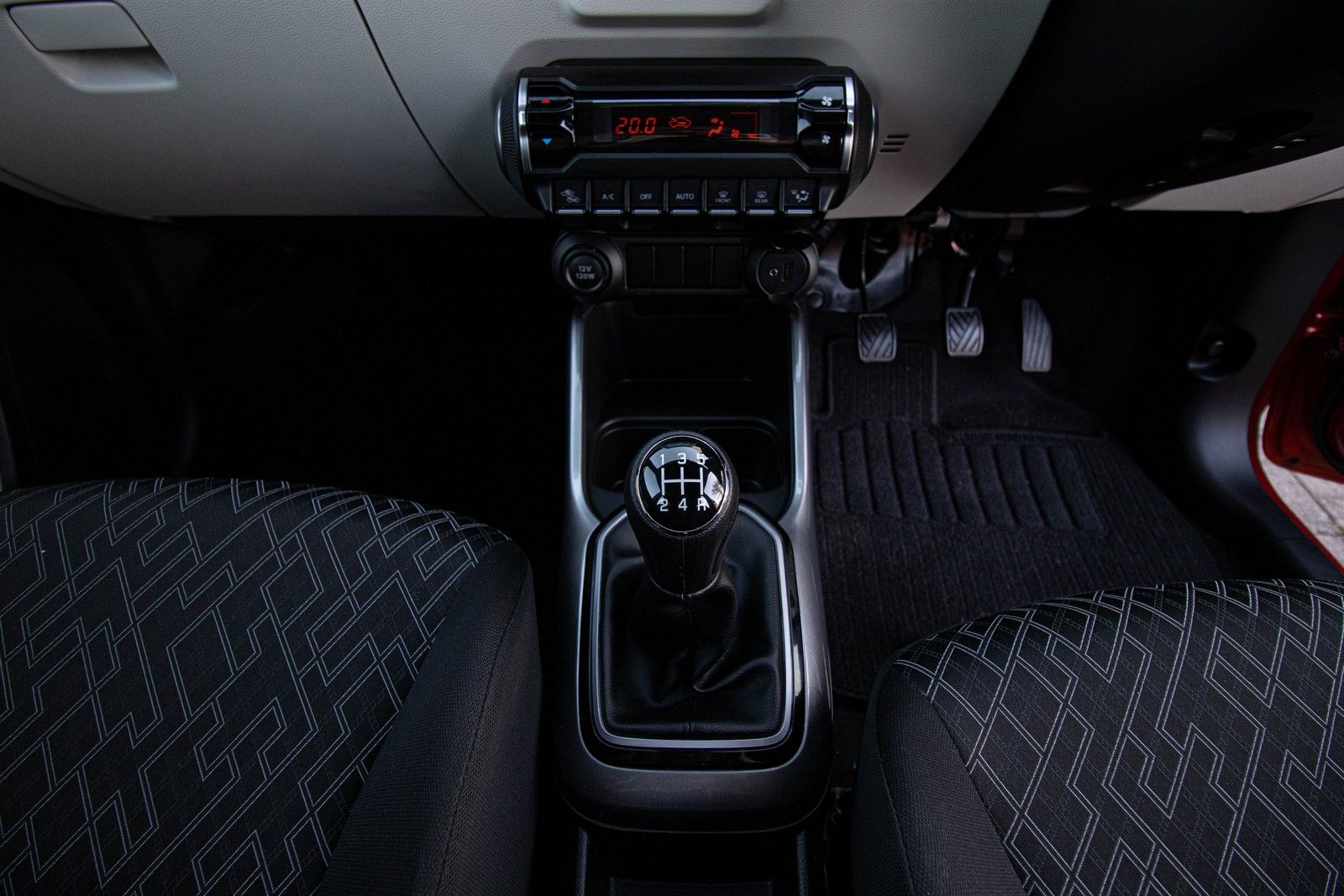
The 5-speed manual gearbox has a positive action and is light to use
Mechanically, the Suzuki Ignis has not changed; it's still powered by the same 1.2-litre naturally-aspirated petrol engine. We've had considerable experience with this thrifty engine… Granted, it's only a 1.2-litre unit with 61 kW and 113 Nm on tap, but when you consider the Ignis only tips the scales at 925 kg, you don't need much to get it moving.
Thanks to a slick 5-speed manual gearbox, which has a refreshingly light shift action, the Suzuki Ignis feels lively to drive round town; it never feels out of breath/underpowered. The engine is a willing performer (at least at sea level, with a driver and perhaps a front passenger onboard) and it's quite content to be revved out all the way past 5 000 rpm.
Mind you, the engine sounds a bit loud and gruff at the upper end of its rev range, but to remedy that "just hook the next gear and repeat the process". When you're driving at double-digit speeds in town, the Ignis keeps up with traffic with ease. The powertrain's limitations become obvious when the 1.2 GLX is travelling on the open road/freeway, only because overtaking manoeuvres at the national speed limit require the gearbox to be worked with vigour. But when the transmission's this easy to use, it's not major pain.
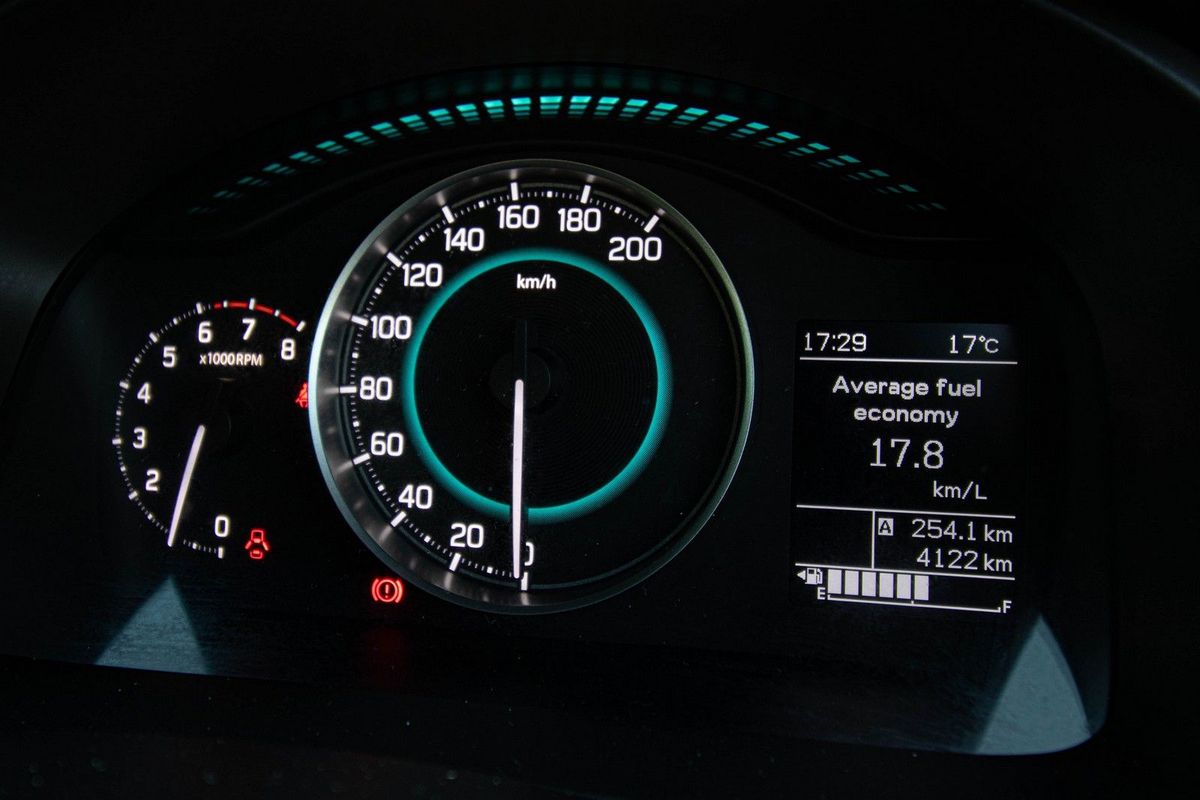
What's more, the Ignis is particularly frugal. Compact Suzukis tend to be exceptionally light on fuel and the Ignis is no different. Suzuki claims an average consumption of 5.1 L/100 km, and we saw an excellent indicated figure of 5.7 L/100 km. Even though our evaluation of the 1.2 GLX included a stint of spirited gravel-route testing, when the fleet manager sent us a photo of the vehicle's trip computer at the end of its test, the readout was 4.5 L/100 km! The only downside is that the fuel tank (32 litres) is a mite small.
Ride & Handling
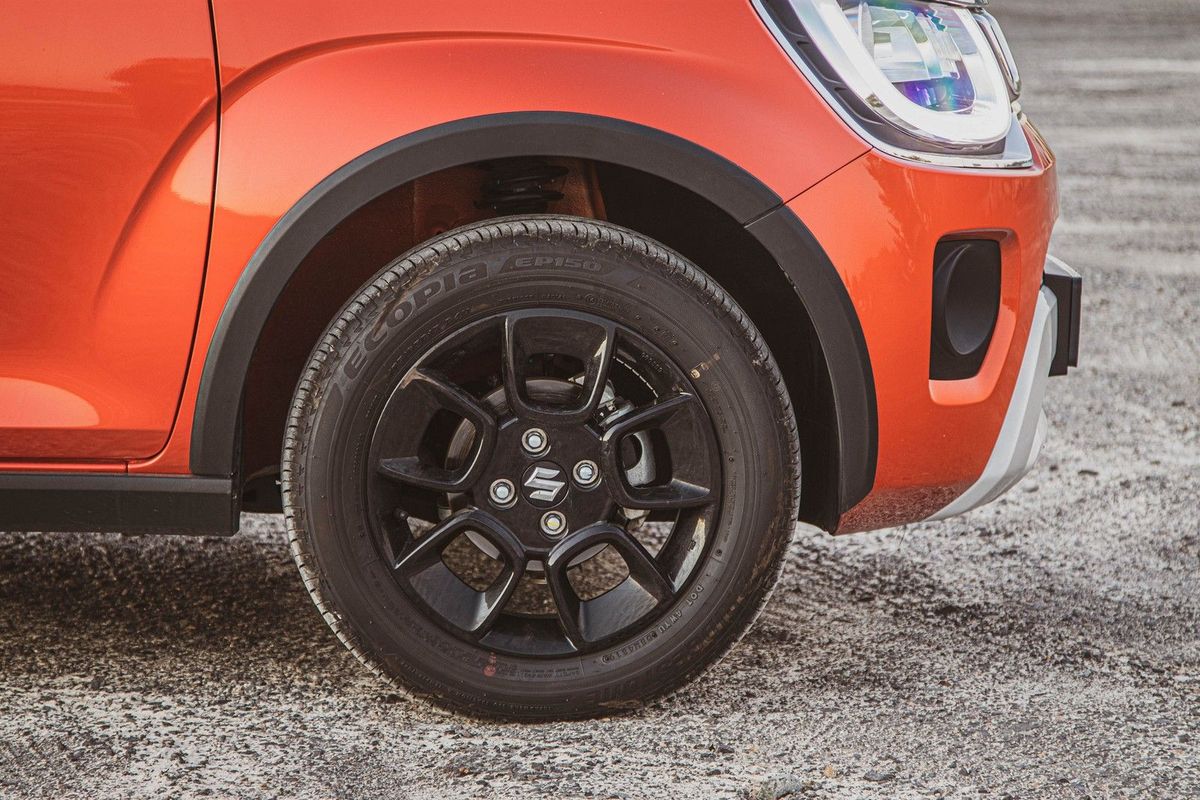
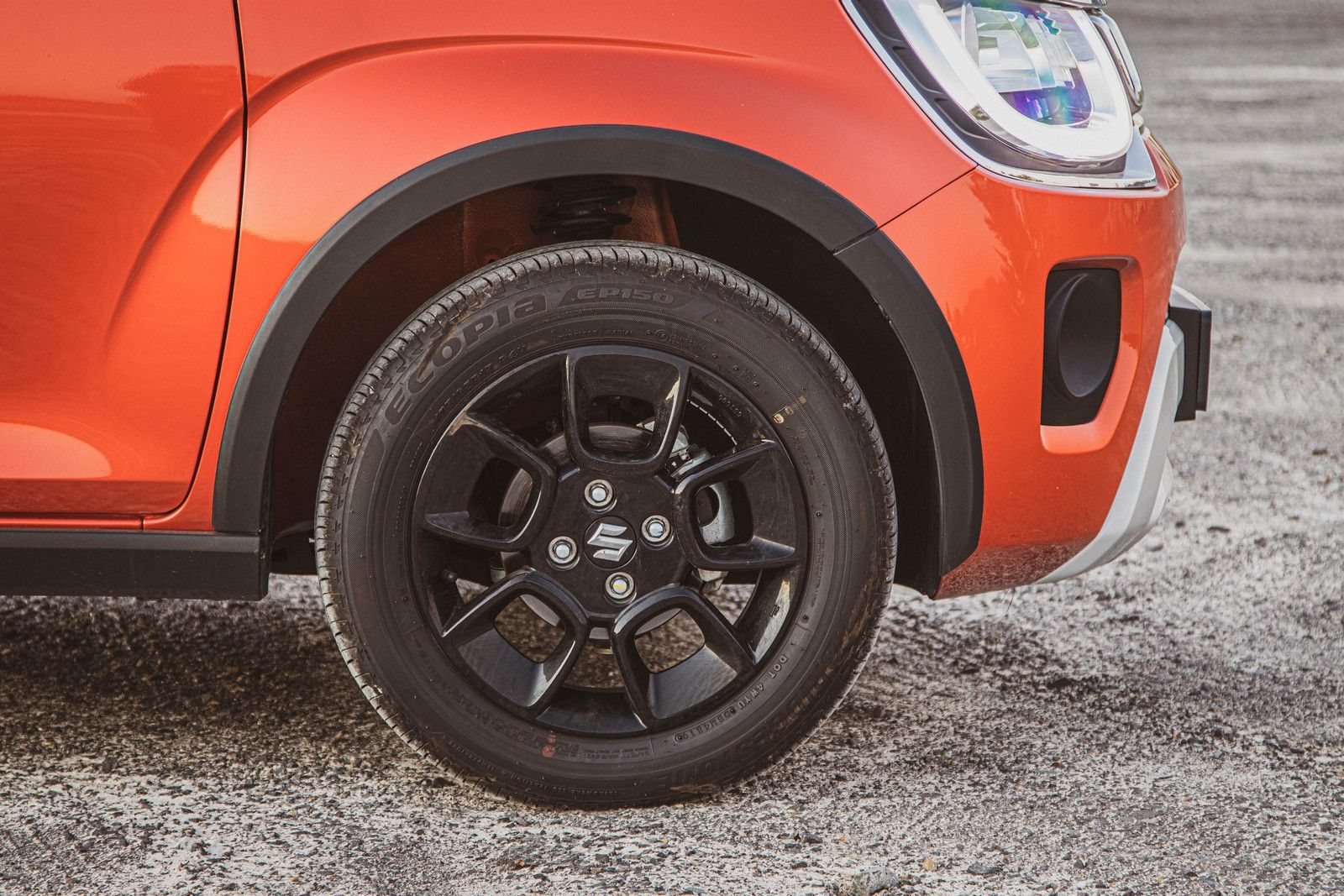
The Ignis rides on 15-inch alloy wheels. Ground clearance is a handy 180 mm.
Indeed, we spent some time driving the updated 1.2 GLX on an unsealed road – not something we recall doing during our review of the pre-facelift model. Suzuki claims 180 mm of ground clearance and while there's no 4×4 drivetrain, the little Ignis feels at ease on a gravel route. Granted, it's no Jimny, but it's reassuring to know the hatchback can handle potholed roads or mount a kerb if it has to. The car is shod with 15-inch alloys and while the ride is a touch firmer than we expected, it's on par for the segment.
The vast majority of Suzuki Ignis owners will use their vehicles to commute from suburbs to city centres, and, to be honest, the car feels in its element in this setting. The driving position is good because it feels like you are sitting higher up/in a more commanding position than in an equivalent hatchback or sedan. The steering is not the most direct setup; we found it necessary to make minimal adjustments to keep the vehicle tracking straight. Fortunately, the 'wheel is quick and doesn't require much effort to turn.
Downsides? Well, as mentioned with the seating position, you sit quite upright and that's partly due to the tall body style. This higher centre of gravity does mean that if you suddenly swerve, the vehicle does tend to lean/yaw a little. It's not a dealbreaker, but something to be mindful if you dart into a traffic circle when you're in a bit of a hurry.
Connectivity & entertainment
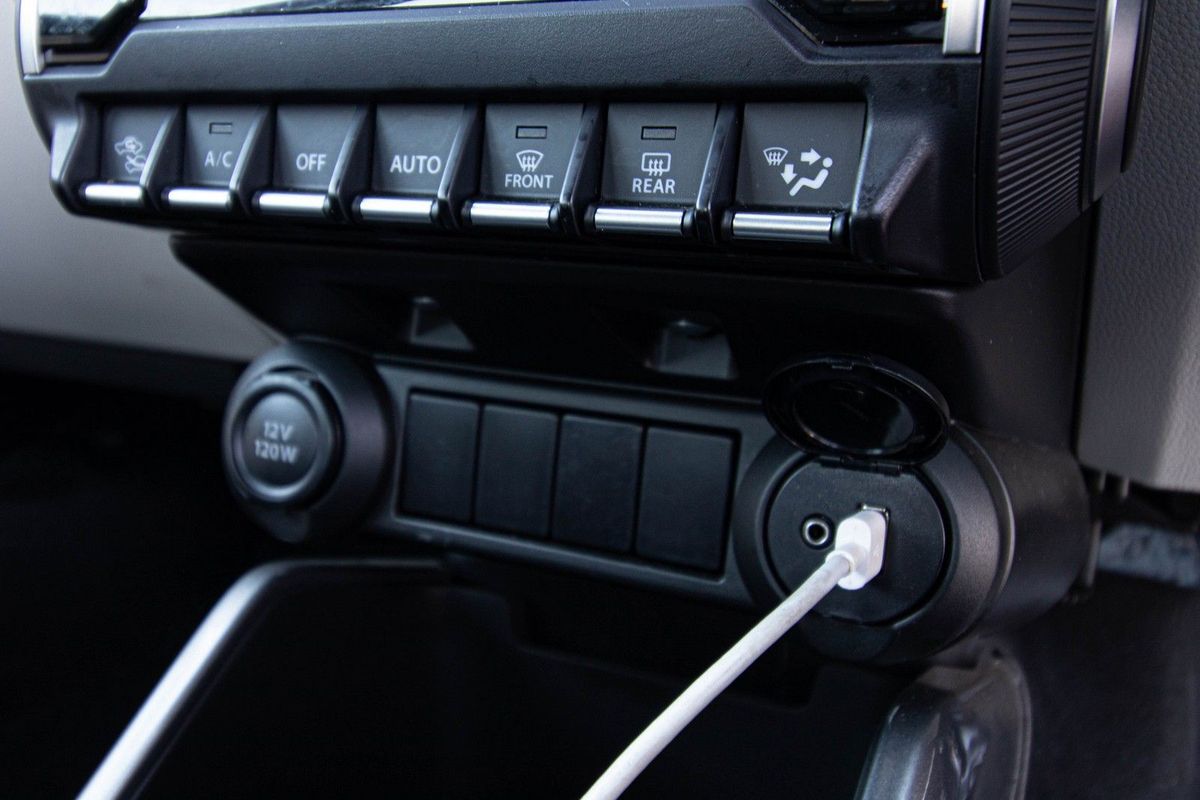
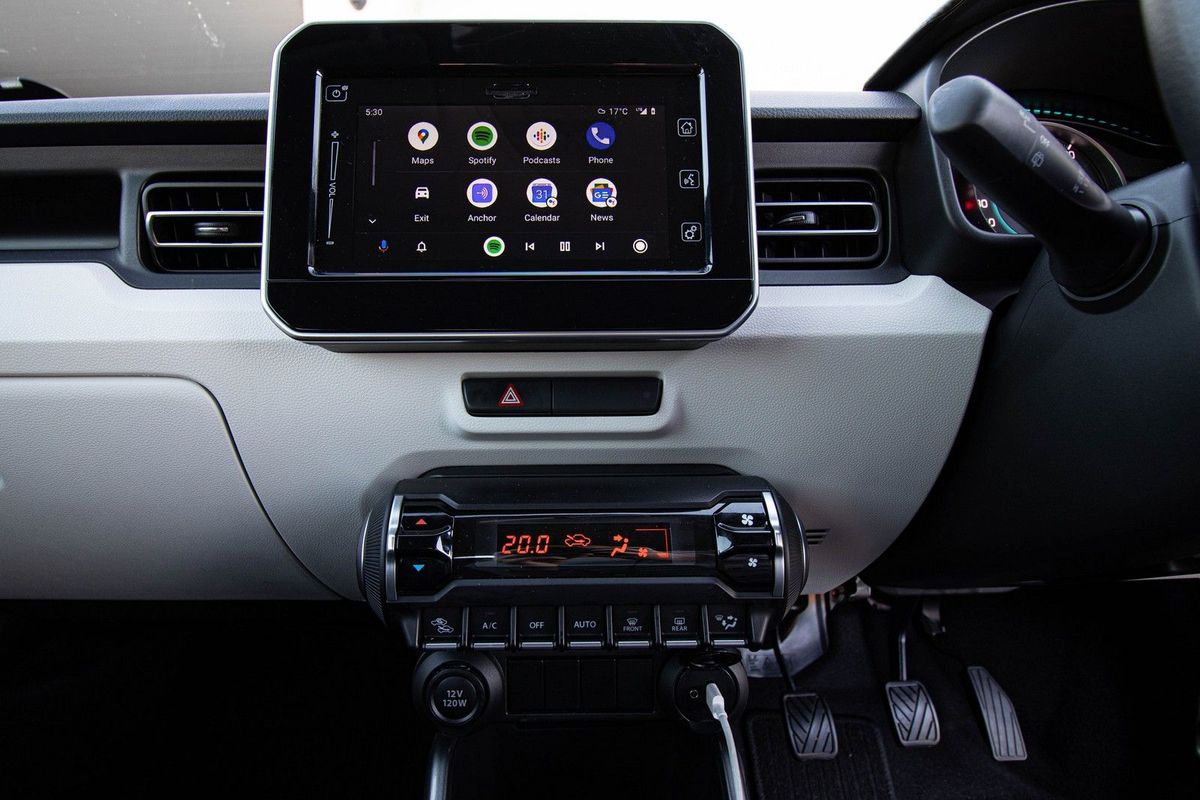
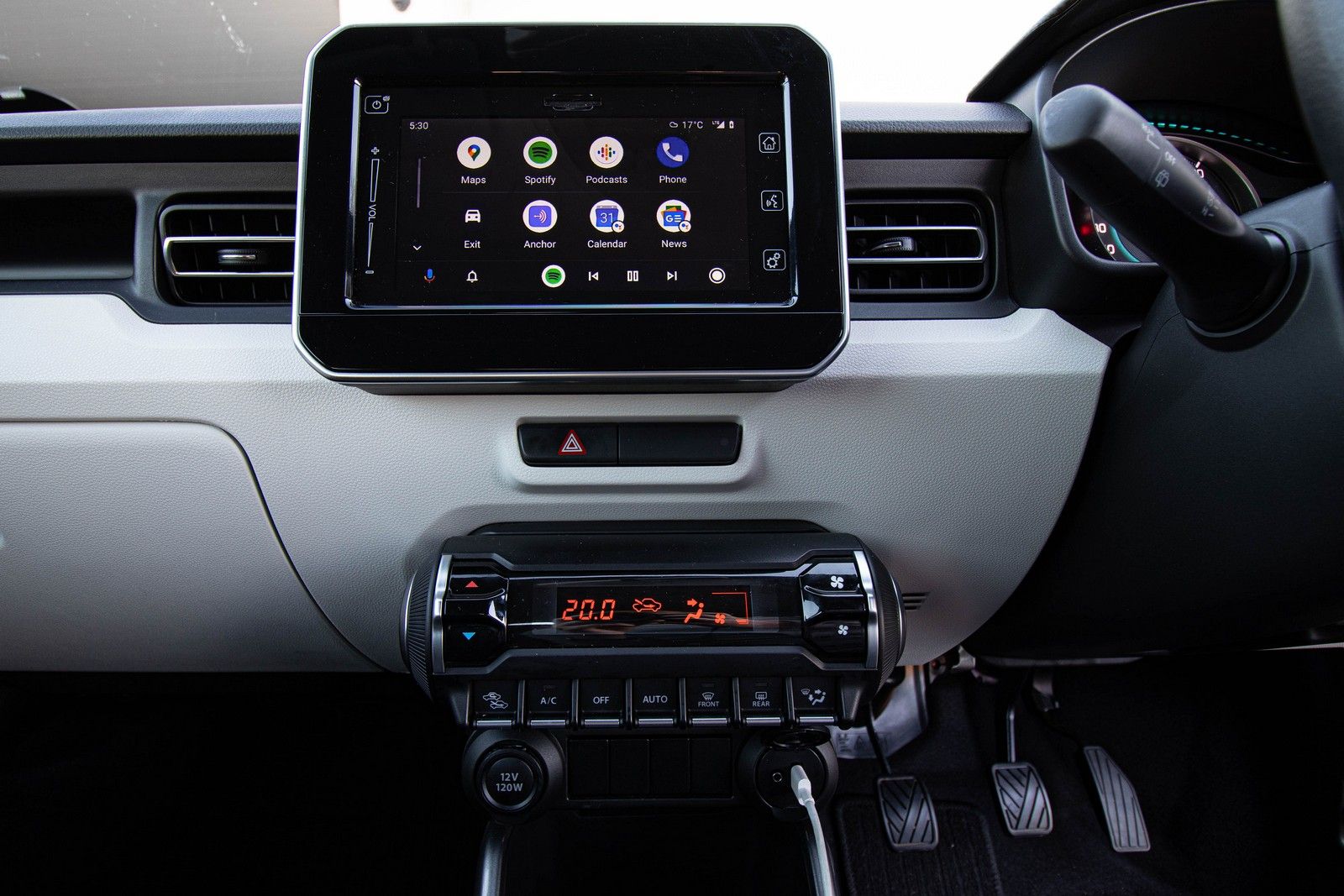
The infotainment is basic, but functional. However, when you connect your smartphone via USB, the connectivity functionality jumps 10-fold
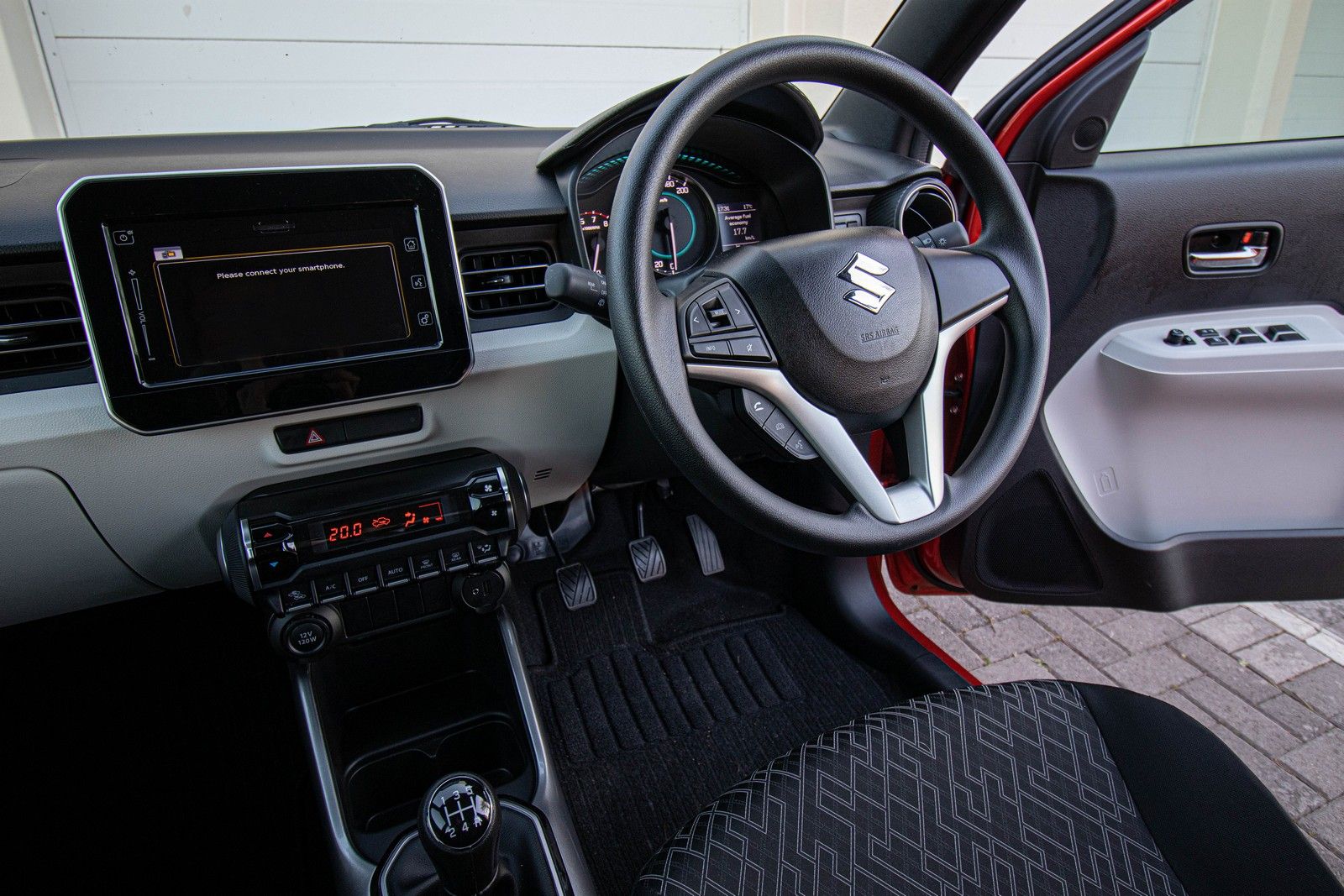
The revised Suzuki Ignis' interior is a neat, unfussy space to occupy. The Hamamatsu-based firm has added some modern touches to the typically minimalist layout and, at this price point, we can't criticise the quality of the materials. It's a generally well-finished cabin that instantly feels durable. The 1.2 GLX's fascia is dominated by the touchscreen infotainment screen. It has a fairly intuitive interface and, thanks to Android Auto/Apple CarPlay compatibility, you can access the system's top-end functions by simply plugging in your smartphone. We found services such as Google Maps, Waze, Spotify and the function that makes your phone read out WhatsApps while you drive very convenient.
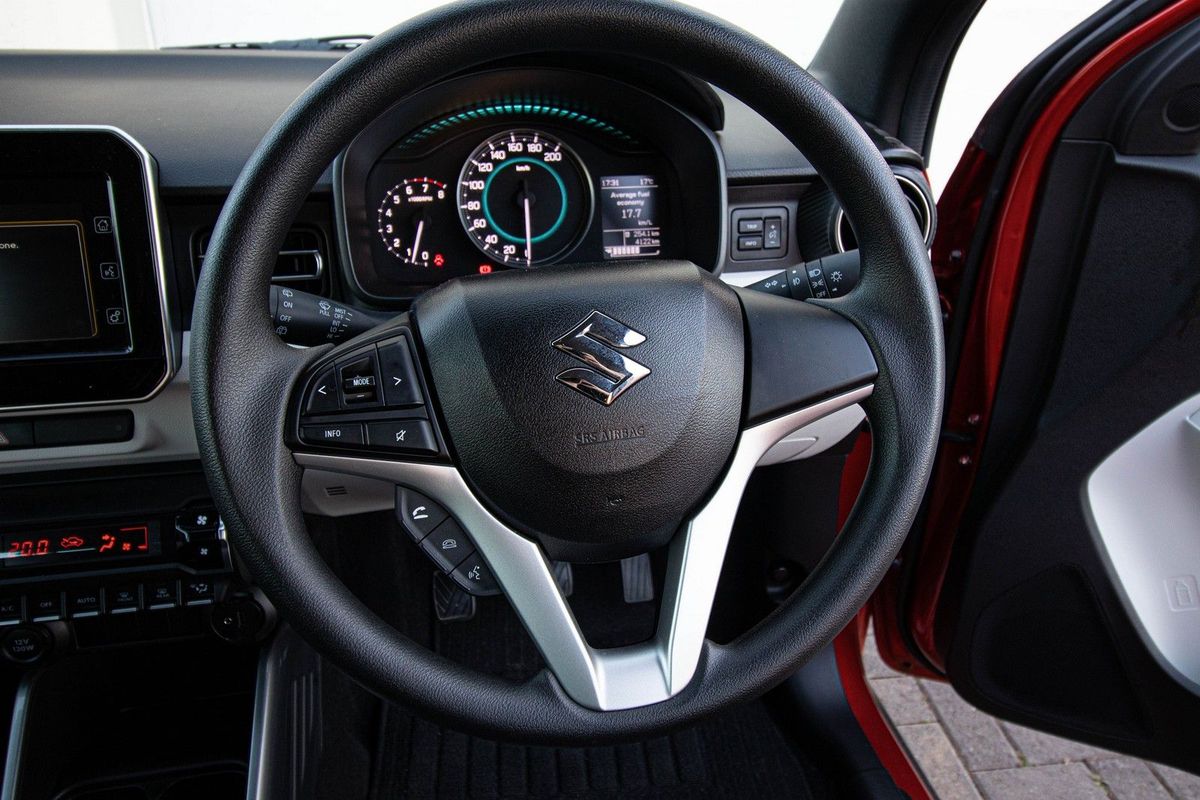
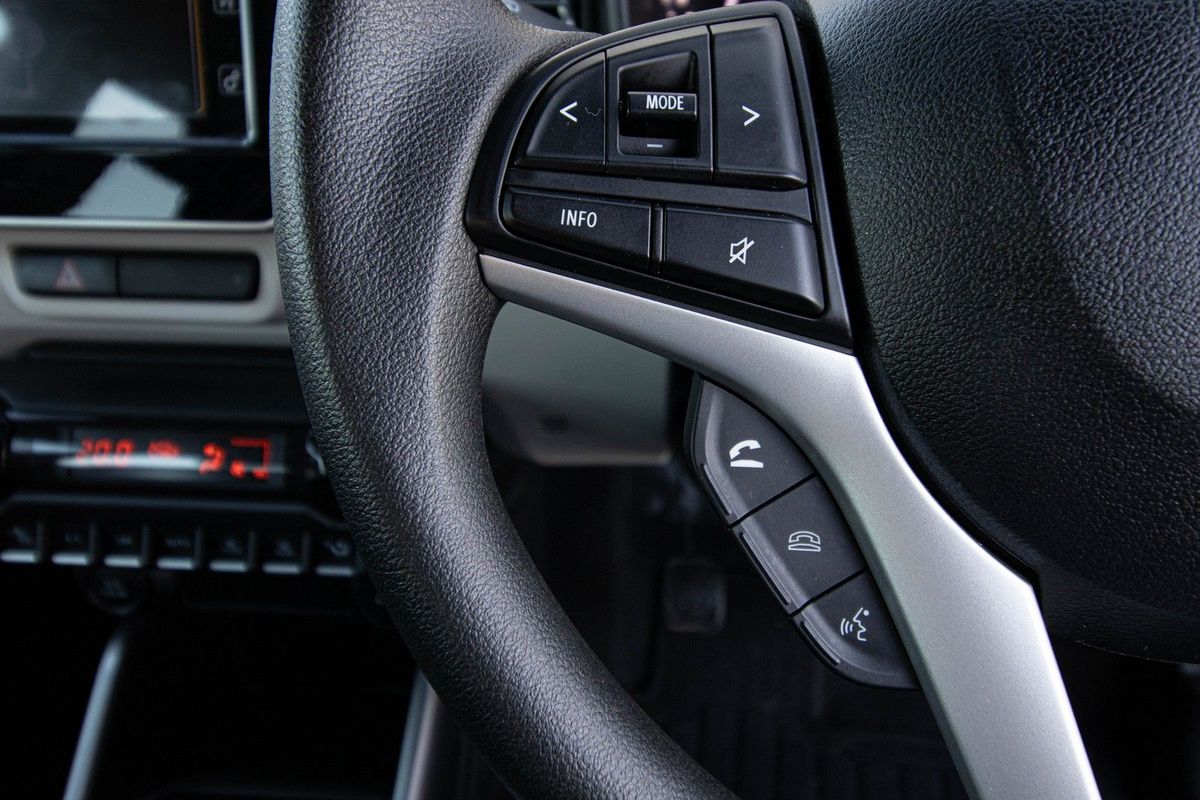
The instrument cluster, which is easily legible, is dominated by the central speedometer and features a comprehensive trip computer, with nice-to-have functions such as a distance-to-empty readout. The steering wheel, in turn, features satellite controls for the audio system as well as hands-free telephony.
Meanwhile, the generous GLX trim level includes features such as push-button start, daytime running lights, climate control, a reverse-view camera, rear parking sensors and front fog lights, all of which add to the value package. The only additional feature we would have liked is cruise control, but at this price point, it's not a must-have.
Our only notable criticism of the Ignis pertains to its safety specification. Granted, the 1.2 GLX does come with 2 front airbags and anti-lock brakes (ABS) with electronic brake-force distribution (EBD), but we think the addition of electronic stability control would have elevated the Ignis' safety suite to a level comparable with most compact hatchbacks.
Practicality
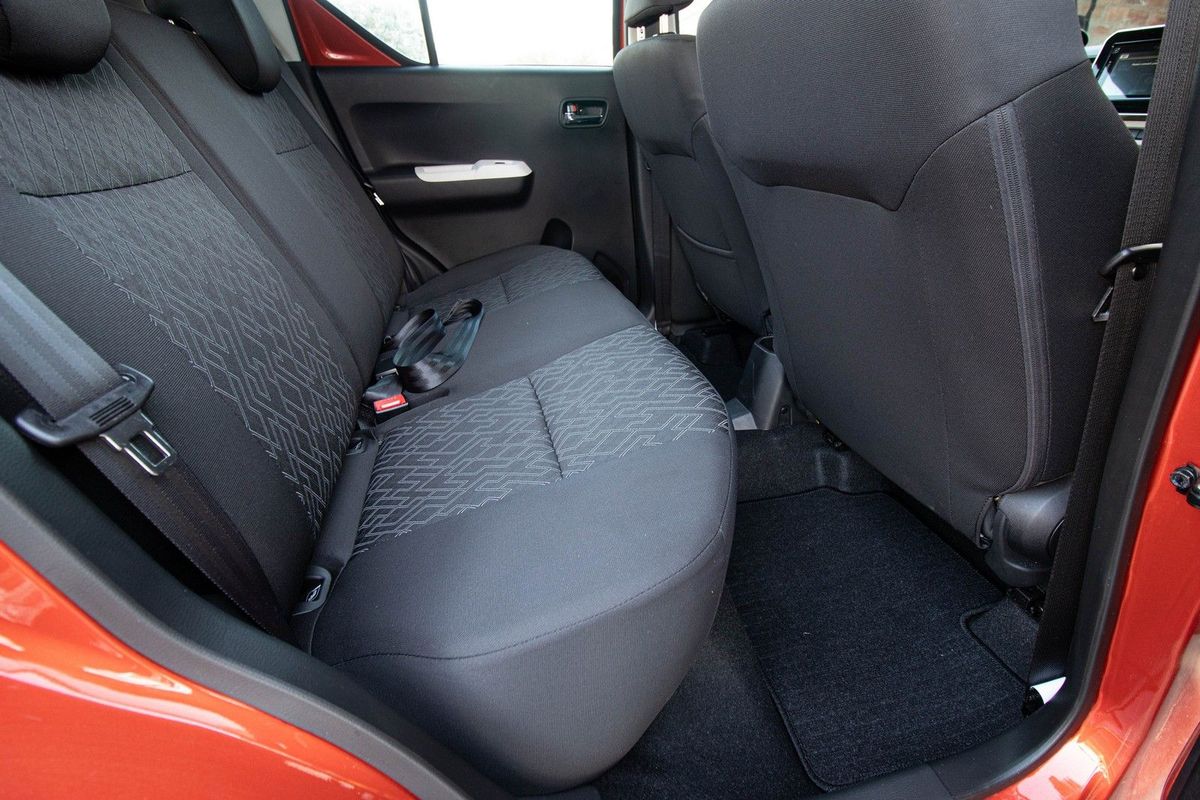
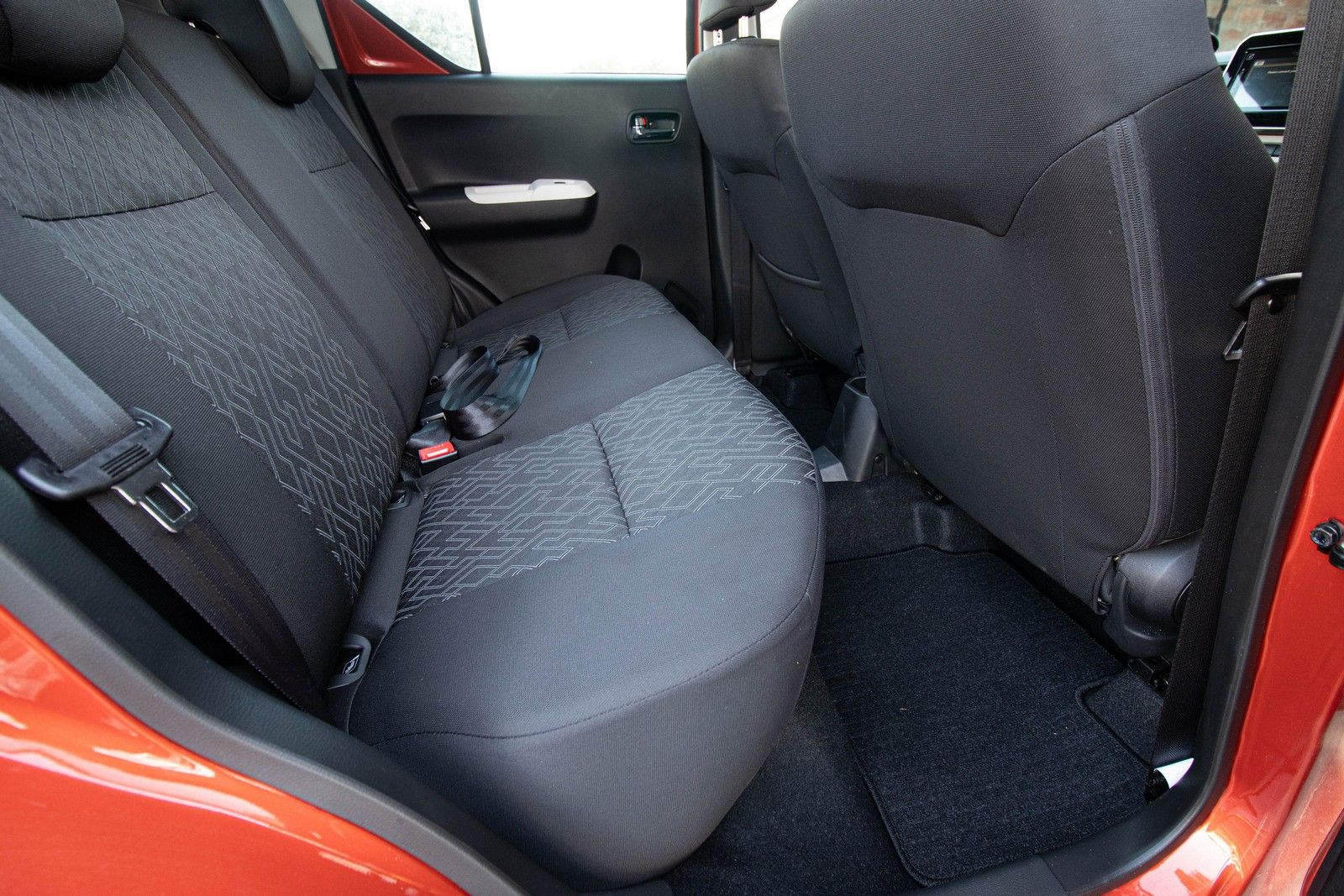
Rear legroom is adequate for small adults and children
When you first look at the Ignis, you might assume it's tiny inside, but don't let those cute looks deceive you. In some budget cars, larger occupants can bump shoulders, but that's not the case in the Suzuki. Plus, even though occupants sit a bit high, there's sufficient headroom for tall adults and the driver's seat is height adjustable. Rear legroom, on the other hand, is a bit tight, but not unusable.
The load-bay capacity is rated at 260 litres, with 947 litres of utility space said to be available with the rear seats folded down. With those aft seats retracted and the front passenger seat moved forward, you can even fit a full-sized mountain bike in there! The cabin also features plenty of storage compartments for keys and phones etc.
The Suzuki Ignis has a modern and well-assembled interior.
Pricing and after-sales service
Pricing for the Suzuki Ignis range starts at R188 900 and this top-spec 1.2 GLX costs R216 900 (August 2020). There is also an automatic version available for the GLX. The derivative comes standard with a 2-year/30 000 km service plan and Suzuki’s promotional 5-year/200 000 km mechanical warranty, which includes 5 years' roadside assistance.
Verdict
Despite its price going up, the Suzuki Ignis is a charming offering that is not only cute, but cheap to own and run.
The tastefully updated Suzuki Ignis continues right where its predecessor left off. Not only is it charming to look at and drive, but it's not going to cost you a fortune to own and run: the 1.2 GLX is remarkably light on fuel and comes with the enviable backing of vehicle brand that has won the #CarsAwards Brand of the Year title on 2 occasions!
Its cute looks will win it many fans and those who have the chance to take it for a test drive will be impressed by how energetic it feels to drive in an urban environment. The target market for this vehicle is typically younger buyers and the array of connectivity options availed by the advanced infotainment touchscreen is likely to impress them. If you're looking for an interesting first-time new-car purchase that won't break the bank and offers quite the "cool factor", the Ignis should be near the top of your shortlist.
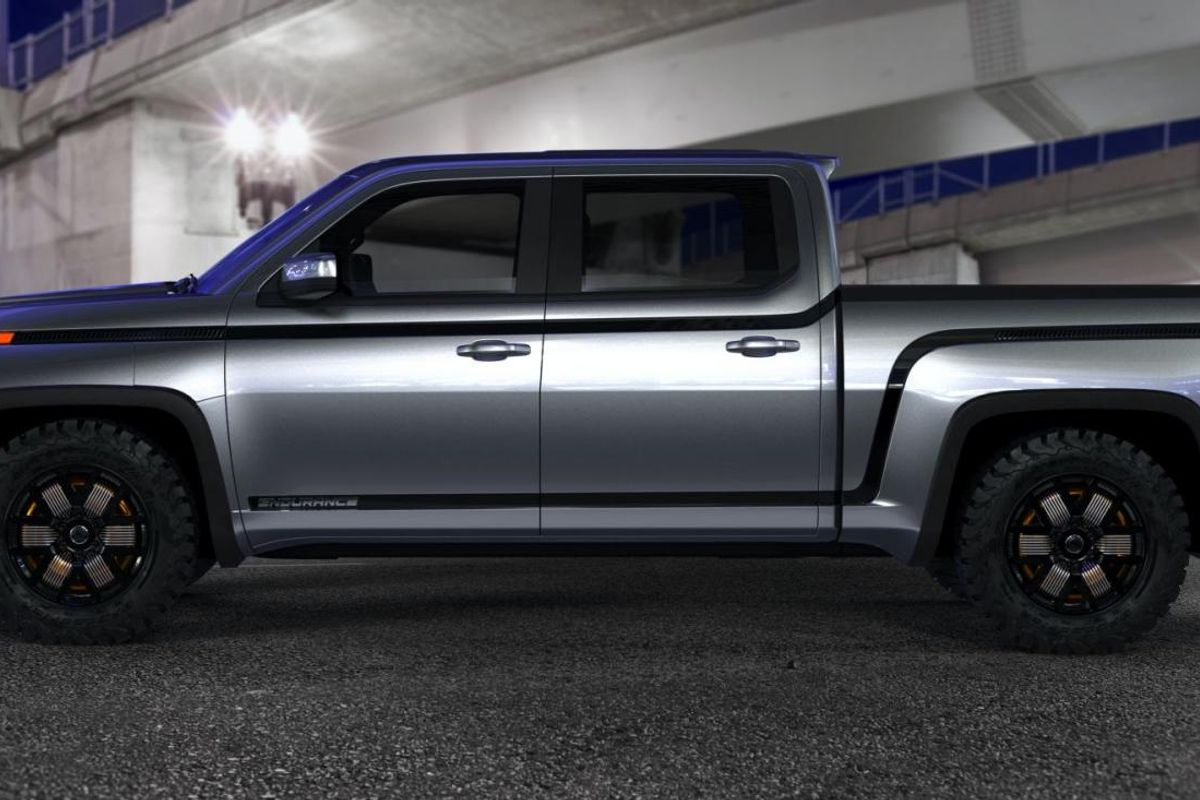
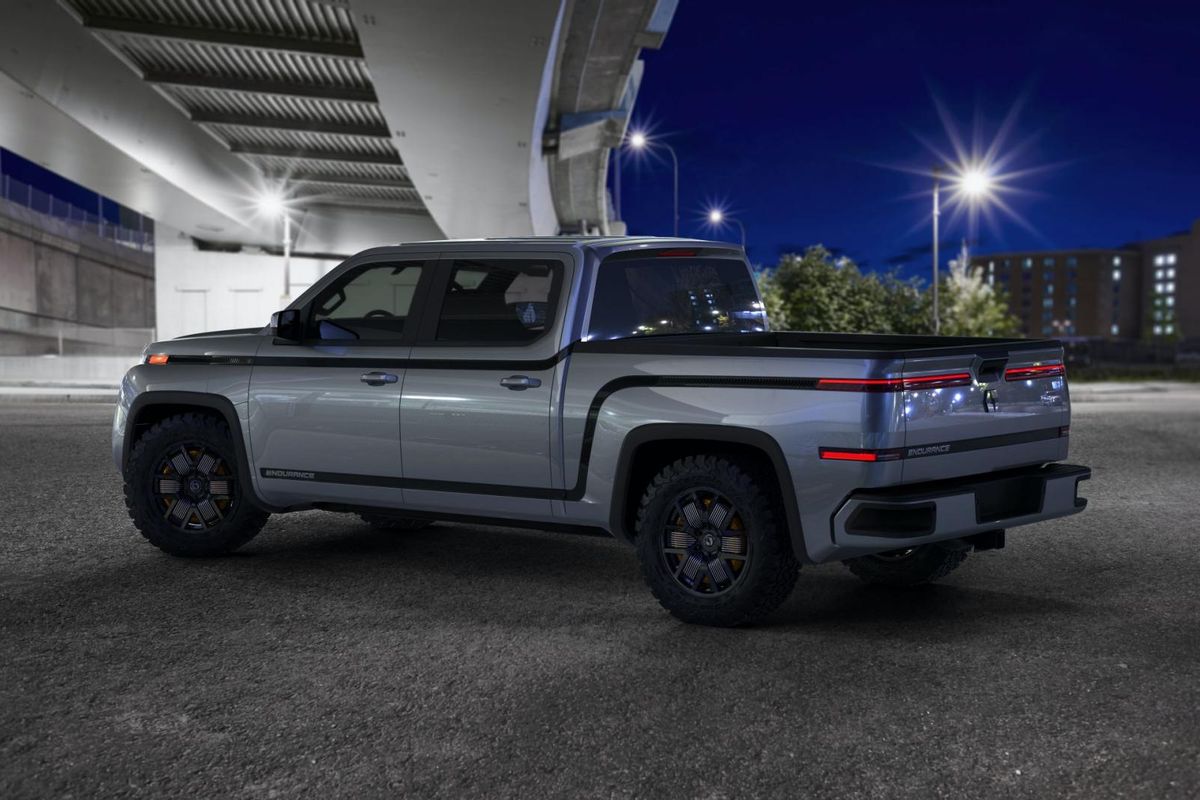
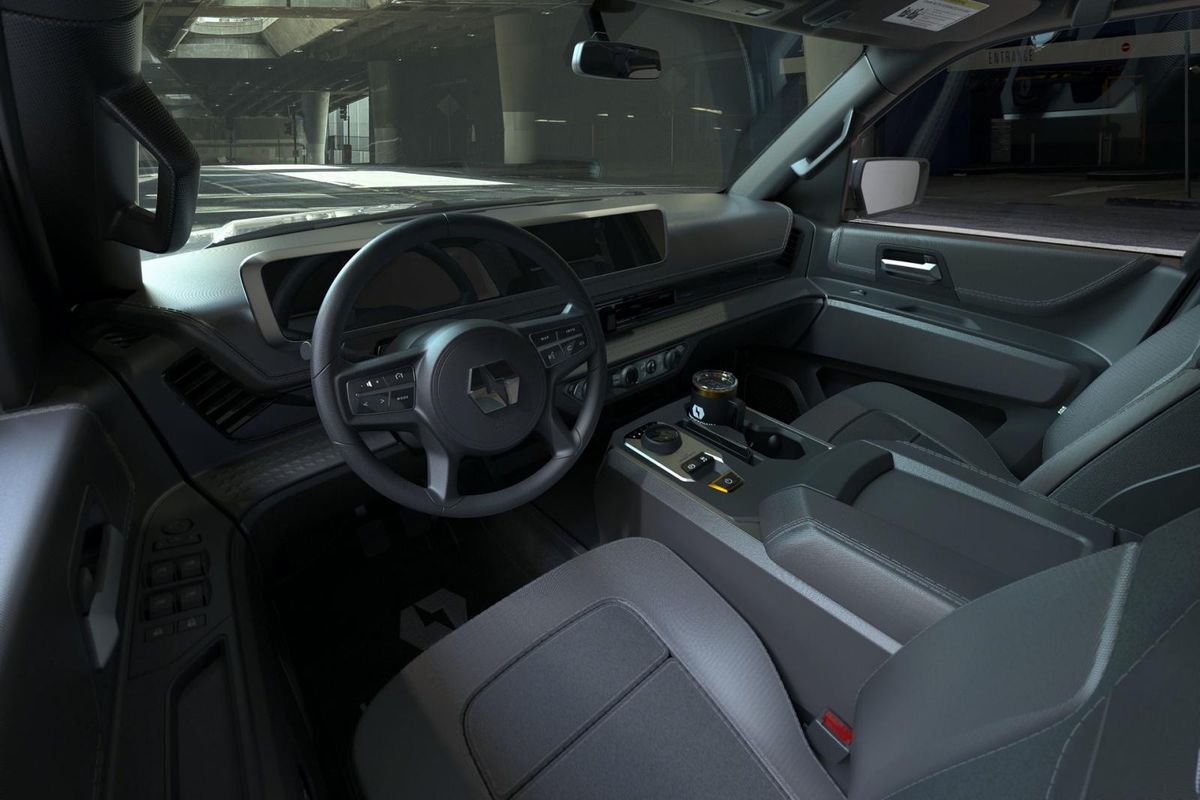
Just a few weeks ago, Ohio-based Lordstown Motors revealed its Endurance pick-up, and while it was a pre-production vehicle, it pointed directly to the forthcoming production vehicle which is due in 2021.
The Lordstown Endurance is being developed as an electric workhorse and this is clearly seen in the latest teaser which shows the Endurance working hard which implies it won’t be marketed as a lifestyle offering.
What makes Endurance unique is that it’s the first commercial vehicle to feature 4 in-wheel hub motors which are rare in a production vehicle but will allow the vehicle to cope better in various terrains. This design reduces the number of moving parts which the brand says will reduce maintenance as well as lowering the overall cost of ownership.
Technical details have yet to be revealed but Lordstown states that the Endurance will pack a combined power output of at least 447 kW and will have a range of roughly 402 km on a single charge. More so, zero to 100 kph will take 5.5 seconds. Approximately 95% of charge can be attained in 10 hours using a Level 2 charger or between 30 minutes and 1.5 hours with a Level 3 DC fast-charger.
For those who need a power source on a job site, the Endurance is equipped 120V socket and 30 camp sockets for plugging in power tools and other equipment. The Endurance can tow a maximum of 3 400 kg.
The Lordstown Endurance is due to go into production in 2021.
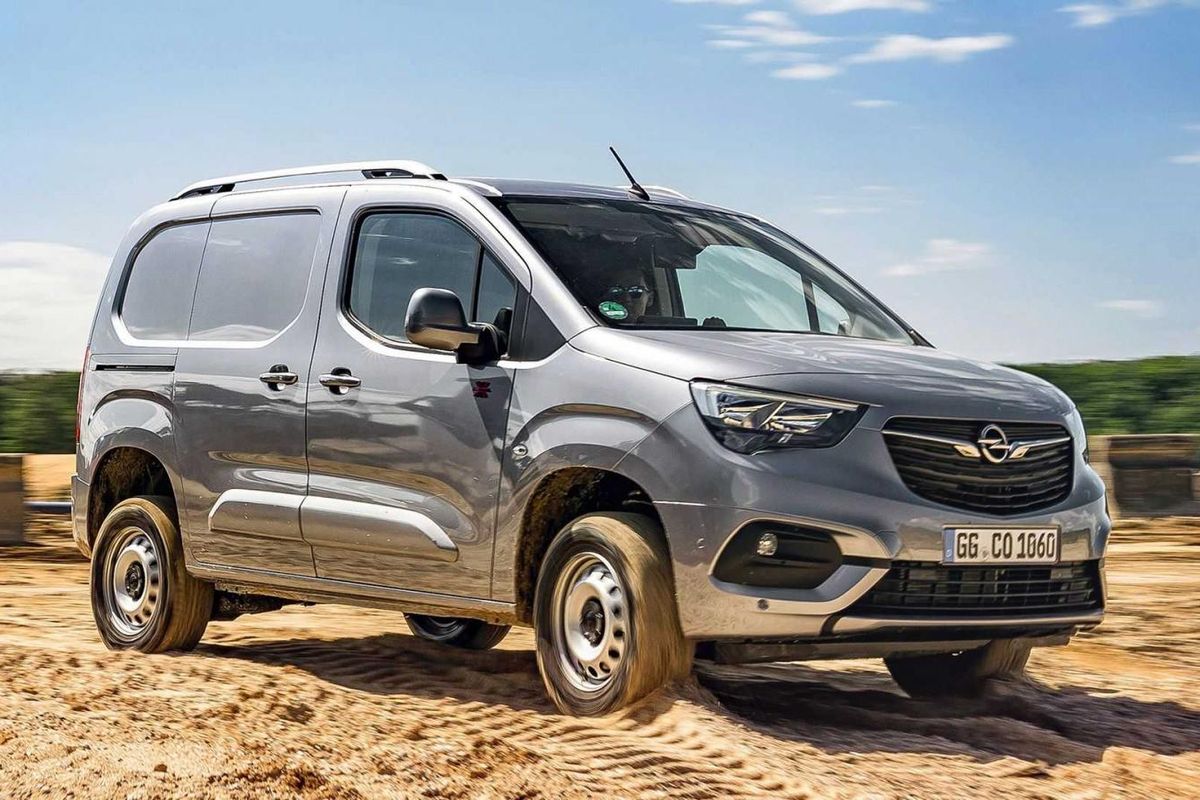
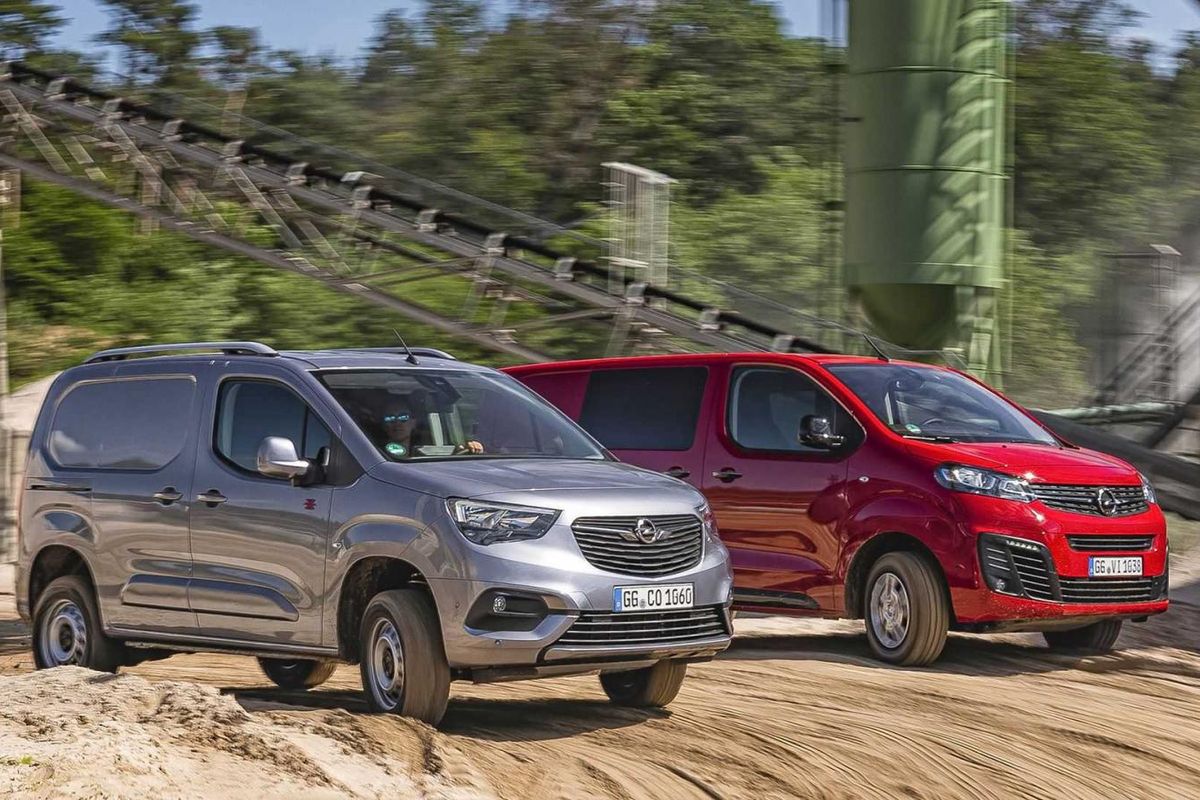
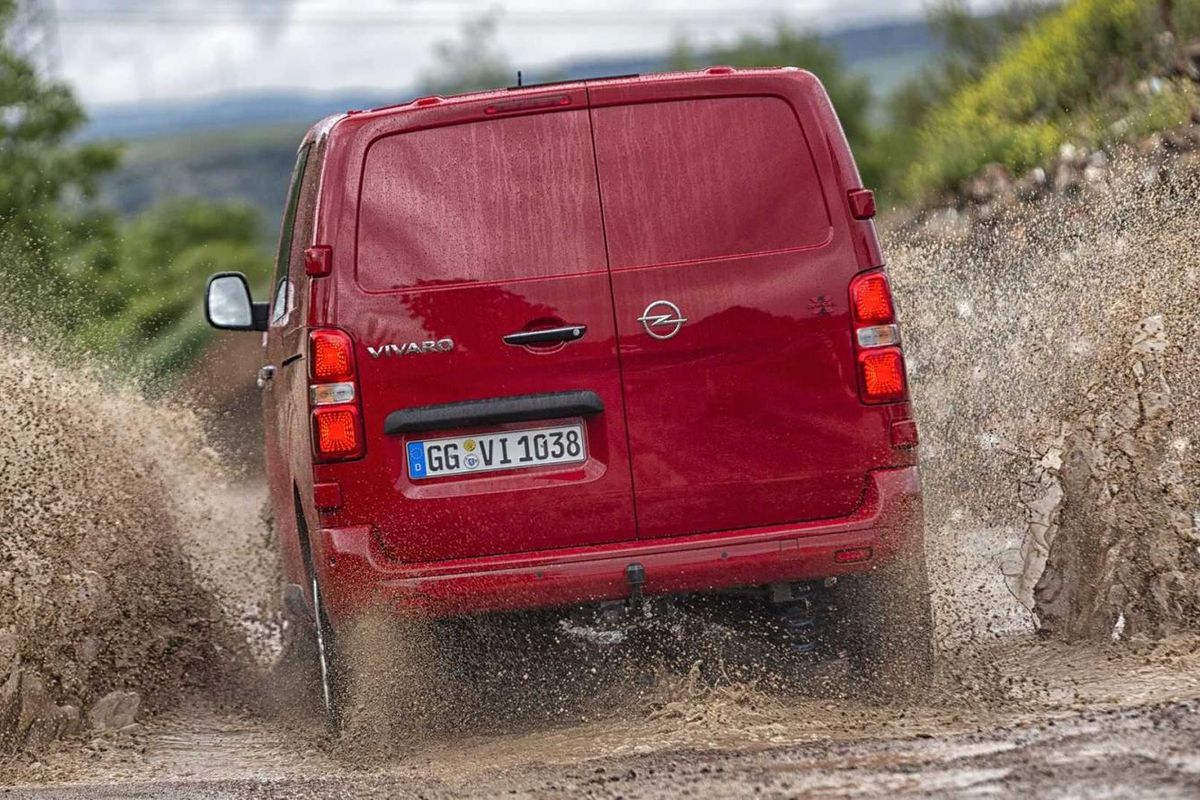
Opel has two new vans that can go basically anywhere you would need to make a delivery or collection.
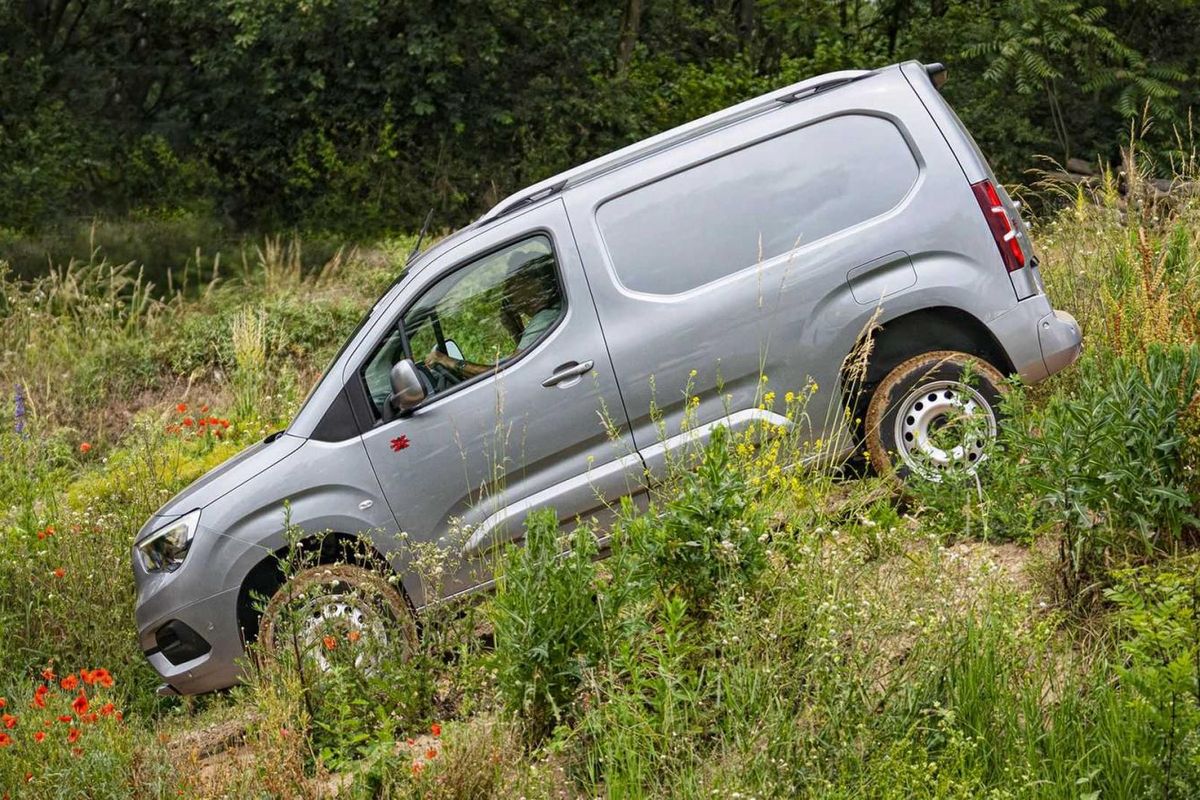
Although the 4×4 bakkie is a favoured all-terrain logistics vehicle, they are heavy on fuel and tyres. A van will always have superior bulk loading capacity and Opel is now offering both its Combo and Vivaro with selectable 4×4 capability.
Using the same production Combo and Vivaro platform, Opel commissioned French off-road traction system specialist, Dengle, to develop these new 4×4 variants. As Opel is now part of PSA, the French connection makes sense.
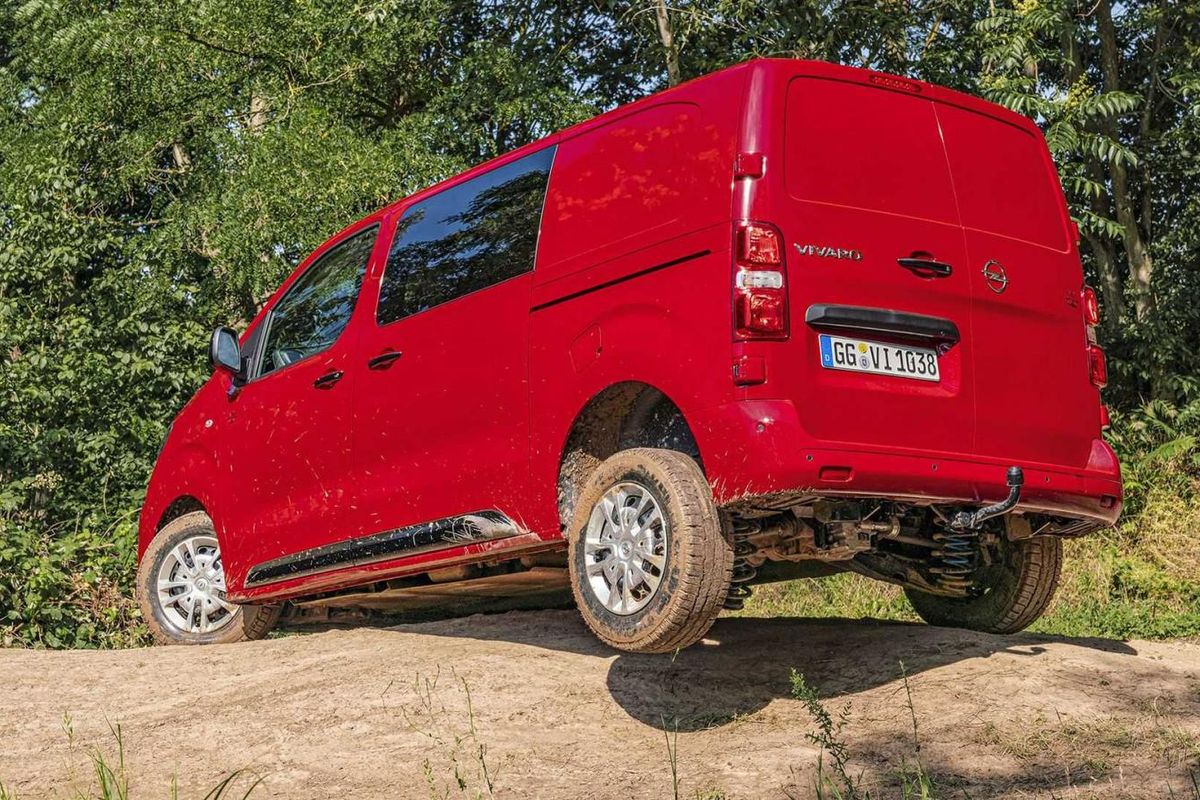
Steering and suspension components are upgraded, to give these 4×4 Combo and Vivaro vans better ride quality and obstacle clearance off-road.
The Combo sees a significant 90 mm ground clearance gain, to 205 mm, while underbody protection is added to guard the most vulnerable power- and drivetrain bits. Dengle claims that its Opel Combo 4×4 will ascend a 41-degree incline.
With the larger Vivaro, there is a smaller ground clearance gain (up by 20 mm) and only 23.7-degree incline climbing ability. The Vivaro 4×4 does counter with an impressive 1 344 kg payload.
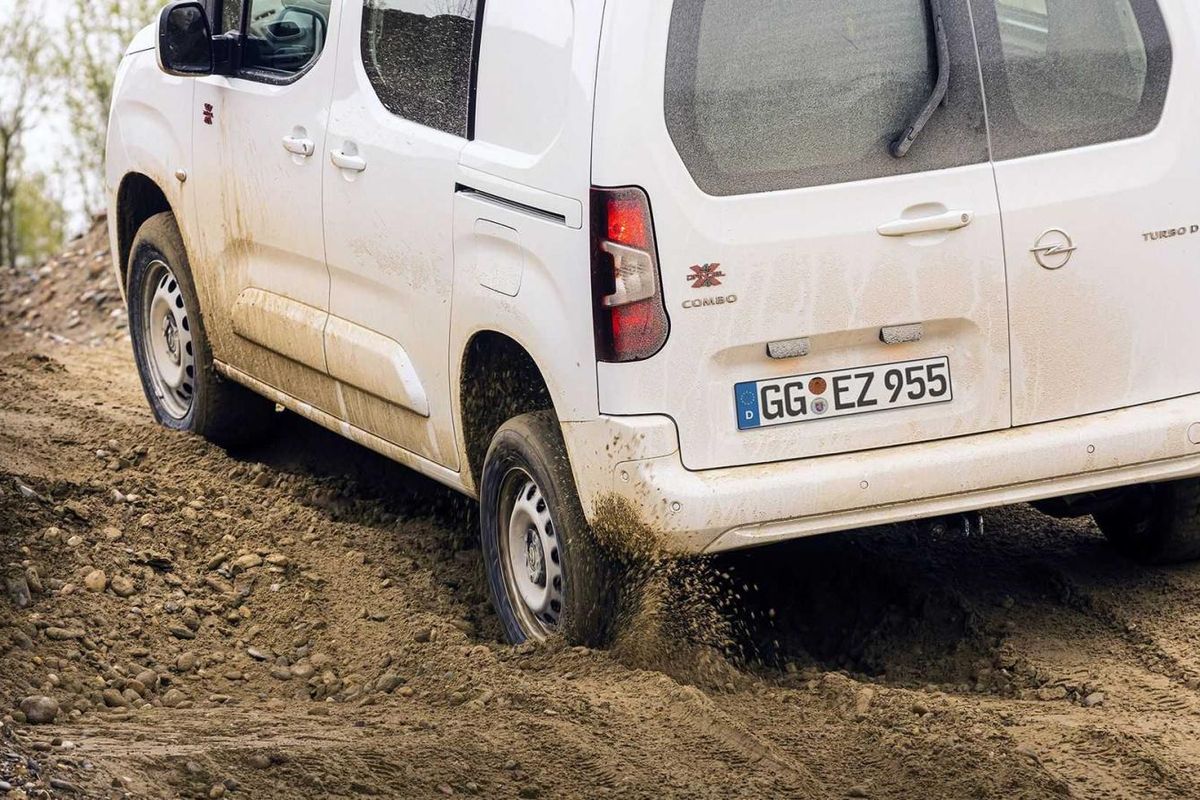
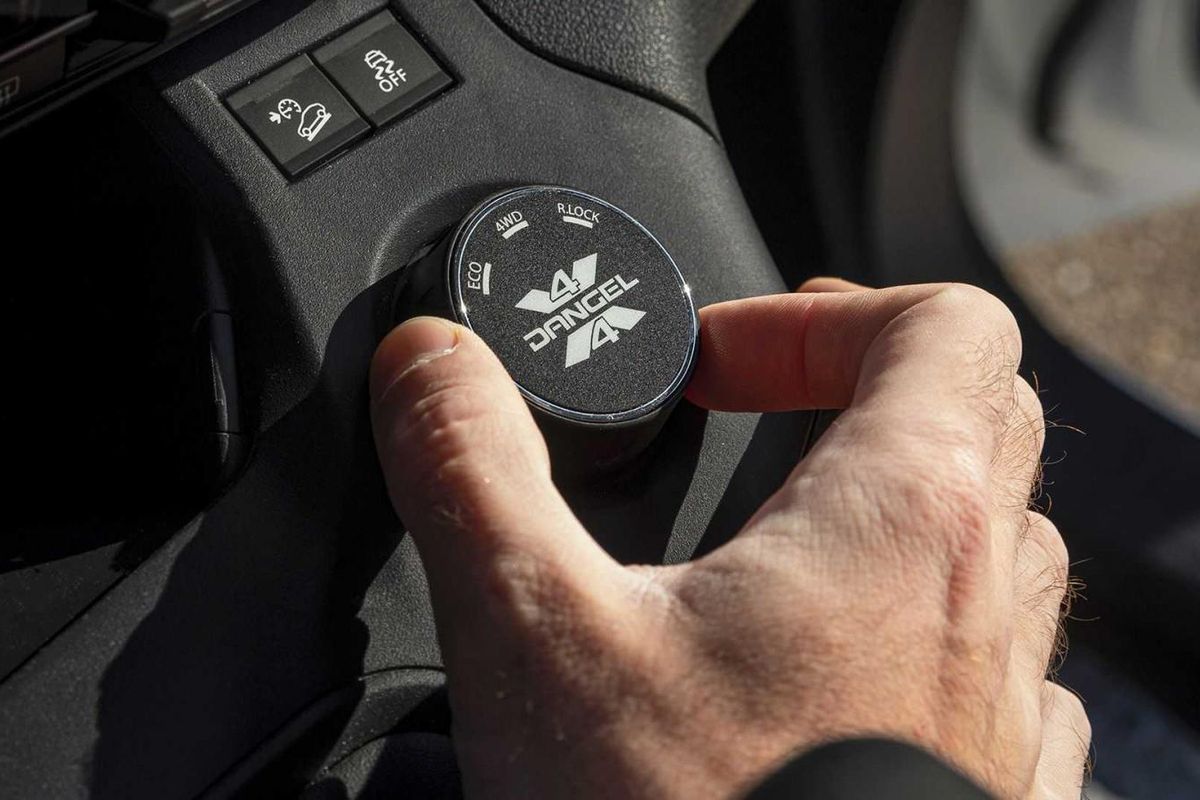
How does the Dengle 4×4 system work on both of these Opels? Well, it is a rotary select design which engages the rear axle when required, via a viscous coupling. An R-Lock feature is integrated within the Dengle set-up, whilst the Combo and Vivaro’s ESP systems have been recalibrated to allow or greater wheel slip, before limiting engine power.
Opel is offering a limited-slip rear differential option for those users who prefer a more mechanical traction interface in sandy or loose terrain.
If you would like to live a slightly more adventurous #vanlife, these new Opels will take you where most crossovers cannot.